AVENTURA AT PEMBROOKE
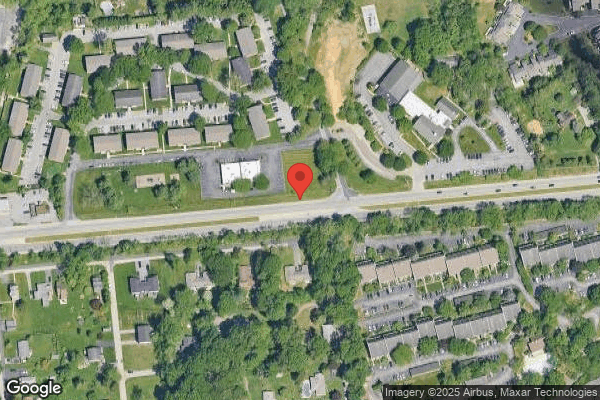
1130 WEST CHESTER PIKE, WEST CHESTER, PA 19380 (610) 692-3636
For profit - Corporation 180 Beds AVENTURA HEALTH GROUP Data: November 2025 2 Immediate Jeopardy citations
Trust Grade
1/100
#529 of 653 in PA
Last Inspection: August 2025

Inspected within the last 6 months. Data reflects current conditions.

Overview

Aventura at Pembroke has received a Trust Grade of F, indicating significant concerns about the quality of care provided. It ranks #529 out of 653 nursing homes in Pennsylvania, placing it in the bottom half, and #20 out of 20 in Chester County, meaning it is the lowest-ranked facility in the area. The facility's performance is worsening, having gone from 6 issues in 2024 to 7 in 2025, and it has accumulated a concerning $227,133 in fines, higher than 93% of facilities in Pennsylvania. Staffing ratings are poor with a score of 1 out of 5, but there is a 0% turnover rate, which is good, suggesting that staff stay at the facility. Specific incidents include a failure to adequately supervise residents, leading to a critical situation where one resident was able to physically assault another, as well as failures in providing proper nutrition to residents on enteral feeding, indicating serious gaps in care. Overall, while there are some strengths in staff retention, the facility has significant weaknesses that families should carefully consider.

Trust Score
F
1/100
In Pennsylvania
#529/653
Bottom 19%
Safety Record
High Risk
Review needed
Inspections
Getting Worse
6 → 7 violations
Staff Stability
○ Average
Turnover data not reported for this facility.
Penalties
✓ Good
$227,133 in fines. Lower than most Pennsylvania facilities. Relatively clean record.
Skilled Nurses
○ Average
RN staffing data not reported for this facility.
Violations
⚠ Watch
24 deficiencies on record. Higher than average. Multiple issues found across inspections.
★☆☆☆☆
1.0
Overall Rating
★☆☆☆☆
1.0
Staff Levels
★★★☆☆
3.0
Care Quality
★★☆☆☆
2.0
Inspection Score
Stable
2024: 6 issues
2025: 7 issues

The Good

  • Full Sprinkler Coverage · Fire safety systems throughout facility
  • No fines on record

Facility shows strength in fire safety.

The Bad

1-Star Overall Rating

Below Pennsylvania average (3.0)

Significant quality concerns identified by CMS

Federal Fines: $227,133

Well above median ($33,413)

Significant penalties indicating serious issues

Chain: AVENTURA HEALTH GROUP

Part of a multi-facility chain

Ask about local staffing decisions and management

The Ugly 24 deficiencies on record

2 life-threatening
Aug 2025 7 deficiencies
CONCERN (D)

Potential for Harm - no one hurt, but risky conditions existed

Comprehensive Care Plan (Tag F0656)

Could have caused harm · This affected 1 resident

Based on clinical record review and staff interviews, it was determined that the facility failed to create a comprehensive hospice care plan with interventions for one of two residents reviewed (Resid...

Read full inspector narrative →
Based on clinical record review and staff interviews, it was determined that the facility failed to create a comprehensive hospice care plan with interventions for one of two residents reviewed (Resident 13).Findings include: Review of Resident 13's face sheet revealed medical diagnoses that included Chronic Congestive Heart Failure (impairment with the heart's ability to fill with and pump blood). Review of Resident 13's clinical records revealed physician orders dated July 10, 2025, for hospice evaluation and treatment. Review of Resident 13's Minimum Data Set (MDS) (tool for implementing standardized assessment and for facilitating care management in nursing homes), dated July 21, 2025, documented the resident was enrolled in hospice care on July 10, 2025. Review of the facility's Hospice Communications Book revealed Resident 13 was certified with Bristol Hospice from July 10, 2025, through October 9, 2025, due to decline in health. Review of Resident 13's clinical records failed to reveal a care plan for hospice. Interview on August 21, 2025, at 2:10 p.m., with Licensed Nurse Employee E3, confirmed that Resident 13 was receiving hospice care since July 10, 2025, but did not have a care plan for hospice care. 28 Pa. Code 211.5(f) Clinical records28 Pa Code 211.11(d) Resident care plan28 Pa. Code 211.12(d)(1)(5) Nursing services
CONCERN (D)

Potential for Harm - no one hurt, but risky conditions existed

Quality of Care (Tag F0684)

Could have caused harm · This affected 1 resident

Number of residents sampled: Number of residents cited: Based upon clinical record review and interview, it was determined that the facility failed to ensure that physician orders were followed regard...

Read full inspector narrative →
Number of residents sampled: Number of residents cited: Based upon clinical record review and interview, it was determined that the facility failed to ensure that physician orders were followed regarding fluid restrictions for two of four dialysis residents (Resident 2 and Resident 82).Findings include:Review of Resident 2 diagnosis list revealed diagnoses including End Stage Renal Disease (ESRD - failure of kidney function to remove toxins from blood) and congestive heart failure (CHF - excessive body/lung fluid caused by a weakened heart muscle).Review of Resident 2's care plan revealed Resident 2 has hemodialysis (process of removing waste products and excess water from the body) with the potential for infection, fluid volume excess/deficit, pain, trauma, ESRD. Further review of Resident 2's care plan revealed interventions including dialysis in house and fluid restriction as ordered.Review of Resident 2's physician orders revealed the following order: Fluid Restriction total 1500 ml (milliliters) daily - Nursing total 540 ml - 7-3 - 240 ml. 3-11- 240 ml; 11-7 - 60 ml. Dietary total 960 ml - breakfast 360 ml; lunch 240 ml and dinner 360 ml.Review of Resident 2's clinical record failed to reveal evidence that the fluid restriction was accurately documented to ensure the fluid restriction was being followed according to physician's orders.Review of Resident 82's diagnosis list revealed diagnoses including End Stage Renal Disease and congestive heart failure.Resident 82's care plan revealed Resident 82 may be at risk for malnutrition related to history of chronic kidney disease, hemodialysis, CHF.Further review of Resident 82's care plan revealed interventions including fluid restriction - 1500 ml.Review of Resident 82's physician orders revealed an order for Fluid Restriction - 1500 ml. Nursing total 540 ml - 7-3 240 ml; 3-11 240 ml; 11-7 60 ml; Dietary total 960 ml - breakfast 360 ml; lunch - 240 ml; dinner - 360 ml.Review of Resident 82's clinical record failed to reveal evidence that the fluid restriction was accurately documented to ensure the fluid restriction was being followed according to physician's orders.Interview with Licensed Employee E3 on August 22, 2025, at 11:00 a.m. confirmed that the facility failed to accurately follow and document Resident 2 and Resident 82's fluid consumption daily per physician orders. 28 Pa. Code 211.5(f) Clinical RecordsPreviously cited 7/25/2024 28 Pa, Code 211.12(d)(1)(3)(5) Nursing ServicesPreviously cited 7/25/2024
CONCERN (D)

Potential for Harm - no one hurt, but risky conditions existed

Incontinence Care (Tag F0690)

Could have caused harm · This affected 1 resident

Number of residents sampled: Number of residents cited: Based on observation, review of facility policy, clinical record review and interview with staff, it was determined that the facility failed to ...

Read full inspector narrative →
Number of residents sampled: Number of residents cited: Based on observation, review of facility policy, clinical record review and interview with staff, it was determined that the facility failed to ensure that appropriate catheter treatment and services were provided for one of three residents reviewed (Resident 3).Findings include:Observation of Resident 3 on August 25, 2025, at 1:50 p.m. revealed that the resident had a urinary catheter (tube used to drain urine from the bladder).Review of facility policy, Catheter Care, Urinary, revised August 2022, indicated that facility procedures should be followed for measuring and documenting input and output. Additionally, the following information should be recorded in the resident's medical record: 1. The date and time that catheter care was given. 2. The name and title of the individual(s) giving the catheter care. 3. All assessment data obtained when giving catheter care. 4. Any problems noted at the catheter-urethral junction during perineal care such as drainage, redness, bleeding, irritation, crusting, or pain. 5. Any problems or complaints made by the resident related to the procedure. 6. How the resident tolerated the procedure. 7. If the resident refused the procedure, the reason(s) why and the intervention taken. 8. The signature and title of the person recording the date.Review of Resident 3's progress note of August 16, 2025, revealed that resident was readmitted from the hospital and had a foley (catheter) that is draining yellow urine.Review of Resident 3's progress note of August 20, 2025, revealed that the resident returned from urology appointment and that the foley catheter was removed during the visit.Further review of the clinical record revealed there were no physician's orders for the catheter care. Additionally, there was no documentation regarding input and output or catheter care.Interview with licensed staff, Employee E3, on August 22, 2025, at 10:15 A.M. confirmed that there was no documentation regarding the catheter from August 16-20, 2025.28 Pa. Code 211.5(f) Clinical RecordsPreviously cited 7/25/2428 Pa. Code 211.10(c) Resident care policiesPreviously cited 7/25/2428 Pa. Code 211.12(d)(1)(5) Nursing ServicesPreviously cited 7/25/24
CONCERN (D)

Potential for Harm - no one hurt, but risky conditions existed

Deficiency F0692 (Tag F0692)

Could have caused harm · This affected 1 resident

**NOTE- TERMS IN BRACKETS HAVE BEEN EDITED TO PROTECT CONFIDENTIALITY** Number of residents sampled: Number of residents cited: Based upon facility policy and procedure, clinical record review and int...

Read full inspector narrative →
**NOTE- TERMS IN BRACKETS HAVE BEEN EDITED TO PROTECT CONFIDENTIALITY** Number of residents sampled: Number of residents cited: Based upon facility policy and procedure, clinical record review and interview, it was determined that the facility failed to ensure that an admission weight was accurately obtained and failed to ensure accurate weights were monitored for one of nine residents reviewed (Resident 4).Findings include:Review of facility policy and procedure titled Weight Policy, revised December 2022, revealed New and re-admission residents' weight will be obtained within 24 hours of admission. The resident's height will be obtained on admission as well and charted on the admission Assessment Record and the resident record of weights.Further review of this policy revealed any resident displaying a significant change in weight of greater than or equal to 5 percent gain/loss in one month will be reported to the Registered Dietitian and reweighed.Further review of this policy revealed The Registered Dietitian will review the medical record of residents with significant weight changes (i.e. 5% loss/gain in one month, 7.5% loss/gain in 3 months and 10% loss/gain in 6 months). Dietary interventions will be recommended as needed. All significant weight changes will be reported to the MD.Review of Resident 4's diagnosis list revealed diagnoses including cerebral infarction (stroke), dysphagia (inability/difficulty swallowing), tracheostomy dependence and PEG tube (feeding tube).Review of Resident 4's Nutritional Risk assessment dated [DATE], revealed an admission weight of 126.8 pounds.Review of Resident 4's Weight Summary revealed a weight of 126.8 pounds on June 11, 2025.Further review of Resident 4's Weight Summary revealed a weight of 124 pounds on June 20, 2025, and a weight of 124 pounds on June 26, 2025.Further review of Resident 4's Weight Summary revealed a weight of 107 pounds on June 27, 2025, with a re-weight on June 27, 2025, revealed a weight of 105.8 pounds.Further review of Resident 4's Weight Summary revealed that the June 11, June 20 and June 26, 2025, weights were struck out of the record on July 10, 2025, as incorrect documentation.Interview with Licensed Employee E6 on August 21, 2025, at 10:00 a.m. revealed that Licensed Employee E6 struck out the weights of June 11, June 20 and June 26, 2025, due to a hospital weight of 108 pounds received on June 26, 2025.This interview further confirmed that an accurate admission weight was not obtained upon admission on [DATE] and Resident 4's nutritional status and tube feeding were based upon an inaccurate weight from June 11, 2025 until July 10, 2025 resulting in the inability to determine if Resident 4 had a significant weight loss from June 11, 2025 through July 10, 2025 and the inability to determine if Resident 4's tube feeding rate and volume were sufficient to meet resident needs. 28 Pa. Code 211.12(d)(1)(3)(5) Nursing ServicesPreviously cited 7/25/2024
CONCERN (D)

Potential for Harm - no one hurt, but risky conditions existed

Deficiency F0757 (Tag F0757)

Could have caused harm · This affected 1 resident

Number of residents sampled: Number of residents cited: Based on review of facility policy, clinical record review, and interview with staff, it was determined that the facility failed to implement no...

Read full inspector narrative →
Number of residents sampled: Number of residents cited: Based on review of facility policy, clinical record review, and interview with staff, it was determined that the facility failed to implement non-pharmacological interventions prior to the administration of pain medication for one of two residents (Resident 3).Findings include: Review of facility policy, Administering Pain Medications, revised April 2025, indicated that non-pharmacologic interventions (e.g., positioning, warm or cold compresses, etc.) should be evaluated and the effectiveness documented.Review of Resident 3's physician's orders included an order for Roxicodone (opiod pain medication) 5 milligrams every four hours as needed for pain. Review of Resident 3's July 2025 Medication Administration Record (MAR) revealed that the Roxicodone was administered 28 times. Review of the August 2025 MAR revealed that Roxicodone was administered three times.Further review of Resident 3's clinical record revealed no evidence that non-pharmacological interventions were attempted prior to the administration of the as needed pain medication.Interview with licensed staff, E3, on August 22, 2025, at 10:15 A.M. confirmed there was no evidence that non-pharmacological interventions were attempted prior to the pain medication administration.28 Pa. Code 211.5(f) Clinical RecordsPreviously cited 7/25/2428 Pa. Code 211.10(c) Resident care policiesPreviously cited 7/25/2428 Pa. Code 211.12(d)(1)(5) Nursing ServicesPreviously cited 7/25/24
CONCERN (D)

Potential for Harm - no one hurt, but risky conditions existed

Medical Records (Tag F0842)

Could have caused harm · This affected 1 resident

Based on facility clinical records review, and staff interviews, it was determined that the facility failed to correctly document the Medication Administration Report for one of 28 residents reviewed ...

Read full inspector narrative →
Based on facility clinical records review, and staff interviews, it was determined that the facility failed to correctly document the Medication Administration Report for one of 28 residents reviewed (Resident 1).Finding include:Review of Resident 1's face sheet revealed medical diagnoses that include Severe Protein Calorie Malnutrition (inadequate intake of protein and calories), Adult Failure to Thrive (gradual decline in health and functional abilities), Wernicke's Encephalopathy (lack of vitamin B1 essential for converting food to energy), Dysphagia (difficulty swallowing), and Achalasia of the Cardia (inability of muscle at base of esophagus to relax causing swallowing difficulties).Review of Resident 1's clinical records revealed physician orders for Enteral Feed every day and evening shift Nutren 2.0 (a nutrition supplement) 115ml per hour for 2 hours. Tube feed up at 8a.m., 12p.m., and 4p.m.Review of Resident 1's August 2025, Medication Administration Report (MAR), revealed only two options to document the tube feed was set up, day and evening. No option was provided for staff to document the resident's tube feed was set up in the afternoon.Review of Resident 1's clinical records revealed physician orders for Enteral Feed every day and evening shift Nutren 2.0 15ml per hour for 2 hours. Tube feed down at 10a.m., 2p.m., and 6p.m.Review of Resident 1's August 2025, Medication Administration Report (MAR), revealed only two options to document the tube feed was taken down, day and evening. No option was provided for staff to document the resident's tube feed was taken down in the afternoon.Interview on August 20, 2025, at 2:45 p.m., when the above was presented Registered Nurse Employee E3, confirmed the MAR was not set up for proper documentation of Resident 1's tube feeding schedule.
CONCERN (E)

Potential for Harm - no one hurt, but risky conditions existed

Tube Feeding (Tag F0693)

Could have caused harm · This affected multiple residents

Based on facility policy review, clinical record review, and interview with staff it was determined that the facility failed to ensure that residents receiving enteral feeding (also known as tube feed...

Read full inspector narrative →
Based on facility policy review, clinical record review, and interview with staff it was determined that the facility failed to ensure that residents receiving enteral feeding (also known as tube feeding - method of delivering nutrition directly to the gastrointestinal tract when a person cannot eat safely or adequately by mouth) received the amount ordered by the physician for five of eight residents reviewed (Residents 3, 4, 5, 111, and 115). Review of Resident 3’s admission physician’s orders of July 8, 2025, indicated that the resident was NPO (nothing by mouth). Review of physician’s enteral feed order of July 10, 2025, revealed that the resident was to receive Glucerna 1.5 at 63 milliliters (mL) per hour for 20 hours for a total volume of 1260 ml. Review of Resident 3’s July 2025 Medication Administration Record (MAR) revealed that the daily total volume recorded ranged from 742 mL to 2382 mL. The total volume recorded was not 1260 mL on 13 of 19 occasions. Review of Resident 3’s August 2025 MAR revealed that the daily total volume recorded ranged from 316 – 1282 mL. The total volume recorded was not 1260 mL on seven of 10 days. Further review of Resident 3's clinical records revealed no documentation addressing the discrepancy between the total volume received compared to the total volume ordered. Interview with licensed staff, Employee E3, on August 22, 2025, at 10:20 A.M. confirmed that there was a discrepancy between the total volume received versus the total volume ordered. Review of Resident 4’s diagnosis list revealed diagnoses including cerebral infarction (stroke), dysphagia (inability/difficulty swallowing), tracheostomy dependence and PEG tube (feeding tube). Review of Resident 4’s physician orders revealed an order for Osmolite 1.5 to be infused via PEG tube at 60 ml/hour for 20 hours per day for a total volume infused of 1200 ml per day. Review of Resident 4’s care plan revealed Resident 4 is at risk for malnutrition related to a history of tube feeding with interventions including Osmolite 1.5, 60 ml/hour times 20 hours for total volume of 1200 ml per day. Review of Resident 4’ s July 2025 Medication Administration Record revealed Resident 4 failed to receive 1200 ml of Osmolite via PEG tube on July 1, 2025, July 4, 2025, 2025, July 14, 2025, July 15, 2025, July 17, 2025, July 18, 2025, July 19, 2025, July 23, 2025, July 25, 2025, July 26, 2025, July 27, 2025, July 28, 2025, July 30, 2025 and July 31, 2025. Review of Resident 4’ s August 2025 Medication Administration Record revealed Resident 4 failed to receive 1200 ml of Osmolite via PEG tube on August 2, 2025, August 3, 2025, August 5, 2025, August 11, 2025, August 13, 2025, August 14, 2025, August 16, 2025, August 17, 2025, Augus 19, 2025 and August 20, 2025. Review of Resident 4’s clinical record failed to reveal documented evidence that Resident 4 was receiving 1200 ml per day of Osmolite. Interview with Licensed Employee E3 on August 22, 2025, at 11:00 a.m. confirmed that Resident 4 did not receive 1200 ml of Osmolite per day as ordered by Resident 4’s physician. Review of Resident 5’s admission physician’s orders of March 6, 2024, indicated that the resident was NPO (nothing by mouth). Review of physician’s enteral feed order of March 6, 2024, revealed that the resident was to receive Jevity 1.5 at 75 ml per hour with a total volume of 1200 ml. Review of Resident 5’s July 2025 Medication Administration Record (MAR) revealed that the daily total volume recorded ranged from 0 ml to 1200 ml. The total volume recorded was not 1200 ml on 7 of 31 occasions. Review of Resident 5’s August 2025 MAR revealed that the daily total volume recorded ranged from 0 – 1200 ml. The total volume recorded was not 1200 ml on 10 of 23 days. Further review of Resident 5’s clinical records revealed no documentation addressing the discrepancy between the total volume received compared to the total volume ordered. Interview with licensed staff, Employee E3, on August 21, 2025, at 2:10 p.m. confirmed that there was a discrepancy between the total volume received versus the total volume ordered. Review of Resident 111’s physician’s orders indicated that the resident was NPO. Review of physician’s enteral feed order of July 3., 2025, revealed that the resident was to receive Jevity 1.5 at 70 mL per hour for 20 hours for a total volume of 1400 mL. Review of Resident 111’s July 2025 MAR revealed that the daily total volume recorded ranged from 876 – 1400 mL. The total volume recorded was not 1400 mL on 20 of 27 days. Review of Resident 111’s August 2025 MAR revealed that the daily total volume recorded ranged from 1064 – 2614 mL. The total volume recorded was not 1400 mL on 12 of 20 days. Further review of Resident 111’s clinical records revealed no documentation addressing the discrepancy between the total volume received compared to the total volume ordered. Interview with licensed staff, Employee E3, on August 22, 2025, at 10:20 A.M. confirmed that there was a discrepancy between the total volume received versus the total volume ordered. Review of Resident 115’s diagnosis list revealed diagnoses including anoxic brain injury (the brain is deprived of oxygen for a prolonged amount of time), dysphagia (inability/difficulty swallowing), and PEG tube (feeding tube). Review of Resident 115’s physician orders revealed an order for Jevity 1.5 to be infused via PEG tube at 120 ml/hour for 12 hours per day for a total volume infused of 1440 ml per day. Review of Resident 115’ s July 2025 Medication Administration Record (MAR) revealed Resident 115 failed to receive 1440 ml of Jevity 1.5 via PEG tube on July 10, 2025, July 11, 2025, July 12, 2025, July 15, 2025, July 18, 2025, July 19, 2025, July 20, 2025, and July 23, 2025, Review of Resident 115’ s August 2025 MAR revealed Resident 115 failed to receive 1440 ml of Jevity 1.5 via PEG tube on August 1, 2025, August 2, 2025, August 4, 2025, and August 12, 2025. Review of Resident 115’s clinical record failed to reveal documented evidence that Resident 115 was receiving 1440 ml per day of Jevity 1.5 as ordered by Resident 115's physician. Interview with the Director of Nursing on August 22, 2025, at 9:35 a.m. confirmed Resident 115 did not receive 1440 ml per day of Jevity 1.5. 28 Pa. Code 211.12(d)(1)(3)(5) Nursing Services Previously cited 7/25/2024
Jul 2024 4 deficiencies
CONCERN (D)

Potential for Harm - no one hurt, but risky conditions existed

Resident Rights (Tag F0550)

Could have caused harm · This affected 1 resident

Based on observation, medical record review, and interviews with residents and staff, it was determined the facility failed to provide a dignified existence for 1 of 1 (Resident 98) by not allowing th...

Read full inspector narrative →
Based on observation, medical record review, and interviews with residents and staff, it was determined the facility failed to provide a dignified existence for 1 of 1 (Resident 98) by not allowing the resident to transfer to a more appropriate unit. Findings include: Review of Resident 98's medical records revealed the following diagnosis: unspecified dementia, unspecified severity, with other behavioral disturbance (confusion or mild cognitive impairment can't be clearly diagnosed as a specific type of dementia), major depressive disorder (mood disorder that causes a persistent feeling of sadness and loss of interest), mood disorder due to known physiological condition with depressive features (prominent and persistent period of depressed mood or markedly diminished interest/pleasure thought to be related to the direct physiological effects of another medical condition). Review of Resident 98's Minimum Data Set (standardized assessment tool that measures health status in nursing home residents) revealed Resident 98 possesses a Brief Interview for Mental Status (BIMS, a points-based assessment that helps identify cognitive impairment in older adults) of 15 out of 15 (indicating intact cognition). Interview conducted with Resident 98 on July 22, 2024, at 10:15 a.m. revealed Resident 98 has requested multiple times to transfer off Nursing unit 3 (Memory care unit) due to being cognitively intact and not being able to interact with other residents with the same cognition level. Review of a grievance list revealed Resident 98 filed a grievance report on May 31, 2024. Review of grievance detail revealed the following Resident is upset that he is located on the dementia unit and wants to move units. Further review of Resident 98's grievance revealed section Actions Taken To Address which states Resident to remain on the 3rd floor - Resident's behaviors and medical diagnosis support, resident remaining on 3rd floor at this time. Interview conducted with Licensed Practicable Nurse (LPN) employee 4 (E4) on July 24, 2024, at 1:26 p.m. reported Resident 98 is a high functioning resident and does not belong in the memory care unit. Interview conducted with employee 3 (E3) on July 25, 2024, at 11:17 a.m. reported Resident 98 does not participate in any activities taking place in the memory care unit due to the activities being designed for residents with impaired cognition. Interview conducted with the Director of Nursing (DON) and Nursing Home Administrator (NHA) confirmed the above and confirmed Resident 98 does not belong in the memory care unit and will transfer Resident 98 to a floor. 28 Pa. Code 201.29 (j) Resident Rights
CONCERN (D)

Potential for Harm - no one hurt, but risky conditions existed

Quality of Care (Tag F0684)

Could have caused harm · This affected 1 resident

**NOTE- TERMS IN BRACKETS HAVE BEEN EDITED TO PROTECT CONFIDENTIALITY** Based on clinical records review and staff interviews, it was determined that the facility failed to follow physician orders reg...

Read full inspector narrative →
**NOTE- TERMS IN BRACKETS HAVE BEEN EDITED TO PROTECT CONFIDENTIALITY** Based on clinical records review and staff interviews, it was determined that the facility failed to follow physician orders regarding administration of medications for one of the 23 residents reviewed (Resident 69). Additionally, the facility failed to follow physician orders regarding referrals for one of the 23 residents reviewed (Resident 29). Findings include: Review of Resident 29's clinical records revealed medical diagnosis that include Pleural Effusion (excess fluid between lungs and chest wall), Acute Kidney Failure (kidney failure), Parkinson's Disease (chronic and progressive movement disorder) and Rheumatoid Arthritis (inflammatory disease affecting the joints). Review of Resident 29's clinical records revealed a progress note dated July 1, 2024, stating the resident returned from Neurologist appointment with a prescription for Physical and Occupational Therapy. Review of Resident 29's clinical records revealed an after-visit summary dated July 1, 2024, from [NAME] Medicine Neurology, documenting referrals for consult to physical therapy and occupational therapy. Additionally, a referral was made for a consultation to a Deep Brain Stimulation (DBS) Clinic. Review of Resident 29's clinical records on July 25, 2024, failed to reveal referrals were made for physical therapy, occupational therapy, or the DBS Clinic. During interview on July 25, 2024, at 12:12 p.m., with NHA, DON and E7 it was confirmed that referrals for neither physical and occupational therapy nor the DBS Clinic were followed for Resident 29. Review of Resident 69's clinical records revealed medical diagnosis that include Cellulitis of Left Lower Limb (bacteria skin infection of leg), Hypertension (high blood pressure), Atherosclerotic Heart Disease (plaque buildup), End Stage Renal Disease (condition that affects kidney function), Congestive Heart Failure (inability of heart to pump blood), Diabetes and Chronic Kidney Disease (kidney failure). Review of Resident 69's physician orders dated June 9, 2024, revealed an order for Mildodrine HCI Oral Tablets 5MG, give 5mg by mouth three times a day for hypertension related to chronic diastolic (congestive) heart failure, hold if B/P (blood pressure) greater than 100/60. Review of Resident 69's Medication Administration Report (MAR) dated June 2024, revealed medication was given outside of the prescribed perimeters for 20 of 22 days administered. Review of Resident 69's MAR dated July 2024, revealed medication was given outside of the prescribed perimeters for 21 of 25 days administered. On July 24, 2024, at 12:20 p.m. Employee E7 confirmed that the resident has been receiving Mildodrine HCI 5MG, outside of the prescribed perimeters. E7 stated that staff would receive in-service training. 28 Pa. Code 211.5(f) Clinical Records 28 Pa. Code 211.12(d)(1)(3)(5) Nursing Services
CONCERN (D)

Potential for Harm - no one hurt, but risky conditions existed

Medication Errors (Tag F0758)

Could have caused harm · This affected 1 resident

Based on clinical record review, and observation, it was determined that the facility failed to accurately monitor and assess residents for side effects of antipsychotic medications for one of five re...

Read full inspector narrative →
Based on clinical record review, and observation, it was determined that the facility failed to accurately monitor and assess residents for side effects of antipsychotic medications for one of five residents reviewed for unnecessary medications (Resident 6). Findings include: Review of Resident 6's clinical record revealed an order dated December 12, 2023, for Rexulti (antipsychotic medication) 1.5 milligrams (mg) one time daily. Further review of Resident 6's orders revealed an order to monitor for side effects for antipsychotic medications every day, evening, and night shift. Review of Resident 6's Abnormal Involuntary Movement Scale (AIMS) dated May 13, 2024, revealed no issues. Review of Resident 6's AIMS dated June 3, 2024, revealed the resident was experiencing mild involuntary facial and oral movements, mild involuntary upper and lower extremity movements, and minimal involuntary trunk movements, with overall severity of symptoms scored as moderate. Observation of Resident 6 on July 25, 2024, at approximately 10:30 a.m. revealed the resident was experiencing tremors in the left arm and leg and lip puckering. Review of Resident 6's May 2024, June 2024, and July 2024 Medication Administration Record revealed the resident was documented as not having side effects from antipsychotic medications with a 0 or N/A, or not documented at all, every shift except for May 30, 2024 evening shift, where the resident was documented having a stiff neck. Interview with the Nursing Home Administrator and Director of Nursing on July 25, 2024, at 11:10 a.m. confirmed staff were not documenting Resident 6's side effects to antipsychotic medications accurately. 28 Pa Code 211.5 (f) Clinical records 28 Pa code 211.10 (c) Resident care policies 28 Pa. 211.12(c)(d)(1)(3)(5) Nursing services
CONCERN (D)

Potential for Harm - no one hurt, but risky conditions existed

Deficiency F0825 (Tag F0825)

Could have caused harm · This affected 1 resident

**NOTE- TERMS IN BRACKETS HAVE BEEN EDITED TO PROTECT CONFIDENTIALITY** Based on clinical record review and staff interview it was determined the facility failed to provide therapy services to prevent...

Read full inspector narrative →
**NOTE- TERMS IN BRACKETS HAVE BEEN EDITED TO PROTECT CONFIDENTIALITY** Based on clinical record review and staff interview it was determined the facility failed to provide therapy services to prevent a decline in Activity of Daily Living performance for one of 23 residents reviewed. (Resident 29) Findings Include: Review of Resident 29's clinical records revealed medical diagnosis that include Pleural Effusion (excess fluid between lungs and chest wall), Acute Kidney Failure (kidney failure), Parkinson's Disease (chronic and progressive movement disorder) and Rheumatoid Arthritis (inflammatory disease affecting the joints). Review of Resident 29's clinical records revealed a progress note dated July 1, 2024, stating the resident returned from Neurologist appointment with a prescription for Physical and Occupational Therapy. Review of Resident 29's clinical records revealed an after-visit summary dated July 1, 2024, from [NAME] Medicine Neurology, documenting referrals for consult to physical therapy and occupational therapy. Review of Resident 29's clinical records revealed an Occupational Therapy evaluation and plan of treatment for certification period of May 23, 2024, through July 21, 2024, with a goal of improving the resident's use of hands. Further review of the resident's clinical records revealed that the resident was discharged from Occupational Therapy on June 6, 2024, with a prognosis to maintain CLOF (current level of function) being good with consistent staff follow through. Discharge recommendations included resident perform 1x10 BUE (both upper extremities) Theraputty (resistive putty material used for occupational therapy) exercises to improve joint mobility and reduce risk of contractures, functional transfer to MWC (manual wheelchair) x1 a week to improve out of bed experience and encouraged participation in repositioning to improve functional independence in bed mobility. Review of Resident 29's clinical records failed to reveal the resident received any physical or occupational therapy since June 6, 2024. During interview on July 25, 2024, at 12:12 p.m., with NHA, DON and E7 it was confirmed that Resident 29 had not received physical or occupational therapy since June 6, 2024, despite having a referral since July 1, 2024. 28 Pa. Code: 211.12 (d)(1)(3) Nursing services 28 Pa. Code: 211.12(d)(1)(5) Nursing services
Jun 2024 1 deficiency
CONCERN (D) 📢 Someone Reported This

A family member, employee, or ombudsman was alarmed enough to file a formal complaint

Potential for Harm - no one hurt, but risky conditions existed

Comprehensive Care Plan (Tag F0656)

Could have caused harm · This affected 1 resident

Based on clinical record review it was determined that the facility failed to develop a comprehensive care plan including discharge planning for one of three residents reviewed (Resident R1). Findings...

Read full inspector narrative →
Based on clinical record review it was determined that the facility failed to develop a comprehensive care plan including discharge planning for one of three residents reviewed (Resident R1). Findings Include: Review of Resident R1's clinical record revealed diagnoses including but not limited to following: Depression (mood disorder that causes a persistent feeling of sadness and loss of interest); Epilepsy (neurological disorder that causes seizures or unusual sensations or behaviors), and Anxiety ( feeling of dread, fear, or apprehension, often with no clear justification). Review of Resident R1's clinical record revealed a progress note by CRNP (Certified Registered Nurse Practitioner) dated December 28, 2023 (13:39/1:39 p.m.) admitted to Pembrooke (facility) on 12/26/23 following discharge from [local hospital] for treatment of seizure activity. Arrived to ED (Emergency Department) via ems (emergency medical services) on 12/20/23 fromhomeless shelter for witnessed seizure activity for a reported 10 minutes with LOC (level of consciousness). Review of Resident R1's clinical record revealed a progress note dated January 8, 2024 (08:57) SW (Social Worker) spoke to brother. [Resident] has no housing plan. (His/Her) plan is to stay at facility long term. Completed assessment with brother. Further review of Resident R1's clinical record revealed a progress note dated January 24 2024 (13:20/1:20 p.m.) which indicated Pt (patient) seen awake and alert this morning with no c/o (complaints/of) headache, dizziness, cp (chest pain), palpitations, abdominal pain or n/v/d (nausea, vomiting, diarrhea). No seizure activity reported since admission as per nursing staff. pt is becoming anxious regarding her discharge planning and states she is ready to go home. She offers no new acute concerns or complaints at this time. Review of Resident R1's clinical record including Resident R1's care plan goals failed to reveal a goal for discharge. Interview conducted on June 26, 2024 at approximately 6 p.m. with the Director of Nursing when the above information was discussed. 28 Pa Code 211.11(d) Resident Care Plans
Mar 2024 1 deficiency
CONCERN (D) 📢 Someone Reported This

A family member, employee, or ombudsman was alarmed enough to file a formal complaint

Potential for Harm - no one hurt, but risky conditions existed

Pressure Ulcer Prevention (Tag F0686)

Could have caused harm · This affected 1 resident

**NOTE- TERMS IN BRACKETS HAVE BEEN EDITED TO PROTECT CONFIDENTIALITY** Based on a review of the facility's policy, clinical records review, and staff interview, it was determined that the facility fa...

Read full inspector narrative →
**NOTE- TERMS IN BRACKETS HAVE BEEN EDITED TO PROTECT CONFIDENTIALITY** Based on a review of the facility's policy, clinical records review, and staff interview, it was determined that the facility failed to comprehensively assess a wound identified upon admission and failed to place a treatment order timely for one of three residents reviewed (Resident CL1). Findings include: Review of the facility's policy titled Wound Care Management, undated revealed that all residents are assessed on admission, quarterly, and with a change of condition. Documentation will include the length, width, and depth of the wound and the appearance of the wound. Review of Resident CL1's clinical records revealed Resident CL1 was admitted to the facility on [DATE], with a diagnosis of Sepsis - (The body's extreme reaction to an infection, without prompt treatment can lead to organ failure, tissue damage, and death). Review of Resident CL1's clinical record including Nursing admission Screening/History dated February 20, 2024, at 5:30 p.m., revealed a resident with a wound on the sacrum (tail bone) with a measurement of 5.0 x 3.0 x 3.0 cm. The wound assessment revealed no information regarding the wound's appearance which includes wound bed, drainage, etc. The same form revealed Wound treatment or required to cleanse the wound with normal saline, apply Medihoney- (A dressing that aids and supports debridement and a moist wound healing environment in acute and chronic wounds and burns), and cover with a dry dressing. Review of Resident CL1's clinical record failed to reveal that the Medihoney wound treatment was put in as an order and therefore was not transcribed into the resident's Treatment Administration Record. Interview with licensed nurse Employee E3 was conducted on March 21, 2024. Employee E3 reported that the nursing supervisor was responsible for assessing wounds identified on admission. Employee E3 confirmed that the initial wound assessment was not done comprehensively. Employee E3 reported that an agency nurse worked that day and was unable to say the reason why the wound treatment on Resident CL1's sacrum was not ordered. Review of Resident CL1's clinical record including wound consult dated February 21, 2024, revealed that Resident CL1's wound was assessed and evaluated by the wound physician. The sacral wound was identified as Unstageable (Obscured full-thickness skin and tissue loss) necrosis, measuring 3.0 x 2.5 x 0.5 cm, 50% thick adherent necrotic tissue, with light serous drainage. The treatment plan is as follows: Leptospermum Honey is applied once daily covered with bordered dressing daily for 30 days. Review of Resident CL1's clinical record revealed Leptospermum wound treatment for Resident CL1's unstageable necrosis wound to sacrum was not put in as an order until February 23, 2024, two days after the wound treatment recommendation was made by the wound physician. Interview with Employee E3 on March 21, 2024, revealed that she/he was with the wound physician during the consultation on February 21, 2024, but the physician did not mention a wound treatment order. Employee E3 reported that the consultation form which had the information of the resident's wound assessment/evaluation and recommended treatment plan was not received by the facility until February 23, 2024. Review of Resident CL1's clinical record revealed Resident Cl1's unstageable necrosis sacral wound treatment order was not implemented until February 23, 2024, three days after the wound was identified on admission day. The above information was discussed with the Nursing Home Administrator and Director of Nursing on March 21, 2024. The facility failed to ensure Resident CL1's unstageable sacral wound was comprehensively assessed upon admission and treatment order was put in place timely. 28 Pa. Code 211.5(f) Clinical records 28 Pa code 211.10 (c) Resident care policies 28 Pa. 211.12(c)(d)(1)(3)(5) Nursing services
Sept 2023 6 deficiencies
CONCERN (D)

Potential for Harm - no one hurt, but risky conditions existed

Deficiency F0655 (Tag F0655)

Could have caused harm · This affected 1 resident

**NOTE- TERMS IN BRACKETS HAVE BEEN EDITED TO PROTECT CONFIDENTIALITY** Based on clinical record review and interviews with the staff it was determined that the facility failed to develop and implemen...

Read full inspector narrative →
**NOTE- TERMS IN BRACKETS HAVE BEEN EDITED TO PROTECT CONFIDENTIALITY** Based on clinical record review and interviews with the staff it was determined that the facility failed to develop and implement a baseline care plan for one of 32 residents (Resident 125). Findings include: Review of Resident 125 clinical record revealed resident was admitted on [DATE], with a gastronomy tube (feeding tube). Review of Resident 125's clinical record including physician orders revealed, staff should flush peg-tube(feeding tube) with 60 ml (mililiters) before and after medications each shift. Further review of Resident 125's clinical record failed to reveal a care plan indicating the resident had a feeding tube or the interventions for care. Interview with Regional Employee E3 on September 7, 2023, at 2:10 p.m. confirmed Resident 125 did not have a care plan for the gastronomy tube (feeding tube). The facility failed to implement a baseline care plan for gastronomy tube for Resident 125. F655 Baseline Care plan Previously cited 10/14/2022 28 Pa. Code 211.11(a)(b)(c)(d) Resident care plan Previously cited 10/14/22
CONCERN (D)

Potential for Harm - no one hurt, but risky conditions existed

Drug Regimen Review (Tag F0756)

Could have caused harm · This affected 1 resident

Based on clinical records review and staff interview, it was determined that the facility failed to respond to recommendations made by the consultant pharmacist for one of the five residents reviewed ...

Read full inspector narrative →
Based on clinical records review and staff interview, it was determined that the facility failed to respond to recommendations made by the consultant pharmacist for one of the five residents reviewed (Residents 47). Findings include: Clinical records review and progress notes dated March 23, 2023, February 26, 2023, and December 27, 2022, revealed that a monthly review was completed by the consultant pharmacist and a recommendation was provided for staff to review. Interview conducted with the Director of Nursing (DON) on September 8, 2023, at 11:38 a.m. revealed the facility was unable to locate documentation of the pharmacy consultant's recommendations made on the dates mentioned above were addressed by the attending physician. The facility failed to provide documented evidence of the pharmacy recommendations of March 23, 2023; February 26, 2023; and December 27, 2022, were addressed. The facility failed to ensure pharmacy consultant's recommendation was addressed by the facility. 28 Pa. Code 211.5(f) Clinical Records 28 Pa. Code 211.12(d)(1)(3)(5) Nursing Services
CONCERN (D) 📢 Someone Reported This

A family member, employee, or ombudsman was alarmed enough to file a formal complaint

Potential for Harm - no one hurt, but risky conditions existed

Deficiency F0757 (Tag F0757)

Could have caused harm · This affected 1 resident

Based on clinical record review and staff interviews it was determined that the facility failed to ensure residents are free from unnecessary drugs without adequate indications for its use for one of ...

Read full inspector narrative →
Based on clinical record review and staff interviews it was determined that the facility failed to ensure residents are free from unnecessary drugs without adequate indications for its use for one of 32 residents (Resident 130). Findings include: Review of Resident 130's clinical record revealed a physician's order inititiated on August 15, 2023 for Oxycodone 5 mg (miligrams) to give one tablet by mouth every 6 hours as needed for pain for 14 days with non-pharmaceutical interventions (NPI's) offered prior to administration. Review of Resident 130's clinical record revealed the August 2023 Medication Administration Record indicated Resident 130 received Oxycodone 5 mg on August 15, 16 (2 administrations) , 17 (2 administrations), 18, 19 (2 Administrations), 21, 22, and 24 (2 administrations), without NPI's documented prior to administration. Interview conducted with Regional Employee E3 on September 8, 2023 at 11:20 a.m. confirmed non pharmacological interventions were used prior to medication administration. 28 Pa Code 211.5 (f) Clinical records 28 Pa code 211.10 (c) Resident care policies 28 Pa. 211.12(c)(d)(1)(3)(5) Nursing services
CONCERN (D)

Potential for Harm - no one hurt, but risky conditions existed

Medication Errors (Tag F0758)

Could have caused harm · This affected 1 resident

Based on facility policy and procedure review, clinical record review, and staff interview it was determined the facility failed to monitor for side effects for antipsychotic medications for one of fi...

Read full inspector narrative →
Based on facility policy and procedure review, clinical record review, and staff interview it was determined the facility failed to monitor for side effects for antipsychotic medications for one of five residents reviewed. (Resident 90) Findings Include: Review of Policy and Procedure titled Antipsychotic Medication Use revealed Nursing staff shall monitor for and report any of the following side effects and adverse consequences of antipsychotic medications to the attending physician. Review of Resident 90's physician orders revealed an order for Seroquel 25 mg (antipsychotic medication) at bedtime dated July 19, 2023. Review of Resident 90's clinical record revealed there was no documented evidence facility staff had been monitoring the resident for side effects. Interview with nursing employee E3 on September 8, 2023 at 9:30 a.m. confirmed the facility was not monitoring Resident 90 for side effects from the antipsychotic medications. 28 Pa Code 211.5 (f) Clinical records 28 Pa code 211.10 (c) Resident care policies 28 Pa. 211.12(c)(d)(1)(3)(5) Nursing services
CONCERN (E) 📢 Someone Reported This

A family member, employee, or ombudsman was alarmed enough to file a formal complaint

Potential for Harm - no one hurt, but risky conditions existed

Quality of Care (Tag F0684)

Could have caused harm · This affected multiple residents

Based on clinical records review and staff interviews, it was determined that the facility failed to follow physician orders regarding administration of medications for three of the 30 residents revie...

Read full inspector narrative →
Based on clinical records review and staff interviews, it was determined that the facility failed to follow physician orders regarding administration of medications for three of the 30 residents reviewed (Resident 9, 86, and 132). Findings include: Review of Resident 9's Hospice progress note dated August 31, 2023, revealed the following recommendations: Morphine (medication to treat severe pain) 20mg/ml 0.25 ml (mililiter) every six hours for Dyspnea (Shortness of breath) around the clock and Ativan (medication to treat anxiety) 0.5 mg (miligrams) tablet every 12 hours for anxiety and nausea, may dissolve if cannot swallow. Review of Resident 9's Physician's order dated August 31 revealed the following orders: Ativan oral tablet 0.5 mg, one tablet by mouth every 12 hours for anxiety and Morphine Sulfate Solution 20mg/ml, give 0.25 ml by mouth every eight hours for dyspnea. Review of Resident 9's August 2023, Medication Administration Record (MAR) revealed, Morphine and Ativan medications were ordered on August 31, 2023, but were not administered to Resident 9 until September 4, 2023. Interview with the Director of Nursing (DON) on September 8, 2023, at 12:17 p.m., revealed, Ativan and Morphine medications was not delivered by the pharmacy until September 4, 2023. The DON confirmed, both Ativan and Morphine medication were available in the facility, but the staff failed to obtain a script from the physician to take out the medication from the emergency medication supply storage/box therefore ordered medications were not administered to the resident until delivered by the pharmacy on September 4, 2023, four days after the Morphine and Ativan medication was ordered by the physician on August 31, 2023. The facility failed to ensure Resident 9's Morphine and Ativan medication order was followed. Review of Resident 86's clinical record revealed diagnosis including but not limited to End Stage Renal Disease. Review of Resident 86's physician order dated September 21, 2022, revealed Midodrine (medication to increase blood pressure) HCL tablet 10mg Give 10mg by mouth one time a day every Monday, Wednesday, Thursday, and Friday. Give for blood pressure less than 100/70. Review of Resident 86's July 2023 Medication Administration Records (MAR), revealed Midodrine medication was administered nine times to Resident 86 with a blood pressure higher than 100/70 mm Hg. Interview with licensed nurse Employee E3 on September 8, 2023, at 11:30 a.m., confirmed that the facility failed to follow the physician's order to administer Midodrine medication to Resident 86 within the parameters. Review of Resident 132's diagnosis revealed Osteomyelitis (infection to the bone) to the left foot and ankle. Review of Resident 132's physician orders dated June 26, 2023, revealed an order of Baclofen oral tablet five milligrams Give one tablet by mouth every eight hours for pain. The medication was scheduled for 12:00 a.m., 8:00 a.m., and 4:00 p.m. Review of Resident 132's June 2023, MAR revealed Baclofen was not administered to Resident 132 on June 26 at 4:00 p.m., June 27 and 28, 2023, at midnight. Review of Resident 132's nursing progress notes dated June 28, 2023, at 12:39 a.m., revealed awaiting pharmacy for the Baclofen medication. Interview with the Director of Nursing (DON) conducted on September 8, 2023, confirmed Baclofen medication was not administered to Resident 132 on June 26, 2023, September 27 and 28 at midnight, due to awaiting pharmacy delivery. However, the DON confirmed that Baclofen medication was available on the facility's medication backup which was used to administer to Resident 132 on June 27, 2023, at 8:00 a.m., and 4:00 p.m. Clinical records review failed to reveal a reason why Baclofen medication was not administered despite availability of the medication in the facility. The facility failed to ensure physician's order for Baclofen medication for Resident 132 was followed. 28 Pa. Code 211.5(f) Clinical Records 28 Pa. Code 211.12(d)(1)(3)(5) Nursing Services
CONCERN (E)

Potential for Harm - no one hurt, but risky conditions existed

Deficiency F0692 (Tag F0692)

Could have caused harm · This affected multiple residents

Based on facility policy and clinical record review, and staff interview, it was determined that the facility failed to obtain and monitor weights for three of seven residents reviewed for nutrition (...

Read full inspector narrative →
Based on facility policy and clinical record review, and staff interview, it was determined that the facility failed to obtain and monitor weights for three of seven residents reviewed for nutrition (Resident 41, 104, and 125). Findings include: Review of the facility policy Weight assessment and intervention, dated August 2022, states, Residents are weighed upon admission and at intervals established by the interdisciplinary team and weights are recorded in each unit's weight record chart and in the individual's medical record. Review of Resident 41's weights revealed there was no monthly weight completed for January and February 2023. Interview with Licensed Dietitians E4 and E5 on August 8, 2023 at 10:40 a. m. revealed they expected weights to be completed at least monthly on all residents and there were no monthly weight completed for January and February 2023 for Resident 41. Review of Resident 104's physician orders revealed a physician order dated February 6, 2023 for weekly weights for four weeks. Review of resident 104's weights revealed a weight completed on February 15 and March 3, 2023. Interview with Licensed Dietitians E4 and E5 on August 8, 2023 at 10:40a.m. revealed the order for monthly weight on February 6, 202 was not completed as ordered. Review of the clinical record for Resident 125, revealed an admission date of June 17, 2023, with a diagnosis of gastronomy tube (feeding tube) and a weight of 160 pounds. Upon further review of the clinical record there were no additional weights recorded. An interview with Regional Employee E3, on September 7, 2023, at 1:20 p.m., revealed that there was a weight chart on the unit and presented this surveyor with the weight chart a short time later. Review of the weight chart which identified the resident's by their room number and last name, the surveyor found a weight for August (no day noted and no weight for July) which was 126.8 (a weight loss 33.2 pounds). Interview with Regional Employee E3, conducted on September 8, 2023, at 11:30 a.m., revealed the weight recorded in the weight chart, was inaccurate, but failed to provide further documentation of the resident's weight. 28 Pa. Code 211.5(f) Clinical Records 28 Pa. Code 211.10(c) Resident Care Policies 28 Pa. Code 211.12(d)(1)(3)(5) Nursing Services
Aug 2023 1 deficiency
CONCERN (D) 📢 Someone Reported This

A family member, employee, or ombudsman was alarmed enough to file a formal complaint

Potential for Harm - no one hurt, but risky conditions existed

Deficiency F0567 (Tag F0567)

Could have caused harm · This affected 1 resident

**NOTE- TERMS IN BRACKETS HAVE BEEN EDITED TO PROTECT CONFIDENTIALITY** Based upon clinical record review and staff interviews it was determined that Aventura at Pembrooke failed to ensure Resident R3...

Read full inspector narrative →
**NOTE- TERMS IN BRACKETS HAVE BEEN EDITED TO PROTECT CONFIDENTIALITY** Based upon clinical record review and staff interviews it was determined that Aventura at Pembrooke failed to ensure Resident R3 was informed and consented to decisions related to financial resources for one of one residents (Resident R3) reviewed. Findings include: Review of Resident R3's clinical record revealed Resident R3 was admitted to the facility on [DATE]. Review of Resident R3's clinical record revealed a quarterly MDS Assessment (periodic assessment of resident needs and abilities) dated December 20, 2022 revealed Resident R3 BIMS (Brief Interview for Mental Score) score was 15 of 15 indicating full functioning cognitive ability. Review of Resident R3's clinical record revealed form MA 51 (medical evaluation) conducted by attending physician which indicated Resident R3's admitting diagnoses including SEpsis; Diabetes Mellitus, Acute Kidney Failure, Anemia, and Arthritis. Further review of the medical evaluation form revealed the attending physician signed/dated it on September 27, 2021. Review of facility documentation including application for resident representative payee dated January 6, 2023 completed and signed by facility staff. Review of Resident R3's clinical record failed to reveal conversation or discussion between facility staff and resident notifying Resident R3 of intent to apply to be resident's financial representative to receive Resident R3's social security administration payments. Interview with Resident R3 on July 31, 2023 at approxiately 4 PM revealed the resident was not aware of facility's intent to apply for social security adminsitration representative payee on his/her behalf. Resident denied knowledge of conversation(s) with facility staff regarding becoming representative payee prior to the application being filed on January 6, 2023. Interview conducted with Nursing Home Administrator on July 31, 2023 at approximately 7:15 p.m. when the above information was presented. The facility failed to ensure that Resident R3 was informed of and consented to facility's intent to apply for representative payee status through Social Security Administration. 28 Pa Code 201.18(e)(1) Management Previously cited 03/16/23
Mar 2023 4 deficiencies 2 IJ
CRITICAL (J) 📢 Someone Reported This

A family member, employee, or ombudsman was alarmed enough to file a formal complaint

Immediate Jeopardy (IJ) - the most serious Medicare violation

Free from Abuse/Neglect (Tag F0600)

Someone could have died · This affected 1 resident

**NOTE- TERMS IN BRACKETS HAVE BEEN EDITED TO PROTECT CONFIDENTIALITY** Based on clinical record reviews, facility policy and facility documentation review, and staff interviews it was determined that...

Read full inspector narrative →
**NOTE- TERMS IN BRACKETS HAVE BEEN EDITED TO PROTECT CONFIDENTIALITY** Based on clinical record reviews, facility policy and facility documentation review, and staff interviews it was determined that the facility failed to ensure residents were free from abuse when staff failed to implement supervisory measures allowing Resident CL3 to physically assault and cause significant injuries to the head and upper extremities of Resident CL2, resulting in an immediate jeopardy situation. Findings include: Review of facility policy titled, Safety and Supervision of Residents without revision date under subheading, Individualized, Resident-Centered Approach to safety revealed Number 3 The care team shall target interventions to reduce individual risks related to hazards in the environment, including adequate supervision and assistive devices. Review of CL2's clinical record revealed 5 day Medicare MDS (Minimum Data Set -periodic assessment of resident needs) dated [DATE] indicating a BIMS (Brief Interview of Mental Status) of 10 out of 15. The score indicates Resident CL2 had moderate cognitive impairment. Review of CL2's clinical record revealed diagnoses including but not limited to following: Dementia (irreversible, progressive degenerative disease of the brain, resulting in loss of reality contact and functioning ability) and muscle weakness; Congestive Heart Failure (excessive body/lung fluid caused by a weakened heart muscle). Review of CL3's clinical record revealed hospital documention prior to admission on [DATE] to facility which indicated under History of Present illness; .Presents to the ED (Emergency Department) with subsequent 302 petition (involuntary psychiatric admission petition) filed by wife through VCC for agitated and aggressive behavior, threatening purportedly to kill himself and his wife brandishing a knife in furtherance thereof, who subsequently to being brought to the ED by police, having little recollection of events prompting his presentation Review of Resident CL3's clinical record revealed a Quarterly MDS (Minimum Data Set - periodic assessment of resident needs) dated [DATE] indicating a BIMS (Brief Interview of Mental Status) score of 03 out of 15 which reflectsa severe cognitive impairment. Review of CL3's clinical record progress note dated [DATE] (14:26/2:26 p.m.) revealed, Residents daughter brought butter knife from residents room and asked that the kitchen not put knives on the residents tray because he was trying to cut himself with it. Resident was assessed and no bruising or skin tears noted. Kitchen staff also called and made aware that resident is not to have plastic or metal knives on his tray. Resident will be placed on Q1hr checks. Review of CL3's clinical record revealed a Psychiatric Evaluation and Consult document dated [DATE], which under section titled Impression and Plan, Staff reports he was collecting knives in his drawer so now he is not receiving knives on his tray. Review of CL3's clinical record revealed the resident was on safety checks every one hour, which was initiated on [DATE]. The last documented evidence of Q (every) hour supervision check was completed on [DATE]. Review of Resident CL3's [DATE] MAR (Medication Administration Record) and TAR (Treatment Administration Record) revealed an intervention of checking Q (every) shift for safety, No knives plastic or metal on meal trays was discontinued as of [DATE]. Review of Resident CL3 clinical record revealed an eMAR (Medication Administration Record) Progress note dated [DATE] revealed resident came out to med nurse swinging his cane. Review of Resident CL3's clinical record revealed a social work progress note date [DATE], revealing, SW (social worker) contacted spouse and notified (spouse) that [Resident] is displaying aggressive behaviors and we are transferring him to [psychiatric facility] in DE (Delaware) to be evaluated. Clinic record of Resident CL3 revealed resident was transferred to a psychiatric facility for treatment on [DATE] and returned to the facility on [DATE]. Review of Resident CL3's clinical record including psychiatric hospital admission summary dated [DATE] which revealed under History of Present Illness; the patient was getting agitated, aggressive, threatening other residents with the cane. Review of clinical record of Resident CL3 including care plan goals and interventions failed to reveal goal(s) to address resident's physical aggression or interventions for aggression, knife hoarding, or threatening behavior using a walking cane. Review of clinical record of Resident CL3 revealed progress note dated [DATE], which indicated, Nursing staff responded to room following roommate yelling for help. Resident found to be hitting his roommate. Resident was removed from the room. Police notified; Residents wife now present in agreement for Resident to get psych help. MD (Medical Doctor) notified, 911 was called. Resident send to [local hospital] ER (Emergency Room) for evaluation. Review of facility documentation including witness statement by staff member revealed heard screaming from room [ROOM NUMBER]. Help, immediately went to open the room door because his roommate closed it. I saw him standing over his roommate in the wheelchair, he was (hitting) him with the (cane) and punching him. He was covered with blood. Immediately called the nurse. Review of witness statement by LPN revealed, Around 1730, I was called to the room [ROOM NUMBER] by the CNA (certified nurse aide). On entry to the room [ROOM NUMBER]A was noted standing over (resident) 301B yelling 'where is my wife. Resident in 301B was sitting in his wheelchair, face covered in blood with multiple hematomas to the left, right, and top of head. (Resident) 301A (AKA CL3) continued to be aggressive constantly repeating, 'I hate him because he did something to my wife. Review of CL3's care plans failed to reveal 1 hour supervision checks. The care plan interventions did not include prohibiting resident to have knives as a result of an incident on [DATE], when resident was reportedly cutting self with meal knife. The care plan interventions failed to address behavior specific interventions including attempting to hit staff member with walking cane. Residents CL2 and CL3 were shared a room at the end of hallway, 113 feet 4 inches from the nursing station, and direct supervision. Review of hospital emergency room documentation for Resident CL2 under Reason for Visit (chief complaint) indicated, Head injury and Assault victim. Further review of hospital record revealed under ED Provider Note section the following; [AGE] year old male with past medical history of dementia brought to ED (emergency Department) after assault. Patient was assaulted by his demented roommate. Patient was struck multiple times by a cane. Patient has extensive facial trauma (contusions) with facial lacerations. Significant bruising to bilateral upper extremities. Additional review of hospital record revealed under Summary of Hospitalization the following notation under subsection Hospital Course. who presented from NH (Nursing Home) with SOB (Shortness of breath) and found to be in acute heart failure after he was assaulted by his roommate at his nursing home. Pt (Patient) found to be Hypoxia (oxygen deficiency in arterial blood) upon admission, put on oxygen up to 8L (liters) as his renal function continued to worsen with diuretic usage to help his acute heart failure flare. Further review of hospital record revealed Resident CL2 expired at the hospital on February 3, 2023. Review of Resident CL2's clinical record revealed attending physician discharge summary revealed, under Final Diagnosis the notation of head trauma - hit by another resident. An Immediate Jeopardy situation was identified on [DATE], at 6:10 p.m. and the Immediate Jeopardy template was presented to the Nursing Home Administrator and corporate compliance nurse, Employee E3 at 6:41 p.m. on [DATE], regarding the facility's failure to ensure the residents were free from abuse by providing supervision for Resident CL3 who has a history of violent behavior. The facility submitted and completed an immediate action plan which included whole house audit to determine residents with behaviors are identified; Facility staff would audit residents with behaviors to ensure care plans goals and interventions current to address specific behaviors; Education provided to nursing staff regarding supervision of residents and education regarding abuse/neglect. The education was held prior to start of work shift and continued until all staff were inserviced. The facility policy on behavior monitoring, supervision, care plans, and abuse/neglect were reviewed and updated as deemed necessary. Random audits of resident behaviors and nursing interviews with five staff per week (x4 weeks then x2 months) were conducted and will continue till completed. The action plan was accepted on [DATE], at 8:51 p.m. On [DATE], a review of audits, documentation of completed employee education, and interviews with 38 and non licensed staff members revealed the facility had completed the interventions developed for the action plan. The Immediate Jeopardy was lifted on [DATE], at 4:54 p.m. after confirmation the immediate action plan was implemented, and the Nursing Home Administrator and the Director of Nursing were informed the residents were no longer in immediate jeopardy. Review conducted of the clinical records affected by the abusive inaction caused by insufficient supervision which alllowed Resident CL3 to physically abuse Resident CL2 but also had the potential to cause significant harm, physical pain, or mental/emotional anguish. 483.13 Resident behavior and facility practices 10-1-1998 edition 28 Pa Code 201.14(a) Responsibility of Licensee 28 Pa. Code: 201.18(b)(1)(3) Management 28 Pa. Code: 201.18(e)(1) Management 28 Pa. Code 211.5(f) Clinical records 28 Pa code 211.10 (c) Resident care policies 28 Pa. 211.12(c)(d)(1)(3)(5) Nursing services
CRITICAL (J) 📢 Someone Reported This

A family member, employee, or ombudsman was alarmed enough to file a formal complaint

Immediate Jeopardy (IJ) - the most serious Medicare violation

Accident Prevention (Tag F0689)

Someone could have died · This affected 1 resident

**NOTE- TERMS IN BRACKETS HAVE BEEN EDITED TO PROTECT CONFIDENTIALITY** Based on clinical record reviews, facility policy and facility documentation review, and staff interviews it was determined that...

Read full inspector narrative →
**NOTE- TERMS IN BRACKETS HAVE BEEN EDITED TO PROTECT CONFIDENTIALITY** Based on clinical record reviews, facility policy and facility documentation review, and staff interviews it was determined that the facility failed to ensure to initiate or implement adequate supervisory measures for Resident CL3 to prevent life threatening injuries to CL2, resulting in an immediate jeopardy situation. Findings include: Review of facility policy titled, Safety and Supervision of Residents without revision date under subheading, Individualized, Resident-Centered Approach to safety revealed Number 3 The care team shall target interventions to reduce individual risks related to hazards in the environment, including adequate supervision and assistive devices. Review of CL2's clinical record revealed 5 day Medicare MDS (Minimum Data Set -periodic assessment of resident needs) dated [DATE] indicating a BIMS (Brief Interview of Mental Status) of 10 out of 15. The score indicates Resident CL2 had moderate cognitive impairment. Review of CL2's clinical record revealed diagnoses including but not limited to following: Dementia (irreversible, progressive degenerative disease of the brain, resulting in loss of reality contact and functioning ability) and muscle weakness; Congestive Heart Failure (excessive body/lung fluid caused by a weakened heart muscle). Review of CL3's clinical record revealed hospital documention prior to admission on [DATE] to facility which indicated under History of Present illness; .Presents to the ED (Emergency Department) with subsequent 302 petition (involuntary psychiatric admission petition) filed by wife through VCC for agitated and aggressive behavior, threatening purportedly to kill himself and his wife brandishing a knife in furtherance thereof, who subsequently to being brought to the ED by police, having little recollection of events prompting his presentation Review of Resident CL3's clinical record revealed a Quarterly MDS (Minimum Data Set - periodic assessment of resident needs) dated [DATE] indicating a BIMS (Brief Interview of Mental Status) score of 03 out of 15 which reflectsa severe cognitive impairment. Review of CL3's clinical record revealed a progress note dated [DATE] (14:26/2:26 p.m.) revealed, Residents daughter brought butter knife from residents room and asked that the kitchen not put knives on the residents tray because he was trying to cut himself with it. Resident was assessed and no bruising or skin tears noted. Kitchen staff also called and made aware that resident is not to have plastic or metal knives on his tray. Resident will be placed on Q1hr checks. Review of CL3's clinical record revealed a Psychiatric Evaluation and Consult document dated [DATE], which under section titled Impression and Plan, Staff reports he was collecting knives in his drawer so now he is not receiving knives on his tray. Review of CL3's clinical record revealed the resident was on safety checks every one hour, which was initiated on [DATE]. The last documented evidence of Q (every) hour supervision check was completed on [DATE]. Review of Resident CL3 clinical record revealed an eMAR (Medication Administration Record) Progress note dated [DATE] revealed resident came out to med nurse swinging his cane. Review of Resident CL3's [DATE] MAR (Medication Administration Record) and TAR (Treatment Administration Record) revealed an intervention of checking Q (every) shift for safety, No knives plastic or metal on meal trays was discontinued as of [DATE]. Review of Resident CL3's clinical record revealed a social work progress note date [DATE], revealing, SW (social worker) contacted spouse and notified (spouse) that [Resident] is displaying aggressive behaviors and we are transferring him to [psychiatric facility] in DE (Delaware) to be evaluated. Clinic record of Resident CL3 revealed resident was transferred to a psychiatric facility for treatment on [DATE] and returned to the facility on [DATE]. Review of Resident CL3's clinical record including psychiatric hospital admission summary dated [DATE] which revealed under History of Present Illness; the patient was getting agitated, aggressive, threatening other residents with the cane. Review of Clinical record of Resident CL3 revealed progress note dated [DATE], which indicated, Nursing staff responded to room following roommate yelling for help. Resident found to be hitting his roommate. Resident was removed from the room. Police notified; Residents wife now present in agreement for Resident to get psych help. MD (Medical Doctor) notified, 911 was called. Resident send to [local hospital] ER (Emergency Room)for evaluation. Review of facility documentation including witness statement by non licensed Employee E5 revealed heard screaming from room [ROOM NUMBER]. Help, immediately went to open the room door because his roommate closed it. I saw him standing over his roommate in the wheelchair, he was (hitting) him with the (cane) and punching him. He was covered with blood. Immediately called the nurse. Review of witness statement by Licensed Employee E4 revealed, Around 1730, I was called to the room [ROOM NUMBER] by the CNA (certified nurse aide). On entry to the room [ROOM NUMBER]A was noted standing over (resident) 301B yelling 'where is my wife. Resident in 301B was sitting in his wheelchair, face covered in blood with multiple hematomas to the left, right, and top of head. (Resident) 301A (AKA CL3) continued to be aggressive constantly repeating, 'I hate him because he did something to my wife. Review of CL3's care plans failed to reveal 1 hour supervision checks. The care plan interventions did not include prohibiting resident to have knives as a result of an incident on [DATE], when resident was reportedly cutting self with meal knife. The care plan interventions failed to address behavior specific interventions including attempting to hit staff member with walking cane. Residents CL2 and CL3 were shared a room at the end of hallway, 113 feet 4 inches from the nursing station, and direct supervision. Review of CL2's hospital emergency room documentation under Reason for Visit (chief complaint) indicated, Head injury and Assault victim. Further review of hospital record revealed under ED Provider Note section the following; [AGE] year old male with past medical history of dementia brought to ED (emergency Department) after assault. Patient was assaulted by his demented roommate. Patient was struck multiple times by a cane. Patient has extensive facial trauma (contusions) with facial lacerations. Significant bruising to bilateral upper extremities. Additional review of hospital record revealed under Summary of Hospitalization the following notation under subsection Hospital Course. who presented from NH (Nursing Home) with SOB (Shortness of breath) and found to be in acute heart failure after he was assaulted by his roommate at his nursing home. Pt (Patient) found to be Hypoxia (oxygen deficiency in arterial blood) upon admission, put on oxygen up to 8L (liters) as his renal function continued to worsen with diuretic usage to help his acute heart failure flare. Further review of hospital record revealed Resident CL2 expired at the hospital on February 3, 2023. An Immediate Jeopardy situation was identified on [DATE], at 6:10 p.m. and the Immediate Jeopardy template was presented to the Nursing Home Administrator, and the Executive Director at 6:41 p.m. on [DATE], regarding the facility's failure to ensure the residents were free from neglect when licensed staff failed to provide supervision for a resident with a history of violent and aggressive behavior. The facility submitted and completed an immediate action plan which included whole house audit to determine residents with behaviors are identified; Facility staff would audit residents with behaviors to ensure care plans goals and interventions current to address specific behaviors; Education provided to nursing staff regarding supervision of residents and education regarding abuse/neglect. The education was held prior to start of work shift and continued until all staff were inserviced. The facility policy on behavior monitoring, supervision, care plans, and abuse/neglect were reviewed and updated as deemed necessary. Random audits of resident behaviors and nursing interviews with five staff per week (x4 weeks then x2 months) were conducted and will continue till completed. The action plan was accepted on [DATE], at 8:51 p.m. On [DATE], a review of audits, documentation of completed employee education, and interviews with 38 licensed and non licensed staff members revealed the facility had completed the interventions developed for the action plan. The Immediate Jeopardy was lifted on [DATE], at 4:54 p.m. after confirmation the immediate action plan was implemented, and the Nursing Home Administrator and the Director of Nursing were informed the residents were no longer in immediate jeopardy. 28 Pa. Code 211.5(f) Clinical records Previously cited [DATE], [DATE], [DATE] 28 Pa. 211.12(c)(d)(1)(3)(5) Nursing services Previously cited [DATE], [DATE], [DATE] 28 Pa code 211.10 (c) Resident care policies Previously cited [DATE], [DATE], [DATE] 28 Pa. Code: 201.14(a) Responsibility of licensee 28 Pa. Code: 201.18(b)(1)(3) Management 28 Pa. Code: 201.18(e)(1) Management 28 Pa. Code: 211. 12(c) Nursing services
CONCERN (D) 📢 Someone Reported This

A family member, employee, or ombudsman was alarmed enough to file a formal complaint

Potential for Harm - no one hurt, but risky conditions existed

Deficiency F0657 (Tag F0657)

Could have caused harm · This affected 1 resident

**NOTE- TERMS IN BRACKETS HAVE BEEN EDITED TO PROTECT CONFIDENTIALITY** Based on review of facility policy, clinical record review and interview it was determined that the facility failed to update a ...

Read full inspector narrative →
**NOTE- TERMS IN BRACKETS HAVE BEEN EDITED TO PROTECT CONFIDENTIALITY** Based on review of facility policy, clinical record review and interview it was determined that the facility failed to update a care plan addressing mood and/or behavior for one of two residents reviewed (Resident CL3). Findings Include: Review of facility policy titled Mood and Behaviorv Policy and Procedure without revision date, noted under section eight titled Documentation revealed the following: The interdisciplinary team will document assesment findings, care plan approaches/interventions and behavior/mood tracking results in teh medical record per facility policy. Review of Resident CL3's clinical record revealed care plan for At Risk of Negative Mood/behavior r/t (related/to) dx (diagnosis) of major depression disorder was developed until January 23, 2023. Review of Resident CL3's clinical record revealed Resident CL3 on September 30, 2023 was found to be hoarding knives. Review of facility documenttion including document titled, Diet Requisition noted in comment section, No knives on meal trays. Food to be cut by dietary, plastic spoons and forks only. Review of Resident CL3's clinical record revealed a progress note dated December 5, 2022 which stated, SW (social worker) contacted spouse and notified her that [Resident CL3] is displaying aggressive behaviors and we are transferring him to [psychiatric treatment facility] in DE (Delware) to be evaluated. Clinic record of Resident CL3 revealed resident was transferred to a psychiatric facility for treatment on December 8, 2022 and returned to the facility on January 3, 2023. Review of Resident CL3's clinical record including psychiatric hospital admission summary dated [DATE] which revealed under History of Present Illness; the patient was getting agitated, aggressive, threatening other residents with the cane. Review of clinical record of Resident CL3 including care plan goals and interventions failed to reveal goal(s) to address resident's physical aggression or interventions for aggression, knife hoarding, or threatening behavior using a walking cane. The facility failed to update Resident CL3's mood/behavior care plan after identifying changes in behavior. 28 Pa Code 211.10 (d) Resident care policies 28 Pa Code 211.12(d)(1)(5) Nursing services 28 Pa. Code: 211.5(f) Clinical records
CONCERN (E) 📢 Someone Reported This

A family member, employee, or ombudsman was alarmed enough to file a formal complaint

Potential for Harm - no one hurt, but risky conditions existed

Administration (Tag F0835)

Could have caused harm · This affected multiple residents

Based on a review of their job descriptions it was determined that the Nursing Home Administrator (NHA) and the Director of Nursing (DON) did not effectively manage the facility to ensure adequate sup...

Read full inspector narrative →
Based on a review of their job descriptions it was determined that the Nursing Home Administrator (NHA) and the Director of Nursing (DON) did not effectively manage the facility to ensure adequate supervision to prevent the assault and neglect of resident CL2. Findings include: Review of the job description for the Nursing Home Administrator revealed The primary purpose of your job position is to direct the day-to-day functions of the Center in accordance with current federal, state, and local standards, guidelines, and regulations that govern nursing Centers to assure that the highest degree of quality care can be provided to our residents at all times. Review of the job description for the Director of Nursing revealed the purpose of the job position is The primary purpose of your job position is to plan, organize, develop and direct the overall operation of our Nursing Service Department in accordance with current federal, state, and local standards, guidelines, and regulations that govern our Center, and as may be directed by the Administrator and the Medical Director, to ensure that the highest degree of quality care is maintained at all times. Further review of the Director of Nursing job description revealed the Director of Nursing is to Assist in the development of preliminary and comprehensive assessments of the nursing needs of each resident. The findings in this report identified that the facility failed to ensure residents in Immediate Jeopardy. The facility staff failed to ensure appropriate supervision of residents to prevent injury. The NHA and DON failed to fulfill their essential job duties that the federal and state guidelines and regulations were followed. Refer to F600 and F725 28 Pa. Code 201.14(a) Responsibility of licensee 28 Pa. Code 201.18(b)(1) Management 28 Pa. Code 201.18(b)(3) Management 28 Pa. Code 201.18(e)(1) Management 28 Pa. Code 207.2(a) Administrator's Responsibility 28 Pa. Code 211.12(d)(1)(5) Nursing Services 28 Pa. Code 211.12(d)(2)(3) Nursing Services
Understanding Severity Codes (click to expand)
Life-Threatening (Immediate Jeopardy)
J - Isolated K - Pattern L - Widespread
Actual Harm
G - Isolated H - Pattern I - Widespread
Potential for Harm
D - Isolated E - Pattern F - Widespread
No Harm (Minor)
A - Isolated B - Pattern C - Widespread

Questions to Ask on Your Visit

  • "What changes have you made since the serious inspection findings?"
  • "Can I speak with families of current residents?"
  • "What's your RN coverage like on weekends and overnight?"

Our Honest Assessment

Strengths
  • • Licensed and certified facility. Meets minimum state requirements.
Concerns
  • • Multiple safety concerns identified: 2 life-threatening violation(s), $227,133 in fines, Payment denial on record. Review inspection reports carefully.
  • • 24 deficiencies on record, including 2 critical (life-threatening) violations. These warrant careful review before choosing this facility.
  • • $227,133 in fines. Extremely high, among the most fined facilities in Pennsylvania. Major compliance failures.
  • • Grade F (1/100). Below average facility with significant concerns.
Bottom line: Trust Score of 1/100 indicates significant concerns. Thoroughly evaluate alternatives.

About This Facility

What is Aventura At Pembrooke's CMS Rating?

CMS assigns AVENTURA AT PEMBROOKE an overall rating of 1 out of 5 stars, which is considered much below average nationally. Within Pennsylvania, this rating places the facility higher than 0% of the state's 100 nursing homes. A rating at this level reflects concerns identified through health inspections, staffing assessments, or quality measures that families should carefully consider.
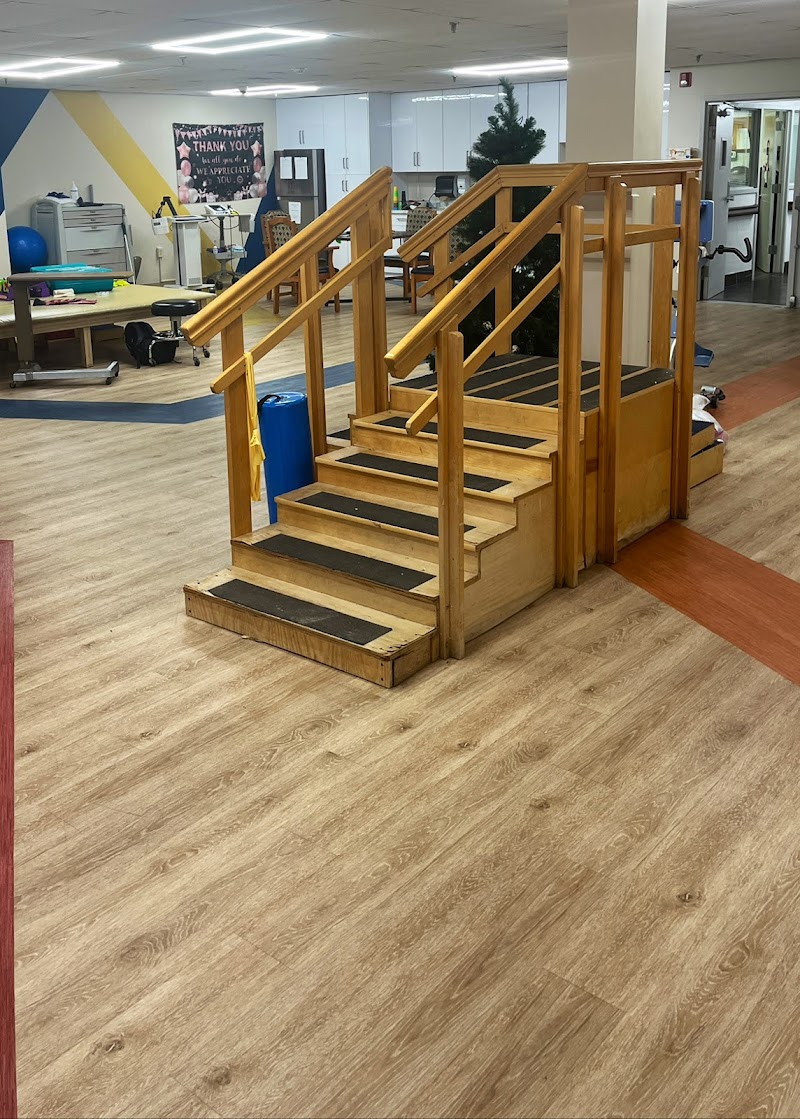
How is Aventura At Pembrooke Staffed?

CMS rates AVENTURA AT PEMBROOKE's staffing level at 1 out of 5 stars, which is much below average compared to other nursing homes.

What Have Inspectors Found at Aventura At Pembrooke?

State health inspectors documented 24 deficiencies at AVENTURA AT PEMBROOKE during 2023 to 2025. These included: 2 Immediate Jeopardy (the most serious level, indicating potential for serious harm or death) and 22 with potential for harm. Immediate Jeopardy findings are rare and represent the most serious regulatory concerns. They require immediate corrective action.
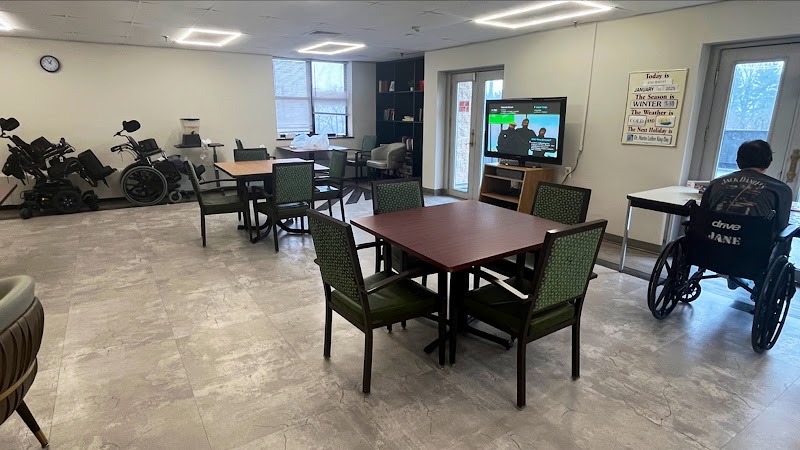
Who Owns and Operates Aventura At Pembrooke?

AVENTURA AT PEMBROOKE is owned by a for-profit company. For-profit facilities operate as businesses with obligations to shareholders or private owners. The facility is operated by AVENTURA HEALTH GROUP, a chain that manages multiple nursing homes. With 180 certified beds and approximately 125 residents (about 69% occupancy), it is a mid-sized facility located in WEST CHESTER, Pennsylvania.
How Does Aventura At Pembrooke Compare to Other Pennsylvania Nursing Homes?

Compared to the 100 nursing homes in Pennsylvania, AVENTURA AT PEMBROOKE's overall rating (1 stars) is below the state average of 3.0 and health inspection rating (2 stars) is below the national benchmark.

What Should Families Ask When Visiting Aventura At Pembrooke?

Based on this facility's data, families visiting should ask: "What changes have been made since the serious inspection findings, and how are you preventing similar issues?" "Can you walk me through typical staffing levels on day, evening, and night shifts?" "Can I visit during a mealtime to observe dining assistance and food quality?" "How do you handle medical emergencies, and what is your hospital transfer rate?" These questions are particularly relevant given the facility's Immediate Jeopardy citations and the below-average staffing rating.

Is Aventura At Pembrooke Safe?

Based on CMS inspection data, AVENTURA AT PEMBROOKE has documented safety concerns. Inspectors have issued 2 Immediate Jeopardy citations (the most serious violation level indicating risk of serious injury or death). The facility has a 1-star overall rating and ranks #100 of 100 nursing homes in Pennsylvania. Families considering this facility should ask detailed questions about what corrective actions have been taken since these incidents.

Do Nurses at Aventura At Pembrooke Stick Around?

AVENTURA AT PEMBROOKE has not reported staff turnover data to CMS. Staff turnover matters because consistent caregivers learn residents' individual needs, medications, and preferences. When staff frequently change, this institutional knowledge is lost. Families should ask the facility directly about their staff retention rates and average employee tenure.

Was Aventura At Pembrooke Ever Fined?

AVENTURA AT PEMBROOKE has been fined $227,133 across 1 penalty action. This is 6.4x the Pennsylvania average of $35,350. Fines at this level are uncommon and typically indicate a pattern of serious deficiencies, repeated violations, or failure to correct problems promptly. CMS reserves penalties of this magnitude for facilities that pose significant, documented risk to resident health or safety. Families should request specific documentation of what issues led to these fines and what systemic changes have been implemented.

Is Aventura At Pembrooke on Any Federal Watch List?

AVENTURA AT PEMBROOKE is not on any federal watch list. The most significant is the Special Focus Facility (SFF) program, which identifies the bottom 1% of nursing homes nationally based on persistent, serious quality problems. Not being on this list means the facility has avoided the pattern of deficiencies that triggers enhanced federal oversight. This is a positive indicator, though families should still review the facility's inspection history directly.