PARK LANE POST ACUTE LLC
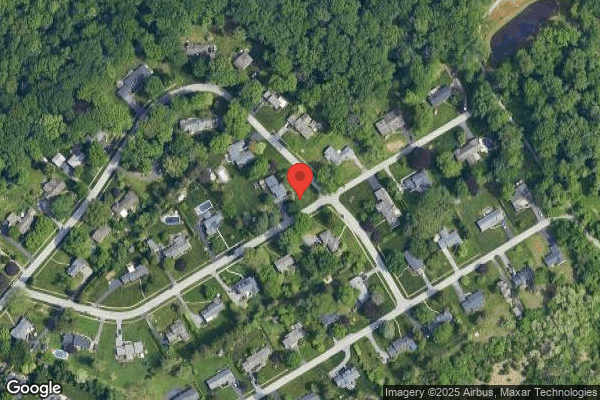
1619 EAST BOOT ROAD EAST GOSHEN, WEST CHESTER, PA 19380 (484) 653-4400
For profit - Corporation 68 Beds PRESTIGE HEALTHCARE ADMINISTRATIVE SERVICES Data: November 2025
Trust Grade
60/100
#330 of 653 in PA
Last Inspection: May 2025

Inspected within the last 6 months. Data reflects current conditions.

Overview

Park Lane Post Acute LLC in West Chester, Pennsylvania, has a Trust Grade of C+, indicating that it is slightly above average but not exceptional. It ranks #330 out of 653 facilities in Pennsylvania, placing it in the bottom half, and #15 out of 20 in Chester County, meaning there are only a few local options that are better. The facility is on an improving trend, having reduced its reported issues from 12 in 2024 to 8 in 2025. Staffing is a strength, with a rating of 4 out of 5 stars and a turnover rate of 52%, which is around average for the state. Although there are no fines on record, which is a positive sign, recent inspections revealed concerns, such as failing to complete required assessments for discharged residents and not implementing necessary precautions for residents at risk of infections. Overall, while there are strengths in staffing and no fines, families should be aware of the concerns raised in recent inspections.

Trust Score
C+
60/100
In Pennsylvania
#330/653
Top 50%
Safety Record
Low Risk
No red flags
Inspections
Getting Better
12 → 8 violations
Staff Stability
⚠ Watch
52% turnover. Above average. Higher turnover means staff may not know residents' routines.
Penalties
✓ Good
No fines on record. Clean compliance history, better than most Pennsylvania facilities.
Skilled Nurses
✓ Good
Each resident gets 90 minutes of Registered Nurse (RN) attention daily — more than 97% of Pennsylvania nursing homes. RNs are the most trained staff who catch health problems before they become serious.
Violations
⚠ Watch
24 deficiencies on record. Higher than average. Multiple issues found across inspections.
★★★☆☆
3.0
Overall Rating
★★★★☆
4.0
Staff Levels
★★★★☆
4.0
Care Quality
★★★☆☆
3.0
Inspection Score
Stable
2024: 12 issues
2025: 8 issues

The Good

  • 4-Star Staffing Rating · Above-average nurse staffing levels
  • 4-Star Quality Measures · Strong clinical quality outcomes
  • Full Sprinkler Coverage · Fire safety systems throughout facility
  • No fines on record

Facility shows strength in staffing levels, quality measures, fire safety.

The Bad

3-Star Overall Rating

Near Pennsylvania average (3.0)

Meets federal standards, typical of most facilities

Staff Turnover: 52%

Near Pennsylvania avg (46%)

Higher turnover may affect care consistency

Chain: PRESTIGE HEALTHCARE ADMINISTRATIVE

Part of a multi-facility chain

Ask about local staffing decisions and management

The Ugly 24 deficiencies on record

May 2025 8 deficiencies
CONCERN (D)

Potential for Harm - no one hurt, but risky conditions existed

Deficiency F0605 (Tag F0605)

Could have caused harm · This affected 1 resident

Based on a review of the facility's policy, clinical records review, and staff interview, it was determined that the facility failed to monitor behaviors and potential side effects for residents recei...

Read full inspector narrative →
Based on a review of the facility's policy, clinical records review, and staff interview, it was determined that the facility failed to monitor behaviors and potential side effects for residents receiving anti-psychotic medications (psychiatric drugs used to treat symptoms of psychosis, like hallucinations and delusions) for two of five residents reviewed (Residents 18 and 25). Findings include: A review of the facility's policy titled Psychotropic Medications, with an effectivity date of January 14, 2025, revealed residents are not given psychotropic drugs unless the medication is necessary to treat a specific condition, as diagnosed and documented in the clinical record. The medication is beneficial to the resident, as demonstrated by monitoring and documentation of the resident's response to the medication. Further review of the same policy revealed that residents who receive an antipsychotic medication will have an Abnormal Involuntary Movement Scale (AIMS- A test used to assess and monitor involuntary movements) test performed per facility policy. A review of Resident 18's diagnosis list includes bipolar disorder (A disorder associated with mood swings ranging from depressive lows to manic highs) and Major Depression. A review of Resident 18's physician's order dated April 24, 2025, revealed an order of Abilify (An anti-psychotic medication) 10mg one tablet two times daily. Clinical records review failed to reveal behaviors and medication side effects monitoring were being done while the resident was taking Abilify from April 24, 2025, until May 16, 2025. A review of Resident 35's diagnosis list includes bipolar disorder and generalized anxiety disorder. A review of Resident 35's physician's order dated April 17, 2025, revealed an order of Chlorpromazine HCl 50 mg (An anti-psychotic medication) one tablet at HS (hours of sleep). Clinical records failed to reveal behaviors and medication side effects monitoring was being done while the resident was taking Chlorpromazine from April 17, 2025, until May 12, 2025. An interview conducted with the Director of Nursing on May 16, 2025, at 1:00 p.m., confirmed behavior and medication side effects monitoring were not done for Resident 18 and 35 while receiving an antipsychotic medication. The facility failed to ensure Residents 18 and 35 were monitored for behaviors and medication side effects while receiving an anti-psychotic medication. 28 Pa. Code 211.5(f) Clinical records Previously cited 4/19/24 28 Pa. Code 211.12(d)(1)(3)(5) Nursing services Previously cited 4/19/24
CONCERN (D)

Potential for Harm - no one hurt, but risky conditions existed

Investigate Abuse (Tag F0610)

Could have caused harm · This affected 1 resident

Based on a review of the facility's policy, clinical records review, and staff interview, it was determined that the facility failed to thoroughly investigate allegations of staff being rough to the r...

Read full inspector narrative →
Based on a review of the facility's policy, clinical records review, and staff interview, it was determined that the facility failed to thoroughly investigate allegations of staff being rough to the resident while providing care for one of the 19 residents reviewed (Resident 62). Findings include: A review of the facility's policy titled Abuse, Neglect and Exploitation, implemented on March 17, 2025, revealed that an investigation is warranted when suspicion of abuse, neglect, or exploitation, or reports of abuse, neglect, or exploitation occurs. Written procedures for investigations include the following: Identifying staff responsible for investigation; Identifying and interviewing all involved persons, including the alleged victim, alleged perpetrator, witnesses, and others who might know about the allegation; Focusing the investigation on determining if abuse, neglect, exploitation, and/or mistreatment has occurred, the extent, and the cause; and Providing complete and thorough documentation of the investigation. A review of Resident 62's diagnosis list includes Spinal Stenosis (The narrowing of one or more spaces within your spinal canal that cause symptoms like back or neck pain), and lumbar disc degeneration (A condition of the discs between vertebrae with loss of cushioning, fragmentation and herniation related to aging). A review of Resident 62's admission Minimum Data Set (MDS- A standardized assessment tool that measures health status in long-term care residents) dated May 1, 2025, revealed resident's cognition was intact. The same MDS revealed resident required partial/moderate assistance with rolling in bed and was dependent on transfers. A review of the facility documentation, Grievance Form dated May 1, 2025, revealed the following: Pt (patient) stated no medication given for upset stomach. On admission, pt stated 2 (two) CNA (certified nursing assistant) were rough when trying to take (his/her) weight and roll in bed. The same documents revealed that the concern was resolved on May 2, 2025, with a grievance official follow up EMAR (electronic medical record) printed to show medication was given to help with stomach pain. DON (Director of Nursing) and guest services present at the care conference to address concerns, Pt also paired care for care. A review of the clinical records and the facility's investigation revealed that the resident's concern for not receiving the medication was addressed, however, a resident report regarding two staff being rough during care was not thoroughly investigated. The investigation report failed to reveal a statement from the two alleged staff and other potential witnesses were taken to determine the presence of abuse. An interview conducted with the Nursing Home Administrator on May 16, 2025, at 9:07 a.m., confirmed statements were not taken from the two staff who were allegedly rough to the resident during care until May 15, 2025, after the surveyor asked for it. The facility failed to ensure allegation of staff being rough to the resident during care was thoroughly investigated. 28 Pa. Code 211.5(f) Clinical records Previously cited 4/19/24 28 Pa. Code 211.12(d)(1)(3)(5) Nursing services Previously cited 4/19/24
CONCERN (D)

Potential for Harm - no one hurt, but risky conditions existed

Pressure Ulcer Prevention (Tag F0686)

Could have caused harm · This affected 1 resident

**NOTE- TERMS IN BRACKETS HAVE BEEN EDITED TO PROTECT CONFIDENTIALITY** Based on a review of the facility's policy, clinical records review, and staff interview, it was determined that the facility fa...

Read full inspector narrative →
**NOTE- TERMS IN BRACKETS HAVE BEEN EDITED TO PROTECT CONFIDENTIALITY** Based on a review of the facility's policy, clinical records review, and staff interview, it was determined that the facility failed to ensure skin impairment identified from admission was thoroughly assessed and wound care recommendations from the wound physician were followed for one of four residents reviewed (Resident 59). Findings include: A review of the facility's policy titled Pressure Injury Prevention and Management, implemented on January 14, 2025, revealed that the facility should establish and utilize a systematic approach for pressure injury prevention and management, including prompt assessment and treatment. Licensed nurses will conduct a full body skin assessment on all residents upon admission/readmission, weekly, and after any newly identified pressure injury. Findings will be documented in the medical record. Clinical records review revealed Resident 59 was admitted to the facility on [DATE], with a diagnosis of progressive supranuclear ophthalmoplegia (A late-onset neurodegenerative disease involving the gradual deterioration and death of specific volumes of the brain), generalized weakness, and urinary tract infection. A review of the admission skin assessment dated [DATE], revealed Right heel pressure. The skin assessment failed to reveal the wound stage, size, appearance, drainage, odor, and condition of the surrounding area of the skin. A review of the physician's order dated April 23, 2025, revealed an order to cleanse the right heel wound with normal saline, apply Medihoney (A dressing that aids and supports debridement and a moist wound healing environment in acute and chronic wounds and burns) and cover with dressing every other day. An interview with the Assistant Director of Nursing (ADON), licensed Employee E4 was conducted on May 15, 2025, at 1:30 p.m. Employee E4 reported that the admitting nurse is responsible for the wound assessment. The ADON reported that assessment should include the wound's stage, measurements, appearance, and drainage and documented on the resident's medical records. Employee E4 confirmed that Resident 59's right heel wound identified on admission was not comprehensively assessed until seen by the wound physician for a consult on April 25, 2025, two days after admission. A review of the wound physician's consult dated April 25, 2025, revealed right heel wound was identified as an Unstageable Pressure Ulcer (Obscured full-thickness skin and tissue loss) measuring 2.4 x 2.0 x 0.1 cm. (centimeters) with 50% slough (Is a non-viable yellow, tan, gray, green or brown tissue; usually moist, can be soft, stringy and mucinous in texture. Slough may be adherent to the base of the wound or present in clumps throughout the wound bed). A treatment to cleanse the wound with saline, apply medical grade honey, and cover with foam dressing daily and as needed was ordered by the wound physician. A review of the May 2025, Treatment Administration Record (TAR) revealed Resident 59's right heel unstageable wound treatment was not done on April 26, and 27, 2025, despite the wound physician's order to do the treatment daily and as needed. An interview with the ADON on May 16, 2025, at 10:00 a.m., revealed facility follows the wound physician's recommendations for wound treatment and puts it as an order. The ADON confirmed that the wound physician's recommendation made on April 25, 2025, to change the treatment daily and as needed instead of every other day was not followed missing two days of wound treatment to the right heel unstageable wound. The facility failed to ensure Resident 59's right heel wound was comprehensively assessed, and the recommendation of the wound physician was followed. 28 Pa. Code 211.5(f) Clinical records Previously cited 4/19/24 28 Pa. Code 211.12(d)(1)(3)(5) Nursing services Previously cited 4/19/24
CONCERN (D)

Potential for Harm - no one hurt, but risky conditions existed

Tube Feeding (Tag F0693)

Could have caused harm · This affected 1 resident

Based on clinical records review and staff interviews, it was determined that the facility failed to follow physician orders regarding administration of nutrition for one of two residents reviewed (Re...

Read full inspector narrative →
Based on clinical records review and staff interviews, it was determined that the facility failed to follow physician orders regarding administration of nutrition for one of two residents reviewed (Resident 317). Findings include: Review of Resident 317's Medical Diagnosis revealed, unspecified protein-calorie malnutrition and chronic respiratory failure (a long-term condition where the lungs cannot adequately exchange oxygen and carbon dioxide, leading to low blood oxygen levels or high carbon dioxide levels). Clinical record review that patient was admitted to facility on May 8, 2025 with a tracheostomy (a surgical procedure where an opening (stoma) is created in the neck to access the trachea (windpipe), allowing for easier breathing) and PEG tube (a thin, flexible tube inserted directly into the stomach through the abdominal wall). Review of Resident 317's physicians order revealed an order dated May 8, 2025 for Enteral Feed Order one time a day Continuous Tube Feeding: Product: Nutren 1.5 At 60 ML/ Hour via PEG tube x 20hours/day Total Volume: 1200 mL (milliliter) Up at 4 pm Down when total volume has been infused. Review of resident 317's medication administration record (MAR) for May 2025 revealed Resident 317 received a total Nutren 1.5 volume on May 9, 2025 of 60 ml, on May 10, 2025 of 1320 ml, on May 11, 2025 of 3405 ml and on May 12, 2025 of 565ml. Interview with licensed nurse Employee E4 confirmed that tube feeding order was not being documented correctly. The facility failed to ensure Resident 317's physician order regarding continuous tube feeding for the total volume of 1200 ml was followed. 28 Pa. Code 211.5(f) Clinical Records 28 Pa. Code 211.12(d)(1)(3)(5) Nursing Services
CONCERN (D)

Potential for Harm - no one hurt, but risky conditions existed

Respiratory Care (Tag F0695)

Could have caused harm · This affected 1 resident

**NOTE- TERMS IN BRACKETS HAVE BEEN EDITED TO PROTECT CONFIDENTIALITY** Based on clinical records facility policy review and staff interviews, it was determined that the facility failed to follow phys...

Read full inspector narrative →
**NOTE- TERMS IN BRACKETS HAVE BEEN EDITED TO PROTECT CONFIDENTIALITY** Based on clinical records facility policy review and staff interviews, it was determined that the facility failed to follow physician orders for oxygen for one of one residents reviewed. (Resident 317) Findings include: Review of Facility policy titled Tracheostomy Care, undated, revealed the following: The facility will provide necessary respiratory care and services, such as oxygen therapy, treatments, mechanical ventilation, tracheostomy care and/or suctioning. And tracheostomy care will be provided according to the physicians orders, comprehensive assessment and individualized care plan such as monitoring for resident specific risks for possible complications, psychosocial needs as well as suctioning as appropriate. Review of resident 317's Diagnosis list revealed, chronic respiratory failure with hypoxia (Respiratory failure is a condition where there's not enough oxygen or too much carbon dioxide in your body. It can happen all at once (acute) or come on over time (chronic). Review of Resident 317's physician orders revealed Trach Collar (trach collar is a medical device used to deliver oxygen therapy to patients who have a tracheostomy tube in place.) 28% humidified oxygen. Concentrator (condenses room air into pure oxygen) set at 2L/min Observation of Resident 317 on May 15th, 2025, at 09:53 AM revealed the resident was not receiving physician ordered two liters of oxygen. Interview with Registered Nurse (RN) E-6 at 10:12 am, revealed the resident was last seen at 7:15 am. When asked if the trach setup was the same it was revealed to be the same. Upon request E-6 [NAME] order and recited it back. The facility failed to ensure Resident 317's tracheostomy collar with 28% humidified oxygen medication order was followed. 28 Pa. Code 211.5(f) Clinical Records 28 Pa. Code 211.12(d)(1)(3)(5) Nursing Services
CONCERN (D)

Potential for Harm - no one hurt, but risky conditions existed

Pharmacy Services (Tag F0755)

Could have caused harm · This affected 1 resident

Based on clinical records review and staff interview, it was determined that the facility failed to ensure medications were made available for one of the 19 residents reviewed (Resident 18). Findings ...

Read full inspector narrative →
Based on clinical records review and staff interview, it was determined that the facility failed to ensure medications were made available for one of the 19 residents reviewed (Resident 18). Findings include: A review of Resident 18's diagnosis list includes bipolar disorder (A disorder associated with mood swings ranging from depressive lows to manic highs), Major Depression, and Sleep Apnea (A potentially serious disorder in which breathing repeatedly stops and starts). A review of Resident 18's physician's order dated April 23, 2025, revealed an order of Armodafinil 250 mg (A medication that treats sleepiness from narcolepsy, sleep apnea, or night shift work) one tablet one time a day for sleep disorder. A review of the April 2025, Medication Administration Record revealed Armodafinil medication was not administered to Resident 18 on April 24, 25, 26, 27, and 28, 2025. A review of the nursing progress notes dated April 25, 2025, at 8:52 a.m., revealed Armodafinil medication was still on order from the pharmacy, the physician was notified. A review of the nursing progress notes dated April 26, 2025, at 9:25 a.m., revealed Armodafinil medication was on order from pharmacy. A review of the nursing progress notes dated April 27, 2025, at 10:44 a.m., revealed Armodafinil medication was not available. A clinical records review revealed that the physician was not notified of the missed medication on April 26, 27, and 28. An interview conducted with the Director of Nursing on May 16, 2025, at 1:00 p.m., confirmed Armodafinil medication was not administered to Resident 18 on the above-mentioned dates due to unavailability of the medication from the pharmacy. The facility failed to ensure Resident 18's Armodafinil medication was made available timely for the resident. 28 Pa. Code 211.5(f) Clinical records Previously cited 4/19/24 28 Pa. Code 211.12(d)(1)(3)(5) Nursing services Previously cited 4/19/24
CONCERN (D)

Potential for Harm - no one hurt, but risky conditions existed

Food Safety (Tag F0812)

Could have caused harm · This affected 1 resident

Based on observations and staff interviews, it was determined that the facility failed to store food in a sanitary manner. Findings include: Observations in the walk-in freezer on March 15, 2025, reve...

Read full inspector narrative →
Based on observations and staff interviews, it was determined that the facility failed to store food in a sanitary manner. Findings include: Observations in the walk-in freezer on March 15, 2025, revealed that there was a large accumulation of ice on the fans and ceiling extending down to the food boxes on the top shelf. Interview with the Dietary Director on March 15, 2025, at 11:40am confirmed the ice buildup and stated, it is cleaned up after lunch. Observation in the walk freezer on March 16, 2025, at 9:08am revealed accumulation of ice on the fan still present ice on the fans and on ceiling. Interview with the Nursing Home Administrator on March 16, 2025, at 1:15 confirmed the above statement. 28 Pa. Code: 201.18(b)(3) Management 28 Pa. Code 211.6(f) Dietary services
CONCERN (E)

Potential for Harm - no one hurt, but risky conditions existed

Deficiency F0692 (Tag F0692)

Could have caused harm · This affected multiple residents

**NOTE- TERMS IN BRACKETS HAVE BEEN EDITED TO PROTECT CONFIDENTIALITY** Based on review of facility policy, clinical record review, and staff interview, it was determined that the facility failed to f...

Read full inspector narrative →
**NOTE- TERMS IN BRACKETS HAVE BEEN EDITED TO PROTECT CONFIDENTIALITY** Based on review of facility policy, clinical record review, and staff interview, it was determined that the facility failed to follow physician orders and adequately monitor significant weight changes for three of eight residents reviewed for nutrition (Residents 18, 36 and 37). Findings include: Review of facility policy, Weight and Weight Change Management, last revised date unknown, revealed: Resident weights will be obtained to provide a baseline and an ongoing record of the resident's body weight as an indicator of the nutritional status and medical condition of the resident. Each resident will be weighed monthly or more frequently as deemed necessary by physician orders, Dietician, or IDT (interdisciplinary team) recommendation. Clinical records review revealed Resident 18 was admitted to the facility on [DATE], with diagnosis of Congestive Heart Failure (CHF-A weakened heart condition that causes fluid buildup in the feet, arms, lungs, and other organs), Chronic Kidney Disease (CKD-Gradual loss of kidney functions which can result to renal failure), and right leg bimalleolar fracture (A serious ankle injury that involves breaks in both the medial and lateral malleolar bones). A review of Resident 18's physician's order dated April 24, 2025, revealed an order for a daily weight one time a day, ensuring wheelchair weight is subtracted before inputting the weight. A review of the weight and vitals revealed the following weights: 204 pounds on April 25, 2025, 204.2 pounds on April 26, 2025, 203.4 pounds on April 27, 2025, 204.1 pounds on April 28, 2025, and 204.4 pounds on April 29, 2025, which revealed a stable weight from April 25 until April 29, 2025. On May 3, 2025, the resident's weight was 247.8 pounds. A reweigh was done which also revealed 247 pounds, a 43.4 (21.23%) significant weight gain in four days. A review of the dietitian's progress notes dated May 5, 2025, revealed the resident with a weight gain of 40 pounds, reweight also showing +40 pounds. The notes also revealed that RD (registered dietitian) checked wheelchair weight alone and it's 47.4 #. Weight gain x 1 (one) day most likely due to not subtracting wheelchair weight when inputting weights obtained. RD spoke to the nurse for the resident today and emphasized subtraction of wheelchair weight/clarification from CNA (certified nursing assistant) if the subtraction was completed or not before inputting into the system. Spoke to MD (physician) about weight gain and made aware of weight change most likely r/t (related to) wheelchair weight being included. An interview with the Dietitian, licensed Employee E3 conducted on May 15, 2025, at 11:30 a.m., confirmed that the significant weight gain was due to the wheelchair not subtracted before inputting the weight into the system. The dietitian reported that the current daily weights (240 + pounds) documented in the weights and vitals were all with a wheelchair. An interview with an Occupational therapist (A healthcare provider that helps people to improve their daily living tasks and activities), Employee E5 was conducted on May 16, 2025, at 11:00 a.m. Employee E5 reported providing treatment and rehabilitation services for Resident 18. Employee E5 reported that she/he took the resident's weight on May 16, 2025, and it was 244 pounds without a wheelchair. An interview was conducted with the Director of Nursing on May 16, 2025, at 1:00 p.m. The DON was unable to provide a valid explanation of the 40 + pounds significant weight change in four days. The facility failed to ensure Resident 18's weight was appropriately monitored and addressed. Review of Resident 36's face sheet revealed medical diagnoses that include, Progressive Bulbar Palsy (damage to cranial nerves responsible for controlling muscles for speech, swallowing and facial movement), Sever Protein Calorie Malnutrition (insufficient energy, fat protein and nutrients), Amyotrophic Lateral Sclerosis (ALS - loss of muscle control), Acute Respiratory Failure with Hypoxia (lack of oxygen in blood), Dysarthria (speech disorder) and Anarthria (loss of muscle control for speech). Review of Resident 36's clinical records revealed a care plan dated March 10, 2025, documenting Resident 36 is at nutritional/hydration risk secondary to need for Enteral (nutritional intake via tube) feeding and flushes to maintain nutritional status. Inability to meet established nutritional needs with PO (by mouth) diet, history of prior need for mechanical altered diet with thickened liquids, history of altered lab values, history of inadequate PO intake, and increased risk for clinical changes including weight, skin and lab changes. Review of Resident 36's physician orders revealed an order dated May 1, 2025, for weekly weights for four weeks with an end date of May 29, 2025. Per the physician orders Resident 36 should have been weighed on May 1, 2025, May 8, 2025, May 15, 2025, and May 22, 2025. Review of Resident 36's physician orders revealed an order dated April 24, 2025, for NPO (nothing by mouth) diet, NPO texture, NPO consistency. Further review of Resident 36's physician orders revealed an order dated May 2, 2025, for Enteral Feed four times per day via Bolus Feeding Tube (tube syringe used to provide nutrition). Nutren 2.0 (a nutrition formula), 220cc 4 times per day, every 6 hours, total volume 880cc per 24 hours, providing 1760 kcals, 74grams protein, 609cc free water, per 24 hours. Review of Resident 36's weights on May 15, 2025, at 12:35 p.m., revealed one weight dated May 1, 2025, at 1:29 p.m. where the resident was recorded as weighing 134.9 lbs. Further review of Resident 36's weights on May 16, 2025, at 11:15 a.m., revealed a recorded weight dated May 16, 2025, at 10:49 a.m., where the resident was recorded as weighing 137.4 lbs. Interview with Dietary staff Employee E3 on May 15, 2025, at 12:40 p.m., Employee E3 stated nursing staff is responsible for resident's weights. Employee E3 confirmed Resident 36 was not weighed on May 8, 2025, as ordered. Employee E3 stated he/she had no clarification why Resident 36 was not weighed. Employee E3 confirmed there was no documented explanation as to why Resident 36 was not weighed on May 8, 2025. Employee E3 stated the nursing supervisor was notified of Resident 36's missing weight the following day, May 9, 2025. Employee E3 confirmed Resident 36's next scheduled weighing was May 15, 2025. Interview with the DON on May 16, 2025, at 11:30 a.m., when the above was mentioned, the DON confirmed Resident 36's physician orders for weekly weights were not followed. Review of Resident 37's diagnosis list revealed diagnoses but not limited to dementia (irreversible, progressive degenerative disease of the brain, resulting in loss of reality contact and functioning ability), anxiety disorder (feelings of persistent anxiety), muscle weakness and depression. Review of Resident 37's physician orders revealed an order dated May 7, 2025, for weekly weight for four weeks with an end date of June 4, 2025. Review of Resident 37's clinical record revealed that weights were obtained as follows: April 30, 2025 - 113.2 pounds and May 14, 2025 - 101.0 pounds. Revealed a significant weight loss of 12.2 pounds. Further review of Resident 37's clinical record failed to reveal that any weights were obtained on May 7, 2025. The above-mentioned information was conveyed to the Director of Nursing on May 16, 2025, at approximately 1:00pm. 28 Pa. Code 211.5(f) Clinical Records 28 Pa. Code 211.12(d)(1)(5) Nursing Services 28 Pa Code: 211.10(c) Resident care policies
Apr 2024 12 deficiencies
CONCERN (D)

Potential for Harm - no one hurt, but risky conditions existed

Transfer Notice (Tag F0623)

Could have caused harm · This affected 1 resident

Based on clinical record review and interview with staff, it was determined that the facility failed to notify the State Long-Term Care (LTC) Ombudsman's office of residents transferred or discharged ...

Read full inspector narrative →
Based on clinical record review and interview with staff, it was determined that the facility failed to notify the State Long-Term Care (LTC) Ombudsman's office of residents transferred or discharged for three of three residents reviewed (Residents 50, 64, and 76). Findings include: Review of Resident 50's clinical record revealed a nursing progress note dated December 15, 2023, revealed that the resident had a new order to be sent to the hospital to be evaluated due to bilateral lower extremity pain. Further review of Resident 50's clinical record failed to reveal documented evidence that the State Ombudsman's office was notified of Resident 50's transfers from the facility to the hospital. Review of Resident 64's nursing progress notes dated March 17, 2024, at 10:14 p.m., revealed resident was sent back to the hospital for further treatment (right knee infection). Review of Resident 64's clinical record failed to reveal the State Ombudsman's office was notified of Resident 64's transfers from the facility to the hospital. Review of Resident 76's clinical progress notes dated January 12, 2024 revealed Resident 76 was sent to the hospital and admitted as a result of a urinary tract infection. Further review of Resident 76's clinical record failed to reveal evidence that the State Ombudsman's office was notified of the transfer to the hospital. Interview with the Nursing Home Administrator on April 19, 2024, at 10:40 a.m. confirmed that the facility did not notify the State Ombudsman's office when residents were transferred or discharged . 28 Pa. Code 201.14(a) Responsibility of licensee 28 Pa. Code 201.18(a) Management 28 Pa. Code 201.18(b)(3) Management 28 Pa. Code 201.29(a) Resident rights
CONCERN (D)

Potential for Harm - no one hurt, but risky conditions existed

Assessment Accuracy (Tag F0641)

Could have caused harm · This affected 1 resident

**NOTE- TERMS IN BRACKETS HAVE BEEN EDITED TO PROTECT CONFIDENTIALITY** Based on clinical record review and staff interview, it was determined that the facility failed to ensure MDS assessments accura...

Read full inspector narrative →
**NOTE- TERMS IN BRACKETS HAVE BEEN EDITED TO PROTECT CONFIDENTIALITY** Based on clinical record review and staff interview, it was determined that the facility failed to ensure MDS assessments accurately reflected the resident's status for two of 12 residents reviewed (Residents 50 and 212). Findings include: Review of Resident 50's hospital readmission skin assessment dated [DATE], indicated resident had a left medial ankle venous stasis ulcer (slow healing sores on the legs caused by poor circulation). Review of the admission MDS assessment (Minimum Data Set - periodic assessment of resident needs) dated December 25, 2023, section M1030 Number of Venous and Arterial Ulcers indicated that Resident 50 did not have any venous or arterial ulcers. Interview with the Director of Nursing, on April 19, 2024, at 1:30 p.m. confirmed that Resident 50 was admitted with the venous ulcer and the the assessment did not accurately reflect the resident's status. Review of Resident 212's clinical progress note dated March 29, 2024 revealed Patient was admitted to Room [number] via stretcher accompanied by two attendees on March 29, 2024 at 1630 [4:30 p.m.] with DX [diagnosis] of left foot infection MRSA [methicillin resistant staph aureus]. Patient oriented to room medications discussed denies pain/discomfort at this time. VSS [vital signs stable] safety measures in place. Review of Resident 212's Admission/5 day MDS failed to reveal the diagnosis of MRSA to Resident 212's left foot. Interview with the Director of Nursing and Nursing Home Administrator on April 19, 2024 at 1:30 p.m. confirmed that Resident 212's admission MDS did not accurately reflect Resident 212's status. 483.20 Accuracy of Assessments Previously cited 6/23/23 28 Pa. Code 211.5(f) Clinical records Previously cited 6/23/23 28 Pa. Code: 211.12(d)(1)(5) Nursing services Previously cited 6/23/23
CONCERN (D)

Potential for Harm - no one hurt, but risky conditions existed

Deficiency F0655 (Tag F0655)

Could have caused harm · This affected 1 resident

**NOTE- TERMS IN BRACKETS HAVE BEEN EDITED TO PROTECT CONFIDENTIALITY** Based upon review of clinical records, it was determined the facility failed to ensure baseline care plans were completed upon a...

Read full inspector narrative →
**NOTE- TERMS IN BRACKETS HAVE BEEN EDITED TO PROTECT CONFIDENTIALITY** Based upon review of clinical records, it was determined the facility failed to ensure baseline care plans were completed upon admission for three of 18 residents reviewed (Residents 93, 212 and 213). Findings include: Clinical records review revealed Resident 93 was admitted to the facility on [DATE], with a PICC (Peripherally Inserted Central Catheter) line to the right upper arm. Review of Resident 93's physician order dated April 12, 2024, revealed an order for Micafungin Sodium (Anti-fungal medication) Intravenous Solution 100mg one time a day for post abdominal surgery for ten days. Review of Resident 93's current care plan revealed that a care plan for the Resident's presence of PICC line and IV Anti-Fungal medication administration was not developed. Interview with the Director of Nursing on April 19, 2024, at 1:00 p.m., confirmed a baseline care plan for the presence of PICC line and IV anti-fungal medication was not developed for Resident 93. Review of Resident 212's clinical record revealed Resident 212 was admitted with a diagnosis of MRSA [methicillin resistant staph aureus - multi-drug resistant organism] of the left foot. Review of Resident 212's baseline care plan failed to reveal evidence that the MRSA of the left foot was included in the baseline care plan. Review of Resident 213's clinical record revealed Resident 213 was admitted to the facility on [DATE], with a colostomy. Review of Resident 213's baseline care plan failed to reveal evidence of the presence of a colostomy on admission. Interview with the Nursing Home Administrator and Director of Nursing on April 19, 2024, at 1:45 p.m. confirmed there was no baseline care plans initiated for Resident 212's MRSA and Resident 213's colostomy. 28 Pa. Code 211.5(f) Clinical records Previously cited 6/23/23 28 Pa. Code 211.11(a)(d) Resident care plans 28 Pa. Code: 211.12(d)(1)(5) Nursing services Previously cited 6/23/23
CONCERN (D)

Potential for Harm - no one hurt, but risky conditions existed

Comprehensive Care Plan (Tag F0656)

Could have caused harm · This affected 1 resident

**NOTE- TERMS IN BRACKETS HAVE BEEN EDITED TO PROTECT CONFIDENTIALITY** Based on review of clinical records and staff interview, it was determined that the facility failed to develop a comprehensive c...

Read full inspector narrative →
**NOTE- TERMS IN BRACKETS HAVE BEEN EDITED TO PROTECT CONFIDENTIALITY** Based on review of clinical records and staff interview, it was determined that the facility failed to develop a comprehensive care plan for one of 12 residents reviewed (Resident 50). Findings include: Review of Resident 50's physician's orders included an order dated December 22, 2023, for Heparin Sodium (anticoagulant - blood thinner) Injection 5000 units subcutaneously (under the skin) every 12 hours. Review of Resident 50's current active care plan revealed no care plan or interventions for anticoagulant medication. Review of Resident 50's wound assessment dated [DATE], revealed resident had arterial wounds (wounds caused by poor circulation) of the right and left ankles, the left first MTP (metatarsophalangeal - joints connecting bones of the foot to the toes), right medial foot, right lateral ankle, and left and right heels. Resident 50 also had a venous ulcer (slow healing sore caused by weak blood circulation) of the left calf and pressure ulcers (areas of damaged skin and tissue caused by sustained pressure) to the right and left buttocks. Review of Resident 50's current active care plan revealed no care plan or interventions addressing the wounds. Interview with the Director of Nursing on April 19, 2024, at 1:30 confirmed that Resident 50 did not have a care plan to address the anticoagulant or wounds. 28 Pa. Code 211.5(f) Clinical records Previously cited 6/23/23 28 Pa. Code 211.12(d)(1)(5) Nursing services Previously cited 6/23/23
CONCERN (D)

Potential for Harm - no one hurt, but risky conditions existed

Quality of Care (Tag F0684)

Could have caused harm · This affected 1 resident

**NOTE- TERMS IN BRACKETS HAVE BEEN EDITED TO PROTECT CONFIDENTIALITY** Based on a review of the facility's policy, clinical records review, and staff interviews, it was determined that the facility f...

Read full inspector narrative →
**NOTE- TERMS IN BRACKETS HAVE BEEN EDITED TO PROTECT CONFIDENTIALITY** Based on a review of the facility's policy, clinical records review, and staff interviews, it was determined that the facility failed to follow the physician's weight monitoring order for two of the 12 residents reviewed (Resident 64 and 263). Findings include: A review of the facility's policy titled Weights Policy, dated August 1, 2023, revealed residents will be weighed as directed by the physician, federal/state regulations, or standards of practice. Clinical records review revealed Resident 64 was re-admitted to the facility on [DATE], with the following diagnoses: Lymphedema (A swelling that generally occurs in an arm or leg caused by lymphatic system blockage), and right knee infection. A review of Resident 64's physician's order sheet (POS) dated March 26, 2024, revealed an order for daily weights times three every day shift for monitoring for three days. Review of Resident 64's March 2024, Treatment Administration Record (TAR) revealed resident's weight was not done on March 27, and 28, 2024. Review of Resident 64's nursing progress notes dated March 27, 2024, revealed Hoyer lift was broken . Review of Resident 64's nursing progress notes dated March 28, 2024, revealed weight was unable to complete. Review of clinical record of Resident 263 revealed Residnets was admitted to the facility on [DATE], with a feeding tube (medical device used to provide nutrition to people who cannot obtain nutrition by mouth) due to a diagnosis of Cerebrovascular Accident (stroke). Review of Resident 263's physician order sheet dated April 8, 2024, revealed an order for daily weights times three every day shift for monitoring for three days. Review of Resident 263's April 2024, TAR, revealed a weight of 158 pounds (from the hospital) on April 9, 2024. No weight was taken on April 10, 2024. Interview with the dietitian, Employee E3 conducted on April 19, 2024, at 11:00 a.m., was conducted. Employee E3 reported that upon admission, the resident's weight should have been taken to get a baseline weight. Employee E3 confirmed that hospital weight should have not been used as a baseline weight when the resident was admitted to the facility. Employee E3 was unable to provide an answer as to why the physician's order regarding admission weight monitoring was not followed. The facility failed to ensure Resident 64 and 263's admission physician weight monitoring order was followed. 28 Pa. Code 201.18(b)(1) Management Previously cited 6/23/23 28 Pa. Code 211.5(f) Clinical records Previously cited 6/23/23 28 Pa. Code 211.12(d)(1)(3)(5) Nursing services Previously cited 6/23/23
CONCERN (D)

Potential for Harm - no one hurt, but risky conditions existed

Pressure Ulcer Prevention (Tag F0686)

Could have caused harm · This affected 1 resident

Based on observations, clinical record reviews, as well as resident and staff interviews, it was determined that the facility failed to follow a physician's order and the wound specialist recommendati...

Read full inspector narrative →
Based on observations, clinical record reviews, as well as resident and staff interviews, it was determined that the facility failed to follow a physician's order and the wound specialist recommendation for one of four residents reviewed (Resident 262). Findings include: Review of Resident 262's clinical record revealed Resident 262 was admitted to the facility with a Stage 4 Pressure Ulcer (Full-thickness skin and tissue loss) to the sacrum. Review of Resident 262's physician's order dated January 19, 2024, revealed a wound treatment to clean the sacral wound with an acetic wash, pat dry, and apply Medihoney (A dressing that aids and supports debridement and a moist wound healing environment in acute and chronic wounds and burns) with calcium alginate and cover with foam dressing. Review of Resident 262's wound consult dated March 12, 2024, revealed improving the stage four wound to the sacrum, treatment recommendation was to cleanse the wound with saline solution (changed from Acetic wash), apply Medihoney with calcium alginate, and cover it with foam dressing. Review of Resident 262's clinical record including, March 2024 and April 2024 Treatment Administration Record failed to reveal that the wound specialist recommendation made on March 12, 2024, to change acetic to normal saline was followed. Observation of Resident 262's wound treatment with licensed nurse Employee E4 was conducted on April 19, 2024, at 11:00 a.m. During the wound observation, Employee E4 was observed cleaning the wound with an Acetic Solution. Interview with the Director of Nursing conducted on April 19, 2024, revealed that any wound treatment recommendation from the wound specialist needed approval from the resident's primary physician. Further review of Resident 262's clinical record failed to reveal that the primary physician was notified of the new wound treatment recommendation from the wound specialist on March 12, 2024. The facility was unable to provide documentation and an answer as to why the recommendation from the wound specialist was not followed. Review of the Resident 262's physician order dated August 30, 2023, revealed an order for the resident to be out of bed to a wheelchair for two hours in the room for lunch then put the resident back to bed after lunch (maximum of two hours out of bed) one time a day. Observation conducted on April 17, 2024, at 1:00 p.m., revealed Resident 262 was in bed. Observation conducted on April 18, 2024, at 1:38 p.m., revealed Resident 262 was in bed. Interview was conducted with Resident 262 on April 18, 2024, at 1:40 p.m. The resident reported that no one had asked her/him to be out of bed. The resident reported that she/he was informed by the wound doctor that she/he needed to be out of bed for a few hours during lunch, but the staff would tell her/him that if she gets out of bed during lunch, that she/he might not get back to bed until after dinner. The resident verbalized wanting to be out of bed for a few hours, but this has not been happening for almost a month now. Interview was conducted with Nursing Assistant Employee E4 on April 18, 2024, at 2:00 p.m. Employee E4 reported that she/he was an agency staff. Employee E4 reported that Resident 262 was not offered to be out of bed because she/he was given a report that the resident does not get out of bed. The above information was conveyed to the Director of Nursing on April 19, 2024. The facility failed to ensure Resident 262's physician order and wound specialist wound treatment recommendations were followed. 28 Pa. Code 201.18(b)(1) Management Previously cited 6/23/23 28 Pa. Code 211.5(f) Clinical records Previously cited 6/23/23 28 Pa. Code 211.12(d)(1)(3)(5) Nursing services Previously cited 6/23/23
CONCERN (D)

Potential for Harm - no one hurt, but risky conditions existed

Incontinence Care (Tag F0690)

Could have caused harm · This affected 1 resident

**NOTE- TERMS IN BRACKETS HAVE BEEN EDITED TO PROTECT CONFIDENTIALITY** Based on a review of the facility's policy, clinical records review, and staff interview, it was determined that the facility fa...

Read full inspector narrative →
**NOTE- TERMS IN BRACKETS HAVE BEEN EDITED TO PROTECT CONFIDENTIALITY** Based on a review of the facility's policy, clinical records review, and staff interview, it was determined that the facility failed to provide treatment and services to maintain/restore bladder continence of one of the 12 residents reviewed (Resident 64). Findings include: Review of the facility's policy titled Bowel and Bladder - Continence, dated October 15, 2018, revealed that the facility has a standard in place for all residents related to bowel and bladder management and continence care. The procedure includes the following: Begin with a two-hour daytime voiding schedule; Approach the resident at the scheduled time; Wait five seconds to allow an opportunity to self-initiate toileting; Prompt the resident with verbal cueing if needed; Assist the resident with the toileting needs; Adjust the schedule up or down as needed, do not exceed four-hour intervals; and consult with therapy and nursing regarding changes/concerns. Review of Resident 64's admission Minimum Data Set (MDS- A standardized assessment tool that measures health status in long-term care residents) dated March 17, 2024, revealed resident was cognitively impaired and dependent on toileting. The same MDS revealed that Resident 64 bladder continence was always continent. Review of Resident 64's clinical record revealed resident was hospitalized and was re-admitted to the facility on [DATE]. Review of Resident 64's MDS dated [DATE], revealed resident was frequently incontinent with urine, which was a change from the March 17, 2024, MDS assessment. Review of Resident 64's clinical record failed to reveal a comprehensive bladder continence assessment was completed after identifying a change in the resident's urinary continence. The facility was unable to provide documentation of a treatment or services provided to monitor, restore/maintain Resident 64's urinary status. Interview conducted with the Director of Nursing on April 19, 2024, at 12:30 p.m., confirmed that the facility failed to comprehensively assess Resident 64's urinary continence upon identifying a change and failed to implement treatment/services to restore and or maintain the resident's urinary status. 28 Pa. Code 201.18(b)(1) Management Previously cited 6/23/23 28 Pa. Code 211.5(f) Clinical records Previously cited 6/23/23 28 Pa. Code 211.12(d)(1)(3)(5) Nursing services Previously cited 6/23/23 28 Pa. Code 211.10 (a)(d) Resident care policies
CONCERN (D)

Potential for Harm - no one hurt, but risky conditions existed

Pharmacy Services (Tag F0755)

Could have caused harm · This affected 1 resident

Based on clinical record reviews and staff interview, it was determined that the facility failed to ensure medications were made available for one of the 12 residents reviewed (Resident 93). Findings ...

Read full inspector narrative →
Based on clinical record reviews and staff interview, it was determined that the facility failed to ensure medications were made available for one of the 12 residents reviewed (Resident 93). Findings include: Review of Resident 93's diagnosis list includes hypertension (Elevated blood pressure), and Atherosclerotic Heart Disease (ASHD-heart condition in which an accumulation of fatty substances results in the narrowing of arteries and causing restriction in the flowing of blood). Review of Resident 93's physician order dated April 12, 2024, revealed an order for Verapamil HCL ER 240 mg(miligram) given one tablet daily by mouth at bedtime for hypertension. Review of Resident 93's April 2024, Medication Administration Record revealed Verapamil medication was not administered to the resident until April 16, 2024, four days after it was ordered. Review of Resident 93's nursing progress notes dated April 12, 2024, at 9:46 p.m., revealed medication on route from the pharmacy. Review of Resident 93's nursing progress notes dated April 14, 2024, at 8:07 p.m., revealed waiting for pharmacy to drop off (medication). Review of Resident 93's nursing progress notes dated April 15, 2024, at 10:58 p.m., revealed: called the pharmacy and is coming tonight. Review of Resident 93's pharmacy records revealed that Verapamil medication was not delivered from the pharmacy until April 15, 2024, at 11:12 p.m. Review of the facility's emergency medication available list does not include the medication Verapamil. The above information was discussed with the Director of Nursing on April 19, 2024, at 11:30 a.m. The facility failed to ensure Verapamil medication was available for Resident 93. 28 Pa. Code 211.12(d)(1)(3)(5) Nursing services Previously cited 6/23/23 28 Pa. Code: 211.9 (a)(1) Pharmacy services
CONCERN (E)

Potential for Harm - no one hurt, but risky conditions existed

Comprehensive Assessments (Tag F0636)

Could have caused harm · This affected multiple residents

**NOTE- TERMS IN BRACKETS HAVE BEEN EDITED TO PROTECT CONFIDENTIALITY** Based on review of the Resident Assessment Instrument User's Manual, clinical record review and staff interview, it was determin...

Read full inspector narrative →
**NOTE- TERMS IN BRACKETS HAVE BEEN EDITED TO PROTECT CONFIDENTIALITY** Based on review of the Resident Assessment Instrument User's Manual, clinical record review and staff interview, it was determined that the facility failed to ensure that the comprehensive Minimum Data Set assessments were completed in the required time frame for five of 12 residents reviewed (Residents 27, 166, 212, 214, 262) Findings include: The Long-Term Care Facility Resident Assessment Instrument (RAI) User's Manual, which provides instructions and guidelines for completing required Minimum Data Set (MDS) assessments (mandated assessments of a resident's abilities and care needs), dated October 2019, indicated that a comprehensive admission MDS assessment was to be completed no later than 14 days following admission and an annual assessment not less than once every 12 months. Review of Resident 27's clinical record revealed that an admission MDS assessment with an ARD (assessment reference date - last day of the assessment's look-back period) of April 17, 2023. The MDS is not completed and is listed as in progress. Review of Resident 166's clinical record revealed an admission MDS assessment dated [DATE], was not completed and was listed as in progress. Review of Resident 212's clinical record revealed an admission MDS assessment with an ARD of April 11, 2024 was not initiated or submitted. Review of Resident 214's clinical record revealed an admission MDS assessment with an ARD of April 16, 2024 was not completed and was listed as in progress. Review of Resident 262's clinical records revealed that an annual assessment with an ARD of November 3, 2023, was not completed and was listed as in progress. 28 Pa Code 201.18(b)(1) Management Previously cited 6/23/23 28 Pa. Code 211.5(f) Clinical records. Previously cited 6/23/23
CONCERN (E)

Potential for Harm - no one hurt, but risky conditions existed

Deficiency F0638 (Tag F0638)

Could have caused harm · This affected multiple residents

Based on review of the Resident Assessment Instrument User's Manual and clinical records, and staff interviews, it was determined that the facility failed to complete a quarterly Minimum Data Set asse...

Read full inspector narrative →
Based on review of the Resident Assessment Instrument User's Manual and clinical records, and staff interviews, it was determined that the facility failed to complete a quarterly Minimum Data Set assessments timely for four of 12 residents reviewed (Residentsv 5, 22, 50, and 211 ). Findings include: The Long-Term Care Facility Resident Assessment Instrument (RAI) User's Manual, which provides instructions for completing Minimum Data Set (MDS- assessments (mandated assessments of residents' abilities and care needs), dated October 2019, indicated that a quarterly assessment was to be completed within 92 days of the previous assessment's (any type) reference date. Review of Resident 5's clinical record revealed a quarterly assessment with an ARD (assessment reference date - last day of the assessment's look back period) of March 15, 2024. The assessment was not completed and is listed as in progress. Review of Resident 22's clinical record revealed a quarterly assessment with an ARD of March 6, 2024. The assessment was not completed. Review of Resident 50's clinical record revealed a quarterly assessment with an ARD of March 22, 2024. The assessment was not completed and is listed as in progress. Review of Resident 211's clinical record revealed a quarterly assessment with an ARD of November 14, 2023 was not completed and is listed as in progress. 28 Pa. Code: 211.12(d)(1)(5) Nursing services Previously cited 6/23/23
CONCERN (F)

Potential for Harm - no one hurt, but risky conditions existed

Deficiency F0642 (Tag F0642)

Could have caused harm · This affected most or all residents

**NOTE- TERMS IN BRACKETS HAVE BEEN EDITED TO PROTECT CONFIDENTIALITY** Based on review of clinical records and Minimum Data Set (MDS-mandated assessments of a resident's abilities and care needs) ass...

Read full inspector narrative →
**NOTE- TERMS IN BRACKETS HAVE BEEN EDITED TO PROTECT CONFIDENTIALITY** Based on review of clinical records and Minimum Data Set (MDS-mandated assessments of a resident's abilities and care needs) assessments, and a staff interview, it was determined that the facility failed to timely certify the completion of the MDS assessments for nine of nine sampled residents (Residents 6, 40, 42, 50, 57, 65, 76, 77, and Resident 99). Findings include: The Long-Term Care Facility Resident Assessment Instrument (RAI) User's Manual, which provides instructions and guidelines for completing required MDS assessments, dated [DATE], indicated that the MDS Completion Date must be no later than 14 days after the Assessment Reference Date. Review of Resident 6's progress note of [DATE], revealed that resident was discharged to home. Review of Resident 6's clinical record revealed that a discharge MDS assessment dated [DATE], was not completed and was listed as in progress. Review of progress note of [DATE], revealed that orders were received to discharge the resident home. Further review of the clinical record revealed that a discharge MDS assessment dated [DATE], was not completed and was listed as in progress. Review of Resident 40's progress note of [DATE], revealed that resident was discharged . Review of the clinical record revealed that a discharge MDS assessment dated [DATE], was not completed and was listed as in progress. Review of Resident 42's progress note of [DATE], revealed that the resident was discharged home. Review of the clinical record revealed that a discharge MDS assessment dated [DATE], was not completed and was listed as in progress. Review of Resident 50's progress note of [DATE], revealed that the resident was admitted to the hospital. Further review of the clinical record revealed that a discharge MDS assessment was not completed. Review of Resident 57's progress note of [DATE], revealed that resident was discharged home. Review of the clinical record revealed that a discharge MDS assessment dated [DATE], was not completed and was listed as in progress. Review of Resident 65's clinical record revealed Resident 65 was discharged to the community on February 1, 2024. Review of Resident 65's clinical record revealed Resident 65's discharge MDS was listed as in progress. Review of Resident 76's progress note of [DATE], revealed resident was admitted to the hospital. Further review of the clinical record failed to reveal evidence that a discharge MDS assessment was completed. Review of Resident 77's progress note of [DATE], revealed that the resident was discharged home. Review of the clinical record revealed that a discharge MDS assessment dated [DATE], was not completed and was listed as in progress. Review of Resident 99's progress note dated February 14, 2024 revealed Resident 99 expired in the facility. Review of Resident 99's clinical record revealed Resident 99's Death in Facility MDS was listed as in progress. 28 Pa. Code: 211.12 (d)(1)(5) Nursing services. Previously cited [DATE]
CONCERN (F)

Potential for Harm - no one hurt, but risky conditions existed

Infection Control (Tag F0880)

Could have caused harm · This affected most or all residents

Based upon review of facility policy and procedure, observation, and clinical record review, it was determined the facility failed to ensure enhanced barrier precautions were in place for residents re...

Read full inspector narrative →
Based upon review of facility policy and procedure, observation, and clinical record review, it was determined the facility failed to ensure enhanced barrier precautions were in place for residents requiring enhanced barrier precautions for three of three reviewed (Residents 50, 212, and 213). Findings include: Review of facility policy and procedure titled Enhanced Barrier Precautions, revised March 26, 2024, revealed Enhanced Barrier Precautions (EBP) expands the use of PPE beyond situations in which exposure to blood and body fluids is anticipated, refers to the use of gown and gloves during high contact resident care activities that provide opportunities for transfer of multidrug resistant organism (MDROs) to staff hands and clothing. Further review of facility policy and procedure revealed EBP are indicated for residents with any of the following and should be used: infection or colonization with a CDC-targeted MDRO when Contact Precautions do otherwise apply; or wounds and/or indwelling medical devices even if the resident is not known to be infected or colonized with a MDRO; wounds in this policy refer generally to chronic wounds, not shorter lasting wounds such as skin breaks or tears covered with adhesive bandage or similar dressing. Examples of chronic wounds include but are not limited to pressure injuries, diabetic foot ulcers, unhealed surgical wounds, and venous stasis ulcers; indwelling medical device examples include central lines, urinary catheters, feeding tubes and tracheotomies. A peripheral intravenous line (not a peripherally inserted central catheter/PICC) is not considered an indwelling medical device for this policy. Further review of this policy revealed Examples of high contact resident care activities requiring gown and gloves for Enhanced Barrier Precautions include dressing, bathing/showering, transferring, providing hygiene, changing liens, changing briefs or assisting with toileting, device care or use, wound care - any skin opening requiring a dressing, contact during therapy in gyms, and transfers in shower rooms/bathing areas. Further review of this policy revealed Post EBP signage to communicate with associates the need for gown and gloves as applicable. Review of Resident 50's admission MDS (Minimum Data Set - periodic assessment of resident needs) dated December 25, 2023, revealed that the resident had an in-dwelling catheter (a flexible tube inserted into the bladder for removing fluid). Observations of Resident 50's room on the first three days of the survey failed to reveal evidence of EBP signage or PPE. Review of Resident 212's admission diagnosis list revealed a diagnosis of osteomyelitis of the left foot with MRSA (an MDRO). Observation of Resident 212's room on the first three days of the survey failed to reveal evidence of EBP signage or PPE. Review of Resident 213's admission diagnosis list indicated Resident 213 had a colostomy. Observation of Resident 213's room on the first three days of the survey failed to reveal evidence of EBP signage and failed to reveal evidence of PPE. Observation of the First-Floor nursing unit on the first three day of the survey failed to reveal evidence of any EBP signage on any resident room that required same. No PPE was present in resident rooms or hallways. Multiple observations of staff entering and exiting rooms requiring EBP failed to reveal evidence of any PPE in use. 28 Pa. Code 211.5(f) Clinical records Previously cited 6/23/23 28 Pa. Code: 211.12(d)(1)(5) Nursing services Previously cited 6/23/23
Jun 2023 3 deficiencies
CONCERN (D)

Potential for Harm - no one hurt, but risky conditions existed

Assessment Accuracy (Tag F0641)

Could have caused harm · This affected 1 resident

Based on clinical record review, and staff interview it was determined the faculty failed to complete accurate assessments for one of 24 residents reviewed. (Resident 37) Findings Include: Review of R...

Read full inspector narrative →
Based on clinical record review, and staff interview it was determined the faculty failed to complete accurate assessments for one of 24 residents reviewed. (Resident 37) Findings Include: Review of Resident 37's Quarterly Minimum Data Set (MDS-periodic assessment of resident needs) dated May 4, 2023 revealed under the section for Functional Status the resident was coded as only completing the activity once or twice for transfers, Dressing, Eating, Toileting, and Personal Hygiene for the seven day look back period. Interview with Licensed Nursing Employees E3 and E4 on June 23, 2023 at 9:40 a.m. confirmed Resident 37 had completed those activities more than once or twice in the seven day look back period and the residents May 4, 2023 MDS was coded inaccurately. 28 Pa. Code: 211.5(f) Clinical records 28 Pa. Code: 211.12(d)(1)(5) Nursing services
CONCERN (D)

Potential for Harm - no one hurt, but risky conditions existed

Quality of Care (Tag F0684)

Could have caused harm · This affected 1 resident

Based on facility policy and procedure review, observations, clinical record review, and staff interview it was determined the facility failed to correctly administer and determine a need for medicati...

Read full inspector narrative →
Based on facility policy and procedure review, observations, clinical record review, and staff interview it was determined the facility failed to correctly administer and determine a need for medication for one of 3 residents reviewed. (Resident 18) Findings Include: Review of facility policy and procedure titled Medication Pass Policy, revised January 9, 2020, revealed you must have the approval of the nurse before crushing any medications. Remember that not all medications can be crushed. Directions to crush medications will be written on the MAR (medications Administration Record). Observation of medication pass on June 22, 2023 at 8:15 a.m. revealed Licensed Nursing Employee E6 crushed all the medications for Resident 18 and administered the medications to the resident in apple sauce. Included in these medications was Metoprolol Succinate ER Tablet Extended Release 24 Hour 25 MG (Extended-release blood pressure medication). Review of the medication package the pill was removed from revealed a warning sticker stating the medication should not be crushed. Licensed nursing employee E6 at the time of the observations confirmed the metoprolol 25 mg (milligrams) ER should not have been crushed prior to the administration of the medication to Resident 18. Review of resident 18's physician orders revealed no orders for the medications to be crushed and there were no directions to crush medications on Resident 18's MAR. Review of Resident 18's Medication Administration Record for June 2023 revealed the resident was ordered Metoprolol Succinate ER Tablet Extended Release 24 Hour 25 MG twice a day and not to be given if the systolic blood pressure (top number of blood pressure reading) is below 100 or a heart rate below 55 at 9:00 a.m. and 5:00 p.m. Further review of Resident 18's May 2023 MAR revealed the medications was not dispensed 16 of 31 times at the 5:00 p.m. time due to a low blood pressure. Review of Resident 18's clinical record revealed no documented evidence the facility had discussed with the physician the resident need for the medications after it not being administered so many times due to parameters or clarification that a 24-hour extended-release medication was being given twice a day and being crushed. Interview with the Director of Nursing on June 23, 2023 at 10:00 a.m. confirmed the medications should not have been crushed during administration and there should have been clarification with the physician about a 24-hour medication being given twice a day and the frequency with the 5:00 p.m. dose not being administered due to low parameters. 28 Pa. Code 201.18(b)(1) Management 28 Pa. Code 211.5(f) Clinical records 28 Pa. Code 211.12(d)(1)(3)(5) Nursing services
CONCERN (D)

Potential for Harm - no one hurt, but risky conditions existed

Deficiency F0692 (Tag F0692)

Could have caused harm · This affected 1 resident

Based upon review of facility policy and procedure, review of clinical records and interview, it was determined the facility failed to ensure nutritional status was maintained and failed to ensure the...

Read full inspector narrative →
Based upon review of facility policy and procedure, review of clinical records and interview, it was determined the facility failed to ensure nutritional status was maintained and failed to ensure the physician was notified of significant weight loss for two of twelve residents reviewed (Resident 11 and Resident 29). Findings include: Review of facility policy and procedure titled Weights Policy, revised 2015, revealed Residents will be weighed as directed by the physician, federal/state regulations or standards of practice. Further review of this policy and procedure revealed Repeat the weight if a significant change has occurred from the previous weight. If weight loss or weight gain has occurred, appropriate follow up is initiated and may include one or more of the following: a) Re-weight the resident at the time of the changed weight; b) notify the physician of the weight loss or gain if significant. Review of Resident 11's Weight Summary revealed Resident 11 weighed 155 pounds on April 3, 2023. Further review of Resident 11's Weight Summary revealed Resident 11 weighed 138.6 pounds on April 10, 2023, indicating a 10.58% weight loss in one week. Further review of Resident 11's Weight Summary failed to reveal evidence that a re-weight was obtained until April 24, 2023. Review of Resident 11's clinical record failed to reveal evidence that Resident 11's physician was notified of Resident 11's significant weight loss. Interview with Employee E5 on June 23, 2023, at 10:10 a.m. confirmed that no re-weight was obtained for Resident 11 and further confirmed that there was no documented evidence Resident 11's physician was notified of the significant weight loss. The facility failed to ensure adequate nutritional maintenance was obtained with regard to Resident 11. Review of Resident 29's clinical revealed the following diagnosis's: Frontotemporal dementia, advanced with agitation and psychotic behavior (Characterized by excessive talking or purposeless motions, feeling of unease or tension, and hostile behavior at times), Unspecified protein -calorie malnutrition (An imbalanced nutritional status resulted from insufficient intake of nutrients to meet normal physiological requirement), dysphagia (difficulty swallowing), Muscle weakness, and difficulty in walking. Review of Resident 29's clinical record revealed the following weights: March 3, 2023: 133.0 Lbs, April 2, 2023: 147.4 Lbs, indicating a 9.77% gain in weight. Further review of Resident 29's clinical medical record failed to find any documentation from the Employee E5 of notifying the physician of Resident 29's significant weight gain. Additionally, there was no evidence of a re-weight being obtained to confirm Resident 29's significant weight gain. Interview conducted with Employee E5 on June 23, 2023, at approximately 10:22 a.m. confirmed Resident 29 had a significant weight gain of 9.77% and that there was no documented evidence of the physician being notified or a re-weight being obtained. The facility failed to ensure adequate nutritional maintenance was obtained with regard to Resident 29. 28 Pa. Code 211.12(d)(3) Nursing services. 28 Pa. Code 211.12(d)(5) Nursing services. 28 Pa. Code 211.6(d) Dietary services
Feb 2023 1 deficiency
CONCERN (E) 📢 Someone Reported This

A family member, employee, or ombudsman was alarmed enough to file a formal complaint

Potential for Harm - no one hurt, but risky conditions existed

Deficiency F0802 (Tag F0802)

Could have caused harm · This affected multiple residents

Based upon observation and interview, it was determined that the facility failed to ensure adequate dietary support personnel were available for dishwashing services resulting in residents being serve...

Read full inspector narrative →
Based upon observation and interview, it was determined that the facility failed to ensure adequate dietary support personnel were available for dishwashing services resulting in residents being served food in Styrofoam containers on both resident units for all meals. Findings include: Observation on February 15, 2023 at 9:30 a.m. of food carts on the first floor and second floor nursing units revealed the presence of Styrofoam containers utilized during breakfast meal service. Observation of the dishwashing area of the facility on February 15, 2023 at 9:55 a.m. revealed one person in the dish washing area. The dishwashing machine revealed one tray of food prep containers being washed at that time. No other kitchen personnel were observed in the area. Interview with culinary director E3 on February 15, 2023 at 10:00 a.m. revealed that the facility lacks sufficient dietary personnel to wash dishes between meals resulting in residents being served meals in Styrofoam containers and utilitizing Styrofoam cups. This interview further revealed that lunch service on February 15, 2023 would be served on regular dishes. This information was conveyed to the Nursing Home Administrator and Director of Nursing on February 15, 2023 at 1:15 p.m. The facility failed to employ sufficient dietary personnel to ensure residents received appropriate dietary services. 28 Pa. Code 211.6(c) Dietary Services
Understanding Severity Codes (click to expand)
Life-Threatening (Immediate Jeopardy)
J - Isolated K - Pattern L - Widespread
Actual Harm
G - Isolated H - Pattern I - Widespread
Potential for Harm
D - Isolated E - Pattern F - Widespread
No Harm (Minor)
A - Isolated B - Pattern C - Widespread

Questions to Ask on Your Visit

  • "Can I speak with families of current residents?"
  • "What's your RN coverage like on weekends and overnight?"

Our Honest Assessment

Strengths
  • • No major safety red flags. No abuse findings, life-threatening violations, or SFF status.
  • • No fines on record. Clean compliance history, better than most Pennsylvania facilities.
Concerns
  • • 24 deficiencies on record. Higher than average. Multiple issues found across inspections.
Bottom line: Mixed indicators with Trust Score of 60/100. Visit in person and ask pointed questions.

About This Facility

What is Park Lane Post Acute Llc's CMS Rating?

CMS assigns PARK LANE POST ACUTE LLC an overall rating of 3 out of 5 stars, which is considered average nationally. Within Pennsylvania, this rating places the facility higher than 0% of the state's 100 nursing homes. This mid-range rating indicates the facility meets federal standards but may have areas for improvement.

How is Park Lane Post Acute Llc Staffed?

CMS rates PARK LANE POST ACUTE LLC's staffing level at 4 out of 5 stars, which is above average compared to other nursing homes. Staff turnover is 52%, compared to the Pennsylvania average of 46%.

What Have Inspectors Found at Park Lane Post Acute Llc?

State health inspectors documented 24 deficiencies at PARK LANE POST ACUTE LLC during 2023 to 2025. These included: 24 with potential for harm.

Who Owns and Operates Park Lane Post Acute Llc?

PARK LANE POST ACUTE LLC is owned by a for-profit company. For-profit facilities operate as businesses with obligations to shareholders or private owners. The facility is operated by PRESTIGE HEALTHCARE ADMINISTRATIVE SERVICES, a chain that manages multiple nursing homes. With 68 certified beds and approximately 55 residents (about 81% occupancy), it is a smaller facility located in WEST CHESTER, Pennsylvania.

How Does Park Lane Post Acute Llc Compare to Other Pennsylvania Nursing Homes?

Compared to the 100 nursing homes in Pennsylvania, PARK LANE POST ACUTE LLC's overall rating (3 stars) matches the state average, staff turnover (52%) is near the state average of 46%, and health inspection rating (3 stars) is at the national benchmark.

What Should Families Ask When Visiting Park Lane Post Acute Llc?

Based on this facility's data, families visiting should ask: "Can I visit during a mealtime to observe dining assistance and food quality?" "How do you handle medical emergencies, and what is your hospital transfer rate?" "Can I speak with family members of current residents about their experience?"

Is Park Lane Post Acute Llc Safe?

Based on CMS inspection data, PARK LANE POST ACUTE LLC has a clean safety record: no substantiated abuse findings (meaning no confirmed cases of resident harm), no Immediate Jeopardy citations (the most serious violation level indicating risk of serious injury or death), and is not on the Special Focus Facility watch list (a federal program monitoring the lowest-performing 1% of nursing homes). The facility has a 3-star overall rating and ranks #1 of 100 nursing homes in Pennsylvania. While no facility is perfect, families should still ask about staff-to-resident ratios and recent inspection results during their visit.

Do Nurses at Park Lane Post Acute Llc Stick Around?

PARK LANE POST ACUTE LLC has a staff turnover rate of 52%, which is 6 percentage points above the Pennsylvania average of 46%. Moderate turnover is common in nursing homes, but families should still ask about staff tenure and how the facility maintains care continuity when employees leave.

Was Park Lane Post Acute Llc Ever Fined?

PARK LANE POST ACUTE LLC has no federal fines on record. CMS issues fines when nursing homes fail to meet care standards or don't correct problems found during inspections. The absence of fines suggests the facility has either maintained compliance or corrected any issues before penalties were assessed. This is a positive indicator, though families should still review recent inspection reports for the full picture.

Is Park Lane Post Acute Llc on Any Federal Watch List?

PARK LANE POST ACUTE LLC is not on any federal watch list. The most significant is the Special Focus Facility (SFF) program, which identifies the bottom 1% of nursing homes nationally based on persistent, serious quality problems. Not being on this list means the facility has avoided the pattern of deficiencies that triggers enhanced federal oversight. This is a positive indicator, though families should still review the facility's inspection history directly.