

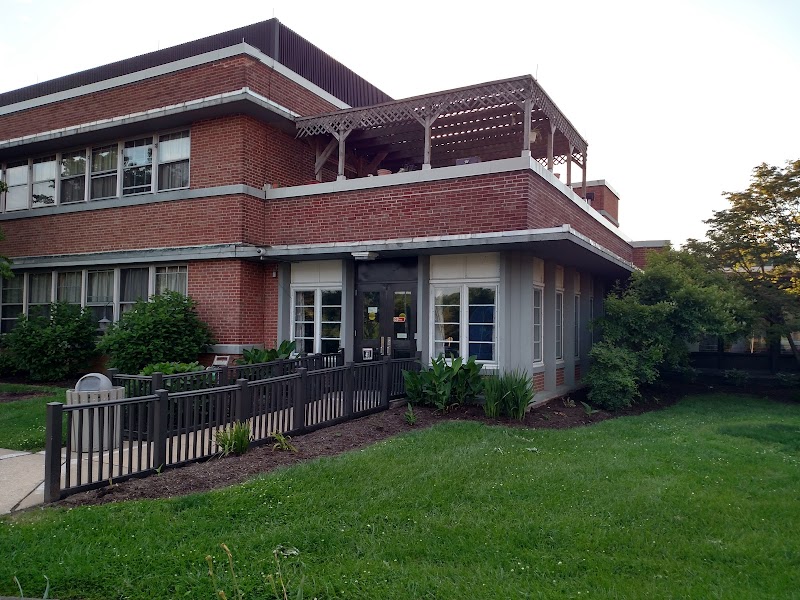

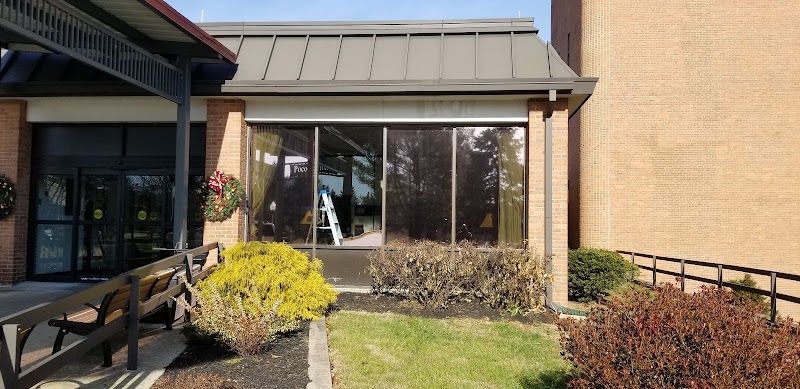
POCOPSON HOME

1695 LENAPE ROAD, WEST CHESTER, PA 19382 (610) 793-1212
Government - County 275 Beds Independent Data: November 2025
Trust Grade
78/100
#101 of 653 in PA
Last Inspection: February 2025

Within standard 12-15 month inspection cycle. Federal law requires annual inspections.

Overview

Pocopson Home in West Chester, Pennsylvania, has a Trust Grade of B, indicating it is a good choice for families considering nursing care. It ranks #101 out of 653 facilities in Pennsylvania, placing it in the top half of the state's options, and #6 out of 20 in Chester County, meaning only five local facilities are rated higher. The facility is showing improvement, as it reduced its issues from five in 2024 to none in 2025. Staffing is a strong point with a 5/5 rating and only 31% turnover, which is well below the state average, meaning the staff tends to stay and build relationships with residents. However, the facility has some concerning incidents, such as a resident being improperly restrained, which caused skin damage, and a failure to follow infection control practices during medication administration, highlighting areas that need attention. While the overall care quality is rated excellent, families should weigh these strengths against the serious issues reported.

Trust Score
B
78/100
In Pennsylvania
#101/653
Top 15%
Safety Record
Moderate
Needs review
Inspections
Getting Better
5 → 0 violations
Staff Stability
○ Average
31% turnover. Near Pennsylvania's 48% average. Typical for the industry.
Penalties
✓ Good
$16,036 in fines. Lower than most Pennsylvania facilities. Relatively clean record.
Skilled Nurses
⚠ Watch
Each resident gets only 28 minutes of Registered Nurse (RN) attention daily — below average for Pennsylvania. Fewer RN minutes means fewer trained eyes watching for problems.
Violations
○ Average
9 deficiencies on record. Average for a facility this size. Mostly minor or procedural issues.
★★★★★
5.0
Overall Rating
★★★★★
5.0
Staff Levels
★★★☆☆
3.0
Care Quality
★★★★☆
4.0
Inspection Score
Stable
2024: 5 issues
2025: 0 issues

The Good

  • 5-Star Staffing Rating · Excellent nurse staffing levels
  • Full Sprinkler Coverage · Fire safety systems throughout facility
  • No fines on record
  • Staff turnover below average (31%)

    17 points below Pennsylvania average of 48%

Facility shows strength in staffing levels, fire safety.

The Bad

Staff Turnover: 31%

15pts below Pennsylvania avg (46%)

Typical for the industry

Federal Fines: $16,036

Below median ($33,413)

Minor penalties assessed

The Ugly 9 deficiencies on record

2 actual harm
Mar 2024 1 deficiency
CONCERN (D)

Potential for Harm - no one hurt, but risky conditions existed

Infection Control (Tag F0880)

Could have caused harm · This affected 1 resident

Based upon review of facility policy and procedure and observation, it was determined the facility failed to ensure adequate infection control measures occurred during medication pass observation on o...

Read full inspector narrative →
Based upon review of facility policy and procedure and observation, it was determined the facility failed to ensure adequate infection control measures occurred during medication pass observation on one of two nursing units observed (1 West). Findings include: Review of facility policy and procedure titled Medication Administration, revised June 2022, revealed nurses will wash his or her hands and apply gloves previous to administering any eye medication. Observation of medication administration on the 1 [NAME] nursing unit on March 20, 2024, at 8:56 a.m. revealed Licensed Employee E3 removing medications from pill packs and placing the individual pills in the employee's hand before placing the medication in the medication cup. Licensed Employee E3 was not wearing gloves at that time. Further observation of medication administration on the 1 [NAME] nursing unit on March 20, 2024, at 8:56 a.m. revealed Licensed Employee E3 did not wear gloves when administering eye medications. Interview with the Director of Nursing on March 22, 2024, at 11:00 a.m. confirmed Licensed Employee E3 should have been wearing gloves while administering eye medication and should have placed the pills directly into the medication cup from the pill pack. 28 Pa code 201.14(a) Responsible Licensee 28 Pa Code 211.12(d)(1)(5) Nursing services
Feb 2024 4 deficiencies 2 Harm
SERIOUS (G) 📢 Someone Reported This

A family member, employee, or ombudsman was alarmed enough to file a formal complaint

Actual Harm - a resident was hurt due to facility failures

Deficiency F0604 (Tag F0604)

A resident was harmed · This affected 1 resident

**NOTE- TERMS IN BRACKETS HAVE BEEN EDITED TO PROTECT CONFIDENTIALITY** Based on review of facility policies, resident clinical records, and facility investigative reports, as well as staff interviews...

Read full inspector narrative →
**NOTE- TERMS IN BRACKETS HAVE BEEN EDITED TO PROTECT CONFIDENTIALITY** Based on review of facility policies, resident clinical records, and facility investigative reports, as well as staff interviews, it was determined that the facility failed to ensure residents were free from physical restraints not required to treat the medical symptoms for one of one residents reviewed, resulting in harm to Resident R1 who was physically restrained using a pair of pajama pants tied tightly around resident's waist, causing a reddened area on the resident's skin. Findings include: Review of the facility policy titled, Restraint/Device/Siderail, dated March 2023, revealed it is the policy of Pocopson Homes that all residents are free from physical or chemical restraints imposed for the purposes of discipline or convenience, and not required to treat the resident's medical condition. Restraints will be applied only after a physician's order has been obtained and the family has been notified. Consent must also be signed by the responsible party of the resident. The care plan should be updated, and the appropriate record will be initiated to track the use and release of the restraint. The physician order will include the type of restraint, reason for restraint, how often the restraint is removed. Physical or occupational therapy will be consulted. Further review of the policy revealed that physical restraints include but are not limited to leg/arm restraints, hand mitts, soft ties, vests, [NAME]-walkers, seatbelts which the resident cannot easily open or remove, specialty chairs which resident cannot easily rise from, low beds, bed against the wall, and side rails which prevent the resident from easily getting out of bed. Review of Resident R1's quarterly Minimum Data Set (MDS) assessment (mandated assessment of a resident's abilities and care needs) dated December 19, 2023, revealed the resident was severely cognitively impaired, was not able to make his/her needs known, required extensive assistance for care activities, incontinent of bowel and bladder, and exhibited inattentive behaviors during the assessment period. Review of Resident R1's care plan, dated December 27, 2021, indicated the resident wandered relative to impaired safety awareness. Interventions indicated were to provide structured activities, toileting, walking inside and outside, reorientation strategies including signs and pictures, wander guard bracelet, conversation, and music. Review of information received by Department of Health regarding Resident R1, received on February 7, 2024, revealed a witness to Resident R1 tied down to a rolling reclining chair. The incident occurred on 12/30/2023. Review of facility's records failed to reveal an investigation was initiated and Resident R1 was unable to be interviewed due to his/her death on January 13, 2024. The Director of Nursing initially failed to interview staff involved in Resident R1's care. Review of resident records, facility grievance reports, and electronic reporting system failed to reveal any documentation of incident. Interview with Nursing Home Administrator on February 12, 2024, at 2:00 p.m., revealed the Administrator was not aware of the incident. The Administrator indicated the incident was not reported to the Department of Health, an investigation was not conducted, nor does the facility use any type of restraint. Interview with Director of Nursing on February 12, 2024, at 2:10 p.m., revealed witness statements were provided by staff, but no investigation was initiated of the incident since the resident was known for being restless and attempting to get out of bed and/or chair on his/her own, thus increasing fall risk. Further interview with Director of Nursing revealed the belief that being tied to the scoot chair was not considered a restraint, rather as a method of keeping the resident safe from falls. Review of witness statement from Nurse Assistant (Employee E3) dated December 29, 2023, revealed that non licensed Employee E3 observed Resident R1 tied to a chair at the waist with fleece pajama pants, preventing his/her ability to move or stand up. Review of witness statement from a Registered Nurse, (Employee E4), dated December 30, 2023, revealed that he/she received a call from Employee E3 to come to the floor as it was urgent. Upon arrival on the unit, he/she was asked to observe Resident R1, who was in the bathroom. Licensed Practical Nurse (Employee E5) stated that Resident R1 was found tied to the scoot chair with a pair of fleece pajamas around her trunk/abdominal region. Per Supervisor, Employee E5 stated I immediately removed the pajama pants due to red mark noted.' Upon assessment, red mark was resolved, and no other injury noted. Review of witness statement from a Licensed Practical Nurse (Employee E5), dated February 12, 2024, revealed when Employee E5 took Resident R1 to the bathroom for incontinence care, Employee E5 was not able to lift Resident R1 out of the scoot chair. Employee E5 found a pair of fleece type pajama pants was tied around the midsection of Resident R1, in a knot, behind the scoot chair. Employee E5 immediately called Employee E3 to witness findings. Employee E5 then called the RN Supervisor, Employee E4 to inform of findings. Employee E5 noticed a reddening area on Resident R1's abdomen, therefore, Employee E5 removed the pajama pants prior to Supervisor Employee E4's arrival on the unit. Review of an undated witness statement from Licensed Practical Nurse (Employee E6), revealed that Employee E6 observed Resident R1 sitting in a scoot chair, Resident R1 was restless, Employee E6 administered PRN (as needed) Morphine around 8:00 p.m., to help with restlessness. Employee E6 denied seeing anything tied around Resident R1 at the time of care. Interview conducted with nurse aide, Employee E3 on February 14, 2024, revealed Employee E3 indicated Resident R1 was not therapy approved for scoot chair use, Resident R1 was able to get up on his/her own. When licensed Employee E5 took Resident R1 to the bathroom for continence care Employee E5 noticed the resident was tied to the scoot chair with pajama pants. Employee E5 requested Employee E3 observe his/her findings as a witness. Resident R1was unable to move, due to the material being tightly tied. Further interview with Employee E3, Licensed staff member, Employee E4, requested written statements at the time of the incident. Employee E3 stated to his/her knowledge no further investigation was conducted, and he/she was not questioned further regarding the incident. Review of Resident R1's records revealed a fall risk care plan dated December 27, 2021, documenting Resident R1 was at moderate risk for falls. One of the interventions dated October 10, 2023, noted staff should monitor resident closely after dinner for signs of fatigue such as gait, slower, more unsteady, assist to bed for rest period or chair for rest period if noted. Further review of Resident R1's clinical record revealed a care plan dated December 27, 2021, documenting Resident R1 as a wanderer relative to impaired safety awareness. Intervention, dated December 27, 2021, indicated staff should distract the resident from wandering by offering pleasant diversions, structured activities, food, conversation, television, or books. Resident prefers religious activities and music (jazz, gospel, Motown). Another intervention which was revised June 28,2023 was for staff to redirect resident to his/her own bed if located in a peer's bed. Encourage rest periods throughout the day, especially in the afternoons. Review of facility records revealed an occupational therapy treatment encounter note dated January 4, 2024, documenting resident was referred for skilled OT evaluation for concave mattress, (bed positioning), and scoot chair (out of bed positioning), and bed rail assessment per [hospice provider]. Scoot chair with resident's name given to resident. Resident transferred to scoot chair with moderate assist of two persons. Resident exhibited optimal posture in the scoot chair. New order for concave mattress placed, per [hospice provider] request. Skilled OT evaluation only since resident is on hospice. Window side bed rail approved to prevent resident from falling out of bed and safety. Review of Resident R1's records failed to reveal a care plan for restlessness, scoot chair use, restraints, or bed rails. Review of Resident R1's records failed to reveal evidence that a pre-restraining assessment and review was completed to determine the need for restraining the resident by tying him/her to a scoot chair. Interview with the Nursing Home Administrator and Director of Nursing on February 14, 2024, at 12:10 p.m. confirmed that no report was made by the facility, no investigation was initiated prior to Department of Health's visit, no pre-restraining assessment was performed, and no restraint documentation was available for Resident R1 since it was the resident was not restrained, rather, staff initiated the restraint to prevent Resident R1 from falling by tying him/her to a scoot chair for safety. *amended post appeal* 28 Pa. Code 201.18(e)(1) Management
SERIOUS (G) 📢 Someone Reported This

A family member, employee, or ombudsman was alarmed enough to file a formal complaint

Actual Harm - a resident was hurt due to facility failures

Comprehensive Care Plan (Tag F0656)

A resident was harmed · This affected 1 resident

Based on clinical record review and interviews with staff, it was determined that the facility failed to develop a comprehensive care plan related to restlessness, scoot chair use, restraints, or bed ...

Read full inspector narrative →
Based on clinical record review and interviews with staff, it was determined that the facility failed to develop a comprehensive care plan related to restlessness, scoot chair use, restraints, or bed rails for Resident R1 which resulted in harm to Resident R1 by being tied to a scoot chair and sustaining reddened area on abdomen. Findings include: Review of Resident R1's quarterly Minimum Data Set (MDS) assessment (mandated assessment of a resident's abilities and care needs) for Resident R1, dated December 19, 2023, revealed the resident was severely cognitively impaired, unable to make his/her needs known, required extensive assistance for care activities, incontinent of bowel/bladder, and exhibited inattentive behaviors during the assessment period. Review of Resident R1's clinical record revealed a progress note date December 26, 2023, at 11:01 pm, noting resident awakened approximately 9:00 pm. Resident continues to try to get up and walk around, Resident has to be redirected several times, but behaviors continue. Review of Resident R1's clinical record revealed progress note dated December 27, 2023, at 1:45 pm, noting received resident sitting in front of common area, very restless and anxious. Received PRN [as needed] 0.5 mg Lorazepam tab at 11:01 pm, prior shift ineffective. Interventions toileting, giving snacks/treats and drinks ineffective. Further review of Resident R1's clinical record revealed a progress note dated December 28, 2023, at 11:41 pm, indicating during the beginning of shift resident was noted to be extremely restless and fidgety. Visibly tired and shows signs and symptoms of pain and discomfort. Noted to not be comfortable. Redirection, toileting, snack, and fluids provided with unsuccessful outcomes. Additional review of Resident R1's clinical record revealed a late entry behavior note for 11pm-7 am shift of December 27, 2023, into December 28, 2023, dated December 28, 2023, at 11:41, indicating resident was awake and extremely restless throughout the shift. Redirection and interventions were all ineffective. Review of Resident R1's clinical record revealed progress noted dated December 29, 2023, at 9:53 pm, noted resident awaken around 9:00 pm, and got out of bed and began walking around room. Roommate rang call light to alert staff and resident removed from the bedroom and placed in wheelchair. Resident toileted and placed back into wheelchair. Continued to be restless and grabbing at anyone and anything. Given PRN [as needed] Morphine which had little success. Continued review of Resident R1's clinical record revealed a progress note dated December 30, 2023, at 2:27 pm, indicating the resident woken up for lunch and was observed by this nurse trying to get out of bed, leaning over bed as if to fall. This nurse assisted resident to wheelchair. Fed lunch by this nurse, consumed 100%, During lunch resident restless/anxious unable to sit still or be redirected. Review of Resident R1's records revealed a fall risk care plan dated December 27, 2021, indicating Resident R1 was at moderate risk for falls. One of the interventions, dated October 10, 2023, indicated staff should monitor resident closely after dinner for signs of fatigue such as gait, slower, more unsteady, assist to bed for rest period or chair for rest period if noted. Further review of Resident R1's records revealed a care plan dated December 27, 2021, documenting Resident R1 as a wanderer relative to impaired safety awareness. One of the interventions dated December 27, 2021, noted staff should distract the resident from wandering by offering pleasant diversions, structured activities, food, conversation, television, or books. Resident prefers religious activities and music (jazz, gospel, Motown). One revised intervention dated June 28,2023 was observed noting staff should redirect resident to his/her own bed if located in a peer's bed. Encourage rest periods throughout the day, especially in the afternoons. Review facility documentation including a witness statement from Nurse Assistant (Employee E3) dated December 29, 2023, revealed non licensed Employee E3 observed Resident R1 tied to a chair at the waist with fleece pajama pants, preventing his/her ability to move or stand up. Review of facility documentation including a witness statement from a Registered Nurse, (Employee E4), dated December 30, 2023, revealed that he/she received a call from Employee E3 to come to the floor as it was urgent. Upon arrival on the unit, he/she was asked to observe Resident R1, who was in the bathroom. Licensed Practical Nurse (Employee E5) stated that Resident R1 was found tied to the scoot chair with a pair of fleece pajamas around her trunk/abdominal region. Per Supervisor, Employee E5 stated I immediately removed the pajama pants due to red mark noted.' Upon assessment, red mark was resolved, and no other injury noted. Review of facility records revealed an occupational therapy treatment encounter note dated January 4, 2024, documenting resident was referred for skilled OT evaluation for concave mattress, (bed positioning), and scoot chair (out of bed positioning), and bed rail assessment per [Hospice provider]. Scoot chair with resident's name given to resident. Resident transferred to scoot chair with moderate assist of two persons. Resident exhibited optimal posture in the scoot chair. New order for concave mattress placed, per [Hospice provider] request. Skilled OT evaluation only since resident is on hospice. Window side bed rail approved to prevent resident from falling out of bed and safety. Review of witness statement from a Licensed Practical Nurse (Employee E5), dated February 12, 2024, revealed when Employee E5 took Resident R1 to the bathroom for incontinence care, Employee E5 was not able to lift Resident R1 out of the scoot chair. Employee E5 found a pair of fleece type pajama pants was tied around the midsection of Resident R1, in a knot, behind the scoot chair. Employee E5 immediately called Employee E3 to witness findings. Employee E5 then called the RN Supervisor, Employee E4 to inform of findings. Employee E5 noticed a reddening area on Resident R1's abdomen, therefore, Employee E5 removed the pajama pants prior to Supervisor Employee E4's arrival on the unit. Review of an undated witness statement from Licensed Practical Nurse (Employee E6), revealed that Employee E6 observed Resident R1 sitting in a scoot chair, Resident R1 was restless, Employee E6 administered PRN (as needed) Morphine around 8:00 p.m., to help with restlessness. Employee E6 denied seeing anything tied around Resident R1 at the time of care. Review of Resident R1's records failed to reveal a care plan for restlessness, scoot chair use, restraints, or bed rails. Interview with the Nursing Home Administrator and Director of Nursing on February 14, 2024, at 12:10 p.m. confirmed that no pre-restraining assessment was performed, and no restraint documentation, including a care plan, was available for Resident R1 since it was the administrations opinion that Resident R1 was not restrained, rather, staff were taking it upon themselves to prevent Resident R1 from falling by tying him/her to a scoot chair for safety. It was confirmed that Resident R1 was approved for window side bedrail and scoot chair yet review of resident records failed to reveal a care plan for either. It was confirmed that Resident R1 showed signs of terminal restlessness yet review of resident records failed to reveal a care plan with interventions for this condition. 28 Pa Code 211.12(d)(5) Nursing services
CONCERN (D) 📢 Someone Reported This

A family member, employee, or ombudsman was alarmed enough to file a formal complaint

Potential for Harm - no one hurt, but risky conditions existed

Report Alleged Abuse (Tag F0609)

Could have caused harm · This affected 1 resident

**NOTE- TERMS IN BRACKETS HAVE BEEN EDITED TO PROTECT CONFIDENTIALITY** Based on clinical record review, facility documentation, and staff interviews it was determined that the facility failed to repo...

Read full inspector narrative →
**NOTE- TERMS IN BRACKETS HAVE BEEN EDITED TO PROTECT CONFIDENTIALITY** Based on clinical record review, facility documentation, and staff interviews it was determined that the facility failed to report allegations of abuse including physical restraint of Resident R1 for one of one residents reviewed. Findings include: Review of the facility policy titled, Restraint/Device/Siderail, dated March 2023, revealed it is the policy of Pocopson Homes that all residents are free from physical or chemical restraints imposed for the purposes of discipline or convenience, and not required to treat the resident's medical condition. Restraints will be applied only after a physician's order has been obtained and the family has been notified. Consent must also be signed by the responsible party of the resident. The care plan should be updated, and the appropriate record will be initiated to track the use and release of the restraint. The physician order will include the type of restraint, reason for restraint, how often the restraint is removed. Physical or occupational therapy will be consulted. Further review of the policy revealed that physical restraints include but are not limited to leg/arm restraints, hand mitts, soft ties, vests, [NAME]-walkers, seatbelts which the resident cannot easily open or remove, specialty chairs which resident cannot easily rise from, low beds, bed against the wall, and side rails which prevent the resident from easily getting out of bed. Review of Resident R1's quarterly Minimum Data Set (MDS) assessment (mandated assessment of a resident's abilities and care needs) dated December 19, 2023, revealed the resident was severely cognitively impaired, was not able to make his/her needs known, required extensive assistance for care activities, incontinent of bowel and bladder, and exhibited inattentive behaviors during the assessment period. Review of Resident R1's care plan, dated December 27, 2021, indicated the resident wandered relative to impaired safety awareness. Interventions indicated were to provide structured activities, toileting, walking inside and outside, reorientation strategies including signs and pictures, wander guard bracelet, conversation, and music. Review of information received by the Department of Health received on February 7, 2024, revealed a witness to Resident R1 tied to a rolling reclining chair. The incident occurred on December 30, 2023. Review of facility's records failed to reveal an investigation was initiated and Resident R1 was unable to be interviewed due to his/her death on January 13, 2024. The Director of Nursing initially failed to interview staff involved in Resident R1's care. Review of resident records, facility grievance reports, and facility reported incident system failed to reveal any documentation of incident. Review of documentation provided by Director of Nursing including a witness statement by Nurse Assistant (Employee E3) dated December 29, 2023, revealed, non licensed Employee E3 observed Resident R1 tied to a chair at the waist with fleece pajama pants, preventing his/her ability to move or stand up. Review of witness statement from a Registered Nurse, (Employee E4), dated December 30, 2023, revealed that he/she received a call from Employee E3 to come to the floor as it was urgent. Upon arrival on the unit, he/she was asked to observe Resident R1, who was in the bathroom. Licensed Practical Nurse (Employee E5) stated that Resident R1 was found tied to a scoot chair using a pair of fleece pajamas around her trunk/abdominal region. Per Supervisor, Employee E5 stated I immediately removed the pajama pants due to red mark noted.' Upon assessment, red mark was resolved, and no other injury noted. Review of witness statement from Licensed Practical Nurse (Employee E5), dated February 12, 2024, revealed when Employee E5 took Resident R1 to the bathroom for incontinence care, Employee E5 was not able to lift Resident R1 out of the scoot chair. Employee E5 found a pair of fleece type pajama pants was tied around the midsection of Resident R1, in a knot, behind the scoot chair. Employee E5 immediately called Employee E3 to witness findings. Employee E5 then called the RN Supervisor, Employee E4 to inform of findings. Employee E5 noticed a reddening area on Resident R1's abdomen, therefore, Employee E5 removed the pajama pants prior to Supervisor Employee E4's arrival on the unit. Review of an undated witness statement from Licensed Practical Nurse (Employee E6), revealed that Employee E6 observed Resident E1 sitting in a scoot chair, Resident R1 was restless, Employee E6 administered PRN (as needed) Morphine around 8:00 p.m., to help with restlessness. Employee E6 denied seeing anything tied around Resident R1 at the time of care. Interview with Nursing Home Administrator on February 12, 2024, at 2:00 p.m., revealed the Administrator was not aware of the incident. The Administrator indicated the incident was not reported to the Department of Health, an investigation was not conducted, nor does the facility use any type of restraint. Interview with Director of Nursing on February 12, 2024, at 2:10 p.m., revealed witness statements were provided by staff, but no investigation was initiated of the incident since the resident was known for being restless and attempting to get out of bed and/or chair on his/her own, thus increasing fall risk. Further interview with Director of Nursing revealed the belief that being tied to the scoot chair was not considered a restraint, rather as a method of keeping the resident safe from falls. Interview conducted with nurse aide, Employee E3 on February 14, 2024, revealed Employee E3 indicated Resident R1 was not therapy approved for scoot chair use, Resident R1 was able to get up on his/her own. When licensed Employee E5 took Resident R1 to the bathroom for continence care Employee E5 noticed the resident was tied to the scoot chair with pajama pants. Employee E5 requested Employee E3 observe his/her findings as a witness. Resident R1was unable to move, due to the material being tightly tied. Further interview with Employee E3, Licensed staff member, Employee E4, requested written statements at the time of the incident. Employee E3 stated to his/her knowledge no further investigation was conducted, and he/she was not questioned further regarding the incident. Review of Resident R1's records revealed a fall risk care plan dated December 27, 2021, documenting Resident R1 was at moderate risk for falls. One of the interventions dated October 10, 2023, noted staff should monitor resident closely after dinner for signs of fatigue such as gait, slower, more unsteady, assist to bed for rest period or chair for rest period if noted. Further review of Resident R1's clinical record revealed a care plan dated December 27, 2021, documenting Resident R1 as a wanderer relative to impaired safety awareness. Intervention, dated December 27, 2021, indicated staff should distract the resident from wandering by offering pleasant diversions, structured activities, food, conversation, television, or books. Resident prefers religious activities and music (jazz, gospel, Motown). Another intervention which was revised June 28,2023 was for staff to redirect resident to his/her own bed if located in a peer's bed. Encourage rest periods throughout the day, especially in the afternoons. Review of facility records revealed an Occupational Therapy (OT) treatment encounter note dated January 4, 2024, documenting resident was referred for skilled OT evaluation for concave mattress, (bed positioning), and scoot chair (out of bed positioning), and bed rail assessment according to Hospice provider notes. Scoot chair with resident's name given to resident. Resident transferred to scoot chair with moderate assist of two persons. Resident exhibited optimal posture in the scoot chair. New order for concave mattress placed, per [Hospice provider] request. Skilled OT evaluation only since resident is on hospice. Window side bed rail approved to prevent resident from falling out of bed and safety. Review of Resident R1's records failed to reveal a care plan for restlessness, scoot chair use, restraints, or bed rails. Review of Resident R1's records failed to reveal evidence that a pre-restraining assessment and review was completed to determine need for restraint usage with Resident R1. Interview with the Nursing Home Administrator and Director of Nursing on February 14, 2024, at 12:10 p.m. confirmed that no report was made by the facility, no investigation was initiated prior to Department of Health's visit, no pre-restraining assessment was performed, and no restraint documentation was available for Resident R1 since it was the resident was not restrained, rather, staff initiated the restraint to prevent Resident R1 from falling by tying him/her to a scoot chair for safety. 28 Pa. Code 201.18(b)(1)(2) Management 28 Pa. Code 211.12(c)(d)(1)(3)(5) Nursing services
CONCERN (D) 📢 Someone Reported This

A family member, employee, or ombudsman was alarmed enough to file a formal complaint

Potential for Harm - no one hurt, but risky conditions existed

Investigate Abuse (Tag F0610)

Could have caused harm · This affected 1 resident

**NOTE- TERMS IN BRACKETS HAVE BEEN EDITED TO PROTECT CONFIDENTIALITY** Based on policy, facility documentation, and clinical record review, it was determined that the facility failed to thoroughly in...

Read full inspector narrative →
**NOTE- TERMS IN BRACKETS HAVE BEEN EDITED TO PROTECT CONFIDENTIALITY** Based on policy, facility documentation, and clinical record review, it was determined that the facility failed to thoroughly investigate an allegation of physical restraint in a timely manner for one of one resident reviewed (Resident R1). Findings include: Review of the facility policy titled, Restraint/Device/Siderail, dated March 2023, revealed it is the policy of Pocopson Homes that all residents are free from physical or chemical restraints imposed for the purposes of discipline or convenience, and not required to treat the resident's medical condition. Restraints will be applied only after a physician's order has been obtained and the family has been notified. Consent must also be signed by the responsible party of the resident. The care plan should be updated, and the appropriate record will be initiated to track the use and release of the restraint. The physician order will include the type of restraint, reason for restraint, how often the restraint is removed. Physical or occupational therapy will be consulted. Further review of the policy revealed that physical restraints include but are not limited to leg/arm restraints, hand mitts, soft ties, vests, [NAME]-walkers, seatbelts which the resident cannot easily open or remove, specialty chairs which resident cannot easily rise from, low beds, bed against the wall, and side rails which prevent the resident from easily getting out of bed. Review of Resident R1's quarterly Minimum Data Set (MDS) assessment (mandated assessment of a resident's abilities and care needs) dated December 19, 2023, revealed the resident was severely cognitively impaired, was not able to make his/her needs known, required extensive assistance for care activities, incontinent of bowel and bladder, and exhibited inattentive behaviors during the assessment period. Review of Resident R1's care plan, dated December 27, 2021, indicated the resident wandered relative to impaired safety awareness. Interventions indicated were to provide structured activities, toileting, walking inside and outside, reorientation strategies including signs and pictures, wander guard bracelet, conversation, and music. Review of information received by the Department of Health received on February 7, 2024, revealed a witness to Resident R1 tied to a rolling reclining chair. The incident occurred on December 30, 2023. Review of facility's records failed to reveal an investigation was initiated and Resident R1 was unable to be interviewed due to his/her death on January 13, 2024. The Director of Nursing initially failed to interview staff involved in Resident R1's care. Review of resident records, facility grievance reports, and facility reported incident system failed to reveal any documentation of incident. Review of documentation provided by Director of Nursing including a witness statement by Nurse Assistant (Employee E3) dated December 29, 2023, revealed, non licensed Employee E3 observed Resident R1 tied to a chair at the waist with fleece pajama pants, preventing his/her ability to move or stand up. Review of witness statement from a Registered Nurse, (Employee E4), dated December 30, 2023, revealed that he/she received a call from Employee E3 to come to the floor as it was urgent. Upon arrival on the unit, he/she was asked to observe Resident R1, who was in the bathroom. Licensed Practical Nurse (Employee E5) stated that Resident R1 was found tied to a scoot chair using a pair of fleece pajamas around her trunk/abdominal region. Per Supervisor, Employee E5 stated I immediately removed the pajama pants due to red mark noted.' Upon assessment, red mark was resolved, and no other injury noted. Review of witness statement from Licensed Practical Nurse (Employee E5), dated February 12, 2024, revealed when Employee E5 took Resident R1 to the bathroom for incontinence care, Employee E5 was not able to lift Resident R1 out of the scoot chair. Employee E5 found a pair of fleece type pajama pants was tied around the midsection of Resident R1, in a knot, behind the scoot chair. Employee E5 immediately called Employee E3 to witness findings. Employee E5 then called the RN Supervisor, Employee E4 to inform of findings. Employee E5 noticed a reddening area on Resident R1's abdomen, therefore, Employee E5 removed the pajama pants prior to Supervisor Employee E4's arrival on the unit. Review of an undated witness statement from Licensed Practical Nurse (Employee E6), revealed that Employee E6 observed Resident E1 sitting in a scoot chair, Resident R1 was restless, Employee E6 administered PRN (as needed) Morphine around 8:00 p.m., to help with restlessness. Employee E6 denied seeing anything tied around Resident R1 at the time of care. Interview with Nursing Home Administrator on February 12, 2024, at 2:00 p.m., revealed the Administrator was not aware of the incident. The Administrator indicate the incident was not reported to the Department of Health, an investigation was not conducted, nor does the facility use any type of restraint. Interview with Director of Nursing on February 12, 2024, at 2:10 p.m., revealed witness statements were provided by staff, but no investigation was initiated of the incident since the resident was known for being restless and attempting to get out of bed and/or chair on his/her own, thus increasing fall risk. Further interview with Director of Nursing revealed the belief that being tied to the scoot chair was not considered a restraint, rather as a method of keeping the resident safe from falls. Interview conducted with nurse aide, Employee E3 on February 14, 2024, revealed Employee E3 indicated Resident R1 was not therapy approved for scoot chair use, Resident R1 was able to get up on his/her own. When licensed Employee E5 took Resident R1 to the bathroom for continence care Employee E5 noticed the resident was tied to the scoot chair with pajama pants. Employee E5 requested Employee E3 observe his/her findings as a witness. Resident R1was unable to move, due to the material being tightly tied. Further interview with Employee E3, Licensed staff member, Employee E4, requested written statements at the time of the incident. Employee E3 stated to his/her knowledge no further investigation was conducted, and he/she was not questioned further regarding the incident. Review of Resident R1's records revealed a fall risk care plan dated December 27, 2021, documenting Resident R1 was at moderate risk for falls. One of the interventions dated October 10, 2023, noted staff should monitor resident closely after dinner for signs of fatigue such as gait, slower, more unsteady, assist to bed for rest period or chair for rest period if noted. Further review of Resident R1's clinical record revealed a care plan dated December 27, 2021, documenting Resident R1 as a wanderer relative to impaired safety awareness. Intervention, dated December 27, 2021, indicated staff should distract the resident from wandering by offering pleasant diversions, structured activities, food, conversation, television, or books. Resident prefers religious activities and music (jazz, gospel, Motown). Another intervention which was revised June 28,2023 was for staff to redirect resident to his/her own bed if located in a peer's bed. Encourage rest periods throughout the day, especially in the afternoons. Review of facility records revealed an Occupational Therapy (OT) treatment encounter note dated January 4, 2024, documenting resident was referred for skilled OT evaluation for concave mattress, (bed positioning), and scoot chair (out of bed positioning), and bed rail assessment according to Hospice provider notes. Scoot chair with resident's name given to resident. Resident transferred to scoot chair with moderate assist of two persons. Resident exhibited optimal posture in the scoot chair. New order for concave mattress placed, per [Hospice provider] request. Skilled OT evaluation only since resident is on hospice. Window side bed rail approved to prevent resident from falling out of bed and safety. Review of Resident R1's records failed to reveal a care plan for restlessness, scoot chair use, restraints, or bed rails. Review of Resident R1's records failed to reveal evidence that a pre-restraining assessment and review was completed to determine need for restraint usage with Resident R1. Interview with the Nursing Home Administrator and Director of Nursing on February 14, 2024, at 12:10 p.m. confirmed that no report was made by the facility, no investigation was initiated prior to Department of Health's visit, no pre-restraining assessment was performed, and no restraint documentation was available for Resident R1 since it was the resident was not restrained, rather, staff initiated the restraint to prevent Resident R1 from falling by tying him/her to a scoot chair for safety. 28 Pa. Code 201.18(b)(1)(2) Management 28 Pa. Code 211.12(c)(d)(1)(3)(5) Nursing services
Apr 2023 4 deficiencies
CONCERN (D)

Potential for Harm - no one hurt, but risky conditions existed

Notification of Changes (Tag F0580)

Could have caused harm · This affected 1 resident

Based on a review of the facility's policy, observation, clinical records review, and interview with resident and staff, it was determined that the facility failed to notify the physician of a signifi...

Read full inspector narrative →
Based on a review of the facility's policy, observation, clinical records review, and interview with resident and staff, it was determined that the facility failed to notify the physician of a significant weight change for one of the 13 residents reviewed (Resident 79). Findings include: Review of the facility's policy titled Notification of Change In Resident Condition, with an effectivity date of April 2018, revealed that it is the facility's policy to inform the physician, resident, resident's family/legal representative anytime there is a change in resident condition or change the current plan of care. The nursing staff will notify the physician and family/legal representative of any resident if there is a change in weight or nutritional status. Review of Resident 79's diagnosis list revealed Hypertension (Elevated blood pressure), Peripheral Vascular Disease (PVD-A circulatory condition in which narrowed blood vessels reduce blood flow to the limbs), and localized edema (swelling). Review of Resident 79's weights and vitals revealed a weight of 196 pounds on February 7, 2023, and 206. 6 pounds on February 14, 2023, a 10.6 pounds (5.41%) significant weight gain in one week period. Review of the Nutrition/Dietary notes dated February 21, 2023, at 11:51 a.m., revealed weekly weights obtained on February 7, 2023, was 196, and February 14, 2023, was 2023. 11 pounds gain occurred in one week, pitting (+1) edema to bilateral lower extremity noted on February 6, 2023. Diet continues as same with no change in intakes, continue to monitor weights weekly for further changes. Review of clinical records failed to reveal that the significant weight change identified on February 14, 2023, was reported to the physician. Observation and interview with Resident 79 were conducted on April 25, 2023, at 1:30 p.m. Resident was sitting on a wheelchair, resident was wearing a stocking on both legs. The resident reported that his/her legs had been swollen. Interview with the Director of Nursing (DON) was conducted on April 27, 2023, at 11:00 a.m. The DON reported that nursing notifies the physician of a significant weight change. The DON confirmed that the nurse did not notify the physician of Resident 79's significant weight change identified on February 14, 2023. The DON also confirmed that the dietitian identified and documented Resident 79's significant weight change but did not communicate it with nursing, thus physician was not notified. The facility failed to notify the physician of Resident 79's significant weight change. 28 Pa. Code 211.12(a)(c)(d)(1)(3)(5) Nursing services 28 Pa. code 211.10(a)(d) Resident care policies
CONCERN (D)

Potential for Harm - no one hurt, but risky conditions existed

Comprehensive Care Plan (Tag F0656)

Could have caused harm · This affected 1 resident

Based on clinical record review and interviews with staff it was determined that the facility failed to develop and implement a comprehensive person-centered care plan for two of 32 residents reviewed...

Read full inspector narrative →
Based on clinical record review and interviews with staff it was determined that the facility failed to develop and implement a comprehensive person-centered care plan for two of 32 residents reviewed (Resident 73 and 146). Findings include: Review of Resident 73's clinical record revealed that on Jaunary 4, 2023, the resident returned from the hospital for seizure activity (new diagnosis). Review of Resident 73's clinical record revealed the care plan did not include the diagnosis of seizure activity. Interview with the Director of Nursing on April 27, 2023, 10:30 a.m. revealed that a care plan for seizure activity was not created. Review of the facility's policy titled Elopement Risk Assessment, with an effectivity date of June 2019, revealed nursing will complete an elopement risk assessment if the resident has an unsafe wandering, exhibiting exit seeking behavior, or has eloped the building. Review of Resident 146's diagnosis list revealed Dementia (A term used to describe a group of symptoms affecting memory, thinking, and social abilities severely enough to interfere with daily life), and Major Depressive Disorder. Review of Resident 14's Minimum Data Set (MDS- A standardized assessment tool that measures health status in long-term care residents) dated January 6, 2023, revealed that the resident had moderate cognitive impairment and was independent with locomotion on the unit. Review of the progress notes dated March 11, 2023, at 12:12 a.m., revealed resident was awake sitting up on the edge of the bed stating, I'm going to go. The same note revealed, the nurse attempted to reorient the resident but was ineffective, resident was helped into the wheelchair where she/he is now exit seeking. The resident had not slept all night during a previous shift on March 10, 2023. Review of Clinical records failed to reveal that an elopement assessment and a care plan were completed after the above incident. Review of the nursing progress notes dated April 17, 2023, at 3:45 p.m., revealed that a call was received from staff development and reported that Resident 146 was there. The same note revealed that the resident self-propelled wheelchair and was looking for her/his daughter. The resident was redirected back to the unit. Observation conducted on April 27, 2023, at 10:30 a.m., with a licensed nurse Employee E4 revealed that the staff development's office was located on the same floor on 2 West, separated by two double doors. Review of Clinical records revealed that an elopement assessment was completed on April 17, 2023, indicating the resident was At Risk but failed to reveal that a care plan for elopement was developed. Interview with the Director of Nursing (DON) on April 27, 2023, at 11:00 a.m., confirmed that a care plan for elopement was not completed for Resident 146 after an exit-seeking behavior identified on March 11, 2023, and wandering behavior on April 17, 2023. The facility failed to ensure a comprehensive care plan was completed for Resident 146 after being identified as an elopement risk. 28 Pa Code 211.10(d) Resident care policies 28 Pa Code 211.11(d) Resident care plan 28 Pa Code 211.5(f) Clinical records 28 Pa Code 211.12(d)(1)(5) Nursing services
CONCERN (D)

Potential for Harm - no one hurt, but risky conditions existed

Accident Prevention (Tag F0689)

Could have caused harm · This affected 1 resident

Based on the facility policy, clinical record review, observations and staff interviews revealed that the facility failed to ensure the residents enironment remains free of accident hazards for one ou...

Read full inspector narrative →
Based on the facility policy, clinical record review, observations and staff interviews revealed that the facility failed to ensure the residents enironment remains free of accident hazards for one out of 32 residents reviewed (Resident 73). Findings include: Review of the facility policy named Nursing Policy Procedure for Restraint/Device/Siderail, dated May 2015, revealed that side-rail assessment forms located in PCC will be completed on admission, annually, and any significant change in condition. Review of Resident 73' s clinical record reveald a nursing note dated December 3, 2022, stating the resident was heard saying ouch by roommate and came out in the hall and made staff aware that Resident 73 is saying her arm hurt. Upon arrival Resident 73's left arm was lodged between the side rail. The nurse aide (employee E3) states the resident got a hold of the bed control and raised the head of the bed which also raises the side rails. Slight swelling noted and states ouch when palpated. Swelling decreased. Followup with pain and the resident states her arm feels better. Observations were conducted on April 24, 2023, and April 25, 2023, revealed that Resident 73's bed rails were on the bed. Further review of the clinical record revealed that a Bed Rail Assessment, was last completed on January 18, 2022. An interview with the Director of Nursing on April 27, 2023, at 11:36 a.m. confirmed that a new bed rail assessment was not done at the time of the injury and the bed rail was not removed. 28 Pa. Code 201.14(a) Responsibility of licensee 28 Pa. Code 201.18(b)(1) Management 28 Pa. Code 211.10(d) Resident care policies 28 Pa. Code 211.12(d)(1)(5) Nursing services
CONCERN (D)

Potential for Harm - no one hurt, but risky conditions existed

Incontinence Care (Tag F0690)

Could have caused harm · This affected 1 resident

Based on clinical record and facility policy review, and staff interview it was determined the facility failed to provide care and service to maintain or improve incontinence for one of one resident r...

Read full inspector narrative →
Based on clinical record and facility policy review, and staff interview it was determined the facility failed to provide care and service to maintain or improve incontinence for one of one resident reviewed. (Resident 14) Review of facility policy and procedure titled Bowel and Bladder Assessment and Training/Toileting Program, review June 2019, revealed each incontinent resident will have their toileting program monitored over a 72 hour period utilizing the 72 hour Bowel and Bladder Monitoring Tool upon admission to the facility, quarterly, and any change in continence, and when a foley catheter has been removed. When the 72 hour evaluation has been completed to determine patter, the nursing staff will evaluate the resident ' s continence status by completing a bowel and bladder assessment form. Nursing will evaluate the results of the bowel and bladder assessment as well as the 72 hour diary to determine the type of incontinence and if the resident will benefit from a training/toileting program. Review of resident 14's quarterly Minimum Data Set (MDS- periodic assessment of resident needs), dated March 21, 2023, revealed the resident is occasionally incontinent of urine. Review of Resident 14's Bowel and Bladder Program Screener dated March 17, 2023 revealed the resident is a good candidate for a training program. Review of Resident 14's care plan revealed the resident is care plan for urinary incontinence but there are no details as to the resident training program to improve or maintain incontinence. Review of Resident 14's clinical record revealed no evidence of a 72 hour voiding diary or that a training program had been developed despite being assessed as incontinent and a good candidate for retraining. Interview with the Director of Nursing on April 27, 2023 at approximately 11:30 a.m. confirmed there was no 72 hour voiding diary or a training/toileting program developed for Resident 14. 28 Pa. Code 211.11(d) Resident care plan 28 Pa. Code 211.12(a)(c)(d)(1)(3)(5) Nursing services 28 Pa. code 211.10(a)(d) Resident care policies
Understanding Severity Codes (click to expand)
Life-Threatening (Immediate Jeopardy)
J - Isolated K - Pattern L - Widespread
Actual Harm
G - Isolated H - Pattern I - Widespread
Potential for Harm
D - Isolated E - Pattern F - Widespread
No Harm (Minor)
A - Isolated B - Pattern C - Widespread

Questions to Ask on Your Visit

  • "Can I speak with families of current residents?"
  • "What's your RN coverage like on weekends and overnight?"

Our Honest Assessment

Strengths
  • • 31% turnover. Below Pennsylvania's 48% average. Good staff retention means consistent care.
Concerns
  • • 9 deficiencies on record, including 2 serious (caused harm) violations. Ask about corrective actions taken.
  • • $16,036 in fines. Above average for Pennsylvania. Some compliance problems on record.
Bottom line: Generally positive indicators. Standard due diligence and a personal visit recommended.

About This Facility

What is Pocopson Home's CMS Rating?

CMS assigns POCOPSON HOME an overall rating of 5 out of 5 stars, which is considered much above average nationally. Within Pennsylvania, this rating places the facility higher than 99% of the state's 100 nursing homes. This rating reflects solid performance across the metrics CMS uses to evaluate nursing home quality.

How is Pocopson Home Staffed?

CMS rates POCOPSON HOME's staffing level at 5 out of 5 stars, which is much above average compared to other nursing homes. Staff turnover is 31%, compared to the Pennsylvania average of 46%. This relatively stable workforce can support continuity of care.

What Have Inspectors Found at Pocopson Home?

State health inspectors documented 9 deficiencies at POCOPSON HOME during 2023 to 2024. These included: 2 that caused actual resident harm and 7 with potential for harm. Deficiencies causing actual harm indicate documented cases where residents experienced negative health consequences.

Who Owns and Operates Pocopson Home?

POCOPSON HOME is owned by a government entity. Government-operated facilities are typically run by state, county, or municipal agencies. The facility operates independently rather than as part of a larger chain. With 275 certified beds and approximately 162 residents (about 59% occupancy), it is a large facility located in WEST CHESTER, Pennsylvania.

How Does Pocopson Home Compare to Other Pennsylvania Nursing Homes?

Compared to the 100 nursing homes in Pennsylvania, POCOPSON HOME's overall rating (5 stars) is above the state average of 3.0, staff turnover (31%) is significantly lower than the state average of 46%, and health inspection rating (4 stars) is above the national benchmark.

What Should Families Ask When Visiting Pocopson Home?

Based on this facility's data, families visiting should ask: "Can I visit during a mealtime to observe dining assistance and food quality?" "How do you handle medical emergencies, and what is your hospital transfer rate?" "Can I speak with family members of current residents about their experience?"

Is Pocopson Home Safe?

Based on CMS inspection data, POCOPSON HOME has a clean safety record: no substantiated abuse findings (meaning no confirmed cases of resident harm), no Immediate Jeopardy citations (the most serious violation level indicating risk of serious injury or death), and is not on the Special Focus Facility watch list (a federal program monitoring the lowest-performing 1% of nursing homes). The facility has a 5-star overall rating and ranks #1 of 100 nursing homes in Pennsylvania. While no facility is perfect, families should still ask about staff-to-resident ratios and recent inspection results during their visit.

Do Nurses at Pocopson Home Stick Around?

POCOPSON HOME has a staff turnover rate of 31%, which is about average for Pennsylvania nursing homes (state average: 46%). Moderate turnover is common in nursing homes, but families should still ask about staff tenure and how the facility maintains care continuity when employees leave.

Was Pocopson Home Ever Fined?

POCOPSON HOME has been fined $16,036 across 2 penalty actions. This is below the Pennsylvania average of $33,239. While any fine indicates a compliance issue, fines under $50,000 are relatively common and typically reflect isolated problems that were subsequently corrected. Families should ask what specific issues led to these fines and confirm they've been resolved.

Is Pocopson Home on Any Federal Watch List?

POCOPSON HOME is not on any federal watch list. The most significant is the Special Focus Facility (SFF) program, which identifies the bottom 1% of nursing homes nationally based on persistent, serious quality problems. Not being on this list means the facility has avoided the pattern of deficiencies that triggers enhanced federal oversight. This is a positive indicator, though families should still review the facility's inspection history directly.