WEST CHESTER REHABILITATION AND HEALTHCARE CENTER
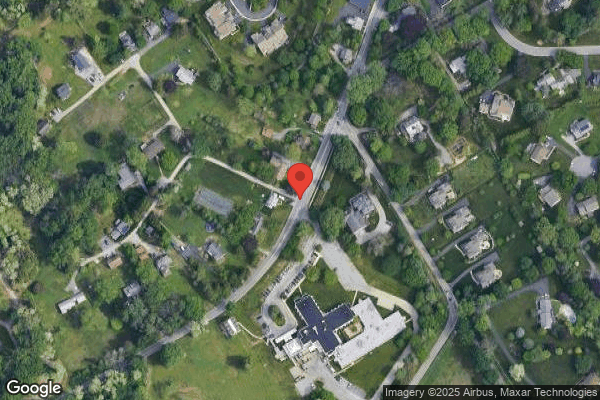

800 WEST MINER STREET, WEST CHESTER, PA 19382 (610) 696-3120
For profit - Limited Liability company 180 Beds MARQUIS HEALTH SERVICES Data: November 2025 2 Immediate Jeopardy citations
Trust Grade
6/100
#510 of 653 in PA
Last Inspection: October 2024

Within standard 12-15 month inspection cycle. Federal law requires annual inspections.

Overview

West Chester Rehabilitation and Healthcare Center has received a Trust Grade of F, indicating significant concerns about the facility's quality of care. It ranks #510 out of 653 nursing homes in Pennsylvania, placing it in the bottom half of facilities in the state, and #19 out of 20 in Chester County, meaning there is only one local option that is better. While the facility is showing improvement in addressing issues, reducing from 21 problems in 2024 to just 1 in 2025, it still has a concerning history with $83,889 in fines, which is higher than 85% of Pennsylvania facilities. Staffing is a weak point, with only 2 out of 5 stars, less RN coverage than 75% of state facilities, and a turnover rate of 46%, which is at the state average but still concerning for continuity of care. Notable incidents include a failure to provide CPR as per facility policy, a resident with a history of elopement successfully leaving the building unnoticed, and issues with pharmacy not providing necessary medications, all highlighting significant lapses in care and safety.

Trust Score
F
6/100
In Pennsylvania
#510/653
Bottom 22%
Safety Record
High Risk
Review needed
Inspections
Getting Better
21 → 1 violations
Staff Stability
⚠ Watch
46% turnover. Above average. Higher turnover means staff may not know residents' routines.
Penalties
○ Average
$83,889 in fines. Higher than 65% of Pennsylvania facilities. Some compliance issues.
Skilled Nurses
⚠ Watch
Each resident gets only 28 minutes of Registered Nurse (RN) attention daily — below average for Pennsylvania. Fewer RN minutes means fewer trained eyes watching for problems.
Violations
⚠ Watch
40 deficiencies on record. Higher than average. Multiple issues found across inspections.
★★☆☆☆
2.0
Overall Rating
★★☆☆☆
2.0
Staff Levels
★★★★☆
4.0
Care Quality
★★☆☆☆
2.0
Inspection Score
Stable
2024: 21 issues
2025: 1 issues

The Good

  • 4-Star Quality Measures · Strong clinical quality outcomes
  • Full Sprinkler Coverage · Fire safety systems throughout facility
  • No fines on record

Facility shows strength in quality measures, fire safety.

The Bad

2-Star Overall Rating

Below Pennsylvania average (3.0)

Below average - review inspection findings carefully

Staff Turnover: 46%

Near Pennsylvania avg (46%)

Higher turnover may affect care consistency

Federal Fines: $83,889

Well above median ($33,413)

Moderate penalties - review what triggered them

Chain: MARQUIS HEALTH SERVICES

Part of a multi-facility chain

Ask about local staffing decisions and management

The Ugly 40 deficiencies on record

2 life-threatening 2 actual harm
Feb 2025 1 deficiency
CONCERN (E) 📢 Someone Reported This

A family member, employee, or ombudsman was alarmed enough to file a formal complaint

Potential for Harm - no one hurt, but risky conditions existed

Deficiency F0657 (Tag F0657)

Could have caused harm · This affected multiple residents

Based on clinical record review staff interview, it was determined that the facility failed to include a resident or a resident's responsible party in the comprehensive care planning process for three...

Read full inspector narrative →
Based on clinical record review staff interview, it was determined that the facility failed to include a resident or a resident's responsible party in the comprehensive care planning process for three of five sampled residents (Residents 1, 2, and 3). Findings include: Review of Resident 1's clinical record revealed that an annual MDS (Minimum Data Set - periodic assessment of resident needs) assessment was completed on January 27, 2025. Further review of the clinical record revealed no evidence that the resident and/or resident's responsible party was invited to the resident's plan of care meeting. Review of Resident 2's clinical record revealed that a quarterly MDS was completed on January 7, 2025. Further review of the clinical record revealed no evidence that the resident and/or resident's responsible party was invited to the resident's plan of care meeting. Review of Resident 3's clinical record revealed that an annual MDS assessment was completed on December 9. 2024. Further review of the clinical record revealed no evidence that the resident and/or resident's responsible party was invited to the resident's plan of care meeting. Interview with the Nursing Home Administrator on February 25, 2025, at 2:30 p.m confirmed that there was no documented evidence that the resident/responsible party was invited to participate in their plan of care meeting. 483.21 Comprehensive Resident Centered Care Plan Previously cited 10/3/24
Oct 2024 6 deficiencies
CONCERN (D)

Potential for Harm - no one hurt, but risky conditions existed

Notification of Changes (Tag F0580)

Could have caused harm · This affected 1 resident

Based on clinical records review and staff interviews, it was determined that the facility failed to notify the physician of a significant weight change for one of the 33 residents reviewed (Resident ...

Read full inspector narrative →
Based on clinical records review and staff interviews, it was determined that the facility failed to notify the physician of a significant weight change for one of the 33 residents reviewed (Resident 21). Findings include: Review of Resident 21's diagnosis list includes End Stage Renal Disease (ESRD- kidney function has declined to the point that the kidneys can no longer function on their own), Heart Failure (condition in which the heart does not pump blood as well as it should), and Diabetes (group of metabolic disorders characterized by a high blood sugar level over a prolonged period). Review of Resident 21's clinical records revealed resident is on Hemodialysis (process of purifying the blood of a person whose kidneys are not working normally) three times a week. Review of Resident 21's weights and vitals documentation dated August 14, 2024, revealed a weight of 309 pounds and a weight of 322.7 pounds on August 21, 2024, which is a 13.7 pound weight gain in a week. Review of Resident 21's clinical records failed to reveal the physician was notified of the above weight changes. Review of Resident 21's weights and vitals documentation dated August 28, 2024, revealed a weight of 321.3 pounds and a weight of 330.6 pounds on September 11, 2024. Clinical records review revealed that Resident 21 had a total of 21.6 pounds (6.99%) weight gain, a significant weight change in less than a month. Review of Resident 21's clinical records failed to reveal the physician was notified of Resident 21's significant weight change. Interview with Licensed Employee E9 on October 3, 2024, at 10:45 a.m., confirmed that Resident 21's significant weight change was identified but the physician was not notified of these changes. The facility failed to ensure physician was notified of Resident 21's significant weight change. 28 Pa. Code 211.12(c)(d)(1)(3)(5) Nursing services
CONCERN (D)

Potential for Harm - no one hurt, but risky conditions existed

Quality of Care (Tag F0684)

Could have caused harm · This affected 1 resident

Based on clinical record review, resident and staff interviews, it was determined the facility failed to follow the physician's order for two of the 33 residents reviewed (Resident 13 and Resident 419...

Read full inspector narrative →
Based on clinical record review, resident and staff interviews, it was determined the facility failed to follow the physician's order for two of the 33 residents reviewed (Resident 13 and Resident 419). Findings include: Review of Resident 13's diagnosis list includes Chronic kidney Disease (kidneys are damaged and cannot filter blood the way they should), and Hyponatremia (condition that occurs when the level of sodium in the blood is too low). Review of Resident 13's physician's order dated August 22, 2024, revealed an order for Fluid restriction of 1500ml per day. 840 cc allocated to dietary, 660 cc allocated to nursing. Nursing 6:00 a.m.-2:00 p.m. = 270 cc; 2:00 p.m.-10:00 p.m. =270 cc. Dietary: breakfast - 360 cc; lunch - 240 cc; and dinner - 240 cc. Review of Resident 13's August 2024 and September 2024, Medication Administration Records revealed the above orders were written with a box for the morning and evening shifts indicated with a check mark. Review of Resident 13's clinical records failed to reveal Resident 13's fluid intake was monitored to ensure fluid restriction of 1500 cc per day was followed. Observation conducted on October 1, 2024, at 1:20 p.m., revealed Resident 13 was eating lunch. The lunch tray included one cup of coffee and a four-ounce juice box. A 16-ounce Styrofoam cup filled with water was also observed on the resident's side table. Observation of Resident 13 on October 2, 2024, at 12:30 p.m., revealed two 16-ounce Styrofoam cups on the resident's bedside table. One cup was empty, and the other was ¼ filled with water. Interview with Resident 13 on October 2, 2024, at 12:31 p.m., revealed that she/he drank all the water in one cup but did not want to finish the water on the other cup since it was already warm. The resident asked if she/he could have more water. Interview with Licensed nurse Employee E8 was conducted on October 2, 2024, at 12:23 p.m. Employee E8 indicated she/he was Resident 13's nurse for the day. When asked how much fluid Resident 13 can have, Employee E8 responded I'm not sure. When asked if the resident was on any fluid restriction, Employee E8 responded I don't recall. The above information was conveyed to the Director of Nursing on October 3, 2024, at 11:00 a.m. The facility failed to ensure Resident 13's physician's order for a fluid restriction was followed. Review of Resident 419's diagnosis list includes acute and Chronic Respiratory Failure with Hypercapnia (the lungs are unable to adequately excrete carbon dioxide), Chronic Obstructive Pulmonary Disease (damage to the lungs), Diabetes Mellitus Type II (in ability to regulate one's blood sugar), Parkinsonism (condition that affects movement), and Chronic Kidney Disease Stage 4 (loss of kidney function). Review of Resident 419's physician orders dated June 27, 2024, revealed an order for Morphine Sulfate Oral Solution 20MG/ML, give 0.25 ml (milliliter) by mouth every 3 hours as needed for moderate to severe pain and dyspnea (shortness of breath). Review of Resident 419's physician orders dated July 3, 2024, revealed an order for Morphine Sulfate Oral Solution 20 MG/ML give 5mg by mouth every 3 hours for pain/anxiety. Further review of Resident 419's physician order revealed an order dated July 3, 2024, for Morphine Sulfate Oral Solution 20 MG/ML give 5mg by mouth every (one) hour as needed for air hunger. Review of facility documents revealed the orders were entered by Registered Nurse, Employee E12 as Morphine Sulfate Oral Solution 20MG/5ML, give 5ml by mouth every 3 hours for pain/anxiety. Further review of facility documents revealed an additional order was entered by Registered Nurse, Employee E12 as Morphine Sulfate Oral Solution 20MG/5ML, give 20 ml by mouth every (one) hour as needed for air hunger. Review of Resident 419's July 2024, Medication Administration Record (MAR) revealed on July 3, 2024, the resident received 5 ml of Morphine Sulfate Oral Solution at 9:00 a.m., 12:00 p.m., 3:00 p.m., and 6:00 p.m. Further review of Resident 419's July 2024 MAR revealed on July 3, 2024, the resident received one PRN dosage of 20 ml of Morphine for air hunger. Review of the facility's narcotic logbook revealed Resident 419 received the following amounts on July 3, 2024: 12:00 a.m.- 0.25 ml (5mg) 3:55 a.m. - 0.25 ml (5mg) 6:00 a.m. - 0.25 ml (5mg) 10:00 a.m. - 0.25 ml (5mg) 12:00 p.m. - 0.5 ml (10mg) 1:30 p.m. - 0.5 ml (10mg) 3:00 p.m. - 0.25 ml (5mg) 6:00 p.m. - 0.25 ml (5mg) Review of facility investigative documents including Medication Incident Details dated July 5, 2024 revealed the resident was administered an incorrect dose of Morphine. Further review of the Medication Incident Detail document revealed Resident 419 was administered 20 mg/5 ml give 5 ml. The medication ordered was 20 mg/5 ml give 5 mg. Additional review of Medication Incident Detail document revealed no adverse effect (of Resident 419). Med (medication) was given per recommendation, not per order. The document further indicates the medication error was a transcription error. The above information was conveyed and confirmed with the Nursing Home Administrator and the Director of Nursing on October 3, 2024, at 1:45 p.m. 28 Pa. Code 211.12(c)(d)(1)(3)(5) Nursing services
CONCERN (D)

Potential for Harm - no one hurt, but risky conditions existed

Deficiency F0757 (Tag F0757)

Could have caused harm · This affected 1 resident

Based on clinical record review and staff interview, it was determined the facility failed to ensure resident was free from unnecessary medication for one of 33 residents reviewed (Resident 21). Findi...

Read full inspector narrative →
Based on clinical record review and staff interview, it was determined the facility failed to ensure resident was free from unnecessary medication for one of 33 residents reviewed (Resident 21). Findings include: Review of Resident 21's diagnosis list includes Spinal Stenosis (narrowing of one or more spaces within the spinal canal), and chronic back pain. Review of Resident 21's physician order dated September 9, 2024, revealed an order for Oxycodone HCL (A medication used to treat severe pain) 10 mg Give one tablet by mouth every six hours as needed for moderate pain. Review of Resident 21's September 2024, Medication Administration Record (MAR) revealed that from September 9, 2024, until September 30, 2024, the Oxycodone medication was administered to Resident 21 a total of 11 times with a pain level rating of 0 (Numeric Pain Scale: 0-no pain; 1-3-mild pain; 4-6-moderate pain; 7-10-severe pain). Review of Resident 21's clinical record failed to reveal an explanation as to why the resident was administered with as needed Oxycodone for a pain level rating of 0. The above was conveyed to the Director of Nursing on October 3, 2024, at 11:00 a.m. The facility failed to ensure Resident 21 was free from unnecessary use of as-needed Oxycodone. 28 Pa. Code 211.12(d)(1)(3)(5) Nursing services
CONCERN (D)

Potential for Harm - no one hurt, but risky conditions existed

Deficiency F0761 (Tag F0761)

Could have caused harm · This affected 1 resident

Based on review of the medication manufacturer's guidelines, the facility's policy, observation, and staff interviews, it was determined the facility failed to ensure medications were properly labeled...

Read full inspector narrative →
Based on review of the medication manufacturer's guidelines, the facility's policy, observation, and staff interviews, it was determined the facility failed to ensure medications were properly labeled and stored on two of two medication carts observed (Medication Carts 4 and 5). Findings include: Review of the facility policy titled Medication Labeling and Storage, revised February 2023, revealed medications and biologicals are stored in the packaging, containers, or other dispensing systems in which they are received. Only the issuing pharmacy is authorized to transfer medications between containers. The same policy indicated that multi-dose vials that have been opened or accessed are dated and discarded within 28 days unless the manufacturer specifies a shorter or longer date for the open vial. Review of the manufacturer's storage guidelines for Insulin Lispro (Humalog-fast-acting insulin), revealed the medication must be stored at room temperature and must be discarded within 28 days after opening. Review of the manufacturer's guidelines for Basaglar Insulin Kwikpen (long-acting insulin) revealed the medication should be discarded 28 days after opening or removal from refrigeration. Observation of the medication cart 4 was conducted in the presence of Licensed nurse Employee E10 on October 1, 2024, at 9:07 a.m. The observation revealed one Lispro pen and one Basaglar pen. Both insulin pens were used and undated. Additional observation revealed 97 loose medications in different sizes and colors scattered on the medication cart drawers. Observation of the medication cart 5 was conducted in the presence of Licensed nurse Employee E11 on October 1, 2024, at 9:31 a.m. The observation revealed one Lispro pen, one Admelog pen, and one Lantus pen each placed in a clear zip-lock bag with the resident's name written in pentel pen. Additional observation revealed 50 loose medications in different sizes and colors scattered on the medication cart drawers. A Lidocaine (medication used to numb the skin) vial, used, undated with no name was observed. Interview conducted with Employee E11 on October 1, 2024, at 9:40 a.m. revealed the pharmacy sent multiple insulins for the residents, the original container was left in the medication refrigerator and the insulin currently in use was placed on a zip lock bag with the resident ' s name written in pentel pen. Employee E11 reported that the scattered medications in the drawers were when the medication was accidentally popped out from the blister medication packages. The above findings were conveyed to the Director of Nursing on October 3, 2024, at 1:00 p.m. The facility failed to ensure medications were properly labeled and stored on medication carts 4 and 5. 28 Pa. Code 201.14(a) Responsibility of licensee 28 Pa. Code 201.18(b)(1)(3)(e)(1) Management 28 Pa. Code 211.12(c)(d)(1)(3)(5) Nursing services
CONCERN (E)

Potential for Harm - no one hurt, but risky conditions existed

Deficiency F0657 (Tag F0657)

Could have caused harm · This affected multiple residents

Based on clinical records review, and resident, and staff interviews, it was determined that the facility failed to include the Interdisciplinary Team (IDT) in care plan meetings for 15 out of 15 resi...

Read full inspector narrative →
Based on clinical records review, and resident, and staff interviews, it was determined that the facility failed to include the Interdisciplinary Team (IDT) in care plan meetings for 15 out of 15 resident care plan meetings reviewed (Residents 23, 27, 38, 66, 78, 85, 98, 101, 107, 114, 119, 121, 134, 143, 161). Findings include: Review of federal regulations revealed resident care plans should be prepared by an interdisciplinary team that includes but is not limited: (A) The attending physician. (B) A registered nurse with responsibility for the resident. (C) A nurse aide with responsibility for the resident. (D) A member of food and nutrition services staff. (E) To the extent practicable, the participation of the resident and the resident's representative(s). An explanation must be included in a resident's medical record if the participation of the resident and their resident representative is determined not practicable for the development of the resident's care plan. (F) Other appropriate staff or professionals in disciplines as determined by the resident's needs or as requested by the resident. Review of Resident 23's Care Plan Meeting Review dated September 13, 2024, revealed Interdisciplinary Team attendance of social services and therapy. The resident's health precluded attendance. Review of Resident 27's Care Plan Meeting Review dated September 10, 2024, revealed Interdisciplinary Team attendance of social services and nursing. The resident attended in person. Review of Resident 38's Care Plan Meeting Review dated September 13, 2024, revealed Interdisciplinary Team attendance of social services and therapy. The resident's health precluded attendance. Review of Resident 66's Care Plan Meeting Review dated September 20, 2024, revealed Interdisciplinary Team attendance of social services, nursing and respiratory. The resident attended in person. Review of Resident 78's Care Plan Meeting Review dated September 4, 2024, revealed Interdisciplinary Team attendance of social services, nursing and dietary. The resident's health precluded attendance. Review of Resident 85's Care Plan Meeting Review dated September 10, 2024, revealed Interdisciplinary Team attendance of social services and nursing. The resident's health precluded attendance. Review of Resident 98's Care Plan Meeting Review dated September 3, 2024, revealed Interdisciplinary Team attendance of social services and nursing. The resident attended in person. Review of Resident 101's Care Plan Meeting Review dated September 5, 2024, revealed Interdisciplinary Team attendance of social services and nursing. The resident's health precluded attendance. Review of Resident 107's Care Plan Meeting Review dated September 9, 2024, revealed Interdisciplinary Team attendance of social services, therapy and respiratory. The resident's health precluded attendance. Review of Resident 114's Care Plan Meeting Review dated September 5, 2024, revealed Interdisciplinary Team attendance of social services, dietary and nursing. The resident attended in person. Review of Resident 119's Care Plan Meeting Review dated September 6, 2024, revealed Interdisciplinary Team attendance of social services, dietary and nursing. The resident attended in person. Review of Resident 121's Care Plan Meeting Review dated September 5, 2024, revealed Interdisciplinary Team attendance of social services and nursing. The resident attended in person. Review of Resident 134's Care Plan Meeting Review dated September 13, 2024, revealed Interdisciplinary Team attendance of social services and therapy. The resident attended in person. Review of Resident 143's Care Plan Meeting Review dated September 10, 2024, revealed Interdisciplinary Team attendance of social services, therapy, and nursing. The resident attended in person. Review of Resident 161's Care Plan Meeting Review dated September 5, 2024, revealed Interdisciplinary Team attendance of social services and therapy. The resident's health precluded attendance. The above information was conveyed and confirmed with the Regional Director, the Nursing Home Administrator, and the Director of Nursing on October 1, 2024, at 12:20 p.m. 28 Pa Code 211.11(d) Resident care plan
CONCERN (E)

Potential for Harm - no one hurt, but risky conditions existed

Deficiency F0947 (Tag F0947)

Could have caused harm · This affected multiple residents

Based on review of staff documentation, it was determined the facility failed to ensure the required 12 hours of annual training was completed by four of five staff members reviewed (Employee E3, Empl...

Read full inspector narrative →
Based on review of staff documentation, it was determined the facility failed to ensure the required 12 hours of annual training was completed by four of five staff members reviewed (Employee E3, Employee E4, Employee E5 and Employee E6). Findings include: Review of Employees E3, E4, E5 and E6's training documentation regarding 12-hour annual training failed to reveal evidence that Employees E3, E4, E5, and E6 completed the annual 12-hour training as required. Interview with the Nursing Home Administrator and Director of Nursing on October 3, 2024, at 2:30 p.m. confirmed Employees E3, E4, E5 and E6 did not complete the required 12-hour annual training. 28 Pa. Code 201.18(b)(1)(3)(e)(1) Management Previously cited 5/6/2024
Aug 2024 1 deficiency 1 Harm
SERIOUS (G) 📢 Someone Reported This

A family member, employee, or ombudsman was alarmed enough to file a formal complaint

Actual Harm - a resident was hurt due to facility failures

Pharmacy Services (Tag F0755)

A resident was harmed · This affected 1 resident

**NOTE- TERMS IN BRACKETS HAVE BEEN EDITED TO PROTECT CONFIDENTIALITY** Based on clinical record review and staff interview it was determined that the facility failed to ensure the pharmacy provided n...

Read full inspector narrative →
**NOTE- TERMS IN BRACKETS HAVE BEEN EDITED TO PROTECT CONFIDENTIALITY** Based on clinical record review and staff interview it was determined that the facility failed to ensure the pharmacy provided necessary pain medications timely which resulted in Resident 2 experiencing significant pain, and prompting emergent medical intervention. The facility failed to ensure physician ordered medications were available from the pharmacy for two of four residents reviewed (Residents 2 and 3). Findings include: Review of Resident 2's progress note of July 27, 2024, revealed resident was admitted at approximately 1:30 p.m. Review of the clinical record included diagnoses of, but not limited to, Postlaminectomy Syndrome (pain that continues after a Laminectomy [surgery that reduces pressure on the nerves in the spinal cord] or other spinal surgery, fusion of the spine (surgery to connect two or more bones in any part of the spine), lumbar region (lower back) , and injury of Cauda Equina (bundle of spinal nerves and spinal nerve rootlets). Review of Resident 2's physician's admission orders included an order for MS Contin (morphine - medication used to treat moderate to severe pain) oral tablet extended release 100 milligrams (mg), one tablet two times a day for chronic pain, oxycodone HCl (opiod medication used to treat moderate to severe pain) oral tablet 30 mg two tablets every four hours as needed for breakthrough pain, and hydromorphone HCl (opiod medication used to treat moderate to severe pain) oral tablet 4 mg two tablets every eight hours as needed for severe pain if no relief from oxycodone. Additional order received to monitor resident for pain every shift. Resident 2 also had an order for Acetaminophen (pain reliever for mild to moderate pain) 325 mg two tablets every six hours as needed for pain. Review of the July 2024 Medication Administration Record (MAR) for Resident 2, revealed a pain level of 10 (scale of 0-10, 0 means no pain, 10 worst pain) recorded for nite. Further review of Resident 2's MAR revealed that MS Contin was not administered at 9:00 p.m. because it was on hold'. The MAR also indicated that Acetaminophen was not administered. Review of Resident 2's progress note of July 27, 2024, at 23:46 (11:46 p.m.) revealed Residents' routine and prn narcotics were not delivered on the last run. Scripts were faxed by day shift nurse at 1515 [3:15 p.m.] and refaxed at 1725 [5:25 p.m.] on 7/27/24. This RN (Registered Nurse) attempted to pull the medications from the pixus [pyxis - medication dispensing system] with no success. Resident is on high doses of multiple narcotics. Pixus does not have the right dose and enough dose to administer. Resident is in severe pain and requesting to go back to the hospital. [Attending Physician] made aware and is agreeable. ADON (Assistant Director of Nursing] made aware. Spouse is at bedside. Resident left the building at 2320 [11:20 p.m.] with all of his belongings. Resident went to [local hospital]. Review of Resident 3's clinical record revealed that the resident was admitted on [DATE], with diagnoses of, but not limited to, Nontraumatic Subarachnoid Hemorrhage (bleeding in the space between the brain and tissue covering the brain), and fracture of lumbosacral spine and pelvis (lower back connecting to the lower part of the trunk). Review of Resident 3's admission orders included an order for Donepezil HCl (medication used to treat confusion related to Alzheimer's disease) oral tablet 10 mg one tablet once a day for psychotherapeutic, Tamsulosin HCl 0.4 mg one capsule one time a day for genitourinary agents (used to treat conditions of the urinary tract), and Levetiracetam (used to treat seizures) 500 mg one tablet twice a day for anticonvulsant. Review of Resident 3's July 2024 MAR revealed that Donepezil HCl, Tamsulosin HCl, and Levetiracetam were not adminstered on July 13, 2024. Review of progress note of July 13, 2024, indicated awaiting pharmacy delivery. Review of Resident 3's July 2024 MAR revealed that Donepezil HCI, Tamsulosin HCI, and Levetiracetam were not administered at HS (bedtime) resulting in 1 missed dose of each medication. Interview with the Assistant Director of Nursing on August 15, 2024, confirmed the above medications were not available for administration. 28 Pa. Code 211.12(d)(1)(3)(5) Nursing services Previously cited 5/6/24 28 Pa. Code: 211.9 (a)(1) Pharmacy services
May 2024 9 deficiencies 1 IJ
CRITICAL (J)

Immediate Jeopardy (IJ) - the most serious Medicare violation

Deficiency F0678 (Tag F0678)

Someone could have died · This affected 1 resident

**NOTE- TERMS IN BRACKETS HAVE BEEN EDITED TO PROTECT CONFIDENTIALITY** Based on a review of established guidelines for Cardiopulmonary Resuscitation (CPR), the facility's policies and residents' clin...

Read full inspector narrative →
**NOTE- TERMS IN BRACKETS HAVE BEEN EDITED TO PROTECT CONFIDENTIALITY** Based on a review of established guidelines for Cardiopulmonary Resuscitation (CPR), the facility's policies and residents' clinical records, as well as staff interviews, it was determined that the facility failed to ensure that CPR was provided in accordance with established facility policy and procedure for one of five residents reviewed (Resident 288), creating a situation in which the residents were placed in Immediate Jeopardy related to failing to perform cardiopulmonary resuscitation. Findings include: Review of facility policy titled Emergency Procedure - Cardiopulmonary Resuscitation with a revised date of February 2018; revealed under section titled General Guidelines and Number Six indicated If an individual (resident, visitor, or staff member) is found unresponsive and not breathing normally, a licensed staff member who is certified in CPR/BLS shall initiate CPR unless: a. it is known that a Do Not Resuscitate (DNR) order that specifically prohibits CPR and/or external defibrillation exists for that individual; or b. there are obvious signs of irreversible death ( e.g., rigor mortis). Further review of facility policy titled Emergency Procedure - Cardiopulmonary Resuscitation revealed Number Seven under General Guidelines indicating; If the resident's DNR status is unclear, CPR will be initiated until it is determined that there is a DNR or a physician's order not to administer CPR. Review of clinical record of Resident 288 revealed the resident was admitted to the facility on [DATE], as a short-term respite admission on hospice service with diagnoses including but not limited to Essential Hypertension, Cardiomyopathy, Heart Failure, and Aortic Stenosis (severe). Review of Resident 288's clinical record revealed Resident 288 had a physician's order for full life sustaining interventions of Cardiopulmonary Resuscitation dated [DATE]. Review of Resident 288's progress note completed by RN Supervisor, dated [DATE], at 2:08 a.m. indicated This RN was called by nurse that the resident had stopped breathing. Resident unresponsive to external stimuli, no pulmonary activity was noted. Not responding to sternal rub. Apical and Radial pulse not absent for 60 seconds. Pupils were fixed and Dilated. Resident was pronounced CTB at 2230 on [DATE]. Daughter [Name Withheld] made aware. [Name withheld] hospice and [name withheld] geriatrics made aware of death. Body released to [identified] funeral home. Interview conducted via telephone on [DATE] at 12:35 p.m. with RN Supervisor, Employee E3 revealed that due to resident's hospice status and full code status, CPR was withheld. Further interview with Employee E3 revealed, RN supervisor initiated a telephone conversation with resident's daughter who informed the RN Supervisor the family does not wish to have CPR performed on the resident. Review of Resident 288's clinical record revealed documents faxed to the facility by hospice provider on [DATE], at 10:47 a.m. including Patient Information Report indicated daughter was emergency contact only but an alternative family member was legal representative. Further review of Resident 288's hospice documents including Patient Information Report revealed Resident 288 also diagnosed with Congestive Heart Failure. Further review of hospice documents revealed a progress note dated [DATE] by attending hospice physician who indicated Resident 288 was FULL CODE. Interview with the Nursing Home Administrator and the Director of Nursing on [DATE] revealed that they were aware that staff did not provide CPR to Resident 288 in accordance with the code status, and the facility's policy. On [DATE], at 3:30 p.m. the Nursing Home Administrator was informed that Immediate Jeopardy was identified due to Licensed staff failing to provide CPR in accordance with a resident's physician's order and the facility policy. Nursing Home Administrator was provided the Immediate Jeopardy template at approximately 3:35 p.m. The facility submitted an acceptable immediate action plan on [DATE]:35 p.m. that included the following actions: A facility wide review of all residents' life sustaining code status to ensure each resident's advanced directive and physician-ordered code status was in place. The facility developed an education plan for all licensed nurses regarding the facility's CPR policy including general guidelines, preparation and emergency procedure for all residents; to ensure that CPR will be provided in accordance with each resident's advanced directive and physician orders and further education on where to find the code status of residents. The plan also included to actively hold Code Blue drills (simulated event whereby staff respond to a resident experiencing cardiac arrest) with staff, and to complete ongoing audits. An audit of the eleven hospice residents including nine with Do Not Resuscitate (DNR) and Full life sustaining measures were reviewed. The Immediate Jeopardy was lifted on [DATE], at 10:15 a.m. when it was confirmed that the facility provided licensed nursing staff of 11 LPN's (Licensed Practical Nurses) and 4 RN's (Registered Nurses) with education regarding providing CPR in accordance with residents' advanced directives, physician's orders and the facility's policy and completed a Code Blue drill to ensure that licensed nurses were prepared to respond to situations that required CPR. Staff were able to identify resident's code status is located on the Medication Administration Record (MAR) which is accessible to all licensed staff. Any remaining staff were scheduled to receive the education prior to the start of their next shift. 28 Pa. Code 201.14(a) Responsibility of licensee 28 Pa. Code 201.18(b)(1)(3)(e)(1) Management 28 Pa. Code 201.18(e)(3) Management 28 Pa. Code 211.12(c)(d)(1)(3)(5) Nursing services
CONCERN (D)

Potential for Harm - no one hurt, but risky conditions existed

Notification of Changes (Tag F0580)

Could have caused harm · This affected 1 resident

Based on clinical records review and staff interview, it was determined that the facility failed to notify the physician of the significant weight change of two of the 32 residents reviewed (Resident ...

Read full inspector narrative →
Based on clinical records review and staff interview, it was determined that the facility failed to notify the physician of the significant weight change of two of the 32 residents reviewed (Resident 18 and 161). Findings include: Review of Resident 18's diagnosis list includes End Stage Renal Disease (ESRD- Where kidney function has declined to the point that the kidneys can no longer function on their own), and dependence on Hemodialysis (A process of purifying the blood of a person whose kidneys are not working normally). Review of Resident 18's weights and vitals dated April 2, 2024, revealed a weight of 182 pounds, and April 7, 2024, revealed a weight of 205.8, a 13.8% significant weight gain in five days. A re-weight was done on April 16, 2024, which revealed a weight of 205 pounds. Review of Resident 18's clinical record failed to reveal that the physician was notified of Resident 18's significant weight change. Review of Resident 161's diagnosis list includes ESRD and Dependence on Hemodialysis. Review of Resident 161's weights and vitals dated March 1, 2024, revealed a weight of 175.3 pounds, and March 5, 2024, revealed a weight of 227.5 pounds a 29.78 % significant weight gain in four days. Re-weight was not done until March 27, 2024, which revealed a weight of 218. 5, a 24.64% significant weight gain from the March 1, 2024, weight. Review of Resident 161's clinical record revealed the physician was not notified of Resident 161's significant weight change until April 17, 2024, six weeks after a significant weight change was identified. Interview conducted with the Director of Nursing on April 29, 2024, at 11:00 a.m., confirmed Resident 18's physician was not notified of the significant weight change, and Resident 161's physician was not notified of the resident's significant weight change timely. 28 Pa. Code 201.18(e)(3) Management 28 Pa. Code 211.12(c)(d)(1)(3)(5) Nursing services
CONCERN (D)

Potential for Harm - no one hurt, but risky conditions existed

Investigate Abuse (Tag F0610)

Could have caused harm · This affected 1 resident

Based on clinical records review, facility documentation review, and staff interview, it was determined that the facility failed to comprehensively investigate an injury of unknown origin for one of t...

Read full inspector narrative →
Based on clinical records review, facility documentation review, and staff interview, it was determined that the facility failed to comprehensively investigate an injury of unknown origin for one of the 32 residents reviewed (Resident 37). Findings include: Review of Resident 37's diagnosis list includes Dementia (term used to describe a group of symptoms affecting memory, thinking, and social abilities severely enough to interfere with daily life), Cancer of the Larynx, Acute Respiratory Failure, and generalized muscle weakness. Review of the Significant Change Minimum Data Set (MDS- standardized assessment tool that measures health status in long-term care residents) dated June 30, 2023, revealed that the resident had a severe cognitive impairment and required extensive with one-person assistance with bed mobility and transfers. Review of the physician notes dated July 28, 2023, revealed worsening bilateral hip pain despite conservative measures with pain medications, an X-ray was ordered. Review of the nursing progress notes dated July 29, 2023, at 4:15 a.m., revealed a call was received from the imaging company and was informed that the x-ray result of the bilateral hips with pelvis done on July 28, 2023, revealed Bilateral sub capital fractures of undetermined age involving the hips without dislocation. The physician was notified and ordered to transfer the resident to the hospital. Review of the nursing progress notes dated July 29, 2023, revealed Resident 37 was admitted to the hospital with a diagnosis of bilateral hip fracture. Review of the facility documentation dated July 29, 2023, revealed an interview with the resident who denied trauma to the area or abuse. The resident reported chronic pain in the lower back and hips but got worse over the last week. The resident denied falling and does not know how the injury occurred. A review of the same document revealed no interviews/statements from staff who could have an encounter or cared for the resident. Interview was conducted with licensed employee E3 on April 29, 2024, at 11:00 a.m. Employee E3 reported that for injury of unknown origin, an interview/statement of staff that cared for the resident for the last 48 hours should have been completed. Interview with the Nursing Home Administrator on April 29, 2023, at 2:00 p.m., confirmed that there were no staff interviews/statements completed for Resident 37's bilateral hip fracture of unknown origin. The facility failed to ensure Resident 37's bilateral hip fracture of unknown origin was comprehensively investigated. 28 Pa. Code 201.14(a) Responsibility of licensee 28 Pa. Code 201.18(b)(1)(3)(e)(1) Management 28 Pa. Code 201.18(e)(3) Management 28 Pa. Code 211.12(c)(d)(1)(3)(5) Nursing services
CONCERN (D)

Potential for Harm - no one hurt, but risky conditions existed

Transfer Notice (Tag F0623)

Could have caused harm · This affected 1 resident

Based on clinical record review and interview with staff, it was determined that the facility failed to notify the State Long-Term Care (LTC) Ombudsman's office of residents transferred or discharged ...

Read full inspector narrative →
Based on clinical record review and interview with staff, it was determined that the facility failed to notify the State Long-Term Care (LTC) Ombudsman's office of residents transferred or discharged for one of six residents reviewed (Residents 369). Findings include: Review of Resident 369's clinical record revealed a nursing progress note dated March 21, 2024, revealed that the resident had a new order to be sent to the hospital due to being unresponsive. Further review of Resident 369's clinical record failed to reveal documented evidence of the State Ombudsman's office notified of Resident 369's transfers from the facility to the hospital. Interview with the Nursing Home Administrator (NHA) on April 29, 2024, at 10:40 a.m. confirmed that the facility did not notify the State Ombudsman's office when Resident 369 was transferred to the Hospital. 28 Pa. Code 201.14(a) Responsibility of licensee 28 Pa. Code 201.18(a) Management 28 Pa. Code 201.18(b)(3) Management 28 Pa. Code 201.29(a) Resident rights
CONCERN (D)

Potential for Harm - no one hurt, but risky conditions existed

Comprehensive Care Plan (Tag F0656)

Could have caused harm · This affected 1 resident

Based on clinical records review and staff interview, it was determined that the facility failed to develop a comprehensive care plan for one of 32 residents reviewed (Resident 95) Findings include: R...

Read full inspector narrative →
Based on clinical records review and staff interview, it was determined that the facility failed to develop a comprehensive care plan for one of 32 residents reviewed (Resident 95) Findings include: Review of Resident 95's diagnosis list includes Dementia (term used to describe a group of symptoms affecting memory, thinking and social abilities severely enough to interfere with daily life), Bpolar Disorder (condition associated with episodes of mood swings ranging from depressive lows to manic highs), and Anxiety disorder. Review of Resident 95's Quarterly Minimum Data Set (MDS- standardized assessment tool that measures health status in long-term care residents) dated February 22, 2024, revealed that the resident had a severe cognitive impairment. Review of the Psychiatry notes dated January 10, 2024, revealed resident was previously on another facility with history of at least four prior psychiatry hospitalizations and previous attempts of hurting self. Resident on medication management. Review of Resident 95's care plan revealed no plan of care developed for resident's behavior (previous attempt to hurt self). Interview with the Nursing Home Director conducted on April 29, 2024, at 1:30 p.m., confirmed that Resident 95's behavior of previous attempts to hurt self plan of care was not developed. The facility failed to ensure a comprehensive care plan was developed for Resident 95's behavior of previous attempts to hurt self. 28 Pa. Code 201.14(a) Responsibility of licensee 28 Pa. Code 201.18(b)(1)(3)(e)(1) Management 28 Pa. Code 201.18(e)(3) Management 28 Pa. Code 211.12(c)(d)(1)(3)(5) Nursing services
CONCERN (D)

Potential for Harm - no one hurt, but risky conditions existed

Quality of Care (Tag F0684)

Could have caused harm · This affected 1 resident

**NOTE- TERMS IN BRACKETS HAVE BEEN EDITED TO PROTECT CONFIDENTIALITY** Based on clinical records review and staff interview, it was determined that the facility failed to ensure wound treatment was c...

Read full inspector narrative →
**NOTE- TERMS IN BRACKETS HAVE BEEN EDITED TO PROTECT CONFIDENTIALITY** Based on clinical records review and staff interview, it was determined that the facility failed to ensure wound treatment was consistently completed and wound recommendation from a wound consultant was followed for a surgical wound for one of 32 residents reviewed. Finding include: Review of the Nurse Practitioner's (NP) progress notes dated March 11, 2024, revealed Resident 18 was re-admitted to the facility on [DATE], with a surgical wound post incision and drainage of a hematoma (pool of mostly clotted blood that forms in an organ, tissue, or body space) to the left lateral leg. A wound treatment order to cleanse the wound with cleanser, apply Collagen to the base of the wound then cover with dressing daily and as needed was ordered. Review of Resident 18's April 2024, Treatment Administration Record revealed that wound treatment to Resident 18's left lateral surgical wound was not done on April 7, 14, 16, 20, and 21, 2024. Review of the wound NP's notes dated April 18, 2024, revealed Resident 18's surgical wound to the left lateral leg was evaluated, a new wound treatment recommendation was made, to cleanse the wound with cleanser, apply Medihoney (A dressing that aids and support debridement and a moist wound healing environment in acute and chronic wounds and burns), cover with dressing daily and as needed. Review of the April 2024, TAR revealed that the wound NP's surgical wound treatment recommendation made on April 18, 2024, was not placed as an order, and therefore was not implemented. Interview with the Director of Nursing was conducted on April 29, 2024, at 11:00 a.m., The Director of Nursing (DON) reported that the wound NP's recommendation was supposed to be relayed to the physician for approval. The facility was unable to provide documented evidence that the physician was notified of the wound NP's new surgical wound recommendations. The DON was unable to provide an answer as to why the wound NP's surgical wound treatment recommendation was not implemented. The DON was unable to provide an explanation of the missed surgical wound treatment on April 7, 14, 16, 20, and April 21, 2024. The facility failed to ensure Resident 18's surgical wound treatment to the left lateral leg was consistently done and wound recommendation of the wound specialist was followed. 28 Pa. Code 201.18(b)(1)(3)(e)(1) Management 28 Pa. Code 211.12(c)(d)(1)(3)(5) Nursing services
CONCERN (D)

Potential for Harm - no one hurt, but risky conditions existed

Medication Errors (Tag F0758)

Could have caused harm · This affected 1 resident

Based on clinical record review, it was determined that the facility failed to ensure one of 32 residents reviewed was free of unnecessary psychotropic medication (Resident 42). Findings include: Revi...

Read full inspector narrative →
Based on clinical record review, it was determined that the facility failed to ensure one of 32 residents reviewed was free of unnecessary psychotropic medication (Resident 42). Findings include: Review of Resident 42's clinical record revealed a physician's order dated November 7, 2023, for trazodone (antidepressant medication) 50 milligrams (mg) 1 tablet by mouth at bedtime. Review of Resident 42's Consultant Pharmacist Report dated November 8, 2023, revealed the pharmacist questioned if the resident's trazodone was still needed, with the physician responding Defer to psych. Review of Resident 42's psychiatrist note from January 24, 2024, revealed that the resident is currently on 3 antidepressants. Trazodone previously ineffective. Recommend taper off trazodone by reducing the dose to 25mg 1 tablet by mouth at bedtime. Review of Resident 42's January, February, and March 2024 Medication Administration Records revealed the resident continued to receive Trazodone 50 mg until March 28, 2024. Review of Resident 42's progress notes revealed a nurse's note dated February 10, 2024, which stated: Resident seen sleeping more than usual during shift. Attempted more than once to awakening but he verbally expressed he was more tired than usual. Ate 20% of his breakfast and slept through lunch. Meds held due to resident being sleep. Vitals stable . Resident denied any pain but verbally expressed he felt too tired to do anything. MD notified. Review of Resident 42's next psychiatrist note dated March 27, 2024, revealed that the resident complained of low energy, daytime sleepiness at times with recommendations again to reduce the resident's trazodone dose from 50mg to 25mg. Interview with the Director of Nursing on April 29, 2024, at 11:30 a.m. confirmed that the facility did not follow Resident 42's psychiatrist recommendations from January 24, 2024, to reduce the resident's trazodone dose until March 28, 2024. 28 Pa. Code 211.2(a) Physician services 28 Pa. Code 211.12(d)(1)(3)(5) Nursing services
CONCERN (E)

Potential for Harm - no one hurt, but risky conditions existed

Deficiency F0698 (Tag F0698)

Could have caused harm · This affected multiple residents

**NOTE- TERMS IN BRACKETS HAVE BEEN EDITED TO PROTECT CONFIDENTIALITY** Based on review of facility policy, clinical record review, and staff interviews, it was determined that the facility failed to ...

Read full inspector narrative →
**NOTE- TERMS IN BRACKETS HAVE BEEN EDITED TO PROTECT CONFIDENTIALITY** Based on review of facility policy, clinical record review, and staff interviews, it was determined that the facility failed to follow physician's order regarding pre dialysis and post dialysis weight monitoring and to maintain ongoing communication with the dialysis center for four of four residents receiving dialysis (Residents 18, 98,161, and Resident 369). Findings include: Review of Resident 18's diagnosis list includes End Stage Renal Disease (ESRD), and dependence on Hemodialysis (process of purifying the blood of a person whose kidneys are not working normally) Review of Resident 18's physician's order dated April 4, 2024, revealed an order for pre and post-dialysis weights, ensured recorded in the communication binder for dialysis did Review of Resident 18's dialysis binder revealed no information on the pre and post-dialysis weights on the following dates: April 10, 15, and April 17, 2024. Review of Resident 98's diagnosis list includes ESRD and dependence on Hemodialysis. Review of Resident 98's physician's order dated December 8, 2023, revealed an order for pre and post-dialysis weights, ensure recorded in the communication binder for dialysis two times a day every Monday, Wednesday, and Friday. Review of Resident 98's dialysis binder revealed no pre and post-dialysis weight on April 8, and 10, 2024, and no post-dialysis weight on April 24, 2024. Review of Resident 161's diagnosis list includes ESRD and dependence on Hemodialysis. Review of Resident 161's physician's order dated January 23, 2024, revealed an order for pre and post-dialysis weights, which was recorded in the communication binder for dialysis. Review of Resident 161's dialysis binder revealed no information on the pre and post-dialysis weights on April 5, 8, 10, and April 15, 2024. No post-dialysis weight was recorded on April 12, 2024, and no pre weight documented on April 22, and April 24, 2024. Interview with the Nursing Home Administrator conducted on April 29, 2024, at 1:30 p.m., confirmed that there were no documented pre and post-dialysis weights on the dates mentioned above for Residents 18, 98, and 161. Review of Resident 369's clinical record indicated Resident 369 was admitted to the facility on [DATE]. Review of Resident 369's Minimum Data Set (MDS - periodic assessment of care needs) dated February 18, 2024, indicated diagnoses of end-stage renal disease (ESRD - an inability of the kidneys to filter the blood), and dependence on renal dialysis. Review of Resident 369's physician's order dated March 20, 2024, indicated Resident 369 received dialysis treatment three times a week on Monday, Wednesday, and Friday. Review of Resident F369's order dated March 20, 2024, indicated a Dialysis Communication Tool was to be completed and sent to dialysis with Resident 369 every Monday, Wednesday, and Friday. Review of Resident 369's clinical record revealed an additional physician order dated March 20, 2024, indicating Record pre and post dialysis weight in communication book. Interview conducted on April 29, 2024, at 12:46 p.m. the Nursing Home Administrator (NHA) reported the facility does not have a communication book for Resident 369. NHA stated If they haven't given it to you by now, then we don't have it. 28 Pa. Code 211.10(c)(d) Resident Care Policies 28 Pa. Code 211.12 (d)(2) Nursing Services 28 Pa. Code 211.12(d)(1)(5) Nursing Services 28 Pa. Code: 201.14(a) Responsibility of licensee 28 Pa. Code: 201.18(b)(1) Management
CONCERN (E)

Potential for Harm - no one hurt, but risky conditions existed

Administration (Tag F0835)

Could have caused harm · This affected multiple residents

Based on a review of their job descriptions it was determined that the Nursing Home Administrator (NHA) and the Director of Nursing (DON) did not effectively manage the facility to ensure that Cardio ...

Read full inspector narrative →
Based on a review of their job descriptions it was determined that the Nursing Home Administrator (NHA) and the Director of Nursing (DON) did not effectively manage the facility to ensure that Cardio Pulmonary Resuscitation was provided in accordance with the facility policy and procedures to residents that are a full code. Findings include: Review of the job description for the NHA revealed the essential function is responsible for planning and is accountable for all activities and departments of the Center subject to rules and regulations (put into affect) by government agencies to ensure proper healthcare services to residents. Review of the job description for the DON revealed the responsibility of the job position is overall accountability for providing leadership, direction and administration of day-to-day operations associated with direct patient care activities, nursing practice, clinical education and development, including continuing improvement in nursing services and to staff to meet patient/residents and their families' needs and expectations. The findings in this report identified that the facility failed to ensure that CPR was provided in accordance with the facility policy and procedures a resident was a FULL CODE. The NHA and DON failed to fulfill their essential job duties that the federal and state guidelines and regulations were followed. Refer to F678 28 Pa. Code 201.14(a) Responsibility of licensee 28 Pa. Code 201.18(b)(1) Management 28 Pa. Code 201.18(b)(3) Management 28 Pa. Code 201.18(e)(1) Management 28 Pa. Code 207.2(a) Administrator's Responsibility 28 Pa. Code 211.12(d)(1)(5) Nursing Services 28 Pa. Code 211.12(d)(2)(3) Nursing Services
Mar 2024 1 deficiency
CONCERN (E) 📢 Someone Reported This

A family member, employee, or ombudsman was alarmed enough to file a formal complaint

Potential for Harm - no one hurt, but risky conditions existed

Deficiency F0692 (Tag F0692)

Could have caused harm · This affected multiple residents

Based on facility policy, clinical record review, and staff interview, it was determined that the facility failed to obtain and monitor weights for two of three residents reviewed for nutrition (Resid...

Read full inspector narrative →
Based on facility policy, clinical record review, and staff interview, it was determined that the facility failed to obtain and monitor weights for two of three residents reviewed for nutrition (Residents 3 and 4). Findings include: Review of facility policy Weight Policy revised December 2022 revealed that each resident will be weighed monthly. Any resident displaying a significant change in weight of greater than or equal to 5%, gain/loss in one month will be reported to the Registered Dietitian and reweighed. The Registered Dietitian will review the medical record of residents with significant weight changes (i.e. 5% loss/gain in one month, 7.5% loss/gain in 3 months, 10% loss/gain in 6 months). Dietary interventions will be recommended as needed. Review of Resident 3's clinical record revealed a weight of 227.3 pounds on December 29, 2023 and 227.3 pounds on January 10, 2024. Weight obtained on February 27, 2024, was 192.6 pounds (loss of 34.7 pounds or 15.3% in one month) with no reweigh obtained. Review of the weights and vitals summary revealed a weight of 188.4 pounds on March 11, 2024 (loss of 38.9 pounds or 17.1% in three months) with no reweigh obtained. Further review of the clinical record revealed no evidence that the Registered Dietitian reviewed the record due to the significant weight loss. Review of Resident 4's clinical record revealed a weight of 167.2 pounds on January 5, 2024 and 150.6 pounds on February 2, 2024 (loss of 16.9 pounds or 10.1% in one month) with no reweigh obtained. Further review of the clinical record revealed no evidence that the Registered Dietitian reviewed the record due to the significant weight loss. Interview with the Registered Dietitian on March 26, 2024, at 2:50 p.m. indicated that monthly weights are to obtained by the 9th of the month and then reweighs are requested. The Registered Dietitian confirmed that reweighs should have been obtained for Residents 3 and 4. 483.25 F692 Nutrition/Hydration Status Maintenance Previously cited 6/16/23 28 Pa. Code 211.5(f) Clinical Records Previously cited 2/28/24, 6/15/23 28 Pa. Code 211.10(c) Resident Care Policies 28 Pa. Code 211.12(d)(1)(3)(5) Nursing Services Previously cited 2/28/24, 6/15/23
Feb 2024 2 deficiencies
CONCERN (D) 📢 Someone Reported This

A family member, employee, or ombudsman was alarmed enough to file a formal complaint

Potential for Harm - no one hurt, but risky conditions existed

Pressure Ulcer Prevention (Tag F0686)

Could have caused harm · This affected 1 resident

**NOTE- TERMS IN BRACKETS HAVE BEEN EDITED TO PROTECT CONFIDENTIALITY** Based review of the facility's policy, clinical records review, and staff interviews, it was determined that the facility failed...

Read full inspector narrative →
**NOTE- TERMS IN BRACKETS HAVE BEEN EDITED TO PROTECT CONFIDENTIALITY** Based review of the facility's policy, clinical records review, and staff interviews, it was determined that the facility failed to accurately assess a sacral wound, inform the physician regarding the wound condition, and accurately assess weekly skin wounds resulting in an advanced wound stage with undermining for one of two residents reviewed (Resident R1). Findings include: Review of the facility's policy titled Pressure Ulcers/Skin Breakdown - Clinical Protocol, revised in April 2018, revealed that the nurse shall describe and document a full assessment of pressure sore including location, stage, length, width, and depth, presence of exudates or necrotic tissue. Review of Resident R1's clinical records revealed resident was admitted to the facility on [DATE], with a diagnosis of Parkinson's Disease (disorder of the central nervous system that affects movement, often including tremors). Resident R1's admission skin assessment dated [DATE], revealed resident skin was intact. Review of Resident R1's Braden Scale Assessment (tool used for predicting pressure wound risk) dated July 2, 2023, revealed resident was a high risk for developing a pressure sore. Review of Resident R1's current skin care plan revealed interventions that include Documenting skin checks weekly and as needed and evaluating and documenting the wound healing process. Report significant changes and declines to the provider and follow up as indicated. Review of Resident R1's clinical record including nursing progress note dated November 14, 2023, at 2:51 p.m., revealed resident was observed with a MASD (Moisture-Associated Skin Damage-inflammation and erosion of the skin caused by prolonged exposure to various sources of moisture, including urine/stool, perspiration, exudate, or ostomy) to the sacrum (tail bone). The MASD area was treated with a Zinc Oxide. Review of Resident R1's clinical record including wound assessment note dated December 1, 2023, by the wound care nurse, licensed Employee E3, revealed the sacral wound had measurements of 7.1 x 4.1 x 0.2 cm with 50% slough (non-viable yellow, tan, gray, green or brown tissue; usually moist, can be soft, stringy, and mucinous in texture. Slough may be adherent to the base of the wound or present in clumps throughout the wound bed). Employee E3 indicated the sacrum wound was Stage 2 (Partial-thickness skin loss with the exposed dermis, granulation tissue, slough, and eschar are not present). Review of Resident R1's weekly skin assessment dated [DATE], completed by licensed nurse Employee E4, revealed Resident R1's sacral wound was identified as an MASD despite a previous wound assessment completed by the wound nurse (December 1, 2023), indicating the resident's sacral wound had a 50% slough. Review of Resident R1's wound assessment dated [DATE], conducted by Employee E3, revealed resident's sacral wound measured of 5.7 x 4.1 x 0.2 cm with 10% slough. The wound was assessed as Stage 2. Review of Resident R1's weekly skin assessment dated [DATE], by licensed nurse Employee E5, revealed Resident 1's sacral wound was a MASD despite a previous wound assessment completed by the wound nurse (December 8, 2023), indicating the resident sacral wound had a 10% slough. Review of Nurse Practitioner's (NP) wound consult report dated December 15, 2023, revealed the following: Worsening sacral pressure unstageable (Full-thickness skin and tissue loss in which the extent of tissue damage within the ulcer cannot be confirmed because it is obscured by slough or eschar). The wound had a measurement of 9.6 x 2.1 x 1.3 cm., a calculated area of 20.16 sq cm., with undermining (Occurs when significant erosion occurs underneath the outwardly visible wound margins resulting in more extensive damage beneath the skin surface) 11 o'clock to 1 o'clock of 2.0 cm., with 50-74% slough, and 25-49% eschar. A wound treatment of Santyl (topical medication used for removing damaged or burned skin to allow for wound healing and growth of healthy skin) was ordered. Review of Resident R1's weekly skin assessment dated [DATE], completed by licensed nurse Employee E6, revealed Resident's sacral wound was a MASD despite wound NP's documentation on December 15, 2023, that Resident 1's sacral wound was unstageable with undermining. Review of Resident R1's clinical record revealed the sacral wound was last assessed by the wound nurse on December 8, 2023, (indicative of a stage 3 wound) but was unable to determine the date when the wound started to further decline (increased in size, depth, presence of slough and scar, and undermining) since Employee E6's skin check performed on December 13, 2023, indicated that the wound was of MASD origin. Interview with the Director of Nursing (DON) conducted on February 28, 2024, at 10:00 a.m., revealed resident's skin check conducted weekly by a licensed nurse. The facility also has a wound care nurse and wound consultant (Nurse Practitioner) who follows the wound weekly. Interview with conducted with Employee E3 on February 28, 2024, at 11:00 a.m., confirmed that Resident R1's wound assessment completed on December 1, 2023, was a stage 3 Pressure Ulcer (Full thickness skin loss) and not a stage 2. Employee E3 indicated the wound practitioner did not observe the resident's wound but was notified the resident's wound developed to a stage 2 pressure ulcer. Employee E3 indicated the facility protocol wound treatment for Stage 2 was followed with a Medi-honey wound treatment ordered. Interview with the wound nurse conducted on February 28, 2024, failed to reveal an answer as to why licensed nurses Employee E4, E5, and E6 assessed Resident 1's sacral wound as MASD despite previous assessments indicating the sacral wound was already a Stage 3 on December 1, 2023, and unstageable on December 15, 2023. An interview with Employee E3 conducted on February 28, 2024, at 11:00 a.m., confirmed that Resident 1's wound assessment completed on December 8, 2023, was a stage 3 and not a stage 2. Employee E3 reported that the physician was notified that the resident's sacral wound was a stage 2 and not a stage 3, previous treatment of Medi-honey was continued. Interview conducted with the Director of Nursing on February 28, 2024, at 1:00 p.m., revealed the resident's primary physician/NP was notified of a worsened wound of MASD to pressure on December 1, 2023, but did not indicate the resident's wound is categorized as Stage 3 wound. The above information was conveyed to the Director of Nursing and Nursing Home Administrator on February 28, 2024, at 2:00 p.m. The facility failed to ensure Resident 1's sacral wound was accurately assessed and monitored resulting in the wound progressing to an unstageable stage with undermining. 28 Pa. Code 201.18 (b)(1)(e)(1) Management Previously cited 6/15/23 28 Pa. Code 211.5(h)Clinical records Previously cited 6/15/23 28 Pa. Code 211.12(c)(d)(1)(3)(5) Nursing Services Previously cited 6/15/23
CONCERN (D) 📢 Someone Reported This

A family member, employee, or ombudsman was alarmed enough to file a formal complaint

Potential for Harm - no one hurt, but risky conditions existed

Pharmacy Services (Tag F0755)

Could have caused harm · This affected 1 resident

Based on clinical record review, pharmacy record review, and staff and resident interview it was determined the facility failed to ensure medications were available for resident for one of the two res...

Read full inspector narrative →
Based on clinical record review, pharmacy record review, and staff and resident interview it was determined the facility failed to ensure medications were available for resident for one of the two residents reviewed (Resident CL1). Findings include: Review of Resident CL1's physician order dated January 26, 2024, revealed an order for Gabapentin Oral Capsule 300mg Give 300mg orally at bedtime for neuropathy (numbness and pain from nerve damage, usually in the hands and feet). Review of the January 2024 Medication Administration Record (MAR) revealed Gabapentin was not administered to the resident until January 31, 2024, four days after the medication was ordered by the physician. The resident missed four doses of the Gabapentin 300mg medication. Review of the pharmacy records revealed the medication was not delivered by the pharmacy until January 31, 2024. Interview conducted with the Director of Nursing on February 28, 2024, confirmed that Resident CL1 was not administered with Gabapentin due to medication not being available from the pharmacy. The facility failed to ensure Resident CL1's medication was available from the pharmacy. 28 Pa. Code 211.12(c)(d)(1)(3)(5) Nursing Services Previously cited 6/15/23.
Jan 2024 2 deficiencies
CONCERN (D) 📢 Someone Reported This

A family member, employee, or ombudsman was alarmed enough to file a formal complaint

Potential for Harm - no one hurt, but risky conditions existed

Deficiency F0558 (Tag F0558)

Could have caused harm · This affected 1 resident

**NOTE- TERMS IN BRACKETS HAVE BEEN EDITED TO PROTECT CONFIDENTIALITY** Based on observation, it was determined that the facility failed to ensure the call bell alerts were answered in a timely manner...

Read full inspector narrative →
**NOTE- TERMS IN BRACKETS HAVE BEEN EDITED TO PROTECT CONFIDENTIALITY** Based on observation, it was determined that the facility failed to ensure the call bell alerts were answered in a timely manner on one of two floors. (First Floor) Findings include: Observation conducted on January 17, 2024, at approximately 12:15 p.m., of the call bell alert unit at the first-floor nursing station, responsible for monitoring room [ROOM NUMBER], revealed that the room's call bell was on for 17 minutes. Continued observation on January 17, 2023, from 12:15 p.m. through 1:00 p.m. revealed the call bell alert system continued to be activated for room [ROOM NUMBER]. Interview conducted on January 17, 2024, at approximately 1 p.m., with Resident R2, revealed that he/she pushed the call bell for staff assistance. R2 confirmed the call bell remained activated at time of the interview. R2 could not confirm the exact time call bell was initiated but stated it had been a while. R2 stated his/her bed was broken and was the reason he/she pushed the call bell for assistance. R2 stated that he/she informed staff the previous day and earlier that morning the bed was broken. Additional observation conducted on January 17, 2024, at 2:31 p.m., revealed the call bell alert system was activated by lights inside the room and outside of the door and appeared to be operating properly. Further observation of staff responded to a call bell alert within three minutes of activation, indicating the system was working properly at the nurse's station as well. Additional observation conducted on January 17, 2024 revealed maintenance personnel taking a new bed towards R2's room. Interview conducted on January 17, 2024, at approximately 3:35 p.m., the Nursing Home Administrator (NHA) and Director of Nursing (DON) revealed that they interviewed R2 and roommate R3 concerning the call bell alert system in their room. NHA and DON stated both residents denied activating the call alert system at anytime during the day. NHA and DON provided a signed statement from both R2 and R3 documenting neither activated the system. NHA and DON stated that nursing staff did go into the resident's room to provide medications during the time of observation. Further interview with Administrator and Director of Nursing revealed in response to enquiry of reason the call bell system would remain activated at the nurse's station, the NHA and DON replied that the system was new and not fully operational. 28 Pa. Code 201.14(a) Responsibility of Licensee 28 Pa. Code 201.18(b)(1) Management 28 Pa. Code 211.12(d)(1)(5) Nursing Services
CONCERN (D) 📢 Someone Reported This

A family member, employee, or ombudsman was alarmed enough to file a formal complaint

Potential for Harm - no one hurt, but risky conditions existed

Comprehensive Care Plan (Tag F0656)

Could have caused harm · This affected 1 resident

Based on clinical record reviews and resident and staff interviews, it was determined that the facility failed to implement the comprehensive care plan interventions to prevent pressure ulcer healing ...

Read full inspector narrative →
Based on clinical record reviews and resident and staff interviews, it was determined that the facility failed to implement the comprehensive care plan interventions to prevent pressure ulcer healing and discomfort for one of three resident reviewed (Resident R1). Findings include: Review of R1's records revealed a care plan dated December 24, 2023, documenting the resident has a pressure ulcer or has potential for pressure ulcer development related to disease process, immobility, sacral wound. Interventions documented the need for staff to elevate/offload heels when in bed as tolerated using pillows, bootie, heel protectors or heel cushions. Observation of R1 on January 17, 2024, at 12:30 p.m., revealed the resident lying in bed with resident's heels contacting a pillow. Observations also revealed resident wearing socks, with no heel booties, heel protectors or heel cushions. Further observation of resident's room revealed heel booties sitting on air conditioner unit. Interview on January 17, 2024, at 12:35 p.m., with E3 revealed that R1 often refused to wear the heel booties because they were painful. Observation of R1 on January 17, 2024, at 1:50 p.m., revealed that staff had put the heel booties on the resident, although it was known to staff that the resident did not like to wear them because they were painful. Interview with the resident confirmed they were painful, and the resident did not want to wear them. Interview conducted on January 17, 2024, at approximately 3:30 p.m., with Nursing Home Administrator and Director of nursing, confirmed Resident R1 was care planned for pressure ulcers with interventions to include elevate/offload heels when in bed as tolerated using pillows, heel booties, heel protectors or heel cushions but the interventions were not implemented, as noted by observation. The facility failed to implement Resident R1's comprehensive care plan which included interventions to offload heels to prevent pressure wounds. 28 Pa Code 211.10(d) Resident care policies 28 Pa Code 211.11(d) Resident care plan 28 Pa. Code 211.12(c) Nursing services
Sept 2023 1 deficiency
CONCERN (D) 📢 Someone Reported This

A family member, employee, or ombudsman was alarmed enough to file a formal complaint

Potential for Harm - no one hurt, but risky conditions existed

Accident Prevention (Tag F0689)

Could have caused harm · This affected 1 resident

Based on review of facility documentation and clinical record review, it was determined that the facility failed to ensure adequate supervision during a transfer for one of four residents reviewed (Re...

Read full inspector narrative →
Based on review of facility documentation and clinical record review, it was determined that the facility failed to ensure adequate supervision during a transfer for one of four residents reviewed (Resident 1). This was identified as a past noncompliance situation. Findings include: Review of Resident 1's Quarterly Minimum Data Set (MDS - periodic assessment of resident care needs) revealed under Section G - Functional Status, that the resident was totally dependent on two staff persons for transfers. Review of Resident 1's progress notes revealed a nurse's note on August 22, 2023, which stated: resident alert, at 5:50 am, resident said, when [nurse aide Employee E2] put her in her [wheelchair] while still on the Hoyer Lift, [Employee E2] try to pull her Hoyer pad up and the Hoyer tip hit her left neck. Further review of Resident 1's progress notes revealed an x-ray was obtained same day and revealed there were no injuries. Review of phone interview by the Director of Nursing (DON) with Employee E2 on August 24, 2023, revealed Employee E2 confirmed she Hoyer lifted [Resident 1] into her wheelchair without assistance/2nd person .DON inquired why a second staff member was not present during Hoyer lift transfer, employee stated she was rushing to get resident up for dialysis and did not ask anyone for help. Employee acknowledges she is competent to know she needs two people for all mechanical lift transfers. Employee E2 received disciplinary action as a result of the incident. Interviews conducted throughout the day of the survey with Licensed Nurse Employees E3 and E4, and nurse aide Employees E5, E6, E7, E8, and E9 all confirmed staff were aware that all transfers with mechanical lifts require two staff persons. Review of staff in-services revealed all staff were re-educated on needing two staff persons present while using a mechanical lift by August 29, 2023. Review of audits revealed that random audits of residents who required use of a Hoyer lift were being conducted to ensure transfers were being done appropriately with two staff persons present. Audits will continue to be completed and reviewed by the Director of Nursing. Interview with the Director of Nursing on September 5, 2023, at approximately 1:30 p.m., confirmed nurse aide Employee E2 should have had a second staff person present when transferring Resident 1 in the Hoyer lift. This has been identified as a past non-compliance situation related to the completion of interventions, education, and audits throughout the facility. 28 Pa. Code 201.14(a) Responsibility of licensee 28 Pa. Code 201.18(b)(1)(3)(e)(1) Management 28 Pa. Code 201.18(e)(3) Management 28 Pa. Code 211.12(c)(d)(1)(3)(5) Nursing services
Jun 2023 16 deficiencies 1 IJ
CRITICAL (J) 📢 Someone Reported This

A family member, employee, or ombudsman was alarmed enough to file a formal complaint

Immediate Jeopardy (IJ) - the most serious Medicare violation

Accident Prevention (Tag F0689)

Someone could have died · This affected 1 resident

**NOTE- TERMS IN BRACKETS HAVE BEEN EDITED TO PROTECT CONFIDENTIALITY** Based on observations, review of the clinical record, facility documentation, and policy and procedures, as well as staff interv...

Read full inspector narrative →
**NOTE- TERMS IN BRACKETS HAVE BEEN EDITED TO PROTECT CONFIDENTIALITY** Based on observations, review of the clinical record, facility documentation, and policy and procedures, as well as staff interviews, it was determined that the facility failed to implement appropriate monitoring, supervision, and safety measures to prevent elopement (unauthorized leave from a safe area) of a resident (Resident 27) assessed to be at risk for eloping and who successfully left the building without staff knowledge. This failure placed residents at the facility in an Immediate Jeopardy situation one for nine residents who were identified as at risk for elopement. The incident has been identified as past non-compliance. Findings include: Review of the facility's policy titled Emergency Procedure-Missing Resident, undated, revealed residents at risk for wandering and/or elopement will be monitored, and staff will take necessary precautions to ensure their safety. Review of Resident 27's diagnosis list revealed Alzheimer's disease (irreversible, progressive degenerative disease of the brain, resulting in loss of reality contact and functioning ability) and Dementia (term used to describe a group of symptoms affecting memory, thinking, and social abilities severely enough to interfere with daily life and anxiety disorder. Review of Resident 27's Minimum Data Set (MDS- standardized assessment tool that measures health status in long-term care residents) dated February 9, 2023, revealed the resident had severe cognitive impairment. The same MDS assessment revealed resident was able to ambulate on and off the unit needing one staff supervision. Review of Resident 27's elopement assessment dated [DATE], revealed resident was at risk for wandering and elopement. The assessment revealed resident had verbally expressed desire to go home, packed belongings to go home, or remained near exit doors. Review of the current care plan (initiated on January 27, 2022) revealed Resident 27 is at risk for elopement related to cognitive loss, wandering, exit seeking, packing clothes/personal items in a bag looking to leave, getting on an elevator, and believes personal car is in the parking lot. Interventions include monitoring the resident's location with visual checks and wander guard placement. Review of information dated May 11, 2023 submitted by the facility revealed, approximately 4:30 a.m., the nurse was notified by the nursing assistant (NA) that Resident 27 was not able to be located during the hydration pass. The missing resident protocol was initiated, and the police department was notified. At 6:15 a.m., the resident was observed walking adjacent to the facility along the side of the road and was returned to the facility by the police. The resident interview revealed no recollection of the incident. Review of the nursing progress notes dated May 11, 2023, at 6:45 a.m., revealed resident was found outside the facility, and was brought to the unit. The nursing assessment revealed resident did not have injuries or pain, the wandering guard was on the left wrist. The resident was placed on 1:1 supervision, MD and family were notified of the incident. Review of the facility documentation, facility investigation, and staff statements revealed the following: Review of the facility investigation, written statement from N.A, Employee E5 revealed Yes, I heard the alarm but knew nothing about it, I did not do anything because the alarm is always going off. Review of the facility investigation, written statement from N.A, Employee E6 revealed, I saw [resident] around 3:00 a.m., and [resident] was at the nurse's station, I am uncertain about the time I have seen [resident]. The same statement revealed that Employee E6 heard a normal beeping originating the front door but also revealed lack of action taken by Employee E6 upon hearing the alarm. The statement revealed Employee E6 went outside to look around 4:30-5:00 a.m. Review of the facility investigation, revealed a written statement from the licensed nurse, Employee E7 dated May 12, 2023, indicating she/he was working on the first floor. Employee E7 reported hearing an alarm and was told by another staff member that it was because someone was in the bathroom. Employee E7 reported, I looked through the bathroom on my floor and I didn't see a concern, so I disregarded the alarm. Review of the facility investigation, written statement from licensed nurse Employee E8, dated May 11, 2023, revealed Resident 27 was seen near the nursing station around 11:15 p.m., but Employee E8 was transferred to the first floor. Employee E8 further stated, A red box at the nurses' station randomly alarms when no one uses the doors, I heard it last night, but it stopped. The statement failed to reveal that Employee E8 did anything when an alarm was heard. Review of the facility investigation, written statement from N.A, Employee E9, dated May 11, 2023, revealed the employee was working on the first floor. Employee E9 stated, I heard beeping, but I thought it was a bed or chair alarm. The statement failed to reveal any action Employee E9 did upon hearing the alarm sound. Review of the facility investigation, written statement from N.A, Employee E10, dated May 11, 2023, revealed I heard an alarm that I thought was to the front door, but I know people go to Wawa and stuff. The statement revealed that Employee E10 was not assigned to the floor where Resident 27 resided. The statement failed to reveal actions taken by Employee E10 upon hearing the alarm from the front door. Review of the facility investigation, written statement from N.A, Employee E11, dated May 11, 2023, revealed Resident 27 was last seen at 3:00 a.m., and was seated by the front of the nursing station. Employee E11 stated, At around 4:45 a.m., while putting ice water in [resident's] room, I noticed that I did not see [resident] there in his/her room, I notified the RN nurse supervisor immediately. Employee E11 denied hearing any alarms sounding during the shift. Review of the facility investigation, written statement from the licensed nurse, Employee E12, revealed Resident 27 was seen around 2:00 - 3:00 a.m., walking back and forth in the hallway. Employee E12 stated, I heard an alarm, but I've been hearing the same alarm that I've heard since I started two weeks ago. No one knows how to turn it off, I looked around and didn't see anything, so I stopped looking at exits and elevator doors. Another statement completed by Employee E12 revealed Resident was seen at 3:00 a.m., wandering in the hallway. The resident asked during the night Where do I go? The statement further revealed that there was a sound going off at the nurse's station but does not know what it was. The employee went for a break around 3:00 - 3:40 a.m. Another statement completed by Employee E12 revealed that she/he came back from a break at approximately 3:45 a.m. At around 4:30 p.m., NA reported that Resident 27 had not been seen while passing water, and the missing resident protocol was initiated. Review of facility documentation and interview with the Nursing Home Administrator (NHA) were conducted on June 13, 2023, at 1:00 p.m. The NHA reported that the camera surveillance captured Resident 27 exiting the ground exit door (front building) at 2:35 a.m. At 2:38 a.m., camera #7 captured Resident 27 by the front entrance trying to reenter the facility. The resident was found by the police in the back parking lot at 6:15 a.m. At 6:23 a.m., camera #8 captured the resident brought back to the facility by the nursing supervisor. Observation conducted on June 13, 2023, at 1:00 p.m., in the presence of the NHA and maintenance director, Employee E15 revealed Resident 27 resides on the second-floor unit. An exit door with an alarm was observed on the second-floor front side of the building, including two levels of stairs to reach the ground floor exit door (where a resident was captured by the camera exiting). Additional observation revealed an alarm sounded when the ground floor exit door was opened. Observation and interview conducted with the NHA and Director of Nursing on May 14, 2023, at 8:30 a.m. revealed Resident 27 walking in the hallway, and a wander guard was observed on the resident's left wrist. When resident 27 stood by the exit door, an alarm went off. The Director of Nursing (DON) and the NHA explained that an alarm will go off if someone wearing a wander guard was near the exit door but would automatically turn off if the resident walks away. The exit door on the second-floor front side of the building was locked but will automatically open when someone leans on it for 15 seconds, an alarm will go off when the door opens and would require someone to manually enter a code to the panel to turn off the alarm. The NHA also explained that the exit door on the ground floor front side of the building will alarm when the door was opened but would automatically shut off at approximately 20 seconds. Interview with the DON on May 14, 2023, at 8:40 a.m., revealed that the facility investigation did not reveal who/how the second-floor exit door alarm stopped. The DON confirmed that based on the facility investigation, and staff statements multiple employees that worked during the time of the incident heard an alarm but did not do anything about it. Resident 27 was assessed as an elopement risk, with episodes of exit-seeking behaviors. On May 11, 2023, facility documentation review revealed that from around 2:00 a.m., until 4:30 a.m., Resident 27, who was last seen wandering in the hallway was not sufficiently monitored. An alarm/door alarm was heard by multiple staff but was disregarded resulting in an elopement of a confused resident, climbing down two flights of stairs, walking out of the building at 2:35 in the morning, and wandering on an area with a two-lane highway nearby with the potential to experience negative outcomes. An Immediate Jeopardy (IJ) situation was identified to the Nursing Home Administrator (NHA) on June 14, 2023, at 2:45 p.m., and the IJ template was presented to the NHA, regarding the elopment of Resident 27 from the facility. The NHA was made aware that Immediate Jeopardy existed for the facility's failure to ensure the implementation of supervision and safety measures to prevent elopement for residents in the facility and an immediate action plan was requested. The facility identified the jeopardy at the time of the incident, May 11, 2023. The facility submitted and completed an immediate action on June 14, 2023, which included: Placing Resident 27 on 1:1 monitoring upon return to the facility; Audited current residents at risk for elopement, wander guard orders, care plan reviewed for accuracy; All doors/exit doors audited for functioning; Installation of additional auditory and visual alarm system as well as additional screamer alarm placed at the nursing station placed on May 17, 2023; Review of the elopement risk evaluation for all new admission, and re-admission; Elopement drills completed and will continue to be conducted on each shift monthly; Weekly audits for four weeks to validate wander guard system is being audited by maintenance department; Random audits of ten resident records weekly to assure compliance with the implemented process; and bringing findings to the Quality Assurance and Process Improvement committee meetings monthly for review until sustained compliance is achieved. Facility staff was educated on the following: elopement prevention; search of facility and grounds during elopement; notification of appropriate parties during elopement; supervision of exit seeking residents: and timely response to alarms. The administration educated 181 facility staff, six dialysis staff and eight agency staff. On June 15, 2023, a review of audits, and documentation of conducted to verify the employee education was completed. Licensed Employee E21 and E25 and non licensed employees E16, E17, E 22, E23, E24, Activity Director Employee E19, and Housekeeping Employee E20 were interviewed regarding supervision of residents and education provided. The staff members interviewed, confirmed receiving above education and verbalized knowledge of the education provided, facility had completed the interventions developed for the action plan on May 11, 2023. The Immediate Jeopardy was lifted on June 15, 2023, at 1:20 p.m., after confirmation that the action plan was implemented and completed. The Nursing Home Administrator and the Director of Nursing were informed the residents were no longer considered to be in immediate jeopardy. 28 Pa. Code 201.18 (b)(1)(e)(1) Management Previously cited 6/17/22, 3/3/22, 10/22/21, 5/6/21 28 Pa. Code 211.5(h)Clinical records Previously cited 6/17/22, 5/6/21 28 Pa. Code 211.12(d)(5) Nursing Services Previously cited 6/17/22, 5/6/21 28 Pa. Code 211.12(d)(1)(3) Nursing Services Previously cited 6/17/22, 5/6/21 28 Pa. Code 211.12(c) Nursing Services Previously cited 6/17/22
SERIOUS (G) 📢 Someone Reported This

A family member, employee, or ombudsman was alarmed enough to file a formal complaint

Actual Harm - a resident was hurt due to facility failures

Quality of Care (Tag F0684)

A resident was harmed · This affected 1 resident

**NOTE- TERMS IN BRACKETS HAVE BEEN EDITED TO PROTECT CONFIDENTIALITY** Based on interview, observation, and clinical record review, it was determined that the facility failed to follow physician's or...

Read full inspector narrative →
**NOTE- TERMS IN BRACKETS HAVE BEEN EDITED TO PROTECT CONFIDENTIALITY** Based on interview, observation, and clinical record review, it was determined that the facility failed to follow physician's orders for two of 33 residents reviewed (Residents 70 and 18), causing actual harm to Resident 70, who experienced a delay in obtaining treatment and services at the hospital for a urinary tract infection and septic shock. Findings include: Review of Resident 70's clinical record revealed a significant change MDS (Minimum Data Set -periodic assessment of a resident's abilities and care needs assessment dated [DATE] where resident had a BIMS (Brief Interview of Mental Status) score of 15 of 15; indicating intact cognitive function. Review of Resident 70's clincial record revealed progress note dated May 9, 2023 indicating past medical history that included Chronic Kidney Disease, Sepsis, Urinary Incontinence and a UTI (Urinary Tract Infections). Interview with Resident 70 on June 14, 2023, at 12:45 p.m. revealed the resident had recently been hospitalized for sepsis (an infection of the blood stream resulting in a cluster of symptoms such as drop in a blood pressure, increase in heart rate and fever) and a urinary tract infection. Observation of Resident 70 at this time revealed the resident had a right nephrostomy (tube inserted through the skin into the kidney which drains urine directly from the kidney). Further interview with Resident 70 at this time revealed the resident received the nephrostomy during the recent hospitalization. Resident 70 further revealed that the resident had been complaining of generalized pain prior to being hospitalized , but the facility would not let the resident go to the hospital. Review of Resident 70's progress notes revealed a physician's progress note dated May 18, 2023 (3:58 a.m.) which stated: I saw patient at about 1.5 hours ago for pain management. At that time, she was asking to go to the ER for pain management because she has pain all over. At that time, I discussed with her that we can manage her pain in the facility and that she is likely to wait a long time in the ER for the same pain, she finally agreed to stay in the facility. She is now asking to be transferred to the ER. I offered to adjust her pain regimen but she no longer wants to be treated at the facility. She also wants to know why she is having so much pain. Further review of Resident 70's progress notes revealed a nurse's note from the Assistant Director of Nursing on May 18, 2023, at 11:02 a.m. which stated: Spoke with [licensed nurse Employee E2] regarding why there was an order given from [physician] to send resident to the ER and resident did not go. Per [Employee E2], after speaking with [physician] and getting the verbal order to send the resident he went back into resident's room and she was comfortable and sleeping. [Employee E2] did not feel that she needed to go to the ER for pain at that time. Primary nurse was made aware and advised to notify supervisor if resident woke up in pain again and they would re-evaluate the need to send her to the ER at that time. Further review of Resident 70's progress notes revealed a physician's progress note dated May 18, 2023, which stated: Patient seen for follow-up this morning as on-call report stated resident requested to go to ER due to pain overnight as she requested pain medication. Patient still in room this am. Discussed situation with [Assistant Director of Nursing] and found out that patient stayed at facility after she recieved pain medication as she was resting comfortably in early am. Upon assessment, patient resting comfortably in bed, offering no complaints in early am. Later in AM staff asked for provider to assess [Resident 70] as she was requesting to go to ER again stating she 'doesn't feel well, I want to go to hospital.' Upon evaluation, patient continues with generalized pain and now with low grade temp. [temperature]. Further review of Resident 70's progress notes revealed a nurse's note dated May 18, 2023 at 2:46 p.m. which stated: Resident [complained of] back pain, Oxycodone [(narcotic pain reliever)] 5mg (miligram) was administered for pain. [vital signs] were: Tem.100.03, BP 130/66,Spos 95%,Res 19 . [Practitioner] recommended resident send out to the hospital for further evaluations. Resident sent out to [emergency room.] MD and family notified. Review of Resident 70's hospital paperwork revealed an emergency room note which stated that the resident presented to the emergency department complaints of back pain and fevers. Apparently became acutely encephalopathic [(altered mental status/confusion)] on the ride here. Here is had persistent fevers with temperature max of 104 degrees Fahrenheit with tachycardia [(elevated heart rate)] .Meeting criteria for severe sepsis on arrival. Further review of Resident 70's hospital paperwork revealed a Significant Event note on May 20, 2023 which stated: Patient noted to become febrile with [temperature max] of 103.8, [heart rate] 129 [(normal is 60-100)]. Initially hemodynamically stable, but became hypotensive with [systolic blood pressure in the] 70s [(normal is 120)] She was given 1 liter [lactated ringers (type of IV fluids)] bolus with minimal response to BP .Given worsening sepsis .given current instability, recommend to stabilize patient and complete [percutaneous nephrostomy] by [interventional radiology.] Given persistent hypotension despite [IV fluids], will transfer to ICU to initiate pressors for septic shock. Further review of Resident 70's clinical record revealed the resident returned to the facility on May 31, 2023, after a hospital stay of 13 days. Interview with the Nursing Home Administrator and Director of Nursing on June 16, 2023, at approximately 11:50 a.m. confirmed licensed nurse Employee E2 did not follow a verbal physician's order to send Resident 70 to the hospital, nor did Employee E2 notify the physician that they made the decision to not send Resident 70 to the hospital. Review of Resident 18's physician orders revealed an order dated October 25, 2022 for daily weights. Review of Resident 18's weights on June 16, 2023 revealed Resident 18 had only been weighed twice in the month of June 2023, three times in the month of May 2023, 13 times in the month of April 2023, 8 times in the month of March 2023, 11 times in the month of February 2023 and 7 times in the month of January 2023. Interview with the Nursing Home Administrator and the Director of Nursing on June 16, 2023 at 10: 45 a.m. confirmed Resident 18 was not being weighed daily as ordered by the physician. 28 Pa. Code 211.12(d)(1)(3)(5) Nursing services 28 Pa Code 211.5(f) Clinical Records 28 PA Code 211.10(a) Resident care policies
CONCERN (D)

Potential for Harm - no one hurt, but risky conditions existed

Deficiency F0576 (Tag F0576)

Could have caused harm · This affected 1 resident

Based on facility policy and procedure review, observation, and resident and staff interviews it was determined the facility failed to ensure the privacy of resident's mail for one of one resident rev...

Read full inspector narrative →
Based on facility policy and procedure review, observation, and resident and staff interviews it was determined the facility failed to ensure the privacy of resident's mail for one of one resident reviewed and residents during a group interview. (Resident 73) Findings Include: Review of Facility Policy and Procedure titled Mail and Electronic Communication, undated; revealed mail will be delivered to residents unopened. Staff members of this facility will not open mail for the resident unless the resident request them to do so. Observation on June 14, 2023 at 11:03 a.m. revealed Certified Nursing Employee E4 handing a package to Resident 73 that was opened. Interview with Resident 73 at the time of the observation revealed this was the first he/she was seeing the package and had not asked staff to open it. Further interview revealed he/she had received other packages in the past that had been opened before they were given to resident. Interview with Employee E13 on June 16, 2023 at 9:45 a.m. confirmed she had been holding the package at the front desk because the first name on the package did not match any of the first names of the resident in her system. Employee E13 stated she had opened the package because there was a phone inside that was ringing and wanted to answer it. Observation of the packaging label on the package revealed it was addressed using a nickname of Resident 73. Review of Resident 73's care plan revealed the nickname was used for each issue addressed on the care plan. Additional interview conducted with Resident 73 confirmed staff knew this was used for his/her name. Interviews during the group meeting confirmed that residents also received opened mail on occassion. 28 Pa. Code 201.29 (j) Resident Rights
CONCERN (D)

Potential for Harm - no one hurt, but risky conditions existed

Comprehensive Care Plan (Tag F0656)

Could have caused harm · This affected 1 resident

**NOTE- TERMS IN BRACKETS HAVE BEEN EDITED TO PROTECT CONFIDENTIALITY** Based on review of clinical records and staff interview, it was determined that the facility failed to develop a care plan for a...

Read full inspector narrative →
**NOTE- TERMS IN BRACKETS HAVE BEEN EDITED TO PROTECT CONFIDENTIALITY** Based on review of clinical records and staff interview, it was determined that the facility failed to develop a care plan for ascites for one out of 33 residents (Resident 69). Findings include: Review of Resident 69's clinical record revealed that they were admitted to the facility on [DATE], with the diagnosis of ascites (abnormal build-up of fluid in the abdomen). Further review of the clinical record revealed that the careplan did not address the diagnosis. An interview with the Nursing Home Administrator on June 14, 2023, at 11:50 a.m. revealed that the resident did not have a care plan for ascites. 28 Pa Code 211.10(d) Resident care policies 28 Pa Code 211.11(d) Resident care plan 28 Pa. Code 211.12(c) Nursing services
CONCERN (D)

Potential for Harm - no one hurt, but risky conditions existed

ADL Care (Tag F0677)

Could have caused harm · This affected 1 resident

Based on clinical record review and staff and resident interview it was determined the facility failed to provide ADL care for a resident unable to complete on their own for one of 32 resident reviewe...

Read full inspector narrative →
Based on clinical record review and staff and resident interview it was determined the facility failed to provide ADL care for a resident unable to complete on their own for one of 32 resident reviewed (Resident 73). Findings Include: Interview with Resident 73 on June 14, 2023 at 11:00 a.m. revealed they had not received a shower in three weeks time. Review of Resident 73's Quarterly Minimum Data Set (MDS-periodic assessment of resident needs), dated April 20, 2023 revealed the resident only needed supervision while bathing. Review of Resident 73's physician orders revealed an order dated March 9, 2021 for every Tuesday, Thursday, and Saturday please make sure CNA (certified Nursing Assistant) takes the resident to the shower room. Review of Resident 73's CNA task documentation from May 17, 2023 until June 15, 2023 revealed the resident had received only one shower during the 30-day period. Interview with the Director of Nursing and Nursing Home Administrator on June 16, 2023 at 10:45 a.m. confirmed Resident 73 did not receive showers as ordered by the physician. 28 Pa. Code 211.5 (f) Clinical records Previously cited 1/23/19, 3/16/19 28 Pa. Code 211.12(c)(d)(1)(5) Nursing services Previously cited 1/23/19, 3/16/19
CONCERN (D)

Potential for Harm - no one hurt, but risky conditions existed

Incontinence Care (Tag F0690)

Could have caused harm · This affected 1 resident

Based on clinical records review and staff interview, it was determined that the facility failed to ensure treatment and services necessary to monitor bladder functioning were implemented for one of t...

Read full inspector narrative →
Based on clinical records review and staff interview, it was determined that the facility failed to ensure treatment and services necessary to monitor bladder functioning were implemented for one of the 33 residents reviewed (Resident 137). Findings include: Review of Resident 137's diagnosis list revealed acute Kidney Failure, and Obstructive Uropathy (disorder of the urinary tract that occurs due to obstructed flow). Review of Resident 137's attending physician progress notes dated May 24, 2023, revealed resident was seen by a Urologist (A medical doctor specializing in conditions that affect the urinary tract), foley catheter (flexible tube that a clinician passes through the urethra and into the bladder to drain urine) was removed. Review of the physician order dated May 24, 2023, revealed an order for a bladder scan every six hours if greater than 350 ccs, and a straight catheter for the resident every six hours for urinary retention. Review of Resident 137's May 2023, Treatment Administration Record (TAR) revealed that the bladder scan procedure to determine urinary retention was not performed 11 times, from May 25, 2023, until May 29, 2023. Review of the nursing progress notes dated May 25, 2023, at 7:30 p.m., revealed unable to determine if the resident needed to be straight Cath at 4:00 p.m., as the scanner is not working. Review of the nursing progress notes dated May 27, 2023, at 3:27 p.m., revealed unable to bladder scan, as equipment was unavailable. Review of Resident 137's nursing progress notes dated May 28, 2023, at 5:07 p.m., revealed bladder scan has malfunctioned. Review of the nursing progress notes dated May 29, 2023, at 5:49 p.m., revealed a bladder scan under maintenance. Review of Resident 137's clinical records revealed the physician was not notified of the missed bladder scan procedure until May 30, 2023. Review of the physician's notes dated May 30, 2023, revealed resident's Foley catheter was discontinued last week, nursing staff reported that they have not been able to perform bladder scans due to the bladder scan being broken. Interview with the Director of Nursing on June 16, 2023, at 1:00 p.m., confirmed that the bladder scan procedure was not performed due to the bladder scan being broken. 28 Pa. Code 211.12(d)(5) Nursing Services Previously cited 6/17/22 28Pa. Code 211.12(d)(1)(3) Nursing Services Previously cited 6/17/22
CONCERN (D)

Potential for Harm - no one hurt, but risky conditions existed

Deficiency F0692 (Tag F0692)

Could have caused harm · This affected 1 resident

Based on facility policy and procedure review, clinical record review and staff interview it was determined the facility failed to monitor the nutritional status for 2 of five residents reviewed, (Res...

Read full inspector narrative →
Based on facility policy and procedure review, clinical record review and staff interview it was determined the facility failed to monitor the nutritional status for 2 of five residents reviewed, (Residents 18 and 29) Findings Include: Review of facility policy and procedure titled Weight Assessment and Interventions revealed Residents are weighed upon admission and at intervals established by the interdisciplinary team and/or as ordered by the physician. The threshold for significant unplanned and undesired weight loss will be based on the following criteria. 1 month- 5% weight loss is significant, greater than 5% is severe. 6 months- 10% weight loss is significant; greater than 10% is severe. Review of Resident 18's physician orders revealed an order dated October 25, 2023 for daily weights. Review of Resident 18's weights revealed on December 17, 2023 the resident weighed 155.0 pounds and on June 6, 2023 the resident weighed 137.2 pounds which is an 11.48% loss. Review of Resident 18's Nutritional Risk Assessment, dated June 6, 2023 revealed under the Evaluate and Summary section that significant weight loss noted. Documented under the Recommendations and Plan section the Registered Dietitian recommended weekly weights for four weeks. The resident was already ordered daily weights so no new interventions were developed to address Resident 18's weight loss Interview with the Nursing Home Administrator and the Director of Nursing on June 16, 2023confirmed there were no new interventions developed to address the significant weight loss of Resident 18 identified on June 6, 2023. Review of Resdient 29's clinical record revealed the resident was admitted to the facility from the hospital on April 28, 2023. Review of Resident 29's weights revealed a weight on April 29, 2023 of 198.0 pounds. Review of Resident 29's next weight was on May 10, 2023 of 181.8 pounds a difference of 8.18%. Review of Resident 29's Progress Notes revealed a weight change note by dietary on May 11, 2023 indicating hospital weight was 198 [pounds]. Facility recorded weight was 181.8 [pounds]. Review of Resident 29's hospital documentation when they were admitted to the facility revealed the weight of 198 pounds was obtained on April 17, 2023. The facility failed to obtain a weight on admission for Resident 29 and used a weight from hospital documentation two weeks prior to admission to the facility. Interview with the Nursing Home Administrator and the Director of Nursing on April 16, 2023 at 10:45 a.m. confirmed the facility failed to provide appropriate interventions for weight loss and monitor the weight of a newly admitted resident. 28 Pa. Code 211.5(f) Clinical Records 28 Pa. Code 211.12(d)(1)(5) Nursing Services 28 Pa Code: 211.10(c) Resident care policies
CONCERN (D)

Potential for Harm - no one hurt, but risky conditions existed

Tube Feeding (Tag F0693)

Could have caused harm · This affected 1 resident

Based on clinical record review, observation, and staff interviews, it was determined that the facility failed to provide enteral nutrition (delivery of nutrition by a feeding tube) in accordance with...

Read full inspector narrative →
Based on clinical record review, observation, and staff interviews, it was determined that the facility failed to provide enteral nutrition (delivery of nutrition by a feeding tube) in accordance with physician's order for one of five residents receiving enteral feeding (Resident 414). Findings include: Clinical record review of Resident 414 revealed the following diagnoses: Parkinson's disease (a progressive disorder that affects the nervous system and the parts of the body controlled by the nerves), Gastro-Esophageal Reflux disease without esophagitis (a disorder where stomach acid repeatedly flows back into the tube connecting your mouth and stomach). During observations conducted on June 13, 2023, approximately 1:15 p.m., Resident 414 was actively receiving nourishment through enteral feeding (tube feed). Review of Resident 414's clinical record revealed the following order in the morning stop feed 0800. restart at 1200 .Glucerna 1.5 64ml/hr x 20 hr or until total nutrient 1280ml is infused. Provides 1920kcal, 105g prot, 2660ml nutrient +flush. AND in the evening start feed at 12pm as ordered. down at 8am . for 24hours continuous. Subsequent observations on June 15, 2023, reveled the following: 10:42 a.m. 2586 ml fed, 0 ml flushed, 11:28 a.m. 2633ml fed, 0 ml flushed, 12:00 p.m. 2667ml fed, 0 ml flushed, 12:09 p.m. 2676ml fed, 0 ml flushed. During an interview with E1 on June 15, 2023, at approximately 11:28 a.m., LPN E1 stated that they were unaware of why Resident 414 was currently receiving Glucerna 1.5. LPN E1 reported that the pump should have been turned off at 8:00 a.m. and didn't know the reason behind Resident 414 receiving 2633 ml of Glucerna 1.5 when the order specified only 1280 ml over a 20-hour period. In another interview with the Director of Nursing (DON) on June 15, 2023, around 12:07 p.m., the DON admitted not knowing how a tube feed pump is programmed and would consult with the dietitian. Subsequent interview with the licensed dietitian (E3) on June 16, 2023, at approximately 10:03 a.m. confirmed that Resident 414 should not have received 2676 ml of Glucerna 1.5. E3 verified that the correct order for Resident 414 was only 1280 ml of Glucerna 1.5. During a follow-up interview with the DON on June 16, 2023, at approximately 12:30 p.m., the DON acknowledged that Resident 414 received an excessive amount of Glucerna 1.5 and should have only received 1280 ml as prescribed. 28 Pa. Code 211.12(d)(1) Nursing services 28 Pa. Code 211.12(d)(5) Nursing services
CONCERN (D)

Potential for Harm - no one hurt, but risky conditions existed

Respiratory Care (Tag F0695)

Could have caused harm · This affected 1 resident

Based on observation, clinical record review and staff interview, it was determined the facility failed to provide respiratory care consistent with professional standards of practice, for one of 33 re...

Read full inspector narrative →
Based on observation, clinical record review and staff interview, it was determined the facility failed to provide respiratory care consistent with professional standards of practice, for one of 33 residents reviewed (Resident 20). Findings include: Observation conducted on June 13, 2023, at approximately 10:23 a.m. revealed Resident 20 was receiving oxygen therapy trough via nasal cannula (device that delivers extra oxygen to your nose through soft prongs) Review of Resident 20's clinical record on June 14, 2023, at approximately 9:25 a.m. failed to reveal any active orders for oxygen therapy via nasal cannula. Further review of Resident 20's clinical record revealed a care plan intervention for 2-3 L continuous oxygen via nasal cannula. Interview conducted with LPN E1 on June 14, 2023, at approximately 10:30 a.m. revealed that Resident 20 did not have an active order for oxygen therapy in his clinical records. Interviews conducted with the Director of Nursing (DON) on June 16, 2023, at approximately 12:15 p.m. confirmed that Resident 20 did not have an order for oxygen therapy. 28 Pa. Code 211.10 (c)(d) Resident care policies 28 Pa. Code 211.12(d)(1)(5) Nursing services
CONCERN (D)

Potential for Harm - no one hurt, but risky conditions existed

Deficiency F0740 (Tag F0740)

Could have caused harm · This affected 1 resident

Based on observation, clinical record review, and interview, it was determined that the facility failed to provide the necessary psychological services to attain or maintain the highest practicable me...

Read full inspector narrative →
Based on observation, clinical record review, and interview, it was determined that the facility failed to provide the necessary psychological services to attain or maintain the highest practicable mental and psychosocial well-being for one of six residents reviewed for mood and behaviors. (Resident 68) Findings include: During interview with Resident 68 on June 14, 2023 at 1:25 p.m., the resident was noted to have a flat affect (lacking emotion). Review of Resident 68's clinical record revealed diagnoses of Schizoaffective Disorder (mental health disorder that is marked by a combination of schizophrenia symptoms, such as hallucinations or delusions, and mood disorder symptoms, such as depression or mania), Bipolar Disorder (mental health condition that causes extreme mood swings that include emotional highs called mania or hypomania and lows such as depression) Anxiety Disorder (excessive, uncontrollable and often irrational worry that can interfere with daily functioning), Major Depressive Disorder (persistent feeling of sadness and loss of interest), and Post-Traumatic Stress Disorder (mental health condition that develops following a traumatic event characterized by intrusive thoughts about the incident, recurrent distress/anxiety, flashback and avoidance of similar situations). Review of Resident 68's care plan revealed multiple plans of care for the resident's mood and behaviors with the intervention for the resident to receive psychological services as needed listed multiple times throughout the care plan. Review of Resident 68's progress notes revealed a nurse's note on April 18, 2023, which stated: Email sent to social work to have this resident evaluated by psych services. The surveyor asked for any psychology consults for Resident 68 from April 18, 2023 through June 16, 2023 and did not receive any psychology consults. Interview with the Nursing Home Administrator and Director of Nursing on June 16, 2023, at 12:40 p.m. confirmed Resident 68 had not been seen by psych during this time frame and a psych appointment was not made until June 9, 2023. 28 Pa Code 211.12(d)(1)(3)(5) Nursing Services 28 Pa Code 211.16(a) Social services
CONCERN (D)

Potential for Harm - no one hurt, but risky conditions existed

Drug Regimen Review (Tag F0756)

Could have caused harm · This affected 1 resident

Based on clinical record review and staff interview, it was determined that the facility failed to ensure that monthly medication regimen reviews were completed by a licensed pharmacist for one of fiv...

Read full inspector narrative →
Based on clinical record review and staff interview, it was determined that the facility failed to ensure that monthly medication regimen reviews were completed by a licensed pharmacist for one of five residents reviewed for unnecessary medications (Residents 27). Findings include: Clinical records review revealed Resident 27 was receiving multiple medications which include cardiac medication, insulin, anti-anxiety medication, and anti- psychotic medication The facility was requested to provide a medication regimen review report for Resident 27 for the last 12 months. Review of Resident 27's clinical record failed to reveal that a licensed pharmacist conducted a medication regimen review in the months of September and October 2022. Interview with the Director of Nursing on June 6, 2023, at 1:00 p.m., confirmed that Resident 27's medication regimen review was not done on September 2022, and October 2022. The facility failed to ensure monthly medication review was completed by a licensed pharmacist. 28 Pa. Code 211.5(h)Clinical records Previously cited 6/17/22 28 Pa. Code 211.12(d)(5) Nursing Services Previously cited 6/17/22
CONCERN (D)

Potential for Harm - no one hurt, but risky conditions existed

Laboratory Services (Tag F0770)

Could have caused harm · This affected 1 resident

Based on clinical record review and staff interview it was determined the facility failed to obtain lab services as ordered by the physician for two of 32 residents reviewed. (Residents 96 and 108) Fi...

Read full inspector narrative →
Based on clinical record review and staff interview it was determined the facility failed to obtain lab services as ordered by the physician for two of 32 residents reviewed. (Residents 96 and 108) Findings include: Review of Resident 96's progress notes revealed the resident had a fall on April 22, 2023. The provider was notified and ordered a stat (urgent or immediate) UA (urinalysis - analysis of urine by physical, chemical, and microscopical means to test for the presence of disease) C&S (culture and sensitivity - tests for bacteria in the urine and what antibiotics will treat the bacteria). Review of Resident 96's laboratory results from April 24, 2023 revealed the results for the UA were: We were unable to perform the test specified because the specimen was not received. Review of Resident 96's progress notes revealed a nurse's note from April 25, 2023 which stated: resident urine sample noted in refrigerator. improper labeling noted. new sample with correct label placed in refrigerator. [lab] contacted for stat pick up. Review of Resident 96's laboratory results from April 26, 2023 revealed the urinalysis was completed. Review of Resident 96's progress notes revealed a physician's note from May 2, 2023, which stated: Patient seen in follow up as there is concern that he has been having increasing falls. UA was ordered however culture was not done. Interview with the Nursing Home Administrator and Director of Nursing on June 16, 2023, at 11:50 a.m. confirmed Resident 96's labs were not done as ordered by a physician. Review of Resident 108's physician orders revealed an order dated May 5, 2023 for a CBC (Completed Blood Count- a count of all the cells in blood) and a CMP (Comprehensive Metabolic Panel- measures essential components in your blood) every Monday. Review of Resident 108's lab results revealed there were no labs drawn on Monday May 22, 2023. Interview with the Director of Nursing and the Nursing Home Administrator on June 16, 2023 at 10:45 a.m. confirmed the lab was not drawn as ordered by the physician. 28 Pa. Code 211.12(c)(d) (1)(3)(5) Nursing services
CONCERN (E)

Potential for Harm - no one hurt, but risky conditions existed

Deficiency F0698 (Tag F0698)

Could have caused harm · This affected multiple residents

**NOTE- TERMS IN BRACKETS HAVE BEEN EDITED TO PROTECT CONFIDENTIALITY** Based on clinical record review, facility policy and procedure review and staff interview it was determined the facility failed ...

Read full inspector narrative →
**NOTE- TERMS IN BRACKETS HAVE BEEN EDITED TO PROTECT CONFIDENTIALITY** Based on clinical record review, facility policy and procedure review and staff interview it was determined the facility failed to provide proper dialysis services for four of 5 residents reviewed. (Residents 20, 29, 51, and 117) Findings Include: Review of facility policy and procedure titled Hemodialysis Access Care revealed under the section for care of AVFs (Aterio-Venous fistula- device surgically connected to an artery and a vein in a person's arm for dialysis treatment) and AVGs (synthetic or animal derived tubing to connect the artery and vein) to prevent infection and/or clotting check the patency of the site at regular intervals. Palpate the site to feel the thrill or use a stethoscope to hear the bruit of blood flow through the access. An admission Minimum Data Set (MDS) assessment (mandated assessment of a resident's abilities and care needs) for Resident 20, dated May 18, 2023, revealed that Resident 20 had diagnoses that included Kidney Failure requiring Hemodialysis (process of cleaning the blood of a person whose kidneys are not working normally). Resident 20's clinical record revealed that the resident was admitted to the facility on [DATE], and as of June 15, 2023, there was no physician's order for the resident to receive dialysis services. Review of Resident 20's care plan (document that summarizes a person's health conditions, care needs, and care goals) revealed that Resident 20 received dialysis every Monday, Wednesday, and Friday. Interview with LPN E1 on June 15, 2023, at 1:05 p.m. confirmed that Resident 20 had been receiving dialysis treatments three times each week since his admission on [DATE], and that there was no physician's order for dialysis treatment. Interview conducted with the Director of Nursing on June 16, 2023, at 12:30 p.m. confirmed Resident 20 did not have a physician's order for dialysis services. Review of Resident 29's physician orders revealed an order dated April 28, 2023 stating Check right upper chest wall AV Fistula or AV Graft for bleeding, drainage, signs of infection, and the presence of bruit and thrill. Document abnormal findings in the nurses notes and report to physician every shift. Review of resident clinical record revealed there was no documented evidence the resident's site was being checked by nursing as ordered by the physician. Further review of Resident 29's physician orders revealed an order dated May 1, 2023 for the resident to be weighed every Tuesday, Thursday, and Saturday for dialysis. Review of Resident 29's weights revealed the resident was only weighed three times since May 1, 2023. Review of Resident 51's clinical record revealed the resident was admitted to the facility on [DATE]. Review of Resident 51's care plan revealed a care plan for the need of hemodialysis with interventions stating the resident receives dialysis Tuesday, Thursday, and Saturday and to check and change dressing on dialysis site as ordered and per policy. Review or Resident 51's physician orders revealed there were no orders for the resident to receive dialysis on Tuesday, Thursday, and Saturday and no orders for the resident dressing to be changed on the dialysis site. Further review of Resident 51's physician orders revealed an order dated April 20, 2023 for weights on dialysis days of Tuesday, Thursday, and Saturday. Review of Resident 51's weights revealed the resident was only weighed six times since April 20, 2023. Interview with the Nursing Home Administrator and Director of Nursing on June 16, 2023 at 10:45 a.m. confirmed the facility failed to provide proper care for residents receiving dialysis treatments. Review of Resident 117's clinical record revealed the resident was admitted to the facility on [DATE], with diagnoses including end stage renal disease and dependence on renal dialysis. Review of Resident 117's quarterly MDS dated [DATE], revealed that the resident was receiving dialysis while a resident at the facility. Review of Resident 117's physician's orders revealed an order dated February 22, 2023 to weigh the resident after dialysis every Tuesday, Thursday, and Saturday and to document the weight in the resident's clinical record. Further review of Resident 117's physician's orders failed to reveal an order for dialysis as of June 16, 2023. Review of Resident 117's weights revealed the resident was weighed one time in February 2023, five times in March 2023, four times in April 2023, four times in May 2023, and two times in June 2023 as of June 15, 2023. Interview with the Nursing Home Administrator and Director of Nursing on June 16, 2023 at approximately 12:40 p.m. confirmed Resident 117 did not have a physician's order for dialysis and that the resident was not being weighed for dialysis as ordered. 28 Pa. Code: 211.5(f) Clinical records 28 Pa. Code 211.12(d)(1)(5) Nursing Services
CONCERN (E)

Potential for Harm - no one hurt, but risky conditions existed

Pharmacy Services (Tag F0755)

Could have caused harm · This affected multiple residents

Based on clinical record review and staff and resident interviews it was determined the facility failed to ensure mediations were available for resident for three of 5 residents reviewed (Residents 68...

Read full inspector narrative →
Based on clinical record review and staff and resident interviews it was determined the facility failed to ensure mediations were available for resident for three of 5 residents reviewed (Residents 68, 73, 137). Findings Include: Interview with Resident 68 on June 14, 2023, at 1:25 p.m. revealed that there are times the facility will run out of the resident's Latuda (antipsychotic medication). Review of Resident 68's clinical record revealed a physician's order dated February 10, 2023 for Latuda 80 mg (milligrams) twice daily for schizoaffective disorder (mental health disorder that is marked by a combination of schizophrenia symptoms, such as hallucinations or delusions, and mood disorder symptoms, such as depression or mania). Review of Resident 68's April 2023 Medication Administration Record (MAR) revealed the resident did not receive Latuda 80 mg from April 1, 2023 through April 3, 2023, with nursing coding the medication as not being given due to awaiting delivery from the pharmacy. Review of Resident 68's progress notes revealed a nurse's note on April 3, 2023 which stated, Pharmacy called will send Latuda today. Interview with the Nursing Home Administrator and Director of Nursing on June 16, 2023, at 10:15 a.m. confirmed the pharmacy did not deliver Resident 68's Latuda in a timely manner. Interview with Resident 73 on June 14, 2023 at 11:00 a.m. revealed the facility will run out of medications and they will not be administered. Review of Resident 73's physician orders revealed order for Potassium Chloride ER Tablet Extended Release 10 MEQ (milliequivalents) Give 1 tablet by mouth one time a day for hypokalemia (low potassium) dated February 24, 2023. Calcium-Vitamin D Tablet 600-400 MG (milligrams) Give 1 tablet by mouth one time a day for supplementation dated December 22, 2021. Zinc Tablet 50 MG Give 1 tablet by mouth at bedtime for supplementation dated May 7, 2022. Tolterodine Tartrate Tablet 2 MG Give 1 tablet by mouth in the evening for urinary frequency, urgency and incontinence dated January 20, 2022. Carvedilol Tablet 12.5 MG Give 1 tablet by mouth every 12 hours for HTN (high blood pressure) dated June 10, 2022. Bumetanide Tablet 1 MG Give 0.5 tablet by mouth one time a day for fluid retention dated June 7, 2023. CoQ-10 Capsule 100 MG Give 1 capsule by mouth one time a day for supplement dated May 23, 2023. Review of Resident 73's Progress Notes revealed the resident did not receive these particular medications due to not being available from pharmacy on the following dates. Potassium Chloride- June 12, 2023 and May 30, 2023 Calcium-Vitamin D Tablet- June 9, 2023, May 24, 2023, and May 15, 2023 Zinc Tablet- May 29, 2023 Tolterodine Tartrate Tablet- May 24, 2023 Carvedilol Tablet- May 15, 2023 Bumetanide Tablet- May 15, 2023 CoQ-10 Capsule- May 23, 2023, May 12, 2023, and May 9, 2023 Interview with the Director of Nursing and the Nursing Home Administrator on June 16, 2023 at 10:45 a.m. confirmed Resident 73 did not receive medications as ordered by the physician due to not being available from the pharmacy. Review of Resident 137's physician order dated March 13, 2023, revealed an order for Silodosin (A medication to treat urinary retention) Oral Capsule 4 mg, give one capsule by mouth one time daily. Review of Resident 137's May 2023, Medication Administration Record (MAR) revealed Silodosin medication was not administered to the resident from May 18, 2023, until May 26, 2023. Review of the progress notes dated May 18, 2023, at 5:58 p.m., revealed Silodosin medication was unavailable. Review of the progress notes dated May 21, 2023, at 4:39 p.m., revealed Silodosin medication was not in the facility, medical provider sent the email to the pharmacist regarding prior authorization needed for the medication. Review of the progress notes dated May 24, 2023, at 4:55 p.m., revealed Silodosin, waiting for pharmacy delivery. An interview with the Director of Nursing was conducted on June 16, 2023, at 1:00 p.m. The DON confirmed that Resident 137's Silodosin was not administered from May 18, 2023, until June 26, 2023, due to the pharmacy not delivering the medication. 28 Pa. Code 211.9(j) Pharmacy services 28 Pa. Code 211.12(d)(1)(5) Nursing services
CONCERN (E)

Potential for Harm - no one hurt, but risky conditions existed

Deficiency F0809 (Tag F0809)

Could have caused harm · This affected multiple residents

Based on resident council interview and staff interviews, it was determined that the facility failed to ensure a nourishing snack is provided when 14 hours are between a substantial evening meal and b...

Read full inspector narrative →
Based on resident council interview and staff interviews, it was determined that the facility failed to ensure a nourishing snack is provided when 14 hours are between a substantial evening meal and breakfast the following day. Findings include: Reveal of the facility meal times revealed that dinner is served at 4:45 p.m. in the 2 central dining room. The breakfast meal is offered at 7:55 a.m. to those same residents. This is 15 hours and 10 minutes from one meal to the next. An interview conducted during the resident council interview on June 14, 2023, at 11:00 a.m. revealed that were not offered snacks at bed time. An interview with the Nursing Home Administrator was conducted on June 16, 2023 at approximately 1:00 p.m. confirmed that the residents were not being offered a snack at bedtime and confirmed if the residents are eating at 4:45 p.m. there is more than 14 hours before the 7:55 a.m. meal. The facility failed to serve a nourishing snack at bedtime with meals being spaced more than 14 hours apart. 28 Pa. Code: 201.14(a) Responsibility of license
MINOR (C)

Minor Issue - procedural, no safety impact

Transfer Notice (Tag F0623)

Minor procedural issue · This affected most or all residents

Based on clinical record review, it was determined that the facility failed to notify the Office of the State Long Term Care Ombudsman of resident transfers in writing for five of 10 residents reviewe...

Read full inspector narrative →
Based on clinical record review, it was determined that the facility failed to notify the Office of the State Long Term Care Ombudsman of resident transfers in writing for five of 10 residents reviewed (Resident 10, Resident 17, Resident 93). Findings include: Review of Resident 10s clinical record revealed that the resident was transferred to the hospital on May 5, 2023. A written letter with the required content was not provided to the Office of the State Long-Term Care Ombudsman after transfer to the acute care facility occurred. Review of Resident 17's clinical record revealed that the resident was transferred to the hospital on March 25, 2023. A written letter with the required content was not provided to the Office of the State Long-Term Care Ombudsman after transfer to the acute care facility occurred. Review of Resident 93's clinical record revealed that the resident was transferred to the hospital on Febuary 14, 2023. A written letter with the required content was not provided to the Office of the State Long-Term Care Ombudsman after transfer to the acute care facility occurred. Interview on June 16, 2023, at 10:30 a.m.with the Nursing Home Administrator revealed that the facility has not contacted the Office of the State Long-Term Care Ombudsman since March for any resident that has been discharged from the facility. 28 Pa Code 201.14(a) Responsibility of Licensee
Mar 2023 1 deficiency
CONCERN (D) 📢 Someone Reported This

A family member, employee, or ombudsman was alarmed enough to file a formal complaint

Potential for Harm - no one hurt, but risky conditions existed

Pharmacy Services (Tag F0755)

Could have caused harm · This affected 1 resident

Based on clinical resident and staff interview and clinical record review it was determined the facility failed to have medication available that was ordered for a resident for one of 6 residents revi...

Read full inspector narrative →
Based on clinical resident and staff interview and clinical record review it was determined the facility failed to have medication available that was ordered for a resident for one of 6 residents reviewed. (Resident 1) Findings Include: Interview with Resident 1 on March 7, 2023, at 9:45 a.m. revealed there have been three or four occasions in the last two months where I did not receive my pain medication because the staff didn't have it Review of Resident 1's Controlled Medication Utilization Records for February 2023 revealed the resident was ordered oxycodone (pain medication) 5mg as needed every six hours for chronic pain. Further review of the Controlled Medication Utilization Sheet revealed the resident received the medication from three to four times a day. On February 8, 2023, 30 pills were received by the facility and a new Controlled Medication Utilization Record was begun. The last of these 30 pills was given on February 16, 2023. The Next Controlled Medication Utilization Review sheet was started February 18, 2023, when 15 pills were received by the facility. There were no oxycodone 5mg pills signed out on the Controlled Medication Utilization Sheets from the last dose on February 16, 2023, at 4:50 a.m. until the first dose on February 18. 2023 at 6:00 a.m. Review of Resident 1's Medication Administration Record revealed there were no doses of oxycodone 5mg given between February 16, 2023, at 4:50 a.m. to February 18, 2023, at 6:26 a.m. Interview with the Director of Nursing on March 7, 2023, confirmed Resident 1 did not receive a dose of oxycodone 5mg given between February 16, 2023, at 4:50 a.m. to February 18, 2023, at 6:26 a.m. and based on the resident pattern of needing the medication would have asked for it to relieve pain. 28 Pa. Code 201.18(b)(1) Management 28 Pa. Code 211.12(d)(1) Nursing Services
Understanding Severity Codes (click to expand)
Life-Threatening (Immediate Jeopardy)
J - Isolated K - Pattern L - Widespread
Actual Harm
G - Isolated H - Pattern I - Widespread
Potential for Harm
D - Isolated E - Pattern F - Widespread
No Harm (Minor)
A - Isolated B - Pattern C - Widespread

Questions to Ask on Your Visit

  • "What changes have you made since the serious inspection findings?"
  • "Can I speak with families of current residents?"
  • "What's your RN coverage like on weekends and overnight?"

Our Honest Assessment

Strengths
  • • Licensed and certified facility. Meets minimum state requirements.
Concerns
  • • Multiple safety concerns identified: 2 life-threatening violation(s), 2 harm violation(s), $83,889 in fines. Review inspection reports carefully.
  • • 40 deficiencies on record, including 2 critical (life-threatening) violations. These warrant careful review before choosing this facility.
  • • $83,889 in fines. Extremely high, among the most fined facilities in Pennsylvania. Major compliance failures.
  • • Grade F (6/100). Below average facility with significant concerns.
Bottom line: Trust Score of 6/100 indicates significant concerns. Thoroughly evaluate alternatives.

About This Facility

What is West Chester Rehabilitation And Healthcare Center's CMS Rating?

CMS assigns WEST CHESTER REHABILITATION AND HEALTHCARE CENTER an overall rating of 2 out of 5 stars, which is considered below average nationally. Within Pennsylvania, this rating places the facility higher than 0% of the state's 100 nursing homes. A rating at this level reflects concerns identified through health inspections, staffing assessments, or quality measures that families should carefully consider.
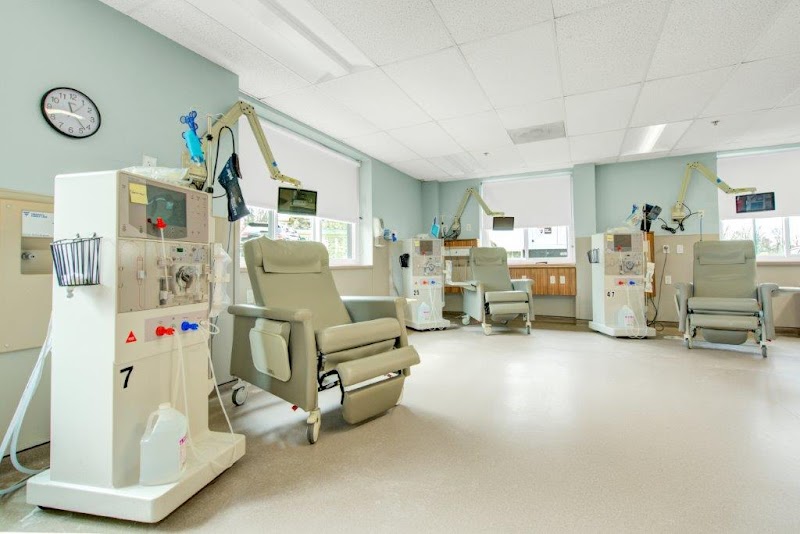
How is West Chester Rehabilitation And Healthcare Center Staffed?

CMS rates WEST CHESTER REHABILITATION AND HEALTHCARE CENTER's staffing level at 2 out of 5 stars, which is below average compared to other nursing homes. Staff turnover is 46%, compared to the Pennsylvania average of 46%. This relatively stable workforce can support continuity of care.

What Have Inspectors Found at West Chester Rehabilitation And Healthcare Center?

State health inspectors documented 40 deficiencies at WEST CHESTER REHABILITATION AND HEALTHCARE CENTER during 2023 to 2025. These included: 2 Immediate Jeopardy (the most serious level, indicating potential for serious harm or death), 2 that caused actual resident harm, 35 with potential for harm, and 1 minor or isolated issues. Immediate Jeopardy findings are rare and represent the most serious regulatory concerns. They require immediate corrective action.
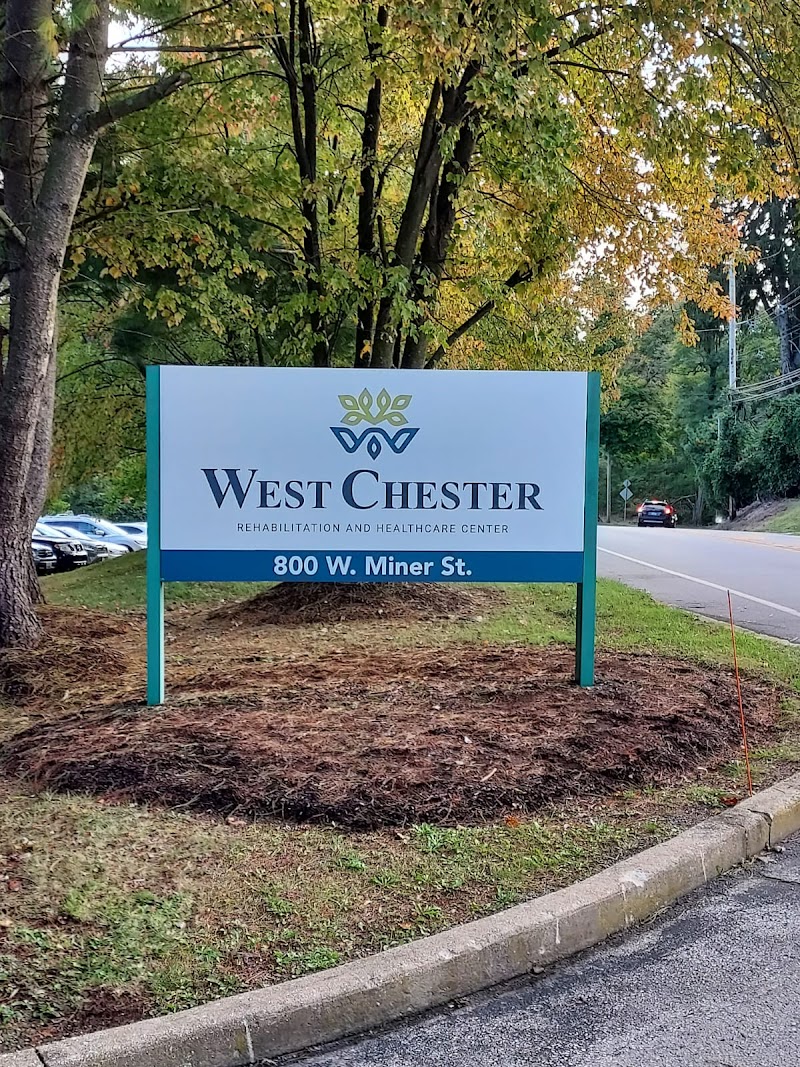
Who Owns and Operates West Chester Rehabilitation And Healthcare Center?

WEST CHESTER REHABILITATION AND HEALTHCARE CENTER is owned by a for-profit company. For-profit facilities operate as businesses with obligations to shareholders or private owners. The facility is operated by MARQUIS HEALTH SERVICES, a chain that manages multiple nursing homes. With 180 certified beds and approximately 171 residents (about 95% occupancy), it is a mid-sized facility located in WEST CHESTER, Pennsylvania.

How Does West Chester Rehabilitation And Healthcare Center Compare to Other Pennsylvania Nursing Homes?

Compared to the 100 nursing homes in Pennsylvania, WEST CHESTER REHABILITATION AND HEALTHCARE CENTER's overall rating (2 stars) is below the state average of 3.0, staff turnover (46%) is near the state average of 46%, and health inspection rating (2 stars) is below the national benchmark.

What Should Families Ask When Visiting West Chester Rehabilitation And Healthcare Center?

Based on this facility's data, families visiting should ask: "What changes have been made since the serious inspection findings, and how are you preventing similar issues?" "Can you walk me through typical staffing levels on day, evening, and night shifts?" "Can I visit during a mealtime to observe dining assistance and food quality?" "How do you handle medical emergencies, and what is your hospital transfer rate?" These questions are particularly relevant given the facility's Immediate Jeopardy citations and the below-average staffing rating.

Is West Chester Rehabilitation And Healthcare Center Safe?

Based on CMS inspection data, WEST CHESTER REHABILITATION AND HEALTHCARE CENTER has documented safety concerns. Inspectors have issued 2 Immediate Jeopardy citations (the most serious violation level indicating risk of serious injury or death). The facility has a 2-star overall rating and ranks #100 of 100 nursing homes in Pennsylvania. Families considering this facility should ask detailed questions about what corrective actions have been taken since these incidents.

Do Nurses at West Chester Rehabilitation And Healthcare Center Stick Around?

WEST CHESTER REHABILITATION AND HEALTHCARE CENTER has a staff turnover rate of 46%, which is about average for Pennsylvania nursing homes (state average: 46%). Moderate turnover is common in nursing homes, but families should still ask about staff tenure and how the facility maintains care continuity when employees leave.

Was West Chester Rehabilitation And Healthcare Center Ever Fined?

WEST CHESTER REHABILITATION AND HEALTHCARE CENTER has been fined $83,889 across 4 penalty actions. This is above the Pennsylvania average of $33,918. Fines in this range indicate compliance issues significant enough for CMS to impose meaningful financial consequences. Common causes include delayed correction of deficiencies, repeat violations, or care failures affecting resident safety. Families should ask facility leadership what changes have been made since these penalties.

Is West Chester Rehabilitation And Healthcare Center on Any Federal Watch List?

WEST CHESTER REHABILITATION AND HEALTHCARE CENTER is not on any federal watch list. The most significant is the Special Focus Facility (SFF) program, which identifies the bottom 1% of nursing homes nationally based on persistent, serious quality problems. Not being on this list means the facility has avoided the pattern of deficiencies that triggers enhanced federal oversight. This is a positive indicator, though families should still review the facility's inspection history directly.