MEADOWVIEW REHABILITATION AND NURSING CENTER

9209 RIDGE PIKE, WHITE MARSH, PA 19128 (610) 825-6560
For profit - Corporation 244 Beds JONATHAN BLEIER Data: November 2025
Trust Grade
50/100
#315 of 653 in PA
Last Inspection: April 2025

Within standard 12-15 month inspection cycle. Federal law requires annual inspections.

Overview

Meadowview Rehabilitation and Nursing Center has a Trust Grade of C, which means it is average and sits in the middle of the pack among nursing homes. It ranks #315 out of 653 facilities in Pennsylvania, placing it in the top half, and #19 out of 46 in Philadelphia County, indicating that only one local facility is rated higher. The facility is improving, with a decrease in issues from 16 in 2024 to 11 in 2025, but it has concerning aspects as well. Staffing is rated 4 out of 5 stars, which is good, but the turnover rate is 48%, slightly above the state average. However, the facility has faced $79,414 in fines, which is higher than most other Pennsylvania facilities, suggesting ongoing compliance issues. Additionally, the RN coverage is below what 95% of facilities offer, which may limit oversight on resident care. Specific incidents raised by inspectors include complaints about food not being served at safe temperatures, with residents stating that the meals were unappetizing and often at incorrect temperatures. There were also issues regarding cleanliness, with reports of unclean areas in resident rooms and common spaces. While staffing and quality measures show some strengths, concerns about food safety and cleanliness warrant careful consideration for families evaluating this nursing home.

Trust Score
C
50/100
In Pennsylvania
#315/653
Top 48%
Safety Record
Moderate
Needs review
Inspections
Getting Better
16 → 11 violations
Staff Stability
⚠ Watch
48% turnover. Above average. Higher turnover means staff may not know residents' routines.
Penalties
✓ Good
$79,414 in fines. Lower than most Pennsylvania facilities. Relatively clean record.
Skilled Nurses
⚠ Watch
Each resident gets only 21 minutes of Registered Nurse (RN) attention daily — below average for Pennsylvania. Fewer RN minutes means fewer trained eyes watching for problems.
Violations
⚠ Watch
38 deficiencies on record. Higher than average. Multiple issues found across inspections.
★★★☆☆
3.0
Overall Rating
★★★★☆
4.0
Staff Levels
★★★★☆
4.0
Care Quality
★★★☆☆
3.0
Inspection Score
Stable
2024: 16 issues
2025: 11 issues

The Good

  • 4-Star Staffing Rating · Above-average nurse staffing levels
  • 4-Star Quality Measures · Strong clinical quality outcomes
  • Full Sprinkler Coverage · Fire safety systems throughout facility
  • No fines on record

Facility shows strength in staffing levels, quality measures, fire safety.

The Bad

3-Star Overall Rating

Near Pennsylvania average (3.0)

Meets federal standards, typical of most facilities

Staff Turnover: 48%

Near Pennsylvania avg (46%)

Higher turnover may affect care consistency

Federal Fines: $79,414

Well above median ($33,413)

Moderate penalties - review what triggered them

Chain: JONATHAN BLEIER

Part of a multi-facility chain

Ask about local staffing decisions and management

The Ugly 38 deficiencies on record

Aug 2025 1 deficiency
CONCERN (D) 📢 Someone Reported This

A family member, employee, or ombudsman was alarmed enough to file a formal complaint

Potential for Harm - no one hurt, but risky conditions existed

Quality of Care (Tag F0684)

Could have caused harm · This affected 1 resident

**NOTE- TERMS IN BRACKETS HAVE BEEN EDITED TO PROTECT CONFIDENTIALITY** Based on observations, reviews of clinical records, facility policies and procedures, and interviews with staff and residents, i...

Read full inspector narrative →
**NOTE- TERMS IN BRACKETS HAVE BEEN EDITED TO PROTECT CONFIDENTIALITY** Based on observations, reviews of clinical records, facility policies and procedures, and interviews with staff and residents, it was determined that the facility failed to follow physician orders for one of eight residents' clinical records reviewed. (Resident R2)Findings include:Review of Resident R2's clinical record revealed the resident was admitted to the facility on July10, 2025, with diagnosis of Combined Systolic and Diastolic Heart Failure (a condition where the heart has difficulty both pumping blood out [systolic dysfunction] and filling with blood [diastolic dysfunction], Pericardial Effusion (a condition where excess fluid accumulates in the pericardium, the sac-like structure that surrounds the heart), Pleural Effusion (a condition where excess fluid accumulates in the space between the lungs [pleural cavity and the chest wall], and Thrombocytopenia (a condition characterized by a low platelet count in the blood. Platelets are essential for blood clotting, so their deficiency can lead to excessive bleeding and bruising).Review of Resident R2's clinical record revealed a form, Pennsylvania Orders for Life Sustaining Treatment (POLST), dated [DATE], that indicated the resident's code status as DNR (Do Not Attempt Resuscitation). Review of Resident R2's electronic clinical record revealed a physician order, dated [DATE], indicated; Do Not Resuscitate (DNR).Review of the Nursing Progress note for Resident R2, by a Licensed Nurse, Employee E5, dated [DATE], indicated as follows: Around 0300, during rounds, [Resident R2's] roommate notified this nurse that resident did not look well. Upon entering room, [Resident R2] was noted with slow shallow breathing. SpO2: 84 (SpO2 is oxygen saturation, it is a measurement of the percentage of hemoglobin in the blood that is saturated with oxygen, for a healthy individual, the normal SpO2 should be between 96% to 99%). [Resident R32] was given with Oxygen via mask. Nursing supervisor was called to assess resident. Before nursing supervisor could enter unit, [Resident R2] was noted with foam coming from mouth and unresponsive. Code Blue/911 was immediately called (Code Blue refers to a hospital medical emergency requiring immediate resuscitation for a patient in cardiac or respiratory arrest). CPR initiated by nursing staff until/during paramedics' arrival (CPR, or cardiopulmonary resuscitation, is a life-saving emergency procedure performed when a person's heart has stopped beating or their breathing has ceased). [Resident R2] was given 4-5 rounds of epi but was unsuccessful (epi is a medical abbreviation for epinephrine, also known as adrenaline. In a cardiac arrest, epinephrine is administered to increase blood pressure and heart rate, which helps improve blood flow to the heart and brain). TOD (Time of Death) was called by Physician. Call was placed to emergency contact. The nurse spoke with resident's sister to inform family of resident's untimely passing and for further arrangements for pick-up.On [DATE], at 1:22 p.m., interview with the Director of Nursing confirmed that the facility failed to implement the Physician Order pertaining to Resident R2's code status/ DNR status.28 Pa Code 201.18(a)(b)(1)(3) Management28 Pa Code 211.12(d)(5) Nursing services
Apr 2025 10 deficiencies
CONCERN (D) 📢 Someone Reported This

A family member, employee, or ombudsman was alarmed enough to file a formal complaint

Potential for Harm - no one hurt, but risky conditions existed

Transfer Requirements (Tag F0622)

Could have caused harm · This affected 1 resident

**NOTE- TERMS IN BRACKETS HAVE BEEN EDITED TO PROTECT CONFIDENTIALITY** Based on the review of closed clinical records, facility policies and interview with staff, it was determined that the facility ...

Read full inspector narrative →
**NOTE- TERMS IN BRACKETS HAVE BEEN EDITED TO PROTECT CONFIDENTIALITY** Based on the review of closed clinical records, facility policies and interview with staff, it was determined that the facility failed to ensure that an appropriate discharge was documented in the resident's clinical record for one of four closed records reviewed. (Resident R523) Findings Include: Review of Resident R523's Minimum Data Set (MDS - federally mandated resident assessment and care screening) assessment dated [DATE] revealed that the resident was discharged from the facility and the resident was not anticipated to return to the facility. It was revealed that the discharge was unplanned and the resident was discharged to the hospital. Review of clinical record for Resident R523 on April 8, 2025 revealed that there was no documentation available in the clinical record to indicate a reason for residents discharge. Review of a discharge summary completed by the nurse practitioner dated March 3, 2025 but signed as completed on April 9, 2025 revealed that resident was not seen within the 72 hours from admission, because the resident was admitted during the weekend. The resident was transferred back to the hospital before the resident was able to be assessed. Interview with the admission Director, Employee E8, on April 8, 2025 at 2:00 p.m. stated resident was admitted to the facility on [DATE] after business hours. Employee E8 stated resident was discharged to the hospital because he did not have proper insurance paperwork and insurance. Interview with the Nursing Home Administrator, on April 8, 2025 at 2:30 p.m. confirmed that the resident's transfer to the hospital was not due to imminent safety risk of the resident or medical concern. Nursing Home Administrator confirmed that the physician oversees resident's care and a physician order or notification was required prior to the transfer to the hospital. Review of clinical record for Resident R523 on April 8, 2025 revealed that there was no physician order for hospital transfer. There was no evidence in the clinical record that the physician was aware or the transfer or notified of the transfer. 28 Pa. Code 201.29(f) Resident rights 28 Pa. Code 210.25 Discharge policy 28 Pa. Code 211.5(a)(c)(3) Medical records.
CONCERN (D) 📢 Someone Reported This

A family member, employee, or ombudsman was alarmed enough to file a formal complaint

Potential for Harm - no one hurt, but risky conditions existed

Transfer Notice (Tag F0623)

Could have caused harm · This affected 1 resident

**NOTE- TERMS IN BRACKETS HAVE BEEN EDITED TO PROTECT CONFIDENTIALITY** Based on review of facility documentation, review of clinical records, and interviews with staff, it was determined that the fac...

Read full inspector narrative →
**NOTE- TERMS IN BRACKETS HAVE BEEN EDITED TO PROTECT CONFIDENTIALITY** Based on review of facility documentation, review of clinical records, and interviews with staff, it was determined that the facility failed to notify the Office of the State Long-Term Care Ombudsman of facility-initiated transfers to the hospital and that a resident's representative was made aware of a facility-initiated transfer in writing, for one of four clinical records reviewed. (Residents R136) Findings Include: Review of Minimum Data Set (MDS - federally mandated resident assessment and care screening) assessment dated [DATE] revealed that the resident was discharged from the facility and the resident was not anticipated to return to the facility. It was revealed that the discharge was unplanned and he was discharged to the hospital. Review of clinical record for Resident R523 on April 8, 2025 revealed that there was no documentation available in the resident's clinical record to indicate a reason for residents discharge. Review of a discharge summary completed by the nurse practitioner dated March 3, 2025 but was signed until April 9, 2025 revealed that resident was not seen within the 72 hours from admission, because he was admitted during the weekend. The resident as transfer back to the hospital. Further interview with the Administrator on April 8, 2025 at 2:30 p.m. confirmed that the facility failed to notify the resident/resident's representative of the transfer and reasons for the move in writing and in a language and manner they understand. 28 Pa. Code 201.14(a) Responsibility of licensee 28 Pa. Code 201.18(b)(2) Management
CONCERN (D)

Potential for Harm - no one hurt, but risky conditions existed

Deficiency F0645 (Tag F0645)

Could have caused harm · This affected 1 resident

**NOTE- TERMS IN BRACKETS HAVE BEEN EDITED TO PROTECT CONFIDENTIALITY** Based on clinical record review, review of facility policies and staff interview, it was determined that the PASRR (Preadmission...

Read full inspector narrative →
**NOTE- TERMS IN BRACKETS HAVE BEEN EDITED TO PROTECT CONFIDENTIALITY** Based on clinical record review, review of facility policies and staff interview, it was determined that the PASRR (Preadmission Screening and Resident Review) was not appropriately completed according to the resident assessment for one of five residents reviewed (Residents R184). Findings include: The PASRR (Preadmission Screening Resident Review) was created in 1987 through language in the Omnibus Budget Reconciliation Act (OBRA) and it has three goals: to identify individuals with mental illness and/or intellectual disability, to ensure they are placed appropriately, whether in the community or in a nursing facility, and to ensure they receive the services they require for their mental illness or intellectual disability. The PASRR Level 1 must be completed on all persons who are considering admission to a Medicaid certified nursing facility. A Level II PASRR evaluation must be completed if the Level 1 PASRR determined that the person is a targeted person with mental illness or an intellectual disability. The Level II PASRR would determine if placement or continued stay in the requested or current nursing facility is appropriate. Review of facility policy, Social Service Assessment - PASRR dated revised June 28, 2024, revealed, The PASRR Level I form is completed by the hospital, the facility, or the Area Agency on Aging (AAA) office no later than the day of admission. Family members may assist in this process. The PASRR Level I form is to be used as a worksheet. You are to make any additions or corrective changes directly on the PASRR Level I form itself. Date and initial/ sign to indicate that a change has been made to the form. Nursing Facilities are responsible to make sure the form is filled out correctly at the time of admission. Review of Resident R184's Significant Change MDS (Minimum Data Set - a mandatory periodic resident assessment tool), dated January 6, 2025, revealed that the resident was admitted to the facility on [DATE], and has diagnoses including schizophrenia (mental illness associated with loss of reality contact, delusions and hallucinations), dementia (decline in memory or other thinking skills severe enough to reduce a person's ability to perform everyday activities), depression (mood disorder characterized by low mood, a feeling of sadness, and a general loss of interest in things) and anxiety disorder (intense, excessive, persistent worry or fear). Review of psychiatric notes for Resident R184 revealed a progress note, dated March 28, 2025, which indicated that the resident requires antipsychotic medication for the ongoing management of schizophrenia. Review of Resident R184's PASRR Level I revealed that the facility completed it on November 2, 2023, and indicated that Resident R184 did not have a neurocognitive disorder (such as dementia) and that the resident did not have a serious mental illness diagnosis (such as schizophrenia, depression and anxiety). Interview on April 10, 2025, at 9:43 a.m. Employee E6, social worker, confirmed that Resident R184's PASRR assessment did not include the mental health diagnoses that were noted in the resident's clinical record. 28 Pa Code 201.14(a) Responsibility of licensee 28 Pa Code 211.10(c) Resident care policies
CONCERN (D) 📢 Someone Reported This

A family member, employee, or ombudsman was alarmed enough to file a formal complaint

Potential for Harm - no one hurt, but risky conditions existed

Comprehensive Care Plan (Tag F0656)

Could have caused harm · This affected 1 resident

**NOTE- TERMS IN BRACKETS HAVE BEEN EDITED TO PROTECT CONFIDENTIALITY** Based on clinical record review and review of facility documentation, it was determined that the facility failed to developed a ...

Read full inspector narrative →
**NOTE- TERMS IN BRACKETS HAVE BEEN EDITED TO PROTECT CONFIDENTIALITY** Based on clinical record review and review of facility documentation, it was determined that the facility failed to developed a comprehensive care plan with measurable objectives for a resident who exhibited aggressive behaviors towards other residents for one of 35 clinical records reviewed. (Resident R325) Findings include: Review of Resident R325's clinical record revealed that the resident was admitted to the facility on [DATE] with the diagnosis of history of transient ischemic attack (mini stokes), cerebral infraction, depression (major loss of interest in pleasurable activites), schizophrenia (mental disease characterized by loss of reality), and bipolar disorder (condition in which a person has periods of depression and periods of being extremely happy). Review of Resident R325's admission Minimum Data Set (MDS- assessment of resident needs) dated February 12, 2025 revealed that the resident had a BIMS (Brief Interview of Mental Status) score 11, which indicated moderate impairment. The resident was assessed with no upper and lower physical impairments. Review of Resident R72 's quarterly MDS dated [DATE] revealed that the resident was assessed with a BIMS of 14 which indicated that the resident was cognitive intact. Continue review of the MDS revealed that the resident had no upper or lower physical impairments. Resident R72's diagnosis included anxiety and cerebral vascular accident (stroke). Review of R325's nursing note dated March 20, 2025 at 2:36 p.m. revealed that the resident was observed with behaviors in supervised lounge area on unit. As another resident was walking by with walker, this resident stood up out of wheelchair, yelled out words in Spanish, staff went to altercation to intervene by the time staff approached residents, this resident then slapped resident that was walking by and then resident punched this resident in L (left) eye. Residents were immediately separated, full body assesment completed. Redness to L (left) eye noted, resident c/o (complain) pain, PRN (as needed) Tylenol administered Review of staff statement obtained from nurse aide, Employee E15 revealed both residents were in the TV Room where they stated arguing, that's when [Resident R325] hit [Resident R72] and [Resident R72] responded back hitting [Resident R325]. Review of Resident R46 March 2025 physician orders revealed the resident was admitted to the facility on [DATE] with the diagnoses of morbidly obesity, difficulty walking, connective communication deficit, Type 2 diabetes (failure of the body to produce insulin), anxiety, depression and post traumatic stress disorder (a mental condition that's caused by an extremely stressful or terrifying event). Review of Resident R46's incident documentation dated March 26, 2025 noted nursing observed resident getting struck in the face unprovoked by another resident. Staff immediately intervene and separated resident, supervisor was made aware, full body assessment completed, bruising to R (right) eye noted, c/o (complain) pain .Resident stated that the other resident was in his way while trying to go out for smoke break and when asked to move, stood over hitting 3-4 times in face. Review of staff statements revealed an statement from nurse aide, Employee E14 noted that Resident R325 and Resident R46 exchanged words and Resident R325 stood up and hit Resident T46 multiple times myself and other employee broke it up and he got wheeled away then he stood up and tried to fight an employee and nurses came and got the situation under control. Review of Resident R325's care plan revealed that a care plan was developed on March 21, 2025 I am potential to be physically aggressive r/t (related to) history of harm to others. The only two approaches listed to address the resident physical aggressiveness towards residents were I will be monitored by nursing staff throughout the day and I will be redirected to ensure I am not in the lounge area at same time as the other resident whom I had an altercation with. The facility failed to developed a comprehensive care plan with measurable objectives to address Resident 325's aggressive behavior towards other residents. 28 Pa. Code 211.10(d) Resident care policies 28 Pa. Code 211.12(d)(5) Nursing services
CONCERN (D)

Potential for Harm - no one hurt, but risky conditions existed

Deficiency F0657 (Tag F0657)

Could have caused harm · This affected 1 resident

**NOTE- TERMS IN BRACKETS HAVE BEEN EDITED TO PROTECT CONFIDENTIALITY** Based on review of facility policies, clinical record reviews and interviews with staff, it was determined that the facility fai...

Read full inspector narrative →
**NOTE- TERMS IN BRACKETS HAVE BEEN EDITED TO PROTECT CONFIDENTIALITY** Based on review of facility policies, clinical record reviews and interviews with staff, it was determined that the facility failed to revise a resident's care plans, related to accuracy of information, for one of 35 residents reviewed (Resident R184). Findings include: Review of facility policy, Care Planning Process and Care Conference dated revised March 19, 2025, revealed, Care plan development, renewal and revision will be based upon the results of the resident assessment. Review of Resident R184's care plan, dated April 3, 2024, revealed that the resident had an indwelling suprapubic catheter (a tube that has been surgically inserted into the bladder to drain urine). Review of Resident R184's Significant Change MDS (Minimum Data Set - a mandatory periodic resident assessment tool), dated January 6, 2025, revealed that the resident was admitted to the facility on [DATE]. Continued review revealed that the resident did not have a urinary catheter. Continued review of Resident R184's care plan, dated April 3, 2024, revealed that the resident takes anticoagulant (blood thinning) medication secondary to atrial fibrillation (an irregular, often rapid heart rate that commonly causes poor blood flow). Continued review of Resident R184's Significant Change MDS, dated [DATE], revealed that the resident did not have a diagnosis of atrial fibrillation and did not take an anticoagulant medication. Further review of Resident R184's care plan, dated June 24, 2024, revealed that the resident was dependent on staff for activity participation and had diagnoses including post-traumatic stress disorder (a mental health condition that develops following a traumatic event characterized by intrusive thoughts about the incident, recurrent distress/anxiety, flashback and avoidance of similar situations) and head injury. Further review of Resident R184's Significant Change MDS, dated [DATE], revealed that the resident did not have diagnoses of post-traumatic stress disorder or head injury. Interview on April 10, 2025, at 10:20 a.m. Employee E5, licensed nurse, confirmed the above findings and stated that Resident R184's care plan needed to be revised. 28 Pa Code 211.10(a) Resident care policies
CONCERN (D)

Potential for Harm - no one hurt, but risky conditions existed

Quality of Care (Tag F0684)

Could have caused harm · This affected 1 resident

Based on the review of clinical records, interviews with staff, it was determined that the facility failed to administer medication as ordered by the physician for one of 35 residents reviewed. (Resid...

Read full inspector narrative →
Based on the review of clinical records, interviews with staff, it was determined that the facility failed to administer medication as ordered by the physician for one of 35 residents reviewed. (Resident R175). Findings Include: Review of Resident R175's nursing notes dated March 7, 2025 revealed that unit manager spoke to resident regarding his low hemoglobin, in the past was on Epoetin alfa injection which the resident was refusing. Per resident, he would take the shot if it prevented him from going to emergency for transfusions. Physician was aware and had new order to place injection. Review of physician order for Resident R175 dated March 9, 2025 revealed an order for Epoetin Alfa-epbx Injection Solution 10000 UNIT/ML, inject 1ML subcutaneously one time a day every Tuesday Thursday and Sunday for anemia. Review of medication administration record for Resident R175 revealed that the resident did not receive the medication on March 16, 2025 and March 23, 2025. Review of practitioner progress note dated March 20, 2025 revealed that the resident was seen for discussion of lab results, and chronic disease condition. Hemoglobin trending down 7.2 on March 20, 2025. Patient agreed to Epoetin Alfa-epbx after multiple discussion with patient and nursing. Interview with Employee E9, unit manager on April 10 2025 at 12:07 p.m. confirmed that the resident missed two doses on March 16, 2025 and March 23, 2025. Employee E9 stated there was there were no documented reason for not administering the medication for these days. 28 Pa. Code 211.12(d)(1)(5) Nursing services.
CONCERN (D)

Potential for Harm - no one hurt, but risky conditions existed

Deficiency F0697 (Tag F0697)

Could have caused harm · This affected 1 resident

**NOTE- TERMS IN BRACKETS HAVE BEEN EDITED TO PROTECT CONFIDENTIALITY** Based on clinical record review, a review of facility policies and resident and staff interviews, it was determined that the fac...

Read full inspector narrative →
**NOTE- TERMS IN BRACKETS HAVE BEEN EDITED TO PROTECT CONFIDENTIALITY** Based on clinical record review, a review of facility policies and resident and staff interviews, it was determined that the facility failed to make certain the highest practicable level of pain management was maintained for two of 35 residents reviewed (Resident R9 and R132). Findings include: Review of facility policy Administering Medications revealed that Medications must be administered within one (1) hour of their prescribed time, unless otherwise specified (for example, before and after meal orders). Review of Resident R9's clinical record revealed the resident was admitted to the facility on [DATE], with diagnosis to include but not limited to chronic ulcer to the left ankle with fat layer exposed. Continued review of medical records for Resident R9 including the quarterly assessment MDS (an assessment of care needs) dated March 9, 2025, revealed a Brief Interview for Mental Status evaluation which revealed that resident had a BIMS score of 15 indicating he was cognitively intact. Interview with Resident R9 on April 7, 2025, at 11:30 a.m., revealed that the resident was rocking in pain holding his left leg and pull the bandage on the wound on his left ankle exposing an open woud that was red. He said that he is always in pain and counts on his pain medication. He said that a few weeks back they ran out of his 10 mg scheduled pain medication and he does not know how they can let this happen, that he counts on this every day and when he did not get it he really suffered only getting 5 mg pain meds for breakthrough pain. He said that this had happened on several occasions and he does not know how this could happen, that when they get down to the last 10 pills they should place the order for more. A review of Resident R9's physician orders revealed a December 28, 2024, physician's order for Oxycodone HCl 10 MG tablet, give 1 tablet by mouth every six hours for severe wound pain. A review of Resident R9's electronic medication administration record (EMAR) for March 8, 2025, revealed a 9 code, which means see nurses note, on the midnight dose, on the midnight, noon and 5 p.m. doses. Further review of the EMAR for March 9, 2025, revealed a 9 code on the midnight dose. A review of the following nurse's notes for Resident R9 revealed the following: March 8, 2025, at 1:16 a.m. for Oxycodone 10 mg was awaiting delivery from the pharmacy. March 8, 2025, at 2:25 p.m. Resident R9 approached the nursing station asking if his Oxycodone 10 mg arrived from the pharmacy. The nurse checked the narc drawer and let the resident know it had not arrived. The resident was advised that the script was faxed over to the pharmacy and that the medication should be here tonight. A review nursing notes of the March 9, 2025, at 4:29 a.m. for oxycodone 10 mg was awaiting pharmacy delivery. Interview on April 10, 2025, at 11:15 a.m. with the Director of Nursing, Employee E2, who physically checked the narc book on the unit and confirmed that the Oxycodone 10 mg medication for Resident R9 was not delivered until 5:00 a.m. on March 9, 2025. And that Resident R9 missed these four doses of the Oxycodone 10 mg. Review of Resident R132's clinical record revealed the resident was admitted to the facility on [DATE], with diagnosis to include but not limited to intervertebral disc degeneration of the lumbar region (a common condition characterized by the breakdown (degeneration) of one or more of the discs that separate the bones of the spine (vertebrae), causing pain in the back or neck and frequently in the legs and arms). Continued review of medical records for Resident R132 including the quarterly assessment MDS dated [DATE], revealed a Brief Interview for Mental Status evaluation which revealed that resident had a BIMS score of 14 indicating she was cognitively intact. Interview with Resident R132 on April 7, 2025, at 12:05 p.m., during resident screening revealed that she was in pain from her bad back and her hip, and that she was still waiting for her pain medication which had run out the other day. A review of Resident R132's physician orders revealed an April 2, 2025, physician's order for Oxycodone HCl 10 MG tablet, give 1 tablet by mouth every eight hours for pain. A review of Resident R132's EMAR for Oxycodone 10 milligrams revealed a code of 9 on the following dates: April 3, 2025, at 2:00 p.m., April 4, 2025 at 10:00 p.m., April 5, 2025 at 2:00 p.m., and 10 p.m. dose, April 6, 2025, at on the 6:00 a.m., and 10 p.m.; April 7, 2027 at 6:00 a.m., 2:00 p.m. and 10:00 p.m. and on April 7, 2025, at 6:00 a.m. A review of the following nurse's notes for Resident 132 revealed the following under Oxycodone 10 mg: April 3, 2025, at 2:46 p.m. waiting for MD to fax new prescription to pharmacy, MD is aware; April 3, 2025, at 9:34 p.m. awaiting pharmacy, April 4, 2024, at 1:56 p.m. awaiting a new script; April 4, 2025, at 9:36 p.m. awaiting pharmacy; April 5, 2025, at 5:34 a.m. awaiting pharmacy; April 5, 2025, at 8:45 p.m. awaiting order from pharmacy; April 6, 2025, at 7:06 a.m. awaiting order from pharmacy; April 6, 2025, at 2:16 p.m. awaiting arrival; April 6, 2025, at 9:43 p.m. on order from pharmacy; and April 7, 2025, at 6:15 a.m. awaiting order from pharmacy. Interview on April 10, 2025, at 11:15 a.m. with the Director of Nursing, Employee E2, who physically checked the narc book on the unit and confirmed that the Oxycodone 10 mg medication for Resident 132 was not delivered until 10:00 a.m. on April 7, 2025. and that Resident R132 missed these ten doses of the Oxycodone 10 mg. 28 Pa Code:201.14(a) Responsibility of licensee. 28 Pa. Code: 211.10(c)(d) Resident care policies. 28 Pa. Code: 211.12(d)(1)(2)(3)(5) Nursing services
CONCERN (D)

Potential for Harm - no one hurt, but risky conditions existed

Deficiency F0808 (Tag F0808)

Could have caused harm · This affected 1 resident

Based on observations,staff interviews and review of facility documentation, it was determined that the facility failed to ensure that the recommended therapeutic diet that she made, was provided to a...

Read full inspector narrative →
Based on observations,staff interviews and review of facility documentation, it was determined that the facility failed to ensure that the recommended therapeutic diet that she made, was provided to a resident for 1 out of 35 residents reviewed (Resident R210). Findings include Review of the facility policy, Therapeutic diets, with a revision date of January 7, 2025. The policy stated that therapeutic diets are prepared and served according to written orderS from the attending physician. Review of the April 2025 physician orders for Resident R210 indicated that the resident was admitted into the facility on December 19, 2024 from a local hospital with diagnosis that included the following: cerebral infarction (a stroke), hypertension (high blood pressure); aphasia (a disorder that affects how you communicate usually after a stroke or head injury) an dysphagia (difficulty swallowing). Continued review of the physician orders for the resident included a physician's order dated December 19, 2024 and monthly thereafter for the resident to have a mechanical soft texture diet with nectar consistency beverages. Mechanical Soft texture, Nectar consistency. During an observation on April 9, 2025 at 12:22 p.m. Nurse aide (Employee E12) was observed serving the resident his lunch tray. The resident was then eating ground pork, chopped broccoli, one MightyShake that was a thin liquid and not nectar thick, and a cup of milk that was in the form of a thin liquid. Review of the resident's meal ticket dated April 9, 2025 indicated Regular-Mechanical Soft Nectar Thickened. Nurse aide (Employee E13) came over to the table, removed the items and reported that she would obtain the correct beverage consistencies for the resident. Review of the resident's discharge assessment from the speech language pathologist (Employee E11) completed on January 10, 2025 indicated that the resident was discharged on puree diet with nectar thick liquids. During an interview with the Director of Rehabilitation (DOR, Employee E10) on April 11, 2025 at 10:44 a.m. the resident's discharge summary from the speech language pathologist confirmed that the resident's current diet order should not be a mechanical soft diet and that his current diet should be puree consistency food and nectar thick consistency beverages. It was discussed with the DOR that the resident was observed eating a mechanical soft meal during lunch on April 9, 2025 and the current diet order. It was also discussed with the DOR that the residnt was observed drinking a shake and milk that was served during the lunch meal that was of a nectar thick consistency. The DOR indicated during interview that the resident was showing moderate signs of aspiration (happens when something an individual swallow enters their airway or lungs, and can lead to infections or breathing problems) at the time of resident was discharge from speech therapy. The safest diet texture for the resident was a puree diet with nectar thick liquids. During the interview the DOR confirmed that the current physician order should reflect a puree diet with nect thick liquids. During an interview with the speech language pathologist (Employee E11) on April 11, 2025, 11:08 a.m. with the DOR present, the speech language pathologist who was the only treating speech pathologist for the resident could not provide information during the interview regarding the correct diet the resident should be on. The discharge summary, along with her recommendations were reviewed with her. When she was asked who notifies facility staff (e.g.nursing, dietary), and asked if she inputs the physician order in for the change in diet after she makes a diet recommendation for a resident, she responded, it depends, but provided no other information regarding that statement. When asked if the resident's diet should be puree and nectar thick liquids, as she recommended on her discharge summary, she stated I don't know. There are three other speech pathologists there. 28 Pa. Code 211.12(c)Nursing services 28 Pa. Code 211.12(d)(1) Nursing services 28 Pa. Code 211.12(d)(3) Nursing services 28 Pa. Code 211.12(d)(5) Nursing services 28 Pa Code 201.18 (b)(1) Management 28 Pa Code 201.29 (a) Resident rights
CONCERN (D)

Potential for Harm - no one hurt, but risky conditions existed

Deficiency F0847 (Tag F0847)

Could have caused harm · This affected 1 resident

**NOTE- TERMS IN BRACKETS HAVE BEEN EDITED TO PROTECT CONFIDENTIALITY** Based on the review of facility documents and resident clinical record and staff interviews, it was determined that the facility...

Read full inspector narrative →
**NOTE- TERMS IN BRACKETS HAVE BEEN EDITED TO PROTECT CONFIDENTIALITY** Based on the review of facility documents and resident clinical record and staff interviews, it was determined that the facility failed to ensure a resident had the capacity to understand the terms of a binding arbitration agreement for one of three residents reviewed (Resident R89). Findings Include: Review of Resident R89's admission Minimum Data Set (MDS - federally mandated resident assessment and care screening) dated September 1, 2022, revealed the resident was admitted to the facility on [DATE], and had a diagnosis of altered mental status. Further review of the MDS, Section C - Cognitive Patterns (items in this section are intended to determine the resident's attention, orientation, and ability to register and recall new information - these items are crucial factors in many care-planning decisions), indicated that Resident R49 scored a 0 on the Brief Interview for Mental Status (BIMS), which indicated the resident had severe cognitive impairment. Review of an admission note dated August 30, 2022 revealed that the resident was noted alert with confsuion, resident was spanish speaking and understood some English. Review of nurse practitioner's progress note dated September 6, 2022, revealed was alert and oriented x 2 (person and time) which indicated that the resident was not completely oriented to person, time, place, and situation. Review of Resident R89's Binding Arbitration Agreement (Arbitration is an alternative way of resolving disputes outside the traditional court system. It is intended to reduce the time, expense, and formalities associated with that system. Rather than having a judge and/or jury determine the outcome of the dispute, a neutral third party, known as an arbitrator, will render his or her decision. Each party will have the opportunity to present his or her side of the case through witnesses and evidence. The arbitrator will then render a decision in favor of one party based on the facts, the law, fairness, common sense and the rules of procedure established under this Agreement. The arbitrator will be chosen by the parties, and his or her decision will be final, binding on all parties, and not subject to appeal in the court system, unless otherwise stated in the Agreement.) indicated the resident signed the document on September 8, 2022. Further review of the Binding Arbitration Agreement revealed it was also signed by facility employee, admission Director, Employee E7, (Former Employee). There was no documented evidence in the clinical record that the facility establised resident's discision making capacity prior to the signing of arbitration agreement Interview on April 10, 2025, at 2:00 p.m. with Employee E8, admission DIrector, confirmed that she usually ask the staff about residents mental status and she stated residents should have a BIMS score of 13 or above to sign arbitration agreement. 28 Pa. Code 201.14 (a) Responsibility of licensee.
CONCERN (E)

Potential for Harm - no one hurt, but risky conditions existed

Deficiency F0804 (Tag F0804)

Could have caused harm · This affected multiple residents

Based on observations, resident and staff interviews, and a review of facility documentation, it was determined that the facility failed to provide food and drink that was palatable and served at pala...

Read full inspector narrative →
Based on observations, resident and staff interviews, and a review of facility documentation, it was determined that the facility failed to provide food and drink that was palatable and served at palatable temperatures for eight of 35 residents reviewed (Residents R169, R91, R178, R25, R131C, R45, R199 and R110). Findings include: A review of the Food and Nutrition Services Test Tray and Accuracy Evaluation form Revised November 19, 2019, revealed that the standard for cold food is 45 degrees or less and for hot food 135 degrees or more. Interview with Resident R169 on April 7, 2025, at 10:35 a.m. revealed that he thinks that the food sucks, that it is not always hot, you should try it. Interview with Resident R91 on April 7, 2025, at 10:41 a.m. revealed that he does not like the food, that it is too soft and mushy. Interview with Resident R178 on April 7, 2025, at 10:50 a.m. revealed the meals are bad, the food is never right, doesn't taste right, it's the kitchen not the nursing staff. Interview with Resident R131 on April 7, 2025, at 11:05 a.m. revealed that the food here tastes like garbage. Interview with Resident R25 on April 7, 2025, at 11:09 a.m. revealed that they serve crappy food, it's all the same for everyone, how can that be good for you. Interview on April 7, 2025, at 11:53 a.m. Resident R45 stated that the food was not tasteful and often served cold. Interview on April 7, 2025, at 11:55 a.m. Resident R199 stated that the food was often served cold. Interview on April 7, 2025, at 1:34 p.m. Residents R110 and R106 stated that the food does not taste good and that it is often served cold. Observations during a test tray conducted on April 8, 2025, revealed that the tray cart left the kitchen at 12:08 p.m. and the last tray was passed at 12:28 p.m. Temperatures were taken by the Food Service Director (FSD), Employee E3, revealed that the turkey was only 109 degrees, the sweet potato was only 103.5 degrees, the corn was only 116 degrees, the mixed fruit cup was 61 degrees and the skim milk was 53.5 degrees all outside the acceptable temperature range for palatability. An interview with the FSD, on April 8, 2025, at 12:35 p.m. confirmed that these food items were outside the acceptable temperature range and therefore not palatable. 28 Pa. Code 201.14(a) Responsibility of licensee 28 Pa. Code 201.18(b)(3) Management
Jun 2024 15 deficiencies
CONCERN (D)

Potential for Harm - no one hurt, but risky conditions existed

Deficiency F0602 (Tag F0602)

Could have caused harm · This affected 1 resident

**NOTE- TERMS IN BRACKETS HAVE BEEN EDITED TO PROTECT CONFIDENTIALITY** Based on review of facility policies and documentation, clinical record review and interviews with staff, it was determined that...

Read full inspector narrative →
**NOTE- TERMS IN BRACKETS HAVE BEEN EDITED TO PROTECT CONFIDENTIALITY** Based on review of facility policies and documentation, clinical record review and interviews with staff, it was determined that the facility failed to ensure a resident was free from misappropriation related to missing medication for one of 35 residents reviewed (Resident R205). Findings include: Review of facility policy, Abuse Policy - Prevention and Management dated reviewed September 2023, revealed, The facility prohibits the mistreatment, neglect, and abuse of residents/patients and misappropriation/exploitation of resident/patient property by anyone including staff, family, friends, visitors, etc. Continued review revealed, Examples of misappropriation of resident property include . Diversion of a resident's medication(s), including, but not limited to, controlled substances for staff use or personal gain. Review of facility policy, Narcotic Management dated revised July 1, 2023, revealed, Control/schedule II-V medication will be counted with two professional nurses at the beginning and end of each shift. Documentation that a count was completed and accurate will be completed at the beginning and end of each shift. Control/schedule II-V medications will be logged into a bound book or separate master index page once received from the pharmacy as well as individual countdown records. Any discrepancy in a shift to shift narcotic count must be immediately communicated to the Director of Nursing. Continued review revealed, If a controlled medication is to be destroyed, complete the medication destruction section of the page and dispose of per facility policy. The master index must also reflect the destruction of the medication and is no longer part of the narcotic count. Two nurses must be involved in the destruction of a controlled substance. Further review revealed, Records of personnel access, usage and disposition of all controlled medications with sufficient detail to allow reconciliation (e.g. the MAR [Medication Administration Record], proof-of-use sheets, or declining inventory sheets), including destruction, wastage, return to the pharmacy/manufacturer, or disposal will be maintained in accordance with applicable State requirements. Review of Resident R205's admission MDS (Minimum Data Set - a mandatory periodic resident assessment tool) dated November 1, 2023, revealed that the resident was admitted to the facility on [DATE], and had diagnoses including heart failure (a chronic condition in which the heart doesn't pump blood as well as it should), renal failure (a condition in which the kidneys lose the ability to remove waste and balance fluids) and respiratory failure (not enough oxygen passes from your lungs to your blood). Continued review revealed that the resident had frequent pain and received pain medications on an as needed basis. Review of Resident R205's care plan, dated initiated November 14, 2023, revealed that the resident has pain, with interventions including to administer pain medication as prescribed and evaluate the effectiveness of pain interventions. Review of physician's orders for Resident R205 revealed an order, dated November 13, 2023, for oxycodone (opioid pain medication) 5 m.g (milligram) tablets, give one tablet by mouth every four hours as needed for pain. Review of Medication Administration Records for Resident R205 for December 2023 revealed that there were no documented doses of oxycodone administered on December 24, 2023. Continued review revealed that one dose of oxycodone was documented as administered on December 25, 2023, at 10:31 a.m. and the next dose of oxycodone was documented as administered on December 26, 2023, at 3:24 p.m. Review of facility documentation submitted to the Department of Health on December 28, 2023, revealed that on December 26, 2023, a licensed nurse discovered a discrepancy with Resident R205's oxycodone medication. The resident received a dose on December 25, 2023, at 2:30 p.m. by the assigned licensed agency nurse leaving an end count of 102 tablets. The narcotic sign out page was X'd out and transferred to another page with a count of only 73 tablets leaving a discrepancy of 29 tablets. On the new page, doses were signed out on December 25, 2023, at 6:00 p.m. and 10:00 p.m. and on December 26, 2023, at 2:00 a.m. by another licensed agency nurse. The facility notified the local police and Adult Protective Services of the drug diversion. Review of the Narcotic Shift Count Record revealed that on December 24, 2023, there was no signature from the nurses who came on duty for the day (7 a.m. to 3 p.m.) and evening (3 p.m. to 11 p.m.) shifts, as well as no signature from the nurses who went off duty for the evening and night (11 p.m. to 7 a.m.) shifts. Continued review revealed that on December 25, 2023, there were no signatures from any of the nurses who came on duty for all shifts (day, evening and night) that day, as well as no signatures from the nurses who went off duty for the evening and night shifts. Further review revealed that on December 26, 2023, there was no signature from the nurse who went off duty for the day shift. Review of Narcotic Inventory Records for Resident R205 revealed that 119 tablets of oxycodone 5 m.g tablets were received, however, the date of the receipt was not documented. The first dose was documented as administered on December 12, 2023, at 11 a.m. Continued review revealed that on December 24, 2023, doses were administered at 9 a.m. and 3 p.m. by Employee E12, licensed nurse. Continued review revealed that on December 25, 2023, doses were administered at 9 a.m. and 2:30 p.m. by Employee E13, licensed agency nurse. The medication count on the page after the 2:30 p.m. dose was administered was 102 tablets. Further review revealed that a large X was written on the page, with a note indicating Rewritten. There was no indication that the medication was reordered, discontinued or destroyed, nor which page the medication was transferred to. There was no indication why the inventory record was rewritten. Continued review of Narcotic Inventory Records for Resident R205 revealed a new page for the resident's oxycodone 5 m.g medication was initiated on December 24, 2023. The record noted that on December 24, 2023, 73 tablets were received. Continued review revealed that on December 25, 2023, doses were administered at 6:00 p.m. and 10:00 p.m. and on December 26, 2023, at 2:00 a.m. by Employee E14, licensed agency nurse. Review of facility documentation revealed a statement written by Employee E13, licensed agency nurse, dated December 27, 2023, which stated, On Christmas day 12/25/23, I worked 7-3 on C wing and 3-11 shift on E wing. At the end of the first shift, I took the keys with me to get signed out . I came on the C wing unit and saw only one nurse [Employee E15, licensed nurse] and she agreed to count me out. I gave her report, she counted me out, agreed the count was correct and took the keys. I then worked 3-11 p.m. on E wing. We counted out at about 2:15 p.m. and that was the last I was on C wing. Review of facility documentation revealed a statement written by Employee E15, licensed nurse, dated December 28, 2023, which stated, On December the 25th, I worked 3-11 p.m. on C wing. I counted with the leaving nurse [Employee E13, licensed agency nurse] who worked 7-3 p.m., the count was okay (fine). Around 4 p.m. when the nurse on duty [Employee E14, licensed agency nurse] come and ask me for the keys. I asked her are you the nurse? She says yes. She asked me if I counted already? I said yes I counted but we still need to count together. She says I'm okay you don't need to count with me. I said we have to count, and she repeat again, I'm fine you don't need to, and I handle to her the keys. After that I don't know anything until I went home. Review of facility documentation revealed a statement written by Employee E14, licensed agency nurse, dated December 28, 2023, which stated, I arrived late to shift on Christmas Day from another facility. I was told to go to C wing, Front Hall. I immediately started my med pass. I worked beside a nurse [Employee E15, licensed nurse]. She gave me the keys to the cart. Everything appeared to be fine. Continued review revealed that Resident R205 requested pain medications at 6 p.m., 10 p.m. and 2 a.m. and that Employee E14, licensed agency nurse, administered the medication to the resident at those times. Employee E14, licensed agency nurse, stated that she was unable to document the medication administration in the electronic medical record or medication administration record because the computers were cutting off and glitchy. Employee E14, licensed agency nurse, stated that, When the 7-3 nurse came in and we were counting the meds I stopped on this page and showed her that this resident was requesting his pain med every 4 hours and that I gave 3 doses during the 14 hours I was on the floor and I showed her when I gave the last dose. The reason I did this is because it was not charted in PCC [electronic medical record] because it was either freezing or I was booted out of the system so I wanted her to know the doses I gave were documented in the narc book. Review of facility documentation revealed a statement written by Employee E12, licensed nurse, undated, which stated, On December 26, 2023, I came in at 07:00 and did narcotics count with the night shift nurse. The count was correct. I began my shift and medication pass at around 10:00 a.m. [Resident R205] asked for his PRN [as needed] oxycodone, when I went in to get it I noticed that there was a new page created for him and the old page was crossed out. On December 24, 2023, I gave [Resident R205] his PRN oxycodone and when I counted with 3-11 nurse the count was at 104 tab left and when I looked on the new page on December 26 it was 73 tabs left when I noticed it. I immediately alerted my unit manager that the tablets were missing. Interview on June 7, 2024, at 10:10 a.m. the Nursing Home Administrator confirmed that the licensed nurses, including Employees E12, E13 and E14, did not follow proper policies and protocols regarding shift counts, narcotic inventory logs, medication administration documentation and proper handling of narcotic medications. 28 Pa Code 201.18(b)(2) Management 28 Pa Code 211.9(a)(1) Pharmacy services 28 Pa Code 211.12(d)(5) Nursing services
CONCERN (D)

Potential for Harm - no one hurt, but risky conditions existed

Investigate Abuse (Tag F0610)

Could have caused harm · This affected 1 resident

Based on review of clinical records, facility policies and procedures, and interviews with staff, it was determined that the facility failed to conduct a complete and thorough investigation of an alle...

Read full inspector narrative →
Based on review of clinical records, facility policies and procedures, and interviews with staff, it was determined that the facility failed to conduct a complete and thorough investigation of an alleged violation for one of 35 residents reviewed. (Resident R81). Findings include: Review of the facility policy titled, Reporting and Investigation dated, September 2023, revealed, . The Administrator, Director of Nursing, and Risk Manager, if applicable are responsible for Investigation and reporting. Upon receiving an incident or suspected incident of resident abuse, Neglect, misappropriation of resident property, or injury of an unknown source, the Administrator/DON/designee will conduct an investigation to include but not limited to the Following: Complete paperwork for investigation of abuse, neglect, misappropriation; Interview the person(s) reporting the incident; Interview any witnesses to the incident; Interview the resident, if able; Interview the resident ' s attending physician and review of the resident ' s record; Interview staff members (on all shifts) having contact with the resident during the period of The alleged incident; Review of facility investigation dated November 22, 2023 from Register Nurse (RN) Employee E26 stated a nursing aide stated Resident R81 was in his room in bed and then she observed the resident rushing into the dining room because it was mealtime. When resident went into the dining room, he was observed by staff taking food from another resident's tray which was not his diet. Staff instructed resident to stop and slow down. Staff stated that the resident just kept shoving food in his mouth and when the staff attempted to approach him, he got up and slipped on the food that he dropped on the floor. The resident fell into the table he was sitting at and hit his head falling to the floor. Nursing staff was in dining room and responded and observed him turning cyanotic. RN who was present did an abdominal thrust causing resident to vomit the rest of food he had in his mouth. Staff stated resident vomited again and RN called 911. The resident was assessed with a laceration to his head. When 911 arrived, the resident was back to his baseline. The resident was transferred to the hospital diagnosed with aspiration pneumonia, Further review of the investigation revealed a witness statement by Employee E26 indicating she was the assigned charge nurse and during dinner stated the resident stood up with a mouth full of food and slipped and started choking. The nurse stated the resident needed to be revived and sustained a laceration to his eye. Witness statement from Licensed Practical Nurse (LPN) who was sitting at the nurses' station observed Resident R81 in the dining room Stuffing his mouth with food. The LPN statement stated that when the resident stood up and fell to the floor, This nurse assisted with CPR. Continue review of the investigation revealed the facility did not obtain further statements or conduct interviews with other staff present during dinner when the incident occurred. Interview with the Nursing Home Administrator(NHA) on June 10, 2024. at approximately 10:00 a.m. could not provide any additional documents at that time related to the facility's investigation. In addition, the Nursing Home Administrator indicated most were from agency nursing and no longer work at the facility. 28 Pa Code 211.12(d)(1) Nursing services 28 Pa Code 211.12(d)(5) Nursing services
CONCERN (D)

Potential for Harm - no one hurt, but risky conditions existed

Deficiency F0645 (Tag F0645)

Could have caused harm · This affected 1 resident

**NOTE- TERMS IN BRACKETS HAVE BEEN EDITED TO PROTECT CONFIDENTIALITY** Based on clinical record reviews, review of facility policies and staff interviews, it was determined that the PASRR (Preadmissi...

Read full inspector narrative →
**NOTE- TERMS IN BRACKETS HAVE BEEN EDITED TO PROTECT CONFIDENTIALITY** Based on clinical record reviews, review of facility policies and staff interviews, it was determined that the PASRR (Preadmission Screening and Resident Review) was not appropriately completed according to the resident assessment for two of three residents reviewed related to PASRR assessments (Residents R25 and R208). Findings include: The PASRR (Preadmission Screening Resident Review) was created in 1987 through language in the Omnibus Budget Reconciliation Act (OBRA) and it has three goals: to identify individuals with mental illness and/or intellectual disability, to ensure they are placed appropriately, whether in the community or in a nursing facility, and to ensure they receive the services they require for their mental illness or intellectual disability. The PASRR Level 1 must be completed on all persons who are considering admission to a Medicaid certified nursing facility. A Level II PASRR evaluation must be completed if the Level 1 PASRR determined that the person is a targeted person with mental illness or an intellectual disability. The Level II PASRR would determine if placement or continued stay in the requested or current nursing facility is appropriate. Review of facility policy, Social Service Assessment dated revised February 6, 2024, revealed, Social Services is responsible for the Level 1 screening process . The PASRR Level 1 form is completed by the nursing facility, the hospital or the Area Agency on Aging office no later than the day of admission . Nursing facilities are responsible to make sure the form is filled out correctly at the time of admission. Review of Resident R25's admission MDS (Minimum Data Set - a mandatory periodic resident assessment tool), dated September 6, 2023, revealed that the resident was admitted to the facility on [DATE], and had diagnoses including bipolar disorder (also known as manic depression, is a mental illness that brings severe high and low moods and changes in sleep, energy, thinking, and behavior) and psychotic disorder (mental illness associated with loss of contact with reality). Review of Resident R25's PASRR Level 1 assessment, dated August 31, 2023, revealed that the resident did not have any serious mental illnesses listed on the assessment. Continued review revealed that the assessment was signed as completed by staff from the nursing facility. Review of Resident R208's admission MDS, dated [DATE], revealed that the resident was admitted to the facility on [DATE], and had diagnoses including schizophrenia (mental illness associated with loss of reality contact, delusions and hallucinations). Review of Resident R208's PASRR Level 1 assessment, dated February 29, 2024, revealed that the resident did not have any serious mental illnesses listed on the assessment. Continued review revealed that the assessment was signed as completed by staff from the nursing facility. Interview on June 7, 2024, at 11:32 a.m. Employee E10, Director of Social Work, confirmed that the PASRR Level 1 assessments for Residents R25 and R208 were not completed accurately and that the assessments should have included that the residents had diagnoses of serious mental illnesses. 28 Pa. Code 201.8(b)(1) Management 28 Pa. Code 201.8(e)(1) Management 28 Pa. Code 211.10(a) Resident care policies
CONCERN (D)

Potential for Harm - no one hurt, but risky conditions existed

Deficiency F0655 (Tag F0655)

Could have caused harm · This affected 1 resident

**NOTE- TERMS IN BRACKETS HAVE BEEN EDITED TO PROTECT CONFIDENTIALITY** Based on the review of facility policy, review of clinical records and interview with staff, it was determined that the facility...

Read full inspector narrative →
**NOTE- TERMS IN BRACKETS HAVE BEEN EDITED TO PROTECT CONFIDENTIALITY** Based on the review of facility policy, review of clinical records and interview with staff, it was determined that the facility did not develop a baseline care plan for a newly admitted residents with history of drug abuse for one of 35 residents reviewed. (Resident R527) Findings Include: Review of clinical record for Resident R527 revealed that the resident was admitted to the facility on [DATE], with diagnosis including opioid abuse, psychoactive substance abuse and schizophrenia (A disorder that affects a person's ability to think, feel, and behave clearly). Review of a physician progress note for Resident R527 dated March 5, 2024 revealed that the resident had history of opioid( heroin) abuse. A review of baseline care plan for Resident R 527 dated March 4, 2024, revealed that there was evidence that the facility developed a care plan with intervention for drug abuse and behavioral concerns. Continued review of baseline care plan under social service section revealed that the mental health needs, social service needs, behavioral concerns and social service goals were not completed. Interview with Employee E29, Assistant Director of Nursing, on June 10, 2024, confirmed that the there was no baseline care plan developed and interventions implemented for Resident R527 for drug abuse concerns. 28 Pa. Code 211.11(a)(d) Resident care plans 28 Pa. Code: 211.12(d)(1)(5) Nursing services
CONCERN (D)

Potential for Harm - no one hurt, but risky conditions existed

Comprehensive Care Plan (Tag F0656)

Could have caused harm · This affected 1 resident

Based on facility policy, clinical record review, and staff interview, it was determined that the facility failed to ensure a comprehensive resident care plan was developed and implemented related to ...

Read full inspector narrative →
Based on facility policy, clinical record review, and staff interview, it was determined that the facility failed to ensure a comprehensive resident care plan was developed and implemented related to adaptive equipment required for swallowing liquids properly (Resident R40) and failed to implement care and services identified on a comprehensive care plan regarding unwanted behaviors and mealtime (Resident R81) for two of 35 residents reviewed. Findings include: Review of facility policy titled Care Planning Process and Care Conference last revised July 2023, indicated that the care plan is a working tool that provides a profile of the needs of the individual resident/patient; the resident/patient care plan will be available for use by staff caring for the resident. The interdisciplinary team will meet within 21 days of admission, readmission, when a change of condition occurs and annually to develop the comprehensive, resident centered plan of care for each resident. Once the initial MDS is completed, the Clinical Reimbursement Specialist will initiate any care plan triggered by a CAA. Each care plan need/problem must have a goal and interventions to address the need of the resident/patient. Realistic target dates should be established to meet goals. Review of resident R 40's clinical record revealed that resident R40 had diagnosis's of Type 2 diabetes (long term medical condition which the body does not use insulin properly, resulting in unusual blood sugar levels), obesity, Barrett's esophagus with dysplasia,(a change in the lining of the esophagus, the cells are muted into precancerous state and indicate disease), panic disorder (a type of anxiety disorder), cardiomegaly(enlarged heart), depression (mood disorder that causes persistent feeling of sadness), chronic kidney disease(gradual loss of kidney function) and schizoaffective disorder(mental health condition characterized by symptoms of hallucinations or delusions), perforation of intestine ,major depressive disorder, gastro esophageal reflux disease (condition in which the stomach acid move up into the esophagus), bi polar disease(mood disorder that caused intense mood swings). Review of resident Minimum Data Set (MDS A periodic assessment of resident care needs) dated May 27,2024, indicated Brief interview for mental status (BIMS) indicated Resident R 40 had a score of 13 (measured 1-15, 15 being cognitively intact) . Further review of resident R 40 clinical record speech therapy plan of care notes dated May 13, 2024, revealed that resident R 40 has had increased signs and symptoms of aspiration while using a straw. The speech therapist employee E 17 recommendation no straws for this resident. Review of resident R 40's clinical record physician orders, revealed an order dated May 13, 2024, declaring no straws with thin liquids for this resident. Interview with speech therapist Employee E 17, on June 10, 2024, at 09:25 a.m. revealed that she had assessed resident R 40 and determined that resident R 40 was at risk for aspiration and recommended no straws for thin liquids. Resident care plan revealed no documented evidence of a person-centered comprehensive care plan was developed related to the care and management of residents R 40 swallowing difficulties. Observation of resident R 40 June 5, 2024, at 10:06 a.m., revealed the resident coughing while drinking orange juice from a straw. Further observation during this this time noticed was a clear sign above the resident bed stating NO STRAWS. The above observation was confirmed but unit manager E 21. Interview with speech therapist Employee E 17 at time of the above observation confirmed that resident R 40 was not allowed to have a straw. Employee took the straw from resident R 40 and stated that it was unknown where or how he received the straw. Review of Resident R81 clinical record revealed the resident was admitted in April 2017 diagnosed with anxiety, depression and schizophrenia (a disorder that affects a person's ability to think, feel, and behave clearly), psychosis severe cognitive impairment and poor safety awareness. Review of Resident R81 physician orders dated November 24, 2024 revealed the resident was ordered a pureed texture diet requiring 1:1 for all meals secondary to poor safety, staff to cue for small bites at a slow pace and aspiration precautions. Review of Resident R81 clinical record revealed the resident was care planed for his agitation, mood and behaviors that included wandering on the unit, running down the halls, not following direction, stealing other resident's food, and ambulating and transferring without assistance. Interventions iniated on June 12, 2023, involved reassuring and redirecting the resident instructing resident not to steal other resident's food that are not consistent with the resident's diet of puree foods, Staff will provide 1:1 supervision during mealtime, Staff will remove resident from common area during meal times to ensure that resident does not steal other resident's food. Review of clinical nursing note dated November 22, 2023, from Registered Nurse Employee E26 revealed Resident R81 Rushed into the dining room started eating food from other resident's tray, His tray was then placed in front of him and he started spooning the food in his mouth non-stop without swallowing. One of the staff, noticed how fast he was eating kept telling him to slow down and swallow, but the resident did not comply. The resident stood up and slipped on the food he had spilled and banged his face on another resident's table and started choking. The same note indicated the resident became cyanotic and the nurse Employee E26 and Licensed Practical Nurse Employee E27 were able to revive him. The resident was assessed with a laceration on the top on of the right eyelid, 911 was called and the resident was transferred to the hospital diagnosed with aspiration pneumonia. Interview with the Nursing Home Administrator on June 10, 2024. at approximately 10:00 a.m. could not recollect the details of the incident and Employee E26 no longer worked at the facility to interview. The NHA stated the care plan's interventions were for mealtime and during the incident Employee E26 was in the dining room to feed the resident but before that could occur the resident was showing behaviors enabling the nurse to properly feed him. 28 Pa. Code 211.10(c) Resident care policies 28 Pa. Code 211.12(d)(1) Nursing services
CONCERN (D) 📢 Someone Reported This

A family member, employee, or ombudsman was alarmed enough to file a formal complaint

Potential for Harm - no one hurt, but risky conditions existed

Deficiency F0658 (Tag F0658)

Could have caused harm · This affected 1 resident

**NOTE- TERMS IN BRACKETS HAVE BEEN EDITED TO PROTECT CONFIDENTIALITY** Based on clinical review, staff interviews and medication manufacture's medication insert, it was determined the facility failed...

Read full inspector narrative →
**NOTE- TERMS IN BRACKETS HAVE BEEN EDITED TO PROTECT CONFIDENTIALITY** Based on clinical review, staff interviews and medication manufacture's medication insert, it was determined the facility failed to ensure care and services were provided in accordance with professional standards of practice for one of 35 residents reviewed (resident R 96) regarding proper medication order. Findingsinclude: The Pennsylvania Code, Title 49, Chapter 21 physician assistant and certified registered nurse practitioners. Profession, and vocational standards, Standards, subpart A Chapter 18 The State Board of Medical Practitioners other than medical doctors, indicates that a CRNP(certified nurse practitioner) with prescriptive authority approval may, when acting in collaboration with a physician as set forth in a prescriptive authority collaborative agreement and within the CRNP's specialty, prescribe and dispense drugs and give written or oral orders for drugs and other medical therapeutic or corrective measures. These orders may include: orders for drugs, total parenteral nutrition and lipids, in accordance with § § 21.284 and 21.285 (relating to prescribing and dispensing parameters; and prescriptive authority collaborative agreements). Based on clinical record review, and staff interview, it was determined that the facility failed to ensure that a non-physician practitioner, maintained professional standards of quality care for one resident receiving an antidiabetic medication. (Resident R 96) Review of resident R96 clinical record revealed that this resident was admitted to the facility on [DATE] with diagnosis of bipolar disorder(a mental disorder that causes unusual shifts in a person's mood), right knee osteoarthritis(also known as degenerative joint disease, loss of cartilage), cognitive communication deficit/9attention, concentration and communication difficulty) ,peripheral vascular disease (disease that occurs in the leg veins causing blood to pool in the legs),left leg above knee amputation ,hypertension(high blood pressure),anxiety(disorder of persistent worrying), major depression(mood disorder that causes a persistent feeling of sadness), Review of Resident R 96's progress notes/physician notes dated May 15, 2024, revealed that patient seen by requests for concerns of weight. Resident blood sugar 260. Morning labs blood sugar 350. Accu check 250. Patient would like medication to help with weight loss. A1c is 6.4 Ozempic ordered low dose 2 mg every Thursday, counseled patient about seeing endocrinology. Written by non-physician practitioner, Employee E 18. Further review of Resident R 96 progress note/ physician note signed by non-physician practitioner Employee E 18 on May 16, 2024, revealed patient seen today by request of rn for medication clarification on Ozempic : ordered Ozempic 2 mg every Thursday on 5/15 due to patient hgb a1c 6.4 and having a hard time loosing weight, RN wants clarification on how to administer dose for Ozempic, medication education given to unit manager and RN, patient is on 2mg which is low dose, injection pen comes in low concentration warranting for injections to meet the total dose of 2mg weekly. Called pharmacy to see if there is a higher concentration pen available. Continued review of resident R96's progress notes indicate that on May 16, 2024, resident R96 received first dose of Ozempic 2 mg at 3:15 pm. Resident expressed pain during administration of medication. Further Review of Resident R96 clinical record revealed a physician note signed by Employee E 18 on May 17, 2024, revealed that the patient seen today for follow up of first dose of Ozempic given, during eval patient offers complaints of nausea. LOWERED DOSE TO 0.25 , Zofran ordered. Review of The Manufacture, Novo Nordisk, of Ozempic, (semaglutide )Novo Nordic medication insert for the drug Ozempic revealed that the current dosage are injections 0.5, 1mg and 2mg an adjunct to diet and exercise to improve glycemic control in adults with type 2 diabetes. Continued review of the manufacture instruction revealed the Dosage and administration is to administer once weekly at any time of day with or without meals. Start at 0.25 mg once weekly. After four weeks increase dose to 0.5 mg once weekly. If additional glycemic control is needed, increase the dosage to 1 mg once weekly after at least four weeks on the 0.5 mg dose. If additional glycemic control is needed, increase the dosage to 2 mg once weekly only after at least four weeks on the 1 mg dose. In the event of an overdose. Appropriate supportive treatment should be initiated according to the patients' clinical signs and symptoms. Consider calling poison Help Line or a medical toxicologist for additional overdosage management recommendations. A prolonged period of observation and treatment may be necessary, taking into account the long half-life (a drugs half-life estimates the time it takes an initial concentration of the medication to be reduced by half in the body) of Ozempic of approximately of one week. Interview with Employee E 18 on June 7, 2024, at 11:21a.m., confirmed that she mistakenly ordered the wrong dose for the resident. 28 Pa. Code 201.18(a)(1) Management 28 Pa. Code211.2(d)(10) Medical director
CONCERN (D)

Potential for Harm - no one hurt, but risky conditions existed

Quality of Care (Tag F0684)

Could have caused harm · This affected 1 resident

**NOTE- TERMS IN BRACKETS HAVE BEEN EDITED TO PROTECT CONFIDENTIALITY** Based on review of facility policies, clinical record reviews and interviews with staff, it was determined that the facility fai...

Read full inspector narrative →
**NOTE- TERMS IN BRACKETS HAVE BEEN EDITED TO PROTECT CONFIDENTIALITY** Based on review of facility policies, clinical record reviews and interviews with staff, it was determined that the facility failed to ensure that physician orders were followed related to insulin for two residents (Residents R6 and R42) and adaptive equipment for one resident (Resident R40) of 35 residents reviewed. Findings include: Review of facility policy, Diabetes Mellitus, Guidelines for dated reviewed June 2023, revealed, Glucose monitoring guidelines: Blood sugar level and frequency measured when ordered . Facility protocol in place for physician notification with specific parameters for notification. Review of facility policy, Medication Administration/Disposition dated revised September 6, 2023, revealed, If a drug is withheld, refused, or given at a time other than the scheduled time, the individual administering the medication shall initial and use the corresponding code on the EMAR [electronic medication administration record] to indicate the medication was not given and the reason for not administering. Review of Resident R6's care plan, dated initiated January 13, 2024, revealed that the resident has diabetes (ability to produce or respond to the hormone insulin is impaired, resulting in abnormal metabolism of carbohydrates and elevated levels of glucose). Goals include for the resident to have blood sugars within the physician's acceptable range. Interventions include to administer diabetes medications as ordered, administer insulin as ordered, and to monitor, document and report any signs of hyperglycemia (high blood sugar) or hypoglycemia (low blood sugar). Review of active physician orders for Resident R6 revealed an order, dated January 13, 2024, for aspart insulin (rapid acting medication used to lower blood sugar levels) inject as per sliding scale subcutaneously (under the skin) with meals and to notify the physician for blood sugar levels above 400. Continued review revealed another order, dated January 13, 2024, for glargine insulin (long-acting medication used to lower blood sugar levels) inject 20 units subcutaneously in the evening. Review of blood sugar levels for Resident R6 revealed that on May 13, 2024, at 9:41 p.m. the resident's blood sugar was 413 mg/d (milligrams per deciliter). Continued review revealed that on May 20, 2024, at 8:40 p.m. the resident's blood sugar was 459 mg/dL. Review of progress notes for Resident R6 revealed that no documentation was available for review at the time of the survey to indicate if the physician was notified of the resident's elevated blood sugar levels. Review of Resident R42's care plan, dated initiated August 7, 2019, revealed that the resident was at risk for complications related to being non-compliant with diagnosis of diabetes. Interventions include to administer diabetic medications as prescribed and to check the resident's blood sugar levels for signs and symptoms of hyperglycemia or hypoglycemia and to notify the physician if the resident's blood sugar levels are less than 70 or greater than 400. Review of physician orders for Resident R42 revealed an order, dated December 9, 2021, to check the resident's blood sugar level as needed for signs and symptoms of hyperglycemia or hypoglycemia and to call the physician if less than 70 or greater than 400. Continued review revealed an order, dated December 9, 2021, to obtain the resident's blood sugar level before breakfast for monitoring and to call the physician if less than 70 or greater than 400. Further review revealed an order, dated February 29, 2024, for Levemir insulin (long-acting medication used to lower blood sugar levels) inject 25 units subcutaneously at bedtime. Review of Medication Administration Records (MARs) for May 2024, for Resident R42 revealed that the resident's Levemir was not administered on May 30, 2024, and documented as Hold/See Nurse Notes. Review of EMAR notes for Resident R42 revealed a note, dated May 30, 2024, at 9:08 p.m. which stated that the medication was held and that the resident's blood sugar was 167. Further review of progress notes revealed that there was no documentation available for review at the time of the survey to indicate why the medication was held or if the physician was notified that the dose was not given. Interview on June 7, 2024, at 2:51 p.m. Employee E11, Regional Nurse, revealed that the nurses should have notified the physician of Resident R6's elevated blood sugar levels. Further interview revealed that Employee E11, Regional Nurse, was unable to explain why Resident R42's Levemir was held because the resident's blood sugars levels were within the prescribed parameters. Review of resident R 40's clinical record revealed that resident R40 had diagnosis's of Type 2 diabetes(long term medical condition which the body does not use insulin properly, resulting in unusual blood sugar levels), obesity, Barrett's esophagus with dysplasia,(a change in the lining of the esophagus, the cells are muted into precancerous state and indicate disease),panic disorder(a type of anxiety disorder), cardiomegaly(enlarged heart), depression (mood disorder that causes persistent feeling of sadness), chronic kidney disease(gradual loss of kidney function) and schizoaffective disorder(mental health condition characterized by symptoms of hallucinations or delusions), perforation of intestine ,major depressive disorder, gastro esophageal reflux disease( condition in which the stomach acid move up into the esophagus), bi polar disease(mood disorder that caused intense mood swings). Review of resident [NAME] Data Set(MDS A periodic assessment of resident care needs) dated May 27,2024, indicated Brief interview for mental status(BIMS) indicated Resident R 40 had a score of 13(measured 1-15, 15 being cognitively intact) . Further review of resident R 40 clinical record speech therapy plan of care notes dated May 13, 2024, revealed that resident R 40 has had increased signs and symptoms of aspiration while using a straw. The speech therapist employee E 17 recommendation is no straws for this resident. Review of resident R 40's clinical record physician orders, revealed an order dated May 13, 2024, declaring no straws with thin liquids for this resident. Interview with speech therapist Employee E 17 on June 10, 2024, at 09:25 a.m. revealed that she had assessed resident R 40 and determined that resident R 40 was at risk for aspiration and recommended no straws for thin liquids. Resident care plan revealed no documented evidence of a person-centered comprehensive care plan was developed related to the care and management of residents R 40 swallowing difficulties. Observation of resident R 40 on June 5, 2024, at 10:06 a.m., revealed the resident coughing while drinking orange juice from a straw. Further observation during this this time noticed was a clear sign above the resident bed stating NO STAWS. The above observation was confirmed but unit manager E 21. Interview with speech therapist Employee E 17 at time of the above observation confirmed that resident R 40 was not allowed to have a straw. Employee took the straw from resident R 40 and stated that it was unknown where or how he received the straw. 28 Pa. Code 211.10(c) Resident care policies 28 Pa Code 211.12(d)(5) Nursing services
CONCERN (D)

Potential for Harm - no one hurt, but risky conditions existed

Pressure Ulcer Prevention (Tag F0686)

Could have caused harm · This affected 1 resident

Based on clinical record reviews, observations, and staff interviews, it was determined that the facility failed to implement treatment and services to prevent pressure ulcers for two of 35 sampled re...

Read full inspector narrative →
Based on clinical record reviews, observations, and staff interviews, it was determined that the facility failed to implement treatment and services to prevent pressure ulcers for two of 35 sampled residents reviewed. (Resident R59 and Resident R177) Findings include: Review of facility policy Risk assessment and prevention dated October 6, 2023, revealed that The facility will strive to ensure that a resident entering the facility without pressure ulcers/pressure injuries does not develop pressure ulcer/injuries. Unless the clinical condition demonstrates unavoidable skin breakdown. Prevention of pressure ulcer/injuries requires early identification of at-risk residents and the implementation of preventions strategies. Manage pressure. -Use support surface on bed and or wheelchair. -Use turning and positioning plan if indicated -Off load heel pressure Clinical record review revealed that Resident R59 had diagnoses that included cognitive communication deficit and severe protein calorie malnutrition. The Minimum Data Set assessment (Assessment of resident care needs) dated March 28, 2024, indicated that the resident required moderate assistance from the staff on staff for transferring in and out of bed and bed mobility. The resident was at risk for developing pressure ulcer (injuries to the skin and underlying tissue, primarily caused by prolonged pressure on the skin). Review of physician orders for Resident R59 dated April 22, 2024, revealed an order to off load left heel at all times. Review of care plan for Resident R59 dated September 22, 2023, revealed an intervention to not leave bony areas or in one position for longer periods of time. Observation of Resident R59 on June 5, 2024, from 10:40 a.m. through 12:00 p.m. revealed that the resident was lying flat in bed. It was observed that Resident R59's left heels were placed against the foot board of the bed. There was a pillow next to the resident which did not off load the heels. Interview with Resident R59 at the time of the observation stated he had pain to the left heel. He stated he had a wound at the left heel and it was improving. Interview with Employee E20, Nurse Aide, on June 5, 2024, from 11:40 a.m. confirmed the above observation. Observation of Resident R59 on June 7, 2024, at 2:00 p.m. with Assistant Director of Nursing, Employee E29 revealed that Resident R59's left heels were placed against the foot board of the bed there was a pillow underneath resident's foot, but it was not positioned in a way to off load the heels. Employee E29 stated Resident R59's foot was not off loaded as ordered. Review of clinical record revealed that Resident R177 had diagnoses that included cognitive communication deficit and severe protein calorie malnutrition and pressure ulcer of left heel. Review of physician orders for Resident R177 dated January 31, 2024, revealed an order to off load heels at all times. Observation of Resident R177 on June 5, 2024, at 0:45 a.m. revealed that the resident was lying flat in the bed. It was observed that Resident R177's heels were placed on the bed without any offloading measures. It was also observed that one heel boot was placed on the nightstand and the other heel boot was outside the room on the linen cart. This observation was also confirmed by Employee E30, Licensed Practical Nurse. 28 Pa. Code 211.12(d)(1)(5) Nursing services.
CONCERN (D)

Potential for Harm - no one hurt, but risky conditions existed

Deficiency F0688 (Tag F0688)

Could have caused harm · This affected 1 resident

Based on the observations, review of clinical records, facility policies, and interview with staff, it was determined that the facility failed to ensure that a resident with limited range of motion, r...

Read full inspector narrative →
Based on the observations, review of clinical records, facility policies, and interview with staff, it was determined that the facility failed to ensure that a resident with limited range of motion, received appropriate services to prevent further decline in range of motion and maintain appropriate positioning for one of 35 resident s reviewed. (Resident R70). Finding Include: Review of facility policy ADL Care, Contractures, Preventative Care and Treatment and Restorative ROM Program, dated March 12, 2024, revealed that A plan of care will be developed based on the resident's individual ADL ROM/impaired joint mobility Needs. -There must be a clearly defined problem statement that identifies the restorative need; -The restorative nursing program is not the problem statement, it is an intervention; -There must be a measurable goal related to the problem; measurable objectives describe what The resident is expected to achieve, such as ROM goals/measurements to be achieved within a Specific timeframe; - There must be individualized Interventions; care plan interventions must include the provision of Necessary equipment and/or services necessary; and =Resident/resident representative should be included in the development of the care plan, if able. The Nursing Assistant will communicate to the Unit Manager/Charge Nurse of the need for an Evaluation as changes in ROM/joint immobility occur. These changes could be: i. A resident's strength has improved such that they may be able to participate more during ROM/joint immobility programs; ii. resident's strength has declined such that they may need more assistance while Performing ROM/joint immobility programs; iii. There is a question about the safest means of care related to a specific ROM/joint immobility Program. As changes in resident condition occur the changes are communicated to the care giving staff with the updated information and the resident's care plan is revised as necessary Observation of Resident R70 on June 5, 2024, at 10:53 a.m. revealed that the resident was seated in Geri-chair (a large, padded chair that is designed to help seniors with limited mobility). It was observed that residents head was tilted to right side, appeared to be contracted to the right side. Residents head was not supported, and the resident was not using any positioning devices. Observation of Resident R70 on June 6, 2024, at 1:26 p.m. revealed that the resident was being fed by a nurse aide in the dining room. Resident's head was tilted to the right side, head was unsupported. The aide was feeding the resident in same position. Review of care plan for Resident R70 dated October 23, 2023, revealed that the resident was on restorative nursing program related to the prevention of functional decline through daily activities. Resident had ADL self-care deficit related to decline in overall function, decreased activity tolerance. Continued review of resident R70's care plan revealed no care plan intervention or services for head/neck positioning. Interview with Employee E31, Rehab director, on June 10, 2024, at 10:57 a.m. stated the resident have contracture to the neck. Employee E31 confirmed that there was no intervention or services for head/neck positioning or prevent further decline in functional range of motion. 28 Pa. Code 211.12 (d)(1)(3)(5) Nursing services 28 Pa. Code: 201.18 (b)(2) Management 28 Pa. Code: 211.10 (d) Resident care policies
CONCERN (D)

Potential for Harm - no one hurt, but risky conditions existed

Pharmacy Services (Tag F0755)

Could have caused harm · This affected 1 resident

Based on the review of facility records, observations, and interviews with staff, it was determined that the facility failed to ensure accurate accounting of controlled drugs for one of three medicati...

Read full inspector narrative →
Based on the review of facility records, observations, and interviews with staff, it was determined that the facility failed to ensure accurate accounting of controlled drugs for one of three medication storage rooms reviewed (B unit medication room). Finding Include Observation of facility B unit medication room with Employee E32, Licensed Practical Nurse, on June 6, 2024, at 9:17 a.m., revealed a bottle of lorazepam liquid medication in the refrigerator. The bottle contained 14 ml of medications left in the bottle. Employee E32 confirmed the amount of medication left in the bottle. Review of narcotic count sheet for the lorazepam medication revealed that the amount should have been left should have been 4.5 ml. Employee E32 stated noticed the discrepancy 2 days ago and the amount was almost 10 ml extra that what was accounted for. Interview with Director of Nursing on June 6, 2024, at 12:17 p.m., confirmed that there was discrepancy with Lorazepam liquid on B nursing unit. 28 Pa. Code 211.9(a)(1)(k) Pharmacy Services
CONCERN (D)

Potential for Harm - no one hurt, but risky conditions existed

Deficiency F0757 (Tag F0757)

Could have caused harm · This affected 1 resident

**NOTE- TERMS IN BRACKETS HAVE BEEN EDITED TO PROTECT CONFIDENTIALITY** Based on the review of clinical records, interviews with resident and staff, it was determined that the facility failed to ensur...

Read full inspector narrative →
**NOTE- TERMS IN BRACKETS HAVE BEEN EDITED TO PROTECT CONFIDENTIALITY** Based on the review of clinical records, interviews with resident and staff, it was determined that the facility failed to ensure that residents drug regimen was free of unnecessary drugs related to the use of antipsychotic medication without adequate monitoring for one of five resident reviewed for drug regimen. (Resident R207.) Findings Include: Review of physician order for Resident R207 dated April 3, 2024, revealed an order for Quetiapine Fumarate 25 mg, half tablet by mouth at bedtime for schizophrenia. Review of pharmacy review of Resident R207 dated May 19, 2024, revealed that Please watch for ataxia and falls secondary to Seroquel. Seroquel may cause extra pyramidal symptoms ([NAME] effects of some medications, such as antipsychotic drugs, that can affect movement.), tardive dyskinesia (a chronic, drug-induced movement disorder that causes involuntary, repetitive body movements.), akathisia (a neuropsychiatric movement disorder that makes it difficult to sit still and causes an uncontrollable urge to move.), hypoglycemia, hyperprolactinemia and hyperlipidemia. Review of Resident R207's current care plan for June 2024 revealed an intervention to monitor that the medication was effective and treating the symptoms and that the resident was tolerating it without any side effects or adverse reactions. Report abnormal findings to RN and physician. Review of clinical record for Resident R207 revealed no evidence that the facility monitored Resident R207 consistently for the adverse effects for the antipsychotic medication as recommended by the pharmacy consultant. Interview with Employee E29, Assistant Director of Nursing, on June 10, 2024, at 12:20 p.m. confirmed that Resident R207 was not monitored for the adverse effects for the antipsychotic medication as recommended by the pharmacy consultant. Employee E29 stated resident should have an order to monitor the side effects/adverse effects for antipsychotic medication. 28 Pa. Code 211.12(d)(1)(3) (5) Nursing services
CONCERN (D)

Potential for Harm - no one hurt, but risky conditions existed

Deficiency F0806 (Tag F0806)

Could have caused harm · This affected 1 resident

Based on observations and staff interviews it was determined that the facility failed to provide accurate meal trays for one of two residents and failed to provide food products based on the resident'...

Read full inspector narrative →
Based on observations and staff interviews it was determined that the facility failed to provide accurate meal trays for one of two residents and failed to provide food products based on the resident's food preference for three of 35 residents (Resident R88, 107, R212). Review of facility policy Resident Preferences, last revised January 2024, indicates Residents' individual choices including religious, cultural, and ethnic needs and preferences are obtained. Residents are served meals that offer choices and comply with food preferences. On June 5, 2024, at 12:13 p.m. Resident R212 reported that food preferences are not being honored. His/her ticket is preference for double portions protein, and he/she is not getting them during meals times. On June 5, 2024, at 12:25 p.m. Resident's R212 lunch arrived, and lunch ticket indicated double meat sandwich to meals tray. Lunch tray was missing sandwich. Licensed Dietician, Employee E5 confirmed that resident's preference did not reflet the lunch tray. On June 6, 2024, at 10:21 a.m. Resident Council Meeting was held with 11 alert and oriented (R108, R125, R475, R139, R116, R60, R75, R194, R217, R193, R168) residents who reported that their meal tickets would be missing items on the meal tray and when French fries are being served or potatoe tots, the facility would run out and not everyone would get those items when they are scheduled to be served. On June 6, 2024, at 1:26 p.m. Resident R88's lunch was observed, and resident's lunch ticket had preference for canned fruit and it was not on the lunch tray. Resident R107's ticket preference had extra source gravy and there was no gravy available on the tray. Nursing Aid, Employee E9 confirmed the observations. Pa Code: 211.6(a) Dietary services
CONCERN (E)

Potential for Harm - no one hurt, but risky conditions existed

Safe Environment (Tag F0584)

Could have caused harm · This affected multiple residents

**NOTE- TERMS IN BRACKETS HAVE BEEN EDITED TO PROTECT CONFIDENTIALITY** Based on observations, and resident and staff interviews, it was determined that the facility failed to maintain a safe, clean, ...

Read full inspector narrative →
**NOTE- TERMS IN BRACKETS HAVE BEEN EDITED TO PROTECT CONFIDENTIALITY** Based on observations, and resident and staff interviews, it was determined that the facility failed to maintain a safe, clean, homelike environment on three of five nursing units(A, B, E Nursing Units) E unit shower room. Findings include: Facility Policy titled Bathroom Cleaning unknown date, indicated under option 5 clean and sanitize toilet (including raised toiled seats) using infectable cleaner. Facility Policy titled Resident's Room Cleaning unknown date, indicated to provide a detailed description of the steps that are to be completed daily in the cleaning of a resident room. Daily cleaning will ensure optimum levels of cleanliness and sanitation, prohibit the spread of infections and bacteria, and maintain the outward appearance of the facility. Observation of facility B nurisng unit on June 5, 2024, 10:22 a.m. revealed the following observations, In room B 101 there was CPAP (a respiratory equipment) tubing on the floor. In room B 106 there was dried brown substance on the floor, it appeared like dried tube feeding which was hanging right above. Interview with Employee E28, Housekeeper stated the substance was dried tube feeding at it was there from 6/4/24. She stated it was hard for her to remove when she cleaned the area on 6/4/24. Interview with Housekeeping Director, Employee E25, stated the substance could be removed using chemical and he would remove it right away. Observation of room B 118 revealed there was strong odor appeared like urine inside the room and at the doorway next to the room. Observation made inside the room revealed that there were no sheets on the bed. There was linen, tissue, and food particles on the floor. Observation of room B 113 revealed that there were two oxygen concentrators inside the room one undated and one dated March 2024 next to the window side, food particles, paper towel on the floor, dirty cloths on the chair and open hamper with lid on the chair. On June 5, 2024, at 10:45 an interview was held with Resident R202 who reported that her toilet had yellow brown stains inside the toilet, and it has not been cleaned up since her admission. The shower room is like a storage with briefs and other equipment, briefs are stored in moist environment. On June 5, 2024, at approximately 10:59 a.m. observation was taken place with license unit manager, Employee E3 confirmed the following observations in shower room on the E unit indicated 3 shower stalls. The shower stalls and shower room were used as storage and only one stall was available for shower use .The second stall was packed with 2 resident's trays, unknown random resident's clothing was stacked up, extra wheelchair rests on the floor, and 3 compartments laundry bins, the third stall had a Hoyer lift with wheelchair rest observed on the grown and extra shower chairs. Next to the sink there was approximately 20 boxes of different size briefs stacked up on the floor exposed to shower steam. Then it had shelf with additional brief that were open and unprotected from the showers steam. The shower sink had two shower chairs which was blocking the entrance to the sink. Sink also had extra hygiene body washes stored on the top of the sink. On June 5, 2024, at 12:07 interview with Resident R524 revealed that she did not have a chair in her room to sit. Also, there was a need of a crab bar inside her bathroom on the wall when she transitions from wheelchair to the toilet that she would have stability and safety. On June 5, 2024, at 12:16 p.m. interview with Resident R 212 revealed that his toilet was stained with yellow, orange and brown drains, the bathroom sealing had cracks, and bathroom light was flickering. On June 5, 2024, at 12:34 p.m. a regional maintenance director, Employee E6 with Housekeeping Director, Employee E25 confirmed the stained toiles and reported the stains are from a water what does not have a softer and used a rock cleaning supply to brush and removed the toilet stain. The following rooms were identified to have the same issue of yellow, orange and brown stains in the toilet: room [ROOM NUMBER]. 520, 513, 511, 510, 504. 28 Pa. Code: 201.29(j)(k) Resident rights. 28 Pa. Code: 207.2(a) Administrator's responsibility.
CONCERN (E)

Potential for Harm - no one hurt, but risky conditions existed

Infection Control (Tag F0880)

Could have caused harm · This affected multiple residents

**NOTE- TERMS IN BRACKETS HAVE BEEN EDITED TO PROTECT CONFIDENTIALITY** Based upon observations, interviews and review of clinical records and facility policy, determined the facility failed to establ...

Read full inspector narrative →
**NOTE- TERMS IN BRACKETS HAVE BEEN EDITED TO PROTECT CONFIDENTIALITY** Based upon observations, interviews and review of clinical records and facility policy, determined the facility failed to establish and maintain an infection prevention and control program to provide a safe, sanitary and comfortable environment and to help prevent the development and transmission of Multidrug-resistant organism (MDRO) transmission for three residents with indwelling medical devices and hand hygiene for one resident during medication administration (Resident R21, R87 and R129) of 35 residents records reviewed. Findings include: Review of the facility 's policy Transmission Based Precautions revised in April 2024, states Transmission Based Precautions (TBP) will be initiated when there is a reason to believe a resident has a communicable infectious disease, which may include using Enhanced-Barrier Precautions (EBP). EBP are designed to reduce the transmission of multidrug-resistant organisms (MDRO) in facilities by using targeted gown and glove during high contact resident care activities to reduce transmission of infections. The policy further states, EBP are indicated for residents with any wounds and/or indwelling medical device (including feeding tubes and foley catheters), even if the resident is not known to be infected or colonized with a MDRO. Resident R129 was admitted on [DATE] diagnosed with a gastrostomy (a surgical opening into the stomach used for nutrition). Review of the residents care plan dated April 17, 2023, indicated the resident required the gastrostomy due to dysphagia (inability to swallow). On June 6, 2024 at 11:35 a.m. it was observed and confirmed with the Unit Manager, Employee E7 that the facility was not utilizing Enhanced Barrier Precautions with the resident. Observations on June 5, 2024, at 10:48 a.m. and on June 6, 2024, at 12:57 p.m. revealed that Resident R21 was resting in bed. Resident R21 was observed to have a gastrostomy tube and had tube feeding equipment and supplies at her bedside. Further observation revealed no evidence of any enhanced barrier precautions available or implemented for the resident. Review of Resident R21's care plan, dated initiated February 21, 2017, revealed that the resident was risk for alteration in nutrition/hydration related to her need for artificial nutrition through a feeding tube. Review of physician orders for Resident R21 revealed an order dated February 28, 2024, for a gastrostomy tube (a surgical opening and placement of a tube though a person's abdominal wall into their stomach). Continued review revealed another order, dated March 20, 2024, for Diabetasource AC (artificial nutrition) 40 ml (milliliters) per hour for 20 hours or until 800 ml infused. Further review of Resident R21's clinical record revealed that no documentation was available for review at the time of the survey to indicate if enhanced barrier precautions were implemented for the resident. Review of the facility policy titled Medication Administration and Disposition last revised September 6, 2023, indicated that the Staff shall follow established facility infection control procedures (e.g., hand hygiene, gloves, Isolation precautions, etc.) for the administration of medications prior to and after medication administration. Observation of medication pass on June 6, 2024, at 08:05a.m. revealed Employee E22 administering medication on the nursing unit A back hall. Employee E 22 was observed preparing the resident medication, entering the resident room, and passed the medication to the resident. Employee E22 exited the room and began to prepare medication for another resident. Employee E 22 did not practice hand hygiene by sanitizing or washing her hands between residents. Observation of medication pass on June 6, 2024, at 08:50 a.m. revealed Employee E 25 preparing to administer medication on the nursing unit A front hall. Employee E 25 was observed preparing medication. The employee entered the room and passed the medication to the resident. Employee E 25 exited the room and began to prepare medication for another resident. Employee E25 then entered another resident's room, confirmed the resident, passed the medication then exited the room. Employee E 25 was then instructed by unit manager Employee E 21 to sanitize her hands. Interview with Employee E 25 at the time of observation confirmed she did not sanitize her hands, to practice proper infection control. 28 Pa Code 211.12 (d)(1)(5) Nursing services 28 Pa Code 201.14(a) Responsibility of licensee
CONCERN (E)

Potential for Harm - no one hurt, but risky conditions existed

Antibiotic Stewardship (Tag F0881)

Could have caused harm · This affected multiple residents

Based on a review of facility documentation, facility policies and staff interviews, it was determined that the facility failed to maintain an effective antibiotic stewardship program that includes a ...

Read full inspector narrative →
Based on a review of facility documentation, facility policies and staff interviews, it was determined that the facility failed to maintain an effective antibiotic stewardship program that includes a system that includes antibiotic use protocols and a system to effectively monitor antibiotic usage for three of four months of antibiotic stewardship program data reviewed. (January 2024, February 2024, March 2024 and April 2024). Findings Include: Review of facility policy Antibiotic Stewardship-Surveillance dated February 8, 2024, revealed the Antibiotic usage and outcome data will be collected and documented using a facility: approved antibiotic surveillance tracking form. The data will be used to guide decisions for improvement of individual resident antibiotic prescribing practices and facility-wide antibiotic stewardship. The facility's antibiotic stewardship program will promote the appropriate use of antibiotics and includes a system of monitoring to improve resident outcomes and reduce antibiotic resistance. This development should include leadership support and accountability via the participation of the medical director, consulting pharmacist, nursing and administrative leadership, and individual with designated responsibility for the infection control program (i , infection preventionist). 1. As part of he facility Antibiotic Stewardship Program, all clinical infections treated with antibiotics will undergo review by the Infection Preventionist (IP), or designee. 2. The IP, or designee, will review all antibiotic starts within 48 hours to determine if continued therapy is justified, justified with needed intervention, or not justified. Utilizing facility line listings and Antibiotic Dashboard maintained by the chosen EHR. a. Therapy is NOT justified if: 1) The organism is not susceptible to antibiotic chosen; (2) The organism is susceptible to narrower spectrum antibiotic; (3) Therapy was ordered for prolonged surgical prophylaxis; or (4) Therapy was started awaiting culture, but no organism was isolated after 72 hours . b. Interventions that may resolve unjustified therapy: (1) Dosage change; (2) Switch from IV to PO route; (3) Duration change; (4) Additional antibiotic added; (5) Obtain cultures; and (6) Check levels. c. If therapy remains NOT justified, proceed with: (1) Alternative antibiotic regimen; or (2) Discontinue therapy. 3.At the conclusion of the review, the provider will be notified of the review findings and recommendations. His or her response will be documented as follows: a. Agrees to make change; b: Needs to discuss with team before making change; or c. Will not make change because: 1. He or she does not agree with recommendations; and or 2. Team does not agree with recommendation. Review of facility documentation from the month of January 2024 to April 2024 revealed that the facility used antibiotics to treat infection for 73 residents. Further review of facility documentation revealed that a review of antibiotic usage for appropriateness or if the usage criteria were met was not completed for the antibiotics prescribed according to facility antibiotic stewardship program. Interview with the Infection Control Nurse, Employee E33, June 7, 2024, at 12:24 p.m. confirmed that a review of antibiotic usage for appropriateness or if the usage criteria were met was not completed for the antibiotics prescribed according to facility antibiotic stewardship program. 28 Pa. Code 211.10(d) Resident care policies. 28 Pa. Code 211.12(d)(1)(5) Nursing services
May 2024 1 deficiency
CONCERN (D) 📢 Someone Reported This

A family member, employee, or ombudsman was alarmed enough to file a formal complaint

Potential for Harm - no one hurt, but risky conditions existed

Accident Prevention (Tag F0689)

Could have caused harm · This affected 1 resident

**NOTE- TERMS IN BRACKETS HAVE BEEN EDITED TO PROTECT CONFIDENTIALITY** Based on review of facility policy, review of facility documentation, review of clinical records, observations, and staff interv...

Read full inspector narrative →
**NOTE- TERMS IN BRACKETS HAVE BEEN EDITED TO PROTECT CONFIDENTIALITY** Based on review of facility policy, review of facility documentation, review of clinical records, observations, and staff interview, it was determined that the facility failed to maintain appropriate supervision for two of three residents reviewed (Resident R1 and R6). Findings Include: Review of facility policy Suicide Prevention, reviewed September 2023, revealed it is the policy of the facility to ensure that residents who voice and/or display suicidal ideation actions receive services and interventions to help them manage feelings and maintain their psychosocial wellbeing. Procedure includes implement 1:1 oversight until resident does not exhibit any suicidal ideations. Place resident on close observation as needed after 1:1 observation determined not needed. Review of Resident R1's quarterly Minimum Data Set (MDS - federally mandated resident assessment and care screening) dated April 29, 2024, revealed the resident had a Brief Interview for Mental Status (BIMS - assessment used to monitor cognition) score of 12 (can range from 0 to 15 - indicating moderate cognitive impairment). Further review of the MDS revealed Resident R1 had a diagnosis of depression (mood disorder that causes persistent feeling of sadness and loss of interest). Review of Resident R1's clinical record revealed the resident was assessed by Employee E3, Nurse Practitioner, on April 29, 2024. Review of documentation by Employee E3, Nurse Practitioner, revealed Resident R1 expressed suicidal ideation stating, feels like I have been waiting forever for my eye doctor appointment . if I can't get this taken care of soon, I will commit suicide. Further review of Resident R1's clinical record revealed the resident was thoroughly evaluated by Employee E3, Nurse Practitioner, and Employee E4, Psych Nurse Practitioner, who determined Resident R1 would be on 1:1 supervision. Review of Resident R1's physician order summary revealed an order dated April 29, 2024, for 1:1 supervision. Review of facility documentation reported to the Pennsylvania State Survey Agency dated May 1, 2024, revealed on April 30, 2024, Resident R1 was taken to the [hospital] emergency room via facility van and facility van driver, Employee E5. Per facility documentation Resident R1 was brought into the triage area by van driver, Employee E5, where Resident R1 was left awaiting intake from emergency room staff. Continued review of facility documentation revealed the van driver, Employee E5, returned to the van in the parking lot area after leaving Resident R1 in the triage area. Shortly thereafter the van driver, Employee E5, observed Resident R1 walking out of the hospital doors. The van driver, Employee E5, subsequently approached Resident R1 who refused to return to the hospital. Interview on May 10, 2024, at 11:00 a.m. with van driver, Employee E5, revealed the employee could not recall if information was relayed that Resident R1 was on 1:1 supervision prior to taking Resident R1 to the hospital. Van driver, Employee E5, revealed Resident R1 was left in the triage area waiting to be admitted to the hospital. Further interview with van driver, Employee E5, confirmed Resident R1 was not handed off to a staff member before leaving Resident R1 in the triage area of the hospital to ensure the 1:1 supervision was maintained. Review of Resident R6's 5-day MDS dated [DATE], revealed the resident had a BIMS of 10 (indicating moderate cognitive impairment) and diagnoses of anxiety (a feeling of worry, nervousness, or unease), schizophrenia (severe brain disorder that affects how people perceive and interact with reality, often causing hallucinations, delusions, and social withdrawal), and depression. Review of Resident R6's care plan revised January 22, 2024, revealed Resident R6 was prescribed medication related agitation, mood, and behaviors. Behaviors include suicidal ideations. Intervention dated November 18, 2023, included 1:1 supervision at all times. Review of Resident R6's physician order summary revealed an order dated March 28, 2024, for 1:1 for behaviors. Interview on May 10, 2024, at 12:05 p.m. with Licensed Nurse, Employee E6, revealed Resident R6 should be on 1:1 supervision. Subsequent observations with Licensed Nurse, Employee E6, revealed Resident R6 was in her room alone without 1:1 supervision. 28 Pa Code 201.18 (b)(1) Management 28 Pa. Code 211.10 (d) Resident Care Policies 28 Pa. Code 211.12 (d)(5) Nursing Services
Sept 2023 2 deficiencies
CONCERN (D) 📢 Someone Reported This

A family member, employee, or ombudsman was alarmed enough to file a formal complaint

Potential for Harm - no one hurt, but risky conditions existed

Quality of Care (Tag F0684)

Could have caused harm · This affected 1 resident

**NOTE- TERMS IN BRACKETS HAVE BEEN EDITED TO PROTECT CONFIDENTIALITY** Based on clinical record review and interviews with staff, it was determined that the facility did not ensure that the resident ...

Read full inspector narrative →
**NOTE- TERMS IN BRACKETS HAVE BEEN EDITED TO PROTECT CONFIDENTIALITY** Based on clinical record review and interviews with staff, it was determined that the facility did not ensure that the resident was provided needed care and services related to follow up medical appointments for surgery clearance as recommended for one of four clinical records reviewed (Resident R3). Findings include: Review of Resident R3's admission MDS (Minimum Data Set - a mandatory periodic resident assessment tool), dated, revealed that the resident was admitted to the facility on [DATE], with a diagnosis of pyelonephritis (inflammation of the kidney, typically due to a bacterial infection). Review of Resident R3's August 10, 2023, Urology Consult revealed a diagnosis of nephrolithiasis (the presence of stones in the kidney due to a decrease in urine volume or excess of stone-forming substances in the urine, causing back pain, abdominal pain, burning sensation during urination, blood in urine and fever. Urgent medical attention is usually recommended in severe cases by healthcare providers and can be dangerous or life threatening if untreated.) Urologist recommendation was to obtain surgical clearance from cardiology and nephrology and to follow up with urologist in 4 weeks. A review of Resident R3's medical appointments revealed that Resident R3 had a Nephrology appointment on August 31, 2023, at 9:00 a.m. which was cancelled because the transportation company could only transfer one resident on a stretcher and another resident was determined to be more urgent. Interview with the Director of Nursing (DON), Employee E1, on September 11, 2023, at 3:30 p.m. confirmed that Resident R3 missed his nephrology appointment at 9:00 a.m. due to another resident having to go out, and that the alternate transportation company was not able to arrange transportation on short notice in time for the 9:00 a.m. appointment. Interview with Resident R3 at 11:30 a.m. on September 11, 2023, revealed that he had another appointment with Nephrology for 9:45 a.m. that morning that was cancelled again due to transportation and that he was disappointed and distraught, and that he needed this appointment before he could have his kidney stones removed. He said it was very difficult for him to get physical therapy due to the pain from the kidney stones. Interview with DON on September 11, 2023, at 3:15 p.m. confirmed that Resident R3 missed his nephrology appointment at 9 a.m. that morning on September 11, 2023 due to a problem at the transportation company. She stated that when the transport company's drivers showed up in the morning they discovered that someone had broken into the office and stolen the keys and gas cards for all the transport vans. She provided an email from the company explaining the ongoing police investigation which was centered on prior employees who were recently let go. She further stated that the transportation was a no show and when the facility called the nephrology office to arrange for another transport later, the nephrology office said it was too late and that the appointment would have to be rescheduled and that the earliest appointment would be September 29, 2023. This is another two-and half-week delay in the services which were recommended on August 10, 2023. 28 Pa. Code:201.18(a)(b)(1)(3) Management. 28 Pa. Code:211.12(d)(1)(5) Nursing services.
CONCERN (E) 📢 Someone Reported This

A family member, employee, or ombudsman was alarmed enough to file a formal complaint

Potential for Harm - no one hurt, but risky conditions existed

Safe Environment (Tag F0921)

Could have caused harm · This affected multiple residents

Based on observation and interviews with staff, it was determined that the facility failed to maintain a clean, safe and functional environment for residents and staff in four of five central bathing ...

Read full inspector narrative →
Based on observation and interviews with staff, it was determined that the facility failed to maintain a clean, safe and functional environment for residents and staff in four of five central bathing rooms (A wing, B wing, C wing, D wing) and in the boiler room. Findings include: A tour of the central bathing rooms on the five nursing units at 10:00 a.m. on September 11, 2023, with Employee E12, the Infection Preventionist, revealed the following: Observations in the central bathroom on A Wing revealed a wall mounted heating and air conditioning unit with rust colored corrosion on the lowered vents at the top of the unit and adjacent sheet metal cover. Observations in the central bathroom on B Wing revealed a bariatric shower chair with rust colored corrosion on the white metal pipes on the underside of the chair. Observations in the central bathroom on C Wing revealed a shower chair with build-up of medium brown colored material on the white pipes on the underside of the chair. Observations in the central bathroom on D Wing revealed a wall mounted heating and air conditioning unit with rust colored corrosion on the louvered vents at the top of the unit and adjacent sheet metal cover. Interview at 10:20 a.m. on September 11, 2023, with Employee E12, the Infection Preventionist confirmed the above findings. A tour of the main boiler room on the ground floor at 2:30 p.m. on September 11, 2023, with Employee E10, the Maintenance Director, revealed the following: Observation of the floor near the wall in the corner of the boiler room revealed a wooden pallet with a stack of old bed rails and a broken wooden end table and the floor all around was wet with water dripping from pipes above. Observation near the center of the boiler room revealed a blue garbage can overflowing with trash, an old table saw, an old meat slicer and various lengths of different sizes of pipe laying all over the wet floor. The damp air had a foul odor from the puddles of standing water and trash. Observation of the vertical pipes for the cooling tour revealed the insulation was peeling off the pipes exposing the pink fiberglass insulation and the floor had large puddles of standing water all around this area. Observation of the steel, double exit doors revealed that the bottom of both doors where they meet are corroded to the point of creating an opening to the exterior of the building and water is freely dripping into a puddle in front of these doors. Interview at 2:45 p.m. on September 11, 2023, with Employee E10, Maintenance Director confirmed the above findings. 28 Pa. Code 201.14(a) Responsibility of licensee 28 Pa. Code 201.18(b)(1)(3) Management
Aug 2023 8 deficiencies
CONCERN (D)

Potential for Harm - no one hurt, but risky conditions existed

Comprehensive Care Plan (Tag F0656)

Could have caused harm · This affected 1 resident

**NOTE- TERMS IN BRACKETS HAVE BEEN EDITED TO PROTECT CONFIDENTIALITY** Based on a review of clinical records, facility policy and procedures and interviews with residents and staff, it was determined...

Read full inspector narrative →
**NOTE- TERMS IN BRACKETS HAVE BEEN EDITED TO PROTECT CONFIDENTIALITY** Based on a review of clinical records, facility policy and procedures and interviews with residents and staff, it was determined that the facility failed to develop and implement comprehensive person-centered care plans related to a diagnosis of Post Traumatic Stress Disorder, and communication for two of 38 residents reviewed. (Resident R189, Resident 72 and Resident R76). Findings include: Review of facility policy Care Planning Process and Care Conference dated July 2017 and last revised July 3, 2023; revealed the care plan is a working tool that provides a profile of needs of the individual resident. Further review of this policy revealed that each care plan need must have a goal and interventions to address the need of the resident. A review of Resident R189's clinical record revealed that the resident was admitted to the facility on [DATE], with diagnoses including but not limited to dementia (decline in cognitive abilities) and cognitive communication deficit (difficulties with thinking and how someone uses language). Observations of the C- Wing Nursing Unit conducted on August 28, 2023, at 10:34 a.m. revealed Resident R189 was speaking Spanish to another resident across the hall. During an interview with Resident R189, resident did not understand the questions posed by the surveyor. Observations failed to reveal a communication board was available to communicate with Resident R189. A review of Resident R189's current Care Plan indicated resident has a communication problem related to language barrier. Review of interventions included, availability and functioning of adaptive communication equipment message board, hearing aids, telephone amplifier, computer, pocket talker and telephone translator. Interview conducted on August 31, 2023, at 12:00 p.m. with Licensed Nurse, Employee E30, assigned to Resident R189, revealed that she was not aware Resident R189 required translator assistance or adaptive equipment for communication. During an interview held with Resident R189 and Employee E30 shortly after revealed that Employee E30 did not understand the resident during the conversation. Another interview conducted at 12:10 p.m. with Nurse Aide, Employee E31, assigned to Resident R189, revealed that she was not aware Resident R189 required translator assistance or adaptive equipment. During an interview held with Resident R189 and Employee E31 shortly after revealed that Employee E31 did not understand the resident during the conversation. Interview with the Unit Manager, Employee E32, at approximately 12:15 p.m. revealed she had never utilized a communication board or translator line when communicating with Resident E189. Employee E32 stated she does not have the translator number line and would have to contact social services for assistance. During this interview, Employee E33 confirmed Resident R189 was never provided with adaptive communication equipment message board, hearing aids, telephone amplifier, computer, pocket talker, and telephone translator. An interview with Social Services Director, Employee E33, on August 30, 2023, at 1:12 p.m. revealed she was not aware Resident R189 was not accommodated with adaptive communication equipment, I didn't know he didn't have it; I didn't look. Residents who do not speak English should have received a communication board. Review of Resident R 76's clinical record revealed that Resident R 76 was admitted to the facility with diagnoses that included post-traumatic stress disorder. (Also called PTSD, a disorder in which a person has difficulty recovering after experiencing or witnessing a terrifying event. This condition may last months or years, with triggers that can bring back memories of the trauma accompanied by intense emotional and physical reactions.) Review of Resident R76's care plan revised April 7, 2023, states Resident R76 has ineffective coping related to past traumatic events, post-traumatic stress disorder. Further review of Resident R76 care plan revealed the interventions are to provide him with outside support from outside services. Receiving counseling services from supportive care and psychiatry. Review of Resident R76 Psychosocial evaluation dated December 14, 2022, revealed the treatment plan for Resident R76 was supportive counseling and individual psychotherapy to reduce emotional symptoms. Review of resident's clinical record revealed that there are no counseling or psychiatry notes. There was no documentation in Residents R76 records that confirmed that Resident R76 was not receiving any counseling services per as indicated in the resident's care plan. Interview with Director of nursing on August 31, 2023, at 2:30 p.m. revealed that there was a nurse practitioner that was in the building four days a week to see all residents. Notes from this provider were requested. The Director of Nursing believed that the notes are available, they were just not scanned into the chart. Review of Resident R72's clinical record revealed the resident was admitted [DATE], with diagnoses that included post-traumatic stress disorder. (Also called PTSD, a disorder in which a person has difficulty recovering after experiencing or witnessing a terrifying event. This condition may last months or years, with triggers that can bring back memories of the trauma accompanied by intense emotional and physical reactions.) Review of Residents R72's care plan revealed no care plan was developed related to Resident R72's diagnosis of post-traumatic stress disorder. Interview with Social Services, Employee E33 on August 31, 2023 at 11:10 a.m. confirmed that the resident has a diagnosis or post-traumatic stress disorder and was not care planned for any interventions relating to this disorder. 28 Pa. Code 211.10(d) Resident care policies 28 Pa. Code 211.11(d) Resident care plan 28 Pa. Code 211.12(d)(1) Nursing Services 28 Pa. Code 211.12(d)(5) Nursing services
CONCERN (D)

Potential for Harm - no one hurt, but risky conditions existed

Respiratory Care (Tag F0695)

Could have caused harm · This affected 1 resident

**NOTE- TERMS IN BRACKETS HAVE BEEN EDITED TO PROTECT CONFIDENTIALITY** Based on observations, review of facility policies, clinical record review and interviews with staff, it was determined that the...

Read full inspector narrative →
**NOTE- TERMS IN BRACKETS HAVE BEEN EDITED TO PROTECT CONFIDENTIALITY** Based on observations, review of facility policies, clinical record review and interviews with staff, it was determined that the facility failed to ensure that oxygen therapy was administered per physician's orders for one of 38 residents reviewed (Residents R75). Findings include: Review of facility policy, Oxygen Administration revised March 27, 2023, revealed that oxygen therapy will be administered according to physician orders. Review of Resident R75's clinical record indicated that Resident R7 was admitted to the facility on [DATE], with diagnoses of asthma (condition in which airways narrow and swell and may produce extra mucus) and Chronic Obstructive Pulmonary Disease (progressive breathlessness and cough). Review of physician orders revealed an order dated January 21, 2022, for Oxygen at 2L (liters)/min continuous. Observations conducted on August 28, 2023, at 10:51 a.m. revealed that Resident R75 was receiving an oxygen flow rate of 3.5 liters per minute. Resident R75 was observed coughing. Follow-up observations conducted on August 29, 2023, at 10:01 a.m. revealed that Resident R75 was receiving an oxygen flow rate of 3.5 liters per minute. Follow-up observations conducted on August 30, 2023, at 11:45 a.m. revealed that Resident R75 was receiving an oxygen flow rate of 3.5 liters per minute. Resident R75 was observed sitting in his chair, coughing. Interview with the Unit Manager, Employee E32, held on August 30, 2023 at 11:45 a.m. confirmed the above-mentioned findings. 28 Pa. Code 201.18(b)(1) Management 28 Pa. Code 211.12(d)(1) Nursing services 28 Pa. Code 211.12(d)(5) Nursing services
CONCERN (D)

Potential for Harm - no one hurt, but risky conditions existed

Deficiency F0740 (Tag F0740)

Could have caused harm · This affected 1 resident

Based on review of facility policies, clinical record review and interviews with staff, it was determined that the facility failed to implement psychiatry recommendations for one of three residents re...

Read full inspector narrative →
Based on review of facility policies, clinical record review and interviews with staff, it was determined that the facility failed to implement psychiatry recommendations for one of three residents reviewed (Resident R76). Findings include: Review of Facility's policy Care Planning Process and Care Conference dated July 2017 and last revised July 3, 2023; revealed that the care plan is a working tool that provides a profile of needs of the individual resident. All resident/patient care and interventions must be carried out per the care plan. Review of Resident R76's clinical record revealed that Resident R76 was admitted to the facility with a diagnosis of post-traumatic stress disorder. (a disorder in which a person has difficulty recovering after experiencing or witnessing a terrifying event. This condition may last months or years, with triggers that can bring back memories of the trauma accompanied by intense emotional and physical reactions.) Review of Resident R76's care plan revised April 7, 2023, stated Resident R76 has ineffective coping related to past traumatic events, post-traumatic stress disorder. Further review of Resident R76's care plan revealed the interventions are to provide him with outside support from outside services. Receiving counseling services from supportive care and psychiatry. Review of Resident R76's psychosocial evaluation dated December 14, 2022, revealed the treatment plan for Resident R76 was supportive counseling and individual psychotherapy to reduce emotional symptoms. Review of Resident R76' clinical record revealed that there are no documented evidence in the resident's clinical record of counseling or psychiatry notes available for review. 28 Pa. Code 211.11(d) Resident care plan 28 Pa. Code 211.12(d)(1) Nursing Services
CONCERN (D)

Potential for Harm - no one hurt, but risky conditions existed

Deficiency F0761 (Tag F0761)

Could have caused harm · This affected 1 resident

Based on observation, review of facility policy and procedure, and review of manufactures guidelines, it was determined the facility failed to ensure that all drugs and biologicals used in the facilit...

Read full inspector narrative →
Based on observation, review of facility policy and procedure, and review of manufactures guidelines, it was determined the facility failed to ensure that all drugs and biologicals used in the facility were dispose and properly stored in a locked medication room and in accordance with professional standards on two of five nursing units. (Unit A and Unit B) Findings include: Review of facility policy titled Medication Storage created date July 2018 and last revised March 2021 revealed the medication supply is accessible only to nursing personnel, pharmacy personal, or staff member lawfully authorized to administer medications. only persons authorized to prepare and administer medications shall have access to the medication room, including keys. Further review of the facility policy of medication storage states that all compartments (including but not limited to drawers, cabinets, rooms, refrigerators, carts and boxes) containing drugs and biologicals shall be locked when not in use. The facility shall not use discontinued, outdated, or deteriorated drugs or biologicals. All such drugs shall be returned to the dispensing pharmacy or destroyed. Review of Facility policy titled Medication disposition discharge created August 10, 2021 revealed that the nurse will reconcile pre-discharge medications with the resident's post discharge medications. The medication reconciliation will be documented and if the medications are being returned to the pharmacy or destroyed at the facility, The Medication disposition form should include the name and dose of each medication and quantity, or amount being returned or destroyed. Observation on August 29, 2023 9:35 a.m. at nursing unit A nurse's station revealed that the medication room, located behind the nurses' station, was not securely locked. The door was unlocked and accessible to all. Interview with Licensed nurse, Employee E20 on August 29, 2023 at 9:35 a.m. confirmed that the door to the medication should be locked. Employee E20 states that it is only left open while she is sitting at the nurse's station. Observation on August 29, 2023 at 10:26 a.m. of nursing unit A revealed Employee E20 left the nurse station without locking the medication room door. Observation of nurses' station A on August 30,2023 revealed Licensed nurse, Employee E20 not on the unit and was on a different unit while the door to the medication room was unlocked. Observation of Unit B nurses' station on August 29, 2023 9:54 a.m. revealed that the medication room door was left unlocked and wide open. Observation of Nursing Unit B August 30, 2023 1:50 p.m. revealed a nurse entering the medication room without a key. Observation during tour of Unit B's medication room on August 29, 2023 at 9:55 a.m. revealed that the medication refrigerator that contained facility's medication was left unlocked with direct access to all medications stored inside the refrigerator. Interview with Licensed nurse Employee E21 at the time of the observation confirmed that the door the medication refrigerator storage should be kept locked. Observation of medication refrigerator, (which stored all refrigerated medications) was found to have an expired opening date on the vial of Tubersol (Tubersol also called tuberculin is a purified protein derivative to aid in diagnosis of tuberculosis). The date on the box revealed the medication was opened on April 2023, four months prior to the surveys date. Review of Manufacture Sanofi Pasteur's information and guidelines for Tuberculin (dated October 2021) states a vial of Tubersol which has been entered and in use for 30 days , should be discarded. Observation August 29, 2023 at 10:00 a.m. reveled a medication blister card (a card that packages doses of medication within a small clear plastic bubble. Each pack is secured by a strong paper backed foil that protects the pills until dispensed) stored in a cabinet behind covid tests and next to stored food (cereal, raisin bread and English muffins) The medication blister card contained a controlled medication, Tramadol (a pain medication used to treat moderate or severe pain) and prescribed for a resident that had been discharged in June 2023. Interview with Licensed nurse, Employee E21 confirmed that the medication blister card did not belong in the cabinet, and it is unknown why or how it was there. Licensed nurse, Employee E 21, witness by Licensed nurse Employee E 22, promptly destroyed all content of the medication card. Interview with Director of nursing on August 31, 2023, at 2:30 p.m. confirmed the facility policy and standards of professional practice were not followed and confirmed all findings on the medication room located on the nursing unit B. 28 Pa. Code b 201.18 (b)(1) Management 28 Pa. Code 211.9(a)(1) Pharmacy Services 28 Pa. Code 211.12 (c) Nursing Services 28 Pa. Code 211.12 (d)(1) Nursing Services
CONCERN (D)

Potential for Harm - no one hurt, but risky conditions existed

Deficiency F0810 (Tag F0810)

Could have caused harm · This affected 1 resident

**NOTE- TERMS IN BRACKETS HAVE BEEN EDITED TO PROTECT CONFIDENTIALITY** Based on observation, interviews and clinical record review, it was determined that the facility failed to provide a scoop dish ...

Read full inspector narrative →
**NOTE- TERMS IN BRACKETS HAVE BEEN EDITED TO PROTECT CONFIDENTIALITY** Based on observation, interviews and clinical record review, it was determined that the facility failed to provide a scoop dish and built-up utensils for one out of 38 residents reviewed. (Resident R213.) Findings include: A review of Resident R213's clinical record revealed that the resident was admitted to the facility on [DATE], with a diagnosis including but not limited to cerebral vascular accident (stroke), with right sided weakness. A review of the five day MDS (Minimum Data Set- a periodic review of the residents' needs) dated July 27, 2023, revealed that the resident was moderately impaired in decision making skills. A review of physician orders dated August 7, 2023, revealed an order for a scoop dish (a dish with high sides) and built-up utensils (fork, spoon and knife with thicker handles for easier grip) for all meals. An observation of Resident R213 on the following dates and times revealed no scoop dish or built-up utensil available for the resident: August 28, 2023, at 9:00 a.m. and 11:50 a.m. August 29, 2023, 11:45 a.m. August 30, 2023, at 11:50 a.m. Interview conducted with Resident R213's family member on August 30, 2023, at 9:50 a.m. confirmed that the resident never had a scoop dish or built-up utensil on any of his meal trays. An observation of the residents' meal ticket on August 28, 2023, at 12: 15 p.m. revealed no scoop dish or built-up utensils listed on the residents' meal ticket. An interview with Registered Dietician, Employee E17, on August 30, 2023, at 2:00 p.m. confirmed that there was no scoop dish or built-up utensils listed on the residents' meal ticket. 28 Pa. Code 211.10 (d) Resident care policies 28 Pa. Code 211.12 (d)(1)(5) Nursing services
CONCERN (D)

Potential for Harm - no one hurt, but risky conditions existed

Medical Records (Tag F0842)

Could have caused harm · This affected 1 resident

Based on observations, review of facility policy, interviews with staff, and review of clinical records it was determined the facility failed to ensure complete and accurate documentation were maintai...

Read full inspector narrative →
Based on observations, review of facility policy, interviews with staff, and review of clinical records it was determined the facility failed to ensure complete and accurate documentation were maintained related to resident refusal and weights were for two of 35 residents reviewed. (Residents R152 and R13) Findings include: Review of facility policy title Refusal of Care states it is a policy of this facility to recognize and honor the resident's right to refuse medications, care, treatments and services. The procedure states, The nurse will monitor for recurring refusals of medication, treatments, care and services. The nurse will notify the appropriate interdisciplinary team members (IDT), the physician and family/responsible party of refusal trends. The IDT team will meet with resident/family/responsible party to ascertain the reasons why they are refusing care and services. a. Review the benefits, consequences (risks), and alternative methods of care and services with the resident or family. b. Review and offer alternative interventions as appropriate. 4. Notify physician and family/responsible part of resident wishes. 5. Document in the medical record and include in the individualized plan of care. Observation on August 28, 2023 at 10:09 a.m. revealed that Resident R152 was seen in the day room without her sling on her arm. Review of the clinical record it was revealed a staff member had completed charting for resident R152 that the resident sling was put on for the shift. Observation on August 29, 2023 at 12:02 p.m. of Resident R152 was seen in the day room without her sling on her arm. Review of the clinical record it was revealed a staff member had completed charting for Resident R152 that the resident sling was put on for the shift. Interview with Unit Manager, Employee E13 on August 29, 2023 at 1:42 p.m. revealed the resident refuses the sling daily. Employee E13 stated that the staff will attempt to put the sling on Resident R152 but Resident R152 will refuse or will take it off within five minutes. Unit manager, Employee E13 confirmed staff has been documenting that she is wearing it although she mostly refuses. Further review of Resident R152's clinical record it was noted that the resident refusals were not being documented in the resident's clinical record. Review of Resident R13's clinical record revealed a physicial order obtained on July 5, 2023 for weekly weights. Review of Resident R13's weight record revealed weights were not obtained or recorded for August 9, 2023 or August 16, 2023. Interview with Unit Manager, Employee E13 on August 29, 2023 at 1:42 p.m. revealed she was unaware that weights were not obtained for Resident R13. Employee E13 stated a weight was not obtained on August 16, 2023 due to Resident R13 having a medical appointment this day. A weight was not obtained upon the resident returning from the appointment. Review of the clinical record revealed no documented evidence stating why weights were not obtained for resident R13 on August 9, 2023 and August 16, 2023. 28 Pa. Code 211.5 (f) Clinical records 28 Pa .Code 211.12(d) (5) Nursing services
CONCERN (D)

Potential for Harm - no one hurt, but risky conditions existed

Deficiency F0925 (Tag F0925)

Could have caused harm · This affected 1 resident

**NOTE- TERMS IN BRACKETS HAVE BEEN EDITED TO PROTECT CONFIDENTIALITY** Based on observations, staff interviews and a review of pest control logs, it was determined that the facility did not maintain ...

Read full inspector narrative →
**NOTE- TERMS IN BRACKETS HAVE BEEN EDITED TO PROTECT CONFIDENTIALITY** Based on observations, staff interviews and a review of pest control logs, it was determined that the facility did not maintain a effective pest control log on three of five nursing units. (B wing, D wing, E wing) Findings include: Observation on B wing, room [ROOM NUMBER]b on August 28, 2023, at 11:30 a.m. revealed a fly on the residents' bed, room [ROOM NUMBER]a, at 11:00 a.m. revealed a fly on the residents' bed, Observation on D wing on August 28, 2023, at 12:16 p.m. a fly was observed in the dinning room. Observation on E wing on August 28, 2023, at 9:30 a.m. revealed a fly and gnats in the panty room. An observation on August 30, 2023, at 11:50 a.m. a fly was observed near the food truck near the nurse's station. room [ROOM NUMBER]b gnats were observed in the residents room on August 30, 2023, 10:00 a.m. The resident was observed in bed. A review of pest control logs for A wing on August 31, 2023, revealed that on July 31, 2023, a mouse was sighted in room [ROOM NUMBER]. A review of pest control logs for unit B on August 31, 2023, revealed, fly's and gnats sighted on August 2, 2023, and August 28, 2023. A review of pest control logs for C wing on August 31, 2023, revealed fly's, roaches and fruit fly's were sighted on July 18, July 20, July 25 and July 28, 2023 and on August 2, and August 28, 2023. An interview with Employee E18, the Director of Housekeeping on August 30, 2023, at 12:30 p.m. revealed he is aware that there is a fly problem but the pest control company treats the problem areas, but pest still get in. 28 PA Code 207.2 (a) Administrator's responsibility
CONCERN (F)

Potential for Harm - no one hurt, but risky conditions existed

Food Safety (Tag F0812)

Could have caused harm · This affected most or all residents

Based on observations of the operation and services of the Food and Nutrition Department, review of temperature logs, interviews with staff and residents and review of facility policy, it was determin...

Read full inspector narrative →
Based on observations of the operation and services of the Food and Nutrition Department, review of temperature logs, interviews with staff and residents and review of facility policy, it was determined that the facility failed to provide foods that were palatable, attractive, and at safe and appetizing temperatures on the main dining room(Second Floor). The failed to ensure that dishes were cleaned under sanitary conditions in accordance with professional standards for food service safety. Findings include: Review of the undated facility policy titled, Important Temperatures for Food Safety revealed, the process of cooking is to raise the temperature of food to kill bacteria and other types of harmful pathogens/microorganisms/bacteria to a level where food is safe to eat. If the temperature of a food does not reach the temperature needed to kill the pathogens, person consuming the food may become ill from foodborne illness. Further review indicated that foods that are ground, chopped or minced must reach a temperature 155 degrees Fahrenheit for 15 seconds. Review of facility policy titled, Dishwashing Policy, revised July 2020, indicated that the Low Temperature dish machine must use a chlorine test strip after each use using 50 parts per million solutions. Review of facility policy titled, Pot Washing Policy indicated that the third sink solution must be tested with the test strip. Lunch observations in the main dining room conducted on August 28, 20234 at 12:20 p.m. revealed Resident R38 was eating a burger patty, pink in color. Resident R38 requested another burger to be cooked well done. Further observations revealed Resident R38 was eating a bright pink burger patty. Observations at the steam table revealed two out of five burgers were bright pink; all patties varied in size. Review of the cooking temperature log titled, Temperature Log and Checklist, failed to reveal documented temperatures of the ground beef patties. Further interview with the Cook, Employee E36 confirmed that the patties should not have been pink and stated he forgot to temp some burger patties which resulted in the burger patties to be undercooked. Interview with the Food Service Manager, Employee E34; [NAME] Supervisor, Employee E35; and the Cook, Employee E36 conducted at approximately 12:40 p.m. confirmed the above-mentioned findings. A tour of the Food Service Department conducted on August 28, 2023, at 9:01 a.m. with Employee E34, Food Service Manager, revealed the following concerns: Observations in the dish room revealed staff were utilizing the low temperature dish machine to wash dishes. Subsequent testing of the dish machine chlorine solution revealed inadequate levels of chlorine solution. When the dish machine solution was tested, the test strip had not changed color, indicating that the chlorine solution was at zero parts per million. Observations of the 3-compartment sink revealed a dietary employee had just finished utilizing the sink to wash, rinse, and sanitize large pots. Subsequent testing of the sanitizing solution revealed that the sanitizing sink did not have adequate levels of sanitizing solution. When the sanitizing compartment was tested with the sanitizing strips, the solution was 500 ppm (parts per million). Interview with the Food Service Manager, Employee E34, on August 28, 2023 at 12:40 p.m. confirmed that the chemical solution in the third sink should be between 150 and 400 ppm. Review of the facility contracted dietary department company's report, dated August 28, 2023, revealed that the dish machine chemical pump and the 3-compartment sink metering tip needed to be replaced. Observations were confirmed by Employee E34, Food Service Manager, along the duration of the tour of the dietary department. 28 Pa. Code 201.18(b)(1) Management 28 Pa. Code 211.6 (f) Dietary Services
Dec 2022 1 deficiency
CONCERN (E) 📢 Someone Reported This

A family member, employee, or ombudsman was alarmed enough to file a formal complaint

Potential for Harm - no one hurt, but risky conditions existed

Deficiency F0925 (Tag F0925)

Could have caused harm · This affected multiple residents

Based on observation, pest control reports and interview with staff, it was determined that the facility did not maintain an adequate pest control program related to flies for one of five units review...

Read full inspector narrative →
Based on observation, pest control reports and interview with staff, it was determined that the facility did not maintain an adequate pest control program related to flies for one of five units reviewed (Unit C). Findings include: Observations conducted on December 5, 2022, at 2:30 p.m. revealed many small flies to be present through out residents rooms on nurisng unit C, which included rooms 301 through 329. Review of pest control reports for the months of September, October and November 2022, revealed that the contracted pest control company visited the facility every two weeks to treat for known pests including mice and occasional invaders and to treat prophylactically for other pests. No treatment or intervention in reports from the pest control company mentioned flies. Interview with Employee E2, the Maintenance Director on December 5, 2022, at 3:40 p.m. revealed that the current pest control company contract does not cover the control of flies. Employee E2 confirmed that measures for flies should be included in an effective pest control program. 28 Pa. Code: 201.14 (a)(b) Responsibility of licensee 28 Pa. Code: 201.18 (b)(1)(3) Management 28 Pa. Code: 207.2 (a) Administrator's responsibility
Understanding Severity Codes (click to expand)
Life-Threatening (Immediate Jeopardy)
J - Isolated K - Pattern L - Widespread
Actual Harm
G - Isolated H - Pattern I - Widespread
Potential for Harm
D - Isolated E - Pattern F - Widespread
No Harm (Minor)
A - Isolated B - Pattern C - Widespread

Questions to Ask on Your Visit

  • "Can I speak with families of current residents?"
  • "What's your RN coverage like on weekends and overnight?"

Our Honest Assessment

Strengths
  • • Licensed and certified facility. Meets minimum state requirements.
Concerns
  • • 38 deficiencies on record. Higher than average. Multiple issues found across inspections.
  • • $79,414 in fines. Extremely high, among the most fined facilities in Pennsylvania. Major compliance failures.
  • • Grade C (50/100). Below average facility with significant concerns.
Bottom line: Mixed indicators with Trust Score of 50/100. Visit in person and ask pointed questions.

About This Facility

What is Meadowview Rehabilitation And Nursing Center's CMS Rating?

CMS assigns MEADOWVIEW REHABILITATION AND NURSING CENTER an overall rating of 3 out of 5 stars, which is considered average nationally. Within Pennsylvania, this rating places the facility higher than 0% of the state's 100 nursing homes. This mid-range rating indicates the facility meets federal standards but may have areas for improvement.
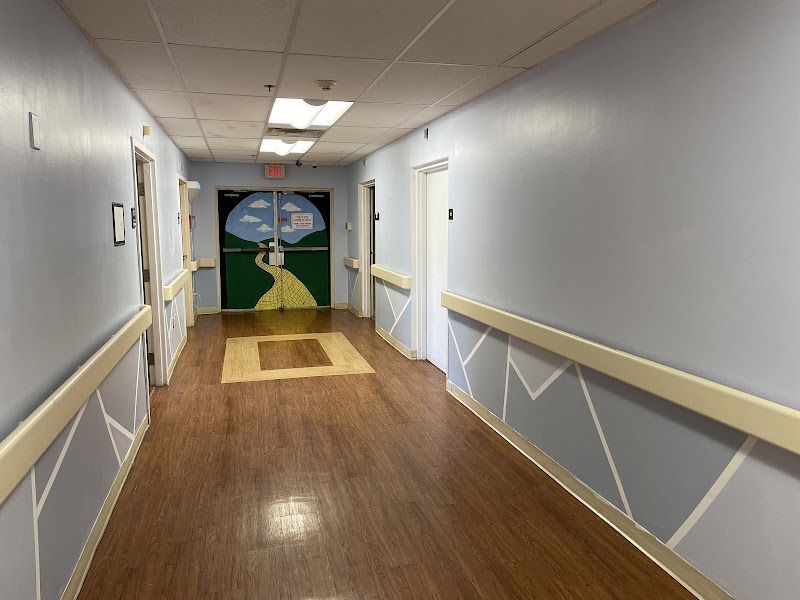
How is Meadowview Rehabilitation And Nursing Center Staffed?

CMS rates MEADOWVIEW REHABILITATION AND NURSING CENTER's staffing level at 4 out of 5 stars, which is above average compared to other nursing homes. Staff turnover is 48%, compared to the Pennsylvania average of 46%.

What Have Inspectors Found at Meadowview Rehabilitation And Nursing Center?

State health inspectors documented 38 deficiencies at MEADOWVIEW REHABILITATION AND NURSING CENTER during 2022 to 2025. These included: 38 with potential for harm.
Who Owns and Operates Meadowview Rehabilitation And Nursing Center?

MEADOWVIEW REHABILITATION AND NURSING CENTER is owned by a for-profit company. For-profit facilities operate as businesses with obligations to shareholders or private owners. The facility is operated by JONATHAN BLEIER, a chain that manages multiple nursing homes. With 244 certified beds and approximately 221 residents (about 91% occupancy), it is a large facility located in WHITE MARSH, Pennsylvania.
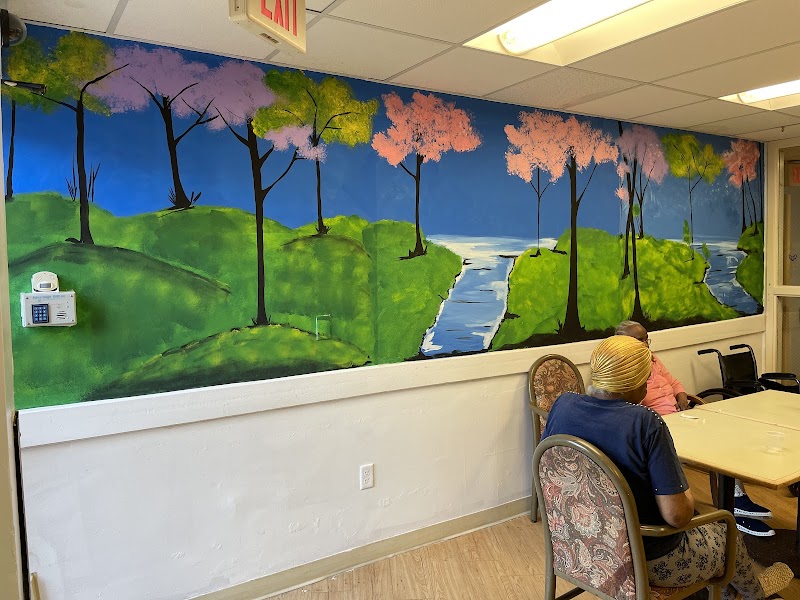
How Does Meadowview Rehabilitation And Nursing Center Compare to Other Pennsylvania Nursing Homes?

Compared to the 100 nursing homes in Pennsylvania, MEADOWVIEW REHABILITATION AND NURSING CENTER's overall rating (3 stars) matches the state average, staff turnover (48%) is near the state average of 46%, and health inspection rating (3 stars) is at the national benchmark.

What Should Families Ask When Visiting Meadowview Rehabilitation And Nursing Center?

Based on this facility's data, families visiting should ask: "Can I visit during a mealtime to observe dining assistance and food quality?" "How do you handle medical emergencies, and what is your hospital transfer rate?" "Can I speak with family members of current residents about their experience?"

Is Meadowview Rehabilitation And Nursing Center Safe?

Based on CMS inspection data, MEADOWVIEW REHABILITATION AND NURSING CENTER has a clean safety record: no substantiated abuse findings (meaning no confirmed cases of resident harm), no Immediate Jeopardy citations (the most serious violation level indicating risk of serious injury or death), and is not on the Special Focus Facility watch list (a federal program monitoring the lowest-performing 1% of nursing homes). The facility has a 3-star overall rating and ranks #1 of 100 nursing homes in Pennsylvania. While no facility is perfect, families should still ask about staff-to-resident ratios and recent inspection results during their visit.

Do Nurses at Meadowview Rehabilitation And Nursing Center Stick Around?

MEADOWVIEW REHABILITATION AND NURSING CENTER has a staff turnover rate of 48%, which is about average for Pennsylvania nursing homes (state average: 46%). Moderate turnover is common in nursing homes, but families should still ask about staff tenure and how the facility maintains care continuity when employees leave.

Was Meadowview Rehabilitation And Nursing Center Ever Fined?

MEADOWVIEW REHABILITATION AND NURSING CENTER has been fined $79,414 across 1 penalty action. This is above the Pennsylvania average of $33,873. Fines in this range indicate compliance issues significant enough for CMS to impose meaningful financial consequences. Common causes include delayed correction of deficiencies, repeat violations, or care failures affecting resident safety. Families should ask facility leadership what changes have been made since these penalties.

Is Meadowview Rehabilitation And Nursing Center on Any Federal Watch List?

MEADOWVIEW REHABILITATION AND NURSING CENTER is not on any federal watch list. The most significant is the Special Focus Facility (SFF) program, which identifies the bottom 1% of nursing homes nationally based on persistent, serious quality problems. Not being on this list means the facility has avoided the pattern of deficiencies that triggers enhanced federal oversight. This is a positive indicator, though families should still review the facility's inspection history directly.