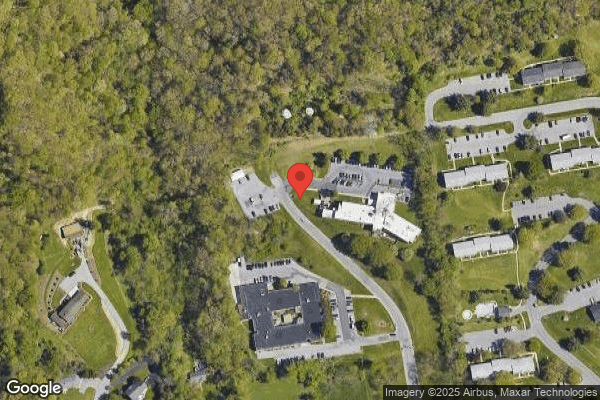



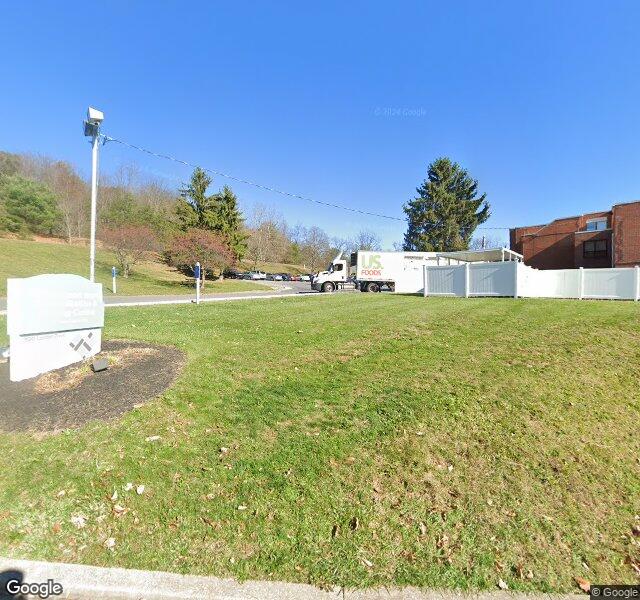
EDENBROOK NORTH

300 LEADER DRIVE, WILLIAMSPORT, PA 17701 (570) 323-8627
For profit - Limited Liability company 152 Beds EDEN EAST HEALTHCARE MANAGEMENT Data: November 2025
Trust Grade
30/100
#408 of 653 in PA
Last Inspection: April 2025

Within standard 12-15 month inspection cycle. Federal law requires annual inspections.

Overview

Edenbrook North has a Trust Grade of F, indicating significant concerns and overall poor quality of care. Ranking #408 out of 653 facilities in Pennsylvania places it in the bottom half, and #5 out of 8 in Lycoming County suggests that there are only a few local options that are better. While the facility has shown improvement, reducing issues from 25 in 2024 to 14 in 2025, it still faces serious challenges. Staffing is a concern with a turnover rate of 69%, well above the state average, and the facility has incurred $305,250 in fines, which is higher than 97% of Pennsylvania facilities, reflecting ongoing compliance problems. Specific incidents include unsanitary food storage practices in the kitchen, such as debris buildup and lack of temperature monitoring for food storage, and failure to assist residents in locating their personal belongings, which raises significant concerns about the overall environment and resident care.

Trust Score
F
30/100
In Pennsylvania
#408/653
Bottom 38%
Safety Record
High Risk
Review needed
Inspections
Getting Better
25 → 14 violations
Staff Stability
⚠ Watch
69% turnover. Above average. Higher turnover means staff may not know residents' routines.
Penalties
✓ Good
$305,250 in fines. Lower than most Pennsylvania facilities. Relatively clean record.
Skilled Nurses
⚠ Watch
Each resident gets only 26 minutes of Registered Nurse (RN) attention daily — below average for Pennsylvania. Fewer RN minutes means fewer trained eyes watching for problems.
Violations
⚠ Watch
56 deficiencies on record. Higher than average. Multiple issues found across inspections.
★★☆☆☆
2.0
Overall Rating
★★★☆☆
3.0
Staff Levels
★★★☆☆
3.0
Care Quality
★★☆☆☆
2.0
Inspection Score
Stable
2024: 25 issues
2025: 14 issues

The Good

  • Full Sprinkler Coverage · Fire safety systems throughout facility
  • No fines on record

Facility shows strength in fire safety.

The Bad

2-Star Overall Rating

Below Pennsylvania average (3.0)

Below average - review inspection findings carefully

Staff Turnover: 69%

23pts above Pennsylvania avg (46%)

Frequent staff changes - ask about care continuity

Federal Fines: $305,250

Well above median ($33,413)

Significant penalties indicating serious issues

Chain: EDEN EAST HEALTHCARE MANAGEMENT

Part of a multi-facility chain

Ask about local staffing decisions and management

Staff turnover is elevated (69%)

21 points above Pennsylvania average of 48%

The Ugly 56 deficiencies on record

Apr 2025 14 deficiencies
CONCERN (D) 📢 Someone Reported This

A family member, employee, or ombudsman was alarmed enough to file a formal complaint

Potential for Harm - no one hurt, but risky conditions existed

Safe Environment (Tag F0584)

Could have caused harm · This affected 1 resident

Based on observation and staff interview, it was determined that the facility failed to provide adequate housekeeping and maintenance services to ensure a clean, safe, and orderly environment on one o...

Read full inspector narrative →
Based on observation and staff interview, it was determined that the facility failed to provide adequate housekeeping and maintenance services to ensure a clean, safe, and orderly environment on one of three nursing units (200 Nursing Unit; Residents 19, 67, 84, 97, 108). Findings include: Observation of the 200 Nursing Unit on the following dates and times revealed: Observation on April 1, 2025, at 10:51 AM, revealed Resident 67's handrail on the left side of toilet was ripped off the wall with six open holes noted in the drywall where the handrail was located. Observation on April 1, 2025, at 10:57 AM revealed there was a strong urine odor on the 2 East hallway of the 200 Nursing Unit. Observation on April 1, 2025, at 11:06 AM revealed Resident 108's privacy curtain had a 3-foot by 2-foot yellow dried stain along the bottom of the curtain. Observation on April 1, 2025, at 11:14 AM revealed the drywall by Residents 97 and 84's closet and the drywall between Resident 84's bed and the bathroom was marred and gouged. Observation on April 3, 2025, at 3:15 PM revealed Resident 19's fan shroud was full off dust and debris. The above information was reviewed during an interview with the Nursing Home Administrator and Director of Nursing on April 3, 2025, at 3:30 PM. 483.10(i)(1)-(7) Safe/clean/comfortable/homelike Environment Previously cited 5/23/24 28 Pa. Code 201.18(b)(3) Management
CONCERN (D) 📢 Someone Reported This

A family member, employee, or ombudsman was alarmed enough to file a formal complaint

Potential for Harm - no one hurt, but risky conditions existed

Abuse Prevention Policies (Tag F0607)

Could have caused harm · This affected 1 resident

Based on review of select facility policies and procedures, clinical record review, and staff interview, it was determined that the facility failed to thoroughly investigate and report to the appropri...

Read full inspector narrative →
Based on review of select facility policies and procedures, clinical record review, and staff interview, it was determined that the facility failed to thoroughly investigate and report to the appropriate agencies an allegation of misappropriation of resident property for one of 24 records reviewed (Resident 38). Findings include: The policy entitled Vulnerable Adult Abuse and Neglect Prevention, last reviewed without changes on March 27, 2025, revealed upon receiving a complaint of alleged maltreatment, the Nursing Home Administrator must be notified immediately. The Director of Nursing or assigned designee and the Nursing Home Administrator will coordinate an investigation, which will include completion of witness statements. All parties involved including, staff, residents, or visitors who were potentially involved, or observed the alleged incident are to be interviewed by the Director of Nursing, Director of Social Services, or their designees. The facility must report to the State agency immediately, but no later than 2 hours after serious bodily injury, or not later than 24 hours if the alleged violation involves not serious bodily injury. Staff are required to call law enforcement officials if suspected concern is criminal in nature. Clinical record review for Resident 38 revealed nursing documentation dated December 10, 2024, at 10:41 PM revealing Resident 38 asked the licensed practical nurse why someone stole her 40 dollars. Interview with the Nursing Home Administrator on April 4, 2025, at 9:15 AM revealed that she completed a resident concern form regarding Resident 38's allegation of her missing 40 dollars. The Nursing Home Administrator confirmed that the facility did not complete an investigation, obtain witness statements, notify law enforcement, or notify the Department of Health related to Resident 38's allegation of missing money. 28 Pa. Code 201.14(a) Responsibility of licensee 28 Pa Code 201.18(b)(1)(3)(e)(1) Management 28 Pa Code 201.19(8) Personnel policies and procedures
CONCERN (D) 📢 Someone Reported This

A family member, employee, or ombudsman was alarmed enough to file a formal complaint

Potential for Harm - no one hurt, but risky conditions existed

Comprehensive Care Plan (Tag F0656)

Could have caused harm · This affected 1 resident

Based on clinical record review and staff interview, it was determined that the facility failed to implement a comprehensive person-centered care plan regarding a pacemaker for one of 24 residents rev...

Read full inspector narrative →
Based on clinical record review and staff interview, it was determined that the facility failed to implement a comprehensive person-centered care plan regarding a pacemaker for one of 24 residents reviewed (Resident 78). Findings Include: Clinical record review for Resident 78 revealed a medical history that included the presence of a cardiac pacemaker (surgically implanted device used to control the electrical activity of the heart and regulate the heartbeat). A physician's order dated July 2, 2021, noted the presence of a cardiac pacemaker. Review of Resident 78's clinical record on April 1, 2025, at 2:05 PM revealed no care plan was developed related to the resident's pacemaker or associated resident monitoring/assessment. The above information for Resident 78 was reviewed in a meeting with the Nursing Home Administrator and Director of Nursing on April 2, 2025, at 2:30 PM. The Director of Nursing confirmed these findings on April 3, 2025, at 8:54 AM. 28 Pa. Code 211.10 (a)(c)(d) Resident care policies 28 Pa. Code 211.12(d)(1)(3)(5) Nursing services
CONCERN (D) 📢 Someone Reported This

A family member, employee, or ombudsman was alarmed enough to file a formal complaint

Potential for Harm - no one hurt, but risky conditions existed

Deficiency F0688 (Tag F0688)

Could have caused harm · This affected 1 resident

**NOTE- TERMS IN BRACKETS HAVE BEEN EDITED TO PROTECT CONFIDENTIALITY** Based on clinical record review and resident and staff interview, it was determined that the facility failed to complete restora...

Read full inspector narrative →
**NOTE- TERMS IN BRACKETS HAVE BEEN EDITED TO PROTECT CONFIDENTIALITY** Based on clinical record review and resident and staff interview, it was determined that the facility failed to complete restorative range of motion programs to maintain a resident's range of motion for one of seven residents reviewed (Residents 64). Findings include: Interview with Resident 64 on April 1, 2025, at 11:35 AM revealed that her goal was to go home but the problem is her legs don't work right. She said that she can use her arms and do most things needed with them but that she can't use her legs, and she does not want them to get worse. She indicated that she has not had any therapy for about a week. Clinical record review for Resident 64 revealed an MDS (Minimum Data Set, an assessment completed at intervals by the facility to determine the care needs of the resident) assessment dated [DATE], that indicated she currently had no impairment of her upper or lower extremities. Further clinical record review for Resident 64 revealed that she was discontinued from both occupational and physical therapy on March 8, 2025, related to limited progress and non-compliance. Clinical record review of the occupational therapy Discharge summary dated [DATE], indicated that Resident 64's active range of motion (moving a joint through its full [NAME] of motion using your own muscles and no external assistance) was limited due to general weakness. The summary also noted that no restorative program was indicated, and Resident 64's prognosis to maintain her current level of functioning was excellent with consistent staff support. Review of Resident 64's physical therapy Discharge summary dated [DATE], revealed that her current bilateral extremity strength was two minus out of five, indicating that she had a slight weakness and may have trouble moving the limb without gravity being eliminated (lying down with the leg supported). The summary indicated that restorative programs were not indicated at this time and that her prognosis to maintain her current level of functioning was excelled with consistent staff support. There was no indication in Resident 64's clinical record that restorative programs were initiated. Interview with the Nursing Home Administrator on April 4, 2025, at 1:45 PM confirmed the above noted findings for Residents 64. The facility failed to implement a range of motion program to maintain a resident's range of motion for Resident 64. 28 Pa. Code 211.10(a)(c)(d) Resident care policies 28 Pa. Code 211.12(c)(d)(1)(3)(5) Nursing services
CONCERN (D) 📢 Someone Reported This

A family member, employee, or ombudsman was alarmed enough to file a formal complaint

Potential for Harm - no one hurt, but risky conditions existed

Deficiency F0692 (Tag F0692)

Could have caused harm · This affected 1 resident

Based on review of select policy and procedures, clinical record review, and staff interview, it was determined that the facility failed to provide timely assessments and implement interventions to pr...

Read full inspector narrative →
Based on review of select policy and procedures, clinical record review, and staff interview, it was determined that the facility failed to provide timely assessments and implement interventions to promote acceptable parameters of nutritional status for two of eight residents reviewed for nutritional concerns (Residents 88 and 112). Findings include: Review of the facility policy and procedure entitled, Resident height and weight, last reviewed without changes on March 27, 2025, revealed that all residents will be weighed upon admission and subsequently as the policy directs to provide a baseline and ongoing record for monitoring stability of weight as an indicator of nutritional status and medical condition over a period of time. The nursing department staff and dietary staff will cooperate to prevent, monitor, and provide intervention for undesirable weight variances for the residents. The purpose of the policy is to provide guidelines for physician notification and documentation of significant weight changes. Any weight change of five pounds or greater within 30 days will be retaken within 72 hours for verification and re-weight will be documented in the electronic medical record. If the re-weight verifies a significant, unplanned weight change, this is communicated to the resident's physician, responsible party, dietitian, and any others deemed necessary by the interdisciplinary team. This weight change will be assessed and reviewed by the dietitian in cooperation with the interdisciplinary team and appropriate interventions will be implemented. The dietitian will review individual weights recorded in the electronic medical record monthly and as needed to identify trends overtime. Unplanned weight trends will be assessed and addressed by the dietitian and MD notifications will be made by nursing staff if applicable. Clinical record review for Resident 112 revealed a weight loss of 24.5 pounds, from November 27, 2024, at 174.7 pounds to January 14, 2025, at 150.2 pounds. Further documentation of her weights revealed that there was no weight obtained in December 2024. There was no reweight obtained when the significant weight loss occurred on January 14, 2025. A weight change progress note dated January 15, 2025, at 2:39 PM revealed that Resident 112 had a significant weight loss noted. The note indicated that Resident 112 was not receiving supplements, and she was not receiving extra food or snacks. The note also indicated that Resident 112's diet was upgraded on December 30, 2024, from a pureed level four diet to a minced and moist diet (a texture-modified diet designed for individuals with difficulty chewing or swallowing). Further clinical record review revealed that there was no further monitoring of Resident 112's weight loss from January 15, 2025, until February 11, 2025, at 4:30 PM when a dietitian summary note revealed that Resident 112's cause of weight loss is uncertain, although her food and fluid intake was down from last review. Resident 112's weight was noted as 150 pounds. She also indicated that Resident 112 had a 14.1 percent significant weight loss in 3 months and 19.6 percent weight loss in 6 months, and that Resident 112 met the criteria for being at risk for malnutrition, but no new interventions were initiated. A weight change note dated February 27, 2025, at 1:35 PM revealed that Resident 112 had gained two pounds, and her weight was 152 pounds on February 19, 2025. The note also indicated that she met the criteria for being at risk for malnutrition. Clinical documentation for Resident 112 revealed her weight was 155 pounds on March 19, 2025, and 141.6 pounds on April 1, 2025, with no reweight obtained as of April 4, 2024, at 9:40 AM. Interview with Employee 2 (registered dietician) on April 4, 2025, at 9:45 AM confirmed the above noted findings related to Resident 112. The Nursing Home Administrator was made aware on April 4, 2025, at 9:50 AM of concerns that the facility failed to obtain reweights and failed to implement interventions to promote acceptable parameters of nutritional status for Resident 112. Clinical record review revealed the facility admitted Resident 88 on May 19, 2022. Further review of Resident 88's clinical record revealed the following weight assessments: January 2, 2025, 158.2 pounds February 9, 2025, 158.6 pounds March 1, 2025, 144.6 pounds (a 14-pound, 8.83 percent severe weight loss in a month) Further review of Resident 88's clinical record revealed a quarterly dietitian summary on February 28, 2025. The next dietary assessment isn't until April 1, 2025, noting Resident 88's weight loss. Interview with Employee 2 on April 4, 2025, at 8:50 AM revealed that there was no assessment of Resident 88's severe weight loss identified on March 1, 2025, until she completed a weight change note on April 1, 2025 (four weeks after the severe weight loss). Employee 2 stated the facility does not have a system to notify her of significant or severe weight losses and gains. The facility failed to assess Resident 88's severe weight loss in a timely manner. 483.25(g)(1) Maintain acceptable parameters of nutrition Previously cited 5/23/24 28 Pa. Code 201.14 (a) Responsibility of licensee 28 Pa. Code 211.12(d)(1)(3)(5) Nursing services
CONCERN (D) 📢 Someone Reported This

A family member, employee, or ombudsman was alarmed enough to file a formal complaint

Potential for Harm - no one hurt, but risky conditions existed

Respiratory Care (Tag F0695)

Could have caused harm · This affected 1 resident

Based on observation and staff interview, it was determined that the facility failed to provide appropriate respiratory care and services for one of one resident reviewed (Resident 19). Findings inclu...

Read full inspector narrative →
Based on observation and staff interview, it was determined that the facility failed to provide appropriate respiratory care and services for one of one resident reviewed (Resident 19). Findings include: According to the American Association for Respiratory Care proper cleansing of respiratory (nebulizer) equipment reduces infection risk. The longer a dirty nebulizer sits and is allowed to dry, the harder it is to clean thoroughly. Parts of the aerosol drug delivery device should be rinsed and then washed with soap and hot water after each treatment. Once completely dry, store the nebulizer cup and mouthpiece in a zip lock bag. On April 1, 2025, at 10:46 AM and April 3, 2025, at 3:15 PM, Resident 19's oxygen NC (nasal canula, tubing to deliver oxygen to the nose) was lying on their bed unbagged and their oxygen concentrator was running. On April 1, 2025, at 10:46 AM and 2:48 PM, April 2, 2025, at 2:28 PM, and April 3, 2025, at 8:41 AM and 3:15 PM, Resident 19's nebulizer machine was sitting on the floor in front of their oxygen concentrator and their nebulizer tubing was lying on the floor unbagged. The above information was reviewed with the Director of Nursing during an interview on April 3, 2025, at 3:15 PM. 28 Pa. Code 211.10 (c)(d) Resident care policies 28 Pa. Code 211.12(d)(1)(5) Nursing services
CONCERN (D) 📢 Someone Reported This

A family member, employee, or ombudsman was alarmed enough to file a formal complaint

Potential for Harm - no one hurt, but risky conditions existed

Deficiency F0744 (Tag F0744)

Could have caused harm · This affected 1 resident

Based on clinical record review and staff interview, it was determined that the facility failed to develop and implement an individualized person-centered care plan to address dementia and cognitive l...

Read full inspector narrative →
Based on clinical record review and staff interview, it was determined that the facility failed to develop and implement an individualized person-centered care plan to address dementia and cognitive loss displayed by one of three residents reviewed (Resident 63). Findings include: Clinical record review for Resident 63 revealed that the facility admitted her on April 1, 2024, with diagnosis of Dementia (loss of memory, language, problem-solving, and other thinking abilities that interfere with daily life). A review of Resident 63's significant change Minimum Data Set Assessment (MDS, a form completed at specific intervals to determine care needs) dated December 18, 2024, indicated that the facility assessed Resident 63 as having a diagnosis of dementia. The facility determined that a care plan for dementia and cognitive loss would be developed. A review of Resident 63's care plan entitled, impaired cognitive function/dementia and impaired thought processes related to dementia initiated on April 5, 2024, failed to identify individualized person-centered interventions to address Resident 63's dementia and cognitive loss. The findings were reviewed with the Nursing Home Administrator on April 3, 2025, at 2:45 PM. 483.40(b)(3) Dementia Treatment and Services Previously cited 5/23/24 28 Pa Code 211.12 (d)(1)(3)(5) Nursing services
CONCERN (D) 📢 Someone Reported This

A family member, employee, or ombudsman was alarmed enough to file a formal complaint

Potential for Harm - no one hurt, but risky conditions existed

Deficiency F0813 (Tag F0813)

Could have caused harm · This affected 1 resident

Based on observation and staff interview, it was determined that the facility failed to ensure safe and sanitary storage and handling of personal food products brought in from outside sources for one ...

Read full inspector narrative →
Based on observation and staff interview, it was determined that the facility failed to ensure safe and sanitary storage and handling of personal food products brought in from outside sources for one of three nursing units (200 Nursing Unit, Resident 22). Findings Include: Observation of Resident 22's room on April 1, 2025, at 10:46 AM revealed that they had a personal refrigerator. There was no temperature monitoring log for Resident 22's refrigerator. Inside Resident 22's refrigerator there were the following items: A container of cottage cheese with a best by date of January 13, 2025 A gallon of sweet tea with a sell by date of January 24, 2025 Two undated Styrofoam containers Continued observation of Resident 22's refrigerator on April 2, 2025, at 2:16 PM revealed no temperature log. The above noted items continued to be in the refrigerator with the following items added: An undated Styrofoam container Two applesauce containers with a use by date of March 14, 2025. The above information was reviewed during an interview with the Nursing Home Administrator on April 4, 2025, at 9:18 AM. The Nursing Home Administrator revealed that resident refrigerators should be monitored for foodborne concerns. 28 Pa. Code 201.18(b)(1) Management
CONCERN (D) 📢 Someone Reported This

A family member, employee, or ombudsman was alarmed enough to file a formal complaint

Potential for Harm - no one hurt, but risky conditions existed

Safe Environment (Tag F0921)

Could have caused harm · This affected 1 resident

Based on observation and staff interview, it was determined that the facility failed to ensure a safe and sanitary environment at an outside designated employee break area located on the facility grou...

Read full inspector narrative →
Based on observation and staff interview, it was determined that the facility failed to ensure a safe and sanitary environment at an outside designated employee break area located on the facility grounds. Findings include: Observation of an outside employee break area located near the facility's dumpsters at the front of the building on April 1, 2025, at 9:10 AM with Employee 2, dietitian, revealed the following: Various plastic and paper products, a hairnet, wet pieces of cardboard, and several balled up medical gloves discarded on the ground. Multiple discarded cigarette butts, especially around the perimeter of the area. A significant build-up of dead leaves. An overflowing garbage can that contained a brief. A metal bucket with brown-colored water and discarded cigarette butts in it. The above information was reviewed in a meeting with the Nursing Home Administrator and Director of Nursing on April 2, 2025, at 2:43 PM. 483.90(i) Other Environmental Conditions Previously cited deficiency 5/23/24 28 Pa. Code 201.18 (b)(1)(3) Management
CONCERN (E) 📢 Someone Reported This

A family member, employee, or ombudsman was alarmed enough to file a formal complaint

Potential for Harm - no one hurt, but risky conditions existed

Deficiency F0557 (Tag F0557)

Could have caused harm · This affected multiple residents

Based on observation and staff and resident interview, it was determined that the facility failed to assist a resident to retain and use personal possessions on three of three nursing units (First, Se...

Read full inspector narrative →
Based on observation and staff and resident interview, it was determined that the facility failed to assist a resident to retain and use personal possessions on three of three nursing units (First, Second, and Third Floor Nursing Units; Residents 2, 19, 22, 64, 88, 92, 106, and 121). Findings include: Interview with Resident 22 on April 1, 2025, at 12:49 PM revealed that she could not locate a few pairs of pants and three shirts. Observation of the facility laundry on April 4, 2025, at 11:05 AM revealed that there was a large plastic laundry bin in the dirty laundry area that was stacked full of bagged dirty personal laundry and extended/overflowed 3.5 feet above the top of the plastic laundry bin. Further observation revealed that there were nine large bins identified for the first, second, and third floor nursing units in the clean laundry area that were stacked full of clean laundry that belonged to Residents 2, 19, 22, 64, 88, 92, 106, and 121. The clean bin of clothes was sitting for at least four days and the clothes were not distributed to the residents for their use. The facility failed to ensure that residents had access to their personal clothing timely after laundering by the facility. Interview with Employee 3, housekeeping supervisor, on April 4, 2025, at 11:05 AM, and the Nursing Home Administrator on April 4, 2025, at 12:13 PM confirmed the observation. 28 Pa. Code 201.18(f) Management 28 Pa. Code 201.29(c.3)(4) Resident rights
CONCERN (E) 📢 Someone Reported This

A family member, employee, or ombudsman was alarmed enough to file a formal complaint

Potential for Harm - no one hurt, but risky conditions existed

ADL Care (Tag F0677)

Could have caused harm · This affected multiple residents

**NOTE- TERMS IN BRACKETS HAVE BEEN EDITED TO PROTECT CONFIDENTIALITY** Based on observation, clinical record review, and resident and staff interview, it was determined that the facility failed to as...

Read full inspector narrative →
**NOTE- TERMS IN BRACKETS HAVE BEEN EDITED TO PROTECT CONFIDENTIALITY** Based on observation, clinical record review, and resident and staff interview, it was determined that the facility failed to assist dependent residents with bathing and/or personal hygiene for 7 of 14 residents reviewed (Residents 2, 21, 88, 92, 96, 117, and 121). Findings include: Interview with Resident 2 on April 1, 2025, at 1:30 PM revealed that she did not receive her shower four times in February 2025, and two times in March 2025. She also indicated that she had missed showers in January but did not provide the number of showers she missed. Clinical record review for Resident 2 revealed that she did not receive her scheduled showers on January 19, 26, and 31, 2025. Review of Resident 2's clinical documentation for February 2025, revealed that she did not receive her scheduled showers on February 25, 2025. Review of Resident 2's clinical documentation for March 2025, revealed that she did not receive her scheduled showers on March 4 or 11, 2025. Review of Resident 2's current MDS (Minimum Data Set, an assessment completed at intervals by the facility to determine care needs of the resident) dated February 10, 2025, revealed that she required substantial/maximal assistance (the person helping lifts or holds trunk or limbs and provides more than half the effort with bathing/showers) with bathing. Observation of Resident 21 on April 1, 2025, at 11:51 AM revealed he entered the community room for lunch. His hair was disheveled and appeared greasy. Clinical record review for Resident 21 revealed that his scheduled shower days were Monday and Thursdays on dayshift. Review of Resident 21's task documentation for February 2025, revealed that he only had his hair washed two times, February 11 and 20, 2025. Review of Resident 21's task documentation for March 2025, revealed that he only had his hair washed on March 3, 2025. Observation of Resident 96 on April 1, 2025, at 11:46 AM revealed she was sleeping in a chair in the community room. Her hair appeared disheveled and greasy. Clinical record review for Resident 96 revealed task documentation for February and March 2025, that indicated she only had her hair washed on February 25, 2025, and March 5, and 8, 2025. Further clinical record review for Resident 96 revealed task documentation that indicated she did not have a bath or shower on February 12, 15, 19, or 22, 2025, and March 12, 15, 19, 22, and 26, 2025. Resident 96's scheduled bath days were Wednesday and Saturday dayshift. Resident 96's most recent MDS dated [DATE], revealed that she was coded as dependent (staff does all the effort. Resident does none of the effort to complete the activity) for bathing. The above noted bathing concerns for Residents 2, 21, and 96 were addressed with the Nursing Home Administrator on April 3, 2025, at 12:45 PM. Interview with Resident 121's family voiced concerns that sometimes upon visiting, the resident's hair seems dirty and the family was unsure if the resident was getting bathed. A review of the census for Resident 121 revealed that the resident was admitted to the facility on [DATE]. Clinical record review for Resident 121 revealed an admission MDS that noted facility staff assessed the resident as having a BIMS (Brief Interview for Mental Status) of 4, which indicated cognitive impairment. Further review of Resident 121's MDS revealed the resident required substantial maximal assistance to shower and bathe self. Clinical record review for Resident 121 revealed a task list (located in the electronic health record where staff document specific care related events for a resident) that noted bathing on Monday and Thursday 3 PM to 11 PM. Further review of the bathing task for Resident 121 for March and April 2025, revealed staff documented one bed bath (basin or sink bath) as completed on March 8, 2025. The staff documented the resident as refusing bathing on March 20, 2025. The following dates were marked NA to note non-applicable: March 17, 24, 27, and 31, 2025. Further review of the clinical record revealed no evidence was documented to indicate Resident 121 refused a bath, there was a wound or injury preventing a bathing, or any other rationale other than the refusal on March 20, 2025. There was no evidence that staff reapproached Resident 121 after he refused bathing on March 20, 2025. The information on Resident 121 was reviewed with the Nursing Home Administrator on April 3, 2025, at 12:37 PM. Clinical record review revealed the facility admitted Resident 88 on May 19, 2022. A review of Resident 88's most recent MDS dated [DATE], indicated nursing staff assessed Resident 88 as requiring substantial to maximum staff assistance with bathing. A review of Resident 88's task documentation for the last three months revealed Resident 88 only received seven showers. There were eight days that the staff documented NA (not applicable), and Resident 88 did not receive his shower. Further review of Resident 88's clinical record revealed that Resident 88's bathing preference was identified as showers twice a week. Clinical record review revealed the facility admitted Resident 92 on December 13, 2023. A review of Resident 92's most recent quarterly MDS dated [DATE], indicated nursing staff assessed Resident 92 as dependent on staff for bathing. A review of Resident 92's task documentation for the last three months revealed Resident 92 only received four showers and staff documented that Resident 92 refused her shower four times. There was no evidence that staff reapproached Resident 92 after they refused bathing to re-attempt. Further review of Resident 92's clinical record revealed that Resident 92's bathing preference was identified as showers twice a week. Clinical record review revealed the facility admitted Resident 117 on February 6, 2025. A review of Resident 117's admission MDS dated [DATE], indicated nursing staff assessed Resident 117 as requiring partial to moderate staff assistance (staff lifts, holds, or supports trunk or limbs, but provides less than half the effort). A review of Resident 117's task documentation since admission revealed Resident 117 only received four showers, and staff documented that Resident 117 refused his shower four times. There was no evidence that staff reapproached Resident 117 after they refused bathing to re-attempt. Further review of Resident 117's clinical record revealed that Resident 117's bathing preference was identified as showers twice a week. The above information for Residents 88, 92, and 117 was reviewed during an interview with the Nursing Home Administrator and the Director of Nursing on April 3, 2025, at 2:30 PM. The facility failed to provide assistance for bathing assistance for residents' dependent on staff assistance. 483.24(a)(2) ADL Care Provide for Dependent Residents Previously cited deficiency 9/19/24 28 Pa. Code 211.12 (d)(1)(2)(3)(5) Nursing services
CONCERN (E) 📢 Someone Reported This

A family member, employee, or ombudsman was alarmed enough to file a formal complaint

Potential for Harm - no one hurt, but risky conditions existed

Deficiency F0697 (Tag F0697)

Could have caused harm · This affected multiple residents

Based on clinical record review and staff interview, it was determined that the facility failed to provide the highest practicable care regarding physician ordered pain medications for one of one resi...

Read full inspector narrative →
Based on clinical record review and staff interview, it was determined that the facility failed to provide the highest practicable care regarding physician ordered pain medications for one of one resident reviewed (Resident 108) Findings include: Review of Physiopedia's and Wikipedia's definition of the numeric pain rating scale (parameters) from zero to 10 indicated that no pain was identified as zero, mild pain was identified as one to three, moderate pain was identified as four to six, and severe pain was identified as seven to 10. Clinical record review for Resident 108 revealed physician's orders for the following pain medications: Ordered on February 14, 2025, and discontinued on March 11, 2025, Oxycodone 5 mg (milligrams) 2 tablets PO (by mouth) every 4 hours PRN (as needed) for severe pain 7-10. Review of Resident 108's February and March 2025 MAR (medication administration record, a form to document medication administration) revealed that staff did not document a level of pain on the following dates and times: Oxycodone (for moderate to severe pain) 5 mg 2 tablets PO every 4 hours PRN for severe pain 7-10. February 21, 2025, at 8:05 AM, 1:19 PM, and 4:00 PM, no pain level February 22, 2025, at 2:41 AM, no pain level February 23, 2025, at 4:33 PM and 9:03 PM, no pain level February 24, 2025, at 4:00 PM, no pain level February 28, 2025, at 8:30 PM, no pain level March 2, 2025, at 8:11 PM, no pain level March 3, 2025, at 8:24 PM, no pain level March 8, 2025, at 12:42 AM and 5:28 PM, no pain level March 9, 2025, at 9:00 PM, no pain level March 10, 2025, at 10:51 AM and 7:47 PM, no pain level Staff did not administer Resident 108's pain medications according to the physician ordered pain scale level(s). The above information was reviewed during an interview with the Director of Nursing on April 3, 2025, at 9:20 AM. 483.25(k) Pain Management Previously cited 5/23/24 28 Pa. Code 211.12(c)(d)(1)(3)(5) Nursing services
CONCERN (E) 📢 Someone Reported This

A family member, employee, or ombudsman was alarmed enough to file a formal complaint

Potential for Harm - no one hurt, but risky conditions existed

Infection Control (Tag F0880)

Could have caused harm · This affected multiple residents

**NOTE- TERMS IN BRACKETS HAVE BEEN EDITED TO PROTECT CONFIDENTIALITY** Based on observation, clinical record review, and resident and staff interview, it was determined that the facility failed to im...

Read full inspector narrative →
**NOTE- TERMS IN BRACKETS HAVE BEEN EDITED TO PROTECT CONFIDENTIALITY** Based on observation, clinical record review, and resident and staff interview, it was determined that the facility failed to implement appropriate enhanced barrier transmission-based precautions for three of 24 residents reviewed (Residents 2, 67, and 106) Findings include: Review of the memo entitled Enhanced Barrier Precautions (EBP, gown and glove use) in Nursing Homes to Prevent the Spread of Multi-drug Resistant Organisms (MDRO, bacteria that are resistant to some antibiotics) released by the Center for Medicaid and Medicare Services (CMS) on March 20, 2024, with an implementation date of April 1, 2024, revealed that nursing care facilities are to use EBP for residents with chronic wounds or indwelling medical devices during high-contact resident care activities regardless of their multidrug-resistant organism status. High-contact activity would include things like dressing, transferring, changing linens, providing hygiene, changing briefs, wound care, or device care. Review of the facility policy titled, Enhanced Barrier Precautions, reviewed without changes on March 27, 2025, revealed that it is the policy of the facility that EBP, in addition to standard contact precautions (refer to the infection prevention practices that apply to all residents, regardless of suspected or confirmed diagnosis or presumed infection status), will be implemented during high-contact resident care activities when caring for residents that have an increased risk for acquiring MDROs such as a resident with chronic wounds requiring a dressing, indwelling medical devices, or residents with infection or colonization (when a germ or microbe is found on or in the body but does not cause symptoms or disease) with an MDRO. Further review of the policy revealed that EBP refers to an infection control intervention designed to reduce transmission of MDROs that employs targeted gown and glove use during high contact resident care activities (dressing, bathing/showering, transferring, providing hygiene, changing linens, changing briefs, assisting with toileting, device care, wound care). The policy noted that EBP will not only focus on residents with an infection or colonization with an MDRO, but it will also address residents at risk for developing or becoming colonized. EBP require gown and glove use for residents with a novel or targeted MDRO or any resident with a wound or indwelling medical device during specific high-contact care activities. Clinical record review for Resident 106 revealed the resident has bilateral heel pressure ulcers. The resident has current orders for wound care and antibiotic treatment related to the pressure ulcers. There was no evidence in the clinical record to indicate that Resident 106 was on any type of enhanced barrier precautions or any type of isolation for the wound. Observation of Resident 106's room on April 3, 2025, at 1:10 PM revealed no evidence that the resident was on EBP (no sign indicating EBP precautions, no personal protective equipment (PPE) in the room or at the doorway to don (put on and use), or any sign placed that instructed to see the nurse prior to care Observation of Resident 106's wound care on April 3, 2025, at 1:10 PM revealed Employee 4, licensed practical nurse, and Employee 5, registered nurse, entered the resident's room and performed wound care to the resident's bilateral heels, which included a dressing change. There was dark colored wound drainage noted on the bed sheet of the resident's bed under the resident's heels. The staff did not wear gowns during the high contact activity of wound care with noted drainage. The above information for Resident 106 was reviewed in a meeting with the Nursing Home Administrator and Director of Nursing on April 3, 2025, at 2:15 PM. Clinical record review for Resident 2 revealed a urinalysis dated March 18, 2025, that indicated she had ESBL (extended-spectrum beta-lactamase an enzyme found in some strains of bacteria that can't be killed by many of the antibiotics doctors use to treat infections) in her urine. Resident 2 was then hospitalized from [DATE] to 25, 2025. There was no evidence in her clinical record that EBP was initiated upon her return from the hospital. Observation of Resident 2's room on April 1, 2025, at 1:30 PM revealed no evidence that EBP was initiated. The above information for Resident 2 was reviewed in a meeting with the Nursing Home Administrator and Director of Nursing on April 3, 2025, at 2:00 PM. Clinical record review for Resident 67 revealed current physician orders for a Foley (urinary) catheter to straight drainage every shift for a diagnosis of bilateral obstructive uropathy (blockage of the urinary system). Observation on April 1, 2025, at 10:41 AM and 12:48 PM, April 2, 2025, at 12:47 PM and 12:53 PM, and April 3, 2025, at 8:41 AM of the hallway outside Resident 67's room revealed that there was no enhanced barrier precaution signage to indicate the need to utilize PPE (personal protective equipment, to prevent infectious disease transmission) and /or the necessary PPE available outside Resident 67's room though they had an indwelling medical device (Foley urinary catheter). The above information was reviewed during an interview on April 3, 2025, at 3:11 PM with the Nursing Home Administrator and the Director of Nursing. 28 Pa. Code 201.18(b)(1) Management 28 Pa. Code 211.10(d) Resident care policies 28 Pa. Code 211.12(d)(1)(3)(5) Nursing services
CONCERN (F) 📢 Someone Reported This

A family member, employee, or ombudsman was alarmed enough to file a formal complaint

Potential for Harm - no one hurt, but risky conditions existed

Food Safety (Tag F0812)

Could have caused harm · This affected most or all residents

Based on observation and staff interview, it was determined that the facility failed to store food items in a safe and sanitary manner and maintain the environment in a safe and sanitary condition in ...

Read full inspector narrative →
Based on observation and staff interview, it was determined that the facility failed to store food items in a safe and sanitary manner and maintain the environment in a safe and sanitary condition in the facility's main kitchen. Findings included: Observation of the facility's main kitchen with Employee 2, dietitian, on April 1, 2025, at 8:30 AM revealed the following: A mobile rack holding bowls had various debris on the base and felt greasy to touch. Two floor drains had an extensive amount of debris in them. The perimeter of the grease trap in the floor of the dishwasher area had an extensive build-up of debris, including food debris. A windowsill had a build-up of dust, a dead bug, and a discarded potato chip. A storage room adjacent to the main kitchen contained a refrigerator and freezer that held resident food items. The facility was unable to provide a history of temperature monitoring on these units. An interview with the Nursing Home Administrator on April 2, 2025, at 2:43 PM confirmed that facility staff are unable to find documented temperature monitoring for these units. A review of tray line food temperatures provided revealed no documented temperatures for the following dates: March 2, 8, 9, 15, 29, 2025 (breakfast) March 2, 7, 8, 15, 29, 2025 (lunch) March 2-22; March 24-29, 2025 (dinner) The facility failed to provide any additional documentation that the food temperatures were documented by staff for the dates reviewed. The above information was reviewed in a meeting with the Nursing Home Administrator on March 3, 2025, at 3:00 PM. 483.60 (i) Food prepare, distribute, and serve -sanitary/safety Previously cited 5/23/24 28 Pa. Code 201.14(a) Responsibility of licensee
Sept 2024 1 deficiency
CONCERN (E) 📢 Someone Reported This

A family member, employee, or ombudsman was alarmed enough to file a formal complaint

Potential for Harm - no one hurt, but risky conditions existed

ADL Care (Tag F0677)

Could have caused harm · This affected multiple residents

**NOTE- TERMS IN BRACKETS HAVE BEEN EDITED TO PROTECT CONFIDENTIALITY** Based on observation, clinical record review and resident and staff interview, it was determined that the facility failed to ass...

Read full inspector narrative →
**NOTE- TERMS IN BRACKETS HAVE BEEN EDITED TO PROTECT CONFIDENTIALITY** Based on observation, clinical record review and resident and staff interview, it was determined that the facility failed to assist dependent residents with bathing, grooming, and dressing care for four of seven residents reviewed (Residents 1, 3, 5, and 7). Findings include: Observation of Resident 1 on September 19, 2024, at 8:50 AM revealed that his shirt was soiled with dried stains. Interview with Resident 1 at this time revealed staff only change his shirt on his shower days. Resident 1 stated he receives a bed bath on Tuesdays and Fridays. Further observation of Resident 1 revealed a lot of facial hair. Resident 1 stated that he prefers to be clean shaven but is unable to shave himself due to not getting out of bed, having no mirror, and his poor eyesight. Resident 1 stated that staff refuse to shave him and tell him he can do it himself. Clinical record review for Resident 1 revealed his most recent MDS (Minimum Data Set, an assessment completed at specific interval to determine care needs) dated August 28, 2024, noted staff assessed him as requiring substantial/maximum assistance for upper body dressing, and he was dependent on staff for personal hygiene (including shaving). Clinical record for Resident 3 revealed her preference for bathing is to receive a shower on Mondays and Thursdays. Review of Task documentation (electronic system of nurse aide documentation of activities of daily living care) for the last 30 days revealed that Resident 3 received two showers on August 22, and September 16, 2024. Staff only documented one time that Resident 3 refused a shower. Review of Resident 3's most recent MDS dated [DATE], revealed she requires substantial/maximum staff assistance for bathing. Clinical record review for Resident 5 revealed her preference for bathing is to receive a shower on Wednesdays and Saturdays. Review of Task documentation for the last 30 days revealed that Resident 5 received two showers on September 7 and 11, 2024. Staff only documented two times that Resident 5 refused a shower. Staff documented NA (not applicable) three times in the last 30 days. Review of Resident 5's most recent MDS dated [DATE], revealed she requires substantial/maximum staff assistance for bathing. Clinical record review for Resident 7 revealed her preference for bathing is to receive a shower on Tuesdays and Fridays. Review of Task documentation for the last 30 days revealed that Resident 7 only received one shower in the last 30 days on September 6, 2024. The facility failed to provide assistance for bathing, dressing, and personal hygiene for residents dependent on staff assistance. These findings were reviewed during a meeting with the Nursing Home Administrator and Director of Nursing on September 19, 2024, at 3:00 PM. 28 Pa. Code 211.12 (d)(1)(2)(3)(5) Nursing services
May 2024 20 deficiencies
CONCERN (D)

Potential for Harm - no one hurt, but risky conditions existed

Deficiency F0561 (Tag F0561)

Could have caused harm · This affected 1 resident

**NOTE- TERMS IN BRACKETS HAVE BEEN EDITED TO PROTECT CONFIDENTIALITY** Based on review of select facility policy and procedures, observations, and resident and staff interviews, it was determined tha...

Read full inspector narrative →
**NOTE- TERMS IN BRACKETS HAVE BEEN EDITED TO PROTECT CONFIDENTIALITY** Based on review of select facility policy and procedures, observations, and resident and staff interviews, it was determined that the facility failed to ensure that residents could make choices about aspects of their lives that were significant to them, such as smoking, for one of 25 residents reviewed (Resident 1). Findings include: An interview with the Nursing Home Administrator (NHA) on May 20, 2024, at 8:22 AM revealed the facility was non-smoking. Smoking for residents was eliminated for new admissions beginning April 2023. However, there were three grandfathered residents that were still permitted to smoke. The NHA also reported that facility staff are permitted to smoke in a designated area, which is located on the facility property. The NHA indicated that the skilled nursing facility has a designated smoking area located outside of the main lobby for the grandfathered residents to smoke. Staff are permitted to smoke during break times in their designated area. Interview with Resident 1 on May 23, 2024, at 10:15 AM revealed that the resident does smoke but the facility indicated they are a non-smoking facility, so he is not able to smoke here. Resident 1 further indicated that it is unfair that others are allowed to smoke, and he is not, and this bothers the resident. The Nursing Home Administrator was made aware of Resident 1's concern related to smoking during a meeting on May 23, 2024, at 11:15 AM. The NHA confirmed that staff and the three grandfathered residents could smoke at the facility in designated areas, but that newly admitted residents are not allowed to smoke since they have switched to a non-smoking facility. They also confirmed that residents are made aware of this on admission and stated Resident 1 signed a non-smoking agreement on admission. Clinical record review for Resident 1 revealed documentation that the resident was admitted to the facility on [DATE], at 2:22 PM. The documentation further noted the resident is a tobacco user. Social Services documentation for Resident 1 dated May 3, 2024, at 3:23 PM revealed that social services and the registered nurse unit manager explained the non-smoking policy and the other residents that Resident 1 sees outside smoking were grandfathered in. The documentation further noted that per the NHA, the resident would be permitted to smoke if he was off the facility property. The facility failed to promote and facilitate resident self-determination through support of resident choice by not allowing the resident to smoke due to a non-smoking facility; however, allowing the facility staff to smoke in designated areas on the facility property. 28 Pa. Code 201.29(a) Resident rights
CONCERN (D)

Potential for Harm - no one hurt, but risky conditions existed

Safe Environment (Tag F0584)

Could have caused harm · This affected 1 resident

**NOTE- TERMS IN BRACKETS HAVE BEEN EDITED TO PROTECT CONFIDENTIALITY** Based on observation and resident and staff interview, it was determined that the facility failed to provide adequate housekeepi...

Read full inspector narrative →
**NOTE- TERMS IN BRACKETS HAVE BEEN EDITED TO PROTECT CONFIDENTIALITY** Based on observation and resident and staff interview, it was determined that the facility failed to provide adequate housekeeping and maintenance services to ensure a clean, safe, and orderly environment on two of three nursing units (2nd and 3rd Floor Nursing Unit, Residents 56 and 60) and ensure properly functioning of resident equipment for one of 25 residents (Resident 1). Findings include: Interview with Resident 56 on May 20, 2024, at 10:27 AM revealed that she indicated concerns with her bathroom environment, noting the toilet was dirty and the floor was black. Resident 60 stated that she was independent with her care and wears a brief due to incontinence. She indicated concerns with the hem/bottom of her pants becoming soiled from the condition of the bathroom. Observation of Resident 56's bathroom on May 20, 2024, at 10:37 AM confirmed her statement. The floor around the base of the toilet was stained that extended four inches out on the floor from the toilet. Inside the toilet bowel, there were brown stains and material similar to feces. The bathroom smelled strongly of urine and a [NAME], musty smell. The surveyor reviewed the above information during an interview with the Nursing Home Administrator and Director of Nursing on May 21, 2024, at 3:15 PM. Observation of Resident 60's room on May 21, 2024, at 11:54 AM revealed the wall under the window was patched but not pained, there were holes in the wall under the vent that was located to the right (when looking at it) of Resident 60's dresser, and the wall between the two dressers in the room was marred. The Nursing Home Administrator and the Director of Nursing were made aware of the environmental concerns in Resident 60's room in a meeting on May 21, 2024, at 3:00 PM. An interview with Resident 1 on May 23, 2024, at 10:15 AM revealed that the resident had concerns related to the facility's bladder scanner (a non-invasive medical device that utilizes an ultrasound probe to measure the amount of urine in the bladder). Resident 1 indicated the bladder scanner is broken and the resident is supposed to be bladder scanned. Clinical record review for Resident 1 revealed a current physician's order dated April 29, 2024, that instructed staff to bladder scan the resident five times a day as scheduled; if results are of 400 cubic centimeters (cc) straight catheterize (utilize a sterile catheter that is inserted into the bladder to drain urine) five times a day; DO NOT CHANGE TIMES PER THE PHYSICIAN ASSISTANT. An interview with an anonymous staff member on May 23, 2024, at 10:55 AM revealed that the bladder scanner has been broken for months but could not specify an exact time period. The staff member further noted the probe to the bladder scanner was cracked and the accuracy of the device was questionable. This was reported many times to supervisory personnel including the Director of Nursing according to the staff member. Observation of the bladder scanner on May 23, 2024, at 10:59 AM revealed a large C-shaped crack at the tip of the probe (the part of the bladder scanner used to scan the bladder for urine) that was slightly indented. The probe had a sticky yellow substance accumulated on a section of it. There was a blue colored Preventative Maintenance Inspection sticker on the back of the bladder scanner main display unit with the last three dates marked as: 6/21, 6/27/20, and 6/28/19. The owner's manual and quick start guide was located in a plastic basket attached to the device and both were covered in a sticky, yellow substance with debris noted stuck to the manual. Review of the Owner's Manual for the bladder scanner revealed on page 12 a section that noted start-up and shutdown of the device. The probe connection section noted: Check to be certain the probe is properly connected, is not leaking fluid and is not damaged. Verify that the probe head surface and probe cable are in good condition. Further review of the Owner's Manual for the bladder scanner revealed a section of recommended usage, warnings and troubleshooting located on page 37 that noted to, Take special care to avoid physical shock and vibration when moving the device. Be especially careful when handling or transporting the probe, which contains especially sensitive components. Page 39 of the manual noted: Avoid scratching the surface of the probe during use, charging, or transportation. If the probe is dropped, verify there is no visual damage and test it for proper function. If the probe is broken, please stop using it immediately and contact the company for repair/replacement. Replace the probe immediately if it is damaged or broken. Nursing documentation for Resident 1 revealed the following: April 28, 2024, at 2:07 PM: Staff attempted to use the bladder scanner however, it is not turning on or in operating condition. April 30, 2024, at 5:07 AM: Bladder scanner reading was zero and may be due to a large crack in the transmitter. The registered nurse (RN) supervisor was made aware per the documentation. May 2, 2024, at 10:56 AM: Attempted to use bladder scanner and was reading zero. May 6, 2024, at 2:16 AM: Staff unable to bladder scan due to a non-functioning scanner. May 6, 2024, at 5:57 PM: Staff noted the bladder scanner not working. May 8, 2024, at 7:33 PM: Staff noted the bladder scanner is not functioning. May 8, 2024, at 10:26 PM: Staff noted the bladder scanner is broken. May 8, 2024, at 10:30 PM: Staff noted they are unable to bladder scan the resident due to the machine being broken. May 9, 2024, at 5:09 AM, 5:48 AM, and 5:49 AM: Staff noted unable to bladder scan the resident due to the machine being broken. May 14, 2024, at 1:30 AM: Staff noted the bladder scanner does not work. May 14, 2024, at 5:01 AM: Staff noted the bladder scanner is broken. May 22, 2024, at 10:17 PM: Staff noted unable to bladder scan due to machine being broken and does not work. May 23, 2024, at 3:35 AM: Staff noted the bladder scanner does not work. Further clinical record review for Resident 1 revealed that there was no documentation that indicated the physician was aware the bladder scanner was damaged or not working as indicated by staff. An interview with the Nursing Home Administrator (NHA) and Director of Nursing (DON) on May 23, 2024, at 11:08 AM revealed that the facility was aware the bladder scanner probe was broken. The DON indicated there was only one bladder scanner in the facility. They were unsure how long the machine was broken and would have to check. They indicated that the company was contacted to repair it; however, it was unclear when this was done and would also have to check. Further questioning with the NHA and DON on May 23, 2024, at 1:08 PM and 2:00 PM regarding the date the bladder scanner repair was requested or any documentation to support this revealed no further information provided by the facility. The NHA further noted that maybe corporate would know. No documentation or date was ever provided to the surveyor regarding information related to the requested repair of the device, obtaining a replacement part, or getting a loaner device to use in the interim. 483.10(i)(1)-(7) Safe/clean/comfortable/homelike Environment Previously cited 8/1/23 and 6/16/23 28 Pa. Code 201.18(b)(3) Management 28 Pa. Code 207.2(a) Administrator's responsibility
CONCERN (D)

Potential for Harm - no one hurt, but risky conditions existed

Free from Abuse/Neglect (Tag F0600)

Could have caused harm · This affected 1 resident

Based on clinical record review, review of facility documents, and resident and staff interview, it was determined that the facility failed to protect a resident to be free from neglect by not providi...

Read full inspector narrative →
Based on clinical record review, review of facility documents, and resident and staff interview, it was determined that the facility failed to protect a resident to be free from neglect by not providing the services necessary to avoid physical harm resulting in injury for one of two residents reviewed (Resident 60). Findings include: Clinical record review for Resident 60 revealed a progress note dated April 19, 2024, at 11:00 AM that indicated she had a fall in her room. Staff members heard her yelling, entered her room, and observed her on the floor between the beds in the room. She was in a prone position, facing the wall. Blood was noted on the floor near her head. Her walker was in an upright position near her. A laceration was noted to the right side of her head just above her ear and measured 5.0 centimeters x 3.0 centimeters x 1.0 centimeters. Pressure was applied to the laceration. The Physician Assistant was notified and ordered staff to send the resident to the emergency room. Further clinical record review for Resident 60 revealed a progress note dated April 19, 2024, at 6:10 PM that indicated Resident 60 returned from the emergency room at 3:55 PM. She had a dressing on the head laceration. It was noted that she received seven sutures to the head laceration. She was ordered Keflex (an antibiotic to prevent infection) 500 mg four times a day for seven days. Interview with Resident 60 on May 21, 2024, at 11:54 AM revealed that she got up out of the stationary chair with her walker, and walked around the bottom of her bed, to the other side, to reach her call bell that was on the bed near the top of the bed. She stated that she wanted to talk to someone from the business office and needed her call bell. She took her hand off her walker to get the call bell, pushed the button, and as she was standing back up to get her walker, she lost her balance, and fell backwards to the floor. A witness statement provided by Employee 2, physical therapist, dated April 19, 2024, indicated that she provided therapy in her room. Employee 2 ambulated her to the door and back with her walker and supervision. Then she sat her in a straight back chair at the end of her bed and completed exercises. When she was done, Resident 60 remained in the chair with her over bed table placed in front of her. Employee 2 indicated that she was told by a nurse aide (no name provided) to have the resident sit in the chair at the end of the bed instead of her wheelchair because it was her choice. Her statement indicated that she instructed Resident 60 not to get up on her own and that she stretched the call bell across the bed as far as possible. Employee 2 placed Resident 60 in a stationary chair, in her room, then left the room without providing Resident 60 with a way to contact staff if she needed them. Employee 2 failed to alert nursing staff that she left Resident 60 in the stationary chair and that her call bell was not in reach. Review of Resident 60's care plan for fall risk that was implemented on April 12, 2024, and revised on April 15, 2024, revealed an intervention for staff to make sure her call light was within reach and encourage her to use it for assistance as needed. Employee 2 was re-educated on making sure the call bell was in reach on April 22, 2024. Interview with the Nursing Home Administrator on May 23, 2024, at 11:00 AM revealed that the facility only educated Employee 2 and three other employees from the therapy department, and that they did not educate other staff that would be responsible for fall prevention and following care plans, to prevent this from reoccurring. The above findings were reviewed during an interview with the Nursing Home Administrator and Director of Nursing on May 23, 2024, at 11:30 AM. The facility failed to prevent neglect that resulted in injury for Resident 60. 28 Pa. Code 201.18(e)(1) Management 28 Pa. Code 201.29(a) Resident rights
CONCERN (D)

Potential for Harm - no one hurt, but risky conditions existed

Deficiency F0625 (Tag F0625)

Could have caused harm · This affected 1 resident

**NOTE- TERMS IN BRACKETS HAVE BEEN EDITED TO PROTECT CONFIDENTIALITY** Based on clinical record review and staff interview, it was determined that the facility failed to ensure that the resident or r...

Read full inspector narrative →
**NOTE- TERMS IN BRACKETS HAVE BEEN EDITED TO PROTECT CONFIDENTIALITY** Based on clinical record review and staff interview, it was determined that the facility failed to ensure that the resident or resident representative received written notice of the facility's bed hold policy at the time of transfer for two of 11 residents reviewed for hospitalizations (Residents 19 and 126 ). Findings include: Clinical record review for Resident 19 revealed he was transferred to the hospital from [DATE]-17, 2024. There was no evidence to indicate that Resident 19 or his responsible party were provided written notification of the facilities bed hold policy at the time of his transfer out of the facility. A closed clinical record review revealed that Resident 126 went out to the hospital on March 3, 2024, related to a change in mental status. There was no evidence to indicate that Resident 126 or her responsible party were provided with written notification of the facilities bed hold policy at the time of her transfer. The facility failed to provide written notice of their bed hold policy at the time of transfer for Residents 19 and 126. The Nursing Home Administrator confirmed the above-noted findings related to bed hold notices during a meeting on May 23, 2024, at 12:10 PM. 28 Pa. Code 201.14(a) Responsibility of licensee
CONCERN (D)

Potential for Harm - no one hurt, but risky conditions existed

Deficiency F0685 (Tag F0685)

Could have caused harm · This affected 1 resident

Based on observation, clinical record review, and resident and staff interview, it was determined that the facility failed to obtain proper treatment and assistive devices to maintain vision for one o...

Read full inspector narrative →
Based on observation, clinical record review, and resident and staff interview, it was determined that the facility failed to obtain proper treatment and assistive devices to maintain vision for one of one resident reviewed (Resident 46). Findings include: An interview with Resident 46 on May 20, 2024, at 11:00 AM revealed the resident was at the eye doctor last year and was told she needed eyeglasses but has not received the eyeglasses. The resident further reported she utilizes readers, which help her see up close, but has trouble viewing the television because it is blurred. An optometry evaluation dated June 1, 2023, revealed that Resident 46 was seen by optometry for a new facility ordered vision consultation. The evaluation further indicated on the form to Circle all that applies if dispensed or ordered any glasses or frames. SPH (sphere) BF (bifocal) was circled under the Frames section. The form also noted for the resident to follow-up in six months. A Care Plan Note dated August 28, 2023, at 5:38 PM revealed Resident 46 asked about the delivery of her glasses ordered on June 1, 2023. The documentation further noted a voicemail was left to inquire about the eyeglasses. Further clinical review for Resident 46 revealed no further documentation regarding the resident's eyeglasses, or evidence that the resident had a follow-up visit in six months as requested during the initial visit, or documentation to indicate the resident refused the eyeglasses or follow-up visit. An interview with the Nursing Home Administrator on May 23, 2024, at 9:06 AM revealed that the glasses were supposedly sent to the facility. However, the facility is unable to locate them, so a new pair was ordered. 28 Pa. Code 211.12(d)(1)(3)(5) Nursing services
CONCERN (D)

Potential for Harm - no one hurt, but risky conditions existed

Pressure Ulcer Prevention (Tag F0686)

Could have caused harm · This affected 1 resident

Based on clinical record review, review of select facility policies and procedures, and staff interview, it was determined that the facility failed to assess and implement treatment and services to pr...

Read full inspector narrative →
Based on clinical record review, review of select facility policies and procedures, and staff interview, it was determined that the facility failed to assess and implement treatment and services to prevent the development and promote the healing of a pressure ulcers for one of three residents reviewed for pressure ulcer concerns (Resident 64). Findings include: The facility policy entitled Skin Integrity, last reviewed without changes on May 4, 2024, revealed residents will be assessed/observed for risk of skin breakdown, utilizing the Braden scale within 24 hours of admission, quarterly, and as necessitated by a residents change in condition. Wound status is monitored on a weekly basis. The interdisciplinary plan of care will address problems, goals, and interventions directed toward the prevention of pressure injuries and/or skin integrity concerns identified. If identified risk is present the interventions will be documented in the baseline plan of care and/or comprehensive care plan. If there is a decline in skin integrity pressure redistribution surfaces will be reviewed and interventions and plan of care updated as appropriate. Residents will be observed during care by nurse aides daily for reddened/open areas. Changes will be reported to the licensed nurse and documented. If identified at risk or with actual alterations in the skin integrity of feet, footwear will be addressed for appropriateness. Clinical record review revealed the facility admitted Resident 64 on July 9, 2021. A review of a skin check completed by a licensed practical nurse on January 9, 2024, noted Resident 64's ankle was red and Resident 64 was complaining of it hurting. The licensed practical nurse noted that a new treatment was started. A review of Resident 64's Treatment Administration Record (TAR, a form utilized to document the administration of resident treatments) dated January 2024 revealed there were no new treatment orders for Resident 64's ankle. An interview with the Director of Nursing on May 23, 2024, at 12:27 PM confirmed these findings. Further review of Resident 64's clinical record revealed an integrated wound care note on January 9, 2024, noting Resident 64 was being seen for evaluation and treatment recommendations regarding a pressure ulcer to her right ankle from home. The wound care note indicated Resident 64 has had the pressure area for a while (unsure how long) and it recently worsened gradually. Wound care assessed Resident 64's pressure ulcer to her right lateral ankle as a Stage 3 (full thickness tissue loss, subcutaneous fat may be visible), measuring 0.5 centimeters (cm) by 0.5 cm by 0.1 cm. A review of Resident 64's clinical record revealed the last Braden assessment (a standardized, evidence-based assessment tool that helps predict a patient's risk of developing a pressure injury) before identification of Resident 64's pressure injury on January 9, 2024, was August 16, 2023, noting Resident 64 was at risk of developing a pressure ulcer. Further review of Resident 64's Braden assessments revealed Employee 5 (registered nurse) started a Braden assessment on January 4, 2024, noting Resident 64 was low risk, but did not sign off on the Braden assessment until January 11, 2024, (after identified Stage 3 pressure ulcer). Review of Resident 64's physician assistant progress note dated January 15, 2024, revealed Resident 64 was seen for a follow-up on the integrated wound visit. The physician assistant noted Resident 64 has had a pressure ulcer on her right ankle for an unspecified duration, which recently worsened. A review of Resident 64's plan of care revealed the facility did not initiate a plan of care to address Resident 64's new pressure ulcer until February 26, 2024, (7 weeks after identification of the pressure area). The surveyor attempted to observe Resident 64's ankle on May 23, 2024, at 11:47 AM, and Resident 64 refused. The facility did not assess and implement interventions timely to address the pressure area identified on Resident 64's right ankle on January 9, 2024. Interview with the Director of Nursing on May 23, 2024, at 12:53 PM confirmed these findings. She could provide no further documentation that the facility assessed and implemented interventions to address Resident 64's identified pressure ulcer since January 15, 2024. 28 Pa. Code 211.10(d) Resident care policies 28 Pa. Code 211.12 (d)(1)(3)(5) Nursing services
CONCERN (D)

Potential for Harm - no one hurt, but risky conditions existed

Deficiency F0692 (Tag F0692)

Could have caused harm · This affected 1 resident

Based on clinical record review, review of select facility policies and procedures, and staff interview, it was determined that the facility failed to implement interventions to promote acceptable par...

Read full inspector narrative →
Based on clinical record review, review of select facility policies and procedures, and staff interview, it was determined that the facility failed to implement interventions to promote acceptable parameters of nutrition for one of nine residents reviewed (Resident 64). Findings include: The facility Weight Policy, last reviewed without changes on May 4, 2024, revealed any resident with weight changes of five or more pounds will be re-weighed within 24 hours post the original weight. The dietitian will review the medical record of any resident with significant weight changes (greater than/equal to five percent in one month, greater than/equal to seven and a half percent in three months, and greater than/equal to 10 percent in six months). Interventions will be recommended, as needed. The nurse will confirm with the physician any order recommendations made by the dietician. Interventions that are initiated in response to a weight change will be reflected in the residents care plan. Residents with significant weight loss/ gain will be further reviewed by the interdisciplinary team meetings. The charge nurse will notify the resident and/or resident representative of weight and order changes. Clinical record review revealed the facility admitted Resident 64 on July 9, 2021. Further review of Resident 64's clinical record revealed the following weight assessments: December 6, 2023, 86.0 pounds January 3, 2024, 106.0 pounds (a 20-pound, 23.26 percent severe weight gain) January 9, 2024, 107.2 pounds January 16, 2024, 93.0 pounds (a 14.2-pound, 13.25 percent severe weight loss) Further review of Resident 64's clinical record revealed a weight change note dated January 16, 2024, noting significant weight loss and gain. The note revealed Resident 64's medications do not include any diuretics or appetite enhancing medications. Employee 3 (registered dietitian) had no new recommendations at this time. An interview with Employee 3 on May 23, 2024, at 11:38 AM confirmed the above findings. She confirmed Resident 64's re-weight was not completed for seven days after her January 3, 2024, severe weight gain. Employee 3 confirmed there was no indication that the facility assessed Resident 64's severe weight gain or notified Resident 64's physician and responsible party. 28 Pa. Code 211.10(d) Resident care policies 28 Pa. Code 211.12(d)(1)(3)(5) Nursing services
CONCERN (D)

Potential for Harm - no one hurt, but risky conditions existed

Deficiency F0745 (Tag F0745)

Could have caused harm · This affected 1 resident

Based on clinical record review and resident and staff interview, it was determined that the facility failed to ensure that medically related social services were provided to one of two residents revi...

Read full inspector narrative →
Based on clinical record review and resident and staff interview, it was determined that the facility failed to ensure that medically related social services were provided to one of two residents reviewed (Resident 6). Findings include: Observation of the First Floor Nursing Unit on May 20, 2024, at 12:16 PM revealed Resident 6 was visibly upset and pacing in the hallway. Resident 6 approached the surveyor and asked if she worked for the Office of the Aging. Resident 6 opened a piece of paper with the local ombudsman's name and contact information on it and stated that the staff would not allow him to call her. Resident 6 stated that he is being kept prisoner and locked on the unit. Resident 6 proceeded to discuss how he fell at home and hit his head along with possible carbon monoxide poisoning. The resident then drove himself to the hospital. Resident 6 stated that he may have been confused in the hospital due to hitting his head, the hospital transferred him to the facility, and now the facility will not allow him to leave. Resident 6 asked the surveyor to review the resident rights posted on the wall and stated that the facility is not allowing him to have these rights. Email correspondence with the local ombudsman on May 21, 2024, confirmed she had not received any calls from Resident 6. Observation of the First Floor Nursing Unit on May 22, 2024, at 10:21 AM revealed that Resident 6 again was visibly upset and stated that he had requested to speak to the Nursing Home Administrator for over a month and she has not come to address his concerns. Clinical record review revealed the facility admitted Resident 6 on April 1, 2024. Clinical record review and an interview with Employee 6, social services, on May 23, 2024, at 12:53 PM confirmed that Resident 6 had a BIMS (Brief Interview for Mental Status) of 12, which indicated only mild cognitive impairment. A medical provider note dated April 2, 2024, at 7:52 PM revealed the resident was able to complete the Mini Mental Status (a tool utilized to measure the cognitive status) examination, fairly well, and was oriented x 3 (oriented to person, place, and time). The documentation further noted, The resident is generally alert, oriented, with very minimal periods of confusion. A medical provider note dated April 8, 2024, at 1:29 PM revealed that it was reported by nursing staff that Resident 6 is preoccupied in finding ways to exit the facility and had mentioned about attempting to exit through the windows. Nursing documentation for Resident 6 dated May 7, 2024, at 2:01 PM revealed the resident wanted to speak to the person that ran the facility. The resident was going to contact his lawyer to get him out of the facility because, he isn't even sure why he is here. Social services documentation for Resident 6 dated May 9, 2024, at 11:09 AM revealed that the resident's family had questions about the resident and his need for placement at the skilled nursing facility. However, minimal information was provided because they were not on the profile. The family voiced concern about the resident's emergency contact. Nursing documentation for Resident 6 dated May 16, 2024, at 2:16 PM revealed that the resident was very upset and asked staff to call the police because the resident is being held against his will. The staff informed the resident that the police could not be contacted for this matter. The documentation further noted the resident stated that, he would do something serious enough if he had to for the police to be called. The resident was sitting next to the unit door most of the shift and upset that management had not been to see him; however, the Nursing Home Administrator (NHA) had been to see the resident this week according to the documentation. Nursing documentation for Resident 6 dated May 18, 2024, at 3:04 PM revealed the resident told staff that they were going to be involved in a lawsuit and he was being held against his will and will get out of the facility one way or the other. Nursing documentation for Resident 6 dated May 18, 2024, at 8:33 PM revealed the staff assisted the resident with calling his emergency contact. According to the documentation, the emergency contact asked to speak to staff and told them that the resident advised he needs .to get out of here and it is a matter of life and death for him, and I'm starting to come unraveled here. Facility documentation for Resident 6 dated May 21, 2024, at 11:36 AM revealed the emergency contact reported the resident's home is completely uninhabitable and the resident is unable to live alone safely. The emergency contact was unwilling to act as the resident's guardian and the facility will be pursuing guardianship. There was no evidence in the clinical record to indicate that Resident 6 was deemed incapable by a medical professional to make his own decisions. This was confirmed in an interview with Employee 6 during an interview on May 23, 2024, at 12:53 PM. There was no evidence provided to confirm that the facility addressed Resident 6's concerns related to wanting to leave the facility and being held against his will as noted in the nursing documentation or discussed alternative options with the resident (i.e., an assisted living facility). There was no evidence to confirm the facility requested a home assessment to confirm the allegations from the emergency contact that the resident's home was uninhabitable or a danger to the resident's health and safety. The facility failed to provide medically related social services to attain or maintain the highest practicable physical, mental, and psychosocial well-being of each resident. The above findings for Resident 6 were reviewed in a meeting with the NHA and Director of Nursing on May 22, 2024, at 2:00 PM. 28 Pa. Code 201.29 (a) Resident rights 28 Pa. Code 211.12 (d)(5) Nursing services
CONCERN (D)

Potential for Harm - no one hurt, but risky conditions existed

Pharmacy Services (Tag F0755)

Could have caused harm · This affected 1 resident

**NOTE- TERMS IN BRACKETS HAVE BEEN EDITED TO PROTECT CONFIDENTIALITY** Based on clinical record review and staff interview, it was determined that the facility failed to properly account for, secure,...

Read full inspector narrative →
**NOTE- TERMS IN BRACKETS HAVE BEEN EDITED TO PROTECT CONFIDENTIALITY** Based on clinical record review and staff interview, it was determined that the facility failed to properly account for, secure, dispose of, or return physician ordered medications for two or 25 residents reviewed (Residents 125 and 126). Findings include: Closed clinical record review for Resident 125 revealed physician orders dated [DATE], for the following: Lorazepam (schedule 4, controlled medication) Tablet 0.5 milligram (mg) one tablet by mouth (PO) every 4 hours as needed (PRN) for restlessness or Anxiety. Morphine Sulfate (narcotic, controlled medication) 20 mg/ml (milligrams/milliliter) give 0.25 ml PO every 2 hours PRN for pain or Dyspnea (difficulty breathing). Hyoscyamine Sulfate 0.125 mg PO every 4 hours PRN for tracheal (throat) secretions. Review of Resident 125's clinical documentation dated [DATE], revealed that he expired at 3:50 AM. There was documentation that the facility counted Resident 125's Lorazepam and Morphine medications. There was no documentation of the disposition or security of the resident's controlled medications. There was also no documentation accounting for Resident 125's Hyoscyamine after Resident 125 expired. This surveyor reviewed the above information during an interview with the Director of Nursing on [DATE], at 11:00 AM. Closed clinical record review for Resident 126 revealed that she was admitted to the hospital on [DATE], and expired while in the hospital on [DATE]. Review of Resident 126's closed clinical record revealed physician orders dated [DATE], for the following: Dexamethasone (used to treat inflammation) 2 milligrams (mg) Furosemide (a fluid pill) 40 mg Gabapentin (used to treat nerve pain or seizures) 600 mg Novolog (insulin used to treat high blood sugars)100units/ml Cyclobenzaprine HCl (a muscle relaxant) 5 mg Dicyclomine HCl (used to treat irritable bowel syndrome) 20 mg Linzess (used to treat irritable bowel syndrome ad constipation)290 mcg Methocarbamol (used to treat muscle pain and stiffness)500 mg Apixaban (a blood thinner) 5 mg Breo Ellipta Inhaler (used to treat asthma) Cyanocobalamin (a supplement) 1000 mcg Empagliflozin oral (used to lower blood sugars) 25 mg Ergocalciferol (vitamin D that helps the body use more calcium) 1.25 mg Fluoxetine HCI (used to treat depression) 40 mg Insulin glargine (used to treat diabetes) 100 u/ml Levothyroxine (used to treat hypothyroidism) 75 mcg Ropinirole HCl (used to treat restless leg syndrome) 1 mg Seroquel (used to treat certain mental and mood disorders such as bipolar and schizophrenia) 25 mg There was no documentation in Resident 126's clinical record to indicate the disposition of the above medications upon her discharge from the facility. This surveyor reviewed the above information during an interview with the Director of Nursing on [DATE], at 11:40 AM. 28 Pa. Code 211.9 (k) Pharmacy services 28 Pa. Code 211.12(c)(d)(1)(3)(5) Nursing services
CONCERN (D)

Potential for Harm - no one hurt, but risky conditions existed

Drug Regimen Review (Tag F0756)

Could have caused harm · This affected 1 resident

Based on clinical record review and staff interview, it was determined that the facility failed to ensure that pharmacy recommendations were responded to for one of five residents reviewed (Resident 8...

Read full inspector narrative →
Based on clinical record review and staff interview, it was determined that the facility failed to ensure that pharmacy recommendations were responded to for one of five residents reviewed (Resident 87). Findings include: Review of Resident 87's clinical record revealed that the pharmacist completed monthly medication reviews and noted that a recommendation was made on the following dates: October 10, 2023, November 13, 2023, January 9, 2024, and February 8, 2024. Review of the recommendation provided on October 10, 2023, November 13, 2023, January 9, 2024, and February 8, 2024, revealed a request for nursing to correct the diagnosis for Seroquel (a medication used to treat certain mental/mood disorders) on the medication administration record to bipolar disorder (a disorder associated with mood swings ranging from depressive lows to manic highs). Review of Resident 87's clinical record revealed that the diagnosis associated with his Seroquel is behaviors. Interview with the Director of Nursing on May 23, 2024, at 1:30 PM confirmed the above noted findings related to Resident 87's pharmacy recommendations. There was no evidence in Resident 87's clinical record that the facility addressed the above noted medication regimen reviews related to the diagnosis for his Seroquel. 28 Pa. Code 211.9 (d)(k) Pharmacy services 28 Pa. Code 211.12(d)(3)(5) Nursing services
CONCERN (D)

Potential for Harm - no one hurt, but risky conditions existed

Safe Environment (Tag F0921)

Could have caused harm · This affected 1 resident

Based on observation and staff interview, it was determined that the facility failed to ensure a safe and clean environment in the facility laundry area. Findings include: Observation of the facility...

Read full inspector narrative →
Based on observation and staff interview, it was determined that the facility failed to ensure a safe and clean environment in the facility laundry area. Findings include: Observation of the facility's main laundry area with Employee 1, laundry aide, and the Nursing Home Administrator on May 23, 2024, at 9:28 AM revealed an extensive build-up of wet lint, debris including three discarded medical gloves, a plunger head, and a dirty blanket behind the area of the main washing machines. Excessive lint buildup not only affects dryer performance but can also be a fire hazard. Regular maintenance and cleaning are essential to keep the dryer functioning properly and safely. 28 Pa. Code 201.18 (b)(1)(3) Management
CONCERN (E)

Potential for Harm - no one hurt, but risky conditions existed

Quality of Care (Tag F0684)

Could have caused harm · This affected multiple residents

Based on clinical record review, observation, and staff interview, it was determined that the facility failed to provide the highest practicable care regarding physician ordered weights, medications, ...

Read full inspector narrative →
Based on clinical record review, observation, and staff interview, it was determined that the facility failed to provide the highest practicable care regarding physician ordered weights, medications, and vital signs for four of 25 residents (Resident 3, 41, 67, and 88). Findings include: Review of Resident 3's clinical documentation revealed current physician orders for the following: On September 11, 2023, staff were to complete a daily weight every night shift and must be done before breakfast. Staff were to contact the physician if the weight dropped below 320 pounds. On March 19, 2024, call the physician if their weight changes two to three pounds in one day or five pounds in one week, every day and evening shift for monitoring. Review of Resident 3's clinical documentation revealed no documented weights on the following dates: February 23, 2024 February 24, 2024 May 21, 2024 Further review of Resident 3's clinical documentation revealed that there was no physician notification regarding their weight being below 320 pounds on the following dates: April 23, 24, 25, 26, 27, 28, and 29, 2024 May 6, 7, 9, 10, 11, 12, 13, 14, 15, 16, 17, and 18, 2024 Further review of Resident 3's clinical documentation revealed that there was no physician notification regarding their weight change of two to three pounds in a day or a five pounds in one week on the following dates: March 21, 2024, 321.5 pounds to March 22, 2024, 325.5 pounds, 4-pound increase March 27, 2024, 324.0 pounds to March 28, 2024, 327.0, 3-pound increase March 28, 2024, 327.0 pounds to March 29, 2024, 323.0 pounds, 4-pound decrease March 29, 2024, 323.0 pounds to March 30, 2024, 326.5 pounds, 3.5-pound increase April 5, 2024, 325.0 pounds to April 6, 2024, 321.8 pounds, 3.2-pound decrease April 9, 2024, 321.0 pounds to April 10, 2024, 324.0 pounds, 3-pound decrease April 10, 2024, 324.0 pounds to April 11, 2024, 337.0 pounds, 13-pound increase April 22, 2024, 320.5 pounds to April 23, 2024, 315.8 pounds, 4.7-pound decrease April 27, 2024, 315.0 pounds to April 28, 2024, 317.5 pounds, 2.5-pound increase April 29, 2024, 316.8 pounds to April 30, 2024, 320.0 pounds, 3.2-pounds increase May 6, 2024, 319.5 pounds to May 7, 2024, 316.5 pounds, 3-pound decrease May 12, 2024, 317.5 pounds to May 13, 2024, 319.8 pounds, 2.3-pound increase May 17, 2024, 314.0 pounds, to May 18, 2024, 318.0 pounds, 4-pound increase Clinical record review for Resident 41 revealed the following physician orders: On November 29, 2023, for staff to monitor their blood sugar twice daily (BID) and notify the provider if it was less than 80 mg/dL or greater than 300 mg/dL (milligrams/deciliter). On April 3, 2024, Lantus (insulin) 100 units/milliliter (u/ml) inject 66 units subcutaneously (SQ) at bedtime (HS) for Diabetes. HOLD Lantus if (Resident 41's) blood sugar was less than 120 milligrams/deciliter (mg/dL) Review of Resident 41's clinical documentation revealed the following: On March 24, 2024, at 9:00 PM, their blood sugar was not documented. On March 26, 2024, at 6:00 AM, their blood sugar was not documented. On March 29, 2024, at 9:00 PM, their blood sugar was 40 mg/dL. On March 31, 2024, at 6:00 AM, their blood sugar was not documented. On April 11, 2024, at 6:00 AM, their blood sugar was not documented. On April 15, 2024, at 6:00 AM, their blood sugar was not documented. On April 16, 2024, at 6:00 AM, their blood sugar was 78 mg/dL. On April 17, 2024, at 6:00 AM, their blood sugar was 79 mg/dL. On April 23, 2024, at 6:00 AM, their blood sugar was not documented. On April 29, 2024, at 6:00 AM, their blood sugar was 77 mg/dL. On April 30, 2024, at 6:00 AM, their blood sugar was 112 mg/dL. On May 3, 2024, at 6:00 AM, their blood sugar was not documented. On May 8, 2024, at 9:00 PM, their blood sugar was 106 mg/dL. Staff administered 66 units of Lantus though the order indicated to hold if Resident 41's blood sugar was less than 120 mm/dL. On May 9, 2024, at 9:00 PM, their blood sugar was 88 mg/dL. Staff administered 66 units of Lantus though the order indicated to hold if Resident 41's blood sugar was less than 120 mm/dL. On May 16, 2024, at 6:00 AM, their blood sugar was 78 mg/dL. On May 16, 2024, at 9:00 PM, their blood sugar was 118 mg/dL. Staff administered 66 units of Lantus though the order indicated to hold if Resident 41's blood sugar was less than 120 mm/dL. On May 21, 2024, at 6:00 AM, their blood sugar was 72 mg/dL. There was no documentation indicating that staff notified Resident 3's physician regarding their weight as ordered or Resident 41's blood sugar levels being outside of the prescribed parameters prior to surveyor identification. The surveyor reviewed the above information during an interview on May 22, 2024, 3:00 PM with the Nursing Home Administrator and Director of Nursing. Clinical record review for Resident 88 revealed a current care plan that revealed the resident has constipation related to decreased mobility, diminished appetite, poor fiber intake, and poor fluid intake. Some interventions included the following: follow facility bowel protocol for bowel management and record bowel movement pattern each day and describe the amount, color, and consistency. Clinical record review for Resident 88 revealed the following physician orders to promote bowel movements: Gavilax Powder (Polyethylene Glycol 3350, medication used to treat constipation) give 17 grams by mouth as needed for day three with no bowel movement. Enulose Solution 10 grams per 15 ml (a medication used to treat constipation) give 45 ml by mouth every 96 hours as needed for day four with no bowel movement. Dulcolax suppository (Bisacodyl, a laxative medication used to relieve constipation) insert 10 milligrams rectally as needed for day five with no bowel movement. Review of bowel elimination records for Resident 88 revealed that staff documented no bowel movements for May 15, 16, 17, 18, and 19, 2024. There was no indication that staff offered (as per the physician orders and bowel management protocol), or Resident 88 refused, any PRN medications. The above information for Resident 88 was reviewed in a meeting with the Nursing Home Administrator and Director of Nursing on May 22, 2024, at 2:00 PM. Clinical record review for Resident 67 revealed a nurse practitioner progress note dated December 6, 2023, at 9:42 AM that indicated the resident was evaluated for hypotension (low blood pressure). The diagnosis was documented as hypotension and the treatment and plan of care included vital signs for three days. A review of the vital signs flow sheet for resident 67 revealed the resident had a blood pressure taken on December 5, 2023, at 4:10 PM that noted a low blood pressure. The next set of vital signs was not taken until December 15, 2023, at 10:40 AM. Facility documentation for Resident 67 revealed a Physician/Provider Update form that had a written order signed by the medical provider and a licensed practical nurse and dated December 6, 2023, that indicated VS x3 days (vital signs for three days). Facility documentation for Resident 67 revealed another Physician/Provider Update form dated December 15, 2023, that noted previously ordered and not completed. The order again noted VS x3 days (vital signs for three days). Further review of the medical record for Resident 67 revealed no further evidence that the vital signs requested on December 6, 2023, were completed until December 15, 2023. An interview with the Director of Nursing on May 23, 2024, at 10:09 AM revealed that the vital signs were not entered into the electronic health record (EHR) of Resident 67 as an order, so they were not completed. The above information for Resident 67 was reviewed with the Nursing Home Administrator on May 23, 2024, at 2:00 PM. 483.25 Quality of Care Previously cited 6/16/23 28 Pa. Code 211.10(c) Resident care policies 28 Pa. Code 211.12(c)(d)(1)(3)(5) Nursing services
CONCERN (E)

Potential for Harm - no one hurt, but risky conditions existed

Deficiency F0688 (Tag F0688)

Could have caused harm · This affected multiple residents

Based on clinical record review and resident and staff interview, it was determined that the facility failed to provide services to maintain a resident's range of motion (ROM) for two of nine resident...

Read full inspector narrative →
Based on clinical record review and resident and staff interview, it was determined that the facility failed to provide services to maintain a resident's range of motion (ROM) for two of nine residents reviewed (Residents 28 and 56). Findings include: Clinical record review for Resident 28 revealed a current care plan for staff to provide a restorative program related to immobility including the following: ROM (range of motion, movement of the body to maintain a resident's ability) supine and seated exercised to their BLLE (bilateral lower extremities) AROM (active range of motion, AAROM (active assisted range of motion) and/or PROM (passive and BLUE (bilateral upper extremities) to maintain SBA (stand by assistance) sideboard transfer bed to wheelchair and/or wheelchair to bed and maintain current BLLE strength Restorative transfer and OOB (out of bed) program to be OOB for at least one hour each day to build and/or maintain core strengthening. Restorative OOB daily. Refer to therapy if change in current level of function (CLOF). Review of task documentation for Resident 28 for March, April, and May 2024, revealed that staff did not document completion of the restorative task on the following dates: For ROM supine and seated exercised to their BLLE: March 22, 2024, day shift (no documentation) March 19, 20, 25, 29, and 30, 2024, day shift (documented not applicable) April 7, 14, 18, and 24, 2024, day shift (no documentation) April 17, 23, and 27, 2024, day shift (documented not applicable) May 6, 11, and 12, 2024, day shift (no documentation) May 2, 7, 15, and16, 2024, day shift (documented not applicable) For AROM/AAROM/PROM for sideboard transfer from bed to wheelchair/wheelchair to bed: March 3 and 22, 2024, day shift (no documentation) March 5, 6, 25, 29, and 30, 2024, day shift (documented not applicable) March 3, 10, 22, and 23, 2024, evening shift (no documentation) March 5, 6, 14, 19, 24, and 31, 2024, evening shift (documented not applicable) April 3 and 22, 2024, day shift (no documentation) April 5 and 6, 2024, day shift (documented not applicable) April 3 and 22, 2024, evening shift (no documentation) April 5 and 6, 2024, evening shift (documented not applicable) May 6, 11, and 12, 2024, day shift (no documentation) May 2, 7, 15, and16, 2024, day shift (documented not applicable) May 2, 5, 7, and 18, 2024, evening shift (no documentation) May 9 and 11, 2024, evening shift (documented not applicable) Restorative transfer and OOB program to be OOB for at least one hour each day to build and/or maintain core strengthening. March 3 and 22, 2024, day shift (no documentation) March 2, 5, 14, 20, and 25, 2024, day shift (documented not applicable) April 7, 14, 18, and 24, 2024, day shift (no documentation) April 4, 6, 16, 17, 21, 23 and 27, 2024, day shift (documented not applicable) May 6, 11, and 12, 2024, day shift (no documentation) Restorative OOB daily. Refer to therapy if change in CLOF. March 22, 2024, day shift (no documentation) March 5 and 20, 2024, day shift (documented not applicable) April 7, 14, 18, and 24, 2024, day shift (no documentation) April 23 and 27, 2024, day shift (documented not applicable) May 6, 11, and 12, 2024, day shift (no documentation) May 2, 2024, day shift (documented not applicable) Staff documented frequent refusals by Resident 28 throughout March, April, and May 2024 to get OOB. There was no facility documentation that identified this CLOF or notification to therapy. Clinical record review for Resident 56 revealed a current care plan for staff to provide restorative nursing for AROM to maintain BLLE strength to decrease the risk for falls. Review of task documentation for Resident 56 for March, April, and May 2024, revealed that staff did not document completion of the restorative task on the following dates: March 19, 20, 21, 23, 24, 27, 28, 29, and 31, 2024, day shift (documented resident refusal of services by one specific employee) March 26, 2024, day shift (documented not applicable) March 28, 2024, evening shift (no documentation) March 24, 2024, evening shift (documented not applicable) April 1, 2, 3, 4, 6, 7, 9, 10, 11, 12, 15, 16, 17, 18, 19, 20, 21, 23, 24, 25, 26, 29, and 30, 2024, day shift (documented resident refusal of services by one specific employee) April 5, 2024, day shift (no documentation) April 13, 14, 22, and 28, 2024, day shift (documented not applicable) April 2, 11, and 25, 2024, evening shift (documented not applicable) May 1, 2, 4, 5, 7, 9, 10, 13, 14, 15, 16, 18, and 19, 2024, day shift (documented resident refusal of services by one specific employee) May 5, 2024, evening shift (no documentation) May 18, 2024, evening shift (documented not applicable) Further review of Resident 56's task documentation revealed that she usually accepts staff assistance as needed for care and services. Interview with Resident 56 on May 20, 2024, at 10:27 AM revealed that she indicated she was independent with her care (including ambulation to the bathroom). She did not indicate refusals of her restorative program services from staff. The surveyor reviewed the above information on May 22, 2024, at 2:57 PM with the Nursing Home Administrator and Director of Nursing. 28 Pa. Code 211.10(a)(c)(d) Resident care policies 28 Pa. Code 211.12(c)(d)(1)(3)(5) Nursing services
CONCERN (E)

Potential for Harm - no one hurt, but risky conditions existed

Deficiency F0697 (Tag F0697)

Could have caused harm · This affected multiple residents

Based on review of facility policies, clinical record review, and staff interview, it was determined that the facility failed to provide the highest practicable care regarding physician ordered pain m...

Read full inspector narrative →
Based on review of facility policies, clinical record review, and staff interview, it was determined that the facility failed to provide the highest practicable care regarding physician ordered pain medications for four of four residents reviewed (Residents 3, 56, 96, and 123). Findings include: Review of Physiopedia's and Wikipedia's definition of the numeric pain rating scale (parameters) from zero to 10 indicated that no pain was identified as zero, mild pain was identified as one to three, moderate pain was identified as four to six, and severe pain was identified as seven to 10. Clinical record review for Resident 3 revealed physician orders for the following pain medications: Ordered on April 19, 2024, Acetaminophen (Tylenol, for mild pain) 325 milligrams (mg) 2 tablets by mouth (PO) every 4 hours as needed (PRN) for pain 1-10, not to exceed 3 grams per 24 hours. Ordered on May 2, 2024, Oxycodone (for moderate to severe pain) 5 mg PO every 8 hours PRN for pancreatic pain. There was no documentation that the facility identified which pain medication that staff were to administer for mild, moderate, and/or severe pain parameters, or that the facility identified that multiple medications were available for the same pain parameter. Clinical record review for Resident 56 revealed physician orders for the following pain medications: Ordered on October 19, 2023, Acetaminophen 650 mg PO every 6 hours PRN for arthritic pain. Ordered on March 4, 2024, Tramadol (for moderate to severe pain) 50 mg PO every 6 hours PRN for pain 7-10. Review of Resident 56's March, April, and May 2024 MAR (medication administration record, a form to document medication administration) revealed that staff administered the following PRN pain medications: Acetaminophen 650 mg PO every 6 hours PRN for arthritic pain March 5, 2024, at 8:53 PM for a pain level of 0. May 12, 2024, at 11:06 AM for a pain level of 5. May 13, 2024, at 4:13 AM for a pain level of 5. Tramadol 50 mg PO every 6 hours PRN for pain 7-10 March 5, 2024, at 2:45 PM, for a pain level of 6. March 6, 2024, at 7:39 PM, for a pain level of 0. March 9, 2024, at 9:51 PM, for a pain level of 5. March 11, 2024, at 8:06 PM, for a pain level of 3. March 13, 2024, at 2:01 PM, for a pain level of 6. March 16, 2024, at 7:59 PM, for a pain level of 0. March 19, 2024, at 7:58 PM, for a pain level of 6. March 21, 2024, at 7:53 PM, for a pain level of 5. March 22, 2024, at 7:48 PM, for a pain level of 4. March 25, 2024, at 6:50 PM, for a pain level of 6. March 29, 2024, at 9:11 PM, for a pain level of 4. April 5, 2024, at 9:17 PM, for a pain level of 5. April 7, 2024, at 7:49 PM, for a pain level of 0. April 9, 2024, at 8:21 PM, for a pain level of 0. April 11, 2024, at 7:43 PM, for a pain level of 0. April 13, 2024, at 4:04 PM, for a pain level of 3. April 13, 2024, at 10:11 PM, for a pain level of 0. April 18, 2024, at 4:03 PM, for a pain level of 0. April 18, 24, at 10:44 PM, for a pain level of 4. April 19, 2024, at 8:06 PM, for a pain level of 5. April 23, 2024, at 4:01 PM, for a pain level of 4. April 26, 2024, at 8:07 PM, for a pain level of 0. April 28, 2024, at 7:09 PM, for a pain level of 3. May 8, 2024, at 1:45 AM for a pain level of 6. May 11, 2024, at 8:05 PM, for a pain level of 5. May 12, 2024, at 10:20 PM, for a pain level of 3. May 15, 2024, at 4:00 PM, for a pain level of 0. May 18, 2024, at 8:17 PM, for a pain level of 5. May 21, 2024, at 8:16 PM, for a pain level of 0. Clinical record review for Resident 96 revealed physician orders for the following pain medications: Ordered on October 14, 2022, Acetaminophen 650 mg PO every 6 hours PRN for pain 1-7, not to exceed 3 grams in 24 hours. Ordered on September 11, 2023, Morphine Sulfate (for moderate to severe pain) 20 mg/milliliter (mg/ml) 0.25 ml PO every 2 hours PRN for pain 1-5 or dyspnea (difficulty breathing) and give 0.5 ml PO every 2 hours PRN severe pain 6-10 or dyspnea. There was no documentation that the facility identified which pain medication that staff were to administer for mild, moderate, and/or severe pain parameters or that the facility identified that multiple medications were available for the same pain parameter. Clinical record review for Resident 123 revealed physician orders for the following pain medications: Ordered on May 3, 2024, Acetaminophen extra strength 500 mg 2 tablets via peg tube every 6 hours PRN for breakthrough pain 1-5. Ordered on May 3, 2024, Percocet (for moderated to severe pain) 10-325 mg via peg tube every 4 hours PRN for pain 6-10. Review of Resident 123's May 2024 MAR revealed that staff administered the following PRN pain medications: Percocet 10-325 mg via peg tube every 4 hours PRN for pain 6-10 May 6, 2024, at 1:56 PM for a pain level of 0. May 7, 2024, at 5:30 PM for a pain level of 3. May 12, 2024, at 6:16 PM for a pain level of 0. May 13, 2024, at 10:10 AM for a pain level of 5. May 13, 2024, at 2:26 PM for a pain level of 5. May 15, 2024, at 10:05 AM for a pain level of 5. May 15, 2024, at 4:00 PM for a pain level of 0. May 15, 2024, at 10:37 PM for a pain level of 3. May 16, 2024, at 6:00 PM for a pain level of 4. May 19, 2024, at 10:34 AM for a pain level of 5. May 19, 2024, at 3:01 PM for a pain level of 5. The surveyor reviewed the above pain information during an interview the Nursing Home Administrator and Director of Nursing on May 22, 2024, at 2:57 PM. 483.25(k) Pain Management Previously cited 6/16/23 28 Pa. Code 211.12(c)(d)(1)(3)(5) Nursing services
CONCERN (E)

Potential for Harm - no one hurt, but risky conditions existed

Deficiency F0699 (Tag F0699)

Could have caused harm · This affected multiple residents

Based on clinical record review and staff interview, it was determined that the facility failed to identify triggers related to a resident's diagnosis of Post-Traumatic Stress Disorder, to provide cul...

Read full inspector narrative →
Based on clinical record review and staff interview, it was determined that the facility failed to identify triggers related to a resident's diagnosis of Post-Traumatic Stress Disorder, to provide culturally, competent, trauma-informed care, and to eliminate or mitigate re-traumatization for two of four residents reviewed for mood/behavior (Residents 93 and 112). Findings include: Clinical record review revealed the facility admitted Resident 93 on May 19, 2022, and added a diagnosis of Chronic Post Traumatic Stress Disorder (PTSD, a mental and behavioral disorder that develops related to a terrifying event) on October 9, 2022. Review of a psychiatry note dated August 23, 2022, revealed Resident 93 had a history of premorbid PTSD (a vulnerability that can increase the severity of PTSD symptoms associated with previous trauma exposure when someone is exposed to new stressors). Further review of Resident 93's clinical record there was no evidence that the facility identified Resident 93's history of trauma. A review of Resident 93's care plan revealed there were no identified triggers (everyday situations that cause a person to re-experience the traumatic event as if it was reoccurring). Resident 93's clinical record contained no evidence the facility collaborated with the resident, and as appropriate, the resident's family, friends, and any other healthcare professionals (such as psychologists, and mental health professionals) to develop and implement individualized interventions. Clinical record review revealed that the facility admitted Resident 112 on October 27, 2023, and added a diagnosis of PTSD on February 11, 2024. Review of the psychiatry note dated February 5, 2024, revealed Resident 112 had a diagnosis of chronic PTSD. Further review of Resident 112's clinical record revealed there was no evidence that the facility identified Resident 112's history of trauma. A review of Resident 93's care plan revealed there were no identified triggers. Resident 112's clinical record contained no evidence the facility collaborated with the resident, and as appropriate, the resident's family, friends, and any other healthcare professionals (such as psychologists, and mental health professionals) to develop and implement individualized interventions. These findings were reviewed with the Nursing Home Administrator and Director of Nursing on May 22, 2024, at 2:30 PM. 28 Pa Code 211.12 (d)(3)(5) Nursing services
CONCERN (E)

Potential for Harm - no one hurt, but risky conditions existed

Deficiency F0744 (Tag F0744)

Could have caused harm · This affected multiple residents

**NOTE- TERMS IN BRACKETS HAVE BEEN EDITED TO PROTECT CONFIDENTIALITY** Based on clinical record review and staff interview, it was determined that the facility failed to develop and implement individ...

Read full inspector narrative →
**NOTE- TERMS IN BRACKETS HAVE BEEN EDITED TO PROTECT CONFIDENTIALITY** Based on clinical record review and staff interview, it was determined that the facility failed to develop and implement individualized person-centered care plans to address dementia and cognitive loss displayed by two of three residents reviewed (Residents 34 and 87). Findings include: Clinical record review for Resident 34 revealed that the facility admitted her on January 4, 2024, with diagnoses including dementia (loss of memory, language, problem-solving, and other thinking abilities that interfere with daily life) with agitation. A review of her admission Minimum Data Set Assessment (MDS, a form completed at specific intervals to determine care needs) dated January 10, 2024, indicated that the facility assessed Resident 34 as having a diagnosis of dementia. The facility determined that a care plan for dementia and cognitive loss would be developed. A review of Resident 34's care plan revealed that there was no indication that the facility had developed and implemented a person-centered care plan to address the resident's dementia and cognitive loss that would include direct care and activities that are focused on understanding, preventing, relieving, and accommodating a resident's distress or loss of abilities. Clinical record review of Resident 87's diagnosis list revealed that he was diagnosed with dementia on October 1, 2022. A review of his significant change MDS dated [DATE], indicated that the facility assessed him as having a diagnosis of dementia. The facility determined that a care plan for dementia and cognitive loss would be developed. A review of Resident 87's care plan revealed that there was no indication that the facility developed and implemented a person-centered care plan to address Resident 87's dementia and cognitive loss that would include direct care and activities that are focused on understanding, preventing, relieving, and accommodating a resident's distress of loss of abilities related to his dementia. These findings were reviewed with the Nursing Home Administrator and Director of Nursing during a meeting on May 22, 2023, at 2:12 PM for Residents 34 and 87. 483.40(b)(3) Dementia Treatment and Services Previously cited 06/16/23. 28 Pa Code 211.12 (d)(1)(3)(5) Nursing services 28 Pa Code 211.11(d) Resident care plan
CONCERN (E)

Potential for Harm - no one hurt, but risky conditions existed

Medication Errors (Tag F0758)

Could have caused harm · This affected multiple residents

Based on clinical record review and staff interview, it was determined that the facility failed to ensure a resident's medication regime was free from potentially unnecessary medications for one of fi...

Read full inspector narrative →
Based on clinical record review and staff interview, it was determined that the facility failed to ensure a resident's medication regime was free from potentially unnecessary medications for one of five residents reviewed (Resident 41). Findings include: Clinical record review for Resident 41 revealed the following physician orders: Ordered on February 4, 2024, and discontinued on February 11, 2024, for Ativan 0.5 milligram (mg) by mouth PO every 8 hours as needed for increased anxiety. Ordered on February 11, 2024, Ativan Oral Tablet 0.5 mg PO every 8 hours as needed for increased anxiety discontinue after 14 days nonuse. Review of Resident 41's pharmacy recommendation dated February 8, 2024, revealed the pharmacist identified the concerns with the PRN Ativan and indicated for the physician to evaluate if the medication could be discontinued or if a 14 day stop date could be added. The physician's assistant responded on February 11, 2024, agreed with the pharmacist's recommendation, and indicated to discontinue Ativan after 14 days non-use (to be discontinued on February 25, 2024). Review of Resident 41's February, March, April, and May 2024 MAR (medication administration record, a form to document medication administration) revealed the following: Resident 41's PRN Ativan order continued throughout March, April, and May 2024, with staff continued administration noted. Staff administered it 17 times. Staff did not attempt non-medicinal interventions 19 times prior to administering Resident 41's PRN Ativan on or after February 4, 2024. There was 14 days of non-use noted between March 14, 2024, to April 3, 2024, and again on April 13, 2024, to April 27, 2024, if staff were to utilize/implement/identify the 14 days of non-use as noted on Ativan PRN order dated February 11, 2024. The surveyor reviewed the above for Resident 8 during an interview with the Nursing Home Administrator on May 22, 2024, at 1:35 PM. 483.45(c)(3)(e)(1)-(5) Free From Unnec Psychotropic Meds/prn Use Previously cited 6/16/23 28 Pa. Code 211.9(a)(1)(k) Pharmacy services 28 Pa. Code 211.10(a) Resident care policies 28 Pa. Code 211.12(c)(d)(1)(3)(5) Nursing services
CONCERN (E)

Potential for Harm - no one hurt, but risky conditions existed

Food Safety (Tag F0812)

Could have caused harm · This affected multiple residents

Based on observation and staff interview, it was determined the facility failed to store food in a safe and sanitary manner in the facility's main kitchen. Findings include: An observation of the fac...

Read full inspector narrative →
Based on observation and staff interview, it was determined the facility failed to store food in a safe and sanitary manner in the facility's main kitchen. Findings include: An observation of the facility's main kitchen on May 20, 2024, at 8:00 AM revealed the following: The floor in the dry storage room was dirty with black marks and sticky. There were pieces of cardboard, plastic spoons and forks, and a coffee mate packet noted on the floor. On two food storage units there were black dirt particles on the top shelf of each. Employee 4, Dietary cook, indicated that the black particles were from the air-conditioning unit when they turn it on. The unit was not on at the time of the observation. The refrigerator in the main kitchen, located to the left of the door to the dry storage area (as you are looking at it), had a bag of lettuce, waffles in plastic packaging, and sausage patties wrapped in foil with no date to indicate when they were placed in the refrigerator or an expiration date. The bottom shelf of the freezer located next to the coffee pot had spillage noted on it with cardboard stuck to it. The refrigerator beside the handwashing sink had two bags of cabbage with a use by date of May 11, 2024. The second refrigerator located beside the handwashing sink had a sandwich and a salad with no date on it. Employee 4 indicated that they were not prepared that morning and he was unsure when they were from. Review of the temperature logs for the dishwasher revealed that temperatures were logged for lunch time on the date of observation, and it was only 8:15 AM. Review of the refrigerator temperatures for all three refrigerators (beverage, line, and salad) had no temperatures logged for evening shift on the dates from May 14-17, 2024. Review of the temperature logs for all three freezers (ice cream, cooks, and vegetable) had no temperatures logged for evening shift from May 14-17, 2024. All concerns were reviewed at the time of the observations with Employee 4. The Nursing Home Administrator was made aware of the above noted concerns on May 21, 2024, at 2:42 PM. 42 CFR 483.60(i)(2) Store/Prepare/Distribute-Sanitary Previously cited 7/25/23 28 Pa. Code 201.14 (a) Responsibility of licensee
MINOR (B)

Minor Issue - procedural, no safety impact

Transfer Notice (Tag F0623)

Minor procedural issue · This affected multiple residents

**NOTE- TERMS IN BRACKETS HAVE BEEN EDITED TO PROTECT CONFIDENTIALITY** Based on clinical record review and staff interview, it was determined that the facility failed to notify a resident and/or the ...

Read full inspector narrative →
**NOTE- TERMS IN BRACKETS HAVE BEEN EDITED TO PROTECT CONFIDENTIALITY** Based on clinical record review and staff interview, it was determined that the facility failed to notify a resident and/or the resident's responsible party in writing of a transfer to the hospital for 5 of 11 residents reviewed (Residents 6, 64, 112, 19, and 126). The facility also failed to notify the Office of the State Long-Term Care Ombudsman of a transfer to the hospital for 4 of 11 residents reviewed (Residents 6, 64, 126, and 112). Findings include: A review of Resident 6's clinical record revealed that the facility transferred him to the hospital from [DATE] to 19, 2024. There was no documented evidence to indicate that the facility provided a written notice to Resident 6's responsible party regarding his transfer to the hospital that included the required contents: reason for the transfer, effective date of the transfer, location to which the resident was transferred to, contact and address (mailing and email) information for the Office of the State Long-Term Care Ombudsman, and information (mailing and email address and telephone number) for the agency responsible for the protection and advocacy of individuals with developmental disabilities, and a statement of resident's appeal rights, including name, address (mailing and email) and telephone number of entity which receives requests. Further review of facility documentation revealed there was no documented evidence that the facility notified the Office of the State Long-Term Care Ombudsman of Resident 6's transfer to the hospital. Clinical record review for Resident 64 revealed she was transferred to the hospital from [DATE] to 16, 2024. There was no evidence to indicate that Resident 64's responsible party was provided written notification to include the above-required contents. Further review of facility documentation revealed there was no documented evidence that the facility notified the Office of the State Long-Term Care Ombudsman of Resident 64's transfer to the hospital. Clinical record review for Resident 112 revealed he was transferred to the hospital from [DATE] to 31, 2024. There was no evidence to indicate that Resident 112's responsible party was provided written notification to include the above-required contents. Further review of facility documentation revealed there was no documented evidence that the facility notified the Office of the State Long-Term Care Ombudsman of Resident 112's transfer to the hospital. Clinical record review for Resident 19 revealed he was transferred to the hospital from [DATE]-17, 2024. There was no evidence to indicate that Resident 19 or his responsible party were provided written notification to include the above noted required contents related to his transfer out to the hospital. Closed clinical record review revealed that Resident 126 went out to the hospital on March 3, 2024, related to a change in mental status. There was no evidence to indicate that Resident 126 or her responsible party were provided with written notification related to her transfer out to the hospital. Further review of facility documentation revealed there was no documented evidence that the facility provided the Office of the State Long-Term Care Ombudsman of Resident 126's transfer to the hospital. The Nursing Home Administrator confirmed the above noted findings regarding transfer notices for Residents 6, 19, 64, 112, and 126 during an interview on May 22, 2024, at 11:08 AM. 483.15(c)(3)-(6)(8) Notice Requirements Before Transfer/discharge Previously cited 06/16/23 28 Pa. Code 201.14(a) Responsibility of license 28 Pa. Code 201.29(a) Resident rights
MINOR (C)

Minor Issue - procedural, no safety impact

Staffing Information (Tag F0732)

Minor procedural issue · This affected most or all residents

Based on observation, review of posted daily nurse staffing data, and staff interviews, it was determined that the facility failed to ensure nursing staffing information was posted on three of three r...

Read full inspector narrative →
Based on observation, review of posted daily nurse staffing data, and staff interviews, it was determined that the facility failed to ensure nursing staffing information was posted on three of three resident floors (First, Second, and Third floors). Findings include: Observation of the facility on May 20, 2024, at 11:31 AM and again on May 23, 2024, at 11:27 revealed the facility failed to post the nurse staffing data daily on the First, Second, and Third floors in a prominent place that was readily accessible to residents and visitors at the beginning of every shift. These findings were reviewed with the Nursing Home Administrator and Director of Nursing during a meeting on May 23, 2024, at 11:45 AM. 28 Pa. Code 201.14(a) Responsibility of licensee 28 Pa. Code 211.12(d)(1) Nursing services
Feb 2024 4 deficiencies
CONCERN (D) 📢 Someone Reported This

A family member, employee, or ombudsman was alarmed enough to file a formal complaint

Potential for Harm - no one hurt, but risky conditions existed

Pressure Ulcer Prevention (Tag F0686)

Could have caused harm · This affected 1 resident

**NOTE- TERMS IN BRACKETS HAVE BEEN EDITED TO PROTECT CONFIDENTIALITY** Based on clinical record review and staff interview, it was determined that the facility failed to provide necessary treatment a...

Read full inspector narrative →
**NOTE- TERMS IN BRACKETS HAVE BEEN EDITED TO PROTECT CONFIDENTIALITY** Based on clinical record review and staff interview, it was determined that the facility failed to provide necessary treatment and services to promote healing of a pressure ulcer for one of two residents reviewed (Resident CR1). Findings include: Closed clinical record review for Resident CR1 revealed the resident was admitted to the facility from the hospital on December 15, 2023, after a fall and having right hip surgery. Resident CR1 had a change in condition and was admitted to the hospital on [DATE]. Resident CR1 was not in the facility at the time of the survey. Review of a nursing admission assessment dated [DATE], for Resident CR1 revealed that a Stage I (non-blanchable redness of a localized area over a bony prominence) pressure ulcer measuring 0.3 cm (centimeters) length x 0.2 cm width x 0.0 cm depth was observed on the resident's buttocks. Review of a wound care consultant assessment dated [DATE], revealed the consultant identified this pressure ulcer as a Stage I over the sacrum (the large flat bone in the lower part of the spine) that measured 1.3 cm length x 0.3 cm width x 0.5 cm depth. Review of physician orders for Resident CR1's pressure ulcer dated December 20, 2023, were for the nurse to cleanse the sacrum with acetic acid 0.25% (solution to prevent wound infections), apply barrier cream (a cream used to provide skin protection from urine and feces), and apply a dry padded dressing every day and as needed. (Note that the wound consultant notes were not available immediately, which accounts for the treatment not starting on the date the resident was seen). Review of the TAR (treatment administration record, form for documenting the treatment provided as ordered by the physician) for Resident CR1 dated December 21 through December 27, 2023, revealed no initials in the date of December 24, 2023. Interview with the Director of Nursing on February 2, 2024, at 3:00 PM revealed if the treatment was not signed for this indicated the treatment was not provided. Review of a wound care consultant assessment dated [DATE], revealed the consultant identified this pressure ulcer as a Stage I that measured 1.3 cm length x 0.3 cm width x 0.1 cm depth. Review of a wound care consultant assessment for Resident CR1 dated January 2, 2024, revealed the pressure ulcer declined to a Stage II (a partial-thickness skin loss with exposed dermis, presenting as a shallow open ulcer), that measured 1 cm length x 0.3 cm width x 0.1 cm depth. Review of the TAR for Resident CR1 dated December 28, 2023, through January 10, 2024, revealed the nurse was to cleanse the sacrum with acetic acid 0.25 %, apply collagen fibers (a special fiber that promotes healing and growth of new skin), zinc (cream formulated for healing and protecting the skin), and apply a dry padded dressing every day and as needed. Review of the TAR revealed no initials in the dates of December 30, 2023, and January 4, 5, and 10, 2024, indicating the treatment was not provided on those dates. Review of a wound care consultant assessment for Resident CR1 dated January 9, 2024, revealed the pressure ulcer declined to a Stage III (full thickness tissue loss, subcutaneous fat may be visible, but bone, tendon or muscle is not exposed, may include undermining and tunneling) that measured 2 cm length x 4 cm width x 0.1 cm depth. Review of the TAR for Resident CR 1 dated January 11 through 16, 2024, indicated the nurse was to cleanse the ulcer with Normal Saline Solution (fluid like normal body fluid), pat dry, apply collagen fibers, zinc, and a dry padded dressing daily and as needed. The TAR indicated that the resident received the physician ordered treatment daily as ordered. Review of a wound consultant assessment for Resident CR 1 dated January 16, 2024, revealed the sacral wound healed. The facility failed to provide physician ordered treatments to Resident CR1's pressure ulcer on the above dates to promote healing. During an interview with the Director of Nursing on February 2, 2024, at 3:00 PM confirmed the above findings. 28 Pa Code 211.10(d) Resident care policies 28 Pa Code 211.12(d)(1)(5) Nursing services
CONCERN (D) 📢 Someone Reported This

A family member, employee, or ombudsman was alarmed enough to file a formal complaint

Potential for Harm - no one hurt, but risky conditions existed

Accident Prevention (Tag F0689)

Could have caused harm · This affected 1 resident

**NOTE- TERMS IN BRACKETS HAVE BEEN EDITED TO PROTECT CONFIDENTIALITY** Based on observation, clinical record review, and staff interview, it was determined that the facility failed to ensure safety i...

Read full inspector narrative →
**NOTE- TERMS IN BRACKETS HAVE BEEN EDITED TO PROTECT CONFIDENTIALITY** Based on observation, clinical record review, and staff interview, it was determined that the facility failed to ensure safety interventions were in place and that a fall was investigated for one of three residents with falls (Resident CR1). Findings include: Closed clinical record review for Resident CR1 revealed the resident was admitted to the facility from the hospital on December 15, 2023, after a fall and right hip surgery was performed. Resident CR1 had a change in condition and was admitted to the hospital on [DATE]. Resident CR1 was not in the facility at the time of the survey. Documentation indicated that the resident planned to return to the facility after hospitalization. Review of facility documentation for Resident CR1 revealed the staff heard the resident yelling and heard a fall. The staff immediately responded and found the resident laying on the left side with the head against the wall. The RN (registered nurse) assessed Resident CR1 and observed the surgical site bleeding (from right hip surgery) with the right foot rotated. The resident was sent to the emergency room for evaluation. Review of a nursing progress note dated December 26, 2023, at 11:10 PM revealed the resident was alert with confusion all day. The resident was non-compliant with transfers, denies pain or discomfort, and vital signs were stable. The resident was transferred to the emergency department by emergency medical technicians. Review of a nursing progress note dated December 27, 2023, at 3:50 AM revealed the resident returned from the emergency department with a urinary tract infection and scans of leg and hip were negative (indicating no fracture). Closed clinical record review for Resident CR1 revealed that there was no nursing documentation pertaining to the fall, including an assessment of the resident, for the fall that occurred on December 26, 2023. During an interview with the Director of Nursing on February 2, 2024, at 11:00 AM there was no investigation into the fall, including obtaining witness statements from staff caring for the resident prior to and at the time of the fall. The Director of Nursing provided the surveyor with a copy of Resident CR1's care plan. Review of the care plan dated December 15, 2023, indicated that the resident was a high risk for falls related to impaired cognition (thinking) resulting in lack of safety awareness and a recent hip fracture. A fall intervention was added on December 27, 2023, for the resident to have a perimeter defining mattress (the mattress is elevated on the sides creating a raised rail within the mattress). Observation of Resident CR1's room on February 2, 2024, at 11:50 AM revealed the resident's personal belongings present and a bed with a pressure reducing mattress. A perimeter defining mattress was not on the bed. During a concurrent interview with Employee 1, licensed practical nurse, it could not be confirmed that this was a perimeter defining mattress as the employee was not certain. The surveyor went to the therapy department and Employee 2, occupational therapy, came to the resident's room. Employee 2 confirmed that the mattress was not a perimeter defining mattress. The facility failed to provide a fall prevention device for Resident CR1 as outlined in the resident's plan of care. 28 Pa. Code 211.12(d)(1)(5) Nursing services
CONCERN (D) 📢 Someone Reported This

A family member, employee, or ombudsman was alarmed enough to file a formal complaint

Potential for Harm - no one hurt, but risky conditions existed

Deficiency F0840 (Tag F0840)

Could have caused harm · This affected 1 resident

Based on clinical record review and resident and staff interview, it was determined that the facility failed to secure transportation for outside services for one of two residents reviewed for transpo...

Read full inspector narrative →
Based on clinical record review and resident and staff interview, it was determined that the facility failed to secure transportation for outside services for one of two residents reviewed for transportation needs (Resident 6). Findings include: In an interview with Resident 6 on February 2, 2023, at 11:55 AM revealed the resident was visibly upset. Resident 6 indicated he was scheduled to receive an infusion outside the facility on January 25, 2024, and that date came, and he was told transportation wasn't available and the appointment had to be rescheduled for Monday, January 29, 2024. On Monday, the resident stated he was again told the facility could not get him transportation, and the appointment was changed to February 2, 2024, the day of the interview. Staff got him up at 6:30 in the morning and he was all ready to go and found out at 8:30 AM that he again did not have transportation and the appointment was rescheduled for February 7, 2024. The resident stated he went to talk to administration and was given the response that because he was in an electric wheelchair it wasn't easy to get him transportation. Resident 6 indicated he receives infusions for a diagnosis of Multiple Sclerosis (a chronic diseases of the central nervous system) every six months, and there is only a 14-day window to receive the infusion, and now he was scheduled on February 7, 2024, with only one day left in the 14-day period due to all the cancellations. Review of Resident 6's clinical record revealed an appointment consultation form dated July 27, 2023, noting the resident was at an appointment for his Multiple Sclerosis and received a medication infusion. Further review of Resident 6's clinical record revealed an after visit summary report present in Resident 6's clinical record dated December 18, 2023, indicating the resident attended a neurology appointment for his Multiple Sclerosis on that day. The after-visit summary included information for an appointment on January 25, 2024, at 9:00 AM for an infusion. Review of Resident 6's physician's orders also revealed an order dated December 18, 2023, that the resident has an appointment for treatment with infusion on January 25, 2024, at 9:00 AM at hematology/oncology at the hospital. The order was discontinued on January 23, 2024, with the comment of need new appointment, there was no documentation to indicate why. In an interview the Nursing Home Administrator (NHA) on February 2, 2024, at 2:05 PM she indicated the transportation company cancelled on the facility and there was no way to find the resident new transportation on short notice. The NHA concurrently placed the surveyor on a conference call with the administrator and a representative from one of the facility's transportation companies. The representative stated the transportation company had to cancel the transport for Resident 6 on Monday, January 29, 2024, because the drivers were sick, there were no replacements, and stated they called the facility on February 1, 2024, to let the transportation scheduler at the facility know they could not take the resident on February 2, 2024, due to a miscommunication. The transport company thought the appointment was local and did not have anyone to take the resident farther. The representative stated Resident 6 was now scheduled for February 7, 2024, and they would make sure there were extra people scheduled so that the resident would make the appointment. The representative was asked if they cancelled Resident 6's transport for an appointment on January 25, 2024, the date of the original appointment, and the representative stated they were not. The representative stated she would look for any communication where the facility may have requested transport for Resident 6 where the company would have told them they couldn't do the transfer but did not see any communication at the time of the conference call. As 2:25 PM the NHA indicated she had just received a text message from the representative at the transfer company and they indicated the facility had contacted them about transporting Resident 6 to the appointment on January 25, 2024, but they were not able to take the resident. The Nursing Home Administrator stated it was too short of notice to arrange transport for the resident with another provider. There was no evidence as to what date the initial request was made to this transport company regarding Resident 6's appointment on January 25, 2023, and the representative indicated there was no transport ever scheduled for them to transport the resident on January 25, 2023, that the transport company cancelled. Per the record review noted above, the facility was aware of the need to transport Resident 6 to the January 25, 2024, appointment on December 18, 2023. There was no evidence to indicate the facility secured transportation for the appointment on January 25, 2024, after knowing about the appointment greater than 30 days in advance, or that the transport company cancelled a scheduled transport for January 25, 2024, for Resident 6, only that the order dated December 18, 2023, for the appointment, was discontinued on January 23, 2024, indicating a new appointment was needed. Resident 6 missed infusion appointments on January 25, 29, and February 2, 2024. 28 Pa. Code 201.21(c) Use of outside resources 28 Pa. Code 211.12(d)(3) Nursing services
CONCERN (E) 📢 Someone Reported This

A family member, employee, or ombudsman was alarmed enough to file a formal complaint

Potential for Harm - no one hurt, but risky conditions existed

ADL Care (Tag F0677)

Could have caused harm · This affected multiple residents

**NOTE- TERMS IN BRACKETS HAVE BEEN EDITED TO PROTECT CONFIDENTIALITY** Based on clinical record review and staff interview, it was determined that the facility failed to assist a dependent resident w...

Read full inspector narrative →
**NOTE- TERMS IN BRACKETS HAVE BEEN EDITED TO PROTECT CONFIDENTIALITY** Based on clinical record review and staff interview, it was determined that the facility failed to assist a dependent resident with bathing assistance for two of six residents reviewed for bathing concerns (Residents 3 and CR1). Findings include: Clinical record review for Resident 3 revealed the resident resided on the facility's dementia unit. Further review revealed the resident was to receive a shower on Monday and Thursday evenings. An observation of Resident 3 on February 2, 2024, revealed the resident lying in bed with covers over her and only her head and arms exposed, talking to herself in confused conversation. A review of Resident 3's bathing record from January 3 to February 2, 2024, revealed the resident was documented as receiving showers on January 4, 22, 28 (scheduled for January 29), and February 1, 2024. The resident was marked as not applicable for bathing on January 15, 18, 25, and 29, 2024. There was no documentation of the resident refusing her scheduled showers on January 8, 11, 15, 18, or 25, 2024. There was no evidence Resident 3 had received any type of bathing (shower or complete bed bath) between January 4 and January 22, 2024, or that the resident refused/continually refused bathing during that time or any documentation as to why the resident was not applicable, for bathing during that time frame. There was no evidence the resident was out of the facility during the time frame reviewed. The above information regarding Resident 3 was reviewed with the Nursing Home Administrator and Director of Nursing on February 2, 2024, at 3:00 PM. The Director of Nursing confirmed there was no evidence to indicate Resident 3 received bathing during the time frame mentioned above, and there was no evidence the resident was frequently refusing any bathing. Closed clinical record review for Resident CR1 revealed the resident was admitted to the facility from the hospital on December 15, 2023, after a fall and right hip surgery was performed. Resident CR1 had a change in condition and was admitted to the hospital on [DATE]. Resident CR1 was not in the facility at the time of the survey. Review of Resident CR1's bathing record from January 5 to 30, 2024, revealed that the resident was to have showers twice weekly, on Tuesdays and Fridays. The resident was marked as having bed baths on January 5, 12, 16, 19, and 23, 2024. The resident was marked as having a shower on January 30, 2024. Additional documentation provided by the facility revealed that Resident CR1 did not receive showers and was provided bed baths due to the resident either refusing, not permitted to get sutures wet, or was not permitted to be transferred due to recent surgery. The above information regarding Resident CR1 was reviewed with the Nursing Home Administrator and Director of Nursing on February 2, 2024, at 3:05 PM. The Director of Nursing confirmed that there was no documentation as to why Resident CR1 did not have a bed bath on January 9 and January 26, 2024, which resulted in the resident not being bathing for seven days on two occasions. 483.24 (a)(2) Necessary services for ADL's Previously cited 6/16/23 28 Pa. Code 211.12(d)(1)(5) Nursing services
Aug 2023 2 deficiencies
CONCERN (D) 📢 Someone Reported This

A family member, employee, or ombudsman was alarmed enough to file a formal complaint

Potential for Harm - no one hurt, but risky conditions existed

Deficiency F0726 (Tag F0726)

Could have caused harm · This affected 1 resident

**NOTE- TERMS IN BRACKETS HAVE BEEN EDITED TO PROTECT CONFIDENTIALITY** Based on review of an employee personnel file, clinical record review, and staff interview, it was determined that the facility ...

Read full inspector narrative →
**NOTE- TERMS IN BRACKETS HAVE BEEN EDITED TO PROTECT CONFIDENTIALITY** Based on review of an employee personnel file, clinical record review, and staff interview, it was determined that the facility failed to ensure a nurse demonstrated competency in skills necessary for resident care for one of one staff reviewed for medication administration competencies (Employee 1, Resident CR1). Findings include: Closed clinical record review for Resident CR1 revealed that he was admitted to the facility on [DATE], due to acute osteomyelitis (bone infection) of the foot and ankle. Resident CR1 was discharged to home on July 27, 2023. A physician's order for Resident CR1 dated June 26, 2023, revealed the nurse was to administer Oxycodone (a narcotic medication to treat severe pain) 5 mg (milligrams) every four hours as needed for pain for 14 days (last dose to be given July 12, 2023). Review of the Individual Patient Controlled Substance Administration Record for Resident CR1 revealed that Employee 1, RN (registered nurse) signed the form as administering the Oxycodone 5 mg on July 15, 2023, at 12:30 AM three after it was discontinued. Resident CR1 received Oxycodone, which was not a physician ordered medication resulting in a significant medication error. Review of Employee 1's personnel file revealed the RN was employed at the facility from November 4, 2022, through July 25, 2023. Further review of Employee 1's file revealed that the RN was educated on June 29, 2023, to stress the importance of documentation on medication pass, signing off medications given in the medication administration record, and signing the narcotic book. There were no competencies on medication administration in Employee 1's personnel file. During an interview with the Nursing Home Administrator and the Director of Nursing on August 1, 2023, at 1:45 PM, it was confirmed that there were no employee competencies for Employee 1 on medication administration. The facility failed to ensure a nurse demonstrated competency in skills necessary for resident care. 28 Pa Code 201.20(a) Staff development
CONCERN (D) 📢 Someone Reported This

A family member, employee, or ombudsman was alarmed enough to file a formal complaint

Potential for Harm - no one hurt, but risky conditions existed

Deficiency F0760 (Tag F0760)

Could have caused harm · This affected 1 resident

**NOTE- TERMS IN BRACKETS HAVE BEEN EDITED TO PROTECT CONFIDENTIALITY** Based on clinical record review, observation, and staff interview, it was determined that the facility failed to ensure that phy...

Read full inspector narrative →
**NOTE- TERMS IN BRACKETS HAVE BEEN EDITED TO PROTECT CONFIDENTIALITY** Based on clinical record review, observation, and staff interview, it was determined that the facility failed to ensure that physician's orders for medications were followed, resulting in a significant medication error for one of 15 residents reviewed (Resident CR1). Findings include: Closed clinical record review for Resident CR1 revealed that he was admitted to the facility on [DATE], due to acute osteomyelitis (bone infection) of the foot and ankle. Resident CR1 was discharged to home on [DATE]. A 5-day Medicare MDS (MDS, Minimum Data Set, an assessment tool completed at specific intervals to determine resident care needs) dated [DATE], for Resident CR1 revealed the resident had a BIMS (BIMS, Brief Interview for Mental Status, assessment that scores a resident's response to memory questions; a score of 13-15 indicates intact cognitive response) of 15. A physician's order for Resident CR1 dated [DATE], revealed the nurse was to administer Oxycodone (a narcotic medication to treat severe pain) 5 mg (milligrams) every four hours as needed for pain for 14 days (last dose to be given [DATE]). Review of a witness statement dated [DATE], provided by Resident CR1, and written by the Nursing Home Administrator, revealed that the resident asked for a pain pill. The resident indicated that he had no idea what he was given but he took it and went back to sleep. He thought it was white. Review of a witness statement dated [DATE], provided by Employee 1, registered nurse, revealed that the nurse gave Resident CR1 an Oxycodone. The nurse indicated checking the narcotic book to see if was too soon to give the resident the medication and it wasn't, so it was given to him. Employee 1 indicated the on-coming nurse had pointed out that the medication was expired. Review of the Individual Patient Controlled Substance Administration Record for Resident CR1 revealed that Employee 1 signed the form as administering the Oxycodone 5 mg on [DATE], at 12:30 AM. Clinical record review for Resident CR 1 revealed no documentation in the nursing progress notes that the resident complained of pain and was administered Oxycodone. There was no documentation that the physician was notified of the resident receiving the Oxycodone or was assessed for side effects of the medication. The surveyor requested the facility's medication error report (a facility report regarding the medication error for the purposes of improving resident safety and outcomes by learning what went wrong when errors do occur and preventing reoccurrence) on [DATE], at 10:00 AM. The Director of Nursing indicated that there was no medication error report; however, she talked with the LPN (licensed practical nurse) who she felt should have destroyed the medication, so it was no longer in the medication cart. The surveyor was later provided a statement from the Director of Nursing. This statement was written and signed by the Director of Nursing on [DATE], indicating that she addressed to an LPN the importance of a narcotic to be destroyed when the orders are discontinued to prevent mistakes. The nurse verbalized understanding. Resident CR1 received Oxycodone, which was not a physician ordered medication resulting in a significant medication error. During an interview with the Nursing Home Administrator and Director of Nursing on [DATE], at 1:00 PM it was confirmed that Employee 1 was to review the MAR to determine current ordered medication prior to administration which resulted in the resident receiving a medication that was not ordered. It was also confirmed that a medication error report was not completed and therefore education to the entire nursing staff was not completed to prevent recurrence. The Nursing Home Administrator acknowledged that staff in addition to the licensed practical nurse should have been educated on destroying the medication once it was discontinued. 28 Pa. Code 211.12(d)(1)(3) Nursing services
Jun 2023 13 deficiencies
CONCERN (D)

Potential for Harm - no one hurt, but risky conditions existed

Deficiency F0558 (Tag F0558)

Could have caused harm · This affected 1 resident

Based on review of facility documentation, observation, and resident and staff interview, it was determined that the facility failed to accommodate resident needs regarding access to space in a semi-p...

Read full inspector narrative →
Based on review of facility documentation, observation, and resident and staff interview, it was determined that the facility failed to accommodate resident needs regarding access to space in a semi-private room for one of three nursing units (Second Floor Nursing Unit, Residents 19 and 42). Findings include: Review of Resident 42's physician note dated April 12, 2023, revealed that they believe she is quite anxious, and this is contributing to her physical complaints at times .She does continue to order packages online quite frequently and this is becoming a hazard for her safety in her room. She is resistant to addressing this when staff has spoken to her. Difficult scenario. Review of Resident 42's care plan revised on May 19, 2023, revealed that she tends to order more personal items than her room can accommodate and insists on keeping an abundance in the bed or on her tray table. Observation on June 14, 2023, at 11:03 AM of Resident 42's (Bed A) and Resident 19's (Bed B) room confirmed that Resident 42 had an excessive amount of personal items, which included a small refrigerator, large screen TV, a large, two-door upright storage cabinet, fan, shelving units, bariatric bed, overbed table, and nightstand. Resident 42's bed was placed so that the closed privacy curtain was pushed over into Resident 19's side of the room. Resident 42's Oxygen concentrator was on the opposite side of the privacy curtain from her and within two feet of Resident 19's bed. Resident 42's items encompassed 75-80 percent of the semi-private room. Resident 19's bed was pushed over to the right side of her bed, which was pushing the window curtains into the windowsill/casing and inaccessible to the resident and staff. Resident 19 had a regular sized bed, a walker, overbed table, and nightstand. Concurrent interview with Resident 19 confirmed that Resident 42 does have several items encroaching on Resident 19's side on the room. Interview and observation of Residents 42 and 19's room on June 14, 2023, at 3:30 PM with the Nursing Home Administrator (NHA) acknowledged Resident 42's excessive items that are encroaching on Resident 19 with potential safety and access to resident concerns. She indicated that the facility had a meeting with Resident 42 regarding her on-line (Amazon) purchases and the space allotted for her use. Resident 42 agreed to order on-line items with deliveries on Wednesdays weekly, however, has not abided to this agreement. The NHA showed this surveyor the four to five medium sized packages delivered that day (Wednesday), but also indicated that Resident 42 had received several packages throughout the prior week since last Wednesday. The NHA was now Resident 42's package delivery person as Resident 42 has informed several staff that she will report them if they don't give her what she's ordered, though safety concerns/space issues were identified. The facility failed to accommodate Resident 19's needs and preferences by ensuring that she had equal resident space in a semi-private room. 28 Pa. Code 211.12(d)(1)(5) Nursing services
CONCERN (D)

Potential for Harm - no one hurt, but risky conditions existed

Deficiency F0676 (Tag F0676)

Could have caused harm · This affected 1 resident

**NOTE- TERMS IN BRACKETS HAVE BEEN EDITED TO PROTECT CONFIDENTIALITY** Based on clinical record review and staff interview, it was determined that the facility failed to identify and assess a residen...

Read full inspector narrative →
**NOTE- TERMS IN BRACKETS HAVE BEEN EDITED TO PROTECT CONFIDENTIALITY** Based on clinical record review and staff interview, it was determined that the facility failed to identify and assess a resident's decline in activities of daily living (ADL) for one of three residents reviewed for an ADL decline (Resident 57). Findings include: A review of Resident 57's Minimum Date Set (MDS, an assessment completed at specific intervals to determine care needs) assessments dated February 2, and April 26, 2023, noted nursing staff assessed Resident 57 as requiring supervision with set up help only for toileting. A review of 57's next quarterly MDS assessment dated [DATE], revealed nursing staff assessed Resident 57 as declining and requiring extensive assistance of two staff members for toileting. There was no documented evidence in Resident 57's clinical record to indicate that the facility identified or assessed Resident 57's decline in her toilet use. The surveyor reviewed the above findings for Resident 57 during an interview with the Director of Nursing and Nursing Home Administrator on June 15, 2023, at 2:37 PM. The facility was unable to provide any further documentation that the facility assessed Resident 57's decline in toilet use. 28 Pa. Code 211.12(d)(1)(3)(5) Nursing services
CONCERN (D)

Potential for Harm - no one hurt, but risky conditions existed

Accident Prevention (Tag F0689)

Could have caused harm · This affected 1 resident

Based on clinical record review, review of facility documentation, and resident and staff interview, it was determined that the facility failed to ensure that a resident was safe to smoke for one of o...

Read full inspector narrative →
Based on clinical record review, review of facility documentation, and resident and staff interview, it was determined that the facility failed to ensure that a resident was safe to smoke for one of one resident reviewed (Resident 42). Findings include: Interview with Resident 42 on June 14, 2023, at 11:03 AM revealed that she smokes independently and without any staff intervention and/or monitoring. Clinical record review for Resident 42 revealed the facility admitted her on December 16, 2022. There was no documentation that indicated the facility completed a smoking assessment to ensure that Resident 42 was safe to smoke independently. This information was reviewed during an interview with the Nursing Home Administrator and Director of Nursing on June 15, 2023, at 2:25 PM. 28 Pa. Code 201.18(e)(1) Management 28 Pa. Code 211.10(d) Resident care policies 28 Pa. Code 211.12(d)(1)(3)(5) Nursing services
CONCERN (D)

Potential for Harm - no one hurt, but risky conditions existed

Respiratory Care (Tag F0695)

Could have caused harm · This affected 1 resident

Based on observation, clinical record review, and staff interview, it was determined that the facility failed to provide appropriate respiratory care and services for three of five residents reviewed ...

Read full inspector narrative →
Based on observation, clinical record review, and staff interview, it was determined that the facility failed to provide appropriate respiratory care and services for three of five residents reviewed (Residents 25, 43, and 117). Findings include: Review of the facility policy entitled Medications-Small Volume Handheld Nebulizer, last reviewed without changes on May 4, 2023, revealed that after medication administration, staff is to wash the cup and mouthpiece with warm soap water and air dry. When completely dry, store in a plastic bag. According to the American Association for Respiratory Care proper cleansing of respiratory (nebulizer) equipment reduces infection risk. The longer a dirty nebulizer sits and is allowed to dry, the harder it is to clean thoroughly. Parts of the aerosol drug delivery device should be rinsed and then washed with soap and hot water after each treatment. Once completely dry, store the nebulizer cup and mouthpiece in a zip lock bag. Clinical record review for Resident 25 revealed a current physician's order for staff to administer Oxygen 2 LPM (liters per minute) via nasal cannula (NC, tubing to deliver Oxygen via the nose) as needed for shortness of breath and/or cyanosis (bluish colored skin). Observation of Resident 25's Oxygen concentrator on June 13, 2023, at 9:25 AM revealed that his Oxygen was set at 1.5 LPM. The Oxygen humidification cannister (to moisten his nares) and Oxygen tubing were not dated as to when they were implemented. The humidification cannister was not connected to his Oxygen tubing and the port was exposed to air. Further observation of Resident 25 on June 14, 2023, at 9:25 AM and June 15, 2023, at 12:19 PM revealed that there was a nebulizer machine sitting directly on the floor beside his bed. On June 15, 2023, at 12:19 PM Resident 25 was not wearing his Oxygen NC. They NC was lying on the floor, unbagged, with the nares tubing ports located under his overbed table wheel. Clinical record review for Resident 43 revealed current orders for staff to administer Oxygen 2 LPM via nasal cannula as needed for Dyspnea (difficulty breathing). Observation of Resident 43's Oxygen concentrator on June 13, 2023, at 9:09 AM, June 14, 2023, at 9:17 AM and June 15, 2023, at 12:17 PM revealed that her Oxygen NC was unbagged and draped over the Oxygen concentrator. There was a bag available to place the NC in when not in use. Observation of Resident 117 revealed that there was a CPAP (continuous positive airway pressure) mask unbagged and lying on a shelf beside her bed on the following dates and times: June 13, 2023, at 9:16 AM June 14, 2023, at 9:21 AM June 15, 2023, at 12:15 PM The surveyor reviewed the above information for Resident 77 during with the Director of Nursing and the Nursing Home Administrator on June 15, 2023, at 2:30 PM. 28 Pa. Code 211.10 (c)(d) Resident care policies 28 Pa. Code 211.12(d)(1)(5) Nursing services
CONCERN (D)

Potential for Harm - no one hurt, but risky conditions existed

Deficiency F0699 (Tag F0699)

Could have caused harm · This affected 1 resident

Based on clinical record review and staff and resident interview, it was determined that the facility failed to identify triggers related to a resident's diagnosis of Post-Traumatic Stress Disorder, t...

Read full inspector narrative →
Based on clinical record review and staff and resident interview, it was determined that the facility failed to identify triggers related to a resident's diagnosis of Post-Traumatic Stress Disorder, to provide culturally, competent, trauma-informed care and eliminate or mitigate re-traumatization for one of five residents reviewed for mood/behavior (Resident 73). Findings include: Clinical record review for Resident 73 revealed a diagnosis of Chronic Post Traumatic Stress disorder (PTSD, a mental and behavioral disorder that develops related to a terrifying event) since admission in November of 2021. During an interview with Resident 73, on June 13, 2023, at 11:45 AM a door was heard slamming in the hallway outside the resident's room. Resident 73, yelled, Slam it again! and stated, That annoys me. Resident 73 then went on to state she doesn't go to the dining room because large crowds bother her anxiety, and loud noises bother her too, like the slamming of the housekeeping cart door, and raised voices. Resident 73 indicated she was abused as a child and married an abuser, and she doesn't sleep well, that it is just hard for her body to shut down. A review of Resident 73's current plan of care revealed the facility identified the resident has the potential for ineffective coping related to stress from a traumatic event due to a history of abuse and a diagnosis of PTSD, and listed interventions of allowing the resident to express her feelings adequately and utilize positive coping mechanisms, consult with physician and psychiatry as needed, educate the resident to not get involved with incidents between residents and staff, and provide adequate time for the resident to discuss and explore her feelings. There was no evidence facility staff identified what Resident 73's specific triggers were that may retraumatize the resident or implemented measures into the resident's plan of care as to how facility staff can prevent/minimize triggers from occurring for the resident. The above information was reviewed with the Nursing Home Administrator and Director of Nursing during an interview on June 15, 2023, at 2:44 PM. 28 Pa Code 211.12 (a)(d)(3)(5) Nursing services 28 Pa Code 211.11(d) Resident care plan 28 Pa. Code 211.16(a) Social services
CONCERN (D)

Potential for Harm - no one hurt, but risky conditions existed

Deficiency F0744 (Tag F0744)

Could have caused harm · This affected 1 resident

Based on clinical record review and staff interview, it was determined that the facility failed to develop and implement an individualized person-centered care plan to address dementia and cognitive l...

Read full inspector narrative →
Based on clinical record review and staff interview, it was determined that the facility failed to develop and implement an individualized person-centered care plan to address dementia and cognitive loss displayed by one of five residents reviewed (Resident 58). Findings include: Clinical record review for Resident 58 revealed that the facility admitted her on September 9, 2022, with diagnosis including Dementia (loss of memory, language, problem-solving, and other thinking abilities that interfere with daily life). Review of a significate change Minimum Data Set Assessment (MDS, a form completed at specific intervals to determine care needs) dated March 2, 2023, indicated that the facility assessed Resident 58 as having the diagnosis of dementia. The facility determined that a care plan for dementia and cognitive loss would be developed. Review of Resident 58's care plan revealed that there was no indication that the facility had developed and implemented a person-centered care plan to address the resident's dementia and cognitive loss. Interview with the Director of Nursing and Nursing Home Administrator on June 15, 2023, at 3:08 PM confirmed the above findings for Resident 58. 28 Pa Code 211.12 (d)(1)(3)(5) Nursing services 28 Pa Code 211.11(d) Resident care plan
CONCERN (D)

Potential for Harm - no one hurt, but risky conditions existed

Medication Errors (Tag F0758)

Could have caused harm · This affected 1 resident

Based on clinical record review and staff interview, it was determined that the facility failed to ensure a resident's medication regime was free from potentially unnecessary medications for one of fi...

Read full inspector narrative →
Based on clinical record review and staff interview, it was determined that the facility failed to ensure a resident's medication regime was free from potentially unnecessary medications for one of five residents reviewed (Resident 42). Findings include: The facility policy entitled, Psychotropic medications, last reviewed without changes on May 5, 2023, revealed that as needed (PRN) psychotropic medications will not be administered without first trying non-medicinal interventions. The medication nurse, prior to administering a PRN psychotropic medication will attempt non-medicinal interventions and document the results of these interventions in the behavioral intervention record. Three alternative interventions must be attempted prior to administering PRN psychotropic medications. All residents who are ordered psychotropic medications will have a behavior intervention record. The medication nurse and the charge nurse will document daily on the behavior intervention record if a behavior has/has not occurred. Clinical record review for Resident 42 revealed that her physician saw her on March 16, 2023. They indicated that Resident 42 was very anxious and ordered Celexa and Ativan. Resident 42's physician ordered the following: On March 17, 2023, the physician ordered Celexa (for anxiety) 20 milligrams (mg) by mouth (PO) daily and Ativan (for anxiety) 0.5 mg PO every 8 hours as needed (PRN) anxiety. The max dose was 1.5 mg in 24 hours. There was no stop date identified for this PRN anxiety medication. On May 7, 2023, the physician increased Resident 42's Ativan to 1 mg PO every 6 hours PRN anxiety. The max dose was 3 mg in 24 hours. There was no stop date identified for this PRN anxiety medication. On May 4, 2023, Resident 42's physician saw her and indicated that she denied having Anxiety. Review of Resident 42's March, April, May, and June 2023 MAR (medication administration record, a form to document medication administration) revealed that staff was not monitoring Resident 42's behaviors to justify the initial Ativan order on or after March 17, 2023, or the Ativan increase on or after May 7, 2023. Review of a pharmacist recommendation dated April 17, 2023, revealed that the pharmacist identified that Resident 42's PRN Ativan should have a listed stop date. Please evaluate if the PRN Ativan can be discontinued or if a 14 day stop date can be added. The facility's physician did not address this until after the surveyor requested the pharmacist recommendation and physician response. The surveyor reviewed the above for Resident 42 during an interview with the Nursing Home Administrator on June 15, 2023, at 9:15 AM. 28 Pa. Code 211.9(a)(1)(k) Pharmacy services 28 Pa. Code 211.10(a) Resident care policies 28 Pa. Code 211.12(c)(d)(1)(3)(5) Nursing services
CONCERN (E)

Potential for Harm - no one hurt, but risky conditions existed

Safe Environment (Tag F0584)

Could have caused harm · This affected multiple residents

**NOTE- TERMS IN BRACKETS HAVE BEEN EDITED TO PROTECT CONFIDENTIALITY** Based on observations and staff interview, it was determined that the facility failed to provide a clean, comfortable environmen...

Read full inspector narrative →
**NOTE- TERMS IN BRACKETS HAVE BEEN EDITED TO PROTECT CONFIDENTIALITY** Based on observations and staff interview, it was determined that the facility failed to provide a clean, comfortable environment on three of three nursing floors (first floor, second floor, third floor; Residents 28, 47, 4, 9, 98, and 117, 179). Findings include: Observation of the first floor nursing station on June 13, 2023, from 9:14 AM to 11:39 AM revealed the following: The wallpaper and the cove base molding located in the dining room was extremely dirty with spills covering the walls and cove base. A radiator directly behind a resident's dining table was bent and rusted, with sharp edges. Multiple dining chairs contained dried food debris on the frames of the chairs and dried spills were observed on the chair cushions. The wooden chair rail surrounding the dining area was significantly marred with exposed particle board material. The flooring in the dining area contained large, dried spills, dried food, dead bugs, and build-up of dirt and debris along the cove base molding where it meets the flooring. At the end of the resident hallway, the wall was significantly marred, with a hole in the wall. There was an electrical box with no cover and exposed wires. The above environmental concerns regarding the first floor dining room and hallway were reviewed with the Nursing Home Administrator and Director of Nursing during a meeting on June 14, 2023, at 2:25 PM. Observation of Resident 28's room on June 14, 2023, at 11:39 AM revealed that her dresser drawers were crooked and not able to be closed properly. There was another dresser in the room that was not being used but was missing the front piece of the bottom drawer. The door frame of the bathroom, on the left side was marred. Observation of Resident 47's room on June 13, 2023, at 2:03 PM revealed a build-up of dirt around the cove base to the right as you entered the room. The closet doors in the room were off track and leaning inward. The Nursing Home Administrator and Director of Nursing were made aware of the environmental concerns related to Resident 28 and 47 on June 14, 2023, at 2:16 PM. An observation of the second-floor nursing unit on June 13, 2023, at 11:19 AM revealed the wall area outside two shower room doors and extending down the hallway was significantly marred and contained holes/rips in the wallpaper. The flooring along the cove base was black with a buildup of dirt and debris. The walls outside the shower room doors in the alcoves to the doors had visible dirt and debris marks on the walls. The environmental concerns on the second floor were reviewed with the Nursing Home Administrator and Director of Nursing on June 14, 2023, at 2:26 PM. Observation of the Second Floor Nursing Unit revealed that there were several areas with drywall missing around and along the corner beads above the nurse's station and a 5 inch area of rough, unpainted, drywall patching above the doorway leading to Resident room [ROOM NUMBER] to 232 hallway. Observation of Resident 4's bathroom on June 14, 2023, at 9:05 AM revealed that the wall below the towel rack and to the left of the sink where the drywall was scuffed and marred measuring one foot in diameter. In Resident 4's room, there was a 9-inch tall by 3 inches wide area in the corner of the closet where the drywall was gouged, scuffed, ripped, and/or missing. Observation of Resident 9's room on June 14, 2023, at 9:11 AM revealed that the bathroom door jamb was marred, scuffed, and chipped from the floor up to one foot above the floor. Observation of Resident 98's room on June 14, 2023, at 9:33 AM revealed that there were three 3.5 inch long by 1-inch-wide drywall gouges above the head of her bed. Observation of Resident 117's room on June 13, 2023, at 9:18 AM revealed that there was a urine smell noted from her blankets and mattress. Observation of Resident 117's room on June 14, 2023, at 9:06 AM revealed the room's door and bathroom door jams were marred, scuffed, and chipped from the floor up to one foot above the floor. There was a strong urine smell noted in the room. Observation of Resident 179's room on June 14, 2023, at 9:14 AM revealed the baseboard to the left of the closet was peeling off the wall. The corner guard to the left of the closet was detached from the base and sliding down. The bathroom door jamb was marred, scuffed, and chipped. The surveyor reviewed the above information during an interview with the Nursing Home Administrator and Director of Nursing on June 14, 2023, at 2:15 PM. 483.10(i)(1)-(7) Safe/clean/comfortable/homelike Environment Previously cited deficiency 7/1/22 28 Pa. Code 201.18 (b) (1) (3) Management 28 Pa. Code 207.2 (a) Administrator's responsibility
CONCERN (E)

Potential for Harm - no one hurt, but risky conditions existed

ADL Care (Tag F0677)

Could have caused harm · This affected multiple residents

**NOTE- TERMS IN BRACKETS HAVE BEEN EDITED TO PROTECT CONFIDENTIALITY** Based on clinical record review, observation, and staff and resident interview, it was determined that the facility failed to pr...

Read full inspector narrative →
**NOTE- TERMS IN BRACKETS HAVE BEEN EDITED TO PROTECT CONFIDENTIALITY** Based on clinical record review, observation, and staff and resident interview, it was determined that the facility failed to provide bathing assistance for a resident dependent on staff assistance for five of eight residents sampled for activities of daily living (Residents 70, 87, 101, 28, and 30). Findings include: Observation of Resident 70 on June 14, 2023, at 9:38 AM revealed her hair appeared unclean. Resident 70 was unable to be interviewed due to her current cognitive status. A review of Resident 70's most recent MDS (Minimum Data Set, an assessment completed at specific intervals to determine care needs) dated May 17, 2023, indicated nursing staff assessed Resident 70 as requiring physical help of one staff for bathing. Review of Resident 70's task documentation (ADL, activities of daily living charting) revealed she has only received four showers in the last three months. Further review revealed 70's bathing preference was identified as preferring a shower twice a week. Observation of Resident 87 on June 13, 2023, at 10:05 AM revealed his hair appeared unkempt. Resident 87 was unable to be interviewed due to his current cognitive status. A review of Resident 87's most recent MDS dated [DATE], revealed that bathing did not occur. Review of Resident 87's task documentation revealed he only received three showers in the last three months. Further review revealed 87's bathing preference was identified as preferring a shower twice a week. Observation of Resident 101 on June 13, 2023, at 11:55 AM revealed his hair appeared unclean. Resident 101 was unable to be interviewed due to his current cognitive status. A review of Resident 101's most recent MDS dated [DATE], indicated nursing staff assessed Resident 70 as requiring physical help of one staff for bathing. Review of Resident 101's task documentation revealed he only received five showers in the last three months. Further review revealed 101's bathing preference was identified as preferring a shower twice a week. An interview with the Nursing Home Administrator and Director of Nursing on June 15, 2023, at 2:35 PM confirmed these findings. They were unable to provide any further documentation that Residents 70, 87, and 101 received staff assistance for bathing as per their preferences. Observation of Resident 28 on June 13, 2023, at 11:30 AM revealed her in bed with her hair disheveled and it appeared unclean. Resident 28 appeared to be sleeping at this time. Observation of Resident 28 on June 14, 2023, at 10:30 AM revealed her in bed sleeping with her hair disheveled and it appeared to be unclean. A review of Resident 28's most recent MDS dated [DATE], revealed that nursing staff assessed her as requiring physical help of one with bathing activity. Clinical record review of Resident 28's task documentation (computerized documentation where staff document daily care) revealed that Resident 28 preferred showers and was scheduled for showers every Wednesday and Saturday on the first shift (7:00 AM to 3:00 PM). Review of Resident 28's shower documentation for the month of April 2023, revealed that she only received a shower on April 5, 2023, and April 26, 2023. She was given a bed bath instead of a shower on April 8, 12, 15, 19, 22, and 29, 2023. Review of Resident 28's shower documentation for the month of May 2023, revealed that there was no documentation for her scheduled shower on May 3, 2023, she refused a shower on May 6 and 10, 2023, and she received a bed bath instead of a shower on May 13, 20, 24, and 27, 2023. Review of Resident 28's shower documentation for June 1-14, 2023, revealed that she was provided a shower on June 1 and 14, 2023, she received a bed bath instead of a shower on June 3 and 10, 2023. Observation of Resident 30 on June 13, 2023, at 1:31 PM revealed his fingernails on both hands to be long and they appeared dirty. Concurrent interview of Resident 30 revealed that the staff do not take care of his nails and he is unable to take care of them due to having a stroke that affected his left side. Interview with the Director of Nursing on June 15, 2023, at 2:14 PM revealed that the expectation is that nail care would be completed with showers or bed bath and as needed when dirty or long. The facility failed to provide activities of daily living as scheduled and per their preference for Resident 28 and 30. 28 Pa. Code 211.12 (d)(1)(2)(3)(5) Nursing services
CONCERN (E)

Potential for Harm - no one hurt, but risky conditions existed

Quality of Care (Tag F0684)

Could have caused harm · This affected multiple residents

Based on clinical record review and staff and resident interview, it was determined that the facility failed to provide the highest practicable care regarding treatments and physician ordered interven...

Read full inspector narrative →
Based on clinical record review and staff and resident interview, it was determined that the facility failed to provide the highest practicable care regarding treatments and physician ordered interventions for three of 25 residents reviewed (Residents 30, 97, and 117). Findings include: Clinical record review for Resident 117 revealed a physician's order dated June 8, 2023, that staff were to weight her every day for 14 days. Review of Resident 117's clinical documentation revealed that staff did not weight Resident 117 on June 9, 11, or 12, 2023. The surveyor reviewed the above information during an interview on June 15, 2023, at 2:30 PM with the Nursing Home Administrator and Director of Nursing. Clinical record review for Resident 30 revealed a physician's order dated December 22, 2022, for facility staff to contact cardiology and obtain an appointment related to Resident 30 having syncopal (fainting)/unresponsive episodes as he has a pacemaker that was last checked in September 2022. Further clinical record review revealed no evidence that Resident 30 was seen by the cardiologist or that a pacemaker check was completed. Interview with the Director of Nursing and Nursing Home Administrator on June 15, 2023, at 2:06 PM revealed that the cardiology appointment and pacemaker checks were never done. The facility failed to provide the highest practicable care related to Resident 30's cardiac care and pacemaker checks. In an interview with Resident 97 on June 14, 2023, the resident stated she gained weight since she was admitted to the facility and most recently felt she gained it due to lymphedema in her right leg. The resident stated she was supposed to get treatment for it in the last couple weeks but hasn't, and it is getting so bad she can't bend her leg very well to walk. Resident 97 stated she asked physical therapy the day prior to look at it because she was supposed to get her leg wrapped. Clinical record review for Resident 97 revealed a physician's progress note dated June 8, 2023, documented at midnight, which noted a visit with the resident for the chief complaint of leg swelling, and the resident reports history of lymphedema and swollen and occasionally painful legs. The note indicated will add bilateral Ace wraps toes to knees during the day and remove at night. The cardiovascular review portion of the note, stated, legs swollen, and the assessment and plan again indicated lower extremity edema, bilateral Ace wraps toes to knees on during day and off at night, continue to trend weight. The resident was not observed wearing Ace wraps during the visit and further clinical record review did not reveal any active order to apply Ace wraps to the resident's legs. There was no nursing notes or administration records to indicate Ace wraps were applied to Resident 97's legs since the physician note dated June 8, 2023, or further assessment of the resident's legs. In an interview with the Nursing Home Administrator and Director of Nursing on June 14, 2023, at 2:30 PM they were not aware of Resident 97's need for Ace wraps or concerns with lower extremity edema. A physician's order for Resident 97 to receive Ace wraps to her bilateral lower extremities from toes to knees on during the day and off at night was obtained on June 14, 2023, after it was brought to the attention of the Nursing Home Administrator and Director of Nursing in the interview noted above, and six days after the physician noted the plan for treatment. The Nursing Home Administrator indicated the physician's note was identified but an order was not written at the time of the note. 483.25 Quality of Care Previously cited 11/22/22 and 7/14/22 28 Pa. Code 211.10(d) Resident care policies
CONCERN (E)

Potential for Harm - no one hurt, but risky conditions existed

Deficiency F0697 (Tag F0697)

Could have caused harm · This affected multiple residents

Based on review of select facility policies, clinical record review, and resident and staff interview, it was determined that the facility failed to ensure the highest practicable pain management for ...

Read full inspector narrative →
Based on review of select facility policies, clinical record review, and resident and staff interview, it was determined that the facility failed to ensure the highest practicable pain management for four of four residents reviewed (Residents 24, 25, 73 and 97). Findings include: The facility policy entitled, Administering Pain Medication Policy, last reviewed without changes on May 4, 2023, revealed that the facility will assess a resident's level of pain prior to administering non-narcotic or narcotic analgesics. Staff will follow the medication administration per the physician's order and utilize pain assessment tools including the 10 point pain intensity scale. The facility identified the numeric pain rating scale (parameters) indicated that no pain was identified as zero, mild pain was identified as one to three, moderate pain was identified as four to six, and severe pain was identified as seven to 10. Clinical record review for Resident 24 revealed current physician orders for Tylenol (a medication used to treat mild pain) 650 milligrams (mg) by mouth every four hours as needed for a pain rating of 1-7 and Percocet (a medication used to treat moderate to severe pain), 10-325 mg give one tablet by mouth every six hours as needed for pain of 6-10. Review of Resident 24's medication administration record (MAR) for April 2023, revealed that the facility administered Percocet to her on the following dates for pain ratings not indicated by the physician's order: April 1, 2023, for a pain rating of 5 April 3, 2023, for a pain rating of 5 April 9, 2023, for a pain rating of 0 April 16, 2023, for a pain rating of 5 April 19, 2023, for a pain rating of 5 Review of Resident 24's MAR for May 2023, revealed that the facility administered Percocet to her on the following dates for pain ratings not indicated by the physician's order: May 1, 2023, for a pain rating of 5 May 9, 2023, for a pain rating of 5 May 24, 2023, for a pain rating of 5 May 27, 2023, for a pain rating of 5 Review of Resident 24's MAR for June 1-13, 2023, revealed that the facility administered Percocet to her on the following dates for pain scales not indicated by the physician's order: June 1, 2023, for a pain rating of 3 June 3, 2023, for a pain rating of 5 June 5, 2023, for a pain rating of 5 June 6, 2023, for a pain rating of 5 June 8, 2023, for a pain rating of 5 Further clinical record review revealed that the facility administered Resident 24's as needed Percocet for her pain level ratings of 6 and 7, 20 times in April 2023, 30 times in May 2023, and 16 times from June 1-13, 2023. There was no indication in the clinical record to indicate how the facility determined to administer the as needed Percocet to Resident 24 instead of the as needed Tylenol for her pain level ratings of 6 and 7, when both medications were ordered for those pain levels. Resident 24 was administered as needed Percocet for pain 50 times in April 2023, 51 times in May 2023, and 25 times from June 1-13, 2023. There was no evidence in the clinical record that Resident 24's physician was notified of her uncontrolled pain the required excessive use of her as needed Percocet. The Nursing Home a\Administrator and Director of Nursing were made aware of the concerns with Resident 24's pain medication administration during a meeting on June 15, 2023, at 2:11 PM. The facility failed to provide the highest practicable care regarding Resident 24's pain management. Clinical record review for Resident 97 revealed a current physician's order for Oxycodone HCL (an opioid pain medication used to treat moderate to severe pain) to be administered every six hours as needed for pain. Resident 97 also had an active physician's order for Tramadol (an opioid pain medication used to treat moderate to severe pain) every eight hours as needed for pain. Resident 97 also had an order for Tylenol, as needed, for a pain level of one to three. Resident 97's as needed orders for Oxycodone HCL and Tramadol did not specify any pain level parameters as to what level of pain the medications should be administered. Resident 97 was ordered two opioid medications with the potential to be administered every 6 hours and the other every eight hours simultaneously. Review of resident 97's MAR revealed the resident had utilized the Oxycodone HCL several times from June 1 to 14, 2023, for a pain level of five to seven. An observation and interview of Resident 73 on June 13, 2023, at 11:45 AM revealed the resident sitting in a chair beside her bed. The resident stated she was having a lot of pain in her back and legs, and she received oxy. Clinical record review for Resident 73 revealed the resident had the following active orders for pain medication administration: Oxycodone HCL to be administered every six hours as needed for severe leg pain of a level six to 10 Acetaminophen (Tylenol) 1000 mg) to be administered every six hours as needed for a pain level of seven to 10. Acetaminophen 650 mg every six hours as needed for a pain level of four to six. Acetaminophen 500 mg every six hour as needed for a pain level of one to three. A review of Resident 73's medication administration record for June 2023, revealed the resident had not utilized any as needed Acetaminophen during the month. Resident 73 was administered the Oxycodone HCL on June 13, 2023, at 10:59 AM for a pain level of seven, and again at 7:41 PM for a pain level of 4. Resident 73 was administered the Oxycodone HCL, for a pain level of 4, although the parameter for administration was seven to 10, and the as needed acetaminophen dose of 650 mg was not administered. There was also no evidence to indicate which area Resident 73 was having pain as the Oxycodone HCL is ordered for severe leg pain and overlaps with Acetaminophen 1000 mg to also be administered for a pain level of seven to 10. In a follow up interview with Resident 73 on June 14, 2023, at 8:45 AM the resident was again sitting in the chair by her bed. The resident stated she was starting to feel better as she had been nauseated since she took oxy yesterday. The above information regarding Resident 97 and 73's pain medications were reviewed in an interview with the Nursing Home Administrator and Director of Nursing on June 14, 2023, at 2:30 PM. Clinical record review for Resident 25 revealed physician's orders for the following pain medications: Ordered on March 8, 2023, Tylenol (for mild pain) 325 (mg 2 tablets by mouth (PO) every 6 hours as needed (PRN) for mild pain. Ordered on May 23, 2023, and discontinued on June 6, 2023, Oxycodone (for moderate to severe pain) 5 mg PO every 6 hours PRN for pain. Ordered on June 6, 2023, and discontinued on June 13, 2023, Oxycodone 5 mg PO every 6 hours PRN for breakthrough pain. Ordered on June 13, 2023, and discontinued on June 14, 2023, Oxycodone 5 mg PO every 2 hours PRN for pain or dyspnea related to abdominal pain. Ordered on June 14, 2023, Oxycodone 5 mg PO every 2 hours PRN for moderated to severe pain and/or dyspnea related to abdominal pain. There was no documentation that the facility identified which pain medication that staff were to administer for mild, moderate, and/or severe pain parameters or that the facility identified that multiple medications were available for the same pain parameter. Review of Resident 25's March, April, May, and June 2023 MAR (medication administration record, a form to document medication administration) revealed the following: Staff administered the following PRN pain medications: Tylenol 325 mg 2tablets PO every 6 hours PRN for mild pain March 9, 2023, at 9:40 PM for a pain level of 5. March 10, 2023, at 5:38 AM for a pain level of 6. March 12, 2023, at 10:52 AM for a pain level of 4. March 15, 2023, at 3:42 PM for a pain level of 4. March 17, 2023, at 8:10 PM for a pain level of 4. March 22, 2023, at 4:24 PM for a pain level of 4. March 24, 2023, at 6:00 PM for a pain level of 5. March 25, 2023, at 8:50 PM for a pain level of 4. March 29, 2023, at 7:41 PM for a pain level of 5. March 31, 2023, at 3:14 AM for a pain level of 4. April 6, 2023, at 3:57 PM for a pain level of 4. April 8, 2023, at 12:08 AM for a pain level of 10. April 8, 2023, at 7:36 AM for a pain level of 4. April 9, 2023, at 7:26 PM for a pain level of 0. April 10, 2023, at 4:15 PM for a pain level of 5. April 13, 2023, at 5:12 PM for a pain level of 0. April 14, 2023, at 4:52 PM for a pain level of 6. April 26, 2023, at 4:15 PM for a pain level of 4. April 27, 2023, at 9:02 AM for a pain level of 4. May 11, 2023, at 5:15 PM for a pain level of 5. May 11, 2023, at 10:34 PM for a pain level of 5. May 12, 2023, at 5:09 AM for a pain level of 5. May 14, 2023, at 11:59 PM for a pain level of 4. May 13, 2023, at 8:27 AM for a pain level of 0. May 19, 2023, at 11:22 PM for a pain level of 6. May 20, 2023, at 1:35 PM for a pain level of 5. May 20, 2023, at 6:15 PM for a pain level of 8. May 21, 2023, at 12:13 PM for a pain level of 6. May 27, 2023, at 10:59 PM for a pain level of 5. May 28, 2023, at 11:41 PM for a pain level of 5. May 29, 2023, at 11:43 PM for a pain level of 4. May 30, 2023, at 11:52 PM for a pain level of 5. May 31, 2023, at 11:50 PM for a pain level of 5. June 1, 2023, at 8:20 AM for a pain level of 8. June 1, 2023, at 11:58 PM for a pain level of 5. June 2, 2023, at 1:48 PM for a pain level of 5. June 3, 2023, at 8:25 AM for a pain level of 5. June 6, 2023, at 6:47 AM for a pain level of 5. June 8, 2023, at 11:33 AM for a pain level of 5. June 9, 2023, at 4:29 Am for a pain level of 5. Oxycodone 5 mg every 6 hours PRN for pain May 24, 2023, at 11:44 AM for a pain level of 0. May 24, 2023, at 7:35 PM for a pain level of 0. May 27, 2023, at 10:59 PM for a pain level of 5. May 28, 2023, at 11:37 PM for a pain level of 5. May 29, 2023, at 8:02 AM for a pain level of 0. May 29, 2023, at 11:43 PM for a pain level of 4. May 30, 2023, at 11:46 PM for a pain level of 5. May 31, 2023, at 11:49 PM for a pain level of 5. June 1, 2023, at 8:19 AM for a pain level of 8. June 3, 2023, at 4:17 PM for a pain level of 3. Oxycodone 5 mg every 6 hours PRN for breakthrough pain June 9, 2023, at 12:16 PM for a pain level of 0. Review of Resident 25's May and June 2023 MAR revealed the following: Staff administered Tylenol 325 mg 2 tablets and Oxycodone 5 mg simultaneously on May 27, 2023, at 10:59 PM for a pain level of 5. On May 28, 2023, at 11:37 PM staff administered Oxycodone 5 mg for a pain level of 5. At 11:43 PM (6 minutes later) staff administered Tylenol 325 mg 2 tablets for a pain level of 4. On May 29, 2023, at 11:43 PM staff administered Tylenol 325 mg 2 tablets and Oxycodone 5 mg simultaneously on for a pain level of 4. On May 30, 2023, at 11:46 PM staff administered Oxycodone 5 mg for a pain level of 5. At 11:52 PM (6 minutes later),staff administered Tylenol 325 mg 2 tablets for a pain level of 5. On May 31, 2023, at 11:49 PM staff administered Oxycodone 5 mg for a pain level of 5. At 11: 50 PM (1 minute later) staff administered Tylenol 325 mg 2 tablets for a pain level of 5. On June 1, 2023, at 8:19 AM staff administered Oxycodone 5 mg for a pain level of 8. At 8:20 AM (1 minute later), staff administered Tylenol 325 mg 2 tablets for a pain level of 8. Staff did not administer Resident 25's pain medications according to the physician ordered pain scale level(s) nor did they identify the potential for poly pharmacy and administered Tylenol and Oxycodone several times simultaneously or almost simultaneously in May and June 2023. The surveyor reviewed Resident 25's pain information during an interview with the Nursing Home Administrator and Director of Nursing on June 15, 2023, at 9:15 AM. 483.25 (k) Pain Management Previously cited July 1, 2022 28 Pa. Code 211.12(d)(1)(5) Nursing services
CONCERN (F)

Potential for Harm - no one hurt, but risky conditions existed

Food Safety (Tag F0812)

Could have caused harm · This affected most or all residents

Based on observation and staff interview, it was determined that the facility failed to store, prepare, and serve food in a manner to prevent the potential for food borne illness and maintain equipmen...

Read full inspector narrative →
Based on observation and staff interview, it was determined that the facility failed to store, prepare, and serve food in a manner to prevent the potential for food borne illness and maintain equipment in a clean and safe operating condition in the facility's main kitchen, and on three of three nursing units (first floor, second floor, and third floor). Findings include: An observation of the facility's main kitchen on June 13, 2023, at 8:30 AM revealed the following: A tiered cart beside the tray line area contained visible dust buildup and dried food debris. The lower shelf of the prep area contained dried food debris, and grease/dust build up. The flooring under and in between equipment was observed to have dirt and debris and buildup of both along the wall edges where they meet the floor. A three-tiered cart located beside the three-compartment sink contained a plastic tub of pens, stickers, and other supplies stored on it. It was significantly soiled with dust and dried debris on all shelves. A plastic container containing a white powdery substance was observed sitting on a preparation table in front of the blender. The container did not contain any identification of the white powdery substance or when it expired. A clear plastic measuring cup sat on top of the container uncovered, it contained a white powdery debris, and pieces of brown dried substance on the bottom of the measuring cup and on the lid of the container. The flooring in the dishwashing area contained dried black build up throughout, an area covered with metal diamond plate contained thick black buildup around the raised areas of metal and dried food debris. A floor drain in the area was covered in a dried black substance. The wall under the dish machine area was covered in dried brown and black splatter. A piece of conduit extending from the back of the dish machine to the eye wash station was covered in thick dust and large pieces of dried food. The flooring from the eye wash station, extending to the corner where a speed rack was stored around the door alcove back to the main kitchen area contained dried food, dirt, and debris. Visible dust was observed hanging from the light cover in the dish room area, as well as covering the ceiling beside it. A round vent next to the light was also covered in dust. Dust buildup was also observed along the dish room wall along the conduit extending from the ceiling to a control box on the wall. The two-door upright cooler was observed with dried spills, and dried red debris on the interior door seals and interior base. Dust buildup was observed in the dry storage area on the ceiling surrounding a sprinkler head and extending from the ceiling along the wall above the exit door. A review of the food temperature serving log at 8:45 AM on June 13, 2023, revealed temperatures were recorded for the breakfast that was served the morning of June 13, 2023, and lunch for June 13, 2023, which had not been prepared or prepped for serving, concurrent interview with Employee 1, dietary manager, confirmed lunch had not been served yet and the lunch serving temperatures should not have been recorded. An additional storage area located outside the main kitchen concurrently observed on June 13, 2023, which Employee 1, indicated was a shared storage area, contained racks with clothing, facility equipment, food service paper products, and two chest freezers containing food. The flooring in the storage area was significantly soiled with dirt, black debris, footprints, and black smudges throughout the floor. Both chest freezers contained a thick buildup of ice on the interior. Employee 1 indicated she was not clear as to when the chest freezers were defrosted. The above findings were reviewed with the Nursing Home Administrator and Director of Nursing on June 14, 2023, at 2:23 PM. Review of the 2018 Air Gap International Plumbing Code revealed the following: 801.2 Protection. Devices, appurtenances, appliances, and apparatus intended to serve some special function, such as storage of ice or foods, that discharge to the drainage system, shall be provided with protection against backflow, flooding, fouling, contamination, and stoppage of the drain. 802.1.1 Food handling. Equipment and fixtures utilized for the storage, preparation and handling of food shall discharge through an indirect waste pipe by means of an air gap. 802.3.1 Air gap. The air gap between the indirect waste pipe and the flood level rim of the waste receptor shall be not less than twice the effective opening of the indirect waste pipe. Observation of the facility's ice machines on June 14, 2023, at 9:00 AM, for the Second Floor Nursing Unit; on June 15, 2023, at 12:23 PM for the Third Floor Nursing Unit; and on June 15, 2023, at 12:25 PM for the First Floor Nursing Unit revealed that they did not have a noted air gap between the ice machine drain at the floor drain. This surveyor reviewed the above concerns with the Nursing Home Administrator and Director of Nursing during an interview on June 15, 2023, at 2:30 PM. 28 Pa. Code 211.6 (c) Dietary services
MINOR (B)

Minor Issue - procedural, no safety impact

Transfer Notice (Tag F0623)

Minor procedural issue · This affected multiple residents

**NOTE- TERMS IN BRACKETS HAVE BEEN EDITED TO PROTECT CONFIDENTIALITY** Based on clinical record review and staff interview, it was determined that the facility failed to notify the representative of ...

Read full inspector narrative →
**NOTE- TERMS IN BRACKETS HAVE BEEN EDITED TO PROTECT CONFIDENTIALITY** Based on clinical record review and staff interview, it was determined that the facility failed to notify the representative of the Office of the State Long-Term Care Ombudsman about resident transfers, for three of five residents reviewed for hospitalizations (Residents 26, 4, and 47). Findings include: Clinical record review for Resident 26 revealed the resident was transferred and admitted to the hospital on [DATE], returning to the facility on May 11, 2023. Resident 26 was also transferred and admitted to the hospital on [DATE] and returned to the facility on June 6, 2023. There was no evidence to indicate the facility notified the Office of the State Long-Term Care Ombudsman about the transfers to the hospital as required for the above resident. Clinical record review for Resident 47 revealed the resident was transferred and admitted to the hospital on [DATE], returning to the facility on January 12, 2023. Resident 47 was also transferred and admitted to the hospital on [DATE], and returned to the facility on April 21, 2023. Clinical record review for Resident 4 revealed that they were transferred to the hospital on May 12, 2023, and June 3, 2023, after there was a change in their condition. There was no evidence to indicate the facility notified the Office of the State Long-Term Care Ombudsman about the transfers to the hospital as required for the above residents. In an interview with the Nursing Home Administrator of June 16, 2023, at 1:10 PM it was confirmed that the facility had not notified the Ombudsman as required of resident transfers out of the facility. 28 Pa. Code 201.14(a) Responsibility of license 28 Pa. Code 201.29(a) Resident rights
Nov 2022 2 deficiencies
CONCERN (D) 📢 Someone Reported This

A family member, employee, or ombudsman was alarmed enough to file a formal complaint

Potential for Harm - no one hurt, but risky conditions existed

Quality of Care (Tag F0684)

Could have caused harm · This affected 1 resident

**NOTE- TERMS IN BRACKETS HAVE BEEN EDITED TO PROTECT CONFIDENTIALITY** Based on clinical record review and resident and staff interview, it was determined that the facility failed to provide the high...

Read full inspector narrative →
**NOTE- TERMS IN BRACKETS HAVE BEEN EDITED TO PROTECT CONFIDENTIALITY** Based on clinical record review and resident and staff interview, it was determined that the facility failed to provide the highest practicable care regarding the use of anticoagulant therapy for one of 3 residents reviewed (Resident 1). Findings include: Review of Resident 1's clinical record revealed that the facility admitted her on July 21, 2022, with a past medical history of pulmonary embolism (a condition where a pulmonary artery of the lungs gets blocked with a clot), morbid obesity, and diabetes. Review of Resident 1's admission orders included a physician order for nursing staff to administer Coumadin (a blood thinning medicine that is used to treat and prevent dangerous blood clots) at various doses for history of pulmonary embolism. Interview with Resident 1 on November 22, 2022, at 10:15 AM revealed that about 10 years ago she had a pulmonary embolism and has been on Coumadin ever since. Resident 1 indicated that on November 19, 2022, she noticed that her pills no longer contained her Coumadin medication. A nursing note dated October 30, 2022, at 1:14 PM indicated that Resident 1 was re-admitted to the facility from a hospital stay due to a diagnosis of COVID-19 (a viral infection that causes respiratory illness). Review of Resident 1's hospital Discharge summary dated [DATE], indicated that nursing staff were to administer Coumadin 10 mg to Resident 1 every evening until November 2, 2022, when a PT/INR (Prothrombin Time/International Normalized Ratio, a blood test that checks to see if a medicine used to prevent blood clots is working the way it should) was to be collected. A PT/INR blood test is typically ordered for residents who are taking Coumadin on a regular basis. This test helps to ensure that the right dose of Coumadin is prescribed. Review of Resident 1's lab results revealed a PT/INR that was obtained just prior to her hospital admission on [DATE], revealed that her PT (Prothrombin Time) equaled 19 seconds (normal being 11.6 to 15.2 seconds). This higher level indicated that the use of Resident 1's Coumadin is therapeutic. A PT blood value range that is low or normal in range indicates that a Coumadin dose is not therapeutic and needs to be adjusted. Review of Resident 1's clinical record revealed that the physician order for the PT/INR bloodwork due November 2, 2022, was discontinued the same day it was ordered on October 30, 2022, and re-entered into Resident 1's electronic health record to be done on October 31, 2022. The physician order for nursing staff to administer Coumadin 10 mg every day until November 2, 2022, was also discontinued on October 30, 2022, at 10:47 PM. There was no documented evidence in Resident 1's clinical record to indicate why these orders were changed. There was no documented evidence in Resident 1's clinical record that would indicate her bloodwork results for her PT/INR that was obtained on October 31, 2022, was reviewed by her physician. There was also no documented evidence in Resident 1's clinical record to indicate that nursing staff contacted her physician to review the blood work results, in order to obtain further orders for Coumadin therapy to treat her history of blood clots. A late entry nursing note dated November 18, 2022, at 5:06 PM indicated that Resident 1's physician was notified because her last PT/INR was done on October 31, 2022, with no new orders and no further orders for Coumadin therapy. A physician's order was obtained at this time to check Resident 1's PT/INR as soon as possible. Resident 1 was sent to the hospital before the results of the PT/INR were obtained. Review of Resident 1's PT/INR blood test that was obtained by the facility on November 19, 2022, at 7:30 AM revealed that her PT level was 14.6, a normal range, which is not a therapeutic range for someone with a history of blood clots. Nursing documentation dated November 19, 2022, at 11:42 AM revealed that Resident 1 was sent out to the hospital, per the request of Resident 1's sister. A nursing note dated November 19, 2022, at 12:46 PM indicated that Resident 1 was sent to the hospital due to right leg pain. A nursing note dated November 19, 2022, at 2:23 PM indicated Resident 1 was sent out to the hospital due to lower extremity tenderness. Nursing documentation dated November 19, 2022, at 3:54 PM indicated that Resident 1 was being seen in the emergency department and that her testing came back as having blood clots in both her lower extremities. Resident 1 was started on Lovenox (a blood thinner that needs to be administered via injection) 150 mg (milligrams) twice a day for a total of 14 days and restarted on a Coumadin dose of 10 mg per day. Review of Resident 1's ultrasound report dated November 19, 2022, indicated that the hospital found three blood clots in Resident 1's left leg, and two in her right leg. Review of the facility's investigation into Resident 1's medication error incident dated November 18, 2022, at 2:29 PM indicated that Resident 1 returned from the hospital on October 30, 2022, and noted no Coumadin orders or follow up bloodwork after October 31, 2022. A signed statement from the Director of Nursing dated November 22, 2022, indicated that she spoke with Resident 1's physician who indicated that he did request Resident 1's PT/INR to be done on October 31, 2022, instead of November 2, 2022, but does not recall being notified of those results. A statement from Employee 1, licensed practical nurse, dated November 21, 2022, indicated that she noticed a lot of Coumadin in the medication cart for Resident 1, when she had no orders to administer Coumadin. Interview with the Administrator and Director of Nursing on November 22, 2022, at 3:20 PM, acknowledged the above findings. 28 Pa. Code 211.10(c)(d) Resident care policies 28 Pa. Code 211.12(d)(1)(5) Nursing services
CONCERN (D) 📢 Someone Reported This

A family member, employee, or ombudsman was alarmed enough to file a formal complaint

Potential for Harm - no one hurt, but risky conditions existed

Medical Records (Tag F0842)

Could have caused harm · This affected 1 resident

Based on clinical record review and staff interview, it was determined that the facility failed to ensure accurate and complete clinical documentation for one of 3 residents reviewed (Resident CR1). F...

Read full inspector narrative →
Based on clinical record review and staff interview, it was determined that the facility failed to ensure accurate and complete clinical documentation for one of 3 residents reviewed (Resident CR1). Findings include: Review of Resident CR1's closed clinical record revealed that the facility admitted him on November 3, 2022. A review of Resident CR1's discharge summary from the hospital dated November 3, 2022, indicated several medications that he was to receive that evening at the facility. Review of Resident CR1's MAR (Medication Administration Record, a form used to document the administration of medications) dated November 2022, indicated that nursing staff did not administer his Lantus insulin (treats high blood sugars), Simvastatin (treats high cholesterol), Pantoprazole (used to treat certain stomach issues), Tamulosin (treats symptoms of enlarged prostate), or Timolol (used to treat high pressure behind the eye) eyedrops on the evening of November 3, 2022. A signed statement from the Director of Nursing dated November 22, 2022, indicate that she spoke with Employee 2, licensed practical nurse, the on-duty nurse on the evening of November 3, 2022, and confirmed that Employee 2 administered Resident CR1's medications but did not document that she had done so. Review of Resident CR1's closed clinical record revealed a physician's order dated November 5, 2022, that he was to go to a foot and ankle specialist on November 14, 2022. Review of Resident CR1's progress notes revealed no documented evidence that he went to this appointment, that he returned, or that any additional orders were received from the specialist. After this surveyor questioning, the Director of Nursing obtained the foot and ankle specialist notes from Resident CR1's appointment, which indicated he did attend the appointment and that the physician wrapped his lower extremities with Unna boots (a compression dressing that contains zinc oxide to help ease skin irritation.) The Unna boots were to remain on Resident CR1 until he returned to the specialist on November 17, 2022. There was no documented evidence in Resident CR1's closed clinical record to indicate that the facility implemented this recommendation after his appointment. Review of Resident CR1's TAR (Treatment Administration Record, a form used to document the administration of treatments) dated November 2022, indicated that Employee 3, licensed practical nurse, performed a dressing change to his lower extremities on November 16, 2022, despite Resident CR1 having on Unna boots to his lower extremities. Interview with the Director of Nursing on November 22, 2022, at 2:30 PM indicated that after reaching Employee 3 by phone, Employee 3 told her that she signed off the dressing change as complete for Resident CR1, but didn't do the dressing change. Employee 3 documented that she completed the dressing change but did not actually complete it. Review of Resident CR1's closed clinical record revealed a physician's order dated November 5, 2022, for nursing staff to use an antifungal barrier cream on Resident CR1's buttocks twice a day and as needed after incontinence. Review of Resident CR1's TAR dated November 2022, revealed that nursing staff did not complete the care to his buttocks on the day shift of November 7, 2022, and on the day shift of November 13, 2022. Interview with the Administrator and Director of Nursing on November 22, 2022, at 3:20 PM acknowledged the above findings. 28 Pa. Code 211.5 (f) Clinical records 28 Pa. Code 211.12(d)(1)(5) Nursing services
Understanding Severity Codes (click to expand)
Life-Threatening (Immediate Jeopardy)
J - Isolated K - Pattern L - Widespread
Actual Harm
G - Isolated H - Pattern I - Widespread
Potential for Harm
D - Isolated E - Pattern F - Widespread
No Harm (Minor)
A - Isolated B - Pattern C - Widespread

Questions to Ask on Your Visit

  • "Why is there high staff turnover? How do you retain staff?"
  • "Can I speak with families of current residents?"
  • "What's your RN coverage like on weekends and overnight?"

Our Honest Assessment

Strengths
  • • Licensed and certified facility. Meets minimum state requirements.
Concerns
  • • Multiple safety concerns identified: $305,250 in fines. Review inspection reports carefully.
  • • 56 deficiencies on record. Higher than average. Multiple issues found across inspections.
  • • $305,250 in fines. Extremely high, among the most fined facilities in Pennsylvania. Major compliance failures.
  • • Grade F (30/100). Below average facility with significant concerns.
Bottom line: Trust Score of 30/100 indicates significant concerns. Thoroughly evaluate alternatives.

About This Facility

What is Edenbrook North's CMS Rating?

CMS assigns EDENBROOK NORTH an overall rating of 2 out of 5 stars, which is considered below average nationally. Within Pennsylvania, this rating places the facility higher than 0% of the state's 100 nursing homes. A rating at this level reflects concerns identified through health inspections, staffing assessments, or quality measures that families should carefully consider.

How is Edenbrook North Staffed?

CMS rates EDENBROOK NORTH's staffing level at 3 out of 5 stars, which is average compared to other nursing homes. Staff turnover is 69%, which is 23 percentage points above the Pennsylvania average of 46%. High turnover can affect care consistency as new staff learn residents' individual needs. RN turnover specifically is 62%, which is notably high. RNs provide skilled clinical oversight, so turnover in this role can affect medical care quality.

What Have Inspectors Found at Edenbrook North?

State health inspectors documented 56 deficiencies at EDENBROOK NORTH during 2022 to 2025. These included: 53 with potential for harm and 3 minor or isolated issues. While no single deficiency reached the most serious levels, the total volume warrants attention from prospective families.

Who Owns and Operates Edenbrook North?

EDENBROOK NORTH is owned by a for-profit company. For-profit facilities operate as businesses with obligations to shareholders or private owners. The facility is operated by EDEN EAST HEALTHCARE MANAGEMENT, a chain that manages multiple nursing homes. With 152 certified beds and approximately 120 residents (about 79% occupancy), it is a mid-sized facility located in WILLIAMSPORT, Pennsylvania.

How Does Edenbrook North Compare to Other Pennsylvania Nursing Homes?

Compared to the 100 nursing homes in Pennsylvania, EDENBROOK NORTH's overall rating (2 stars) is below the state average of 3.0, staff turnover (69%) is significantly higher than the state average of 46%, and health inspection rating (2 stars) is below the national benchmark.

What Should Families Ask When Visiting Edenbrook North?

Based on this facility's data, families visiting should ask: "How do you ensure continuity of care given staff turnover, and what is your staff retention strategy?" "Can I visit during a mealtime to observe dining assistance and food quality?" "How do you handle medical emergencies, and what is your hospital transfer rate?" "Can I speak with family members of current residents about their experience?" These questions are particularly relevant given the facility's high staff turnover rate.

Is Edenbrook North Safe?

Based on CMS inspection data, EDENBROOK NORTH has a clean safety record: no substantiated abuse findings (meaning no confirmed cases of resident harm), no Immediate Jeopardy citations (the most serious violation level indicating risk of serious injury or death), and is not on the Special Focus Facility watch list (a federal program monitoring the lowest-performing 1% of nursing homes). The facility has a 2-star overall rating and ranks #100 of 100 nursing homes in Pennsylvania. While no facility is perfect, families should still ask about staff-to-resident ratios and recent inspection results during their visit.

Do Nurses at Edenbrook North Stick Around?

Staff turnover at EDENBROOK NORTH is high. At 69%, the facility is 23 percentage points above the Pennsylvania average of 46%. Registered Nurse turnover is particularly concerning at 62%. RNs handle complex medical decisions and coordinate care — frequent RN changes can directly impact care quality. High turnover means new staff may not know residents' individual needs, medications, or preferences. It can also be disorienting for residents, especially those with dementia who rely on familiar faces. Families should ask: What is causing the turnover? What retention programs are in place? How do you ensure care continuity during staff transitions?

Was Edenbrook North Ever Fined?

EDENBROOK NORTH has been fined $305,250 across 1 penalty action. This is 8.4x the Pennsylvania average of $36,131. Fines at this level are uncommon and typically indicate a pattern of serious deficiencies, repeated violations, or failure to correct problems promptly. CMS reserves penalties of this magnitude for facilities that pose significant, documented risk to resident health or safety. Families should request specific documentation of what issues led to these fines and what systemic changes have been implemented.

Is Edenbrook North on Any Federal Watch List?

EDENBROOK NORTH is not on any federal watch list. The most significant is the Special Focus Facility (SFF) program, which identifies the bottom 1% of nursing homes nationally based on persistent, serious quality problems. Not being on this list means the facility has avoided the pattern of deficiencies that triggers enhanced federal oversight. This is a positive indicator, though families should still review the facility's inspection history directly.