ROSE VIEW NURSING AND REHABILITATION CENTER
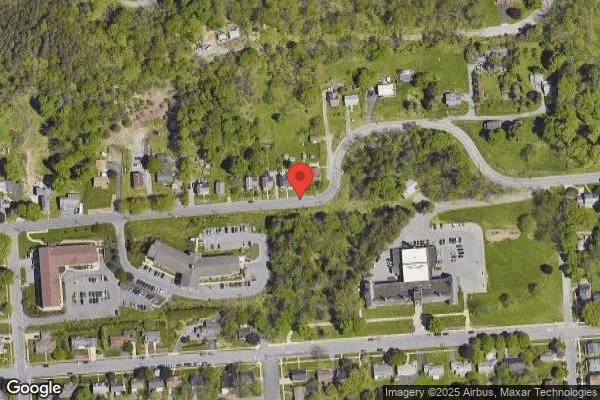
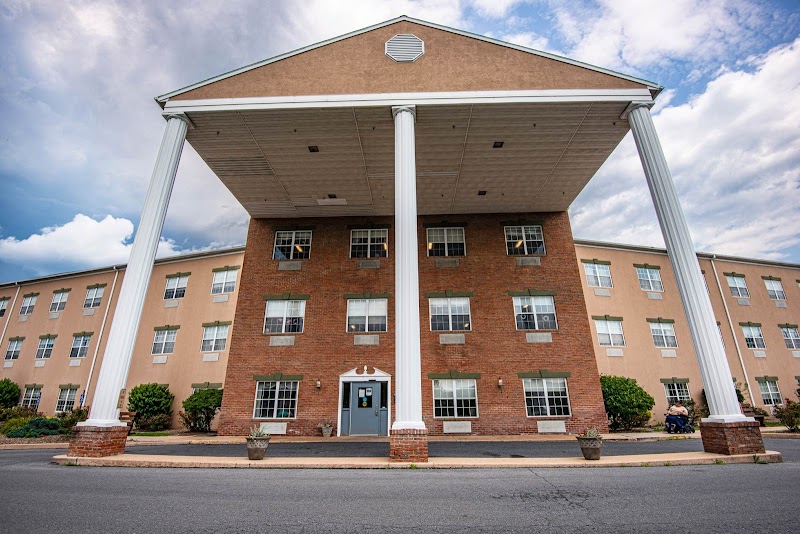
1201 RURAL AVENUE, WILLIAMSPORT, PA 17701 (570) 323-4340
For profit - Corporation 123 Beds IMPERIAL HEALTHCARE GROUP Data: November 2025
Trust Grade
60/100
#348 of 653 in PA
Last Inspection: December 2024

Within standard 12-15 month inspection cycle. Federal law requires annual inspections.

Overview

Rose View Nursing and Rehabilitation Center has a Trust Grade of C+, indicating it is slightly above average but not outstanding. It ranks #348 out of 653 facilities in Pennsylvania, placing it in the bottom half, although it is #3 out of 8 in Lycoming County, meaning only two local options are better. The facility is improving, with a significant drop in issues from 25 in 2023 to just 7 in 2024. Staffing is rated 2 out of 5 stars, which is below average, with a turnover rate of 50%, aligning closely with the state average. Fortunately, there have been no fines reported, which is a positive sign, but the nursing home has some concerns, including unclean food preparation areas and inadequate monitoring of medication usage for some residents. Specifically, a sink in the coffee station was found dirty, and food safety practices in the kitchen were also lacking, indicating that while there are strengths, such as no fines, the facility needs to address cleanliness and medication management.

Trust Score
C+
60/100
In Pennsylvania
#348/653
Bottom 47%
Safety Record
Low Risk
No red flags
Inspections
Getting Better
25 → 7 violations
Staff Stability
⚠ Watch
50% turnover. Above average. Higher turnover means staff may not know residents' routines.
Penalties
✓ Good
No fines on record. Clean compliance history, better than most Pennsylvania facilities.
Skilled Nurses
⚠ Watch
Each resident gets only 29 minutes of Registered Nurse (RN) attention daily — below average for Pennsylvania. Fewer RN minutes means fewer trained eyes watching for problems.
Violations
⚠ Watch
35 deficiencies on record. Higher than average. Multiple issues found across inspections.
★★★☆☆
3.0
Overall Rating
★★☆☆☆
2.0
Staff Levels
★★★★☆
4.0
Care Quality
★★★☆☆
3.0
Inspection Score
Stable
2023: 25 issues
2024: 7 issues

The Good

  • 4-Star Quality Measures · Strong clinical quality outcomes
  • Full Sprinkler Coverage · Fire safety systems throughout facility
  • No fines on record

Facility shows strength in quality measures, fire safety.

The Bad

3-Star Overall Rating

Near Pennsylvania average (3.0)

Meets federal standards, typical of most facilities

Staff Turnover: 50%

Near Pennsylvania avg (46%)

Higher turnover may affect care consistency

Chain: IMPERIAL HEALTHCARE GROUP

Part of a multi-facility chain

Ask about local staffing decisions and management

The Ugly 35 deficiencies on record

Dec 2024 6 deficiencies
CONCERN (D)

Potential for Harm - no one hurt, but risky conditions existed

Assessment Accuracy (Tag F0641)

Could have caused harm · This affected 1 resident

**NOTE- TERMS IN BRACKETS HAVE BEEN EDITED TO PROTECT CONFIDENTIALITY** Based on clinical record review and staff interview, it was determined that the facility failed to ensure complete and accurate ...

Read full inspector narrative →
**NOTE- TERMS IN BRACKETS HAVE BEEN EDITED TO PROTECT CONFIDENTIALITY** Based on clinical record review and staff interview, it was determined that the facility failed to ensure complete and accurate Minimum Data Set (MDS) assessments for two of 23 residents reviewed (Residents 102 and 108). Findings include: Review of Resident 102's clinical record revealed that the facility admitted her with a diagnosis of pneumonia (an infection in the air sacs in one or both lungs) on September 6, 2024. Review of Resident 102's resolved diagnosis list indicated that her pneumonia infection was resolved on October 10, 2024. A Minimum Data Set Assessment (MDS, a form completed at specific intervals to determine care needs) dated November 15, 2024, indicated the facility assessed her as still having pneumonia. There was no documented evidence in Resident 102's clinical record to indicate that she had a pneumonia infection. Interview with the Administrator on December 19, 2024, at 9:11 AM confirmed that Resident 102's November 15, 2024, MDS was coded in error regarding having pneumonia. Review of Resident 108's closed clinical record revealed an MDS assessment dated [DATE], that indicated Resident 108 was discharged from the facility to a hospital setting. Physician progress note documentation dated November 11, 2024, at 11:29 AM indicated that Resident 108 was discharged home. Interview with the Nursing Home Administrator on December 20, 2024, at 10:58 AM confirmed Resident 108 was discharged home and the November 11, 2024, MDS was coded in error. §483.20(g) Accuracy of Assessments Previously cited 12/1/23 28 Pa. Code 211.5(f)(ix) Medical records 28 Pa. Code 211.12(d)(1)(5) Nursing services
CONCERN (D)

Potential for Harm - no one hurt, but risky conditions existed

Quality of Care (Tag F0684)

Could have caused harm · This affected 1 resident

Based on clinical record review and staff interview, it was determined that the facility failed to provide the highest practicable care regarding bowel protocol medication administration for one of 23...

Read full inspector narrative →
Based on clinical record review and staff interview, it was determined that the facility failed to provide the highest practicable care regarding bowel protocol medication administration for one of 23 residents reviewed (Resident 48). Findings include: Clinical record review for Resident 48 revealed a medical provider progress note dated November 4, 2024, at 2:17 PM that indicated she was having difficulty passing stool. Review of Resident 48's bowel elimination records revealed that staff documented no bowel movements for November 27, 28, 29, and 30, 2024, and December 7, 8, 9, 10, or 11, 2024. Clinical record review for Resident 48 revealed the following physician orders to promote bowel movements: Milk of Magnesia Suspension 400 MG (milligrams) per 5 ML (milliliters) (MOM, laxative that pulls water into bowel to soften bowel contents) Give 30 ml by mouth as needed (PRN) for constipation if no BM (bowel movement) on day four give with the 7-3 shift morning medication pass. Bisacodyl Suppository 10 MG (Dulcolax, stimulant laxative medication administered via suppository form into the rectum to treat constipation by increasing fluid/salts in the intestines) Insert one suppository rectally PRN for constipation if MOM is ineffective on day five. Give with the 7-3 shift morning medication pass. Fleet's Enema 7-19 GM (grams) per 118 ml (Sodium Phosphates, liquid medication inserted into the rectum to treat constipation) Insert 1 applicator rectally PRN for constipation if Dulcolax is ineffective administer on day six. Administer with the 7-3 shift morning medication pass. There was no documentation on Resident 48's medication administration record (MAR) indicating that staff initiated her bowel protocol, or that she refused her bowel protocol medications, for the dates noted above. Interview with the Director of Nursing on December 20, 2024, at 9:55 AM confirmed the above noted findings that the facility failed to provide the highest practicable care related to Resident 48's bowel protocol medication administration. 28 Pa. Code 211.12(d)(1)(3)(5) Nursing services
CONCERN (D)

Potential for Harm - no one hurt, but risky conditions existed

Deficiency F0685 (Tag F0685)

Could have caused harm · This affected 1 resident

Based on observation, clinical record review, and resident and staff interview, it was determined that the facility failed to obtain proper treatment to maintain vision for one of one resident reviewe...

Read full inspector narrative →
Based on observation, clinical record review, and resident and staff interview, it was determined that the facility failed to obtain proper treatment to maintain vision for one of one resident reviewed for vision concerns (Resident 41). Findings include: An interview with Resident 41 on December 17, 2024, at 11:06 AM revealed that she saw the eye doctor a long time ago, and Resident 41stated that she never received her new glasses. Observation of Resident 41's overbed table at this time revealed there was a pair of broken eyeglasses with one of the lenses missing. Review of Resident 41's clinical record revealed see saw Health drive eye care group on June 7, 2024. Health drive recommended new glasses for Resident 41 and to deliver them upon arrival. Interview with the Nursing Home Administrator on December 20, 2024, at 10:52 AM confirmed Resident 41 never received the new glasses ordered on June 7, 2024. 28 Pa. Code 211.12(d)(1)(3)(5) Nursing services
CONCERN (D)

Potential for Harm - no one hurt, but risky conditions existed

Deficiency F0699 (Tag F0699)

Could have caused harm · This affected 1 resident

Based on clinical record review and staff interview, it was determined that the facility failed to identify triggers related to a resident's diagnosis of Post-Traumatic Stress Disorder to provide cult...

Read full inspector narrative →
Based on clinical record review and staff interview, it was determined that the facility failed to identify triggers related to a resident's diagnosis of Post-Traumatic Stress Disorder to provide culturally, competent, trauma-informed care and eliminate or mitigate re-traumatization for one of two residents reviewed for PTSD (Resident 57). Findings include: Clinical record review for Resident 57 revealed that the facility admitted him on March 1, 2023. Clinical record review for Resident 57 revealed that he had a current diagnosis of Post Traumatic Stress Disorder (PTSD, a mental health disorder that is caused by an extremely stressful or terrifying event). Review of Resident 57's current care plan revealed a care plan problem entitled, has a mood problem related to PTSD and Adjustment disorder and may display moods of being withdrawn from people. Some triggers include not able to go home independently or to be at home with family. The goal and interventions were noted as follows: Resident 57 will have improved mood state through the review date Administer medications as ordered. Monitor/document for side effects and effectiveness. Assist the resident, family, caregivers to identify strengths, positive coping skills and reinforce these. Behavioral health consults as needed (psycho-geriatric team, psychiatrist etc.) Discuss with resident, if appropriate about long term care and needing assistance. Provide active listening and support when feeling overwhelmed or upset. Interview with the Nursing Home Administrator on December 19, 2024, at 11:30 AM revealed that Resident 57 was admitted with the diagnosis of PTSD. She stated that they spoke to Resident 57's wife yesterday and that she did not know what triggers him but indicated that he would wake up and go out into another room when he would have issues related to his PTSD, but he would not talk about it. She confirmed that the facility did not ask Resident 57's wife about his PTSD until after the surveyor brought it to their attention on December 18, 2024, at 2:50 PM. The facility failed to identify care plan triggers that may retraumatize Resident 57 related to his diagnosis of PTSD. 28 Pa Code 211.12 (d)(3)(5) Nursing services
CONCERN (D)

Potential for Harm - no one hurt, but risky conditions existed

Food Safety (Tag F0812)

Could have caused harm · This affected 1 resident

Based on observation and staff interview, it was determined the facility failed to maintain the food preparation and dishwashing area in a safe and sanitary manner in the facility's main kitchen. Fin...

Read full inspector narrative →
Based on observation and staff interview, it was determined the facility failed to maintain the food preparation and dishwashing area in a safe and sanitary manner in the facility's main kitchen. Findings include: An observation of the facility's main kitchen with Employee 1, dietary manager, on December 17, 2024, at 8:25 AM revealed the following: Flooring tiles surrounding the dish machine area were absent of grout with observed liquid and food debris buildup in between the tiles. Multiple vinyl tiles in the kitchen entrance area outside the dish room, surrounding the ice machine and production area inside the entrance area were broken and cracked with dirt and debris buildup. The broken and cracked tiles are susceptible to harboring food/dirt debris presenting sanitation concerns in a food preparation area. The flooring where the tile meets the wall and transition strip from the kitchen to the dish machine room was observed with significant black buildup. The above information was reviewed with the Nursing Home Administrator and Director of Nursing on December 19, 2024, at 2:30 PM. 483.60 (i)(2) Food storage safe and sanitary Previously cited 1/29/24 28 Pa. Code 201.14(a) Responsibility of licensee
CONCERN (D)

Potential for Harm - no one hurt, but risky conditions existed

Deficiency F0883 (Tag F0883)

Could have caused harm · This affected 1 resident

Based on clinical record review and staff interview, it was determined that the facility failed to ensure a resident received the pneumococcal immunization for one of five residents reviewed for immun...

Read full inspector narrative →
Based on clinical record review and staff interview, it was determined that the facility failed to ensure a resident received the pneumococcal immunization for one of five residents reviewed for immunization concerns (Resident 5). Findings include: Clinical record review revealed that the facility admitted Resident 5 on December 3, 2018. Review of Resident 5's immunization history revealed no evidence of a recommended pneumococcal vaccine. Review of a Pneumococcal Immunization Informed Consent dated November 18, 2024, revealed Resident 5's responsible party gave the facility permission to administer the pneumococcal vaccination. During an interview with the Nursing Home Administrator on December 20, 2024, at 11:53 AM it was confirmed that there was no documented evidence that Resident 5 was offered the pneumococcal immunization after the facility received the November 18, 2024 consent. 483.80(d)(1)(2) Influenza and Pneumococcal Immunizations Previously cited deficiency 12/1/23 28 Pa. Code 211.12(d)(1)(5) Nursing services
Oct 2024 1 deficiency
CONCERN (D) 📢 Someone Reported This

A family member, employee, or ombudsman was alarmed enough to file a formal complaint

Potential for Harm - no one hurt, but risky conditions existed

Deficiency F0760 (Tag F0760)

Could have caused harm · This affected 1 resident

Based on clinical record review and staff interview, it was determined that the facility failed to ensure that residents are free of significant medication errors for one of four residents reviewed (R...

Read full inspector narrative →
Based on clinical record review and staff interview, it was determined that the facility failed to ensure that residents are free of significant medication errors for one of four residents reviewed (Resident 4). Findings include: Clinical record review for Resident 4 revealed nursing documentation dated October 26, 2024, at 1:38 PM, noting Employee 1 (licensed practical nurse) went into the resident room to administer medications to Resident 3 in bed A. Documentation revealed Resident 3 was being assisted to the bathroom by staff. Documentation further noted Employee 1 put Resident 3's medications on her bedside table when Resident 4 (resident in bed B) requested a pain pill, and she left the room to obtain the pain medication from the medication cart. When Employee 1 returned with the pain medication, Resident 4 had ingested the medications she put on Resident 3's bedside dresser. The registered nurse notified the on call provider and received a new order to check vital signs every shift for 24 hours. Nursing documentation dated October 26, 2024, at 3:52 PM noted the registered nurse supervisor was notified of Resident 4's most recent blood pressure reading of 74/34 mmHg (millimeters of mercury). The registered nurse was in the room and took a manual blood pressure with systolic (pressure in the arteries when the heart beats) pressure of 76 and she was unable to hear diastolic (pressure in the arteries when the heart is at rest between beats). Documentation revealed the on-call provider was notified immediately and the facility received a new order to send Resident 4 to the emergency department for further evaluation. Review of Resident 4's Minimum Data Set (an assessment completed at specific intervals to determine resident care needs) dated October 24, 2024, noted staff assessed Resident 4 as independent in his wheelchair. The assessment indicated that Resident 4's BIMS (Brief Interview for Mental Status, which indicates cognition) score was 15, which indicated he was cognitively intact. Review of facility documentation revealed Resident 4 took the following medications in error: Amlodipine (medication to treat high blood pressure) 10 milligram (mg), one tablet Ferrous Sulfate (iron supplement) 325 mg, one tablet Lisinopril (medication used to treat high blood pressure) 20 mg, two tablets Magnesium Oxide (medication to treat heart burn) 400 mg, one tablet Risperdal (antipsychotic medication) 0.5 mg, one tablet Amitriptyline (antidepression medication) 10 mg, two tablets Baclofen (muscle relaxant) 5 mg, one tablet Benztropine Mesylate (medication to treat tremors) 0.5 mg, two tablets Carvedilol (medication used to treat high blood pressure) 25 mg, one tablet Famotidine (medication to treat heart burn) 20 mg, one tablet Metformin (antidiabetic medication) 1000 mg, one tablet Review of hospital documentation dated October 26, 2024, revealed Resident 4 presented to the emergency department for hypotension (low blood pressure) and altered mental state secondary to accidental medication administration. Resident 4 was treated with intravenous fluids and observed in the emergency department for four hours. Further review of Resident 4's clinical record revealed nursing documentation dated October 27, 2024, at 12:29 AM noting Resident 4 was hypotensive again so on call provider was called and ordered intravenous fluids. Attempts to gain intravenous access was unsuccessful, and Resident 4's blood pressure was rechecked and was 104/59 mmHg. The physician was notified and ordered a subcutaneous button (a small needle inserted into the fatty tissue beneath the skin) access for fluids. Documentation revealed access was obtained and fluids running. During an interview with Employee 1 on October 30, 2024, at 12:05 PM confirmed she left Resident 3's medications unattended on her bedside table while Resident 3 was in the bathroom. Employee 1 stated she left the room to obtain a pain pill for Resident 4 and when she reentered the room, she noticed that Resident 4 had taken all Resident 3's medications. Employee 1 confirmed Resident 4 is independent in his wheelchair and able to wheel himself in the room. The facility failed to ensure that Resident 4 was free of a significant medication error. 28 Pa Code:211.12(d)(1)(2)(5) Nursing Services
Dec 2023 9 deficiencies
CONCERN (D)

Potential for Harm - no one hurt, but risky conditions existed

Assessment Accuracy (Tag F0641)

Could have caused harm · This affected 1 resident

**NOTE- TERMS IN BRACKETS HAVE BEEN EDITED TO PROTECT CONFIDENTIALITY** Based on clinical record review and staff interview, it was determined that the facility failed to ensure accurate completion of...

Read full inspector narrative →
**NOTE- TERMS IN BRACKETS HAVE BEEN EDITED TO PROTECT CONFIDENTIALITY** Based on clinical record review and staff interview, it was determined that the facility failed to ensure accurate completion of assessments for three of 25 residents reviewed (Residents 4, 30, and 66). Findings include: Clinical record review for Resident 4 revealed a Level I PASRR (Preadmission Screen and Resident Review, assessment used to identify evidence of serious mental illness and/or intellectual or developmental disabilities in all individuals seeking admission to Medicaid- or Medicare-certified nursing facilities) dated November 16, 2018, that indicated Resident 4 had a positive screen for serious mental illness in Section II-D and Section VII indicated that Resident 4 was in a Target Group requiring approval from the Program Office prior to admission. A letter from Office of Mental Health Department of Human Services program offices dated November 20, 2018, determined that Resident 4 had evidence of a mental health condition that met the criteria for a Program Office review and the resident may be admitted or continue to reside in a nursing facility. An annual MDS (Minimum Data Set, an assessment tool completed at specific intervals to determine resident care needs) dated September 15, 2023, assessed Resident 4 as not considered by the state Level II PASRR process to have serious mental illness and/or intellectual disability or a related condition. The surveyor reviewed the above findings for Resident 4 during a meeting with the Nursing Home Administrator and Director of Nursing on November 29, 2023, at 2:15 PM. During an interview with Employee 3, licensed practical nurse, on November 30, 2023, at 11:23 AM who completed the above section of the MDS confirmed that the annual assessment was incorrect, and Resident 4 was considered by the State Level II PASRR process to have a serious mental illness. Clinical record review for Resident 30 revealed a MDS (Minimum Data Set, an assessment tool completed at specific interval to determine care needs) dated July 15, 2023, indicating staff assessed Resident 30 as having no lower extremity impairment. Further review of Resident 30's clinical record revealed an MDS dated [DATE], noting staff assessed Resident 30 as having lower extremity impairment on both sides. Interview with the Nursing Home Administrator and Director of Nursing on November 30, 2023, at 2:42 PM confirmed there was no evidence of a decline in Resident 30's range of motion in her lower extremities. The Director of Nursing and Nursing Home Administrator confirmed Resident 30's August 29, 2023, MDS was inaccurate. Clinical record review for Resident 66 revealed MDS assessments dated May 25, and July 21, 2023, indicating staff assessed Resident 66 as having no lower extremity impairment. Further review of Resident 66's clinical record revealed an MDS dated [DATE], noting staff assessed Resident 66 as having lower extremity impairment on both sides. Interview with the Nursing Home Administrator and Director of Nursing on November 30, 2023, at 2:42 PM confirmed there was no evidence of a decline in Resident 66's range of motion in her lower extremities. The Director of Nursing and Nursing Home Administrator confirmed Resident 66's November 8, 2023, MDS was inaccurate. 28 Pa. Code 211.5(v) Medical records 28 Pa. Code 211.12(c)(d)(1)(3)(5) Nursing services
CONCERN (D)

Potential for Harm - no one hurt, but risky conditions existed

Deficiency F0692 (Tag F0692)

Could have caused harm · This affected 1 resident

Based on clinical record review and staff interview, it was determined that the facility failed to implement interventions to promote acceptable parameters of nutrition for one of two residents review...

Read full inspector narrative →
Based on clinical record review and staff interview, it was determined that the facility failed to implement interventions to promote acceptable parameters of nutrition for one of two residents reviewed (Resident 30). Findings include: A clinical record review revealed the facility admitted Resident 30 on July 21, 2021. Further review of Resident 30's clinical record revealed the following weight assessments: July 18, 2023, 137 pounds August 14, 2023, 127.4 pounds (a 9.6 pound, a 7.1 percent significant weight loss) A nutrition progress note dated August 15, 2023, recommended staff monitor Resident 30's weights weekly, and administer Ensure Clear (a nutrition drink that contains high-quality protein and essential nutrients) three times a day with her meals. Further review of Resident 30's weight assessments revealed staff did not complete weekly weights as recommended by the registered dietician. A review of Resident 30's MAR (Medication Administration Record, a form utilized by the facility to document the administration of medications) dated August 2023, revealed no evidence the facility implemented the Ensure Clear as recommended by the registered dietician to address Resident 30's significant weight loss. Further review of Resident 30's September 2023 MAR revealed the facility did not start Resident 30's Ensure Clear until September 7, 2023, (24 days after identified weight loss) An interview with the Nursing Home Administrator on December 1, 2023, at 11:23 AM confirmed these findings and stated the facility had no further documentation addressing Resident 30's significant weight loss. 28 Pa. Code 211.10(d) Resident care policies 28 Pa. Code 211.12(d)(1)(3)(5) Nursing services
CONCERN (D)

Potential for Harm - no one hurt, but risky conditions existed

Respiratory Care (Tag F0695)

Could have caused harm · This affected 1 resident

Based on observation, clinical record review, and staff interview, it was determined that the facility failed to provide appropriate respiratory care and services for one of one resident reviewed (Res...

Read full inspector narrative →
Based on observation, clinical record review, and staff interview, it was determined that the facility failed to provide appropriate respiratory care and services for one of one resident reviewed (Resident 56). Findings include: Review of a physician's order for Resident 56 dated August 21, 2023, indicated staff to administer oxygen 2 liters per minute (lpm) via nasal cannula (flexible plastic tubing with small prongs inserted into the nostrils to deliver supplemental oxygen) continuously. Review of a nursing progress note for Resident 56 dated November 5, 2023, at 6:13 AM revealed the resident had an oxygen saturation (percentage of oxygen in the blood, normal usually is 95-100 percent) of 64 percent. Resident 56's oxygen was bumped up to 4 lpm and his oxygen saturation came up to 90 percent. Review of the treatment administration records for Resident 56 dated November 2023, revealed that the oxygen was administered continuously at 2 lpm. Observation of Resident 56 on November 28, 2023, at 1:45 PM revealed that the resident's oxygen was set at 3.5 lpm. Concurrent interview with Employee 2, licensed practical nurse, confirmed the oxygen was set at the incorrect level and decreased the oxygen to 2 lpm minute and that Resident 56 is unable to change the oxygen level. Review of the current plan of care for Resident 56 revealed that the use of oxygen was not addressed. The surveyor reviewed the incorrect oxygen flow rate for Resident 56 during an interview with the Nursing Home Administrator and Director of Nursing on November 29, 2023, at 2:10 PM and the lack of oxygen being addressed in the care plan on December 1, 2023, at 1:30 PM. 483.25(i) Respiratory/Tracheostomy care and Suctioning Previously cited 1/10/23 28 Pa. Code 211.12(d)(1)(2)(3)(5) Nursing services
CONCERN (D)

Potential for Harm - no one hurt, but risky conditions existed

Deficiency F0730 (Tag F0730)

Could have caused harm · This affected 1 resident

Based on review of active nurse aides and staff interview, it was determined that the facility failed to complete a performance evaluation of every nurse aide at least once every 12 months for two of ...

Read full inspector narrative →
Based on review of active nurse aides and staff interview, it was determined that the facility failed to complete a performance evaluation of every nurse aide at least once every 12 months for two of three nurse aides reviewed (Employees 5 and 6). Findings Include: Review of the facility's list of nurse aide staff revealed Employee 5 with a hire date of June 1, 2007, and Employee 6 with a hire date of July 7, 2015. A request to review the annual performance evaluations for Employees 5 and 6 revealed no documented evidence that the facility is completing the evaluations at least once every 12 months. Interview with the Nursing Home Administrator on December 1, 2023, at 10:24 AM confirmed that performance evaluations were not completed. 28 Pa. Code 201.19 Personnel policies and procedures
CONCERN (D)

Potential for Harm - no one hurt, but risky conditions existed

Deficiency F0761 (Tag F0761)

Could have caused harm · This affected 1 resident

Based on observations and staff interview, it was determined that the facility failed to properly store resident medications on one of two nursing units reviewed (Second Floor Nursing Unit). Findings...

Read full inspector narrative →
Based on observations and staff interview, it was determined that the facility failed to properly store resident medications on one of two nursing units reviewed (Second Floor Nursing Unit). Findings include: Observation of the Second Floor Nursing Unit medication cart with Employee 7 (licensed practical nurse) on November 30, 2023, at 8:40 AM revealed an accumulation of debris and dirt in the bottoms of the drawers on the cart. There were multiple unsecured and unidentified medication tablets on the bottom of several of the drawers that included: a small blue oblong pill, a large white capsule, two round white pills, an oblong white pill, half of a white tablet, two oblong pills, and two beige round pills. The above findings were discussed in a meeting with the Nursing Home Administrator and Director of Nursing on November 30, 2023, at 2:30 PM. 28 Pa. Code 201.18(b)(1) Management 28 Pa. Code 211.12(d)(1) Nursing services
CONCERN (D)

Potential for Harm - no one hurt, but risky conditions existed

Deficiency F0883 (Tag F0883)

Could have caused harm · This affected 1 resident

Based on clinical record review and staff interview, it was determined that the facility failed to ensure the administration of a pneumococcal vaccine for one of five residents reviewed for immunizati...

Read full inspector narrative →
Based on clinical record review and staff interview, it was determined that the facility failed to ensure the administration of a pneumococcal vaccine for one of five residents reviewed for immunization concerns (Resident 6). Findings include: Clinical record review for Resident 6 revealed that the facility admitted him on December 3, 2018. Review of Resident 6's immunization history revealed no evidence of a recommended pneumococcal vaccine. Review of a Pneumococcal Immunization Informed Consent dated November 6, 2023, revealed Resident 6's responsible party gave the facility permission to administer the pneumococcal vaccination. During an interview with Employee 4 (infection preventionalist) on December 1, 2023, at 1:57 PM it was confirmed that there was no documented evidence that Resident 6 was offered the pneumococcal immunization. 28 Pa. Code 211.12(d)(1)(5) Nursing services
CONCERN (E)

Potential for Harm - no one hurt, but risky conditions existed

Medication Errors (Tag F0758)

Could have caused harm · This affected multiple residents

Based on clinical record review, review of select facility policies and procedures, and staff interview, it was determined that the facility failed to ensure a resident's medication regime was free fr...

Read full inspector narrative →
Based on clinical record review, review of select facility policies and procedures, and staff interview, it was determined that the facility failed to ensure a resident's medication regime was free from potentially unnecessary medications for two of six residents reviewed (Residents 3 and 102). Findings include: The policy entitled Psychotropic Medication Use, last reviewed January 18, 2023, indicates that residents will not receive medications that are not clinically indicated to treat a specific condition. Non-pharmacological approaches are used to minimize the need for medications, permit the lowest possible dose, and allow for discontinuation of medications when possible. The policy does not include measures the facility will implement to monitor the target behaviors for the as needed use of a psychotropic medication. Review of Resident 3's clinical record revealed a physician's order dated October 27, 2023, that indicated nursing staff were to monitor Resident 3's behaviors and make a progress note regarding her behaviors and interventions every shift. The order did not specify what behaviors nursing staff were monitoring. The behavioral monitoring order was discontinued on November 17, 2023, despite Resident 3 continuing to receive an as needed psychotropic medication for anxiety or agitation. A physician's order dated October 30, 2023, indicated that nursing staff can administer Ativan (a medication used to treat anxiety) 0.5 mg (milligrams) half a tablet every 12 hours as needed for anxiety. A physician's order dated November 4, 2023, indicated that nursing staff can administer Ativan 0.5 mg one tablet every 12 hours as needed for anxiety. A physician's order dated November 7, 2023, indicated that nursing staff can administer Ativan 0.5 mg one tablet every day at 2:00 PM as needed for anxiety or agitation. A physician's order dated November 13, 2023, indicated that nursing staff can administer Ativan 0.5 mg one tablet every eight hours as needed for anxiety or agitation. Review of Resident 3's MAR (Medication Administration Record, a form used to document the administration of medications) dated November 2023, indicated that nursing staff administered the Ativan to Resident 3 12 times, according to the physician orders listed above. There was no documented evidence in Resident 3's clinical record to indicate that nursing staff attempted non-pharmacological interventions or documented behavioral monitoring when administering the Ativan twice on November 4, 2023, twice on November 5, 2023, once on November 6, 2023, once November 10, 2023, twice on November 15, 2023, once on November 18, 2023, once on November 20, 2023, once on November 24, 2023, and once on November 25, 2023. Interview with the Director of Nursing on December 1, 2023, at 10:35 AM acknowledged the above findings for Resident 3. Clinical record review for Resident 102 revealed that she was seen by a consultant specializing in psychogeriatrics (mental health treatment for older people for the purpose of improvement in functional status, behavior, and quality of life) on July 25, 2023, and September 13, 2023. The resident was diagnosed with major depressive disorder (depression), unspecified dementia (loss of memory, language, problem solving that interfere with daily life) with anxiety, and anxiety disorder. A physician's order for Resident 102 dated September 28, 2023, indicating the nurse can administer Ativan 0.5 mg one tablet every 12 hours as needed for anxiety/agitation for 14 days. A physician's order for Resident 102 dated October 27, 2023, indicating the nurse can administer Ativan 0.5 mg one tablet every 12 hours as needed for anxiety/agitation for 14 days. A physician's order for Resident 102 dated November 15, 2023, indicating the nurse can administer Ativan 0.5 mg one tablet every 12 hours as needed for anxiety/agitation for 14 days. Review of Resident 102's MAR for October 2023, revealed nursing staff administered Ativan three times according to the physician orders above. Review of Resident 102's MAR for November 2023, revealed nursing staff administered Ativan eight times according to the physician orders above. There was no documented evidence in Resident 102's clinical record to indicate that nursing staff attempted non-pharmacological interventions prior to administering the Ativan on October 3, 10, and 27, 2023 (three of three times), and on November 9, 17, 19. 22, 23, and 29, 2023 (six of eight times). Interview with the Director of Nursing on December 1, 2023, at 1:00 PM acknowledged the above findings for Resident 102. 483.45 Psychotropic Medications Previously cited 1/10/23 28 Pa. Code 211.9(k) Pharmacy services 28 Pa. Code 211.10(a) Resident care policies 28 Pa. Code 211.12(c)(d)(2)(5) Nursing services
CONCERN (E)

Potential for Harm - no one hurt, but risky conditions existed

Food Safety (Tag F0812)

Could have caused harm · This affected multiple residents

Based on observation and staff interview, it was determined that the facility failed to store and prepare food in a safe and sanitary manner to prevent the potential for food borne illness in the main...

Read full inspector narrative →
Based on observation and staff interview, it was determined that the facility failed to store and prepare food in a safe and sanitary manner to prevent the potential for food borne illness in the main kitchen. Findings include: A tour of the facility's main kitchen on November 28, 2023, at 8:25 AM revealed the following: Two three-tiered red plastic carts in the dish room had a build-up of a black removable substance on the storage surface. The attached trash receptacles had a build-up of splatter on the inside and outside surfaces. Concurrent interview with Employee 1, dietary manager, revealed these carts were power washed on a regular basis and the carts are used to pick up dirty dishes on the units after meals. The perimeter of the floor edges in the main kitchen had a build-up of debris. A metal dish caddy was uncovered, exposing the upright stored dishes to contaminants. There were crumbs and debris on the dish surfaces. The drain in front of the ice machine had a rusty build-up and had water pooling around the drain. In the standup refrigerator near the ice machine was a serving bowl of lettuce that was uncovered, a covered bowl of lettuce labeled with a use by date of November 25, and two undated containers of salad dressing, two individual serving bowls of undated oatmeal, and a container of peanut butter and jelly sandwiches that were dated as made on November 26. Although, these sandwiches were acceptable for eating by the date, the crust was hard. On a three-tiered metal rack were two trays of pear crisp dated November 27. Employee 1 confirmed the pear crisp would be served at supper and should be refrigerated until the staff were ready to plate them. A container of plastic utensils was uncovered and had specks of debris. In the rolling refrigerator was a covered container of lettuce in which the lid was not tight, and the lettuce was wilted. Two trays of unfrosted chocolate cake dated November 26 were on a cart. Although the cake was within the acceptable date range for serving, the edges were hard. The cake was partially covered with parchment paper; however, the edges were not covered. Employee 1 indicated the cake would be frosted and served for lunch on this date. A build-up of food splatter was on the outside of the double oven, gas range, tilt skillet, and steamer. Two containers of margarine were undated and uncovered on top of the range and the range was not in use. A two-tiered cart containing mixing bowls were stored upright and uncovered. Crumbs were present in one bowl. A utility cart had rusty wheels and a build-up of splatter on the surface. On the cook's prep area was a container of thickener that was not labeled or dated. During a meeting with the Nursing Home Administrator on November 30, 2023, at 11:15 AM the surveyor reviewed the findings for the kitchen. 483.60(i)(1)(2) Food Procurement, store/prepare/serve-Sanitary Previously cited 1/10/23 28 Pa. Code 201.14(a) Responsibility of licensee
CONCERN (E)

Potential for Harm - no one hurt, but risky conditions existed

Medical Records (Tag F0842)

Could have caused harm · This affected multiple residents

Based on clinical record review and staff interview, it was determined that the facility failed to ensure accurate clinical documentation for three of 25 residents reviewed (Residents 6, 40, and 83). ...

Read full inspector narrative →
Based on clinical record review and staff interview, it was determined that the facility failed to ensure accurate clinical documentation for three of 25 residents reviewed (Residents 6, 40, and 83). Findings include: Clinical documentation review for Resident 40 revealed a Fall Risk Evaluation dated November 27, 2023, at 2:52 AM that indicated the resident was documented as having one to two falls in the past three months under the history of falls section. A review of clinical documentation for Resident 40 revealed no evidence of any falls within the past three months as the above Fall Risk Evaluation noted. A request by the surveyor for any fall investigations for Resident 40 during a meeting with the Nursing Home Administrator and Director of Nursing on November 29, 2023, at 2:30 PM revealed no evidence of any falls as indicated. An interview with the Director of Nursing on December 1, 2023, at 9:51 AM confirmed the resident did not have any falls as the Fall Risk Evaluation had indicated. The Director of Nursing further believed the documentation was an error in staff assessment. Clinical documentation for Resident 6 revealed a diagnoses list that included Type 2 Diabetes Mellitus (a condition where the body does not use insulin well, which results in elevated blood glucose levels). The current care plan for Resident 6 revealed the resident has diabetes and one of the interventions included Diabetes medication as ordered by doctor. A review of the physician orders for Resident 6 revealed the resident was ordered Humalog Insulin Lispro (a type of medication used to lower the blood sugar) and Insulin Glargine (a type of medication used to lower the blood sugar). Clinical documentation for Resident 6 revealed the resident was transferred to the hospital on November 21, 2023, and returned to the facility on November 29, 2023. Physician documentation dated November 29, 2023, at 3:38 PM revealed the resident was readmitted to the facility from the hospital. Multiple medications were ordered, which included Insulin Lispro (concentration of 100 units per milliliter injectable solution) administer five units beneath the skin before meals and at bedtime. Review of the current orders by the surveyor on November 30, 2023, at 2:00 PM revealed an order dated November 30, 2023, at 12:22 AM. The order was for Humalog Solution (concentration 100 units per milliliter) Insulin Lispro inject 100 units subcutaneously at bedtime for diabetes. The upcoming start date of the medication was noted as November 30, 2023, at 9:00 PM. An interview with the Nursing Home Administrator and Director of Nursing on November 30, 2023, at 2:30 PM revealed that this was most likely an error with the documentation and will be corrected immediately. Further review on November 30, 2023, at 3:30 PM revealed the order was changed. An interview with the Director of Nursing on December 1, 2023, at 9:45 AM confirmed the initial order to inject 100 units of insulin was a documentation error and it was corrected immediately upon the surveyor findings. Clinical record review for Resident 83 revealed a Fall Risk Evaluation dated November 8, 2023, at 1:41 AM that indicated the resident was documented as having one to two falls in the past three months under the history of falls section. A review of clinical documentation for Resident 83 revealed no evidence of any falls within the past three months as the above Fall Risk Evaluation noted. A request by the surveyor for any fall investigations for Resident 83 during a meeting with the Nursing Home Administrator and Director of Nursing on November 29, 2023, at 2:30 PM revealed no evidence of any falls as indicated. An interview with the Director of Nursing and Nursing Home Administrator on December 1, 2023, at 9:51 AM confirmed Resident 83 did not have any falls as the Fall Risk Evaluation had indicated. They indicated the documentation was an error in staff assessment. 28 Pa. Code 211.5(i) Medical records 28 Pa. Code 211.12(d)(1)(3)(5) Nursing services
Jan 2023 16 deficiencies
CONCERN (D)

Potential for Harm - no one hurt, but risky conditions existed

Employment Screening (Tag F0606)

Could have caused harm · This affected 1 resident

Based on review of select facility policies and procedures, employee personnel records, and staff interview, it was determined that the facility failed to implement its established abuse prohibition p...

Read full inspector narrative →
Based on review of select facility policies and procedures, employee personnel records, and staff interview, it was determined that the facility failed to implement its established abuse prohibition policy regarding nurse aide registry verification for one of three newly hired licensed/certified employees reviewed (Employee 1). Findings include: Review of the facility policy entitled, Background Screening Investigations, last reviewed without changes on January 22, 2022, revealed that for any individual applying for a position as a certified nursing assistant, the facility ensures the state nurse aide registry is contacted to determine if any findings of abuse, neglect, mistreatment of individuals, and/or theft of property have been entered into the applicant's file. Should the background investigation disclose any misrepresentation on the application form or information indicating that the individual has been convicted of abuse, neglect, mistreatment of individuals, and/or misappropriation of property, the applicant is not employed or contracted. Review of the list provided by the facility of newly hired employees for the past four months revealed that the facility hired Employee 1 (nurse aide) on September 21, 2022. A review of Employee 1's personnel file revealed no evidence of a nurse aide registry verification. Interview with the Nursing Home Administrator on January 10, 2023, at 9:45 AM confirmed that the facility had no evidence of the verification of Employee 1's nurse aide registry. 28 Pa. Code 201.18(e)(1) Management 28 Pa. Code 201.29(a)(d) Resident rights
CONCERN (D)

Potential for Harm - no one hurt, but risky conditions existed

ADL Care (Tag F0677)

Could have caused harm · This affected 1 resident

Based on observation, clinical record review, and resident and staff interview, it was determined the facility failed to provide bathing per resident preference for one of four residents reviewed for ...

Read full inspector narrative →
Based on observation, clinical record review, and resident and staff interview, it was determined the facility failed to provide bathing per resident preference for one of four residents reviewed for activities of daily living (Resident 112). Findings include: In an interview with Resident 112 on January 8, 2023, at 8:47 AM the resident asked the surveyor, Is there anything you can do about getting showers, I am supposed to get them twice a week. I have to wash up at the sink. I ask them, (staff), if I could get a shower and they just say it isn't your day, and I tell them I didn't get one on my day. Resident 112 could not recall the last time she had a shower, and stated she even washed her hair in the bathroom sink. Resident 112 continued to elaborate as she sat in her wheelchair, pointing to a large plastic bin sitting on top of her tall dresser that was full of toiletries, stating, I can only carry one or two bottles with me as I wheel myself into the bathroom, so that is what I use. Clinical record review for Resident 112 revealed a five-day MDS (minimum data set, an assessment completed at periodic intervals of time to determine care needs) dated November 1, 2022, revealed facility staff assessed the resident as requiring extensive assistance for transfers with one-person physical assist, extensive assistance of one personal physical assistance for personal hygiene, and physical help in part for bathing with one-person physical assist. A review of Resident 112's bathing task in the resident's clinical record revealed the resident was scheduled to receive showers on Monday and Thursday's during the 7 AM - 3 PM shift. This schedule was last updated on November 8, 2022. A review of Resident 112's bathing completion from December 10, 2022, through January 8, 2023, revealed Resident 112 was last documented as receiving a shower on December 15, 2022, and a bed bath was documented for December 10, 11, and 23, 2022. The resident was marked non-applicable for bathing on December 20, 21, 22, and 26, 2022, there was no documentation after December 26, 2022, through January 8, 2023. In an interview with the Nursing Home Administrator and Director of Nursing on January 9, 2023, at 2:30 PM there was no additional evidence available to indicate Resident 112 received a shower from December 15, 2022, through January 8th, 2023, per her preference and schedule to receive showers two days a week, for a resident dependent on staff for bathing/showering. The Nursing Home Administrator and Director of Nursing could provide no rationale as to why the resident was not showered. 483.24(a)(2) ADL Care Provide for Dependent Residents Previously cited deficiency 1/12/22, 11/17/22 28 Pa. Code 211.10(a)(d) Resident care policies 28 Pa. Code 211.12(d)(1)(5) Nursing services
CONCERN (D)

Potential for Harm - no one hurt, but risky conditions existed

Quality of Care (Tag F0684)

Could have caused harm · This affected 1 resident

**NOTE- TERMS IN BRACKETS HAVE BEEN EDITED TO PROTECT CONFIDENTIALITY** Based on clinical record review, observation, and staff interview, it was determined that the facility failed to provide the hig...

Read full inspector narrative →
**NOTE- TERMS IN BRACKETS HAVE BEEN EDITED TO PROTECT CONFIDENTIALITY** Based on clinical record review, observation, and staff interview, it was determined that the facility failed to provide the highest practicable care regarding physician ordered treatment for one of 24 residents reviewed (Resident 83). Findings include: Clinical record review for Resident 83 revealed a physician progress note dated January 6, 2023, at 1:54 PM that Resident 83 had increased foot edema. Resident 83 reported that his feet felt slightly uncomfortable. The documentation indicated that Resident 83 spent most of his time in a wheelchair and did not elevate his lower extremities. The prescriber indicated a plan to obtain laboratory testing, give additional diuretic medication (medication used to stimulate the body to increase urination to decrease excessive fluid retention), and use tubigrips (tubular fabric used to provide compression) to Resident 83's legs. Nursing documentation dated January 6, 2023, at 4:00 PM confirmed the receipt of a physician's order to ensure that Resident 83 had tubigrips on his bilateral lower extremities during the day and to remove them at night. A physician's order created January 6, 2023, noted that tubigrips to Resident 83's bilateral lower extremities were to start on January 7, 2023, at 7:00 AM, and that they were to be on during the day and off at night every day and evening shift. Review of Resident 83's current plan of care revealed no intervention pertaining to the use of tubigrips to manage lower extremity edema. Observation of Resident 83 with Employee 6 (nurse aide) on January 7, 2023, at 1:46 PM confirmed that Resident 83 was not wearing tubigrips on his bilateral lower extremities. Employee 6 indicated that she was not the assigned nurse aide for Resident 83 on this date and referred the surveyor to Employee 7 (nurse aide). Interview with Employee 7 on January 7, 2023, at 1:48 PM confirmed that she was Resident 83's assigned nurse aide on this date and time and revealed that she had no knowledge of the requirement to ensure Resident 83 wore tubigrips on his legs. Employee 7 verified that the intervention was not included in Resident 83's [NAME] (electronic documentation used by staff providing direct resident care) for her to implement. Review of Resident 83's TAR (treatment administration record) dated January 2023 revealed that no staff documented the application of the tubigrips for the day shift on January 8, 2023. Interview with Employee 11 (licensed practical nurse) on January 10, 2023, at 11:12 AM indicated that Resident 83 was not wearing tubigrips, that he refused them when she asked him if he wanted them. Observation of Resident 83's room with Employee 11 confirmed that there were no tubigrips available for application in his room. Employee 11 indicated that although she questioned Resident 83 if he wanted to have his tubigrips applied, she did not look for them in his room on this date or show them to him to ensure he comprehended what she referred to when he refused them. Employee 11 confirmed that she had not documented Resident 83's refusal to wear the tubigrips as of this time. Review of an MDS (Minimum Data Set, an assessment tool completed at specific intervals to determine resident care needs) admission assessment dated [DATE], revealed that staff assessed him as having severe cognitive impairment as evidenced by a BIMS (Brief Interview for Mental Status) score of two. The surveyor reviewed the above findings with the Director of Nursing on January 10, 2023, at 11:28 AM. 483.25 Quality of Care Previously cited deficiency 5/12/22 28 Pa. Code 211.11(d) Resident care plan 28 Pa. Code 211.12(d)(1)(5) Nursing services
CONCERN (D)

Potential for Harm - no one hurt, but risky conditions existed

Pressure Ulcer Prevention (Tag F0686)

Could have caused harm · This affected 1 resident

Based on observation, clinical record review, and responsible party and staff interview, it was determined that the facility failed to provide the highest practicable care regarding pressure ulcer ass...

Read full inspector narrative →
Based on observation, clinical record review, and responsible party and staff interview, it was determined that the facility failed to provide the highest practicable care regarding pressure ulcer assessment and treatment for one of four residents reviewed for pressure ulcer/skin alterations (Resident 7). Findings include: In a telephone interview with Resident 7's responsible party (RP) on January 7, 2023, at 1:46 PM, the RP indicated she got a call on New Year's Day (Sunday, January 1, 2023) from facility staff that indicated her mother's sock was fused to her foot, and a day ago (January 6, 2023) she got a call that an area on the foot was now opened. An observation of Resident 7 on January 8, 2023, at 8:46 AM revealed the resident was lying in bed sleeping. A cushion was observed towards the bottom of the resident's bed pushed off to the side of the bed and the resident's legs and heels were resting on the bed. The resident was not wearing socks or shoes. A large tan colored bandage was observed on the resident's left heel. Electronic clinical record review did not reveal any evidence to correlate that a phone call was made to Resident 7's RP on January 1, 2023, or any skin assessment or documentation related to the resident's sock being fused to her foot. A review of Resident 7's paper medical chart revealed a physician communication form (a form in which facility staff use to communicate resident information/requests to the physician for review when the physician visits) dated January 1, 2023, completed by Employee 8, licensed practical nurse (LPN) indicating the resident had a DTI (deep tissue injury, an injury to underlying tissue below the skin's surface that results from prolonged pressure in an area of the body) to her left heel measuring 4.5 centimeters (cm) by 4 centimeters, and requested skin prep twice a day, and a heels up cushion while in bed. The physician did not respond to the request on the form until January 3, 2023, with above orders OK. Further review of Resident 7's clinical record revealed a physician's order dated January 3, 2023, at 3:56 PM for the resident to have skin prep to the left heel twice a day every day and evening shift for DTI. Resident 7 had been ordered house stock moisturizer to her bilateral feet every day and evening shift for dry skin since February 11, 2022. Documentation of the skin prep to the left heel twice a day was documented as completed on January 4, 5, and 6, 2023. Another skin evaluation was completed on January 5, 2023, again by Employee 8, LPN, noting the resident had a deep tissue injury to the left heel measuring 4.5 cm by 4 cm. There was no evidence Resident 7's area on her left heel was assessed by a registered nurse, physician, or wound specialist until January 6, 2023. The registered nurse noted at 8:15 PM that a nurse aide made the nurse aware that the resident's left heel had drainage on the bed sheet. The area on the left heel was assessed as having an open area measuring 4 cm by 3.5 cm, and a note was left for the physician to review. A new treatment order was obtained to apply a foam dressing with a change every three days and as needed at that time, and that the daughter was made aware. An observation of Resident 7's heel on January 10, 2023, at 12:18 PM with Employee 12, infection control LPN, revealed gauze wrapped around the resident's left heel. A foam dressing was observed under the gauze. Upon removal of the foam dressing dated January 9, 2023, drainage was observed on the bandage, and the heel remained open with drainage. Drainage was also observed on the resident's sock. In an interview with the Nursing Home Administrator and Director of Nursing on January 10, 2023, at 1:00 PM it was confirmed that the area to Resident's 7's left heel identified by the LPN as a deep tissue injury on January 1, 2023, was not assessed until January 6, 2023, when the heel was open and draining. There was no evidence measures were implemented to relieve or reduce pressure to the resident's left heel until the heels up device was ordered on January 3, 2023, although observation of Resident 7 on January 8, 2023, at 8:46 AM revealed that the resident's heels were directly on the bed surface. 483.25(b)(1)(i)(ii) Treatment/svcs To Prevent/heal Pressure Ulcer Previously cited deficiency 11/17/22 28 Pa. Code 211.12(d)(1)(5) Nursing services
CONCERN (D)

Potential for Harm - no one hurt, but risky conditions existed

Deficiency F0688 (Tag F0688)

Could have caused harm · This affected 1 resident

Based on clinical record review and staff interview, it was determined that the facility failed to implement interventions for a noted decline in range of motion for one of two residents reviewed (Res...

Read full inspector narrative →
Based on clinical record review and staff interview, it was determined that the facility failed to implement interventions for a noted decline in range of motion for one of two residents reviewed (Resident 88). Findings include: Review of Resident 88's clinical record revealed a Minimum Data Set Assessment (an assessment completed at specific intervals to determine care needs) dated May 13, 2022, and again on November 8, 2022, indicated that the facility assessed Resident 88 as having range of motion limitations to both her lower extremities. Resident 88 was previously assessed by the facility as having no limitations to her lower extremities. The facility did not assess her range of motion for the August 8, 2022, MDS assessment. There was no documented evidence in Resident 88's clinical record to indicate that the facility implemented interventions, such as therapy referrals or restorative programs to address her decline in range of motion to her lower extremities. Interview with Employee 9, physical therapist, on January 10, 2023, at 9:25 AM confirmed the above findings for Resident 88. 28 Pa. Code 211.12 (d)(1)(2)(3)(5) Nursing services
CONCERN (D)

Potential for Harm - no one hurt, but risky conditions existed

Respiratory Care (Tag F0695)

Could have caused harm · This affected 1 resident

Based on review of select facility policies and procedures, clinical record review, observation, and staff interview, it was determined that the facility failed to ensure appropriate application of su...

Read full inspector narrative →
Based on review of select facility policies and procedures, clinical record review, observation, and staff interview, it was determined that the facility failed to ensure appropriate application of supplemental oxygen for two of three residents reviewed for oxygen concerns (Residents 83 and 40). Findings include: The facility policy entitled, Oxygen Administration, last reviewed without changes on January 22, 2022, revealed that staff review the resident's care plan to assess for any special needs of the resident. Steps in the procedure include to adjust the oxygen delivery device so that it is comfortable for the resident and the proper flow of oxygen is administered. Check the tank to be sure it is in good working order. Observe the resident upon setup and periodically thereafter to be sure oxygen is tolerated. After completing the oxygen setup or adjustment, information recorded in the resident's medical record should include the date and time the procedure was performed, the name and title of the individual who performed the procedure, the rate of oxygen flow, and the signature and title of the person recording the data. If the resident refused the procedure, staff record the reason(s) why and the intervention taken and notify the supervisor if the resident refuses the procedure. Clinical record review for Resident 83 revealed an active physician order dated November 23, 2022, to administer supplemental oxygen at four liters per minute continuously every shift. Observation of Resident 83 on January 7, 2023, at 12:41 PM in the nursing unit's main dining room with Employee 6 (nurse aide) revealed his portable oxygen tank was empty. Employee 6 requested another staff member obtain another portable tank of oxygen for Resident 83 at that time. The second staff member returned on January 7, 2023, at 12:44 PM, with a portable tank; however, Employee 6 determined that this tank was also empty. At that time, Employee 6 left to obtain a portable oxygen tank. Observation of Resident 83 on January 10, 2023, at 11:06 AM in the nursing unit's common activity area with Employee 5 (licensed practical nurse) revealed that his portable oxygen tank liter flow was set to 0 liters per minute. Employee 5 corrected the administration flow rate to four liters per minute. The observation and interviews with Employee 5 and 11 (licensed practical nurse assigned to Resident 83's care) indicated that no staff could determine how long Resident 83 was transferred from his room oxygen concentrator and was utilizing the portable oxygen tank set to 0 liters per minute (receiving no supplemental oxygen). Interview with Employee 11 on January 10, 2023, at 11:12 AM indicated that a portable oxygen tank stays on Resident 83's chair, and the licensed nursing staff are responsible to adjust his liter flow. Employee 11 stated that the last time she saw Resident 83 he was in bed. Employee 11 stated that she had no idea when Resident 83's supplemental oxygen administration discontinued from the room concentrator. Review of Resident 83's TAR (treatment administration record, electronic documentation of the administration of physician ordered treatments) dated January 2023 revealed that no staff initialed the administration of supplemental oxygen on the day shift on January 8, 2023. The surveyor reviewed the above findings for Resident 83 with the Director of Nursing on January 10, 2023, at 11:28 AM. An observation of Resident 40 on January 7, 2023, at 11:19 AM revealed the resident was in bed with oxygen on via nasal cannula (a device used to provide supplemental oxygen through the nose). The tubing from the nasal cannula was connected to a black oxygen concentrator (a device that takes in air from the room and filters out nitrogen to provide higher concentrations of oxygen needed for oxygen therapy) sitting on the floor beside the resident's bed. There was no date on the resident's oxygen tubing to indicate when the tubing was last changed. The oxygen concentrator and air filter on the back of the concentrator were covered in dust. The above information regarding Resident 40's oxygen was reviewed with the Nursing Home Administrator and Director of Nursing on January 8, 2023, at 2:50 PM. 483.25(i) Respiratory/tracheostomy Care and Suctioning Previously cited deficiency 1/12/22 28 Pa. Code 211.12(d)(1)(5) Nursing services
CONCERN (D)

Potential for Harm - no one hurt, but risky conditions existed

Deficiency F0744 (Tag F0744)

Could have caused harm · This affected 1 resident

Based on a review of clinical records and staff interview, it was determined that the facility failed to develop and implement an individualized person-centered plan to address dementia and cognitive ...

Read full inspector narrative →
Based on a review of clinical records and staff interview, it was determined that the facility failed to develop and implement an individualized person-centered plan to address dementia and cognitive loss displayed by one of one resident reviewed (Resident 6). Findings include: Clinical record review for Resident 6 revealed the facility added a dementia diagnosis on April 7, 2022. Review of a Minimum Data Set Assessment (MDS, a form completed at specific intervals to determine care needs) dated November 6, 2022, indicated that the facility assessed Resident 6 as having the diagnosis of dementia. The facility determined that a care plan for dementia and cognitive loss would be developed. Review of Resident 6's care plan revealed that there was no indication that the facility had developed and implemented a person-centered care plan to address the resident's dementia and cognitive loss. Interview with the Director of Nursing on January 10, 2023, at 9:55 AM confirmed the above findings for Resident 6. 28 Pa Code 211.12 (d)(1)(3)(5) Nursing services 28 Pa Code 211.11(d) Resident care plan
CONCERN (D)

Potential for Harm - no one hurt, but risky conditions existed

Medication Errors (Tag F0758)

Could have caused harm · This affected 1 resident

Based on clinical record review, review of select facility policies and procedures, and staff interview, it was determined that the facility failed to ensure a resident's medication regime was free fr...

Read full inspector narrative →
Based on clinical record review, review of select facility policies and procedures, and staff interview, it was determined that the facility failed to ensure a resident's medication regime was free from potentially unnecessary medications for two of six residents reviewed (Residents 72 and 105). Findings include: The policy entitled Antipsychotic Medication Use, last reviewed on January 22, 2022, indicates that the need to continue PRN (as needed) orders for psychotropic medications beyond 14 days requires that the practitioner document the rationale for the extended order. The duration of the PRN order will be indicated in the order. The policy provided by the facility does not specify that staff will document targeted behaviors prior to the administration of PRN psychotropics, nor does it indicate that nursing staff will attempt non-pharmacological interventions prior to the administration of a PRN psychotropic. Review of Resident 72's clinical record revealed a physician's order dated November 30, 2022, for nursing staff to administer Ativan (a medication used to treat anxiety) 0.5 mg (milligrams) every six hours as needed for agitation. The physician order did not include the duration of the PRN Ativan order. Resident 72's clinical record did not include evidence to indicate that Resident 72 practitioner documented a rationale for the extended order of Ativan. Review of Resident 72's MAR (Medication Administration Record, a form used to document the administration of medications) dated December 2022, indicated that nursing staff administered the Ativan to Resident 72 10 times. There was no documented evidence in Resident 72's clinical record to indicate that nursing staff attempted non-pharmacological interventions when administering the Ativan on December 5, 13, 17, 26, and 29, 2022. There was no documented evidence in Resident 72's clinical record to indicate that nursing staff documented targeted behaviors prior to the administration of Ativan on December 1, 13, or 26, 2022. Interview with the Administrator and Director of Nursing on January 9, 2023, at 2:34 PM acknowledged the above findings for Resident 72. Clinical record review for Resident 105 revealed a physician's order dated December 23, 2022, for nursing staff to administer Ativan 0.5 mg every 12 hours as needed for agitation and anxiety. The physician's order did not include the duration of the PRN Ativan order. Resident 105's clinical record did not include evidence to indicate that Resident 105's practitioner documented a rationale for the extended order for the Ativan medication beyond 14 days. Interview with the Nursing Home Administrator and the Director of Nursing on January 8, 2023, at 2:30 PM and January 9, 2023, at 2:30 PM confirmed the above findings for Resident 105. 28 Pa. Code 211.9(a)(1)(k) Pharmacy services 28 Pa. Code 211.10(a) Resident care policies 28 Pa. Code 211.12(c)(d)(1)(3)(5) Nursing services
CONCERN (D)

Potential for Harm - no one hurt, but risky conditions existed

Unnecessary Medications (Tag F0759)

Could have caused harm · This affected 1 resident

Based on observation, review of select facility policies and procedures, and staff interview, it was determined that the facility failed to ensure a medication error rate below five percent (Residents...

Read full inspector narrative →
Based on observation, review of select facility policies and procedures, and staff interview, it was determined that the facility failed to ensure a medication error rate below five percent (Residents 100, 6, and 65). Findings include: The facility's medication error rate was 9.68 percent based on 31 medication opportunities with three medication errors. Review of the current manufacturer's guidelines for Flonase (a nasal spray to treat allergies) nasal spray indicates that patients should blow their nose gently to clear nostrils then close one nostril and spray nozzle into the opposite nostril. Observation of a medication administration on January 7, 2023, at 8:24 AM revealed Employee 8, licensed practical nurse, administered Flonase to Resident 100. Employee 8 administered two sprays of the Flonase to both sides of Resident 100's nose. Employee 8 did not close one nostril while administering the Flonase into the other nostril nor provide instructions to Resident 100 to do so. Interview with Employee 8, on January 7, at 10:29 AM confirmed the above findings for Resident 100 and indicated that she was not aware to close the opposite nostril when administering. Interview with the Administrator and the Director of Nursing, on January 8, 2023, at 2:30 PM acknowledged the above findings for Resident 100. Observation of a medication administration pass for Resident 65 on January 7, 2023, at 8:53 AM revealed Employee 5 (licensed practical nurse) administered one spray of Flonase nasal spray into Resident 65's left nostril immediately followed by one spray into Resident 65's right nostril. Employee 5 did not suggest to Resident 65 that he blow his nose before the procedure; nor did she close the right nostril before administering the medication into the left nostril and vice versa. Employee 5 repeated the procedure to administer a second spray to Resident 65's left nostril followed by a second spray to Resident 65's right nostril. Observation of a medication administration pass for Resident 6 on January 7, 2023, at 9:12 AM revealed Employee 5 administered one spray of Flonase nasal spray into Resident 6's left nostril immediately followed by one spray into Resident 6's right nostril. Employee 5 did not suggest to Resident 6 that she blow her nose before the procedure; nor did she close the alternate nostril when administering the nasal spray as exhibited by the technique used for Resident 65. Employee 5 repeated the technique to administer a second spray into Resident 6's left then right nostrils. Interview with Employee 5 on January 7, 2023, at 9:16 AM confirmed that she did not hold one nostril closed when spraying the alternate nostril for either Resident 65 or 6. Employee 5 confirmed that she did not prompt either resident to blow their nose before administering the nasal sprays. The surveyor reviewed the above concerns regarding Resident 6 and 65's Flonase administration during an interview with the Nursing Home Administrator and the Director of Nursing on January 8, 2023, at 2:30 PM. 28 Pa. Code 211.10(a) Resident care policies 28 Pa. Code 211.12(d)(1)(5) Nursing services
CONCERN (D)

Potential for Harm - no one hurt, but risky conditions existed

Dental Services (Tag F0791)

Could have caused harm · This affected 1 resident

Based on clinical record review and resident and staff interview, it was determined that the facility failed to coordinate and provide dental services to meet the needs for one of three residents revi...

Read full inspector narrative →
Based on clinical record review and resident and staff interview, it was determined that the facility failed to coordinate and provide dental services to meet the needs for one of three residents reviewed for dental concerns (Residents 40). Findings include: In an interview with Resident 40 on January 7, 2023, at 11:29 AM the resident was observed to have many missing teeth. Resident 40 stated her mouth is very painful and she has many teeth that have broken off at the gums, and she stated, not only does it look awful, but it also makes her talk funny. Clinical record review for Resident 40 revealed the resident received dental services on June 24, 2021, at which time the dentist noted, Patient requests remaining teeth be extracted to alleviate discomfort they cause her and so she can have dentures constructed to help her eat and speak better. Referred below to oral surgeon for extractions of remaining dentition. The next evidence of dental services for Resident 40 revealed a dental report dated September 28, 2022, (greater than 15 months since the June 2021 visit), which noted, patient not yet seen by an oral surgeon, referred again below to have oral surgeon extract remaining teeth, after extractions will preauthorize dentures. Further review of Resident 40's clinical record revealed a progress note dated September 29, 2022, at 8:25 AM which noted: writer called Susquehanna oral health and facial surgery for appointment. Appointment is scheduled for January 24, 2023, at 2 PM. There was no evidence to indicate the facility made attempts or scheduled Resident 40 for the referred visit to the oral surgeon as indicated on the June 24, 2021, dental report until after the September 28, 2022, visit. In an interview with Employee 13, social services, on January 9, 2023, at 12:15 PM she indicated that after talking with the resident after the June 2021, visit, the resident decided not to pursue the oral surgeon at that time. Employee 13 confirmed there was no documented evidence indicating the resident did not want to follow up with an oral surgeon between June 2021, and the September 2022, dentist visits. In a follow up interview with Resident 40, the resident stated she did not recall stating she did not want to see the oral surgeon after the June 2021, dental visit and that it was a really long time until she saw the dentist after that. Resident 40 stated she could not stand her broken and missing teeth, only at that time they didn't hurt like they do now. Both Resident 40's dental visits (June 24, 2021, and September 28, 2022) noted annual routine dental visits. Clinical record review revealed the resident utilizes a state medical assistance program as her payor source for the facility, which authorizes coverage for routine dental exam/services every six months. In an interview with the Nursing Home Administrator and Director of Nursing on January 10, 2023, at 9:54 AM they confirmed there was no additional evidence as to why Resident 40 was not provided with the follow up to the oral surgeon referral on June 24, 2021, until September 29, 2022, when the appointment was scheduled, or as to why Resident 40 was not offered routine dental services more frequent than annually as her payor source allows. 483.55 (b)(1)-(5) Routine/ Emergency Dental Services in Nursing Facilities Previously cited deficiency 1/12/22 28 Pa. Code 211.12(d)(3) Nursing services 28 Pa. Code 211.15(a) Dental services
CONCERN (D)

Potential for Harm - no one hurt, but risky conditions existed

Deficiency F0887 (Tag F0887)

Could have caused harm · This affected 1 resident

Based on clinical record review and staff interview, it was determined that the facility failed to offer, or provide education regarding the benefits, risks, and potential side effects with the COVID-...

Read full inspector narrative →
Based on clinical record review and staff interview, it was determined that the facility failed to offer, or provide education regarding the benefits, risks, and potential side effects with the COVID-19 vaccine for three of five residents reviewed for immunizations (Residents 19, 46, and 87). Findings include: Clinical record review revealed the facility admitted Resident 19 on October 13, 2022. Further review of Resident 19's clinical record revealed no documentation that Resident 19 was offered or received the COVID-19 vaccine, or that the facility provided the resident or resident's responsible party education regarding the benefits, risks, and potential side effects of the vaccine. Clinical record review revealed the facility admitted Resident 46 on June 26, 2022. Further review of Resident 46's clinical record revealed no documentation that Resident 46 was offered or received both doses of the COVID-19 vaccine, or that the facility provided the resident or resident's responsible party education regarding the benefits, risks, and potential side effects of the vaccine. Clinical record review revealed the facility admitted Resident 87 on September 6, 2022. Further review of Resident 87's clinical record revealed no documentation that Resident 87 was offered or received the COVID-19 vaccine, or that the facility provided the resident or resident's responsible party education regarding the benefits, risks, and potential side effects of the vaccine. During an interview with Employee 12 (infection preventionalist) on January 10, 2023, at 11:12 AM she confirmed the above findings and stated the facility had no further documentation indicating they offered, or provided education regarding the benefits, risks, and potential side effects with the COVID-19 vaccine to Residents 19, 46, and 87. 28 Pa. Code 211.12(d)(1)(3)(5) Nursing services
CONCERN (E)

Potential for Harm - no one hurt, but risky conditions existed

Deficiency F0625 (Tag F0625)

Could have caused harm · This affected multiple residents

Based on review of select facility policies and procedures, clinical record review, and staff interview, it was determined that the facility failed to ensure documentation of what the resident and/or ...

Read full inspector narrative →
Based on review of select facility policies and procedures, clinical record review, and staff interview, it was determined that the facility failed to ensure documentation of what the resident and/or their responsible party received pertaining to the written notice of the facility bed hold policy at the time of transfer for five of six residents reviewed for hospitalization concerns (Residents 6, 38, 169, 105, and 116). Findings include: Clinical record review revealed nursing documentation dated October 27, 2022, at 1:47 AM noting the facility received a call from the lab indicating Resident 6 had a critical result of her potassium levels. Nursing staff obtained her vitals and notified the nurse practitioner and received an order to send Resident 6 to the emergency room for evaluation and treatment. Nursing documentation revealed that Resident 6 left the facility via an ambulance at 2:15 AM. Social service documentation dated October 28, 2022, at 6:58 AM revealed notified HCR (health care representative) that a copy of the facility's bed hold policy and resident's transfer notice were sent to her today. Clinical record review revealed nursing documentation dated December 2, 2022, at 11:44 AM noting Resident 38 left the facility at 9:30 AM via emergency medical services to the emergency department for evaluation of her altered mental status. Documentation revealed HCR is aware of her transfer to the emergency room, and a copy of the facility's transfer notice and bed hold agreement were sent with the resident. Resident 38 remained in the hospital until December 19, 2022. Clinical record review revealed nursing documentation dated January 2, 2023, at 1:57 PM that noted Resident 169 was sent to the emergency department from dialysis due to seizure like activity. Social service documentation dated January 3, 2023, at 8:35 AM noted the facility notified HCR that a copy of the facility's bed hold policy and resident's transfer notice was sent home to him. Interview with the Nursing Home Administrator and Director of Nursing on January 9, 2023, at 2:47 PM confirmed the facility did not keep a copy of Resident 6, Resident 38, or Resident 169's bed hold notice sent to the responsible party. The surveyor requested the facility's policies pertaining to the provision of a bed-hold notice upon the transfer of a resident to the hospital or therapeutic leave during interviews with the Nursing Home Administrator on January 9, 2023, at 2:30 PM, and via email communication January 11, 2023, at 9:32 AM. The facility policy entitled, Bed Hold Policy, last reviewed without changes on January 22, 2022, revealed that residents who are transferred or discharged to the hospital may have their beds held for them in accordance with federal, state, and facility policy. The policy did not include the facility's obligation, or process, to ensure that the resident and the resident representative received written information that specifies the duration of the state bed-hold policy or the reserve bed payment (e.g., expected costs) for a non-covered bed-hold. Clinical record review for Resident 105 revealed nursing documentation dated September 11, 2022, at 1:45 PM that Resident 105 was exhibiting a decreased level of consciousness and increased oxygen demand and required supplemental oxygen administration. Resident 105's heart rate was irregular. Staff contacted the physician's assistant and obtained an order to transfer Resident 105 to the emergency department for evaluation and treatment. Nursing documentation dated September 11, 2022, at 6:06 PM revealed that the hospital admitted Resident 105 for a urinary tract infection and dehydration. Interview with the Nursing Home Administrator and the Director of Nursing on January 8, 2023, at 2:30 PM, and January 9, 2023, at 2:30 PM, revealed that the facility could not provide a copy of the bed-hold notice provided to Resident 105 and her responsible party. The facility provided the one-page policy referenced above; however, could not provide an individualized notice for Resident 105 at the time of her transfer to the hospital. Closed clinical record review for Resident 116 revealed a physician's order dated October 28, 2022, at 2:00 AM to send Resident 116 to the emergency department for evaluation and treatment for a low oxygen level and unresponsiveness. Nursing documentation dated October 28, 2022, at 1:30 AM revealed that Resident 116 left the facility with emergency management services to the hospital emergency department; and that a copy of the facility's transfer notice and bed hold agreement was sent with the resident. Social services documentation dated October 28, 2022, at 9:13 AM revealed, Notified HCR (health care representative) that a copy of the facility's bed hold policy and resident's transfer notice were sent home today. The surveyor requested a copy of the bed-hold notice provided to Resident 116 and her responsible party in response to her transfer to the hospital during interviews with the Nursing Home Administrator and the Director of Nursing on January 8, 2023, at 2:30 PM, and January 9, 2023, at 2:30 PM; however, the facility failed to provide this evidence. The facility provided the one-page policy referenced above; however, could not provide an individualized notice for Resident 116 at the time of her transfer to the hospital. Interview with the Nursing Home Administrator on January 9, 2023, at 10:13 AM revealed that the facility has no individualized notice pertaining to the resident's bed-hold rights. The facility could only provide the one-page policy referenced above. 28 Pa. Code 201.14(a) Responsibility of licensee 28 Pa. Code 201.29(f) Resident rights
CONCERN (E)

Potential for Harm - no one hurt, but risky conditions existed

Pharmacy Services (Tag F0755)

Could have caused harm · This affected multiple residents

**NOTE- TERMS IN BRACKETS HAVE BEEN EDITED TO PROTECT CONFIDENTIALITY** Based on clinical record review, review of select policies and procedures, and staff interview, it was determined that the facil...

Read full inspector narrative →
**NOTE- TERMS IN BRACKETS HAVE BEEN EDITED TO PROTECT CONFIDENTIALITY** Based on clinical record review, review of select policies and procedures, and staff interview, it was determined that the facility failed to ensure reconciliation of medications upon discharge for two of three residents reviewed (Residents 15 and 116). Findings include: The policy entitled Transfer or Discharge Documentation, last reviewed on [DATE], indicates that when a resident is transferred or discharged from the facility, the disposition of the medications will be documented in the medical record. Review of Resident 15's closed clinical record revealed that she was discharged from the facility on [DATE]. Resident 15 had current physician orders for Morphine (a narcotic used to treat pain) 5 mg (milligrams) every four hours as needed for pain and Haldol (medication used to treat mental or mood disorders) 2 mg every four hours for agitation or restlessness. Review of Resident 15's controlled substance log for Morphine indicated that there was 12 milliliters of medication left when Resident 15 was discharged . There was no documentation on Resident 15's controlled medication log to indicate where the remainder of the Morphine went. There was no documented evidence in Resident 15's closed clinical record to indicate the disposition of the remainder of the Haldol medication. Interview with the Administrator and Director of Nursing on [DATE]. 2022, at 1:16 PM confirmed the above findings for Resident 15. Closed clinical record review for Resident 116 revealed a physician's order dated [DATE], at 2:00 AM to send Resident 116 to the emergency department for evaluation and treatment for a low oxygen level and unresponsiveness. Nursing documentation dated [DATE], at 1:30 AM revealed that Resident 116 left the facility with emergency management services to the hospital emergency department. A physician discharge summary progress note dated [DATE], at 3:20 PM revealed that Resident 116 expired at the hospital on [DATE]. Resident 116's closed clinical record contained no evidence of a recapitulation of the medications routinely administered to Resident 116 at the time of her transfer from the facility to the hospital including those listed below: Lisinopril 10 mg tablets (medication used to lower blood pressure) Levalbuterol HCL nebulizer solution (inhaled medication used to reduce wheezing and shortness of breath) Interview with the Director of Nursing on [DATE], at 11:35 AM revealed that the facility was waiting for the consultant pharmacy provider to forward what he had for Resident 116's medication recapitulation. The interview confirmed that the facility had no evidence that the recapitulation of medications was completed upon Resident 116's transfer to the hospital or when the facility was made aware of Resident 116's death while at the hospital more than two months earlier. 28 Pa. Code 211.9 (k) Pharmacy services 28 Pa. Code 211.12(c)(d)(1)(3)(5) Nursing services
CONCERN (E)

Potential for Harm - no one hurt, but risky conditions existed

Drug Regimen Review (Tag F0756)

Could have caused harm · This affected multiple residents

Based on clinical record review, review of select facility policies, and staff interview, it was determined that the facility failed to ensure an appropriate and timely physician response to consultan...

Read full inspector narrative →
Based on clinical record review, review of select facility policies, and staff interview, it was determined that the facility failed to ensure an appropriate and timely physician response to consultant pharmacist recommendations for four of five residents reviewed (Residents 38, 80, 104, and 105). Findings include: The policy entitled Consultant Pharmacist Monthly Reports, last reviewed without changes on January 22, 2022, revealed the consultant pharmacist provides administration a monthly report reviewing the facility's use of medication. Reports are acted upon by nursing and medical staff. After the reports are acted upon, administration reviews and reports to verify that sufficient action has been taken on the reports. Clinical record review for Resident 38 revealed a Consultant Pharmacist Medication Regimen Review dated February 17, 2022, that requested Resident 38's physician consider gradual dose reductions of Resident 38's Zyprexa (anti-psychotic) and Omeprazole (used to treat certain stomach and esophagus problems). Resident 38's physician responded on March 1, 2022, and she checked the box that she disagreed with the pharmacist's recommendations and failed to document any rationale. Clinical record review for Resident 38 revealed a Consultant Pharmacist Medication Regimen Review dated May 11, 2022, that requested Resident 38's physician clarify Resident 38's Xarelto (blood thinner) order to include with meal, and a gradual dose reduction of her Zyprexa. Resident 38's physician responded on May 24, 2022, and she checked the box that she disagreed with the pharmacist's recommendations and failed to document any rationale. Clinical record review for Resident 38 revealed a Consultant Pharmacist Medication Regimen Review dated July 11, 2022, that requested Resident 38's physician clarify Resident 38's Xarelto order to include with dinner. Resident 38's physician responded July 19, 2022, and she checked the box that she disagreed with the pharmacist's recommendations and failed to document any rationale. The facility was unable to provide documentation that the consultant pharmacist reviewed Resident 38's medications for March and June 2022. Interview with the Director of Nursing on January 9, 2023, at 3:10 PM confirmed these findings. The Nursing Home Administrator and Director of Nursing were made aware of the concerns with Consultant Pharmacist Medication Regimen Reviews during a meeting on January 9, 2023, at 2:30 PM. The facility failed to ensure timely and appropriate physician response to Consultant Pharmacist Medication Regimen Reviews. Clinical record review for Resident 104 revealed no evidence of a consultant pharmacist review for August 2022. Clinical record review for Resident 105 revealed no evidence of a consultant pharmacist review for August 2022. Resident 105's clinical record contained no evidence of a consultant pharmacist review for September 2022, as the consultant pharmacist documented on September 13, 2022, that Resident 105 was, noted to be in hospital. Resident 105's clinical record indicated that she was in the facility from September 1 through 10, 2022, and September 17 through 30, 2022. Resident 105's clinical record indicated no consultant pharmacist review for more than three months between July 11, 2022, and October 24, 2022. The surveyor reviewed the above findings for Residents 104 and 105 during an interview with the Nursing Home Administrator and the Director of Nursing on January 9, 2023, at 2:30 PM. Clinical record review for Resident 80 revealed no evidence of a consultant pharmacist review on Resident 80's medications for March 2022. Clinical record review for Resident 80 revealed a consultant pharmacist review form dated April 7, 2021, requesting if Resident 80's Trazodone for insomnia could be considered for a gradual dose reduction, was not addressed by the physician until June 16, 2022, as dated on the form. Clinical record review for Resident 80 revealed a consultant pharmacist review recommendation form dated May 8, 2022, recommending evaluation of the resident's Aripiprazole (anti-psychotic) use regarding the resident's diagnosis for use. The physician did not respond to the recommendation until June 15, 2022. Clinical record review for Resident 80 revealed a consultant pharmacist review recommendation form dated June 4, 2022, with a recommendation for consideration of a gradual dose reduction of the resident's Pantoprazole (used to treat acid reflux). The pharmacist then followed with a recommendation dated July 11, 2022, again requesting consideration of a gradual dose reduction of Resident 80's Pantoprazole. The physician did not respond to the June 4, 2022, recommendation until August 22, 2022, at which time the physician agreed to a reduction in the medication. The physician did not respond to the July 11, 2022, recommendation until September 14, 2022, at which time the physician agreed and discontinued the medication. Clinical record review for Resident 80 revealed a consultant pharmacist recommendation dated December 6, 2022, for Resident 80's Citalopram (antidepressant) to be considered for a gradual dose reduction. The physician did not respond to the recommendation until January 9, 2023. The facility failed to ensure Resident 80 received a monthly pharmacist review of medications and timely response from the physician to the pharmacist recommendations as noted above. The above information regarding Resident 80's pharmacy reviews and physician response was reviewed with the Nursing Home Administrator and Director of Nursing on January 10, 2023, at 1:15 PM 28 Pa. Code 211.9(a)(1) Pharmacy services 28 Pa. Code 211.2(a)(k) Physician services 28 Pa. Code 211.12(d)(3) Nursing services
CONCERN (F)

Potential for Harm - no one hurt, but risky conditions existed

Food Safety (Tag F0812)

Could have caused harm · This affected most or all residents

Based on observation and staff interview it was determined the facility failed to store food and maintain the equipment in a sanitary manner in the facility's main kitchen. Findings include: An obser...

Read full inspector narrative →
Based on observation and staff interview it was determined the facility failed to store food and maintain the equipment in a sanitary manner in the facility's main kitchen. Findings include: An observation of the facility's main kitchen on January 7, 2023, at 8:30 AM, revealed the following: A metal sink located in the coffee station area was covered in brown stains. A garbage can located under the sink had dried brown spills covering the lid. The garbage cans have a foot pedal mechanism for opening that was non-functional. Two light green colored wash racks were observed sitting on a shelf below the coffee station. The racks contained debris, dried brown spills, and a buildup of a white flaky substance on several areas of the racks. The racks contained several empty clear pitchers and lids that contained significant brown staining. Dried brown splatter was observed on the wall behind the shelf. The lower shelf of a metal stand with wheels located by the condiment/silverware station, holding metal beverage carafes on the lower shelf was observed dirty with dust and debris and sticky to touch. A two-door upright cooler beside the coffee station contained debris buildup on the interior tray slides. The interior base of the cooler contained dried debris, sheet trays sitting directly on the bottom interior of the cooler with plastic containers of food stored on them, contained dried food debris. The interior of the right-side door was observed with dried substance, which appeared to have run down the door. The metal base and frame of the bread rack contained a buildup of dust and debris. The white plastic covering on the lower shelf of a wire metal shelving unit located beside the bread rack contained dust and debris. A table mounted can opener in the food preparation area contained dried food buildup on the blade and area surrounding the blade. Two food preparation tables were observed with white paper sheets on the lower shelves acting as a cover on the shelf with books, pans, and other equipment sitting on top of them. The exposed shelf area on the tables contained visible dust and were sticky to touch. A juice dispensing machine located in the preparation area was observed on a table with a metal rack below. The metal rack below was observed with dust build up throughout the rack itself. Two boxes of juice concentrate were observed on the metal rack with plastic tubing attached and connected to the juice machine. Three additional tubes were observed coming from the machine and were hanging from the metal rack. The ends were not connected to any juice product. All the tubing was sticky to touch and observed with multiple colors of dried substance on the tubing, and dust stuck on the tubes. The connector ends were hanging, soiled, not in use, and not covered. One of the tubes not connected to any juice product was observed with a brownish colored liquid filling the tube. Concurrent interview with Employee 10, dietary manager, revealed he was not sure what juice was in the tube, and when the last time a box of juice was connected to the exposed ends. A wire metal rack shelf with pots and pans stored on it in next to the steamer area was sticky to touch and covered with dust stuck on the metal spokes. A ceiling vent directly above the pan rack was observed with dust hanging from it. The tilt kettle was observed with chunks of dried food and dried spills on the right side of the kettle. A roll-a-way cooker stationed by the prep table contained a dried tan colored substance splattered all over the interior base of the cooler. Two three tier metal carts were observed in the dry storage area holding recipe books, trash bags, case of oats, case of corn bread mix, and some canned items. The shelves of both carts contained dust and debris. The walk-in cooler located outside the building, contained a speed rack with several sheet tray pans stored on it. One empty tray sitting on the rack contained dried spills and debris. A pan was filled with a tan colored meat, of which Employee 10 identified as sliced turkey was observed on a tray on the rack. There was no evidence as to what the product was, when it was placed there, or when it expired. A tray at the top of the rack contained three pieces of meat, covered in saran wrap, and labeled roast beef 12/28. Employee 10 stated they were cooked prior and now pulled from the freezer to use. Review of a cool down log revealed an entry for roast beef dated December 28, 2022. There was no evidence to indicate when the roast beef cooked on December 28, 2022, that Employee 10 identified in the cooler was frozen, and if so when it was pulled from the freezer, or when it needed used by, as nine days had already passed since it was cooked. The dish room was observed with dried spills and debris covering the flooring area by the clean out station. There were no staff working in the dish room and Employee 10 indicated no washing had been done yet that morning. The baseboard and walls of the dish room including under the clean out station area were observed with dried splatter throughout the dish room. Fifteen dishwashing racks lined up on the clean end of the dish machine were observed worn, and with white flaky buildup covering several spots on the racks. A cart containing what Employee 10 identified as clean equipment observed in the dish room was observed with eight tan colored resident meal trays. The trays were discolored and stained, and one tray contained a broken corner. Three brown dollies were observed lined up along the dish room wall, which Employee 10 indicated were also clean. Two of the dollies contained several racks stacked on them with plastic coffee mugs. The dish racks were also worn and contained a flaky white debris in several areas of the rack. The bases of the dollies contained dried noodles, and other dried food debris, and dried liquid spills. The above observations of the main kitchen were reviewed with the Nursing Home Administrator and Director of Nursing on January 8, 2023, at 2:45 PM. 42 CFR 483.60(i) (1)-(3) Food Procurement, Store-Sanitary Previously cited 1/12/22 28 Pa. Code 211.6 (c) Dietary services
MINOR (B)

Minor Issue - procedural, no safety impact

Transfer Notice (Tag F0623)

Minor procedural issue · This affected multiple residents

**NOTE- TERMS IN BRACKETS HAVE BEEN EDITED TO PROTECT CONFIDENTIALITY** Based on review of select facility policies and procedures, clinical record review, and staff interview, it was determined that ...

Read full inspector narrative →
**NOTE- TERMS IN BRACKETS HAVE BEEN EDITED TO PROTECT CONFIDENTIALITY** Based on review of select facility policies and procedures, clinical record review, and staff interview, it was determined that the facility failed to have evidence of the written notice of transfer provided to the resident, the resident's responsible party, and the representative of the Office of the State Long-Term Care Ombudsman, for five of six residents reviewed for hospitalizations (Residents 6, 38, 169, 105, and 116). Findings include: The facility policy entitled, Transfer or Discharge Documentation, last reviewed without changes on [DATE], revealed that when a resident is transferred or discharged , details of the transfer or discharge will be documented in the medical record. The policy did not include the requirement that the facility provide the resident, the resident's responsible party, and the representative of the Office of the State Long-Term Care Ombudsman, a notice in writing that included the reasons for, the effective date of, and the location the resident was transferred or discharged . Clinical record review for Resident 105 revealed nursing documentation dated [DATE], at 1:45 PM that Resident 105 was exhibiting a decreased level of consciousness and increased oxygen demand and required supplemental oxygen administration. Resident 105's heart rate was irregular. Staff contacted the physician's assistant and obtained an order to transfer Resident 105 to the emergency department for evaluation and treatment. Nursing documentation dated [DATE], at 6:06 PM revealed that the hospital admitted Resident 105 for a urinary tract infection and dehydration. Interview with the Nursing Home Administrator and the Director of Nursing on [DATE], at 2:30 PM and [DATE], at 2:30 PM, revealed that the facility could not provide a copy of the notice of transfer provided to Resident 105 and her responsible party that included the effective date of the transfer, the reasons for the transfer, or the location to which the resident was transferred. Clinical record review for Resident 116 revealed a physician's order dated [DATE], at 2:00 AM to send Resident 116 to the emergency department for evaluation and treatment for a low oxygen level and unresponsiveness. Resident 116's medical record did not include nursing documentation that recorded the details of the transfer or discharge (e.g., assessment of resident's symptoms or medical interventions attempted). Nursing documentation dated [DATE], at 1:30 AM revealed that Resident 116 left the facility with emergency management services to the hospital emergency department and that a copy of the facility's transfer notice and bed hold agreement was sent with the resident. Social services documentation dated [DATE], at 9:13 AM revealed, Notified HCR (health care representative) that a copy of the facility's bed hold policy and resident's transfer notice were sent home today. The surveyor requested nursing documentation that recorded the details of Resident 116's condition and [DATE], emergency transfer during interviews with the Nursing Home Administrator and the Director of Nursing on [DATE], at 2:30 PM, and [DATE], at 2:30 PM; however, the facility failed to provide this evidence. Nursing documentation dated [DATE], at 1:41 AM revealed that the registered nurse spoke to hospital staff and was informed that Resident 116 was admitted to the hospital with hypoxic respiratory failure (insufficient functioning of the respiratory organs (e.g., lungs) and oxygenation of the blood), sepsis (infection within the blood), and bilateral aspiration pneumonia (infection of the lungs precipitated by foreign matter in the lungs). A physician's discharge summary progress note dated [DATE], at 3:20 PM revealed that Resident 116 expired at the hospital on [DATE]. Interview with the Nursing Home Administrator on [DATE], at 10:13 AM revealed that the facility does not keep copies of transfer notices sent or given to residents or the residents' responsible parties. The facility could only provide a blank form that staff are to complete with the resident's specific information at the time of the transfer or discharge. The facility was unable to provide completed notices for Residents 105 and 116. Clinical record review revealed nursing documentation dated [DATE], at 1:47 AM noting the facility received a call from the lab indicating Resident 6 had a critical result of her potassium levels. Nursing staff obtained her vitals and notified the nurse practitioner, receiving an order to send Resident 6 to the emergency room for evaluation and treatment. Nursing documentation revealed that Resident 6 left the facility via ambulance at 2:15 AM. Social service documentation dated [DATE], at 6:58 AM revealed notified HCR that a copy of the facility's bed hold policy and resident's transfer notice were sent to her today. Interview with the Nursing Home Administrator on [DATE], at 2:47 PM confirmed that the facility did not keep a copy of Resident 6's transfer notice sent to responsible party. Clinical record review revealed nursing documentation dated [DATE], at 11:44 AM noting Resident 38 left the facility at 9:30 AM via emergency medical services to the emergency department for evaluation of her altered mental status. Documentation revealed HCR is aware of her transfer to the emergency room, and a copy of the facility's transfer notice and bed hold agreement were sent with the resident. Resident 38 remained in the hospital until [DATE]. Clinical record review revealed nursing documentation dated [DATE], at 1:57 PM that Resident 169 was sent to the emergency department from dialysis due to seizure like activity. Social service documentation dated [DATE], at 8:35 AM noted the facility notified HCR that a copy of the facility's bed hold policy and resident's transfer notice was sent home to him. Interview with the Nursing Home Administrator on [DATE], at 2:47 PM, confirmed that the facility did not keep a copy of Resident 38 or Resident 169's transfer notice sent to the responsible party. Interview with the Nursing Home Administrator on [DATE], at 12:10 PM confirmed that the facility does not have any process in place to notify the representative of the Office of the State Long-Term Care Ombudsman of a resident's transfer or discharge at this time. 28 Pa. Code 201.14(a) Responsibility of license 28 Pa. Code 201.29(a) Resident rights
Nov 2022 3 deficiencies
CONCERN (D) 📢 Someone Reported This

A family member, employee, or ombudsman was alarmed enough to file a formal complaint

Potential for Harm - no one hurt, but risky conditions existed

Investigate Abuse (Tag F0610)

Could have caused harm · This affected 1 resident

Based on review of select facility policies and procedures, clinical record review, and resident and staff interview, it was determined that the facility failed to thoroughly investigate and report to...

Read full inspector narrative →
Based on review of select facility policies and procedures, clinical record review, and resident and staff interview, it was determined that the facility failed to thoroughly investigate and report to required agencies allegations of resident neglect for one of six residents reviewed (Resident 1). Findings include: The facility policy entitled, Abuse Investigation and Reporting, last reviewed without changes on October 19, 2022, revealed that all reports of resident abuse, neglect, exploitation, misappropriation of resident property, mistreatment and/or injuries of unknown source will be promptly reported to local, state, and federal agencies (as defined by current regulations) and thoroughly investigated by facility management. Findings of abuse investigations will also be reported. If an incident or suspected incident of resident abuse, mistreatment, neglect, or injury of unknown source is reported, the administrator will assign the investigation to an appropriate individual. The individual conducting the investigation will, as a minimum: review the resident's medical record to determine events leading up to the incident, interview the person reporting the incident, interview any witnesses to the incident, interview the resident, interview staff members (on all shifts) who have had contact with the resident during the period of the alleged incident, and interview other residents to whom the accused employee provided care or services. All alleged violations will be reported by the facility administrator, or his/her designee, to the state licensing/certification agency responsible for surveying/licensing the facility; and will provide the appropriate agency with a written report of the findings of the investigation within five (5) working days of the occurrence of the incident. The Centers for Medicare and Medicaid (CMS) State Operations Manual, Appendix PP, 483.5 Definitions, defines neglect as the failure of the facility, its employees, or service providers to provide goods and services to a resident that are necessary to avoid physical harm, pain, mental anguish, or emotional distress. Interview with Resident 1 on November 17, 2022, at 12:12 PM, revealed that the weekends were, .rough around here, because the number and/or competency of nurse aide staff creates a problem receiving care. Resident 1 stated that there was an instance when she was never provided care on the first shift, that she received care from third shift, and was not provided care again until the second shift staff arrived. She stated that she was upset and reported this concern to the staff working that day. Clinical record review for Resident 1 revealed documentation by a licensed practical nurse dated October 23, 2022 (Sunday) at 7:09 PM that Resident 1 was crying, that tears were rolling down her cheeks, and that she was upset that she was not bathed or changed on the previous shift. The documentation indicated that report was made, .to higher up by staff. Review of Resident 1's ADL (Activities of Daily Living) personal hygiene (to include washing hands and face, oral care, and hair care) documentation dated October 2022 revealed that staff failed to initial the completion of ADL assistance at least twice daily (morning and evening, first and second shifts) for 15 days from October 1 through 22, 2022, or assistance with dressing at least twice daily for 14 days from October 1 through 22, 2022. Documentation by the licensed practical nurse dated November 8, 2022, at 9:37 PM revealed that Resident 1 was again crying due to not returning to bed, that no one (staff), .put her in, and that the treatment to her left leg was not done for two days. Review of Resident 1's Treatment Administration Record (TAR, electronic documentation of the completion of physician ordered treatments) dated November 2022, revealed that staff failed to document the completion of buttock, foot, and leg treatments on November 7, 2022. Interview with the Nursing Home Administrator on November 17, 2022, at 10:00 AM revealed that the facility did not have documentation of a thorough investigation (to include interviews with the person reporting the incident, any witnesses to the incident, the resident, staff members (on all shifts) who had contact with the resident during the period of the alleged incident, or other residents) following Resident 1's report of neglect of care on October 23, 2022, or November 8, 2022. The facility also did not provide evidence that, as a component of a thorough investigation, a review of Resident 1's medical record (following the allegations) identified several documentation entry omissions for both her ADL care and her wound treatments. The facility did not report the above allegations to the Department of Health, Division of Nursing Care Facilities field office as required. 28 Pa. Code 201.14(a) Responsibility of licensee 28 Pa. Code 201.18(b)(1)(2)(e)(1) Management 28 Pa. Code 201.29(a)(d) Resident rights 28 Pa. Code 211.10(d) Resident care policies 28 Pa. Code 211.12(d)(1)(5) Nursing services
CONCERN (D) 📢 Someone Reported This

A family member, employee, or ombudsman was alarmed enough to file a formal complaint

Potential for Harm - no one hurt, but risky conditions existed

Pressure Ulcer Prevention (Tag F0686)

Could have caused harm · This affected 1 resident

Based on observation, clinical record review, and staff interview, it was determined that the facility failed to implement interventions to promote pressure ulcer healing for two of two residents revi...

Read full inspector narrative →
Based on observation, clinical record review, and staff interview, it was determined that the facility failed to implement interventions to promote pressure ulcer healing for two of two residents reviewed for pressure ulcer concerns (Residents 1 and 2). Findings include: Clinical record review for Resident 1 revealed documentation from the facility's wound consulting CRNP (certified registered nurse practitioner) dated September 1, 2022, that assessed a partial-thickness ulceration (ulcer is superficial and presents clinically as an abrasion, blister, or shallow crater) of the right buttock that measured 2.5 cm (centimeters) by 2.0 cm by 0.1 cm. The plan for treatment described the wound as moisture associated skin damage (MASD, an umbrella term to describe the spectrum of skin damage that can occur over time when moisture comes in contact with skin) with denudements (the removal of surface layers of skin) along the right buttock. The plan for treatment instructed staff to cleanse the area with normal sterile saline or wound cleanser and apply zinc-based moisture barrier to the open areas every shift and as needed. The facility's wound consulting CRNP documentation dated September 22, 2022, assessed Resident 1's right buttock as measuring 1 cm by 1 cm by 0.1 cm. The facility's wound consulting CRNP documentation dated September 29, 2022, noted an increase in the size of Resident 1's right buttock wound as measuring 2 cm by 1 cm by 0.1 cm and modified the treatment plan to discontinue the zinc-based moisture barrier, apply medihoney (gel treatment used to reduce the risk of infections, support the removal of necrotic/unhealthy tissue, and encourage the body's natural wound healing process) to the wound base, and cover with a bordered foam dressing daily. The facility's wound consulting CRNP documentation dated October 6, 2022, noted that Resident 1's right buttock wound advanced to a Stage III (ulcers affect the top two layers of skin, as well as fatty tissue) pressure ulcer with an increase in the depth of Resident 1's right buttock wound as measuring 2 cm by 1 cm by 0.2 cm. Review of Resident 1's TAR (Treatment Administration Record, electronic documentation of the completion of physician ordered treatments) dated October 2022 revealed that staff did not implement the modified treatment plan proposed on September 29, 2022, until October 5, 2022. The same documentation revealed that staff failed to document the daily completion of the treatment on October 12, 15, and 30, 2022. Documentation by a community hospital wound center dated November 2, 2022, assessed Resident 1's right buttock wound as a Stage II (ulcer that has broken through the top layer of skin) pressure ulcer. The instructions noted to change the wound treatment to Resident 1's right buttock every other day; however, the only wound treatment procedure was to cleanse with soap and water, and to use betadine (povidone iodine, liquid used to treat or prevent skin infection). The documentation indicated that the instructions were applicable to Resident 1's left leg, left foot/toes, and right buttock. Resident 1's clinical record did not contain evidence that staff initiated a betadine treatment to Resident 1's right buttock or obtained clarification regarding the community hospital wound center instructions. The facility's wound consulting CRNP documentation dated November 3, 2022, noted that Resident 1's right buttock wound advanced to a Stage III, full-thickness ulceration of the right buttock that increased in size to 4.0 cm by 0.6 cm by 0.2 cm with 30 percent of slough (unhealthy tissue). The plan modified the daily treatment to clean site with normal sterile saline or skin cleanser, apply medihoney to the wound base, cut-to-fit durafiber (absorbent gelling fiber dressing that reduces dead space where bacteria may proliferate) to wound base, and cover with bordered foam dressing. Review of Resident 1's TAR dated November 2022 revealed that staff failed to document the daily completion of the right buttock treatment on November 7, 2022. Observation of Resident 1's right buttock on November 17, 2022, at 1:33 PM with Employee 2 (licensed practical nurse) confirmed the presence of an ulceration, approximately one-half dollar in size, that appeared to have macerated (deteriorating skin around the site) skin surrounding the area. The surveyor reviewed concerns regarding Resident 1's treatment omissions during an interview with the Nursing Home Administrator and the Director of Nursing on November 17, 2022, at 11:50 AM. Clinical record review for Resident 2 revealed a Skin Only Evaluation dated November 1, 2022, at 4:24 PM that assessed a Stage I (reddened area of intact skin) pressure ulcer injury to his left upper buttock that measured 1 mm (millimeter) by 1 mm without any depth. The same documentation assessed a Stage II pressure ulcer injury to his left midline upper buttock that measured 2 cm by 2 centimeters without any documented depth. Clinical record review for Resident 2 revealed a physician's order dated November 3, 2022, that instructed staff to start a treatment on November 4, 2022, at 9:00 AM, to cleanse the left buttock open area with wound solution and apply a foam dressing daily in the morning until healed. Review of Resident 2's TAR dated November 2022 revealed no evidence that the facility implemented any wound treatment to Resident 2's Stage II pressure ulcer until November 5, 2022. The documentation indicated that staff failed to complete the treatment on November 4, 10, and 13, 2022. Observation of Resident 2's buttock on November 17, 2022, at 12:51 PM with Employee 1 (licensed practical nurse) confirmed the presence of an approximately dime-sized ulceration to his left buttock. Documentation from the facility's wound consulting CRNP dated November 17, 2022, indicated that Resident 2 was seen for a wound to his left buttock that, per staff, was present on his admission to the facility on November 1, 2022. The wound was assessed as a full-thickness ulceration of the left buttock, 1.0 cm by 1.0 cm by 0.1 cm. The documentation staged the wound as a Stage II pressure ulcer of the left buttock. A physician's order dated November 17, 2022, changed the treatment plan to cleanse the site with normal saline, apply Bactroban (antibiotic ointment) to the open area every two days and as needed, and cover with a bordered foam dressing every two days and as needed. The surveyor reviewed concerns regarding Resident 2's treatment omissions during an interview with the Nursing Home Administrator and the Director of Nursing on November 17, 2022, at 11:50 AM. 28 Pa. Code 211.12(d)(1)(3)(5) Nursing care services
CONCERN (E) 📢 Someone Reported This

A family member, employee, or ombudsman was alarmed enough to file a formal complaint

Potential for Harm - no one hurt, but risky conditions existed

ADL Care (Tag F0677)

Could have caused harm · This affected multiple residents

**NOTE- TERMS IN BRACKETS HAVE BEEN EDITED TO PROTECT CONFIDENTIALITY** Based on review of select facility policies and procedures, clinical record review, and resident and staff interview, it was det...

Read full inspector narrative →
**NOTE- TERMS IN BRACKETS HAVE BEEN EDITED TO PROTECT CONFIDENTIALITY** Based on review of select facility policies and procedures, clinical record review, and resident and staff interview, it was determined that the facility failed to ensure dependent residents received assistance with activities of daily living for five of six residents reviewed (Residents 1, 2, 3, 4, and 6). Findings include: The facility policy entitled, Activities of Daily Living (ADLs), Supporting, last reviewed without changes on October 19, 2022, revealed that residents will be provided with care, treatment, and services as appropriate to maintain or improve their ability to carry out activities of daily living. Residents who are unable to carry out activities of daily living independently will receive the services necessary to maintain good nutrition, grooming, and personal and oral hygiene. Interview with the Nursing Home Administrator and the Director of Nursing on November 17, 2022, at 11:50 AM and 4:30 PM, revealed that although the facility expects nurse aide staff to provide hygiene care every morning (AM, typically first shift) and every evening (PM, typically second shift), the facility was unable to provide a policy, procedure, or job description that defined what is included in AM and/or PM care. Interview with Resident 1 on November 17, 2022, at 12:12 PM, revealed that the weekends were, .rough around here, because the number and/or competency of nurse aide staff creates a problem receiving care. Resident 1 stated that there was an instance when she was never provided care on the first shift, that she received care from third shift, and was not provided care again until the second shift staff arrived. She stated that she was upset and reported this concern to the staff working that day. Clinical record review for Resident 1 revealed an admission MDS (Minimum Data Set, an assessment tool completed at specific intervals to determine resident care needs) dated August 29, 2022, that assessed Resident 1 as requiring the extensive physical assistance of one staff for hygiene and bathing. Resident 1's ADL documentation dated October 2022 revealed that Resident 1 received a shower on Wednesdays and Fridays on first shift. ADL documentation dated October 2022 revealed that staff failed to document the provision of, or legitimate rationale to omit (e.g., refusal), shower assistance on the following dates: Friday, October 7, 2022 Wednesday, October 12, 2022 Friday, October 21, 2022 (coded as not applicable) Friday, October 28, 2022 Resident 1's ADL documentation dated October 2022, also revealed that staff failed to document the provision of ADL (personal hygiene) care at least twice a day (omitted either AM or PM or both) on 22 of the 31 days of that month. Resident 1's ADL documentation dated November 2022 revealed that staff failed to document the provision of ADL (personal hygiene) care at least twice a day on 12 of the 16 days from October 1 through 16, 2022. Staff failed to document any hygiene care on Saturday, October 5, 2022, or Sunday, October 6, 2022. Clinical record review for Resident 2 revealed that the facility admitted him on November 1, 2022. An admission MDS assessment dated [DATE], assessed him as requiring the extensive physical assistance of one staff for hygiene and that he was totally dependent on the physical assistance of one staff for bathing. Resident 2's ADL documentation dated November 2022, revealed that he was to receive a shower on first shift every Sunday and Thursday. Staff documented that Resident 2 received only one shower (on November 9, 2022, Wednesday evening, second shift) in the 16 days he resided in the facility from [DATE] through 16, 2022. Staff documented that Resident 2 refused a shower on one occasion, the following day, on Thursday, November 10, 2022. Staff also failed to document the provision of personal hygiene assistance at least twice a day on 11 of the 16 days from November 1 through 16, 2022. Clinical record review for Resident 3 revealed a quarterly MDS assessment dated [DATE], that assessed her as requiring the limited physical assistance of one staff for hygiene, and she was totally dependent on the physical assistance of two staff for bathing. Resident 3's ADL documentation dated October and November 2022, revealed that staff were to provide Resident 3 a bed bath every Monday and Thursday on first shift. Staff failed to document the provision of this care on the following dates: Thursday, October 6, 2022 Thursday, October 13, 2022 Monday, October 24, 2022 Thursday, October 27, 2022 (documented as not applicable) Monday, October 31, 2022 Thursday, November 3, 2022 Thursday, November 10, 2022 Monday, November 14, 2022 Staff failed to document the provision of personal hygiene care at least twice daily on 14 of the 31 days from October 1 through 31, 2022. Staff failed to document the provision of personal hygiene care at least twice daily on 12 of the 16 days from November 1 through 16, 2022. Interview with Resident 4 on November 17, 2022, at 12:01 PM revealed that he receives assistance with, getting washed up, once a day, only in the morning. Resident 4 confirmed that he does not receive washing assistance in the evening. Clinical record review for Resident 4 revealed ADL documentation dated October and November 2022, that staff were to provide Resident 4 a bed bath every Tuesday and Saturday on the evening shift. Staff failed to document the provision of this care on the following dates: Saturday, October 8, 2022 Tuesday, October 11, 2022 Tuesday, October 25, 2022 Saturday, October 29, 2022 (documented as not applicable) Tuesday, November 1, 2022 Tuesday, November 8, 2022 Staff failed to document the provision of personal hygiene care at least twice daily on 10 of the 31 days from October 1 through 31, 2022. Staff failed to document the provision of personal hygiene care at least twice daily on 6 of the 16 days from November 1 through 16, 2022. Clinical record review for Resident 6 revealed a quarterly MDS assessment dated [DATE], that assessed him as requiring the extensive physical assistance of two staff for hygiene, and he was totally dependent on the physical assistance of two staff for bathing. ADL documentation dated October and November 2022, indicated that staff were to provide Resident 6 a shower every Tuesday and Friday on first shift. Staff failed to document the provision of this care on the following dates: Friday, October 7, 2022 Friday, October 21, 2022 Tuesday, November 1, 2022 Staff failed to document the provision of personal hygiene care at least twice daily on 14 of the 31 days from October 1 through 31, 2022. Staff failed to document the provision of personal hygiene care at least twice daily on 9 of the 16 days from November 1 through 16, 2022. The surveyor reviewed the above findings during an interview with the Nursing Home Administrator and the Director of Nursing on November 17, 2022, at 11:50 AM. 483.24(a)(2) ADL Care Provide for Dependent Residents Previously cited deficiency 1/12/22 28 Pa. Code 211.10(a)(d) Resident care policies 28 Pa. Code 211.12(d)(1)(5) Nursing services
Understanding Severity Codes (click to expand)
Life-Threatening (Immediate Jeopardy)
J - Isolated K - Pattern L - Widespread
Actual Harm
G - Isolated H - Pattern I - Widespread
Potential for Harm
D - Isolated E - Pattern F - Widespread
No Harm (Minor)
A - Isolated B - Pattern C - Widespread

Questions to Ask on Your Visit

  • "Can I speak with families of current residents?"
  • "What's your RN coverage like on weekends and overnight?"

Our Honest Assessment

Strengths
  • • No major safety red flags. No abuse findings, life-threatening violations, or SFF status.
  • • No fines on record. Clean compliance history, better than most Pennsylvania facilities.
Concerns
  • • 35 deficiencies on record. Higher than average. Multiple issues found across inspections.
Bottom line: Mixed indicators with Trust Score of 60/100. Visit in person and ask pointed questions.

About This Facility

What is Rose View's CMS Rating?

CMS assigns ROSE VIEW NURSING AND REHABILITATION CENTER an overall rating of 3 out of 5 stars, which is considered average nationally. Within Pennsylvania, this rating places the facility higher than 0% of the state's 100 nursing homes. This mid-range rating indicates the facility meets federal standards but may have areas for improvement.
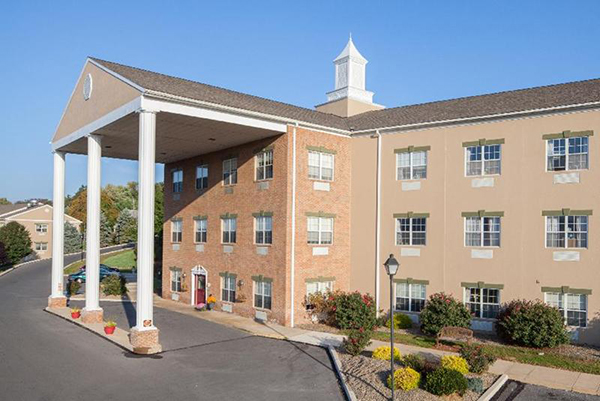
How is Rose View Staffed?

CMS rates ROSE VIEW NURSING AND REHABILITATION CENTER's staffing level at 2 out of 5 stars, which is below average compared to other nursing homes. Staff turnover is 50%, compared to the Pennsylvania average of 46%.

What Have Inspectors Found at Rose View?

State health inspectors documented 35 deficiencies at ROSE VIEW NURSING AND REHABILITATION CENTER during 2022 to 2024. These included: 34 with potential for harm and 1 minor or isolated issues.
Who Owns and Operates Rose View?

ROSE VIEW NURSING AND REHABILITATION CENTER is owned by a for-profit company. For-profit facilities operate as businesses with obligations to shareholders or private owners. The facility is operated by IMPERIAL HEALTHCARE GROUP, a chain that manages multiple nursing homes. With 123 certified beds and approximately 110 residents (about 89% occupancy), it is a mid-sized facility located in WILLIAMSPORT, Pennsylvania.
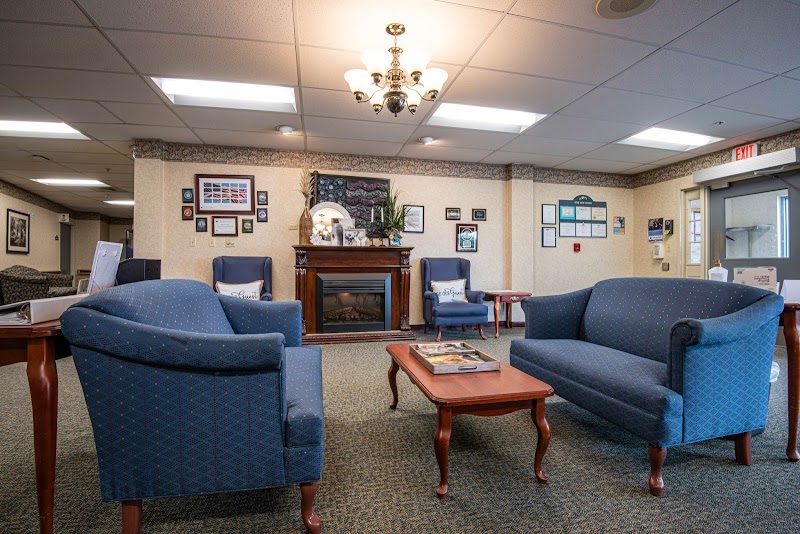
How Does Rose View Compare to Other Pennsylvania Nursing Homes?

Compared to the 100 nursing homes in Pennsylvania, ROSE VIEW NURSING AND REHABILITATION CENTER's overall rating (3 stars) matches the state average, staff turnover (50%) is near the state average of 46%, and health inspection rating (3 stars) is at the national benchmark.

What Should Families Ask When Visiting Rose View?

Based on this facility's data, families visiting should ask: "Can you walk me through typical staffing levels on day, evening, and night shifts?" "Can I visit during a mealtime to observe dining assistance and food quality?" "How do you handle medical emergencies, and what is your hospital transfer rate?" "Can I speak with family members of current residents about their experience?" These questions are particularly relevant given the below-average staffing rating.

Is Rose View Safe?

Based on CMS inspection data, ROSE VIEW NURSING AND REHABILITATION CENTER has a clean safety record: no substantiated abuse findings (meaning no confirmed cases of resident harm), no Immediate Jeopardy citations (the most serious violation level indicating risk of serious injury or death), and is not on the Special Focus Facility watch list (a federal program monitoring the lowest-performing 1% of nursing homes). The facility has a 3-star overall rating and ranks #1 of 100 nursing homes in Pennsylvania. While no facility is perfect, families should still ask about staff-to-resident ratios and recent inspection results during their visit.

Do Nurses at Rose View Stick Around?

ROSE VIEW NURSING AND REHABILITATION CENTER has a staff turnover rate of 50%, which is about average for Pennsylvania nursing homes (state average: 46%). Moderate turnover is common in nursing homes, but families should still ask about staff tenure and how the facility maintains care continuity when employees leave.

Was Rose View Ever Fined?

ROSE VIEW NURSING AND REHABILITATION CENTER has no federal fines on record. CMS issues fines when nursing homes fail to meet care standards or don't correct problems found during inspections. The absence of fines suggests the facility has either maintained compliance or corrected any issues before penalties were assessed. This is a positive indicator, though families should still review recent inspection reports for the full picture.

Is Rose View on Any Federal Watch List?

ROSE VIEW NURSING AND REHABILITATION CENTER is not on any federal watch list. The most significant is the Special Focus Facility (SFF) program, which identifies the bottom 1% of nursing homes nationally based on persistent, serious quality problems. Not being on this list means the facility has avoided the pattern of deficiencies that triggers enhanced federal oversight. This is a positive indicator, though families should still review the facility's inspection history directly.