GARDEN SPRING NURSING AND REHABILITATION CENTER
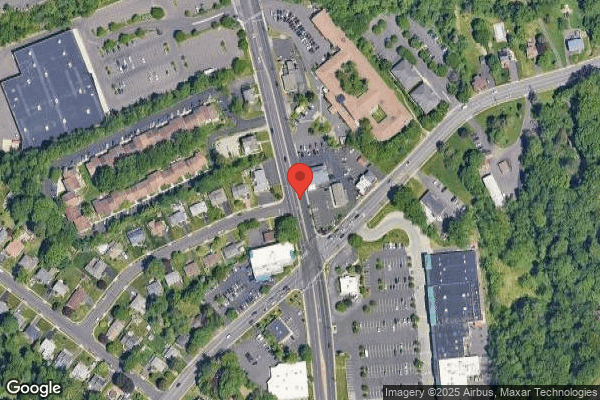

1113 NORTH EASTON ROAD, WILLOW GROVE, PA 19090 (215) 830-5400
For profit - Corporation 173 Beds IMPERIAL HEALTHCARE GROUP Data: November 2025
Trust Grade
58/100
#286 of 653 in PA
Last Inspection: October 2024

Within standard 12-15 month inspection cycle. Federal law requires annual inspections.

Overview

Garden Spring Nursing and Rehabilitation Center has a Trust Grade of C, indicating it is average and sits in the middle of the pack among similar facilities. It ranks #286 out of 653 nursing homes in Pennsylvania, placing it in the top half overall, and #35 out of 58 in Montgomery County, meaning only a few local options are better. The facility is improving, having reduced its issues from 10 in 2024 to 5 in 2025, but it has concerning staffing ratings with only 2 out of 5 stars and a turnover rate of 53%, which is around the state average. However, it has less RN coverage than 84% of facilities in Pennsylvania, which can impact the quality of care. Specific incidents include failures in infection control, such as staff not washing hands properly during medication passes and unsanitary food storage practices, which raise concerns about hygiene and safety. Overall, while there are some strengths in quality measures, there are significant weaknesses that families should consider when evaluating this nursing home.

Trust Score
C
58/100
In Pennsylvania
#286/653
Top 43%
Safety Record
Low Risk
No red flags
Inspections
Getting Better
10 → 5 violations
Staff Stability
⚠ Watch
53% turnover. Above average. Higher turnover means staff may not know residents' routines.
Penalties
✓ Good
$10,000 in fines. Lower than most Pennsylvania facilities. Relatively clean record.
Skilled Nurses
⚠ Watch
Each resident gets only 25 minutes of Registered Nurse (RN) attention daily — below average for Pennsylvania. Fewer RN minutes means fewer trained eyes watching for problems.
Violations
⚠ Watch
44 deficiencies on record. Higher than average. Multiple issues found across inspections.
★★★☆☆
3.0
Overall Rating
★★☆☆☆
2.0
Staff Levels
★★★★☆
4.0
Care Quality
★★★☆☆
3.0
Inspection Score
Stable
2024: 10 issues
2025: 5 issues

The Good

  • 4-Star Quality Measures · Strong clinical quality outcomes
  • Full Sprinkler Coverage · Fire safety systems throughout facility
  • No fines on record

Facility shows strength in quality measures, fire safety.

The Bad

3-Star Overall Rating

Near Pennsylvania average (3.0)

Meets federal standards, typical of most facilities

Staff Turnover: 53%

Near Pennsylvania avg (46%)

Higher turnover may affect care consistency

Federal Fines: $10,000

Below median ($33,413)

Minor penalties assessed

Chain: IMPERIAL HEALTHCARE GROUP

Part of a multi-facility chain

Ask about local staffing decisions and management

The Ugly 44 deficiencies on record

Jul 2025 5 deficiencies
CONCERN (D) 📢 Someone Reported This

A family member, employee, or ombudsman was alarmed enough to file a formal complaint

Potential for Harm - no one hurt, but risky conditions existed

ADL Care (Tag F0677)

Could have caused harm · This affected 1 resident

**NOTE- TERMS IN BRACKETS HAVE BEEN EDITED TO PROTECT CONFIDENTIALITY** Based on clinical record review, observation, resident interview, and staff interview, it was determined that the facility faile...

Read full inspector narrative →
**NOTE- TERMS IN BRACKETS HAVE BEEN EDITED TO PROTECT CONFIDENTIALITY** Based on clinical record review, observation, resident interview, and staff interview, it was determined that the facility failed to provide services to maintain adequate grooming and hygiene for two of eight sampled residents who required assistance with activities of daily living (ADLs). (Resident 2, 6)Findings include: Clinical record review revealed that Resident 2 had diagnoses that included aphasia, hypertension, and had severe physical limitations. The Minimum Data Set (MDS) assessment dated [DATE], revealed that Resident 2 was dependent on staff for personal hygiene, grooming, and bathing. Review of the care plan revealed that the resident required assistance from staff for activities of daily living (ADLs). On July 11, 2025, at 10:40 a.m., the resident was observed in bed. Her fingernails were long and dirty. There was no documented evidence that staff assisted Resident 2 with trimming and cleaning her nails. Clinical record review revealed that Resident 6 had diagnoses that included a tracheostomy, heart failure, and weakness to an upper extremity. The MDS assessment dated [DATE], revealed that Resident 6 was alert and oriented required assistance from staff for personal hygiene, grooming, and bathing. Review of the care plan revealed that the resident required assistance from staff for ADLs. On July 11, 2025, at 11:10 a.m., the resident was observed in bed. His fingernails were long and dirty. In an interview at that time the resident stated he wanted his nail trimmed but needed help from staff. There was no documented evidence that staff assisted Resident 6 with trimming and cleaning his nails. In an interview on July 11, 2025, at 3:49 p.m., the Director of Nursing confirmed that nail care was to be done when nursing staff provided routine care and as needed.28 Pa. Code 211.12(d)(1)(5) Nursing services
CONCERN (D) 📢 Someone Reported This

A family member, employee, or ombudsman was alarmed enough to file a formal complaint

Potential for Harm - no one hurt, but risky conditions existed

Quality of Care (Tag F0684)

Could have caused harm · This affected 1 resident

Based on clinical record review and staff interview, it was determined that the facility failed to ensure that physician's orders were implemented for one of eight sampled residents. (Resident 2)Findi...

Read full inspector narrative →
Based on clinical record review and staff interview, it was determined that the facility failed to ensure that physician's orders were implemented for one of eight sampled residents. (Resident 2)Findings include: Clinical record review revealed that Resident 2 had diagnoses that included a history of stroke, dysphagia, and had a feeding tube. A physician's order dated January 21, 2025, directed staff to flush the feeding tube with 200 milliliters (ml) of water every six hours for a total volume of 800 ml daily. On July 11, 2025, at 10:48 a.m., the water flush bag was observed on the pole and infusing into Resident 2's feeding tube. The flush rate was observed to be 30 ml per hour. In an interview, Licensed Practical Nurse 1 stated that the pump ran for 22 hours per day and confirmed the rate was set for 30 ml per hour. The pump rate as observed infused 660 ml per day, which was 140 ml less than the total flush amount ordered by the resident's physician.In an interview on July 11, 2025, at 3:46 p.m., the Director of Nursing confirmed the pump should have been programmed to deliver the total water amount per the physician's order. CFR 483.25 Quality of CarePreviously cited 10/18/2428 Pa. Code 211.12(d)(1)(5) Nursing services
CONCERN (D) 📢 Someone Reported This

A family member, employee, or ombudsman was alarmed enough to file a formal complaint

Potential for Harm - no one hurt, but risky conditions existed

Pressure Ulcer Prevention (Tag F0686)

Could have caused harm · This affected 1 resident

Based on clinical record review, observation, and staff interview, it was determined that the facility failed to provide interventions to prevent pressure ulcers for one of eight sampled residents wit...

Read full inspector narrative →
Based on clinical record review, observation, and staff interview, it was determined that the facility failed to provide interventions to prevent pressure ulcers for one of eight sampled residents with a history of wounds. (Resident 2)Findings include: Clinical record review revealed that Resident 2 had diagnoses that included aphasia (a communication disorder that creates impaired ability to comprehend or formulate language due to a brain dysfunction), hypertension, and had severe physical limitations. Review of the Minimum Data Set assessment, dated June 9, 2025, revealed the resident was at risk for pressure ulcers, was immobile, and could not communicate her needs. Review of the care plan revealed that the resident had potential for impairment to skin integrity due to deconditioning and staff were to apply cushioned heel boots to bilateral feet when the resident was in bed. Multiple observations on July 11, 2025, between 10:40 a.m. and 12:00 p.m., revealed that Resident 2 was in bed. The heel boots were not in place and her heels were not elevated. In an interview on July 11, 2025, at 3:45 p.m., the Director of Nursing confirmed that Resident 2 should have had bilateral heel boots on while in bed.28 Pa. Code 211.12 (d)(1)(5) Nursing services.
CONCERN (D) 📢 Someone Reported This

A family member, employee, or ombudsman was alarmed enough to file a formal complaint

Potential for Harm - no one hurt, but risky conditions existed

Infection Control (Tag F0880)

Could have caused harm · This affected 1 resident

**NOTE- TERMS IN BRACKETS HAVE BEEN EDITED TO PROTECT CONFIDENTIALITY** Based on facility policy review, clinical record review, observations, and staff interviews, it was determined that the facility...

Read full inspector narrative →
**NOTE- TERMS IN BRACKETS HAVE BEEN EDITED TO PROTECT CONFIDENTIALITY** Based on facility policy review, clinical record review, observations, and staff interviews, it was determined that the facility failed to follow policies and procedures to prevent the spread of infection for one of eight sampled residents. (Resident 5)Findings include:Review of the facility policy entitled, Enhanced Barrier Precautions, last reviewed on October 10, 2024, revealed that staff were to wear a gown and gloves during high contact resident care activities such as tracheostomy care to reduce the spread of multi-drug resistant organisms (MDRO) to residents with indwelling medical devices regardless of their MDRO colonization status. Review of Resident 5's clinical record revealed that the resident was admitted to the facility on [DATE], with a diagnosis of respiratory failure requiring a tracheostomy, history of a stroke, and had a feeding tube. Review of the care plan revealed that Resident 5 required Enhanced Barrier Precautions and called for staff to wear gloves and gowns during close contact interactions.Observations on July 11, 2025, at 11:30 a.m., revealed a sign outside of Resident 5's room which directed staff to follow Enhanced Barrier Precautions by wearing a gown and gloves when providing high contact care including tracheostomy care. During the same observation period, Licensed Practical Nurse (LPN) 1 entered Resident 5's room and performed suctioning of the tracheostomy only wearing gloves. LPN1 did not wear a gown.In an interview on July 11, 2025, at 3:40 p.m., the Director of Nursing confirmed that staff should have worn a gown when providing care.28 Pa Code 201.14(a) Responsibility of licensee
CONCERN (E) 📢 Someone Reported This

A family member, employee, or ombudsman was alarmed enough to file a formal complaint

Potential for Harm - no one hurt, but risky conditions existed

Safe Environment (Tag F0921)

Could have caused harm · This affected multiple residents

**NOTE- TERMS IN BRACKETS HAVE BEEN EDITED TO PROTECT CONFIDENTIALITY** Based on review of facility policy, observations, and resident interview, it was determined that the facility failed to provide ...

Read full inspector narrative →
**NOTE- TERMS IN BRACKETS HAVE BEEN EDITED TO PROTECT CONFIDENTIALITY** Based on review of facility policy, observations, and resident interview, it was determined that the facility failed to provide a safe, sanitary, and comfortable environment for residents and staff on two of two nursing units toured. (Section Two, Section Four)Findings include:Review of the facility policy entitled, Oxygen Storage Policy, last reviewed on October 10, 2024, revealed that oxygen cylinders must be secured in a cylinder rack or holder to prevent tipping. Observations on July 11, 2025, at 10:30 a.m., in room [ROOM NUMBER] revealed the top and front of the air conditioning unit was covered in a black substance. Resident 4 was observed standing next to bed A. The fitted sheet had a large brown stain on it and two pillows without case covers on them. Resident 8 was observed in bed B. There was an uncapped 50 milliliter syringe, typically used for flushing feeding tubes, lying on the resident's bed. The resident was observed sleeping in bed and a tube feeding was infusing.In an interview on July 11, 2025, at 10:30 a.m., Resident 4 stated that his linens were dirty, and he needed new pillowcases and sheets, staff were aware. The resident stated that the air conditioner has had the black substance on it. On July 11, 2025, at 10:35 a.m., staff entered room [ROOM NUMBER] and provided Resident 4 with new pillowcases but did not change the dirty fitted sheet, remove the syringe from the B bed, or address the black substance on the air conditioner unit.Observations on July 11, 2025, from 10:38 a.m. to 12:00 p.m., in room [ROOM NUMBER], revealed that Resident 2 was lying in the B bed, the fitted sheet was worn. There was an unsecured oxygen tank standing at the bottom of the bed, between the air conditioner and the dresser. Staff entered the room multiple times during the observation period but did not change the sheet. Observations on July 11, 2025, at 10:45 a.m., in room [ROOM NUMBER] revealed an unsecured oxygen tank standing in between the two dressers. Observations on July 11, 2025, at 11:05 a.m., of the shower room on Section 4 revealed the following:There was a commode chair with a black dirt ring on the seat. There were two wash cloths on the grab bars.There was a thermometer to check water temperatures hanging from the faucet. The front of the blue thermometer was covered in a dried black substance. The shower curtain had gray stains on the bottom end of it. In an interview on July 11, 2025, at 3:47 p.m., the Administrator confirmed the environmental problems should have been addressed.28 Pa. Code 201.18 (b) (1) Management.
Oct 2024 3 deficiencies
CONCERN (D)

Potential for Harm - no one hurt, but risky conditions existed

Abuse Prevention Policies (Tag F0607)

Could have caused harm · This affected 1 resident

Based on facility policy review, personnel file review, and staff interview, it was determined that the facility failed to verify professional license and complete a criminal background check prior to...

Read full inspector narrative →
Based on facility policy review, personnel file review, and staff interview, it was determined that the facility failed to verify professional license and complete a criminal background check prior to the start of employment for one of five newly hired employees. (E5) Findings include: A review of the facility policy entitled, Background Screening Investigations, dated October 23, 2023, revealed that the facility was to conduct screening for all potential hires. This included license/registration verification and a criminal background check. Employee 5 (E5) had been working in the facility as a Registered Nurse since August 16, 2024, and an inquiry to the state licensure board and a criminal background check were not completed until October 16, 2024. In an interview on October 18, 2024, at 9:45 a.m., the Administrator confirmed there was no documented evidence that the license verification and criminal background check were done prior to start of employment per facility policy. 28 Pa. Code 201.14(a) Responsibility of licensee. 28 Pa. Code 201.19(3) Personnel policies and procedures.
CONCERN (D)

Potential for Harm - no one hurt, but risky conditions existed

Quality of Care (Tag F0684)

Could have caused harm · This affected 1 resident

Based on clinical record review and staff interview, it was determined that the facility failed to ensure physician's orders were implemented for one of 26 sampled residents. (Resident 65) Findings in...

Read full inspector narrative →
Based on clinical record review and staff interview, it was determined that the facility failed to ensure physician's orders were implemented for one of 26 sampled residents. (Resident 65) Findings include: Clinical record review revealed that Resident 65 had diagnoses that included hypotension (low blood pressure). A physician's order dated February 9, 2022, directed staff to administer a medication (midodrine) three times a day for hypotension. Staff were not to administer the medication if the resident's systolic blood pressure (SBP, the first measurement of blood pressure when the heart beats and the pressure is at its highest) was greater than 120 millimeters of mercury (mm Hg). Review of Resident 65's medication administration records revealed that staff administered the medication 17 times in September and six times in October 2024, when the resident's SBP was greater than 120 mm Hg. In an interview on October 18, 2024, at 9:39 a.m., the Director of Nursing confirmed that the medications were administered outside established parameters for Resident 65. CFR 483.25 Quality of Care Previously cited 11/16/23 28 Pa. Code 211.12(d)(1)(5) Nursing services.
MINOR (C)

Minor Issue - procedural, no safety impact

Transfer Notice (Tag F0623)

Minor procedural issue · This affected most or all residents

Based on clinical record review and staff interview, it was determined that the facility failed to notify the resident and the resident's representative(s) of transfer(s), including the reasons for th...

Read full inspector narrative →
Based on clinical record review and staff interview, it was determined that the facility failed to notify the resident and the resident's representative(s) of transfer(s), including the reasons for the moves and Ombudsman information, in writing upon transfer from the facility for five of five sampled residents who were transferred to the hospital. (Residents 41, 48, 50, 81, 117) Findings include: Clinical record review revealed that Resident 41 was transferred to the hospital on August 2 and 16, 2024, after changes in condition. There was no documentation to support that the resident or the resident's responsible party or legal representative was provided written information regarding the transfers to the hospital. Clinical record review revealed that Resident 48 was transferred to the hospital on June 25, 2024, after a change in condition. There was no documentation to support that the resident or the resident's responsible party or legal representative was provided written information regarding the transfer to the hospital. Clinical record review revealed that Resident 50 was transferred to the hospital on October 5, 2024, after a change in condition. There was no documentation to support that the resident or the resident's responsible party or legal representative was provided written information regarding the transfer to the hospital. Clinical record review revealed that Resident 81 was transferred to the hospital on September 15, 2024, after a change in condition. There was no documentation to support that the resident or the resident's responsible party or legal representative was provided written information regarding the transfer to the hospital. Clinical record review revealed that Resident 117 was transferred to the hospital on February 21, February 26, April 1, and May 24, 2024, after changes in condition. There was no documentation to support that the resident or the resident's responsible party or legal representative was provided written information regarding the transfers to the hospital. In an interview on October 18, 2024, at 9:51 a.m., the Administrator confirmed that the residents or resident representatives were not given written notices regarding their transfers.
Oct 2024 1 deficiency
CONCERN (D) 📢 Someone Reported This

A family member, employee, or ombudsman was alarmed enough to file a formal complaint

Potential for Harm - no one hurt, but risky conditions existed

Pressure Ulcer Prevention (Tag F0686)

Could have caused harm · This affected 1 resident

Based on review of facility policy, clinical record review, observation, resident interview, and staff interview, it was determined that the facility failed to implement interventions that prevented n...

Read full inspector narrative →
Based on review of facility policy, clinical record review, observation, resident interview, and staff interview, it was determined that the facility failed to implement interventions that prevented new or worsened pressure ulcers for three of three sampled residents with skin impairments. (Residents 1, 2, 3) Findings include: Review of a facility policy entitled, Pressure Ulcer Prevention, last reviewed September 2024, revealed that staff were to conduct a skin assessment with the weekly risk assessment. Residents at risk for pressure ulcers were to be repositioned on an individualized schedule. Clinical record review revealed that Resident 1 had diagnoses that included protein calorie malnutrition (PCM), muscle weakness, and hemiplegia to the left side. The resident had a stage four pressure ulcer to the sacrum and a stage three pressure ulcer to the left shoulder. Staff were to turn and reposition the resident every two hours and check the resident for incontinence episodes and soiled bedding every hour. Review of the documentation for August and September 2024, revealed no evidence that staff turned and repositioned the resident every two hours on 11 of 78 shifts in August and 22 of 78 shifts in September and no evidence that staff checked the resident for incontinence and soiled bedding throughout 10 of 78 shifts in August and 19 of 78 shifts in September. There were no documented refusals. There was no documented evidence that a weekly skin assessment was completed since May 2024. Clinical record review revealed that Resident 2 had diagnoses that included PCM, anemia and muscle weakness. The resident had an unstageable pressure ulcer to the left heel. There was no documented evidence that a weekly skin assessment was completed since March 2024. A physician's order dated May 7, 2024, directed staff to apply a heel boot to the left foot when the resident was in and out of bed. On October 2, 2024, at 11:17 a.m., 11:58 a.m., and 1:04 p.m., the resident was observed in bed; the heel boot was not in place. In an interview at 11:58 a.m., the licensed practical nurse (LPN 1) who was assigned to the resident, confirmed that the heel boot was not in place. In an interview at 1:25 p.m., the Director of Nursing (DON) stated that the heel boot should have been applied as ordered. Clinical record review revealed that Resident 3 had diagnoses that included multiple sclerosis, anxiety, and anemia. The resident had a stage four pressure ulcer to the sacrum. Review of the care plan revealed that the resident had a self-care performance deficit and was totally dependent on staff for bed mobility. Review of scheduled tasks revealed that staff were to reposition the resident every two hours. In an interview on October 2, 2024, at 11:50 a.m., the resident stated that staff did not regularly offer to turn and reposition her in bed, she preferred to be repositioned for comfort, and she was not able to reposition herself. Review of the task documentation for September 2024, revealed no evidence that staff repositioned the resident every two hours on 32 of 90 shifts in September. In interviews on October 2, 2024, at 1:25 p.m. and 2:13 p.m., the DON confirmed that skin assessments should have been performed weekly and documented in the residents' electronic medical record. 28 Pa. Code 211.12(d)(1)(5) Nursing services.
Aug 2024 2 deficiencies
CONCERN (D) 📢 Someone Reported This

A family member, employee, or ombudsman was alarmed enough to file a formal complaint

Potential for Harm - no one hurt, but risky conditions existed

Quality of Care (Tag F0684)

Could have caused harm · This affected 1 resident

Based on clinical record review and staff interview, it was determined that the facility failed to ensure that physician's orders were implemented for one of five sampled residents. (Resident 1) Findi...

Read full inspector narrative →
Based on clinical record review and staff interview, it was determined that the facility failed to ensure that physician's orders were implemented for one of five sampled residents. (Resident 1) Findings include: Clinical record review revealed that Resident 1 had diagnoses that included gastroesophageal reflux disease (acid reflux), pain, and neuropathy (nerve damage). Physician's orders dated July 26, 2024, directed staff to administer Acetaminophen (a medication for pain) and gabapentin (a medication for nerve pain) at 6:00 a.m. daily. A physician's order dated July 27, 2024, directed staff to administer omeprazole (a medication to treat acid reflux) at 6:00 a.m. daily. There was no evidence that the medications were offered or administered on August 7, 2024, per the physician's orders. In an interview on August 8, 2024, at 2:07 p.m., the Director of Nursing confirmed there was no evidence that the medications were administered per the physician's orders. 28 Pa. Code 211.12(d)(1)(5) Nursing services.
CONCERN (D) 📢 Someone Reported This

A family member, employee, or ombudsman was alarmed enough to file a formal complaint

Potential for Harm - no one hurt, but risky conditions existed

Unnecessary Medications (Tag F0759)

Could have caused harm · This affected 1 resident

Based on facility policy review, observation, and staff interview, it was determined that the facility failed to maintain a medication error rate of less than five percent (%) on one of five nursing u...

Read full inspector narrative →
Based on facility policy review, observation, and staff interview, it was determined that the facility failed to maintain a medication error rate of less than five percent (%) on one of five nursing units. (Section 2) Findings include: A review of the facility policy entitled, Administering Medications, last reviewed September 2023, revealed that Medications were to be administered in accordance with the prescriber's orders, which included any required timeframe. Medications were to be administered within one hour of their prescribed time. Clinical record review revealed that Resident 2 had diagnoses that included major depressive disorder and multiple sclerosis. A review of physician's orders dated June 29, 2018, June 9, 2021, March 28, 2023, and August 5, 2024, revealed that staff were to administer the following medications at 8:00 a.m. daily: vitamin D3 1000 international units (IU), Zeposia 0.92 milligrams (mg), escitalopram 20 mg, and Bactrim 160 mg. Observation of the medication pass on August 8, 2024, revealed that licensed practical nurse (LPN) 1 did not administer the medications until 9:30 a.m. Clinical record review revealed that Resident 3 had diagnoses that included depression, allergies, hypertension (high blood pressure), and pain. A review of physician's orders dated April 12, 2024, April 24, 2024, May 16, 2024, July 11, 2024, July 16, 2024, and July 30, 2024, revealed that staff were to administer the following medications at 8:00 a.m. daily: cholecalciferol (vitamin D) 50 micrograms (mcg), bupropion (a medication for depression) 300 mg , lidocaine patch 4 % to the right knee, fluticasone propionate (a medication for allergies) 50 mcg, sertraline (a medication for depression) 75 mg, and lisinopril (a medication for high blood pressure) 5 mg. Observation of the medication pass on August 8, 2024, revealed that LPN 1 did not administer the medications until 9:40 a.m. Observation during the medication pass on August 8, 2024, from 9:30 a.m. to 9:40 a.m., revealed 28 opportunities with 10 errors which resulted in a medication error rate of 35.7%. In an interview on August 8, 2024, at 2:10 p.m., the Director of Nursing confirmed that the medications should have been adminstered by 9:00 a.m. 28 Pa. Code 211.12(d)(1)(5) Nursing services.
Jul 2024 2 deficiencies
CONCERN (D) 📢 Someone Reported This

A family member, employee, or ombudsman was alarmed enough to file a formal complaint

Potential for Harm - no one hurt, but risky conditions existed

Deficiency F0558 (Tag F0558)

Could have caused harm · This affected 1 resident

Based on clinical record review, observation, and resident interview, it was determined that the facility failed to accommodate resident needs by providing access to the call bell system for two of si...

Read full inspector narrative →
Based on clinical record review, observation, and resident interview, it was determined that the facility failed to accommodate resident needs by providing access to the call bell system for two of six sampled residents. (Residents 4, 5) Findings include: Clinical record review revealed that Resident 4 had diagnoses that included Alzheimer's disease, abnormalities of gait and mobility, and muscle weakness. According to the Minimum Data Set (MDS) assessment, dated May 16, 2024, the resident could communicate her care needs and was dependent on staff for care. Review of the care plan revealed that the resident was at risk for falls and that staff was to keep her call bell within reach. Observations on July 12, 2024, at 10:00 a.m. and 12:15 p.m., revealed the resident was in bed and the call bell was wrapped around the armchair, out of reach. Clinical record review revealed that Resident 5 had diagnoses that included hemiplegia and hemiparesis (paralysis on left side) and heart failure. According to the MDS assessment, dated April 30, 2024, the resident was alert and was dependent on staff for care. Review of the care plan revealed that the resident was at risk for falls and that staff was to keep her call bell within reach. On July 12, 2024, at 10:20 a.m., the resident was in bed and the call bell was on the dresser tucked under stuffed animals, out of reach. At that time the resident stated, I can't find my call bell. At 12:35 p.m., the resident was observed sitting in her wheelchair eating her meal. The call bell was observed behind the resident on the dresser tucked under stuffed animals, out of reach. 28 Pa. Code 211.12(d)(1)(5) Nursing services.
CONCERN (D) 📢 Someone Reported This

A family member, employee, or ombudsman was alarmed enough to file a formal complaint

Potential for Harm - no one hurt, but risky conditions existed

Accident Prevention (Tag F0689)

Could have caused harm · This affected 1 resident

Based on clinical record review and observation, it was determined that the facility failed to ensure that safety interventions for falls were in place for one of six sampled residents. (Resident 4) F...

Read full inspector narrative →
Based on clinical record review and observation, it was determined that the facility failed to ensure that safety interventions for falls were in place for one of six sampled residents. (Resident 4) Findings include: Clinical record review revealed that Resident 4 had diagnoses that included Alzheimer's disease, abnormalities of gait and mobility, and muscle weakness. According to the Minimum Data Set assessment, dated May 16, 2024, the resident could communicate her care needs and was dependent on staff for care. Review of the care plan revealed that the resident was at risk for falls and staff was instructed to place the bed in the low position with floor mats on both sides of the bed while the resident was in bed. Observations on July 12, 2024, at 10:00 a.m. and 12:15 p.m., revealed the resident was in bed without the floor mats in place, and the bed was not in a low position. 28 Pa. Code 211.12(d)(1)(5) Nursing services.
Jun 2024 1 deficiency
CONCERN (D) 📢 Someone Reported This

A family member, employee, or ombudsman was alarmed enough to file a formal complaint

Potential for Harm - no one hurt, but risky conditions existed

Deficiency F0559 (Tag F0559)

Could have caused harm · This affected 1 resident

Based on facility policy review, clinical record review, and resident and staff interview, it was determined that the facility failed to provide written notice, including the reason for the change, pr...

Read full inspector narrative →
Based on facility policy review, clinical record review, and resident and staff interview, it was determined that the facility failed to provide written notice, including the reason for the change, prior to moving a resident to another room, for four of 12 sampled residents. (Residents 9, 10, 11, 12) Findings include: Review of the facility policy entitled Room Change/Roommate Assignment, last reviewed Ocotber 30, 2023, revealed that prior to changing a room or roommate assignment residents and their representatives are given advanced written notice of the change. The advance notice would include why the change is being made and documention of the change would be recorded in the resident's medical record. Clinical record review revealed that Resident 9 had a room change completed on May 24, 2024. There was no documented evidence that Resident 9 and their representative were given notice, including written notice, of the room change. In an interview on June 17, 2024, at 10:45 a.m., Resident 9 stated he did not know why or when he changes rooms, they just moved him. Clinical record review revealed that Resident 10 had a room change completed on May 24, 2024. There was no documented evidence that Resident 10 and their representative were given notice, including written notice, of the room change. Clinical record review revealed that Resident 11 had a room change completed on June 14, 2024. There was no documented evidence that Resident 11 and their representative were given notice, including written notice, of the room change. Clinical record review revealed that Resident 12 had room changes completed on June 3 and 14, 2024. There was no documented evidence that Resident 12 and their representative were given notice, including written notice, of the room changes. In an interview on June 17, 2024, at 12:22 p.m., the Director of Nursing confirmed there was no documented evidence that the residents and their representatives were notified of the room changes. 28 Pa. Code 201.14(a) Responsibility of licensee. 28 Pa. Code 211.12(d)(5) Nursing services.
Feb 2024 1 deficiency
MINOR (C) 📢 Someone Reported This

A family member, employee, or ombudsman was alarmed enough to file a formal complaint

Minor Issue - procedural, no safety impact

Staffing Information (Tag F0732)

Minor procedural issue · This affected most or all residents

Based on observation and staff interview, it was determined that the facility failed to post accurate and current nurse staffing information. Findings include: During a tour of the facility on Februa...

Read full inspector narrative →
Based on observation and staff interview, it was determined that the facility failed to post accurate and current nurse staffing information. Findings include: During a tour of the facility on February 27, 2024, at 9:15 a.m., the staffing information that was posted in the lobby was dated for January 23, 2024. During an interview on February 27, 2024, at 2:00 p.m., the Director of Nursing confirmed that incorrect staffing data was posted.
Nov 2023 6 deficiencies
CONCERN (D)

Potential for Harm - no one hurt, but risky conditions existed

Quality of Care (Tag F0684)

Could have caused harm · This affected 1 resident

Based on clinical record review, observations, and staff interview, it was determined that the facility failed to ensure physician's orders were implemented for one of 27 sampled residents. (Resident ...

Read full inspector narrative →
Based on clinical record review, observations, and staff interview, it was determined that the facility failed to ensure physician's orders were implemented for one of 27 sampled residents. (Resident 118) Findings include: Clinical record review revealed that Resident 118 had diagnoses that included osteoarthritis of both knees and hips, high blood pressure, and stroke. A physician's order dated June 14, 2023, directed staff to apply heel boots (devices to protect the skin of the feet) while in bed. Review of the comprehensive care plan revealed that the resident was at risk for skin breakdown. Multiple observations on November 13 through 15, 2023, between 9:46 a.m. and 1:30 p.m., revealed Resident 118 in bed and the heel boots were not applied. In an interview on November 16, 2023, at 9:48 a.m., the Director of Nursing confirmed that staff did not apply the heel boots as ordered by the physician. 28 Pa. Code 211.12(d)(1)(5) Nursing services.
CONCERN (D)

Potential for Harm - no one hurt, but risky conditions existed

Deficiency F0688 (Tag F0688)

Could have caused harm · This affected 1 resident

**NOTE- TERMS IN BRACKETS HAVE BEEN EDITED TO PROTECT CONFIDENTIALITY** Based on clinical record review, facility policy review, and staff interview, it was determined that the facility failed to prov...

Read full inspector narrative →
**NOTE- TERMS IN BRACKETS HAVE BEEN EDITED TO PROTECT CONFIDENTIALITY** Based on clinical record review, facility policy review, and staff interview, it was determined that the facility failed to provide restorative nursing services to increase or prevent a reduction in range of motion for three of 27 sampled residents. (Residents 36, 47, 116) Findings include: Review of the facility policy entitled, Restorative Nursing Services, reviewed October 30, 2023, revealed that restorative nursing programs were to be individualized to specific resident needs and the care plan was to be updated or developed to include interventions to support the resident's restorative nursing program. Clinical record review revealed that Resident 36 had diagnoses that included quadriplegia and neuropathy. Review of the Minimum Data Set (MDS) assessment dated [DATE], revealed that Resident 36 had functional limitation in range of motion to his upper and lower limbs. On November 10, 2023, the occupational therapist recommended a restorative nursing program for passive range of motion to upper and lower limbs for 15 minutes daily. There was no documented evidence that the facility provided the recommended restorative nursing program. Clinical record review revealed that Resident 47 had diagnoses that included a history of a stroke with left sided weakness. Review of the MDS assessment dated [DATE], revealed that Resident 47 had functional limitation in range of motion to his upper and lower limbs. Review of the care plan revealed that staff was to provide restorative nursing program for passive range of motion to upper and lower limbs for 15 minutes daily. There was no documented evidence the facility provided the recommended restorative nursing program for 20 days between October 18 and November 16, 2023. Clinical record review revealed that Resident 116 had diagnoses that included left sided paralysis, neuropathy, and muscle weakness. Review of the MDS assessment dated [DATE], revealed that Resident 116 had functional limitation in range of motion to his upper and lower limbs. On September 28, 2023, the occupational therapist recommended a restorative nursing program for passive range of motion to upper and lower limbs. There was no documented evidence that the facility provided the recommended restorative nursing program. In an interview on November 16, 2023, at 9:55 a.m., the Director of Nursing confirmed the recommended restorative nursing programs were not implemented for these residents. CFR 483.25(c) Mobility Previously cited 12/2/2022 28 Pa. Code 211.12(d)(1)(5) Nursing services.
CONCERN (D)

Potential for Harm - no one hurt, but risky conditions existed

Accident Prevention (Tag F0689)

Could have caused harm · This affected 1 resident

**NOTE- TERMS IN BRACKETS HAVE BEEN EDITED TO PROTECT CONFIDENTIALITY** Based on clinical record review, policy review, observation, and resident and staff interview, it was determined that the facili...

Read full inspector narrative →
**NOTE- TERMS IN BRACKETS HAVE BEEN EDITED TO PROTECT CONFIDENTIALITY** Based on clinical record review, policy review, observation, and resident and staff interview, it was determined that the facility failed to ensure that staff properly secured smoking materials for one of one sampled resident that smoked (Resident 48) and failed to ensure that safety interventions were in place to prevent accidents for one of 37 sampled residents. (Resident 88) Findings include: Review of the facility's policy entitled, Smoking Policy, last reviewed October 30, 2023, revealed that facility staff was to keep cigarettes, electronic cigarettes, and lighters in a secure place. In an interview conducted on Novemeber 16, 2023, at 9:55 a.m., the Director of Nursing stated that staff was to store smoking materials in a locked cart. On November 15, 2023, at 10:36 a.m., an electronic cigarette device was observed in Resident 48's room, not properly secured and accessible to unauthorized residents. In an interview at that time, Resident 48 stated, I keep my electronic cigarette on me. Clinical record review revealed that Resident 88 had diagnoses that included dementia, muscle weakness, and lack of coordination. Review of the Minimum Data Set assessment dated [DATE], revealed that the resident was cognitively impaired and required extensive assistance from staff with mobility. Review of the care plan revealed that the resident had a history of falls with injury and staff was to place mats at the bedside. On November 13, 2023, at 11:02 a.m., on November 14, 2023, at 11:22 a.m., on November 15, 2023, at 11:46 a.m., and on November 16, 2023, at 11:50 a.m., Resident 88 was observed in her bed without fall mats. In an interview on November 16, 2023, at 1:03 p.m., Employee 1 confirmed that fall mats were not present in the resident's room. CFR 483.25(d) Accidents Previously cited 12/2/22 28 Pa. Code 201.18(b)(1) Management. 28 Pa. Code 211.12(d)(1)(5) Nursing services.
CONCERN (D)

Potential for Harm - no one hurt, but risky conditions existed

Deficiency F0699 (Tag F0699)

Could have caused harm · This affected 1 resident

Based on clinical record review, resident interview, and staff interview, it was determined that the facility failed to develop and implement an individualized person-centered plan to render trauma-in...

Read full inspector narrative →
Based on clinical record review, resident interview, and staff interview, it was determined that the facility failed to develop and implement an individualized person-centered plan to render trauma-informed care to a resident with a diagnosis of post-traumatic stress disorder (PTSD) for one of 27 sampled residents. (Resident 36) Findings include: Clinical record review revealed that Resident 36 had diagnoses that included PTSD, insomnia, anxiety, and bipolar disorder. On October 3, 2023, a psychologist noted that the resident had a diagnosis of PTSD and reported childhood abuse. In an interview on November 13, 2023, at 10:46 a.m., the resident stated he still thinks about his traumatic childhood and it continues to affect him daily. There was no documented assessment or care plan that identified symptoms or triggers related to the PTSD diagnosis and there were no resident specific interventions to meet the resident's needs for minimizing triggers and/or re-traumatization. In an interview on November 16, 2023, at 9:48 a.m., the Director of Nursing confirmed that there was no assessment or care plan developed to address Resident 36's PTSD symptoms or triggers. 28 Pa. Code 211.12(d)(1)(3)(5) Nursing services.
CONCERN (D)

Potential for Harm - no one hurt, but risky conditions existed

Deficiency F0761 (Tag F0761)

Could have caused harm · This affected 1 resident

Based on review of facility policy and observation, it was determined that the facility failed to ensure that medications/biologicals were securely stored on one of four nursing units. (Unit 1) Findi...

Read full inspector narrative →
Based on review of facility policy and observation, it was determined that the facility failed to ensure that medications/biologicals were securely stored on one of four nursing units. (Unit 1) Findings include: Review of the facility policy entitled, Storage of Medications, last reviewed October 20, 2023, revealed that drugs and biologicals used in the facility were to be stored in locked compartments and only persons authorized to prepare and administer medications have access to locked medications. Medication storage rooms were to be locked when not in use and unlocked medications are not to be left unattended. On November 15, 2023, at 11:39 a.m., the medication room on Unit 1 was unlocked and unattended. The refrigerator inside was also unlocked and contained medication including insulin. On November 16, 2023, from 11:45 a.m. through 11:55 a.m., the medication room on Unit 1 was again unlocked. There were two open cardboard boxes containing medications, including ibuprofen, in the room. 28 Pa. Code 211.12(d)(1)(5) Nursing services.
CONCERN (E) 📢 Someone Reported This

A family member, employee, or ombudsman was alarmed enough to file a formal complaint

Potential for Harm - no one hurt, but risky conditions existed

Safe Environment (Tag F0584)

Could have caused harm · This affected multiple residents

**NOTE- TERMS IN BRACKETS HAVE BEEN EDITED TO PROTECT CONFIDENTIALITY** Based on observation, it was determined that the facility failed to ensure that a safe, clean, and comfortable environment was m...

Read full inspector narrative →
**NOTE- TERMS IN BRACKETS HAVE BEEN EDITED TO PROTECT CONFIDENTIALITY** Based on observation, it was determined that the facility failed to ensure that a safe, clean, and comfortable environment was maintained on three of four nursing units. (Units 1, 2, 3) Findings include: On November 13, 2023, at 11:24 a.m., standing water was observed on the floor in the hallway outside of room [ROOM NUMBER] and the shower room opposite room [ROOM NUMBER]. In an interview at this time with Housekeeper 1, it was revealed that this had been an ongoing problem for longer than two weeks. On November 15, 2023, at 11:40 a.m., the shower room opposite room [ROOM NUMBER] was cluttered with numerous shower beds and equipment, the toilet seat on the toilet was crooked, protruding into a walking path. There were black spots on the floor and the sink. The sharps container on the wall was filled beyond capacity. Multiple bottles of soap/shampoo were sitting on top of the sharps container and blocking the grab rails of the shower stall sides. There was a rust stain on the shower stall floor. On November 13, 2023, at 11:02 a.m., there was a hole in the wall behind the door in room [ROOM NUMBER], molding was missing from around the air conditioning unit, and a black piece of foam was dangling in the space between the wall and the air conditioner. The threshold in the doorway between the bedroom floor and the bathroom floor was missing, creating an uneven floor surface. On November 13, 2023, at 9:53 a.m. and on November 16, 2023, at 11:46 a.m., the cover to the air conditioning unit in room [ROOM NUMBER] was missing. On November 13, 2023, at 12:00 p.m., the cover to the air conditioning unit in room [ROOM NUMBER] was missing. On November 14, 2023, at 1:10 p.m., the toilet bowl in room [ROOM NUMBER] had a dark ring around it. The bathroom door was marred and scratched. On November 13, and November 14, 2023, at various times, there was a broken closet door and a broken lower dresser drawer in room [ROOM NUMBER]. In room [ROOM NUMBER], the closet door was off the track, the privacy curtain was soiled with brown stains, and there was a hole on the bathroom door. CFR 483.10(i) Safe Environment Previously cited 12/2/22 28 Pa. Code 201.18(b)(3) Management.
Apr 2023 2 deficiencies
CONCERN (D) 📢 Someone Reported This

A family member, employee, or ombudsman was alarmed enough to file a formal complaint

Potential for Harm - no one hurt, but risky conditions existed

Transfer Requirements (Tag F0622)

Could have caused harm · This affected 1 resident

Based on clinical record review, staff interview, and policy review, it was determined that the facility failed to provide appropriate documentation when transferring a resident to the hospital for on...

Read full inspector narrative →
Based on clinical record review, staff interview, and policy review, it was determined that the facility failed to provide appropriate documentation when transferring a resident to the hospital for one of three sampled residents. (Resident 1) Findings include: Review of the facility policy entitled, Transfer or Discharge Documentation, last reviewed on September 29, 2022, revealed that when a resident was transferred to another level of care, facility staff was to provide documentation to the receiving service that included (but is not limited to) relevant clinical information and advance directives. Clinical record review revealed that Resident 1 had diagnoses that included a history of respiratory failure. On March 31, 2023, the resident was transferred to the hospital via emergency medical services (EMS) due to a change in condition. There was no documented evidence that the facility provided any clinical information about the resident's condition to the EMS staff either in writing or verbally when they transported the residents. In an interview on April 10, 2023, at 12:15 p.m., the Director of Nursing stated that nursing staff gave a report to the hospital, but did not give any clinical information to the EMS staff. 28 Pa. Code 211.12(d)(1)(3)(5) Nursing services.
CONCERN (D) 📢 Someone Reported This

A family member, employee, or ombudsman was alarmed enough to file a formal complaint

Potential for Harm - no one hurt, but risky conditions existed

Respiratory Care (Tag F0695)

Could have caused harm · This affected 1 resident

**NOTE- TERMS IN BRACKETS HAVE BEEN EDITED TO PROTECT CONFIDENTIALITY** Based on clinical record review, review of emergency medical service (EMS) records, and staff interview, it was determined that ...

Read full inspector narrative →
**NOTE- TERMS IN BRACKETS HAVE BEEN EDITED TO PROTECT CONFIDENTIALITY** Based on clinical record review, review of emergency medical service (EMS) records, and staff interview, it was determined that the facility failed to provide oxygen therapy to one of three sampled residents with respiratory problems. (Resident 1) Findings include: Clinical record review revealed that Resident 1 was admitted to the facility on [DATE], with diagnoses that included respiratory failure and pulmonary fibrosis. The admission Minimum Data Set assessment, dated March 21, 2023, indicated that the resident required extensive assistance from staff for care and that he used supplemental oxygen. According to multiple notes by the medical provider (physician or nurse practitioner) throughout the resident's stay, he was at risk for respiratory problems and required supplemental oxygen. On March 23, 2023, the nurse practioner noted that staff was to monitor the residents oxygen saturation rate (a percentage of oxygen absorbed in the blood) every shift, and to administer enough supplemental oxygen to keep that rate over 92 percent (%). According to EMS records, on March 31, 2023, at 5:20 p.m., the resident's oxygen saturation rate dropped to 78%. In an interview with the Director of Nursing on April 10, 2023, at 12:15 p.m., she stated that the facility investigation determined that a nurse incorrectly provided the resident's supplemental oxygen from a portable tank with a limited supply instead of the main facility oxygen supply. As a result, when the tank supply was depleted the resident did not receive supplemental oxygen for an unknown period of time. 28 Pa. Code 211.12(d)(1)(3)(5) Nursing services.
Dec 2022 21 deficiencies
CONCERN (D)

Potential for Harm - no one hurt, but risky conditions existed

Notification of Changes (Tag F0580)

Could have caused harm · This affected 1 resident

**NOTE- TERMS IN BRACKETS HAVE BEEN EDITED TO PROTECT CONFIDENTIALITY** Based on facility policy review, clinical record review, and staff interview, it was determined that the facility failed to noti...

Read full inspector narrative →
**NOTE- TERMS IN BRACKETS HAVE BEEN EDITED TO PROTECT CONFIDENTIALITY** Based on facility policy review, clinical record review, and staff interview, it was determined that the facility failed to notify a resident's responsible party or the physician of a significant change in condition for four of 32 sampled residents. (Residents 53, 61, 123, 141) Findings include: Review of the facility policy entitled, Nutrition/Unplanned Weight Loss-Clinical Protocol, last reviewed September 29, 2022, revealed that the staff was to report significant weight gains or losses to the physician and the physician would review the resident's weight change for medical causes. Clinical record review revealed that Resident 53 had diagnoses that included dysphagia and diabetes mellitus. Review of the current care plan revealed that Resident 53 was at risk for nutrition problems and an intervention was to notify the physician of significant changes. On August 2, 2022, September 13, 2022, October 12, 2022, and November 3, 2022, Resident 53 had significant weight changes. There was no documented evidence that the resident's physician was notified of the resident's weight changes. Clinical record review revealed that Resident 61 had diagnoses that included obesity and high blood pressure. Review of the care plan revealed that the resident had a nutritional problem and interventions included to report significant weight loss to the physician. On October 7, 2022, the resident had a significant weight loss of 16.7 percent since August 18, 2022. There was a lack of documentation to support that the physician had been notified of Resident 61's weight loss. In an interview on December 2, 2022, at 1:50 p.m., the Administrator confirmed that there was no evidence that the physician was notified. Clinical record review revealed that Resident 123 had diagnoses that included end-stage renal disease, diabetes mellitus, and high blood pressure. Review of the care plan revealed that the resident had a nutritional problem and interventions included to report significant weight loss to the physician. On September 19, 2022, the resident had a significant weight loss of 11.3 percent since June 15, 2022. There was a lack of documentation to support that the physician had been notified of Resident 123's significant weight loss. In an interview on December 2, 2022, at 1:50 p.m., the Administrator confirmed that there was no evidence that the physician was notified. Clinical record review revealed that Resident 141 was admitted to the facility on [DATE], with diagnoses that included chronic respiratory failure and dysphagia. Review of the nurses notes revealed that on September 27, 2022, Resident 141 had a significant decline in condition. There was no documented evidence that Resident 141's responsible party was notified of his change in condition. On December 2, 2022, at 12:30 p.m. the corporate nurse consultant, RN 1 confirmed that there was no documented evidence that the resident's responsible party was notified of the change. 28 Pa. Code 211.12(d)(1)(5) Nursing services.
CONCERN (D)

Potential for Harm - no one hurt, but risky conditions existed

Report Alleged Abuse (Tag F0609)

Could have caused harm · This affected 1 resident

Based on facility policy review, clinical record review, and staff interview, it was determined that the facility failed to report an allegation of abuse to the local Area Agency of Aging and the Stat...

Read full inspector narrative →
Based on facility policy review, clinical record review, and staff interview, it was determined that the facility failed to report an allegation of abuse to the local Area Agency of Aging and the State Survey Agency for of one of 32 sampled residents. (Resident 83) Findings include: Review of the facility policy entitled, Abuse Prevention Program, last reviewed September 29, 2022, revealed that staff was to identify and assess all possible instances of abuse and report any allegations of abuse as required by federal requirements. Clinical record review revealed that Resident 83 was admitted to the facility with diagnoses that included alcohol abuse and cirrhosis of the liver. Review of the current care plan revealed that the resident was cognitively impaired, had a history of alcohol abuse, and was confused and disoriented at times. On November 9, 2022, a nurse noted that Resident 83 was sitting in the hallway in her wheelchair. Resident 10 was observed pouring a bottle of alcohol into Resident 83's mouth without consent. In an interview on December 2, 2022, at 12:40 p.m., the corporate nurse consultant, RN 1, said she had no documentation to support that the State Department of Aging and the State Survey Agency were notified of the allegation of abuse. 28 Pa. Code 201.18(e)(1) Management.
CONCERN (D)

Potential for Harm - no one hurt, but risky conditions existed

Deficiency F0637 (Tag F0637)

Could have caused harm · This affected 1 resident

Based on clinical record review and staff interview, it was determined that the facility failed to ensure that a significant change assessment was completed to reflect a change in overall status for o...

Read full inspector narrative →
Based on clinical record review and staff interview, it was determined that the facility failed to ensure that a significant change assessment was completed to reflect a change in overall status for one of 32 sampled residents. (Resident 63) Findings include: Clinical record review revealed that Resident 63 had diagnoses that included congestive heart failure and hypertension. A physician's order dated October 22, 2022, revealed that the resident started to receive hospice services. There was no documented evidence that a significant change Minimum Data Set (MDS) assessment was completed after hospice services began. In an interview conducted on December 2, 2022, at 12:00 p.m., RN 1 confirmed that a significant change MDS was not completed and should have been. 28 Pa. Code 211.5(f) Clinical records. 28 Pa. Code 211.12(d)(1)(5) Nursing services.
CONCERN (D)

Potential for Harm - no one hurt, but risky conditions existed

Deficiency F0645 (Tag F0645)

Could have caused harm · This affected 1 resident

**NOTE- TERMS IN BRACKETS HAVE BEEN EDITED TO PROTECT CONFIDENTIALITY** Based on clinical record review and staff interview, it was determined that the facility failed to complete a Preadmission Scree...

Read full inspector narrative →
**NOTE- TERMS IN BRACKETS HAVE BEEN EDITED TO PROTECT CONFIDENTIALITY** Based on clinical record review and staff interview, it was determined that the facility failed to complete a Preadmission Screening to identify a mental disorder for one of 32 sampled residents. (Resident 6) Findings include: Clinical record review revealed that Resident 6 was admitted to the facility on [DATE], and had diagnoses that included schizophrenia (a mental disorder that involves a range of problems with thinking, behavior, and emotions). There was no evidence that the facility completed a Preadmission Screening for Resident 6. In an interview on December 2, 2022, at 1:43 p.m., the Administrator confirmed that the screening was not done.
CONCERN (D)

Potential for Harm - no one hurt, but risky conditions existed

Deficiency F0657 (Tag F0657)

Could have caused harm · This affected 1 resident

**NOTE- TERMS IN BRACKETS HAVE BEEN EDITED TO PROTECT CONFIDENTIALITY** Based on clinical record review, observation, and resident interview, it was determined that the facility failed to revise the c...

Read full inspector narrative →
**NOTE- TERMS IN BRACKETS HAVE BEEN EDITED TO PROTECT CONFIDENTIALITY** Based on clinical record review, observation, and resident interview, it was determined that the facility failed to revise the comprehensive care plan to reflect the resident's status after each assessment for three of 32 sampled residents. (Residents 10, 58, 61) Findings include: Clinical record review revealed that Resident 61 was readmitted to the facility on [DATE], following a hospitalization. The Minimum Data Set (MDS) assessment dated [DATE], identified that the resident had experienced a decline in activities of daily living, including no longer being able to walk. Review of the current care plan revealed that it had not been revised to reflect the resident's decline in activities of daily living and included the intervention for a restorative ambulation program. During an interview on November 30, 2022, at 1:40 p.m., Resident 61 confirmed the inability to walk following hospitalization in July and reported he stayed in bed most of the time. The resident was observed in bed three of four days during the survey. Clinical record review revealed that Resident 58 was admitted to the facility with diagnoses including dysphagia. The MDS assessment completed November 16, 2022, identified that the resident received nutrition through a feeding tube. On September 16, 2022, the physician ordered that staff administer an enteral feeding, Jevity 1.5 through Resident 58's feeding tube at 50 milliliters (ml) per hour. Review of the current care plan revealed that the resident had potential for a nutrition problem and an intervention was for staff to provide Osmolite 1.5 through Resident 58's feeding tube at 55 ml per hour. Review of the resident's current care plan revealed that it had not been revised to reflect the resident's current status. Resident 58 was observed receiving Jevity 1.5 at 50 ml per hour through his feeding tube on three of four days of the survey. Clinical record review revealed that Resident 10 was admitted to the facility with diagnoses that included hepatitis C and diabetes mellitus. Review of the physician's notes revealed that the resident had a history of substance abuse. On April 29, 2022, the psychiatric evaluation noted that Resident 10 had frequent episodes of leaving the facility on approved leaves of absences and getting intoxicated and that the facility was revoking his privilege to leave the facility. On April 29, 2022, May 3, 2022, July, 5, 2022, August 16, 2022, September 5, 2022, and September 7, 2022, the physicial noted that Resident 10's privilege to go on leaves of absences was on hold because he was getting intoxicated while on leave. On November 9, 2022, a nurse's note that Resident 10 had alcohol. On November 10, 2022, the physician ordered that Resident 10 was not permitted to have leaves of absences. Review of the resident's current care plan incorrectly indicated that Resident 10 was permitted to leave the facility to go to the nearby malls and stores independently. Review of the current care plan revealed that it had not been revised to reflect the resident's current status. 28 Pa. Code 211.11(d) Resident care plan.
CONCERN (D)

Potential for Harm - no one hurt, but risky conditions existed

ADL Care (Tag F0677)

Could have caused harm · This affected 1 resident

**NOTE- TERMS IN BRACKETS HAVE BEEN EDITED TO PROTECT CONFIDENTIALITY** Based on clinical record review, observation, and resident interview, it was determined that the facility failed to provide assi...

Read full inspector narrative →
**NOTE- TERMS IN BRACKETS HAVE BEEN EDITED TO PROTECT CONFIDENTIALITY** Based on clinical record review, observation, and resident interview, it was determined that the facility failed to provide assistance with personal grooming and hygiene to one of 32 sampled residents. (Resident 104) Findings include: Clinical record review revealed that Resident 104 was admitted to the facility on [DATE], and had diagnoses that included chronic respiratory failure and chronic obstructive pulmonary disease. According to the Minimum Data Set assessment dated [DATE], the resident required extensive assistance from staff for personal hygiene. On November 30, 2022, at 10:45 a.m. and again on December 2, 2022, at 9:30 a.m., the resident was observed with a heavy beard. At that time, the resident stated that he preferred to not have such a long beard, and that staff had not been assisting him with his personal grooming. 28 Pa. Code 211.12(d)(5) Nursing services.
CONCERN (D)

Potential for Harm - no one hurt, but risky conditions existed

Quality of Care (Tag F0684)

Could have caused harm · This affected 1 resident

Based on clinical record review and staff interview it was determined that the facility failed to ensure that physician's orders were implemented for two of 32 sampled residents. (Residents 83, 123) F...

Read full inspector narrative →
Based on clinical record review and staff interview it was determined that the facility failed to ensure that physician's orders were implemented for two of 32 sampled residents. (Residents 83, 123) Findings include: Clinical record review revealed that Resident 83 had diagnoses that included cirrhosis and seizures. On February 9, 2022, a physician ordered that staff to administer a medication (midodrine hydrochloride) three times a day to treat the resident's low blood pressure. Staff was not to give the medication if the resident had a systolic blood pressure of 120 mm/Hg (millimeters of mercury) or more. A review of the October and November 2022, Medication Administration Records revealed that staff administered the medication when the resident's systolic blood pressure was over the established parameter three times in October and eight times in November. In an interview on December 2, 2022, at 12:15 p.m., the Corporate Nurse Consultant, RN 1, confirmed that the documentation indicated that Resident 83 received the midodrine hydrochloride when her systolic blood pressure was above 120 mm/Hg. Clinical record review revealed that Resident 123 had diagnoses that included hypertension, end-stage kidney disease, and diabetes mellitus. On July 20, 2022, the physician ordered that staff administer the blood pressure medication carvedilol twice a day and to withhold the medication if the resident's systolic blood pressure was less than 110 mm/Hg and/or heart rate was less than 60 bpm (beats per minute). There was no documented evidence to support that Resident 123's blood pressure and/or heart rate were measured for 20 of 20 times the medication was administered October 18 through 28, 2022. During an interview on December 2, 2022, at 1:50 p.m., the Administrator confirmed that there was no documentation to support that Resident 123's blood pressure and/or heart rate had been measured for the identified administration. CFR 483.25 Quality of Care Previously cited 1/7/22, 8/23/22, 9/22/22 28 Pa. Code 211.12(d)(1)(5) Nursing services.
CONCERN (D)

Potential for Harm - no one hurt, but risky conditions existed

Deficiency F0688 (Tag F0688)

Could have caused harm · This affected 1 resident

Based on clinical record review and staff and resident interview, it was determined the facility failed to provide restorative nursing services to prevent further decrease in range of motion for two o...

Read full inspector narrative →
Based on clinical record review and staff and resident interview, it was determined the facility failed to provide restorative nursing services to prevent further decrease in range of motion for two of seven sampled residents with limited range of motion. (Residents 14, 104) Findings include: Clinical record review revealed that Resident 14 had diagnoses that included right sided hemiplegia and hemiparesis (paralysis and weakness), contracture of muscle of right hand, and vascular dementia. On September 19, 2022, the physical therapist recommended restorative nursing for passive range of motion of the right upper and lower extremities. On the same day, the physician ordered that staff provide a restorative nursing program five times a week for passive range of motion of the right upper and lower extremities. Review of the clinical record revealed there was no documented evidence to support that the resident received any restorative nursing services in November 2022. Clinical record record review revealed that Resident 104 had diagnoses that included chronic respiratory failure and spinal stenosis. Review of the resident's ongoing care plan revealed that he had limited physical mobility and was on a restorative nursing program for ambulation (walking). Staff was to assist Resident 104 with ambulation in the hallway up to 75 feet with a rolling walker and stand by assistance with a wheel chair following the resident. On August 5, 2022, the physical therapist recommended a restorative nursing program for transfers and ambulation. In an interview on December 2, 2022, at 9:30 a.m. Resident 104 stated that staff did not assist him with walking in the hallway. There was no documented evidence that Resident 104's restorative nursing program for ambulation was ever started. In an interview conducted on December 2, 2022, at 10:30 a.m., RN 1 confirmed that there was no documented evidence that Resident 14 and 104 received any restorative nursing services. CFR 483.25(c) Mobility. Previously cited 8/16/22 28 Pa. Code 211.12 (d)(1)(3)(5) Nursing services.
CONCERN (D)

Potential for Harm - no one hurt, but risky conditions existed

Accident Prevention (Tag F0689)

Could have caused harm · This affected 1 resident

Based on clinical record review, policy review, observation, and staff interview, it was determined that the facility failed to ensure that staff properly secured smoking materials for three of three ...

Read full inspector narrative →
Based on clinical record review, policy review, observation, and staff interview, it was determined that the facility failed to ensure that staff properly secured smoking materials for three of three sampled residents that smoke. (Residents 35, 59, 71) Findings include: Review of the facility's policy entitiled, Smoking Policy, last reviewed September 29, 2022, revealed that facility staff was to keep cigarettes, electric cigarettes, and lighters in a secure place. In an interview conducted on November 30, 2022, at 1:00 p.m., Employee 1 stated that the smoking materials were to be kept in a secure cart and taken out every smoking break when staff then distribute and light the cigarettes for the residents. On November 30, 2022, at 10:30 a.m., a pack of cigarettes was observed in Resident 35's room on the tray table, not properly secured and accessible to unauthorized residents. On November 30, 2022, at 1:30 p.m., an electric cigarette device was observed in Resident 59's room, not properly secured and accessible to unauthorized residents. In an interview on December 1, 2022, at 10:15 a.m., Resident 59 stated I keep my electric cigarette on me. In an interview on December 1, 2022, at 10:20 a.m., Employee 1 stated the electric cigarette had not been kept with the facility secured smoking materials. On November 30, 2022, at 1:10 p.m., Resident 71 was observed in the smoking area lighting his own cigarette. In an interview conducted on November 30, 2022, at 1:15 p.m., Employee 1 stated that the lighter belonged to the resident and he was not suppose to have it in his possession. In an interview conducted on December 1, 2022, at 10:30 a.m., the Nursing Home Administrator confirmed the smoking materials should not be in the residents' possession and should have been kept secure by the facility. CFR 483.25(d) Accidents. Previously cited 10/19/22 28 Pa. Code 211.12(d)(1)(3)(5) Nursing services.
CONCERN (D)

Potential for Harm - no one hurt, but risky conditions existed

Incontinence Care (Tag F0690)

Could have caused harm · This affected 1 resident

**NOTE- TERMS IN BRACKETS HAVE BEEN EDITED TO PROTECT CONFIDENTIALITY** Based on facility policy review, clinical record review, observation, and staff interview, it was determined that the facility f...

Read full inspector narrative →
**NOTE- TERMS IN BRACKETS HAVE BEEN EDITED TO PROTECT CONFIDENTIALITY** Based on facility policy review, clinical record review, observation, and staff interview, it was determined that the facility failed to assess residents identified with urinary incontinence or an indwelling catheter, failed to provide services to restore bladder function as much as possible, and/or failed to provide proper catheter care for four of 32 sampled residents. (Residents 30 39, 61, 65) Findings include: Review of the facility policy entitled, Urinary Catheter Care, last reviewed September 29, 2022, revealed that staff was to provide services to residents in an effort to prevent urinary tract infections and directed that urinary catheter tubing and drainage bags were to be kept off of the floor. Clinical record review revealed that Resident 30 had diagnoses that included chronic respiratory failure. The Minimum Data Set (MDS) assessment dated [DATE], indicated that he was incontinent of urine and required extensive assistance from staff to use the toilet. According to a bowel and bladder program screener, dated August 9, 2022, the resident was considered a candidate for a scheduled toileting program. The care plan identified that the resident had a problem with incontinence, however there was no documented intervention to restore bladder function such as a scheduled toileting program. Clinical record review revealed that Resident 39 had diagnoses that included cancer and kidney failure. The MDS assessment dated [DATE], indicated that the resident had an indwelling urinary catheter. Observation on November 29, 2022, at 11:36 a.m., and November 30, 2022, at 1:25 p.m., revealed that the catheter bag and tubing were in direct contact with the floor. Clinical record review revealed that Resident 61 had diagnoses that included obesity and high blood pressure, and that he was readmitted from the hospital on September 15, 2022. There was a physician's order dated September 15, 2022, for the resident to use an indwelling urinary catheter. Prior to the order, the MDS assessment dated [DATE], indicated that a urinary catheter was not being used. The MDS assessment dated [DATE], indicated that the resident had an indwelling urinary catheter and a urinary tract infection in the past 30 days. On October 7, 2022, the physician documented that the resident was to have follow-up with the urologist. There was a lack of documentation to support that Resident 61 had been seen by the urologist or that the foley catheter had been assessed for continued use. Resident 61 was observed on all days of the survey with the urinary catheter in place. During an interview on December 2, 2022, at 1:50 p.m., the Administrator confirmed that there was no documentation to support that the urinary catheter had been assessed for continued need and/or that follow-up with the urologist had been done. Clinical record review revealed that Resident 65 had diagnoses that included urinary retention. The MDS assessment dated [DATE], indicated that the resident had an indwelling urinary catheter. Observation on November 29, 2022, at 11:45 a.m. through 12:20 p.m, and November 30, 2022, at 11:05 a.m., revealed that Resident 65's catheter bag and tubing were in direct contact with the floor. CFR 483.25(e) Incontinence. Previously cited 1/7/22 28 PA Code 211.12(d)(1)(5) Nursing services.
CONCERN (D)

Potential for Harm - no one hurt, but risky conditions existed

Deficiency F0692 (Tag F0692)

Could have caused harm · This affected 1 resident

Based on clinical record review and staff interview, it was determined that the facility failed to timely assess the nutritional status of three of nine sampled residents at nutritional risk. (Residen...

Read full inspector narrative →
Based on clinical record review and staff interview, it was determined that the facility failed to timely assess the nutritional status of three of nine sampled residents at nutritional risk. (Residents 53, 61, 123) Findings include: Clinical record review revealed that Resident 53 was admitted to the facility with diagnoses including dysphagia and diabetes mellitus. Review of the current care plan revealed that the resident was at risk for a nutrition problems and an intervention was for the registered dietitian to evaluate and make diet change recommendations as needed. On July 11, 2022, Resident 53 weighed 158.4 pounds (lbs.). On August 2, 2022, the resident weighed 148 lbs., a significant 6.3 percent weight loss. On October 12, 2022, Resident 53 weighed 149.5 lbs. On November 3, 2022, the resident weighted 169 lbs., a significant 13 percent weight gain. There was no documented evidence that the register dietitian evaluated Resident 53's significant weight changes. Clinical record review revealed that Resident 61 had diagnoses that included obesity and high blood pressure. Review of the care plan revealed that the resident had a nutritional problem and interventions included to notify the registered dietician of significant weight changes. On August 18, 2022, the resident weighed 397.5 lbs. On October 7, 2022, the resident weighed 331.0 lbs, a significant weight loss of 16.7 percent. There was a lack of documentation to support that the registered dietitian was notified or had evaluated Resident 61's significant weight change. Clinical record review revealed that Resident 123 had diagnoses that included end-stage renal disease, diabetes mellitus, and high blood pressure. Review of the care plan revealed that the resident had a nutritional problem and interventions included that staff notify the registered dietitian of significant weight changes. On June 15, 2022, the resident weighed 242.5 lbs. On September 19, 2022, the resident weighed 215.0 lbs, a significant weight loss of 11.3 percent. There was a lack of documentation to support that the registered dietitian had been notified or had evaluated Resident 123's significant weight change. In an interview on December 2, 2022, at 1:52 p.m., the Nursing Home Administrator confirmed that there was no documented evidence that the significant weight changes were addressed. 28 Pa. Code 211.12(d)(1)(3)(5) Nursing services.
CONCERN (D)

Potential for Harm - no one hurt, but risky conditions existed

Deficiency F0697 (Tag F0697)

Could have caused harm · This affected 1 resident

Based on clinical record review, staff interview, and resident interview, it was determined that the facility failed to provide necessary interventions to address pain for one of 32 sampled residents....

Read full inspector narrative →
Based on clinical record review, staff interview, and resident interview, it was determined that the facility failed to provide necessary interventions to address pain for one of 32 sampled residents. Findings include: Clinical record review revealed that Resident 94 had diagnoses that included spinal stenosis (a condition where the spinal column narrows and compresses the spinal cord) and muscle weakness. Nursing documentation dated November 9, 2022, indicated that there was a physician's verbal order for the resident to have a pain management consultation for spinal stenosis. On November 14, 2022, the physician ordered that staff administer a narcotic pain medication (oxycodone) every eight hours as needed for moderate to severe pain. Review of the Medication Administration Record revealed that the resident had received the as needed narcotic medication 30 times in November since ordered. There was no documentation to support that a pain management consultation had been scheduled or provided. In addition, there was a lack of documentation to support that non-pharmacological interventions had been provided to Resident 94 prior to or in conjunction with administration of the as needed narcotic pain medication. During an interview on December 2, 2022, at 11:20 a.m., Resident 94 reported ongoing back pain and that no non-pharmacological interventions were provided prior to or with as needed pain medication administration. During an interview on December 2, 2022, at 11:06 a.m., the Regional Consultant Nurse, RN 1, confirmed that there was a lack of documentation to support that non-pharmacological pain interventions had been provided to Resident 94 when as needed pain medication was administered. During an interview on December 2, 2022, at 1:50 p.m., the Administrator confirmed that there was no follow-up to the ordered pain management consultation for Resident 94. 28 Pa. Code 211.12(d)(1)(5) Nursing services.
CONCERN (D)

Potential for Harm - no one hurt, but risky conditions existed

Deficiency F0698 (Tag F0698)

Could have caused harm · This affected 1 resident

Based on clinical record review and staff interview, it was determined that the facility failed to provide ongoing assessment and monitoring for two of four sampled residents receiving dialysis (proce...

Read full inspector narrative →
Based on clinical record review and staff interview, it was determined that the facility failed to provide ongoing assessment and monitoring for two of four sampled residents receiving dialysis (process of removing excess toxins and water from the blood). (Residents 115, 123) Findings include: Clinical record review revealed that Resident 115 had diagnoses that included end-stage renal disease and had a physician's order for in-house dialysis three times a week. The resident's care plan included that staff use dialysis communication forms to assess the resident. These forms were to be exchanged between the dialysis center and the nursing unit on days when dialysis was provided. The forms included pre and post dialysis weights, vital signs and recommendations from the center. There was a lack of documented evidence to support that the facility obtained the pre and post dialysis weights and consistently assessed the resident before and after dialysis on 13 of 13 days in November 2022. Clinical record review revealed that Resident 123 had diagnoses that included end-stage renal (kidney) disease and had a physician's order for the facility to provide dialysis five days per week. The resident's care plan included that staff use dialysis communication forms to assess the resident and communicate clinical information with the dialysis center. There was a lack of documentation to support that communication forms were completed and that the resident was assessed before and after dialysis on six of 14 days in November 2022. During an interview on December 2, 2022, at 12:30 p.m., RN 1, the Corporate Nurse Consultant, confirmed that communication forms were to be completed before and after dialysis to assess residents and that these forms were not completed. 28 Pa. Code 211.12(1)(3)(5) Nursing services.
CONCERN (E)

Potential for Harm - no one hurt, but risky conditions existed

Safe Environment (Tag F0584)

Could have caused harm · This affected multiple residents

**NOTE- TERMS IN BRACKETS HAVE BEEN EDITED TO PROTECT CONFIDENTIALITY** Based on observation, it was determined that the facility failed to ensure that a safe, clean, and comfortable environment was m...

Read full inspector narrative →
**NOTE- TERMS IN BRACKETS HAVE BEEN EDITED TO PROTECT CONFIDENTIALITY** Based on observation, it was determined that the facility failed to ensure that a safe, clean, and comfortable environment was maintained on three of four nursing units. (Units 1, 2, 3) Findings include: On November 29, 2022, from 10:30 a.m. through 2:00 p.m., observations on the Unit 1 nursing unit revealed missing molding around the air conditioning unit, a hole in the wall next to the window, the dresser in the middle of the room was missing the handle for the fourth drawer, and the wall behind the television was heavily marred in room [ROOM NUMBER]. The wall by the doorway in room [ROOM NUMBER] was marred. The front of the air conditioning unit was missing in room [ROOM NUMBER] and the window was propped open with a bottle of deodorant. In the shared bathroom for rooms [ROOM NUMBERS], the doorway molding was broken with a jagged edge for room [ROOM NUMBER], the flooring was bowing and curling up, there were three soiled towels on the floor, there were broken tiles around the sink, the towel rack to the right of the mirror was loose from the wall, and there was a piece of jagged wood under the sink. There was a hole in the wall in the hallway near the elevator. On November 30, 2022, at 10:30 a.m., in room [ROOM NUMBER], the bathroom had toilet assist bars with an elevated seat that was very soiled on the back. A strong and pervasive urine odor was identified in the corridors of the second floor in nursing units 2 and 3 throughout the day on November 29 and 30, 2022. CFR 483.10(i) Safe Environment Previously cited 1/7/22, 8/23/22 28 Pa. Code 207.2(a) Administrator's responsibility.
CONCERN (E)

Potential for Harm - no one hurt, but risky conditions existed

Assessment Accuracy (Tag F0641)

Could have caused harm · This affected multiple residents

**NOTE- TERMS IN BRACKETS HAVE BEEN EDITED TO PROTECT CONFIDENTIALITY** Based on clinical record review it was determinied that the facility failed to ensure that the Minimum Data Set (MDS) assessment...

Read full inspector narrative →
**NOTE- TERMS IN BRACKETS HAVE BEEN EDITED TO PROTECT CONFIDENTIALITY** Based on clinical record review it was determinied that the facility failed to ensure that the Minimum Data Set (MDS) assessments were complete for 15 of 32 sampled residents. (Residents 6, 10, 30, 43, 53, 58, 59, 65, 71, 94, 104, 112, 121, 123, 124) Findings include: Clinical record review revealed that Sections C (Brief Interview for Mental Status) and D (Mood Assessment/Interview) of Resident 6's MDS assessment dated [DATE], were incomplete. Clinical record review revealed that Sections C and D of Resident 10's MDS assessment dated [DATE], were incomplete. Clinical record review revealed that Sections C, D, and J (Pain Assessment Interview) of Resident 30's MDS assessment dated [DATE], were incomplete. Clinical record review revealed that Sections C and D of Resident 43's MDS assessment dated [DATE], were incomplete. Clinical record review revealed that Sections C and D of Resident 53's MDS assessment dated [DATE], were incomplete. Clinical record review revealed that Sections C and D of Resident 58's MDS assessment dated [DATE], were incomplete. Clinical record review revealed that Sections C and D of Resident 59's MDS assessment dated [DATE], were incomplete. Clinical record review revealed that Sections C, D, and J of Resident 65's MDS assessment dated [DATE], were incomplete. Clinical record review revealed that Sections C and D of Resident 71's MDS assessment dated [DATE], were incomplete. Clinical record review revealed that Sections C and D of Resident 94's MDS assessment dated [DATE], were incomplete. Clinical record review revealed that Sections C and D of Resident 104's MDS assessment dated [DATE], were incomplete. Clinical record review revealed that Sections C and D of Resident 112's MDS assessment dated [DATE], were incomplete. Clinical record review revealed that Section C of Resident 121's MDS assessment dated [DATE], was incomplete. Clinical record review revealed that Sections C and D of Resident 123's MDS assessment dated [DATE], were incomplete. Clinical record review revealed that Sections C, D, and J of Resident 124's MDS assessment dated [DATE], were incomplete. 28 Pa. Code 211.5(f) Clinical records.
CONCERN (E)

Potential for Harm - no one hurt, but risky conditions existed

Comprehensive Care Plan (Tag F0656)

Could have caused harm · This affected multiple residents

Based on clinical record review and staff interview, it was determined that the facility failed to develop a comprehensive care plan that addressed individual resident needs as identified in the compr...

Read full inspector narrative →
Based on clinical record review and staff interview, it was determined that the facility failed to develop a comprehensive care plan that addressed individual resident needs as identified in the comprehensive assessment for six of 32 sampled residents. (Residents 14, 59, 104, 115, 121, 124) Findings include: Clinical record review revealed that Resident 14 had a Minimum Data Set (MDS) assessment completed on September 6, 2022. According to the assessment the resident had difficulty communicating. The clinical record reflected that the resident's primary language was not English. According to the Care Area Assessment (CAA) summary from that assessment, the facility identified that communication was a problem area for the resident and should have been included on the resident's comprehensive care plan. Review of the care plan revealed that the facility did not develop interventions to address this care area. Clinical record review revealed that Resident 59 had a MDS assessment completed on June 15, 2022. According to the assessment the resident had difficulty with vision. According to the CAA summary from that assessment, the facility identified that vision was a problem for the resident and should have been included on the comprehensive care plan. Review of the care plan revealed that the facility did not develop interventions to address this care area. Clinical record review revealed that Resident 104 had a MDS assessment completed on February 1, 2022. According to the assessment the resident was incontinent of bladder. According to the CAA summary from that assessment, the facility identified that incontinence was a problem for the resident and should have been included on the comprehensive care plan. Review of the care plan revealed that the facility did not develop interventions to address this care area. Clinical record review revealed that Resident 115 had a MDS assessment completed on June 8, 2022. According to the assessment the resident was incontinent of bladder. According to the CAA summary from that assessment, the facility identified that incontinence was a problem for the resident and should have been included on the comprehensive care plan. Review of the care plan revealed that the facility did not develop interventions to address this care area. Clinical record review revealed that Resident 121 had a MDS assessment completed on July 20, 2022. According to the assessment the resident had difficulty communicating. According to the CAA summary from that assessment, the facility identified that communication was a problem for the resident and should have been included on the comprehensive care plan. Review of the care plan revealed that the facility did not develop interventions to address this care area. Clinical record review revealed that Resident 124 had a MDS assessment completed on July 22, 2022. According to the assessment the resident had cognitive impairment, difficulty communicating, a decline in activities of daily living, psychosocial difficulty, and problems with leisure activities. According to the CAA summary from that assessment, the facility identified that these were problem areas for the resident and should have been included on the comprehensive care plan. Review of the care plan revealed that the facility did not develop interventions to address these care areas. In an interview on December 2, 2022, at 1:43 p.m., the Administrator confirmed that the required care areas were not included on the care plans. 28 Pa. Code 211.11(d) Resident care plan. 28 Pa. Code 211.12(d)(5) Nursing services.
CONCERN (E)

Potential for Harm - no one hurt, but risky conditions existed

Drug Regimen Review (Tag F0756)

Could have caused harm · This affected multiple residents

Based on clinical record review and staff interview, it was determined that the facility failed to ensure that a licensed pharmacist conducted medication regimen reviews at least monthly or that the p...

Read full inspector narrative →
Based on clinical record review and staff interview, it was determined that the facility failed to ensure that a licensed pharmacist conducted medication regimen reviews at least monthly or that the physician acknowledged the pharmacist's recommendations for five of 32 sampled residents. (Residents 13, 30, 63, 81, 112) Findings include: Clinical record review revealed that between September and December 2022, the pharmacist reviewed Resident 13's medication regimen only once, and not monthly. Clinical record review for Resident 30 revealed multiple recommendations from the consultant pharmacist on July 19, August 13 and November 15, 2022. These included recommendations regarding diabetes medications, psychotropic medications, and anticoagulants. There was no documentation that the attending physician had acknowledged or acted upon these recommendations. Clinical record review revealed that Resident 63's medication regimen was not reviewed in September and October 2022. In an interview on December 2, 2022, the Director of Nursing confirmed that the pharmacist did not review the medications monthly. Clinical record review review for Resident 81 revealed that on August 13 and October 21, 2022, the pharmacist made recommendation regarding psychotropic medications, Protonix (a medication to reduce acid reflux), and pain medications. There was no documentation that the attending physician had acknowledged or acted upon these recommendations. There was no documentation that the licensed pharmacist reviewed Resident 81's medication regimen in September 2022. Clinical record review review for Resident 112 revealed that On October 21, 2022, the pharmacist made recommendation to consider decreasing an antipsychotic medications (Risperdal). There was no documentation that the attending physician had acknowledged or acted upon this recommendation. There was no documentation that the licensed pharmacist reviewed Resident 112's medication regimen in September 2022. 28 Pa. Code 201.18(e)(1)(3)(6) Management. 28 Pa. Code 211.9 (k) Pharmacy services. 28 Pa.Code 211.12(d)(3)(5) Nursing services.
CONCERN (F)

Potential for Harm - no one hurt, but risky conditions existed

Food Safety (Tag F0812)

Could have caused harm · This affected most or all residents

Based on policy review, observation, and staff interview, it was determined that the facility failed to properly store food and maintain sanitary conditions in the dietary department. Findings includ...

Read full inspector narrative →
Based on policy review, observation, and staff interview, it was determined that the facility failed to properly store food and maintain sanitary conditions in the dietary department. Findings include: Review of the facility's policy entitled, Food Storage, dated September 29, 2022, revealed that all food must be labelled with the name of the item and that if opened, the date it was opened and use by date should be on the food item. Observation during the tour of the dietary department on November 29, 2022, at 10:22 a.m., revealed the following: There was an opened bag of beef patties in the freezer with no date on it and two aluminum pans of a food item that the Food Service Director (FSD) identified as churros that were not dated and labelled. In the dry food storage area, numerous items were opened and not labelled with a date, including a bin of a white powdery substance that the FSD identified as sugar. There was a dented can of pineapple tidbits that had leaked onto the floor below the shelves. There were two packages of cheese in the cooler that were not labelled or dated. The outside of a container of beef base was covered with residue. There was a box of 12 small yogurt cups that had a use by date of November 25, 2022. The ice machine had a white powder on the scoop holder and on the outside of the scoop handle. The white plastic board inside the ice machine had patches of a black substance. In the paper supplies closet there were several plastic bowl lids, a container, several hair nets and a soiled tissue on the floor. According to FSD, at the time of the observation the dish machine required a chemical solution to sanitize the dishware and that when measured, the sanitizing solution did not meet the required parts per million to sanitize dishes. In an interview conducted on November 29, 2022, at 11:30 a.m., the FSD confirmed that the food items should have been labelled and dated and were not, the expired items should been removed from the cooler and that during observation the dish machine was not properly sanitizing dishes. CFR 483.60 (i) Food Safety Requirement Previously cited 6/8/22 28 Pa. Code 211.6 (c) Dietary services. 28 Pa. Code 201.14 (a) Responsibility of licensee.
CONCERN (F)

Potential for Harm - no one hurt, but risky conditions existed

Infection Control (Tag F0880)

Could have caused harm · This affected most or all residents

Based on a review of facility policy, observation, review of facility documentation, and staff interview, it was determined that the facility staff failed to wash hands during the medication pass in a...

Read full inspector narrative →
Based on a review of facility policy, observation, review of facility documentation, and staff interview, it was determined that the facility staff failed to wash hands during the medication pass in accordance with facility infection control policy on two of four nursing units(Units 2 and 3) and failed to perform infection surveillance in accordance with facility policy. Findings include: Review of the facility policy entitled, Administering Oral Medication, last reviewed September 29, 2022, revealed that staff was to wash or sanitize hands before and after giving medications to residents. On November 30, 2022, between 9:30 and 10:30 a.m., LPN 1 was observed giving medication to Residents 62 and 105 without washing or sanitizing her hands between residents. At the same time, LPN 2 was observed giving medication to Residents 18, 59, and 107 without washing or sanitizing her hands between residents. Review of the facility policy entitled, Surveillance for Infections, last reviewed September 29, 2022, revealed that the infection preventionist will conduct ongoing surveillance of infections . During the review of the facility infection control program on December 2, 2022, at 10:00 a.m. there was no documented evidence of any infection surveillance since July 2022. In an interview at that time, the Administrator confirmed that the monthly infection tracking was not done per facility policy. 28 Pa. Code 211.10(d) Resident care policies. 28 Pa. Code 211.12(d)(1)(5) Nursing services.
MINOR (C)

Minor Issue - procedural, no safety impact

Transfer Notice (Tag F0623)

Minor procedural issue · This affected most or all residents

**NOTE- TERMS IN BRACKETS HAVE BEEN EDITED TO PROTECT CONFIDENTIALITY** Based on clinical record review, it was determined that the facility failed to notify the resident and the resident's representa...

Read full inspector narrative →
**NOTE- TERMS IN BRACKETS HAVE BEEN EDITED TO PROTECT CONFIDENTIALITY** Based on clinical record review, it was determined that the facility failed to notify the resident and the resident's representative(s) in writing upon transfer from the facility and failed to notify a representative of the Office of the State Long Term Care Ombudsman for six of nine residents sampled who were transferred to the hospital. (Residents 29, 58, 61, 88, 115, 123) Findings include: Clinical record review revealed that Resident 29 was transferred and admitted to the hospital on [DATE] and November 27, 2022, after a change in condition. There was no documented evidence that the resident's responsible party or legal representative was provided written information regarding the resident's transfer to the hospital. Clinical record review revealed that Resident 58 was transferred and admitted to the hospital on [DATE], July 18, 2022, August 8, 2022, and September 7, 2022, after a change in condition. There was no documented evidence that the resident's responsible party or legal representative was provided written information regarding the resident's transfer to the hospital. Clinical record review revealed that Resident 61 was transferred and admitted to the hospital due to changes in condition on July 18, August 20, and September 2, 2022. There was no evidence that the resident or responsible party were provided with written information regarding the transfers. Clinical record review revealed that Resident 88 was transferred and admitted to the hospital on [DATE], after a change in condition. There was no documented evidence that the resident's responsible party or legal representative was provided written information regarding the resident's transfer to the hospital. Clinical record review revealed that Resident 115 was transferred and admitted to the hospital on [DATE], after a change in condition. There was no documented evidence that the resident's responsible party or legal representative was provided written information regarding the resident's transfer to the hospital. Clinical record review revealed that Resident 123 was transferred and admitted to the hospital due to changes in condition on June 23, July 9, August 1, and October 28, 2022. There was no evidence that the resident or responsible party were provided with written information regarding the transfers In an interview conducted on December 2, 2022, at 11:30 a.m., the Nursing Home Administrator confirmed that no written notices of the transfers was given to the residents, the residents' representatives or the State Long Term Care Ombudsman upon transfer out of the facility.
MINOR (C)

Minor Issue - procedural, no safety impact

Social Worker (Tag F0850)

Minor procedural issue · This affected most or all residents

Based on staff interview, it was determined that the facility failed to provide a qualified full-time social worker for a facility with more than 120 beds. Findings include: During an interview on Nov...

Read full inspector narrative →
Based on staff interview, it was determined that the facility failed to provide a qualified full-time social worker for a facility with more than 120 beds. Findings include: During an interview on November 30, 2022, at 10:17 a.m., the Administrator reported that the facility did not have a social worker for the 173 bed facility since approximately the middle of September 2022. At the time of the survey, the in-house census was 134 residents. 211.16(a) Social services.
Understanding Severity Codes (click to expand)
Life-Threatening (Immediate Jeopardy)
J - Isolated K - Pattern L - Widespread
Actual Harm
G - Isolated H - Pattern I - Widespread
Potential for Harm
D - Isolated E - Pattern F - Widespread
No Harm (Minor)
A - Isolated B - Pattern C - Widespread

Questions to Ask on Your Visit

  • "Can I speak with families of current residents?"
  • "What's your RN coverage like on weekends and overnight?"

Our Honest Assessment

Strengths
  • • No major safety red flags. No abuse findings, life-threatening violations, or SFF status.
Concerns
  • • 44 deficiencies on record. Higher than average. Multiple issues found across inspections.
  • • Grade C (58/100). Below average facility with significant concerns.
Bottom line: Mixed indicators with Trust Score of 58/100. Visit in person and ask pointed questions.

About This Facility

What is Garden Spring's CMS Rating?

CMS assigns GARDEN SPRING NURSING AND REHABILITATION CENTER an overall rating of 3 out of 5 stars, which is considered average nationally. Within Pennsylvania, this rating places the facility higher than 0% of the state's 100 nursing homes. This mid-range rating indicates the facility meets federal standards but may have areas for improvement.

How is Garden Spring Staffed?

CMS rates GARDEN SPRING NURSING AND REHABILITATION CENTER's staffing level at 2 out of 5 stars, which is below average compared to other nursing homes. Staff turnover is 53%, compared to the Pennsylvania average of 46%. RN turnover specifically is 56%, which is notably high. RNs provide skilled clinical oversight, so turnover in this role can affect medical care quality.

What Have Inspectors Found at Garden Spring?

State health inspectors documented 44 deficiencies at GARDEN SPRING NURSING AND REHABILITATION CENTER during 2022 to 2025. These included: 40 with potential for harm and 4 minor or isolated issues.
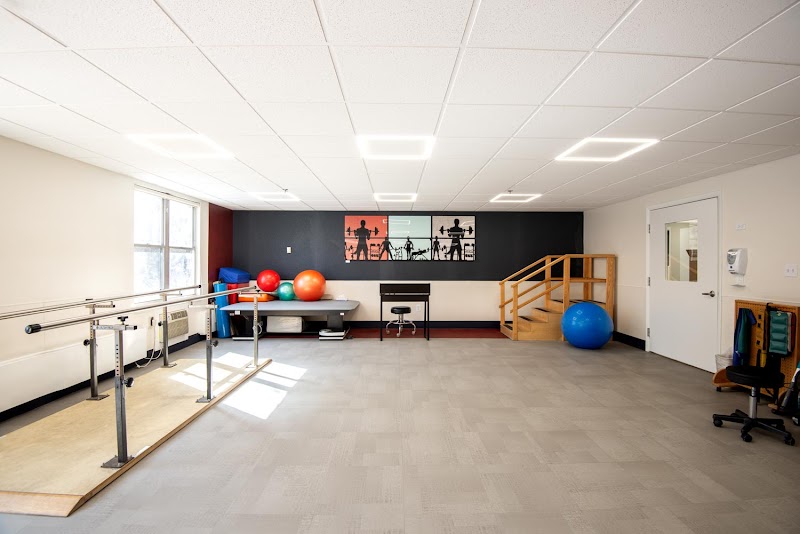
Who Owns and Operates Garden Spring?

GARDEN SPRING NURSING AND REHABILITATION CENTER is owned by a for-profit company. For-profit facilities operate as businesses with obligations to shareholders or private owners. The facility is operated by IMPERIAL HEALTHCARE GROUP, a chain that manages multiple nursing homes. With 173 certified beds and approximately 138 residents (about 80% occupancy), it is a mid-sized facility located in WILLOW GROVE, Pennsylvania.

How Does Garden Spring Compare to Other Pennsylvania Nursing Homes?

Compared to the 100 nursing homes in Pennsylvania, GARDEN SPRING NURSING AND REHABILITATION CENTER's overall rating (3 stars) matches the state average, staff turnover (53%) is near the state average of 46%, and health inspection rating (3 stars) is at the national benchmark.

What Should Families Ask When Visiting Garden Spring?

Based on this facility's data, families visiting should ask: "Can you walk me through typical staffing levels on day, evening, and night shifts?" "Can I visit during a mealtime to observe dining assistance and food quality?" "How do you handle medical emergencies, and what is your hospital transfer rate?" "Can I speak with family members of current residents about their experience?" These questions are particularly relevant given the below-average staffing rating.

Is Garden Spring Safe?

Based on CMS inspection data, GARDEN SPRING NURSING AND REHABILITATION CENTER has a clean safety record: no substantiated abuse findings (meaning no confirmed cases of resident harm), no Immediate Jeopardy citations (the most serious violation level indicating risk of serious injury or death), and is not on the Special Focus Facility watch list (a federal program monitoring the lowest-performing 1% of nursing homes). The facility has a 3-star overall rating and ranks #1 of 100 nursing homes in Pennsylvania. While no facility is perfect, families should still ask about staff-to-resident ratios and recent inspection results during their visit.

Do Nurses at Garden Spring Stick Around?

GARDEN SPRING NURSING AND REHABILITATION CENTER has a staff turnover rate of 53%, which is 7 percentage points above the Pennsylvania average of 46%. Moderate turnover is common in nursing homes, but families should still ask about staff tenure and how the facility maintains care continuity when employees leave.

Was Garden Spring Ever Fined?

GARDEN SPRING NURSING AND REHABILITATION CENTER has been fined $10,000 across 1 penalty action. This is below the Pennsylvania average of $33,179. While any fine indicates a compliance issue, fines under $50,000 are relatively common and typically reflect isolated problems that were subsequently corrected. Families should ask what specific issues led to these fines and confirm they've been resolved.

Is Garden Spring on Any Federal Watch List?

GARDEN SPRING NURSING AND REHABILITATION CENTER is not on any federal watch list. The most significant is the Special Focus Facility (SFF) program, which identifies the bottom 1% of nursing homes nationally based on persistent, serious quality problems. Not being on this list means the facility has avoided the pattern of deficiencies that triggers enhanced federal oversight. This is a positive indicator, though families should still review the facility's inspection history directly.