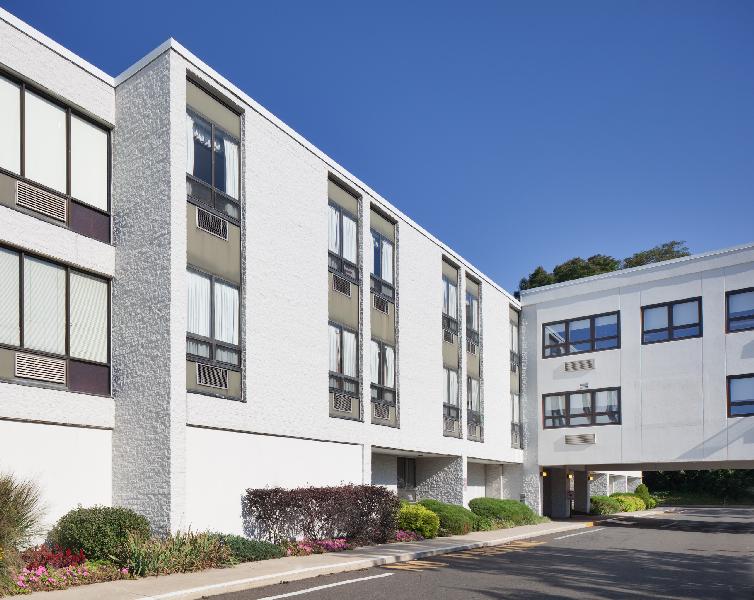

HOPKINS CENTER

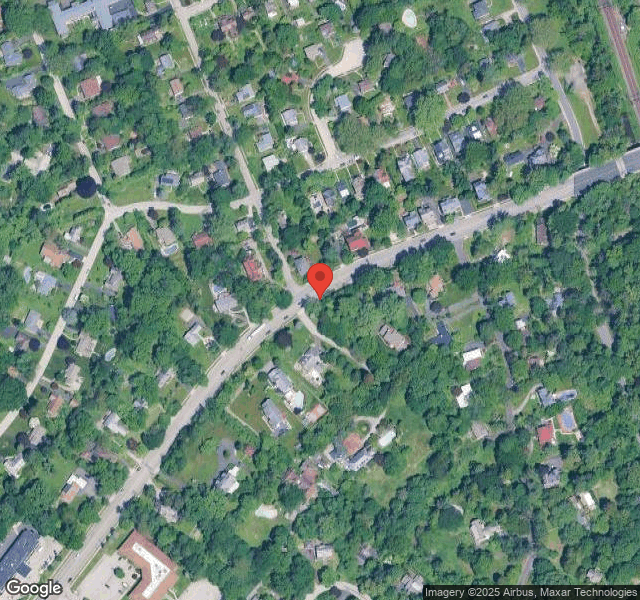
8100 WASHINGTON LANE, WYNCOTE, PA 19095 (215) 576-8000
For profit - Limited Liability company 106 Beds GENESIS HEALTHCARE Data: November 2025 2 Immediate Jeopardy citations
Trust Grade
0/100
#576 of 653 in PA
Last Inspection: August 2025

Inspected within the last 6 months. Data reflects current conditions.

Overview

The Hopkins Center in Wyncote, Pennsylvania has received a Trust Grade of F, indicating significant concerns about the quality of care provided. With a state rank of #576 out of 653, they are in the bottom half of Pennsylvania facilities, and they rank #54 out of 58 in Montgomery County, suggesting that very few local options are worse. The facility's trend is worsening, increasing from 18 issues in 2024 to 23 in 2025, which is alarming. Staffing is average with a 3/5 rating, but the turnover rate is concerning at 50%, which is about the state's average. They have incurred $155,155 in fines, higher than 95% of facilities in Pennsylvania, indicating ongoing compliance issues. Specific incidents include a critical failure to supervise a resident at risk of leaving the facility, resulting in serious injuries when the resident exited through a window. Another critical finding involved a resident being given insulin without proper education on blood sugar management, creating a dangerous situation. Additionally, a serious issue arose when a care plan for a resident with alcohol dependency was not adequately developed, leading to hospitalization for alcohol intoxication. While there are some strengths, such as average staffing ratings, the alarming number of critical incidents and overall poor rankings raise significant red flags for families considering this facility for their loved ones.

Trust Score
F
0/100
In Pennsylvania
#576/653
Bottom 12%
Safety Record
High Risk
Review needed
Inspections
Getting Worse
18 → 23 violations
Staff Stability
⚠ Watch
50% turnover. Above average. Higher turnover means staff may not know residents' routines.
Penalties
✓ Good
$155,155 in fines. Lower than most Pennsylvania facilities. Relatively clean record.
Skilled Nurses
✓ Good
Each resident gets 46 minutes of Registered Nurse (RN) attention daily — more than average for Pennsylvania. RNs are trained to catch health problems early.
Violations
⚠ Watch
48 deficiencies on record. Higher than average. Multiple issues found across inspections.
★☆☆☆☆
1.0
Overall Rating
★★★☆☆
3.0
Staff Levels
★★★☆☆
3.0
Care Quality
★☆☆☆☆
1.0
Inspection Score
Stable
2024: 18 issues
2025: 23 issues

The Good

  • Full Sprinkler Coverage · Fire safety systems throughout facility
  • No fines on record

Facility shows strength in fire safety.

The Bad

1-Star Overall Rating

Below Pennsylvania average (3.0)

Significant quality concerns identified by CMS

Staff Turnover: 50%

Near Pennsylvania avg (46%)

Higher turnover may affect care consistency

Federal Fines: $155,155

Well above median ($33,413)

Significant penalties indicating serious issues

Chain: GENESIS HEALTHCARE

Part of a multi-facility chain

Ask about local staffing decisions and management

The Ugly 48 deficiencies on record

2 life-threatening 4 actual harm
Aug 2025 9 deficiencies
CONCERN (D)

Potential for Harm - no one hurt, but risky conditions existed

Deficiency F0583 (Tag F0583)

Could have caused harm · This affected 1 resident

**NOTE- TERMS IN BRACKETS HAVE BEEN EDITED TO PROTECT CONFIDENTIALITY** Based on a review of facility policies, staff interviews, and observations, it was determined that the facility failed to mainta...

Read full inspector narrative →
**NOTE- TERMS IN BRACKETS HAVE BEEN EDITED TO PROTECT CONFIDENTIALITY** Based on a review of facility policies, staff interviews, and observations, it was determined that the facility failed to maintain personal privacy for one of 18 residents reviewed (Resident R80).Findings include:On August 4, 2025, at approximately 11:00 a.m., the first-floor conference room began to experience a ceiling leak. Nursing Home Administrator, Employee E1, and three maintenance staff were notified. Upon arriving at room [ROOM NUMBER], it was observed that the sink was clogged and overflowing onto the bathroom floor. Standing water was present on the floor and leaking into the first-floor conference room. While three maintenance staff were working on the plumbing issue, Resident R80 was receiving morning care. It was observed that Resident R80's privacy curtain only covered a quarter of the resident's bed, failing to provide full privacy.On August 5, 2025, at 12:52 p.m., an interview with Resident R80 revealed that the resident only has half of the privacy curtain in (her/his) room. Resident R80 further stated that for the first nine months of (her/his) admission, the facility never provided a privacy curtain. Resident R80 explained, When my roommate has guests and I have a Nursing Assistant (NA) providing care at my bedside, I request that her guests leave because my curtain does not close, which prevents me from having full privacy during care. Resident R80 reported that (she/he) received half of a curtain approximately five months ago and, at that time, requested a full curtain, as the half curtain did not provide (her/his) with adequate privacy.On August 6, 2025, at 2:26 p.m., an observation conducted with the Administrator, Employee E1, confirmed that R80 had only half of a curtain and that there was a lack of privacy in her room.28 Pa. Code 201.29(a) Resident Rights.
CONCERN (D)

Potential for Harm - no one hurt, but risky conditions existed

Safe Environment (Tag F0584)

Could have caused harm · This affected 1 resident

**NOTE- TERMS IN BRACKETS HAVE BEEN EDITED TO PROTECT CONFIDENTIALITY** Based on observations and resident and staff interviews, it was determined that the facility failed to maintain the facility in ...

Read full inspector narrative →
**NOTE- TERMS IN BRACKETS HAVE BEEN EDITED TO PROTECT CONFIDENTIALITY** Based on observations and resident and staff interviews, it was determined that the facility failed to maintain the facility in a clean, safe, comfortable and homelike condition in one of two nursing floors (2nd floor nursing unit). Findings include:On August 4, 2025, at approximately 11:00 a.m., the first-floor conference room began to experience a ceiling leak. The surveyor notified the Administrator, Employee E1, and three maintenance staff were sent to investigate the plumbing issue on the second floor. Upon arriving at room [ROOM NUMBER], it was observed that the sink was clogged and overflowing onto the bathroom floor. Standing water was present on the floor and leaking into the first-floor conference room. On August 5, 2025, at 12:52 p.m., an interview with Resident R80 revealed that her bathroom sink had leaking pipes, which caused water to drip onto the floor and resulted in water damage to both the floor and the first-floor conference room ceiling. She reported that this issue had reoccurred approximately three to four times over the past two months. Resident R80 stated that she had notified the maintenance staff.On August 7, 2025, at approximately 2:00 p.m., the first-floor conference room began to experience a ceiling leak again. The surveyor notified the Administrator, Employee E1. It was determined that the sink in room [ROOM NUMBER] was leaking once more. At that time, a Certified Nursing Assistant was providing care to Resident R80 and reported that the sink leak continues to occur. Over the past two months, the sink has been clogged twice, resulting in repeated damage to the bathroom floor. Administrator confirmed the bathroom leak.28 Pa. Code 201.14(a) Responsibility of licensee.28 Pa. Code 201.18(b)(1) (3) Management.
CONCERN (D)

Potential for Harm - no one hurt, but risky conditions existed

Comprehensive Care Plan (Tag F0656)

Could have caused harm · This affected 1 resident

Based on review of clinical records, observations, and staff interviews, it was determined that the facility did not complete a comprehensive care plan for two of 18 residents reviewed (Resident R42 a...

Read full inspector narrative →
Based on review of clinical records, observations, and staff interviews, it was determined that the facility did not complete a comprehensive care plan for two of 18 residents reviewed (Resident R42 and R2). Findings include:Review of facility policy Prosthetics and Orthotics dated December 16, 2024 revealed that Nursing will routinely: inspect the prosthesis and/or orthostatic device to determine if it fits correctly and is functioning as intended, or if it is in need for repair. Evaluate skin/mucus membrane that comes in contact with the prosthesis to ensure it is free of abrasion, wounds, or irritation.Review of clinical record for Resident R2 revealed that the resident had diagnosis including acquired absence of right leg below knee, acquired absence of right leg below knee, and peripheral vascular disease.Review of clinical record dated June 27, 2025, revealed that the resident that while giving shower nurse aide noted new skin issue. Resident was noted stage 2 pressure injury to left lateral inner knee. Resident stated it was from his prostheses being too tight and mentioned therapy had recently adjusted it. Inspected both left and right leg as resident is bilateral below knee amputation and used prosthetics on both lower extremities.Review of care plan for Resident R2 dated June 4, 2025 revealed that the resident was at risk for skin breakdown related to decreased mobility and left and right knees amputation. Care plan interventions prior to June 27, 2025 revealed no care plan interventions for skin check prior to or after wearing prosthesis, evaluating the proper fit of the prosthesis and the proper functioning of the prosthesis.Interview with Lead Wound Care Nurse, Employee E12, on August 7, 2025, at 1:15 p.m., confirmed that staff should check residents' skin at the location where prosthesis touches the skin before and after placing the prothesis or periodically if resident wears the prosthesis independently. Employee E12 also confirmed that the care plan intervention for Resident R2 did not include interventions for skin check prior to or after wearing prosthesis, evaluating the proper fit of the prosthesis and the proper functioning of the prosthesis. Review of resident R42's clinical record revealed that the resident was admitted wo the facility on March 20, 2017, with diagnoses including legal blindness. Interview with the facility Director of Nursing and Regional Nurse, Employee E3, conducted on August 7, 2025, at approximately 2:30 p.m. confirmed that a care plan to address communication in relation to legal blindness for Resident R42; there were no focus, interventions, and goals care planned for Resident R42's diagnosis of Legal Blindness.28 Pa. Code 211.12(d)(1) Nursing services
CONCERN (D)

Potential for Harm - no one hurt, but risky conditions existed

Deficiency F0658 (Tag F0658)

Could have caused harm · This affected 1 resident

Based on the observations, interview with staff, it was determined that the facility failed to administer medications according to professional standards of practice three of three medication administ...

Read full inspector narrative →
Based on the observations, interview with staff, it was determined that the facility failed to administer medications according to professional standards of practice three of three medication administrations observed. (Residents R59, R39 and R50)Findings Include:According National Library of Medicine (Operated by the United States federal government, a biomedical library and a national resource for health professionals, scientists, and the public) five rights of medication use: the right patient, the right drug, the right time, the right dose, and the right route-all of which are generally regarded as a standard for safe medication practices.Observation of the Medication Administration by Employee E13, Licensed Practical Nurse for Resident R59 on August 6, 2025, at 9:00 a.m. revealed that the nurse prepared the medication for Resident R59, walked into resident room and administered the medication. The nurse did not verify the resident's first and last name, date of birth or name at the door prior to entering resident's room to administer the medication.Continued observation revealed that the nurse gave Resident R59 her eye drops walked to the other side and took vitals signs of Resident R39. On her way back to the medication cart she collected the eye drops from Resident R59 and placed it in the medication cart. Employee E13 did not complete Resident R59's medication administration prior to checking Resident R39's vital signs. Employee E13 also did not ensure that the resident was administering the eye drop appropriately as ordered by the physician.Observation of the Medication Administration by Employee E13, Licensed Practical Nurse for Resident R39 on August 6, 2025, at 9:19 a.m. revealed that that the nurse prepared the medication for Resident R39, walked into resident room with the medications in hand, and administered the medication. The nurse did not verify the resident's first and last name, date of birth or name at the door prior to entering resident's room to administer the medication.Review of physician order for Resident R59 revealed no documented evidence that the resident had an order for self-administering the medication.Review of clinical record for Resident R59 revealed no documented evidence that the resident was assessed for medication safety for medication self-administration and a care plan was developed for self-administration.Observation of the Medication Administration by Employee E14, Licensed Practical Nurse for Resident R50 on August 6, 2025, at 9:32 a.m. revealed that the nurse prepared the medication walked into resident R50's room called resident's first name and administered the medication. The nurse did not verify the resident's last name, date of birth , residents arm band or name at the door prior to entering resident's room to administer the medication.Interview with Employee E14 on August 6, 2025, at 9:45 a.m. stated staff should ask resident's first name, last name and date of birth to ensure the right patient before medication administration or check residents arm band for the same information if resident could not respond appropriately. Employee E14 confirmed that right patient right was not followed.28 Pa. Code: 201.14(a) Responsibility of licensee. 28 Pa. Code 211.12(d)(1)(2)(5) Nursing services
CONCERN (D)

Potential for Harm - no one hurt, but risky conditions existed

Deficiency F0692 (Tag F0692)

Could have caused harm · This affected 1 resident

**NOTE- TERMS IN BRACKETS HAVE BEEN EDITED TO PROTECT CONFIDENTIALITY** Based on review of facility policy, review of clinical records, and staff interview, it was revealed that the facility failed to...

Read full inspector narrative →
**NOTE- TERMS IN BRACKETS HAVE BEEN EDITED TO PROTECT CONFIDENTIALITY** Based on review of facility policy, review of clinical records, and staff interview, it was revealed that the facility failed to modify protein needs and implement interventions consistent with the resident's assessed needs and current professional standards of practice of nutritional status as it relates to pressure ulcer prevention for one of 18 residents reviewed (Resident R82). Findings include:Review of facility policy titled, Estimating Protein Needs dated 2015, revealed that residents at risk for pressure ulcers require 1.2g/kg (grams per kilogram).Review of Resident R82's clinical record revealed that the resident was admitted to the facility on [DATE], with diagnoses including Aphasia (affected communication), obesity, dysphasia (impairment in the production of speech), and multiple sclerosis (disease that causes breakdown of the protective covering of nerves), hemiplegia (paralysis of one side of the body).Review of Resident R82's Nutrition assessment dated [DATE], revealed a protein factor of 1.0 g/kg. Continued review revealed a progress note by the Dietitian, Employee E4, which indicated a protein prescription of 86 grams daily (utilizing 1.0 g/kg protein factor). A review of Resident R82's clinical record, Braden Scale for Predicting Pressure Sore Risk, dated May 24, 2025, revealed that the resident score was 17, indicating the resident was at risk for developing pressure ulcers. Review of the resident's clinical record revealed no documented evidence that the resident's protein needs were re-assessed after the resident was assessed at risk for developing pressure ulcers.Interview with the Registered Dietitian, Employee E4, conducted on August 7, 2025, at 9:38 a.m. confirmed the above-mentioned findings. Continued interview revealed that according to facility documentation, Resident R82 should have received at least 1.2g/kg to ensure acceptable parameters of nutritional status. 28 Pa. Code 211.5 (f) Clinical records 28 Pa. Code 211.6 (d) Dietary services 28 Pa. Code 211.12 (c)(5) Nursing Services
CONCERN (D)

Potential for Harm - no one hurt, but risky conditions existed

Pharmacy Services (Tag F0755)

Could have caused harm · This affected 1 resident

**NOTE- TERMS IN BRACKETS HAVE BEEN EDITED TO PROTECT CONFIDENTIALITY** Based on the observations, and staff interviews, it was determined that the facility did not provide pharmacy services according...

Read full inspector narrative →
**NOTE- TERMS IN BRACKETS HAVE BEEN EDITED TO PROTECT CONFIDENTIALITY** Based on the observations, and staff interviews, it was determined that the facility did not provide pharmacy services according to professional standards of practice for one of four residents reviewed. (Resident R50) Findings Include:Review of drug information for Fish oil revealed that Omega-3-acid ethyl [NAME] capsules are a prescription medicine used along with a low fat and low cholesterol diet to lower very high triglyceride (fat) levels in adults. Take omega-3-acid ethyl [NAME] capsules whole. Do not break open, crush, dissolve, or chew omega-3-acid ethyl [NAME] capsules before swallowing. If you cannot swallow omega-3-acid ethyl [NAME] capsules whole, tell your healthcare provider. You may need a different medicine.Review of physician order for Resident R50 dated March 8. 2024 revealed an order for Omega-3 Fatty Acids Capsule 1000 MG, give one capsule by mouth one time a day.Observation of the Medication Administration by Employee E14, Licensed Practical Nurse for Resident R50 on August 6, 2025, at 9:32 a.m. revealed that the nurse removed Fish oil capsule from the container, opened the capsule by cutting it, poured the liquid into apple sauce. Observation of the capsule shell prior to discarding revealed that there were still some medication liquid left in the capsule.Interview with the Director of Nursing on August 7, 2025 at 11 a.m. confirmed that the medication could not be open and the resident should be getting a different form of the medication.28 Pa. Code: 201.14(a) Responsibility of licensee. 28 Pa. Code 211.12(d)(1)(2)(5) Nursing services
CONCERN (D)

Potential for Harm - no one hurt, but risky conditions existed

Unnecessary Medications (Tag F0759)

Could have caused harm · This affected 1 resident

**NOTE- TERMS IN BRACKETS HAVE BEEN EDITED TO PROTECT CONFIDENTIALITY** Based on observations, review of clinical records, professional standards of practice and interviews with facility staff, it was...

Read full inspector narrative →
**NOTE- TERMS IN BRACKETS HAVE BEEN EDITED TO PROTECT CONFIDENTIALITY** Based on observations, review of clinical records, professional standards of practice and interviews with facility staff, it was determined that the facility failed to ensure that it was free of medication error rate of five percent or greater for three of four residents observed during medication administration (Resident R50, Resident R59 and R39). Findings includeObservation of the Medication Administration by Employee E13, Licensed Practical Nurse for Resident R59 on August 6, 2025, at 9:00 a.m. revealed that the nurse gave Resident R59 her eye drops walked to the other side and took vital signs of Resident R39. On her way back to the medication cart she collected the eye drops from Resident R59 and placed it in the medication cart. Employee E13 did not complete Resident R59's medication administration prior to checking Resident R39's vital signs. Employee E13 also did not ensure that the resident was administering the eye drop appropriately as ordered by the physician including the dosage and correct application.Review of physician order for Resident R59 dated July 8, 2025, revealed an order for Artificial Tears Ophthalmic Solution 1 %, instill 1 drop in both eyes two times a dayReview of physician order for Resident R59 revealed no documented evidence that the resident had an order for self-administering the medication.Review of clinical record for Resident R59 revealed no documented evidence that the resident was assessed for medication safety for medication self-administration and a care plan was developed for self-administration.Review of drug information for Major Pharmaceuticals Fish oil revealed that Omega-3-acid ethyl [NAME] capsules are a prescription medicine used along with a low fat and low cholesterol diet to lower very high triglyceride (fat) levels in adults. Take omega-3-acid ethyl [NAME] capsules whole. Do not break open, crush, dissolve, or chew omega-3-acid ethyl [NAME] capsules before swallowing. If you cannot swallow omega-3-acid ethyl [NAME] capsules whole, tell your healthcare provider. You may need a different medicine.Review of physician order for Resident R50 dated March 8. 2024 revealed an order for Omega-3 Fatty Acids Capsule 1000 MG, give one capsule by mouth one time a day.Observation of the Medication Administration by Employee E14, Licensed Practical Nurse for Resident R50 on August 6, 2025, at 9:32 a.m. revealed that the nurse removed Fish oil capsule from the container, opened the capsule by cutting it, poured the liquid into apple sauce. Observation of the capsule shell prior to discarding revealed that there were still some medications liquid left in the capsule.Review of physician order for Resident R39 dated March 21, 2025 revealed an order for Aspercreme Lidocaine External Cream 4 % (Lidocaine HCl) Apply to bilateral thighs topically two times a day for pain.Further review of physician order revealed an order for Aspercreme Lidocaine External Patch (Lidocaine) apply to lower back topically one time a day for lower back pain and remove per schedule.Observation of the Medication Administration by Employee E13, Licensed Practical Nurse for Resident R39 on August 6, 2025, at 9:19 a.m. revealed that that the nurse removed two patch consistent with Aspercreme Lidocaine External Patch from resident's bilateral knee and applied new patch to bilateral knee.Continued observation revealed that there was no topical application of patch to lower back.Interview with Employee E13 on August 6, 2025, at 9:25 a.m. stated there should be wearing schedule for the patch, usually on for 12 hours and off for 12 hours and the previous day evening shift staff should be removing it. Employee stated she was from agency and was not familiar with facility protocol and did not provide further details of the observation.The facility incurred a medication error rate of 14.81 %. Pa Code:211.12(d)(1)(2)(5) Nursing Services.
CONCERN (D)

Potential for Harm - no one hurt, but risky conditions existed

Infection Control (Tag F0880)

Could have caused harm · This affected 1 resident

**NOTE- TERMS IN BRACKETS HAVE BEEN EDITED TO PROTECT CONFIDENTIALITY** Based on review of clinical record, facility policy, observations, and interviews with staff, it was determined that the facilit...

Read full inspector narrative →
**NOTE- TERMS IN BRACKETS HAVE BEEN EDITED TO PROTECT CONFIDENTIALITY** Based on review of clinical record, facility policy, observations, and interviews with staff, it was determined that the facility failed to exercise proper infection control techniques for one of two nursing units observed (Second Floor Nursing Unit) and two of four medication administration pass observed. (Resident R39 and Resident R59)Findings include:Review of facility policy titled Enhanced Barrier Precautions, revised December 16, 2024, revealed Standard Precautions, Enhanced Barrier Precautions (EBP) will be used (when Contact Precautions do not otherwise apply) for novel or targeted [NAME]- drug resistant organism (MDROs). To reduce the risk of transmission of epidemiologically important microorganism by direct or indirect contact. On August 4, 2025, at approximately 10:00 a.m., Resident R80 was observed receiving care from Nursing Assistant, Employee E5, who was not wearing any Personal Protective Equipment (PPE), despite EBP signage posted on the resident's door.An observation on August 4, 2025, at 10:10 a.m., on the second-floor nursing unit, room [ROOM NUMBER], revealed Enhanced Barrier Precaution (EBP) signage posted on the door; however, no appropriate disposal container was available inside the resident's room to allow for removal of PPE. The Unit Manager, Employee E9, was interviewed regarding why Resident R80 had EBP signage on the door. A review of the clinical record did not reveal any documentation indicating that the resident required EBP. Employee E9 then consulted with the Nurse Practitioner, Employee E10, who was also not aware of the reason for the signage. An interview was then conducted with the Infection Preventionist, Employee E11, who reported that Resident R80 has a wound and that staff should be wearing EBP when providing care to the resident. Employee E11 confirmed that staff was not wearing EBP gown.On August 5, 2025, at 12:52 p.m., an interview with Resident R80 revealed that this was the first time a nursing aide had worn a PPE gown while providing care. The resident stated that, in the past, nursing staff would only wear gloves when providing care. Observation of the Medication Administration by Employee E13, Licensed Practical Nurse for Resident R59 on August 6, 2025, at 9:00 a.m. revealed that the nurse gave Resident R59 her eye drops walked to the other side and took vital signs of Resident R39. On her way back to the medication cart she collected the eye drops from Resident R59 and placed it in the medication cart. Employee E13 did not complete Resident R59's medication administration prior to checking Resident R39's vital signs. Employee E13 also did not ensure that the resident was administering the eye drop appropriately as ordered by the physician including the dosage and correct application.Employee E13 did not wash her hands after giving medications to Resident R59 and before taking vital signs for Resident R39. Employee did not use the opportunity to wash her hands after taking vital signs and before collecting eye drop from Resident R59.28 Pa. Code 201.14(a) Responsibility of licensee 28 Pa. Code 211.12(c)(d)(1)(5) Nursing Services
CONCERN (E)

Potential for Harm - no one hurt, but risky conditions existed

Deficiency F0809 (Tag F0809)

Could have caused harm · This affected multiple residents

Based on resident council interview, staff interviews, review of facility policy and reviews of the established mealtime schedule, it was determined that the facility failed to ensure a nourishing sna...

Read full inspector narrative →
Based on resident council interview, staff interviews, review of facility policy and reviews of the established mealtime schedule, it was determined that the facility failed to ensure a nourishing snack was provided when 14 hours are between a substantial evening meal and breakfast on the three of three nursing units. (First, Second, and Third Floors). Findings include:Findings include:A review of facility policy titled Snacks, Revised September 2017, revealed that bedtime snacks will be provided foal l residents. The dining services department will assemble and deliver to each unit the individually planned snack items and bulk snack items to be offered at bedtime. Continued review revealed that Nursing Services is responsible for delivering the individual snacks to the identified residents and for offering evening snacks to all other residents. A review of the established meal schedule for the residents revealed that the supper meal was scheduled for 4:45 p.m. on the first and second-floor nursing units; 5:00 p.m. on the third-floor nursing unit; and 5:15 p.m. on the third-floor nursing unit; and that the breakfasts meal the following morning was offered at 7:45 a.m. the following day. On August 6, 2025, at 10:30 a.m., a resident council was held with nine alert and oriented residents (R27, R42, R78, R50, R23, R46, R45, R65, R3). The residents reported that nourishing snacks were not offered at bedtime. They stated that they eat dinner at 4:45 p.m. and become hungry later in the evening.On August 7, 2025, at approximately 11:25 a.m., an interview was conducted with the Dietary Director, Employee E8, who stated that she maintains a list of all diabetic residents who are assigned afternoon and nighttime snacks. The remaining residents receive a regular snack, such as a cookie or milk. Night snacks are prepared and sent out by dietary staff; however, it is the responsibility of the nursing staff to offer them to all residents.On August 7, 2025, at approximately 11:30 a.m., an interview was conducted with the dietician, Employee E4. The interview revealed that dinner is served at 4:45 p.m. in the second-floor dining room, and breakfast is offered at 7:45 a.m. to the same residents, resulting in a 15-hour gap between these two meals.On August 7, 2025, at approximately 3:00 p.m., the Director of Nursing, Employee E2, and the Regional Nurse, Employee E3, confirmed that night snacks are delivered by the kitchen staff; however, it is unknown if the nursing staff are actually offering them to residents. 28 Pa. Code: 201.14(a) Responsibility of license
Jul 2025 1 deficiency
CONCERN (E) 📢 Someone Reported This

A family member, employee, or ombudsman was alarmed enough to file a formal complaint

Potential for Harm - no one hurt, but risky conditions existed

Safe Environment (Tag F0921)

Could have caused harm · This affected multiple residents

**NOTE- TERMS IN BRACKETS HAVE BEEN EDITED TO PROTECT CONFIDENTIALITY** Based on review of facility policy, observations, interviews with resident and staff and review of facility documentation, revea...

Read full inspector narrative →
**NOTE- TERMS IN BRACKETS HAVE BEEN EDITED TO PROTECT CONFIDENTIALITY** Based on review of facility policy, observations, interviews with resident and staff and review of facility documentation, revealed the facility failed to provide a safe, functional, and comfortable environment for residents for two of eleven resident rooms reviewed (Resident R4 and R7) Findings Include: Review of facility policy titled, Center Operations Policies and Procedures with a revision date of February 1, 2023. The policy states, The resident/patient has the right to a safe, clean, comfortable, and homelike environment including, but not limited to, receiving treatment and support for daily living safely. Patients have the right to reside and receive services in the center with reasonable accommodation of individual needs and preferences, expect when the health or safety of the individual or other patients would be endangered. Further review of the policy under process states, 1.6 Comfortable and safe temperature levels. Facilities initially certified before October 1, 1990 must maintain a temperature range of 71 to 81 degrees Fahrenheit. Review of facility Center Emergency Preparedness Plan dated 2024/2025 states under Loss of Utilities, a. Notify HVAC Company and report problem: b. Monitor room temperatures. When the temperature of any resident/patient area reaches 81 degrees Fahrenheit for four (4) consecutive hours: i. Open doors ii. Operate fans iii. Notify the Administrator or designee and the Medical Director iv. Make arrangements for transfer of residents/patients to other areas of the center, or other facilities, if necessary, v. Monitor residents'/patients' temperatures every four (4) hours. Observation of Resident R4's room On July 1, 2025 at 10:47 a.m. revealed the resident was in her room seated in her geri-chair next to her bed. The room had lots of sunlight and felt hot and humid. The room have a large portable air conditioning unit that was connected through the ceiling with tubing. While observing in the room the Director of Maintenance, Employee E3 entered the resident's room to check on the air conditioning unit. When asked what was done when they found out the temperatures were too high, and Employee E3 stated that they offered the residents tabletop fans, took temperature every hour (Rooms 302, 308, 311, 316, 320, and 325), attempted to fix the air conditioning units, and then called for portable air conditioning units to be rented. He stated that the Regional Director of Maintenance usually helps with servicing all units, but he has been out for two weeks due to family emergencies. When asked if there is a air conditioning servicing company, he stated no that I know of, my Regional will usually come in and help troubleshoot the individual room air conditioning units and the central air conditioning unit. Central air conditioning logs were requested and the last one provided was from the year 2016. Employee E2, The Director of Nursing confirmed at 3:54 p.m. that all air conditioning services are provided in house. Director of Maintenance, Employee E3 on July 1 2025 at 11:10 a.m. was asked to provide proof of temperature checks in the rooms identified since June 2025. The Director of Maintenance, Employee E3 revealed he has been completing hourly logs related to the resident rooms identified where the heat was high, and the air conditioning units were not working. The Director of Maintenance, Employee E3 was asked to provide the ongoing logs coming from June 1, 2025 through present day. Employee E3 stated that he has only been working at the facility for a month and was unable to tell how to pull up temperature logs prior to June 30, 2025 on their electronic tracking system. Employee E3 stated that when I got here about a month ago there were about two or three months worth of backed up electronic maintenance requests that were incomplete. Review of facility documentation of room temperature for Sunday, June 29, 2025 revealed, Water full was running down onto room [ROOM NUMBER]-have to empty water. room [ROOM NUMBER]- Unit leaking water on 204- have to install white unit-take down ceiling tile in 204. Interview with Employee E4 revealed that last Sunday June 29, 2025 he got a call from the Director of Maintenance Employee E3 that he needed to come in because there was a leak from one of the portable air conditioning units. Employee E3 stated he came in around 9:00 a.m. to empty the bins of water. He stated that he also checked the room temperatures for the six identified rooms. He stated he was at the facility for a couple hours probably till around 11:00 a.m. when he left. When asked if he came to the facility on Saturday June 28, 2025 he stated that he did not. Interview held with the Director of Maintenance Employee E3 at 11:15 a.m. revealed he was unsure who was responsible for checking the air room temperatures on second shift or on overnight shift. Employee E3 stated that he did not come in on Saturday June 28 or Sunday June 29. Temperatures were checked in all six identified rooms and two of the rooms had temperatures that were over 81 degrees. Employee E3 stated that when he goes into the resident room he takes the temperature in three different places within the room. Air temperatures taken at three different spots within Resident R4's room on July 1, 2025 at 11:17 a m revealed the following air temperatures 84.4 degrees Fahrenheit (F), 94.3 degrees (F), and 98.4 degrees (F). At 11: 24 a m on July 1, 2025, Resident R7 air room temperatures were- 88.3 degrees (F), 84.5 degrees (F), and 81.9 degrees (F). Review of the facility air temperature logs provided by the Director of Maintenance, Employee E3 revealed the following: June 25, 2025 there were temperature logs provided for six different times (10:15 a.m., 11:30 a.m.,12:45 p.m., 1:45 p.m., 3:00 p.m., 4:00 p.m.) For June 25, 2025 there were resident rooms that were recorded at being over 81 degrees Fahrenheit: room [ROOM NUMBER]- 10:15 a.m.- 83.3 degrees, 12:45 p.m.- 84.4 degrees, 1:45 p.m.-83.3 degrees, 3:00 p.m.-83.6 degrees, 4:00 p.m.-84.1 degrees room [ROOM NUMBER]- 10:15 a.m.-83.2 degrees, 12:45 p.m.-84.4 degrees, 12:45p.m.-86.5 degrees, 1:45 p.m.- 85.1 degrees, 3:00 p.m.- 86 degrees, 4:00 p.m.-86.7 degrees room [ROOM NUMBER]: 10:15 a.m.- 86.4 degrees 11:30 a.m.- 89.2 degrees 12:45 p.m.-88.5 degrees, 1:45 p.m.-87.3 degrees, 3:00 p.m.-87.9 degrees, 4:00 p.m.-85.1 degrees For June 26, 2025 there were temperature logs provided for one time 3:40 p.m. and the documentation notes (also empty water). For June 27, 2025 there were temperature logs provided for two times 7:30 a.m. and 8:30 a.m. For the 7:30 a.m. room temperatures the following rooms were above 81 degrees- 302-81.3 degrees, 308-82.5 degrees, 311-85.6 degrees, 316-87.3 degrees. For the 8:30 a.m. room temperatures the following rooms were above 81 degrees- 302-84.6 degrees, 308-82.1 degrees, 311-85.1 degrees, 316-87.4 degrees. For June 28, 2025 (Saturday) there were no logs provided. An interview was held with Employee E1, the Nursing Home Administrator and Employee E2, the Director of Nursing at 1:03 p.m. When asked when concerns were identified with the air conditioning units, Employee E1, Nursing Home Administrator stated, right around when the heat wave started, staff noticed some air conditioning units weren't turning on.According to the facility documentation provided the air conditioning units were ordered on June 25, 2025, the same day the units were found to not be working. Continued interview with Employee E1, the Nursing Home Administrator revealed, Maintenance is supposed to be responsible for monitoring the temperatures, but I just come to find out they haven't been doing that. When Employee E1, the Nursing Home Administrator was asked if he was overseeing the process and if he saw any of the temperatures logs he stated, no I haven't seen them. When asked if the residents in the identified rooms were given an option for a room change Employee E1, the Nursing Home Administator stated, yes they were or their representatives were. When asked if this was documented anywhere, Employee E1 stated, honestly, I couldn't tell you if it was or not. The facility was unable to provide documentation that room changes were offered. Interview conducted on July 1, 2025 at 1:10 p.m. with the Employee E5, the Regional Maintenance Director revealed that when the temperatures are at an unsafe level the facility policy is to check the temperature of the rooms identified every four hours including all shifts. 28 Pa. Code 202.28(b)(3) Management
Apr 2025 1 deficiency
CONCERN (D) 📢 Someone Reported This

A family member, employee, or ombudsman was alarmed enough to file a formal complaint

Potential for Harm - no one hurt, but risky conditions existed

Deficiency F0657 (Tag F0657)

Could have caused harm · This affected 1 resident

**NOTE- TERMS IN BRACKETS HAVE BEEN EDITED TO PROTECT CONFIDENTIALITY** Based on clinical record review and interview with staff, it was determined that the facility did not ensure that care plans wer...

Read full inspector narrative →
**NOTE- TERMS IN BRACKETS HAVE BEEN EDITED TO PROTECT CONFIDENTIALITY** Based on clinical record review and interview with staff, it was determined that the facility did not ensure that care plans were revised in a timely manner related to discharge planning for one of six records reviewed (Resident R2). Findings include: Review of clinical documentation revealed that Resident R2 was admitted to the facility on [DATE] and had diagnoses including, but not limited to, bipolar disorder, alcohol dependence, and chronic pain. Further review revealed that the resident had been issued a discharge notice, dated March 4, 2025, which stated we are hereby notifying you that effective April 4, 2025, which is thirty (30) days from the date of this letter, you will be discharged from [the facility]. The documented reason was the resident has failed .to pay for .a stay at the facility. Review of the resident's care plan revealed that she had a care plan developed on January 14, 2025, which stated [Resident R2] plans to remain at [the facility] for LTC (Long Term Care) placement. Interview with the Nursing Home Administrator (NHA), employee E1, and the social worker, employee E3 on April 30, 2025, at 12:32 p.m. revealed that social services had been working with the resident to find housing placement that meets the needs and expectations of the resident since her hire in February 2025. Employee E1 confirmed that the resident's care plan had not been updated to reflect the change in discharge planning status. 28 Pa. Code 211.10 (d) Resident care policies 28 Pa. Code 211.12 (d)(5) Nursing services
Mar 2025 7 deficiencies 2 Harm
SERIOUS (G)

Actual Harm - a resident was hurt due to facility failures

Comprehensive Care Plan (Tag F0656)

A resident was harmed · This affected 1 resident

**NOTE- TERMS IN BRACKETS HAVE BEEN EDITED TO PROTECT CONFIDENTIALITY** Based on review of facility policy, facility documents, clinical records, and interview with staff; it was determined the facili...

Read full inspector narrative →
**NOTE- TERMS IN BRACKETS HAVE BEEN EDITED TO PROTECT CONFIDENTIALITY** Based on review of facility policy, facility documents, clinical records, and interview with staff; it was determined the facility failed to develop a comprehensive care plan and interventions to address Resident R75 diagnosis of alcohol dependency. This failure resulted in actual harm to Resident R75 who was observed with signs/symptoms of intoxication, transferred to hospital, and diagnosed with alcohol intoxication which required intravenous therapy for one of 38 residents reviewed. (Resident R75) Findings include: Review of facility policy titled Person Center Care Plan revised October 24, 2022, revealed the center must develop and implement a baseline person centered care plan within 48 hours of admission for each resident that includes instructions needed to provide effective and person-centered care that meet professional standards of quality care. A comprehensive person-centered care plan must be developed for each patient and must describe the following services that are to be furnished, any service that would otherwise be required but not provided due to patients exercise of rights including the rights to refuse treatment, any specialized service or specialized rehabilitative service that the center will provide as a result of the PASRR (Pennsylvania Pre-admission Screening) recommendations. Care plans will be communicated to appropriate staff, patient, patient representative and family. Reviewed and revised by the interdisciplinary team after each assessment including both the comprehensive and quarterly review assessments, and as needed to reflect the response to care and the changing needs and goals; and documented. Review of Resident R75's clinical record revealed the resident was admitted to the facility on [DATE] with diagnoses of alcohol dependence, Bipolar Disorder (condition in which a person has periods of depression, and periods of being extremely happy), history of transient ischemic attack (stroke), alcohol cirrhosis of liver (severe scaring of the liver), generalized anxiety disorder, and difficulty walking. Review of Resident R75's quarterly Minimum Data Set assessment (MDS- assessment of resident care needs) dated August 5, 2024, revealed the resident had a BIMS (Brief Interview of Mental Status) score of 15, indicating the resident was cognitively intact. Continued review of the MDS revealed the resident had no upper or lower extremities impairment and was independent with ambulation. Review of Resident R75's nursing notes dated September 17, 2024, (late entry 5:46 p.m.) revealed, the resident was found to have a small water bottle with clear liquid in the bottom that smelled like alcohol. The resident did say (he/she) was drinking. (Resident R75) refused to say how (he/she) obtained the alcohol. (He/she) stated every one here was buying it. Further review of same Resident R75's nursing note dated September 17, 2024 revealed, [Resident R75] was hitting elevator, slurring (his/her) speech, order to send to ED (emergency room) or evaluation was obtained however [Resident R75] refused to go with ambulance. She/he refused to allow NHA (Nursing Home Administrator) and DON (Director of Nursing) ro (sic) search room. MD (physician) was made aware and nursing. Plan of care ongoing. Review of Resident's R75's clinical record revealed that there was not evidence that a care plan was developed related to the resident's diagnosis of alcohol dependency and/or following the incident on September 17, 2024 in which the resident admitted obtaining and drinking alcohol. Review of nursing note dated October 2, 2024, at 9:00 a.m. revealed, the resident met with the administration team to address a drinking incident that occurred over the weekend. During the meeting, the team discussed the situation in detail, reviewed the impact of the incident and provided the resident with a formal 30-day notice of discharge. Review of Social Service documentation dated October 2, 2024, revealed that Resident R75 had a drinking incident that occurred over the weekend (9/29-9/30, 2024). A 30-day discharge notice was issued to the resident due to endangerment of resident safety related to multiple occasions where resident was found to be visibly intoxicated with verbal aggression towards others. Continued review of nursing notes dated October 3, 2024, at 3:19 p.m. revealed Resident had screamed out in (his/her) room that (he/she) stung by a bee .Patient was slurring (his/her) words and tipsy sitting up in bed. Resident went to bathroom and was tipsy walking to the bathroom. Nursing seen a water bottle hidden under a pillow in (resident) room. When UM (Unit Manager) opened the bottle to smell, you could smell liquor in bottle resident grabbed it from my hand and stated that is non of your business leave it alone. Patient than began to state '[resident] needs benadryl bc (because) [resident] is allergic .' [Physician] called an notified of above and gave verbal order to send resident out to hospital . Prior to resident leaving (he/she) agreed to a room search and 3 more empty water bottles were found smelling of vodka, and empty mouth wash were also found. Review of Resident R75's hospital discharged records dated October 4, 2024, revealed the resident's primary diagnosis of alcohol intoxication. The resident blood alcohol (BAC) level 276 (BAC as mg/dL: for every 100 milliliters (or 1 deciliter) of blood, there are 200 milligrams of alcohol) at admission. Patient received IV (intravenous fluids) at admission. Patient received IV (intravenous fluids). Review of Resident R75's clinical record revealed a care plan for substance abuse/alcohol dependence which was not initiated until October 6, 2024. The goal of the care plan was for the resident to have decreased episodes of alcohol seeking behaviors. Interventions included to build resident relapse prevention skills by helping identify early signs of relapse, observe for signs and symptoms of withdrawal for detox, reassess resident to determine if substance use can be effectively managed in the current setting initiated, monitor conditions that may contribute to substance use, monitor medications for potential contribution to substance and or drug interaction. Interview with Licensed nurse, Employee E9 on March 13, 2025, at 9:50 a.m. who was on duty during the drinking incident that occurred over the weekend (9/29-9/30, 2024) per Social Service documentation on dated October 2, 2024, revealed that she has no knowledge of the resident diagnosis of alcohol abuse. Interview with Nursing aide, Employee E7 on March 13, 2025, at 10:05 a.m. This employee confirmed that she was familiar with Resident R75. Nursing aide, Employee E7 stated [she/he] is very nice and always happy. Employee E7 denies having any knowledge of Residents R75 history of alcohol abuse and denies any awareness of Resident R75 observed intoxicated with any behaviors. Interview with Nursing aide, Employee E8 confirmed that she was familiar with Resident R75. Employee E8 denied any knowledge of Resident R75's diagnosis of alcoholism and of incidents relating to the resident being intoxicated. Interview with Director of Nursing (DON), Employee E2 and Regional Nurse, Employee E5 on March 13, 2025, at 9:00 a.m. confirmed that the resident's care plan was initiated after October 4, 2024. DON, Employee E2 confirmed that the care plan was updated to reflect the resident's alcohol abuse after the last known occurrence on October 4, 2024. The facility failed to develop a comprehensive care plan and interventions to address Resident R75's diagnosis of alcohol dependency. This failure resulted in actual harm to Resident R75 who was found intoxicated on three different occassions while at the facility from September 17, 2024 through October 2, 2024. Resident R75 was transferred to the hospital, diagnosed with alcohol intoxication and required intravenous therapy on October 2, 2024. Refer to F689 28 Pa. Code 201.18(e)(1) Management 28 Pa Code 211.10(d) Resident care policies 28 Pa. Code 211.12 (c)(d)(1) Nursing Services
SERIOUS (G)

Actual Harm - a resident was hurt due to facility failures

Accident Prevention (Tag F0689)

A resident was harmed · This affected 1 resident

**NOTE- TERMS IN BRACKETS HAVE BEEN EDITED TO PROTECT CONFIDENTIALITY** Based on the review of facility documentation, clinical records, hospital records, and interviews with resident and staff, it wa...

Read full inspector narrative →
**NOTE- TERMS IN BRACKETS HAVE BEEN EDITED TO PROTECT CONFIDENTIALITY** Based on the review of facility documentation, clinical records, hospital records, and interviews with resident and staff, it was determined the facility failed to provide appropriate staff supervision and failed to complete a thorough assessment of the resident environment for Resident R75 with a diagnosis of alcohol dependency. This failure resulted in actual harm to Resident R75 who was found with symptoms of intoxication, transferred to the hospital, diagnosed with alcohol intoxication with a blood alcohol level of 276 mg/dL and required intravenous therapy for one of 38 residents reviewed. (Resident R75) Findings include: Review of Resident R75's clinical record revealed the resident was admitted to the facility on [DATE], with diagnoses of alcohol dependence, Bipolar Disorder (condition in which a person has periods of depression, and periods of being extremely happy), history of transient ischemic attack (stroke), alcohol cirrhosis of liver (severe scaring of the liver), generalized anxiety disorder, and difficulty walking. Review of Resident R75's Minimum Data Set assessment (MDS- assessment of resident care needs) dated August 5, 2024, revealed the resident had a BIMS (Brief Interview of Mental Status) score of 15, indicating the resident was cognitively intact. Continued review of the MDS revealed that the resident had no upper or lower extremities impairment and was independent with ambulation. Review of Resident R75's nursing notes dated September 17, 2024, (late entry 5:46 p.m.) revealed the resident was found to have a small water bottle with clear liquid in the bottom that smelled of alcohol. The resident did say (she/he) was drinking. (She/he) refused to say how (resident) obtained the alcohol. (Resident) stated everyone here was buying it. [Resident R75] was hitting elevator, slurring (his/her) speech order to send to ED (emergency room) or evaluation was obtained however [Resident R75] refused to go with ambulance. (Resident) refused to allow NHA (Nursing Home Administrator) and DON (Director of Nursing) ro (sic) search (resident) room. MD (physician) was made aware and nursing. Plan of care ongoing. Review of Resident's R75's clinical record revealed that there was not evidence that a care plan was developed related to the resident's diagnosis of alcohol dependency and/or following the incident on September 17, 2024 in which the resident admitted obtaining and drinking alcohol. Review of nursing note dated October 2, 2024, at 9:00 a.m. revealed the resident met with the administrator team to address a drinking incident that occurred over the weekend. During the meeting, the team discussed the situation in detail, reviewed the impact of the incident and provided the resident with a formal 30-day notice of discharge. Review of Social Service documentation dated October 2, 2024, revealed that Resident R75 had a drinking incident that occurred over the weekend (9/29-9/30, 2024). A 30-day discharge notice was issued to the resident due to endangerment of resident safety related to multiple occasions where resident was found to be visibly intoxicated with verbal aggression towards others. Review of Resident R75's nursing notes from September 2024 through October 2024 revealed no documented evidence of verbal aggression toward other residents related to the use of alcohol. Review of Resident R75's nursing notes dated October 3, 2024, at 3:19 p.m. revealed Resident had screamed out in (her/his) room that (resident) stung by a bee .Patient was slurring (her/his) words and tipsy sitting up in bed. Resident went to bathroom and was tipsy walking to the bathroom. Nursing seen a water bottle hidden under a pillow in (resident) room. When UM (Unit Manager) opened the bottle to smell, you could smell liquor in bottle resident grabbed it from my hand and stated that is non of your business leave it alone. Patient than began to state (she/he) needs benadryl bc (because) (she/he) is allergic . [Physician] called an notified of above and gave verbal order to sent resident out to hospital . Prior to resident leaving (she/he) agreed to a room search and 3 more empty water bottles were found smelling of vodka, and empty mouth wash were also found. Review of facility documentation submitted to the State survey agency dated October 3, 2024, revealed that Resident R75 was observed by staff on 10/3/24, slurring (her/his) speech, arguing aggressively with staff and other residents. [Her/his] behavior appeared impaired. [Resident] refused to allow search of [her/his] room and belongings. [Resident] did state that someone from the kitchen brings in the alcohol. [She/he] refused to mention the name of the staff member. A facility investigation was conducted which included interview with Resident R75, other residents and all dietary staff and in-house staff. The resident refused room searches. Resident R75 does not receive any visitors but frequently orders from an online store and online meal service. The investigation was inconclusive of how resident received alcohol. Review of hospital discharged records dated October 4, 2024, revealed the resident primary diagnosis of alcohol intoxication. The resident's blood alcohol (BAC) level 276 (BAC as mg/dL: for every 100 milliliters (or 1 deciliter) of blood, there are 200 milligrams of alcohol) at admission. Patient received IV (intravenous fluids). Review of www.consumershield.com/articles/blood-alcohol-level-chart A revealed, a blood alcohol consumption level of 0.40%+ is typically lethal, while 0.25%-0.39% can cause coma or death. Severe alcohol poisoning at these levels may shut down vital functions. Review of Resident R75's care plan revealed, a care plan for substance abuse/ alcohol dependence was not developed until October 6, 2024. Interview with Nursing Home Administrator (NHA), Employee E1 and Director of Nursing, Employee E2 on March 12, 2025, at 1:35 p.m. confirmed there were no reported incidents or investigation relating to September 17, 2024, and during the weekend of October 2, 2024, that pertained to Resident R75 being observed intoxicated. Interview with Resident R75 on March 11, 2025, at 10:15 a.m. revealed the resident was aware of the thirty-day discharge notice and that she/he has been working with social work and care provider to aid in this transition. [She/he] looking forward to moving on with [her/his] life and eager to leave the facility. Interview with Resident R75 on March 13, 2025, at 9:05 a.m. revealed that she/he has had no problems with the administration and or any rules/ regulations of the facility. Resident R75 confirmed placing orders online for food and products. Review of the resident's clinical record revealed no documented evidence the faciltiy implemented interventions to monitor and supervise Resident R75's environment for the presence and consumption of alcohol. The facility failed to provide appropriate staff supervision and failed to complete a thorough assessment of the resident environment which resulted in actual harm to Resident R75 who was found with symptoms of intoxication, transferred to the hospital, diagnosed with alcohol intoxication with a blood alcohol level of 0.27% and required intravenous therapy. 28 Pa. Code 201.18(e)(1) Management 28 Pa Code 211.10(d) Resident care policies 28 Pa. Code 211.12 (c)(d)(1) Nursing Services
CONCERN (D)

Potential for Harm - no one hurt, but risky conditions existed

Deficiency F0582 (Tag F0582)

Could have caused harm · This affected 1 resident

Based on review of documentation and staff interview, it was determined the facility failed to ensure residents were provided a Notification of Medicare Non-coverage (NOMNC) and an Advanced Beneficiar...

Read full inspector narrative →
Based on review of documentation and staff interview, it was determined the facility failed to ensure residents were provided a Notification of Medicare Non-coverage (NOMNC) and an Advanced Beneficiary Notice of Non-coverage (ABN) for three of three residents reviewed (Resident 91, Resident 151, Resident 152). Findings include: Review of facility documentation for three residents revealed a Notification of Medicare Non-Coverage (NOMNC) was not provided to Resident 91, Resident 151 or Resident 152. Review of facility documentation for three residents revealed Advanced Beneficiary Notice of Non-Coverage (ABN) was not provided to Resident 91, Resident 151 or Resident 152. Interview with the Administrator in Training, Employee E8, on March 13, 2025 at 1:42 p.m. revealed that the facility could not locate a NOMNC or an ABN notification for Resident 91, Resident 151 or Resident 152. Interview with the Nursing Home Administrator on March 13, 2025, at 2:00 p.m. confirmed that the facility could not provide evidence that Resident 91, Resident 151 or Resident 152 received a NOMNC or an ABN notification. 28 Pa. Code 201.18(b)(1) Management
CONCERN (D)

Potential for Harm - no one hurt, but risky conditions existed

Deficiency F0919 (Tag F0919)

Could have caused harm · This affected 1 resident

**NOTE- TERMS IN BRACKETS HAVE BEEN EDITED TO PROTECT CONFIDENTIALITY** Based on observation, review of the facility policy and staff and resident interview, it was determined that the facility failed...

Read full inspector narrative →
**NOTE- TERMS IN BRACKETS HAVE BEEN EDITED TO PROTECT CONFIDENTIALITY** Based on observation, review of the facility policy and staff and resident interview, it was determined that the facility failed to ensure that call bells were available and operable for resident use for two of 38 residents observed residents. (Residents R63 and R39) Findings include: Review of facility policy, Call Lights, revised June 6, 2021, revealed that all Genesis Healthcare patients will have a call light or alternative communication device within their reach at all times when unattended. Interview with Resident R63 in room [ROOM NUMBER], on March 10, 2025, at 11:25 a.m. revealed that he does not use the call bell much and he pointed to the call bell which was wound around the bedrails. It was noted that the other end of the cord was cut off and laying on the floor, and the severed cord attached to the plug was in the wall jack. When the button was pushed it did not activate. Further observation of the light on the ceiling outside her door revealed that it did not light after pressing the button multiple times. Interview with the Licnesed nurse, Employee E26, on March 10, 2025, at 11:30 a.m revealed that the call bell was not working. Interview with Resident R39 in room [ROOM NUMBER], on March 10, 2025, at 11:40 a.m. revealed that she had an adaptive call bell that she could blow into to call for help. She said that it had been broken sometime the night before and had not been working all day. Follow-up interview with Resident R39, on March 11, 2025, at 10:30 a.m. revealed that her call bell was still not working. Interview with the Unit Manager on the second floor, Licensed nurse, Employee E10, on March 11, 2025, at 10:35 a.m. revealed that Resident R39's call bell was not working, and the facility had ordered the parts for this specialty call bell because none of their sister facilities had this type of call bell. 28 Pa. Code 205.67(j) Electric requirements for existing construction 28 Pa. Code 201.18 (b)(1) Management 28 Pa Code 211.12(d)(1)(3)(5) Nursing services
CONCERN (D)

Potential for Harm - no one hurt, but risky conditions existed

Safe Environment (Tag F0921)

Could have caused harm · This affected 1 resident

**NOTE- TERMS IN BRACKETS HAVE BEEN EDITED TO PROTECT CONFIDENTIALITY** Based on observations and review of facility provided documentation, it was determined facility did not ensure to provide a sani...

Read full inspector narrative →
**NOTE- TERMS IN BRACKETS HAVE BEEN EDITED TO PROTECT CONFIDENTIALITY** Based on observations and review of facility provided documentation, it was determined facility did not ensure to provide a sanitary, comfortable environment for residents for four out of 11 rooms observed on third floor unit (Room# 300, 302, 304, 305) Findings include: Review of facility provided policy 'Accommodation of Needs,' revised on February 1, 2023, indicates that residents have a right to a safe, clean, comfortable, and homelike environment, and housekeeping and maintenance services necessary to maintain a sanitary , orderly and comfortable interior. Observations on March 10, 2025 at 9:39 a.m., room [ROOM NUMBER], revealed food crumbs on floor, and a strong urine odor. Further observations on March 10, 2025 at 11:56 a.m., revealed dry yellow substance under chair on floor, urinal on floor. Further observations on March 10, 2025 of room [ROOM NUMBER], at 9:45 a.m., revealed mustard packets on floor under bedside table, empty soda can on floor, sweetener packets, lotion cap on floor, papers and a brief bag on floor. Further observations on March 10, 2025 at 9:50 a.m., room [ROOM NUMBER], revealed food crumbs under bed, snack wraps on floor, dirty and dusty bedside table. Findings confirmed at the time of the observations with housekeeping Employee, E18. 28 Pa Code 201.14 (a) Responsibility of licensee
CONCERN (E)

Potential for Harm - no one hurt, but risky conditions existed

Deficiency F0730 (Tag F0730)

Could have caused harm · This affected multiple residents

Based on review of personnel records and interviews with staff, it was determined that the facility failed to complete annual performance reviews for nurse aide staff as required for five of five nurs...

Read full inspector narrative →
Based on review of personnel records and interviews with staff, it was determined that the facility failed to complete annual performance reviews for nurse aide staff as required for five of five nurse aide personnel files reviewed (Employees E5, E6, E21, E22 and E23). Findings include: Review of Employee E5's personnel filed revealed that the employee was hired by the facility on June 13, 2023, as a nurse aide. Continued review revealed than an annual performance review had not been completed for the employee. Review of Employee E6's personnel filed revealed that the employee was hired by the facility on July 16, 2004, as a nurse aide. Continued review revealed than an annual performance review had not been completed for the employee. Review of Employee E21's personnel filed revealed that the employee was hired by the facility on October 2, 2006, as a nurse aide. Continued review revealed than an annual performance review had not been completed for the employee. Review of Employee E22's personnel filed revealed that the employee was hired by the facility on April 1, 2020, as a nurse aide. Continued review revealed than an annual performance review had not been completed for the employee. Review of Employee E23's personnel filed revealed that the employee was hired by the facility on June 23, 2021, as a nurse aide. Continued review revealed than an annual performance review had not been completed for the employee. Interview on March 13, 2025, at 1:03 p.m. with the Director of Nursing, revealed that annual performance reviews for Employees E5, E6, E21, E22 and E23 had not been completed at any time during 2024 or 2025. 28 Pa. Code 201.19(2) Personnel policies and procedures
CONCERN (E)

Potential for Harm - no one hurt, but risky conditions existed

Infection Control (Tag F0880)

Could have caused harm · This affected multiple residents

Based on review of clinical records, observations, review of facility policy and interview with staff, it was determined that the facility failed to implement special contact precautions, enhanced bar...

Read full inspector narrative →
Based on review of clinical records, observations, review of facility policy and interview with staff, it was determined that the facility failed to implement special contact precautions, enhanced barrier precautions and practice infection control practices related to residents reported to be under precautions for care for four of eight residents reviewed. (Resident R15, Resident R7, Resident 69 amd Resident 75) Findings include: Review a facility policy titled Special Contact and Droplet Precautions Revised dated February 24, 2025, revealed special contact and droplet precautions will be used to prevent transmission of infectious organisms that can be spread via pathogens that spread through the air or by direct person to person respiratory transmission. An example of a disease requiring special droplet and contact precaution is SARS / COVID. Further review of this policy revealed anyone entering the room must wear proper personal protective equipment (PPE)including respiratory protection N95 respirator, gowns, and gloves prior to entering the room of those who require special contact and droplet precautions. Review of facility policy, Transmission Based Precautions dated revised July 11, 2024, revealed, Enhanced barrier precautions (EBP) are designed to reduce the transmission of multidrug-resistant organisms (MDRO) in facilities. Continued review revealed that, EBP consists of the use of gowns and gloves for high-contact care activities which include . changing briefs and wound care. Review of facility policy Covid - 19 Patient Placement and Roaming Considerations revised November 2024, revealed patients who test positive for COVID 19 will be placed in special contact and droplet precautions If Never mind Patients who are diagnosed with COVID 19 can be removed from transmission based precautions when the following criteria are met at least 10 days have passed since since symptoms first appeared, 24 hours have passed since last fever, and symptoms have improved, results are negative from at least two consecutive tests. Review of Center for Disease Control and Prevention (CDC) policy titled Enhanced Barrier Precaution in Skilled Nursing Facilities dated November 15 2025, revealed the focus on the use of gown and gloves during high contact resident care activities that have been demonstrated to result in the transfer of MDROS (Multi drug resistant organisms) to hand to hand and clothing of healthcare personnel, even if blood and bodily fluid exposure is not anticipated. Enhanced barrier precautions are recommended for residents known to be colonized or infected with an MDRO as well as those at increased risk of MDRO acquisition, examples are residents with wounds and indwelling medical devices. Healthcare personnel are to wear specific PPE during high contact resident care activities which includes dressing, bathing and providing hygiene, changing linens, changing briefs device care and wound care. Review of facility provided document Covid line list ( a list of all residents in the facility who have an active diagnosis of COVID) provided to at survey entrance revealed there were ten residents with diagnosis of Covid. Resident R15 was included on the covid line list. This resident tested positive for COVID on March 7, 2025 and currently on contact and droplet precautions. Observation of Licensed nurse, Employee E4 on March 10, 2025 at 10:31 a.m. was observed entering Resident R15's room during med pass. Resident R15's door was viewed with a sign on the door which indicated that the resident in this room was under special contact and airborne precaution. The sign instructed anyone entering the room must wear PPE including gown, gloves, and mask and keep the door closed. Employee E4 was observed entering Resident R15's room with no PPE on. Interview with licensed nurse, Employee E4 at time of the above observation confirmed that Resident R15 had a diagnosis of COVID and is on contact precautions. Employee E4 stated that the precaution required was only for washing hands. Second observation of Licensed nurse, Employee E4 on March 10, 2025 at 10:40 a.m. revealed Employee E4 reentering Resident R15's room with only an N95 mask, no gown , no gloves. Observation of wound care treatment to Resident R7 being provided by a hospice Licensed nurse, Employee E16 and Nursing aide, Employee E17 on March 11, 2025 at 10:40 a.m. revealed both Employee E16 and E17 only wearing gloves and no gown. Interview with Employee E16 at time of the above observation confirmed that the resident was on enhanced barrier precaution but only as a facility precaution. PPE is not warranted for this resident Interview with Unit Manager, Licensed nurse, Employee E10 on March 11, 2025 at 10:53a.m. regarding enhanced barrier precaution, specifically the indication for need to wear PPE , revealed that if there is no infection and residents are not on an antibiotic then PPE is not necessary unless they are actually providing care on an effective wound. Ask if all residents with visual enhanced barrier signs on the doorway have infections and or antibiotics and or folic catheter unit manager replied it is a facility protocol as a precaution for the signs being on the doors. Review of facility documentation, COVID-19 line listing, revealed that Resident R69 tested positive for COVID-19 on March 6, 2025. Clinical record review for Resident R69 revealed a care plan, dated initiated March 6, 2025, for COVID-19 positive infection, with interventions including contact and droplet precautions. Continued record review for Resident R69 revealed a physician's order, dated March 10, 2025, for droplet and contact isolation precaution for COVID-19 infection. Clinical record review for Resident R75 revealed a progress note, dated March 8, 2025, at 1:44 p.m. that the resident tested negative for COVID-19. Observation, on March 10, 2025, at 12:18 p.m. revealed that a sign indicating Special Contact and Droplet Precautions was posted on the door of Resident R69 and Resident R75's room. Continued observation revealed Employee E24, nurse aide, took Resident R69 and Resident R75's lunch trays from the lunch truck, then proceeded to enter the residents' room and set up the lunch trays for the residents. Employee E24, nurse aide, then left the room and walked down the hallway. Employee E24, nurse aide, wore only a surgical mask, and did not don an N95 respirator, a gown, or perform hand hygiene while delivering the lunch trays to Residents R69 and R75. 28 Pa Code 211.10((d) Resident care policies 28 PA Code 211.12(d)(1)(3) Nursing services
Mar 2025 1 deficiency 1 Harm
SERIOUS (G) 📢 Someone Reported This

A family member, employee, or ombudsman was alarmed enough to file a formal complaint

Actual Harm - a resident was hurt due to facility failures

Free from Abuse/Neglect (Tag F0600)

A resident was harmed · This affected 1 resident

**NOTE- TERMS IN BRACKETS HAVE BEEN EDITED TO PROTECT CONFIDENTIALITY** Based on review of facility policies, clinical record, facility documentation, and interviews with residents and staff, it was d...

Read full inspector narrative →
**NOTE- TERMS IN BRACKETS HAVE BEEN EDITED TO PROTECT CONFIDENTIALITY** Based on review of facility policies, clinical record, facility documentation, and interviews with residents and staff, it was determined the facility failed to prevent resident neglect by not following safe resident care guidelines which resulted in harm to Resident R1 who sustained fractures of the left humerus, the spine, and contusion to the right shin for one of seven residents reviewed (Resident R1). Findings include: Review of facility policy titled, Safe Resident Handling Program dated April 15, 2023, revealed, Transfer assistance, mobility, and other resident handling tasks are to be carried out in accordance with the Lift/Transfer Assessment and care plan. Review of facility policy titled Abuse Prohibition, dated October 24, 2022, revealed, Centers prohibit abuse, mistreatment, neglect, misappropriation of resident/patient property, and exploitation for all patients. Continued review revealed, Neglect is defined as the failure, indifference or disregard of the Center, its employees, or service providers to provide care, comfort, safety, goods and services to a patient that are necessary to avoid physical harm, pain, mental anguish, or emotional distress. Review of Resident R1's Quarterly MDS Assessment (Minimum Data Set - a mandatory periodic resident assessment tool), dated December 9, 2024, revealed the resident was admitted to the facility on [DATE], and had diagnoses of Heart Failure (chronic condition in which the heart doesn't pump blood as well as it should), Respiratory Failure (not enough oxygen passes from the lungs to the blood), Renal Failure (a condition in which the kidneys lose the ability to remove waste and balance fluids), diabetes (ability to produce or respond to the hormone insulin is impaired, resulting in abnormal metabolism of carbohydrates and elevated levels of glucose), morbid obesity (excess body fat) and Lymphedema (swelling caused by a buildup of fluid in one area of your body, usually an arm or a leg). Continued review revealed the resident had a BIMS (Brief Interview for Mental Status) score of 15, which indicated the resident was cognitively intact. Further review revealed the resident required substantial/maximal assistance for rolling left and right in bed. Review of Resident R1's care plan, dated October 31, 2023, revealed the resident required assistance with activities of daily living care, including bed mobility. A care plan intervention, dated May 23, 2024, revealed the resident required two person assistance with all care. Continued review of Resident R1's care plan, revealed the resident was at risk for falls related to impaired mobility. Further review of Resident R1's care plan revealed an intervention, dated February 2, 2025, for the resident to have quarter side rails for mobility and repositioning. Review of Resident R1's Lift Transfer Evaluation, dated February 3, 2025, revealed the resident weighed 365 pounds and the resident required extensive/total assistance to turn/reposition in bed of more than two staff. Review of facility documentation, submitted to the Pennsylvania Department of Health on February 11, 2025, at 2:48 p.m. revealed on February 10, 2025, Resident R1 rolled out of bed and fell to the floor while Employee E4, nurse aide, was providing care. Resident R1 was subsequently transferred to the hospital. The hospital evaluation revealed Resident R1 sustained a left humerus fracture (breakage of the upper arm bone) and a T11 wedge compression fracture (breakage of the spine bone between the upper and lower back areas). The facility substantiated neglect and terminated Employee E4, nurse aide. Continued review of the facility documentation revealed a written statement from Employee E4, nurse aide, dated February 10, 2025, which indicated, [Resident R1] fell off the bed when I gave (him/her) care, it was about 7:30 p.m. When I finished to clean one side of (his/her) body, then (he/she) tried to roll onto the other side (he/she) fell with the side rail of the bed. I immediately called the charge nurse and the supervisor to let them know about the incident. Continued review of facility's documentation revealed an interview statement, dated February 11, 2025, in which Employee E4, nurse aide, stated to the Director Nursing, I went to change [Resident R1], (he/she) can roll (himself/herself) over and grab side rail. I was changing (him/her) and asked (him/her) to roll to left side, (he/she) quickly rolled over, grabbed the siderail and (he/she) kept going, rolling off the bed onto the floor. Employee E4, nurse aide, continued, I do (him/her) myself cause (he/she) can roll over. Employee E4, nurse aide, confirmed to the Director of Nursing the employee did not have anyone with him while he was providing care to Resident R1. Review of Employee E4's personnel file revealed that Employee E4 was hired by the facility as a nurse aide on March 13, 2012. Review of the facility job description for nurse aides revealed, nurse aides assist residents with activities of daily living and implement care according to residents' care plans. Continued review of Employee E4's personnel file revealed the employee completed Safe Resident Handling training on July 25, 2024. Review of Resident R1's hospital records, dated February 18, 2025, revealed the resident was admitted to the hospital on [DATE], after having a fall from bed. The hospital records indicated the resident sustained three injuries as a result of the fall: left humerus fracture, T11 wedge compression fracture and right shin contusion (type of hematoma - collection of blood under the skin). Continued review revealed the resident was not allowed to apply any weight to the left arm due to the humerus fracture and the resident had to remain on bedrest due to the T11 fracture. Review of Resident R1's wound consultant evaluation, dated February 19, 2025, revealed the resident was assessed for the wound on his right shin (contusion). The wound consultant noted the wound was a complicated hematoma that encompassed the lateral (side) calf. The hematoma had evidence of extravasation (leakage from blood vessels causing damage to the surrounding tissues) and visible eschar (dead tissue) with moderate oozing of sanguinous drainage (blood), moderate amount of induration (hardening of the skin) and fluctuance (fluid under the skin) with concern for expansion. The wound consultant recommended to send the resident to the hospital for urgent surgical and vascular evaluation out of concern for vascular compromise due to the size and expansion of the hematoma. The resident was subsequently transferred to the hospital and returned to the facility on February 24, 2025. Review of Resident R1's wound consultant evaluation, dated February 26, 2025, revealed the resident was assessed for the wound on (his/her) right shin. The wound consultant noted the hematoma continued with evidence of extravasation, eschar, oozing of sanguinous drainage, induration and fluctuance. The wound consultant recommended wound care consisting of Xeroform (non adherent dressing), absorbent pad, kling and ace wrap from toes to knees to provide compression and to monitor the area for vascular compromise. Interview conducted on March 3, 2025, at 9:32 a.m. with Resident R1 confirmed that (he/she) fell from bed while Employee E4, nurse aide, was providing care. Resident R1 also confirmed Employee E4, nurse aide, provided the care by alone and no other staff were present in the room to assist with care or repositioning. Resident R1 confirmed the injuries to (his/her) arm, back and shin were caused by the fall. Facility documentation and details of the incident were reviewed with the Director of Nursing on March 3, 2025, at 1:30 p.m. The Director of Nursing confirmed the facility substantiated the incident as neglect and terminated Employee E4, nurse aide. The facility failed to ensure that Resident R1 was free from neglect during provision of care, which resulted in actual harm to Resident R1 who fell out of bed, required transfer to the hospital and sustained fractures to the left humerus, and to vertebrate T11 of the spine and a contusion to the right shin. 28 Pa Code 201.18(b)(1) Management 28 Pa Code 211.10(d) Resident care policies 28 Pa Code 211.12(d)(5) Nursing services
Jan 2025 4 deficiencies
CONCERN (D) 📢 Someone Reported This

A family member, employee, or ombudsman was alarmed enough to file a formal complaint

Potential for Harm - no one hurt, but risky conditions existed

Deficiency F0559 (Tag F0559)

Could have caused harm · This affected 1 resident

**NOTE- TERMS IN BRACKETS HAVE BEEN EDITED TO PROTECT CONFIDENTIALITY** Based on staff and resident's emergency contact interviews, review of faciltiy policy and review of clinical records, it was det...

Read full inspector narrative →
**NOTE- TERMS IN BRACKETS HAVE BEEN EDITED TO PROTECT CONFIDENTIALITY** Based on staff and resident's emergency contact interviews, review of faciltiy policy and review of clinical records, it was determined that the facility failed to ensure that documented room change notifications to the resident and emergency contact were provided for 1 out of 7 residents reviewed (Resident R1). Findings include: Review of the facility policy, Room Changes, with a revision date of January 25, 2024, indicated that Notification of room change of new roommate will be provided within reasonable/required time when necessary. Continued review of the policy also indicated that social services or designee will process and coordinate all request for room changes in accordance with state and federal guidelines. Continued review of the policy indicated that if the room change is patient initiatived, the facility will discuss the move request with the patient and/or patient representative and appropriate staff. Review of the December 2024 physician orders for Resident R1 indicated that the resident was admitted into the facility on November 21, 2024 with diagnoses of history of falling; heart failure (the heart muscles don't pump as much blood as they should); atrial fibrillation (an irregular and very rapid heart rhythm; diabetes (a condition in which the body has high blood sugars for prolonged periods of time); dementia (group of symptoms affecting memory, thinking and social abilities; cognitive communication deficit (impaired functioning with attention, memory, organizations, problems solving and reasoning); post-traumatic stress disorder (PTSD-a mental health condition caused by an extremely stressful or terrifying event); psychotic disturbance (mental health illness characterized by being diassociated from reality) and mood disturbance (a mental health condition that can cause persistent and intense sadness, elation and or anger). Review of the resident person-centered plan of care indicated that the resident had impaired thought processes related to his diagnosis of dementia. Review of a nursing note dated November 22, 2024 at 7:27 a.m. documented that the resident was disoriented and required cues. Review of a nursing note dated November 22, 2024, at 11:33 p.m. documented that the resident was confused and required cues. The note also documented that the resident had a wander guard (a device that is placed on an individual's wrist or ankle, who has been identified as an elopement risk, and alerts staff when the resident is an area that is not safe) on his left ankle. During an interview with the resident's emergency contact on January 6, 2025 at 9:12 a.m. the emergency contacted reported that the resident's room was changed from room [ROOM NUMBER] (2nd floor) to room [ROOM NUMBER] (3rd floor), and that she was not notified of the room change. The emergency contact reported that she came to visit the resident in room [ROOM NUMBER] on the date that the room change occurred, did not see him in his room, and was told that he had been transferred to another floor due to a female resident using the bathroom that he used. Review of nursing noted dated November 27, 2024 at 1:38 p.m. indicating that a room transfer took place for the resident. During a discussion with the Regional Nurse (Employee E3) and the Nursing Home Administrator (NHA) on January 8, 2025 at 3:19 p.m. the reason as to why the resident' room was changed could not be provided by the facility, as various reasons were provided during the interview (e.g. he was moved because the resident was long term care; he was moved so that he could have a roommate that was more compatible). It was also discussed during the above referenced interview that there was no indication that the resident and his emergency contact were provided with written prior notification of the room change explaining why the room change needed to take place, in addition to other required procedures/steps took place prior to a room change occurring. 28 Pa. Code 201.14(a) Responsibility of licensee 28 Pa. Code 201.29(c.3) (1) Resident rights
CONCERN (D) 📢 Someone Reported This

A family member, employee, or ombudsman was alarmed enough to file a formal complaint

Potential for Harm - no one hurt, but risky conditions existed

Deficiency F0660 (Tag F0660)

Could have caused harm · This affected 1 resident

**NOTE- TERMS IN BRACKETS HAVE BEEN EDITED TO PROTECT CONFIDENTIALITY** Based on staff interviews, review of facility policy and review of the clinical record, it was determined that the facility fail...

Read full inspector narrative →
**NOTE- TERMS IN BRACKETS HAVE BEEN EDITED TO PROTECT CONFIDENTIALITY** Based on staff interviews, review of facility policy and review of the clinical record, it was determined that the facility failed to develop and implement an effective discharge planning process for 1 out of 2 residents reviewed for this care area (Resident R1). Findings include: Review of the facility policy Discharge Planning Process, with a revision date of November 15, 2022 indicated that the facility must implement an effective discharge planning process that focuses on the patient's/resident's/ discharge goals, the preparation of patients to be active partners and effectively discharge them to post-discharge care, and the reduction of factors leading to the reduction of factors leading to preventable readmissions. Continued review of the policy indicated that the facility's discharge planning process will include, involving the patient and resident representative in order to establish goals of care and treatment preferences; recommending options for the continuing care of the patient; referring the patient to programs or services that meet the patient's assessed needs and preferences; ensuring that there is documentation that the resident has been asked about his/her interest in receiving information about returning to the community and if interested, documenting any referrals to local contact agencies or other appropriate entities made for this purpose and also updating a patient's care plan and discharge plan as appropriate in response to information received from referrals to local contact agencies of appropriate entities, Review of Resident R1's person-centered plan of care indicated that the resident had impaired thought processes related to his diagnosis of dementia. Review of a nursing note dated November 21, 2024 at 11: 28 p.m. indicated that the resident was admitted into the facility on the above referenced date for rehabilitation services. Review of a nursing note dated December 24, 2024, at 7:11 p.m. indicated that the resident was discharged from the facility and transported back to his home. Review of the December 2024 physician orders included a physician's orders for Bumetanide 1 milligram tablet by mouth once a day for heart failure, Metoprolol Succinate ER Tablet Extended Release 24, for heart failure and hypertension and Haloperidol 0.5-1 milligram tablet by mouth every 12 hours for anxiety and delusions, and Ferrous Sulfate (a supplement used to treat iron deficiency anemia) as a supplement 1-325 milligram tablet by mouth 2 times a day. During an interview with the emergency contact on January 6, 2024 at 9:12 a.m. The emergency contact reported that the resident was scheduled to be discharged on December 24, 2024, and that when he was discharged , the resident needed prescriptions for the medications that he was ordered to take, but that a physician was not available to write prescriptions for those medications, and the facility did not have any medication samples to give her so that the resident could take until a prescription could be fulfilled. Review of the resident's discharge documents, indicated that the resident was discharged without a prescription for the medications that he needed to take. During an interview with a unit manager (Employee E4) who worked on December 26, 2024, the unit manager reported that the resident's emergency contact called and reported that she still did not have all of the resident's medication, or any prescriptions for the resident and that he was discharged on December 24, 2024 . During the interview, the Unit manager reported that the physician (Employee E4) was at the facility on December 26, 2024 so she contacted him to let him know that the prescriptions needed to be written for the resident's. During an interview with the Medical Director (MD, Employee E5) on January 8, 2025 at 3:00 p.m., he MD reported that he did not know that the resident was scheduled for discharge on [DATE]. The MD reported that he received a call at approximately 5:00 p.m. from the facility on December 24, 2024 requesting that he write prescriptions for the medications that the resident was on, and explained that he could not write those prescriptions at that time. The MD reported that he came in on December 26, 2024, wrote all the prescriptions and nursing faxed them over to the pharmacy that he was instructed to send them to. 28 Pa. Code 211.12(c)(1) )Nursing services 28 Pa. Code 211.12(d)(1) Nursing services 28 Pa. Code 211.12(d)(5) Nursing services
CONCERN (E) 📢 Someone Reported This

A family member, employee, or ombudsman was alarmed enough to file a formal complaint

Potential for Harm - no one hurt, but risky conditions existed

Deficiency F0553 (Tag F0553)

Could have caused harm · This affected multiple residents

**NOTE- TERMS IN BRACKETS HAVE BEEN EDITED TO PROTECT CONFIDENTIALITY** Based on staff and resident's responsible party interview and review of clinical records, it was determined that the facility fa...

Read full inspector narrative →
**NOTE- TERMS IN BRACKETS HAVE BEEN EDITED TO PROTECT CONFIDENTIALITY** Based on staff and resident's responsible party interview and review of clinical records, it was determined that the facility failed to ensure that advanced notice was provided to the resident and his emergency contact of care plan meetings and failed to ensure that care plan meetings were held in a timely manner for 3 out of 3 residents reviewed (Resident R1, R2 and R3). Findings include: Review of Resident R1's person-centered plan of care indicated that the resident had impaired thought processes related to diagnosis of dementia. Review of a nursing note dated November 22, 2024 at 7:27 a.m. documented that the resident was disoriented and required cues. Review of a nursing note dated November 22, 2024, at 11:33 p.m. documented that the resident was confused and required cues. The note also documented that the resident had a wander guard (a device that is placed on an individual's wrist or ankle, who has been identified as an elopement risk, and alerts staff when the resident is an area that is not safe) on his left ankle. Review of a note dated November 26, 2024 at 11:35 a.m. by the facility's physiatrist nurse practitioner (physiatrist- medical doctor who can diagnosis the cause of pain and develop a comprehensive treatment plan) providing treatment to the resident at that [NAME] documented that the resident was pleasantly confused during the visit. During an interview on January 6, 2024 at 9:12 a.m. the resident's emergency contact reported that Resident R1 received care at the facility, but that was never any meeting held that she was invited to regarding his care. The resident's emergency contact reported that the only update that she received was when she would visit the resident after work in the evening and they would tell her, he had a good day, or he took all his medications. The emergency contact reported that she asked the nurses on several occasions to have the Medical Director (Employee E5) so that she can get an updated on how he was doing, but that the physician never call The emergency contact reported that at one point, she contacted the therapy department, had a meeting and training with the therapy department and the Social worker (Employee E8) regarding his progress, and schedule his discharge date was set for December 24, 2024. Review of the resident's nursing notes indicated that on November 24, 2024, at 10:23 a.m. indicated that the resident's care plan meeting took place, and that the resident, social services and the nurse unit manger were present. Continued review of the care plan note and clinical notes did not indicate that the resident's emergency contact was notified of the meeting or had the opportunity to participate. During an interview with the social worker (Employee E8) on January 8, 2024 at 2:00 p.m. the social worker reported that care plan meeting are held on Tuesdays and Thursday and that he contacts the responsible parties for the care plan meetings only if the resident is not alert or oriented. The social worker was asked how far in advance does he contact the responsible party regarding the care plan meeting, and reported that if he does not have time he contacts them the day before the care plan meeting is scheduled to occur. The social worker reported that if the resident is alert and oriented, he meets with the resident in their room. He reported that he does not ask the alert and oriented resident if there is someone that he/she wanted to invite to their meeting. It was discussed during the interview that there was no evidence that resident R1's emergency contact was invited to the care plan meeting on November 27, 2024. Review of the clinical record for Resident R2 included a social services note dated January 7, 2025 at 1:16 p.m. that plan of care meeting was held on January 7, 2025. Continued review of the clinical record for the 2 prior care plan meeting that the resident should have had showed no evidence that the facility conducted those meetings. Review of thee clinical record for Resident R3 included a social services note dated May 2, 2024 at 11:02 a.m. indicating that a care plan meeting took place. Continued review of the clinical reecord included no additonal care plan meeting conducted by the facility for the resident since that date. During an interview with the resident on January 9, 2024 at 1:58 p.m. the resident reported that she had not had a care plan meeting in a while, and that she did not remember the last time that she had one. During an interview with the social worker (Employee E8) on January 8, 2024 at 2:00 p.m. the social worker reported that there are care plan meetings that are late, and have not been held. During an interview with the Regional Nurse, Nursing Home Administrator and the Director of Nursing on January 9, 2024 at 5:15 p.m. it was confirmed by the Regional Nurse that no additional informaition can be produced to show evidence that care plan meetings were being held for residents in a timely manner. 28 Pa. Code 201.29(c.3)(1) Resident rights 28 Pa Code 211.11(d) Resident care plan 28 Pa. Code 211.12(c(1) )Nursing services 28 Pa. Code 211.12(d)(1) Nursing services 28 Pa. Code 211.12(d)(5) Nursing services
CONCERN (E) 📢 Someone Reported This

A family member, employee, or ombudsman was alarmed enough to file a formal complaint

Potential for Harm - no one hurt, but risky conditions existed

Deficiency F0925 (Tag F0925)

Could have caused harm · This affected multiple residents

**NOTE- TERMS IN BRACKETS HAVE BEEN EDITED TO PROTECT CONFIDENTIALITY** Based on observations, staff interviews and review of facility documentation, it was determined that the facility failed to ensu...

Read full inspector narrative →
**NOTE- TERMS IN BRACKETS HAVE BEEN EDITED TO PROTECT CONFIDENTIALITY** Based on observations, staff interviews and review of facility documentation, it was determined that the facility failed to ensure that an effective pest control program and a pest free environment. Findings include: Review of the facility's contract with a local pest control company which began May 13, 2024 indicated that the pest control company services will cover mice, ants, all species of roaches, and stinging insects up to 15 ft high. The pest control company indicated that the services in the contract do not include bed bugs, termites and wildlife. Continued review of the pest control contract indicated that the company will provide services to the facility twice monthly, and that the company will inspect, monitor and treat as needed for the above primary targeted pests, in addition to servicing resident rooms by request, check and date the pest log book in kitchen, and all nursing stations, in addition to other listed tasks during their visit. During an interview with the emergency contact for Resident R1 on January 6, 2025 at 9:12 a.m. that she observed bugs running around the resident's bathroom on several occasions when she would visit. Review of pest control logs on the 2nd floor indicated the following: --November 1, 2024 a bunch of roaches running around --November 15 roaches noted was written, and the floor pantry in addition to a named hall on the floor were listed as the locations of the roaches. --November 17, 2024 water bugs and roaches all around 221 D Big ones little bugs. Review of the pest control logs on the 3rd floor indicated the following: --November 6, 2024 2 black bugs --December 21, 2024 2 black roaches --December 29, 2024 2 black roaches Review of pest reports from the pest control company from October 30, 2004 through January 2025 indicated that the company provided pest control services to the facility on November 1, 2024; November 15, 2024; and December 6, 2024, and indicated the following: --room [ROOM NUMBER] .clutter near nightstand, poor sanitation. Will lead to increase activity for pest. --room [ROOM NUMBER] .observed trash and debris under radiator --room [ROOM NUMBER] .cluttered perimeter During an observation in room [ROOM NUMBER] on January 9, 2025 at 1:50 p.m. Resident R4's side of the room near the door (221 D) was observed as being covered with food items that consisted of ketchup, a bottle of pancake syrup with the cap half on, in addition to mustard and hot sauce, candy handing out of the night stand drawer, in addition to other items on the residents night stand on the left side of the resident's bed (when facing the resident's bed) and on the residents. The resident's bedside table had food items on it in addition to about 2 cans of soda. The floor in the resident's room appeared soiled. During an observation in room [ROOM NUMBER] for Resident R5 and Resident R6 on January 9, 2025 at 10:34 a.m. several bugs were observed flying throughout the room, debris under the radiator was observed. During an observation on January 9, 2025, at 2:13 p.m. in room [ROOM NUMBER] approximately 20-30 deceased brown roaches/bugs were observed in a mouse trap that was on the left side of the toilet near the wall. During an observation on Resident R7's side of the room, 2 open milk cartons, coffee creamers and a container of food and other items on the left of his bed (when facing his bed), in addition to 4 Styrofoam cups that were from other dates (one from 12/20) with what appeared to be stains on the tops of the lids that were on them. There was another opened milk carton and a closed one on the bed side table. A bowl of uncored peaches was also on the bedside table, in addition to an opened container of what looked like a dried up container of what could have been chocolate ice cream in a small Styrofoam container. In addition, about 5-7 empty plastic cups were also observed on the resident's bedside table. About 4-5 more Styrofoam cups were observed on the resident's night stand that was on the right corner of his room next to his bed (when stand facing the resident's bed), in addition to other items on the night stand. Resident had addition items covering his windowsill and heating unit that made the area appear cluttered, in addition to a plastic container filled with various items (books/papers) next to the heating/cooling unit was also observed. Additional styrofoam cups that appeared to be filled with beverage items at one point were observed on the floor on the right of the resident's bed. Two styrofoam cups that were closer to the wall appeared to be filled with a liquid. Other items were also on the floor. There was a smell/stench when you entered the resident's room and the resident's floor was soiled. Resident R7 reported that he sees roaches in his room all of the time, especially in the bathroom. Observations in the above referenced rooms showed now evidence that the recommendations/comments made during the visit on December 6, 2024 were implemented by the facility to ensure a pest free environment for residents. Review of pest control logs on the 2nd floor indicated the following: --November 1, 2024 a bunch of roaches running around --November 15 roaches noted was written, and the floor pantry in addition to a named hall on the floor were listed as the locations of the roaches. --November 17, 2024 water bugs and roaches all around 221 D Big ones little bugs. Review of the pest control logs on the 3rd floor indicated the following: --November 6, 2024 2 black bugs --December 21, 2024 2 black roaches --December 29, 2024 2 black roaches During an interview with the Regional Nurse, Nursing Home Administrator (NHA) and the Director of Nursing on January 9, 2024 at 5:15 p.m. it was discussed that from the obervations made in the above referenced room recommendations/comments that the pest control company left after their visit 28 Pa Code 201.14(a) Responsibility of licensee 28 Pa Code 201.18(b)(3) Management
Dec 2024 1 deficiency
CONCERN (D) 📢 Someone Reported This

A family member, employee, or ombudsman was alarmed enough to file a formal complaint

Potential for Harm - no one hurt, but risky conditions existed

Investigate Abuse (Tag F0610)

Could have caused harm · This affected 1 resident

**NOTE- TERMS IN BRACKETS HAVE BEEN EDITED TO PROTECT CONFIDENTIALITY** Based on review of facility policy, review of clinical records, facility documentation, and interviews with staff, it was determ...

Read full inspector narrative →
**NOTE- TERMS IN BRACKETS HAVE BEEN EDITED TO PROTECT CONFIDENTIALITY** Based on review of facility policy, review of clinical records, facility documentation, and interviews with staff, it was determined that the facility failed to conduct a thorough investigation related to an allegation of mental abuse for one of six residents reviewed (Resident R1) Findings include: Review of facility policy Abuse Prohibition revised October 24, 2022, revealed mental abuse includes, but is not limited to humiliation, harassment, and threats of punishment or deprivation. Mental abuse may occur through verbal or nonverbal conduct which causes or has the potential to cause the patient to experience humiliation, intimidation, fear, shame, agitation, or degradation. Further review revealed the facility is to report allegation to the appropriate state and local authority involving neglect, exploitation, or mistreatment, suspected criminal activity, and misappropriation of patient property within 24 hours if the event does not result in serious bodily injury. Review of Resident R1's clinical record revealed Resident R1 was admitted to the facility on [DATE] with diagnoses of diabetes mellitus (insufficient production of insulin, causing high blood sugar), hypertension (high blood pressure), and bipolar disorder (mental disorder characterized by periods of depression and periods of abnormally elevated mood). Interview on December 11, 2024 at 9:50 a.m. with Resident R1 revealed Resident R1 requested his scheduled 12:00 p.m. medication on November 7, 2024 after his smoke break around 12:15 p.m. Resident R1 stated Employee E1, Registered Nurse, refused to give Resident R1's scheduled 12:00 p.m. medication when Resident R1 requested. Resident R1 stated he became upset and began to raise his voice at Employee E1, Registered Nurse. Resident R1 stated then Employee E1, Registered Nurse, began to yell at him and intimidate him. Resident R1 stated he reported the incident to management. Interview with Employee E2, Unit Manager, on December 11, 2024 at 10:30 a.m. revealed that on November 7, 2024 Resident R1 was scheduled for medication at 12:00 p.m. Employee E1, Registered Nurse, offered Resident R1 his scheduled 12:00 p.m. medication, but Resident R1 refused medication due to wanting to go outside to smoke. When Resident R1 came back to the unit after his smoke break, he requested his 12:00 p.m. medication. Employee E1 told Resident R1 that she was not able to give his 12:00 p.m. medication immediately. Resident R1 became angry, and a verbal altercation occurred between Resident R1 and Employee E1, Registered Nurse. Employee E2 stated that she heard Employee E1, Registered Nurse, talking loudly at Resident R1 and was loud enough to cause her to get up and intervene to de-escalate the situation. Review of facility documentation revealed a grievance/concern form dated November 20, 2024 that identified the perpetrator as Employee E1, Registered Nurse, and the victim, Resident R1. The grievance/concern form stated Resident R1 reports he is upset about getting to smoke time and getting his medication on time. Resident R1 stated the nurse asked him about his medication but he wanted to smoke and became angry with her. The facility's corrective action to the grievance/ concern was providing Employee E1, Registered Nurse, education on medication times and resident rights. Further review of facility documentation revealed three statements obtained November 7, 2024 in regards to the verbal altercation between Resident R1 and Employee E1, Registered Nurse. Resident R1's statement revealed Resident R1 does not want to wait for nursing to prepare his medication and gets frustrated and angry then leaves. Resident R1's statement did not include the verbal altercation that occurred with Employee E1, Registered Nurse. Employee E1's, Registered Nurse, written statement revealed Resident R1 would not calm down and Resident R1 and Employee E1 had to be separated due to the volume at the nurses station. Employee E2's, Unit Manager, written statement revealed charge nurse was trying to speak with Resident R1 and the two were separated by Employee E2 as the volume was loud for the unit. Review of facility documentation submitted to the State Survey Agency, dated November 18, 2024 revealed allegations of staff being rude and arguing with Resident R1. The facility submitted a follow up investigation on December 11, 2024 that stated a concern/grievance was created citing the exchange with a staff member, and an investigation was conducted. No perpetrator Identified; no PB22 (Report Form for Investigation of Alleged Abuse, Neglect, Misappropriation of Property) needed. According to three statements obtained on November 7, 2024, a perpetrator, Employee E1, was identified. Review of facility documentation revealed no thorough investigation related to the verbal altercation between Employee E1, Registered Nurse, and Resident R1, verbal altercation was not submitted to department of health timely, and no evidence whether the allegation was substantiated or unsubstantiated. During an interview on December 11, 2024, at 1:15 p.m. with Employee E3, Nursing Home Administrator, confirmed that Employee E1 engage in a verbal altercation with Resident R1. 28 Pa. Code 201.14(a) Responsibility of licensee 28 Pa. Code 201.29(j) Resident rights
Nov 2024 1 deficiency
CONCERN (D) 📢 Someone Reported This

A family member, employee, or ombudsman was alarmed enough to file a formal complaint

Potential for Harm - no one hurt, but risky conditions existed

Safe Environment (Tag F0921)

Could have caused harm · This affected 1 resident

**NOTE- TERMS IN BRACKETS HAVE BEEN EDITED TO PROTECT CONFIDENTIALITY** Based on observations, interview with staff and residents and review of facility documentation, it was determined that the facil...

Read full inspector narrative →
**NOTE- TERMS IN BRACKETS HAVE BEEN EDITED TO PROTECT CONFIDENTIALITY** Based on observations, interview with staff and residents and review of facility documentation, it was determined that the facility failed to provide a functional heating unit for one of eight rooms observed. (room [ROOM NUMBER]) Findings include: Observation completed on November 6, 2024 at 10:15 a.m., on 2nd floor unit, revealed a non-working unit in room [ROOM NUMBER]. Further observations revealed non-working unit was used to hold resident's hygiene supplies, linens and personal belongings. Interview with Resident R1 who resides in room [ROOM NUMBER], on November 6, 2024 at 10:15a.m., revealed that he was told that a portable heating unit was installed temporarily during last week of October 2024 in the unit in room [ROOM NUMBER] but cold air comes out only. Observations and interview with facility's Director of Maintenance, Employee E3, on November 6, 2024 at 10:45 a.m., revealed that broken unit in room [ROOM NUMBER] had temporary air conditioner installed in unit, not a portable heating unit, which was not connected to outlet. Interview with facility's administrator on November 6, 2024 at 12:00 p.m., revealed that an order was placed for six units on July 15, 2024; however, no known date of delivery available. Per interview with Director of Maintenance, Employee E3, facility currently has two portable heating units available which are not being used. 28 Pa Code 202.28(b)(3) Management
Sept 2024 1 deficiency
CONCERN (E) 📢 Someone Reported This

A family member, employee, or ombudsman was alarmed enough to file a formal complaint

Potential for Harm - no one hurt, but risky conditions existed

Deficiency F0925 (Tag F0925)

Could have caused harm · This affected multiple residents

**NOTE- TERMS IN BRACKETS HAVE BEEN EDITED TO PROTECT CONFIDENTIALITY** Based on observations, staff interviews and review of facility documentation, it was determined that the facility failed to ensu...

Read full inspector narrative →
**NOTE- TERMS IN BRACKETS HAVE BEEN EDITED TO PROTECT CONFIDENTIALITY** Based on observations, staff interviews and review of facility documentation, it was determined that the facility failed to ensure that an effective pest control program and a pest free envioronment. Findings include: Review of the facility's contract with a local pest control company which began May 13, 2024 indicated that the pest control company services will cover mice, ants, all species of roaches, and stinging insects up to 15 ft high. The pest control company indicated that the services in the contract do not include bed bugs, termites and wildlife. Continued review of the pest control contract indicated that the company will provide services to the facility twice monthly, and that the company will inspect, monitor and treat as needed for the above primary targeted pests, in addition to servicing resident rooms by request, check and date the pest log book in kitchen, and all nursing stations, in addition to other listed tasks during their visit. Review of the pest control logs on both 2nd and 3rd floor nursing station and the 1st floor of the facility from May 2024 -September 2024, indicated various reports of pest, rodents, flies on each floor, in addition to other areas in the facility including the kitchen. The logs required staff to input the date of the sighting of bugs, rodents, the location of the sighting, in addition to a section for staff to input comments for the pest control technician. Review of the pest control logs during the above referenced months revealed dates in which the staff documented the need for pest control services in the required logs, but there was no documentation that those areas of concern were addressed by the pest control company technician when he/she serviced the facility. Review of the pest control log indicated that on August 1, 2024, staff on the 2nd floor documented bed bugs, mice, roaches and cockroaches. Despite this report, the pest control technician only serviced room [ROOM NUMBER] when he serviced the facility. Review of the pest control log indicated that on September 13, 2024 through September 19, 2024 staff on the 2nd floor indicated that pest control services were needed, everywhere, rooms, hallway. Gnats roaches and flies, They are everywhere all over, the whole floor needs to be sprayed. Please spray the bathroom too. They have roaches. Service for rooms 225, 228, 216, 226 and 217. Review of the pest control service report dated September 20, 20024 from the September 19, 2024 visit, there was no indication that the pest control company serviced the above requested areas (rooms) or addressed the general concerns that the entire floor had about Gnats, roaches and flies being everywhere. The pest control company documented that they serviced the kitchen, and placed pest control device to the left of the elevator, where water bug activity was reported, in addition to servicing the kitchen and employee breakroom. Review of the pest control log for the 2nd floor indicated that on August 30, 2024, room [ROOM NUMBER] was reported as having gnats, and a crawling bug, and that the family took a picture of this particular bug. Review of the pest service report dated September 5, 2024, did not indicate that the concerns in room [ROOM NUMBER] was addressed and/or the area serviced. Continued review of the pest control logs indicated that the company had been servicing the facility for since May 2024, but provided no known recommendations to the facility to aide the facility in achieving an effective control program and a pest free environment for all residents. During an interview with the facility's maintenance director on September 26, 2024 at 10:30 a.m., it was discussed that the facility has been utilizing the current pest control company since May 2024 and that the company services the facility once every other week. After each visit, the facility's maintenance director and Nursing Home Administrator (NHA) are provided with a written report of the work that the pest control company did during their visit. There is also a section on the above reference pest control report entitled, The following observations could have an impact on the effectiveness of your pest control program. Under the section are prelisted areas that the pest control technician would check off that the facility would need to address such as, holes in walls, excessive clutter, in addition to spills, trash, debris. There is also a see comments section for further detail regarding any of the above observations that the pest control technician made that he/she recommended that the facility address that may have an impact on the effectiveness of the facility's pest control program. During an interview with the Nursing Home Administrator on September 26, 2024, at 4:30 p.m. the above concerns related to the pest control company not servicing areas requested by facility staff was reviewed together discussed. It was also discussed with the NHA during this time that the pest control technician should ensure that the company provides recommendations to the facility to decrease the presence of bugs and mice, as an effort to achieve a pest free environment. 28 Pa Code 201.14(a) Responsibility of licensee 28 Pa Code 201.18(b)(3) Management
Aug 2024 11 deficiencies 1 IJ
CRITICAL (J)

Immediate Jeopardy (IJ) - the most serious Medicare violation

Accident Prevention (Tag F0689)

Someone could have died · This affected 1 resident

Based on a review of clinical records, review of facility policies, observations, resident, and staff interviews, it was determined that the facility failed to timely ensure the location of a resident...

Read full inspector narrative →
Based on a review of clinical records, review of facility policies, observations, resident, and staff interviews, it was determined that the facility failed to timely ensure the location of a resident who went on a leave of absence and failed to provide education on how to monitor blood sugar levels per sliding scale and administration of insulin medication. This failure resulted in an Immediate jeopardy situation for Resident R1 who was provided insulin medication without education of blood sugar management and insulin administration prior to a leave of absence and for the failure to ensure the location of Resident R1 who failed to return to the facility per physician's order for one of 31 residents reviewed. (Resident R1). Findings include: Review of facility policy titled Leave of Absence/Therapeutic Leave: Patient revised November 1, 2023, revealed the patient must have a physician's order for a leave of absence (LOA)/ Therapeutic leave Therapeutic leave is described as an absence for the purpose other than required hospitalization. The release of Responsibility for Leave of Absence/ Therapeutic leave form must be completed when the patient leaves and returns to the center. Further review of this policy states Prior to leaving the center, the staff will review patient care and medication needs with the patient/ and or the person accepting responsibility for the patient. Review of the facility abuse policy titled Abuse Prohibition revised on October 24, 2024, revealed the term neglect is defined as the failure indifference, or disregard of the center, its employees, or service providers to provide care, comfort, safety, goods and service to a patient that are necessary to avoid physical harm, pain, mental anguish, or emotional distress. This includes the failure to implement an effective communication system across all shifts for communicating necessary care and information between the center, patient, practitioners, and patient representatives. Review of insulin manufacturer summary for safety of insulin (brand name Humalog, non-brand name insulin Lispro) revealed that possible side effects of omitted medication could possibly lead to low blood sugar (hypoglycemia), low potassium in your blood (hypokalemia), heart failure, sudden onset of high blood sugar (hyperglycemia) and high amounts of ketones in the blood or urine (ketoacidosis) due to insulin pump, all possible fatal consequences. Review of Resident R81's clinical record revealed that Resident R81 was admitted to the facility June 16, 2023, secondary to deficits in mobility and ADLs (activities of daily living). Review of Resident R81's clinical record revealed that the resident was admited to the facility on June 6, 2023, from the hospital. Review of hospital documentation revealed Patient reported feeling dizzy and fell and was unable to get herself up. In the emergency room, blood sugar was found to be over 1000 (normal levels between 70-100) and sodium level of 113 (normal level 135). She was given IV (intravenous) fluids. CT (computed tomography) of her head showed chronic lacunar infarcts (stroke). Patient's mental status became altered and stopped responding leading her to the facility for skilled nursing. Review of Resident R81's quarterly Minimum Data Set (resident's care needs assessment) dated May 24, 2024, revealed that Resident R81 had diagnoses of asthma (lung disorder characterized by narrowing of the airways), depression (major loss of interest in pleasurable activities), schizophrenia (mental disease characterized by loss of reality), seizure disorder (neurological disorder that cause brief episodes of unresponsiveness), hypertension ( high blood pressure), renal failure, diabetes (failure of the body to produce insulin), and hyponatremia (low blood sodium levels). Continued review of Resident R81's quarterly MDS revealed that the resident had impairment on one side of the body and required assisted devices of a walker and wheelchair. Further review of this assessment revealed that Resident R81 had a BIMS (brief interview of mental status) score of 12 which indicated that the resident had moderate cognitive impairment. Review of Resident R81's current care plan revealed focus areas which included Resident/patient exhibits or has the potential to exhibit physical behaviors related to ineffective coping skills, i.e., poor anger management, poor impulse control. Resident R81 has diagnosis of psychiatric disorder depression and anxiety and is at risk for complications related to the use of psychotropic drugs Trazadone and Quetiapine. The resident has a diagnosis of diabetes and is insulin dependent. Access and record blood glucose levels before meals and administer hypoglycemic medications as ordered. Resident R81 is at risk for falls due to impaired mobility and history of falls. Resident exhibits or is at risk for respiratory complications related to tracheostomy, and a history of sleep apnea. Review of physician order by Nurse practitioner, Employee E10, dated June 3, 2023, revealed that Resident R81 was approved for leave of absence with family from June 8, 2024, at 8:30 a.m. until June 9, 2024, at 6:00 p.m. with medications. Review of Resident R81's nursing notes dated June 10, 2024, revealed that Resident R81 left the faciity on June 8, 2024, and did not return on the anticipated ordered time of June 9, 2024, at 6:00 p.m. Continued review of Resident R81's nursing note dated June 10, 2024, written by Licensed nurse Employee E5 revealed Resident did not return from the LOA (leave of absence) at the time frame ordered. Call placed to listed number on information sheet for this resident and the voice mail said, this person is not accepting calls at this time. Call placed to guardian who did not have a mailbox set up at this time. Called residents sister, who I left a message for, re (reference) above and steps of calling the police for a wellness check. Sister called back states she did not know she went out on an LOA and she will try to get in touch with her. I asked if she had a different number than what I had, and she gave it to me. I called that number and left a message re above. [Resident R81] called back stating, I am on my way back, my sister just called and said that you were calling the police. I conformed the plan of care that was discussed with [resident sister] to which the resident replied that you gave me two bottles of meds so I thought that I could stay out for 2 days I explained to the resident that I ordered the meds that she would need for the time that she had requested her LOA. The resident replied, I am on my way back now my driver is coming now. DON notified of above and phone number updated. There was no documented evidence that the facility attempted to locate the resident prior to June 10, 2024 during the 7-3 shift. The facility was unaware of Resident R81's whereabouts. Continued review of nursing notes revealed that after Resident R81 returned she stated I took no meds but monitored my sugar, and took my insulin. I asked if she had a log of her blood sugars, she said no. Resident was educated on need to take meds as prescribed and to return to facility a time requested from her LOA. Resident was also shown the LOA med form with the time and dates that she the resident requested. The resident replied that she did not know that that paper was in there and that she was confused when she seen the order date of 6/3/24. DON and family advised of residents return. Interview with Nurse Practitioner, Employee E10 confirmed that she authorized Resident R81 leave of absence for the time of June 8, 2024, at 8:30 a.m. to June 9, 2024, at 6:00 p.m. Review of medication order for Resident R81's leave of absence revealed that Licensed nurse, Employee E5 sent a request to the pharmacy for the following medication for Resident R81 to take with her on her LOA. The detailed list of medication included: Metformin 500 mg (milligrams), ordered to take 2 tablets twice a day. (diabetic medication used to lower blood sugar levels) resident given 6 tablets. Quetiapine 100 mg ordered 1 tab at bedtime (antipsychotic used to treat schizophrenia) resident given 1 tablet. Quetiapine 50 mg ordered to take one tablet twice a day (antipsychotic used to treat schizophrenia) resident given 2 tablets. Trazadone 50 mg ordered to take ½ tab / 0.5 tab at bedtime for anxiety daily (antidepressive) Insulin glargine 100 ml ordered admin 4o units sub q at bedtime, (hormone) resident given 40 units. Insulin lispro 100iu inject 6 units inject subcutaneous (just under the skin) at bedtime 1 pen, resident given 1 pen. Insulin lispro 100 iu inject 20 units inject subcutaneous (just under the skin) before meals / hold if not eating resident given 1 pen. Aspirin 81 mg ordered to take 1 tab daily at 9am, resident given 1 tablet to prevent a stroke. Atorvastatin calcium 40 mg (cholesterol medication) ordered for 1 tab daily at 9 am resident given one tablet. Ferrous sulfate 300 mg ordered 1 tab daily at 10 a.m. (iron) resident given 1 tablet. Gabapentin 800 mg ordered (anticonvulsant) 1 tab by mouth three times a day, 6 a.m., 2 p.m., 10 p.m., resident given 4 tablets. Guaifenesin liquid 100mg/15 ml order to take 10 ml at 9 am and 9 pm (cough suppressant) resident given 20 ml. Lacosamide 150 mg ordered one tab every 12 hours (seizures medication), resident given 2 tablets. Interview with Licensed nurse, Employe E5 on August 13, 11:25 a.m. revealed the protocol of a resident's leave of absence was the resident has to request the leave to her (unit manager) a few days prior, (enough time to order medications for the leave) then she will get approval and order from the physician for the leave of absence. Upon returning the resident is required to provide the bag of medication to examine. The residents should then receive an accu check (blood sugar check) and skin check when arriving back to the facility. Licensed nurse, Employee E5 stated that Resident R81 came to her and requested the leave from June 8th through June 9th . Employee E5 then got physician orders for the leave and ordered medication based on the number of hours the resident would be out. Licensed nurse, Employee E5 stated that she was not on duty on June 8, 2024, when the resident left for LOA. When she arrived on the floor on Monday August 10, 2024, at 7:00 a.m. she became aware the Resident R81 has not yet returned. She immediately tried to call the resident and called resident's family to locate her. Licensed nurse, Employee 5 confirmed that she was concerned of the resident's need for crucial medications. When Resident R81 returned Licensed nurse, Employee, E5 requested accu check log, and it was noted that the resident failed to record her blood sugar levels. Interview with Resident R81 on August 13, 2024, at 11: 55 a.m. confirmed that she left for the weekend and everyone went crazy the DON threatened to call the police if she did not come back. Resident R81 stated that she told someone she was not coming back till after the weekend. Resident R81 stated that she went to Licensed nurse, Employee E5 and requested the leave and few days prior to leaving. The morning of June 8, 2024, Resident R81 stated she was in a hurry my ride is downstairs waiting and Licensed nurse, Employee E6 handed her a bag of meds with needles. Resident R81 stated she was not educated or told what to do with the medications. Interview with Director of Nursing, Employee E2 on August 13, 2024, at 1:25 p.m. revealed that the resident had told a nurse that she was going to extend her loa until Monday. Director of Nursing Employee E2 provided a nursing note that stated Resident R81 will be returning on Monday, June 10, 2024. Review of nursing note written by Licensed nurse, Employee E9 on June 8, 2024, at 5:41 p.m. indicated that Resident on LOA w/ friend and will return Monday 6/10/24 resident has all medication with her. Interview with Licensed nurse, Employee E9 on August 15, 2024, at 9:05 a.m. revealed that she was on duty the morning of June 8, 2024, as unit manager and she state that Resident R81 left the facility, she did not remember if anyone was with her, and said she would be coming back on Monday (June 10, 2024). Employee E9 wrote a note in the chart. There was no documented evidence that Licensed nurse, Employee E9 notify the physician or obtain a new order for extended LOA and additional medications required for Resident R81. Interview with Licensed nurse, Employee E6 on August 14, 2024, at 4:45 p.m. revealed that she provided the resident with the bag of medications for her to leave with. Licensed nurse, Employee E6 stated that bag was stapled shut, she stated that she eye bawled the medication to confirm the contents. Employee E6 was not able to confirm if she educated the resident at the time of departure or sometime previously. Licensed nurse, Employee E6 stated that she knew what to do with the medications. Licensed nurse, Employee E6 denied suppling the resident with supplies needed such as accu check glucose meter, lancets, and test strips, stating that Resident R81 told her she had all supplies needed. There was no evidence that the facility initiated efforts to locate the resident for 2 shifts after the resident failed to return to the facility on June 9, 2024. It was not until the 7-3 shifts on June 10, 2024, that the resident was able to be located. There was no additional physician order obtain for the resident stay out of the facility passed June 9, 2024. An Immediate Jeopardy situation was identified to the Nursing Home Administrator on August 15, 2024, at 11:34 a.m. for the facility's failure to ensure that Resident R81 was provided education of how to monitor blood sugar level per sliding scale prior to leave of absence from the facility and how to administer insulin medication. The facility failed to timely ensure the safety and location of Resident R81 who was on a leave of absence. The following action plan was received and accepted on August 15, 2024, at 2:34 p.m. 1.Resident educated on how to assess, monitor, and administer blood sugar levels per sliding scale. 2. Thirty days look back completed on resident with active LOA orders that receive insulin to ensure insulin education has been provided. 3. DON (Director of Nursing) or designee to re-educated Licensed nursing staff on insulin education prior to the resident leaving for an ordered LOA. Licensed nursing staff will also be re-educated on LOA policy and when to initiate effort/ notification to locate a resident who does not return to the facility. 4. Weekly audits x 12 to be completed for all resident who went on a LOA that receive insulin to ensure education was provided prior to LOA occurring. Results of audits to be reviewed at QAPI meeting. Interview with all licensed staff confirm that they were in-service on Interview with Resident R81 confirmed that the resident received education on monitoring blood sugar levels per sliding scale. Interview with licensed nursing staff reported that they received inservice on the LOA policy. Review of facility thirty day look back of leaves of absence confirmed that education was completed on insulin administration. The Immediate Jeopardy was lifted on August 16, 2024, at 2:02 p.m. 2024. 28 Pa. Code 201.18 (b)(1) Management 28 Pa. Code 201.20 (a)(1)(b) Staff development 28 Pa. Code 211.12 (d)(5) Nursing Services
CONCERN (D)

Potential for Harm - no one hurt, but risky conditions existed

Abuse Prevention Policies (Tag F0607)

Could have caused harm · This affected 1 resident

Based on a review of facility policies and procedures, employee personnel records, and staff interviews, it was determined that the facility failed to develop and implement an abuse prohibition policy...

Read full inspector narrative →
Based on a review of facility policies and procedures, employee personnel records, and staff interviews, it was determined that the facility failed to develop and implement an abuse prohibition policy that required a thorough investigation of prospective employees' employment history for one of five newly hired employees reviewed. (Employees 8) Findings include: The policy titled OPS300 Abuse Prohibition revision date October 24, 2022, states centers prohibit abuse, mistreatment, neglect, misappropriation of resident/ patient (hereinafter patient) property, and exploitation for all patients. The center will implement an abuse prohibition program through the following: screening of potential hires. A review of the Licensed Practical Nurse (LPN), Employee E8's personnel file revealed that Employee E8 was hired on May 22, 2024, out of state. A continued review of the personnel file revealed no documented evidence that an FBI or fingerprint was completed. Interview conducted on August 15, 2024, at 10:07 a.m. with Administrator, Employee E1 confirmed that Licensed Practical Nurse (LPN), Employee E8's didn't have FBI fingerprint done upon hire. 28 Pa. Code 201.18(b)(3) Management 28 Pa. Code 201.19 Personnel policies and procedures
CONCERN (D)

Potential for Harm - no one hurt, but risky conditions existed

Investigate Abuse (Tag F0610)

Could have caused harm · This affected 1 resident

**NOTE- TERMS IN BRACKETS HAVE BEEN EDITED TO PROTECT CONFIDENTIALITY** Based on review of documentation, review of clinical records, and interview with staff, it was determined that the facility did ...

Read full inspector narrative →
**NOTE- TERMS IN BRACKETS HAVE BEEN EDITED TO PROTECT CONFIDENTIALITY** Based on review of documentation, review of clinical records, and interview with staff, it was determined that the facility did not complete a thorough investigation of the alleged violation for one of 21 residents reviewed (Resident R252) Findings include: Review of R252's clinical record revealed he was admitted on [DATE] with medical diagnosis of dementia, visual loss in both eyes, difficulty walking, anxiety, tremors, muscle weakness, and type two diabetes. Further review of clinical record revealed on July 23, 2024 at 4:24 PM, resident was seen sitting back in chair after attempting to elope down fire steps. Staff called to resident location and observed a small laceration above left eye and noted swelling to peri orbital area. Nurse practitioner, employee E10 , called and gave instructions to send resident out to emergency room for evaluation of unwitnessed fall and agitation. Progress note completed by licensed nurse, employee E12. Progress note dated July 23, 2024 at 11:13 PM, indicated R252 was admitted to hospital under observation for injury to the head. Review of facility provided investigation report, dated July 24, 2024, revealed that at approximately 3:40 PM, maintenance assistant - employee E14, went towards exit door on the 2nd floor long hall, entered the codes, and was headed towards the stairs when he noticed a resident following him and attempting to exit through the door. Staff stopped and tried to assist and re-direct the resident from exiting. In the midst, R252 became combative, hitting the staff member on his lips and forehead. Resident was re-directed back to second floor. Staff member indicated that he observed the resident pushing the door with his head while the door was closing, and it appeared to have made contact with the resident's forehead. Door was checked and was deemed to be operating correctly. Staff will be educated to look around the area prior to opening exit doors for any residents who may be near the door. Resident was assessed by nursing, and had a laceration to his forehead, above the left eye. Resident was sent out to the hospital for further evaluation. Following NP reviewing emergency room notes, the ER record stated that the resident said that he was hit by a staff member. An investigation was started immediately. Staff member and witnesses were interviewed, and statements obtained regarding the incident. Employee E14 was suspended pending investigation. Police Department was informed, and a police report submitted. Further review of investigation report revealed a witness statement from maintenance assistant, employee E14 and housekeeping employee E15. Investigation report provided a statement from another resident R24, stating that she was sitting outside of her room in the hallway, as E14 was coming out of residents room, and heading down to the stairwell. As the door was slowly closing, R252 pushed the door open with his head, and unprovoked came behind E14 and started hitting him. R252 continued to hit E14. R24 stated that she heard E14 say what are you doing man and asked the resident to stop. R24 states after that point she was not able to witness anything after door closed. Shortly after, E15 guided R252 back to floor, while R24 alerted nursing staff of the incident. R24 stated that she was unable to recall the nurses that she alerted in the hallway. Interview with unit manager, E12 on August 16, 2024 at 12:15 PM, revealed that R252 was admitted to hospital with seizure due to rickettsiae and that he has no prior history of combative history. (Rickettsiae enter via the skin and spread through the bloodstream to infect vascular endothelium in the skin, brain, lungs, heart, kidneys, liver, gastrointestinal tract, and other organs) Further review of investigation report revealed 'Mandatory Abuse Report' form completed stating E14 as perpetrator. No evidence of statements or interviews conducted with nursing staff assigned to care for R252 during shift of incident. R252 remained hospitalized and discharged from facility on August 7, 2024. Findings discussed with facility administrator and director of nursing. Facility did not report the results of all investigations in accordance with State law, including to the State Survey Agency, within 5 working days of the incident; facility unable to provide PB-22 upon request. 28 Pa Code 201.18(b)(1) Management
CONCERN (D)

Potential for Harm - no one hurt, but risky conditions existed

Comprehensive Care Plan (Tag F0656)

Could have caused harm · This affected 1 resident

**NOTE- TERMS IN BRACKETS HAVE BEEN EDITED TO PROTECT CONFIDENTIALITY** Based on observations, review of facility policy, review of clinical records, and interview with resident and staff it was deter...

Read full inspector narrative →
**NOTE- TERMS IN BRACKETS HAVE BEEN EDITED TO PROTECT CONFIDENTIALITY** Based on observations, review of facility policy, review of clinical records, and interview with resident and staff it was determined that the facility failed to develop and implement comprehensive, person-centered care plans to address resident care needs related to restorative nursing program, antipsychotic use, and refusal of care for three of 21 residents reviewed (Resident R92, R89, and R70). Findings Include: Review of facility policy 'Person Centered Care Plan,' revised October 24, 2022, indicates that A comprehensive person-centered care plan must be developed for each patient and must describe the following: any services that would otherwise be required but are not provided due to the patient's exercise of rights, including the right to refuse treatment . Review of Resident R92's admission Minimum Data Set (MDS - federally mandated resident assessment and care screening) dated June 3, 2024, revealed the resident had moderate cognitive impairment and diagnoses of dementia (symptoms affecting memory, thinking and social abilities) and adjustment disorder with mixed anxiety (feeling of worry, nervousness, or unease) and depressed mood. Continued review of Resident R92's admission MDS dated [DATE], revealed the resident received antipsychotic medications (treats psychosis symptoms such as delusions, hallucinations, and paranoia) on a routine basis. Review of Resident R92's physician order summary revealed physician orders dated May 30, 2024, for Quetiapine Fumarate (also known as Seroquel - antipsychotic medication that helps to regulate mood, behavior, and thoughts) 25 milligrams (mg) one time a day for agitation and Quetiapine Fumarate 50mg one time a day for dementia. Review of Resident R92's clinical record revealed no documented evidence a comprehensive care plan was developed and implemented related to the resident's diagnosis of dementia and use of antipsychotic medication. Review of Resident R89's quarterly MDS dated [DATE], revealed the resident had moderate cognitive impairment and had diagnoses of stroke (when part of the brain does not have enough blood flow), and hemiplegia (paralysis of one side of the body) or hemiparesis (muscle weakness on one side of the body). Further review of Resident R89's quarterly MDS dated [DATE], revealed the resident had impairment in range of motion to the upper extremity on one side. Observations on August 12, 2024, at 10:37 a.m. revealed Resident R89 had limited range of motion to the left upper extremity. Resident R89 reported impairment to the left upper extremity was the result of a stroke. Review of Resident R89's occupational Discharge summary dated [DATE], revealed a restorative range of motion program was recommended to prevent contractures (condition of shortening and hardening of muscles, tendons, or other tissue leading to deformity and rigidity of joints). Review of Resident R89's physical therapy Discharge summary dated [DATE], revealed a restorative nursing program for ambulation was recommended to prevent functional decline. Review of Resident R89's clinical record revealed no documented evidence a comprehensive care plan was developed and implemented related to the restorative nursing program as recommended by the therapy department. Review of R70's clinical record on August 14, 2024 at 2:22 PM, revealed medical history of hemiplegia (paralysis) of left non-dominant side, malignant (cancerous) neoplasm of cerebellum, pain in bilateral shoulders. During interview with R70 on August 12, 2024 at 10:00 AM, he stated that staff do not assist him out of bed and that there is not enough staff to assist him out of bed. Interview with unit manager, employee E12, on August 12, 2024 at 10:15 AM ,2nd floor unit, revealed that resident has history of refusing care, refusing medications. Review of R70's progress notes dated August 14, 2024 at 9:42 AM revealed resident refused Senna oral tablet 8.6 mg. Review of R70's progress notes dated August 13, 2024 at 10:19 AM revealed resident refused medication this morning. Education on importance in taking medication given. Several attempts, resident still refused. Review of R70's progress notes dated August 1, 2024 at 11:36 PM, revealed resident refused non-skid footwear for safety. Review of R70's progress notes dated August 1, 2024 at 8:38 PM revealed resident refused Atorvastatin Calcium tablet 80mg. Review of R70's progress notes dated July 27, 2024 at 12:51 PM, revealed resident refused vital signs, stating that he is alive so there is no need. Review of R70's progress notes dated July 27, 2024 at 10:19 AM revealed resident refused metoprolol succinate extended release 25mg. Review of R70's progress notes dated July 27, 2024 at 10:18 AM revealed resident refused Aspirin 81mg. Further review of R70's progress notes for July 2024 revealed refusal of medications Apixaban 5mg, refused all prescribed medicine with no explanation , gabapentin 100mg, and atorvastatin 80mg. Review of R70's care plan revealed no evidence of interventions related to refusal of care, or education regarding alternatives and consequences. 28 Pa. Code 211.10 (d) Resident care policies. 28 Pa. Code 211.12 (d)(3) Nursing services. 28 Pa. Code 211.12 (d)(5) Nursing services.
CONCERN (D)

Potential for Harm - no one hurt, but risky conditions existed

Quality of Care (Tag F0684)

Could have caused harm · This affected 1 resident

Based on observations, review of facility policy, review of clinical records, and staff and resident interviews it was determined that the facility failed to implement resident-directed care and treat...

Read full inspector narrative →
Based on observations, review of facility policy, review of clinical records, and staff and resident interviews it was determined that the facility failed to implement resident-directed care and treatment consistent with the resident's comprehensive assessment and care plan, physician orders, and professional standards of practice for two of 21 residents reviewed (Resident R22 and R29). Findings Include: Review of facility policy 'Enhanced Patient Supervision: Continuous 1:1,' revised on September 1, 2022, indicates that the designated staff will only be involved with the delivery of care to this patient and no other ; the designated staff must be with the patient at all times; must obtain coverage for breaks; and will provide positive interaction in conjunction with therapeutic interventions. Review of Resident R22's comprehensive Minimum Data Set (MDS - federally mandated resident assessment and care screening) dated May 23, 2024, revealed the resident was cognitively intact and had a diagnosis of dysphagia (difficulty swallowing). Review of Resident R22's clinical record revealed a physician order dated October 31, 2023, for 1:1 supervision with all meals. Review of Resident R22's comprehensive care plan revised November 6, 2023, revealed the resident was at risk for impaired swallowing and required 1:1 supervision with meals for aspiration precautions. Interview on August 12, 2024, at 12:50 p.m. Resident R22 denied supervision from staff during mealtimes. Resident R22 reported he consumes meals in his room. Interview on August 14, 2024, at 10:28 a.m. Licensed Nurse, Employee E18, reported Resident R22 does not have supervision for meals. Observations on August 14, 2024, at 12:02 p.m. revealed Resident R22 was eating lunch in his room without supervision. Interview on August 14, 2024, at 12:03 p.m. with Nurse Aide, Employee E19, confirmed Resident R22 did not have supervision with meals. Review of R29's clinical record revealed medical history of falling, major depressive disorder, post traumatic stress disorder, muscle weakness, dementia and agitation, unsteadiness on feet, contracture of right hand, traumatic brain injury. Review of R29's minimum data set (MDS) completed on November 29, 2023, section G - Functional Status, indicates that resident required one person physical assistance with bed mobility and transfer, and two or more person assist for toilet use. Review of residents care plan confirmed MDS evaluation. Review of R29's physicians orders revealed an order placed on February 14, 2024 at 3:19 PM for 1:1 supervision at all time - every shift for aggressive behavior, placed by facility's nurse practitioner, employee E10. Review of facility provided investigation report revealed that on February 15, 2024 at approximately 10:00 AM, resident was observed to have left hip externally rotated, shortened, and swollen. R29 was transferred to emergency room for evaluation which resulted in left hip fracture and an operation was done on February 16, 2024. Review of 'After Visit Summary,' dated February 20, 2024 states Per the facility they found the patient in bed sleeping past the normal time he usually wakes up. He was in the process of getting some physical therapy when they noticed he was guarding his left hip. They examined the left hip when they grew suspicious that he had fractured the hip from a fall. Further review of investigation report revealed a statement by facility's nurse aide, employee E11, from February 15, 2024 states the following: I sat with him from 8 AM til juice came on floor He was in bed still sleeping so I left door open and started pouring drinks in hall until 9:30 . I did see him get up I didn't see him fall He did not complain of pain, I always have someone with me because he hit me. Findings confirmed with facility's director of nursing and administrator. 28 Pa Code 211.12(d)(5) Nursing services
CONCERN (D)

Potential for Harm - no one hurt, but risky conditions existed

Deficiency F0688 (Tag F0688)

Could have caused harm · This affected 1 resident

**NOTE- TERMS IN BRACKETS HAVE BEEN EDITED TO PROTECT CONFIDENTIALITY** Based on observations, review of facility policy, review of clinical records, and staff and resident interviews it was determine...

Read full inspector narrative →
**NOTE- TERMS IN BRACKETS HAVE BEEN EDITED TO PROTECT CONFIDENTIALITY** Based on observations, review of facility policy, review of clinical records, and staff and resident interviews it was determined that the facility failed to ensure a resident with limited range of motion received treatment and services to maintain or improve range of motion/mobility for one of one resident reviewed for limited range of motion (Resident R89). Findings Include: Review of facility policy Restorative Nursing revised August 7, 2023, revealed restorative programs are coordinated by nursing or in collaboration with rehabilitative and are patient specific based on individual patient needs. A licensed nurse must supervise the activities in a restorative nursing program. Review of Resident R89's quarterly Minimum Data Set (MDS - federally mandated resident assessment and care screening) dated May 8, 2024, revealed the resident had moderate cognitive impairment and had diagnoses of stroke (when part of the brain does not have enough blood flow), and hemiplegia (paralysis of one side of the body) or hemiparesis (muscle weakness on one side of the body). Further review of Resident R89's quarterly MDS dated [DATE], revealed the resident had impairment in range of motion to the upper extremity on one side. Observations on August 12, 2024, at 10:37 a.m. revealed Resident R89 had limited range of motion to the left upper extremity. Resident R89 reported impairment to the left upper extremity was the result of a stroke. Review of Resident R89's occupational Discharge summary dated [DATE], revealed a restorative range of motion program was recommended to prevent contractures (condition of shortening and hardening of muscles, tendons, or other tissue leading to deformity and rigidity of joints). Review of Resident R89's physical therapy Discharge summary dated [DATE], revealed a restorative nursing program for ambulation was recommended to prevent functional decline. Review of Rehab Restorative Transition Program documentation dated July 16, 2024, revealed a restorative nursing program was designed by physical and occupational therapy. The program indicated that nursing staff would ambulate Resident R89 75 feet with limited assistance using a rolling walker. Further review of the program revealed Resident R89 would tolerate active assist range of motion 3 sets of 15 reps each to left shoulder, left elbow, left wrist, and left hand. Further review of the Rehab Restorative Transition Program documentation dated July 16, 2024, revealed Physical Therapist, Employee E21, and Occupational Therapist, Employee E22, provided education for nursing staff pertaining to the restorative nursing programs recommended for Resident R89. Interview on August 15, 2024, at 11:50 a.m. with the Director of Rehabilitation, Employee E20, revealed when the therapy department recommends a restorative nursing program the nursing staff are expected to follow-through and implement the recommended program. Interview on August 15, 2024, at 12:49 p.m. Resident R89 denied being ambulated or having exercises completed with nursing staff. Interview on August 15, 2024, at 12:52 with Nurse Aide, Employee E19, and Nurse Aide, Employee E23, staff denied completing ambulation or active range of motion exercises. Review of Resident R89's clinical record revealed no documented evidence staff were documenting restorative range of motion program as being completed. 28 Pa. Code 211.12 (d)(3) Nursing services. 28 Pa. Code 211.12 (d)(5) Nursing services.
CONCERN (D)

Potential for Harm - no one hurt, but risky conditions existed

Pharmacy Services (Tag F0755)

Could have caused harm · This affected 1 resident

Based on review of clinical records it was determined that the facility failed to provide pharmaceutical services to assure the acquiring and administering of medications to meet the needs of each res...

Read full inspector narrative →
Based on review of clinical records it was determined that the facility failed to provide pharmaceutical services to assure the acquiring and administering of medications to meet the needs of each resident for one of 21 residents reviewed (Resident R95). Findings Include: Review of Resident R95's admission Minimum Data Set (MDS - federally mandated resident assessment and care screening) dated July 23, 2024, revealed the resident had severe cognitive impairment and a diagnosis of benign prostatic hyperplasia (a condition in which the flow of urine is blocked due to the enlargement of the prostate gland). Review of Resident R95's August 2024 medication administration record revealed a physician order with a start date of August 9, 2024, for Cephalexin (antibiotic that fights bacteria in your body) 500 milligrams (mg) four times a day (scheduled at 6:00 a.m., 11:00 a.m., 4:00 p.m., and 9:00 p.m.) for urinary tract infection. Per a review of the medication administration record, the Cephalexin was not signed out as administered for the 4:00 p.m. and 9:00 p.m. doses on August 9, 2024. Review of Resident R95's clinical record revealed an order administration note for the Cephalexin 500mg dated August 9, 2024, at 7:03 p.m. medication not available. Continued review of Resident R95's clinical record revealed an order administration note for the Cephalexin 500mg dated August 9, 2024, at 7:51 p.m. awaiting pharm [pharmacy] Further review of Resident R95's clinical record revealed no documented evidence that the physician was made aware of the missed doses, that an alternate treatment was requested, or specific orders for monitoring while the medication was unavailable. Review of the clinical record revealed no documented evidence the licensed nurse determined the reason for unavailability, length of time medication is unavailable, and what efforts were attempted to obtain the medication. 28 Pa. Code 211.9 (a)(1) Pharmacy Services. 28 Pa. Code 211.9 (d) Pharmacy Services. 28 Pa. Code 211.12 (d)(1) Nursing Services.
CONCERN (D)

Potential for Harm - no one hurt, but risky conditions existed

Administration (Tag F0835)

Could have caused harm · This affected 1 resident

**NOTE- TERMS IN BRACKETS HAVE BEEN EDITED TO PROTECT CONFIDENTIALITY** Based on observation, review of facility documentation and interviews with staff, it was determined that the Nursing Home Admini...

Read full inspector narrative →
**NOTE- TERMS IN BRACKETS HAVE BEEN EDITED TO PROTECT CONFIDENTIALITY** Based on observation, review of facility documentation and interviews with staff, it was determined that the Nursing Home Administrator and Director of Nursing failed to effectively manage the facility resulting in an immediate jeopardy situation regarding the safety of a resident who was on a leave of absence relating to the failure to located resident after not returning and not properly educating the resident on medication administration prior to leave of absence For one resident (Resident R 81 ) . Findings include: Review of the job description of the Nursing Home Administrator (NHA) revealed that, the primary responsibility is accountable for all activities and departments of the Center subject to rules and regulations promulgated by government agencies to ensure proper health care services to residents. The Administrator administers, directs, and coordinates all activities of the Center to assure that the highest degree of quality of care is consistently provided to residents. The job description of the Director of Nursing (DON) revealed that, This position has overall accountability for providing leadership, direction, and administration of day-to-day operations associated with direct patient care activities, nursing practice, and clinical education and Collaborates and coordinates with other departments and professionals to provide timely, safe and effective care consistent with individuals' needs, choices and preferences; .Organizes and leads effective clinical meetings, rounds, shift to shift communication and huddles to assure effective patient/resident outcomes. The DON responsibility also includes to ensure that Physician Orders are followed as prescribed. Review of facility policy titled Leave of Absence/Therapeutic Leave: Patient revised November 1, 2023, revealed the patient must have a physician's order for a leave of absence (LOA)/ Therapeutic leave Therapeutic leave is described as an absence for the purpose other than required hospitalization. The release of Responsibility for Leave of Absence/ Therapeutic leave form must be completed when the patient leaves and returns to the center. Further review of this policy states Prior to leaving the center, the staff will review patient care and medication needs with the patient/ and or the person accepting responsibility for the patient. Review of resident R 81 Quarterly Minimum Data Set (a federal mandated process for clinical assessments for resident in a long-term care facility) dated May 24, 2024, revealed that resident R 81 has diagnoses of asthma, depression, schizophrenia, seizure disorder, hypertension, renal failure, diabetes, and hyponatremia. Resident R81's function ability indicated that resident R 81 was impaired one side and required assisted devices of a walker and wheelchair. Further review of this assessment revealed that resident 81 had a BIMS (brief mental status) score of 12. The score ranges from 0-15, 12 indicating moderate cognitive impairment. Resident 81's listed urgent medications included insulin, antiseizure, antipsychotics, antianxiety, opioids, antiplatelet and hypoglycemic medications. The resident has no discharge plan in place. Review of resident 81's care plan (a document that summarizes a person's health conditions, treatments and care needs) identified residents R 81 care needs exhibits or has the potential to exhibit physical behaviors. Related to: Ineffective coping skills, i.e., poor anger management, poor impulse control. Resident R 81 has diagnosis of Psychiatric Disorder depression and anxiety and is at risk for complications related to the use of psychotropic drugs trazadone and Quetiapine. The resident has a diagnosis of diabetes: Insulin Dependent and required to Access and record blood glucose levels before meals. And administer hypoglycemic medications as ordered. Resident 81 is at risk for falls: Impaired mobility due to a history of falls. Resident exhibits or is at risk for respiratory complications related to tracheostomy, and a history of sleep apnea. Review of resident 81's clinical record nursing notes dated June 10, 2024, revealed that resident R81 left the faciity on June 8,2024 and did not return on the anticipated ordered time of June 9, 2024, at 06:00 p.m. Resident R 81 unknown whereabouts and with insufficient amount of vital medications. Review of resident 81's clinical record nursing note dated June 10, 2024; Written by Licensed nurse Employee E 5 revealed Resident did not return from the LOA at the time frame ordered. Call placed to listed number on information sheet for this resident and the voice mail said, this person is not accepting calls at this time. Call placed to guardian who did not have a mailbox set up at this time. Called residents sister, who I left a message for, re above and steps of calling the police for a wellness check. Sister called back states she did not know she went out on an LOA, and she will try to get in touch with her. I asked if she had a different number than what I had, and she gave me. I called that number and left a message re above. [NAME] called back stating, I am on my way back, my sister just called and said that you were calling the police. I conformed the plan of care that was discussed with [NAME] to which the resident replied that you gave me two bottles of meds so I thought that I could stay out for 2 days I explained to the resident that I ordered the meds that she would need for the time that she had requested her LOA. The resident replied, I am on my way back now my driver is coming now. DON notified of above and phone number updated. , After resident R 81 returned she stated I took no meds but monitored my sugar, and took my insulin. I asked if she had a log of her blood sugars, she said no. Resident was educated on need to take meds as prescribed and to return to facility a time requested from her LOA. Resident was also shown the LOA med form with the time and dates that she the resident requested The resident replied that she did not know that that paper was in there and that she was confused when she seen the order date of 6/3/24. DON and family advised of residents return. Review of physician order (written by nurse practitioner employee E10), dated June 3, 2023, revealed that resident R 81 was approved for leave of absence with family from the date of June 8, 2024, at 8:30 a.m. until return June 9, 2024, at 06:00 p.m. with medications. The Facility failed to locate resident when the resident did not return at appointed time and or notify physician when she decided to extend her loa causes a lapse or insufficient amount of critical medications. There is an evident lack of communication causing possible harm to residents regarding leave of the facility and unsupervised medication administration. The facility failed to ensure that a resident a resident was provided education of how to assess monitor and administer blood sugar level per sliding scale prior to leave of absence from the facility. The facility failed to timely ensure the safety of a resident who was on a leave of absence. An Immediate Jeopardy situation was identified to the Nursing Home Administrator and the director of nursing on August 15, 2024, at 11:34 a.m. for the facility's failure to ensure resident's safety was preserved while on Leave of absence relating to Resident 81, with diagnosis of diabetes mellitus, who is insulin dependent requested a leave of absence for 24 hours. Physician order was obtained for 24 hours leave of absence. Resident was given insulin syringes to self-self-administered insulin and medications without prior education in how to test, assess and monitor blood sugar levels per sliding scale. And the facility obtained a physician's order for the resident to go on a leave of absence with family from June 8, 2024, at 8:30 a.m. and return on June 9, 2024, at 6:30 p.m. The facility did not contact and initiate efforts to locate the resident for 2 shifts after the resident failed to return to the facility. It was not until the 7-3 shifts on June 10, 2024 that the resident was able to be located. There was no additional physician order obtain for the resident stay out of the facility passed June 9, 2024. 28 Pa Code 201.14 (a) Responsibility of licensee 28 Pa Code 201.18(a) Management
CONCERN (E)

Potential for Harm - no one hurt, but risky conditions existed

PASARR Coordination (Tag F0644)

Could have caused harm · This affected multiple residents

Based on review of clinical records, interview with staff and review of facility policy, it was determined that the facility failed to revise a resident's PASARR (Pre-admission Screening and Resident ...

Read full inspector narrative →
Based on review of clinical records, interview with staff and review of facility policy, it was determined that the facility failed to revise a resident's PASARR (Pre-admission Screening and Resident Review) with mental health diagnosis for 3 of 21 resident records reviewed (Resident R37, R63 and R15). Findings include: Review of facility policy titled Pre-admission Screening for Mental Disorder and or Intellectual Disability Patients, revised February 16, 2024, revealed the center social worker or designated staff will assure that all patients with mental disorders and or intellectual disability receive appropriate pre-admission screening according to federal and state regulation. The social service will coordinate updates as needed and notify the state mental health authority after any significant change in the mental or physical changes in a resident who has a mental disorder. Review of resident R15's Quarterly Minimum Data Set (MDS- a federal mandated process for clinical assessment of all residents) dated August 2, 2024, revealed that Resident R15 was admitted into the facility on July 24, 2019 and possesses mental health diagnosis of paranoid schizophrenia(a mental disorder characterized by hallucinations, delusions, disorganized thinking and behavior and paranoia),Parkinson (a brain disorder that causes unintended or uncontrollable movements), Bipolar disorder ( a mental illness that causes unusual shifts in mood) and Depression (a mood disorder that causes persistent feeling of sadness). Review of resident PASARR level 1 screen completed on July 23, 2019, revealed the facility failed to indicate the resident's mental health diagnoses. Section 111A related questions related to a resident's diagnosis indicated that the resident has a serious mental illness diagnosis that included Bipolar. The mental health diagnoses was undated and failed to include resident R15 's mental health diagnosis of schizophrenia, depression, and Parkinson disease. Review of the clinical record on August 12, 2024, for Resident R37 revealed diagnoses that included schizoaffective disorder (schizoaffective -a mental disorder condition mix schizophrenia symptoms by delusions, hallucinations and mood disorder); depressive type (depression-a mood disorder that causes a persistent feeling of sadness and loss of interest). Review of Resident R37's PASARR Level I screen completed on July 15, 2023, failed to indicate the resident's mental health diagnosis. Section III- (Mental Health) indicated serious mental illness diagnoses that include Schizophrenia, Anxiety Disorder, Bipolar disorder Depressive Disorder may lead to chronic disability. Section III-A (related questions related to the resident's diagnoses) answered No that the resident does not have a mental health condition or suspect mental health condition that may lead to a chronic disability. Review resident's new diagnoses schizoaffective disorder, depressive that was add on March 27, 2023, facility failed to update resident's R37 PASSARR with a newly diagnosed mental disorder and do a significant change in status assessment. Review of the clinical record on August 13, 2024, for Resident R63 revealed diagnoses major depressive disorder (depression-a mood disorder that causes a persistent feeling of sadness and loss of interest) and anxiety disorder (anxiety-intense, excessive and persistent worry and fear about everyday situations) and psychotic (psychotic -a mental disorder form of thinking, hallucinations means seeing). Review of Resident R63's PASARR Level I screen completed on September 20, 2021, failed to indicate the resident's mental health diagnosis. Section III- (Mental Health) indicated serious mental illness diagnoses that include Schizophrenia, Anxiety Disorder, Bipolar disorder Depressive Disorder may lead to chronic disability. Section III-A (related questions related to the resident's diagnoses) answered No that the resident does not have a mental health condition or suspect mental health condition that may lead to a chronic disability. Review resident's new diagnoses schizoaffective disorder, depressive that was add on October 1, 2021, facility failed to update resident's R37 PASSARR with a newly diagnosed mental disorder and do a significant change in status assessment. Interview with Social Worker, Employee E17 on August 14, 2024, at 9:55. m. confirmed that resident's PASSARR was not update with the new diagnoses. 28 Pa. Code 211.5(f)(iv)(vi) Medical records 28 Pa. Code 211.10 (e) Resident Care Policies
CONCERN (E)

Potential for Harm - no one hurt, but risky conditions existed

Deficiency F0645 (Tag F0645)

Could have caused harm · This affected multiple residents

**NOTE- TERMS IN BRACKETS HAVE BEEN EDITED TO PROTECT CONFIDENTIALITY** Based on review of facility policy, clinical record review and interviews with staff, it was determined that the facility failed...

Read full inspector narrative →
**NOTE- TERMS IN BRACKETS HAVE BEEN EDITED TO PROTECT CONFIDENTIALITY** Based on review of facility policy, clinical record review and interviews with staff, it was determined that the facility failed to ensure a Level 2 PASARR was conducted for residents with mental disorders as required for two of four residents reviewed. (Resident R86 and R13) Findings include: Review of facility policy 'pre-admission screening for mental disorder and/or intellectual disability patients,' revised on February 16, 2024, states the following: To ensure that all individuals are screened for a mental disorder (MD) and/or intellectual disability (ID) prior to admission, and To ensure that individuals identified with MD or ID are evaluated and receive care and services in the most integrated setting appropriate to their needs. Further review of facility policy revealed that social services will review PASRR to determine appropriate care needs and refer to the appropriate state designated authority when a patient is identified as having an evident or possible MD, ID or related condition. The PASRR(pre-admission screening for resident review) was created in 1987 through language in the Omnibus Budget Reconciliation Act(OBRA) and it has three goals: to identify individuals with mental illness and/or intellectual disability, to ensure that they are placed appropriately, whether in a nursing facility or the community , and to ensure they receive the services they require for their mental illness or intellectual disability. The PASARR Level 1 must be completed on all persons who are considering admission to a Medicaid certified nursing facility. A level 11 PASARR evaluation must be completed if the level 1 PASARR determined that the person is a targeted person with a mental illness or an intellectual disability. The level 11 PASARR would be determined if the placement or continued stay in the requested or current nursing facility is appropriate. Review of R86's minimum data set (MDS) completed on June 25, 2024, revealed that resident was admitted on [DATE] and re-admitted on [DATE]. Review of R86's clinical record revealed medical history of psychosis, anxiety disorder, major depressive disorder, schizoaffective disorder, mood disorder, unspecified disorder of adult personality and behavior. Further review of clinical record revealed that Level 1 PASRR form was completed on December 12, 2023 Review of R86's Level 1 PASRR revealed that resident met criteria to have further PASRR Level 2 evaluation. Continued review of the clinical record revealed that there was no indication in the record that a level 2 PASARR evaluation had been completed. Facility unable to provide R86's Level 2 PASRR form upon request. Review of residents R13 Quarterly Minimum Data Set (MDS- a federal mandated process for clinical assessment of all residents) dated August 2, 2024, revealed that resident R 13 was admitted into the facility on October 17,2013. This resident has diagnoses including anxiety (a mental condition characterized by excessive apprehensiveness about perceived thoughts), depression (a mood disorder that causes persistent feeling of sadness), schizophrenia a mental disorder characterized by hallucinations, delusions, disorganized thinking and behavior),and paranoia), dementia(general term for loss of memory, language, problem solving and other thinking abilities) and Alzheimer's disease(a type of dementia/ a brain disease that causes a slow decline in memory, thinking and reasoning skills). Review of resident R13's care plan dated January 10, 2017, revealed Resident meets PASRR ll level of Determination secondary to diagnosis of serious mental illness. Review of resident R13's PASRR level 1 dated October 17, 2013, and revised September 1, 2028, revealed the facility failed to indicate the resident's mental health diagnoses. Section 111A related questions related to a resident's diagnosis indicated that the resident has NO mental health conditions or suspected mental health condition other than dementia. Further review of resident R 13's PASRR revealed at section V111 PASRR level 1 screening outcome was determined that this resident has a negative screen for serious mental illness, intellectual disability and no further evaluation is necessary. Continued review of resident's clinical record revealed that there was no indication in the record that a level ll PaSARR evaluation had been completed. Interview on August 14, 2024, at 09:30 a.m. with director of social services Employee E 17 confirmed that Resident R 13's PASRR level 1 was incomplete, and this resident required and PASARR level 11 evaluation that was not completed to his knowledge. Employee E 17 confirmed that there was no documentation available for review at the time of survey that a level 11 PASARR evaluation was completed for resident R13. 28 Pa Code 201.14(a)Responsibility of licensee
CONCERN (E)

Potential for Harm - no one hurt, but risky conditions existed

Antibiotic Stewardship (Tag F0881)

Could have caused harm · This affected multiple residents

Based on Review of facility documentation, clinical record review and interviews with staff, it was determined that the facility failed to maintain an effective antibiotic stewardship program that inc...

Read full inspector narrative →
Based on Review of facility documentation, clinical record review and interviews with staff, it was determined that the facility failed to maintain an effective antibiotic stewardship program that included a system to effectively monitor antibiotic usage for seven of seven months reviewed. Finding include: A review of the CDC (Center for Disease Control and Prevention) guideline, The core element of Antibiotic Stewardship for Nursing Homes, revealed that improving the use of antibiotic resistance is a national priority. 1. Antibiotic Stewardship refers to a set of commitments and actions designed to optimize the treatment of infections while reducing the adverse events associated with antibiotic use. 2 the Center for Disease Control and Prevention (CDC) recommends that all acute care hospitals implement an antibiotic stewardship program (ASP) and outlined the seven core elements which are necessary for implementing successful ASP's. 2.CDC also recommends that all nursing home take steps to improve antibiotic prescribing practices and reduce inappropriate use. Nursing Homes monitor both antibiotic use and practices and outcomes related to antibiotic use to guide practice changes and track impact of the new interventions. Data on adherence to antibiotic prescribing policies and antibiotic use are shared with clinicians and nurses to maintain awareness about the progress being made in antibiotic stewardship. Clinician response to antibiotic use feedback (e.g. acceptance) may help determine whether feedback is effective in changing prescribing behaviors. Integrate the dispensing and consultant pharmacist into the clinical care team as key partners in supporting antibiotic stewardship in nursing homes. Pharmacist can provide assistance in ensuring antibiotics are ordered appropriately, reviewing culture data, and developing antibiotic monitoring and infection management guidance in collaboration with nursing and clinical leaders. Identify clinical situations which may be driving inappropriately courses of antibiotics such as asymptomatic bacteriuria or urinary tract infection prophylaxis and implement specific interventions to improve use. Perform reviews on resident medical records for new antibiotic starts to determine whether the clinical assessment, prescription documentation and antibiotic selection were in accordance with facility antibiotic use policies and practices. When conducted over time, monitoring process measures can assess whether antibiotic prescribing policies are being followed by staff and clinicians. Trach the amount of antibiotic used in your nursing home to review patterns of use and determine the impact of new stewardship interventions. Some antibiotic use measures (e.g. prevalence surveys) provide a snapshot of information; while others like nursing home-initiated antibiotic starts and days of therapy are calculated and tracked on an ongoing basis. Selecting which antibiotic use measure and track should be based on the type of practice interventions being implemented. Interventions designed to shorten the duration of an antibiotic courses, or discontinue antibiotics based on post prescription review, may not necessarily change the rate of antibiotic state but would decrease the antibiotic. Review of facility documentation of monthly antibiotic/ infection analysis revealed that the record for each month has insufficient and missing information. The reports did not include any surveillance or tracking information. The monthly reports including the resident names, date, antibiotic, date started and precaution. The documents did not records length of antibiotic, any labs, site of infection, symptoms, diagnosis. Some of the month had missing information of names, antibiotics and precaution. An interview with Infection Preventionist Employee E13 on August 15, 2024, at 1:45p.m. confirmed there was no documentation evidence of an effective antibiotic stewardship program. At the time of survey ending August 16, 2024, the facility failed to demonstrate their actions designed to implement an effective antibiotic stewardship program which includes a system to effectively monitor antibiotic use and prevent inappropriate use of antibiotics. The facility did not submit any antibiotic steward ship program policy and did not submit evidence of ASP program including surveillance, tracking, and analysis which was requested to the infection preventionist, the director of nursing and Nursing Home administrators every day of the survey. 28 Pa. Code 211.10(d) Resident care policies 28 Pa Code 211.12 (d)(1)(5) nursing Services
Jul 2024 4 deficiencies
CONCERN (D) 📢 Someone Reported This

A family member, employee, or ombudsman was alarmed enough to file a formal complaint

Potential for Harm - no one hurt, but risky conditions existed

Comprehensive Care Plan (Tag F0656)

Could have caused harm · This affected 1 resident

**NOTE- TERMS IN BRACKETS HAVE BEEN EDITED TO PROTECT CONFIDENTIALITY** Based on observations, clinical record review and interviews with staff, it was determined that the facility failed to develop a...

Read full inspector narrative →
**NOTE- TERMS IN BRACKETS HAVE BEEN EDITED TO PROTECT CONFIDENTIALITY** Based on observations, clinical record review and interviews with staff, it was determined that the facility failed to develop a comprehensive person-centered care plan related to intravenous (IV) therapy for one of three residents reviewed (Resident R1). Findings include: Observation on July 9, 2024, at 9:25 a.m. revealed that Resident R1 had a PICC (peripherally inserted central catheter - a thin soft tube inserted in a vein in the arm with the tip of the tube positioned in a large vein that carries blood to the heart) line in his left upper arm. Review of Resident R1's admission MDS (Minimum Data Set - a mandatory periodic resident assessment tool), dated June 27, 2024, revealed that the resident was admitted to the facility on [DATE], and had diagnoses including pneumonia (lung inflammation caused by bacterial or viral infection) and septicemia (a life-threatening infection that occurs when bacteria enter the bloodstream). Continued review revealed that the resident received IV medications (intravenous therapy that delivers liquid substances directly into a vein). Review of hospital records for Resident R1 revealed that the resident had a single lumen PICC line inserted into his left upper arm on June 13, 2024. Review of physician orders for Resident R1 revealed an order, dated June 24, 2024, for cefazolin (antibiotic medication) infuse two grams intravenously every eight hours for sepsis until July 23, 2024, administer in 100 milliliters of 0.9% sodium chloride (salt water solution). Review of Resident R1's care plan, dated initiated June 24, 2024, revealed that the resident had an infection related to sepsis. Continued review revealed that there was no documentation available for review at the time of the survey that a care plan had been developed related to the resident's PICC line or need for IV antibiotic infusions. Interview on July 9, 2024, at 2:45 p.m. the Director of Nursing confirmed that there was no documentation available in Resident R1's clinical record available for review at the time of the survey to indicate that a care plan had been developed for his PICC line or IV antibiotic infusions. 28 Pa Code 211.10(d) Resident care policies 28 PA Code 211.12(d)(5) Nursing services
CONCERN (D) 📢 Someone Reported This

A family member, employee, or ombudsman was alarmed enough to file a formal complaint

Potential for Harm - no one hurt, but risky conditions existed

Deficiency F0694 (Tag F0694)

Could have caused harm · This affected 1 resident

**NOTE- TERMS IN BRACKETS HAVE BEEN EDITED TO PROTECT CONFIDENTIALITY** Based on observations, clinical record review, review of facility policies and interviews with staff, it was determined that the...

Read full inspector narrative →
**NOTE- TERMS IN BRACKETS HAVE BEEN EDITED TO PROTECT CONFIDENTIALITY** Based on observations, clinical record review, review of facility policies and interviews with staff, it was determined that the facility failed to administer intravenous (IV) medications in accordance with professional standards of practice for one of three residents reviewed related to IV therapy (Resident R1). Findings include: Review of facility policy, Central Venous Access Device (CVAD) Dressing Change dated June 1, 2021, revealed, Central vascular access devices (CVADs) include: Peripherally inserted central catheter [PICC - a thin soft tube inserted in a vein in the arm with the tip of the tube positioned in a large vein that carries blood to the heart]. Continued review revealed that the length of the external catheter should be measured during dressing changes by measuring from the insertion site to where the catheter meets the hub to assess for line migration and to measure the arm circumference ten centimeters above the antecubital (inside of the elbow) and compare to baseline measurements to assess for blood clots. Observation on July 9, 2024, at 9:25 a.m. revealed that Resident R1 had a PICC line in his left upper arm. Review of Resident R1's admission MDS (Minimum Data Set - a mandatory periodic resident assessment tool), dated June 27, 2024, revealed that the resident was admitted to the facility on [DATE], and had diagnoses including pneumonia (lung inflammation caused by bacterial or viral infection) and septicemia (a life-threatening infection that occurs when bacteria enter the bloodstream). Continued review revealed that the resident received IV medications (intravenous therapy that delivers liquid substances directly into a vein). Review of hospital records for Resident R1 revealed that the resident had a single lumen PICC line inserted into his left upper arm on June 13, 2024. Review of physician orders for Resident R1 revealed an order, dated June 24, 2024, for cefazolin (antibiotic medication) infuse two grams intravenously every eight hours for sepsis until July 23, 2024, administer in 100 milliliters of 0.9% sodium chloride (salt water solution). Continued review of physician orders for Resident R1 revealed an order, dated June 26, 2024, to change IV catheter site dressing every Friday; indicate external catheter length and upper arm circumference (10 cm above antecubital); and to notify practitioner if external length has changed since last measurement. Review of Medication Administration Records (MARs) for Resident R1 for June and July 2024, revealed that on June 28, 2024, the resident's IV catheter site dressing change was documented as No/See Nurse Note and no measurements were documented for the external catheter length or arm circumference. Continued review revealed that on July 5, 2024, the dressing change was documented as administered, however, no measurements were documented for the external catheter length or arm circumference. Review of progress notes for June 28 and July 5, 2024, revealed that no documentation was entered by nursing staff related to the IV catheter site dressing changes. Interview on July 9, 2024, at 2:45 p.m. the Director of Nursing confirmed that there was no documentation available in Resident R1's clinical record available for review at the time of the survey to indicate if the resident's PICC line was properly assessed and monitored during the IV catheter site dressing changes. 28 PA Code 211.12(d)(5) Nursing services
CONCERN (D) 📢 Someone Reported This

A family member, employee, or ombudsman was alarmed enough to file a formal complaint

Potential for Harm - no one hurt, but risky conditions existed

Deficiency F0726 (Tag F0726)

Could have caused harm · This affected 1 resident

**NOTE- TERMS IN BRACKETS HAVE BEEN EDITED TO PROTECT CONFIDENTIALITY** Based on review of review of personnel files, clinical record reviews and interviews with staff, it was determined that the faci...

Read full inspector narrative →
**NOTE- TERMS IN BRACKETS HAVE BEEN EDITED TO PROTECT CONFIDENTIALITY** Based on review of review of personnel files, clinical record reviews and interviews with staff, it was determined that the facility failed to ensure that nursing staff had the specific competencies and skills sets necessary to care for residents' needs related to medication administration and infusion therapy, which resulted in a significant medication error for Resident R1, for two of two personnel files reviewed (Employees E3 and E4). Findings include: Review of the Pennsylvania Nurse Practice Act, 49 Pa Code 21.145(f)(g) Functions of the LPN (licensed practical nurse), revealed, An LPN may perform only the IV therapy functions for which the LPN posses the knowledge, skill and ability to perform in a safe manner. Continued review revealed, Prior to the initiation of IV therapy, an LPN shall: Verify the order and identity of the patient. Further review revealed, An LPN who had met the education and training requirements . may perform the following IV functions . Administration of IV fluids and medications; Observation of the IV insertion site and performance of insertion site care; Performance of maintenance. Maintenance includes dressing changes, IV tubing changes, and saline or heparin flushes. Review of personnel file for Employee E3, graduate nurse, revealed that the employee was hired by the facility on May 22, 2024, as a graduate practical nurse (a graduate nurse has completed a formal education program in a school of nursing but has not yet taken the nurse licensing exam). Review of Employee E3's, graduate nurse, Licensed Nurse Orientation Checklist, dated May 22, 2024, revealed that under the heading Medication Administration was a requirement for Medication Administration Competency Validation - Required; there was no indication that this requirement had been met. Continued review of the Licensed Nurse Orientation Checklist, revealed that under the heading Infusion Therapy were requirements that LPN may perform infusion therapy activities according to state regulations and must successfully complete or show proof of completion of an infusion therapy education program prior to providing infusion services as well as RN [registered nurse] and LPN must demonstrate skills competency prior to administering/managing infusion therapy. Further review of Employee E3's, graduate nurse, personnel file revealed that no documentation was available for review at the time of the survey to indicate if Employee E3, graduate nurse, had any skills competency evaluations that included the specific skill sets that are required for medication administration and IV infusion therapy. Review of personnel file for Employee E4, licensed nurse, revealed that the employee was hired by the facility as an agency LPN. Review of training records for Employee E4, licensed nurse, revealed that the employee had completed computer-based training related to dementia and mechanical lifts. Further review of Employee E4's, licensed nurse, personnel file revealed that no documentation was available for review at the time of the survey to indicate if Employee E4, licensed nurse, had any skills competency evaluations that included the specific skill sets that are required for medication administration and IV infusion therapy. Review of Resident R1's admission MDS (Minimum Data Set - a mandatory periodic resident assessment tool), dated June 27, 2024, revealed that the resident was admitted to the facility on [DATE], and had diagnoses including pneumonia (lung inflammation caused by bacterial or viral infection) and septicemia (a life-threatening infection that occurs when bacteria enter the bloodstream). Continued review revealed that the resident received IV medications (intravenous therapy that delivers liquid substances directly into a vein). Review of physician orders for Resident R1 revealed an order, dated June 24, 2024, for cefazolin (antibiotic medication) infuse two grams intravenously every eight hours for sepsis, administer in 100 milliliters of 0.9% sodium chloride (salt water solution). Review of Resident R2's 5-Day Medicare MDS assessment, dated June 24, 2024, revealed that the resident was admitted to the facility on [DATE], and had diagnoses including hip fracture, wound infection and MDRO (multidrug-resistant organism - bacteria that are resistant to antibiotics and difficult to treat). Continued review revealed that the resident received IV medications. Review of physician orders for Resident R2 revealed an order, dated June 21, 2024, for cefazolin infuse two grams intravenously every eight hours for infection, administer in 100 milliliters of D5 solution (sugar water solution). Review of facility documentation submitted to the Pennsylvania Department of Health on June 28, 2024, revealed that an IV medication prescribed for Resident R2 was administered to Resident R1. Review of facility documentation revealed a witness statement by Employee E3, graduate nurse, dated June 28, 2024, that stated, On June 26, 2024, I pulled the 4:00 p.m. dose of cefazolin 2 gram in 100cc [milliliter] dose for [Resident R1]. I checked the medication and it did have [Resident R1's] name on it, it was the correct medication and dose. I attempted to prime the bag using the new tubing and pump, I had a lot of air bubbles in the line and when I tried to correct it most of the medication was discarded. I discarded that bag because so much was lost. I went to pull another bag and the nurse with me that day primed it herself and she also showed another nurse how to prime the pump and use the tubing. I took the set up to [Resident R1's] room but he was in therapy so I left it there for his return. When I saw him back in his room I went to attach his IV when he stopped me and said, 'The name on this bag is not me.' I acknowledged that it was not his name on the medication bag, I did say this is the same medication, same dose but I am going to stop it. He responded, 'No its ok as long as it's the same medication you can keep it running.' He then spoke about the food and wanted more variety and double plates with snacks. The medication was infused. Continued review of facility documentation revealed a witness statement by Employee E4, agency licensed nurse, dated June 28, 2024, that stated, I was orienting the nurse. I worked with the nurse on orientation on several occasions. On the day of the incident [Employee E3, graduate nurse], and I both agreed that at this point during orientation he was able to work alone without my supervision. The nurse I was working with asked if I would show her how to prime the new tubing when we hung the next dose. I saw [Employee E3, graduate nurse] grab the next dose and I stopped him to show them how to prime the tubing. I was not aware that he had wasted a bag just prior and he was actually hanging a second bag. After I primed the bag [Resident R1] was not in his room and we left the pole there. We went to do documentation and at some point I said go see if he is back in his room. We had hung the medication earlier that morning without issue. He was gone for awhile so I went to look for him and he was talking to the resident. I called him out of the room and asked what was going on. He made me aware that the patient stated that the name on the medication was incorrect, it belonged to another resident. The nurse told me that he explained to the resident that the medication was the correct med. He explained to resident that he has the right to refuse the medication. Resident stated it was ok to keep infusing. Teaching was provided to fellow nurse following situation. Interview on July 9, 2024, at 10:09 a.m. Employee E3, graduate nurse, revealed that he was a new nurse, that he was still on orientation and that this was his first job as new nurse. Employee E3, graduate nurse, stated that he was training with Employee E4, agency licensed nurse, and that he had administered Resident R1's morning dose of cefazolin correctly. Employee E3, graduate nurse, stated that he hung the afternoon dose for Resident R1 and confirmed that the medication was prescribed for a different resident (Resident R2). Employee E3, graduate nurse, confirmed that the entire dose was infused. Interview on July 9, 2024, at 12:30 p.m. the Director of Nursing revealed that Employee E3, graduate nurse, was not IV certified and that the facility did not have any evidence that IV infusion education, IV skills competency evaluation or medication administration skills competency evaluation had been completed for the employee. The Licensed Nurse Orientation Checklist for Employee E3, graduate nurse, was reviewed with the Director of Nursing. The Director of Nursing agreed that the orientation checklist did not list any of the specific skills required for medication administration and IV infusion therapy. Continued interview with the Director of Nursing revealed that Employee E4, licensed nurse, was an agency nurse and that the facility did not have the employee's personnel file readily accessible. The Director of Nursing stated that the facility does not perform skills competency evaluations for agency staff and expects the agency to do it. The Director of Nursing confirmed that there was no evidence that Employee E4, licensed nurse, had completed any IV infusion training, what her knowledge, experience or skill set were related to IV infusions or what information was specifically taught to Employee E3, graduate nurse, during his orientation process. There was also no evidence that Employee E4, licensed nurse, had any skills competency evaluations related to medication administration. Further interview, the Director of Nursing was unable to provide any documentation at the time of the survey of the facility's process for evaluating skills competencies for licensed nursing staff related to medication administration and IV infusion therapy. The Director of Nursing was unable to provide any documentation of the facility's infusion therapy education or identify any staff that had completed training and skills competency evaluations for IV infusion therapy. Refer to F760. 28 Pa Code 201.19(7) Personnel policies and procedures 28 Pa Code 211.12(d)(2) Nursing services 28 Pa Code 211.12(d)(5) Nursing services
CONCERN (D) 📢 Someone Reported This

A family member, employee, or ombudsman was alarmed enough to file a formal complaint

Potential for Harm - no one hurt, but risky conditions existed

Deficiency F0760 (Tag F0760)

Could have caused harm · This affected 1 resident

**NOTE- TERMS IN BRACKETS HAVE BEEN EDITED TO PROTECT CONFIDENTIALITY** Based on review of facility policies, facility documentation, clinical record reviews and interviews with staff, it was determin...

Read full inspector narrative →
**NOTE- TERMS IN BRACKETS HAVE BEEN EDITED TO PROTECT CONFIDENTIALITY** Based on review of facility policies, facility documentation, clinical record reviews and interviews with staff, it was determined that the facility failed to ensure that residents remained free from significant medication errors for one of five residents reviewed (Resident R1). Findings include: Review of facility policy, General Dose Preparation and Medication Administration dated April 30, 2024, revealed, Prior to administration of medication, facility staff should take all measures required by facility policy and applicable law, including, but not limited to the following: Verify each time a medication is administered that it is the correct medication, at the correct dose, at the correct route, at the correct rate, at the correct time, for the correct resident. Continued review revealed, During medication administration, facility staff should take all measures required by facility policy and applicable law, including, but not limited to the following: Verify resident identification per facility policy (e.g. picture, armband, name). Facility staff should verify that the medication name and dose are correct when compared to the medication order on the medication administration record. Review of Resident R1's admission MDS (Minimum Data Set - a mandatory periodic resident assessment tool), dated June 27, 2024, revealed that the resident was admitted to the facility on [DATE], and had diagnoses including pneumonia (lung inflammation caused by bacterial or viral infection) and septicemia (a life-threatening infection that occurs when bacteria enter the bloodstream). Continued review revealed that the resident received IV medications (intravenous therapy that delivers liquid substances directly into a vein). Review of physician orders for Resident R1 revealed an order, dated June 24, 2024, for cefazolin (antibiotic medication) infuse two grams intravenously every eight hours for sepsis, administer in 100 milliliters of 0.9% sodium chloride (salt water solution). Review of Resident R2's 5-Day Medicare MDS assessment, dated June 24, 2024, revealed that the resident was admitted to the facility on [DATE], and had diagnoses including hip fracture, wound infection and MDRO (multidrug-resistant organism - bacteria that are resistant to antibiotics and difficult to treat). Continued review revealed that the resident received IV medications. Review of physician orders for Resident R2 revealed an order, dated June 21, 2024, for cefazolin infuse two grams intravenously every eight hours for infection, administer in 100 milliliters of D5 solution (sugar water solution). Review of facility documentation submitted to the Pennsylvania Department of Health on June 28, 2024, revealed that an IV medication prescribed for Resident R2 was administered to Resident R1. Review of facility documentation revealed a witness statement by Employee E3, graduate nurse, dated June 28, 2024, that stated, On June 26, 2024, I pulled the 4:00 p.m. dose of cefazolin 2 gram in 100cc [milliliter] dose for [Resident R1]. I checked the medication and it did have [Resident R1's] name on it, it was the correct medication and dose. I attempted to prime the bag using the new tubing and pump, I had a lot of air bubbles in the line and when I tried to correct it most of the medication was discarded. I discarded that bag because so much was lost. I went to pull another bag and the nurse with me that day primed it herself and she also showed another nurse how to prime the pump and use the tubing. I took the set up to [Resident R1's] room but he was in therapy so I left it there for his return. When I saw him back in his room I went to attach his IV when he stopped me and said, 'The name on this bag is not me.' I acknowledged that it was not his name on the medication bag, I did say this is the same medication, same dose but I am going to stop it. He responded, 'No its ok as long as it's the same medication you can keep it running.' He then spoke about the food and wanted more variety and double plates with snacks. The medication was infused. Continued review of facility documentation revealed a witness statement by Employee E4, agency licensed nurse, dated June 28, 2024, that stated, I was orienting the nurse. I worked with the nurse on orientation on several occasions. On the day of the incident [Employee E3, graduate nurse], and I both agreed that at this point during orientation he was able to work alone without my supervision. The nurse I was working with asked if I would show her how to prime the new tubing when we hung the next dose. I saw [Employee E3, graduate nurse] grab the next dose and I stopped him to show them how to prime the tubing. I was not aware that he had wasted a bag just prior and he was actually hanging a second bag. After I primed the bag [Resident R1] was not in his room and we left the pole there. We went to do documentation and at some point I said go see if he is back in his room. We had hung the medication earlier that morning without issue. He was gone for awhile so I went to look for him and he was talking to the resident. I called him out of the room and asked what was going on. He made me aware that the patient stated that the name on the medication was incorrect, it belonged to another resident. The nurse told me that he explained to the resident that the medication was the correct med. He explained to resident that he has the right to refuse the medication. Resident stated it was ok to keep infusing. Teaching was provided to fellow nurse following situation. Interview on July 9, 2024, at 10:09 a.m. Employee E3, graduate nurse, revealed that he was a new nurse, that he was still on orientation and that this was his first job as new nurse. Employee E3, graduate nurse, stated that he was training with Employee E4, agency licensed nurse, and that he had administered Resident R1's morning dose of cefazolin correctly. Employee E3, graduate nurse, stated that he hung the afternoon dose for Resident R1 and confirmed that the medication was prescribed for a different resident (Resident R2). Employee E3, graduate nurse, confirmed that the entire dose was infused. Interview on July 9, 2024, at 10:15 a.m. the Director of Nursing confirmed that Employee E3, graduate nurse, incorrectly administered Resident R2's IV medication to Resident R1. The Director of Nursing confirmed that Resident R1 was monitored and had no negative effects from the incorrect medication. The Director of Nursing confirmed that Resident R2 received his dose of cefazolin as prescribed. 28 Pa Code 211.9(a)(1) Pharmacy services 28 Pa Code 211.10(d) Resident care policies 28 Pa Code 211.12(d)(1) Nursing services 28 Pa Code 211.12(d)(5) Nursing services
Nov 2023 1 deficiency
CONCERN (D) 📢 Someone Reported This

A family member, employee, or ombudsman was alarmed enough to file a formal complaint

Potential for Harm - no one hurt, but risky conditions existed

Infection Control (Tag F0880)

Could have caused harm · This affected 1 resident

**NOTE- TERMS IN BRACKETS HAVE BEEN EDITED TO PROTECT CONFIDENTIALITY** Based on review of facility policy, clinical record review, observation, and interview with staff, it was determined that the fa...

Read full inspector narrative →
**NOTE- TERMS IN BRACKETS HAVE BEEN EDITED TO PROTECT CONFIDENTIALITY** Based on review of facility policy, clinical record review, observation, and interview with staff, it was determined that the facility failed to maintain proper infection control practices related to hand hygiene and wound care for one of 8 residents reviewed (Resident R8). Findings include: Review of facility policy titled Wound Dressings: Aseptic, revised on December 1, 2021, revealed that if gloves become contaminated, remove gloves, cleans hands, and apply clean gloves. Review of the Pennsylvania Department of Health document titled Wound Care Observation Checklist for Infection Control, dated April 2018, revealed that gloves should be changed and hand hygiene performed when moving from dirty to clean wound care activities. Review of clinical documentation revealed that Resident R8 was admitted on [DATE], and had diagnoses including unstageable pressure ulcer (injury to skin and underlying tissue resulting from prolonged pressure on the skin) of left heel, pressure ulcer of sacral region (end of the spine in the pelvic area), and pressure ulcer of right elbow. Observation of wound care for Resident R8 was conducted on November 9, 2023, at 12:14 p.m. with Employee E3. Employee E3 prepared a clean field and assembled the wound care supplies for Resident R8. Employee E3 performed hand hygiene and put on clean gloves. She removed the soiled dressing from Resident R8's left heel; cleansed left heel; dried left heel; and applied povidone iodine; continued to apply clean dressing without changing gloves and/or washing hands between the soild and clean dressing change. Following wound care observations, interview with Licensed staff, Employee E3 on November 9, 2023, at approximately 12:35 p.m. confirmed that she did not perform hand hygiene and/ or changed gloves at the opportunity noted above. Interview with the Director of Nursing on November 9, 2023, at approximately 3:30 p.m. confirmed that the missed opportunity for hand hygiene by Employee E3, constituted a breach in infection control practices. 28 Pa. Code 201.14(a) Responsibility of licensee 28 Pa. Code 211.12(d)(1) Nursing services
Sept 2023 4 deficiencies 1 IJ
CRITICAL (J) 📢 Someone Reported This

A family member, employee, or ombudsman was alarmed enough to file a formal complaint

Immediate Jeopardy (IJ) - the most serious Medicare violation

Accident Prevention (Tag F0689)

Someone could have died · This affected 1 resident

**NOTE- TERMS IN BRACKETS HAVE BEEN EDITED TO PROTECT CONFIDENTIALITY** Based on review of facility policies and documentation, clinical record review and interviews with staff, it was determined that...

Read full inspector narrative →
**NOTE- TERMS IN BRACKETS HAVE BEEN EDITED TO PROTECT CONFIDENTIALITY** Based on review of facility policies and documentation, clinical record review and interviews with staff, it was determined that the facility failed to adequately supervise a resident who was at risk for elopement, and failed to secure windows on the unit, for one of five residents reviewed (Resident R1). This failure resulted in an Immediate Jeopardy situation as Resident R1 exited the building through a second-floor window and sustained serious injuries, including a laceration to his head requiring sutures and multiple facial fractures. Findings include: Review of facility policy, Elopement of Patient dated revised October 24, 2022, revealed, Patients/Residents will be evaluated for elopement risk upon admission, re-admission, quarterly, and with a change in condition as part of the clinical assessment process. Those determined to be at risk will receive appropriate interventions to reduce risk and minimize injury. Continued review revealed, Elopement is defined as any situation in which a patient leaves the premises or a safe area without the facility's knowledge and supervision, if necessary. Review of Resident R1's Quarterly MDS (Minimum Data Set - a mandatory periodic resident assessment tool) dated August 10, 2023, revealed that the resident was admitted to the facility on [DATE], and had diagnoses including dementia (decline in memory or other thinking skills severe enough to reduce a person's ability to perform everyday activities), anxiety disorder (intense, excessive, persistent worry or fear), depression (mood disorder characterized by low mood, a feeling of sadness, and a general loss of interest in things), chronic obstructive pulmonary disease (a group of lung diseases that block airflow and make it difficult to breathe), alcohol dependence with alcohol induced disorder and acquired absence (surgical removal) of both left and right feet. Review of Resident R1's care plan, dated initiated August 8, 2022, revealed that the resident was at risk for elopement related to the resident expressing the desire to leave the facility while not medically ready for discharge and that the resident has made one or more attempts to leave the facility. Goals included for the resident to not attempt to leave the facility without an escort. Interventions included to utilize and monitor security bracelet per protocol. Continued review of Resident R1's care plan revealed that the resident required assistance/was dependent for mobility related to transmetatarsal amputation (surgical removal of part of the foot between the ankle and toes) of bilateral (both) feet. Further review revealed that the resident had impaired/decline in cognitive function or impaired thought processes related to short/long term memory loss. Review of Resident R1's Treatment Administration Records revealed physician's orders, dated August 5, 2022, for Wander Guard (security bracelet) to left lower ankle due to poor safety awareness. The orders specified to check the function of the device every night shift (once daily) and to check the placement of the device every shift (three times per day). Employee E11, licensed nurse, signed that the checks were completed on September 20, 2023, on the evening and night shifts. Review of progress notes for Resident R1 revealed a change in condition note, dated September 21, 2023, at 6:45 a.m. which stated, Resident found by staff outside in the facility's front yard sitting on the guard rail smoking a cigarette. Resident found by nursing supervisor with a laceration above left eyebrow and abrasions to fingers. Resident was transported back to his room via resident wheelchair and provided with assessment and first aide, cleansed with nss [normal saline solution] and gauze and bandaged. Telehealth NP [nurse practitioner] contacted and order was given by [nurse practitioner] to send resident to hospital to get sutures to laceration. Review of facility documentation submitted to the Pennsylvania Department of Health on September 21, 2023, revealed that Resident R1 was observed sitting on guardrail in front of building at 6:44 a.m. by staff with a laceration to his left forehead. Interview on September 25, 2023, at 6:24 a.m. Employee E5, scheduling manager, stated that she was walking up the sidewalk on her way to work on September 21, 2023, at 6:45 a.m. when she noticed an unknown person smoking by the edge of the facility property. Employee E5, scheduling manager, stated that she went into the facility to get the assistance of another staff person, as she did not want to approach the unknown person alone. Employee E5, scheduling manager, stated that she asked Employee E4, licensed nurse, to come outside with her. Upon approaching the person that was outside, Employee E5, scheduling manager, stated that they recognized the person as Resident R1. Employee E5, scheduling manager, stated that she noticed that Resident R1's left eye was swollen shut, that he had a laceration on his head, and that he had dried blood on his head, coat and pants. Employee E5, scheduling manager, stated that the resident reported being in significant pain due to his injuries. Interview on September 25, 2023, at 6:18 a.m. Employee E4, licensed nurse, stated that Employee E5 reported an unknown person smoking on the property and they went together to approach the person. Employee E4, licensed nurse, stated that they recognized the person as Resident R1 and that he had a laceration with dried blood above his left eyebrow as well as blood on his overcoat. Resident R1 told Employee E4, licensed nurse, that he walked down the steps to come outside to smoke. Employee E4, licensed nurse, stated that she went up along the back stairwell but did not see any blood or source for the resident's injuries. Employee E4, licensed nurse, stated that she continued to review the area and saw blood on the concrete and edge of the sidewalk directly below the resident's window. Observation, during the interview, Employee E4, licensed nurse, demonstrated where the blood was noted on the ground and showed that the resident's bedroom window was on the second floor, directly above the area where the blood was found. Employee E4, licensed nurse, stated that Resident R1 wore a Wander Guard device, that he was a known elopement risk and that no alarms were heard on the night of his elopement. Continued observation on September 25, 2023, at 6:34 a.m. with Employee E4, licensed nurse, revealed that Resident R1's bedroom had two windows directly above the PTAC (heating and air conditioning) unit. The window on the left side was bolted closed and unable to be opened. No screen was observed in the left window. The window on the right side opened via a handle on the top of the window with hinges along the bottom of the window. The window opening measured approximately nine inches. Interview on September 25, 2023, at 6:48 a.m. Employee E6, licensed nurse, stated that while she was not the assigned nurse for Resident R1 that night, she worked on the second floor unit on the night of the incident and that she did not hear any alarms or see Resident R1 try to leave the building. Interview on September 25, 2023, at 6:58 a.m. Employee E7, Maintenance Director, stated that he performs checks of the Wander Guard alarmed doors on a weekly basis and that two of the alarms have not been working for weeks, including the first floor middle door (near the receptionist desk) as well as the alarm panel on the elevator. Observation, at the time of the interview, confirmed that the Wander Guard alarm panels were not functioning. Continued interview, Employee E7, Maintenance Director, stated that he was unable to find the screen to Resident R1's window and that he bolted the window shut after the incident. Interview on September 25, 2023, at 8:53 a.m. Employee E11, licensed nurse, confirmed that she was the nurse on duty assigned to care for Resident R1 on the night of the incident. Employee E11, licensed nurse, stated that she last saw the resident between 10:00 p.m. and 10:30 p.m. during medication pass. Employee E11, licensed nurse, stated that she did not round on the resident throughout the night and admitted that it was her fault that the resident eloped. Employee E11, licensed nurse, stated that although she signed the Treatment Record that she checked Resident R1's Wander Guard, she did not actually check it and that she did not know where his Wander Guard was supposed to be located. Employee E11, licensed nurse, confirmed that she falsely signed the Treatment Record related to Resident R1's Wander Guard orders. Employee E11, licensed nurse, also confirmed that she was completely unaware that Resident R1 had eloped from the building until staff had reported that he was found outside. Employee E11, licensed nurse, stated that she assisted with providing first aide after the resident was found outside. Employee E11, licensed nurse, stated that the resident was wearing at least seven layers of clothing and that he had a laceration to his left eye, blood on the left side of his face and blood around his head. Employee E11, licensed nurse, stated that she cleaned up the laceration, cleaned the blood off of his hands and bandaged him up. Employee E11, licensed nurse, stated that she saw a pack of cigarettes tucked into the resident's sock on his right ankle and that she does not remember seeing the resident's Wander Guard. Interview on September 25, 2023, at 9:38 a.m. Employee E13, Housekeeping Director, stated that he assisted reviewing the camera footage of the incident. Employee E13, Housekeeping Director, stated that Resident R1 was seen walking across the parking lot over to the guard rail around 6:45 a.m. Employee E13, Housekeeping Director, stated that he reviewed the camera footage back until about 3:00 a.m. but did not see the resident. Review of the video footage timeline, provided by the Nursing Home Administrator on September 25, 2023, revealed that Resident R1 was attempting to get outside of his room through the window at around 11:15 p.m. In the video his feet were observed outside the window. Approximately 10-15 minutes later, the resident was observed falling to the ground. At approximately 6:25 a.m. resident was observed on the video walking towards the guardrail by the dumpsters. Interview on September 25, 2023, at 10:35 a.m. the Nursing Home Administrator stated that in response to the incident, the facility conducted audits of all windows and ensured that they were fitted with safety devices so that windows can not be opened more than six inches. Interview on September 25, 2023, at 11:20 a.m. the Director of Nursing confirmed the above findings of the video footage timeline, confirmed that the resident fell from his window at approximately 11:30 p.m. and confirmed that he was seen walking towards the guardrail by the dumpsters at 6:25 a.m. Resident R1 was not observed by staff until 6:45 a.m. Review of hospital records, dated September 21, 2023, for Resident R1 revealed that the resident was evaluated by the Trauma Surgery team for traumatic rhabdomyolysis (a breakdown of muscle tissue that releases a damaging protein into the blood and can result in kidney damage), laceration and multiple facial fractures. Review of Resident R1's CT scan (diagnostic imaging) revealed multiple facial fractures, including: nondisplaced fracture at the left second active process of the temporal bone (side of the skull bone); mildly displaced fracture at the inferior zygomatic process of the left temporal bone (cheek bones); mildly displaced fracture of the left sphenoid bone (middle of the skull base and back of the eye sockets); and nondisplaced fracture at the right lower mandible (jaw bone). Continued review of hospital records for Resident R1 revealed a nurses note, dated September 26, 2023, at 3:44 a.m. which indicated that the resident was received at start of shift from oral surgery. Jaw is wired shut, wire cutters at bedside, suction at bedside . Cold compresses given to help with pain, prn [as needed] dilaudid [pain medication] given with stated relief. Zofran given for nausea. IVF [intravenous fluids] and IV abx [intravenous antibiotics] continue. Based on the above findings, an Immediate Jeopardy to the safety of the resident was identified for failure to provide adequate supervision of a resident who was identified as an elopement risk by the facility. This failure resulted in the resident exiting the building through a second floor window and sustaining serious injuries, including laceration, traumatic rhabdomyolysis and multiple facial fractures, including: nondisplaced fracture at the left second active process of the temporal bone; mildly displaced fracture at the inferior zygomatic process of the left temporal bone; mildly displaced fracture of the left sphenoid bone; and nondisplaced fracture at the right lower mandible. An Immediate Jeopardy template (a document which included information necessary to establish each of the key components of immediate jeopardy) was provided to the Nursing Home Administrator and Director of Nursing on September 25, 2023, at 12:31 p.m. On September 25, 2023, at 5:06 p.m. the facility's action plan was accepted. The action plan included the following: Resident R1 - Supervisor assessed and provided first aid to resident. 911 was notified and transferred resident to emergency department for assessment. R1 was admitted to local hospital. Upon return, resident will be reassessed for wandering risk. Will implement every 15 minute checks for one week, every 30 minute checks for one week, every one hour checks for one week, then every two hour checks for one week. Reassess frequency of checks to ensure safety needs are met. Review elopement policy and protocol with all staff. All staff will be educated September 25, 2023. Education to be completed by Director of Nursing/Designee. Education will include review of elopement policy and protocol. Agency staff will be educated prior to taking their assignment. Education to all staff regarding resident supervision and elopement prevention. All staff will be educated today. Education to be completed by Director of Nursing/Designee. Education will include rounding every two hours, checking function once daily and placement of Wander Guard every shift, CODE [NAME] (elopement drill), updating of care plans. Agency staff will be educated prior to taking their assignment. Conduct audits for all windows to ensure appropriate safety mechanisms are in place. Initial audit completed on September 21, 2023. Eight windows were found to be defective. The defective windows were secured by being bolted. All other remaining windows are able to be opened six inches. An audit of all windows will be completed daily for one week, then weekly for four weeks for proper window function, and that the restrictive mechanisms remain in place. Maintenance Director will conduct audits as indicated. Conduct audits of all door alarms and Wander Guard alarms to ensure proper functioning. September 25, 2023, Audit completed for all doors and Wander Guard alarms to ensure proper functioning. Parts have been ordered for the door alarm system and are awaiting delivery. Receptionist desk will be manned at all times. The electrician and elevator company are working to establish a date for repair. Elevators are equipped with a keypad system. Second floor and third floor units cannot be accessed without a code. Door alarms and Wander Guard alarms will be audited daily. Maintenance Director will conduct audits as indicated for all door alarms and Wander Guard alarms. Conduct audits of residents who are at risk for elopement to ensure interventions are in place in accordance with the resident's care plan. Interventions to include items such as Wander Guard placement and function checks, encouraging residents to attend activities or tasks of interest to the resident and redirecting residents away from elevators and doors. Initial audit was completed on September 21, 2023. Director of Nursing/ Designee to conduct daily audits for two weeks then weekly for four weeks. Results of audits to be reviewed monthly at QAPI meeting. Next QAPI is scheduled for October 23, 2023. A monitoring visit was conducted on September 26, 2023, to verify the implementation of the action plan. Staff on duty were interviewed and reported knowledge of key components of training provided, including rounding on residents, checking Wander Guard devices, elopement policies and procedures, and what to do in the event of an elopement. Observations of resident windows revealed that windows were fitted with safety devices and opened appropriate distances. Observations of door and Wander Guard alarms revealed that doors were functioning properly. Constant supervision was provided near doors that required repairs. Review of facility audits and interviews with staff confirmed that residents at risk for elopement are reviewed to ensure that care plan interventions are in place and staff are knowledgeable of elopement prevention strategies (checking placement and function of Wander Guard device, frequent rounding on resident, etc.). The Immediate Jeopardy was lifted on September 26, 2023, at 4:01 p.m. 28 Pa Code 201.14(a) Responsibility of licensee 28 Pa Code 201.18(b)(1) Management 28 Pa Code 201.18(b)(3) Management 28 Pa Code 201.18(e)(1) Management 28 Pa Code 211.10(d) Resident care policies 28 Pa Code 211.12(d)(1) Nursing services 28 Pa Code 211.12(d)(5) Nursing services
SERIOUS (G) 📢 Someone Reported This

A family member, employee, or ombudsman was alarmed enough to file a formal complaint

Actual Harm - a resident was hurt due to facility failures

Free from Abuse/Neglect (Tag F0600)

A resident was harmed · This affected 1 resident

**NOTE- TERMS IN BRACKETS HAVE BEEN EDITED TO PROTECT CONFIDENTIALITY** Based on clinical record reviews, review of facility policies and documentation and interviews with staff, it was determined tha...

Read full inspector narrative →
**NOTE- TERMS IN BRACKETS HAVE BEEN EDITED TO PROTECT CONFIDENTIALITY** Based on clinical record reviews, review of facility policies and documentation and interviews with staff, it was determined that the facility failed to ensure that a resident remained free from neglect, which resulted in actual harm with serious injuries, including a laceration requiring sutures and multiple facial fractures to Resident R1, for one of five residents reviewed. Findings include: Review of facility policy, Abuse Prohibition dated revised October 24, 2022, revealed, Neglect is defined as the failure, indifference, or disregard of the Center, its employees, or service providers to provide care, safety, goods and services to a patient that are necessary to avoid physical harm, pain, mental anguish, or emotional distress. This includes the failure to implement an effective communication system across all shifts for communicating necessary care and information between Center, patient, practitioners, and patient representatives. Continued review revealed, Serious bodily injury is an injury involving extreme physical pain; involving substantial risk of death; involving protracted loss or impairment of the function of a bodily member, organ or mental faculty; or requiring medical intervention such as surgery, hospitalization or physical rehabilitation. Review of Resident R1's Quarterly MDS (Minimum Data Set - a mandatory periodic resident assessment tool) dated August 10, 2023, revealed that the resident was admitted to the facility on [DATE], and had diagnoses including dementia (decline in memory or other thinking skills severe enough to reduce a person's ability to perform everyday activities), anxiety disorder (intense, excessive, persistent worry or fear), depression (mood disorder characterized by low mood, a feeling of sadness, and a general loss of interest in things), chronic obstructive pulmonary disease (a group of lung diseases that block airflow and make it difficult to breathe), alcohol dependence with alcohol induced disorder and acquired absence (surgical removal) of both left and right foot. Review of Resident R1's care plan, dated initiated August 8, 2022, revealed that the resident was at risk for elopement related to the resident expressing the desire to leave the facility while not medically ready for discharge and that the resident has made one or more attempts to leave the facility. Goals included for the resident to not attempt to leave the facility without an escort. Interventions included to utilize and monitor security bracelet per protocol. Continued review of Resident R1's care plan revealed that the resident required assistance/was dependent for mobility related to transmetatarsal amputation (surgical removal of part of the foot between the ankle and toes) of bilateral (both) feet. Further review revealed that the resident had impaired/decline in cognitive function or impaired thought processes related to short/long term memory loss. Review of Resident R1's Treatment Administration Records revealed physician's orders, dated August 5, 2022, for Wander Guard (security bracelet) to left lower ankle due to poor safety awareness. The orders specified to check the function of the device every night shift (once daily) and to check the placement of the device every shift (three times per day). Employee E11, licensed nurse, signed that the checks were completed on September 20, 2023, on the evening and night shifts. Review of progress notes for Resident R1 revealed a change in condition note, dated September 21, 2023, at 6:45 a.m. which stated, Resident found by staff outside in the facility's front yard sitting on the guard rail smoking a cigarette. Resident found by nursing supervisor with a laceration above left eyebrow and abrasions to fingers. Resident was transported back to his room via resident wheelchair and provided with assessment and first aide, cleansed with nss [normal saline solution] and gauze and bandaged. Telehealth NP [nurse practitioner] contacted and order was given by [nurse practitioner] to send resident to hospital to get sutures to laceration. Review of facility documentation submitted to the Pennsylvania Department of Health on September 21, 2023, at 7:55 p.m. revealed that Resident R1 was observed sitting on guardrail in front of building at 6:44 a.m. by staff with a laceration to his left forehead. Continued review revealed that the resident had laceration with swelling to the left side of his head with moderate amount of blood, first aide administered pressure dressing applied. [Resident R1] stated 'I walked down the stairs to come outside to smoke.' The resident was subsequently transferred to the hospital for evaluation. Interview on September 25, 2023, at 6:24 a.m. Employee E5, scheduling manager, stated that she was walking up the sidewalk on her way to work on September 21, 2023, at 6:45 a.m. when she noticed an unknown person smoking by the edge of the facility property. Employee E5, scheduling manager, stated that she went into the facility to get the assistance of another staff person, as she did not want to approach the unknown person alone. Employee E5, scheduling manager, stated that she asked Employee E4, licensed nurse, to come outside with her. Upon approaching the person that was outside, Employee E5, scheduling manager, stated that they recognized the person as Resident R1. Employee E5, scheduling manager, stated that she noticed that Resident R1's left eye was swollen shut, that he had a laceration on his head, and that he had dried blood on his head, coat and pants. Employee E5, scheduling manager, stated that the resident reported being in significant pain due to his injuries. Interview on September 25, 2023, at 6:18 a.m. Employee E4, licensed nurse, stated that Employee E5 reported an unknown person smoking on the property and they went together to approach the person. Employee E4, licensed nurse, stated that they recognized the person as Resident R1 and that he had a laceration with dried blood above his left eyebrow as well as blood on his overcoat. Resident R1 told Employee E4, licensed nurse, that he walked down the steps to come outside to smoke. Employee E4, licensed nurse, stated that she went up along the back stairwell but did not see any blood or source for the resident's injuries. Employee E4, licensed nurse, stated that she continued to review the area and saw blood on the concrete and edge of the sidewalk directly below the resident's window. Observation, during the interview, Employee E4, licensed nurse, demonstrated where the blood was noted on the ground and showed that the resident's bedroom window was on the second floor, directly above the area where the blood was found. Employee E4, licensed nurse, stated that Resident R1 wore a Wander Guard device, that he was a known elopement risk and that no alarms were heard on the night of his elopement. Interview on September 25, 2023, at 8:53 a.m. Employee E11, licensed nurse, confirmed that she was the nurse on duty assigned to care for Resident R1 on the night of the incident. Employee E11, licensed nurse, stated that she last saw the resident between 10:00 p.m. and 10:30 p.m. during medication pass. Employee E11, licensed nurse, stated that she did not round on the resident throughout the night and admitted that it was her fault that the resident eloped. Employee E11, licensed nurse, stated that although she signed the Treatment Record that she checked Resident R1's Wander Guard, she did not actually check it and that she did not know where his Wander Guard was supposed to be located. Employee E11, licensed nurse, confirmed that she falsely signed the Treatment Record related to Resident R1's Wander Guard orders. Employee E11, licensed nurse, stated that she assisted with providing first aide after the resident was found outside. Employee E11, licensed nurse, stated that the resident was wearing at least seven layers of clothing and that he had a laceration to his left eye, blood on the left side of his face and blood around his head. Employee E11, licensed nurse, stated that she cleaned up the laceration, cleaned the blood off of his hands and bandaged him up. Employee E11, licensed nurse, stated that she saw a pack of cigarettes tucked into the resident's sock on his right ankle and that she does not remember seeing the resident's Wander Guard. Review of nurse aide documentation for Resident R1 revealed that Employee E12, nurse aide, signed that he assisted the resident with toileting on September 20, 2023, at 11:43 p.m. Further review revealed that there were no additional entries of care rendered to Resident R1 by Employee E12, nurse aide. An interview was requested on September 21, 2023, with Employee E12, nurse aide, however, the employee did not respond to the request from State Agents. Review of the video footage timeline, provided by the Nursing Home Administrator on September 25, 2023, revealed that Resident R1 was attempting to get outside of his room through the window at around 11:15 p.m. In the video his feet were observed outside the window. Approximately 10-15 minutes later, the resident was observed falling to the ground. At approximately 6:25 a.m. resident was observed on the video walking towards the guardrail by the dumpsters. Interview on September 25, 2023, at 11:20 a.m. the Director of Nursing confirmed the above findings of the video footage timeline, confirmed that the resident fell from his window at approximately 11:30 p.m. and confirmed that he was seen walking towards the guardrail by the dumpsters at 6:25 a.m. Resident R1 was not observed by staff until 6:45 a.m. Review of hospital records, dated September 21, 2023, for Resident R1 revealed that the resident was evaluated by the Trauma Surgery team for traumatic rhabdomyolysis (a breakdown of muscle tissue that releases a damaging protein into the blood and can result in kidney damage), laceration and multiple facial fractures. Review of Resident R1's CT scan (diagnostic imaging) revealed multiple facial fractures, including: nondisplaced fracture at the left second active process of the temporal bone (side of the skull bone); mildly displaced fracture at the inferior zygomatic process of the left temporal bone (cheek bones); mildly displaced fracture of the left sphenoid bone (middle of the skull base and back of the eye sockets); and nondisplaced fracture at the right lower mandible (jaw bone). The CT scan results were dated as finalized on September 21, 2023, at 11:32 a.m. Continued review of hospital records for Resident R1 revealed a nurses note, dated September 26, 2023, at 3:44 a.m. which indicated that the resident was received at start of shift from oral surgery. Jaw is wired shut, wire cutters at bedside, suction at bedside . Cold compresses given to help with pain, prn [as needed] dilaudid [pain medication] given with stated relief. Zofran given for nausea. IVF [intravenous fluids] and IV abx [intravenous antibiotics] continue. Interview on September 25, 2023, at 11:20 a.m. the Director of Nursing confirmed the above findings of the video footage timeline, confirmed that the resident fell from his window at approximately 11:30 p.m. and confirmed that he was seen walking towards the guardrail by the dumpsters at 6:25 a.m. Resident R1 was not observed by staff until 6:45 a.m. Continued interview with the Director of Nursing revealed that Employee E11, licensed nurse, and Employee E12, nurse aide, were terminated from employment at the facility. The facility failed to ensure that a resident remained free from neglect; staff failed to regularly round on Resident R1 to ensure his safety and falsified documentation related to the checking of the resident's safety device. Resident R1 subsequently eloped from his second floor bedroom window, was not discovered by staff until seven hours later, and sustained serious bodily inquires, including laceration and multiple facial fractures requiring hospitalization and surgery. 28 Pa Code 201.14(a) Responsibility of licensee 28 Pa Code 201.14(c) Responsibility of licensee 28 Pa Code 201.14(a) Responsibility of licensee 28 Pa Code 201.18(b)(1) Management 28 Pa Code 201.18(b)(3) Management 28 Pa Code 201.18(e)(1) Management
CONCERN (D) 📢 Someone Reported This

A family member, employee, or ombudsman was alarmed enough to file a formal complaint

Potential for Harm - no one hurt, but risky conditions existed

Deficiency F0658 (Tag F0658)

Could have caused harm · This affected 1 resident

Based on review of facility policies and documentation, clinical record review and interviews with staff, it was determined that the facility failed to ensure that a licensed nurse and a nurse aide ma...

Read full inspector narrative →
Based on review of facility policies and documentation, clinical record review and interviews with staff, it was determined that the facility failed to ensure that a licensed nurse and a nurse aide maintained professional standards of quality of care for one of five residents reviewed (Resident R1). This failure resulted in Resident R1 eloping from the building through a second floor window due to lack of supervision and sustaining serious injuries. Findings include: Review of facility policy, Elopement of Patient dated revised October 24, 2022, revealed, For patients identified as at risk, an interdisciplinary elopement prevention patient-centered care plan will be developed with patient participation and patient representative when applicable. Review of facility policy, Nursing Documentation dated revised June 1, 2021, revealed, Nursing staff will not falsify or improperly correct nursing documentation. Continued review revealed, Nurses will not: Document services that were not performed; Document services before they are performed; Alter the nursing documentation of a coworker. Review of Resident R1's care plan, dated initiated August 8, 2022, revealed that the resident was at risk for elopement related to the resident expressing the desire to leave the facility while not medically ready for discharge and that the resident has made one or more attempts to leave the facility. Goals included for the resident to not attempt to leave the facility without an escort. Interventions included to utilize and monitor security bracelet per protocol. Review of Resident R1's Treatment Administration Records revealed physician's orders, dated August 5, 2022, for Wander Guard (security bracelet) to left lower ankle due to poor safety awareness. The orders specified to check the function of the device every night shift (once daily) and to check the placement of the device every shift (three times per day). Employee E11, licensed nurse, signed that the checks were completed on September 20, 2023, on the evening and night shifts. Review of facility documentation submitted to the Pennsylvania Department of Health on September 21, 2023, revealed that Resident R1 was observed sitting on guardrail in front of building at 6:44 a.m. by staff with a laceration to his left forehead. Review of facility documentation related to the event revealed a written statement from Employee E11, licensed nurse, dated September 21, 2023, which stated, I was on the floor until I took my break and resident was there until I left for break at 3:30 to 4:30, I started my med pass about 5:15 after preparing another resident lunch to go out. I preparing to leave out - started medications at the lower end of hallway and had not made it to his room yet. Interview on September 25, 2023, at 8:53 a.m. Employee E11, licensed nurse, confirmed that she was the nurse on duty assigned to care for Resident R1 on the night of the incident. Employee E11, licensed nurse, stated that she last saw the resident between 10:00 p.m. and 10:30 p.m. during medication pass. Employee E11, licensed nurse, stated that she did not round on the resident throughout the night and admitted that it was her fault that the resident eloped. Employee E11, licensed nurse, stated that although she signed the Treatment Record that she checked Resident R1's Wander Guard, she did not actually check it and that she did not know where his Wander Guard was supposed to be located. Employee E11, licensed nurse, confirmed that she falsely signed the Treatment Record related to Resident R1's Wander Guard orders. Employee E11, licensed nurse, also confirmed that she was completely unaware that Resident R1 had eloped from the building until staff had reported that he was found outside. Employee E11, licensed nurse, stated that she assisted with providing first aide after the resident was found outside. Employee E11, licensed nurse, stated that the resident was wearing at least seven layers of clothing and that he had a laceration to his left eye, blood on the left side of his face and blood around his head. Employee E11, licensed nurse, stated that she cleaned up the laceration, cleaned the blood off of his hands and bandaged him up. Employee E11, licensed nurse, stated that she saw a pack of cigarettes tucked into the resident's sock on his right ankle and that she does not remember seeing the resident's Wander Guard. Continued review of facility documentation related to the event revealed a written statement from Employee E12, nurse aide, dated September 21, 2023, which stated, The last time I saw the resident is 5:30, I clean him, then empty the urinal for him. Review of nurse aide documentation for Resident R1 revealed that Employee E12, nurse aide, signed that he assisted the resident with toileting on September 20, 2023, at 11:43 p.m. Further review revealed that there were no additional entries of care rendered to Resident R1 by Employee E12, nurse aide. An interview was requested on September 25, 2023, with Employee E12, nurse aide, however, the employee did not respond to the request from State Agents. Review of the video footage timeline, provided by the Nursing Home Administrator on September 25, 2023, revealed that Resident R1 was attempting to get outside of his room through the window at around 11:15 p.m. In the video his feet were observed outside the window. Approximately 10-15 minutes later, the resident was observed falling to the ground. At approximately 6:25 a.m. resident was observed on the video walking towards the guardrail by the dumpsters. Review of hospital records, dated September 21, 2023, for Resident R1 revealed that the resident was evaluated by the Trauma Surgery team for traumatic rhabdomyolysis (a breakdown of muscle tissue that releases a damaging protein into the blood and can result in kidney damage), laceration and multiple facial fractures. Review of Resident R1's CT scan (diagnostic imaging) revealed multiple facial fractures, including: nondisplaced fracture at the left second active process of the temporal bone (side of the skull bone); mildly displaced fracture at the inferior zygomatic process of the left temporal bone (cheek bones); mildly displaced fracture of the left sphenoid bone (middle of the skull base and back of the eye sockets); and nondisplaced fracture at the right lower mandible (jaw bone). Interview on September 25, 2023, at 11:20 a.m. the Director of Nursing confirmed the above findings of the video footage timeline, confirmed that the resident fell from his window at approximately 11:30 p.m. and confirmed that he was seen walking towards the guardrail by the dumpsters at 6:25 a.m. Resident R1 was not observed by staff until 6:45 a.m. Continued interview with the Director of Nursing confirmed that the written statements provided by Employee E11, licensed nurse, and Employee E12, nurse aide, were not consistent with the timeline of the video footage. Further interview revealed that Employee E11, licensed nurse, and Employee E12, nurse aide, were terminated from employment at the facility. 28 Pa Code 201.14(a) Responsibility of licensee 28 Pa Code 211.5(f)(ii) Medical records 28 Pa Code 211.5(f)(viii) Medical records 28 Pa Code 211.10(d) Resident care policies 28 Pa Code 211.12(d)(1) Nursing services 28 Pa Code 211.12(d)(5) Nursing services
CONCERN (D) 📢 Someone Reported This

A family member, employee, or ombudsman was alarmed enough to file a formal complaint

Potential for Harm - no one hurt, but risky conditions existed

Administration (Tag F0835)

Could have caused harm · This affected 1 resident

Based on a review of clinical records, facility documentation and interviews with staff, it was determined that the Nursing Home Administrator and the Director of Nursing failed to effectively mange t...

Read full inspector narrative →
Based on a review of clinical records, facility documentation and interviews with staff, it was determined that the Nursing Home Administrator and the Director of Nursing failed to effectively mange the facility related to the elopement of one resident (Resident R1) who sustained serious injuries and resulted in a Immediate Jeopardy situation. Findings include: Review of the job description for the Nursing Home Administrator revealed, Responsible for assuring that the center operates in full compliance with Federal and State regulations. Review of the job description for the Director of Nursing revealed, Overall accountability for providing leadership, direction, and administration of day-to-day operations associated with direct patient care activities, nursing practice, and clinical education and development, including continuous improvement of nursing services and staff to meet patients/residents and their families' needs and expectations. Review of Resident R1's care plan, dated initiated August 8, 2022, revealed that the resident was at risk for elopement related to the resident expressing the desire to leave the facility while not medically ready for discharge and that the resident has made one or more attempts to leave the facility. Goals included for the resident to not attempt to leave the facility without an escort. Interventions included to utilize and monitor security bracelet per protocol. Review of facility documentation submitted to the Pennsylvania Department of Health on September 21, 2023, revealed that Resident R1 was observed sitting on guardrail in front of building at 6:44 a.m. by staff with a laceration to his left forehead. Interview on September 25, 2023, at 8:53 a.m. Employee E11, licensed nurse, confirmed that she was the nurse on duty assigned to care for Resident R1 on the night of the incident. Employee E11, licensed nurse, stated that she last saw the resident between 10:00 p.m. and 10:30 p.m. during medication pass. Employee E11, licensed nurse, stated that she did not round on the resident throughout the night and admitted that it was her fault that the resident eloped. Employee E11, licensed nurse, stated that although she signed the Treatment Record that she checked Resident R1's Wander Guard, she did not actually check it and that she did not know where his Wander Guard was supposed to be located. Employee E11, licensed nurse, confirmed that she falsely signed the Treatment Record related to Resident R1's Wander Guard orders. Employee E11, licensed nurse, also confirmed that she was completely unaware that Resident R1 had eloped from the building until staff had reported that he was found outside. Employee E11, licensed nurse, stated that she assisted with providing first aide after the resident was found outside. Employee E11, licensed nurse, stated that the resident was wearing at least seven layers of clothing and that he had a laceration to his left eye, blood on the left side of his face and blood around his head. Employee E11, licensed nurse, stated that she cleaned up the laceration, cleaned the blood off of his hands and bandaged him up. Employee E11, licensed nurse, stated that she saw a pack of cigarettes tucked into the resident's sock on his right ankle and that she does not remember seeing the resident's Wander Guard. Review of the video footage timeline, provided by the Nursing Home Administrator on September 25, 2023, revealed that Resident R1 was attempting to get outside of his room through the window at around 11:15 p.m. In the video his feet were observed outside the window. Approximately 10-15 minutes later, the resident was observed falling to the ground. At approximately 6:25 a.m. resident was observed on the video walking towards the guardrail by the dumpsters. Interview on September 25, 2023, at 11:20 a.m. the Director of Nursing confirmed the above findings of the video footage timeline, confirmed that the resident fell from his window at approximately 11:30 p.m. and confirmed that he was seen walking towards the guardrail by the dumpsters at 6:25 a.m. Resident R1 was not observed by staff until 6:45 a.m. Review of hospital records, dated September 21, 2023, for Resident R1 revealed that the resident was evaluated by the Trauma Surgery team for traumatic rhabdomyolysis (a breakdown of muscle tissue that releases a damaging protein into the blood and can result in kidney damage), laceration and multiple facial fractures. Review of Resident R1's CT scan (diagnostic imaging) revealed multiple facial fractures, including: nondisplaced fracture at the left second active process of the temporal bone (side of the skull bone); mildly displaced fracture at the inferior zygomatic process of the left temporal bone (cheek bones); mildly displaced fracture of the left sphenoid bone (middle of the skull base and back of the eye sockets); and nondisplaced fracture at the right lower mandible (jaw bone). Based on the deficiencies identified in this report, the Nursing Home Administrator and Director of Nursing failed to fulfill essential duties and responsibilities of their position, contributing to the Immediate jeopardy situation. Refer to F689. 28 Pa Code 201.14(a) Responsibility of licensee 28 Pa Code 201.18(b)(1) Management 28 Pa Code 201.18(b)(3) Management 28 Pa Code 201.18(e)(1) Management
Aug 2023 1 deficiency
CONCERN (D) 📢 Someone Reported This

A family member, employee, or ombudsman was alarmed enough to file a formal complaint

Potential for Harm - no one hurt, but risky conditions existed

Accident Prevention (Tag F0689)

Could have caused harm · This affected 1 resident

Based on review of facility's documentation, interview with staff, and interview with residents, it was determined facility failed to ensure that smoking paraphernalia was not in resident possession a...

Read full inspector narrative →
Based on review of facility's documentation, interview with staff, and interview with residents, it was determined facility failed to ensure that smoking paraphernalia was not in resident possession and that resident were supervised during the smoking period in the designated smoking area for two out of two residents reviewed. (Resident R1 and R2) Findings include: Review of facility' 'Smoking' policy, revised on March 1st, 2022, 2.6.1 if the patient is cognitively and physically able to secure all smoking materials, the Center may allow him/her to maintain his/her own tobacco products in a locked compartment. 2.6.2 Patients will not be allowed to maintain their own lighter fluid or matches. Review of facility's 'smoke break schedule,' smoking is allowed on weekdays and weekends at 10AM and 4:00PM; smoking takes place on 3rd Fl (floor) patio. Review of R1's 'Smoking Evaluation', completed on August 24, 2023, revealed that resident was to be supervised during smoking times. Under section D1. Considerations: resident has a history of sharing/selling cigarettes or smoking material; resident does not have the ability to light a cigarette/ignite an e-cigarette device; resident does not properly dispose of ashes or butts or turn-off/dispose of e-cigarette device. Review of R2's 'Smoking Evaluation', completed on August 8, 2023, under section D1. Considerations: resident is unable to demonstrate the location of the designated smoking area. Under section E. Evaluation: Independent smoking is allowed. Interview with Resident R1 and R1's roommate (Resident R2), on August 31, 2023 at 10:20 a.m., revealed that both residents were aware of smoking location and times. Resident R2 stated that it was her right to smoke whenever I want to. Resident R2 stated that it was her right to smoke in front of facility's main entrance. Upon further interview, it was revealed that Resident R2 had a cigarette as well as lighter with her, which she kept under her wheelchair. Review of statement taken from facility's Social Worker, Employee E3, revealed that on Monday, August 14, 2023 around 1 p.m., both Residents R1 and R2, were found in front of main entrance, smoking. Resident R1, who was to be supervised was found to have a lighter and was smoking unsupervised. R2 was smoking in front of main entrance, and not at designated area away from main entrance, as facility made an exception for Resident R2. 28 Pa Code 201.18(b)(1)Management 28 Pa Code 211.12(d)(5)Nursing services 28 Pa Code 201.14(a)Responsibility of Licensee
Feb 2023 1 deficiency
CONCERN (D) 📢 Someone Reported This

A family member, employee, or ombudsman was alarmed enough to file a formal complaint

Potential for Harm - no one hurt, but risky conditions existed

Deficiency F0925 (Tag F0925)

Could have caused harm · This affected 1 resident

Based on observations, reviews of the pest control operators reports and interviews with residents and staff, it was determined that the facility failed to maintain an effective pest control program i...

Read full inspector narrative →
Based on observations, reviews of the pest control operators reports and interviews with residents and staff, it was determined that the facility failed to maintain an effective pest control program in one of two nursing units. (Second floor nursing unit) Findings include: Observations on February 27, 2023 at 9:30 a.m. on the Second floor nursing unit revealed an accumulation of dirt, food particles and open/unprotected food items on the floor or bedside cabinets in Resident Rooms 220, 217, 228, 209 and 212. Observations February 27, 2023 between 9:30 and 10:30 a.m. revealed rodent (mice) droppings in Resident Rooms 220, 217, 228, 209 and 212. The mice droppings were obvious behind and along side of bedroom furniture, behide and underneath personal belongings that were being stored directly on the floor (cardboard boxes, plastic bags, cloth bags of personal items, soiled/stained blankets, dicarded papers, soiled latex gloves, used urinal). The improper storage and safe keeping of residents' personal belongings made it difficult for the housekeeping staff to routinely clean and sanitize resident rooms. Resident rooms (220, 217, 228, 209 and 212 ) were not easily cleanable. Interview with the administrator at 1:00 p.m., on February 27, 2023 confirmed the lack of completed housekeeping services; related to the improper containment and storage of Residents' personal belongings. Observations between 10:30 a.m., and 11;30 a.m., on February 27, 2023 revealed that the perimeter of the flooring and cove molding in rooms (220, 217, 228, 209 and 212 ) were soiled with rodent grease and dirt (markings/rubbings). Interviews with alert and oriented residents (R1, R2, R3, R4, R5, R6, R7, R8, R9, R10) between 9:30 a.m., and 11:30 a.m. on February 27, 2023, on the second floor nursing unit corroborated the rodent problems on the second floor of the building. The residents verified that they were actively visualizing pests in their rooms or hallways and hearing the house hold pests scurring in the ceiling. Interviews with the nursing staff (Employees E6, E7, E8 and E9) working on the second floor nursing unit on February 27, 2023 revealed that staff validated the common household pests (mice) that were present on the second floor nursing unit. Employee E7 reported that a large mouse ran accross her feet last week February 24, 2023; while she was passing medications on the second floor nursing unit. A review of the pest control operator's reports for the months of December, 2022, January, 2023 and February, 2023 revealed that the pest control staff had been treating the Second floor nursing unit for common household pests (mice). The pest control operator had identified holes where mice were entering the building. The pest control operator also supported the fact that foods (left-overs from meals or snacks) were being found in resident rooms un contained and easily accessible for pests and rodents on the second floor nursing unit . The foods and holes provided places for rodents to inhabit, provide food and breed. 28 Pa. Code 201.18(b)(1)(3) Management 28 Pa. Code 207.2(a) Administrator's responsibility
Understanding Severity Codes (click to expand)
Life-Threatening (Immediate Jeopardy)
J - Isolated K - Pattern L - Widespread
Actual Harm
G - Isolated H - Pattern I - Widespread
Potential for Harm
D - Isolated E - Pattern F - Widespread
No Harm (Minor)
A - Isolated B - Pattern C - Widespread

Questions to Ask on Your Visit

  • "What changes have you made since the serious inspection findings?"
  • "What safeguards are in place to prevent abuse and neglect?"
  • "Can I speak with families of current residents?"
  • "What's your RN coverage like on weekends and overnight?"

Our Honest Assessment

Strengths
  • • Licensed and certified facility. Meets minimum state requirements.
Concerns
  • • Multiple safety concerns identified: Federal abuse finding, 2 life-threatening violation(s), 4 harm violation(s), $155,155 in fines. Review inspection reports carefully.
  • • 48 deficiencies on record, including 2 critical (life-threatening) violations. These warrant careful review before choosing this facility.
  • • $155,155 in fines. Extremely high, among the most fined facilities in Pennsylvania. Major compliance failures.
  • • Grade F (0/100). Below average facility with significant concerns.
Bottom line: This facility has a substantiated abuse finding. Extreme caution advised. Explore alternatives.

About This Facility

What is Hopkins Center's CMS Rating?

CMS assigns HOPKINS CENTER an overall rating of 1 out of 5 stars, which is considered much below average nationally. Within Pennsylvania, this rating places the facility higher than 0% of the state's 100 nursing homes. A rating at this level reflects concerns identified through health inspections, staffing assessments, or quality measures that families should carefully consider.

How is Hopkins Center Staffed?

CMS rates HOPKINS CENTER's staffing level at 3 out of 5 stars, which is average compared to other nursing homes. Staff turnover is 50%, compared to the Pennsylvania average of 46%. RN turnover specifically is 56%, which is notably high. RNs provide skilled clinical oversight, so turnover in this role can affect medical care quality.

What Have Inspectors Found at Hopkins Center?

State health inspectors documented 48 deficiencies at HOPKINS CENTER during 2023 to 2025. These included: 2 Immediate Jeopardy (the most serious level, indicating potential for serious harm or death), 4 that caused actual resident harm, and 42 with potential for harm. Immediate Jeopardy findings are rare and represent the most serious regulatory concerns. They require immediate corrective action.

Who Owns and Operates Hopkins Center?

HOPKINS CENTER is owned by a for-profit company. For-profit facilities operate as businesses with obligations to shareholders or private owners. The facility is operated by GENESIS HEALTHCARE, a chain that manages multiple nursing homes. With 106 certified beds and approximately 92 residents (about 87% occupancy), it is a mid-sized facility located in WYNCOTE, Pennsylvania.

How Does Hopkins Center Compare to Other Pennsylvania Nursing Homes?

Compared to the 100 nursing homes in Pennsylvania, HOPKINS CENTER's overall rating (1 stars) is below the state average of 3.0, staff turnover (50%) is near the state average of 46%, and health inspection rating (1 stars) is much below the national benchmark.

What Should Families Ask When Visiting Hopkins Center?

Based on this facility's data, families visiting should ask: "What changes have been made since the serious inspection findings, and how are you preventing similar issues?" "What safeguards and monitoring systems are in place to protect residents from abuse or neglect?" "Can I visit during a mealtime to observe dining assistance and food quality?" "How do you handle medical emergencies, and what is your hospital transfer rate?" These questions are particularly relevant given the facility's Immediate Jeopardy citations and the substantiated abuse finding on record.

Is Hopkins Center Safe?

Based on CMS inspection data, HOPKINS CENTER has documented safety concerns. The facility has 1 substantiated abuse finding (meaning confirmed case of resident harm by staff or other residents). Inspectors have issued 2 Immediate Jeopardy citations (the most serious violation level indicating risk of serious injury or death). The facility has a 1-star overall rating and ranks #100 of 100 nursing homes in Pennsylvania. Families considering this facility should ask detailed questions about what corrective actions have been taken since these incidents.

Do Nurses at Hopkins Center Stick Around?

HOPKINS CENTER has a staff turnover rate of 50%, which is about average for Pennsylvania nursing homes (state average: 46%). Moderate turnover is common in nursing homes, but families should still ask about staff tenure and how the facility maintains care continuity when employees leave.

Was Hopkins Center Ever Fined?

HOPKINS CENTER has been fined $155,155 across 6 penalty actions. This is 4.5x the Pennsylvania average of $34,630. Fines at this level are uncommon and typically indicate a pattern of serious deficiencies, repeated violations, or failure to correct problems promptly. CMS reserves penalties of this magnitude for facilities that pose significant, documented risk to resident health or safety. Families should request specific documentation of what issues led to these fines and what systemic changes have been implemented.

Is Hopkins Center on Any Federal Watch List?

HOPKINS CENTER is not on any federal watch list. The most significant is the Special Focus Facility (SFF) program, which identifies the bottom 1% of nursing homes nationally based on persistent, serious quality problems. Not being on this list means the facility has avoided the pattern of deficiencies that triggers enhanced federal oversight. This is a positive indicator, though families should still review the facility's inspection history directly.