CHESTNUT HILL LODGE HEALTH AND REHAB CTR
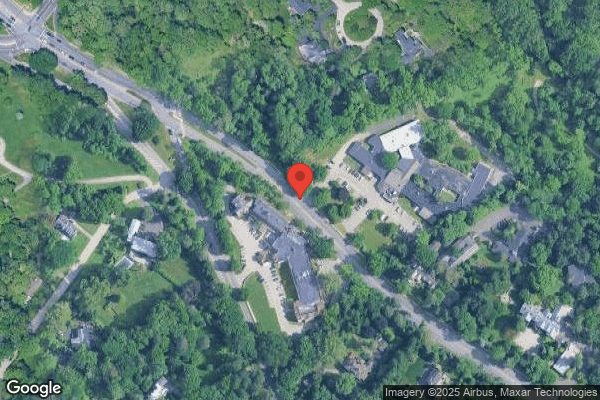
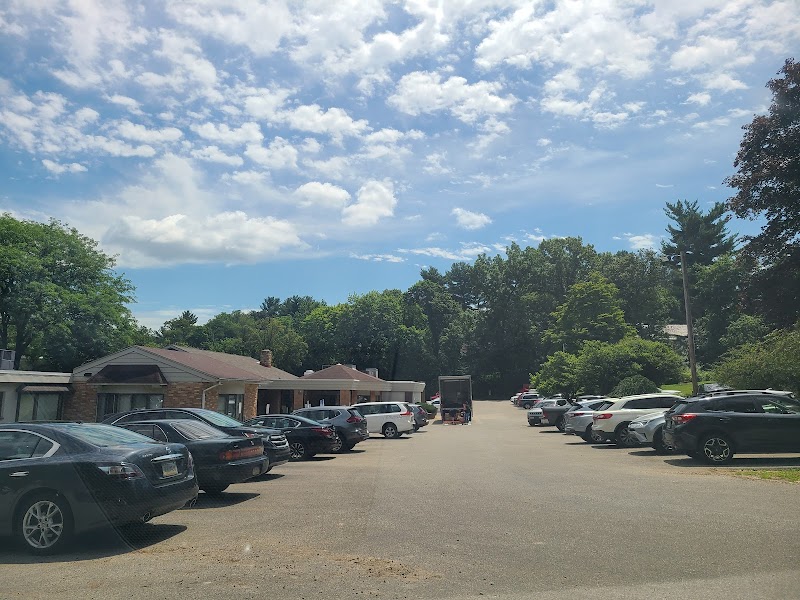
8833 STENTON AVENUE, WYNDMOOR, PA 19038 (215) 836-2100
For profit - Corporation 181 Beds JONATHAN BLEIER Data: November 2025
Trust Grade
43/100
#273 of 653 in PA
Last Inspection: December 2024

Within standard 12-15 month inspection cycle. Federal law requires annual inspections.

Overview

Chestnut Hill Lodge Health and Rehab Center has a Trust Grade of D, indicating that it is below average and has some concerning issues. It ranks #273 out of 653 facilities in Pennsylvania, placing it in the top half, and #33 out of 58 in Montgomery County, where only a couple of local options are better. The facility is showing improvement, with issues decreasing from 24 in 2024 to just 1 in 2025. Staffing is a concern, with a 61% turnover rate, which is significantly higher than the Pennsylvania average, suggesting that staff may not stay long enough to build strong relationships with residents. Additionally, the facility has faced some serious incidents, including a resident who fell out of bed and sustained a femur fracture due to neglect when proper safety measures were not followed. Another incident involved two residents not being properly assessed for smoking safety, leading again to harm. While the overall care rating is average, the high turnover and serious incidents highlight significant areas for improvement.

Trust Score
D
43/100
In Pennsylvania
#273/653
Top 41%
Safety Record
Moderate
Needs review
Inspections
Getting Better
24 → 1 violations
Staff Stability
⚠ Watch
61% turnover. Above average. Higher turnover means staff may not know residents' routines.
Penalties
✓ Good
$19,469 in fines. Lower than most Pennsylvania facilities. Relatively clean record.
Skilled Nurses
⚠ Watch
Each resident gets only 21 minutes of Registered Nurse (RN) attention daily — below average for Pennsylvania. Fewer RN minutes means fewer trained eyes watching for problems.
Violations
⚠ Watch
50 deficiencies on record. Higher than average. Multiple issues found across inspections.
★★★☆☆
3.0
Overall Rating
★★★☆☆
3.0
Staff Levels
★★☆☆☆
2.0
Care Quality
★★★☆☆
3.0
Inspection Score
Stable
2024: 24 issues
2025: 1 issues

The Good

  • Full Sprinkler Coverage · Fire safety systems throughout facility
  • No fines on record

Facility shows strength in fire safety.

The Bad

3-Star Overall Rating

Near Pennsylvania average (3.0)

Meets federal standards, typical of most facilities

Staff Turnover: 61%

15pts above Pennsylvania avg (46%)

Frequent staff changes - ask about care continuity

Federal Fines: $19,469

Below median ($33,413)

Minor penalties assessed

Chain: JONATHAN BLEIER

Part of a multi-facility chain

Ask about local staffing decisions and management

Staff turnover is elevated (61%)

13 points above Pennsylvania average of 48%

The Ugly 50 deficiencies on record

2 actual harm
Feb 2025 1 deficiency
CONCERN (D) 📢 Someone Reported This

A family member, employee, or ombudsman was alarmed enough to file a formal complaint

Potential for Harm - no one hurt, but risky conditions existed

Deficiency F0657 (Tag F0657)

Could have caused harm · This affected 1 resident

**NOTE- TERMS IN BRACKETS HAVE BEEN EDITED TO PROTECT CONFIDENTIALITY** Based on clinical record review and interview with staff, it was determined that the facility did not ensure that care plans wer...

Read full inspector narrative →
**NOTE- TERMS IN BRACKETS HAVE BEEN EDITED TO PROTECT CONFIDENTIALITY** Based on clinical record review and interview with staff, it was determined that the facility did not ensure that care plans were updated in a timely manner for one of 10 records reviewed related to resident's behaviors (Resident R1). Findings include: Review of clinical documentation revealed that Resident R1 was admitted to the facility on [DATE], and had diagnoses including, bipolar disorder (condition in which a person has periods of depression and periods of being extremely happy), major depressive disorder (major loss of interest in pleasurable activities), anxiety disorder, post-traumatic stress disorder (a mental condition that's caused by an extremely stressful or terrifying event) and schizoaffective disorder (mental condition that combines schizophrenia and mood disorder). Reviewed of social worker note for Resident R1 revealed that on January 24, 2025, at 8:40 a.m. fire alarm went off shortly after and resident was in the vicinity. Further review revealed a clinical nurses note, dated January 27, 2025, at 9:34 p.m. revealed that resident pulled the fire alarm. Further review revealed a note, dated February 11, 2025, 7:21 a.m. revealed that resident pulled fire alarm on another wing, police and fire came and talked to resident and supervisor. Further record reviews for Resident's R1 care plan were not update with the behavior of pulling the fire alarm. Interview with Director of Nursing, Employee E2, on February 19, 2025, at 10:30 a.m. confirmed that she just revised the care plan related to the resident's behaviors. 28 Pa. Code 211.10 (d) Resident care policies 28 Pa. Code 211.12 (d)(5) Nursing services
Dec 2024 9 deficiencies
CONCERN (D)

Potential for Harm - no one hurt, but risky conditions existed

Resident Rights (Tag F0550)

Could have caused harm · This affected 1 resident

Based on observations and interviews with residents, it was determined that the facility failed to maintain or enhance the dignity and respect for two of 33 residents reviewed (Resident R38 and R124)....

Read full inspector narrative →
Based on observations and interviews with residents, it was determined that the facility failed to maintain or enhance the dignity and respect for two of 33 residents reviewed (Resident R38 and R124). Findings include: During an interview with Resident R38 and R124 on December 4, 2024, at 3:40 p.m. the residents stated that when laundry labels their clothes with their names, they put it in places where it is visible when you are wearing them. Resident R38 stated they put my name on a collar of a shirt, in the front where you can see it when you are wearing it. Resident R124 revealed the jacket she was wearing had a 2-inch belt and on the back of the belt in large letters was the resident's name. 28 Pa. Code 201.18 (b)(1) Management 28 Pa. Code 201.29 (j )Resident rights
CONCERN (D)

Potential for Harm - no one hurt, but risky conditions existed

Comprehensive Assessments (Tag F0636)

Could have caused harm · This affected 1 resident

**NOTE- TERMS IN BRACKETS HAVE BEEN EDITED TO PROTECT CONFIDENTIALITY** Based on observation, clinical record review and interview with staff, it was determined that the facility did not ensure that a...

Read full inspector narrative →
**NOTE- TERMS IN BRACKETS HAVE BEEN EDITED TO PROTECT CONFIDENTIALITY** Based on observation, clinical record review and interview with staff, it was determined that the facility did not ensure that a comprehensive assessment was completed accurately related to language and communication for one of 33 records reviewed (R417). Findings include: Review of clinical documentation revealed that Resident R417 was admitted to the facility on [DATE], with diagnoses of traumatic subdural hemorrhage (brain bleed caused by injury, which can damage the brain and result in lack of normal functioning), cerebral infarction (death of an area of brain tissue), and dementia (a degenerative neurological condition which results in impaired memory and judgement). Progress notes for the resident revealed that she was on comfort care, a protocol intended to keep a resident comfortable during end of life, but which is not hospice care. Continued review of the documentation revealed that a Brief Interview for Mental Status (BIMS) assessment was completed for the resident on November 14, 2024. The resident scored a ten out of a possible 15, which indicated moderate impairment of cognitive function. This assessment also included a section titled Health literacy/Social isolation/Transportation/ Ethnicity/Race, in which it was stated that the resident's preferred language was Vietnamese. Review of Resident R417's admission Assessment MDS, dated [DATE], revealed that in section V, Care Area Assessment, that the area Communication was triggered for review and care planning. Review of the accompanying Care Area Assessment worksheet for Communication revealed that under the triggered area Expressive communication, Speaks different language was not selected. No care plan for communication was found in the clinical record. Review of physician notes dated December 4, 2024, at 11:25 a.m. stated, Pt is confused per interpreter service. A Clinical Nurses Note, dated December 1, 2024, at 10:35 p.m., stated, Resident is unable to make needs known. Observations conducted on December 2, 2024, at 11:30 a.m. revealed that the resident was unable to speak with the surveyor in English and was responding in short words in another language, which the surveyor did not speak. Interview with Employee E1, the Nursing Home Administrator, and Employee E2, the Director of Nursing, on December 5, 2024, at 2:30 p.m. confirmed that Resident R417 communicated primarily in Vietnamese, and that it should have been reflected in the Care Area Assessment that the resident spoke a different language. 28 Pa Code 211.12 (d)(1) Nursing services
CONCERN (D)

Potential for Harm - no one hurt, but risky conditions existed

Deficiency F0655 (Tag F0655)

Could have caused harm · This affected 1 resident

**NOTE- TERMS IN BRACKETS HAVE BEEN EDITED TO PROTECT CONFIDENTIALITY** Based on observation, clinical record review and interview with staff and residents and review of facility policy, it was determ...

Read full inspector narrative →
**NOTE- TERMS IN BRACKETS HAVE BEEN EDITED TO PROTECT CONFIDENTIALITY** Based on observation, clinical record review and interview with staff and residents and review of facility policy, it was determined that the facility did not develop a person-centered baseline care plan within 48 hours of a resident's admission related to language and communication for two residents, for a surgically wired jaw for one resident, and mental healthcare needs for one resident of 33 residents reviewed (Resident R158, R315, R417, R420). Findings include: Review of facility policy, Care Planning Process and Care Conference, revised July 3, 2023, revealed: Staff shall interact with the residents in a way that accomodates the physical or sensory limitations of the residents, promotes communication and maintains dignity. The facility's language access program will ensure that individuals with limited English proficiency (LEP) shall have meaningful access to information and services provided by the facility. When encountering LEP individuals, staff members will conduct the initial language assessment and notify the staff person in charge of the language access program. The coordinator of the facility's language access program. The coordinator of the the facility's language access program is the Director of Social Services, or his/her designee as determined by the NHA. It is understood that providing meaningful access to services provided by the facility requires also that the LEP resident's needs and questions are accurately communicated to the staff. Oral Interpretation Services therefore include interpretation from The LEP resident's primary language back to English. Care plans should reflect the LEP services utilized and specific activity programs that are provided to the resident based on their preferences. Activity programs are designed to meet the interests of and support the physical, mental and psycho-social well beingof each resident as well as, encouraging both independence and community iinteraction. An interdisciplinary baseline care plan will be initiated upon admission by the admitting nurse and completed within 48 hours. A copy of the baseline care plan will be reviewed with and provided to the resident/patient and/or resident representative, upon admission (within 48 hours). Facility will maintain evidence that the baseline care plan was provided (ex: nursing enters an admission progress note indicating resident admitted , assessments completed, introduced to surroundings and a copy of the baseline care plan was reviewed with resident and left at the bedside. RP called to notify of resident's arrival and baseline care plan was reviewed with RP). Include such initial needs/problems such as ADL's, falls, skin tears, risk for skin breakdown, nutritional status, behaviors, pacemaker, anticoagulants, psychotropic medication use, etc. Include a care plan related to the resident's primary diagnosis. Resident R158 was admitted to the facility on [DATE] with the following diagnoses: encephalopathy (brain disease that alters brain function or structure); severe protein calorie malnutrition (critical condition where a personis severelydeficient in both protein and calories, leading to significant muscle wasting, loss body fat, and impaired immune function. Diabetes Mellitis type II (condition in which body has trouble controlling blood sugar and using it for energy.) and cerebral infarction due to embolism an ischemic stroke). Review of Resident R158's MDS (Federally mandated resident assessment and care screening) dated November 13, 2024, revealed that English is the primary language of Resident R158. Review of Resident R158s baseline care plan revealed no evidence of language barrier or communication challenges related to English as a second language and Vietnamese as the primary language. Resident R158's care plan did not reflect the LEP services utilized and specific activity programs that are provided to Resident R158 based on her preferences. Interview on December 3, 2024 at 10:42 a.m. with Employee E3, unit manager, revealed that Resident 158 understands some English and speaks Vietnamese. We have consistent staffing here and the resident has a good rapport with her nurse aide. For almost all of our residents (on the memory care unit). we anticipate their needs. We have used the interpreter hotline at times, but not often. Usually we can anticipate her needs. Employee E13, Resident R158's nurse aide was unavailable for interview. Resident R158 was unable to participate in an interview with surveyor. Interview with Employee E1, the Nursing Home Administrator, and Employee E2, the Director of Nursing, on December 5, 2024, at 2:30 p.m. confirmed that Residenst R417 and R158 communicated primarily in Vietnamese, and that it should have been reflected in the Care Area Assessment that the resident spoke a different language. Review of Resident R315's Admissions Minimum Data Set, dated [DATE]. 2024, revealed the resident was alert and oriented, able to make needs know, diagnosed with multiple fractures, and impaired to both sides of her upper and lower body. Nursing note dated November 14, 2024, stated Resident R315 was a pedestrian in a motor vehicle accident and sustain multiple fractures and lacerations to her internal organs. The resident's jaw was wired closed and was ordered a clear liquid diet instructing to be fed with a syringe and a staff member present at all times with meals. Review of Resident 315's care plan revealed the resident was at risk of aspiration and instructed to monitor for signs and symptoms of aspiration. Further review of the care plan failed to develop a plan of care to include removing the wires from the jaw in an emergency. Interview with the Director of Nursing indicated pliers were available at the resident's bedside in case the wires needed to be removed but confirmed the intervention was not included in the resident's plan of care. Review of clinical documentation revealed that Resident R417 was admitted to the facility on [DATE], with diagnoses of traumatic subdural hemorrhage (brain bleed caused by injury, which can damage the brain and result in lack of normal functioning), cerebral infarction (death of an area of brain tissue), and dementia (a degenerative neurological condition which results in impaired memory and judgement). Progress notes for the resident revealed that she was on comfort care, (a protocol intended to keep a resident comfortable during end of life, but which is not hospice care). Review of Resident R417's MDS completed November 14, 2024, indicated a Brief Interview for Mental Status (BIMS) assessment with a score of ten -moderate impairment of cognitive function. This assessment also included a section titled Health literacy/Social isolation/Transportation/ Ethnicity/Race in which it was stated that the resident's preferred language was Vietnamese. Review of resident R417's admission Assessment MDS, dated [DATE], revealed that in section V, Care Area Assessment, that the area Communication was triggered for review and care planning. No care plan for communication was found in the clinical record. Review of physician notes dated December 4, 2024, at 11:25 a.m. stated, Pt (patient) is confused per interpreter service. A Clinical Nurses Note, dated December 1, 2024, at 10:35 p.m., stated, Resident is unable to make needs known. Observations conducted on December 2, 2024, at 11:30 a.m. revealed that the resident was unable to speak with the surveyor in English and was responding in short words in another language, which the surveyor did not speak. Interview with Employee E1, the Nursing Home Administrator, and E2, the Director of Nursing, on December 5, 2024, at 2:30 p.m. confirmed that Resident R417 communicated primarily in Vietnamese, and that a baseline care plan for communication should have been developed and was not. Review of documentation for Resident R420 revealed that he was admitted to the facility with diagnoses,of suicidal ideations, and bipolar disorder (a mental health condition consisting of extreme highs and lows in mood and affect, which can impact decision making and behaviors). Review of the care plan for the resident revealed that no care plan was developed related to his specific mental health needs related to suicidal ideation and bipolar disorder. Observation of Resident R420 on December 3, 2024, at 1:03 p.m. revealed that the resident had a flat affect and appeared withdrawn. Interview with Employee E1, the Nursing Home Administrator, and Employee E2, the Director of Nursing, on December 5, 2024, at 2:30 p.m. confirmed that a baseline care plan for the specific mental health needs should have been developed and was not. 28 Pa. Code 211.5(f)(viii) Medical records 28 Pa. Code 211.12(d)(1)(5) Nursing services
CONCERN (D)

Potential for Harm - no one hurt, but risky conditions existed

Comprehensive Care Plan (Tag F0656)

Could have caused harm · This affected 1 resident

**NOTE- TERMS IN BRACKETS HAVE BEEN EDITED TO PROTECT CONFIDENTIALITY** Based on observations, review of facility policy, review of clinical records, and interview with resident and staff, it was dete...

Read full inspector narrative →
**NOTE- TERMS IN BRACKETS HAVE BEEN EDITED TO PROTECT CONFIDENTIALITY** Based on observations, review of facility policy, review of clinical records, and interview with resident and staff, it was determined that the facility failed to develop and implement comprehensive, person-centered care plans to address resident care needs related to a diagnosis of anemia and psychotropic medications for one of 33 resident records reviewed (Resident R314). Findings include: Resident R314 was admitted to the facility on [DATE], diagnosed with anemia (not enough healthy red blood cells resulting in a reduced ability of the blood to carry oxygen to the body). Review of Resident R314's physician note, dated November 20, 2024, referenced the resident's critical hematology report dated November 15, 2024. The same note stated to monitor Resident R314's hematocrit (present of red blood cells in the blood) and hemoglobin (Hgb transports oxygen and carbon dioxide) relating to the resident's diagnosis of anemia and stated to consider Transfer for (blood) transfusion if Hg drops <7.0, and to monitor for signs and symptoms of fatigue, impact on therapy, monitor for oxygen use, check pulse ox as needed prior to and during therapy. Further review of Resident R314's clinical record revealed the facility failed to develop a care plan for the resident's diagnosis of anemia. 8 Pa. Code 211.10 (d) Resident care policies. 28 Pa. Code 211.12 (d)(3) Nursing services. 28 Pa. Code 211.12 (d)(5) Nursing services.
CONCERN (D)

Potential for Harm - no one hurt, but risky conditions existed

Deficiency F0657 (Tag F0657)

Could have caused harm · This affected 1 resident

Based on observations, clinical record review, review of facility documents and staff interviews, it was determined that the facility failed to revise the care plan for tube feeding management, for on...

Read full inspector narrative →
Based on observations, clinical record review, review of facility documents and staff interviews, it was determined that the facility failed to revise the care plan for tube feeding management, for one of 33 residents reviewed (Resident R63). Findings include: Review of Resident R63's clinical record revealed that the resident was admitted in the facility on February 12, 2024. Resident R32's diagnoses included Protein Calorie Malnutrition ( condition synonymous with starvation, resulting when the body's needs for protein, energy, or both cannot be met by diet), and Oropharyngeal Phase Dysphagia (swallowing problems occurring in the mouth and/or the throat. These swallowing problems most commonly result from impaired muscle function, sensory changes, or growths and obstructions in the mouth or throat). Review of physician order for Resident R63, dated April 1, 2024, indicated an order to cleanse area around feeding tube with soap and water and gently pat dry, daily and as needed; clean, dry drain sponge may be placed if needed; every day- shift and as needed. Review of physician order for Resident R63, dated July 22, 2024, indicated an order for Controlled Carb/Renal Diet: Mechanical Soft Texture, Thin consistency. On December 2, 2024, at 12:34 p.m., review of the care plan of R63, revealed that it was not updated, or revised, to reflect the goal and interventions with the ordered diet and peg tube site care. At the time of the findings, interview with the charge nurse, a Registered Nurse, Employee E6, confirmed the same. 28 Pa. Code 211.12(d)(1) Nursing services
CONCERN (D)

Potential for Harm - no one hurt, but risky conditions existed

Quality of Care (Tag F0684)

Could have caused harm · This affected 1 resident

**NOTE- TERMS IN BRACKETS HAVE BEEN EDITED TO PROTECT CONFIDENTIALITY** Based on observations of care and services, review of clinical record and review of facility policy and interviews with staff an...

Read full inspector narrative →
**NOTE- TERMS IN BRACKETS HAVE BEEN EDITED TO PROTECT CONFIDENTIALITY** Based on observations of care and services, review of clinical record and review of facility policy and interviews with staff and residents, it was determined that the nursing staff failed to obtain and schedule examinations with a specialist as indicated by the physician and to ensure that a medication was administered during the time period prescribed by the physician for two of 47 residents reviewed. (Resident R16 and Resident R315) Findings include: A review of the facility policy titled verbal and telephone physician's orders dated May, 2024 revealed that it was the policy of the facility to secure physican's orders for the care and services for the residents. The physician's orders for care and services were required to be dated and signed accordingly and entered into the resident's medical record. The policy also indicated that an order for medical or therapeutic measures and medications or treatments were to be given to a registered or licensed nurse. The registered or licensed nurse were required to obtain a medical diagnosis or reason from the physician for the care, treatment or medication being used for the residents. The policy also said that any unclear or incomplete physician's orders for care, treatment or medications were to be clarified by the registered or licensed nurse. The policy indicated that it was the responsibility of the registered or licensed nurse to verify with the physician any pending consultation or specialist appointments and recommendations or results of testing completed by a specialists. Observations of Resident R16 at 10:30 a.m. on December 2, 2024 with Licensed nurse, Employee E4 revealed that the resident was reporting that she preferred to lay in a supine position because she was dizzy sitting up or moving side to side. The licensed nurse, Employee E4 reported at 11:00 a.m., on December 2, 2024 that Resident R16 had a diagnosis of vertigo (a sudden internal or external spinning sensation often triggered by moving the head). Clinical record review revealed a quarterly comprehensive assessment (MDS- an assessment of care needs) dated October 31, 2024 for Resident R16 indicated that this resident was cognitively intact and had a diagnosis of cerebral palsy (a movement disorder affecting muscle tone, lack of balance and muscle coordination with stiff or floppy muscle characteristics). Interview with Resident R16 at 10:45 a.m., on December 2, 2024 revealed that the resident has not been sitting up very long or getting out of bed into a chair; because of her dizziness. The resident also reported that an orthotic device for her neck or head was not used as adapted equipment for her symptoms of dizziness. Clinical record review revealed that on April 30, 2024, the nurse practitioner assessed and documented that the nursing staff were to administer Resident R16 Meclizine (a medication for motion sickness and vertigo) 12.5 milligrams as needed for vertigo. Clinical record review revealed the care planned by the nurse practitioner on April 30, 2024 was for the registered or licensed nursing staff to schedule an ear, nose and throat specialist examination for Resident R16 to evaluate the vertigo. Also for the resident to be evaluated by a neurologist to determine the causes of the vertigo symptoms. Continue review of Resident R16's clinical notes dated April 30, 2024 revealed for nursing and physical therapy staff, to continue with active range of motion and passive range of motion exercises twice a day for Resident R16. Interview with the licensed practical nurse, Employee E4 and the licensed occupational therapist, Employee E6 at 10:00 a.m., on December 3, 2024 confirmed that there was no ENT (ear, nose or throat) specialist examination ordered or completed for Resident R16. Further interview with the licensed nurse and licensed occupational therapist on December 3, 2024 confirmed that there was no physican's order obtained on April 30, 2024, for Resident R16 to be examined by a neurologist to determine the possible cause of her symptoms of frequent dizziness. The lack of obtaining physician's orders by the licensed nursing staff for consultations with the ENT specialist and the neurologist (a physician who was trained in diagnosing and treating diseases of the brain, spinal cord and nerves) was confirmed by the Director of Nursing at 1:00 p.m., on December 4, 2024. Review of the facility policy Medication Administration revised September 2023 states, Medications, both prescription and non-prescription shall be administered under the orders of the attending physician. Review of Resident R315's clinical records revealed the resident was admitted on [DATE], diagnosed with multiple fractures and lacerations to her internal organs from a motor vehicle accident. During an interview with Resident R315 on December 4, 2024, at 10:30 a.m. the surveyor observed a bottle of of Chlorhexidine Gluconate (an oral antimicrobial) next to the resident, sitting on the tray table. The resident indicated that she uses the mouth rinse after meals. Review of Resident 315's physician orders revealed Chlorhexidine Gluconate was initially ordered for fourteen days on November 14, 2024, and was discontinued on November 28, 2024. The above was confirmed with the Director of Nursing on December 4, 2024, at 1:30 p. that the oral rinse was discontinued. 28 PA. Code 211.12(d)(1)(2)(3)(5) Nursing services 28 PA. Code 211.10(a)(c)(d) Resident care policies 28 PA. Code 211.5(f)(i)(ii)(iii)(vii)(viii)(ix) Medical records
CONCERN (D)

Potential for Harm - no one hurt, but risky conditions existed

Unnecessary Medications (Tag F0759)

Could have caused harm · This affected 1 resident

Based on observations, review of clinical records, and interviews with facility staff, it was determined that the facility failed to ensure that it was free of medication error rate of five percent or...

Read full inspector narrative →
Based on observations, review of clinical records, and interviews with facility staff, it was determined that the facility failed to ensure that it was free of medication error rate of five percent or greater for two of four residents observed during medication administration (Residents R4, and R77). Findings include: On December 3, 2024, 9:39 a.m., observed that Employee E7, a Registered Nurse, administered to Resident R77, the medicine, Aspirin 81 mg, chewable tablet, one tablet by mouth; when asked the Licensed Nurse to double check the medicine, the nurse stated it was Aspirin 81 mg, chewable tablet. Review of physician order for Resident R77, revealed an order, dated September 28, 2020, to administer Aspirin Enteric-Coated (EC) Tablet Delayed Release 81 MG (Aspirin), give 1 tablet by mouth one time a day. Review of literature revealed that Aspirin comes in enteric-coated and non-enteric (regular) forms. Regular Aspirin is absorbed in the stomach, while Enteric-Coated aspirin is absorbed in the small intestine. At the time of the observation, interview with Registered Nurse, Employee E7, confirmed the above findings. On December 3, 2024, 9:49 a.m., observed that Employee E7, administered to Resident R4, the medicine, Aspirin 81 mg, chewable tablet, one tablet by mouth; when asked Registered Nurse, Employee E7 to double check the medicine, the nurse stated it was Aspirin 81 mg, Chewable tablet. Review of physician order for Resident R4, revealed an order, dated August 18, 2023, to administer Aspirin Enteric-Coated (EC) Tablet Delayed Release 81 MG (Aspirin), Give 1 tablet by mouth in the morning for CVA (Cerebrovascular Accident, which is the medical term for a stroke). At the time of the observation, interview with Registered Nurse, Employee E7, confirmed the above findings. The facility incurred a medication error rate of 5.7%. Pa Code:211.12(d)(1)(2)(5) Nursing Services.
CONCERN (E)

Potential for Harm - no one hurt, but risky conditions existed

ADL Care (Tag F0677)

Could have caused harm · This affected multiple residents

Based on observation, staff and resident interviews, and review of clinical records, it was determined the facility failed to provide the necessary services to maintain adequate grooming and hygiene f...

Read full inspector narrative →
Based on observation, staff and resident interviews, and review of clinical records, it was determined the facility failed to provide the necessary services to maintain adequate grooming and hygiene for one of 33 sampled residents (Resident R315). Findings include: Review of Resident R315's Admissions Minimum Data Set (MDS - federally mandated resident assessment and care screening) dated November 20. 2024, revealed the resident was alert and oriented, able to make needs know, and diagnosed with fractures and malnutrition, with impairments to both sides of her upper and lower body. The same MDS indicated the resident was dependent on staff for all activities of daily needs and when asked it was very important for the resident to choose between a tub bath, shower, bed bath or sponge bath. Interview with Resident R315 on December 4, 2024, at 11:00 a.m. stated that she was never offered a shower since she's been at the facility. I only get bed bath and I would really like a shower. Interview with Resident R351's Nursing Aide, Employee E3 on December 4, 2024, at 11:20 a.m. confirmed the staff only gives her bed baths because it might be too much for the resident. Review of Resident 351's physician orders revealed the resident's shower/bath days were every Tuesday and Friday and care planned for needing one staff member to assist with bathing/showering. Further review of the resident's clinical records did not reveal restrictions for showering. 28 Pa. Code 211.12(d)(1)(5) Nursing services.
CONCERN (E)

Potential for Harm - no one hurt, but risky conditions existed

Deficiency F0925 (Tag F0925)

Could have caused harm · This affected multiple residents

Based on observations of the food and nutrition services department, interviews with staff, reviews of policies and procedures and the pest control operator's reports, it was determined that the main ...

Read full inspector narrative →
Based on observations of the food and nutrition services department, interviews with staff, reviews of policies and procedures and the pest control operator's reports, it was determined that the main kitchen was not maintained and operated to ensure an effective pest control program. Findings include: Review of the policy titled kitchen cleaning dated December, 2024 revealed that it was the responsibility of the dietary staff to ensure that the main kitchen was clean and sanitary by adhering to a comprehensive cleaning schedule throughout the food and nutrition department. Observations of the main kitchen in the presence of the director of dietary, Employee E5, at 9:30 a.m., on December 2, 2024 revealed the following: The plumbing in the dish room area was not draining properly. Soiled water and food waste was over flowing onto the floor in the this section of the main kitchen. A dietary staff member was using a hand held plunger to try to unclog the sink that was adjacent to the dish machine. The flooring throughout the dish room area contained a covering of a white substance resembling lime deposits. The dish machine, work tables and racks that were connected to the dish machine contained a white powdery film that resembled hard water and calcium deposit residue. The ceiling tiles in the dish room area contained water damage. The ceiling tiles were brown stained and warped. The ceiling light fixture screens above the dish machine, contained a collection of dead insects. The wall area and ceiling tiles contained dried food debris. The grouting was missing between the floor tiles in the dish room. The missing grouting provided food for common household pests to breed and live. The disrepair in the flooring was porous and not easily cleanable. There was an accummulation of dirt, food debris and moisture in the gaps on the flooring. The entire perimeter of the flooring and cove molding in the dishroom contained a build-up of dirt and discarded food particles. The ceiling tiles and light screen covering above the hot food preparation area that was adjacent to the hood situated directly above the hot food equipment and cooking, contained a heavy accumulation of grease, dust and food splattering. An industrial sized piece of food service equipment located in the hot food preparation area, called a braise or tilt skillet was not functioning for several months. It contained a build of grease, food debris and dust. The perimeter of the flooring in the dry food storage area contained an accumulation of streaking and smudging along the perimeter of the flooring and walls with patches of mice droppings. The ceiling light screens located in the dry food storage area were brown stained with water damage. The ceiling light screens also contained a large number of dead roaches. The working mechanisms underneath the three compartment sink were not holding water regularly and a catch pan was placed below the piping to capture the leaking water. The pest control operator's reports were reviewed for September, October and November, 2024 and revealed that the main kitchen of the food and nutrition department was targeted for common household pests (roaches and mice). The pest control operator was used various treatments and traps to combat the invaders. 28 PA. Code 201.14(a) Responsibility of licensee 28 PA. Code 201.18(b)(1)(3)(e)(1)(2.1) Management 28 PA. Code 205.13(b) Floors
Sept 2024 3 deficiencies
CONCERN (D) 📢 Someone Reported This

A family member, employee, or ombudsman was alarmed enough to file a formal complaint

Potential for Harm - no one hurt, but risky conditions existed

Deficiency F0604 (Tag F0604)

Could have caused harm · This affected 1 resident

**NOTE- TERMS IN BRACKETS HAVE BEEN EDITED TO PROTECT CONFIDENTIALITY** Based on review of facility policies, clinical record review, observations, and staff interviews, it was determined the facility...

Read full inspector narrative →
**NOTE- TERMS IN BRACKETS HAVE BEEN EDITED TO PROTECT CONFIDENTIALITY** Based on review of facility policies, clinical record review, observations, and staff interviews, it was determined the facility failed to identify a bed against the wall and an abdominal binder as a possible restraint and failed to assess the functional status of the resident to determine the use of the restraint for one of eight residents reviewed. (Resident R5) Findings Include: Review of facility policy titled Restraints (Physical) with a revision date of May 5, 2023 states, Policy: The resident has a right to be treated with respect and dignity, including: The right to be free from any physical restraints imposed for purposes of discipline or convenience, and not required to treat the resident's medical symptoms. When the use of restraints is indicated, the facility must use the least restrictive alternative for the least amount of time and document ongoing re-evaluation of the need for restraints. Further review of the policy revealed, Procedure: 1. Complete a physical restraint assessment if resident is utilizing a restraint or there is potential that device may be a restraint, i.e. Geri chair, rock n go chair. Identify alternatives used prior to the initiation of the restraint. The restraint assessment will be completed upon admission/readmission, quarterly, annually, with a significant change, and initiation of or discontinuance of a restraint. 2. Obtain informed consent for physical restraint use identifying risks and benefits of its use. 5. A physical restraint will be removed at least 10 minutes out of every 2 hours during the normal waking hours to allow the resident an opportunity to move and exercise. Except during the usual sleeping hours, the resident's position will be changed every 2 hours if a device is in place. During sleeping hours, the position will be changed as indicated by the resident's needs. 6. The facility will document the use of a physical restraint and the release of the restraint; documentation can occur at the end of the shift indicating the restraints were released for ten minutes every two hours, I.e. on the MAR/TAR. Review of Resident R5's clinical record revealed the resident was admitted to the facility on [DATE] with the following diagnoses: Cerebral infraction (stroke), anxiety, dementia (progressive degenerative disease of the brain), end stage renal disease, spondylosis (abnormal wear on the cartilage and bones of the neck) Review of Resident R5's clinical record revealed a physician order with a start date of July 18, 2024 for Abdominal Binder remove for care and skin checks every shift. Observation of Resident R5 on September 5, 2024 at 11:15 a.m. with the licensed nurse Employee E4 revealed the resident did not currently have the abdominal binder on. The licensed nurse stated the binder was in the laundry. The laundry room was checked at 12:11 p.m. and laundry staff were able to locate two abdominal binders for Resident R5 which were clean and ready to be sent back up to the unit for use. Observation of Resident R5's room at 1:01 p.m. revealed the resident's bed was placed with the left side up against the wall. There was one fall mat in the room which was leaning up against the wall due to the floor being wet from mopping. Review of Resident R5's current care plan revealed that there was no care plan developed for the resident's bed to be against the wall and for the abdominal binder. Further review of the resident's clinical record revealed there was no restraint assessment completed for the bed against the wall or the abdominal binder. Interview held with the Director of Nursing Employee E2 on September 5, 2024 at 1:10 p.m. confirmed the above findings that the resident had no been assessed for the physical restraints the facility has in place including the abdominal binder and the bed against the wall. 28 Pa. Code 211.8(e)(f) Use of Restraints. 28 Pa. Code 211.10(d) Resident Care Policies. 28 Pa. Code:211.12(d)(1)(5) Nursing services.
CONCERN (D) 📢 Someone Reported This

A family member, employee, or ombudsman was alarmed enough to file a formal complaint

Potential for Harm - no one hurt, but risky conditions existed

Deficiency F0692 (Tag F0692)

Could have caused harm · This affected 1 resident

**NOTE- TERMS IN BRACKETS HAVE BEEN EDITED TO PROTECT CONFIDENTIALITY** Based on observations, clinical record review, interviews with staff, and review of facility policy and procedures, it was deter...

Read full inspector narrative →
**NOTE- TERMS IN BRACKETS HAVE BEEN EDITED TO PROTECT CONFIDENTIALITY** Based on observations, clinical record review, interviews with staff, and review of facility policy and procedures, it was determined that the facility failed to ensure that one out of eight residents reviewed were monitored for acceptable parameters of weight. (Resident R5) Findings Include: Review of facility policy titled, Weight and Height Assessment and Interventions with a revision date on March 18, 2024 states, Policy: Purposes of this procedure are to determine the resident's weight and height, to provide a baseline and ongoing record of the resident's body weight as an indicator of the nutritional status and medical condition of the resident, and to provide a height in order to determine the ideal weight of the resident. The Facility will ensure acceptable parameters of nutritional status, such as usual body weight or desirable body weight range and electrolyte balance are maintained, unless the resident's clinical condition demonstrates that is not possible or resident preferences indicate otherwise; The nursing staff and the Dietician will coordinate care to prevent, monitor, and intervene for undesirable weight loss/gain for our residents. Further review of the facility policy states, 4. Any weight change of greater than or less than 5 pounds within 30 days will be retaken the next day for confirmation with licensed nurse confirming reweigh. If the weight is verified, nursing will immediately notify the Dietician in writing. Verbal notification must be confirmed in writing. Attending physician, resident/resident representative will be notified of unplanned significant weight changes as described below. Review of Resident R5's clinical record revealed the resident was admitted to the facility on [DATE] with the following diagnoses; cerebral infraction, sepsis, diverticulitis, elevated blood cell count, gastrostomy malfunction, dementia, end stage renal disease, adult failure to thrive, and depression. Review of Resident R5's physician orders revealed an order from June 13, 2024 stating, Record post-dialysis (dry) weight in chart upon return from dialysis. The order was to be started on June 14, 2024 and weights should have been recorded Monday, Wednesday, and Friday. Review of Resident R5's Medication Administration record for the month of August 2024 revealed no post-dialysis weight recorded for August 2, 2024 or August 21, 2024. Review of Resident R5's Medication Administration record for the month of September 2024 revealed only two weights recorded: September 3, 2024-129 pounds and September 4, 2024-129 pounds. Review of Resident R5's Weight Summary record on September 5, 2024 at 10:15 a.m. revealed the following weights; August 30, 2024- 129 pounds August 16, 2024- 132.7 pounds August 9, 2024- 136 pounds August 4, 2024- 137 pounds August 2, 2024- 137 pounds July 22, 2024- 137.5 pounds July 18, 2024- 137.5 pounds July 7, 2024- 155 pounds July 6, 2024- 155.1 pounds July 5, 2024- 155.1 pounds July 3, 2024- 155.1 pounds July 1, 2024- 155.1 pounds June 28, 2024- 155.2 pounds June 26, 2024- 155.4 pounds June 21, 2024- 155.6 pounds June 19, 2024- 155.4 pounds June 17, 2024- 155.4 pounds June 13, 2024- 155.4 pounds Review of Nutrition/Dietary note on July 19, 2024 states, readmission: Returns s/p hospital stay, PMHx includes CVA, OA and HTN. Currently weighs 138# indicating -17# weight loss since returning, will continue to monitor admission weights. Body Mass Index indicating underweight, slow weight gain desirable. Enteral feeding ordered as Nepro 60ml x 20 hrs providing 1200ml TV, 2124kcal, 97g PRO and 872ml H2O. Flush ordered at 250ml q 4 hrs, providing an additional 1500ml H2O. Enteral orders meet estimated needs for weight gain. Receives mechanical soft, thin liquid trays in addition to enteral feed. No skin breakdown or edema noted upon return. Continue current POC, encourage meal acceptance, monitor for s/sx of aspiration, will follow prn. Plan to wean off enteral feed as intakes improve/stabilize. Further review of resident clinical record shows no indication of the resident having a mechanical soft, thin liquid tray in addition to enteral feed. Review also revealed there was no indication of discontinuation of mechanical soft, thin liquid trays. Resident R5's record only showed resident as NPO (Nothing by mouth) while at the facility. Interview with the facility dietician Employee E3 held on September 5, 2024 at 11:47 a.m. revealed the dietician stated that the resident arrived at the facility NPO (Nothing by mouth). When asked if the dietician had been monitoring Resident R5's weights he stated that he monitors all weights daily and for dialysis residents, the dialysis center keeps their own set of weights, and he is sent the weights weekly by e-mail from the dialysis dietician. Employee E3 stated that he had some confusion on if the licensed nurse at the facility should be completing a post-dialysis weight when the resident arrives back to the facility. When asked if he provided intervention for Resident R5's significant weight loss he stated, I would have to look, I'm not familiar, I would have to look to see if the first weight was a one-time weight or if he was re-weighed to establish a baseline weight. I usually wait to see the first few weights before getting a baseline weight. When asked about the facilities weight policy the dietician stated weights should be completed on admission, 24 hours later, and then weekly for 3 weeks. Review of the facility Matrix for Resident R5 did not show the resident triggering for significant weight loss. The dietician provided weights from the dialysis dietician at 1:15 p.m. for Resident R5 that showed the following post dialysis weights; August 9, 2024- 71kg equal to 156.52 pounds August 16, 2024- 70.4kg equal to 155.20 pounds August 21, 2024- 70kg equal to 154.32 pounds August 23, 2024-70.5kg equal to 155.42 pounds August 28, 2024-72.3kg equal to 159.39 pounds There was no post-dialysis weights recorded for Resident R5 for August 12, 14, 19, 26, and 30, 2024. The dietician explained that based on the weights provided by the dialysis dietician the resident has a stable weight since admission. At this time the surveyor requested that Resident R5 be weighed today to confirm the higher weight. At 1:25 p.m. Resident R5 was brought to the scale by nurse aide Employee E6. Also present for the weight was facility dietician Employee E3. Resident R5 was not able to stand on the scale with assistance from nurse aide Employee E6 therefore he was weighed in his geri-chair. In the geri-chair Resident R5's weight was 208.8 pounds. The nurse aide Employee E6 weighed the geri-chair empty and it weighed 73 pounds. After calculation is was determined that Resident R5's current weight was 135.8 pounds. Facility dietician Employee E3 confirmed the weights sent electronically from the dialysis dietician are inconsistent and inaccurate. Review of Resident R5's Weight Summary record on September 5, 2024 at 2:00 p.m. revealed there were additional weights added to the residetn's clinical record today by licensed nurse Employee E7 with the following weights; August 7, 2024- 117 pounds July 29, 2024- 114 pounds 28 Pa. Code 201.14(a) Responsibility of licensee 28 Pa. 211.6(a) Dietary services
CONCERN (D) 📢 Someone Reported This

A family member, employee, or ombudsman was alarmed enough to file a formal complaint

Potential for Harm - no one hurt, but risky conditions existed

Deficiency F0698 (Tag F0698)

Could have caused harm · This affected 1 resident

**NOTE- TERMS IN BRACKETS HAVE BEEN EDITED TO PROTECT CONFIDENTIALITY** Based on review of clinical records, facility documentation, and interviews with staff, it was determined that the facility fail...

Read full inspector narrative →
**NOTE- TERMS IN BRACKETS HAVE BEEN EDITED TO PROTECT CONFIDENTIALITY** Based on review of clinical records, facility documentation, and interviews with staff, it was determined that the facility failed to maintain ongoing communication between the facility and a dialysis provider for two residents reviewed. (Residents R2 and R5) Findings Include: Review of the facility policy titled, Dialysis Management (Hemodialysis) with a revision date of March 28, 2024 revealed, It is policy of the facility to ensure that residents who require outpatient hemodialysis treatment have appropriate arrangements made by the facility with an outpatient treatment center in order to provide such services as directed by the physician. Further review of the policy states, If Dialysis is provided at off-site Dialysis Center: 5. Develop a resident binder/folder to send to dialysis with the resident. Communication form is placed in the binder after completion of the pre dialysis assessment. 6. Facility to complete Pre-dialysis information on the communication form and send with resident to dialysis on treatment days, to ensure communication of resident information and coordinate care between Dialysis Center and facility. 7. Dialysis center personnel to complete Dialysis communication form and return to facility. Dialysis Center may provide HER documentation vs manual documentation of treatment on communication form. 8. Upon return from Dialysis Center, review information provided on Dialysis communication form/HER. Communicate and address as appropriate. 9. Facility to complete post-dialysis information/date and place in resident's medical record. Review of Resident R2's record revealed the resident was admitted to the facility on [DATE] with the following diagnoses: Morbid obesity, end stage renal disease, dependence on renal dialysis, muscle weakness, heart failure and cognitive communication deficit. Review of Resident R5's record revealed the resident was admitted to the facility on [DATE] with the following diagnoses: elevated blood cell count, acute embolism and thrombosis, depression, dementia, chronic kidney disease, metabolic encephalopathy, spondylosis, cardiomyopathy, hyperparathyroidism, and hepatomegaly. Review of Resident R2's dialysis communication records on September 5, 2024 at 11:18 a.m. revealed the for the months of July, August, and September 2024 revealed the communication records were incomplete. For the three months reviewed the dialysis book was missing a communication record form for the following dates: September 2, September 4, August 30, August 28, August 23, August 21, August 19, August 16, August 12, August 9, August 7, August 5, August 2, July 31, July 29, July 26, July 22, July 10, July 5, and July 1. Interview with the licensed nurse Employee E4 on the unit at 11:22 a.m. revealed any communication records completed should have been placed in the binder for both Resident R2 and Resident R5. For the three months reviewed the dialysis book was missing a communication record form for the following dates: July 1, July 8, July 10, July 12, July 15, July 17, July 26, August 5, August 9, August 12, August 14, August 19, August 21, August 26, August 28, August 30, September 2, and September 4. Review of Resident R5's of the dialysis communication records on September 5, 2024 at 11:18 a.m. revealed the for the months of July, August, and September 2024 revealed the communication records were incomplete. Interview with the Director of Nursing Employee E2 at 2:07 p.m. confirmed the above findings and stated there were no other communication records found for Resident R2 or Resident R5. 28 Pa Code 211.5(f)(ix) Clinical records 28 Pa. Code 211.12(d)(1)(3)(5) Nursing services
May 2024 2 deficiencies
CONCERN (D) 📢 Someone Reported This

A family member, employee, or ombudsman was alarmed enough to file a formal complaint

Potential for Harm - no one hurt, but risky conditions existed

Safe Environment (Tag F0584)

Could have caused harm · This affected 1 resident

Based on staff interview, observation, and review of facility documentation, it was determined that the facility failed to ensure a safe comfortable homelike environment relating to daily cleaning and...

Read full inspector narrative →
Based on staff interview, observation, and review of facility documentation, it was determined that the facility failed to ensure a safe comfortable homelike environment relating to daily cleaning and pest control for two of 15 residents reviewed. (Resident R12 and R15) Findings: Review of policy titled pest control last revised November 11, 2019, revealed that it is the responsibility of the maintenance department to coordinate the control of pest with a company engaged in the business of providing Pest Control Services. The pest control company will provide the control of roaches, ants, rodents, spiders, and other insects that may be harmful to humans, equipment, supplies, or documents through direct contact or contamination. All service technicians shall strictly adhere to all applicable policies and any specific instructions given by environmental/ facility directors. Od particular importance are rules or restrictions regarding contamination of hospital supplies and access to restricted areas. Interview with Resident R12 on May 7, 2024, at 11:22 a.m. revealed disappointment and discomfort with the facility cleanliness regarding insect infestation. Resident R 12 stated that there were bugs crawling all over his room. Resident R12 directed the surveyor to perimeter of the room where four traps can be viewed. Resident R12 revealed that the facility has been aware, and exterminator had been there a week prior at which time he left the traps and gave extra traps to the resident and has not returned. Resident R12 states that housecleaning come daily but the traps have been left. Interview with Resident R15 on May 7, 2024, at 11:22 a.m. revealed that the resident could not leave the room without assistance. The resident confirmed that the insects are all over the room,and that she had witnessed the bugs migrating at night. Observation of resident R 12 and R15's room revealed four sticky traps, glue boards containing an abundant amount of large black bugs found on each trap. The observation was confirmed by facility maintenance director Employee E5, who could not explain why the traps containing bugs have been left in various areas of the resident's room. 28 Pa. Code 201.18(b)(1) Management
CONCERN (D) 📢 Someone Reported This

A family member, employee, or ombudsman was alarmed enough to file a formal complaint

Potential for Harm - no one hurt, but risky conditions existed

ADL Care (Tag F0677)

Could have caused harm · This affected 1 resident

Based on observation, review of facility policies, and interview with resident and staff, it was determined that the facility failed to ensure one of 14 residents reviewed received assistance with toi...

Read full inspector narrative →
Based on observation, review of facility policies, and interview with resident and staff, it was determined that the facility failed to ensure one of 14 residents reviewed received assistance with toileting and personal hygiene in a timely manner. (Resident R2) Findings include: Review of facility policy titled ADL care Personal Care/ Grooming-Shaving reviewed March 12, 2024, revealed the facility will promote care for residents that maintain or enhance their dignity and respect. Report other information in accordance with facility policy and professional standards of practice. ADL documentation will be completed by the certified nursing assistant that provided the assistance by the end of each shift. The licensed nurse will be made aware of the refusal. Review of Resident R2's care plan-initiated December 13, 2022, revealed that resident was incontinent of bowel and bladder due to cognitive impairment with goals of having elimination and skin care met with dignity and respect. An intervention of this plan included for the resident to be check every two hours and provided incontinence care as needed. Review of Resident R2's quarterly Minimum Data Set (MDS- assessment of resident care needs) dated March 11, 2024 revealed that the resident requested set up and clean up assistance for toileting and and personal hygiene. Observation of Resident R2 on May 8, 2024, at 10:50 a.m. revealed Resident R2 was observed lying in bed, the sheets were visibly soiled and stained with a strong odor of urine. Resident R2 was positioned to the side of the bed, and it was observed that his clothing was stained as well. Observation of the resident at the above time with Nurse aide, Employee E9 confirmed the bedding was soiled stating the resident has accidents at night. Employee E9 admitted that she had not provided morning care to Resident R2 yet. Further observation of Resident R2 revealed that the resident had disheveled hair and unkept facial hair. During interview at the time of the observation Resident R2 admitted that he would like to have his beard shaved. 28 Pa. Code 211.10(d) Resident care policies 28 Pa. Code 211.12(d)(1) Nursing Services
Feb 2024 9 deficiencies
CONCERN (D)

Potential for Harm - no one hurt, but risky conditions existed

Deficiency F0558 (Tag F0558)

Could have caused harm · This affected 1 resident

**NOTE- TERMS IN BRACKETS HAVE BEEN EDITED TO PROTECT CONFIDENTIALITY** Based on observations, resident and staff interview, it was determined that the facility failed accommodate the residents' needs...

Read full inspector narrative →
**NOTE- TERMS IN BRACKETS HAVE BEEN EDITED TO PROTECT CONFIDENTIALITY** Based on observations, resident and staff interview, it was determined that the facility failed accommodate the residents' needs by failing to provide proper bedding for sleeping for one of 34 residents reviewed (Resident R83). Findings include: Review of the clinical record revealed that Resident R83 revealed that the resident was admitted to the facility on [DATE] with the diagnoses of chronic obstructive pulmonary disease with respiratory infection (a lung infection), high blood pressure, and muscle weakness. It was observed on February 25, 2024, at 10:00 a.m. Resident R83 appeared cold as he laid in bed using his coat as a blanket. The resident explained last night his blanket got wet and the aides told him there were none left. The resident said he used his coat as a blanket all night through the morning and was cold. At the time of the observation and interview with Resident R83 nurse aide Employee E15 confirmed that the resident was without a blanket. 28 Pa. Code: 201.29(j) Resident rights
CONCERN (D)

Potential for Harm - no one hurt, but risky conditions existed

Comprehensive Care Plan (Tag F0656)

Could have caused harm · This affected 1 resident

**NOTE- TERMS IN BRACKETS HAVE BEEN EDITED TO PROTECT CONFIDENTIALITY** Based on review of facility policy, review of clinical records, observations, and staff interviews, it was determined that the f...

Read full inspector narrative →
**NOTE- TERMS IN BRACKETS HAVE BEEN EDITED TO PROTECT CONFIDENTIALITY** Based on review of facility policy, review of clinical records, observations, and staff interviews, it was determined that the facility did not complete a comprehensive care plan for one of 35 residents reviewed (Resident R128). Findings include: Review of Resident R128's clinical record revealed that the resident was admitted to the facility on [DATE] with the diagnoses of Colostomy Status (an operation that creates an opening for the large intestine, through the abdomen, to treat disease or to relieve an obstruction or to prevent the remaining bowel from contamination by fecal matter), and Dysphagia (difficulty swallowing) . Review of physician order dated March 31, 2023, for Residnet R128, indicated an order stating, Resident has a colostomy on the Right Upper Quadrant. On February 27, 2024, at 12:23 p.m. Resident R128 was observed having his colostomy bag attached to his colostomy site. Review of the care plan for Resident R128, on February 27, 2024, at 2:12 p.m., revealed that there were no focus, interventions, and outcomes (goals) care- planned for Colostomy care. On February 27, 2024, at 2:12 p.m., interview with Employee E9, a Licensed Nurse, confirmed the above findings. 28 Pa Code 211.10 (c)(d) Resident care policies 28 Pa Code 211.12(d)(1)(3)(5) Nursing services
CONCERN (D)

Potential for Harm - no one hurt, but risky conditions existed

ADL Care (Tag F0677)

Could have caused harm · This affected 1 resident

Based on review of facility policy, review of clinical record, observations, and staff and resident interviews, it was determined that the facility failed to ensure a dependent resident received assis...

Read full inspector narrative →
Based on review of facility policy, review of clinical record, observations, and staff and resident interviews, it was determined that the facility failed to ensure a dependent resident received assistance with activities of daily living for one of 34 residents reviewed (Resident R40). Findings Include: Review of facility policy ADL (Activities of Daily Living) Care - Supporting Resident revised 01/31/2023 revealed residents who are unable to carry out activities of daily living independently will receive the services necessary to maintain good nutrition, grooming, and personal and oral hygiene. Review of Resident R40's comprehensive Minimum Data Set (MDS - federally mandated resident assessment and care screening) dated January 25, 2024, revealed the resident was cognitively intact and had diagnoses of muscle weakness and abnormalities of gait and mobility. Continued review of the MDS revealed Resident R40 had impairment in functional range of motion to the lower extremities and was dependent on staff for transfers to and from bed, rolling left and right, toileting hygiene, and lower body dressing. Resident R40 required supervision/touching assistance with personal hygiene. Review of Resident R40's comprehensive care plan dated February 23, 2024, revealed the resident was at risk for decline in functional mobility, strength, balance, and endurance. Interview and observation on February 26, 2024, at 1:03 p.m. with Resident R40 revealed the resident was still in bed and the resident reported to not have received morning care yet. Interview on February 26, 2024, at 1:45 p.m. with nurse aide, Employee E3, confirmed this employee did not assist Resident R40 with morning care. Further interview revealed that the staff member assigned to provide care for Resident R40 was late and therefore did not provide care in a timely manner. Interview on February 27, 2024, at 12:45 p.m. with Resident R40 revealed on February 26, 2024, the resident wanted to be assisted out of bed and into the chair to have dinner. Further interview revealed staff did not assist resident out of bed until after dinner at 8:15 p.m. and subsequently was not put back into bed until 11:30 p.m. Review of Resident R40's clinical record revealed a nursing note dated February 26, 2024, at 6:00 p.m. by Registered Nurse, Employee E6, that confirmed staff failed to assist the resident out of bed in a timely manner. Registered Nurse, Employee E6, stated in the nursing note that R40 kept ringing the call bell to get out of bed prior to the dinner trays coming to the floor. Registered Nurse, Employee E6, told Resident R40 that staff could get the resident up after dinner trays were delivered and subsequently collected. Continued review of the nursing note by Registered Nurse, Employee E6, revealed the resident [Resident R40] continued to ring the bell . [Resident R40] was asked what time she normally gets OOB (out of bed) and said 2 pm. I told her she can't blame the current shift for not getting her OOB earlier, and she didn't ask on 3-11 shift until right before dinner. [Resident R40] continues to ring her call bell as soon as it's turned off and her light has been answered multiple times to tell her they will get her out of bed right after dinner. 28 Pa. Code 211.10 (d) Resident Care Policies 28 Pa. Code 211.12 (c)(5) Nursing Services
CONCERN (D)

Potential for Harm - no one hurt, but risky conditions existed

Quality of Care (Tag F0684)

Could have caused harm · This affected 1 resident

**NOTE- TERMS IN BRACKETS HAVE BEEN EDITED TO PROTECT CONFIDENTIALITY** Based on review of facility policies, clinical record reviews and interviews with staff, it was determined that the facility fai...

Read full inspector narrative →
**NOTE- TERMS IN BRACKETS HAVE BEEN EDITED TO PROTECT CONFIDENTIALITY** Based on review of facility policies, clinical record reviews and interviews with staff, it was determined that the facility failed to clarify physician orders related to insulin, for one of two residents reviewed related to insulin (Resident R14). Findings include: Review of facility policy, Guidelines for Diabetes Mellitus dated reviewed June 2023, revealed that glucose monitoring guidelines include to check blood sugar level and frequency as ordered and for facility protocol in place for physician notification with specific parameters for notification. Review of Resident R14's Quarterly MDS (Minimum Data Set - a mandatory periodic resident assessment tool), dated January 19, 2024, revealed that the resident was admitted to the facility on [DATE], and had diagnoses including diabetes (ability to produce or respond to the hormone insulin is impaired, resulting in abnormal metabolism of carbohydrates and elevated levels of glucose) and schizophrenia (mental illness associated with loss of reality contact, delusions and hallucinations). Continued review revealed that the resident received insulin (medication used to lower blood sugar levels) injections every day. Further review revealed that the resident had a BIMS (Brief Interview for Mental Status) of seven, indicating that the resident was severely cognitively impaired. Review of Resident R14's care plan, dated initiated September 23, 2021, revealed that the resident was at risk for alteration in nutrition/hydration related to diabetes and to monitor for symptoms of hyper or hypoglycemia (high or low blood sugar levels). Review of physician orders for Resident R14 revealed an order, dated October 28, 2021, for insulin lispro (type of insulin that is fast acting) inject eight units with meals. Continued review of the physician's order revealed that no additional instructions were provided. Review of Medication Administration Records (MARs) for Resident R14 for February 2024 revealed the following: On February 1, 2024, at 8:00 a.m. the resident's blood sugar was 98 and the insulin was not administered, documented as no insulin due; On February 1, 2024, at 12:00 p.m. the resident's blood sugar was 99 and the insulin was not administered, documented as no insulin due; On February 2, 2024, at 12:00 p.m. the resident's blood sugar was 78 and the insulin was not administered, documented as no insulin due; On February 3, 2024, at 8:00 a.m. the resident's blood sugar was 128 and the insulin was not administered, documented as no insulin due; On February 3, 2024, at 5:00 p.m. the resident's blood sugar was 61 and the insulin was administered; On February 4, 2024, at 5:00 p.m. the resident's blood sugar was 77 and the insulin was administered; On February 5, 2024, at 8:00 a.m. the resident's blood sugar was 77 and the insulin was administered; On February 5, 2024, at 12:00 p.m. the resident's blood sugar was 71 and the insulin was administered; On February 5, 2024, at 5:00 p.m. the resident's blood sugar was 98 and the insulin was not administered, documented as held-below parameters; On February 8, 2024, at 5:00 p.m. the resident's blood sugar was 73 and the insulin was not administered, documented as hold - see nurses note; On February 9, 2024, at 8:00 a.m. the resident's blood sugar was 88 and the insulin was not administered, documented as no insulin due; On February 9, 2024, at 12:00 p.m. the resident's blood sugar was 90 and the insulin was not administered, documented as no insulin due; On February 11, 2024, at 12:00 p.m. the resident's blood sugar was 97 and the insulin was not administered, documented as held-below parameters; On February 12, 2024, at 8:00 a.m. the resident's blood sugar was 84 and the insulin was administered; On February 12, 2024, at 12:00 p.m. the resident's blood sugar was 79 and the insulin was administered; On February 13, 2024, at 8:00 a.m. the resident's blood sugar was 78 and the insulin was administered; On February 13, 2024, at 12:00 p.m. the resident's blood sugar was 83 and the insulin was administered; On February 13, 2024, at 5:00 p.m. the resident's blood sugar was 78 and the insulin was not administered, documented as no insulin due; On February 14, 2024, at 12:00 p.m. the resident's blood sugar was 74 and the insulin was administered; On February 14, 2024, at 5:00 p.m. the resident's blood sugar was 101 and the insulin was not administered, documented as held-below parameters; On February 16, 2024, at 5:00 p.m. the resident's blood sugar was 105 and the insulin was not administered, documented as held-below parameters; On February 18, 2024, at 5:00 p.m. the resident's blood sugar was 79 and the insulin was administered; On February 19, 2024, at 8:00 a.m. the resident's blood sugar was 79 and the insulin was administered; On February 19, 2024, at 12:00 p.m. the resident's blood sugar was 65 and the insulin was administered; On February 22, 2024, at 8:00 a.m. the resident's blood sugar was 95 and the insulin was not administered, documented as hold - see nurses note; On February 24, 2024, at 8:00 a.m. the resident's blood sugar was 100 and the insulin was not administered, documented as held-below parameters; On February 24, 2024, at 5:00 p.m. the resident's blood sugar was 86 and the insulin was not administered, documented as held-below parameters; On February 25, 2024, at 12:00 p.m. the resident's blood sugar was 98 and the insulin was not administered, documented as hold - see nurses note. Review of progress notes, nurses notes and electronic MAR (eMAR) notes for February 2024 for Resident R14 revealed that there was no indication that the physician was notified of the resident's blood sugar levels or that the insulin was not administered on the above dates. Further review of Resident R14's clinical record revealed that there were no prescribed parameters related to when to notify the physician or when to hold the prescribed insulin. Interview on February 27, 2024, at 1:37 p.m. the Director of Nursing confirmed that the physician should have been notified when Resident R14's insulin was held/not administered. In addition, the Director of Nursing stated that the resident's insulin order needed to be clarified to include hold and physician notification parameters. 28 Pa Code 211.12(d)(3) Nursing services 28 Pa Code 211.12(d)(5) Nursing services
CONCERN (D)

Potential for Harm - no one hurt, but risky conditions existed

Incontinence Care (Tag F0690)

Could have caused harm · This affected 1 resident

**NOTE- TERMS IN BRACKETS HAVE BEEN EDITED TO PROTECT CONFIDENTIALITY** Based upon interview with resident and staff, review of clinical records and facility policy and procedures, it was revealed the...

Read full inspector narrative →
**NOTE- TERMS IN BRACKETS HAVE BEEN EDITED TO PROTECT CONFIDENTIALITY** Based upon interview with resident and staff, review of clinical records and facility policy and procedures, it was revealed the facility failed to ensure that residents who were continent of bladder and bowel on admission received services and assistance to maintain continence for one of 34 resident records reviewed (Resident R122). Findings include: Review of the facility's policy titled, Bladder Incontinence Management Program, last revised October 2023 states the facility policy is to identify residents with urinary incontinence and provide an appropriate incontinence program based on incontinence status, 3-day elimination tracking and competition of a Comprehensive Bowel and Bladder assessment. The same policy instructs to consult therapy if applicable for evaluation of functional needs, develop and implement individualized interventions, discuss goals and interventions with resident and educate staff on toileting plan. Review of Resident R122's clinical record revealed that the resident was was admitted to the facility on [DATE], with the diagnoses of Type Two Diabetes with ketoacidosis ( a life-threatening complication of diabetes) without coma, malnutrition, unspecified infection of the skin and subcutaneous tissue, and end stage renal (kidney) disease needing hemodialysis (acting as an artificial kidney). During an interview on February 25, 2024, at 10:12 a.m. with Resident R122, the resident complained about wearing an adult brief and stated, I do not wear a diaper at home, in the hospital they gave me a commode or a bed pan, but not here, they give me a diaper. They (nursing staff) want me to go in my diaper when I have a BM (bowel movement) and don't want me to use the call bell until I soil myself. Review of Resident R122's care plan dated January 22, 2024, revealed he was continent of bowel and bladder and indicated the resident was able to let the staff know when he needed to use the toilet. Interventions included meeting his toileting needs with dignity, nursing to check every two hours if the resident needed assistants. Review of Resident R122's admission Bowel and Bladder assessment dated [DATE], revealed the prescreening questions asked, Based on a three- day bowel and bladder pattern observation, if the resident has had any episodes of incontinence, then a full assessment must be completed. The resident was documented as not continent of bowel or bladder (incontinent). Further review of the assessment revealed no documented evidence the full assessment was completed. Interview conducated on February 27, 2024, at 10:30 a.m. with the Infection Control/Nurse Educator, Employee E11 revealed that Resident R122 was incontinent but when shown the care plan the nurse could not explain the discrepancy and confirmed the bowel and bladder assessment was not complete. The nurse also recommended contacting therapy for Resident R122's toileting status needs. Interview with the Director of Therapy on February 27, 2024, at 1:00 p.m. stated on admission would recommend Resident R122 be a hoyer lifted (mechanical lift) due to his limited functional needs. The therapist also noted the resident had been making great progress in therapy since admission and was able to ambulate with therapy. When the surveyor asked what the requirements would be for using a bed pan it was explained therapy would not have to assess Resident R122 if he chose to use one. Interview with Nursing aide (NA), Employee E12 on February 27, 2:00 p.m. revealed that she was not aware Resident R122 was continent of bowel and bladder as indicated on the care plan. When asked why he was given a brief not a bed pan, she explained, He was in a lot of pain when he first came here. I think he was in too much pain. The NA was informed of the resident stating in the hospital they offered him a bed pan or a commode, only here does he wear an adult brief. The aide agreed that she could see him using a bedpan now but was unaware he was continent. 28 Pa. Code 211.10(d) Resident care policies 28 Pa. Code 211.12(d)(5) Nursing services
CONCERN (D)

Potential for Harm - no one hurt, but risky conditions existed

Respiratory Care (Tag F0695)

Could have caused harm · This affected 1 resident

**NOTE- TERMS IN BRACKETS HAVE BEEN EDITED TO PROTECT CONFIDENTIALITY** Based on review of facility policy, review of clinical record, observations, and staff and resident interviews, it was determine...

Read full inspector narrative →
**NOTE- TERMS IN BRACKETS HAVE BEEN EDITED TO PROTECT CONFIDENTIALITY** Based on review of facility policy, review of clinical record, observations, and staff and resident interviews, it was determined that the facility failed to provide residents with respiratory therapy per physician orders for two of two residents reviewed (Residents R40 and R2). Findings Include: Review of facility policy BIPAP (bilevel positive airway pressure - a type of ventilator that helps with breathing by delivering different levels of air pressure to the lungs) and CPAP (continuous positive airway pressure) Policy and Procedure revised May 2021, revealed BIPAP and CPAP is administered by licensed nurses with a physician's order. BIPAP and CPAP may be prescribed for some residents to augment resident breathing when they have difficulty maintaining adequate ventilation. Review of Resident R40's comprehensive Minimum Data Set (MDS - federally mandated resident assessment and care screening) dated January 25, 2024, revealed the resident was cognitively intact and had a diagnosis of obstructive sleep apnea (a condition when your breathing is interrupted or stopped during sleep). Review of Resident R40's comprehensive care plan revised January 24, 2024, revealed the resident had altered respiratory status/difficulty breathing related to sleep apnea. Interventions dated January 19, 2024, included use of BIPAP. Review of Resident R40's clinical record revealed a physician order dated February 1, 2024, to apply BIPAP nightly and with naps. Review of Resident R2's annual MDS dated [DATE], revealed the resident was cognitively intact and had a diagnosis of chronic respiratory failure (a condition where the lungs cannot supply enough oxygen or remove enough carbon dioxide from the blood) with hypoxia (below-normal level of oxygen in your blood). Review of Resident R2's clinical record revealed a physician order dated February 1, 2024, to apply BIPAP at bedtime and remove in the morning. Interview on February 25, 2024, at 11:39 a.m. with alert and oriented Resident R27 revealed nursing staff did not apply BIPAP for roommate Resident R2. Interview on February 25, 2024, at 11:46 a.m. with Licensed Nurse, Employee E14, confirmed Resident R2 reported nursing staff did not apply BIPAP at night on February 24, 2024, and that this was not the first time that has happened. Interview on February 25, 2024, at 12:04 p.m. with Resident R2 revealed the nurse did not apply BIPAP at night on February 24, 2024. Resident R2 reported using the call bell but the nurse never came. Interview on February 26, 2024, at 1:30 p.m. with Resident R40 revealed nursing staff did not apply BIPAP machine at night on February 25, 2024. Interview and observations on February 26, 2024, at 1:36 p.m. with the Director of Nursing, Employee E2, revealed the usage log history on Resident R2's and R40's BIPAP machines confirmed the residents did not have BIPAPs applied on alleged dates. 28 Pa. Code 211.10 (d) Resident Care Policies 28 Pa. Code 211.12 (c)(5) Nursing Services
CONCERN (D)

Potential for Harm - no one hurt, but risky conditions existed

Deficiency F0697 (Tag F0697)

Could have caused harm · This affected 1 resident

**NOTE- TERMS IN BRACKETS HAVE BEEN EDITED TO PROTECT CONFIDENTIALITY** Based on observation, interviews with resident and staff and review of clinical records and facility policy, it was determined t...

Read full inspector narrative →
**NOTE- TERMS IN BRACKETS HAVE BEEN EDITED TO PROTECT CONFIDENTIALITY** Based on observation, interviews with resident and staff and review of clinical records and facility policy, it was determined that the facility failed to ensure pain management was provided to a resident consistent with professional standards of practice, the comprehensive care plan and the resident's preferences for one of 34 resident records reviewed (Resident R230). Findings include: Review of facility policy titled Pain revised September 2022, stated the facility is committed to reducing physical and psychosocial symptoms associated with pain to assist the resident in achieving their highest practicable level of functioning. Review of Resident R230 clinical record revealed he was admitted to the facility on [DATE], post discharge from the hospital where he was being treated after experiencing a seizure episode. Resident was noted as awake alert and oriented able to voice his needs and concerns. Review of Resident R230's current care plan revealed that the resident was care plan for pain related to subdural hemorrhage initiated on February 23, 2024. Goals and interventions included to be pain free targeted date May 27, 2024 . Interventions included the resident communicate with the nursing staff when experiencing pain and to say what works to alleviate pain. On February 25, 2024, at 1:00 pm surveyor observed resident in bed tearful and upset complaining of severe pain of 9/10 (10 being the most severe). The resident indicated a nurse gave him something for his pain a while ago but it never worked. Review of Resident R230 electronic administration record (EMAR) revealed an order for Tylenol, to be given for mild pain, was given at 8:45am for pain documented as 8 out of 10 administered by Licensed Practical Nurse (LPN) Employee E8 . The LPN was immediately interviewed at 1:09 p.m. and explained she had not re-assessed the resident since 8:45 a.m. when she initially administered the Tylenol. I was busy, and I am getting to it now. The surveyor questioned why the nurse administered Tylenol specified for mild pain when it was documented as severe. The nurse replied she did not know he was in pain. Interview with the Director of Nursing on February 25, 2025 at 2:00 p.m. stated the nurse should have informed the doctor about his level of pain to provide him comfort and to ease the pain. 28 Pa. Code 211.12(d)(5) Nursing services
CONCERN (D)

Potential for Harm - no one hurt, but risky conditions existed

Deficiency F0808 (Tag F0808)

Could have caused harm · This affected 1 resident

**NOTE- TERMS IN BRACKETS HAVE BEEN EDITED TO PROTECT CONFIDENTIALITY** Based on review of facility policy, review of clinical record, observations, and staff and resident interviews it was determined...

Read full inspector narrative →
**NOTE- TERMS IN BRACKETS HAVE BEEN EDITED TO PROTECT CONFIDENTIALITY** Based on review of facility policy, review of clinical record, observations, and staff and resident interviews it was determined that the facility failed provide food items consistent with the prescribed diet order for one of five residents observed during dining (Resident R40). Findings Include: Review of facility diet guide sheet revealed Sunday lunch offerings on February 25, 2024, was breaded chicken, beef chopped steak, baked fish, mashed potatoes, steamed rice, yellow squash, carrots, and tropical fruit. Per the diet guide sheet, a resident on a Renal (a specialized diet for people with kidney problems)/CCD (carbohydrate controlled) diet should receive steamed rice instead of mashed potatoes. Review of Resident R40's physician orders revealed the resident was ordered a Carbohydrate Controlled/Renal diet dated January 23, 2024. Review of Resident R40's nutrition assessment dated [DATE], confirmed to continue CCD/Renal diet as ordered by the physician. Observations on February 25, 2024, at 12:46 p.m. revealed Resident R40's meal ticket confirmed the resident was ordered a Renal, CCD Diet. Further review of the meal ticket indicated the resident was to receive 4 ounces of steamed rice. Further observations of Resident R40's lunch time meal tray revealed the resident was served mashed potatoes. Interview on February 25, 2024, at 1:00 p.m. with Registered Nurse, Employee E5, confirmed Resident R40 received mashed potatoes instead of rice. 28 Pa. Code 211.6 (a) Dietary Services
CONCERN (F)

Potential for Harm - no one hurt, but risky conditions existed

Garbage Disposal (Tag F0814)

Could have caused harm · This affected most or all residents

Based on observations and staff interviews, it was determined that the facility failed to ensure that garbage and refuse was disposed of properly. Findings Include: An initial tour of the Food Servic...

Read full inspector narrative →
Based on observations and staff interviews, it was determined that the facility failed to ensure that garbage and refuse was disposed of properly. Findings Include: An initial tour of the Food Service Department was conducted on February 25, 2024, at 9:15 a.m. with the Assistant Food Service Director, Employee E4, which revealed the following: Observations of the trash area revealed a large trash compactor. Continued observations revealed a significant build-up of trash, food, and debris surrounding and along the perimeter of the trash compactor. Interview with the Assistant Food Service Director, Employee E4, on February 24, 2024, at 9:20 a.m. confirmed the observations. 28 Pa. Code: 201.14(a) Responsibility of licensee. 28 Pa. Code 201.18(b)(3) Management
Jan 2024 1 deficiency
CONCERN (D) 📢 Someone Reported This

A family member, employee, or ombudsman was alarmed enough to file a formal complaint

Potential for Harm - no one hurt, but risky conditions existed

ADL Care (Tag F0677)

Could have caused harm · This affected 1 resident

Based on clinical record review, observation, interview with staff and residents and review of facility policy, it was determined that the facility failed to shower residents on a regular basis for se...

Read full inspector narrative →
Based on clinical record review, observation, interview with staff and residents and review of facility policy, it was determined that the facility failed to shower residents on a regular basis for seven out of seven residents reviewed (Residents R1, R2, R3, R4, R5, R6 and R7) Findings include: Review of facility policy on activities of daily living (ADL) documentation revealed that under policy Statement, all activities of daily living services provided to residents will be documented and will become part of the residents permanent record. Under section procedure. #1. The Certified Nursing Assistant and other licensed nursing personnel will assist residents in achieving maximum function and care by providing assistance with ADL's as needed. #2. ADL is a task related to personal care. ADL's include bed mobility, transfers, walking in room, walking in corridor, locomotion on unit, locomotion off unit, dressing, eating, toilet use, personal hygiene, and bathing. #4. All ADL assistance provided will be documented by the employee providing the care into the resident's Medical Record. Review of Resident R1's MDS (Minimum Data Set- a federally required assessment completed at specific interval) dated November 1, 2023, section C0500 BIMS score (brief interview of mental status) revealed that Resident R1 scored 14 suggesting that Resident R1 was cognitively intact. Review of Resident R1's shower record revealed that Resident R1 was not showered as scheduled on December 14, 2023 and December 30, 2023. Interview Resident R1 conducted during the tour of the facility on January 25, 2024, from 9:06 am to 10:56 am revealed that the facility did not have hot water for more than two weeks back in December and that he did not shower because the water was cold. Further Resident R1 also revealed that he washed himself using a washcloth but would have preferred a full shower. Further interview with Resident R1 revealed that he was not given the option to use the shower in Unit A and Unit C. Review of Resident R2's MDS (Minimum Data Set- a federally required assessment completed at specific interval) dated November 15, 2023, section C0500 BIMS score (brief interview of mental status) revealed that Resident R2 scored 13 suggesting that Resident R2 was cognitively intact. Review of Resident R2's shower record revealed that Resident R2 was not showered as scheduled on December 23, 2023. Interview with Resident R2 conducted during the tour of the facility on January 25, 2024, from 9:06 am to 10:56 am revealed that the facility did not have hot water for more than two weeks back in December and that he did not get showers because the water was cold. Further Resident R2 also revealed that he washed himself using a washcloth. Resident R2 also revealed that the water he used to wash himself with was cold and reminded him of the military. Resident R2 further revealed that he would have preferred a hot shower. Further interview with Resident R2 revealed that he was not given the option to use the shower in Unit A and Unit C. Review of Resident R3's MDS (Minimum Data Set- a federally required assessment completed at specific interval) dated November 17, 2023, section C0500 BIMS score (brief interview of mental status) revealed that Resident R3 scored 15 suggesting that Resident R3 was cognitively intact. Review of Resident R3's shower record revealed that Resident R3 was not showered as scheduled on December 3, 2023(refused), December 9, 2023, December 15, 2023, December 19, 2023(refused), December 26, 2023. Interview with Resident R3 conducted during the tour of the facility on January 25, 2024, from 9:06 am to 10:56 am revealed that the facility did not have hot water for more than two weeks back in December. Further Resident R3 also revealed that he usually washes himself in the toilet in his room using a washcloth. Further Resident R3 also revealed that he didn't want to shower with cold water. Further interview with Resident R3 revealed that he was not given the option to use the shower in Unit A and Unit C. Review of Resident R4's MDS (Minimum Data Set- a federally required assessment completed at specific interval) dated November 4, 2023, section C0500 BIMS score (brief interview of mental status) revealed that Resident R4 scored 14 suggesting that Resident R4 was cognitively intact. Review of Resident R4's shower record revealed that Resident R4 was not showered as scheduled on December 7, 2023(refused), December 11, 2023, December 14, 2023, December 18, 2023(refused), and December 25, 2023. Interview Resident R4 conducted during the tour of the facility on January 25, 2024, from 9:06 am to 10:56 am revealed that the water in the shower in December was cold so he couldn't take a shower for more than two weeks. Further Resident R4 also revealed that he had to use a washcloth to wash himself because he did not want to take a cold shower. Further interview with Resident R4 revealed that he was not given the option to use the shower in Unit A and Unit C. Review of Resident R5's MDS (Minimum Data Set- a federally required assessment completed at specific interval) dated November 5, 2023, section C0500 BIMS score (brief interview of mental status) revealed that Resident R5 scored 15 suggesting that Resident R5 was cognitively intact. Review of Resident R5's shower record revealed that Resident R5 was schedule to be showered on Mondays and Thursdays. Further review of resident R5's shower record revealed December 5, 2023 day and evening 16, 2023 evening shift was coded NA (not applicable), December 24, 2023 was coded refused and December 29, 2023 was coded NA. Further review of resident R5's shower schedule revealed that there was no other documented evidence that shower was offered or performed during the month of December 2023. Interview Resident R5 conducted during the tour of the facility on January 25, 2024, from 9:06 am to 10:56 am revealed that the there was no hot water last December and the water in the shower was cold. Further Resident R5 revealed that she wasn't showered for three weeks because of the lack of hot water. Further, resident R5 also revealed that she can do a lot of things for herself but that she needs assistance in the shower because she uses a wheelchair. Further, Resident R5 also revealed that she uses soap and water in the shower to clean herself but for three weeks she had to use a basin and a washcloth. Further interview with Resident R5 revealed that she heard that Unit A and Unit C had hot water but that she was not given the option to shower in Unit A and Unit C. Review of Resident R6's MDS (Minimum Data Set- a federally required assessment completed at specific interval) dated January 8, 2024, section C0500 BIMS score (brief interview of mental status) revealed that Resident R6 scored 14 suggesting that Resident R6 was cognitively intact. Review of Resident R6's shower record revealed that Resident R6 was not showered as scheduled on December 1, 2023(refused), December 5, 2023 (refused), December 8, 2023, December 18, 2023, and December 22, 2023 (no entry) and December 29, 2023. Interview Resident R6 conducted during the tour of the facility on January 25, 2024, from 9:06 am to 10:56 am revealed that they didn't have hot water in the shower last in December and didn't get showered for three weeks because the water was cold. Further interview with Resident R6 revealed that he was not given the option to use the shower in Unit A and Unit C. Review of Resident R7's MDS (Minimum Data Set- a federally required assessment completed at specific interval) dated December 22, 2023, section C0500 BIMS score (brief interview of mental status) revealed that Resident R'7 scored 14 suggesting that Resident R7 was cognitively intact. Review of Resident R7's shower record revealed that Resident R7 was not showered as scheduled on December 1, 2023, December 8, 2023, December 16, 2023 (refused), December 20, 2023, and December 30, 2023. Interview Resident 7 conducted during the tour of the facility on January 25, 2024, from 9:06 am to 10:56 am revealed that the B wing didn't have hot water in the shower last in December and that he also didn't get showered for three weeks because the water was cold. Further interview with Resident R7 revealed that he was not given the option to use the shower in Unit A and Unit C. Interview with Employee E4 conducted on January 25, 2024, at 9:40 am revealed that during the time when the B wing had issues with hot water, the B wing had lukewarm water, however during certain times of the day, the water temperature would go down but never very cold. Further Employee E4 also revealed that she also used the showers in the A and C wings if the resident agrees. Interview with Director of Nursing Employee E2 conducted on January 25, 2023, at 11:18 am revealed that residents were also given an option to shower in the A and C wing since there was no issue with water temperature in Units A and C. 28 Pa. Code 201.29(j) Residents right 28 Pa. Code 211.11(d)(1)(5) Nursing services
Nov 2023 2 deficiencies
CONCERN (D) 📢 Someone Reported This

A family member, employee, or ombudsman was alarmed enough to file a formal complaint

Potential for Harm - no one hurt, but risky conditions existed

Notification of Changes (Tag F0580)

Could have caused harm · This affected 1 resident

**NOTE- TERMS IN BRACKETS HAVE BEEN EDITED TO PROTECT CONFIDENTIALITY** Based on review of clinical records and a staff interviews, it was determined that the facility failed to ensure that the reside...

Read full inspector narrative →
**NOTE- TERMS IN BRACKETS HAVE BEEN EDITED TO PROTECT CONFIDENTIALITY** Based on review of clinical records and a staff interviews, it was determined that the facility failed to ensure that the resident's representative was notified timely about a change in condition requiring antibiotic therapy for one of four records reviewed (Residents R1). Findings include: A review of Resident R1's clinical records revealed that Resident R1 was admitted to the facility on [DATE], with diagnosis to include acute respiratory failure (a life-threatening condition where the lungs cannot provide enough oxygen to the body or remove enough carbon dioxide). A review of Resident R1's nursing note dated July 21, 2023, by Licensed nurse, Employee E10, revealed that Resident R1 had medium amount of lose stools during morning care with a slight smell and brown in color. Stool sample collected to test for C-Diff (Clostridioides difficile, is a bacterium that causes an infection of the large intestine) and stool softeners discontinued per doctor's orders. Further review revealed another progress note written on July 21, 2023, by Licensed nurse, Employee E9, stating Resident R1's labs were reviewed with the physician that the stool specimen was positive for toxigenic C-Diff and a new order for Vanmycin (an antibiotic medication used to treat a number of bacterial infections including C-Diff) 250 mg tab by mouth four times per day for 14 days was written. Still further review revealed a July 22, 2023, progress note by Employee E11 which read day 1 of 14 for antibiotic vancomycin by mouth for C-Diffx, and that Resident R1's first dose was this shift at 6:00 a.m. Continued review of Resident R1's progress notes did not reveal any documented evidence that the facility contacted Resident R1's responsible party about the lab results or the physician's order to start antibiotic treatment for the C-Diff infection. A review of Resident R1's vital statistics revealed a blood pressure (BP) log with low BP warnings set at 60 mmHg (millimeter of mercury is a unit used to measure pressure) for diastolic pressure (diastolic blood pressure is the measurement during this pause (diastole) before the next heartbeat, bottom number in BP), and 90 mmHg for systolic pressure (is the measure of this pressure within the arteries while the heart beats. This phase, known as systole, is the point at which blood pressure is the highest, top number in BP). Further review of Resident R1's BP log revealed that on August 8, 2023, BP was 105/59, on August 9, 2023, BP was 90/52, on August 14, 2023, at 9:02 p.m. BP was 103/59, on August 15, 2023, at 4:29 p.m. BP was 94/42 and on August 15, 2023, at 10:39 p.m. BP was 76/36. A review of Resident R1's progress notes reveals no notification to the responsible party for any of the low blood pressure measurements which were below the warning parameters. An interview with the Director of Nursing on November 20, 2023, at 1:20 p.m. confirmed that Resident R1's responsible party should have been notified about the antibiotic for the C-Diff infection and for the low blood pressures and that this should have been documented in the progress notes. 28 Pa. Code 201.29(c.3)(1) Resident rights 28 Pa. Code 211.12(d)(1) Nursing services
CONCERN (E) 📢 Someone Reported This

A family member, employee, or ombudsman was alarmed enough to file a formal complaint

Potential for Harm - no one hurt, but risky conditions existed

Menu Adequacy (Tag F0803)

Could have caused harm · This affected multiple residents

Based on observation, review of facility documentation and interviews with residents and staff, it was determined that the facility failed to prepare and serve items as planned on the menu and failed ...

Read full inspector narrative →
Based on observation, review of facility documentation and interviews with residents and staff, it was determined that the facility failed to prepare and serve items as planned on the menu and failed to provide residents with their requested foods of preference for four of seven residents interviewed (Residents R7, R8, R9 and R11). Findings include: Observation of the menu posted on C Wing and E Wing on Monday, November 20, 2023, revealed that the menu included Monday lunch as Chicken Cacciatore with tomatoes, peppers and mushrooms, Bowtie Pasta, French [NAME] Beans and Chilled pears. Observation of a test tray revealed a meal ticket which listed Chicken Cacciatore with tomatoes, peppers and mushrooms, Bowtie Pasta, French [NAME] Beans, Chilled pears, Cranberry Juice and milk. Further observation of the actual contents of the test tray revealed cut green beans which were dark and very soft and tasted mushy and overcooked (and were not French cut) and a cup of tropical mixed fruit which included papaya, mango and bananas (and no pears.) Observation of Resident R7's lunch tray on November 20, 2023, at 12:15 p.m. revealed that she had also received the tropical fruit mix and not pears, and whole cut green bean, not French cut. Interview with Resident R7, an alert and oriented resident, revealed that missing food items and food items that are different from what is listed is an everyday occurrence, and she produced a stack of meal tickets which had the following problems: November 17, 2023, lunch ticket says Capri Vegetables, served carrots; November 20, 2023, breakfast ticket says French Toast served pancakes; November 13, 2023, dinner ticket says green beans served cold, hard peas; November 13, 2023, dinner ticket says diet chocolate pudding served butterscotch pudding with marshmallows; November 13, 2023, dinner ticket says green beans served cold, hard peas; November 13, 2023, dinner ticket says ketchup & mustard, no mustard on the tray; November 19, 2023, breakfast ticket says hashbrowns, but there were none on her plate; November 18, 2023, dinner ticket says coleslaw served whole kernel corn; November 18, 2023, dinner ticket says diet lemon pudding served ice cream November 18, 2023, dinner was served in a plastic clamshell with plastic utensils; November 14, 2023, breakfast ticket says yogurt and pepper, neither were on the tray; November 17, 2023, dinner ticket says diet ice cream served lemon water ice; November 18, 2023, lunch ticket says watermelon served canned pears. Interview with Resident R8, an alert and oriented resident, on November 20, 2023, at 12:25 p.m. revealed that she is often missing menu items that are listed on her menu but not on the tray. Interview with Resident R9, an alert and oriented resident, on November 20, 2023, at 12:40 p.m. revealed that what is listed on her meal ticket is not always what is served, like today it said pears and I got this mixed fruit. Interview with Resident R11, an alert and oriented resident, on November 20, 2023, at 12:45 p.m. revealed that sometimes she does not get what is listed on the ticket, and that they are usually short on condiments like she never gets mustard which is listed on her ticket when hot dogs are on, and she loves mustard on her hot dogs, but she never gets it. Interview with Employee E6, Food Service Director, on November 20, 2023, at 1:05 p.m. confirmed that French green beans and pears were not served on the menu for lunch that day. 28 Pa. Code 211.6(a) Dietary services 28 Pa. Code 201.14(a) Responsibility of licensee 28 Pa. Code 201.18(b)(3) Management
Aug 2023 1 deficiency
CONCERN (D) 📢 Someone Reported This

A family member, employee, or ombudsman was alarmed enough to file a formal complaint

Potential for Harm - no one hurt, but risky conditions existed

Medical Records (Tag F0842)

Could have caused harm · This affected 1 resident

Based on the review of facility policy, interviews with staff, and review of facility documentation, it was determined that the facility failed to release requested clinical records to resident repres...

Read full inspector narrative →
Based on the review of facility policy, interviews with staff, and review of facility documentation, it was determined that the facility failed to release requested clinical records to resident representative in a timely manner for one of Five residents reviewed. (Resident R1) Findings Include: Review of facility policy, Medical Record Release dated May 1, 2023, revealed that It is imperative that all medical record request for release of information be addressed in a timely manner as they are time sensitive. All information contained in the resident's medical record is confidential and may only be released by the written consent of the resident or his legal representative(sponsor), consistent with state laws and regulations. A resident may obtain photocopies of his or her records by providing the facility with at least a forty-eight (48) hours (excluding weekends and holidays) advance notice of such request. A fee may be charged for copying services at the prevailing rate. Interview with medical record director, Employee E3, on August 2, 2023, at 12:30 p.m. stated facility should complete all medical record request within 30 days of the request. Immediately after the request the facility should notify the resident/representative or entity requesting the record a fee for copying the record. Review of medical record request for Resident R1 revealed that a request for medical record was submitted by the resident POA on April 13, 2023. Further review of the documentation revealed that no POA documentation was available with the request and the request was not completed. It was also revealed that no information was provided about the cost of the service at the time of request. Review of clinical record revealed that in June 22, 2023 a request was submitted to sent an invoice about the cost of the medical record along with the POA information. Continued review of the medical record documentation revealed that no invoice or the amount for medical record was communicated to the POA until July 27, 2023. Interview with medical record director, Employee E3, on August 2, 2023, at 12:30 p.m. confirmed that the facility did not notify the cost of the medical record release in a timely manner or released the medical record in a timely manner. 28 Pa. Code 211.5(f) Clinical records.
Apr 2023 20 deficiencies 2 Harm
SERIOUS (G)

Actual Harm - a resident was hurt due to facility failures

Free from Abuse/Neglect (Tag F0600)

A resident was harmed · This affected 1 resident

Based on observation, review of clinical record, review of facility documentation, review of facility policies and procedures, review of the PA Nurse Aide handbook and interviews with resident and sta...

Read full inspector narrative →
Based on observation, review of clinical record, review of facility documentation, review of facility policies and procedures, review of the PA Nurse Aide handbook and interviews with resident and staff, it was determined that the facility failed to ensure that residents were free from neglect during provision of care for one of 37 residents reviewed. (Resident R13). This failure resulted in actual harm to Resident R13 who fell out of bed, was emergently transfered to the hospital and sustained a fracture of the right femur. Findings include: Review of facility policy, Abuse Prevention, dated October 2017, revealed: The facility prohibits the mistreatment, neglect, and abuse of residents and misappropriation of resident property by anyone including staff, family, and friends. The facility has designed and implemented processes, which strive to ensure the prevention and reporting of suspected or alleged resident abuse, neglect, mistreatment and/or misappropriation of property. The facility defines neglect as the failure to provide goods and services necessary to avoid physical harm, mental anguish or mental illness. A review of the PA Nurse Aide Candidate handbook written (or oral) examination & skills evaluation dated January 2022, stated under Skills 11- Gives Modified Bed Bath (face and one arm, hand and underarm) step 19 Signaling device is within reach and bed is in low position. Review of Resident R13's clinical record revealed that the resident was admitted to the facility with diagnoses of osteoarthritis (a type of arthritis that occurs when protective tissue at the ends of bones wears down); chronic obstructive pulmonary disease (chronic inflammatory lung disease that causes obstructed airflow to the lungs); chronic congestive heart failure (a chronic condition in which the heart doesn't pump blood as well as it should); muscle weakness; major depressive disorder (mental health disorder characterized by persistently depressed mood or loss of interest in activities causing significant impairment in daily life); osteoporosis (a condition in which bones become weak and brittle); and chronic respiratory failure with hypoxia (a condition that results in the inability to effectively exchange carbon dioxide and oxygen, and induces chronically low oxygen levels or chronically high carbon dioxide levels). Review of Resident R13's Minimum Data Set (MDS-a standardized, comprehensive assessment of an adult's functional, medical, psychological and cognitive status) dated January 27, 2023, revealed a BIMS (Brief Interview for Mental Status) of three, indicating that the resident had severe cognitive impairment. Further review of MDS assessment revealed Resident R13 required extensive assistance of one person for bed mobility and extensive assistance of two people for transfers. Review of Resident R13's care plan, dated February 8, 2023 revealed, Resident R13 prefers 1/4 side rails as enablers. The goal established was for Resident R13 to demonstrate safe use of side rails as enablers to maintain mobility and function as a focus area. Interventions included physical therapy and occupational therapy evaluation as needed. Continued review of Resident R13's care plan revealed Resident R13 was at risk for falls related to deconditioning and weakness as a focus area. Resident R13 will have risk for falls mitigated while maintaining the highest level of functional independence through review date. Interventions included to consult therapy services (Physical and Occupational) as needed, be sure that the call bell and personal items are in reach before leaving the room, orient resident to room and unit routine and as needed, low bed in lowest position at all times, except during care, check position every shift and as needed, fall mats to both sides of the bed at all times when resident is in bed and check for placement every shift and as needed. Review of Occupational Therapy notes revealed that Resident R13 received services from January to February 9, 2023. Resident R13 was discharged from services with the following discharge recommendations: assistance with ADL's, air mattress and assistive device for safe functional mobility. Interview on April 12, 2023, at 11:00 a.m. with Resident R13 revealed, I fell out of bed twice during care. I fell out in February and in March. The last time, I broke my hip. Review of Resident R13's nursing progress note, dated March 24, 2023, revealed, Resident was found on the floor in her room near her bed. She was lying on her right side. Resident was assessed for pain and injury. Upper extremities range of motion completed without difficulty. Resident complained of pain to the right leg. Received order to send to emergency room for evaluation and treatment. Continued review revealed, Spoke with hospital nurse who stated that resident was being admitted with a diagnosis of distal femur (thigh) fracture. Review of fall investigation dated March 24, 2023 at 12:20 p.m. revealed Employee E25, licensed nurse, stated I heard someone yell, 'she fell.' I ran to Room E118 and found Resident R13 lying on the floor on her right side near her bed, Resident stated she fell out of the bed. Immediate action was taken. Resident was assessed for pain and injury with no visible injuries. Upper extremities range of motion completed without difficulty. Resident complained of pain to the right leg during range of motion. Physician was called and an order was given to send Resident to emergency room for evaluation and treatment. Further review revealed an incident witness statement from Employee E24, nurse aide, I went to change Resident R13. As I turned her over, I pulled her to me so she wouldn't be on the edge of the bed. As I went to get her some water for her care, I heard someone scream and witnessed Resident R13 on the floor. I went to get my charge nurse to help with the incident. A second witness statement was provided by Employee E28, nurse aide, I was giving care in Room E114. I heard the resident in Room . yell stating, 'I am on the floor.' Interview on April 17, 2023 at 2:30 p.m. with Employee E24, nurse aide, revealed, Resident R13 is my usual assignment. Resident R13 said she felt like she was on the edge of the bed. I repositioned her by pulling her toward me and put her on her side. I raised the bed and told the resident I would be right back after getting the basin of water for AM care. I heard her scream, 'I am on the floor' so I ran to her. I observed her on the floor and I ran to get my charge nurse. Interview on April 17, 2023 at 3:00 p.m. with Employee E25, licensed nurse revealed, Resident R13 was observed on the floor. I assessed her and she was in pain. We left her on the floor with a pillow under her head. The physician was called and Resident was sent out 911 (Emergency Medical Services). She was admitted to the hospital with a fracture to the right distal femur. Employee E25 stated during interview that the resident's bed should not have been left at a high position. The facility failed to ensure a resident was free from neglect during the provision of care by leaving the resident's bed at a high position and failing to ensure that all supplies needed for morning care were available before rendering care. This failure resulted in actual harm to Resident R13 who fell from bed while nurse aide, Employee E24 went to get water to complete morning care and sustained a fracture of the right femur. 28 Pa. Code 201.14 (a) Responsibility of Licensee 28 Pa. Code 201.18 (b) (1) Management 28 Pa. Code 201.18 (b) (2) Management 28 Pa. Code 201.18 (e) (1) Management 28 Pa. Code 201.29 (c) Residents Rights 28 Pa. Code 211.12 (d) (1) Nursing Services 28 Pa. Code 211.12 (d) (5) Nursing Services
SERIOUS (G)

Actual Harm - a resident was hurt due to facility failures

Accident Prevention (Tag F0689)

A resident was harmed · This affected 1 resident

**NOTE- TERMS IN BRACKETS HAVE BEEN EDITED TO PROTECT CONFIDENTIALITY** Based on observation, review of clinical record, review of facility documentation, review of facility policies and procedures, r...

Read full inspector narrative →
**NOTE- TERMS IN BRACKETS HAVE BEEN EDITED TO PROTECT CONFIDENTIALITY** Based on observation, review of clinical record, review of facility documentation, review of facility policies and procedures, review of the PA Nurse Aide handbook and interviews with resident and staff, it was determined that the facility failed to ensure that a resident was assessed for smoking safety and that safety devices were in place to prevent accidents during the provision of care for two of 37 residents reviewed. (Resident R331 and Resident R13). This failure resulted in actual harm to Resident R13, who fell out of bed, required emergency transfer to the hospital and sustained a fracture of the right femur. Findings include: A review of the facility policy Smoking/Nicotine Devices revised: October, 2022, indicated The facility will maintain a safe resident smoking/nicotine environment. The facility does not permit smoking inside the facility unless a designated smoking area is identified within the facility. Smoking will be permitted in an outside designated area. Residents will be assessed by the nursing staff/designee and determined as to be independent or supervised by a staff member. A review of the PA Nurse Aide Candidate handbook written (or oral) examination & skills evaluation dated January 2022, stated under Skills 11- Gives Modified Bed Bath (face and one arm, hand and underarm) step 19 Signaling device is within reach and bed is in low position. Review of Resident R13's clinical record revealed that the resident was admitted to the facility with diagnoses of osteoarthritis (a type of arthritis that occurs when protective tissue at the ends of bones wears down); chronic obstructive pulmonary disease (chronic inflammatory lung disease that causes obstructed airflow to the lungs); chronic congestive heart failure (a chronic condition in which the heart doesn't pump blood as well as it should); muscle weakness; major depressive disorder (mental health disorder characterized by persistently depressed mood or loss of interest in activities causing significant impairment in daily life); osteoporosis (a condition in which bones become weak and brittle); and chronic respiratory failure with hypoxia (a condition that results in the inability to effectively exchange carbon dioxide and oxygen, and induces chronically low oxygen levels or chronically high carbon dioxide levels). Review of Resident R13's Minimum Data Set (MDS-a standardized, comprehensive assessment of an adult's functional, medical, psychological and cognitive status) dated January 27, 2023, revealed a BIMS (Brief Interview for Mental Status) of three, indicating that the resident had severe cognitive impairment. Further review of MDS assessment revealed Resident R13 required extensive assistance of one person for bed mobility and extensive assistance of two people for transfers. Review of Resident R13's care plan, dated February 8, 2023 revealed, Resident R13 prefers 1/4 side rails as enablers. The goal established was for Resident R13 to demonstrate safe use of side rails as enablers to maintain mobility and function as a focus area. Interventions include physical therapy and occupational therapy evaluation as needed. Continued review of Resident R13's care plan revealed Resident R13 was at risk for falls related to deconditioning and weakness as a focus area. Resident R13 will have risk for falls mitigated while maintaining the highest level of functional independence through review date. Interventions included to consult therapy services (Physical and Occupational) as needed, be sure that the call bell and personal items are in reach before leaving the room, orient resident to room and unit routine and as needed, low bed in lowest position at all times, except during care, check position every shift and as needed, fall mats to both sides of the bed at all times when resident is in bed, check for placement every shift and as needed. Review of Occupational Therapy notes revealed that Resident R13 received services from January to February 9, 2023. Resident R13 was discharged from services with the following discharge recommendations: assistance with ADL's, air mattress and assistive device for safe functional mobility. Interview on April 12, 2023, at 11:00 a.m. with Resident R13 revealed, I fell out of bed twice during care. I fell out in February and in March. The last time, I broke my hip. Review of Resident R13's nursing progress note, dated March 24, 2023, revealed, Resident was found on the floor in her room near her bed. She was lying on her right side. Resident was assessed for pain and injury. Upper extremities range of motion completed without difficulty. Resident complained of pain to the right leg. Received order to send to emergency room for evaluation and treatment. Continued review revealed, Spoke with hospital nurse who stated that resident was being admitted with a diagnosis of distal femur (thigh) fracture. Review of fall investigation dated March 24, 2023 at 12:20 p.m. revealed Employee E25, licensed nurse, stated I heard someone yell, 'she fell'. I ran to Room E118 and found [Resident R13] lying on the floor on her right side near her bed, Resident stated she fell out of the bed. Immediate action was taken. Resident was assessed for pain and injury with no visible injuries. Upper extremities range of motion completed without difficulty. Resident complained of pain to the right leg during range of motion. Physician was called and an order was given to send Resident to emergency room for evaluation and treatment. Continued review of the facility investigation noted that the resident was on a low air pressure relieving mattress with perimeter overlay at the time of the fall incident. Further review revealed an incident witness statement from Employee E24, nurse aide, I went to change Resident R13. As I turned her over, I pulled her to me so she wouldn't be on the edge of the bed. As I went to get her some water for her care, I heard someone scream and witnessed Resident R13 on the floor. I went to get my charge nurse to help with the incident. Interview on April 17, 2023 at 2:30 p.m. with Employee E24, nurse aide, revealed, Resident R13 is my usual assignment. Resident R13 said she felt like she was on the edge of the bed. I repositioned her by pulling her toward me and put her on her side. I raised the bed and told the resident I would be right back after getting the basin of water for AM care. I heard her scream, 'I am on the floor' so I ran to her. I observed her on the floor and I ran to get my charge nurse. Interview on April 17, 2023 at 3:00 p.m. with Employee E25, licensed nurse revealed, Resident R13 was observed on the floor. I assessed her and she was in pain. We left her on the floor with a pillow under her head. The physician was called and Resident was sent out 911 (Emergency Medical Services). She was admitted to the hospital with a fracture to the right distal femur. Employee E25 stated during interview that the resident's bed should not have been left at a high position. Resident 13's bed was left at a high position, without side rails and fall mats in place as it was indicated in the resident's care plan. This failure resulted in actual harm to Resident R13 who fell from bed while nurse aide, Employee E24 went to get water to complete morning care and sustained a fracture of the right femur. Review of Resident R331's clinical record revealed that the resident was newly admitted to the facility on [DATE]. Continued review of the resident's clincial record revealed that the resident was a current cigarette smoker, ½ pack daily. Interview conducted wtih Resident R331 on April 12, 2023, at 1:41 p.m. revealed that the resident confirmed that he was a smoker. Review of Resident R331's entire clinical record revealed no documented evidence that a smoking assessment was completed upon admission to the facility to determined if the resident was able to independently smoke or if the resident required supervision to smoke. Interview conducted on April 17, 2023, at 1:41 p.m. with Licensed staff, Employee E5, confirmed that Resident R331 had no smoking assessment completed. 28 Pa. Code 201.14 (a) Responsibility of Licensee 28 Pa. Code 201.18 (b) (1) Management 28 Pa. Code 201.18 (b) (2) Management 28 Pa. Code 201.18 (e) (1) Management 28 Pa. Code 201.29 (c) Residents Rights 28 Pa. Code 211.12 (d) (1) Nursing Services 28 Pa. Code 211.12 (d) (5) Nursing Services
CONCERN (D)

Potential for Harm - no one hurt, but risky conditions existed

Resident Rights (Tag F0550)

Could have caused harm · This affected 1 resident

Based on observations and resident and staff interviews, it was determined that the facility failed to ensure that residents were provided with locked drawers to keep their valuable safe for four out ...

Read full inspector narrative →
Based on observations and resident and staff interviews, it was determined that the facility failed to ensure that residents were provided with locked drawers to keep their valuable safe for four out of 37 residents reviewed (Resident R46, R88, R92, R113). Findings include: During an interview with Resident R113 on April 14, 2023, at 12:00 p.m. Resident R113 reported a concern of having things missing from her room. When asked if she had a had a locked for her drawer to put her valuables in, she reported that she did not. A drawer that had a hole in it that was reserved for a lock was observed in the resident's room, in addition to another drawer in the resident's room that she reported that she had no lock for. During an interview with the Director of Maintenance (Employee E27) on April 17, 2023, at 11:30 a.m. Resident R113's room was visited with Employee E27, and Resident R113 reported to Employee E27 that she did not have a lock her drawer or a key. Resident R113's roommate (Resident R46) was also observed to have no lock on any of her drawers. The rooms for Resident R88 and R92 were visited and Resident R88 reported that she has never had a lock for her drawer. Resident R88 reported that she had her friend bring her a lock in for her closet door. Resident R92 reported during the room visit with Employee E27 that she did not have a lock for her drawer. The Director of Maintenance reported that he is aware of the need for a locked drawer when he is notified by Social Services when a new admission comes into the facility, and when a resident needs to have a key replaced due to the key being lost. 28 Pa. Code: 201.18(b)(1) Management 28 Pa. Code: 201.29(j) Resident rights
CONCERN (D)

Potential for Harm - no one hurt, but risky conditions existed

Deficiency F0558 (Tag F0558)

Could have caused harm · This affected 1 resident

Based on clinical record review, observations, review of the facility policy and resident and staff interview, it was determined that the facility failed to ensure that resident needs were accommodate...

Read full inspector narrative →
Based on clinical record review, observations, review of the facility policy and resident and staff interview, it was determined that the facility failed to ensure that resident needs were accommodated regarding a bariatric resident for one of 37 residents reviewed (Residents R19). Findings include: Reviewof the facility policy revised, on May 25, 2022, revealed Bariatric residents will be reviewed on an individual basis which balances risk, needs and resources. Further it revealed Pre-admission 1. Prior to admission, the weight will be noted on the referral by the Admissions Director or designee. 2. Equipment such as oversized bed frames, mechanical lifts, blood pressure cuffs, chairs, Mega Movers and other adaptive equipment, will be obtained based on resident need and assessed prior to the admission to the facility. Review of Resident 19's clinical record revealed an admission date on September 17, 2022, with a admission weight of 323 pounds. Continued review of Resident R19's clinical record included the resident's diagnoses of morbid obesity due to excess calories ( disease involving an excessive amount of body fat), muscle weakness, muscle wasting and atrophy. On April 12, 2023, at 11:30 a.m. Resident R19 was observed to be in a regular bed with no railings and his body weight was covering the entire bed from side to side. Resident R19 reported my bed it's too small for me and I told them from the admission date I need a bigger bed. I have fallen last week due to bed being too small . On April 12, 2023, at 11:39 a.m. observation was confirmed by the nursing staff, Employee E5 who reported that the policy to obtain bariatric bed is decided upon admission and it's based on the resident's preference or 350 pound weight requirement when bariatric bed is provided. During an interview with the Nursing Home Administrator (NHA) and Director of Nursing on April 14, 2023, at 11:40 a.m., the NHA confirmed that a bariatric bed should have been provided to Resident R19 upon admission. 28 Pa. code 201.29(d) - Resident Rights 28 Pa. Code 211.12(d)(1) Nursing Services
CONCERN (D)

Potential for Harm - no one hurt, but risky conditions existed

Notification of Changes (Tag F0580)

Could have caused harm · This affected 1 resident

Based on the review of clinical records, review of facility policy and interviews with staff, the facility failed to ensure that a physician was notified of a resident's change in condition for one ou...

Read full inspector narrative →
Based on the review of clinical records, review of facility policy and interviews with staff, the facility failed to ensure that a physician was notified of a resident's change in condition for one out of 37 residents reviewed (Resident R92). Findings include: Review of the facility policy, Physician Notification, with a review date of March 2023, indicated circumstances that required physician notification which included, but not limited to, a change in the mental, physical or functional status of the resident, resident falls, resident injuries, and medication errors. The policy stated that staff by phone or in person with onset of any significant change in a timely manner, and to document the notification to the physician. Continued review of the policy indicated that in the event that the physician and/or back-up physician does not return a call, the Unit Manger/Supervisor will be notified, and he/she will make another attempt to contact the physician, and the Director of Nursing will be notified of the situation. Review of Resident R92's April 2023 physician orders revealed the diagnoses of difficulty walking; depression (a mood disorder that causes a persistent feeling of sadness and loss of interest and can interfere with your daily functioning); osteoporosis (a condition in which an individual's bone strength weakens, resulting in the individual being susceptible to fractures). Review of a nursing note dated March 30, 2023 at 10:09 a.m. and written by (Employee E28, licensed nurse) indicated that Resident R92 indicated that the resident experienced a change in condition, and Employee E28 made an attempt to notify the resident's primary care physician. Per nursing documentation, PCP (Primary Care Physician) listed on file contacted regarding the resident not feeling/looking well. VS (vital signs) are WNL (within normal limits) however resident c/o (complaint of) chest congestion as well as cough. Physician contacted with message left, awaiting a call back at this time. Continued review of the clinical record did not show evidence of any documentation that the physician returned the call to the facility regarding the resident's condition, nor did the clinical record show that nursing staff followed up with the physiaan regarding the resident's condition to ensure that proper care and services could be provide to the resident based on the physician's instructions. During an interview with Employee E28 on April 17, 2023, at 10:45 a.m., Employee E28 reported that she left a voicemail message for the resident's physician (Employee E29), but he did not call back to follow up on the concerns regarding the resident. 28 Pa. Code 201.29(a) Resident rights 28 Pa. Code 211.2 (a) Physician services 28 Pa. Code 211.5 (f) Clinical records 28 Pa. Code 211.12 (d)(1) Nursing services 28 Pa. Code 211.12 (d)(2) Nursing services
CONCERN (D)

Potential for Harm - no one hurt, but risky conditions existed

Deficiency F0582 (Tag F0582)

Could have caused harm · This affected 1 resident

**NOTE- TERMS IN BRACKETS HAVE BEEN EDITED TO PROTECT CONFIDENTIALITY** Based on review of clinical record, facility documentation, review of facility policy and interview with staff, it was determine...

Read full inspector narrative →
**NOTE- TERMS IN BRACKETS HAVE BEEN EDITED TO PROTECT CONFIDENTIALITY** Based on review of clinical record, facility documentation, review of facility policy and interview with staff, it was determined that the facility failed to issue the resident/responsible party a Notice of Medicare Non-Coverage (NOMNC) prior to termination of Medicare A services, as required for one of three resident records reviewed (Resident CL4). Findings include: Review of Facility Policy, Clinical Reimbursement, created November 2018, revealed Policy: The Center will notify Medicare beneficiaries to terminate Medicare Part A coverage. This advance notification will be provided to the beneficiary no later than two days before coverage of the service is terminated. The center will provide advanced communication to the beneficiary of the provider's decision to terminate Medicare coverage of their health care services. The Notice of Medicare Non-coverage (Generic Notice)provides the beneficiary with the information needed to appeal the provider's decision by requesting the State Quality Improvement Organization (QIO) to conduct an expedited determination. Review of clinical record for Resident CL4 revealed that the resident was admitted to the facility on [DATE] with Medicare Insurance Coverage for skilled nursing care. Further review of the clinical record revealed that the resident was discharged from the facility on October 17, 2022. There was no documented evidence that a Notice of Medicare Non --Coverage (NOMNC-written notice to the resident, beneficiary or resident representative, of the right to an expedited review of a Medicare service termination of Medicare A Services prior to the discharge from the facility was provided to the Resident CL4 or the resident's responsible party. Interview on April 13, 2023 at 10:00 a.m. with Nursing Home Administrator, confirmed that the facility had no documented evidence that a Notice of Medicare Non-Coverage (NOMNC) had been issued to Resident CL4 prior to the termination of the Medicare A service. 28 Pa. Code 201.29 (f) Resident Rights
CONCERN (D)

Potential for Harm - no one hurt, but risky conditions existed

Deficiency F0604 (Tag F0604)

Could have caused harm · This affected 1 resident

Based on observations, staff interviews, review of facility policy and the review of clinical records, it was determined that the facility failed to ensure that a resident was properly assessed, and c...

Read full inspector narrative →
Based on observations, staff interviews, review of facility policy and the review of clinical records, it was determined that the facility failed to ensure that a resident was properly assessed, and consent was obtained prior to applying an abdominal binder for one out of 37 residents reviewed (Resident R166). Findings include: Review of the facility's policy, Restraints (Physical), with a review date of March 2023, list the following as potential physical restraints, which are any manual method, physical or mechanical device, equipment, or material that meets all of the following criteria: (1 )is attached or adjacent to the resident's body (2) cannot be removed easily by the resident, and (3) restricts the resident's freedom of movement or normal access to his/her body. The facility policy documented potential restraints as: soft cloth mittens, position change alarms, a lap belt, side rails, and an abdominal binder. The policy stated that the procedure involved for the use of a potential restraint is to identify alternatives to use prior to the initiation of the restraint, complete a restraint assessment which will be completed upon admission/readmission, quarterly, annually and with a significant change. The policy documented that informed consent should be obtained for the physical restraint, which includes identifying the benefits of its use to the resident and/or his or her responsible party. The policy also stated that when the use of restraints is indicated, the facility must use the least restrictive alternative for the least amount of time and document ongoing re-evaluation of the need for restraints. Continued review of the policy indicated that a physician's order is needed for a restraint, hat a care plan should be developed or the restraint, and that the interdisciplinary team will review the use monthly and as appropriate to ensure the least restrictive device is utilized, in addition for the potential to reduce the use of the restraint. Review of the April 2023 physician orders for Resident R166 included: a cerebral infarction (a stroke) which affected the resident's right dominate side; respiratory failure (a serious condition that makes it difficult to breathe on your own); dysphasia (difficulty swallowing); and seizures (a sudden, uncontrolled electrical disturbance in the brain which can cause changes in behavior, movements, feelings, and consciousness). Resident R166 also require the use of a feeding tube (a tube that is surgically inserted in an individual's stomach as a result of a medical condition, so that the individual can be provided with daily nourishment and medication). Review of the resident's Quarterly Minimum Data Set Assessment (MDS- the periodic assessment of a resident's needs) dated February 6, 2023, indicated that the resident was cognitively impaired. Continued review of the MDS indicated that the resident required extensive assistance from staff for activities of daily living which includes toileting, dressing, eating and personal hygiene (brushing teeth, washing hair, brushing teeth), and totally dependent on the assistance of staff with taking baths and showers. Continued review of the resident's physician orders included an order dated February 16, 2023, for the use of an abdominal binder to be placed over the resident's feeding tube, and for nursing staff to check the area under which the abdominal binder is placed every shift. Review of the nursing notes reveal a nursing note written on February 16, 2023, at 1:29 p.m. by Employee E30 (licensed nursing staff) which indicated that Resident R166's husband reported to nursing staff that the resident was pulling at her feeding tube. As a result, the note indicated that an abdominal binder was placed where the tube is inserted on her stomach. Husband reported that resident is pulling at Peg tube, ABD binder placed. Resident resting in bed. Review of the resident's clinical record did not show evidence that the facility identified alternatives prior to the use of the abdominal binder, nor did the clinical record show evidence that the facility completed an appropriate assessment on the resident prior to its use, or any ongoing monitoring. Review of the clinical record revealed no documented evidence that the facility obtained any consent from the resident's responsible party for the use of the restraint and explaining the risk and benefits of the restraint. During an interview with the Director of Nursing (DON) on April 17, 2023, at 11:45 a.m. it was confirmed with the DON that there was no documentation that alternative methods to keep the peg tube in placed were explored by the interdisciplinary team prior to the use of the abdominal binder, no documentation that any restraint assessments related to the use of the abdominal binder had been conducted on the resident, and no consent obtained from the resident's responsible party for the use of the abdominal binder. 28 Pa. Code 201.18(b)(1) Management 28 Pa. Code 211.8(e)Use of restraints 28 Pa. Code 211.8(f) Use of restraints. 28 Pa. Code 211.10(d) Resident care policies 28 Pa. Code 211.12(d)(1) Nursing services
CONCERN (D)

Potential for Harm - no one hurt, but risky conditions existed

Investigate Abuse (Tag F0610)

Could have caused harm · This affected 1 resident

Based on staff interviews, review of facility policy and the review of facility documentation, it was determined that the facility failed to conduct a complete and through investigation for a resident...

Read full inspector narrative →
Based on staff interviews, review of facility policy and the review of facility documentation, it was determined that the facility failed to conduct a complete and through investigation for a resident who sustained a fracture to his left hand for one out of 37 residents reviewed (Resident R132). Findings include: Review of the facility's Abuse Policy-Prevention and Management, indicated that the shift supervisor is responsible for the immediate initiation of the reporting process and that the Administrator, Director of Nursing (DON) and Risk Manager, if applicable are responsible for the investigation and reporting. The policy also states that upon receiving an incident or suspected incident of resident abuse, neglect, misappropriation of resident property, or injury of an unknown source, the Administrator/DON/designee will conduct an investigation to include but not limited to the following (1) the completion of paperwork for the investigating of abuse, neglect, misappropriation (2) interview the persons reporting he incident (3) interview any witnesses to the incident (4) interview the resident (5) interview staff on all shifts having contact with the resident during the period of the alleged incident. Continued review of the policy indicated that the conclusion of the investigation must include whether the allegation was substantiated or not, and what information supported the decision. Review of the April 2023 physician orders for Resident R132 included the diagnoses of dementia (a term used to describe a group of symptoms affecting memory, thinking and social abilities severely enough to interfere with your daily life); cognitive communication deficit (difficulty with thinking and using language) depression (a mood disorder that causes a persistent feeling of sadness and loss of interest); hypertension (high blood pressure), and difficulty in walking. Review of the resident's Quarterly Minimum Data Set Assessment (MDS-periodic assessment of a resident's needs) dated January 19, 2023, indicated that the resident was cognitively impaired. Review of a nursing note dated February 17, 2023 at 10:46 a.m. and written by Employee E31 (Licensed nurse) indicated that on the above referenced date the licensed nurse was notified at 9:30 a.m. of Resident R132 having swelling to his left hand. The nurse documented that she observed the resident with redness, bruising and swelling to his left hand. The nursing note also stated that the resident complained of having some pain. The nurse notified the physician who ordered an x-ray to rule out the resident having a fracture. An x-ray was taken at the facility and the results indicated that Resident R132 sustained a fracture of his right left hand. Resident x-ray results returned with fracture of second left metacarpal (the index finger) and the resident was sent to the emergency room for treatment at approximately 10:50 p.m. on February 17, 2023. Resident R132 return to the facility on February 18, 2023, at approximately 2:20 a.m. with a splint on his left hand. Review of the statement obtained from the resident's assigned 7 a.m. through 3:00 p.m. nursing assistant (Employee E32) revealed that Resident R132 came over to Employee E32 and informed her on February 17, 2023, that his hand was hurting. Employee E32 reported when she asked him what happened, he told her that he fell down at night. Review of the interview conducted on February 17, 2023, with the resident by the now former Assistant Director of Nursing (ADON) indicated that the resident told the ADON that he banged his hand on the wall while in his wheelchair. Continued review of the investigation two undated interviews that Resident R132 told Employee E34 (nursing assistant, 7 a.m. though 3 p.m. nursing shift) and Employee E35 (nursing assistant, 7 a.m. through 3 p.m. nursing shift) that he did not fall. Review of the investigation did not reveal that the facility conducted any addition interviews with licensed nursing staff and nursing assistants who have worked with the resident on alternate shifts and whose interviews may have aided the facility in providing information. Continued review of the investigation also indicated that there was no conclusion drawn as to how the resident sustained the hand fracture. During an interview with the DON on April 17, 2023, at 10:00 a.m. it was confirmed that no documentation could be produced to show evidence that additional interviews were conducted with licensed nursing staff and nursing assistants who may have provided care to the resident on alternate shifts. If was also confirmed during this time that there was no conclusion to the investigation as to how the resident may have sustained the left-hand fracture. 28 Pa. Code 201.14(a)(e) Responsibility of licensee 28 Pa. Code 201.18(b)(1)(3)(e)(1) Management 28 Pa. Code 201.29(c) Resident rights 28 Pa. Code 211.10(d) Resident care policies
CONCERN (D)

Potential for Harm - no one hurt, but risky conditions existed

Deficiency F0655 (Tag F0655)

Could have caused harm · This affected 1 resident

**NOTE- TERMS IN BRACKETS HAVE BEEN EDITED TO PROTECT CONFIDENTIALITY** Based on clinical record review and staff and resident interviews, it was determined that the facility failed to developed a bas...

Read full inspector narrative →
**NOTE- TERMS IN BRACKETS HAVE BEEN EDITED TO PROTECT CONFIDENTIALITY** Based on clinical record review and staff and resident interviews, it was determined that the facility failed to developed a baseline care plan related to smoking for one of one newly admitted residents. (Resident R331) Findings include: A review of the clinical record indicated Resident R331 was admitted to the facility on [DATE]. Review of nursing documentation dated, April 5, 2023 indicated Current cigarette smoker, ½ pack daily. On April 12, 2023, at 1:41 p.m. and April 13, 2023, at 12:55 p.m. an interview was conducted with Resident R331 who reported that he was as smoker. Review of Resident R331 baseline care plan revealed no evidence that a care plan to ensure smoking safety was developed. On April 17, 2023, at 1:41 p.m. an interview was conducted with Licensed staff, Employee E5, who confirmed that Resident R331 had no comprehensive care plan completed for smoking. 28 Pa. Code 211.11(b)(c) Resident care plan 28 Pa. Code 211.12(d)(1)(3)(5) Nursing services
CONCERN (D) 📢 Someone Reported This

A family member, employee, or ombudsman was alarmed enough to file a formal complaint

Potential for Harm - no one hurt, but risky conditions existed

Deficiency F0688 (Tag F0688)

Could have caused harm · This affected 1 resident

**NOTE- TERMS IN BRACKETS HAVE BEEN EDITED TO PROTECT CONFIDENTIALITY** Based on clinical record review and staff interview, it was determined that the facility failed to provide nursing services to m...

Read full inspector narrative →
**NOTE- TERMS IN BRACKETS HAVE BEEN EDITED TO PROTECT CONFIDENTIALITY** Based on clinical record review and staff interview, it was determined that the facility failed to provide nursing services to maintain two resident's range of motion and functional ability out of 37 sampled residents (Resident R74, R103). Findings include: A review of the facility policy Restorative Nursing Program -General revised January 27, 2023, revealed Maintaining independence in activities of daily living and mobility is critically important to most people. Functional decline can lead to depression, withdrawal, social isolation, and complications of immobility, such as incontinence and pressure ulcers. A restorative nursing program promotes quality resident care by maximizing opportunities for sustained or improved functional abilities; replaces hands-on assistance with a program of task segmentation and verbal cueing; restores abilities to a level that allows the resident to function with fewer supports; avoids or delays additional loss of independence. Restorative programs are usually performed 6 days per week. A review of the clinical record revealed that Resident R74 was admitted to the facility on [DATE], with diagnoses that included cerebral infarction (refers to death of tissue. A cerebral infarction, or stroke, is a brain lesion in which a cluster of brain cells die when they don't get enough blood.), human immunodeficiency virus (HIV - that attacks the body's immune system). Transient cerebral ischemic attack (mini stoke). A Brief Interview for Mental Status (BIMS), dated December 23, 2022, indicated that the resident's cognition was moderately impaired. An admission Minimum Data Set assessment (MDS)- a federally mandated standardized assessment process conducted at specific intervals to plan resident care) dated, March 10, 2023 revealed, the resident required extensive staff of one staff member for bed mobility, transfer, dressing, personal hygiene, and toilet use. A review of Resident 74's care plan initiated, March 14, 2023, indicated that the resident is on a restorative transfer program related to prevention of functional decline through daily activity. R74 will participate in restorative transfer program 5-7 days a week and will improve or maintain present level of functioning through the review date. R74 to perform a range of motion (ROM) for maintenance of strength and ROM. A Physical Therapy Discharge Summary dated March 14, 2023, indicated that upon the resident's discharge from skilled rehab, the discharge recommendation for the resident has variable performance with mobility but grossly [NAME] for bed mob, transfers and able to walk short household distances using RW with [NAME] and close supervision and wc follow with constant attention to assure no LOB due to lateral sway unexpectedly noted. OOB in w/c for 4-6 hours without adverse reactions. A review of the clinical record revealed that Resident R103 was admitted to the facility on [DATE], with diagnoses that included adult failure to thrive, and heart failure. A Brief Interview for Mental Status (BIMS), dated February 14, 2023, indicated that the resident's cognition was intact. An admission Minimum Data Set assessment (MDS)- a federally mandated standardized assessment process conducted at specific intervals to plan resident care) dated, February 14, 2023, revealed, the resident required extensive staff of two staff member for bed mobility, transfer, dressing, personal hygiene, and toilet use. A review of Resident R103's care plan initiated, March 10, 2023, indicated that the resident is on a restorative for bed mobility related to prevention of functional decline through daily activity. Resident R107 is T/D max a x2 for transfers out of bed pm. Resident R103 will participate in bed mobility program with mod/max A. An Occupational Therapy Discharge Summary dated April 7, 2023, noted that the resident's discharge recommendation to facilitate patient maintain current level of performance and in order to prevent decline, development of and instruction in the following Restorative Nursing Services (RNP) has been completed with the IDT: transfers and dressing. Interview with Employee E22, Therapy Director on April 17, 2023, at approximately 1:15 PM, confirmed that upon discharge from skilled rehab therapy PT recommended that Resident R73 be provided Restorative Nursing Program (RNP) and on March 7, 2023, nursing and certified nursing assistant were educated to provide RNP to Resident R73. Resident R107 was discharge from OT on April 7, 2023 and was recommended RNP. Education of nursing and certified nursing assistant was completed on March 10, 2023. At the time of the survey ending April 17, 2023, there was no documented evidence that the facility had provided Resident R74 and E103 with the recommended maintenance and restorative nursing services recommended upon the resident's discharge from skilled rehab therapies. Interview with the Employee E5, Unit Manager, on April 17, 2023, at approximately 2:01 PM, confirmed the above findings and was unable to provide any documented evidence that the RNP had been provided to Resident R74 and R103. 28 Pa. Code: 211.5 (f)(h) Clinical records 28 Pa Code 211.12 (a)(c)(d)(3)(5) Nursing services
CONCERN (D)

Potential for Harm - no one hurt, but risky conditions existed

Respiratory Care (Tag F0695)

Could have caused harm · This affected 1 resident

Based on a review of select facility policies and procedures, clinical record review, observation, resident interview and staff interviews, it was determined that the facility failed to provide supple...

Read full inspector narrative →
Based on a review of select facility policies and procedures, clinical record review, observation, resident interview and staff interviews, it was determined that the facility failed to provide supplemental oxygen administration care consistent with professional standards of practice for one of thirty-seven residents reviewed (Resident 331). Findings include: The facility policy titled, Oxygen Administration, last reviewed December 27, 2020, revealed the first step in the procedure for oxygen administration is the physician order. If it is unclear, clarification must be obtained. Clinical record review for Resident 331 revealed admission date of April 7, 2023. with diagnoses that included acute respiratory failure with hypoxia (Acute hypoxemic respiratory failure is severe arterial hypoxemia that is refractory to supplemental oxygen. ), heart failure, atrial fibrillation (an irregular and often very rapid heart rhyme that can lead to blood clots in the heart). A Brief Interview for Mental Status (BIMS) indicated that the resident's cognition was intact. A physician's order for oxygen administration, dated April 7, 2023, stated oxygen at 3 LPM, as needed for sob An interview was held on April 12, 2023, at 1:30 p.m. with Resident R331 which revealed the resident with no oxygen concentrator . Resident R331 reported Dr. prescribed oxygen I haven't gotten yet, they said there should be one in the building. I told them I can't breathe at night and need to get up at night to set myself up for air. Observation were made and there was an empty portable oxygen tank. Resident R331 reported the last time he used the portable oxygen was four days ago then it became empty. An interview with nursing staff, Employee E12 who reported I didn't know that resident had an oxygen order. Employee E12 immediately went and obtained an oxygen concentrator for the resident. An observation was made on April 13, 2023, at 12:56 p.m. that Resident R331 was in bed laying down with his oxygen mask on and receiving oxygen therapy. Resident R331 further reported I used it during the night and slept through the night. Clinical record review indicated a nursing progress note was written on April 8, 2023, where resident requested to wear oxygen while he slept, he stated he wears at home at night. This demonstrated that facility had documented resident's need and preference to have an oxygen available to him. On April 17, 2023, at 1:02 p.m. an interview was held with Employee E5, Unit Manager, who confirmed with the Resident R331 in his room that Resident R331 desires to have an oxygen available to him at all times and the physician order should be changed to continuous verses as needed. Employee E5 placed a call to the physician to obtain a continuous oxygen order. 28 Pa. Code 211.12(d)(1)(5) Nursing services 28 Pa. Code 211.10(c) Resident Care Policies
CONCERN (D)

Potential for Harm - no one hurt, but risky conditions existed

Deficiency F0710 (Tag F0710)

Could have caused harm · This affected 1 resident

Based on clinical record review and interviews with staff, it was determined that the facility did not ensure that a physician assessment was completed following a significant weight loss for one of 3...

Read full inspector narrative →
Based on clinical record review and interviews with staff, it was determined that the facility did not ensure that a physician assessment was completed following a significant weight loss for one of 37 records reviewed (Residents R165). Findings include: Review of Facility policy titled, Weight assessment and Intervention, dated April 2022, revealed that: Any weight change of greater than or less than 5 pounds within 30 days will be retaken the next day for confirmation with licensed nurse confirming reweigh. If the weight is verified, nursing will immediately notify the Dietitian in writing. Verbal notification must be confirmed in writing. Attending physician, resident, resident representative will be notified of unplanned significant weight change. Review of Resident R165's clinical record revealed admission date December 6, 2022, with the following diagnosis: kidney failure (kidney reaches advanced state of loss of function), multiple myeloma (a cancer that forms in a type of white blood cell called a plasma cell). Review of Resident R165's Weight Summary indicated on March 6, 2023, the resident weighed 169.6 lbs. On April 5, 2023, the resident weighed 159.5 pounds which is a -5.96 % Loss post dialysis weight. On April 17, 2023, at 10:55 a.m. interview with Dietician, Employee E 18 who confirmed that Resident 165 had a significant weight loss and every Thursday he communicates to the team Interview with the Physician, Employee E29, on April 14, 2023, at 2:24 p.m confirmed that there was no documentation of E29 being notified of the significant weight loss. 28 Pa. Code:211.2(a) Physician services. 28 Pa. Code:211.12(d)(5) Nursing services.
CONCERN (D)

Potential for Harm - no one hurt, but risky conditions existed

Deficiency F0806 (Tag F0806)

Could have caused harm · This affected 1 resident

**NOTE- TERMS IN BRACKETS HAVE BEEN EDITED TO PROTECT CONFIDENTIALITY** Based on clinical record review, review of select facility policies and procedures, and staff interview, it was determined that ...

Read full inspector narrative →
**NOTE- TERMS IN BRACKETS HAVE BEEN EDITED TO PROTECT CONFIDENTIALITY** Based on clinical record review, review of select facility policies and procedures, and staff interview, it was determined that the facility failed to provide timely assessment and implement interventions to promote acceptable parameters of nutritional status for one of thirty seven residents reviewed. (Residents R333). Findings include: The facility policy titled Nutritional assessment , last reviewed on January 5, 2023, revealed under Procedure paragraph 3. Interviews with resident/family/resident representative: These individuals may be able to share Information related to food allergies, food preferences, (including ethnic foods and form of foods. Such as finger foods), previous diet modifications, feeding abilities, need for adaptive utensils and Location where resident prefers to eat meals. A review of Resident R333's clinical record indicated the resident was admitted to the facility on [DATE], with the diagnosis of severe protein-calorie malnutrition. A Brief Interview for Mental Status (BIMS) indicated that the resident's cognition was intact. A Nutritional Assessment was completed on April 7, 2023, which documented Breakfast/Lunch beverage preference: Milk (lactoid), Tea, Juice (no orange juice). Dislikes: pork, prefers gluten-free foods, which was completed by the Dietitian, Employee E18. A nursing progress note dated April 5, 2023, revealed the resident reported to the facility sensitivity to wheat, milk, and white potatoes .reports chronic diarrhea. Nurse Progress note dated April 6, 2023, revealed resident saying she has loose stool from food she isn't supposed to eat. Nutritional/Dietary Note dated April 6, 2023 revealed reports chronic loose stools, hx of C-diff noted. An interview was held with Resident R333 on April 12, 2023 at 2:02 p.m., who reported that she has a significant concern as she is on a gluten-free, wheat and milk free diet that is not being honored since Admission. She has spoken to a dietician and thought it would have been addressed but it hasn't been. Any kind of milk gives her diarrhea. Resident's R333's family brings in gluten and milk free food because the facility was not able to meet her needs. A box of gluten, wheat, and milk free snacks were at bedside. On April 13, 2023 at 12:26 p.m. Resident's R333 lunch tray arrived and it was noted that mashed potatoes, green beans casserole, turkey, gravy, lactose milk, coffee and non dairy creamer. Resident' R333 reported again I don't drink coffee, any sort of milk, wheat, only able to eat gluten free food items. On April 14, 2023, at 12:35 p.m. Resident's R333's lunch tray was observed with the Dietician, Employee E18, who confirmed that Resident R333 received lactose free milk, coffee which was labeled on her tray ticket. Resident R333 reported it's pissing me off when any sort of milk is given, it gives me a diarrhea, end of story, I don't drink coffee, I drink herbal tea. So many people have talked to me about my food preferences, but my ticket continues to be incorrect. Employee E18 confirmed the observation and the allegation of the wrong diet being served. On April 14, 2023, at 12;55 p.m., an interview was conducted in the kitchen with the Food Service Director, Employee E11, and the Dietician, Employee E18, who reported that facility has no gluten-free foods available to residents with gluten-free preferences. 28 Pa. Code 211.6 (d) Dietary services 28 Pa. Code 211.12 (d)(1)(3)(5) Nursing services
CONCERN (D)

Potential for Harm - no one hurt, but risky conditions existed

Medical Records (Tag F0842)

Could have caused harm · This affected 1 resident

**NOTE- TERMS IN BRACKETS HAVE BEEN EDITED TO PROTECT CONFIDENTIALITY** Based on the review of clinical records and interviews with staff it was determined that the facility failed to ensure a complet...

Read full inspector narrative →
**NOTE- TERMS IN BRACKETS HAVE BEEN EDITED TO PROTECT CONFIDENTIALITY** Based on the review of clinical records and interviews with staff it was determined that the facility failed to ensure a complete and accurate clinical record for two out of 37 residents reviewed (Resident R132 and Resident 333). Findings include: Review of the facility policy, Nursing Documentation, with a review date of March 2023 indicated that pertinent information will be documented in the individual's record in an accurate, timely, and legible manner. The policy stated that staff should record a resident's condition, nursing actions, and individual responses as soon as possible after they occur, in addition to the documentation of medications and treatments at the time that they are administered. Continued review of the policy indicated that staff documentation should include a resident's symptoms, subjective data, observations, assessments, in addition to injuries, illnesses, and unusual health changes. The policy also indicated that there should be entries in the nursing notes on a regular basis until the problem(s) is no longer present. Further review of the policy indicated that when the problem with the resident is resolved, it should be documented in the nursing notes by staff as being resolved. Review of the April 2023 physician orders for Resident R132 included the following diagnosis: dementia (a term used to describe a group of symptoms affecting memory, thinking and social abilities severely enough to interfere with your daily life); cognitive communication deficit (difficulty with thinking and using language) depression (a mood disorder that causes a persistent feeling of sadness and loss of interest); hypertension (high blood pressure), and difficulty in walking. Review of the resident's Quarterly Minimum Data Set Assessment (MDS-periodic assessment of a resident's needs) dated January 19, 2023, indicated that the resident was cognitively impaired. Review of nursing notes dated December 20, 2022 at 10:21 a.m. from the facility's psychiatric nurse practitioner revealed that the resident was seen by the psychiatric nurse practioner on the above-referenced date due to staff reporting that Resident R132 was wandering, had sexual aggression, and was not sleeping, Staff reports pt (patient) wandering, sexual aggression and poor sleep. Review of a nursing note dated December 27, 2022, at 10:47 p.m. from the facility's nurse psychiatric practitioner revealed that the resident was seen again and that staff reported to the nurse practitioner that the resident's Prozac (a type of medication used to treat depression and depressive symptoms, anxiety disorders including panic disorder, bulimia, obsessive-compulsive disorder, in addition to other conditions) had been increased and that there had been no sexual aggression during the past week. Staff reports pt wandering, sexual aggression and poor sleep, his prozac was increased and no sexual aggression noted this past week. Continued review of the clinical record revealed that the facility's psychiatric nurse practitioner saw the resident on the following dates and documented that the resident's sexual aggression was improving: January 2, 2023 at 9:46 a.m.; January 10, 2023 at 10:42 a.m.; January 17, 2023 at 10:11 a.m. and on January 24, 2023 at 9:52 a.m. Continued review of the clinical record from January 24, 2023, through April 17, 2023, include no additional reference to sexual aggression on the psychiatric nurse practitioner's notes.c Review of the resident's interdisciplinary notes from June 1, 2022, through December 19, 2022, revealed no documentation in the resident's nursing notes indicating that there were any incidents/concerns related to Resident R132 being sexually aggressive and how it was being assessed and monitored by the facility to ensure that the resident received the proper care, services, and interventions related to the documented behavior that he was being treated for by the psychiatric nurse practitioner. During an interview with Employee E35, Unit Manager, on April 17, 2023, at 11:32 a.m. regarding the psychiatric nurse practitioner's treatment of the resident from December 20,2023 through January 24, 2023, for sexual aggression, Employee E35 reported that she was not aware of Resident R132 not having any incidents of sexual aggression or why the psychiatric nurse practitioner was treating him for that. A review of a clinical record indicated Resident R333 was admitted to the facility on [DATE], with the diagnosis of severe protein-calorie malnutrition. Further review of the clinical record for Resident R333 revealed an April 6, 2023, physician order to do weight weekly x 4 weeks. Review of the resident's weight record revealed no recorded weight during the week of April 9-16, 2023. Interview with the Registered Dietician, Employee E 18 on April 17, 2023, at 10:55 a.m. confirmed that Resident R333 was ordered weekly weights and the last weigh obtained was on April 6, 2023. 28 Pa. Code 211.5(f) Clinical records 28 Pa. Code 211.12(d)(1) Nursing services 28 Pa. Code 211.12(d)(5) Nursing services 28 Pa. Code 211.12(d)(e) Nursing services
CONCERN (D)

Potential for Harm - no one hurt, but risky conditions existed

Infection Control (Tag F0880)

Could have caused harm · This affected 1 resident

Based on review of facility policy, observation and staff interview, it was determined that the facility failed to follow acceptable infection control practices related to medication administration fo...

Read full inspector narrative →
Based on review of facility policy, observation and staff interview, it was determined that the facility failed to follow acceptable infection control practices related to medication administration for four of four residents observed during medication administration. (Resident R14, R43, R75, R78) Findings include: Review of facility policy titled Medication Administration dated February 2023, revealed: Policy: Medications shall be administered in a safe and timely manner, and as prescribed.20. Staff shall follow established facility infection control procedures (e.g., handwashing, antiseptic Technique, gloves, isolation precautions, etc) for the administration of medications, as Applicable. Observation on April 13, 2023 at approximately 8:45 a.m. revealed that Licensed nurse, Employee E3, licensed practical nurse, prepared and administered medication to Residents R14, R43, R75, R78. Licensed nurse, Employee E3 did not perform hand hygiene or used hand sanitizer prior to or after administering the medications to Residents R14, R43, R75, R78. Interview on April 13, 2023 at 9:30 a.m. with Licensed nurse, Employee E3 confirmed that not washing hands or using hand sanitizer between administering medications to Residents R14, R43, R75, R78. 28 Pa. Code: 201.14(a) Responsibility of licensee. 28 Pa. Code 201.18(b)(1) Management.
CONCERN (E)

Potential for Harm - no one hurt, but risky conditions existed

Deficiency F0574 (Tag F0574)

Could have caused harm · This affected multiple residents

Based on the review of clinical records, observation, and interviews with staff, it was determined the facility failed to ensure the State Survey Agency information was posted in a prominent place and...

Read full inspector narrative →
Based on the review of clinical records, observation, and interviews with staff, it was determined the facility failed to ensure the State Survey Agency information was posted in a prominent place and visible to residents in four out of four nursing units. (A wing, B wing, C wing and D wing) Findings include: Observations of the B wing conducted on April 14, 2023 at approximately 1:00 p.m. with the Social Work Director, Employee E19, revealed two small standard paper with the State Agency information posted in a corridor leading to offices. The print containing the information was noted to be on a small print. A small standard paper printed State Department of Health sign was posted on C and D wing but was located on a bulletin board behind the nurse's station not accessible to the residents. A wing had no posted information on how to contact the State Survey Agency. 28 Pa. Code 201.20(a) Resident rights
CONCERN (E)

Potential for Harm - no one hurt, but risky conditions existed

Comprehensive Care Plan (Tag F0656)

Could have caused harm · This affected multiple residents

**NOTE- TERMS IN BRACKETS HAVE BEEN EDITED TO PROTECT CONFIDENTIALITY** Based on a review of clinical records, facility policies, facility documentation, and interviews with staff, it was determined t...

Read full inspector narrative →
**NOTE- TERMS IN BRACKETS HAVE BEEN EDITED TO PROTECT CONFIDENTIALITY** Based on a review of clinical records, facility policies, facility documentation, and interviews with staff, it was determined that the facility failed to develop and implement comprehensive person-centered plan of care in a timely manner, for two of 37 clinical records reviewed (Residents R55, Resident 13). Findings include: Review of facilities policy, title Care Planning, revised June 2019, revealed that the facility will develop a comprehensive, resident centered care plan for each resident. Care plan development, renewal and revision will be based upon the results of the resident assessment. Review of the clinical record for Resident R55 revealed the resident was admitted to the facility on [DATE], with diagnoses including a essential hypertension (high blood pressure) and anemia (a condition in which you lack enough healthy red blood cells to carry adequate oxygen to your body's tissues). Further review of the clinical record for Resident R55 revealed an April 8, 2023, physician order to use a humidifier in the bedroom every shift for nose bleeds. Interview with Resident R55 on April 12, 2023, at 11:15 a.m. revealed that this was the sixth day in a row that the resident was having nose bleeds, and that he felt that the facility was not doing everything that they could to treat and stop the nose bleeds. Observations in the resident's bedroom revealed bloody tissues in the resident's trash can and one in his hand, but no humidifier. A review of Resident R55's care plan, revealed that no plan of care was developed or implemented to treat the residents frequent daily nose bleeds including the humidifier that was ordered. Interview with the Employee E26, Registered Nurse Assessment Coordinator, on April 14, 2023, at 1:30 p.m. who confirmed that there was no care plan developed or implemented for Resident R55 related to his nose bleeds or the humidifier ordered to treat them. Review of Resident R13's clinical record revealed the resident was admitted to the facility on [DATE] with the diagnoses of osteoarthritis; lymphedema; chronic obstructive pulmonary disease; chronic congestive heart failure; muscle weakness; major depressive disorder; osteoporosis; and chronic respiratory failure with hypoxia. Further review of clinical record revealed that Resident R13 was identified as a fall risk. Review of the resident's current care plan address the resident risk for falls. Interventions included to keep the resident's bed in lowest position when the resident is in the bed. Observations on April 12, 13, 14 and 17, 2023, revealed the resident's bed in a high position with the resident in the bed. These observations were confirmed on April 17, 2023 by nurse aide, Employee E24 and Licensed nurse, Employee E25. 28 Pa. Code 211.11(b)(c) Resident care plan 28 Pa. Code 211.12(d)(1)(3)(5) Nursing services
CONCERN (E)

Potential for Harm - no one hurt, but risky conditions existed

Deficiency F0657 (Tag F0657)

Could have caused harm · This affected multiple residents

**NOTE- TERMS IN BRACKETS HAVE BEEN EDITED TO PROTECT CONFIDENTIALITY** Based on a review of clinical records, facility policies and facility documentation, and interviews with staff, it was determine...

Read full inspector narrative →
**NOTE- TERMS IN BRACKETS HAVE BEEN EDITED TO PROTECT CONFIDENTIALITY** Based on a review of clinical records, facility policies and facility documentation, and interviews with staff, it was determined that the facility failed to review and revise comprehensive person-centered plan of care in a timely manner, for five of 37 clinical records reviewed (Residents R8, R12, R13, R28 and R83). Findings include: Review of facilities policy, Care Planning, revised June 2019, revealed that the facility will develop a comprehensive, resident centered care plan for each resident. Care plan development, renewal and revision will be based upon the results of the resident assessment. Review of the clinical record for Resident R12 revealed the resident was admitted to the facility on [DATE], with diagnoses of chronic obstructive pulmonary disease (common, preventable and treatable disease that is characterized by persistent respiratory symptoms like progressive breathlessness and cough). Further review of the clinical record for Resident R12 revealed a January 19, 2023, physician order for a Bi-level CPAP machine with settings 25/21 cmH2O, and to apply at bedtime and remove in the morning every day shift for obstructive sleep apnea. Interview with Resident R12 on April 12, 2023, at 12:10 p.m. revealed that the resident was wearing the BiPap mask while resting. A review of Resident R12's Care Plan, revealed a focus area developed on March 16, 2023, that the resident uses continuous oxygen during the day and a CPAP with a setting or 5 cmH2O at nighttime. Interview with the Employee E26, RN Assessment Coordinator, on April 14, 2023, at 1:30 p.m. who confirmed that Resident R12's care plan had not been updated with the BiPap order. Review of the clinical record for Resident R83 revealed the resident was admitted to the facility on March16, 2022, with diagnoses including ileostomy (an opening in the belly (abdominal wall) that's made during surgery. It's usually needed because a problem is causing the ileum to not work properly, or a disease is affecting that part of the colon and it needs to be removed). Further review of the clinical record revealed hospital records indicating a past medical history for Resident R83 including a 2017 ileostomy, and a May 17, 2022, ileostomy takedown (reversal of ileostomy, which when successful, the reversal allows you to return to normal elimination of fecal waste through the rectum). A review of Resident R83's care plan, revealed a focus area developed on January 17, 2022, that the resident changes his own colostomy appliance routinely. Interview with Resident R83 on April 13, 2023, at 10:15 a.m. confirmed that the resident had his ileostomy reversed and that he no longer has to deal with ostomy care. Interview with the Employee E26, RN Assessment Coordinator, on April 14, 2023, at 1:30 p.m. who confirmed that Resident R83's care plan had not been updated after the reversal of his ileostomy in May of 2022. Review of Resident R28's care plan date initiated January 4, 2019 with last revision on January 4, 2019 stated that the resident was incontinent of urine. The goal stated the following: I want to have my toileting needs with dignity and promptly through the next review period. Intervention included I am on a fluid restriction. Interview conducted with Licensed nurse Employee E13 on April 1, 2023 at approximately 11:05 a.m., confirmed that resident was not on fluid restricitons and that the Resident R28's care plan should not state that he is on fluid restriction. 28 Pa. Code 211.11(b)(c) Resident care plan 28 Pa. Code 211.12(d)(1)(3)(5) Nursing services
CONCERN (E)

Potential for Harm - no one hurt, but risky conditions existed

Quality of Care (Tag F0684)

Could have caused harm · This affected multiple residents

**NOTE- TERMS IN BRACKETS HAVE BEEN EDITED TO PROTECT CONFIDENTIALITY** Based on clinical record review and staff interview, it was determined that the facility did not ensure that physician's orders ...

Read full inspector narrative →
**NOTE- TERMS IN BRACKETS HAVE BEEN EDITED TO PROTECT CONFIDENTIALITY** Based on clinical record review and staff interview, it was determined that the facility did not ensure that physician's orders were followed regarding oxygen concentrator and of thirty-seven residents reviewed and XXXXXX for two of thirty-seven resident reviewed (Resident R55, and Resident R132). Findings Include: Review of the facility's Fall Prevention and Management Policy, with a review dated of October 2022 indicated that if a resident has fallen and/or is found on the ground, a complete head to toe assessment must be completed on the resident, in addition to vital signs. The policy also stated that after the notification that a resident has fallen, nursing staff is to do the following which includes, but not limited to, conducting neurological checks per facility policy for any unwitnessed fall, or any fall with evidence of resulting to an injury to the resident's head, complete an incident report, and that the resident's fall will be evaluated and documented in the nursing notes for 72 hours after the fall, including obtaining the resident's vital signs on every shift. Review of the clinical record for Resident R55 revealed the resident was admitted to the facility on [DATE], with diagnoses including essential hypertension (high blood pressure) and anemia (a condition in which you lack enough healthy red blood cells to carry adequate oxygen to your body's tissues). Further review of the clinical record for Resident R55 revealed an April 8, 2023, physician order to use a humidifier in the bedroom every shift for nose bleeds. Interview with Resident R55 on April 12, 2023, at 11:15 a.m. revealed that this was the sixth day in a row that the resident was having nose bleeds, and that he felt that the facility was not doing everything that they could to treat and stop the nose bleeds. Observations in the resident's bedroom revealed bloody tissues in the resident's trash can and one in his hand, but no humidifier. Interview with the Licensed nurse, Employee E21, on April 14, 2023, at 1:00 p.m., confirmed the April 8, 2023, physician's order for a humidifier, and that there was not one in the room, and that she had called central supply for the humidifier, but that it was never delivered. Review of the April 2023 physician orders for Resident R132 included the following diagnosis: dementia (a term used to describe a group of symptoms affecting memory, thinking and social abilities severely enough to interfere with your daily life); cognitive communication deficit (difficulty with thinking and using language) depression (a mood disorder that causes a persistent feeling of sadness and loss of interest); hypertension (high blood pressure), and difficulty in walking. Review of the resident's Quarterly Minimum Data Set Assessment (MDS-periodic assessment of a resident's needs) dated January 19, 2023, indicated that the resident was cognitively impaired. Review of a nursing note dated February 17, 2023 at 10:46 a.m., and written by Employee E31 (licensed nurse) indicated that on the above referenced date the licensed nurse was notified at 9:30 a.m. of Resident R132 having swelling to his left hand. Licensed nurse documented that she observed the resident with redness, bruising and swelling to his left hand. The nursing notes also stated that the resident complained of having some pain. The nurse notified the physician who ordered an x-ray to rule out a fracture. Review of the x-ray report revealed that Resident R132 sustained a fracture of second left metacarpal (the index finger). Further review of Resident R132's clinical record revealed that the resident was sent to the emergency room for treatment at approximately 10:50 p.m. on February 17, 2023. Resident R132 return to the facility on February 18, 2023, at approximately 2:20 a.m. with a splint on his left hand. Review of the statement obtained from the resident's assigned 7 a.m. through 3 pm nursing assistant (Employee E32) revealed that Resident R132 came over to Employee E32 and informed her on February 17, 2023, that his hand was hurting. Employee E32 reported when she asked him what happened, he told her that he fell down at night. Review of the interview conducted on February 17, 2023, with the resident by the now former Assistant Director of Nursing (ADON) indicated that the resident told the ADON that he banged his hand on the wall while in his wheelchair. Continued review of the investigation two undated interviews that Resident R132 told Employee E34 (nursing assistant, 7a.m. though 3 p.m. nursing shift) and Employee E35 (nursing assistant, 7 a.m. through 3 p.m. nursing shift) that he did not fall. Continued review of the clinical record revealed no documented evidence that the resident had an unwitness fall. During a discussion with the Director of Nursing (DON) on April 17, 2023 at 10:00 a.m. it was reported that the resident stated that he fell, but that there was no documentation that the resident was assessed by staff for this alleged unwitnessed fall. 28 Pa. Code 201.14(a) Responsibility of licensee 28 Pa. Code 201.18(b)(1)(3) Management 28 Pa. Code 211.12(c) Nursing services
CONCERN (F)

Potential for Harm - no one hurt, but risky conditions existed

Food Safety (Tag F0812)

Could have caused harm · This affected most or all residents

Based on observations, interviews with staff, and a review of facility policies and documentation, it was determined that the facility did not ensure that food was stored, prepared, distributed, and s...

Read full inspector narrative →
Based on observations, interviews with staff, and a review of facility policies and documentation, it was determined that the facility did not ensure that food was stored, prepared, distributed, and served in accordance with professional standards for food service safety. Findings include: The Policy: Receivable and Storage Policy, which was revised in July 2022, states, Ensure that all foods are securely covered, dated and labeled. An initial tour of the Food Service Department was conducted on April 12, 2023, at 9:15 a.m. with Employee E11, Food Service Director (FSD), which revealed the following: Observation in the receiving area revealed a dumpster, for cardboard recycling, which had the lid open to the air, and some trash on the ground under the trash compactor. Observation in the walk-in freezer revealed an open cardboard box of breaded chicken strips with the inner plastic bag open to the air. Observation in the kitchen near the eye wash station revealed a heavy build-up of dust and dirt on the walls and ceiling tiles. Observations in the dish room revealed a dark brown substance splashed onto the tile walls, and a heavy build-up of dust and dirt on the ceiling tiles and ceiling air vent. Further observation of the dish machine revealed that it was a low-temperature chemical sanitizing machine. When the machine rinse water was tested, there was no reading of any sanitizer in the water. The dishes and equipment were not being sanitized by the dish machine. Observation of the reach-in refrigerator revealed the gaskets on the doors had a build-up of dark substance and the gaskets were torn and loose fitting. Interview with FSD at 9:30 a.m. on April 12, 2023, confirmed the above findings. 28 PA Code: 201.14(a) Responsibility of licensee. 28 PA Code: 201.18(e)(1) Management. 28 Pa. Code 201.18(b)(3) Management
Nov 2022 2 deficiencies
CONCERN (D) 📢 Someone Reported This

A family member, employee, or ombudsman was alarmed enough to file a formal complaint

Potential for Harm - no one hurt, but risky conditions existed

Comprehensive Care Plan (Tag F0656)

Could have caused harm · This affected 1 resident

Based on clinical record review and interviews with staff, it was determined that the facility failed to develop a person-centered comprehensive care plan related to wounds, respiratory care and diabe...

Read full inspector narrative →
Based on clinical record review and interviews with staff, it was determined that the facility failed to develop a person-centered comprehensive care plan related to wounds, respiratory care and diabetes care for one of five residents reviewed (Resident R1). Findings include: Review of Resident R1's Quarterly MDS (Minimum Data Set - a mandatory periodic resident assessment tool) dated November 5, 2022, revealed that the resident was admitted to the facility June 29, 2022, and had diagnoses including coronary artery disease (damage in the heart's major blood vessels), heart failure (a chronic condition in which the heart doesn't pump blood as well as it should), diabetes (ability to produce or respond to the hormone insulin is impaired, resulting in abnormal metabolism of carbohydrates and elevated levels of glucose), chronic obstructive pulmonary disease (a group of lung diseases that block airflow and make it difficult to breathe), cellulitis (bacterial skin infection), peripheral vascular disease (a circulatory condition in which narrowed blood vessels reduce blood flow to the limbs) and respiratory failure (not enough oxygen passes from your lungs to your blood). Continued review revealed that the resident had a vascular skin ulcer (wounds on your skin that develop because of problems with blood circulation). Review of Medication and Treatment Records for November 2022 for Resident R1 revealed physician orders for Anoro Ellipta inhaler (respiratory inhaler medication for chronic lung disease), insulin glargine (long acting insulin used to lower blood sugar levels in people with diabetes), insulin lispro (rapid acting insulin), oxygen four liters per minute at all times via nasal cannula (tubing worn under the nose that supplies oxygen therapy) and wound care treatments to her left lower leg. Review of wound documentation, dated November 1, 2022, revealed that Resident R1 had a vascular wound on her lower left leg that measured 8.5 centimeters by 2.5 centimeters by 0.1 centimeters. The note indicated that the resident was examined during wound rounds by the consultant wound physician with recommendations to cleanse the wound with normal saline, apply acetic acid (topical antiseptic wound treatment) and alginate (absorbent wound dressing) daily. Review of Resident R1's care plan, dated initiated July 6, 2022, revealed focus areas related to activities of daily living, mobility, nutrition, risk for infections and falls. Continued review revealed that no care plan had been developed related to the resident's need for vascular wound care, chronic lung diseases or diabetes management. Interview on November 30, 2022, at 12:37 p.m. the Director of Nursing confirmed that there was no care plan in place for Resident R1 related to her vascular wound, chronic lung disease and diabetes. 28 Pa Code 211.11(d) Resident care plan
CONCERN (D) 📢 Someone Reported This

A family member, employee, or ombudsman was alarmed enough to file a formal complaint

Potential for Harm - no one hurt, but risky conditions existed

Quality of Care (Tag F0684)

Could have caused harm · This affected 1 resident

Based on clinical record review and interviews with staff, it was determined that the facility failed to obtain physician orders for vascular wound care for one of five residents reviewed (Resident R1...

Read full inspector narrative →
Based on clinical record review and interviews with staff, it was determined that the facility failed to obtain physician orders for vascular wound care for one of five residents reviewed (Resident R1). Findings include: Review of Resident R1's Quarterly MDS (Minimum Data Set - a mandatory periodic resident assessment tool) dated November 5, 2022, revealed that the resident was admitted to the facility June 29, 2022, and had diagnoses including coronary artery disease (damage in the heart's major blood vessels), heart failure (a chronic condition in which the heart doesn't pump blood as well as it should), diabetes (ability to produce or respond to the hormone insulin is impaired, resulting in abnormal metabolism of carbohydrates and elevated levels of glucose), chronic obstructive pulmonary disease (a group of lung diseases that block airflow and make it difficult to breathe), cellulitis (bacterial skin infection), peripheral vascular disease (a circulatory condition in which narrowed blood vessels reduce blood flow to the limbs) and respiratory failure (not enough oxygen passes from your lungs to your blood). Continued review revealed that the resident had a vascular skin ulcer (wounds on your skin that develop because of problems with blood circulation). Review of wound documentation, dated November 1, 2022, revealed that Resident R1 had a vascular wound on her lower left leg that measured 8.5 centimeters by 2.5 centimeters by 0.1 centimeters. The note indicated that the resident was examined during wound rounds by the consultant wound physician with recommendations to cleanse the wound with normal saline, apply acetic acid (topical antiseptic wound treatment) and alginate (absorbent wound dressing) daily. Review of wound documentation, dated November 4, 2022, revealed that Resident R1's vascular wound on her left lower leg measured 13 centimeters by 3 centimeters by 0.1 centimeters. The note indicated that the resident was examined during wound rounds by the consultant wound physician with recommendations to cleanse the wound with normal saline, apply acetic acid and alginate daily. Review of Medication and Treatment Records for November 2022 for Resident R1 revealed that wound care orders were not implemented until November 10, 2022. Interview on November 30, 2022, at 12:37 p.m. the Director of Nursing revealed that Resident R1 should have had orders for wound care based on the wound assessment and consultant recommendations and confirmed that there were no treatments documented from November 1 through 9, 2022. 28 Pa Code 211.2(a) Physician services 28 Pa Code 211.5(f) Clinical records 29 Pa Code 211.12(d)(3) Nursing services 29 Pa Code 211.12(d)(5) Nursing services
Understanding Severity Codes (click to expand)
Life-Threatening (Immediate Jeopardy)
J - Isolated K - Pattern L - Widespread
Actual Harm
G - Isolated H - Pattern I - Widespread
Potential for Harm
D - Isolated E - Pattern F - Widespread
No Harm (Minor)
A - Isolated B - Pattern C - Widespread

Questions to Ask on Your Visit

  • "Why is there high staff turnover? How do you retain staff?"
  • "Can I speak with families of current residents?"
  • "What's your RN coverage like on weekends and overnight?"

Our Honest Assessment

Strengths
  • • Licensed and certified facility. Meets minimum state requirements.
Concerns
  • • 50 deficiencies on record, including 2 serious (caused harm) violations. Ask about corrective actions taken.
  • • $19,469 in fines. Above average for Pennsylvania. Some compliance problems on record.
  • • Grade D (43/100). Below average facility with significant concerns.
  • • 61% turnover. Above average. Higher turnover means staff may not know residents' routines.
Bottom line: Trust Score of 43/100 indicates significant concerns. Thoroughly evaluate alternatives.

About This Facility

What is Chestnut Hill Lodge Health And Rehab Ctr's CMS Rating?

CMS assigns CHESTNUT HILL LODGE HEALTH AND REHAB CTR an overall rating of 3 out of 5 stars, which is considered average nationally. Within Pennsylvania, this rating places the facility higher than 0% of the state's 100 nursing homes. This mid-range rating indicates the facility meets federal standards but may have areas for improvement.
How is Chestnut Hill Lodge Health And Rehab Ctr Staffed?

CMS rates CHESTNUT HILL LODGE HEALTH AND REHAB CTR's staffing level at 3 out of 5 stars, which is average compared to other nursing homes. Staff turnover is 61%, which is 15 percentage points above the Pennsylvania average of 46%. High turnover can affect care consistency as new staff learn residents' individual needs.

What Have Inspectors Found at Chestnut Hill Lodge Health And Rehab Ctr?

State health inspectors documented 50 deficiencies at CHESTNUT HILL LODGE HEALTH AND REHAB CTR during 2022 to 2025. These included: 2 that caused actual resident harm and 48 with potential for harm. Deficiencies causing actual harm indicate documented cases where residents experienced negative health consequences.

Who Owns and Operates Chestnut Hill Lodge Health And Rehab Ctr?

CHESTNUT HILL LODGE HEALTH AND REHAB CTR is owned by a for-profit company. For-profit facilities operate as businesses with obligations to shareholders or private owners. The facility is operated by JONATHAN BLEIER, a chain that manages multiple nursing homes. With 181 certified beds and approximately 161 residents (about 89% occupancy), it is a mid-sized facility located in WYNDMOOR, Pennsylvania.
How Does Chestnut Hill Lodge Health And Rehab Ctr Compare to Other Pennsylvania Nursing Homes?

Compared to the 100 nursing homes in Pennsylvania, CHESTNUT HILL LODGE HEALTH AND REHAB CTR's overall rating (3 stars) matches the state average, staff turnover (61%) is significantly higher than the state average of 46%, and health inspection rating (3 stars) is at the national benchmark.

What Should Families Ask When Visiting Chestnut Hill Lodge Health And Rehab Ctr?

Based on this facility's data, families visiting should ask: "How do you ensure continuity of care given staff turnover, and what is your staff retention strategy?" "Can I visit during a mealtime to observe dining assistance and food quality?" "How do you handle medical emergencies, and what is your hospital transfer rate?" "Can I speak with family members of current residents about their experience?" These questions are particularly relevant given the facility's high staff turnover rate.

Is Chestnut Hill Lodge Health And Rehab Ctr Safe?

Based on CMS inspection data, CHESTNUT HILL LODGE HEALTH AND REHAB CTR has a clean safety record: no substantiated abuse findings (meaning no confirmed cases of resident harm), no Immediate Jeopardy citations (the most serious violation level indicating risk of serious injury or death), and is not on the Special Focus Facility watch list (a federal program monitoring the lowest-performing 1% of nursing homes). The facility has a 3-star overall rating and ranks #1 of 100 nursing homes in Pennsylvania. While no facility is perfect, families should still ask about staff-to-resident ratios and recent inspection results during their visit.

Do Nurses at Chestnut Hill Lodge Health And Rehab Ctr Stick Around?

Staff turnover at CHESTNUT HILL LODGE HEALTH AND REHAB CTR is high. At 61%, the facility is 15 percentage points above the Pennsylvania average of 46%. High turnover means new staff may not know residents' individual needs, medications, or preferences. It can also be disorienting for residents, especially those with dementia who rely on familiar faces. Families should ask: What is causing the turnover? What retention programs are in place? How do you ensure care continuity during staff transitions?

Was Chestnut Hill Lodge Health And Rehab Ctr Ever Fined?

CHESTNUT HILL LODGE HEALTH AND REHAB CTR has been fined $19,469 across 3 penalty actions. This is below the Pennsylvania average of $33,274. While any fine indicates a compliance issue, fines under $50,000 are relatively common and typically reflect isolated problems that were subsequently corrected. Families should ask what specific issues led to these fines and confirm they've been resolved.

Is Chestnut Hill Lodge Health And Rehab Ctr on Any Federal Watch List?

CHESTNUT HILL LODGE HEALTH AND REHAB CTR is not on any federal watch list. The most significant is the Special Focus Facility (SFF) program, which identifies the bottom 1% of nursing homes nationally based on persistent, serious quality problems. Not being on this list means the facility has avoided the pattern of deficiencies that triggers enhanced federal oversight. This is a positive indicator, though families should still review the facility's inspection history directly.