WYNDMOOR HILLS REHABILITATION AND NURSING CENTER
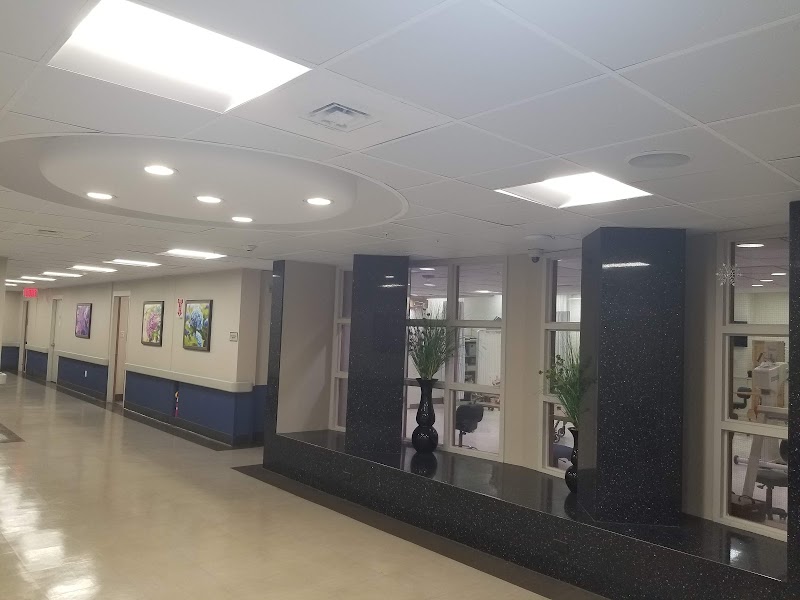
8601 STENTON AVENUE, WYNDMOOR, PA 19038 (215) 233-6200
For profit - Limited Liability company 77 Beds LME FAMILY HOLDINGS Data: November 2025 3 Immediate Jeopardy citations
Trust Grade
0/100
#652 of 653 in PA
Last Inspection: January 2025

Within standard 12-15 month inspection cycle. Federal law requires annual inspections.

Overview

Wyndmoor Hills Rehabilitation and Nursing Center has received a Trust Grade of F, indicating significant concerns regarding its operations and care quality. It ranks #652 out of 653 facilities in Pennsylvania, placing it in the bottom half, and #58 out of 58 in Montgomery County, meaning there are no better local options available. Although the facility is showing signs of improvement, reducing issues from 33 in 2024 to 24 in 2025, it still has a concerning staffing turnover rate of 62%, which is higher than the state average, and only received 2 out of 5 stars for staffing. The facility's fines total $102,309, which is higher than 94% of Pennsylvania facilities, suggesting ongoing compliance problems. Additionally, there are serious issues with maintaining safe air temperatures, as residents have been exposed to temperatures as low as 59 degrees and as high as 90.6 degrees, leading to critical safety risks. While the facility has some strengths, such as a good rating in quality measures, the numerous serious violations and the overall poor trust grade make it a concerning choice for families.

Trust Score
F
0/100
In Pennsylvania
#652/653
Bottom 1%
Safety Record
High Risk
Review needed
Inspections
Getting Better
33 → 24 violations
Staff Stability
⚠ Watch
62% turnover. Above average. Higher turnover means staff may not know residents' routines.
Penalties
⚠ Watch
$102,309 in fines. Higher than 96% of Pennsylvania facilities. Major compliance failures.
Skilled Nurses
○ Average
Each resident gets 30 minutes of Registered Nurse (RN) attention daily — about average for Pennsylvania. RNs are the most trained staff who monitor for health changes.
Violations
⚠ Watch
73 deficiencies on record. Higher than average. Multiple issues found across inspections.
★☆☆☆☆
1.0
Overall Rating
★★☆☆☆
2.0
Staff Levels
★★★★☆
4.0
Care Quality
★☆☆☆☆
1.0
Inspection Score
Stable
2024: 33 issues
2025: 24 issues

The Good

  • 4-Star Quality Measures · Strong clinical quality outcomes
  • Full Sprinkler Coverage · Fire safety systems throughout facility
  • No fines on record

Facility shows strength in quality measures, fire safety.

The Bad

1-Star Overall Rating

Below Pennsylvania average (3.0)

Significant quality concerns identified by CMS

Staff Turnover: 62%

16pts above Pennsylvania avg (46%)

Frequent staff changes - ask about care continuity

Federal Fines: $102,309

Well above median ($33,413)

Significant penalties indicating serious issues

Chain: LME FAMILY HOLDINGS

Part of a multi-facility chain

Ask about local staffing decisions and management

Staff turnover is elevated (62%)

14 points above Pennsylvania average of 48%

The Ugly 73 deficiencies on record

3 life-threatening 1 actual harm
Aug 2025 1 deficiency
CONCERN (E) 📢 Someone Reported This

A family member, employee, or ombudsman was alarmed enough to file a formal complaint

Potential for Harm - no one hurt, but risky conditions existed

Deficiency F0925 (Tag F0925)

Could have caused harm · This affected multiple residents

Based on observations, and staff interviews, it was determined that the facility failed to maintain an effective pest control program in the main kitchen. Findings Include:Observation on August 25, 20...

Read full inspector narrative →
Based on observations, and staff interviews, it was determined that the facility failed to maintain an effective pest control program in the main kitchen. Findings Include:Observation on August 25, 2025, at 9:20 a.m., in the facility's main kitchen revealed an unclean and unsanitary environment. A substantial amount of mouse droppings was observed in two separate areas on the kitchen floor.Interview conducted with Employee 7, the Dietary Director, confirmed the presence of mouse droppings in multiple areas of the kitchen. Employee E7 acknowledged that the floor had not been cleaned and explained that the cleaning schedule is based on focus areas, such as cleaning ceiling tiles, etc. Employee E7 further stated that staff just know what needs to be done, Interview with Nursing Home Administrator (NHA) Employee E1 on August 25, 2025, at 12:50 p.m. confirmed that the facility is aware of rodent problems. 28 Pa. Code 210.18(b)(1) Management
Jul 2025 1 deficiency
CONCERN (E) 📢 Someone Reported This

A family member, employee, or ombudsman was alarmed enough to file a formal complaint

Potential for Harm - no one hurt, but risky conditions existed

Deficiency F0804 (Tag F0804)

Could have caused harm · This affected multiple residents

Based on review of facility documentation, observations, and resident and staff interviews, it was determined that the facility failed to provide food and drink that was palatable and served at the pr...

Read full inspector narrative →
Based on review of facility documentation, observations, and resident and staff interviews, it was determined that the facility failed to provide food and drink that was palatable and served at the proper temperature. Findings include: Interview with Resident R8 on July 7, 2025, at 10:00 a.m. revealed that food room temperature. Interview with Resident R10 on July 7, 2025, at 10:05 a.m. revealed, we never get hot food, although I would prefer that. Observations during a test tray conducted with the Food Service Director, Employee E3, on July 7, 2025, at 9:38 a.m. revealed waffles registered at 90.1 degrees Fahrenheit (F); scrambles eggs registered 89.5 degrees F; pork sausage registered 86.2 degrees F; and orange registered 60 degrees F. Follow-up interview with the Food Service Director, at 9:41 a.m. confirmed that the tested food items were too cool to be palatable. 28 Pa. Code 201.14(a) Responsibility of licensee 28 Pa. Code 201.18(b)(3) Management 28 Pa. Code 201.14(a) Responsibility of licensee 28 Pa. Code 201.18(b)(3) Management 28 Pa. Code 211.6(f) Dietary services
May 2025 2 deficiencies
CONCERN (D) 📢 Someone Reported This

A family member, employee, or ombudsman was alarmed enough to file a formal complaint

Potential for Harm - no one hurt, but risky conditions existed

Accident Prevention (Tag F0689)

Could have caused harm · This affected 1 resident

Based on review of facility policy, resident's clinical record , observation and interview with staff, it was determined that the facility failed to ensure the safety of the resident's environment rel...

Read full inspector narrative →
Based on review of facility policy, resident's clinical record , observation and interview with staff, it was determined that the facility failed to ensure the safety of the resident's environment related to medication left at the bedside for one of ten residents reviewed. (Resident R2) Findings include: Review of facility policy titled Administrating Medications revised December 2012. revealed that medications shall be administered in a safe and timely manner and as prescribed. Medications must be administered within one hour or prescribed time and the individual administering the medications must verify the resident's identity before giving his or her medications. If a drug is withheld, refused or given at a time other than scheduled time the individual administering the medication shall initial and circle the mar (medication administration record) space provided for that drug induce as required or indicated for the medication the individual administering the medication will record in the resident's medical record the date and time the medication was administered, the dosage, the root of administration, any complaints or symptoms, any results achieved and when those results were observed and the signature entitled the person administering the drug. Residents may self administer their own medications only if the attending physician in conjunction with the inner disciplinary care planning team, has determined that they have the decision making capacity to do so safely . Review of Resident R2's admission Minimum Data Set (MDS- a federal mandated assessment tool for all residents) dated April 7, 2025, revealed Resident R2 was admitted into the facility on April 7 2025, from the hospital with diagnosis including heart failure (the heart cannot pump enough blood), hypertension (high blood pressure), renal failure (the kidneys looses the ability to remove waste and balance fluids), diabetes (a disease characterized by elevated levels of blood glucose), cerebral vascular accident(stroke), and seizure disorder requiring medications such as antipsychotics, anticoagulant s(blood thinner), anti convulsive(seizure preventative) and insulin (regulates blood sugar). Further review of this resident's MDS revealed the resident has a cognition BIMS ( brief interview of mental status) score of 15 indicating that Resident R2's cognition was intact. Observation of Resident R2 on May 29, 2025 at 11:10a.m. revealed a medication cup consisting of nine pills set on the resident's bedside table. Interview with the Director of Nursing, Employee E2, at the time of the above observation confirmed that the medication cup was left on the bedside table, which is not facility policy and an inappropriate administration of medication for a resident without order to self administer medication. 28 Pa Code 211 .10 (c) Resident care policies 28 Pa Code 211.12 ( d)(1)(3)(5) Nursing services
CONCERN (D) 📢 Someone Reported This

A family member, employee, or ombudsman was alarmed enough to file a formal complaint

Potential for Harm - no one hurt, but risky conditions existed

Deficiency F0825 (Tag F0825)

Could have caused harm · This affected 1 resident

**NOTE- TERMS IN BRACKETS HAVE BEEN EDITED TO PROTECT CONFIDENTIALITY** Based on review of facility documentation, clinical record and staff and family interview, it was determined that the facility f...

Read full inspector narrative →
**NOTE- TERMS IN BRACKETS HAVE BEEN EDITED TO PROTECT CONFIDENTIALITY** Based on review of facility documentation, clinical record and staff and family interview, it was determined that the facility failed to ensure that rehabilitation services were provided timely for one of ten residents reviewed. (Resident R1) Findings include: Review of Resident R1's clinical record revealed that the resident was admitted to the facility on [DATE]. Interview with Resident R1's family member on May 29, 2025 at 10:40 a.m. revealed that the resident entered the facility following knee surgery, and the resident arrived to the facility at approximately 6:00 pm. The resident's family member stated that her surgeon wanted her to be ambulating as soon as possible, it would benefit her recovery . Resident R1 was placed into bed and told she cannot get out of the bed until assessed by physical therapy. Resident R1 requested assistance to the lavatory but was told she needed to use a bed pan or brief until she was seen and assessed by physical therapy. Resident R1's family asked staff when she could be seen and was told its the weekend not until Monday. Interview with Social Worker, Employee E7 revealed that she was aware that the family was not satisfied with the level of care in the facility, the resident was not assessed by physical therapy and this employee could not reach anyone in the physical therapy department to request a consult, and was unsure when the resident would be assessed. Employee E7 tried to transfer the resident to another facility but was unable due to weekend hours. Interview with Physical Therapy Director, Employee E5 on May 29, 20256 at 1:40 p.m. revealed that Resident R1 entered the facility on Friday May 16, 2025 and was scheduled to see physical therapy on Sunday May 18, 2025. This employee confirmed that the physical therapy department was short staffed that weekend and had no therapist available on Saturday May 17, 2025. Further interview with Employee E5 confirmed that the Resident R1 no being able to get out of the bed was inappropriate, and that the nursing staff was responsible to do the assessment for resident to be able to ambulate. Interview with Licensed nurse, Employee E6 on May 29, 2025 at 2:00 p.m. revelaed that she believed that the physical therapy team needs to assess the residents to determine the appropiate level of care needed to transfer and ambulate. Interview with NHA, Employee E1 on May 29, 2025 at 3:40p.m. confirmed there is a breakdown of communication of responsibilities between physical therapy and nursing staff. 28 Pa. code 211.12(a)(c)(d)(3) Nursing services 28 Pa. Code 201.18 (b)(1) Management
Feb 2025 2 deficiencies 1 IJ (1 affecting multiple)
CRITICAL (K) 📢 Someone Reported This

A family member, employee, or ombudsman was alarmed enough to file a formal complaint

Immediate Jeopardy (IJ) - the most serious Medicare violation

Safe Environment (Tag F0584)

Someone could have died · This affected multiple residents

**NOTE- TERMS IN BRACKETS HAVE BEEN EDITED TO PROTECT CONFIDENTIALITY** Based on observation, interview with residents and staff, review of facility policy, and facility documentation, it was determin...

Read full inspector narrative →
**NOTE- TERMS IN BRACKETS HAVE BEEN EDITED TO PROTECT CONFIDENTIALITY** Based on observation, interview with residents and staff, review of facility policy, and facility documentation, it was determined the facility failed to ensure comfortable air temperature levels were provided on two of two nursing units (Second and Third Floor), placing 16 residents at risk for developing hypothermia (condition of having a lower body temperature than normal body temperature). This failure resulted in an Immediate Jeopardy situation with air temperatures ranging between 59 degrees Fahrenheit and 70 degrees Fahrenheit in two of two nursing units. (Second and Third Floor). Findings include: Review of the undated facility policy titled Facility Temperature Policy and Procedures revealed The facility will maintain indoor air temperatures within the required range to promote the health, safety, and comfort of residents and staff. The facility will monitor, document, and respond to temperature deviations in a timely manner to prevent adverse effects on resident well-being. It further under procedures outlines, Resident care areas (e.g., rooms, hallways, common areas) must be maintained between 71°F and 81°F (Fahrenheit) per federal regulations. Observations conducted on February 7, 2025, at 10:09 a.m. with the Maintenance Assistant, Employee E3 revealed the following air temperatures: 2nd floor nursing unit East hallway- 65.3 of degrees Fahrenheit -room [ROOM NUMBER]-64.9 of degrees Fahrenheit -room [ROOM NUMBER]-62.2 of degrees Fahrenheit -room [ROOM NUMBER]- 59.0 of degrees Fahrenheit 2nd floor nursing unit [NAME] hallway- 63.8 of degrees Fahrenheit -room [ROOM NUMBER]-64.0 of degrees Fahrenheit -room [ROOM NUMBER]-61.8 of degrees Fahrenheit -room [ROOM NUMBER]-59.0 of degrees Fahrenheit 2nd Floor nursing unit North hallway- 65.8 of degrees Fahrenheit -room [ROOM NUMBER]-63.8 of degrees Fahrenheit -room [ROOM NUMBER]-65.4 of degrees Fahrenheit -room [ROOM NUMBER]-66.9 of degrees Fahrenheit 3rd floor nursing station- 69.8 of degrees Fahrenheit -3rd Floor dining area 59.3 of degrees Fahrenheit -3rd East hallway 66.9 of degrees Fahrenheit -room [ROOM NUMBER]-61.7 of degrees Fahrenheit -room [ROOM NUMBER]-59.3 of degrees Fahrenheit 3rd floor nursing unit [NAME] hallway- 66.2 of degrees Fahrenheit -room [ROOM NUMBER]-65.4 of degrees Fahrenheit -room [ROOM NUMBER]-60.2 of degrees Fahrenheit 3rd nursing unit North hallway -69 of degrees Fahrenheit -room [ROOM NUMBER]-62.9 of degrees Fahrenheit -room [ROOM NUMBER]-61.5 of degrees Fahrenheit On February 7, 2025, at approximately 10:25 a.m. an interview with Resident R3 who was observed wearing sweatshirt, and coat, reported yesterday I got up and it was so cold, facility has no heat no hot water. On February 7, 2025, at 10:28 a.m., an interview was conducted with Nurse Aide, Employee E9, who reported, It's cold today. Nurse Aide, Employee E9 noted that it had not been this cold the previous week. On February 7, 2025, at approximately 10:31 a.m. an interview was conducted with Resident R4 who was observed wearing a hat and reported, it's cold in this room referring to room [ROOM NUMBER]. On February 7, 2025, at approximately 10:33 a.m. an interview with Resident R5 reported it's cold. On February 7, 2025, at 10:45 a.m. an interview with License Nurse, Employee E8 revealed today was the first day that it has been this cold in the building. On February 7, 2025, at 10:54 a.m. an interview was conducted with the Maintenance Director, Employee E6. During the interview, Employee E6 reported the facility experienced issues last week due to water pipes breaking outside. As a result, sand and debris entered the toilets and pipes, affecting their functionality. The heat is working but it goes in and out. The last measurement of the heat temperatures was yesterday. On February 7, 2025, at 11:02 a.m., an interview was held with Resident R7 reported it's cold Resident R7 was covered with a blanket, dressed in a winter jacket, sweatshirt and hat. On February 7, 2025, at 11:05 a.m., an interview was conducted with the Nursing Home Administrator, Employee E1, on the second nursing unit. Employee E1 reported the thermometer gun used by the Maintenance Assistant was broken and their own thermometer gun was displaying fluctuating temperatures around 70°F. On February 7, 2025, at 11:12 a.m. Nursing Home Administrator recaptured air temperature levels using a different thermometer. Air temperature recordings were as follows: -room [ROOM NUMBER]- registered 68 of degrees Fahrenheit -2nd floor dining room - registered 65 of degrees Fahrenheit -2nd floor east hallway - 69.2 of degrees Fahrenheit -room [ROOM NUMBER]- registered 65 of degrees Fahrenheit -room [ROOM NUMBER]-69 of degrees Fahrenheit -room [ROOM NUMBER]- 68 of degrees Fahrenheit -2nd floor North hallway - 68 of degrees Fahrenheit -1st floor hallway by the elevators- 69 of degrees Fahrenheit On February 7, 2025 at approximately 11:20 a.m. observation of the second-floor supply room failed to reveal additional warm blankets. On February 7, 2025 at approximately 11:28 a.m. observations conducted of the the third-floor supply room failed to reveal additional warm blankets. On February 7, 2025, at 11:35 a.m., an observation was conducted with the Housekeeping Director, Employee E7, which revealed that only one warm blanket remained on the rack in the laundry room. During interview with the Housekeeping Director, Employee E7 at the time of the observation Employee E7 was asked if facility has any additional blankets? Employee E7 stated that he just returned from placing additional blankets to the 2nd and 3rd nursing units' supply room. Observation conducted of the 2nd and 3rd nursing units' supply room on February 7, 2025 at 11:40 p.m. in the company of the Nursing Home Administrator, Employee E1 revealed that the second-floor supply room had no warm blankets while the third-floor supply room contained one additional warm blanket along with a few additional regular thin blankets. Interview on February 7, 2025, at 11:59 a.m., an interview with Commercial Contractor, Employee E10, revealed there was an issue with the air handler; the supply fan had moved off the shaft and was rubbing against the housing. Due to this malfunction, they recommended shutting it off the system on Wednesday, February 5, 2025, to prevent further damage, and the facility was aware of this action. Continued interview with Commercial Contractor, Employee E10 stated that he/she returned today to assess the issue further and provide an exact repair quote. Commercial Contractor, Employee E10 was in the process of preparing a quote, after which the necessary parts will need to be ordered and repairs scheduled, pending approval. The facility instructed the contractor to turn the air handler back on. On February 7, 2025, at 12:28 p.m., an interview was conducted with Nursing Aide, Employee E4, who reported feeling cold. The facility has been providing blankets to residents who are experiencing cold temperatures. On February 7, 2025, at 12:32 p.m., an interview was conducted with Resident R8 who reported it's freezing here. Based on the above findings Immediate Jeopardy to the safety of the residents was identified to the Nursing Home Administrator on February 7, 2025, at 12:45 p.m. for failure to maintain comfortable air temperatures between 71 degrees Fahrenheit and 81 degrees Fahrenheit on two of two nursing floors which posed a health and/or safety risk to 16 residents on the Second and Third Floor nursing units through the loss of body heat. The Nursing Home Administrator was provided with the Immediate Jeopardy template on February 7, 2025, at 12:45 p.m. and an immediate action plan was requested. The following action plan was received and accepted on February 7, 2024, at 5:30 p.m. -On February 7, 2025, the facility initiated a comprehensive Quality Assurance/Performance Improvement Plan to ensure that facility air temperatures were maintained between 71- and 81- degrees Fahrenheit. -Residents that resided in affected rooms were offered a room move and declined. They were informed that if they were unconformable and would like to move rooms at any time to inform facility staff. -[Plumbing Company] on site on February 7, 2025, to address concerns related to the heating unit. Additional blankets were purchased and provided to residents. -Warming liquid hydration stations were placed in resident common areas by culinary staff on February 7, 2025. -All 16 residents identified were assessed by nursing staff to ensure that there have been no undesired outcomes related to hypothermia and that no signs and symptoms of hypothermia were present to the central heating system being temporarily inoperable to include vital signs, skin assessment and any other pertinent assessments. -All other rooms in the facility will have temperatures taken and residents affected will be continuously assessed every shift to ensure that no signs and symptoms of hypothermia are present to include vital signs, skin assessments along with any other relevant assessment related to hypothermia. -Facility staff will be educated on ensuring residents remain warm and to ensure that residents are assessed frequently to ensure that no signs of symptoms of hypothermia are present. -Facility temperature will be checked every shift by the manager on duty and facility administration to ensure that they are within appropriate range along with resident interview to ensure that they are comfortable with the current temperatures. -If the facility rooms affected does not meet and maintain the appropriate temperatures facility will initiate the emergency plan to include closure of the effected rooms and mandate movement of resident to functioning rooms. An Ad Hoc QAPI Meeting was held on February 7, 2025 to discuss the events surrounding the facility's failure to ensure temperatures in the facility were maintained between 71- and 81- degrees Fahrenheit, to identify the root cause, and to initiate improvement to the facility's processes and procedures regarding ensuring temperature levels are appropriately maintained in the facility, the facility has a plan in place when temperatures are not maintained and to ensure that the central heating system has routine maintenance. -The PA Healthcare Coalition was notified via phone with a voice message left on February 7, 2025. On February 7, 2025, at 3:47 p.m., an interview was conducted with Heating and Air Contractor, Employee E11, reported that the heating issue had been resolved. Temperatures in the hallways and rooms were increasing. Observations on February 8, 2025, at 12:45 p.m. revealed the Second-floor nursing unit-maintained temperatures between 71- and 81- degrees Fahrenheit. The third nursing unit continued to have rooms with 7 rooms were below 71 degrees Fahrenheit. Facility brought portable space heater (safe) to maintain air temperature levels between 71- and 81- degrees Fahrenheit. The facility provided education to all staff on assessing residents for signs and symptoms of hypothermia. Staff were instructed to ensure residents remained warm by providing blankets, conducting vital sign checks every shift, and offering warm beverages as needed. The vital signs auditing was reviewed and residents were not exhibiting signs and symptoms of hypothermia. On February 8, 2025, at 5:30 p.m., the Immediate Jeopardy was lifted. 28 Pa. Code 201.14(a) Responsibility of licensee 28 Pa. Code 201.18(b)(1)(3)(e)(1)(2.1) Management 28 Pa. Code 204.19 Plumbing, heating ventilation and air conditioning and electric
CONCERN (D) 📢 Someone Reported This

A family member, employee, or ombudsman was alarmed enough to file a formal complaint

Potential for Harm - no one hurt, but risky conditions existed

Administration (Tag F0835)

Could have caused harm · This affected 1 resident

**NOTE- TERMS IN BRACKETS HAVE BEEN EDITED TO PROTECT CONFIDENTIALITY** Based on review of clinical records, facility documentation and interviews with residents and staff, it was determined the Nursi...

Read full inspector narrative →
**NOTE- TERMS IN BRACKETS HAVE BEEN EDITED TO PROTECT CONFIDENTIALITY** Based on review of clinical records, facility documentation and interviews with residents and staff, it was determined the Nursing Home Administrator failed to effectively manage the facility related to the failure to maintain air temperatures between 71 degrees Fahrenheit and 81 degrees Fahrenheit in 16 resident rooms, dining rooms and nursing units for two out of two nursing units. (Second and Third Floor) The failure to maintain comfortable and safe air temperatures for a total of 16 residents residing in rooms 202, 206, 211, 217, 224, 225, 228, 234, 238, 305, 306, 316, 325, 331, and 333 resulted in an Immediate Jeopardy situation. (Second and Third Floor) Findings include: Review of the job description for the Nursing Home Administrator revealed that the Administrator was responsible to operate the facility in accordance with the established policies and procedures of the governing body in compliance with federal, state and local regulations. Establish systems to enforce the facility policies and procedures. Establish operating procedures for physician responsibilities. Act as liaison to the governing body for the medication, nursing and other professional staff and all facility departments. Prepare all reports required by the governing body. Supervise all departments supervisors and administrative staff. Supervise the recruitment, employment, performance evaluations, promotion, and discharge of all staff. Assume responsibility with department supervisors to implement effective policies and assure adequate staffing to meet facility needs. Be responsible to all financial transactions. Ensure that all necessary supplies are purchased and available. Develop relationship with community agencies providing services of benefit to the facility. Develop one to one relationship with residents and family. Arrange with appropriate state and legal agencies for the guardianship of those residents in need. Arbitrate complaints and disputes concerning residents, family and personnel. Observations conducted on February 7, 2025, at 10:09 a.m. with the Maintenance Assistant, Employee E3 revealed the following air temperatures: 2nd floor nursing unit East hallway- 65.3 of degrees Fahrenheit -room [ROOM NUMBER]-64.9 of degrees Fahrenheit -room [ROOM NUMBER]-62.2 of degrees Fahrenheit -room [ROOM NUMBER]- 59.0 of degrees Fahrenheit 2nd floor nursing unit [NAME] hallway- 63.8 of degrees Fahrenheit -room [ROOM NUMBER]-64.0 of degrees Fahrenheit -room [ROOM NUMBER]-61.8 of degrees Fahrenheit -room [ROOM NUMBER]-59.0 of degrees Fahrenheit 2nd Floor nursing unit North hallway- 65.8 of degrees Fahrenheit -room [ROOM NUMBER]-63.8 of degrees Fahrenheit -room [ROOM NUMBER]-65.4 of degrees Fahrenheit -room [ROOM NUMBER]-66.9 of degrees Fahrenheit 3rd floor nursing station- 69.8 of degrees Fahrenheit -3rd Floor dining area 59.3 of degrees Fahrenheit -3rd East hallway 66.9 of degrees Fahrenheit -room [ROOM NUMBER]-61.7 of degrees Fahrenheit -room [ROOM NUMBER]-59.3 of degrees Fahrenheit 3rd floor nursing unit [NAME] hallway- 66.2 of degrees Fahrenheit -room [ROOM NUMBER]-65.4 of degrees Fahrenheit -room [ROOM NUMBER]-60.2 of degrees Fahrenheit 3rd nursing unit North hallway -69 of degrees Fahrenheit -room [ROOM NUMBER]-62.9 of degrees Fahrenheit -room [ROOM NUMBER]-61.5 of degrees Fahrenheit On February 7, 2025, at approximately 10:25 a.m. an interview with Resident R3 who was observed wearing sweatshirt, and coat, reported yesterday I got up and it was so cold, facility has no heat no hot water. On February 7, 2025, at 10:28 a.m., an interview was conducted with Nurse Aide, Employee E9, who reported, It's cold today. Nurse Aide, Employee E9 noted that it had not been this cold the previous week. On February 7, 2025, at approximately 10:31 a.m. an interview was conducted with Resident R4 who was observed wearing a hat and reported, it's cold in this room referring to room [ROOM NUMBER]. On February 7, 2025, at approximately 10:33 a.m. an interview with Resident R5 reported it's cold. On February 7, 2025, at 10:45 a.m. an interview with License Nurse, Employee E8 revealed today was the first day that it has been this cold in the building. On February 7, 2025, at 10:54 a.m. an interview was conducted with the Maintenance Director, Employee E6. During the interview, Employee E6 reported the facility experienced issues last week due to water pipes breaking outside. As a result, sand and debris entered the toilets and pipes, affecting their functionality. The heat is working but it goes in and out. The last measurement of the heat temperatures was yesterday. On February 7, 2025, at 11:02 a.m., an interview was held with Resident R7 reported it's cold Resident R7 was covered with a blanket, dressed in a winter jacket, sweatshirt and hat. On February 7, 2025, at 11:05 a.m., an interview was conducted with the Nursing Home Administrator, Employee E1, on the second nursing unit. Employee E1 reported the thermometer gun used by the Maintenance Assistant was broken and their own thermometer gun was displaying fluctuating temperatures around 70°F. On February 7, 2025, at 11:12 a.m. Nursing Home Administrator recaptured air temperature levels using a different thermometer. Air temperature recordings were as follows: -room [ROOM NUMBER]- registered 68 of degrees Fahrenheit -2nd floor dining room - registered 65 of degrees Fahrenheit -2nd floor east hallway - 69.2 of degrees Fahrenheit -room [ROOM NUMBER]- registered 65 of degrees Fahrenheit -room [ROOM NUMBER]-69 of degrees Fahrenheit -room [ROOM NUMBER]- 68 of degrees Fahrenheit -2nd floor North hallway - 68 of degrees Fahrenheit -1st floor hallway by the elevators- 69 of degrees Fahrenheit On February 7, 2025 at approximately 11:20 a.m. observation of the second-floor supply room failed to reveal additional warm blankets. On February 7, 2025 at approximately 11:28 a.m. observations conducted of the the third-floor supply room failed to reveal additional warm blankets. On February 7, 2025, at 11:35 a.m., an observation was conducted with the Housekeeping Director, Employee E7, which revealed that only one warm blanket remained on the rack in the laundry room. During interview with the Housekeeping Director, Employee E7 at the time of the observation Employee E7 was asked if facility has any additional blankets? Employee E7 stated that he just returned from placing additional blankets to the 2nd and 3rd nursing units' supply room. Observation conducted of the 2nd and 3rd nursing units' supply room on February 7, 2025 at 11:40 p.m. in the company of the Nursing Home Administrator, Employee E1 revealed that the second-floor supply room had no warm blankets while the third-floor supply room contained one additional warm blanket along with a few additional regular thin blankets. Interview on February 7, 2025, at 11:59 a.m., an interview with Commercial Contractor, Employee E10, revealed there was an issue with the air handler; the supply fan had moved off the shaft and was rubbing against the housing. Due to this malfunction, they recommended shutting it off the system on Wednesday, February 5, 2025, to prevent further damage, and the facility was aware of this action. Continued interview with Commercial Contractor, Employee E10 stated that he/she returned today to assess the issue further and provide an exact repair quote. Commercial Contractor, Employee E10 was in the process of preparing a quote, after which the necessary parts will need to be ordered and repairs scheduled, pending approval. The facility instructed the contractor to turn the air handler back on. On February 7, 2025, at 12:28 p.m., an interview was conducted with Nursing Aide, Employee E4, who reported feeling cold. The facility has been providing blankets to residents who are experiencing cold temperatures. On February 7, 2025, at 12:32 p.m., an interview was conducted with Resident R8 who reported it's freezing here. Based on the above findings an Immediate Jeopardy was identified for failure to provide safe and comfortable air temperatures for residents living on the Second and Third nursing units. The facility's failure to furnish the necessary maintenance services to ensure that safe and comfortable temperature levels were maintained in resident rooms and hallways posed a safety risk with the loss of body heat for 16 residents identified. Based on the deficiencies identified in this report, the Nursing Home Administrator failed to fulfill essential duties and responsibilities of their position, contributing to the Immediate Jeopardy situation. 28 Pa. Code 201.18(b)(1)(3)(e)(1)(2.1) Management 28 Pa. Code 201.14(a) Responsibility of licensee 28 Pa. Code 204.19 Plumbing, heating ventilation and air conditioning and electric
Jan 2025 18 deficiencies
CONCERN (D)

Potential for Harm - no one hurt, but risky conditions existed

Safe Environment (Tag F0584)

Could have caused harm · This affected 1 resident

**NOTE- TERMS IN BRACKETS HAVE BEEN EDITED TO PROTECT CONFIDENTIALITY** Based on reviews of clinical records, observations of resident rooms, interviews with residents and staff, review of policies an...

Read full inspector narrative →
**NOTE- TERMS IN BRACKETS HAVE BEEN EDITED TO PROTECT CONFIDENTIALITY** Based on reviews of clinical records, observations of resident rooms, interviews with residents and staff, review of policies and procedures and review of the admission agreement, it was determined that the facility failed to exercise reasonable care for the protection of resident's property from loss or theft for two of four residents reviewed. (Residents R58 and R63) Findings include: A review of the facility's policy titled release of resident's personal belongings dated 2017 revealed that the facility was responsible for protecting the personal belongings of each resident. A review of the facility's admission agreement containing the established resident rights revealed that the facility was responsible for making reasonable accommodations and efforts to safeguard Resident's personal property. The agreement indicated that the facility was responsible to assist each resident in securing personal belongings, valuables or cash. The admission agreement indicated that this was a resident right to have his or her personal belongings protected while living at the facility. Interview with the Nursing Home Administrator, Employee E1, at 1:00 p.m., on January 9, 2025 confirmed that the facility had a cabinets in each resident's room. The administrator also confirmed that there were no residents who had or offered keys for the cabinets to safekeeping there personal belongings. The administrator reported that a total of nine residents who resided in rooms 201, 204, 207, 213, 214, 220, 228, 301 and 334 wanted a lock and key cabinet system to safe guard their belongings. Clinical record review for resident R58 revealed a comprehensive assessment MDS (an assessment of care needs) dated October 4, 2024 that indicated that this resident was alert and oriented. This assessment also indicated that this resident had no impairments or functional limitations of abilities using the upper extremities. Resident R58 was interviewed at 10:00 a.m., on January 8, 2025 and reported that he had been missing money ($200.00 dollars) since August, 2024. Resident R58 also reported that he had not been offered the opportunity to safe guard his cash. Observations of Resident R58 and his room revealed that there was a cabinet that had a lock installed; however there was no system or key available for the resident to secure his possessions. Clinical record review for Resident R63 revealed a comprehensive assessment MDS (an assessment of care needs) dated December 19, 2024 that indicated that this resident was alert and oriented. The assessment also indicated that this resident had no impairment of his upper extremities. Interview with Resident R63 at 10:30 a.m., on January 8, 2025 revealed that this resident was admitted to the facility on [DATE]. Observations of Resident R63's bedroom revealed that the resident had a cabinet with a lock installed; however the resident had no system or key to lock the cabinet. 28 Pa. Code 205.72 Furniture 28 Pa. Code 201.14(a) Responsibility of licensee 28 Pa. Code 201.18(b)(2)(3) Management
CONCERN (D)

Potential for Harm - no one hurt, but risky conditions existed

Report Alleged Abuse (Tag F0609)

Could have caused harm · This affected 1 resident

Based on interviews with resident and staff and review of clinical records, review of facility documentation and review of facility policy, it was determined that the facility failed to report an alle...

Read full inspector narrative →
Based on interviews with resident and staff and review of clinical records, review of facility documentation and review of facility policy, it was determined that the facility failed to report an allegation of suspected abuse and neglect to the Survey Agency for one of 17 residents reviewed. (Resident R1). Findings include: Review of Resident R1's admissions Minimum Data Set (MDS-an assessment of resident's needs) dated November 14, 2024 indicated that the resident was alert and oriented and able to make needs known. Continue review of the MDS revealed that the resident had diagnoses of chronic obstructive pulmonary disease, neuromuscular dysfunction of bladder, multiple sclerosis, malignant neoplasm of the large intestine, was frequently incontinent of bowel and bladder and required a staff member to assist with transfers. Review of Resident R1's clinical record revealed that Resident R1 was alert and oriented and diagnosed with colon cancer. The resident had loose stools and periods of incontinence of bowels and gastro intestinal upset. Review of Resident R1's care plan revealed that the resident was care planned at risk for falls and needing assistance of one staff with transfers. Review of a grievance/concern form dated November 6, 2024 revealed that at approximately 9:00 to 10:00 PM the resident started having uncontrollable bowl movements. The resident said he called nursing to come but they did not arrive. The resident then attempted to use the bathroom by himself and fell to the floor. The resident indicated BM was all over him, the toilet, and the floor. When the nursing assistant (NA) Employee E30 finally came to clean him, he stated she had an attitude and talked disrespectfully to him. The resident stated this occurred numerous times throughout the shift. Resident stated one instance where the NA came to help him, but the supervisor (Registered Nurse (RN) Employee E29 told the NA not to help him and said She did not have to help him. The resident said the nurse and NA said that he stunk, and complained he made a big mess. Resident R1 stated the nurse told the resident to Shut up. The resident said he started to argue back. Resident R1 said by the end of the shift the resident was fed up and only combated the disrespect and aggression given to him and also apologized for having as many BM's as he had and explained it was from his cancer, and he cannot feel he has to go until it is too late. The resident also told the surveyor the two staff members spoke to each other in a different language in front of the resident that could have been African. It was confirmed on January 10, 2025, at 1:00 p.m. the above incident with allegations of abuse and neglect were not reported as required. 28 Pa. Code 211.12(d)(5) Nursing service
CONCERN (D)

Potential for Harm - no one hurt, but risky conditions existed

Comprehensive Care Plan (Tag F0656)

Could have caused harm · This affected 1 resident

Based on review of clinical records, review of facility policy, and interviews with staff, it was determined that the facility failed to develop and implement a comprehensive care plan related to Resi...

Read full inspector narrative →
Based on review of clinical records, review of facility policy, and interviews with staff, it was determined that the facility failed to develop and implement a comprehensive care plan related to Resident R220's diagnosis of post-traumatic stress disorder for one of 17 resident records reviewed (Resident R220). Findings include: Review of the facility's policy titled, Trauma-Informed Care not date, stated the purpose of the policy is to establish guidelines for implementing trauma-informed care (TIC) in the long-term care facility to support residents who may have experienced trauma. The goal is to provide care that is safe, respectful, and responsive to the effects of trauma while fostering a supportive environment. Care will be provided in a manner that prevents re-traumatization and promotes healing and empowerment. The policy defines TIC as an approach that recognizes the prevalence of trauma and understands its impact and integrate knowledge of trauma into care policies to ensure the physical and emotional safety of the resident. Review of Resident R220's psychiatric evaluation dated, January 1, 2025, revealed the resident was diagnosed with depression (major loss of interest in pleasurable activities), anxiety, and Post Traumatic Stress Disorder (PTSD- a mental condition that's caused by an extremely stressful or terifying event) The therapy note indicated the resident was alert and oriented, calm, logical with good insight and judgment. The note further stated that the resident's traumatic past was also discussed. The resident was stated on Seroquel (an antipsychotic medication used for various mental health conditions) two years ago because of this trauma. The note further recommended staff to monitor the resident for increased anxiety. During an interview on January 7, 2024, at approximately 11:30 a.m. Resident R220 said the resident was stuck on the elevator on Friday (January 3, 2025). The resident explained the fear and feeling of being stuck in that elevator triggered the resident's PTSD and the tragic stories of his past resurfaced. Further review of Resident R220 clinical record revealed no evidence the facility developed a plan of care for the resident's PTSD that included the resident's trauma related that related to the resident's needs preferences and triggers. 28 Pa. Code 211.10 (c) Resident care policies. 28 Pa. Code 211.10 (d)(1) Nursing services
CONCERN (D)

Potential for Harm - no one hurt, but risky conditions existed

ADL Care (Tag F0677)

Could have caused harm · This affected 1 resident

Based on reviews of policies and procedures, interviews with residents and staff and review of the outside services agreement, it was determined that facility failed to offer each resident who was not...

Read full inspector narrative →
Based on reviews of policies and procedures, interviews with residents and staff and review of the outside services agreement, it was determined that facility failed to offer each resident who was not able to carry out activities of daily living for grooming, the opportunity for hair dresser or barber services to meet their needs. (Residents R24, R63, R22,R58, R64, R5, R19, R35, R23, R1, R65, R51 and R62). Findings include: A review of the undated facility policy titled beauty and barber services revealed that the purpose of the policy was to provide each resident with access to professional grooming services in a safe, hygienic and respectful manner while enhancing their quality of life. The policy indicated that professional beauty and barber services were to be available and offered to the residents on a regular basis. The services offered would be haircuts, styling, coloring, shaving and other grooming based on the residents'needs. A review of the service agreement dated September, 2024, revealed that an agreement was established for the facility with a cosmotology and barber service to visit the facility on a regular basis to provide the grooming care needs of each resident. Interview with the nursing home administrator, Employee E1, at 10:45 a.m., on January 10, 2025 confirmed that the facility had not been accomodating any of the residents' needs for grooming. There had been no visits to the facility, by the hair dresser or barber services, since September, 2024 the initiaion of the outside resources. The Residents (R24, R63, R22,R58, R64, R5, R19, R35, R23, R1, R65, R51 and R62) that were interviewed throughout the days of the survey reported that they thought they had to perform their own grooming; because the facility did not inform them of the availability of the cosmotologist or barber services within the building. 28 PA. Code 211.10(a)(b)(c)(d) Resident care policies 28 PA. Code 201.21(c)(e) Use of outside resources
CONCERN (D)

Potential for Harm - no one hurt, but risky conditions existed

Deficiency F0685 (Tag F0685)

Could have caused harm · This affected 1 resident

**NOTE- TERMS IN BRACKETS HAVE BEEN EDITED TO PROTECT CONFIDENTIALITY** Based on clinical record review, resident and staff interviews, it was determined the facility failed to ensure each resident re...

Read full inspector narrative →
**NOTE- TERMS IN BRACKETS HAVE BEEN EDITED TO PROTECT CONFIDENTIALITY** Based on clinical record review, resident and staff interviews, it was determined the facility failed to ensure each resident receives proper treatment and assistive devices to maintain vision abilities for one of 17 resident records reviewed (Resident 55). Findings include: Review of Resident R55's clinical record revealed the resident was admitted on [DATE], with diagnoses of muscle weakness, lack of coordination, abnormal gait and mobility, high blood pressure, and glaucoma (a chronic eye disease that causes damage to the optic nerve). Interview with Resident R55 on January 7, 2025, at 10:30 a.m. indicated the resident had not seen the eye doctor since admission. This was confirmed by the Director of Nursing on January 10, 2025, at 3:00 p.m. there was no evidence Resident R55 had an eye exam since the resident's admission to the facility. 28 Pa. Code 211.12 (d) (5) Nursing services
CONCERN (D)

Potential for Harm - no one hurt, but risky conditions existed

Deficiency F0688 (Tag F0688)

Could have caused harm · This affected 1 resident

Based on observations, interviews with resident and staff, review of clinical records and facility policy, it was determined that the facility failed to provide assistant device for one of 17 resident...

Read full inspector narrative →
Based on observations, interviews with resident and staff, review of clinical records and facility policy, it was determined that the facility failed to provide assistant device for one of 17 residents reviewed to maintain independence with bed mobility (Resident R23). Findings include: Review of the facility's policy for bed safety (undated) states the resident should be assessed for safety, medical conditions comfort and freedom of movement as well as input from the resident. If side rails are used there should be a resident assessment and consultation with physician and input from the resident. Side rails may be used if assessment and consultation with the physician has determined that they are needed to help manage a condition or to help the resident reposition or move in bed and transfer. Review of Resident R23's the quarterly MDS (an assessment of resident needs) date November 6, 2024, indicated the resident was alert and oriented, able to make decisions for self, independent with all activities of daily living, and continent of bowel and bladder. Interview with Resident R23 on January 8, 2025, at 9:30 a.m. revealed that the facility told the resident that he/she would be getting bed rails since admission to the facility last May. The resident further stated I have to wait for the maintenance department to put them on my bed. I go to the bathroom so often it would be nice to have a little help getting up in the middle of the night. Review of Resident R23's physician orders revealed ¼ side rails when in bed as enabler for bed mobility dated May 21, 2024. Surveyor inquired Resident R23's bed rail assessment and questioned why it was not in use. Regional Registered Nurse Employee E13 on January 10, 2025, at 5:00 p.m. stated that the facility does not use them and the assessment indicated the resident was assessed as not needing the side rails. Review of the side rail evaluation dated May 21, 2024, revealed the assessment inaccurately answered N/A for not assessed for question pertaining to the resident's potential for bed rail use. 28 Pa. Code 211.12 (d)(1)(3) Nursing services
CONCERN (D)

Potential for Harm - no one hurt, but risky conditions existed

Incontinence Care (Tag F0690)

Could have caused harm · This affected 1 resident

Based on resident clinical records reviewed, interview with staff and review of facility policy, it was determined that the facility did not ensure one resident that entered the facility with an indwe...

Read full inspector narrative →
Based on resident clinical records reviewed, interview with staff and review of facility policy, it was determined that the facility did not ensure one resident that entered the facility with an indwelling catheter was assessed for removal of the catheter or the resident's clinical condition demonstrates that catheterization was necessary for one of 17 resident records reviewed (Resident R64). Findings include: Review of the facility's policy Urinary Continence and Incontinence Assessment and Management not dated indicates an indwelling urinary catheter will be used Sparingly for appropriate indications only. As part of the initial and ongoing assessments, the nursing staff and physician will screen for information related to urinary continence. Examples of sources of such information may include the resident, family, or a hospital discharge describing placement of an indwelling urinary catheter during a recent hospitalization. When a resident is admitted from the hospital with a newly placed indwelling catheter, they physician will evaluate the potential for removing it, depending on the current conditions and the rationale for the original placement. The policy continues to state the physician will identify situations in which an indwelling urethral or suprapubic catheter are indicated and will document why alternatives are not feasible. Indwelling catheters shall not be used as a substitute for nursing care of the resident with urinary incontinence Review Resident R64's clinical record revealed the resident was admitted to the facility with an indwelling urinary catheter on November 12, 2024, after an acute hospitalization for an infection status post spinal surgery, diagnosis of sepsis, and developed multiple pressure injuries that included an unstageable pressure ulcer on the resident's sacrum and left and right lateral malleolus (ankle). Review of Resident R64's care plan revealed a foley catheter care plan was developed with goals that included remaining free from catheter related trauma, and to monitor and document for pain and discomfort. On January 7, 2025 at 12:00 p.m. the Director of Nursing clarified the reason Resident R46's had a foley catheter is that the resident was admitted with a wound and was incontinent of urine. The foley would have kept the wound dry. Review of the initial wound care note dated November 13, 2024, revealed the specialist's recommendations for wound care included a Pressure reduction mattress, Offload heels, Wheelchair pressure reduction cushions, Repositioning and Nutritional consult. The physician noted the importance of proper wound care and adequate nutritional intake and wound preventions measures, Further review of the Resident R64's clinical record did not reveal the rationale for placement, or a diagnosis of its need nor supported clinical documentation that the indwelling catheter was needed. Documentation received from the Regional Registered Nurse Employee E13 on January 10, 2025, at 5:00p.m, stated the resident continued to have the foley catheter to promote (sacral) wound healing with a previous history of sepsis but was unable to show documented evidence that justified Resident R64'a need for a foley. In addition a wound vac was ordered for the resident that covered the pressure area with a sponge and protected the surround skin with a drape that would further promote wound healing. 28 Pa. Code 211.12 (D)(1)(3) Nursing services
CONCERN (D)

Potential for Harm - no one hurt, but risky conditions existed

Deficiency F0694 (Tag F0694)

Could have caused harm · This affected 1 resident

**NOTE- TERMS IN BRACKETS HAVE BEEN EDITED TO PROTECT CONFIDENTIALITY** Based on observations, reviews of clinical records, and interviews with resident and staff, it was determined that the facility ...

Read full inspector narrative →
**NOTE- TERMS IN BRACKETS HAVE BEEN EDITED TO PROTECT CONFIDENTIALITY** Based on observations, reviews of clinical records, and interviews with resident and staff, it was determined that the facility failed to provide adequate treatment and care for intravenous catheter (IV) line in accordance with professional standards of practice for one of 17 resident records reviewed (Resident R220). Findings included According to the standard of nursing practice guidelines the Pharmacy and Therapeutic peer-reviewed journal for managed care and hospital formulary management February 2011, titled Capping Intravenous Tubing and Disinfecting Intravenous Ports Reduce [NAME] of Infection. The article states, Failure to place a sterile cap on the end of a reusable intravenous(IV) administration set that has been removed from a primary administration set saline lock, or IV catheter hub, with the tubing left hanging between uses is exposed to potential contaminants that can lead to infection if the non-sterile IV set is reconnected to the patient's IV access. Health care practitioners who administer medications are well versed in the use of aseptic technique during the medication-use process and that they are familiar with the conditions under which sterile techniques must be applied. These conditions should include (1) covering the exposed end of IV tubing used for intermittent infusions with a sterile cap between uses and (2) dis infecting the port before connecting tubing or a syringe to the port. Review of Resident R220 physician admission notes, dated December 31, 2024, indicated Resident R220 was diagnosed with Type II Diabetes (a chronic condition where the body does not use insulin effectively or does not produce enough insulin), high blood pressure, neuropathy, and a nonhealing diabetic foot ulcer diagnosed with osteomyelitis( bone infection) that required IV (intravenous) antibiotics of vancomycin (used to treat serious infections). Interview and observation of Resident R229 on January 10, 2025, at approximately 10:00 a.m. stated that at the hospital they would use the orange caps on the end of the resident's IV line and at the facility does not use them. Review of Resident R220's hospital records revealed the PICC Single Lumen was placed on dated December 24, 2024. Following insertion of PICC line the dressing was documented as clean dry and intact and the line status capped. The Interview with Unit Manager Register Nurse Employee E15 on January 10, 2024, at 10:00 a.m. with Resident R220 confirmed the IV line should be capped when not in use. 28 PA Code 211.12(d)(5) Nursing services
CONCERN (D)

Potential for Harm - no one hurt, but risky conditions existed

Respiratory Care (Tag F0695)

Could have caused harm · This affected 1 resident

**NOTE- TERMS IN BRACKETS HAVE BEEN EDITED TO PROTECT CONFIDENTIALITY** Based on a review of clinical records and facility policies and procedures, observations of care and services, and interviews wi...

Read full inspector narrative →
**NOTE- TERMS IN BRACKETS HAVE BEEN EDITED TO PROTECT CONFIDENTIALITY** Based on a review of clinical records and facility policies and procedures, observations of care and services, and interviews with staff, it was determined that the facility failed to consistently provide respiratory care and supplemental oxygen as ordered by the physician for two of 28 residents reviewed. (Resident R2 and R5). Findings included: A review of the facility policy titled Oxygen Administration dated October, 2010, stated The purpose of this procedure is to provide guidelines for safe oxygen administration. Verify that there is a physician's order for this procedure. Review the physician's orders or facility protocol for oxygen administration. Review the resident's care plan to assess for any special needs of the resident. A review of Resident 2's clinical record revealed the resident was admitted on [DATE], with diagnoses to include: chronic respiratory failure with hypoxia (not enough oxygen passes from the lungs to the blood, making it difficult to breath), and congestive heart failure (a chronic, progressive condition in which the heart muscle is unable to pump enough blood to meet the body's needs for blood and oxygen). A physician order dated May 20, 2024, specified oxygen at 3 liters/min via nasal cannula continuously. During an initial facility tour on January 7, 2025, at 11:19 a.m., oxygen level was observed to be 1.5 liter on the Resident's R2 oxygen concentrator. On January 7, 2025, at 11:34 a.m., an interview with the licensed nurse, Employee E4, confirmed that the incorrect liter of oxygen was being administered to Resident R2. Clinical record review for Resident R5 revealed a comprehensive admission assessment (MDS-an assessment of care needs) dated September 13, 2024. The assessment indicated that this resident had a diagnosis of chronic obstructive pulmonary disease. The assessment also indicated that Resident R5 required special treatment with oxygen therapy. Clinical record review for Resident R5 revealed a physician's order dated September 16, 2024 for oxygen to be administered to Resident R5 at 2 liters/min via a nasal cannula continuously for shortness of breath. Observations of resident R5 at 9:00 a.m., on January 7, 2025 revealed that the resident was not receiving the oxygen in accordance with the physician's orders. This observation was confirmed by the Director of Nursing, Employee E2 who visualized the valve of the oxygen tank and reported that the valve connected to the oxygen tank was not turned on. 28 Pa. Code 211.10(c) Resident care policies 28 Pa. Code 211.12 (d)(1)(5) Nursing services
CONCERN (D)

Potential for Harm - no one hurt, but risky conditions existed

Deficiency F0743 (Tag F0743)

Could have caused harm · This affected 1 resident

Based on review of clinical record, and interviews with resident and staff, it was determined that the facility failed developed a plan of care for a resident with a diagnosis of PTSD and provided psy...

Read full inspector narrative →
Based on review of clinical record, and interviews with resident and staff, it was determined that the facility failed developed a plan of care for a resident with a diagnosis of PTSD and provided psychological services after the resident was stuck inside the facility's elevator for one of 17 residents reviewed. (Resident R220) Findings include: Review of Resident R220's nursing note dated December 31, 2024 revealed that the resident was admitted to the facility with a past medical history of hypertension (elevated blood pressure), depression (major loss of interest in pleasurable activities), anxiety and Post Traumatic Stress Disorder (is a mental health condition that's caused by an extremely stressful or terrifying event - either being part of it or witnessing it. Symptoms may include flashbacks, nightmares, severe anxiety and uncontrollable thoughts about the event). The resident was alert and oriented x 3 (person, place and time) with adequate vision. Review of Resident R220's physician admission notes, dated December 31, 2024, indicated Resident R220 was also diagnosed with a nonhealing diabetic foot ulcer with osteomyelitis ( bone infection) requiring intravenous antibiotic. Review of the initial psychiatric evaluation note dated, January 1, 2025, revealed the resident was alert and oriented, calm, logical with good insight and judgment. The resident talked about his traumatic past and stated the he needed something to help him sleep better. The resident stated to the psychiatrist that he was started on the antipsychotic medication Seroquel about 2 years ago to help with sleep because of his trauma. During an interview on January 7, 2024, at approximately 11:30 a.m. Resident R220 said the resident was stuck on the elevator on Friday (January 3, 2025). The resident described when the resident was on the elevator it felt like it was trying to stop and was very bumpy and making loud noises. When it did stop the resident indicated the elevator was not aligned with the floor and the doors wouldn't open. Resident R220 described the situation as terrifying and it felt like death. The resident said that fear triggered the resident's PTSD causing the resident to re-visit the physical and emotional sensations of these damaging experiences. The resident could not say how long the elevator was stuck but described it as it felt like forever. The resident stated, I soiled myself because I was so upset. I thought I smelled smoke but there wasn't a fire. When they finally got me off the elevator, it took a long time to calm down. When the resident went outside to try to calm down the resident stated the Nursing Home Administrator (NHA) approached the resident with the Maintenance Director, Employee E4 and the Social Worker, Employee E3. The NHA said to me, 'Yes, they told me about the elevator yesterday.' Resident R220 said That's when I stopped and couldn't hear no more. He knew that elevator was broken yesterday and never shut it down. Just when I thought I was calming down I got upset again. I am still upset, and I have been requesting to speak with therapy. The incident triggered the PTSD and brought back a lot of feelings. I am afraid the elevators are not safe. I was using the steps but that put too much stress on my bad foot and had no choice but to use the elevators again. Interview with the Activity Director, Employee E14 on January 8, 2025, at approximately 2:00 p.m. indicated even after Resident R220 got off of the elevator, she could still hear him screaming for at least 30 minutes. Everyone heard him screaming. Everyone knew he got stuck. Interview with Social Services, Employee E3 on January 8, 2025, at approximately 3:00 p.m. said it was upsetting to see the resident so distraught. There was nothing I could do or say to calm him down, so for the longest time, I cuddled Resident R220, a grown man in my arms like a baby. Interview with the NHA on January 8, 2025, at 12:00 p.m. confirmed Resident R220 was very upset after the incident and spoke to him afterwards while the resident stood outside of the facility. He also confirmed the elevator was shut down After the Resident R220 incident. The NHA stated he was aware of a sound coming from the elevator during an interview on January 10, 2025, at 3:00 p.m. The NHA stated, without supporting evidence, a call was made to the elevator company late December because of a sound he was hearing from the elevator. The NHA alleges that during that phone call the elevator company diagnosed the sound using the NHA description and said it was nothing. Review of Resident R220's clinical record revealed no documented evidence that the physician and/or therapist was made aware of the incident nor the resident's request to be seen by therapy. Continued review of the resident's clinical record revealed no evidence the facility developed a plan of care to address the resident's diagnosis of anxiety, depression, and PTSD and to address the incident getting stuck in the elevator. 28 Pa. Code 211.10(d) Resident care policies 28 Pa. Code 211.12(d)(1) Nursing services
CONCERN (D)

Potential for Harm - no one hurt, but risky conditions existed

Dental Services (Tag F0791)

Could have caused harm · This affected 1 resident

**NOTE- TERMS IN BRACKETS HAVE BEEN EDITED TO PROTECT CONFIDENTIALITY** Based on a review of clinical records and interview with resident and staff, it was determined that the facility did not ensure ...

Read full inspector narrative →
**NOTE- TERMS IN BRACKETS HAVE BEEN EDITED TO PROTECT CONFIDENTIALITY** Based on a review of clinical records and interview with resident and staff, it was determined that the facility did not ensure that routine dental services were provided to residents in a timely manner for one of 17 records reviewed (Resident R55) Findings include: Review of Resident R55 clinical record revealed the resident was admitted on [DATE], diagnosed with muscle weakness, lack of coordination abnormal gait and mobility, high blood pressure, and glaucoma (a chronic eye disease that causes damage to the optic nerve). Interview with Resident R55 on January 7, 2025, at 10:30 a.m. indicated the resident had not seen the dentist since admission. It was confirmed by the Director of Nursing on January 10, 2025, at 3:00 p.m. there was no evidence Resident R55 had a dental exam since admission. 28 Pa. Code 211.12 (d) (5) Nursing services
CONCERN (D)

Potential for Harm - no one hurt, but risky conditions existed

Food Safety (Tag F0812)

Could have caused harm · This affected 1 resident

Based on observations of the food and nutrition services department, reviews of County Office of Public Health report, interviews with staff and policies and procedure reviews, it was determined that ...

Read full inspector narrative →
Based on observations of the food and nutrition services department, reviews of County Office of Public Health report, interviews with staff and policies and procedure reviews, it was determined that the dietary services was not being operated under sanitary conditions. Findings include: A review of the undated policy titled cleaning and sanitizing of dietary areas and equipment revealed that all kitchen areas and equipment was to be maintained in a sanitary manner free of build up of food debris, grease and soil. A review of the undated policy titled floors revealed the floors must be cleaned daily. Floors must be cleaned of obvious litter, food spillagestacky substances and excessive water. The ceiling tiles in the hot food preparation area contained a coating of grease and dried splattered food. The ceiling tiles were brown stained and water damaged evidening leaking of water above the ceiling tiles. The ceiling light fixtures in the hot food preparation area contained dirt and dead bugs. The low temperature dish machine, when tested was not registering the proper concentration of chemical sanitizer to effectively sanitize the dishes, utencils, cups, bowls meal trays. This confirmed with the director of dietary, Employee E17 at 10:50 a.m., on January7, 2025. The director of dietary reported that the tubing that dispenses the chemical sanitizer into the dish machine to acheive effective sanitation and cleaning of the dishes, utencils, cups, bowls meal trays was leaking and had to be replaced. The dishroom flooring along the perimeter of this room was heavily soiled with a build up of food debris, dirt and mice droppings. The metal shelving inside the walk-in refrigerator units was was heavily soiled with dirt, food spillage and sticky substances. The dry food storage closet inside the main kitchen contained boxes of canned and dried foods that were being stored stacked on top of each other and directly on the floor. This closet was not easily cleanable and provided a place for pests to burrow, live and breed. A review of the food service inspection report from the County Public Health Department dated December 19, 2024 revealed that insects and rodents were cited as out of compliance, rodent droppings were observed throughout the main kitchen, food contact services were not cleaned and sanitized, the chlorine sanitizer concentration of the dish machine was observed less than 50ppm, a non-protected opening to the loading dock was noted with the door leading outside that was not sealing properly upon closing, floor tiles were missing, pooling of water was cited in hot food preparation and dish room area. 28 PA. Code 201.18(b)(1)(3)(e)(1)(2.1) Management 28 PA. Code 201.149(a) Responsibility of licensee 28 PA. Code 205.13(b) Floors
CONCERN (D)

Potential for Harm - no one hurt, but risky conditions existed

Medical Records (Tag F0842)

Could have caused harm · This affected 1 resident

Based on review of clinical records, as well as resident and staff interviews, it was determined that the facility failed to maintain clinical records that were complete and accurately documented for ...

Read full inspector narrative →
Based on review of clinical records, as well as resident and staff interviews, it was determined that the facility failed to maintain clinical records that were complete and accurately documented for 1 of 17 residents reviewed (Resident R24) . Findings include: On January 9, 2025, at 2:50 p.m., an interview with the Social Worker, Employee E13, revealed that there were other instances before New Year where a smoking odor was allegedly detected in Resident R24's room. However, Employee E13 stated that the Administrator advised not to document these instances, explaining that a record of non-compliance would make it more difficult to find a placement for Resident R24 in other facilities. On January 10, 2024, at 9:59 a.m., an interview was conducted with Housekeeping Aide, Employee E7. She reported that on January 2, 2025, she noticed a strong smell of cigarettes in Resident R24's room. She also observed three cigarette burn holes on Resident R24's lunch tray, along with a burnt-out cigarette on the tray table. Employee E7 stated that she immediately reported the incident to her supervisor, Employee E11, who subsequently notified the entire administrative team, including the Activity Director, Social Worker Director, Administrator, and Director of Nursing. A review of the clinical record for Resident R24 did not indicate any clinical documentation of this incident. A review of grievances from October 2024-January 2024 did not indicate any documentation of Resident R24 smoking in his room. On January 10, 2025, at 8:45 p.m., an interview with the Director of Nursing confirmed that a morning meeting was held on January 3, 2025, during which the team discussed concerns regarding Resident R24 smoking. However, it was noted that no documentation of this meeting or the discussion was recorded. The Director of Nursing also acknowledged that there were additional incidents involving Resident R24. 28 Pa. Code 211.5(f) Clinical Records 28 Pa. Code 211.12(d)(5) Nursing Services.
CONCERN (E)

Potential for Harm - no one hurt, but risky conditions existed

Investigate Abuse (Tag F0610)

Could have caused harm · This affected multiple residents

**NOTE- TERMS IN BRACKETS HAVE BEEN EDITED TO PROTECT CONFIDENTIALITY** Based on review of facility documents, facility policies and procedures, clinical records reviewed, and staff interview, it was ...

Read full inspector narrative →
**NOTE- TERMS IN BRACKETS HAVE BEEN EDITED TO PROTECT CONFIDENTIALITY** Based on review of facility documents, facility policies and procedures, clinical records reviewed, and staff interview, it was determined that the facility failed to conduct complete and thorough investigations of allegations of physical abuse, neglect and misappropriation of property for 4 of 17 residents reviewed (Resident R1, R 120, R22, R58). Findings include: Review of facility policy Abuse Prevention Program dated November 30, 2024 , indicated protect our residents from abuse by anyone including, but not necessarily limited to facility staff, other residents, consultants, volunteers, staff from other agencies, family members, legal representative, friends, visitors, or any other individuals. Under bulletin # 7. it further states Investigate and report any allegations of possible abuse within timeframes as required by the federal and state requirement. A review of the policy titled abuse investigation and reporting dated November 30, 2024 also revealed that the purpose of the policy was to ensure that all residents were free from abuse, neglect, misappropriation of resident property and exploitation. The policy said that the facility was responsible for development and implementing policies and procedures to prevent abuse, neglect, misappropriation of property or mistreatment of residents. The policy indicated that the nursing home administrator had overall responsibility for the implementation of the abuse prevention program policies and procedures. The policy indicated that the nursing home administrator was responsible for the investigation of any allegation of resident abuse. The facility was responsible for the protection of the residents from the alleged perpetrator during the investigation. The policies indicated that the administrator was to supply supporting documents related to the alleged violation of abuse. The administrator was responsible for conducting a complete investigation and conclusion of the investigation; which was to be reported to the resident and the resident's responsible party. Upon conclusion of the investigation, the nursing home administrator was responsible for implementing abuse prevention measurers. The nursing home administrator was also responsible for submitting a written document and report of findings to the Department within five working days of the occurrence of the incident. Review of Resident R120's clinical record revealed that the resident was admitted to the facility on [DATE]. Review of Resident 120's Minimum Data Set (MDS - a periodic assessment of care needs) dated October 31, 2024, revealed a Brief Interview for Mental Status (BIMS) of 15 which indicated that the resident was cognitively intact. Review of the faciltiy documentation reported to the State Survey Agency on October 31, 2024, revealed [Resident R120] reported that the nurse attempted to administer a medication that she was unfamiliar with after refusing it, the nurse placed her finger in her mouth trying to open her mouth to take the medication and she pushed the nurse away. She described the nurse as an African or Jamaican with an accent. The facility reported that an alleged perpetrator was not identified. A review of the facility's full investigation revealed that an alleged perpetrator, Licensed Nurse Employee E6, was identified as being assigned to the 3-11 shift on October 31, 2024. In her written statement dated October 31, 2024, Employee E6 stated: I worked on 10/31/2024 3-11 I did not put my hand or finger in resident's mouth. I will ever do such thing. I'm an African American I do not have braids. I do not have an accent. During an interview on January 10, 2025, at 9:20 a.m. Director of Nursing, Employee E2 and Administrator, Employee E2 confirmed that the facility failed to conduct a thorough investigation of an allegation of abuse by not notifying the Department of the alleged perpetrator. Clinical record review for Resident R58 revealed a comprehensive assessment MDS dated [DATE] that indicated this resident was cognitively intact. The assessment also indicated that this resident had full functional abilities of the upper and lower extremities. Resident R58 was interviewed at 10:00 a.m., on January 8, 2025 and reported that he had been missing money ($200.00 dollars) since August, 2024. Resident R58 also reported that he had not been offered the opportunity to safe guard his cash in a locked drawer or place his money in an accounting service at the facility. On August 8, 2024 the Department received a report of possible misappropriation of property for Resident R58. The report indicated that Resident R58 reported that he was missing money, $200.00 dollars. The report indicated that the administrator confirmed with the resident and his wife that the amount of money in Resident R58's possession was $200.00 dollars. The report indicated that the resident, his wife and the administrator identified an alleged perpetrator, a nursing assistant, Employee E28. There was no documentation of a complete and thorough report into this allegation of misappropriation of property for Resident R58 that was available for review. Interview with the Nursing Home Administrator, Employee E1, at 11:00 a.m., on Janaury 9, 2025 confirmed that the facility had failed in completing a thorough investigation into the allegation of misappropriation of property for Resident R58 on August 8, 2024. The Nursing Home Administrator said that the investigation was not concluded, since we have not been able to reach the resident's wife by telephone. Interview with Resident R58, during the survey revealed that this resident wanted to have the missing money ($200.00) reimbursed to him, by the facility. Clinical record review for Resident R22 revealed a quarterly MDS assessment dated [DATE] that indicated this resident was cognitively intact. The assessment also indicated that the resident had functional impairment on one side of her lower extremity (right foot amputation). The assessment said that Resident R22 required assistance of staff for toileting (getting on and off the toilet and chair to bed/bed to chair transfers). Clinical record review for Resident R22 revealed a physical therapy evaluation for January 8, 2025 that indicated the resident was receiving active physical therapy for standing and walking. The physical therapist documented on Janaury 8, 2025 that this resident performed walking with the wheeled walker about six feet with minimum care giver assistance. The therapist documented that the resident was using a diabetic shoe on the right foot. On August 13, 2024 the State Survey Agency received a report of alleged physical abuse for Resident R22. The report indicated that on August 13, 2024 the daughter of Resident R22 reported to the facility that her mother told her that a nurse aide, Employee E 27, had yanked her by the collar; while she was standing. There was no documentation of a complete and thorough report into this allegation of physical abuse for Resident R22 that was available for review. Interview with the Nursing Home Administrator, Employee E1 and Director of Nursing, Employee E2 at 12:45 a.m., on Janaury 9, 2025 revealed that the Nursing Home Administrator failed to interview and document a statement from Resident R22 about the circumstances surrounding the rough treatment that occurred on August 13, 2024. Further during interview it was confirmed that there was no statement documented from Resident R22's family member, who reported the possible physical abuse. In addition, the Nursing Home Administrator and Director of Nursing failed to interview and document statements from other alert and oriented residents that received care from the perpetrator, nursing assistant, Employee E27, during the month of August, 2024. Review of Resident R1's admissions Minimum Data Set, dated [DATE] indicated the resident was alert and oriented able to make needs known. The resident was diagnosed with chronic obstructive pulmonary disease (disease process that causes decreased ability of the lungs to perform), neuromuscular dysfunction of bladder, multiple sclerosis slow progressive disease of the central nervous system), malignant neoplasm of the large intestine. The resident was assessed as frequently incontinent of bowel and bladder and required a staff member to assist with transfers. Continued review of Resident R1's clinical record revealed that the resident was alert and oriented. The resident was diagnosed with colon cancer and had loose stools and periods of incontinence of bowels and gastro intestinal upset. Review of the resident's current care plan revealed that Resident R1 was care planned a fall risk needing assistance of one staff with transfers. Review of a grievance/concern form dated November 6, 2024 revealed that at approximately 9:00 to 10:00 p.m. the resident started having uncontrollable bowl movements. The resident said he called nursing to come but they did not arrive. The resident then attempted to use the bathroom by himself and fell to the floor. The resident indicated BM was all over him, the toilet, and the floor. When the nursing assistant (NA) Employee E30 finally came to clean him, he stated she had an attitude and talked disrespectfully to him. The resident stated this occurred numerous times throughout the shift. Resident stated one instance where the NA came to help him, but the supervisor (Registered Nurse (RN) Employee E29 told the NA not to help him and said She did not have to help him. The resident said the nurse and NA said that he stunk, and complained he made a big mess. Resident R1 stated the nurse told the resident to Shut up. The resident said he started to argue back. Resident R1 said by the end of the shift the resident was fed up and only combated the disrespect and aggression given to him and also apologized for having as many BM's as he had and explained it was from his cancer, and he cannot feel he has to go until it is too late. The resident also told the surveyor the two staff members spoke to each other in a different language in front of the resident that could have been African. It was confirmed on January 10, 2025, at 1:00 p.m. the above incident was not investigated as required. 28 Pa Code: 201.18 (e)(1)(2) Management 28 Pa Code: 201.29 (a )(c) Resident Rights 28 Pa Code: 211.12 (c)(d)(1)(3)(5) Nursing services.
CONCERN (E)

Potential for Harm - no one hurt, but risky conditions existed

Accident Prevention (Tag F0689)

Could have caused harm · This affected multiple residents

**NOTE- TERMS IN BRACKETS HAVE BEEN EDITED TO PROTECT CONFIDENTIALITY** Based on clinical record reviews, observations, reviews of the facility policies and procedurs and interviews with staff, it was...

Read full inspector narrative →
**NOTE- TERMS IN BRACKETS HAVE BEEN EDITED TO PROTECT CONFIDENTIALITY** Based on clinical record reviews, observations, reviews of the facility policies and procedurs and interviews with staff, it was determined that for three of four residents reviewed, the facility failed to provide adequate supervision for residents who smoke. (Resident R24, R5 and R63) Findings include: The facility policy entitled Smoking policy revised December 2016 stated Smoking is not allowed inside the facility under any circumstances. According to the facility's established smoking policies and procedures, any residents found violating the smoking agreement would have their smoking priviledges revoked. The smoking agreement also indicated that the resident was also recommended to the physician for immediate discharge from the facility. On January 8, 2024, at 10:30 a.m. a resident council group meeting was held with six alert and oriented residents (Residents R14, R60, R47, R20, R17, R11) revealed that there was a resident who was a smoker and smokes in his room. The residents stated that the facility has not taken action to prevent him from doing so. All resident confirmed that there are oxygen concentrators near, and they are afraid of a potential fire in the building. A review of the clinical record indicated that Resident R24 was admitted to the facility on [DATE], with a diagnosis of tobacco use. It further revealed that the last Smoking Assessment was conducted on November 29, 2024, which revealed that Resident R24 continues to smoke cigarettes and is safe to smoke. Further review of the clinical progress notes revealed on February 21, 2024 [Resident R24] was caught outside smoking at times which not the schedule smoking times. Resident R24 has been repeatedly re-educated about the smoking policy. He does not follow. Resident R24 has been caught several times sharing cigarette, storing cigarettes in his room and smoking during non-smoking hours. A progress notes dated February 27, 2024, revealed SW (Social Worker), Administrator and Ombudsman and Activity Director conducted a mandatory meeting with the facility smokers. [Resident R24] was in attendance. The smokers were re-educated on the facility smoking policy and the consequences of being non-compliant. All attendees were told a 30-day discharge could be issued to any residents, if caught [Resident R24] agreed to the meeting. A clinical progress note written by activity staff, dated March 8, 2024, regarding [Resident R24] was seen outside smoking during nonsmoking hours, [Resident R24] has been none-compliant with the facility policy, the resident has been educated of the hazards of smoking and the safety of others. Review of nursing notes date on August 9, 2024, revealed Nurse aide stated smell of cigarette smoking coming from resident room during morning rounds. No actual smoking observed but strong smell. Educated provided to resident. Nursing supervisor made aware. On January 9, 2025, at 2:50 p.m., an interview with the Social Worker, Employee E13, revealed that there were other instances before New Year where a smoking odor was allegedly detected in Resident R24's room. However, Employee E13 stated that the Administrator advised not to document these instances, explaining that a record of non-compliance would make it more difficult to find a placement for Resident R24 in other facilities. On January 10, 2025, at 8:45 p.m., an interview with the Director of Nursing confirmed that a morning meeting was held on January 3, 2025, during which the team discussed concerns regarding Resident R24 smoking. However, it was noted that no documentation of this meeting or the discussion was recorded. The Director of Nursing also acknowledged that there were additional incidents involving Resident R24. On January 10, 2024, at 9:59 a.m., an interview was conducted with Housekeeping Aide, Employee E7. She reported that on January 2, 2025, she noticed a strong smell of cigarettes in Resident R24's room. She also observed three cigarette burn holes on Resident R24's lunch tray, along with a burnt-out cigarette and ashes on the tray table. Employee E7 stated that she immediately reported the incident to her supervisor, Employee E11, who subsequently notified the entire administrative team, including the Activity Director, Social Worker Director, Administrator, and Director of Nursing. A review of the clinical record for Resident R24 did not indicate any clinical documentation of this incident. A review of grievances from October 2024-January 2024 did not indicate any documentation of Resident R24 smoking in his room. On January 10, 2024, at approximately 10 a.m., an interview was conducted with the Administrator, Employee E1, who confirmed that a discussion took place on January 3, 2025, regarding Resident R24. The Administrator attempted to speak with Resident R24, but the resident was not present in his room at the time. The conversation occurred later, on Monday, January 6, 2025, during which two lighters and a pack of empty cigarettes were confiscated from Resident R24. The Administrator acknowledged that the confiscation should have occurred on January 2, 2024, when the facility first became aware of Resident R24 smoking in his room. The Administrator also agreed that the facility failed to enforce its policy by not issuing a 30-day notice to Resident R24 for continued noncompliance, as required on March 8, 2024. Observations at 9:00 a.m., on January 7, 2025 revealed that Resident R5 was outside the building in the designated smoking area with a cylinder attached to the back of his wheel chair that was full of oxygen. Resident R5 was seated next to Resident R63 who was smoking. The director of nursing confirmed that the oxygen cylinder attached to Resident R5's wheel chair was turned off. The director of nursing, Employee E2, also confirmed that it was the facility policy to ensure that there was no chance that the combustable oxygen and flame from the cigarette would ignite into fire, by prohibiting any oxygen cylinders to be in or near the designated smoking area. The director of nursing also reported that the oxygen cylinder was supposed to be detached from the resident's wheel chair before he left the second floor nursing unit for the designated smoking area. A review of the facility's smoking policy and procedures indicated that the designated smoking times were 10:15 a.m. and 3:15 p.m. and that the area was to be supervised by staff during these times. Further review of the smoking policy revealed that oxygen cylinders were prohibited in the designated smoking area. Resident R5 was in violation of the smoking policy having an full oxygen cylinder tank attached to his wheel chair. Interview with Resident R5 revealed that this resident was a smoker and smoking regularly at the facility. Both Resident R5 and R63 were also in violation of the smoking policy; because they were outside in the desinated smoking area not at the deignated smoking times without staff supervision. Clinical record review for Resident R5 revealed an admission date to the facility of September 13, 2024. Clinical record review revealed a comprehensive admission assessment (MDS-an assessment of care needs) dated September 20, 2024 that indicated that this resident had a diagnosis of chronic obstructive pulmonary disease (disease process that causes decreased ability of the lungs to perform) . This assessment also indicated that this resident was cognitively intact. Clinical record review for Resident R63 revealed a quarterly assessment (mds-an assessment of care needs) dated December 19, 2024 that indicated this resident was cognitively intact. Interview with Resident R63 at 2:15 p.m., on January 8, 2025 revealed that the resident did not realize that he was violating the facility's smoking policy times of 10:15 a.m., and 3:15p.m., daily, since no one ever explained a smoking policy or agreement with him. Resident R63 was admitted to the facility on [DATE] and reported that he was smoking on a routine basis since admission. There was no documentation to indicate that the facility reviewed the smoking policy or had a smoking agreement signed by Resident R63, that was available for review. The lack of notification of Resident R63 about the seriousness of smoking outside the designated smoking times without supervision was confirmed during an interview with the nursing home administrator, Employee E1 at 10:30 a.m., on January 7, 2025. The administrator also confirmed the lack of documentation to indicate that the staff at the facility reviewed the smoking policy and agreement with Resident R63. 28 Pa. Code: 201.18(b)(1)(e)(1) Management. 28 Pa. Code 211.12(d)(1)(5) Nursing services
CONCERN (F)

Potential for Harm - no one hurt, but risky conditions existed

Room Equipment (Tag F0908)

Could have caused harm · This affected most or all residents

Based on observation, interviews with resident and staff, review of resident's clinical records, facility documentation and policy reviewed, it was determined that the facility failed to ensure essent...

Read full inspector narrative →
Based on observation, interviews with resident and staff, review of resident's clinical records, facility documentation and policy reviewed, it was determined that the facility failed to ensure essential mechanical equipment was in safe operating condition for one of two elevators and the heating system in the main kitchen. Findings include: Review of Resident R220 physician admission notes, dated December 31, 2024, indicated Resident R220 was diagnosed with Type II Diabetes (a chronic condition where the body does not use insulin effectively or does not produce enough insulin), high blood pressure, neuropathy, and a nonhealing diabetic foot ulcer diagnosed with osteomyelitis( bone infection) that required I.V. antibiotics of vancomycin (used to treat serious infections). On January 7, 2024, at 11:30 a.m. Resident R220 said he was stuck on the elevator Friday (January 3, 2025), on the way down from the third floor by himself. The resident described the elevator making very loud thumping sounds, describing as if the elevator wanted to stop while it made its way down. When the elevator finally stopped to his floor it wasn't aligned properly with the floor so the doors wouldn't open. Resident R220 described the incident as Terrifying and said it felt like Death. The resident said that he didn't expect being in a small, enclosed elevator would trigger the resident's PTSD. The resident said he was outside trying to calm down when the Nursing Home Administrator (NHA) approached at the same time the Maintenance Director Employee E4 and the Social Worker E3 standing with them. The NHA said to the resident, 'Yes, they told me about the elevator yesterday.' Resident R220 said That's when I stopped and couldn't hear anymore. He knew that elevator was broken yesterday and never shut it down. Documentation received from the facility revealed the elevator company was aware of those sounds and sensations felt on the elevator when they recommended servicing the elevator to correct these concerns on December 13, 2024. These Sounds and Sensation were not addressed only until after Resident R220 incident. Observations of the main kitchen at 10:45 a.m., on January 7, 2025 revealed that there was no functioning heating system inside the food and nutrition department. The food and nutrition services department was where foods and fluids were being prepared, stored and delivered to the nursing units for the residents as nutritional consumption daily. Testing of the air temperature, in the presence of the director of dietary services, Employee E17 and the maintenance staff, Employee E4 revealed that the ambient temperatures inside this kitchen was between 46 and 56 degrees Fahrenheit. Observations of the doorway located near the director of dietary's office and hot food preparartion area inside the main kitchen revealed that the doors were not closing or sealing completely. Cold air was billowing through the gaps left after the doors were firmly closed. Dietary staff (Employees E21, E20, E19, E18) were observed wearing coats, hats and extra clothing in an effort to keep themselves warm. Dietary staff said that there was no heat inside the kitchen since November, 2024. Dietary staff reported that it was extremly difficult to perform their assigned duties in the main kitchen; since the working conditions were undesirable. Interview with the Director of Dietary Services revealed that on Janaury 7, 2025 there were four dietary staff members (Employees E22, E23, E24 and E25) home sick. The dietary staff reported to the director of dietary services that they thought the unfavorable working conditions in the main kitchen were causing their illnesses. Interview with the Nursing Home Administrator at 2:15 p.m., on January 7, 2025 confirmed that the essential equipment (heating system) inside the main kitchen had been out of service, since November, 2024. The administrator explained that five air handling units needed to be installed, a heat pump, condensers, a transformer and ductwork to ensure that there was heat and a comfortable air temperature level for dietary staff to preform their daily tasks of preparing foods, fluids, cleaning and sanitizing dishes, equipment and the environment inside the main kitchen. 28 PA. Code 201.18(b)(1)(3)(e)(1)(2.1) Management 28 PA. Code 205.61(a) Heating requirements for existing construction
CONCERN (F)

Potential for Harm - no one hurt, but risky conditions existed

Safe Environment (Tag F0921)

Could have caused harm · This affected most or all residents

**NOTE- TERMS IN BRACKETS HAVE BEEN EDITED TO PROTECT CONFIDENTIALITY** Based on observations, review of facility documentation, and resident and staff interviews, it was determined that the facility ...

Read full inspector narrative →
**NOTE- TERMS IN BRACKETS HAVE BEEN EDITED TO PROTECT CONFIDENTIALITY** Based on observations, review of facility documentation, and resident and staff interviews, it was determined that the facility failed to ensure that a safe, functional, and comfortable environment was maintained for two of ten residents rooms observed and laundry room . (Resident R49 and Resident R10) Findings: On January 7, 2025, at 10:43 a.m., an observation of Resident R49's bathroom revealed a dirty toilet with a brown substance and a soiled brief placed next to the toilet. Additionally, a sanitizer dispenser located near the resident's bedroom door was observed to be broken. On January 7, 2025, at 10:49 a.m., an observation of Resident R19's room revealed a broken baseboard near the table and a missing drawer on the left side of her desk. This observation was confirmed by Licensed Nurse, Employee E4 Observation conducted on January 7, 2025, at 10:58 a.m. revealed Resident R10's baseboard was off the wall next to her restroom wall in the corner. On January 7, 2025, at 11:58 a.m., an interview with the Maintenance Director, Employee E4, confirmed the previously noted observations and revealed that the closet door in room [ROOM NUMBER] was also broken. On January 9, 2025, at 1:05 p.m., a laundry tour was conducted with the Housekeeping Director, Employee E11. During the tour, Employee E11 confirmed the presence of a large hole in the floor near the industrial washing machine, which provides an open access point for pests. 28 Pa. Code 202.28(b)(3) Management
CONCERN (F)

Potential for Harm - no one hurt, but risky conditions existed

Deficiency F0925 (Tag F0925)

Could have caused harm · This affected most or all residents

**NOTE- TERMS IN BRACKETS HAVE BEEN EDITED TO PROTECT CONFIDENTIALITY** Based on observations, resident and staff interviews and review of the pest control logs, pest control company management progra...

Read full inspector narrative →
**NOTE- TERMS IN BRACKETS HAVE BEEN EDITED TO PROTECT CONFIDENTIALITY** Based on observations, resident and staff interviews and review of the pest control logs, pest control company management program and review of facility policies, it was determined that the facility failed to maintain an effective pest control program to ensure that the facility was pest free for two of two nursing units, the food and nutrition services department and laundry room. (2nd Floor nursing unit, 3rd Floor nursing unit, main kitchen and laundry room) Findings include: A review of the undated facility policy titled pest control revealed that pest control was extremely important to ensure safe foodservice. The policy indicated that pest control was important to prevent spread of disease. The pest control policy indicated that mice and roaches carry a wide range of diseases such as salmonella and staphylococcus. The policy and procedures to prevent household pest from entering the building were to fill all voids, store foods in tight containers, dispose of garbage and trash proptly and in sealed containers, clean and sanitize the kitchen environment routinely. On January 7, 2025, at 11:52 a.m., an interview was conducted with Resident R35, who reported observing two mice in her room the previous day. She stated that she had notified the Assistant Administrator, Employee E8. A review of the 3rd-floor maintenance log revealed that this incident was not recorded in the logbook. Upon inspection of Resident R35's closet, mice droppings were observed, a finding confirmed by the Maintenance Director, Employee E4. On January 8, 2025, at approximately 10:30 a.m. during the resident council group meeting on the second-floor dining room there was observation of flies. On January 9, 2025, at 1:05 p.m., a laundry tour was conducted with the Housekeeping Director, Employee E11. During the tour, Employee E11 confirmed the presence of a large hole in the floor near the industrial washing machine, which provides an open access point for pests. On January 9, 2025, at approximately 1:30 p.m. on the third floor at the nursing station there was observation of fruit flies. License Nurse, Employee E5 confirmed the observations. On January 9, 2025, at 1:40 p.m., an interview was conducted with the receptionist, Employee E12, who confirmed observing fruit flies in the reception area. She stated that when she notices pests, she documents the findings on a sticky note rather than recording them in the pest logbook. She also reported that the pest control vendor removes the sticky notes during their visits. Employee E12 acknowledged that she had not received training on logging pest observations into the logbook. On January 9, 2025, at 1:46 p.m. an interview was held with License Nurse, Employee E9 who reported that when residents do tell her about seeing pest then I go into their room to validate it and then notify my supervisor. This employee does not log pest observations into the Pest Logbook. On January 9, 2025, at 1:51 p.m. an interview was held with Nurse aide, Employee E10 who reported that she/he was not aware of the pest control log book and has not been documenting pest observations. Interview with Resident R1 on January 9, 2025 at 12:19 p.m. said there is one thing I can't stand is mice and I see them in my room. Interview with Resident R23 on January 9, 2025 at 2:30 p.m. said she sees mice all the time and held candy that was half eaten with mice teeth marks on the candy. A review of the pest logbook on the 3rd floor for the past two months the revealed: On 12/5/2024 mouse and flies 3rd floor On 12/15/2024 mouse 3rd floor room [ROOM NUMBER] On 12/29/2024 mouse 3rd floor 202, 238 On 1/2/2025 bugs room [ROOM NUMBER] On 1/5/2025 bugs room [ROOM NUMBER] Observations of the food and nutrition department at 10:45 a.m., on January 7, 2025 revealed pest droppings (mice) along side and underneath the hot food prepartion equipment (convection ovens, stove) inside the main kitchen. Mice tracks and rubbings were evident along the wall area behind the hot [NAME] preparation equipment. Observations of the metal doors that opened directly outside the building revealed that the doors were not sealing upon closure. A four inch gap was noted underneath the doors at the threhold of the doors and another four inch gap was noted between the doors. These voids were allowing easy access to the building for pests and rodents. Observations of the director of dietary 's office located inside the main kitchen of the food and nutrition department revealed holes in the walls and pest droppings (mice). Observations of the janitor supply area/alcove inside the main kitchen revealed pest droppings (mice) were evident on the floor along the cove molding along with rub marks and tracks from the mice. A review of the pest control operators reports for October, November, December, 2024 and January 2025 revealed that the main kitchen, storage areas and dish room of the food and nutrition department were continuously being treated for common household pests (roaches and mice). The pest control operator's reports repeated the same issues over the months of October, November, December, 2024 and January, 2025 as follows: The pest control operator mention that the main kitchen needs to be thoroughly cleaned. Old dried food debris and drink spillage was noted throughout the main kitchen; which was food for pests to live and breed. The pest control operator pointed out voids that need filling and patching throughout the main kitchen so that pests have no place to hibernate. The pest control operator advised the dietary staff to timely dispose of left over foods on trays in the dishroom; to prevent rodent and pest feeding. The pest control operator pointed out that water was not to be left in sinks; providing food for common household pests. 28 PA. Code 201.14(a) Responsibility of licensee 28 PA. Code 201.18(b)(1)(3)(e)(1)(2.1) Management
Sept 2024 3 deficiencies
CONCERN (D) 📢 Someone Reported This

A family member, employee, or ombudsman was alarmed enough to file a formal complaint

Potential for Harm - no one hurt, but risky conditions existed

Deficiency F0655 (Tag F0655)

Could have caused harm · This affected 1 resident

**NOTE- TERMS IN BRACKETS HAVE BEEN EDITED TO PROTECT CONFIDENTIALITY** Based on review of facility policies, clinical record reviews and interviews with staff, it was determined that the facility fai...

Read full inspector narrative →
**NOTE- TERMS IN BRACKETS HAVE BEEN EDITED TO PROTECT CONFIDENTIALITY** Based on review of facility policies, clinical record reviews and interviews with staff, it was determined that the facility failed to develop a baseline care plan within 48 hours of a resident's admission that includes the minimum healthcare information necessary to properly care for a resident, for one of five residents reviewed (Resident R1). Findings include: Review of facility policy, Care Plans - Baseline undated, revealed, A baseline plan of care to meet the resident's immediate needs shall be developed for each resident within forty-eight (48) hours of admission. Continued review revealed that the baseline care plan will include initial goals based on admission orders, physician orders, dietary orders, therapy services, social services and PASARR (screening tool for mental illnesses) recommendations. Review of facility policy, New admission Chart Review Checklist undated, revealed that upon admission staff will ensure that a baseline care plan is completed. Review of Resident R1's Medicare 5-Day MDS (Minimum Data Set - a mandatory periodic resident assessment tool), dated August 18, 2024, revealed that the resident was admitted to the facility on [DATE], and had diagnoses including coronary artery disease (damage in the heart's major blood vessels), heart failure (a chronic condition in which the heart doesn't pump blood as well as it should), renal failure (a condition in which the kidneys lose the ability to remove waste and balance fluids), wound infection, high cholesterol, hemiplegia (paralysis), depression (mood disorder characterized by low mood, a feeling of sadness, and a general loss of interest in things), anxiety disorder (intense, excessive, persistent worry or fear), diabetes (ability to produce or respond to the hormone insulin is impaired, resulting in abnormal metabolism of carbohydrates and elevated levels of glucose), dysphagia (difficulty swallowing), hypothyroidism (a condition in which the thyroid gland doesn't produce enough thyroid hormone), chronic obstructive pulmonary disease (a group of lung diseases that block airflow and make it difficult to breathe), Sjogren syndrome (immune system disorder that causes dry eyes and mouth), and rheumatoid arthritis (chronic inflammation disorder that effects the joints in the hands and feet). Review of Resident R1's Medication Administration Records for August 2024, revealed that the resident received medications to treat high cholesterol, vitamin D deficiency, blood thinner, seizures, depression, breast cancer, nasal congestion, diuretic (removes excess fluid from the body), adrenal insufficiency (the body does not make enough cortisol), rheumatoid arthritis, heart failure, high blood pressure, acid reflux, respiratory disorder, shortness of breath and nerve pain. Review of Resident R1's physical and occupational therapy evaluations, dated August 16, 2024, revealed that the resident required max assistance with upper body dressing tasks, moderate assistance with lower body dressing tasks, moderate assistance with toileting tasks, moderate assistance with transfers, max assistance with ambulation and max assistance with self-propulsion of her wheelchair. Review of Resident R1's PASRR (Pennsylvania Preadmission Screening Resident Review) dated August 15, 2024, revealed that the resident had anxiety, depression, panic disorder and substance use disorder. Review of Resident R1's Nursing Admit/Readmit Screener evaluation, dated August 16, 2024, revealed that no care plan had been developed as part of the evaluation. Continued review of Resident R1's clinical record revealed that the resident chose to discharge from the facility on August 18, 2024, at 5:18 p.m. Review of Resident R1's care plan, dated initiated August 19, 2024, revealed that the resident had the potential for nutritional risk due to need for therapeutic diet, above normal BMI (body mass index) and diuretic medication. Review of assessments for Resident R1 revealed that no dietary or nutritional assessment had been completed while the resident was at the facility. Review of physician orders revealed that no diet order was prescribed for Resident R1 while the resident was at the facility. Further review of Resident R1's care plan revealed that no other care plans or focus areas had been developed for the resident to meet her care needs while she was at the facility, such as therapy services, assistance with activities of daily living, discharge plannings, respiratory needs, diabetes, immune disorders, cardiac (heart) conditions, wound infection, pain, mental health disorders or cancer therapy. Interview on September 17, 2024, at 2:44 p.m. with the Nursing Home Administrator (NHA) and Director of Nursing (DON) confirmed that no baseline care plans were developed for Resident R1 while the resident was at the facility. 28 Pa Code 201.18(b)(1) Management 28 Pa Code 211.10(c) Resident care policies 28 Pa Code 211.12(d)(2) Nursing services
CONCERN (D) 📢 Someone Reported This

A family member, employee, or ombudsman was alarmed enough to file a formal complaint

Potential for Harm - no one hurt, but risky conditions existed

Quality of Care (Tag F0684)

Could have caused harm · This affected 1 resident

**NOTE- TERMS IN BRACKETS HAVE BEEN EDITED TO PROTECT CONFIDENTIALITY** Based on review of facility policies, clinical record reviews and interviews with staff, it was determined that the facility fai...

Read full inspector narrative →
**NOTE- TERMS IN BRACKETS HAVE BEEN EDITED TO PROTECT CONFIDENTIALITY** Based on review of facility policies, clinical record reviews and interviews with staff, it was determined that the facility failed to follow physician orders related to medications for one of five residents reviewed (Resident R1). Findings include: Review of facility policy, Administering Medications dated revised April 2020, revealed, Medications are administered in a safe and timely manner, and as prescribed. Continued review revealed, Medications are administered in accordance with prescriber orders, including any required timeframe. Review of Resident R1's Medicare 5-Day MDS (Minimum Data Set - a mandatory periodic resident assessment tool), dated August 18, 2024, revealed that the resident was admitted to the facility on [DATE], and had diagnoses including heart failure (a chronic condition in which the heart doesn't pump blood as well as it should), depression (mood disorder characterized by low mood, a feeling of sadness, and a general loss of interest in things), diabetes (ability to produce or respond to the hormone insulin is impaired, resulting in abnormal metabolism of carbohydrates and elevated levels of glucose), chronic obstructive pulmonary disease (a group of lung diseases that block airflow and make it difficult to breathe) and rheumatoid arthritis (chronic inflammation disorder that effects the joints in the hands and feet). Review of Resident R1's Medication Administration Record (MAR) for August 2024 revealed the following: Escitalopram oxalate (medication used to treat depression) once daily, was not administered on August 16, 2024, due to Other/See Nurse Notes; Exemestane (medication used to treat breast cancer) once daily, was not administered on August 16, 2024, due to, Hold/See Nurse Notes; Fluticasone propionate (medication used to treat allergies) once daily, was not administered on August 16, 2024, due to Hold/See Nurse Notes and was also not administered on August 17, 2024, due to Other/See Nurse Notes; Diazepam (medication used to treat seizures) once daily at bedtime, was not administered on August 17, 2024, due to Hold/See Nurse Notes; Hydrocortisone (medication used to treat inflammation) once daily, was not administered on August 16, 2024, due to Other/See Nurse Notes; Olmesartan medoxomil (medication used to treat high blood pressure) once daily, was not administered on August 16, 2024, due to Hold/See Nurse Notes; Pregabalin (medication used to treat pain) two times per day, both doses were not administered on August 16, 2024, due to Hold/See Nurse Notes; both doses were also not administered on August 17, 2024, due to Hold/See Nurse Notes and Other/See Nurse Notes. Review of Resident R1's eMAR (electronic MAR) notes for the above medications revealed the following: No rational was provided for why the escitalopram was not administered; The exemestane was not administered due to, Medications not available; The fluticasone propionate was not administered on August 16, 2024, due to, Medications not available, no rational was provided for why the medication was not administered on August 17, 2024; No rational was provided for why the diazepam was not administered on August 17, 2024; The hydrocortisone was not administered due to, Meds not available; The olmesartan medoxomil was not administered due to, Meds not available; and The pregabalin was not administered in the morning on August 16, 2024, due to, Meds not available, no rational was provided for why the medication was not administered in the evening on August 16, 2024, and no rational was provided for both doses on August 17, 2024. Review of the facility's list of emergency medications revealed that pregabalin was available in the facility for administration. Continued review of Resident R1's clinical record revealed that no documentation was available for review at the time of the survey to indicate if the physician was notified of the missed doses for any of the above medications for Resident R1. Further review of Resident R1's clinical record revealed that the resident chose to discharge from the facility on August 18, 2024, at 5:18 p.m. Interview on September 17, 2024, at 2:44 p.m. with the Nursing Home Administrator (NHA) and Director of Nursing (DON) revealed that the facility did not have a policy for instructing nursing staff what to do when a medication is unavailable. The DON stated that the facility had all agency staff working during the days that the medications for Resident R1 were not administered and stated that the agency staff did not have access to the emergency medication supply. 28 Pa Code 201.18(b)(1) Management 28 Pa Code 211.10(a) Resident care policies 28 Pa Code 211.12(d)(1) Nursing services 28 Pa Code 211.12(d)(2) Nursing services 28 Pa Code 211.12(d)(5) Nursing services
CONCERN (D) 📢 Someone Reported This

A family member, employee, or ombudsman was alarmed enough to file a formal complaint

Potential for Harm - no one hurt, but risky conditions existed

Medical Records (Tag F0842)

Could have caused harm · This affected 1 resident

**NOTE- TERMS IN BRACKETS HAVE BEEN EDITED TO PROTECT CONFIDENTIALITY** Based on review of facility policies, clinical record reviews and interviews with staff, it was determined that the facility fai...

Read full inspector narrative →
**NOTE- TERMS IN BRACKETS HAVE BEEN EDITED TO PROTECT CONFIDENTIALITY** Based on review of facility policies, clinical record reviews and interviews with staff, it was determined that the facility failed to maintain complete and accurate documentation for one of five residents reviewed (Resident R1). Findings include: Review of facility policy, New admission Chart Review Checklist undated, revealed that, upon the resident's admission to the facility, the Nursing admission Evaluation packet should be completed and that tasks, such as shower day schedules and level of assistance needed with activities of daily living should be entered. Continued review revealed that the resident's advance directives and code status should be entered in the electronic medical record. Further review revealed that staff will ensure that diet orders are entered in the electronic medical record. Review of Resident R1's Medicare 5-Day MDS (Minimum Data Set - a mandatory periodic resident assessment tool), dated August 18, 2024, revealed that the resident was admitted to the facility on [DATE], and had diagnoses including coronary artery disease (damage in the heart's major blood vessels), heart failure (a chronic condition in which the heart doesn't pump blood as well as it should), renal failure (a condition in which the kidneys lose the ability to remove waste and balance fluids), wound infection, high cholesterol, hemiplegia (paralysis), depression (mood disorder characterized by low mood, a feeling of sadness, and a general loss of interest in things), anxiety disorder (intense, excessive, persistent worry or fear), diabetes (ability to produce or respond to the hormone insulin is impaired, resulting in abnormal metabolism of carbohydrates and elevated levels of glucose), dysphagia (difficulty swallowing), hypothyroidism (a condition in which the thyroid gland doesn't produce enough thyroid hormone), chronic obstructive pulmonary disease (a group of lung diseases that block airflow and make it difficult to breathe), Sjogren syndrome (immune system disorder that causes dry eyes and mouth), and rheumatoid arthritis (chronic inflammation disorder that effects the joints in the hands and feet). Review of Resident R1's Nursing Admission/readmission Evaluation Packet, dated August 16, 2024, revealed that the assessment was incomplete, and that the resident had not been assessed related to elopement risk, infection risk, skin risk, smoking, pain evaluation, side rail evaluation, restraints evaluation, dental evaluation, self-administration of medications or AIMS (assesses abnormal body movements). Review of progress notes for Resident R1 revealed that no notes were entered on August 15, 2024, the day the resident was admitted to the facility. Continued review revealed that there was no documentation of an admission note, indicating how or when the resident arrived at the facility. Continued review of progress notes for Resident R1 revealed a note, dated August 16, 2024, at 8:54 a.m. which indicated that the resident was being monitored as a new admission, that it was the second shift that the resident had been at the facility and that the resident had admitting diagnoses of adrenal insufficiency (the body does not make enough cortisol) and chest pain. The note indicated that the resident was resting in bed, continent, able to communicate her needs and that her vital signs were stable. Continued review of progress notes for Resident R1 revealed that no nursing noted were entered for August 17, 2024. Further review revealed a nurses note for Resident R1, dated August 18, 2024, at 7:27 p.m. which indicated that the resident chose to leave the facility against medical advice with her family member at 5:18 p.m. There was no indication as to why the resident chose to leave the facility. Review of Resident R1's physician orders for August 2024, revealed that no orders were entered related to the resident's advance directives or code status (specifies if the resident wants any life-saving interventions) while the resident was at the facility. Continued review of Resident R1's physician's orders revealed an order, dated August 19, 2024, for a no added salt, diabetic diet with normal textures and thin liquids. The ordered was entered into the electronic medical record by the Director of Nursing on August 19, 2024, at 9:08 a.m. Further review revealed that no diet orders were obtained from August 15 through 18, 2024, the time that the resident was in the facility. Documentation for Resident R1 related to care that was provided to the resident by nurse aide staff while she was at the facility was requested from administrative staff. No documentation was provided at any time during the survey. Interview on September 17, 2024, at 2:44 p.m. with the Nursing Home Administrator (NHA) and Director of Nursing (DON) revealed that the facility was unable to access Resident R1's nurse aide documentation and that there was no evidence of any care that was provided to Resident R1 by nurse aide staff available for review at the time of survey. Continued interview revealed that the DON was unable to explain why no diet orders were entered for Resident R1 while she was at the facility or why the order was entered after the resident had already discharged . Further interview the DON stated that the facility had all agency staff working the weekend that the resident was at the facility and was unable to explain why the admission process had not been completed for Resident R1. 28 Pa Code 211.10(d) Resident care policies 28 Pa Code 211.12(d)(5) Nursing services
Jul 2024 3 deficiencies 2 IJ (1 facility-wide)
CRITICAL (K) 📢 Someone Reported This

A family member, employee, or ombudsman was alarmed enough to file a formal complaint

Immediate Jeopardy (IJ) - the most serious Medicare violation

Safe Environment (Tag F0584)

Someone could have died · This affected multiple residents

**NOTE- TERMS IN BRACKETS HAVE BEEN EDITED TO PROTECT CONFIDENTIALITY** Based on observation, interview with resident and staff, review of facility documentation and review of CDC recommendations, it ...

Read full inspector narrative →
**NOTE- TERMS IN BRACKETS HAVE BEEN EDITED TO PROTECT CONFIDENTIALITY** Based on observation, interview with resident and staff, review of facility documentation and review of CDC recommendations, it was determined that the facility failed to ensure comfortable air temperatures between 71 degrees Fahrenheit and 81 degrees. This failure resulted in an Immediate Jeopardy situation with air temperatures ranging between 82.4 degrees Fahrenheit and 90.6 degrees Fahrenheit in two of two nursing units (Second and Third Floor). Findings include: Review of The Center for Disease Control and Prevention recommendation titled Extreme Heat date June 21, 2024, revealed Heat-related illnesses, like heat exhaustion or heat stroke, happen when the body is not able to properly cool itself. While the body normally cools itself by sweating, during extreme heat, this might not be enough. In these cases, a person's body temperature rises faster than it can cool itself down. This can cause damage to the brain and other vital organs. Review of The Center for Disease Control and Prevention (CDC) recommendation titled Extreme Heat dated February 13, 2024, revealed that people aged 65 years or older are more prone to heat-related health problems. Older adults do not adjust as well as young people to sudden changes in temperature. They are more likely to have a chronic medical condition that changes normal body responses to heat. They are more likely to take prescription medicines that affect the body's ability to control its temperature or sweat. Observation of the First floor on July 9, 2024, at 9:07 a.m. revealed water covering the floor. The Assistant Director of Maintenance, Employee E3 was mopping up the First floor corridor. Interview with the Assistant Director of Maintenance, Employee E3 at time of observation revealed that the facility central air conditioning was not functioning and the administrator had temporary portable water-cooled spot cooling air conditioners installed on all the nursing units. The air-conditioner that was placed on the Second-floor- room [ROOM NUMBER] malfunctioned causing a leak onto the first floor. Tour of the facility nursing units, floors two and three, accompanied with Director of Nursing, Employee 4 on July 9, 2024 at 9:25 a.m. revealed the Second-floor portable malfunctioned air conditioner. The inspection of room [ROOM NUMBER] revealed that the portable water-cooled spot cooling air conditioner became dislodged forcing water to drain on the floor. 2nd Floor nursing unit: room [ROOM NUMBER] temped at 84.2 degrees Fahrenheit room [ROOM NUMBER] temped at 82.4 degrees Fahrenheit room [ROOM NUMBER] temped at 83.1 degrees Fahrenheit room [ROOM NUMBER] temped at 83.4 degrees Fahrenheit 3rd Floor Nursing unit: room [ROOM NUMBER] temped at 82.5 degrees Fahrenheit room [ROOM NUMBER] temped at 83.4 degrees Fahrenheit room [ROOM NUMBER] temped at 86.1 degrees Fahrenheit room [ROOM NUMBER] temped at 85.5 degrees Fahrenheit room [ROOM NUMBER] temped at 85.5 degrees Fahrenheit room [ROOM NUMBER] temped at 84.9 degrees Fahrenheit room [ROOM NUMBER] temped at 84.2 degrees Fahrenheit room [ROOM NUMBER] temped at 83.6 degrees Fahrenheit room [ROOM NUMBER] temped at 90.6 degrees Fahrenheit room [ROOM NUMBER] temped at 87.9 degrees Fahrenheit room [ROOM NUMBER] temped at 88.3 degrees Fahrenheit room [ROOM NUMBER] temped at 84.2 degrees Fahrenheit Interview with Nursing Home Administrator, Employee 2, on July 9, 2024, at 11:17 a.m. revealed Employee E2 believed that there was a functioning air conditioning at the facility. Employee E2 stated that it was noticed that the temperatures were approaching a dangerous zone and an air condition rental company was contacted and water-cooled portable air conditioners for each unit (three on each floor) were rented. Employee E2 had a HVAC (heating, ventilation and air conditioning) service company come to the facility earlier during the day on July 9, 2024, to clean the air condition tower and tubing. Employee E2 stated that the air condition is fully working. Review of portable air conditioners manufacturer's documentation revealed that the protable air conditioners offer an extremely efficient and effective way to control the climate in any sized room. Because water cooled air conditioners do not discharge large amounts of heat, they do not require exhaust ducting and are used to great effect in enclosed areas. Portable air conditioner units that are water cooled simply require access to an appropriate power source, a source of water, and a drain. Our units ship with hoses as an accessory. They will connect to any standard sink but can also be used in janitor and utility sinks or used with any other type of wastewater outlet. Review of the facility tempeture logs for July 8, 2024, revealed temperatures above 81 degrees Fahrenheit and as high 87.6 degrees Fahrenheit. Further review of temperature logs revealed that there were missing temps on June 29, 2024, and June 30, 2024, July 4, 2024 and July 5, 2024. -Interview with Resident R1 on July 9, 2024, at 9:40 a.m. revealed that the room has had no air condition for five days, and it has been really very hot, and difficult to breath. -Interview with Resident R2 on July 9, 2024, at 9:51a.m. revealed that the temperature has been too hot, with no relief. -Interview with Resident R3 on July 9, 2024, 9:59 a.m. revealed that the temperature has been so hot, Resident R3 has not been able to sleep. -Interview with Resident R4 on July 9, 2024, 10:05 a.m. revealed that it has been really very hot the last few days. Resident R4 was observed with no fan in the room and requested a fan at the time of the interview. -Interview with Resident R5 on July 9, 2024, 10:11 a.m. revealed that his room tempeture is too hot, has been for a week. -Interview with Resident R6 on July 9, 2024, 10:18 a.m. revealed that it has been a little hot. Resident R6 observed with no fan in the room and the resident stated that he would like a fan. -Interview with Resident R7 on July 9, 2024, 10:34 a.m. revealed the he would like it to be cooler. -Interview with Resident R8 on July 9, 2024, 10:41 a.m. revealed this resident cannot get out of bed and stated it has been hot and that it is hard to breath. -Interview with Resident R9 on July 9, 2024, 10:45 am stated it has been very uncomfortable. -Interview with Resident 10, on July 9, 2024, 10:15 a.m. observed in the Third-floor hall sitting in front of the portable air conditioner, states that it's so hot and this is the only way she can get relief. -Interview with Facility County Ombudsman on July 9, 2024, at 11:05 a.m. revealed he was at the facility to investigate twenty-three complaints of resident with no air condition. Interview with Nursing Home Administrator, Employee E2 on July 9, 2024, at 2:20 p.m. revealed that the facility's plan to alleviate the heat was to make sure every resident has a working fan and try tabletop portable air cooler that works with ice cubes, and possible cooling blankets. Employee E2 believed that the central air would begin to cool the building. Tour of the facility nursing units Second and Third floors with Nursing Home Administrator, Employee E2 and Maintenance Assistant Director, Employee E3 on July 10, 2024, at 9:05 a.m. of the Third-floor nursing unit revealed two portable air conditioners on each wing (three total). One portable air conditioner was not functioning properly. Observation and test of air temperatures with the facility's thermometer revealed the following air temperatures: room [ROOM NUMBER] temped at 84.2 degrees Fahrenheit room [ROOM NUMBER] temped at 86.3 degrees Fahrenheit room [ROOM NUMBER] temped at 86.1 degrees Fahrenheit room [ROOM NUMBER] temped at 85.6 degrees Fahrenheit room [ROOM NUMBER] temped at 87.9 degrees Fahrenheit room [ROOM NUMBER] temped at 86.9 degrees Fahrenheit room [ROOM NUMBER] temped at 84.7 degrees Fahrenheit room [ROOM NUMBER] temped at 86.9 degrees Fahrenheit Interview with Regional owner, Employee E1 and Nursing Home Administrator, Employee E2 on July 10, 2024, at 2:00 p.m. confirmed the above air temperatures in resident rooms and that the portable air conditioners in the halls, fans, air chillers, and the facility central air condition has not improved the air temperatures. Interviews conducted with 10 residents revealed that it was difficult to breath, the room temperature was too hot, they were unable to sleep due to the hot temperatures in their room and they felt uncomfortable. The facility received 23 complaints from residents with no air conditioning in their rooms. In accordance with https://www.timeanddate.com/weather/usa/philadelphia the temperatures in the Philadelphia region from July 6-11, 2024 range from 91 degrees Fahrenheit to 97 degrees Fahrenheit. The increased age and comorbidities of the residents in the facility make them more susceptible to serious adverse outcomes related to reduced cardiovascular physiological reserves, an impaired sense of thirst, and compromised regulatory systems due to senile degeneration. In addition to medications that the residents' are receiving. Based on the above findings Immediate Jeopardy to the safety of the residents was identified to the Nursing Home Administrator on July 10, 2024, at 1:04 p.m. for failure to maintain comfortable air temperatures between 71 degrees Fahrenheit and 81 degrees Fahrenheit in two of two nursing floors. The Nursing Home Administrator was provided with the Immediate Jeopardy template on July 10, 2024, at 1:04 p.m. and an immediate action plan was requested. The following action plan was received and accepted on July 10, 2024, at 7:37 p.m. -On July 10, 2024, the facility initiated a comprehensive Quality assurance, performance Improvement Plan to ensure that the facility's central air conditioning systems is maintained in operational conditions. -Residents that resided in affected rooms were offered a room move and declined. The were informed that if they were uncomfortable and would like to move rooms at any time to inform facility staff. -Plumbing company on sight July 10, 2024, at approximately 09:00 a.m. to address concerns relating to the cooling unit. -Portable cooling units provided by industrial rental company were placed in the affected areas to assist with maintaining temperatures. -Hydration Stations were placed in the resident's common areas by the culinary staff on July 9, 2024. -Additional portable cooling systems were installed appropriately in the affected resident rooms on July 10, 2024. -The maintenance director re-tested affected rooms after proper installation of portable cooling systems and rooms were confirmed to be within appropriate range. -Facility temperatures will be checked every shift to ensure that they are within appropriate range along with resident interviews to ensure that they are comfortable with the current temperatures. -If the facility room affected does not meet and maintain the appropriate temperatures the facility will initiate the emergency plan to include closure of the affected rooms and mandated movement of residents to functioning rooms. -A contract was entered into with HVAC company to ensure continuous operation of the central cooling system on July 10, 2024. -A part for the non-operational chillers required for repair was ordered on July 9, 2024, and is scheduled to be installed on Friday, July 12, 2024. Once installed and operational, the second chiller requiring repair/ cleaning will be taken out of service and repaired as well as cleaned. -An Ad Hoc QAPI meeting was held on July 10, 2024 to discuss the events surrounding the facility's failure to ensure that the temperatures in the facility were maintained between 71-81 degrees Fahrenheit, to identify the root cause, and to initiate improvements to the facility's processes and procedures regarding ensuring that temperatures are appropriately maintained in the facility, the facility has a plan in place when temperatures are not maintained and to ensure that the central cooling system has a routine maintenance plan in place to address cleaning of the system and routine maintenance and repairs to ensure that the system remain in operational status. -The Southeastern Pennsylvania Healthcare Coalition was notified via phone on July 10, 2024. A review of air temperature audits was completed on July 11, 2024, revealed that air temperatures on the Second and Third floor were maintained below 81 degrees. Observation on July 11, 2024, between 2:30-3:30 p.m. revealed that portable air conditioners units were placed at each resident room. It was confirmed that a signed contract was secured by the facility with an HVAC company for the extended of 3 years. Following verification of the implementation of the immediate action plan, review the Immediate Jeopardy was lifted on July 11, 2024, at 3:37 p.m. Refer to F908 s 28 Pa. Code 201.14(a) Responsibility of licensee 28 Pa. Code 201.18(b)(1) Management 28 Pa. Code 201.18(b)(3) Management
CRITICAL (L) 📢 Someone Reported This

A family member, employee, or ombudsman was alarmed enough to file a formal complaint

Immediate Jeopardy (IJ) - the most serious Medicare violation

Room Equipment (Tag F0908)

Someone could have died · This affected most or all residents

⚠️ Facility-wide issue

**NOTE- TERMS IN BRACKETS HAVE BEEN EDITED TO PROTECT CONFIDENTIALITY** Based on the staff interviews, reviews of facility documents and observation, it was determined that the facility failed to ensu...

Read full inspector narrative →
**NOTE- TERMS IN BRACKETS HAVE BEEN EDITED TO PROTECT CONFIDENTIALITY** Based on the staff interviews, reviews of facility documents and observation, it was determined that the facility failed to ensure that the central air condition system was maintained in a safe operating condition for two of two chillers. This failure resulted in one non-operational chiller and a second chiller requiring extensive repairs and cleaning. This failure was identified as an Immediate Jeopardy with air temperatures rising above 81 degrees in two of two nursing units (2nd and 3rd floor). Findings include: Review of The Department of Energy's recommendation titled Maintaining Your Air Conditioner revealed that an air conditioner's filters, coils, and fins require regular maintenance for the unit to function effectively and efficiently throughout its years of service. Neglecting necessary maintenance ensures a steady decline in air conditioning performance while energy use steadily increases. Review of the manufacture's manual for model 23XRV Start-Up, Operation, and Maintenance Instruction revealed that the company recommendation for continual service is to establish a regular maintenance schedule based on your actual chiller requirements such as chiller load, run hours, and water quality. Some specifications are as follows; Check Safety and Operating Controls Monthly - To ensure chiller protection, the automated Control Test should be performed at least once per month. See Table 6 for safety control settings. See Table 15 for Control Test functions. Change the oil filter on a yearly basis or when the chiller is opened for repairs. A refrigerant filter/drier, located on the refrigerant cooling line to the motor, should be changed once a year or more often if filter condition indicates a need for more frequent replacement. The oil reclaim system has a strainer on the educator suction line, a strainer on the discharge pressure line, and a filter on the cooler scavenging line. Replace the filter once per year or more often if needed. Carrier recommends changing the oil after the first year of operation and every five years thereafter as a minimum in addition to a yearly oil analysis. At least once a year, disconnect the vent piping at the valve outlet and carefully inspect the valve body and mechanism for any evidence of internal corrosion or rust, dirt, scale, leakage, etc. Included in the manual is the refrigerator log which provides a convenient checklist for routine inspection and maintenance and provide a continuous record of chiller performance. It is an aid in scheduling routine maintenance and in diagnosing chiller problems. Review of portable air conditioner unit manufacturer's directions offer an extremely efficient and effective way to control the climate in any sized room. Because water cooled air conditioners do not discharge large amounts of heat, they do not require exhaust ducting and are used to great effect in enclosed areas. Portable air conditioner units that are water cooled simply require access to an appropriate power source, a source of water, and a drain. Our units ship with hoses as an accessory. They will connect to any standard sink but can also be used in janitor and utility sinks or used with any other type of wastewater outlet. Observation of the First floor on July 9, 2024, at 9:07 a.m. revealed water covering the floor. The Assistant Director of Maintenance, Employee E3 was mopping up First floor corridor. Interview with the Assistant Director of Maintenance, Employee E3 at time of observation revealed that the facility central air condition was not functioning and the administrator had temporary portable water-cooled spot cooling air conditioners installed on all the nursing units. The air-conditioned that was placed on the Second-floor- room [ROOM NUMBER] malfunctioned causing a leak onto the first floor. Tour of the facility nursing units, floors two and three, accompanied with Director of Nursing, Employee 4 on July 9, 2024, at 9:25 a.m. revealed the Second-floor portable malfunctioned air conditioner. The inspection of room [ROOM NUMBER] revealed that the portable water-cooled spot cooling air conditioner became dislodged forcing water to drain on the floor. Further observation revealed that there was one portable air-conditioning unit on each unit for a total of 3 protable air conditionings for the entire facility. Continued tour of the facility on July 9, 2024, between 9:25 a.m. and 10:20 a.m. revealed that the following air temperatures above 81 degrees: 2nd Floor nursing unit: room [ROOM NUMBER] temped at 84.2 degrees Fahrenheit room [ROOM NUMBER] temped at 82.4 degrees Fahrenheit room [ROOM NUMBER] temped at 83.1 degrees Fahrenheit room [ROOM NUMBER] temped at 83.4 degrees Fahrenheit 3rd Floor Nursing unit: room [ROOM NUMBER] temped at 82.5 degrees Fahrenheit room [ROOM NUMBER] temped at 83.4 degrees Fahrenheit room [ROOM NUMBER] temped at 86.1 degrees Fahrenheit room [ROOM NUMBER] temped at 85.5 degrees Fahrenheit room [ROOM NUMBER] temped at 84.9 degrees Fahrenheit room [ROOM NUMBER] temped at 84.2 degrees Fahrenheit room [ROOM NUMBER] temped at 83.6 degrees Fahrenheit room [ROOM NUMBER] temped at 90.6 degrees Fahrenheit room [ROOM NUMBER] temped at 87.9 degrees Fahrenheit room [ROOM NUMBER] temped at 88.3 degrees Fahrenheit room [ROOM NUMBER] temped at 84.2 degrees Fahrenheit During interview with Nursing Home Administrator, Employee 2, on July 9, 2024, at 11:17 a.m. Employee E1 stated that the air conditioner system at the facility was working. That on July 7, 2024, Nursing Home Administrator, Employee E1 noticed the temperatures were approaching a dangerous zone and that he contacted an air condition rental company. Three portable air conditioning units (three of each nursing floor) were rented and HVAC (heating, ventilation and air conditioning) service company came to the facility earlier this day to clean the air condition tower and tubing. Nursing Home Administrator, Employee E2 stated that the air condition is fully working. Interview with Regional Owner, Employee E1 on July 9, 2024, at 11:45 a.m. revealed he has no contract with an HVAC company for routine maintenance. Regional Owner, Employee E1 confirmed the company was out to clean the tower July 9, 2024 and the system will take some time, the pumps are working, and the water temperature has become cooler, the air pushing from the chiller is forty-seven degrees Fahrenheit, indicating the air condition is working to its fullest capacity. Review of service report revealed that a call was requested from Employee E2 which stated, Looking to get a tech out there ASAP (as soon as possible) because the air handler belt is broken, and resident room is not reading. Further review of this service report revealed the chiller running a 12.5-degree condenser approach will look at the tower. The technician also cleaned the nozzle on cooling tower. Found large metal deposits blocking nozzles. The technician suspected the strainer on the chiller is blocked. The chiller condenser tubes also need cleaning. Telephone interview with HVAC company's Supervisor on July 9, 2024, at 3:35 p.m. confirmed that the HVAC technician was at the facility at 7:00 a.m. and determined that the chiller was not functioning at all and also was in needed of an oil pump. The second chiller was cleaned but was not running to its fullest capacity. The air condition system has not been serviced and maintained at the recommended quarterly operation inspection and yearly annual inspection. Review of HVAC Service Agreement revealed the HVAC maintenance plan consists of an operation inspection shall include specific tasks and recommended frequencies for each equipment type. Each inspection will be used to ensure and consistent and thorough review of the covered equipment such as parts, oil, lubricants, and materials to be completed quarterly. An annual inspection will be a pre- scheduled recurring preventive maintenance action, which is to be performed once a year or as recommended by the equipment manufacture. The facility's lack of having an AC contract to perform regular maintenance and preventative maintenance caused the facility's AC equipment to malfunction during an excessive heat wave which caused serious adverse outcome likely to occur related to increased hot air temperature in the facility (the air temperature could not be maintained between 71 and 81 degrees F) Based on the above findings Immediate Jeopardy to the safety of the residents was identified to the Nursing Home Administrator on July 10, 2024, at 1:04 p.m. for failure to ensure that the air conditioning system which included two chillers were in optimal operational condition to maintain air temperatures on the Second and Third Floor nursing units. The Nursing Home Administrator was provided with the Immediate Jeopardy template on July 10, 2024, at 1:04 p.m. and an immediate action plan was requested. The following action plan was received and accepted on July 10, 2024, at 7:37 p.m. -On July 10, 2024, the facility initiated a comprehensive Quality assurance, performance Improvement Plan to ensure that the facility's central air conditioning systems is maintained in operational conditions. -Residents that resided in affected rooms were offered a room move and declined. The were informed that if they were uncomfortable and would like to move rooms at any time to inform facility staff. -Plumbing company on sight July 10, 2024, at approximately 9:00 a.m. to address concerns relating to the cooling unit. -Portable cooling units provided by industrial rental company were placed in the affected areas to assist with maintaining temperatures. -Hydration Stations were placed in the resident's common areas by the culinary staff on July 9, 2024. -Additional portable cooling systems were installed appropriately in the affected resident rooms on July 10, 2024. -The maintenance director re-tested affected rooms after proper installation of portable cooling systems and rooms were confirmed to be within appropriate range. -Facility temperatures will be checked every shift to ensure that they are within appropriate range along with resident interviews to ensure that they are comfortable with the current temperatures. -If the facility room affected does not meet and maintain the appropriate temperatures the facility will initiate the emergency plan to include closure of the affected rooms and mandated movement of residents to functioning rooms. A contract was entered into with HVAC company to ensure continuous operation of the central cooling system on July 10, 2024. A review of air temperature audits was completed on July 11, 2024, revealed that air temperatures on the Second and Third floor were maintained below 81 degrees. Observation on July 11, 2024, between 2:30-3:30 p.m. revealed that portable air conditioners units were placed at each resident room. It was confirmed that a signed contract was secured by the facility with an HVAC company for the extended of 3 years. Following verification of the implementation of the immediate action plan, review the Immediate Jeopardy was lifted on July 11, 2024, at 3:37 p.m. 28 Pa. Code 201.14(a) Responsibility of licensee 28 Pa. Code 201.18(b)(1) Management 28 Pa. Code 201.18(b)(3) Management
CONCERN (D) 📢 Someone Reported This

A family member, employee, or ombudsman was alarmed enough to file a formal complaint

Potential for Harm - no one hurt, but risky conditions existed

Administration (Tag F0835)

Could have caused harm · This affected 1 resident

**NOTE- TERMS IN BRACKETS HAVE BEEN EDITED TO PROTECT CONFIDENTIALITY** Based on observation, a review of facility documentation and interviews with resident, staff and contractors, it was determined ...

Read full inspector narrative →
**NOTE- TERMS IN BRACKETS HAVE BEEN EDITED TO PROTECT CONFIDENTIALITY** Based on observation, a review of facility documentation and interviews with resident, staff and contractors, it was determined that the Nursing Home Administrator failed to effectively manage the facility related to ensuring that comfortable air temperatures were maintained between 71 degrees Fahrenheit and 81 degrees and that the central air conditioning system was maintained in a safe operating condition which resulted in an Immediate Jeopardy situation. Findings inlcude: Review of the Nursing Home Administrator's job description revealed that the purpose of this position is to establish and maintain systems that are effective and efficient to operate the facility in a manner to safely meet residents' needs in compliance with federal, state and local requirements. To establish and maintain systems that are effective and efficient to operate the facility in a financially sound manner. Under delegation the authority is delegated to the individual in this position to develop, maintain and implement operational policies and procedures to meet residents' needs in compliance with federal, state and local requirements. The Nursing Home Administrator assume responsibility for ensuring that equipment is in operating order. Establish systems to ensure compliance with all federal, state and local regulations. Observe all facility safely policies and procedures and to ensure all necessary supplies are purchase and available. Tour of the facility nursing units, floors two and three, accompanied with Director of Nursing, Employee 4 on July 9, 2024, at 9:25 a.m. revealed the Second-floor portable malfunctioned air conditioner. The inspection of room [ROOM NUMBER] revealed that the portable water-cooled spot cooling air conditioner became dislodged forcing water to drain on the floor. Further observation revealed that there was one portable air-conditioning unit on each unit for a total of 3 portable air conditionings for the entire facility. Continued tour of the facility on July 9, 2024, between 9:25 a.m. and 10:20 a.m. revealed that the following air temperatures above 81 degrees: 2nd Floor nursing unit: room [ROOM NUMBER] temped at 84.2 degrees Fahrenheit room [ROOM NUMBER] temped at 82.4 degrees Fahrenheit room [ROOM NUMBER] temped at 83.1 degrees Fahrenheit room [ROOM NUMBER] temped at 83.4 degrees Fahrenheit 3rd Floor Nursing unit: room [ROOM NUMBER] temped at 82.5 degrees Fahrenheit room [ROOM NUMBER] temped at 83.4 degrees Fahrenheit room [ROOM NUMBER] temped at 86.1 degrees Fahrenheit room [ROOM NUMBER] temped at 85.5 degrees Fahrenheit room [ROOM NUMBER] temped at 85.5 degrees Fahrenheit room [ROOM NUMBER] temped at 84.9 degrees Fahrenheit room [ROOM NUMBER] temped at 84.2 degrees Fahrenheit room [ROOM NUMBER] temped at 83.6 degrees Fahrenheit room [ROOM NUMBER] temped at 90.6 degrees Fahrenheit room [ROOM NUMBER] temped at 87.9 degrees Fahrenheit room [ROOM NUMBER] temped at 88.3 degrees Fahrenheit room [ROOM NUMBER] temped at 84.2 degrees Fahrenheit Tour of the facility nursing units Second and Third floors with Nursing Home Administrator, Employee E2 and Maintenance Assistant Director, Employee E3 on July 10, 2024, at 9:05 a.m. of the Third-floor nursing unit revealed two portable air conditioners on each wing (three total). One portable air conditioner was not functioning properly. Observation and test of air temperatures with the facility's thermometer revealed the following air temperatures: room [ROOM NUMBER] temped at 84.2 degrees Fahrenheit room [ROOM NUMBER] temped at 86.3 degrees Fahrenheit room [ROOM NUMBER] temped at 86.1 degrees Fahrenheit room [ROOM NUMBER] temped at 85.6 degrees Fahrenheit room [ROOM NUMBER] temped at 87.9 degrees Fahrenheit room [ROOM NUMBER] temped at 86.9 degrees Fahrenheit room [ROOM NUMBER] temped at 84.7 degrees Fahrenheit room [ROOM NUMBER] temped at 86.9 degrees Fahrenheit Interview with Regional Owner, Employee E1 on July 9, 2024, at 11:45 a.m. revealed he has no contract with an HVAC company for routine maintenance. Regional Owner, Employee E1 confirmed the company was out to clean the tower July 9, 2024, and the system will take some time, the pumps are working, and the water temperature has become cooler, the air pushing from the chiller is forty-seven degrees Fahrenheit, indicating the air condition is working to its fullest capacity. Telephone interview with HVAC company's Supervisor on July 9, 2024, at 3:35 p.m. confirmed that the HVAC technician was at the facility at 7:00 a.m. and determined that the chiller was not functioning at all and also was in needed of an oil pump. The second chiller was cleaned but was not running to its fullest capacity. The air condition system has not been serviced and maintained at the recommended quarterly operation inspection and yearly annual inspection. Interview with Regional owner, Employee E1 and Nursing Home Administrator, Employee E2 on July 10, 2024, at 2:00 p.m. confirmed the above air temperatures in resident rooms and that the portable air conditioners in the halls, fans, air chillers, and the facility central air condition has not improved the air temperatures. Review of HVAC Service Agreement revealed the HVAC maintenance plan consists of an operation inspection shall include specific tasks and recommended frequencies for each equipment type. Each inspection will be used to ensure and consistent and thorough review of the covered equipment such as parts, oil, lubricants, and materials to be completed quarterly. An annual inspection will be a pre- scheduled recurring preventive maintenance action, which is to be performed once a year or as recommended by the equipment manufacture. This failure to effectively manage the facility related to maintaining comfortable air temperatures and the complete operation of the central air conditioning system placed residents in an Immediate Jeopardy situation. Based on the deficiencies identified in this report the Nursing Home Administrator failed to fulfill essential duties and responsibilities of the position, contributing to the Immediate Jeopardy situation. Refer F584 and F908 28 Pa. Code 201.18(b)(1) Management 28 Pa. Code 201.18(b)(3) Management 28 Pa. Code 201.18(d) Management
Feb 2024 21 deficiencies 1 Harm
SERIOUS (G) 📢 Someone Reported This

A family member, employee, or ombudsman was alarmed enough to file a formal complaint

Actual Harm - a resident was hurt due to facility failures

Free from Abuse/Neglect (Tag F0600)

A resident was harmed · This affected 1 resident

**NOTE- TERMS IN BRACKETS HAVE BEEN EDITED TO PROTECT CONFIDENTIALITY** Based on review of facility policy, facility documentation, review of clinical records, interviews with staff and the resident, ...

Read full inspector narrative →
**NOTE- TERMS IN BRACKETS HAVE BEEN EDITED TO PROTECT CONFIDENTIALITY** Based on review of facility policy, facility documentation, review of clinical records, interviews with staff and the resident, it was determined that the facility did not ensure residents were free from verbal abuse which resulted in actual harm to Resident R14 who was verbally abuse by a nursing staff for one of 16 residents reviewed. (Resident R14) Findings Include: Review of facility policy titled Abuse Prevention Program dated January 1, 2022 reads, Our residents have the right to be free from abuse, neglect, misappropriation or resident property and exploitation. Review of the admission record for Resident R14 incident he was admitted to the facility on [DATE] with diagnoses of Metabolic Encephalopathy (condition in which brain function is disturbed either temporarily or permanently due to different diseases or toxins in the body), Unspecified abnormalities of gait, muscle weakness, polydipsia (an urge to drink too much associated with dry mouth or throat), acute kidney failure and anemia. Review of Resident R14's admission Minimum Data Set (MDS resident assessment of care needs) dated August 19, 2023, revealed a BIMS (Brief Interview for Mental Status) score of 14 indicating that the resident's cognition was intact. Review of facility documentation submitted to the State Agency on January 19, 2024 revealed that on January 14, 2024, Employee E15 was in the doorway of Resident R14's room and nurse aide, Employee E22 approached Employee E15 and asked what the resident was requesting. Employee E15 said that the resident was requesting water but he was on fluid restrictions. Employee E22 asked the nurse and the nurse said that the resident could have a small cup of water. Upon Employee E22 returning to Resident's R14's room with water, Employee E22 heard Employee E15 calling resident names. The facility substantiated the allegation of verbal abuse. Review of facility grievance form from January 15, 2024, involving Resident R14 and nurse aide Employee E15. Grievance form summary of concern reads, Resident said his nurse has been calling me all types of names. Resident also said she was rough with him and she refused to give him ice and water. Review of facility witness statement form Licensed nurse, Employee E21 revealed, This nurse overheard [nurse aide, Employee E15] and [nurse aide, Employee E22] disagreeing as they were both coming down the hallway. [Resident R14] requested water and [nurse aide Employee E15] told [nurse aide, Employee 22] he could not have water due to restrictions. Nurse aid Employee E15 can been seen going into the resident's room and nurse aid Employee E22 was standing at the nurse's station we could hear nurse aide, [Employee E15] yelling at [Resident R14[ about the water. [Nurse aide, Employee E22] approached the nurses station asking could she give Room . [Resident R14]water. This nurse informed her so could do so with supervision, one small cup only. [Nurse aide, Employee E22] from the low side informed this nurse, that [nurse aide, Employee E1]5 told her not to give him water. I then encourage [nurse aide, Employee E22] to give the resident water no one can refuse him water if he is asking. [Nurse aide, Employee E15] told me I do not work here you do not tell me because I am with him every day he has a restriction. [Nurse aide, Employee E15] told [nurse aide, Employee E22] do not go on my side telling me what to do who are you nobody you are an ugly Muslim and you lie on me. This nurse encouraged both ladies to calm down and write statements to give to the supervisor. [Nurse aide, Employee E22] told [nurse aide Employee E15] that she was wrong for cursing at the patient, and she should be fired for all the abuse and wrong doing she does and that she was tired of it. [Nurse aide, Employee E22] was crying she appeared very emotional. [Nurse aide, Employee E15] told [nurse aide, Employee E22] she can go to h*** and report me all you want you will see nothing will happen you will get fired first you ugly Muslim you are evil. [Nurse aide, Employee E15] went to [Resident R14's room] asking him why did he lie I could hear her yelling. She returned to the nurse station telling his nurse I can not tell her what to do you are not staff only agency and a license practical nurse nobody. As the supervisor was approaching asking to talk in the lounge [nurse aide, Employee E15] followed behind me still yelling and calling me names. [Nurse aide, Employee E15] went into the patient room and for the third time she could be seen by this nurse pulling the sheet off the patient[ Resident R14]. [Resident R14] stated, She, she threw my water on me and my cup is on the floor. [Resident R14] appeared afraid and uncomfortable. [nurse aide, Employee E15] was asked to leave the patient room for safety reasons and privacy to talk to the nurse. [nurse aide, Employee E15] used prejudice/harmful words about my religious beliefs attacking my work ethic as well. [Licensed nurse, Employee E8] encouraged [nurse aide, Employee E15] to leave. She refused until the end of shift. Review of facility witness statement form completed January 14, 2024, from nurse aide, Employee E22 read, I was done my last round at 10:15 p.m. so I decided to go see why room [ROOM NUMBER] light had been going off for hours. Once I got to the room, nurse aid Employee E15 was sitting outside the room. I asked her why his light was going off and she said he want some water. But he on fluid restriction. I went into the room anyway. When I got in the room the patient said he wanted water but she was not going to give me none. That when I asked the charge nurse if he can have some water she told me yes but a small cup. I pour the cup of water and was on my way down to the room [ROOM NUMBER] when I heard nurse aid Employee E15 call the resident all kinds of name, (mother f**, if he reported her just see) that's when I went in the room to give him his water, told nurse aid Employee E15 to step out of the room. That's when I told her she can not talk to him like that. I reported her to the charge nurse that's when she told me I was ugly because I am Muslim. Review of facility witness statement form completed January 14, 2024, from Licensed nurse, Supervisor, Employee E8, While sitting in the nurse's office approximately 10:30 p.m. I heard a commotion in the hallway. I immediately went onto the unit and observed the charge nurse Employee E21 and nurse aid Employee E15 going/arguing back and forth with one another. I asked what is going on and spoke with each staff member assigned to the second floor. Nurse aide Employee E22 reported to me that she witness nurse aid Employee E15 cursing at Resident R14 and talking loud to the resident. I asked nurse aid Employee E15 to get her things she have to leave, because it's been reported to me that she cursed at the resident. At that time nurse aid Employee E15 attempted to go int to the resident room. I told [Employee E15] not to go in the room and she went in the room anyway. After [Employee E15] left the room. I spoke with resident he stated she spilled my water, I don't know why she doesn't like me. When I left the resident room and went to the nurse's station. The CNA [Employee E15] went back to resident's room. I asked her to leave and if she didn't leave. I told her I will call the police. Staff left the building, after that. Interview held with Licensed nurse, Supervisor, Employee E8 on February 21, 2024, at 1:31 p.m. Licensed nurse, Employee E8 stated she was unsure of the exact time the incident with Resident R14 and nurse aide Employee E15 started. Licensed nurse, Employee E8 stated, Towards the end of shift I heard commotion. I go down the hallway and see the nurse and nurse aid Employee E15 arguing on the floor. I took the nurse into the break room and got her story about what was going on. I then got nurse aide Employee E15 into the break room to get her story. I told her there was an allegation of abuse and she had to leave. I told her she could call and talk to the Director of Nursing in the morning. Not long after she was still here and she wouldn't leave. She was down the unit hallway towards where her bags were. She wasn't leaving right away she was in the hallway and she may have tried to go near the room again after she got her stuff. She left a little after 11:00 p.m. because the next shift was coming in and was asking what was going on. I'm not going to say she left immediately because it was hard to get her to leave, I had to tell her I was going to call the police. Interview with nurse aide, Employee E22 on February 23, 2024, at 3:38 p.m. revealed nurse said that Resident R14 could have a small cup. [Employee E15] was inside room and she overheard Employee E15 calling the resident names. I then was able to get [Employee E15] out of the room and she started to call me names. This all happened around 10:30 p.m. and it was hard to get her off of the floor. There were staff from the second shift coming in asking what happened because I was upset. Interview conducted with Resident R14 on February 23, 2024, at 9:41 a.m. confirmed that the resident was involved in verbal abuse situation. The resident stated, that aide was rude to me so they fired her. Interview with the Director of Nursing on February 22, 2024, at approximately 1:30 p.m. stated that Employee E15 did not returned to work at the facility and was terminated from employment. Interview with Nursing Home Administrator, Employee E1 on February 22, 2024, at 2:10 p.m. confirmed the above findings. The facility failed to ensure that Resident R14 was free from verbal abuse which resulted in actual harm to Resident R14 who called a derogatory name by nurse aide, Employee E15. 28 Pa. Code 201.18 (b) (1) Management 28 Pa. Code 211.10 (c) (d) Resident Care policies 28 Pa. Code 211.12 (d) (1)(2)(3)(5) Nursing services
CONCERN (D) 📢 Someone Reported This

A family member, employee, or ombudsman was alarmed enough to file a formal complaint

Potential for Harm - no one hurt, but risky conditions existed

Resident Rights (Tag F0550)

Could have caused harm · This affected 1 resident

Based on review of facility policy, interviews with staff and residents, it was determined that the facility did not ensure privacy and dignity was upheld for two of 16 residents reviewed. (Residents ...

Read full inspector narrative →
Based on review of facility policy, interviews with staff and residents, it was determined that the facility did not ensure privacy and dignity was upheld for two of 16 residents reviewed. (Residents R20 and R26). Findings Include: Review of facility policy titled, Resident Rights with a revision date of December 2016 states, Employees shall treat all residents with kindness, respected, and dignity. 1. Federal and state laws guarantee basic rights to all residents of this facility. These rights include the resident's right to: a. a dignified existence, b. be treated with respect, kindness, and dignity. An interview was held with Resident R20 on February 20, 2024 at 10:11 a.m. During the resident interview Resident R20 mentioned on the Third-floor shower room there was no shower curtain. Resident R20 stated he has mentioned this to staff a few times and there is still no curtain. Resident R20 stated that he will be in the shower room taking a shower and staff or other residents will walk right into the space outside of the shower and be able to see him naked. Observation made on February 20, 2024 at 10:20 a.m. of the third floor shower room and both of the showers had no shower curtains. Observation was made on the lunch meal at 11:45 a.m. on February 20, 2024. During the lunch meal observation is was noticed that Resident R26 had a pink sweatshirt on with her full name and room number written on the outside back of her sweatshirt in large font with permanent marker. 28 Pa. Code 201.29 (d) Resident Rights
CONCERN (D) 📢 Someone Reported This

A family member, employee, or ombudsman was alarmed enough to file a formal complaint

Potential for Harm - no one hurt, but risky conditions existed

Deficiency F0565 (Tag F0565)

Could have caused harm · This affected 1 resident

Based on review of the facility policy, facility grievance log, review of facility grievances, interviews with residents and staff, it was determined that the facility did not ensure resident grivance...

Read full inspector narrative →
Based on review of the facility policy, facility grievance log, review of facility grievances, interviews with residents and staff, it was determined that the facility did not ensure resident grivance was documented for one of 16 residents reviewed. (Resident R4) Findings Include: Review of facility policy titled Grievance/Complaints, Filing with a revised dated on April 2017 states, Residents and their representatives have the right to file grievances, either orally or in writing, to the facility staff or to the agency designated to hear grievances (e.g., the State Ombudsman). The Administrator and staff will make prompt efforts to resolve grievances to the satisfaction of the resident and/or representative. Interview during resident council held on February 21, 2024 at 10:00 a.m. with nine awake, alert, and oriented residents revealed Resident R4 had a concern with missing clothing. Resident R4 revealed a concern regarding never receiving an explanation about clothing items of his that went missing back in November 2023. After resident council was held the facility was asked if a grievance form was filled for Resident R4 regarding his missing clothing. Review of facility grievance log from November 2023 on February 20, 2024 at 2:55 p.m. revealed a grievance filed by the facility for the resident. The facility produced a grievance from November 12, 2023 stating Resident said his clothing was missing. The grievance was signed by Social Worker, Employee E4. Interview with facility Social Worker, Employee E4 revealed the employee started working at the facility in the month of November 2023. Further during interview with Social Worker, Employee E4 revealed he started at the facility the Monday after Thanksgiving (November 27, 2023). When further questioned regarding Resident R2's grievance from November 12, 2023 Social Worker Employee E4 stated he did not fill out such a grievance. When showed the completed grievance form Social Worker, Employee E4 stated that was his handwriting and signature. Further questioning of the Social Worker, Employee E4 revealed the Social Worker, Employee E4 was instructed by Administration to complete the grievance form due to the Social Worker, Employee E4 talking to the resident, Resident R2 about his clothing during the month of December 2023. Social Worker, Employee E4 confirmed he did not fill out a grievance for Resident R4 for the month of December 2023. 28 Pa. Code 201.29 (a) Resident Rights 28 Pa. Code 201.18 (e) (1) Management
CONCERN (D) 📢 Someone Reported This

A family member, employee, or ombudsman was alarmed enough to file a formal complaint

Potential for Harm - no one hurt, but risky conditions existed

Deficiency F0577 (Tag F0577)

Could have caused harm · This affected 1 resident

Based on observation and an interview with staff, it was determined that the facility failed to ensure that the most recent Department of Health survey results were readily accessible to residents and...

Read full inspector narrative →
Based on observation and an interview with staff, it was determined that the facility failed to ensure that the most recent Department of Health survey results were readily accessible to residents and visitors. Findings Include: Observation on Ferbruary 22, 2024 at 8:50 a.m. and February 23, 2024 at 11:05 a.m. revealead a survey binder located in the lobby area with past Department of Health survey reports only available through April 30, 2023. Interview and observation of the Department of Health's survey results binder on February 23, 2024 at 11:07 a.m. with Nursing Home Administrator confirmed that the State survey results were not kept up to date for resident, families and visitors to review. 28 Pa. Code 201.14 (a) Responsibility of licensee
CONCERN (D) 📢 Someone Reported This

A family member, employee, or ombudsman was alarmed enough to file a formal complaint

Potential for Harm - no one hurt, but risky conditions existed

Investigate Abuse (Tag F0610)

Could have caused harm · This affected 1 resident

**NOTE- TERMS IN BRACKETS HAVE BEEN EDITED TO PROTECT CONFIDENTIALITY** Based on review of facility policy, facility documentation, review of clinical records, interviews with staff and the resident, ...

Read full inspector narrative →
**NOTE- TERMS IN BRACKETS HAVE BEEN EDITED TO PROTECT CONFIDENTIALITY** Based on review of facility policy, facility documentation, review of clinical records, interviews with staff and the resident, it was determined that the facility failed to implement an abuse prohibition policy that included a complete a thorough investigation of an incident involving verbal abuse for one of 16 residents reviewed. (Resident R14) Findings Include: Review of facility policy titled Abuse Prevention Program dated January 1, 2022 reads, Our residents have the right to be free from abuse, neglect, misappropriation or resident property and exploitation. Role of the Investigator: 16. The individual conducting the investigation will, as a minimum: a. Review the completed documentation forms: b. Review the resident's medical record to determine events leading up to the incident; c. Interview the person (s) report the incident; d. Interview any witnesses to the incident; e. Interview the resident (as medically appropriate) f. Interview the resident's Attending Physician as needed to determine the resident's current level of cognitive function and medical condition; g. Interview staff members (on all shifts) who have had contact with the resident during the period of the alleged incident; h. Interview the resident's roommate, family members, and visitors; i. Interview other residents to whom the accused employee provides care or services; and j. Review all events leading up to the alleged incident. Review of the admission record for Resident R14 incident he was admitted to the facility on [DATE] with diagnoses of Metabolic Encephalopathy (condition in which brain function is disturbed either temporarily or permanently due to different diseases or toxins in the body), Unspecified abnormalities of gait, muscle weakness, polydipsia (an urge to drink too much associated with dry mouth or throat), acute kidney failure and anemia. Review of Resident R14's admission Minimum Data Set (MDS resident assessment of care needs) dated August 19, 2023, revealed a BIMS (Brief Interview for Mental Status) score of 14 indicating that the resident's cognition was intact. Review of facility documentation submitted to the State Agency on January 19, 2024 revealed that on January 14, 2024, Employee E15 was in the doorway of Resident R14's room and nurse aide, Employee E22 approached Employee E15 and asked what the resident was requesting. Employee E15 said that the resident was requesting water but he was on fluid restrictions. Employee E22 asked the nurse and the nurse said that the resident could have a small cup of water. Upon Employee E22 returning to Resident's R14's room with water, Employee E22 heard Employee E15 calling resident names. The facility substantiated the allegation of verbal abuse. Review of facility witness statement form Licensed nurse, Employee E21 revealed, This nurse overheard [nurse aide, Employee E15] and [nurse aide, Employee E22] disagreeing as they were both coming down the hallway. [Resident R14] requested water and [nurse aide Employee E15] told [nurse aide, Employee 22] he could not have water due to restrictions. Nurse aid Employee E15 can been seen going into the resident's room and nurse aid Employee E22 was standing at the nurse's station we could hear nurse aide, [Employee E15] yelling at [Resident R14[ about the water. [Nurse aide, Employee E22] approached the nurses station asking could she give Room . [Resident R14]water. This nurse informed her so could do so with supervision, one small cup only. [Nurse aide, Employee E22] from the low side informed this nurse, that [nurse aide, Employee E1]5 told her not to give him water. I then encourage [nurse aide, Employee E22] to give the resident water no one can refuse him water if he is asking. [Nurse aide, Employee E15] told me I do not work here you do not tell me because I am with him every day he has a restriction. [Nurse aide, Employee E15] told [nurse aide, Employee E22] do not go on my side telling me what to do who are you nobody you are an ugly Muslim and you lie on me. This nurse encouraged both ladies to calm down and write statements to give to the supervisor. [Nurse aide, Employee E22] told [nurse aide Employee E15] that she was wrong for cursing at the patient, and she should be fired for all the abuse and wrong doing she does and that she was tired of it. [Nurse aide, Employee E22] was crying she appeared very emotional. [Nurse aide, Employee E15] told [nurse aide, Employee E22] she can go to h*** and report me all you want you will see nothing will happen you will get fired first you ugly Muslim you are evil. [Nurse aide, Employee E15] went to [Resident R14's room] asking him why did he lie I could hear her yelling. She returned to the nurse station telling his nurse I can not tell her what to do you are not staff only agency and a license practical nurse nobody. As the supervisor was approaching asking to talk in the lounge [nurse aide, Employee E15] followed behind me still yelling and calling me names. [Nurse aide, Employee E15] went into the patient room and for the third time she could be seen by this nurse pulling the sheet off the patient[ Resident R14]. [Resident R14] stated, She, she threw my water on me and my cup is on the floor. [Resident R14] appeared afraid and uncomfortable. [nurse aide, Employee E15] was asked to leave the patient room for safety reasons and privacy to talk to the nurse. [nurse aide, Employee E15] used prejudice/harmful words about my religious beliefs attacking my work ethic as well. [Licensed nurse, Employee E8] encouraged [nurse aide, Employee E15] to leave. She refused until the end of shift. Review of facility witness statement form completed January 14, 2024, from nurse aide, Employee E22 read, I was done my last round at 10:15 p.m. so I decided to go see why room [ROOM NUMBER] light had been going off for hours. Once I got to the room, nurse aid Employee E15 was sitting outside the room. I asked her why his light was going off and she said he want some water. But he on fluid restriction. I went into the room anyway. When I got in the room the patient said he wanted water but she was not going to give me none. That when I asked the charge nurse if he can have some water she told me yes but a small cup. I pour the cup of water and was on my way down to the room [ROOM NUMBER] when I heard nurse aid Employee E15 call the resident all kinds of name, (mother f**, if he reported her just see) that's when I went in the room to give him his water, told nurse aid Employee E15 to step out of the room. That's when I told her she can not talk to him like that. I reported her to the charge nurse that's when she told me I was ugly because I am Muslim. Review of facility witness statement form completed January 14, 2024, from Licensed nurse, Supervisor, Employee E8, While sitting in the nurse's office approximately 10:30 p.m. I heard a commotion in the hallway. I immediately went onto the unit and observed the charge nurse Employee E21 and nurse aid Employee E15 going/arguing back and forth with one another. I asked what is going on and spoke with each staff member assigned to the second floor. Nurse aide Employee E22 reported to me that she witness nurse aid Employee E15 cursing at Resident R14 and talking loud to the resident. I asked nurse aid Employee E15 to get her things she have to leave, because it's been reported to me that she cursed at the resident. At that time nurse aid Employee E15 attempted to go int to the resident room. I told [Employee E15] not to go in the room and she went in the room anyway. After [Employee E15] left the room. I spoke with resident he stated she spilled my water, I don't know why she doesn't like me. When I left the resident room and went to the nurse's station. The CNA [Employee E15] went back to resident's room. I asked her to leave and if she didn't leave. I told her I will call the police. Staff left the building, after that. Interview held with Licensed nurse, Supervisor, Employee E8 on February 21, 2024, at 1:31 p.m. Licensed nurse, Employee E8 stated she was unsure of the exact time the incident with Resident R14 and nurse aide Employee E15 started. Licensed nurse, Employee E8 stated, Towards the end of shift I heard commotion. I go down the hallway and see the nurse and nurse aid Employee E15 arguing on the floor. I took the nurse into the break room and got her story about what was going on. I then got nurse aide Employee E15 into the break room to get her story. I told her there was an allegation of abuse and she had to leave. I told her she could call and talk to the Director of Nursing in the morning. Not long after she was still here and she wouldn't leave. She was down the unit hallway towards where her bags were. She wasn't leaving right away she was in the hallway and she may have tried to go near the room again after she got her stuff. She left a little after 11:00 p.m. because the next shift was coming in and was asking what was going on. I'm not going to say she left immediately because it was hard to get her to leave, I had to tell her I was going to call the police. There were no interviews completed with other residents that nurse aide, Employee E15 was assigned to during that shift, other than the resident involved (Resident R14). The above findings were confirmed by the Nursing Home Administrator, Employee E1 on February 22, 2024 at 11:11 a.m. 28 Pa. Code 201.18 (b) (1) (3) Management 28 Pa. Code 201.19 Personnel policies and procedures 28 Pa. Code 201.29 (a) Resident rights 29 Pa. Code 211.12 (d)(1)(5) Nursing services
CONCERN (D) 📢 Someone Reported This

A family member, employee, or ombudsman was alarmed enough to file a formal complaint

Potential for Harm - no one hurt, but risky conditions existed

Transfer Notice (Tag F0623)

Could have caused harm · This affected 1 resident

Based on the review of clinical records and interview with staff, it was determined that the facility failed to notify the resident and the resident's representative(s) of the transfer to the hospital...

Read full inspector narrative →
Based on the review of clinical records and interview with staff, it was determined that the facility failed to notify the resident and the resident's representative(s) of the transfer to the hospital and the reasons for the transfer in a timely manner, in writing and in a language and manner they understood for three of 16 residents reviewed (Residents R23 and R61). Findings include: Review of Resident R23's clinical record revealed that the resident was transferred to the hospital on September 6, 2023, due to a change in mental status. Review of clinical record revealed no evidence that Resident R23 was not notified of the transfer to the hospital and the reasons for the transfer in writing, and in a language and manner they understood. Review of Resident R61'sclinical record revealed that the resident was sent to ER (emergency room) on December 18, 2023, due to foot infection. Review of clinical record revealed no evidence that Resident R61 was notified of the transfer to the hospital and the reasons for the transfer in writing, and in a language and manner they understood. Interview with the Nursing Home Administrator, Employee E1, and Director of Nursing, Employee E2, on February 22, 2024, at 3:05 p.m. confirmed that the Residents R23 and R61 were not notified in writing of the reasons for the transfer, and in a language and manner they understood. 28 Pa. Code 201.14(a) Responsibility of license 28 Pa. Code 201.29(a) Resident rights
CONCERN (D) 📢 Someone Reported This

A family member, employee, or ombudsman was alarmed enough to file a formal complaint

Potential for Harm - no one hurt, but risky conditions existed

Deficiency F0625 (Tag F0625)

Could have caused harm · This affected 1 resident

Based on clinical record review and staff interview, it was determined that the facility failed to ensure that the resident and resident representative receive written notice of the facility bed-hold ...

Read full inspector narrative →
Based on clinical record review and staff interview, it was determined that the facility failed to ensure that the resident and resident representative receive written notice of the facility bed-hold policy at the time of a facility-initiated transfer to a hospital for two of 32 residents reviewed. (Resident R91 and R71) Findings include: Review of Resident R23's clinical record revealed that the resident was transferred to the hospital on September 6, 2023, due to a change in mental status. Review of Resident R61's clinical record revealed that the resident was sent to ER (emergency room) on December 18, 2023, due to foot infection. Further review of Resident R23 and R61's clinical record revealed that there was no documented evidence that the residents' were provided with a written notice of the facility bed-hold policy at the time of Resident R23 and R61's facility-initiated transfer to the hospital. Interview with the Nursing Home Administrator, Employee E1, and Director of Nursing, Employee E2, on February 22, 2024, at 3:05 p.m. confirmed that the Residents R23 and R61 were not provided with the bed hold policy, that included information explaining the duration of the bed-hold, bed reserve payment and permitting return to a bed at the facility. 28 Pa Code 201.14(a) Responsibility of licensee 28 PA Code 201.29(f) Resident rights
CONCERN (D) 📢 Someone Reported This

A family member, employee, or ombudsman was alarmed enough to file a formal complaint

Potential for Harm - no one hurt, but risky conditions existed

Accident Prevention (Tag F0689)

Could have caused harm · This affected 1 resident

Based on review of facility documentation, review of clinical records, and staff interviews, it was determined that the facility failed to provide safe wheelchair transport resulting in a fall and lac...

Read full inspector narrative →
Based on review of facility documentation, review of clinical records, and staff interviews, it was determined that the facility failed to provide safe wheelchair transport resulting in a fall and laceration of scalp for one of 16 residents reviewed (Resident R41). Findings include: Review of facility documentation dated, February 6, 2024, revealed that Resident R41 fell out of wheelchair while being wheeled on a wheelchair by the nurse aide, Employee E25. Review of clinical records revealed that Resident R41's fall resulted in a laceration to left forehead with 1 inch raised hematoma and a transport to the hospital for evaluation. Review of written statement by nurse aide, Employee E25, dated February 6, 2024, revealed that when pushing the resident on the wheelchair, Resident R41 portrayed resistive behavior by placing her feet on the floor, to stop the wheelchair, and she went flying out of her chair, and her head hit the floor and she was bleeding. Review of nursing progress notes for Resident R41, dated February 6, 2024, revealed that the nurse aide, Employee E25, stated resident became agitated when she was trying to propel her out of the dining area . Interview conducted with the nurse aide, Employee E25, on February 21, 2024, at 12:10 p.m. revealed that Resident R41 was observed asleep in her wheelchair, in the dining room. Employee E25 proceeded to wheel the resident from the dining room towards the resident's room, to place her in bed. Employee E25 stated that the resident was half asleep and did not realize she was putting her feet down as she was being wheeled; the resident continued to resist. Further interview revealed that Resident R41 is very confused and cannot make her needs known. Employee confirmed that wheelchair leg rests were not attached to the wheelchair during transport. Review of occupational therapy treatment documentation and interview with the Physical Therapist, Employee E26, and Occupational Therapy Assistant, Employee E27, conducted on February 21, 2024, at approximately 1:30 p.m. revealed that Resident R41 was able to propel wheelchair with standby assistance for safety. Further interview confirmed that per professional standards of practice, leg rests are required when wheeling a resident who is half asleep or confused. 28 Pa. Code 211.10 (d) Resident care policies 28 Pa. Code 211.12 (d)(5) Nursing services
CONCERN (D) 📢 Someone Reported This

A family member, employee, or ombudsman was alarmed enough to file a formal complaint

Potential for Harm - no one hurt, but risky conditions existed

Deficiency F0726 (Tag F0726)

Could have caused harm · This affected 1 resident

Based on review of personnel files and staff interviews, it was determined that the facility failed to ensure that nurse aides were able to demonstrate competency in skills and techniques necessary to...

Read full inspector narrative →
Based on review of personnel files and staff interviews, it was determined that the facility failed to ensure that nurse aides were able to demonstrate competency in skills and techniques necessary to care for residents for four of four nursing staff reviewed. (Employeees E2, E10, E11, E29) On February 23, 2024 at 1:24 p.m. nurse aides competencies were reviewed for the following staff Licensed Nurses Employee E2, E10, E11, and E29. Review of Director of Nursing, Employee E2's personnel file revealed the licensed nurse, E2 was hired February 4, 2020. Further review of Director of Nursing, Employe E2's personnel file revealed no competencies were available to ensure that the licensed nurse was competent in skills and techniques necessary to care for residents needs including infection control, hand hygiene, wound care, and medication administration. Review of licensed nurse, Employee E10's, personnel file revealed the licensed nurse was hired by the facility on October 4, 2022 and there had been no nursing competencies completed between October 4, 2022 and February 20, 2024. Further review of Licensed Nurse, Employee E10's personnel file revealed no competencies were available to ensure that the licensed nurse was competent in skills and techniques necessary to care for residents needs including infection control, hand hygiene, wound care, and medication administration. Review of license nurse, Employee E11's personnel file revealed the license nurse was hired October 30, 2023 and there were no nursing competencies completed between October 2023 and February 20, 2024. Further review of Licensed Nurse, Employee E11's personnel file revealed no competencies were available to ensure that the licensed nurse was competent in skills and techniques necessary to care for residents needs including infection control, hand hygiene, wound care, and medication administration. Review of licensed nurse, Employee E29's personnel file revealed the licensed nurse was hired December 18, 2023 and did not have competencies completed. Further review of Licensed Nurse, Employee E29's personnel file revealed no competencies were available to ensure that the licensed nurse was competent in skills and techniques necessary to care for residents needs including infection control, hand hygiene, wound care, and medication administration. Interview with Director of Human Resources, Employee E7 confirmed on February 23, 2024 at 2:40 p.m. that there was no documentation evidence available to demostrate that lincsed nurses Employees E2, E10, E11, and E29 were evaluated for competencies. Director of Human Resources, Employee E7 stated that there was an annual training binder but it had been lost. Interview with Nursing Home Administrator, Employee E1 on February 23, 2024 at 2:52 p.m. confirmed the above findings. 28 Pa. Code: 211.12 (d)(1) Nursing Services 28 Pa. Code: 211.12 (d)(5) Nursing Services
CONCERN (D) 📢 Someone Reported This

A family member, employee, or ombudsman was alarmed enough to file a formal complaint

Potential for Harm - no one hurt, but risky conditions existed

Deficiency F0761 (Tag F0761)

Could have caused harm · This affected 1 resident

Based on facility policy, observation and staff interviews it was determined that the facility failed to assure that medications were labeled, current, securely stored, properly disposed of and inacce...

Read full inspector narrative →
Based on facility policy, observation and staff interviews it was determined that the facility failed to assure that medications were labeled, current, securely stored, properly disposed of and inaccessible related to one of four medication carts (Second floor low side), one of two medication rooms (Third floor), and one medication refrigerator (Second floor). Findings include: Review of the American Diabetes Association recommendation of safe storage of insulin, insulin products contained in vials or cartridges supplied by manufacture (opened or unopened) may be left unrefrigerated at a temperature between 59degrees and 86degrees for up to 28 days. Review of Sanofi pharmaceutical insert of Lantus insulin dated 2022, (glargine is an unbranded biologic for Lantus insulin). Revealed the storage of this product, the 10 ml multi-dose vial and the 3 ml single dose pen, in use and or unopened room temperature are only to be used up until 28 days of opening. Review of Seqirus pharmaceutical insert revised 2022, for the vaccine Afluria quadrivalent influenza vaccine, revealed the storage and handling of this vaccine must be stored in refrigerated temperature at 2-8 Celsius (36-46) Fahrenheit. Observation of medication cart second floor low side on February 20, 2024 at approxiamtely at 9:30 a.m. revealed a small medication cup in cart drawer containing three unidentifiable pills. Licensed nurse Employee E 21 stated that the pills belonged to a resident that was unavailable during med pass. Interview with licensed nurse, Employee E21 at time of observation confirmed that there is no identifier on the cup or pills. Further review of medication cart second floor low side revealed an insulin pen which belong to Resident R48 date of opening was documented as January 8, 2024. Continued observation revealed a Glargine insulin pen with no documentation of date of opening belonging to Resident R167. At time of observation Licensed nurse, Employee E21 left the floor. The facility's medication cart was not kept locked or under direct observation of authorized staff in an area where residents could access it. Employee E21 was called to the cart and confirmed that the cart was left unlocked and unattended. Observation on February 21, 2024, at 11:15 a.m. of the Third-floor medication room, revealed the room containing supplies and medications, was observed to be unlocked. Interview with Licensed nurse, Employee E11 at time of observation confirmed the door lock was broken. Observation On February 22, 2023, at 10:10 a.m. of second floor medication room revealed a medication refrigerator containing three vials of influenza vaccine, with the temperature reading 50 degrees. This observation was confirmed by unit manager Employee E22. 28 Pa. Code 205.28.(c)(3) Nursing station 28 Pa. Code 211.9(a)(1)(j)(1) Pharmacy Services 28 Pa. Code 211.12 (d)(1) Nursing Services
CONCERN (D) 📢 Someone Reported This

A family member, employee, or ombudsman was alarmed enough to file a formal complaint

Potential for Harm - no one hurt, but risky conditions existed

Deficiency F0800 (Tag F0800)

Could have caused harm · This affected 1 resident

Based on clinical record review, observations of the food and nutrition department, and interviews with residents and staff, it was determined that the facility failed to provide residents with nouris...

Read full inspector narrative →
Based on clinical record review, observations of the food and nutrition department, and interviews with residents and staff, it was determined that the facility failed to provide residents with nourishing, palatable, well-balanced diets that met their daily nutritional and special dietary needs for one of two nursing units observed (third floor nursing unit). Findings include: Dining observations conducted on the third floor, on February 21, 2024, at 12:40 p.m. revealed that Resident R18 received chicken and potatoes on his lunch meal tray, but no vegetable. Review of resident's meal slip, under food dislikes, failed to reveal any food items listed. Interview with Resident R18 at 12:41 p.m. revealed that he preferred a vegetable with his lunch meal. At 12:41 p.m. observations revealed that Resident R26 received chicken and potatoes on her lunch meal tray, but no vegetable. Review of Resident R26's meal slip, under food dislikes failed to reveal the vegetable of the day listed, which was corn. Further observations failed to reveal dining staff offer Resident R26 a vegetable or vegetable alternative. At 12:45 p.m. observations revealed that Resident R9 received beef over rice and no vegetable. Review of Resident R9's lunch meal slip revealed the following food dislikes: Brussel sprouts, green salad, lima beans, tossed salad, mashed potato, mixed vegetables, green peas, green beans, shellfish, collard greens, sweet potatoes, and bananas. Further review failed to reveal the vegetable of the day, which was corn, listed on the meal slip. Interview with the Director of Nursing, Employee E2 on February 21, 2024, at 12:48 p.m. where the above-mentioned findings were brought to the attention and confirmed the above findings. 28 Pa. Code 201.14(a) Responsibility of licensee
CONCERN (D) 📢 Someone Reported This

A family member, employee, or ombudsman was alarmed enough to file a formal complaint

Potential for Harm - no one hurt, but risky conditions existed

Deficiency F0804 (Tag F0804)

Could have caused harm · This affected 1 resident

Based on review of facility documentation, observations, and resident and staff interviews, it was determined that the facility failed to provide food that was palatable and served at the proper tempe...

Read full inspector narrative →
Based on review of facility documentation, observations, and resident and staff interviews, it was determined that the facility failed to provide food that was palatable and served at the proper temperature for 3 of 16 residents reviewed (Residents R15, R22, R11). Findings include: Review of undated facility policy titled, Food Temperatures, revealed that the point of service temperature to residents will be within the range of 120-140 degrees . and the temperature of potentially hazardous cold foods will be not greater than 40 degrees when served to the resident. Interview with Resident R15 on February 21, 2024, at 10:28 a.m. revealed that morning eggs come frozen. Interview with Resident R22 on February 21, 2024, at 10:34 a.m. revealed that food is always cold, especially breakfast. Interview with Resident R11 on February 22, 2024, at 10:44 a.m. revealed that hot food comes cold. Observations during a test tray conducted with the Food Service Director (FSD), Employee E24, on February 22, 2024, at 12:44 p.m. revealed that the milk registered at 45.1 degrees Fahrenheit (F); juice 47.3 degrees F; Pudding 51.4 degrees F; mashed potatoes 111.2 degrees F; fish sticks 114.3 degrees F; vegetable medley 117.3 degrees F; and baked chicken quarter 114.5 degrees F. Interview with the FSD on February 22, 2024, at 12:56 p.m. confirmed that the above-mentioned food items were below and above the acceptable temperatures and therefore too cold to be palatable. 28 Pa. Code 201.14(a) Responsibility of licensee 28 Pa. Code 201.18(b)(3) Management 28 Pa. Code 211.6(f) Dietary services
CONCERN (D) 📢 Someone Reported This

A family member, employee, or ombudsman was alarmed enough to file a formal complaint

Potential for Harm - no one hurt, but risky conditions existed

Administration (Tag F0835)

Could have caused harm · This affected 1 resident

Based on a review of facility policy, facility documentation, job descriptions, and interviews with staff, and interviews with residents, it was determined that the Nursing Home Administrator failed t...

Read full inspector narrative →
Based on a review of facility policy, facility documentation, job descriptions, and interviews with staff, and interviews with residents, it was determined that the Nursing Home Administrator failed to effectively manage the facility related to grievances being filed properly for one of 16 residents reviewed (Resident R4). Findings Include: Review of the job description for the Nursing Home Administrator revealed, the primary purpose of the job position is to manage the Facility in accordance with current applicable federal, state, and local standards, guidelines, and regulations that govern long-term care facilities. To follow all facility policies and apply them uniformly to all employees. To ensure the highest degree of quality care is provided to our residents at all times. Review of the job description for the Social Worker reads, The Social Worker provides medically related social services to assigned caseload that assist residents to attain or maintain the highest practicable physical, mental, and psycho-social well-being. Services provided meet professional standards of social work practice, consistent with state and federal laws and regulations. The Social Worker guides facility staff in matters of resident advocacy, protection and promotion of resident rights. This job description was signed by social worker, Employee E17 on November 27, 2023. Review of facility policy titled Grievance/Complaints, Filing with a revised dated on April 2017 states, Residents and their representatives have the right to file grievances, either orally or in writing, to the facility staff or to the agency designated to hear grievances (e.g., the State Ombudsman). The Administrator and staff will make prompt efforts to resolve grievances to the satisfaction of the resident and/or representative. Interview during resident council held on February 21, 2024 at 10:00 a.m. with nine alert, and oriented residents revealed Resident R4 had a concern with missing clothing. Resident R4 revealed a concern regarding never receiving an explanation about clothing items of his that went missing back in November 2023. After resident council was held the facility was asked if a grievance form was filled for Resident R4 regarding his missing clothing. Review of facility grievance log from November 2023 on February 20, 2024 at 2:55 p.m. revealed a grievance filed by the facility for the resident. The facility produced a grievance from November 12, 2023 stating Resident said his clothing was missing. The grievance was signed by Social Worker, Employee E4. Interview with facility Social Worker Employee E4 revealed the employee started working at the facility in the month of November. Further questioning of Social Worker Employee E4 revealed he started at the facility the Monday after Thanksgiving (November 27, 2023). When further questioned regarding Resident R2's grievance from November 12, 2023 Social Worker Employee E4 stated he did not fill out such a grievance. When showed the completed grievance form Social Worker Employee E4 stated that was his handwriting and signature. Further questioning of the Social Worker Employee E4 revealed the Social Worker Employee E4 was instructed by Administration to complete the grievance form due to the Social Worker Employee E4 talking to the resident, Resident R2 about his clothing during the month of December. Social Worker Employee E4 confirmed he did not fill out a grievance for Resident R4 for the month of December. Interview with the Nursing Home Administrator Employee E1 on February 22, 2024 at 2:43 p.m. confirmed the above findings. The Nursing Home Administrator Employee E1 stated that Social Worker Employee E4 was educated on falsifying documentation. 28 Pa. Code 201.18(b)(1) Management 28 Pa. Code 201.18(b)(3) Management 28 Pa. Code 201.18(d) Management
CONCERN (D) 📢 Someone Reported This

A family member, employee, or ombudsman was alarmed enough to file a formal complaint

Potential for Harm - no one hurt, but risky conditions existed

Deficiency F0865 (Tag F0865)

Could have caused harm · This affected 1 resident

Based on review of facility documentation and interviews with staff, it was determined that the facility failed to maintain an effective, comprehensive, data-driven quality assurance and performance i...

Read full inspector narrative →
Based on review of facility documentation and interviews with staff, it was determined that the facility failed to maintain an effective, comprehensive, data-driven quality assurance and performance improvement program (QAPI) that focuses on indicators of the outcomes of care and quality of life as required. Findings include: Review of facility policy, Quality Assurance and Performance Improvement (QAPI) Plan revised April 2014, revealed that the facility will: develop, implement, and maintain an ongoing, facility wide QAPI Plan designed to monitor and evaluate the quality and safety of resident care, pursue methods to improve care quality, and resolve identified problems . This committee shall meet monthly to review reports, evaluate the significance of data, and monitor quality-related activities of all departments, services, or committees. Further review of facility policy revealed, Feedback, data systems and monitoring: Systems are in place to monitor care and services; care process and outcomes are monitored using performance indicators. These performance indicators are measures against benchmarks and targets that the facility has establishes; adverse events are tracked, monitored, and investigated as they occur. Under Performance Improvement Projects (PIPs) the policy indicated that, PIPs involve systematically gathering information to clarify issues and to intervene for improvements. Continued review revealed, The following steps are employed or will be employed to support and enhance the facility QAPI program: Gathering and using QAPI data in an organized and meaningful way. Areas that may be appropriate to monitor and evaluate include Clinical outcomes (pressure ulcers, infections, medication use, pain, falls, etc.); complaints from residents and families; re-hospitalizations; staff turnover and assignments; staff satisfaction; care plans; state survey deficiencies; and MDS assessment data. Review of QAPI Committee Meeting records, failed to reveal documentation of meeting minutes for the months of May, June, July, August 2023. The facility failed to provide further documentation of QA meetings and attendees during the survey. Review of QAPI Committee Meeting records, dated September 2023; Q3 October 24; November 16; December 14, 2023; January 11, 2024, revealed that an attendance log and a PIP (Performance Improvement Project) log were provided. No items were noted on the PIP log. Review of QAPI Committee Meeting records, undated chart titled, Quality Assurance and performance Improvement Action Plan revealed the following topics were noted: Resident centered Care Plans; Infection Control Immunizations; Stand up and morning meeting forms and had a documented tentative completion date of March 1, 2024. No documentation or tracking events, data collection or analysis, no established performance indicators or goals, no monitoring of progress or any facility wide systems evaluation for the months of May, June, July, August, September, October, and November 2023, were provided during survey for the topics mentioned above. Review of QAPI Committee Meeting records, titled Nursing QAPI December 2023 revealed that the following topics were noted: Infection Prevention; Staff Education; Comprehensive Care Plans; Falls; UDA; and POC completion. No documentation or tracking events, data collection or analysis, no established performance indicators or goals, no monitoring of progress or any facility wide systems evaluation for the months of May, June, July, August, September, October, and November 2023, were provided during survey for the topics mentioned above. Interview with the Nursing Home Administrator on February 23, 2024, at 2:46 p.m. confirmed that he had no further data to provide related to the facilities QAPI program. 28 Pa Code 201.14(a) Responsibility of licensee 28 Pa Code 201.18(e)(2) Management
CONCERN (D) 📢 Someone Reported This

A family member, employee, or ombudsman was alarmed enough to file a formal complaint

Potential for Harm - no one hurt, but risky conditions existed

Deficiency F0868 (Tag F0868)

Could have caused harm · This affected 1 resident

Based on a review of facility documents of Quality Assurance meeting attendance and staff interviews, it was determined that the facility failed to ensure that the Infection Preventionist or designee ...

Read full inspector narrative →
Based on a review of facility documents of Quality Assurance meeting attendance and staff interviews, it was determined that the facility failed to ensure that the Infection Preventionist or designee attended quarterly Quality Assurance Process Improvement (QAPI) Committee meetings for one of four quarterly meeting (November 2023 through January 2023). Findings Include: A review of QAPI committee meeting sign-in sheets for the period of January An interview with the Nursing Home Administrator (NHA) on February 23, 2024, at approximately 10:38 a.m. revealed that committee meetings are conducted monthly. Further interview revealed that the last Infection Preventionist, Employee E30, was last employed on November 3, 2023. Further interview revealed that the current Director of Nursing, Employee E2, had no completion records of the Nursing Home Infection Preventionist training and was not certified by The Centers for Disease Control and Prevention (CDC) at the time of survey. A review of QAPI committee meeting sign-in sheet for the third quarter, dated Q3 October 24, confirmed the last month of Infection Preventionist attendance. Further review of QAPI committee meeting sign-in sheets for the period of November, December, and January 2023, revealed that a certified Infection Preventionist was not in attendance, virtually or in-person, at the QA meetings, missing 3 monthly/quarterly meetings. 28 Pa. Code 201.18 (1)(3) Management.
CONCERN (D) 📢 Someone Reported This

A family member, employee, or ombudsman was alarmed enough to file a formal complaint

Potential for Harm - no one hurt, but risky conditions existed

Deficiency F0882 (Tag F0882)

Could have caused harm · This affected 1 resident

Based on review of facility policy's, job description documentation, review of employee's employment file and employee interview, it was determined that the facility failed to ensure the Infection Pre...

Read full inspector narrative →
Based on review of facility policy's, job description documentation, review of employee's employment file and employee interview, it was determined that the facility failed to ensure the Infection Preventionist was qualified by training and certification to implementing programs and activities to prevent and control infections. Finding include: Review of the facility policy infection prevention and control program revised 2018 revealed that the program is developed to address the facility specific infection control needs and consist of oversight, policies procedures, surveillance, data analysis, antibiotic stewardship, outbreak management, prevention of infection, and employee health and safety. This program is overseen coordination and oversight of this program is to be overseen by an infection prevention specialist . Review of the facility InfectionPpreventionist job description reveals the infection preventionist's duties include collects, analyses, and interprets health data to plan implement, evaluate, and disseminate appropriate public health practices. The qualification of this position includes a bachelor's degree in applied clinical science, five years clinical experience, current professional licensure in the state in which working, certificate in infection control. Review of Director of Nursing, Employee E2's employee file revealed that the Employee E2 began the position infection preventionist on November 6, 2023. The employee file does not contain Employee E2 certification of infection control that is required of the job description title of Infection Preventionist. Interview with Director of Nursing, Employee E2 on February 21, 2023, at 1:35 p.m., revealed that she had not completed the mandatory training required to hold the position of Infection Preventionist. 28 Pa. Code 201.14 (a) Responsibility of Licensee 28 Pa. Code 201.18 (b)(1) Management
CONCERN (D) 📢 Someone Reported This

A family member, employee, or ombudsman was alarmed enough to file a formal complaint

Potential for Harm - no one hurt, but risky conditions existed

Room Equipment (Tag F0908)

Could have caused harm · This affected 1 resident

Based on observations of the food and nutrition department, review of facility policy and interviews with staff, it was determined that the facility failed to maintain essential food service equipment...

Read full inspector narrative →
Based on observations of the food and nutrition department, review of facility policy and interviews with staff, it was determined that the facility failed to maintain essential food service equipment in safe operating condition. Findings Include: An initial tour of the main kitchen was conducted on February 20, 2024, at approximately 9:30 a.m. with the Food Service Director (FSD), Employee E24. Observations of the stove, in the main cooking area, revealed that the stove control knobs were missing. Further observations revealed that one of the stove piolet lights was lit more than 2-3 inches with yellow and orange flames and protruding through the two burners on the right side. Interview conducted with the FSD at the time of observation revealed that the stove has has not funtion properly for approximately six months. Further interview revealed that the piolet light is defective and does not fully shut off; and that the 2-3-inch flame remained on. Review of the stove manufacturer's instructions, titled Installation and operation Owner's Manual, revealed that for complete shutdown, turn control knob to OFF position, indicating that the piolet light shut completely shut off when shutting down the stove. Interview with the facility administrator, Employee E1, on February 23, 2024, at approximately 1:15 p.m. revealed that the facility does not have a contract with a company or vendor who supplied the stoved. Interview with Regional Culinary staff, Employee E14, conducted on February 23, 2024, at approximately 9:00 a.m. confirmed that the kitchen stove was out not working properly. 28 Pa. Code 201.18(b)(1) Management 28 Pa. Code 211.6(d) Dietary services
CONCERN (D) 📢 Someone Reported This

A family member, employee, or ombudsman was alarmed enough to file a formal complaint

Potential for Harm - no one hurt, but risky conditions existed

Deficiency F0947 (Tag F0947)

Could have caused harm · This affected 1 resident

Based on review of staff education records and interviews with staff, it was determined that the facility failed to conduct at least twelve hours of in-service education, within 12 months of their hir...

Read full inspector narrative →
Based on review of staff education records and interviews with staff, it was determined that the facility failed to conduct at least twelve hours of in-service education, within 12 months of their hire date anniversary, for nurse aides as required for two of two nurse aides personnel files reviewed. (Employees E19 and E20) Finding Include: Review of Nurse Aide, Employee 19's personnel file revealed that the employee was hired on May 6, 2022. There was no documented evidence of in-service education hours between May 6, 2022 and February 20, 2024. Review of Nurse Aide, Employee E20's personnel file revealed that the employee was hired on June 16, 2022. There was no documented evidence of in-service education hours between June 16, 2022 and February 20, 2024. Interview held on February 23, 2023 at 2:47 p.m. with Human Resources Director, Employee E7 stated that there was a binder that has yearly competencies that had been lost. Human Resources Director, Emplyoee E7 confirmed that Employees E19 and E20 did not have their yearly competencies in their personnel's file. 28 Pa. Code 201.14(a) Responsibility of licensee
CONCERN (E) 📢 Someone Reported This

A family member, employee, or ombudsman was alarmed enough to file a formal complaint

Potential for Harm - no one hurt, but risky conditions existed

Safe Environment (Tag F0584)

Could have caused harm · This affected multiple residents

**NOTE- TERMS IN BRACKETS HAVE BEEN EDITED TO PROTECT CONFIDENTIALITY** Based on observations, interviews with residents, and interviews with staff, it was determined tha tthe facility did not ensure ...

Read full inspector narrative →
**NOTE- TERMS IN BRACKETS HAVE BEEN EDITED TO PROTECT CONFIDENTIALITY** Based on observations, interviews with residents, and interviews with staff, it was determined tha tthe facility did not ensure a safe, clean, comfortable, homelike environment for three of three floors observed. (First floor, Second floor, and Third floor). Findings include: Observation of the First-floor therapy room revealed four buckets and one large trash can with standing water. Water was observed leaking consistently onto the wall and floor where a puddle was located. Interview with Assistant Director of Maintenance, Employee E6 and Nursing Home Administrator, Employee E1 confirmed that the space had not been in use since around November 2023 when the water leaks started. When asked who was supposed to be checking on these leaks assistant Director of Maintenance, Employee E6 stated he should be. He last checked on Friday and that the trash can was empty when he left. Currently, the large trash can was full three quarters of the way with standing water. There was black substance with the apperance of mold located on the wall surrounding the leak and a large puddle of water on the floor. The Nursing Home Administrator, Employee E1 stated that the leaks started in December 2023, and they are unknown where they are coming from. Observation of the Second floor revealed Assistant Director of Maintenance, Employee E6 on February 20, 2024 at 9:46 a.m. in the resident room [ROOM NUMBER] with the call light on. Further observation revealed the resident had a hand bell at bedside. Assistant Director of Maintenance, Employee E6 revealed he was working on the resident's call bell because it currently would not turn off. Observation of the restroom located on the Third floor, across from the elevator revealed the bathroom was being used to store a mop as well as a infectious waste trash can. The ceiling paint was peeling off in several areas of the room. Observation of Resident R20's room on February 20, 2024, at 10:30 a.m. revealed dirty floors. Observation of the Third-floor shower room on February 20, 2024, at 10:41 a.m. revealed the right shower room was currently not working. The water would not turn on. The faucet appeared to be broken and the tile behind the faucet was broken off. The space of tile broken behind the faucet was so large you could see straight through into the storage closet located behind the shower room. Further observation of the Third-floor shower room on February 20, 2024 at 10:41 a.m. reaveled the left shower had no shower curtain to allow for privacy during showers. Observation of Resident R14's room on February 21, 2024 at 1:01 p.m. revealed the resident's door to his room would not shut all the way. During a later interview with the Nursing Home Administrator on February 22, 2024, at 2:47 p.m. revealed the facility usually has three maintenance workers and they currently only have one. 28 Pa. Code 201.14 (a) Responsibility of licensee
CONCERN (E) 📢 Someone Reported This

A family member, employee, or ombudsman was alarmed enough to file a formal complaint

Potential for Harm - no one hurt, but risky conditions existed

Deficiency F0883 (Tag F0883)

Could have caused harm · This affected multiple residents

Based on review of policies and resident clinical records, staff and resident interviews, it was determined that the facility failed to implement infection control by not ensuring availability of immu...

Read full inspector narrative →
Based on review of policies and resident clinical records, staff and resident interviews, it was determined that the facility failed to implement infection control by not ensuring availability of immunization and offering vaccination to eight of 16 residents reviewed. ( Findings include: Review of facility policy, Infection Prevention and Control Program revised 2018, revealed the elements of this program consists of policies, surveillance, data analysis, antibiotic stewardship, prevention of infection, including immunization of residents and staff to prevent illness. Review of the facility policy titled Influenza Vaccine revealed that all resident and employees who have no medical contradictions to the vaccine will be offered the influenza vaccine annually to encourage and promote the benefits associated with vaccinations against influenza. Further review of the policy titled Influenza Vaccine revealed that employees hired, or residents admitted between October 1, and March 31, shall be offered the vaccine within five working days of the employees' job assignment or the resident's admission to the facility. Review of Resident R6, Resident R24, Resident R33, Resident R55, Resident R59, Resident R164, Resident R166 and Resident R216 revealed no documentation that the resident received or was offer, declined or was education on the influenza vaccine. Interview with Resident R6, Resident R24, Resident R33, Resident R55, Resident R59, Resident R164, Resident R166 and Resident R216 on February 21, 2024 between 8:00 a.m.-12:00 p.m. the stated that they would like to receive the influenza vaccine. Interview with DON, acting Infection Preventionist Employee E2 on February 21,2024, revealed that the influenza vaccine was not available after the last shipment was delivered in November 2023. 28 Pa. Code 201.14 (a)Responsibility of Licensee 28 Pa. Code 201.18 (e)(1) Management 28 Pa. Code 211.12 (d)(3)(5) Nursing Services
CONCERN (F) 📢 Someone Reported This

A family member, employee, or ombudsman was alarmed enough to file a formal complaint

Potential for Harm - no one hurt, but risky conditions existed

Infection Control (Tag F0880)

Could have caused harm · This affected most or all residents

Based on facility policy, observations, interview with residents and staff, it was determined that the facility failed to prevent transmission of infection precautions and implement policies and proce...

Read full inspector narrative →
Based on facility policy, observations, interview with residents and staff, it was determined that the facility failed to prevent transmission of infection precautions and implement policies and procedure to prevent infections related to the transporting and handling of linens on one of one laundry rooms observed and failed to conduct assesment to identify Legionella and other opportunistic waterborne pathogens. Finding include: Review of facility policy titled Infection Prevention and Control Program revised October 2018 revealed important facets of infection prevention include : educating staff and ensuring that they adhere to proper techniques and procedures, immunizing residents and staff to try to prevent illness, and following established general and disease specific guidelines such as those of the Center for Disease Control (CDC), the facility provides personal protective equipment, checks for proper use, and provides appropriate means for needle disposal. Review of the facility's Infection preventionist job description reveals the infection preventionist's duties include collecting, analysis, and interpreting health data in order to plan implement, evaluate, and disseminate appropriate public health practices. Among responsibility the infection preventionist is responsible for coordinating the annual infection control risk assessment. Included in infection prevention, the facility is required as necessary, and at least annually, to review and revision of the IPCP (Infection Prevention Control Plan), based upon the facility assessment. The IPCP which includes that the facility must be able to demonstrate its measures to minimize the risk of Legionella (Legionellosis refers to two clinically and epidemiologically distinct illnesses: Legionnaires' disease, which is typically characterized by fever, myalgia, cough, and clinical or radiographic pneumonia; and Pontiac fever, a milder illness without pneumonia (e.g., fever and muscle aches). Legionellosis is caused by Legionella bacteria.) and other opportunistic pathogens in building water systems such as by having a documented water management program. Legionella can grow in parts of building water systems that are continually wet (e.g., pipes, faucets, water storage tanks, decorative fountains), and certain devices can spread contaminated water droplets via aerosolization. Review of the center on disease control CDC policy titled Legionella (Legionnaires' Disease and Pontiac Fever), revealed that environmental testing for Legionella is useful to validate the effectiveness of control measures. The program team should determine if environmental testing for Legionella should be performed and, if so, how test results will be used to validate the program. Interview with Nursing Home Administrator, Employee E1 revealed a document stating the water was tested but sample was lost. There was no more information regarding the plans and surveillance of the water system in the facility. Further review of the facility Infection Prevention Policy revised 2018, revealed important facets of infection prevention include educating staff and ensure they adhere to proper techniques and procedures. Review of facility policy Laundry and bedding soiled revised 2009 revealed that soiled laundry must be handled in a manner that prevent gross microbial contamination of the air and person handling the laundry. Place contaminated laundry in a bag or container at location where it is used. Anyone who handles laundry must wear protective gloves and other appropriate protective equipment. Center for Disease Control and Prevention (CDC) guidelines for environment infection control in health care facilities dated 2003, revealed contaminated fabrics often contain high numbers of microorganisms from body substance, including blood, skin, stool, urine, and fluids. Disease transmission attributed to health care laundry has involved contaminated fabrics that were handled inappropriately. Standard precautions of handling contaminated laundry and can be transported by cart or chute. Loose pieces of laundry should not be tossed into chutes, and laundry bags should be closed or secured to prevent falling out into the chute. Observation of laundry room on February 21,2023 at 12:32 p.m. and again February 22, 2023, at 1:30 p.m. revealed a soiled laundry cart under laundry chute with soiled unbagged and unseparated linens. Interview with Employee E5 at time of observation confirmed that lines were not bagged or separated as they are supposed to be to prevent infection. Continued observation of the laundry room on February 21, 2023, at 12:32 and on February 22, 2023, at 1:30 p.m. revealed that the three housekeeping employees handling the linens were not wearing personal protective equipment to aid in the prevention of cross contamination of linens. Interview with Housekeping Supervisor, Employee E5 at time of observation confirmed this observation. 28 Pa. Code 201.14(a) Responsibility of Licensee 28 Pa. Code 210.18 (b)(1)(b)(2) Management
Jan 2024 1 deficiency
CONCERN (E) 📢 Someone Reported This

A family member, employee, or ombudsman was alarmed enough to file a formal complaint

Potential for Harm - no one hurt, but risky conditions existed

Menu Adequacy (Tag F0803)

Could have caused harm · This affected multiple residents

**NOTE- TERMS IN BRACKETS HAVE BEEN EDITED TO PROTECT CONFIDENTIALITY** Based on review of facility documentation, and interviews with staff and residents, it was determined that the facility did not ...

Read full inspector narrative →
**NOTE- TERMS IN BRACKETS HAVE BEEN EDITED TO PROTECT CONFIDENTIALITY** Based on review of facility documentation, and interviews with staff and residents, it was determined that the facility did not follow menus that meet the nutritional needs of residents in accordance with established national guideline and that menus were prepared in advance and followed. Findings include: Review of Wyndmoor Hills Rehab and Nursing Emergency Operations Program and Plan Manual revealed, Operations Chief: Provide reassurance to residents and visitors Provide increased hydration and implement cooling and warming measures, as indicated Consider temporarily gathering residents in an area where lighting and temperatures can be maintained within an acceptable range (Main Dining Room) Ensure generator is running properly Initiate Disaster menus or alternative meals/snacks Emergency and Disaster Supplies-3 day, non-perishable supply (100 beds) ( 9 meals) Fruit: to be served twice per day, 1/2 cup per serving=28 #10 cans or 5 cases. 25 portions per #12 can Vegetables: to be served twice a day, 1/2 cup per serving = 28 #10 cans or 5 cases. 25 portions per #10 cans Protein: ready to eat, canned or cooked. No frozen supply is to be considered due to possible lack of cooking methods. 5 ounces per day = 94 lbs. Cottage cheese, cheese, bologna, hot dogs, chicken breasts are acceptable. Thaw and serve items are okay, For meat, if can of chili con carne weighs 4#, it will yield 2#. 2 day, perishable supply .Use these figures only if the order is received twice a week or less. Milk: maintain 2 day supply at all times. In addition, dry fat milk should be available. Bread: 40 loaves-check the type of bread used Maintain 2 day supply at all times Three day supply of paper products, includes plates, napkins, flatware, glasses, straws, paper trays, bowls, etc Disaster Plan-Emergency Menu 1 Breakfast: 1/2 c cranberry juice 3/4 c dry cereal 1 sl cheese on 1 slice bread, toasted 1 cup of milk-coffee Dinner-noon meal 3 oz beef/cubes/gravy (canned) 1/2 c mashed potatoes (instant) 1/2 cup carrots (canned) 1 slice of bread-1 margarine 1/2 c applesauce coffee Supper-evening meal 1/2 c vegetable soup (canned) chicken sandwich-2 oz chicken (canned), 2 sl bread, 1 t salad dressing 1/2 c pudding, prepared 1/2 c milk Disaster Plan-cold menu (Emergency) Breakfast: 1/2 c apple juice 3/4 c dry cereal 1 T peanut butter on 1 slice of bread 1 c milk Dinner- Noon Meal: Tuna sandwich-2 oz tuna on 2 sl bread 1/2 c bean salad 1/2 c canned peaches, sliced or 1 peach half 2 vanilla wafers 1/2 c milk Supper Evening meal 1/2 c tomato juice Peanut butter-jelly sandwich (2 tsp peanut butter, 1 tbsp jelly on 2 sliced bread) 1 sl pineapple salad (lettuce if available) 1/2 c pudding 1/2 c milk Review of facility documentation revealed that the facility experienced a power outage on December 31, 2023 at 12:15 p.m. that interrupted the facility operations. The lunch tray line commences at 12:15 p.m. Peanut butter and jelly sandwiches were prepared, individual cups of fruit, applesauce, pudding and individual bags of chips were provided for lunch. The generator activated and the facility ran on generator until power was restored at 5:30 p.m. The lights and electricity in the kitchen of Wyndmoor Hills are maintained by the generator in the adjacent personal care building of Wyndmoor. The generator for the (Adjacent Assistive Living Facility) did not activate. Therefore, Wyndmoor Hills' kitchen remained inoperable. An interview on January 8, 2024 with Employee E1 (Nursing Home Administrator) and E3 (Food Service Director) revealed, A decision was made to order pizza for residents. Residents on renal diet would receive chicken wings. Jars of baby food were purchased at a local grocery market for two residents on a pureed diet. Additional quantities of water and juice were purchased. Employee E3 stated, Our residents are on liberalized diets. Interview with Employees E1 and E3 continued, On January 2, 2024 at 8:00 a.m., it was determined that a sump pump to the (Adjacent Assistive Living Facility) malfunctioned, causing sewage to travel across a connecting tunnel and into Wyndmoor Hills kitchen hall and food prep areas. The [NAME] County Health Department shut down kitchen operations. The facility was required to shop vac the sewage, wash floors and sanitize with bleach. Breakfast of dry cereal, milk and juice was prepared at a different location. Peanut butter and jelly sandwiches, fruit cups, and individual bags of chips and cookies were provided at lunch. We had used our emergency food supply and thrown out the chili. A dietary plan was developed for dinner and is listed below. However, the [NAME] County Health Department returned to Wyndmoor Hills and reopened the kitchen on January 2, 2024 at 3:35 p.m. so we were able to prepare dinner for the residents. Wyndmoor Dietary Plan January 2, 2024 Meals for Wyndmoor Hills will be provided by an alternate nursing home located in Philadelphia County which has food service site with the appropriate licenses to provide food for Wyndmoor Cenetr who is under [NAME] County. Each meal will be delivered in the appropriate containers via the facility van and delivered through the front door of the facility. After arrival, food will be transported to the appropriate floor via the elevator and served from the (Adjacent Assistive Living Facility) kitchen. Meals will be served with all disposable items. Temperature checks will accurate the time of preparation, on delivery and then at time of service. This process will occur during the four-hour time span as required and all remaining items will be disposed of as required after the time span has lapsed. The van will be sanitized as appropriate after each use to ensure that cross contamination does not occur. Supplements, snacks, and cold items will be housed in the facility designated refrigerators to maintain appropriate temps. Refrigerators are being housed in a sanitized area. The meals and food will be monitored by the administrative staff and a Registered Dietician is on site. This plan will remain in place until emergency work has been completed. Interview on January 4, 2024 at 11:30 a.m. with Employee E3, Food Service Director, revealed, No, we don't have a three day emergency food supply. We used the food on December 31, 2023 and January 2, 2024. We had peanut butter and jelly sandwiches, fruit cups, pudding, applesauce, jello and individualized bags of chips. I threw out the chili because it was close to the expiration date. We will replenish our 3 day emergency food supply on Friday (January 5, 2024) when our food order arrives. We have a liberalized diet plan so that people with soft diets could eat pizza. We bought chicken wings for those on renal diets. And we purchased baby food for those who are on a pureed diet. All receipts for purchased food items are attached to this report. Further interview revealed, We didn't implement the plan with the [contracted nursing home] because we were cleared to open the kitchen in enough time to prepare dinner. Breakfast and lunch on January 2, 2024 were prepared in [a personal care] kitchen. There were no food items observed necessary to meet the needs of residents with modified diet requirements such as allergies, low salt, ground or pureed planned menu. The facility did not develop and implement a three day emergency food menu. The facility did not stock an emergency food pantry. 28 Pa. Code 201.14 Responsibility of Licensee 28 Pa. Code 201.18(b) (3) Management
Jan 2024 5 deficiencies
CONCERN (D) 📢 Someone Reported This

A family member, employee, or ombudsman was alarmed enough to file a formal complaint

Potential for Harm - no one hurt, but risky conditions existed

Transfer Requirements (Tag F0622)

Could have caused harm · This affected 1 resident

Based on clinical record review, review of facility policy and interviews with staff, it was determined the facility failed to send all completed clinical documentation for the discharge of one of one...

Read full inspector narrative →
Based on clinical record review, review of facility policy and interviews with staff, it was determined the facility failed to send all completed clinical documentation for the discharge of one of one resident. (Resident R1) Findings include: Review of facility policy titled Discharge Summary and Plan revised December 2016 stated When the facility anticipates a resident's discharge to a private residence, another nursing care facility, a discharge summary, and post discharge plan will be developed which will assists the resident to adjust to his or her new living environment. The discharge summary will include a recapitulation of the residents stay at this facility and a final summary of the resident's status at time of discharge. The discharge summary shall include current diagnosis, medical history, course of illness, current laboratory and diagnostic test results, physical and mental functional status, ability to perform activities of daily living, nutritional status and requirements, mental and psychosocial status, discharge potential, and dental conditions. Review of Resident R1's clinical record revealed that resident had the diagnoses of subdural hemorrhage (a brain bleed usually caused by a head injury), fracture of right tibia (a lower leg break), acute embolism and thrombosis (a blood clot that can cause severe damage), muscle weakness, difficulty walking, need for assistance with personal care, and epilepsy (a seizure disorder). Review of nursing note dated December 12, 2023, revealed the resident had a seizure lasting two minutes reported by the nurse aide. Review of nursing note dated December 14, 2023 revealed the resident received the discharge instructions, forms were signed, script was received, and remaining medication will be returned to the pharmacy. Review of resident's care plan initiated November 13, 2023, revealed that resident was at high risk for falls, that the resident was incontinent of bladder, require assistance with activities of daily living,and was prescribed antidepressant medication. Continued review of the resident's care revealed that there was no discharge care plan developed. Review of resident's discharge paperwork revealed incomplete information on the discharge form. The information included: no advance directives, no power of attorney, no living will, his insurance policy number, responsible party (himself), home care service referral, housing arrangements with phone number, and resident allergies. The discharge documentation failed to include information of primary physician, pharmacy, medication education, disease management, emergency information, brief medical history, current treatments, scheduled appointment, facility of discharge contact information, medications, and staff signatures. Interview with Social Worker, Employee E3 on December 26, 2023, at 7:00 p.m. revealed that he was not responsible for the completion of the discharge paperwork. Employee E3 stated that it was the nursing staff's responsibility to complete the discharge paperwork. He stated that he provided transportation to the resident's discharge location (public housing facility) and dropped him off at the door. He stated there was no communication with any staff or receiving personal at the public housing facility. Review of Resident R1's entire clinical record revealed no documented evidence that the facility ensured that the public housing facility met the medical needs of Resident R1 prior to discharge. Interview with Licensed nurse, Employee E4 on December 26, 2023, at 7:35 p.m. revealed that the resident was alert and understood all instructions at time of discharge. The discharge paperwork included separate documentation the was given to the resident which included his medication list and medication prescriptions that there was no confirmation/copy of these documents were available in the resident's clinical record. 28 Pa Code 201.18(e) (1) management 28 Pa Code 211.5(e) clinical records
CONCERN (E) 📢 Someone Reported This

A family member, employee, or ombudsman was alarmed enough to file a formal complaint

Potential for Harm - no one hurt, but risky conditions existed

Deficiency F0809 (Tag F0809)

Could have caused harm · This affected multiple residents

Based on observation, review of facility documentation, and staff and resident interviews, it was determined that the facility failed to ensure that each resident received at least three meals daily, ...

Read full inspector narrative →
Based on observation, review of facility documentation, and staff and resident interviews, it was determined that the facility failed to ensure that each resident received at least three meals daily, at regular times comparable to normal meal times in the community for two of three meal observed. (breakfast and lunch meal) Finding include: Review of facility policy titled Meal Hours revealed meals are served at scheduled hours and there must not be over fourteen hours between dinner and breakfast the following morning. The resident meal hours at breakfast 8:30 a.m., Lunch 11:00-11:30 am and dinner at 5:00 p.m. Observation of the breakfast meal on December 26, 2023, on the second-floor nursing station revealed that the staff were still passing breakfast trays after 9:30 a.m. (an hour after scheduled time). Observation of the lunch meal on the second-floor nursing station on December 26, 2023 at 1:30 p.m. revealed the staff passing lunch trays after 1:30 p.m. (two hours after scheduled time). Interview with Food Service Director, Employee E5 on December 26, 2023, at 1:30 p.m., at the time of the observation, confirmed the above meal delivery times. The facility failed to ensure that meals were served to residents in a timely manner. 28 Pa Code 201.18 (b)(3) Management
CONCERN (E) 📢 Someone Reported This

A family member, employee, or ombudsman was alarmed enough to file a formal complaint

Potential for Harm - no one hurt, but risky conditions existed

Garbage Disposal (Tag F0814)

Could have caused harm · This affected multiple residents

Based on observations, review of facility policies and interview with staff, it was determined that the facility failed to ensure that garbage and refuse was disposed of properly. Findings include: Re...

Read full inspector narrative →
Based on observations, review of facility policies and interview with staff, it was determined that the facility failed to ensure that garbage and refuse was disposed of properly. Findings include: Review of facility policy titled Sanitation/ Infection Control, undated stated that the garbage and refuse are to be disposed of properly. Containers are in good condition and waste is properly contained in covered dumpsters or compactors. Review of Facility Policy titled Infection Control undated, states that garbage and waste are to be disposed of promptly and properly. Observation of the main kitchen on December 26, 2023 at 9:30 a.m. revealed that the trash had not been emptied. The area on the side of kitchen leading to the back door appeared with piled up trash and boxes exceeding the trash bin, the trash placed all over the floor. Interview with Employee E5 Food Service Director, and Employee E6, Regional Human Resources Director, at time of observation confirmed that the trash had been left there for over a day and should have been emptied. 28 Pa. Code 201.18(b)(3) Management
CONCERN (F) 📢 Someone Reported This

A family member, employee, or ombudsman was alarmed enough to file a formal complaint

Potential for Harm - no one hurt, but risky conditions existed

Deficiency F0801 (Tag F0801)

Could have caused harm · This affected most or all residents

Based on staff interviews and review of employee's credentials, it was determined that the facility failed to employee a qualified Director of Food and Nutrition Services, as required. (Employee E5) F...

Read full inspector narrative →
Based on staff interviews and review of employee's credentials, it was determined that the facility failed to employee a qualified Director of Food and Nutrition Services, as required. (Employee E5) Finding include: During the tour of the food and nutrition services department on December 26,2023 at 9:30 a.m., the Food Service Director (FSD), Employee E5 stated that her responsibility included the oversight of ordering, receiving, storing, preparation and services of food and has been working for the facility for three years. Interview on December 26, 2023, at 11:10 a.m. with FSD, Employee E5, confirmed that she was not a certified dietary manager; or a certified food manager; or had a national certification for food service management and safety from a National certifying body. Interview on December 26, 2023 at 9:10 p.m. with the Nursing Home Administrator (NHA) Employee E1, acknowledged that the FSD did not possess the regulatory required qualifications to provide operational oversight of the dietary department. 28 Pa Code 201.18 (e)(1)(6) Management
CONCERN (F) 📢 Someone Reported This

A family member, employee, or ombudsman was alarmed enough to file a formal complaint

Potential for Harm - no one hurt, but risky conditions existed

Food Safety (Tag F0812)

Could have caused harm · This affected most or all residents

Based on observation, interviews with staff, and review of facility policy, it was determined that the facility did not ensure that food was stored, prepared, distributed, and served in accordance wit...

Read full inspector narrative →
Based on observation, interviews with staff, and review of facility policy, it was determined that the facility did not ensure that food was stored, prepared, distributed, and served in accordance with professional standards for food services safety. Findings: Review of the facility's policy titles Personal Hygiene undated; states hands must be washed prior to beginning work and a hair net must be worn. Review of the facility's policy titled Infection Control undated; states the dietary manager is ultimately responsible for the supervision of all sanitation and housekeeping procedures to maintain an environment that is safe for storage, preparation, and service of food. Garbage and waste are disposed of promptly and properly. Further review of this policy reveals that adequate hand washing facilities are available and include hot and cold running water, soap, and individual towels. Review of facility's policy titles Sanitation/Infection Control states Effective sanitary practices include effect pest control is provided by an outside company. Outside doors and windows will be protected against the entrance of insects and rodents by screens and close-fitting doors. Further review of this policy stated that all left over foods are placed in shallow containers, dated and labeled and all work, All food contact surfaces are washed rinsed and sanitized after each use. And storage areas are clean, well, lit and orderly, Tour of the dietary department on December 26, 2023 conducted at 9:30 a.m., 10:40 a.m. and 5:00 p.m. revealed the following: The kitchen sink used for employee hand washing, was not functioning. The soap dispenser was broken, and a plastic bag of liquid soap was observed on the side of the sink. Three dietary staff were observed working in the kitchen without any hair coverings. Observation of a back door located in the main kitchen revealed piled up trash and boxes exceeding the trash bin and placed all over the floor. Further observation of this area in the kitchen revealed that the back doors leading to the outside, were not secure with close fitting doors, there was a large gap between and under the door allowing for rodents and flies to enter. Observations in the main kitchen revealed fruit flies and house flies seen around trash, food, and dirty dishes. Containers of hot dog rolls were observed with many flies inside the container. Observation at 10:40 a.m. revealed that food was left out from breakfast including scrambled eggs on the steam table. Observations of three pieces of bread on the floor, toaster left on, toast left in the toaster and crumbs all around the table. Observation of the dishwashing area of the kitchen revealed sinks piled with dirty dishes left from dinner the night before. Observation of refrigerator label #4 contained large bowl of salad uncovered. Observation of refrigerator label # 1 contained unwrapped and uncovered large piece of ham. Observation at 10:30 a.m. revealed smashed sweet potatoes throught out the floor. Observation of beverage table with spilled coffee and sugar. Interview with Employee E6, Regional Human Recourses Director at 10:30 a.m. confirmed the above observations. Interview with Employee E5 on December 26, 2023, at 11:30 a.m. Food Service Director confirmed the above observations. 28 Pa. Code 201.4 (a) Responsibility of Licensee 28 Pa. Code 201.18 (b)(3)(e)(1)(2.1) Management
Oct 2023 3 deficiencies
CONCERN (D) 📢 Someone Reported This

A family member, employee, or ombudsman was alarmed enough to file a formal complaint

Potential for Harm - no one hurt, but risky conditions existed

Deficiency F0804 (Tag F0804)

Could have caused harm · This affected 1 resident

Based on observations of the food and nutrition services, review of facility policy, and interviews with staff and residents, it was determined that the facility failed to ensure that each resident re...

Read full inspector narrative →
Based on observations of the food and nutrition services, review of facility policy, and interviews with staff and residents, it was determined that the facility failed to ensure that each resident received food at safe and appetizing temperatures. Findings Include: Review of facility policy titled, Food temperatures the policy states foods will be maintained at a proper temperature to insure food safety. Further review of the policy states 3. The cook is responsible to see that all food is at proper temperature. 6. The following range of temperature is recommended for food at point of tray assembly. d. Potatoes and vegetables- 160 degrees Fahrenheit. Interview on October 23, 2023 at 10:42 a.m. with Resident R6 revealed most meals that are supposed to be warm are served cold, especially the breakfast meal. Interview on October 23, 2023 at 11:27 p.m. with Resident R10 revealed that most of her meals were supposed to be warm are served to her cold. Observation in the kitchen of the food service line on October 26, 2023 at 12:02 p.m. revealed Director of Dining Employee E3, taking the temperature of the pan mashed potatoes on the steam table and it measured 150 degrees Fahrenheit. Employee E3 had another employee put these mashed potatoes back in the warmer. Review of the test tray with Employee E3 revealed the hot foods were not at the appropriate temperature. Observation of the food tray at 12:53 p.m. revealed the temperature of the mashed potatoes measured 129 degrees Fahrenheit. 28 Pa. Code 201.14 (a) Responsibility of licensee 28 Pa. Code 201.18 (b)(3) Management 28 Pa Code 211.6 (f) Dietary services
CONCERN (D) 📢 Someone Reported This

A family member, employee, or ombudsman was alarmed enough to file a formal complaint

Potential for Harm - no one hurt, but risky conditions existed

Room Equipment (Tag F0908)

Could have caused harm · This affected 1 resident

Based on observations and interviews with staff, it was determined the facility failed to maintain all mechanical, electrical, and patient care equipment in safe operating condition.on three of three ...

Read full inspector narrative →
Based on observations and interviews with staff, it was determined the facility failed to maintain all mechanical, electrical, and patient care equipment in safe operating condition.on three of three floors (First, Second, and Third Floors). Findings Include: Review of policy titled, Quality of Life- Homelike Environment revealed, The facility staff and management shall maximize, to the extent possible, the characteristics of the facility that reflect a personalized, homelike setting. These characteristics include: a. Clean, sanitary, and orderly environment. Comfortable and safe temperatures (71- 81 degrees Fahrenheit). Observation on October 26 at 9:50 a.m. of Resident R11 room revealed trash on floor and the bathroom sink in the room leaking. Resident R11 stated the facility was aware of his leaking sink but they were unable to fix it the first time. A tour was taken of the third floor at 10:05 a.m. with Nursing Home Administrator, Employee E1 and Director of Maintenance Employee E4. A digital thermometer was used to take temperatures throughout the facility. The temperatures were taken both in common areas and in resident rooms. On the third floor the resident lounge area measured at 69.2 degrees Fahrenheit. Resident R6 room temperature was taken and it measured at 68.9 degrees Fahrenheit. The temperature was taken on the left hall which measured 69 degrees Fahrenheit. Resident R5 room temperature was taken and it measured at 66.7 degrees Fahrenheit. The temperature was taken of the middle hall and it measured 67.2 degrees Fahrenheit. Interview on October 26, 2023 at 10:33 a.m. with Resident R3 revealed it is chilly but not as bad as it was, it is sometimes cold, I feel cold now. Observation of Resident R3 revealed a tacky texture to the door handle. Interview on October 26, 2023 at 10:42 a.m. with Resident R6 revealed at night especially it gets too cold since the weather has changed a few weeks ago. The Nursing home administrator, Employee E1 confirmed the above findings that the facility failed to provide and maintain comfortable temperature levels between a range of 71 to 81 degrees Fahrenheit throughout the facility. Interview with Nursing Home Administrator E1on October 26, 2023 at 2:02 p.m. revealed there were no temperatures logs prior to October 26, 2023 for the months of October 2023 and September 2023. Employee E1 stated that the Director of Maintenance Employee E4, has only been here for four weeks and it still trying to get a handle on the building. Observation conducted on October 26, 2023 at 9:06 a.m. and observation made of the first floor hallway revealed a restroom with an out of order sign displayed on the outside. Observation of the second floor on October 26, 2023 at 1:04 p.m. revealed a staff and visitor bathroom with the door open with an out of order sign on the door. The toilet had a towel wrapped around the base of it which was saturated with water. Observation of the third floor on October 26, 2023 at 1:10 p.m. revealed a staff and visitor bathroom with an out of order sign on it. Further observation of the third floor on October 26, 2023 at 1:12 p.m. revealed an out of order sign on a resident bathroom. Inside the resident bathroom was a used mop on the floor, a red hazard trash can, and a broken chair. The ceiling in the bathroom appeared to be peeling off. Interview with Nursing Home Administrator, Employee E1 on October 23, 2023 at 2:31 p.m. confirmed the bathrooms were out of order. 28 Pa. Code 201.14 (a) Responsibility of licensee 28 Pa. Code 201.18 (b) (1) (3) Management 28 Pa. Code 207.2 (a) Administrator's responsibility
CONCERN (D) 📢 Someone Reported This

A family member, employee, or ombudsman was alarmed enough to file a formal complaint

Potential for Harm - no one hurt, but risky conditions existed

Deficiency F0919 (Tag F0919)

Could have caused harm · This affected 1 resident

Based on observations and interviews with staff, it was determined that the facility failed to ensure call systems were in proper working order for residents to call for staff assistance through a com...

Read full inspector narrative →
Based on observations and interviews with staff, it was determined that the facility failed to ensure call systems were in proper working order for residents to call for staff assistance through a communication system for two of two floors reviewed. (Second and Third floors) Findings Include: Observation was made with Nursing Home Administrator, Employee E1, and Director of Maintenance, Employee E4, on October 26, 2023 at 10:55 a.m. of all three floors for call bells. Observation at 10:57 a.m. revealed Resident R5's call bell was shown not to reset and it did not light up on the outside of the room. Observation at 11:00 a.m. of Resident R5's call light was shown not lighting up correctly. Call light was lighting up green in the room. A call bell audit was completed by the Director of Maintenance Employee E4. Review of call bell audit records taken October 26. 2023 showed a total number of rooms on the second floor and third floor that were improperly functioning. The call bell audit revealed a total of eight call bells not working on the second floor. The call bell audit revealed a total of four call bells not working on the third floor. 28 Pa. Code 201.14 (a) Responsibility of licensee 28 Pa. Code 201.18 (b)(1) Management
Aug 2023 1 deficiency
CONCERN (E) 📢 Someone Reported This

A family member, employee, or ombudsman was alarmed enough to file a formal complaint

Potential for Harm - no one hurt, but risky conditions existed

Safe Environment (Tag F0584)

Could have caused harm · This affected multiple residents

Based on observation, and interviews with staff, it was determined that the facility did not maintain a safe, clean, homelike environment on the faciltiy's lobby area and on three of three floors obse...

Read full inspector narrative →
Based on observation, and interviews with staff, it was determined that the facility did not maintain a safe, clean, homelike environment on the faciltiy's lobby area and on three of three floors observed. (lobby, Second floor and Third floor) Findings include: Observations conducted on August 30, 2023, at 10:15 a.m. revealed that the ceiling in the lobby was stained with a brown-yellow color, and that some of the paint on it had a bubble like, peeling appearance. Interview with the Nursing Home Aministrator at 2:15 p.m. confirmed that the appearance was due to water damage. Observations of the Second floor conducted on August 30, 2023 at 1:19 p.m. revealed that the area behind the nurse's station had the following noted: cracked, broken floor tiles, missing ceiling tiles, broken cupboards, and rotting wood and peeling paint behind the sink. This area, which is not closed to residents, also contained the ice machine for the building, which was open. The machine appeared to be leaking, as there were wet linens underneath it. Interview with Nurse aide, Employee E4 at the time of the observations revealed that the conditions of the area had been consistent for at least as long as I've been here, which he confirmed was approximately one month. Observation of the Third floor conducted on August 30, 2023 at 1:30 p.m. revealed peeling paint near the nurse's station, sticky drink rings on the counter of the nurse's station, and dirty floors leading to the various wings on the unit. These observations were confirmed by Licensed nurse, Employee E5 at the time of the observation. Interview with the nursing home administrator at 2:00 p.m. confirmed that the above findings. 28 Pa. Code 201.18(3) Management 28 Pa. Code 207.2(a) Administrator's responsibility
May 2023 9 deficiencies
CONCERN (D)

Potential for Harm - no one hurt, but risky conditions existed

Grievances (Tag F0585)

Could have caused harm · This affected 1 resident

Based on review of residents' clinical records, interviews with residents, interviews with staff, and review of facility documentation, it was determined that the facility failed to ensure residents h...

Read full inspector narrative →
Based on review of residents' clinical records, interviews with residents, interviews with staff, and review of facility documentation, it was determined that the facility failed to ensure residents had access to grievance/concern forms for one of two nursing floors. (3rd Floor) Findings Include: Review of policy Resident and Family Concerns and Grievances Policy and Procedure date in 2020, Filling of Grievances: a). Residents or their family member, guardian or representative may voice a grievance to the Facility staff in person, by telephone, or a via written communication. The facility shall provide the attached Grievance Report Form to facilitate the voicing of a grievance if requested by a resident or family member. Observation made on the 3rd floor on May 8, 2023, at 10:38 a.m. revealed that there were no grievances forms by the grievances box. A tour of the facility on May 10, 2023, at 9:57 a.m. with the Director of Nursing, revealed did not have access to grievance/concern forms readily available for residents, family, or visitors. A tour of the facility with Director of Nursing, Employee E2 for grievance logs revealed the 3rd floor had no forms. This observation was confirmed with the Director of Nursing. A group resident council meeting held on May 10, 2023, at 10:30 a.m. with six alert, and oriented residents. Residents (R12, R7, R43, R47, R106, and R18) stated they were unaware of where to find a grievance forms and how they could file a grievance at the facility. 28 Pa. Code 201.18(b)(2) Management 28 Pa. Code 201.29(a)(i) Resident rights
CONCERN (D)

Potential for Harm - no one hurt, but risky conditions existed

Transfer Notice (Tag F0623)

Could have caused harm · This affected 1 resident

Based on clinical record review and staff interview, it was determined that the facility failed to notify the resident or the resident's representative, and the Office of the State Long Term Care Ombu...

Read full inspector narrative →
Based on clinical record review and staff interview, it was determined that the facility failed to notify the resident or the resident's representative, and the Office of the State Long Term Care Ombudsman of a transfer to the hospital and the reasons for transfer in writing for two of 38 residents reviewed. (Residents R12 and R48) Findings include: Review both clinical records for Residents R12 and R48 revealed that the Resident R12 was sent to hospital from the facility on February 15, 2023, and Resident R48 resident was sent to hospital from the facility on April 6, 2023. There was no documented evidence that the office of the State Long Term Care Ombudsman was notified of the resident's discharge and that the resident was provided with the contact and address of the Office of the State Long Term Care Ombudsman. An interview on May 11, 2023, at 12:06 p.m., with the Nursing Home Administrator, couldn't provide the residents discharge list for February 2023 and April 2023 to the Office of the State Long Term Care Ombudsman. 28 Pa. Code 201.29(i) Resident rights
CONCERN (D)

Potential for Harm - no one hurt, but risky conditions existed

Comprehensive Care Plan (Tag F0656)

Could have caused harm · This affected 1 resident

**NOTE- TERMS IN BRACKETS HAVE BEEN EDITED TO PROTECT CONFIDENTIALITY** Based on observations, a review of the clinical record and interviews with staff, it was determined that the facility did not en...

Read full inspector narrative →
**NOTE- TERMS IN BRACKETS HAVE BEEN EDITED TO PROTECT CONFIDENTIALITY** Based on observations, a review of the clinical record and interviews with staff, it was determined that the facility did not ensure that a comprehensive person-centered care plan with measurable objectives and goals was developed and implemented for one of 17 residents reviewed related to oxygen and CPCP machine usage (Resident R1). Findings include: Observations of room [ROOM NUMBER] on May 8, 2023, at 11:45 a.m. revealed Resident R20 sitting in her wheelchair wearing a nasal cannula (plastic tubing designed to deliver oxygen directly into the nose) with long tubing connected to an oxygen concentrator next to her bed. Also on her bedside table was her BIPAP (a type of ventilator used to treat chronic conditions that affect your breathing, similar to a CPAP machine, but unlike a CPAP, which delivers a continuous level of air pressure, a BPAP delivers two levels of air pressure) machine with tubing and a mask. Interview with Resident R20 on May 8, 2023, at 11:45 a.m. revealed that she required the oxygen continuously, and that she used her BIPAP machine every night to help her sleep. Review of Resident R20's clinical record revealed the resident was admitted to the facility on [DATE], with diagnosis including but were not limited to obstructive sleep apnea (OSA is a disorder that makes you stop breathing repeatedly during sleep, depriving your body and brain of oxygen). Further review of Resident R20's clinical record revealed a February 16, 2023, physician's order for oxygen (02) at 3-4 liters/min via nasal cannula every shift for SOB (shortness of breath). Further review revealed a February 16, 2023, physicians order for BIPAP with settings of 20/7 every evening and night shift for OSA. A review of Resident R20's care plan revealed no interventions related to the resident's use of oxygen or a BIPAP machine as a therapy to treat her OSA and SOB. Interview with the Director of Nursing, on May 10, 2023, at 2:30 p.m. confirmed that the Resident R20 required continuous oxygen, and that she uses a BIPAP machine to sleep and that the facility had not developed or implemented a care plan for these interventions. 28 Pa. Code 211.11(a)(b)(c) Resident care plan 28 Pa. Code 211.11(d) Resident care plan
CONCERN (D)

Potential for Harm - no one hurt, but risky conditions existed

Deficiency F0657 (Tag F0657)

Could have caused harm · This affected 1 resident

Based on review of facility documentation and staff interview, it was determined that the facility did not review and revise a care plan related to weight loss for one of 17 records reviewed (Resident...

Read full inspector narrative →
Based on review of facility documentation and staff interview, it was determined that the facility did not review and revise a care plan related to weight loss for one of 17 records reviewed (Resident R34). Findings include: Review of Resident R34's plan of care revealed that a focus area dated November 23, 2022 addressed resident as having an Activities of Daily Living self-care deficit related to activity intolerance and obesity. Resident R34 has had a significant weight loss and now receives Remeron and supplemental shakes. Interview on May 10, 2023 at 2:00 p.m. with the Director of Nursing, confirmed that Resident R34 care plan was not updated to accurately reflect the resident weight loss. Resident R34's care plan continued to identify resident as obese. 28 Pa. Code 211.11(a)(b)(c) Resident care plan 28 Pa. Code 211.11(d) Resident care plan
CONCERN (D)

Potential for Harm - no one hurt, but risky conditions existed

Incontinence Care (Tag F0690)

Could have caused harm · This affected 1 resident

Based on clinical record review, review of facility policy and staff interviews, it was determined that the facility failed to ensure that the proper connector piece was available for a suprapubic uri...

Read full inspector narrative →
Based on clinical record review, review of facility policy and staff interviews, it was determined that the facility failed to ensure that the proper connector piece was available for a suprapubic urinary catheter for one of one resident observed with an urinary catheter. (Resident R48)\ Finding include: Review of facility policy, Urinary Catheter Care, revised September 2014, revealed: The purpose of this procedure is to prevent catheter-associated urinary tract infections. General Guidelines: 2. If breaks in aseptic technique, disconnection, or leakage occur, replace the catheter and collecting system using aseptic technique and sterile equipment, as ordered. Observation during medication administration on May 10, 2023 at 9:15 a.m. with Employee E4, licensed nurse, revealed a strong odor of urine in Resident R48's room. Resident R48 was observed in his bed completing his breakfast when Employee E4 approached with medication. Urine was observed on the floor and a urine collection bag was observed in a pink basin on the floor. Upon exiting Resident R48's room after medication administration, Employee E4 called for housekeeping to come mop the floor. The observation was reported to Employee E2, Director of Nursing. Employee E2 confirmed that Resident R48 has a suprapubic urinary catheter and the collection bag was leaking. The suprapubic collection bag was different and not compatible with the foley catheter collection bag. Employee E4 placed an order for a connector piece to make the suprapubic urinary catheter collection bag compatible with the foley catheter collection bag. During interview it was revealed that it took one week for the connector piece to arrive. The suprapubic catheter collection bag drained urine into a pink basin on the floor for one week. 28 Pa. Code 211.10(c) Resident care policies 28 Pa. Code 211.12(d)(1) Nursing services
CONCERN (E)

Potential for Harm - no one hurt, but risky conditions existed

Infection Control (Tag F0880)

Could have caused harm · This affected multiple residents

Based on observation, policy review, and staff interviews, it was determined that the facility failed to maintain an effective infection control plan related to hand hygiene for one of one residents o...

Read full inspector narrative →
Based on observation, policy review, and staff interviews, it was determined that the facility failed to maintain an effective infection control plan related to hand hygiene for one of one residents observed (Resident R16) and the development and implementation of an effective Water Management Program for the prevention, detection, and control of water-borne contaminants. Findings include: Review of facility policy, Handwashing/Hand Hygiene, revised August 2015, revealed, Policy: The facility considers hand hygiene the primary means to prevent the spread of infection. Use an alcohol-based hand rub containing at least 62% alcohol; or alternatively, soap (antimicrobial or non-antimicrobial) and water for the following situations: Before handling clean or soiled dressings. After handling used dressings. After removing gloves. All personnel shall follow the handwashing/hand hygiene procedures to help prevent the spread of infections to other personnel, residents and visitors. Applying and Removing Gloves: 1. Perform hand hygiene before applying non-sterile gloves. 2. When applying, remove one glove from the dispensing box at a time, touching only the top of the cuff. 3. When removing gloves, pinch the glove at the wrist and peel away from the hand, turning the glove inside out. 4. Hold the removed glove in the gloved hand and remove the other glove by rolling it down the hand and folding it into the first glove. 5. Perform hand hygiene. Observation on May 11, 2023 at 10:45 a.m. revealed that Employee E13, licensed nurse, donned gloves and gathered items for wound treatment for Resident R16. Employee E13 removed gloves and donned a new pair. Employee E 13 removed dressing and removed gloves after disposing of soiled dressing. Employee E13 without washing or sanitazing hands donned new pair of gloves and cleansed wound. Employee E13 proceeded to removed soiled gloves and without washing hands put on a new pair of gloves and applied Dakins solution and a new dressing to sacral wound. Employee E13 then removed gloves and washed her hands at the sink. Review of Centers for Disease Control and Prevention (CDC) guidelines for Water Management in Healthcare Facilities revealed Legionella water management programs identify hazardous conditions and include taking steps to minimize the growth and spread of Legionella in building water systems. Having a water management program is now an industry standard for large buildings in the United States. Review of Department of Health and Human services, Centers for Medicare and Medicaid services (CMS) memo Requirement to Reduce Legionella Risk in Healthcare Facility Water Systems to Prevent Cases and Outbreaks of Legionnaires' Disease (LD) dated July 6, 2018, revealed, Facilities must develop and adhere to policies and procedures that inhibit microbial growth in building water systems that reduce the risk of growth and spread of Legionella and other opportunistic pathogens in water. This policy memorandum applies to Hospitals, Critical Access Hospitals (CAHs) and Long-Term Care (LTC). However, this policy memorandum is also intended to provide general awareness for all healthcare organizations. Facilities must have water management plans and documentation that, at a minimum, ensure each facility: o Conducts a facility risk assessment to identify where Legionella and other opportunistic waterborne pathogens (e.g. Pseudomonas, Acinetobacter, Burkholderia, Stenotrophomonas, nontuberculous mycobacteria, and fungi) could grow and spread in the facility water system. o Develops and implements a water management program that considers the ASHRAE industry standard and the CDC toolkit. o Specifies testing protocols and acceptable ranges for control measures and document the results of testing and corrective actions taken when control limits are not maintained. o Maintains compliance with other applicable Federal, State and local requirements. Interviews with the Director of Nursing (DON) and Nursing Home Administrator (NHA) on May 11, 2023, at 11:00 a.m., confirmed that the facility did not have policies and procedures or regular testing of the facility water to ensure that they are adequately protecting the facility from the risk of growth and spread of Legionella and other opportunistic pathogens in the water system at the facility. 28 Pa. Code 201.14 (a) Responsibility of Licensee 28 Pa. Code 201.18 (a) (3) Management 28 Pa. Code 211.12 (d)(1)(3)(5) Nursing Services
CONCERN (E)

Potential for Harm - no one hurt, but risky conditions existed

Safe Environment (Tag F0921)

Could have caused harm · This affected multiple residents

**NOTE- TERMS IN BRACKETS HAVE BEEN EDITED TO PROTECT CONFIDENTIALITY** Based on observations and review of facility policy, it was determined that the facility failed to provide a clean, orderly, and...

Read full inspector narrative →
**NOTE- TERMS IN BRACKETS HAVE BEEN EDITED TO PROTECT CONFIDENTIALITY** Based on observations and review of facility policy, it was determined that the facility failed to provide a clean, orderly, and comfortable home-like interior on one of two floors. (3rd Floor) Findings include: Review of Policy Interpretation and Implementation, date in December 2009, it states that the maintenance department is responsible for maintain the buildings, grounds, and equipment in a safe and operable manner at all times. Maintaining the building in compliance with current federal, state and local laws, regulations, and guidelines. Observation was made on the 3rd floor May 8, 2023, at 10:43 a.m. revealed soiled floors through out the hallway. The floor had dark spots and some areas on the 3rd floor didn't have base boards or broken base boards. Observation of room [ROOM NUMBER] conducted during the tour of the 3rd floor on May 8, 2023, at 10:45 a.m. revealed a broken dresser drawers' door, the floor was soiled with spots and the baseboard broken. Observation of room [ROOM NUMBER] conducted during the tour of the 3rd floor on May 8, 2023, at 11:13 a.m. revealed broken dresser drawers. Observation made with Director of the Nursing on May 10, 2023, at 1:20 p.m. on the 3rd floor confirmed with the soiled floors in the hallway and also confirmed to both residents rooms [ROOM NUMBERS] with broken dresser drawers' doors and baseboards. 28 Pa. Code 207.2(a) Administrator's responsibility
CONCERN (E)

Potential for Harm - no one hurt, but risky conditions existed

Deficiency F0925 (Tag F0925)

Could have caused harm · This affected multiple residents

**NOTE- TERMS IN BRACKETS HAVE BEEN EDITED TO PROTECT CONFIDENTIALITY** Based on observations, staff interviews and a review of facility policies and documentation, it was determined that the facility...

Read full inspector narrative →
**NOTE- TERMS IN BRACKETS HAVE BEEN EDITED TO PROTECT CONFIDENTIALITY** Based on observations, staff interviews and a review of facility policies and documentation, it was determined that the facility was not maintaining an effective pest control program. Findings include: A review of the undated facility Pest Control policy revealed that it states that the facility will maintain an on-going pest control program to ensure that the building is kept free of insects and rodents. Observations during a tour of the facility on May 8, 2023, at 10:45 a.m. in room [ROOM NUMBER] revealed small flies buzzing around the room and further observation revealed that the window was being held open with a urinal stuck in the bottom of the window and that there was no screen in the window. Observation in room [ROOM NUMBER] on May 10, 2023, at 1:15 p.m revealed a fly in the room and the window was open with no screen. Further observation down two of three hallways on the second floor that the windows were open in all rooms from room [ROOM NUMBER] to room [ROOM NUMBER] and that none of these open windows had screens. Observations in the laundry area on the first floor on May 10, 2023, at 1:35 p.m revealed a large overhead garage door which was wide open to the outside of the building and all of the doors leading to this area were also open. An interview on May 10, 2023, at 1:50 p.m., with the Nursing Home Administrator, revealed that the facility had regular visits from a pest control company, and he provided reports from the company, and he acknowledged that there were windows and doors open in the facility. A review of the pest control company's reports revealed that on April 17, 2023, they recommended replacing screens to help reduce insect activity inside; on March 6, 2023, they recommended shutting unscreened windows; March 17, 2023, they recommended the many openings on the exterior of the building remain, and that if these openings are not addressed pasts will certainly enter the building in high numbers, and that if there are not squirrels and raccoons inside the building already you are very lucky; April 17, 2023, they indicated that none of the recommended exterior repairs have been made to date including open windows with vines in them and that screens should be on all windows; April 24, 2023, they recommended shutting the windows including ones with vines growing inside. 28 Pa. Code 207.2(a) Administrator's responsibility 28 Pa. Code 201.18(a)(b)(1)(3) Management
CONCERN (F)

Potential for Harm - no one hurt, but risky conditions existed

Food Safety (Tag F0812)

Could have caused harm · This affected most or all residents

Based on observations and interviews with staff, it was determined that the facility did not ensure that food was stored, prepared, distributed, and served in accordance with professional standards fo...

Read full inspector narrative →
Based on observations and interviews with staff, it was determined that the facility did not ensure that food was stored, prepared, distributed, and served in accordance with professional standards for food service safety. Findings include: An initial tour of the Food Service Department was conducted on May 8, 2023, at 10:30 a.m. with Employee E3, Food Service Director (FSD), which revealed the following: Observation in the receiving area revealed a green dumpster with the lids open and cardboard boxes sticking out the top, and eight wooden pallets stacked up behind the dumpster. Observation in the mop closet area near the receiving door revealed a thick build-up of black substance in the floor drain area and the walls were splashed with dark substance. Observation in the walk-in refrigerator Box 1 revealed a metal piece along the floor and wall which was corroded and lose causing sharp edge and creating space that is not able to be cleaned and sanitized. Further observation revealed a cardboard box containing fried eggs which was open to the air, and a gallon size plastic jug that was not labeled or dated and was covered in a black substance and contained garlic. Observation in the walk-in freezer revealed one plastic strip in the door was missing and there was a buildup of frost and ice around the door opening. Observation of the floors in the kitchen near the doorway revealed a large rust/brown colored stain on the floor tiles. Observation in the three-compartment sink area revealed a scrap sink with standing water as the drain was clogged and the garbage disposal was not working, and a florescent ceiling light that was missing the plastic lens/guard. Observations in the back kitchen area revealed black soot on the ceiling tiles. Interview with FSD on May 8, 2023 at 11:00 a.m. confirmed the above findings and that the ceiling tiles were black from a grease fire in the kitchen, and that the all food in the walk-in cooler should be covered, dated and labeled. Observations during a follow up visit to the kitchen on May 10, 2023 at 1:52 p.m. to observe dish machine revealed a wash temperature of 100 degrees. An interview with the FSD revealed that the dish machine was a low temp, sanitizing machine. When asked to test the concentration of the sanitizer, she stated that they do not have test strips for chlorine. She confirmed that she was not able to test the rinse water to ensure that the dishes were properly sanitized. 28 Pa. Code: 201.14(a) Responsibility of licensee. 28 Pa. Code: 201.18(e)(1) Management. 28 Pa. Code 201.18(b)(3) Management
Mar 2023 1 deficiency
CONCERN (E) 📢 Someone Reported This

A family member, employee, or ombudsman was alarmed enough to file a formal complaint

Potential for Harm - no one hurt, but risky conditions existed

Safe Environment (Tag F0921)

Could have caused harm · This affected multiple residents

**NOTE- TERMS IN BRACKETS HAVE BEEN EDITED TO PROTECT CONFIDENTIALITY** Based on observation, review of facility policy and staff interviews, it was determined that the facility failed to maintain a s...

Read full inspector narrative →
**NOTE- TERMS IN BRACKETS HAVE BEEN EDITED TO PROTECT CONFIDENTIALITY** Based on observation, review of facility policy and staff interviews, it was determined that the facility failed to maintain a safe, sanitary and home like environment for residents in two of two nursing units. (2 Floor unit, 3 Floor unit ) Findings include: The facility policy titled, Resident Room Cleaning/Bathing Cleaning undated, revealed This routine procedure will clean and disinfect resident rooms and resident bathrooms thereby providing a clean, safe, decontaminated environment for our residents. Observation conducted on March 6, 2023, at 11:44 a.m. of the 2nd Floor room [ROOM NUMBER] revealed that Licensed nurse, Employee E6, emptied Resident 1 indwelling urinary catheter bag into a urinal. The urine spilled all over the floor and Employee 6 was observed wiping the urine spill with a dry paper towel leaving the floor unsanitary. The floor of the room was also soiled with a room floors plastic cup laying underneath the resident's bed, dust and sticky floor around the resident's bed. This same room was observed with Employee E3, Housekeeping Director after it had been cleaned up at 12:53 p.m. and it continued to have a sticky floor. On March 6, 2023, at approximately 12:55 p.m. a tour was conducted of the 3rd floor Unit, with Employee E4, Housekeeping and Employee E3 Maintenance Director confirmed the following observations: -room [ROOM NUMBER] wall baseboard was off against the bed, wall was scrapped off when you walk into the room. -room [ROOM NUMBER] wall was scrapped off. -room [ROOM NUMBER] wall was scrapped off. -room [ROOM NUMBER] bed bound resident had two floor mats were sticky, observed lots of [NAME] dust on her floor. -room [ROOM NUMBER] had a toilet cover that had permanent dark brown toilet stains, resident wanted an new toilet cover. -Shower on 3rd floor stall 1 was missing a privacy curtain,. -The kitchen area by the nursing station where residents have access around the edges of the kitchen floor were stained with dark gray, unsanitary, old stains all around the cabinets. -On the top of the kitchen cabinet there were breakfast trays stored with dirty dishes, cabinet had old, dirty rags, paper trash, box of personalized cereal being exposed which attracts pests. -The baseboard around the nurse station was loose, across the nursing station there was a loose railing hooks which were missing railing against the wall. The nursing station had 2 ripped chairs, floors covered with black stained dust, 28 Pa. Code 201.18(b)(1)(3) Management 28 Pa. Code 207.2(a) Administrator's responsibility
Dec 2022 2 deficiencies
CONCERN (D) 📢 Someone Reported This

A family member, employee, or ombudsman was alarmed enough to file a formal complaint

Potential for Harm - no one hurt, but risky conditions existed

Deficiency F0804 (Tag F0804)

Could have caused harm · This affected 1 resident

Based on review of facility documentation, observations, and resident and staff interviews, it was determined that the facility failed to provide food that was palatable and served at the proper tempe...

Read full inspector narrative →
Based on review of facility documentation, observations, and resident and staff interviews, it was determined that the facility failed to provide food that was palatable and served at the proper temperature for seven of eleven residents reviewed (Residents R3, R5, R6, and R7). Findings include: Interview with Resident R3 on December 19, 2022, at 11:00 a.m. revealed that the food was sometimes cold. Interview with Resident R5 on December 19, 2022, at 11:12 a.m. revealed that the facility just got a new cook, the food is not great, not many desserts I think they run out, they serve too much chicken and the food is never warm enough. Interview with Resident R6 on December 19, 2022, at 11:14 a.m. revealed that the head chef left and that there was a new dietitian. The resident further expressed that the food was not always very warm, that last week the pancakes were ice cold and bot even butter could be use on them. I like to use my own maple syrup, but would not waste it on cold pancakes. Interview on with Resident R7 on December 19, 2022, at 11:05 a.m. revealed the juice is watered down, especially the cranberry juice, the food is never warm enough because it comes from another building. Observations during a test tray conducted with Employee E3, Food Service Director (FSD), on December 19, 2022, at 12:50 p.m., revealed the green beans were 120 degrees Fahrenheit. A tasting of the green beans revealed that they were barely warm and watery. An interview with the Food Service Director, on December 19, 2022, at 12:55 p.m. confirmed that the green beans were below the acceptable temperature and therefore too cold to be palatable. 28 Pa. Code 201.14(a) Responsibility of licensee 28 Pa. Code 201.18(b)(3) Management
CONCERN (F) 📢 Someone Reported This

A family member, employee, or ombudsman was alarmed enough to file a formal complaint

Potential for Harm - no one hurt, but risky conditions existed

Deficiency F0801 (Tag F0801)

Could have caused harm · This affected most or all residents

Based on staff interviews and a review of employee credentials, it was determined that the facility failed to employ a qualified director of food and nutrition services (Employees E3). Findings includ...

Read full inspector narrative →
Based on staff interviews and a review of employee credentials, it was determined that the facility failed to employ a qualified director of food and nutrition services (Employees E3). Findings include: An interview on December 19, 2022, at 10:00 a.m. with Employee E3, Food Service Director (FSD), revealed that her responsibilities included oversight of ordering, receiving, storing, preparation and service of food. Further interview with the FSD confirmed that she was not currently a Certified Dietary Manager (CDM); or a Dertified Food Manager (CFM); or had a national certification for food service management and safety from a national certifying body; or had an associate's or higher degree in food service management or hospitality from an accredited institution; and that she had not received frequently scheduled consultations from a qualified dietitian. A review of Employee E3's credentials revealed that Employee E5 did not meet the statutory qualifications of a director of food and nutrition services. During an interview on December 19, 2022, at 1:30 p.m. with Employee E1, the Nursing Home Administrator, acknowledged that the FSD did not possess the regulatory required qualifications to provide operational oversight of the dietary department. The Administrator confirmed that the FSD had not finished her required course work, and that she had not been supervised by a full-time dietitian while she was not certified. The Nursing Home Administrator was unable to provide evidence that the FSD was Certified, and therefore unqualified to direct the dietary department. 28 Pa. Code 211.6(c)(d) Dietary services 28 Pa Code 201.18(e)(1)(6) Management
Understanding Severity Codes (click to expand)
Life-Threatening (Immediate Jeopardy)
J - Isolated K - Pattern L - Widespread
Actual Harm
G - Isolated H - Pattern I - Widespread
Potential for Harm
D - Isolated E - Pattern F - Widespread
No Harm (Minor)
A - Isolated B - Pattern C - Widespread

Questions to Ask on Your Visit

  • "What changes have you made since the serious inspection findings?"
  • "Why is there high staff turnover? How do you retain staff?"
  • "Can I speak with families of current residents?"
  • "What's your RN coverage like on weekends and overnight?"

Our Honest Assessment

Strengths
  • • Licensed and certified facility. Meets minimum state requirements.
Concerns
  • • Multiple safety concerns identified: 3 life-threatening violation(s), Special Focus Facility, 1 harm violation(s), $102,309 in fines. Review inspection reports carefully.
  • • 73 deficiencies on record, including 3 critical (life-threatening) violations. These warrant careful review before choosing this facility.
  • • $102,309 in fines. Extremely high, among the most fined facilities in Pennsylvania. Major compliance failures.
  • • Grade F (0/100). Below average facility with significant concerns.
Bottom line: This facility is on CMS's Special Focus list for poor performance. Consider alternatives strongly.

About This Facility

What is Wyndmoor Hills Rehabilitation And Nursing Center's CMS Rating?

CMS assigns WYNDMOOR HILLS REHABILITATION AND NURSING CENTER an overall rating of 1 out of 5 stars, which is considered much below average nationally. Within Pennsylvania, this rating places the facility higher than 0% of the state's 100 nursing homes. A rating at this level reflects concerns identified through health inspections, staffing assessments, or quality measures that families should carefully consider.
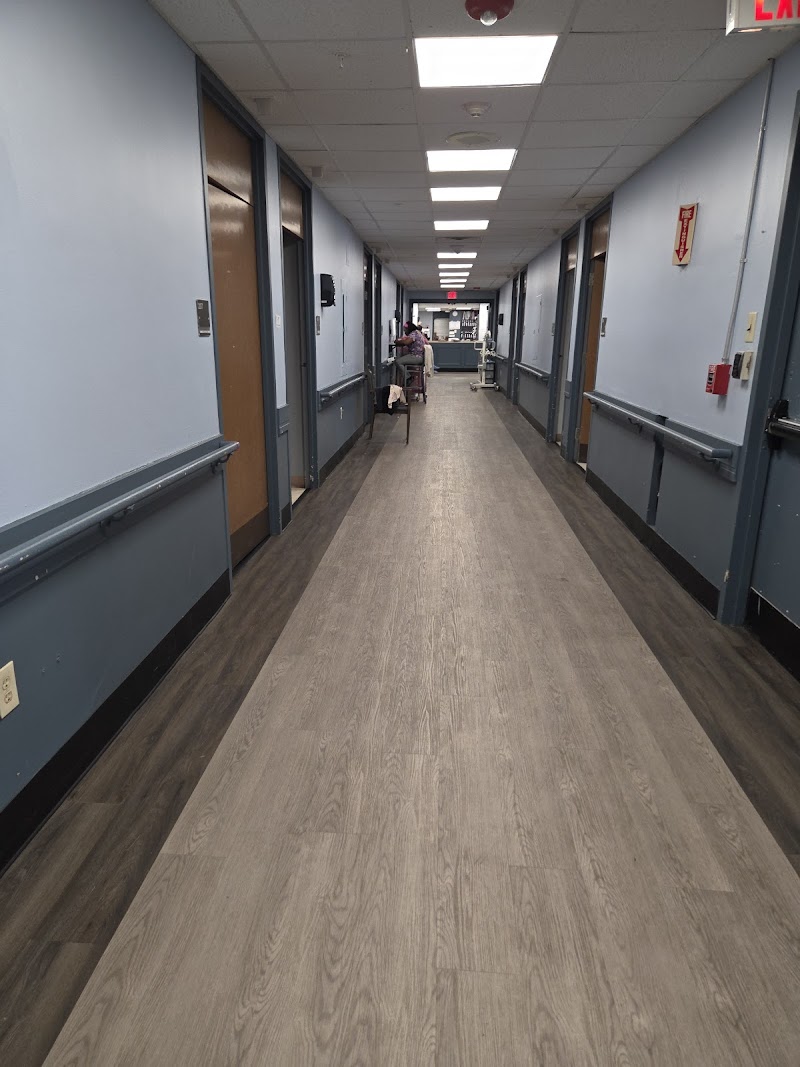
How is Wyndmoor Hills Rehabilitation And Nursing Center Staffed?

CMS rates WYNDMOOR HILLS REHABILITATION AND NURSING CENTER's staffing level at 2 out of 5 stars, which is below average compared to other nursing homes. Staff turnover is 62%, which is 16 percentage points above the Pennsylvania average of 46%. High turnover can affect care consistency as new staff learn residents' individual needs. RN turnover specifically is 70%, which is notably high. RNs provide skilled clinical oversight, so turnover in this role can affect medical care quality.

What Have Inspectors Found at Wyndmoor Hills Rehabilitation And Nursing Center?

State health inspectors documented 73 deficiencies at WYNDMOOR HILLS REHABILITATION AND NURSING CENTER during 2022 to 2025. These included: 3 Immediate Jeopardy (the most serious level, indicating potential for serious harm or death), 1 that caused actual resident harm, and 69 with potential for harm. Immediate Jeopardy findings are rare and represent the most serious regulatory concerns. They require immediate corrective action.
Who Owns and Operates Wyndmoor Hills Rehabilitation And Nursing Center?

WYNDMOOR HILLS REHABILITATION AND NURSING CENTER is owned by a for-profit company. For-profit facilities operate as businesses with obligations to shareholders or private owners. The facility is operated by LME FAMILY HOLDINGS, a chain that manages multiple nursing homes. With 77 certified beds and approximately 73 residents (about 95% occupancy), it is a smaller facility located in WYNDMOOR, Pennsylvania.
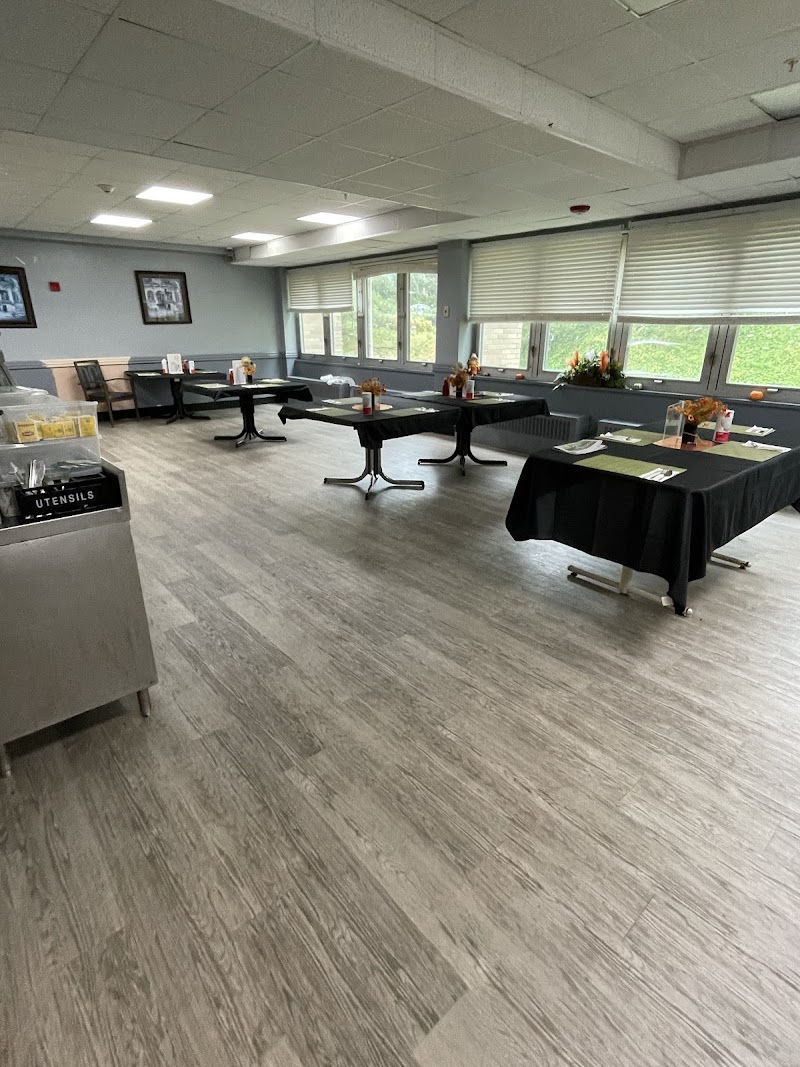
How Does Wyndmoor Hills Rehabilitation And Nursing Center Compare to Other Pennsylvania Nursing Homes?

Compared to the 100 nursing homes in Pennsylvania, WYNDMOOR HILLS REHABILITATION AND NURSING CENTER's overall rating (1 stars) is below the state average of 3.0, staff turnover (62%) is significantly higher than the state average of 46%, and health inspection rating (1 stars) is much below the national benchmark.

What Should Families Ask When Visiting Wyndmoor Hills Rehabilitation And Nursing Center?

Based on this facility's data, families visiting should ask: "What changes have been made since the serious inspection findings, and how are you preventing similar issues?" "How do you ensure continuity of care given staff turnover, and what is your staff retention strategy?" "Can you walk me through typical staffing levels on day, evening, and night shifts?" "Can I visit during a mealtime to observe dining assistance and food quality?" These questions are particularly relevant given the facility's Immediate Jeopardy citations, the facility's high staff turnover rate, and the below-average staffing rating.

Is Wyndmoor Hills Rehabilitation And Nursing Center Safe?

Based on CMS inspection data, WYNDMOOR HILLS REHABILITATION AND NURSING CENTER has documented safety concerns. Inspectors have issued 3 Immediate Jeopardy citations (the most serious violation level indicating risk of serious injury or death). The facility is currently on the Special Focus Facility watch list (a federal program monitoring the lowest-performing 1% of nursing homes nationwide). The facility has a 1-star overall rating and ranks #100 of 100 nursing homes in Pennsylvania. Families considering this facility should ask detailed questions about what corrective actions have been taken since these incidents.

Do Nurses at Wyndmoor Hills Rehabilitation And Nursing Center Stick Around?

Staff turnover at WYNDMOOR HILLS REHABILITATION AND NURSING CENTER is high. At 62%, the facility is 16 percentage points above the Pennsylvania average of 46%. Registered Nurse turnover is particularly concerning at 70%. RNs handle complex medical decisions and coordinate care — frequent RN changes can directly impact care quality. High turnover means new staff may not know residents' individual needs, medications, or preferences. It can also be disorienting for residents, especially those with dementia who rely on familiar faces. Families should ask: What is causing the turnover? What retention programs are in place? How do you ensure care continuity during staff transitions?

Was Wyndmoor Hills Rehabilitation And Nursing Center Ever Fined?

WYNDMOOR HILLS REHABILITATION AND NURSING CENTER has been fined $102,309 across 3 penalty actions. This is 3.0x the Pennsylvania average of $34,102. Fines at this level are uncommon and typically indicate a pattern of serious deficiencies, repeated violations, or failure to correct problems promptly. CMS reserves penalties of this magnitude for facilities that pose significant, documented risk to resident health or safety. Families should request specific documentation of what issues led to these fines and what systemic changes have been implemented.

Is Wyndmoor Hills Rehabilitation And Nursing Center on Any Federal Watch List?

WYNDMOOR HILLS REHABILITATION AND NURSING CENTER is currently an SFF Candidate, meaning CMS has identified it as potentially qualifying for the Special Focus Facility watch list. SFF Candidates have a history of serious deficiencies but haven't yet reached the threshold for full SFF designation. The facility is being monitored more closely — if problems continue, it may be added to the official watch list. Families should ask what the facility is doing to address the issues that led to this status.