SAUNDERS NURSING AND REHABILITATION CENTER
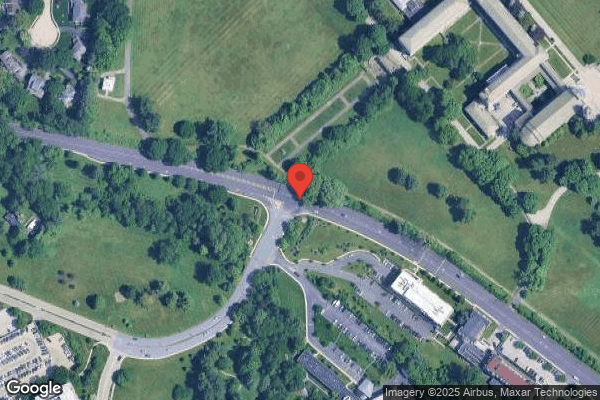

100 LANCASTER AVENUE, WYNNEWOOD, PA 19096 (610) 658-5100
For profit - Limited Liability company 180 Beds Independent Data: November 2025 1 Immediate Jeopardy citation
Trust Grade
16/100
#488 of 653 in PA
Last Inspection: May 2025

Inspected within the last 6 months. Data reflects current conditions.

Overview

Saunders Nursing and Rehabilitation Center holds a Trust Grade of F, indicating significant concerns about the facility's quality of care. It ranks #488 out of 653 nursing homes in Pennsylvania, placing it in the bottom half, and is #47 out of 58 in Montgomery County, meaning there are very few local options that are worse. The facility's condition is worsening, with issues increasing from 12 in 2024 to 13 in 2025. Staffing is average with a rating of 3 out of 5 stars and a turnover rate of 51%, which is close to the state average of 46%. However, there are concerning aspects, such as less RN coverage than 96% of state facilities and fines totaling $14,433, which is average but still a red flag. Specific incidents highlight serious issues; one resident sustained a second-degree burn from hot beverages that were not served at a safe temperature, and another resident fell out of bed due to a failure in implementing care-planned interventions, resulting in injuries requiring hospital treatment. Additionally, complaints about food being served cold have persisted, indicating ongoing problems with meal service. Overall, while there are some strengths in quality measures, the significant weaknesses in safety and care raise serious concerns for families considering this facility.

Trust Score
F
16/100
In Pennsylvania
#488/653
Bottom 26%
Safety Record
High Risk
Review needed
Inspections
Getting Worse
12 → 13 violations
Staff Stability
⚠ Watch
51% turnover. Above average. Higher turnover means staff may not know residents' routines.
Penalties
✓ Good
$14,433 in fines. Lower than most Pennsylvania facilities. Relatively clean record.
Skilled Nurses
⚠ Watch
Each resident gets only 20 minutes of Registered Nurse (RN) attention daily — below average for Pennsylvania. Fewer RN minutes means fewer trained eyes watching for problems.
Violations
⚠ Watch
45 deficiencies on record. Higher than average. Multiple issues found across inspections.
★★☆☆☆
2.0
Overall Rating
★★★☆☆
3.0
Staff Levels
★★★★★
5.0
Care Quality
★☆☆☆☆
1.0
Inspection Score
Stable
2024: 12 issues
2025: 13 issues

The Good

  • 5-Star Quality Measures · Strong clinical quality outcomes
  • Full Sprinkler Coverage · Fire safety systems throughout facility
  • No fines on record

Facility shows strength in quality measures, fire safety.

The Bad

2-Star Overall Rating

Below Pennsylvania average (3.0)

Below average - review inspection findings carefully

Staff Turnover: 51%

Near Pennsylvania avg (46%)

Higher turnover may affect care consistency

Federal Fines: $14,433

Below median ($33,413)

Minor penalties assessed

The Ugly 45 deficiencies on record

1 life-threatening 1 actual harm
Sept 2025 1 deficiency
CONCERN (D) 📢 Someone Reported This

A family member, employee, or ombudsman was alarmed enough to file a formal complaint

Potential for Harm - no one hurt, but risky conditions existed

Quality of Care (Tag F0684)

Could have caused harm · This affected 1 resident

**NOTE- TERMS IN BRACKETS HAVE BEEN EDITED TO PROTECT CONFIDENTIALITY** Based on review of facility policy, review of clinical record, review of facility provided documentation and interview with resi...

Read full inspector narrative →
**NOTE- TERMS IN BRACKETS HAVE BEEN EDITED TO PROTECT CONFIDENTIALITY** Based on review of facility policy, review of clinical record, review of facility provided documentation and interview with resident and staff, it was determined that facility did not ensure a resident received treatment and care in accordance with professional standards of practice related to heat therapy for one of five residents reviewed. (Resident R1)Findings include:Review of facility policy ‘Hydrocollator - therapy,' revised November 7, 2022, indicates that hydrocollator temperature should be checked daily (therapeutic temperature range is 150-170 degrees Fahrenheit. This is the responsibility of therapy department.Further review of policy indicates the following: 10. Place hot pack in cover holder/envelope.11. wrap the hot pack in layers of toweling and place on the resident /patient's affected area.12. check the resident/patient's skin as indicated after application to ensure skin integrity.13. if skin presents with redness or is hot to the touch add another 2 layers of toweling for safety.14. skin should be routinely checked.17. report any injury or excessive redness to nursing immediately and fill out an incident report if indicated.18. document the patient's response to treatment and the need for continued skilled intervention.Review of Resident R1's clinical record revealed that R1, a [AGE] year old male resident was found to have a left shoulder blister on September 5, 2025, measuring 3.5cm length by 2.0cm in width; the resident explained that that it happened during a prior physical therapy session where a heating pad was put on it after he complained of left shoulder pain.Review of facility provided documentation revealed that on September 5, 2025, the facility became aware that Resident R1 sustained a blister on the left shoulder after using a heating pad from the hydrocollator. Resident R1 was noted to receive heat therapy to the left shoulder on September 2, 2025. Per therapist and resident statements, all the time of usage on September 2, 2025, there was no evidence of injury .Interview with physical therapy associate, Employee E3, on September 15, 2025 at 12:45 pm, revealed that redness was noted on resident's left shoulder after heat therapy treatment on September 2, 2025. No complaint of pain or discomfort voiced by resident post treatment.Further interview with physical therapy associate, Employee E3 revealed that while administering heat therapy to Resident R1 on September 2, 2025 - heat pack was placed in envelope, wrapped in two layers of towels, placed on resident's left shoulder and skin was checked after treatment - not after initial application, and not checked routinely as per facility's policy/ protocol.Review of facility provided statement from Resident R1 on September 5, 2025, indicated that he did not experience any pain post treatment on September 2, 2025, until Friday, September 5, 2025, while getting dressed - he had pain in left shoulder.Interview with Nurse aide, Employee E5, on September 15, 2025, at 1:55 pm, revealed no indication that skin concerns were noted during Resident R1's scheduled bath/shower time on Wednesday, September 3, 2025, evening shift.Further review of facility provided documentation revealed that temperature in the hydrocollator was not checked daily as per their policy, on the following dates: September 1, 2025 through September 4, 2025, August 2, 2025, August 3, 2025, August 9, 2025, August 10, 2025, August 16, 2025, through August 31 2025.Facility did not ensure to complete daily hydrocollator temperature checks and did not ensure to accurately assess and report skin changes as per policy. 28 Pa Code 211.12(d)(1)(2)(3)(5) Nursing services28 Pa Code 211.10(a)(d) Resident care policies
Jun 2025 1 deficiency
CONCERN (D) 📢 Someone Reported This

A family member, employee, or ombudsman was alarmed enough to file a formal complaint

Potential for Harm - no one hurt, but risky conditions existed

Free from Abuse/Neglect (Tag F0600)

Could have caused harm · This affected 1 resident

**NOTE- TERMS IN BRACKETS HAVE BEEN EDITED TO PROTECT CONFIDENTIALITY** Based on review of facility policy, review of facility documentation, and staff and resident interviews, it was determined that ...

Read full inspector narrative →
**NOTE- TERMS IN BRACKETS HAVE BEEN EDITED TO PROTECT CONFIDENTIALITY** Based on review of facility policy, review of facility documentation, and staff and resident interviews, it was determined that the facility failed to ensure residents were kept free from abuse and neglect for two of three residents reviewed (Resident R1 and R3). Findings Include: Review of facility policy Abuse Policy - Prevention and Management reviewed August 2024, revealed the facility prohibits the mistreatment, neglect, and abuse of residents. The facility must provide a safe resident environment and protect residents from abuse. Review of Resident R1's clinical record revealed a quarterly Minimum Data Set (MDS - federally mandated resident assessment and care screening) dated May 3, 2025, which indicated the resident was cognitively intact, determined by a Brief Interview for Mental Status (BIMS) score of 15. Continued review of Resident R1's quarterly MDS dated [DATE], revealed the resident had diagnoses of anxiety (feeling of worry, fear, nervousness) and depression (persistent feeling of sadness and loss of interest). Review of facility documentation originally submitted to the State Survey Agency on May 25, 2025, revealed Resident R1 alleged on May 24, 2025, the nurse aide, Employee E3, hit Resident R1's foot with a linen cart and was verbally abusive toward the resident. Review of statement by Registered Nurse (RN), Employee E4, dated May 24, 2025, revealed on 5/24/2025 at approximately 5:15 p.m. Resident R1 called for the nurse and subsequently reported to the RN, Employee E4, that nurse aide, Employee E3, purposely hit the resident's foot with a cart. Nurse aide, Employee E3, overheard Resident R1 speaking with Registered Nurse, Employee E4, and came out of a room and began yelling at the resident. Further review of the statement by Registered Nurse, Employee E4, revealed the nurse aide, Employee E3, began verbally attacking the resident saying, I should throw you out of that chair, then you'll see . if my people were up here then you would find out!. As the Registered Nurse, Employee E4, was escorting nurse aide, Employee E3, off the nursing unit they passed Resident R1's room and the nurse aide, Employee E3, stopped at the resident's room yelling You are a lucky b*!~ because my family isn't here. Continued review of the statement by Registered Nurse, Employee E4, revealed 911 (Emergency Medical Services) was promptly called and when police arrived the nurse aide, Employee E3, was escorted out of the building and trespassed from the property. Interview with the Nursing Home Administrator on 6/17/2025 at 10:00 a.m. revealed that nurse aide, Employee E3, was an agency employee and the staffing agency was notified that the employee was no longer allowed to return to the building to work. Based on staff witness statements and staff interview, it was confirmed that nurse aide, Employee E3, was verbally abusive, loud, and threatening toward Resident R1. Review of Resident R3's clinical record revealed a quarterly MDS dated [DATE], which indicated that the resident was cognitively intact, determined by a BIMS score of 15. Continued review of Resident R3's clinical record revealed the resident had diagnoses of depression, muscle weakness, and need for assistance with personal care. Review of facility documentation submitted to the State Survey Agency revealed on May 14, 2025, on the 7:00 a.m. to 3:00 p.m. shift, Resident R3 reported to nurse aide, Employee E7, that on the previous shift (May 13, 2025, 11:00 p.m. to 7:00 a.m.) the resident needed to be changed but was afraid to put the call bell on to ask for assistance. Resident R3 reportedly overheard his/her assigned nurse aide, Employee E8, in the hallway saying, why does [he/she] keep putting the call light on I already went in there twice and gave water. Resident R3 reported feeling intimated and did not want to report in fear of retaliation. Review of statement by nurse aide, Employee E8, dated May 15, 2025, revealed the employee indicated that on May 13, 2025, during the 11:00 p.m. to 7:00 a.m. shift Resident R3 was dry during rounds at 12:00 a.m., was given water but not changed at 4:00 a.m., and subsequently Resident R3 was given care and changed at 6:00 a.m. with the assistance of the charge nurse, Employee E9. Review of facility documentation dated May 19, 2025, revealed licensed nurse, Employee E9, was interviewed and was unable to support the claims that he/she was present for care at 6:00 a.m. per nurse aide, Employee E8's statement. Review of statement dated May 19, 2025, by Nurse aide, Employee E7, revealed on May 14, 2025, around 7:45 a.m. [Resident R3] stated to me that [he/she] had on the same brief from yesterday [May 13, 2025] that I put on at 10:00 p.m. Resident R3 reported to nurse aide, Employee E7, that he/she did not get changed at all by assigned nurse aide, Employee E8, through the May 13, 2025, 11:00 p.m. to 7:00 a.m. shift. Further review of statement by nurse aide, Employee E7, revealed Resident R3's bed was soaked, and the whole bed had to be changed. Nurse aide, Employee E7, indicated that the bed needed to be cleaned with bleach due to the strong urine odor. Continued review of facility documentation revealed the facility expanded the investigation and interviewed similar residents who were under the care of nurse aide, Employee E8, during May 13, 2025, 11:00 p.m. to 7:00 a.m. shift. Review of facility documentation revealed Resident R4 was interviewed who reported nurse aide, Employee E8, makes the resident feel uncomfortable by saying mean things such as you have to wait, with a nasty disposition. Resident R4 reported that nurse aide, Employee E8, started the shift with an attitude and is very inpatient. Based on staff statements and interviews the facility subsequently substantiated allegation of mental abuse and neglect. Nurse aide, Employee E8, was terminated as an employee of the facility as of May 20, 2025. 28 Pa. Code 201.29 (c) Resident rights.
May 2025 11 deficiencies 1 Harm
SERIOUS (G) 📢 Someone Reported This

A family member, employee, or ombudsman was alarmed enough to file a formal complaint

Actual Harm - a resident was hurt due to facility failures

Comprehensive Care Plan (Tag F0656)

A resident was harmed · This affected 1 resident

Based on review of clinical records, facility policy, facility investigative reports, and interview with staff, it was determined the facility failed to ensure hospice staff implemented care-planned i...

Read full inspector narrative →
Based on review of clinical records, facility policy, facility investigative reports, and interview with staff, it was determined the facility failed to ensure hospice staff implemented care-planned interventions for one of 34 residents reviewed, who was identified as a fall risk. This failure resulted in actual harm to Resident R24 who sustained a fall out of bed during care, required transfer to the hospital via emergency medical services and sustained four sutures to left forehead/eyebrow and back of the head. (Resident R24) Findings include: Review of facility policy titled, Fall Prevention and Management revised January 1, 2023, revealed the interdisciplinary team identifies and implements appropriate interventions to reduce the risk of falls or injuries while maximizing dignity and independence. Review of subsection titled, Procedure revealed 1. Assess and review resident risk factors for falls and injuries upon admission, re-admission, quarterly, annually a significant change and/or after a fall. Review the completed Fall Risk Assessment/ Evaluation. Review other interdisciplinary Team (IDT) assessments as they related to fall risks. 2. Implement goals and interventions with input from resident/family if able for inclusion in Interdisciplinary Plan of Care based on individual needs after attempting to determine possible causes. 3. Communicate interventions to the care giving teams and family responsible party. Review of facility policy titled, Incident Reporting and Investigation of Accident Hazards, Supervision, Assistive Devices, revised October 30, 2024, revealed assistance Devices or Assistive Device refers to any item (e.g. fixtures such as handrails, grab bars, and mechanical devices/equipment such as stand- alone or overhead transfer lifts, cane, wheelchairs, and walkers) that is used by, or in the care of a resident to promote, supplement, or enhance the resident's function or safety . Environment refers to any environment in the facility that is frequent by or accessible to resident including (but not limited to) the resident 's rooms, bathrooms, hallway, dining areas, lobby, outdoor patios, therapy areas and activity areas. Review of facility policy titled Care Planning Process and Care Conference, revised March 19, 2025, revealed the purpose of policy is to assure that all services, as outlined by the comprehensive care plan being provided, meet professional standards of quality, including activities of daily living (ADL's), falls, skin tears, risk for skin breakdown, nutritional status, behaviors . Review of Resident R24's clinical record revealed the resident's diagnoses of Dementia (progressive decline in mental ability), Parkinson's disease (disorder of central nervous system that affects movement), and Anxiety (mental health condition characterized by excessive fear or anxiety that interferes with daily activities) Review of R24's quarterly Minimum Data Set (MDS- assessment of resident's care needs) completed on August 14, 2024, revealed BIMS score of 2 which indicated the resident had severe cognitive impairment. Continued review of the MDS assessment revealed the resident was determined to require extensive assistance of one person physical assist for bed mobility. Review of Resident R24's physician orders revealed an order initiated April 16, 2024, for ¼ side rail enablers to bed bilaterally to assist with bed mobility and increase functional independence. Review of Resident R24's care plan initiated November 18, 2024, revealed the care plan included the use of 1/4 siderail enablers to bed bilaterally to assist with bed mobility and increase functional dependance. Intervention listed ensure enablers are up at all times while resident is in bed. Review of information dated September 3, 2024 submitted by the facility to the Department of Health revealed, On 9/3/2024 while performing personal care, the aide from [hospice provider] turned [resident] toward her in the bed to assist (resident) with pulling up (his/her) pants. The aide was attempting to walk to the other side of the bed to finish up, and did not realize that [resident] was holding on to her (aide) pocket. [Resident R24] fell from the bed to the floor. [Resident R24] sustained a laceration to (his/her) left eyebrow and the left back side of (his/her) head. First aid was applied to the area and 911 was called. [Resident R24]'s daughter was notified regarding the fall. [Resident] was taken to [area hospital] where (he/she) received 4 sutures to (his/her) left eyebrow and 4 staples to the left back side of (his/her) head. [Resident] returned to the facility around 2028. Care plan reviewed and updated. New intervention noted for 2-person assist with bed mobility noted. Review of nursing documentation dated September 3, 2024, at 11:45 a.m. revealed the hospice nurse aide called nurse on duty for help, upon arrival resident was on the floor in supine (lying on one's back with face upward) position. Resident had two lacerations on the head, one above (his/her) left eyebrow and the left side of the head. Injury site was cleansed with normal saline, gaze applied, Bright blood noted pressure applied to the area . on O2 (oxygen) @ 2L (liters). 911 (emergency medical services) called to transfer resident to [local hospital]. Continued review of nursing notes dated September 4, 2024, revealed Resident did return with 4 sutures in left forehead/eyebrow, 4 stapes left side of head. Review of facility investigation report, completed on September 4, 2024, revealed on September 3, 2024, while receiving care from hospice nurse aide, Employee E3, at approximately 11:45 a.m., Resident R24 had a witnessed fall that resulted in a transfer to hospital where [he/she] received four sutures to [his/her] left eyebrow and four staples to the left back side of [his/her] head. Further review of same report revealed the hospice nurse aide, Employee E3 turned Resident R24 toward her in bed to assist him/her with pulling up his/her pants; the aide was attempting to walk to the other side of the bed to finish up, and did not realize Resident R24 was holding onto aide's pocket. Resident R24 fell from bed to the floor. The resident sustained two lacerations on the head. Further review of Resident R24's fall incident/accident investigation report, completed on September 3, 2024, at 11:45 a.m., revealed one of the question on the report was were proper tools/equipment being used? for which the answer was marked as no, without further description. Review of hospice nurse aide, Employee E3's statement failed to reveal evidence bilateral 1/4 side rail enablers were utilized at the time. Interview with hospice nurse aide, Employee E3 on Friday, May 9, 2025, at 10:40 a.m., revealed Employee E3 was not aware the resident's care plan and physician's order indicated the need for bilateral ¼ side rails as mobility enablers. The facility failed to ensure hospice staff were aware of Resident R24's care plan interventions related to the use of 1/4 side rails while in bed for safety. This failure resulted in actual harm to Resident R24 who was holding onto nurse aide, Employee E3's pocket while in bed, fell out of bed when Employee E3 moved away from resident, sustaining four sutures to left forehead/eyebrow and four sutures to the back of the head. 28 Pa Code 201.14(a) Responsibility of licensee 28 Pa Code 201.18(b)(1)(e)(1) Management 28 Pa Code 211.12(d)(1)(3)(5) Nursing services
CONCERN (D) 📢 Someone Reported This

A family member, employee, or ombudsman was alarmed enough to file a formal complaint

Potential for Harm - no one hurt, but risky conditions existed

Resident Rights (Tag F0550)

Could have caused harm · This affected 1 resident

**NOTE- TERMS IN BRACKETS HAVE BEEN EDITED TO PROTECT CONFIDENTIALITY** Based on observation, interview with residents and staff, review of clinical records and facility policy, it was determined that...

Read full inspector narrative →
**NOTE- TERMS IN BRACKETS HAVE BEEN EDITED TO PROTECT CONFIDENTIALITY** Based on observation, interview with residents and staff, review of clinical records and facility policy, it was determined that the facility failed to maintain resident dignity and respect three of 34 residents reviewed. (Resident R57, Resident 107 and Resident 114) Findings Include: Review of facility's policy Statement of Resident Rights revealed a resident has a right to be treated with respect and dignity. Review of facility policy Hearing Impaired Residents revised on September 22, 2022, revealed that staff will assist hearing impaired residents to maintain effective communication with clinicians, caregivers, other residents and visitors. When interacting with the hearing impaired or deaf resident, staff will: directly face the resident when speaking so he/she can follow facial expressions and lip read, if possible. Review of Resident R57's clinical record revealed that Resident R57 was admitted to the facility on [DATE], with diagnoses of, but not limited to, muscle weakness, type 2 diabetes (failure of the body to produce insulin), and kidney disease. Review of Resident R57 's MDS (Minimum Data Set- assessment of resident's needs) dated February 19, 2025 revealed that resident has a BIMS (Brief interview for Mental Status) of 15, indicating resident is cognitively intact. Review of Resident R57's Care Plan initiated June 23, 2023, revealed Resident R57 had a problem with communication. The resident was hard of hearing, wore bilateral hearing aids and frequently refused to wear them. Interventions include call resident by name or light touch to get his attention, when possible, face resident directly and establish eye contact. Observation on May 6, 2025 at 1:15 p.m. on 3rd floor, front hallway, revealed Resident R57 in wheelchair moving himself down the hallway. Nursing Aide, Employee E8 approached resident from behind pulling resident's shoulders backwards into chair roughly and telling resident You need to sit back, pick up your feet. in a loud tone of voice. Review of Resident R107's clinical record revealed that Resident R107 was admitted to the facility on [DATE] with diagnoses of, but not limited to, Hemiplegia and Hemiparesis following Cerebral Infarction (Muscle weakness and partial paralysis following a stroke). Review of Resident R107' s MDS dated [DATE], revealed that resident has a BIMS of 15, indicating resident is cognitively intact. Interview with Resident R107 on May 6, 2025 at 12:30 p.m., resident stated that about a week ago, he was sick and going to the bathroom a lot and when staff came to help, they said What 's your problem. Resident revealed that staff makes statements such as That 's not my job when asked to change bedding. Review of Resident R114's clinical record revealed that Resident R107 was admitted to the facility on [DATE], with diagnosis of but not limited to Muscle wasting and Atrophy, Arthritis, Multiple rib fracture. Review of Resident R114 ' s MDS dated [DATE], revealed that resident has a BIMS of 15, indicating resident is cognitively intact. Interview with Resident R114 on May 6, 2025 at 11:05 a.m., resident stated that staff is rude and rough with care. Resident stated that staff are nasty and rude stating what do you want stop complaining. 28 Pa. Code 201.29(a) Resident Rights 28 Pa Code 211.12(d)(3) Nursing services
CONCERN (D) 📢 Someone Reported This

A family member, employee, or ombudsman was alarmed enough to file a formal complaint

Potential for Harm - no one hurt, but risky conditions existed

Investigate Abuse (Tag F0610)

Could have caused harm · This affected 1 resident

**NOTE- TERMS IN BRACKETS HAVE BEEN EDITED TO PROTECT CONFIDENTIALITY** Based on clinical record review, interviews with staff and residents and reviews of policies and procedures, it was determined t...

Read full inspector narrative →
**NOTE- TERMS IN BRACKETS HAVE BEEN EDITED TO PROTECT CONFIDENTIALITY** Based on clinical record review, interviews with staff and residents and reviews of policies and procedures, it was determined that the facility failed to conduct complete and thorough investigations into allegations of abuse and neglect for six of 34 residents reviewed. (Residents R95, R55, R57, R104, R114 and R164) Findings include: A review of the facility policy titled abuse policy-prevention and management dated August, 2024 revealed that the facility's staff were responsible for prohibiting mistreatment, neglect, abuse, misappropriation of property and exploitation of the residents by anyone. The policy indicated that the facility was also responsible for implementing processes to ensure the prevention and reporting of suspected or alleged resident abuse. The policy indicated that the facility was responsible for providing a safe resident environment and protect residents from abuse, corporal punishment and involuntary seclusion. Continued review of the facility's policy revealed that neglect was failure of the facility staff to provide goods and services necessary to avoid harm, pain, mental anguish or emotional distress to a resident. The facility was to investigate the alleged abuse upon notification of the incident. The administrator and director of nursing were responsible for investigating and reporting possible abuse and neglect of a resident. The administrator and director of nursing were to conduct an investigation and document the investigation findings. Interview persons reporting the incident, interview witnesses to the incident, interview the resident, interview the resident's attending physician, review the medical record of the resident, interview staff members, interview the resident's roommate, family and visitors, interview other residents who the accused had taken care of. The administrator was responsible to notify the State agency within 2 hours after identification of alleged abuse, neglect or misappropriation of property by the electronic reporting system based on the Agency specifications. Review of clinical record review for Resident R95 revealed a quarterly Minimum Data Set (MDS assessment of care needs) dated February 6, 2025 that indicated that Resident R95 was cognitively intact and had a diagnosis of hemiplegia (paralysis to one side of the body) and cardiovascular disease. The assessment also indicated that this resident was functionally impaired on one side with upper and lower extremities and was frequently incontinent of urine and occasionally incontinent of bowel. The assessment indicated that Resident R95 was at risk for pressure sore development and required moderate assistance of staff for toileting hygiene, substancial assistance from staff with transfers from bed to chair/chair to bed, total assist of staff to get on and off the commode. Resident R95 was non ambulatory. On October 7, 2024 it was was documented on the grievance/concern form by the social worker, Employee E23, that the responsible party and family member for Resident R95 contacted the facility to report that the resident was neglected and not given timely incontinence care by the nursing assistant, Employee E20, that was assigned to her. The facility documentation and report submitted to the State agency confirmed that on October 7, 2024, Employee E23 neglected to provide timely incontinence care for Resident R95 because the nursing assistant wanted to finish the morning meal tray pass first. Resident R95 told the nursing staff that she had to requested another nursing assistant to provide her incontinence care since the aide assigned, Employee E23 neglected to provide incontinence care. Interview with the Nursing Home Administrator, Employee E1, at 8:30 a.m., on May 9, 2025 confirmed that the facility documentation on the report submitted to the Deparment that the allegation of neglect for Resident R95 was unsubstantiated. Further interview with the administrator verified that an accurate and complete investigation into the evidence surrounding the neglect of Resident R95 was not documented and available for review. Interview with nursing staff, Employees E12 and E14, at 9:30 a.m., on May 9, 2025 revealed that nursing staff were required to provide timely bowel and bladder incontinence care for each resident. The nursing staff, Employee E23 was required to seek the unit manager or other nursing staff member to relieve her of the morning meal tray pass; so that bowel and bladder incontinence care was provided to Resident R95 daily and as needed. The nursing staff, Employees E12 and E14 also reported that it was standard of nursing practice to provide timely bowel and bladder incontinence care; so that residents were not sitting in a brief of feces or urine. The nursing staff Employees E12 and E14 said that the practice of allowing residents to sit in their body waste products was undignified. Clinical record review for Resident R55 revealed a significant change MDS dated [DATE]. The MDS indicated that this resident was severely cognitively impaired, with a diagnosis of dementia and was receiving special treatment (hospice care). The assessment also indicated that this resident was always incontinent of bowel and bladder and the resident was at high risk for pressure ulcer development. The resident was assessed with functional impairments of the lower extremities and was totally dependent on staff for rolling left to right and transfers out of bed. The assessment indicated that Resident R55 was non ambulatory. On December 18, 2024 the social worker, Employee E23, documented on the grievance/concern form that the contracted registered hospice nurse, Employee E16 reported that Resident R55 needed more frequent bladder incontinence care. Interview with the contracted registered hospice nurse, Employee E16 at 10:30 a.m., on May 9, 2025 confirmed the report of observing and assessing Resident R55 with significant need of bladder incontinence care; as she and her staff were visiting the resident on December 18, 2024. The registered nurse explained that Resident R55 was visited several times a week to provide hospice care by the hospice organization. The registered nurse, Employee E16 reported finding Resident R55 saturated in urine; with evidence of brown stains on the incontinence brief on December 18, 2024. Interview with the Director of Nursing, Employee E2 verified the grievance/concern report documented by the social worker, Employee E23, on December 18, 2024. The Director of Nursing confirmed that a complete and thorough investigation into the possible negligence of incontinence care for Resident R55 on December 18, 2024 was not documented or available for review. Further interview revealed that the allegation of possible abuse and neglect of Resident R55 on December 18, 2024, as reported by the contracted hospice registered nurse, Employee E16 was not reported to the Department of Health as required. Review of Resident R57's clinical record revealed that Resident R57 was admitted to the facility on [DATE], with diagnoses of, but not limited to, muscle weakness, type 2 diabetes (failure of the body to produce insulin) and kidney disease. Review of Resident R57's MDS dated [DATE] revealed that resident has a BIMS of 15, indicating resident is cognitively intact. Review of Resident R57's care plan initiated June 23, 2023, revealed Resident R57 has a problem with communication. The resident was hard of hearing, wore bilateral hearing aids and frequently refused to wear the hearing aids. Interventions include call resident by name or light touch to get his attention, when possible, face resident directly and establish eye contact. Observation on May 6, 2025 at 1:15pm on 3rd floor, front hallway, revealed Resident R57 in wheelchair moving himself down the hallway. Nurse aide, Employee E8 approached resident from behind pulling resident's shoulders backwards into chair and telling resident You need to sit back, pick up your feet. in a loud tone of voice. Observation reported, as stated above, to facility Administrator, Employee E1, and Director of Nursing Employee E2 on May 6, 2025 at 2:30pm. Review of report submitted to the State Agency on May 6, 2025 revealed On the afternoon of 5/6/2025, the facility became aware of an allegation of physical abuse involving [Resident R57] .Per the allegation, a witness alleges that the aide was rough when moving [Resident R57] while in the wheelchair, being pushed down the hall. Per the complaint, [Resident R57] was told sit back and lift your legs up. The facility failed to include the detailed information that the resident was approached from behind and nurse aide, Employee E8 pulled resident's shoulders backwards into the chair. Clinical record review for Resident R164 revealed an initial comprehensive assessment dated [DATE] that indicated this resident was cognitively intact. The assessment indicated that this resident was frequently incontinent of urine and bowel. The assessment said that Resident R164 had functional limitations of the upper and lower extremities on one side of the body; needed supervision of one staff with toileting hygiene, sit to stand, and toilet transfers (to get on and off the toilet or commode). The assessment indicated that Resident R164 required moderate assist to walk ten feet. Review of documentation on the report submitted to the Department of Health on July 26, 2024 revealed that Resident R164 reported to the occupational therapist, Employee E24, that the nursing assistant, Employee E17 was handling/holding/picking up/lifting him roughly and hit him twice on his head on July 26, 2024. The occupational therapist documented that Resident R164 demonstrated how the nursing assistant grabbed his left arm so roughly that it felt like his shoulder was being pulled out causing his spasms and pain to increase in his left shoulder and arm. Resident R164 told the occupational therapist that the nursing assistant, Employee E17 told him to get into the wheel chair. Resident R164 told the nursing assistant that he was unable to walk. Interview with Employee E17, nursing assistant and perpetrator for the alleged rough handling at 1:30 p.m. on May 9, 2025 confirmed that Resident R164 was handled roughly during care on July 26, 2024. Employee E17, nurse aide explained that she was unaware of Resident R164's care needs (severely contracted left upper extremity and left lower extremity with paralysis). The interview confirmed that the nursing assistant, Employee E17 handled Resident R164 roughly on July 26, 2024. The nurse aide, Employee E17, reported that she apologized for being rough with Resident R164 during provision of incontinence care, turning and repositioning in bed and toileting care for Resident R164 on July 26, 2024. The documentation entered by the Nursing Home Administrator, Employee E1, on July 26, 2024 indicated that the nurse aide apologized for being too rough during care to Resident R164 on July 26, 2024. The documentation on the report submitted to the Department of Health on July 26, 2024 indicated that the allegation of possible physical abuse was not substantiated. Further review of the the documentation on the report form for investigation of alleged abuse, neglect and misappropriation of property submitted to the Department on July 26, 2024 revealed that Resident R164 provided the facility with a statement that indicated he was denied a snack when he was hungry during the eleven to seven nursing tour of duty on July 25, 2024. Resident R164 also gave a statement on July 26, 2024 that the nursing assistant was intimidating and demeaning toward him when she said that you don't know how to respect a woman. Interview with Resident R164 at 10:45 a.m., on May 8, 2025 confirmed that he was treated roughly, hit on the head and experienced increased spasms and pain by the nursing assistant Employee E17 on July 26, 2024. Resident R164 also confirmed during the interview that he was denied a snack by a nursing assistant on July 25, 2024 during the eleven to seven night tour of duty. Resident R164 explained how he was treated undignified when the nursing assistant, Employee E17 told him that he did not know how to respect a woman. Interview with the Nursing Home Administrator, Employee E1 at 8:45 a.m., on May 9, 2025 confirmed that the possible nutritonal neglect and verbal abuse as stated by Resident R164 on July 25 and 26, 2024 was not investigated by the facility. The Nursing Home Administrator confirmed that there was no complete and accurate investigation and documentation submitted to the Department of Health. related to the allegations of nutritional neglect and verbal abuse made by Resident R164 on July 25 and July 26, 2024. Review of Resident R114 ' s clinical record revealed that Resident R114 was admitted to the facility on [DATE], with diagnosis of but not limited to Muscle wasting and Atrophy, Arthritis, Multiple rib fracture. Review of Resident R114's MDS dated [DATE], revealed that resident had a BIMS of 15, indicating resident is cognitively intact. Review of Resident R114's physician order dated December 20, 2025, revealed an order for paired care at all times, every shift for accusatory behavior. Review of facility's documented investigation report dated January 7, 2025 revealed that on morning of January 7, 2025, Resident R114 asked to speak with the Nursing Home Administrator around 10:30am. Resident R114 stated that sometime last week the nurse [Employee E10] grabbed me and threw me around. Further review of facility's investigation revealed no documented evidence that interview was completed with other staff that were assigned to paired care for Resident R114. No documented evidence that interviews with other residents in the care of Employee E10 were completed. Interview with Director of Nursing, Employee E2 on May 9, 2025 at 11:00 a.m. confirmed no documented evidence that interviews had been completed for additional staff or residents in regards to event reported by Resident R114 on January 7, 2025. 28 Pa. Code 211.10(c)(d) Resident care policies 28 Pa. Code 211.12(d)(1) Nursing services
CONCERN (D) 📢 Someone Reported This

A family member, employee, or ombudsman was alarmed enough to file a formal complaint

Potential for Harm - no one hurt, but risky conditions existed

PASARR Coordination (Tag F0644)

Could have caused harm · This affected 1 resident

Based on clinical record reviews, and staff interviews, it was determined that the PASRR (Pre-admission screening and resident review) was not updated for one of 34 resident reviewed. (Resident R97) F...

Read full inspector narrative →
Based on clinical record reviews, and staff interviews, it was determined that the PASRR (Pre-admission screening and resident review) was not updated for one of 34 resident reviewed. (Resident R97) Findings include: The PASRR (Pennsylvania Preadmission Screening Resident Review) was created in 1987 through language in the OMNIBUS Budget Reconciliation ACT (OBRA) and it has three goals: to identify individuals with mental illness and or intellectual disability, to ensure that they are placed appropriately, weather in the community or in a nursing facility, and to ensure they are placed they receive the services they require of their mental illness or disability. The level I must be completed on all persons who are considering admission to a Medicaid certified nursing facility. A level II PASRR evaluation must be completed if the level I PASRR determined that the person is a targeted person with mental illness of an intellectual disability. The level II PASRR would determine if placement or continued stay in the requested or current nursing facility is appropriate. Review of facility provided policy Social Service Assessment - PASRR', revised on May 7, 2025, indicates that when a new diagnosis is identified during stay at the facility, the information must be added to the level I form. Review of Resident R97's clinical record revealed that she was admitted to facility on October 15, 2021 with the diagnoses of schizoaffective disorder (mental disease characterized by loss of reality contact, delusion and feelings of persecution), and delusional disorder on August 31, 2024. Further review of Resident R97's clinical record revealed PASR level I form was completed on October 15, 2021 with a negative screen for Serious Mental Illness, Intellectual Disability/Developmental Disability, or other related condition. Interview with facility's social worker, Employee E11, on Friday, May 9, 2025, at 1:30 pm, confirmed there was no evidence that PASRR level I form was updated since August 31, 2024. 28 Pa Code 211.5(f)(iv) medical records 28 Pa Code 211.10(c) resident care policies
CONCERN (D) 📢 Someone Reported This

A family member, employee, or ombudsman was alarmed enough to file a formal complaint

Potential for Harm - no one hurt, but risky conditions existed

Quality of Care (Tag F0684)

Could have caused harm · This affected 1 resident

**NOTE- TERMS IN BRACKETS HAVE BEEN EDITED TO PROTECT CONFIDENTIALITY** Based upon review of clinical records, interviews with staff and residents and reviews of policies and procedures, it was determ...

Read full inspector narrative →
**NOTE- TERMS IN BRACKETS HAVE BEEN EDITED TO PROTECT CONFIDENTIALITY** Based upon review of clinical records, interviews with staff and residents and reviews of policies and procedures, it was determined the facility did not ensure residents receive treatment and care in accordance with professional standards of practice, by failing to follow the physician's orders for medication administration for three of 34 residents reviewed (Resident R95, R24 and R172). Findings include: Review of the facility policy titled Self- Administration of Medications dated March 2025, states medications shall be administered in a safe and timely manner and as prescribed by the physician. Medications both prescription and non-prescription shall be administered under the orders of the attending physician, or the physician's designee. Medications must be administered in accordance with the written physician orders. Residents may self-administer their own medications if the attending physician, in conjunction with the interdisciplinary Care Plan Team, has determined they have the decision-making capacity to do so safely. Review of the policy titled Medication Administration dated January, 2025, revealed that it was the responsibility of the facility staff to ensure that prescribed medications were administered to the residents in accordance with manufacturers' specifications and standards of nursing principles and practices. The policy also indicated that only licensed and authorized personnel were allowed to administer medications to the residents. Medications are to be administered at the time they are prepared by the person who prepares the dose for administration. The staff member was to explain to the resident the type of medication being administered and the procedure. The resident was to be observed by staff after the administration to ensure that the dose was completely ingested. The individual who administers the medication dose records the administration on the medication administration record immediately following the medication being given. The policy indicated that in no case should the individual who administered the medication report off-duty without first recording the administration of any medications. Review of Resident R172's clinical record revealed the resident was initially admitted to the facility on [DATE], and readmitted on [DATE], with the diagnoses of cerebral infarction, (stroke), aphasia (loss of language, unable to speak), dysphagia (unable to swallow), type two diabetes (body unable to produce insulin) and hemiplegia (one sided weakness) following the stroke that affected the resident's right dominant side. Review of Resident R172 Significant change MDS (Minimal Data Set, an assessment of residents' needs) dated April 14, 2025, indicated the resident was depended on staff for activities of daily living, that included bed mobility, toileting. bathing and feeding. Review of Resident R172's nursing notes dated April 28, 29, and April 30, 2025, revealed that the resident's grandson would visit resident and apply a hemorrhoidal cream. Review of Resident R172's April 2025 physician orders revealed that there was no physician order for hemorrhoidal cream and for the resident's grandson to apply this treatment to the resident. Review of May 2025 physician orders revealed that an order was obtained on May 2, 2025, for Preparation H External Cream 1 % (Hydrocortisone (Rectal)) was ordered for Resident R172; to apply to hemorrhoid topically every 12 hours as needed for hemorrhoid and was instructed to keep in medication drawer, not resident's room. On May 6, 2025, nursing note indicated that the staff obtained orders from the physician to allow grandson to apply the cream to Resident R172. On May 8, 2025, at 9:16 a.m. interview with the facility's Medical Director confirmed he authorized and allowed the grandson to apply the prep H medicated cream to Resident R172 but had to do so with a nurse present. Continue review of Resident R172 clinical record revealed no evidence the family member was accompanied by a nurse, nor needed to when applying the hemorrhoid cream to Resident R172. Clinical record review for Resident R95 revealed a quarterly assessment (MDS-an assessment of care needs) date February 6, 2025 that indicated this resident was cognitively intact and had functional impairments of the extremities for one side of the body. Continued review of the MDS revealed that Resident R95 required set-up assistance with eating. The assessment indicated that resident R95 had coronary artery disease, hypertension and anxiety disorder. Observations of Resident R95 at 11:15 a.m., on May 6, 2025 revealed that this resident was laying in bed with the head of the bed elevated. The resident had the over-bed table arranged in front of her as she sat up in bed. On the over bed table directly in front of and in arms reach for Resident R95 were medications. These medications were the medications to be administered at 9:00 a.m.; as ordered by the physician. The medications were as follows: Aspirin EC one tablet for cardiac disease, Centrum multivitamin one tablet for vitamin supplementation, Cholecalciferol 2000 UT one tablet for vitamin D supplementation, Clopidogrel bisulfate one tablet for antiplatelet, Diltiazem HCL one tablet for cardiac disease, Isosorbide mononitrate extended release one tablet for hypertension, Klonopin one tablet for anxiety, Pantoprazole sodium one tablet for gastric reflux disease and sertraline HCL one tablet for depression. Interview with Resident R95 at 11:10 a.m., on May 6, 2025 revealed that Resident R95 said that she could not take all of these pills at 9:00 a.m; that all at once the pills make her nauseous. Resident R95 said that she would take them. The resident was wondering if the timing and administration of her medications could be expanded throughout the day. The resident was also reporting that pudding and applesauce would help with swallowing the medications. Interview with the licensed nursing staff, Employee E14, at 11:20 a.m., on May 6, 2025 who was responsible for preparing and administering Resident R95's 9:00 a.m., confirmed that the medications were left at Resident R95's bedside. Further interview with licensed nurse, Employee E14 revealed that the nurse failed to watch the resident ingest her medications at the time the nurse gave the medications to Resident R95. Review of facility policy 'Oxygen Administration,' revised September 14, 2023, indicates that oxygen therapy will be administered by licensed nurses with a physician's order to provide a resident with sufficient oxygen to their blood and tissues,and the goal of oxygen therapy include, but not limited to: Reverse or prevent tissue hypoxia, treat arterial hypoxemia, decrease work of breathing, decrease myocardial work. Review of facility policy 'Physician Orders, Verbal and Telephone,' revised February 13, 2023, instructs employees to confirm accuracy of physician orders based on facility guidelines when the monthly orders/recaps are due to be reviewed. Review of Resident R24's clinical record revealed the resident had a medical history of congestive heart failure, and primary pulmonary hypertension (high blood pressure in the pulmonary arteries). Review of R24's physician orders revealed an order for oxygen 2 liters continuous via nasal cannula was discontinued on April 16, 2025. Review of R24's nursing progress notes, dated April 17, 2025, April 23, 2025, and April 25, 2025 indicated that resident continued to receive oxygen therapy. Review of R24's hospice nursing notes, dated April 17, 2025, revealed that resident was found with O2 not in place, OX 87% Interview with facility's Director of Nursing, Employee E2, on Friday, May 9, 2025 at 11:40 a.m., revealed that facility's Assistant Director of Nursing, Employee E4, discontinued the oxygen order on April 16, 2025 by accident during review of physician orders. Review of facility provided grievance report as well as follow up investigation, dated April 18, 2025, revealed that staff were educated on the process for change in condition and the safe use of supplemental oxygen and the oxygen equipment after nursing employee, E10 found R24 with disconnected nasal cannula tube from concentrator - resulting in low pulse oximeter reading. 28 Pa. Code 201.14(a) Responsibility of licensee 28 Pa. Code 211.10(c)(d) Resident care policies 28 Pa. Code 211.12 (d)(1)(5) Nursing services
CONCERN (D) 📢 Someone Reported This

A family member, employee, or ombudsman was alarmed enough to file a formal complaint

Potential for Harm - no one hurt, but risky conditions existed

Pressure Ulcer Prevention (Tag F0686)

Could have caused harm · This affected 1 resident

**NOTE- TERMS IN BRACKETS HAVE BEEN EDITED TO PROTECT CONFIDENTIALITY** Based up observation, interviews with staff, review of clinical records and facility policy, it was determined that the facility...

Read full inspector narrative →
**NOTE- TERMS IN BRACKETS HAVE BEEN EDITED TO PROTECT CONFIDENTIALITY** Based up observation, interviews with staff, review of clinical records and facility policy, it was determined that the facility did not implement appropriate interventions to prevent pressure ulcers for one of 34 resident records reviewed (Resident R172). Findings include: Review of the facility's policy titles Risk Assessment and Prevention revised January 2025 states, Prevention of pressure ulcers require early identification of at-risk residents and the implementation of preventative strategies. Review of Resident R172's clinical record revealed that the resident was initially admitted to the facility on [DATE], and readmitted on [DATE], with the diagnoses of cerebral infarction due to embolism of left middle cerebral artery (stroke), hemiplegia and hemiplegia (one sided weakness) following the stroke that affected the resident's right dominant side, aphasia (loss of language, unable to speak), dysphagia (unable to swallow), and diabetes. Review of Resident R172's Significant change MDS (Minimal Data Set, an assessment of residents needs) dated April 14, 2025, indicated the resident was completely depended on staff for all activities of daily living including bed mobility, and toileting. The same MDS indicated Resident R172 was at risk for developing pressure ulcers and applications of ointments and or dressing to the feet were not used or provided. Review of the progress note from the wound consult dated February 25, 2025, stated preventative measures for Resident R172 included floating heels while in bed with the use of pillows due to the resident's increased risk of skin breakdown. Further review of Resident R172's clinical record and observation of Resident R172 during the survey process at the facility determined the resident's heels were not protected and off-loaded as recommended by the wound healing specialist. This was confirmed with the Director of Nursing on May 8, 2025 at 1:00 p.m. the facility failed to have prevented measure in place to protect Resident R172's heels. 28 Pa Code 211.10(c) Resident care policies 28 Pa. Code 211.12 (d)(1) Nursing services
CONCERN (D) 📢 Someone Reported This

A family member, employee, or ombudsman was alarmed enough to file a formal complaint

Potential for Harm - no one hurt, but risky conditions existed

Deficiency F0692 (Tag F0692)

Could have caused harm · This affected 1 resident

**NOTE- TERMS IN BRACKETS HAVE BEEN EDITED TO PROTECT CONFIDENTIALITY** Based on clinical record reviews and staff interviews, it was determined that the facility failed to ensure that weights were mo...

Read full inspector narrative →
**NOTE- TERMS IN BRACKETS HAVE BEEN EDITED TO PROTECT CONFIDENTIALITY** Based on clinical record reviews and staff interviews, it was determined that the facility failed to ensure that weights were monitored for one of 34 residents reviewed (Resident R28). Findings include Review of facility's Statement of Resident Rights, revealed any weight change greater than or less than 5 pounds within 30 days will be retaken the next day for confirmation with licensed nurse confirming reweigh. Review of Resident R28 's clinical record revealed that Resident R28 was admitted to the facility on [DATE], with diagnoses of, but not limited to, Metabolic Encephalopathy (brain disorder that arises from disruption in body's metabolic processes), Type 2 Diabetes (failure of the body to produce insulin), and muscle wasting. Review of Resident R28 's care plan revised on May 6, 2025 revealed that resident was at risk for alteration in nutrition/ hydration related to obesity. Intervention implemented on July 15, 2025 was for weights as ordered. Review of Resident R28's physician orders revealed an order dated August 1, 2024, for monthly weight. Review of Resident 28's clinical record revealed on April 1, 2025, Resident R28 weighed 150.9 lbs. Further review of clinical record revealed on May 4, 2025, Resident R28 weighed 130.4 lbs (-20.9 lbs, -13.59%). Further review of Resident 28 's clinical record revealed no documented evidence of reweigh or nutritional assessment related to significant weight change. Interview with Registered Dietician, Employee E18 on May 9, 2025 at 10:30am confirmed no nutritional assessment completed until May 8, 2025. Interview with Director of Nursing, Employee E2 on May 9, 2025 at 10:38 a.m. confirmed no documented evidence of interventions for significant weight change and/or reweight completed until May 8, 2025. 28 Pa. Code 211.12(c) Resident care policies 28 Pa. Code: 211.12(c)(d)(1)Nursing services
CONCERN (D) 📢 Someone Reported This

A family member, employee, or ombudsman was alarmed enough to file a formal complaint

Potential for Harm - no one hurt, but risky conditions existed

Deficiency F0697 (Tag F0697)

Could have caused harm · This affected 1 resident

Based on review of facility policies, clinical record reviews and interviews with residents and staff, it was determined that the facility failed to ensure professional practice standards related to p...

Read full inspector narrative →
Based on review of facility policies, clinical record reviews and interviews with residents and staff, it was determined that the facility failed to ensure professional practice standards related to pain management for one of 34 residents reviewed (Resident R98). Findings include: Review of the facility's policy titled Pain Management revised March 2025 states, The facility must ensure that pain management is provided to residents who require such services, consistent with professional standards of practice, the comprehensive person-centered care plan, and the resident's goals and preferences. Review of Resident R98's nursing note dated April 3, 2025, indicated the resident was alert and oriented, able to make needs known. The resident admitted diagnosis was a fractured right tibia due to a fall with 14 staples to right knee, eight to shin, seven to ankle, four to front foot, and two in foot. Interview with Resident R98 on May 7, 2025, at 11:00 a.m. stated, When I first got here, they were giving me Tylenol for pain, the nurses would ask me what number my pain was, (1 out of 10, 10 being the most severe pain) but told them the Tylenol wasn't working. It took a long time for them to call the doctor to get something stronger. The doctor finally ordered Tramadol for the pain Review of Resident R98's physician orders revealed 2 tablets of 325 milligrams of acetaminophen were to be given every 6 hours as needed for Mild Pain. Review of Resident R98's April 2025 electronic Medication Administration Record (EMAR) revealed that Acetaminophen was given when the resident was experiencing moderate to severe pain; on April 3, 2025 for complaints of pain 7/10, on April 13, 2025 for complaints of pain 8/10 and on April 14, 2025 for complaints of pain 7/10. Furthermore, nursing note dated April 4, 2025, noted Resident complains of discomfort with no evidence further action was attempted to relieve the pain. It was not until April 16, 2025, 13 days since admission, an order 25 mg of Tramadol was obtained given for ':moderate to severe pain. Interview with the Director of Nursing on May 7, 2025, at 2:00 p.m. confirmed the resident's pain was not effectively being controlled and agreed the order for acetaminophen was for mild pain and 7/10 is considered moderate to severe pain. The physician should have been made aware. 28 Pa. Code 211.10(c) Resident care policies 28 Pa Code 211.12 (d)(1) Nursing services
CONCERN (D)

Potential for Harm - no one hurt, but risky conditions existed

Deficiency F0836 (Tag F0836)

Could have caused harm · This affected 1 resident

Deficiency Text Not Available

Read full inspector narrative →
Deficiency Text Not Available
CONCERN (D) 📢 Someone Reported This

A family member, employee, or ombudsman was alarmed enough to file a formal complaint

Potential for Harm - no one hurt, but risky conditions existed

Deficiency F0919 (Tag F0919)

Could have caused harm · This affected 1 resident

**NOTE- TERMS IN BRACKETS HAVE BEEN EDITED TO PROTECT CONFIDENTIALITY** Based on observation, clinical record review, and staff interview, it was determined that the facility failed to ensure that cal...

Read full inspector narrative →
**NOTE- TERMS IN BRACKETS HAVE BEEN EDITED TO PROTECT CONFIDENTIALITY** Based on observation, clinical record review, and staff interview, it was determined that the facility failed to ensure that call bells were answered in a timely manner for two of 34 residents reviewed. (Resident R107 and Resident R114) Findings include: Review of Resident R107 's clinical record revealed that Resident R107 was admitted to the facility on [DATE] with diagnoses of, but not limited to, Hemiplegia and Hemiparesis following Cerebral Infarction (Muscle weakness and partial paralysis following a stroke). Review of Resident R107' s MDS (Minimum Data Set- assessment of resident's care needs) dated March 8, 2025, revealed that resident has a BIMS (Brief interview for mental status) of 15, indicating resident is cognitively intact. Interview with Resident R107 on May 6, 2025 at 12:30pm, resident stated call bell wait times can be 30 minutes sometimes. I waited an hour last week for someone to get me off the toilet. Review of Resident R114 's clinical record revealed that Resident R114 was admitted to the facility on [DATE], with diagnosis of but not limited to Muscle wasting and Atrophy, Arthritis, Multiple rib fracture. Review of Resident R114 's MDS (Minimum Data Set) dated March 20, 2025, revealed that resident has a BIMS (Brief Interview for Mental Status) of 15, indicating resident is cognitively intact. Interview with Resident R114 on May 6, 2025 at 11:30am, resident stated call bell is never answered timely. Observation on May 6, 2025 at 1:38pm revealed call bell light on for Resident R114. Further observation on May 6, 2025 at 2:01pm revealed call bell light was still on. Interview with Resident R114 on May 6, 2025 at 2:01pm revealed I am just waiting for a cup of coffee. Resident R114 stated that call bell had been on for at least 30 minutes. 28 Pa. Code 211.12(d)(1) Nursing services
CONCERN (E)

Potential for Harm - no one hurt, but risky conditions existed

Deficiency F0849 (Tag F0849)

Could have caused harm · This affected multiple residents

**NOTE- TERMS IN BRACKETS HAVE BEEN EDITED TO PROTECT CONFIDENTIALITY** Based on a review of facility policy, resident clinical records, and staff interviews, it was determined that the facility faile...

Read full inspector narrative →
**NOTE- TERMS IN BRACKETS HAVE BEEN EDITED TO PROTECT CONFIDENTIALITY** Based on a review of facility policy, resident clinical records, and staff interviews, it was determined that the facility failed to obtain a physician order and develop a comprehensive care plan for for hospice services for one of eight residents reviewed (Resident R8). Findings include : Facility policy titled Clinical Manual/Social Services Manual last reviewed April 2025 revealed It is the policy of this facility to participate in hospice care as an approach to caring for terminally ill residents that require palliative care as opposed to providing curative care. Based on Federal guidelines, the Facility has the following options as it relates to Hospice Care: i. Arrange for the provision of hospice services through an agreement with one or more Medicare-certified. It further revealed under iii D (f). Obtaining the following information from the hospice: The most recent hospice plan of care specific to each resident (f) Hospice physician and attending physician (if any) orders specific to each patient. v. The facility must ensure that each resident's written plan of care includes both the most recent hospice. Interview conducted on June 11, 2025, at 10:43 a.m., with Licensed nurse, Employee E4, who reported that Resident R8 was a resident receiving hospice services (supportive services for end-stage terminal illness). It was further reported that hospice aide, Employee E6 had offered morning care, but Resident R8 refused. Employee E6 stated they would return in an hour to attempt to offer morning care again. Review of Resident R8's clinical record revealed that the resident was admitted to the facility on [DATE]. Review of Resident R8's physician orders did not include a physician's order for hospice care. On June 11, 2025, at 11:43 a.m., an interview was conducted with the Director of Rehabilitation, Employee E7, who confirmed that Resident R8 has half railings on her bed. According to her last physical therapy discharge evaluation, which occurred on March 23, 2025, Resident R8 could benefit from the use of the railings. Resident R8 is able to perform some movements with her upper extremities and would therefore benefit from the use of enablers during morning care. Review of Resident R8's clinical record revealed that there was no comprehensive care plan developed by the facility for hospice services and the coordination of services with the contracted hospice provider or for the use of enablers to support the resident's independence during morning care. Interview conducted on June 11, 2025, at 10:49 a.m., with licensed nurse, Employee E5, who provided a hospice communication binder. The binder reflected that Resident R8 had been on hospice since May 31, 2025, and that a hospice contractor's care plan was created on the same date. It was further revealed that the hospice care plan did not include any instructions regarding the resident's use of enablers. The last documented hospice service that was received and documented in the binder was June 9, 2025. This was confirmed by Employee E5. On June 11, 2025, at 10:59 a.m., an interview was conducted with charge nurse Employee E4, who confirmed that Resident R8 had no physician order for hospice and no comprehensive care plan for hospice services or the use of enablers. Based on the clinical record and her knowledge, it was unknown how often Resident R8 received hospice services at the facility. Employee E4 further stated, 'I don't know who is responsible for entering the physician order and comprehensive care plan. On June 11, 2025, at 11:01 a.m., an email was sent to the Director of Nursing notifying them that the clinical record did not include documentation of hospice services for Resident R8. Shortly thereafter, a physician order and comprehensive care plan were entered into Resident R8's clinical file. On June 11, 2025, at 11:07 a.m., an interview was held with hospice contractor aide, Employee E6, who reported that this was her first time providing hospice services to Resident R8. Employee E6 was unsure whether Resident R8 was permitted to use enablers. When asked to describe the morning care order, she did not provide any information regarding enablers. She further reported that she follows the hospice contractor's care plan specifically designed, which she could not recall. Then access her phone to view the specific care plan for Resident R8, it was found that the care plan did not include any reference to enablers. It was also confirmed that hospice contractor aides do not have access to the facility's electronic comprehensive care plan. On June 11, 2025, at 12:33 p.m., a meeting was held with the Administrator (Employee E1), Director of Nursing (Employee E2), and Regional Nurse (Employee E10) confirmed hospice aides do not have access to residents' electronic care plans. 28 Pa. Code: 201.14 (a) Responsibilities of licensee. 28 Pa. Code: 201.18 (b)(1)(3) Management. 28 Pa. Code: 201.20(a) Staff development. 28 Pa. Code: 211.10 (c)(d) Resident care policies. 28 Pa. Code 211.11(d) Resident care plan. 28 Pa. Code: 211.12 (d)(1)(2)(3)(5) Nursing services.
Dec 2024 5 deficiencies
CONCERN (D) 📢 Someone Reported This

A family member, employee, or ombudsman was alarmed enough to file a formal complaint

Potential for Harm - no one hurt, but risky conditions existed

Deficiency F0565 (Tag F0565)

Could have caused harm · This affected 1 resident

Based on interviews from staff and residents, and review of facility documentation, it was determined that the facility failed to act promptly upon resident grievances and recommendations, which inclu...

Read full inspector narrative →
Based on interviews from staff and residents, and review of facility documentation, it was determined that the facility failed to act promptly upon resident grievances and recommendations, which included concerns related to the dietary department for 3 out of 3 months reviewed (September 2024, October 2024 and November 2024). Findings include: Review of the policy, Resident Council Meeting, with a revision date of March 2023, indicated that the role of the resident council is to improve residents quality of life, increase resident life satisfaction, and residents input into their daily life in a facility. The policy stated that the resident council governing body works closely with the administration of the facility and other staff to possible [sic] affect changes and resolve problems within the facility where they reside. Continued review of the policy also indicated that the meeting may be coordinated by the Activity or Social Services Directors, in conjunction with the resident council officers. Procedures of the resident council meetings include, but are not limited to, providing a private location for residents, having a monthly meeting schedule sending invitations to the ombudsman . ensuring that non-members and facility staff members' attendance is approved by the resident council members . the use of an agenda to provide structure. Continued review of the policy indicated that the Procedures for conducting the resident council meeting also include ensuring that residents are encouraged to lead discussions and generate ideas, requests and concerns, follow up on concerns . review of the previous month's meeting minutes and previous concerns and resolutions. Review of resident council meeting minutes dated September 25, 2024 indicated that there were 8 residents in attendance at the meeting. Continued review of the meeting minutes indicated that residents at the meeting expressed requests, concerns, and made comments regarding various departments, including the dietary department, in which several residents reporting that the food in the dining room is cold at times. Review of resident council meeting minutes dated October 30, 2024 indicated that 14 residents were in attendance at the meeting. Continued review of the meeting minutes indicated that residents at the meeting expressed requests, concerns, and made comments regarding various department, including the dietary department, in which residents stated that they have arranged a separate meeting with the administrator in regard to dining services. Review of interviews conducted individually for the November 2024 resident council meeting indicated that on November 27, 2024 residents expressed request, concerns, and made comments regarding various departments which also included the dietary department. Resident R5 reported the food needed to be improved. Resident R9 reported the food is often cold and they often run out of coffee. Resident R7 reported food is not hot, can't eat cold eggs, dinners are cold to[sic], has to change up dishwater. Resident R6 reported, cold food burned food. Review of the meeting minutes from September -November 2024 did not show any evidence of how the facility responded to resident's grievances regarding various departments, including the above referenced concerns related to the Dietary Department. During an interview with Resident R7 on December 2, 2024, at 3:11 p.m. the resident reported that a group of residents had a meeting with the Nursing Home Administrator (NHA) a few weeks ago about cold food and other issues concerning the Dietary Department. Another resident (Resident R8) organized the meeting due to ongoing issues for months and not resolved by the NHA and the Dietary Director when it was discussed at various resident council meetings. During an interview with Resident R9 on December 3, 2024 at 12:04 p.m. Resident R9 reported that the food that she has been served was cold. Resident R9 reported that her coffee was always cold, and spoke of a time when she was served cold french fries and a cold hamburger. Resident R9 also reported that a meeting was held a few weeks ago with the NHA to discuss concerns with the food and other issues related to dining that has been discussed for months, and not resolved. During an interview with Resident R5 on December 3, 2024 at 11:20 a.m. Resident R5 reported that any food that she is served is cold. She reported, I would love to have hot food. Resident R5 reported that people have reported cold food at meetings, but nothing has been done about it because the food is still cold. During an interview with Resident R8 on December 3, 2024 at 7:00 p.m, the resident reported that she organized the meeting that was held on November 14, 2024 with the NHA and other residents regarding concerns related cold food and other issues regarding their dining experience at the facility. Resident R8 reported that the concern regarding cold food had been brought up several times in various resident council meetings over the months, but reported, we were never updated on what was being done about it, and the food continues to be cold. Cold food is not ok. During an interview with the Nursing Home Administrator (NHA) and the Food Service Director on December 2, 2024, at 2:45 p.m. it was discussed that no information could be found to review how resident concerns expressed during the resident council meetings from September 2024 through November 2024, and the November 14, 2024 meeting were resolved. During an interview on December 2, 2024, at 4:50 p.m. the NHA, he confirmed that he attended above referenced meeting that the residents reported that they requested that they have with him. The NHA reported that the meeting was held on November 14, 2024 regarding dining concerns, which included cold food. The NHA reported knowledge of knowing that the heating device that is used to warm that pallet that helps keep the food warm while being transported to residents needed to be replaced for quite some time, but has not been replaced by the facility. The facility failed to act promptly upon resident grievances and recommendations during monthly resident group meetings, which included ongoing concerns related to cold food. 28 Pa. Code 201.18 (b)(1)(3)(2.1)(4) Management 28 Pa. Code 201.29 (a) Resident Rights
CONCERN (D) 📢 Someone Reported This

A family member, employee, or ombudsman was alarmed enough to file a formal complaint

Potential for Harm - no one hurt, but risky conditions existed

Comprehensive Care Plan (Tag F0656)

Could have caused harm · This affected 1 resident

Based on staff interviews, review of facility policy, and the review of clinical records, it was determined that the facility failed to ensure that a person-centered plan of care was developed for a r...

Read full inspector narrative →
Based on staff interviews, review of facility policy, and the review of clinical records, it was determined that the facility failed to ensure that a person-centered plan of care was developed for a resident related to irritants (e.g. aerosol sprays, perfumes, bleach, dust mites) and the adverse reactions that they can have on the resident's health for 1 out of 1 residents reviewed (Resident R1). Findings include: Review of the facility policy, Care Planning Process and Care Conference, with a revision date of July 2023, indicated that each care need/problem of the resident must have a goal and interventions to address the need of the resident/patient. Review of the December 2024 physician orders for Resident R1 included the following diagnosis: pulmonary hypertension (increased blood pressure in the arteries of the lungs); heart failure (a condition in which the heart muscle doesn't pump blood as well as it should), chronic kidney disease (a condition in which the kidneys become damaged over time and have difficulty their essential functions), and chronic obstructive pulmonary disease (a progressive lung disease causing obstructed airflow and breathing difficulties). Review of a journal article from Ohio State University, How fragrance affects health and effects on exposure (July 6, 2023), indicated that short term effects of fragrances for people with lung disease, particularly asthma or chronic obstructive pulmonary disease (COPD), could be wheezing, shortness of breath, or other underlying symptoms. Review of a journal article from WEBMD, Household Hazards for people with COPD (January 4, 2024), indicated that an individual's lungs are sensitive to irritants in the air, especially if an individual has chronic obstructive pulmonary disease, and recommened staying away from cleaning products, mold, air fresheners and perfumes that could worsen symptoms of COPD. Review of information received by the State Survey Agency on November 16, 2024 included concerns regarding Resident R1 having a lung disease, and that some perfumes make her sick. The concerns also described an incident that took place at the facility on or around Novmber 16, 2024 in which a nurse aide assigned to her (Employee E3) had on perfume. The report indicated that the scent of the prfume had a suffocating effect on Resident R1. During an interview with the Director of Nursing (DON) on December 3, 2024 at 1:11 p .m. the DON reported that she was aware of the above referenced incident, and that she spoke with the resident's nurse aide and provided her with education. Review of the education material that was reviewed with the nurse aide included educated related to working with residents with .varying degrees of illness and respiratory issues. The education also indicated that to maintain resident safety, I will not wear strong smelling perfumes or sprays while working in in the facility, as it may aggravate residents with COPD and respiratory issues. Review of resident grievance dated April 4, 2024, indicated that the resident made a complaint about a staff member spraying aerosol air fresher which irritated her lungs. Staff education that was conducted by the facility regarding this grievance was reviewed. Review of the resident's person-centered plan of care did not include a plan of care for the resident's sensitivities to aerosol sprays and perfumes and the effects that the use of them could have on the resident's health related to the diagnosis of COPD. During a discussion with the DON on December 3, 2024 at 1:36 p.m. it was confirmed that there was no evidence that a person-center plan of care was developed by the facility to address the above referenced concerns related to the use of irritant (e.g. aerosol sprays and perfumes), to ensure all staff, nursing and non-nursing was aware of the impact that such could have on the resident's health. 28 Pa. Code 211.10(c) Resident care plan 28 Pa. Code 211.12(c) Nursing services 28 Pa. Code 211.12(d)(1) Nursing services 28 Pa. Code 211.12(d)(5) Nursing services
CONCERN (D) 📢 Someone Reported This

A family member, employee, or ombudsman was alarmed enough to file a formal complaint

Potential for Harm - no one hurt, but risky conditions existed

Accident Prevention (Tag F0689)

Could have caused harm · This affected 1 resident

Based on observations, interviews with staff and residents, review of clinical records and facility documentation, it was determined that the facility failed to ensure adequate supervision during medi...

Read full inspector narrative →
Based on observations, interviews with staff and residents, review of clinical records and facility documentation, it was determined that the facility failed to ensure adequate supervision during medication administration for 1 out of 15 residents observed (Resident R2). Fimdings include: Review of the facility policy, Medication Administration/Disposition with a review date of June 2023, indicated that medications, both prescription and non-prescription, shall be administered under the orders of the attending physician, or the physician's designees. Review of Resident R2's December 2024 physician orders included diagnosisof kidney failure (a condition where the kidney reaches advanced state of loss of function); hypertension (high blood pressure); diabetes (a condition that affects an individual's blood sugar levels and can cause serious complications); cerebral infarction (a stroke); senile degeneration of the brain (a type of dementia characterized by a decline in cognitive function, memory and behavior abilities, typically occurring in older adults). Review of a Decisional Capacity Evaluation, completed by the psychologist on October 16, 2024 indicted that the resident lacked the capacity to make general healthcare decisions. Review of the resident's Significant Change Minimum Data Set Assessment completed on November 13, 2024 indicated that the was assessed with moderate (average or less than average) cognitive impairment. During an observation on December 3, 2024 at 11: 20 a.m. the resident was observed in her room lying in her bed. A plastic cup with approximately 4 pills inside were observed on her bedside table that was in front of her. The resident was asked who left the pills in the plastic cup, and she reported, the nurse. The Director of Nursing (DON) was on the floor at the above referenced time, and was notified that the resident had medication in front of her that was reportedly left for her to take by the nurse. She entered the resident's room to observe the above. During a discussion with the DON on December 3, 2024 at 11:20 a.m. it was confirmed that the medications that the resident had in her cup included the following medications: nifedipine (for hypertension); allegra (for allergies); farixiga (for diabetes) and an aspirin (for cerebrovascular accident-CVA). The DON also identified the licensed nurse (Employee E4) who left the medications unattended in the plastic cup on the resident's bedside table. Review of the resident's physician orders indicated that the resident was being administered Nifedipine for hypertension; Allegra for allergic rhinitis (inflammation of the nose and sometimes the eyes and throat); Farxiga for the treatment of type 2 diabetes, and aspirin for cerebral vascular disease. Continued review of the physician orders did not include a physician's order for the resident to self administer medication. It was discussed with the DON on December 3, 2024 at 7:50 p.m. that review of the resident's clinical record did not show evidence that the resident was authorized to self-administer any medication on her own. 28 Pa. Code 211.12 (d) Nursing services 28 Pa. Code 211.12(d)(1) Nursing services
CONCERN (E) 📢 Someone Reported This

A family member, employee, or ombudsman was alarmed enough to file a formal complaint

Potential for Harm - no one hurt, but risky conditions existed

Grievances (Tag F0585)

Could have caused harm · This affected multiple residents

**NOTE- TERMS IN BRACKETS HAVE BEEN EDITED TO PROTECT CONFIDENTIALITY** Based on staff interviews, and review of facility documentation, it was determined that the facility failed to ensure that resid...

Read full inspector narrative →
**NOTE- TERMS IN BRACKETS HAVE BEEN EDITED TO PROTECT CONFIDENTIALITY** Based on staff interviews, and review of facility documentation, it was determined that the facility failed to ensure that resident grievances were investigated and resolved for 3 of 3 residents reviewed. (Resident R12 R15 and R14) Findings include: Review of the facility policy, Grievances, with a revision date of November 2022 indicated that upon receipt of a written grievance/concern form, the grievance official or designee will forward the concern form to the appropriate department for investigation, and the investigating department will submit a written report of findings and resolutions to grievance officials. Continued review of the policy indicated that grievence official or designee will forward the concern form to the appropriate department for review, and that the grievance official at the facility will ensure that all written grievance decisions include the date the grievance/concern was received, a summary of the resident's grievance/concern, the steps taken to investigate the grievance, a summary of the pertinent findings or conclusions regarding the resident's concern(s), a statement as to whether the grievance/concern was confirmed or not confirmed, any corrective action taken or to be taken by the facility a result of the grievance/concern, and the date the written decision was issued. Review of a grievance dated September 5, 2024, revealed that Resident R12 reported concerns regarding her breakfast meal being cold. Review of the resident's resident's grievance regarding her cold food indicated that there was no information regarding any investigation that was completed. Review of a grievance dated October 14, 2024 by Resident R15 indicated that the resident reported to the social worker (Employee E9) that on the date of her admission [DATE]) her room was not clean and that someone else's belongings were in her room. The resident also reported that she asked for soup and tea and did not get it. Continued review of the grievance form regarding the allegations that her room was not clean on the date of her admission. The resident's grievance regarding her missing food items and the resident's allegations that her room was not cleaned when she arrived at the facilty were not addressed at all by the facility, with no evidence that an investigation was conducted, and no evidence that a solution was provided to the resident. Review of a grievance dated October 15, 2024 submitted by Resident R14's daughter regarding a number of concerns related to care and services related to medication, housekeeping, hospice services and dietary concerns that was attached to the grievance form. The daughter reported that cold food that is supposed to be hot is being delivered to her father to consume for most meals. The daughter also reported that her father is not eating much at all and that it is even more difficult to get food in him when it is delivered cold. Continued review of the resident's daughter's concern regarding her father's meals indicated that last night was supposed to be a cheeseburger with lettuce and tomato with ketchup, crinkle fries (ketchup side), diet pudding, cranberry juice and an ensure shake. The daughter reported that the whole meal was ice cold and that there was no lettuce or tomato on the burger, no ketchup and no diet pudding. The resident's daughter reported that her mother (Resident R14's wife) went out in the hall to ask for ketchup and was told that there was none. Continued review of the grievance form indicated that there was no information on the grievance form indicating that an investigation was conducted or that any resolution was provided regarding the daughter's grievance related to cold food and missing food items. During an interview with the Nursing Home Administrator (NHA) and the Food Service Director on December 2, 2024, at 2:45 p.m. it was discussed that the above reference grievances provided by the facility showed no evidence that the above-refenced grievances, were addressed by the facility for Resident R12 R15 and R14. 28 Pa. Code 201.18 (b)(1)(3)(2.1)(4) Management 28 Pa. Code 201.29 (a) Resident Rights
CONCERN (F) 📢 Someone Reported This

A family member, employee, or ombudsman was alarmed enough to file a formal complaint

Potential for Harm - no one hurt, but risky conditions existed

Deficiency F0804 (Tag F0804)

Could have caused harm · This affected most or all residents

**NOTE- TERMS IN BRACKETS HAVE BEEN EDITED TO PROTECT CONFIDENTIALITY** Based on interviews with staff and residents, review of the facility tray audit form, and the completion of a lunch test tray, i...

Read full inspector narrative →
**NOTE- TERMS IN BRACKETS HAVE BEEN EDITED TO PROTECT CONFIDENTIALITY** Based on interviews with staff and residents, review of the facility tray audit form, and the completion of a lunch test tray, it was determined that the facility failed to provide food and drinks that were served at safe and appetizing temperatures on one of four nursing units (3rd floor nursing unit). Findings include: During an interview with Resident R7 on December 2, 2024, at 3:11 p.m. the resident reported that a group of residents had a meeting with the Nursing Home Administrator (NHA) a few weeks ago about cold food and other issues concerning the Dietary Department. Another resident (Resident R8) organized the meeting due to these issues being ongoing issues for months and not resolved by the NHA and the Dietary Director when it was discussed at various resident council meetings. Regarding the concerns with cold food, Resident R7 reported during the group meeting the NHA reported to the residents in attendance that the burner that heats up the food was broke. During interview with Resident R4 on December 2, 2024 at 3:45 p.m. the resident reported that his food is not hot and spoke about the cold french fries that he had the other day. During an interview with Resident R5 on December 3, 2024 at 11:20 a.m. Resident R5 reported that any food that she is served is cold. She reported, I would love to have hot food. Resident R5 reported that people have reported cold food at meetings, but nothing has been done about it because the food is still cold. During an interview with Resident R9 on December 3, 2024 at 12:04 p.m. Resident R9 reported that the food that she has been served is cold. Resident R9 reported that her coffee was always cold and spoke of a time when she was served cold French fries and a cold hamburger. Resident R9 also reported that a meeting was held a few weeks ago with the NHA to discuss concerns with the food and other issues related to dining that has been discussed for months, and not resolved. The resident reported that during the meeting the group of residents were told that the device that kept the hotplates warm in the kitchen were not working. Resident R9 also reported that the food continues to be cold even after the meeting that was held a few weeks ago, and that there was no follow up as to what was going to be done about it. During an interview with Resident R8 on December 3, 2024 at 7:00 p.m, the resident reported that she organized the meeting that was held on November 14, 2024 with the NHA and other residents regarding concerns related cold food and other issues regarding their dining experience at the facility. Resident R8 reported that the concern regarding cold food had been brought up several times in various resident council meetings over the month, but reported, we were never updated on what was being done about it, and the food continues to be cold. Cold food is not ok. Resident R8 reported that during the meeting on November 14, 2024, the NHA notified residents that the heating device that is used to keep the food warm while it is being transported to the different floors was broken, and it is expensive to place it. Review of resident council meeting minutes dated September 25, 2024 indicated that the 8 residents were in attendance at the meeting, with several residents reporting that the food in the dining room was cold at times. Review of resident council meeting minutes dated October 30, 2024 indicated that 14 residents were in attendance at the meeting and residents stated that they have arranged a separate meeting with the administrator in regard to dining services. Review of resident council meeting minutes dated November 27, 2024 indicated concerns with the dietary department. Resident R5 reported the food needed to be improved. Resident R9 reported the food is often cold and often run out of coffee. Resident R7 reported. food is not hot, can't eat cold eggs, dinners are cold to[sic], has to change up dishwater. Resident R6 reported, cold food burned food. Review of a grievance dated September 5, 2024, indicated that Resident R12 reported concerns regarding her breakfast meal being cold. On December 2, 2024 for the lunch time meal on the third floor, test tray temperatures were taken by the dietary supervisor (Employee E7) with the facility's food thermometer, with the director of dietary present. The cart was followed up to the 3rd floor once all the trays were observed to be on the cart and it was ready to be delivered by Employee E6 (dietary aide). Employee E6 delivered the cart to the 3rd floor section of the floor that has the higher room numbers at 12:24 p.m. The first tray was observed being taken off the cart and served to a resident by the nurse aide (Employee E9) 10 minutes later at 12:34 p.m. The Food and Drug Administration recommends that hot foods should be kept at an internal temperature of 140 °Fahrenheit or warmer, and that cold foods should be kept at 40 degrees Fahrenheit, or colder. The tray line temperatures of the food items taken in the facility kitchen prior to them being served on the third floor were the following: the coffee was 140 degress Fahrenheit; the chicken [NAME] was 137 degrees; the carrots was 125 degreees; potatoes 123 degrees; pears 40 degrees, and apple juice 30 degrees. The test tray was conducted on the last tray on the 3rd floor food cart, (high end hallway) at 12:45 p.m. The test tray consisted of hot water, coffee, chicken [NAME], carrots, potatoes, pears and apple juice. The hot water temperature was 110 degrees Fahrenheit. The coffee's temperature was 124 degrees, the chicken [NAME] was 106 degrees Fahrenheit. The temperature of the carrots was 101 degrees Fahrenheit, the potatoes was 113 degrees Fahrenheit. The resident's bowl of pears was 60 degrees Fahrenheit. During an interview with the Food Service Director, FSD (Employee E5) on December 2, 2024 at 12:55 p.m. it was confirmed with the FSD that the food and beverage items were not served at acceptable temperatures. On December 2, 2024 at 2:31 p.m. it was confirmed that the heating device that is utilized to heat the pallets that are utilized to keep the plates warm while being transported to the floors, was broken, and needs to be replaced. Continued interview with the food service director (FSD) on December 2, 2024 at 2:45 p.m. found that he noticed that the heating device was not working on November 17, 2024. The Maintenance Department was notifed to see if they could fix it, and it was found out that the heating device needed to be replaced. When the FSD was asked what interventions were put in place to ensure that meals were delivered at acceptable temperatures once it was known that the heating device was broken, the FSD did not provide any information during the above referenced interview. During an interview on December 2, 2024, at 4:50 p.m. the NHA confirmed that residents requested a meeting with him and that it was held on November 14, 2024 regarding resident dining concerns, which included cold food. The NHA reported knowledge of knowing that the heating device that is used to warm the pallet that helps keep the food warm while being transported to residents needed to be replaced for quite some time, but had not been replaced by the facility. On December 3, 2024 at 11:10 a.m. during an observation in the kitchen, the food service director confirmed that prior to the above referenced date (December 3, 2024), there were no interventions put in place to ensure that food was served to residents at acceptable temperatures. 28 Pa. Code 201.18 (b)(3) Management 28 Pa. Code 211.6 (c) Dietary Services
Jul 2024 6 deficiencies 1 IJ
CRITICAL (J) 📢 Someone Reported This

A family member, employee, or ombudsman was alarmed enough to file a formal complaint

Immediate Jeopardy (IJ) - the most serious Medicare violation

Accident Prevention (Tag F0689)

Someone could have died · This affected 1 resident

Based on review of facility policy, review of facility documentation, review of clinical records, and interviews with staff, it was determined that the facility failed monitor and serve hot beverages ...

Read full inspector narrative →
Based on review of facility policy, review of facility documentation, review of clinical records, and interviews with staff, it was determined that the facility failed monitor and serve hot beverages at a safe temperature. This failure resulted in Immediate Jeopardy situation to Resident R371 who spilled a hot beverage and sustained a second degree on the right thigh for one of four residents reviewed. (Resident R371) Findings include: Review of facility policy Hot Liquid Safety last revised February 24, 2023, the intention of the policy was to minimize the risk for potential injury related to burns caused by hot liquids. Continued review of the facility policy revealed that residents will be evaluated on admission, readmission, quarterly and change on condition to ensure appropriate precautions will be implemented. If the resident triggers for any risk factors such as: weakened strength, impaired cognition, contractures of upper extremities, vision impairment, balance issues and nerve of muscular conditions (termers, cerebral palsy, multiple sclerosis, Parkinson disease, cerebrovascular accident, Huntington's disease, and traumatic brain injury). Further eval should be completed by occupational therapy physical therapy and or speech therapy. Continued review of the facility policy of hot liquid safety revealed that it is the facility staff responsibility to implement interventions such as serving temperatures at point of service no greater than 140 degrees Fahrenheit, serving hot beverages in a cup with a lid, providing protective lap covering, staff supervision or assistance. Review of Resident R371's Significant Change Minimum Data Set (MDS - federally mandated resident assessment and care screening) dated January 18, 2024, revealed the resident was cognitively impaired with a BIMS (brief interview of mental status) score of 4 which indicated that the resident was cognitively impaired. Further review of the MDS indicated that Resident R371 had impairment in range of motion to upper extremity on one side. The MDS revealed the resident had diagnoses including Parkinson's disease (progressive disease of the central nervous system characterized by tremors, muscle weakness and unsteady gait), Arthritis (joint inflammation), and malnutrition. Continued review of Resident R371's MDS revealed the MDS section G0130 A. Eating - how resident eats and drinks, regardless of skill was coded as Substantial, Maximal assistance -the resident is minimally involved in the activity, the helper does more than half the work. Review of Hot Liquid Safety Evaluation dated February 1, 2024, revealed that Resident R371 was determined to be visually impaired, cognition impaired, altered level of consciousness, weakened upper extremity strength, tremors, demonstrated difficulty handling eating equipment, had contractures, and balance issues. Review of Physical Therapy Evaluation dated January 15, 2024, Resident R371 was refereed to pt (physical therapy) due to exasperation of decrease in strength, decrease in functional mobility, decrease in transfers, reduced ability to ambulate, decreased judgement, increased need for assistance from other and reduced ADLs (activities of daily living). Continued review of this physical therapy evaluation revealed that Resident R371 was identified to have Hypotonic (weak) muscle tone, kyphotic posture /gross motor coordination impaired. The resident required total dependence for mobility and transfers. Review of Occupational Therapy evaluation dated February 2, 2024, revealed Resident R371 was assessed with impaired range of motion, his shoulders were very limited, and his fine motor coordination was impaired. Review of facility documentation provided to the State Survey Agency on February 1, 2024, revealed Resident R371 was dining in the common room and dropped a cup of hot water on his right thigh. Upon further investigation, it was determined that, Licensed Nurse, Employee E10 provided Resident R371 with a cup of hot water from the kitchen lunch trucks and prepared hot tea for the resident. It was further identified that the temperature of the beverage may not have been temped. Review of Resident R371's progress nurses note dated February 1, 2024, revealed that the resident presented with a 7.9 centimeter (cm) x 7.8 cm x 0.1 cm area flat fluid filled blister. Review of Resident R371's physician orders revealed a physician order dated February 2, 2024, to apply Silvadene External Cream 1% (topical antibiotic cream used to treat burns and prevent infection) daily for burn. Review of facility investigation into the incident revealed a written statement dated February 1, 2024, by Licensed nurse, Employee E10 this nurse gave [Resident 371] tea with hot water at lunchtime, I was not aware the water was so hot. No, I did not heat the water up and no family was present. Interview with Licensed nurse, Employee E10 on July 17, 2024 at 12:40 p.m. confirmed that she handed the cup of hot water to Resident R1, she placed it on his lunch tray. He picked it up and spilled it. Licensed nurse, Employee E10 immediately brought Resident R371 to his room, undressed him and applied cool compress. Unit manager, Licensed nurse Employee E7 was presented during the above interview. Review of facility documentation revealed a written statement dated February 1, 2024, by nurse aide, Employee E55, stated Today at lunchtime [Resident R371] stopped me as I was collecting trays. He asked if I could help him. I answered yes, how can I help? [Resident R371] explained that he had dropped his tea and that he had spilled it on himself. I checked and then contacted the nurse on the floor to explain what [Resident R371] had told me and what I have seen. The nurse verified what she was told and asked me to get a cold compress and the nurse placed it on his leg and I went back on the floor and provided care and collect the remaining trays. An interview with nurse aide, Employee E55 was attempted but unsuccessful. Observations conducted on July 17, 2024, during the lunch meal on the common area on the Fourth floor (dementia unit) revealed that residents were served hot coffee and hot tea. The steam coming from the top the cups was spotted. The Dietary Director, Employee E43 tested the tempeture of the cart carafe, the temperature was reported as 152 degrees Fahrenheit. Review of facility documentation Food Temperature Log for July 1-15, 2024 noted that the hot beverage temperature should not exceed 140 degrees. Fill temps log out for every truck. Temps should be recorded from the carafe. Review of the Food Temperature Log sheets revealed hot beverages were not temped on the following days and meals: 7/3/24 dinner, 7/4/24 lunch and dinner; 7/5/24 dinner,7/9/24 dinner, and 7/10/24 breakfast, lunch and dinner. The completed logs for these dates indicated that the temperatures for each carafe was measured as 140 degrees Fahrenheit in the kitchen and temperatures on the floor ranged from 130 -139 degrees Fahrenheit. Interview with Dietary Director, E43 revealed that the kitchen staff has not been taking any temperatures since he began his position two weeks prior. Dietary Director, Employee E43 confirmed that the recent tempeture logs were inaccurate. Review of tempeture logs revealed on February 1, 2024, the day Resident R371 sustained a Second degree burn on his thigh, the temperatures of the hot beverage ranged from 140 degrees Fahrenheit in the kitchen to 135 degrees Fahrenheit at point of service. The lunch temperatures were signed by Dietary staff, Employee E50. Interview with Dietary staff, Employee E50 on July 17, 2024, at 11:35 a.m. revealed coffee maker was not working that day the heater element was broke he further stated the hot water and coffee dispensed from the machine was not hot. Employee stated the temps reported in the tempeture log were inaccurate. Interview with Nursing Home Administrator, Employee E1 confirmed service was completed on February 1, 2024, for the coffee/hot water machine. Employee E1 provided a service invoice for the repair of the coffee/ hot water machine. Interview with technician of the coffee service company on July 18, 2024, at 12:14 p.m. confirmed that on February 1, 2024, the company sent a service technician to the facility to repair the coffee machine. The service technician indicated the water before the machine was fixed the temp was reported at 90 degrees Fahrenheit thermostat was replaced at set at tempeture of 140 degrees Fahrenheit. An Immediate Jeopardy situation was identified to the Nursing Home Administrator, Employee E1 on July 18, 2024, at 12:24 p.m. for the facility's failure to ensure that hot beverages were served at safe temperatures and failure to provide appropriate supervision during meal service, resulting in Resident R1 sustaining a Second degree burn on his right thigh from hot water. An Immediate Jeopardy template (a document which included information necessary to establish each of the key components of immediate jeopardy) was provided to the Nursing Home Administrator and Director of Nursing on July 18, 2024, at 12:24 p.m. The following action plan was received and accepted on July 18, 2024, at 4:45 p.m. -Licensed staff conducted a hot liquid safety evaluation for all residents in the facility. Any resident that triggers at risk will be evaluated further by occupational therapy to determined the resident requires assistance during meals or adaptive equipment. -All staff will be educated on the results of hot liquid safety assessment an intervention will be included in the resident care plan. -To ensure that tempeture of hot liquids is accurate, the facility developed a protocol and educated all staff on July 18, 2024 -Prior to hot liquids leaving dietary, a temperature will be taken by two staff members in Dietary. One staff member will take the temperature and the supervisor/designee will verify the accuracy of the temperature. The temperature will be documented on the hot beverage from along with both staff members signing off on this form. -Tempeture on the unit should not exceed 140 degrees Fahrenheit. -Any hot beverage temps over 140 degrees will be sent back to the dietary department for a replacement. -The hot beverage monitoring form will be submitted daily the NHA/designee for review to assure compliance. The Hot Liquid tools will be submitted to the Quality Assurance Committee for review. Interviews with 52 staff members from all departments were conducted on July 19, 2024. Review of Food Temperature Log sheets revealed hot beverage temperatures were monitored and documented for meals at dinner on July 18, 2024, dinner and July 19, 2024, breakfast and lunch. Observation of the Forth floor lunch meal confirmed that facility was obtaining and accurately recording the temperature of hot beverages. All staff members reported that they received education regarding the facilities updated Hot Liquid policy which included the hot beverage temps will be taken and verified by a second staff member, the resident have been evaluated to determine if more assistance is need for them. Hot liquids evaluations were conducted on 38 of 38 resident records reviewed. The Immediate Jeopardy was lifted on July 19, 2024, at 4:53 p.m. 28 Pa. Code 201.14(a) Responsibility of licensee 28 Pa. Code 201.18(b)(1) Management 28 Pa. Code 211.6(c)(d) Dietary Services
CONCERN (D)

Potential for Harm - no one hurt, but risky conditions existed

Investigate Abuse (Tag F0610)

Could have caused harm · This affected 1 resident

**NOTE- TERMS IN BRACKETS HAVE BEEN EDITED TO PROTECT CONFIDENTIALITY** Based on review of facility documents, review of facility policy, review of clinical records, and staff interviews, it was deter...

Read full inspector narrative →
**NOTE- TERMS IN BRACKETS HAVE BEEN EDITED TO PROTECT CONFIDENTIALITY** Based on review of facility documents, review of facility policy, review of clinical records, and staff interviews, it was determined that the facility failed to conduct a thorough investigation of an allegation of abuse, neglect and injury of unknown origin for four of 35 resident records reviewed (Residents R120, Resident R51,R102, R33 and R371) Findings include: Review of the policy titiled Abuse policy-Prevention and Management dated September, 2023 indicated that the facility was responsible for prohibiting mistreatment, neglect and abuse of residents, misappropriation of residents by staff, family friends and visitors. The policy also indicated that the facility was responsible for implementation of policies and procedures to prevent abuse, neglect and injuries of unknown origin. The policy indicated that neglect was the failure of the facility to provide goods and services necessary to avoid physical harm, pain, mental anguish or emotional distress. Neglect occurs when the facility was aware of or should have been aware of goods or services that a resident requires but the facility fails to provide to each resident that may result in physical harm, pain, mental anguish or emtional distress. Neglect includes cases where the facility's disreguard for resident care, comfort or safety resulted or potentially resulted in physical harm, pain, mental anguish or emotional distress. The policy also indicated that upon identification of possible abuse or neglect, the facility was responsible for conducting a complete and thorough investigation into the root cause of the incident. The policy indicated that the administrator and director of nursing were responsible for interviewing the person reporting the incident, interview any witnesses to the incident, interview the resident and interview the resident's roommate. Review of facility policy Abuse Policy-Prevention and Management. revised in September 2023, ,,,,, The same policy states possible indicators of physical abuse would include injuries that is suspicious because the source of the injury is not observed, the extent or location of the injury is unusual. Examples of injuries that could indicate abuse include injuries that are unexplained, fractures or dislocations Review of the policy titled Elopement Prevention and Management dated August, 2023 indicated that it was the facility's responsibility to prevent resident elopements by identifying residents at risk for unsafe exit seeking behavior. The policy indicated that the facility was responsible for developing and implementing a care plan to prevent elopement. Elopement was a risk to the resident's health and safety that places a resident at risk for heat and cold exposure, dehydration, medical complications or being struck by a motor vehicle. Review of Resident R120 quarterly MDS dated [DATE], assessed the resident with severe cognitive impairment, no upper or lower extremity limitations, dependent (required staff to do all the effort and the resident none) for toilet hygiene showers and baths, was incontinent of bowel and bladder, diagnosed with Dementia, anxiety, depression, and psychotic disorder. Review of Resident R120's progress note revealed on December 1, 2023, the resident was found with facial grimacing, holding onto right shoulder, yelling out in pain, even if the arm was lifted very little. The note indicated the resident was alert to self with confusion and able to state the arm burned when she lifted it. An order for an x-ray was obtained dated December 3, 2023, indicating the findings revealed a moderately deformed fracture of undetermined age neck of right humerus. Recommend clinical correlation Resident R120 was sent to a orthopedic specialist on December 13, 2023 that further diagnosed Resident R120 with proximal humerus fractures (can occur in the elderly, fragility fracture). Further review of Resident R120 clinical records revealed in the past three months, prior to the onset of shoulder pain on December 1, 2023, noted no indication the resident experienced pain nor pain in her right shoulder, indicating this was a new experienced pain. Further review of the resident's record revealed no documented evidence this new onset of shoulder pain was investigated to rule out potential abuse. Interview with the DON on July 16, 2024, at 11:30 a.m. confirmed the facility did not further investigate Resident R120's shoulder pain to rule out abuse and stated, It was an old fracture. Clinical record review revealed an annual comprehensive assessment MDS (an assessment of care needs) dated April 18, 2024 for Resident R51. The assessment indicated that this resident had modified independence with cognition. The assessment indicated that Resident R51 was usually understood and usually understand, having difficulty with some words to express his needs. This assessment also indicated that Resident R51 was independent with ambulation walking ten feet. Clinical record review revealed that Resident R55 had a quarterly comprehensive assessment MDS (an assessment of care needs) dated June 13, 2024 that indicated this resident was cognitively intact. Clinical record review for Resident R51 indicated that this resident had eloped from the facility on March 8, 2024. The facility incident report indicated that Resident R51 was found in the rear of the facility in the parking lot of the facility by an employee of the facility. The facility documented in a report submitted to the Department that Resident R51 removed an alarm bracelet before exiting the building on March 8, 2024. There was no documentation to indicate that Resident R51' s rommate Resident R55 was interviewed related to the circumstantial events surround the elopement that occurred on March 8, 2024. There was no documentation to indicate that the person reporting the incident of elopement was interviewed and a witness statement retained. According to the event report submitted to the Department, an employee, who is a housekeeper, found Resident R51 in the rear of the facility, in the parking lot of the facility. There was no documentation to indicate how and why Resident R51 removed the alarm bracelet from his person. There was no documentation to indicate how long Resident R51 was outside the building in the rear parking lot of the facility on March 8, 2024. There was no documentation to indicated what exit route Resident R51 used to leave the building on March 8, 2024. Interview with the director of nursing, Employee E2, at 11:00 a.m., on July 17, 2024 confirmed that lack of complete and thorough investigation of the elopement that occurred for Resident R51 on March 8, 2024. Review of Resident R 33's Minimum Date Set dated on June 24, 2024, revealed that the resident entered the facility on June 24, 2024, with diagnosis chronic respiratory failure, chronic pain syndrome, systemic sclerosis, pathological fracture, subsequent encounter for fracture with routine healing, Raynaud's syndrome and need for assistance with personal care. Resident R 33 had a BIMs (brief interview for mental status) score of 15, indicating that resident R33 is cognitively intact. Clinical record review for Resident R33 indicated that this resident reported to staff member that during the 11-7pm shift on June 24, 2024, she was not changed for a long period of time, had no access to the call bell and when she was finally changed, the nursing aid waved the used wash rag in her face. Reviewed the full investigation on July 17, 2024, revealed that not all documentation was collected. missing statement from a nursing aid. Interviewed director of nursing, Employee E2 on July 18, 2024, at 11:06 am and she confirmed and interview and collected the nursing aid's statement. Review of the facility policy titled Abuse Policy and Prevention and Management last revised September 8, 2022, revealed the intention of the policy is The Facility prohibits the mistreatment, neglect, and abuse of residents/patients and misappropriation/exploitation of resident/patient property by anyone including staff, family, friends, visitors, etc. The Facility has designed and implemented processes, which strive to ensure the prevention and reporting of suspected or alleged resident/patient abuse, neglect, mistreatment, and/or misappropriation/exploitation of property. The facility must provide a safe resident environment and protect residents from abuse. Continued review of the policy revealed that possible indicators of physical abuse include an injury that is suspicious because the source of the injury is not observed, the extent or location of the injury is unusual, or because of the number of injuries either at a single point in time or over time. Continued review of the policy revealed that Failure of the Facility, its employees, or service providers to provide goods and services necessary to avoid physical harm, pain, mental anguish, or emotional distress. Review of Resident R102's Quarterly Minimum Data Set (MDS - federally mandated resident assessment and care screening) dated October 10, 2023, revealed that the resident entered the facility on January 11, 2023 with diagnosis' including diabetes, and Hyponatremia. Resident R 102 had a BIMs (brief interview for mental status) score of 3, indicating that resident R102 had severe impaired cognition. Continued review of resident R 102's MDS revealed that this resident's functional abilities such as being able to sit to stand, the ability to come to a standing position from sitting in a chair, wheelchair, or on the side of the bed required substantial maximal assistance, meaning the helper does more than half the effort. Resident R 102's ability to transfer from chair to bed was also noted as requiring substantial maximal assistance. Review of resident R102's care plan indicated that this resident requires increased assistance with functional mobility and ADLs created on January12, 2023, and requires extensive assistance with bed mobility and transfers dated January 13, 2023. Resident R102 is a total mechanical lift required with two staff members for transfer which was created on September 3, 2023. Review of facility reported document on December 31, 2023, resident R102 complained of right ankle pain. On the day of December 31, 2023 the nurse aid left the resident in her wheelchair in the resident's rooms while she attended to another resident. When she returned resident R102 was seated on her bed. The facility interviewed the employee and resident and completed the investigations and ruled out any abuse or neglect due to the resident having poor safety awareness and indicating that she transferred herself. Phone interview with employee E56 stated on July 18, 2023 at approximately 12:45p.m., Employee E56 stated that she was aware that resident R102 required a Hoyer lift for all transfers. Employee E56 also stated that resident was not able to stand or walk on her own, she left her in her wheelchair and when she returned resident R102 was seated on her bed. Employee believes that someone must have come in and moved her. Interview with resident R102's family member stated that she was unable to stand and or walk on her own. He determined that an employee transferred the resident without use of the required assisted Hoyer lift, resulting with an injury to resident R 102. Review of resident progress note, nursing note dated January 1, 2024, revealed that resident R102 complained of right ankle pain and reported that they bent her ankle backward while lifting her to the bed. Review of resident R 102's progress note, nursing note dated January 1, 2024, revealed that the resident complained of ankle pain, upon assessment the ankle appears swollen and painful to touch. Review of the facility documentation / investigation did not include the residents' assessments, or any other interviews and or determination of source of injury. Review of Resident R371's Significant Change Minimum Data Set (MDS - federally mandated resident assessment and care screening) dated January 18, 2024, after resident R 371 returned from hospital and was readmitted into the facility January 13, 2024, revealed the resident was cognitively impaired with a BIMS score of 4. Further review of the MDS indicated that resident R371 had impairment in range of motion to upper extremity on one side. The MDS revealed the resident had diagnoses including Parkinson's disease, Arthritis, and Malnutrition. Continued review of resident MDS evaluation revealed the MDS section G0130 A. Eating - how resident eats and drinks, regardless of skill was coded as Substantial, Maximal assistance -the resident is minimally involved in the activity, the helper does more than half the work. Review of Hot Liquid Safety Evaluation dated February 1, 2024, revealed that resident R371 was determined to be visually impaired, impaired cognition, altered level of conciseness, weakened upper extremity strength, tremors, demonstrated difficulty handling eating equipment, has contractures, and balance issues. Review of Physical Therapy Evaluation dated January 15, 2024, resident R371 was refered to PT due to exasperation of decrease in strength, decrease in functional mobility, decrease in transfers, reduced ability to ambulate, decreased judgement, increased need for assistance from other and reduced ADLs (activities of daily living). Further review of this physical therapy evaluation revealed that resident R371 was identified to. have Hypotonic(weak) muscle tone, kyphotic posture / gross motor coordination impaired. Resident is total dependence for mobility and transfers. Review of facility documentation reported to the Department of Health on February 1, 2024, revealed Resident R371was dining in the common room and dropped a cup of hot water on his right thigh. Upon further investigation, it was determined that lLicensed Nurse, employee E10 provided Resident R371with a cup of hot water from the kitchen lunch truck and prepared hot tea for the resident. It was further identified that the temperature of the beverage may not have been temped. Interview with Dietary staff, Employee E50 on July 17, 2024, at 11:35 a.m. revealed coffee maker was not working that day the heater element was broke he further stated the hot water and coffee dispensed from the machine was not hot. Employee stated the temps reported in the tempeture log were inaccurate Review of Resident R371's progress nurses note dated February1, 2024 revealed that the resident presented with a 7.9 x 7.8 x 0.1 cm area flat fluid filled blister. Review of facility documentation a written statement dated February 1, 2024, by Licensed nurse Employee E10 revealed that this nurse gave Mr. [NAME] tea with hot water at lunchtime, I was not aware the water was so hot. No, I did not heat the water up and no family was present. Interview with Licensed nurse, Employee E10 on July 17 at 12:40 p.m. revealed that she handed the cup of hot water to resident R1, she placed it on his lunch try. He picked it up and spilled it. Employee E10 immediately brought resident R 371 to his room, undressed him and applied cool compress. The above interview was confirmed by unit manager licensed nurse Employee E7. Review of facility documentation revealed a written statement dated February 1, 2024, by nurse aide, Employee E55, stated Today at lunchtime Mr. [NAME] stopped me as I was collecting trays, He asked if I could help him. I answered yes, how can I help? Mr. [NAME] explained that he had dropped his tea and that he had spilled it on himself. I checked and then contacted the nurse on the floor to explain what Mr. [NAME] had told me and what I have seen. The nurse verified what she was told and asked me to get a cold compress and the nurse placed it on his leg and I went back on the floor and provided care and collect the remaining trays. PA Code 201.14(a) Responsibility of license PA Code 201.18(b)(1)(3)(d) Management
CONCERN (D)

Potential for Harm - no one hurt, but risky conditions existed

Comprehensive Care Plan (Tag F0656)

Could have caused harm · This affected 1 resident

Based on review of clinical records and facility policy and staff interviews, it was determined that the facility failed to develop and implement a comprehensive person-centered care plan regarding on...

Read full inspector narrative →
Based on review of clinical records and facility policy and staff interviews, it was determined that the facility failed to develop and implement a comprehensive person-centered care plan regarding one resident's chronic condition of constipation for one of 35 resident records reviewed (Resident R57). Findings include: Review of the facility's policy titled Care Planning Process and Care Conference revised on July 2023 stated it will develop the comprehensive resident centered plan of care for each resident. Each care plan need/problem must have a goal and interventions to address the need of the resident. Review of Resident R57's progress note, from the Certified Registered Nurse Practioner (CRNP) dated April 15, 2024, revealed the CRNP was alerted that the resident had no bowel movement (BM) in 96 hours. The resident was assessed and ordered Milk of Magnesia (MOM) given for constipation, and further instructed if MOM was not effective to offer a suppository. On May 6, 2024, CRNP seen Resident R57 for no BM for 48 hours and ordered nursing to initiate the bowel protocol and to give MOM. During that time, a new order was placed for Docusate to be given once a day for Resident R57's Chronic constipation. Further review of Resident R57's clinical record revealed the facility failed to develop a plan of care for the resident's diagnosis of constipation. An interview on with the Director of Nursing on July 19, 2024 at approximately 1:30 p.m. confirmed that the facility failed to develop a comprehensive care plan regarding Resident R57's chronic constipation. 28 Pa. Code 211.10(d) Resident care policies 28 Pa. Code 211.12(d)(5) Nursing services
CONCERN (D)

Potential for Harm - no one hurt, but risky conditions existed

Deficiency F0825 (Tag F0825)

Could have caused harm · This affected 1 resident

Based on staff interviews and the review of clinical records, it was determined that the facility failed to ensure that restorative nursing services was provided for one of 35 clinical records reviewe...

Read full inspector narrative →
Based on staff interviews and the review of clinical records, it was determined that the facility failed to ensure that restorative nursing services was provided for one of 35 clinical records reviewed (Resident R47). Findings include: Resident R47 was admitted to the facility status post aftercare for right-sided neurosurgery for a brain tumor, diagnosed with seizures, and hemiplegia (one-sided weakness). Review of Resident R47 quarterly MDS (minimum data set, an assessment of resident's needs) dated May 29, 2024, indicated the resident was alert, oriented able to make her own personal decisions. Interview with Resident R47 on July 16, 2024, at 11:00 a.m. stated, I really want to walk again. When I went to PT (Physical Therapy), they would hold on to me and I would walk. I was doing really good but since therapy ended no one has helped me try to walk again. Review of Resident R47's plan of care indicated that the resident had an activity of daily living (ADL) performance deficit due to her one-sided weakness, having impaired balance, limited mobility, and limited range of motion. Interventions that were initiated on March 30, 2021 revised October 4, 2022, included Restorative Nursing Program (used to maintain the skills learned in physical therapy to prevent a decline ) for ambulating 200 feet using a quad cane with nursing providing contact guard assistants (type of assistance where a caregiver places one or two hands on a patient's body to help with balance but does not help the patient perform the task, only steady the patient's body. Physician note dated. April 22, 2024, noted Resident R47 was seen and examined in follow-up to her physical therapy with the physician noting that Resident R47 Does bear weight when attended by someone assisting with her walking and gait Review of Resident R47's progress notes, June 5, 2024, care conference indicated rehab reported the resident was on PT maintenance program. Further review of Resident R47's clinical record revealed no documented evidence nursing was providing restorative therapy. On July 19, 2024, at 12:8 p.m. the Director of Nursing confirmed Resident R47'a should have been on the restorative program but the facility failed to coordinate such care with therapy. 28 Pa. Code 201.29(j) Resident rights 28 Pa Code 211.10(a) Resident care polices 28 Pa Code 211.12(d)(4)(5) Nursing services
CONCERN (D)

Potential for Harm - no one hurt, but risky conditions existed

Administration (Tag F0835)

Could have caused harm · This affected 1 resident

Based on observation, review of facility documentation and interviews with staff, it was determined that the Nursing Home Administrator and Director of Nursing failed to effectively manage the facilit...

Read full inspector narrative →
Based on observation, review of facility documentation and interviews with staff, it was determined that the Nursing Home Administrator and Director of Nursing failed to effectively manage the facility resulting in an immediate jeopardy situation regarding a resident assessment, monitoring and supervision, and inappropriately providing a hot beverage to a resident whom was determined to need assistance (Resident R371). Findings include: Review of the job description of the Nursing Home Administrator (NHA) revealed that, the primary responsibility is to establish and maintain systems that are efficient and effective to operate the nursing home in a manner to safely meet residents needs in accordance with the current federal, state, and local guidelines and regulations that govern long term care facilities. The job description of the Director of Nursing (DON) revealed that, the employee is responsible for effective overall management of the nursing department personnel, policies and procedures and coordination with other discipline to ensure the efficacy of nursing services. The DON ensures that all nursing interventions meet the personal, physical, and cognitive needs of each resident. Resident R371 who had been identified as have a diagnosis of Parkinson's disease with associated tremors was not adequately assessed and supervised. This resident was provided a hot beverage which spilled and sustained a serious burn injury. Review of MDS Review of Resident R371's Significant Change Minimum Data Set (MDS - federally mandated resident assessment and care screening) dated January 18, 2024, after resident R371 returned from hospital and was readmitted into the facility January 13, 2024, revealed the resident was cognitively impaired with a BIMS score of 4. Further review of the MDS indicated that resident R371 had impairment in range of motion to upper extremity on one side. The MDS revealed the resident had diagnoses including Parkinson's disease, Arthritis, and Malnutrition. Continued review of resident MDS evaluation revealed the MDS section G0130 A. Eating - how resident eats and drinks, regardless of skill was coded as Substantial, Maximal assistance -the resident is minimally involved in the activity, the helper does more than half the work. Review of Hot Liquid Safety Evaluation dated February 1, 2024, revealed that resident R371 was determined to be visually impaired, impaired cognition, altered level of conciseness, weakened upper extremity strength, tremors, demonstrated difficulty handling eating equipment, has contractures, and balance issues. Review of facility documentation reported to the Department of Health on February 1, 2024, revealed Resident R 371 was dining in the common room and dropped a cup of hot water on his right thigh. Upon further investigation, it was determined that Licensed Nurse, employee E10 provided Resident R371 with a cup of hot water from the kitchen lunch truck and prepared hot tea for the resident. It was further identified that the temperature of the beverage may not have been temped. Review of facility policy Hot Liquid Safety last revised February 24, 2023, the intention of the policy was to minimize the risk for potential injury related to burns caused by hot liquids. Continued review of the facility policy revealed that residents will be evaluated up admission, readmission, quarterly and change on condition to ensure appropriate precautions will be implemented. If the resident triggers for any risk factors such as: weakened strength, impaired cognition, contractures of upper extremities, vision impairment, balance issues and nerve of muscular conditions (termers, cerebral Palsy, multiple sclerosis, Parkinson disease, cerebrovascular accident, Huntington's disease, and traumatic brain injury. Further eval should be completed by occupational therapy physical therapy and or speech therapy. Continued review of the facility policy of hot liquid safety revealed that it is the facility staff responsibility to implement interventions such as serving temperatures at point of service no greater than 140 degrees Fahrenheit, serving hot beverages in a cup with a lid, providing protective lap covering, staff supervision or assistance. Observation of the fourth floor (dementia unit) common area lunch revealed residents were served hot coffee and hot tea. Steam from atop of the cup was observed. The dietary director Employee E43 tested the tempeture of the cart carafe, the temp was reported as 152 degrees Fahrenheit. Based on the deficiencies identified in the report, the NHA and DON failed to fulfill essential duties and responsibilities of their position contributing to the immediate Jeopardy situation [refer to 689]. Pa Code 201.14 (a)Responsibility of Licensee Pa. Code 201.18 (a)Management
CONCERN (E)

Potential for Harm - no one hurt, but risky conditions existed

Quality of Care (Tag F0684)

Could have caused harm · This affected multiple residents

**NOTE- TERMS IN BRACKETS HAVE BEEN EDITED TO PROTECT CONFIDENTIALITY** Based on review of residents' records and facility policy and interviews with staff, it was determined that the facility failed ...

Read full inspector narrative →
**NOTE- TERMS IN BRACKETS HAVE BEEN EDITED TO PROTECT CONFIDENTIALITY** Based on review of residents' records and facility policy and interviews with staff, it was determined that the facility failed to ensure residents received treatment and care in accordance with professional standards of practice when the facility failed to inform the physician of blood sugars outside the acceptable parameters and when insulin medication was not administered for three of 35 resident records reviewed (Resident R57, R135 and R149). Findings include: Review of the facility policy for Medication Management for unavailable medication dated April 2024 states, When medication are not received or are unavailable, the licensed nurse should initiate action in cooperation with the attending physician and the pharmacy provider. Review of Resident R57 order summary revealed an admission date of June 23, 2023 diagnosed with diabetes (a disease in which the body's ability to produce or respond to the hormone insulin is impaired, resulting in abnormal metabolism of carbohydrates and elevated levels of glucose in the blood). Review of Resident R57 nursing note dated, May 29, 2024, indicated the resident's blood sugars (BS) were being monitored due to the resident's insulin not arriving from the pharmacy. The note further stated the pharmacy will deliver the insulin tomorrow. Further review of Resident R57's clinical records revealed no documented evidence that the physician was informed of the missed dose of insulin. On July 19, 2024, at 10:30 a.m. the Director of nursing confirmed nursing failed to follow facility policy and failed inform the physician of the missed medication. Review of Resident R135 clinical record revealed an admission date of February 23, 2023, diagnosed with diabetes. Review of Resident R135 physician orders stated if blood sugars (BS) greater than 350 or physician ordered parameter, repeat the BS monitoring. Contact physician if greater than 350 [if not on sliding scale coverage] or physician ordered parameter and/or if signs/symptoms noted. Administer medications as ordered and monitor resident's status. Repeat BS one hour after treatment given and notify physician with update and any further guidance if needed. If resident's status is unchanged and physician orders resident to be transferred to the hospital, EMS is as needed contacted; assist with transfer. Provide a full report of the resident's condition including signs/symptoms, BS levels, most recent insulin or oral hypoglycemic agent, and time[s] administered. Review of Resident R135 clinical record revealed on the following days, the resident's blood sugars were elevated and not within the acceptable parameters: May 14, 2024, BS 360 March 26, 2024, BS 382 February 14, 2024, BS 354 January 10, 2024, BS 388 Further review of Resident R135's clinical record revealed no documented evidence the physician was notified as ordered. On July 19, 2024, at 12:30 p.m. the Director of Nursing confirmed that there was no evidence of nursing contacting the physician for further instructions. Resident R149 was admitted to the facility on [DATE], diagnosed with diabetes and Obstructive uropathy (a urinary tract disorder). Review of Resident R149's physician orders for hypoglycemia (low bs) instructed if blood sugar, less than 70mg or less than the physician's ordered parameter, as needed for asymptomatic, responsive resident: give 1 tube of glucose gel, 4oz of juice or 5-6oz soda, check BS in 15min, if greater than 130, give diabetic medications, if blood sugar is less than 70, repeat oral glucose and check blood sugar in 15 minutes or if no improvement, call physician. Hyperglycemia instructs if blood sugar is greater than 350 or physician ordered parameter, repeat the BS monitoring. Contact physician if greater than 350 [if not on sliding scale coverage] or physician ordered parameter and/or if signs/symptoms noted. Administer medications as ordered and monitor resident's status. Repeat BS one hour after treatment given and notify physician with update and any further guidance if needed. If resident's status is unchanged and physician orders resident to be transferred to the hospital, EMS. Review of Resident R149's electronic medication administration record (EMAR) revealed a hypoglycemic episode and the resident's blood sugar was documented at 47 on December 20, 2023. Further review of Resident R149's, clinical record revealed no documented evidence the hypoglycemic protocol was followed. Further review of Resident R149's EMAR revealed on 7/15/24 BS was 365, 7/13/24 BS was 364, 6/16/24 BS was 380, 3/30/24, BS was 369, 12/6/23, BS was 467, 11/14/23, BS was 392 and 388, and on 11/9/23, BS was 393, with no documented evidence the hyperglycemic protocol was followed. On July 19, 2024, at 1:15 p.m. the Director of Nursing confirmed no documented evidence the hyper/hypoglycemic protocol was followed for Resident R149. 28 Pa. Code 211.12(d)(1)(3)(5) Nursing services
Feb 2024 1 deficiency
CONCERN (D) 📢 Someone Reported This

A family member, employee, or ombudsman was alarmed enough to file a formal complaint

Potential for Harm - no one hurt, but risky conditions existed

Pharmacy Services (Tag F0755)

Could have caused harm · This affected 1 resident

Based on review of facility documents, observations, interviews with residents and staff, it was determined that the facility failed to ensure that medications were administered in accordance with pro...

Read full inspector narrative →
Based on review of facility documents, observations, interviews with residents and staff, it was determined that the facility failed to ensure that medications were administered in accordance with professional standards for two of 12 residents' records reviewed. (Resident R1 and Resident R2) Finding include: Review of facility policy titled Medication Administration/ Disposition last revised September 6, 2023, revealed If a drug is withheld, refused, or given at a time other than the scheduled time, the individual administering the medication shall initial and use the corresponding code on the EMAR to indicate the medication was not given and the reason for not administering. Further review of the policy revealed that if the individual administering the medication must initial the resident's MAR on the appropriate line after giving each medication and before administering the next ones. Review of Resident R1's clinical record reveals a diagnosis of hyperthyroidism (a common condition where the thyroid doesn't create and release enough thyroid hormone into your bloodstream. This makes your metabolism slow down. Also called underactive thyroid, hypothyroidism can make you feel tired, gain weight and be unable to tolerate cold temperatures. The main treatment for hypothyroidism is hormone replacement therapy.) Review of Resident R1's February 2024 physician orders revealed an order for the medication Levothyroxine sodium 150 mcg, (a hormone replacement therapy used to treat hypothyroidism.) The order was for this medication to be given by mouth in the morning on an empty stomach one time daily. Interview with Resident R1 on February 1, 2023, at 7:55 a.m. revealed that this resident had not received her medication Synthroid at the ordered time. Resident R1 stated that Employee E4 did not give her medication as ordered to be administered in the morning on an empty stomach. Resident R1 stated that she was asleep, and Employee E1 did not wake her to give her the medication Synthroid. Interview with Employee E4 on February 1, 2023, at 7:30 a.m. revealed that this employee had not withheld any resident's medication. Employee E4 stated that if a resident is asleep at time of medication administration, this employee will wake the resident to administer the medication. Review of facility documentation of the facility investigation of this resident's allegation of missed medications revealed that Employee E4 was found to have missed the administration of resident R1's medication. The facility investigation revealed that Employee E4 returned to the facility the day of incident and administered the missed medication. Observation of medication pass on February 1, 2023, at 8:50 a.m. on the second-floor nursing unit revealed Licensed staff, Employee E7 preparing medication administration for Resident R2. After completing the dispense of the medications, Employee E7 discovered that Resident R2 was out of the facility at this time. Employee E7 then placed the medication cup containing medications in the top drawer of the medication cart while administering another resident's medication. Interview with Resident R2 on February 1, 2024 at 10:25a.m. revealed that this resident returned to the facility at 9:00 a.m. she received her medications. Resident R2 stated she declined the medication MiraLAX that morning. Resident R2 stated that the nurse was going to notify the doctor. Review of Resident R2's medication Administration Record (MAR) revealed documentation that Resident R2's medications; Dexamethosone 4 mg, atorvastatin 40 mg, effexor 75 mg., Hydrochlorizide 25mg, and Oxycodone 30 mg. had been administered at 9:00a.m. Further review of Resident R2's MAR revealed that Employee E7 had administer the medication MiraLAX to Resident R2 at 9:00 a.m. Interview with Employee E7 on February 1, 2023, at 10:25 confirmed that Resident R2 had declined the medication MiraLAX, she had documented administering the medication prior to giving them. Employee E7 stated that she intended to omit the medication administration documentation. 28 Pa code 201.18 (b)(1) Management 28 P. Code 211.9 Pharmacy(a)(c) 28. Pa Code nursing services(d)(1)
Nov 2023 3 deficiencies
CONCERN (D) 📢 Someone Reported This

A family member, employee, or ombudsman was alarmed enough to file a formal complaint

Potential for Harm - no one hurt, but risky conditions existed

Deficiency F0552 (Tag F0552)

Could have caused harm · This affected 1 resident

**NOTE- TERMS IN BRACKETS HAVE BEEN EDITED TO PROTECT CONFIDENTIALITY** Based on clinical record reviews and interviews with staff, it was determined that the facility failed to ensure that a resident...

Read full inspector narrative →
**NOTE- TERMS IN BRACKETS HAVE BEEN EDITED TO PROTECT CONFIDENTIALITY** Based on clinical record reviews and interviews with staff, it was determined that the facility failed to ensure that a resident's representative was informed of and allowed to participate in decisions regarding the resident's care and treatment for one of three residents reviewed (Resident R1). Findings include: Review of Resident R1's Quarterly MDS (Minimum Data Set - a mandatory periodic resident assessment tool), dated August 23, 2023, revealed that the resident was admitted to the facility on [DATE], and had diagnoses including dementia (decline in memory or other thinking skills severe enough to reduce a person's ability to perform everyday activities). Continued review revealed that the resident had a BIMS (Brief Interview of Mental Status) of eight, which indicates that the resident was moderately cognitively impaired. Review of Resident R1's care plan, dated initiated March 16, 2023, revealed that the resident has problems with his memory and confusion related to dementia. The care plan states that his family member is very involved in his care and will assist him with making decisions. Review of progress notes for Resident R1 revealed a nurses note, dated October 15, 2023, at 1:52 p.m. which indicated that the resident inappropriately touched another resident. The resident was removed from the situation, educated and placed on increased supervision in response to the incident. Review of consultant notes for Resident R1 revealed a psychiatric (mental health) consult, dated October 18, 2023, which indicated that the resident was evaluated by the psychiatric nurse practitioner per staff request due to the resident's inappropriate touching of the other resident. The psychiatric nurse practitioner recommended to start Prozac (an antidepressant medication). Continued review of progress notes for Resident R1 revealed a physician's note, dated October 19, 2023, at 10:04 a.m. which indicated that the resident's attending physician reviewed the psychiatric nurse practitioner's recommendation for Prozac in response to the resident's recent behavioral change. The physician noted that the behavior was a decline in his dementia and agreed with the recommendation to start Prozac. Continued review of progress notes for Resident R1 revealed a nurses note, dated October 21, 2023, at 10:36 p.m. which indicated that the resident's family member did not want him taking Prozac, that she wanted to talk with the prescribing physician and that his behavior is a symptom of dementia. The note continued, This nurse told her she didn't think so. Further review of progress notes for Resident R1 revealed a physician's note, dated October 23, 2023, at 12:30 p.m. which indicated that the resident's family member reported that the resident was very sedated and that the resident told her I am scared several times. The physician noted that Resident R1's family member requested that the medication be stopped and that no one had informed her of the administration of the new medication. The physician noted that he agreed to discontinue the Prozac per the family member's request. Review of Medication Administration records for October 2023 revealed that Resident R1 received four doses of Prozac, from October 19 through 22, 2023. Interview on November 8, 2023, at 9:55 a.m. Employee E4, unit manager, confirmed that neither Resident R1 nor his family member were asked or involved in the decision making process before starting Prozac and that treatment options, including the risks and benefits of starting the new medication, were not reviewed with them. 28 Pa Code 201.18(b)(2) Management 28 Pa Code 211.12(d)(1) Nursing services
CONCERN (D) 📢 Someone Reported This

A family member, employee, or ombudsman was alarmed enough to file a formal complaint

Potential for Harm - no one hurt, but risky conditions existed

Deficiency F0553 (Tag F0553)

Could have caused harm · This affected 1 resident

**NOTE- TERMS IN BRACKETS HAVE BEEN EDITED TO PROTECT CONFIDENTIALITY** Based on clinical record reviews and interviews with staff, it was determined that the facility failed to ensure that a resident...

Read full inspector narrative →
**NOTE- TERMS IN BRACKETS HAVE BEEN EDITED TO PROTECT CONFIDENTIALITY** Based on clinical record reviews and interviews with staff, it was determined that the facility failed to ensure that a resident's representative was informed in advance of changes to the resident's plan of care for one of three residents reviewed (Resident R1). Findings include: Review of Resident R1's Quarterly MDS (Minimum Data Set - a mandatory periodic resident assessment tool), dated August 23, 2023, revealed that the resident was admitted to the facility on [DATE], and had diagnoses including dementia (decline in memory or other thinking skills severe enough to reduce a person's ability to perform everyday activities). Continued review revealed that the resident had a BIMS (Brief Interview of Mental Status) of eight, which indicates that the resident was moderately cognitively impaired. Review of Resident R1's care plan, dated initiated March 16, 2023, revealed that the resident has problems with his memory and confusion related to dementia. The care plan states that his family member is very involved in his care and will assist him with making decisions. Review of progress notes for Resident R1 revealed a nurses note, dated October 15, 2023, at 1:52 p.m. which indicated that the resident inappropriately touched another resident. The resident was removed from the situation, educated and placed on increased supervision in response to the incident. Review of consultant notes for Resident R1 revealed a psychiatric (mental health) consult, dated October 18, 2023, which indicated that the resident was evaluated by the psychiatric nurse practitioner per staff request due to the resident's inappropriate touching of the other resident. The psychiatric nurse practitioner recommended to start Prozac (an antidepressant medication). Continued review of progress notes for Resident R1 revealed a physician's note, dated October 19, 2023, at 10:04 a.m. which indicated that the resident's attending physician reviewed that psychiatric nurse practitioner's recommendation for Prozac in response to the resident's recent behavioral change. The physician noted that the behavior was a decline in his dementia and agreed with the recommendation to start Prozac. Continued review of Resident R1's care plan, dated initiated March 20, 2023, revealed that the resident has a behavior problem of being sexually inappropriate towards staff. The care plan was updated on October 26, 2023, and indicated that on October 15, 2023, that the resident inappropriately touched another resident. Additional care plan interventions were added on October 26, 2023, including psychiatric consult, discuss inappropriate behaviors with the resident and for the resident to receive increased supervision (15 minute checks). Further review of progress notes revealed no indication that Resident R1 or his family member were informed of the changes made to his care plan. Interview on November 8, 2023, at 9:55 a.m. Employee E4, unit manager, confirmed that neither Resident R1 nor his family member were informed of the changes made to the resident's plan of care. 28 Pa Code 201.18(b)(2) Management
CONCERN (D) 📢 Someone Reported This

A family member, employee, or ombudsman was alarmed enough to file a formal complaint

Potential for Harm - no one hurt, but risky conditions existed

Free from Abuse/Neglect (Tag F0600)

Could have caused harm · This affected 1 resident

**NOTE- TERMS IN BRACKETS HAVE BEEN EDITED TO PROTECT CONFIDENTIALITY** Based on review of facility policies and documentation, clinical record reviews and interviews with staff, it was determined tha...

Read full inspector narrative →
**NOTE- TERMS IN BRACKETS HAVE BEEN EDITED TO PROTECT CONFIDENTIALITY** Based on review of facility policies and documentation, clinical record reviews and interviews with staff, it was determined that the facility failed to ensure that one resident remained free from abuse, of three residents reviewed (Resident R2). Findings include: Review of facility policy, Abuse Policy dated revised November 2021, revealed, The facility prohibits the mistreatment, neglect, and abuse of residents/patients and misappropriation of resident/patient property by anyone including staff, family, friends, etc. Continued review revealed, Sexual abuse includes, but is not limited to, humiliation, harassment, coercion, or assault. Review of Resident R2's Annual MDS (Minimum Data Set - a mandatory periodic resident assessment tool), dated August 18, 2023, revealed that the resident was admitted to the facility on [DATE], and had diagnoses including dementia (decline in memory or other thinking skills severe enough to reduce a person's ability to perform everyday activities), aphasia (loss of ability to understand or express speech, caused by brain damage), anxiety disorder (intense, excessive, persistent worry or fear), depression (mood disorder characterized by low mood, a feeling of sadness, and a general loss of interest in things), psychotic disorder (loss of contact with reality) and cerebral infarction (damage to the brain). Continued review revealed that the resident had a BIMS (Brief Interview for Mental Status) of five, indicating that the resident was severely cognitively impaired. Review of Resident R2's care plan, dated initiated November 13, 2019, revealed that the resident has impaired cognitive function, impaired communication due to aphasia, dementia, and short and long term memory loss. Interventions included to keep the resident's routine consistent to decrease confusion and to provide the resident with a homelike environment. Review of Resident R2's nursing note dated October 27, 2023 revealed that at approximately 3:00 p.m. it was observed by staff that a female nurse aide was in close physical contact with Resident R2. The staff member and the resident were both clothed. The female staff member was observed rubbing against Resident R2 in the hallway. The aides behavior was inappropriate due to her rubbing herself against this resident for no apparent reason.after the police questioned the aide she stated she was dancing with the resident. The police further questioned the aide and she admitted to taking 2 valiums and she di have marijuana on her person. Review of facility's investigation dated October 27, 2023 revealed that at approximately 3:00 p.m. a female staff member was observed in close physical proximity with the resident. The staff member was rubbing against the resident and both individuals have clothes on. The note further stated that the staff remember appeared to be under the influence and was unable to give a rational for what she was doing. Review of facility documentation that was submitted to the Department of Health on October 27, 2023, at 4:51 p.m. revealed that on October 27, 2023, at 3:00 p.m. a female staff member was observed in close physical contact with Resident R2. The resident was in the corner of the hallway against the wall and the female staff member was in front of him rubbing herself against Resident R2. The staff member was unable to give a rationale for what she was doing. The police was notified on October 27, 2023 and 3:50p.m. The facility determined that the allegation of sexual abuse was substantiated. Continued review of facility documentation revealed a witness statement, dated October 27, 2023, from Employee E10, unit clerk, which stated, I witnessed [Employee E14, nurse aide] holding [Resident R2] up against to wall with a chuck [disposable bed pad] wrapped around him, while she was grinding up against his body. I went to her and asked her what she was doing and instructed her to stop what she was doing. She looked at me and said, 'No he needs this, right [Resident R2]?' She told me to stop and that they were fine . Other staff also witnessed it and instructed her to stop. CNA [nurse aide] continued to rub her body up and down against [Resident R2's] body. Review of an additional statement provided to the police department by Employee E10 noted her body pressed against him with a blue chuck wrapped around them .she refused to let him go despite myself and other nurses and cnas (nurse aides) asking her to. She continue grinding her body up against his . She was moving her full torso up against the front of his body .[Employee E14, nurse aide} movements were very provocative, wiggling her body from her waist down to her legs. When I asked her to stop and she answered me, he speech was very slurred and her eyes looked very glossy. Continued review of facility documentation revealed a witness statement, dated October 27, 2023, from Employee E11, nurse aide, which stated, [Employee E14, nurse aide] was grinding on resident in corner hallway . I was told to to go to 3rd floor and get D.O.N. Continued review of facility documentation revealed a witness statement, dated October 27, 2023, from Employee E8, licensed nurse, which stated, Saw resident in corner at end of hall with female staff member in front of him . She was grinding against him. When approached them and asked what she was doing, she said, 'Wait, wait' with her hand up. Went to front desk and had DON [Director of Nursing] paged stat [emergently]. Went back to the top of the hall and she was grinding him again . staff member had the pad in her hands. Review of progress notes for Resident R2 revealed a Social Services note, dated October 27, 2023, at 5:27 p.m. which stated that social services was called to the 1st floor to interview resident due to incident that occurred between him and a CNA [nurse aide]. She was seen moving her body up and down against his body with a bed pad wrapped around them both. Several staff members had asked her what she was doing and to stop but she did not. Continued review of facility documentation revealed a witness statement, dated October 27, 2023, from Employee E14, nurse aide, the alleged perpetrator, revealed, Me and [Resident R2] we were dancing. He was trying to show me how to do the [NAME] or merengue. He was trying to show me his dance. Yeah, [Resident R2] is my friend we were dancing. Further review of facility documentation revealed that an interview was conducted by Employee E12, social worker, with Resident R2 on October 27, 2023. The resident was asked during interview if he felt uncomfortable when the nurse aide was touching him and he nodded yes. Interview on November 8, 2023, at 1:38 p.m. the Nursing Home Administrator and Director of Nursing confirmed that the facility substantiated the allegation of abuse and that Employee E14, nurse aide, was terminated from employment at the facility. 28 Pa Code 201.18(b)(1) Management 28 Pa Code 201.18(b)(c) Management 28 Pa Code 201.29(c) Resident rights
Sept 2023 9 deficiencies
CONCERN (D)

Potential for Harm - no one hurt, but risky conditions existed

Investigate Abuse (Tag F0610)

Could have caused harm · This affected 1 resident

**NOTE- TERMS IN BRACKETS HAVE BEEN EDITED TO PROTECT CONFIDENTIALITY** Based on review of clinical records, facility policies, facility documentation and interviews with residents and staff, it was d...

Read full inspector narrative →
**NOTE- TERMS IN BRACKETS HAVE BEEN EDITED TO PROTECT CONFIDENTIALITY** Based on review of clinical records, facility policies, facility documentation and interviews with residents and staff, it was determined that the facility failed to conduct a complete and thorough investigation of one alleged violation of resident abuse for one of 36 residents reviewed. (Resident R41). Findings include: Review of the facility policy titled, Abuse Policy-Prevention and Management dated, September 8, 2022, revealed, The Administrator, Director of Nursing, and Risk Manager, if applicable are responsible for investigation and reporting. They are also ultimately responsible for the following as they relate to abuse, neglect, and/or misappropriation/exploitation of policy standards and procedures: ? Implementation ? On-going monitoring ? Reporting ? Investigation ? Tracking and trending. The Administrator, Director of Nursing, and Risk Manager, if applicable are responsible for Investigation and reporting. Upon receiving an incident or suspected incident of resident abuse, Neglect, misappropriation of resident property, or injury of an unknown source, the Administrator/DON/designee will conduct an investigation to include but not limited to the Following: Complete paperwork for investigation of abuse, neglect, misappropriation. Interview the person(s) reporting the incident. Interview any witnesses to the incident; ? Interview the resident, if able; ? Interview the resident's attending physician and review of the resident's record. Interview staff members (on all shifts) having contact with the resident during the period of The alleged incident; Interview the resident's roommate, family members, and visitors as applicable; ? Interview other residents to which the accused employee provides care or services; 15 Investigation - Continued Review all circumstances surrounding the incident; for specific allegations of abuse, the Following should be reviewed: Staff to resident abuse, staffing rosters to determine staffing at the time of the alleged Abuse, timecards for staff on duty at the time, and conduct staff interviews to determine Whether there was adequate monitoring and supervision of staff at the time of the Allegation; review staff training logs to determine whether and when staff was trained on Abuse prevention; review the alleged perpetrator personnel records, including screening and disciplinary records, if any. Interview with Resident R41 on September 19, 2023, at 11:57 a.m. stated, she was sexually assaulted by a staff few months ago. An African American nursing assistant got on her body inappropriately while she was naked. Resident R41 stated nursing assistant's body touched her body, there was no need for the nursing assistant to. Resident stated she asked her to leave her alone and reported it to the to person at the facility. Review of facility grievance dated July 27, 2023, included a Social Worker interview of Resident R41, which revealed Social Worker asked to speak to the resident regarding sexual abuse allegation. Social worker met resident in her room with the door closed. Resident stated she was very concerned about staff hearing the conversation. Social worker advised that no staff were outside her door and that most staff was giving care to other residents. Resident spoke in very soft tone because she did not want anyone to hear what she was saying. Resident stated when she was on the 2nd floor of [NAME] she was sexually assaulted by a female aide. Resident did not remember the month or day of the week or the time just that it was in the afternoon. Resident did not remember what room number she thought she was in the back hall of 2nd floor. Resident described the aide as middle age [AGE]/[AGE] years old, African American female with brown complexion, she was wearing false hair that was brown with blond highlights. Resident described the aide as a big girl hefty. Resident stated she needed help with putting her brief on and the aide came in to help her, she was alone in the room. Resident states she stood up to let the aide put her brief on. Resident stated The aide stood behind me and put her body against mine and then put her rear next to my rear. Resident stated she started yelling what are you doing going get off me. Resident stated that the aid left the room and did not say anything to her. Resident then stated that the aide sees her in the elevator sometimes with two other aides and looks at her but does not say anything. Resident said she thinks the aide Likes women. Resident said that a male resident that is a friend of hers told her that he thinks the aide is having sexual relationship with another female resident that likes woman. Resident had no other information except what the male resident told her she did not want to give the name of the male resident or the female resident. Further review of the grievance included an interview conducted with Director of Nursing, Employee E2 dated July 27, 2023, which revealed, questions from Employee E2 to Resident R41; Why do you think her back side touching yours is wrong? Resident R41 answered Because I think she likes women. Employee E2 asked Could it have been an accident that she bumped into you as she tried to pick something up? Resident R41 responded: Maybe, I guess so. Review of facility investigation revealed no documented evidence that facility interviewed and obtained statements from staff or other residents who had possible contact with the alleged staff when the allegation was reported. Review of facility documentation revealed no evidence that the facility reported the allegation to appropriate agencies as required by the regulation. Interview with the Director of Nursing, September 19, 2023, at 11:57 a.m. confirmed that the facility investigation did not contain statements or interviews from staff and other residents who had possible contact with the alleged staff when the allegation was reported. Employee E2 also confirmed that the allegation was not reported to the State Survey Agency as required. 28 Pa. Code 201.14(a) Responsibility of licensee 28 Pa. Code 201.18(e)(1) Management
CONCERN (D)

Potential for Harm - no one hurt, but risky conditions existed

Comprehensive Care Plan (Tag F0656)

Could have caused harm · This affected 1 resident

**NOTE- TERMS IN BRACKETS HAVE BEEN EDITED TO PROTECT CONFIDENTIALITY** Based on a review of clinical records and staff interviews, it was determined that the facility failed to develop and implement ...

Read full inspector narrative →
**NOTE- TERMS IN BRACKETS HAVE BEEN EDITED TO PROTECT CONFIDENTIALITY** Based on a review of clinical records and staff interviews, it was determined that the facility failed to develop and implement a comprehensive person-centered care plans regarding wound care and respiratory care for two restraints for five of 36 residents reviewed. (Resident R101and R46). Findings include: A review of Resident R101's clinical record revealed that the resident was admitted to the facility on [DATE], with a diagnosis of fracture of the T9-T10 vertebra. Observation of Resident R101 on September 20, 2023, at 9:15 a.m. revealed that she was resting in bed with no boots on either of her feet, and there was a gauze dressing on her left heel. Interview with her private duty aide, Employee E5, revealed that the resident does not like wearing the boots and was taking a break from wearing them. Further observation of the residents closet revealed two blue boots on the top shelf. Further review of Resident R101's clinical record revealed a September 13, 2023, physician order for Prevalon boots to B/L (bilateral or both) feet at all times while in bed for every shift. A review of Resident R101's care plan did not reveal any care plan regarding the care of her left heal wounds or wearing the boots while in bed to prevent further worsening of the left heel wound and prevent a wound from developing on her right heel. Interview with the Employee E2, Director of Nursing (DON), September 21, 2023, at 10:20 a.m. confirmed that Resident R101 did not have a care plan developed and implemented for her heel wound or wearing boots while in bed. A review of Resident R46's clinical record revealed that the resident was admitted to the facility on [DATE], with a diagnosis including but not limited to obstructive sleep apnea (OSA, is a disorder that makes you stop breathing repeatedly during sleep, depriving your body and brain of oxygen). Observation of Resident R46 on September 18, 2023, at 8:50 a.m. revealed that he was resting in bed. On his bedside table was a BiPAP machine (bilevel positive airway pressure, is a type of ventilator that helps with breathing. It delivers pressurized air into your airways, helping to open your lungs. Unlike other types of ventilators, BiPap provides higher air pressure when you breathe in and lower air pressure when you breathe out) with attached hose and full-face mask. Interview with Licensed nurse, Employee E4, revealed that resident R46 regularly wears the BIPAP mask when he sleeps. Further review of Resident R46's clinical record revealed a July 13, 2023, physician order for BiPap, apply at bedtime and remove in the morning one time a day per schedule. A review of Resident R46's care plan did not reveal any care plan regarding the use and care of his BiPap machine, mask, hose or water reservoir. Interview with the Employee E2, Director of Nursing (DON), September 21, 2023, at 11:50 a.m. confirmed that Resident R46 did not have a care plan developed and implemented for her heel wound or wearing boots while in bed. 28 Pa. Code 211.10(d) Resident care policies 28 Pa. Code 211.12(d)(5) Nursing services
CONCERN (D)

Potential for Harm - no one hurt, but risky conditions existed

Deficiency F0660 (Tag F0660)

Could have caused harm · This affected 1 resident

Based on the review of clinical records, facility policies and interview with staff and residents, it was determined that the facility failed to develop and implement an effective discharge planning p...

Read full inspector narrative →
Based on the review of clinical records, facility policies and interview with staff and residents, it was determined that the facility failed to develop and implement an effective discharge planning process that focuses on the resident's discharge goals, the preparation of residents to be active partners and effectively transition them to post-discharge care, and the reduction of factors leading to preventable readmissions for one of four residents reviewed for discharges. (Resident R41). Findings Include: Review of facility policy Discharge Planning Process, dated April 2023, revealed, To ensure that the resident has a planned program of post-discharge continuing care that takes his/her needs into account for a safe discharge. Discharge planning is interdisciplinary and is initiated pre admission, admission and continues through continum of care. Procedure: 1. IDT (Interdisciplinary team) is responsible for coordinating the Discharge Planning process. 2. The department will develop and maintain a working relationship with community and mental health Resources. A list of community resources shall be maintained in the social services department and updated as needed. 3. A Discharge plan will be formulated within 7 days of admission. Coordinate with resident, family and or resident representative care needs and support that might be anticipated upon discharge. 4. The discharge plan is considered part of the Plan of Care and will be reevaluated and or updated with each care conference or at least quarterly. 5. Documentation related to discharge planning and changes to the plan will be maintained in the care plan and or IDT progress notes. 6. Ensure adequate preparation leading to discharge as well as planning for the resident's post-discharge Needs, i.e. does education for care need completed prior to discharge. 7. Determine the proposed discharge destination based on resident's needs. 8. Identify what support and how much support will be available upon discharge. Identify need for Appropriate home health, community assistance etc. 9. Determine what equipment may be needed. 10. Coordinate and notify referral agencies for post-discharge care needs. 11. Open discharge summary in the electronic health record or initiate paper discharge summary Depending on Facility process to allow the IDT team to begin their documentation. Open/initiate Discharge summary 5-7 days prior to planned discharge if able. 12. All disciplines will complete their section in the discharge summary and review with resident, family or resident representative at the time of discharge from the Facility. Provide a copy of the Instructions for resident to take home for reference to continue the continuum of care. Interview with Resident R41 on September 19, 2023, at 11:57 a.m. stated she was planning to discharge from the facility. She stated she was not sure the status of her discharge. Review of Social Service progress note dated August 30, 2023, revealed that the resident would be staying at the facility as a long-term care resident. Review of Social Service progress note dated September 13, 2023, revealed that the social worker met with the resident and stated she would like to return to the community. Social worker spoke with Resident R41's daughter who advised that she would be her mother's caregiver. Projected time of discharge was the week of September 18, 2023. Resident requested wheelchair, hospital bed and three-in-one commode. Daughter to provide transportation. Review of care plan for Resident R41 initiated on February 24, 2023, revealed no evidence that the facility initiated a discharge plan for the resident that focuses on the resident's discharge goals, the preparation of residents to be active partners and effectively transition them to post-discharge care, and the reduction of factors leading to preventable readmissions. Further review of the care plan also revealed that the facility did not update a resident's comprehensive care plan and discharge plan, in response to information received from referrals to local contact agencies or other appropriate entities. Interview with the Social Worker, Employee E8 dated September 21, 2023, at 12:36 p.m. confirmed that the facility did not initiate a discharge plan for Resident R41, upon her request to return to the community. Employee E also confirmed that the facility did not update resident's comprehensive care plan to reflect discharge goals, preparation and interventions to address factors leading to preventable readmissions. 28 Pa. Code 201.14 (a) Responsibility of licensee. 28 Pa. Code 211.10 (a) Resident care policies.
CONCERN (D)

Potential for Harm - no one hurt, but risky conditions existed

Pressure Ulcer Prevention (Tag F0686)

Could have caused harm · This affected 1 resident

Based on clinical record review, observations, and staff interviews, it was determined that the facility failed to ensure that pressure-relieving interventions were in place as per physician orders fo...

Read full inspector narrative →
Based on clinical record review, observations, and staff interviews, it was determined that the facility failed to ensure that pressure-relieving interventions were in place as per physician orders for two of 36 residents reviewed (Resident R101 and R125). Findings include: Review of the admission Minimum Data Set (MDS) assessment (a mandated assessment of a resident's abilities and care needs) for Resident R101, dated August 6, 2023, revealed that the resident was understood and could understand and required extensive assistance from two staff for bed mobility and transfers. A review of Wound Assessment Report dated September 5, 2023, revealed a left heel's pressure wound measurements were Length 4.50 cm, Width 4.50 cm, Depth 0.20 cm. A review of Wound Assessment Report dated September 19, 2023, revealed a left heel wound pressure ulcer's measurements were Length 3.50 cm, Width 4.50 cm, Depth 1.20 cm, status: worsening. A review of Resident 101's clinical record revealed a September 13, 2023, physician order for Prevalon boots to B/L (bilateral or both) feet at all times while in bed for every shift. Further review revealed an August 3, 2023, physician order to float the residents heels while in bed using a pillow or wedge. Observation of Resident R101 on September 20, 2023, at 9:15 a.m. revealed that she was resting in bed with no boots on either of her feet, and there was a gauze dressing on her left heel and her heels were laying directly on the bed surface. Interview with the resident's private duty aide, Employee E5, revealed that the resident did not like wearing the boots and was taking a break from wearing them. Further observation of the resident's closet revealed two blue boots on the top shelf. Observation of Resident R101 on September 21, 2023, at 9:30 a.m. revealed that she was resting in bed with no boots on either of her feet, and that the boots were in the bed next to her feet. Interview with Employee E5, the licensed nurse on duty, confirmed that the resident was in bed and was not wearing the boots and that her heels were resting directly on the bed. Interview with the Director of Nursing on September 21, 2023, at 10:20 a.m. confirmed that Resident R101 had physician orders to have her heels floating while in bed and an order to wear heel boots while she was in bed. The DON also confirmed that the resident the wound measurements and that the resident's heel pressure ulcer had worsened over the past two weeks. Review of clinical record for Resident R125 revealed the resident had pressure ulcer (skin and soft tissue injuries that form as a result of constant or prolonged pressure exerted on the skin) to the sacral region, DTI (Deep tissue injury- pressure ulcers are defined as 'purple or maroon localized area of discolored intact skin or blood filled blister due to damage of underlying soft tissue from pressure and/or shear) to the right lateral foot and DTI to the right heel. Review of physician orders for Resident R125 dated January 9, 2023, revealed an order to turn and reposition resident off her sacrum for wound healing. Review of physician order dated July 11, 2023, revealed an order to offload right elbow. Review of Resident R125's care plan updated May 24, 2023, revealed that the resident was at risk for pressure ulcer development/impaired skin integrity related to decreased mobility with interventions included, do not leave on bony areas for long time, float heels and bilateral elbow pads. Observation of Resident R125 on September 18, 2023, at 10:14 a.m. revealed that the resident was laying on her buttocks. No offloading devices observed next to the resident. Continued observation revealed that resident's right elbow was on directly placed on the mattress without any offloading pillows or devices. It was also observed that the resident's heels were touching the mattress, no offloading device or pillow used. Observation of Resident R125 on September 18, 2023, at 10:14 a.m. with Employee E13, Registered Nurse revealed that resident's right elbow was on directly placed on the mattress without any offloading pillows or devices. Resident's heels were observed laying on top of the pillow without providing offloading to the body prominence. Employee E13 confirmed the findings. 28 Pa. Code 211.10(d) Resident care policies 28 Pa. Code 211.12(d)(5) Nursing services
CONCERN (D)

Potential for Harm - no one hurt, but risky conditions existed

Respiratory Care (Tag F0695)

Could have caused harm · This affected 1 resident

**NOTE- TERMS IN BRACKETS HAVE BEEN EDITED TO PROTECT CONFIDENTIALITY** Based on observations, staff interviews, review of facility policy and the review of clinical records, it was determined that th...

Read full inspector narrative →
**NOTE- TERMS IN BRACKETS HAVE BEEN EDITED TO PROTECT CONFIDENTIALITY** Based on observations, staff interviews, review of facility policy and the review of clinical records, it was determined that the facility failed to follow physician orders for oxygen administration for one out of 33 residents reviewed (Resident R39). Findings include: Review of the facility's policy, Oxygen Administration with a revision date of September 2023 indicated that Oxygen therapy will be administered by Licensed Nurses with a Physician's Order to provide a resident with sufficient oxygen to their blood and tissues. Orders should specify the oxygen equipment and flow rate or concentration required as routine or PRN (as needed). It further states Oxygen equipment will be checked daily for: 1. Correct flow and concentration Procedure: 1. Check the physician order. Review of Resident 39's clinical record was admitted to the facility on [DATE], with the diagnoses of heart failure, atrial fibrillation (irregular and fast heartbeat), thrombocytopenia (low level of platelets in the blood causes nosebleeds, bleeding gums). Further review of physician order for Resident R39 to have 3 liters per minute continuous of oxygen from the oxygen concentrator. On September 18, 2023, at 12:07 p.m. observations were made of Resident 39's oxygen liters and 2 liters. On September 20, 2023, at 11:59 a.m. Resident R39 was interviewed and reported that she returned from her medical appointment about an hour ago and no one has set her up with oxygen therapy. License nursing staff, Employee E9 who was assigned to Resident R39 was called to set Resident R39 with her oxygen therapy. Employee E9 assisted Resident R39 with oxygen therapy and oxygen liter was to be observed to be at 2 liters. Few minutes later a Unit Manager, Employee E10 was paged to make observations that liter should have been at 3 liter per the physician order. Employee E10 confirmed the observation and adjusted the liter to 3 liters instead of 2 liters. 28 Pa. Code 211.12(c) Nursing services 28 Pa. Code 211.12(d)(1)(5) Nursing services
CONCERN (D)

Potential for Harm - no one hurt, but risky conditions existed

Deficiency F0698 (Tag F0698)

Could have caused harm · This affected 1 resident

**NOTE- TERMS IN BRACKETS HAVE BEEN EDITED TO PROTECT CONFIDENTIALITY** Based on review of clinical records, review of facility policy and staff interviews, it was determined that facility failed to m...

Read full inspector narrative →
**NOTE- TERMS IN BRACKETS HAVE BEEN EDITED TO PROTECT CONFIDENTIALITY** Based on review of clinical records, review of facility policy and staff interviews, it was determined that facility failed to maintain ongoing communication with the dialysis center and address dialysis recommendations according to the professional standards and practices for one of three residents reviewed (Resident R39). Findings include: A review of the facility policy titled Dialysis Management revised date May 2023 indicated the facility has designed and implement processes which strive to ensure the comfort, safety and appropriate management of hemodialysis residents/patients regardless of if the procedure is performed at the dialysis center or at the facility. It further indicates under Procedures if Dialysis is provided at the off-site Dialysis Center 5. Develop a resident binder/folder to send to dialysis with the resident. Communication form is placed in the binder after completion of the pre dialysis assessment . A clinical review indicated that Resident R39 was admitted to the facility on [DATE], with the diagnosis of heart failure, atrial fibrillation (irregular and fast heartbeat), dependence on renal dialysis, and end stage renal disease. A review of Resident R39's physician order dated June 28, 2023, indicated that Resident R39 was prescribed Sevelamer HCI Oral Table 800 MG (milligrams) before meals. Resident to have dialysis on days: Tues, Thurs., Sat. On September 18, 2023, at 11:52 a.m. an interview was held with Resident R39 who indicated that Sevelamer medication needs to be given to her with meals and at times her medication is not given at meals. On September 20, 2023, at 1:21 p.m. and interview was held with a resident and Unit Manager, Employee E10 who explained to Resident R39 that physician prescribed her Sevelamer medication to be given before meals. Resident R39 then showed a communication sheet dated July 23, 2023, which showed dialysis recommendation stated sevelamer medication to be given with meals. A review of hospital records dated June 26, 2023, also stated sevelamer (renvela) table 1, 600 mg , oral with TID (three times a day) with meals. Employee E10 reported that physician changed the order to be given with meals per the recommendation of dialysis. On September 20, 2023, at approximately 2:00 p.m. dialysis communication sheets were reviewed to see if facility completed their portion of communication and besides August 5, 2023, all communication (December 2022-September 16, 2023) there was no documented evidence of communication between the facility and the dialysis provider. Unit Manager, Employee E10 confirmed that all communication were not completed or signed by the nursing staff. 28 Pa. Code 211.12(d)(1)(3)(5) Nursing services.
CONCERN (D)

Potential for Harm - no one hurt, but risky conditions existed

Drug Regimen Review (Tag F0756)

Could have caused harm · This affected 1 resident

Based on review of clinical records and interviews with staff, it was determined that the facility failed to act on irregularities reported by the licensed pharmacist during monthly drug regimen revie...

Read full inspector narrative →
Based on review of clinical records and interviews with staff, it was determined that the facility failed to act on irregularities reported by the licensed pharmacist during monthly drug regimen reviews for two of five residents reviewed related to medication regimen reviews (Residents R59 and R127). Findings include: Review of Resident R59's Medication Regimen Review report, dated April 18, 2023, revealed that the pharmacist made a recommendation, Please record on MAR (Medication Administration Report) to administer KCL (Potassium chloride- a medication to treat and prevent low blood potassium) to administer with 4-6 oz of fluid or food to help prevent esophageal (a tubular, elongated organ of the digestive system which connects the pharynx to the stomach) erosions. Review of Resident R59's Medication Regimen Review report, dated July 31, 2023, revealed that the pharmacist made the same recommendation from April 18, 2023, Please record on MAR to administer KCL to administer with 4-6 oz of fluid or food to help prevent esophageal erosions. Please add to order Review of Resident R59's Medication Regimen Review report, dated August 31, 2023, revealed that the pharmacist continued the recommendation, Please record on MAR to administer KCL to administer with 4-6 oz of fluid or food to help prevent esophageal erosions. Please add to order Review of physician order for Resident R59 dated April 22, 2023, revealed an order to administer Potassium chloride ER (extended release) 20 MEQ (milliequivalent) one time a day. Further review of the physician order and MAR revealed no evidence that the pharmacist recommendation for April 18, 2023, July 31, 2023 and August 31, 2023 was addressed. Clinical record did not include a rationale for not implementing the recommendation. Review of Resident R129's Medication Regimen Review report, dated April 30, 2023, revealed a recommendation Please administer Levothyroxine (a medicine used to treat an underactive thyroid gland (hypothyroidism)) on an empty stomach. Review of Resident R129's Medication Regimen Review report, dated July 31, 2023, revealed that the pharmacist made the same recommendation from April 30, 2023, Please administer Levothyroxine on an empty stomach. Please add to the order. Review of Resident R129's Medication Regimen Review report, dated August 31, 2023, revealed that the pharmacist continued the recommendation, Please administer Levothyroxine on an empty stomach. Please add to the order. Review of physician order for Resident R129 dated April 6, 2023, revealed an order to administer Levothyroxine 137 MCG one time a day. Further review of the physician order and MAR revealed no evidence that the pharmacist recommendation to add Please administer Levothyroxine on an empty stomach dated April 30, July 31 and August 31 was addressed. Clinical record did not include a rationale for not implementing the recommendation. 28 Pa. Code 211.12(d)(1) Nursing services 28 Pa. Code 211.12(d)(3) Nursing services 28 Pa. Code 211.12(d)(5) Nursing services
CONCERN (D)

Potential for Harm - no one hurt, but risky conditions existed

Smoking Policies (Tag F0926)

Could have caused harm · This affected 1 resident

Based on a review of clinical records and the facility's smoking policy and staff interview, it was determined that the facility failed to implement established procedures to ensure that the care plan...

Read full inspector narrative →
Based on a review of clinical records and the facility's smoking policy and staff interview, it was determined that the facility failed to implement established procedures to ensure that the care plan addresses the residents smoking status for one resident out of 33 residents sampled (Resident 132). Findings include: On September 18, 2023, at approximately 10:00 a.m. an entrance conference was held with Administrator, Employee E1, Director of Nursing, Employee E2 and Regional Nurse, Employee E7 who reported that facility is a non-smoking facility. On September 19, 2023, at 9:21 a.m. observations were made of Resident R132 smoking cigarette in a wheelchair in front of the building with staff. On September 19, 2023, at 10:45 a.m. observation was made that Resident R132 was in the hallway in his wheelchair holding a pack of cigarettes. At approximately 10:55 a.m. same date, an interview was held with Resident R132's and the Unit manager, Employee E10 which revealed that Resident R132 is a smoker and Resident R132 and smokes daily. Resident R132 reported that facility approved for Resident R132 to smoke and Resident R132 goes out in front of the building to smoke whenever staff have smoking breaks. Employee E10 confirmed the observation of pack of cigarettes and confirmation by Resident R132. Interview conducted on September 19, 2023, at 11:55 a.m. with the Regional nurse, Employee E7 who confirmed that facility is a non-smoking facility and does not have policies and procedures for smoking. A clinical record for Resident R132 was conducted and revealed that Resident R132 had a comprehensive care plan dated August 21, 2023, for smoking. Resident also was assessed on August 23, 2023, for smoking. However, facility did not have policies and procedures related to smoking established. 28 Pa. Code 201.18(b)(1) Management 28 Pa. Code 211.12(c)(d)(1)(3)(5) Nursing services
MINOR (C)

Minor Issue - procedural, no safety impact

Staffing Information (Tag F0732)

Minor procedural issue · This affected most or all residents

Based on observation and staff interview, it was determined that the facility failed to accurately display facility daily nurse staffing hours as required for one of four days. Findings Include: On Se...

Read full inspector narrative →
Based on observation and staff interview, it was determined that the facility failed to accurately display facility daily nurse staffing hours as required for one of four days. Findings Include: On September 19, 2023, at 10:07 a.m. observations were taken place with Director of Social Services, Employee E8 and the daily posted facility nurse staffing hours were not posted in the facility. On September 19, 2023, at 1:33 p.m. the Nursing Home Administrator, Employee E1 and Regional Nurse Employee E7 confirmed that the facility failed to accurately display facility daily nurse staffing hours as required for one of four days. 28 Pa. Code: 201.14(a) Responsibility of Licensee
Jul 2023 2 deficiencies
CONCERN (D) 📢 Someone Reported This

A family member, employee, or ombudsman was alarmed enough to file a formal complaint

Potential for Harm - no one hurt, but risky conditions existed

Comprehensive Care Plan (Tag F0656)

Could have caused harm · This affected 1 resident

**NOTE- TERMS IN BRACKETS HAVE BEEN EDITED TO PROTECT CONFIDENTIALITY** Based on review of facility policy, review of clinical records, and staff interview, it was determined that the facility failed ...

Read full inspector narrative →
**NOTE- TERMS IN BRACKETS HAVE BEEN EDITED TO PROTECT CONFIDENTIALITY** Based on review of facility policy, review of clinical records, and staff interview, it was determined that the facility failed to develop and implement a person-centered comprehensive care plan related to diabetes management for two of five reidents reviewed (Resident R3, and Resident R4). Findings Include: Review of facility policy Care Planning Process, revised July 3, 2023, revealed the facility will develop a comprehensive, resident centered care plan for each resident. The care plan is a working tool that provides a profile of the needs of the individual resident. The resident care plan will be available for use by staff caring for the resident. Continued review of facility policy revealed that all resident care and interventions must be carried out per the care plan. Review of facility policy Hypoglycemia [low blood sugar] - Diabetic Management, reviewed November 2022, revealed the facility will quickly and safely respond to the needs of the resident exhibiting signs/symptoms of hypoglycemia. Signs and symptoms of hypoglycemia usually have a sudden onset and may include: weakness, dizziness, faintness, tachycardia (increased heart rate), or unconsciousness. Further review of facility policy revealed the approximate reference range for mild hypoglycemia is 55-70 milligrams (mg) per deciliter (dL). Review of Resident R3's comprehensive MDS dated [DATE], revealed the resident was admitted to the facility on [DATE], and had a diagnosis of diabetes mellitus. Review of Resident R3's physician orders dated June 14, 2023, revealed the resident was prescribed diabetic medications and blood sugar monitoring for the treatment of diabetes mellitus. Review of Resident R3's clinical record revealed no documented evidence a comprehensive care plan was developed for the care and management of diabetes mellitus. Review of Resident R4's quarterly MDS dated [DATE], revealed the resident was admitted to the facility on [DATE], and had a diagnosis of diabetes mellitus. Review of Resident R4's physician orders revealed the resident was prescribed diabetic medications and blood sugar monitoring for the treatment of diabetes mellitus. Review of Resident R4's clinical record revealed no documented evidence a comprehensive care plan was developed for the care and management of diabetes mellitus. Interview on July 5, 2023, at 4:10 p.m. with Director of Nursing, Employee E1, confirmed care plans were not developed for Resident R3 and R4 related to the management of diabetes mellitus. 28 Pa. Code 211.10 (c) Resident Care Policies
CONCERN (D) 📢 Someone Reported This

A family member, employee, or ombudsman was alarmed enough to file a formal complaint

Potential for Harm - no one hurt, but risky conditions existed

Quality of Care (Tag F0684)

Could have caused harm · This affected 1 resident

**NOTE- TERMS IN BRACKETS HAVE BEEN EDITED TO PROTECT CONFIDENTIALITY** Based on review of facility policy, review of clinical records, and staff interview, it was determined that the facility failed ...

Read full inspector narrative →
**NOTE- TERMS IN BRACKETS HAVE BEEN EDITED TO PROTECT CONFIDENTIALITY** Based on review of facility policy, review of clinical records, and staff interview, it was determined that the facility failed to ensure that blood sugar levels were monitor for a resident with a diagnosis of hypoglycemia for one of of five reidents reviewed (Resident R1). Findings Include: Review of facility policy Hypoglycemia [low blood sugar] - Diabetic Management, reviewed November 2022, revealed the facility will quickly and safely respond to the needs of the resident exhibiting signs/symptoms of hypoglycemia. Signs and symptoms of hypoglycemia usually have a sudden onset and may include: weakness, dizziness, faintness, tachycardia (increased heart rate), or unconsciousness. Further review of facility policy revealed the approximate reference range for mild hypoglycemia is 55-70 milligrams (mg) per deciliter (dL). Review of Resident R1's comprehensive Minimum Data Set (MDS - federally mandated resident assessment and care screening) dated June 18, 2023, revealed the resident was admitted to the facility on [DATE], and had diagnosis of diabetes mellitus (the body's impaired ability to maintain proper levels of sugar in the blood). Review of Resident R1's comprehensive care plan dated June 15, 2023, revealed the resident was at risk for complications related to diagnosis of diabetes mellitus. Interventions included to monitor/document signs/symptoms of hypoglycemia including increased heart, confusion, sweating, irritability, changes in behavior, and slurred speech. Review of Resident R1's physician orders dated June 15, 2023, revealed the resident was prescribed Glipizide and Farxiga every morning (oral diabetes medications that helps to lower blood sugar levels). Review of Resident R1's clinical record revealed a note by licensed nurse, Employee E3, dated June 16, 2023, that during an assessment of the resident's blood sugar the resident had a blood sugar of 60 mg/dL. Interventions promptly implemented such as administration of orange juice and sugar packets until Resident R1's blood sugar came up to 100 mg/dl. Licensed nurse, Employee E3, noted that Resident R1 would be monitored for blood sugar during next shift. Revie of Resident R1's clinical record revealed no documented evidence blood sugars were monitored or documented after the incident. Continued review of Resident R1's clinical record revealed a note by Licensed Nurse, Employee E4, on June 19, 2023, that Resident R1 was noted with a change in mental status and became unresponsive to verbal and tactile stimuli. Resident R1 would mumble unintelligible sound, breathing rapid, labored at times. Resident R1 was subsequently transferred to the hospital. Review of Resident R1's entire clinical record revealed no documented evidence the resident's blood sugar was assessed in response to the symptoms. Further review of Resident R1's clinical record revealed the facility received an update on June 20, 2023, that Resident R1 was admitted to the hospital with hypoglycemia. Interview on July 5, 2023, with Licensed Nurse, Employee E4, at 1:35 p.m. confirmed the employee did not check Resident R1's blood sugars in response to the change in condition but probably should have. Continued interview with Licensed Nurse, Employee E4, confirmed Resident R1's symptoms were consistent with signs and symptoms of hypoglycemia. Interview on July 5, 2023, with Director of Nursing, Employee E1, at approximately 2:15 p.m. revealed Resident R1's symptoms were consistent with other diagnosis of Chronic Obstructive Pulmonary Disease (disease that causes obstructed airflow from the lungs) but was also consistent with signs and symptoms of hypoglycemia. Continued interview confirmed there was no evidence blood sugars were monitored after the incident of hypoglycemia on June 16, 2023. 28 Pa. Code 211.12(c) Nursing services 28 Pa. Code 211.12(d)(1) Nursing services
May 2023 2 deficiencies
CONCERN (E) 📢 Someone Reported This

A family member, employee, or ombudsman was alarmed enough to file a formal complaint

Potential for Harm - no one hurt, but risky conditions existed

Deficiency F0697 (Tag F0697)

Could have caused harm · This affected multiple residents

**NOTE- TERMS IN BRACKETS HAVE BEEN EDITED TO PROTECT CONFIDENTIALITY** Based on the review of clinical records and interviews with staff, it was determined that the facility failed to ensure that pai...

Read full inspector narrative →
**NOTE- TERMS IN BRACKETS HAVE BEEN EDITED TO PROTECT CONFIDENTIALITY** Based on the review of clinical records and interviews with staff, it was determined that the facility failed to ensure that pain management was provided consistent with physician orders for two pain medications for 20 times for one of 5 residents reviewed. (Resident R1) Findings include: Review of Resident R1's clinical record reveled that Resident R1 was admitted to the facility on [DATE], with diagnoses of idiopathic pulmonary fibrosis (a rare, progressive illness of the respiratory system, characterized by the thickening and stiffening of lung tissue), spinal stenosis (a condition that causes neck pain and a number of other related issues such as tingling.) and idiopathic neuropathy (a result of damage to the nerves located outside of the brain and spinal cord (peripheral nerves), often causes weakness, numbness and pain). Review of Resident R1's hospital record dated March 15, 2022, revealed that the resident was evaluated at the hospital for rectal pain and recommended Valium (medication commonly used to treat a range of conditions, including anxiety, seizures, alcohol withdrawal syndrome, muscle spasms, insomnia, and restless legs syndrome.) as needed for levator [NAME] spasm (sporadic pain in the rectum caused by spasm of a muscle near the anus (the levator [NAME] muscle). Further review of hospital record revealed that the order was approved on March 16, 2022, at 11:23 a.m. and an the was placed to electronic medical record for administration. Review of Medication Administration Record for the month of March 2022 revealed that on March 17, 2022, at 6:45 p.m. resident was complained of pain of 10 and Tramadol was administered at 6:45 p.m. Review of a follow up pain assessment completed on March 17, 2022, at 11:57 revealed that the pain assessment was ineffective. Review of clinical record dated March 17, 2022 revealed that the Valium which was ordered for rectal pain was not available at the facility. The pharmacy did not dispense the medication on the ordered date of March 16, 2022, and medication was dispensed on March 17, 2022 and the medication was available on May 18, 2022. Resident R1 did not received the medication until May 18, 2022, at 5:00 a.m. A request was made to the Nursing Home Administrator to provide the turn around time for medication to made available at the facility after ordering the medication. However, facility did not submit the requested information. Review of physician orders for Resident R1 dated April 6, 2022, revealed medication orders for Diazepam 5 milligrams (mg) rectally at bedtime for rectal spasm. Review of medication administration record (MAR) for Resident R1 for the month of April 2022 revealed that Diazepam 5 mg was not administered as ordered on April 7, 2022 at 9 a.m., April 8, 2023 at 9 a.m. and 9 p.m., April 9, 2022 at 9 p.m., April 10, 2022 at 9. a.m and April 11, 2022 at 9. p. m. and the reasons were documented as medication not available and awaiting delivery from pharmacy. Review of MAR for October 2022, revealed that the Diazepam was not administered as ordered on October 27, 2022 at 9.00 p.m. Medication administration note revealed that the medication was not available. Review of physician orders for Resident R1 dated April 11, 2022, revealed medication orders for Tramadol (an opioid pain medication used to treat moderate to moderately severe pain.) 50 mg one and half tablet every 12 hours for pain. Review of medication administration record for Resident R1 for the month of April 2022 revealed that the Tramadol was not administered as ordered on April 11, 12, 13, 2022 at 9 a.m. and 9 p.m. and April 14, 2022 at 9 a.m. The reasons were documented as medication not available, awaiting script from physician and awaiting delivery from pharmacy. Review of medication administration record for Resident R1 for the month of June 2022 revealed that the Tramadol was not administered as ordered on June 2, 2022 at 9 p.m., June 3, 2022 at 9 a.m., June 13, 2022 and June 14, 2023 at 9 p.m. Review of October 2022 MAR revealed that the Tramadol was not administered as ordered on October 13, 2022. and October 28, 2022. 28 Pa. Code 211.10(c) Patient care policies 28 Pa. Code 211.12(d)(1) Nursing services
CONCERN (E) 📢 Someone Reported This

A family member, employee, or ombudsman was alarmed enough to file a formal complaint

Potential for Harm - no one hurt, but risky conditions existed

Pharmacy Services (Tag F0755)

Could have caused harm · This affected multiple residents

**NOTE- TERMS IN BRACKETS HAVE BEEN EDITED TO PROTECT CONFIDENTIALITY** Based on the review of facility documentation, clinical records and staff interviews it was determined that the facility failed ...

Read full inspector narrative →
**NOTE- TERMS IN BRACKETS HAVE BEEN EDITED TO PROTECT CONFIDENTIALITY** Based on the review of facility documentation, clinical records and staff interviews it was determined that the facility failed to provide necessary pharmaceutical services for five medication for 30 occasions as ordered by the physician for one of five residents reviewed. (Resident R1) Findings include: Review of Resident R1's clinical record reveled that Resident R1 was admitted to the facility on [DATE], with diagnoses of idiopathic pulmonary fibrosis (a rare, progressive illness of the respiratory system, characterized by the thickening and stiffening of lung tissue), spinal stenosis (a condition that causes neck pain and a number of other related issues such as tingling.) and idiopathic neuropathy (a result of damage to the nerves located outside of the brain and spinal cord (peripheral nerves), often causes weakness, numbness and pain). Review of physician orders for Resident R1 dated April 6, 2022, revealed medication orders for Diazepam (Medication commonly used to treat a range of conditions, including anxiety, seizures, alcohol withdrawal syndrome, muscle spasms, insomnia, and restless legs syndrome) order dated April 11, 2022 revealed Diazepam 5 mg rectally at bedtime for rectal spasm. Review of medication administration record (MAR) for Resident R1 for the month of April 2022 revealed that Diazepam was not administered as ordered on April 7, 2022 at 9 a.m., April 8, 2022 at 9 a.m. and 9 p.m., April 9, 2022 at 9 p.m., April 10, 2022 at 9.a.m and April 11, 2022 at 9.p.m. and the reasons were documented as medication not available and awaiting delivery from pharmacy. Review of MAR for October 2022 revealed that the Diazepam was not administered as ordered on October 27, 2022 at 9.00 p.m. Administration note revealed that the medication was not available. Review of physician orders for Resident R1 dated April 11, 2022, revealed medication orders for Tramadol (an opioid pain medication used to treat moderate to moderately severe pain. ) 50 mg one and half tablet every 12 hours for pain. Review of medication administration record for Resident R1 for the month of April 2022 revealed that the Tramadol was not administered as ordered on April 11, 12, 13 at 9 a.m. and 9 p.m. and April 14 at 9 a.m. The reasons were documented as medication not available, awaiting script from physician and awaiting delivery from pharmacy. Review of medication administration record for Resident R1 for the month of June 2022 revealed that the Tramadol was not administered as ordered on June 2 at 9 p.m., June 3 at 9 a.m., June 13, and June 14, 2022 at 9 p.m. Review of October 2022 MAR revealed that the Tramadol was not administered as ordered on October 13, 2022 and October 28, 2022. Review of October 2022 MAR revealed that the Tramadol was not administered as ordered on October 13, 2022. Review of physician orders for Resident R1 dated March 15, 2022, revealed medication orders for Metoprolol 25 mg, give half tablet by mouth every 12 hours. Administration note revealed that the medication was not available. Review of medication administration record for Resident R1 for the month of May 2022 revealed that the Metoprolol was not administered as ordered on May 27, 2022 at 9 p.m. and May 28, 2022 at 9 a.m. Review of medication administration record for Resident R1 for the month of December 2022 revealed that the Metoprolol was not administered as ordered on December 9, 2022 at 9 a.m. Review of physician orders for Resident R1 dated May 28, 2022, revealed medication orders for Eliquis 5 mg one tablet by mouth 2 times a day. Review of medication administration record for Resident R1 for the month of May 2022 revealed that the Eliquis was not administered as ordered on May 28, 2022 at 9.00 a.m. Review of physician orders for Resident R1 dated August 25, 2022, revealed medication orders for Valium (Diazepam) 2 mg one tablet by mouth 2 times a day related to anxiety. Review of medication administration record for Resident R1 for the month of August 2022 revealed that the Valium was not administered as ordered on August 25 and 26, 2022 at 9.00 a.m. Administration note revealed that the medication was not available. Review of MAR for October 2022 revealed that the Valium was not administered as ordered on October 26, 27, 2022 at 9.00 p.m. and October 27, 2022 at 9:00 a.m. Administration note revealed that the medication was not available. Review of MAR for December 2022 revealed that the Valium was not administered as ordered on December 28, 2022 at evening, December 29, 2022 morning and evening and December 30, 2022 at 9:00 p.m. Administration note revealed that the medication was not available. 28 Pa. Code: 201.14(a)Responsibility of licensee. 28 Pa. Code: 211.9(a)(1)(f)(2)(4)(g)(h)(k)Pharmacy services.
Apr 2023 1 deficiency
CONCERN (D) 📢 Someone Reported This

A family member, employee, or ombudsman was alarmed enough to file a formal complaint

Potential for Harm - no one hurt, but risky conditions existed

Notification of Changes (Tag F0580)

Could have caused harm · This affected 1 resident

**NOTE- TERMS IN BRACKETS HAVE BEEN EDITED TO PROTECT CONFIDENTIALITY** Based on clinical record review, review of facility policy, review of nursing assistant's job description and interview with sta...

Read full inspector narrative →
**NOTE- TERMS IN BRACKETS HAVE BEEN EDITED TO PROTECT CONFIDENTIALITY** Based on clinical record review, review of facility policy, review of nursing assistant's job description and interview with staff, it was determined that the facility failed to ensure that the physician and resident's representative were notified of a resident's change in medical status for one of three residents. (Resident R1) Findings include: Review of facility policy on Change of Condition, Policy number CC-4 with date created in January 2027 and last revised date of May 12, 2022 revealed that under section Policy: The clinical nurse will recognize and appropriately intervene in the event of a change in resident's condition. The facility will notify resident, attending physician and resident representative of changes in resident's condition and/or status. Under Section Procedure: #2. The resident, attending physician and resident representative, if applicable, will be notified promptly of a significant change in condition, accident/incident, change in treatment, and or transfer/discharge. Review of the Nursing Assistant's job description revealed that under section Position Summary: The CNA reports to the Nursing Supervisor or Unit Manager at [NAME] Nursing and Rehabilitation. The Nursing Assistant is responsible for operating in accordance with established nursing department policies and procedures, and applicable federal, state, and local rules and regulations. Under section Essential Duties and Responsibilities: #1. Provides direct nursing care to assigned residents on a designated unit on a shift basis. #f. Responds promptly to emergency situation, notifying immediate supervisor as required; #p. Reports any change in condition to charge nurse or supervisor. Review of Resident R1's record review revealed that resident was admitted to the facility on [DATE] with diagnoses of Hemiplegia/Hemiparesis (weakness on one side of the body) following Cerebral Infarction (Cerebral Infarction-lack of adequate blood supply to the brain which occurs as a result of disrupted blood flow to the brain due to problems with the blood vessels the supplies it) affecting the right dominant side, Aphasia following Cerebral Infarction (Language disorder caused by damage in a specific area of the brain that controls language expression and comprehension), Fracture of Left Pubis (Pubis-Lower part of the hip bone), Dementia and Depressive disorder. Review of Resident R1 nurses note dated April 2, 2023, revealed that nursing assistant observed Resident R1 at 1:15 a.m. not at her baseline. Vital signs were taken: Temperature- 98.5 (normal temperature 97.7), Pulse Rate-113 (normal 6-100 ), Respiration-22 (normal 12 breath per minute), Blood Pressure-149/95 (normal less than 120/80), Oxygen Saturation (measures how much oxygen is in the blood)-85% on RA (room air). Oxygen via NC (Nasal Cannula) applied @2 ( liters per minute) with no change noted, then increased to 5 LPM and Oxygen Saturation only increased to 88%. Resident also observed with clammy skin and increased lethargy. Some congestion heard in her upper chest. No coughing noted. Physician made aware and orders received to send resident out 911 (EMS- Emergency Medical Services). EMS called @01:40 (1:40 p.m.). A non-rebreather applied to resident and O2 @10LPM. Oxygen Saturation @90%. EMS arrived. [local hospital] called and nurse spoke with (hospital staff), report given. Daughter called, no answer and voicemail full. Will attempt to call back later. Resident OOF (out of facility) @02:00 (2:00 a.m.) via stretcher accompanied by two ambulance attendants. Review of nurses note dated March 31, 2023, time stamped at 2:14 a.m. revealed that resident was on report to be monitor for vomiting. Resident was found by nurse assistant with a dark brown color vomit. Nurse assistant stated that resident has been vomiting since March 29, 2023 night, yellow like color, diarrhea. Further review of Resident R1's clinical record revealed that there was no documented evidence that the nursing assistant reported to the nurse in charge or his/her immediate supervisor of the observation made on Resident R1 that the resident was vomiting and having diarrhea on March 29, 2023, or the succeeding days until March 31, 2023. Further, there was no documented evidence that the physician and the resident's representative was made aware that resident has been vomiting and having yellow like color diarrhea since March 29, 2023. Interview with DON (Director of Nursing) conducted on April 25, 2023, at 11:40 a.m. confirmed that the nurse assistant did not report the vomiting to the nurse in charge in a timely manner. Further, DON revealed that the staff should report any significant changes on the resident, falls and other incidents, and any clinical condition that persists or requiring medical attention. Further, DON confirmed that the nurse did not call the family upon learning from the nursing assistant of resident's vomiting which started three days prior (March 29, 2023) and that the physician was not notified of the resident's vomiting and diarrhea which started three days prior (March 29, 2023). Interview with DON conducted on April 25, 2023, at 12:32 p.m. revealed that the nursing assistant job description stipulates that the nursing assistant must report to the nurse any changes in a resident's condition. Further DON revealed that that all employees are provided with their job description upon hire. 28 Pa. Code 201.12(c) Nursing services 28 Pa. Code 201.12(d)(1)(5) Nursing services
Feb 2023 1 deficiency
CONCERN (D) 📢 Someone Reported This

A family member, employee, or ombudsman was alarmed enough to file a formal complaint

Potential for Harm - no one hurt, but risky conditions existed

Deficiency F0697 (Tag F0697)

Could have caused harm · This affected 1 resident

**NOTE- TERMS IN BRACKETS HAVE BEEN EDITED TO PROTECT CONFIDENTIALITY** Based on observation, clinical record reviews, interviews with residents and staff, it was determined that the facility failed t...

Read full inspector narrative →
**NOTE- TERMS IN BRACKETS HAVE BEEN EDITED TO PROTECT CONFIDENTIALITY** Based on observation, clinical record reviews, interviews with residents and staff, it was determined that the facility failed to ensure that pain management was provided, consistent with physician orders and the resident's goals and preferences for one of five residents reviewed (Resident R2). Findings include: Review of Resident R2's clinical record revealed that the resident was admitted to the facility on [DATE], for rehabilitation and wound care. Review of Resident R2's January 2023 physician orders revealed an order for Lidocaine (medication use to relief of nerve pain) external patch to be applied to the right arm topically one time a day related to upper extremity pain. Observation conducted during the morning medication administration pass on February 10, 2023, revealed that Licensed nurse, Employee E4 removed a Lidocaine patch from Resident R2's right arm which was dated February 8, 2023. Licensed nurse, Employee E4 confirmed the date documented on the lidocaine patch. 28 Pa. Code 211.10(c) Resident care policies 28 Pa. Code 211.12(d)(5) Nursing services
Jan 2023 2 deficiencies
CONCERN (D) 📢 Someone Reported This

A family member, employee, or ombudsman was alarmed enough to file a formal complaint

Potential for Harm - no one hurt, but risky conditions existed

ADL Care (Tag F0677)

Could have caused harm · This affected 1 resident

**NOTE- TERMS IN BRACKETS HAVE BEEN EDITED TO PROTECT CONFIDENTIALITY** Based on clinical record reviews and resident and staff interviews, it was determined that the facility failed to provide approp...

Read full inspector narrative →
**NOTE- TERMS IN BRACKETS HAVE BEEN EDITED TO PROTECT CONFIDENTIALITY** Based on clinical record reviews and resident and staff interviews, it was determined that the facility failed to provide appropriate ADL morning care for a resident who was unable to carryout ADL care independently for one of eleven residents reviewed (Resident R13). Findings include: Interview with Resident R13 on January 23, 2023, at 11:15 a.m. stated she was waiting for the staff to change her brief and get her cleaned up for the morning. The resident was still in a night gown. The Resident stated she had not had her brief changed since the 11:00 p.m. to 7:00 a.m. aide changed it sometime between 5:00 a.m. and 6:00 a.m. She stated that she is wet and had put her call bell on earlier, and the nurse came in and turned off the call bell and told her that they were waiting on an aide to come in. She stated that later the aide came in told her that she is here, but there are so many people in front of you. Follow up interview with Resident R13 at 11:55 a.m. revealed that she was still wearing her night gown and still waiting to be changed. Review of the MDS (Minimum Data Set-Assessment of resident care needs) for Resident R13 dated January 6, 2023, revealed that the resident required extensive assistance from one staff for personal hygiene, bed mobility and dressing, and was totally dependent on assistance from two staff for transfers, toileting and bathing. The MDS also revealed that the resident had a BIMS (Brief Interview for Mental status) score of 15 which indicated that the resident's cognitive status for daily decision making was intact. Review of Resident R13's care plan dated November 16, 2022, which states she has an ADL (activities of daily living) self-care performance deficit related to heart failure which indicates her morning grooming and dressing routine is totally dependent on staff. Interview with Employee E9, Agency Nursing Assistant, January 23, 2023, at 11:45 a.m., stated she was assigned for Resident R13 for the 7:00 a.m. to 3:00 p.m. shift. She said she was late today, reporting to work at 8:00 a.m. She stated that she had not changed resident R13 since she got on the floor, that she started at room [ROOM NUMBER], and was working her way down to room [ROOM NUMBER] the last room on her assignment. Resident R13 is in room [ROOM NUMBER]. Interview with Director of Nursing, Employee E1 and Regional Nurse, Employee E4, on January 23, 2023, at 12:30 p.m. confirmed that Resident R13 had not yet had morning care. Observation at 12:45 p.m. revealed Employee E9, nurse aide, and Employee E4, regional nurse entering room [ROOM NUMBER] with incontinent supplies, and Employee E4, stated that they were going to change the resident. 28 Pa. Code 201.29(j) Resident rights. 28 Pa. Code 211.12(d)(5) Nursing services.
CONCERN (D) 📢 Someone Reported This

A family member, employee, or ombudsman was alarmed enough to file a formal complaint

Potential for Harm - no one hurt, but risky conditions existed

Deficiency F0725 (Tag F0725)

Could have caused harm · This affected 1 resident

**NOTE- TERMS IN BRACKETS HAVE BEEN EDITED TO PROTECT CONFIDENTIALITY** Based on observation, review of clinical records, and interviews with residents and staff, it was determined that the facility f...

Read full inspector narrative →
**NOTE- TERMS IN BRACKETS HAVE BEEN EDITED TO PROTECT CONFIDENTIALITY** Based on observation, review of clinical records, and interviews with residents and staff, it was determined that the facility failed to maintain sufficient nursing staff levels to provide nursing care and services for two of 14 residents reviewed (Residents R12 and R13). Findings Include: Interview with Resident R13 on January 23, 2023, at 11:15 a.m. stated she was waiting for the staff to change her brief and get her cleaned up for the morning. The resident was still in a night gown. The Resident stated she had not had her brief changed since the 11:00 p.m. to 7:00 a.m. aide changed it sometime between 5:00 a.m. and 6:00 a.m. She stated that she is wet and had put her call bell on earlier, and the nurse came in and turned off the call bell and told her that they were waiting on an aide to come in. She stated that later the aide came in told her that she is here, but there are so many people in front of you. Follow up interview with Resident R13 at 11:55 a.m. revealed that she was still wearing her night gown and still waiting to be changed. Review of the MDS (Minimum Data Set-Assessment of resident care needs) for Resident R13 dated January 6, 2023, revealed that the resident required extensive assistance from one staff for personal hygiene, bed mobility and dressing, and was totally dependent on assistance from two staff for transfers, toileting and bathing. The MDS also revealed that the resident had a BIMS (Brief Interview for Mental status) score of 15 which indicated that the resident's cognitive status for daily decision making was intact. Review of Resident R13's care plan dated November 16, 2022, which states she has an ADL (activities of daily living) self-care performance deficit related to heart failure which indicates her morning grooming and dressing routine is totally dependent on staff. Interview with Employee E9, Agency Nursing Assistant, on January 23, 2023, at 11:45 a.m., stated she was assigned for Resident R13 for the 7:00 a.m. to 3:00 p.m. shift. She said she was late today, reporting to work at 8:00 a.m. She stated that she had not changed resident R13 since she got on the floor, that she started at room [ROOM NUMBER], and was working her way down to room [ROOM NUMBER] which is the last room on her assignment. Resident R13 is in room [ROOM NUMBER]. Observation at 12:45 p.m. revealed Employee E9, nurse aide, and Employee E4, regional nurse entering room [ROOM NUMBER] with incontinent supplies, and Employee E4, stated that they were going to change the resident. Interview with Employee E6, Unit Manager for 700 nursing unit, on June 14, 2021, at 11:45 a.m., confirmed that Resident R13 did not receive morning care in a timely manner. Interview with Resident R12 on January 23, 2023, at 11:30 a.m. stated that she had not have a.m. care and that the aide had not yet got her cleaned up for the morning. The resident was still lying in bed in a night gown. Review of the MDS (Minimum Data Set-Assessment of resident care needs) for Resident R12 dated December 7, 2022, revealed that the resident required extensive assistance from one staff for bed mobility, dressing, using the toilet and bathing. Review of Resident R12's care plan revised on February 10, 2022, which states she has an ADL (activities of daily living) self-care performance deficit related to activity intolerance which indicates she requires staff assistance for transfers, using the toilet, personal hygiene and bathing. Interview with Director of Nursing, Employee E1 and Regional Nurse, Employee E4, on January 23, 2023, at 12:30 p.m. confirmed that Resident R12 and R13 had not yet had morning care. 28 Pa Code: 211.12 (d)(4) Nursing services 28 Pa Code: 201.14(a) Responsibility of licensee 28 Pa Code:201.18(a)(3) Management
Understanding Severity Codes (click to expand)
Life-Threatening (Immediate Jeopardy)
J - Isolated K - Pattern L - Widespread
Actual Harm
G - Isolated H - Pattern I - Widespread
Potential for Harm
D - Isolated E - Pattern F - Widespread
No Harm (Minor)
A - Isolated B - Pattern C - Widespread

Questions to Ask on Your Visit

  • "What changes have you made since the serious inspection findings?"
  • "What safeguards are in place to prevent abuse and neglect?"
  • "Can I speak with families of current residents?"
  • "What's your RN coverage like on weekends and overnight?"

Our Honest Assessment

Strengths
  • • Licensed and certified facility. Meets minimum state requirements.
Concerns
  • • Multiple safety concerns identified: Federal abuse finding, 1 life-threatening violation(s), 1 harm violation(s). Review inspection reports carefully.
  • • 45 deficiencies on record, including 1 critical (life-threatening) violation. These warrant careful review before choosing this facility.
  • • $14,433 in fines. Above average for Pennsylvania. Some compliance problems on record.
  • • Grade F (16/100). Below average facility with significant concerns.
Bottom line: This facility has a substantiated abuse finding. Extreme caution advised. Explore alternatives.

About This Facility

What is Saunders's CMS Rating?

CMS assigns SAUNDERS NURSING AND REHABILITATION CENTER an overall rating of 2 out of 5 stars, which is considered below average nationally. Within Pennsylvania, this rating places the facility higher than 0% of the state's 100 nursing homes. A rating at this level reflects concerns identified through health inspections, staffing assessments, or quality measures that families should carefully consider.

How is Saunders Staffed?

CMS rates SAUNDERS NURSING AND REHABILITATION CENTER's staffing level at 3 out of 5 stars, which is average compared to other nursing homes. Staff turnover is 51%, compared to the Pennsylvania average of 46%.

What Have Inspectors Found at Saunders?

State health inspectors documented 45 deficiencies at SAUNDERS NURSING AND REHABILITATION CENTER during 2023 to 2025. These included: 1 Immediate Jeopardy (the most serious level, indicating potential for serious harm or death), 1 that caused actual resident harm, 42 with potential for harm, and 1 minor or isolated issues. Immediate Jeopardy findings are rare and represent the most serious regulatory concerns. They require immediate corrective action.
Who Owns and Operates Saunders?

SAUNDERS NURSING AND REHABILITATION CENTER is owned by a for-profit company. For-profit facilities operate as businesses with obligations to shareholders or private owners. The facility operates independently rather than as part of a larger chain. With 180 certified beds and approximately 172 residents (about 96% occupancy), it is a mid-sized facility located in WYNNEWOOD, Pennsylvania.
How Does Saunders Compare to Other Pennsylvania Nursing Homes?

Compared to the 100 nursing homes in Pennsylvania, SAUNDERS NURSING AND REHABILITATION CENTER's overall rating (2 stars) is below the state average of 3.0, staff turnover (51%) is near the state average of 46%, and health inspection rating (1 stars) is much below the national benchmark.

What Should Families Ask When Visiting Saunders?

Based on this facility's data, families visiting should ask: "What changes have been made since the serious inspection findings, and how are you preventing similar issues?" "What safeguards and monitoring systems are in place to protect residents from abuse or neglect?" "Can I visit during a mealtime to observe dining assistance and food quality?" "How do you handle medical emergencies, and what is your hospital transfer rate?" These questions are particularly relevant given the facility's Immediate Jeopardy citations and the substantiated abuse finding on record.

Is Saunders Safe?

Based on CMS inspection data, SAUNDERS NURSING AND REHABILITATION CENTER has documented safety concerns. The facility has 1 substantiated abuse finding (meaning confirmed case of resident harm by staff or other residents). Inspectors have issued 1 Immediate Jeopardy citation (the most serious violation level indicating risk of serious injury or death). The facility has a 2-star overall rating and ranks #100 of 100 nursing homes in Pennsylvania. Families considering this facility should ask detailed questions about what corrective actions have been taken since these incidents.

Do Nurses at Saunders Stick Around?

SAUNDERS NURSING AND REHABILITATION CENTER has a staff turnover rate of 51%, which is 5 percentage points above the Pennsylvania average of 46%. Moderate turnover is common in nursing homes, but families should still ask about staff tenure and how the facility maintains care continuity when employees leave.

Was Saunders Ever Fined?

SAUNDERS NURSING AND REHABILITATION CENTER has been fined $14,433 across 1 penalty action. This is below the Pennsylvania average of $33,223. While any fine indicates a compliance issue, fines under $50,000 are relatively common and typically reflect isolated problems that were subsequently corrected. Families should ask what specific issues led to these fines and confirm they've been resolved.

Is Saunders on Any Federal Watch List?

SAUNDERS NURSING AND REHABILITATION CENTER is not on any federal watch list. The most significant is the Special Focus Facility (SFF) program, which identifies the bottom 1% of nursing homes nationally based on persistent, serious quality problems. Not being on this list means the facility has avoided the pattern of deficiencies that triggers enhanced federal oversight. This is a positive indicator, though families should still review the facility's inspection history directly.