PASSAVANT RETIREMENT AND HEALT
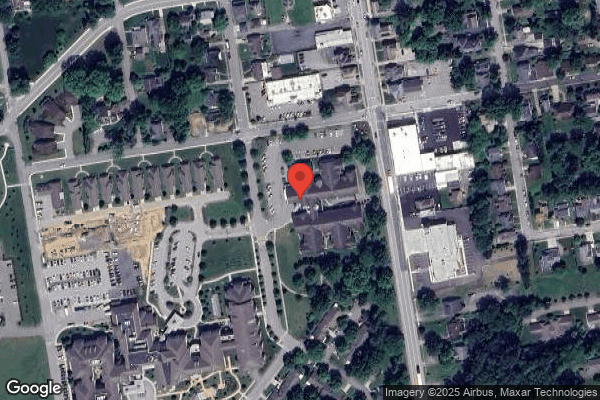

105 BURGESS DRIVE, ZELIENOPLE, PA 16063 (724) 452-5400
Non profit - Church related 102 Beds Independent Data: November 2025
Trust Grade
88/100
#95 of 653 in PA
Last Inspection: February 2025

Within standard 12-15 month inspection cycle. Federal law requires annual inspections.

Overview

Passavant Retirement and Health has a Trust Grade of B+, which indicates it is above average and generally recommended for families considering care. It ranks #95 out of 653 facilities in Pennsylvania, placing it in the top half, and is the best option among 11 nursing homes in Butler County. The facility is improving, with the number of issues decreasing from 9 in 2024 to 8 in 2025. Staffing is a strong point, earning a 5/5 star rating, with a turnover rate of 30%, much lower than the state average of 46%, and they have more RN coverage than 95% of state facilities. While there have been no fines, which is a positive sign, there are concerning incidents, such as failure to ensure proper care for residents with urinary catheters and not investigating allegations of physical abuse, which raises serious safety concerns. Families should weigh these strengths and weaknesses carefully when making their decision.

Trust Score
B+
88/100
In Pennsylvania
#95/653
Top 14%
Safety Record
Low Risk
No red flags
Inspections
Getting Better
9 → 8 violations
Staff Stability
✓ Good
30% annual turnover. Excellent stability, 18 points below Pennsylvania's 48% average. Staff who stay learn residents' needs.
Penalties
✓ Good
No fines on record. Clean compliance history, better than most Pennsylvania facilities.
Skilled Nurses
✓ Good
Each resident gets 86 minutes of Registered Nurse (RN) attention daily — more than 97% of Pennsylvania nursing homes. RNs are the most trained staff who catch health problems before they become serious.
Violations
⚠ Watch
19 deficiencies on record. Higher than average. Multiple issues found across inspections.
★★★★★
5.0
Overall Rating
★★★★★
5.0
Staff Levels
★★★★★
5.0
Care Quality
★★★☆☆
3.0
Inspection Score
Stable
2024: 9 issues
2025: 8 issues

The Good

  • 5-Star Staffing Rating · Excellent nurse staffing levels
  • 5-Star Quality Measures · Strong clinical quality outcomes
  • Low Staff Turnover (30%) · Staff stability means consistent care
  • Full Sprinkler Coverage · Fire safety systems throughout facility
  • No fines on record
  • Staff turnover is low (30%)

    18 points below Pennsylvania average of 48%

Facility shows strength in staffing levels, quality measures, staff retention, fire safety.

The Bad

No Significant Concerns Identified

This facility shows no red flags. Among Pennsylvania's 100 nursing homes, only 1% achieve this.

The Ugly 19 deficiencies on record

Jul 2025 1 deficiency
CONCERN (D) 📢 Someone Reported This

A family member, employee, or ombudsman was alarmed enough to file a formal complaint

Potential for Harm - no one hurt, but risky conditions existed

Report Alleged Abuse (Tag F0609)

Could have caused harm · This affected 1 resident

Based on clinical record review, reports submitted to the State, and staff interview, it was determined that the facility failed to report and investigate an allegation of physical abuse for two of th...

Read full inspector narrative →
Based on clinical record review, reports submitted to the State, and staff interview, it was determined that the facility failed to report and investigate an allegation of physical abuse for two of three residents. Findings include: Abuse, is defined at §483.5 as the willful infliction of injury, unreasonable confinement, intimidation, or punishment with resulting physical harm, pain or mental anguish. Abuse also includes the deprivation by an individual, including a caretaker, of goods or services that are necessary to attain or maintain physical, mental, and psychosocial well-being. Instances of abuse of all residents, irrespective of any mental or physical condition, cause physical harm, pain or mental anguish. It includes verbal abuse, sexual abuse, physical abuse, and mental abuse including abuse facilitated or enabled through the use of technology. Review of Closed Record Resident R1 (CRR1) indicated admission to the facility on 4/4/22. Review of Resident CRR1's Minimum Data Set assessment (MDS periodic assessment of resident care needs) dated 2/12/25, indicated the diagnosis of non-traumatic brain dysfunction (damage to the brain not caused by external physical force), Alzheimer's disease (neurological disorder that affects memory, thinking and behavior) and psychotic disorder (severe disorder that causes abnormal thinking and perception) Section C1000 Brief Interview for Mental Status (BIMS- a 15-point test used to measure cognitive decline) score was a three which indicated severely impairment. 0-7 points: Severely impaired 8-12 points: Moderate impairment 13-15 points: Intact cognition Review of a progress note dated 1/7/25, at 8:28 p.m. indicated Resident CRR1 observed following another resident around and yelling at her in Italian multiple times throughout this shift. Resident CRR1 easily redirected each time but continued to follow resident once she seen her again. This Resident CRR1 was observed smacking this other resident in the face and was immediately redirected. Staff educated Resident CRR1 that she cannot hit other residents. This Resident CRR1 began to yell at staff in Italian but eventually did calm down and began to laugh. The other resident was not injured and did not complain of any pain. Staff will continue watching both residents throughout the rest of the shift. Review of a progress note dated 1/24/25 at 7:17 p.m. indicated during dinner time resident CRR1 did not eat dinner and walked out of the dining room a few minutes after dinner was served. Resident CRR1 was walking towards another resident and slapped the other resident on the side of their face. Staff members then quickly separated the two residents. Resident CRR1 was redirected. Around 7:15pm, staff caught the resident CRR1 trying to slap the other resident. Staff quickly broke the two off. Minutes later, slapping sounds were heard just outside of the team room, and resident CRR1 was again seen hitting the other resident. No injuries were seen from the other resident and denies any pain. Review of incidents submitted to the State Agency on 7/7/25, at 12:15 p.m. did not include the resident-to-resident abuse allegation on 1/7/25, or 1/24/25. During an interview on 7/7/25, at 12:50 p.m. the Director of Nursing Employee E1 stated that she did not report or investigate the resident-to-resident abuse allegation that occurred on 1/7/25, and 1/24/25, due to there not being any injuries and stated I reported the other one that occurred on 1/28/25, as she was pushed, I didn't think I had to as there was not any injury. 28 Pa. Code 201.14(a)(c.) (e.) Responsibility of licensee. 28 Pa. Code 201.18(b)(1)(3)(e)(1) Management. 28 Pa. Code 201.20(b) Staff development. 28 Pa. Code 211.10(c.) (d) Resident care policies.
Feb 2025 6 deficiencies
CONCERN (D)

Potential for Harm - no one hurt, but risky conditions existed

Deficiency F0554 (Tag F0554)

Could have caused harm · This affected 1 resident

**NOTE- TERMS IN BRACKETS HAVE BEEN EDITED TO PROTECT CONFIDENTIALITY** Based on observations, resident, and staff interviews, it was determined that the facility failed to determine the ability to se...

Read full inspector narrative →
**NOTE- TERMS IN BRACKETS HAVE BEEN EDITED TO PROTECT CONFIDENTIALITY** Based on observations, resident, and staff interviews, it was determined that the facility failed to determine the ability to self-administer medications for one of three residents (Residents R51). Findings include: Review of the facility policy Medication-Self-Administration January 2025, indicates residents have the right to self-administer medications as long as it is determined that it is safe for them to do so. Self-administration will refer to residents who do not need any assistance or reminders in order to take their medications. If the resident indicates that they are requesting the right to self-administer their own medications, a licensed nurse must complete an assessment for self-administration of medications and the attending physician will be notified within 24 hours. Review of the clinical record indicated Resident R51 was admitted to the facility on [DATE]. Review of Resident R51's Minimum Data Set (MDS - a periodic assessment of care needs) dated 12/10/24, indicates the diagnosis of anemia (low iron in the blood), dementia (loss of intellectual functioning), and Parkinson's disease (brain condition that causes slowed movements, rigidity, and tremors). During an observation completed on 2/19/25, at 8:42 a.m. Resident R51 was sitting in his chair with his overbed table that had his breakfast tray on it, a cup containing 6 white and 4 green pills were noted. Resident R51 poured the pills onto his breakfast plate and began to take them. Review of Resident R51's physician orders on 2/19/25, failed to include an order for medication self-administration. Review of Resident R51's assessments on 2/19/25, failed to include an assessment for medication self-administration. During an interview completed on 2/19/25, at 8:51 a.m. upon asking Licensed Practical Nurse (LPN) E11 about Resident R51's medications on his breakfast tray LPN Employee E11 stated he takes them himself with his breakfast, I don't know if he has orders to leave at bedside or if an assessment has been completed and confirmed that the facility failed to determine the ability to self-administer medications for one of three residents (Residents R51). 28 Pa. Code 201.14(a) Responsibility of Licensee. 28 Pa. Code: 211.10(c)(d) Resident care policies. 28 Pa. Code: 211.12(d)(1)(5) Nursing services. 28 Pa. Code: 211.9(a)(1) Pharmacy services.
CONCERN (D)

Potential for Harm - no one hurt, but risky conditions existed

Safe Environment (Tag F0584)

Could have caused harm · This affected 1 resident

**NOTE- TERMS IN BRACKETS HAVE BEEN EDITED TO PROTECT CONFIDENTIALITY** Based on a review of facility policies, documents, observations and staff interviews it was determined that the facility failed ...

Read full inspector narrative →
**NOTE- TERMS IN BRACKETS HAVE BEEN EDITED TO PROTECT CONFIDENTIALITY** Based on a review of facility policies, documents, observations and staff interviews it was determined that the facility failed to provide a non-institutional dining experience by administering medications during the breakfast meal service for two of six residents. (Resident R3 and Resident R66). Findings include: A review of facility policy Supporting the Resident's Right to Privacy and Confidentially last reviewed January 2025, indicates it is the responsibility of each employee of this community to ensure the privacy and confidentiality of each resident is protected. A review of the facility policy Medication Administration - General Guidelines last reviewed January 2025, indicates for residents not in their rooms or otherwise unavailable to receive medication on the pass, the medication administration record (MAR) is flagged. After completing the medication pass, the nurse returns to the missed resident to administer the medication. Review of the clinical record indicated Resident R3 was admitted to the facility on [DATE]. Review of Resident R3's Minimum Data Set (MDS - a periodic assessment of care needs) dated 2/7/25, indicates the diagnosis of anemia (low iron in the blood), dementia (loss of intellectual functioning), and anxiety. Review of the clinical record indicated Resident R66 was admitted to the facility on [DATE]. Review of Resident R66's MDS dated [DATE], indicates the diagnosis of anemia (low iron in the blood), Hypertension (high blood pressure), and diabetes (low sugar in the blood). During an observation completed on 2/19/25, at 9:11 a.m. Resident R3 and Resident R66 were in the dining room sitting at a table for breakfast. Licensed Practical Nurse Employee E11 was observed administering medications to Resident R3 and Resident R66. During an interview completed on 2/19/25, at 9:15 a.m. LPN Employee E11 confirmed that Resident R3 and Resident R66 received their medication in the dining room and stated, they take them with their breakfast and confirmed that the facility failed to provide a non-institutional dining experience by administering medications during the breakfast meal service for two of six residents. (Resident R3 and Resident R66). 28 Pa. Code: 201.14(a) Responsibility of licensee. 28 Pa. Code: 201.18 (b) (1) (e) (1) Management. 28 Pa. Code 201.29(d) Resident Rights
CONCERN (D)

Potential for Harm - no one hurt, but risky conditions existed

Medication Errors (Tag F0758)

Could have caused harm · This affected 1 resident

**NOTE- TERMS IN BRACKETS HAVE BEEN EDITED TO PROTECT CONFIDENTIALITY** Based on review of facility policy, clinical records, and staff interview it was determined that the facility failed to ensure r...

Read full inspector narrative →
**NOTE- TERMS IN BRACKETS HAVE BEEN EDITED TO PROTECT CONFIDENTIALITY** Based on review of facility policy, clinical records, and staff interview it was determined that the facility failed to ensure residents medication regime was free from unnecessary psychotropic medications for two of four residents (Resident R46 and R86). Findings include: Review of facility policy medication management dated January 2025, indicated The interdisciplinary team reviews the resident's medication regimen for efficacy and actual or potential medication -related problems on an on-going basis. Resident R46 was admitted on [DATE]. Review of Resident R46 MDS (minimum data set a periodic assessment of resident needs) dated 1/15/25, indicated a diagnosis of dementia (dementia is a term for several diseases that affect memory, thinking and the ability to perform daily activities) and depression (is a common and serious medical illness that negatively affects how you feel, the way you think and how you act). Review of Resident R46 physician orders indicated to administer: Quetiapine (antipsychotic used for schizophrenia and bipolar) 25mg tablet (12. 5mg) tablet oral two times daily starting 11/30/24, for delirium. Review of Seroquel (quetiapine) medication insert indicates : indications and usage: schizophrenia, bipolar I disorder manic episode, bipolar disorder, depressive episode. Resident R86 was admitted on [DATE]. Review of Resident R86 MDS dated [DATE], indicated a diagnosis of dementia and depression. Review of Resident R86 physician orders indicated to administer: Quetiapine 25mg tablet oral hour of sleep notes: delusions-behavior. During an interview on 2/21/25, at 11:02 a.m. Director of Nursing confirmed that Resident R46 and Resident R86 diagnosis of dementia and depression were not included on the diagnosis for the medication and the facility failed to ensure residents medication regime was free of unnecessary psychotropic medication. 28 Pa. Code 211.9(k) Pharmacy services.
CONCERN (D)

Potential for Harm - no one hurt, but risky conditions existed

Deficiency F0761 (Tag F0761)

Could have caused harm · This affected 1 resident

**NOTE- TERMS IN BRACKETS HAVE BEEN EDITED TO PROTECT CONFIDENTIALITY** Based on review of facility policy, observations and staff interview it was determined that the facility failed to date opened m...

Read full inspector narrative →
**NOTE- TERMS IN BRACKETS HAVE BEEN EDITED TO PROTECT CONFIDENTIALITY** Based on review of facility policy, observations and staff interview it was determined that the facility failed to date opened medications, and properly store/label medication in three of three medication rooms (Mountain Laurel, Tionesta, and Trillium Medication Rooms), failed to discard expired nursing supplies in one of three medication rooms (Tionesta Medication Room), and failed to properly store medications in one of three residents' medication cabinet in the resident room (Resident R77). Findings include: Review of facility policy Preparation and General Guidelines - Vials and Ampules of Injectable Medications dated [DATE], indicated opening a vial triggers a shortened expiration date that is unique for that product. It is important to record the date opened and the triggered expiration date on a multi-dose vial. Review of the facility policy Storage of Medications dated [DATE], indicated all medications dispensed by the pharmacy are stored in the container with the pharmacy label. Medications labeled for individual residents are stored separately from floor stock medications when not in the medication cart. Observation on [DATE], at 8:44 a.m. the Mountain Laurel medication room revealed two tuberculin multi-dose vials opened and without a date. Interview on [DATE], at 8:45 a.m. Registered Nurse (RN) Employee E7 verified the two tuberculin multi-dose vials were not dated when opened as required. Observation on [DATE], at 8:53 a.m. the Tionesta medication room revealed a Novolog flex pen (prefilled pen to inject rapid-acting insulin under the skin) without a label, resident name, and was not stored in a box or individual bag as required. Further observation on [DATE], at 8:53 a.m. the Tionesta medication room revealed six Coude foley catheters (a type of urinary catheter with a curved tip that helps it pass through tight spots) with an expiration date of [DATE]. Interview on [DATE], at 8:53 a.m. Licensed Practical Nurse (LPN) Employee E8 verified the Novolog flex pen was without a label, resident name, and was not stored in a box or individual bag as required, and that the six Coude catheters were past the expiration date of [DATE]. Observation on [DATE], at 9:42 a.m. the Trillium medication room revealed one tuberculin multi-dose vial opened and without a date. Interview on [DATE], at 9:43 a.m. Registered Nurse (RN) Employee E9 verified the tuberculin multi-dose vial was not dated when opened as required. Observation on [DATE], at 9:30 a.m. of Resident R77's medication cabinet in the resident room revealed a multi-dose nasal spray, and multi-dose eye drop container were not dated when opened as required. Interview on [DATE], at 9:31 a.m. LPN Employee E10 verified the multi-dose nasal spray, and multi-dose eye drop container were not dated when opened as required. Interview on [DATE], at 2:00 p.m. Director of Nursing 2 (DON 2) confirmed the facility failed to date opened medications, and properly store/label medication in three of three medication rooms (Mountain Laurel, Tionesta, and Trillium medication rooms), failed to discard expired nursing supplies in one of three medication rooms (Tionesta medication room), and failed to properly store medications in one of three residents' medication cabinet in the resident room (Resident R77). 28 Pa. Code: 211.9(a)(1)(2)Pharmacy services. 28 Pa. Code: 211.12(d)(1)(2)(3)(5) Nursing services.
CONCERN (D)

Potential for Harm - no one hurt, but risky conditions existed

Deficiency F0847 (Tag F0847)

Could have caused harm · This affected 1 resident

**NOTE- TERMS IN BRACKETS HAVE BEEN EDITED TO PROTECT CONFIDENTIALITY** Based on review of facility documents, resident clinical records and staff interviews it was determined that the facility failed...

Read full inspector narrative →
**NOTE- TERMS IN BRACKETS HAVE BEEN EDITED TO PROTECT CONFIDENTIALITY** Based on review of facility documents, resident clinical records and staff interviews it was determined that the facility failed to ensure residents had the capacity to understand the terms of a binding arbitration agreement (A binding agreement by the parties to submit to arbitration all or certain disputes which have arisen or may arise between them in respect of a defined legal relationship, whether contractual or not.) for one of five residents (Resident R67). Findings include: Review of the admission record indicated Resident R67 was admitted to the facility on [DATE]. Review of Resident R67's Binding Arbitration Agreement indicated that the resident signed the document on 1/13/25. Review of Resident R67's Minimum Data Set (MDS - a periodic assessment of care needs) dated 1/20/25, indicated the diagnoses of Non-Alzheimer's Dementia (dementia caused by other diseases with symptoms forgetfulness, limited social skills, and impaired thinking abilities that interfere with daily functioning), diabetes (a long-term condition in which the body has trouble controlling blood sugar and using it for energy), and Parkinson's disease (disorder of the nervous system that results in tremors). Section C0500 BIMS (Brief Interview for Mental Status - a screening test that aides in detecting cognitive impairment) indicated a score of 12 (score of 8-12 indicated moderately impaired). Review of Resident R67's care plan dated 1/13/25, indicated the resident has problems that limit his ability to perform activities of daily living related to Parkinson's disease, and dementia. Review of Resident R67's care plan dated 1/14/25, indicated wandering/elopement (leaving a designated area without permission) resident is sometimes confused, wanders, may try to leave, is at risk for injury, and getting lost. Interview on 2/20/25, at 9:20 a.m. Marketing Coordinator, Employee E13 confirmed the facility failed to ensure a resident had the capacity to understand the terms of a binding arbitration agreement for one of five residents (Resident R67). 28 Pa. Code: 201.14(a) Responsibility of licensee. 28 Pa. Code: 201.18(e)(1) Management
CONCERN (D)

Potential for Harm - no one hurt, but risky conditions existed

Infection Control (Tag F0880)

Could have caused harm · This affected 1 resident

**NOTE- TERMS IN BRACKETS HAVE BEEN EDITED TO PROTECT CONFIDENTIALITY** Based on facility policy, clinical record review, observation, and staff interview, it was determined that the facility failed t...

Read full inspector narrative →
**NOTE- TERMS IN BRACKETS HAVE BEEN EDITED TO PROTECT CONFIDENTIALITY** Based on facility policy, clinical record review, observation, and staff interview, it was determined that the facility failed to ensure droplet precautions were ordered and a care plan implemented for one of three residents (Resident R40), and failed to provide a safe and sanitary environment to help prevent the potential for cross contamination for one of six household kitchen areas (Mountain Laurel Neighborhood). Findings include: Review of the facility policy COVID-19 Plan dated January 2025, indicated the facility will make every attempt to reduce the risk of transmission of COVID-19 in order to protect those it serves, its personnel, volunteers and visitors. In the event transmission does occur, prompt detection and effective triage and isolation of infectious residents are essential to prevent unnecessary exposure. Transmission-based precautions are the second tier of basic infection control and are used in addition to standard precautions for residents with known or suspected infections. There are three types of transmission-based precautions - contact, droplet, and airborne. Review of the clinical record indicated Resident R40 was admitted to the facility on [DATE]. Review of Resident R40's Minimum Data Set (MDS - a periodic assessment of care needs) dated 1/22/25, indicated the diagnoses of coronary artery disease (CAD-limits blood flow to the heart muscle), hypertension (high blood pressure), and diabetes (high sugar in the blood) Review of R40's clinical notes dated 2/18/25, at 7:23 p.m. indicate resident exhibits a heavy wet nonproductive cough. Physician notified of condition and initiated new orders that included but not inclusive to a rapid covid (faster results but less sensitive) test, PCR (a small amount of coronavirus genes can be detected) test and chest x-ray. During an observation completed on 2/19/25 at 10:42 a.m. signage for droplet precautions and personal protective equipment was noted to Resident R40's door. Review of Resident R40's current physician orders on 2/19/25, failed to include an order for droplet precautions. Review of Resident R40's care plan on 2/19/25, failed to include droplet precautions for care and management of the as required. During an interview completed on 2/20/25 at 12:00 p.m. the Director of Nursing confirmed physician orders were not obtained and the care plan was not updated to include droplet precaution and that the facility failed to ensure droplet precautions were ordered and a care plan implemented for one of three residents (Resident R40). Review of facility policy Infection control for Household Dining Rooms updated 2/2025, indicated that Household Assistants will disinfect the dining rooms to ensure that residents who eat in the dining room are safe. Nothing is stored beneath the sink area in the kitchen. During an observation on 2/19/25, at 12:45 p.m., of the Mountain Laurel Neighborhood Kitchen area, revealed 15 boxes of disposable gloves and 15 compact disk cases stored under the kitchen sink. During an additional observation with Household Coordinator (HHC) Employee E6 at 12:50 p.m., the above observation of items found under the sink of the Mountain Laurel Neighborhood Kitchen was confirmed, and Employee E6 confirmed that the facility failed to provide a safe and sanitary environment to prevent the potential for cross contamination for one of six household kitchen areas. During an interview on 2/21/25, at 2:30 p.m., Nursing Home Administrator confirmed that the facility failed to provide a safe and sanitary environment to help prevent the potential for cross contamination for one of six household kitchen areas (Mountain Laurel Neighborhood). 28 Pa. Code: 201.14(a) Responsibility of licensee. 28 Pa. Code 211.12(d)(1)(3) Nursing services.
Jan 2025 1 deficiency
CONCERN (D) 📢 Someone Reported This

A family member, employee, or ombudsman was alarmed enough to file a formal complaint

Potential for Harm - no one hurt, but risky conditions existed

Accident Prevention (Tag F0689)

Could have caused harm · This affected 1 resident

**NOTE- TERMS IN BRACKETS HAVE BEEN EDITED TO PROTECT CONFIDENTIALITY** Based on review of clinical records and staff interview, it was determined that the facility failed to provide adequate supervis...

Read full inspector narrative →
**NOTE- TERMS IN BRACKETS HAVE BEEN EDITED TO PROTECT CONFIDENTIALITY** Based on review of clinical records and staff interview, it was determined that the facility failed to provide adequate supervision transfers for one of six residents (Resident R1), which resulted in a fall. Findings include: Review of Resident R1's admission record indicated she was admitted to the facility on [DATE]. Review of Resident R1's Minimum Data Set (MDS-periodic assessment of a resident's abilities and care needs) dated 11/21/24, indicated diagnoses of right fibula fracture, anxiety and depression. Review of Resident R1's physician orders dated 12/5/24 indicated toilet transfer to be completed assist x 2. Review of Resident R1's profile/preference (tool nursing staff uses for transfer status, ADL assistance) indicated assist x 2 for toileting. Review of a progress note written by Licensed Practical Nurse (LPN) Employee E1 dated 12/29/24, at 9:45 p.m. indicated While Nurse Aid (NA) was transferring resident on to the commode resident slipped and lost her balance and fell in her bathroom, she hit back of her head on railing, no bleeding or lumps noted. Resident has ROM (range of motion) as per usual, no rotation in extremities. POA and MD made aware. Review of facility paperwork dated 12/31/24, indicated that Resident R1 received an x-ray of left shoulder, no fracture or dislocation. Review of facility paperwork dated 1/2/25, Resident R1 went to a orthopedic appointment, x-rays of right obtained indicated impacted proximal humerus fracture. Review of facility paperwork dated 1/6/25, Resident R1 received an x-ray of right shoulder and right humerus indicating no acute fracture or dislocation. Review of facility paperwork dated 1/9/25, Resident R1 received an x-ray of right shoulder and right humerus indicating no definite acute fracture or joint dislocation. Review of an employee statement written by NA Employee E2 dated 12/30/24, stated, Resident R1 asked to go to the bathroom, NA took her into the bathroom, NA proceeded to move wheelchair, Resident R1 slid, NA was able to break fall, Resident R1 bumped her head. NA Employee E2 is no longer coming to the facility and did not answer the phone or return the message left by the State Agency. Review of an employee statement written by LPN Employee E1 dated 1/8/25, stated, I was at sitting in the team room when (NA) approached the LPN stating Resident R1 was on the floor, while she was transferring resident from wheelchair to commode resident lost balance, fall was broke gently. Employee E2 went immediately into resident's bathroom, Resident R1 was lying on her left side. During an interview on 1/13/2025, at 1:45 p.m. the Nursing Home Administrator confirmed that the facility failed to provide adequate supervision for transfers for one of six residents, which resulted in a fall. 28 Pa. Code 201.14(a) Responsibility of licensee. 28 Pa. Code 201.18(b)(1)(e)(1) Management. 28 Pa. Code 201.20(b)(1) Staff Development. 28 Pa. Code 201.29(a) Resident rights. 28 Pa. Code 211.10(c)(d) Resident care policies.
Sept 2024 1 deficiency
CONCERN (D) 📢 Someone Reported This

A family member, employee, or ombudsman was alarmed enough to file a formal complaint

Potential for Harm - no one hurt, but risky conditions existed

Accident Prevention (Tag F0689)

Could have caused harm · This affected 1 resident

**NOTE- TERMS IN BRACKETS HAVE BEEN EDITED TO PROTECT CONFIDENTIALITY** Based on review of facility policy, clinical records, observations, and staff interviews it was determined that the facility fai...

Read full inspector narrative →
**NOTE- TERMS IN BRACKETS HAVE BEEN EDITED TO PROTECT CONFIDENTIALITY** Based on review of facility policy, clinical records, observations, and staff interviews it was determined that the facility failed to make certain each resident received adequate supervision that resulted in one elopement (resident exits to an unsupervised or unauthorized area without the facility's knowledge) for one of three residents (Resident R1). Findings include: Review of the facility's policy Elopement Protocol dated 1/24, indicated to promote the safety of all residents and maintains a process to assess residents for risk of elopement, implement prevention strategies for those identified as an elopement risk and conduct a missing resident protocol. Review of the facility's policy Accidents and Incidents-Investigation and Reporting dated 1/24, indicated will provide a safe and secure environment in order to prevent incidents and accidents from occurring. Review of Residents R1's clinical record indicated admission to facility to on 6/29/24. Review of Resident R1's Minimum Data Set (MDS- a periodic assessment of care needs) dated 7/6/24, indicated the diagnosis of benign prostatic hyperplasia (enlargement of the prostate gland affecting urinary system), Parkinson's disease (brain condition that causes slow movements, rigidity and tremors) and anxiety Review of the Resident Assessment Instrument 3.0 User's Manual effective October 2019, indicated that a Brief Interview for Mental Status (BIMS, a screening test that aides in detecting cognitive impairment). The BIMS total score suggests the following distributions: 13-15: cognitively intact 8-12: moderately impaired 0-7: severe impairment Review of Resident 1's MDS assessment dated [DATE], Section C0500-BIMS screening indicated a score of 14 revealing that Resident R1 was alert and oriented to person, place, and situation. Review of Resident R1's admission elopement risk evaluation completed on 6/29/24, indicated resident was not at risk of elopement. Review of clinical note dated 7/12/24, indicated an employee observed resident walking in hall, heading towards exit, with fishing rod (and no walking device). Redirected resident to room, walking with assist of two. Review of Elopement Risk assessment completed on 7/13/24, indicated resident at risk for elopement wander guard applied. Review of Physician order dated 7/13/24, indicates wander alarm applied to left ankle. Review of daily wander guard checks indicate initiated July 13, 2024, left ankle and wheelchair. Review of Resident R1's care plan dated 7/13/24, indicate elopement risk, wander guard applied to left ankle. Interventions that include but not inclusive to: . Resident R1 will be redirected during times of verbalizing attempt to leave or attempting to leave. . Resident R1 will be assessed for any pattern to elopement behavior. . Provide escort for off-unit activities. . Engage Resident R1 in leisure and social activities and provide encouragement for participation. . Provide diversional activities and/or one-on-one visits. . Check visually on rounds. Keep resident's photo and information updated in the Elopement Profile. Review of Resident R1's clinical note dated 9/2/24, 6:42 p.m. indicates Resident R1 left household/facility after asking another residents family member to open the household door. Resident R1 made his way to the employee entrance door, left facility, went down the employee entrance ramp and fell out of wheelchair. Resident was not injured. Personal care staff member saw resident who was able to get off the ground and back into his wheelchair and continued his way toward the maintenance building. Staff caught up with resident and escorted back into the building. Review of incident report statement indicates no injuries noted, Resident R1 was very cooperative, Resident R1 stated he had asked a visitor to hold the door open for him, his wander guard system was in place and working. Resident R1 stated he went out to enjoy fresh air. Review of facility visual checks indicate resident was last observed 9/2/24, at 5:00 p.m. Review of facility clinical note dated 9/2/24, at 11:00 p.m. indicate resident currently on 15-minute visual checks following an elopement incident. Resident stayed in his room for the remainder of the 3-11 shift except around 10:00 p.m. when resident went out to the living room to complain about the noise from a different room. During an interview on 9/10/24, at 11:16 a.m. the first floor Director of Nursing (DON) stated they had a new resident move in who has a brother, the brother opened door and let Resident R1 off the unit. There was not a sign on the inside (exit) of the door at the time it was only on the outside (entrance) door. During an interview on 9/10/24, at 1:08 p.m. Facility Pastor Employee E4 stated if a resident is an elopement risk, they have a bracelet on and the doors will not open, I watch for anyone looking at door trying to get out, there are also boards in the team room with names of resident at risk for elopement. Pink tape is on the wheelchair or walker that indicates elopement risk I look for that. During an interview on 9/10/24 at 1:13 p.m. Nurse Aid (NA) Employee E5 stated the pink tape on the wheelchair or walker shows risk, if a resident is exit seeking, we will redirect. Residents have wander guards on the doors won't open. There is also a sign on door to remind families not to let residents out. During an interview on 9/10/24, at 2:15 p.m. the Nursing Home Administrator stated at the point and time that Resident R1 was let out of the unit, there was not staff in the area for supervision and the facility failed to make certain each resident received adequate supervision that resulted in one elopement for one of three residents (Resident R1). 28 Pa. Code 201.14(a) Responsibility of licensee. 28 Pa. Code 201.18(b)(1)(3) Management. 28 Pa. Code 211.12(d)(1)(3)(5) Nursing service
Mar 2024 8 deficiencies
CONCERN (D)

Potential for Harm - no one hurt, but risky conditions existed

Deficiency F0583 (Tag F0583)

Could have caused harm · This affected 1 resident

**NOTE- TERMS IN BRACKETS HAVE BEEN EDITED TO PROTECT CONFIDENTIALITY** Based on review of facility policy, observation, and staff interview it was determined that the facility failed to maintain the ...

Read full inspector narrative →
**NOTE- TERMS IN BRACKETS HAVE BEEN EDITED TO PROTECT CONFIDENTIALITY** Based on review of facility policy, observation, and staff interview it was determined that the facility failed to maintain the confidentiality of resident's medical information on one of six nursing households (second floor Tionesta household). Findings include: Review of the facility policy Use of Laptops or other portable computers, last reviewed on 1/23/24, indicated that resident information should be kept confidential. The computer screen should be turned so that only the resident or resident's family can see the screen. Keep the lid partially closed if resident data is displayed and information is not actively being documented. No resident data should be displayed if information is not actively being documented. Review of facility policy Medication Administration-General Guidelines, last reviewed on 1/23/24, indicate privacy is always maintained for all resident information by closing computer screen when not in use. During an observation on 3/26/24, at 11:58 a.m., the medication cart/portable computer unit outside of room [ROOM NUMBER] Tionesta household was left unattended with the computer screen open with identifiable information so any passerby could see resident personal and confidential information. During an observation on 3/26/24, at 12:10 p.m., the medication cart/portable computer unit outside of room [ROOM NUMBER] Tionesta household was left unattended with the computer screen open with identifiable information so any passerby could see resident personal and confidential information. During an interview on 3/26/24, at 12:17 p.m., Licensed Practical Nurse Employee E7 confirmed the computer screen was open and that the facility failed to maintain resident identifiable personal and medical information in a confidential manner on one of six nursing households (second floor Tionesta household). 28 Pa. code: 211.5(b) Clinical records. 28 Pa. Code: 201.29(i) Resident Rights 28 Pa. Code: 211.12(d)(3) Nursing Services
CONCERN (D)

Potential for Harm - no one hurt, but risky conditions existed

Accident Prevention (Tag F0689)

Could have caused harm · This affected 1 resident

**NOTE- TERMS IN BRACKETS HAVE BEEN EDITED TO PROTECT CONFIDENTIALITY** Based on review of facility policies, clinical records, facility documents and staff interview, it was determined that the facil...

Read full inspector narrative →
**NOTE- TERMS IN BRACKETS HAVE BEEN EDITED TO PROTECT CONFIDENTIALITY** Based on review of facility policies, clinical records, facility documents and staff interview, it was determined that the facility failed to ensure that residents received neurological assessment after an incident involving a fall for two of five residents (Resident R9 and Resident R69). Findings include: Review of facility policy Falls - Resident Treatment Of dated 1/23/24, indicated a fall will refer to an incident when a resident drops to the floor suddenly or if a resident moves from one plane to another. Incidents that are considered a fall are when a resident is slowly and gently lowered to the floor, or when a resident slowly and purposefully lies or sits on the floor. If the resident is on the floor and the incident was unobserved, staff is to presume that it was a fall and proceed accordingly. When there is doubt, an incident should be considered a fall. Review of facility policy Neurological Assessment - Using the Flowsheet dated 1/23/24, indicated that a Neurological Review Flowsheet will be initiated in the electronic medical record (EMR) or as a paper form and completed for all residents who have sustained head trauma, either from a fall or an act in which the resident is struck on the head. This EMR electronic assessment form or paper form will be completed every 15 minutes for one hour, every two hours for the next six hours, then every shift for 48 hours. Review of the clinical record indicated Resident R9 was admitted to the facility on [DATE]. Review of Resident R9's Minimum Data Set (MDS - a periodic assessment of care needs) dated 1/26/24, indicated diagnoses of high blood pressure, hemiplegia (paralysis on one side of the body), and history of falling. Review of Resident R9's clinical records dated 9/19/23, indicated he had a fall on 9/19/23, after sliding out of a mechanical lift in the shower and being lowered to the floor by a staff member. The clinical records indicate that Resident R9 sustained two lacerations (a jagged or torn wound to the skin) to the right side of his head, a laceration to the right side of his neck, and an abrasion (a superficial wearing of the skin) to his right shoulder. Neurological checks were initiated. Review of Resident R9's Neurological Review Flow Sheet dated 9/19/23 and 9/20/23, indicated only nine neurological checks were completed out of 15 opportunities. During an interview on 3/27/24, at 10:05 a.m., Director of Nursing 1 (DON1) stated, Some of the neurological checks may have been completed on paper, we do hybrid charting. During an interview on 3/27/24, at 10:08 a.m., DON1 was unable to locate any additional neurological checks in Resident R9's clinical record. During an interview on 3/27/24, at 11:23 a.m., DON1 confirmed that Resident R9's neurological checks were not completed per facility policy. Review of the clinical record indicated Resident R69 was admitted to the facility on [DATE]. Review of Resident R69's MDS dated [DATE], indicated diagnoses of high blood pressure, Alzheimer's Disease (a progressive disease that destroys memory and other important mental functions), and Post Traumatic Stress Disorder (PTSD - a disorder in which a person has difficulty recovering after experiencing or witnessing a terrifying event and may have triggers that can bring back memories of trauma accompanied by intense emotional and physical reactions). Review of Resident R69's clinical records dated 2/6/24, indicated Resident R69 was observed with an abrasion on her forehead and an abrasion on her nose. Resident R69 was unable to clearly state what caused the abrasions due to a language barrier. Neurological checks were initiated due to a presumed fall. Review of Resident R69's Neurological Review Flow Sheet dated 2/6/24, and 2/7/24, indicated only 11 neurological checks were completed out of 15 opportunities. During an interview on 3/28/24, at 9:49 a.m., Licensed Practical Nurse (LPN) Employee E5 confirmed she was unable to locate additional neurological checks in Resident R69's clinical record. During an interview on 3/28/24, at 9:50 a.m., LPN Employee E5 confirmed that the facility failed to ensure that neurological assessments were completed for Resident R69 as required per facility policy. 28 Pa. Code: 201.14(a) Responsibility of licensee. 28 Pa. Code: 201.18(e)(1) Management. 28 Pa. Code: 207.2(a) Administrator's responsibility. 28 Pa. Code: 211.10(d) Resident care policies.
CONCERN (D)

Potential for Harm - no one hurt, but risky conditions existed

Respiratory Care (Tag F0695)

Could have caused harm · This affected 1 resident

**NOTE- TERMS IN BRACKETS HAVE BEEN EDITED TO PROTECT CONFIDENTIALITY** Based on facility policy review, resident observations and interviews, clinical record review and staff interviews, it was deter...

Read full inspector narrative →
**NOTE- TERMS IN BRACKETS HAVE BEEN EDITED TO PROTECT CONFIDENTIALITY** Based on facility policy review, resident observations and interviews, clinical record review and staff interviews, it was determined that the facility failed to make certain a physician order for use of and cleaning of a Bi-PAP/CPAP machine (machines used to make breathing easier) and failed to develop a plan of care for one of three residents (Resident R58). Findings include: Review of the policy Respiratory Care Documentation dated 1/23/24, indicated nurses will be responsible for completing the eTAR (electronic treatment administration record), for any resident who has physician orders CPAP, Bi-PAP therapy. Review of the policy Respiratory Care Equipment Changes dated 12/12/23, indicated CPAP/BIPAP maintenance included the following: mask cleaning, headgear (helps secure the mask around the nose, mouth, or both to prevent pressure leaks during sleep) cleaning, tubing cleaning, humidifier chamber cleaning, filter cleaning, and replacement of worn-out components. Review of the admission record indicated Resident R58 admitted to the facility on [DATE]. Review of Resident R58's Minimum Data Set (MDS- a periodic assessment of care needs) dated 3/12/24, indicated the diagnoses of obstructive sleep apnea (OSA -intermittent airflow blockage during sleep), diabetes (a long-term condition in which the body has trouble controlling blood sugar and using it for energy), and high blood pressure. Review of Resident R58's physician orders on 3/28/24, at 9:00 a.m., failed to include an order for BiPAP/CPAP therapy. Review of Resident R58's care plan on 3/28/24, at 9:01 a.m., failed to include a plan of care for the use of BiPAP/CPAP therapy. Review of Resident R58's progress notes dated 2/18/24, 12:34 p.m., indicated the resident resting in bed this morning with CPAP on until about 9:00 a.m. when he woke up. Observation on 3/25/24, at 10:10 a.m., revealed a BiPAP/CPAP machine in Resident R58's room. Interview on 3/25/24, at 10:10 a.m., Resident R58 indicated they wear it at night for breathing. Interview on 3/28/24, at 9:56 a.m., the Director of Nursing DON2 confirmed the facility failed to make certain a physician order for use of, and cleaning of a Bi-PAP/CPAP machine, and failed to develop a plan of care for one of three residents (Resident R58). 28 Pa. Code 211.11(d) Resident care policies. 28 Pa. Code 211.12(d)(1)(5) Nursing services.
CONCERN (D)

Potential for Harm - no one hurt, but risky conditions existed

Deficiency F0699 (Tag F0699)

Could have caused harm · This affected 1 resident

**NOTE- TERMS IN BRACKETS HAVE BEEN EDITED TO PROTECT CONFIDENTIALITY** Based on review of facility policy, resident record review, and staff interviews, it was determined to facility failed to provid...

Read full inspector narrative →
**NOTE- TERMS IN BRACKETS HAVE BEEN EDITED TO PROTECT CONFIDENTIALITY** Based on review of facility policy, resident record review, and staff interviews, it was determined to facility failed to provide a trauma survivor with trauma informed care to eliminate or mitigate triggers that may cause re-traumatization of the resident for one of one residents (Resident R69). Findings include: Review of facility policy Trauma-Informed Care dated 1/23/24, indicated the facility will provide culturally competent, trauma-informed care across all disciplines to mitigate potential triggers for nursing residents who have experienced past or present trauma. Review of the clinical record indicated Resident R69 was admitted to the facility on [DATE]. Review of Resident R69's Minimum Data Set (MDS - a periodic assessment of care needs) dated 1/18/24, indicated diagnoses of high blood pressure, Alzheimer's Disease (a progressive disease that destroys memory and other important mental functions), and Post Traumatic Stress Disorder (PTSD - a disorder in which a person has difficulty recovering after experiencing or witnessing a terrifying event and may have triggers that can bring back memories of trauma accompanied by intense emotional and physical reactions). Review of Resident R69's care plan on 3/28/24, did not include a plan of care developed with goals and interventions related to post-traumatic stress disorder. During an interview on 3/28/24, at 9:26 a.m., Social Worker Employee E3 stated, I'm not sure why she has a PTSD diagnosis, I think it might be from an experience with her daughter, the allegation is that her daughter hit her. She is care planned for mood and behaviors, I thought it would be redundant to care plan her for PTSD. During an interview on 3/28/24, at 9:26 a.m., Social Worker Employee E3 confirmed that the facility failed to provide a trauma survivor with trauma informed care to eliminate or mitigate triggers that may cause re-traumatization. 28 Pa. Code: 201.14(a) Responsibility of licensee. 28 Pa. Code: 201.18(b)(1) Management.
CONCERN (D)

Potential for Harm - no one hurt, but risky conditions existed

Deficiency F0761 (Tag F0761)

Could have caused harm · This affected 1 resident

**NOTE- TERMS IN BRACKETS HAVE BEEN EDITED TO PROTECT CONFIDENTIALITY** Based on review of facility policies, observations, and staff interviews, it was determined that the facility failed to properly...

Read full inspector narrative →
**NOTE- TERMS IN BRACKETS HAVE BEEN EDITED TO PROTECT CONFIDENTIALITY** Based on review of facility policies, observations, and staff interviews, it was determined that the facility failed to properly secure a medication drawer on four occasions in one of six households (Tionesta household). Findings include: Review of facility policy Medication Administration-General Guidelines, last reviewed 1/23/24, indicate during administration of medications, the medication cart /portable computer unit is kept closed and locked when out of sight of the medication nurse. During an observation on 3/26/24, 11:58 a.m., outside room [ROOM NUMBER] the portable computer unit medication drawer was left open, unattended, and out of site of the medication nurse. During an observation on 3/26/24, 12:10 p.m., outside room [ROOM NUMBER] the portable computer unit medication drawer was left open, unattended, and out of site of the medication nurse. During an interview on 3/26/24, at 12:17 p.m., Licensed Practical Nurse (LPN) Employee E7 confirmed the above findings. During an observation on 3/27/24, 8:40 a.m., outside room [ROOM NUMBER] the portable computer unit medication drawer was left open, unattended, and out of site of the medication nurse. During an observation on 3/27/24, 8:57 a.m., outside room [ROOM NUMBER] the portable computer unit medication drawer was left open and unattended and out of site of the medication nurse. During an interview on 3/27/24, 9:14 a.m., Licensed Practical Nurse (LPN) Employee E8 confirmed the above observation. During this interview, LPN Employee E8 acknowledged that Since I've been here, I know we lock the cabinets, I honestly don't know the policy concerning the drawer, I'm sure we are supposed to close/lock in between the residents. During an interview 3/27/24, 9:15 a.m., Clinical Nurse Manager stated, We don't usually close the drawer when in site, if leaving the area would shut and lock, I will call the Director of Nursing (DON) and ask. During an interview 3/27/24, 9:25 a.m., Director of Nursing (DON2) stated, the medication drawer on the portable computer units is to be shut and locked, the computer screen is to be closed and confirmed that the facility failed to secure a medication drawer in one of six households. 28 Pa. Code: 211.9(a)(1)(h)(k)(l)(1) Pharmacy services. 28 Pa. Code:211.12(d)(1)(2)(3)(5) Nursing services.
CONCERN (D)

Potential for Harm - no one hurt, but risky conditions existed

Infection Control (Tag F0880)

Could have caused harm · This affected 1 resident

Based on review of facility policy, observation, and staff interviews, it was determined that the facility failed to implement measures to prevent the potential for cross contamination during finger s...

Read full inspector narrative →
Based on review of facility policy, observation, and staff interviews, it was determined that the facility failed to implement measures to prevent the potential for cross contamination during finger stick blood sugar monitoring for one of two residents (Resident R301) and failed to complete hand hygiene after a finger stick blood sampling on one of two residents (Resident R299) Findings include: Review of facility policy Hand Hygiene/Handwashing last reviewed on 1/23/24, indicate it is the policy of Passavant Community that all staff will follow the principles of good hand hygiene. Appropriate times to use hand hygiene include but are not limited to the following: - Before and after performing a task that includes hand washing in the procedure. For example, before and after performing a task that includes any invasive procedure, finger stick blood sampling, inserting urinary catheters, caring for vascular catheters, and changing dressing. Review of facility policy Diabetes-Glucometer last reviewed 1/23/24, indicate after completion of finger stick dispose of lancet, gloves and used strip in designated container, wash hands. Wipe glucometer off with a germicidal wipe. Review of Sani-cloth germicidal wipe instructions indicate unfold a clean wipe and thoroughly wet surface. Allow treated surface to remain wet for a full two minutes, let air dry. During an observation of a medication pass on 3/26/24, at 11:58 a.m., Licensed Practical Nurse (LPN) Employee E7 obtained a finger stick blood sampling glucose reading from Resident R301, after cleaning the blood glucose monitor with a Sani-cloth wipe, Employee E7 placed the glucometer directly back into a black case, not allowing the glucometer to remain wet for a full two minutes and air dry. During an observation of a medication pass on 3/26/24, at 12:10 p.m. LPN Employee E7 obtained a finger stick blood sampling glucose reading from Resident R299, informed resident of reading and the required insulin per physician orders. Employee LPN E7 did not complete hand hygiene after completion of finger stick blood sampling prior to preparation of the insulin pen and insulin administration. During an interview on 3/26/27, at 12:17 p.m. LPN Employee E7 confirmed not allowing drying time after cleansing/sanitizing the glucometer after use for Resident R301, and did not complete hand hygiene after completion of finger stick blood sampling glucometer check for Resident R299 prior to preparation of the insulin pen and insulin administration. 28 Pa. Code: 211.10(d) Resident care policies. 28 Pa. Code: 211.12(d)(1)(5) Nursing services.
CONCERN (E)

Potential for Harm - no one hurt, but risky conditions existed

Incontinence Care (Tag F0690)

Could have caused harm · This affected multiple residents

**NOTE- TERMS IN BRACKETS HAVE BEEN EDITED TO PROTECT CONFIDENTIALITY** Based on facility policy, clinical record review, and interview, the facility failed to have a physician's order, and a care pla...

Read full inspector narrative →
**NOTE- TERMS IN BRACKETS HAVE BEEN EDITED TO PROTECT CONFIDENTIALITY** Based on facility policy, clinical record review, and interview, the facility failed to have a physician's order, and a care plan, for the use of an indwelling catheter (a tube placed in the bladder to drain urine), for one of four residents (Resident R193), and failed to ensure that appropriate treatment and services were provided for two of four residents (Resident R67 and R73) with an indwelling urinary catheter. Findings include: Review of facility policy Catheter Care; Urinary dated 1/23/24, indicated to review the resident's care plan to assess for any special needs of the resident. It is suggested to change catheters and drainage bags based on clinical indications, and a physician's order. Review of the Centers for Disease Control guidance Guidelines for Prevention of Catheter-Associated Urinary Tract Infections updated 6/6/19, indicated to keep the collecting bag below the level of the bladder at all times. Review of the clinical record indicated Resident R67 was admitted to the facility on [DATE]. Review of Resident R67's Minimum Data Set (MDS - a periodic assessment of care needs) dated 2/13/24, indicated diagnoses of high blood pressure, Benign Prostatic Hyperplasia (BPH - age-associated prostate gland enlargement that can cause urination difficulty), and obstructive uropathy (a condition in which flow of urine is blocked). Review of a physician order dated 3/17/24, indicated to change Resident R67's suprapubic (enters the body through an incision in the abdomen) catheter on the first day of every month, 18 French catheter size. During an observation on 3/25/24, at 9:56 a.m., Resident R67 was in bed with his urinary drainage bag uncovered and laying on his bed. During an interview on 3/25/24, at 10:26 a.m., Licensed Practical Nurse (LPN) Employee E1 confirmed that Resident R67's privacy cover was not being utilized for his urinary drainage bag. Review of the clinical record indicated Resident R73 was admitted to the facility on [DATE]. Review of Resident R73's MDS dated [DATE], indicated diagnoses of high blood pressure, obstructive uropathy, and retention of urine. During an observation on 3/25/24, at 10:16 a.m., Resident R73 was in bed with his urinary drainage bag uncovered and attached to the bed frame at head of the bed above the level of the bladder. During an interview on 3/25/24, at 10:26 a.m., LPN Employee E1 confirmed Resident R73's privacy cover was not being utilized and that his urinary drainage bag was above the level of the bladder. Review of a physician's order dated 10/7/22, indicated continuous suprapubic catheter. Review of a physician's order dated 10/7/22, indicated once every month, change the catheter drainage bag. The bag/tubing is to be dated and initialed. During an interview on 3/28/24, at 11:42 a.m. Director of Nursing 1 (DON 1) confirmed that the physician order failed to indicate a catheter size for Resident R73. Review of the admission record indicated Resident R193 was admitted to the facility on [DATE], with the diagnoses of brain cancer (a cancerous mass or growth of abnormal cells in the brain), anxiety disorder, and neuromuscular bladder dysfunction (the name given to a number of urinary conditions in people who lack bladder control due to a brain, spinal cord, or nerve problem). Review of progress note dated 3/22/24, at 1:52 p.m., indicated hospice nurse here today. Foley catheter changed and hematuria (blood in the urine) was noted in the tubing at lunch. Review of Resident R193's physician orders on 3/28/24, at 11:20 a.m., failed to include an order for use of the indwelling urinary catheter. Review of Resident R193's care plan on 3/28/24, at 11:21 a.m., failed to include a care plan for use of the indwelling urinary catheter. Observation of Resident R193 on 3/28/24, at 11:28 a.m., indicated resident lying in bed with a foley catheter connected to a drainage bag. Interview on 3/28/24, at 11:29 a.m., Registered Nurse (RN) Employee E6 confirmed the foley catheter was in use. Interview on 3/28/24, at 11:40 a.m., DON 2 confirmed that the facility failed to have a physician's order, and a care plan, for the use of an indwelling catheter, for one of four residents (Resident R193). During an interview on 3/28/24, at 11:42 a.m. DON 1 confirmed that the facility failed to ensure that appropriate treatment and services were provided for two of four residents (Resident R67 and R73) with an indwelling urinary catheter. 28 Pa. Code 201.14(a) Responsibility of licensee. 28 Pa. Code 201.18(b)(1)(e)(1) Management. 28 Pa. Code 211.11(d) Resident care policies. 28 Pa. Code 211.12(d)(1)(5) Nursing services.
CONCERN (E)

Potential for Harm - no one hurt, but risky conditions existed

Deficiency F0700 (Tag F0700)

Could have caused harm · This affected multiple residents

**NOTE- TERMS IN BRACKETS HAVE BEEN EDITED TO PROTECT CONFIDENTIALITY** Based on observations, review of facility policy, clinical record review, and staff interview, it was determined that the facili...

Read full inspector narrative →
**NOTE- TERMS IN BRACKETS HAVE BEEN EDITED TO PROTECT CONFIDENTIALITY** Based on observations, review of facility policy, clinical record review, and staff interview, it was determined that the facility failed to conduct ongoing accurate assessments to ensure that bedrails were used to meet residents' needs and the risks associated with bedrail usage for five of five residents (Residents R6, R14, R31, R32, and R34). Findings include: Review of Title 42 Code of Federal Regulations (CFR) §483.25(n) - Bed Rails states that the facility must assess the resident for risk of entrapment from bed rails prior to installation. Additionally, there should be evidence in the resident's records that the facility performed ongoing assessments to assure that the bed rail is used to meet the resident's needs and that there is an ongoing evaluation of risks associated with bed rail usage. Review of facility policy Mobility Bars/Bedrails dated 1/23/24, indicated before a resident is fitted with mobility bars or bed rails, an interdisciplinary team must determine the presence of a specific medical symptom that would require the use of a bed rail and how that use would treat the medical symptom, protect the resident's safety, and assist the resident in attaining or maintaining his or her highest practicable level of physical and psychological wellbeing. On-going monitoring through the quarterly and/or with significant change assessment process will be used for evaluation of the reduction of restrictive devices in order to maintain the highest level of independence and safety. Review of the clinical record indicated that Resident R6 was admitted to the facility on [DATE]. Review of Resident R6's Minimum Data Set (MDS - a periodic assessment of care needs) dated 3/18/24, indicated diagnoses of diabetes (a long-term condition in which the body has trouble controlling blood sugar and using it for energy), overactive bladder (a problem with bladder function that causes the sudden need to urinate), and spinal stenosis (the space inside the bones of the spine get too small). Review of Resident R6s physician order dated 1/20/24, indicated mobility bars continuously. Review of Resident R6's care plan on 3/27/24, at 10:00 a.m., indicated bilateral (both sides) mobility bars for bed mobility. Review of Resident R6's clinical record on 3/27/24, at 10:00 a.m., failed to reveal an ongoing assessment of the mobility bars. Observation on 3/27/24, at 1:35 p.m., indicated Resident R6's bed with two mobility bars. Interview on 3/27/24, at 1:36 p.m., Nurse Aide (NA) Employee E9 confirmed Resident R6 had two mobility bars on the bed. Review of the clinical record indicated that Resident R14 was admitted to the facility on [DATE]. Review of Resident R14's MDS dated [DATE], indicated diagnoses of high blood pressure, heart failure (heart doesn't pump blood as well as it should), and coronary artery disease (narrow arteries decreasing blood flow to heart). Review of Resident R14's physician order dated 2/27/24, indicated left side mobility bar for bed mobility. Review of Resident R14's care plan on 3/27/24, at 10:05 a.m., indicated left mobility bar for bed mobility. Review of Resident R14's clinical record on 3/27/24, at 10:05 a.m., failed to reveal an ongoing assessment of the mobility bars. Observation on 3/27/24, at 1:36 p.m., indicated Resident R14's bed with one mobility bar on the left side of the bed. Interview on 3/27/24, at 1:36 p.m., NA Employee E9 confirmed Resident R14 had one mobility bar on the left side of the bed. Review of the clinical record indicated that Resident R31 was admitted to the facility on [DATE]. Review of Resident R31's MDS dated [DATE], indicated diagnoses Alzheimer ' s Disease (a progressive disease that destroys memory and other important mental functions), anxiety, and depression. Review of Resident R31's physician order dated 2/23/24, indicated bilateral mobility bars to aide in mobility. Review of Resident R31's care plan on 3/27/24, at 10:08 a.m., indicated bilateral mobility bars to aide in mobility. Review of Resident R31's clinical record on 3/27/24, at 10:08 a.m., failed to reveal an ongoing assessment of the mobility bars. Observation on 3/27/24, at 1:35 p.m., indicated Resident R31's bed with two mobility bars. Review of the clinical record indicated Resident R32 was admitted to the facility on [DATE]. Review of Resident R32's MDS dated [DATE], indicated diagnoses of history of falling, anemia (too little iron in the body causing fatigue), and dementia (a group of symptoms that affects memory and thinking, and interferes with daily life). Review of Section G: Functional Status, Question GG0170 indicated Resident R32 required substantial assistance with the helper doing more than half of the effort to complete bed mobility. Review of a physician order dated 8/17/22, indicated resident to use bilateral mobility bars to increase safety/independence with bed transfers and bed mobility. Review of Resident R32's clinical record failed to reveal a current assessment for the continuation of mobility bar usage. An observation on 3/25/24, at 9:44 a.m., revealed mobility bars on both sides of Resident R32's bed. During an interview on 3/27/24, at 1:39 p.m., Registered Nurse (RN) Employee E2 confirmed Resident R32 had bilateral mobility bars applied to his bed. Review of the clinical record indicated Resident R34 was admitted to the facility on [DATE]. Review of Resident R34's MDS dated [DATE], indicated diagnoses of high blood pressure, history of falling, and Alzheimer's Disease (a progressive disease that destroys memory and other important mental functions). Review of Section G: Functional Status, Question GG0170 indicated Resident R34 required substantial assistance with the helper doing more than half of the effort to complete bed mobility. Review of a physician's order dated 7/15/21, indicated to apply mobility bars x 2 for assist with bed mobility. Review of Resident R34's clinical record failed to reveal a current assessment for the continuation of mobility bar usage. An observation on 3/25/23, at 9:38 a.m., revealed mobility bars on both sides of Resident R34's bed. During an interview on 3/27/24, at 1:35 p.m., Nurse Aide (NA) Employee E3 confirmed Resident R34 had bilateral mobility bars applied to her bed. During an interview on 3/27/24, at 1:08 p.m., Director of Nursing 1 (DON 1) confirmed that quarterly mobility bar assessments are not completed. During an interview on 3/27/24, at 1:40 p.m., DON 1 confirmed that the facility failed to conduct ongoing accurate assessments to ensure that bedrails were used to meet residents' needs and the risks associated with bedrail usage for five of five residents (Residents R6, R14, R31, R32, and R34). 28 Pa. Code: 201.14 (a) Responsibility of licensee. 28 Pa. Code: 211.12 (d) (1)(3)(5) Nursing services. 28 Pa. Code 211.10(c)(d) Resident care policies.
Apr 2023 2 deficiencies
CONCERN (D)

Potential for Harm - no one hurt, but risky conditions existed

Pressure Ulcer Prevention (Tag F0686)

Could have caused harm · This affected 1 resident

**NOTE- TERMS IN BRACKETS HAVE BEEN EDITED TO PROTECT CONFIDENTIALITY** Based on review of facility policy, resident clinical records, and staff interview, it was determined that the facility failed t...

Read full inspector narrative →
**NOTE- TERMS IN BRACKETS HAVE BEEN EDITED TO PROTECT CONFIDENTIALITY** Based on review of facility policy, resident clinical records, and staff interview, it was determined that the facility failed to complete weekly wound assessments for one of four sampled residents with developed areas (Resident R35). Findings include: The facility Protocol for skin integrity and wound management policy, last reviewed on 1/2023, indicated that when a wound develops, the nurse will assess, measure, stage and document findings on the wound observation tool. Weekly routine assessments will be done by a licensed nurse. The facility pressure injury/ skin breakdown clinical protocol policy, last reviewed on 1/2023, indicated that the nurse will assess and document an individual's significant risk factors for developing pressure injuries. Monitoring of the wound will occur with each dressing change and weekly by the wound nurse. Review of Resident R35's admission record indicated she was admitted on [DATE]. Review of Resident R35's MDS assessment (MDS-Minimum Data Set assessment: periodic assessment of resident care needs), dated 1/18/23, indicated that her diagnoses included right tibia fracture, depressive disorder, hyperlipidemia, overactive bladder, and hypertension. Review of Resident R35's care plans dated 1/17/2023, indicated that the licensed nurse will assess her skin weekly. Review of Resident R35's wound observation tool (assessment used to document wound observations) dated 2/28/23, indicated that Resident R35 had a wound to her right heel measuring 0.5 centimeters (cm) x 0.5 cm with no measurable depth. Review of Resident R35's nurse progress notes, physician documentation and wound observation assessments did not include an assessment for the week of 3/13/2023. During an interview on 4/5/23, at 9:59 a.m. Registered Nurse (RN) Employee E1 stated that Resident R35 wound is scheduled to be assessed every week. The wound nurse does a wound assessment every Tuesday. The wound nurse is Registered Nurse (RN) Wound nurse Employee E2. We do skin assessments when residents get a shower. During an interview on 4/5/23, at 10:06 a.m. Registered Nurse (RN) Wound nurse Employee E2 stated that Resident R35 wound started on 2/23/23. She stated she does not have a wound assessment for Resident R35 for the week of 3/13/23. During an interview on 4/6/23, at 10:19 a.m. the Director of Nursing (DON) confirmed that the facility failed to complete weekly wound assessments for Resident R35 as required. 28 Pa. Code 201.14(a) Responsibility of licensee. 28 Pa. Code 211.5(f) Clinical records. 28. Pa. Code 211.12(d)(1)(3)(5) Nursing services.
CONCERN (D)

Potential for Harm - no one hurt, but risky conditions existed

Accident Prevention (Tag F0689)

Could have caused harm · This affected 1 resident

**NOTE- TERMS IN BRACKETS HAVE BEEN EDITED TO PROTECT CONFIDENTIALITY** Based on review of facility policy, clinical records, and staff interview, it was determined that the facility failed to assess ...

Read full inspector narrative →
**NOTE- TERMS IN BRACKETS HAVE BEEN EDITED TO PROTECT CONFIDENTIALITY** Based on review of facility policy, clinical records, and staff interview, it was determined that the facility failed to assess a resident for smoking safety for one of one resident (Resident R86). Findings include: Review of facility provided documents on 4/3/23, indicated the facility has one smoker in the building, identified as Resident R86. A review of the facility policy Smoking Policy dated January 2023, indicated the facility is a smoke-free community, short-term nursing residents shall have direct supervision of a staff member, family member, visitor, or volunteer worker regardless of if they are able to smoke safely and independently, and any smoking privileges will require a physicians order. A review of the clinical record indicated Resident R86 was admitted to the facility on [DATE], with diagnoses that included depression, congestive heart failure (a progressive heart disease that affects pumping action of the heart muscles), and atrial fibrillation (an irregular and often very rapid heart rhythm that can lead to blood clots in the heart). A review of the Minimum Data Set (MDS - periodic assessment of care needs) dated 2/17/23, indicated the diagnoses remain current and Resident R86 was not a current tobacco user. A review of a progress note dated 3/9/23, at 9:48 a.m. indicated the physician spoke with Resident R86's family regarding his request to smoke. Further review of a progress note dated 3/13/23, at 2:46 p.m. revealed the resident and family were agreeable to the resident going out to smoke two days a week. A review of a provider progress note dated 3/9/23, indicated the provider discussed smoking with Resident R86 and his daughter in detail and strongly recommended against him smoking. A review of the care plan revealed smoking interventions added on 3/13/23, included to assist to smoking area on request, check for burns, keep matches/lighters at the nurses station, and smoke only with supervision. Review of a progress note dated 3/28/23, at 6:12 p.m. revealed staff took Resident R86 outside to smoke. A review of the clinical record failed to indicate a smoking assessment was completed. A review of the physician orders failed to indicate an order for smoking privileges. During an interview on 4/5/23, at 12:16 p.m. the Director of Nursing (DON2) confirmed the facility failed to complete a smoking safety assessment prior to Resident R86 smoking. 28 Pa. Code 201.14(a) Responsibility of licensee. 28 Pa. Code 201.18(b)(1)(e)(1) Management. 28 Pa. Code 211.11(d) Resident care policies. 28 Pa. Code 211.12(d)(1)(5) Nursing services.
Understanding Severity Codes (click to expand)
Life-Threatening (Immediate Jeopardy)
J - Isolated K - Pattern L - Widespread
Actual Harm
G - Isolated H - Pattern I - Widespread
Potential for Harm
D - Isolated E - Pattern F - Widespread
No Harm (Minor)
A - Isolated B - Pattern C - Widespread

Questions to Ask on Your Visit

  • "Can I speak with families of current residents?"
  • "What's your RN coverage like on weekends and overnight?"

Our Honest Assessment

Strengths
  • • Grade B+ (88/100). Above average facility, better than most options in Pennsylvania.
  • • No major safety red flags. No abuse findings, life-threatening violations, or SFF status.
  • • No fines on record. Clean compliance history, better than most Pennsylvania facilities.
  • • 30% annual turnover. Excellent stability, 18 points below Pennsylvania's 48% average. Staff who stay learn residents' needs.
Concerns
  • • 19 deficiencies on record. Higher than average. Multiple issues found across inspections.
Bottom line: Generally positive indicators. Standard due diligence and a personal visit recommended.

About This Facility

What is Passavant Retirement And Healt's CMS Rating?

CMS assigns PASSAVANT RETIREMENT AND HEALT an overall rating of 5 out of 5 stars, which is considered much above average nationally. Within Pennsylvania, this rating places the facility higher than 99% of the state's 100 nursing homes. This rating reflects solid performance across the metrics CMS uses to evaluate nursing home quality.

How is Passavant Retirement And Healt Staffed?

CMS rates PASSAVANT RETIREMENT AND HEALT's staffing level at 5 out of 5 stars, which is much above average compared to other nursing homes. Staff turnover is 30%, compared to the Pennsylvania average of 46%. This relatively stable workforce can support continuity of care.

What Have Inspectors Found at Passavant Retirement And Healt?

State health inspectors documented 19 deficiencies at PASSAVANT RETIREMENT AND HEALT during 2023 to 2025. These included: 19 with potential for harm.
Who Owns and Operates Passavant Retirement And Healt?

PASSAVANT RETIREMENT AND HEALT is owned by a non-profit organization. Non-profit facilities reinvest revenue into operations rather than distributing to shareholders. The facility operates independently rather than as part of a larger chain. With 102 certified beds and approximately 96 residents (about 94% occupancy), it is a mid-sized facility located in ZELIENOPLE, Pennsylvania.

How Does Passavant Retirement And Healt Compare to Other Pennsylvania Nursing Homes?

Compared to the 100 nursing homes in Pennsylvania, PASSAVANT RETIREMENT AND HEALT's overall rating (5 stars) is above the state average of 3.0, staff turnover (30%) is significantly lower than the state average of 46%, and health inspection rating (3 stars) is at the national benchmark.

What Should Families Ask When Visiting Passavant Retirement And Healt?

Based on this facility's data, families visiting should ask: "Can I visit during a mealtime to observe dining assistance and food quality?" "How do you handle medical emergencies, and what is your hospital transfer rate?" "Can I speak with family members of current residents about their experience?"

Is Passavant Retirement And Healt Safe?

Based on CMS inspection data, PASSAVANT RETIREMENT AND HEALT has a clean safety record: no substantiated abuse findings (meaning no confirmed cases of resident harm), no Immediate Jeopardy citations (the most serious violation level indicating risk of serious injury or death), and is not on the Special Focus Facility watch list (a federal program monitoring the lowest-performing 1% of nursing homes). The facility has a 5-star overall rating and ranks #1 of 100 nursing homes in Pennsylvania. While no facility is perfect, families should still ask about staff-to-resident ratios and recent inspection results during their visit.

Do Nurses at Passavant Retirement And Healt Stick Around?

Staff at PASSAVANT RETIREMENT AND HEALT tend to stick around. With a turnover rate of 30%, the facility is 16 percentage points below the Pennsylvania average of 46%. Low turnover is a positive sign. It means caregivers have time to learn each resident's needs, medications, and personal preferences. Consistent staff also notice subtle changes in a resident's condition more quickly. Registered Nurse turnover is also low at 29%, meaning experienced RNs are available to handle complex medical needs.

Was Passavant Retirement And Healt Ever Fined?

PASSAVANT RETIREMENT AND HEALT has no federal fines on record. CMS issues fines when nursing homes fail to meet care standards or don't correct problems found during inspections. The absence of fines suggests the facility has either maintained compliance or corrected any issues before penalties were assessed. This is a positive indicator, though families should still review recent inspection reports for the full picture.

Is Passavant Retirement And Healt on Any Federal Watch List?

PASSAVANT RETIREMENT AND HEALT is not on any federal watch list. The most significant is the Special Focus Facility (SFF) program, which identifies the bottom 1% of nursing homes nationally based on persistent, serious quality problems. Not being on this list means the facility has avoided the pattern of deficiencies that triggers enhanced federal oversight. This is a positive indicator, though families should still review the facility's inspection history directly.