Aiken Rehabilitation and Care Center

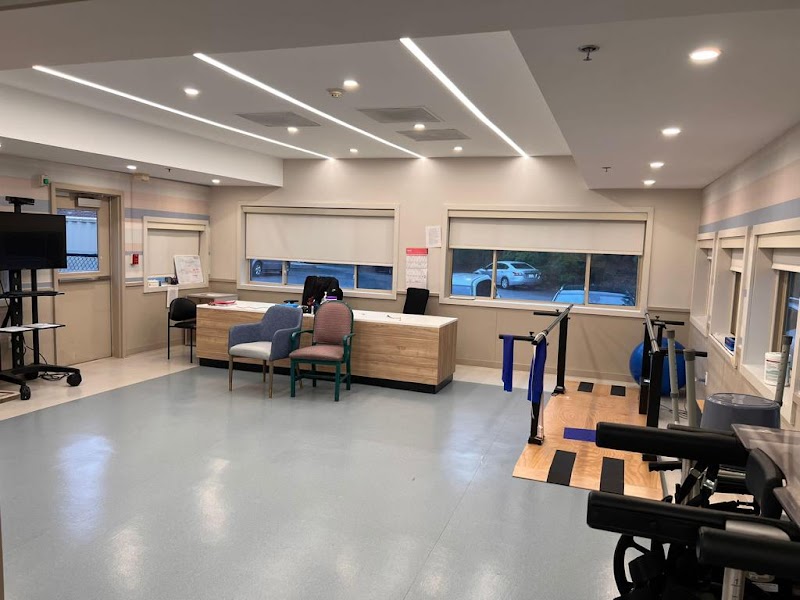
3525 Augustus Road, Aiken, SC 29801 (803) 642-8376
For profit - Limited Liability company 125 Beds VENZA CARE MANAGEMENT Data: November 2025
Trust Grade
65/100
#68 of 186 in SC
Last Inspection: March 2025

Within standard 12-15 month inspection cycle. Federal law requires annual inspections.

Overview

Aiken Rehabilitation and Care Center has a Trust Grade of C+, indicating that it is slightly above average compared to other facilities. It ranks #68 out of 186 in South Carolina, placing it in the top half, and #2 out of 6 in Aiken County, meaning only one local option is better. The facility is improving, with issues decreasing from 4 in 2024 to 1 in 2025, and has a staffing turnover rate of 42%, which is good and lower than the state average. However, there are concerns regarding RN coverage, as it falls below 77% of state facilities, and recent inspections found that resident meals were not served in a timely manner, affecting their temperature and palatability. Additionally, expired medications were found stored alongside active ones, highlighting some compliance issues, although the facility has not incurred any fines, which is a positive aspect.
Trust Score
C+
65/100
In South Carolina
#68/186
Top 36%
Safety Record
Low Risk
No red flags
Inspections
Getting Better
4 → 1 violations
Staff Stability
○ Average
42% turnover. Near South Carolina's 48% average. Typical for the industry.
Penalties
✓ Good
No fines on record. Clean compliance history, better than most South Carolina facilities.
Skilled Nurses
⚠ Watch
Each resident gets only 27 minutes of Registered Nurse (RN) attention daily — below average for South Carolina. Fewer RN minutes means fewer trained eyes watching for problems.
Violations
⚠ Watch
16 deficiencies on record. Higher than average. Multiple issues found across inspections.
★★★☆☆
3.0
Overall Rating
★★★☆☆
3.0
Staff Levels
★★☆☆☆
2.0
Care Quality
★★★☆☆
3.0
Inspection Score
Stable
2024: 4 issues
2025: 1 issues

The Good

  • Full Sprinkler Coverage · Fire safety systems throughout facility
  • No fines on record
  • Staff turnover below average (42%)

    6 points below South Carolina average of 48%

Facility shows strength in fire safety.

The Bad

3-Star Overall Rating

Near South Carolina average (2.8)

Meets federal standards, typical of most facilities

Staff Turnover: 42%

Near South Carolina avg (46%)

Typical for the industry

Chain: VENZA CARE MANAGEMENT

Part of a multi-facility chain

Ask about local staffing decisions and management

The Ugly 16 deficiencies on record

Mar 2025 1 deficiency
CONCERN (F)

Potential for Harm - no one hurt, but risky conditions existed

Menu Adequacy (Tag F0803)

Could have caused harm · This affected most or all residents

Based on observation and interview, it was determined the facility failed to ensure the menus were followed for correct portions and components of the pureed diets. This failed practice had the potent...

Read full inspector narrative →
Based on observation and interview, it was determined the facility failed to ensure the menus were followed for correct portions and components of the pureed diets. This failed practice had the potential to affect all 104 residents who ate meals out of the kitchen. The findings include: Review of the facility policy, Standardized Menus, undated, documented under Policy: The facility shall provide nourishing, palatable meals to meet the nutritional needs of the residents based on the Recommended Daily Allowance (RDA) of the Food and Nutrition Board of the National Research Council, of the National Academy of Sciences, standardized cycle menus are planned in advance and utilized. Listed under Compliance Guidelines . 4. Menus should have portions stated in ounces, and/or measurements . 8. Menus will be planned to include 100% of RDA's. Review of the lunch menu, dated 3/5/25, revealed residents with pureed and general diets were supposed to receive 3 oz. (ounces) of fried chicken, 4 oz. of sweet potatoes, 4 oz. of winter blend vegetables, 1 dinner roll, 4 oz. of peaches, and 8 oz. of a beverage. The residents who received pureed diets were to receive 3 oz. pureed chicken, 4 oz. of pureed sweet potatoes, 4 oz. of pureed winter blend vegetables, 2 oz. of pureed dinner roll, 4 oz. of pureed peaches and 8 oz. of a beverage. Observation of the preparation of the lunch meal at 9:30 a.m., on 3/5/25 revealed the [NAME] prepared the meat, sweet potatoes and winter blend vegetables for the pureed diets in the blender. The [NAME] added chicken broth to the food to help blend it. The [NAME] was not observed to puree bread. During the tray line meal service, which started at approximately 11:42 a.m. on 3/5/25, it was observed that the regular diets consisted of 3 oz. of chicken, 3 oz. of vegetables and 3 oz. of sweet potatoes; the menu revealed they were to receive 4 oz. of vegetables and sweet potatoes. The pureed diets consisted of 3 oz. of chicken and 3 oz. of sweet potatoes, 4 oz. of vegetables, no bread. The menu revealed the pureed diets were to consist of 4 oz. of sweet potatoes and 2 oz. of pureed bread. The first cart, with approximately 16 trays on it, had already left the kitchen. When brought to the Certified Dietary Manager's (CDM) attention, she then brought the correct utensils to the tray line. The CDM asked the [NAME] where the pureed bread was, she/he said that they didn't have any. On 3/5/25 at 12:05 p.m., in an interview with the CDM, she/he acknowledged that the correct scoops and portions should have been used. She stated that they were in- servicing the staff on portion sizes to serve and following the menus. She/he stated that when they first arrived to the position, the kitchen didn't have the correct scoop sizes and she ordered some recently.
Dec 2024 2 deficiencies
CONCERN (D) 📢 Someone Reported This

A family member, employee, or ombudsman was alarmed enough to file a formal complaint

Potential for Harm - no one hurt, but risky conditions existed

Deficiency F0602 (Tag F0602)

Could have caused harm · This affected 1 resident

**NOTE- TERMS IN BRACKETS HAVE BEEN EDITED TO PROTECT CONFIDENTIALITY** Based on review of facility policy, interview, and record review, the facility failed to ensure Resident (R)8 was free from misa...

Read full inspector narrative →
**NOTE- TERMS IN BRACKETS HAVE BEEN EDITED TO PROTECT CONFIDENTIALITY** Based on review of facility policy, interview, and record review, the facility failed to ensure Resident (R)8 was free from misappropriation of (Oxycodone), a narcotic medication, for 1 of 1 resident. Findings Include: Review of the Facility Policy titled Abuse, Neglect, Misappropriation of Resident Property, Suspicious Injuries of Unknown Source, Exploitation last revised 05/01/24, states, All of our residents have the right to be free from abuse, neglect, exploitation and misappropriation of resident property. Furthermore, it states, D .Misappropriation of resident property means the deliberate misplacement, exploitation, or wrongful, temporary or permanent use of a reside: belongings or money without the resident's consent. Acts that may constitute the misappropriation of resident property include but are not limited to: the theft or attempted of a resident's money or personal property of any value or type . Review of the Facility Policy titled Controlled Substances dated 01/02/24, states, Medications included in the Drug Enforcement Administration (DEA) classification as controlled substances are subject to special handling, storage, disposal and recordkeeping in the facility in accordance with federal, state and other applicable laws and regulations. Furthermore, it states, Accurate accountability of the inventory of all controlled drugs is maintained at all times. Review of the Facility Policy titled Controlled Substance Storage dated 01/02/24, states .A. The Director of nursing, in collaboration with the consultant pharmacist, maintains the facility's compliance with federal and state laws and regulations in the handling of controlled substances.E. At each shift change, or when keys are transferred, a physical inventory of all controlled substances, including refrigerated items, is conducted by two licensed nurses and is documented. Review of R8's Face Sheet revealed R8 was admitted to the facility on [DATE], with diagnoses including but not limited to: Alzheimer's, dementia, palliative care, anxiety and chronic pain. Review of R8's Physician Orders dated 02/16/24, revealed the following orders: oxycodone 5 milligrams (mg) Twice a Day (BID). Review of R8's Medication Administration Record (MAR) dated December 2024, revealed on 12/01/24, R8 did not receive her 5:00 PM scheduled dose. Review of a facility document titled Packing Slip dated 11/22/24, revealed on 11/23/24, Licensed Practical Nurse (LPN)1 signed for 28 tablets of 5 mg oxycodone for R8. Review of a facility document titled Visit Note Report dated 11/27/24, revealed the hospice nurse for R8, reconciled her medications and noted there to be 20 tabs of oxycodone. During an interview on 12/12/24 at 1:57 PM, LPN1 stated, she first noticed R8 was missing her Oxycodone on 12/01/24 at 9:00 AM during medication administration. LPN1 stated she did not physically count the number of cards and number of narcotic sheets during shift exchange and that she just went with it and did not confirm with Registered Nurse (RN)1. LPN1 was unable to state the facility's policy regarding narcotic sign off and instead, reported that she has always done it this way. LPN1 stated she had to call the pharmacy, who reported that R8 should not be out of Oxycodone due to the dosage and the last shipment date. LPN1 had to obtain a new prescription order for R8's oxycodone. During an interview on 12/12/24 at 2:14 PM, the Director of Nursing (DON) and Facility Administrator (FA) stated, Nurses are supposed to do a shift to shift report, where the off-going nurse gives the on-coming nurse, report. During this report, a narcotic count is done to ensure accuracy before exchanging keys. The narcotic count involves looking at all of the controlled substance cards and the number of pills left in each individual card to ensure it matches the number on the card and sign-off sheet. The DON further stated, that facility policy is, during hand-off each controlled substance card should match each sheet, and at the end nurses should count the total number of card and sheets. Unit Nurse Manager (UNM) are responsible for reconciling medication carts, twice a month and they should be looking at the narcotic sheets to ensure that the number that is counted is the number that is in the cart. Interview attempts with RN1 were unsuccessful.
CONCERN (D) 📢 Someone Reported This

A family member, employee, or ombudsman was alarmed enough to file a formal complaint

Potential for Harm - no one hurt, but risky conditions existed

Report Alleged Abuse (Tag F0609)

Could have caused harm · This affected 1 resident

**NOTE- TERMS IN BRACKETS HAVE BEEN EDITED TO PROTECT CONFIDENTIALITY** Based on review of facility policy, record reviews and interviews, the facility failed to ensure an allegation of misappropriati...

Read full inspector narrative →
**NOTE- TERMS IN BRACKETS HAVE BEEN EDITED TO PROTECT CONFIDENTIALITY** Based on review of facility policy, record reviews and interviews, the facility failed to ensure an allegation of misappropriation towards Resident (R)8 was reported within 2 hours and failed to report accident/incident for R6 within 24 hours. Findings include: Review of the Facility Policy titled Abuse, Neglect, Misappropriation of Resident Property, Suspicious Injuries of Unknown Source, Exploitation last revised 05/01/24, states, The facility's Policy requires that it report all instances of abuse, neglect, exploitation and misappropriation of resident property, and suspicious injuries of unknown source that might indicate abuse, neglect, as required by state and federal law. Furthermore, it states, Misappropriation of resident property means the deliberate misplacement, exploitation, or wrongful, temporary or permanent use of a residents' belongings or money without the residents consent. Acts that may constitute the misappropriation of resident property include but are not limited to: the theft or attempted theft of a resident's money or personal property . and The Administrator/designee in administrator absence will report to the State Agency and all other required agencies, per regulations. Review of R8's Face Sheet revealed R8 was admitted to the facility on [DATE], with diagnoses including but not limited to: Alzheimer's, dementia, palliative care, anxiety and chronic pain. Review of the Facility 2 Hour Initial Reportable received by the department on 12/06/24 stated, On 12/1/24 @ 9AM Nursing staff discovered a missing narcotic card. MD, RR notified. Investigation initiated. DEA informed of missing medication card. two nurses suspended. 5 day to follow. The initial report was sent 5 days after the incident occurred. Review of a Witness Statement signed by Licensed Practical Nurse (LPN)1, dated 12/02/24, stated, While passing medication, R8's 5 milligrams (mg) Oxycodone was not available on cart. The pharmacy was notified and asked if the medication could be taken from the cubex. Pharmacy stated that a new prescription was needed. Unit manager notified, MDS Coordinator aware. Review of R6's Face Sheet revealed R6 was admitted to the facility on [DATE]. R6 has diagnoses including but not limited to: Parkinson's, gout, disorientation, head injury and osteoarthritis. Review of the Facility's 2 Hour Initial Reportable received by the department on 11/04/24, revealed, Date/time of reportable incident: 11/04/24 at 7:22 PM Resident sustained fracture of olecranon process of right ulna following a fall . 5 day to follow. Review of R6's electronic medical records, revealed, R6's fall occurred on 10/19/24 and he was sent to the hospital and admitted , however the reportable was not sent until 16 days later. Review of a progress noted dated 10/19/24 at 1523, revealed, 10/19/24 1332 I was sitting at the nurse's station when a loud noise was heard coming from the direction of this [R6's] room. Upon entering this room [R6] was noted to be laying on the floor on his right side. [NAME] was laying on the floor beside him. He stated that he had got up to go to the restroom, and when he turned around he lost his balance and fell to the floor. No obvious injuries were noted. He had complaints of right shoulder and right hip pain. ROM to right shoulder was decreased per resident. He requested his daughter be contacted. At the request of resident and his daughter he was transported to [local hospital] via ambulance for further eval. [R6] is his own responsible party. NP [Nurse Practitioner] on call was notified. During an interview on 12/12/24 at 1:57 PM, LPN1 stated, she first noticed R8 was missing her Oxycodone on 12/01/24 during medication administration. LPN1 stated she did not physically count the number of cards and number of narcotic sheets during shift exchange and that she just went with it and did not confirm with Registered Nurse (RN)1. LPN1 was unable to state the facility policy regarding narcotic sign off and instead reported that she has always done it this way. During an interview on 12/12/24 at 2:14 PM, the Facility Administrator (FA) and Director of Nursing (DON) confirmed the misappropriation occurred on 12/02/24. FA further states that she was unaware that misappropriation needed to be reported and then stated, it's really a theft. FA also stated that R6's fall was not reported timely because they did not receive a confirmed diagnosis of a fracture until 11/04/24, eventhough R6 sustained a fall on 10/19/24 requiring him to be hospitalized .
Jun 2024 1 deficiency
CONCERN (D) 📢 Someone Reported This

A family member, employee, or ombudsman was alarmed enough to file a formal complaint

Potential for Harm - no one hurt, but risky conditions existed

Report Alleged Abuse (Tag F0609)

Could have caused harm · This affected 1 resident

Based on interview, record review, and facility policy review, the facility failed to timely report an allegation of abuse to the state agency that involved 2 residents (Resident (R)2 and R3) of 4 sam...

Read full inspector narrative →
Based on interview, record review, and facility policy review, the facility failed to timely report an allegation of abuse to the state agency that involved 2 residents (Resident (R)2 and R3) of 4 sampled residents reviewed for abuse. Findings include: Review of the facility's policy, titled, Abuse Prevention, Intervention, Reporting and Investigation, revised 03/30/2023, indicated, The purpose of this policy is to ensure all resident have the right to be free from abuse, mistreatment, neglect, exploitation, corporal punishment, involuntary seclusion and misappropriation of property. The facility will ensure the prevention, protection, prompt reporting and interventions in response to alleged, suspected, or witnessed abuse, neglect, and exploitation of any resident. The policy specified, 1. Reporting of all alleged violations to the Administrator, state agency, adult protective services and to all other required agencies within the specified timeframe: a. Immediately, but not later than 2 hours after the allegation is made, if the events that cause the allegations involve abuse or result in serious bodily injury, or . Not later than 24 hours if the events that cause the allegations do not involve abuse and do not result in serious bodily injury. Review of an admission Record revealed the facility admitted R2 on 08/10/2023. According to the admission Record, the resident had a medical history that included diagnoses of but not limited to: hemiplegia and hemiparesis following a cerebral infarction (stroke) affecting the right dominant side, osteoarthritis, aphasia, anxiety disorder, age-related cataract, rheumatoid arthritis, a left elbow contracture, and long-term (current) use of anticoagulants. Review of a quarterly Minimum Data Set (MDS) with an Assessment Reference Date (ARD) of 03/29/2024, revealed R2 had a Brief Interview for Mental Status (BIMS) score of 15 out of 15, which indicated the resident had intact cognition. Review of an admission Record revealed the facility admitted R3 on 10/10/2023. According to the admission Record, the resident had a medical history that included diagnoses of but not limited to: encephalopathy, cerebral infarction, atrial fibrillation, and atherosclerotic heart disease. Review of a quarterly MDS, with an ARD of 04/17/2024, revealed R3 had a BIMS score of 12 out of 15, which indicated moderate cognitive impairment. Review of an Initial Report, dated 03/15/2024, indicated the state survey agency was notified of the abuse allegation on 03/15/2024 at 3:59 PM. Review of a Resident to Resident Conflict report dated 03/14/2024 at 1:23 PM, revealed Licensed Practical Nurse (LPN)1 documented she heard yelling, entered R2's room, and observed R3 standing over R2 yelling with glasses in hand. According to the report, staff moved R3 to the hallway and evaluated the redness noted of R2's left lower arm. R2 stated R3 grabbed their arm. Review of R2's Progress Note, created by LPN1 with an effective date of 03/14/2024 at 1:30 PM, revealed LPN1 heard yelling coming from the resident's room and multiple staff members entered the room. The resident's roommate was observed standing over R2 yelling with glasses in hand. According to the note, staff moved R3 to the hallway and evaluated redness to the left lower arm. R2 stated the roommate had grabbed their arm. Review of R2's Weekly Skin Check, completed by Unit Manager (UM)2 on 03/15/24 at 3:57 PM, revealed the resident had a bruise to the left lower arm. Review of R2's social services Progress Notes, dated 03/15/2024 at 6:16 PM, revealed Master of Social Work (MSW)3 documented she met with R2 who reported there was a verbal dispute with their roommate that became physical. Review of R3's social services Progress Note, dated 03/15/2024 at 6:36 PM, revealed MSW3 documented she spoke with R3 and the resident reported they had a verbal altercation with their roommate, which accelerated to R3 removing R2's glasses. R3 denied any other physical allegations. During an interview on 06/15/2024 at 5:30 PM, the Administrator stated the verbal altercation occurred on 03/14/2024 between two residents who lived in the same room. The Administrator stated on 03/15/2024 there was a bruise observed on R2's arm which the resident claimed was caused by R3 grabbing their arm during the altercation on 03/14/2024. Per the Administration, at that point the facility submitted a report of abuse and initiated an investigation. The Administrator stated on 03/15/2024 the police were notified of the incident that occurred between R2 and R3 and a case number was assigned.
Mar 2024 1 deficiency
CONCERN (D) 📢 Someone Reported This

A family member, employee, or ombudsman was alarmed enough to file a formal complaint

Potential for Harm - no one hurt, but risky conditions existed

Medication Errors (Tag F0758)

Could have caused harm · This affected 1 resident

**NOTE- TERMS IN BRACKETS HAVE BEEN EDITED TO PROTECT CONFIDENTIALITY** Based on interview, record review, and review of the facility policy, the facility failed to ensure Resident (R)1 was free from ...

Read full inspector narrative →
**NOTE- TERMS IN BRACKETS HAVE BEEN EDITED TO PROTECT CONFIDENTIALITY** Based on interview, record review, and review of the facility policy, the facility failed to ensure Resident (R)1 was free from unnecessary antipsychotic medications. For 1 of 3 residents reviewed for unnecessary medications. Findings include: Review of facility policy titled Nursing Management Manual Psychotropic Medications last revised 12/18/22 revealed, The purpose of this policy is to guide employees on the use of psychotropic medications and to ensure that the resident has correct and proper medical diagnosis documented in the medical record to receive the medication ordered. The facility acknowledges the resident's right to be free from psychotropic medications administered for purposes of discipline or convenience and not required to treat the resident's medical symptoms. The goal of the federal guidelines for the use of psychotropic medications are to prevent the use of those drugs when the behavioral symptom exhibited by a resident is caused by conditions such as environmental stressors, psychosocial stressors, or treatable medical conditions. The facility supports the cooperative efforts of the physician, pharmacist, nursing staff, and mental health professionals to establish specific goals and objectives for review of the use of psychotropic medications. The facility encourages multi-disciplinary to determine factors responsible for resident behavior changes and to recommend consideration of alternate, non-pharmacological means of treating those factors. Consistent behavior monitoring is done to assess the risk/benefit relationship of psychotropic medication therapy, including the appropriateness of medication selection and dosage. Unnecessary drugs, as defined by federal regulations, are any drugs when used in excessive doses; excessive duration; without adequate monitoring; without adequate indications for its use; or in the presence of adverse consequences which indicate the dose should be reduced or discontinued. The Consultant Pharmacist reports all potentially unnecessary drugs to the physician responsible for correcting the potential unnecessary drug or irregularity. Review of the Manufacture's Guidelines for the use of the medication Seroquel/Quetiapine revealed, Increased Mortality in Elderly Patients with Dementia-Related Psychoses: Atypical antipsychotic drugs, including quetiapine, are associated with an increased risk of death; causes of death are variable. Risk of death in the elderly with dementia: Medicines like Seroquel can raise the risk of death in elderly people who have lost touch with reality due to confusion and memory loss (dementia). SEROQUEL is not approved for treating psychosis in the elderly with dementia. Review of the Manufacture's Guidelines for the use of the medication Risperidone/Risperdal revealed, Increased mortality in elder patients with Dementia- Related Psychosis. Elderly patients with dementia-related psychosis treated with antipsychotic drugs are at an increased risk of death. PERSERIS is not approved for the treatment of patients with dementia-related psychosis. Review of R1's Face Sheet revealed R1 was admitted to the facility on [DATE] with the diagnoses including but not limited to: dementia with agitation, repeated falls, unsteadiness on feet, and aphasia. Review of R1's re-admission Minimum Data Set (MDS) with an Assessment Reference Date (ARD) of 02/02/24 revealed that R1 has a Brief Interview of Mental Status (BIMS) score of 08 out of 15 which indicates that she is moderately cognitively intact. Review of R1's Hospital Discharge summary dated [DATE] revealed the following diagnoses for R1: acute Urinary Tract Infection (UTI), debility, dementia, frequent falls, history of pulmonary thrombosis, and hypertension. Further review of the Hospital Discharge Summary revealed the following discharge medications: 1. Risperidone 0.25 MG oral tablet - two tablets by mouth every eight hours as needed for agitation. (New) 2. Quetiapine 100 MG oral tablet - one tablet by mouth two times a day (changed) 3. Acetaminophen 325 MG oral tablet - two tablets by mouth every four hours for pain (unchanged) 4. Losartan 100 MG oral tablet - one tablet by mouth daily (unchanged) 5. Metoprolol (Metoprolol Succinate ER) 25 MG oral tablet - one tablet by mouth daily (unchanged). Review of R1's Medication Order Summary Report for January 2024 revealed the following Physician Orders: 1. Quetiapine Fumarate Oral Tablet 100 MG - give one tablet by mouth two times a day related to dementia with behaviors with a start date of 12/29/23, a hold date 01/20/24 - 01/25/24, and discharge date of 02/09/24. 2. Risperidone Oral Tablet 0.5 MG - give one table by mouth every eight hours as needed related to agitation with a start date and discharge date of 12/28/23 - 01/12/24. 3. Risperdal Oral 0.5 MG - give one tablet by mouth every 12 hours related to dementia with behavioral disturbance with a start date of 01/20/24. 4. Risperdal Oral Tablet 1 MG - give 1 mg by mouth two times a day for schizophrenia with a start date of 01/12/24, a hold date of 01/20/24 - 01/25/24 and discharge date of 02/09/24. 5. Seroquel Oral Tablet 25 MG - give three tablets by mouth two times a day related to dementia with behavioral disturbance with a start date of 01/20/24. 6. Monitor every shift for antipsychotic medication side effects; none; constipation; confusion; restlessness; dry mouth; pacing; decreased appetite; tardive dyskinesia; lip smacking/chewing; abnormal tongue movement; or spasmodic movement every shift. Review of R1's Medication Order Summary Report dated January 2024, revealed R1 did not have a Physician's Order for behavior monitoring while receiving antipsychotic medications. Review of R1's Medication Order Summary Report for February 2024 revealed the following Physician Orders: 1. Quetiapine Fumarate Oral Tablet 100 MG - give one tablet by mouth two times a day for dementia with behaviors with a start date of 01/12/24 and discharge date of 02/09/24. 2. Risperdal Oral Tablet 1 MG - give one tablet by mouth two times a day for schizophrenia with a start date of 01/12/24 and discharge date of 02/09/24. 3. Monitor every shift for antipsychotic medication side effects; none; constipation; confusion; restlessness; dry mouth; pacing; decreased appetite; tardive dyskinesia; lip smacking/chewing; abnormal tongue movement; or spasmodic movement every shift. Review of R1's Medication Order Summary Report dated February 2024, revealed R1 did not have a Physician's Order for behavior monitoring while receiving antipsychotic medications. Review of a Consultant Pharmacist Recommendation to the Medical Director dated 01/02/24 revealed, [R1] has an order for Risperidone 0.5 MG every eight hours as needed for agitation with no stop dated indicated. In accordance with State and Federal Guidelines, orders for psychotropic drugs are limited to 14 days, except when the attending physician or prescribing practitioner believes that it is appropriate for the PRN (as needed) order to be extended beyond 14 days. Then he or she should document the rationale in the medical record and indicate the duration for the PRN order. Note there is no clinical rational to justify PRN antipsychotic use beyond 14 days; response - continue PRN for 14 days, as the benefit outweighs the risk. Review of R1's Face Sheet printed on 03/13/24 revealed no medical diagnosis of schizophrenia during R1's stay at the facility. During an interview on 03/14/24 at 1:41 PM, the Director of Nursing (DON) revealed the facility policy is to follow Physician Orders, monitor for side effects, document behaviors, and we discuss residents daily in our stand-up meetings. The DON further stated that they are aware of the resident being on antipsychotic medication and the resident was placed on the medication due to her agitation. During an interview on 03/14/24 at 3:20 PM, the Administrator and DON revealed that residents on antipsychotic medications are reviewed by the Pharmacist and residents are discussed daily during morning meeting. The Administrator stated they were unable to locate R1 having a diagnosis of schizophrenia in her medical record prior to being admitted to the facility. During a phone interview on 03/14/24 at 3:57 PM, the Consultant Pharmacist (CP) revealed they completed their Monthly Medication Regimen Review (MRR) for R1 on 01/02/24 and had two recommendations related to R1's medications. Their first recommendation was adding Eliquis to R1's Physician Order's due to a diagnosis of atrial fibrillation. The second recommendation was related to R1 receiving Risperidone 0.5 mg as needed for agitation with no stop date indication. The CP further stated there was no clinical rationale to justify the PRN (as needed) antipsychotic use beyond 14 days. The CP finally stated that Risperidone cannot be used for agitation and that antipsychotic use with older adults with dementia increases the likelihood of falls. During a phone interview on 03/14/24 at 4:56 PM, R1's Physician revealed that R1 was first ordered Risperdal PRN every eight hours in the hospital for her dementia with behaviors and agitation. The Physician further stated that R1 does not have a diagnosis of schizophrenia and continued the PRN use of Risperdal as the benefit outweighs the risk due to the facility not allowing physical restraints to be used on residents. The Physician finally stated that they were unaware of the Center's of Medicare and Medicaid (CMS) guidelines and the facilities policy on antipsychotic and psychotropic medication usage with elderly adults with dementia.
Aug 2023 4 deficiencies
CONCERN (D)

Potential for Harm - no one hurt, but risky conditions existed

ADL Care (Tag F0677)

Could have caused harm · This affected 1 resident

**NOTE- TERMS IN BRACKETS HAVE BEEN EDITED TO PROTECT CONFIDENTIALITY** Based on the facility's policy titled, Resident Rights, and the facility policy titled, Hygiene and Grooming, and Assistance wit...

Read full inspector narrative →
**NOTE- TERMS IN BRACKETS HAVE BEEN EDITED TO PROTECT CONFIDENTIALITY** Based on the facility's policy titled, Resident Rights, and the facility policy titled, Hygiene and Grooming, and Assistance with Personal Care, record reviews and interviews, the facility failed to ensure Resident (R37) received Activities of Daily Living to include grooming and hygiene according to her preferences on a daily basis, for 1 of 5 residents reviewed for Activities of Daily Living (ADL)s. The findings included: Review of the facility's document titled, Resident Rights, states: 5. Self Determination: The resident has the right and the facility must promote and facilitate resident self-determination through support of resident choices, including but not limited to: b. The resident has the right to make choices about aspects of his or her life in the facility that are significant to the resident. 9. Each resident has the right to considerate and respectful care and to be treated with honesty and dignity. It is recognized that every resident is an individual who has feelings, preferences, personal needs and requirements. Review of the facility's policy titled, Assistance with Personal Care, states under, Policy Explanation and Compliance Guidelines: 3. A resident who is unable to carry out activities of daily living will receive the necessary services to maintain good nutrition, grooming, and personal and oral hygiene. Review of the facility policy titled, Hygiene and Grooming, the purpose states: Good hygiene and grooming help prevent the spread of infection and promote the resident's feelings of self-worth and dignity. The Process under section IV. Essential Points, states: a. Resident preferences for time of day, and type of bath should be honored, to the extent possible. The facility admitted R37 with diagnoses including, but not limited to, cerebrovascular accident, osteoarthritis, repeated falls, intervertebral disc degeneration of the lumbar region, post polio syndrome, stress incontinence, chronic pain syndrome and anxiety disorder. During an interview on 08/08/2023 at 2:14 PM with R37, she stated that the facility only has one,sit and stand lift. Because of this, the Certified Nursing Assistants, (CNAs) cannot get me up to get in the shower on my shower days. She stated that her shower days were supposed to be Monday, Wednesday and Fridays. She stated that she did not mind the bed baths on her off shower days, but she really wanted her hair shampooed during her shower days. She stated because of the only one sit and stand lift, the CNAs had to wait on it to be available, and it would be later before she got a shower if she got one at all. She was told by the CNAs that it would be quicker for her to get a bed bath eventhough R37 requested showers. R37 stated that some days there is not enough staff to ensure she got a bath of any kind. An interview on 08/10/2023 at 10:00 AM with R37 confirmed that she had not had a shower on 8/9/2023, her scheduled shower day. She stated the facility is short staffed on first shift most days. During an interview on 08/10/2023 at 10:30 AM with Licensed Practical Nurse (LPN8) the unit manager, he stated that residents get a shower on scheduled shower days and if they refuse the shower then they can get a bed bath. If the residents choose a bed bath or a shower each day then they get it. LPN8 also stated that residents do not get baths on days that they are not scheduled for showers. During an interview on 08/10/2023 at 10:45 AM with the Administrator, he stated that the orders are written to get a shower or a bed bath on scheduled days and if they refuse then the CNA will tell the nurse and then they go back and ask again. If they would like a shower daily the resident would let us know and then that is what we will give the residents. Review on 08/10/2023 at 12:19 PM of the bath and shower documentation for June, July and August to date for R37 revealed signed off dates for showers or bed baths on Tuesdays, Thursdays and Saturdays. The documentation did not specify if R37 received a shower or a bed bath on those days. R37 stated that her shower days were suppose to be Mondays, Wednesdays and Fridays and she really looked forward to receiving showers. Review on 08/10/2023 at 2:00 PM of the CNA schedules for groups of residents and for baths and showers revealed a schedule for 4 groups if the facility has 4 CNAs on the unit and one for 3 CNAs on the unit if the facility is short staffed for the day. If there are 4 CNAs working then R37 is on the schedule for a shower on Monday, Wednesday and Friday. If a CNA calls out or there is only 3 on the 7A - 3P shift schedule for the [NAME] Hall then R37 is not listed at all on the shower schedule for Monday, Wednesday and Friday.
CONCERN (D)

Potential for Harm - no one hurt, but risky conditions existed

Unnecessary Medications (Tag F0759)

Could have caused harm · This affected 1 resident

Based on the facility policy titled, Medication Administration, and the facility,Insulin Pen Skill Competency Check Off, observations and interviews, the facility failed to ensure a medication error r...

Read full inspector narrative →
Based on the facility policy titled, Medication Administration, and the facility,Insulin Pen Skill Competency Check Off, observations and interviews, the facility failed to ensure a medication error rate, during medications administration, less than five (5) percent. The med error rate was 19.23 percent for 5 out of 26 opportunities for error. The findings included: Review of the facility policy titled, Medication Administration, states under policy, Medications are administered by licensed nurses, or other staff who are legally authorized to do so in this state, as ordered by the physician and in accordance with professional standards of practice, in a manner to prevent contamination or infection. Review of the, Policy Explanation and Compliance Guidelines, states: 13. Remove medication from source, taking care not to touch medication with bare hand. An observation on 08/09/2023 at 8:47 AM of medication administration for Resident (R)24 revealed Licensed Practical Nurse (LPN)7 mixing 2 medications in one 5 ounce cup. The medications were Glycol 17 grams to be given daily and Veltassa 8.4 grams. The Physician's order read to give 1 packet of Veltassa daily in 6 ounces of water. The Physician's order for Glycol revealed to give Glycol Powder 17 grams in 4-8 ounces of liquid of choice. R24 was administered the 2 medications together in one cup and not with the ordered amount of fluids. During an interview with LPN7 on 08/09/2023 at 8:55 AM, she confirmed that the medications were administered together in the 5 ounce cup and that she had not following the Physician's orders. An observation on 08/09/2023 at 09:25 AM revealed Registered Nurse (RN)1 had dropped the medication Amlodipine 1 tablet, for R2 on top of the medication cart and then with her bare hands picked up the medication and placed it in the cup with other medications to be given. During an interview on 08/09/2023 at 9:30 AM, RN1 confirmed that she had touched the medication with her bare hands. She also stated that she had cleaned the cart earlier that morning. Review of the facility's, Insulin Pen Skill Competency Check Off, states: 7. Check expiration date of insulin pen cartridge or disposable insulin pen. 8. Attach pen needle by twisting the needle onto end of insulin pen. Wipe top of insulin pen with alcohol swab if instructed to do so. 9. Pull off and remove outer pen needle protective cap and cover. 10. Prime pen. 11. Dial desired insulin dosage to be administered. 12. Choose an injection site. 13. Cleanse injection site with alcohol swab and allow to air dry. 14. Gently pinch skin of chosen injection site and insert pen needle at a 45 - 90 degree angle into the skin. 15. Push button (plunger) down at end of pen completely to give insulin. 16. Wait 10 seconds while keeping insulin pen and pen needle in place, to ensure all insulin is given. An observation on 08/10/2023 at 7:20 AM of medication administration of Novolin 70/30 revealed an ordered dose of 75 units. The medication was supplied via a Kwik Pen. The Kwik Pen was new and LPN7 wrote the date opened and put the expiration date on the pen. The LPN then went into the room and administered R84, 40 units subcutaneous without first priming the pen and then gave the remaining 35 units without first priming the Kwik Pen. During an interview on 08/10/2023 at 7:25 AM, LPN7 confirmed that she had not primed the Novolin Kwik Pen before administering the 2 injections of Novolin Insulin.
CONCERN (D)

Potential for Harm - no one hurt, but risky conditions existed

Deficiency F0760 (Tag F0760)

Could have caused harm · This affected 1 resident

Based on the facility document titled, Insulin Pen Skilled Competency Check Off, observation, and interview, the facility failed to ensure Resident (R)84 was free from significant medication errors. S...

Read full inspector narrative →
Based on the facility document titled, Insulin Pen Skilled Competency Check Off, observation, and interview, the facility failed to ensure Resident (R)84 was free from significant medication errors. Specifically Licenced Practical Nurse (LPN)7 failed to first prime a Novolin Insulin Kwik Pen prior to administering insulin during 2 injections of Novolin Insulin. Therefore, it cannot be determined that R84 had received the full 75 units of Novolin Insulin as ordered by the physician. Findings include: Review of the facility's, Insulin Pen Skill Competency Check Off, states: 7. Check expiration date of insulin pen cartridge or disposable insulin pen. 8. Attach pen needle by twisting the needle onto end of insulin pen. Wipe top of insulin pen with alcohol swab if instructed to do so. 9. Pull off and remove outer pen needle protective cap and cover. 10. Prime pen. 11. Dial desired insulin dosage to be administered. 12. Choose an injection site. 13. Cleanse injection site with alcohol swab and allow to air dry. 14. Gently pinch skin of chosen injection site and insert pen needle at a 45 - 90 degree angle into the skin. 15. Push button (plunger) down at end of pen completely to give insulin. 16. Wait 10 seconds while keeping insulin pen and pen needle in place, to ensure all insulin is given. During an observation on 08/10/23 at 7:20 AM, of medication administration of Novolin 70/30, documented an ordered dose of 75 units. The medication was supplied via a Kwik Pen. The Kwik Pen was new and LPN7 wrote the date opened and put the expiration date on the pen. LPN7 then entered R84's room and administered the following to R84: 40 units subcutaneous without priming the pen and then gave the remaining 35 units without priming the Kwik Pen. During an interview on 08/10/23 at 7:25 AM, LPN7 confirmed that she had not primed the Novolin Kwik Pen before administering the 2 injections of Novolin Insulin.
CONCERN (E)

Potential for Harm - no one hurt, but risky conditions existed

Deficiency F0761 (Tag F0761)

Could have caused harm · This affected multiple residents

**NOTE- TERMS IN BRACKETS HAVE BEEN EDITED TO PROTECT CONFIDENTIALITY** Based on review of facility policy, observations, and interviews, the facility failed to ensure expired medications and biologic...

Read full inspector narrative →
**NOTE- TERMS IN BRACKETS HAVE BEEN EDITED TO PROTECT CONFIDENTIALITY** Based on review of facility policy, observations, and interviews, the facility failed to ensure expired medications and biologicals, which were stored with active medications for residents, were removed from 5 of 6 medication carts and 2 of 3 medication storage rooms. Findings include: Review of the facility policy titled, Medication Storage with a revision date of 05/16/23, states, It is the policy of this facility to ensure all medications housed on our premises will be stored in the pharmacy and/or medication rooms according to the manufacturer's recommendations and sufficient to ensure proper sanitation, temperature, light, ventilation, moisture control, segregation and security. Number 8 under the Policy Explanation and Compliance Guidelines states, Unused Medications: The pharmacy and all medication rooms are routinely inspected by the consultant pharmacist for discontinued, outdated, defective, or deteriorated medications with worn, illegible, or missing labels. These medications are destroyed in accordance with our, Destruction of Unused Drugs Policy. During an observation on 08/08/23 at 11:10 AM of the [NAME] Hall medication cart 1 revealed the following: Ten (10) tablets of Oxycodone 5 milligrams (mgs) with Lot # J220354A, RX #26667853 were expired on 04/30/2023. One (1) bottle of Zinc 50 mgs 100 tablets, Manufactured by Geri Care, Lot # 865V02, expired on 04/2023. Three bottles (3) of One Daily Multi Vitamin 1000 tabs, Manufactured by Geri Care, Lot #501T06, expired on 06/2023. One (1) bottle of Stool Softner Docusate Sodium 100 mgs, 200 soft gels, Manufactured by Geri Care, Lot #401T23, expired on 04/2023. One (1) Novolog Flex Pen - opened 07/15/23 and expired on 08/05/23. One (1) Lispro Kwik Pen, opened and in use with no open date. One (1) Novolog Flex Pen - opened and in use with no open date. One (1) bottle of Assure Platinum Blood Glucose Test Strips, Lot #052523A, open and in use with no open date. Assure Control Solution Lot #120321A, Exp 05/19/23. During an interview on 08/08/23 at 11:30 AM, Licensed Practical Nurse (LPN)1 confirmed the findings and removed the expired medications and biological's from storage. During an observation on 08/08/23 at 11:40 AM of the [NAME] Hall medication room refrigerator revealed the following: Ten (10) injections of Fluarix Quadrivalent Injections, RX #26703185, Lot #(10)EE5X3, expired on 06/30/23. One (1) bag of Cefazolin 2 grams (gms)/50mls of NS with RX#28506471, expired on 08/03/23. Four (4) bags of Cefazolin 2gm/50mls of NS with RX #28643530, expired on 08/01/23. The expired medications were confirmed by LPN1 and removed from storage. During an observation on 08/08/23 at 11:45 AM of the [NAME] Hall medication room cabinet revealed: Six (6) bottles of Biophix - Vitamin D-3, 60 capsules with Lot #2208051, expired on 07/2023. The expired medications were confirmed by LPN1 and removed from storage. During an observation on 08/08/23 at 1:13 PM of the [NAME] Hall medication cart 2 revealed: One (1) bottle of Stool Softener, manufactured by Geri Care with Lot #401T33, expired on 04/2023. Anti Diarrheal Loperamide, Lot #P132922 - 1/2 tab opened and remains on the cart. Assure Control Solution opened on 01/15023 and still in use. Per package insert the control solution is only good for 90 days after open date. During an interview on 08/08/23 at approximetly 1:20 PM, LPN2 confirmed the findings. During an observation on 08/10/23 at 10:35 AM of the Palmetto Hall medication room refrigerator revealed: One (1) bottle of Acetylcystine 20 percent with Lot #GK0857 opened on 04/24/23 and expires 96 hours after opening, which expired on 04/28/23. LPN 4 confirmed the expired bottle of Acetylcystine and removed it from the refrigerator. During an observation on 08/10/23 at 3:00 PM of the Dogwood Hall medication cart 1 revealed: One (1) bottle of Allergy Relief, [NAME], 24 hour relief, Batch #AC08935, expired on 11/2022. One (1) bottle of One Daily Multi Vitamin 1000 tabs with Lot #501T06, and manufactured by Geri Care, expired on 06/2023. One (1) bottle of Biscodyl 5 mgs, 100 tabs with Lot #441T02 and manufactured by Geri Care, expired on 12/2022. One (1) bottle of Calcium 600 mgs, 150 tabs with Lot #746T03 and manufactured Geri Care, expired on 02/2023. One (1) bottle of Aspirin 325 mgs, 100 tabs with Lot #P125797 and manufactured by Geri Care, expired on 06/2023. During an interview on 08/10/23 at 3:05 PM, LPN5 confirmed the expired medications. During an observation on 08/10/23 at 3:41 PM of the Dogwood Hall medication cart 2 revealed the following: One (1) Lantus Solostar Kwik Pen in use with no open date with RX #28647007, Lot # 3F8971A. One (1) bottle of Sterile Water 250 milliliters, manufactured by Steri Care, opened and placed back on the medication cart and no longer sterile. Sixteen (16) tablets of Loratadine 10 mgs and manufactured by [NAME] with Lot #1DE2449A, expired on 01/2023. One (1) bottle of Zinc 50 mgs and manufactured by Geri Care with Lot #865T05, expired on 02/2023. One (1) bottle of One Daily Multi Vitamin, 1000 caplets with Lot #501T06 and manufactured by Geri Care, expired on 06/2023. The expired medications were confirmed by LPN5. During an observation on 08/11/23 at 11:01 AM of the Palmetto Hall medication cart 1 revealed the following: One (1) roll of Derma View Roll, Adhesive Film Roll, manufactured by DermaRite with Lot #E2018081002, expired on 08/09/23. The expired roll of Adhesive Film was confirmed by LPN2.
Nov 2021 7 deficiencies
CONCERN (D)

Potential for Harm - no one hurt, but risky conditions existed

Assessment Accuracy (Tag F0641)

Could have caused harm · This affected 1 resident

**NOTE- TERMS IN BRACKETS HAVE BEEN EDITED TO PROTECT CONFIDENTIALITY** Based on interview, record review and review of the Resident Assistant Instrument (RAI) Manual, the facility failed to ensure th...

Read full inspector narrative →
**NOTE- TERMS IN BRACKETS HAVE BEEN EDITED TO PROTECT CONFIDENTIALITY** Based on interview, record review and review of the Resident Assistant Instrument (RAI) Manual, the facility failed to ensure the Minimum Data Set (MDS) Assessments for two of 26 residents (Resident (R) 47 and R94) accurately reflected their medical status. Findings include: 1. Review of R47's Face Sheet under the Profile tab in the electronic medical record (EMR) revealed the resident was admitted to the facility on [DATE] with medical diagnoses that included hypothyroidism, bilateral osteoarthritis of knee, recurrent major depressive disorder, gastroenteritis and colitis, anxiety disorder, hypertension, mitral valve insufficiency, with insomnia and senile degeneration of the brain added on 06/04/21. Review of R47's Physician Orders located in the EMR under the Orders tab with the Director of Nursing (DON) showed an order dated 06/04/21 for hospice services. A telephone order dated 09/01/21 revealed an order to change hospice services. Review of R47's significant change of status MDS assessment dated [DATE] located in the EMR under the MDS tab revealed the resident was coded for receiving hospice services. Review of R47's 09/13/21 quarterly MDS assessment did not show the resident was receiving hospice services. In an interview on 11/05/21 at 2:56 PM, the MDS Assistant confirmed she was the one who coded R47's quarterly MDS assessment dated [DATE]. The MDS Assistant reviewed the physician order dated 09/01/21 and stated, That would be my fault. [R47] was on hospice and I'll correct that. 2. Review of R94's Face Sheet located in the EMR under the Profile tab showed an admission date of 06/19/15 with medical diagnoses of: history of urinary tract infection, cardia dysrhythmia and arrythmia angina, syncope, and collapse, altered mental status, muscle weakness, encephalopathy, dementia in conditions classified elsewhere with behavior disturbance, dementia in other diseases classified elsewhere with behavior disturbance, atherosclerotic heart disease, hypertension, hyperlipidemia, joint disorder, injury to carotid artery, muscle wasting and disuse atrophy, difficulty in walking, unspecified abnormality of gait and mobility, and abnormality of gait. The following diagnoses were added on 01/08/16: vascular dementia with behavior disturbance, vascular dementia without behavior disturbance, vascular dementia, and osteoporosis. The following diagnoses were added on 01/30/19: peripheral vascular disease, pleural effusion, rib fracture, and repeated falls. Pubic bone fracture was added on 10/11/19. Throat pain was added on 08/17/20 and age-related physical debility was added on 07/06/21. There was no diagnosis of a psychotic disorder noted. Review of R94's 01/12/21 quarterly MDS, 04/12/21 quarterly MDS, 07/12/21 quarterly MDS and the 10/12/21 annual MDS assessments located in the EMR under the MDS tab showed R94 was coded as having apsychotic disorder other than schizophrenia as an active medical diagnosis. During an interview on 11/05/21 at 11:00 AM, the MDS Assistant stated the dementia with behaviors and history of hallucinations from R94's Care Plan were the basis for the psychotic disorder coding on the MDS. The MDS Assistant stated she was still looking for documentation of being an active diagnosis. In a follow-up interview on 11/05/21 at 4:40 PM, the MDS Nurse and MDS Assistant stated they looked back to 2016 and were unable to find anything. Both confirmed they were not able to find any current documentation that would support a diagnosis of a psychotic disorder. Review of the October 2019 RAI manual, page I-1, showed, SECTION I: ACTIVE DIAGNOSES, Intent: The items in this section are intended to code disease that have a direct relationship to the resident's current functional status, cognitive status, mood or behavior status, medical treatments, nursing monitoring, or risk of death. One of the important functions of the MDS assessment is to generate an updated, accurate picture of the resident's current health status.
CONCERN (D)

Potential for Harm - no one hurt, but risky conditions existed

Deficiency F0655 (Tag F0655)

Could have caused harm · This affected 1 resident

**NOTE- TERMS IN BRACKETS HAVE BEEN EDITED TO PROTECT CONFIDENTIALITY** Based on observation, interview, record review, and review of facility policy, the facility failed to develop a person-centered ...

Read full inspector narrative →
**NOTE- TERMS IN BRACKETS HAVE BEEN EDITED TO PROTECT CONFIDENTIALITY** Based on observation, interview, record review, and review of facility policy, the facility failed to develop a person-centered baseline care plan within 48 hours of admission to ensure the resident's care needs would be met. This had the potential to affect one Resident (R) 68 of 26 sampled residents. Findings include: Review of R68's Face Sheet located in the electronic medical record (EMR) under the Profile tab revealed R68 was admitted to the facility on [DATE] with diagnoses including non-traumatic spinal cord injury, paraplegia, nasal fractures, depression, hemiplegia, and syncope. Review of R68's late entry admission Nursing Note dated 09/15/21 located in the EMR under the Progress Note tab revealed the resident was admitted with a Foley catheter, an open area with redness on her buttocks, facial bruising and bilateral hand contractures. Additional review of the resident's EMR and the paper chart revealed no evidence a baseline care plan was completed. On 11/03/21 at 1:30 PM an interview with Licensed Practical Nurse (LPN) 9 revealed R68 was admitted to the facility after falling at home. The resident had a Foley catheter and an opened area to her buttocks upon admission to the facility. Observation on 11/05/21 at 10:12 AM revealed R68 was in bed receiving incontinence care. R68 was noted with healing facial bruising; an open area on the sacrum with pink granulating tissue; and a contracture of the right hand. On 11/05/21 at 11:46 AM an interview was conducted with the Minimum Data Set (MDS) nurse and MDS Assistant. The MDS nurses both revealed the baseline care plan was to be completed within 48 hours of the resident's admission by the MDS nurse. The care plan is discussed with the resident and/or the responsible party and signed. A copy is given to the resident and/or responsible party and a copy is placed in the resident's paper chart. Both nurses reviewed the resident's paper chart and confirmed the resident's chart did not contain a baseline care plan. Review of the facility's undated policy titled Baseline Care Plan indicates the care plan will be developed within 48 hours of a resident's admission. It should include the minimum healthcare information necessary to properly care for a resident including but not limited to initial goals based on admission orders, physician orders .
CONCERN (D)

Potential for Harm - no one hurt, but risky conditions existed

Comprehensive Care Plan (Tag F0656)

Could have caused harm · This affected 1 resident

**NOTE- TERMS IN BRACKETS HAVE BEEN EDITED TO PROTECT CONFIDENTIALITY** Based on record review, interview, and review of facility policy, the facility failed to develop an individualized person-center...

Read full inspector narrative →
**NOTE- TERMS IN BRACKETS HAVE BEEN EDITED TO PROTECT CONFIDENTIALITY** Based on record review, interview, and review of facility policy, the facility failed to develop an individualized person-centered comprehensive care plan based on the resident's Care Area Assessment (CAA) to ensure the resident's care needs were met. This had the potential to affect one Resident (R)68 from a sample of 26 residents. Findings include: Review of R68's Face Sheet located in the electronic medical record (EMR) under the Profile tab documented the resident was admitted to the facility on [DATE] with diagnoses including non-traumatic spinal cord injury, paraplegia, nasal fractures, depression, hemiplegia, and syncope. Review of R68's late entry admission Nursing Note dated 09/15/21 located in the EMR section under the tab Progress Notes revealed the resident was admitted with a Foley catheter; an open area with redness on her buttocks; facial bruising; and bilateral hand contractures. Review of the resident admission Minimum Data Set (MDS) with an Assessment Reference Date (ARD) 09/22/21 located in the resident's EMR under the MDS tab documented the resident's Brief Interview for Mental Status (BIMS) score of 11 indicating moderately impaired cognition. The resident required extensive assistance with activities of daily living (ADLs) and was dependent on staff for transfers. The resident had limited range of motion (ROM) in both upper extremities and limited ROM of one lower extremity; was continent of bowel with a Foley catheter for urinary drainage; and at risk for pressure ulcer. Review of R68's CAA located in the resident's EMR under the MDS tab documented the resident triggered for the following areas, cognition, communication, ADL functional/rehabilitation potential, urinary incontinence/indwelling catheter, psychosocial well-being, falls, nutritional status, dehydration, and pressure ulcer. These areas were to be addressed in care plan development. A review R68's undated Care Plan located in the EMR under the Care Plan tab revealed a Care Plan with the following problem areas: potential for alteration in cardiac function related to hypertension; potential for contractures; potential for alteration in respiratory status. The Care Plan did not address the care areas of ADLs, urinary incontinence/indwelling catheter, psychosocial well-being, falls, nutritional status, dehydration, and pressure ulcer that triggered from the MDS assessment On 11/03/21 at 1:30 PM an interview with Licensed Practical Nurse (LPN) 9 confirmed R68 was admitted to the facility after a fall at home. The resident had Foley catheter and an opened area to her buttocks upon admission to the facility. She further revealed the resident no longer had the catheter. Observation on 11/05/21 at 10:12 AM revealed R68 in bed receiving incontinence care. The resident had healing facial bruising; an open area on the sacrum with pink granulating tissue; and a contracture of the right hand. On 11/05/21 at 11:46 AM an interview was conducted with the MDS nurse and MDS Assistant. The MDS nurses both stated the Care Plan was to be completed after the MDS was completed. The care plan meeting is attended by the resident and/or responsible party. The interdisciplinary team usually includes the floor nurse, dietician, social services, and therapy. The MDS nurse reviewed the Care Plan located in the resident's EMR. The MDS nurse verified the Care Plan was incomplete and it did not address all the care areas identified in the CAA summary. A review of the facility policy titled Reviewing and Revising the Care Plan with an implementation date of 11/26/17 indicates a comprehensive care must be developed seven days after the completion of the comprehensive assessment. The care plan is prepared by the interdisciplinary team, that includes an attending physician, registered nurse, with responsibility for the resident, and other appropriate disciplines as determined by the resident's needs.
CONCERN (D)

Potential for Harm - no one hurt, but risky conditions existed

Deficiency F0692 (Tag F0692)

Could have caused harm · This affected 1 resident

**NOTE- TERMS IN BRACKETS HAVE BEEN EDITED TO PROTECT CONFIDENTIALITY** Based on interview, closed record review, review of hospital discharge summary and facility policy review, the facility failed t...

Read full inspector narrative →
**NOTE- TERMS IN BRACKETS HAVE BEEN EDITED TO PROTECT CONFIDENTIALITY** Based on interview, closed record review, review of hospital discharge summary and facility policy review, the facility failed to ensure one of six residents reviewed for nutrition out of a total sample of 26 residents (Resident (R)209) received timely nutritional interventions to address admission diagnoses of low body weight, malnutrition, and a post-surgical wound from an amputated limb. Following admission, R209's nutritional status was not adequately monitored: he was not weighed in accordance with facility policy and recommendations; meal intake was not consistently recorded; and there was a delay in implementing recommended nutritional supplements. Findings include: Review of the paper policy Weight Monitoring undated, provided by the facility, revealed, Based on the resident's comprehensive assessment, the facility will ensure that all residents maintain acceptable parameters of nutritional status, such as usual body weight or desirable body weight range and electrolyte balance, unless the resident's clinical condition demonstrates that this is not possible or resident preferences indicate otherwise . A weight monitoring schedule will be developed upon admission for all resident: a. Newly admitted residents - monitor weight weekly for 4 weeks. Review of the paper hospital Discharge Summary dated 08/05/21, provided by the facility, revealed R209 was discharged from the hospital to the facility on [DATE] for rehabilitation following surgical procedures of I & D (incision and drainage) of the right foot and subsequent above the knee amputation (AKA) of the right leg. The Discharge Summary revealed additional diagnoses of emphysema, hypertension (HTN), peripheral arterial disease, history of deep vein thrombosis (DVT)/pulmonary embolism (PE), underweight and chronic malnutrition. R209 received Ensure supplement in the hospital. Review of the admission Minimum Data Set Assessment (MDS) with an assessment reference date (ARD) of 08/12/21, located in the electronic medical record (EMR) under the MDS tab, revealed R209 was cognitively intact with a Brief Interview for Mental Status (BIMS) score of 13 out of 15 (score of 13- 15 indicates unimpaired in cognition). R209 required supervision with eating. Review of Physician's Orders dated 08/05/21, in the EMR under the orders tab, revealed R209 was prescribed a cardiac mechanical soft diet upon admission. Review of the paper CDM (Certified Dietary Manager) Comprehensive Initial Nutrition Assessment dated 08/05/21, provided by the facility, revealed R209 had a diagnosis of malnutrition, was underweight, and had been weighed daily at the hospital prior to admission to the nursing home. Nutritional supplements included Boost four times a day and Prostat 30 cc (one ounce) a day. R209's nutritional intake was noted to be between 25 - 50%. Review of the paper Dietary Note dated 08/08/21, printed by the facility and written by the Registered Dietitian, revealed that as of 08/08/21, no meal intakes had been documented for R209 by the facility. The resident's ideal body weight (accounting for the amputation) was 134 pounds. R209's admission weight was 89.1 pounds noted on 08/05/21. The note indicated, Res [resident] sig [significantly] underweight. Recommendations were made for Very High Calorie (VHC) Boost, 120cc (4 ounces) four times daily (QID) and Prostat AWC (Advanced Wound Care) 30 cc (one ounce) twice daily (BID) secondary to inadequate po intake, underweight, and sx (symptoms of) wound healing. Review of Physician's Orders dated 08/12/21, in the EMR under the orders tab, revealed R209 was prescribed Very High Calorie Boost (nutritional supplement) 120 cc (4 ounces) four times a day and Prostat (protein supplement) AWC 30 cc (one ounce) every day. Review of the Medication Administration Record (MAR) for the month August 2021, in the EMR under the orders tab, revealed Very High Calorie Boost (nutritional supplement) 120 cc (4 ounces) four times a day was implemented on 08/12/21 at 5:00 PM. Prostat (protein supplement) AWC 30 cc (one ounce) every day that was implemented on 08/13/21 at 9:00 AM. Review of the Care Plan dated 08/24/21, in the EMR under the care plan tab, revealed R209 was at nutritional risk for decline in nutrition and hydration related to right AKA, protein malnutrition, and anemia. Goals included tolerating his diet evidenced by adequate nutritional intake and not experiencing unplanned weight loss. Interventions included in pertinent part monitoring weight and nutritional intake and providing nutritional supplements as ordered. Review of the paper Skilled Nursing Facility Note (Physician's Note) dated 09/09/21, provided by the facility, revealed, General Appearance: too thin . chronically ill .weight for age [AGE] - 74% of standard. Review of the paper Meals and Snacks from 08/05/21 through 09/19/21, provided by the facility, revealed R209's meal intake was recorded a total of six meals out of 135 total meals during the resident's stay (45 days). R209 ate nothing one meal; ate 25 - 50% one meal; 51-75% two meals; and 76 - 100% two meals. Review of the weight records showed R209 was weighed three times during his six weeks stay. Weights were as follows: -08/05/21 89.1 pounds -08/10/21 89.5 pounds -09/01/21 88.2 pounds. He was not weighed from 09/01/21 until discharge on [DATE] even though weekly weights were indicated per the facility's policy and weekly weights were recommended on 09/01/21 for three more weeks. During an interview on 11/5/21 at 2:20 PM, Licensed Practical Nurse (LPN)9 stated R209's condition declined during his stay. LPN9 stated R209's amputation site was not doing well with the formation of soft tissue under a superficial layer of skin. LPN9 stated he called the surgeon and R209 went to several follow up appointments to different doctors. There was a concern with blood flow to the amputation. LPN9 stated R209 received nutritional supplements and the resident always consumed them. LPN9 stated residents should be weighed weekly when they were first admitted , for a period of four weeks. During an interview on 11/05/21 at 2:37 PM, the Dietary Manager (DM) stated she completed initial nutritional assessments within 48 hours of when residents were admitted to the facility. The DM stated the RD completed an assessment that was based off her initial assessment. The DM stated new residents and residents who weighed less than 100 pounds should be weighed weekly. New residents should be weighed weekly for four weeks. The DM verified there were a total of three weights were obtained for R209 and there should have been six weights. The DM stated there was a recommendation dated 09/01/21 noted on the weight record to continue weekly weights for three more weeks, adding that sometimes it was difficult to get weekly weights completed. The DM stated meal intake should be recorded for all meals each. The DM stated meal intake was recorded by the Certified Nursing Assistants (CNAs) in the EMR. The DM verified few meal intake records had been completed for R209. The DM stated R209 came in underweight based on the hospital documentation and she recommended the Boost and Prostat supplements on 08/05/21 (admission). The DM stated the RD completed her nutritional assessment on 08/08/21 and recommended Boost and Prostat. The DM verified the Boost and Prostat were not implemented until 08/12/21 and 08/13/21, seven and eight days after the initial nutritional assessment. The DM stated when the RD made recommendations an email was sent to the Director of Nursing (DON), Administrator and then to the Nurse Practitioner (NP). She stated once the NP received the recommendation, she usually wrote an order for the supplement, and this typically occurred within a day of the RD's recommendation. The DM stated she did not know why there was a delay in getting the order and starting supplements for R209, but sometimes it took several days. During an interview on 11/5/21 at 5:27 PM, the Director of Nursing (DON) stated upon admission a weight and height should be obtained for all residents and generally newly admitted residents should be weighed weekly for four weeks. The DON stated the RD made recommendations and she received a copy of the recommendations. The recommendation was sent to the physician/nurse practitioner and generally the physician/nurse practitioner went with the RD's recommendations. The DON stated she did not know why there was a delay for R209's supplements to be implemented following the initial recommendation, stating it usually took a day or two. The DON stated meal intake should be recorded for all meals per shift.
CONCERN (D)

Potential for Harm - no one hurt, but risky conditions existed

Medication Errors (Tag F0758)

Could have caused harm · This affected 1 resident

**NOTE- TERMS IN BRACKETS HAVE BEEN EDITED TO PROTECT CONFIDENTIALITY** Based on observation, interview, record review, and policy review, the facility failed to ensure two of five residents reviewed ...

Read full inspector narrative →
**NOTE- TERMS IN BRACKETS HAVE BEEN EDITED TO PROTECT CONFIDENTIALITY** Based on observation, interview, record review, and policy review, the facility failed to ensure two of five residents reviewed for unnecessary medications (Resident (R)31, R42), out of a sample of 26 residents, did not receive unnecessary medications. Specifically, R31 and R42 were prescribed antipsychotic medications for dementia. The facility failed to: document risk versus benefits and obtain consent for antipsychotic medications; develop and track target behaviors in relation to the medications; and failed to attempt gradual dose reductions (GDRs). Findings include: Review of the paper Use of Psychotropic Drugs policy dated 2021, provided by the facility, revealed Residents are not given psychotropic drugs unless the medication is necessary to treat a specific condition, as diagnosed and documented in the clinical record, and the medication is beneficial to the resident, as demonstrated by monitoring and documentation of the resident's response to the medication(s) . The indications for use of any psychotropic drug will be documented in the medical record . For psychotropic drugs that are initiated after admission to the facility, documentation shall include the specific condition as diagnosed by the physician . Non-pharmacological interventions that have been attempted, and the target symptoms for monitoring shall be included in the documentation . Residents and/or representatives shall be educated on the risks and benefits of psychotropic drug use, as well as alternative treatments/non-pharmacological interventions . Residents who use psychotropic drugs shall receive gradual dose reductions, unless clinically contraindicated, in an effort to discontinue these drugs. 1. Review of the Face Sheet undated, in the electronic medical record (EMR) under the admission tab, revealed R31 was admitted to the facility on [DATE] with diagnoses including unspecified dementia without behavioral disturbance, unspecified dementia with behavioral disturbance, restlessness and agitation, and other symptoms and signs involving emotional state. Review of the Minimum Data Set (MDS), with an assessment reference date (ARD) of 08/25/21, in the EMR under the assessment tab, revealed R31 was severely impaired in cognition with a Brief Interview for Mental Status (BIMS) score of 3 out of 15 (severely impaired equals a score of 0-7). R31 exhibited no mood or behavioral indicators. Review of the Care Plan dated 06/03/21, in the EMR under the care plan tab, revealed the problem of R31 currently receiving psychoactive meds for behaviors and anxiety. Goals included no evidence of side effects from psychotropic meds . Interventions included in pertinent part psychotropic med evaluation per protocol .psychotropic med reduction as needed . behavior evaluation per protocol. Review of Physician's Orders dated November 2021, in the EMR under the orders tab, revealed an order for Seroquel (antipsychotic medication) 25 milligrams (mg) per day with dinner, initiated on 11/19/20. The Physician's Orders did not specify the diagnosis for Seroquel. The dose of the medication had not changed since admission, approximately a year earlier. Review of the paper Behaviors documentation provided by the facility, dated 09/01/21 - through 11/05/21, revealed no target behaviors were established in relation to use of the antipsychotic medication Seroquel. However, the form included 15 different behaviors, which a check mark could be entered to demonstrate that behavior occurred on that date and time. In the previous two-month period reviewed there were a total of 10 days in which behaviors were marked as occurring: -09/12/21 incidence of spitting, resisting care, cursing, hitting, pacing, and other, -09/25/21 incidence of biting, crying, and pacing, -09/27/21 incidence of cursing, hitting, and resisting care, -09/29/21 incidence of cursing, hitting, pacing, kicking, and resisting care, -10/04/21 incident of hitting, kicking, punching, resisting care, slapping, -10/06/21 an incident of pacing, -10/08/21 incidence of hitting, pacing, and resisting care -10/17/21 incidence of cursing, hitting, pacing, and resisting care, -10/18/21 incidence of crying, cursing, hitting, pacing and punching, -10/21/21 incidence of crying, cursing, hitting, and pacing. Review of a Nurse Practitioner paper Skilled Nursing Facility note dated 08/18/21, provided by the facility, revealed [R31] continues to wander and have behaviors that wax and wan [sic] Dr [name] adjusting medications .poor insight .confused and anxious; tearful .thought process disordered .not oriented to time and place and to person .repeating questions statements .Assessment/Plan 1. Dementia of the Alzheimer type with behavioral disturbance - supportive care psyc [sic] to follow up with patient and continue to manage medications. Review of two Pharmacist's recommendations for R31 titled, Note to the Attending Physician/Prescriber dated 02/16/21 and 05/23/21, both paper documents provided by the facility, revealed the following identical recommendations. The text of both notes read, psychotropic dose evaluation, this communication is to prompt response to the regulatory requirements for dose and side effect evaluation for patients receiving these drugs. Please assess the drug doses . Seroquel 25 mg HS (dementia with behaviors) The box for the following pre-written identical Pharmacist's narrative was checked (on 02/16/21 and 05/23/21), The patient is receiving the lowest effective doses of these medications and/or the risk of reducing the dose is greater than the possible benefit. The psychotropic meds are necessary for behaviors and depression and have improved quality of life. The therapeutic have been med [sic] and possible adverse side effects are monitored. On the 02/16/21 form, there was no additional documentation. The Nurse Practitioner (NP) signed the form on 03/17/21. On the 05/23/21 form the NP wrote in the margin, psyc following, cont [continue] to adjust meds. The form was signed by the NP on 06/22/21. The EMR and paper medical record were reviewed; there was no documentation of risks versus benefits being discussed with the responsible party, and/or consent for administration of Seroquel being given. Observations during the survey were as follows: -On 11/04/21 at 12:19 PM, R31 was walking around the unit. She did not respond to the surveyor's conversation. The resident had a sad expression and confused look on her face. -On 11/05/21 at 11:44 AM, R31 walked up and down the hallway, pausing at the closed door at the end of the hall and she pressed the release bar; however, the door did not open. She turned around and walked back down the hall. When the surveyor spoke to her, R31's was friendly; however, she had an anxious expression on her face. She continued to walk down hall. -On 11/05/21 at 2:00 PM, R31 stood in the hallway with another resident, then walked away and down the hall. -On 11/5/21 at 3:30 PM, R31 wandered around the unit. She stopped occasionally asking questions and appeared confused. During an interview on 11/05/21 at approximately 12:00 PM, Licensed Practical Nurse (LPN)11 stated R31 had dementia and had been wandering and going into other residents' rooms. LPN11 stated staff redirected her from other residents' room and attempted planned distraction with activities which had a mild effect. During an interview on 11/05/21 at 5:09 PM, the Director of Nursing (DON) verified there had been no development or tracking of target behaviors to address R31's for Seroquel. The DON stated there was a general consent form responsible parties signed for medical care; however, it was not specific and did not address antipsychotic medication use. The DON verified the facility had not utilized consent forms for psychotropic medications. The DON stated R31 walked around and cried, those were her main behaviors. R31 also spoke aggressively, called people names, wandered, and tried to go out the exit doors at times. The DON stated staff redirected the resident, took her into the courtyard, and gave her papers to separate/sort and these strategies worked for short periods of time to address behaviors. The DON verified no GDR of the Seroquel had been attempted. The DON was asked to bring documentation of a written rationale by the physician indicating a dose reduction was contraindicated. The DON stated the Physician or NP typically wrote a few words on the Pharmacist's recommendation indicating the rationale. No additional documentation was provided. During an interview on 11/05/21 at 5:06 PM, the Pharmacist stated the recommendation for a GDR of Seroquel for dementia with behaviors was denied by the Physician/NP in February and May 2021. The Pharmacist verified the resident remained on the same dose she was on at admission. 2. Review of the Face Sheet undated, in the EMR under the admission tab, revealed R42 was admitted to the facility on [DATE] with a diagnosis of cognitive deficits following unspecified cerebrovascular disease. Current diagnoses included in pertinent part hemiplegia, vascular dementia with behavioral disturbance, major depressive disorder, speech disturbance, anxiety disorder, restlessness and agitation, contracture, and chronic pain syndrome. Review of the quarterly MDS, with an ARD of 09/06/21, in the EMR under the assessment tab, revealed R42 had a BIMS score of zero indicating severe cognitive impairment. She exhibited no mood indicators; however, exhibited other behavioral symptoms one to three days during the assessment period. Review of the Care Plan dated 09/14/21, in the EMR under the care plan tab, revealed R42 has a behavior problem where she cn [sic] cry out loudly at times, resists care, and yells Help me God help me when she is upset. DX [diagnosis] of agitation, vascular dementia with behavioral disturbance. The goal was will have no harmful behaviors .will be calm and able to redirect daily through next review. Interventions included in pertinent part, approach her in a calm manner, divert attention, remove her from the situation, ad [sic] take her to another location as needed. Administer and monitor the effectiveness and side effects of her new medications as ordered. Psych eval/visit as needed. Review of the Care Plan dated 06/15/21, in the EMR under the care plan tab, revealed the problem of receiving psychoactive medication. Dx (diagnosis) depression, pseudobulbar affect. The goal was to accept meds as ordered .show no side effects from psychoactive meds . Interventions in pertinent part were adjust meds as needed .behavior evaluation per protocol .psycho med reduction as needed .10/28/19 Zyprexa increase . Review of Physician's Orders dated November 2021, in the EMR under the orders tab, revealed a prescription initiated on 10/28/19 for Zyprexa (antipsychotic) 5 mg daily. The Physician's Orders did not specify the diagnosis for Zyprexa. The dose of the medication was increased on 10/28/19; no dose reduction had been attempted following the dose increase on 10/28/19, approximately two years earlier. Review of the paper Behaviors documentation provided by the facility, dated 09/01/21 - 11/05/21, revealed no target behaviors were established in relation to use of the antipsychotic medication Zyprexa. In the previous two-month period reviewed there were a total of nine days in which behaviors were marked as occurring: -09/23/21 an incident of screaming, -09/27/21 incidence of biting, pulling at tubes, and screaming, -09/29/21 incidence of crying, pulling at tubes and screaming, -10/02/21 incidence of screaming, and crying, -10/08/21 incidence of pulling at tubes, and screaming, -10/16/21 an incident of screaming, -10/28/21 an incident of crying, -10/31/21 incident of crying, screaming, and other, -11/03/21 an incident of screaming. Review of a NP paper Skilled Nursing Facility note dated 07/26/21, provided by the facility, revealed R42 had been recently admitted to hospice. R4 was documented as, confused . not oriented to time, place, and person . difficult to assess 2ry [sic] to speech .repeating statements/questions .hesitant speech and trouble finding words .Assessment/Plan patient tolerating current regimen . no changes made in regimen today .dementia of Alzheimer type with behavioral disturbance . contracture of multiple joints .pseudobulbar affect .bed-ridden .psychotic disorder .hemiplegia/hemiparesis following a stroke. Review of two Pharmacist's recommendations for R31 titled, Note to the Attending Physician/Prescriber dated 06/23/20 and 06/21/21, paper document provided by the facility, revealed the following recommendations, psychotropic dose evaluation, this communication is to prompt response to the regulatory requirements for dose and side effect evaluation for patients receiving these drugs. Please assess the drug doses . Zyprexa 5 mg q (every) day (dementia with behaviors) The box for the following pre-written identical Pharmacist's narrative was checked (06/23/20 and 06/21/21), The patient is receiving the lowest effective doses of these medications and/or the risk of reducing the dose is greater than the possible benefit. The psychotropic meds are necessary for behaviors and depression and have improved quality of life. The therapeutic have been med [sic] and possible adverse side effects are monitored. On the 06/23/20 form, there was no additional documentation. The NP signed the form on 07/13/20. On the 06/21/21 form the NP wrote in the margin, hospice. The form was signed by the Nurse Practitioner (NP) on 07/26/21. Observations during the survey were as follows: -On 11/03/21 at 1:09 PM, R42 was lying in bed. Oxygen was being administered; the resident was observed with scabs on her foot and with foot drop. She was crying out for help. Licensed Practical Nurse (LPN)12, who was present, stated she had just given the resident Percocet (narcotic pain medication). She stated the resident preferred the covers up over her head. -On 11/04/21 at 11:58 AM, R42 was lying in bed with the covers pulled up over her head/face. -On 11/05/21 at 1143 AM, R42 was lying in bed with oxygen being administered. The sheet was covering her head. -On 11/05/21 at 2:31 PM, R42 was hollering [NAME], [NAME], [NAME]. LPN12 entered the room and spoke with the resident. R42 yelled No, No, No. During an interview on 11/05/21 at 11:45 AM, LPN12 stated R42's behavior consisted of yelling, further stating the resident was confused and had dementia. LPN12 stated talking to the resident and redirecting helped. LPN12 stated she asked R42 about pain and stated once she started talking to the resident, she stopped yelling. LPN12 stated R42 was on hospice and required total care from staff. When asked about target behaviors LPN12 stated she documented presence of behaviors in the EMR and showed the surveyor the options in the software. LPN12 stated she was not aware of specific target behaviors. During an interview on 11/5/21 at 12:45 PM, Registered Nurse (RN)6 stated she researched R42's Zyprexa history. RN6 stated on 02/17/18, R42 was started on Zyprexa 2.5 mg daily. The Zyprexa was increased on 10/18/19 to 5 mg and a dose reduction had not been attempted following the dose increase. RN6 stated the NP evaluated the Pharmacist's recommendation on 07/13/20 for a dose reduction and did not make changes to the medication. RN6 stated in 2021 no dose reduction attempts were made and verified there was no physician documentation addressing the rationale. RN6 stated she did not think any target behaviors were tracked in relation to the medication use. RN6 stated yelling was a normal behavior for R42; however, if a new behavior was exhibited, that would start a new process. When asked about risks versus benefits and obtaining consent for psychoactive medications, she stated she would check. No information was provided. During an interview on 11/5/21 at 5:09 PM and 11/5/21 at 4:37 PM, the DON stated she checked and verified there were no target behaviors for R42's Zyprexa use or a consent form/documentation of risks versus benefits with the responsible party. The DON stated the resident yelled a lot and cried. One time, R42 might be cold. Sometimes R42 did not want anything at all and did not tell you what was wrong. The DON stated R42 might want water, company, country music on the radio, and if these were provided, she would quit yelling. The DON stated it could also be pain. Sometimes the resident would hold her hand and not want her to leave. During an interview on 11/05/21 at 5:06 PM, the Pharmacist stated the Zyprexa GDR recommendation made on 06/23/20 and 06/21/21 were denied and the next recommendation would be due on 12/21/21. The Pharmacist stated either the NP or Physician was supposed to write a rationale for not doing a GDR. He stated he wrote it for the Physician/NP and all they had to do was check the box. The Pharmacist stated his practice was to recommend a GDR for antipsychotic medications for residents with dementia three months after the medication was started, at six months, and then every six months thereafter. He stated the Physician/NP denied about 80% of the GDRs he recommended.
CONCERN (F)

Potential for Harm - no one hurt, but risky conditions existed

Deficiency F0804 (Tag F0804)

Could have caused harm · This affected most or all residents

**NOTE- TERMS IN BRACKETS HAVE BEEN EDITED TO PROTECT CONFIDENTIALITY** Based on observation, interview and policy review, the facility failed to ensure resident meals were served in a timely manner t...

Read full inspector narrative →
**NOTE- TERMS IN BRACKETS HAVE BEEN EDITED TO PROTECT CONFIDENTIALITY** Based on observation, interview and policy review, the facility failed to ensure resident meals were served in a timely manner to ensure the residents receiving food from the kitchen were served meals that were hot enough to be palatable. This failure had the potential to affect any of the 104 of 106 current residents that receive food from the facility kitchen. Findings include: During an interview with Resident (R)100, along with his spouse, on 11/03/21 at 2:15 PM, the couple agreed stating, food could be better. During an interview on 11/03/21 at 2:41 PM regarding food, R11 stated that he would like to have condiments with it like salt, sweet & low; and they cook the chicken tenders too hard. During an interview on 11/03/21 at 2:46 PM, R29 was asked how the food was and responded, Terrible. The turkey and ham - you can taste the fakeness in it. During the Resident Council meeting, attended by seven residents on 11/04/21 at 10:30 AM, R51 stated the only concern was the food was cold, especially breakfast. All other Resident Council attendees concurred with R51's complaint. Observation of the midday meal service on 11/05/21 at 12:50 PM showed the steam table food temperatures in the kitchen to be over 140 degrees Fahrenheit (F) and all foods were steaming hot. At 1:26 PM, Dietary Aide (DA) 4 served the last resident meal and a test tray was plated, covered with plastic wrap, and placed on the tray cart. The cart was pushed to the 400 (Dogwood) hall by DA5 at 1:30 PM. Upon arriving at the Dogwood dining room, a sign was noted on the door that stated the facility's main dining room lunch service was at 12:00 noon, the [NAME] (300) hall, Dogwood (400) hall, and Palmetto (500) hall lunches were at 12:30 PM. There were four people waiting in the Dogwood dining room upon the cart arrival. At 1:35 PM (11/05/21) three Nurse Aides came down to the dining room. At 1:41 PM, the first tray was removed and served to a room resident. At 2:08 PM, the last resident meal tray was served from the cart. The test tray was removed and taken directly across from the dining room door to the 400 Hall Nurses Station. The Dietary Manager (DM) performed the food temperatures: Fish 98 degrees F Broccoli 99 degrees F Mashed potatoes 100 degrees F The middle area of the breaded fish filet was taste tested by the DM and surveyor and the DM stated, Yeah, it's just warm. At 2:15 PM, a calibration test was performed on the food thermometer used during the temperature checks and found to be accurate. The DM stated the facility normally serves resident meal plates from a steam table located in each hall dining room, however, staff shortages do not allow that right now. Review of the undated facility policy titled Meal Service showed: Purpose: To ensure that residents receive meals in a timely, courteous, and helpful manner. Procedure: .2. All staff are to be available at the residents' mealtime. The staff mealtimes should be scheduled around the residents' mealtimes so all staff can be utilized 3. d. The delivery of food/meal trays to the residents in a timely manner The policy did not address the palatability/temperature of the food. Review of the undated facility policy titled Safe Food Temperatures revealed temperatures of the food while being held on the steam table but did not address the palatability/temperature of food when the resident receives the meal tray.
MINOR (C)

Minor Issue - procedural, no safety impact

Staffing Information (Tag F0732)

Minor procedural issue · This affected most or all residents

Based on document review and interview, the facility failed to post the actual total hours worked for the licensed and unlicensed nursing staff including Registered Nurses, Licensed Nurses and Nursing...

Read full inspector narrative →
Based on document review and interview, the facility failed to post the actual total hours worked for the licensed and unlicensed nursing staff including Registered Nurses, Licensed Nurses and Nursing Assistants. This had the potential to affect all 106 residents residing in the facility as well as any visitors in the facility. Findings include: Review of the untitled Document dated 11/04/21 posted by the facility located across from the (Director of Nursing) DON's office on a bulletin board revealed there were no total hours posted for any nursing discipline working. Review of Documents from 05/01/20 through 11/04/21 revealed there were no total hours posted for each discipline working. The untitled Document provided by the facility only showed the shift, the staff member's name, discipline, the hall, and updates to hours worked recorded. There were no total hours for disciplines documented. Review of the untitled Document posted on the bulletin board across from the DON's office dated 11/05/21 revealed hours were not calculated for any discipline. In an interview on 11/05/21 at 4:17 PM with the Staffing Coordinator revealed she had some sheets with actual hours on them from 08/2020 through 11/2020 and then it picked back up in 10/2021. She revealed being overwhelmed with staffing and COVID-19 outbreaks, those sheets got forgotten. In an interview with the Administrator on 11/04/21 at 4:42 PM revealed she was unaware the Document needed to have the total hours for each discipline documented. She also confirmed after reviewing the regulation, the number of hours for each discipline was not recorded on the Document and should have been. She further confirmed there were no hours on the Documents listed from 05/01/20 through 11/04/21. A policy was requested regarding staffing and one was not provided.
Understanding Severity Codes (click to expand)
Life-Threatening (Immediate Jeopardy)
J - Isolated K - Pattern L - Widespread
Actual Harm
G - Isolated H - Pattern I - Widespread
Potential for Harm
D - Isolated E - Pattern F - Widespread
No Harm (Minor)
A - Isolated B - Pattern C - Widespread

Questions to Ask on Your Visit

  • "Can I speak with families of current residents?"
  • "What's your RN coverage like on weekends and overnight?"

Our Honest Assessment

Strengths
  • • No major safety red flags. No abuse findings, life-threatening violations, or SFF status.
  • • No fines on record. Clean compliance history, better than most South Carolina facilities.
  • • 42% turnover. Below South Carolina's 48% average. Good staff retention means consistent care.
Concerns
  • • 16 deficiencies on record. Higher than average. Multiple issues found across inspections.
Bottom line: Mixed indicators with Trust Score of 65/100. Visit in person and ask pointed questions.

About This Facility

What is Aiken Rehabilitation And Care Center's CMS Rating?

CMS assigns Aiken Rehabilitation and Care Center an overall rating of 3 out of 5 stars, which is considered average nationally. Within South Carolina, this rating places the facility higher than 99% of the state's 100 nursing homes. This mid-range rating indicates the facility meets federal standards but may have areas for improvement.
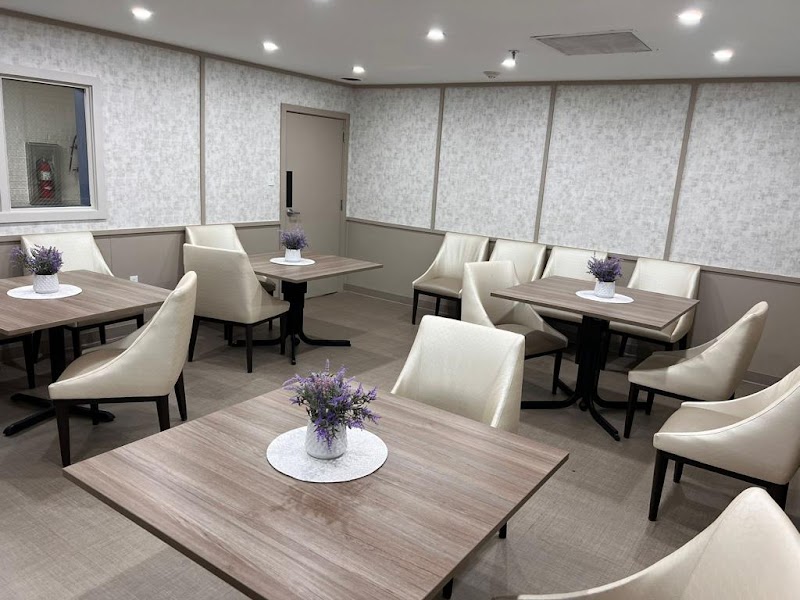
How is Aiken Rehabilitation And Care Center Staffed?

CMS rates Aiken Rehabilitation and Care Center's staffing level at 3 out of 5 stars, which is average compared to other nursing homes. Staff turnover is 42%, compared to the South Carolina average of 46%. This relatively stable workforce can support continuity of care.

What Have Inspectors Found at Aiken Rehabilitation And Care Center?

State health inspectors documented 16 deficiencies at Aiken Rehabilitation and Care Center during 2021 to 2025. These included: 15 with potential for harm and 1 minor or isolated issues.
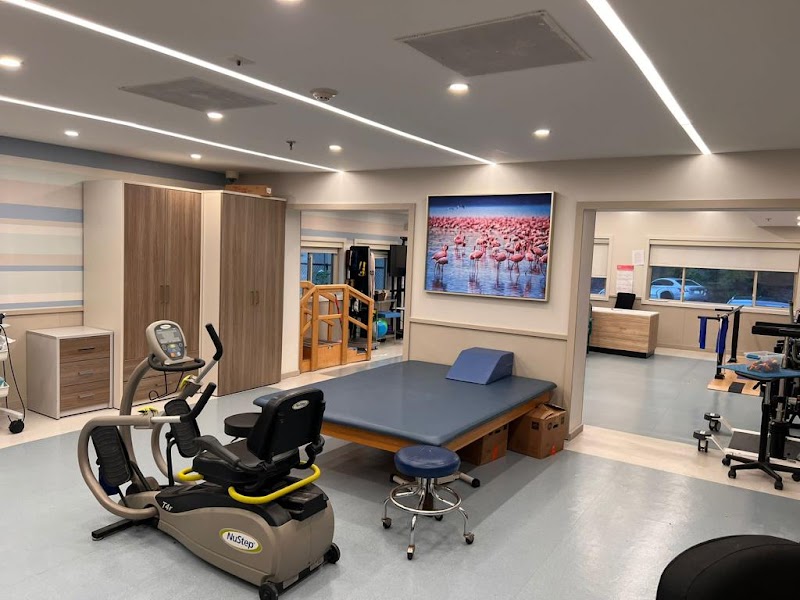
Who Owns and Operates Aiken Rehabilitation And Care Center?

Aiken Rehabilitation and Care Center is owned by a for-profit company. For-profit facilities operate as businesses with obligations to shareholders or private owners. The facility is operated by VENZA CARE MANAGEMENT, a chain that manages multiple nursing homes. With 125 certified beds and approximately 111 residents (about 89% occupancy), it is a mid-sized facility located in Aiken, South Carolina.

How Does Aiken Rehabilitation And Care Center Compare to Other South Carolina Nursing Homes?

Compared to the 100 nursing homes in South Carolina, Aiken Rehabilitation and Care Center's overall rating (3 stars) is above the state average of 2.8, staff turnover (42%) is near the state average of 46%, and health inspection rating (3 stars) is at the national benchmark.

What Should Families Ask When Visiting Aiken Rehabilitation And Care Center?

Based on this facility's data, families visiting should ask: "Can I visit during a mealtime to observe dining assistance and food quality?" "How do you handle medical emergencies, and what is your hospital transfer rate?" "Can I speak with family members of current residents about their experience?"

Is Aiken Rehabilitation And Care Center Safe?

Based on CMS inspection data, Aiken Rehabilitation and Care Center has a clean safety record: no substantiated abuse findings (meaning no confirmed cases of resident harm), no Immediate Jeopardy citations (the most serious violation level indicating risk of serious injury or death), and is not on the Special Focus Facility watch list (a federal program monitoring the lowest-performing 1% of nursing homes). The facility has a 3-star overall rating and ranks #1 of 100 nursing homes in South Carolina. While no facility is perfect, families should still ask about staff-to-resident ratios and recent inspection results during their visit.

Do Nurses at Aiken Rehabilitation And Care Center Stick Around?

Aiken Rehabilitation and Care Center has a staff turnover rate of 42%, which is about average for South Carolina nursing homes (state average: 46%). Moderate turnover is common in nursing homes, but families should still ask about staff tenure and how the facility maintains care continuity when employees leave.

Was Aiken Rehabilitation And Care Center Ever Fined?

Aiken Rehabilitation and Care Center has no federal fines on record. CMS issues fines when nursing homes fail to meet care standards or don't correct problems found during inspections. The absence of fines suggests the facility has either maintained compliance or corrected any issues before penalties were assessed. This is a positive indicator, though families should still review recent inspection reports for the full picture.

Is Aiken Rehabilitation And Care Center on Any Federal Watch List?

Aiken Rehabilitation and Care Center is not on any federal watch list. The most significant is the Special Focus Facility (SFF) program, which identifies the bottom 1% of nursing homes nationally based on persistent, serious quality problems. Not being on this list means the facility has avoided the pattern of deficiencies that triggers enhanced federal oversight. This is a positive indicator, though families should still review the facility's inspection history directly.