NHC HealthCare - North Augusta

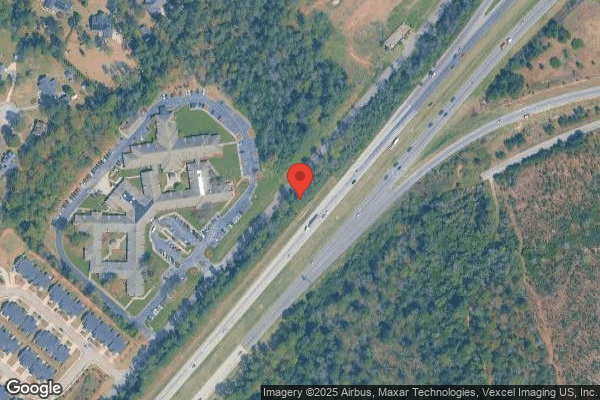
350 Austin Graybill, North Augusta, SC 29841 (803) 278-4272
For profit - Corporation 192 Beds NATIONAL HEALTHCARE CORPORATION Data: November 2025
Trust Grade
65/100
#84 of 186 in SC
Last Inspection: October 2024

Within standard 12-15 month inspection cycle. Federal law requires annual inspections.

Overview

NHC HealthCare - North Augusta has a Trust Grade of C+, indicating that it is slightly above average in quality, though not without issues. In South Carolina, it ranks #84 out of 186 facilities, placing it in the top half, and #4 out of 6 in Aiken County, meaning only one facility in the area is rated higher. However, the facility is experiencing a worsening trend, with issues increasing from 4 in 2022 to 5 in 2024. Staffing is a relative strength, with a turnover rate of 36%, significantly below the state average, but the facility has less RN coverage than 85% of other facilities, which is concerning. While there have been no fines recorded, two specific incidents of concern include a resident who fell and fractured fingers due to inadequate supervision and multiple residents being exposed to improperly stored medications, highlighting both safety and oversight issues that families should consider.

Trust Score
C+
65/100
In South Carolina
#84/186
Top 45%
Safety Record
Moderate
Needs review
Inspections
Getting Worse
4 → 5 violations
Staff Stability
○ Average
36% turnover. Near South Carolina's 48% average. Typical for the industry.
Penalties
✓ Good
No fines on record. Clean compliance history, better than most South Carolina facilities.
Skilled Nurses
⚠ Watch
Each resident gets only 19 minutes of Registered Nurse (RN) attention daily — below average for South Carolina. Fewer RN minutes means fewer trained eyes watching for problems.
Violations
○ Average
10 deficiencies on record. Average for a facility this size. Mostly minor or procedural issues.
★★★☆☆
3.0
Overall Rating
★★★☆☆
3.0
Staff Levels
★★★★☆
4.0
Care Quality
★★★☆☆
3.0
Inspection Score
Stable
2022: 4 issues
2024: 5 issues

The Good

  • 4-Star Quality Measures · Strong clinical quality outcomes
  • Full Sprinkler Coverage · Fire safety systems throughout facility
  • No fines on record
  • Staff turnover below average (36%)

    12 points below South Carolina average of 48%

Facility shows strength in quality measures, fire safety.

The Bad

3-Star Overall Rating

Near South Carolina average (2.8)

Meets federal standards, typical of most facilities

Staff Turnover: 36%

10pts below South Carolina avg (46%)

Typical for the industry

Chain: NATIONAL HEALTHCARE CORPORATION

Part of a multi-facility chain

Ask about local staffing decisions and management

The Ugly 10 deficiencies on record

1 actual harm
Oct 2024 5 deficiencies
CONCERN (D) 📢 Someone Reported This

A family member, employee, or ombudsman was alarmed enough to file a formal complaint

Potential for Harm - no one hurt, but risky conditions existed

Respiratory Care (Tag F0695)

Could have caused harm · This affected 1 resident

**NOTE- TERMS IN BRACKETS HAVE BEEN EDITED TO PROTECT CONFIDENTIALITY** Based on observation, interview, record review, and policy review, the facility failed to provide respiratory care in accordance...

Read full inspector narrative →
**NOTE- TERMS IN BRACKETS HAVE BEEN EDITED TO PROTECT CONFIDENTIALITY** Based on observation, interview, record review, and policy review, the facility failed to provide respiratory care in accordance with professional standards. Specifically, the facility failed to ensure the nebulizer machines mask for Resident (R)69 and R389 were clean, labelled, and bagged when not in use. Findings include: Review of the policy titled Jet Nebulizer Treatment revised 09/07 reveals under procedure,10. When treatment is completed remove the nbulizer to the sink area, empty any remaining medication, rinse with water, and return setup to bag. Note change nebulizer setups weekly, date and initial equipment. Review of Review of Resident 69's face sheet revealed that resident was current admitted to the facility on [DATE] with the diagnoses listed but not limited to dementia, Alzheimer's disease, major depressive disorder, chronic obstructive pulmonary disease, hypertensive heart disease with heart failure, atherosclerotic heart disease, left bundle block, benign prostatic hyperplasia, and unqualified visual loss right eye. Review of Resident 389's face sheet revealed that resident was current admitted to the facility on [DATE] with the diagnoses listed but not limited to Alzheimer's Disease with late onset, chronic obstructive pulmonary disease, chronic respiratory failure with hypoxia, pulmonary hypertension, unspecified, hypertensive heart disease with heart failure, chronic diastolic (congestive) heart failure, atrial fibrillation, hypothyroidism, peripheral vascular disease, polyosteoarthritis and contracture. Review of R69's Physician Orders revealed orders for Budesonide Suspension for nebulization 0.5mg/2mL give twice a day. Review of R69's care plan revealed that R69 identified problem is Respiratory, at risk for complications related to Chronic Obstructive Pulmonary Disease, Congestive Heart Failure, personal history of nicotine dependence, and shortness of breath. Approach administer nebulizer, inhaler as indicated. Review of R69's Minimum Data Set (MDS) quarterly review dated 09/03/2024 revealed a Brief Interview for Mental Status (BIMS) score is 10 out of 15, R 69 has moderate cognitive impairment. Section E revealed R63 has no rejection of care behavior exhibited. Section GG revealed R69 is independent in activities of daily life and feeding self. Review of R389's Physician Orders revealed orders for Albuterol Sulfate Solution for nebulization 2.5mg/3mL (0.083%) one nebulizer three times a day. Review of R389's care plan revealed that R389 is not care planned for breathing treatments scheduled or PRN. Last revised care plan with start date 09/16/2024 problem listed acute bronchitis with approaches medications and lab per orders, resident will complete antibiotics on 09/18/2024. Observe for increased signs and symptoms of infection, and vital signs as needed. Review of R389's annual MDS dated [DATE] revealed a BIMS score is 13 out of 15, R389 has intact cognition. Section E revealed R389 has no rejection of care behavior exhibited. Section GG revealed R389 is dependent to maximal assist of care. R389, with set up, is able to feed self, perform oral hygiene, and perform other personal hygiene task. During an observation and interview of R69 on 10/15/24 at 01:27 PM resident was fully dressed ambulatory in room. The face mask with connected tubing to the jet nebulizer machine was not dated, not in a bag, and located on the right side of the nightstand near floor. R69 revealed having a breathing treatment that morning. During an observation of R389's room on 10/15/24 at 12:15 PM, there was a face mask with connected tubing to the jet nebulizer machine not dated, not in a bag, located on the floor between the bed and nightstand. During an observation of R389's room on 10/16/24 at 10:29 AM, there was a face mask with connected tubing to the jet nebulizer machine not dated, not in a bag, located on the floor between the bed and nightstand. During an observation and interview on 10/16/24 at 10:39 AM, the Director of Nursing (DON) witnessed R389's jet nebulizer's face mask on the floor and revealed that the respiratory equipment is expected to be in a bag and dated. She stated, I am sure staff has had in-service on respiratory care and infection control. DON immediately discarded mask. DON revealed that respiratory therapy is in charge of weekly changes of respiratory equipment. The nurses are in charge of daily care. During an interview on 10/16/24 at 10:56 AM, Licensed Practical Nurse (LPN)2 revealed that she gave the jet nebulizer treatment and the inhaler that morning at 8:08 AM. She revealed that after treatment, she rinsed R69's face mask but, she left it across the bed. LPN2 was aware of the policy when it is not in use it is to be stored in a plastic bag to keep the dust and keep it clean. The bags are labeled treatments. During an interview on 10/16/24 at 03:52 PM, the DON revealed that staff are trained on respiratory equipment on hire and as needed for trends. The equipment or mask is expected to be rinsed after usage, set on a paper towel to dry and placed in a dated bag. The DON stated, It is expected to be changed weekly. It is my expectation that nurses are following policy as it pertains to medication administration and respiratory care. During an interview on 10/16/24 at 04:37 PM, the Assistant Director of Nursing revealed the policy for the nebulizer are expected to be followed. The nebulizer mask are to be rinsed out and bagged. The plan of correction we will reeducate staff on the proper storage of the respiratory equipment. During an interview on 10/17/24 at 11:50 AM the Administrator revealed an expectation is that the nebulizer is stored in a bag and labeled. It is expected to be rinsed, dried, dated, and packed in place. We must assure that it is being done by rounding and addressing that it is being done.
CONCERN (D) 📢 Someone Reported This

A family member, employee, or ombudsman was alarmed enough to file a formal complaint

Potential for Harm - no one hurt, but risky conditions existed

Deficiency F0760 (Tag F0760)

Could have caused harm · This affected 1 resident

Based on the facility policy titled, Specific Medication Administration Procedures IIB1: Administration Procedures for All Medications, observations and interviews, the facility failed to ensure Resid...

Read full inspector narrative →
Based on the facility policy titled, Specific Medication Administration Procedures IIB1: Administration Procedures for All Medications, observations and interviews, the facility failed to ensure Resident (R)95 was free from significant medication errors. Specifically, ertapenem reconstituted solution 1 gram infused with 100mL of normal saline intravenous (IV) in a safe manner and in accordance with professional standards of medication administration via peripherally inserted central catheter (PICC or PICC line). The findings include: Review of the facility policy titled, Specific Medication Administration Procedures IIB1: Administration Procedures for All Medications, states under the Policy Statement, To administer medications in a safe and effective manner. An observation on 10/17/2024 at 1:08 PM revealed ertapenem intravenous administration for R95. Licensed Practical Nurse (LPN)1 failed to ensure R95 safely received antibiotic therapy via PICC line by improperly managing the IV line once primed to reduce the risk of contamination before going to the patient. The primed uncapped IV line was placed on a blue chux and then the outside of an alcohol packet, then administered to the R95. LPN1 when accessing PICC line failed to scrub/wipe top of access for a minimum of 15 seconds. Task completed less than 10sceonds and uncapped IV line was placed within access. LPN1 started infusion. During an interview on 10/17/24 at 01:46 PM the Director of Nursing revealed that skills training is done once a year. This training included PICC lines and IV infusions. The expectation is that staff follow protocol and follow infection control guidelines during medication administration. The last class was in November 2023 and that was the skill fair. Since this morning, we have started retaining the licensed practical nurses regarding the PICC and working with R95. We have another skills fair that is in November 2024. During an interview on 10/17/24 at 02:09 PM, LPN1 revealed that she does not remember her last PICC Training. LPN1 revealed that she was expected to use a clean technique when accessing a PICC line. She admitted to taking the uncapped primed IV line, placing on the blue pad, and once alerted placed the uncapped IV line on an alcohol pack. LPN1 revealed that she was expected to discard of the IV line and start over prior to administering to R95. Review of Competency Standard Skills Checklist for PICC lines with LPN name, signature, and not dated with DON name, signature, and date of 11/21/23.
CONCERN (D) 📢 Someone Reported This

A family member, employee, or ombudsman was alarmed enough to file a formal complaint

Potential for Harm - no one hurt, but risky conditions existed

Infection Control (Tag F0880)

Could have caused harm · This affected 1 resident

**NOTE- TERMS IN BRACKETS HAVE BEEN EDITED TO PROTECT CONFIDENTIALITY** Based on review of facility policy, record review, observation and interview the facility failed to provide 1 of 4 residents (R9...

Read full inspector narrative →
**NOTE- TERMS IN BRACKETS HAVE BEEN EDITED TO PROTECT CONFIDENTIALITY** Based on review of facility policy, record review, observation and interview the facility failed to provide 1 of 4 residents (R95) and 1 of 34 medication opportunities given by 4 nurses, medication administration without possibility of cross contamination. Specifically, ertapenem reconstituted solution 1 gram infused with 100mL of normal saline intravenous in accordance with infection control and prevention standards of medication administration via peripherally inserted central catheter (PICC or PICC line). Findings include: Review of the facility policy titled, Specific Medication Administration Procedures IIB1: Administration Procedures for All Medications, states under the Policy Statement, To administer medications in a safe and effective manner. Review of the facility policy titled, PICC and Midline Catheter Flushing, states under general guideline, 3. Consult state Nurse Practice Act for RN/LPN scope of practice and function. Review of Competency standard skills checklist PICC lines with DON name, signature, and date of 11/ 21/23. LPN1 name and signature present without a date. Checklist revealed flushing the PICC line, administer infusion, changing the PICC line, and changing the PICC adapter instructions that have been checked off by LPN1 except for changing the PICC line. Under flushing the PICC line, Scrub the top of the adapter of the PICC with alcohol swab for minimum 15 seconds with a juicing action. Under Administer Infusion, 3. Thoroughly friction swab access site with alcohol for 15 seconds. Review of R95's face sheet revealed R95 was admitted to the facility on [DATE] with diagnoses including, but not limited to osteomyelitis of vertebra, sacral and sacrococcygeal region, Escherichia coli, extended spectrum beta lactamase, proteus, enterococcus as the cause of disease and presence of cardiac or vascular implant and graft, PICC line. Review of the quarterly Minimum Data Set (MDS) dated [DATE] revealed R95 had a Brief Interview of Mental Status (BIMS) score of 2, suggesting R95 is severely cognitively impaired. It further revealed R95 does not exhibit behavior of rejection of care. Review of R95's physician orders revealed R95 has an ongoing ertapenem reconstituted solution 1 gram infused with 100mL of normal saline intravenous for one hour vis PICC line every 24 hours start date 09/18/2024 to end date 10/18/2024. An observation on 10/17/2024 at 1:08 PM revealed ertapenem intravenous administration for R95. Licensed Practical Nurse (LPN)1 failed to ensure R95 safely received antibiotic therapy via PICC line by improperly managing the intravenous (IV) line once primed to reduce the risk of contamination before going to the patient. The primed uncapped IV line was placed on a blue chux and then the outside of an alcohol packet, then administered to the R95. LPN1 when accessing PICC line failed to scrub/wipe top of access for a minimum of 15 seconds. Task completed less than 10sceonds and uncapped IV line was placed within access. LPN1 started infusion. During an interview on 10/17/24 at 1:46 PM, the Director of Nursing revealed that skills training is done once a year. She stated, this training included PICC lines and IV infusions. The expectation is that staff follow protocol and follow infection control guidelines during medication administration. The last class was in November 2023 and that was the skills fair. Since this morning, we have started retaining the licensed practical nurses regarding the PICC and working with R95. We have another skills fair that is in November 2024. During an interview on 10/17/24 at 1:51 PM, the Assistant Director of Nursing/Infection Preventionist revealed that the staff are expected to follow procedures for sterile and clean technique per policy when it is warranted. During an interview on 10/17/24 at 2:09 PM, LPN1 revealed that she does not remember her last PICC Training. She revealed that she was expected to use a clean technique with accessing a PICC line. LPN1 confirmed taking the uncapped primed IV line, placing on the blue pad, and once alerted placed the uncapped IV line on an alcohol pack. LPN1 revealed that she was expected to discard of IV line and start over prior to administering to R95.
CONCERN (E) 📢 Someone Reported This

A family member, employee, or ombudsman was alarmed enough to file a formal complaint

Potential for Harm - no one hurt, but risky conditions existed

Deficiency F0554 (Tag F0554)

Could have caused harm · This affected multiple residents

**NOTE- TERMS IN BRACKETS HAVE BEEN EDITED TO PROTECT CONFIDENTIALITY** Based on observation, interview, record review, and review of facility policies, the facility failed to ensure the environment r...

Read full inspector narrative →
**NOTE- TERMS IN BRACKETS HAVE BEEN EDITED TO PROTECT CONFIDENTIALITY** Based on observation, interview, record review, and review of facility policies, the facility failed to ensure the environment remained free from potential accident hazards for 4 of 5 residents, related to medications at bedside. Specifically, the facility failed to ensure the environment for Resident (R)33, R389, R38, and R69, was free of medication that was required to be properly monitored and stored, to prevent accidental hazards. Findings include: Review of the facility policy, revised 01/01/2019, titled, Medication Storage in the Facility policy states, Medications and biologicals are stored safely, securely and properly manufacturer's recommendations or those of the supplier. The medication supply is accessible only to licensed nursing personnel, pharmacy personnel, or staff members lawfully authorized to administer medications. Under Procedures, B. Only licensed nurses, pharmacy personnel, and those lawfully authorized to administer medication are permitted to access medication. Medication rooms, carts, and medication supplies are locked when not attended by persons with authorized access. Review of the facility policy, revised 01/01/2019, titled, Preparation and General Guidelines: Self-Administration of Medications policy revealed under procedures, A. If the resident desires to self-administer medications, an assessment is conducted by a member of the interdisciplinary team of the resident's cognitive (including orientation to time), physical, and visual ability to carry our responsibility. E. Beside medication storage is permitted only when it does not present a risk to confused residents who wander into the rooms of, or room with, resident who self-administer. Review of R33's Face Sheet revealed R33 was admitted to the facility on [DATE], with diagnoses including but not limited to: Dementia, Alzheimer's disease late onset, emphysema, left anterior fascicular block, right bundle-branch block, atherosclerosis of aorta, hypertension, Hypothyroidism, Alzheimer's disease, major depressive disorder, recurrent, mild, generalized anxiety disorder, and adult failure to thrive. Review of R33's Quarterly Minimum Data Set (MDS) with an Assessment Reference Date (ARD) of 07/25/24, revealed a Brief Interview for Mental Status (BIMS) score of 15 out of 15, indicating R33 has no cognitive impairment. Section E revealed R33 has no rejection of care behavior exhibited. Section GG revealed R33 requires no assistance with activities of daily life, notes that R33 is independent to feed self. Review of R33's medical record did not reveal evidence that an assessment was completed for self-administration of medication. Review of R33's Physician Orders revealed an active order for, 9AM administration of Cyanocobalamin (Vitamin B-12) 1000mcg, Quetiapine 25mg 1 tablet, Thera-M 19mg Iron 400mcg 1 tablet, Tylenol Extra Strength 500mg 1 po tablet, and Verapamil 180mg 1 tablet listed for nursing medication administration. Nurse signed off for administration on 10/15/24. No evidence of active orders for self-administration. Review of R33's Care Plan, last revised on 08/05/24, revealed R33's medication and treatment orders are considered part of the active care plan. Goal: R33 will not have any negative outcomes from medications and treatments. Approach administer medications and treatments as ordered. Cognition/Communication Deficits related to dementia with fluctuating cognition and inability to always stay on topic. BCRS (Brief Cognitive Rating Scale) score of 21/35 and GDS (Global Deterioration Scale) score of 4.2/7 indicating a moderate cognitive impairment per ST assessment on 09/08/23. Review of R389's Face Sheet revealed R389 was admitted to the facility on [DATE], with diagnoses including but not limited to: Alzheimer's Disease with late onset, chronic obstructive pulmonary disease, chronic respiratory failure with hypoxia, pulmonary hypertension, unspecified, hypertensive heart disease with heart failure, chronic diastolic (congestive) heart failure, atrial fibrillation, hypothyroidism, peripheral vascular disease, polyosteoarthritis and contracture. Review of R389's Annual Minimum Data Set (MDS) with an Assessment Reference Date (ARD) of 08/01/24, revealed a Brief Interview for Mental Status (BIMS) score of 13 out of 15, indicating R389 has intact cognition. Further review of the MDS revealed R389 has no rejection of care behavior exhibited and is dependent to maximal assist of care. R389, with set up, is able to feed self, perform oral hygiene, and perform other personal hygiene task. Review of R389's medical record did not reveal evidence that an assessment was completed for self-administration of medication. Review of R389's Physician Orders did not reveal an order for topical medication Nystatin Powder. Review of R389's Care Plan, last revised on 08/08/24, reveals R389's medication and treatment orders are considered part of the active care plan. Goal: R389 will not have any negative outcomes from medications or treatments. Approach administer medication and treatments as ordered. Review of R38's Face Sheet revealed R38 was admitted to the facility on [DATE], with diagnoses including but not limited to: Bipolar Disorder, anxiety disorder, insomnia, hypothyroidism, radiculopathy cervical region, polyneuropathy, polyosteoarthritis, and atherosclerotic heart disease. Review of R38's Quarterly MDS with an ARD of 09/30/24, revealed a BIMS score of 14 out of 15, indicating R38 has intact cognition. Section E revealed R38 has no rejection of care behavior exhibited. Section GG revealed R38 is dependent to maximal assist of care. R38, with set up, is able to feed self, perform oral hygiene, and perform other personal hygiene task. Review of R38's medical record did not reveal evidence that an assessment was completed for self-administration of medication. Review of R38's Physician Order did not reveal an order for Nervive Roll on cream. Review of R38's Care Plan, with a revision date of 10/13/24, revealed R38's medication and treatment orders are considered part of the active care plan. Goal: R389 will not have any negative outcomes from medications or treatments. Approach: administer medication and treatments as ordered. Problem: Cognitive loss/dementia, goal is R38 will communicate simple needs for 90 days until next review and update. Approach is to offer cues and reminders as needed. Remind R38 of surroundings only if it calms patient and visit for conversation stimulation. R38's problem of behavioral symptoms by observed occasional declination of medications and care. Diagnosis of bipolar disorder, these behaviors fluctuate related to diagnosis extremely pleasant at times and just as quickly she is accusatory and yelling. Review of R69's Face Sheet revealed R69 was admitted to the facility on [DATE], with diagnoses including but not limited to: Dementia, Alzheimer's disease, major depressive disorder, chronic obstructive pulmonary disease, hypertensive heart disease with heart failure, atherosclerotic heart disease, left bundle block, benign prostatic hyperplasia, and unqualified visual loss right eye. Review of R69's medical record did not reveal evidence that an assessment was completed for self-administration of medication. Review of R69's Physician Orders revealed an active order for, Wixela Inhub (Fluticasone propion-salmeterol) blister with device 250-50 mcg/dose, amount one puff inhalation twice a day listed for nursing medication administration. Review of R69's Care Plan reveals R69's identified problem is cognitive loss/dementia. Cognition fluctuate, requires assistance with decision making. Requires cues and reminders for safety. Brief Cognitive Rating Scale, BCRS of 26/35 and GDS (Global Deterioration Scale) score of 5.2/7 indicating moderately severe cognitive impairment per speech therapy assessment on 12/13/23. Resident continues with liberal unassisted ambulation about facility; cognitive deficits with dx; risk harm from his peers related to occasional socially intrusive during his interactions as he strolls and some peer's inability to interpret his interactions; episodes of agitation and verbal aggression occur as well related to his deficits edited on 09/10/24. Review of R69's Quarterly MDS with an ARD of 09/03/24, revealed a BIMS score of 10 out of 15, indicating R69 has moderate cognitive impairment. Section E revealed R69 has no rejection of care behavior exhibited. Section GG revealed R69 is independent in activities of daily life and feeding self. During an observation and interview on 10/15/24 at 10:51 AM, of R33's room, a medication cup with several pills where on the bedside table in front of R33. There were no staff present and R33's roommate was in a wheelchair leaving the restroom. During introductions, R33 quickly took the medications in the cup without the nurse present. R33 stated, she does not know the medicine she takes but takes what the nurse places on the table in the cup for her to take. R33 revealed that staff occasionally leave her medicines in her room for her to take by herself because she is able. During an observation and interview on 10/15/24 at 10:54 AM, Licensed Practical Nurse (LPN)2 signed off administration of R33's 9:00 AM medications, which included: Cyanocobalamin (Vitamin B-12) 1000mcg, Quetiapine 25mg 1 tablet, Thera-M 19mg Iron 400mcg 1 tablet, Tylenol Extra Strength 500mg 1 po tablet, and Verapamil 180mb 1 tablet. LPN2 stated R33 can give herself the medication unattended because she is independent, and she knows her medications. LPN2 further stated, R33 is sometimes given her medications like this and has not had any issues in the past. LPN2 confirmed that R33 does not have an order to self-administer medications and acknowledged the facility policy for self-administration. During an observation on 10/15/24 at 12:41 PM, of R38's room, revealed a Nervive roll on 2.5oz 8/2025 Lot 4092Y5 and IcyHot Max Lidocaine lot 24B401 02/2026, was located on the bedside table in front of R38. Furthermore, there was one unopened box of Nervive 7/2025 Lot 4030Y5 box medication cream 3.0oz on the bookshelf. During an observation and interview on 10/16/24 at 10:36 AM, the Director of Nursing (DON) verified the Nystatin powder lot421209 3/31/2026, on R389's dresser. The DON stated that treatment medications should be secured on the cart unless it is peri care and lotion. If there is a prescription, there should be a bedside order. During an observation on 10/16/24 at 10:53 AM, of R69's room, revealed an inhalation medication on the tall dresser next to the television. The inhalar was left opened and unattended. Further review of the inhaler revealed, Fluticasone Propionate and Salmeterol 250mcg/50mcg 60 blisters with lot number AC2029A expiration date of MAR2026, 43 puffs left. No open date and no use by date on the medication. During an interview on 10/16/24 at 10:56 AM, Licensed Practical Nurse (LPN)2 verified the medication on the dresser in R69's room and stated that another LPN forgot it earlier after administration of medication due to cleaning R69's room. LPN2 further stated she watched R69 take medication and receive breathing treatment at 8:08 AM that morning. LPN2 than closed the medication and secured medication back in in cart. During an interview on 10/16/24 at 04:02 PM the (ADON) Assistant Director of Nursing/Infection Control revealed that she was not aware of the items being in the room and ADON was following up with R38 and seen the medication at bedside. ADON took the Nervive roll that was on the bedside table and three bottles of the Nervive R38 had in the bedside drawer. ADON reported that she educated the resident and left with the items. Expectations are for staff to follow policy and if items are coming from family educate the resident and let them know why they cannot have at bedside. We are to keep in the medication cart and regulate it for R38 and keep it locked up for patient safety. Expectation for self-administration is that we do have a protocol to follow to determine if they are competent to do to self-administer. During an interview on 10/16/24 at 04:15 PM the ADON revealed the expectation to follow policy that medication should be administered at bedside and watched. The ADON stated, we can assess their competency level to see if they can self-administer but there is a protocol. I do not know the specifics because i have not heard of it being done often and i have been here three years. R33 has not been assessed for self-administration. We train the nurses on medication administration and documentation annually and frequently at nurse's meetings probably 3 to 4 times a year. During an interview on 10/17/24 at 11:31 AM, the Administrator revealed that every patient is within eyesight of nurse and at bedside when taking medications. The Administrator stated, If the patient is able to self-administer the patient needs to be assessed and care planned appropriately. I am aware of two patients in this facility that is approved for self-administration. During an interview on 10/17/24 at 11:39 AM, the Administrator revealed that administration medications should be locked and if not the patient need to be cleared to self-administer. The barrier cream for peri-care is allowed but anything that is coming from the pharmacy should be properly assessed and screened for self-administration. Daily rounding by leadership is done to ensure there is not an incident or hazard and to assist staff. If there is an issue we are to address, educate. The way that we address family are at different intervals at admission and it states what they can and cannot provide. We explain to the family that we oversee care and if anything is needed, we can provide. We also address as it is an issue, we address it seasonally (especially Christmas), resident council, and at care plans. Based on observation, interview, record review, and review of facility policies, the facility failed to ensure the environment remained free from potential accident hazards for 4 of 5 residents, related to medications at bedside. Specifically, the facility failed to ensure the environment for Resident (R)33, R389, R38, and R69, was free of medication that was required to be properly monitored and stored, to prevent accidental hazards. Findings include: Review of the facility policy, revised 01/01/2019, titled, Medication Storage in the Facility policy states, Medications and biologicals are stored safely, securely and properly manufacturer's recommendations or those of the supplier. The medication supply is accessible only to licensed nursing personnel, pharmacy personnel, or staff members lawfully authorized to administer medications. Under Procedures, B. Only licensed nurses, pharmacy personnel, and those lawfully authorized to administer medication are permitted to access medication. Medication rooms, carts, and medication supplies are locked when not attended by persons with authorized access. Review of the facility policy, revised 01/01/2019, titled, Preparation and General Guidelines: Self-Administration of Medications policy revealed under procedures, A. If the resident desires to self-administer medications, an assessment is conducted by a member of the interdisciplinary team of the resident's cognitive (including orientation to time), physical, and visual ability to carry our responsibility. E. Beside medication storage is permitted only when it does not present a risk to confused residents who wander into the rooms of, or room with, resident who self-administer. Review of R33's Face Sheet revealed R33 was admitted to the facility on [DATE], with diagnoses including but not limited to: Dementia, Alzheimer's disease late onset, emphysema, left anterior fascicular block, right bundle-branch block, atherosclerosis of aorta, hypertension, Hypothyroidism, Alzheimer's disease, major depressive disorder, recurrent, mild, generalized anxiety disorder, and adult failure to thrive. Review of R33's Quarterly Minimum Data Set (MDS) with an Assessment Reference Date (ARD) of 07/25/24, revealed a Brief Interview for Mental Status (BIMS) score of 15 out of 15, indicating R33 has no cognitive impairment. Section E revealed R33 has no rejection of care behavior exhibited. Section GG revealed R33 requires no assistance with activities of daily life, notes that R33 is independent to feed self. Review of R33's medical record did not reveal evidence that an assessment was completed for self-administration of medication. Review of R33's Physician Orders revealed an active order for, 9AM administration of Cyanocobalamin (Vitamin B-12) 1000mcg, Quetiapine 25mg 1 tablet, Thera-M 19mg Iron 400mcg 1 tablet, Tylenol Extra Strength 500mg 1 po tablet, and Verapamil 180mg 1 tablet listed for nursing medication administration. Nurse signed off for administration on 10/15/24. No evidence of active orders for self-administration. Review of R33's Care Plan, last revised on 08/05/24, revealed R33's medication and treatment orders are considered part of the active care plan. Goal: R33 will not have any negative outcomes from medications and treatments. Approach administer medications and treatments as ordered. Cognition/Communication Deficits related to dementia with fluctuating cognition and inability to always stay on topic. BCRS (Brief Cognitive Rating Scale) score of 21/35 and GDS (Global Deterioration Scale) score of 4.2/7 indicating a moderate cognitive impairment per ST assessment on 09/08/23. Review of R389's Face Sheet revealed R389 was admitted to the facility on [DATE], with diagnoses including but not limited to: Alzheimer's Disease with late onset, chronic obstructive pulmonary disease, chronic respiratory failure with hypoxia, pulmonary hypertension, unspecified, hypertensive heart disease with heart failure, chronic diastolic (congestive) heart failure, atrial fibrillation, hypothyroidism, peripheral vascular disease, polyosteoarthritis and contracture. Review of R389's Annual Minimum Data Set (MDS) with an Assessment Reference Date (ARD) of 08/01/24, revealed a Brief Interview for Mental Status (BIMS) score of 13 out of 15, indicating R389 has intact cognition. Further review of the MDS revealed R389 has no rejection of care behavior exhibited and is dependent to maximal assist of care. R389, with set up, is able to feed self, perform oral hygiene, and perform other personal hygiene task. Review of R389's medical record did not reveal evidence that an assessment was completed for self-administration of medication. Review of R389's Physician Orders did not reveal an order for topical medication Nystatin Powder. Review of R389's Care Plan, last revised on 08/08/24, reveals R389's medication and treatment orders are considered part of the active care plan. Goal: R389 will not have any negative outcomes from medications or treatments. Approach administer medication and treatments as ordered. Review of R38's Face Sheet revealed R38 was admitted to the facility on [DATE], with diagnoses including but not limited to: Bipolar Disorder, anxiety disorder, insomnia, hypothyroidism, radiculopathy cervical region, polyneuropathy, polyosteoarthritis, and atherosclerotic heart disease. Review of R38's Quarterly MDS with an ARD of 09/30/24, revealed a BIMS score of 14 out of 15, indicating R38 has intact cognition. Section E revealed R38 has no rejection of care behavior exhibited. Section GG revealed R38 is dependent to maximal assist of care. R38, with set up, is able to feed self, perform oral hygiene, and perform other personal hygiene task. Review of R38's medical record did not reveal evidence that an assessment was completed for self-administration of medication. Review of R38's Physician Order did not reveal an order for Nervive Roll on cream. Review of R38's Care Plan, with a revision date of 10/13/24, revealed R38's medication and treatment orders are considered part of the active care plan. Goal: R389 will not have any negative outcomes from medications or treatments. Approach: administer medication and treatments as ordered. Problem: Cognitive loss/dementia, goal is R38 will communicate simple needs for 90 days until next review and update. Approach is to offer cues and reminders as needed. Remind R38 of surroundings only if it calms patient and visit for conversation stimulation. R38's problem of behavioral symptoms by observed occasional declination of medications and care. Diagnosis of bipolar disorder, these behaviors fluctuate related to diagnosis extremely pleasant at times and just as quickly she is accusatory and yelling. Review of R69's Face Sheet revealed R69 was admitted to the facility on [DATE], with diagnoses including but not limited to: Dementia, Alzheimer's disease, major depressive disorder, chronic obstructive pulmonary disease, hypertensive heart disease with heart failure, atherosclerotic heart disease, left bundle block, benign prostatic hyperplasia, and unqualified visual loss right eye. Review of R69's medical record did not reveal evidence that an assessment was completed for self-administration of medication. Review of R69's Physician Orders revealed an active order for, Wixela Inhub (Fluticasone propion-salmeterol) blister with device 250-50 mcg/dose, amount one puff inhalation twice a day listed for nursing medication administration. Review of R69's Care Plan reveals R69's identified problem is cognitive loss/dementia. Cognition fluctuate, requires assistance with decision making. Requires cues and reminders for safety. Brief Cognitive Rating Scale, BCRS of 26/35 and GDS (Global Deterioration Scale) score of 5.2/7 indicating moderately severe cognitive impairment per speech therapy assessment on 12/13/23. Resident continues with liberal unassisted ambulation about facility; cognitive deficits with dx; risk harm from his peers related to occasional socially intrusive during his interactions as he strolls and some peer's inability to interpret his interactions; episodes of agitation and verbal aggression occur as well related to his deficits edited on 09/10/24. Review of R69's Quarterly MDS with an ARD of 09/03/24, revealed a BIMS score of 10 out of 15, indicating R69 has moderate cognitive impairment. Section E revealed R69 has no rejection of care behavior exhibited. Section GG revealed R69 is independent in activities of daily life and feeding self. During an observation and interview on 10/15/24 at 10:51 AM, of R33's room, a medication cup with several pills where on the bedside table in front of R33. There were no staff present and R33's roommate was in a wheelchair leaving the restroom. During introductions, R33 quickly took the medications in the cup without the nurse present. R33 stated, she does not know the medicine she takes but takes what the nurse places on the table in the cup for her to take. R33 revealed that staff occasionally leave her medicines in her room for her to take by herself because she is able. During an observation and interview on 10/15/24 at 10:54 AM, Licensed Practical Nurse (LPN)2 signed off administration of R33's 9:00 AM medications, which included: Cyanocobalamin (Vitamin B-12) 1000mcg, Quetiapine 25mg 1 tablet, Thera-M 19mg Iron 400mcg 1 tablet, Tylenol Extra Strength 500mg 1 po tablet, and Verapamil 180mb 1 tablet. LPN2 stated R33 can give herself the medication unattended because she is independent, and she knows her medications. LPN2 further stated, R33 is sometimes given her medications like this and has not had any issues in the past. LPN2 confirmed that R33 does not have an order to self-administer medications and acknowledged the facility policy for self-administration. During an observation on 10/15/24 at 12:41 PM, of R38's room, revealed a Nervive roll on 2.5oz 8/2025 Lot 4092Y5 and IcyHot Max Lidocaine lot 24B401 02/2026, was located on the bedside table in front of R38. Furthermore, there was one unopened box of Nervive 7/2025 Lot 4030Y5 box medication cream 3.0oz on the bookshelf. During an observation and interview on 10/16/24 at 10:36 AM, the Director of Nursing (DON) verified the Nystatin powder lot421209 3/31/2026, on R389's dresser. The DON stated that treatment medications should be secured on the cart unless it is peri care and lotion. If there is a prescription, there should be a bedside order. During an observation on 10/16/24 at 10:53 AM, of R69's room, revealed an inhalation medication on the tall dresser next to the television. The inhalar was left opened and unattended. Further review of the inhaler revealed, Fluticasone Propionate and Salmeterol 250mcg/50mcg 60 blisters with lot number AC2029A expiration date of MAR2026, 43 puffs left. No open date and no use by date on the medication. During an interview on 10/16/24 at 10:56 AM, Licensed Practical Nurse (LPN)2 verified the medication on the dresser in R69's room and stated that another LPN forgot it earlier after administration of medication due to cleaning R69's room. LPN2 further stated she watched R69 take medication and receive breathing treatment at 8:08 AM that morning. LPN2 than closed the medication and secured medication back in in cart. During an interview on 10/16/24 at 04:02 PM the (ADON) Assistant Director of Nursing/Infection Control revealed that she was not aware of the items being in the room and ADON was following up with R38 and seen the medication at bedside. ADON took the Nervive roll that was on the bedside table and three bottles of the Nervive R38 had in the bedside drawer. ADON reported that she educated the resident and left with the items. Expectations are for staff to follow policy and if items are coming from family educate the resident and let them know why they cannot have at bedside. We are to keep in the medication cart and regulate it for R38 and keep it locked up for patient safety. Expectation for self-administration is that we do have a protocol to follow to determine if they are competent to do to self-administer. During an interview on 10/16/24 at 04:15 PM the ADON revealed the expectation to follow policy that medication should be administered at bedside and watched. The ADON stated, we can assess their competency level to see if they can self-administer but there is a protocol. I do not know the specifics because i have not heard of it being done often and i have been here three years. R33 has not been assessed for self-administration. We train the nurses on medication administration and documentation annually and frequently at nurse's meetings probably 3 to 4 times a year. During an interview on 10/17/24 at 11:31 AM, the Administrator revealed that every patient is within eyesight of nurse and at bedside when taking medications. The Administrator stated, If the patient is able to self-administer the patient needs to be assessed and care planned appropriately. I am aware of two patients in this facility that is approved for self-administration. During an interview on 10/17/24 at 11:39 AM, the Administrator revealed that administration medications should be locked and if not the patient need to be cleared to self-administer. The barrier cream for peri-care is allowed but anything that is coming from the pharmacy should be properly assessed and screened for self-administration. Daily rounding by leadership is done to ensure there is not an incident or hazard and to assist staff. If there is an issue we are to address, educate. The way that we address family are at different intervals at admission and it states what they can and cannot provide. We explain to the family that we oversee care and if anything is needed, we can provide. We also address as it is an issue, we address it seasonally (especially Christmas), resident council, and at care plans.
CONCERN (E) 📢 Someone Reported This

A family member, employee, or ombudsman was alarmed enough to file a formal complaint

Potential for Harm - no one hurt, but risky conditions existed

Accident Prevention (Tag F0689)

Could have caused harm · This affected multiple residents

**NOTE- TERMS IN BRACKETS HAVE BEEN EDITED TO PROTECT CONFIDENTIALITY** Based on observation, interview, record review, and review of facility policies, the facility failed to ensure the environment r...

Read full inspector narrative →
**NOTE- TERMS IN BRACKETS HAVE BEEN EDITED TO PROTECT CONFIDENTIALITY** Based on observation, interview, record review, and review of facility policies, the facility failed to ensure the environment remained free from potential accident hazards for 4 of 5 residents, related to medications at bedside. Specifically, the facility failed to ensure the environment for Resident (R)33, R389, R38, and R69, was free of medication that was required to be properly monitored and stored, to prevent accidental hazards. Findings include: Review of the facility policy, revised 01/01/2019, titled, Medication Storage in the Facility policy states, Medications and biologicals are stored safely, securely and properly manufacturer's recommendations or those of the supplier. The medication supply is accessible only to licensed nursing personnel, pharmacy personnel, or staff members lawfully authorized to administer medications. Under Procedures, B. Only licensed nurses, pharmacy personnel, and those lawfully authorized to administer medication are permitted to access medication. Medication rooms, carts, and medication supplies are locked when not attended by persons with authorized access. Review of the facility policy, revised 01/01/2019, titled, Preparation and General Guidelines: Self-Administration of Medications policy revealed under procedures, A. If the resident desires to self-administer medications, an assessment is conducted by a member of the interdisciplinary team of the resident's cognitive (including orientation to time), physical, and visual ability to carry our responsibility. E. Beside medication storage is permitted only when it does not present a risk to confused residents who wander into the rooms of, or room with, resident who self-administer. Review of R33's Face Sheet revealed R33 was admitted to the facility on [DATE], with diagnoses including but not limited to: Dementia, Alzheimer's disease late onset, emphysema, left anterior fascicular block, right bundle-branch block, atherosclerosis of aorta, hypertension, Hypothyroidism, Alzheimer's disease, major depressive disorder, recurrent, mild, generalized anxiety disorder, and adult failure to thrive. Review of R33's Quarterly Minimum Data Set (MDS) with an Assessment Reference Date (ARD) of 07/25/24, revealed a Brief Interview for Mental Status (BIMS) score of 15 out of 15, indicating R33 has no cognitive impairment. Section E revealed R33 has no rejection of care behavior exhibited. Section GG revealed R33 requires no assistance with activities of daily life, notes that R33 is independent to feed self. Review of R33's medical record did not reveal evidence that an assessment was completed for self-administration of medication. Review of R33's Physician Orders revealed an active order for, 9AM administration of Cyanocobalamin (Vitamin B-12) 1000mcg, Quetiapine 25mg 1 tablet, Thera-M 19mg Iron 400mcg 1 tablet, Tylenol Extra Strength 500mg 1 po tablet, and Verapamil 180mg 1 tablet listed for nursing medication administration. Nurse signed off for administration on 10/15/24. No evidence of active orders for self-administration. Review of R33's Care Plan, last revised on 08/05/24, revealed R33's medication and treatment orders are considered part of the active care plan. Goal: R33 will not have any negative outcomes from medications and treatments. Approach administer medications and treatments as ordered. Cognition/Communication Deficits related to dementia with fluctuating cognition and inability to always stay on topic. BCRS (Brief Cognitive Rating Scale) score of 21/35 and GDS (Global Deterioration Scale) score of 4.2/7 indicating a moderate cognitive impairment per ST assessment on 09/08/23. Review of R389's Face Sheet revealed R389 was admitted to the facility on [DATE], with diagnoses including but not limited to: Alzheimer's Disease with late onset, chronic obstructive pulmonary disease, chronic respiratory failure with hypoxia, pulmonary hypertension, unspecified, hypertensive heart disease with heart failure, chronic diastolic (congestive) heart failure, atrial fibrillation, hypothyroidism, peripheral vascular disease, polyosteoarthritis and contracture. Review of R389's Annual Minimum Data Set (MDS) with an Assessment Reference Date (ARD) of 08/01/24, revealed a Brief Interview for Mental Status (BIMS) score of 13 out of 15, indicating R389 has intact cognition. Further review of the MDS revealed R389 has no rejection of care behavior exhibited and is dependent to maximal assist of care. R389, with set up, is able to feed self, perform oral hygiene, and perform other personal hygiene task. Review of R389's medical record did not reveal evidence that an assessment was completed for self-administration of medication. Review of R389's Physician Orders did not reveal an order for topical medication Nystatin Powder. Review of R389's Care Plan, last revised on 08/08/24, reveals R389's medication and treatment orders are considered part of the active care plan. Goal: R389 will not have any negative outcomes from medications or treatments. Approach administer medication and treatments as ordered. Review of R38's Face Sheet revealed R38 was admitted to the facility on [DATE], with diagnoses including but not limited to: Bipolar Disorder, anxiety disorder, insomnia, hypothyroidism, radiculopathy cervical region, polyneuropathy, polyosteoarthritis, and atherosclerotic heart disease. Review of R38's Quarterly MDS with an ARD of 09/30/24, revealed a BIMS score of 14 out of 15, indicating R38 has intact cognition. Section E revealed R38 has no rejection of care behavior exhibited. Section GG revealed R38 is dependent to maximal assist of care. R38, with set up, is able to feed self, perform oral hygiene, and perform other personal hygiene task. Review of R38's medical record did not reveal evidence that an assessment was completed for self-administration of medication. Review of R38's Physician Order did not reveal an order for Nervive Roll on cream. Review of R38's Care Plan, with a revision date of 10/13/24, revealed R38's medication and treatment orders are considered part of the active care plan. Goal: R389 will not have any negative outcomes from medications or treatments. Approach: administer medication and treatments as ordered. Problem: Cognitive loss/dementia, goal is R38 will communicate simple needs for 90 days until next review and update. Approach is to offer cues and reminders as needed. Remind R38 of surroundings only if it calms patient and visit for conversation stimulation. R38's problem of behavioral symptoms by observed occasional declination of medications and care. Diagnosis of bipolar disorder, these behaviors fluctuate related to diagnosis extremely pleasant at times and just as quickly she is accusatory and yelling. Review of R69's Face Sheet revealed R69 was admitted to the facility on [DATE], with diagnoses including but not limited to: Dementia, Alzheimer's disease, major depressive disorder, chronic obstructive pulmonary disease, hypertensive heart disease with heart failure, atherosclerotic heart disease, left bundle block, benign prostatic hyperplasia, and unqualified visual loss right eye. Review of R69's medical record did not reveal evidence that an assessment was completed for self-administration of medication. Review of R69's Physician Orders revealed an active order for, Wixela Inhub (Fluticasone propion-salmeterol) blister with device 250-50 mcg/dose, amount one puff inhalation twice a day listed for nursing medication administration. Review of R69's Care Plan reveals R69's identified problem is cognitive loss/dementia. Cognition fluctuate, requires assistance with decision making. Requires cues and reminders for safety. Brief Cognitive Rating Scale, BCRS of 26/35 and GDS (Global Deterioration Scale) score of 5.2/7 indicating moderately severe cognitive impairment per speech therapy assessment on 12/13/23. Resident continues with liberal unassisted ambulation about facility; cognitive deficits with dx; risk harm from his peers related to occasional socially intrusive during his interactions as he strolls and some peer's inability to interpret his interactions; episodes of agitation and verbal aggression occur as well related to his deficits edited on 09/10/24. Review of R69's Quarterly MDS with an ARD of 09/03/24, revealed a BIMS score of 10 out of 15, indicating R69 has moderate cognitive impairment. Section E revealed R69 has no rejection of care behavior exhibited. Section GG revealed R69 is independent in activities of daily life and feeding self. During an observation and interview on 10/15/24 at 10:51 AM, of R33's room, a medication cup with several pills where on the bedside table in front of R33. There were no staff present and R33's roommate was in a wheelchair leaving the restroom. During introductions, R33 quickly took the medications in the cup without the nurse present. R33 stated, she does not know the medicine she takes but takes what the nurse places on the table in the cup for her to take. R33 revealed that staff occasionally leave her medicines in her room for her to take by herself because she is able. During an observation and interview on 10/15/24 at 10:54 AM, Licensed Practical Nurse (LPN)2 signed off administration of R33's 9:00 AM medications, which included: Cyanocobalamin (Vitamin B-12) 1000mcg, Quetiapine 25mg 1 tablet, Thera-M 19mg Iron 400mcg 1 tablet, Tylenol Extra Strength 500mg 1 po tablet, and Verapamil 180mb 1 tablet. LPN2 stated R33 can give herself the medication unattended because she is independent, and she knows her medications. LPN2 further stated, R33 is sometimes given her medications like this and has not had any issues in the past. LPN2 confirmed that R33 does not have an order to self-administer medications and acknowledged the facility policy for self-administration. During an observation on 10/15/24 at 12:41 PM, of R38's room, revealed a Nervive roll on 2.5oz 8/2025 Lot 4092Y5 and IcyHot Max Lidocaine lot 24B401 02/2026, was located on the bedside table in front of R38. Furthermore, there was one unopened box of Nervive 7/2025 Lot 4030Y5 box medication cream 3.0oz on the bookshelf. During an observation and interview on 10/16/24 at 10:36 AM, the Director of Nursing (DON) verified the Nystatin powder lot421209 3/31/2026, on R389's dresser. The DON stated that treatment medications should be secured on the cart unless it is peri care and lotion. If there is a prescription, there should be a bedside order. During an observation on 10/16/24 at 10:53 AM, of R69's room, revealed an inhalation medication on the tall dresser next to the television. The inhalar was left opened and unattended. Further review of the inhaler revealed, Fluticasone Propionate and Salmeterol 250mcg/50mcg 60 blisters with lot number AC2029A expiration date of MAR2026, 43 puffs left. No open date and no use by date on the medication. During an interview on 10/16/24 at 10:56 AM, Licensed Practical Nurse (LPN)2 verified the medication on the dresser in R69's room and stated that another LPN forgot it earlier after administration of medication due to cleaning R69's room. LPN2 further stated she watched R69 take medication and receive breathing treatment at 8:08 AM that morning. LPN2 than closed the medication and secured medication back in in cart. During an interview on 10/16/24 at 04:02 PM the (ADON) Assistant Director of Nursing/Infection Control revealed that she was not aware of the items being in the room and ADON was following up with R38 and seen the medication at bedside. ADON took the Nervive roll that was on the bedside table and three bottles of the Nervive R38 had in the bedside drawer. ADON reported that she educated the resident and left with the items. Expectations are for staff to follow policy and if items are coming from family educate the resident and let them know why they cannot have at bedside. We are to keep in the medication cart and regulate it for R38 and keep it locked up for patient safety. Expectation for self-administration is that we do have a protocol to follow to determine if they are competent to do to self-administer. During an interview on 10/16/24 at 04:15 PM the ADON revealed the expectation to follow policy that medication should be administered at bedside and watched. The ADON stated, we can assess their competency level to see if they can self-administer but there is a protocol. I do not know the specifics because i have not heard of it being done often and i have been here three years. R33 has not been assessed for self-administration. We train the nurses on medication administration and documentation annually and frequently at nurse's meetings probably 3 to 4 times a year. During an interview on 10/17/24 at 11:31 AM, the Administrator revealed that every patient is within eyesight of nurse and at bedside when taking medications. The Administrator stated, If the patient is able to self-administer the patient needs to be assessed and care planned appropriately. I am aware of two patients in this facility that is approved for self-administration. During an interview on 10/17/24 at 11:39 AM, the Administrator revealed that administration medications should be locked and if not the patient need to be cleared to self-administer. The barrier cream for peri-care is allowed but anything that is coming from the pharmacy should be properly assessed and screened for self-administration. Daily rounding by leadership is done to ensure there is not an incident or hazard and to assist staff. If there is an issue we are to address, educate. The way that we address family are at different intervals at admission and it states what they can and cannot provide. We explain to the family that we oversee care and if anything is needed, we can provide. We also address as it is an issue, we address it seasonally (especially Christmas), resident council, and at care plans.
Sept 2022 4 deficiencies
CONCERN (D)

Potential for Harm - no one hurt, but risky conditions existed

Tube Feeding (Tag F0693)

Could have caused harm · This affected 1 resident

**NOTE- TERMS IN BRACKETS HAVE BEEN EDITED TO PROTECT CONFIDENTIALITY** Based on review of the facility's policy, record review, observations, and staff interviews, the facility failed to check for pl...

Read full inspector narrative →
**NOTE- TERMS IN BRACKETS HAVE BEEN EDITED TO PROTECT CONFIDENTIALITY** Based on review of the facility's policy, record review, observations, and staff interviews, the facility failed to check for placement of a gastrostomy (g)-tube prior to administering medications for 1 resident (Resident (R) 38) of 5 residents reviewed during medication administration. Findings include: Review of the facility's undated Feeding/Enteral Tube Medication Administration Procedure read, in pertinent part, Check tube placement by aspirating gastric contents (prior to water flush and medication administration). Review of R38's undated Resident Face Sheet, found in the electronic medical record (EMR) under the Face Sheet tab revealed R38 was admitted to the facility on [DATE] with diagnoses including schizophrenia, dementia with behaviors, dysphagia (difficulty swallowing), adult failure to thrive, and encounter for attention to gastrostomy tube (G-Tube-a tube surgically placed into the stomach through the abdomen used for hydration, nutrition, and medication administration). Review of R38'sPhysician Order Report, dated 08/30/22 and found in the EMR under the Orders tab, indicated orders for R38 to remain NPO (to have nothing by mouth) and for Midodrine tablet 10 MG (Milligrams) via gastric tube (G-tube) three times daily. Review of R38'sG-Tube Care Plan, most recently dated 06/27/22 and found in the EMR under the Care Plan tab, read, in pertinent part, Problem: Risk for aspiration pneumonia secondary to tube feeding, poor cognition, and inability to always manage her secretions. Approaches included: Check PEG (g-tube) for placement prior to use per policy. Licensed Practical Nurse (LPN)4 was observed administering R38's medication via her g-tube on 08/30/22 at 12:06 PM. LPN 4 did not check the placement of R38's g-tube prior to flushing the tube with water and administering the Midodrine. During an interview with LPN4 on 08/30/22 at 12:13 PM, she indicated R38's continuous feeding had been discontinued at 10:00 AM that morning and would be restarted at about 1:00 PM that day. LPN4 acknowledged she did not check R38's g-tube placement prior to administering the water flush or medication and stated her Unit Manager (Registered Nurse (RN)2 told her the facility policy had changed and g-tube placement no longer needed to be checked prior to administering anything through a g-tube. During an interview with RN2 on 08/30/22 at 12:18 PM, she verified her understanding was g-tube placement did not need to be checked prior to administering medication through the tube. RN2 stated, That policy changed more than two years ago. During an interview on 09/01/22 at 1:18 PM, the Director of Nursing (DON) verified her expectation was g-tube placement to be checked prior to the administration of fluid, medication, and nutrition and that the policy had not changed concerning checking placement.
CONCERN (D)

Potential for Harm - no one hurt, but risky conditions existed

Deficiency F0700 (Tag F0700)

Could have caused harm · This affected 1 resident

**NOTE- TERMS IN BRACKETS HAVE BEEN EDITED TO PROTECT CONFIDENTIALITY** Based on review of the facility policy, record review, and staff interviews, the facility failed to ensure the appropriate use o...

Read full inspector narrative →
**NOTE- TERMS IN BRACKETS HAVE BEEN EDITED TO PROTECT CONFIDENTIALITY** Based on review of the facility policy, record review, and staff interviews, the facility failed to ensure the appropriate use of side rails for 2 Residents (R), R7 and R38 of 4 residents reviewed for accidents. Findings include: The facility's side rail policies were requested on 09/01/22 at 10:34 AM and were not received prior to facility exit. In an interview conducted with the Director of Nursing (DON) at the time of the request, she indicated side rails were addressed for each resident specifically as part of each resident's individualized plan of care. 1. Review of R38's undated Resident Face Sheet, found in the electronic medical record (EMR) under the Face Sheet tab, revealed R38 was admitted to the facility on [DATE] with diagnoses including schizophrenia and dementia with behaviors. Review of R38's quarterly Minimum Data Set (MDS) with an Assessment Reference Date (ARD) of 06/22/22 indicated R38 was dependent upon two or more staff for all mobility, including mobility within her bed and transfers in and out of her bed. Review of R38's Physician Order Report, dated 08/01/22 through 09/01/22 and found in the EMR under the Orders tab, indicated no orders for the use of side rails. R38's comprehensive care plan, most recently dated 06/27/22 and found in the EMR under the Care Plan tab, was reviewed and indicated no care plan had been developed for R38's use of side rails. Review of R38's Siderails Utilization Assessment, dated 09/01/22 and found in the EMR under the Observations tab, indicated R38 was not appropriate for the use of side rails. R38 was observed lying in her bed, awake and nonverbal, on 08/29/22 at 4:28 PM, 08/31/22 at 9:52 AM, 12:00 PM, and 2:47 PM, and on 09/01/22 at 8:44 AM. R38 was able to make nonsensical vocal noises at times during the observations, but did not appear to be able to move any part of her body on her own. Bilateral ¼ side rails were observed to be in the raised position on the resident's bed during each of the observations. During an interview with Certified Nursing Assistant (CNA)5 and CNA6 together on 09/01/22 at 8:49 AM, both staff members indicated they were familiar with R38, and both stated R38 required total care/assist with movement in her bed. Both staff members stated R38 was not able to use her side rails to assist with movement. CNA 6 stated, She [R38] is not able to use them [the side rails] at all. During an interview with Unit Manager Registered Nurse (RN)2 on 09/01/22 at 8:58 AM, she confirmed R38 required total assistance from staff to move in her bed. RN2 stated, She [R38] does not use any intentional movement to help reposition herself. During a follow-up interview with RN2 on 09/01/22 at 9:32 AM, she stated, She [R38] does not need the [side] rails. R38 was observed with RN2. RN2 acknowledged the bilateral side rails on R38's bed and RN2 stated she would contact maintenance to remove the rails from the bed. 2. Review of R7's undated Resident Face Sheet, found in the EMR under the Face Sheet tab revealed R38 was admitted to the facility on [DATE] with diagnoses including hemiplegia and hemiparesis (paralysis and weakness on one side) following a stroke. Review of R7's significant change MDS with an ARD of 08/22/22 indicated R7 was dependent upon two or more staff for all mobility, including mobility within her bed and transfers in and out of her bed. Review of R7's Physician Order Report, dated 08/01/22 through 09/01/22 and found in the EMR under the Orders tab, indicated no orders for the use of side rails. R7's Activities of Daily Living Care Plan, most recently dated 06/03/22 and found in the EMR under the Care Plan tab, was reviewed and read, in pertinent part, Problem: Continues with extensive to essentially total care per staff re [related to] her history of CVA [stroke]. Approaches included: 2 (¼) grab bars to assist with turning and positioning. Review of R7's Siderails Utilization Assessment, dated 08/11/22 and found in the EMR under the Observations tab, indicated R7 was unable to utilize the side rails as an enabler for mobility and indicated the use of the rails was not requested by the resident. The assessment, however, indicated the use of bilateral ¼ side rails on the upper right and upper left portion of the resident's bed. R7 was observed lying in her bed on 08/30/22 at 1:51 PM and 1:57 PM, and on 08/31/22 at 12:08 PM and 2:54 PM. Two ¼ rails were observed to be in the raised position during each of the observations. During an interview with Unit Manager (UM) Licensed Practical Nurse (LPN)3 on 08/30/22 at 1:57 PM, R7 was observed lying in her bed with both side rails in the raised position. LPN3 acknowledged the rails on R7's bed and stated, [R7] does not move at all independently. She is completely dependent [on staff to move in her bed.] During a follow-up interview with LPN3 on 09/01/22 at 9:11 AM, she confirmed R7 was totally dependent upon staff for movement from side to side. LPN3 stated, At one time she [R7] was able to hold on to the bar [side rail] to move from side to side. Now she's not able to use them [the side rails] due to a recent change in condition. LPN3 stated R7 no longer needed the rails on her bed. During an interview with the Director of Nursing (DON) on 09/01/22 at 9:36 AM, she stated side rails were typically used by residents for turning and repositioning in bed. The DON stated if a resident was not able to assist with repositioning in bed the side rails were not needed and should be removed from the resident's bed.
CONCERN (D)

Potential for Harm - no one hurt, but risky conditions existed

Deficiency F0888 (Tag F0888)

Could have caused harm · This affected 1 resident

Based on policy review and interview, the facility failed to ensure that 2 of 8 staff (Certified Nursing Assistant (CNA)7 and CNA8) reviewed for COVID-19 vaccination status were fully vaccinated. This...

Read full inspector narrative →
Based on policy review and interview, the facility failed to ensure that 2 of 8 staff (Certified Nursing Assistant (CNA)7 and CNA8) reviewed for COVID-19 vaccination status were fully vaccinated. This failure increases the risk of transmission of COVID-19 to residents and other staff members. Findings include: Review of the facility's policy titled Human Resources Policies and Procedures CMS Emergency Regulation- Mandatory COVID-19 Vaccine, revised 03/18/22, stated Our company requires all employees to receive the COVID-19 vaccine .If you are hired, the company will require you to prove that you have received the COVID-19 vaccine or have a valid medical or religious reason not to be vaccinated .New hires will be subject to the same requirements as current staff and must have received, at a minimum, the first dose of a two-dose COVID-19 vaccine or a one-dose COVID-19 vaccine prior to providing any care, treatment, or other services for the center/agency and/or its patients .The employer shall require and maintain documentation for each eligible individual (including new hires) proof of current vaccination against COVID-19 or the individual's completed COVID-19 Vaccination Declination Form (with vaccine exemption documentation with required exemption approval, as appropriate), and a system to track the vaccination status of all personnel (such as the CDC staff vaccination tracking tool available on the NHSN website). Review of facility document titled, Employee Listing, dated 08/31/22, provided by the facility indicated CNA7 was hired on 07/20/22 and CNA8 was hired on 06/29/22. Review of facility's untitled document provided by the Administrator on 09/01/22 included a line listing for staff including any/all doses of COVID-19 immunizations. CNA7 received an initial Moderna COVID-19 immunization on 01/25/22 with no additional doses documented. CNA8 received an initial Pfizer COVID-19 immunization on 06/10/22 with no additional doses documented. During an interview on 09/01/22 at 3:53 PM, the Infection Preventionist (IP) stated staff are considered fully vaccinated for COVID-19 if they have received the single-dose of Johnson & Johnson vaccine, or both doses of the two-dose Moderna or Pfizer vaccinations. The IP stated that if any staff are unvaccinated for COVID-19 they should have a medical or religious exemption in their employee file. The IP confirmed that CNA7 had received an initial dose of Moderna COVID-19 on 01/25/22 and had not received the second dose. Additionally, the IP stated the process for ensuring that staff are up to date on COVID-19 immunizations included notification of the nursing manager that specific staff members were due for the second dose of the immunization or boosters per CDC guidelines. During an interview on 09/01/22 at 4:31 PM, IP stated she spoke with CNA7 who told her that she was interested in getting an exemption for the remaining COVID-19 immunizations. During an interview on 09/01/22 at 4:32 PM, the IP confirmed CNA8 had received an initial dose of Pfizer COVID-19 on 06/10/22 and had not received the second dose.
CONCERN (E)

Potential for Harm - no one hurt, but risky conditions existed

Deficiency F0886 (Tag F0886)

Could have caused harm · This affected multiple residents

**NOTE- TERMS IN BRACKETS HAVE BEEN EDITED TO PROTECT CONFIDENTIALITY** Based on review of Center for Medicare and Medicaid Services (CMS) QSO-20-38-NH Revised, and policy review, interviews, and reco...

Read full inspector narrative →
**NOTE- TERMS IN BRACKETS HAVE BEEN EDITED TO PROTECT CONFIDENTIALITY** Based on review of Center for Medicare and Medicaid Services (CMS) QSO-20-38-NH Revised, and policy review, interviews, and record reviews, the facility failed to perform COVID-19 testing immediately for all staff and residents regardless of vaccination status when an outbreak was identified and failed to retest every three to seven days until no additional cases were identified for 14 days. The facility failed to perform thorough contact tracing when staff tested positive for COVID-19 to determine residents and staff with higher exposure which added to the noncompliance with staff and resident testing in an outbreak. This noncompliance resulted in 17 residents (Resident (R) 18, R56, R69, R78, R83, R110, R120, R154, R155, R255, R258, R259, R260, R261, R262, R263, and R264) and 17 staff members contracting COVID-19 and increased likelihood for additional serious infections and potential hospitalizations and death due to transmission of COVID-19 between staff members and residents. Findings include: Review of the facility's policy titled Covid-19- Infection Control Manual Volume 1 Updated February 2022 .3. Determining the time period when the patient, visitor, or HCP (healthcare care personnel) with confirmed SARS-CoV-2 infection could have been infectious: a. For individuals with confirmed COVID-19 who developed symptoms, consider the exposure window to be 2 days before symptom onset through the time period when the individual meets criteria for discontinuation of Transmission-Based Precautions. b. For individuals with confirmed SARS-CoV-2 infection who never developed symptoms, determining the infectious period can be challenging. In these situations, collecting information about when the asymptomatic individual with SARS-CoV-2 infection may have been exposed could help inform the period when they were infectious. i. If the date of exposure cannot be determined, although the infectious period could be longer, it is reasonable to use a starting point of 2 days prior to the positive test through the time period when the individual meets criteria for discontinuation of Transmission-Based Precautions for contact tracing Review of QSO-20-38-NH, REVISED 03/10/2022, stated Newly identified COVID19 positive staff or resident in a facility that can identify close contacts: Test all staff, regardless of vaccination status, that had a higher-risk exposure with a COVID-19 positive individual. Test all residents, regardless of vaccination status, that had close contact with a COVID-19 positive individual. Newly identified COVID19 positive staff or resident in a facility that is unable to identify close contacts: test all staff, regardless of vaccination status, facility wide or at a group level if staff are assigned to a specific location where the new case occurred (e.g., unit, floor, or other specific area(s) of the facility). Test all residents, regardless of vaccination status, facility-wide or at a group level (e.g., unit, floor, or other specific area(s) of the facility). Testing of Staff and Residents During an Outbreak Investigation A new COVID-19 infection in any staff or any nursing home-onset COVID-19 infection in a resident triggers an outbreak investigation. In an outbreak investigation, rapid identification and isolation of new cases is critical in stopping further viral transmission. A resident who is admitted to the facility with COVID-19 does not constitute a facility outbreak. Upon identification of a single new case of COVID-19 infection in any staff or residents, testing should begin immediately. Facilities have the option to perform outbreak testing through two approaches, contact tracing or broad-based (e.g., facility-wide) testing. If the facility has the ability to identify close contacts of the individual with COVID-19, they could choose to conduct focused testing based on known close contacts. If a facility does not have the expertise, resources, or ability to identify all close contacts, they should instead investigate the outbreak at a facility-wide or group-level (e.g., unit, floor, or other specific area(s) of the facility). Broader approaches might also be required if the facility is directed to do so by the jurisdiction's public health authority, or in situations where all potential contacts are unable to be identified, are too numerous to manage, or when contact tracing fails to halt transmission. During an interview on 08/29/22 at 9:16 AM during the entrance conference, the Administrator stated there were no active COVID-19 cases in the building and that the facility was not in outbreak status. Review of the facility's COVID-19 testing logs provided by the Infection Preventionist (IP) revealed 17 residents tested positive for COVID-19 since July 1, 2022, which constituted an outbreak. The following residents tested positive for COVID-19: 1. Review of R18's Face Sheet located in the electronic medical record (EMR) under the Face Sheet tab revealed she was readmitted to the facility on [DATE] with a primary medical diagnosis of pressure ulcer of right heel, stage 3. Review of R18's COVID-19 testing log indicated the resident tested positive for COVID-19 on 07/13/22 with symptoms starting on 07/13/22. Symptoms included cough and congestion. Review of R18's Progress Notes located in the EMR under the Progress Notes tab indicated the resident tested positive for COVID-19 on 07/13/22 and was experiencing cough and congestion. 2. Review of R56's Face Sheet located in the EMR under the Face Sheet tab revealed she was admitted to the facility on [DATE] with a primary medical diagnosis of hypertensive chronic kidney disease. Review of R56's COVID-19 testing log indicated the resident tested positive for COVID-19 on 07/01/22 with a fever starting on 07/01/22. Review of R56's Progress Notes located in the EMR under the Progress Notes tab indicated the resident had an elevated temperature, along with positive COVID-19 test. 3. Review of R69's Face Sheet, located in the EMR under the Face Sheet tab revealed he was readmitted to the facility on [DATE] with a primary medical diagnosis of acute respiratory disease (COVID-19). Review of R69's COVID-19 testing log indicated the resident tested positive for COVID-19 on 07/11/22 with recent exposure and symptoms including cough and runny nose. Review of R69's Progress Notes located in the EMR under the Progress Notes tab indicated on 07/18/22 the resident was on isolation precautions related to positive COVID-19 test. On 07/13/22 the resident was noted to have difficulty breathing while lying flat. 4. Review of R78's Face Sheet, located in the EMR under the Face Sheet tab revealed she was readmitted to the facility on [DATE] with a primary medical diagnosis of chronic respiratory failure with hypoxia. Review of R78's COVID-19 testing log indicated the resident tested positive for COVID-19 on 07/31/22 and was symptomatic. Symptoms started on 07/29/22 which included cough and fatigue. The resident was sent to the hospital on [DATE] with a diagnosis of COVID-19 with Acute Respiratory Failure and acute hypoxia. Review of R78's Progress Notes located in the EMR under the Progress Notes tab indicated the resident complained of having a cough and not feeling well on 07/29/22. COVID-19 test was negative on 07/29/22. On 07/31/22 COVID-19 test repeated with positive results. The resident was experiencing loose stools and productive cough. 5. Review of R85's Face Sheet, located in the EMR under the Face Sheet tab, revealed she was readmitted to the facility on [DATE] with a primary medical diagnosis of enterocolitis due to Clostridium difficile. Review of R85's COVID-19 testing log indicated the resident tested positive for COVID-19 on 08/01/22 with no symptoms reported but had been recently exposed. Review of R85's Progress Notes located in the EMR under the Progress Notes tab indicated the resident tested positive for COVID-19 on 08/01/22 with no symptoms reported. 6. Review of R110's Face Sheet, located in the EMR under the Face Sheet tab, revealed she was admitted to the facility on [DATE] with a primary medical diagnosis of hemiplegia and hemiparesis (paralysis and weakness on one side) following cerebral infarction (stroke) affecting left non-dominant side. Review of R110's COVID-19 testing log indicated the resident tested positive for COVID-19 on 08/08/22 with no symptoms reported but had been recently exposed. Review of R110's Progress Notes located in the EMR under the Progress Notes tab indicated the resident tested positive for COVID-19 on 08/08/22, chest x-ray results indicated right lower lobe infiltrates, and was experiencing a dry, non-productive cough, and poor appetite. 7. Review of R120's Face Sheet, located in the EMR under the Face Sheet tab, revealed she was admitted to the facility on [DATE] with a primary medical diagnosis of acute respiratory disease (COVID-19). Review of R120's COVID-19 testing log indicated the resident tested positive for COVID-19 on 08/01/22 with no symptoms reported but had been recently exposed. Review of R120's Progress Notes located in the EMR under the Progress Notes tab indicated the resident tested positive for COVID-19 on 08/01/22 with symptoms including headache. 8. Review of R154's Face Sheet located in the EMR under the Face Sheet tab, revealed she was admitted to the facility on [DATE] with a primary medical diagnosis of acute respiratory disease (COVID-19). Review of R154's COVID-19 testing log indicated the resident tested positive for COVID-19 on 08/01/22, was symptomatic and had recently been exposed. Symptoms included cough and fatigue. Review of R154's Progress Notes located in the EMR under the Progress Notes tab indicated the resident tested positive for COVID-19 on 08/01/22 and was experiencing cough. 9. Review of R155's Face Sheet located in the EMR under the Face Sheet tab revealed she was admitted to the facility on [DATE] with a primary medical diagnosis of atrial fibrillation (irregular heartbeat). Review of R155's COVID-19 testing log indicated the resident tested positive for COVID-19 on 08/04/22 with no symptoms reported but had been recently exposed. Review of R155's Progress Notes located in the EMR under the Progress Notes tab indicated the resident tested positive for COVID-19 on 08/04/22 per dietician's notes. Nursing note dated 08/05/22 indicated orders were received to discharge the resident home with no diagnosis of COVID-19. No symptoms noted. 10. Review of R255's Face Sheet, located in the EMR under the Face Sheet tab, revealed she was readmitted to the facility on [DATE] with a primary medical diagnosis of displaced fracture of lateral malleolus of right fibula. Review of R255's COVID-19 testing log indicated the resident tested positive for COVID-19 on 07/08/22 with symptoms starting on 07/08/22. Symptoms included congestion and headache. Review of R255's Progress Notes located in the EMR under the Progress Notes tab indicated the resident had episodes of coughing on 07/10/22, then on 07/11/22 R255 noted to be on isolation precautions related to COVID-19. 11. Review of R258's Face Sheet, located in the EMR under the Face Sheet tab revealed he was admitted to the facility on [DATE] with a primary medical diagnosis of encounter for surgical aftercare following surgery on the circulatory system. Review of R258's COVID-19 testing log indicated the resident tested positive for COVID-19 on 07/04/22 with symptoms starting on 07/04/22. Symptoms included fever and cough. The resident went to the hospital on [DATE] and did not return. Review of R258's Progress Notes located in the EMR under the Progress Notes tab indicated the resident complained of difficulty breathing while lying flat on 07/02/22. On 07/04/22 the resident complained of coughing, had a fever, and that he felt like he had the flu. Rapid COVID-19 test was positive and the resident was placed on isolation precautions. The resident was transferred to the emergency department for evaluation and treatment. 12. Review of R259's Face Sheet, located in the EMR under the Face Sheet tab, revealed she was admitted to the facility on [DATE] with a primary medical diagnosis of acute respiratory disease (COVID-19). Review of R259's COVID-19 testing log indicated the resident tested positive for COVID-19 on 07/08/22 with symptoms starting on 07/08/22. Symptoms included congestion. Review of R259's Progress Notes located in the EMR under the Progress Notes tab did not document COVID-19 status until 07/13/22, stating resident resting no acute respiratory symptoms noted r/t [related to] COVID-19 . 13. Review of R260's Face Sheet, located in the EMR under the Face Sheet tab, revealed he was readmitted to the facility on [DATE] with a primary medical diagnosis of displaced intertrochanteric fracture of right femur (hip fracture). Review of R260's COVID-19 testing log indicated the resident tested positive for COVID-19 on 07/09/22 with symptoms starting on 07/08/22. Symptoms included fever. Review of R260's Progress Notes located in the EMR under the Progress Notes tab indicated the resident tested negative for COVID-19 on 07/08/22 but noted with 101.4 temperature. On 07/11/22 resident diagnosed with pneumonia. On 07/13/22 progress note indicated positive COVID-19 test results. 14. Review of R261's Face Sheet, located in the EMR under the Face Sheet tab revealed he was readmitted to the facility on [DATE] with a primary medical diagnosis of fracture of nasal bones. Review of R261's COVID-19 testing log indicated the resident tested positive for COVID-19 on 07/09/22 with symptoms starting on 07/08/22. Symptoms included cough. Review of R261's Progress Notes located in the EMR under the Progress Notes tab indicated the resident tested positive for COVID-19 on 07/09/22. Symptoms included intermittent coughing. 15. Review of R262's Face Sheet, located in the EMR under the Face Sheet tab revealed she was admitted to the facility on [DATE] with a primary medical diagnosis of acute respiratory disease (COVID-19). Review of R262's COVID-19 testing log indicated the resident tested positive for COVID-19 on 07/11/22 with recent exposure and symptoms including coughing and runny nose. Review of R262's Progress Notes located in the EMR under the Progress Notes tab indicated the resident tested positive for COVID-19 on 07/11/22 and had generalized pain. 16. Review of R263's Face Sheet, located in the EMR under the Face Sheet tab revealed he was admitted to the facility on [DATE] with a primary medical diagnosis of emphysema. Review of R263's COVID-19 testing log indicated the resident tested positive for COVID-19 on 07/14/22 with symptoms starting on 07/14/22. Symptoms included coughing. Review of R263's Progress Notes located in the EMR under the Progress Notes tab indicated the resident tested positive for COVID-19 on 07/14/22 and was experiencing loose stools on 07/18/22. 17. Review of R264's Face Sheet, located in the EMR under the Face Sheet tab, revealed he was readmitted to the facility on [DATE] with a primary medical diagnosis of hypertensive chronic kidney disease. Review of R264's COVID-19 testing log indicated the resident tested positive for COVID-19 on 07/15/22 with recent exposure and symptoms included not feeling well. Review of R264's Progress Notes located in the EMR under the Progress Notes tab indicated the resident tested positive for COVID-19 on 07/11/22, no symptoms noted. Review of the facility's COVID-19 testing logs provided by the Infection Preventionist (IP) revealed 17 staff tested positive for COVID-19 since July 1, 2022, which constituted an outbreak. The following staff members tested positive for COVID-19: 13.Review of Certified Nursing Assistant (CNA)s COVID-19 testing log indicated CNA13 tested positive for COVID-19 with an antigen covid test on 07/01/22. Symptoms started on 06/30/22 which included chills and body aches. The staff member had cared for a resident on 06/27/22 that later tested positive for COVID-19. 2. On 07/04/22, Registered Nurse (RN)1 tested positive for COVID-19 with an antigen covid test. Symptoms started on 07/03/22 which included chills and fatigue. 3. On 07/05/22, the Assistant Director of Nursing (ADON) tested positive for COVID-19 with an antigen covid test. Symptoms started on 07/04/22 which included sore throat. 4. On 07/07/22, Licensed Practical Nurse (LPN)2 tested positive for COVID-19 with an antigen covid test. Symptoms started on 07/06/22 which included chills and body aches. 5. On 07/08/22, CNA2 tested positive for COVID-19 with an antigen covid test. Symptoms included sinus drainage and sore throat. 6. On 07/08/22, LPN9 tested positive for COVID-19 with an antigen covid test. Symptoms included sore throat. 7. On 07/08/22, CNA3 tested positive for COVID-19 with PCR covid test. Unspecified symptoms started on 07/03/22. 8. On 07/11/22, the Assistant Administrator(AA) tested positive for COVID-19 with antigen covid test. Symptoms included cough, runny nose, and headaches. 9. On 07/14/22, Certified Occupational Therapy Assistant (COTA) 1 tested positive for COVID-19 with antigen covid test. Symptoms included sore throat, cough, and congestion. 10. On 07/18/22, Former MDS (Minimum Data Set) nurse tested positive for COVID-19 with an antigen covid test. Symptoms started on 07/17/22 included congestion. 11. On 07/26/22, Physical Therapist (PT)1 tested positive for COVID-19 with an antigen covid test. Symptoms started on 07/25/22 included sore throat. 12. On 07/28/22, Food Services Supervisor tested positive for COVID-19 with an antigen covid test. Symptoms started on 07/27/22 which included cough and sore throat. 13. On 08/11/22, LPN1 tested positive for COVID-19 with an antigen covid test. Symptoms started on 08/08/22 which included fever, chills, and sore throat. 14. On 08/11/22, the Receptionist/Cosmetologist tested positive for COVID-19 with PCR test. Staff member reported no symptoms. 15. On 08/11/22, Dietary Partner (DP1)tested positive for COVID-19 with an antigen covid test. Symptoms included headaches and body aches. 16. On 08/24/22, Housekeeper 1 (HSK1) tested positive for COVID-19 with an antigen covid test after working at the facility 7:00 AM-2:21 PM. Symptoms included runny nose and diarrhea. 17. On 08/26/22, Housekeeper 2 (HSK2) tested positive for COVID-19 with an antigen covid test. The last day worked was 08/23/22. Symptoms included congestion and cough. Review of the testing logs confirmed only routine testing for staff was completed for those staff members that were not vaccinated or were partially vaccinated despite the facility being in an outbreak. Further review of the testing logs confirmed staff and residents were tested when symptomatic but not as the result of outbreak testing. During an interview on 08/29/22 at 7:15 PM with the IP stated she performed Contact Tracing which only included interviewing of the two positive staff members, HSK1 and HSK2. During an interview with the IP, with the Administrator and survey team present on 08/29/22 at 7:18 PM, the IP stated she interviewed Housekeeper 1 on 08/24/22 and the staff member stated she was not in contact with any residents or staff longer than 15 minutes or within 6-foot distance. HSK1 had worked her shift on an unknown part of the facility and contact tracing was not done to determine which residents or staff were in contact with the positive staff member. During an interview on 08/29/22 at 7:18 PM with the IP and the Administrator present, the IP stated she interviewed Housekeeper 2 on 08/26/22 and the staff member told her they were not in contact with any residents or staff longer than 15 minutes or within 6-foot distance. Only the two staff members that tested positive (HSK1, HSK2) were tested due to her determining there was no high-risk exposure, so she didn't do full contact tracing. The IP stated she had not contacted the supervisor to determine exactly where the staff worked for their shifts. No additional staff members or residents were tested due to not being in proximity for more than 15 minutes per staff interviews with HSK1 and HSK2. During an interview on 08/30/22 at 3:20 PM, the IP stated on 08/11/22 she had an interview with the Cosmetologist/Receptionist who stated she was in contact with three residents and contact tracing was done. For Dietary Partner (DP)1 on 8/15/22 contact tracing was not done due to no exposure to residents or other staff for more than 15 minutes. During an interview on 08/30/22 at 3:41 PM, the Environmental Services Manager (ESM), stated HSK2 worked on 8/22/22 and 8/23/22 in the laundry room. On 8/24/22-8/25/22 HSK2 was off work. On 08/26/22 he called and said he was feeling funny, they tested him in the back parking lot, rapid test results were positive, and he has not returned back to work as of 08/30/22. Regarding HSK1 who tested positive on 8/24/22. HSK1 did the PCR test on 8/22/22 (worked Magnolia wing), test came back negative on 8/23/22 (worked Magnolia wing 100 hall, resident rooms, and administrative office), then she was still feeling bad on 8/24/22 midway through the shift, she was tested with a rapid COVID-19 test, and it came back positive. She returned to work 08/30/22 with negative results test. HSK1 always cleans resident rooms on the Magnolia Unit and cleans the administrative offices at entrance of the facility. During an interview on 08/31/22 at 8:51 AM the Administrator stated the facility was doing broad based COVID-19 testing that included certain units that they felt may have been exposed, but not all staff and residents were tested as per guidance from CMS QSO-20-38-NH Revised states for outbreak testing. The facility only performed COVID-19 testing on residents and staff that may have been potentially exposed to COVID-19.
Aug 2021 1 deficiency 1 Harm
SERIOUS (G)

Actual Harm - a resident was hurt due to facility failures

Accident Prevention (Tag F0689)

A resident was harmed · This affected 1 resident

**NOTE- TERMS IN BRACKETS HAVE BEEN EDITED TO PROTECT CONFIDENTIALITY** Based on observations, record reviews, interviews, and review of facility policy, it was determined for one (1) of 47 sampled re...

Read full inspector narrative →
**NOTE- TERMS IN BRACKETS HAVE BEEN EDITED TO PROTECT CONFIDENTIALITY** Based on observations, record reviews, interviews, and review of facility policy, it was determined for one (1) of 47 sampled residents (Resident #61) that the facility failed to ensure the resident's environment remained as free of accident hazards as possible. The facility also failed to ensure the resident received adequate supervision and assistance to prevent accidents. The facility failed to ensure Resident #61's safety by not ensuring this cognitively impaired resident, who had a history of wandering and multiple falls, was properly supervised to keep the resident safe. The facility's failure to supervise Resident #61 resulted in harm to the resident when s/he fell while unattended outside in the Courtyard and sustained fractures to his/her third (3rd) and fourth (4th) Metacarpals (fingers) of the left hand. Findings Include: Review of the facility policy entitled Falls Safety, dated/revised September 8, 2020 revealed Purpose: To assess residents for risk of falls and initiate appropriate interventions. Procedure: When admitted to the facility, complete Falls Risk Assessment. When a fall occurs assess resident status. Assess position of the resident immediately after the fall. Notify Medical Doctor (MD) and responsible party of fall. Review situation regarding the fall and initiate the appropriate intervention(s) as necessary. Falls Check List: Falls event completed in the Matrix-care including vitals and notification. Asked, Patient what they were trying to do, at the time of the fall and document Family Representative, MD/NP notified and documented in progress notes Fall documentation seventy-two (72) hour initiated in Matrix-Care (Located in routine orders) Progress note: 72-hour fall charting for each entry unit it is completed. Statement from Partners. Discuss with Partners Interventions and Prevention. Report given to next nurse. Place in Nurse Manager box after completion. Review of the clinical record revealed Resident #61 was admitted into the facility on 7/24/2020. The resident was assessed on the Quarterly Minimum Data Set (MDS) assessment, dated 6/21/21, to have diagnoses of Falls, History of wandering that occurred daily, Unsteady gait of mobility, Moderately impaired vision, Moderately impaired hearing, Alzheimer's disease, Dementia with behavioral disturbance, Essential (primary) hypertension, Hyperlipidemia, Circadian rhythm sleep disorder, Overactive bladder, and Cognitive Communication Deficit. Under Section G of the MDS, the Resident was assessed as requiring supervision for Activities of Daily Living (ADL's) to include walk in corridor, locomotion on and off the unit. Resident #61 had a Brief Interview for Mental Status (BIMS) score of two (2) which indicated severely impaired cognition. The MDS revealed Resident #61 did not participate in skilled therapies or special treatments. Review of the Care Plan dated, 7/24/2020, revealed Resident #61 had fall injury risks related to his/her cognitive deficits and a tendency to ambulate without regard to fatigue; use of cardiac and psychoactive medications; 6/17/21 fell in Courtyard, his/her most recent fall risk assessment score dated 7/22/21 was 15 indicating the resident was at high risk of falling. ADL function/limited to extensive assist related to his/her diagnoses of cognitive deficits, pleasantly confused; not always able to follow tasks through to completion; he/she risk for overall decline in current abilities relates to cognitive deficits. Resident had diagnoses of Dementia and Alzheimer's Disease. Confusion and forgetfulness were noted daily. Resident#61 benefited from verbal cues and reminders-especially for safety. Goals for R#61 included: Resident will continue to have risk for falls with injury addressed and minimized with staff assessing for changes in his/her function and mobility over the next 90 days. Will continue to have ADL needs met with staff assistance with ADL completion over the next 90 days. Resident will not injure self, secondary to impaired decision making. Approaches included: increase rounding by all staff; resident to be encouraged to remain on the unit in populated areas as tolerated; occupy resident with meaningful distractions, medication review as needed for changes in his/her mobility or function; increased falls. Ensure resident is wearing appropriate footwear. Note vision impaired secondary to Macular Degeneration. Non-skid footwear while up, anticipate needs resident has un-steady gait and will not always call for assist due to cognitive impairment. Intervene as indicated. Call light in reach, bed in lowest position. Wander-guard-check every shift, expiration 1/2022. Monitor for exit seeking behaviors, wandering into unsafe areas, and entering other resident rooms un-invited. Review of the facility's John Hopkins Fall Risk Assessments Tools dated, 1/18/21, indicated that Resident #61 had a total fall risk score of 30 indicating the resident was at high or very high risk of falling. The assessment dated [DATE] noted Resident #61 had a total fall risk score of 12, indicating moderate risk of falling. The assessment dated [DATE] noted Resident #61 had a total fall risk score of 19, indicating the resident had a high or very high risk of falling. The facility provided a hand-written Fall Risk Assessment completed on 8/13/21 by the Nurse Manager revealing that on 6/17/21, the day of fall in the Courtyard, Resident #61 had a total fall risk score of 12, which indicated a moderate risk for falls. On 7/9/21, Resident #61 had a total fall risk score of 13, which indicated high or very high risk of falling. On 7/22/21, Resident #61 had a total score of 15, which indicated Resident #61 had a high or very high risk of falling. Review of the Facility's Walking Assessment dated 7/29/21 revealed, shoes appropriate plus fit. Slippers are slip-on; Resident #61 can slip off the side or back of slippers. Slippers were given to the Nurse Manager. Recommended Resident wear shoes only. Resident does not follow instructions due to cognition, but able to rise to standing after loss of balance. Review of the facility's Post Investigation Root Cause Analysis Reports dated 10/27/2020 at 7:33 p.m. revealed Resident #61 had a fall with left wrist fracture and laceration to left eyebrow. The resident was in the bathroom being given a shower and fell onto the Certified Nursing Assistant (CNA) performing the shower. On 11/12/2020 at 11:15 p.m., Resident #61 walked backwards with his/her walker and fell onto buttocks. On 11/28/2020 at 9:13 p.m., Resident #61 entered another resident's room, other resident attempted to turn resident's walker with their walker and Resident #61 fell. On 6/17/21 at 3:30 p.m. Resident #61 was ambulating self in Courtyard and fell (between the 300 and 400 hall) receiving an abrasion to the right knee. Resident #61 resides on 100 unit. This fall investigation failed to complete the factors contributing to falls section on the report. On 7/9/21 a t11:15 a.m., Resident #61 ran up the hallway, bruising noted to face. This fall investigation failed to complete the factors contributing to the falls section. On 7/22/21 at 3:32 p.m., Resident #61 was ambulating on another unit, bruising to face and hand; factor that contributed to fall was footwear. The facility failed to provide a falls investigation report for a fall on 11/9/2020 at 6:59 p.m. Resident #61 was noted to have a fall and blood on his/her scalp. Review of the Facility's Progress Notes revealed: 10/27/2020 9:43 a.m. Resident #61 transferred to Hospital via stretcher related to fall. Fell while getting dressed in bathroom, fall witnessed. Certified Nursing Assistant (CNA) informed that resident had fallen hitting his/her left side of face on the floor. Laceration to left eyebrow noted, dressing applied complained of pain in left wrist, vitals within normal limits. Neuro-checks started with no abnormalities noted at this time. Unit manager and Medical Doctor (MD) notified. Resident Representative called with no answer, waiting on return call. 11/09/2020 6:59 p.m. Resident #61 noted walking in the hallway with blood in the scalp. Asked the resident what happened, and he/she was unable to tell me. Resident #61 states no pain, scalp was cleaned with soap and water dressed and Bactroban topical ointment. Will continue to monitor change in level of consciousness (LOC). Resident to be sent to emergency room for evaluation and treatment if positive for change in LOC. (The facility did not provide an incident or investigation report for this fall.) 6/17/21 3:53 p.m. Resident #61 noted to be ambulating in Courtyard beside hall of another wing when fall occurred. Fall was witnessed by staff member (who was walking down the hall looking out the window between the units). Resident noted to get up on his/her own and continue walking. Staff member accompanied resident to his/her bedroom. Resident assessed and noted to have small topical abrasion on right knee from fall measuring (half) 0.5 centimeters (CM) diameter. No other injuries noted, area cleansed, and bandage applied. Resident does not complain of pain on Range of Motion, breathing even and unlabored, Resident Representative notified and voiced understanding. Will continue to monitor. 6/25/21 2:32 p.m. X-ray results received Resident #61 had fractures to the third (3rd) and fourth (4th) metacarpals with demineralization noted. Previous fracture also noted to left extremity. Results given to Nurse Practitioner (NP) and Medical Doctor (MD). Writer received the new order for Tramadol and Resident #61 an Orthopedic consult. Resident Representative made aware expressed wishes for the resident not to be sent to emergency room at this time. Will continue to monitor and assess for pain. 7/14/21 at 0:05 a.m. Upon chart review Resident #61 noted to have multiple falls over the previous months. Root cause identified as resident ambulating self frequently about the facility and holding on to objects within reach while doing so such as handrails, walls, and miscellaneous objects, redirection attempted on multiple occasions without success. Resident #61 still set to follow up with Orthopedics on 7/21/21. Resident having no on-going pain or difficulty related to previous fracture, able to feed self and aid in Activities of Daily Living (ADL's) care, continues to ambulate holding on to handrails without difficulty. Fall interventions in place such as low bed while occupied, non-skid footwear, increased monitoring while ambulating, medication review by pharmacy/Medical Doctor as indicated, Physical Therapy evaluation as indicated. Resident Representative (RP) and MD in agreement that benefit of continued independent mobility outweighs fall risk currently. 7/22/21 10:36 p.m. Unit manager called by another unit to notify them that Resident #61 had fallen on their unit and this nurse was notified, upon assessment Resident #61 noted to have hit his/her face and had a bruise to the right eye lid measuring one (1) [NAME]-meter (cm) by one-and-a-half (1.5) cm and a bruise to the top of right hand measuring one-and-a-half (1.5) cm in diameter. No open areas were noted, no other injuries found. Neuro-checks were initiated as per protocol. MD and RP notified. Resident #61 encouraged to sit down with no success and continues to ambulate around the facility. Staff continues to monitor, re-direct and assist to prevent any future incidents. 7/23/2021 03:15 p.m. Nurse Practitioner (NP) saw Resident #61 today related to previous fall, new orders written to x-ray right eye and right knee. Tylenol 500 milli-grams (mg) given by mouth every eight (8) hours. RP made aware. The facility did not provide any in-services related to supervision of Resident #61, furthermore the facility could not provide proof of hourly rounding for Resident #61. Several observations on 8/10/2021 -8/11/2021 from 9:30 a.m. until 2 p.m. revealed Resident #61 up ambulating on unit with another resident holding hands, had on white tennis shoes and brace to left hand and wrist, bruise to right side of face. Observation on 8/10/21 at 12:20 p.m. revealed Resident #61 in dining area eating lunch, staff holding hand assisting him/her to the lunch table. Had on white tennis shoes, brace to left hand and wrist, bruise to right side of face. Observation of the Resident #61 on 8/11/21 at 2:14 p.m. revealed R#61 sitting in day area with other residents watching television (tv), noted to have on white tennis shoes, bruise to right side of face, blue brace on left hand and wrist, and white Wander Guard to right lower ankle. Observation on 8/12/21 at 9:00 a.m. revealed Resident #61 asleep in bed. Bed in low position. Brace to left wrist and hand. Observation on 8/13/21 at 11:00 a.m. revealed Resident #61 asleep in bed, bed in low position and brace to left hand and wrist. An interview was conducted on 8/11/21 at 1:36 p.m. with the Director of Nursing (DON) while observing the Courtyard where Resident #61 fell. The DON revealed the resident was outside alone and no other staff or residents were out in the Courtyard. Resident #61 was observed on the ground in the grass close to the brushes by the dietician (who was walking in the hallway and looked out the window). The DON stated, s/he would expect Resident #61 to be supervised but is faster than us at times. An interview conducted on 8/11/21 at 2:16 p.m. with License Practical (LPN) Charge Nurse #4 revealed Resident #61 was alert and oriented to person ambulates about the unit, around the facility, and at times will go into the Courtyard. On the day of the fall 6/17/21 he/she was on a different unit on the other side of the building. It is my understanding s/he was outside trying to attend to a flower and fell in the bushes, Resident #61 had on pink slip on slippers with no back to them, I'm not sure how long s/he was off the unit; it is everyone's responsibility to supervise the resident even while off the unit it is a collaborative effort by all in the facility. Usually, I will get a call from other units that Resident #61 is over there on their unit. An interview was conducted on 8/11/21 at 2:41 p.m. with Certified Nursing Assistant CNA # 5 revealed that Resident #61 eats breakfast in his/her room and gets up around nine (9) or 10 a.m. The resident will ambulate around the unit and sometimes on other units. CNA#5 stated everyone in the building was responsible for supervising the resident on and off the unit, Resident #61 had been wearing pink house shoes for some time because his/her other shoes were too small. CNA #5 stated s/he recently asked the family to bring in a new pair of tennis shoes for the resident. CNA#5 stated I was on vacation the day Resident #61 fell in the Courtyard. Further interview on 8/12/21 at 10:50 a.m. with CNA #5 revealed I did work on 6/17/21 and got off around 3:15 p.m. but wasn't here when he/she fell. I took Resident #61 to the bathroom a little bit before 3:00 p.m., and that was the last time I seen the resident he/she was sitting in the day area watching tv before I left for the day. CNA #5 stated because of the fall with fracture and Resident #61 wandering around, we round every hour, if I don't see Resident #61, I start to look for him/her. The resident's room is so close to the exit door to the other units, I may not see him/her exit the unit if I'm busy. An interview was conducted with the Family of Resident #61 on 8/11/21 at 3:00 p.m. which revealed the family was notified of the falls but were not sure when because the residents' Son-in-Law may take two (2) weeks to call the facility back. The Family of Resident #61's stated his/her daughter and Son-in-Law were reclusive and stayed home and were not active in the resident's care. They did not visit. The Family of Resident #61 revealed pre-Covid-19 s/he would visit often; but had not been in the facility for a while due to personal issues. The family member stated s/he thought the facility was a nice place, but after some visits, was not happy with Resident #61's care. An interview was conducted on 8/12/21 at 9:18 a.m. with Dietician #7 revealed, I was walking down the hallway between 300 and 400 halls (not sure of the time) looked out the window and seen[sic] Resident #61 in the Courtyard leaning over looking at the flowers, s/he was alone, I did not see other resident's or staff, I noticed the resident was falling went to get the (DON) and then outside to help, Resident #61 got up and started walking towards us; did not complain of pain. I let the DON assess the resident then left. The resident fell in the grassy area but was probably standing on the sidewalk. Supervision for all Residents are[sic] our responsibility, we allowed them to walk around the entire facility even Dementia patients. Resident #61 resided on the100 hall at the time of the fall. An interview conducted on 8/12/21 at 9:37 a.m. with Unit Manager #3 revealed after Resident #61's fall, one of the nurses met the DON in the hallway to bring the resident back to Unit 100. At the time of the fall, I did not know how long Resident #61 was off the unit, and not sure if there was anyone out there with the Resident. The CNA's complete rounding and notice if a resident is off the unit, then we all look for them; with Resident #61's history of falls, it was expected that he/she be supervised more. We are increasing hourly rounding to make sure the Resident has tennis shoes or non-skid socks on. My definition for supervision is to ensure staff check on the resident hourly and if he/she is not on the unit they are expected to go find the resident. An interview conducted on 8/12/21 at 10:30 a.m. with the Administrator revealed, we have weekly fall meetings and if there is a fall in the building I'm notified right away. I was told the Dietician observed Resident #61 in the Courtyard fall, the resident got up on his/her own, at the time of the fall they did not identify any injury. Supervision depends on the Resident even Dementia residents, every person in the building has a responsibility to re-direct the resident and ensure they are safe. The Residents have the right to ambulate around the facility, I don't know if there was anyone out there during the fall, more frequent checks is/means keeping the Resident in a more populated area to be observed. The CNA assigned to the Resident and Nurse are responsible for checking on the Resident and if they are busy every partner in the building is responsible for supervision. If I'm a CNA I'm going to do my rounds and if I don't see the resident, I would ask anyone if they had seen him/her, than take a walk off the unit to look for them. The expectation is that the CNA would do that, the fall in the Courtyard was between shifts. The Administrator stated, other than putting Resident #61 in a Broda chair or chemically restraining him/her that is the only option other than sending the resident out of the facility to meet his/her needs. An interview conducted on 8/12/21 at 3:00 p.m. with Certified Nursing Assistant (CNA) #6 revealed, at 2:40 p.m. Resident #61 was laying down in his/her room, I started doing my vitals on the other resident's, I had no idea Resident #61 had left the unit, I noticed he/she was gone off the unit around 3:20 p.m., I started looking for the resident then checked the dining room, after that I met the DON coming from the 300 and 400 halls with Resident #61. The DON stated Resident #61 had fell so I took the resident back to the unit, there were no other Nurses or CNA's with me, Resident #61 had on black slippers, our training for Dementia residents is to check on them every 30 minutes to an hour. Supervision for all residents is the CNA's responsibility and I don't recall the other falls Resident #61 had on second shift. An interview on 8/13/21 at 9:23 a.m. with the Family of Resident #61 revealed he/she had been taking care of Resident #61's daughter who has short term memory loss for the last nine (9) years. We received a call yesterday 8/12/21 from the Social Services Director to come in and speak with you guys about the falls, Resident #61 has been here for a year, I believe he/she had three (3) incidents, one which caused a broken wrist, most recent injury three (3) weeks ago, we were told he/she had fallen, we discussed the option of going to the hospital, but we did not want to cause him/her any stress, so we decided to have the x-rays done in the facility. The resident was admitted during COVID-19, so we have not had much in-house observation due to that. This morning the facility added a note that he/she had on house slippers, they did not contact us about getting him/her shoes, most of the shoes upon admission were inappropriate we never had a face-to-face meeting upon admission, we were told the facility would ensure that Resident #61 would be supervised and monitored. The Administrator and Social Worker informed us today that is it essential to let him/her walk around the facility to maintain independence; the Administrator stated to us that putting the resident in a wheelchair would be the only other option, they ask us how we felt, I told them closing the wing or using mechanical doors would be an option to keep Resident #61 from roaming off the unit into other areas and the Courtyard to stay safe. The facility failed to adequately supervise Resident #61 to prevent injury from a fall in the Courtyard, furthermore there were discrepancies from staff during the interviews as to how long Resident #61 was off the unit. Several of the fall investigations were not completed to include Factors Contributing to the falls. The facility did not provide a fall investigation for the fall on 11/9/2020 that included the scalp injury and failed to ensure that proper footwear was provided for Resident #61 until the last fall on 7/22/21.
Understanding Severity Codes (click to expand)
Life-Threatening (Immediate Jeopardy)
J - Isolated K - Pattern L - Widespread
Actual Harm
G - Isolated H - Pattern I - Widespread
Potential for Harm
D - Isolated E - Pattern F - Widespread
No Harm (Minor)
A - Isolated B - Pattern C - Widespread

Questions to Ask on Your Visit

  • "Can I speak with families of current residents?"
  • "What's your RN coverage like on weekends and overnight?"

Our Honest Assessment

Strengths
  • • No fines on record. Clean compliance history, better than most South Carolina facilities.
  • • 36% turnover. Below South Carolina's 48% average. Good staff retention means consistent care.
Concerns
  • • 10 deficiencies on record, including 1 serious (caused harm) violation. Ask about corrective actions taken.
Bottom line: Mixed indicators with Trust Score of 65/100. Visit in person and ask pointed questions.

About This Facility

What is Nhc Healthcare - North Augusta's CMS Rating?

CMS assigns NHC HealthCare - North Augusta an overall rating of 3 out of 5 stars, which is considered average nationally. Within South Carolina, this rating places the facility higher than 99% of the state's 100 nursing homes. This mid-range rating indicates the facility meets federal standards but may have areas for improvement.

How is Nhc Healthcare - North Augusta Staffed?

CMS rates NHC HealthCare - North Augusta's staffing level at 3 out of 5 stars, which is average compared to other nursing homes. Staff turnover is 36%, compared to the South Carolina average of 46%. This relatively stable workforce can support continuity of care.

What Have Inspectors Found at Nhc Healthcare - North Augusta?

State health inspectors documented 10 deficiencies at NHC HealthCare - North Augusta during 2021 to 2024. These included: 1 that caused actual resident harm and 9 with potential for harm. Deficiencies causing actual harm indicate documented cases where residents experienced negative health consequences.

Who Owns and Operates Nhc Healthcare - North Augusta?

NHC HealthCare - North Augusta is owned by a for-profit company. For-profit facilities operate as businesses with obligations to shareholders or private owners. The facility is operated by NATIONAL HEALTHCARE CORPORATION, a chain that manages multiple nursing homes. With 192 certified beds and approximately 181 residents (about 94% occupancy), it is a mid-sized facility located in North Augusta, South Carolina.

How Does Nhc Healthcare - North Augusta Compare to Other South Carolina Nursing Homes?

Compared to the 100 nursing homes in South Carolina, NHC HealthCare - North Augusta's overall rating (3 stars) is above the state average of 2.8, staff turnover (36%) is significantly lower than the state average of 46%, and health inspection rating (3 stars) is at the national benchmark.

What Should Families Ask When Visiting Nhc Healthcare - North Augusta?

Based on this facility's data, families visiting should ask: "Can I visit during a mealtime to observe dining assistance and food quality?" "How do you handle medical emergencies, and what is your hospital transfer rate?" "Can I speak with family members of current residents about their experience?"

Is Nhc Healthcare - North Augusta Safe?

Based on CMS inspection data, NHC HealthCare - North Augusta has a clean safety record: no substantiated abuse findings (meaning no confirmed cases of resident harm), no Immediate Jeopardy citations (the most serious violation level indicating risk of serious injury or death), and is not on the Special Focus Facility watch list (a federal program monitoring the lowest-performing 1% of nursing homes). The facility has a 3-star overall rating and ranks #1 of 100 nursing homes in South Carolina. While no facility is perfect, families should still ask about staff-to-resident ratios and recent inspection results during their visit.

Do Nurses at Nhc Healthcare - North Augusta Stick Around?

NHC HealthCare - North Augusta has a staff turnover rate of 36%, which is about average for South Carolina nursing homes (state average: 46%). Moderate turnover is common in nursing homes, but families should still ask about staff tenure and how the facility maintains care continuity when employees leave.

Was Nhc Healthcare - North Augusta Ever Fined?

NHC HealthCare - North Augusta has no federal fines on record. CMS issues fines when nursing homes fail to meet care standards or don't correct problems found during inspections. The absence of fines suggests the facility has either maintained compliance or corrected any issues before penalties were assessed. This is a positive indicator, though families should still review recent inspection reports for the full picture.

Is Nhc Healthcare - North Augusta on Any Federal Watch List?

NHC HealthCare - North Augusta is not on any federal watch list. The most significant is the Special Focus Facility (SFF) program, which identifies the bottom 1% of nursing homes nationally based on persistent, serious quality problems. Not being on this list means the facility has avoided the pattern of deficiencies that triggers enhanced federal oversight. This is a positive indicator, though families should still review the facility's inspection history directly.