PruittHealth- North Augusta
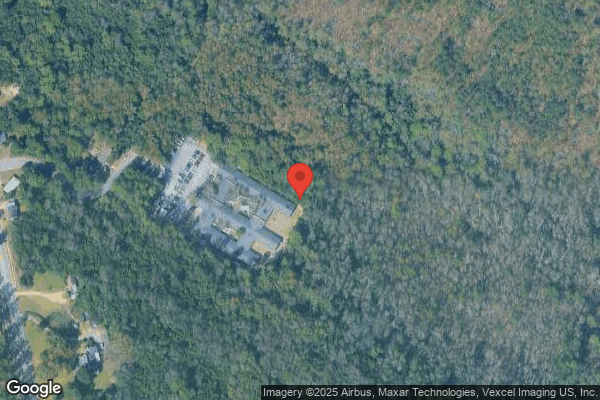
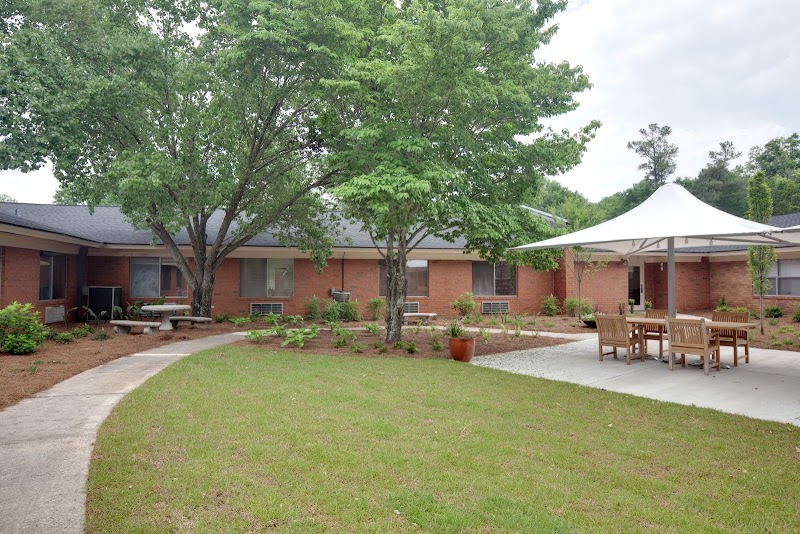
1200 Talisman Drive, North Augusta, SC 29841 (803) 278-2170
For profit - Corporation 132 Beds PRUITTHEALTH Data: November 2025 2 Immediate Jeopardy citations
Trust Grade
49/100
#53 of 186 in SC
Last Inspection: April 2025

Within standard 12-15 month inspection cycle. Federal law requires annual inspections.

Overview

PruittHealth-North Augusta has a Trust Grade of D, which indicates below-average performance with some notable concerns. It ranks #53 of 186 nursing homes in South Carolina, placing it in the top half, and #1 of 6 in Aiken County, meaning it is the best option locally but still has significant issues. The facility is improving, having reduced its number of issues from 2 in 2024 to just 1 in 2025. Staffing is relatively stable with a turnover rate of 34%, which is better than the state average, but RN coverage is only average. However, there have been critical incidents, including a resident with Vascular Dementia wandering outside unsupervised, prompting police involvement, and a lack of adequate supervision was noted. While the facility has strengths in staffing stability and quality measures, these serious safety concerns would warrant careful consideration.

Trust Score
D
49/100
In South Carolina
#53/186
Top 28%
Safety Record
High Risk
Review needed
Inspections
Getting Better
2 → 1 violations
Staff Stability
○ Average
34% turnover. Near South Carolina's 48% average. Typical for the industry.
Penalties
○ Average
$19,674 in fines. Higher than 60% of South Carolina facilities. Some compliance issues.
Skilled Nurses
⚠ Watch
Each resident gets only 27 minutes of Registered Nurse (RN) attention daily — below average for South Carolina. Fewer RN minutes means fewer trained eyes watching for problems.
Violations
⚠ Watch
18 deficiencies on record. Higher than average. Multiple issues found across inspections.
★★★★☆
4.0
Overall Rating
★★★☆☆
3.0
Staff Levels
★★★★★
5.0
Care Quality
★★★☆☆
3.0
Inspection Score
Stable
2024: 2 issues
2025: 1 issues

The Good

  • 5-Star Quality Measures · Strong clinical quality outcomes
  • Full Sprinkler Coverage · Fire safety systems throughout facility
  • No fines on record
  • Staff turnover below average (34%)

    14 points below South Carolina average of 48%

Facility shows strength in quality measures, fire safety.

The Bad

Staff Turnover: 34%

12pts below South Carolina avg (46%)

Typical for the industry

Federal Fines: $19,674

Below median ($33,413)

Minor penalties assessed

Chain: PRUITTHEALTH

Part of a multi-facility chain

Ask about local staffing decisions and management

The Ugly 18 deficiencies on record

2 life-threatening
Apr 2025 1 deficiency
CONCERN (D)

Potential for Harm - no one hurt, but risky conditions existed

Deficiency F0761 (Tag F0761)

Could have caused harm · This affected 1 resident

**NOTE- TERMS IN BRACKETS HAVE BEEN EDITED TO PROTECT CONFIDENTIALITY** Based on observations, interviews, and facility policy review, the facility failed to ensure that one of six medication carts (2...

Read full inspector narrative →
**NOTE- TERMS IN BRACKETS HAVE BEEN EDITED TO PROTECT CONFIDENTIALITY** Based on observations, interviews, and facility policy review, the facility failed to ensure that one of six medication carts (200 hall), a medication patch for (Resident (R) 64), and medical supplies for (R107) were properly secured out of a total resident census of 119. This had the potential to cause medication diversion, medication administration errors, and unsanitary medical supplies from being used for the resident. Findings include: Review of the facility's policy titled, Medication Administration: General Guidelines dated 04/10/2019 revealed, Medications are administered as prescribed, in accordance with good nursing principles and practices and only by persons legally authorized to do so. Personnel authorized to administer medications do so only after they have familiarized themselves with the medication .Medications are prepared, administered, and recorded only by licensed nursing, medical, or pharmacy personnel .During routine administration of medications, the medication cart is kept in the doorway of the patient/resident's room, with open drawers facing inward and all other sides closed and locked. No medications are kept on top of the cart, and all outward sides must be inaccessible to patients/residents or others passing by . 1. During an observation on 04/21/25 at 9:26 AM, an unlocked and unattended medication cart was observed on the 200-unit hallway near room [ROOM NUMBER]. Approximately a minute later, Licensed Practical Nurse (LPN) 2 exited the resident room. LPN2 confirmed she should not leave the medication unlocked and unattended. The Nursing Home Administrator was observed approaching the 200-unit at this time, and also confirmed the medication cart should have been locked when the nurse went into the resident room. 2. During an observation and interview on 04/21/25 at 10:25 AM, a pain relief pad 4% maxpad was observed lying across the overbed table in R64's room. It was dated 04/21. R64 stated it was a Lidocaine patch for the pain in her shoulder, and that the nurse was going to put it on her soon. Review of R64's Face Sheet, located in the Resident tab of the electronic medical record (EMR) revealed R64 was admitted to the facility on [DATE] with diagnoses that included encounter for palliative care, epilepsy, and chronic kidney disease. Review of R64's EMR titled quarterly Minimum Data Set (MDS) with an Assessment Reference Date (ARD) of 01/21/25, revealed a Brief Interview for Mental Status (BIMS) score of nine out of 15, which indicated the resident had moderate cognitive impairment. The assessment indicated the resident required substantial/maximum for bed mobility and was dependent on staff for transfers. Review of R64's EMR titled Physician Orders located under the Resident tab and dated 03/19/24, indicated [R64] pain relief pad 4% maxpad .apply to right shoulder for twelve hours, then remove for twelve hours . During an interview on 04/21/25 at 10:28 AM, LPN3 stated she was going to put the patch on R64 after she had finished her breakfast. She confirmed she had left the Lidocaine patch on the resident's table unsupervised and stated she normally did not leave medication unattended. LPN3 said she had gone to a different resident room for a minute and was letting R64 finish breakfast. 3. During an observation on 04/21/25 at 11:56 AM, an opened Enteral Feeding Tube Clog Remover, size 16 French and length 39.5cm (centimeters), was observed lying across the overbed table in R107's room. R107 was observed holding the items, swinging it around, and attempting to pull out the tubing from the packaging. Review of R107's Face Sheet, located in the Resident tab of the EMR revealed R107 was admitted to the facility on [DATE] with diagnoses that included Alzheimer's disease and abnormal weight loss. Review of R107's EMR titled admission MDS with an ARD of 03/11/25, revealed a BIMS score of 00 out of 15, which indicated the resident had significant cognitive impairment. The assessment indicated the resident had no upper extremity impairment and was dependent on activities of daily living. Review of R107's EMR titled Physician Orders located under the Resident tab and dated 04/02/25, indicated [R107] Glucerna 1.5 full strength via G [gastrostomy] tube .every shift . During an interview on 04/21/25 at 12:00 PM, LPN3 said the medical supply left on R107's table was to be used for his gastrostomy tube. She took the tubing and put it in the resident's nightstand drawer and said it was not for R107 to handle. During an interview on 04/21/25 at 12:04 PM, LPN4 said she had been busy helping a staff member with a resident shower. She stated she should not have left the tubing for the resident to handle. During an interview on 04/23/25 at 10:55 AM, the Nursing Home Administrator stated that all staff knew to keep medication carts locked up when unattended, to keep medications stored safely and not unattended with residents, and to not leave medical supplies, such as tubing, by resident bedsides. She stated nursing staff were educated on this. During an interview on 04/23/25 at 11:45 AM, the Director of Nursing said that all nurses were supposed to keep medication carts unlocked, to keep medications secured. She confirmed medications and medical supplies, such as tubing, should not be left unattended.
Apr 2024 1 deficiency
CONCERN (D) 📢 Someone Reported This

A family member, employee, or ombudsman was alarmed enough to file a formal complaint

Potential for Harm - no one hurt, but risky conditions existed

Deficiency F0919 (Tag F0919)

Could have caused harm · This affected 1 resident

**NOTE- TERMS IN BRACKETS HAVE BEEN EDITED TO PROTECT CONFIDENTIALITY** Based on observation and interview, the facility failed to ensure Resident (R)2's call light was within reach and operational fo...

Read full inspector narrative →
**NOTE- TERMS IN BRACKETS HAVE BEEN EDITED TO PROTECT CONFIDENTIALITY** Based on observation and interview, the facility failed to ensure Resident (R)2's call light was within reach and operational for 1 of 5 residents reviewed. Findings include: The facility did not provide a policy regarding Call Lights. Review of R2's Face Sheet revealed R2 was admitted to the facility on [DATE], with diagnoses including but not limited to: heart disease, dysphagia, vascular dementia, and diastolic heart failure. Review of R2's Significant Change of Status Minimum Data Set (MDS) with an Assessment Reference Date (ARD) of 03/25/24, revealed a Brief Interview of Mental Status (BIMS) score of 99 indicating R2 refused to answer questions. During an observation on 04/23/24 at 10:54 AM, R2 was lying in bed with a blanket covering him. R2's call light was not able to be located. During an observation on 04/23/24 at 12:10 PM, R2 was lying in bed covered with a blanket. R2's call light could not be located. During an observation and interview on 04/23/24 at approximately 12:10 PM, a Floor Technician (FT) observed the call light on the back wall behind the head of the bed. Further observation revealed it was a call light cord sticking out of the wall approximately 1 or 2 inches. The FT confirmed it was the call light cord and pulled it out of the wall and stated, This appears like it was cut. During an interview on 04/23/24 at 12:19 PM, Certified Nursing Assistant (CNA)1 confirmed R2 was able to use the call light if he needed to. During and observation and interview on 04/23/24 at 12:22 PM, Respiratory Therapist (RT)1 and RT2 entered R2's room and asked if there was a concern, as the call light was on in the room. They observed the call light and said, It looks like it has been cut. During an interview on 04/23/24 at 2:27 PM, the Maintenance Director (MD) stated, The call cords get stuck if they are wrapped around the bedrails or get caught in the bedframe. They snap off and break. During an interview on 04/23/24 at 12:50 PM, the Administrator stated, I'm not aware of any call cords that are broken. The company does not have a call light policy. I would expect all call lights to be within reach and working.
Feb 2024 1 deficiency
CONCERN (E) 📢 Someone Reported This

A family member, employee, or ombudsman was alarmed enough to file a formal complaint

Potential for Harm - no one hurt, but risky conditions existed

Deficiency F0602 (Tag F0602)

Could have caused harm · This affected multiple residents

Based on interviews, record reviews, and facility policy review, the facility failed to ensure narcotic pain medication that was ordered for 3 (Residents (R)1, R2, and R3) of 4 sampled residents was n...

Read full inspector narrative →
Based on interviews, record reviews, and facility policy review, the facility failed to ensure narcotic pain medication that was ordered for 3 (Residents (R)1, R2, and R3) of 4 sampled residents was not misappropriated by staff. Findings include: Review of the facility policy titled, Freedom from Patient Abuse, Neglect, Exploitation, Mistreatment and Misappropriation of Property Mission Statement, revised on 11/21/2016, revealed, It is the mission of [name of the facility] and its affiliated providers actively to preserve each patient's right to be free from abuse, neglect, exploitation, mistreatment, and misappropriation of patients property. Review of the facility Five-Day Follow-Up Report, dated 12/15/2023, revealed during medication administration on 12/08/2023 at 5:00 AM, Licensed Practical Nurse (LPN)2 noticed an oxycodone pill (a narcotic pain medication) for R1 came out of the punch card package too easily. Upon examination, LPN2 could tell that the pill was not oxycodone and the medication packaging had been tampered with. The facility's investigation report revealed LPN2 inspected the pills in the punch card package labeled oxycodone and found two of three of the medications in was famotidine (medication used to treat acid reflux/heartburn). Upon completion of medication cart review, the facility found three medication cards had been tampered with and there was a total of 11 missing narcotic pain medications for three residents. The facility's investigation revealed four of eight oxycodone pills for R3 had also been replaced with famotidine and five of 22 hydrocodone pills for R2 had been replaced with sodium bicarbonate pills (a medication used to treat heartburn/acid reflux). 1. Review of R1's Resident Face Sheet revealed the facility admitted the resident on 09/23/14, with diagnoses including but not limited to: traumatic hemorrhage of cerebrum, urethral stricture, urinary tract infection, chronic pain syndrome, and traumatic brain injury with loss of consciousness of unspecified duration. Review of R1's annual Minimum Data Set (MDS), with an Assessment Reference Date (ARD) of 12/13/23, revealed the resident had a Brief Interview for Mental Status (BIMS) score of 10 out of 15, which indicated the resident had moderate cognitive impairment. According to the MDS, the resident received a scheduled pain medication regimen. Review of R1's Care Plan last reviewed/revised on 12/17/23, revealed the resident was at risk for pain secondary to diagnoses of gastrointestinal reflux disease and a history of cerebral vascular accident/transient ischemic attack. Review of R1's Physician Order Report revealed an order dated 09/25/23, for oxycodone 5 milligram (mg) tablets, one tablet every eight hours. During an interview on 02/27/24 at 10:30 AM, R1 stated they were not in pain and had no concerns with the administration of pain medication. During an interview on 02/28/24 at 3:00 PM, Registered Nurse (RN)3 stated R1 received routine pain medication and did not complain of pain. 2. Review of R2's Resident Face Sheet revealed the facility admitted the resident on 01/19/22, with diagnoses including but not limited to: chronic pain syndrome, peripheral vascular disease, and spinal stenosis of the lumbar region with neurogenic claudication. Review of R2's quarterly MDS, with an ARD of 01/11/24, revealed the resident had a BIMS score of 15 out of 15, which indicated the resident was cognitively intact. According to the MDS, the resident received a scheduled pain medication regimen. Review of R2's Care Plan last reviewed/revised on 01/17/24, revealed the resident was at risk for experiencing pain due to a diagnosis of cervical spine compression. Review of R2's Physician Order Report revealed an order dated 10/23/23, for hydrocodone-acetaminophen 7.5 milligram (mg)/325 mg tablet every twelve hours at 9:00 AM and 9:00 PM for spinal stenosis of the lumbar region with neurogenic claudication. During an interview on 02/27/24 at 10:45 AM, R2 stated they had no concerns with receiving their pain medication. During an interview on 02/28/24 at 3:00 PM, RN3 stated R2 received routine pain medication and did not complain of pain. 3. Review of R3's Resident Face Sheet revealed the facility admitted the resident on 06/30/23, with diagnoses including but not limited to: osteomyelitis, pressure ulcers, and chronic pain syndrome. Review of R3's quarterly MDS with an ARD of 12/29/23, revealed the resident had a BIMS score of 15 out 15, which indicated the resident was cognitively intact. According to the MDS, the resident received as needed pain medication. Review of R3's Care Plan last reviewed/revised on 02/22/24, revealed the resident had pain related to paraplegia. During an interview on 02/27/24 at 10:50 AM, R3 stated they had no concerns with the administration of their pain medication. During an interview on 02/28/24 at 10:47 AM, Licensed Practical Nurse (LPN)2 stated on 12/08/23 at approximately 4:00 AM or 5:00 AM, she noticed that R1's oxycodone medication came out of the package/card very easy. LPN2 stated she could see that the back of the oxycodone medication card was altered, and the medication was replaced with Pepcid (name brand for famotidine). LPN2 stated famotidine pills looked similar to oxycodone but had a different number on the pill. LPN2 stated she immediately called the previous Director of Health Services (DHS). LPN2 stated when she received the medication cart from RN3, she did not look at the back of the medication packages. During an interview on 02/27/24 at 5:14 PM, RN3, who worked the morning shift from 7:00 AM to 7:00 PM, stated she did not remember exactly when the incident happened. RN3 stated she did not notice any discrepancies with the pill packs. RN3 stated she examined the front and back of the narcotic pill packages and examined the medication to verify the count before assuming responsibility of the medication cart. Review of the facility witness statement for LPN1 dated 12/08/23, revealed the LPN did not notice or see any unusual discrepancies with narcotics for either medication cart. During an interview on 02/28/24 at 11:06 AM, the previous DHS stated LPN2 called her and reported the drug diversion incident. The previous DHS stated she could tell that the medication card/package was altered. According to the previous DHS, the Administrator began the investigation, and she did not remember details. During an interview on 02/28/24 at 4:50 PM, the Administrator stated she expected staff not to divert residents' medications. The surveyor's investigation or the facility's investigation could not determine who was responsible for the misappropriation of the narcotics.
Nov 2023 1 deficiency
CONCERN (D) 📢 Someone Reported This

A family member, employee, or ombudsman was alarmed enough to file a formal complaint

Potential for Harm - no one hurt, but risky conditions existed

Deficiency F0602 (Tag F0602)

Could have caused harm · This affected 1 resident

**NOTE- TERMS IN BRACKETS HAVE BEEN EDITED TO PROTECT CONFIDENTIALITY** Based on record review, policy review, and staff interviews, the facility failed to ensure 1 out of 2 residents were free from m...

Read full inspector narrative →
**NOTE- TERMS IN BRACKETS HAVE BEEN EDITED TO PROTECT CONFIDENTIALITY** Based on record review, policy review, and staff interviews, the facility failed to ensure 1 out of 2 residents were free from misappropriation of resident medication. This failure resulted in the misappropriation/divergence of Resident (R)1's ordered pain medication. Findings include: Review of the facility's policy titled Freedom from Patient Abuse, Neglect, Exploitation, Mistreatment, and Misappropriation of Property Mission Statement, with a revised date of 11/21/16 reveals, It is the mission of the facility and its affiliated providers actively to preserve each patient's right to be free from abuse, neglect, exploitation, mistreatment, and misappropriation of patient property. The purpose of our abuse prohibition procedures is to assure that our partners are doing all that is within our control to create a standard of intolerance and to prevent any occurrences of any form of patient abuse, neglect, exploitation, mistreatment, and misappropriation of property. Our policies and procedures establish standards of practice for screening and training partners, protecting patients, and the prevention, identification and responding/reporting of abuse, neglect, exploitation, mistreatment, and misappropriation of property. Review of R1's Face Sheet revealed R1 was initially admitted to the facility on [DATE] and readmitted on [DATE]. R1 was admitted with diagnoses including, but not limited to; type 2 diabetes mellitus, blindness in one eye, dysphagia, chronic pain syndrome, epilepsy, and diffuse traumatic brain injury. Review of R1's Quarterly Minimum Data Set (MDS) with an Assessment Referenced Date (ARD) of 09/13/23 revealed R1 had a Brief Interview for Mental Status (BIMS) score of 12 of 15, indicating R1 was moderately cognitively impaired. Review of R1's Physician orders with a start date of 09/25/23 revealed that R1 is to be administered 5 MG Oxycodone tablet orally, every eight hours at 6:00 AM, 2:00 PM, and 10:00 PM. Review of R1's Progress Note on 10/19/23 revealed that a 2 PM dose of Oxycodone not given as drug is unavailable in the cart. Nurse called pharmacy to ask for authorization to access the E-kit (Emergency Kit) but to no avail. NP (Nurse Practitioner) notification order obtained. During an interview on 11/02/23 at 6:24 PM, the Administrator revealed that the narcotic medication card and record sheet was missing for R1. During the facility investigation they counted back from when the medication was administered, and it would have been the 8th of October that it was missing. The Administrator and the Physician went through all the cards on the cart to make sure none of the cards were tampered with. The nurse didn't have signatures on the reconciliation sheet, but they do know that two cards were received. The Administrator stated if the nurse had reviewed the administration and inventory sheet, it would have been caught. They were able to narrow it down to two nurses (Licensed Practical Nurse (LPN)1 and LPN2), and every nurse was drug tested. The Administrator further stated ten pills were unaccounted for. The Administrator added her expectation is to follow Med Pass, how to do it appropriately, there is no reason for medication to go missing from a cart, especially a narcotic. All nursing staff should follow protocol, include inventory sheet, and count medications during shift change. During an interview on 11/03/23 at 2:59 PM, LPN1 revealed that she wasn't aware of anything missing until the director called her, she was on vacation prior to the incident taking place. LPN1 further stated they had to come in and do a screening because the facility couldn't find a narcotic sheet, and there were about 10-12 missing pills, I started the new sheet and asked where the old sheet was. LPN1 revealed she is responsible for logging medication in and on the 8th of October she was out on vacation. LPN1 states the policy always involves two nurses, the nurse coming on and the nurse going off should count together. LPN1 revealed nurses leave the keys inside the clipboard, so the policy is not always followed how it's supposed to be. When the pharmacy brings medication in the nurse receive it, they must sign for it, count it and then log it in their book. The second nurse should cosign to say that it was received and counted. LPN1 further states that there may not always be a second nurse to approve that. If that happens another unit nurse would inform that the previous nurse left the keys in the clipboard. There are multiple times that she has received keys that are left in the clipboard. It happens so much that they just get on board and continue with their assignments for the day. On Monday nights we should complete an inventory if they are running low on narcotic scripts and inform the following day nurse to make a request for that medication. During an interview on 11/03/23 at 3:12 PM, LPN2 revealed she doesn't know anything about it, the day she returned she got a report from another nurse that the sheet was missing along with the whole card of medication. LPN2 includes she didn't receive inventory and didn't count it. LPN2 further states she is familiar with the medication and the resident that receives it, she thinks he still got it, he had enough for that day, LPN2 was not sure if he went without the medication after that. LPN2 states she doesn't usually work Mondays but the night nurse reported it to her.
Jul 2023 9 deficiencies
CONCERN (D)

Potential for Harm - no one hurt, but risky conditions existed

Deficiency F0561 (Tag F0561)

Could have caused harm · This affected 1 resident

Based on interview, record review, document review and the facility failed to ensure one (Resident (R)19) of the twenty-four residents in the sample was allowed to make choices regarding the care of h...

Read full inspector narrative →
Based on interview, record review, document review and the facility failed to ensure one (Resident (R)19) of the twenty-four residents in the sample was allowed to make choices regarding the care of her hair. Failure to allow the resident to make choices did not allow the resident the right to make choices regarding her care at the facility. Findings include: Interview on 07/25/23 at 930 AM, R19 expressed concerns as to why she couldn't get her hair blow dried anymore after her showers, since she could not do it herself due to her physical disabilities. She did not like to towel dry her hair because her hair was still wet, and she felt like it would cause her to catch a cold. She reported that she did ask staff why she could no longer get her hair blow dried and they said it was a safety issue. She stated that they used to use a blow dryer to perform that task for her. The staff told her that she will have to be taken to the salon and sit under a hair dryer after her showers. The resident revealed that this did not occur, and it was more time-consuming for the staff to do that. She was not getting her hair shampooed as often since she can't get it blow dried, and the staff did not always have time. Review of the resident's Minimum Data Set (MDS) with an Assessment Reference Date (ARD) of 04/26/23 revealed the resident had a Brief Interview for Mental Status (BIMS) score of 15 out of 15 which indicated the resident was cognitively intact. Review of the Certified Nursing Assistance (CNA) bathing logs dated 07/11/23, 07/20/23 and 07/25/23 did not reveal that R19 had her hair blow dried on her shower days. Record review of the resident's care plan dated 07/21/23, in the electronic medical record (EMR) under the Care Plan tab revealed that the resident was alert and oriented and chose not to wash her hair and she would not air dry it or towel dry it and desired to have it blow dried. Review of the Resident's Rights and choices booklet, that was provided to the residents upon admission revealed in the section of Planning and Implementing Care, item b; that the resident has the right to participate in the development and implementation of a person-centered plan of care including, but not limited to: the right to receive the services and or items included in the plan of care. Also, in the section of Self-Determination, item b: the resident has the right to make choices about aspects of their life in the facility that are significant to them. Interview on 07/26/23 at 3:00 PM with CNA7 revealed she was aware that the resident desired to get her hair blow dried with showers and did not like it to be toweled dried. She stated they used to do it for her but was told by management that they could no longer use her blow dryer and that the resident had to be taken to the salon to sit under a hair dryer, which may sometimes not be done. Interview on 07/26/23 at 3:10 PM the Nurse Navigator (NN) revealed that an alternative to blow drying this resident's hair was to take her to sit under a dryer in the salon because they did not want the resident to use the blow dryer on her own. NN agreed that due to the resident's physical condition that the resident was not capable of using the blow dryer herself. The NN stated the CNA could do it for her, but not too sure why this was no longer being done. NN did not recall that the resident tried to use the blow dryer herself. Interview on 07/26/23 at 5:00 PM with the Social Services Director (SSD), revealed that there was no safety hazard with the resident's dryer, and that the resident should not have had to go to the salon to dry her hair. The SSD agreed that a better alternative would be to have the CNA's blow dry her hair on R19's shower days.
CONCERN (D)

Potential for Harm - no one hurt, but risky conditions existed

Grievances (Tag F0585)

Could have caused harm · This affected 1 resident

**NOTE- TERMS IN BRACKETS HAVE BEEN EDITED TO PROTECT CONFIDENTIALITY** Based on interview, record review, and review of facility policy the facility failed to investigate grievance concerns filed by ...

Read full inspector narrative →
**NOTE- TERMS IN BRACKETS HAVE BEEN EDITED TO PROTECT CONFIDENTIALITY** Based on interview, record review, and review of facility policy the facility failed to investigate grievance concerns filed by two Residents (R)44 and R32 regarding nursing care from a sampled 24 residents. Finding include: Review of the facility's policy titled Grievances: Healthcare Centers with a revision date 11/21/22, reads in part A grievance includes, but is not limited to, complaints with respect to care and treatment that has been furnished to a patient, as well as that which has not been furnished, the behavior of staff and of other patients, and other concerns regarding the patient's facility stay. 1 During an interview on 07/26/23 at 1:46 PM, R44 stated that he had problems with one certified nursing assistant (CNA) in particular. The resident identified CNA2. R44 stated that a couple of weeks ago he asked CNA2 to change his linen since he spilled his urinal in his bed. The resident made repeated requests for the CNA2's assistance in cleaning him up. The resident stated CNA2 left the facility after her shift without cleaning him up. R44 further stated the same situation occurred a few days later when he requested assistance in being repositioned in the bed. This time CNA2 came in the room to assist another CNA (unidentified) in repositioning. R44 stated that CNA2 jerked him roughly into an upright position while the other CNA assisted in pulling him up in bed. The resident further stated that CNA2 then shoved him back onto the bed. The resident stated he felt CNA2 did this intentionally. R44 asked the other CNA if she observed what CNA2 did, and the CNA replied yes. The resident stated he was told an investigation was completed and that the CNA who witnessed the incident denied seeing CNA2 shoving him into the mattress. The resident further stated that he also had problems with CNA1 providing his care. The resident stated he did not want CNA1 or CNA2 to provide his care. The resident stated that he felt both employees were abusive towards him and that he felt uncomfortable with them caring for him. - The resident stated that he filed a complaint the next day to Social Services. R44 stated he reported this incident to the Administrator. R44 stated that he was not satisfied with the outcome of the facility's investigation. Review of R44's Face Sheet located in the resident's electronic medical records (EMR) revealed the resident was admitted to the facility on [DATE] with diagnoses that included quadriplegia, neurogenic bowel and bladder, fluid overload, and bilateral hand contractures. Review of the R44's quarterly Minimum Data Set (MDS) with an Assessment Reference Date (ARD) of 06/09/23 located in the resident's EMR section titled Resident Assessment Instrument (RAI) revealed the resident had a Brief Interview for Mental Status (BIMS) score of 15 out of 15 indicating R44 had intact cognition. R44 was dependent on staff for all activities of daily living. Review of the facility's document titled Grievance /Complaint Log form: Healthcare Centers for the month June revealed R44 filed a grievance on 06/23/23. The log indicated the grievance was referred all staff on 06/28/23. The log sheet indicated action completed 06/23/23 through 07/08/23. The log further indicated the grievance was resolved. It was documented on the log the CNA would not go back in the resident's room. -The grievance log did not specify what the grievance was about. Review of the facility's grievance investigation form revealed the date of 06/23/23 was taken by Social Services Director (SSD). It was documented on the form that the grievance referred to all staff. The specifics of grievance read as follows Resident expressed concern over amount of time in which it took for staff to address his concerns, resident reported concern over staff responding to his call light, however when notified of the resident's concern he alleges that staff will walk out. Resident not happy with staff telling him that they will address his concern only for them to never follow back up with the concern. In the section of the form that indicated steps taken to investigate, the SSD documented spoke with resident and initiated in-service education regarding professional interactions ADL care. The SSD documented in-service education in which both CNA1 and CNA2 attended 06/27/23. -However, the grievance did not address the rough handling by CNA2. Also, the grievance investigation did not contain statements from other residents receiving care from CNA2, or staff members involved. An interview with the SSD on 07/26/23 at 5:30 PM revealed he stated the grievance findings were reviewed with the Administrator and she signed off on the correction action. An interview was conducted on 07/26/23 at 6:30 PM with the Administrator. The Administrator reviewed the grievance investigation report dated 06/23/23 and stated that what the grievance revealed was not what the resident reported to her. The resident reported to her that the CNA2 was rough with R44. The NHA confirmed that no investigation was completed regarding the reported incident of rough behavior by the staff. 2. During an interview on 07/24/23 at 11:30 AM R32 voiced concerns about an incident CNA1 's behavior towards the resident. R32 stated the CNA1 made crude remarks to her when providing care. R32 stated she was told that CNA1 would no longer be assigned to her. R32 stated now that even though the CNA was no longer taking care of her, CNA1 would stop at her room and glare at her. Or CNA1 would make comments to the other staff members to watch out that R32 would make trouble for them like she did her. R32 stated she did not want this CNA1 providing care for her again. R32 stated that she felt like CNA1 was making slanderous remarks against her and did not feel comfortable with CNA1. - The resident stated she reported the incident to the Administrator in June but was unable to remember the exact date. The resident stated since the staff members continued, there was still a problem. Review of R32's Face Sheet located in the resident's EMR revealed the resident was admitted to facility on 03/15/23 with diagnoses that included dementia, behavior disturbances, and depression. Review of the R32's admission MDS with an ARD 3/12/23 revealed the resident had a BIMS score of 15 out of 15 indicating R32's cognition was intact. R32's required extensive to total assistance with two staff persons assistance for ADLs. Review of the facility's document titled Grievance /Complaint Log form: Healthcare Centers for the month June revealed R32 filed a grievance on 06/26/23. The log indicated the grievance was referred CNA/Nurses on 06/26 to 06/28/23. The log sheet indicated action completed 06/28/23. The log further indicated the grievance was resolved and the resident was satisfied with the resolution. -The grievance log did not specify what the grievance was about. A review of the grievance investigation completed by Social Services on June 26, 2023, of R32's allegation of CNA1 being rude, revealed the investigation indicated that the resident had expressed a concern of CNA1 being rude specifically not knocking on the door prior to entering the resident's room. The investigation did not include statements from the resident, from CNA1 or statements from other residents. The investigation was signed off by the Administrator and Social Services. A summary of the of the SSD's finding documented as follows in-service education initiated regarding professional highlighting conduct and communication, specifically providing daily care to meet each resident's personal and medical needs. Education also emphasized the importance of knocking prior to entering a resident's room. The SSD notified the resident of the findings of his investigation. The SSD documented the resident was satisfied with the findings. An interview with Social Services on 07/26/23 at 4:30 PM revealed R32 verbalized no further concerns about CNA1. An interview was conducted on 07/26/23 at 6:30 PM with the Administrator. The Administrator stated that she was aware of the incident of CNA making crude remarks made by CNA1 and discussed the incident with R32. The NHA stated that CNA1 would no longer be assigned to provide her care. The Administrator stated she was not aware of the resident's concern of CNA1 continued behavior of making comments to other staff that the resident would cause trouble for them.
CONCERN (D)

Potential for Harm - no one hurt, but risky conditions existed

Investigate Abuse (Tag F0610)

Could have caused harm · This affected 1 resident

**NOTE- TERMS IN BRACKETS HAVE BEEN EDITED TO PROTECT CONFIDENTIALITY** Based on interview, record review, and review of facility policy, the facility failed to identify and investigate possible abuse...

Read full inspector narrative →
**NOTE- TERMS IN BRACKETS HAVE BEEN EDITED TO PROTECT CONFIDENTIALITY** Based on interview, record review, and review of facility policy, the facility failed to identify and investigate possible abuse allegations resulting from grievances filed by two Residents (R)44 and R32 from a sampled 24 residents. Findings include: Review of the facility's policy titled Prevention of Patient Abuse, Neglect, Exploitation, Mistreatment, and Misappropriation of Property with a revision date of 10/27/20 reads in part Providers are to identify, correct, and intervene in situations in which abuse, neglect, mistreatment, or exploitation may occur. This should include an analysis of the following .organizational processes including but not limited to staff competencies, grievance processes . 1 During an interview on 07/26/23 at 1:46 PM, R44 stated that he had problems with one certified nursing assistant (CNA)2 in particular. The resident identified CNA2. R44 stated that a couple of weeks ago he asked CNA2 to change his linen since he spilled his urinal in his bed. The resident made repeated requests for the CNA2's assistance in cleaning him up. The resident stated CNA2 left the facility after her shift without cleaning him up. The resident stated that he filed a complaint the next day to Social Services. R44 further stated the same situation occurred a few days later when he requested assistance in being repositioned in the bed. This time CNA2 came in the room to assist another CNA (unidentified) in repositioning. R44 stated that CNA2 jerked him roughly into an upright position while the other CNA assisted in pulling him up in bed. The resident further stated that CNA2 then shoved him back onto the bed. The resident stated he felt CNA2 did this intentionally. R44 asked the other CNA if she observed what CNA2 did, and the CNA replied yes. R44 stated he reported this incident to the Administrator. The resident stated he was told an investigation was completed and that the CNA who witnessed the incident denied seeing CNA2 shoving him into the mattress. The resident further stated that he also had problems with CNA1 providing his care. The resident stated he did not want CNA1 or CNA2 to provide his care. -The resident stated that he felt both employees were abusive towards him and that he felt uncomfortable with them caring for him. R44 stated that he was not satisfied with the outcome of the facility's investigation. The resident stated he felt that he was abused. Review of R44's Face Sheet located in the resident's electronic medical records (EMR) revealed the resident was admitted to the facility on [DATE] with diagnoses that included quadriplegia, neurogenic bowel, and bladder, and bilateral hand contractures. Review of the R44's quarterly Minimum Data Set (MDS) with an Assessment Reference Date (ARD) of 06/09/23 located in the resident's EMR section titled Resident Assessment Instrument (RAI) revealed the resident had a Brief Interview for Mental Status (BIMS) score of 15 out of 15 indicating R44 had intact cognition. R44 was dependent on staff for all activities of daily living. Review of the facility's grievance investigation form revealed the date of 06/23/23 and was taken by Social Services Director (SSD). It was documented on the form that the grievance referred to all staff. The specifics of the grievance read as follows Resident expressed concern over amount of time in which it took for staff to address his concerns, resident reported concern over staff responding to his call light however when notified of the resident's concern he alleges that staff will walk out. Resident not happy with staff telling him that they will address his concern only for them to never follow back up with the concern. -In the section of the form that indicated steps taken to investigate, the SSD documented spoke with resident and initiated in-service education regarding professional interactions ADL care. The SSD documented in-service education in which both CNA1 and CNA2 attended 06/27/23. -However, the grievance did not address the rough handling by CNA2. Also, the grievance investigation did not contain statements from other residents receiving care from CNA2, or the staff members involved. An interview with the SSD on 07/26/23 at 5:30 PM revealed he did feel CNA2's behavior was abusive towards R44. SSD felt the staff members required additional training in customer service, providing ADL cares and professionalism. The SSD stated the grievance findings were reviewed with the Administrator and she signed off on the correction action. An interview was conducted on 07/26/23 at 6:30 PM with the Administrator. The Administrator reviewed the grievance investigation report dated 06/23/23 and stated that what the grievance revealed was not what the resident reported to her. The resident reported to her that the CNA2 was rough with R44. The Administrator stated the resident did identify CNA2 as the employee he was having trouble with, including the incident about the rough handling by CNA2. The Administrator stated R44 had asked that CNA2 not be assigned to him. -The Administrator was unable to provide documentation for investigating this incident. The Administrator confirmed that no investigation was completed regarding the reported incident of rough behavior by CNA2. However, the Administrator stated that she did not view this incident as abuse. 2. During an interview on 07/24/23 at 11:30 AM R32 voiced concerns about CNA1's behavior towards the resident. R32 stated CNA1made crude remarks to her when providing care. The resident stated she did report the incident to the Administrator in June and that it was decided that CNA1 would no longer be assigned to the resident. But now the resident reports that even though CNA1 was no longer taking care of her, CNA1 would stop at her room and glare at her. R32 also stated that she has heard the CNA telling other employees to watch for that R32 would make trouble for them like she did her. R32 stated that she felt like CNA1 was making slanderous remarks against her and did not feel comfortable with CNA1. Review of R32's Face Sheet located in the resident's EMR revealed the resident was admitted to facility on 03/15/23 with diagnoses that included, dementia, without behavior disturbances, and depression. Review of the R32's admission MDS with an ARD 3/12/23 revealed the resident had a BIMS score of 15 out of 15 indicating R32's cognition was intact. R32's required extensive to total assistance with two staff persons assistance for ADLs. A review of the grievance investigation completed by Social Services on June 26, 2023, of R32's allegation of CNA1 being rude, revealed the investigation indicated that the resident had expressed a concern of CNA1 being rude, specifically not knocking on the door prior to entering the resident's room. The investigation was signed off by the Administrator and Social Services. A summary of the of the SSD's finding documented as follows an in-service education initiated regarding professional highlighting conduct and communication, specifically providing daily care to meet each resident's personal and medical needs. Education also emphasized the importance of knocking prior to entering a resident's room. The SSD notified the resident of the findings of his investigation. The SSD documented the resident was satisfied with the findings. -The investigation did not include statements from the resident, from CNA1 or statements from other residents. An interview was conducted on 07/26/23 at 5:30 PM with SSD regarding grievance investigations for R32 and R44. The SSD stated that he felt both CNAs needed to be retrained in customer service/courtesy and professionalism. SSD stated that he did not identify any elements of abuse to either resident. The SSD stated he conducted an in-service on resident care and professional behaviors for both staff members. An interview was conducted on 07/26/23 at 6:30 PM with the Administrator. The Administrator stated that she was aware of the incident of CNA making crude remarks made by CNA1 and discussed the incident with R32. The NHA stated that CNA1 would no longer be assigned to provide her care. The Administrator stated she was not aware of the resident's concern of CNA1 continued behavior of making comments to other staff that the resident would cause trouble for them. However, the Administrator stated that she did not feel abuse had occurred.
CONCERN (D)

Potential for Harm - no one hurt, but risky conditions existed

Deficiency F0657 (Tag F0657)

Could have caused harm · This affected 1 resident

**NOTE- TERMS IN BRACKETS HAVE BEEN EDITED TO PROTECT CONFIDENTIALITY** Based on observation, interview, record review, and review of facility policy, the facility failed to revise the care plan inter...

Read full inspector narrative →
**NOTE- TERMS IN BRACKETS HAVE BEEN EDITED TO PROTECT CONFIDENTIALITY** Based on observation, interview, record review, and review of facility policy, the facility failed to revise the care plan interventions for one of one Resident (R)87 from a sample 24 residents. R87 sustained numerous bed bug bites and his care plan was not revised to reflect the incident or treatment. Findings include: Review of facility's policy titled Care Plans with an effective date of 12/31/1996 reads in part .Care Plan Review and Update. Updates to the care plans should be made with any changes in condition at time the change in change occurred. Care plans will be updated by nurses, case mix directors, interdisciplinary team members so that the care plan will reflect the resident's needs at any given moment. Observation on 07/25/23 at 08:30 AM revealed R87 resting in bed and the resident had several areas on his face and arms that were scabbed over or open with dried blood. The resident's bed linen had several spots of dried blood. Observation on 07/25/23 at 12:45 PM revealed R87 sitting on the side of his bed scratching the open areas on his right arm. The resident also had multiple open and scabbed areas on his lower extremities in addition to the areas on his face and upper extremities. Review of R87's Face Sheet located in the resident's electronic medical record (EMR) revealed the resident was admitted to the facility on [DATE] with diagnoses that included major depressive disorder. Review of R87's admission Minimum Data Set (MDS) with an Assessment Reference Date (ARD) of 06/27/23 located in the resident EMR tab titled Resident Assessment Instrument (RAI) revealed the resident had a Brief Interview for Mental Status score of eight out of 15 indicating the resident had moderately impaired cognition. The resident required extensive assistance with activities of daily living (ADLs) with one-person physical assistance. Review of the resident's Nurses Notes dated 07/05/23 located in the resident's EMR section titled Progress Notes revealed the resident was assessed to have numerous insect bites over his body. The staff obtained physicians orders for treatment. The resident received a shower and room change while environmental services treated his room. The administrative and the resident's responsible party were notified of the incident. Review of R87's Care Plan with review date of 07/05/23 located in the resident's EMR section titled RA) Care Planning revealed the care plan was not revised to reflect the incident with the bed bugs and treatment. Interview on 07/25/23 at 2:00 PM with Licensed Practical Nurse (LPN)2 and LPN4 revealed the resident's family brought a chair from home that was infected with bed bugs. As soon as the staff discovered the bug bites the appropriate people were notified and the resident was treated. Both staff members stated the resident had a problem with pruritis before the insect bites, however, the insect bites made the pruritis worse. Interview on 07/26/23 at 1:30 PM, LPN4 revealed the resident's care plan should have been revised to reflect the incident. LPN4 stated the interdisciplinary team was responsible for updating and revising the resident's care plans. Interview on 07/27/23 at 01:10 PM, the Assistant Director of Nursing (ADON) revealed any nurse can revise/update a resident's care plan as a change in condition occurs. The ADON stated she was aware of the incident with the bug bites; and agreed the care plan should have been revised to reflect the incident and treatment.
CONCERN (D)

Potential for Harm - no one hurt, but risky conditions existed

Incontinence Care (Tag F0690)

Could have caused harm · This affected 1 resident

Based on observation, interviews, record review, and review of facility policy, the facility failed to properly secure an indwelling catheter drainage tubing for one of one Resident (R)148 from a samp...

Read full inspector narrative →
Based on observation, interviews, record review, and review of facility policy, the facility failed to properly secure an indwelling catheter drainage tubing for one of one Resident (R)148 from a sample of 24 residents. This failure has the potential to cause the resident to have reoccurring urinary tract infections. Findings include: Review of the facility's undated policy titled Procedure: Indwelling Urinary Catheter reads in part Secure with catheter securement device if available. Tape the catheter, use an adhesive catheter holder, or apply a Velcro leg strap to secure the catheter. Do not leave the room until the catheter is secured. The mechanical irritation caused by the catheter movement can cause complications. The catheter in the female is secure to the upper thigh and in the male resident the catheter is secured in place to the abdomen. Review of the R148 Face Sheet located in the resident's electronic medical records (EMR) section revealed the resident was admitted to the facility with diagnoses that included chronic kidney disease. Review of R148's Baseline Care Plans dated 7/19/23 located in the resident's EMR section titled Care Planning revealed the resident had a Foley catheter to drainage and to provide catheter care according to facility policy. Review of the R148's Physician Orders dated 07/19/23 located in the resident's EMR section titled Orders revealed the resident was to have catheter care per facility policy. Observation on 07/25/23 at 8:10 AM revealed R148 in bed and a Foley catheter connected to a drainage bag. The resident was able to show that she was not wearing a catheter strap. Observation on 07/26/23 at 10:42 AM revealed R148 in bed and a Foley catheter drainage bag clipped to side of bed. The catheter was not secured to the resident upper thigh. Observation and interview on 07/27/23 at 2:45 PM with Certified Nursing Assistant (CNA)5 confirmed that resident's Foley catheter was unsecured to the resident's thigh. During the observation, the CNA5 stated the resident should have had the catheter strap secured to her upper thigh to prevent the catheter from pulling and becoming dislodged. Interview on 07/27/23 at 3:15 PM, Licensed Practical Nurse (LPN)5 revealed it was an expectation for residents with indwelling or suprapubic catheters to have the catheter secured in place with a securement device to prevent pulling and dislodgement of the catheter. LPN5 was unaware the resident did not have a catheter securement device in place during the three days of the survey.
CONCERN (D)

Potential for Harm - no one hurt, but risky conditions existed

Respiratory Care (Tag F0695)

Could have caused harm · This affected 1 resident

Based on observation, interview, record review, and the facility failed to maintain proper sanitary storage of the suction tubing for one Resident (R)48 of six sampled residents that required tracheos...

Read full inspector narrative →
Based on observation, interview, record review, and the facility failed to maintain proper sanitary storage of the suction tubing for one Resident (R)48 of six sampled residents that required tracheostomy suctioning to prevent the risk of infections to vulnerable tracheostomy residents. This deficient practice increases the risk of infection for residents requiring tracheostomy suctioning. Findings include: Review of R48's Electronic Medical Record (EMR) Face Sheet located under the Profile tab, indicated R48 was admitted to the facility initially on 07/13/21 with diagnoses including chronic respiratory failure with hypoxia, metabolic encephalopathy, quadriplegia, chronic respiratory failure, tracheostomy, and traumatic brain injury. Review of R48's Physician Orders located in R48's EMR under the Orders tab, revealed. orders dated 05/17/23 to provide suctioning to tracheostomy as needed. During an observation of the R48 on 07/25/23 at 10:00 AM, the Respiratory Therapist (RT) was observed performing tracheostomy suctioning to the resident. The RT placed the end of the suction tubing to the outside of the plastic bag. The suction tip was exposed to the open air and was not covered. During an observation on 07/26/23 at 10:00 AM R48's suction tip remained hanging off the plastic bag from the canister, exposed without a covering. The RT revealed it has never been an issue before. Interview on 07/26/23 at 11:30 AM with the Respiratory Manager (RM), revealed that she was not aware that this practice of the suction tip storage was an issue She stated she would consult with corporate to determine if this practice was appropriate and that there was no specific policy on this issue to refer to. The RT and the RM revealed that this practice needed to be addressed immediately. RM revealed that effective immediately the suction tip would no longer be exposed hanging from the plastic bag and all suction tubing tips would be placed in a closed plastic bag to minimize exposer. RM and RT agreed this practice may have the potential to spread infection to vulnerable tracheostomy residents.
CONCERN (D)

Potential for Harm - no one hurt, but risky conditions existed

Deficiency F0919 (Tag F0919)

Could have caused harm · This affected 1 resident

**NOTE- TERMS IN BRACKETS HAVE BEEN EDITED TO PROTECT CONFIDENTIALITY** Based on observation, record review, and interview, the facility failed to ensure one of one Resident (R)145 of 24 sampled resid...

Read full inspector narrative →
**NOTE- TERMS IN BRACKETS HAVE BEEN EDITED TO PROTECT CONFIDENTIALITY** Based on observation, record review, and interview, the facility failed to ensure one of one Resident (R)145 of 24 sampled residents had a functioning call light system. This had the potential to affect the resident's ability to call for assistance. Findings include: Review of R145's Face Sheet located in the resident's electronic medical records (EMR) under the section titled Face sheet revealed the resident was admitted to the facility on [DATE] with diagnoses that included chronic kidney disease (with dialysis); major depressive disorder; and anxiety disorder. Review of the R145's admission Nursing Notes dated 07/24/23 located in the resident's EMR section titled Progress Notes revealed the resident was admitted to the facility alert and oriented. The resident required staff assistance with activities of daily living; incontinent of bladder and bowel and was non ambulatory. Observation on 07/25/23 at 7:30 AM revealed R145 in bed calling for assistance. The resident call light was on the floor under the resident's bed. The call light was retrieved from under the bed and the button was pushed. Upon closer inspection it was noted the call light was not plugged into the wall unit. The wall unit was also lying on the floor under the resident's bed. Observation on 07/25/23 at 7:35 AM Licensed Practical Nurse (LPN)4 was notified about the resident's malfunctioning call light. LPN4 went to the resident's room to connect the call light system. The wall unit did not completely connect to the wall and the call light did not come on when the button was pushed. LPN4 notified the Maintenance Director of the situation. Interview on 07/25/23 at 7:30 AM, R145 revealed he was unable to use his call light since he was admitted to the facility last evening (07/24/23). The resident stated the staff came to his room one time during the night to administer pain medication and he informed the staff then that his call light was not working. The resident stated the staff did not return to fix his call light until this morning. Interview on 07/25/23 at 3:30 PM with LPN4 revealed the resident's call light did malfunction since it was pulled out of the wall. The LPN stated the Maintenance Director had to replace the call light unit. LPN4 also stated that the night shift should have addressed the issue of the resident's call light not working and another way for the resident to call for assistance.
CONCERN (E)

Potential for Harm - no one hurt, but risky conditions existed

Infection Control (Tag F0880)

Could have caused harm · This affected multiple residents

Based on observations, interviews, and review of facility laundry records, the facility failed to ensure staff adhered to wearing the appropriate personal protective equipment (PPE) for residents in c...

Read full inspector narrative →
Based on observations, interviews, and review of facility laundry records, the facility failed to ensure staff adhered to wearing the appropriate personal protective equipment (PPE) for residents in contact and droplet isolation for two (Resident (R)147 and R76) of two residents. The facility also failed to ensure that daily hot water temperatures were maintained in the laundry. This failure has the potential to spread blood borne pathogens. Findings include: 1. Observation on 07/25/23 at 7:45 AM revealed Resident (R)147 had an isolation cart outside his room. The signage on the cart indicated the resident was on contact and droplet precautions. The signage gave directions for the staff to perform hand hygiene, don mask, gown, and gloves before entering the resident's room. A staff member was observed entering the resident's room to answer his call light. A staff member did not perform hand hygiene, nor did she don mask, gown, and gloves. Observation on 07/25/23 at 8:40 AM a staff member performed hand hygiene and donned PPE to take R147 breakfast tray in room; the breakfast tray was not an isolation tray. Observation on 07/25/23 at 9:09 AM certified nursing assistant (CNA)1 entered R147's room without donning PPE and removed the resident's breakfast tray and placed it on the cart. Interview on 07/25/23 at 8:10 AM with Licensed Practical Nurse (LPN)4 revealed he thought the resident was not on isolation precautions, but he would check. LPN4 returned a few minutes later and confirmed the resident was on isolation precautions and the staff should don mask, gown, and gloves before entering the room. During an interview on 07/25/23 at 9:30 AM, CNA1 acknowledged that she entered R147's without donning PPE. CNA1 stated that she simply forgot to follow the directions for isolation. 2. Observation on 07/27/23 at 11:49 AM of R76's room revealed a sign that indicated R76 was on contact and droplet precautions due to positive for COVID. Registered Nurse (RN)1 and LPN 6 were observed at the nurses' station. RN1 wearing her face mask down around her chin area. LPN6 was observed without a face mask. Interview on 07/27/23 at 10:30 AM with the Director of Nursing (DON) and the Assistant Director of Nursing (ADON) revealed residents that were in isolation should have received their meals in Styrofoam dishes and the trays should have been left outside the resident's room. The DON also stated that nursing staff on the unit where R76's resides should have been wearing face masks. The DON stated when staff entered the resident's room it was an expectation that staff would don full PPE. Interview on 07/27/23 at 11:49 AM with RN1 revealed R76 recently tested positive for COVID. RN1 stated the staff on the unit should wear a face mask and full PPE when in the resident's room. RN1 acknowledged that she was not wearing her face mask correctly. Interview on 07/27/23 at 11:56 AM with LPN6 revealed he was not aware of any resident on the unit tested positive for COVID on this unit. LPN6 stated he was unaware that he should wear a face mask on this unit. 3. On 07/26/23 at 3:00 PM tour of the laundry facility and review of the laundry maintenance logs revealed the facility's document titled Water Temperature Daily Log revealed missing documentation of the water temperatures for the months of July, June, May, April, March, and February 2023. Interview on 07/26/23 at 4:15 PM, the Laundry Supervisor revealed the water temperatures for the washing machine were to be taken daily. The temperature range should not go below 160 degrees. The Laundry Supervisor reviewed the logs and acknowledged the temperatures were not done daily. During an interview with DON and ADON on 07/27/23 at 10:30 AM the findings in the laundry department regarding the water temperatures was discussed. The DON stated it was important that water temperatures are monitored on a daily basis to prevent the spread of blood borne pathogens. It was even more important since the facility has a resident that tested positive for COVID.
CONCERN (F)

Potential for Harm - no one hurt, but risky conditions existed

Deficiency F0801 (Tag F0801)

Could have caused harm · This affected most or all residents

Based on job description and interviews the facility failed to have qualified staff (Dietary Manager (DM)) with the appropriate competencies and skills sets to carry out food and nutrition services. T...

Read full inspector narrative →
Based on job description and interviews the facility failed to have qualified staff (Dietary Manager (DM)) with the appropriate competencies and skills sets to carry out food and nutrition services. This had the potential to affect all 96 census residents of the facility. Findings include: Review of the facility's job description titled, Position Description, revised on 01/16, indicated the job purpose of the DM plans, organizes, develops, and directs the overall operation of the Dietary Department in accordance with current federal, state, and local regulations governing the center and as directed by the Administrator. Participates in center/agency surveys (Licensure/JCAHO/Health Department) and any other required surveys. During an interview on 07/25/23 at 09:31 AM, Dietary Aide (DA)2 stated, The DM quit at least a month ago. During an interview on 07/25/23 at 9:45 AM, DA3, stated, The former DM quit over three weeks ago. During an interview on 07/25/23 at 9:51 AM, [NAME] stated, The DM quit over three weeks ago. During an interview on 07/26/23 at 02:50 PM, DA1 stated, The DM quit almost a month ago. During an interview on 07/26/23 at 02:58 PM, the DM from another facility stated, The DM quit three weeks ago, and I fill in at the facility when I can. During an interview on 07/26/23 at 03:35 PM, the Registered Dietician (RD), stated The facility has been without a DM for three weeks. She also stated, I come to the facility one day a month to review the monthly weight loss chart. During an interview on 07/27/23 at 04:33 PM, the Administrator revealed that she has been without a DM for three weeks. She also stated, The DM from our sister facility assists when she can.
Apr 2023 2 deficiencies 2 IJ
CRITICAL (J) 📢 Someone Reported This

A family member, employee, or ombudsman was alarmed enough to file a formal complaint

Immediate Jeopardy (IJ) - the most serious Medicare violation

Free from Abuse/Neglect (Tag F0600)

Someone could have died · This affected 1 resident

**NOTE- TERMS IN BRACKETS HAVE BEEN EDITED TO PROTECT CONFIDENTIALITY** Based on record review and interviews, the facility failed to prevent neglect to a Resident (R)9, diagnosed with Vascular Dement...

Read full inspector narrative →
**NOTE- TERMS IN BRACKETS HAVE BEEN EDITED TO PROTECT CONFIDENTIALITY** Based on record review and interviews, the facility failed to prevent neglect to a Resident (R)9, diagnosed with Vascular Dementia and history of wandering. R9 had a successful elopement from the facility on 08/28/22 around 1:55 PM. R9 was noticed wandering outside of the building unsupervised by an employee. Once noticed, the employee attempted to get R9's attention, but he ran into a wooded area adjacent to the facility after being called. R9 was found by the police after receiving a call from a neighbor stating R9 was in their back yard, approximately 0.2 miles away from facility. R9 was dressed in pajamas and the weather was undocumented. On 04/10/23 at 4:08 PM, an Immediate Jeopardy (IJ) template was provided to the facility's Administrator, notifying them that an IJ existed at F600 with an effective date of 08/28/22. On 04/10/23 at 6:25 PM, the facility provided an acceptable IJ Removal Plan indicating they identified their own deficient practice and implemented a plan prior to the start of the survey. Verification of the removal plan confirmed the facility put forth good faith attempts and implemented a plan to remove the immediacy to include training, drills, and in-services, effective 09/16/22. Implementation of the removal plan for F600 includes daily checks for functionality of wander guard bracelets will be conducted by assigned nurses and/or designee and findings documented in the resident's electronic medical record. Functionality will be checked using the tag/device checker for activation and/or taking resident to door and listening for alarm sound and door locking. The Director of Health Services (DHS) and Administrator initiated education on 08/29/22 and Clinical Care Coordinator completed education on 08/29/22. All newly hired nursing staff will receive education in orientation. A mock elopement drill was performed to ensure compliance on 09/16/22 with in-service provided at that time. The facility will continue to complete elopement risk assessments upon admission, quarterly, annually and with significant change to identify high risk wanderers per policy, with appropriate interventions added as needed. The facility's door alarm device daily testing will be reviewed by Administrator and/or DHS for 2 weeks, then weekly for 4 weeks, then monthly for 3 months with results presented during monthly Quality Assurance Performance Improvement (QAPI) committee meeting with appropriate corrective actions as indicated. Per policy, door alarms will continue to be checked daily by Maintenance Director/ Designee (Manager on Duty) and wander guards will be checked for placement and functionality by assigned nurse(s), recorded in resident (s) electronic health record. Ongoing audits will be determined on findings and corrective actions needed. Audit tools will be reviewed by the Administrator and/or DHS weekly and results will be presented during the monthly QAPI committee meeting monthly for 3 months and/or until substantial compliance. Findings Include: A review of the facility's face sheet revealed R9 was admitted to the facility on [DATE] with diagnoses including,but not limited to: anxiety, vascular dementia, depressive disorder, wandering disease, chronic obstructive pulmonary disease, and heart failure. Review of a Minimum Data Set (MDS) with an Assessment Reference Date (ARD) of 07/07/22 indicated R9 had a Brief Interview of Mental Status (BIMS) score of 1, indicating severe cognitive impairment. An Elopement Risk assessment dated [DATE] revealed R9 scored a 10, which indicates that he was moderate risk for elopement. Interventions included 3-day monitoring, 4 weeks behavior management program to determine appropriate interventions after 3-day evaluation, and/or quarterly assessments. If significant wandering persists, follow recommendations for High Risk, which is 3-day monitoring, weekly behavioral management and applying a wander guard. Review of R9's Care Plan dated 07/12/22 and updated on 08/22/22 revealed R9 is at risk for elopement related to poor memory, wandering and looking for exits. Interventions were: Use of Wander guard to alert patient and staff of attempts to exit facility unattended. Additional review of the care plan dated 08/22/22 and titled Behavior Symptoms indicated R9 was care planned for taking other residents and staff belongings and cutting off wander guard. Interventions put into place were to: Assess resident for placement in a specially designed therapeutic unit and obtain a psych consult/psychosocial therapy. Review of a Social Services Director (SSD) progress note dated 08/22/22 at 1:32 PM revealed, SSD was informed that R9 did not have his wander guard on. SSD went to R9's room and found a pair of scissors. SSD attempted to notify R9 Responsible Party but was unable to reach. Veterans Administration was notified via e-mail about behaviors Review of a nurse's progress note dated 08/28/22 at 4:00 PM revealed,R9 observed walking across parking lot towards wooded area, staff unable to stop him and he proceeded further into the woods and unable to be reached. Alert North [NAME] Police Station and active search began. Resident was found safe by police in neighboring yard. Physical exam by Director of Health Services and Resident to be sent to Veterans Administration Medical Center (VAMC). Review of nurse's progress note dated 08/28/22 at 4:11 PM revealed, R9 transported by ambulance to (VAMC) for evaluation and treatment as ordered. During an interview with the Administrator on 03/14/23 at 2:45 PM revealed, On 08/28/22 around 1:55 PM, CNA1 who was working as the receptionist this day, followed resident R9 out the front door into the parking lot as he was walking out of the door stating that he was leaving. Licensed Practical Nurse (LPN)1 noticed R9 walking across the parking lot and tried to assist CNA1 in re-directing. R9 began walking towards the woods and became combative and aggressive towards them, and staff are unable to hold residents. CNA1 called the Administrator while LPN1 called 911. The Administrator further stated, LPN1 stated the police instructed her not to follow R9 in the woods because if they had to use their dogs to track R9's scent, that would cause interference, therefore, R9 proceeded into the woods alone. Police arrived at 2:04 PM and began a search for R9 in the wooded area. At 3:00 PM, dispatch received a call-in reference to a male suspect in a nearby neighborhood. Officers responded to that location and R9 was escorted back to the facility. R9 was assessed for injuries was sent to the Veteran Affairs (VA) hospital. An interview with LPN1 on 04/10/23 at 12:38 PM revealed, On 08/28/22, as she was taking a smoke break, she noticed R9 walking from the side of the building. LPN1 stated that she called his name, and he started running towards the woods. LPN1 stated that she called for the receptionist for help. LPN1 stated she called the Administrator and she and other staff from facility came to assist, but R9 ran into the woods. LPN1 further stated, She cannot recall the time, but she remembers that R9 was wearing plaid pajamas and he had his backpack. She also added the weather was not too hot because she was sitting in her car. During an interview with CNA1 on 04/10/23 at 12:47 PM, she revealed she was working as the receptionist this day and LPN1 was taking her smoke break. LPN1 ran into the facility and stated that a resident had gone into the woods. CNA1 stated that she called the Administrator and 911. Police told them not to go into the woods because they did not want the dogs to pick up everyone's scent. About 3:00 PM, a neighbor called police saying an unidentified male was in their back yard. R9 returned to facility at 3:15 PM. Review of the police report revealed R9 was alert and verbally responsive with mild anxiety noted. A moderate amount of perspiration was noted to the face and arms. Clothes moist. Small open area to top of right earlobe. Small scratch to right forearm. R9 discharged from the facility to Veterans Administration Medical Center via ambulance. Family notified.
CRITICAL (J) 📢 Someone Reported This

A family member, employee, or ombudsman was alarmed enough to file a formal complaint

Immediate Jeopardy (IJ) - the most serious Medicare violation

Accident Prevention (Tag F0689)

Someone could have died · This affected 1 resident

**NOTE- TERMS IN BRACKETS HAVE BEEN EDITED TO PROTECT CONFIDENTIALITY** Based on record review, interviews, and the review of the facility's policy, the facility failed to provide adequate supervision...

Read full inspector narrative →
**NOTE- TERMS IN BRACKETS HAVE BEEN EDITED TO PROTECT CONFIDENTIALITY** Based on record review, interviews, and the review of the facility's policy, the facility failed to provide adequate supervision to a Resident (R)9, diagnosed with Vascular Dementia and history of wandering. R9 had a successful elopement from the facility on 08/28/22 around 1:55 PM. R9 was noticed wandering outside of the building unsupervised by an employee. Once noticed, the employee attempted to get R9's attention, but he ran into a wooded area adjacent to the facility after being called. R9 was found by the police after receiving a call from a neighbor stating R9 was in their back yard, approximately 0.2 miles away from facility. R9 was dressed in pajamas and the weather was undocumented. On 04/10/23 at 4:08 PM, an Immediate Jeopardy (IJ) template was provided to the facility's Administrator, notifying them that an IJ existed at F689 with an effective date of 08/28/22. On 04/10/23 at 6:25 PM, the facility provided an acceptable IJ Removal Plan indicating they identified their own deficient practice and implemented a plan prior to the start of the survey. Verification of the removal plan confirmed the facility put forth good faith attempts and implemented a plan to remove the immediacy to include training, drills, and in-services, effective 09/16/22. Implementation of the removal plan for F689 includes daily checks for functionality of wander guard bracelets will be conducted by assigned nurses and/or designee and findings documented in the resident's electronic medical record. Functionality will be checked using the tag/device checker for activation and/or taking resident to door and listening for alarm sound and door locking. The Director of Health Services (DHS) and Administrator initiated education on 08/29/22 and Clinical Care Coordinator completed education on 08/29/22. All newly hired nursing staff will receive education in orientation. A mock elopement drill was performed to ensure compliance on 09/16/22 with in-service provided at that time. The facility will continue to complete elopement risk assessments upon admission, quarterly, annually and with significant change to identify high risk wanderers per policy, with appropriate interventions added as needed. The facility's door alarm device daily testing will be reviewed by Administrator and/or DHS for 2 weeks, then weekly for 4 weeks, then monthly for 3 months with results presented during monthly Quality Assurance Performance Improvement (QAPI) committee meeting with appropriate corrective actions as indicated. Per policy, door alarms will continue to be checked daily by Maintenance Director/ Designee (Manager on Duty) and wander guards will be checked for placement and functionality by assigned nurse(s), recorded in resident (s) electronic health record. Ongoing audits will be determined on findings and corrective actions needed. Audit tools will be reviewed by the Administrator and/or DHS weekly and results will be presented during the monthly QAPI committee meeting monthly for 3 months and/or until substantial compliance. Findings Include: Review of the facility's undated policy titled, Relias Training: Section 1-Safe Supports for Someone at Risk for Elopement, revealed an elopement occurs when a person supported leaves the premises of a residential care setting without authorization or the necessary supervision to do so. A review of the facility's face sheet revealed R9 was admitted to the facility on [DATE] with diagnoses including,but not limited to: anxiety, vascular dementia, depressive disorder, wandering disease, chronic obstructive pulmonary disease, and heart failure. Review of a Minimum Data Set (MDS) with an Assessment Reference Date (ARD) of 07/07/22 indicated R9 had a Brief Interview of Mental Status (BIMS) score of 1, indicating severe cognitive impairment. An Elopement Risk assessment dated [DATE] revealed R9 scored a 10, which indicates that he was moderate risk for elopement. Interventions included 3-day monitoring, 4 weeks behavior management program to determine appropriate interventions after 3-day evaluation, and/or quarterly assessments. If significant wandering persists, follow recommendations for High Risk, which is 3-day monitoring, weekly behavioral management and applying a wander guard. Review of R9's Care Plan dated 07/12/22 and updated on 08/22/22 revealed R9 is at risk for elopement related to poor memory, wandering and looking for exits. Interventions were: Use of Wander guard to alert patient and staff of attempts to exit facility unattended. Additional review of the care plan dated 08/22/22 and titled Behavior Symptoms indicated R9 was care planned for taking other residents and staff belongings and cutting off wander guard. Interventions put into place were to: Assess resident for placement in a specially designed therapeutic unit and obtain a psych consult/psychosocial therapy. Review of a Social Services Director (SSD) progress note dated 08/22/22 at 1:32 PM revealed, SSD was informed that R9 did not have his wander guard on. SSD went to R9's room and found a pair of scissors. SSD attempted to notify R9 Responsible Party but was unable to reach. Veterans Administration was notified via e-mail about behaviors Review of a nurse's progress note dated 08/28/22 at 4:00 PM revealed,R9 observed walking across parking lot towards wooded area, staff unable to stop him and he proceeded further into the woods and unable to be reached. Alert North [NAME] Police Station and active search began. Resident was found safe by police in neighboring yard. Physical exam by Director of Health Services and Resident to be sent to Veterans Administration Medical Center (VAMC). Review of nurse's progress note dated 08/28/22 at 4:11 PM revealed, R9 transported by ambulance to (VAMC) for evaluation and treatment as ordered. During an interview with the Administrator on 03/14/23 at 2:45 PM revealed, On 08/28/22 around 1:55 PM, CNA1 who was working as the receptionist this day, followed resident R9 out the front door into the parking lot as he was walking out of the door stating that he was leaving. Licensed Practical Nurse (LPN)1 noticed R9 walking across the parking lot and tried to assist CNA1 in re-directing. R9 began walking towards the woods and became combative and aggressive towards them, and staff are unable to hold residents. CNA1 called the Administrator while LPN1 called 911. The Administrator further stated, LPN1 stated the police instructed her not to follow R9 in the woods because if they had to use their dogs to track R9's scent, that would cause interference, therefore, R9 proceeded into the woods alone. Police arrived at 2:04 PM and began a search for R9 in the wooded area. At 3:00 PM, dispatch received a call-in reference to a male suspect in a nearby neighborhood. Officers responded to that location and R9 was escorted back to the facility. R9 was assessed for injuries was sent to the Veteran Affairs (VA) hospital. An interview with LPN1 on 04/10/23 at 12:38 PM revealed, On 08/28/22, as she was taking a smoke break, she noticed R9 walking from the side of the building. LPN1 stated that she called his name, and he started running towards the woods. LPN1 stated that she called for the receptionist for help. LPN1 stated she called the Administrator and she and other staff from facility came to assist, but R9 ran into the woods. LPN1 further stated, She cannot recall the time, but she remembers that R9 was wearing plaid pajamas and he had his backpack. She also added the weather was not too hot because she was sitting in her car. During an interview with CNA1 on 04/10/23 at 12:47 PM, she revealed she was working as the receptionist this day and LPN1 was taking her smoke break. LPN1 ran into the facility and stated that a resident had gone into the woods. CNA1 stated that she called the Administrator and 911. Police told them not to go into the woods because they did not want the dogs to pick up everyone's scent. About 3:00 PM, a neighbor called police saying an unidentified male was in their back yard. R9 returned to facility at 3:15 PM. Review of the police report revealed R9 was alert and verbally responsive with mild anxiety noted. A moderate amount of perspiration was noted to the face and arms. Clothes moist. Small open area to top of right earlobe. Small scratch to right forearm. R9 discharged from the facility to Veterans Administration Medical Center via ambulance. Family notified.
Nov 2021 3 deficiencies
CONCERN (D)

Potential for Harm - no one hurt, but risky conditions existed

Deficiency F0685 (Tag F0685)

Could have caused harm · This affected 1 resident

**NOTE- TERMS IN BRACKETS HAVE BEEN EDITED TO PROTECT CONFIDENTIALITY** Based on observation, interview and record review, the facility failed to provide a referral to ensure proper treatment to maint...

Read full inspector narrative →
**NOTE- TERMS IN BRACKETS HAVE BEEN EDITED TO PROTECT CONFIDENTIALITY** Based on observation, interview and record review, the facility failed to provide a referral to ensure proper treatment to maintain vision for one (1) of 21 residents sampled, Resident #70. Findings included: The facility presented a document signed by the Administrator, dated 11/12/21 at 2:50 p.m. which stated, To Whom it May Concern, (Facility) does not have a policy that outlines action taken concerning referrals from outside physicians' appointment. (sic) We will be developing procedures that will address this concern. Resident #70 admitted to the facility 1/31/2020 with diagnoses including End Stage Renal Disease, Dependence on Renal Dialysis, Chronic Congestive Heart Failure, Chronic Obstructive Pulmonary Disease, Anemia, Hemiplegia and Hemiparesis Following Cerebral Infarction, Hypertension, Anemia, Hyperkalemia, and History of Covid-19 Respiratory Disease. Review of the Quarterly Minimum Data Set (MDS) dated [DATE] recorded the resident with a Brief Interview for Mental Status (BIMS) staff assessment indicating his/her decision-making skills were modified independent. The MDS recorded Resident #70's vision was adequate. Review of the Vision Care Plan dated 6/21/21 and updated 10/8/21 recorded the problem of blurred vision in right eye. The interventions directed: Keep call light in reach at all times. Provide an environment free of clutter. Nurse Practitioner to see resident regarding blurred vision in right eye. Assess effect of vision loss on resident's functional status. Review of the Nursing Progress Notes dated 6/21/21 at 5:47 p.m. documented the resident returned from dialysis, and upon arrival continues to complain of blurred vision to the right eye. Review of the Progress Note dated 6/21/21 at 5:59 p.m. revealed a doctor's order to schedule an eye appointment due to blurred vision in right eye. On 11/11/21 at 5:15 p.m., the Social Services Director (SSD) and the Nurse Navigator (NN) stated the resident had been seen by an Ophthalmologist on 9/7/21, but the visit note was faxed today day and had not been previously uploaded into the resident's Electronic Medical Record (EMR). The facility presented a second consultation for a vision exam in-house on 10/4/21 which had been uploaded into the EMR. The SSD and NN stated the first appointment was with the Ophthalmologist who referred the resident to [NAME] University Hospital, but nobody notified the facility that the appointment was made. And the facility did not know if the resident had this paperwork when s/he returned to the facility from that appointment. The SSD and NN stated since they did not have the Ophthalmologist's visit note, the resident did not go to the appointment. The NN stated, I think [the appointment follow-up] was overlooked. Review of the Ophthalmology Note revealed an appointment on 9/7/21, with a Chief Complaint of blurry vision, feels like right eye has gotten worse since June. Discussion - Detachment: RD OD [retinal detachment, right eye] (Recent)-Going to send referral to AU Health Retina for consult and treatment. Discussed with Patient - Detachment: RD Patient educated on condition. Discussed immediate referral to retina {sic} for consult and treatment. All questions were answered to the patient's satisfaction. Patient Instructions-Detachment: Retinal Detachment. Appointment with Retina specialist. Do not eat or drink anything prior until (sic) after you see the retinal doctor. Orders-Diagnostic Test-Fundus Photo OU [both eyes] Same Day. Review of the second referral from the EMR from 360 Care dated 10/4/21 recorded, The [AGE] year old [gender] presents for evaluation of decreased vision in the right eye and left eye. It occurs with no pattern. The onset was gradual .The symptom is intermittent. The condition is moderate. The Impression/Plan recorded, Retinal edema. Referral to Retinal Specialist for treatment. Please schedule with Retinal Specialist of facility choice with the next 2-3 (two to three) weeks. During observation and interview on 11/09/21 at 12:24 p.m., Resident #70 complained of vision that reminded him of a kaleidoscope in his/her right eye. S/he stated it has been blurry since Father's Day. S/he further stated the facility sent him/her to an Optician last month who said s/he needed to go to the hospital to another eye doctor, but s/he did not have an appointment for that. The resident appeared clean and well groomed, in bed. During interview on 11/11/21 at 10:15 a.m. Resident #70 stated his/her eyes still had the wavy vison, and now it won't go away. It's there when s/he closed his/her eyes s/he stated but was able to fall asleep. During interview on 11/12/21 at 9:05 a.m., Certified Nursing Assistant (CNA) #11 stated the resident never complained to him/her about his/her vision or any blurry eyes that s/he can recall. If the resident did, s/he would have told the nurse. During interview on 11/12/21 at 10:17 a.m., Licensed Practical Nurse (LPN) #13 stated the resident complained of blurry vision and s/he notified the Nurse Practitioner (NP). LPN #13 stated the resident was sent out to [NAME] Ophthalmologists and his/her paperwork came back with him/her and they noted they were sending a referral. LPN #13 stated the system was they wait until the referral is sent - usually they set up the appointment - we call back, the Business Office sometimes receives the referrals and then they send to the correct person. The NN reads back over the notes and then s/he lets us know what to do, where the resident is going and when. If they (referral provider) don't send it to us, and at times this has happened, then LPN #13 keeps track of it and makes a Nurse's Note and follows up. If s/he is off work, s/he reads back over all the Nurse's Notes when s/he returns to work to remind him/herself what to follow up on. During follow up interview on 11/12/21 at 11:34 a.m., the NN stated the process was if a resident goes out, the nurse on the unit gets the paperwork, otherwise s/he should request documents from the appointment and respond to it. The nurse does not sign or initial the referral that it was read and responded to. Then the document goes to medical records for uploading. Nurses should document orders or no new orders in the Progress Notes. The NN stated at times, if a nurse is too busy and requests help, then the NN takes the initiative and makes the appointment for that resident, but it is the nurse's job to follow up on the referrals. The resident needs attention from a specialist with a retinal problem. We have discussed ways to fix this system. During follow up interview on 11/12/21 at 2:01 p.m., the NN stated at times the provider notes from outside appointments are emailed, mailed to the Administrator, to the NN, or arrive with the resident and acknowledged there were no notes or documentation for Resident #70 in his/her record. During interview on 11/12/21 at 2:01 p.m., the Administrator stated, We missed following up on the referral when [the resident] came back with the notes. We obtained those notes yesterday. The nurse should have followed up to call for the notes. The Administrator further stated that anyone who received a referral should read it and execute the order. S/he stated, We will analyze the process and see how to modify it.
CONCERN (D)

Potential for Harm - no one hurt, but risky conditions existed

Deficiency F0692 (Tag F0692)

Could have caused harm · This affected 1 resident

**NOTE- TERMS IN BRACKETS HAVE BEEN EDITED TO PROTECT CONFIDENTIALITY** Based on observation, interviews, and record reviews, the facility failed to follow a physician's order to monitor an appetite a...

Read full inspector narrative →
**NOTE- TERMS IN BRACKETS HAVE BEEN EDITED TO PROTECT CONFIDENTIALITY** Based on observation, interviews, and record reviews, the facility failed to follow a physician's order to monitor an appetite and give a bolus feeding to a resident if the intake was less than 50%. This failed practice affected one (1) resident (Resident #60) out of 24 sampled residents. Findings: Review of the facility policy revised 6/2018, Weight Monitoring Program, documented, It is the Policy of (the facility) for each patient/resident to be weighed once a month unless ordered by the physician or contraindicated by patient/residents' medical condition. The Weight Team will review patient/resident weights on a monthly basis to determine risk of weight loss or weight gain. Resident #60 was admitted to the facility on [DATE] with diagnoses including Cerebral Infarction, Abnormal Weight Loss, Type 2 Diabetes, Aphasia, Dysphagia, Oropharyngeal Phase, Abnormalities of Gait and Mobility, Major Depressive Disorder, Obesity, Gastro-esophageal Reflux Disease without Esophagitis, Gastrostomy Status. The resident was admitted NPO (nothing by mouth). Review of the most recent quarterly Minimum Dated Set (MDS) dated [DATE], revealed the resident had a Brief Interview for Mental Status (BIMS) which scored the resident as a 9 indicating moderate cognitive impairment. The MDS also documented the resident didn't have a swallowing problem, had an unplanned weight loss, and received 50% nutrition through a gastrostomy tube. The MDS also documented the resident could feed him/herself with tray set up. Review of the Physicians orders revealed the following: 5/25/21 Glucerna 1.5 full strength 85 milliliters (ml) per hour. Prosource No Carb (amino acids-protein hydrolysis), 6/10/21 Speech Therapy to be provided five (5) times per week, 6/14/21 Glucerna 1.5 85 ml per hour from 6:00 p.m.-8:00 a.m., 6/14/21 Glucerna 1.5 66 ml per hour 5:00 p.m.- 9:00 a.m., 7/2/21 pureed regular diet orally and patient to receive feeding assistance, 7/5/21 Patient to receive feeding assistance for small bites, and small sips 7/13/21 times daily. oral supplement, 7/13/21 Glucerna 1.5 at 66 ml per hour from 5 p.m.- 12 midnight 7/30/21 Glucerna 1.5 50 ml per hour from 5pm-12 midnight. 8/2/21 Standard 2.0 at 90 ml tid (three times daily), oral supplement, Reglan and Zofran ordered 8/4/21 Glucerna 1.5 40 ml per hour 5:00 p.m. -10:00 p.m. 8/20/21 Glucerna 1.5 ml 40 ml per hour from 9:00 p.m. to 4:00 a.m. 10/4/21 Discontinue enteral feedings. 10/8/21 Adaptive equipment: Divided plate 11/2/21 Glucerna 1.5 at 50 cc per hour from 6:00 p.m. to 6:00 a.m. for a 12-hour feeding. Special instructions were documented to stop feeding at 6:00 am. If patient accepts less than 50% of meal give one (1) can bolus of Glucerna or equivalent via g-tube, as needed. 11/12/21 If patient accepts less than 50% of meal give one (1) can bolus of Glucerna via G tube. Special Instructions: If patient accepts less than 50% of meal give one (1) can bolus via g tube - document meal percentage and if bolus was given after every meal. Review of the care plan, dated 5/25/21 and updated 11/2/21, documented the resident required a feeding tube due to a diagnosis of dysphagia following a cerebral infarction. The care plan addressed the weights. The goal listed was that Resident #60 will not exhibit signs of complications from the feeding tube or enteral feeding solution and will eat and drink to satisfaction. Approaches listed were the following: Nutrition and hydration via gastrostomy tube and, oral diet per MD orders, and staff to assist resident with all meals for maximum intake. If resident consumes less than 50% notify the nurse promptly. Additionally, adaptive equipment: divided plate, built up handle utensils, supplements per MD orders, weights per protocol and keep NP (Nurse Practioner), RP (Responsible Party) and RD (Registered Dietitian) informed of any changes. Monitor for dehydration (dizziness on sitting/standing, change in mental status, decreased urine output, concentrated urine, poor skin turgor, dry, cracked lips, dry mucus membranes, sunken eyes, constipation, fever, infection, electrolyte imbalance), Speech therapy consult. Follow recommendations and monitor for signs of malnutrition (pale skin, dull eyes, swollen lips, swollen gums, swollen and/or dry tongue with [NAME] or magenta hue, poor skin turgor, cachexia, bilateral edema, muscle wasting). A review of the Physicians Progress notes, dated 5/25/21, revealed the hospital records were reviewed and the resident had failure to thrive while still at home with a diagnosis of aspiration pneumonia and a concern for high residuals with the tube feeding. The note also documented some intermittent high residuals and some emesis which was thought to be related to gastroparesis from uncontrolled diabetes. Further review of the Physicians Progress notes, dated 5/28/21 through 10/8/21, revealed Resident #60's weight loss and enteral feedings were addressed monthly with interventions. A review of the interdisciplinary progress notes, dated 6/2/21, revealed the resident was a new admission and placed into the Patient at Risk (PAR) meeting for weight management program. Further review of the progress notes dated 6/2/21 through 11/3/21, revealed the resident remained as part of the PAR program and was weighted weekly since admission to monitor weights and tolerance to the tube feeding. The progress notes revealed that the resident had a 23% weight loss in six (6) months which was significant for the time frame. A review of the Dietitian's progress notes, dated 6/14/21 through 11/3/2021, revealed Resident #60's weight loss was addressed monthly with numerous interventions. A progress note, dated 10/4/21, the Dietitian documented, Resident #60's IBW (Ideal Body Weight Range) was 108-138 pounds and that some weight loss was beneficial to the resident because their BMI (Body Mass Index) being 25.4 which indicated the resident was overweight. The Dietitian documented the weight loss was due to vomiting. A review of the Speech Therapy Notes, dated 6/10/21, with recertification through 11/15/21, revealed the Speech Therapist worked with Resident #60 for aphasia and dysphagia five (5) times per week. The Speech Therapist recommended a pureed diet, divided plate, and built-up utensils, and provided instructions to the staff for feeding, to better help the resident eat. Observations of Resident #60 on 11/10/21 at 1:00 p.m., revealed the resident received their lunch tray, which contained a pureed diet with built-up utensils. A CNA was going into her room to help her. On 11/11/21 at 1:00 p.m., Resident #60 was observed with lunch tray. S/he received the correct diet and built- up utensils. Resident #60 nodded yes when asked if s/he liked the food she received. On 11/12/21 at 9:45 a.m., in an interview about the bolus feedings, Licensed Practical Nurse (LPN) #18, who was taking care of Resident #60, stated the resident hasn't been documented as being given any bolus feedings. LPN #18 pulled up the Medication Administration Record on the medication cart which revealed there was no documentation that the boluses were given 11/2/21-11/12/21. When asked about meal intake eaten, s/he couldn't find the documentation in the record that the meal intakes were recorded. On 11/12/21at 9:50 a.m., in an interview with Scheduler #19 about the bolus feedings, s/he stated s/he was not able to find any documentation of the amount of meal intakes for Resident #60. S/he stated the Certified Nursing Assistants (CNA) probably just told the nurse how much they ate. On 11/12/21 at 10:08 a.m., in an interview with LPN #20, s/he stated, I think if they signed off on the meal intake of less than 50%, they would give her the bolus. On 11/12/21 at 10:15 a.m., in an interview with Restorative Aide (RA) #14 s/he stated s/he feeds her/him, and s/he usually eats 25%, which is the average and usually vomits a little when done. She stated s/he thought the resident was getting the bolus. On 11/12/21 at 10:30 a.m., in an interview with Director of Nursing (DON), s/he stated s/he was made aware of the lack of documentation for the bolus feeding and oral eating percentages (intake or evidence of bolus). S/he stated she couldn't locate the information in the record. S/he stated the resident kept vomiting and losing weight and they tried to stabilize her. The DON stated the resident did gain two (2) pounds this week. S/he stated the resident was vomiting in the hospital as well and they did a complete workup on her/him before s/he got to the nursing home and could not find the reason for her vomiting. The DON stated the Weight Management Team even tried taking her/him off the feeding tube to see if that would increase her/his intake. S/he stated the team made adjustments to get her/him to eat and even the Speech Therapist was working with her/him. On 11/12/21 at 10:50 a.m., in an interview with the NP, s/he stated that s/he started working with the resident about two (2) months ago, and they may need to go to continuous enteral feeding again, s/he didn't know why the vomiting continued. S/he stated it didn't look like s/he was taking enough calories in to maintain her/his weight. S/he stated s/he didn't realize the documentation was lacking. On 11/12/21 at 12:25 p.m., in an interview with the Administrator s/he stated the expectation was for the doctor's orders to be followed. S/he stated the protocol to is to put the nurses in charge of the meal intake and not the Certified Nursing Assistants (CNAs). S/he stated the order was to be changed to bolus every day following meals, not as needed (prn). On 11/12/21 at 1:50 PM, in an interview with the RD, s/he stated the weight team was following the resident, and thought the vomiting was causing the weight loss and maybe the Vital 5 (another formula) should be tried.
CONCERN (D)

Potential for Harm - no one hurt, but risky conditions existed

Infection Control (Tag F0880)

Could have caused harm · This affected 1 resident

**NOTE- TERMS IN BRACKETS HAVE BEEN EDITED TO PROTECT CONFIDENTIALITY** Based on observation, interviews, record review and facility policy review, the facility failed to ensure the Wound Care Nurse (...

Read full inspector narrative →
**NOTE- TERMS IN BRACKETS HAVE BEEN EDITED TO PROTECT CONFIDENTIALITY** Based on observation, interviews, record review and facility policy review, the facility failed to ensure the Wound Care Nurse (WCN) washed his/her hands after s/he removed soiled gloves before putting on clean gloves during the provision of wound care for one (1) of four (4) residents sampled for pressure ulcer/injury, Resident #18. Findings include: The facility's policy titled Procedure: Guidelines for Cleansing and Observing a Wound dated 2019 directed, . Procedure: . 4. Perform hand hygiene according to facility policy/protocol. 5. [NAME] personal protective equipment as appropriate for procedure . 14. As soon as you have finished removing the soiled dressing and cleansing the wound, remove and discard your gloves. Otherwise, everything you touch, including the faucet and handles, will be contaminated by microorganisms on your gloves . 17. Put on clean (or sterile) gloves before applying a new dressing . 19. Perform hand hygiene according to facility policy/protocol The facility's policy titled Handwashing revised 9/19/17 directed, . Procedure: When to perform Hand Hygiene: . After contact with blood, body fluids, excretions, mucus membranes, non-intact skin, or wound dressings After any contact with objects/medical equipment on the vicinity of the patient If your hands move from a contaminated body site to a clean body site After removing gloves Resident #18 admitted to the facility on [DATE] and readmitted on [DATE], with a medical history to include diagnoses of: Necrotizing Fasciitis, Sacral Spina Bifida,, Pressure Ulcer of Right Hip - Stage Four (4), Morbid Obesity, and wound infection. Review of Resident #18's admission Minimum Data Set (MDS) dated [DATE] revealed the resident was cognitively intact with a Brief Interview for Mental Status score of 15. Resident #18 was totally dependent on staff for bed mobility, dressing, eating, toilet use, personal hygiene, and bathing. The MDS recorded the resident as having one (1) Stage three (3) pressure ulcer and one (1) Stage four (4) pressure ulcer, both present on admission. During observation of Resident's #18's wound care on 11/11/21 at 11:20 a.m., performed by the WCN, who was assisted by a Licensed Practical Nurse, the WCN was observed to not wash and/or sanitize his/her hands after s/he removed soiled gloves before applying a pair of clean gloves. The WCN was also observed to adjust Resident #18's pillows and bedding while wearing the same soiled gloves used during provision of wound care. According to the Inservice Education Program Attendance Record Form with a program title of Infection Control, Handwashing dated 3/31/21 - 4/1/21, the WCN attended this inservice. Review of the WCN's training record, RN (Registered Nurse) LPN (Licensed Practical Nurse) Annual Skills Fair dated 11/4/21 indicated s/he met the requirements for dressing changes that included: remove gloves, perform hand hygiene, and apply clean gloves. During an interview on 11/11/21 at 12:12 p.m., the WCN stated s/he should have washed his/her hands at the beginning of wound care and at the end and cleaned his/her hands whenever s/he removed his/her gloves. S/he stated handwashing and clean gloves protected the resident and him/herself from contamination. The WCN further stated s/he did not clean his/her hands with sanitizer during wound care because s/he had a cut on the hand, and it stung from the sanitizer. During an interview on 11/11/21 at 4:22 p.m., the Interim Director of Nursing (DON) stated according to the facility's policy, staff should clean their hands after they remove gloves. If the nurse had a cut on the hand that stung from the hand sanitizer, the nurse should use soap and water before putting on clean gloves.
Understanding Severity Codes (click to expand)
Life-Threatening (Immediate Jeopardy)
J - Isolated K - Pattern L - Widespread
Actual Harm
G - Isolated H - Pattern I - Widespread
Potential for Harm
D - Isolated E - Pattern F - Widespread
No Harm (Minor)
A - Isolated B - Pattern C - Widespread

Questions to Ask on Your Visit

  • "What changes have you made since the serious inspection findings?"
  • "Can I speak with families of current residents?"
  • "What's your RN coverage like on weekends and overnight?"

Our Honest Assessment

Strengths
  • • 34% turnover. Below South Carolina's 48% average. Good staff retention means consistent care.
Concerns
  • • Multiple safety concerns identified: 2 life-threatening violation(s). Review inspection reports carefully.
  • • 18 deficiencies on record, including 2 critical (life-threatening) violations. These warrant careful review before choosing this facility.
  • • $19,674 in fines. Above average for South Carolina. Some compliance problems on record.
  • • Grade D (49/100). Below average facility with significant concerns.
Bottom line: Trust Score of 49/100 indicates significant concerns. Thoroughly evaluate alternatives.

About This Facility

What is Pruitthealth- North Augusta's CMS Rating?

CMS assigns PruittHealth- North Augusta an overall rating of 4 out of 5 stars, which is considered above average nationally. Within South Carolina, this rating places the facility higher than 99% of the state's 100 nursing homes. This rating reflects solid performance across the metrics CMS uses to evaluate nursing home quality.
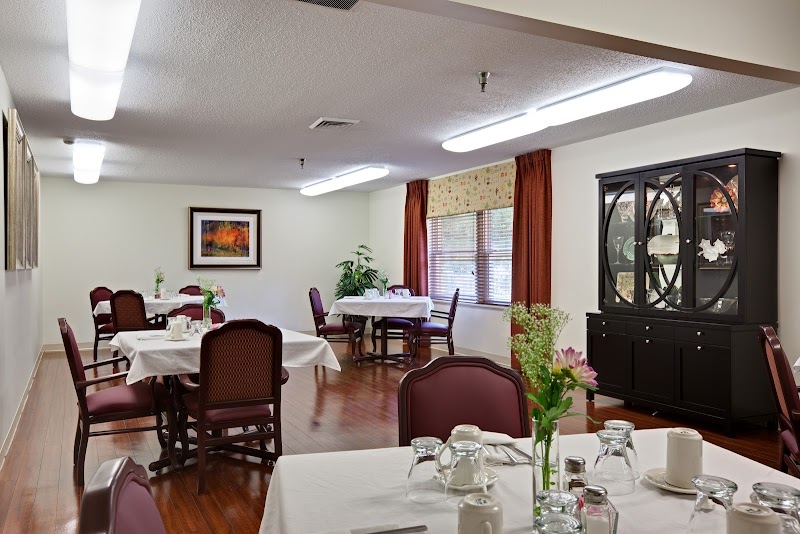
How is Pruitthealth- North Augusta Staffed?

CMS rates PruittHealth- North Augusta's staffing level at 3 out of 5 stars, which is average compared to other nursing homes. Staff turnover is 34%, compared to the South Carolina average of 46%. This relatively stable workforce can support continuity of care.

What Have Inspectors Found at Pruitthealth- North Augusta?

State health inspectors documented 18 deficiencies at PruittHealth- North Augusta during 2021 to 2025. These included: 2 Immediate Jeopardy (the most serious level, indicating potential for serious harm or death) and 16 with potential for harm. Immediate Jeopardy findings are rare and represent the most serious regulatory concerns. They require immediate corrective action.
Who Owns and Operates Pruitthealth- North Augusta?

PruittHealth- North Augusta is owned by a for-profit company. For-profit facilities operate as businesses with obligations to shareholders or private owners. The facility is operated by PRUITTHEALTH, a chain that manages multiple nursing homes. With 132 certified beds and approximately 119 residents (about 90% occupancy), it is a mid-sized facility located in North Augusta, South Carolina.
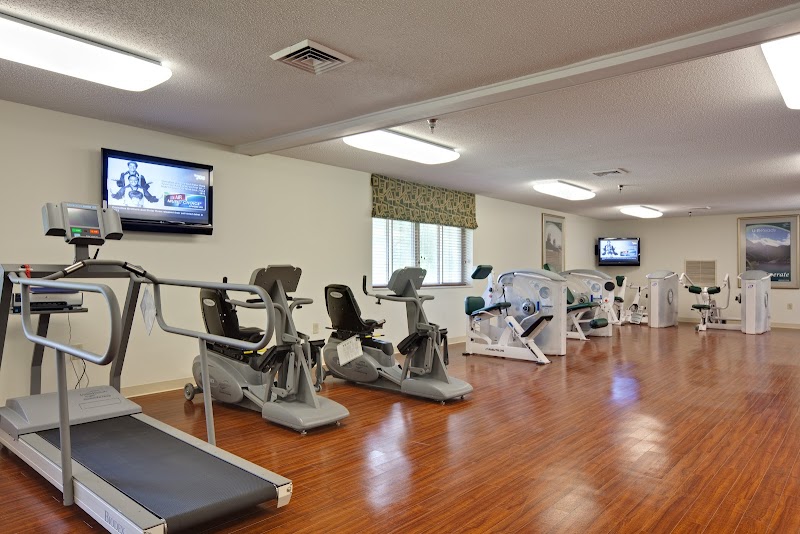
How Does Pruitthealth- North Augusta Compare to Other South Carolina Nursing Homes?

Compared to the 100 nursing homes in South Carolina, PruittHealth- North Augusta's overall rating (4 stars) is above the state average of 2.9, staff turnover (34%) is significantly lower than the state average of 46%, and health inspection rating (3 stars) is at the national benchmark.

What Should Families Ask When Visiting Pruitthealth- North Augusta?

Based on this facility's data, families visiting should ask: "What changes have been made since the serious inspection findings, and how are you preventing similar issues?" "Can I visit during a mealtime to observe dining assistance and food quality?" "How do you handle medical emergencies, and what is your hospital transfer rate?" "Can I speak with family members of current residents about their experience?" These questions are particularly relevant given the facility's Immediate Jeopardy citations.

Is Pruitthealth- North Augusta Safe?

Based on CMS inspection data, PruittHealth- North Augusta has documented safety concerns. Inspectors have issued 2 Immediate Jeopardy citations (the most serious violation level indicating risk of serious injury or death). The facility has a 4-star overall rating and ranks #1 of 100 nursing homes in South Carolina. Families considering this facility should ask detailed questions about what corrective actions have been taken since these incidents.

Do Nurses at Pruitthealth- North Augusta Stick Around?

PruittHealth- North Augusta has a staff turnover rate of 34%, which is about average for South Carolina nursing homes (state average: 46%). Moderate turnover is common in nursing homes, but families should still ask about staff tenure and how the facility maintains care continuity when employees leave.

Was Pruitthealth- North Augusta Ever Fined?

PruittHealth- North Augusta has been fined $19,674 across 2 penalty actions. This is below the South Carolina average of $33,276. While any fine indicates a compliance issue, fines under $50,000 are relatively common and typically reflect isolated problems that were subsequently corrected. Families should ask what specific issues led to these fines and confirm they've been resolved.

Is Pruitthealth- North Augusta on Any Federal Watch List?

PruittHealth- North Augusta is not on any federal watch list. The most significant is the Special Focus Facility (SFF) program, which identifies the bottom 1% of nursing homes nationally based on persistent, serious quality problems. Not being on this list means the facility has avoided the pattern of deficiencies that triggers enhanced federal oversight. This is a positive indicator, though families should still review the facility's inspection history directly.