The Palms At Florence

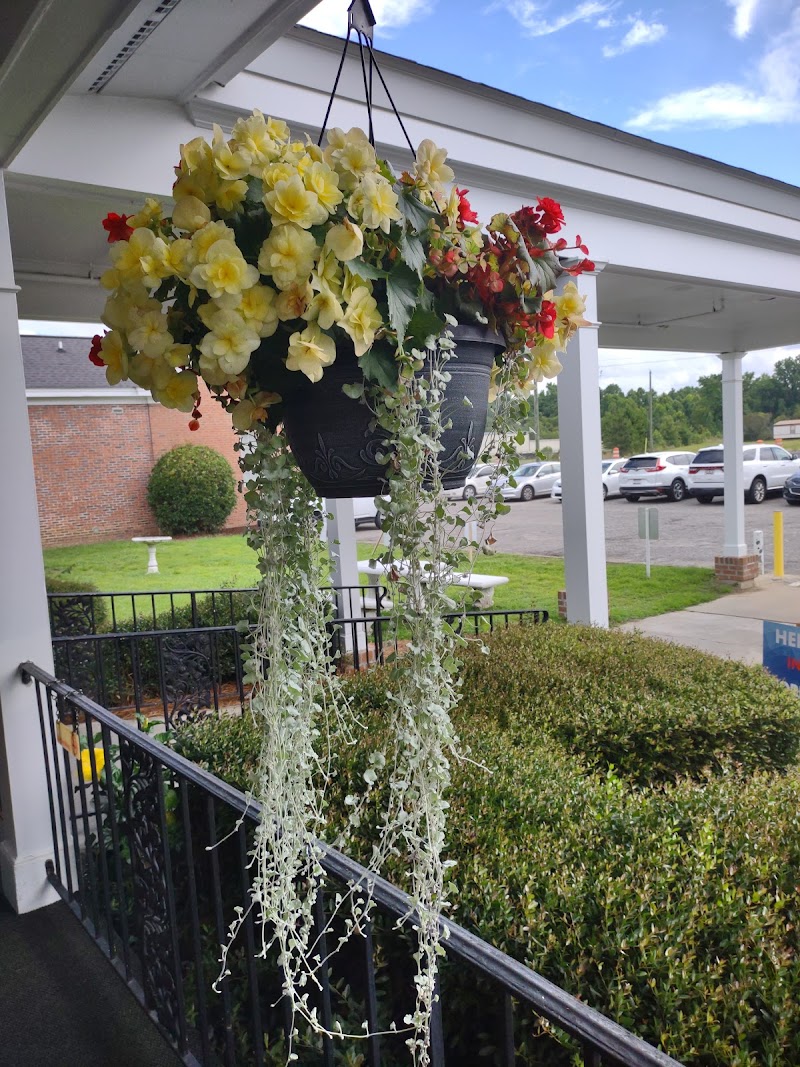
4438 Pamplico Highway, Florence, SC 29505 (843) 669-3502
For profit - Limited Liability company 163 Beds Independent Data: November 2025
Trust Grade
73/100
#62 of 186 in SC
Last Inspection: April 2025

Within standard 12-15 month inspection cycle. Federal law requires annual inspections.

Overview

The Palms At Florence has a Trust Grade of B, indicating it is a good choice for families, reflecting solid care standards. It ranks #62 out of 186 nursing homes in South Carolina, placing it in the top half of facilities, and #6 out of 9 in Florence County, meaning only one local option is better. However, the facility's trend is worsening, with issues increasing from 1 in 2023 to 3 in 2025. Staffing is rated well at 4 out of 5 stars, and turnover is at 40%, which is below the state average, suggesting that staff are familiar with the residents. That said, the facility has incurred $7,901 in fines, which is average, and there are some concerning incidents, such as failing to identify and treat a necrotic wound for a resident, and not completing necessary mental health evaluations for several residents, which could lead to unmet care needs. Overall, while there are strengths in staffing and overall care, families should be aware of the increasing issues and specific incidents that may affect resident care.
Trust Score
B
73/100
In South Carolina
#62/186
Top 33%
Safety Record
Moderate
Needs review
Inspections
Getting Worse
1 → 3 violations
Staff Stability
○ Average
40% turnover. Near South Carolina's 48% average. Typical for the industry.
Penalties
✓ Good
$7,901 in fines. Lower than most South Carolina facilities. Relatively clean record.
Skilled Nurses
○ Average
Each resident gets 33 minutes of Registered Nurse (RN) attention daily — about average for South Carolina. RNs are the most trained staff who monitor for health changes.
Violations
⚠ Watch
11 deficiencies on record. Higher than average. Multiple issues found across inspections.
★★★★☆
4.0
Overall Rating
★★★★☆
4.0
Staff Levels
★★★★☆
4.0
Care Quality
★★★★☆
4.0
Inspection Score
Stable
2023: 1 issues
2025: 3 issues

The Good

  • 4-Star Staffing Rating · Above-average nurse staffing levels
  • 4-Star Quality Measures · Strong clinical quality outcomes
  • Full Sprinkler Coverage · Fire safety systems throughout facility
  • No fines on record
  • Staff turnover below average (40%)

    8 points below South Carolina average of 48%

Facility shows strength in staffing levels, quality measures, fire safety.

The Bad

Staff Turnover: 40%

Near South Carolina avg (46%)

Typical for the industry

Federal Fines: $7,901

Below median ($33,413)

Minor penalties assessed

The Ugly 11 deficiencies on record

1 actual harm
Apr 2025 3 deficiencies
CONCERN (D)

Potential for Harm - no one hurt, but risky conditions existed

Assessment Accuracy (Tag F0641)

Could have caused harm · This affected 1 resident

**NOTE- TERMS IN BRACKETS HAVE BEEN EDITED TO PROTECT CONFIDENTIALITY** Based on record review, interview, and policy review, the facility failed to ensure an accurate assessment for three of 31 resid...

Read full inspector narrative →
**NOTE- TERMS IN BRACKETS HAVE BEEN EDITED TO PROTECT CONFIDENTIALITY** Based on record review, interview, and policy review, the facility failed to ensure an accurate assessment for three of 31 residents reviewed in the sample (Resident (R) 12, R7, and R93). R12's assessment inaccurately documented received insulin, R7's assessment inaccurately documented he did not have a diagnosis of major mental illness defined by the Preadmission Screening and Resident Review (PASARR) program, and R93's assessment inaccurately documented she did not receive routine antipsychotic medication. These failures created a potential for lack of identification of current problems and resident needs, leading to an incomplete or ineffective plan of care. Findings include: Review of the facility's undated policy titled, Conducting an Accurate Resident Assessment revealed, Accuracy of Assessment means that the appropriate qualified health professionals correctly document the resident's medical, functional, and psychosocial problems and identify resident strengths to maintain or improve medical status, functional abilities, and psychosocial status using the appropriate Resident Assessment Instrument . The facility will ensure that all participants in the assessment process have the requisite knowledge to complete an accurate assessment . Accurate assessments addressing each resident's status, needs, strengths, and areas of decline must be conducted by qualified staff that are knowledgeable about the resident and correctly documented in the medical record . The appropriate, qualified health professional correctly documents the resident's medical, functional, and psychosocial problems and identifies resident strengths to maintain or improve medical status, functional abilities, and psychosocial status. 1. Review of R12's admission Record, located under the Profile tab of the electronic medical record (EMR), revealed he was admitted to the facility on [DATE] with diagnoses including diabetes. Review of R12's Significant Change of Status Minimum Data Set (MDS), with an Assessment Reference Date (ARD) of 01/25/25 and located under the MDS tab of the EMR, revealed he had a diagnosis of diabetes. The MDS documented he received one insulin injection in the lookback period. Review of R12's January 2025 Medication Administration Record (MAR), located under the Orders tab of the EMR, revealed a physician's order, dated 11/28/24, for a Trulicity injection (dulaglutide, a non-insulin medication used for the treatment of diabetes that mimics the effects of GLP-1, a naturally occurring hormone that stimulates insulin secretion) given one time per week. The MAR documented he received the medication on 01/23/25. Review of R12's Orders tab of the EMR for January 2025 and further review of the January 2025 MAR revealed there were no orders for, or administration of, insulin documented on the MAR. During an interview on 04/04/25 at 11:11 AM, the Director of MDS (DMDS) stated R12 was not taking insulin during the lookback period; he was only receiving Trulicity, which is not considered an insulin. The DMDS stated the assessment should be modified to reflect no insulin use. 2. Review of R7's admission Record, located in the Profile tab of the EMR, revealed he was admitted to the facility on [DATE] with diagnoses including schizophrenia. Review of R7's PASARR Level II South Carolina Mental Health Authority Determination, dated 01/05/22 and located under the Miscellaneous tab of the EMR, revealed he had a serious mental illness as defined by PASARR regulations and required psychiatric medication management. Review of R7's Annual MDS, with an ARD of 11/20/24 and located under the MDS tab of the EMR, revealed the question, Is the resident currently considered by the state level II PASRR process to have serious mental illness and/or intellectual disability or a related condition? was answered, No. During an interview on 04/04/25 at 11:14 AM, the DMDS stated R7 did have a level II serious mental illness diagnosis, and the question should have been answered, Yes. 3. Review of R93's admission Record, located under the Profile tab of the EMR, revealed she was admitted to the facility on [DATE] with diagnoses including schizophrenia, Alzheimer's disease, major depression, and schizoaffective disorder. Review of R93's Quarterly MDS, with an ARD of 03/11/25 and located under the MDS tab of the EMR, revealed she received antipsychotic medication in the lookback period. However, the follow-up question related to antipsychotic medication use documented no antipsychotics were used; thus, subsequent questions regarding an attempted gradual dose reduction were not completed. Review of R7's Orders tab of the EMR revealed an active physician's order, dated 02/14/25, for quetiapine fumarate (an antipsychotic medication), 12.5 milligrams twice daily for a diagnosis of major depression with psychotic symptoms. Review of R7's March 2025 MAR, located under the Orders tab of the EMR, revealed she received the antipsychotic medication routinely twice daily as ordered. During an interview on 04/04/25 at 11:15 AM, the DMDS stated the follow-up questions regarding routine antipsychotic use and gradual dose reductions should have been completed and the assessment should be modified for accuracy.
CONCERN (D)

Potential for Harm - no one hurt, but risky conditions existed

Respiratory Care (Tag F0695)

Could have caused harm · This affected 1 resident

**NOTE- TERMS IN BRACKETS HAVE BEEN EDITED TO PROTECT CONFIDENTIALITY** Based on observation, interview, record review, and facility policy review, the facility failed to administer oxygen therapy per...

Read full inspector narrative →
**NOTE- TERMS IN BRACKETS HAVE BEEN EDITED TO PROTECT CONFIDENTIALITY** Based on observation, interview, record review, and facility policy review, the facility failed to administer oxygen therapy per physician's orders for one (Resident (R) 49) of two residents reviewed for respiratory care out of a total sample of 31 residents. This had the potential for the resident to experience respiratory distress. Findings include: Review of the facility's policy titled, Oxygen Concentrator(undated) revealed, Oxygen should be administered only under orders of the attending physician. Per the policy the first step in Care of the Resident revealed to Obtain physician's orders for the rate of flow and route of administration of oxygen. Review of the Admission record located in the electronic medical record (EMR) under the Diagnosis tab revealed R49 was originally admitted to the facility on [DATE] with diagnoses that included acute and chronic respiratory failure with hypercapnia, and chronic respiratory failure. Review of R49's Orders located in the EMR under the Orders tab revealed an order, dated 08/16/23, for oxygen delivered via nose cannula, at 2 liters per minute (lpm). Review of the R49's Care Plan located in the EMR under the Care Plan tab revealed the resident has the potential for respiratory distress, initiated 12/12/22, with a goal to be free from signs and symptoms of respiratory distress using interventions that included providing oxygen and related interventions as needed or ordered. Review of R49's quarterly Minimum Data Set (MDS) with an assessment reference date (ARD) of 03/26/25 and located in the EMR under the MDS tab revealed a Brief Interview of Mental Status (BIMS) score of 14 out of 15 indicating the resident was cognitively intact. During an observation and interview on 04/02/25 at 10:09AM, R49 could be heard yelling at the nursing staff that she could not breathe. After Registered Nurse (RN) 1 left the resident's room the resident said she felt she was not getting any oxygen from the concentrator, but that she was okay, and the staff member was going to be handling it. Observation at the time revealed the resident's oxygen was set at 4 lpm. The resident was asked if she knew what her concentrator should be set to, and she stated that she did not. During an observation and interview on 04/03/25 at 10:42AM, R49's concentrator was running and was set at 3.5 lpm. Registered Nurse (RN)1 confirmed R49's oxygen was set at 3.5 lpm. RN1 stated that the concentrator was just replaced, and she thought it was likely placed on the wrong setting. She added that the licensed nursing staff are responsible for ensuring the settings are per the physicians' order and cannot be adjusted without orders from the resident's physician. The RN then adjusted the resident's oxygen to the correct order.
CONCERN (D)

Potential for Harm - no one hurt, but risky conditions existed

Unnecessary Medications (Tag F0759)

Could have caused harm · This affected 1 resident

Based on observation, staff interview, record review, and facility policy, the facility failed to ensure a medication error rate of less than 5 percent (%). There were four errors observed out of 38 o...

Read full inspector narrative →
Based on observation, staff interview, record review, and facility policy, the facility failed to ensure a medication error rate of less than 5 percent (%). There were four errors observed out of 38 opportunities for three residents (Residents (R)78, R153, and R86) out of a total sample of 31 residents resulting in an error rate of 10.53%. These failures had the potential to cause adverse drug reactions and the residents needs being met. Findings include: Review of the facility's undated policy titled, Medication Administration, revealed Medications are administered . as ordered by the physician and in accordance with professional standards of practice. Ensure that the six rights of medication administration are followed: right resident, right drug, right dosage, right route, right time, right documentation. 1.Review of R78's Administration Record, dated April 2025, located under the Orders tab of the electronic medical record (EMR), revealed a physician's Order dated 01/31/25 for acetaminophen extra strength tablet 500 milligrams (mg), give 2 tablets by mouth two times a day for pain. The medication was scheduled to be administered at 0800 [8:00 AM] hours and 1700 [5:00 PM] hours daily. During an observation on 04/03/25 at 9:15 AM, Licensed Practical Nurse (LPN)2 LPN2 administered two 500 mg tablets of acetaminophen to the resident. 2.Review of R153's Administration Record, dated April 2025, located under the Orders tab of the EMR, revealed a physician's order dated 03/24/25 for Aspercreme original external cream 10% (trolamine salicylate), apply to neck and left (L) hand topically two times a day for pain. The medication was scheduled to be administered at 0800 [8:00 AM] hours and 2000 [8:00 PM] hours daily. During an observation on 04/03/25 at 9:37 AM, LPN2 entered R153's room and applied the cream to R153's left hand. The cream was not applied to the residents neck per the order. 3.Review of R86's Administration Record, dated April 2025, located under the Orders tab of the EMR, revealed a physician's orders dated 04/01/25 for Ofev oral capsule 150 mg (nintedanib esylate), give one (1) capsule by mouth two time a day related to pulmonary fibrosis. The medication was scheduled to be administered at 0800 [8:00 AM] hours and 1700 [5:00 PM] hours, and an order dated 04/01/25 for fluticasone propionate suspension 50 micrograms (mcg)/actuation (act), one spray in each nostril one time a day related to allergic rhinitis. The medication was scheduled to be administered every morning. During an observation on 04/03/25 at 9:49 AM, LPN2 administered two actuations (sprays) to each nostril of fluticasone nasal spray and one 150mg-tablet of Ofev to R86. During an interview on 04/03/25 at 10:23 AM, LPN2 stated scheduled medications should be administered within one hour before or one hour after the scheduled time. The LPN confirmed the above medications were administered late, that she administered two nasal sprays in each of the residents nostrils when the order said one spray in each nostril, and confirmed the medicated cream was not applied to the residents neck per the order. During an interview on 04/04/25 at 10:55 AM, the Director of Nursing (DON) stated Medications are expected to be administered within one hour before or one hour after the scheduled time.
Oct 2023 1 deficiency 1 Harm
SERIOUS (G)

Actual Harm - a resident was hurt due to facility failures

Pressure Ulcer Prevention (Tag F0686)

A resident was harmed · This affected 1 resident

**NOTE- TERMS IN BRACKETS HAVE BEEN EDITED TO PROTECT CONFIDENTIALITY** Based on observation, interview, record review, and policy review, the facility failed to identify a wound and provide intervent...

Read full inspector narrative →
**NOTE- TERMS IN BRACKETS HAVE BEEN EDITED TO PROTECT CONFIDENTIALITY** Based on observation, interview, record review, and policy review, the facility failed to identify a wound and provide interventions for wound prevention for two of five sampled residents (Resident (R) 244 and R76) reviewed for pressure sores. This resulted in harm when R244 developed a necrotic wound on the heel. The failure led to a missed opportunity to prevent and treat a necrotic wound that developed after admission. Findings include: 1. Review of the facility's policy titled, Pressure Injury/Wound/Skin Management, dated 08/2016, provided by the facility revealed .each resident will be assessed upon admission for skin skin/breakdown and findings will be documented in the resident's record; the Braden Scale will be completed on admission, weekly x 4 week, quarterly and with significant changes as indicated. CNAs will observe the resident's skin with bathing and incontinent care and report findings of skin problems to nurse as indicated; a licensed nurse performs a weekly body audit, wound measurements, and documents findings in the medical record; when pressure injury is present, Registered Nurses will assess and stage as indicated and licensed nurses will treat and monitor the pressure ulcer as well as observe for pain and treat pain as indicated; residents who score 17 or less on the Braden Scale are considered at higher risk for skin breakdown, Clinical Condition form is completed per Nursing and MD as indicated . Review of R244's undated admission Record, found in the resident's Electronic Medical Record (EMR) under the Resident Profile revealed the resident was admitted to the facility on [DATE] with diagnoses which included reduced mobility and dementia. Review of R244's Discharge Summary from the hospital on [DATE], provided by the facility, revealed no documentation of abnormal skin integrity for the right heel. Review of R244's Clinical admission Assessment dated 09/29/23, provided by the facility revealed no documentation of abnormal skin integrity for the right heel. Review of R244's Braden Scale for Predicting Pressure Ulcer Risk Evaluation dated 09/29/23 provided by the facility revealed R244 scored a 14 which indicated the resident was at moderate risk of developing a pressure ulcer. There were no additional weekly Braden Scale for Predicting Pressure Ulcer Risk Evaluations provided by the facility. Review of R244's admission Minimum Data Set (MDS), with an assessment reference date of 10/04/23, provided by the facility revealed documentation that R244 was at risk for developing pressure ulcers/injuries. There were no documentation entries indicating that R244 had a pressure ulcer. Review of R244's Baseline Care Plan with a review date of 10/18/23, provided by the facility, revealed R244's risk for pressure ulcers was care planned with interventions which included bed mobility bars float heels off bed as tolerated while resident is in bed, monitor for skin breakdown, inform medical doctor (MD)/ nurse practitioner (NP) and responsible party (RR) of any skin breakdown. Review of R244's Weekly Body Check assessment found under the Assessment tab in the EMR revealed, Weekly Body Checks for 09/29/23, 10/3/23, and 10/23/23. There were no weekly assessments entered for the weeks of 10/09/23 through 10/13/23 or 10/16/23 through 10/20/23. Review of the Weekly Body Check dated 09/29/23 revealed no mention of R244's right heel condition. Review of the Weekly Body Check dated 10/03/23 revealed no mention of R244's right heel condition. Review of the Weekly Body Check dated 10/23/23 revealed no to skin issues noted and no mention of the right heel condition. Review of R244's Progress Note dated 09/30/23 found in the resident's EMR under the Assessment Tab revealed a notation of Redness to both heels. Soft spot to left heel. Dressing was applied. During an observation on 10/25/23 at 10:45 AM, R244's right heel revealed an unstageable heel ulcer. In an interview immediately following the observation Registered Nurse (RN)1 stated she was not aware that R244 had an ulcer on her foot. RN1 further stated she did not know how she missed it. During an interview on 10/25/23 at 11:34 AM, Licensed Practical Nurse (LPN)1 confirmed that she completed R244's Clinical admission Assessment on 09/29/23 and did not see any redness to R244's heels. She further stated that she had completed the Braden Scale for Predicting Pressure Ulcer Risk Evaluation on 09/29/23. LPN1 stated that R244 was high risk for development of a pressure injury. During an interview on 10/25/23 at 1:00 PM the Director of Nursing (DON), documentation from 09/30/23 to present was requested regarding R244's reddened heels, any physician notifications, or facility interventions implemented. During an interview on 10/25/23 at 1:33 PM, Certified Nursing Aide (CNA)2 stated that she did not know that R244 had an ulcer to her right foot. CNA2 further stated that R244 has had Allevyn foam dressings on both heels since she was admitted . CNA2 stated that she does not remove the dressings, that the nurses remove the dressings before the bath and reapply after. During an interview on 10/25/23 at 3:30 PM, RN1 stated that she had applied Allevyn dressings to R244's heels since her admission on [DATE]. RN1 stated she applied the Allevyn dressings as a preventative measure for pressure ulcer development because R244 rubbed her feet on the bed linens creating friction. She stated that the dressings were changed every three days. RN1 stated her normal skin assessment process was to assess the skin, identify concerns, and notify the Nurse Practitioner (NP) of any concerns. RN1 stated that she was also responsible for the skin assessments on admission, weekly skin assessments, documentation, and Braden scale assessments. RN1 stated that she had gotten behind on her documentation and now had a day in the office to help keep her current. RN1 stated she was not aware of another nurse who might have changed the dressings. When asked if she should have known that the wound was present, she stated yes she should have known. She further stated that she had no explanation for how she missed it and when she changed the dressing, she just did not see it. Review of R244's Physician's Order, located in the resident's EMR under the Orders tab revealed an order dated 10/24/23 to apply Allevyn heel protectors for prevention once a day and change every three days. Review of R244's Physician's Order dated 10/25/23, located in the resident's EMR under the Orders tab revealed staff were to monitor the wound dressing every shift, if intact sign, if not perform a PRN (as needed) dressing change and sign in treatment record, to cleanse right heel, apply Allevyn dressing every three days and PRN (as needed) and apply Allevyn heel protector to left heel for protection, once every three days. During an interview on 10/25/23 at 2:52 PM, NP2 stated she was notified on 10/25/23 regarding R244's new ulcer. NP2 stated she gave new orders for the care of the ulcer. NP2 further stated she did not recall being notified of redness to R244's heels on 09/30/23. NP2 stated her expectation was the resident's wound would heal in two weeks, but it would depend on how well the resident tolerated the interventions of heel protectors and offloading of her heels. NP2 further stated it was her expectation the nursing staff would notify her immediately of any changes in skin integrity such as redness or open areas so that it can be treated that same day. During an interview on 10/25/23 at 3:40 PM, NP2 stated she had found an On Call Physician note dated 09/30/23, that stated the nursing staff reported R244's redness on bilateral heels and the on-call provider instructed nursing staff to continue bilateral heel protectors and elevating bilateral heels off mattress as patient tolerated. During an interview on 10/25/23 at 4:15 PM, the Regional Clinical Operations (RCO), facility documentation was requested regarding R244's right heel redness, progress, and interventions implemented. Review of R244's Progress Note dated 10/25/23, provided by the facility, revealed R244 had an unstageable pressure ulcer/injury to her right heel measuring length 2.3 centimeters (cm) x width 2 cm with a necrotic wound bed. During an interview on 10/25/23 at 5:00 PM, with the RCO, the missing Weekly Body Checks were requested along with any additional details of the skin assessments such as measurements, location of redness, or open areas. No additional Weekly Body Check assessments were provided by the facility. Review of R244's Treatment Administration Record for October 2023, provided by the facility revealed a treatment to apply Allevyn heel protectors for prevention one time a day every three days with a start date of 10/25/23. During an interview on 10/25/23 at 5:15 PM, the DON stated since the onset date of redness to R244's heels on 9/30/23, no new interventions had been initiated. 2. Review of the facility's policy titled Pressure Injury/Wound/Skin Management, dated 08/2016, revealed This facility is committed to a preventative and treatment skin care program for our residents. Residents will receive the care and services needed according to established practice guidelines. A Licensed Nurse performs a weekly body audit, wound measurements, and documents findings in the medical record. All residents will receive routine skin care. Routine skin care includes but is not limited to the following: . b. heel protectors d. Routine ADL care and skin inspection . 2. Review of R76's quarterly MDS with an ARD of 09/08/23, located in the MDS tab of the EMR, revealed an admission date of 01/29/21. Continued review of the MDS revealed the facility assessed the resident's cognition was severely impaired, was totally dependent on two persons for bed mobility, and had diagnoses of dementia, diabetes mellitus, and renal failure. Review of R76's undated admission Record, located in the Profile tab of the EMR, revealed R76 had a history of pressure ulcer of right heel, stage 4 and pressure ulcer of left heel, unstageable. Review of R76's undated Kardex (computerized system of communication) located in the Care Plan tab of the EMR, revealed Bilateral heel protectors on WIB [while in bed] except during bathing/care provision. No socks bilaterally while wearing off-loading boots. Review of R76's Physician Order located in the Orders tab of the EMR, dated 12/05/22 revealed Heel protector boots on while in bed at all times as tolerated for prevention. No socks bilaterally while wearing off-loading boots, every shift. Review of R76's 05/04/23 Care Plan, located in the Care Plan tab of the EMR, revealed Resident is at risk for Pressure Ulcers and Skin Tears r/t [related to] B/B [bowel/bladder] incontinence, Fragile Skin, Impaired mobility, and has a hx [history] of facility acquired pressure wound to left abdomen and an intervention of Bilateral heel protectors on WIB except during bathing/care provision. No socks bilaterally while wearing off-loading boots. Review of R76's Pressure Ulcer Risk Evaluation, dated 09/08/23, located in the Assessment tab of the EMR, revealed a score of 14, indicating a moderate risk. Review of the Medication Administration Record/Treatment Administration Record (MAR/TAR), dated 09/01/23 through 10/24/23, located in the EMR under the Orders tab, revealed that the nursing staff signed heel protector boots were applied as ordered. However, review of the MAR/TAR, dated 10/23/23 and 10/24/23, located in the EMR under the Orders tab, revealed the nursing staff documented the boots were applied despite observations made that the boots were not applied. During observations on 10/23/23 at 10:06 AM and at 3:35 PM, R76 was observed lying in bed with her eyes closed. No heel protector boots were in place and no heel protector boots were observed in or around R76's bed. During an observation on 10/24/23 at 9:24 AM, R76 was observed in bed with no heel protector boots in place. No heel protector boots were observed in or around R76's bed. During an observation on 10/25/23 at 10:57 AM, R76's heels were observed while R76 was leaning back in a geriatric chair with her feet up as a CNA1 took off R76's socks. R76's heels had no open areas, only scarred areas from past wounds. CNA1 confirmed she cared for R76 regularly and she had never put heel protector boots on R76. During an interview on 10/25/23 at 11:03 AM, LPN1 was asked if R76 should be wearing heel protectors. LPN1 stated if R76 had an order for heel protectors then R76 should be wearing them. LPN1 went on to say she was not aware of an order. LPN1 was informed R76 had an order for heel protector boots. LPN1 was then asked if the heel protectors were in R76's room and what would they look like. LPN1 stated the heel protectors would be cushioned Velcro (nylon straps designed for easy fastening and unfastening) boots. LPN1 was observed searching R76's closet for the heel protectors and found only one large blue cushioned boot with Velcro. The second boot was not found in the closet or in R76's room at that time. During an interview on 10/25/23 at 2:30 PM, the DON was asked if R76 had a history of wounds on her heels and the DON stated, Yes. The DON was then asked about R76's order for heel protector boots and observations of R76 not wearing them while in bed on 10/23/23 and 10/24/23 while in bed. The DON stated R76 had the tendency to get agitated with care including the boots. The DON was asked why only one boot was located on the top of R76's closet and had it been a while since R76 wore the heel protector boots. The DON responded, It's probably been a while. During a telephone interview on 10/25/23 at 3:02 PM, NP1 was asked if she was aware R76 had not been wearing the ordered heel protector boots. NP1 stated, Yes, as she was notified this afternoon. Continued interview with NP1 revealed the resident was ordered the heal protector boots due to her history of wounds to her heels. NP1 stated it was her expectation the staff would have applied the heel protector boots per the order. During a follow up interview on 10/25/23 at 5:07 PM, DON was asked why the nursing staff signed the October 2023 MAR/TAR that the heel protector boots were applied during the survey days, 10/23/23 and 10/24/23 while R76 was in bed when observations contradicted this. The DON stated she was not sure.
Dec 2021 7 deficiencies
CONCERN (D)

Potential for Harm - no one hurt, but risky conditions existed

Resident Rights (Tag F0550)

Could have caused harm · This affected 1 resident

Based on observations, interviews and review of the facility policy titled, Dignity, the facility failed to promote resident rights and to treat each resident with respect and dignity as evidenced by ...

Read full inspector narrative →
Based on observations, interviews and review of the facility policy titled, Dignity, the facility failed to promote resident rights and to treat each resident with respect and dignity as evidenced by staff not knocking on resident room doors during the lunch meal service for 2 of 2 observations of the lunch meal service. The findings include: An observation on 11/30/21 at 11:45 AM of the lunch service on the [NAME] Hall revealed staff not knocking on resident room doors before entering with the meal trays. An additional observation on 12/1/21 at 11:40 AM revealed staff entering resident rooms with meal trays without knocking on their doors and awaiting for permission to enter. Interviews on 12/1/21 at 11:55 AM with Certified Nursing Assistant #3 and #4 stated they should be knocking on the doors before entering and confirmed that they had not knocked and waited for permission to enter. Review on 12/2/21 at 9:45 AM of the facility policy titled, Dignity, states, It is the practice of this facility to protect and promote resident rights and treat each resident with respect and dignity. Compliance Guidelines, under number 4. states, Respect resident's living space and personal possessions. Number 5. states, Maintain resident privacy.
CONCERN (D)

Potential for Harm - no one hurt, but risky conditions existed

Pressure Ulcer Prevention (Tag F0686)

Could have caused harm · This affected 1 resident

Based on observation, interview and review of the facility policy titled Dressing Change, (Clean Technique), the facility failed to ensure a pressure ulcer for Resident (R) 94 was cleaned using a tech...

Read full inspector narrative →
Based on observation, interview and review of the facility policy titled Dressing Change, (Clean Technique), the facility failed to ensure a pressure ulcer for Resident (R) 94 was cleaned using a technique to prohibit infection or the spread of infection during wound care for 1 of 3 residents reviewed for Pressure Ulcers. The findings include: The facility admitted R94 with diagnoses including, but not limited to, Stage 4 Pressure Ulcer of the Sacrum, a Pressure Ulcer of the Right Ankle and Methicillin Resistant Staph Aureus, (MRSA). During an observation on 12/1/21 at 9:25 AM of wound care for R94 was observed as follows: Licensed Practical Nurse (LPN)2 applied his gloves and opened the 4x4s, sprayed the wound cleanser on the 4x4s, wiped inside out x1, on the second swipe, he sprayed the wound cleanser and wiped down x2 using the same gauze with the same wound cleanser. He cleaned the over the bed table and removed his gloves but did not remove the bagged trash from the resident's room. During an interview on 12/2/21 at 10:45 AM with LPN2, he stated he was aware that he had wiped down the wound 2 times using the same soaked gauze. He did not discard the gauze after one use. Review on 12/2/21 at 12:15 PM of the facility policy titled, Dressing Change (Clean Technique), number 15 states, Clean the wound according to order. Clean from center outward. Linear wound may be cleansed from top to bottom.
CONCERN (D)

Potential for Harm - no one hurt, but risky conditions existed

Deficiency F0760 (Tag F0760)

Could have caused harm · This affected 1 resident

Based on observation, record reviews, staff interview, manufacturer's guidelines for medication administration, and review of the facility's competency checklist for Insulin Injection the facility fai...

Read full inspector narrative →
Based on observation, record reviews, staff interview, manufacturer's guidelines for medication administration, and review of the facility's competency checklist for Insulin Injection the facility failed to ensure that it was free of significant medication errors based on 1 of 34 medication pass observations. Findings include: On 11/29/21 at approximately 8:43 PM, Licensed Practical Nurse (LPN) 1 administered Lantus Insulin 38 units using a Lantus Solostar Pen to Resident (R) 54 on the right side of her belly after stating to the Surveyor that no air shot is required. On 11/29/21 at approximately 8:45 PM, review of the Lantus Solostar Pen by Sanofi Aventis package insert states Always perform the safety test before each injection. Performing the safety test ensures that you get an accurate dose by ensuring that the pen and needle work properly and removing air bubbles. A. Select a dose of 2 units by turning the dosage selector B. Take off the outer needle cap and keep it to remove the used needle after the injection. Take off the inner needle cap and discard it. C. Hold the pen with the needle pointing upwards D. Tap the insulin reservoir so that any air bubbles rise up towards the needle. E. Press the injection button all the way in. Check if insulin comes out of the needle tip. You may have to perform the safety test several times before insulin is seen. The facility's Competency Checklist for Insulin Injection states under Steps of Procedure 5. FOR PEN: Twist open and remove outer cover from the safety pen needle. 6. Screw the pen safety needle onto the insulin pen. 7. Dial 2 units by turning the dose selector clockwise pointing the needle up, push the plunger, and watch to see that at least one drop of insulin appears on the top of the needle. If not, repeat until at least one drop appears. On 11/29/21 at approximately 8:49 PM, LPN1, after reviewing the manufacturer's guidelines, acknowledged that a safety test had not been performed prior to administering the dose of insulin to R54.
CONCERN (D)

Potential for Harm - no one hurt, but risky conditions existed

Deficiency F0883 (Tag F0883)

Could have caused harm · This affected 1 resident

Based on record reviews, interview and review of the facility policy titled, Pneumococcal Vaccine Program, the facility failed to ensure the physician was consulted for the receipt of the Pneumonia Va...

Read full inspector narrative →
Based on record reviews, interview and review of the facility policy titled, Pneumococcal Vaccine Program, the facility failed to ensure the physician was consulted for the receipt of the Pneumonia Vaccine for Resident (R)5 and further failed to ensure R29 was offered the Pneumonia Vaccine PPSV 23 for 2 of 5 residents reviewed for the Influenza and Pneumococcal vaccines. The findings include: The facility admitted R5 with diagnoses including, but not limited to, Cerebrovascular Accident, Vascular Dementia, Neuropathy and Malaise. Review on 12/2/21 at 12:45 PM of the Immunizations for R5 revealed a signed consent by R5's Responsible Party on 5/14/21, for R5 to receive the Pneumococcal Vaccine. The form contained a hand written note that stated, will check with doctor. No documentation could be found in the medical record for R5 to ensure the issue was followed up on with the attending physician. To date, R5 has not received the Pneumococcal Vaccine. The facility admitted R29 with diagnoses including but not limited to, Major Depressive Disorder and Anxiety Disorder. R29 has a BIMS score of 15/15 which indicates she is able to make her own health care decisions. Review on 12/2/21 at 12:45 PM of the immunization documentation for R29 indicated that R29 was not offered the PPSV23. During an interview on 12/2/21 at 1:10 PM with Licensed Practical Nurse (LPN) 2, the facility's immunization nurse, confirmed the findings and stated he did not know why the physician was not contacted concerning the Pneumococcal Vaccines for this resident. LPN2 also did not know why R29 was not offered the PPSV23 (the second Pneumonia vaccine). Review on 12/2/21 at 1:30 PM of the facility policy titled, Pneumococcal Vaccine Program, states, It is the policy of this facility that residents will be offered immunization against pneumococcal disease. Number 10 states, If patients do not know their vaccination history for pneumococcal vaccine should be given both vaccines according to the CDC recommendations.
CONCERN (E)

Potential for Harm - no one hurt, but risky conditions existed

Deficiency F0645 (Tag F0645)

Could have caused harm · This affected multiple residents

**NOTE- TERMS IN BRACKETS HAVE BEEN EDITED TO PROTECT CONFIDENTIALITY** Based on interview and record review, the facility failed to ensure four of five sampled resident (Residents (R) 82, 85, 97 and ...

Read full inspector narrative →
**NOTE- TERMS IN BRACKETS HAVE BEEN EDITED TO PROTECT CONFIDENTIALITY** Based on interview and record review, the facility failed to ensure four of five sampled resident (Residents (R) 82, 85, 97 and 114) had a Level II Pre-admission Screening and Resident Review (PASARR) evaluations completed despite being diagnosed with a serious mental disorder or intellectual disability. This failure placed the residents at risk for unmet care needs and at risk for not receiving appropriate mental health support/services needed. Findings Include: 1. Review of R82's electronic medical record (EMR), Face Sheet stated, R82 was admitted on [DATE] with diagnoses of but not limited to schizoaffective disorder, bipolar type, and other schizoaffective disorders. Review of R82's EMR, admission Minimum Data Set (MDS) (an assessment used to determine plan of care for a resident) dated 4/22/21, documented in Section C - Cognitive Patterns R82 scored a 13 on the Brief Instrument for Mental Status (BIMS) assessment (an assessment to determine level of cognition). In Section D - Mood documented R82 had symptoms of feeling down, depressed, or hopeless. In Section E - Behaviors, no behaviors were documented for R82. In Section G - Functional Status, R82 was documented to need extensive to total dependence on staff assistance for activities of daily living (ADLs). Review of the R82's PASARR level 1 dated 04/06/21, identified the resident as having bipolar disorder under section .II. Screening for Mental Illness Indicators . Under section IV, Recommendation of Reviewer, No further evaluation recommended was checked, with the reason given in the comments being that the resident's Bipolar [is] controlled on meds. In an interview with the Social Worker (SW) on 12/01/21 at 2:20 PM, when inquired about the lack of a PASSAR Level II, the SW indicated that the Level II was not necessary because the resident's behavior was under control with medications and had not been hospitalized for reasons pertaining to the resident's mental diagnosis. The facility admitted R85 with diagnoses including, but not limited to, Bipolar Disorder, Schizoaffective Disorder and Major Depressive Disorder. Review of the Preadmission Screening and Resident Review (PASARR) Level 1 for R85 revealed a diagnosis of Bipolar Disorder and Major Depressive Disorder. There was no documentation of behaviors, but he was started on 100 milligrams of Seroquel, an antipsychotic medication and due to a episode of anxiety, the Seroquel was increased to 200 milligrams . The facility did not ensure a PASARR Level II evaluation for R85 was completed due to a mental disorder or related condition to ensure he receives the care and services appropriate for his needs. The facility admitted R97 with diagnoses including, but not limited to, Post Traumatic Stress Disorder (PTSD) and Depression. Review of the Preadmission Screening and Resident Review (PASARR) for R97 revealed a diagnosis for PTSD,however, the facility did not ensure a PASARR Level 11 was completed. R97 has a mental illness that requires a PASARR Level 11 to ensure he receives care and services appropriate for his needs. During an interview on 12/2/21 at approximately 1:15 PM with the SW, she stated she had been at the facility about 60 days now and was not aware the previous SW was not reviewing for Level 2 PASARRs being completed. She confirmed after reviewing the 4 residents reviewed during the survey, that the residents should have had a level 2 completed due to their Mental Health Diagnosis or Disability Diagnosis. She confirmed if a resident with a mental health diagnosis was not screened properly, it could result in that resident not getting the mental health services they need. She confirmed the facility's policy and procedure was not followed. Review on 12/2/21 at approximately 1:30 PM of the facility policy titled, PASARR Policy, states under Policy: This facility coordinates assessments with the preadmission screening and resident review (PASARR) program under Medicaid to ensure that individuals with a mental disorder, intellectual disability, or a related condition receives care and services in the most integrated setting appropriate to their needs. Number 5 (a) states, The facility must screen the individual using the State's Level 1 screening process and refer any resident who has or may have Mental Disabilities or Intellectual Disabilities or a related condition to the appropriate state-designated authority for Level II PASARR evaluation and determination. Number 9 states, Any resident who exhibits a newly evident or possible serious mental disorder, intellectual disability, or a related condition will be referred to the state mental health or intellectual disability authority for a Level II resident review.
CONCERN (E)

Potential for Harm - no one hurt, but risky conditions existed

Medication Errors (Tag F0758)

Could have caused harm · This affected multiple residents

**NOTE- TERMS IN BRACKETS HAVE BEEN EDITED TO PROTECT CONFIDENTIALITY** Review of Centers for Medicare and Medicaid S&Q Memo Ref 13-35-NH dated May 24, 2013, revealed: . The problematic use of medicat...

Read full inspector narrative →
**NOTE- TERMS IN BRACKETS HAVE BEEN EDITED TO PROTECT CONFIDENTIALITY** Review of Centers for Medicare and Medicaid S&Q Memo Ref 13-35-NH dated May 24, 2013, revealed: . The problematic use of medications, such as antipsychotics, is part of a larger, growing concern. This concern is that nursing homes and other settings (i.e., hospitals, ambulatory care) may use medications as a quick fix for behavioral symptoms or as a substitute for a holistic approach that involves a thorough assessment of underlying causes of behaviors and individualized, person-centered interventions . When antipsychotic medications are used without an adequate rationale, or for the purpose of limiting or controlling behavior of an unidentified cause, there is little chance that they will be effective. In addition, they commonly cause complications such as movement disorders, falls, hip fractures, cerebrovascular adverse events (cerebrovascular accidents and transient ischemic events) and increased risk of death . Review of the manufacture's guidelines for the use of the medication Seroquel last updated 10/20 revealed, .Approved Uses Seroquel is a once-daily tablet approved in adults for major depressive disorder (MDD) who did not have an adequate response to antidepressant therapy; bipolar disorder; acute manic or mixed episodes in bipolar disorder alone or with lithium or divalproex; long-term treatment of bipolar disorder with lithium or divalproex; and schizophrenia .Elderly patients with dementia-related psychosis (having lost touch with reality due to confusion and memory loss) treated with this type of medicine are at an increased risk of death, compared to placebo (sugar pill). Seroquel is not approved for treating these patients . A review of R19's Face Sheet in the electronic medical record (EMR) revealed R19 was admitted on [DATE] with diagnoses of vascular dementia with behavioral disturbance, cerebral infarction, and unspecified dementia without behavioral disturbance. Review of R19's EMR admission Minimum Data Set (MDS) assessment, with an Assessment Reference Date (ARD) of 02/25/21, revealed R19 had a Brief Interview for Mental Status (BIMS) score of 09 out of 15, which indicated R53 was cognitively impaired. Further review of the MDS assessment revealed R19's behaviors were limited to occasional wandering. Further review of the MDS assessment revealed R19 received routine antipsychotics seven (7) days of the ARD period. Review of R19's EMR quarterly MDS assessment, with an ARD of 08/25/21, revealed R19 had a BIMS score of 06 out of 15, which indicated R19 was severely cognitively impaired. Further review of the MDS assessment revealed R19 displayed verbal behaviors, episodes of wandering, and rejection of care. Further review of the MDS assessment revealed R19 received antipsychotics routinely for seven (7) days of the ARD period. Review of R19's Physician Orders dated from 02/19/21 through 12/02/21, located on the EMR under the Orders tab revealed R19 had been prescribed Seroquel (an antipsychotic medication) daily, starting 02/19/21 with 50mg (milligrams) at bedtime. This dosage was reduced to 25mg at bedtime on 10/18/21, and then raised to 50mg on 11/18/21. Review of the pharmacy Consultation Report for R19, dated 05/07/21, revealed that the consultant pharmacist recommended a gradual dose reduction (GDR) for Seroquel from 50mg to 25mg with a goal of eventually discontinuing the order. A written memo at the bottom of the report notes that the request was Verbally declined per MD (Medical Doctor) r/t (related to) unable to tolerate GDR. Behaviors stable with current order. There was no medical rationale documented in R19's EMR to support the continued use and increase in the antipsychotic medication Seroquel. Review of R19's pharmacy Consultation Report for GDR recommendations dated 10/09/21, revealed documentation that the pharmacy recommended the reduction of Seroquel to 25mg with the goal of eventual discontinuation. The physician accepted the recommendation, and the order was reduced to 25mg on 10/18/21, however, then raised to 50mg on 11/18/21 with no documented medical rationale to support the increase in the antipsychotic medication Seroquel. Review of EMR Progress Notes for the months of October and November revealed that R19 was monitored daily for behaviors, with no documented behaviors noted related to the use of the medication Seroquel. Review of EMR Progress Notes dated 11/15/21, 11/16/21 and 11/17/21 revealed the resident was agitated and demonstrated verbal behaviors regarding noises from other residents and noises the resident could hear from the hallway. The notes on 11/17/21 noted that the resident was easily redirected. There were no notes on 11/15/21 and 11/16/21 to show the staff attempted non-pharmacological interventions to redirect R19's behavior prior to the increase of the medication Seroquel as there were on 11/17/21. Review of the EMR Progress Notes dated 11/18/21 revealed that R19's order for Seroquel had been increased to 50mg with no documented medical rationale. R19 was observed on 12/02/21 at 10:53 AM resting calmly in bed. In an interview with LPN3 on 12/02/21 at 11:00 AM, stated that R19 sometimes blurted out obscenities when agitated, but noticed that R19 had been much calmer since the change in R19's medication. When asked about non-pharmacological interventions used with R19 for exhibited behaviors, LPN3 stated R19 was easily redirected by offering a snack. The facility admitted R85 on 4/20/21 with diagnoses including, but not limited to, Bipolar Disorder, Schizoaffective Disorder and Major Depressive Disorder. Review on 12/2/21 at 1:28 PM of the Medication Administration History for R85 indicated that R85 was admitted on Seroquel 100 milligrams, an antipsychotic medication. He was increased to 200 milligrams of Seroquel on 7/19/21, due to an episode of anxiety. Seroquel is not an antianxiety medication. The nurses notes did include documentation of the episode of anxiety. Review on 12/2/21 at 1:45 PM of the Behavior Monitoring Sheets for R85 did not include any episodes of anxiety or any behaviors for this resident. In the medical record, behavior monitoring sheets dated 11/1/21-11/30/21 did not indicate behaviors were present. During an interview on 12/2/21 at 1:50 PM with the Registered Nurse Consultant, she confirmed that November was the only month behaviors were monitored and that there were none. The consultant stated, there are no behavior monitoring sheets in the medical record for R85. No documentation of a diagnosis could be found in the medical record for R85 to ensure the medication Seroquel was a necessary medication for this resident. Based on observation, record review, staff interviews, manufacturer's guidelines for medication use, and review of the facility's policy and procedures, the facility failed to ensure that four of six residents (Resident (R) R113, R109, R85, and R19) were free from unnecessary psychotropic medications. Findings include: Review of the facility's policy entitled The Use of Psychotropic Drug Policy (not dated) revealed Policy: Residents are not given psychotropic drugs unless the medication is necessary to treat a specific condition, as diagnosed and documented in the clinical record, and the medication is beneficial to the resident, as demonstrated by monitoring and documentation of the resident's response to the medication(s).Policy Explanation and Compliance Guidelines: 1. A psychotropic drug is any drug that affects brain activities associated with mental processes and behavior. Psychotropic drugs include, but are not limited to the following categories: antipsychotics, antidepressants, anti-anxiety and hypnotics.2. The indications for initiating, withdrawing, or withholding medications(s), as well as the use on non-pharmacological approaches, will be determined by: a. Assessing the resident's underlying condition, current signs, symptoms, expressions, and preferences and goals for treatment. b. Identification of underlying causes (when possible).3. The attending physician will assume leadership in medication management by developing, monitoring and modifying the medication regimen in collaboration with residents, their families and/or representatives, other professionals, and the interdisciplinary team. 4. The indications for use of any psychotropic drug will be documented in the medical record. a. Pre-admission screening and other pre-admission data shall be utilized for determining indications for use of medications ordered upon admission to the facility. b. For psychotropic drugs that are initiated after admission to the facility, documentation shall include the specific condition as diagnosed by the physician. i. Psychotropic medications shall be initiated only after medical, physical, functional, psychosocial, and environmental causes have been identified and addressed. ii. Non-pharmacological interventions that have been attempted, and the target symptoms for monitoring shall be included in the documentation 10. The effects of the psychotropic medications on a resident's physical, mental, and psychosocial well being will be evaluated on an ongoing basis, such as: a. Upon physician evaluation (routine and as needed), b. During the pharmacist's monthly medication regimen review, c. During MDS review (quarterly, annually, significant change), and d. In accordance with the nurse assessments and medication monitoring parameters consistent with clinical standards of practice, manufacturer's specifications, and the resident's comprehensive plan of care. Review of the Seroquel (quetipine fumarate) (an antipsychotic) by AstraZeneca Pharmaceutical package insert guidelines under FULL PRESCRIBING INFORMATION (last revised October 2013) revealed that the drug has a Black Box Warning (The United States Food and Drug Administration's most serious warning about drugs or medical devices. A drug or device with a black box warning has side effects that may cause serious injury or death.) which states: INCREASED MORTALITY IN ELDERLY PATIENTS WITH DEMENTIA-RELATED PSYCHOSIS. AstraZeneca Pharmaceuticals specified INDICATIONS AND USAGE states: 1.1 Seroquel is indicated for the treatment of schizophrenia and 1.2 Seroquel is indicated as monotherapy for the acute treatment of manic episodes associated with bipolar I disorder, both as monotherapy and as an adjunct to lithium or divalproex. Review of the Depakote DR/ER (divalproex sodium delayed release/extended release) (bipolar disorder, acute manic) by AbbVie package insert Indications (last revised July 2020) revealed that the medication is indicated for the treatment of acute manic or mixed episodes associated with bipolar disorder, with or without psychotic features. On 12/1/21 at approximately 12:15 PM, a review of the medical records for R113 who was admitted to the facility from Encompass Health Rehabilitation Hospital of [NAME] on 9/27/21 with diagnoses including, but not limited to, dementia with behaviors and cellulitis of right upper limb. The Encompass Health discharge record for R113 states postoperatively had some agitation and was started on quetiapine with discharge orders for quetiapine 25 mg (milligram) daily. On 12/1/21 at approximately 12:25 PM, review of the medical record for R113 revealed that upon admission to the facility on 9/27/21, Quetiapine 25 mg daily was prescribed for dementia with behaviors and on 9/28/21 Divalproex DR/ER 125 mg bid (twice daily) was prescribed for dementia and behaviors. On 12/1/21 at approximately 1:05 PM, review of the medical record revealed that on 10/30/21 R113 was discharged to [NAME] Hospital due to worsened swelling of right hand where quetiapine was increased from 25 mg once a day to twice a day and divalproex was increased from 125 mg to 250 mg twice daily. On 12/1/21 at approximately 1:30 PM review of the medical record showed that on 11/2/21 R113 was readmitted to the facility whereby the hospital orders for quetiapine 25 mg twice daily and divalproex DR 250 mg twice daily were continued. On 12/1/21 at approximately 1:45 PM a review of the MAR (medication administration record) for R113 showed that all doses of quetiapine and divalproex had been administered as ordered from 9/27/21 to 10/30/21 and from 11/2/21 to 12/2/21 and that there was a physician's order: Monitor behaviors every shift for hitting, biting, scratching, fighting, kicking, hallucination, delusions, or continuous crying out, yelling, screaming, side effects lethargy, loss of appetite. Notify MD (physician) if side effects noted. Further review of the MAR since admission on [DATE] revealed no charted behaviors. On 12/1/21 at approximately 2:30 PM, Registered Nurse (RN) 1 was interviewed and stated R113 rarely has any behaviors other than being confused and going back and forth between his room and the nursing station. RN1 confirmed that behaviors were monitored twice daily and that there had been no behaviors documented since R113 was admitted on [DATE]. On 12/2/21 at approximately 9:40 AM, Certified Nursing Assistant (CNA) 1 stated that R113 was frequently confused, did not have any bad behaviors and was easy to redirect when necessary. On 12/2/21 at approximately 11:54 AM, the Consultant Pharmacist MRR (Medication Regimen Review) for R113 dated 11/29/21 was provided by the DON (Director of Nursing) and Nurse Consultant. The MRR included a recommendation, not yet acted upon by the physician, to attempt to taper and discontinue quetiapine fumarate 25 mg twice daily because of the Black Box Warning: It may increase the risk of death when used to treat mental related issues caused by dementia in elderly patients. Most of the deaths were linked to heart problems or infection. This medicine is not approved to treat mental related issues caused by dementia. Do you feel we could attempt to taper and discontinue medication? If you feel the benefits outweigh the risks, please document rationale below for continuing medication. On 12/2/21 at approximately 12:20 PM the DON and Nurse Consultant provided a copy of the Medical Director's verbal order dated 1/2/21 stating Resident has no behaviors, stable on current meds. Reduce to 25 mg qhs (bedtime) x 1 month an then D/C (discontinue). On 12/2/21 at approximately 10:36 AM, a review of the medical records for R109 who had been admitted to the facility on [DATE] with diagnoses including, but not limited to, unspecified dementia with behavioral disturbances. Further review of the physician's orders since August 2021 revealed medication orders for Seroquel 25 mg twice a day dated 1/16/21 for unspecified dementia with behavioral disturbance and divalproex) Sprinkles, delayed release 125 mg x 2 (250 mg) twice a day dated 5/26/21 for unspecified dementia with behavioral disturbance. Further medical record review revealed a physician's order: Monitor behaviors every shift for hitting, biting, scratching, fighting, kicking, hallucination, delusions, or continuous crying out, yelling, screaming, side effects lethargy, loss of appetite. Notify MD (physician) if side effects noted. twice a day since 5/3/19. Review of the MAR since August, 2021 revealed no charted behaviors and that all scheduled doses for quetiapine and divalproex had been administered. On 12/2/21 at approximately 11:54 AM the Consultant Pharmacist MMR for R109 dated 11/29/21 was provided by the DON and Nurse Consultant and included a recommendation, not yet acted upon by the physician, to attempt to taper and discontinue quetiapine 25 mg (milligram) twice daily because of the Black Box Warning: It may increase the risk of death when used to treat mental elated issues caused by dementia in elderly patients. Most of the deaths were linked to heart problems or in infection. This medicine is not approved to treat mental related issues caused by dementia. On 12/2/21 at approximately 12:20 PM, the DON and Nurse Consultant provided a copy of the Medical Director's verbal order dated 12/2/21 stating Seroquel 25 mg q (every) hs should be continued for 1 month, then discontinued. On 12/2/21 at approximately 1:15 PM further medical record review for R109 revealed a psych (Psychiatry) consult ordered by the physician on 6/23/21 and a Psychiatry Follow Up Note from LifeSource, Inc. dated 11/2/21 which states Diagnoses of concern during today's encounter include: dementia. The LifeSource notes under Current Medications revealed: seroquel, Dose 25mg, Frequency: BID (twice daily) Continue seroquel as prescribed, the patient is stable at current dose and/or needs more time to see beneficial effect. Dose reduction attempted and/or reduction will cause decompensation of patient and Depakote, Dose 250 mg/1, Unit: TABLET, EXTENDED RELEASE, ORAL, Qty: 1, Frequency: BID Continue seroquel as prescribed, the patient is stable at current dose and/or needs more time to see beneficial effect. Dose reduction attempted and/or reduction will cause decompensation of patient. The LifeSource Psychiatry Follow Up Note included a recommendations made on 11/2/21 to Decrease seroquel 12.5 mg bid. There was no evidence in the medical record that this recommendation had been acted upon. On 12/2/21 at approximately 1:30 PM RN2 was interviewed and stated R109 rarely had any behaviors other than occasionally being confused. On 12/2/21 at approximately 1:40 PM CNA2 stated that R109 occasionally becomes frustrated with her roommate, but that she is easily redirected with coloring pictures from a coloring book with crayons. CNA2 stated that R109 enjoys doing this activity in the day room and with her roommate. On 12/2/21 at approximately 2:00 PM the Medical Director (MD)/Attending Physician was interviewed via telephone. The MD stated he had been with the facility for about 10 years and his training included geriatrics during his residency, but he is not a gerontologist. He stated that he is in the facility at least weekly and is on the phone with someone at the facility daily. He receives Consultant Pharmacist recommendations regularly and has a Nurse Practioner who visits the facility frequently. He makes behavioral rounds, meets with families and gets resident decision-making assessments from nursing. When asked about medication use management for residents prescribed anti-psychotics while in the facility or admitted on anti-psychotics he stated that he understands the rule about how they are to be prescribed, but it is a thin line and he cuts back when appropriate.
CONCERN (E)

Potential for Harm - no one hurt, but risky conditions existed

Room Equipment (Tag F0908)

Could have caused harm · This affected multiple residents

Based on an observation, interview and review of the facility policy titled, Lint Screen Policy, the facility failed to ensure a large amount of lint build-up was removed from above the lint baskets o...

Read full inspector narrative →
Based on an observation, interview and review of the facility policy titled, Lint Screen Policy, the facility failed to ensure a large amount of lint build-up was removed from above the lint baskets on the wiring and the upper three sides of 2 of 3 clothes dryers. The finding include: An observation on 12/2/21 at 1:23 PM of the laundry department revealed 2 of 3 clothes dryers with a large amount of lint build up above the lint baskets on the wiring and on the upper three sides of 2 of 3 clothes dryers. An interview on 12/2/21 at 1:24 PM with the Laundry Lead confirmed the findings. Review on 12/2/21 at 2:00 PM of the facility policy titled, Lint Screen Policy, states, Lint screens and dryer compartments will be cleaned according to CMS/State Guidelines. Number 1 states, Laundry staff will clean the lint screens after every drying cycle to prevent build-up. Number 2 states, Maintenance techs will vacuum and clean the lint screen compartment, the top compartment and back of dryers monthly to prevent build-up.
Understanding Severity Codes (click to expand)
Life-Threatening (Immediate Jeopardy)
J - Isolated K - Pattern L - Widespread
Actual Harm
G - Isolated H - Pattern I - Widespread
Potential for Harm
D - Isolated E - Pattern F - Widespread
No Harm (Minor)
A - Isolated B - Pattern C - Widespread

Questions to Ask on Your Visit

  • "Can I speak with families of current residents?"
  • "What's your RN coverage like on weekends and overnight?"

Our Honest Assessment

Strengths
  • • 40% turnover. Below South Carolina's 48% average. Good staff retention means consistent care.
Concerns
  • • 11 deficiencies on record, including 1 serious (caused harm) violation. Ask about corrective actions taken.
Bottom line: Mixed indicators with Trust Score of 73/100. Visit in person and ask pointed questions.

About This Facility

What is The Palms At Florence's CMS Rating?

CMS assigns The Palms At Florence an overall rating of 4 out of 5 stars, which is considered above average nationally. Within South Carolina, this rating places the facility higher than 99% of the state's 100 nursing homes. This rating reflects solid performance across the metrics CMS uses to evaluate nursing home quality.

How is The Palms At Florence Staffed?

CMS rates The Palms At Florence's staffing level at 4 out of 5 stars, which is above average compared to other nursing homes. Staff turnover is 40%, compared to the South Carolina average of 46%. This relatively stable workforce can support continuity of care.

What Have Inspectors Found at The Palms At Florence?

State health inspectors documented 11 deficiencies at The Palms At Florence during 2021 to 2025. These included: 1 that caused actual resident harm and 10 with potential for harm. Deficiencies causing actual harm indicate documented cases where residents experienced negative health consequences.

Who Owns and Operates The Palms At Florence?

The Palms At Florence is owned by a for-profit company. For-profit facilities operate as businesses with obligations to shareholders or private owners. The facility operates independently rather than as part of a larger chain. With 163 certified beds and approximately 152 residents (about 93% occupancy), it is a mid-sized facility located in Florence, South Carolina.

How Does The Palms At Florence Compare to Other South Carolina Nursing Homes?

Compared to the 100 nursing homes in South Carolina, The Palms At Florence's overall rating (4 stars) is above the state average of 2.9, staff turnover (40%) is near the state average of 46%, and health inspection rating (4 stars) is above the national benchmark.

What Should Families Ask When Visiting The Palms At Florence?

Based on this facility's data, families visiting should ask: "Can I visit during a mealtime to observe dining assistance and food quality?" "How do you handle medical emergencies, and what is your hospital transfer rate?" "Can I speak with family members of current residents about their experience?"

Is The Palms At Florence Safe?

Based on CMS inspection data, The Palms At Florence has a clean safety record: no substantiated abuse findings (meaning no confirmed cases of resident harm), no Immediate Jeopardy citations (the most serious violation level indicating risk of serious injury or death), and is not on the Special Focus Facility watch list (a federal program monitoring the lowest-performing 1% of nursing homes). The facility has a 4-star overall rating and ranks #1 of 100 nursing homes in South Carolina. While no facility is perfect, families should still ask about staff-to-resident ratios and recent inspection results during their visit.

Do Nurses at The Palms At Florence Stick Around?

The Palms At Florence has a staff turnover rate of 40%, which is about average for South Carolina nursing homes (state average: 46%). Moderate turnover is common in nursing homes, but families should still ask about staff tenure and how the facility maintains care continuity when employees leave.

Was The Palms At Florence Ever Fined?

The Palms At Florence has been fined $7,901 across 1 penalty action. This is below the South Carolina average of $33,158. While any fine indicates a compliance issue, fines under $50,000 are relatively common and typically reflect isolated problems that were subsequently corrected. Families should ask what specific issues led to these fines and confirm they've been resolved.

Is The Palms At Florence on Any Federal Watch List?

The Palms At Florence is not on any federal watch list. The most significant is the Special Focus Facility (SFF) program, which identifies the bottom 1% of nursing homes nationally based on persistent, serious quality problems. Not being on this list means the facility has avoided the pattern of deficiencies that triggers enhanced federal oversight. This is a positive indicator, though families should still review the facility's inspection history directly.