Magnolia Manor - Greenwood
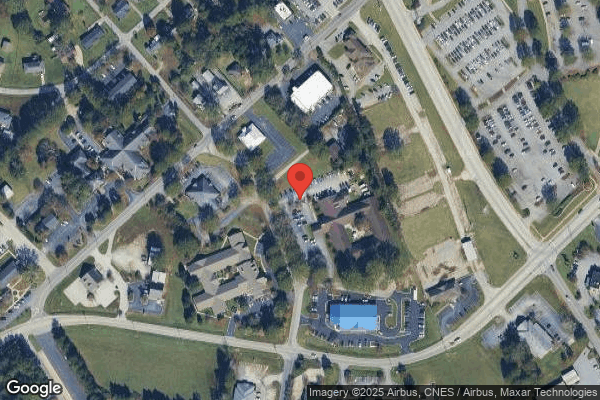
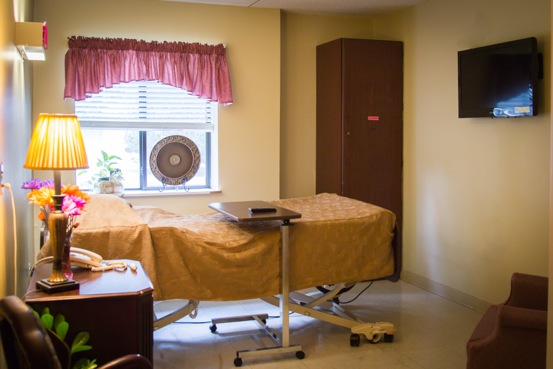
1415 Parkway Drive, Greenwood, SC 29646 (864) 227-9500
For profit - Limited Liability company 88 Beds FUNDAMENTAL HEALTHCARE Data: November 2025 1 Immediate Jeopardy citation
Trust Grade
26/100
#153 of 186 in SC
Last Inspection: June 2025

Inspected within the last 6 months. Data reflects current conditions.

Overview

Magnolia Manor in Greenwood, South Carolina has received a Trust Grade of F, indicating significant concerns about the facility's quality of care. Ranking #153 out of 186 in the state means it falls in the bottom half of nursing homes, and it is the lowest-ranked option in Greenwood County at #4 of 4. The facility's performance has been stable, with 22 issues identified in recent inspections, including 1 critical incident where a resident was observed smoking unsafely on the property of a smoke-free facility. While staffing is rated average with a 3/5 score and a turnover rate of 40%, which is better than the state's average, there were serious concerns regarding food safety, such as improperly stored food that could affect all residents. Overall, while there are some strengths in staffing, the poor trust grade and multiple health and safety violations highlight significant weaknesses that families should consider.

Trust Score
F
26/100
In South Carolina
#153/186
Bottom 18%
Safety Record
High Risk
Review needed
Inspections
Holding Steady
7 → 7 violations
Staff Stability
○ Average
40% turnover. Near South Carolina's 48% average. Typical for the industry.
Penalties
○ Average
$3,962 in fines. Higher than 52% of South Carolina facilities. Some compliance issues.
Skilled Nurses
○ Average
Each resident gets 36 minutes of Registered Nurse (RN) attention daily — about average for South Carolina. RNs are the most trained staff who monitor for health changes.
Violations
⚠ Watch
22 deficiencies on record. Higher than average. Multiple issues found across inspections.
★☆☆☆☆
1.0
Overall Rating
★★★☆☆
3.0
Staff Levels
★★★☆☆
3.0
Care Quality
★☆☆☆☆
1.0
Inspection Score
Stable
2024: 7 issues
2025: 7 issues

The Good

  • Full Sprinkler Coverage · Fire safety systems throughout facility
  • No fines on record
  • Staff turnover below average (40%)

    8 points below South Carolina average of 48%

Facility shows strength in fire safety.

The Bad

1-Star Overall Rating

Below South Carolina average (2.8)

Significant quality concerns identified by CMS

Staff Turnover: 40%

Near South Carolina avg (46%)

Typical for the industry

Federal Fines: $3,962

Below median ($33,413)

Minor penalties assessed

Chain: FUNDAMENTAL HEALTHCARE

Part of a multi-facility chain

Ask about local staffing decisions and management

The Ugly 22 deficiencies on record

1 life-threatening
Jun 2025 7 deficiencies 1 IJ
CRITICAL (J)

Immediate Jeopardy (IJ) - the most serious Medicare violation

Accident Prevention (Tag F0689)

Someone could have died · This affected 1 resident

**NOTE- TERMS IN BRACKETS HAVE BEEN EDITED TO PROTECT CONFIDENTIALITY** (2.) Based on review of the facility policy, observations, record reviews and interviews, the facility failed to ensure R131 was...

Read full inspector narrative →
**NOTE- TERMS IN BRACKETS HAVE BEEN EDITED TO PROTECT CONFIDENTIALITY** (2.) Based on review of the facility policy, observations, record reviews and interviews, the facility failed to ensure R131 was free from potential accidents, related to smoking on facility grounds for 1 of 4 residents identified for smoking. R131 being observed smoking unsafely, on the property of a smoke-free facility on 06/13/2025. On 06/13/2025 at 1:31 PM, the SA presented the Administrator with an IJ template related to this incident. On 06/13/2025 at 5:00 PM, the facility presented an acceptable IJ removal plan. Verification of the plan revealed the facility implemented their removal plan as of 06/16/25 at 6:30 PM. The facility remained out of compliance at a lower scope/severity level of D. Findings include: A review of the facility policy titled, Smoking Policy, Guidelines with a revision date 11/01/2017 states: Policy:Facility's Leadership will establish and enforce a specific smoking policy for Facility patients/residents, visitors and employees, outlining the parameters, if any, under which patients/residents, visitors and employees may be permitted to smoke on Facility's property. Procedures 6. ALL patients/residents are prohibited from keeping any type of smoking materials (lighter, matches, cigarettes, etc.) in their rooms or on their person . 10. Smoking by any person, including, without limitation, patients/residents, employees or visitors, in non-designated areas of the building or on Facility property, is strictly prohibited. Review of R131's Face Sheet revealed she was admitted to the facility on [DATE] with diagnoses including but not limited to, chronic obstructive pulmonary disease, nicotine dependence, and cognitive communication deficit. Review of R131's admission MDS with an ARD of 06/04/2025 revealed R131 had a BIMS score of 15 out of 15, indicating intact cognitive function. During an observation on 06/13/2025 at 07:40 AM, R131 self-propelled in a wheelchair, behind a cement column, in the courtyard. R131 was observed smoking a cigarette. During an interview on 06/13/2025 at 07:42 AM, Registered Nurse (RN)2 was asked about R131 smoking in the courtyard. RN2 stated, We are a smoke-free facility. She is not supposed to be smoking. During an interview on 06/13/2025 at 08:58 AM, the Nurse Practitioner stated, She is currently on the Nicotine patch. I was not aware of her smoking. I was just informed. The patch is not holding her. I will place her on the lozenges today. During an interview on 06/13/2025 at 10:32 AM, Administrator stated, I have spoken with R131 and the resident voluntarily gave me her cigarettes and lighter. I did the education for smoking with her. She will get discharged on Monday. This is a previously planned discharge. During an interview on 06/13/2025 at 11:00 AM, Certified Nursing Assistant (CNA)5 stated, I did not know she was a smoker. During an interview on 06/13/2025 at 11:05 AM, RN4 stated, I knew she had a Nicotine patch, I didn't know she was a current smoker. During an interview on 06/13/2025 at 11:37 AM, R131 stated, I've been smoking for 41 years. I have been smoking since I got here on Wednesday. Alot of people here smoke, they just don't get caught. A pack would last me about a week. Someone would bring me cigarettes. I kept my cigarettes, lighter, and vape in my little bag, and my bag always stays with me. I go out to the courtyard to smoke. None of the staff ever came out there. A lot of people didn't know. During an interview on 06/13/2025 at 11:43 AM, the Social Worker (SW) stated, Apparently this morning she was smoking, and our Administrator went out and talked to her and took the cigarettes from her and re-educated her. About 20 mins ago, I saw her vaping and took that away from R131. I wasn't aware that she was smoking prior to today. During an interview on 06/13/2025 at 11:49 AM, the Director of Nursing (DON) stated, I was not aware of any smokers prior to today. I'm not sure if she was a tobacco user upon her admission. It is possible that residents smoke when they go out on a leave of absence. We don't routinely ask them upon return from a leave of absence if they have smoking supplies. During an observation on 06/13/2025 at 1:15 PM, R131 was observed in the entryway to her room, crying. She stated, I don't know how I am going to be able to go a few more days without smoking anything. I have been smoking for years. During a follow-up interview with the Administrator on 06/13/2025 at 1:45 PM, she was made aware of the interview with R131. The Administrator stated they had identified a total of 4 residents in the facility, who currently smoked, however, none had any smoking paraphernalia on their person or in their rooms. The facility's removal plan included: Resident (R)131 smoking materials were given to the administrator for storage in administrator's office. Residents currently residing in the facility were asked by facility leadership if they currently are smokers on 06/13/2025. Four residents identified as current smokers. Two of the four declined cessation products and stated that they sign out and leave the premises with their family and smoke off site. The other two residents requested smoking cessation products. One of these residents does not have order or smoking cessation products and will be referred to NP on 06/13/2025 from the provider for smoking cessation product change. The Administrator will review on 06/13/2025 with the residents, that have self-identified as smokers, the admission policy including the smoking policy which states the facility is a non-smoking the facility and any smoking materials must be turned into the administrator for storage in administrators' office. RP/family will be notified and requested to pick up. Residents who have smoking materials will be asked to turn in those smoking materials to the administrator for storage in administrator's office on 06/13/2025. No residents had smoking materials. Smoking Cessation products will be offered to any resident that has identified as a smoker. If they chose to utilize smoking cessation products, the physician will be notified and orders obtained on 06/13/2025. Facility staff will be reeducated on 06/13/2025 regarding the Smoking Policy including that the facility is a nonsmoking facility and that smoking residents are prohibited from keeping any type of smoking materials in their rooms or on their persons. Any staff not receiving this education by 06/13/2025 will receive prior to working the next scheduled shift. This will be presented in New Hire Orientation and for agency staff. The Director of Nursing will randomly interview a minimum of 2 staff and 2 interviewable residents weekly times 4 weeks then monthly for 2 additional months to validate understanding and compliance with the admission and smoking policy. Administrator/designee will round in resident rooms 2 times per day for 5 days, then daily for 3 additional weeks then monthly for 2 additional months to validate thru observation and interview that there are no smoking materials in resident's rooms or on their persons. Administrator/designee will round in the courtyard 2 times a day for 5 days, then daily for 3 additional weeks then monthly for 2 additional months to validate no smoking is occurring in this area. Any concerns will be addressed at time of discovery. The Medical Director was notified on 06/13/2025 of the Immediate Jeopardy. Ad Hoc quality Assurance Performance Improvement Meeting was held on 06/13/2025 to discuss contents of this plan. Administrator will oversee compliance of this plan for three months. Based on review of the facility policy, record review, and interviews, the facility failed to ensure that Resident (R)78 was free from elopement from the facility on 03/23/25, at an unknown time. On 06/13/2025 at 1:20 PM the State Agency (SA) determined that the facility's non-compliance with one or more federal health, safety, and/or quality regulations could cause psychosocial harm. On 06/13/2025 at 1:21 PM, the survey team provided the Administrator with a copy of the Centers for Medicare and Medicare Services (CMS) Immediate Jeopardy (IJ) Template, informing the facility IJ existed as of 03/23/2025, when Resident (R)78 eloped from the facility. The IJ was related to 42 CFR 483.25 -Quality of Care, related to F689- Free of Accident Hazards/Supervision/Devices. On 06/16/2025 at 3:56 PM, the facility provided an acceptable IJ Removal Plan related to R78's elopement. The survey team validated the facility's implementation of the removal plan related to the elopement on 06/16/2025. The IJ was removed and lowered to a scope/severity level of D. Findings include: Review of the facility's policy titled, Elopement revised 11/01/2017 revealed, To safely and timely redirect patients/residents to a safe environment. A prompt investigation and search will be conducted if a patient/resident is considered missing. The facility will determine a signal code, e.g. Code [NAME] to designate a missing patient/resident. Procedures: 1. Once it has been established that a patient/resident is missing, all employees are notified immediately by paging overhead______ (insert code name). 2. The DON/designee completes a missing resident profile. 4. The entire search process of the facility and grounds, from the time the patient/resident is missing, will be completed within (30) thirty minutes. Review of the facility's policy titled, Against Medical Advice (AMA)- Day Outings/Therapeutic Leaves of Absence revised 6/9/2023 revealed Under Procedures: 3. C. If the resident/legal representative still wishes to leave, the facility designee will ask the resident/legal representative to sign the Against Medical Advice Waiver and Release for Day Outings/Therapeutic Leaves of Absence form (Waiver). 1. If the patient/resident can make his/her own healthcare decisions, as documented in the medical record by the treating physician, resident will sign the Waiver. Review of R78's Face Sheet revealed she was admitted to the facility on [DATE] with diagnoses including but not limited to; muscle wasting and atrophy, and abdominal aortic aneurysm, without rupture. Review of R78's admission Minimum Data Set (MDS) with an Assessment Reference Date (ARD) of 03/23/25 revealed a Brief Interview for Mental Status (BIMS) score was not recorded. Further review of the MDS revealed R78 has impairment of the upper extremity on one side, is at risk for falls, and need partial/moderate assistance for sit to stand mobility, to walk 10 feet and walking 50 feet with two turns as not attempted due to medical condition or safety concerns. Review of R78's Electronic Medical Record (EMR) did not reveal any documentation reflecting R78 was capable of making her own healthcare decisions. Review of Accuweather.com revealed that on 03/23/25, the high was 57 degrees Fahrenheit and the low was 28 degrees Fahrenheit, in regards to the temperature. Review of the facility's document titled, Release of Responsibility for Leave of Absence did not include any completed documents for R78. Review of R78's Nursing- Elopement Risk Observation dated 03/22/25 indicated Does the patient/resident have safe decision-making capabilities?. This question is answered as No. During an interview on 06/12/25 at 3:51 PM, Licensed Practical Nurse (LPN)2, provided the following account regarding an incident on 03/23/25 involving R78, a newly admitted resident. She stated, At the start of her shift on 03/23/25, another nurse reported to LPN2 that R78 had received her medication and was outside on the front porch with family. The resident was expected to sign the leave of absence log if she left the facility. LPN2 stated that she did not personally see the resident during her shift. Around 7:30 PM to 8:00 PM, during routine rounds, LPN2 noticed that R78 was not in her room. A search was conducted in common areas including the activity rooms, dayroom, dining room, courtyard, and the front parking lot, but R78 was not found. LPN2 attempted to contact both the resident and the resident's representative by phone, but neither answered. LPN2 informed the Director of Nursing (DON) of the situation. The DON advised continuing attempts to contact the resident and representative, with a plan to call again the following day. LPN2 stated that, per her training, when a resident is missing, staff are instructed to contact the family. LPN2 reported that no follow-up was made with her about the incident. Upon reflection, she believed she should have checked for the resident earlier, confirmed who the resident was with, and contacted the police when the resident could not be located. During an interview on 06/12/25 at 6:02 PM, the Administrator stated, On the 21st of March, R78 left on Sunday. I believe she was a smoker and wanted to leave because she couldn't smoke. I do know we assessed everyone for smoking on admission. LPN2 did follow up to reach R78. She wasn't at risk for elopement or disappeared. She was at no risk for elopement. She was told she needed to sign herself out and she did not. Someone in the building knew she was going to leave. She said she was going to the store. Our door locks on an automatic lock at 9 PM. Those who are confused, they wear a wanderguard. We tell the residents they have to sign out, we can't make them. We tried to call and the next day the Social Worker attempted to call the family. The Speech Language Pathologist (SLP) saw her on Sunday. I am unsure if the Physician was notified. During an interview on 06/13/2025 at 09:08 AM, Medical Director stated, I can not confirm or deny my awareness R78 left against medical advice. During an interview on 06/13/2025 at 9:09 AM, Certified Nursing Assistant (CNA)1 revealed that she was assigned to work with R78 on 03/23/2025. CNA1 stated, I assisted R78 with personal care around 1:00 PM and no later than 2:15 PM. R78 was dressed in a short sleeve green shirt, black leggings and some non-skid yellow socks, with no shoes or undergarments and her legs were covered, with a sheet. CNA1 further explained, I last saw R78 sitting inside the building at the front door around 2:30 PM or 2:40 PM. CNA1 stated that the resident had an issue with her right arm, but was able to use a wheelchair, she never walked but was able to stand and pivot to a chair. CNA1 further revealed that she left for the day around 2:55 PM or 3:00 PM and the resident was no longer at the door, she was unaware where the resident was and that she did not know that the resident had left the facility until she returned to work on Monday, 03/24/2025. During an interview on 06/13/25 at approximately 01:15 PM, the Administrator revealed that upon admission to the facility, the resident was made aware of the facility's policy regarding leaving the facility and acknowledged understanding by signing the admission handbook. During the survey, the Administrator stated that R78 had a BIMS of 14, she was cognitive and she had told staff that she would be leaving to go to the store with family and that the resident had a right to leave. The Administrator acknowledged at the time of the incident and currently, the whereabouts of the resident remained unknown, the facility had not considered this an elopement, so they did not notify the local authorities and/or continue to look for R78. Facility provided the following removal plan: Resident 78 no longer resides at the facility. The Social Worker attempted to call the resident & her son on 3/24/25. Voice message was left for both contacts and no call back were received. Adult protective services were notified to do welfare check on 06/16/25. Police department was notified to do wellness check on 06/16/25. . Elopement Risk evaluations done in the past 90 days on current residents inhouse will be reviewed by Director of Nursing/Designee for accuracy by 6/13/25. Residents identified at risk will be reviewed for appropriate interventions including placement in the Elopement Binder and validated care plans have interventions listed. The Director of Nursing was reeducated by the Clinical Consultant on 6/13/25 on Accidents and Incidents and Resident Care including: o Elopement risk o validating that when a resident is leaving and or expressing the desire to leave the facility the nurse is aware and the resident and/or responsible party has signed the resident out for leave of absence o elopement risk assessment process and putting interventions in place based on risks identified. Validation with in service attendance sheet signature. Facility Staff will be reeducated by 6/13/25 by the Director of Nursing/Designee on Accidents and Incidents including: o elopement risk o validating that when a resident is leaving the facility and or expressing the desire to leave the facility the nurse is aware and the resident and/or responsible party has signed the resident out for leave of absence Any staff not receiving this education by 6/13/25 will receive prior to working the next scheduled shift. This will be presented in New Hire Orientation. Nursing Staff will be reeducated on 6/13/25 by the Director of Nursing/Designee on Accidents and Incidents and Resident Care Including: o Elopement Risk o Validating that when a resident is leaving the facility and or expressing the desire to leave the facility the nurse is aware and the resident and/or responsible party has signed the resident out for leave of absences o Elopement risk assessment process accuracy o Checking for residents needs approximately every 2 hours o Notifications to Charge Nurse or Director of Nursing as indicated when a resident is not located Any staff not receiving this education by 6/13/25 will receive prior to working the next scheduled shift. This will be presented in New Hire Orientation. An elopement drill will be completed on 6/13/25 that includes: o The Administrator will notify the Charge Nurse, Director of Nursing and Social Service Designee that a resident is missing. The Director of Nursing/designee will announce Code [NAME] to signal the Elopement Drill Procedure o The Director of Nursing/designee will organize an immediate and thorough search of the center and surrounding grounds. The entire search process will be completed within 30 minutes o If the search fails to locate the missing resident in the allotted time, the Administrator/designee will place a mock telephone call to the appropriate community agencies, resident's legal representative and attending physician. Staff will provide the mock police with all the physical identifying information o The Search will continue if resident not located to include 2 staff members searching the surrounding streets by care for a 2 mile radius o When the volunteer resident is located the Charge Nurse will complete a head to toe assessment. The Social Services Designee will assess the resident for emotional distress. The Director of Nursing will notify the appropriate community agencies, attending physician and the resident's legal representative. o The facility's Quality Assurance Committee will investigate the incident and implement interventions to prevent reoccurrences o When the missing resident is found, an announcement will be made, Code [NAME] all clear. The Director of Nursing will randomly interview a minimum of 2 staff daily to validate understanding of elopement risk and elopement binder for 5 days, then weekly for 3 weeks then monthly for 2 additional months. The Director of Nursing/Designee will validate elopement risk assessments for accuracy beginning 6/13/25 in clinical morning meeting. The Medical Director was notified on 6/13/25 of the Immediate Jeopardy. A review of the facilities policy and procedures on leave of absence, resident's signing out, and Elopement was conducted on 6/13/25. No loopholes or changes were identified or needed during the review. An Ad Hoc Quality Assurance and Performance Improvement Meeting was held on 6/13/25 to discuss contents of this plan. Administrator will oversee compliance of this plan.
CONCERN (D)

Potential for Harm - no one hurt, but risky conditions existed

Report Alleged Abuse (Tag F0609)

Could have caused harm · This affected 1 resident

**NOTE- TERMS IN BRACKETS HAVE BEEN EDITED TO PROTECT CONFIDENTIALITY** Based on a review of the facility policy, record reviews, and interviews, the facility failed to report to the State Survey Agen...

Read full inspector narrative →
**NOTE- TERMS IN BRACKETS HAVE BEEN EDITED TO PROTECT CONFIDENTIALITY** Based on a review of the facility policy, record reviews, and interviews, the facility failed to report to the State Survey Agency an incident that occurred on 03/23/2025. The facility neglected to identify R78 was no longer in the facility, or was her whereabouts known to facility staff. Findings include: A review of the facility policy titled Abuse, Neglect, Exploitation or Mistreatment with a complete revision date of 11/01/2017 stated, The Facility shall report immediately, but not later than 2 hours after the allegation is made, if the events that cause the allegation involve abuse or result in serious bodily injury, or not later than 24 hours if the events that cause the allegation do not result in serious bodily injury to the administrator of the facility and to other officials (including to the State Survey Agency and adult protective services where state law provides for jurisdiction in long-term care facilities) in accordance with State law through established procedures . Review of R78's Face Sheet revealed she was admitted to the facility on [DATE] with diagnoses including but not limited to: muscle wasting and atrophy, and abdominal aortic aneurysm, without rupture. Review of R78's admission Minimum Data Set (MDS) with an Assessment Reference Date (ARD) of 03/23/25 revealed a Brief Interview for Mental Status (BIMS) score was not recorded. Further review of the MDS revealed R78 has impairment of the upper extremity on one side, is at risk for falls, and need partial/moderate assistance for sit to stand mobility, to walk 10 feet and walking 50 feet with two turns as not attempted due to medical condition or safety concerns. Review of R78's Electronic Medical Record (EMR) did not reveal any documentation reflecting R78 was capable of making her own healthcare decisions. Review of the facility's document titled, Release of Responsibility for Leave of Absence did not include any completed documents for R78. Review of R78's Nursing- Elopement Risk Observation dated 03/22/25 indicated Does the patient/resident have safe decision-making capabilities?. This question is answered as No. During an interview on 06/12/25 at 3:51 PM, Licensed Practical Nurse (LPN)2, provided the following account regarding an incident on 03/23/25 involving R78, a newly admitted resident. She stated, At the start of her shift on 03/23/25, another nurse reported to LPN2 that R78 had received her medication and was outside on the front porch with family. The resident was expected to sign the leave of absence log if she left the facility. LPN2 stated that she did not personally see the resident during her shift. Around 7:30 PM to 8:00 PM, during routine rounds, LPN2 noticed that R78 was not in her room. A search was conducted in common areas including the activity rooms, dayroom, dining room, courtyard, and the front parking lot, but R78 was not found. LPN2 attempted to contact both the resident and the resident's representative by phone, but neither answered. LPN2 informed the Director of Nursing (DON) of the situation. The DON advised continuing attempts to contact the resident and representative, with a plan to call again the following day. LPN2 stated that, per her training, when a resident is missing, staff are instructed to contact the family. LPN2 reported that no follow-up was made with her about the incident. Upon reflection, she believed she should have checked for the resident earlier, confirmed who the resident was with, and contacted the police when the resident could not be located. During an interview on 06/12/25 at 6:02 PM, the Administrator stated, On the 21st of March, R78 left on Sunday. I believe she was a smoker and wanted to leave because she couldn't smoke. I do know we assessed everyone for smoking on admission. LPN2 did follow up to reach R78. She wasn't a risk for elopement or disappeared. She was at no risk for elopement. She was told she needed to sign herself out and she did not. Someone in the building knew she was going to leave. She said she was going to the store. Our door locks on an automatic lock at 9 PM. Those who are confused, they wear a wanderguard. We tell the residents they have to sign out, we can't make them. We tried to call and the next day the Social Worker attempted to call the family. The Speech Language Pathologist (SLP) saw her on Sunday. I am unsure if the physician was notified. During an interview on 06/13/2025 at 09:08 AM, Medical Director stated, I can not confirm or deny my awareness R78 left against medical advice. During an interview on 06/13/25 at approximately 01:15 PM the Administrator revealed that upon admission to the facility, the resident was made aware of the facility's policy regarding leaving the facility and acknowledged understanding by signing the admission handbook. During the survey, the Administrator stated that R78 had a BIMS of 14, she was cognitive and she had told staff that she would be leaving to go to the store with family and that the resident had a right to leave. She confirmed it was not reported to the State Survey Agency that the resident did not return.
CONCERN (D)

Potential for Harm - no one hurt, but risky conditions existed

Deficiency F0628 (Tag F0628)

Could have caused harm · This affected 1 resident

**NOTE- TERMS IN BRACKETS HAVE BEEN EDITED TO PROTECT CONFIDENTIALITY** Based on review of the facility policy, observations, record reviews and interviews, the facility failed to notify Resident (R)7...

Read full inspector narrative →
**NOTE- TERMS IN BRACKETS HAVE BEEN EDITED TO PROTECT CONFIDENTIALITY** Based on review of the facility policy, observations, record reviews and interviews, the facility failed to notify Resident (R)7 and R78 or their resident representative (RR) of bedholds, including bed reserve payments 2 of 2 residents. Findings include: Review of the facility policy titled, Facility's Policy and State Requirements for Temporary Leave Bed-Hold revised 06/2009 revealed If a resident leaves the facility for temporary hospitalization or therapeutic leave, the resident or his/her representative may ask the Facility to hold the resident's bed until the resident is ready to return (bed hold). The resident and/or his/her representative will be given a copy of the Facility's bed-hold policy before the resident actually leaves for his/her temporary leave or hospitalization. In the case of an emergency hospitalization, the bed hold policy may accompany the resident to the hospital or will be given to the resident or his/her legal representative within twenty-four (24) hours of the resident's hospitalization. Review of R78's Face Sheet R78 was admitted to the facility on [DATE] with diagnoses including, but not limited to multiple rib fractures, weakness, type 2 diabetes mellitus without complication, and dementia. Review of R78's comprehensive Minimum Data Set (MDS) with an Assessment Reference Date (ARD) of 02/02/2025, revealed R78 had a Brief Interview for Mental Status (BIMS) score of 9 out of 15, which indicated the resident has moderate cognitive impairment. Review of 78's Electronic Medical Record (EMR) did not reveal a bed hold notification. During an interview on 06/12/25 at 02:10 PM, R78's RR stated, No, I did not receive a call or anything in writing about a bed hold. Review of 7's EMR revealed R7 was admitted to the facility on [DATE] with diagnoses including but not limited to: encephalopathy, dysphagia, parkinsonism, chronic respiratory failure with hypoxia, Dementia, and altered mental status. Additional record review revealed R7 had the following hospitalizations: 5/10/24-5/18/24- Bedhold 1/28/25-1/31/25- Bedhold 5/23/25-5/28/25- Bedhold During an interview on 6/12/25 at 10:49 AM, Registered Nurse (RN)4 stated, We have a form we send with the resident by transport. The nurses call the family to inform them the resident is being sent to the hospital. The DON and business office takes over from there. During an interview on 06/12/25 at 01:59 PM, Business Office staff stated, The bed holds are sent out in real time by the nursing department. The Social Worker (SW) is my back up. The admission Department gets a verbal consent from the RR. That is the only way we do it. It is not an actual form we fill out. During an interview on 06/16/25 at 12:56 PM, SW stated, I don't have a bedhold for R78. I did not know the notice of transfer is something that I needed to do it. During an interview on 06/16/25 at 05:52 PM, the Director of Nursing (DON) stated, The SW handles the bed hold. I did the bed hold in-service with the SW. We became aware she was not sending them out. I am unsure if we told her to do the bed hold. When we found out the bed holds were not getting completed, we put a plan in place to correct the bed hold notifications. I think it wasn't being completed within the last couple of months due to her being a new employee.
CONCERN (D)

Potential for Harm - no one hurt, but risky conditions existed

Unnecessary Medications (Tag F0759)

Could have caused harm · This affected 1 resident

Based on review of the facility policy, observations, record review and interviews, the facility failed to ensure a medication administration error rate of less than 5 percent. The medication administ...

Read full inspector narrative →
Based on review of the facility policy, observations, record review and interviews, the facility failed to ensure a medication administration error rate of less than 5 percent. The medication administration error rate was 8 percent for 2 out of 25 opportunities observed for error. Findings include: Review of the facility's policy titled, Medication Management Program revised 05/05/2023, revealed, Policy: The facility implements a Medication Management program to meet the pharmaceutical needs of patients and residents, according to established standards of practice and regulatory requirements. Security and Safety Guidelines: 16. Medications are dispensed at the time of administration. Pre-pouring or dispensing for a later administration is not permitted. Administering the Medication Pass 7. The authorized staff member prepares one resident's medication at a time. B. Do not touch the medication when opening a bottle or unit dose package C. If a medication which is not in a protective container is dropped, it should be discarded according to policy. 15. If a medication is unavailable, contact pharmacy and document accordingly. Notify the physician for possible alternatives available in e-kits at time of discovery. 16. Once removed from the package or container, unused doses should be destroyed following facility policy and documenting the destruction according to facility policy. During an observation on 06/11/2025 at 03:30 PM, Registered Nurse (RN)3 placed Reglan and Buspirone in her bare hands and placed in a medication cup. During an interview on 06/11/2025 at 03:36 PM, RN3 stated, That is ridiculous. It is going to take too long placing the medication directly in the medicine cup. The medicine will end up on the medicine cart more than in the medicine cup. I washed my hands. No one else does it that way. During an observation on 06/11/2025 at 03:45 PM, R22's medication was removed from the medication cart included Tylenol 500 mg [milligrams] by mouth (PO) and Tramadol 50 mg PO. Gabapentin 600 mg PO and hydroxyzine HCL 50 ml were not available. RN3 proceeded with medication pass. During an interview on 06/11/2025 at 03:45 PM, RN3 stated, I don't see R22's Gabapentin or Hydroxyzine, I guess he doesn't have any in this cart. During an observation on 06/11/2025 at 03:55 PM, RN3 offered R26 his medication in the hallway. The resident was slumped slightly to the right in the wheelchair. The resident attempted to take the medications, but one pill dropped on the floor. RN3 picked it up and stated, One pill dropped on the floor. I guess I can get another one not unless you want to take this one. R26 responded, I can take that one. After intervention of the surveyor, RN3 responded, I'll go get you another one. During an observation on 06/11/2025 at 04:03 PM, RN3 placed the dropped pill in the trash can on the medication cart. RN3 proceeded to prepare another pill for R26. During an interview on 06/11/2025 at 04:03 PM, RN3 stated, I do not know what pill I dropped. I think I know what it is. I will compare it to Baclofen by what it looks like. This medication is not an opioid. Since it is an antibiotic, it should be ok to discard it in the trash can. No, I do not know what the policy says on discarding non opioid medications. During an interview on 06/11/2025 at 04:19 PM, the Director of Nursing (DON) stated, RN3 works here often. She is agency staff. She knows our policies. I expect all medications to be given per our policies. She will be placed on the Do Not Return (DNR) list. The DON was also asked about medication availability. She stated, We have those medications to give. I expect all medications to be given as per our policies.
CONCERN (D)

Potential for Harm - no one hurt, but risky conditions existed

Deficiency F0761 (Tag F0761)

Could have caused harm · This affected 1 resident

**NOTE- TERMS IN BRACKETS HAVE BEEN EDITED TO PROTECT CONFIDENTIALITY** Based on review of the facility policy, observations and interviews, the facility failed to ensure expired medication and biolog...

Read full inspector narrative →
**NOTE- TERMS IN BRACKETS HAVE BEEN EDITED TO PROTECT CONFIDENTIALITY** Based on review of the facility policy, observations and interviews, the facility failed to ensure expired medication and biologicals, and 4 loose unidentified pills were removed from 2 of 2 medication carts. The facility further failed to remove open and expired items from 1 of 2 treatment carts. Findings include: Review of the facility's policy titled, 8.2 General Guidelines for Storage of Medication and Biologicals, revised [DATE], revealed Policy: Medications and biologicals are stored safely, securely and properly following manufacturer's recommendations or those of the supplier. In accordance with State and Federal laws, the facility will store all drugs and biologicals in locked compartments under proper temperatures and other appropriate environmental controls to preserve their integrity. Procedures: 5. Medications with manufacturer's expiration date expressed in month and year (e.g., May, 2019) will expire on the last day of the month. (unless a sooner expiration date has been placed on the package by the pharmacy). 6. Once any medication or biological package is opened, the facility should follow manufacturer/supplier guidelines with respect to expiration dates of opened medications. 12. Outdated, contaminated, or deteriorated medications and those in containers that are cracked, soiled, or without secure closures are immediately removed from stock, disposed of according to procedures for medication destruction, and reordered from the Pharmacy, if replacements are needed. During an observation on [DATE] at 12:23 PM of [NAME] Medication Cart revealed; 2 loose yellow unidentified pills and 1 white unidentified pill, floor Stock Vitamin D3, 10 mcg [microgram] (400 IU) Plus Phar Lot# 63376 expired on 04/25, Iron 27 mg [milligram] Geri Care Lot# 724W03, Expired 04 2025, and 3 Bisacodyl 10 mg medicated Laxative Suppositories OTC [over-the-counter] Stock Lot# ZD006, Expired 04/2025. During an interview on [DATE] at 12:49 PM, Registered Nurse (RN)1 stated, Floor Nurses and Manager usually check the cart. For the loose medications, we have a drug buster we place loose pills in. The suppositories and Vitamin D3 will be discarded in a big trash can in the Director of Nurses (DON's) office. The Vitamin D3 will go to the DON office for disposal. During an observation on [DATE] at 12:49 PM, RN1 disposed of the medications in the black receptable bin in the DON's office. During an observation on [DATE] at 01:20 PM, Birch Medication Cart B revealed 1 loose yellow pill, Humalog Kwik Pen dated 05/04 expired 4/28 from the open date, and Albuterol Sulfate aerosol 90mcg, Lot# 1820164 expired on 12/2023. During an interview on [DATE] at 01:24 PM, Licensed Practical Nurse (LPN)1 stated, The Assistant Director of Nursing (ADON) and LPN3 checks the carts. I am an agency staff member. During an observation on [DATE] at 01:24 PM, LPN1 discarded the Aspirin in the drug buster. The insulin and inhaler medications were discarded in the medication needle box on the side of the medication cart. During an observation on [DATE] at 04:52 PM, The [NAME] Park Treatment cart revealed the following: [NAME] Valve, non-sterile package, open Rf M9000 ICU Medical Lot 5584922 expired [DATE] and the Ready Prep PVP povidone iodine 10% solution Lot# 11kJAO40E, expired 10/24. During an interview on [DATE] at 06:34 PM, the DON stated, RN2 uses the cart when she does wounds and making rounds. LPN3 checks the [NAME] wing. The nurses are responsible for checking the medication carts for expiration dates.
CONCERN (D)

Potential for Harm - no one hurt, but risky conditions existed

Infection Control (Tag F0880)

Could have caused harm · This affected 1 resident

**NOTE- TERMS IN BRACKETS HAVE BEEN EDITED TO PROTECT CONFIDENTIALITY** Based on review of facility policy, observations, and interviews, the facility failed to ensure the useof gowns during catheter ...

Read full inspector narrative →
**NOTE- TERMS IN BRACKETS HAVE BEEN EDITED TO PROTECT CONFIDENTIALITY** Based on review of facility policy, observations, and interviews, the facility failed to ensure the useof gowns during catheter and wound dressing changes 2 of 2 residents reviewed, Resident (R)35and R57. Findings include: Review of the facility's policy titled, Transmission Based/Standard Precautions, and Enhanced Barrier Precautions revised on 05/15/23 revealed, Policy: 1. The facility will use transmission-based precautions when the routes of transmission is not completely interrupted using standard precautions alone. These are applied as needed based on the epidemiology of the infecting organism or infectious disease syndrome. There may be some diseases that have multiple routes of transmission which more than one transmission-based precaution may be required. Transmission-based precautions will always be used in addition to standard precautions. 2. Health care workers (HCW) will implement Universal/Standard Precautions whenever there is occupational exposure to blood and body fluids. Procedures: Enhanced Barrier Precautions (EBP) 1. Enhanced Barrier Precautions expand the use of PPE (gowns and gloves) during high-contact resident care activities that provide opportunities for transfer of MDROs to staff hands and clothing. A. EBP will be implemented for All residents with the following: 2) Wounds and/or indwelling medical devices (central lines, urinary catheter, feeding tube,tracheostomy/ventilator) regardless of MDRO colonization status B. EBP will be implemented during the following high-contact resident care activities: 7) Device care or use: central lines, urinary catheter, feeding tube, tracheostomy/ventilator F. The facility will post clear signage on the door or wall outside of the room indicating the type of precautions and required PPE (gowns and gloves) G. The facility will post signage that clearly indicates the high-contact resident care activities that require the use of gown and gloves. H. The facility will provide gowns and gloves immediately outside of the resident's room and position a trash can inside the resident room and near the exit for discarding PPE after removal, prior to exit of the room or before providing car for another resident in the same room. Standard Precautions vs. Transmission Based Precautions 4. Rationale for Transmission-Based Precautions 5. Signs a) Confidentiality is to be maintained as much as possible while still following all applicable regulations. Health Insurance Portability and Accountability Act (HIPPA) regulations are applicable. Review of R35's Face Sheet revealed R35 was admitted to the facility on [DATE] with diagnoses including but not limited to; pressure ulcer of sacral region and pressure ulcer of unspecified elbow,stage 4. Review of R35's admission Minimum Data Set (MDS) with an Assessment Reference Date (ARD) of 04/08/25 revealed R35 had a Brief Interview for Mental Status (BIMS) score of 09 out of 15, indicating moderate cognitive impairment. Review of R35's Physician Orders dated 06/04/25, revealed the following order for woundtreatment: Location sacrum keep sacral open area clean and dry. Insert alginate wound dressinginto wound. Apply foam dressing to cover area. Change Monday (M)-Wednesday (W)-Friday (F). Review of R57's Face Sheet revealed R57 was admitted to facility on 05/12/25 with diagnoses including but not limited to; unspecified injury of external genitals, subsequent encounter andother specified injuries of external genitals, subsequent encounter. Review of R57's admission MDS with an ARD of 05/27/25 revealed R57 had a BIMS score of 03 outof 15, indicating severe cognitive impairment. Review of R57's Physician Orders dated 04/23/25, revealed the following order, Urethral cathetercare every shift may be completed by certified nursing assistant (CNA) or nurse. During an observation on 06/12/25 at 10:56 AM, observation of R57 ' s room showed no EBP signageon the door. CNA2 and CNA3 washed their hands and applied gloves. CNA2 and CNA3 did not use agown during catheter care for R57. CNA2 and CNA3 took off their gloves and sanitized their hands. During an interview on 06/16/25 at 07:47 PM, CNA3 stated, R57 ' s EBP signs are not up on the door. Itreally depends on when we would put a gown on for resident care. We had a 1 on 1 in-service in January,and we have a skills fair coming up. During an observation on 06/12/25 at 11:11 AM, observation of R35 ' s room did not have EBPsignage outside of room door. RN2 washed her hands and applied gloves. RN2 changed R35 ' ssacral dressing. RN2 removed her gloves and washed hands. During an interview on 06/12/2025 at 11:30 AM, RN2 stated, I thought about the gown after theprocedure. I had it out and everything. I forgot to put it on. During an interview on 06/12/25 at 11:36 AM, the Director of Nursing (DON) stated, The EBP signsare inside the closet doors with supplies. We do not put them on the doors to help withconfidentiality. This is a small town, and a lot of people know each other. So, the confidentialitywould not be confidential with the EBP signs on the door.
CONCERN (F)

Potential for Harm - no one hurt, but risky conditions existed

Food Safety (Tag F0812)

Could have caused harm · This affected most or all residents

Based on review of the facility policy, observations, and interviews, the facility failed to ensure foods that were stored in the freezer, refrigerators and dry food storage were appropriately sealed,...

Read full inspector narrative →
Based on review of the facility policy, observations, and interviews, the facility failed to ensure foods that were stored in the freezer, refrigerators and dry food storage were appropriately sealed, labeled, dated with a use by date, and/or discarded after the manufacturer's expiration date. This had the potential to affect all residents who received meal trays from the kitchen. Findings include: Review of the facility's policy titled, Food Safety in Receiving and Storage, with a revision date of 6/20/2023 revealed, Receiving Guidelines 6. Check expiration dates and use by dates to assure dates are within acceptable parameters; General Food Storage Guidelines 3.) .Label both the container and its lid with the common name of the contents, the date, it was transferred to the new container and the discard date; Dry Storage guidelines 2. Tightly seal open packages to prevent contamination or place food in covered container. Review of the facility's policy titled, Dating and Labeling Food Guidelines, updated 2/4/2024, revealed .when opening food in dry storage, make sure food has a label with date opened/one month expiration date. Six months for condiments; All opened frozen foods returned to the freezer needs to be bagged/labeled. During an observation on 06/10/25 at 10:24 AM, the kitchen's dry food storage revealed one 5-pound (lb.) bag of self-rising corn meal opened and not labeled with an open or use by date and one 16-ounce (oz.) box of lasagna noodles opened and not sealed properly or labeled with an open or use by date. The walk-in cooler revealed one 1-gallon (gal.) container of dill pickle chips marked open 3/15/25 out 5/15/25; one 16 oz. container of ham base marked open 2/27 and an ilegible out date. The walk-in freezer revealed one box containing 4 open bags of churros, not properly sealed and not labeled with an open or use by date. During a follow-up observation on 06/12/25 at 1:56 PM, the walk-in freezer revealed one 1-gal. size Ziploc bag of meatballs, marked with an open date of 3/29/25 and use by date of 5/29/25. During an interview on 06/12/25 at 2:31 PM, the Dietary Manager revealed that the food is handled by the kitchen and dietary staff to make sure there is nothing expired. During an interview on 06/16/25 at 07:31 PM, the Administrator revealed that it is her expectations that foods that are expired are discarded. The Administrator also stated that any foods in the dry food storage, refrigerators or freezers that have been opened, should also be dated. The Administrator further revealed that sometimes things are mislabeled with dates that exceed the required date.
Nov 2024 1 deficiency
CONCERN (D) 📢 Someone Reported This

A family member, employee, or ombudsman was alarmed enough to file a formal complaint

Potential for Harm - no one hurt, but risky conditions existed

Accident Prevention (Tag F0689)

Could have caused harm · This affected 1 resident

**NOTE- TERMS IN BRACKETS HAVE BEEN EDITED TO PROTECT CONFIDENTIALITY** Based on interview, record review, observation and facility policy review, the facility failed to supervise 1 (Resident (R)6) of...

Read full inspector narrative →
**NOTE- TERMS IN BRACKETS HAVE BEEN EDITED TO PROTECT CONFIDENTIALITY** Based on interview, record review, observation and facility policy review, the facility failed to supervise 1 (Resident (R)6) of 3 sampled residents reviewed for accidents. Specifically, the facility failed to supervise R6, who the facility determined was high risk for falls and required staff assistance with showers/bathing, during a shower on 10/06/24. R6 fell from a shower chair when staff left the resident in the shower room unattended and the resident sustained redness to the knees. Findings include: Review of a facility policy titled, Fall Management, revised 05/05/23, indicated, 1. The facility will identify each patient/resident who is at risk for falls and will plan care and implement interventions to manage falls. 2. Qualified staff will complete the Fall Risk Evaluation to determine if patient/resident is a fall risk. 3. The fall management program includes education for staff in creative, functional strategies while recognizing patients/resident's rights and highest practicable level of function. Review of a Resident Face Sheet revealed the facility admitted R6 on 10/04/24. According to the Resident Face Sheet, the resident had a medical history that included diagnoses including but not limited to: chronic obstructive pulmonary disease, urinary tract infection, unsteadiness on their feet, repeated falls, and dependence on supplemental oxygen. The Resident Face Sheet revealed the facility discharged the resident home on [DATE], two days after admission. Review of an occupational therapy (OT) Initial Evaluation, dated 10/02/24, (during a hospital admission prior to admission to the facility) revealed R6 had decreased endurance and decreased balance. The OT evaluation revealed that the resident required supervision for static sitting balance (the ability to maintain the body in a specific position) and required contact guard assistance for dynamic sitting balance (the ability to maintain balance while moving the body in a sitting position). The OT evaluation indicated a goal was for R6 to bath with stand by assistance. Review of R6's nursing Resident Progress Notes dated 10/04/24 at 6:04 PM, revealed the facility admitted the resident at 12:21 PM. The notes revealed the resident was alert and responsive, had incontinent episodes, and staff assisted with activities of daily living. Review of R6's Morse Fall Scale, dated 10/04/24, revealed that R6 was high risk for falls. Review of a PT [Physical Therapy] Discharge Summary for dates of service from 10/04/24 through 10/06/24, revealed R6 was discharged from therapy due to being discharged to the hospital. Per the summary, the resident had muscle wasting and atrophy in the left and right lower leg, was unsteady on their feet, and had repeated falls. Review of R6's Baseline Care Plan, included a problem statement dated 10/04/24, that revealed the resident was a new admission to the facility. Interventions directed staff that the resident was a fall risk and to encourage the resident to use the call light (initiated 10/04/24). Interventions also directed staff to assist the resident with bed mobility, eating, toileting, transfers, and ambulation (initiated 10/04/24). The care plan did not address the level of assistance R6 required for bathing/showers. Review of R6's Resident Profile, indicated the resident was at risk for falls and required assistance with ambulation, transfers, and toileting (started 10/04/24). The Resident Profile did not address the level of assistance the resident required for bathing/showers. Review of a discharge Minimum Data Set (MDS), with an Assessment Reference Date (ARD) of 10/06/24, revealed R6 had modified independence in cognitive skills for daily decision making and had no short-term memory problems per a staff assessment of mental status (SAMS). The MDS revealed the resident required substantial/maximal assistance (the helper did more than half the effort) with showers/bathing. According to the MDS, tub/shower transfers had not been attempted due to medical condition or safety concerns. Review of a nursing Resident Progress Note, dated 10/06/24 at 10:49 AM, revealed Registered Nurse (RN)9 documented that R6 was found on the floor in the shower room at 8:30 AM. The note revealed R6 was laying in front of a shower chair. According to the note, R6 stated that they hit their head but there were no signs of injury. Per the note, R6's knees were red. The note revealed the nurse contacted the Nurse Practitioner (NP) on call, who wanted staff to continue checking the resident's vital signs. The note revealed RN9 called the NP back with vital changes at 10:24 AM. According to the note, RN9 notified the resident's Responsible Party (RP) of the fall and that R6 was being transferred to the emergency department (ED). Review of R6's Neurological Evaluation Flow Sheet revealed on 10/06/24 at 10:00 AM, the resident's blood pressure was 162/74 millimeters of mercury (mm/Hg) (an increase from 123/75 mm/Hg at 9:25 AM) and the resident's pulse rate was 79 beats per minute (bpm) (a decrease from 91 bpm at 9:25 AM). Review of an undated facility Summary of Investigation report revealed the facility admitted R6 from a hospital for rehabilitation pending restoration of electrical power at home. The report revealed R6 was alert and oriented and per the hospital therapy notes, R6 was ambulatory with a rolling walker, able to stand with minimal assistance, required minimal assistance with bathing/dressing, and was able to feed themselves (The facility's Summary of Investigation did not address that the hospital therapy notes also revealed that the resident required contact guard assistance for dynamic sitting or that a goal for the resident was to provide stand by assistance with bathing). The report revealed R6 had an unwitnessed fall in the community bathroom on 10/06/24, at approximately 8:30 AM, with no observed injuries. Per the report, RN9 notified the resident's family and the NP, who instructed the nurse to monitor R6's vital signs/neurological checks. According to the report, at approximately 10:00 AM, the resident's vital signs reflected a significant increase in systolic blood pressure and decrease in pulse rate. The note revealed that the NP was notified, and orders were obtained to send the resident to the ED for an evaluation. Per the report, ED notes reflected a computed tomography (CT) scan of the resident's head that showed no injury related to the fall. The note revealed the resident's family took the resident home following the ED evaluation as their power had been restored at home. The Summary of Investigation also revealed the facility reeducated the assigned Certified Nursing Assistant (CNA) regarding Shower Room Safety. Review of R6's CT scan results dated 10/06/24, revealed the resident had no fractures and there were no intracranial findings. During an interview on 11/08/24 at 3:14 PM, CNA8 stated that she gave R6 a shower as soon as she came on the 7:00 AM to 3:00 PM shift. CNA8 stated R6 had feces and urine on them and the resident agreed to take a shower. CNA8 stated that R6 could walk and was alert and oriented. CNA8 stated that during the shower, R6 held out their hand for the washcloth and said they wanted to bathe themselves. CNA8 stated that she stepped across the hall to R6's room to get clothing. CNA8 stated that prior to leaving, she asked R6 if it was okay, and they said yes. CNA8 stated she came back to the shower to check on the resident and they were still washing. CNA8 stated she stepped back out to get sheets from a linen cart and tossed them on R6's bed. CNA8 stated when she got back to the shower R6 was sitting on the shower floor with their legs crossed and their head leaning on the wall. CNA8 stated she opened the shower door and called RN9. CNA8 stated that RN9 assessed R6, and there were no injuries. CNA8 stated R6 did not complain of pain. CNA8 stated she and RN9 assisted the resident back to the shower chair, and she finished R6's shower and dressed them. Review of a typed statement dated 10/07/24, and signed by RN9 revealed R6 stated they fell out of the shower chair and was lying on their right side on the rubber mat in front of the shower chair. RN9's statement revealed the resident had reddened knees. During a telephone interview on 11/08/24 at 3:25 PM, RN9 stated that she was passing medications down the hall and saw CNA8 come out of the shower room. RN9 stated that the resident should not have been left in the shower unsupervised. During an observation on 11/08/24 at 5:05 PM, revealed the shower room was across the hallway from the room where R6 resided. An observation of the shower room revealed there were two shower stalls with a call bell in each stall. Shower chairs were also observed in the shower room. During an interview on 11/08/24 at 5:51 PM, the Director of Nursing (DON) stated that she expected the resident's preference to be honored, depending on the resident's capability and safety to be in the shower alone. The DON stated she felt that R6 was safe to be in the shower alone. During an interview on 11/08/24 at 6:07 PM, the Administrator stated that it was her expectation that all residents be afforded the opportunity for safe bathing depending on their preference and capabilities.
Jul 2024 5 deficiencies
CONCERN (D) 📢 Someone Reported This

A family member, employee, or ombudsman was alarmed enough to file a formal complaint

Potential for Harm - no one hurt, but risky conditions existed

Notification of Changes (Tag F0580)

Could have caused harm · This affected 1 resident

Based on interview, record review, and facility policy review, the facility failed to ensure staff notified the resident's physician and/or the resident's responsible party (RP) of a fall for 2 (Resid...

Read full inspector narrative →
Based on interview, record review, and facility policy review, the facility failed to ensure staff notified the resident's physician and/or the resident's responsible party (RP) of a fall for 2 (Resident (R)1 and R3) of 3 sampled residents reviewed for falls. Findings include: Review of a facility policy titled, Fall Management, revised on 05/05/23, revealed, 8. The physician and family are promptly notified, and an incident report is completed. Review of a Resident Face Sheet revealed the facility admitted R1 on 11/03/23. According to the Resident Face Sheet, R1 was admitted to the facility with diagnoses including but not limited to: altered mental status, abnormalities of gait and mobility, muscle wasting and atrophy, unsteadiness on feet, muscle weakness, lack of coordination, hemiplegia and hemiparesis (muscle weakness on one side of the body) following a cerebral infarction (stroke) affecting the left non-dominant side, dementia, and cognitive communication deficit. Review of a Quarterly Minimum Data Set (MDS), with an Assessment Reference Date (ARD) of 07/05/24, revealed the resident had a Brief Interview for Mental Status (BIMS) score of 3 out of 15, which indicated the resident had severe cognitive impairment. Review of R1's Care Plan included a problem statement initiated on 11/14/23 that indicated the resident was at risk for falls as evidenced by physical impairment with left-sided weakness, unsteady gait, and muscle weakness. Review of a Falls Investigation Worksheet, dated 05/29/24, revealed R1 had an unwitnessed fall on 05/25/24 at 6:00 AM. The worksheet revealed the resident took themselves to the restroom unassisted. The worksheet revealed the box indicating whether the resident's physician was notified was unchecked. Review of R1's Resident Progress Notes, dated 05/25/24 at 6:03 PM and written by Licensed Practical Nurse (LPN)3, revealed the resident was heard yelling from their room for help. A caregiver went to assist and reported the resident was on the floor. The note revealed the resident stated they were attempting to take themselves to the restroom. The note revealed the fall was unwitnessed, vital signs were taken, and the incident was reported to the RP. The note did not reveal that the resident's physician was notified of the fall. During an interview on 07/27/24 at 9:24 AM, LPN3 stated the time of the fall on the Falls Investigation Worksheet for the fall on 05/25/24 was incorrect and the fall occurred during her shift at 6:00 PM. LPN3 stated that she documented the fall in R1's progress notes. LPN3 stated she could not remember if she notified the resident's physician and that she would have documented it in the resident's progress note. Review of a Falls Investigation Worksheet, dated 06/04/24, revealed R1 had an unwitnessed fall on 05/28/24 at 4:35 AM. The worksheet revealed the box indicating whether the resident's physician was notified was unchecked. Review of R1's Resident Progress Notes, dated 05/28/24 at 5:49 AM, revealed the resident was yelling out help me. The note revealed the nurse discovered the resident on the floor in the entry way of their room. The note revealed the on-call nurse, the Director of Nursing (DON), and the family were notified. The note did not reveal that the resident's physician was notified of the fall. Review of an undated Falls Investigation Worksheet revealed R1 had a witnessed fall on 06/02/24 at 2:00 AM. The worksheet revealed the box indicating whether the resident's physician and RP were notified was unchecked. Review of R1's Resident Progress Notes dated 06/02/24 revealed no documentation by staff to indicate that the resident's physician and RP were notified of the resident's fall on 06/02/24 at 2:00 AM. R1's Resident Progress Notes dated 06/02/24 at 7:30 PM, revealed that the resident had a large purple/black discoloration on their left hip. The resident complained of pain and the family wanted the resident sent to the emergency room for an x-ray. The note revealed the on-call nurse and medical doctor were notified, and emergency medical services were called to transport the resident. During an interview on 07/26/24 at 2:51 PM, the DON stated that she reviewed the Falls Investigation Worksheet and the Resident Progress Notes for R1 for the resident's falls on 05/25/24, 05/28/24, and 06/02/24. The DON stated the staff failed to notify the resident's physician and/or RP of the resident's falls. 2. Review of a Resident Face Sheet revealed the facility admitted R3 on 03/14/22, with diagnoses including but not limited to: cerebral infarction (stoke), dementia, muscle wasting and atrophy, history of falling, cognitive communication deficit, unsteadiness on feet, other abnormalities of gait and mobility, and muscle weakness. Review of a Quarterly Minimum Data Set (MDS), with an Assessment Reference Date (ARD) of 06/21/24, revealed the resident had a Brief Interview for Mental Status (BIMS) score of 0 out of 15, which indicated the resident had severe cognitive impairment. Review of R3's Care Plan included a problem statement initiated on 03/25/22, that indicated the resident was at risk for falls as evidenced by unsteady gait and muscle weakness. Review of an undated Falls Investigation Worksheet revealed R3 had an unwitnessed fall on 06/30/24 at 4:30 AM. The worksheet revealed the box indicating whether the resident's physician and RP were notified was unchecked. Review of R3's Resident Progress Notes dated 06/30/24 revealed no documentation by staff to indicate that the resident's physician and RP were notified of the resident's fall on 06/30/24 at 4:30 AM. The Resident Progress Notes dated 06/30/24 at 10:05 PM, revealed the resident was sent to the emergency room upon the start of the shift due to a verbalized fall from the off-going nurse and the resident's RP wanted the resident sent out to the hospital for an evaluation due to the resident complaining of back pain. Review of a Complaint/Grievance Roll-Up report for the timeframe from 07/01/24 through 07/26/24 revealed that on 06/30/24, R3's RP reported a grievance related to fall notification. During an interview on 07/27/24 at 8:02 AM, the Administrator stated the nurse that worked on 06/30/24 at the time of R3's fall was Registered Nurse (RN)4. The DON stated that RN4 did not notify the resident's representative or the resident's physician of the resident's fall. The Administrator stated RN4 said she had passed the information along to the first shift nurse to report. The Administrator stated she spoke with the nurse that received the report from RN4 and confirmed that the nurse who received the report did not report the fall to the resident's RP or physician. During a telephone interview on 07/27/24 at 10:02 AM, the Nurse Practitioner (NP) stated that they relied on the nurses to notify the provider when a resident had a fall. The NP stated she worked at the facility every Monday through Friday and was on call. The NP further stated on the weekends and during the times that she was off there was an on-call provider service available for the nurses to call and report falls to a provider. During a telephone interview on 07/27/24 at 10:30 AM, the Medical Director (MD) stated that it was his expectation that staff notify the provider when a resident had a fall. The MD stated that there was a NP at the facility during the week and there was a 24-hour on call provider service that staff could report falls to. During a follow-up interview on 07/27/24 at 12:29 PM, the Administrator stated the nurse that was on duty during the time of the resident's fall was responsible for notifying the resident's physician and RP. The Administrator stated it was her expectation that the resident's RP and physician were notified after each fall.
CONCERN (D) 📢 Someone Reported This

A family member, employee, or ombudsman was alarmed enough to file a formal complaint

Potential for Harm - no one hurt, but risky conditions existed

Assessment Accuracy (Tag F0641)

Could have caused harm · This affected 1 resident

**NOTE- TERMS IN BRACKETS HAVE BEEN EDITED TO PROTECT CONFIDENTIALITY** Based on interview, record review, and facility policy review, the facility failed to ensure staff accurately coded a Minimum Da...

Read full inspector narrative →
**NOTE- TERMS IN BRACKETS HAVE BEEN EDITED TO PROTECT CONFIDENTIALITY** Based on interview, record review, and facility policy review, the facility failed to ensure staff accurately coded a Minimum Data Set (MDS) for 1 (Resident (R)2) of 3 sampled residents reviewed for falls. Findings include: Review of a facility policy titled, Minimum Data Set (MDS), revised on 09/28/23, revealed, A licensed nurse will conduct or coordinate each assessment with the interdisciplinary team. An MDS, which is a comprehensive, accurate, standardized reproducible assessment will be completed for each resident, using the RAI [resident assessment instrument] process. Facility staff complete a comprehensive assessment of each resident's need, strengths, goals, life history, and preferences, and offer guidance for further assessment once problems have been identified. The policy revealed, 1. Review the resident's medical record. This review may include pre-admission activities. Identify resident's status, care and services rendered during the Observation Period for the current assessment. Review is to include, but not be limited to pre-admission, admission, and transfer notes; current plan of care, physicians'' orders, progress notes, history and physical; nursing, dietary, activity, social service, and therapy notes and assessments; monthly summaries lab and x-ray reports, consultations, medication administration records, treatment administration records, and resident, staff and family interviews. The policy revealed, 9. Each assessment must represent an accurate picture of the resident's status during the observation period of the MDS. Review of a Resident Face Sheet revealed the facility admitted R2 on 08/05/22, with diagnoses including but not limited to: altered mental status, muscle wasting and atrophy, dementia, and unsteadiness on feet. Review of an undated Falls Investigation Worksheet revealed R2 had an unwitnessed fall on 01/06/24 at 6:30 AM. Review of R2's Resident Progress Notes, dated 01/06/24 at 6:57 AM, revealed the resident was observed on the floor beside their bed with no injury present. Review of a quarterly MDS, with an Assessment Reference Date (ARD) of 03/17/24, revealed the MDS was not coded to reflect the resident had sustained a fall with no injury since their prior assessment. During an interview on 07/26/24 at 1:59 PM, the Care Coordinator (CC) stated she reviewed R2's medical record and the resident fell on [DATE] and it should have been documented on the resident's quarterly MDS with the ARD of 03/17/24. The CC stated that when coding the falls section of the quarterly MDS with the ARD of 03/17/24, she did not review R2's falls investigation worksheets, but she did review the progress notes and missed that R2 had a fall on 01/06/24. During an interview on 07/27/24 at 12:29 PM, the Administrator stated that it was her expectation that MDS assessments were accurate.
CONCERN (E) 📢 Someone Reported This

A family member, employee, or ombudsman was alarmed enough to file a formal complaint

Potential for Harm - no one hurt, but risky conditions existed

Deficiency F0657 (Tag F0657)

Could have caused harm · This affected multiple residents

Based on interview, record review, and facility policy review, the facility failed to ensure resident care plans were updated to include revised appropriate fall interventions for 3 (Residents (R)1, R...

Read full inspector narrative →
Based on interview, record review, and facility policy review, the facility failed to ensure resident care plans were updated to include revised appropriate fall interventions for 3 (Residents (R)1, R2, and R3) of 3 sampled residents reviewed for falls. Findings include: Review of a facility policy titled, Fall Management, revised on 05/05/23, revealed, 6. The care plan reflects individualized interventions that are reassessed and revised as needed. Review of a facility policy titled, Care Plan Process, Person-Centered Care, revised on 05/05/23, revealed, 9. Thru ongoing assessment, the facility will initiate person-centered care plans when the resident's clinical status or change of condition dictates the need such as but not limited to falls and pressure ulcer development. 1. Review of a Resident Face Sheet revealed the facility admitted R1 on 11/03/23, with diagnoses including but not limited to: altered mental status, abnormalities of gait and mobility, muscle wasting and atrophy, unsteadiness on feet, muscle weakness, lack of coordination, hemiplegia and hemiparesis (muscle weakness on one side of the body) following a cerebral infarction (stroke) affecting the left non-dominant side, dementia, and cognitive communication deficit. Review of a Quarterly Minimum Data Set (MDS), with an Assessment Reference Date (ARD) of 07/05/24, revealed the resident had a Brief Interview for Mental Status (BIMS) score of 3 out of 15, which indicated the resident had severe cognitive impairment. The MDS revealed the resident had two or more falls with no injury and one fall with an injury since their prior assessment. Review of R1's Care Plan included a problem statement initiated on 11/14/23, that indicated the resident was at risk for falls as evidenced by physical impairment with left-sided weakness, unsteady gait, and muscle weakness. Interventions directed staff to use a bed alarm for monitoring the resident to prevent falls (initiated 06/27/24), place a chair alarm to the resident's chair to alert staff when the resident is attempting to exit the chair unassisted (initiated (06/23/24), instruct the resident to request assistance or supervision while ambulating for safety and reduce fall risk (initiated 03/07/24), provide adequate lighting and ensure areas are free of clutter (initiated 11/14/23), provide prompt assistance (initiated 11/14/23), ensure the call light is within reach and answer promptly (initiated 11/14/23), encourage activities and socialization (initiated 11/14/23), encourage the resident to ask for assistance from the staff (initiated 11/14/23), and have therapy evaluate and treat the resident per the resident's orders (initiated 11/14/23). Review of a Falls Investigation Worksheet, dated 05/20/24, revealed R1 had an unwitnessed fall on 05/25/24 at 6:00 AM. The worksheet revealed the resident had no injuries. The worksheet revealed recommended interventions were to request an evaluation for placement of a bed and chair alarm due to confusion and impulsiveness and to increase staff rounding to address the resident's need for toileting. Review of a Falls Investigation Worksheet, dated 06/04/24, revealed R1 had an unwitnessed fall on 05/28/24 at 4:35 AM. The worksheet revealed the resident had no injuries. The worksheet revealed recommended interventions were to increase staff rounds to every 30 to 60 minutes, to initiate a toileting program, and to evaluate for the placement of a chair and bed alarm. Review of an undated Falls Investigation Worksheet, revealed R1 had a witnessed fall on 06/02/24 at 2:00 AM. The worksheet revealed the resident had no injuries. However, an Emergency Department Note, dated 06/02/24, revealed the resident had a 7.0 centimeter (cm) in length by 5.5 cm in width subcutaneous hematoma on their left hip. The Falls Investigation Worksheet revealed that it was unknown what the resident was attempting to do at the time of the fall and that the resident was standing up with their hand on the wall. The worksheet revealed interventions included the resident was provided care and then assisted to the dayroom next to the nursing station, and staff provided the resident with food and drink. Review of a Five-Day Follow-Up Report, dated 06/07/24, revealed interventions by the facility to prevent future injury included continuing occupational and physical therapy as appropriate and for the resident to be evaluated by the psychiatric physician's assistant at their next visit on 06/05/24. Review of R1's Resident Progress Notes, dated 07/09/24, revealed the resident was found on the floor by their bed, on their knees. The note revealed the resident stated they were trying to go to the bathroom. The note revealed no obvious injuries were noted. Review of a Falls Investigation Worksheet, dated 07/20/24, revealed R1 had an unwitnessed fall on 07/18/24 at 4:40 PM. The worksheet revealed the resident had no injuries. The worksheet revealed recommended interventions included daily checks of the bed and chair alarms for function and placement. During an interview on 07/26/24 at 1:59 PM, the Care Coordinator (CC) stated that she was responsible for updating the resident care plans. The CC stated that falls were discussed weekly with the interdisciplinary team (IDT). The CC stated the interventions that were on the Falls Investigation Worksheet were interventions that were immediately placed or recommendations for the team to discuss. The CC further stated she only updated the care plan when she was instructed to do so and for R1's falls on 05/25/24, 05/28/24, 06/02/24, 07/09/24, and 07/18/24. The CC concluded she was not instructed to update the care plan even though interventions were put in place. 2. Review of a Resident Face Sheet revealed the facility admitted R2 on 08/05/22, with diagnoses including but not limited to: altered mental status, muscle wasting and atrophy, dementia, and unsteadiness on feet. Review of a Quarterly MDS, with an ARD of 03/17/24, revealed a Staff Assessment for Mental Status (SAMS) determined R2 had short and long-term memory problems and severely impaired cognitive skills for daily decision making. The MDS revealed the resident was rarely/never understood and rarely/never understood others. Review of R2's Care Plan included a problem statement initiated on 08/18/22, that indicated the resident was at risk for falls as evidenced by cognitive impairment, muscle weakness/wasting, physical impairment, and unsteady gait. Interventions directed staff to apply bolsters to the resident's bed to define the perimeter of the bed (initiated 06/14/24), ensure the bed is low and a fall mat to floor (initiated 09/21/22), provide adequate lighting and ensure areas are free of clutter (initiated 08/19/22), provide prompt assistance (initiated 08/19/22), ensure the call light is within reach and answered promptly (initiated 08/19/22), encourage activities and socialization per guidelines (initiated 08/19/22), and encourage the resident to ask for assistance from staff (initiated 08/19/22). Review of an undated Falls Investigation Worksheet, revealed R2 had an unwitnessed fall on 01/06/24 at 6:30 AM. The worksheet revealed the resident had no injury. The worksheet revealed that another resident had attempted to assist R2 in ambulation and was reeducated on R2's inability to ambulate. Review of an undated Falls Investigation Worksheet revealed R2 had an unwitnessed fall on 07/24/24 at 5:15 PM. The worksheet revealed the resident had no injury. The worksheet revealed that the recommended interventions were to re-educate staff on making frequent rounds for safety. During an interview on 07/26/24 at 1:59 PM, the Care Coordinator (CC) stated that she was responsible for updating the resident care plans. The CC stated that falls were discussed weekly with the interdisciplinary team (IDT). The CC stated the interventions that were on the Falls Investigation Worksheet were interventions that were immediately placed or recommendations for the team to discuss. The CC further stated she only updated the care plan when she was instructed to do so and for R2's falls on 01/06/24 and 07/24/24, she was not instructed to update the care plan even though interventions were put in place. During an interview on 07/26/24 at 2:40 PM, Certified Nursing Assistant (CNA)5 stated that she worked with R2 frequently. CNA5 stated that R2 was not able to use the call light or understand others so interventions that encouraged the use of the call light and the resident to ask for assistance from staff were inappropriate. CNA5 stated that an intervention that was implemented by the nursing staff after the resident's last fall was to keep the resident in high visibility areas throughout the day to monitor the resident. CNA5 stated that the CNAs had access to the care plans but a lot of the interventions that were implemented were not on the care plan. CNA5 stated R2's fall interventions were passed down from the nurses and from the CNAs during their meetings at shift change. CNA5 stated there were a lot of agency staff that worked at the facility, and it was hard for the agency staff to keep up with the interventions if the interventions were not documented on the care plan. 3. Review of a Resident Face Sheet revealed the facility admitted R3 on 03/14/22, with diagnoses including but not limited to: cerebral infarction (stoke), dementia, muscle wasting and atrophy, history of falling, cognitive communication deficit, unsteadiness on feet, other abnormalities of gait and mobility, and muscle weakness. Review of a Quarterly MDS, with an ARD of 06/21/24, revealed the resident had a BIMS score of 0 out of 15, which indicated the resident had severe cognitive impairment. The MDS revealed the resident had one fall with injury since their prior assessment. Review of R3's Care Plan included a problem statement initiated on 03/25/22, that indicated the resident was at risk for falls as evidenced by unsteady gait and muscle weakness. Interventions directed staff to remind the resident to lock their wheelchair when they are going to stand up for safety precautions (initiated 03/12/24), provide adequate lighting and areas are free of clutter (initiated 03/25/22), anticipate the resident's needs and provide prompt assistance (initiated 03/25/22), ensure the call light is within reach and answered promptly (initiated 03/25/22), entourage activities and socialization (initiated 03/25/22), encourage the resident to ask for assistance from staff (initiated 03/25/22), and have therapy evaluate and treat the resident per orders (initiated 03/25/22). Review of an undated Falls Investigation Worksheet revealed R3 had a witnessed fall on 06/12/24 at 7:15 PM. The worksheet revealed the resident had a skin tear to their left elbow. The worksheet revealed recommended interventions included for staff to try and keep the resident occupied at all times to help with the resident's wandering, the resident will continue wearing slip-resistant socks, the resident was educated on not standing alone, and therapy was consulted. During an interview on 07/26/24 at 1:59 PM, the Care Coordinator (CC) stated that she was responsible for updating the resident care plans. The CC stated that falls were discussed weekly with the interdisciplinary team (IDT). The CC stated the interventions that were on the Falls Investigation Worksheet were interventions that were immediately placed or recommendations for the team to discuss. The CC further stated she only updated the care plan when she was instructed to do so and for R3's fall on 06/12/24, she was not instructed to update the care plan even though interventions were put in place. During an interview on 07/26/24 at 2:51 PM, the Director of Nursing (DON) stated that care plans were updated by the CC. The DON stated fall interventions were discussed during their weekly meetings and the CC should be updating the care plan with the interventions that had been implemented. The DON stated she did not review the care plans to ensure interventions were updated. During an interview on 07/27/24 at 12:29 PM, the Administrator stated that the facility took a team approach to determining what fall interventions were appropriate. The Administrator stated falls were discussed weekly and appropriate interventions for those falls were determined by the IDT, and the CC was responsible for updating the care plan with those interventions.
CONCERN (E) 📢 Someone Reported This

A family member, employee, or ombudsman was alarmed enough to file a formal complaint

Potential for Harm - no one hurt, but risky conditions existed

Quality of Care (Tag F0684)

Could have caused harm · This affected multiple residents

**NOTE- TERMS IN BRACKETS HAVE BEEN EDITED TO PROTECT CONFIDENTIALITY** Based on interview, record review, and facility policy review, the facility failed to ensure staff followed the facility policy ...

Read full inspector narrative →
**NOTE- TERMS IN BRACKETS HAVE BEEN EDITED TO PROTECT CONFIDENTIALITY** Based on interview, record review, and facility policy review, the facility failed to ensure staff followed the facility policy for fall management and conducted neurological evaluations and post fall nursing documentation for 72 hours for 3 (Residents (R)1, R2, and R3) of 3 sampled residents reviewed for falls. Findings include: Review of a facility policy titled, Fall Management, revised on 05/05/23, revealed, 7. Neurological evaluations will be performed for a resident who sustains an unwitnessed fall, regardless of the resident's cognitive status at the time of the incident. The policy revealed, 9. Post fall nursing documentation for 72 hours, every shift will be completed to monitor the development of late effect or complications of the fall. Review of a facility policy titled, Neurological Checks (Neuro Checks), revised 05/05/23, revealed, The licensed nurse will perform neurological checks following any type of actual or suspected head injury of for changes in level of consciousness. The policy revealed, 1. Neurological checks are performed following an actual or suspected head injury or change in level of consciousness per physician ordered frequencyOR [sic]: A. Initially, then B. Every 15 minutes for 1 hour, then C. Every 30 minutes for 2 hours, then D. Every 1 hour for 2 hours, then E. Every shift for 72 hours. The policy revealed, 3. Documentation is completed on the Neurological Evaluation Flow Sheet, via the Glasgow Coma Scale. Follow directions on the form and reference for accurate scoring. 1. Review of a Resident Face Sheet revealed the facility admitted R1 on 11/03/23, with diagnoses including but not limited to: altered mental status, abnormalities of gait and mobility, muscle wasting and atrophy, unsteadiness on feet, muscle weakness, lack of coordination, hemiplegia and hemiparesis (muscle weakness on one side of the body) following a cerebral infarction (stroke) affecting the left non-dominant side, dementia, and cognitive communication deficit. Review of a Quarterly Minimum Data Set (MDS), with an Assessment Reference Date (ARD) of 07/05/24, revealed the resident had a Brief Interview for Mental Status (BIMS) score of 3 out of 15, which indicated the resident had severe cognitive impairment. The MDS revealed the resident had two or more falls with no injury and one fall with an injury since the resident's prior assessment. Review of R1's Care Plan included a problem statement initiated on 11/14/23 that indicated the resident was at risk for falls as evidenced by physical impairment with left-sided weakness, unsteady gait, and muscle weakness. Review of R1's Active Orders revealed an order with a start date of 11/03/23 that indicated the resident was at risk for falls, elopement, and wandering. Review of R1's Resident Progress Notes, dated 05/25/24 at 6:03 PM, revealed the resident was heard yelling from their room for help. The note revealed the caregiver went to assist the resident and reported the resident was on the floor. The note revealed the resident had an unwitnessed fall. Review of a Neurological Evaluation Flow Sheet for R1's fall on 05/25/24, revealed that staff did not complete the pupils, reflexes, and movement sections of the flow sheet for 05/25/24 at 6:00 PM through 05/25/24 at 11:00 PM. The flow sheet revealed that staff did not complete the vital signs section of the flow sheet on the second and third shift on 05/26/24 and the first shift on 05/27/24. Review of R1's Resident Progress Notes revealed that staff did not document post-fall nursing documentation on every shift for 72 hours after the fall on 05/25/24. Review of a Falls Investigation Worksheet, dated 06/04/24, revealed the resident had an unwitnessed fall on 05/28/24 at 4:35 AM. Review of R1's medical record revealed no documented evidence that neurological evaluations were performed after the unwitnessed fall on 05/28/24. Review of R1's Resident Progress Notes revealed that staff did not document post-fall nursing documentation on every shift for 72 hours after the fall on 05/28/24. Review of a Falls Investigation Worksheet, dated 06/24/24, revealed the resident had an unwitnessed fall on 06/23/24 at 4:30 PM. Review of a Neurological Evaluation Flow Sheet for the resident's fall on 06/23/24 revealed that staff did not complete the vital signs section of the flow sheet on 06/23/24 at 5:30 PM and 06/23/23 at 10:30 PM. The flow sheet revealed that staff did not complete the movement section of the flow sheet on 06/23/24 at 10:30 PM through 06/24/24 at 5:30 AM. Further review revealed the last documented neurological evaluation was on 06/24/24 at 5:30 AM. There was no documentation to show that staff completed the neurological evaluations on every shift for 72 hours. Review of an undated Falls Investigation Worksheet revealed the resident had an unwitnessed fall on 06/27/24 at 4:45 AM. Review of R1's medical record revealed no documented evidence that neurological evaluations were performed after the unwitnessed fall on 06/27/24. Review of R1's Resident Progress Notes, dated 07/09/24, revealed the resident was found on the floor by their bed, on their knees. The note revealed the resident stated they were trying to go to the bathroom. The note revealed no obvious injuries were noted. Review of R1's Resident Progress Notes revealed that staff did not document post-fall nursing documentation on every shift for 72 hours after the fall on 07/09/24. 2. Review of a Resident Face Sheet revealed the facility admitted R2 on 08/05/22, with diagnoses including but not limited to: altered mental status, muscle wasting and atrophy, dementia, and unsteadiness on feet. Review of a Quarterly MDS, with an ARD of 03/17/24, revealed a Staff Assessment for Mental Status (SAMS) determined R2 had short and long-term memory problems and severely impaired cognitive skills for daily decision making. Review of R2's Care Plan included a problem statement initiated on 08/18/22, that indicated the resident was at risk for falls as evidenced by cognitive impairment, muscle weakness/wasting, physical impairment, and unsteady gait. Review of an undated Falls Investigation Worksheet revealed R2 had an unwitnessed fall on 01/06/24 at 6:30 AM. Review of R2's medical record revealed no documented evidence that neurological evaluations were performed after the unwitnessed fall on 01/06/24. Review of R2's Resident Progress Notes revealed that staff did not document post-fall nursing documentation on every shift for 72 hours after the fall on 01/06/24. Review of a Falls Investigation Worksheet, dated 06/14/24, revealed R2 had an unwitnessed fall on 06/14/24 at 12:25 AM. Review of R2's Resident Progress Notes, dated 06/14/24 at 12:56 AM, revealed the resident was sent to the emergency room. Review of R2's Resident Progress Notes, dated 06/14/24 at 6:31 AM, revealed the resident returned from the hospital. Review of R2's medical record revealed no documented evidence that neurological evaluations were performed after the resident had returned from the hospital on [DATE] at 6:31 AM. Review of R2's Resident Progress Notes revealed that staff did not document post-fall nursing documentation on every shift for 72 hours after the fall on 06/14/24. Review of an undated Falls Investigation Worksheet revealed R2 had an unwitnessed fall on 07/24/24 at 5:15 PM. Review of R2's medical record revealed no documented evidence that neurological evaluations were performed after the unwitnessed fall on 07/24/24. 3. Review of a Resident Face Sheet revealed the facility admitted R3 on 03/14/22, with diagnoses including but not limited to: cerebral infarction (stroke), dementia, muscle wasting and atrophy, history of falling, cognitive communication deficit, unsteadiness on feet, other abnormalities of gait and mobility, and muscle weakness. Review of a Quarterly MDS, with an ARD of 06/21/24, revealed the resident had a Brief Interview for Mental Status (BIMS) score of 0 out of 15, which indicated the resident had severe cognitive impairment. The MDS revealed the resident had one fall with injury since their prior assessment. Review of R3's Care Plan included a problem statement initiated on 03/25/22, that indicated the resident was at risk for falls as evidence by unsteady gait and muscle weakness. Review of an undated Falls Investigation Worksheet revealed R3 had an unwitnessed fall on 03/12/24 at 1:30 PM. Review of R3's medical record revealed no documented evidence that neurological evaluations were performed after the unwitnessed fall on 03/12/24. Review of R3's Resident Progress Notes revealed that staff did not document post-fall nursing documentation on every shift for 72 hours after the fall on 03/12/24. During an interview on 07/26/24 at 12:53 PM, Unit Manager (UM)2 stated when a resident had a fall the nurses were to complete a fall packet, which included the Falls Investigation Worksheet. UM2 stated the nurses would then put the packet in a folder at the nurse's station for him to review. UM2 stated he made sure the fall was documented on the 24-hour nurses' report. UM2 stated he did not complete audits to ensure that the nurses completed the neurological evaluations after unwitnessed falls or post fall nursing documentation on every shift for 72 hours after the resident had a fall. UM2 stated he was new to the UM position; he started in the position in December 2023 and was still learning the process for falls. UM2 further stated he made sure the fall investigation was completed and the recommendations for interventions were put on the Falls Investigation Worksheet. He stated he believed the Director of Nursing (DON) was responsible for ensuring the nurses completed the neurological evaluations after unwitnessed falls and post-fall documentation on every shift for 72 hours after the resident had a fall. During an interview on 07/26/24 at 2:51 PM, the Assistant Director of Nursing (ADON) stated that the facility used a lot of agency nurses, and it was difficult to get the agency nurses to document as they should. The ADON stated that she received the fall packets that included the fall investigation but did not audit the fall packet to verify if the nurses had completed the neurological examinations after unwitnessed falls or post-fall nursing documentation on every shift for 72 hours after the resident had a fall. The ADON stated that it was the responsibility of the Unit Managers to ensure the nurses were completing those tasks. During an interview on 07/26/24 at 4:12 PM, UM1 stated that she started in her position as the UM three to four months ago. UM1 stated she was responsible for completing the Falls Investigation Worksheet. UM1 stated that she had noticed that the nurses were not completing the post-fall documentation on every shift for 72 hours after the resident had a fall and had been trying to remind the nurses to complete their documentation. UM1 stated that she did not complete record reviews to verify if the nurses had completed the neurological evaluations after unwitnessed falls. During an interview on 07/27/24 at 8:30 AM, the DON stated that after reviewing the falls of R1, R2, and R3 since December 2023, the DON determined nursing staff had not been completing neurological evaluations and post-fall documentation per the facility's policy. The DON stated that it was the responsibility of the UM to ensure that the tasks outlined in the Fall Management policy were completed. During an interview on 07/27/24 at 10:02 AM, the Nurse Practitioner (NP) stated she expected the nurses to complete neurological evaluations per the facility policy for unwitnessed falls. She stated it was important to monitor the resident after an unwitnessed fall since it was unknown if they hit their head; the neurological evaluations would help to monitor for latent injuries. During an interview on 07/27/24 at 12:29 PM, the Administrator stated it was her understanding that the Unit Managers were responsible for checking the completion of the tasks outlined in the Fall Management policy, and if they were not completed, the Unit Managers were to follow up with the nurse that failed to complete the task.
CONCERN (E) 📢 Someone Reported This

A family member, employee, or ombudsman was alarmed enough to file a formal complaint

Potential for Harm - no one hurt, but risky conditions existed

Accident Prevention (Tag F0689)

Could have caused harm · This affected multiple residents

Based on interview, record review, and facility policy review, the facility failed to ensure staff conducted fall risk assessments and accurately coded fall risk assessments for 3 (Residents (R)1, R2,...

Read full inspector narrative →
Based on interview, record review, and facility policy review, the facility failed to ensure staff conducted fall risk assessments and accurately coded fall risk assessments for 3 (Residents (R)1, R2, and R3) of 3 sampled residents reviewed for falls. Findings include: Review of a facility policy titled, Fall Management, revised on 05/05/23, revealed, 1. Qualified staff evaluates all patient/residents for fall risk at a minimum upon admission, quarterly, with a significant change, and post-fall. 2. The Fall Risk Evaluation assist in identifying the appropriate preventative interventions that will be recorded on the patient/resident's care plan. 1. Review of a Resident Face Sheet revealed the facility admitted R1 on 11/03/23, with diagnoses including but not limited to: altered mental status, abnormalities of gait and mobility, muscle wasting and atrophy, unsteadiness on feet, muscle weakness, lack of coordination, hemiplegia and hemiparesis (muscle weakness on one side of the body) following a cerebral infarction (stroke) affecting the left non-dominant side, dementia, and cognitive communication deficit. Review of a Quarterly Minimum Data Set (MDS), with an Assessment Reference Date (ARD) of 07/05/24, revealed the resident had a Brief Interview for Mental Status (BIMS) score of 3 out of 15, which indicated the resident had severe cognitive impairment. Review of R1's Care Plan included a problem statement initiated on 11/14/23, that indicated the resident was at risk for falls as evidenced by physical impairment with left-sided weakness, unsteady gait, and muscle weakness. Review of a Falls Investigation Worksheet, dated 05/29/24, revealed R1 had an unwitnessed fall on 05/25/24 at 6:00 AM. The worksheet revealed the resident had no injuries. Review of a Falls Investigation Worksheet, dated 06/04/24, revealed R1 had an unwitnessed fall on 05/28/24 at 4:35 AM. The worksheet revealed the resident had no injuries. Review of an undated Falls Investigation Worksheet revealed R1 had a witnessed fall on 06/02/24 at 2:00 AM. The worksheet revealed the resident had no injuries. However, an Emergency Department Note, dated 06/02/24, revealed the resident had a 7.0 centimeter (cm) in length by 5.5 cm in width subcutaneous hematoma on their left hip. Review of a Falls Investigation Worksheet, dated 06/24/24, revealed R1 had an unwitnessed fall on 06/23/24 at 4:30 PM. The worksheet revealed the resident had no injuries. Review of an undated Falls Investigation Worksheet revealed R1 had an unwitnessed fall on 06/27/24 at 4:45 AM. The worksheet revealed the resident had no injuries. Review of R1's Resident Progress Notes, dated 07/09/24, revealed the resident was found on the floor by their bed, on their knees. The note revealed the resident stated they were trying to go to the bathroom. The note revealed no obvious injuries were noted. Review of a Falls Investigation Worksheet, dated 07/20/24, revealed R1 had an unwitnessed fall on 07/18/24 at 4:40 PM. The worksheet revealed the resident had no injuries. Review of R1's Observation History for the timeframe from 12/01/23 through 07/26/24, revealed that a fall risk evaluation was not documented as completed after the resident had sustained a fall on 05/25/24, 05/28/24, 06/02/24, 06/23/24, 06/27/24, 07/09/24, and 07/18/24. 2. Review of a Resident Face Sheet revealed the facility admitted R2 on 08/05/22, with diagnoses including but not limited to: altered mental status, muscle wasting and atrophy, dementia, and unsteadiness on feet. Review of a Quarterly MDS, with an ARD of 03/17/24, revealed a Staff Assessment for Mental Status (SAMS) determined R2 had short and long-term memory problems and severely impaired cognitive skills for daily decision making. Review of R2's Care Plan included a problem statement initiated on 08/18/22, that indicated the resident was at risk for falls as evidenced by cognitive impairment, muscle weakness/wasting, physical impairment, and unsteady gait. Review of an undated Falls Investigation Worksheet revealed R2 had an unwitnessed fall on 01/06/24 at 6:30 AM. The worksheet revealed the resident had no injury. Review of a Falls Investigation Worksheet, dated 06/14/24, revealed R2 had an unwitnessed fall on 06/14/24 at 12:25 AM. The worksheet revealed the resident had a hematoma to their right forehead. Review of an undated Falls Investigation Worksheet revealed R2 had an unwitnessed fall on 07/24/24 at 5:15 PM. The worksheet revealed the resident had no injury. Review of R2's Observation History for the timeframe from 12/01/23 through 07/26/24, revealed that a fall risk evaluation was not documented as completed after the resident had sustained falls on 01/06/24, 06/14/24, and 07/24/24. Additionally, there was no documentation that a fall risk evaluation had been completed quarterly. 3. Review of a Resident Face Sheet revealed the facility admitted R3 on 03/14/22 with diagnoses including but not limited to: cerebral infarction (stoke), dementia, muscle wasting and atrophy, history of falling, cognitive communication deficit, unsteadiness on feet, other abnormalities of gait and mobility, and muscle weakness. Review of a Quarterly MDS, with an ARD of 06/21/24, revealed the resident had a BIMS score of 0 out of 15, which indicated the resident had severe cognitive impairment. Review of R3's Care Plan included a problem statement initiated on 03/25/22, that indicated the resident was at risk for falls as evidenced by unsteady gait and muscle weakness. Review of an undated Falls Investigation Worksheet revealed R3 had an unwitnessed fall on 03/12/24 at 1:30 PM. The worksheet revealed the resident had a skin tear to their left elbow. Review of an undated Falls Investigation Worksheet revealed R3 had a witnessed fall on 06/12/24 at 7:15 PM. The worksheet revealed the resident had a skin tear to their left elbow. Review of R3's Observation History for the timeframe from 12/01/23 through 07/26/24, revealed that a fall risk evaluation was not documented as completed after the resident had sustained falls on 03/12/24 and 06/12/24. During an interview on 07/26/24 at 2:51 PM, the Assistant Director of Nursing (ADON) stated that the facility used a lot of agency nurses, and it was difficult to get the agency nurses to document as they should. The ADON stated that she received the fall packets, which included the fall investigation, but she did not audit the fall packet to verify if the nurses had completed the fall risk evaluations. The ADON stated that it was the responsibility of the unit managers (UM) to ensure the nurses were completing that task. During an interview on 07/26/24 at 4:08 PM, UM2 stated that he was not aware that the fall risk evaluations had to be completed after every fall. UM2 stated he did not know who was responsible for ensuring the fall risk evaluations were completed. During an interview on 07/26/24 at 4:12 PM, UM1 stated that she started in her position as the UM three to four months ago. UM1 stated she was responsible for completing the Falls Investigation Worksheet. UM1 stated that she did not complete record reviews to verify if the nurses had completed the fall risk evaluations. UM1 stated she was unaware that ensuring the fall risk evaluations were completed by the nurses was her responsibility. During an interview on 07/27/24 at 8:30 AM, the Director of Nursing (DON) stated that after reviewing the falls of R1, R2, and R3 since December 2023, the DON determined nursing staff had not been completing the fall risk evaluations per the facility's policy. The DON stated that it was the responsibility of the UM to ensure that the tasks outlined in the Fall Management policy were completed. During an interview on 07/27/24 at 12:29 PM, the Administrator stated it was her understanding that the UMs were responsible for checking the completion of the tasks outlined in the Fall Management policy and if they were not completed the UMs were to follow up with the nurse that failed to complete the task.
Apr 2024 1 deficiency
CONCERN (D) 📢 Someone Reported This

A family member, employee, or ombudsman was alarmed enough to file a formal complaint

Potential for Harm - no one hurt, but risky conditions existed

Free from Abuse/Neglect (Tag F0600)

Could have caused harm · This affected 1 resident

**NOTE- TERMS IN BRACKETS HAVE BEEN EDITED TO PROTECT CONFIDENTIALITY** Based in record review, interviews, and review of facility policy, the facility failed to ensure Residents (R)1 and R2 were free...

Read full inspector narrative →
**NOTE- TERMS IN BRACKETS HAVE BEEN EDITED TO PROTECT CONFIDENTIALITY** Based in record review, interviews, and review of facility policy, the facility failed to ensure Residents (R)1 and R2 were free from verbal abuse for 2 of 2 residents reviewed. Findings include: Review of the facility's undated policy titled Abuse, Neglect, Exploitation, or Mistreatment revealed, The facility's Leadership prohibits neglect, mental, physical and/or verbal abuse . 1. Definitions as defined by CMS section 483.5: Abuse is the willful infliction of injury, unreasonable confinement, intimidation, or punishment with resulting physical harm, pain, or mental anguish. Abuse also includes the deprivation by an individual, including a caretaker, of goods or services that are necessary to attain or maintain physical, mental, and psychosocial well-being. Instances of abuse of all residents, irrespective of any mental or physical condition, cause physical harm, pain, or mental anguish. It includes verbal abuse, sexual abuse, physical abuse, and mental abuse including abuse facilitated or enabled using technology. Willful, as used in this definition of abuse, means the individual must have acted deliberately, not that the individual must have intended to inflict injury or harm. Review of R1's Face Sheet revealed R1 was admitted to the facility on [DATE] with diagnoses including but not limited to: cerebral infarction due to unspecified occlusion or stenosis of left middle cerebral artery, hemiplegia and hemiparesis following cerebral infarction affecting left non-dominant side, depression, and Type 2 diabetes mellitus without complications. Review of R1's Quarterly Minimum Data Set (MDS) with an Assessment Reference Date (ARD) of 01/23/24 revealed a Brief Interview for Mental Status (BIMS) score of 12 out of 15, indicating R1 has moderate cognitive impairment. Review of R1's Social Services Progress Note dated 02/16/2024 at 1:37 PM, revealed, Spoke with resident and he states that he is ok and that everything is fine. He does not show any signs of distress and he is happy with having his door open. Review of R1's Social Services Progress Note dated 02/19/24 at 4:36 PM, revealed, SSD spoke with resident on today and there are no signs of any issues with psychosocial wellbeing. Resident has been in good spirits and was involved in daily routine. Review of R2's Face Sheet revealed R2 was admitted to the facility on [DATE] with diagnoses including but not limited to: dementia, chronic obstructive pulmonary disease with (acute) exacerbation, vascular dementia, and major depressive disorder. Review of R2's Quarterly MDS with an ARD of 01/23/24 revealed a BIMS score of 15 out of 15, indicating R2 is cognitively intact. Review of R2's Social Services Progress Note dated 02/16/24 at 1:04 PM, revealed, [Recorded as Late Entry on 02/19/2024 01:06 PM] SSD spoke with resident and he showed no signs of distress but he stated that something better be done with the nurse. He does not appreciate being hollered at for no reason. Review of R2's Social Services Progress Note dated 02/19/24 at 4:40 PM, revealed, SSD spoke with resident and he was asking questions about the outcome of the incident and he stated that he didn't deserve that type of abuse from anyone. Resident was upset about the situation and continued to talk about it through out the day. SSD asked would he like to discuss his feelings with psych but he declined. R1 was not available for interview, due to hospital admission on [DATE]. During an interview on 04/08/24 at 10:25 AM, R2 revealed that staff had talked to him mean and offensively. R2 stated The incident happened months ago and it should have been taken care of when it happened and that's all I am going to say about that. During an interview on 04/08/24 at 12:41 PM, Certified Nursing Assistant (CNA)2 revealed that she was in the B wing day room cleaning and picking up breakfast trays when she heard License Practical Nurse (LPN)1 say, keep this f****** door shut. After hearing what LPN1 said she left the day room and went down the B wing hall and she saw the unit manager coming up the hall from the opposite direction. CNA2 stated that R1 was COVID positive and the only resident residing in that room at the time and the nurse had been telling him to keep the door closed. CNA2 stated that LPN1 was usually good with everyone, and she was not sure of what happened that day. CNA2 explained that she did not report the incident because the unit manager was already in the hallway. During an interview on 04/08/24 at 12:59 PM, CNA1 revealed that she was helping gather the breakfast trays on hall B when she saw LPN1 at R1's doorway and heard LPN1 yell when I tell you to keep the f****** door closed, I mean keep the f****** door closed. LPN1 then walked away and went to R2's room and then I heard him say something about respecting him. CNA1 confirmed that R1 was in the room alone. CNA1 stated that Registered Nurse (RN)1 and the staffing development coordinator were in the area as well. During an interview on 04/08/24 at 1:23 PM, LPN1 revealed that R1 was Covid positive but refused to keep his door closed. LPN1 explained that R1 expressed to him that he didn't like to be in his room or have his door closed and he expressed to the resident he understood but explained to him what the policy stated. LPN1 stated R1 needed to stay in his room to keep others safe. LPN1 further stated that he told a unit manager what R1 had expressed to him related to being in his room with the door shut. LPN1 stated R1 came at him and LPN1 stated to him, I will keep closing the f****** door. LPN1 stated, I did speak inappropriately, and I take ownership for what I said. LPN1 then revealed that R2 sent a message to him by a CNA saying, tell the nurse to bring me my g** d*** medicine. LPN 1 revealed that when he entered R2's room, he stated to R2, You are not going to talk to me like I am a d*** child. LPN1 stated I did speak inappropriately, I did say what I said to each of them and I take ownership for what I said. During an interview on 04/08/24 at 2:49 PM, the Administrator revealed that she was notified by the staffing development coordinator as soon as I entered the door. She informed me that LPN1 had flipped out. The staffing development coordinator informed me that they found LPN1 in R2's room and she and RN1 removed him from the room. The Administrator stated they interviewed LPN1 and he stated that he hadn't been sleeping well and he was exhausted, and his nerves were on edge. LPN1 admitted that he should not have reacted the way he did. The Administrator suspended him immediately. He only came back to the building when we called him in to terminate him. The Administrator stated that it's her expectation that all staff treat the residents with dignity, be courteous, be polite and regardless of what the resident is saying and doing to them to make sure the resident is safe. The Administrator states that she has zero-tolerance for abuse and above all else staff is to keep the residents safe.
Dec 2023 1 deficiency
CONCERN (D) 📢 Someone Reported This

A family member, employee, or ombudsman was alarmed enough to file a formal complaint

Potential for Harm - no one hurt, but risky conditions existed

Resident Rights (Tag F0550)

Could have caused harm · This affected 1 resident

Based on review of facility policy, interview and record review, the facility failed ensure the dignity and resident rights of 1 of 3 residents. Specifically, on 11/22/23, Certified Nursing Aide (CNA)...

Read full inspector narrative →
Based on review of facility policy, interview and record review, the facility failed ensure the dignity and resident rights of 1 of 3 residents. Specifically, on 11/22/23, Certified Nursing Aide (CNA)1 posted a video of Resident (R)1 to TikTok (a social media platform). Findings include: Review of facility policy titled, Dress Code/Phone Policy Updates last revised on December 2019 revealed that the facility forbids pictures of residents, other than as part of activity where legal disclosures are signed, and the posting of patient information on social media sites. Review of R1's Face Sheet revealed R1 was admitted to the facility 08/24/20 with diagnoses including, but not limited to: Alzheimer's, dementia and anxiety. Review of R1's Quarterly Minimum Data Set (MDS) with an unspecified Assessment Reference Date (ARD) revealed a Brief Interview for Mental Status (BIMS) score of 03 out of 15, indicating severe cognitive impairment. Review of a screen capture of a TikTok video revealed the recording was taken from behind R1 with a caption that read POV - Me Telling My Resident My Business Cause She Has Dementia and Ain't Gone [sic] Remember In The Next 5 Minutes. R1 was dressed and groomed appropriately and was in a common area of the facility. During an interview on 12/27/23 at 11:40 AM, the Administrator revealed the facility substantiated the mental abuse and terminated CNA1. The Administrator further stated, CNA1 knew she was violating facility policy when she took the recording because she had signed an acknowledgement of that policy within the past year. Review of Employee Acknowledgement of Resident Rights/Abuse/Exploitation revealed, taking photographs/recordings or videos of a resident and/or his/her private space without a resident's or designated representative's written consent is a violation of the resident's right to privacy and confidentiality. This includes any type of equipment to take, keep, or distribute photographs and recordings on cell phones or social media. This can be considered exploitation of the resident. This Employee Acknowledgement was signed by CNA1 on 07/28/23. Review of a facility interview with CNA1 on 11/25/23, witnessed by facility Administrator and Activities Director, revealed CNA1 took a video of R1 and posted it to TikTok. CNA1 was uncertain when the video was taken, but agreed with the timestamp that it was probably 11/21/23. CNA1 expressed regret over posting the video, and she stated she should not have done it. During an interview on 12/27/23 at 2:09 PM, CNA1 confirmed her interview with the facility. CNA1 stated she recorded and uploaded a video of R1 to TikTok. CNA1 stated she received education that this violated facility policy prior to the incident. Review of an undated statement written by the Social Services Director (SSD), revealed that CNA2 approached her on 11/22/23 to show her a TikTok video with R1 visible in the video. The SSD identified her by her hair and clothing, and at one point she turned her face to the side. They were in the B-Wing dayroom. The SSD took a screen capture of the video and alerted the Administrator. Multiple attempts were made to interview the SSD, but were unsuccesful. During an interview on 12/27/23 at 3:00 PM, CNA2 revealed she first discovered the video of R1 on TikTok and immediately notified the SSD.
Dec 2023 3 deficiencies
CONCERN (D)

Potential for Harm - no one hurt, but risky conditions existed

Deficiency F0645 (Tag F0645)

Could have caused harm · This affected 1 resident

Based on record review and interview, the facility failed to ensure a Level I Pre-admission Screening Resident Review (PASSAR) was accurate for 1 of 24 residents, Resident (R)31. This failure had the ...

Read full inspector narrative →
Based on record review and interview, the facility failed to ensure a Level I Pre-admission Screening Resident Review (PASSAR) was accurate for 1 of 24 residents, Resident (R)31. This failure had the potential for residents with mental disorders not to receive identified specialized services. Findings include: Review of the facility's policy titled, ''PASSAR Documentation Policy'' dated 06/09/23, read, ''. Individual seeking admission to a Medicaid Certified nursing facility (NF) receives a PASSAR Level I Screen for intellectual disability (ID) or developmental disability (DD) or mental illness (MD) before or upon admission . The care plan will be reviewed and updated as needed, quarterly and with significant changes to evaluate and validate the effectiveness of interventions and adjust, as necessary . Any resident with newly evident or possible serious mental disorder, ID or a related condition must be referred by the facility to the appropriate state-designated mental health or intellectual disability authority for review.'' Review of R31's ''Face Sheet'' located in the electronic medical record (EMR) under the ''Face Sheet'' tab, revealed an admission date of 08/15/19 with admitting diagnoses of bipolar disorder and anoxic brain damage. Review of R31's Care Plan with a start date of 08/30/19 and last reviewed on 11/15/23, revealed, Resident is demonstrating anxious episodes which is causing a decline in quality of life. Resident has a diagnosis of Bipolar Disorder, Anxiety Disorder, Depressive Disorder, . Review of R31's Level I PASSAR dated 08/15/19, from the hospital upon admission to the facility, revealed only a diagnosis of knee pain and was not signed or dated. During an interview on 11/30/23 at 10:14 AM, the Social Services Director (SSD) revealed, ''The PASSAR from 08/15/19 was never reviewed. A new PASSAR Level I should have been completed. I was not in social services at that time. The Minimum Data Set (MDS) Coordinator coded the notes from the hospital and [R31] had a bipolar diagnosis. I asked our corporate liaison what should have been done and they stated that when these mistakes are made, it is the SSD's responsibility to complete a new PASSAR Level I and resubmit the form.'' During an interview on 12/01/23 at 12:40 PM the Administrator revealed, ''My expectations for PASSAR's is that they are complete and signed appropriately. The responsibility for a correct PASSAR is with the Admissions and Social Services.''
CONCERN (E)

Potential for Harm - no one hurt, but risky conditions existed

Deficiency F0883 (Tag F0883)

Could have caused harm · This affected multiple residents

Based on interview, record review, facility policy review, and review of the Centers for Disease Control and Prevention (CDC) guidelines, the facility failed to revise their pneumococcal vaccine polic...

Read full inspector narrative →
Based on interview, record review, facility policy review, and review of the Centers for Disease Control and Prevention (CDC) guidelines, the facility failed to revise their pneumococcal vaccine policy to reflect current pneumococcal vaccination guidelines. This failure increased the risk for residents to not be vaccinated per current guidelines. Findings include: Review of the CDC recommendations, revised on 02/09/23, indicated ''.CDC recommends pneumococcal vaccination for all adults 65 years or older . If PCV20 [pneumococcal conjugate vaccine] is used, a dose of PPSV23 is NOT indicated . For adults 65 years or older who have only received PPSV23 [Pneumococcal polysaccharide vaccine], CDC recommends you . Give 1 dose of PCV15 or PCV20. The PCV15 or PCV20 dose should be administered at least 1 year after the most recent PPSV23 vaccination. Regardless of if PCV15 or PCV20 is given, an additional dose of PPSV23 is not recommended since they already received it. For adults 65 years or older who have only received PCV13, CDC recommends you either . Give 1 dose of PCV20 at least 1 year after PCV13 . or . Give 1 dose of PPSV23 at least 1 year after PCV13 .'' Review of a policy provided by the facility titled ''Pneumococcal Disease: Prevention and Control and Use of Pneumococcal Polysaccharide Vaccine,'' dated 05/15/23 indicated ''.The Facility, in accordance with Centers for Disease Control and Prevention's guidelines and recommendations offers pneumococcal immunization unless the resident or resident's representative refuses the immunization, the immunization is medically contraindicated, or the resident has previously been immunized . The facility will follow the CDC and ACIP [Advisory Committee on Immunization Practices] recommendations for vaccines and recommend both the 23-valent pneumococcal polysaccharide vaccine (PPSV23) and 13-valent pneumococcal conjugate vaccine (PCV13) to be administered routinely in a series to all adults =/> 65 .'' During an interview on 11/30/23 at 12:53 PM, the Director of Nursing stated she was not aware the pneumococcal policies were not updated to reflect the CDC's current guidance.
CONCERN (F)

Potential for Harm - no one hurt, but risky conditions existed

Food Safety (Tag F0812)

Could have caused harm · This affected most or all residents

Based on observation, interview, and review of the facility's policy, the facility failed to ensure all glasses were allowed to be air dried before stacked, all equipment was clean after washing, and ...

Read full inspector narrative →
Based on observation, interview, and review of the facility's policy, the facility failed to ensure all glasses were allowed to be air dried before stacked, all equipment was clean after washing, and items in dry storage were dated. These failures had the potential to affect all 76 residents in the facility who consumed food from the kitchen. Findings include: Review of the facility's policy titled, ''Food Safety in Receiving and Storage,'' dated 06/20/23 revealed, ''. Check expiration dates and use-by dates to assure the dates are within acceptable parameters . Place food that is repackaged in a leak-proof container with the name of the contents, the date, and discard date.'' On 11/29/23 at 9:18 AM, the following observations in the kitchen were made and verified by the Dietary Manager (DM) and the Kitchen Supervisor (KS): 1. 12 plastic glasses ready for use were wet on the inside and stacked. 2. The Robot Coupe food processor's plastic container had dried food particles on the inside and outside of the container and on the lid. 3. The dry storage room contained vanilla wafers and tortilla shells with no use-by dates. Gravy mix had an expiration date of 11/17/23 and noodles had an expiration date of 11/27/23. During an interview on 12/01/23 at 11:56 AM, the DM stated ''My expectation of the kitchen is to keep the hot food hot and the cold food cold. I want the food to look and smell good so that the residents want to eat their meal. The kitchen must be kept clean and organized.'' During an interview on 12/01/23 at 12:44 PM, the Administrator stated, ''My expectation of the kitchen is that all meals are served under sanitary conditions and are palatable with resident input into the what is being served.''
Oct 2023 2 deficiencies
CONCERN (D) 📢 Someone Reported This

A family member, employee, or ombudsman was alarmed enough to file a formal complaint

Potential for Harm - no one hurt, but risky conditions existed

Resident Rights (Tag F0550)

Could have caused harm · This affected 1 resident

**NOTE- TERMS IN BRACKETS HAVE BEEN EDITED TO PROTECT CONFIDENTIALITY** Based on review of the facility policy, record review, and interviews, the facility failed to honor a resident's wishes related ...

Read full inspector narrative →
**NOTE- TERMS IN BRACKETS HAVE BEEN EDITED TO PROTECT CONFIDENTIALITY** Based on review of the facility policy, record review, and interviews, the facility failed to honor a resident's wishes related to medication refusals for 1 of 1 resident. Specifically, Resident (R)1 did not want to take an ordered medication for stool softer, however Registered Nurse (RN)1 attempted to force R1 to take the medication. Findings include: Review of the facility's policy titled, Medication Administration Program, dated 05/05/23, revealed 3-Honor resident choices and activities, as much as possible, consistent with the person-centered comprehensive care plan. 9. The authorized staff member or licensed nurse must explain to the resident the type of medication to be administered. The resident has the right to be informed of all medications that are administered. 14. The resident has the right to refuse medication. It is, however, the nurse's responsibility to review with the resident the consequences of their refusal and document accordingly. If the resident continues to refuse, document on the MAR. Note the refusal or ingestion of less than 100% of the dose on the MAR in the designated area. Review of R1's admission Record located in the resident's Electronic Medical Record (EMR) under the Profile tab revealed R1 was admitted to the facility on [DATE] with diagnoses that included but was not limited to; Parkinsons Disease, psychotic disorder with hallucinations, dementia, and major depressive disorder. Review of R1's annual Minimum Data Set (MDS) with an Assessment Reference Date (ARD) of 08/18/23, indicated the facility assessed R1 to have a Brief Interview for Mental Status (BIMS) score of 13 out of 15 indicating R1 was cognitively intact. Review of a witness statement by Registered Nurse (RN)1 dated 09/19/23 states, I went into room [ROOM NUMBER] to administer medications. I gave [R1's] roommate her meds and she went right back to sleep. I then went to [R1's] bedside. She was asleep. I woke her up by touching her shoulder and calling her name. The head of the bed was already up so there was no need to raise it. She opened her eyes. I told her I had her medications and asked her to open her mouth. She said no, no, and began twisting in bed stating: No, I don't want them . She cussed at me. I was surprised because she had never done that before but I had been told she had been upset on the prior shift because her husband was in the hospital and unable to visit. I thought she was probably upset about him. She did not mention anything about a stool softener to me, she refused the meds I had, and I did not place the med cup to her mouth or attempt to get her to take them in any way. I did not state I would slap her or make any type of other threat to her. She refused her meds and that was OK. I am not sure if i charted her refusal as it was near the end of the shift and I still had several things to do. During an interview on 10/24/23 at 1:15 PM, R1 revealed that on the day of the incident, she remembers that she told the nurse on duty that she did not want to take any stool softeners, but the nurse stated to her that she was going to take her medications anyway and tried to shove them in her mouth and down her throat but the pills went everywhere. During an interview on 10/24/23 at 1:18 PM, R1's roommate states that on the morning of the incident, R1 told the nurse that she did not want to take her medications but that the nurse tried to shove them down her throat and they spilled everywhere. R1's roommate further stated that she did not know who the nurse was but that the staff knew because she told them about the incident when they questioned her. During an interview on 10/24/23 at 1:41 PM, RN2 stated that he works the first shift and that he is familiar with the incident. RN2 stated he was informed that R1 was upset, so he went into her room to check on her and she appeared upset. RN2 stated that R1 told him that 3rd shift nurse (RN1) had come into the room with her medications and that she did not want to take them until she knew if there was a stool softener with them. RN2 stated that R1 told him she had been having diarrhea and did not want the stool softener. RN2 stated that R1 continued to tell him that RN1 kept insisting the resident take her medications, RN1 put the cup to her mouth, and gave them to her anyway. RN2 stated that R1 did not indicate that she had been physically harmed or verbally threatened. RN2 stated that after R1 voiced her concern, he reviewed the resident's MAR which reflected her being scheduled to receive 2 medications at 6 AM. Neither of them was stool softeners, the medications were Tylenol and Alendronate (medication to treat osteoporosis). RN2 stated that he did not receive anything during the morning report from RN1 related to R1's refusal of medication or agitation. No behavior was noticed with R1 during the first shift, no signs of abuse, or force to R1's face. During an interview on 10/24/23 at 12:43 PM, the Administrator and Director of Nursing (DON) stated, [R1] told me that when she opened her eyes, [RN1] was standing over her and told her she had her meds. [RN1] put the cup to her bottom lip to put the pills in her mouth. [RN1] put her finger on her lower lip pressing down with all her body weight to open her mouth. One pill came out of her lip and the others went all over. I asked [R1] if she had swallowed the pills, and [R1] told me that she had not. The Administrator further stated that R1's roommate is legally blind, alert, and oriented with a BIMS of 15 (cognitively intact), was present in bed during the alleged event and heard the verbal interaction, and recalled the timeline with similar events. The Administrator stated that RN1 was suspended, pending investigation, and was terminated a few days later for documenting medications as administered, but stating R1 refused her meds during a follow-up phone interview, along with not documenting the resident's change in behaviors, and not giving a report to the first shift nurse. The Administrator concluded that her expectation for nurses is to not sign out medications until the medication is actually given not before and to treat the residents with respect and dignity.
CONCERN (D) 📢 Someone Reported This

A family member, employee, or ombudsman was alarmed enough to file a formal complaint

Potential for Harm - no one hurt, but risky conditions existed

Quality of Care (Tag F0684)

Could have caused harm · This affected 1 resident

**NOTE- TERMS IN BRACKETS HAVE BEEN EDITED TO PROTECT CONFIDENTIALITY** Based on record review, interviews and review of facility policy, the facility failed to ensure the physician's medication order...

Read full inspector narrative →
**NOTE- TERMS IN BRACKETS HAVE BEEN EDITED TO PROTECT CONFIDENTIALITY** Based on record review, interviews and review of facility policy, the facility failed to ensure the physician's medication orders were accurately documented for 1 of 1 resident, Resident (R)1. Findings include: Review of the facility's policy titled, Medication Administration Program dated 05/05/23 revealed, Section Guidelines for Implementing an Efficient Medication Pass, Honor resident choices and activities, as much as possible, consistent with the person-centered comprehensive care plan. Section Administering the Medication Pass, the authorized staff member or licensed nurse must explain to the resident the type of medication to be administered. The resident has the right to be informed of all medications that are administered. The resident has the right to refuse medication. It is, however, the nurse's responsibility to review with the resident the consequences of their refusal and document accordingly. If the resident continues to refuse, document on the MAR. Note the refusal or ingestion of less than 100% of the dose on the MAR in the designated area. Review of R1's admission Record located in the resident's Electronic Medical Record (EMR) under the Profile tab revealed R1 was admitted to the facility on [DATE] with age-related osteoporosis, Parkinson Disease, psychotic disorder with hallucinations, and dementia. Review of R1's Annual Minimum Data Set (MDS) with an Assessment Reference Date (ARD) of 08/18/23, revealed R1 had a Brief Interview for Mental Status (BIMS) score of 13 out of 15 indicating R1 was cognitively intact. Review of the medical record for R1 revealed a physician's order for, alendronate tablet; 70 mg, once a day for Osteoporosis given once a week on Mondays and acetaminophen [OTC] tablet extended release; 650 mg given every 8 Hours for other disorders of the autonomic nervous system. Review of R1's Medication Administration Record (MAR) revealed the following medications were charted as administered the morning of 09/18/23 at 6:00 AM; alendronate tablet; 70 mg, Once a Day and acetaminophen [OTC] tablet extended release; 650 mg given every 8 Hours. During an interview on 10/24/23 at 1:15 PM, R1 revealed that on the day of the incident, she remembers that she told the nurse on duty that she did not want to take any stool softeners, but the nurse stated to her that she was going to take her medications anyway and tried to shove them in her mouth and down her throat but the pills went everywhere. During an interview on 10/24/23 at 1:18 PM, R1's roommate states that on the morning of the incident, R1 told the nurse that she did not want to take her medications but that the nurse tried to shove them down her throat and they spilled everywhere. R1's roommate further stated that she did not know who the nurse was but that the staff knew because she told them about the incident when they questioned her. During an interview on 10/24/23 at 1:41 PM, RN2 stated that he works the first shift and that he is familiar with the incident. RN2 stated he was informed that R1 was upset, so he went into her room to check on her and she appeared upset. RN2 stated that R1 told him that 3rd shift nurse (RN1) had come into the room with her medications and that she did not want to take them until she knew if there was a stool softener with them. RN2 stated that R1 told him she had been having diarrhea and did not want the stool softener. RN2 stated that R1 continued to tell him that RN1 kept insisting the resident take her medications, RN1 put the cup to her mouth, and gave them to her anyway. RN2 stated that R1 did not indicate that she had been physically harmed or verbally threatened. RN2 stated that after R1 voiced her concern, he reviewed the resident's MAR which reflected her being scheduled to receive 2 medications at 6 AM. Neither of them was stool softeners, the medications were Tylenol and Alendronate (medication to treat osteoporosis). RN2 stated that he did not receive anything during the morning report from RN1 related to R1's refusal of medication or agitation. No behavior was noticed with R1 during the first shift, no signs of abuse, or force to R1's face. During an interview on 10/24/23 at 12:43 PM, the Administrator and Director of Nursing (DON) stated, I was informed by [RN2] that [R1] had a concern regarding medication by 3rd shift nurse [RN1]. I assured him I would follow up with the resident. In the afternoon I saw [R1] on the porch with several other residents. I waited until she was alone and went out to talk to her. [R1] stated she was not sleeping but was in bed with her eyes closed when [RN1] came in, it was near time for the next shift to come on. [R1] told me that when she opened her eyes, [RN1] was standing over her and told her she had her meds. [R1] stated to me that she was trying to ask [RN1] if there was a stool softener in the cup because she did not want to take one and that [RN1] continued to put the cup to her bottom lip to put the pills in her mouth. [RN1] put her finger on her lower lip pressing down with all her body weight to open her mouth. One pill came out of her lip and the others went all over. I asked [R1] if she had swallowed the pills, and [R1] told me that she had not. [R1] told me that [RN1] told her that she was going to take the pills or that she would slap her, and she confirmed that [RN1] never made contact with her. The Administrator further stated that R1's roommate is legally blind, alert, and oriented with a BIMS of 15 (cognitively intact), was present in bed during the alleged event and heard the verbal interaction, and recalled the timeline with similar events. The Administrator revealed that body audits were done and no signs or symptoms of any trauma and the resident gave no indication of pain or discomfort upon examination of areas. R1 was monitored for psychosocial well-being following the reported incident with no changes from baseline mood or behavior. R1 was seen by a psych nurse practitioner. R1 has a history of exaggerated responses during which she becomes emotional, agitated, tearful, or angry easily. There were no direct witnesses to the event. The Administrator stated that RN1 was suspended, pending investigation, and was terminated a few days later for documenting medications as administered, but stating R1 refused her meds during a follow-up phone interview, along with not documenting the resident's change in behaviors, and not giving a report to the first shift nurse. The Administrator concluded that her expectation for nurses is to not sign out medications until the medication is actually given not before and to treat the residents with respect and dignity.
Dec 2021 2 deficiencies
CONCERN (D)

Potential for Harm - no one hurt, but risky conditions existed

ADL Care (Tag F0677)

Could have caused harm · This affected 1 resident

**NOTE- TERMS IN BRACKETS HAVE BEEN EDITED TO PROTECT CONFIDENTIALITY** Based on observations, interviews, record review, and review of the facility's policy, the facility failed to provide activities...

Read full inspector narrative →
**NOTE- TERMS IN BRACKETS HAVE BEEN EDITED TO PROTECT CONFIDENTIALITY** Based on observations, interviews, record review, and review of the facility's policy, the facility failed to provide activities of daily living to a resident who was unable to carry out activities of grooming and personal hygiene. Resident #42's nails were long and curled under. One (1) of two (2) residents reviewed for activities of daily living. Findings include: A review of the facility's policy titled Activities of Daily Living, Optimal Function dated 8/30/17 revealed, .The Facility provides necessary care to all residents that are unable to carry out activities of daily living on their own to ensure they maintain proper nutrition, grooming, and hygiene Resident #42 was admitted to the facility on [DATE] with diagnoses including but not limited to Contracture, Muscle Wasting and Atrophy, Contracture of Muscle, Age-Related Physical Debility, Other Muscle Spasm, Personal History of Traumatic Brain Injury, Unspecified Lack of Coordination, Quadriplegia, Muscle Weakness (Generalized), Joint Derangement, Other Specified Disorders of Muscle, and Persistent Vegetative State. Review of Resident #42's Quarterly Minimum Data Set (MDS) dated [DATE] revealed the resident required total assistance with one (1) person physical assist for personal hygiene. During an observation on 12/7/21 at 1:12 p.m., Resident #42's nails were observed to be long, overgrown, and curled under. During an observation on 12/8/21 at 11:01 a.m., Resident #42's nails were long, overgrown, and curled under. During an interview and observation on 12/8/21 at 11:45 a.m., Resident #42's nails were long, overgrown, curled under, and indenting her/his skin. Registered Nurse (RN) #1 verified the resident's nails were long, overgrown, and curled under, and indenting her/his skin; the skin was not broken. RN#1 stated a resident's nails are cut when the resident received a bath or shower and that Certified Nursing Assistants (CNAs), and nurses cut nails. Licensed Practical Nurse (LPN) #2 put a cloth under the resident's nails to keep her/his nails from indenting her/his skin. During an interview on 12/8/21 at 1:48 p.m., CNA #1 stated Resident #42 was provided showers on Mondays and Fridays. CNA #1 stated s/he provided the resident with a bed bath this morning (12/8/21), but s/he did not provide nail care and did not cut the resident's nails. CNA #1 stated s/he usually cut the resident's nails when they took showers, not with a bed bath. CNA #1 stated s/he gave Resident #42 a shower on Monday (12/6/21) and did not cut the resident's nails. A review of Resident #42's shower log revealed Resident #42 received a shower on 12/6/21 and a bed bath on 12/8/21 by CNA #1. During an observation and interview on 12/8/21 at 2:25 p.m., the Director of Nursing (DON) verified Resident #42's nails were long, overgrown, and curled under. A washcloth was still in place to keep the resident's nails from indenting in her/his skin. The DON was informed the resident's long nails that were indenting into the resident's skin were verified by two (2) nurses, RN #1, and LPN #2, at 11:45 a.m. and still have not been cut. S/he stated it was unacceptable and that the nurses and CNAs are to provide nail care to the resident. They are to provide nail care during showers, bed baths, and as needed. The DON stated s/he would have a nurse cut Resident #42's nails right away.
CONCERN (D)

Potential for Harm - no one hurt, but risky conditions existed

Unnecessary Medications (Tag F0759)

Could have caused harm · This affected 1 resident

**NOTE- TERMS IN BRACKETS HAVE BEEN EDITED TO PROTECT CONFIDENTIALITY** Based on observation, interviews, record review, and review of the facility policy, the facility failed to ensure the medication...

Read full inspector narrative →
**NOTE- TERMS IN BRACKETS HAVE BEEN EDITED TO PROTECT CONFIDENTIALITY** Based on observation, interviews, record review, and review of the facility policy, the facility failed to ensure the medication error rate was not five (5) percent or greater. The facility had a medication error rate of 12%. This deficient practice affected one of seven residents observed for medication administration. Findings include: A review of the facility's policy titled Medication Management Program with a revision date of 7/13/21 read Policy: The Facility implements a Medication Management program to meet the pharmaceutical needs of patients and residents, according to established standards of practice and regulatory requirements .Preparing for the Medication Pass .4. Authorized staff must understand: A. Indications or reason for therapy. B. Effectiveness for achieving the therapeutic goal. C. Drug actions. D. The 8 Rights for administering medications: 1) The Rights Patient/Resident 2) The Right Drug 3) The Right Dose 4) The Right Time 5) The Right Route 6) The Right Charting 7) The Right Results 8) The Right Reason . Resident #44 was admitted to the facility on [DATE] with diagnoses including but not limited to Chronic Obstructive Pulmonary Disease, Hypoxemia, Other Pneumonia, Muscle Wasting and Atrophy, Shortness of Breath, Gastro-Esophageal Reflux Disease (GERD) without Esophagitis Unspecified Protein-Calorie Malnutrition. Review of Resident #44 physicians' orders revealed an order for: an Acid Reducer 20 milligram (mg) tablet, one (1) tablet twice a day; Breo Ellipta 200-25 micrograms (mcg), one (1) puff/inhalation once a day; and Pro-Stat Max 11grams (gm)-80 kilocalorie (kcal) 30 milliliter (ml) once a day. During a medication administration observation on 12/9/21 at 8:43 a.m., Licensed Practical Nurse (LPN) #1 administered the following medications to Resident #44: Acid Reducer 10 mg; Breo Ellipta 100-25 mcg; and Pro-Stat Max 15 gm-100 kcal. During an interview on 12/9/21 at 8:54 a.m., LPN#1 verified s/he administered the wrong dosage to Resident #44. During an interview on 12/9/21 at 9:27 a.m., the Director of Nursing (DON) stated it is her/his expectation that medications are administered to residents as ordered. The DON verified the medication errors that took place during the medication administration observation with LPN #1 and Resident #44.
Understanding Severity Codes (click to expand)
Life-Threatening (Immediate Jeopardy)
J - Isolated K - Pattern L - Widespread
Actual Harm
G - Isolated H - Pattern I - Widespread
Potential for Harm
D - Isolated E - Pattern F - Widespread
No Harm (Minor)
A - Isolated B - Pattern C - Widespread

Questions to Ask on Your Visit

  • "What changes have you made since the serious inspection findings?"
  • "Can I speak with families of current residents?"
  • "What's your RN coverage like on weekends and overnight?"

Our Honest Assessment

Strengths
  • • $3,962 in fines. Lower than most South Carolina facilities. Relatively clean record.
  • • 40% turnover. Below South Carolina's 48% average. Good staff retention means consistent care.
Concerns
  • • Multiple safety concerns identified: 1 life-threatening violation(s). Review inspection reports carefully.
  • • 22 deficiencies on record, including 1 critical (life-threatening) violation. These warrant careful review before choosing this facility.
  • • Grade F (26/100). Below average facility with significant concerns.
Bottom line: Trust Score of 26/100 indicates significant concerns. Thoroughly evaluate alternatives.

About This Facility

What is Magnolia Manor - Greenwood's CMS Rating?

CMS assigns Magnolia Manor - Greenwood an overall rating of 1 out of 5 stars, which is considered much below average nationally. Within South Carolina, this rating places the facility higher than 0% of the state's 100 nursing homes. A rating at this level reflects concerns identified through health inspections, staffing assessments, or quality measures that families should carefully consider.
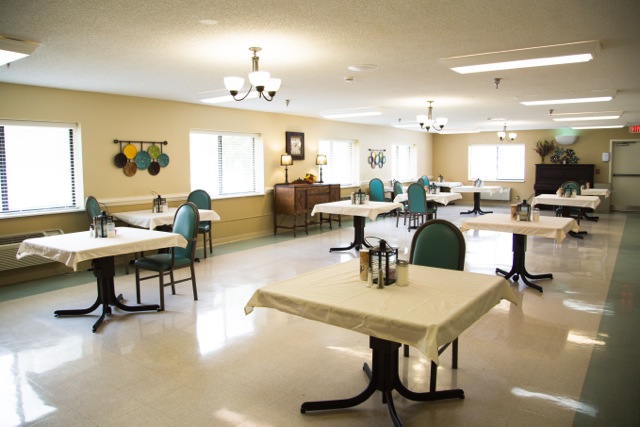
How is Magnolia Manor - Greenwood Staffed?
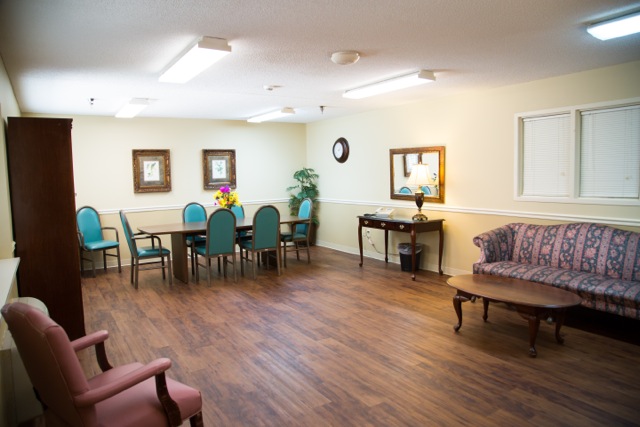
CMS rates Magnolia Manor - Greenwood's staffing level at 3 out of 5 stars, which is average compared to other nursing homes. Staff turnover is 40%, compared to the South Carolina average of 46%. This relatively stable workforce can support continuity of care.

What Have Inspectors Found at Magnolia Manor - Greenwood?

State health inspectors documented 22 deficiencies at Magnolia Manor - Greenwood during 2021 to 2025. These included: 1 Immediate Jeopardy (the most serious level, indicating potential for serious harm or death) and 21 with potential for harm. Immediate Jeopardy findings are rare and represent the most serious regulatory concerns. They require immediate corrective action.
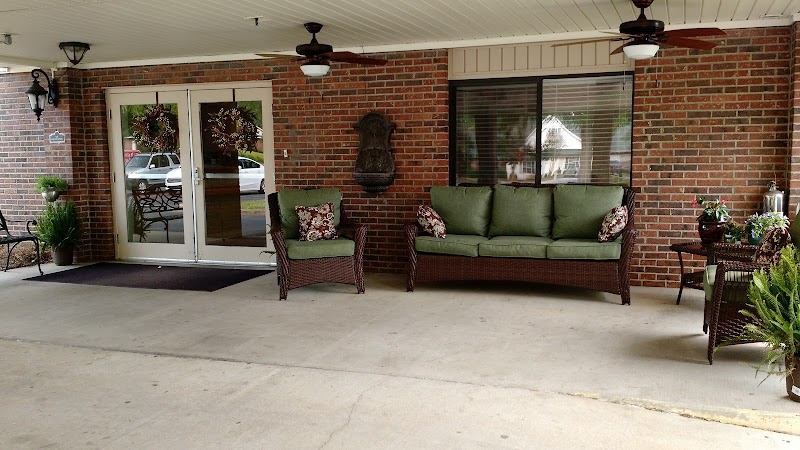
Who Owns and Operates Magnolia Manor - Greenwood?

Magnolia Manor - Greenwood is owned by a for-profit company. For-profit facilities operate as businesses with obligations to shareholders or private owners. The facility is operated by FUNDAMENTAL HEALTHCARE, a chain that manages multiple nursing homes. With 88 certified beds and approximately 74 residents (about 84% occupancy), it is a smaller facility located in Greenwood, South Carolina.

How Does Magnolia Manor - Greenwood Compare to Other South Carolina Nursing Homes?

Compared to the 100 nursing homes in South Carolina, Magnolia Manor - Greenwood's overall rating (1 stars) is below the state average of 2.8, staff turnover (40%) is near the state average of 46%, and health inspection rating (1 stars) is much below the national benchmark.

What Should Families Ask When Visiting Magnolia Manor - Greenwood?

Based on this facility's data, families visiting should ask: "What changes have been made since the serious inspection findings, and how are you preventing similar issues?" "Can I visit during a mealtime to observe dining assistance and food quality?" "How do you handle medical emergencies, and what is your hospital transfer rate?" "Can I speak with family members of current residents about their experience?" These questions are particularly relevant given the facility's Immediate Jeopardy citations.

Is Magnolia Manor - Greenwood Safe?

Based on CMS inspection data, Magnolia Manor - Greenwood has documented safety concerns. Inspectors have issued 1 Immediate Jeopardy citation (the most serious violation level indicating risk of serious injury or death). The facility has a 1-star overall rating and ranks #100 of 100 nursing homes in South Carolina. Families considering this facility should ask detailed questions about what corrective actions have been taken since these incidents.

Do Nurses at Magnolia Manor - Greenwood Stick Around?

Magnolia Manor - Greenwood has a staff turnover rate of 40%, which is about average for South Carolina nursing homes (state average: 46%). Moderate turnover is common in nursing homes, but families should still ask about staff tenure and how the facility maintains care continuity when employees leave.

Was Magnolia Manor - Greenwood Ever Fined?

Magnolia Manor - Greenwood has been fined $3,962 across 1 penalty action. This is below the South Carolina average of $33,118. While any fine indicates a compliance issue, fines under $50,000 are relatively common and typically reflect isolated problems that were subsequently corrected. Families should ask what specific issues led to these fines and confirm they've been resolved.

Is Magnolia Manor - Greenwood on Any Federal Watch List?

Magnolia Manor - Greenwood is not on any federal watch list. The most significant is the Special Focus Facility (SFF) program, which identifies the bottom 1% of nursing homes nationally based on persistent, serious quality problems. Not being on this list means the facility has avoided the pattern of deficiencies that triggers enhanced federal oversight. This is a positive indicator, though families should still review the facility's inspection history directly.