Wesley Commons Health And Rehabilitation Center
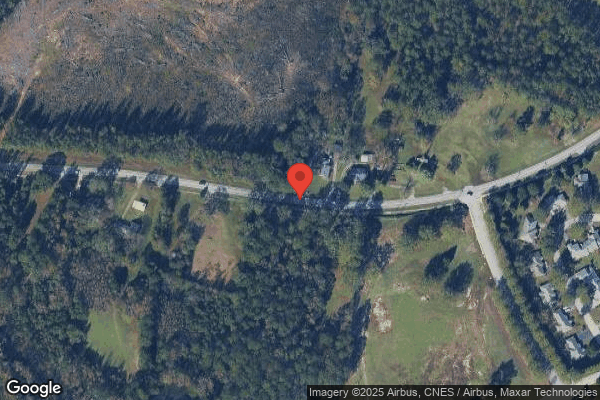
1110 Marshall Road, Greenwood, SC 29646 (864) 227-7250
Non profit - Corporation 80 Beds Independent Data: November 2025 1 Immediate Jeopardy citation
Trust Grade
76/100
#30 of 186 in SC
Last Inspection: November 2024

Within standard 12-15 month inspection cycle. Federal law requires annual inspections.

Overview

Wesley Commons Health and Rehabilitation Center in Greenwood, South Carolina, has a Trust Grade of B, indicating it is a good choice for care, although not the top tier. It ranks #30 out of 186 facilities in the state, placing it in the top half, and #2 out of 4 in Greenwood County, meaning there is only one local facility rated higher. The nursing home shows an improving trend, having reduced its issues from four in 2023 to none in 2024. Staffing is a strong point, with a 5-star rating and RN coverage exceeding 85% of state facilities, although its staff turnover rate of 52% is average. However, it has faced some serious issues, including a critical incident where a resident died due to entrapment in bed rails and concerns about medication errors and oversight. While the facility has made progress in addressing these issues, families should weigh both the strengths in staffing and care quality against these significant past incidents.

Trust Score
B
76/100
In South Carolina
#30/186
Top 16%
Safety Record
High Risk
Review needed
Inspections
Getting Better
4 → 0 violations
Staff Stability
⚠ Watch
52% turnover. Above average. Higher turnover means staff may not know residents' routines.
Penalties
✓ Good
$14,521 in fines. Lower than most South Carolina facilities. Relatively clean record.
Skilled Nurses
✓ Good
Each resident gets 56 minutes of Registered Nurse (RN) attention daily — more than average for South Carolina. RNs are trained to catch health problems early.
Violations
○ Average
6 deficiencies on record. Average for a facility this size. Mostly minor or procedural issues.
★★★★★
5.0
Overall Rating
★★★★★
5.0
Staff Levels
★★☆☆☆
2.0
Care Quality
★★★★☆
4.0
Inspection Score
Stable
2023: 4 issues
2024: 0 issues

The Good

  • 5-Star Staffing Rating · Excellent nurse staffing levels
  • Full Sprinkler Coverage · Fire safety systems throughout facility
  • No fines on record

Facility shows strength in staffing levels, fire safety.

The Bad

Staff Turnover: 52%

Near South Carolina avg (46%)

Higher turnover may affect care consistency

Federal Fines: $14,521

Below median ($33,413)

Minor penalties assessed

The Ugly 6 deficiencies on record

1 life-threatening
Oct 2023 1 deficiency 1 IJ
CRITICAL (J) 📢 Someone Reported This

A family member, employee, or ombudsman was alarmed enough to file a formal complaint

Immediate Jeopardy (IJ) - the most serious Medicare violation

Accident Prevention (Tag F0689)

Someone could have died · This affected 1 resident

**NOTE- TERMS IN BRACKETS HAVE BEEN EDITED TO PROTECT CONFIDENTIALITY** Based on record review, interviews and review of the facility's policy, the facility failed to provide adequate supervision and ...

Read full inspector narrative →
**NOTE- TERMS IN BRACKETS HAVE BEEN EDITED TO PROTECT CONFIDENTIALITY** Based on record review, interviews and review of the facility's policy, the facility failed to provide adequate supervision and protect 1 of 1 residents from entrapment in the quarter side rails of the resident's bed, resulting in death. Specifically, Resident (R)1 was found by staff on [DATE] at 2:30 AM unresponsive. R1's head was trapped on the inside on the side rail and her body was off the bed against the wall. On [DATE] at 5:30 PM the Administrator was notified that the failure to protect a resident from entrapment in a bed rail, that resulted in death, constituted immediate jeopardy at F689. On [DATE] at 5:30 PM the survey team provided the Administrator with a copy of the CMS Immediate Jeopardy (IJ) Template and informed the facility IJ existed as of [DATE]. The IJ was related to 42 CFR 483.25 Quality of Care. On [DATE] at 10:15 AM, the facility provided an acceptable IJ Removal Plan. The survey team, validated the facility's corrective actions and verified the facility did their due diligence to address the non-compliance. The IJ is considered at Past Non-compliance as of [DATE]. An Extended Survey was conducted in conjunction with the Complaint Survey for non-compliance at F689, constituting substandard quality of care. Findings include: Review of the facility's policy titled, Side Rails dated [DATE], revealed, To utilize a person-centered approach when determining the use of grab bars/side rails/bed rails and enhance resident's mobility and functional independence. Item 1 stated, Side rail/Bed Rail screen, (to be completed in the electronic medical record (EMR), to be completed upon admission and quarterly thereafter, which will address alternatives attempted and how these alternatives failed to meet the resident's assessed needs. Review of R1's Face Sheet revealed R1 was admitted to the facility on [DATE] with diagnoses including but not limited to; depression, hypertension, diabetes type 2, chronic kidney disease stage 3, and unspecified dementia. Review of R1's quarterly Minimum Data Set (MDS) with an Assessment Reference Date (ARD) of of [DATE] revealed R1 had a Brief Interview for Mental Status (BIMS) score of 3 out of 15, indicating R1 was severely cognitively impaired. Further review of the MDS revealed R1 required extensive assistance with activities of daily living. Review of R1's Progress Note dated [DATE] at 7:00 AM, revealed at approximately 4:30 AM during routine rounds, Certified Nursing Assistant (CNA)1 stated she entered room [ROOM NUMBER] and observed R1 entangled in quarter length side rail on the right side of the bed (if standing at foot of bed). CNA1 notified this nurse of this situation and I went immediately to the room. I observed R1 being unresponsive and entangled inside the side rail. I called Emergency Medical Services (EMS) immediately. EMS arrived at the facility at approximately 5:00 AM and was unable to revive R1. EMS manager and coroner notified by EMS staff. EMS manager arrived at facility at approximately 5:15 AM and assistant corner arrived at approximately 5:30 AM. During an interview on [DATE] at 9:50 AM, the Administrator (with the Director of Nursing present), revealed that the facility conducted an internal investigation and concluded that the facility would no longer use the quarter side rails and they have since removed them. The Administrator stated the facility did a bed measurement on all beds with the Bionix device on [DATE] and on [DATE] removed all the devices from each bed in the facility. The Administrator further stated the facility used the quarter rails on each resident bed since the opening of the facility in 2018 and this was the first death in relation to the use of the rails. The Administrator concluded, [R1] was a DNR (do not resuscitate) and when EMS arrived at the facility, they place the leads on her and the leads read asystole (represents the cessation of electrical and mechanical activity of the heart). During an interview on [DATE] at 11:20 AM, R1's daughter revealed that her brother got a call from the facility on [DATE] at 6:30 AM notifying that EMS came to the facility due to an accident where R1 was found unresponsive. R1's daughter stated that she got to the facility and saw the coroner leaving and was told by the coroner that R1 fell out of the bed, her head got stuck on the bed rail and she was paralyzed and she broke her left leg. R1's daughter stated that she had an autopsy performed and the autopsy did not mention anything about R1 being paralyzed or having a broken leg but listed the cause of death as asphyxiation. During an interview on [DATE] at 11:45 AM, CNA1 stated she and CNA2 went to check on R1 on [DATE] at 2:30 AM and CNA2 went inside the room first. CNA2 came out and said R1 is not breathing. R1's neck was caught between the rail and the wall. CNA2 had to unlock the bed to get to R1, as R1 was still warm to touch. CNA2 attempted to get as close as possible to dislodge her neck from the rails and the wall and she said, I was not able to get [R1's] neck out of the rail and the wall so we called for the nurse to come help. [Registered Nurse (RN)1] came and she could not get close enough to get [R1's] neck from the bed so she called 911. CNA1 stated, EMS came and I cannot remember what else occurred because I was so upset. CNA1 further stated she has been working for the facility for 16 years and this was the first death as a result of the quarter rails. CNA1 confirmed that the quarter rails were at the head of the bed. CNA1 concluded that she did not receive in-service training for side rails prior to or after the incident. During an interview on [DATE] at 12:16 PM, RN1 stated that on [DATE] CNA1 went to R1's room at 4:30 AM and reported to her that R1 was not responsive. R1's head was inside on the rail and her body was up against the wall and she had gotten stuck between the wall and the bed. R1 was warm to touch but she was not responsive and R1 did not have a pulse. RN1 stated, I tried to move the bed to keep her neck from further moving so I made a decision to call 911. RN1 further stated when the paramedics arrived, they told her to unplug the bed and they put the leads on her and it registered asystole and we started calling everyone. During an interview on [DATE] at 12:50 PM, the Director of Therapy stated, [R1] initially was on the rehabilitation unit and transitioned to Medicare unit. [R1] was a full body lift, a 2-person assistance and a Hoyer stand and lift patient. The Director of Therapy concluded, regarding R1's deficits in upper body strength, she could feed herself, but staff would have to provide assistance to get out of bed. During an interview on [DATE] at 2:31 PM, Licensed Practical Nurse (LPN)1 stated, the facility conducted an assessment for [R1's] side rails at admission and quarterly and all residents have a quarter side rail prior to the removal of all on [DATE]. LPN1 stated that all patients and family are told the benefits and negatives of having the quarter rails. LPN1 stated that R1 had quarter side rails for position in bed mobility and for staff assistance. LPN1 said to her knowledge, the quarter rails and the handrails were not considered a restraint and she was not sure why no physician orders were in place for the use of the rails. LPN1 further stated on [DATE] she conducted an assessment for continued use of the quarter side rails. R1 was not very mobile at admission, she was able to scoot out of chair and over time she was more mobile, to include being able to feed self, assist staff with turn and reposition in bed, and could hold on to rails for staff to assist her. During an interview on [DATE] at 2:48 PM, LPN2 revealed she conducted an assessment on [DATE] for the use of the quarter side rails. LPN1 stated that R1 had quarter rails for turning, mobility and to aid with her moving from side to side. LPN2 concluded, At admission [R1] had an aid device, but she was not able to recall which one. Multiple attempts were made to interview CNA2 with no success. On [DATE] the facility provided a removal plan, which included the following: 1. Immediate action(s) taken for the resident(s) found to have been affected include: Resident CR1, expired [DATE]. 2. Identification of other residents having the potential to be affected was accomplished by: Residents with quarter length (1/4) side rails have the potential to be affected. 3. Actions taken/systems put into place to reduce the risk off uture occurrence include: 100% audit of bed measurement to mattress with Bionix device on 11 beds, empty and occupied by maintenance on [DATE]. Resident CR1's Bed Inspected by Maintenance [DATE]. Attachment A 100% side rail screens completed on [DATE] by the therapy department. Any noted side rails for removal removed [DATE] by maintenance. 100% side rail re-assessment completed [DATE] by MDS Department with resident/resident representative notification of results or assessment. [DATE] DON and Administrator reviewed Bionix Bed Checks conducted in the past for Resident CR1. [DATE] DON, Administrator, Lead Maint Tech, Facility Services Director went to CR1's room and utilized the Bionix device and measured Zone 1 with a regular mattress with CR1's bed and all areas passed. Bed checked again with Low Air Loss Mattress inflated and deflated, Zone l again passed. [DATE] 100% audit of all beds, by the admission Coordinator, noted 8 beds against the wall as care plan approach for fall prevention. Maintenance notified to remove the side rail against the wall in rooms 204 (left), 208 (right), 209 (right), 210 (left), 211 (left), 214 (left), 301 (right), 318 (right). Side rails removed [DATE]. [DATE] In-Service held by Lead Maintenance Tech, Administrator, and DON on Bionix Safety Technologies Bed System Measuring Device Test Results and Worksheet reviewed with the Maintenance Department. Maintenance Techs provided return demonstration regarding utilization of the Bionix device and measuring of the bed/side rails with pass/fail results. The entire Maintenance Department reiterated that they had and continue to have knowledge of the Bionix process of measuring mattress/bed. [DATE] DON and Administrator re-educated admission Nurse, RN Manager, Health Services Nurse Specialist, MDS Coordinator, and MDS Assistant on completion of the side rail assessment, notifying resident/resident representative. Will utilize therapy screens for appropriateness of side rails in conjunction with nursing services. [DATE] DON and Administrator reviewed electronic call light monitoring system reviewed for activity from CR1's room and there was none with a date range of [DATE]-[DATE]. [DATE] Scheduled QA meeting conducted. Incident from [DATE] discussed including action plan/plan of correction. [DATE] Ad Hoc QA Committee meeting scheduled for 9:00 am [DATE]. [DATE] Ad Hoc QA Committee Meeting. [DATE] After investigation/review by the Ad Hoc QA Committee, to eliminate the possibility of future entrapment, all quarter side rails removed by Maintenance [DATE]. admission Nurse, LPN, RN Manager, Health Services Nurse Specialist, LPN, notified resident/resident representative of removal of quarter side rails. Therapy Department re-screened residents for the need for alternatives to side rails, [DATE]. Care Plans/ [NAME]'s updated by MOS, [DATE]. [DATE] After investigation/review by the Ad Hoc QA Committee, the 8 beds, against the wall, as care plan approach for fall prevention, were moved away from the wall and an additional fall mat was put in to place related to the therapy screen or another appropriate intervention was put in place from the therapy screen by the Therapy Department. Care plans/[NAME] updated by MDS Nurses. [DATE] Current staff were educated regarding the elimination of side rails, alternatives to side rails, fall precautions and location. Staff were re-educated regarding two hour rounding process and newly hired nursing staff will be informed of all of the above including two hour rounding process by Director of Nursing or Designee and/or Health Services Manager/CNA Mentor. All staff were educated before their next scheduled shift. [DATE] Social Worker held a special Resident Council meeting to explain the discontinuation of quarter length side rails in the facility to eliminate the possibility of entrapment. Social Worker discussed alternative options to quarter length side rails. [DATE] In order to ensure alternatives to quarter length side rails were implemented/documented MD orders reviewed and revised as needed, Care Plans reviewed and revised as needed, Point of Care [NAME] reviewed and revised as needed by MDS Coordinator, RN, MDS Assistant, LPN, and Health Services Nurse Specialist, LPN. [DATE] Side Rail Policy, 2100.211 revised by Administrator and communicated to staff. 4. How the corrective action(s) will be monitored to ensure the practice will not reoccur: Newly hired maintenance department employees will receive training on the use of the Bionix measuring system by the lead maintenance technician and Relias (On Line Training) and instructed to remove bed rails from any newly purchased beds. 100% audit daily times one week and then weekly for one month by Maintenance Department to ensure no side rails present. Audits will be given to the VP of operations. POC, Investigation reviewed by Ad Hoc QA Committee on [DATE] and will become part of the QA process for the next three months to ensure continued compliance. Corrective action completion date: [DATE]
Apr 2023 3 deficiencies
CONCERN (D)

Potential for Harm - no one hurt, but risky conditions existed

Deficiency F0645 (Tag F0645)

Could have caused harm · This affected 1 resident

**NOTE- TERMS IN BRACKETS HAVE BEEN EDITED TO PROTECT CONFIDENTIALITY** Based on interviews and record review, it was determined that the facility failed to ensure a Level I Preadmission Screening and...

Read full inspector narrative →
**NOTE- TERMS IN BRACKETS HAVE BEEN EDITED TO PROTECT CONFIDENTIALITY** Based on interviews and record review, it was determined that the facility failed to ensure a Level I Preadmission Screening and Resident Review (PASARR) was completed accurately for 1 Resident (R)42 of 1 resident reviewed for PASARR. Findings include: During an interview on 04/12/2023 at 10:43 AM, the Administrator stated the facility did not have a PASARR policy. Review of a Clinical/Charting Snapshot revealed the facility admitted R42 on 11/07/2022 with a diagnosis of bipolar disorder. The quarterly Minimum Data Set (MDS), dated [DATE], revealed R42 had a Brief Interview for Mental Status (BIMS) score of 15, indicating the resident was cognitively intact. Further review of the MDS indicated the resident had bipolar disorder and took an antipsychotic medication. A review of the Plan of Care-Current for R42, with an effective date of 11/17/2022, revealed the resident had a diagnosis of bipolar disorder and received an antipsychotic medication daily and/or as needed. A review of a Discharge Summary indicated R42 was discharged from a local hospital on [DATE] with diagnoses that included bipolar disorder, which was noted on 06/16/2011 and 09/09/2020. A review of a PASARR - Level 1 Screening Form, with a review date of 11/07/2022, revealed the form was completed by the social worker (SW) from the local hospital and it indicated R42 did not have a diagnosis of a mental illness and no further evaluation was recommended. The hospital SW indicated the information to complete the form was obtained from the resident and the resident's chart. During an interview on 04/12/2023 at 4:06 PM, SW2 stated the Level I PASARR was completed by the hospital the resident was discharged from and was completed before the resident was admitted to the facility. SW2 stated the admission nurse, Licensed Practical Nurse (LPN) #3, reviewed the Level I PASARR for accuracy and uploaded it to the resident's electronic health record (EHR), and then SW2 reviewed it for accuracy once it had been uploaded. SW2 stated she reviewed R42's Level I PASARR, and the document indicated there were no further recommendations. SW2 stated if there were any findings on the Level I PASARR, then she would refer them to the Community of Long Term Care (CLTC), a contracted company that completed Level II PASARRs. SW2 stated she should have reviewed R42's Level I PASARR to ensure it was accurate before the resident was admitted to the facility. During an interview on 04/13/2023 at 10:05 AM, LPN3 stated SW2 was responsible for reviewing the Level I PASARR for accuracy. LPN3 stated she did not review them, she only scanned them into the resident's EHR. During an interview on 04/13/2023 at 10:08 AM, the Director of Nursing (DON) stated the referring hospital was responsible for completing a resident's Level I PASARR before the resident was admitted to the facility. The DON stated the medical team, which included the nurse practitioner and medical doctor, would review the Level I PASARR for medical accuracy, but not until after the resident had been admitted to the facility and the medical team completed the resident's initial review. The DON stated she was not sure who was reviewing the Level I PASARRs for accuracy. The DON stated LPN3 ensured the facility had a Level I PASARR on every resident before admittance. The DON stated she completed all the referrals to the facility, and it should probably be the DON that reviewed the Level I PASARRs for accuracy, but she had not been doing so. During an interview on 04/14/2023 at 8:18 AM, the Administrator (ADM) stated if the resident was admitted from a hospital, the hospital was responsible for completing the resident's Level I PASARR. The ADM stated the social worker, or the admissions coordinator, or a combination of the two staff, were responsible for ensuring the Level I PASARR was accurate. The ADM acknowledged the hospital did not indicate R42 had a diagnosis of bipolar disorder on the Level I PASARR. The ADM stated she expected the social worker and admissions coordinator to review the Level I PASARR for accuracy.
CONCERN (D)

Potential for Harm - no one hurt, but risky conditions existed

Unnecessary Medications (Tag F0759)

Could have caused harm · This affected 1 resident

Based on observation, record review, interviews, and facility policy review, the facility failed to ensure the medication error rate was not 5% or greater. Observation of medication administration rev...

Read full inspector narrative →
Based on observation, record review, interviews, and facility policy review, the facility failed to ensure the medication error rate was not 5% or greater. Observation of medication administration revealed there were 3 errors out of 28 opportunities observed which resulted in a medication error rate of 10.71%. This effected 1 (Resident (R)23) of 2 residents observed during medication administration. Findings included: A review of the facility's policy titled, Administration of Medication, revised 08/23/2023, revealed, when preparing medication to administer to a resident, staff should Comply with the Five Rights of Medication Administration: Right resident; Right drug; Right dose; Right time; Right route. During observation of medication administration on 04/12/2023 at 8:18 AM, Licensed Practical Nurse (LPN)1 prepared medication for R23 to administer orally. The medications prepared and administered to the resident included: - Tums Ultra (calcium carbonate) 1000 milligrams (mg), two chewable tablets - Acetaminophen 500 mg, one tablet - Flonase (fluticasone propionate) nasal spray 50 micrograms (mcg), one spray in each nostril A record review of R23's Medication Record and Physician Orders revealed that during the 9:00 AM medication administration, the resident was to receive the following medications: - Tums regular strength (calcium carbonate) 500 mg, two tablets (1000 mg) by mouth one time a day for reflux. - Acetaminophen 650 mg, one tablet by mouth three times a day for pain. - Flonase (fluticasone propionate) 0.05 mg actuation spray, instill two sprays into each nostril one time day for nasal congestion. The record review revealed the Tums, acetaminophen, and Flonase were not administered to Resident #23 as ordered. An interview with LPN1 on 04/12/2023 at 10:25 AM revealed there were two bottles of Tums in the medication cart for R23. One bottle contained a strength of 500 mg per tablet and the other bottle contained tablets that were 1000 mg per tablet. LPN1 stated the Tums that were provided to R23 were from the bottle containing the 1000 mg tablets. LPN1 stated she gave the resident two tablets, which equaled 2000 mg, and the resident's order was for 1000 mg. LPN1 stated she did not realize there were different strengths available. LPN1 then pulled out a medication card for acetaminophen 650 mg tablets. The LPN stated she had discarded the card for the acetaminophen 500 mg tablets because it was empty. LPN1 stated the 500 mg acetaminophen was ordered for R23 to be used as-needed (PRN) and the acetaminophen 650 mg was ordered on a routine basis. She stated it appeared that she provided the resident with the PRN dose instead of the routine dose. LPN1 stated she instilled one spray in each nostril of the Flonase and, according to the resident's physician's orders, the resident should have received two sprays in each nostril. LPN1 stated she should have double checked the physician's order before providing the resident with the medications. During an interview on 04/13/2023 at 10:14 AM, the Director of Nursing (DON) stated that for staff to ensure the resident was receiving the correct medication, staff should follow the five Rs, which were the right resident, right route, right time, right dose, and right frequency. During an interview on 04/13/2023 at 10:21 AM, the Administrator (ADM) stated that for staff to ensure the resident was receiving the correct medication, staff should use the five rights, which were the right resident, right time, right medication, right route, and right dose. The ADM stated if a nurse had a question about a medication, they should stop and get clarification.
CONCERN (D)

Potential for Harm - no one hurt, but risky conditions existed

Deficiency F0761 (Tag F0761)

Could have caused harm · This affected 1 resident

**NOTE- TERMS IN BRACKETS HAVE BEEN EDITED TO PROTECT CONFIDENTIALITY** Based on observations, interviews, and facility policy review, it was determined the facility failed to ensure 1 (300 Hall) of 4...

Read full inspector narrative →
**NOTE- TERMS IN BRACKETS HAVE BEEN EDITED TO PROTECT CONFIDENTIALITY** Based on observations, interviews, and facility policy review, it was determined the facility failed to ensure 1 (300 Hall) of 4 medication carts observed were locked when unattended to limit access to only authorized personnel. Findings include: A review of the facility's policy titled, Storage of Medication, revised 06/27/2018, revealed, Medication rooms, carts and medication supplies should be locked or attended by persons with authorized access. A review of the facility's policy titled, Administration of Medication, revised 08/23/2023, revealed staff should, Lock the cart when not in use and Leave the cart at the door of the resident's room within direct line of vision when unlocked. During a concurrent observation and interview on 04/12/2023 at 7:50 AM, Licensed Practical Nurse (LPN)1 parked the medication cart in front of room [ROOM NUMBER] to administer medications to the resident in that room. LPN1 removed medications from the cart and took the medications into room [ROOM NUMBER], leaving the medication cart unlocked and unattended. The medication cart was located against the wall in front of room [ROOM NUMBER] and was not visible to LPN #1 once LPN1 entered the resident's room. At 7:55 AM, LPN1 exited room [ROOM NUMBER] and opened the top drawer of the medication cart without attempting to unlock it. LPN1 acknowledged she had left the medication cart unlocked. The LPN stated it should have been locked when unattended, and she did not know why she left it unlocked. Observation of the contents of the medication cart on 04/12/2023 at 8:18 AM revealed the cart included antidiabetic medications, antihypertensive medications, and stool softeners that could be potentially harmful if ingested by a resident for whom the medication was contraindicated. During an interview on 04/13/2023 at 10:14 AM, the Director of Nursing (DON) stated staff should ensure medication carts were locked when unattended. During an interview on 04/13/2023 at 10:21 AM, the Administrator (ADM) stated medication carts should be in the nurse's line of vision or in another person of authority's line of vision; if not, the medication cart needed to be locked.
Sept 2021 2 deficiencies
CONCERN (D)

Potential for Harm - no one hurt, but risky conditions existed

Resident Rights (Tag F0550)

Could have caused harm · This affected 1 resident

Based on observation, interview and review of facility policy, the facility failed to promote and maintain the dignity of Resident (R) 216, 1 of 3 sampled residents with Urinary Catheters. R216 was no...

Read full inspector narrative →
Based on observation, interview and review of facility policy, the facility failed to promote and maintain the dignity of Resident (R) 216, 1 of 3 sampled residents with Urinary Catheters. R216 was not provided a privacy cover for their catheter bag. The findings included: The facility admitted R216 with diagnoses including, but not limited to, Urinary Retention and End Stage Renal Disease. On 09/28/21 at 3:42 PM, R216 was observed from the hallway outside of his/her room. The resident was lying in bed. The catheter bag was hanging from the bed rail, on the side of the bed facing the hallway. The catheter bag appeared to contain clear, yellow urine. There was no privacy cover on the catheter bag to prevent staff, visitors and other residents from observing R216's urine. On 09/29/21 at 8:45 AM, R216 was observed from the hallway outside of his/her room. R216 was lying in bed and the catheter bag was hanging from the same location as the previous observation. The catheter bag was uncovered and appeared to contain clear, yellow urine. Certified Nursing Assistant (CNA) 1 was interviewed in the hallway outside R216's room on 09/29/21 at 8:45 AM. CNA 1 confirmed the catheter bag was uncovered and could be observed from the hallway. CNA 1 was asked if the facility provided privacy covers for urinary catheters. CNA 1 stated, yes they are supposed to have a privacy cover, and s/he would go get one for R216. CNA 1 was re-interviewed on 9/29/21 at 9:47 AM. CNA 1 stated since R216 was in a private room s/he didn't necessarily have to have a privacy cover for the catheter bag. CNA 1 stated all residents with a urinary catheter need a privacy cover if they are outside their rooms. CNA 1 was asked why residents would need a privacy cover outside of their rooms as opposed to inside their rooms. CNA 1 stated it would be a dignity issue if everyone could see the resident's uncovered catheter bag, so they cover them when residents leave their rooms. During an interview with the Director of Nursing (DON), on 9/29/21 at 9:52 AM, the DON stated the facility considers a resident's private room to be their personal space. The DON stated it is not a dignity issue if they do not have a privacy cover on their catheter bag in their personal space. The DON stated it is the resident's preference to use a privacy cover in their room or not to use one. The DON stated it would be a dignity concern if a resident with a urinary catheter was outside of their room in public spaces with no privacy cover for the catheter bag. The DON was asked would it not also be a dignity concern if a resident's uncovered catheter bag could be observed from the hallway by staff, visitors and other residents. The DON did not answer that question and replied it is the resident's preference whether or not to use a privacy cover when in their private room. During an interview with the DON, on 9/29/21 at 10:30 AM, the DON stated there was no documentation to indicate if it was R216's preference to have the catheter bag covered or not when in his/her room. The DON confirmed the baseline care plan indicated the resident's catheter bag should be covered. Review of the facility's Promoting/Maintaining Resident Dignity policy revealed resident dignity was promoted by maintaining the resident's privacy. Review of the facility's Urinary Catheter Care policy revealed residents with a urinary catheter, who have a private room, will not be provided with a privacy bag, when in their room, unless privacy bag specifically requested.
CONCERN (D)

Potential for Harm - no one hurt, but risky conditions existed

Comprehensive Care Plan (Tag F0656)

Could have caused harm · This affected 1 resident

Based on observation, record review and interview, the facility failed to provide a privacy cover for Resident (R) 216's urinary catheter bag per the baseline care plan, 1 of 3 sampled residents with ...

Read full inspector narrative →
Based on observation, record review and interview, the facility failed to provide a privacy cover for Resident (R) 216's urinary catheter bag per the baseline care plan, 1 of 3 sampled residents with Urinary Catheters. The findings included: The facility admitted R216 with diagnoses including, but not limited to, Urinary Retention and End Stage Renal Disease. On 09/28/21 at 3:42 PM, R216 was observed from the hallway outside of his/her room. The resident was lying in bed. The catheter bag was hanging from the bed rail, on the side of the bed facing the hallway. The catheter bag appeared to contain clear, yellow urine. There was no privacy cover on the catheter bag to prevent staff, visitors and other residents from observing R216's urine. On 09/29/21 at 8:45 AM, R216 was observed from the hallway outside of his/her room. R216 was lying in bed and the catheter bag was hanging from the same location as the previous observation. The catheter bag was uncovered and appeared to contain clear, yellow urine. Record review of R216's baseline care plan, on 9/29/21 at 9:39 AM, revealed a problem area indicating R216 had a urinary catheter due to urinary retention. Interventions listed for the urinary catheter included Watch to be sure that my urine is draining freely and the catheter bag is covered and emptied frequently. During an interview with Certified Nursing Assistant (CNA) 1, in the hallway outside R216's room on 09/29/21 at 8:45 AM, CNA 1 confirmed the catheter bag was uncovered. CNA 1 also confirmed the uncovered catheter bag could be observed from the hallway. CNA 1 was asked if the facility provided privacy covers for urinary catheters. CNA 1 stated, yes they are supposed to have a privacy cover, and s/he would go get one for R216. During an interview with the DON, on 9/29/21 at 10:30 AM, the DON confirmed the baseline care plan indicated the resident's catheter bag should be covered.
Understanding Severity Codes (click to expand)
Life-Threatening (Immediate Jeopardy)
J - Isolated K - Pattern L - Widespread
Actual Harm
G - Isolated H - Pattern I - Widespread
Potential for Harm
D - Isolated E - Pattern F - Widespread
No Harm (Minor)
A - Isolated B - Pattern C - Widespread

Questions to Ask on Your Visit

  • "What changes have you made since the serious inspection findings?"
  • "Can I speak with families of current residents?"
  • "What's your RN coverage like on weekends and overnight?"

Our Honest Assessment

Strengths
  • • Licensed and certified facility. Meets minimum state requirements.
Concerns
  • • Multiple safety concerns identified: 1 life-threatening violation(s). Review inspection reports carefully.
  • • 6 deficiencies on record, including 1 critical (life-threatening) violation. These warrant careful review before choosing this facility.
  • • $14,521 in fines. Above average for South Carolina. Some compliance problems on record.
Bottom line: Generally positive indicators. Standard due diligence and a personal visit recommended.

About This Facility

What is Wesley Commons Health And Rehabilitation Center's CMS Rating?

CMS assigns Wesley Commons Health And Rehabilitation Center an overall rating of 5 out of 5 stars, which is considered much above average nationally. Within South Carolina, this rating places the facility higher than 99% of the state's 100 nursing homes. This rating reflects solid performance across the metrics CMS uses to evaluate nursing home quality.

How is Wesley Commons Health And Rehabilitation Center Staffed?

CMS rates Wesley Commons Health And Rehabilitation Center's staffing level at 5 out of 5 stars, which is much above average compared to other nursing homes. Staff turnover is 52%, compared to the South Carolina average of 46%.

What Have Inspectors Found at Wesley Commons Health And Rehabilitation Center?

State health inspectors documented 6 deficiencies at Wesley Commons Health And Rehabilitation Center during 2021 to 2023. These included: 1 Immediate Jeopardy (the most serious level, indicating potential for serious harm or death) and 5 with potential for harm. Immediate Jeopardy findings are rare and represent the most serious regulatory concerns. They require immediate corrective action.

Who Owns and Operates Wesley Commons Health And Rehabilitation Center?

Wesley Commons Health And Rehabilitation Center is owned by a non-profit organization. Non-profit facilities reinvest revenue into operations rather than distributing to shareholders. The facility operates independently rather than as part of a larger chain. With 80 certified beds and approximately 65 residents (about 81% occupancy), it is a smaller facility located in Greenwood, South Carolina.

How Does Wesley Commons Health And Rehabilitation Center Compare to Other South Carolina Nursing Homes?

Compared to the 100 nursing homes in South Carolina, Wesley Commons Health And Rehabilitation Center's overall rating (5 stars) is above the state average of 2.9, staff turnover (52%) is near the state average of 46%, and health inspection rating (4 stars) is above the national benchmark.

What Should Families Ask When Visiting Wesley Commons Health And Rehabilitation Center?

Based on this facility's data, families visiting should ask: "What changes have been made since the serious inspection findings, and how are you preventing similar issues?" "Can I visit during a mealtime to observe dining assistance and food quality?" "How do you handle medical emergencies, and what is your hospital transfer rate?" "Can I speak with family members of current residents about their experience?" These questions are particularly relevant given the facility's Immediate Jeopardy citations.

Is Wesley Commons Health And Rehabilitation Center Safe?

Based on CMS inspection data, Wesley Commons Health And Rehabilitation Center has documented safety concerns. Inspectors have issued 1 Immediate Jeopardy citation (the most serious violation level indicating risk of serious injury or death). The facility has a 5-star overall rating and ranks #1 of 100 nursing homes in South Carolina. Families considering this facility should ask detailed questions about what corrective actions have been taken since these incidents.

Do Nurses at Wesley Commons Health And Rehabilitation Center Stick Around?

Wesley Commons Health And Rehabilitation Center has a staff turnover rate of 52%, which is 6 percentage points above the South Carolina average of 46%. Moderate turnover is common in nursing homes, but families should still ask about staff tenure and how the facility maintains care continuity when employees leave.

Was Wesley Commons Health And Rehabilitation Center Ever Fined?

Wesley Commons Health And Rehabilitation Center has been fined $14,521 across 1 penalty action. This is below the South Carolina average of $33,224. While any fine indicates a compliance issue, fines under $50,000 are relatively common and typically reflect isolated problems that were subsequently corrected. Families should ask what specific issues led to these fines and confirm they've been resolved.

Is Wesley Commons Health And Rehabilitation Center on Any Federal Watch List?

Wesley Commons Health And Rehabilitation Center is not on any federal watch list. The most significant is the Special Focus Facility (SFF) program, which identifies the bottom 1% of nursing homes nationally based on persistent, serious quality problems. Not being on this list means the facility has avoided the pattern of deficiencies that triggers enhanced federal oversight. This is a positive indicator, though families should still review the facility's inspection history directly.