White Oak Manor - Spartanburg
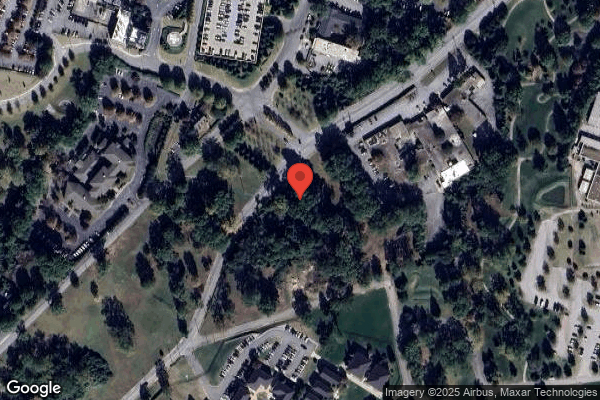
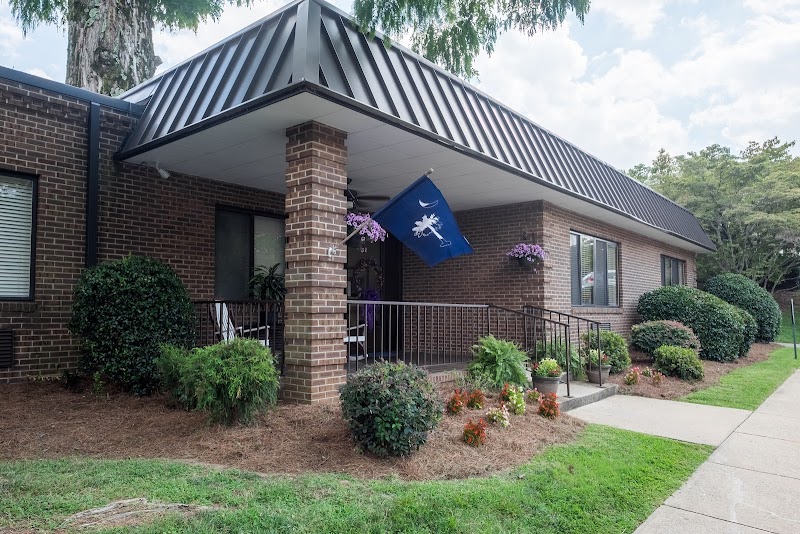
295 East Pearl Street, SPARTANBURG, SC 29303 (864) 585-0241
For profit - Corporation 60 Beds WHITE OAK MANAGEMENT Data: November 2025
Trust Grade
80/100
#66 of 186 in SC
Last Inspection: March 2025

Within standard 12-15 month inspection cycle. Federal law requires annual inspections.

Overview

White Oak Manor in Spartanburg, South Carolina has a Trust Grade of B+, indicating it is above average in quality and is recommended for families considering care options. Ranked #66 out of 186 facilities in the state, it falls within the top half, while being #5 out of 15 in Spartanburg County means there are only a few better choices nearby. The facility is stable in its performance, with the same number of issues reported in both 2023 and 2025. Staffing is considered a strength with a 4 out of 5 star rating and an RN coverage that surpasses 83% of state facilities, although the turnover rate is 51%, which is average. However, there are notable concerns, including a failure to provide necessary beneficiary notices for Medicare services, lapses in hand hygiene during care, and an incident of unreported resident-to-resident abuse, highlighting areas needing improvement despite the absence of fines and a solid overall rating.

Trust Score
B+
80/100
In South Carolina
#66/186
Top 35%
Safety Record
Low Risk
No red flags
Inspections
Holding Steady
2 → 2 violations
Staff Stability
⚠ Watch
51% turnover. Above average. Higher turnover means staff may not know residents' routines.
Penalties
✓ Good
No fines on record. Clean compliance history, better than most South Carolina facilities.
Skilled Nurses
✓ Good
Each resident gets 49 minutes of Registered Nurse (RN) attention daily — more than average for South Carolina. RNs are trained to catch health problems early.
Violations
○ Average
6 deficiencies on record. Average for a facility this size. Mostly minor or procedural issues.
★★★★☆
4.0
Overall Rating
★★★★☆
4.0
Staff Levels
★★★☆☆
3.0
Care Quality
★★★★☆
4.0
Inspection Score
Stable
2023: 2 issues
2025: 2 issues

The Good

  • 4-Star Staffing Rating · Above-average nurse staffing levels
  • Full Sprinkler Coverage · Fire safety systems throughout facility
  • No fines on record

Facility shows strength in staffing levels, fire safety.

The Bad

Staff Turnover: 51%

Near South Carolina avg (46%)

Higher turnover may affect care consistency

Chain: WHITE OAK MANAGEMENT

Part of a multi-facility chain

Ask about local staffing decisions and management

The Ugly 6 deficiencies on record

Mar 2025 2 deficiencies
CONCERN (D)

Potential for Harm - no one hurt, but risky conditions existed

Deficiency F0582 (Tag F0582)

Could have caused harm · This affected 1 resident

Based on record review, interview, and facility policy review, the facility failed to provide a Centers for Medicare and Medicaid Services (CMS) Skilled Nursing Facility Advanced Beneficiary Notice (S...

Read full inspector narrative →
Based on record review, interview, and facility policy review, the facility failed to provide a Centers for Medicare and Medicaid Services (CMS) Skilled Nursing Facility Advanced Beneficiary Notice (SNF ABN) when residents completed Medicare A therapy services for 2 of 2 residents (Residents (R)22 and R32) reviewed for beneficiary notices out of a sample of 33 residents. This failure to provide the SNF ABN prevented the residents from knowing how many days were remaining under Medicare A. Findings include: Review of the facility's undated policy titled, Skilled Nursing Facility Advance Beneficiary Notice indicated, . The Business Office is to initiate and deliver the SNF-ABN (CMS-10055) form when a Medicare resident is, or will be, receiving a service normally covered by Medicare, but the Provider believes is not (a) medically necessary or (b) is custodial care and the technical requirements for the coverage are met. The SNF-ABN form is required to be issued no later than 2 days before the resident's Medicare coverage is ending . 1. Review of R22's Face Sheet, located in the Face Sheet tab of the electronic medical record (EMR), revealed R22 was admitted to the facility for long-term care and was receiving skilled in therapy on 11/27/24. Review of the SNF Beneficiary Notice Form, completed by the facility, indicated R22's last day of Part A service was 02/06/25. The form indicated the SNF ABN, Form CMA 10055 was not provided to the resident because of a mistake on the business office part. 2. Review of R32's Face Sheet, located in the Face Sheet tab of the EMR, revealed R32 was admitted to the facility for long-term care and was receiving skilled in therapy on 10/08/24. Review of the SNF Beneficiary Notice Form, completed by the facility, indicated R32's last day of Part A service was 11/15/24. The form indicated the SNF ABN, Form CMA 10055 was not provided to the resident because of a mistake on the business office part. During an interview on 03/13/25 at 11:23 AM, the Administrator confirmed the residents did not receive the ABN.
CONCERN (D)

Potential for Harm - no one hurt, but risky conditions existed

Infection Control (Tag F0880)

Could have caused harm · This affected 1 resident

Based on observations, interviews, and review of facility policy, the facility failed to follow appropriate infection control practices for hand hygiene and glove wearing for 1 out of 1 resident (Resi...

Read full inspector narrative →
Based on observations, interviews, and review of facility policy, the facility failed to follow appropriate infection control practices for hand hygiene and glove wearing for 1 out of 1 resident (Resident (R)211), observed during wound care and 1 out of 5 residents (R37), observed during medication administration out of a total sample of 33 residents. These failures increased the risk of the spread of infections. Findings include: Review of undated facility policy provided by the facility titled Hand Hygiene indicated, Hand hygiene continues to be the primary means of preventing the transmission of infection. The following is a list of some situations that require hand hygiene: . After removing gloves or aprons . Putting on and Taking off Personal Protective Equipment (PPE) . Types of PPE and Purpose Gloves: Protect hands from body fluids and other contaminates . PPE Guidelines - Wash or sanitize hands prior to donning PPE . - Remove PPE at resident doorway and perform hand hygiene immediately . - During removal of PPE, if at any time your hands become contaminated, perform hand hygiene immediately and then proceed with removal of the other articles of PPE . 1. During wound care observation for R211 on 03/13/25 at 12:22 PM, Registered Nurse (RN)2 and the Infection Preventionist (IP). The IP was assisting to hold R211. The IP donned a pair of gloves with a gown. During the observation, the IP removed the pair of gloves and donned a new pair of gloves without performing hand hygiene between the glove change. During an interview on 03/13/25 at 1:30 PM, the IP acknowledged that she had changed gloves without performing hand hygiene in between glove changes. 2. During medication administration observation on 03/14/25 at 9:15 AM, with Licensed Practical Nurse (LPN)2, LPN2 entered R37's room carrying a wrist blood pressure cuff, a cup of oral medications, a cup of water, and a lidocaine patch. Once in the room, LPN2 donned a pair of gloves without first performing hand hygiene. While applying the lidocaine patch, LPN2 removed the right glove briefly and laid the glove on the bedside table. LPN2 put the same glove back on to continue applying the lidocaine patch. After applying the lidocaine patch on R37, LPN2 removed gloves, gathered all her supplies (medication cup, water cup, and wrist blood pressure machine) in one hand and touched the wall hand sanitizer dispenser to apply sanitizer on the other hand. LPN2 exited R37's room. LPN2 laid the supplies on her medication cart and rubbed her hands together to apply the hand sanitizer. During an interview on 03/14/25 at 9:20 AM, LPN2 acknowledged she had removed one glove, put the same glove back on, and had failed to sanitize her hands before gloving and immediately after ungloving. During the closing conference on 03/14/25 at 4:00 PM, the IP, DON and Administrator were informed of and acknowledged the above findings.
Jun 2023 2 deficiencies
CONCERN (D)

Potential for Harm - no one hurt, but risky conditions existed

Report Alleged Abuse (Tag F0609)

Could have caused harm · This affected 1 resident

**NOTE- TERMS IN BRACKETS HAVE BEEN EDITED TO PROTECT CONFIDENTIALITY** Based on review of facility policy, interview, and record review, the facility failed to report an incident of alleged abuse inv...

Read full inspector narrative →
**NOTE- TERMS IN BRACKETS HAVE BEEN EDITED TO PROTECT CONFIDENTIALITY** Based on review of facility policy, interview, and record review, the facility failed to report an incident of alleged abuse involving 1 of 5 residents reviewed for unnecessary medications. Specifically, on 05/12/2023, Resident (R)34 struck R14 on her arm and the incident was not reported. Findings include: Review of the facility policy titled Protocol for Reporting Abuse, updated on 05/2017 revealed, If you have reason to believe, as a reasonable person, that abuse, neglect, exploitation, or mistreatment . has occurred . then that person is obligated to notify the Administrator and other officials in accordance with state law through established procedures. Furthermore, all forms of resident - to - resident abuse must be reported to the appropriate state agency(s) within 2 hours. Review of R34's Face Sheet revealed, R34 was admitted to the facility on [DATE] with diagnoses including, but not limited to, severe hypoxic ischemic encephalopathy, delusional disorders, major depressive disorder, unspecified psychosis, and unspecified dementia. Review of R34's quarterly Minimum Data Set (MDS) with an Assessment Reference Date (ARD) of 03/28/23 revealed, R34 received a Brief Interview for Mental Status (BIMS) score of 04 out of 15, indicating the resident was severely cognitively impaired. Review of R14's Face Sheet revealed, R14 was admitted to the facility on [DATE] with diagnoses including, but not limited to, metabolic encephalopathy and lack of coordination. Review of R14's quarterly MDS with an ARD 04/11/23 revealed, R14 received a BIMS score of 03 out of 15 indicating the resident was severely cognitively impaired. Review of R34's progress note dated 05/12/23 at 4:31 PM by the Director of Nursing (DON) revealed, The patient with a BIMS of 4 observed another resident with a baby doll and rolled over and hit the resident on her arm. The patient was told she should not hit the resident. Review ofa document titled Confidential Occurrence Statement or Interview written by the Medical Supply Manager (MSM), regarding an occurrence on 05/12/23 at 3:35 PM revealed, Certified Nursing Assistant (CNA)1 observed R34 roll over to R14 and hit her on the arm. The resident was told not to hit and she then told R14 she was sorry. During an interview with the MSM on 06/07/23 revealed, she was at the desk, ready to go home when she saw R34 tap R14 to get her attention. The MSM confirmed that in her statement to the facility she used the word hit rather than tap because she was in a hurry to leave the facility. The DON was not available for interview.
CONCERN (D)

Potential for Harm - no one hurt, but risky conditions existed

Deficiency F0761 (Tag F0761)

Could have caused harm · This affected 1 resident

Based on observations, interviews, and facility policy review, the facility failed to ensure 1 (Unit 2) of 2 medication rooms had a permanently affixed compartment for the storage of controlled drugs ...

Read full inspector narrative →
Based on observations, interviews, and facility policy review, the facility failed to ensure 1 (Unit 2) of 2 medication rooms had a permanently affixed compartment for the storage of controlled drugs inside the medication refrigerator. Additionally, the facility failed to monitor 1 (Unit 2) of 2 medication room refrigerator temperatures to ensure it was in safe operating condition. Findings included: 1. Review of the facility's policy titled, Ordering and Receiving Medications from Pharmacy, dated 08/16/2021, indicated, 5. Controlled Substances: When a controlled substance is ordered, the Pharmacist is to send a labeled Medication Count Sheet. The Nurse will sign for receipt of medication on the Form. The medication will then be placed under double lock. Further review of the policy indicated, Upon receipt of the medication shipment, medications will be placed in the locked medication room for secure storage until such medications are distributed to the appropriate location for individual resident use. The policy did not indicate that controlled drugs were to be stored in a permanently affixed compartment. Review of the Drug Enforcement Administration (DEA) Lists of: Scheduling Actions Controlled Substances Regulated Chemicals, dated June 2023, revealed the medication named lorazepam, also known as Ativan, was a Schedule IV controlled substance. During a concurrent observation and interview on 06/07/23 at 10:55 AM, Licensed Practical Nurse (LPN)1 entered the Unit 2 medication room, located behind the Unit 2 nurses' station. LPN1 opened the medication refrigerator door and stated the facility placed the refrigerated controlled substances in a box. LPN1 then retrieved a small red toolbox with a lock from the refrigerator and stated controlled medications were kept inside the toolbox. LPN1 stated this was the only facility where she had seen a controlled substance box not secured (permanently affixed) in the refrigerator and stated, I could put that in my bag and take it. LPN1 did not have a key to the controlled substance box but stated LPN2 did. During a concurrent observation and interview on 06/07/23 at 11:01 AM, LPN2 entered the Unit 2 medication room with the surveyor, pulled the controlled substance medication box out of the refrigerator, placed it on the counter, and unlocked the box. The toolbox contained two 30 milliliter (mL) bottles of liquid lorazepam 2 milligram (mg) per mL for Resident (R)6. One bottle was unopened and contained 30 mL, while the second bottle contained eight milliliters. LPN2 stated controlled substances should be double locked and secured, and she felt like the red toolbox inside the refrigerator was secured because it was behind a locked medication room door and the toolbox had a lock on it as well. When asked by the surveyor what was to stop a staff member from taking the toolbox, LPN2 stated only nurses had keys to the medication room/controlled substance box, and someone would notice if a staff member tried to walk out of the facility with the red toolbox. During an interview on 06/07/23 at 1:50 PM, the Administrator, Corporate Nurse Consultant (CNC), Social Service Consultant (SSC), and Corporate Registered Dietician (CRD) were in the Administrator's office and stated they could be interviewed together. The CNC stated she was filling in for the Director of Nursing (DON) while the DON was out of the country. The CNC stated resident medications were under lock and key in the medication cart, and there was a locked storage box located inside the medication refrigerator. The CNC stated the controlled substances located in both the medication cart and medication room were double locked. When asked how the red toolbox was secured inside the medication refrigerator, the CNC stated the second lock on the red toolbox secured the box. The CNC further stated the controlled medications must be counted each shift, so the facility would know if any medication was missing. When asked if the controlled substance box located inside the medication refrigerator was permanently secured (permanently affixed so it could not be removed), the Administrator responded, Nothing is permanently secured anywhere. 2. Review of the facility's policy titled, Medication Storage in the Facility, dated 08/16/2021, revealed, 7. Medications requiring 'refrigeration' or 'temperatures between 36 [degrees] F [Fahrenheit] and 46 [degrees] F are kept in a refrigerator with a thermometer to allow temperature monitoring. Review of a medication package insert for lorazepam oral concentrate, revealed the medication should be stored between the temperatures of 36 degrees F to 46 degrees F. During a concurrent observation and interview on 06/07/23 at 10:55 AM, LPN1 entered the Unit 2 medication room, located behind the Unit 2 nurses' station. LPN1 stated the night shift staff was responsible for monitoring the refrigerator temperatures. The surveyor and LPN1 exited the medication room and stood at the nurses' station when LPN2 approached. LPN2 stated the refrigerator temperature log was completed by the day shift nurse. Registered Nurse (RN)1 then approached the nurses' station. RN1, LPN1, and LPN2 were unable to locate a refrigerator temperature log. During an interview on 06/07/23 at 11:50 AM, LPN2 approached the surveyor and again stated the staff could not locate a refrigerator temperature log. LPN2 stated she previously trained new nurses, and monitored refrigerator temperatures and logging the temperatures were not part of the training. During an interview on 06/07/23 at 12:00 PM, the Administrator stated the facility did not have a log for the medication refrigerators, it was not part of the facility policy, and the facility was not required to log the refrigerator temperatures daily. The Administrator stated he expected the nurses to look at the refrigerator thermometer when they opened the refrigerator. The Administrator was unable to state how he ensured staff monitored the refrigerator temperatures since there was no log available and stated the previous Director of Nursing (DON) monitored the refrigerator temperatures. During an interview on 06/07/23 at 1:50 PM, the Administrator, Corporate Nurse Consultant (CNC), Social Service Consultant (SSC), and Corporate Registered Dietician (CRD) were in the Administrator's office and stated they could be interviewed together. The CNC stated she was filling in for the DON while the DON was out of the country. The Administrator stated the facility monitored the medication refrigerator and they [refrigerator thermometers] are looked at when they are approached. The CNC stated the nursing staff must count the controlled medications in the refrigerator each shift and looked at the thermometer then. The SSC stated the facility did not complete any audits to ensure staff monitored the medication refrigerator temperatures, and the facility would not complete an audit unless there was a problem. The CNC stated if there was an issue with the refrigerator, the nursing staff would let administration and maintenance know.
Oct 2021 2 deficiencies
CONCERN (D)

Potential for Harm - no one hurt, but risky conditions existed

Transfer Notice (Tag F0623)

Could have caused harm · This affected 1 resident

Review of the facility's policy titled Discharge Planning, last revised 02/2019 revealed: Transfer/Discharge to a Distinct Certified Unit/Facility When a transfer or discharge is necessary and require...

Read full inspector narrative →
Review of the facility's policy titled Discharge Planning, last revised 02/2019 revealed: Transfer/Discharge to a Distinct Certified Unit/Facility When a transfer or discharge is necessary and requires transfer or discharge of a resident to another facility or from one certified unit to another, written notification shall be given to the resident and the resident's representative stating effective date of transfer and reasons for transfer. Notice of facility initiated transfers and discharges are also sent to the local Ombudsman . Based on record reviews, interviews, and review of facility policy, the facility failed to ensure that the Ombudsman was notified of the transfer of residents (R) 38 and 296 to the hospital for 2 of 2 residents that were reviewed for hospitalization. Findings include; The facility admitted Resident (R) 38 with diagnoses including, but not limited to, acute kidney failure, retention of urine, hydronephrosis, and disorder of kidney and ureter. Record review of nurse's notes, on 10/13/21 at 1:21 PM, revealed R38 was transferred to the hospital on 8/30/21 due to a decline in condition. The resident was admitted to the hospital and returned to the facility on 9/3/21 per the nurse's notes. Further review of nurse's notes and social worker notes revealed no documentation to indicate the facility sent a copy of the transfer notice to the State Long-Term Care Ombudsman. Record review of nurse's notes on 10/14/21 at 9:30 AM revealed R296 was sent out to the hospital. Further review of the medical record showed no documentation of notification to the Ombudsman. During an interview with the Nursing Home Administrator (NHA), on 10/14/21 at 10:08 AM, the NHA stated the Ombudsman was not sent a notice of the resident's transfer to the hospital. The NHA stated when the waiver for notifying the Ombudsman of resident transfers ended in May, the facility did not resume sending notice to the Ombudsman. The NHA stated their census had been so low it would not have been an issue to re-admit any resident that was transferred to the hospital. The NHA stated Social Services was responsible for sending the Ombudsman a copy of the Notice of Transfer/Discharge form after transfer to the hospital. The NHA stated the facility had not been doing that and would resume sending notification to the ombudsman for all transfers and discharges.
CONCERN (D)

Potential for Harm - no one hurt, but risky conditions existed

Deficiency F0655 (Tag F0655)

Could have caused harm · This affected 1 resident

Based on record review, interview and review of facility policy, the facility failed to develop and implement baseline care plans within 48 hours of admission for Residents (R) 38, 41, and 146, 3 of 1...

Read full inspector narrative →
Based on record review, interview and review of facility policy, the facility failed to develop and implement baseline care plans within 48 hours of admission for Residents (R) 38, 41, and 146, 3 of 12 sampled residents reviewed for baseline care plans. The baseline care plans had no completion date and the baseline care plan for R38 failed to include the minimum healthcare information to properly care for the resident. The findings included: The facility admitted R38 on 8/26/2021 with diagnoses including, but not limited to, acute kidney failure, retention of urine, hydronephrosis, and disorder of kidney and ureter. Record review of nurse's notes, on 10/13/21 at 3:47 PM, revealed an admission note from 8/26/21. The note indicated the resident was admitted with bilateral nephrostomy tubes. Record review of the baseline care plan, on 10/13/21 at 3:28 PM, revealed the resident's base line care plan did not indicate the resident was admitted with bilateral nephrostomy tubes and had no interventions listed for the care of the nephrostomy tubes. Further review of the baseline care plan revealed there was no date to indicate when the care plan had been developed and implemented. The area of the form for the completion date was left blank. Record review of the Treatment Administration Record, on 10/14/21 at 8:50 AM, revealed treatment for the care of the nephrostomy tubes had been initiated on admission and done as ordered. During an interview with Registered Nurse (RN) 1 and the Director of Nursing (DON), on 10/14/21 at 9:50 AM, RN1 and the DON confirmed the resident's bilateral nephrostomy tubes were not included on the baseline care plan. RN1 and the DON also confirmed the baseline care plan completion date had been left blank. RN1 stated some problem areas on the baseline care plan were dated 8/26/21 and this indicated the baseline care plan was developed and implemented on this date and within 48 hours of admission. It was pointed out to RN1 the baseline care plan also listed other problem areas with dates beyond 48 hours of admission. RN1 confirmed the additional dates on the baseline care plan. RN1 agreed had the completed date been listed on the form instead of left blank it would have been clear when the baseline care plan was developed and implemented. The Baseline Care Plan policy was also reviewed with RN1 and the DON on 10/14/21 at 9:50 AM. After review of the policy, the DON stated the facility did not follow their policy for completing the baseline care plan, The DON stated it is facility policy to complete the baseline care plan within 24 hours of admission. The DON stated they could not show that this was done due to no completion date was listed on the baseline care plan in the space indicated. The baseline care plans for R41 and R146 were also reviewed with the DON and RN1 on 10/14/21 at 9:50 AM. The DON and RN1 observed and confirmed that the completion date was left blank on both baseline care plans. Per Baseline Care Plan policy: Purpose: To assure the immediate provision of person-centered essential care to the resident. Procedure: admission physician's orders should include specific dietary needs, medications with diagnoses to substantiate clinical need, therapy needs, and specific care instructions to maintain or improve the resident's functional abilities until staff can conduct a comprehensive assessment and develop an interdisciplinary care plan. The admitting nurse must complete a baseline care plan within 24 hours following admission.
Understanding Severity Codes (click to expand)
Life-Threatening (Immediate Jeopardy)
J - Isolated K - Pattern L - Widespread
Actual Harm
G - Isolated H - Pattern I - Widespread
Potential for Harm
D - Isolated E - Pattern F - Widespread
No Harm (Minor)
A - Isolated B - Pattern C - Widespread

Questions to Ask on Your Visit

  • "Can I speak with families of current residents?"
  • "What's your RN coverage like on weekends and overnight?"

Our Honest Assessment

Strengths
  • • Grade B+ (80/100). Above average facility, better than most options in South Carolina.
  • • No major safety red flags. No abuse findings, life-threatening violations, or SFF status.
  • • No fines on record. Clean compliance history, better than most South Carolina facilities.
Concerns
  • • No significant concerns identified. This facility shows no red flags across CMS ratings, staff turnover, or federal penalties.
Bottom line: Generally positive indicators. Standard due diligence and a personal visit recommended.

About This Facility

What is White Oak Manor - Spartanburg's CMS Rating?

CMS assigns White Oak Manor - Spartanburg an overall rating of 4 out of 5 stars, which is considered above average nationally. Within South Carolina, this rating places the facility higher than 99% of the state's 100 nursing homes. This rating reflects solid performance across the metrics CMS uses to evaluate nursing home quality.

How is White Oak Manor - Spartanburg Staffed?

CMS rates White Oak Manor - Spartanburg's staffing level at 4 out of 5 stars, which is above average compared to other nursing homes. Staff turnover is 51%, compared to the South Carolina average of 46%.

What Have Inspectors Found at White Oak Manor - Spartanburg?

State health inspectors documented 6 deficiencies at White Oak Manor - Spartanburg during 2021 to 2025. These included: 6 with potential for harm.

Who Owns and Operates White Oak Manor - Spartanburg?

White Oak Manor - Spartanburg is owned by a for-profit company. For-profit facilities operate as businesses with obligations to shareholders or private owners. The facility is operated by WHITE OAK MANAGEMENT, a chain that manages multiple nursing homes. With 60 certified beds and approximately 58 residents (about 97% occupancy), it is a smaller facility located in SPARTANBURG, South Carolina.

How Does White Oak Manor - Spartanburg Compare to Other South Carolina Nursing Homes?

Compared to the 100 nursing homes in South Carolina, White Oak Manor - Spartanburg's overall rating (4 stars) is above the state average of 2.9, staff turnover (51%) is near the state average of 46%, and health inspection rating (4 stars) is above the national benchmark.

What Should Families Ask When Visiting White Oak Manor - Spartanburg?

Based on this facility's data, families visiting should ask: "Can I visit during a mealtime to observe dining assistance and food quality?" "How do you handle medical emergencies, and what is your hospital transfer rate?" "Can I speak with family members of current residents about their experience?"

Is White Oak Manor - Spartanburg Safe?

Based on CMS inspection data, White Oak Manor - Spartanburg has a clean safety record: no substantiated abuse findings (meaning no confirmed cases of resident harm), no Immediate Jeopardy citations (the most serious violation level indicating risk of serious injury or death), and is not on the Special Focus Facility watch list (a federal program monitoring the lowest-performing 1% of nursing homes). The facility has a 4-star overall rating and ranks #1 of 100 nursing homes in South Carolina. While no facility is perfect, families should still ask about staff-to-resident ratios and recent inspection results during their visit.

Do Nurses at White Oak Manor - Spartanburg Stick Around?

White Oak Manor - Spartanburg has a staff turnover rate of 51%, which is about average for South Carolina nursing homes (state average: 46%). Moderate turnover is common in nursing homes, but families should still ask about staff tenure and how the facility maintains care continuity when employees leave.

Was White Oak Manor - Spartanburg Ever Fined?

White Oak Manor - Spartanburg has no federal fines on record. CMS issues fines when nursing homes fail to meet care standards or don't correct problems found during inspections. The absence of fines suggests the facility has either maintained compliance or corrected any issues before penalties were assessed. This is a positive indicator, though families should still review recent inspection reports for the full picture.

Is White Oak Manor - Spartanburg on Any Federal Watch List?

White Oak Manor - Spartanburg is not on any federal watch list. The most significant is the Special Focus Facility (SFF) program, which identifies the bottom 1% of nursing homes nationally based on persistent, serious quality problems. Not being on this list means the facility has avoided the pattern of deficiencies that triggers enhanced federal oversight. This is a positive indicator, though families should still review the facility's inspection history directly.