ABERDEEN HEALTH AND REHAB
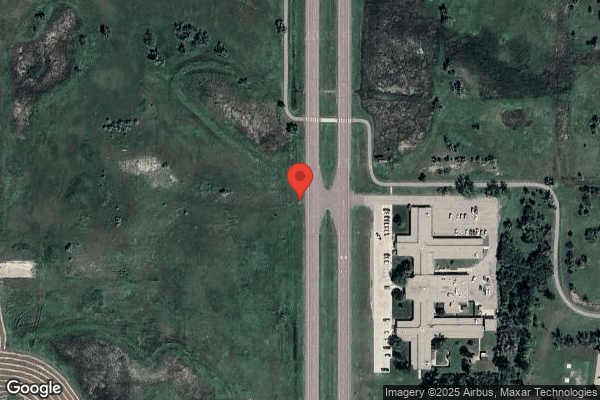

1700 NORTH HIGHWAY 281, ABERDEEN, SD 57401 (605) 225-7315
For profit - Limited Liability company 78 Beds ACCURA HEALTHCARE Data: November 2025
Trust Grade
15/100
#31 of 95 in SD
Last Inspection: February 2025

Within standard 12-15 month inspection cycle. Federal law requires annual inspections.

Overview

Aberdeen Health and Rehab has received a Trust Grade of F, indicating significant concerns about the quality of care provided. Ranking #31 out of 95 facilities in South Dakota places them in the top half, while their county rank of #4 out of 5 suggests only one other local option is better. Unfortunately, the facility is worsening, with issues increasing from 1 in 2024 to 11 in 2025. Staffing is a strength, earning a 5/5 star rating with a turnover rate of 40%, which is lower than the state average. However, the facility has significant fines totaling $59,457, raising concerns about compliance, and has been marked by serious incidents, including a resident suffering a spinal fracture due to improper wheelchair securing during transport and another resident developing serious skin necrosis due to neglect in care.

Trust Score
F
15/100
In South Dakota
#31/95
Top 32%
Safety Record
High Risk
Review needed
Inspections
Getting Worse
1 → 11 violations
Staff Stability
○ Average
40% turnover. Near South Dakota's 48% average. Typical for the industry.
Penalties
✓ Good
$59,457 in fines. Lower than most South Dakota facilities. Relatively clean record.
Skilled Nurses
✓ Good
Each resident gets 49 minutes of Registered Nurse (RN) attention daily — more than average for South Dakota. RNs are trained to catch health problems early.
Violations
⚠ Watch
27 deficiencies on record. Higher than average. Multiple issues found across inspections.
★★★☆☆
3.0
Overall Rating
★★★★★
5.0
Staff Levels
★★☆☆☆
2.0
Care Quality
★★☆☆☆
2.0
Inspection Score
Stable
2024: 1 issues
2025: 11 issues

The Good

  • 5-Star Staffing Rating · Excellent nurse staffing levels
  • Full Sprinkler Coverage · Fire safety systems throughout facility
  • No fines on record
  • Staff turnover below average (40%)

    8 points below South Dakota average of 48%

Facility shows strength in staffing levels, fire safety.

The Bad

3-Star Overall Rating

Near South Dakota average (2.7)

Meets federal standards, typical of most facilities

Staff Turnover: 40%

Near South Dakota avg (46%)

Typical for the industry

Federal Fines: $59,457

Above median ($33,413)

Moderate penalties - review what triggered them

Chain: ACCURA HEALTHCARE

Part of a multi-facility chain

Ask about local staffing decisions and management

The Ugly 27 deficiencies on record

4 actual harm
Aug 2025 3 deficiencies
CONCERN (D) 📢 Someone Reported This

A family member, employee, or ombudsman was alarmed enough to file a formal complaint

Potential for Harm - no one hurt, but risky conditions existed

Deficiency F0657 (Tag F0657)

Could have caused harm · This affected 1 resident

**NOTE- TERMS IN BRACKETS HAVE BEEN EDITED TO PROTECT CONFIDENTIALITY** Based on South Dakota Department of Health (SD DOH) complaint review, record review, interview, and policy review, the provider ...

Read full inspector narrative →
**NOTE- TERMS IN BRACKETS HAVE BEEN EDITED TO PROTECT CONFIDENTIALITY** Based on South Dakota Department of Health (SD DOH) complaint review, record review, interview, and policy review, the provider failed to have reviewed and revised the care plan for one of one sampled resident (1) needs and how to manage those needs.Findings include:1. Review of the South Dakota Department of Health (SD DOH) complaint received on 8/5/25 regarding resident 1 revealed:*Resident 1 was identified by first name only.*It was reported that resident 1 would walk in the halls, enter other residents' rooms, and take items that did not belong to her from other residents' rooms.*The complainant was told that resident 1 had gone into another resident's room, and choked that resident.*The resident who had been choked reported the incident to the provider and she [resident 2] was told the incident was documented and reported.-The provider had not completed a facility reported incident (FRI) related to the choking incident.*The complainant reported that resident 1 continued to walk in the hallways and some residents were fearful of resident 1.2. Review of resident 1's electronic medical record (EMR) revealed:*She was admitted on [DATE].*She was discharged from the facility on 8/16/25.*Her 5/27/25 Minimum Data Set (MDS) indicated she was rarely understood or able to understand others and was severely cognitively impaired.*Her diagnoses included Alzheimer's (a progressive and irreversible brain disorder that affects memory, thinking, social abilities, and body functions), major depressive disorder, personality disorder (a group of mental health conditions characterized by inflexible and unhealthy patterns of behavior and thinking that differ from cultural norms), a traumatic brain injury (brain dysfunction caused by an outside force, usually a violent blow to the head), and behavioral disturbances.*She had a 6/26/25 physician's order for LORazepam [an anti-anxiety medication] Oral Tablet 0.5 MG [milligrams] (Lorazepam) Give 1 tablet by mouth every 12 hours as needed for severe anxiety/agitation.*Resident 1 was being seen by a mental health practitioner for management of her behaviors and mental health medications.*A 6/24/25 progress note stated, Another resident addressed [resident 1] patting at chair next to her offering her to sit by her. [resident 1] rushed over to her & [and] stated, ‘I'll kill you!'. Nurse intervened &walked [resident 1] to her room & offered her a snack which she refused.*A 6/26/25 progress note stated, Resident [resident 1] went into another residents [resident's] room and attempted to take resident's remote. Resident stated, ‘That is my remote can I have it back?' Resident said ‘No' and slapped resident in the head twice before exiting her room. Reported to resident's nurse.*A 7/6/25 progress note stated, resident was in [the] dining room yelling at another resident she was redirected by staff and removed from [the] dining room, will continue to monitor.*A 7/9/25 progress note stated, Resident verbally aggressive toward staff members and other residents at this time.*A 7/10/25 progress note stated, resident agitated going into other resident rooms.*A 7/16/25 progress note stated, resident agitated going into other residents' rooms.*A 7/19/25 progress note stated, resident being reported to have aggressive behaviors towards another resident during bingo and patted her shoulder, will continue to monitor.*A 7/20/25 progress note stated, resident 2 said that [resident 1] came into her room around 515 pm [5:15 p.m.] while [resident 2] had company. [Resident 1] went and sat on the residents [resident's] bed then got up and went to [resident 2]'s hand towels and grabbed one, when [resident 2] told her that they were her towels [resident 1] stated that they were her's then walked over to [resident 2] and put her hands around residents neck, however [resident 2] said that she did not squeeze or apply pressure just pressed her hand around her throat.*7/28/25 progress notes stated,- Extremely agitated and yelling at residents [and] staff and attempting to grab them.- resident was yelling out no and swearing at staff, residents, and some visitors, was trying to grab at other residents and when staff would redirect [resident 1] would yell or grab at them.3. Review of resident 1's 8/27/25 care plan revealed:*An identified focus area that indicated she had an Elopement [leaving the facility without staff knowledge]/wander Risk.-Interventions for that focus area included staff were to Maintain familiar items in environment, with well-lit room. Observe behavior and attempt to determine pattern, frequency, intensity and triggers. Offer/encourage activities for distraction.-Her care plan did not include her tendency to wander into other resident rooms and take items, or any identified triggers or interventions to attempt to prevent that behavior.*Her care plan did not address her agitation, verbal and physical aggression towards staff and other residents, potential triggers, or interventions related to her agitation and verbal and physical aggression.*Resident 1's care plan did not indicate she was being seen by a mental health practitioner.4. Interview on 8/27/25 at 3:40 p.m. with resident 2 revealed she had been told by staff that telling resident 1 No was a trigger for resident 1's agitation and aggression.5. Interview on 8/27/25 at 3:45 p.m. with certified nursing assistant (CNA)/certified medication aide (CMA) F revealed:*When resident 1 was initially admitted she was pleasant and easy to redirect. In the past year her dementia had progressed, and she could become aggressive and difficult to redirect.*He stated that resident 1 would become more agitated when staff attempted to redirect her.*Resident 1 wandered into other resident rooms.*He had witnessed times when resident 1 had become physically aggressive with staff without staff having interacted with her prior to the aggression.*Resident 1 would grab other residents by their arms if they told her No or if staff were attempting to redirect her.*Other residents had expressed to him that they were fearful of resident 1.*Staff encouraged other residents to close the doors to their rooms when resident 1 was agitated because resident 1 did not usually go into rooms with closed doors.*He used resident care plans as a resource to provide care for the residents.*He did not recall resident 1's care plan having addressed her verbal and physical behaviors, interventions or triggers.6. Interview on 8/27/25 at 3:55 p.m. with registered nurse (RN) G revealed:*When resident 1 was wandering into other resident rooms, staff would watch her more closely.*Resident 1 would not sit long enough to participate in activities.*She recalled that resident 1's care plan included that she wandered, but she did not recall if there were any identified behaviors or interventions for her behaviors identified in her care plan.7. Interview on 8/27/25 at 4:28 p.m. with licensed practical nurse (LPN)/Minimum Data Set (MDS) coordinator H revealed:*Care plans were to be updated by the interdisciplinary team (activities, nursing, social services, administration, and dietary).*She had been told resident 1 had episodes of verbal and physical aggression with staff and residents, but she had not witnessed that.*Resident 1 would become more agitated if someone repeatedly said her name.*Resident 1's care plan indicated she was a risk for elopement related to her wandering.*LPN/MDS coordinator H stated that staff were to turn the [NAME] show on resident 1's television as an intervention for resident 1's wandering.*Upon review of resident 1's care plan, she confirmed resident 1's care plan indicated she had a preference of watching the [NAME] show, but it was not listed as an intervention for her wandering.*She verified resident 1's care plan did not address her verbal and physical aggression.*She did not know if there were any interventions put into place related to resident 1 wandering into other residents' rooms.*She agreed it may have been helpful for staff to care for resident 1's wandering and behaviors if there were interventions addressed in her care plan.8. Interview on 8/28/25 at 8:10 a.m. with administrator A revealed all interventions that were attempted with resident 1 related to her aggressive verbal and physical behaviors would have been documented in her care plan.9. Interview on 8/28/25 at 11:45 a.m. with administrator A and director of nursing (DON) B revealed:*When resident 1 was admitted she did not display any aggressive behaviors.*In the beginning of 2025 resident 1's dementia progressed, and she began to display increased wandering as well as verbal and physical behaviors.*Due to resident 1's increased behaviors a mental health practitioner was consulted for her care.*Staff would provide one to one observation of resident 1 whenever they were able to prevent her from wandering into other resident rooms and avoid altercations between resident 1 and other residents.*Staff would also ask and encourage residents to have their doors closed when resident 1 had episodes of increased agitation.*Resident 1 ate her meals with a staff member instead of in the dining room to decrease the stimulus in an attempt to get resident 1 to eat her meal.*Administrator A and DON B expected the interventions in place for resident 1's wandering and aggressive behaviors to have been included in her care plan.*Administrator A and DON B verified resident 1's care plan had not been updated to include interventions for her aggressive behaviors or wandering into other residents' rooms.*LPN/MDS coordinator H was primarily responsible for updating the nursing portion of residents' care plans but anyone on the interdisciplinary team (IDT) team could update the residents' care plans.*Administrator A and DON B expected that the residents' care plans would be updated with each quarterly and annual MDS as well as with any changes in the residents' care needs.10. Review of the provider's April 2025 Comprehensive Care Plan policy revealed:* It is the policy of this facility to develop and implement a comprehensive person-centered care plan for each resident, consistent with resident rights, that includes measurable objectives and timeframes to meet a resident's medical, nursing, and mental and psychosocial needs and ALL services that are identified in the resident's comprehensive assessment and meet professional standards of quality.* The comprehensive care plan will describe, at minimum, the following:-a) The services that are to be furnished to attain or maintain the resident's highest practicable physical, mental, and psychosocial well-being.-f) Resident specific interventions that reflect the resident's needs and preferences and align with the resident's cultural identity, as indicated.* The comprehensive care plan will include measurable objectives and timeframes to meet the resident's needs as identified in the resident's comprehensive assessment. The objectives will be utilized to monitor the resident's progress. Alternative interventions will be documented, as needed.
CONCERN (D) 📢 Someone Reported This

A family member, employee, or ombudsman was alarmed enough to file a formal complaint

Potential for Harm - no one hurt, but risky conditions existed

Deficiency F0658 (Tag F0658)

Could have caused harm · This affected 1 resident

**NOTE- TERMS IN BRACKETS HAVE BEEN EDITED TO PROTECT CONFIDENTIALITY** Based on South Dakota Department of Health (SD DOH) complaint, record review, interview, and policy review, the provider failed ...

Read full inspector narrative →
**NOTE- TERMS IN BRACKETS HAVE BEEN EDITED TO PROTECT CONFIDENTIALITY** Based on South Dakota Department of Health (SD DOH) complaint, record review, interview, and policy review, the provider failed to follow professional nursing standards to ensure:*One of one sampled resident's (1) pain was assessed according to the provider's policy.*The indication for administration of an as needed anxiety medication administered to one of one sampled resident (1) was documented.*The effectiveness and any adverse reactions were documented for the use of a newly ordered mood-altering medication (Depakote) for one of one sampled resident (1).Findings include: 1. Review of the South Dakota Department of Health (SD DOH) complaint received on 8/5/25 regarding resident 1 revealed:*Resident 1 was identified by first name only.*It was reported that resident 1 would walk in the halls, enter other residents' rooms, and take items that did not belong to her from other residents' rooms.*The complainant was told that resident 1 had gone into another resident's room, and choked that resident.*The resident who had been choked reported the incident to the provider and she [resident 2] was told the incident was documented and reported.-The provider had not completed a facility reported incident (FRI) related to the choking incident.*The complainant reported that resident 1 continued to walk in the hallways and some residents were fearful of resident 1.2. Review of resident 1's electronic medical record (EMR) revealed:*She was admitted on [DATE].*She was discharged from the facility on 8/16/25.*Her 5/27/25 Minimum Data Set (MDS) indicated she was rarely understood or able to understand others and was severely cognitively impaired.*Her diagnoses included Alzheimer's (a progressive and irreversible brain disorder that affects memory, thinking, social abilities, and body functions), major depressive disorder, personality disorder (a group of mental health conditions characterized by inflexible and unhealthy patterns of behavior and thinking that differ from cultural norms), a traumatic brain injury (brain dysfunction caused by an outside force, usually a violent blow to the head), and behavioral disturbances.*Review of her July medication administration report (MAR) revealed she did not have a physician's order for regularly scheduled or as needed pain medication until she was prescribed morphine as part of her comfort care plan.*Resident 1's 8/27/25 care plan revealed she had a focus area of has potential for pain with need for medication management R/T [related to] general discomfort with an intervention of report pain or requests for analgesics [medication to relieve pain] to nurse.3. Review of resident 1's history falling documentation from July through August 2025 revealed:*In July she fell on the 5th, the 8th, the 20th, the 28th, and the 29th.*In August she fell on the 3rd and the 4th.*As a result of her fall on 7/29/25 she sustained an indentation on her forehead. She was very agitated and her pain level was assessed to be a six on a zero to ten scale with the use of the PAINAD (a tool to assess pain assessment for people with advanced dementia) assessment scale which meant she had moderate pain.*On 8/3/25 resident 1 fell and sustained a three centimeter laceration (cut or torn skin) to her forehead and her pain level was assessed to be a four with the use of the PAINAD assessment scale, which meant she had moderate.*Review of resident 1's pain assessment revealed:-There were no documented pain assessments completed in June 2025.-On 7/15/25 resident 1's pain assessment was documented at a level four.-On 7/29/25 resident 1's pain assessment was documented at a level six.*There was no documentation of staff having contacted the physician to consider giving orders to for pain medications prior to resident 1 being placed on comfort cares (a type of medical care that focuses on providing relief from symptoms and improving the quality of life for people with serious or life-threatening illnesses) on 8/4/25.*Review of her August MAR revealed she had 8/4/25 physician's order for Morphine Sulfate [narcotic pain medication] (Concentrate) 20 MG/ML [milligrams/milliliter] Give 0.25 ml by mouth every 4 hours as needed for Pain.4. Further review of resident 1's EMR revealed she had a 6/26/25 physician's order for LORazepam [an anti-anxiety medication] Oral Tablet 0.5 MG (Lorazepam) Give 1 tablet by mouth every 12 hours as needed for severe anxiety/agitation.*Resident 1's MAR documentation indicated she was administered the as needed lorazepam 47 times in July 2025.-Of those 47 documented lorazepam administrations, 28 did not indicate what the medication was administered for.*Resident 1 had a 7/22/25 physician's order for Depakote Oral Tablet [a medication used to treat seizures and bipolar disorder] Delayed Release 125 MG (Divalproex Sodium) Give 1 tablet by mouth two times a day for mood stabilization.*An 8/1/25 communication with psychiatric mental health nurse practitioner J revealed she had spoken with licensed practical nurse (LPN)/Minimum Data Set (MDS) coordinator H, who reported resident 1 continued anger/irritability and aggression at times.*On 8/1/25 a physician's order was received to change resident 1's Depakote order to Depakote Oral Tablet Delayed Release 125 MG (Divalproex Sodium) Give 1 tablet by mouth in the morning for mood stabilization and Depakote Oral Tablet Delayed Release 250 MG (Divalproex Sodium) Give 1 tablet by mouth at bedtime for anger/irritability/aggression.*There was no documentation regarding the effectiveness or adverse effects of the newly ordered Depakote in resident 1's EMR.*There was no documentation regarding the effectiveness or adverse effects of the Depakote after the dose was increased on 8/1/25.5. Interview on 8/28/25 at 11:40 a.m. with registered nurse (RN) I revealed:*It was the expectation that a reason for the administration of an as needed medication was to be documented at the time the medication was administered.*If there was no documented reason for that medication administration, the staff would not be able to follow-up to determine if the medication was effective.6. Interview on 8/28/25 at 11:45 a.m. with administrator A and director of nursing (DON) B revealed:*Administrator A stated the provider used [NAME] and [NAME] as a resource for professional standards.*In February or March of 2025, the staff had noticed resident 1's gait began to change, and she became more anxious.*She was given physician ordered acetaminophen 500 mg two tables three times per day from 4/28/25 through 5/23/25.*DON B stated that beginning in May 2025 resident 1 began to further decline in her physical and cognitive abilities.*DON B was not sure why the scheduled acetaminophen was discontinued.*She stated pain could be difficult to evaluate with residents who had dementia and for some residents their pain could be expressed through behaviors.*DON B stated pain assessments were to be completed and documented by the staff with the administration of a pain medication, anytime a resident fell, if a resident had skin concerns, if there was a change in a resident's condition, or there was a change in the resident's cognition.*DON B verified there were no pain assessments documented in June 2025.*She would have expected there had been a pain assessment completed in June but since the resident did not have any skin issues or documented falls the staff were not prompted to complete a pain assessment.*DON B verified resident 1 had no physician's orders for pain medication in July 2025.*She stated the provider had standing orders for acetaminophen as needed but verified there was no documentation of acetaminophen having been administered until 8/12/25, after resident 1 was placed on comfort cares.*DON B stated she expected that the staff would document a reason for administration of an as needed medication at the time of administration.*DON B expected the effectiveness and any adverse effects from a mood altering medication, such as Depakote, to be documented every shift for the first 14 days after the first administration of the medication.*The staff had a hot charting form at the nurses' stations that instructed them to complete that charting for residents with those types of new medications.*She verified there was no documentation related to the effectiveness or any adverse reactions related to resident 1's use of the Depakote medication that was started on 7/22/25, and had a physician's ordered dose increase on 8/1/25.Review of the provider's April 2025 Pain Management policy revealed:* The facility must ensure that pain management is provided to residents who require such services, consistent with professional standards of practice, the comprehensive person-centered care plan, and the resident's goals and preferences.* The facility will utilize a systematic approach for recognition, assessment, treatment and monitoring of pain.* Facility staff will observe for nonverbal indicators which may indicate the presence of pain. These indicators include but are not limited to: .-c) Fidgeting, increased or recurring restlessness-d) Facial expressions (e.g. grimacing, frowning, fright, or clenching of the jaw)-e) Behaviors such as: resisting care, distressed pacing, irritability, depressed mood, or decreased participation in usual physical and/or social activities.-g) Weight loss-h) Difficulty sleeping (insomnia)-i) Negative vocalizations (e.g. groaning, crying, whimpering, or screaming)* The interdisciplinary team is responsible for developing a pain management regimen that is specific to each resident who has pain or who has the potential for pain.A medication administration policy was requested on 8/28/25 at 9:30 a.m. and was not received by the end of the survey.
CONCERN (E) 📢 Someone Reported This

A family member, employee, or ombudsman was alarmed enough to file a formal complaint

Potential for Harm - no one hurt, but risky conditions existed

Investigate Abuse (Tag F0610)

Could have caused harm · This affected multiple residents

**NOTE- TERMS IN BRACKETS HAVE BEEN EDITED TO PROTECT CONFIDENTIALITY** Based on South Dakota Department of Health (SD DOH) complaint review, record review, interview, and policy review, the provider ...

Read full inspector narrative →
**NOTE- TERMS IN BRACKETS HAVE BEEN EDITED TO PROTECT CONFIDENTIALITY** Based on South Dakota Department of Health (SD DOH) complaint review, record review, interview, and policy review, the provider failed to thoroughly investigate resident-to-resident incidents of potential abuse by one of one sampled resident (1) who used acts of physical aggression toward two of two sampled residents (2 and 3) on separate occasions. Failure to thoroughly investigate those incidents may have placed all residents at risk for potential resident-to-resident abuse.Findings include:1. Review of the South Dakota Department of Health (SD DOH) complaint received on 8/5/25 regarding resident 1 revealed:*Resident 1 was identified by first name only.*It was reported that resident 1 would walk in the halls, enter other residents' rooms, and take items that did not belong to her from other residents' rooms.*The complainant was told that resident 1 had gone into another resident's room, and choked that resident.*The resident who had been choked reported the incident to the provider and she [resident 2] was told the incident was documented and reported.-The provider had not completed a facility reported incident (FRI) related to the choking incident.*The complainant reported that resident 1 continued to walk in the hallways and some residents were fearful of resident 1.2. Review of resident 1's electronic medical record (EMR) revealed:*She was admitted on [DATE].*She was discharged from the facility on 8/16/25.*Her 5/27/25 Minimum Data Set (MDS) indicated she was rarely understood or able to understand others and was severely cognitively impaired.*Her diagnoses included Alzheimer's (a progressive and irreversible brain disorder that affects memory, thinking, social abilities, and body functions), major depressive disorder, personality disorder (a group of mental health conditions characterized by inflexible and unhealthy patterns of behavior and thinking that differ from cultural norms), a traumatic brain injury (brain dysfunction caused by an outside force, usually a violent blow to the head), and behavioral disturbances.*A 6/24/25 progress note stated, Another resident addressed [resident 1] patting at [a] chair next to her offering her to sit by her. [resident 1] rushed over to her & [and] stated, ‘I'll kill you!'. Nurse intervened &walked [resident 1] to her room & offered her a snack which she refused.*A 6/26/25 progress note stated, Resident [resident 1] went into another residents [resident 3's] room and attempted to take [that] resident's remote. [The] Resident [3] stated, ‘That is my remote can I have it back?' Resident [1] said ‘No' and slapped [the other] resident in the head twice before exiting her room. Reported to resident's nurse.*A 7/6/25 progress note stated, resident [1] was in [the] dining room yelling at another resident she was redirected by staff and removed from [the] dining room, will continue to monitor.*A 7/9/25 progress note stated, Resident [1] [is] verbally aggressive toward staff members and other residents at this time.*A 7/10/25 progress note stated, resident [1] [is] agitated [and] going into other resident rooms.*A 7/16/25 progress note stated, resident [1] [is] agitated [and] going into other residents' rooms.*A 7/19/25 progress note stated, resident [1] [is] being reported to have aggressive behaviors towards another resident during bingo and patted her shoulder, will continue to monitor.*A 7/20/25 progress note stated, resident 2 said that [resident 1] came into her room around 515 pm [5:15 p.m.] while [resident 2] had company. [Resident 1] went and sat on the residents [resident's] bed then got up and went to [resident 2]'s hand towels and grabbed one, when [resident 2] told her that they were her towels [resident 1] stated that they were her's then walked over to [resident 2] and put her hands around residents [resident 2's] neck, however [resident 2] said that she did not squeeze or apply pressure [resident 1] just pressed her hand around her [resident 2's] throat.*Resident 1's 7/28/25 progress notes stated,- [resident 1 is] Extremely agitated and yelling at residents [and] staff and attempting to grab them.- resident [1] was yelling out no and swearing at staff, residents, and some visitors, was trying to grab at other residents and when staff would redirect [resident 1] would yell or grab at them.3. Interview on 8/27/25 at 3:40 p.m. with resident 2 regarding the 7/20/25 incident involving resident 1 revealed:*Resident 2 stated she was talking with her visitor when resident 1 entered her room.*Resident 1 had gone over and picked up resident 2's towels.*Resident 2 told her No then resident 1 walked over to resident 2 and placed her hands on resident 2's neck.*Resident 2 stated resident 1 did not squeeze her neck.*Resident 2 denied having felt fearful of resident 1.*She stated that after that incident (on 7/20/25), if resident 1 was agitated and walking in the hallways, she would close her door.4. Review of the provider's investigation related to the incident on 7/20/25 between resident 1 and resident 2 revealed:*Administrator A spoke with resident 2 on 7/21/25 at 10:30 a.m.*Resident 2 told administrator A resident 1, came into her room and wanted her wash cloths [washcloths]- told her No- then came over and put [her] hands on front of her by neck- no squeezing or pushing.*Resident 2 denied feeling threatened and stated she felt safe.*Resident 2 stated it had only happened the one time and she had no other concerns or issues.*On 7/25/25 administrator A followed up with resident 2 and she continued to deny concerns at that time.*There was no documentation that the staff had been interviewed related to the reported incident on 7/20/25.*There was no documentation that other residents had been interviewed.*There was no documentation that a skin assessment for resident 2 had been completed after the incident.5. Interview on 8/28/25 at 10:55 a.m. with administrator A revealed, there was no investigation completed regarding the 6/26/25 resident to resident incident involving resident 1 and resident 3, because she had not been informed of the incident.6. Interview on 8/28/25 at 11:30 a.m. with licensed practical nurse (LPN) C revealed:*She worked on 6/26/25 and had taken care of resident 3.*She did not witness resident 1 slap resident 3.*Resident 3 told her that resident 1 wanted her remote and when resident 3 told resident 1 No, resident 1 slapped her.*LPN C stated she documented the incident, and then reported it to the other nurse on duty.-She was not sure who she had reported the incident to but recalled it was a male nurse.7. Interview on 8/28/25 at 11:35 with registered nurse (RN) D revealed:*He had worked on 6/26/25.*He did not recall being informed that resident 1 had slapped resident 3.8. Interview on 8/28/25 at 11:45 a.m. with administrator A and director of nursing (DON) B revealed:*They were aware resident 1 had displayed verbal and physical aggression towards other residents.*Administrator A had completed an investigation on 7/21/25 related to the 7/20/25 incident when resident 1 had placed her hands on resident 2's neck.-She had not interviewed staff or other residents at that time to determine if there had been other residents who had been affected or felt unsafe from resident 1.*Administrator A nor Interim DON B had not been notified that resident 1 had slapped resident 3 on 6/26/25.*Administrator A stated she would have investigated the incident if she had been notified.9. Review of the provider's 10/19/22 Vulnerable Adult policy revealed:* Resident to resident altercations; including physical, mental, or verbal abuse are reportable to the state agency. The facility should have a system in place to identify resident's whose personal history render them at risk for abusing other residents.* Not all incidents or events sustained by a vulnerable adult are required to be reported, even if they appear to meet the technical definition of maltreatment. These events must be reported internally to the immediate supervisor who will notify the Administrator and the Director of Nursing Services.* The Supervisor, Director of Nursing or Administrator will immediately institute an internal investigation of the reported allegation or incident. The investigation may include:-1) Interview of staff-2) Resident interviews-3) Witness interviews-4) Environmental review-5) Resident health status-6) Behavior review-7) Medication review.* All incidents will be investigated thoroughly by administration.* Further, the facility shall ensure that all alleged violations involving abuse, neglect, mistreatment, misappropriation of resident property including injuries of unknown source are reported immediately to the Administrator and to other agencies in accordance with state law through established procedures. [The provider] shall have evidence that all alleged violations are thoroughly investigated and shall prevent further potential abuse while the investigation is in progress.-Written Report--a) Who was interviewed--b) Content of interview--c) Resident Diagnosis--d) ADL [activities of daily living] capabilities and a determination if the resident is interview-able--e) Resident reactions--f) Circumstances pertaining to the incident.
Jul 2025 2 deficiencies 1 Harm
SERIOUS (G) 📢 Someone Reported This

A family member, employee, or ombudsman was alarmed enough to file a formal complaint

Actual Harm - a resident was hurt due to facility failures

Accident Prevention (Tag F0689)

A resident was harmed · This affected 1 resident

**NOTE- TERMS IN BRACKETS HAVE BEEN EDITED TO PROTECT CONFIDENTIALITY** Based on South Dakota Department of Health (SD DOH) facility reported incident (FRI), observation, interview, and policy review,...

Read full inspector narrative →
**NOTE- TERMS IN BRACKETS HAVE BEEN EDITED TO PROTECT CONFIDENTIALITY** Based on South Dakota Department of Health (SD DOH) facility reported incident (FRI), observation, interview, and policy review, the provider failed to ensure one of one sampled resident's (1) wheelchair was secure in the facilities transport vehicle according to manufacturer's guidelines resulting in the resident's wheelchair tipping backwards and the resident sustained a spinal fracture.Findings include:1. Review of SD DOH FRI that was submitted on 7/15/25 revealed:*At approximately 11:15 a.m. on 7/15/25, resident 1 was being transported from an appointment back to the facility in the facility's transport van by certified nursing assistants (CNA)s G and H and his wheelchair tipped backwards while the van was driving.*It was suspected that the front wheelchair locking mechanisms failed, allowing resident 1's wheelchair to tip backwards.*Resident 1 complained of pain in his back to the staff in the van.*CNAs G and H assisted resident 1 back into his wheelchair after it tipped and transported the resident back the facility.*At the facility, resident 1 was assessed by registered nurse (RN) I and was sent to the Emergency Department (ED) for further evaluation related to his back pain.*On 7/15/25, resident 1 returned to the facility from the ED with a diagnosis of a closed nondisplaced fracture of the sixth cervical vertebra (a break in one of the bones in his neck).*The provider's investigation concluded that lap belt connectors malfunctioned and did not tighten correctly which caused the resident's wheelchair to tip backwards.*The lap belt connectors suspected of malfunctioning were removed from the transport van and replaced with new parts.*CNA G was educated on correctly locking and tightening wheelchair straps in the transport van. 2. Interview on 7/22/25 at 10:55 a.m. with resident 1 revealed:*He recalled the accident that happened on 7/15/25 in the facility's transport van.*He was able to describe the injury he sustained due to the accident.*He stated he had been to several medical appointments in the past while CNA G was driving and had never had any accidents.*He could not recall if CNA G had any changes in her normal routine of securing his wheelchair that day. 3. Interview on 7/22/25 at 1:02 p.m. with CNA H revealed:*She had accompanied resident 1 to his medical appointment on 7/15/25 and rode along in the facility's transport van.*She did not assist with securing his wheelchair in the transport van.*She could not recall watching CNA G securing resident 1's wheelchair in the transport van that day. 4. Interview on 7/22/25 at 2:50 p.m. with administrator A revealed:*After resident 1's 7/15/25 incident in the facility's transport van, she had CNA G demonstrate to her what happened during the transport.*Administrator A checked the wheelchair securing straps and was not able to duplicate the malfunction that happened during the incident that day.*CNA G had been the transport van driver for the past two years and had not encountered an accident like that before.*The wheelchair securing straps were replaced with new ones.*After the incident, there had been a new section added to the van's daily checklist that would have the driver physically check the tension on the wheelchair securing straps for safety.*She felt it was an unfortunate event caused by faulty equipment. 5. Interview and demonstration on 7/23/25 at 10:45 a.m. with CNA G and administrator A in the facility's transport van related to resident 1's incident revealed:*CNA G reported on the day of the incident she loaded resident 1 into the van from the rear wheelchair ramp.*Once resident 1 was in place in the van, she locked his wheelchair brakes, then she attached two hooks to the rear of the wheelchair. She then attached two hooks to the front of the wheelchair. She then fastened resident 1's seat belt.*She then reported leaving the medical provider's parking lot.*After driving for about a block, she heard a loud noise and when she looked back she found resident 1 had tipped backwards in his wheelchair inside the van.*She reported that after pulling over the van, the two hooks attached to the rear wheelchair wheels were still attached. The hooks attached to the front of the wheelchair were no longer attached. It did not appear that the front straps had pulled out of the locking device.*She and CNA H then assisted resident 1 back into his wheelchair.*Resident 1 was taken back to the facility to be assessed by as nurse. 6. Interview on 7/23/25 at 3:30 p.m. with regional nurse consultant/acting director of nursing B revealed that she did not do the staff training for the facility van operation. 7. Interview on 7/23/25 at 4:00 p.m. with administrator A revealed:*Business Office Assistant (BOA) J does the competency testing for staff that drove and operated the facility van.*The current van driver (CNA G) provided training for new van drivers. The new driver would ride with the current driver for a couple days to learn the process.*BOA J used the Driver's Road Test Examination to verify the driver's ability to safely operate the van. 8. Interview on 7/23/25 at 4:47 p.m. with BOA J revealed:*She did not use a specific curriculum for testing a driver's ability to safely operate the van.*She used the facility's Driver's Road Test Examination, which contained a checklist of observed steps.*When asked if she had a checklist for what was specifically observed during the Observed and has competency in securing a wheelchair in the vehicle. step, she stated No, I've just done it so many times. I did it for two years. 9. Record review of education provided to facility van drivers on 7/15/25 revealed:*All safety belts will be checked with each resident transport daily to ensure all locks are secure and lap belts are placed for resident safety. Van Driver will note this on the van log with each transport.*The van driver will notify the resident's nurse of any injury that occurs in the van during transport or loading/unloading resident for appointments. The resident will not be moved until assessment has been made by the nurse or EMS [emergency medical services]. 911 will also be called if the injury assessment is deemed appropriate.*CNA G was educated by administrator A.*Administrator A was educated by nurse consultant B.*BOA J was educated by administrator A. 10. Review of the AMF [NAME] America (wheelchair tie down manufacturer) user manual revealed:*Section 2, A. Daily Inspection Checklist, 1. Check the retractors by quickly pulling out the webbing to ensure proper locking.*Section 3, Wheelchair and Securement Instructions, Step 6. Once you have all four straps attached, release the brakes on the wheelchair and check for movement. Once secured, the wheelchair should not move more than two (2) inches front-to-back or side-to-side. Reapply the brakes. 11. Interview on 7/24/25 at 8:35 a.m. with administrator A revealed:*She was not aware that the manufacturer's instructions were to release the wheelchair brakes to check for movement before driving the vehicle.*She was not sure if following that step could have prevented resident 1's accident because she was not there during the accident.*She felt it was an equipment malfunction that caused resident 1's wheelchair to tip in the van that day.
CONCERN (D) 📢 Someone Reported This

A family member, employee, or ombudsman was alarmed enough to file a formal complaint

Potential for Harm - no one hurt, but risky conditions existed

Deficiency F0658 (Tag F0658)

Could have caused harm · This affected 1 resident

Based on record review, interview, and policy review, the provider failed to ensure professional nursing standards of practice regarding timely and accurate documentation of narcotic medications for t...

Read full inspector narrative →
Based on record review, interview, and policy review, the provider failed to ensure professional nursing standards of practice regarding timely and accurate documentation of narcotic medications for two of two sampled residents (1 and 2) to ensure accountability of high risk medications.Finding include: 1. Review of the narcotic sign-out sheet and resident 1's medication administration record (MAR) revealed:*On 7/17/25 at 9:30 a.m., one Hydrocodone-Acetaminophen 5-325 milligrams (mg) tablet was signed out on the narcotic sign-out sheet by registered nurse (RN) C, but it was not documented as administered in the MAR.*On 7/21/25 at 8:45 a.m., one Hydrocodone-Acetaminophen 5-325 mg tablet was signed out on the narcotic sign-out sheet by RN C, but it was not documented as administered in the MAR.*On 7/22/25 at 8:00 a.m., one Hydrocodone-Acetaminophen 5-325 mg tablet was signed out on the narcotic sign-out sheet by RN C, but it was not documented as administered in the MAR.*On 7/22/25 at 3:00 p.m., one Hydrocodone-Acetaminophen 5-325 mg tablet was signed out of the narcotic sign-out sheet by RN C, but it was not documented as administered in the MAR until 6:10 p.m. that day.*On 7/22/25 at 9:00 p.m., one Hydrocodone-Acetaminophen 5/325 mg tablet was signed out on the narcotic sign-out sheet by RN D, but it was not documented as administered in the MAR.*On 7/23/25 at 5:29 p.m., one Hydrocodone-Acetaminophen 5-325 mg tablet was signed out on the narcotic sign-out sheet by RN E, but it was not documented as administered in the MAR.*On 7/24/25 at 8:54 a.m., one Hydrocodone-Acetaminophen 5-325 mg tablet had been removed by RN C with no time of removal noted, RN D documented in the MAR that the tablet was administered at 7:50 a.m. that day2. Review of resident 2's the narcotic sign-out sheet revealed that on 7/21/25 at 4:00 p.m., RN C placed a line through the removed tablet and wrote dropped, but she did not have a second nurse's signature to verify the wasted narcotic medication.3. Interview on 7/23/25 at 3:30 p.m. with RN F revealed:*When narcotic medications were signed out, they should be documented as administered in the MAR at that same time.*If a narcotic medication was dropped or needed to be destroyed for any reason, it should have been signed by two nurses to document the destruction of it.4. Interview on 7/24/25 at 10:35 a.m. with director of nursing (DON) B revealed.*It was her expectation that if a narcotic medication was signed out on the narcotic sign-out sheet, it should have been documented in the MAR at that same time.5. Review of the provider's Controlled Substances policy (updated 4/25/24) revealed:*Purpose, B. To assure controlled drugs are handled, stored, and disposed of properly.*Purpose, C. To assure proper record keeping for controlled drugs.*Administration of Controlled Substances, B. Administering a controlled substance to a resident: it must be signed out on the individualized controlled substance sheet and documented on the eMAR.*Administration of Controlled Substances, C. The controlled substance sheet and eMAR [electronic medication administration record] must match.
Feb 2025 6 deficiencies 1 Harm
SERIOUS (G) 📢 Someone Reported This

A family member, employee, or ombudsman was alarmed enough to file a formal complaint

Actual Harm - a resident was hurt due to facility failures

Free from Abuse/Neglect (Tag F0600)

A resident was harmed · This affected 1 resident

**NOTE- TERMS IN BRACKETS HAVE BEEN EDITED TO PROTECT CONFIDENTIALITY** Based on South Dakota Department of Health (SD DOH) complaint intake review, record review, interview, and policy review, the pr...

Read full inspector narrative →
**NOTE- TERMS IN BRACKETS HAVE BEEN EDITED TO PROTECT CONFIDENTIALITY** Based on South Dakota Department of Health (SD DOH) complaint intake review, record review, interview, and policy review, the provider failed to protect the resident's right to be free from neglect related to assessing and providing skin care to prevent skin necrosis (death of cells or tissue through disease or injury) of both the residents feet and implementing monitoring to potentially prevent a significant weight loss for one of one sampled discharged resident (51) who required hospitalization related to those conditions. Findings include: 1. Review of the 1/9/25 SD DOH complaint intake revealed: *The complainant had a concern regarding the quality of care and treatment for resident 51. *The reported the resident was admitted to the hospital on [DATE]. *The resident's left foot great toe, three other toes, and 3 last toes and part of his foot was necrotic. *The resident's right foot necrosis was between his great toe and the next toe. *The resident had been previously hospitalized in October 2024 and had no skin issues at that time. *The first time the facility had reached out to the doctor about the necrosis on his feet was on 1/1/25 *The resident had dementia (impaired memory and cognition) and thought his foot was broken. *The resident's wife lived at a different facility and his durable power of attorney (DPOA) was his daughter who did not live close by. 2. Review of the 1/16/25 SD DOH complaint intake revealed: *The complainant wanted to remain anonymous. *They reported the resident was admitted to the facility late fall 2024. *The complainant reported the resident's family had not been invited to his care plan meetings to review his current status and allow them to be a part of any changes in his plan of care. *His family had been notified of a fall and skin tear but had not been notified about his toes until 1/1/25. *The resident's family had been informed by the unit manager, licensed practical nurse (LPN) C regarding the necrosis of his toes. *They reported the family had been informed the resident's toes had started to turn black related to his diabetes diagnosis. *They felt the resident should have been sent to the emergency room (ER) but it was decided he would be seen by a podiatrist (foot doctor) instead. *On 1/7/25 the hospital podiatry department informed the family the resident had gangrene (dead tissue caused by an infection or lack of blood flow) in both of his feet related to an untreated infection. *The family had been told his condition Was brewing for months: and could not have been a recent onset. *The complainant reported the hospital staff informed the family that when they took off the resident socks, they had been afraid his toes would peel off with the socks due to the advanced state of the gangrene. *They were aware the resident had been hospitalized in December of 2024 due to Coronavirus disease (COVID -19) and had returned to the facility on [DATE]. *The hospital's podiatry department also informed the family the resident was malnourished (had a nutritional deficiency). *He had lost 23 pounds (lbs.) from 10/23/24 through 1/7/25. *The facility had not informed the resident's family of his extreme weight loss and when discussed with the facility they were informed he had been refusing his medications also. *The complainant reported the family felt like no one was paying attention to the resident and they had been concerned he was being neglected. *The hospital informed the family the only options for him was a double amputation of his legs or Hospice Care (end-of-life care). *The family made the difficult decision for the resident to start Hospice Care and admitted him to a different long term care facility (LTC) for Hospice Care. 3. Review of resident 51's electronic medical record (EMR) revealed: *He was admitted on [DATE]. *His diagnoses included: -Chronic Obstructive Pulmonary Disease (a disease that makes it hard to breathe). -Type 2 Diabetes Mellitus without complications. -Type 2 Diabetes Mellitus with Diabetic Neuropathy (decreased sensation in the feet, legs, hands, and arms). -Chronic Kidney Disease Stage 3 (moderate damage to the kidneys, where they are not filtering waste effectively). -Dependence on Renal Dialysis (medical treatment that removes waste products and excess fluid) 3 times per week. -Dementia. -He had been affected by COVID-19 from 12/16/24-1/1/25. *His Brief Interview for Mental Status (BIMS) score was 11 which indicated he had moderate cognitive impairment. *On admit on 10/29/24 he had a skin tear on his left 2nd toe which measured 0.3 centimeters (cm) x 0.3 cm, and it had healed on 11/19/24. *There was a note in his Dialysis report dated 12/20/24 which indicated: -Dialysis education additional information: Nursing Home staff: Please check bilateral feet as they are red. *There was no documentation, progress note, or a Non-Ulcer Skin Assessment form in his EMR to indicate his feet were checked for that redness. *He had an order dated 11/12/24 for daily weights to be checked. -Upon admission on [DATE] he had weighed 158.6 lbs. and by 1/7/25 he had weighed 128.2 lbs. -He had lost 30.4 lbs. within 69 days. *There was no documentation that indicated the weight loss was reported to his doctor or his family to ensure further guidance was provided. 4. Interview on 2/5/25 at 9:20 a.m. with director of nursing (DON) B regarding skin assessments for residents who were in isolation related to COVID-19- revealed: *She would have designated a tub room for residents on isolation to use, the resident could have worn a mask in the hallway when staff transported them to the tub room, or they resident could have received a bed bath in their room. *CNAs would do skin checks on residents when they bathed or showered them. *If a CNA noted a skin concern for a resident, they would have been reported that to the nurse or unit manager *The nurse, unit manager, or wound nurse would have completed the Non-Ulcer Skin Assessment form in the residents' EMR and added the resident and skin concern to their weekly wound rounds for follow up. 5. Interview on 2/6/25 at 11:50 a.m. with wound nurse N regarding resident 51's necrotic skin revealed: *She had been wound nurse since employed at the facility. *She had not received any special training related to wounds. -no special training *She completed the resident's Non-ulcer Skin Assessment on 10/29/24 for weekly wound rounds and had notified the family that the area of concern had been healed by 11/19/24. *The resident had COVID-19 from 12/16/24 through 1/1/25 and had remained isolated to his room, and had not received a shower during that time. -He had a shower after the COVID-19 had been resolved on 1/1/25. -The skin concerns on his feet had been discovered at that time. *The CNA identified the concerns during the resident's shower and had let the nurse know about the new skin issue. *She knew the nurse working that day had called for an appointment to get his foot looked at and he had gone later that week to a podiatry appointment. *She did not do regular diabetic skin checks and was not sure if that had been completed by the nurses. *She expected the CNA's and nurses to let her know when they identified a new skin concern for her to follow up on it. 6. Interview on 2/6/25 at 12:57 p.m. with certified medication aid (CMA)/CNA O revealed: *She had been doing residents' baths for 12 years at the facility. *She stated if she found a skin tear, an open area, an abrasion, a bruise or anything she had not seen before on a resident during their bath she would let the nurse know about it. If it was new to her, she would have reported it even if nurse had seen it. -The nurse would have come in to assess that resident's area, get measurements, and fill out their documentation for wounds if one had not been started. -The nurse would take that information to the wound nurse so she could add it to their list and follow up on their weekly rounds. *She did not know anything about resident 51's feet or skin concerns. *If there was COVID-19 in the building she would have given those not on precautions baths first. -She would take residents on isolation one by one to the bathing room at the far end of the hall that was for those on isolation. 7. Interview on 2/6/25 at 12:04 p.m. with assistant director of nursing (ADON) C revealed: *She had been notified by the nurse on Wednesday 1/1/25 about resident 51's feet by text message. *She read the text that had asked her, Were you aware of pinky toe and next two toes are black? *They had set up an appointment for the resident right away because his toes on both his feet were blackened. *On 1/1/25 they received an antibiotic order from the doctor, and he was given his first dose that day. *The resident was scheduled to see podiatry on 1/7/25 at 3:00 p.m. *He went to his podiatry appointment and was admitted to the hospital from there. She stated, I am assuming because of the feet. *She completed weekly wound rounds on her area of the building with wound nurse N every Wednesday. *On 12/31/24 she had done wound rounds with the wound nurse and resident 51 was not on their list to monitor at that time. *She would not have expected the resident to be on the list that day because he did not have an identified skin issue at that time. *She stated they would have measured a new wound, documented in the resident's EMR and notified the resident's doctor, family, administrator, and DON of the skin concern. *The next step in the process or follow up would depend on what the doctor ordered. *Nurses did not complete or perform regular diabetic skin or foot checks. -The bath aid would let her know if they saw anything. -She would check their feet when she cut their nails if the resident was Diabetic. -Nurses do not complete skin assessments for residents until there is an issue. *Resident 51: -Did not return to the facility. -Tested positive on 12/16/24 for COVID-19 and after he moved over from the rehab unit, she stated he didn't feel good. *She had not received a report from the rehab unit manager prior to his admit to long term care on 12/5/24 but she had done a chart review and had not seen skin issues to monitor for him. *He had been refusing most cares and would not eat much of anything while he was sick with COVID 19. *She was not sure if he had gotten a bath during his COVID-19 isolation, He had been refusing cares and did not want to do much. *She stated his necrotic toes had come on kind of quick and then he was hospitalized on [DATE] and did not return to the facility. 8. Interview on 2/6/25 at 2:25 p.m. with RN E regarding resident 51 revealed: *She had been called to the tub room by the CNA on 1/1/25 to look at his skin. *She recalled his left foot had redness and dark spots on it. *She called the doctor and received orders to start him on an antibiotic and to make him a podiatry appointment instead of going to the emergency room. *She had contacted the resident's family to inform them of this skin concern. *He had been started on an antibiotic for his foot infection. *She did not do skin assessments and had not assessed his skin when he moved over from the rehab unit on 12/5/24. *Bath CNAs checked residents' skin when they gave them a bath and would have let her know if they discovered a skin concern to be checked. *Residents cannot come out of their room for showers when they were on COVID-19 isolation, but they could have gotten a bed bath. *She thought 1/1/25 was the first shower resident 51 had since he had COVID-19 starting on 12/16/24. *Daily weights had not been done while resident 51 was on COVID-19 isolation. *She thought Covid isolation was for 7-10 days. *The resident did not have any treatments for his feet prior to the blackened toes being identified on 1/1/25. *There was no documentation in his EMR for wound care had been provided to his feet between 1/1/25 and when he had gone to the podiatry appointment on 1/7/25. 9. Interview on 2/6/25 at 3:49 p.m. with DON B revealed: *CNA's gave residents their showers and would have performed a head-to-toe skin check and would notify the nurse if skin issues were discovered. *Residents with wounds were added to the weekly wound rounds with the nurse to monitor. *Nurses did not complete or perform regular diabetic foot checks but did check (or trim) their nails weekly or every other week and checked their feet at that time. *The last COVID-19 outbreak had been from 12/16/24 through 1/7/25 and there had been confusion about resident's bed baths. *Residents could have had showers if they wore a mask in the hallway or they could choose a bed bath if they refused to wear a mask. *Resident 51 admitted in October 2024 with a skin tear on his left foot that had healed November 2024. -All he wanted to do was to lay in bed and not receive cares while he had COVID-19. -He refused care and would not go to dialysis while he was sick with COVID-19 *He could have come out of isolation and his room if he had worn a mask for certain activities. 10. Interview on 2/6/25 at 3:49 p.m. with nurse consultant P revealed, he had poor vascular circulation and was frail and fragile when he admitted here. 11. Review of resident 51's care plan dated 10/29/24 revealed: *He had a diagnosis of Diabetes Mellitus and nursing would check his body for breaks in skin and treat promptly as ordered by medical practitioner. *He had potential for impairment to his skin integrity and nursing would observe skin during cares and report changes to the nurse. -Weekly skin inspections and as needed. *Discharge plan was undetermined but resident 51 wished to return home after rehab, staff to assist the resident and family in decision making process based on home situation and resident's needs. *He had the potential for nutritional problems related to type 2 diabetes, kidney dialysis. -His weight would remain stable during the review date with targeted date 1/17/25. -Registered Dietician would evaluate and make diet change recommendations as needed. Provide/serve modified renal diet 1500 milliliter (ml.) fluid restriction as ordered. *He was independent with eating after setting up and preferred meals in his room. A house supplement was ordered. *There was no focus area that indicated he had been refusing to eat and what further interventions had been put in place to promote nutritional health. *There was no focus area that indicated they were aware of his significant weight loss and the interventions put in place to support nutritional health. 12. Review of the provider's January 2024 Person-Centered Care Plan policy revealed: *'Guideline, Person centered care planning is an on-going process which actively encourages the resident and/or the resident's representative to be an active participant in the care planning process and addresses the development and implementation of individualized person care . -2. The facility must provide the resident and their representative with a summary of the baseline care plan that includes but is not limited to: -(ii) A summary of the resident's medications and dietary instructions. -(iv) Any updated information based on the details of the comprehensive care plan, as necessary. 13. Review of the provider's 10/19/22 Vulnerable Adults policy revealed: *Purpose; Accura Health Care supports Zero Tolerance for resident abuse, neglect, mistreatment, and/or misappropriation of resident property. -Identifying Maltreatment: g) Neglect 1) Neglect is the failure of the facility, its employees or service providers to provide goods and services to a resident that are necessary to avoid physical harm, pain, mental anguish, or emotional distress. 14. Review of the provider's 1/20/23 Weekly Skin Assessment and Documentation Process revealed: *Skin ulcers and Non-Ulcers will be assessed and documented weekly by the facility wound nurse. -Assessment and Documentation Process, b) Identifying a Skin Ulcer or Non-Ulcer Assessment; 1) the nurse who initially identifies the Skin Ulcer or Non-Ulcer ulcer will complete the appropriate Skin Assessment (Non-Ulcer or Ulcer Assessment). 15. Review of the provider's 11/13/24 Process for Resident Activity Restrictions During an Outbreak revealed: *a) During an infectious disease outbreak, we may limit resident group activities to prevent the spread of communicable disease within the facility. When a significant number of resident's are exhibiting signs and symptoms of potentially infectious illness, the supervisor will restrict resident activity, after discussion with the IPN [infection prevention nurse] and/or the on-call representative of administration. If the supervisor is unable to reach either of the above, she or he will make a decision about restrictions based on information available. *1. Restrictions may include: -i) Restriction of residents to their units. -ii) Restriction of residents to their rooms. *b) All other restrictions deemed appropriate by the supervisor or the IPN [infection prevention nurse]. *Bathing and skin checks were not listed as resident restricted activities.
CONCERN (D)

Potential for Harm - no one hurt, but risky conditions existed

Pressure Ulcer Prevention (Tag F0686)

Could have caused harm · This affected 1 resident

Based on observation, record review, interview, and policy review the provider failed to implement prescribed, and care-planned preventative pressure injury interventions for one of one (50) sampled r...

Read full inspector narrative →
Based on observation, record review, interview, and policy review the provider failed to implement prescribed, and care-planned preventative pressure injury interventions for one of one (50) sampled resident with a history of skin breakdown on his feet. Findings include: 1. Observation on 2/4/25 at 2:28 p.m. revealed resident 50 was lying in his bed in his room. He had a floor mat on the floor next to the bed and had no heel-lift boots on his feet while he was taking his nap. Observation on 2/4/25 at 4:02 p.m. of resident 50 revealed he was lying on the right side of his bed, had a body pillow behind him, and had no heel lift boots on his feet. Observation on 2/5/25 at 2:07 p.m. of resident 50 revealed he was lying in his bed on his left side with no heel lift boots on his feet. 2. Review of resident 50's electronic medical record (EMR) revealed: *A care plan intervention of float/offload heels with heel lift boots when resident was in bed was initiated on 11/7/23. *A doctor's order for heel protection boots to be worn while the resident was in bed was dated 1/24/24. *Treatment administration record (TAR) documentation had been signed off by the nurse that the resident's heel lift boots were on for 2/4/25 and 2/5/25. 3. Interview on 2/5/25 at 10:07 a.m. with certified nursing assistant (CNA) D regarding resident 50 revealed: *The resident did not have heel-lift boots on that morning before she got him up from his bed. She did not think he was supposed to wear them. Interview on 2/5/25 at 10:09 a.m. with registered nurse (RN) E regarding resident 50 revealed: *CNAs and nurses would heel lift boots for residents if those were ordered or care planned for them. *It was the nurse's responsibility to verify that heel boots were in place for a resident according to the orders before signing them off on the TAR. Interview on 2/5/25 at 3:38 p.m. with the assistant director of nursing (ADON)/ licensed practical nurse (LPN) C revealed: *Resident 50 had an open area on the outer bony aspect of his R) ankle bone on 1/24/24. *They implemented the heel lift boots as a preventative measure for resident 50 at that time to prevent further skin breakdown. *She agreed whenever resident 50 was in his bed he should have had the heel lift boots in place per his care plan and the doctor's order. *She could not find heel lift boots in resident 50's room when she looked on 2/5/25 following interview. Interview on 2/6/25 10:27 a.m. with director of nursing (DON) B revealed: *It would be her expectation for the doctor's order for heel lift boots to be followed. *She expected resident's care plans to be followed for any interventions listed. *Resident 50 should have been wearing his heel-lift boots whenever in bed for prevention of skin breakdown. *The CNAs had pocket care plans and those were updated with that information also. 4. Review of the provider's updated 1/20/23 Weekly skin assessment and documentation process policy revealed: *The treatment orders for all Skin Ulcer or Non-Ulcer will be implemented per the Accura's Skin Management Protocol. *The Nurse leader will fax the appropriate wound treatment order per Accura Skin/Wound Protocol for approval by the physician. *The Care plan will be updated and reviewed to ensure that the skin/wound alteration and appropriate interventions have been identified on the Care plan.
CONCERN (D)

Potential for Harm - no one hurt, but risky conditions existed

Deficiency F0688 (Tag F0688)

Could have caused harm · This affected 1 resident

Based on observation, record review, interview, and policy review, the provider failed to effectively implement, monitor, and document a walk to meals restorative program for one of one sampled reside...

Read full inspector narrative →
Based on observation, record review, interview, and policy review, the provider failed to effectively implement, monitor, and document a walk to meals restorative program for one of one sampled resident (54) to help maintain her mobility. Findings include: 1. Observation on 2/4/25 at 10:22 a.m. of resident 54 revealed: *She used her feet to propel her wheelchair independently to move up and down the hallway on Arbor Lane. *She did not respond to questions asked by this surveyor. 2. Observation and interview on 2/5/25 at 3:40 p.m. of resident 54 with registered nurse (RN) E revealed: *The resident had wheeled herself via her wheelchair to Country Lane hallway from her living area on Arbor Lane on the rehab unit. *RN E stated resident 54 wheeled herself everywhere in the building in her wheelchair. 3. Record review of resident 54's electronic medical record (EMR) revealed: *She had a Brief Interview for Mental Status (BIMS) score of 8 which indicated she had moderate cognition impairment. *She had limited physical mobility and used of a four wheeled walker and wheelchair due to her risk of falls. *Her last fall was on 7/13/24. *He comprehensive care plan indicated she was to participate in the restorative therapy program of walking-ambulate to meals every day. -That intervention was initiated on 3/1/24 by Minimum Data Set (MDS) coordinator M. 4. Interview on 2/5/25 at 2:30 p.m. with certified nursing assistant (CNA) Q revealed resident 54 had not walked to meals for a long time. She indicated, it had been months and months ago. 5. Interview on 2/5/25 at 2:45 p.m. with certified occupational therapist assistant (COTA) K regarding resident 54 revealed: *She had worked with resident 54 and had discharged her from occupational therapy to continue on a restorative therapy on 10/30/24. *When a resident was discharged from occupational therapy to a restorative therapy program she would have told the nurse that day. *MDS coordinator M would know who would update residents'' care plans. *She was not sure why resident 54 had not been walking to meals according to her restorative program. 6. Interview on 2/5/25 at 2:49 p.m. with assistant director of nursing (ADON), RN L regarding resident 54 revealed: *She was the unit manager of the rehab unit that resident 54 resided on. *She was not sure about resident 54's walking-ambulate to meals restorative program. -She stated, that would be something to ask MDS coordinator M about, but to her knowledge the resident had not participated in that restorative program. 7. Interview on 2/5/25 at 2:58 p.m. with MDS coordinator M regarding resident 54's restorative program revealed. *The residents walking-ambulate to meals restorative program had been missed. *She stated the resident could walk by herself in her room a little bit. *She indicated she would like therapy to work with the resident again before starting the resident's restorative program to evaluate her current mobility and needs. *She stated a resident's care plan could be updated by anyone, but typically staff brought her information to update the care plans. 8. Review of the provider's 10/26/21 Restorative Program Process revealed: *Purpose: To ensure our resident (s) achieve and maintain their highest level of function. *Process: -a) Upon admission, quarterly, and with significant change the resident's level of function will be assessed by the licensed nurse or in collaboration with therapy. -b) Based on the results of the assessment the licensed nurse will develop a care plan showing the resident's individual problems, determine approaches/interventions and set goals. -c) The licensed nurse will develop a restorative nursing program with individualized interventions and goals which may include recommendations for strategy and adaptive equipment from therapy. -d) The licensed nurse will educate all direct are staff assigned to the resident(s) on their restorative nursing program. -e) The licensed nurse will monitor the daily restorative nursing program documentation in POC and follow-up with staff as needed. -h) The licensed nurse will update the care plan and the restorative nursing program to reflect the resident (s) specific goals and interventions as needed. -i) The licensed nurse will make referrals to therapy as needed. -j) The licensed nurse will develop a discharge plan for the resident (s) who no longer need a restorative nursing program. 9. Review of the provider's Person-Centered Care Plan policy dated 1/2024 revealed: *Person centered care planning is an on-going process which actively encourages the resident and/or the resident's representative to be an active participant in the care planning process and addresses the development and implementation of individualized person care . -2. Contain measurable objectives and time frames to meet a resident's medical, nursing, mental and psychosocial needs that are identified in the comprehensive assessments. The comprehensive care plan must describe the following: (i) the services that are to be furnished to attain or maintain the resident's highest practicable physical, mental, and psychosocial well-being. -4. The overall person-centered care plan should be oriented towards: (i) Preventing avoidable declines, (ii) managing risk factors, (iii) Preserving and building on the resident's strength's.
CONCERN (D)

Potential for Harm - no one hurt, but risky conditions existed

Respiratory Care (Tag F0695)

Could have caused harm · This affected 1 resident

Based on observation, record review, interview, and policy review, the provider failed to ensure respiratory needs of one of one sampled resident (15) had been met for changing of oxygen tubing and ne...

Read full inspector narrative →
Based on observation, record review, interview, and policy review, the provider failed to ensure respiratory needs of one of one sampled resident (15) had been met for changing of oxygen tubing and nebulizer tubing weekly according to the provider's policy. Findings include: 1. Observation and interview with resident 15 on 2/4/25 at 11:00 a.m. in her room revealed: *An oxygen concentrator was near her recliner. *The oxygen tubing and nasal cannula (nosepiece) was draped on top of the concentrator. *There was no visible dating or tag on the oxygen tubing. *The resident indicated she had been using the oxygen since her January 2025 hospitalization. *She used it when she was short of breath and when sleeping. *She was concerned that no one had changed the oxygen tubing yet. *She did three or more nebulizer treatments per day. *She did not think her nebulizer tubing or mask supplies had been changed. Observation of resident 15 on 2/5/25 at 4:00 p.m. revealed the resident was asleep in her recliner with the oxygen cannula under her nose and the oxygen concentrator running. 2. Review of Resident 15's (EMR) revealed: *Resident had a Brief Interview for Mental Status assessment score of 15, indicating that her cognition was intact. *She had diagnoses of Chronic Obstructive Pulmonary Disease, Coronary Artery Disease, and Chronic Respiratory Disease *A physician's order for use of oxygen was not located. *Her physician had been notified by fax on 1/17/25 that she was using oxygen. *The response from the physician did not acknowledge the oxygen use or provide a flow rate for the oxygen. *Use of oxygen or a flow rate of use was not listed on her Interagency Transfer Orders (discharge orders) from her hospital stay from 1/21/25 through 1/24/25. *Her care plan had been updated on 1/24/25 to include requires oxygen therapy. *There was no task noted in the Medical Administration Record (MAR) or Task Administration Record (TAR) addressing the changing of oxygen concentrator tubing. *The TAR indicated that her nebulizer tubing had been changed weekly. 3. Interview with assistant director of nursing (ADON) and licensed practical nurse (LPN) C revealed: *Residents would have an order for oxygen use. *She had told the nursing staff that they needed to get an as needed order for resident 15's oxygen. *She did not realize that fax to the resident's physician on 1/17/25 had not acknowledged or ordered oxygen usage for her. *The physician's order would be how the staff knew the correct oxygen setting for rate of flow. *Resident 15 had been given oxygen based on her shortness of breath prior to being hospitalized in January 2025. *The oxygen tubing and nasal cannula was to be dated, initialed, and changed weekly by the night shift nurse and documented in the resident's TAR. *Her expectation was for that to be done. *Tubing would be changed by the night nurse. *She would not be able to verify the change of the tubing or cannula without TAR documentation or tape with initials on tubing and cannula. Interview with registered nurse (RN) G on 2/5/25 at 2:01 p.m. revealed: *All oxygen and nebulizer tubing was to be changed one time per week or more often if it had buildup or had been kinked. *Would be changed on night shift and would have a tape tag near the machine with date changed and initials of who changed it. Interview with Director of Nursing (DON) B on 2/6/24 at 3:00 p.m. revealed: *She was unable to locate an order for resident 15 to receive oxygen in the EMR (electronic medical record). *She provided a Nursing Home Standing Order Protocol signed by the medical director on 2/29/24 that indicated to use oxygen at 4 L (liters) per nasal cannula as needed for oxygen saturation levels below 92%. *Notify physician any time 02 has been started on a resident. Review of the provider's updated 11/13/24 Respiratory Cleaning Procedure policy revealed: *Oxygen tubing and the nasal cannula/mask should have been changed weekly. *Nebulizer mouthpieces, tubing, and the medication receptacle should have been changed weekly. Review of provider's 2/29/24 Nursing Home Standing Orders Policy revealed: *Standing order for use of oxygen at 4 L (liters) per nasal cannula as need for oxygen saturation levels below 92%. *Notify the physician any time oxygen has been started on a resident.
CONCERN (E)

Potential for Harm - no one hurt, but risky conditions existed

Safe Environment (Tag F0584)

Could have caused harm · This affected multiple residents

**NOTE- TERMS IN BRACKETS HAVE BEEN EDITED TO PROTECT CONFIDENTIALITY** Based on observation, interview, resident council meeting, and policy review, the provider failed to ensure a clean and homelike...

Read full inspector narrative →
**NOTE- TERMS IN BRACKETS HAVE BEEN EDITED TO PROTECT CONFIDENTIALITY** Based on observation, interview, resident council meeting, and policy review, the provider failed to ensure a clean and homelike environment had been maintained for 25 of 25 residents (2, 6, 8, 11, 12,14, 15, 16, 19, 21, 23, 24, 26, 33, 36, 38, 41, 44, 45,52, 53, 55, 59, 60, 61) of the C wings. Findings include: 1. Observation on 2/4/25 of the two C wing hallways of revealed a buildup of gray dust and debris along the edges where the carpet met the wall. Observation on 2/4/25 at 8:30 a.m. of the room shared by resident 55 and resident 2 revealed: *A large quantity of items on the dresser tops and end tables, leaving no room for either resident to set additional things down. -The residents were out of the room and both beds were unmade. *At 9:55 a.m. the bathroom shared by resident 24 and resident 33 had: -A toilet riser on the toilet with yellow spots. -The exposed toilet rim had yellow spots. -No toilet paper dowel in the holder leaving the toilet paper sitting on the grab bar. -A wallpaper border above the tile that was peeling off along the entire top edge. -A buildup of crumbs and dirt along the edges of the floor. *At 9:58 a.m. the room shared by resident 53 and resident 44 had: -Large amounts of clutter with the dresser tops piled full of items. -The edges of the floor contained crumbs and dirt. -Resident 44 was not in the room and the bed was unmade. *At 10:00 a.m. of the room shared by resident 41 and resident 38 revealed: -Both residents were dressed and sitting in their room. -Both beds were unmade. *At 10:01 a.m. the room shared by resident 21 and resident 61 had: -An upholstered chair that was full of blankets and stuffed animals stacked on the seat and above the back chair. *At 10:01 a.m. the bathroom shared by resident 21 and resident 61 had: -An unpleasant odor. -A buildup of crumbs and dirt along edges of floor. * At 10:44 a.m. the room shared by resident 12 and resident 59 revealed: -Resident 12 dressed in day clothes and asleep on his bare mattress that had been stripped of bedding. -room [ROOM NUMBER] on 2/4/25 at 4:39 p.m. revealed a three inch by six inch piece of linoleum flooring was missing from the center of the room in front of the recliner with three other gouges and numerous cracks in the flooring. 2. Interview on 2/5/25 at 8:40 a.m. in resident 6's room revealed: *He had lived at the facility for one year. *He stated the missing piece of linoleum, the gouges, and the cracks in the flooring was from the use of the mechanical lift. *He stated an unidentified staff person had said the provider was going to repair the flooring but the flooring had been in disrepair since March 2024. Observation and interview at 2:30 p.m. observation and interview with resident 15 in the room she shared with resident 14 revealed: -The double room was cluttered with items on end tables and bathroom vanity. -The chair for resident 14 had clothing in it. -The chair for resident 15 was completely filled with a stack of clothing on hangers. *She was seated in her recliner with her oxygen cannula in place. She had been recently hospitalized for pneumonia and cellulitis and used the oxygen at night when sleeping and sometimes when napping if she feels short of breath. -She was not aware of the provider's process for the care of the oxygen and nebulizer equipment and supplies. -She had not seen staff clean or change the tubing. *Her clothing was frequently lost when it was in the laundry. When items had not been returned, she would tell someone with the Activities Department and they would look for it. -She did not always get the lost item back. -The facility had not replaced lost laundry items. -She felt the housekeeping service wasn't very good and it should happen more often. Observation and interview on 2/4/25 at 3:19 p.m. of resident 23 in his room revealed: *The resident's bed had not been made and there were several brown smears approximately two inches by four inches visible on the lower front edge of the bottom sheet. *The resident indicated he had turned on his call light to request the bed to be made prior to the surveyor's entrance to the room. -He stated the bed will frequently remain unmade throughout the day and he will turn on his light and ask for it to be done. -The sheets were not always changed on his bath day or when they were dirty. *At 3:29 p.m. certified nursing assistant (CNA) I answered the call light and made the bed without changing the sheets. *There was food crumbs, dirt, and candy pieces along the edges of the wall on the floor. *The overbed light went on and off several times during the interview. The resident stated the light had been like that for several months and the CNAs were aware of it. Observation and interview with resident 60 on 2/5/25 at 10:30 a.m. in his room revealed: *Resident 60 was the sole occupant of the room. *One section of the three-part window had a stiff opaque torn plastic hanging loose over it with dried duct tape around the edges. -The visible portion of the window screen below the plastic was filled with unidentifiable seeds, grass, and leaves. -He mentioned the plastic had been there since he arrived in March of 2024. -He did not know the purpose of the plastic covering but expressed that it looked trashy. *The floor appeared clean in the center but there were crumbs and dirt along the edges. *He was unhappy with the housekeeping of his room. -He had been told upon admission that there would be daily housekeeping. -Housekeeping did not happen daily and it was poorly done because they just mopped without sweeping or moving things. *Hand towels and washcloths were replaced infrequently or not at all. -His relative did his laundry and had offered to purchase him his own towels and washcloths due to not having them. *Bed linens were changed only if he requested them to be changed and they were not changed regularly or on his bath days. *The noise level from the closets and drawers in the next room was at a level that the surveyor and resident had to pause their conversation while they were being opened and closed. -The resident expressed irritation of the noise happening multiple times per day. 3. Interview on 2/4/25 at 4:29 p.m. with CNA I revealed: *If a resident's sheets were soiled, she would change them when she made the bed. -She had not seen that resident 23's sheets were soiled when answering his call light and making the bed at 3:29 p.m. that day. *The daily bed-making was to be completed by CNAs when getting residents up for the day, but that there were days like today where they were short of staff and a lot of beds did not get made. *Residents were supposed to get clean sheets on their bath day but they don't always get that done when they are short of staff. Interview on 2/4/25 at 4:00 p.m. with Activities Director J revealed: *Residents were to bring new clothing items to the Activities department for labeling. *Activities staff looked for items that were reported as missing. *Missing items were often found in the wrong resident's room. *They did not replace resident's missing laundry. *She thought the missing laundry issue was improving. Interview on 2/5/24 at 9:00 a.m. with assistant director of nursing (ADON) and licensed practical nurse (LPN) C revealed: *CNAs were responsible for making the residents' beds and changing sheets if they were soiled and on the resident's bath day. *They confirmed it had been a problem getting it done. 4. Resident council was conducted on 2/5/24 from 3:00 p.m. to 4:00 p.m. with 14 residents and revealed: *Resident 21 reported she her own washcloths and towels that were purchased and laundered by a relative since the ones provided by the facility were only enough for her roommate. *Resident 21 reported that garbage was not removed from her room regularly. *Resident 36 reported that he and his wife shared a room and they frequently did not have clean towels, they were always short of washcloths, and that they had to ask for their bedding to be changed. *Resident 36 indicated that the garbage was frequently overflowing. -If the garbage was removed by staff, the liner was often not replaced. *Resident 52 reported that she retrieved clean sheets from the linen closet herself and changed her own bedding as the sheets do not get changed. -She made her own bed in the mornings. *Her garbage did not get removed from her room regularly. *Resident 19 reported that their beds did not get made without asking staff and clean sheets were not provided regularly. *Resident 26 indicated that she had to ask staff to have her bed made and did not have clean hand towels or washcloths regularly. *Resident 15 stated they were always short of washcloths for their rooms. *Resident 6 reported that laundry frequently gets lost and it is not consistently found. *Residents 15, 52, 45, 26, 36, and 19 reported that laundry was frequently returned to the wrong resident's room and they had laundry that had been lost. *Review of the 11/26/24 resident council minutes revealed: *Old business included garbage cans/bags still needed improvement. *Hand towels and washcloths in rooms still needed improvement. *Residents were not satisfied with cleaning services, particularly sweeping. *A feedback form to Administrator A had been completed by Activities Director J regarding residents' grievance that housekeeping was not cleaning thoroughly enough and not sweeping before mopping. *A feedback action plan form marked resolved described a walk-through with housekeeping manager who stated they were to sweep before mopping and she would review with staff and add to the training. Review of the 12/23/24 resident council minutes revealed: *Old business included housekeeping not sweeping before mopping, marked resolved. *Old business included towels and washcloths not being passed, marked not resolved, action needed. *A feedback form to Administrator A stating resident complaint that towels and washcloths were not being passed stated by multiple residents. *A feedback action plan form noted resolved, stating that staff working on nights were filling in and not typically on night shift. *DON B, Minimum Data Set (MDS) assessment coordinator M, and the unit managers were given reeducation from 12/24/24 through 12/27/24 so all staff are aware, per DON B. Review of the 1/22/25 resident council minutes revealed old business included towels and washcloths not being passed, the staff had been educated, and it was marked resolved. Review of the provider's undated Routine Cares of a Certified Nursing Assistant: 6 a.m.-2 p.m. shift instructions revealed that upon resident rising the: *CNA was to make bed. -Complete bed change if the resident was to have a shower. *Make sure the resident's room was neat and tidy. *Take out the resident's trash and dirty linen/clothing.
CONCERN (F)

Potential for Harm - no one hurt, but risky conditions existed

Food Safety (Tag F0812)

Could have caused harm · This affected most or all residents

Based on observation, interview, record review, and policy review, the provider failed to ensure the dishwasher temperatures and chemical sanitizer concentration were monitored and recorded for one of...

Read full inspector narrative →
Based on observation, interview, record review, and policy review, the provider failed to ensure the dishwasher temperatures and chemical sanitizer concentration were monitored and recorded for one of one mechanical dishwasher used for the cleaning and sanitization of dishes and items used to prepare and serve residents' food. Finding include: 1. Observation on 2/4/25 at 8:11 a.m. during the initial tour of the provider's main kitchen revealed a mechanical dishwasher was used to clean and sanitize dishes. 2. Interview and observation on 2/5/25 at 4:34 p.m. with dining services manager (DSM) F in the kitchen revealed: *She had worked at the facility for 14 years and was a certified dietary manager. *The new low temperature mechanical dishwasher used chemical sanitization and had been in use since 11/25/24. *The dishwasher was connected by a service line to a five gallon bucket of Low Temp Machine Sanitizer which listed sodium hypochlorite, commonly known as bleach. *No logs or documentation was observed in the dish machine area ensuring the temperature and sanitizing solution were at the appropriate levels for the dishwasher. *DSM F used a test strip to test the chemical sanitizing solution in the mechanical dishwasher and it indicated it was at 200 parts per million (ppm) which was above the required 50 ppm. Interview and record review on 2/6/25 at 8:30 a.m. with DSM F revealed: *The previous mechanical dishwasher had used heat sanitization with high temperatures. *The Dishwasher Temperatures logs that were used for the old dishwasher from November 2023 through November 2024 were reviewed that indicated: -Temperatures were logged at each meal: Breakfast, Lunch, and Supper. -The wash cycle temperatures recorded were at the required minimum temperature of 150 degrees Fahrenheit (F) or higher. -The final rinse temperatures recorded were at the required minimum temperature of 180 degrees F or higher. -The last temperatures were recorded on 11/20/24 at the Supper mealtime with a handwritten note on the form Switched to chemical sanitizer. *DSM F stated they had used paper products from 11/21/24 through the morning of 11/25/24 when the chemical sanitizer was hooked up to the new dishwasher and the chemical sanitizer level was tested to ensure it was sanitizing appropriately, but no documentation was left regarding that visit. *When asked why the logs did not continue with the new low temperature mechanical dishwasher, DSM F stated the new mechanical dishwasher did not use heat sanitization that required monitoring of the high temperatures to ensure sanitization. *The dietary staff were not currently using a form to document the new mechanical dishwasher's wash temperature and sanitization level. *She agreed that if they were not regularly checking the mechanical dishwasher's wash temperature and sanitization levels there could have been a risk it was not sanitizing the dishes properly. On 2/6/25 at 8:45 a.m. record review and interview with DSM F regarding the October 2022 Centers for Medicare and Medicaid Services (CMS) Long Term Care (LTC) Survey Pathway's Form CMS-20055 Kitchen/Food Service Observation which included the following recommendations according to the U.S. Department of Health and Human Services, Public Health Services, Food and Drug Administration Food Code: *Low Temperature Dishwasher (chemical sanitization): -Wash - [temperature of] 120 degrees F; and -Final Rinse - 50 ppm (parts per million) hypochlorite (chlorine) on dish surface in final rinse. -The chemical solution must be maintained at the correct concentration, based on periodic testing, at least once per shift, and for the effective contact time according to manufacturer's guidelines. *After review of the recommendations, DSM F agreed that she should have been using a form to document the mechanical dishwasher's wash temperature and chemical sanitization level. Observation on 2/6/25 at 9:02 a.m. of the low temperature (chemical sanitization) dishwasher with DSM F revealed the wash cycle reached 145 degrees F and the chemical test strip indicated a sanitization level of 200 ppm which were in the acceptable ranges. Interview on 2/6/25 at 12:18 p.m. with administrator A regarding the kitchen's mechanical dishwasher revealed she: *Provided the mechanical dishwasher's manufacturer's manual and confirmed the new low temperature mechanical dishwasher that used chemical sanitization was put into service on 11/25/24. *Agreed the 2013 Dish Machine Temperature Log policy was their current policy and that its procedure should have been followed which included: - .a log to be posted near the dish machine. - .train dishwashing staff to monitor [the] dish machine . *Agreed the dietary staff should have been logging the temperature and sanitizer levels at each meal according to their policy. Review of the provider's 2013 Dish Machine Temperature Log policy revealed: *Dishwashing staff will monitor and record dish machine temperatures to assure proper sanitizing of dishes. -The food service manager will provide the dishwashing staff with a log to be posted near the dish machine. -The food service manager will train dishwashing staff to monitor dish machine temperatures throughout the dishwashing process. -Staff will be trained to record dish machine temperatures for the wash and rinse cycles at each meal. Review of the 10/7/13 mechanical dishwasher's manufacturer's manual provided by administrator A on 2/6/25 at 12:18 p.m. revealed: *Chemical Sanitizing: -Final rinse minimum temperature: 120 degrees Fahrenheit. -Sanitizer required: 50 ppm available chlorine. *Questions to Evaluate Operation of Conveyor Machines. -When the machine fills with water, what is the incoming water temperature? It should be 120 [degrees] F for Chemical Sanitizing. -Is the final rinse water at the correct temperature? 120 [degrees] F min. [minimum] for Chemical.
Jan 2024 1 deficiency
CONCERN (D) 📢 Someone Reported This

A family member, employee, or ombudsman was alarmed enough to file a formal complaint

Potential for Harm - no one hurt, but risky conditions existed

Safe Environment (Tag F0584)

Could have caused harm · This affected 1 resident

Based on observation, interview, and policy review, the provider failed to ensure three of three mechanical stand aid lifts were cleaned after each resident's use. Findings include: 1. Observation and...

Read full inspector narrative →
Based on observation, interview, and policy review, the provider failed to ensure three of three mechanical stand aid lifts were cleaned after each resident's use. Findings include: 1. Observation and interview on 1/22/24 at 3:05 p.m. with certified nurse assistant (CNA) C on the Arbor Avenue resident living unit revealed: *There was one stand lift on that unit but staff had not used it for a few weeks. -There was a rolled-up towel at the front of the footplate to keep resident from pinching their toes when using the lift. -Dust, dirt and unidentified solid particles were seen along the back perimeter of the footplate. -There was a leather pouch with Clorox bleach wipes in a pouch attached to the lift. Observation on 1/22/24 at 3:30 p.m. on the Country Lane resident living unit revealed: *Two mechanical stand aide lifts were against a wall in the TV/lounge room. -Both lifts had attached leather pouches with Clorox bleach wipes in them. *The footplates on both stand aide lifts had dust, dirt, and unidentified solid particles against and along the entire perimeter of the footplates. Observation on 1/22/24 at 3:41 p.m. of CNAs D and E revealed: *They used one of the mechanical stand aide lifts from Country Lane to assist resident 1 into and out of her bathroom. *CNA D removed the lift from resident 1's room after it was used then cleaned the upper grab bars, the padded knee support and the front of the stand aide lift with Chlorox bleach wipes. -The support belt and the footplate were not cleaned. Observation on 1/22/24 at 3:59 p.m. of unlicensed medication aide (UMA) F cleaning the second stand lift on Country Lane after resident use revealed she: *Used the Clorox bleach wipes to wipe down the upper grab bars, padded knee support, and the front of the stand aide lift. *Had not cleaned the safety belt or the footplate on the stand aide lift. Interview on 1/22/24 at 4:25 p.m. with CNA D regarding her process for cleaning the mechanical stand aide lifts following resident use revealed she: *Used Clorox bleach wipes to wipe the lift unless it needed more in-depth cleaning. -She used a cleaning/disinfectant spray that remained on the surface of the lift for five minutes then she wiped down the stand aide lift. *Cleaned the footplate with a Clorox bleach wipe. Follow-up interview on 1/22/24 at 4:33 p.m. with UMA F regarding her process for cleaning the mechanical stand aide lift observed above revealed she: *Had not cleaned the footplate because she was nervous during the surveyor's observation. *Later she had gotten a spray bottle and a washcloth out of a storage closet and cleaned the footplate. *Felt the unidentified solid particles were food that fell from the residents' clothes when the aides used the stand aide lift to take them to the bathroom after a meal. Observation on 1/22/24 at 4:40 p.m. revealed that the footplates on both mechanical stand aide lifts had the dust, dirt and the unidentified solid particles still present and were pushed to the right side and the back perimeter. Interview on 1/23/24 at 1:11 p.m. with administrator A and director of nursing (DON) B revealed they: *Agreed the mechanical stand aide lifts should have been cleaned after each residents' use and that included the footplates. *Agreed the unidentified solid particles could have been food that fell from the residents' clothes when the aides use the stand aide lift to toilet residents after meals. Review of their Updated 10/5/23 Nursing Weekly Cleaning Task policy: * Multiple use items will be cleaned and disinfected between each resident use: d) Mechanical Lifts.
Oct 2023 5 deficiencies 1 Harm
SERIOUS (G)

Actual Harm - a resident was hurt due to facility failures

Pressure Ulcer Prevention (Tag F0686)

A resident was harmed · This affected 1 resident

**NOTE- TERMS IN BRACKETS HAVE BEEN EDITED TO PROTECT CONFIDENTIALITY** 3. Observation on 10/16/23 at 4:03 p.m. revealed resident 25 was lying on her back and sleeping in her bed. Her heel protector b...

Read full inspector narrative →
**NOTE- TERMS IN BRACKETS HAVE BEEN EDITED TO PROTECT CONFIDENTIALITY** 3. Observation on 10/16/23 at 4:03 p.m. revealed resident 25 was lying on her back and sleeping in her bed. Her heel protector boots were lying beside her but were not on her feet. A pressure relieving cushion was in the wheelchair. Observation on 10/17/23 at 1:39 p.m. revealed resident 25 was again lying on her back in her bed after lunch without her heel protector boots on her feet. Observation on 10/17/23 at 1:54 p.m. with RN K providing wound care to resident 25 revealed: *The right (R) heel wound measured 1 centimeter (cm) in length and 1 cm in width. *The R ankle wound measured 1.2 cm in length and 1.8 cm in width. *The R heel and the R ankle were treated with Betadine and then covered with foam dressings. *The sacral pressure ulcer measured 2.5 cm in length, 0.6 cm in width, and 0.5 cm deep and was treated with Betadine and a wet-to-dry dressing. *When asked what other interventions were being done for the resident's pressure ulcers. RN K stated that the resident should have been wearing the heel protector boots while she was lying in bed. Observation on 10/18/2023 at 8:58 a.m. revealed resident 25 was lying on her back in bed without her heel protector boots on. Interview on 10/18/23 at 9:02 a.m. with CNA E revealed resident 25's heel protector boots should have been worn while the resident was lying in bed. Interview on 10/18/2023 at 1:15 p.m. with CNA H and CNA J revealed: *Pocket care plans were used by the CNAs to determine what care needs were required for the residents. *When the pocket care plan was reviewed, the CNAs stated that those pocket care plans were not currently updated with the resident's current pressure ulcer interventions. That included both repositioning and the heel protector boots. The pocket care plan provided no specifics as to when those heel protector boots should have been worn or any repositioning information. CNA H verbalized that resident 25's heel protector boots were to have been worn while the resident was in bed. *Review of the [NAME] on 10/18/23 at 1:30 p.m. with the CNA J revealed: *The [NAME] had not listed the heel protector boots as an intervention and was not included on the resident's current care plan interventions for impaired skin integrity regarding repositioning. The [NAME] stated that the resident should have been repositioned every 4 to 5 hours. CNA J stated that the repositioning every 4 to 5 hours was not correct. *CNA J. stated that pocket care plans and [NAME]'s were updated by the MDS nurse. Interview on 10/18/2023 at 2:57 p.m. with nurse manager D regarding the monitoring of resident interventions revealed the monitoring of CNAs completing care plan interventions was completed by a visual inspection with eyes on the resident and was done randomly. Interview on 10/18/23 at 3:35 p.m. with RN K revealed: *RN K was responsible for documenting interventions in the care plan regarding the current pressure ulcer interventions for resident 25. *A blister that measured 2.5 cm x 2.3 cm was identified on the R heel on 8/17/2023. *A physician order was received to change Adaptic Touch dressing weekly until healed. Review of resident 25's 9/19/23 physician's orders included the following: *Betadine wet to dry dressing daily. *Low air loss mattress *Frequent repositioning every 2-3 hours *R heel - paint with Betadine, cover with foam dressing *Continue the heel protector boots, change foam dressing every 3 days. *R ankle - paint with Betadine, cover with foam dressing, and change every 3 days. *When asked how resident 25's pressure ulcers had developed, she stated, Probably from lying in bed. She does not see well and would run into things with her ankle while in her wheelchair. Wearing her boots probably would have helped. Interview on 10/19/23 at 12:13 p.m. with director of nursing (DON) C and Minimum Data Set (MDS) coordinator L regarding resident pressure ulcers revealed: *DON C. was unable to provide a policy for the prevention of resident pressure ulcers. *She was able to verbalize in detail how the facility prevents pressure ulcers. *She was able to provide a Skin Management Protocol updated on 5/16/23, which included steps for wound notification when a skin alteration or skin ulcer was identified but there was no documentation on how to prevent pressure ulcers from occurring. * She provided a Leadership's admission checklist updated on 6/9/23 the facility used when admitting a new resident that included a comprehensive skin assessment and a Braden scale. *She stated that the interdisciplinary team (IDT) met daily and reviewed any concerns of those residents with pressure ulcers and those residents that were at risk for developing pressure ulcers. *When asked about the discrepancy with the resident care plans, the pocket care plans, and the [NAME], she stated that she would communicate changes with her nursing supervisors, and it was their responsibility to update the direct care staff on those changes. *DON C stated that she has had issues with RN K updating resident care plans. *When asked how nurses monitor to ensure interventions were being completed, she stated the CNAs document using the task tab in Point Click Care. Repositioning and the heel protector boots were not included in those tasks for resident 25. *MDS Coordinator L. admitted that she had at times missed putting interventions in the task tab and that she has had issues with Point Click Care and entering interventions into the resident care plans. Review of resident 25's 10/11/23 care plan revealed the following: *The care plan had not mentioned a R heel pressure ulcer. *The care plan did list interventions related to the residents non-healing chronic Stage II pressure ulcer to the sacrum. *Interventions included: - Encourage resident to reposition/position changes during rounds. -Attempt to turn and reposition off the area every 2-3 hours and as needed and/or not position on that area, when possible. -Float and off-load heels with pillows or offloading boots. *The care plan intervention had not specified when the heel protector boots were to have been used. Review of resident 25's 6/23/23 Quarterly Comprehensive Skin and Positioning Evaluation revealed: *The Braden score was 14 indicating the resident was at moderate risk for altered skin integrity. *Interventions included: -Pressure reducing device in the chair. -Pressure reducing device in bed. -Pressure ulcer/injury care, application of non-surgical dressings (with or without topical medication) other than the feet. -Application of ointments/medications other than the feet, keep the linens dry and wrinkle-free. *Summary included, [Name of the resident] does have a non-healing pressure area on her coccyx, treatment as ordered from MD (medical doctor), does have potential for altered skin integrity r/t her impaired sensory r/t diagnosis of depression, dementia, and diabetes, moisture r/t (related to) her perspiration, has Foley indwelling catheter, impaired activity/mobility r/t use of full mechanical lift and w/c (wheelchair) and general shearing/friction with repositioning and scooting down in bed, air mattress on bed and pressure reducing cushion in w/c, skin inspected weekly. Review of the provider's revised 10/20/17 Care Plan policy revealed: *The resident care plans were reviewed and revised annually, quarterly, with significant change in status and as needed. *The resident care plan should have been consistent with the CNAs pocket care plans. Based on observation, interview, record review, and policy review, the provider failed to ensure:*Preventative interventions and approaches were implemented prior to the development of pressure ulcers for two of two sampled residents (59 and 60). *Interventions and approaches were consistently implemented for three of three sampled residents (25, 59, and 60) who currently had pressure ulcers. Findings include: 1. Observation on 10/17/23 at 10:35 a.m. of resident 59 revealed: *He was seated in his wheelchair outside of the small dining room area near the rehabilitation unit. *He had gripper socks on his feet and both feet were placed on the foot-pedals of his wheelchair. *There was a cushioned footboard placed on the top of the wheelchair foot-pedals that extended up behind his heels and legs. *Heel boot protectors were not on his feet. Observation and interview on 10/17/23 at 11:00 a.m. with resident 59 in his room revealed: *He had been seated in his wheelchair with gripper socks on his feet. *His wife had been with him and talking to him. *She visited him on a daily basis. *He had an area on his left heel that had developed a week after his admission. *The area had been healing but she stated she had not seen it recently because it had been covered with a dressing. *The nurses monitored it daily. *He had heel protectors for his feet. *She had not seen the nursing staff put heel protectors on his feet lately. *She was not sure what had happened to them. *He used to fiddle with the boots and would attempt to remove them. *When he rested in bed, the nursing staff would place pillows under his ankles to relieve the pressure off of his heels. Observation on 10/19/23 at 9:11 a.m. of resident 59 revealed: *He was seated in his wheelchair with the footboard cushion in place at the bottom of his wheelchair. *He had been wearing gripper socks. *There were no heel protector boots on his feet. Review of resident 59's 12/27/22 Comprehensive Skin and Repositioning Evaluations revealed: *His Braden score was 12, that indicated he was at high risk for developing pressure ulcers. -- [Resident] has no pressure areas, does have potential for altered skin integrity r/t [related to] his impaired sensory r/t his diabetes, dementia, moisture r/t his incontinence and perspiration, impaired activity/mobility r/t his use of w/c [wheelchair] and shearing/friction r/t his scooting to [the] edge of [the] bed/chair and general repositioning, pressure reducing mattress on bed and pressure reducing cushion in w/c, skin inspected weekly, does participate in therapy. Review of resident 59's electronic medical record (EMR) revealed: *He was admitted on [DATE]. *A Brief Interview for Mental Status (BIMS) score of zero that indicated he had severe cognitive impairment. *He had diagnoses of the following: congestive heart failure, post Covid-19 condition, atherosclerotic heart disease, atrial fibrillation, type 2 diabetes, and dementia. *A left heel unstageable pressure ulcer that had been discovered after his admission on [DATE]. -It had been a fluid filled blister when it was first identified that measured 4.5 centimeters (cm) by 5 cm. -It currently measured 0.8 cm by 0.8 cm on 10/11/23. Review of resident 59's current [NAME] interventions for CNAs to have followed revealed: *There were no interventions to float his heels by positioning pillows under his ankles while he was in bed. *There were no interventions for staff to follow when he refused or had combative behaviors. Review of resident 59's revised 9/27/23 care plan revealed: *There was no information that his feet were to have been floated and positioned with pillows under his ankles while he was in bed. *His heel boot protectors were still on the care plan and had not been discontinued as an intervention. *Focus: [Resident] has Pressure injury to left heel: Date initiated: 1/14/23 -Goal: Pressure injury will show signs of healing and remain free from infection by/through review date: Date initiated: 1/14/23 -Interventions/Tasks: --Administer treatments as ordered and observe for effectiveness. Date initiated: 1/14/23. --Dakins wet to dry to left heel daily. Date initiated: 10/1/23. --Glucerna 8 oz with meals BID. Date initiated: 1/13/23. --Heel lift boots when in bed. Date initiated: 1/14/23. --Notify family and medical practitioner of any new area of skin breakdown or worsening in status of current area. Date initiated: 1/14/23. --Notify nurse immediately of any new areas of skin breakdown: Redness, Blisters, Bruises, discoloration, noted during bath or daily care. Observe skin daily with cares. Date initiated: 1/14/23. --Obtain lab/diagnostic work as ordered. Report results to medical practitioner and follow up as indicated. Date initiated: 1/14/23. --Pumpless air mattress on bed and pressure reducing cushion in w/c. Date initiated: 1/14/23. *The above interventions were added to the care plan after he had acquired the pressure ulcer to his left heel on 1/4/23. *Preventative measures were not put into place even though he had been identified through the Braden scale for being at high risk for developing pressure ulcers. *No information was documented that his feet were to have been floated by positioning a pillow under his ankles when he was in bed. *His heel protector boots had not been discontinued according to the information on the care plan. Interview on 10/19/23 at 9:13 a.m. with certified nursing assistant (CNA) P and CNA Q regarding resident 59 revealed: *The pressure ulcer on his heel was there since he was admitted and had started as a blister from his heel rubbing on the wheelchair pedal. *They used two pillows positioned under his ankles to float his heels when he was rested in the bed. *When he was in his wheelchair he had a footboard cushion that was placed on top of the foot-pedals to cushion his heels and the back of his legs. *His wife visited every day to help him with his needs and to spend time with him. *When he laid down for a nap after lunch staff floated his heels off the bed with positioning pillows under his ankles. *He had used boot protectors for a short time but had not liked them and would take them off. *They no longer put the heel boot protectors on the resident. *He had been resistive of care and at times struck out at staff, but they knew him well and were able to reapproach him when his mood improved. *They used pocket care plans to know what care to provide to the residents. *Interventions were documented on the computer [NAME] system when they had been completed by the CNAs. Interview on 10/19/23 at 9:38 a.m. with RN K revealed: *She had been the nurse that completed wound care for the residents. *The wound was discovered on 1/4/23 and caused by his left heel rubbing against his wheelchair that caused a blister to form. *The area was unstageable (the wound is covered by a layer of dead tissue that might be yellow, grey, green, brown, or black. The base of the wound is not visible and therefore cannot be staged) and had been healing. *The wound was monitored daily by nursing staff. *She completed weekly wound assessments. *He had a pressure reducing mattress. *For anyone with skin concerns it would have been her expectation to have interventions in place to prevent resident skin integrity issues from developing. *He hated the heel protector boots, so they got rid of them and got a cushioned insert for the wheelchair to cover the back and the foot-pedals. *They now placed a footboard cushion on his wheelchair to protect his heels. *His heels were to have been floated with positioning pillows under his ankles while he was in bed. *CNAs were to reposition residents every two to three hours or as the physician had ordered. *The CNAs carried a pocket care plan to follow for the appropriate care to complete with each of the residents. -The CNAs also documented completion of assigned tasks in the computerized [NAME] system. *The care plan was to be updated with resident changes that reflected the resident's current needs. -Interventions were driven from the care plan into the computerized [NAME] system. *When an intervention or a condition would change with the resident's care, the Minimum Data Set (MDS) coordinator L would update the care plan and the pocket care plan. *Staff used a computerized [NAME] program with interventions for CNAs to document when the care was completed for the resident. *All the interventions should have been the same in the resident's current care plan, the [NAME], and the pocket care plan. 2. Observation on 10/17/23 at 1:58 p.m. of resident 60 revealed: *He was lying in his bed on his right side facing the wall. *He had not been wearing heel protector boots. *His body pillow was placed on top of his recliner. *His bed was in the lowest position. *There was a Geri wheelchair next to his closet. *His electric recliner was in the upright position and had a padded cushion in the seat. Observation on 10/18 23 at 2:11 p.m. of resident 60 and his unoccupied room revealed: *He was seated in a Geri wheelchair chair wheeling himself down the hallway. *He had not been wearing the heel protective boots. *His bed was made and he had a pressure reducing mattress. Review of resident 60's 2/3/23 Comprehensive Skin and Repositioning Evaluation revealed: *His Braden score of 17, that indicated he was at risk for developing pressure ulcers. -- [Resident] does have pressure areas to his buttocks, does have cream that is applied to the buttock area, does have potential for altered skin integrity r/t [related to]his impaired sensory r/t his dementia, moisture related to his perspiration, impaired activity/mobility r/t his weakness and use of FWW [front wheeled walker] and general shearing /friction r/t his scooting to edge of bed/chair and general repositioning, pressure reducing mattress on bed, skin inspected weekly. Review of resident 60's EMR revealed: *The resident admitted on [DATE]. *He had been admitted with pressure ulcers on his buttocks that were healed. *His BIMS score was 99 and that indicated he chose not to answer, or had given responses that had not made sense. *He was not able to be interviewed. *His diagnoses included: dementia, benign prostatic hyperplasia, high cholesterol, spinal stenosis, heart disease, and major depressive disorder. *A stage II (an open wound, the skin opens and wears away or forms an ulcer, it is usually an abrasion, blister, or a shallow crater in the skin) pressure ulcer on his right buttock area that was discovered on 3/2/23 that measured 1.5 centimeters (cm) by 0.5 cm. -It currently measured 1.5 cm by 0.8 cm. *A stage II pressure ulcer on his left buttock area that was discovered on 5/30/23 that measured 0.5 cm by 0.5 cm. -It currently measured 1.0 cm by 0.5 cm. *He was placed on hospice care on 7/12/23 for advanced dementia symptoms and increased weakness. Review of resident 60's revised 10/6/23 care plan revealed the following interventions: *Daily wound monitoring in place. Date initiated: 2/19/23. *Float/offload heels. Date initiated: 2/19/23. *Give anti-pruritic medication as ordered by medical practitioner. Observe and document side effects/effectiveness. Date initiated: 2/19/23. *Keep linens dry, wrinkle-free. Date initiated: 2/3/23. *Keep skin clean and dry. Date initiated 2/19/23. Revision on: 10/11/23. *Observe for side effects of antibiotics and over the counter medications: gastric distress, rash, allergic reactions which could exacerbate skin injury. Report changes to nurse/medical practitioner. Date initiated: 2/19/23. *Observe skin during cares. Report changes to nurse. Date initiated: 2/19/23. *Pressure reducing mattress on bed and pressure reducing cushion in wheelchair. Date initiated: 2/19/23. Revision on 10/17/23. -The last two interventions were added to his care plan on 10/17/23 which was during the time of the survey. *Weekly skin inspection and prn (as needed). Date initiated: 2/19/23. Revision on 10/17/23. *The following had been added in the care plan on 10/17/23, which was during the time of the survey: -Focus: [Resident] has potential impairment to skin integrity r/t [related to] impaired sensory r/t his dementia, moisture r/t his incontinence, impaired mobility/activity/r/t his use of w/c [wheelchair] and general shearing/friction r/t his scooting in bed/chair and general repositioning. Date initiated: 10/17/23. -Goal: Will have no complications through the review date. Date initiated: 10/17/23. -Interventions/Tasks: --Encourage reposition/position changes during Rounds and every 2-3 hours. Date initiated: 10/17/23. --Keep linens dry, wrinkle free. Date initiated: 10/17/23. --Keep skin clean and dry. Date initiated: 10/17/23. --Observe skin during cares. Report any changes to nurse. Date initiated: 10/17/23. --Pressure reducing mattress on bed and pressure reducing cushion in w/c. Date initiated: 10/17/23. --Weekly skin inspection and prn (as needed). Date initiated: 10/17/23. Review of resident 60's undated pocket care plan revealed: *The pocket care plan had been received by nurse manager D on 10/19/23 at 2:40 p.m. *He had a wound to his coccyx. *He was on hospice. *He had heel lift boots. -Heel lift boots had not been seen in his room or placed on the resident during the above previously noted observations. Interview on 10/18/23 at 2:17 p.m. with the nurse manager D and certified medication aide (CMA) R regarding resident 60 revealed: *Family members came for daily visits. *His daughter had been a nurse practitioner and was very involved with his care. *He used a Geri chair and was able to wheel himself around the area. *On admission he had used a four wheeled walker to ambulate. *His dementia had worsened and he had been placed on hospice care. *Hospice staff came on a weekly basis to provide him care. *When he needed to use the restroom he would let staff know. *His days and nights were mixed up. *He had a body pillow that they used to position him when he was in bed. Interview on 10/19/23 at 9:59 a.m. with RN K regarding resident 60 revealed: *He had a history of breakdown in that area prior to and at the time of his admission. *The area had healed and redeveloped again on 3/2/23 on the right buttock and on 5/30/23 on the left buttock. *She completed wound assessments on those areas weekly and documented the results on a weekly wound assessment form. *The dressings were changed daily. *She thought those areas had not healed due to his advancing dementia and health decline. *Any resident who had been at risk for skin breakdown should have had interventions in place prior to prevent any breakdown of the skin. *The CNAs had pocket care plans to follow and the [NAME] for interventions to follow. -Those interventions should have all been the same from what was on the resident's care plan. Interview on 10/19/23 at 12:43 p.m. with director of nursing (DON) C regarding residents with current pressure ulcers revealed: *She thought the pressure ulcers they currently had were due to the residents health declines. *They had not had a good process in place to prevent pressure ulcers. *They recognized that the current process was not working. *They added two nurse manager positions recently to attempt to correct the issues with pressure ulcer prevention. *She confirmed there had been a lack of communication and consistency in writing care plans, [NAME] interventions, and pocket care plans and their oversite of those processes had been lacking. *She agreed there had not been a clear policy and procedure in place for pressure ulcer prevention interventions. piece. *They used nursing care standards and the American Healthcare Association for reference and guidance.
CONCERN (D)

Potential for Harm - no one hurt, but risky conditions existed

Deficiency F0657 (Tag F0657)

Could have caused harm · This affected 1 resident

**NOTE- TERMS IN BRACKETS HAVE BEEN EDITED TO PROTECT CONFIDENTIALITY** 4. Observation and interview on 10/17/23 at 10:00 a.m. with resident 48 in her room revealed: *She was seated in her wheelchair....

Read full inspector narrative →
**NOTE- TERMS IN BRACKETS HAVE BEEN EDITED TO PROTECT CONFIDENTIALITY** 4. Observation and interview on 10/17/23 at 10:00 a.m. with resident 48 in her room revealed: *She was seated in her wheelchair. *She had a Foley catheter. *She was not sure how long she had a catheter. *Staff had checked her catheter bag regularly. *She hoped the physician would remove it soon as it was uncomfortable. Review of resident 48's EMR revealed: *She was admitted on [DATE]. *Her Brief Interview for Mental Status (BIMS) score was 5 and that indicated she had severe cognitive impairment. Her diagnoses included the following: -Unspecified dementia, unspecified severity, without behavioral disturbance. -Delirium due to known physiological condition. -Neuromuscular dysfunction of bladder, unspecified. -Unspecified urethral stricture, female. *She had a history of urinary tract infections that started 6/21/23. *She had a physician's order for catheter care every shift and as needed dated on 7/27/23. *Her care plan review dated 8/15/23 completed by MDS coordinator L documented the following: -An indwelling catheter initiated on 8/15/23. -Will be/remain free from catheter trauma through the review date. -Will show no signs or symptoms of urinary infection through the review date. -Target date 10/31/23. Interview on 10/18/23 at 1:11p.m. with CNA H regarding resident 48's catheter revealed: *All residents have pertinent information from their care plan condensed into a pocket care plan. *Resident 48's catheter care would have been on the pocket care plan to alert staff to provide catheter care. *She agreed no information was documented on the pocket care plan regarding resident 48's catheter care. *MDS coordinator L was responsible for ensuring the pocket care plans were updated with the resident's current care needs. Interview on 10/18/23 at 2:57 p.m. with Nurse Manager D regarding resident 48's catheter revealed: *She had been employeed for three months. *She relied on the resident care plans to meet the resident's needs. *Resident 48's catheter was changed by the night shift once a month or as needed. *The CNAs were responsible for emptying her catheter drainage bag and documenting the urinary output. *She agreed the resident's pocket care plan was not updated to reflect the current care needs of resident 48. Interview on 10/19/23 at 12:19 p.m. with MDS coordinator L and DON C regarding resident 48's care plan revealed: *MDS coordinator L was responsible for ensuring the resident care plans were up to date. *The EMR provider updated the program on 10/1/23. *There were issues with the update and they were trying to work through that. *MDS coordinator L tried to keep the care plans updated but she was only one person and missed things from time to time. *She tried to put important information on the pocket care plans but not too much or the staff would become overwhelmed with all the information and then might not use them. *She agreed the catheter information should have been on the pocket care plan as soon as the resident had the catheter placed. *It was DON C's expectation the resident's care plans and pocket care plans were up to date so staff could provide the appropriate care. 5. Review of the provider's revised 10/2017 Person Centered Care Plan policy revealed: *Person centered care planning is an on-going process which actively encourages the resident and/or the resident's representative to be an active participant in the care planning process and addresses the development and implementation of individualized person care. The Comprehensive Care Plan is comprised of but not limited to; NAR Care Plan, MAR, TAR, Flow sheets, POC/14 day ADL tracker documentation, Weekly wound documentation, and Physician orders . 1. Developed within 7 days after completion of the comprehensive MDS Assessment. Reviewed and revised annually, quarterly, with a significant change in status and as needed . *Skin Integrity Alterations or Risk for: -Pressure reducing mattresses/cushions. -Turning/repositioning schedule. -Treatment. -Wound Clinic Referrals. -Podiatry Referrals. -Adaptive equipment like Geri-sleeves. -Foot boards/heel protectors/wedges. -Alternating pressure pads. -Potential for bruising/bleeding (e.g., medications like Coumadin/injections) . Other: -Care plan should be clear and concise. It is acceptable and sometimes may be more appropriate to address multiple issues in one care plan segment. --Altered cardiovascular status due to CHF [congestive heart failure], afib [atrial fibrilation], HTN [hypertension]. --COPD [chronic obstructive pulmonary disease] with need for continuous oxygen. -Include personal strengths. -Include refusals of care/services under appropriate focus. -Unavoidable areas included with appropriate focus. -Risk vs [versus] Benefits included in care plan and reviewed quarterly, annually, with a significant change in status and prn. -Consistent with the Nursing Assistant Care Plan. Based on observation, record review, interview, and policy review, the provider failed to follow, revise, and update care plans for four of nineteen sampled residents (52, 59, 60, and 48) to reflect their current needs. Findings include: 1. Observation on 10/16/23 at 4:16 p.m. of resident 52 revealed: *He was not interviewable. *He was sitting in his wheelchair with a Korean War baseball cap on. *His hair was straight and noticeably long, covering his ears, and reached approximately two inches past his earlobes. *His fingernails were not clipped and extended about one-fourth of an inch beyond his fingertips. -There was a brown substance under some of his fingernails. *He had scruffy facial hair growth that included areas down his neck. Review of resident 52's electronic medical record (EMR) revealed: *He was admitted on [DATE]. *His Brief Interview for Mental Status (BIMS) score was one and that indicated he had severe cognitive impairment. *His diagnoses included the following: chronic kidney disease stage three, dementia, psychotic disturbance, mood disturbance, generalized anxiety disorder, congestive heart failure, atrial fibrillation and history of left femur fracture. *An admission photo of the resident revealed he was clean-shaven with short hair that was nicely groomed. -His current appearance did not look like the same person on his admission photo that had been taken a few months earlier. *He had been a Korean War veteran and had nightmares related to his military service. *He had been placed on hospice care on 10/13/23 due to dementia advancement and declining health. *There was no charting provided by the certified nursing assistants (CNAs) to indicate the resident had refused grooming assistance. Review of resident 52's revised 9/25/23 care plan revealed: *He required assistance with the following activities of daily living: bathing, dressing, meals, oral hygiene, personal hygiene, toilet use, and transfers. *The importance of his Korean War baseball cap was not listed in his care plan. *The following was added to his care plan on 10/18/23 which had been during the time of the survey. -The resident refused care and would strike out at staff. -He had been a Korean War Veteran with nightmares from his past military service. Review of the current undated pocket care plan for resident 52 revealed: *It had been received by nurse manager O on 10/19/23 at 2:20 p.m. *There was no documentation of interventions to use when the resident had refused or had challenging behaviors. Refer to F677 finding 1. 2. Review of resident 59's EMR revealed: *He was admitted on [DATE]. *His BIMS score of zero which indicated he had severe cognitive impairment. *He had diagnoses of the following: congestive heart failure, post Covid-19 condition, atherosclerotic heart disease, atrial fibrillation, type 2 diabetes, and dementia. *An unstageable left heel pressure ulcer that was discovered on 1/4/23, which had been 12 days after his admission. Observation on 10/17/23 at 10:35 a.m. of resident 59 revealed: *He was seated in his wheelchair which had been just outside of the small dining room near the rehabilitation unit. *He had gripper socks on his feet and both feet were placed on the foot-pedals of his wheelchair. *There was a cushioned footboard placed on the top of the wheelchair foot-pedals that extended up behind his feet and legs. *Heel boot protectors were not on his feet. Interview on 10/18/23 at 9:30 a.m. with nurse manager O regarding resident 59 revealed : *The pressure ulcer was discovered approximately two weeks after his admission. *He had a footboard cushion on his wheelchair pedals that protected his heels. *When in bed, staff were to make sure that his heals were floated with pillows positioned under his ankles. *Staff attempted to use the heel boot protectors for a time, but the resident would not keep them on so those heel boots had been discontinued. *There was a concern that if he wore them it could cause him to fall forward out of his wheelchair if he tried to remove them. *If he was combative or resistive of care, the nursing staff gave him time and then would return when he was more agreeable. Interview on 10/19/23 at 9:13 a.m. with CNA P and CNA Q regarding resident 59 revealed: *The pressure ulcer on his heel was there since he had been admitted . *They used two pillows positioned under his ankles to float his heels while he was resting in the bed. *When he was in his wheelchair he had a footboard cushion that was placed on top of the foot-pedals to cushion his heels and the back of his legs. *His wife visited every day to help him with his needs and to spend time with him. *When he laid down for a nap after lunch staff floated his heels off the bed with pillows positioned under his ankles. *He had used boot protectors for a short time but had not liked them and would take them off. *They no longer put the heel boot protectors on the resident. *He had been resistive of care and at times struck out at staff, but they knew him well and were able to reapproach him when his mood improved. *They used pocket care plans to know what care to provide to the residents. *Interventions were documented on the computer [NAME] system when they had been completed by the CNAs. Interview on 10/19/23 at 9:38 a.m. with registered nurse (RN) K regarding resident 59 revealed: *For anyone with skin concerns it would have been her expectation to have interventions in place to prevent resident skin integrity issues from developing. *He hated the heel protector boots, so they got rid of them and got an insert for the wheelchair to cover the back and the foot-pedals. *His heels were to have been floated with pillows positioned under his ankles while he was in bed. *CNAs were to reposition residents every two to three hours or as the physician had ordered. *The CNAs carried a pocket care plan to follow interventions for the appropriate care to complete with each of the residents. *When an intervention or a condition would change with the resident's care, the Minimum Data Set (MDS) coordinator L would update the care plan and the pocket care plan. *Staff used a computerized [NAME] program with interventions for CNAs to document when the care was completed for the resident. *All the interventions should have been the same in the resident's current care plan, the [NAME], and the pocket care plan. Review of resident 59's current [NAME] interventions for his care revealed: *There were no interventions to float his heels by positioning pillows under his ankles while he was in bed. *There were no interventions for staff to follow when he refused or had combative behaviors. Review of resident 59's pocket care plan revealed there was no information to float his heels off of the bed with pillows positioned under his ankles while he was in bed. Review of resident 59's revised 9/27/23 care plan revealed: *There was no information that his feet were to have been floated and positioned with pillows under his ankles while he was in bed. *His heel boot protectors were still on the care plan and had not been discontinued as an intervention. Refer to F686 finding 1. 3. Review of resident 60's EMR revealed: *The resident was admitted on [DATE]. *His BIMS score was 99 which indicated he was not able to answer the questions. or had given responses that made no sense. *He was not able to be interviewed. *His diagnoses included the following: dementia, benign prostatic hyperplasia, high cholesterol, spinal stenosis, heart disease, and major depressive disorder. *A stage II pressure ulcer on his right buttock area was discovered on 3/2/23. *A stage II pressure ulcer on his left buttock area was discovered on 5/30/23. *He was placed on hospice care on 7/12/23 due to advancing dementia and general decline. Observation on 10/18/23 at 2:11 p.m. of resident 60 and his unoccupied room revealed: *He had been wheeling down the hallway in his Geri chair using his hands to move around the unit. *There was a cushion in his recliner. *He had a pressure reducing mattress. Review of resident 60's revised 10/6/23 care plan revealed the following interventions: *Daily wound monitoring in place. Date initiated: 2/19/23. *Float/offload heels. Date initiated: 2/19/23. *Give anti-pruritic medication as ordered by medical practitioner. Observe and document side effects/effectiveness. Date initiated: 2/19/23. *Keep linens dry, wrinkle-free. Date initiated: 2/3/23. *Keep skin clean and dry. Date initiated 2/19/23. Revision on: 10/11/23. *Observe for side effects of antibiotics and over the counter medications: gastric distress, rash, allergic reactions which could exacerbate skin injury. Report changes to nurse/medical practitioner. Date initiated: 2/19/23. *Observe skin during cares. Report changes to nurse. Date initiated: 2/19/23. *Pressure reducing mattress on bed and pressure reducing cushion in wheelchair. Date initiated: 2/19/23. Revision on 10/17/23. -The last two interventions were added to his care plan on 10/17/23 which was during the time of the survey. *Weekly skin inspection and prn (as needed). Date initiated: 2/19/23. Revision on 10/17/23. *The following had been added in the care plan on 10/17/23, which was during the time of the survey: -Focus: [Resident] has potential impairment to skin integrity r/t [related to] impaired sensory r/t his dementia, moisture r/t his incontinence, impaired mobility/activity/r/t his use of w/c [wheelchair] and general shearing/friction r/t his scooting in bed/chair and general repositioning. Date initiated: 10/17/23. -Goal: Will have no complications through the review date. Date initiated: 10/17/23. -Interventions/Tasks: --Encourage reposition/position changes during Rounds and every 2-3 hours. Date initiated: 10/17/23. --Keep linens dry, wrinkle free. Date initiated: 10/17/23. --Keep skin clean and dry. Date initiated: 10/17/23. --Observe skin during cares. Report any changes to nurse. Date initiated: 10/17/23. --Pressure reducing mattress on bed and pressure reducing cushion in w/c. Date initiated: 10/17/23. --Weekly skin inspection and prn (as needed). Date initiated: 10/17/23. Interview on 10/19/23 at 12:12 p.m. with director of nursing (DON) C, and MDS coordinator L revealed: *MDS coordinator L was responsible to update the resident care plans as changes developed with the residents. *She agreed that interventions got missed. *She would attempt to update the resident care plans as soon as there were changes to the resident's current care needs. *Interventions were to have been added to the resident's care plan when they were identified. *Nurses were to have passed on those resident changes through a change of shift huddle. *The pocket care plans were the CNAs guide for what care to have been provided for the residents. *They had started to audit three care plans a week during the interdisciplinary team meetings. *They wanted improved communication with their staff regarding resident care needs. *MDS coordinator L attempted to get pertinent information on the pocket care plans without being too wordy. *Staff had not always notified them if there had been discrepancies identified between the [NAME], the pocket care plan, and the care plan. *They were working on correcting those inaccuracies. *They agreed information should have been consistent in the resident's care plan, the [NAME] information, and the pocket care plan. *The information on the care plans should have included information that reflected the resident's current needs. Refer to F686 finding 2.
CONCERN (D)

Potential for Harm - no one hurt, but risky conditions existed

ADL Care (Tag F0677)

Could have caused harm · This affected 1 resident

**NOTE- TERMS IN BRACKETS HAVE BEEN EDITED TO PROTECT CONFIDENTIALITY** Based on observation, record review, interview, resident handbook review, and resident bill of rights review, the provider faile...

Read full inspector narrative →
**NOTE- TERMS IN BRACKETS HAVE BEEN EDITED TO PROTECT CONFIDENTIALITY** Based on observation, record review, interview, resident handbook review, and resident bill of rights review, the provider failed to ensure grooming and oral care were consistently provided and accurately documented for 1 of 19 sampled residents (52). Findings include: 1. Observation on 10/16/23 at 4:16 p.m. of resident 52 revealed: *He was not interviewable. *He was sitting in his wheelchair with a Korean War baseball cap on. *His hair was straight and noticeably long, covering his ears, and reached approximately two inches past his earlobes. *His fingernails were not clipped and extended about one-fourth of an inch beyond his fingertips. -There was a brown substance under some of his fingernails. *He had scruffy facial hair growth that included areas down his neck. Observation on 10/17/23 at 4:15 p.m. of resident 52 in his room revealed he: *Had been sitting at the end of his bed that was placed in the lowest position. *Was wearing a shirt and an adult incontinence brief, and had no pants on. *Was fiddling with the call light. *Had hair that was unkept and long. *His baseball cap was placed next to him. *Had long fingernails that had not been clipped or cleaned. Observation on 10/18/23 at 8:51 a.m. of resident 52 revealed: *He was seated in his wheelchair after breakfast with his hair, facial hair, and fingernails in the same condition as previously stated above. *He had been wearing the same baseball cap and it had soiled areas on the bill and on the sides of the cap. *His shirt had wear-holes on his back and the navy colored undershirt he had been wearing was visible through the material and holes. Review of resident 52's electronic medical record (EMR) revealed: *He was admitted on [DATE]. *A Brief Interview for Mental Status (BIMS) score was one which indicated he had severe cognitive impairment. *His diagnoses included the following: chronic kidney disease stage three, dementia, psychotic disturbance, mood disturbance, generalized anxiety disorder, congestive heart failure, atrial fibrillation and history of left femur fracture. *An admission photo of the resident revealed he was clean-shaven with short hair that was nicely groomed. -His current appearance did not look like the same person on his admission photo that had been taken a few months earlier. *He had been placed on hospice care on 10/13/23 due to advancing dementia. *There was no charting provided by the certified nursing assistants (CNAs) to indicate the resident had refused grooming assistance. Review of resident 52's 9/25/23 care plan revealed: *He required assistance with the following activities of daily living: -Bathing. -Dressing. -Meals. -Oral hygiene. *Personal hygiene. *Toilet use. *Transfers. *There was no documentation that the resident was refusing or had been uncooperative with grooming. Review of resident 52's documentation in his EMR of personal hygiene and oral care calendars revealed the following: *Personal hygiene: The ability to maintain personal hygiene, including combing hair, shaving, applying makeup, washing/drying face and hands (excludes baths, showers, and oral hygiene). *Each day for the past 30 days had been documented as completed by the CNAs with the resident dependent on assistance for both oral care and personal hygiene. *There had been no entries of refusals for either the oral care or the personal hygiene calendars for the past 30 days. Interview on 10/18/23 at 8:59 a.m. with nurse manager O revealed: *She had been in her current role for a month, but had worked for the facility seven months. *Resident 52 had broken his left femur while living at an assisted living facility. *He had admitted for rehabilitation services and never got strong enough to return to his home. *His dementia had advanced and his cognition declined. *His son came to see him every two weeks and was very involved with his care. *He had been in the Korean war and had nightmares at night. *CNAs had difficulty at times with completing his care because he had been combative and resistive at times. *The CNAs tried their best to ensure his personal hygiene tasks were completed daily. *Any refusals should have been documented under the tasks to have been completed for personal hygiene in the computer [NAME] system. Interview on 10/18/23 at 10:23 a.m. with CNA Q regarding resident 52's grooming and personal hygiene revealed: *He was more independent when he first was admitted . *He used to roam around the hallways but was not able to do that now. *Now he used a wheelchair to scoot around the hallways. *There were times he had been aggressive during care. *During the day he was sleepy because he had not slept well at night. *He used to eat well and now had not been as interested in eating. *The staff assisted to get him groomed, change his incontinence brief, wash his face, and put on his hat. *His hat had been very important to him and he would always want to wear it. *He had not liked to shower but they were able to complete that task with the help of two staff. *Shaving was a task he used to do independently but now he needed assistance. *He had not liked any changes in his routine. *He got aggressive with staff and at times refused care. Interview on 10/18/23 at 10:31 a.m. with CNA P and CNA Q regarding resident 52 revealed: *They both had a good relationship with the resident and knew him well. *They had been scheduled to work with him regularly for consistency in care. *They were supposed to document when he had refused care but had not done that for quite some time. *It had become a daily occurrence, so they just stopped documenting the refusals. *They both agreed his refusals of care should have been documented, otherwise it appeared that the grooming tasks had been completed when they were not. *They had not informed their supervisor they had stopped documenting his refusals. Further interview on 10/18/23 at 2:00 p.m. with CNA P regarding grooming care of resident 52 revealed: *He had been challenging to work with because of his advanced dementia. *The staff had taken their time with him. *Most days they could complete his grooming tasks, but other days it was a struggle. *It worked best not to rush him. *They had a nurse who had completed the fingernail and toenail care. *She was not sure when the last time he had his fingernails and toenails clipped by the nurse. *The computer [NAME] system for tasks that were to have been completed had not separated out the different areas of personal care except for oral care. Request to DON C was made on 10/19/23 at 12:00 p.m. for documentation regarding resident 52's personal hygiene refusals and oral hygiene refusals and no documentation was provided. Interview on 10/19/23 at 1:01 p.m. with Minimum Data Set (MDS) coordinator L regarding resident 52 revealed: *She agreed that his refusals should have been listed on the care plan and interventions for staff to follow when he had refused should have been listed. *The care plans should reflect the current conditions and care needs of the residents because that was how the interventions were put into place for the CNAs to follow to assist in providing the appropriate care for the residents. Review of the provider's undated Resident Handbook revealed: *Recognize that every person is unique and has their own set of values, beliefs, ideas and own way of doing things. *Offer people as many choices as we can. *Address people's needs with a sense of urgency. *Anticipate people's needs. Review of the provider's undated Resident [NAME] of Rights revealed: *You are entitled to quality of life. A facility must provide care and an environment that contributes to your quality of life.
CONCERN (D)

Potential for Harm - no one hurt, but risky conditions existed

Infection Control (Tag F0880)

Could have caused harm · This affected 1 resident

Based on observation, interview, and policy review, the provider failed to ensure the following: *Gloves had been used during incontinence care of resident (60). *A sit to stand mechanical lift had be...

Read full inspector narrative →
Based on observation, interview, and policy review, the provider failed to ensure the following: *Gloves had been used during incontinence care of resident (60). *A sit to stand mechanical lift had been cleaned in between resident use. *Hand hygiene and glove use had been used during personal care for one of one sampled resident (45). *Proper hand hygiene and glove use was performed by one of one certified medication aide (CMA) N for one of one sampled resident (27) during blood sugar testing. Findings include: 1. Observation on 10/18/23 at 11:22 a.m. with CNA F during personal care of resident 60 revealed: *She was not wearing gloves when removing the resident's incontinence brief. *She had not performed hand hygiene before putting on the gloves and reapplying the resident's incontinence brief. 2. Observation on 10/18/23 at 11:30 a.m. of CNA G during above observation revealed: *She had removed the sit to stand mechanical lift from resident 60's room without disinfecting it after use. *She had moved the mechanical lift down the hall and put it in another resident's room. Interview on 10/18/23 at 4:21 p.m. with CNA G revealed: *The staff would wipe down the mechanical lifts with a disinfecting wipe as they were coming out of a resident's room. *She was not aware that she had not wiped down the lift when removing it from resident 60's room and moving it to another resident's room. Interview on 10/19/23 at 9:31 a.m. with DON C regarding the above observations and interviews revealed: *Her expectation would have been that the mechanical lifts were cleaned between each resident use. *She had instructed the staff not to walk away from any mechanical lift until it was clean, so the next staff member did not have to wonder if the lift was clean or not. Review of the provider's October 2023 Nursing Weekly Cleaning Tasks revealed: *Multiple use items will be cleaned and disinfected between each resident use: *d) Mechanical Lifts. 3. Observation on 10/18/23 at 4:10 p.m. with CNA H and CNA I during resident (45) care revealed: *There was no hand hygiene performed prior to placing gloves on their hands. *Peri care had been performed by CNA I. *CNA H helped CNA I redress the resident. *CNA H then touched the handle of the lift with those same gloved hands. *CNA H had then removed those gloves and touched the uncleaned lift handle. *CNA I assisted CNA H with positioning the resident in the wheelchair while still wearing those gloves that she had performed peri care with. Interview on 10/19/23 at 9:31 a.m. with DON C revealed: *She would expect the CNAs to have performed hand hygiene before putting on and after removing their gloves. *Her expectation for staff while performing personal care would have been that they perform hand hygiene before putting on gloves, after removing gloves, and when going from a soiled to a clean task. 4. Observation on 10/16/23 at 4:16 p.m. with CMA N completing blood glucose testing with resident 27 revealed she: *Knocked and opened the door with her bare hands. *Placed gloves on her hands without washing or performing hand hygiene. *Searched his room starting at the sink area while she moved various grooming items and papers with her gloved hands to find his glucometer and test strip supplies. *Walked to a shelf by the wall next to the sink, and moved more items with those same gloved hands. *Asked resident 27 where his diabetic supplies were located, to which he replied I do not know. *Noticed a plastic bin with his diabetic supplies and retrieved them from a dresser shelf across the room. *Picked up that plastic bin and placed it on the bedside stand next to the resident who had been lying in his bed. *Had not placed a barrier under the plastic bin. *Using those same gloved hands took an alcohol wipe, wiped his finger, pricked it with the lancet, squeezed his finger, placed a drop of blood on the test strip, and put that test strip in the glucometer. *Announced the reading to the resident, put his diabetic supplies back into the plastic bin, and back on the shelf. *Removed her gloves and exited the room without washing or sanitizing her hands. Interview on 10/19/23 at 10:36 a.m. with DON C regarding the above observation revealed: *CMA N had been trained on the correct blood sugar testing procedure for residents and had been up to date on her competencies and training. *She had completed audits of staff for infection control purposes to ensure they had followed proper procedures. *Her expectation had been for nursing staff to follow their blood glucose testing procedure and to use good infection control practices with hand hygiene and glove usage to protect the residents. *Request was made to DON C for the provider's blood glucose testing policy and no policy had been provided prior to survey exit. Review of the provider's revised 5/11/21 Competency for Finger Stick Blood Glucose procedure revealed: *1. Gather supplies. *2. Knock on door before entering and identify resident. *3. Provide privacy. *4. Explain procedure to resident. *5. Place supplies on a clean surface barrier. *6. Wash hands. *7. Put on gloves. *8. Turn meter on, making sure the meter is set to match the calibration code on the strips. (If code does not match, follow manufacturers guidelines for re-setting the meter.) *9. Cleanse resident's fingertip with alcohol pad or soap and water per policy. *10. Place strip into meter and pierce skin with disposable lancet. Place used lancet in sharps container. *11. Place drop of blood to the strip and allow to draw to fill area on test strip. *12. At completion of test, remove strip, turn meter off and place used strip into sharps container. *13. Remove gloves. *14. Wash hands. *15. Cleanse equipment with PDI pad, microkill, or other approved agent and put away. *16. Document results. Report blood sugars to physician as directed per parameters. Review of the provider's October 2023 Hand Hygiene policy revealed: *Staff should always complete hand hygiene: *c) Before donning gloves and after removing gloves *d) After handling contaminated items and equipment . Review of the provider's October 2023 Using Gloves policy revealed: *Miscellaneous *e) Perform hand hygiene after removing gloves. *When to use Gloves *d) When handling potentially contaminated items. *e) When it is likely that hands will come in contact with blood, body fluids, or other potentially infectious material.
CONCERN (E)

Potential for Harm - no one hurt, but risky conditions existed

Pharmacy Services (Tag F0755)

Could have caused harm · This affected multiple residents

Based on observation, interview, record review, and policy review, the provider failed to establish a system to accurately reconcile controlled substances that were waiting for destruction in one of t...

Read full inspector narrative →
Based on observation, interview, record review, and policy review, the provider failed to establish a system to accurately reconcile controlled substances that were waiting for destruction in one of two medication rooms. Findings include: 1. Observation on 10/19/23 at 11:17 a.m. in the Country Lane medication room with nurse manager D revealed: *She was questioned about a lock box that was mounted on the wall in the medication room. *She was not aware what the lock box was used for or if there were contents in the box. *Nurse manager D was unable to locate the key initially, and after further searching, was able to locate the key in a locked box in executive director (ED) A's office. *The blue box was double locked and upon opening the box, it was discovered that the locked box contained the following medications: -A morning bubble pack of clonazepam 0.5 milligram (mg) tablets for resident 19 who was a current resident. -An evening bubble pack of clonazepam 0.5 mg tablets for resident 19 who is a current resident. -An as needed (PRN) bubble pack of lorazepam 0.5 mg tablets for resident 14 who was a current resident. -A bedtime (HS) bubble pack of lorazepam 1 mg tablets for resident 14 who was a current resident. -Morphine sulfate solution 100 mg/5 milliliters (mL) for resident 76 who was no longer residing in the facility. -Lorazepam concentrate 2 mg/mL for resident 76 who was no longer residing in the facility. -1 Fentanyl 25 microgram (mcg) patch for resident 77 who was no longer residing in the facility. *Attached to each of the above medications were controlled drug receipt/record/disposition forms with dates ranging from 11/2016 to 1/2017. *The documented counts for the medications were correct except for the morphine sulfate. *A discrepancy in the morphine sulfate solution was noted to have been off by 13.75 mL. The disposition sheet's last log dated 1/31/2017, recorded the amount of 28.25 mL. *On 10/19/2023, the bottle contained approximately 14.5 mL. All other disposition sheets for the remaining controlled drugs were correct. Interview at the time of the observation with nurse manager D revealed: *She was unable to explain how or why there were controlled medications in that lockbox. *She stated: -They do not use the blue box and was not employed here at the time. -Nurses had not used the blue box since her employment had begun. *ED A was notified on 10/19/23 at 11:30 a.m. of the above discovery of controlled medications, and she was unsure when the nursing staff had stopped using the blue box. *DON C and ED A were looking into what may have occurred at the time the medications were last dispensed to those residents. *The medication storage room located on Arbor Avenue on 10/19/23 at 11:50 a.m. was audited and the wall mounted blue lock box was inspected. The blue lock box was empty. Interview on 10/19/23 at 1:47 p.m. with ED A and chief operations officer (COO) B regarding the blue lock boxes revealed: *COO B reported that the facility switched pharmacy services on 9/30/15 from another long-term care (LTC) pharmacy to a new LTC pharmacy. *The blue lock box was taken out of service at the end of 2016. *The facility switched to electronic medication orders through Point Click Care in 2016. *The facility switched to electronic medication administration record (EMAR) through Point Click Care in July 2020. *The blue lock boxes found in each medication room were used for the disposition of medications that were ready for destruction until January 2017 when the facility switched to the Cactus Sink as a recommendation from the new LTC pharmacy for all medication disposals. *The Cactus Sinks was a device that allowed the facility to safely and easily dispose of controlled substances by making the medication unrecoverable and unusable. That process was implemented in May of 2016 in the Arbor Avenue care area and in the Country Lane care area at the end of 2016. *ED A consulted pharmacist M regarding the discrepancy with the morphine sulfate. He was able to confirm that liquid morphine does evaporate, however, variables such as humidity and temperatures of the medication room would play a factor in the evaporation rate that would have made the medication unable to be calculated. Review of the provider's 10/19/22 Controlled Substance policy revealed the provider failed to update its process for destroying controlled substances to include the use of the Cactus Sinks implemented in 2016.
Oct 2022 10 deficiencies 1 Harm
SERIOUS (G)

Actual Harm - a resident was hurt due to facility failures

Pressure Ulcer Prevention (Tag F0686)

A resident was harmed · This affected 1 resident

Based on observation, interview, record review, and policy review, the provider failed to ensure one of two sampled residents (124) received preventative skin care to prevent acquiring two pressure in...

Read full inspector narrative →
Based on observation, interview, record review, and policy review, the provider failed to ensure one of two sampled residents (124) received preventative skin care to prevent acquiring two pressure injuries. Findings include: 1. Observation on 10/25/22 at 12:43 p.m. of resident 124 before and after certified nursing assistants (CNA) E and F had provided personal care revealed: *She required total assistance with a full body lift to transfer from her wheelchair to her bed. *She required total assistance to be repositioned from side-to-side. *Had an incontinent bowel movement (BM) and required her brief to be changed. *The BM was up to her waist in the back and the edges were dried. *No protective ointment was applied after she had been cleansed. *She was positioned on her back and her heels were not elevated. *There were no extra pillows or heel protectors in the room. *She did not have a special cushion in her wheelchair. *Did not have a special mattress on her bed. Review of resident 124's 10/14/22 at 4:45 p.m. admission nursing assessment included: *She was incontinent of bowel and bladder and was to have had a barrier cream or protective ointment applied after each incontinent episode. *Her skin was to have been observed with personal cares and any concerns were to have been reported to the nurse. *She had bruising to her right inner elbow, left elbow, the right side of her back, and a stage two pressure injury to her right third toe. Review of resident 124's 10/18/22 at 11:01 a.m. comprehensive skin and positioning evaluation included: *A Braden (skin risk assessment) score of 14 which indicated she was at moderate risk for skin breakdown. *A nursing summary statement [Resident name] does have pressure area to her toe, does have potential for altered skin integrity r/t [related to] her weakness and use of w/c [wheelchair] and general shearing/friction r/t her scooting in w/c and bed and general repositioning, pressure reducing mattress on bed and pressure reducing cushion in w/c, skin inspected weekly. Review of resident 124's skin ulcer assessments revealed: *On 10/26/22 at 4:16 p.m. a nursing progress note Right heel has fluid filled blister 4.0 x 2.0 cm [physician] updated. *On 10/26/22 at 8:22 p.m. an acquired unstageable pressure injury to her sacrum. It measured 1.5 centimeters (cm) by 1 cm by 0.5 cm. *On 10/26/22 at 8:30 p.m. a stage 2 pressure injury to the bottom of her left third toe. It measured 0.6 cm by 0.5 cm. This had been noted in her admission assessment and a skin ulcer assessment had not been completed until this date. *On 10/26/22 at 8:32 p.m. a stage 2 pressure injury to the top of her second toe on her left foot. It measured 0.7 cm by 0.8 cm. There was no documentation of this area in her admission assessment. Review of a 10/26/22 at 8:22 p.m. nursing progress note regarding resident 124's sacral pressure injury revealed: Documentation is of a new area that is a pressure wound. Wound base has slough [dead skin tissue] present. A scant amount of drainage noted. No odor is present. Drainage is serosanguinous [thin and watery with a light red or pink hue]. Wound edges are intact. Wound edges are pink. MD [medical doctor] notified of new area on Wound is new. Review of resident 124's baseline care plan revealed it had been initiated on 10/14/22. Areas related to skin integrity had been added on 10/26/22 and included: heel protectors/elevate heels, and wound locations. Written on the bottom border of the document was -Repo [reposition] as needed. Interview on 10/27/22 at 11:30 a.m. with clinical coordinator C regarding resident 124's newly acquired pressure injuries to her right heel and sacrum revealed no other inventions were put in place based on a residents risk at admission or during their stay. The interventions were put in place if they developed any areas of concern. Interview on 10/27/22 at 2:30 p.m. with administrator A revealed they had started a skin process improvement plan for pressure areas. They were monitoring to ensure skin audits were forwarded to the wound nurse so they could be monitored and followed up on timely. The bath aides were responsible for the completion of a skin audit for each resident with each bath/shower they received. Those audits were then to have been reviewed by the charge nurse for any interventions needed. The completed bath audits were scanned and attached in the residents electronic medical record (EMR). No bath audits were found for resident 124 in her EMR. Bath audits for resident 124 had been requested on 10/27/22 at 11:30 a.m. from clinical coordinator C. They had not been received by the end of the survey on 10/17/22 at 5:30 p.m. Review of the provider's updated 10/14/22 Skin Management Protocol revealed: *Notify DON (director of nursing) and wound nurse of the new skin alteration or skin ulcer. *Procedures for stage 2, 3, 4, or unstageable pressure injuries had no interventions other than treatment types.
CONCERN (D)

Potential for Harm - no one hurt, but risky conditions existed

Deficiency F0554 (Tag F0554)

Could have caused harm · This affected 1 resident

Based on observation, interview, record review, and policy review, the provider failed to ensure one of one sampled resident (15) had a physician's order and was assessed to self-administer medication...

Read full inspector narrative →
Based on observation, interview, record review, and policy review, the provider failed to ensure one of one sampled resident (15) had a physician's order and was assessed to self-administer medications. Findings include: 1. Observation and Interview on 10/27/22 at 8:1 5 a.m. with certified medication aide (CMA) D as she administered medications in the dining room revealed: *She placed a medication cup on the table in front of resident 15 as well as a plastic cup with liquid in it. *CMA D confirmed the contents of the medication cup and the liquid in the plastic cup was MiraLAX. *She shared resident 15 would not take her medications until after she ate. The resident had not had breakfast at this time. *CMA D was not aware if resident 15 was allowed to take her medications unsupervised. Review of resident 15's electronic medical record revealed there was no: *Physician order the resident could self-administer medications. *Self-administration assessment documented by the licensed nurse. *Self-administration was not documented on her care plan. Interview on 10/27/22 at 1:30 p.m. with clinical coordinator C regarding resident 15 revealed: *CMA D should not have left any medications on the table for resident 15. *There were no assessments for those who had requested self-administration of medication, no physician orders to acknowledge, and no inclusion on the care plan. This included resident 15. Review of the provider's revised 2018 Medication Self Administration Safety Screen and/or Self-Administration policy revealed; *The medication self-administration safety screen would have been completed prior to the resident initiating self-administration of medications. *An ongoing evaluation should have occurred at a minimum of quarterly. *The interdisciplinary team would review the self-administration safety screen to determine the appropriateness of self-administration of medications. *A physician order would have been obtained to indicate which medications the resident may self-administrator with or with-out supervision.
CONCERN (D)

Potential for Harm - no one hurt, but risky conditions existed

Deficiency F0565 (Tag F0565)

Could have caused harm · This affected 1 resident

Based on interview, record review, and policy review, the provider failed to follow their policy for documenting and responding to resident and/or family grievances, suggestions, or opportunities for ...

Read full inspector narrative →
Based on interview, record review, and policy review, the provider failed to follow their policy for documenting and responding to resident and/or family grievances, suggestions, or opportunities for improvement in care and services for any resident. Findings include: 1. Interview on 10/26/22 at 3:00 p.m. with resident council president/resident 36 and resident 49 revealed: *The resident council met monthly with community life manager (CLM) K as the designated staff person who provided assistance to their resident group. *They identified the resident council's recurrent concern with eggs served at breakfast. -Scrambled eggs were served routinely and fried eggs were served once a week. --They would have preferred fried eggs served at least twice a week. *When asked if the provider acted promptly to grievances or suggestions from the resident council, resident 36 voiced he was not aware of any responses they had received from the provider. *When asked if the resident council received responses from the provider's grievance official, resident 36 stated, I haven't heard them, and added nothing gets done. -Resident 49 shared when a resident or family member voiced concern, it should be checked into. Interview on 10/26/22 at 4:30 p.m. with CLM K revealed: *She had worked at the facility for 38 years with the last 33 years as the activity director. *She responded to the concerns and recommendations of the resident council, assisting by addressing their concerns verbally with the appropriate department director and administrator, the provider's grievance official. -Monday through Friday at the daily interdisciplinary team (IDT) meeting and at the quarterly quality assurance performance improvement meetings she verbally shared resident council concerns. --She did not complete the provider's grievance form. --She could not provide documentation of the provider's responses, actions, and rationale taken about the concerns from previous months. --She confirmed administrator A was the designated grievance official. Interview on 10/27/22 at 8:57 a.m. with administrator A confirmed and revealed: *She was the grievance official. *The concern about having fried eggs at breakfast more often had been brought up at the daily IDT meetings. *There was no documentation available about how the concerns brought from resident council meetings were acted upon or resolved. Review of resident council minutes from August 2022 through October 2022 revealed: *The provider used the undated form SNF [Skilled Nursing Facility] Resident Council Meeting Agenda and Minutes to record those in attendance and what was discussed. -First name and initial of last name were used to identify the attendees. *Minutes were handwritten by CLM K. *Attendance varied between eight and 11 for the three months. *Desire for more fried eggs was discussed at each of the meetings. Review of the provider's December 2017 Grievance/ Feedback Form Guideline and Action Plan policy revealed: *Purpose: To ensure that staff, residents/tenants and family members have a mechanism to communicate comments, suggestions and opportunities for improvement. *Comments/suggestions may be made orally, in which a staff member would complete the form, in writing or anonymously. *Completed forms shall be routed to the charge nurse or nursing supervisor who shall forward to the Executive Director immediately. Completed forms may also be delivered directly to the Executive Director. *The Executive Director reviews the request .document[s] receipt of the Feedback Form and forward to the department determined most appropriate for follow-up. *The Department Head or his/her designee will investigate the grievance/comment/suggestion and record the findings of the investigation as well as the action plan for the resolution on the appropriate area on the attached Feedback Form Action Plan. *The Investigation and subsequent action planning must be completed and the Feedback Form returned to the Executive Director within three (3) working days of receiving the concern. *The Grievance Official is responsible for contacting the person who initiated the Feedback Form and providing them with feedback on the resolution of the concern within three (3) working days of receiving the concern.
CONCERN (D)

Potential for Harm - no one hurt, but risky conditions existed

Report Alleged Abuse (Tag F0609)

Could have caused harm · This affected 1 resident

Based on observation, interview, record review, and policy review, the provider failed to ensure bruises of unknown origin were promptly reported for one of one sampled resident (124). Findings includ...

Read full inspector narrative →
Based on observation, interview, record review, and policy review, the provider failed to ensure bruises of unknown origin were promptly reported for one of one sampled resident (124). Findings include: 1. Observation and interview on 10/25/22 at 12:43 p.m. with certified nursing assistants (CNA) E and F while assisting resident 124 with personal care revealed: *A purple bruise to her lower left abdomen. *Purple bruising behind her right knee, upper outer right thigh and her right calf. *Neither had observed the bruises before. *Neither were aware where she could have acquired the bruises. *They both stated maybe when she had gotten the bruises from her fall prior to having been admitted to the nursing home. Interview on 10/26/22 at 8:30 a.m. with registered nurse (RN) G regarding resident 124's bruises revealed she had not been informed the resident had bruises. *She had not worked the week prior. *CNAs E and F had not reported the bruising on resident 124 to her on 10/25/22. *If they had reported it to her she would have started an investigation and informed director of nursing (DON) A. Review of resident 124's 10/14/22 admission assessment revealed the above bruises had not been identified having been present on admission. Interview on 10/26/22 at 1:30 p.m. with DON A and clinical consultant C revealed: *Resident 124's bruising had been reported to them by RN G after this surveyor had asked RN G about the bruises. *CNAs E and F had not reported the bruises to RN G or DON A. *They agreed the policy had not been followed when CNAs E and F had not reported the bruising. *They started an investigation and determined it was bruising of an unknown origin. *DON B was responsible for the investigation and reporting of any incidents. Review of the provider's 10/19/22 Vulnerable Adult policy revealed: *Each and every employee providing services to residents are considered mandated reporters. *Mandated reporters employed by Accura HealthCare shall report injuries of unknown source sustained by a vulnerable adult that is not reasonably explained immediately (as soon as possible) after the discovery of the incident. *An injury should be classified as an injury of unknown source when both of the following conditions are met: -The source of the injury was not observed by any person or the source of the injury could not be explained by the resident: and -The injury is suspicious because of the extent of the injury or the location of the injury (e.g. [for example] the injury is located in an area not generally vulnerable to trauma) or the number of injuries observed at one particular point in time or the incidence of injuries over time. *During the shift that the alleged abuse/neglect or unexplained injury is first observed, a mandated reporter will immediately make an initial report to their Supervisor, after securing the resident's safety. Following the review of the situation, the Supervisor will immediately report to the Administrator and the Director of Nursing.
CONCERN (D)

Potential for Harm - no one hurt, but risky conditions existed

Deficiency F0676 (Tag F0676)

Could have caused harm · This affected 1 resident

Based on observation, interview, and record review, the provider failed to ensure assistive devices were available for one of one resident (21) while showering to maintain his independence. Findings i...

Read full inspector narrative →
Based on observation, interview, and record review, the provider failed to ensure assistive devices were available for one of one resident (21) while showering to maintain his independence. Findings include: 1. Observation and interview on 10/25/22 at 3:52 p.m. with resident 21 regarding his bathing revealed: *He was in his room lying in bed. *His hair appeared to be oily and not clean. *He preferred a shower and that was scheduled for Thursdays. *He had transferred to Arbor Avenue hall about a month ago. *The shower room he used on current hall did not have grab bars to hold onto while he showered. *The other hall he had lived on had grab bars in the shower room. *He needed the grab bars since he had a stroke and his right side had been affected. *He did not feel safe showering without grab bars. *He stated he had not had a shower for two weeks. Review of resident 21's medical record revealed: *He had diagnosis of: -cerebral infarction, unspecified -atherosclerotic heart disease -coronary artery without angina pectoris *His last documented shower was on 10/13/22. *He had been scheduled for a shower on 10/20/22 but it was documented as refused. Interview on 10/27/22 at 8:56 a.m. with registered nurse I revealed she: *Was not aware there were no grab bars in the shower room. *Would update his care plan to indicate he needed grab bars while he showered. *Would offer to let resident 21 use the shower in the rehabilitation unit until the grab bars were installed. Interview and observation of the bathing room on 10/27/22 at 9:33 a.m. with maintenance manager L revealed: *That area had recently been converted back to a shower area from being storage. *He confirmed there were not grab bars in the shower room on Arbor Avenue. A bathing policy was requested from administrator A on 10/27/22 but was not provided before the survey team exited the building.
CONCERN (D)

Potential for Harm - no one hurt, but risky conditions existed

Food Safety (Tag F0812)

Could have caused harm · This affected 1 resident

Based on observation, interview, and policy review, the provider failed to maintain the cleanliness of one of one kitchen according to current standards of practice. Findings include: 1. Observation o...

Read full inspector narrative →
Based on observation, interview, and policy review, the provider failed to maintain the cleanliness of one of one kitchen according to current standards of practice. Findings include: 1. Observation on 10/25/22 at 7:56 a.m. in the kitchen revealed: *The gas stovetop range and flattop grill were connected. *Ovens were to the right of the gas stovetop range and the flattop grill. *The backsplash on the gas stovetop was caked with an unknown burnt black substance. *There was a half-inch layer of thick grease surrounding the perimeter of the grease trap drawer opening on the flattop grill. *The grease trap drawer was full of grease and it could not be opened. *The floor beneath the flattop grill and the ovens was splattered with a stuck-on, black, greasy substance. 2. Observation on 10/27/22 at 10:28 a.m. in the main dining room revealed: *The ice dispenser was covered in white mineral deposits. *The metal drip tray rack had exposed metal pieces that were rusted. *The plastic drip tray had unknown black splotches and more white mineral deposits. Interview on 10/27/22 at 10:44 a.m. with dietary manager M about the cleanliness of the kitchen revealed: *They had not cleaned the ice machine in a while because they could not remove the plastic drip tray from the machine. *An effort had been made to clean the backsplash on the gas stovetop, but they were unable to get it completely clean. *New ventilation hoods were recently installed, and they had to move the ovens, flattop grill, and gas stovetop range out of the way, which revealed the dirty floor. -Her staff had tried to clean the floors but there were a few stuck-on spots left to clean. *Their current cleaning checklist did not include cleaning the grease trap drawer or the ice machine. *She could not remember the last time the grease trap drawer was cleaned. *The grease trap drawer was in an unacceptable state and needed to be cleaned. Review of the provider's Weekly Cleaning Schedule Sample Form included the following items to be cleaned weekly: *Dessert carts. *Shelves. *Garbage cans. *Lazy Susans. *Hand sinks. *Wall/ceiling. *Mixers. *Dish machine. *Microwave. Review of the provider's Monthly Cleaning Schedule Sample Form included the following items to be cleaned monthly: *Steam tables. *Steamer. *Cooler. *Freezer. *Ovens. *Stovetop. *Shelves. *Drawers. *Dish machine. *Garbage cans. *Mixers. *Walls/ceiling. *Lazy Susans. Review of the provider's 2013 Cleaning and Sanitation of Dining and Food Service Areas policy revealed: *The policy statement indicated, The food service staff will maintain the cleanliness and sanitation of the dining and food service areas through compliance with a written, comprehensive cleaning schedule. *The procedure section indicated: -1. The food service manager will record all cleaning and sanitation tasks needed for the department. -2. Tasks shall be designated to be the responsibility of specific positions in the department . -3. All staff will be trained on the frequency of cleaning necessary. -4. The method and guidelines to be used and agents used for cleaning shall be developed for each task or piece of equipment to be cleaned . -5. A cleaning schedule will be posted for all cleaning tasks, and staff will initial the tasks as completed . -6. Staff will be held accountable for cleaning assignments.
CONCERN (D)

Potential for Harm - no one hurt, but risky conditions existed

Infection Control (Tag F0880)

Could have caused harm · This affected 1 resident

Based on observation, interview, and policy review, the provider failed to ensure two of two certified nursing assistants (E and F) had provided personal care to one of one (124) observed resident had...

Read full inspector narrative →
Based on observation, interview, and policy review, the provider failed to ensure two of two certified nursing assistants (E and F) had provided personal care to one of one (124) observed resident had been provided in a sanitary manner. Findings include: 1. Observation on 10/25/22 at 12:43 p.m. while providing personal cares to resident 124 revealed: *CNA E: -Assisted to provide incontinence care. -Used gloves that had been contaminated with bowel movement and touched surfaces including the sink faucet handles, drawer handles, full body lift, personal wipe package, and the bed controller. -Reached into her pocket with soiled gloves on to check her beeper. -Did not perform hand hygiene before or after glove changes. -With no gloves on she took the trash bags, laundry bags, and the full body lift out of the room. -She left the lift in the hallway and opened the door to the bathing room. -Disposed of the trash and laundry bags. -Did not perform any hand hygiene. -Moved full body lift into the oxygen storage room. -Brought the lift out immediately as it was needed to transfer another resident. -The lift had not been sanitized after it had been used for resident 124. *CNA F: -Put on gloves when she entered the room. She had not performed any hand hygiene. -Assisted CNA E to transfer resident 124 with the full body lift from her wheelchair to her bed. -Assisted to remove her brief and cleanse her. Resident 124 had a large amount of bowel movement (BM) and required extensive cleansing. -Had gone to the sink to moisten the wipes more several times. She touched the faucet handles with her soiled gloves each time. -Touched those faucet handles with the new gloves and contaminated them. -Did not perform any hand hygiene between glove changes. -Used gloves that had been soiled with bowel movement and touched surfaces including the sink faucet handles, drawer handles, full body lift, personal wipe package, and the bed controller. Interview on 10/26/22 at 2:45 p.m. with assistant director of nursing (ADON) H regarding the above observations revealed: *There were many missed opportunities for hand hygiene and glove changes. *The lift was to have been sanitized between resident use. *Competencies had been completed with all the CNAs on hand hygiene, glove use, and sanitation of the lifts. Interview on 10/27/22 at 1:45 p.m. with director of nursing B and clinical coordinator C revealed: *ADON H had informed them of the observation of the personal care CNA E and F had provided to resident 124. *They had completed competencies with CNAs E and F this morning and they had done fine. *They told her they had been nervous during the observation. Review of the provider's updated 10/19/22 Hand Hygiene policy revealed: *Hand hygiene may occur multiple times during a single care episode. *Alcohol based hand sanitizer could be used in the following situations including: -Immediately before touching a resident. -Immediately before putting on gloves and after glove removal. -After touching a resident or the residents immediate environment. -After contact with blood, body fluids, or contaminated surfaces. *Hand washing with soap and water was to have been used in the following situations including: -When hands were visibly soiled. -After known or suspected exposure to communicable infectious disease. -Before moving from a soiled body site to a clean body site on the same resident.
CONCERN (E)

Potential for Harm - no one hurt, but risky conditions existed

Deficiency F0761 (Tag F0761)

Could have caused harm · This affected multiple residents

Based on observation, interview, and policy review, the provider failed to maintain one of two medication rooms (Arbor Avenue) to follow professional standards for the storage of medications, monitori...

Read full inspector narrative →
Based on observation, interview, and policy review, the provider failed to maintain one of two medication rooms (Arbor Avenue) to follow professional standards for the storage of medications, monitoring of outdated medications, and ensuring medications brought in by a resident were documented and kept secure. Findings include: 1a. Observation, interview, and record review, on 10/27/22 from 2:00 p.m. through 2:15 p.m. of the Arbor Avenue medication room with assistant director of nursing (ADON) H revealed: *Three bottles of medications with labels indicated they were for resident 2. They were in a plastic container on the medication room counter. One of those bottles contained an unknown number of acetaminophen with codeine #3 tablets. The bottle appeared to be nearly full. *ADON H was not aware those medications were in the medication room. *When asked about what the procedure would be for when a resident brought in medications both ADON H stated the practice of residents bringing in medications was discouraged. *He was not aware of any policy that should have been followed for medication brought in from home. *He agreed the acetaminophen with codeine #3 should have been kept secured. b. Observation of a red plastic partially open tote on the floor of the medication room revealed: *The top of the tote had a list of emergency medications. *ADON H stated those medications were stored in a different cart at the nurse's station. *The tote contained intravenous access supplies and fluids. *The list of the acutal contents and red zip ties with numbers were inside the tote. *He agreed the contents of the tote should have been located on the outside of the tote. *He agreed the tote should not have been stored on the floor. c. Observation of the medication refrigerator revealed: *It contained medications in plastic bags and in a plastic container that included: -Seven pre-filled syringes in a plastic bag. There was approximately an ounce of water that had collected in the bottom of the bag. -Nine dulcolax suppositories with an expiration date of January 2022 in the bottom of the plastic container. -An influenza vaccine vial with an expiration date of June 2022. The label also stated the vaccine was the 2021-2022 formula. *Two tuberculin vials that had been accessed and there was no open date or expiration date. *A box was frozen to the back of the refrigerator. It was unable to tell what the medication was as the front part of the box had been destroyed by water. *ADON H was not aware the medication refrigerator had not been maintained. *He thought it should have been cleaned on a weekly basis. d. Review of a medication unit review checklist with ADON H revealed: *A handwritten note To be done on Days. *Had been prepared by the consulting pharmacy. *Included the following areas to have been reviewed: -Medication room. -Labeling of medications. -Emergency kit and records. -Ordering and receiving of medications. -Quality assurance records for blood glucose machine. -Medication cart review. *ADON H was not sure who completed those checklists. He stated at 3:00 p.m. he would provide copies of previous completed checklists. Those checklists had not been provided by exit. e. Interview on 10/27/22 at 4:00 p.m. with director of nursing B revealed she was not aware of the medication room condition. Her expectation was for the medication rooms and refrigerators to have been kept in a clean and in an orderly manner and checked for outdated medications on a regular basis. f. Review of the provider's 10/19/22 Medication Rooms policy revealed: *Refrigerators should have been cleaned weekly and the freezers defrosted monthly. -Check for discontinued and outdated medications. *Locked medication room should have been: -Cleaned every night. -Every week, organize and replace used items. -Check for outdated supplies/medications. *Cupboards in the medication room should have been checked and reorganized once a week as needed.
CONCERN (E)

Potential for Harm - no one hurt, but risky conditions existed

QAPI Program (Tag F0867)

Could have caused harm · This affected multiple residents

**NOTE- TERMS IN BRACKETS HAVE BEEN EDITED TO PROTECT CONFIDENTIALITY** Based on interview, call light record review, quality assurance performance improvement plan (QAPI), and QAPI meeting minutes, t...

Read full inspector narrative →
**NOTE- TERMS IN BRACKETS HAVE BEEN EDITED TO PROTECT CONFIDENTIALITY** Based on interview, call light record review, quality assurance performance improvement plan (QAPI), and QAPI meeting minutes, the provider failed to ensure the QAPI plan had been followed for performance improvement projects (PIP) including call light response and pressure injury prevention. Findings include: 1. Interview on 10/27/22 at 2:30 p.m. with administrator A revealed: *A QAPI meeting was held monthly with all the department managers. *A quarterly QAPI meeting also included the medical director and consultant pharmacist. *The department managers presented information for the monthly QAPI meetings. *The quarterly QAPI meetings were an overview of the previous quarter and administrator A presented the information. *A PIP for skin assessments to ensure the skin audits were completed, areas of concern were reported to the wound nurse to monitor, followed-up on timely, and watch for healing. *Started call light PIP the beginning of October 2022, after the monthly September 2022 QAPI meeting. *Part of the call light PIP included walkie talkies so staff can communicate each other. *Staff from the leadership team will pull random call light documentation and forward that information to director of nursing B. *Administrator A had been on leave in September and the first part of October. An interim administrator had implemented the call light PIP that had been discussed at the September QA meeting. *There had been call light concerns reported in August. *Nursing staff had pagers that would alert them to answer a call light. *Assistant director of nursing (DON) H and administrator A had pagers that went off ten minutes after the residents call light went off to elevate it to another level of staff. *Dietary and activity staff would answer call lights if needed. *Walkie talkies had been ordered to enhance communication for staff. *The leadership team had pulled random call light times and had given that information to clinical coordinator C to review. *The provider had been monitoring call lights once or twice a month. *There was no documentation of those call light audits. 2. Review of the provider's 10/18/22 QAPI minutes for July, August, and September 2022 revealed areas discussed included: *Nursing/clinical: Skin issues of vascular, surgical, abrasion, moisture related skin breakdown, cellulitis, pressure injuries, blisters, skin tears, excoriations, bruises, and skin lesions were reported. There was no action plan implemented to ensure skin audits had been conducted and reported to the wound nurse. *There was no action plan implemented to ensure call lights had been answered in a timely basis. Review of call light records revealed: *Between 9/28/22 and 10/25/22 resident 19 had 28 instances where her call light was on for more than 20 minutes. *Between 9/2922 and 10/25/22 resident 40 had 33 instances where his call light was on for more than 20 minutes *Between 10/4/22 and 10/25/22 resident 7 had 3 instances where her call light was on for more than 20 minutes *Between 9/28/22 and 10/25/22 resident 62 had 17 instances where her call light was on for more than 20 minutes *Between 9/27/22 and 10/25/22 resident 53 had 32 instances where her call light was on for more than 20 minutes Review of the provider's updated 10/19/22 Quality Assurance and Performance Improvement Plan revealed: *The purpose of the plan was to ensure the provider develop a plan for conducting QAPI activities, identifying and correcting quality deficiencies, and identifying opportunities for improvement. *QAPI focused on systems and processes. The emphasis was on identifying system gaps. *The provider makes decisions based on data, which included the input and experience of caregivers, residents, families, healthcare practitioners, and other care partners. *Identify root causes of concerns that produce unacceptable quality through QAPI monitoring and evaluation activities. *The QAPI committee has the responsibility for planning, designing, implementing, coordinating resident care and services, and selecting QAPI activities to meet and exceed the needs of the residents. *The performance improvement projects (PIP) process included: -Identification of a performance improvement opportunity through the QAPI committee. -PIP [NAME] will be identified and documented through the QAPI committee by initiating a PIP documentation form. -The PIP team would brainstorm possible solutions and start a root cause analysis. -The PIP team would measure the progress of the solution. -PIP team members would report back to the QAPI committee and provide documentation. *The QAPI committee monitors the process according to pre-determined time frames observing if the changes to the process have not resulted in the goal of the PIP, further changes are made, and monitoring of the process takes place again. *Once the PIP goals have been met, the PIP will be placed on a permanent tracking log for ongoing measurement.
CONCERN (F)

Potential for Harm - no one hurt, but risky conditions existed

Deficiency F0809 (Tag F0809)

Could have caused harm · This affected most or all residents

Based on interview and policy review, the provider failed to ensure a substantial bedtime snack was offered to all 68 residents when mealtimes were more than 14 hours apart. Findings include: 1. Inter...

Read full inspector narrative →
Based on interview and policy review, the provider failed to ensure a substantial bedtime snack was offered to all 68 residents when mealtimes were more than 14 hours apart. Findings include: 1. Interview on 10/25/22 at 7:56 a.m. with cook N and cook O regarding mealtimes and snacks revealed: *Breakfast was at 8:00 a.m., lunch was at 12:00 p.m., and supper was at 5:00 p.m. *They kept the unit fridges stocked with snack items so the facility staff could offer snacks to the residents. Interview on 10/25/22 at 12:20 p.m. with dietary manager (DM) M regarding snacks revealed: *They did not have a scheduled time for residents to have snacks. *If a resident was prescribed a supplement, they would place the supplement on their meal tray. *She and her staff kept the unit refrigerators stocked with snack items like sandwiches, ice cream, yogurt, and string cheese. -The sandwiches were meat salad or egg salad, so residents who required ground food could eat them. *She was unsure if the evening staff offered a substantial bedtime snack to all residents or not. *The dietary department closed at 7:00 p.m., so she and her staff were unable to be at the facility to ensure a bedtime snack had been served. Interview on 10/26/22 at 3:00 p.m. with residents 36 and 49 during a resident council meeting revealed: *When asked, Do you receive snacks at bedtime? -Resident 49 said they did not get a bedtime snack. -Resident 36 responded to resident 49, You have to go to the nurse's desk and ask for one, I don't get a bedtime snack because I don't ask for one. An interview on 10/27/22 at 11:29 a.m. with administrator A revealed she was unaware that supper and breakfast were more than 14 hours apart but would bring the topic of mealtimes up at the next resident council meeting to get resident input. Interview on 10/27/22 at 12:46 p.m. with director of nursing (DON) B revealed: *She had only been the DON for one week at the time of the survey. *She was not aware if the evening staff offered a substantial bedtime snack or not. *If the mealtimes were to remain the same, she would ensure the evening staff offered a substantial bedtime snack to all residents. A meal and snack time policy was requested on 10/27/22 at 10:44 a.m. from DM M, however she revealed they did not have a specific policy on mealtimes or snack times.
Understanding Severity Codes (click to expand)
Life-Threatening (Immediate Jeopardy)
J - Isolated K - Pattern L - Widespread
Actual Harm
G - Isolated H - Pattern I - Widespread
Potential for Harm
D - Isolated E - Pattern F - Widespread
No Harm (Minor)
A - Isolated B - Pattern C - Widespread

Questions to Ask on Your Visit

  • "What safeguards are in place to prevent abuse and neglect?"
  • "Can I speak with families of current residents?"
  • "What's your RN coverage like on weekends and overnight?"

Our Honest Assessment

Strengths
  • • 40% turnover. Below South Dakota's 48% average. Good staff retention means consistent care.
Concerns
  • • Multiple safety concerns identified: Federal abuse finding, 4 harm violation(s), $59,457 in fines. Review inspection reports carefully.
  • • 27 deficiencies on record, including 4 serious (caused harm) violations. Ask about corrective actions taken.
  • • $59,457 in fines. Extremely high, among the most fined facilities in South Dakota. Major compliance failures.
  • • Grade F (15/100). Below average facility with significant concerns.
Bottom line: This facility has a substantiated abuse finding. Extreme caution advised. Explore alternatives.

About This Facility

What is Aberdeen Health And Rehab's CMS Rating?

CMS assigns ABERDEEN HEALTH AND REHAB an overall rating of 3 out of 5 stars, which is considered average nationally. Within South Dakota, this rating places the facility higher than 99% of the state's 100 nursing homes. This mid-range rating indicates the facility meets federal standards but may have areas for improvement.

How is Aberdeen Health And Rehab Staffed?

CMS rates ABERDEEN HEALTH AND REHAB's staffing level at 5 out of 5 stars, which is much above average compared to other nursing homes. Staff turnover is 40%, compared to the South Dakota average of 46%. This relatively stable workforce can support continuity of care.

What Have Inspectors Found at Aberdeen Health And Rehab?

State health inspectors documented 27 deficiencies at ABERDEEN HEALTH AND REHAB during 2022 to 2025. These included: 4 that caused actual resident harm and 23 with potential for harm. Deficiencies causing actual harm indicate documented cases where residents experienced negative health consequences.

Who Owns and Operates Aberdeen Health And Rehab?

ABERDEEN HEALTH AND REHAB is owned by a for-profit company. For-profit facilities operate as businesses with obligations to shareholders or private owners. The facility is operated by ACCURA HEALTHCARE, a chain that manages multiple nursing homes. With 78 certified beds and approximately 67 residents (about 86% occupancy), it is a smaller facility located in ABERDEEN, South Dakota.

How Does Aberdeen Health And Rehab Compare to Other South Dakota Nursing Homes?

Compared to the 100 nursing homes in South Dakota, ABERDEEN HEALTH AND REHAB's overall rating (3 stars) is above the state average of 2.7, staff turnover (40%) is near the state average of 46%, and health inspection rating (2 stars) is below the national benchmark.

What Should Families Ask When Visiting Aberdeen Health And Rehab?

Based on this facility's data, families visiting should ask: "What safeguards and monitoring systems are in place to protect residents from abuse or neglect?" "Can I visit during a mealtime to observe dining assistance and food quality?" "How do you handle medical emergencies, and what is your hospital transfer rate?" "Can I speak with family members of current residents about their experience?" These questions are particularly relevant given the substantiated abuse finding on record.

Is Aberdeen Health And Rehab Safe?

Based on CMS inspection data, ABERDEEN HEALTH AND REHAB has documented safety concerns. The facility has 1 substantiated abuse finding (meaning confirmed case of resident harm by staff or other residents). The facility has a 3-star overall rating and ranks #1 of 100 nursing homes in South Dakota. Families considering this facility should ask detailed questions about what corrective actions have been taken since these incidents.

Do Nurses at Aberdeen Health And Rehab Stick Around?

ABERDEEN HEALTH AND REHAB has a staff turnover rate of 40%, which is about average for South Dakota nursing homes (state average: 46%). Moderate turnover is common in nursing homes, but families should still ask about staff tenure and how the facility maintains care continuity when employees leave.

Was Aberdeen Health And Rehab Ever Fined?

ABERDEEN HEALTH AND REHAB has been fined $59,457 across 3 penalty actions. This is above the South Dakota average of $33,673. Fines in this range indicate compliance issues significant enough for CMS to impose meaningful financial consequences. Common causes include delayed correction of deficiencies, repeat violations, or care failures affecting resident safety. Families should ask facility leadership what changes have been made since these penalties.

Is Aberdeen Health And Rehab on Any Federal Watch List?

ABERDEEN HEALTH AND REHAB is not on any federal watch list. The most significant is the Special Focus Facility (SFF) program, which identifies the bottom 1% of nursing homes nationally based on persistent, serious quality problems. Not being on this list means the facility has avoided the pattern of deficiencies that triggers enhanced federal oversight. This is a positive indicator, though families should still review the facility's inspection history directly.