Bethesda Home of Aberdeen
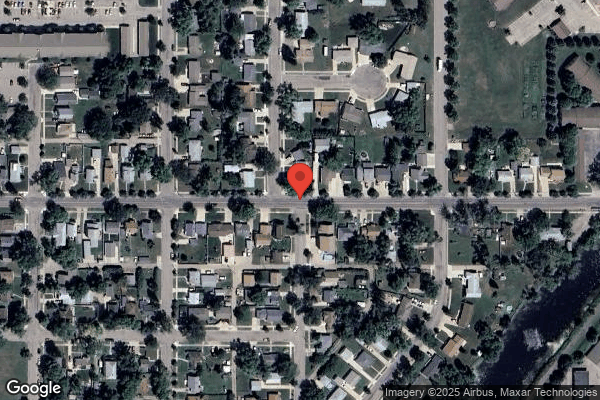

1224 S HIGH ST, ABERDEEN, SD 57401 (605) 225-7580
Non profit - Church related 86 Beds Independent Data: November 2025
Trust Grade
80/100
#18 of 95 in SD
Last Inspection: November 2024

Within standard 12-15 month inspection cycle. Federal law requires annual inspections.

Overview

Bethesda Home of Aberdeen has a Trust Grade of B+, which means it is recommended and performs above average compared to other facilities. It ranks #18 out of 95 nursing homes in South Dakota, placing it in the top half of the state, and #3 out of 5 in Brown County, indicating only two local options are better. Unfortunately, the facility is experiencing a worsening trend, with the number of issues reported increasing from 1 in 2023 to 4 in 2024. Staffing is a strength at this facility, with a 4 out of 5-star rating and a turnover rate of 36%, significantly lower than the state average of 49%. There have been no fines, which is a positive sign, and the RN coverage is average, suggesting adequate oversight. However, there have been specific concerns, such as staff failing to use proper hand hygiene during meal service and not maintaining safe food temperatures, which could pose risks to residents' health. Overall, while there are strengths in staffing and a good trust grade, families should be aware of the recent increase in issues and specific incidents that need attention.

Trust Score
B+
80/100
In South Dakota
#18/95
Top 18%
Safety Record
Low Risk
No red flags
Inspections
Getting Worse
1 → 4 violations
Staff Stability
○ Average
36% turnover. Near South Dakota's 48% average. Typical for the industry.
Penalties
✓ Good
No fines on record. Clean compliance history, better than most South Dakota facilities.
Skilled Nurses
✓ Good
Each resident gets 52 minutes of Registered Nurse (RN) attention daily — more than average for South Dakota. RNs are trained to catch health problems early.
Violations
○ Average
7 deficiencies on record. Average for a facility this size. Mostly minor or procedural issues.
★★★★☆
4.0
Overall Rating
★★★★☆
4.0
Staff Levels
★★☆☆☆
2.0
Care Quality
★★★★☆
4.0
Inspection Score
Stable
2023: 1 issues
2024: 4 issues

The Good

  • 4-Star Staffing Rating · Above-average nurse staffing levels
  • Full Sprinkler Coverage · Fire safety systems throughout facility
  • No fines on record
  • Staff turnover below average (36%)

    12 points below South Dakota average of 48%

Facility shows strength in staffing levels, fire safety.

The Bad

Staff Turnover: 36%

Near South Dakota avg (46%)

Typical for the industry

The Ugly 7 deficiencies on record

Nov 2024 4 deficiencies
CONCERN (D)

Potential for Harm - no one hurt, but risky conditions existed

Comprehensive Care Plan (Tag F0656)

Could have caused harm · This affected 1 resident

**NOTE- TERMS IN BRACKETS HAVE BEEN EDITED TO PROTECT CONFIDENTIALITY** Based on observation, interview, record review, and policy review, the provider failed to develop in collaboration with hospice ...

Read full inspector narrative →
**NOTE- TERMS IN BRACKETS HAVE BEEN EDITED TO PROTECT CONFIDENTIALITY** Based on observation, interview, record review, and policy review, the provider failed to develop in collaboration with hospice a comprehensive care plan for one of one resident (288) who received oxygen and hospice services. Findings include: 1. Observation and interview on 11/19/24 at 9:42 a.m. with resident 288 in her room revealed: *She was short of breath, spoke softly, and was wearing oxygen nasal cannula tubing (tubing with nasal prongs) on her face. *There was an oxygen concentrator (a device that delivers concentrated oxygen) with a humidifier attached to it. The oxygen flow rate was set at 5 Liters (L) per minute. *A portable oxygen tank was on the back of her wheelchair. 2. Review of resident 288's electronic medical record (EMR) revealed: *Resident 288 had been admitted on [DATE] from home with continued hospice services. *Her diagnoses included malignant neoplasm of unspecified bronchus or lung, chronic obstructive pulmonary disease, chronic kidney disease, and other forms of dyspnea. *There was a physician's order dated 11/7/24 for O2 [oxygen] [with a flow rate of] 1 5L/N/C [liters via nasal cannula] every morning and at bedtime for comfort. 3. Interview on 11/21/24 at 8:40 a.m. with certified nursing assistant I revealed: *She confirmed that resident 288 was receiving hospice services. -She knew how to care for residents receiving hospice services because the nurse reviewed that information with her before each shift. *Her worksheet and the care plan in the provider's EMR also provided information about how much assistance a resident needed for transfers and personal care. *Hospice provided a bath to residents once a week. *She was unable to locate a hospice care plan for resident 288. 4. Review of resident 288's current care plan revealed: *Focus area: SOB [short of breath] with resting, exertion and laying flat [Resident 288] was admitted on hospice from home. -Intervention: O2 [oxygen] continuously. *Focus area: Resident and family have opted for hospice benefits and comfort care only. -Intervention/Task: Keep family and hospice involved in care planning and decision making as well as updated on any changes in conditions or orders. *The care plan did not include: -The type of oxygen delivery systems used by the resident included continuous oxygen via nasal cannula from an oxygen concentrator with a humidifier, nebulizer treatments, and a portable oxygen concentrator. -The frequency of cleaning and that equipment and changing the oxygen tubing and humidifier. -That resident 288 required assistance administering her nebulizer treatments. -Equipment settings for the prescribed flow rate. -Monitoring of SpO2 (oxygen saturation) levels and/or vital signs, as ordered. -Monitoring for complications associated with the use of oxygen. -Goals integrated from an updated hospice plan of care when the resident moved from her private residence to the facility. -The services and equipment that hospice was providing to the resident. 5. Review of the hospice binder at the north nurse's station regarding resident 288 revealed: *It contained information about which nurse was assigned to resident 288 and instructions for when and how facility staff were to contact hospice. *The hospice plan of care was not located in that binder. *There was no documentation of the resident's oxygen needs or interventions in that binder. 6. Review of resident 288's paper Hospice Plan of Care provided upon request revealed: *It had not been uploaded into resident 288's electronic medical record. *Location Type: Private Residence. *Service Location Home. *Start of care date 09/22/2024. -Resident 288 was admitted to the facility on [DATE]. *Oxygen; 1 ea [each] as directed; Instructions Use 2L/min [liters per minute] via nasal canula [cannula]. *Oxygen; inhalation; gas; 1-5L as needed; Purpose: SOB. *Goal #10: Patient/Caregiver will demonstrate progressive independence in the management of oxygen therapy as evidenced by appropriate adherence to ordered therapy and demonstration of appropriate safety measures by time of discharge. 7. Interview on 11/21/24 at 8:45 a.m. with director of nursing (DON) B revealed: *The services hospice provided to the residents varied from resident to resident based on their hospice diagnosis. -This information would have been found on the resident's care plan. *Minimum Data Set (MDS)/registered nurse (RN) K and infection control RN J were responsible for updating resident facility developed care plans but any nurse can. -The care plan should have been updated when there is any change in the care that a resident received. *Hospice had a separate care plan that was part of the resident's overall care plan. -The hospice care plan was to be uploaded in their EMR system point click care (PCC) when it was completed. -She expected that the hospice care plan would have reflected the care resident 288 was receiving in the facility. -Resident 288's hospice care plan should have been updated when she moved from her private home to the facility. *She confirmed that resident 288's care plan should have included: -Her oxygen needs which included: -The need for assistance completing her nebulizer and the use of the humidifier. --Resident 288 had been able to self-administer her nebulizer treatments when she came into the facility, but it had been determined that she was no longer able to. -The amount of oxygen she received and the equipment she used. --Hospice provided resident 288 with an oxygen concentrator and she had her own portable oxygen tank. --Hospice provided the oxygen humidifier and nasal cannula tubing for the concentrator and for the portable, however, it was the responsibility of the facility nursing staff to change that oxygen tubing and humidifier. -The frequency of cleaning of the oxygen equipment and changing the oxygen tubing -Resident 288 had been able to self-administer her nebulizer treatments when she came into the facility, but it had been determined that she was no longer able to. Review of the provider's 5/30/23 Oxygen Administration policy revealed: *The resident's care plan shall identify the interventions for oxygen therapy, based upon the resident's assessment and orders, such as, but not limited to: -The type of oxygen delivery system. -When to administer, such as continuous or intermittent and/or when to discontinue. -Equipment setting for the prescribed flow rate. -Monitoring of SpO2 (oxygen saturation) levels and/or vital signs, as ordered. -Monitoring for complications associated with the use of oxygen. 8. Review of the provider's April 2019 Comprehensive Care Plan policy revealed: *It is the policy of this facility to develop and implement a comprehensive person-centered care plan for each resident, consistent with resident rights, that include measurable objectives and time frames to meet a resident's medical, nursing, and mental and psychosocial needs that are identified in the resident's comprehensive assessment. *The comprehensive care plan will be developed within 7 days after the completion of the comprehensive MDS [Minimum Data Set] assessment.
CONCERN (D)

Potential for Harm - no one hurt, but risky conditions existed

Respiratory Care (Tag F0695)

Could have caused harm · This affected 1 resident

**NOTE- TERMS IN BRACKETS HAVE BEEN EDITED TO PROTECT CONFIDENTIALITY** Based on observation, interview, record review, and policy review the provider failed to maintain the cleanliness of the oxygen ...

Read full inspector narrative →
**NOTE- TERMS IN BRACKETS HAVE BEEN EDITED TO PROTECT CONFIDENTIALITY** Based on observation, interview, record review, and policy review the provider failed to maintain the cleanliness of the oxygen concentrator, tubing, and humidifier and to administer the nebulizer treatment appropriately after determining the resident could not self-administer that treatment for one of one observed sampled resident (288) who received oxygen. Findings include: 1. Observation on 11/19/24 between 8:25 am and 9:02 a.m. with resident 288 in her room revealed: *At 8:25 a.m. registered nurse (RN) F started her nebulizer (neb) machine for the administration of her neb medication treatment and then left the room. -Resident 288 asked the surveyor to return when she completed that nebulizer treatment. *At 8:40 a.m. the nebulizer treatment was running and resident 288 was wearing a neb mask. *At 8:55 a.m. the nebulizer was still running and resident 288 was holding the mask in her hand. *At 9:02 a.m. RN F walked by resident 288's room and into room [ROOM NUMBER]. Resident 288's nebulizer was still running at that time, and her neb mask was on the floor. Observation and interview on 11/19/24 at 9:42 a.m. with resident 288 in her room revealed: *Her breakfast tray was on the table. The individual containers were wrapped in plastic wrap and the fruit cup was unopened. She stated she could not open the fruit cup. I'll just leave it. *She ate in her room by choice. *She was short of breath, spoke softly, and wore oxygen via a nasal cannula. *The oxygen concentrator was stored in the bathroom. -The oxygen concentrator was covered in white dust, and the filter on the back contained visible lint and debris. -The oxygen flow meter was set at five liters. -The oxygen tubing and the humidifier were not labeled or dated. -An oxygen humidifier container with a green top was attached between the concentrator and the tubing. -The humidifier container was dry and contained an unidentified white flaky substance at the bottom. *There was a portable oxygen tank on the back of her wheelchair. -The nasal cannula connected to the portable oxygen was not labeled or dated. 2. Observation and interview with RN F in resident 288's room on 11/19/24 between 9:47 a.m. and 9:56 a.m. revealed: *The concentrator was stored in the bathroom because of the noise it produced and to provide more space in the room. *She stated the oxygen tubing and humidifiers were changed once a week on Wednesday as ordered on the treatment administration record (TAR). *When asked what was in the humidifier, she tapped the humidifier, and stated, A smidge of water. *When asked to confirm that there was no water in the humidifier, she stated there was dry water in the bottom of the container, and stated It's dirty, and that she would go get some sterile water. *She stated that there should have been a sticker on the oxygen tube with the date it had been changed, but it must have fallen off. *At 9:56 a.m. RN F returned to resident 288's room with an oxygen humidifier with a black top that contained water, a nasal cannula, and green oxygen tubing. -She replaced the existing humidifier and tubing and dated it on a piece of tape. *She did not change the oxygen tube on the portable oxygen unit which hung on the back of the wheelchair. *There was no visible jug of distilled water in resident 288's room or bathroom. 3. Interview on 11/19/24 at 10:15 a.m. RN F regarding resident 288's oxygen humidifier revealed: *When asked what had been in the humidifier which she had removed from resident 288's room she stated, Dry water that has been dry for a day. *When asked where the oxygen humidifier brought to resident 288's room had been filled she took the surveyor to the unit kitchenette. *When asked again where the water had come from, she stated The water jug was actually kept in the medication room. *When asked to see the jug, she stated it had been empty and thrown away and the trash had already been taken out. *The water jugs to fill the oxygen humidifiers came from the main kitchen. -She stated there were no more jugs of water on the unit and she would have to get more from the kitchen. *RN F stated she needed to pass medications and ended the interview. 4. Interview on 11/19/24 at 10:21 a.m. with RN C regarding oxygen equipment revealed: *Oxygen humidifiers were to be filled with distilled water. *She showed the surveyor a one-gallon jug stored in the unit's utility room. *Each resident with an oxygen humidifier was expected to have a jug of distilled water in their room. -That jug would be dated on the day it was opened. *Open bottles of distilled water were not stored in the medication room or the kitchenette. *She had not seen resident 288's humidifier and was unaware of where RN F would have filled her humidifier. *Hospice provided resident 288's concentrator, humidifier, and oxygen tubing. *The facility provided the distilled water, and the facility nurse changed the tubing every week on Wednesday, but not the humidifier. -She expected the nurse would have checked the humidifier and refilled it with distilled water as needed. 5. Interview on 11/19/24 at 10:29 a.m. with RN L in resident 288's room revealed: *Hospice had provided resident 288 with the oxygen concentrator. *RN L confirmed that there was no jug of distilled water in resident 288's room. -She stated the distilled water would have been provided by the facility. *At 10:32 a.m. RN F entered the room, placed an unopened jug of distilled water, dated 11/19/24, on resident 288's bedside table, and then left the room. 6. Observation on 11/20/24 at 9:55 a.m. in resident 288's room revealed the nasal cannula attached to the portable oxygen on her wheelchair was resting on the floor. 7. Interview on 11/21/24 at 8:45 a.m. with director of nursing (DON) B revealed: *Hospice provided resident 288 with an oxygen concentrator and she had her own portable oxygen tank. *Hospice provided the oxygen humidifier and nasal cannula tubing for the concentrator and for the portable, however, it was the responsibility of the facility staff to change that oxygen tubing and humidifier. *There was an order in the resident's treatment administration record (TAR) to change oxygen tubing once a week on Wednesdays. -She expected that oxygen tubing would have been marked with the date they were changed on a small piece of tape. *She expected the oxygen humidifier to have been filled by the nurse with distilled water provided by the facility whenever it was low and needed more water. -Distilled water was kept in a one-gallon jug, with the date it was opened, in each resident's room who required it. *She expected the nurse to clean the oxygen concentrator filter weekly when the tubing and humidifier were changed. -The concentrator was to have been cleaned monthly. *Resident 288 had been able to self-administer her nebulizer treatments when she came into the facility, but it had been determined that she was no longer able to. -She expected that the nurse would have stayed with resident 288 while she completed her nebulizer treatment. 8. Interview on 11/21/24 at 9:35 am with infection control RN J revealed: *There were hooks for oxygen tubing to hang on in each resident's room. -She expected oxygen tubing, when not being used, to have been hung on those hooks. *Oxygen humidifiers were filled with distilled water as needed. -Each resident who required humidified oxygen would have had a dated one-gallon jug kept in their room. 9. Review of resident 288's electronic medical record (EMR) revealed: *Resident 288 had been admitted on [DATE] from home with continued hospice services. *Her diagnoses included malignant neoplasm of unspecified bronchus or lung, chronic obstructive pulmonary disease, chronic kidney disease, and other forms of dyspnea. *Her Brief Interview for Mental Status (BIMS) assessment score was 14, which indicated she was cognitively intact. *An 11/7/24 physician's order for O2 [oxygen] 1-5L/N/C [liters via nasal cannula] every morning and at bedtime for comfort. *An 11/7/24 physician's order for Ipratropium-Albuterol Inhalation Solution 0.5-2.5 (3) MG [milligram]/3ML [milliliters]. 1 vial inhale orally four times a day. *An 11/7/24 physician's order for Albuterol Sulfate Inhalation Nebulization Solution (2.5MG/3ML) 0.083%. 1 vial inhale orally via nebulizer every 4 hours as needed for SOB [shortness of breath]. *Her Medication Self-Administration Safety Screen completed on 11/13/24 revealed: -Medications being considered for resident self-administration included: --Albuterol 0.083% q4hour [every four hours]. --Ipratropium-Albuterol Inhalation .05-2.5mg/3ml. -The resident can correctly administer inhalant medications according to proper procedure, was marked Unable. -It is reported that this resident is not capable of taking her neb [nebulizer] treatments unsupervised as before, weakness. Resident reports she falls asleep when she takes it and cant [can't] hold it. will switch to a mask. -IDTC [interdisciplinary team] feels resident is safe to administer listed medications? was marked No. *A physician's order to Clean O2 concentrator with Clorox wipes, clean filters, change tubing. Every day shift every Wed [Wednesday] Clean O2 concentrator with Clorox wipes, clean filters with water and air dry, put new tubing on machine and date with tape. If they have a tank put new tubing on [the] tank. -This was marked as completed on 11/13/24. Review of the provider's 5/30/23 Oxygen Administration policy revealed: *Oxygen is administered to residents who need it, consistent with professional standards of practice, the comprehensive person-centered care plans, and the resident's goals and preferences. *Cleaning of concentrators and filters will be completed weekly. *Change oxygen tubing and mask/cannula weekly and as needed if it becomes soiled or contaminated. *Change humidifier bottle weakly Use only distilled water for humidification. *Cleaning and care of equipment shall be in accordance with facility policies for such equipment. *Staff shall monitor for complications associated with the use of oxygen intake precautions to prevent them Respiratory infections related to contaminated humidification systems.
CONCERN (D)

Potential for Harm - no one hurt, but risky conditions existed

Deficiency F0849 (Tag F0849)

Could have caused harm · This affected 1 resident

**NOTE- TERMS IN BRACKETS HAVE BEEN EDITED TO PROTECT CONFIDENTIALITY** Based on record review, interview, and review of the Hospice and Nursing Facility Services Agreement, the provider failed to ens...

Read full inspector narrative →
**NOTE- TERMS IN BRACKETS HAVE BEEN EDITED TO PROTECT CONFIDENTIALITY** Based on record review, interview, and review of the Hospice and Nursing Facility Services Agreement, the provider failed to ensure an integrated plan of care had been developed and made accessible between the provider's nursing staff and hospice agency for one of one sampled resident (288) who received hospice services. Findings include: 1. Review of resident 288's facility care plan revealed: *She had been admitted on [DATE]. *Her diagnoses included malignant neoplasm of unspecified bronchus or lung, chronic obstructive pulmonary disease, chronic kidney disease, and other forms of dyspnea. *[Resident 288] was admitted on hospice from home. *A focus area: Resident and family have opted for hospice benefits and comfort care only. *A goal: Will receive additional support from hospice. Have comfort and dignity maintained on [a] daily basis. *Interventions/Tasks: -Keep family and hospice involved in care planning and decision making as well as updated on any changes in conditions or orders. -Keep hospice staff involved with changes and notify them in [the] event of death. -Maintain [an] open line of communication and involvement with hospice staff. -Offer emotional/spiritual support to [the] resident and family. Review of resident 288's paper Hospice Plan of Care provided upon request revealed: *It had not been uploaded into resident 288's electronic medical record. *Location Type: Private Residence. *Service Location: Home. *Principal Program: Home Hospice. *Start of care date 09/22/2024. -Resident 288 was admitted to the facility on [DATE]. Review of the hospice binder at the north nurse's station regarding resident 288 revealed: *It contained information about which nurse was assigned to resident 288 and instructions for when and how facility staff were to contact hospice. *The hospice plan of care was not located in that binder. *There was no documentation of the resident's oxygen needs or interventions in that binder. 2. Interview on 11/21/24 at 8:40 a.m. with certified nursing assistant I revealed: *She confirmed that resident 288 was receiving hospice services. -She knew how to care for residents receiving hospice services because the nurse reviewed that information with her before each shift. *Her worksheet and the care plan in point click care also provided information about how much assistance a resident needed for transfers and personal care. *Hospice provided a bath to residents once a week. *She was unable to locate a hospice care plan for resident 288. Interview on 11/21/24 at 8:45 a.m. with director of nursing (DON) B revealed: *The services hospice provided to the residents varied from resident to resident based on their hospice diagnosis. -This information would have been found on the resident's care plan. *Minimum Data Set (MDS)/registered nurse (RN) K and infection control RN J were responsible for updating resident facility developed care plans but any nurse can. -The care plan should have been updated when there is any change in the care that a resident received. *Hospice had a separate care plan that was part of the resident's overall care plan. -The hospice care plan was to be uploaded in their EMR system point click care (PCC) when it was completed. -She expected that the hospice care plan would have reflected the care resident 288 was receiving in the facility. -Resident 288's hospice care plan should have been updated when she moved from her private home to the facility. *She confirmed that resident 288's care plan should have included: -Her oxygen needs which included: -The need for assistance completing her nebulizer and the use of the humidifier. --Resident 288 had been able to self-administer her nebulizer treatments when she came into the facility, but it had been determined that she was no longer able to. -The amount of oxygen she received and the equipment she used. --Hospice provided resident 288 with an oxygen concentrator and she had her own portable oxygen tank. --Hospice provided the oxygen humidifier and nasal cannula tubing for the concentrator and for the portable, however, it was the responsibility of the facility nursing staff to change that oxygen tubing and humidifier. -The frequency of cleaning of the oxygen equipment and changing the oxygen tubing -Resident 288 had been able to self-administer her nebulizer treatments when she came into the facility, but it had been determined that she was no longer able to. 3. Review of the provider's 1/17/19 Hospice and Nursing Facility Services Agreement revealed: *Facility's representative will perform the following duties: (a) Collaborate with Hospice staff and coordinate Facility staff's participation in the care planning process . *Joint Responsibilities/Mutual and Hospice Promises. Development and Implementation of Plan of Care Hospice and Facility shall jointly develop and agree upon the Patient's plan of care Hospice and Facility each shall maintain a copy of each Patient's plan of care in the respective clinical records maintained by each Party. *Hospice Plan of Care. All services provided to Hospice Patients under the Agreement must be in accordance with the plan of care. -The plan of care shall identify the care and services needed and specifically identify whether Hospice or Facility is responsible for performing the respective functions that have been agreed upon and included in the plan of care. -The plan of care shall reflect the participation of Hospice, Facility and the Hospice Patient and such Patient's family, to the extent possible including a description of the Hospice Services, Inpatient Services and Room and Board Services furnished by Facility.
CONCERN (E)

Potential for Harm - no one hurt, but risky conditions existed

Food Safety (Tag F0812)

Could have caused harm · This affected multiple residents

Based on observation, interview, record review, and policy review, the provider failed to ensure safe food was at safe temperatures prior to serving residents food by one chef (H) during an observed b...

Read full inspector narrative →
Based on observation, interview, record review, and policy review, the provider failed to ensure safe food was at safe temperatures prior to serving residents food by one chef (H) during an observed breakfast meal service. Findings include: 1. Observation and interview on 11/19/24 at 7:45 a.m. with chef M, chef H, and culinary services manager (CSM) D revealed: *Chef M was at the steam table serving breakfast to residents and stated chef H would have done the food temperatures this morning. *Chef H was by the ovens and the food prep area, and stated she forgot to take the food temperatures that morning. -The food temperature logs indicated food temperatures had not been documented that morning and chef H stated she would sometimes take the food temperatures but not log them and sometimes she would just forget to take the food temperatures. -She stated she should check the temperatures of the food coming out of oven and at the steam table. *CSM D told chef H to temp the next batch of food and log those temperatures. Chef H completed that task. 2. Record review and interview on 11/19/24 at 8:00 a.m. regarding food temperatures and documentation with CSM E revealed: *She stated she did not know the food temperatures (temps) had not been done that morning and that temps were not being documented on the logs. -She agreed the temperature logs indicated food temps had not been done as they should have been. -She stated she would check the logs periodically and had not been monitoring them for a while because the temps were being done, and said I see now they aren't logging them again. *When asked how she would know food temperatures were at the appropriate temperature to safely serve food to residents without temping food before serving it to the residents, she stated, I don't. *Food temperature logs were reviewed with CSM E and indicated multiple dates for breakfast, lunch, and supper did not have food temperatures documented. -There was no log sheet started for that week which indicated it should have been started on Sunday 11/17/24. -She expected that food would have been temped three times per day at each meal and documented on the logs. -She stated, We will have to start monitoring the logs again. *She stated she wasn't sure what the policy said and would have to look that up. 3. Observation on 11/19/24 at 11:11 a.m. revealed food temperatures were done for the lunch meal with no concerns and now placing temp log on wall beside steam table with logs from lunch and supper noted on the log. 4. Interview on 11/19/21 at 11:15 a.m. with chef G revealed, Food temps should have been checked with each meal and logged. 5. Interview on 11/20/24 at 9:56 a.m. with chef M revealed he would have temped and logged two meals, twice for each meal, once for food removed from oven then again for food in the steam table during his shift. 6. Interview on 11/20/24 at 12:10 p.m. with administrator A revealed he was not aware that food temperatures were not taken or logged at meal times and expected that the residents' food would be temped with each meal. We have come a long way in kitchen and dining, but temps should have been done. 7. Record review of food temperature logs from 10/19/24 to 11/19/24 revealed the residents' food for thirty 38 of 67 meals had not been temped or logged for breakfast, lunch, and supper. 8. Record review of the Provider's 2021 policy and procedure for food temperatures revealed, the temperatures of all food items will be taken and properly recorded prior to service of each meal.
Jul 2023 1 deficiency
CONCERN (E)

Potential for Harm - no one hurt, but risky conditions existed

Food Safety (Tag F0812)

Could have caused harm · This affected multiple residents

**NOTE- TERMS IN BRACKETS HAVE BEEN EDITED TO PROTECT CONFIDENTIALITY** Based on observation, interview, record review, and policy review the provider failed to ensure: *One of seven refrigerators was...

Read full inspector narrative →
**NOTE- TERMS IN BRACKETS HAVE BEEN EDITED TO PROTECT CONFIDENTIALITY** Based on observation, interview, record review, and policy review the provider failed to ensure: *One of seven refrigerators was set at an appropriate temperature for safe food storage. *Two of seven refrigerators were monitored for safe temperature control. 1. Observations on 7/24/23 at 3:27 p.m. in the kitchen revealed: *The south refrigerator had four glass doors. *The gasket around the bottom right door was torn in several places. *The thermometer on the front of the refrigerator read 51 degrees. *The thermometer on the inside of the refrigerator read 58 degrees. *Refrigerator temperatures should be maintained between 35 and 41 degrees. *The refrigerator contained the following: -Fifty-nine bowls of cherry crisp dessert. -thirty-three bowls of lettuce salad. -thirty-six cups of French salad dressing. -Six ham salad sandwiches. -Two cakes labeled Hawaiian. Interview on 7/24/23 at 3:29 p.m. with culinary dining assistant I about the above observations revealed: *The south refrigerator was mainly used for salads, desserts and sandwiches for the residents. *He thought the refrigerator should have been at 40 degrees or below. *The kitchen staff recorded the refrigerator temperatures daily. Observations on 7/24/23 between 4:31 p.m. and 5:39 p.m. in the kitchen revealed: *The south refrigerator had temperature ranges from 49 to 51 degree readings from the thermometer on the front of the refrigerator. *The thermometer on the inside of the refrigerator had readings between 52 to 54 degrees. *Kitchen staff had taken the 33 bowls of lettuce salad and served them to the residents for supper. Observation and interview on 7/25/23 at 7:54 a.m. with culinary manager G revealed: *The south refrigerator had a temperature of 47 degrees on the thermometer on the outside of the refrigerator. * The thermometer on the inside of the refrigerator had a reading of 43 degrees. *She had issues with that refrigerator in the past and had a repair man work on it. *She would have staff empty the refrigerator and discard the remaining contents as it was not holding a temperature of 41 degrees or below. *She needed to call the repair man and have him look at it. Review of the provider's Freezer and Refrigerator Temperature Sample Form for July revealed: *All refrigerators and freezers were to have both internal and external temperatures checked and recorded at least twice a day. *The south refrigerator was missing documentation for the mornings of July 9, 10, 13, 14, 15, 16, 18, 19, 21, 22, 23, and 24. *The south refrigerator was missing documentation for the afternoons of July 2, 3, 6, 7, 11, 13, 15, 16, and 21. Interview on 7/26/23 at 9:02 a.m. with culinary manager F revealed: *The refrigerator was not holding proper temperature. *The repair man would have to come back and work on it again. *She knew the refrigerator temperatures were to have been recorded twice a day. *It was her expectation that staff would monitor the refrigerator temperatures according to the provider's policy. 2. Observation and record review on 7/25/23 at 8:25 a.m. in the activity room revealed: *The activity refrigerator contained an egg carton flat with five eggs with no expiration date. *An egg carton with six eggs. *The expiration date on that egg carton was 12/12/22. *The refrigerator monthly temperature log had only been completed on April 12, 2023 and May 3, 2023. *There was no documentation for the months of June or July 2023. Interview on7/26/23 at 1:40 p.m. with activities director E regarding the activity refrigerator revealed she: *Had gotten the eggs from the main kitchen, but was unsure when she had gotten them. *Had known that the food items needed to have an expiration date on them. *Refilled the small egg carton from the main kitchen as it was easy to store in the refrigerator. *Agreed the documentation for monitoring refrigerator temperatures in the activity room was missing. Review of the provider's 2021 Food Storage policy from [NAME] & Associates, Inc. manual revealed: 13. Refrigerated food storage: a. All refrigerator units should be kept clean and in good working condition at all times. b. TCS foods must be maintained at or below 41 degrees F unless otherwise specified by law. Periodically take temperatures of refrigerated food to assure temperatures are maintained at or below 41 degrees F. Temperatures for refrigerators should be between 35 to 39 F. Thermometers should be checked at least two times each day. (See Sample Freezer and Refrigerator Temperature Forms on the following pages.) Check for proper functioning of the unit at the same time. c. Every refrigerator must be equipped with an internal thermometer .
May 2022 2 deficiencies
CONCERN (D)

Potential for Harm - no one hurt, but risky conditions existed

Deficiency F0658 (Tag F0658)

Could have caused harm · This affected 1 resident

**NOTE- TERMS IN BRACKETS HAVE BEEN EDITED TO PROTECT CONFIDENTIALITY** Based on observation, interview, record review, and policy review, the provider failed to ensure two of two sampled residents (5...

Read full inspector narrative →
**NOTE- TERMS IN BRACKETS HAVE BEEN EDITED TO PROTECT CONFIDENTIALITY** Based on observation, interview, record review, and policy review, the provider failed to ensure two of two sampled residents (56 and 75) identified at risk for developing skin integrity injuries and who did acquire skin injuries received timely assessments provided by professional licensed staff. Findings include: 1. Observation and interview on 05/10/22 at 11:33 a.m. with resident 56 and her son revealed she: *Had a facility acquired pressure ulcer to the left heel for some time. *Had been going to the wound care specialist and it was starting to heal. *Wore pressure reduction booties to both feet. -Did not like to wear them and tried to get them off. -Was stubborn about leaving them on. -They placed them on her overnight. *Had a pressure reduction cushion in her wheelchair and a pressure reduction mattress on her bed. Review of resident 56's medical record on 5/11/22 revealed: *She was admitted on [DATE] and re-admitted on [DATE] following a hospitalization. *Diagnoses included: Alzheimer's disease, dementia, muscle weakness, history of falling, unspecified symptoms and signs involving cognitive functions and awareness, cognitive communication deficit. *The Braden scales for predicting pressure sore risk completed on 8/5/21, 8/10/21, 9/2/21, and 10/8/21 had shown she was at risk to high risk for skin breakdown. *A computer generated comprehensive care plan had risk for pressure injury listed with hand written pressure reduction interventions on it and it was kept in a binder at the nurses station. *A 8/5/21 skin/wound note had been completed at readmission from the hospital and was documented as follows: -Hospital admission skin assessment: Checked resident's skin and no concerns noted at this time. Has a bruise on her right arm due to IV at hospital. No sores or edema to be reported. *A 10/8/21 wound weekly observation tool documented she had a facility acquired left heel pressure ulcer staged as a suspected deep tissue injury. *There was no documentation of a head-to-toe licensed nurse assessment between the 8/5/21 skin/wound note and the 10/8/21 wound/weekly observation tool. Observation and interview on 5/12/22 at 9:10 a.m. of licensed practical nurse (LPN) O completing wound care for resident 56 revealed: *The left heel wound was clean, pink with 100% granulation of the wound bed. *The left heel wound was cleansed with normal saline. *A Dakins wet to dry dressing was applied at the left heel then covered with gauze and taped in place. *Dressings were completed daily. *The wound weekly observation tool documentation was completed weekly by a licensed nurse. *She was followed by the wound clinic. *She confirmed certified nurse assistants inspect her skin during bathing weekly and reported any concerns to nursing. *She confirmed a licensed nurse completed a head to toe skin assessment twice monthly on the days she was scheduled on the nurse skin assessment calendar. 2. Observation and interview on 05/10/22 at 10:50 a.m. with resident 75 revealed: *He was sitting in a wheelchair and had pressure reduction boots on both feet. *There was a pressure reduction cushion on his wheelchair seat and a pressure reduction mattress on his bed. *There was a tube of barrier cream on his bedside table. *He had diabetes, was on a diabetic diet, and received insulin injections. *There was a bottle of diet pop, two bottles of regular pop, a bag of M&M's candy, and a bag of sugar free candy on his bedside table. *There was a new pressure ulcer on his right foot. Review of resident 75's medical record on 5/11/22 revealed: *He was admitted on [DATE]. *Diagnoses included; Type 2 diabetes, dementia, chronic kidney disease, macular degeneration, acute and chronic respiratory failure with hypoxia, muscle weakness, unspecified symptoms and signs involving cognitive functions and awareness, cognitive communication deficit. *The Braden scales for predicting pressure sore risk completed on 1/10/22, 1/17/22, 1/24/22, 1/31/22, 2/7/22, and 4/8/22 shown he was at risk, moderate risk, and high risk for skin breakdown. *Nutritional screenings dated 1/12/22, 1/17/22, 2/23/22, and 4/8/22 documented he was at risk for skin breakdown. *A computer generated comprehensive care plan had risk for pressure injury listed with hand written pressure reduction interventions on it and it was kept in a binder at the nurses station. *A 4/8/22 skin/wound note was documented as follows: -Head to toe assessment completed. No open areas or new injury noted. Resident receives lotion to feet at HS [at bedtime] and cavilon cream to buttocks routinely. Has a specialty panacea mattress. Is extensive 1-2 person assist. Has a foam cushion in WC [wheelchair]. He does have impaired vision from macular degeneration. Is diabetic (watch feet closely). Reposition of resident requested frequently. *A 5/8/22 skin/wound note was documented as follows: -large blister found on the inner right heel during HS cares. Blister is intact. Boots placed on resident's feet and lower legs once he was settled into bed. *There was no documentation of a head-to-toe licensed nurse assessment between the 4/8/22 skin/wound note and the 5/8/22 skin/wound note. *A 5/9/22 wound weekly observation tool documented he had a facility acquired right inner heel stage II pressure ulcer. *A 5/12/22 physician order for betadine to right heel blister until healed every morning and at bedtime with an order entry date of 5/11/22. Observation and interview on 5/11/22 at 4:05 p.m. of LPN O completing wound care for resident 75 revealed: *He was sitting in his wheelchair. *A large blister was present to his inner right heel. *She applied betadine to the wound and left it open to air. -She reported his right foot was to have the pressure reduction boot only when he was laying in bed. *A pressure reduction boot was located on his left foot. 3. Observation and interview on 5/11/22 at 10:35 a.m. of whirlpool room and whirlpool cleaning with certified nursing assistant (CNA) P revealed: *CNA's inspect the resident's skin during bathing. *CNA's report resident's skin concerns to the nurse. *Documentation was completed on a bath/skin/nail care log form. *At the end of the day CNA's used the log form to document in the residents' electronic medical record (EMR). *Bath/skin/nail care log forms were routed to the charge nurse at the end of the day. *She received education for skin care, skin inspection, what to report to the nurse at new hire orientation, CNA training, and annual training. 4. Interview on 5/11/22 at 4:15 p.m. with resident care coordinator J regarding the facilities skin assessment process revealed: *CNA's/bath aides inspect skin during bathing and report any concerns to the nurse. *Braden scale assessments were completed on residents at admission, quarterly, and as needed with patient changes. *Residents with a high risk for pressure injury were placed on a calendar and received a nurse skin assessment once monthly. *Residents with a high risk for pressure injury that had a wound were placed on a calendar and received a nurse skin assessment twice monthly. *Nurse skin assessments were documented in the resident EMR under a skin/wound progress note. *Residents with wounds had a wound weekly observation tool documented in their EMR. Interview on 5/12/22 at 3:53 p.m. with director of nursing (DON) B regarding the facility skin assessment process revealed: *Resident care coordinator nurse J was in charge of wound care. *Residents were assessed for skin risk at admission, quarterly, and as needed with changes in condition utilizing the Braden scale and other assessments such as the nutrition screening. *Residents who were identified as high risk for skin breakdown were placed on a nurse skin assessment calendar monthly. *CNA's are trained and completed skin inspection of residents at weekly bath. They document skin inspections on a log, in the chart, and communicate any skin concerns to nursing. *Residents who have been identified with skin concerns that have developed are placed on the calendar for a nurse skin assessment twice monthly. *She confirmed nurses do not complete weekly skin assessments for all residents identified as at risk for developing skin breakdown. *Nurses complete wound assessments weekly for resident with wounds. *Nurses and CNA's received skin and wound care training at new hire orientation and had annual skills station training that included skin and wound care. *She agreed it was not in the CNA's scope of practice to complete skin assessments. 5. Review of the providers Resident Care Coordinator Job Description revealed: *JOB SUMMARY: -The primary purpose of the Resident Care Coordinator position is to coordinate and supervise all resident care staff and the care provided on the unit according to established policies, procedures, and standards. The Resident Care Coordinator position is to ensure a full continuum of resident centered care is provided and to develop and achieve optimal outcomes for each resident. *DUTIES AND RESPONSIBILITIES: -Identifies and documents alterations in resident health status based on ongoing assessment. -Is clinically astute to physiological changes impacting the resident condition and in acting on observations regarding resident conditions. Review of the providers Pressure Injury Prevention and Management policy revised 1/8/19 revealed: *Policy: -The facility is committed to the prevention of avoidable pressure injuries and the promotion of healing of existing pressure injuries. To prevent the formation of avoidable pressure injuries and to promote healing of existing pressure injuries, it is the policy of this facility to implement evidence-based interventions for all residents who are assessed at risk or who have a pressure injury present. *Policy Explanation and Compliance Guidelines: -2. The facility shall establish and utilize a systemic approach for pressure injury prevention and management, starting with prompt assessment and treatment, including efforts to identify risk, stabilize, reduce or remove underlying risk factors, monitor the impact of the interventions, and modify the interventions as appropriate. -3. Assessment of Pressure Injury Risk --e. Nursing assistants will inspect skin daily and during baths weekly and will report any concerns to the resident's nurse immediately after the task and will chart in the resident's electronic record and bath log. --f. Training in the completion of the pressure injury risk assessment, full body skin assessment, and pressure injury assessment will be provided as needed. -4. Interventions for Prevention and to Promote Healing --b. Evidence based interventions for prevention will be implemented for all residents who are at risk or who have a pressure injury present.
CONCERN (F)

Potential for Harm - no one hurt, but risky conditions existed

Food Safety (Tag F0812)

Could have caused harm · This affected most or all residents

Based on observation, interview, and policy review, the provider failed to ensure appropriate use of personal protective equipment (PPE) and appropriate hand hygiene had been followed for two of two o...

Read full inspector narrative →
Based on observation, interview, and policy review, the provider failed to ensure appropriate use of personal protective equipment (PPE) and appropriate hand hygiene had been followed for two of two observed meal services by nine of nine observed staff (cook E, culinary assistant (CA) F, dietary manager (DM) D, cook R, dietary aide (DA) S, certified nurse assistant (CNA) Q, DA V, CNA T, and DA U). Findings include: 1. Observation on 5/10/22 from 11:40 a.m. through 12:20 p.m. of staff assisting in the resident dining area during the noon meal service revealed: *No hand sanitizer had been observed in the main dining area. *A sink to wash hands had been available for staff to use in the beverage serving area. -Staff were not observed to have used it. *Cook E had on gloves and was observed to have repeatedly touched: -Her surgical mask. -Her glasses. -Her face. -The serving tongs. -The dinner plates. -Food on the plates she had dished out. *She had not changed gloves, washed her hands, or performed hand hygiene after she had touched the above listed items. *While she dished the food, she repeatedly picked up liver with a spatula, touched the liver with her gloved hand, and placed it onto the plates to be served. *With those same gloved hands she touched and arranged food on the plates without using utensils. *She touched the top surface of the clean plates with gloved hands. *DM D: -Had not performed hand hygiene after she delivered meal trays to residents. -Placed her hand over the top of uncovered beverage glasses and dessert saucers. -Pulled her surgical mask up and down without completing hand hygiene. -Had worn her surgical mask below her nose. *Cook R: -Placed drinks on meal trays, touched his surgical mask and had not performed hand hygiene. -Wore his mask below his nose. *DA S: -Had worn her surgical mask below her nose. -Delivered meal trays and had not performed hand hygiene between trays. 2. Observation on 5/10/22 from 11:40 a.m. through 12:20 p.m. of the noon meal service revealed: *DA U wore her surgical mask below her chin and mouth. -She had been taking food orders at the residents dining tables using an iPad. -She had touched her mask, the iPad, residents, and had not performed hand hygiene. 3. Observation on 5/10/22 during the noon meal service of CNA Q revealed: *At 12:17 p.m. she had put on a pair of gloves and handled a dinner roll. -She pulled the dinner roll apart and had spread butter on both sides. *At 12:18 p.m. she had taken off her gloves. -She had not performed hand hygiene. -She had assisted another resident with his pureed meal. 4. Observation on 5/10/22 from 5:05 p.m. through 5:31 p.m. of the evening meal service revealed: *CNA T wore his surgical mask under his nose. -He pulled his mask up and down and had not performed hand hygiene. *DA V wore his surgical mask below his nose and mouth. -He pulled his mask up and down and had not performed hand hygiene. -He placed his hand over the top of uncovered beverage glasses and dessert saucers he delivered to residents. 5. Observation on 5/10/22 at 5:09 p.m. of CA F during the evening meal service revealed she: *Had been wearing gloves. *With those gloved hands opened the door that led into the dining area. *Walked into the dining area. *Returned to the kitchen, opened the door and began plating the food. *Held a clean dinner plate to her chest, placed it back on the counter and then served food on it. *Touched her surgical mask and continued to plate food. *Had not been observed performing hand hygiene or washing her hands. Observation on 5/10/22 at the evening meal service of CA F revealed: *At 5:10 p.m. she had on gloves and with those gloved hands repeatedly touched: -Clean dinner plates. -Serving utensils to dish food on the plate. -Dietary slips of paper labeled Cook Printer. *At 5:19 p.m. she used the same gloved hands to reach in a covered container to handle unwrapped saltine crackers and placed them on a plate beside a bowl of soup. -She then set the plate on the serving bar over the steamtable. -She continued the evening meal service with the same gloved hands. 6. Interview on 5/11/22 at 3:02 p.m. with DMs C and D regarding the above observations of cook E and CA F revealed: *They had noticed staff touched their surgical masks. *If staff touched their surgical mask, they should have performed hand hygiene or washed their hands. *Cook E had not been known to wear gloves while serving food. *Food should never be touched without a serving utensil or tong. *They would expect their staff to follow appropriate infection control procedures with gloves, hand washing, and when wearing PPE. *They had not had time to complete dietary training due to the COVID-19 pandemic. Interview on 5/12/22 at 10:30 a.m. with cook E revealed: *She was ServSafe certified which was current through 6/16/26. *The surveyors had made her feel nervous while she worked. *She was aware she had touched her face, mask, and glasses. *She had not changed her gloves or washed her hands but should have. *Since they had started a new meal service process it had been hard to keep up with the food orders from the residents. *She was concentrating on getting the food out as quickly as possible. *The facility had not done dietary training recently. *She could not remember the last time dietary training had taken place. Interview on 5/12/22 at 1:38 p.m. with cook R revealed: *He had worked at the nursing home for five years. *He had completed ServSafe certification and it had been good through 4/28/23. *He agreed he had moved his surgical mask up and down on his face and had not performed hand hygiene. *Infection control would have been a concern when hand hygiene had not been completed. *They used to have hand sanitizer on all of the dining room table during the COVID-19 outbreak. *When the dining room opened back up, the hand sanitizer had not been put back on the tables. *Dietary training had not taken place for the past two years. Interview on 5/12/22 at 1:53 p.m. with DM D regarding the above observations of CA F revealed she: *Was concerned as there was a problem with this process. *Asked They were wearing gloves? *Had expected them not to be wearing gloves during meal service. *Excepted them to wear gloves only when handling ready to eat foods. Interview on 5/12/22 at 2:06 p.m. with DA S revealed she: *Had worked at the nursing home for three years. *Agreed that she had touched her surgical mask and had not performed hand hygiene. *Knew that a surgical mask should have been worn over the top of the nose. *Knew that hand hygiene was to be performed between delivered trays to the residents. *Could not remember when she had received dietary training last. Interview on 5/12/22 at 5:16 p.m. with director of nursing (DON) B and administrator A revealed: *They would expect staff to follow appropriate infection control practices. *Surgical masks should have been worn to cover the nose and mouth. *Hand hygiene should have been performed between tasks. *If the surgical mask had been touched, hand hygiene should have been completed. 7. Review of the provider's undated Food Safety and Sanitation policy revealed: * .D. All staff will wash their hands just before they start to work in the kitchen and when they have used their hands in any unsanitary way such as smoking, sneezing, using the restroom, handling poisonous compounds, dirty dishes, touching face, hair, other people, etc. Review of the provider's undated Employee Sanitary Practices policy revealed: *2. Wash hands before handling food. *4. Use utensils to handle food. *Note: Follow all federal , state and local requirements. Review of the provider's undated Surgical Mask Policy revealed: *Surgical masks will be utilized to protect the residents, staff, and visitors from illness. *4. Keep hands away from face.
Understanding Severity Codes (click to expand)
Life-Threatening (Immediate Jeopardy)
J - Isolated K - Pattern L - Widespread
Actual Harm
G - Isolated H - Pattern I - Widespread
Potential for Harm
D - Isolated E - Pattern F - Widespread
No Harm (Minor)
A - Isolated B - Pattern C - Widespread

Questions to Ask on Your Visit

  • "Can I speak with families of current residents?"
  • "What's your RN coverage like on weekends and overnight?"

Our Honest Assessment

Strengths
  • • Grade B+ (80/100). Above average facility, better than most options in South Dakota.
  • • No major safety red flags. No abuse findings, life-threatening violations, or SFF status.
  • • No fines on record. Clean compliance history, better than most South Dakota facilities.
  • • 36% turnover. Below South Dakota's 48% average. Good staff retention means consistent care.
Concerns
  • • No significant concerns identified. This facility shows no red flags across CMS ratings, staff turnover, or federal penalties.
Bottom line: Generally positive indicators. Standard due diligence and a personal visit recommended.

About This Facility

What is Bethesda Home Of Aberdeen's CMS Rating?

CMS assigns Bethesda Home of Aberdeen an overall rating of 4 out of 5 stars, which is considered above average nationally. Within South Dakota, this rating places the facility higher than 99% of the state's 100 nursing homes. This rating reflects solid performance across the metrics CMS uses to evaluate nursing home quality.

How is Bethesda Home Of Aberdeen Staffed?

CMS rates Bethesda Home of Aberdeen's staffing level at 4 out of 5 stars, which is above average compared to other nursing homes. Staff turnover is 36%, compared to the South Dakota average of 46%. This relatively stable workforce can support continuity of care.

What Have Inspectors Found at Bethesda Home Of Aberdeen?

State health inspectors documented 7 deficiencies at Bethesda Home of Aberdeen during 2022 to 2024. These included: 7 with potential for harm.

Who Owns and Operates Bethesda Home Of Aberdeen?

Bethesda Home of Aberdeen is owned by a non-profit organization. Non-profit facilities reinvest revenue into operations rather than distributing to shareholders. The facility operates independently rather than as part of a larger chain. With 86 certified beds and approximately 82 residents (about 95% occupancy), it is a smaller facility located in ABERDEEN, South Dakota.

How Does Bethesda Home Of Aberdeen Compare to Other South Dakota Nursing Homes?

Compared to the 100 nursing homes in South Dakota, Bethesda Home of Aberdeen's overall rating (4 stars) is above the state average of 2.7, staff turnover (36%) is near the state average of 46%, and health inspection rating (4 stars) is above the national benchmark.

What Should Families Ask When Visiting Bethesda Home Of Aberdeen?

Based on this facility's data, families visiting should ask: "Can I visit during a mealtime to observe dining assistance and food quality?" "How do you handle medical emergencies, and what is your hospital transfer rate?" "Can I speak with family members of current residents about their experience?"

Is Bethesda Home Of Aberdeen Safe?

Based on CMS inspection data, Bethesda Home of Aberdeen has a clean safety record: no substantiated abuse findings (meaning no confirmed cases of resident harm), no Immediate Jeopardy citations (the most serious violation level indicating risk of serious injury or death), and is not on the Special Focus Facility watch list (a federal program monitoring the lowest-performing 1% of nursing homes). The facility has a 4-star overall rating and ranks #1 of 100 nursing homes in South Dakota. While no facility is perfect, families should still ask about staff-to-resident ratios and recent inspection results during their visit.

Do Nurses at Bethesda Home Of Aberdeen Stick Around?

Bethesda Home of Aberdeen has a staff turnover rate of 36%, which is about average for South Dakota nursing homes (state average: 46%). Moderate turnover is common in nursing homes, but families should still ask about staff tenure and how the facility maintains care continuity when employees leave.

Was Bethesda Home Of Aberdeen Ever Fined?

Bethesda Home of Aberdeen has no federal fines on record. CMS issues fines when nursing homes fail to meet care standards or don't correct problems found during inspections. The absence of fines suggests the facility has either maintained compliance or corrected any issues before penalties were assessed. This is a positive indicator, though families should still review recent inspection reports for the full picture.

Is Bethesda Home Of Aberdeen on Any Federal Watch List?

Bethesda Home of Aberdeen is not on any federal watch list. The most significant is the Special Focus Facility (SFF) program, which identifies the bottom 1% of nursing homes nationally based on persistent, serious quality problems. Not being on this list means the facility has avoided the pattern of deficiencies that triggers enhanced federal oversight. This is a positive indicator, though families should still review the facility's inspection history directly.