AVANTARA GROTON

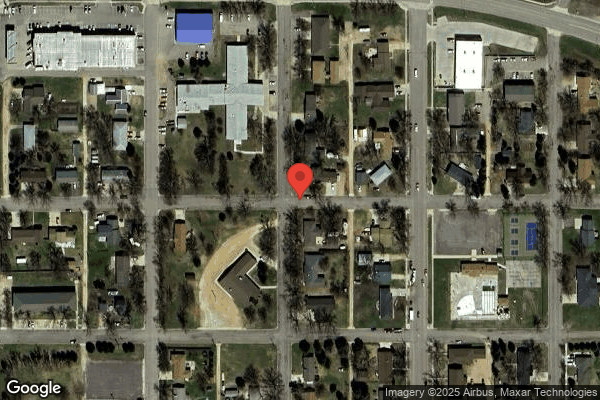
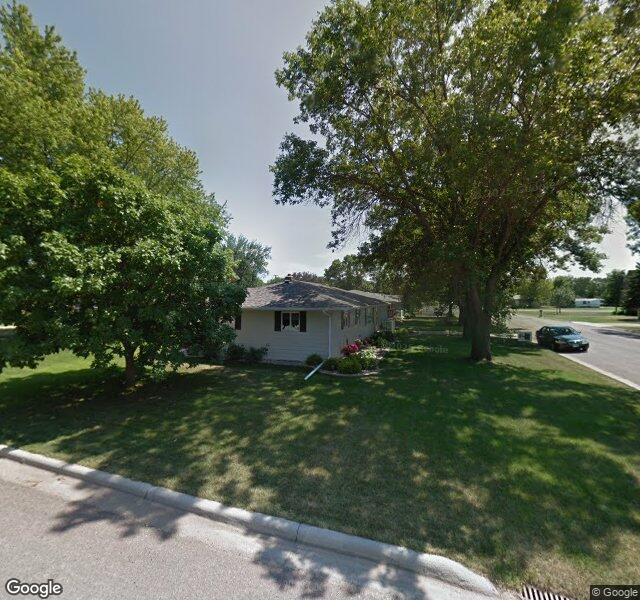
1106 NORTH SECOND STREET, GROTON, SD 57445 (605) 397-2365
For profit - Limited Liability company 37 Beds LEGACY HEALTHCARE Data: November 2025
Trust Grade
40/100
#34 of 95 in SD
Last Inspection: July 2024

Within standard 12-15 month inspection cycle. Federal law requires annual inspections.

Overview

Avantara Groton has a Trust Grade of D, indicating below-average performance with some concerns that families should be aware of. It ranks #34 out of 95 nursing homes in South Dakota, placing it in the top half, but is last in its county, ranked #5 out of 5. The facility is improving, with issues decreasing from 9 in 2023 to 4 in 2024. Staffing is a weakness here with a rating of 2 out of 5 stars and a turnover rate of 56%, which is higher than the state average. Additionally, recent inspections revealed serious issues, including a resident being vaccinated against her wishes and a failure to properly manage a pressure ulcer, highlighting both the need for better care practices and respect for resident rights.

Trust Score
D
40/100
In South Dakota
#34/95
Top 35%
Safety Record
Moderate
Needs review
Inspections
Getting Better
9 → 4 violations
Staff Stability
⚠ Watch
56% turnover. Above average. Higher turnover means staff may not know residents' routines.
Penalties
✓ Good
$28,418 in fines. Lower than most South Dakota facilities. Relatively clean record.
Skilled Nurses
✓ Good
Each resident gets 43 minutes of Registered Nurse (RN) attention daily — more than average for South Dakota. RNs are trained to catch health problems early.
Violations
⚠ Watch
23 deficiencies on record. Higher than average. Multiple issues found across inspections.
★★★☆☆
3.0
Overall Rating
★★☆☆☆
2.0
Staff Levels
★★☆☆☆
2.0
Care Quality
★★★☆☆
3.0
Inspection Score
Stable
2023: 9 issues
2024: 4 issues

The Good

  • Full Sprinkler Coverage · Fire safety systems throughout facility
  • No fines on record

Facility shows strength in fire safety.

The Bad

3-Star Overall Rating

Near South Dakota average (2.7)

Meets federal standards, typical of most facilities

Staff Turnover: 56%

Near South Dakota avg (46%)

Frequent staff changes - ask about care continuity

Federal Fines: $28,418

Below median ($33,413)

Moderate penalties - review what triggered them

Chain: LEGACY HEALTHCARE

Part of a multi-facility chain

Ask about local staffing decisions and management

Staff turnover is elevated (56%)

8 points above South Dakota average of 48%

The Ugly 23 deficiencies on record

2 actual harm
Nov 2024 1 deficiency 1 Harm
SERIOUS (G) 📢 Someone Reported This

A family member, employee, or ombudsman was alarmed enough to file a formal complaint

Actual Harm - a resident was hurt due to facility failures

Deficiency F0578 (Tag F0578)

A resident was harmed · This affected 1 resident

Based on South Dakota Department of Health (SD DOH) facility-reported incident (FRI) review, interview, and document review, the provider failed to ensure one of one resident's (1) right to refuse a v...

Read full inspector narrative →
Based on South Dakota Department of Health (SD DOH) facility-reported incident (FRI) review, interview, and document review, the provider failed to ensure one of one resident's (1) right to refuse a vaccination was honored. Failure to do so resulted in the resident receiving the vaccine and voicing feelings of frustration as she was not able to make her own decision. This citation is considered past non-compliance based on review of the corrective actions the provider implemented immediately following the incident. Findings include: 1. Review of the provider's 10/22/24 SD DOH FRI and resident 1's electronic medical record revealed: *There was a COVID-19 vaccination clinic at the facility on 10/22/24. *Licensed practical nurse (LPN) D told resident 1 that you can't refuse it when she referenced the COVID-19 vaccine. *The resident was upset and asked, 'I can't even make my own decisions?' *The resident was given the vaccine after voicing that she did not want the vaccine. *Resident 1's power of attorney (POA) declined the COVID-19 vaccine on 9/11/24. *LPN D misread the vaccine declination form and mistakenly thought that resident 1's POA consented for resident 1 to receive the COVID-19 vaccine. *Facility staff were re-educated on resident rights. 2. Interview on 11/26/24 at 1:18 p.m. with resident 1 revealed: *When asked if staff allow her to make choices about her life that matter to her, she stated, You have to do what they say. *She was able to recall the incident with the COVID-19 vaccine and expressed her frustration verbally by saying, I felt like I couldn't make any decisions for myself, and physically by grimacing. *She said that LPN D insisted on giving her the vaccine, stating that her family wanted her to receive the vaccine. 3. Interview on 11/26/24 at 2:12 p.m. with LPN D revealed: *To prepare for the vaccination clinic, she printed a resident list and marked which residents had a vaccination consent form on file. *She misread resident 1's form and mistakenly thought that the resident's POA had consented for her to receive the COVID-19 vaccine. *She confirmed that resident 1 verbalized that she did not want the vaccine. *She told the resident that her family wanted her to receive the vaccine. *Resident 1 brought herself to the vaccine station and received the COVID-19 vaccine. *After it was discovered that resident 1 received the unwanted vaccine, she received verbal education about resident rights and double-checking orders and consent forms if a resident refused. *She was also assigned additional online education about resident rights and their abuse/neglect policy. 4. Interview on 11/26/24 at 2:43 p.m. with social services designee C revealed: *She noticed that resident 1 was upset and asked what was going on. *The resident told her about having received the COVID-19 vaccination when she did not want to. *She immediately informed director of nursing (DON) B about the situation. *They contacted resident 1's POA to explain the situation and the POA verbalized acceptance that she had received the vaccine. *She worked with DON B to conduct a facility-wide audit to determine if there were any other vaccination errors. -They did not find any other errors. *All staff were assigned additional online training about resident rights and the abuse/neglect policy. *Resident 1 had not verbalized any further frustrations regarding the incident. 5. Interviews with other residents throughout the survey revealed no other concerns regarding resident rights and choices. 6. Interviews with other staff members throughout the survey revealed appropriate follow-up actions about resident refusals and resident rights were completed. 7. Interview on 11/26/24 at around 3:30 p.m. with administrator A and DON B revealed: *An investigation was initiated immediately to determine the extent of the situation. *LPN D was suspended pending the investigation. *No other vaccination errors were identified. *They determined that LPN D made a medication error. *LPN D, along with all staff, were re-educated about resident rights and how to respond to a resident if they refuse a service. 8. Review of staff training records revealed all staff were assigned and re-educated about resident rights and the provider's abuse/neglect policy. 9. The provider's implemented actions to ensure the deficient practice does not reoccur was confirmed on 11/26/24 after record review revealed the facility had followed their quality assurance process, education was provided to all staff about resident rights, and interviews revealed staff understood the education provided regarding those topics. Based on the above information, non-compliance at F578 was discovered on 10/22/24, and based on the provider's implemented corrective actions for the deficient practice confirmed on 11/26/24, the non-compliance is considered past non-compliance.
Jul 2024 3 deficiencies
CONCERN (E)

Potential for Harm - no one hurt, but risky conditions existed

Deficiency F0657 (Tag F0657)

Could have caused harm · This affected multiple residents

**NOTE- TERMS IN BRACKETS HAVE BEEN EDITED TO PROTECT CONFIDENTIALITY** 2. Observation on 7/29/24 at 4:19 p.m. of residents 15 and 32's doors revealed they had Enhanced Barrier Precautions (EBP) signs...

Read full inspector narrative →
**NOTE- TERMS IN BRACKETS HAVE BEEN EDITED TO PROTECT CONFIDENTIALITY** 2. Observation on 7/29/24 at 4:19 p.m. of residents 15 and 32's doors revealed they had Enhanced Barrier Precautions (EBP) signs hung on their doors with drawered bins of PPE available outside of those resident's rooms. Review of resident 32's care plan revealed: *The resident had an indwelling foley catheter. *Her care plan did not indicate the need for Enhanced Barrier Precautions (EBP). Review of resident 15's care plan revealed: *The resident had an open wound to his coccyx region. *His care plan did not indicate the need for EBP. Interview on 7/31/24 at 2:27 p.m. with registered nurse (RN) unit manager C revealed: *She believed EBP would have been indicated in the resident's care plans. *She and DON B were responsible for updating resident's care plans. Interview on 7/31/24 at 3:00 p.m. with DON B revealed: *Residents 15 and 32 should have EBP included in their care plans. *Verified EBP had not been revised on their care plans. Review of the provider's September 2019 Care Plan policy revealed: *Data/Problems/Needs/Concerns are a culmination of resident social and medical history, assessment results and interpretation, ancillary service tracking, pattern identification, and personal information forming the foundation of the care plan. The care plan is broken down into separate focus areas: Psycho-Social, Quality of Life, Comfort/Pain/Sleep, Death & Dying, Behavior, Communication, Nutritional Status, Bowel & Bladder Function, Hygiene ADL's/Skin, Safety/Vulnerability, Mobility/Fall Prevention, Medications and Special Attention for Other Physical Conditions. *Care plans should be updated between care conferences to reflect current care needs of the individual resident as changes occur. Based on record review, interview, observation, and policy review, the provider failed to ensure resident care plans were revised to reflect the current enhanced barrier precautions (EBP) need for three of eight sampled residents (11, 15, and 32) who required EBP. Findings include: 1. Review of resident 11's Skin Alteration Evaluation completed on 7/22/24 revealed resident 11 had a pressure ulcer (damaged skin and tissue caused by sustained pressure) to her left calf. Review of resident 11's care plan revealed: *[Resident 11] has an actual impairment to skin integrity due to left calf hematoma and pressure ulcer. *It had not been revised to indicate the need for EBP. Interview on 7/31/24 at 2:58 p.m. with director of nursing (DON) B: revealed: *Resident 11 was re-admitted to the facility on [DATE] with a wound vacuum (a device that removes pressure and fluid from a wound) to her left lower leg. *She expected that all residents with a wound would be on EBP. *She would have updated a care plan at the resident care conferences or whenever something changed. *She confirmed that resident 11's care plan had not been updated to reflect EBP. Review of the provider's August 23, 2023 Advanced Care Planning policy revealed it was a process used to identify and update the residence preferences regarding care and treatment .
CONCERN (E)

Potential for Harm - no one hurt, but risky conditions existed

Unnecessary Medications (Tag F0759)

Could have caused harm · This affected multiple residents

Based on observation, manufacturers' instructions review, and policy review the provider failed to ensure two of two randomly observed residents' (21 and 26) insulin had been administered according to...

Read full inspector narrative →
Based on observation, manufacturers' instructions review, and policy review the provider failed to ensure two of two randomly observed residents' (21 and 26) insulin had been administered according to the instructions for use by one of one registered nurse (RN) F. Those observations created a medication error rate of 9.68%. Findings include: 1.Observation on 7/30/24 at 7:59 a.m. with RN F during resident 21's Aspart and Degludec insulin administration revealed: *She had not primed the Aspart insulin pen needle prior to setting the dose of insulin. *She had not primed the Degludec insulin pen needle prior to setting the dose of insulin. *She administered the insulin to resident 21. 2.Observation on 7/30/24 at 10:57 a.m. with RN F during resident 26's Lispro insulin administration revealed: *She had not primed the Lispro insulin pen needle prior to setting the dose of of insulin. *She administered the insulin to resident 26. Review of the 2020 Insulin Lispro Injection KwikPen manufacturer's instructions for Use obtained from the Lispro Injection KwikPen box on 7/30/24 revealed: *Prime before each injection. *If you do not prime before each injection, you may get too much or too little insulin. *Instructions to prime insulin pen: -The dose knob should be set to two units. -While holding the pen with the needle pointing up, tap the cartridge to move the bubbles to the top. -Push the dose knob until 0 is seen in the dose window. -Insulin should be seen at the tip of the needle. -If insulin is not there, then repeat priming steps. Review of the provider's revised January 2018 Specific Medication Administration Procedure policy revealed: *For pen devices, dial dose as instructed by pen manufacturer. *There was no mention of specific use for insulin pen devices.
CONCERN (E)

Potential for Harm - no one hurt, but risky conditions existed

Infection Control (Tag F0880)

Could have caused harm · This affected multiple residents

**NOTE- TERMS IN BRACKETS HAVE BEEN EDITED TO PROTECT CONFIDENTIALITY** C. Based on observation, interview, and policy review, the provider failed to ensure appropriate glove use, hand hygiene, and ca...

Read full inspector narrative →
**NOTE- TERMS IN BRACKETS HAVE BEEN EDITED TO PROTECT CONFIDENTIALITY** C. Based on observation, interview, and policy review, the provider failed to ensure appropriate glove use, hand hygiene, and catheter care technique had been performed during one of one sampled resident's (27) foley catheter care by one of one certified nursing assistant (CNA) D. Findings include: 1.Observation and interview on 7/31/24 at 1:52 p.m. with resident 27 during his foley catheter care revealed CNA D: *Did not perform hand hygiene before she put on personal protective equipment (PPE) for resident 27 who was on enhanced barrier precautions (EBP). *She did not change gloves or wash her hands after she emptied the foley catheter and began his catheter care. *She cleaned the resident's groin area first and ended at the catheter insertion site with that same towel. *She placed the unclean, wet towel on a dry towel, which she then used to dry the resident. *She did not change her gloves or wash her hands before, during, or after she provided catheter cares for the resident. *When asked about hand hygiene and changing gloves during resident cares, CNA D stated if she already had been wearing gloves, she would have performed all of cares for the resident and she would only have changed them if she was going to help another resident with their cares. Interview on 7/31/24 at 3:23 p.m. with registered nurse unit manager F revealed: *The CNA should have washed her hands before she applied PPE, after she emptied the foley catheter, and whenever she would have gone from soiled to clean items. *The CNA should have cleaned from the catheter insertion site and worked outward to not introduce bacteria to the opening. *She stated the groin should have been cleaned last. *She would have expected staff to have used clean wipes or towels after each time the area was wiped. Review of the provider's revised February 20, 2024, Hand Hygiene policy revealed: *Hand hygiene with alcohol-based hand rub must be done: -7) b. When entering and leaving a Resident care area/room. - c. Before donning and after removing gloves. - g.after cleaning perineal area and prior to proceeding to another area of body or dressing resident. Gloves should be removed, hand hygiene performed, and new pair of gloves applied. - h. After contact with residents' intact skin. - k. After contact with body fluids . B. Based on observation, interview, and policy review the provider failed to ensure: *One of nine sampled residents (11) had been placed on enhanced barrier precautions (EBP). Findings include: 1.Observation and interview on 7/29/24 at 4:24 p.m. with resident 11 revealed: *She had returned from the hospital a few days ago after a surgical procedure for a wound on her left leg. *There was a wound vacuum (a device that removes pressure and fluid from a wound) on the arm of her recliner and attached to her left lower leg., *There had not been any signage on the door that indicated she was on EBP. Observation on 7/30/24 at 11:45 a.m. with resident 11 revealed: *The director of rehabilitation (DOR) G was standing in resident 11's bathroom doorway when the surveyor entered the room. -She was not wearing a gown or gloves. -She stated she was assisting the resident with toileting and asked the surveyor to come back in a few minutes. Interview on 7/30/24 at 1:25 p.m. with resident 11 revealed staff does not wear a gown when providing any of her care, however, they wore gloves for personal private area care. Observation and interview on 7/31/24 at 8:44 a.m. with DOR G revealed: *She was in resident 11's room. -Resident 11's room had a sign on the door that indicated EBP were to be followed and a cart outside that room contained gowns and gloves. *She stated, Gowns and gloves are needed if we are doing ADL [activities of daily living] tasks; like if she needs toileting. *She confirmed that she had worked on toileting with resident 11 on 7/30/24 and that the sign indicating EBP and the cart with gowns and gloves had not been there at that time. *She did not know when EBP had started for resident 11. Interview on 7/31/24 at 2:58 p.m. with director of nursing (DON) B: revealed: *Resident 11 was re-admitted to the facility on [DATE] with a wound vacuum device to her left lower leg. *She expected that all residents with a wound would be on EBP. Review of the provider's June 21, 2024 Enhanced Barrier Precautions policy revealed Enhanced Barrier Precautions (EBP) should be used for all residents with wounds or indwelling devices. A. Based on observation, interview, and policy review, the provider failed to ensure one of one registered nurse (RN) unit manager C had performed glove changes during a dressing change for one of one sampled resident (15). Findings include: 1. 0bservation on 7/30/24 at 9:16 a.m. of RN unit manager C performing a dressing change with resident 15 revealed: *She applied PPE (personal protective equipment). *She wheeled a tray into the room and laid a barrier down for the dressing supplies. *She placed the dressing supply container on a pillow in the resident's wheelchair. *She lowered the blinds in the resident's room. *With those same gloved hands she: -Adjusted the tray. -Lowered resident 15's shorts and brief. -Retrieved her walkie from her pocket and used it. -Assisted resident 15 to the bathroom with his shorts and brief half way down. -Pulled his walker from out in front of him. -Retrieved a garbage bag. -Removed the resident's soiled shorts and brief. -Retrieved her walkie and used it again. -Removed the resident's socks. -Used a peri wipe to clean feces from his legs. -She removed those gloves and performed hand hygiene. *She applied a new pair of gloves and retrieved a clean brief and a pair of the resident's shorts. *With those same gloved hands she assisted him with a new pair of gripper socks and provided peri care. *She removed her gloves and performed hand hygiene and put on a new pair of gloves. *With those gloved hands she: -Used wound cleanser and cleaned the wound with gauze. -Opened the collagen packet, and applied ointment to the resident's wound bed. -Removed her gloves, performed hand hygiene and applied a new pair of gloves. *She poured collagen onto her gloved hand and applied it to the wound. *She asked for assistance to retrieve a sharpie marker from her pocket and used it to date the dressing. *She applied skin prep around the wound, applied the dressing to resident 15's coccyx, and removed his soiled shorts. *She removed those gloves and performed hand hygiene. *She applied a new pair of gloves and with those gloved hands she: -Assisted with dressing the resident with a new pair of shorts. -Cleaned the feces off of the floor and removed the garbage from her tray. -Continued to clean the feces off of the floor. -Removed the garbage bags and dirty laundry bag. -Replaced the garbage bags in the two garbage bins. -Opened the resident's blinds. *She removed her gown and gloves and performed hand hygiene. *She retrieved the resident's dressing supplies from the tray and placed them in the garbage, and removed her gloves. *She performed hand hygiene and applyied a new pair of gloves. *Used sani-wipes to clean her dressing tray. *She then removed those gloves and without washing her hands she, replaced the dressing supply container back into the medication cart without sanitizing it. Interview on 7/31/24 at 2:41 p.m. with RN unit manager C regarding the above dressing change revealed: *She agreed that she had missed some opportunities when she should have changed her gloves or washed her hands. *She agreed her pocket was not a clean area for her marker to have been placed and then used. *She agreed she had performed unclean tasks and then opened the resident's blinds with soiled gloves or washed hands. *She agreed she had not sanitized the resident's dressing box before she returned it to the medication cart. Interview on 7/31/24 at 3:30 p.m. with director of nursing (DON) B and regional nurse consultant H regarding the observed dressing change revealed: *They agreed that RN unit manager C should have changed her gloves when going from a dirty task to a clean task. *They agreed that RN unit manager C should have sanitized resident 15's dressing container prior to putting it back in the medication cart. Review of the provider's February 2024 Hand Hygiene Policy revealed: *Before moving from a contaminated body site to a clean body site during resident care, (e.g., after cleaning perineal area and prior to proceeding to another area of body or dressing resident. Gloves should be removed, hand hygiene performed and new pair of gloves applied).
Apr 2023 9 deficiencies
CONCERN (D)

Potential for Harm - no one hurt, but risky conditions existed

Resident Rights (Tag F0550)

Could have caused harm · This affected 1 resident

**NOTE- TERMS IN BRACKETS HAVE BEEN EDITED TO PROTECT CONFIDENTIALITY** Based on observation, interviews, record review, and policy review, the provider failed to provide care in a considerate manner ...

Read full inspector narrative →
**NOTE- TERMS IN BRACKETS HAVE BEEN EDITED TO PROTECT CONFIDENTIALITY** Based on observation, interviews, record review, and policy review, the provider failed to provide care in a considerate manner for two of thirteen (10 and 17) sampled residents. Findings include: 1. Observation on 4/13/23 at 10:31 a.m. revealed: *Certified nursing assistant (CNA) G pulled resident 10 backwards on a shower chair with her feet dragging on the floor through the hallway towards the spa. *Resident 10 was holding the strap of a small clutch bag between her teeth. Interview on 4/13/23 at 10:35 a.m. with CNA G after resident 10 was positioned in the spa room revealed: *That was the way she always transported resident 10 for her bath. *She had brought resident 10's wheelchair to the spa room before transporting her to the spa room on the shower chair. *If resident 10 was transported to the spa room in her wheelchair, she would have completed an additional transfer using the mechanical lift and the sling in the spa room into the shower chair. *She had not considered dignity or safety as concerns when pulling her backward. Interview on 4/13/23 at 11:05 a.m. with resident 10 revealed she: *Needed more hands so she could hold onto her clutch bag while being transported. *Had not offered a comment on being pulled backward but stated a compliment for how the staff had taken care of her. Review of resident 10's electronic medical record (EMR) revealed: *She had been a resident since 8/3/19. *Her diagnoses included post-polio syndrome, muscle wasting and atrophy, and pain in both shoulders. *Her care plan for physical functioning deficit related to self-care and mobility impairments directed interventions for: -Total assistance of two [persons] with full lift for transferring between surfaces, initiated on 9/23/19 and revised on 5/9/22. -Independent with electric scooter [wheelchair] for locomotion [moving between locations], initiated on 9/23/19 and revised on 10/27/22. -Total dependence with bathing; staff assists as needed, initiated on 2/5/20 and revised on 10/27/22. *The care plan had not specified how staff would assist the resident to the spa room. *The 1/12/23 Minimum Data Set (MDS) coded: -A score of 13 for the Brief Interview for Mental Status (BIMS), which reflected resident 10's cognition was intact. -Transferring was totally dependent on two persons providing physical assistance between surfaces. -Locomotion as supervision for self-performance with one person's physical assistance. Interview on 4/13/23 at 11:43 a.m. with administrator (ADM) E, emergency permit holder (EPH) A, and director of nursing (DON) B revealed CNA G transporting resident 10 backward in the shower chair was a concern related to both dignity and safety. Interview on 4/13/23 at 2:30 p.m. with ADM A revealed: *The provider's policy on dignity was the only policy that had addressed the observed concern regarding CNA G with resident 10. *They had no policy regarding safe locomotion while transporting residents. *How residents were moved between locations safely should have been addressed in the resident's care plan. Review of the provider's policy, Resident Dignity and Privacy, created in September 2019, revealed: *It is the practice of this facility to protect and promote resident rights and treat each resident with respect and dignity, as well as, care for each resident in a manner and in an environment, that maintains resident privacy. *The guidelines to be followed included, The resident's former lifestyle and personal choices will be considered when providing care and services to meet the resident's needs and preferences. *There was no guideline regarding transporting residents to the spa room. 2. Observation on 4/13/23 at 10:00 a.m. revealed: *Certified occupational therapy assistant (COTA) I walked with resident 17 in the hallway. *COTA I supported resident 17's left arm with her left hand, and held onto a gait belt around resident 17's waist with her right hand. *As they neared a medication cart parked along the wall, resident 17 reached out her right hand towards a computer mouse setting on the top of the cart. *COTA I said in a firm tone with increased volume, No, No, No, and then reached behind resident 17s right arm to move it away from the mouse. Interview on 4/13/23 at 10:30 a.m. with COTA I, after continued observation of her interaction with resident 17, revealed: *Resident 17 often reached out for things and needed physical prompts or cues to perform physical actions. *Resident 17 vocalized with huffs and puffs in response to some conversations, and very seldom spoke words. *COTA I had not offered a comment about the way she said No to resident 17. Review of resident 17's EMR revealed: *Her admission date was 4/24/19. *Her diagnoses included Alzheimer's Disease and dementia with anxiety disorder. *Her care plan noted focus areas for: -Dependent on staff for emotional, intellectual, physical and social stimulation, initiated on 5/7/19 and revised on 5/10/22, with interventions for all staff to converse with [resident 17] while providing care, initiated on 5/7/19 and revised on 5/18/21. -Difficult or troubled past and parents were mentally/emotionally abusive as well as physical abuse from her brother, initiated on 10/1/20 and revised on 11/19/21, with interventions to observe [resident 17] for signs of fear and insecurity during delivery of care .Help her feel safe, initiated on 10/1/20 and revised on 5/18/21. -Impaired thought processes and intermittent communication issues, initiated on 4/28/22 and revised on 4/12/23, with interventions to cue, redirect and supervise her as needed, initiated on 10/31/19 and revised on 11/19/21. *The 1/24/23 MDS coded: -A score of 00 for the BIMS, which reflected resident 17's cognition was severely impaired. -Mood and behavior sections as no symptoms occurred. -Walking in the room as guided maneuvering with one-person physical assistance. -Walking in the corridor as only occurred once or twice. -Transferring as totally dependent with two persons providing physical assistance between surfaces. -Locomotion as supervision for self-performance with one person's physical assistance. Interview on 4/13/23 at 10:40 a.m. with licensed practical nurse (LPN) H confirmed: *Resident 17 said a few more words than she used to but usually responded with a [NAME] or puff. *Resident 17 did reach out and was distracted by things around her. She used to walk into other residents' rooms and take things. *LPN H was sitting at the nurse's desk when COTA I walked with resident 17 by the medication cart parked in the hallway. *She observed COTA I move resident 17's arm by reaching behind her arm and moving it away from the computer mouse. *COTA I should not have spoken to resident 17 with the tone of voice she used but LPN H felt COTA I had not intended it to be disrespectful. Interview on 4/13/23 at 11:43 a.m. with ADM E, EPH A, and DON B confirmed COTA I's tone of voice could be defined as disrespectful and they would follow-up with her about that. Interview on 4/13/23 at 4:30 p.m. with ADM E revealed they had no policy related to dementia care and approaches for effective communication.
CONCERN (D)

Potential for Harm - no one hurt, but risky conditions existed

Deficiency F0559 (Tag F0559)

Could have caused harm · This affected 1 resident

**NOTE- TERMS IN BRACKETS HAVE BEEN EDITED TO PROTECT CONFIDENTIALITY** Based on interview, medical record review, and document review, the provider failed to notify two of thirteen sampled residents ...

Read full inspector narrative →
**NOTE- TERMS IN BRACKETS HAVE BEEN EDITED TO PROTECT CONFIDENTIALITY** Based on interview, medical record review, and document review, the provider failed to notify two of thirteen sampled residents (12 and 20) of a room and/or roommate change. Findings include: 1. Interview on 4/12/23 at 2:57 p.m. with resident 20 regarding her room and roommate revealed she: *Said there was kind of a ruckus when staff started to rearrange residents into new rooms. *Used to have a bedroom to herself. *Indicated staff had not informed her of the room change or that she was getting a roommate prior to moving her to another room. 2. Interview on 4/12/23 at 4:01 p.m. with resident 12 regarding his room and roommate revealed he: *Said staff had not given him a choice about having a roommate. *Said, They just [NAME] it on me. *Was very upset and said that his roommate had the bigger half of the room. *Experienced increased anxiety about having a roommate because of the following: -His roommate would put items in the walking space, making him feel trapped. -He was worried that his roommate might sift through his personal belongings. -Since his roommate moved in, there was not enough room to have his bed, his electric scooter, and his recliner. He had to get rid of his recliner. -He worried about having a bathroom accident if his roommate was using the bathroom at the time he needed to use the bathroom. 3. Interview on 4/13/23 at 9:19 a.m. with social services director (SSD) F regarding the recent room reassignments revealed: *They had started to move residents around about two months ago due to renovations. *She said she had conversations with both residents and their families about the upcoming room reassignments about a week prior to moving the resident. -At that time, she also informed the residents about their new roommates and would introduce the residents to each other. *She confirmed there was no documentation indicating the residents and family members had been informed about the room reassignments. 4. Interview on 4/13/23 at 10:46 a.m. with director of nursing (DON) B regarding resident room and roommate changes revealed: *They considered a resident's personality and similar likes/dislikes when making roommate assignments. *Due to remodeling on the 200-hallway, she and her staff rearranged room assignments and congregated the residents on the 100- and 300-hallways. *They started moving residents around in January. *The new roommate assignments coincided with their new staffing models. *They were working on gathering documentation for resident 12 to have his own room due to his increased anxiety and social isolation since getting a roommate. *She confirmed that if SSD F could not find documentation indicating the residents and family members had been informed about the room reassignments, then there was likely no such documentation. Interview on 4/14/23 at 11:04 a.m. with DON B about a room change notification policy revealed: *They had no formal room change policy or procedure. *She provided a Notification of Room Change form. -She said that was the form they should have been using for each resident room change. -She confirmed they had not been using the form. 5. Review of resident 20's medical record revealed: *She was moved from a private room to a semi-private room on 2/9/23. *There was no documentation indicating that she had been informed of the room and roommate change prior to 2/9/23. 6. Review of resident 12's medical record revealed: *He was admitted on [DATE] and had been staying in the same room. *There was no documentation indicating that he had been informed of the roommate change. 7. Review of the provider's Notification of Room Change form revealed: *There was space for a staff person to check Yes or No, and write the date that the resident had been notified, and that the resident's representative had been notified. *There was space for the resident to check Yes or No to the following statement: I voluntarily agree to move to room [blank space]. -Underneath, there was a statement that read, You may have the right to appeal the decision to transfer you to another room. If you have any questions about this transfer or would like help to appeal, contact the staff representative whose signature appears below or [your] State Long Term Agency or your State Ombudsman at the phone number listed below.
CONCERN (D)

Potential for Harm - no one hurt, but risky conditions existed

Deficiency F0561 (Tag F0561)

Could have caused harm · This affected 1 resident

Based on interview, record review, and policy review, the provider failed to support the sleep schedule for one of nine residents (5) interviewed. Findings include: 1. Resident 5 stated during an inte...

Read full inspector narrative →
Based on interview, record review, and policy review, the provider failed to support the sleep schedule for one of nine residents (5) interviewed. Findings include: 1. Resident 5 stated during an interview on 4/12/23 at 9:42 a.m. that the staff sometimes wake her up to give me my pills at 5:00 a.m. Interview on 4/13/23 at 9:49 a.m. with certified nursing assistant (CNA) J revealed: *She assists resident 5 to get dressed sometime between 6:00 a.m. and 6:30 a.m. *Sometimes she was awake and sometimes she was not awake but she doesn't seem to mind getting awakened. *Resident 5 had previously told CNA J that she had gotten awakened at 5:00 a.m. for her medication. Review of the electronic medical record for resident 5 revealed: *The following care plan focuses and interventions had not addressed her sleep schedule: -Physical functioning deficit, initiated on 1/13/20 and revised on 9/29/22, indicated that the resident required extensive assist and a stand-up mechanical lift to transfer from bed and limited assist of one staff person to get dressed, initiated on 10/5/21 and revised on 1/14/23. -At risk for fluctuating blood sugars, initiated on 1/2/20 and revised on 10/5/21, with an intervention to administer oral glycemic medications as ordered, initiated on 1/2/20 and revised on 4/3/20. *The Brief Interview for Mental Status (BIMS) score was 15 on the 9/14/22 annual Minimum Data Set assessment, which reflected resident 5's cognition was intact. *The April 2023 medication administration record noted the following orders scheduled at 6:00 a.m.: -Semaglutide Tablet 7 MG [milligrams], 1 tablet by mouth one time a day, related to diabetes mellitus, start date 6/24/22. -Farxiga Tablet 10 MG, 1 tablet by mouth in the morning, related to diabetes mellitus, start date 2/16/22. -Weekly skin assessment every day shift every Friday, start date 1/3/20. -Check daily BP [blood pressure] every day shift for 1 week, start date 4/7/23. Interview on 4/13/23 at 10:55 a.m. with licensed practical nurse (LPN) H revealed her shift started at 6:00 a.m., and the night nurse or medication assistant administers medications scheduled at 6:00 a.m. Interview on 4/13/23 at 10:57 a.m. with qualified medication aide (QMA) K revealed her shift started at 6:00 a.m., and she gave resident 5 her medications in the dining room with breakfast, but she received two pills before her shift started. Interview on 4/13/23 at 11:43 a.m. with director of nursing B, emergency permit holder A, and administrator E revealed: *They agreed that residents should not have been awakened for medications. *The DON confirmed resident 5 usually woke up daily sometime between 6:00 a.m. and 6:30 a.m., and there would be time for those medications to be administered before breakfast. Review of the provider policy, Resident Dignity and Privacy, with a creation date of September 2019 revealed: *It is the practice of this facility to protect and promote resident rights and treat each resident with respect and dignity. *The resident's former lifestyle and personal choices will be considered when providing care and services to meet the resident's needs and preferences.
CONCERN (D)

Potential for Harm - no one hurt, but risky conditions existed

Deficiency F0658 (Tag F0658)

Could have caused harm · This affected 1 resident

**NOTE- TERMS IN BRACKETS HAVE BEEN EDITED TO PROTECT CONFIDENTIALITY** Based on interview and record review, the provider failed to provide appropriate follow-up interventions for one of one sampled ...

Read full inspector narrative →
**NOTE- TERMS IN BRACKETS HAVE BEEN EDITED TO PROTECT CONFIDENTIALITY** Based on interview and record review, the provider failed to provide appropriate follow-up interventions for one of one sampled residents (20) who had made suicidal ideations. Findings include: 1. Interview on 4/12/23 at 2:57 p.m. with resident 20 regarding her room and roommate revealed: *She was quite upset when she had to move rooms and get a roommate. *She had not liked her roommate at first but had since warmed up to her. 2. Review of resident 20's medical record progress notes revealed a Health Status Note from 2/12/23 that read the following: *As [resident 20's] daughter [daughter's name] was leaving, she informed writer that [resident 20] asked to leave some pills for her so she could end her roommate situation faster. [Resident's daughter] stated she told [resident 20] that her comment was inappropriate and she shouldn't talk like that. 3. Interview on 4/13/23 at 9:19 a.m. with social services director (SSD) F regarding resident 20 revealed: *She learned of resident 20's comments the next day on 2/13/23. *She could not remember if resident 20 was making comments about taking the pills herself or giving the pills to her roommate. *When she interviewed resident 20 on 2/13/23, she said that resident 20 did not have any specific plan. *Resident 20 had again expressed to her that she was upset about having a roommate. *SSD F said that she offered counseling services to resident 20, but the resident declined. *She confirmed she had not documented any of her follow-up interventions, such as her discussion with resident 20 on 2/13/23, offering counseling services, or any conversations with her family members. *There had been no other incidences regarding resident 20. *She was unable to determine if any interventions had been initiated on 2/12/23 when resident 20 had made those comments, such as separating the resident and her roommate, informing the director of nursing or her physician, putting resident 20 of 15-minute checks, or taking her to a safe room. 4. Interview on 4/13/23 at 9:44 a.m. with licensed practical nurse H regarding resident 20's comments revealed she: *Remembered that resident 20 was very upset about having to move rooms and move in with a roommate. *Was not aware of the comments that resident 20 had made on 2/12/23. 5. Phone interview on 4/13/23 at 10:24 a.m. with resident 20's daughter regarding comments her mother had made on 2/12/23 revealed she: *Confirmed that resident 20 had a change in behavior and was very upset about having to change rooms and move in with a roommate. *Visited resident 20 more often than usual during that time due to her change in behavior. *Clarified that resident 20 asked for pills to end her own life, not to give the pills to her roommate. -Resident 20 had been through a tough couple of years with several of her close family members passing away and had made statements of wanting to die so she could be with her loved ones again. *Was not aware if the provider contacted resident 20's physician to inform him of her comments. 6. Interview on 4/13/23 at 10:46 a.m. with director of nursing (DON) B regarding resident 20's comments revealed: *Resident 20 had made those comments on a Sunday. *She had not been made aware of those comments until the following day. *She said resident 20's comments would have been considered suicidal ideation. *If a resident made comments of suicidal ideation, she expected staff to notify her, the administrator, the assistant DON, the resident's physician, and the resident's representatives. -She confirmed that none of those steps had been completed. *She expected staff to follow-up with the resident to ask them what they meant by their comments, if they had an active plan or intent, and place the resident on 15-minute checks. -If the resident expressed that they had a plan, she would have expected staff to either move them to a safer area or obtain physician orders to send the resident to a mental health unit. *She could not determine if the staff had provided any interventions for resident 20 after she had made the suicidal ideation comments due to the lack of documentation. *Resident 20 had an increase in behaviors such as crying, yelling at staff and her roommate, and isolating herself after they had moved her to a new room with a roommate on 2/9/23. *She confirmed that resident 20's physician had not been contacted about her behaviors until 3/1/23 when they requested an increase for her duloxetine (a medication used to treat depression and anxiety) due to her behaviors. 7. Interview on 4/13/23 at 3:35 p.m. with regional nurse consultant D about the provider's policy on self-harm and suicidal ideation revealed: *They had no policy on resident self-harm or suicidal ideation. -They recently drafted a policy, but it had not been approved yet. *She agreed that resident 20's statements would have been suicidal ideation. *She would have expected the nurse on staff that day to follow-up immediately, assess the resident, and notify the DON and the resident's physician for further orders. 8. Interview on 4/13/23 at 3:37 p.m. with emergency permit holder A regarding policies and procedures revealed: *They had no policies or procedures for the following: -Documentation standards. -Standard of practice reference guide for social services. -Resident self-harm prevention or suicidal ideation. 9. Review of resident 20's medical record revealed: *There was a Behavior Note from 2/9/23 that read: -Behavior: Resident crying about her room change. States she doesn't care for her new [roommate]. States she feels as if she has to 'babysit' her. States [she is] afraid she'll fall because she doesn't call for help during transfers. Refuses to let anyone hang up her pictures and refusing to get into her bed. 'I'll just sleep in my recliner.' -Non Pharmacological Interventions: Reassurance provided. Called her daughter and gave her an update earlier and asked if she could talk to [resident 20]. Daughter talked to her for appx 15 min. -Summary/Outcomes: Continues to be upset but no longer crying. Will continue to monitor. *There was a Social Service Note from 2/10/23 that read: -[CNA's name] stated when he'd left the room and gone into another room he heard yelling coming from [resident 20's] room. When [CNA names] returned to the room they found [resident 20's] roommate going through the mail on her bed. [Resident 20] was screaming and yelling at her roommate telling her that wasn't her mail. Her roommate was telling her that she just wanted to check it. At one point [resident 20's] roommate became upset and threw her mail on the floor and then kicked it multiple times until it was under the bed. [CNA name] also reported [resident 20's] roommate appeared confused and was trying to get into [resident 20's] bed at one point instead of getting into her own. Writer directed [CNA names] to let both [resident 20] and her roommate know they can not be touching each other's things. *There was a Behavior Note from 2/11/23 that read: -Behavior: CNA informed writer that when she walked by [resident 20's] room. [resident 20] was yelling at roommate for being on her side of the room. Roommate was trying to cross the room to use the bathroom but had got her wheelchair stuck on the bed frame. -Non Pharmacological Interventions: CNA helped roommate across the room to the bathroom. *The daily skilled nursing assessments from 2/12/23 to 2/14/23 indicated that no behavioral problems were noted. *Her care plan had a section addressing her mental health which included: -The focus area read [Resident 20] is receiving anti-depressant medication. [History] of depression, which was initiated on 1/5/22 and revised on 3/14/22. -The goal read [Resident 20] will have intended effect of the medication through next review, which was initiated on 1/5/22, revised on 7/11/22, and had a target date of 1/6/23. -The interventions read: --Administer the medications as ordered. --Keep call light within reach. --Monitor for side effects and report to physician: Antidepressant-Sedation, drowsiness, dry mouth, blurred vision, urinary retention, tachycardia, muscle tremor, agitation, headache, skin rash, photo sensitivity and excess weight gain. --Monitor labs as ordered by [medical doctor]. --Provide Medications as ordered by physician and evaluate for effectiveness. Utilize [Patient Health Questionnaire]-9 scale and notify [primary care provider] [for] scores of 10 or more. 10. Review of the provider's December 2019 Notification of Change of Condition policy revealed: *Policy Statement -The facility will provide care to residents and provide notification of resident change in status. *Procedures -1. The facility must immediately inform the resident; consult with the resident's physician; and notify, consistent with his or her authority, the resident representative(s) when there is: --b. A significant change in the resident's physical, mental, or psychosocial status (i.e., a deterioration in health, mental, or psychosocial status in either life-threatening conditions or clinical complications); --c. A need to alter treatment significantly (i.e., a need to discontinue an existing form on treatment due to adverse consequences, or to commence a new form of treatment) .
CONCERN (D)

Potential for Harm - no one hurt, but risky conditions existed

Drug Regimen Review (Tag F0756)

Could have caused harm · This affected 1 resident

Based on record review, interview, and policy review, the provider failed to ensure the resident's physician and the director of nursing (DON) acted upon the pharmacist's recommendations for one of fi...

Read full inspector narrative →
Based on record review, interview, and policy review, the provider failed to ensure the resident's physician and the director of nursing (DON) acted upon the pharmacist's recommendations for one of five sampled residents (4). Findings include: 1. Review of resident 4's electronic medical record (EMR) revealed: *The pharmacist medication regimen review user-defined assessments (UDA) on 8/24/22, 10/26/22, and 12/29/22 noted See report for any noted irregularities and/or recommendations. *No scanned reports with the the physician's and the DON's response to the above pharmacist medication regimen reports. DON B provided copies of: *The Pharmacist Recommendations to MD (medical doctor) for each of the UDAs on 8/24/22, 10/26/22, and 12/29/22, which revealed the statement, Resident has an order for Hydroxyzine PRN [as needed] with no stop date indicated. *The physician orders from the clinic that prescribed the hydoxyzine, which revealed: -On 10/25/22, Increase hydroxyzine to 25 mg BID [twice a day] PRN. No rationale was noted by the physician to increase the frequency. -On 1/31/23 and on 4/3/23, Continue hydroxyzine 25 mg BID. No rationale was noted to continue the physician's order. Interview on 4/13/23 at 4:48 p.m. with DON B revealed: *She was unable to find a physician's note in response to the above pharmacist reports. *The pharmacist's recommendations were to discontinue the hydroxyzine prn for anxiety. *Resident 4 goes to a clinic visit once a month for an infusion related to his MS (multiple sclerosis). They think his behavior reflects anxiety, but we do not see that behavior here. *Resident 4 had not been administered the hydroxyzine at the facility. *She received monthly pharmacy reports by email from the pharmacist, which she then faxed to the physician. *She keeps the stack (of pharmacist recommendations) on her desk to ensure she received a reply from physician. *She confirmed she had failed to ensure the physician had responded to the pharmacist recommendations for resident 4. Review of the medication administration record for resident 4 revealed orders for and the administration of hydroxyzine (an antihistamine for symptoms of itching and a sedative for anxiety) 25 MG [milligrams] PRN [as needed] for anxiety on the following dates: *Order start date on 7/19/22 for one tablet daily. It was given only on 9/26/22. *Order start date on 10/26/22 for one tablet twice a day. It was given only on 11/22/22. *Order start date on 12/20/22 for one tablet twice a day. It was given only on 12/29/22. *There was no hydroxyzine given in January, February, March, or April 2023 to date. Review of the 12/27/22 significant change in status Minimum Data Set assessment revealed: *Section C - Cognitive Patterns was coded with no cognitive or decision-making limitations. *Section E - Behavior was coded with no indicators or symptoms of behavior concerns. Review of resident 4's care plan revealed the following focus areas: *Physical functioning deficit related to related to diagnosis of MS and anxiety, initiated on 8/6/21 and revised on 10/27/22, with interventions for supervision and assistance with activities of daily living as needed. *Weekly infusions related to diagnosis of MS, initiated on 9/16/21. *Significant mood distress/depression with social service interventions and counseling with a mental health service, initiated on 10/18/21. *Altered respiratory status/difficulty breathing related to diagnosis of anxiety, initiated on 10/27/22, with interventions to provide adequate rest periods and use pain management as appropriate, initiated on 10/27/22. Review of the provider policy, Consultant Pharmacist Reports, revealed: *The pharmacist findings are phoned, faxed, or e-mailed within (24 hours) to the director of nursing or designee and are documented and stored with the other consultant pharmacist recommendations in the resident's [active record]. *The prescriber is notified as needed. *The consultant pharmacist identifies irregularities through a variety of sources including the resident's clinical record, pharmacy records, and other applicable documents. *Resident-specific irregularities and/or clinical significant risks resulting from or associated with medications are documented in the resident's [active record] and reported to the Director of Nursing, Medical Director and/or prescriber as appropriate. *If a continuing irregularity is deemed to be clinically insignificant, or evidence of a valid clinical reason for rejecting the recommendation is provided, the consultant pharmacist will reconsider whether to report the irregularity again or make a new recommendation on an annual basis. *Recommendations are acted upon and documented by the facility staff and/or the prescriber. *Prescriber accepts and acts upon suggestion or rejects and provides an explanation for disagreeing.
CONCERN (D)

Potential for Harm - no one hurt, but risky conditions existed

Deficiency F0883 (Tag F0883)

Could have caused harm · This affected 1 resident

Based on record review, interview, policy review, and Centers for Disease Control and Prevention (CDC) recommendations, the provider failed to ensure two of five randomly sampled residents (6 and 25) ...

Read full inspector narrative →
Based on record review, interview, policy review, and Centers for Disease Control and Prevention (CDC) recommendations, the provider failed to ensure two of five randomly sampled residents (6 and 25) had documented pneumonia vaccination administration or the refusal of the vaccine in their medical records. Findings include: 1. Review of resident 6's immunization record revealed there was no documentation of the administration or the refusal of a pneumococcal conjugate vaccine. 2. Review of resident 25's immunization record revealed there was no documentation of the administration or the refusal of a pneumococcal conjugate vaccine. Interview on 4/14/23 at 9:30 a.m. with director of nursing B revealed she had been unable to find documentation of resident 6 and 25's pneumonia immunization. She was aware a new resident should have been offered and provided the immunization if their physician was in agreement. Review of the provider's revised 1/24/23 Pneumococcal Vaccination - Resident policy revealed: *All residents would have been offered and encouraged to receive the immunization. *Each resident's immunization status would have been determined prior to the vaccination.
CONCERN (E)

Potential for Harm - no one hurt, but risky conditions existed

Comprehensive Assessments (Tag F0636)

Could have caused harm · This affected multiple residents

5. Review of Section C. Cognitive Patterns for the 2/19/23 quarterly MDS for resident 13 revealed: *Item C0100 Should Brief Interview for Mental Status [BIMS] be conducted? was coded as Yes. *The inte...

Read full inspector narrative →
5. Review of Section C. Cognitive Patterns for the 2/19/23 quarterly MDS for resident 13 revealed: *Item C0100 Should Brief Interview for Mental Status [BIMS] be conducted? was coded as Yes. *The interview items in C0200 to C0400 were coded as Not assessed. *Item C0600, Should the Staff Assessment for Mental Status be conducted? was coded as Yes. *Section C was signed by SSD F on 2/20/23. Interview on 4/13/23 at 10:30 a.m. with SSD F revealed: *She was not able to complete the BIMS within the required MDS time frame so she had to code the interview items with dashes. *Section C BIMS items were to have been completed by 2/19/23. *She agreed the answers for Section C did not accurately reflect resident 13's cognitive status. *She had not discussed her inability to complete this section with the MDS coordinator. Based on record review and interview, the provider failed to ensure Minimum Data Set (MDS) assessments for 5 of 13 sampled residents (4, 5, 9, 13, and 17) were completed in a timely manner. Findings include: 1. Review of Section C. Cognitive Patterns in the significant change in status MDS, with an assessment reference date (ARD) of 12/27/22 in resident 4's electronic medical record (EMR) revealed: *Item C0100 Should Brief Interview for Mental Status [BIMS] be conducted? was coded as Yes. *The interview items C0200 to C0400 were coded as Not assessed. *Section C was signed by social services director (SSD) F on 12/29/22. Review of the user-defined assessments (UDA) that supported the coding on the MDS in resident'4 EMR revealed the social services UDA for the 12/27/22 MDS had not been completed. Review of the Centers for Medicare and Medicaid Services (CMS) Long-Term Care Facility Resident Assessment Instrument (RAI) 3.0 User's Manual, Version 1.17.1, dated October 2019, revealed: *On page 2-9, the ARD refers to the last day of the observation (or 'look back') period that the assessment covers for the resident. *On page C-2, the BIMS interview is conducted during the look-back period of the ARD and if the interview was not conducted within the look-back period (preferably the day before or the day of) .the standard 'no information' code (a dash) was entered in the interview items. 2. Review of Section F. Preferences for Routine and Activities in the annual MDS with an ARD of 9/14/22 in resident 5's EMR revealed: *Item F0300, Should Interview for Daily and Activity Preferences be conducted? was coded as Not assessed. *All the interview items in F0400 and F0500 were coded as Not assessed. *Item F0700, Should the Staff Assessment for Daily and Activity Preferences be conducted? was coded as Not assessed. *All the items in F0800 were marked with a dash, which was appropriate if staff were unable to determine the responses. *Section F was signed by Registered Nurse - Clinical Care Coordinator (RN - CCC) M on 9/29/22, 16 days after the start date of 9/14/22. Review of the CMS RAI 3.0 User's Manual, Version 1.17.1, dated October 2019, revealed: *On page 2-19, an annual MDS was required to be completed no later than 14 calendar days after the ARD. *On page F-2, the is conducted during the look-back period of the ARD and if the interview was not conducted within the look-back period .the standard 'no information' code (a dash) was entered in the interview items. Review of UDAs in resident 5's EMR revealed no activity evaluation had been completed for the 9/14/22 MDS, and the most recent activity evaluation was dated 9/22/21. Interview on 4/13/23 at 3:01 p.m. with director of nursing (DON) B revealed: *Activity director (AD) L confirmed she had missed completing her activity evaluation UDA. *AD L had started in her position in April 2022. Review of Section C. Cognitive Patterns in the 12/15/22 and 3/17/23 quarterly MDS assessments for resident 5 revealed: *Items C0100 Should Brief Interview for Mental Status [BIMS] be conducted? in both MDSs were as Yes. *The interview items in C0200 to C0400 were in both MDSs were coded as Not assessed. *Both MDSs were signed by SSD F. 3. Review of Section F. Preferences for Routine and Activities in the annual MDS with an ARD of 6/28/22 in resident 9's EMR revealed: *Item F0300, Should Interview for Daily and Activity Preferences be conducted? was coded as Yes. *All the interview items in F0400 and F0500 were coded as Not assessed. *Those items were signed by RN - CCC N on 7/6/22. Review of UDAs in resident 9's EMR revealed the activity evaluation for the 6/28/22 MDS had not been completed. 4. Review of Section C. Cognitive Patterns for the quarterly MDS with an ARD of 4/21/22 in resident 17's EMR revealed: *Item C0100 Should Brief Interview for Mental Status [BIMS] be conducted? was coded as Yes. *The interview items in C0200 to C0400 were coded as Not assessed. *Item C0600, Should the Staff Assessment for Mental Status be conducted? was coded as Not assessed. *Items in C0700 through C1000 and C1310 were coded as Not assessed. *Section C was signed by SSD F on 4/28/22.
CONCERN (E)

Potential for Harm - no one hurt, but risky conditions existed

Deficiency F0655 (Tag F0655)

Could have caused harm · This affected multiple residents

Based on interview, record review, and policy review, the provider failed to ensure three of three newly admitted sampled residents (228, 229, and 230) had a baseline care plan that had been establish...

Read full inspector narrative →
Based on interview, record review, and policy review, the provider failed to ensure three of three newly admitted sampled residents (228, 229, and 230) had a baseline care plan that had been established and reviewed with the resident, their representative, or their responsible family member. Findings include: 1. Review of residents 228, 229, and 230 revealed no baseline care plan. There was no documentation that the resident, their representative, or their responsible family member and received the baseline care plan. Interview on 4/13/23 at 11:15 a.m. with SSD F revealed she was not aware of any baseline care plan requirement. She only provided a copy of the comprehensive care plan to the resident and/or representative at the care conference meetings. Interview on 4/13/23 at 11:30 a.m. with licensed practical nurse H revealed: *When a resident was admitted the nurse completed the initial assessment. *She had not completed a baseline care plan to give to the resident, their representative, and/or their responsible family member Interview 4/13/23 at 3:30 p.m. with emergency permit holder A revealed no baseline care plans had been completed for residents 228, 229, and 230. Interview on 4/14/23 at 8:00 a.m. with director of nursing (DON) B revealed she thought social services director (SSD) F completed the baseline care plan for a newly admitted resident. She would have then presented it to the resident, their representative, or their responsible family member for their review. Review of the provider's September 2019 Care Planning policy revealed the DON was responsible for holding the team accountable to initiate and complete the admission care plan within 48 hours.
CONCERN (E)

Potential for Harm - no one hurt, but risky conditions existed

Deficiency F0761 (Tag F0761)

Could have caused harm · This affected multiple residents

Based on observation, interview, record review, and policy review, the provider failed to dispose of expired medications in one of one Nexsys automated dispensing cabinet (ADC). Findings include: 1. O...

Read full inspector narrative →
Based on observation, interview, record review, and policy review, the provider failed to dispose of expired medications in one of one Nexsys automated dispensing cabinet (ADC). Findings include: 1. Observation and Interview on 4/12/23 at 3:36 p.m. with director of nursing B during an inspection of the medication room revealed: *She was on the phone with the provider's contracted pharmacy to clarify the process for how she would remove expired medications from the Nexsys ADC. *On 3/31/23, the pharmacy had emailed her a list of expired medications in the Nexsys ADC. *Medications she should have removed from the Nexsys ADC included the following: -Prednisone 5 milligrams (mg) 20 tablets expired on 1/31/23. -Acyclovir 400 mg 10 tablets expired on 3/31/23. -Amoxicillin/Clavulanic Acid 875/125 mg 12 tablets expired on 12/31/22. -Simvastatin 10 mg 10 tablets expired on 3/31/23. -Risperidone 1 mg 14 tablets expired on 1/31/23. -Meclizine 12.5 mg 8 tablets expired on 10/31/22. -Olanzapine 5 mg 3 tablets expired on 3/31/23. -Memantine 5 mg 10 tablets expired on 3/31/23. -Phytonadione 5 mg 2 tablets expired on 2/28/23. -Celecoxib 100 mg 8 tablets expired on 10/31/22. -Scopolamine 1 mg transdermal 2 patches expired 3/23. -Piperacillin/Tazobactam 2.25 gram (gm) 4 vials expired 11/2022. -Meropenem 500 mg 5 vials expired 2/23. -Ampicillin/Sulbactam 1.5 gm 4 vials expired 2/23. -Hydrocodone/Acetaminophen 7.5/325 mg 10 tablets expired 3/2023. Review of the provider's undated Medication Destruction For Non-Controlled and Controlled Medications policies revealed: *Unused, unwanted and non-returnable medications should be removed from their storage area and secured until destroyed. *There was no documentation in the policy regarding when an audit of the Nexsys ADC should have been completed. *There was no procedure in the policy for ensuring medications were removed by the expiration date.
Nov 2021 10 deficiencies 1 Harm
SERIOUS (G)

Actual Harm - a resident was hurt due to facility failures

Pressure Ulcer Prevention (Tag F0686)

A resident was harmed · This affected 1 resident

**NOTE- TERMS IN BRACKETS HAVE BEEN EDITED TO PROTECT CONFIDENTIALITY** Based on observation, interview, record review, and policy review, the provider failed to ensure one of one sampled resident (16...

Read full inspector narrative →
**NOTE- TERMS IN BRACKETS HAVE BEEN EDITED TO PROTECT CONFIDENTIALITY** Based on observation, interview, record review, and policy review, the provider failed to ensure one of one sampled resident (16) who had developed a pressure ulcer while in the facility had: *Family and physician notified of the new pressure ulcer. *Obtained physician orders for treatment of the pressure ulcer. *Interventions for prevention of the pressure ulcer updated in his care plan. *Weekly skin assessments and wound assessments completed. *Monthly pressure ulcer risk assessments completed. Findings include: 1. Observation on 11/2/21 at 11:38 a.m. of resident 16 seated in his wheelchair in the dining room getting assistance from certified nursing assistant (CNA) I to eat his meal. *Resident had a sheepskin padding between his high-back wheelchair and behind his upper back. Interview on 11/2/21 at 2:35 p.m. with CNA M regarding resident 16 revealed: *He was dependent on staff and a total lift during cares. *He had been unable to communicate except to mumble. *He was repositioned about every two hours and checked on often by staff. *The CNAs had not been required to chart or document when they repositioned residents. Observation and interview on 11/2/21 at 4:03 p.m. with CNA I assisting registered nurse (RN) J to complete a dressing change for resident 16 revealed: *The resident had been seated in his recliner. *RN J brought dressing supplies into the resident's room and completed the dressing change. *CNA I had assisted him to lean forward and back against the back of his recliner when the dressing had been changed. -She stated she had not been working when the wound was discovered and was not sure when that had been. *RN J stated: -The wound had recently been discovered. -She was unsure what date that had been. -There had been a physician order for how to treat the pressure ulcer. *The pressure ulcer was unstageable due to the eschar covering the area. *She placed a clean dressing dated 11/2/21 onto the wound and lowered his shirt. *CNA I leaned the resident back into position in his recliner. Review of resident 1's medical record revealed: *He had admitted on [DATE]. *His diagnoses included: -Dementia with Lewy bodies. -Anxiety disorder. -Atrial Fibrillation. -Osteoarthritis. -Right shoulder pain. -Cognitive communication deficit. *A 10/5/21 note in charting that identifies a pressure ulcer on his left shoulder blade on 10/5/21. *No note that his physician or family had been notified of the new pressure ulcer. *A 10/28/21 fax to his physician requesting: -[Resident name] has an unstageable pressure ulcer to his left scapula. Measures 4 cm X 3 cm. Per wound care recommendations may we have orders to apply hydrogel to wound bed, cover with border dressing, change once daily? Will follow up with wound care next week. *No physician orders had been obtained regarding how to treat the pressure ulcer until a phone order had been obtained on 11/2/21, almost a month after the pressure ulcer had been discovered. Review of resident 16's 9/8/21 quarterly minimum data set (MDS) assessment revealed: *He was at risk for pressure injury. *Needed extensive physical assistance of two or more staff for bed mobility. *Was totally dependent on two or more staff for transfer. *Was not able to walk. *Interventions included a pressure reducing device for his chair and bed. *Repositioning/turning program had been marked as not used. A review of resident 16's 1/4/21, 3/21/21, and 9/7/21 Braden Scale for predicting pressure sore risk assessments revealed he had been at high risk for developing pressure ulcers. *There had not been assessments completed for February, April, May, June, July, August, or October of 2021. Review of resident 16's weekly skin evaluations revealed: *His 9/26/21 evaluation had noted no skin alterations. *His 10/10/21 evaluation noted a wound to his left shoulder. *An evaluation had not been completed on 9/12/21 and 10/3/21. Review of resident 16's 10/13/21, 10/20/21, and 10/27/21 weekly skin alteration assessments revealed: *An assessment had not been completed the week of 10/5/21 when the pressure ulcer had been discovered. *His 10/13/21 assessment indicated an area 4 centimeters (cm) X 3 cm that was unstageable. -50% granulated, 50% necrotic, regular/well defined margins, surrounding edges intact and no drainage present. -Note: Resident has an unstageable pressure ulcer to his left scapula. Area measures at 4 cm X 3 cm. Area covered with protective dressing and resident respositioned frequently *His 10/20/21 assessment had no changes. -Note: Resident has an unstageable pressure ulcer to his left scapula. Area measure at 4 cm X 3 cm. Area covered with protective dressing and resident repositioned frequently. Area is showing improvement. *His 10/27/21 assessment indicated no changes. -Note: Will be seen by wound care on 10/28/21. Review of resident 16's 6/23/21 revised care plan revealed: *Resident had a history of pressure ulcer injury on his right heel and coccyx. *Interventions: -Apply barrier cream PRN (as needed) after incontinent episode, and dry peri area; initiated 12/23/20. -Apply ointments/medications and change dressings per MD order, initiated 3/26/21. -Avoid scratching and keep hands and body parts from excessive moisture. Keep fingernails short; initiated 12/12/18. -Anticipate and meet needs, change resident when needed and be sure to dry perineum to prevent break down; no initiation date. -Apply barrier cream as needed to prevent skin impairment; initiated 8/20/20. -Has fluctuating air mattress on his bed; initiated 2/4/19 and revised on 7/6/19. -Wear protective boots at all times; initiated 12/12/18. *A handwritten entry initiated on 10/27/21: -Actual skin impairment. Unstageable pressure ulcer to left scapula. *There was no mention of: -A cushion to be placed in his wheelchair. -A repositioning schedule. Interview on 11/4/21 at 8:28 a.m. with director of nursing (DON) B regarding resident 16 revealed: *She agreed that there had not been a physician order for how to treat the pressure ulcer. *She could not remember if notification had been made to the physician or family when the pressure ulcer had been discovered but it should have been in charting if it was done. *Weekly skin assessments were to be completed by nursing staff. *CNAs were to check for any skin issues during resident bathing and report concerns to the nurses. *She stated she: -Had not been aware there were missing Braden assessments, weekly skin evaluations or weekly skin alteration assessments. -Agreed if those documents were not in the charting it had not happened. -Had been responsible for completing the weekly skin alteration assessments. -Confirmed there had been a delay in getting the resident assessed, added interventions in place and getting a physician order for treatment. -When there had been no response from the physician there should have been follow-up. *The care plan should have been updated as soon as possible once the interventions had been added for the resident. Review of the provider's revised April 2021 Skin Program Policy revealed: *Risk assessments [Braden or PUSH] will be completed with admission/readmission weekly for four weeks, and then monthly thereafter. *When a pressure injury, bruise, or skin tear is noted, a Skin Evaluation UDA [user defined assessment] should be completed, and the injury entered into Risk Management in [Name of computer program]. These areas will be monitored on Treatment Administration Record [TAR] until healed. Following identification of a skin issue, the Skin Alteration Evaluation UDA will be competed weekly until resolved. *Nursing personnel will develop a plan of care with interventions consistent with resident and family preferences, goals and abilities, to create an environment to the resident's adherence to the pressure injury prevention/treatment plan. POC [plan of care] to include: Impaired mobility, pressure relief, nutritional status and interventions, incontinence, skin conditions, treatment, pain, infection, education of resident and family, possible causes for pressure injury and what interventions have been put into place to prevent. Skin checks to be completed at least weekly by a licensed nurse. *Routine skin checks will be completed weekly and recorded on the Skin Evaluation UDA.
CONCERN (D)

Potential for Harm - no one hurt, but risky conditions existed

Deficiency F0582 (Tag F0582)

Could have caused harm · This affected 1 resident

Based on record review and interview, the provider failed to ensure the proper Medicare notice was provided for one of three sampled residents (28) who had remained in the facility following his disch...

Read full inspector narrative →
Based on record review and interview, the provider failed to ensure the proper Medicare notice was provided for one of three sampled residents (28) who had remained in the facility following his discharge from skilled services. Findings include: 1. Review of resident 28's medical record revealed: *His last day of Medicare part A services was 10/12/21. *He had covered days remaining and continued to reside in the facility. *There was no record of a signed Skilled Nursing Facility Advance Beneficiary Notice (SNFABN). -This standardized notice allows Medicare beneficiaries to make informed decisions about whether to received certain Medicare services and accept financial responsibility for those services if Medicare does not pay. Interview on 11/3/21 at 11:10 a.m. with social services coordinator C regarding resident 28's SNFABN revealed: *She knew she should have completed the SNFABN. *She had not completed the SNFABN. A SNFABN policy had been requested on 11/3/21 at 11:30 a.m. from director of nursing B. *At 2:22 p.m. she indicated they did not have a policy.
CONCERN (D)

Potential for Harm - no one hurt, but risky conditions existed

Deficiency F0657 (Tag F0657)

Could have caused harm · This affected 1 resident

**NOTE- TERMS IN BRACKETS HAVE BEEN EDITED TO PROTECT CONFIDENTIALITY** 2. Interview on 11/2/21 at 2:17 p.m. with resident 25 regarding her interests revealed she: *Would like to watch professional f...

Read full inspector narrative →
**NOTE- TERMS IN BRACKETS HAVE BEEN EDITED TO PROTECT CONFIDENTIALITY** 2. Interview on 11/2/21 at 2:17 p.m. with resident 25 regarding her interests revealed she: *Would like to watch professional football games but did not know the schedule or the television channels. *Had been a professional football fan for years. Review of resident 25's 10/5/21 admission Activity Evaluation indicated she: *Was able to make her needs known. *Since admission she enjoyed collecting, family contact, music, news/current events, outside/fresh air, religious services, and watching television. *Liked to watch professional football in her free time. Review of resident 25's revised 11/3/21 care plan revealed: *She was new to the facility. *There had been no documentation of her interests on the care plan. Interview on 11/3/21 at 3:25 p.m. with activity coordinator G regarding resident 25 revealed she had: *Known resident 25 had wanted to watch professional football. *Been trying to figure out what channels the facility had because all the televisions had different channels. *Agreed that they had television channels which would have professional football on them. *Staff had not been told she liked to watch football but she was going to write it in the communication book today. *Agreed resident 25's care plan had not reflected her interests. Interview on 11/3/21 at 4:06 p.m. with DON B regarding resident 25 revealed: *They do have regular cable with local channels that would have had professional football games on them. *Resident 25's family had told her last week she liked football and the game was put on for her on Thursday evening. *She would help activity coordinator G figure out the television channels so resident 25 could watch football. *Agreed the Care plan should have reflected resident 25's interests. Review of the provider's September 2019 Care Planning policy revealed: *1. Each resident is an individual. The personal history, habits, likes and dislikes, life patterns and routines, and personally facets must be addressed in addition to medical/diagnosis-based care considerations. *2. Each resident has the right to be happy, continue their life-patterns as able, and feel comfortable in their surroundings. *3. Care planning is constantly in process; it begins the moment the resident is admitted to the facility and doesn't end until discharge or death. *4. Each resident is included in the care planning process and encouraged to achieve or maintain their highest practicable physical and mental abilities through the nursing home stay. *5. The physician's orders (including medications, treatments, labs, and diagnostics) in conjunction with the resident's care plan constitute the total 'plan of care.' Physicians order's are referenced in the resident's care plan, but not rewritten into that care plan. *6. The DON will be responsible for holding the team accountable to initiating and completing the admission care plan within 48 hours and the long-term care plan by day 21 and updated as necessary thereafter. Based on observation, interview, record review, and policy review, the provider failed to ensure two of eighteen sampled residents (16 and 25) had care plans revised to reflect the residents' current needs and preferences. Findings include: 1. Observation on 11/2/21 at 11:38 a.m. of resident 16 in the dining room seated in his high-back wheelchair with sheepskin padding behind his upper back. Interview on 11/2/21 at 2:35 p.m. with certified nursing assistant (CNA) M regarding resident 16 revealed: *He was dependent on staff and a total lift during cares. *He had been unable to communicate other than to mumble. *He was repositioned about every two hours and checked on often by staff. *The CNAs were not expected to chart or document when they repositioned residents. Review of resident 16's 9/8/21 quarterly minimum data set (MDS) assessment revealed: *He was at risk for pressure injury. *He had a pressure reducing device for his chair and bed. *Needed extensive physical assistance of two or more staff for bed mobility. *Was totally dependent on two or more staff for transfer. *Was not able to walk. *Interventions included a pressure reducing device for his chair and bed. *Repositioning/turning program had been marked as not used. Review of resident 16's medical record revealed: *He had been admitted on [DATE]. *Diagnosis of dementia with Lewy bodies, anxiety disorder, right shoulder pain, atrial fibrillation, osteoarthritis, communication deficit. *He had an unstageable pressure ulcer to his right shoulder blade that had been identified on 10/5/21. Review of resident 16's 6/23/21 revised care plan revealed: *Resident had a history of pressure ulcer injury on his right heel and coccyx. *Interventions: -Apply barrier cream PRN (as needed) after incontinent episode, and dry peri area; initiated 12/23/20. -Apply ointments/medications and change dressings per MD order, initiated 3/26/21. -Avoid scratching and keep hands and body parts from excessive moisture. Keep fingernails short; initiated 12/12/18. -Anticipate and meet needs, change resident when needed and be sure to dry perineum to prevent break down; no initiation date. -Apply barrier cream as needed to prevent skin impairment; initiated 8/20/20. -Has fluctuating air mattress on his bed; initiated 2/4/19 and revised on 7/6/19. -Wear protective boots at all times; initiated 12/12/18. *A handwritten entry initiated on 10/27/21: -Actual skin impairment. Unstageable pressure ulcer to left scapula. *There was no mention of: -A cushion to be placed in his wheelchair. -A repositioning schedule. -His sheepskin protective padding. Interview on 11/4/21 at 8:28 a.m. with director of nursing (DON) B regarding resident 16 revealed: *They shared an MDS coordinator with another sister facility. -She worked twice a week one week and three times a week the next week alternating between the two facilities. -They worked together to complete the care plans but DON B had been responsible to make sure they were kept current. *A physician referral had been made for occupational therapy (OT) to evaluate the resident's wheelchair and for pressure relief on 10/28/21. *She stated the OT referral for evaluation should have been requested earlier as his pressure ulcer had been discovered on 10/5/21. *She was not aware his care plan had not been revised to include the sheepskin padding, repositioning, or a cushion for his wheelchair but would expect it to be included in his current interventions. Interview on 11/4/21 at 11:38 a.m. with administrator A revealed: *They had identified some gaps in documentation and were working to get those areas corrected. *Her expectation would be that staff complete documentation and assessments to ensure resident information is kept current to meet their needs.
CONCERN (D)

Potential for Harm - no one hurt, but risky conditions existed

Deficiency F0658 (Tag F0658)

Could have caused harm · This affected 1 resident

**NOTE- TERMS IN BRACKETS HAVE BEEN EDITED TO PROTECT CONFIDENTIALITY** Based on observation, interview, record review, and policy review the provider failed to ensure family and physician had been no...

Read full inspector narrative →
**NOTE- TERMS IN BRACKETS HAVE BEEN EDITED TO PROTECT CONFIDENTIALITY** Based on observation, interview, record review, and policy review the provider failed to ensure family and physician had been notified, physician orders had been received, weekly skin assessments, and monthly pressure ulcer risk assessments had been completed, for one of one sampled resident (16) who had developed a pressure ulcer while in the facility. Findings include: 1. Review of resident 16's medical record revealed: *He had admitted on [DATE]. *His diagnoses included: -Dementia with Lewy bodies. -Anxiety disorder. -Atrial Fibrillation. -Osteoarthritis. -Right shoulder pain. -Cognitive communication deficit. *A pressure ulcer on his left shoulder blade had been identified on 10/5/21. *No note that his physician or family had been notified of the new pressure ulcer. *A 10/28/21 fax to his physician requesting: -[Resident name] has an unstageable pressure ulcer to his left scapula. Measures 4 cm [centimeters] X 3 cm. Per wound care recommendations may we have orders to apply hydrogel to wound bed, cover with border dressing, change once daily? Will follow up with wound care next week. *No physician orders had been obtained regarding how to treat the pressure ulcer until a phone order had been obtained on 11/2/21, almost a month later. Review of resident 16's Braden scale assessment for predicting pressure ulcer risk revealed: *On 1/4/21, 3/21/21, and 9/7/21 he was identified as at high risk for developing pressure ulcers. *There had not been assessments completed for February, April, May, June, July, August, or October of 2021. Review of resident 16's weekly skin evaluations revealed: *His 9/26/21 evaluation had noted no skin alterations. *His 10/10/21 evaluation noted a wound to his left shoulder. *An evaluation had not been completed on 9/12/21 or 10/3/21. Review of resident 16's weekly skin alteration assessments revealed: *Assessments were completed on 10/13/21, 10/20/21, and 10/27/21. *An assessment had not been completed the week of 10/5/21 when the pressure ulcer had been discovered. *His 10/13/21 assessment indicated an area 4 cm X 3 cm that was unstageable. -50% granulated, 50% necrotic, regular/well defined margins, surrounding edges intact and no drainage present. -Note: Resident has an unstageable pressure ulcer to his left scapula. Area measures at 4 cm X 3 cm. Area covered with protective dressing and resident repositioned frequently *His 10/20/21 assessment had no changes. -Note: Area is showing improvement. *His 10/27/21 assessment indicated no changes. -Note: Will be seen by wound care on 10/28/21. Interview on 11/4/21 at 8:28 a.m. with director of nursing (DON) B regarding resident 16 revealed: *She agreed that there had not been a physician order for how to treat the pressure ulcer. *She could not remember if notification had been made to the physician or family when the pressure ulcer had been discovered but it should have been in charting if it was done. *Weekly skin assessments were to be completed by nursing staff. *Certified Nursing Assistant (CNA)s were to check for any skin issues during resident bathing and report concerns to the nurses. *She stated she: -Had not been aware there were missing Braden scale assessments, weekly skin evaluations or weekly skin alteration assessments. -Agreed if those documents were not in the charting or on the MAR it had not happened. -Stated it was a professional standard for nursing staff to follow physician orders and document on the MAR. -Had been responsible for completing the weekly skin alteration assessments. -Confirmed there had been a delay in getting the resident assessed, added interventions in place and getting a physician order for treatment. *The care plan should have been updated when the interventions had been added for the resident.
CONCERN (D)

Potential for Harm - no one hurt, but risky conditions existed

Deficiency F0698 (Tag F0698)

Could have caused harm · This affected 1 resident

**NOTE- TERMS IN BRACKETS HAVE BEEN EDITED TO PROTECT CONFIDENTIALITY** Based on observation, interview, record review, and policy review, the provider failed to ensure dialysis assessments had been c...

Read full inspector narrative →
**NOTE- TERMS IN BRACKETS HAVE BEEN EDITED TO PROTECT CONFIDENTIALITY** Based on observation, interview, record review, and policy review, the provider failed to ensure dialysis assessments had been completed before and after dialysis treatment, and the dialysis access site had been monitored as ordered for one of one sampled resident (5) receiving dialysis treatments. Findings include: 1. Observation and interview on 11/2/21 at 9:12 a.m. with resident 5 revealed she: *Recently started dialysis. *Went to dialysis treatments at an off-site location nearby on Mondays, Wednesdays, and Fridays. *Was scheduled to leave early in the morning at 6:00 a.m. and returned at 11:30 a.m. *Showed her dialysis catheter located on her right upper chest area. -It was covered with a dressing dated 11/1/21. *Reported nurses checked on her before and after she returned from dialysis treatments. Review of resident 5's medical record revealed: *She had admitted on [DATE]. *She received dialysis three times a week on Mondays, Wednesdays and Fridays. *Her diagnosis of: -Amputation of lower right leg below the knee. -Stage 4 chronic kidney disease. -Type II diabetes. -Hypertension. -Anxiety disorder. -Respiratory failure -Major depressive disorder. -Anemia *A 9/8/21 physician's order for her dialysis site to be checked by nursing staff twice a day and documented on the MAR. Review of resident 5's dialysis evaluations for pre and post dialysis treatments revealed: *Missed evaluations for 8/16/21, 8/18/21, 8/20/21, 8/27/21, 10/4/21, 10/15/21, 10/22/21, and 10/25/21. *Those evaluations were to monitor for complications such as bleeding, hypotension, or infection. Review of resident 5's medication administration records (MAR) revealed: *September 2021: -There had been missed documentation on 9/16, 9/20, 9/23, 9/27, and 9/29. October 2021: -There had been missed documentation on 10/3, 10/6, 10/10, 10/15, 10/18, and 10/20. Interview on 11/3/21 at 7:40 a.m. with registered nurse (RN) J regarding resident 5 revealed: *The resident had left for dialysis early in the morning. *Confirmation nursing were to do an assessment before and after she returned from her treatments. *The dialysis site was to be checked for infection or leaks and documented on the MAR. Interview on 11/4/21 at 8:40 a.m. with director of nursing (DON) B regarding resident 5 revealed: *They had identified there were gaps in documentation for the resident's dialysis care. *They had addressed these concerns with nursing staff to correct things. *She agreed the physician order for the dialysis site to be checked twice daily had been missed at times. *Confirmed the above missing documentation. Review of the provider's November 2019 Dialysis Management policy revealed: *Ensure facility completed dialysis communication form accompanies resident to dialysis on treatment days to facilitate communication of resident information and coordinate care between dialysis center and facility. *Dialysis center personnel to complete dialysis communication form and return to facility. *Upon return from dialysis center, review information provided on dialysis communication form. Communicate and address as appropriate. Complete post-dialysis information and place in resident's medical record/record on UDA in electronic medical record. *Assess and manage post dialysis complications.
CONCERN (D)

Potential for Harm - no one hurt, but risky conditions existed

Deficiency F0760 (Tag F0760)

Could have caused harm · This affected 1 resident

Based on observation, interview, record review, and policy review the provider failed to ensure: *Physician orders had been followed for one of one sampled resident (25) related to blood sugar levels....

Read full inspector narrative →
Based on observation, interview, record review, and policy review the provider failed to ensure: *Physician orders had been followed for one of one sampled resident (25) related to blood sugar levels. *Physician orders had been followed and documented on the medication administration record (MAR) for three of three sampled residents (5, 25, and 186) Findings include: 1. Interview on 11/2/21 at 9:42 a.m. with resident 25 revealed she had diabetes and received insulin. Review of resident 25's October 2021 MAR revealed: *A physicians order for sliding scale insulin three times a day, meaning the dose of insulin was based on blood sugar level. -The doctor was to be notified when her blood sugar was less than 60 or greater than 400. -On 10/9/21, 10/10/21, and 10/28/21 at 7:00 a.m. her blood sugar was less than 60. -On 10/29/21 at 11:00 a.m. her blood sugar was 485. -On 10/6/21 at 7:00 a.m. her blood sugar had been documented as not applicable. -On 10/3/21 at 5:00 p.m., on 10/4/21 at 11:00 a.m., and on 10/18/21 at 7:00 a.m. and 11:00 a.m. there had been no documentation of what her blood sugar was or if she had required insulin. *A physicians order for two units of insulin Aspart solution to be administered prior to noon and evening meals. -There had been no documentation she had received the prescribed dose for five out of sixty opportunities. *A physicians order for Metformin 500 milligram (mg) tablet twice a day. -There had been no documentation she had received the prescribed dose for one out of sixty-two opportunities. Review of resident 25's medical record revealed: *Documentation on 10/28/21 revealed a fax had been sent to resident 25's physician on 10/28/21 which had included: -Resident's low blood sugar of 54 that morning. -Notification of the on-call doctor. -Resident had been given a glass of orange juice, as breakfast was only half-an-hour away. *There had been no documentation the doctor had been notified of the abnormal blood sugars on 10/9/21, 10/10/21, or 10/29/21. *There had been no documentation what was done about the abnormal blood sugars. *There had been no documentation the doctor, resident, or resident's representative had been notified when blood sugars had not been taken or medications had not been administered. Review of the provider's signed September 2021 standing orders revealed Hypoglycemia [low blood sugar]: administer glucose gel 1 tube by mouth or 15 grams of carbohydrate snack by mouth for accucheck [blood sugar meter] [less than]80; recheck in 15 minutes. Repeat until accucheck is [greater than]100. Surveyor 41088 2. Interview on 11/2/21 9:12 a.m. interview with resident 5 revealed she was receiving dialysis treatments. Review of resident 5's August 2021 MAR revealed: *An order for Advair Diskus Aerosol Powder 100-50 microgram (mcg) for one puff inhaled orally twice daily. -No documentation had been completed for two of 62 opportunities. *An order for Carvedilol 12.5 mg daily. -No documentation had been completed for two of 31 opportunities. *An order for Furosemide 80 mg twice a day. -No documentation had been completed for two of 62 opportunities. *An order for Senna Plus 8.6-50 mg one tablet twice daily. -No documentation had been competed for two of 62 opportunities. *An order for Gabapentin 100 mg three times a day. -No documentation had been completed for four of 93 opportunities. Review of resident 5's September 2021 MAR revealed: *An order for Dialyvite 1 mg at bedtime. -No documentation had been completed for one of 30 opportunities. *An order for melatonin 6 mg at bedtime. -No documentation had been completed for one of 30 opportunities. *An order for Advair Diskus Aerosol Powder 100-50 mcg for one puff inhaled orally twice daily. -No documentation had been completed for one of 60 opportunities. *An order for Carvedilol 12.5 mg daily. -No documentation had been completed for one of 30 opportunities. *An order for Furosemide 80 mg twice a day. -No documentation had been completed for two of 60 opportunities. *An order for dialysis site to be checked twice a day. -No documentation had been completed for five of 60 opportunities in September. *An order for Gabapentin 100 mg three times a day. -No documentation had been completed for two of 90 opportunities. Review of resident 5's October 2021 MAR revealed: *Duloxetine HCI 30 mg sprinkles daily. -No documentation had been completed for one of 31 opportunities. *An order for Felodipine ER 7.5 mg daily. -No documentation had been completed for one of 31 opportunities. *An order for Lansoprazole capsule delayed release 30 mg daily. -No documentation had been completed for one of 31 opportunities. *An order for Polyethylene Glycol 3350 Powder 17 gram scoop give 34 gram one time daily. -No documentation had been completed for one of 31 opportunities. *An order for Spiriva Respimat Aerosol Solution 2.5 mcg 2 puffs inhaled daily. -No documentation had been completed for one of 31 opportunities. *An order for Advair Diskus Aerosol Powder 100-50 mcg for one puff inhaled twice daily. -No documentation had been completed for one of 62 opportunities. *An order for Carvedilol 12.5 mg twice daily. -No documentation had been completed for one of 62 opportunities. *An order for Furosemide 80 mg twice a day. -No documentation had been completed for two of 62 opportunities. *An order to check dialysis site twice a day. -No documentation had been competed for six of 62 opportunities. Surveyor 41895 3. Review of resident 186's August 2021 MAR revealed: *An order for daily blood pressure checks. -No documentation this had been completed for one of thirty-one opportunities. *An order for Sertraline 100 mg daily. -No documentation this had been administered for six of thirty-one opportunities. *An order for weekly skin assessment on Saturday. -No documentation this had been completed for one of four opportunities. *An order for monthly weight. -No documentation this had been completed for one of one opportunity. *An order for Advair Diskus one puff two times a day. -No documentation it had been administered for six of sixty-two opportunities. *An order for Clonazepam 0.5 mg two times a day. -No documentation it had been administered for two out of sixty-two opportunities. *An order for Eliquis 5 mg twice a day. -No documentation this had been administered for six out of sixty-two opportunities. *An order for Fluticasone Propionate suspension 1 spray in each nostril twice a day. -No documentation this had been administered for six out of sixty-two opportunities. *An order for Metformin 1000 mg twice a day. -No documentation this had been administered for six out of sixty-two opportunities. *An order for Metoprolol Tartrate 75 mg twice a day. -No documentation this had been administered for six out of sixty-two opportunities. *An order for Topamax 25 mg twice a day. --No documentation this had been administered for six out of sixty-two opportunities. *An order for Pramipexole Dihydrochloride 0.25 mg twice a day. -No documentation this had been administered for six out of sixty-two opportunities. 4. Interview on 11/4/21 at 10:05 a.m. with director of nursing B revealed: *Resident 25's doctor had not been notified of the 10/9/21, 10/10/21, or 10/29/21 blood sugars. *If a resident had a low blood sugar she would expect the nurses to administer glucose or give them a high protein snack. *She had agreed orange juice was not a high protein snack. *She would have expected all residents to have their blood sugar re-checked if it was abnormal. *She expected physician orders to be followed and all medications given as prescribed. *Agreed if a medication had not been given it would be a medication error. *There had been no medication error reports completed for resident 25 or resident 186. 5. Review of the provider's September 2018 Medication Administration policy revealed: *When a medication was administered it was to be documented on the MAR immediately by the person who administered the medication. *If a regularly scheduled medication had not been given then a reason should have been documented. Review of the provider's June 2020 Medication Errors policy revealed: *To assure all medication errors are identified in order to prevent adverse resident effects. Errors will be documented, investigated, reported and reviewed for need of interventions and to prevent recurrence. *Each medication error would be documented on a medication error report form, and reported to resident's physician.
CONCERN (D)

Potential for Harm - no one hurt, but risky conditions existed

Deficiency F0801 (Tag F0801)

Could have caused harm · This affected 1 resident

Based on observation and interview, the provider failed to employ a full-time qualified registered dietician or dietary manager who met the requirements to serve as the director of food and nutrition ...

Read full inspector narrative →
Based on observation and interview, the provider failed to employ a full-time qualified registered dietician or dietary manager who met the requirements to serve as the director of food and nutrition services. Findings include: 1. Observation on 11/2/21 at 8:16 a.m. of the provider's kitchen revealed: *Housekeeping supervisor K was at the steam table and was working as dietary cook. *Social services coordinator C was working as dietary aide. Interview with housekeeping supervisor K revealed: *There was no dietary manager (DM). *The provider used to contract dietary services. -This arrangement did not work out. -The contract for dietary services ended on 10/1/21. *She -was the housekeeping supervisor. -used to be a dietary cook. -was helping in the kitchen on a regular basis. -was not a certified dietary manager (CDM). Interview on 11/2/21 at 11:55 a.m. with consultant registered dietitian (RD) L revealed: *She started as consultant RD in April 2021. *The was not current DM or CDM. *She had been coming to the facility 3-4 times a month. Interview on 11/4/21 at 12:45 p.m. with administrator A revealed: *In the absence of a DM, she oversaw the dietary department. *She was not a CDM. *Consultant RD was not full-time.
CONCERN (D)

Potential for Harm - no one hurt, but risky conditions existed

Infection Control (Tag F0880)

Could have caused harm · This affected 1 resident

**NOTE- TERMS IN BRACKETS HAVE BEEN EDITED TO PROTECT CONFIDENTIALITY** 3. Observation on 11/2/21 at 10:28 a.m. of certified nursing assistant (CNA) M after she had assisted resident 27 into a chair w...

Read full inspector narrative →
**NOTE- TERMS IN BRACKETS HAVE BEEN EDITED TO PROTECT CONFIDENTIALITY** 3. Observation on 11/2/21 at 10:28 a.m. of certified nursing assistant (CNA) M after she had assisted resident 27 into a chair with a mechanical lift revealed: *She had removed the mechanical lift from resident 27's room and put it in room [ROOM NUMBER], which was used for storage of the lifts. -She had not disinfected the mechanical lift. *Went back into resident 27's room: -Assisted her to position more comfortably in the chair. -Used a marker on a white board to communicate with her. -Gave her a drink of water. *Left the room with the water cup in her hand, walked down the hall to the clean utility room, entered the room, filled the water cup, and then went back into the residents room. *During the above observations she had not performed hand hygiene. Interview on 11/2/21 at 10:46 a.m. with CNA M regarding the above observation revealed she had: *Agreed she should have washed her hands before and after entering the room, and when touching contaminated surfaces. *Stated the mechanical lifts were supposed to be cleaned after each use. *Went back to room [ROOM NUMBER] and disinfected the mechanical lift. 4. Observation on 11/2/21 at 12:14 p.m. of social services coordinator (SSC) C passing meal trays to residents in their rooms revealed: *She had entered and exited rooms 101, 102, 106, and 108. *She had delivered the meal trays and assisted residents with setting up the meal so they could eat. *She had missed eight opportunities to perform hand hygiene during the observations. Interview on 11/2/21 at 12:18 p.m. with SSC C regarding the above observations revealed: *When she was asked when she should wash her hands and she stated, when I leave a room. *Agreed she should perform hand hygiene when touching a potentially contaminated surface also. 5. Interview on 11/4/21 at 12:32 p.m. with director of nursing B regarding the above observations revealed she: *Agreed staff should have performed hand hygiene when entering and exiting a resident room and after touching surfaces that could be contaminated. *Expected all mechanical lifts to be disinfected after use with a resident. 6. Review of the provider's October 2019 Hand Hygiene policy revealed: *This facility considers hand hygiene the primary means to prevent the spread of infections. *Hand hygiene should have been completed: -Before and after handling food. -Before and after direct contact with residents. -When leaving a resident room. -Before handling clean or soiled dressings. -After contact with objects near residents. -After removal of personal protective equipment. Review of the provider's revised 4/10/20 Cleaning and Disinfection - COVID-19 policy revealed: Supplies and equipment will be cleaned immediately after use. Based on observation, interview, and policy review, the provider failed to ensure: *Appropriate glove use and hand hygiene had been performed during two of two observations of residents (4 and 27) personal care by two of two observed certified nursing assistants (CNA) (I and M). *A clean barrier had been placed under wound dressing supplies during wound care by one of one registered nurse (RN) J for one of two sampled residents (16). *One of one mechanical lift had been disinfected after use by one of two CNAs (M). *One of one social services coordinator C had used appropriate hand hygiene while delivering meal trays to residents in their rooms. Findings include: 1. Observation and interview on 11/2/21 at 1:43 p.m. with director of nursing (DON) B and CNA I assisting resident 4 with personal care revealed: *Resident 4 was in her room seated in her wheelchair. *DON B and CNA I entered the room to assist her to use the restroom. *DON B washed her hands with soap and water, dried her hands with paper towels, and put on gloves. *A mechanical lift was brought in the room. *CNA I entered the room, put on gloves without washing her hands or performing hand hygiene. *CNA I moved the mechanical lift into position next her wheelchair. *DON B and CNA I both assisted to attach the mechanical lift back support around the resident and hooked it to the mechanical lift. *The resident's legs were placed on the foot platform and the leg strap was attached around her lower legs. *Using the mechanical lift CNA I raised the resident out of the wheelchair and moved her into the restroom. *She pulled down her pants, removed her brief, and lowered her onto the toilet. *With the same gloved hands CNA I then closed the bathroom door for privacy. *When the resident indicated she had finished, CNA I opened the bathroom door. *She raised the resident off the toilet with the mechanical lift, placed a clean brief on her, pulled up her pants and moved her out of the bathroom and beside her wheelchair. *CNA I lowered her into her wheelchair, flushed the toilet, took the garbage bag out of the garbage can, removed her gloves, placed them into the garbage bag and tied it shut with bare hands. *She opened the door, removed the mechanical lift and parked it in the hallway. *CNA I had not washed her hands or performed hand hygiene after exiting resident 4's room. *DON B confirmed CNA I had missed opportunities for washing hands, hand hygiene and glove changes. -She would expect all staff to follow good infection control procedures. *CNA I agreed that she had missed opportunities to perform hand hygiene and change gloves. 2. Observation and interview on 11/2/21 at 4:03 p.m. with CNA I assisting RN J to complete a dressing change for resident 16 who had a pressure ulcer on his left shoulder blade revealed: *RN J brought dressing supplies into the resident's room and placed them onto a bedside stand she had not disinfected. *She had not placed a clean barrier between the dressing supplies and the bedside stand. *She washed her hands, dried them, and put on gloves. *CNA I had placed gloves on and assisted to pull up his shirt and lean resident 16 forward in his recliner where he was seated. *RN J stated he had an unstageable pressure ulcer that was recently discovered. *She removed the old dressing that was dated 11/1/21 and stated the wound dressing was changed daily. *A wound cleanser was sprayed on the area with a spray bottle and she dabbed the area dry with a piece of gauze. *Surveyor asked if the wound cleanser was designated as the residents and used only for him, she stated it was a stock bottle and not his personal bottle of cleanser. *She stated it was unstageable due to the eschar covering the area. *She was not sure what day it had been discovered. *She placed a clean dressing dated 11/2/21 onto the wound and lowered his shirt. *CNA I leaned the resident back into position in his recliner. Interview on 11/4/21 at 11:20 a.m. with DON B regarding the above dressing change revealed: *RN I should have disinfected the bedstand and placed a clean barrier between the stand and the dressing supplies. *She stated he should have his own bottle of wound cleanser that is only used for him alone. *She was unable to find a wound spray bottle that had been designated to resident 16 in the medication room or in the medication carts to confirm he had his own.
CONCERN (D)

Potential for Harm - no one hurt, but risky conditions existed

Deficiency F0883 (Tag F0883)

Could have caused harm · This affected 1 resident

**NOTE- TERMS IN BRACKETS HAVE BEEN EDITED TO PROTECT CONFIDENTIALITY** Based on record review, interview, and policy review, and Centers for Disease Control and Prevention (CDC) recommendations, the ...

Read full inspector narrative →
**NOTE- TERMS IN BRACKETS HAVE BEEN EDITED TO PROTECT CONFIDENTIALITY** Based on record review, interview, and policy review, and Centers for Disease Control and Prevention (CDC) recommendations, the provider failed to ensure four of five randomly sampled residents (9, 11, 23, and 32) had documented pneumonia vaccination administration or refusal in their care records. Findings include: Review of resident 9's medical record revealed: *He had been admitted on [DATE]. *He had received pneumococcal conjugate vaccine (PCV13) on 3/2/20. *There was no record or refusal documentation of the pneumococcal polysaccharide vaccine (PPSV23). Review of resident 11's medical record revealed: *She had been admitted on [DATE]. *She had PPSV23 on 9/20/13. *There was no record or refusal documentation of the PVC 13. Review of resident 23's medical record revealed: *He had been admitted on [DATE]. *There was no record or refusal documentation of the PPSV23 or PVC 13. Review of resident 32's medical record revealed: *He had been admitted on [DATE]. *There was no record or refusal documentation of the PPSV23 or PVC 13. Interview on 11/4/21 at 12:05 p.m. with director of nursing B regarding pneumococcal vaccines revealed: *She was aware of the recommendations for pneumonia vaccines. *The above residents were not up to date on pneumonia vaccines. *They had not been educated or offered a pneumonia vaccine. Review of the provider's 9/21/16 Pneumococcal Vaccination policy revealed: *1. Upon admission, resident will be assessed for eligibility to receive the pneumococcal vaccine and when indicated, will be offered the vaccination, unless medically contraindicated or the resident has already been vaccinated. *8. Administration of the pneumococcal vaccination or revaccination will be made in accordance with current Centers for Disease Control and Prevention (CDC) recommendations at the time of the vaccination. Per the CDC recommendations, found at https://www.cdc.gov/vaccines/vpd/pneumo/hcp/recommendations.html, CDC recommends routine administration of pneumococcal polysaccharide vaccine (PPSV23) for all adults 65 years or older. In addition, CDC recommends PCV13 based on shared clinical decision-making for adults 65 years or older who do not have an immunocompromising condition, cerebrospinal fluid leak, or cochlear implant and have never received a dose of PCV13. Clinicians should consider discussing PCV13 vaccination with these patients to decide if vaccination might be appropriate.
CONCERN (E)

Potential for Harm - no one hurt, but risky conditions existed

Food Safety (Tag F0812)

Could have caused harm · This affected multiple residents

Based on observation, interview, record review, and policy review, the provider failed to ensure: *One of one mechanical dishwasher with heat sanitization had been monitored for appropriate temperatur...

Read full inspector narrative →
Based on observation, interview, record review, and policy review, the provider failed to ensure: *One of one mechanical dishwasher with heat sanitization had been monitored for appropriate temperature to ensure dishes were sanitized properly. *Three of three refrigerators and freezers were appropriately maintained for best temperature control. Findings include: 1. Observation and interview on 11/2/21 at 8:16 a.m. in the kitchen revealed housekeeping supervisor K working as dietary cook, upon entering the kitchen's dish machine room and asking regarding the sanitization method used, housekeeping supervisor K replied the mechanical dishwasher used heat sanitizing with temperature at 180 [degrees]. Interview on 11/2/21 at 11:55 a.m. with consultant RD L confirmed that the mechanical dishwasher used heat sanitization with final rinse temperature at 180 degrees Fahrenheit. Observation and interview on 11/4/21 at 9:07 a.m. of the kitchen's dish machine room with medical records coordinator N revealed: *She was working as the dietary dishwasher. *She recently helped by working one day a week in dietary. *She demonstrated how to test for appropriate sanitization by placing an indicator strip on a dishwashing rack, running it through the dishwasher wash and rinse cycles and after the cycles had completed, the indicator strip turned orange as stated on the indicator strip. *She stated the wash cycle should run at 150 degrees and the rinse cycle at 180 degrees. Observation on 11/4/21 at 9:17 a.m. of the posted dish machine temperature log for November 2021 revealed: *For November 1, the breakfast, lunch, and dinner Wash Temp and Rinse Temp were recorded. -These temperatures complied with the federal regulations for a high temperature dishwasher using heat sanitization with wash temperatures ranging between 150-165 degrees Fahrenheit (F) and final rinse temperature of 180 degrees F. *For November 2, only the breakfast wash temp of 160 and rinse temp of 186 was recorded. *For November 3, no wash temp or rinse temp for breakfast, lunch, or dinner was recorded. At this time, this surveyor requested the dish machine temperature log for October 2021. 2. Observation and interview on 11/4/21 at 9:49 a.m. of the snack/nourishment refridgerator and freezer in the clean utility room revealed: *In the freezer were various boxes of ice cream products identified with handwritten resident names. *No thermometer was found in the freezer. *In the refrigerator were two sealed containers of luncheon meats and various cans/bottles of drinks. *No thermometer was found in the refrigerator. *An unidentified nursing staff member present in the clean utility room during the above observation was asked who monitors the temperatures of the snack/nourishment refrigerator and freezer replied that dietary staff monitor the temperatures. Interview on 11/4/21 following the observation of the snack/nourishment refrigerator and freezer with consultant RD L and housekeeping supervisor K in the kitchen, when asked who monitors the temperatures of the snack/nourishment refrigerator and freezer revealed: *Consultant RD L stated That's a good question. *Housekeeping supervisor K replied that dietary staff record the temperatures of the snack/nourishment refrigerator and freezer and she will provide a log of the temperatures recorded last month. On 11/4/21 at 10:23 a.m. Consultant RD L provided the following records for October 2021 to review: *Record of Refrigeration Temperatures -The walk-in refrigerator daily temperatures were recorded for 26 of the 31 days. -The walk-in freezer daily temperatures were recorded for 26 of the 31 days as noted: --Days 1 through 19 were either above the form's stated not greater that 0 degrees F or were not recorded and nothing was filled out in the column noted Comments/Action Taken. --Days 20 through 25 were lined out. --Days 26, 27, and 29 were not recorded. --Day 28 was at -6 degrees F, with truck freezer noted. --Day 30 and 31 were within the form's stated temperature range noted above. -The clean utility room's snack/nourishment refrigerator temperatures were recorded for 3 of the 31 days. -The clean utility room's snack/nourishment freezer temperatures were not recorded. -The dining room's activity department refrigerator temperatures were recorded for 2 of the 31 days. -The dining room's activity department freezer temperatures were not recorded. *Dish machine Temperature Log -This form contained the following statements: --Stated high temperature machines equal or greater than 180 degrees F. --Notify supervisor when temps are not adequate. -25 rinse temperatures were less than the minimum 180 degrees F. -32 meal time temperatures were not recorded out of 93 opportunities, a 34% error rate. Interview on 11/4/21 at 12:45 p.m. with administrator A revealed and confirmed: *In the absence of a dietary manager, she was in charge of the dietary department. *Her expectations for the dietary department included: -Daily temperature checks on dishwasher for to be performed at breakfast, lunch, and dinner meals; recording the temperatures on the dish machine temperature log. -Daily temperature checks of the provider's refrigerators and freezers to be completed and noted on the record of refrigeration temperatures form. *In discussing the walk-in freezer's October 20-25 lined out spaces, she stated the provider's freezer had been moved away from the facility to place a cement pad and they had used a refrigerated truck from 10/20/21 to this Monday, 11/1/21. 3. Review of 8/1/19 kitchen policy revealed: *The facility will comply with state and federal regulations in operating facility's kitchen. *Refrigerator temperatures should be 41 degrees and below. *The facility will ensure that the daily temperature is checked to ensure proper temperature.
Understanding Severity Codes (click to expand)
Life-Threatening (Immediate Jeopardy)
J - Isolated K - Pattern L - Widespread
Actual Harm
G - Isolated H - Pattern I - Widespread
Potential for Harm
D - Isolated E - Pattern F - Widespread
No Harm (Minor)
A - Isolated B - Pattern C - Widespread

Questions to Ask on Your Visit

  • "Why is there high staff turnover? How do you retain staff?"
  • "Can I speak with families of current residents?"
  • "What's your RN coverage like on weekends and overnight?"

Our Honest Assessment

Strengths
  • • Licensed and certified facility. Meets minimum state requirements.
Concerns
  • • 23 deficiencies on record, including 2 serious (caused harm) violations. Ask about corrective actions taken.
  • • $28,418 in fines. Higher than 94% of South Dakota facilities, suggesting repeated compliance issues.
  • • Grade D (40/100). Below average facility with significant concerns.
  • • 56% turnover. Above average. Higher turnover means staff may not know residents' routines.
Bottom line: Trust Score of 40/100 indicates significant concerns. Thoroughly evaluate alternatives.

About This Facility

What is Avantara Groton's CMS Rating?

CMS assigns AVANTARA GROTON an overall rating of 3 out of 5 stars, which is considered average nationally. Within South Dakota, this rating places the facility higher than 99% of the state's 100 nursing homes. This mid-range rating indicates the facility meets federal standards but may have areas for improvement.

How is Avantara Groton Staffed?

CMS rates AVANTARA GROTON's staffing level at 2 out of 5 stars, which is below average compared to other nursing homes. Staff turnover is 56%, which is 10 percentage points above the South Dakota average of 46%. High turnover can affect care consistency as new staff learn residents' individual needs. RN turnover specifically is 57%, which is notably high. RNs provide skilled clinical oversight, so turnover in this role can affect medical care quality.

What Have Inspectors Found at Avantara Groton?

State health inspectors documented 23 deficiencies at AVANTARA GROTON during 2021 to 2024. These included: 2 that caused actual resident harm and 21 with potential for harm. Deficiencies causing actual harm indicate documented cases where residents experienced negative health consequences.

Who Owns and Operates Avantara Groton?

AVANTARA GROTON is owned by a for-profit company. For-profit facilities operate as businesses with obligations to shareholders or private owners. The facility is operated by LEGACY HEALTHCARE, a chain that manages multiple nursing homes. With 37 certified beds and approximately 35 residents (about 95% occupancy), it is a smaller facility located in GROTON, South Dakota.

How Does Avantara Groton Compare to Other South Dakota Nursing Homes?

Compared to the 100 nursing homes in South Dakota, AVANTARA GROTON's overall rating (3 stars) is above the state average of 2.7, staff turnover (56%) is near the state average of 46%, and health inspection rating (3 stars) is at the national benchmark.

What Should Families Ask When Visiting Avantara Groton?

Based on this facility's data, families visiting should ask: "How do you ensure continuity of care given staff turnover, and what is your staff retention strategy?" "Can you walk me through typical staffing levels on day, evening, and night shifts?" "Can I visit during a mealtime to observe dining assistance and food quality?" "How do you handle medical emergencies, and what is your hospital transfer rate?" These questions are particularly relevant given the facility's high staff turnover rate and the below-average staffing rating.

Is Avantara Groton Safe?

Based on CMS inspection data, AVANTARA GROTON has a clean safety record: no substantiated abuse findings (meaning no confirmed cases of resident harm), no Immediate Jeopardy citations (the most serious violation level indicating risk of serious injury or death), and is not on the Special Focus Facility watch list (a federal program monitoring the lowest-performing 1% of nursing homes). The facility has a 3-star overall rating and ranks #1 of 100 nursing homes in South Dakota. While no facility is perfect, families should still ask about staff-to-resident ratios and recent inspection results during their visit.

Do Nurses at Avantara Groton Stick Around?

Staff turnover at AVANTARA GROTON is high. At 56%, the facility is 10 percentage points above the South Dakota average of 46%. Registered Nurse turnover is particularly concerning at 57%. RNs handle complex medical decisions and coordinate care — frequent RN changes can directly impact care quality. High turnover means new staff may not know residents' individual needs, medications, or preferences. It can also be disorienting for residents, especially those with dementia who rely on familiar faces. Families should ask: What is causing the turnover? What retention programs are in place? How do you ensure care continuity during staff transitions?

Was Avantara Groton Ever Fined?

AVANTARA GROTON has been fined $28,418 across 5 penalty actions. This is below the South Dakota average of $33,363. While any fine indicates a compliance issue, fines under $50,000 are relatively common and typically reflect isolated problems that were subsequently corrected. Families should ask what specific issues led to these fines and confirm they've been resolved.

Is Avantara Groton on Any Federal Watch List?

AVANTARA GROTON is not on any federal watch list. The most significant is the Special Focus Facility (SFF) program, which identifies the bottom 1% of nursing homes nationally based on persistent, serious quality problems. Not being on this list means the facility has avoided the pattern of deficiencies that triggers enhanced federal oversight. This is a positive indicator, though families should still review the facility's inspection history directly.