HERMITAGE HEALTH CENTER
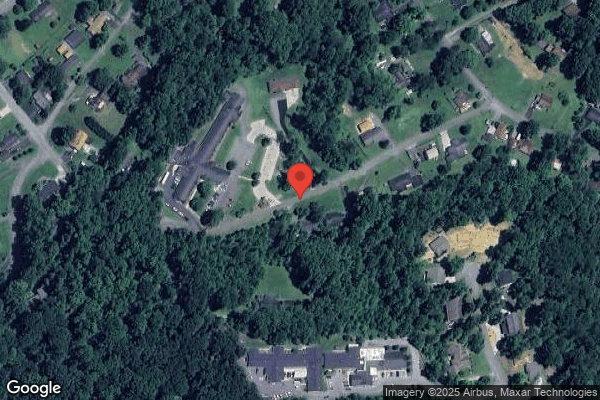
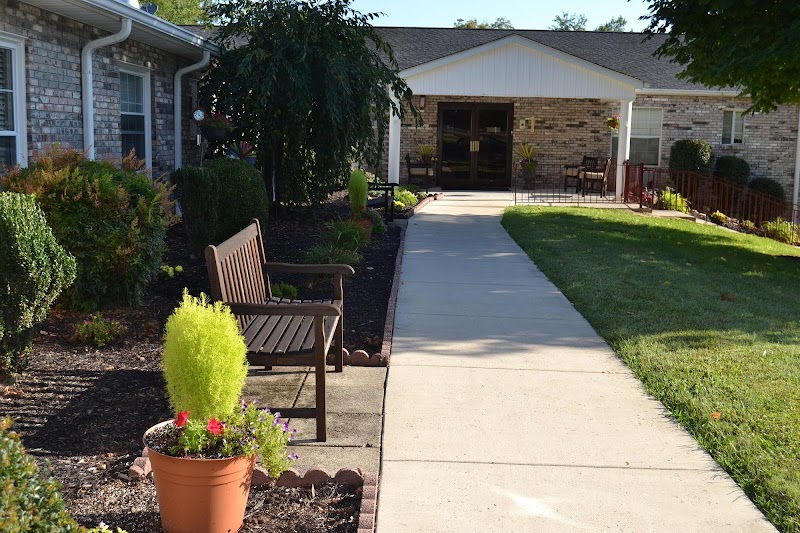
1633 HILLVIEW DRIVE, ELIZABETHTON, TN 37643 (423) 543-2571
Non profit - Other 70 Beds TWIN RIVERS HEALTH & REHABILITATION Data: November 2025
Trust Grade
95/100
#13 of 298 in TN
Last Inspection: May 2025

Inspected within the last 6 months. Data reflects current conditions.

Overview

Hermitage Health Center in Elizabethton, Tennessee, has an impressive Trust Grade of A+, indicating it is an elite facility at the top of its class. It ranks #13 out of 298 nursing homes in Tennessee and is the top facility in Carter County, which is a strong position. The facility's trend is stable, with five issues identified in both 2022 and 2025, but none of these were critical or serious. Staffing is a relative strength, with a 3/5 star rating and a turnover rate of just 21%, well below the state average of 48%, and it also boasts more RN coverage than 79% of facilities in the state. While there have been no fines, there are some concerns, such as the failure to accurately complete medication assessments for residents, which could potentially lead to improper care. Overall, Hermitage Health Center presents as a strong option, but families should be aware of the noted compliance issues.

Trust Score
A+
95/100
In Tennessee
#13/298
Top 4%
Safety Record
Low Risk
No red flags
Inspections
Holding Steady
2 → 2 violations
Staff Stability
✓ Good
21% annual turnover. Excellent stability, 27 points below Tennessee's 48% average. Staff who stay learn residents' needs.
Penalties
✓ Good
No fines on record. Clean compliance history, better than most Tennessee facilities.
Skilled Nurses
✓ Good
Each resident gets 46 minutes of Registered Nurse (RN) attention daily — more than average for Tennessee. RNs are trained to catch health problems early.
Violations
✓ Good
Only 5 deficiencies on record. Cleaner than most facilities. Minor issues only.
★★★★★
5.0
Overall Rating
★★★☆☆
3.0
Staff Levels
★★★★★
5.0
Care Quality
★★★★★
5.0
Inspection Score
Stable
2022: 2 issues
2025: 2 issues

The Good

  • 5-Star Quality Measures · Strong clinical quality outcomes
  • Low Staff Turnover (21%) · Staff stability means consistent care
  • Full Sprinkler Coverage · Fire safety systems throughout facility
  • No fines on record
  • Staff turnover is low (21%)

    27 points below Tennessee average of 48%

Facility shows strength in quality measures, staff retention, fire safety.

The Bad

Chain: TWIN RIVERS HEALTH & REHABILITATION

Part of a multi-facility chain

Ask about local staffing decisions and management

The Ugly 5 deficiencies on record

May 2025 2 deficiencies
CONCERN (D)

Potential for Harm - no one hurt, but risky conditions existed

Assessment Accuracy (Tag F0641)

Could have caused harm · This affected 1 resident

**NOTE- TERMS IN BRACKETS HAVE BEEN EDITED TO PROTECT CONFIDENTIALITY** Based on Centers for Medicare & Medicaid Services (CMS) Long-Term Care Facility Resident Assessment Instrument (RAI) 3.0 User's ...

Read full inspector narrative →
**NOTE- TERMS IN BRACKETS HAVE BEEN EDITED TO PROTECT CONFIDENTIALITY** Based on Centers for Medicare & Medicaid Services (CMS) Long-Term Care Facility Resident Assessment Instrument (RAI) 3.0 User's Manual, medical record review, and interview, the facility failed to accurately complete a Minimum Data Set (MDS) assessment for 1 resident (Resident #23) of 5 residents reviewed for unnecessary medications. The findings include: Review of the CMS Long-Term Care Facility RAI 3.0 User's Manual, updated 10/2023, revealed .MEDICATIONS .The intent of the items in this section is to record the number of days, during the last 7 days .that .select medications were received by the resident .Antiplatelet .Check if an antiplatelet medication (e.g., [example] aspirin .) was taken by the resident at any time during 7-day observation period . Review of the medical record revealed Resident #23 was admitted to the facility on [DATE] and readmitted on [DATE] and 3/19/2025 with diagnoses including Atrial Flutter, Need for Assistance with Personal Care, Anxiety, Dementia, and Hypertension. Review of the 5-day Minimum Data Set (MDS) assessment dated [DATE], revealed Resident #23 re-entered the facility from a Short-Term General hospital on 3/19/2025. Continued review revealed .Check if the resident is taking any medications by pharmacological classification .during the last 7 days or since admission/entry or reentry . It was noted that Resident #23 received antiplatelet medications during the previous 7 days. Review of the Medication Administration Record (MAR) dated 3/1/2025 - 3/31/2025, revealed an order for .Aspirin .81 MG [milligrams] .by mouth one time a day .Start Date .06/03/2024 .D/C [discontinue] Date .03/19/2025 . Resident #23 received the medication daily from 3/1/2025 - 3/16/2025 and did not receive any doses after 3/16/2025. During an interview on 5/20/2025 at 9:50 AM, MDS Coordinator A stated Resident #23's 5-day MDS assessment dated [DATE] revealed the resident received antiplatelet medications during the 7-day look back period. MDS Coordinator A stated Resident #23 was taking Aspirin (antiplatelet) daily. Resident #23 was hospitalized from [DATE] to 3/19/2025 and it was not continued upon readmission to the facility on 3/19/2025. MDS Coordinator A confirmed Resident #23 last received Aspirin on 3/16/2025. MDS Coordinator A confirmed the 3/26/2025 MDS assessment had been coded incorrectly and Resident #23 had not received antiplatelet medication during the 7-day look back period as indicated on the MDS assessment. During an interview on 5/20/2025 at 12:34 PM, the Director of Nursing (DON) stated she or the Assistant Director of Nursing (ADON) signed off on MDS assessments. The DON confirmed it was her expectation that MDS assessments were accurate and Resident #23's MDS assessment dated [DATE] was not accurate related to antiplatelet medications.
CONCERN (D)

Potential for Harm - no one hurt, but risky conditions existed

Medical Records (Tag F0842)

Could have caused harm · This affected 1 resident

**NOTE- TERMS IN BRACKETS HAVE BEEN EDITED TO PROTECT CONFIDENTIALITY** Based on medical record review and interview, the facility failed to ensure the medical record was accurate for 1 resident (Resi...

Read full inspector narrative →
**NOTE- TERMS IN BRACKETS HAVE BEEN EDITED TO PROTECT CONFIDENTIALITY** Based on medical record review and interview, the facility failed to ensure the medical record was accurate for 1 resident (Resident #33) of 18 residents reviewed for medical records. The findings include: Review of the medical record revealed Resident #33 was admitted to the facility on [DATE] with diagnoses including Congestive Heart Failure, Anxiety, Dementia, and Prediabetes. Review of the Comprehensive admission Skin assessment dated [DATE], revealed .upper denture .natural lower . Review of the quarterly Minimum Data Set (MDS) assessment dated [DATE], revealed Resident #33 scored a 9 on the Brief Interview for Mental Status (BIMS) assessment, which indicated the resident had moderate cognitive impairment. Resident #33 did not have mouth or facial pain, discomfort or difficulty chewing. Review of the Long Term Care Evaluation dated 4/30/2025, revealed .Teeth/dentures .Has dentures .Has no teeth .Lower Dental Appliance .Lower Full .Upper Dental Appliance .Upper Full . During an observation and interview on 5/19/2025 at 8:01 AM, Resident #33 was seated on the side of the bed eating breakfast with no concerns noted. Resident #33 had top dentures and poor dentition on the bottom with missing teeth. Resident #33 denied pain or difficulty chewing. Review of the Social Services note dated 5/19/2025, revealed .Spoke with daughter .about her mom's teeth. She states that she [Resident #33] threw her bottom set away at the hospital when her husband passed. She states that resident did not want to get another pair of bottom teeth . During an interview on 5/19/2025 at 3:36 PM, the Director of Nursing (DON) and Administrator stated Resident #33 had a top plate denture and some natural teeth on the bottom. Resident #33's daughter reported the resident threw away her bottom denture plate prior to admission in 2022. The DON confirmed the Long Term Care Evaluation dated 4/30/2025 stated the resident had upper and lower dentures and was not accurate and Resident #33 did not have lower dentures. During an interview on 5/19/2025 at 3:46 PM, the DON confirmed it was her expectation that nursing assessments were complete and accurate.
Aug 2022 2 deficiencies
CONCERN (D)

Potential for Harm - no one hurt, but risky conditions existed

PASARR Coordination (Tag F0644)

Could have caused harm · This affected 1 resident

**NOTE- TERMS IN BRACKETS HAVE BEEN EDITED TO PROTECT CONFIDENTIALITY** Based on medical record review and interview, the facility failed to resubmit a Pre-admission Screening and Resident Review (PAS...

Read full inspector narrative →
**NOTE- TERMS IN BRACKETS HAVE BEEN EDITED TO PROTECT CONFIDENTIALITY** Based on medical record review and interview, the facility failed to resubmit a Pre-admission Screening and Resident Review (PASRR) timely after a new mental health diagnosis for 1 resident (Resident #32) of 7 residents reviewed for PASRR. The findings include: Resident #32 was admitted to the facility on [DATE] and readmitted on [DATE] with diagnoses including Parkinson's Disease, Psychotic Disorder, Anxiety Disorder, and Bipolar Disorder. Review of the Level I Form Pre-admission Screening and Resident Review dated 7/16/2021, showed .DIAGNOSIS .Psychotic/Delusional Disorder .Bipolar Disorder .Anxiety Disorder .Level I Outcome: No Status Change .A Level II evaluation is not required and this Level I is approved with a Level I No Status Change. Should there be an exacerbation related to mental illness or a discrepancy in the reported information, a Status Change should be submitted to Ascend for further evaluation . Review of the medical record showed Resident #32 received a diagnosis of Major Depressive Disorder on 2/15/2022. Review of the quarterly Minimum Data Set (MDS) assessment dated [DATE], showed Resident #32 had an active diagnosis of .Depression (other than bipolar) .and received antidepressant medications on all 7 days of the 7 day look back period. During an interview on 8/9/2022 at 10:44 AM, the Social Services Director stated he was responsible for PASRRs. The Social Services Director confirmed Resident #32 had a new diagnosis of Major Depressive Disorder added on 2/15/2022 and the Level I PASRR was not submitted for the new diagnosis of Major Depressive Disorder until 8/8/2022 (5 months and 23 days later) after requested by the survey team. The Level I PASRR should have been re-submitted .right after . the new diagnosis was added and .I just missed it .
CONCERN (D)

Potential for Harm - no one hurt, but risky conditions existed

Medical Records (Tag F0842)

Could have caused harm · This affected 1 resident

**NOTE- TERMS IN BRACKETS HAVE BEEN EDITED TO PROTECT CONFIDENTIALITY** Based on medical record review and interview, the facility failed to maintain an accurate medical record for insulin administrat...

Read full inspector narrative →
**NOTE- TERMS IN BRACKETS HAVE BEEN EDITED TO PROTECT CONFIDENTIALITY** Based on medical record review and interview, the facility failed to maintain an accurate medical record for insulin administration for 1 resident (#34) of 4 residents reviewed for insulin administration. The findings include: Resident #34 was admitted to the facility on [DATE] and readmitted on [DATE] with diagnoses including Type 2 Diabetes Mellitus and Hypertension. Review of the Physician's Orders dated 6/3/2022, showed .Novolin 70-30 [a combination of intermediate acting and short acting insulin] 100 UNIT/ML [milliliters] GIVE 40 UNITS SUBCUTANEOUSLY [a route of medication administration where medication is injected into the skin] TWICE DAILY BEFORE LUNCH AND DINNER; HOLD IF BLOOD GLUCOSE < [less than] 200 . Review of the quarterly Minimum Data Set (MDS) assessment dated [DATE], showed Resident #34 had Type 2 Diabetes Mellitus and had received insulin on 7 days of the 7 day look back period. Review of the Medication Record Administration (MAR) for 7/2022, showed Licensed Practical Nurse (LPN) #1 administered the dinner time (5:00 PM) dose of Novolin 70-30 on 7/4/2022 with a blood glucose level of 129. Continued review showed LPN #2 administered the dinner time dose of Novolin 70-30 on 7/9/2022 with a blood glucose level of 199 and 7/23/2022 with a blood glucose level of 189. Review of the MAR for 8/2022, showed Registered Nurse (RN) #1 administered the lunch time (11:00 AM) dose of Novolin 70-30 to Resident #34 on 8/9/2022 with a blood glucose level of 193. During an interview on 8/10/2022 at 10:52 AM, RN #1 stated Resident #34 had a physician's order for 40 units of Novolin 70-30 twice daily. Resident #34's blood glucose level was checked prior to administration of the medication and the insulin was not administered if the resident's blood glucose level was less than 200. RN #1 confirmed Resident #34's lunch time blood glucose level on 8/9/2022 was 193 and the Novolin 70-30 was not administered. During a telephone interview on 8/10/2022 at 11:36 AM, LPN #1 was aware of the order to hold Resident #34's Novolin 70-30 insulin for blood glucose level less than 200. LPN #1 confirmed Resident #34's 7/4/2022 5:00 PM Novolin 70-30 was not administered because the resident's blood sugar was less than 200 and stated .it would have bottomed her out . During a telephone interview on 8/10/2022 at 11:43 AM, LPN #2 stated Resident #34's Novolin 70-30 was not administered for blood glucose level less than 200. LPN #2 confirmed Resident #34's 7/9/2022 and 7/23/2022 5:00 PM Novolin 70-30 was not administered because her blood sugar was less than 200. LPN #2 stated when documenting the administration of the Novolin 70-30, the blood glucose level was entered and if the medication was held, there was a box that had to be manually checked to indicate the medication was not administered and .I must have accidently not clicked that the med (medication) wasn't administered . During an interview on 8/10/2022 at 11:50 AM, the Director of Nursing (DON) confirmed Resident #34's medical record was not accurate and the Novolin 70-30 administration on 7/4/2022, 7/9/2022, 7/23/2022, and 8/9/2022 was documented as administered in error by the nurses in the facility.
Nov 2019 1 deficiency
CONCERN (D)

Potential for Harm - no one hurt, but risky conditions existed

Infection Control (Tag F0880)

Could have caused harm · This affected 1 resident

**NOTE- TERMS IN BRACKETS HAVE BEEN EDITED TO PROTECT CONFIDENTIALITY** Based on facility policy review, medical record review, observation, and interview, the facility failed to maintain infection co...

Read full inspector narrative →
**NOTE- TERMS IN BRACKETS HAVE BEEN EDITED TO PROTECT CONFIDENTIALITY** Based on facility policy review, medical record review, observation, and interview, the facility failed to maintain infection control practices for 1 resident (#63) of 17 residents sampled. The findings include: Review of the facility policy Clostridium Difficile (a bacterium that can cause symptoms ranging from diarrhea to life-threatening inflammation of the colon), revised 10/2018, revealed .Precautions are taken while caring for residents with C. difficile [Clostridium Difficile] to prevent transmission to others [other] residents .staff is to maintain vigilant hand hygiene. Hand washing with soap and water is superior to ABHR [alcohol based hand rub- hand sanitizer] for the removal of C. difficile spores from hands . Medical record review revealed Resident #63 was admitted to the facility on [DATE] with diagnoses including Enterocolitis due to Clostridium Difficile, Difficulty Walking, Type 2 Diabetes Mellitus, and Chronic Obstructive Pulmonary Disease. Medical record review of the Baseline Care Plan dated 10/31/19 revealed .I have an infection CDiff [Clostridium Difficile] .isolation until 11/5/19 if stool formed . Medical record review of a physician's order dated 10/31/19 revealed .CONTACT ISOLATION [precautions used to prevent the spread of infections] FOR RECURRENT C-DIFF UNTIL 11/5/19 IF STOOL IS FORMED . Observation on 11/04/19 at 10:33 AM, of Resident #63's room, revealed a cart outside of the door containing gowns, gloves, and shoe covers. Continued observation revealed a sign on the door of the room which stated to see nurse before entering and contact precautions (contact isolation). Observation of the Assistant Director of Nursing (ADON) on 11/4/19 at 12:57 PM, outside Resident #63's room, revealed the ADON donned gown, gloves, and shoe covers and then entered the room to deliver the lunch meal tray. Continued observation revealed the ADON assisted Resident #63 to sit up on the edge of the bed to eat. Further observation revealed the ADON then removed the gloves and washed the hands in the bathroom. Continued observation revealed the ADON then removed the gown and the shoe covers with the bare hands, exited the room, and used hand sanitizer outside the resident's room. Further observation revealed the ADON obtained a tissue, walked down the hallway, opened 2 doors using the tissue, and then washed the hands with soap and water. Interview with the ADON on 11/4/19 at 1:05 PM, in the hallway, confirmed she did not wash her hands with soap and water prior to exiting the room after she removed the gown and boot covers with ungloved hands. Observation on 11/4/19 at 3:28 PM, outside of Resident #63's room, revealed Nursing Assistant (NA) #1 exited Resident #63's room with ungloved hands and no gown or shoe covers on carrying the resident's water pitcher. Continued observation revealed NA #1 placed the water pitcher on the ice cart, filled the pitcher with ice, and returned the water pitcher to the residents over bed table. NA #1 exited Resident #63's room and applied hand sanitizer to her hands without washing the hands with soap and water. Interview with NA #1 on 11/4/19 at 3:32 PM, in the hallway, confirmed she had brought Resident #63's water pitcher out of the room, placed it on the ice cart, filled the water pitcher with ice and returned it to the room. Continued interview confirmed the NA had not donned gloves, gown, or shoe covers while in the room. Further interview confirmed an isolation sign was on Resident #63's door .the door was open and I didn't see it . Continued interview confirmed the ice cart was removed from the hall and cleaned prior to filling other residents ice pitchers after NA #1 failed to follow infection control practices for Resident #63. Interview with the ADON on 11/5/19 at 3:46 PM, in the ADON's office, confirmed it was her expectation for staff caring for a resident with Clostridium Difficile to don shoe covers, gown and gloves prior to entering the room. Continued interview confirmed it was her expectation for staff to remove the shoe covers, gown, then gloves, and then wash the hands with soap and water after caring for the resident. Continued interview confirmed it was her expectation for the water pitchers of residents with isolation precautions to not be brought out of the resident's room to be refilled with ice.
Understanding Severity Codes (click to expand)
Life-Threatening (Immediate Jeopardy)
J - Isolated K - Pattern L - Widespread
Actual Harm
G - Isolated H - Pattern I - Widespread
Potential for Harm
D - Isolated E - Pattern F - Widespread
No Harm (Minor)
A - Isolated B - Pattern C - Widespread

Questions to Ask on Your Visit

  • "Can I speak with families of current residents?"
  • "What's your RN coverage like on weekends and overnight?"

Our Honest Assessment

Strengths
  • • Grade A+ (95/100). Above average facility, better than most options in Tennessee.
  • • No major safety red flags. No abuse findings, life-threatening violations, or SFF status.
  • • No fines on record. Clean compliance history, better than most Tennessee facilities.
  • • Only 5 deficiencies on record. Cleaner than most facilities. Minor issues only.
Concerns
  • • No significant concerns identified. This facility shows no red flags across CMS ratings, staff turnover, or federal penalties.
Bottom line: Generally positive indicators. Standard due diligence and a personal visit recommended.

About This Facility

What is Hermitage's CMS Rating?

CMS assigns HERMITAGE HEALTH CENTER an overall rating of 5 out of 5 stars, which is considered much above average nationally. Within Tennessee, this rating places the facility higher than 99% of the state's 100 nursing homes. This rating reflects solid performance across the metrics CMS uses to evaluate nursing home quality.
How is Hermitage Staffed?

CMS rates HERMITAGE HEALTH CENTER's staffing level at 3 out of 5 stars, which is average compared to other nursing homes. Staff turnover is 21%, compared to the Tennessee average of 46%. This relatively stable workforce can support continuity of care.

What Have Inspectors Found at Hermitage?

State health inspectors documented 5 deficiencies at HERMITAGE HEALTH CENTER during 2019 to 2025. These included: 5 with potential for harm.

Who Owns and Operates Hermitage?

HERMITAGE HEALTH CENTER is owned by a non-profit organization. Non-profit facilities reinvest revenue into operations rather than distributing to shareholders. The facility is operated by TWIN RIVERS HEALTH & REHABILITATION, a chain that manages multiple nursing homes. With 70 certified beds and approximately 54 residents (about 77% occupancy), it is a smaller facility located in ELIZABETHTON, Tennessee.
How Does Hermitage Compare to Other Tennessee Nursing Homes?

Compared to the 100 nursing homes in Tennessee, HERMITAGE HEALTH CENTER's overall rating (5 stars) is above the state average of 2.9, staff turnover (21%) is significantly lower than the state average of 46%, and health inspection rating (5 stars) is much above the national benchmark.

What Should Families Ask When Visiting Hermitage?

Based on this facility's data, families visiting should ask: "Can I visit during a mealtime to observe dining assistance and food quality?" "How do you handle medical emergencies, and what is your hospital transfer rate?" "Can I speak with family members of current residents about their experience?"

Is Hermitage Safe?

Based on CMS inspection data, HERMITAGE HEALTH CENTER has a clean safety record: no substantiated abuse findings (meaning no confirmed cases of resident harm), no Immediate Jeopardy citations (the most serious violation level indicating risk of serious injury or death), and is not on the Special Focus Facility watch list (a federal program monitoring the lowest-performing 1% of nursing homes). The facility has a 5-star overall rating and ranks #1 of 100 nursing homes in Tennessee. While no facility is perfect, families should still ask about staff-to-resident ratios and recent inspection results during their visit.

Do Nurses at Hermitage Stick Around?

Staff at HERMITAGE HEALTH CENTER tend to stick around. With a turnover rate of 21%, the facility is 25 percentage points below the Tennessee average of 46%. Low turnover is a positive sign. It means caregivers have time to learn each resident's needs, medications, and personal preferences. Consistent staff also notice subtle changes in a resident's condition more quickly.

Was Hermitage Ever Fined?

HERMITAGE HEALTH CENTER has no federal fines on record. CMS issues fines when nursing homes fail to meet care standards or don't correct problems found during inspections. The absence of fines suggests the facility has either maintained compliance or corrected any issues before penalties were assessed. This is a positive indicator, though families should still review recent inspection reports for the full picture.

Is Hermitage on Any Federal Watch List?

HERMITAGE HEALTH CENTER is not on any federal watch list. The most significant is the Special Focus Facility (SFF) program, which identifies the bottom 1% of nursing homes nationally based on persistent, serious quality problems. Not being on this list means the facility has avoided the pattern of deficiencies that triggers enhanced federal oversight. This is a positive indicator, though families should still review the facility's inspection history directly.