BETHANY CENTER FOR REHABILITATION AND HEALING LLC
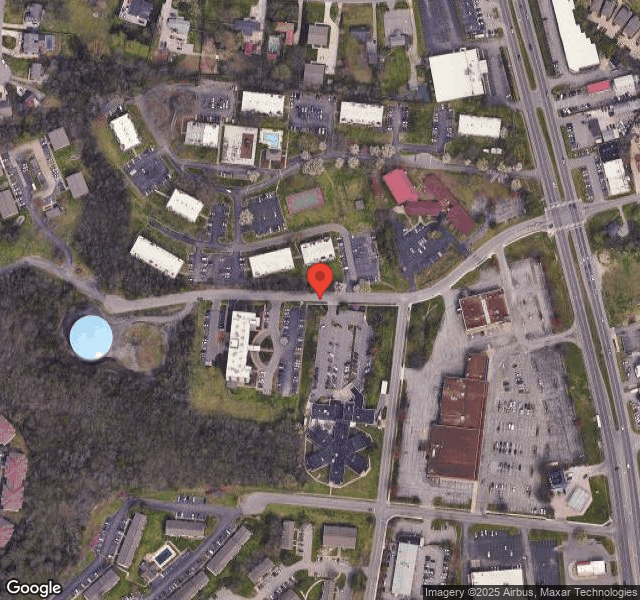
421 OCALA DRIVE, NASHVILLE, TN 37211 (615) 834-4214
For profit - Limited Liability company 180 Beds CARERITE CENTERS Data: November 2025 1 Immediate Jeopardy citation
Trust Grade
38/100
#174 of 298 in TN
Last Inspection: April 2025

Within standard 12-15 month inspection cycle. Federal law requires annual inspections.

Overview

Bethany Center for Rehabilitation and Healing LLC has received a Trust Grade of F, indicating significant concerns about the quality of care provided. Ranking #174 out of 298 facilities in Tennessee places it in the bottom half, and #13 out of 19 in Davidson County suggests that only a few local options are better. The facility is worsening, with issues increasing from 1 in 2023 to 6 in 2025. Staffing is a major concern, with a low 1-star rating and a turnover rate of 63%, much higher than the state average of 48%, meaning many staff members leave quickly and may not know the residents well. While there have been no fines, which is a positive sign, recent inspections revealed critical issues, such as the failure to follow proper hand hygiene protocols during food service, risking infections, and a serious incident involving inadequate precautions during blood glucose testing that could have exposed residents to bloodborne infections. Overall, while the facility has some strengths, such as no fines on record, the significant weaknesses in care and staffing raise serious concerns for families considering this home for their loved ones.

Trust Score
F
38/100
In Tennessee
#174/298
Bottom 42%
Safety Record
High Risk
Review needed
Inspections
Getting Worse
1 → 6 violations
Staff Stability
⚠ Watch
63% turnover. Above average. Higher turnover means staff may not know residents' routines.
Penalties
✓ Good
No fines on record. Clean compliance history, better than most Tennessee facilities.
Skilled Nurses
⚠ Watch
Each resident gets only 23 minutes of Registered Nurse (RN) attention daily — below average for Tennessee. Fewer RN minutes means fewer trained eyes watching for problems.
Violations
⚠ Watch
12 deficiencies on record. Higher than average. Multiple issues found across inspections.
★★☆☆☆
2.0
Overall Rating
★☆☆☆☆
1.0
Staff Levels
★★★★★
5.0
Care Quality
★★☆☆☆
2.0
Inspection Score
Stable
2023: 1 issues
2025: 6 issues

The Good

  • 5-Star Quality Measures · Strong clinical quality outcomes
  • Full Sprinkler Coverage · Fire safety systems throughout facility
  • No fines on record

Facility shows strength in quality measures, fire safety.

The Bad

2-Star Overall Rating

Below Tennessee average (2.8)

Below average - review inspection findings carefully

Staff Turnover: 63%

17pts above Tennessee avg (46%)

Frequent staff changes - ask about care continuity

Chain: CARERITE CENTERS

Part of a multi-facility chain

Ask about local staffing decisions and management

Staff turnover is elevated (63%)

15 points above Tennessee average of 48%

The Ugly 12 deficiencies on record

1 life-threatening 1 actual harm
Apr 2025 6 deficiencies
CONCERN (D)

Potential for Harm - no one hurt, but risky conditions existed

Deficiency F0578 (Tag F0578)

Could have caused harm · This affected 1 resident

**NOTE- TERMS IN BRACKETS HAVE BEEN EDITED TO PROTECT CONFIDENTIALITY** Based on policy review, medical record review, and interview, the facility failed to provide information regarding a resident's ...

Read full inspector narrative →
**NOTE- TERMS IN BRACKETS HAVE BEEN EDITED TO PROTECT CONFIDENTIALITY** Based on policy review, medical record review, and interview, the facility failed to provide information regarding a resident's right to develop an Advance Directive for 4 of 33 sampled residents (Resident #21, #71, #77 and #108) reviewed for Advance Directives. The findings include: 1. Review of the facility policy titled Advance Directives, revised on 9/2022, revealed .The resident has the right to formulate an advance directive .Prior to or upon admission of a resident, the social services director or designee inquires of the resident, his/her family members and/or his or her legal representative, about the existence of any written advance directives. The resident or representative is provided with written information concerning the right to refuse or accept medical or surgical treatment and to formulate an advance directive . 2. Review of the medical record revealed Resident #21 was admitted to the facility on [DATE], with diagnoses including of Alzheimer's Disease, Anxiety, Depression, and Diverticulosis. Review of the quarterly Minimum Data Set (MDS) assessment dated [DATE], revealed Resident #21 had a Brief Interview for Mental Status (BIMS) score 99, which indicated Resident #21 was severely cognitively impaired. The facility was unable to provide the completed documentation that the resident representative was educated regarding advance directives and/or to formulate an advance directive. 3. Review of the medical record revealed Resident #71 was admitted to the facility on [DATE], with diagnoses including Alzheimer's Disease, Chronic Obstructive Pulmonary Disease, Bipolar Disorder, and Hypertension. Review of the significant change MDS assessment dated [DATE], revealed a BIMS score of 3, which indicated Resident #71 was severely cognitively impaired. The facility was unable to provide the completed documentation that the resident representative was educated regarding advance directives and/or to formulate an advance directive. 4. Review of the medical record revealed Resident # 77 was admitted to the facility on [DATE], with diagnoses including Cerebral Infarction, Diabetes, Depression, Bipolar Disorder, and Parkinson's Disease. Review of the annual MDS assessment dated [DATE], revealed a BIMS score of 15, which indicated Resident # 77 was cognitively intact. The facility was unable to provide the completed documentation that the resident was educated regarding advance directives and/or to formulate an advance directive. 5. Review of the medical record revealed Resident # 108 was admitted to the facility on [DATE], with diagnoses including Left Femur Fracture, Cerebral Infarction, Anxiety, Dementia, Osteoporosis and Depression. Review of the quarterly MDS assessment dated [DATE], revealed a BIMS score was not completed due to Resident #108 was severely cognitively impaired. The facility was unable to provide the completed documentation that the resident representative was educated regarding advance directives and/or to formulate an advance directive. 6. During an interview on 4/1/2025 at 1:34 PM, the Social Services Assistant confirmed that the facility was unable to provide Advance Directive documentation for Residents #21, #71, #77, and #108.
CONCERN (D)

Potential for Harm - no one hurt, but risky conditions existed

Deficiency F0730 (Tag F0730)

Could have caused harm · This affected 1 resident

Based on policy review, Certified Nursing Assistant (CNA) training record review, and interview, the facility failed to ensure 23 of 23 CNAs (CNA G, J, K, L, M, N, O, P, Q, R, S, T, U, V, W, X, Y, Z, ...

Read full inspector narrative →
Based on policy review, Certified Nursing Assistant (CNA) training record review, and interview, the facility failed to ensure 23 of 23 CNAs (CNA G, J, K, L, M, N, O, P, Q, R, S, T, U, V, W, X, Y, Z, AA, BB, CC, DD, and EE) employed for a full year received at least 12 hours of in-service training. The findings include: 1. Review of the facility's policy titled In-Service Training, Nurse Aide, dated august 2022, revealed .all Personnel are required to participate in regular in-service education .Annual in-service: Ensure the continuing competence of nurse aides; are no less than 12 hours per year . 2. Review of the Inservice Training Hours revealed: a. CNA G had a hire date of 3/30/2024 and had only competed 8.50 in-service hours from 4/3/2024 -present. b. CNA J had a hire date of 9/13/2006 and had only competed 4.0 in-service hours from 9/18/2024 -present. c. CNA K had a hire date of 11/9/2023 and had only competed 2.0 in-service hours from 11/20/2024 -present. d. CNA L had a hire date of 1/31/2023 and had only competed 10.50 in-service hours from 2/5/2024 -present. e. CNA M had a hire date of 8/15/2019 and had only competed 4.0 in-service hours from 9/18/2024 -present. f. CNA N had a hire date of 8/9/2013 and had only competed 5.0 in-service hours from 8/13/2024 -present. g. CNA O had a hire date of 3/30/2023 and had only competed 8.50 in-service hours from 4/3/2024 -present. h. CNA P had a hire date of 3/4/2011 and had only competed 9.50 in-service hours from 3/6/2024 -present. i. CNA Q had a hire date of 12/20/2022 and had only competed 10.50 in-service hours from 2/5/2024 -present. j. CNA R had a hire date of 1/17/2000 and had only competed 10.50 in-service hours from 2/5/2024 -present. k. CNA S had a hire date of 6/29/2023 and had only competed 6.0 in-service hours from 7/9/2024 -present. l. CNA T had a hire date of 1/17/2024 and had only competed 10.50 in-service hours from 2/5/2024 -present. m. CNA U had a hire date of 1/10/2023 and had only competed 10.50 in-service hours from 2/5/2024 -present. n. CNA V had a hire date of 2/28/2023 and had only competed 9.50 in-service hours from 3/6/2024 -present. o. CNA W had a hire date of 8/3/2012 and had only competed 5.0 in-service hours from 8/13/2024 -present. p. CNA X had a hire date of 11/21/2014 and had only competed 2.0 in-service hours from 11/20/2024 -present. q. CNA Y had a hire date of 9/7/2023 and had only competed 4.0 in-service hours from 9/18/2024 -present. r. CNA Z had a hire date of 5/25/2023 and had only competed 7.0 in-service hours from 6/5/2024 -present. s. CNA AA had a hire date of 7/3/2024 and had only competed 5.0 in-service hours from 7/7/2024 -present. t. CNA BB had a hire date of 2/14/2022 and had only competed 10.50 in-service hours from 2/5/2024 -present. u. CNA CC had a hire date of 4/12/2022 and had only competed 8.0 in-service hours from 5/14/2024 -present. v. CNA DD had a hire date of 6/29/2020 and had only competed 6.0 in-service hours from 7/9/2024 -present. x. CNA EE had a hire date of 7/20/2023 and had only competed 5.0 in-service hours from 8/13/2024 -present. 3. During an interview on 4/3/2025 at 3:09 PM, Staff Development was asked how many CNA in-service hours are required for a year. The Staff Development confirmed 12 hours yearly. The Staff Development stated, .they have not completed any hours for 2025 yet .I do 6 months at one time .I start in January and go through December not from hire date to hire date .
CONCERN (D)

Potential for Harm - no one hurt, but risky conditions existed

Deficiency F0761 (Tag F0761)

Could have caused harm · This affected 1 resident

Based on policy review, observation, and interview, the facility failed to ensure medications were properly stored and secured when 1 of 4 staff members (Registered Nurse (RN) II) left the medication ...

Read full inspector narrative →
Based on policy review, observation, and interview, the facility failed to ensure medications were properly stored and secured when 1 of 4 staff members (Registered Nurse (RN) II) left the medication unattended and out of sight at the bedside in Resident #10's room. The findings include: 1. Review of the facility's policy titled Medication Labeling and Storage, dated 5/19/2023, revealed .trays or carts used to transport such items are not left unattended if open or otherwise potentially available to others . 2. Observation on 4/2/2025 at 3:40 PM, revealed Register Nurse (RN) II left the medication on the over bed table in Resident #10's room. RN II went into the bathroom with the door almost closed completely, with a small crack toward the hall, to wash her hands and left the medication out of sight and unattended on the over bed table by B bed. During an interview with surveyors present, on 4/3/2025 at 11:23 AM, the Director of Nursing (DON) was asked should medications be left unattended and out of sight. The DON stated, Did you ask the nurse .was it A bed or B bed .Did she not take the medicine with her .
CONCERN (D)

Potential for Harm - no one hurt, but risky conditions existed

Staffing Data (Tag F0851)

Could have caused harm · This affected 1 resident

Based on Quarterly Payroll Based Journal (PBJ), staffing time sheets, and interview the facility failed to submit accurate staffing data for Quarter 2, Quarter 3, and Quarter 4/2024. The findings inc...

Read full inspector narrative →
Based on Quarterly Payroll Based Journal (PBJ), staffing time sheets, and interview the facility failed to submit accurate staffing data for Quarter 2, Quarter 3, and Quarter 4/2024. The findings included: 1. Review of the PBJ Staffing Data Report for Quarter 2 2024 (January 1-March 31) revealed excessively low weekend staffing. Review of the PBJ Staffing Data Report for Quarter 3 2024 (April 1-June 30) revealed one star staff rating and excessively low weekend staffing. Review of the PBJ Staffing Data Report for Quarter 4 2024 (July 1-September 30) revealed excessively low weekend staffing. 2. Review of the Direct Care Staffing which included the facility census, direct care staff hours, and PPD (Per Patient Day-total hours of Registered Nurse Hours, Licensed Practical Nurse Hours, and Certified Nursing Assistant hours divided by the resident census = hours of care provided to each resident in a facility) provided by the Administrator via email on 4/11/2025 revealed the following: Saturday 3/16/2024 Total PPD 2.83 Saturday 4/27/2024 Total PPD 2.96 Saturday 5/25/2024 Total PPD 2.74 Saturday 7/6/2024 Total PPD 2.96 Saturday 9/8/2024 Total PPD 3.16 Review of the Direct Care Staffing revealed the facility had PPD greater than 2.7 over 5 random Saturdays reviewed for excessively low staffing on the weekends during Quarter 2, Quarter 3, and Quarter 4. 3. During a telephone interview on 4/11/2025 at 12:33 PM, Staffing Director was asked about the PBJ that reflected excessively low staffing on the weekends for the last 3 quarters for 2024. The Staffing Director stated, .yes, it is low staffing due to call ins, agency staff was included in the numbers . During a telephone interview on 4/11/2025 at 12:52 PM, the Administrator was asked about the facility PBJ reports for quarter 2, quarter 3, and quarter 4 which reflected excessively low weekend staffing. The Administrator stated, .we staff the same way on the weekends as we do on the weekdays .I will need to look back at the reports .If you will provide me the dates you want to review, I can send the staffing for those dates . During a telephone interview on 4/11/2025 at 2:33 PM, the Administrator concluded the facility was not excessively low for staffing on the weekends during the quarters, but the facility failed to code direct care hours for a Certified Nursing Assistant that works in staffing, central supply, and medical records.
CONCERN (D)

Potential for Harm - no one hurt, but risky conditions existed

Infection Control (Tag F0880)

Could have caused harm · This affected 1 resident

**NOTE- TERMS IN BRACKETS HAVE BEEN EDITED TO PROTECT CONFIDENTIALITY** Based on policy review, medical record review, observation, and interviews, the facility failed to ensure infection control prac...

Read full inspector narrative →
**NOTE- TERMS IN BRACKETS HAVE BEEN EDITED TO PROTECT CONFIDENTIALITY** Based on policy review, medical record review, observation, and interviews, the facility failed to ensure infection control practices to prevent the spread of infection were used when 1 of 5 (Registered Nurse (RN II) nurses failed to perform hand hygiene during medication administration and Certified Nursing Assistant (CNA) LL was not following Enhance Barrier Precautions (EBP)s while providing care for Resident #311. The findings include: 1. Review of the facility policy titled Instillation Eye Drops, dated 1/2014, revealed Should both eyes require instillation, wash and dry your hands thoroughly before treating each eye. Review of the facility policy titled, Enhanced Barrier Precautions, dated 4/2024 revealed, .Enhanced barrier precautions (EBPs) are utilized to reduce the transmission of multi-drug resistant organisms (MDROs) to residents .EBPs employ targeted gown and glove use in addition to standard precautions during high contact resident care activities when contact precautions do not otherwise apply. Gloves and gown are applied prior to performing the high contact resident care activity (as opposed to before entering the room). 2. Review of the medical record revealed Resident #10 was admitted to the facility on [DATE], with diagnoses including Dementia, Insomnia, Cerebrovascular Disease, Fracture of Sacrum and Fracture Left Femur. Review of the Physician Order dated 8/9/2024, revealed Systane Solution 0.4-0.3% [percent] Instill 1 drop in both eyes four times a day for dry eyes. Review of the quarterly Minimum Data Set (MDS) assessment dated [DATE], revealed a Brief Interview for Mental Status (BIMS) score of 00, which indicated Resident #10 was severely cognitively impaired. Observation on 4/2/2025 at 3:40 PM, in Resident #10 ' s room, revealed RN II administered one drop of Artificial Tears to right eye and immediately administered one drop to the left eye. RN II failed to change gloves or perform hand hygiene between treating each eye. During an interview on 4/3/2025 at 12:10 PM the Director of Nursing (DON) was asked what should nurses do if administering eye drops to both eyes. The DON confirmed nurse should change gloves between eyes and do hand hygiene when they remove gloves. 3. Review of medical record revealed Resident #311 was admitted to the facility on [DATE], with diagnoses which included Sepsis, Cerebral Palsy, Infection and Inflammatory Reaction due to other Urinary Catheter, Unspecified Intellectual Disabilities, and Urinary Tract Infection. Review of the admission Minimum Data Set (MDS) dated [DATE], revealed Resident #311 had a Brief Interview for Mental Status score of 0 which indicated severe cognitive impairment. Continued review revealed Resident #311 had an indwelling catheter. Further review revealed Resident #311 had 1 stage 3 pressure ulcer upon admission and received antibiotics over the last 7 days. Review of the care plan dated 3/21/2025, revealed a focus for PICC (Peripherally Inserted Central Catheter) line for administration of medication, a focus for Indwelling Catheter, and a focus for actual Pressure Injury on admission 3/22/2025 Right Lateral Thigh Stage 3. Observation and interview when entering Resident #311's room on 4/2/2025 at 10:25 AM, with Licensed Practical Nurse (LPN) KK, CNA LL was in the room standing by his bed. A used brief was laying in the floor adjacent to where CNA LL was standing. Resident #311 was laying on his back with no shirt and a clean brief was noted on the resident. CNA LL stated, I was about to get the resident up. LPN KK was asked if Resident #311 was on EBPs and LPN KK stated, Yes. LPN KK was asked if the CNA providing care should be wearing a gown. LPN KK stated, Yes. CNA LL stated, .Why should I be wearing a gown is there a sign on the door . LPN KK stated, Yes there is a sign on his door. LPN KK was asked why the resident would be on EBPs. LPN KK stated, .he has a catheter, he has a PICC line, and he has ESBL [Extended Spectrum Beta-Lactamase a group of enzymes produced by certain bacteria resistant to a wide range of antibiotics] . LPN KK was asked if the used brief should be thrown on the floor unbagged. LPN KK stated, No, and the curtain should have been pulled around the resident for his privacy. During an interview on 4/3/2025 at 12:19 PM, the Director of Nursing (DON) was asked if a resident was under EBPs what a CNA should be wearing while providing care. The DON stated, .PPE [Personal Protective Equipment] a gown and gloves . The DON was asked if a soiled brief should be placed in the floor unbagged. The DON stated, .soiled briefs should be disposed of in a garbage and no it should not be in the floor . the curtain should have been pulled .EHPs is used to protect the resident who has an opening on his body that would be a source of infection .it is to prevent infections.
CONCERN (E)

Potential for Harm - no one hurt, but risky conditions existed

Food Safety (Tag F0812)

Could have caused harm · This affected multiple residents

Based on policy review, observation, and interview, the facility failed to ensure food was served under sanitary conditions when 4 of 19 staff members (Certified Nursing Assistant (CNA) F, G, H and Ac...

Read full inspector narrative →
Based on policy review, observation, and interview, the facility failed to ensure food was served under sanitary conditions when 4 of 19 staff members (Certified Nursing Assistant (CNA) F, G, H and Activity Assistant E) failed to perform hand hygiene and handled food with barehand during dining observations, and when 1 of 2 staff (Dietary [NAME] I) failed to perform proper hand hygiene when preparing meal trays. The facility had a census of 166 with 166 of those residents receiving a tray from the kitchen. The findings include: 1. Review of the facility policy titled Handwashing/Hand Hygiene, dated 10/2023, revealed .All personnel are expected to adhere to hand hygiene policies and practices to help prevent the spread of infections to other personnel, residents, and visitors .Perform hand hygiene before applying non-sterile gloves. When applying, remove one glove from the dispensing box at a time, touching only the top of the cuff. When removing gloves .turning the glove inside out .Perform hand hygiene . Review of the undated facility policy titled, Food Sanitation, revealed .All staff will wash their hands just before they start to work in the kitchen and when they have used their hands in an unsanitary way . 2. Observation in the 1st floor dining room on 3/31/2025 at 12:00 PM, revealed Activity Assistant E repositioned Resident #57's grilled cheese on the plate with bare hand during meal setup. Observation in the 1st floor day room on 3/31/2025 at 12:11 PM, revealed CNA G opened Resident #72's milk carton by pulling it open with her finger in the carton and assisted resident to eat without performing hand hygiene. Observation during dining in the Resident's room on 4/1/2025 at 7:56 AM, revealed CNA F held Resident #85's toast in her bare hand to spread jelly on it. Observation in the Resident's room on 4/1/2025 at 7:58 AM, revealed CNA H repositioned Resident #48 in the bed and repositioned pillow under resident's left arm and continued to feed resident without performing hand hygiene. 3. Observation in the Kitchen on 4/1/2025 from 5:01 PM to 5:26 PM, revealed Dietary [NAME] I with gloved hands preparing meal trays at the steam table. Dietary [NAME] I was observed leaving the serving line multiple times with gloved hands to open the warming oven door to obtain food items and then returned to the serving line to prepare food trays with the same gloves. Dietary [NAME] I changed gloves multiple times and did not perform hand hygiene prior to donning new gloves. 4. During an interview on 4/3/2025 at 12:19 PM, the Director of Nursing (DON) confirmed that staff should not touch food items with their bare hands during tray setup, and staff should not place their finger in a milk carton to open it. During an interview on 4/3/2025 at 12:38 PM, the Certified Dietary Manager (CDM) confirmed that staff should perform hand hygiene and change gloves prior to handling or serving food.
Aug 2023 1 deficiency
CONCERN (D) 📢 Someone Reported This

A family member, employee, or ombudsman was alarmed enough to file a formal complaint

Potential for Harm - no one hurt, but risky conditions existed

Comprehensive Care Plan (Tag F0656)

Could have caused harm · This affected 1 resident

**NOTE- TERMS IN BRACKETS HAVE BEEN EDITED TO PROTECT CONFIDENTIALITY** Based on interviews, record review, and facility document and policy review, it was determined the facility failed to ensure a c...

Read full inspector narrative →
**NOTE- TERMS IN BRACKETS HAVE BEEN EDITED TO PROTECT CONFIDENTIALITY** Based on interviews, record review, and facility document and policy review, it was determined the facility failed to ensure a comprehensive care plan was updated to address how a resident was to be transferred for 1 (Resident #6) of 11 residents whose care plans were reviewed. Findings included: Review of a facility policy titled, Comprehensive Person-Centered Care Plans, dated 03/08/2023, revealed, 11. Assessment of residents are ongoing and care plans are revised as information about the residents' conditions change. 12. The interdisciplinary team reviews and updates the care plan: a. when there has been a significant change in the resident's condition; b. when the desired outcome is not met; c. when the resident has been readmitted to the facility from a hospital stay; and d. at least quarterly, in conjunction with the required quarterly MDS [Minimum Data Set] assessment. A review of Resident #6's admission Record revealed the facility admitted the resident on 11/20/2020 with diagnoses that included end stage renal disease, dependence on renal dialysis, and type 2 diabetes mellitus. A diagnosis of right humerus fracture was added on 05/16/2023. A review of the significant change Minimum Data Set (MDS), dated [DATE], revealed Resident #6 had a Brief Interview for Mental Status (BIMS) score of 15, indicating the resident was cognitively intact. The resident required extensive assistance of two persons for transfers and had limited range of motion to an upper extremity on one side and to both lower extremities. The resident received scheduled pain medication and occasionally had pain of 5 on a scale of 0-10, with 10 being worst. The resident's pain limited their day-to-day activities. A review of Resident #6's care plan, initiated on 01/24/2023, indicated the resident required assistance with activities of daily living related to decreased mobility, weakness with decreased endurance, end stage renal disease - dialysis, diabetes mellitus, history of cerebrovascular accident, and range of motion impairment. An intervention, initiated on 05/27/2023, instructed staff that Resident #6 required extensive assistance of two staff. A review of an incident form, dated 05/16/2023 at 2:36 PM, revealed two staff were transferring Resident #6 to the shower chair and upon lifting the resident, Resident #6 told staff they had heard a pop and complained of pain. The certified nursing assistants (CNAs) denied hearing a pop but placed the resident back to bed. One of the CNAs notified the nurse. The resident indicated they felt a pop to the right shoulder and complained of increase in pain. The incident form indicated the CNAs were provided gait belt training. The incident form also indicated the care plan was followed and updated. A review of a Radiology Results Report, dated 05/16/2023, revealed x-rays were taken of the right shoulder and there was no evidence of an acute fracture, dislocation, or osseous lesion. There was evidence of a chronic healing fracture to the proximal humerus. During an interview on 07/25/2023 at 12:48 PM, Resident #6 indicated they had had a broken shoulder. Resident #6 stated they heard it pop when two CNAs transferred them. Resident #6 indicated they no longer did a stand-up transfer and now they were transferred by a sheet onto a cart. Further review of Resident #6's care plan revealed the care plan was not updated to address a change in transfer technique, which included using a sheet for transfers. During a telephone interview on 07/28/2023 at 11:36 AM, the MDS Coordinator indicated therapy would put a Resident's transfer requirements in the task section of the electronic medical record and those requirements would then rollover to the care plan. The MDS Coordinator indicated extensive assistance of two meant that the resident was able to bear their own weight with two people assisting and the resident was able to transfer with a mechanical lift. During an interview on 07/28/2023 at 1:03 PM, the Director of Rehabilitation (DOR) indicated Resident #6 required extensive assistance of two staff, which meant two people could do the transfer and if they had to or could use a mechanical lift. The DOR indicated staff were educated during orientation on how to transfer and that was the purpose of having the task there (in the electronic health record) to tell them what to do. During an interview on 07/28/2023 at 2:49 PM, CNA #6 indicated Resident #6 did not get up except to shower and go to dialysis. CNA #6 indicated Resident #6 required a two-person extensive assist and indicated staff used a sheet to transfer the resident to the shower gurney or to the gurney to go to dialysis. CNA #6 stated they went to the computerized charting system or the [NAME] to learn how to care for residents. During an interview on 07/28/2023 at 3:01 PM, CNA #7 indicated a sheet was used to transfer Resident #6 when they went to dialysis. CNA #7 indicated he had not seen the resident up for any other reason. CNA #7 indicated how to care for a resident was on the computerized charting system. At 4:43 PM, CNA #7 stated a regular bed sheet was used to transfer the resident. During an interview on 07/28/2023 at 3:04 PM, Certified Medication Technician (CMT) #8 indicated a sheet was used to transfer or pull Resident #6 up in bed. CMT #8 indicated the care plan was in the computerized charting system. At 4:38 PM, CMT #8 indicated a regular bed sheet was used for transfers. During an interview on 07/28/2023 at 3:08 PM, CNA #9 indicated Resident #6 was moved using a sheet. CNA #9 indicated staff had to use a sheet to transfer the resident to the shower gurney for a shower. During an interview on 07/28/2023 at 4:59 PM, the DON indicated each department updated their own care plan and then the information was pulled into the task section of the electronic medical record. The DON was informed the resident and staff stated the resident was transferred to the shower gurney and pulled up in bed by a sheet. The DON indicated bed mobility was done with a draw sheet, and that staff were allowed to do what made them feel safe. The DON was asked what her expectation was for the care plan to be updated with the sheet transfer, and the DON indicated she needed to confirm what was being done. During an interview on 07/28/2023 at 6:28 PM, the Administrator indicated the [NAME] and care plan were updated with resident status changes, therapy changes, and when clinical meetings necessitated change. The Administrator indicated the MDS Coordinator was responsible for the oversight of care plan changes, but each department completed their own changes.
Oct 2019 2 deficiencies 1 IJ (1 affecting multiple)
CRITICAL (K)

Immediate Jeopardy (IJ) - the most serious Medicare violation

Infection Control (Tag F0880)

Someone could have died · This affected multiple residents

**NOTE- TERMS IN BRACKETS HAVE BEEN EDITED TO PROTECT CONFIDENTIALITY** Based on the glucometer manufacturer guideline, medical record review, observation and interview, the facility failed to follow ...

Read full inspector narrative →
**NOTE- TERMS IN BRACKETS HAVE BEEN EDITED TO PROTECT CONFIDENTIALITY** Based on the glucometer manufacturer guideline, medical record review, observation and interview, the facility failed to follow standard precautions during the performance of routine fingerstick blood glucose testing resulting in potential exposure of residents who required blood glucose testing to the spread of bloodborne infections in the facility for 3 (#26, #99 and #117) of 32 diabetic residents. The Administrator was informed of the Immediate Jeopardy (IJ) on 10/22/19 at 1:15 PM in the Director of Nursing's office. F-880 was cited at a scope and severity of K. An extended survey was effective from 10/22/19 to 10/23/19. The Immediate Jeopardy was effective on 10/22/19. An acceptable Allegation of Compliance (AOC), which removed the immediacy of the jeopardy was received on 10/23/19 at 11:34 AM and corrective actions were validated onsite by the surveyors on 10/23/19. The findings include: Review of the Glucometer manufacturer guideline, Caring for Your System undated, revealed .to minimize the risk of transmission of bloodborne pathogens, the cleaning and disinfection procedure should be performed as recommended .the meter should be cleaned and disinfected after use on each patient .Germicidal Disposable Wipe for disinfecting the meter which included bleach germicidal disposable wipe containing bleach 1:10 dilution . Medical record review revealed Resident #26 was admitted to the facility on [DATE] with diagnoses which included Type 2 Diabetes Mellitus with Diabetic Neuropathy. Medical record review of Resident #26's Medication Administration Record revealed Licensed Practical Nurse (LPN) #1 performed a fingerstick blood glucose testing on 10/22/19 at 7:30 AM. Medical record review revealed Resident #99 was admitted to the facility on [DATE] with diagnoses which included Type 2 Diabetes Mellitus without complications. Medical record review of Resident #99's Medication Administration Record revealed LPN #1 performed a fingerstick blood glucose testing on 10/22/19 at 7:30 AM. Medical record review revealed Resident #117 was admitted to the facility on [DATE] with diagnoses which included Type 2 Diabetes Mellitus with other Circulatory Complications. Medical record review of Resident #117's Physician Orders dated 10/16/19 revealed .strict isolation-Urinary .ESBL [Extended Spectrum Beta-Lactamase] . Medical record review of Resident #117's Medication Administration Record revealed LPN #1 performed a fingerstick blood glucose on 10/22/19 at 9:25 AM. Observation and interview on 10/22/19 at 9:25 AM in Resident #117's room revealed LPN #1 did not disinfect a glucometer prior to performing a fingerstick blood glucose testing on Resident #117. Continued observation revealed LPN #1 left the isolation room, cleaned the glucometer with an alcohol prep then placed the glucometer into the D/E Hall medication cart. When LPN #1 was asked what is the procedure for disinfecting the glucometer she stated, The night nurses clean the glucometer. Further interview when asked when she would clean the glucometer she stated I would clean it when visibly soiled. When asked what disinfectant she would use to clean the glucometer she stated I would clean it with alcohol. When asked if she had performed any other fingerstick blood glucose testing prior to Resident #117 she stated yes, on [named Resident #26]. When asked if she had disinfected the glucometer after performing Resident #26's fingerstick blood glucose testing, she stated No, I don't think so. Interview with the DON on 10/23/19 at 8:28 AM in her office confirmed the process of disinfecting the glucometers was for the nurses to disinfect the glucometers with an appropriate cleaner/disinfecting wipe before and after each resident use. The DON stated, {named LPN #1} should have cleaned the glucometer before and after each use with a germicidal wipe. The surveyors verified the AOC by: 1. On 10/22/19 the glucometer was immediately removed from the medication cart E, cleaned and disinfected by the Unit Manager according to the manufacturer's guidelines. All other glucometers in the facility were cleaned by the Unit Managers according to the manufacturer's guidelines. The nurse on D/E Hall medication cart was educated on 10/22/19 by the Unit Manager as well as a Glucometer Competency was completed. The 3 residents that received blood glucose monitoring by this nurse on D/E Hall were assessed by the Nurse Practitioner (NP) on 10/22/19. The surveyor observed the Unit Manager remove two (2) glucometers from D/E Hall medication cart and disinfect the 2 glucometers per manufacturer's guidelines. The surveyor reviewed the glucometer cleaning log performed by the Unit Managers dated 10/22/19. The surveyor reviewed D/E Hall nurse's education and glucometer competency. The surveyor reviewed the 3 residents NP Assessments which revealed no signs or symptoms of an infectious process was identified. 2. The Unit Managers educated all licensed nurses present on 10/22/19 regarding glucometer cleaning and performed competencies. The Director of Nursing (DON) and Unit Managers ensured each nursing medication cart had 2 glucometers on 10/22/19. An Adhoc Quality Assurance Performance Improvement (QAPI) meeting was conducted by the Administrator on 10/22/19 to ascertain root cause and discuss the facility plan. The surveyor reviewed all nurses present on 10/22/19 education and competencies. The surveyor observed 2 glucometers on each medication cart in the facility. The surveyor reviewed the QAPI meeting plan. The surveyor observed nurses perform fingerstick blood glucose with proper disinfecting technique of the glucometer per manufacturer's guideline. 3. Licensed Nurses were educated by Unit Managers/ADON on 10/22/19 related to proper disinfecting of glucose monitoring machines. The Unit Managers will audit all medication carts weekly for 12 weeks to ensure 2 glucometers are present. The Unit Managers or DON or ADON will observe 3 blood glucose accuchecks (fingerstck blood glucose testing) per shift for 5 days a week for 2 weeks, then 2 blood glucose accuchecks per shift for 5 days a week for a week, then 1 blood glucose accuchecks per shift for 5 days a week and finally 3 blood glucose accuchecks per shift monthly for 2 months. Audits will be reported to QAPI committee monthly for 2 months (Medical Director, Administrator, DON, ADON, Dietary Manager, Activity Director, Rehab Director, Environmental Director, HR Director, Business Office Manager, Social Services Director, Director of concierge, Discharge Planner, Registered Dietician, and Admissions Director) for review and recommendations. The noncompliance of F-880 continues at a scope and severity of E level for the monitoring of the effectiveness of the corrective actions. The facility is required to submit a plan of correction.
CONCERN (E)

Potential for Harm - no one hurt, but risky conditions existed

Deficiency F0804 (Tag F0804)

Could have caused harm · This affected multiple residents

**NOTE- TERMS IN BRACKETS HAVE BEEN EDITED TO PROTECT CONFIDENTIALITY** Based on facility policy review, medical record review, observation, and interview, the facility failed to provide food and beve...

Read full inspector narrative →
**NOTE- TERMS IN BRACKETS HAVE BEEN EDITED TO PROTECT CONFIDENTIALITY** Based on facility policy review, medical record review, observation, and interview, the facility failed to provide food and beverages at a palatable and appetizing temperature for 1 tray delivery cart, containing 22 resident meal trays, of 3 tray delivery carts delivered to the 1st floor. The findings include: Review of the undated facility policy, Food Temperatures, revealed .Foods should be transported as quickly as possible to maintain temperatures for delivery and service . Medical record review revealed Resident #54 was admitted to the facility on [DATE] with diagnoses which included Alzheimer's Disease, Psychosis, Disorder of Carbohydrate Metabolism, Dementia with Behavior Disturbance and Hypertension. Medical record review of Resident #54's Quarterly Minimum Data Set (MDS) dated [DATE] revealed the resident had a Brief Interview for Mental Status (BIMS) score of 9 indicating the resident was moderately cognitively impaired. Interview with Resident #54's family member on 10/21/19 at 1:52 PM in Resident #54's room, on the 1st floor, revealed the food was not hot when it arrived and stated she was present for the lunch meal daily. Medical record review revealed Resident #93 was admitted to the facility on [DATE] and readmitted on [DATE] with diagnoses which included Adult Failure to Thrive, Dysphagia, Hypokalemia and Vitamin D Deficiency. Medical record review of Resident #93's Quarterly MDS dated [DATE] revealed the resident had a BIMS score of 14 indicating the resident was cognitively intact. Interview with Resident #93 on 10/21/19 at 9:45 AM in the resident's room, on the 1st floor, revealed during all meals the hot food was cold, the cold food was hot and the ice cream was always melted. Observation and interview with Resident #93 on 10/21/19 at 12:10 PM in the resident's room during the lunch meal revealed the food was warm and the ice cream was melted. Observation of the mid-day tray line meal service on 10/22/19 at 11:40 AM in the dietary department revealed the following food temperatures were obtained by the Food Service Director: 1. Pork Chop - 186 degrees Fahrenheit (F) 2. Pureed Chicken - 193 degrees F 3. Mechanical altered Pork - 177 degrees F 4. Cabbage - 199 degrees F 5. Pureed Cabbage - 158 degrees F 6. Pinto Beans - 192 degrees F 7. Pureed Pinto Beans - 190 degrees F 8. Milk - 41.6 degrees F, already above acceptable serving temperature of 40 degrees 9. Ice Cream - 16.5 degrees F Observation on 10/22/19 at 12:05 PM revealed the tray delivery cart, including the test tray, left the dietary department and was delivered to the 1st floor. All residents were served and eating at 12:49 PM. Continued observation revealed meal service delivery time was a total of 43 minutes. Observation on 10/22/19 at 12:49 PM, in the 1st floor common area, of the test tray temperatures taken by the Food Service Manager revealed the following: 1. Pork Chop - 119.8 degrees F, a loss of 66.2 degrees 2. Pureed Chicken - 115 degrees F, a loss of 78 degrees 3. Mechanical altered Pork - 116.8 degrees F, a loss of 60.2 degrees 4. Cabbage - 121.6 degrees F, a loss of 77.4 degrees 5. Pureed Cabbage - 119 degrees F, a loss of 39 degrees 6. Pinto Beans - 115.5 degrees F, a loss of 76.5 degrees 7. Pureed Pinto Beans - 114.8 degrees F, a loss of 75.2 degrees 8. Milk - 55 degrees F, an increase of 13.4 degrees 9. Ice Cream - 29.5 F, and was melted, an increase of 13 degrees Interview with the Food Service Director on 10/22/19 at 12:49 PM in the 1st floor common area confirmed temperatures weren't maintained on the 1st floor tray line meal service; the hot food was too cold; and the milk and ice cream were too warm.
Jul 2018 3 deficiencies 1 Harm
SERIOUS (G)

Actual Harm - a resident was hurt due to facility failures

Free from Abuse/Neglect (Tag F0600)

A resident was harmed · This affected 1 resident

**NOTE- TERMS IN BRACKETS HAVE BEEN EDITED TO PROTECT CONFIDENTIALITY** Medical record review revealed Resident #26 was admitted to the facility on [DATE] with diagnoses including Cerebral Infarction ...

Read full inspector narrative →
**NOTE- TERMS IN BRACKETS HAVE BEEN EDITED TO PROTECT CONFIDENTIALITY** Medical record review revealed Resident #26 was admitted to the facility on [DATE] with diagnoses including Cerebral Infarction with Left-sided Hemiplegia (partially paralyzed) and Hemiparesis. Medical record review of the Quarterly MDS dated [DATE] revealed a Brief Interview of Mental Status (BIMS) score of 15 indicating he was cognitively intact with a resident mood interview indicating moods occurring 2-6 days and no behaviors documented. Continued review revealed Resident #26 was independent with eating requiring set-up only by 1 staff person. Further review revealed the resident's mobility was independent with set up by 1 staff person in his electric wheelchair. Review of the facility investigation dated 5/26/18 revealed Resident #26 made derogatory remarks and racial slurs to Dietary Aide #3 after she brought him the wrong food order from the alternative food menu. Continued review revealed when the resident persisted with the derogatory remarks and racial slurs Dietary Aide #3, with her closed fist, punched Resident #26 on the left side of his face. Continued review revealed the Unit Manager immediately removed Dietary Aide #3 from the situation and placed her in a room, took her statement, and terminated her employment in the facility. Continued review of the facility investigation revealed video footage from a surveillance camera (from the facility's investigation) in the main dining room and a written statement from LPN #7. The written statement revealed on 5/26/18 at 7:47 PM Resident #26 and Dietary Aide #3 appeared to be arguing with Dietary Aide #3 aggressively finger pointing in the resident's face. At 7:51 PM, the same evening, the Dietary Aide #3 struck Resident #26 with a closed fist to the left side of his face and left the main dining room. Medical record review of the Nurse's Notes dated 5/26/18 revealed the resident's left ear was reddened and ordered pain medication was given as requested by the resident. Continued review revealed the resident felt safe and unthreatened. Telephone interview with an Adult Protective Services counselor on 7/9/18 at 10:01 AM revealed Resident #26 ordered food from the alternative food menu for dinner. Continued interview revealed Dietary Aide #3 delivered the food to Resident #26. Further interview revealed upon receipt of the food Resident #26 told Dietary Aide #3 it was not what he ordered and began yelling the derogatory remarks and racial slurs at the teh Dietary Aide #3. As the yelling persisted Dietary Aide #3 hit Resident #26 with her closed fist on the left side of his face. Continued interview revealed the Unit Manager immediately removed Dietary Aide #3 from the situation and placed her in a room, took her statement, and terminated her. Interview with the DON on 7/11/18 at 10:40 AM in the DON's office confirmed Dietary Aide #3 did physically abuse Resident #26 after he made racial slurs and called her names. Continued interview confirmed as a facility employee Dietary Aide #3 represented the facility and did deliberately punch the resident with her closed fist instead of initially walking away from the situation. Further interview confirmed the facility failed to prevent physical abuse to Resident #26. Based on review of facility policy, review of a facility reported incident, medical record review, observation, review of a facility surveillance video, and interview, the facility failed to protect 2 (#316, #26 ) of 5 residents reviewed for physical abuse. The abuse resulted in actual Harm to Resident #316. Findings include: Review of facility policy Abuse Prevention, revised 11/5/17 revealed, .The facility has a zero tolerance policy for abuse .physical abuse .is prohibited .The Abuse Policy applies to anyone involved with Residents of this facility, including, but not limited to, all facility staff .Abuse .willful infliction of injury .with resulting .physical harm or mental anguish .willful means the individual must have acted deliberately, not that the individual must have intended to inflict injury or harm . Medical record review revealed Resident #316 was admitted to the facility on [DATE], was placed on Hospice 4/19/18 and expired on 5/2/18 with diagnoses including Femur Fracture, History of Falling, Hypertension, Type 2 Diabetes Mellitus, Peripheral Nerve Palsy, Peripheral Vascular Disease, Chronic Obstructive Pulmonary Disease, Profound Dementia, Alzheimer's Disease, Blindness in One Eye, Low Vision in Other eye, Tremor, Dysphagia and Fracture of Nasal Bones. Medical record review of a Quarterly Minimum Data Set (MDS) dated [DATE] revealed Resident #316 was rarely/never understood and had short and long term memory problems. She had unclear speech, and rarely/never understood others. She required extensive assistance of 2 or more people for bed mobility, and transfers. She required extensive assistance of 1 person for dressing and toileting. She was totally dependent with assistance of 1 person for locomotion on and off the unit, eating and bathing; and was dependent with assistance of 2 or more people for personal hygiene. She did not require pain medications. Review of a facility reported incident dated 1/16/2018 revealed 2 Certified Nurse Assistants (CNAs) having a verbal argument and CNA #1 threw a plate lid at CNA #2. The plate lid hit Resident #316 in the face and she was transported to the hospital for care. CNA #1 was arrested on site by the local Police Department. Review of a hospital emergency department physician's note dated 1/16/18 at 9:18 AM revealed, .4 cm [centimeter] laceration with area of deep puncture extending below right eye, does not involve eye .facial plastics [plastic surgeon] at bedside .will repair laceration .discussed with nephew who is point of contact at bedside who is comfortable with patient's return to .facility . Review of a computed tomography (CT) scan report dated 1/16/18 revealed, .The patient has a fracture of the posterior right nasal bone at the nasomaxillary junction [right side of the bridge of the nose] with subcutaneous emphysema [gas or air in the layer under the skin] . Review of Discharge Instructions from the hospital dated 1/16/18 revealed the reason for the visit was a facial laceration. Diagnoses were, .facial laceration, initial encounter .Assault by striking with a blunt or thrown object, initial encounter .Alzheimer's dementia without behavioral disturbance .Closed fracture of nasal bone, initial encounter . Telephone interview with an Adult Protective Services (APS) Supervisor on 7/11/18 at 10:56 AM revealed they substantiated the alleged abuse based on the video. Further interview revealed, The video shows the CNA throwing the plate lid and it hit the resident . Observation on 7/12/18 at 8:00 AM in the State Survey office of a 1 minute digital video dated 1/16/18 at 7:30 AM recorded by the facility and provided by APS revealed 6 residents were in a day room along with 2 CNAs (CNA #1 and CNA #2) and 1 Licensed Practical Nurse (LPN) #2. 3 residents were seated in wheelchairs at one table and 3 residents were seated in wheelchairs at another table. LPN #2 had a medication cart at one doorway of the day room and was administering medications to a male resident seated at the table by CNA #2. CNA #1 was removing breakfast items from the breakfast tray and setting up the meal for a resident by placing used condiment wrappers and straw wrappers into an upside down hard plastic plate lid resting on the table. CNA #2 was at the other table approximately 8-10 feet away placing clothing protectors on the 3 residents. Both CNAs were seen talking to each other, CNA #1 stopped what she was doing, faced CNA #2 and put her left hand on her hip. CNA #2 kept talking to her. CNA #1 had the empty food tray in her left hand then picked up the plate lid with her right hand and threw it forcefully in the direction of CNA #2 who was standing between 2 residents; a male resident and Resident #316. The plate lid hit Resident #316 on the right side of her face. Her head was seen moving backward then forward. CNA #2 turned her head and right shoulder to the left to avoid being hit. The plate lid rolled out of another door of the day room. LPN #1 had her back to CNA #1 at the time she threw the lid and was giving medication to the male resident seated at the table by CNA #2. LPN #2 immediately stepped between the 2 CNAs and walked CNA #1 out of the room. As she was leaving the room, CNA #1 dropped the empty food tray on the floor by the door. There was no audio on the recording. Interview with the Administrator with the Director of Nursing (DON) present on 7/11/18 at 12:50 PM in the DON's office stated he was notified by phone sometime between 7:00 AM and 8:00 AM on 1/16/18 by LPN #5 that a resident was hit by a tray or something by CNA #1. The Administrator was driving to the facility at the time and instructed the nurse to bring CNA #1 to his office and have the Social Worker (SW) and LPN #5 view the video recording from the camera in the day room. After viewing the video, the police were notified and arrested CNA #1 at the facility. Interview with LPN #2 on 7/11/18 at 1:35 PM in the DON's office revealed the incident occurred in the F hall day room which is the secured dementia unit. Continued interview revealed, .The techs were setting up breakfast trays and one [CNA #2] told the other one [CNA #1] about not bringing drinks to the day room and [CNA #1] was like, 'I forgot.' I was in the room and I heard [CNA #1] say 'I'm gonna do something.' [CNA #2] said 'What you gonna do?' Then I told them to cool it or something to that effect. Next thing I heard a tray drop. I separated the 2 CNAs and called the supervisor. I put [CNA #1] on A hall and kept [CNA #2] on F hall. When I went back to F hall to finish my meds, [CNA #2] said, 'You need to look at [Resident #316's] face.' When I looked at it she had a gash on her face and it was bleeding a little bit at that time . Telephone interview with LPN #5 on 7/11/18 at 2:26 PM revealed she was the night supervisor and the only management person in the building on 1/16/18. Continued interview revealed LPN #5 stated she received a phone call from LPN #2 telling me you need to come ASAP [as soon as possible] because I have 2 CNAs who aren't getting along and I have to have 2 CNAs on the secured unit .About 10-12 minutes later [LPN #2] comes to get me and tells me I need to come quick because a resident is hurt. The Nurse Practitioner (NP) was there, so I grabbed her and all 3 of us are in the elevator when [LPN #2] said she thinks CNA #1 threw a tray and she saw it bounce on the floor . Continued interview revealed LPN #5 stated, .[Resident #316] doesn't speak. She was in a high back wheelchair and I saw a laceration from her inner eye to her cheek approximately 3-4 centimeters .we called 911 .me and the Director of Maintenance viewed the video. There was no volume only video. I could see the CNA's hand gestures and [CNA #1] put her hands on her hip .the nurse was at the med cart .[CNA #1] threw the whole tray and the lid flew in [CNA #2's] direction and it hit the resident in the face. She can't verbally respond. Her head went back and forward and she can't move her arms very well, she's very, very weak Medical record review of the January 2018 Medication Administration Record revealed an order dated 1/16/18 for Lortab (narcotic pain medication) 5 mg/325 mg (milligram) tablet. Give 1/2 tablet (2.5/162.5 mg) by mouth every 4 hours as needed for pain. Continued review revealed Resident #316 received a dose of pain medication on 1/16/18, 1/17/18, and 1/19/18. In summary, upon medical record review, observation and interview, the facility failed to protect Resident #316 from physical abuse resulting in actual Harm when CNA #1 injured the resident by throwing a plate lid in her direction on 1/16/18.
CONCERN (D)

Potential for Harm - no one hurt, but risky conditions existed

Food Safety (Tag F0812)

Could have caused harm · This affected 1 resident

Based on review of facility policy, observation, and interview, the facility failed to ensure food was served under sanitary conditions when a male dietary employee with facial hair was observed worki...

Read full inspector narrative →
Based on review of facility policy, observation, and interview, the facility failed to ensure food was served under sanitary conditions when a male dietary employee with facial hair was observed working on the tray line without wearing a beard net on 1 of 3 observations. Findings include: Review of facility policy, General Sanitation of Kitchen dated 2013 revealed .beard nets are required when facial hair is visible . Observation of the noon meal on 7/9/18 at 11:35 AM in the dietary department revealed one male dietary employee working on the residents tray line with visible facial hair not wearing a beard net. Interview with the Dietary Manager on 7/9/18 at 11:36 AM in the dietary department confirmed the male employee failed to wear a beard net to cover facial hair while working on the tray line.
CONCERN (D)

Potential for Harm - no one hurt, but risky conditions existed

Infection Control (Tag F0880)

Could have caused harm · This affected 1 resident

**NOTE- TERMS IN BRACKETS HAVE BEEN EDITED TO PROTECT CONFIDENTIALITY** Based on review of facility policy, medical record review, observation and interview, the facility failed to change a soiled dre...

Read full inspector narrative →
**NOTE- TERMS IN BRACKETS HAVE BEEN EDITED TO PROTECT CONFIDENTIALITY** Based on review of facility policy, medical record review, observation and interview, the facility failed to change a soiled dressing Percutaneous Inserted Central Catheter (PICC) (a line that goes into your arm and runs all the way to a large vein near the heart for long term intravenous therapy) as ordered for 1 (#1) of 7 residents reviewed. Findings include: Review of facility policy IV Tubing and Dressing Changes dated 10/1/07 revealed .PICC line dressings will be changed weekly . Medical record review revealed Resident #1 was admitted to the facility on [DATE] with diagnoses including Severe Sepsis without Shock, Pneumonia, and Methicillin Resistant Staphylococcus Aureus (MRSA). Medical record review of the Physician Orders dated 7/10/18 revealed .change PICC line dressing 24-48 hours after insertion of line if dressing is soiled and then every 7 days . Observation on 7/10/18 at 9:50 AM in Resident #1's room revealed an old soiled transparent dressing, covering the PICC line of the upper left arm with a date of 6/20/18. Observation and interview with the Unit Manager on 7/10/18 at 9:52 AM in Resident #1's room confirmed the transparent dressing was dated 6/20/18 to Resident #1's PICC line. Further interview revealed the Unit Manger stated I see it and nodded her head in agreement that the facility failed to change the soiled dressing weekly as ordered.
Understanding Severity Codes (click to expand)
Life-Threatening (Immediate Jeopardy)
J - Isolated K - Pattern L - Widespread
Actual Harm
G - Isolated H - Pattern I - Widespread
Potential for Harm
D - Isolated E - Pattern F - Widespread
No Harm (Minor)
A - Isolated B - Pattern C - Widespread

Questions to Ask on Your Visit

  • "What changes have you made since the serious inspection findings?"
  • "Why is there high staff turnover? How do you retain staff?"
  • "Can I speak with families of current residents?"
  • "What's your RN coverage like on weekends and overnight?"

Our Honest Assessment

Strengths
  • • No fines on record. Clean compliance history, better than most Tennessee facilities.
Concerns
  • • Multiple safety concerns identified: 1 life-threatening violation(s), 1 harm violation(s). Review inspection reports carefully.
  • • 12 deficiencies on record, including 1 critical (life-threatening) violation. These warrant careful review before choosing this facility.
  • • Grade F (38/100). Below average facility with significant concerns.
  • • 63% turnover. Above average. Higher turnover means staff may not know residents' routines.
Bottom line: Trust Score of 38/100 indicates significant concerns. Thoroughly evaluate alternatives.

About This Facility

What is Bethany Center For Rehabilitation And Healing Llc's CMS Rating?

CMS assigns BETHANY CENTER FOR REHABILITATION AND HEALING LLC an overall rating of 2 out of 5 stars, which is considered below average nationally. Within Tennessee, this rating places the facility higher than 0% of the state's 100 nursing homes. A rating at this level reflects concerns identified through health inspections, staffing assessments, or quality measures that families should carefully consider.

How is Bethany Center For Rehabilitation And Healing Llc Staffed?

CMS rates BETHANY CENTER FOR REHABILITATION AND HEALING LLC's staffing level at 1 out of 5 stars, which is much below average compared to other nursing homes. Staff turnover is 63%, which is 17 percentage points above the Tennessee average of 46%. High turnover can affect care consistency as new staff learn residents' individual needs. RN turnover specifically is 68%, which is notably high. RNs provide skilled clinical oversight, so turnover in this role can affect medical care quality.

What Have Inspectors Found at Bethany Center For Rehabilitation And Healing Llc?

State health inspectors documented 12 deficiencies at BETHANY CENTER FOR REHABILITATION AND HEALING LLC during 2018 to 2025. These included: 1 Immediate Jeopardy (the most serious level, indicating potential for serious harm or death), 1 that caused actual resident harm, and 10 with potential for harm. Immediate Jeopardy findings are rare and represent the most serious regulatory concerns. They require immediate corrective action.
Who Owns and Operates Bethany Center For Rehabilitation And Healing Llc?

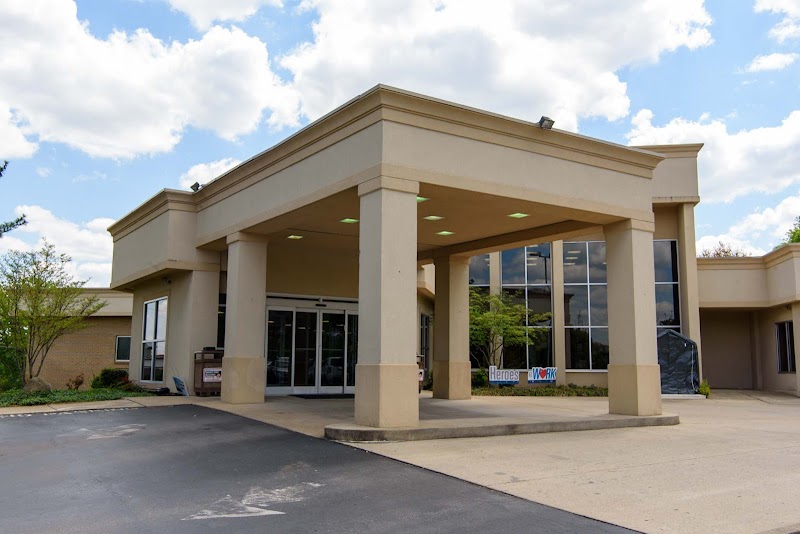
BETHANY CENTER FOR REHABILITATION AND HEALING LLC is owned by a for-profit company. For-profit facilities operate as businesses with obligations to shareholders or private owners. The facility is operated by CARERITE CENTERS, a chain that manages multiple nursing homes. With 180 certified beds and approximately 160 residents (about 89% occupancy), it is a mid-sized facility located in NASHVILLE, Tennessee.

How Does Bethany Center For Rehabilitation And Healing Llc Compare to Other Tennessee Nursing Homes?

Compared to the 100 nursing homes in Tennessee, BETHANY CENTER FOR REHABILITATION AND HEALING LLC's overall rating (2 stars) is below the state average of 2.8, staff turnover (63%) is significantly higher than the state average of 46%, and health inspection rating (2 stars) is below the national benchmark.

What Should Families Ask When Visiting Bethany Center For Rehabilitation And Healing Llc?

Based on this facility's data, families visiting should ask: "What changes have been made since the serious inspection findings, and how are you preventing similar issues?" "How do you ensure continuity of care given staff turnover, and what is your staff retention strategy?" "Can you walk me through typical staffing levels on day, evening, and night shifts?" "Can I visit during a mealtime to observe dining assistance and food quality?" These questions are particularly relevant given the facility's Immediate Jeopardy citations, the facility's high staff turnover rate, and the below-average staffing rating.

Is Bethany Center For Rehabilitation And Healing Llc Safe?

Based on CMS inspection data, BETHANY CENTER FOR REHABILITATION AND HEALING LLC has documented safety concerns. Inspectors have issued 1 Immediate Jeopardy citation (the most serious violation level indicating risk of serious injury or death). The facility has a 2-star overall rating and ranks #100 of 100 nursing homes in Tennessee. Families considering this facility should ask detailed questions about what corrective actions have been taken since these incidents.

Do Nurses at Bethany Center For Rehabilitation And Healing Llc Stick Around?

Staff turnover at BETHANY CENTER FOR REHABILITATION AND HEALING LLC is high. At 63%, the facility is 17 percentage points above the Tennessee average of 46%. Registered Nurse turnover is particularly concerning at 68%. RNs handle complex medical decisions and coordinate care — frequent RN changes can directly impact care quality. High turnover means new staff may not know residents' individual needs, medications, or preferences. It can also be disorienting for residents, especially those with dementia who rely on familiar faces. Families should ask: What is causing the turnover? What retention programs are in place? How do you ensure care continuity during staff transitions?

Was Bethany Center For Rehabilitation And Healing Llc Ever Fined?

BETHANY CENTER FOR REHABILITATION AND HEALING LLC has no federal fines on record. CMS issues fines when nursing homes fail to meet care standards or don't correct problems found during inspections. The absence of fines suggests the facility has either maintained compliance or corrected any issues before penalties were assessed. This is a positive indicator, though families should still review recent inspection reports for the full picture.

Is Bethany Center For Rehabilitation And Healing Llc on Any Federal Watch List?

BETHANY CENTER FOR REHABILITATION AND HEALING LLC is not on any federal watch list. The most significant is the Special Focus Facility (SFF) program, which identifies the bottom 1% of nursing homes nationally based on persistent, serious quality problems. Not being on this list means the facility has avoided the pattern of deficiencies that triggers enhanced federal oversight. This is a positive indicator, though families should still review the facility's inspection history directly.