NHC PLACE AT THE TRACE
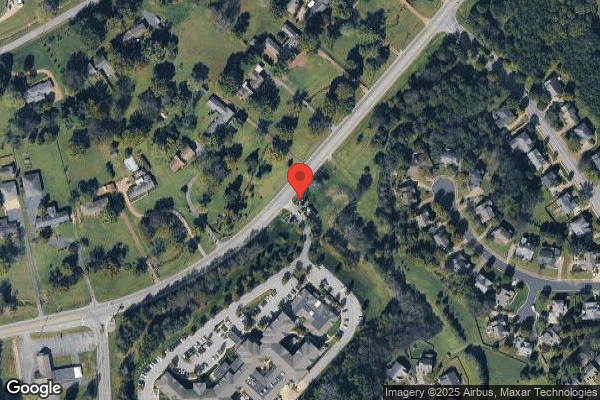
8353 HIGHWAY 100, NASHVILLE, TN 37221 (615) 890-2020
For profit - Limited Liability company 90 Beds NATIONAL HEALTHCARE CORPORATION Data: November 2025
Trust Grade
70/100
#87 of 298 in TN
Last Inspection: February 2025

Within standard 12-15 month inspection cycle. Federal law requires annual inspections.

Overview

NHC Place at the Trace has a Trust Grade of B, indicating it is a good facility and a solid choice for care. It ranks #87 out of 298 in Tennessee, placing it in the top half of all state facilities, and #3 out of 19 in Davidson County, meaning only two local options are rated higher. The facility's trend is stable, with the same number of issues found in both 2019 and 2025, but it has some areas of concern. Staffing is rated 4 out of 5 stars, with higher RN coverage than 95% of facilities in the state, though the turnover rate of 57% is average. Notably, there have been concerns regarding sanitation practices, including dirty kitchen conditions and staff failing to perform hand hygiene, which could pose risks to residents' health. Overall, while the facility has strengths in staffing and coverage, families should be aware of the sanitation issues highlighted in recent inspections.

Trust Score
B
70/100
In Tennessee
#87/298
Top 29%
Safety Record
Low Risk
No red flags
Inspections
Holding Steady
6 → 6 violations
Staff Stability
⚠ Watch
57% turnover. Above average. Higher turnover means staff may not know residents' routines.
Penalties
✓ Good
No fines on record. Clean compliance history, better than most Tennessee facilities.
Skilled Nurses
✓ Good
Each resident gets 69 minutes of Registered Nurse (RN) attention daily — more than 97% of Tennessee nursing homes. RNs are the most trained staff who catch health problems before they become serious.
Violations
⚠ Watch
14 deficiencies on record. Higher than average. Multiple issues found across inspections.
★★★★☆
4.0
Overall Rating
★★★★☆
4.0
Staff Levels
★★★★★
5.0
Care Quality
★★★☆☆
3.0
Inspection Score
Stable
2019: 6 issues
2025: 6 issues

The Good

  • 4-Star Staffing Rating · Above-average nurse staffing levels
  • 5-Star Quality Measures · Strong clinical quality outcomes
  • Full Sprinkler Coverage · Fire safety systems throughout facility
  • No fines on record

Facility shows strength in staffing levels, quality measures, fire safety.

The Bad

Staff Turnover: 57%

11pts above Tennessee avg (46%)

Frequent staff changes - ask about care continuity

Chain: NATIONAL HEALTHCARE CORPORATION

Part of a multi-facility chain

Ask about local staffing decisions and management

Staff turnover is elevated (57%)

9 points above Tennessee average of 48%

The Ugly 14 deficiencies on record

Feb 2025 6 deficiencies
CONCERN (D)

Potential for Harm - no one hurt, but risky conditions existed

Resident Rights (Tag F0550)

Could have caused harm · This affected 1 resident

Based on policy review, observation, and interview, the facility failed to ensure to maintain or enhance residents' dignity and respect during dining when 6 of 9 (Unit Manager (UM) A, Certified Nursin...

Read full inspector narrative →
Based on policy review, observation, and interview, the facility failed to ensure to maintain or enhance residents' dignity and respect during dining when 6 of 9 (Unit Manager (UM) A, Certified Nursing Assistant (CNA) B, Licensed Practical Nurse (LPN) J, CNA F, Staffing Coordinator E, and CNA G) failed to knock and/or announce themselves before entering a resident's room and failed to use courtesy titles when addressing residents and when referring to residents. The findings include: 1.Review of the facility's undated sheet titled, Partner Education-Dignity Training, revealed .We all must show respect toward each patient and preserve the rights and needs of our patients at all times. We expect that you will provide patients with a comfortable and pleasant environment .Respect your privacy, dignity, and confidentiality . 2. Review of the facility's policy titled, USE OF COURTESY TITLES, dated 6/2006, revealed .It is the policy of this center to use courtesy titles .when addressing patients in all written records and communication . 3. Observation during dining on the 500 Hall on 2/10/2025 at 11:30 AM, revealed UM A entered Resident #31's room and stated, Hey sweetheart are you ready to eat ., entered the bathroom for a washcloth, washed the resident's hands, exited the resident's room and returned to the meal cart. UM A failed to knock and/or announce herself prior to entering the resident's room and failed to use courtesy titles when addressing the resident. 4. Observation during dining on the 500 Hall on 2/10/2025 at 11:45 AM, revealed CNA B and LPN J entered Resident #25's room, failed to knock and/or announce themselves prior to entering the resident's room, placed the meal tray on the over the bed table, CNA B stated, You want me to make you a milkshake girlie ., exited the room and looked back and stated, I'll be right back my friend . and returned to the meal cart. 5. Observation during dining in the 500 Hall Common Dining Room on 2/10/2025 at 11:50 AM, revealed UM A approached the table with a bottle of hand sanitizer and stated, The man with the plan, you know the deal seal . referring to Resident #27 while applying hand sanitizer to the resident's hands. UM A then walked to the right side of the table to Resident #1 and stated, Let me get your hands sweet heart while applying hand sanitizer to Resident #1's hands, and then UM A looked over to the left side of the same table and stated to Resident #24, Are you ok dear . UM A failed to use courtesy titles when addressing or referring to Resident #1, #24, and #27. 6. Observation during dining in the 500 Hall Common Dining Room on 2/10/2025 at 11:52 AM, revealed UM A applied hand sanitizer to Resident #34's hands, Resident #34 stated, Why are you doing this. UM A stated, Boo Boo you know that we do this . UM A failed to use a courtesy title when addressing or referring to Resident #34, 7. Observation during dining on the 500 Hall on 2/12/2025 at 7:30 AM, revealed CNA F and Staffing Coordinator E entered Resident #42's room, CNA F placed the meal tray on the over the bed table, both CNA F and Staffing Coordinator E repositioned the resident in the bed, sanitized their hands, and exited the room. Neither CNA F or Staffing Coordinator E knocked and/or announced themselves prior to entering Resident #42's room. 8. Observation during dining on the 500 Hall on 2/12/2025 at 7:35 AM, revealed Staffing Coordinator E removed a tray from the meal cart, entered Resident #48's room, and placed the meal tray on the over the bed table, exited the room and returned to the meal cart. Staffing Coordinator E failed to knock and/or announce herself prior to entering Resident #48's room. 9. Observation during dining on the 500 Hall on 2/12/25 at 7:45 AM, revealed CNA G removed a tray from the meal cart, knocked and entered Resident #27's room, placed the tray on the over the bed table, Resident #27 stated, May I ask a question. CNA G stated, What's that hun [honey], adjusted the resident in bed, sanitized her hands and exited the resident's room, and returned to the meal cart. 10. During an interview on 2/12/2025 at 4:08 PM, the Director of Nursing (DON) confirmed staff should knock and announce themselves prior to entering a resident's room. The DON confirmed that residents should be addressed with courtesy titles and should not be referred to with pet names.
CONCERN (D)

Potential for Harm - no one hurt, but risky conditions existed

Accident Prevention (Tag F0689)

Could have caused harm · This affected 1 resident

**NOTE- TERMS IN BRACKETS HAVE BEEN EDITED TO PROTECT CONFIDENTIALITY** Based on the medical record review, observation, and interview, the facility failed to ensure the environment was free of accide...

Read full inspector narrative →
**NOTE- TERMS IN BRACKETS HAVE BEEN EDITED TO PROTECT CONFIDENTIALITY** Based on the medical record review, observation, and interview, the facility failed to ensure the environment was free of accident hazards when unsecured sharps were observed in 1 of 80 (Resident #47) occupied resident rooms. The findings include: Review of the medical record revealed Resident #47 was admitted to the facility on [DATE], with diagnoses including Supraventricular Tachycardia, Atrial Fibrillation, Hemiplegia and Hemiparesis and Cerebral Infarction. Review of the admission Minimum Data Set (MDS) assessment dated [DATE], revealed a Brief Interview for Mental Status (BIMS) score of 15 which indicated Resident #47 was cognitively intact, was dependent with toileting, required partial/ moderate assistance with transfers and bed mobility, setup or clean-up assistance with personal hygiene, used a wheelchair and walker for mobility and received anticoagulants. Review of the Care Plan dated 11/29/2024, revealed .Anticoagulant . At Risk for Bleeding . Approach .Use electric razor . Review of Physician's Order dated 11/27/2024, revealed Eliquis [a medication to prevent blood clotting] .tablet .5 mg [milligram] .1 tab [tablet] .oral Every 12 Hours. Observation in the Resident's room on 2/10/2025 at 11:27 AM, revealed Resident #47 was up in the wheelchair watching television (tv) with 2 blue disposable razors noted in a wash basin on the counter in the bathroom. Observation in the Resident's room on 2/10/2025 at 4:48 PM, revealed 2 blue disposable razors noted in a wash basin on the counter in the bathroom. During an observation and interview on 2/10/2025 at 5:58 PM, the Director of Nursing (DON) was shown the razors in Resident #47's bathroom and was asked should these razors be out on the counter in resident's bathroom. The DON stated, No, they should be in the drawer. During an interview on 2/11/2025 at 7:47 AM, the DON confirmed Resident #47 should not have had razors in his room. During an interview with Certified Nursing Assistant (CNA) I on 2/12/2025 at 12:35 PM, CNA I was asked if Resident #47 uses a bladed razor or an electric razor. CNA I confirmed Resident #47 uses an electric razor and stated, I've never seen him with a bladed razor.
CONCERN (D)

Potential for Harm - no one hurt, but risky conditions existed

Unnecessary Medications (Tag F0759)

Could have caused harm · This affected 1 resident

**NOTE- TERMS IN BRACKETS HAVE BEEN EDITED TO PROTECT CONFIDENTIALITY** Based on policy review, medical record review, observation, and interview, the facility failed to ensure 1 of 4 (Registered Nurs...

Read full inspector narrative →
**NOTE- TERMS IN BRACKETS HAVE BEEN EDITED TO PROTECT CONFIDENTIALITY** Based on policy review, medical record review, observation, and interview, the facility failed to ensure 1 of 4 (Registered Nurse (RN) L) nurses administered medications with a medication error rate of less than 5 percent (%). A total of 2 errors were observed out of 33 opportunities, resulting in a medication error rate of 6.06%. The findings include: 1. Review of the undated facility policy titled, Med Pass Education Tool, revealed .Anything that indicates slow-release or enteric coating .should NOT be crushed .Other common medications that should not be crushed .EC [Enteric Coated] aspirin [used to thin the blood] .Potassium tablets [a dietary supplement] . Review of the undated facility policy titled, Med Pass Education Tool, revealed .Anything that indicates slow-release or enteric coating .should NOT be crushed .Other common medications that should not be crushed .EC [Enteric Coated] aspirin .Potassium tablets . 2. Review of the medical record revealed the Resident #77 was admitted to the facility on [DATE], with diagnoses including Age-related Osteoporosis, Fibromyalgia, Chronic Kidney Disease, Pleural Effusion, Chronic Atrial fibrillation, Hyperlipidemia, Hypothyroidism, Long Term (current) Use of Aspirin, and Anemia. Review of the admission Minimum Data Set (MDS) assessment dated [DATE], revealed Resident #77 had a Brief Interview for Mental Status (BIMS) score of 15 indicating Resident #77 had intact cognition. Review of the Physicians Orders dated 1/24/2025-2/12/2025, revealed .calcium carbonate - vitamin D3 [used for low bone density] tablet .600mg [milligram] -10 mcg [microgram] (400 unit) .1 tab [tablet] .oral Twice a day .carvedilol [used for high blood pressure] tablet . 6.25 mg .1 tab . oral Twice a day .hydrochlorothiazide [used for high blood pressure] tablet .12.5 mg .1 tab .oral Once A Day . magnesium oxide [OTC] (over the counter) [used for constipation] tablet .400 mg (241.3 mg magnesium) .1 tab .oral Twice A Day .methocarbamol [used for muscle spasm] tablet .500 mg .1 tab .oral Three times a day .potassium chloride tablet extended release .10 mEq [milliequivalent] .1 tab .oral once a day .Eliquis (apixaban) [used to thin blood] tablet .5 mg .1 tab .oral Twice A Day .cholecalciferol (vitamin D3) [used for low bone density] tablet .125 mcg (5,000 unit) .1 tab .oral Once A Day .losartan [used for high blood pressure] tablet .100 mg .1 tab .oral Once a day .allopurinol [used for gout] tablet .100 mg .1 tab .oral Once A Day .aspirin [OTC] tablet .delayed release (DR/EC) .81 mg .1 tab .oral Once a day .cyanocobalamin (vitamin B 12) [used to treat anemia] tablet .1,000 mcg .1 tab . oral Once A Day .ezetimibe [used to treat high cholesterol] tablet .10 mg .1 tab .oral Once A Day .Eye Health Plus Lutein (vit a, c and e-lutein-minerals) [used for age-related eye disease] tablet .300 mcg-200mg-27mg-2mg 1 oral Once A Day .Ferrous Sulfate [used for anemia] tablet 325 mg .1 tablet .oral Once A Day . Observation during medication administration on 2/12/2025 at 8:27 AM, revealed RN L removed the following medications from the cart to administer to Resident #77. a. calcium carbonate - vitamin D3 tablet; 600mg -10 mcg 1 tablet b. carvedilol 6.25 mg 1 tab c. hydrochlorothiazide 12.5 mg 1 tab d. magnesium oxide tablet 400 mg 1 tab e. methocarbamol tablet 500 mg 1 tab f. potassium chloride tablet extended release 10 mEq 1 tab g. Eliquis 5 mg 1 tab h. cholecalciferol 125 mcg 1 tab j. losartan tablet 100 mg 1 tab k. allopurinol tablet 100 mg 1 tab l. aspirin delayed release (DR/EC) 81 mg 1 tab m. cyanocobalamin 1,000 mcg 1 tab n. ezetimibe tablet 10 mg 1 tab o. Eye Health Plus 1 tab p. Ferrous Sulfate tablet 325 mg 1 tab RN L crushed the medications including the extended-release potassium and delayed release enteric coated aspirin, placed the medication in a cup with applesauce, entered the room and administered the medications to Resident #77, resulting in 2 medication errors for crushing the extended release and enteric coated medications. During an interview on 2/12/2025 at 10:50 AM, RN L was asked if the potassium chloride extended release and aspirin delayed release should have been crushed. RN L stated, I think some dissolve, I think it's up to the provider and the pharmacy. During an interview on 2/12/2025 at 4:08 PM, the Director of Nursing confirmed slow-release and enteric coated medications should not be crushed.
CONCERN (D)

Potential for Harm - no one hurt, but risky conditions existed

Deficiency F0760 (Tag F0760)

Could have caused harm · This affected 1 resident

**NOTE- TERMS IN BRACKETS HAVE BEEN EDITED TO PROTECT CONFIDENTIALITY** Based on review of rosemontpharma.com, policy review, medical record review, interview, and observation, the facility failed to ...

Read full inspector narrative →
**NOTE- TERMS IN BRACKETS HAVE BEEN EDITED TO PROTECT CONFIDENTIALITY** Based on review of rosemontpharma.com, policy review, medical record review, interview, and observation, the facility failed to ensure residents were free from significant medication errors for 1 of 4 sampled residents (Resident #77) reviewed. The findings include: 1. Review of the rosemontpharma.com article titled, Information For Patients On The Dangers Of Tablet Crushing, dated 9/2023, revealed . The clinical consequences for the patient of crushing tablets or opening capsules can mean that the drug is less effective or more likely to cause side effects. When crushing disrupts a drug's sustained-release properties, the active ingredient is no longer released and absorbed gradually, resulting in overdose. When a gastro-resistant layer is destroyed by crushing, underdosing is likely . Enteric coatings .These stop the drug breaking down in the stomach, to protect either the stomach or the drug, or to enable it to be released further along the digestive process . Modified or prolonged release .These drugs - also known as extended release, slow release or controlled release - are steadily released, which means they don't have to be taken so frequently . Review of the undated facility policy titled, Med Pass Education Tool, revealed .Anything that indicates slow-release or enteric coating .should NOT be crushed .Other common medications that should not be crushed .EC [Enteric Coated] aspirin .Potassium tablets . 2. Review of the medical record revealed the Resident #77 was admitted to the facility on [DATE], with diagnoses including Age-related Osteoporosis, Fibromyalgia, Chronic Kidney Disease, Pleural Effusion, Chronic Atrial fibrillation, Hyperlipidemia, Hypothyroidism, Long Term (current) Use of Aspirin, and Anemia. Review of the admission Minimum Data Set (MDS) assessment dated [DATE], revealed Resident #77 had a Brief Interview for Mental Status (BIMS) score of 15 indicating intact cognition. Review of the Physician's Orders for Resident #77 dated 1/24/2025-2/12/2025, revealed .aspirin [OTC] [over the counter] tablet, delayed release .81 mg [milligram] 1 tab [tablet] Once a day .potassium chloride extended release 10 mEq [milliequivalent] .once a day . Observation during medication administration on 2/12/2025 at 8:27 AM, revealed RN (Registered Nurse) L removed medications from the medication cart including potassium chloride extended release 10 mEq and aspirin 81mg tablet delayed release, placed in medicine cup, meds crushed the medications, mixed with applesauce, and administered the medications to Resident #77. During an interview on 2/12/2025 at 10:50 AM, RN L was asked if the potassium chloride extended release or aspirin delayed release should have been crushed. RN L stated, I think some dissolve, I think it's up to the provider and the pharmacy. During an interview on 2/12/2025 at 4:08 PM, the Director of Nursing confirmed slow-release or enteric coated medications should not be crushed. Refer to F759
CONCERN (D)

Potential for Harm - no one hurt, but risky conditions existed

Infection Control (Tag F0880)

Could have caused harm · This affected 1 resident

**NOTE- TERMS IN BRACKETS HAVE BEEN EDITED TO PROTECT CONFIDENTIALITY** Based on policy review, medical record review, observation, and interview, the facility failed to prevent the spread of infectio...

Read full inspector narrative →
**NOTE- TERMS IN BRACKETS HAVE BEEN EDITED TO PROTECT CONFIDENTIALITY** Based on policy review, medical record review, observation, and interview, the facility failed to prevent the spread of infections when 1 of 4 (Registered Nurse (RN) K) nurses failed to properly perform hand hygiene during blood glucose monitoring and cleaned an injection site with a used alcohol pad during medication administration. The findings include: 1. Review of the undated facility policy titled, Med Pass Education Tool, revealed, .Use proper hand hygiene prior to donning and after doffing gloves .Use proper hand washing technique .Use a clean towel to turn off water . Review of the facility policy titled, 709 Hand Hygiene, dated April 2024 revealed, .To decrease the number of microorganisms, preventing cross contamination between staff and patients .Rinse your hands with water and use disposable towels to dry. Use towel to turn off the faucet . 2. Review of the medical record revealed Resident #278 was admitted to the facility on [DATE], with diagnoses including Hypertensive Heart Disease, Congestive Heart Failure, Diabetes, and Cellulitis. Review of the Social Services Noted dated 2/5/2025, revealed a Brief Interview for Mental Status assessment was performed on 2/5/2025, revealing a score of 11, indicating Resident #278 was moderately cognitively impaired. Review of the Care Plan dated 2/4/2024, revealed .Diabetes .Monitor blood glucose levels as ordered and administer meds [medications]/insulin as directed . Review of the Physician's Orders dated 2/3/2025 revealed insulin aspart U-100 insulin pen [a medication to lower blood glucose] .100 unit/mL [milliliter] .7 UNITS . subcutaneous .Take before lunch and dinner .[blood glucose monitoring] .Before Meals and At Bedtime . Observation in Resident #278's room on 2/11/2025 at 11:41 AM, revealed RN K prepared to perform blood glucose monitoring, entered the bathroom, washed her hands, turned off water with her bare hand, and dried her hands with paper towel. Observation in Resident #278's room on 2/11/2025 at 12:10 PM, revealed RN K prepared to administer an insulin injection, cleaned an area to the left lower abdomen with an alcohol pad, and placed the alcohol pad on the over the bed table without a barrier. RN K picked the alcohol pad up off the overbed table and used the same alcohol pad to wipe Resident #278's left lower abdomen, removed the needle cap, and administered the insulin into the abdomen. During an interview on 2/12/2025 at 3:03 PM, RN K confirmed when performing handwashing the water should be turned off with a paper towel, not with her bare hand, and when cleaning an injection site an alcohol wipe should not be reused once placed on an over the bed table without a barrier. During an interview on 2/12/2025 at 4:08 PM, the Director of Nursing confirmed an alcohol wipe should not be reused to clean an injection site if it has been laid on an over the bed table without a barrier and a paper towel should be used to turn off the water when performing hand washing.
CONCERN (E)

Potential for Harm - no one hurt, but risky conditions existed

Food Safety (Tag F0812)

Could have caused harm · This affected multiple residents

Based on policy review, facility documentation review, job descriptions, observation, and interview, the facility failed to ensure food was stored and served under sanitary conditions when floors were...

Read full inspector narrative →
Based on policy review, facility documentation review, job descriptions, observation, and interview, the facility failed to ensure food was stored and served under sanitary conditions when floors were soiled throughout the kitchen, cookware and equipment were soiled, when the dishwasher was not maintained at an appropriate temperature for sanitation, and when 1 of 1 staff (Cook N) failed to perform hand hygiene during tray line service. The facility had a census of 82 with 82 of those residents receiving a tray from the kitchen. The findings include: 1. Review of the facility policy titled, Cleaning Equipment, dated 11/2027, revealed .Equipment must be cleaned and/or sanitized after every use .Department inspections should be conducted to review sanitation, and immediate action should be taken to correct any problems that interfere with meeting sanitary standards . Review of the facility policy titled, Griddles/Grills, dated 11/2017, revealed .After each use .For char-grills, use stiff brush to remove food particles from grate . Review of the facility policy titled, Refrigerator and Freezer Storage, dated 11/2017, revealed .Refrigerator and frozen foods will be stored properly for optimal product safety .Foods will be stored in their original container or a NSF [National Sanitation Foundation] approved container or wrapped tightly in moisture-proof film, foil .clearly labeled with the contents and use by date . Review of the facility policy titled, Machine Warewashing, dated 11/2017, revealed .Most tableware, utensils, adaptive equipment, pots and pans .can be effectively cleaned and sanitized in warewashing machines. Most warewashing machines sanitize by using either hot water or a chemical-sanitizing solution .High-Temperature Machines .rely on hot water to clean and sanitize. The temperature of the wash solution in dish machine that use hot water to sanitize may not be less than 165 [degree] F [Fahrenheit] .The temperature of the final sanitizing rinse must be at least 180 [degree] F .The temperature is measured using a built-in thermometer to check the temperature of the water at the manifold, where the water sprays into the tank .Check each rack for soiled items as it comes out of the machine. Run dirty items through again until they are clean. Most items will only need to pass if proper equipment and procedures are used .Keep the warewashing machine in good repair .If the temperature are not in the proper range, immediately call the appropriate service company and stop the operation of the machine . Manually finish the dishes if necessary, following manual warewashing guidelines .Use disposal (plates/utensils, etc.) for the next meal if necessary. Do not utilize the dish machine again until it is in good repair. 2. Review of the Registered Dietitian Nutritionist job description dated 1/15/2021, revealed .Reviews sanitation and safety of the FNS [Food and Nutrition Services] department routinely and provides guidance in finding solutions to any problems noted .Has a thorough understanding and practice of all regulations (local, state, and federal) which affect FNS including department. Must be able to work with and train staff to improve patient care and FNS services . Review of the Director of Food and Nutrition Services job description dated 7/7/2022, revealed .To ensure all functions of the FNS [Food and Nutrition Services] Department, both Administrative and Clinical duties are carried out accurately and appropriately .Responsible for development/adherence to policies and procedures .cleaning schedules, and other food services management tools .Has a thorough understanding and practice of all regulations .which affect Evaluates trends and developments food safety and service practices and techniques and investigates their adaptability to the FNS program .Inspects FNS department regularly to ensure that it is safe, secure, and sanitary . 3. Observation and interview in the Kitchen during the initial tour on 2/10/2025 at 10:26 AM, revealed the following: a. 2 cooking pots hanging above the 3 compartment sink with black build up on the bottom of the pots. b. a perforated pan with dried food particles on the side. The CDM (Certified Dietary Manager) confirm that the perforated pan should be clean and free of food particles. c. 2 small clear dessert bowls stacked inside each other with cantaloupe stuck between the 2 bowls in a storage bin. The CDM confirmed that the bowls should be clean and food should not be on the bowls. d. a metal mixing kettle and a metal stand up mixer with build up of spillage and dried food particles. e. plastic rolling containers with breadcrumbs, rice, and fish batter, soiled with dried food splatters on the exterior of the containers. f. the bottom shelf of a metal prep table with dried spillage and dried food particles. g. a metal drying rack with a build up of dried food and tan spillage on the sides and on the bottom of the rack. h. the char-grill with thick carbon build up. The CDM confirmed that it was black build up. i. the floor throughout the kitchen was soiled and with thick black build under the deep fryer. j. 2 opened and undated loaves of wheat bread on a ledge above the serving line. k. half loaf of white bread opened and undated on a ledge above the serving line. l. 2 expired 4-ounce (oz) cups of grape juice dated 1/30/2025 stored in the reach in refrigerator. m. 20 expired 4 oz cups of grape juice dated 1/30/2025 stored in the walk-in refrigerator. 4. Observation and interview in the kitchen on 2/10/2025 at 3:53 PM, the CDM confirmed that the dishwasher temperatures (temp) are supposed to be 160 degrees F at wash and 180 degrees F at rinse. The CDM stated, Staff are supposed to inform me or maintenance when the temp is too low, the water temp will come down 5-10 degrees and are instructed to wait 5-10 minutes then restart (dishwasher) . Observation and interview in the Kitchen on 2/11/2025 at 10:02 AM, revealed [NAME] O was in the dish room running the dish washer and the dishwasher final rinse temp was not maintained and dropped to 151 degrees F. [NAME] R was asked, what's the process for reporting the dishwasher temperatures when they are not maintained. [NAME] R stated, I don't know the answer . [NAME] R returned with the CDM. The CDM was asked how he ensures that dishes are being sanitized properly if temperatures are not being maintained. The CDM confirmed that there was not any sanitation on the dishwasher since it is a high temp dishwasher and stated, Staff know to stop and let the water reheat after 5-10 minutes. Review of the Kitchen's Dishroom Record, dated 2/2025, revealed the rinse temperature was below 180 degrees on the following dates: a. 2/1/2025 AM 169 degrees, evening 178 degrees b. 2/2/2025 AM 175 degrees, noon 176 degrees c. 2/3/2025 AM 171 degrees, d. 2/4/2025 AM 174 degrees, noon 174 degrees, evening 177 degrees e. 2/5/2025 AM 179 degrees, noon 177 degrees, evening 169 degrees f. 2/6/2025 AM 175 degrees, noon 173 degrees, evening 175 degrees g. 2/7/2025 noon 177 degrees, evening 179 degrees h. 2/9/2025 noon 179 degrees, evening 178 degrees i. 2/10/2025 AM 179 degrees Observation and interview on 2/11/2025 at 10:16 AM, revealed the Regional Registered Dietitian (RD) had a test tray placed in the dishwasher with the final rinse temperature dropping to 160 degrees. The RD confirmed that there was an issue with the dishwasher and that someone would be contacted to assess the dishwasher. The RD confirmed that the facility would implement the use of disposable dining ware for serving meals. 5. Observation in the Kitchen on 2/11/2025 from 3:55 PM to 4:26 PM, revealed [NAME] N walking away from the serving line multiple times, touching multiple items (including the warming oven handle) in the kitchen, without changing gloves or performing hand hygiene prior to returning to serving line. [NAME] N was observed obtaining 2 sweet potatoes from the warming oven with gloved hand and smashing 1 of the potatoes with gloved hand. 6. Review of the Named company invoice for the dishwasher dated 2/11/2025, revealed .a leak at the vacuum breaker was repaired .a temp probe was repaired for the energy recover system. The incoming power for the booster is missing .They need to get a[an] electrician to fix the incoming power for the booster . Review of the service report dated 2/11/2025, revealed .Back of House issue found .Machine [dishwasher] rinse temp not meeting 180 degrees .Rinse Temperature: 144 [degrees] Fahrenheit .Monitoring rinse temp for compliance to protect guests, reputations, machine efficiency .Chemical Sanitation 50PPM [Parts Per Minute] .Monitoring chemical sanitation level for compliance to protect guests and reputation .Installed stacking pump to allow dishes to be sanitized while rinse temp is low . 7. Observation and interview in the kitchen on 2/12/2025 at 9:08 AM, revealed the stove eyes with thick carbon build up and a tan thick build up on the right front eye. The CDM stated that Ecolab came out last night and added a sanitizing line to the dishwasher. The CDM was asked regarding the testing of the sanitation of the dishwasher. The CDM stated that the facility does not have the sanitation test strips needed to test the dishwasher sanitation. The CDM confirmed that Ecolab performed a sanitation test prior to leaving. The CDM stated, I was perched the entire time that they were using the dishwasher to ensure the temps [temperatures] were not dropping. Observation and interview in the kitchen on 2/12/2025 at 9:46 AM, revealed [NAME] M washing dishes in the dish room with a wash temp of 142 degrees. [NAME] M turned the dishwasher off and did not report low temperatures to anyone. The CDM was asked how he was ensuring the sanitation of trays and dishes with having 2 Covid residents in the facility. The CDM confirmed Ecolab ran sanitation to the dishwasher. The CDM was asked how he was ensuring the proper sanitation level without being able to test. The CDM stated, I see where you are coming from. During an interview on 02/12/2025 at 12:08 PM, the Regional RD confirmed that she was first made aware of the issues with the dishwasher on 2/11/2025 and contacted the dishwasher manufacturer and Ecolab. The Regional RD was asked who made the decision to go back to using regular dishes and utensils. The Regional RD confirmed that she was not included in that decision. During an interview on 2/12/2025 at 2:49 PM, revealed the RD confirmed that he has not been included in any conversations related to any issues with the dishwasher or any concerns related to the sanitation of the dishwasher this week or prior. The RD confirmed that was a concern related to covid residents and the issue with the dishwasher sanitation. During an interview on 2/12/2025 at 3:38 PM, revealed the CDM, Regional RD, RD, and the Administrator were present. The CDM confirmed that opened food items should be labeled and dated. The CDM confirmed that expired food items should be discarded by the use by date. The CDM was asked if cookware or equipment should have thick carbon build up. The CDM stated, No. The CDM confirmed that there should not be dried food particles on clean dishes or cookware. The CDM confirmed that there should not be dried food particles, spillage, or dried substance build up on the sides or base of the rack, and mixing kettle and stand. The CDM confirmed that the dishwasher temperature logs should reflect appropriate temperatures in range and confirmed that staff should not leave the serving line and return without performing hand hygiene.
Sept 2019 6 deficiencies
CONCERN (D)

Potential for Harm - no one hurt, but risky conditions existed

Deficiency F0655 (Tag F0655)

Could have caused harm · This affected 1 resident

Based on facility policy review, medical record review, observation and interview the facility failed to implement a base line care plan to include respiratory services for 1(#340) of 7 residents revi...

Read full inspector narrative →
Based on facility policy review, medical record review, observation and interview the facility failed to implement a base line care plan to include respiratory services for 1(#340) of 7 residents reviewed. The findings include: Review of facility policy, Care Plans - Baseline, dated December 2016 revealed .A baseline plan of care to meet the resident's immediate needs shall be developed with forty-eight (48) hours of admission .The Interdisciplinary Team will review the healthcare practitioner's orders .and implement a baseline care plan .including but not limited to: Initial goals based on admission orders, Physician orders, Dietary orders, Therapy services, Social services .The baseline care plan will be used until the staff can conduct the comprehensive assessment and develop an interdisciplinary person-centered care plan . Medical record review revealed Resident #340 was admitted to the facility with diagnoses which included Pneumonia, Acute Respiratory Failure with Hypoxia, Dependence on Supplemental Oxygen, Chronic Obstructive Pulmonary Disease. Medical record review of Resident #340's Physician Orders dated 9/12/2019 revealed, .Oxygen at 3 [liters] L/ [minute] min via nc (nasal cannula] Every shift . Observation on 9/16/19 at 9:35 AM in Resident #340's room revealed he received oxygen at 3 L/min per nc. Observation on 9/18/19 at 7:30 AM in Resident #340's room revealed he received oxygen at 3 L/min per nc. Interview with the Director of Nursing (DON) on 9/17/19 at 4:39 PM in the conference room when asked to look at the base line care plan for Resident #340, the DON confirmed there were no respiratory interventions on the baseline care plan.
CONCERN (D)

Potential for Harm - no one hurt, but risky conditions existed

Deficiency F0657 (Tag F0657)

Could have caused harm · This affected 1 resident

**NOTE- TERMS IN BRACKETS HAVE BEEN EDITED TO PROTECT CONFIDENTIALITY** Based on facility policy review, medical record review and interview, the facility failed to update a care plan for 1 (#53) of 4...

Read full inspector narrative →
**NOTE- TERMS IN BRACKETS HAVE BEEN EDITED TO PROTECT CONFIDENTIALITY** Based on facility policy review, medical record review and interview, the facility failed to update a care plan for 1 (#53) of 41 residents reviewed. The findings include: Facility policy review, Updating and Revising Care Plans, updated 10/1/16, revealed .Care plans are updated as needed .New problems are handled as they arise, and are to be added to the current care plan even if the change in condition is not considered significant enough for a complete revision . Medical record review revealed Resident #53 was admitted to the facility on [DATE] with diagnoses which included Displaced Intertrochanteric Fracture of Right Femur, History of Falling, Muscle Weakness and Difficulty in walking. Medical record review of Resident #53's Fall Care Plan revised on 2/6/19 revealed no bedside commode intervention in place. Continued review revealed the care plan was revised on 2/10/19 to remove bedside toilet from room. Interview with Director of Nursing on 9/18/19 at 8:46 AM in the conference room confirmed Resident # 53's Fall Care Plan dated 2/6/19 was not updated to reflect the intervention for the bedside commode. Further interview confirmed .the bedside commode was not on the care plan but the bed side commode was removed on 2/10/19 .
CONCERN (D)

Potential for Harm - no one hurt, but risky conditions existed

Respiratory Care (Tag F0695)

Could have caused harm · This affected 1 resident

**NOTE- TERMS IN BRACKETS HAVE BEEN EDITED TO PROTECT CONFIDENTIALITY** Based on facility policy review, medical record review, observation and interview, the facility failed to properly store a nebul...

Read full inspector narrative →
**NOTE- TERMS IN BRACKETS HAVE BEEN EDITED TO PROTECT CONFIDENTIALITY** Based on facility policy review, medical record review, observation and interview, the facility failed to properly store a nebulizer mask to prevent the spread of infection for 1 (#340) of 7 residents who received respiratory services. The findings include: Facility policy review, Specific Medication Administration Procedures, dated 6/2016 revealed, .store in a plastic bag with the resident's name and date on it . Medical record review revealed Resident #340's was admitted to the facility on [DATE] with diagnoses which included Pneumonia, Acute Respiratory Failure with Hypoxia, Dependence on Supplemental Oxygen, Chronic Obstructive Pulmonary Disease. Medical record review of Resident #340's Physician Orders dated 9/17/19 revealed, .albuterol solution [bronchiodialtor] for nebulization, 2.5 mg [milligram]/3 ml [milliliters] (0.83%) .1 inhalation Every 4 Hours-PRN [as needed]. Medical record review of Resident #340's Physician Orders dated 9/17/19 revealed, . ipratropium-albuterol solution [bronchiodialtor] for nebulization, 0.5 mg-3 mg (2.5 mg base) 3mL .1 inhalation Every 4 Hours. Observation on 9/16/19 9:35 AM in Resident #340's room revealed the nebulizer mask laying on the bedside table not stored in a bag. Observation and Interview on 9/18/19 at 7:30 AM in Resident #340's room with RN #4 confirmed the nebulizer mask was not stored in a bag. Interview with the Director of Nursing and the Registered Respiratory Therapist on 9/18/19 at 800 AM in the first floor hallway confirmed the nebulizer equipment was to be placed in a bag when not in use.
CONCERN (D)

Potential for Harm - no one hurt, but risky conditions existed

Food Safety (Tag F0812)

Could have caused harm · This affected 1 resident

**NOTE- TERMS IN BRACKETS HAVE BEEN EDITED TO PROTECT CONFIDENTIALITY** Based on facility policy review, observation and interview the facility staff failed to use hand sanitizer while delivering lunc...

Read full inspector narrative →
**NOTE- TERMS IN BRACKETS HAVE BEEN EDITED TO PROTECT CONFIDENTIALITY** Based on facility policy review, observation and interview the facility staff failed to use hand sanitizer while delivering lunch trays to 2 rooms (434 and 435) of 10 rooms observed. The findings include: Review of the facility policy, Handwashing dated 6/03, revealed .When to wash hands: i. before passing out trays or handling food . Observation on 9/16/19 at 12:03 PM on the 1st floor revealed Certified Nurse Aide (CNA) #7 left room [ROOM NUMBER] without using hand sanitizer or washing hands after delivering a lunch tray. Continued observation revealed CNA #7 retrieved a tray from the tray cart and went into room [ROOM NUMBER] to deliver a lunch tray without sanitizing or washing her hands. Interview with CNA #7 on 9/16/19 at 12:07 PM on the 1st floor when asked what was the facility policy for handwashing stated .I would wash my hands but I just went in there to set a tray down . Continued interview with CNA #7 stated .you are suppose to wash or use hand sanitizer when coming in and out of the room . Interview with the Director of Nursing on 9/18/19 at 5:16 PM in the conference room stated .if a tray is put in the room by the CNA, they should sanitize before and after. If the patient is touched you do hand washing .
CONCERN (D)

Potential for Harm - no one hurt, but risky conditions existed

Infection Control (Tag F0880)

Could have caused harm · This affected 1 resident

**NOTE- TERMS IN BRACKETS HAVE BEEN EDITED TO PROTECT CONFIDENTIALITY** Based on facility policy review, resource article for cleaning agent, observation and interviews, the facility failed to use pro...

Read full inspector narrative →
**NOTE- TERMS IN BRACKETS HAVE BEEN EDITED TO PROTECT CONFIDENTIALITY** Based on facility policy review, resource article for cleaning agent, observation and interviews, the facility failed to use proper floor cleaning disinfectant solution to destroy Clostridium Difficile (C Diff) bacterial spores to prevent the spread of infection. The findings include: Facility policy review, Proper Cleaning Procedures, undated, revealed it was not specific to C Diff spores. Review of article, Efficacy of cleaning products for C Difficile associated diarrhea in geriatric rehabilitation, Canadian Family Physician, dated May 2010, revealed, .Of the agents tested, those containing high levels of chlorine (5000 milligrams/Liter free chlorine) showed consistent efficacy against C Difficile spores . Observation on 9/18/19 at 8:11 AM in room [ROOM NUMBER] revealed Housekeeper #1 cleaning isolation room using disinfectant germicidal spray to clean the floor and shower stall. Observation on 9/18/19 at 8:20 AM in room [ROOM NUMBER] revealed the disinfectant cleaning agent label listed no bleach ingredients. Interview with Housekeeper #1 on 9/18/19 at 8:40 AM in the hallway outside of room [ROOM NUMBER] when asked what solution does she use to clean the floors in C Diff isolation rooms, she confirmed she used the disinfectant germicidal spray in all the rooms on the floor. Continued interview when asked specifically if she used a bleach solution for the floors in C Diff isolation rooms, she confirmed the disinfectant germicidal spray was used on all rooms and it was her understanding the solution was effective on all bacteria. Interview with Director of Plant Operations (DPO) on 9/18/19 at 9:00 AM in the hallway outside of the laundry room, when asked if he was aware the disinfectant germicidal spray was used on the floor in room [ROOM NUMBER] isolation room for C Diff, instead of a bleach solution to clean the floors, he confirmed he was not aware the disinfectant germicidal spray used is not effective on C Diff spores. Continued interview when questioned about the lack of bleach ingredients, the DPO states he would like to call the supplier of the cleaning solution to find out if this solution is effective on the C Diff spores. Interview with the DPO on 9/18/19 at 10:05 AM in the hallway outside of the conference room confirmed the facility was using the wrong disinfectant solution for C Diff rooms. Interview with the Administrator on 9/18/19 at 10:55 AM in the conference room confirmed the cleaning solution used on the floor in the C Diff isolation room [ROOM NUMBER] was not effective on the C Diff spores.
CONCERN (E)

Potential for Harm - no one hurt, but risky conditions existed

Deficiency F0637 (Tag F0637)

Could have caused harm · This affected multiple residents

**NOTE- TERMS IN BRACKETS HAVE BEEN EDITED TO PROTECT CONFIDENTIALITY** Based on medical record review and interview, the facility failed to complete a timely Minimum Data Set (MDS) Assessment for 4 (...

Read full inspector narrative →
**NOTE- TERMS IN BRACKETS HAVE BEEN EDITED TO PROTECT CONFIDENTIALITY** Based on medical record review and interview, the facility failed to complete a timely Minimum Data Set (MDS) Assessment for 4 (#9, #19, #45, #53) of 7 residents reviewed. The findings include: Medical record review revealed Resident #9 was admitted to the facility on [DATE] with diagnoses which included Dementia without Behavioral Disturbance. Medical record review of Resident #9's Physicians Orders dated 3/22/19 revealed, .[named] Hospice start of service 3/22/19 .Patient Terminal Diagnosis End Stage Dementia . Medical record review of Resident #9's admission MDS dated [DATE] revealed the resident was not receiving hospice care. Medical record review of Resident #9's Significant Change in status MDS revealed the Accelerated Rehabilitative Disposition (ARD) date was 3/27/19 and was captured for Hospice care. Further review revealed the MDS Assessment was electronically signed and completed on 4/16/19, not completed within 14 days of the ARD date (determination period). Medical record review revealed Resident #19 was admitted to the facility on [DATE] with diagnoses which included Chronic Diastolic Congestive Heart Failure, Chronic Kidney Disease, Anxiety Disorder and Adjustment Disorder. Medical record review of Resident #19's Significant Change MDS dated [DATE] revealed the resident had a change in status for mobility and depression from the 5 day MDS dated [DATE] and the 14 day MDS dated [DATE]. Further review revealed the MDS was not completed within 14 days of the determination date. Medical record review revealed Resident #45 was admitted to the facility on [DATE] with diagnoses which included Parkinson's disease and Vascular Dementia without Behavioral Disturbance. Medical record review of Resident #45's Physician Order dated 6/28/19 revealed, .Admit to [named hospice] . Medical record review of Resident #45's Significant Change in status MDS Assessment revealed the ARD date was 7/15/19, seventeen days after Resident #45 was admitted to Hospice care, resulting in a late Assessment. Medical record review revealed Resident #53 was admitted to the facility on [DATE] with diagnoses which included Dementia without Behavioral Disturbance. Medical record review of Resident #53's Significant Change in Status Minimum Data Set, dated [DATE] revealed the resident had a change in status for BIMS and Mood from the admission MDS dated [DATE]. Further review revealed the MDS Assessment was not completed within 14 days of the determination date. Interview with the MDS Coordinator on 9/17/19 at 6:20 PM in the conference room when asked to look at Resident #45's Physician orders and the Significant Change in status MDS Assessment, she stated, It's late, It was supposed to have been done within 14 days of the resident going on Hospice care. I wasn't informed by nursing when the resident went to Hospice care so the Assessment was done late. Interview with the MDS Coordinator on 9/18/19 at 3:20 PM in the conference room confirmed the significant change MDS for Resident's (#9, #19, and #53) were not completed within 14 days of the determination date (ARD).
Sept 2018 2 deficiencies
CONCERN (D)

Potential for Harm - no one hurt, but risky conditions existed

Comprehensive Care Plan (Tag F0656)

Could have caused harm · This affected 1 resident

**NOTE- TERMS IN BRACKETS HAVE BEEN EDITED TO PROTECT CONFIDENTIALITY** Based on the review of the facility policy, medical record review, observation, and interview, the facility failed to follow the...

Read full inspector narrative →
**NOTE- TERMS IN BRACKETS HAVE BEEN EDITED TO PROTECT CONFIDENTIALITY** Based on the review of the facility policy, medical record review, observation, and interview, the facility failed to follow the care plan interventions for oxygen protocol for 2 of 39 (#39 and #76) resident care plans reviewed. The findings include: Record review of the facility policy, Infection Control Issues revised 7/2014 revealed .1. Change oxygen tubing every 7 days. Label the tubing with date, nurse's initials. 2. Change humidifier when empty or at least every 7 days with tubing change . Medical record review revealed Resident #39 was admitted to the facility on [DATE] with diagnoses included Chronic Obstructive Pulmonary Disease, Dependence on Supplemental Oxygen, and Malignant Neoplasm of Unspecified Bronchus or Lung. Medical record review of the Physician's Telephone Order dated 8/23/18 revealed .Oxygen tubing change . every 7 days . Further review revealed .Oxygen tubing change . every week on Wednesday DAY Shift . Medical record review of the Care Plan dated 9/13/18 revealed . Interventions: Oxygen tubing change per protocol . Observation on 9/17/18 at 10:20 AM and at 3:37 PM in Resident #39's room revealed the humidifier water, and nasal cannula were undated. Further observation revealed the nebulizer tubing was not dated and was uncovered on top of the bedside table. Interview with Registered Nurse (RN) #1 on 9/17/18 at 3:27 PM in Resident #39's room revealed We put them in bags, and date the tubing. Further interview confirmed This is not dated. Interview with RN #2 on 9/19/18 at 3:41 PM in the conference room revealed the facility failed to follow the care plan interventions for oxygen protocol. Further interview confirmed the oxygen protocol should have been followed. Medical record review revealed Resident #76 was admitted to the facility on [DATE] diagnoses included Bacteremia, Methicillin Resistant Staphylococcus Aureus Infection, Hypertensive Heart and Chronic Kidney Disease stage 4, Chronic Diastolic (Congestive) Heart Failure, Atrial Fibrillation, Cardiac Pacemaker, Atherosclerotic Heart Disease, and Chronic Obstructive Pulmonary Disease (COPD). Medical record review revealed the Physician Order dated 8/30/18 for .Oxygen at 2L [liters] per NC (nasal cannula) every shift .Oxygen tubing change every 7 days . Medical record review of the Care Plan with the onset date 9/1/18 revealed .Respiratory Complications: At risk for related to COPD, Dependence on supplemental oxygen . Further review revealed the approaches included .Oxygen tubing change .every 7 days . Observation on 9/18/18 at 9:11 AM in Resident #76's room, with Certified Nurse Aide (CNA) #2 present, revealed the resident in a wheelchair with a nasal cannula in place and the oxygen concentrator in operation. Further observation revealed the oxygen tubing was dated 9/5/18. Interview with CNA #2 on 9/18/18 at 9:11 AM in Resident #76's room confirmed the oxygen tubing was dated 9/5/18. Interview with RN #2 on 9/19/18 at 3:41 PM in the conference room confirmed the facility policy for changing respiratory equipment tubing and dating the tubing was scheduled on a weekly basis. Further interview revealed the Respiratory Therapist came to the facility weekly and was to change the respiratory equipment tubing and date the tubing during the weekly visit. Further interview, after the care plan was reviewed for Resident #76, confirmed the facility failed to follow the care plan to change and date the oxygen tubing weekly.
CONCERN (E)

Potential for Harm - no one hurt, but risky conditions existed

Infection Control (Tag F0880)

Could have caused harm · This affected multiple residents

**NOTE- TERMS IN BRACKETS HAVE BEEN EDITED TO PROTECT CONFIDENTIALITY** Medical record review revealed Resident #39 was admitted to the facility on [DATE] with diagnoses included Chronic Obstructive P...

Read full inspector narrative →
**NOTE- TERMS IN BRACKETS HAVE BEEN EDITED TO PROTECT CONFIDENTIALITY** Medical record review revealed Resident #39 was admitted to the facility on [DATE] with diagnoses included Chronic Obstructive Pulmonary Disease (COPD), Dependence on Supplemental Oxygen, and Malignant Neoplasm of Unspecified Bronchus or Lung. Medical record review of the Physician's Telephone Order dated 8/23/18 revealed .Oxygen tubing change .every 7 days . Further review revealed .Oxygen 4 liter per minute inhalation every shift .albuterol sulfate 2.5 mg [milligram]/3ml [milliliter] Neb solution 1 ampul nebulization every 4 hours as Needed Wheezing Nebulization. Dx: Respiratory Symptoms . Observation on 9/17/18 at 10:20 AM and 3:27 PM in Resident #39's room revealed the humidifier water and nasal cannula were undated. Further observation revealed the nebulizer tubing was not dated and was uncovered on top of the bedside table. Interview with RN #1 on 9/17/18 at 3:27 PM in Resident #39's room stated We put them in bags, and date the tubing. Further interview confirmed This is not dated. Interview with the RT on 9/18/18 at 9:33 AM in the conference room revealed, the equipment was changed out every 2 weeks. Further interview the nebulizer equipment was changed out every 2 weeks. Further interview revealed the nebulizer kit equipment was dated and was in a plastic bag when not in use. Further interview confirmed Everyone should know to date and change tubing. Medical record review revealed Resident #66 was admitted to the facility on [DATE] with diagnoses included Pneumonia, Nicotine Dependence, Arteriosclerotic Heart Disease and Myocardial Infarction. Medical record review of the Physician's Telephone Orders dated 9/12/18 revealed .Oxygen 2 L [liter] PNC [pre nasal cannula] PRN [as needed] .DuoNeb 0.5 mg -3mg (2.5mg base)/3ml Neb Solution (Ipratropium Bromide/Albuterol Sulfate) 1 ampul inhalation every 6 hours as needed Wheezing Nebulization. Dx: shortness of breath .Oxygen tubing change .every week on Wednesday Day shift . Observation on 09/17/18 at 10:00 AM and 4:05 PM in Resident 66's room revealed nasal cannula, humidifier water, and nebulizer kit were not dated. Further observation revealed nebulizer equipment on the floor against the wall on the right side of the resident's bed. Interview with RN #1 on 9/17/18 at 4:14 PM in Resident #66's room confirmed the respiratory equipment was not dated, and the nebulizer machine was on the floor. Interview with the RT 9/18/18 at 9:33 AM in the conference room revealed the respiratory equipment was changed out every 2 weeks. Further interview confirmed Everyone should know to date and change tubing. Interview with RN #2 on 9/19/18 at 3:41 PM in the conference when asked if staff was familiar with the facilities policy confirmed the policy says changing the tubing out weekly. Further interview revealed the nebulizer on the floor should not be there. The mask should be in a bag at bedside and dated. RN #2 stated the Respiratory Therapist is responsible, she is here weekly. I don't know why we were not following the policy. Our wires were crossed, she says 14 days and the policy says 7 days. Based on facility policy review, observation, interview and medical record review, the facility failed to maintain infection control protocols while passing meal trays by failing to use Personal Protective Equipment (PPE) while entering 1 of 4 rooms with transmission based precautions in effect; and failed to ensure respiratory equipment tubing was changed weekly and dated for 4 of 15 residents (#6, #39, #66, and #76) receiving respiratory treatment. The findings include: Review of facility policy, Infection Control revised 10/1/13 revealed, .The Infection Control Program is an organization-wide program including policies and procedures for the surveillance, prevention and control of infection .The policies and procedures are designed to prevent and contain infections preventing spread from patient-to-patient and from patient-to-employee . Review of the facility policy, Oxygen revised 7/2014 revealed, .Change oxygen tubing every 7 days. Label the tubing with date, nurse's initials .Change humidifier when empty or at least every 7 days with the tubing change .Change nebulizer and tubing every 7 days . Observation on 9/17/18 at 12:02 PM on the 400 hall of the mid day meal pass revealed room [ROOM NUMBER] had a sign outside the room on the door frame indicating to check with the nurse before entering the room. Further observation revealed a 3 drawer table outside the room by the door containing PPE. Continued observation revealed Certified Nurse Aide (CNA) #3 entered room [ROOM NUMBER] with a meal tray, placed it on the over bed table and moved the table closer to the resident. The CNA was not using any PPE. Interview with CNA #3 on 9/17/18 at 12:03 PM in the hall by room [ROOM NUMBER] was asked what type of isolation the resident was on and stated, I'm not sure, but I can find out. CNA #3 asked another staff member who was passing meal trays what type of isolation the resident was on and informed the surveyor it was MRSA [Methicillin Resistant Staphylococcus Aureus] (a very difficult bacteria to cure) in her hip, and then stated, I should have at least put on gloves. Interview with Registered Nurse (RN) #2 on 9/17/18 at 2:25 PM in the conference room was asked what the CNA's were expected to do before entering an isolation room if the cause for transmission based precautions was unknown. RN #2 stated, They should ask the nurse the cause for the isolation, or use full PPE prior to entry into the room. The RN confirmed the facility failed to prevent infection control protocols by failing to use PPE prior to entering an isolation room. Medical record review revealed Resident #6 was admitted to the facility on [DATE] with diagnoses included Congestive Heart Failure and Dependence on Supplemental Oxygen. Medical record review of a 14 day admission Minimum Data Set (MDS) dated [DATE] revealed a Brief Interview for Mental Status (BIMS) of 7 indicating severe cognitive impairment. The resident required extensive assistance of 1 person for bed mobility, transfers, and toileting. He received oxygen while a resident in the facility. Medical record review of Physician's Orders dated 8/31/18 for nebulizer treatments every 4 hours as needed for wheezing; 9/10/18 for oxygen at 3 liters per minute by nasal cannula; 9/17/18 oxygen tubing to be changed every week on day shift. Continued review revealed the order was discontinued on 9/18/18. Observation on 9/17/18 at 4:02 PM in Resident #6's room revealed the resident was using oxygen by a nasal cannula. Further observation revealed the tubing was not attached to the oxygen concentrator but was lying on the floor under the bed by the trash can. Further observation revealed the oxygen tubing was dated 9/5/18. CNA #1 entered the resident's room at 4:04 PM, picked the tubing off the floor and attached it to the concentrator which was running at 3 liters per minute. Continued observation with the CNA present confirmed there was a nebulizer on the bedside table with the tubing dated 9/10/18, and another nasal cannula tubing attached to a portable oxygen tank behind the resident's wheelchair that was dated 8/22/18 and was not in a bag. CNA #1 asked the surveyor if the unused tubing was to be stored in a bag and the surveyor asked the CNA what the facility policy stated. The CNA stated, I'll go get a bag. CNA #1 returned at 4:11 PM and placed the tubing dated 8/22/18 attached to the portable oxygen tank in a clear plastic bag. The CNA left the room and returned at 4:15 PM and discarded the bag of tubing dated 8/22/18 and told the resident he was to use the oxygen tubing he was using on the concentrator on the portable tank when he was up in his wheelchair. The resident nodded his head yes in understanding. Interview with the Respiratory Therapist (RT) on 9/18/18 at 9:35 AM in the conference room stated she was in the facility every 2 weeks and changed the nebulizer, CPAP (continuous positive airway pressure machine generally used for sleep apnea) and oxygen tubing at that time and dated it. The RT confirmed tubing used on portable oxygen tank was to be the same tubing used in the room on the concentrator and all tubing and nebulizer equipment should be stored in a bag for sanitary reasons. Further interview with the RT confirmed the oxygen tubing dated 8/22/18 should have been discarded and not used. Further interview confirmed oxygen tubing lying on the floor was to be discarded and not used on the resident. The RT stated the nurses were to date tubing upon admission or when the tubing was changed out for some reason. RT #1 reiterated all oxygen tubing was to be changed every 2 weeks. Interview with Licensed Practical Nurse (LPN) #1 on 9/19/18 at 3:30 PM in the conference room confirmed the order to change oxygen tubing every 7 days was part of an order set that was ordered when a resident had oxygen or nebulizer treatment. When asked why the tubing change order was ordered on 9/17/18 then discontinued on 9/18/18 she stated, There was some confusion on Monday about having the tubing change order every 7 days, then we were told it was every 2 weeks so I dc'd [discontinued] it the next day. Interview with RN #2 on 9/19/18 at 3:41 PM in the conference room when asked how often oxygen tubing was changed stated, the policy we gave you said every 7 days. When asked about oxygen, nebulizer tubing and mask equipment storage, the RN stated it should be in a bag for and dated. Continued interview when asked who was responsible to change and date oxygen tubing he stated RT. Further interview confirmed he was not aware of the disconnect between RT and nursing staff regarding oxygen and nebulizer tubing changes until brought to his attention by the state surveyors. The RN was asked why the facility wasn't following their policy or protocol for tubing changes every 7 days he stated, We had a failure to communicate our procedures to all parties involved. Medical record review revealed Resident #76 was admitted to the facility on [DATE] diagnoses included Bacteremia, Methicillin Resistant Staphylococcus Aureus Infection, Hypertensive Heart and Chronic Kidney Disease stage 4, Chronic Diastolic (Congestive) Heart Failure, Atrial Fibrillation, Cardiac Pacemaker, Atherosclerotic Heart Disease, and Chronic Obstructive Pulmonary Disease. Medical record review revealed the Physician Order dated 8/30/18 for .Oxygen at 2L per NC (nasal cannula) every shift .Oxygen tubing change every 7 days . Medical record review of the 5 day admission MDS dated [DATE] revealed Resident #76 was receiving oxygen while a resident at the facility. Observation on 9/18/18 at 9:11 AM in Resident #76's room, with CNA #2 present, revealed the resident in a wheelchair with a nasal cannula in place and the oxygen concentrator in operation. Further observation revealed the oxygen tubing was dated 9/5/18. Interview with CNA #2 on 9/18/18 at 9:11 AM in Resident #76's room confirmed the oxygen tubing was dated 9/5/18. Interview with the RT on 9/18/18 at 9:15 AM in the hallway outside Resident #76's room revealed the RT checked and changed all residents with facility owned respiratory equipment tubing and water every 2 weeks and facility nursing staff changed the tubing as needed. Interview with RN #2 on 9/19/18 at 3:41 PM in the conference room confirmed the facility policy for changing respiratory equipment tubing and dating the tubing was scheduled weekly. Further interview revealed the RT came to the facility weekly and was to change the respiratory equipment tubing and date the tubing during the weekly visit. Further interview confirmed, after reviewing physician orders, the facility failed to change the tubing weekly as ordered.
Understanding Severity Codes (click to expand)
Life-Threatening (Immediate Jeopardy)
J - Isolated K - Pattern L - Widespread
Actual Harm
G - Isolated H - Pattern I - Widespread
Potential for Harm
D - Isolated E - Pattern F - Widespread
No Harm (Minor)
A - Isolated B - Pattern C - Widespread

Questions to Ask on Your Visit

  • "Why is there high staff turnover? How do you retain staff?"
  • "Can I speak with families of current residents?"
  • "What's your RN coverage like on weekends and overnight?"

Our Honest Assessment

Strengths
  • • No major safety red flags. No abuse findings, life-threatening violations, or SFF status.
  • • No fines on record. Clean compliance history, better than most Tennessee facilities.
Concerns
  • • 14 deficiencies on record. Higher than average. Multiple issues found across inspections.
  • • 57% turnover. Above average. Higher turnover means staff may not know residents' routines.
Bottom line: Mixed indicators with Trust Score of 70/100. Visit in person and ask pointed questions.

About This Facility

What is Nhc Place At The Trace's CMS Rating?

CMS assigns NHC PLACE AT THE TRACE an overall rating of 4 out of 5 stars, which is considered above average nationally. Within Tennessee, this rating places the facility higher than 99% of the state's 100 nursing homes. This rating reflects solid performance across the metrics CMS uses to evaluate nursing home quality.

How is Nhc Place At The Trace Staffed?

CMS rates NHC PLACE AT THE TRACE's staffing level at 4 out of 5 stars, which is above average compared to other nursing homes. Staff turnover is 57%, which is 11 percentage points above the Tennessee average of 46%. High turnover can affect care consistency as new staff learn residents' individual needs.

What Have Inspectors Found at Nhc Place At The Trace?

State health inspectors documented 14 deficiencies at NHC PLACE AT THE TRACE during 2018 to 2025. These included: 14 with potential for harm.

Who Owns and Operates Nhc Place At The Trace?

NHC PLACE AT THE TRACE is owned by a for-profit company. For-profit facilities operate as businesses with obligations to shareholders or private owners. The facility is operated by NATIONAL HEALTHCARE CORPORATION, a chain that manages multiple nursing homes. With 90 certified beds and approximately 86 residents (about 96% occupancy), it is a smaller facility located in NASHVILLE, Tennessee.

How Does Nhc Place At The Trace Compare to Other Tennessee Nursing Homes?

Compared to the 100 nursing homes in Tennessee, NHC PLACE AT THE TRACE's overall rating (4 stars) is above the state average of 2.8, staff turnover (57%) is significantly higher than the state average of 46%, and health inspection rating (3 stars) is at the national benchmark.

What Should Families Ask When Visiting Nhc Place At The Trace?

Based on this facility's data, families visiting should ask: "How do you ensure continuity of care given staff turnover, and what is your staff retention strategy?" "Can I visit during a mealtime to observe dining assistance and food quality?" "How do you handle medical emergencies, and what is your hospital transfer rate?" "Can I speak with family members of current residents about their experience?" These questions are particularly relevant given the facility's high staff turnover rate.

Is Nhc Place At The Trace Safe?

Based on CMS inspection data, NHC PLACE AT THE TRACE has a clean safety record: no substantiated abuse findings (meaning no confirmed cases of resident harm), no Immediate Jeopardy citations (the most serious violation level indicating risk of serious injury or death), and is not on the Special Focus Facility watch list (a federal program monitoring the lowest-performing 1% of nursing homes). The facility has a 4-star overall rating and ranks #1 of 100 nursing homes in Tennessee. While no facility is perfect, families should still ask about staff-to-resident ratios and recent inspection results during their visit.

Do Nurses at Nhc Place At The Trace Stick Around?

Staff turnover at NHC PLACE AT THE TRACE is high. At 57%, the facility is 11 percentage points above the Tennessee average of 46%. High turnover means new staff may not know residents' individual needs, medications, or preferences. It can also be disorienting for residents, especially those with dementia who rely on familiar faces. Families should ask: What is causing the turnover? What retention programs are in place? How do you ensure care continuity during staff transitions?

Was Nhc Place At The Trace Ever Fined?

NHC PLACE AT THE TRACE has no federal fines on record. CMS issues fines when nursing homes fail to meet care standards or don't correct problems found during inspections. The absence of fines suggests the facility has either maintained compliance or corrected any issues before penalties were assessed. This is a positive indicator, though families should still review recent inspection reports for the full picture.

Is Nhc Place At The Trace on Any Federal Watch List?

NHC PLACE AT THE TRACE is not on any federal watch list. The most significant is the Special Focus Facility (SFF) program, which identifies the bottom 1% of nursing homes nationally based on persistent, serious quality problems. Not being on this list means the facility has avoided the pattern of deficiencies that triggers enhanced federal oversight. This is a positive indicator, though families should still review the facility's inspection history directly.