VICTORIA GARDENS OF ALLEN
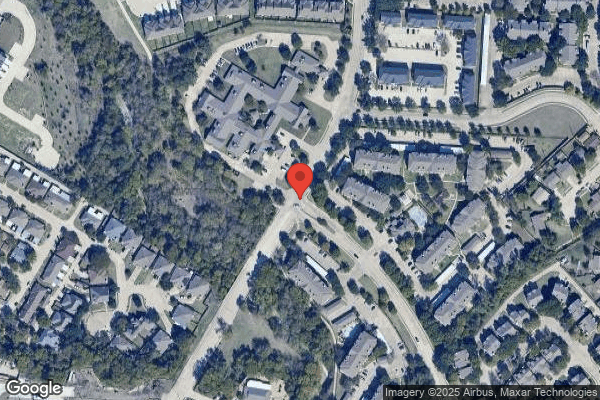
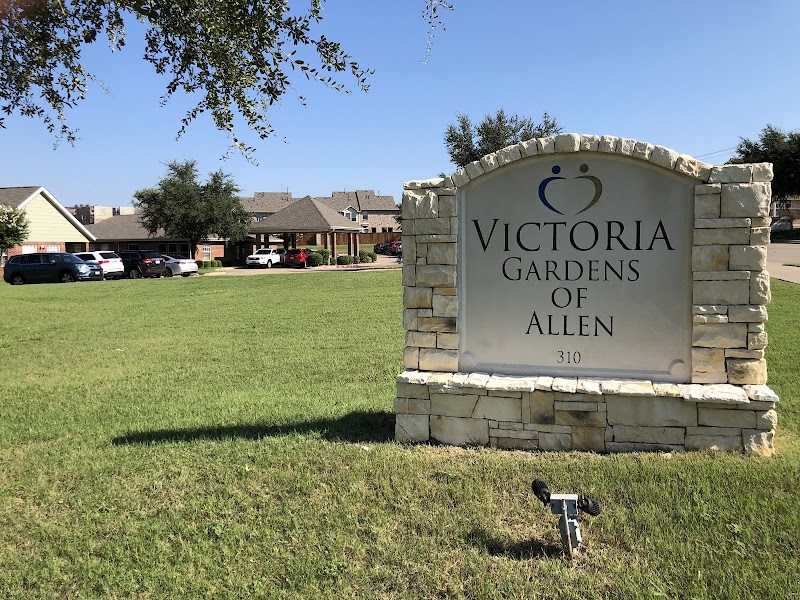
310 S JUPITER, ALLEN, TX 75002 (972) 727-5850
For profit - Limited Liability company 120 Beds PRIORITY MANAGEMENT Data: November 2025
Trust Grade
70/100
#372 of 1168 in TX
Last Inspection: November 2024

Within standard 12-15 month inspection cycle. Federal law requires annual inspections.

Overview

Victoria Gardens of Allen has received a Trust Grade of B, indicating it is a good choice for families seeking a nursing home, as this means it is solidly above average. The facility ranks #372 out of 1168 in Texas, placing it in the top half of state facilities, and #14 out of 22 in Collin County, meaning there are only 13 local options that are better. The trend is improving, with reported issues dropping from 14 in 2023 to just 4 in 2024, showing positive progress. However, staffing is a concern, rated at 2 out of 5 stars, with a 41% turnover rate, which is better than the Texas average but still below optimal levels. While there have been no fines reported, which is a positive sign, the facility has been cited for not maintaining proper hygiene for residents, such as failing to ensure some residents received necessary grooming and hygiene care. Additionally, there were lapses in infection control practices, like not disinfecting equipment between uses, which could increase the risk of infection. Overall, while there are strengths like the lack of fines and an improving trend, families should be aware of the staffing challenges and the specific deficiencies noted in care quality.

Trust Score
B
70/100
In Texas
#372/1168
Top 31%
Safety Record
Low Risk
No red flags
Inspections
Getting Better
14 → 4 violations
Staff Stability
○ Average
41% turnover. Near Texas's 48% average. Typical for the industry.
Penalties
✓ Good
No fines on record. Clean compliance history, better than most Texas facilities.
Skilled Nurses
⚠ Watch
Each resident gets only 15 minutes of Registered Nurse (RN) attention daily — below average for Texas. Fewer RN minutes means fewer trained eyes watching for problems.
Violations
⚠ Watch
21 deficiencies on record. Higher than average. Multiple issues found across inspections.
★★★★☆
4.0
Overall Rating
★★☆☆☆
2.0
Staff Levels
★★★★☆
4.0
Care Quality
★★★★☆
4.0
Inspection Score
Stable
2023: 14 issues
2024: 4 issues

The Good

  • 4-Star Quality Measures · Strong clinical quality outcomes
  • Full Sprinkler Coverage · Fire safety systems throughout facility
  • No fines on record
  • Staff turnover below average (41%)

    7 points below Texas average of 48%

Facility shows strength in quality measures, fire safety.

The Bad

Staff Turnover: 41%

Near Texas avg (46%)

Typical for the industry

Chain: PRIORITY MANAGEMENT

Part of a multi-facility chain

Ask about local staffing decisions and management

The Ugly 21 deficiencies on record

Dec 2024 2 deficiencies
CONCERN (D) 📢 Someone Reported This

A family member, employee, or ombudsman was alarmed enough to file a formal complaint

Potential for Harm - no one hurt, but risky conditions existed

Respiratory Care (Tag F0695)

Could have caused harm · This affected 1 resident

**NOTE- TERMS IN BRACKETS HAVE BEEN EDITED TO PROTECT CONFIDENTIALITY** Based on observations, interviews, and record review, the facility failed to ensure that residents, who needed respiratory care,...

Read full inspector narrative →
**NOTE- TERMS IN BRACKETS HAVE BEEN EDITED TO PROTECT CONFIDENTIALITY** Based on observations, interviews, and record review, the facility failed to ensure that residents, who needed respiratory care, were provided such care consistent with professional standards of practice, the comprehensive person-centered care plan, and the residents' goals and preferences for two (Resident #1 and Resident #2) of five residents reviewed for Respiratory Care. 1. The facility failed to ensure that Resident #1's breathing mask for nebulization was properly stored on 12/07/2024. 2. The facility failed to ensure that Resident #2's nasal cannula (flexible tube used to deliver oxygen to the nose through two prongs) was properly stored on 12/07/2024. These failures could place the residents at risk for respiratory infection and not having their respiratory needs met. Findings included: 1. Review of Resident #1's Face Sheet, dated 12/07/2024, reflected the resident was an [AGE] year-old female admitted on [DATE]. Resident #1 was diagnosed with chronic respiratory failure (airway to lungs becomes narrow and damaged) with hypoxia (low oxygen level). Review of Resident #1's Comprehensive MDS Assessment, dated 10/15/2024, reflected the resident was cognitively intact with a BIMS score of 15. Resident #1's Comprehensive MDS Assessment listed chronic lung disease as one the of the resident's active diagnosis. Review of Resident #1's Comprehensive Care Plan, dated 10/19/2024, reflected the resident had respiratory failure and one of the interventions was give aerosol (fine spray or mist used to deliver medications) or bronchodilators (medication used to open the airways) as ordered. Review of Resident #1's Physician Order, dated 07/08/2024, reflected Ipratropium-Albuterol Solution 0.5-2.5 (3) MG/3ML 1 vial inhale orally four times a day for antiasthmatics. Observation and interview on 12/07/2024 at 3:01 PM revealed Resident #1 was in her bed, awake. It was observed that there was a nebulizer machine on top of the resident's right-side table and a breathing mask was connected to the machine. The breathing mask was on top of the machine and was not bagged. The resident said she was on breathing treatment four times a day because of her breathing problem. She said the nurse would put it on and would take it off. She said she do not know where the nurse would put it after he would take it off. She said she was never told to put the breathing mask in a plastic bag and said it was not her responsibility to put it on a bag. She said she do not know when the breathing mask was last changed. 2. Review of Resident #2's Face Sheet, dated 12/07/2024, reflected the resident was a [AGE] year-old female admitted on [DATE]. Resident #2 was diagnosed with chronic respiratory failure with hypoxia and muscle weakness. Review of Resident #2's Comprehensive MDS Assessment, dated 10/22/2024, reflected the resident was cognitively intact with a BIMS score of 13. Resident #2's Comprehensive MDS Assessment indicated the resident was on oxygen therapy while a resident of the facility. Review of Resident #2's Comprehensive Care Plan, dated 10/27/2024, reflected the resident had respiratory failure with hypoxia and one of the interventions was to give oxygen therapy as ordered by the physician. Review of Resident #2's Physician Order, dated 12/07/2023, reflected O2 @ 2L via NC CONTINUOUS every shift for SOB. Observation on 12/07/2024 at 3:11 PM revealed Resident #2 was in her bed, awake. Resident #2 was wearing the nasal cannula and receiving oxygen. It was also observed that the resident had a wheelchair at bedside with a portable oxygen tank at the back. A nasal cannula was noted connected to the portable oxygen tank and the nasal cannula was hanging on the wheelchair's right wheel. The nasal cannula was not bagged and almost touching the right wheel of the wheelchair. In an interview with CNA B on 12/07/2024 at 3:49 PM, CNA B stated the wheelchair was Resident #2's wheelchair. He said the nasal cannula should not be hanging by the wheel because it would get dirty. He said he would tell the nurse the nasal cannula was hanging by the wheel. Observation and interview with RN A on 12/07/2024 at 3:56 PM, RN A stated the breathing mask and the nasal cannula should be inside a clean bag when not in use to protect them from transfer of germs and probable infection. RN A entered Resident #1's room and saw the resident's breathing mask sitting on top of the nebulizer machine. He disconnected the breathing mask, threw it the trash can and said he would get a new one, and would put the breathing mask inside a bag. He said he administered the resident's breathing treatment around 3 PM and the resident must have removed it when it was done. He said he should have checked if the resident was done, cleaned the breathing mask and put it inside the bag. RN A went out of Resident #1's room. After leaving Resident #1's room, he went inside Resident #2's room, and saw the nasal cannula was hanging at the back at the wheel of the wheelchair. RN A disconnected Resident #2's nasal cannula and threw it in the trash can. He said he would also replace it. He said he did not notice the nasal cannula was hanging and almost touching the wheel of the wheelchair. In an interview with the Administrator on 12/07/2024 at 4:48 PM, the Administrator stated the breathing mask and the nasal cannula should be kept clean to prevent any respiratory infection. He said he would coordinate with the DON regarding the needed in-service about respiratory care. He said the expectation was for the staff to bag the breathing mask and the nasal cannula every time the resident was not using it. In an interview with the DON on 12/07/2024 at 5:17 PM, the DON stated the breathing mask and the nasal cannula should be stored properly when not in use to keep them clean. She said if the breathing mask and the nasal cannula were not bagged, exposed, or touching surfaces that were not clean, there could be cross contamination, respiratory infection, and compromised oxygen administration. She said the expectation was for the staff to be mindful in making sure that the breathing mask and the nasal cannula was properly stored. She said she would make an in-service and re-educate the staff about storing the breathing mask and the nasal cannula properly. Facility's policy for bagging the nasal cannula requested via email to the Administrator on 12/07/2024 at 4:30 PM but was not provided prior to exit.
CONCERN (D) 📢 Someone Reported This

A family member, employee, or ombudsman was alarmed enough to file a formal complaint

Potential for Harm - no one hurt, but risky conditions existed

Infection Control (Tag F0880)

Could have caused harm · This affected 1 resident

**NOTE- TERMS IN BRACKETS HAVE BEEN EDITED TO PROTECT CONFIDENTIALITY** Based observations, interviews, and record review, the facility failed to maintain an Infection Prevention and Control Program d...

Read full inspector narrative →
**NOTE- TERMS IN BRACKETS HAVE BEEN EDITED TO PROTECT CONFIDENTIALITY** Based observations, interviews, and record review, the facility failed to maintain an Infection Prevention and Control Program designed to provide a safe, sanitary, and comfortable environment and to help prevent the development and transmission of communicable diseases and infections for one (Resident #2) of five residents reviewed for Infection Control. The facility failed to ensure that CNA B changed his gloves and performed hand hygiene while providing incontinent care to Resident #2 on 12/07/2024. This failure could place the residents at risk of cross-contamination and development of infections. Findings included: Review of Resident #2's Face Sheet, dated 12/07/2024, reflected the resident was a [AGE] year-old female admitted on [DATE]. Resident #2 was diagnosed with muscle weakness and muscle atrophy (decrease in size of a body part). Review of Resident #2's Comprehensive MDS Assessment, dated 10/22/2024, reflected the resident was cognitively intact with a BIMS score of 13. Resident #2's Comprehensive MDS Assessment indicated the resident needed maximal assistance for toileting. Review of Resident #2's Comprehensive Care Plan, dated 10/27/2024, reflected the resident had an ADL self-care performance deficit related to weakness and one of the interventions was provide assistance with personal hygiene. Observation and interview with CNA B on 12/07/2024 at 3:49 PM revealed CNA B was about to provide Resident #2's incontinent care. CNA B took with him a box of gloves, wipes, and a brief inside the room and placed them on the resident's overbed table. He did not place any hand sanitizer on the overbed table. He washed his hands and put on a pair of gloves. CNA B raised the bed and lowered the head of the bed. He unfastened the resident's brief, pushed it between the resident's legs, and cleaned the resident's perineal area (area between the thighs) using the front to back technique. After cleaning the perineal area, he took off his gloves, threw them to the trash can, and put on a new pair of gloves. He did not sanitize in between changing of gloves. He assisted the resident to roll towards the wall and started to clean the resident's bottom. After cleaning the resident's bottom, he rolled the soiled brief, pulled it, and threw it in the trash can. He changed his gloves but did not sanitize his hands before putting on a pair of gloves. After changing his gloves, CNA B touched the trash can and tied the plastic bag inside the trash can into a knot. After tying the plastic bag, CNA B took the new brief from the overbed table, put it under the resident, and fixed it. He did not change his gloves after touching the trash can and before touching the new brief. When CNA B was done with incontinent care, he took off his gloves and washed his hands. He stated he did wash his hands before and after incontinent care and he also changed his gloves after cleaning the resident the resident's perineal area and bottom. He said he was supposed to sanitize or wash his hands when he changed his glove to be sure his hands were clean when he put on the new gloves. He said he should have changed his gloves after touching the trash can because the trash can is dirty. He said his action could result to cross contamination and infection. He said he had in-services about hand hygiene and infection control but was not able to apply it. In an interview with the Administrator on 12/07/2024 at 4:48 AM, the Administrator stated staff should wash their hands and change their gloves when needed to prevent transfer of germs and infection. He said the expectation was for the staff to follow the policy and procedures pertaining to infection control and hand hygiene. He said he would coordinate with the DON to do in-services about hand hygiene and infection control. In an interview with the DON on 12/07/2024 at 5:17 PM, the DON stated hand hygiene was the most efficient way to prevent cross contamination and infection. She said staff should do hand hygiene before and after incontinent care and also when gloves were changed. She also the gloves should be changed after touching the soiled brief and after touching the trash to prevent transfer of microorganisms to any clean brief. She said the expectation was for the staff to change their gloves when going from dirty to clean and to do hand hygiene when changing the gloves. She said she would do an in-service for infection control and hand hygiene. She said she would personally monitor them for Review of facility policy, Handwashing/Hand Hygiene 2001 MED-PASS, Inc. revised December 22, 2023 revealed Policy Statement: This facility considers hand hygiene the primary means to prevent the spread of infections . 7. Use an alcohol-based hand rub . f. Before donning sterile gloves . h. Before moving from a contaminated body site to a clean body site during resident care . j. After contact with blood or bodily fluids k. After handling used dressings, contaminated equipment, etc.
Nov 2024 2 deficiencies
CONCERN (D) 📢 Someone Reported This

A family member, employee, or ombudsman was alarmed enough to file a formal complaint

Potential for Harm - no one hurt, but risky conditions existed

ADL Care (Tag F0677)

Could have caused harm · This affected 1 resident

**NOTE- TERMS IN BRACKETS HAVE BEEN EDITED TO PROTECT CONFIDENTIALITY** Based on observation, interview and record review, the facility failed to ensure a resident who was unable to carry out activiti...

Read full inspector narrative →
**NOTE- TERMS IN BRACKETS HAVE BEEN EDITED TO PROTECT CONFIDENTIALITY** Based on observation, interview and record review, the facility failed to ensure a resident who was unable to carry out activities of daily living received the necessary services to maintain good nutrition, grooming, and personal and oral hygiene for one (Resident #81) of eight residents reviewed for ADL care. 1. The facility failed to provide Resident #81 with timely incontinence care on 11/17/24. This failure could place residents at risk for a skin breakdown and infection. Findings included: Record review of Resident #81's annual MDS assessment, dated 08/08/24, reflected he was a [AGE] year-old male admitted to the facility on [DATE]. His BIMs score was 15 indicating his cognitive status was intact. His diagnoses included heart failure, cerebral palsy (group of conditions that affect movement and posture), and paraplegia (paralysis that affects the lower part of the body). The resident was dependent on staff for toileting. The resident was always incontinent of bowel and bladder. Record review of Resident #81's care plan reflected: 08/04/24 The resident had an ADL self-care performance deficit related to impaired mobility, weakness, and paraplegia. Facility interventions included resident required 1-2 persons assistance with toilet use. 09/26/24 The resident had bowel/bladder incontinence and was at risk for infection and skin breakdown. Facility interventions included brief use. Staff were to clean the peri-area with each incontinence episode. Review of Resident #81's Task Record, dated 11/17/24, reflected the resident did not have documentation showing that the resident received incontinence care on the 2:00 PM - 10:00 PM shift. An interview on 11/18/24 at 11:20 AM with Resident #81 and his Roommate, Resident #82, revealed he was sitting up in bed. He was awake, alert, and oriented. Resident #81 and his roommate said on 11/17/24 during the 2:00 PM - 10:00 PM Resident #81 had to wait an hour and forty-five minutes to receive incontinence care. Resident #81 said he had to sit in a wet brief the whole time. Resident #81 said he pressed the call light and the nurse, name unknown, told him she did not know where CNA A was. Resident #81 said when CNA A arrived to his room, he told him that he had to take care of all the residents on his other hall before he could get to Resident #81. An interview on 11/19/24 at 1:24 PM with the DON revealed she did not know the true names of the staff who took care of Resident #81 on 11/17/24, but only knew them by their nickname which was not on the employee roster. She said she would find out, but that she had talked to Resident #81 about the issue. The DON said she was going to speak to CNA A and do in-servicing with him about call lights. She said there was not an exact amount of time that a resident should have to wait for incontinence care, but that the care should be provided in a timely manner. She said Resident #81 did not have skin breakdown and there was not a shortage of staff who had worked the shift. The DON said the CNA and nurse were responsible for ensuring residents received timely incontinence care. She said the risk to the resident who did not receive timely incontinence care was risk to the resident's safety. The DON said she was not aware that staff did not document that they provided the resident with incontinence care on the 2:00 PM - 10:00 PM shift for 11/17/24. An interview on 11/19/24 at 1:58 PM with CNA A revealed Resident #81 was on Hall 200 and he was only assigned to Hall 100. He said he had to switch a resident and that was the reason he also had Resident #81. CNA A said he did not know Resident #81 had pressed his call light. CNA A said he started making his rounds at 8:00 PM on Hall 100. He said he did not reach Resident #81's room until around 9:00 PM. He said he did not need anyone's help to do his job and he could switch and do incontinence care for Resident #81 first, but no matter what, someone was going to have to wait for care. CNA A said he did not tell LVN B to help him. He said there was not a staffing issue. He said LVN B did not tell him until after he had finished Hall 100 that Resident #81 had pressed his light. An interview on 11/19/24 at 2:13 PM with LVN B revealed she answered the call light for Resident #81 on the 2:00 PM - 10:00 PM shift on 11/17/24. She said CNA A was busy with another resident at the time she answered the call light. She said she told Resident #81 that CNA A would change him when he finished with the other resident. LVN B said Resident #81 did not tell her how long he had to wait for care. She said it was her responsibility to ensure residents received timely incontinence care. She said she did not go back to Resident #81 to make sure CNA A assisted him. Review of the facility policy, Perineal Care, revised October 2010 reflected: Purpose The purposes of this procedure are to provide cleanliness and comfort to the resident, to prevent infections and skin irritation, and to observe the resident's skin condition . Documentation Care will be reflected in POC PCC .
CONCERN (D) 📢 Someone Reported This

A family member, employee, or ombudsman was alarmed enough to file a formal complaint

Potential for Harm - no one hurt, but risky conditions existed

Pressure Ulcer Prevention (Tag F0686)

Could have caused harm · This affected 1 resident

**NOTE- TERMS IN BRACKETS HAVE BEEN EDITED TO PROTECT CONFIDENTIALITY** Based on observation, interview, and record review, the facility failed to ensure a resident with pressure ulcers receives neces...

Read full inspector narrative →
**NOTE- TERMS IN BRACKETS HAVE BEEN EDITED TO PROTECT CONFIDENTIALITY** Based on observation, interview, and record review, the facility failed to ensure a resident with pressure ulcers receives necessary treatment and services, consistent with professional standards of practice, to promote healing, prevent infection, and prevent new ulcers from developing for 1 (Resident #8) of 3 residents reviewed for pressure ulcers. The facility failed to provide wound care for Resident #8 on 11/16/24 and 11/17/24. This failure could place residents with pressure wounds at risk of the wound worsening, leading to increased pain, infection, delayed healing, serious complications including sepsis, reduced mobility, and a lower quality of life. Findings included: Record Review of Resident #8's admission Record and MDS assessment revealed a [AGE] year-old male, re-admitted to the facility on [DATE] with an original admission date of 06/25/2022. Resident's MDS revealed a BIMS score of 14 indicating he as cognitively intact. Record Review of Resident #8's Diagnosis Report and TAR revealed the following diagnoses: Pressure Ulcer of right buttock, essential (primary) hypertension, Cerebral Infarction, Metabolic Encephalopathy, Frontal Lobe and Executive function deficit following cerebral infarction, sepsis - unspecified organism, cognitive communication deficit, muscle wasting and atrophy, other lack of coordination, muscle weakness (generalized), occlusion and stenosis of unspecified carotid artery, thrombocytosis, infection and inflammatory due to indwelling urethral catheter, myelodysplastic syndrome, osteomyelitis, morbid obesity, type 2 diabetes, generalized anxiety disorder. Record Review of Resident #8's Orders revealed the following medications: -Prostat 30ml for wound 3 times a day -PT, OT, ST to evaluate and treat as indicated -Apply Miconazole powder to scrotal/perinium area after every brief change -Apply Zinc Oxide cream to scrotal/perinium area after every brief change Record Review of Resident #8's Orders revealed the following order: Cleanse wound to right gluteal fold with wound cleanser, pat dry, apply gentamicin, apply Dakin's-soaked gauze, and secure with foam dressing- one time a day for wound care. Record Review of Medication Error Review revealed the error occurred on 11/17/24 between 6 a.m. - 2 p.m. for Resident #8. The date of report was 11/18/24. The report reveals the description of error was noticed TARS not documented on, showing missed treatment orders. The report was signed by DON, ADON, and Nurse #1 on 11/18/2024. Record Review of Resident #8's Progress Notes revealed no progress notes entered for the dates of 11/16/2024 and 11/17/2024. Record Review of Resident #8's Pressure Wound Summary states the wound was evaluated on 11/07/2024. The dimensions of the pressure wound showed the Area as 13.45 cm, Length as 6.12 cm, and Width as 2.65 cm. Record Review of Resident #8's Skin and Wound Evaluation completed on 11/15/2024 revealed pressure wound as type of wound located on Right Ischium, present for 1-2 years. Measurements on the report stated the area as 23.8 cm, width as 7.0 cm, and depth as 3.0 cm. An interview on 11/19/2024 at 9:50 a.m. of Resident #8 revealed resident appeared to be well-groomed, clean hygiene, free from odors, and in clean appropriate clothing. Resident was alert oriented. Resident #8 reported he does not get enough help on the weekends. He stated he has a wound that the dressing needs to be changed every day. He reported his bandage was not changed on Saturday (11/16/24) and Sunday (11/17/24). He said he asked the nurse maybe a dozen times that weekend and kept getting excuses. Resident #8 reported staff told him they are going to change his bandage today. He reported during the week he has the best help; he is not sure why this has to change on the weekend. Resident #8 stated the bed sore came from a previous nursing home. He stated when it developed it progressively got worse. Resident #8 stated he has a wound care guy that comes here on Thursdays once a week to check his wounds and then in between those days the nurses treat his wounds. Resident #8 reported he was not in pain now. He stated he did not believe the wound worsened over the weekend but that the weekday staff would take care of him. On 11/20/2024 an interview with Charge Nurse #1 at 10:44 a.m., Charge Nurse, LVN. Nurse #1 stated she worked at the facility over the weekends only. She stated she is responsible for wound care and had several residents with wound care that she oversaw. Nurse #1 stated she is assigned to Resident #8. Nurse #1 stated she completed wound care on Resident #8 on 11/16/24 and 11/17/24. Nurse #1 stated according to her TAR she did complete the wound care. Nurse #1 stated if a resident does not receive wound care, they could become necrotic, very sick, and septic . Nurse #1 stated she documented the wound care. Observation and Interview of Resident #8 on 11/20/2024 at 10:19 a.m. Surveyor Nurse obtained permission from Resident #8 to observe wound care treatment provided by the ADON/ WCN. Resident #8 stated he did not receive wound care on the weekend (11/16/24-11/17/24). Resident stated he asked more than 4 times for it. Observation of wound care treatment on 11/20/2024. Resident #8 was assisted to reposition onto his left side. Right ischium with large, dark, deep, red, open area with a moderate amount of slough and skin excoriations that is painful to the resident was observed. The nurse took off the dressing and cleaned the wound. The resident stated he wanted medication for pain. The ADON stopped the wound care, and the resident was medicated. ADON was wearing correct personal protection equipment. ADON performed incontinence care to resident. ADON stated the pressure ulcer does not look much different than it did on last Thursday (11/14/24). ADON cleaned the wound, performed hand hygiene, treatment, wet to dry with Dakin's and dressing applied. The ADON was asked why Resident #8 did not receive wound care over the weekend. The ADON/Wound Care Nurse stated that maybe Nurse #1 did not document the treatment on the weekend. The surveyor stated to the ADON that the resident reported not receiving the treatment at all on the weekend. The ADON stated she did not know what happened. Interview with Nurse #2 at 2:15 p.m. on 11/20/2024. Nurse #2 stated she completed wound care for Resident #8 on Friday, November 15, 2024, and Monday, November 18, 2024. Nurse #2 stated during wound care on Monday the 18th, she did not notice worsening condition of the pressure ulcer. Nurse #2 stated the bandage was so saturated that she could not see the date on the bandage . On 11/20/2024 Interview with ADON/Wound Care Nurse. The ADON reported that Nurse #2 completed Resident #8's wound care treatment on Friday 11/15/2024 and Monday, 11/18/2024. The ADON stated she and the physician complete wound care and assessments every Thursday. ADON stated the charge nurse is responsible for ensuring the wound care is done. The ADON stated she completed the follow up to make sure the treatments are done. The ADON stated she was made aware on 11/20/2024 by Resident #8 that he did not receive wound care treatment over the weekend. The ADON stated she was made aware that Nurse #1 did not document the wound care treatment and asked Nurse #1 to come to the facility on [DATE] to complete her documentation but she did not come. The ADON stated she was made aware the documentation was not completed during the morning meeting on Monday, 11/18/2024. An interview on 11/20/2024 with DON. The DON stated she was made aware on Monday this week (11/18/24) that the TAR was not completed by Nurse #1. The DON stated she pulls the TAR report every day. The DON stated once she noticed the TAR was incomplete for Resident #8 for 11/16/2024 and 11/17/2024 she then completed the medication error report. The DON stated she only asked Nurse #1 about the incomplete TAR report. The DON stated Nurse #1 told her that she did complete wound care on Resident #8 on those two days, but she did not click off on the TAR. The DON stated she did not ask Resident #8 if he received wound care on those two days. The DON stated when she reviewed the TAR, it only showed Resident #8 as not receiving wound care over that weekend. The DON stated she asked Nurse #2 what the date on the bandage on Resident #8 stated when she provided wound care on Monday, 11/18/24. The DON stated Nurse #2 told her that the bandage was too saturated she could not see the date. The DON stated she confirmed Resident #8 received wound care by asking Nurse #1 and did not ask Resident #8 if he had received wound care. The DON stated she believes Resident #8 did receive wound care over the weekend. The DON stated from dealings with the resident (Resident #8) and dealing with wound care nurses, and the amount of drainage present, the bandage would not have stayed on if it were not changed. The DON stated she does not have concerns about Resident #8 lying in the past, but Resident #8 has mentioned in the past about not receiving adequate care on the weekends. The DON stated it would have been beneficial to ask Resident #8 if he had received wound care on 11/16/24 and 11/17/24s. The DON reported that lack of wound care could lead to increased risk of infection and deterioration. The DON stated Resident #8 did not receive wound care on 11/6/24 or 11/17/24. Record Review of the facility's Wound Care Policy. The policy states the procedures for appropriate wound care. The policy states that the Purpose of the procedure is to provide guidelines for the care of wounds to promote healing. In preparation, the policy states the following: 1. Verify that there is a physician's order for this procedure. 2. Review the resident's care plan to assess for any special needs of the resident. a. For example, the resident may have PRN orders for pain medication to be administered prior to would care. 3. Assemble the equipment and supplies as needed. Date and initial all bottles and jars upon opening. Wipe nozzles, foil packets, bottle tops, etc., with alcohol pledget before opening, as necessary. (Note: This may be performed at the treatment cart.) Additionally, the policy states the following regarding documentation: The following information should be recorded in the resident's medical record: 1. The type of wound care given. 2. The date and time the wound care was given. 3. The name and title of the individual performing the wound care. 4. Any change in the resident's condition. 5. All assessment data (i.e., wound bed color, size, drainage, etc.) obtained when inspecting the wound. 6. Any problems or complaints made by the resident related to the procedure. 7. If the resident refused the treatment and the reason(s) why. 8. The signature and title of the person recording the data.
Sept 2023 8 deficiencies
CONCERN (D)

Potential for Harm - no one hurt, but risky conditions existed

Deficiency F0558 (Tag F0558)

Could have caused harm · This affected 1 resident

**NOTE- TERMS IN BRACKETS HAVE BEEN EDITED TO PROTECT CONFIDENTIALITY** Based on observation, interview and record review, the facility failed to ensure the resident received services in the facility ...

Read full inspector narrative →
**NOTE- TERMS IN BRACKETS HAVE BEEN EDITED TO PROTECT CONFIDENTIALITY** Based on observation, interview and record review, the facility failed to ensure the resident received services in the facility with reasonable accommodation of resident needs and preferences for 1 (Resident #93) of 7 residents reviewed for call lights. The facility failed to ensure Resident #93's call button was within reach. This failure could place residents at risk for decreased quality of life, self-worth and dignity. Findings included: Review of the quarterly MDS dated [DATE] revealed Resident # 93 was a [AGE] year-old male admitted to the facility on [DATE]. The diagnoses for Resident #93 included: epilepsy (a disorder in which nerve cell activity in the brain is disturbed causing seizures, muscle weakness and atrophy (decrease in size and wasting of the muscle tissue; and diabetes. Review of the MDS revealed Resident # 93 required extensive two-person assistance with ADLs. Resident #93 was incontinent of bowel and bladder. The BIMS score for Resident #93 was 15, indicating that he was cognitively intact. Review of Resident # 93 Care Plan dated 07/24/23 revealed resident requires 2 person assist for ADLS. Resident # 93 was incontinent of bowel and bladder. Resident # 93 had a BIMS of 15 indicating he was cognitively intact. Observation and interview on 09/27/2023 at 12:52PM revealed Resident #93 was lying on his bed. Observation revealed the call light was on the floor near the head of the bed on top of the leg of the bedside table. Interview with Resident #93 revealed he could not find his call light. Observation on 09/27/2023 at 12:58 PM revealed LVN F found the Resident #93's call light on the floor. LVN F picked up the special call light ( a flat white pad call light ) ( off the floor and placed it on resident's bed. Interview with LVN F on 09/27/23 at 01:02 PM revealed the call light had to be within the reach of Resident #93 but she found it on the floor. LVN F stated the resident was not able to use the call light device to request assistance since the call light device was on the floor. LVN F stated the call light had to be always within the reach of the resident. LVN F stated staff were responsible for ensuring call lights were within residents' reach. Interview with LVN C on 09/27/2023 at 01:38 PM revealed a call light must be within the reach of the resident all the time. Interview with ADON H on 09/27/2023 at 01:42 PM revealed residents should have their call light device within reach all the time. Interview with the DON on 09/28/2023 at 02:12 PM revealed the call light had to be within the reach of each resident all the time. She stated it was the responsibility of all the staff members to ensure the call light was within the reach of each resident. Review of the facility's policy Answering the call light (Dated March 2021) on 09/28/2023 revealed answering the call light is to ensure timely response to the resident's requests and needs, when the resident is in bed, be sure the call light is within easy reach of the resident.
CONCERN (D)

Potential for Harm - no one hurt, but risky conditions existed

Comprehensive Care Plan (Tag F0656)

Could have caused harm · This affected 1 resident

**NOTE- TERMS IN BRACKETS HAVE BEEN EDITED TO PROTECT CONFIDENTIALITY** Based on observations, interview and record review, the facility failed to develop and implement comprehensive person-centered c...

Read full inspector narrative →
**NOTE- TERMS IN BRACKETS HAVE BEEN EDITED TO PROTECT CONFIDENTIALITY** Based on observations, interview and record review, the facility failed to develop and implement comprehensive person-centered care plans for each resident that included measurable objectives and timeframes to meet a resident's medical, nursing, and mental and psychosocial needs that were identified in the comprehensive assessment for 2 (Residents #47 and #93) of 24 residents reviewed for comprehensive care plans. 1. The facility failed to implement a care plan and implement interventions for Resident #47's ADL deficits of hygiene. 2. The facility failed to implement a care plan for Resident #93's specialized call light device. These failures could place residents at risk of not receiving individualized care and services to meet their needs. Findings included: 1. Review of Resident #47's Quarterly MDS assessment, dated 08/25/2023, reflected Resident #47 was a [AGE] year-old female admitted to the facility on [DATE] with diagnoses that included dementia, muscle weakness, and cognitive communication deficit. Resident #47 had a BIMS score of 7, which indicated her cognition was severely impaired. Resident#47 required extensive assistance of one-person physical assistance with dressing, transfers, and personal hygiene. Review of Resident #47's Comprehensive Care Plan revised 08/14/23, did not have interventions for Resident #47's personal hygiene. Interview on 09/28/23 at 11:53 AM with MDS Coordinator A revealed the intervention for Resident #47's personal hygiene was missing in the care plan. 2. Review of Resident #93's quarterly MDS assessment dated [DATE] revealed Resident # 93 was a [AGE] year-old male admitted to the facility on [DATE]. The diagnoses for Resident #93 included: epilepsy (a disorder in which nerve cell activity in the brain is disturbed causing seizures); respiratory failure with hypoxia (a serious condition that makes it difficult to breathe on your own. The lungs cannot get enough oxygen into the blood); muscle weakness and atrophy (decrease in size and wasting of the muscle tissue); and diabetes. Review of the MDS revealed Resident # 93 required extensive two-person assistance with ADLs. Resident #93 was incontinent of bowel and bladder. The BIMS score for Resident #93 was 15, indicating that he was cognitively intact. Review of Resident #93's care plan dated 07/24/23 revealed no documentation that Resident #93 required a special call light. Observation and interview on 09/27/2023 at 12:52PM revealed Resident #93 was lying on his bed. Observation revealed the special call light device (flat not click type) was on the floor near the head of the bed on top of the leg of the bedside table. He stated he could not find his call light. Observation on 09/27/2023 at 12:58 PM revealed the LVN F found resident's call light on the floor. LVN F picked up the special call light device and placed it on resident's bed. Interview with CNA G on 09/28/2023 at 11:30 AM revealed Resident #93 had a special flat call light device. She stated she did not know the reason for Resident #93 to have this special call light device. CNA G stated this special call light device was in resident's room when he got admitted to this room. Interview revealed the previous resident had some issues with his arm in using the regular call light button. Interview with MDS Coordinator A on 09/28/23 at 11:43 AM revealed a special call light must be care planned if the resident was using a special call light device. Observation and interview on 09/28/23 at 11:46 AM revealed the MDS Coordinator reviewing Resident # 93's care plans in the resident medical record on the surveyor's computer. Interview revealed she could not find a care plan reflecting a special call light device for Resident # 93. The MDS Coordinator stated she was primarily responsible to complete the care plan for Resident # 93. The MDS Coordinator stated the interdisciplinary team contributed to care plans. Interview with the DON on 09/28/23 at 2:12 PM revealed the special call light had to be care planned. Interview revealed if Resident #93 had a special call light, then it should be care planed. The DON stated that the MDS Coordinator and Interdisciplinary Team were responsible for developing care plans. Interview revealed the DON was ultimately responsible for care plans. She stated she signed the care plans. Review of the facility's policy Care Plans, Comprehensive Person-Centered revised March 2022 reflected A comprehensive, person-centered care plan that includes measurable objectives and timetables to meet the resident's physical, psychological and functional needs is developed and implemented for each resident .3. The care plan interventions are derived from a thorough analysis of the information gathered as part of the comprehensive assessment .7. The comprehensive, person-centered care plan: a. includes measurable objectives and timeframes; b. describes the services that are to be furnished to attain or maintain the resident's highest practicable physical .well-being.
CONCERN (D)

Potential for Harm - no one hurt, but risky conditions existed

Respiratory Care (Tag F0695)

Could have caused harm · This affected 1 resident

**NOTE- TERMS IN BRACKETS HAVE BEEN EDITED TO PROTECT CONFIDENTIALITY** Based on observation, interview and record review, the facility failed to ensure that a resident who needed respiratory care, in...

Read full inspector narrative →
**NOTE- TERMS IN BRACKETS HAVE BEEN EDITED TO PROTECT CONFIDENTIALITY** Based on observation, interview and record review, the facility failed to ensure that a resident who needed respiratory care, including tracheostomy care, was provided such care, consistent with professional standards of practice for one (Resident #250) of one resident reviewed for respiratory care in that: RN E failed to follow the procedure for tracheostomy care for Resident #250 when he failed to maintain a sterile/clean field for supplies necessary for care and failed to change his gloves and perform hand hygiene during tracheostomy care when going from dirty to clean multiple times. These failures could place residents with tracheostomies at risk for respiratory infections and the risk of lung infections. Findings include: Review of Resident #250's Face Sheet dated 09/27/23 reflected a [AGE] year-old female with an initial admission date of 08/29/23. Review of Resident #250's comprehensive MDS assessment, dated 09/14/2023, reflected the resident was unable to participate in the interview for cognition. Her active diagnoses included respiratory failure, brain damage, and tracheostomy status. In Section O-Special Treatments, Procedures, and Programs it revealed that she required tracheostomy care (a surgical opening in the neck providing a direct airway through the trachea) and oxygen therapy. Review of Resident #250's Physician orders summary dated 09/27/2023, reflected, .Clean outer trach DRSG QS & PRN .Clean inner cannula QS & PRN . Review of Resident #250's care plan dated 09/06/23, reflected, .resident has a tracheostomy and is at risk for complications .will have no s/sx of infection .ensure trach ties are secure at all times . An observation on 09/26/23 at 03:00 PM revealed RN E entered Resident #250's room to provide tracheostomy care. RN E placed the tracheostomy kit on the resident's bedside table. RN E donned gloves. RN E opened the tracheostomy kit and dumped out all on table except cleaning wand. Cleaning wand was left in tracheostomy kit. RN E poured cleaning liquid into kit where cleaning wand was resting. RN E checked resident oxygen saturation. RN E removed the inner cannula, placed inner cannula in cleaning liquid in tracheostomy kit, and then took cleaning wand and cleaned the inside of the inner cannula. Without removing gloves or performing hand hygiene, RN E put the inner cannula back into place. Without removing gloves or performing hand hygiene, RN E removed the oxygen mask from Resident #250's tracheostomy, removed dirty gauze, replaced with new gauze, and then returned oxygen mask back over tracheostomy site. RN E removed his gloves and washed his hands. In an interview with RN E on 09/26/23 at 3:15 PM, he stated he has been trained one on one regarding tracheostomy care. He stated he was supposed to perform hand hygiene before and after tracheostomy care. He stated he should have removed his gloves and done hand hygiene after cleaning the inner cannula. He stated he knew the procedure was supposed to be an aseptic procedure to reduce the risk of infection. Review of RN E's 1:1 Trach Education reflected he was in serviced at bedside on 09/13/23 by the Respiratory Therapist. In an Interview with the Respiratory Therapist on 09/27/23 at 10:28 AM revealed that the expectation for tracheostomy care was to clean the bedside table with cleaning wipes and let sit for five minutes. Staff were expected to do hand hygiene before starting care, remove gloves and do hand hygiene during care when going from dirty to clean, and to do hand hygiene after completing care. She stated her trainings were 2.5 to 3 hours in length and she did a one-on-one training with RN E. In an interview with the DON on 09/27/23 at 10:10 AM revealed hand hygiene was to be performed anytime a staff member went from a dirty procedure to a clean procedure or change gloves. She stated RN E received one on one bedside training by the Respiratory Therapist. She stated failure for the staff to follow proper procedures could result in infections. Review of the facility's policy, Tracheostomy Care' revised August 2013, reflected, .Aseptic technique must be used .During cleaning or sterilization of reusable tracheostomy tubes .during all dressing changes until the tracheostomy wound has healed .during tracheostomy tube changes whether reusable or disposable .
CONCERN (D)

Potential for Harm - no one hurt, but risky conditions existed

Pharmacy Services (Tag F0755)

Could have caused harm · This affected 1 resident

Based on interview, observation, and record review, the facility failed to provide pharmaceutical services, including procedures that assure the accurate acquiring, receiving, dispensing, and administ...

Read full inspector narrative →
Based on interview, observation, and record review, the facility failed to provide pharmaceutical services, including procedures that assure the accurate acquiring, receiving, dispensing, and administering of all drugs and biologicals, to meet the needs of each resident for 1 (Nurses cart hall 400) of 2 carts reviewed for pharmacy services. The facility failed to ensure LVN C and RN K counted controlled drugs every shift change. This failure could result in an inaccurate controlled medication count, and drug diversion. Findings Included: Record review and random count observation of 400 hall nurse's cart with LVN C on 09/26/2023 at 12:28 PM revealed missing signatures for Off duty and On duty for 08/21/2023, 08/31/2023, 09/02/2023, 09/08/2023 of the narcotic count sheet. Interview on 09/26/2023 at 12:38 PM, LVN C stated he should have signed the narcotic sheet before and after counting the narcotics on 08/31/2023, and 09/08/2023. LVN C stated, I counted the narcotics but forgot to sign. LVN C stated this failure could potentially cause a drug diversion. Interview on 09/26/2023 at 12:45 PM, RN K stated she should have signed the narcotic sheet before and after counting the narcotics on 08/21/2023, and 09/02/2023. RN K stated, I counted the narcotics but forgot to sign because sometimes I get busy. RN K stated this failure could potentially cause a drug diversion. Interview on 09/28/23 at 9:45 AM, the DON stated she expected nurses to sign at the beginning and at the end of their shift after they completed count with the incoming and off-going nurse. The DON stated this was monitored monthly by the pharmacy consultant. The DON stated she had never really had a problem so monitoring more often was not required. The DON stated if the staff was not signing the narcotic count sheets, she was unable to prove they were counting. The DON stated it was important to ensure a drug diversion did not occur. Review of the facility's policy Controlled Substances revised April 2019, reflected the following: .8. Controlled substances are reconciled upon receipt, administration, disposition, and at the end of each shift 12. At the end of each shift: a. Controlled medications are counted at the end of each shift. The nurse coming on duty and the nurse going off duty determine the count together.
CONCERN (D)

Potential for Harm - no one hurt, but risky conditions existed

Deficiency F0807 (Tag F0807)

Could have caused harm · This affected 1 resident

**NOTE- TERMS IN BRACKETS HAVE BEEN EDITED TO PROTECT CONFIDENTIALITY** Based on observation, interview, and record review, the facility failed to provide liquids consistent with the residents' needs,...

Read full inspector narrative →
**NOTE- TERMS IN BRACKETS HAVE BEEN EDITED TO PROTECT CONFIDENTIALITY** Based on observation, interview, and record review, the facility failed to provide liquids consistent with the residents' needs, for one (Resident #85) of three residents reviewed for liquid inconsistency, in that: Resident #85 was not served nectar thickened coffee during her breakfast meal on 09/28/23. This failure could place residents who have dysphagia at risk for aspiration. Findings included: Review of Resident #85's quarterly MDS, dated [DATE], reflected Resident #85 was a [AGE] year-old female admitted to the facility on [DATE] with diagnoses of coronary artery disease, diabetes, right-sided hemiplegia (paralysis that affects only one side of your body), aphasia (language disorder that affects a person's ability to communicate) and dysphagia. Resident #85 had a BIMS score of 0 indicating she was severely cognitively impaired. Resident #85 had a feeding tube and a mechanically altered diet which specified a required change in texture of food or liquids. The MDS also reflected Resident #85 was extensive assistance with eating with one-person physical assistance. Review of Resident #85's order summary report dated 09/28/23 reflected a diet order, dated 07/20/23, of regular diet mechanical soft texture, nectar consistency for diet. Review of Resident #85's comprehensive care plan dated initiated on 04/03/23 and revised on 05/11/23 reflected, the resident had altered nutritional status due to dysphagia and moderate protein calorie malnutrition. Resident #85 had diet order of nectar thickened liquids. Interventions included to offer diet per orders. Review of Resident #85's Modified Barium Swallowing Study dated 07/18/23 reflected Resident #85 had diagnosis of dysphagia and diet recommendations for Resident #85 were mechanical soft and nectar thick liquids. Observation on 09/28/23 at 9:05 AM revealed Resident #85's meal ticket for breakfast had diet order for mechanical soft and nectar diet. Interview on 09/28/23 at 9:18 AM with CNA D revealed Resident #85 liked to have coffee each morning with her breakfast and she gave her coffee this morning when she brought her tray into resident's room for breakfast. Interview on 09/28/23 at 9:25 AM with the Dietary Manager revealed Resident #85 was on nectar thickened liquids and it was on her meal ticket. She stated Resident #85 got thickened juice on her tray but was not aware of Resident #85 drinking coffee in the morning with her breakfast tray. She stated the coffee pitcher she provided to the hall tray was not thickened. The Dietary Manager stated the kitchen did not provide nectar thickened liquid coffee for Resident #85. She stated coffee was available with the hall trays for dietary staff to give to residents not on thickened liquids. She stated Resident #85 having nectar thickened liquids would need to come from the kitchen on her tray. She stated she would follow-up with Resident #85 to ensure nectar thickened liquids including coffee were provided to her. Interview on 09/28/23 at 11:15 AM with the Speech Therapist revealed Resident #85 had a recent swallow study. She stated Resident #85 was on nectar thickened liquids and at risk for silent aspirations. She stated Resident #85 not getting nectar thickened liquids would place her at risk for aspirations and choking risk for resident. She was not aware of Resident #85 getting coffee that was not nectar thickened liquid. Follow-up interview on 09/28/23 at 11:20 AM with CNA D revealed Resident #85 had her thickened juice on the breakfast tray this morning from the kitchen. She stated she poured Resident #85 coffee this morning from the warm pitcher provided for the hall trays. Interview on 09/28/23 at 11:23 PM with LVN F revealed Resident #85 should only get nectar thickened liquids and was at risk for aspirations and choking if resident not provided thickened liquids. Interview on 09/28/23 at 12:09 PM with the DON revealed Resident #85 should have nectar thickened liquids diet as ordered and would place resident at risk for aspirations and choking. Review of facility's policy Dysphagia - Clinical Protocol revised September 2017 reflected The staff and physician will identify individuals with a history of swallowing difficulties or related diagnoses such as dysphagia, as well as individuals who currently have difficulty chewing or swallowing food .If a modified consistency or other restrictions are indicated .nursing will obtain an order for such restrictions from Physician. The policy did not reflect about following the physician order for nectar thickened liquids diet.
CONCERN (D)

Potential for Harm - no one hurt, but risky conditions existed

Deficiency F0849 (Tag F0849)

Could have caused harm · This affected 1 resident

**NOTE- TERMS IN BRACKETS HAVE BEEN EDITED TO PROTECT CONFIDENTIALITY** Based on interview and record review, the facility failed to obtain from hospice the most recent hospice plan of care specific t...

Read full inspector narrative →
**NOTE- TERMS IN BRACKETS HAVE BEEN EDITED TO PROTECT CONFIDENTIALITY** Based on interview and record review, the facility failed to obtain from hospice the most recent hospice plan of care specific to each patient, hospice election form, the physician certification and recertification of the terminal illness specific to each patient and hospice medication information specific to each patient for one (Residents #24) of two residents reviewed for hospice. The facility failed to obtain the required hospice documentation for Resident #24 including hospice election form, the physician recertification of terminal illness, updated hospice plan of care and updated medication list from Hospice O. This failure could result in services and treatments not being coordinated. Findings included: Review of Resident #24's face sheet reflected she was a [AGE] year-old female admitted to the facility on [DATE] and readmitted on [DATE] with diagnoses of cerebral infraction (stroke), chronic obstructive pulmonary disease (chronic inflammatory lung disease that causes obstructed airflow from the lungs), epilepsy (seizure disorder), dementia and heart failure. Review of Resident #24's quarterly MDS assessment dated [DATE] reflected she required extensive assistance with ADLs and indicated she was on hospice services. Review of Resident #24's Physician Order Summary Report reflected a physician order dated 12/02/22 which indicated Resident #24 was admitted to Hospice O for diagnosis of chronic obstructive pulmonary disease. Review of Resident #24's Hospice O book reflected the last Comprehensive Assessment and Plan of Care was dated 02/28/23 which included medication list. Her Hospice O book did not have a hospice election of benefits or physician re-certification/certification of terminal illness. Interview on 09/28/23 at 11:36 AM with LVN C revealed Resident #24 received Hospice O services and Resident #24's hospice documentation was in her hospice O book. Interview on 09/28/23 at 11:55 AM with ADON P revealed she had only been the ADON for about three weeks at the facility. She stated she could not find any other hospice book for Resident # 24. ADON P stated the nurses were responsible for communicating with hospice and if they needed any help, they could reach out to her. Interview on 09/28/23 at 12:05 PM with LVN Treatment Nurse revealed she was the previous ADON. She stated she did not know who the facility's liaison for hospice was. She stated she was not aware of what required hospice documentation the facility needed for residents on hospice services. Interview on 09/28/23 at 12:11 PM with the DON revealed Resident #24' hospice book was missing hospice election of benefits, physician recertification not signed for Resident #24, a current hospice care plan and did not have a current medication profile list. She stated it was important for the facility to have the required hospice documentation for communication and continuity of care for residents on hospice. She stated social worker was responsible for communicating with hospice and ensuring hospice provided required documentation. Interview on 09/28/23 at 12:37 PM with the Social Worker revealed she contacted hospice company when resident was being admitted to hospice services. She stated she also contacted resident's hospice company to invite to facility's care plan conferences when resident was on hospice services. She was unaware of the required hospice documentation the facility needed for residents on hospice services. She stated she was not aware of until today she was responsible for ensuring residents on hospice services provided the facility with the required hospice documentation on each resident. Review of facility's policy Hospice Program revised July 2017 reflected the Social Worker was designated to coordinate care provided to the resident by out facility staff and the hospice staff .He or she is responsible for the following: .d. Obtaining the following from information from the hospice: (1) the most recent hospice plan of care specific to each resident; (2) hospice election form; (3) physician certification and recertification of the terminal illness specific to each resident .(7) Hospice physician and attending physician (if any) orders specific to each resident .
CONCERN (E)

Potential for Harm - no one hurt, but risky conditions existed

ADL Care (Tag F0677)

Could have caused harm · This affected multiple residents

**NOTE- TERMS IN BRACKETS HAVE BEEN EDITED TO PROTECT CONFIDENTIALITY** Based on observation, interview, and record review the facility failed to provide the necessary services for residents who are u...

Read full inspector narrative →
**NOTE- TERMS IN BRACKETS HAVE BEEN EDITED TO PROTECT CONFIDENTIALITY** Based on observation, interview, and record review the facility failed to provide the necessary services for residents who are unable to carry out activities of daily living to maintain good grooming and personal hygiene for 3 (Resident #9, Resident 47, and Resident #72) of 8 residents reviewed for ADLs. The facility failed to ensure: 1- Resident #9 was shaved and not having facial hair. 2- Resident #47 had her fingernails cleaned and trimmed. 3- Resident #72 had his fingernails cleaned and trimmed. These failures could place residents who were dependent on staff for ADL care at risk for loss of dignity, risk for infections and a decreased quality of life. Findings include: 1- Review of Resident #9's Quarterly MDS assessment dated [DATE] reflected Resident #9 was a [AGE] year-old female admitted to the facility on [DATE] with diagnoses included paraplegia (paralysis of the legs and lower body), muscle weakness, lack of coordination, and type 2 diabetes mellitus. Resident #9 had BIMS score of 14, which indicated her cognition was intact. The MDS assessment indicated Resident #9 required extensive assistance of one-person physical assistance with dressing, and personal hygiene. Review of Resident #9's Comprehensive Care Plan, revised 03/22/23, reflected the following: Focus: Resident at risk for an ADL self-care performance deficit. Goal: will improve current level of function in mobility, transfers, eating, dressing, toilet use, and personal hygiene through the review date. An observation and interview on 09/27/23 at 10:58 AM revealed Resident #9 was sitting in her wheelchair. She had facial hair on her chin. Resident #9 stated she did not like hair on her face, she stated it was embarrassing, and that she would ask one of the nurses to shave it. 2- Review of Resident #47's Quarterly MDS assessment, dated 08/25/2023, reflected Resident #47 was a [AGE] year-old female admitted to the facility on [DATE] with diagnoses that included dementia, muscle weakness, and cognitive communication deficit. Resident #47 had a BIMS score of 7, which indicated her cognition was severely impaired. Resident#47 required extensive assistance of one-person physical assistance with dressing, transfers, and personal hygiene. Review of Resident #47's Comprehensive Care Plan revised 08/14/23, did not address the concern. Observation on 09/27/23 at 9:35 AM revealed Resident #47 was laying in her bed. The nails on both hands were approximately 0.4cm in length extending from the tip of her fingers. The nails were discolored tan, and the underside had dark brown colored residue. Resident #47 was unable to answer questions. 3- Review of Resident #72's Quarterly MDS assessment, dated 08/26/2023, reflected Resident #72 was a [AGE] year-old male admitted to the facility on [DATE] with diagnoses that included muscle weakness, hemiplegia (paralysis of one side of the body) affecting right side, cerebral infarction (damage to tissues in the brain due to a loss of oxygen to the area). Resident #72 had a BIMS score of 09 which indicated Resident #72's cognition was moderately altered. Resident#72 required extensive assistance of one-person physical assistance with dressing, and personal hygiene. Review of Resident #72's Comprehensive Care Plan revised 09/26/23 reflected the following: Focus: Resident#72 has an ADL self-care performance deficit related to cerebral infarction. Goal: Will maintain current level of function in bed mobility, transfers, eating, dressing, grooming, toilet use and personal hygiene through the review date. Observation and interview on 09/27/23 at 9:39 AM revealed Resident #72 was laying in his bed. The nails on both hands were approximately 0.5cm in length extending from the tip of his fingers. Resident #72 stated that he did not like his nails very long, and he stated he did not tell anybody about his nails. Interview on 09/27/23 at 10:20 AM, CNA I stated CNAs were allowed to cut the residents' nails if they were not diabetic. CNA I stated she would clean and trim Resident #47 and Resident#72's nails right then. Interview on 09/27/23 at 10:45 AM, RN K stated CNAs were responsible to clean and trim residents' nails as needed. RN K stated only nurses cut residents' nails if they were diabetic. RN K stated no one notified her Resident #47, and Resident #72's nails were long and dirty, and she had not noticed the nails herself. Interview on 09/27/23 at 10:58 AM, CNA J stated CNAs were allowed to shave residents' face. CNA J stated she would shave Resident #9's face to remove the hair from Resident's chin. Interview on 09/28/23 9:46 AM, the DON stated nail care should be completed as needed and every time aides wash the residents' hands. The DON stated nails should be observed daily. The DON stated nurses were responsible for trimming the nails of residents who were diabetic, and CNAs could trim other residents' nails. The DON stated she expected CNAs to offer to cut and clean nails if they were long and dirty. The DON stated residents having long and dirty could be an infection control issue. The DON stated CNAs were responsible to shave residents and remove facial hair for female residents, as needed. The DON stated she was responsible to do routine rounds for monitoring. Record review of the facility's policy titled Fingernails/Toenails, Care of, revised February 2018, reflected Purpose: The purposes of this procedure are to clean the nail bed, to keep nails trimmed, and to prevent infections. 1. Nail care includes daily cleaning and regular trimming .
CONCERN (E)

Potential for Harm - no one hurt, but risky conditions existed

Infection Control (Tag F0880)

Could have caused harm · This affected multiple residents

**NOTE- TERMS IN BRACKETS HAVE BEEN EDITED TO PROTECT CONFIDENTIALITY** Based on observation, interview and record review, the facility failed to maintain an infection prevention and control program d...

Read full inspector narrative →
**NOTE- TERMS IN BRACKETS HAVE BEEN EDITED TO PROTECT CONFIDENTIALITY** Based on observation, interview and record review, the facility failed to maintain an infection prevention and control program designated to provide a safe, sanitary, and comfortable environment and to help prevent the development and transmission of communicable disease and infection for 4 (Resident #14, Resident #34, Resident #66, and Resident#69) of 8 residents reviewed for infection control. The facility failed to ensure: 1- RN L disinfected the glucometer in between blood sugar checks for Residents #66 and #69. 2- MA M disinfected the blood pressure cuff in between blood pressure checks for Residents #14 and #34. These failures could place residents at-risk of cross contamination which could result in infections or illness. Findings included: 1- Record review of Resident #66's Quarterly MDS assessment, dated 09/03/23, reflected he was an [AGE] year-old male admitted to the facility on [DATE], with diagnoses including elevated blood pressure, and type 2 diabetes mellitus. He was unable to complete the interview to determine the BIMS. Record review of Resident #66's physician orders dated 09/28/23 reflected Humalog solution 100 unit/ml, inject as per sliding scale: if 71-130 give o unit, 131-180 give 2 unites, 181-240 give 4 unites. Record review of Resident #69's Quarterly MDS, dated [DATE], revealed the resident was a [AGE] year-old female admitted to the facility on [DATE] with diagnoses including elevated blood pressure, and diabetes mellitus. She had a BIMS score of 15 indicating she was cognitively intact. Record review of Resident #69's physician orders dated 09/28/23 reflected, inulin lispro solution 100 unit/ml, inject as per sliding scale: if 1-150 give o unit, 151-200 give 3 unites, 201-250 give 6 unites. Observation on 09/26/23 at 11:50 AM revealed RN L performing blood sugar checks, during which time she checked the blood sugar on Resident #66. RN L did not sanitize the glucometer before or after using it on Resident #66. Observation on 09/26/23 at 11:54 AM revealed RN L performing blood sugar checks, during which time she checked the blood sugar on Resident #69. RN L used the same glucometer right after using it on Resident#66. RN L did not sanitize the glucometer before using it on Resident #69. Interview on 09/26/23 at 11:59 AM, RN L stated reusable equipment, like glucometer, should be sanitized with wipes between each resident use (before and after use on each resident) in order to prevent transmitting an infection from one resident to another. She stated she forgot to bring wipes in her medication cart. 2- Record review of Resident #14's Quarterly MDS assessment, dated 09/07/23, reflected she was an [AGE] year-old female admitted to the facility on [DATE], with diagnoses including elevated blood pressure, and type 2 diabetes mellitus. She had a BIMS score of 14 indicating she was cognitively intact. Record review of Resident #14's physician orders dated 09/28/23 reflected, metoprolol tartrate 25 mg tablet, give 1 tablet by mouth two times a day - Special instruction: Hold for systolic blood pressure less than 110, and heart rate less than 60. Record review of Resident #34's Quarterly MDS, dated [DATE], revealed the resident was a [AGE] year-old female admitted to the facility on [DATE] with diagnoses including elevated blood pressure, and dementia. She had a BIMS score of 15 indicating she was cognitively intact. Record review of Resident #34's physician orders dated 09/28/23 reflected metoprolol tartrate 25 mg tablet, give 1 tablet by mouth two times a day - Special instruction: Hold for systolic blood pressure less than 110, and heart rate less than 60. Observation on 09/27/23 at 7:25 AM revealed MA M performing morning medication pass, during which time she checked the blood pressures on Resident #14. MA M did not sanitize the blood pressure cuff before or after using it on Resident #14. Observation on 09/27/23 at 7:45 AM revealed MA M performing morning medication pass, during which time she checked the blood pressure on Resident #34. MA M used the same blood pressure cuff right after using it on Resident#14. MA M did not sanitize the blood pressure cuff before using it on Resident #34. Interview on 09/27/23 at 7:55 AM, MA M stated reusable equipment, like blood pressure cuffs, should be sanitized with wipes between each resident use (before and after use on each resident) in order to prevent transmitting an infection from one resident to another. She stated she forgot to wipe the cuff this time. Interview on 09/28/23 at 9:45 AM, the DON stated that her expectation was that staff would sanitize all reusable equipment between each resident use. She stated that not doing so placed residents at risk of cross contamination of infections from one resident to another. She said she was responsible for training staff on infection control. She said that she did routine rounds in the floor to ensure the nurses and med aids were following proper infection control procedures. Record review of facility's policy Cleaning and Disinfection of Resident -Care Items and Equipment, revised October 2018, reflected . d. Reusable items are cleaned and disinfected or sterilized between residents. 3. Durable medical equipment must be cleaned and disinfected before reuse by another resident. 4. Reusable resident care equipment will be decontaminated and/or sterilized between residents according .
Jul 2023 1 deficiency
CONCERN (D) 📢 Someone Reported This

A family member, employee, or ombudsman was alarmed enough to file a formal complaint

Potential for Harm - no one hurt, but risky conditions existed

Safe Environment (Tag F0921)

Could have caused harm · This affected 1 resident

**NOTE- TERMS IN BRACKETS HAVE BEEN EDITED TO PROTECT CONFIDENTIALITY** Based on observation, interview and record review, the facility failed to provide a safe environment for residents, staff, and t...

Read full inspector narrative →
**NOTE- TERMS IN BRACKETS HAVE BEEN EDITED TO PROTECT CONFIDENTIALITY** Based on observation, interview and record review, the facility failed to provide a safe environment for residents, staff, and the public for one (500 halls) of four hallways observed for oxygen storage safety. The facility failed to securely store oxygen cylinders in room [ROOM NUMBER]. This failure could affect the residents by placing them at risk of injury due to oxygen cylinders becoming unsecured and becoming a hazard. Findings included: Observation on 07/20/23 at 9:44 AM revealed one free-standing oxygen cylinder without a rack, chain, or strap in the corner of room [ROOM NUMBER] under the wall mounted television. Observation on 07/20/23 at 12:10 PM revealed one free-standing oxygen cylinder without a rack, chain, or strap in the corner of room [ROOM NUMBER] under the wall mounted television. Observation and interview on 07/20/23 at 12:11 PM with RN A revealed she observed the one free standing unsecured oxygen cylinder under the wall mounted television. She stated, It should be secured in a rack, bag or with a strap and the risk of the cylinders being unsecured is they are combustible. Interview on 07/20/23 at 2:05 PM with the Administrator revealed the oxygen cylinder should be secured with a rack, bag or strap to prevent them from falling over since they were combustible. Review of the facility policy titled Compressed Oxygen Storage and Handling, undated, revealed To ensure the safe, sanitary use and storage of oxygen in the facility, the following rules will be followed .2. All oxygen tanks will be secured firmly at all times. These tanks will be individually secured. Review of National Fire Protective Association, (NFPA) 99,2012 Edition, Section 11.6.2.3, reflected: .(11) Freestanding cylinders shall be properly chained or supported in a proper cylinder stand or cart .
Jul 2023 2 deficiencies
CONCERN (D) 📢 Someone Reported This

A family member, employee, or ombudsman was alarmed enough to file a formal complaint

Potential for Harm - no one hurt, but risky conditions existed

Deficiency F0558 (Tag F0558)

Could have caused harm · This affected 1 resident

**NOTE- TERMS IN BRACKETS HAVE BEEN EDITED TO PROTECT CONFIDENTIALITY** Based on observation, interview and record review, the facility failed to ensure the resident resided and received services in t...

Read full inspector narrative →
**NOTE- TERMS IN BRACKETS HAVE BEEN EDITED TO PROTECT CONFIDENTIALITY** Based on observation, interview and record review, the facility failed to ensure the resident resided and received services in the facility with reasonable accommodation of resident needs and preferences for one (Resident #1) of five residents reviewed for accommodation of needs. Facility failed to ensure Resident #1 had her customized manual wheelchair fixed and did not follow up with Resident #1 about the customized manual wheelchair repairs. This failure could place residents at risk for a decreased quality of life and self-worth. Findings included: Review of Resident #1's quarterly MDS assessment dated [DATE] reflected Resident #1 was an [AGE] year-old female admitted to the facility on [DATE] and readmitted on [DATE] with diagnoses of heart failure, diabetes, seizures, chronic obstructive pulmonary disease, respiratory failure and generalized muscle weakness. Resident #1 had a BIMS of 13 indicating she was cognitively intact. She required limited assistance with ADLs. She had a mobility device which was a wheelchair. Review of Resident #1's Comprehensive Care Plan last revised 05/10/23 reflected Resident #1's ambulation/mobility included an intervention of wheelchair use. Observation and iInterview on 07/13/23 at 10:15 AM revealed Resident #1 was sitting in a manual wheelchair in her room. Resident #1 stated she had a customized wheelchair she got while at the facility and it was only about 3 or so months old. She stated her customized wheelchair had one of the wheels break about 3 weeks ago. She stated she could not use it and talked with the facility to get it fixed since it was still under warranty. She stated the customized wheelchair was taken out of her room and she was given a manual wheelchair from therapy to use while she waited for it to be fixed. She stated there had not been followed up about it and she did not know what happened to her customized wheelchair. She stated she had spoken to therapy about it this week to inquire about her customized wheelchair but she had not heard an update about it. Review of facility delivery receipt of Resident #1's wheelchair dated 01/27/23 reflected Resident #1 had a manual tilt wheelchair delivered on 01/27/23 to the facility. Interview on 07/13/23 at 11:35 AM with the Maintenance Director revealed Resident #1 had asked him about the customized wheelchair a couple of days ago but he did not have an opportunity to locate it yet. He stated therapy was responsible for contacting wheelchair vendor. Interview on 07/13/23 at 1:00 PM with LVN A revealed about a month ago she became aware of Resident #1's customized wheelchair having one of the wheels come off. She stated Resident #1 what happened to her customized wheelchair and was told her roommate was trying to forcibly get by in the room and the wheelchair wheel came off. She stated she thought Maintenance Director had taken it out of the room to get it fixed. She stated she had not seen the customized wheelchair since then. She stated Maintenance Director and therapy were aware of Resident #1's customized wheelchair being broke so she did not follow up about it. She stated the customized wheelchair was fairly new for Resident #1. Interview on 07/13/23 at 1:20 PM with the Director of Rehab and OT B revealed Resident #1 did have a customized wheelchair evaluated for her specific needs. OT B stated Resident #1 had asked him about her customized wheelchair the past Tuesday (07/11/23). Both Director of Rehab and OT B stated they both had looked for the customized wheelchair in the therapy storage area of wheelchairs but were unable to find it. OT B stated he asked the Maintenance Director about it, and they had not been able to locate Resident #1's customized wheelchair. The Director of Rehab stated the vendor may have come out to look at it and took it to fix. Director of Rehab stated he would contact vendor to see if Resident #1's customized wheelchair was in their possession. Interview on 07/13/23 at 1:37 PM with PT C revealed she was aware of Resident #1's customized wheelchair being broken, one of the wheels coming off, about 2 weeks ago. She stated she became aware of it the next day after it was broken when she went into Resident #1's room and seeing the customized wheelchair with a wheel on top of it. She stated she asked what happened and Resident #1 told PT C her roommate was trying to get by forcibly and the wheel came off. She stated she told the Maintenance Director about it but she did not contact the vendor. She stated she was not responsible for notifying the vendor and thought the Maintenance Director did. Interview on 07/13/23 at 1:59 PM with CNA D revealed about two weeks ago she remembered coming into Resident #1's room seeing her customized wheelchair with a broken wheel sitting on top of it. She stated Resident #1 told her the roommate (Resident #2) got stuck on her wheelchair and the wheel came off. She stated the Maintenance Director was aware of the wheelchair being broken. She stated she had not seen the customized wheelchair since then and was not aware of what happened to it. Interview on 07/13/23 at 2:45 PM with the Director of Rehab revealed he had followed up with vendor to try to find out about Resident #1's customized wheelchair and found out they did not come out to the facility. He stated the vendor did not have Resident #1's wheelchair and they were still trying to locate it at this time. He stated the vendor came out to fix Resident #1's brakes on the customized wheelchair but did not know when exactly. He stated Resident #1's customized tilt wheelchair was assessed to meet her needs and not having the tilt wheelchair could place the resident at a greater fall risk. Interview on 07/13/23 at 3:32 PM with the Administrator revealed he became aware of Resident #1's customized wheelchair missing today. He stated he found out by Maintenance Director today that he did look at the customized wheelchair to attempt to fix the wheel but was not able to. He stated he would have expected a follow-up with the vendor on the customized wheelchair and to schedule to have them look at it. He stated they had not been able to locate Resident #1's customized wheelchair at this time . The Administrator stated he expected facility staff to follow-up to Resident #1 about the status of her customized wheelchair. Review of facility's Customized power wheelchair policy undated did not address customized manual wheelchairs.
CONCERN (D) 📢 Someone Reported This

A family member, employee, or ombudsman was alarmed enough to file a formal complaint

Potential for Harm - no one hurt, but risky conditions existed

Comprehensive Care Plan (Tag F0656)

Could have caused harm · This affected 1 resident

**NOTE- TERMS IN BRACKETS HAVE BEEN EDITED TO PROTECT CONFIDENTIALITY** Based on observation, interview and record review, the facility failed to ensure the comprehensive care plan described the servi...

Read full inspector narrative →
**NOTE- TERMS IN BRACKETS HAVE BEEN EDITED TO PROTECT CONFIDENTIALITY** Based on observation, interview and record review, the facility failed to ensure the comprehensive care plan described the services that were to be furnished to attain or maintain the resident's highest practicable physical, mental, and psychosocial well-being for one (Resident #2) of five residents reviewed for comprehensive care plans. Resident #2's care plan failed to address Resident #2's right sided limited range of motion. This failure placed residents at risk of not receiving the care and services they need. Findings included: Review of Resident #2's admission MDS assessment dated [DATE] reflected Resident #2 was admitted to the facility on [DATE] with diagnoses of stroke, diabetes, monoplegia upper limb following cerebral infraction affecting right dominant side (type of paralysis that impacts one limb, such as an arm or leg on one side of your body), contracture (occurs when your muscles, tendons, joints, or other tissues tighten or shorten causing a deformity) of right upper arm muscle. Resident #2 had a BIMS of 15 indicating she was cognitively intact. Resident #2 required extensive assistance with ADLs. Resident #2 had impairment to the upper and lower extremities on one side. Review of Resident #2's comprehensive care plan last updated 06/30/23 reflected Resident #2 had an ADL self-care performance deficit related to history of CVA (cerebrovascular accident- damage to the brain from interruption of its blood supply). Interventions included bed mobility: The resident requires mod (moderate) assist by staff to turn and reposition in bed as necessary and Transfer: The resident requires mod by (X) staff to move between surfaces as necessary. The care plan did not specify right sided paralysis of upper limb. Review of Resident #2's Occupational Therapy Summary dated 06/22/23 reflected Resident #2 had a diagnosies of monoplegia upper limb following cerebral infraction affecting right dominant side. Review of Resident #2's Physical Therapy Discharge summary dated [DATE] reflected Resident #2 had a diagnosis of monoplegia upper limb following cerebral infraction affecting right dominant side. Resident #2 required partial/moderate assistance with bed mobility and transfers upon discharge. Resident #2 was generally dependent in mobility maneuvers, require help with basic ADLs. Observation and interview on 07/13/23 at 10:07 AM with Resident #2 revealed she had her right arm and hand down on to her right side while sitting in her wheelchair. She stated she could not use her right hand or arm but could only use her left hand to press the call light. She stated she had strokes which affected her use of her right arm and hand . She stated she was dependent on staff for ADLs including toileting and transfers. Interview on 07/13/23 at 1:00 PM with LVN A revealed Resident #2 had right sided limitation to her arm and shoulder due to history of stroke since admission. She stated Resident #2 used her left hand and arm to push the call button. She stated Resident #2 required assistance with transfers for safety due to the right sided limitation. Interview on 07/13/23 at 1:20 PM with OT B revealed Resident #2 had right sided hemiplegia since admission and required assistance with transfers. Interview on 07/13/23 at 1:59 PM with CNA D revealed Resident #2 required extensive assistance with transfers and toileting. She stated Resident #2 had right sided weakness. Interview on 07/13/23 at 3:00 PM with the MDS Coordinator revealed she was aware of Resident #2's right sided weakness and limitation since admission. She stated Resident #2's care plan should be specific about the one-sided weakness on right side and interventions the facility put in place to address the weakness. She stated she was responsible for completing all the MDS assessments and the care plans for the facility. She stated she made sure the care plan addressed the ADL assistance Resident #2 required so it would be on the CNA plan of care documentation for the aides to have. She stated she had not been able to update Resident #2's care plan to be resident centered . Review of facility's policy Comprehensive Resident Care Plans undated, reflected Each resident's care plan shall include measurable objectives and timetables to meet all resident needs identified in the comprehensive assessment. All items or services ordered to be provided or withheld shall be included in each resident's plan of care. The comprehensive care plan describes services furnished to attain or maintain the resident's highest practical physical, mental and psychosocial well-being .Each resident's plan of care shall be developed within seven days after completion of the comprehensive assessment. Comprehensive care plans are prepared by an interdisciplinary team that indicates resident participation and preferences.
Jul 2023 1 deficiency
CONCERN (D) 📢 Someone Reported This

A family member, employee, or ombudsman was alarmed enough to file a formal complaint

Potential for Harm - no one hurt, but risky conditions existed

Accident Prevention (Tag F0689)

Could have caused harm · This affected 1 resident

**NOTE- TERMS IN BRACKETS HAVE BEEN EDITED TO PROTECT CONFIDENTIALITY** Based on interview, and record review the facility failed to ensure residents received adequate supervision and assistance devic...

Read full inspector narrative →
**NOTE- TERMS IN BRACKETS HAVE BEEN EDITED TO PROTECT CONFIDENTIALITY** Based on interview, and record review the facility failed to ensure residents received adequate supervision and assistance devices to prevent accidents for one (Resident #1) of five residents reviewed for falls. The facility failed to ensure Resident #1 was adequately secure in her wheelchair while being transported to an appointment in the facility van. The failure could place residents who are transported by facility staff at risk for injuries of decreased quality of life. Findings included: Review of Resident #1' electronic face sheet dated 6/30/23 revealed a [AGE] year-old female admitted to the facility on [DATE] with diagnoses which included chronic kidney disease, type 2 diabetes, non-Hodgkin lymphoma (disease in which malignant (cancer) cells form in the lymph system), abnormal posture and hypertension (high blood pressure). Review of Resident #1's MDS revealed a BIMS score of 11 which indicated the resident was moderately cognitively impaired. Review of the interview with Resident #1 completed by RN A on 6/28/23 at 12:00 PM revealed Interviewed resident [Resident #1] in her room. [Resident #1] was up in her wheelchair. I greeted with good morning, and she corrected me and said its afternoon already and laughed. I introduced myself and she remembered me from previous visit. I told her I needed to ask her a few questions and she agreed. I explained it was in regard to her fall in the van several days ago. She said ok and I asked her to tell me what happened. She stated she was in the van to go to an appointment with her kidney doctor. She stated [the Administrator] was the van driver and it was just her and him in the van. States she was sitting in her wheelchair on the lift pad and it was slick, and she started sliding to the floor and could not stop and landed on her butt. [The Administrator] pulled over and made sure she was ok and called for help. Resident states she did not hurt anything and just slid and landed on her butt. She said she did not have a seat belt on. She stated [the Administrator] called and got two workers from the facility to come and help her get up. Interview on 06/30/23 at 1:22PM with Resident #1 revealed she was not sure how long she had lived in the facility. Resident #1 was not able to recall the date but stated while being transported in the van she slid out of her wheelchair due to sitting on a sliding pad that was slippery. Resident #1 stated she slid down and ended up on her bottom and the Administrator who was driving pulled over and called for assistance to help her back into her wheelchair. Resident #1 stated she was assessed by the ADON who had arrived at the location to help assist her with getting back in her wheelchair. Resident #1 stated the wheelchair was strapped down and did not fall her on her. Resident #1 stated she had her seatbelt on. Resident #1 stated that was the first time she had slid out of her wheelchair while being transported. Interview on 7/3/23 at 11:27 AM with the ADON revealed she was called to the location to help the Administrator when the resident slid out of her wheelchair. The ADON stated when she arrived at the scene the resident was sitting on her bottom and the administrator informed her that the resident slid out of the wheelchair while he was driving. The ADON stated she assessed the resident and found no injuries. The ADON stated she, the Administrator and Maintenance, who was also called to the scene, assisted the resident back into the wheelchair. The ADON stated the Administrator had been driving the van for about 1 month and was not a CNA and never had a CNA to ride with him during transport. Interview on 07/03/23 at 11:40AM via phone with Maintenance revealed he contacted the Administrator to get the purchase card and was informed that he could come retrieve it from the Administrator's location. Maintenance stated when he arrived, he saw the resident sitting on her bottom inside the van. Maintenance stated he and the Administrator grabbed Resident #1 under the arms and the ADON grabbed her legs and they put her back in her wheelchair and he left. Interview on 07/03/23 at 11:55AM with the Administrator revealed he had worked in the facility since October 2022. The Administrator stated there had not been a van driver since April 2023 and he had begun helping to transport residents. The Administrator stated the requirements for van drivers included being a CNA or nurse. The Administrator stated he was informed by his corporate team that he could drive the van if he had a CNA accompany him each time. The Administrator stated he did not have a CNA in the van while transporting Resident #1 because he did not want to be late picking her up therefore he did not have time to find a CNA to ride with him. The Administrator stated he had driven the van other times without having a CNA in the van stating there were others before him that were also transporting residents and were not CNAs. The Administrator stated it was his responsibility to ensure all staff who drove the van met all requirements. The administrator stated during the van ride the resident alerted him that she was slipping, and he was able to pull the van over and help the resident to the ground before she slid all the way out of the chair. The Administrator denied that the resident slid out of the chair prior to him stopping the van and stated the resident did have on a seat belt. The administrator stated the risk of him not having a CNA in the van with him would be that he would not be able to aid residents that may require a CNA to perform. The administrator revealed the new van driver was hired on 6/8/2023. Record review the personnel file for the Administor revealed he was trained on how operate wheelchair lifts and operation of the facility van on 03/10/2023. Record review of the incident log for May 2023, and June 2023 revealed no reported incidents regarding van transportation. Review of the facility policy Fleet safety policy, undated, revealed, All Drivers transporting residents will be a certified nurse aide, certified medication aide or licensed nurse. Certification will be maintained at the facility.
May 2023 1 deficiency
CONCERN (D) 📢 Someone Reported This

A family member, employee, or ombudsman was alarmed enough to file a formal complaint

Potential for Harm - no one hurt, but risky conditions existed

Medical Records (Tag F0842)

Could have caused harm · This affected 1 resident

**NOTE- TERMS IN BRACKETS HAVE BEEN EDITED TO PROTECT CONFIDENTIALITY** Based on interview and record review, the facility failed to maintain clinical records in accordance with accepted professional ...

Read full inspector narrative →
**NOTE- TERMS IN BRACKETS HAVE BEEN EDITED TO PROTECT CONFIDENTIALITY** Based on interview and record review, the facility failed to maintain clinical records in accordance with accepted professional standards and practices that were complete and accurately documented for one (Residents #1) of eight residents reviewed for clinical records. RN A failed to document on Resident #1's April 2023 Treatment Administration Record that wound care was completed on 04/08/23, 04/09/23, 04/15/23 and 04/16/23. This failure could place residents at risk for incomplete and inaccurately documented medical records. Findings included: Review of Resident #1's Face Sheet, dated 05/03/23, revealed the resident was a [AGE] year-old female who admitted to the facility on [DATE] with diagnoses chronic ulcer of unspecified part of right lower leg, end stage renal disease, dependence on renal dialysis, and generalized muscle weakness. Review of Resident #1's readmission MDS assessment, dated 03/13/23, reflected Resident #1 had a BIMs score of 13 indicating she was cognitively intact. She had diagnoses of hypertension (high blood pressure), non-pressure chronic ulcer unspecified part of right lower leg, and end stage renal disease with dependence on renal dialysis. Review of Resident #1's Care Plan initiated on 03/09/23 revealed she had a diabetic wound to her left foot and treatment would be given per wound care orders daily. Review of Resident #1's Consolidated Physician Orders dated 05/03/23 revealed an order to cleanse wound to left medial ankle with wound cleanser, pat dry, apply calcium alginate with silver and secure with bordered gauze one time a day for wound care. The start date for this order was 03/22/23. Review of the Wound Care Specialty Physician Evaluation, dated 04/06/23, revealed Resident #1 had a diabetic wound to the left foot measuring 1cm x 0.8cm x 0.1 cm. The dressing treatment plan was a frequency of once daily with a primary wound dressing of alginate calcium dressing and secondary dressing of bordered gauze island. Review of Resident #1's April 2023 Treatment Administration Records revealed no staff initials for ordered treatments on 04/08/23, 04/09/23, 04/15/23 and 04/16/23. In an interview on 05/03/23 at 3:25 PM with the DON revealed when documenting resident care completed staff are expected to sign/initial the electronic treatment administration records. The DON stated the risk of not documenting resident care provided was facility staff would not know if the treatment was completed. She stated RN A provided Resident #1 care on 04/08/23, 04/09/23, 04/15/23, and 04/16/23. She stated RN A did not document on Resident #1's treatment administration record as completed wound care to the left medial ankle on 04/08/23, 04/09/23, 04/15/23, or 04/16/23. The DON stated RN A had placed a nursing note in Resident #1's electronic medical chart as completed all prescribed wound care on 04/16/23, but no such note was documented for 04/08/23, 04/09/23, or 04/15/23. In an interview on 05/03/23 at 4:50 PM RN A stated she provided care for Resident #1 on 04/08/23, 04/09/23, 04/15/23, and 04/16/23. RN A stated resident wound care should be documented as completed on the treatment administration record. RN A stated she did not remember if she documented wound care to Resident #1's left medial ankle wound on 04/08/23, 04/09/23, 04/15/23 and 04/16/23. She stated she remembered performing wound care for Resident #1 and if not documented on the charting she did not complete the care. RN A stated it was important to document when wound care is completed so staff would know the progression of a wound. She stated she failed to document the wound care to the left medial ankle because she was new to the facility and was still learning the charting system. Review of facility policy titled and dated Wound Care, revised October 2010 Purpose: The purpose of this procedure is to provide guidelines for the care of wounds to promote healing . Documentation: The following information should be recorded in the resident's medical record: 1. The type of wound care given 2. The date and time the wound care was given .4. The name and title of the individual performing the wound care .10. The signature and title of the person recording the data.
Apr 2023 1 deficiency
CONCERN (D) 📢 Someone Reported This

A family member, employee, or ombudsman was alarmed enough to file a formal complaint

Potential for Harm - no one hurt, but risky conditions existed

Infection Control (Tag F0880)

Could have caused harm · This affected 1 resident

**NOTE- TERMS IN BRACKETS HAVE BEEN EDITED TO PROTECT CONFIDENTIALITY** Based on observations, interview, and record review, the facility failed to maintain an infection prevention and control program...

Read full inspector narrative →
**NOTE- TERMS IN BRACKETS HAVE BEEN EDITED TO PROTECT CONFIDENTIALITY** Based on observations, interview, and record review, the facility failed to maintain an infection prevention and control program that must include, at a minimum, written standards, policies, and procedures for the program which included standard and transmission-based precautions to be followed to prevent spread of infections for one (Resident #1) of six residents reviewed for infection control. LVN A failed to perform hand hygiene and between glove changes while providing wound care for Resident #1. This failure could affect residents by placing them at risk for the spread of infection. Findings included: Review of Resident #1's face sheet dated 04/04/23 reflected a [AGE] year-old female who readmitted to the facility on [DATE] with diagnoses of chronic obstructive pulmonary disease, hypertension, dementia, and congestive heart failure. Review of Resident #1's care plan dated 04/04/23 reflected she was at potential risk for pressure ulcers related to redness of her bilateral heels and gluteus. Review of Resident #1's annual MDS dated [DATE] reflected, she readmitted [DATE] with a BIMS score of 12. The MDS reflected the resident had pressure ulcer related skin injury. Review of Resident #1's physician orders dated 04/04/23 reflected an order to cleanse wound to sacrum once daily. An observation on 04/04/23 at 10:29 AM of LVN A performing wound care for Resident #1 revealed, LVN A with gloves on, disinfected the surface of her wound care cart, removed her gloves and entered resident room. LVN A in Resident #1's room washed her hands with soap and water. LVN A returned to her wound care cart in the unit hallway, donned new gloves, placed wax paper on the treatment cart to serve as a barrier between her wound care supplies and the top of the wound care cart. LVN A placed wound care supplies for Resident #1 on the wax paper. LVN A removed her gloves, washed her hand with soap and water, donned new gloves and disinfected resident bedside table located in resident room. LVN A removed gloves washed hands with soap and water, donned new gloves and then placed wax paper and wound care supplies on resident bedside table. Resident #1 positioned on her side, LVN A removed the old wound care dressing to the resident sacral area disposed of old wound dressing and gloves. LVN A donned new gloves. LVN A with gloved hands cleansed Resident #1's wound bed and surrounding skin with normal saline soaked gauze. LVN A then disposed of her gloves after cleansing the resident's wound. LVN A placed on new gloves, covered resident wound bed with new clean dressing consisting of collagen sheet and adhesive bordered dressing. LVN A then repositioned resident in bed, disposed of gloves and remaining trash in room, washed her hands with soap and water. LVN A donned new gloves disinfected bedside table, tied of trash in resident room, removed gloves and washed hands with soap and water. In an interview on 04/04/23 at 10:45 AM with LVN A she stated, she should have and usually performs hand hygiene between glove changes with alcohol-based hand rub. LVN A stated she did not perform hand hygiene between glove changes during Resident #1's wound care because she forgot her alcohol-based hand rub before entering the resident's room. LVN A stated it was important to perform hand hygiene between glove changes especially when handling old or soiled wound dressings before placing on new clean wound dressings. LVN A stated it was important to perform hand hygiene between dirty and clean wound care procedures to break the chain of potential infection and transferal of dirty items to clean items. In an interview on 04/04/23 at 1:05 PM the facility ADON and acting director of nursing stated, staff should perform hand hygiene should be performed before, during, and after wound care. ADON stated, during wound care staff should perform hand hygiene after removing and old or soiled wound dressing, prior to placing on new gloves, and prior to handling clean care items. ADON stated staff should perform hand hygiene by either washing their hands with soap and water or use of alcohol-based hand rub. ADON stated also at the completion of wound care staff should perform hand hygiene. ADON stated, hand hygiene was important to prevent the spread of bacteria or germs during care. ADON stated changing gloves was not a substitute for hand hygiene. Review of the facility policy titled Wound Care, revised October 2010 revealed, Steps in the Procedure: 1. Use disposable cloth (paper towel is adequate) to establish clean field on resident's overbed table. Place all items to be used during procedure on that clean field. Arrange supplies so they can be easily reached. 2. Wash and dry your hands thoroughly. 3. Position resident. Place disposable cloth next to resident (under the wound) to serve as a barrier to protect the bed linen and other body sites. 4. Put on exam glove. Loosen tape and remove dressing. 5. Pull glove over dressing and discard into appropriate receptacle. Wash and dry your hands thoroughly .12 .Apply treatments as indicated .16 .Remove disposable gloves and discard into designated container. Wash and dry your hands thoroughly. Review of facility policy titled Handwashing/Hand Hygiene, revised August 2019 revealed, 7. Use an alcohol-based hand rub containing at least 62% alcohol; or, alternatively, soap (antimicrobial or non-antimicrobial) and water for the following situations .k. After handling used dressings, contaminated equipment, etc.m. after removing gloves .9. The use of gloves does not replace hand washing/hand hygiene. Integration of glove use along with routine hand hygiene is recognized as the best practice for preventing healthcare-associated infections.
Dec 2022 1 deficiency
CONCERN (D) 📢 Someone Reported This

A family member, employee, or ombudsman was alarmed enough to file a formal complaint

Potential for Harm - no one hurt, but risky conditions existed

Comprehensive Care Plan (Tag F0656)

Could have caused harm · This affected 1 resident

**NOTE- TERMS IN BRACKETS HAVE BEEN EDITED TO PROTECT CONFIDENTIALITY** Based on interview, and record review, the facility failed to develop and implement a comprehensive person-centered care plan to...

Read full inspector narrative →
**NOTE- TERMS IN BRACKETS HAVE BEEN EDITED TO PROTECT CONFIDENTIALITY** Based on interview, and record review, the facility failed to develop and implement a comprehensive person-centered care plan to meet each resident's medical, nursing, mental and psychosocial needs for 1 of 4 residents reviewed for care plans. (Resident #1) The facility failed to develop or implement inventions for mental health services for Resident #1. This failure could place residents at risk of not having individual needs met, a decreased quality of life, and cause residents not to receive needed services. The findings were: Record review of Resident #1's electronic face sheet dated 11/14/22 revealed a [AGE] year-old female admitted on [DATE] from home with diagnoses which included: Major Depressive Disorder, Schizoaffective disorder Bi-polar, Vascular Dementia without behavioral disturbances. Record review of Resident #1's quarterly MDS dated [DATE] revealed a BIMs of 0 which indicated a severe cognitive impairment. Record review of Resident #1's Care Plan revised on 08/16/22 and closed on 11/14/22 did not address Resident #'s mental health. The care plan stated the PASRR suspected of mental health, the facility would follow the PASRR recommendation and notify the local authority. Review of the PASRR for Resident #1 dated 08/02/22 revealed had no mental health concerns, there were no recommendations. Resident #1 PASRR was negative. Record review of Resident #1 Psychiatric services assessment revealed she had been seen for insomnia and anxiety , the following dates, 08/23/22, 09/07/22, 09/20/22, 10/03/22, 10/19/22 and 11/08/22. Record review of Resident#1's electronic health Records revealed she had been treated by Psychiatric services on 11/08/22, I'm dizzy last night from the sleep medication, review of systems revealed anxiety, and insomnia. The resident medication was adjusted. Review of Resident #1's MAR for November 2022, revealed she was administered Alprazolam 0.25mg -Used to treat Anxiety, including anxiety caused by Depression. Remeron 15, Mg, Used to treat depression. Trazadone 25mg, for Insomnia daily. Review of Resident #1 physician order summary for November 2022 revealed she was receiving Alprazolam 0.25mg -Used to treat Anxiety, including anxiety caused by Depression. Remeron 15, Mg, Used to treat depression. Trazadone 25mg, for Insomnia. An interview with CNA B on 11/15/22 at 9:47 am revealed she was assigned to Resident #1 on 11/14/22. She was not aware of Resident #1 having mental health interventions. An interview with the Psychiatrist on 11/15/22 at 10:47 am revealed she had last spoke with Resident #1 on 11/08/22. The resident had somatic (an extreme focus on physical symptoms - such as pain or fatigue - that causes major emotional distress and problems functioning) and anxiety concerns. She decreased her trazadone medication from 50 mg QHS to 25 mg QHS. The resident had never exhibited any depression while at the facility. An interview with the DON on 11/15/22 at 11:21 am revealed she was not aware Resident #1 did no have mental health interventions listed on the care plan. The resident was seen bi-weekly for psychiatric services. After review of the care plan, she commented the care plan does not talk about the residents mental health. Review of the facility's Care Planning policy dated 03/22 reflected Comprehensive person centered care plans are based on resident assessments and developed by the interdisciplinary team.
Nov 2022 1 deficiency
CONCERN (D) 📢 Someone Reported This

A family member, employee, or ombudsman was alarmed enough to file a formal complaint

Potential for Harm - no one hurt, but risky conditions existed

Deficiency F0806 (Tag F0806)

Could have caused harm · This affected 1 resident

**NOTE- TERMS IN BRACKETS HAVE BEEN EDITED TO PROTECT CONFIDENTIALITY** Based on observation, interview and record review, the facility failed to ensure each resident received food that accommodated t...

Read full inspector narrative →
**NOTE- TERMS IN BRACKETS HAVE BEEN EDITED TO PROTECT CONFIDENTIALITY** Based on observation, interview and record review, the facility failed to ensure each resident received food that accommodated their preferences for one (Resident #1) of seven residents reviewed for dietary services. The facility failed to honor Resident #1's preferences which stated no eggs. This failure could place residents at risk of not having an opportunity to exercise choices for meals and created a potential for weight loss and a decline in their quality of life. Findings included: Review of Resident #1's Face Sheet dated 11/14/22, revealed a [AGE] year-old female admitted to the facility on [DATE] with diagnoses including Major Depressive Disorder, Emphysema, and Hypertension. Review of Resident #1's MDS dated [DATE], revealed BIMS score of 15 showing she was cognitively intact. Review of Resident #1's Care Plan dated 01/25/22, revealed Resident #1, has nutritional problem or potential nutritional problem rt below 100lbs weight and is on hospice. Review of the breakfast meal ticket for 11/09/22 reflected, Notes: .NO EGGS, NO EGGS, NO EGGS In an observation on 11/09/22 at 9:15 a.m. revealed one plate with approximately half a plate with scrambled eggs, one piece of bacon, and small bowl of cereal. The meal ticket reflected, NO EGGS, NO EGGS, NO EGGS for Resident #1. In an interview and observation on 11/09/22 at 9:15 a.m. Resident #1 was in her room. She stated she had told them she did not want eggs, and they kept bringing eggs to her. She pointed to her plate which had eggs and showed the surveyor the meal ticket which stated no eggs for Resident #1. In an interview on 11/09/22 at 9:25 a.m. CNA B revealed she was supposed to read the meal cards and make sure they were correct as well as the kitchen staff. CNA B denied bringing Resident #1 the tray today. Resident #1 stated CNA B did bring her the tray as CNA B walked out of the room. Interview on 11/09/22 at 1:09 p.m. with [NAME] A revealed the Dietary Manager printed the meal cards. A dietary aide read the meal card to [NAME] A. [NAME] A stated she must have missed that it said no eggs due to being in a hurry. She stated, My mistake. Interview on 11/09/22 at 2:03 p.m. with the Dietary Manager revealed it was expected that her staff read the meal ticket. She stated if the meal ticket stated a resident did not want something, then they were not supposed to put it on the tray. She stated, You read the tickets period. She stated she might have been in a hurry. She required her staff to get trays out within an hour. She stated no one should have allowed the eggs on the tray, and the importance of following requests was that it was important to the resident so they needed to make sure they followed the meal ticket. In an interview on 11/09/22 at 01:36 p.m. with the DON revealed the kitchen or nursing staff were expected to check the meal tickets and correct if any errors were found. The DON stated it affected residents by giving them things to talk negative about. Review of the facility's policy, Food and Nutrition Services dated October 2021, reflected, .Complete food preferences form to accommodate resident allergies, intolerances, and preferences .
Aug 2022 1 deficiency
CONCERN (E)

Potential for Harm - no one hurt, but risky conditions existed

Food Safety (Tag F0812)

Could have caused harm · This affected multiple residents

**NOTE- TERMS IN BRACKETS HAVE BEEN EDITED TO PROTECT CONFIDENTIALITY** Based on observation, interview, and record review, the facility failed to store, prepare, and serve food under sanitary conditi...

Read full inspector narrative →
**NOTE- TERMS IN BRACKETS HAVE BEEN EDITED TO PROTECT CONFIDENTIALITY** Based on observation, interview, and record review, the facility failed to store, prepare, and serve food under sanitary conditions for the only kitchen reviewed in that: Dietary staff was observed wearing hair restraints from home (bandana, sports spandex skull hat, silk sleep bonnets) while working in the kitchen. Dietary Aide-B was washing dishes wearing a spandex black hat with hair exposed in the back. Seasoning used to prepare food for residents in the facility did not have dates opened or expiration dates on the containers. Lemon juice in the food prep area was expired as of 01/21/2021. These failures could place residents who received meals received from the kitchen at risk for food borne illnesses. Findings included: Observation on 07/17/2022 at 9:00 AM during the initial tour of the kitchen, lemon juice concentrate was found in the food prep area for cooks next to seasoning, and 2 more 24-ounce bottle found in the dry storage room. All three were expired as of 01/21/21. There were herb seasonings that were not dated and missing expiration dates (ground paprika, oregano, basil, seasoning blend, and chili powder). On 07/17/2022 at 9:10 am, Dietary Aide-B was observed washing dishes wearing a spandex black hat with hair exposed in the back. Observation and interview with DM on 07/17/2022 at 10:30 AM, revealed she did not know the lemon juice had expired and discarded the juice. After an observation of approximately 5 bottles of seasoning located on the cook prep table by lemon juice, revealed undated seasoning. The seasonings listed the delivery dates only which were as far back as 2021. The DM stated she would try to locate the order sheets or contact the company for feedback on the expiration of items such as seasoning. In an interview on 07/18/2022 at 11:15 AM, the LD stated that it was important for staff to wear hair restraints for sanitary reasons while preparing food for resident meals in the facility only kitchen. LD stated that hair restraints were required to prevent food to exposed particles and bacteria that could lead to food borne allergies. LD was not aware that DA-B's hair was exposed in in the back of his cloth skull cap. LD stated that best practice was for all hair including facial hair to be fully covered while working in the kitchen. LD stated that staff were allowed to wear bonnets for head coverings. In an interview on 07/18/2022 at 11:10 AM, the DM stated that staff were required to wear hair restraints for sanitary reasons while preparing food for resident meals in the facility only kitchen. The DM stated that facility staff were allowed to wear bonnets for head coverings and that they could bring them form home . Interview on 07/19/22 at 8:50 PM with DA-D, revealed that it was the facility policy for all dietary staff to wear hair restraints. DA-D stated that the facility provided hair restraints to use and the entire head should be covered. DA-D stated hair restraints were worn for sanitary purposes around all kitchen food task to prevent cross contamination and foodborne illnesses. She stated that she received education from DM on hair restraints and sanitary practices in the kitchen. Staff were allowed to wear hair coverings not provided by the facility. Interview on 07/18/22 at 9:03 AM with DA-B, revealed that all dietary staff were required to wear hair restraints in the dining room. DA-A stated that she understood the purpose of the training, and that staff must wear clean hair restraints to prevent unsanitary conditions that could expose the residents and they get ill. DA-A stated that she was not aware of expired lemon juice and undated seasoning. She stated that the kitchen policy states to date items once opened for use to determine the discard date. She denies using lemon juice to cook. DA-B stated that the DM monitors this process. Observation of DA-A on 07/19/2022 at 9:03 AM revealed she was wearing a disposable white hair restraint covering hair. Interview on 07/19/22 at 9:15 AM CO-E stated that the facility uses hairnets to cover the beard. CO-E stated that wearing hair restraints were required to prevent hair from falling in the food while being prepared and served. CO-E stated that she has not used the lemon juice in the kitchen for cooking meals. CO-E stated that she did not know that the lemon juice had expired and stated that the spices that were unlabeled she would not know when they expired. She checked expiration date when cooking. CO-E stated that she does not always check the expiration date on the seasoning located at the prep table, as she only uses garlic powder, black pepper, and onion powder to cook. She said she sometimes checks the food on the prep table for expiration dates. CO-E stated that dry seasonings provided in the kitchen did not have a date opened or expiration date to know when to discard. CO-E Stated using expired seasoning could affect the residents by getting them sick. Observation of CO-E on 07/19/2022 at 9:15 AM revealed she was wearing a disposable white hair restraint covering hair. Interview on 07/19/22 at 1:48 PM with CO-G, revealed that she was the cook in the kitchen from 12:00 PM to 7:30 PM with a rotating schedule with other cooks. CO-G stated that wearing hair restraints were required to prevent hair from falling in the food while being prepared and served. CO-G stated that she does check the spices in the kitchen for expiration dates before preparing meals. CO-G stated that she has not used the lemon juice in the kitchen for cooking meals, other than citrus chicken on one occasion because it was listed in the recipe. CO-G stated that she was not aware that the lemon juice was expired, and that dry seasonings provided in kitchen did not have a date opened or expiration date to know when to discard. CO-G stated using expired seasoning could affect the residents by getting them sick. Observation of CO-G on 07/19/2022 at 9:15 AM revealed she was wearing a disposable white hair restraint covering hair. Review of the facility's Dietary Policies and procedures Titled Section: Sanitation Effective Date: 10/2021 Policy Food Storage. Policy: All food purchased will be wholesome, manufactured, Processed, and prepared in compliance with all State, Federal, and local laws and regulations. Food will be stored in a safe and sanitary method to prevent contamination and food-borne illness. Procedure: 1. Stock will be rotated first in, first out. Foods will be sued or discarded to the spiration date. 2.All opened containers or leftover food is to be tightly wrapped or covered in clean containers. It should be labeled, dated, with the opened or use by date. 3.Additional information on dating from the US Department of Agriculture's (USDA) Food Safety and Inspection Services (FSIS). Record Review of Department: Food and Nutrition Services revealed the following policy to address hair restraints by dietary staff: Section: General Policy; Personnel Guidelines Effective Date: 10/2021We adhere to the current DFS Food Code guidelines. Policy: The food and Nutrition Service Department provides high quality food and dining services to all resident in according with established local, state, and federal regulations. Dress Code: Hair should be fully covered with hairnet or bonnet within the department. Other hair restraints require approval from the Dietician or designee. All restraints must fully cover the hair should not be worn outside of the kitchen and remain clean. Record Review on 07/17/2022 of document provided by the DM from a google web search, with no website information visible to address the expired seasoning titled HOW LONG DO SPICES LAST BY [NAME]:McCormick Generally speaking, dries seasonings, herbs, and spices in jars last about 1 to 2 years. But there are exceptions worth noting. Read on our comprehensive guide to understanding where your spices stand: The shelf life of spices: Hers's a rough guideline on the life of those seasonings in your kitchen: Indefinite: salt and vanilla and that is about it. (Other extracts can fade in 2-3 years). Ground Spices (such as cumin, ginger paprika, and chili powder): 2 - 4 years. Ground and whole leafy herbs such as basil, oregano, rosemary, and most seasoning blends 1-3 years This supporting document does not address the undated and missing expiration date for the ground paprika, oregano, basil, seasoning blend, and chili powder observed in the kitchen on 07/17/2022.
Understanding Severity Codes (click to expand)
Life-Threatening (Immediate Jeopardy)
J - Isolated K - Pattern L - Widespread
Actual Harm
G - Isolated H - Pattern I - Widespread
Potential for Harm
D - Isolated E - Pattern F - Widespread
No Harm (Minor)
A - Isolated B - Pattern C - Widespread

Questions to Ask on Your Visit

  • "Can I speak with families of current residents?"
  • "What's your RN coverage like on weekends and overnight?"

Our Honest Assessment

Strengths
  • • No major safety red flags. No abuse findings, life-threatening violations, or SFF status.
  • • No fines on record. Clean compliance history, better than most Texas facilities.
  • • 41% turnover. Below Texas's 48% average. Good staff retention means consistent care.
Concerns
  • • 21 deficiencies on record. Higher than average. Multiple issues found across inspections.
Bottom line: Mixed indicators with Trust Score of 70/100. Visit in person and ask pointed questions.

About This Facility

What is Victoria Gardens Of Allen's CMS Rating?

CMS assigns VICTORIA GARDENS OF ALLEN an overall rating of 4 out of 5 stars, which is considered above average nationally. Within Texas, this rating places the facility higher than 99% of the state's 100 nursing homes. This rating reflects solid performance across the metrics CMS uses to evaluate nursing home quality.
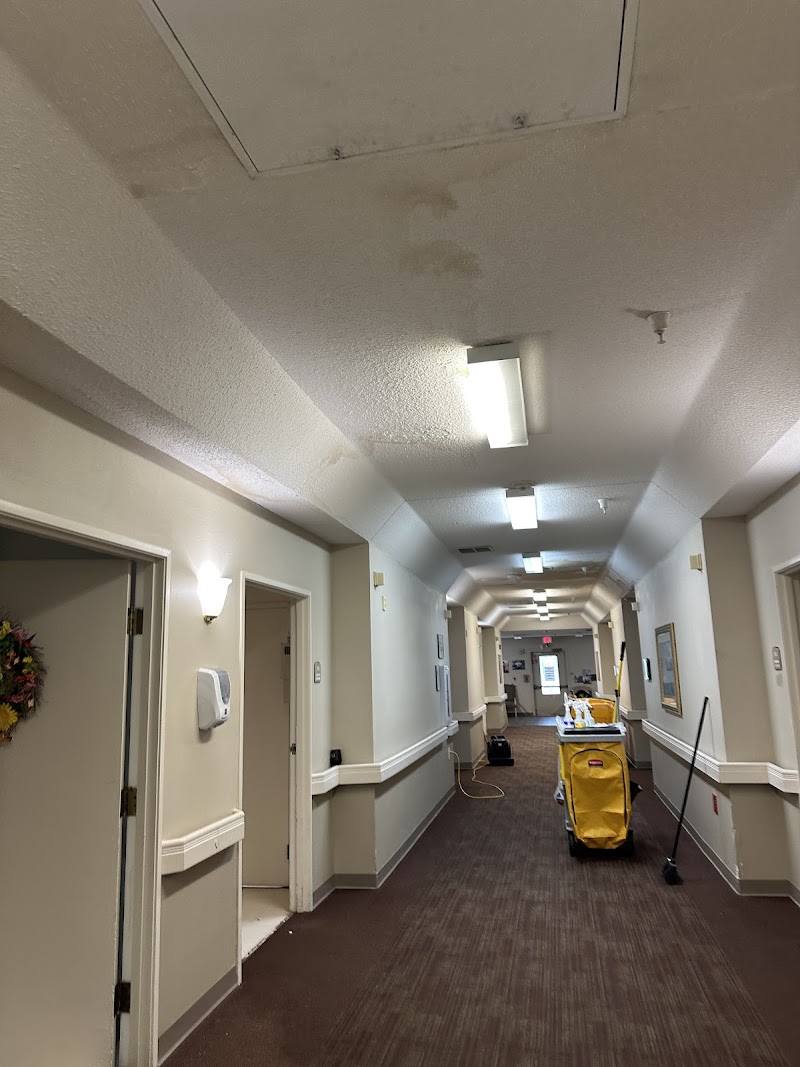
How is Victoria Gardens Of Allen Staffed?

CMS rates VICTORIA GARDENS OF ALLEN's staffing level at 2 out of 5 stars, which is below average compared to other nursing homes. Staff turnover is 41%, compared to the Texas average of 46%. This relatively stable workforce can support continuity of care. RN turnover specifically is 67%, which is notably high. RNs provide skilled clinical oversight, so turnover in this role can affect medical care quality.

What Have Inspectors Found at Victoria Gardens Of Allen?

State health inspectors documented 21 deficiencies at VICTORIA GARDENS OF ALLEN during 2022 to 2024. These included: 21 with potential for harm.
Who Owns and Operates Victoria Gardens Of Allen?

VICTORIA GARDENS OF ALLEN is owned by a for-profit company. For-profit facilities operate as businesses with obligations to shareholders or private owners. The facility is operated by PRIORITY MANAGEMENT, a chain that manages multiple nursing homes. With 120 certified beds and approximately 72 residents (about 60% occupancy), it is a mid-sized facility located in ALLEN, Texas.
How Does Victoria Gardens Of Allen Compare to Other Texas Nursing Homes?

Compared to the 100 nursing homes in Texas, VICTORIA GARDENS OF ALLEN's overall rating (4 stars) is above the state average of 2.8, staff turnover (41%) is near the state average of 46%, and health inspection rating (4 stars) is above the national benchmark.

What Should Families Ask When Visiting Victoria Gardens Of Allen?

Based on this facility's data, families visiting should ask: "Can you walk me through typical staffing levels on day, evening, and night shifts?" "Can I visit during a mealtime to observe dining assistance and food quality?" "How do you handle medical emergencies, and what is your hospital transfer rate?" "Can I speak with family members of current residents about their experience?" These questions are particularly relevant given the below-average staffing rating.

Is Victoria Gardens Of Allen Safe?

Based on CMS inspection data, VICTORIA GARDENS OF ALLEN has a clean safety record: no substantiated abuse findings (meaning no confirmed cases of resident harm), no Immediate Jeopardy citations (the most serious violation level indicating risk of serious injury or death), and is not on the Special Focus Facility watch list (a federal program monitoring the lowest-performing 1% of nursing homes). The facility has a 4-star overall rating and ranks #1 of 100 nursing homes in Texas. While no facility is perfect, families should still ask about staff-to-resident ratios and recent inspection results during their visit.

Do Nurses at Victoria Gardens Of Allen Stick Around?

VICTORIA GARDENS OF ALLEN has a staff turnover rate of 41%, which is about average for Texas nursing homes (state average: 46%). Moderate turnover is common in nursing homes, but families should still ask about staff tenure and how the facility maintains care continuity when employees leave.

Was Victoria Gardens Of Allen Ever Fined?

VICTORIA GARDENS OF ALLEN has no federal fines on record. CMS issues fines when nursing homes fail to meet care standards or don't correct problems found during inspections. The absence of fines suggests the facility has either maintained compliance or corrected any issues before penalties were assessed. This is a positive indicator, though families should still review recent inspection reports for the full picture.

Is Victoria Gardens Of Allen on Any Federal Watch List?

VICTORIA GARDENS OF ALLEN is not on any federal watch list. The most significant is the Special Focus Facility (SFF) program, which identifies the bottom 1% of nursing homes nationally based on persistent, serious quality problems. Not being on this list means the facility has avoided the pattern of deficiencies that triggers enhanced federal oversight. This is a positive indicator, though families should still review the facility's inspection history directly.