Country Village Care
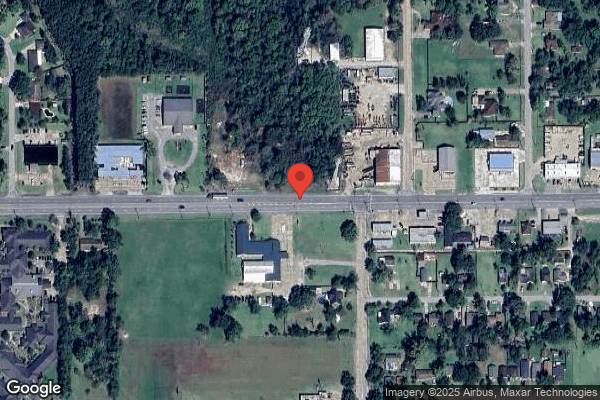

721 W Mulberry, Angleton, TX 77515 (979) 849-8281
Government - Hospital district 136 Beds CHAMBERS COUNTY PUBLIC HOSPITAL DISTRICT NO. 1 Data: November 2025 3 Immediate Jeopardy citations
Trust Grade
2/100
#962 of 1168 in TX
Last Inspection: October 2024

Within standard 12-15 month inspection cycle. Federal law requires annual inspections.

Overview

Country Village Care in Angleton, Texas, has received a Trust Grade of F, indicating significant concerns regarding its quality of care. It ranks #962 out of 1168 facilities in Texas, placing it in the bottom half, and #12 out of 13 in Brazoria County, meaning only one local option is better. The facility is currently improving, having reduced its issues from 7 in 2024 to 5 in 2025. Staffing is rated 2 out of 5 stars, which is below average, and the turnover rate is 48%, slightly better than the Texas average. However, the facility has faced serious issues, including failing to provide necessary treatment for a resident's severe pressure ulcer and improperly administering medications, which raises serious safety concerns. On a positive note, the facility has average RN coverage, which can help catch issues that less experienced staff might miss.

Trust Score
F
2/100
In Texas
#962/1168
Bottom 18%
Safety Record
High Risk
Review needed
Inspections
Getting Better
7 → 5 violations
Staff Stability
⚠ Watch
48% turnover. Above average. Higher turnover means staff may not know residents' routines.
Penalties
✓ Good
$14,901 in fines. Lower than most Texas facilities. Relatively clean record.
Skilled Nurses
⚠ Watch
Each resident gets only 18 minutes of Registered Nurse (RN) attention daily — below average for Texas. Fewer RN minutes means fewer trained eyes watching for problems.
Violations
⚠ Watch
16 deficiencies on record. Higher than average. Multiple issues found across inspections.
★☆☆☆☆
1.0
Overall Rating
★★☆☆☆
2.0
Staff Levels
★★★☆☆
3.0
Care Quality
★☆☆☆☆
1.0
Inspection Score
Stable
2024: 7 issues
2025: 5 issues

The Good

  • Full Sprinkler Coverage · Fire safety systems throughout facility
  • No fines on record

Facility shows strength in fire safety.

The Bad

1-Star Overall Rating

Below Texas average (2.8)

Significant quality concerns identified by CMS

Staff Turnover: 48%

Near Texas avg (46%)

Higher turnover may affect care consistency

Federal Fines: $14,901

Below median ($33,413)

Minor penalties assessed

Chain: CHAMBERS COUNTY PUBLIC HOSPITAL DIS

Part of a multi-facility chain

Ask about local staffing decisions and management

The Ugly 16 deficiencies on record

3 life-threatening 1 actual harm
Sept 2025 1 deficiency 1 IJ (1 affecting multiple)
CRITICAL (K) 📢 Someone Reported This

A family member, employee, or ombudsman was alarmed enough to file a formal complaint

Immediate Jeopardy (IJ) - the most serious Medicare violation

Pressure Ulcer Prevention (Tag F0686)

Someone could have died · This affected multiple residents

**NOTE- TERMS IN BRACKETS HAVE BEEN EDITED TO PROTECT CONFIDENTIALITY** Based on observation, record review and interviews, the facility staff failed to ensure that a resident received treatment and c...

Read full inspector narrative →
**NOTE- TERMS IN BRACKETS HAVE BEEN EDITED TO PROTECT CONFIDENTIALITY** Based on observation, record review and interviews, the facility staff failed to ensure that a resident received treatment and care in accordance with professional standards of practice, to promote healing and prevent infection for 1 of 5 residents (CR# 1) reviewed for pressure ulcers. The facility failed to prevent progression of CR # 1's Stage 4 Sacral Pressure Ulcer (a severe pressure injury that extends through all layers of skin,) that was not getting better and enlarged from 2.20 cm in length, 1.10 cm in width, 0.10 cm in depth and 2.42 cm in area on 8/19/2025 to 5.40 cm in length, 6.00 cm in width, 2.30 cm in depth, and 32.40 cm ( 2nd degree) in Area on 9/10/2025, had odor an exhibited signs of infection. The facility failed to administer CR # 1's antibiotics, Cefdinir, for the sacral ulcers and as ordered by the wound care Nurse Practitioner on 9/3/2025. An Immediate Jeopardy (IJ) was identified on 9/17/2025. The IJ Template was provided to the facility on 9/17/2025 at 5:00 pm. While the IJ was removed on 9/19/2025, the facility remained out of compliance at a severity level of no actual harm with a potential for more than minimal harm at a scope of pattern. These failures could place residents at risk of pain, worsening of wounds, infection, hospitalization, and death. Findings Include: Record review of CR # 1's face sheet, dated 9/12/2025, revealed she was an [AGE] year old female who was admitted to the facility on [DATE] with diagnoses of Cerebral Infarction ( a medical condition where there is a blockage of blood flow to the brain, resulting in damage to brain tissue), non-traumatic intracerebral hemorrhage (a type of stroke caused by bleeding within the skull), hemiplegia and hemiparesis (conditions that cause weakness or paralysis on one side of the body), essential hypertension ( high blood pressure), peripheral vascular disease (a condition that affects the blood vessels outside of the heart), and pressure ulcer of sacral region( a skin breakdown that occurs over the sacrum, the triangular bone at the base of the spine). Record review of CR # 1's care plan 10/27/2021, revealed Focus: pain [CR # 1]is at risk for pain related to neuropathy (a condition that damages the nerves, leading to various symptoms), dorsopathies (conditions that affect the structure or function of the spine, encompassing a range of disorders from degenerative issues to inflammation and pain.), and pressure wound on sacrum(a skin breakdown that occurs over the bony prominence of the sacrum), Goal [ CR # 1} will voice an acceptable pain level within one hour of taking pain medication, and Interventions/Task [CR #1] administer apap prn for pain as ordered by physician, administer baclofen routinely for muscle spasms as ordered, assess for pain using 1-10 scale every shift, and ass to a position of comfort when in pain. Focus, revision 9/12/2025 [CR # 1) stage 4 pressure ulcer on sacrum and DTI to left heel. CR # 1 is at risk for further skin breakdown related to impaired mobility, incontinence, refusing repositioning, refusing baths and low albumin/protein levels.6/2/2025 - new stage 2 pressure ulcer on coccyx- healed 6/11/2025, 7/14/2025- pressure ulcer on coccyx reopened, 7/16/2025 pressure ulcer on coccyx staged 4 by Wound Care Physician. Goal [CR # 1] will remain free of any additional skin breakdown through the new review date; wound will show progress healing by decreasing in size weekly over the next 30 days. Interventions/Task[CR # 1] administer wound treatments routinely as ordered; ascorbic acid tablet 500 mg; assist to reposition at least every two hours; cleanse stage 4 sacral wound with vashe, apply Santyl ( topical ointment used to remove dead tissue from chronic skin ulcers )on vashe soaked hydro [NAME] blue and affected area, cover with silicone boarder dressing daily; encourage to be active and mobile; facility wound care physician to consult and treat weekly as clinically indicated, daily observation of skin with routine care; and low air loss mattress set at 180 lbs.Record review of CR # 1's Minimum Data Set (MDS), 6/23/2025, revealed: CR# 1 was: Dependent (helper does all of the effort or the assistance of 2 or more helpers is required for resident to complete task)C0500- Brief Interview for Mental Status (BIMS) - 14 (intact cognition)GG0120-used a wheelchair for mobilityGG0130-Self-care - dependent on staff for eating oral hygiene, toileting, shower, upper body dressing, lower body dressing, and personal hygieneGG0170-Mobility- dependent on staff for roll left to right; sit to lying; and tub shower transferH0300- Urinary Incontinence - Always incontinentH0400- Bowel Incontinence- Always incontinentM0100- Determinization of Pressure Ulcer/Injury Risk- CR # 1 has a pressure ulcer/injury, a scar over bony prominence, or non-removable dressing/devise. M1050- Risk of pressure ulcers/injuriesM0220- Unhealed pressure ulcers/injuriesRecord review of CR #1's Clinical Physician Orders, dated 9/16/2025, revealed: Tramadol HCL Tablet 50 mg - Direction- give 1 tablet by mouth every 24 hours as needed for pain; start date 9/9/2025 and no end date; Cleanse stage 4 sacral wound with vashe (cleanse, irrigate, moisten, and debride wounds, helping to promote healing by managing bacteria and biofilm, reducing odor, and preparing the wound bed), apply Santyl on vashe soaked hydro [NAME] blue and pack infected area cover with silicone boarder dressing- Direction- every day shift for wound care; start date 8/28/2025 and no end date; Low air loss mattress set at 180 lbs.- Direction - every shift; start date 8/8/2025 and no end date; Offload sacrum, turn and reposition -Direction -every shift for wound care; start date 6/2/2025 and no end date.Record review CR # 1's wound care physician notes, dated 8/27/2025, read in part [CR # 1] had a worsening stage 4 sacrococcygeal pressure injury. [CR # 1's] pressure injury had deteriorated measuring 2 cm in length, 1.6 cm in width and 1.3 cm in depth. The wound was exhibiting a small amount of purulent malodorous drainage. The wound bed consisted of approximately 80% yellow-brownish adherent slough. Undermining the present from 12 to 5 o'clock position. [CR # 1's] condition appeared to have worsened, as evidenced by the need for reassessment of wound dimension and care regimen. There were signs of potential infection, necessitating a wound culture. The malodorous nature of the wound was noticeable, potentially affecting [ CR #1's] social interaction and quality of life. The treatment plan included cleaning the wound and applying Santyl solution and Hydro [NAME] Blue dressing. Record review of CR # 1's wound care physician notes, dated 9/3/2025, read in part [ CR # 1's] stage 4 sacrococcygeal pressure injury worsened. CR # 1 pressure injury was characterized by purulent drainage, slough, and undermining. The wound measured 3 cm in length, 3.4 cm in width and 2.3 cm in depth. There was tunneling from 9'o'clock to 2'oclock with a depth of 4.1 cm. The wound was described as having 100% slough with purulent malodorous drainage. [CR # 1] had been takin Ciprofloxacin for the pressure injury localized infection, but it had not prevented the wound from worsening. Plan: changed antibiotic regimen to start Cefdinir 300 mg by mouth twice a day for 10 days, continue Ciprofloxacin 750 mg by mouth twice a day for an additional 10 days, continue probiotics for 14 days if not already started, continue Diflucan for prevention of Candidiasis infection, wound care, clean wound with saline wash, apply hydrocolloid dressing, use skin prep to peri wound area , change dressing daily, and positioning: maintain patient on side to reduce pressure on sacrococcygeal area.Record review of CR # 1's wound care progress notes written by the wound care nurse, dated 9/4/2025, read in part [CR # 1's] skin had been evaluated. Location: Sacrum; Issue type: pressure Ulcer/injury. Progress: stable: previously deteriorating wound characteristics plateaued. Pressure ulcer staging: Stage 4 pressure ulcer/injury-full thickness skin and loss tissue. Wound acquired in-house. Exact date: 7/14/2025 Staged by : Healthcare provider. Length (cm):3; Width (cm): 3.4; Depth (cm) 2.3. Undermining: No, Tunneling: yes; Number of tunnels: 1; cleaning solution: Sodium hypochlorite. Primary dressing: Antimicrobial. Secondary dressing: Foam, Secondary dressing: Silicone. Record review of CR # 1's wound care physician notes, dated 9/10/2025, read in part[CR # 1's] sacrococcygeal pressure injury has significantly worsened since the last visit. The wound exhibited copious amounts of malodorous purulent drainage, which indicated severe infection. The wound measurement revealed a length of 5.4 cm and with 6 cm, with tunneling at 1o'clock to depth of 6.4 cm. The wound bed consisted of approximately 90 % yellow-brownish slough with exposed bone, suggesting possible osteomyelitis (a bone infection that occurs when bacteria or other microorganisms invade and infect the bone). There is concern for undermining and slow healing. [CR # 1's] condition is further complicated by apparent non-compliance w9th the prescribed antibiotic regimen, as cefdinir was not started despite being ordered in the previous week. This delay in treatment may have contributed to the wound's deterioration and potential systemic infection. [CR #1's] vital signs were concerning, with a heart rate of 113 bpm recorded on 9/9/2025, and current difficulty in obtaining blood pressure and temperature measurement. [CR # 1] appears more withdrawn than usual, which, combined with the wound characteristics and vital sign abnormalities raises suspicion for sepsis (a life-threatening condition that occurs when the body's immune system overreacts to an infection). Plan: transfer [CR #1] to emergency room immediately for evaluation and management of suspected sepsis and osteomyelitis. Record review of CR # 1's Weekly pressure report, dated 9/5/2025, revealed CR # 1 had a stage 4 coccyx wound with an onset date of 8/7/2024 and measurements of 5.4 in length: 6.0 in width and 2.3 in depth. Treatment order included cleaning the wound and applying Santyl solution and Hydro [NAME] Blue dressing. CR # 1 was assessed by the MD on 9/10/2025. The family was notified on 9/10/2025. CR # 1 had a DTI left heal with an onset date of 9/3/2025- off load heal. CR # 1 was assessed by the MD on 9/10/2025. The family was notified on 9/10/2025. Record review of CR # 1's MAR, dated 9/2025, revealed: Cefdinir Oral Capsule 300 mg- Give 1 capsule by mouth two times a day for Rash for 3 days; start date 9/4/2025 at 7:00 am. An Immediate Jeopardy (IJ) was identified on 9/17/2025. The IJ Template was provided to the facility on 9/17/2025 at 5:00 pm. While the IJ was removed on 9/19/2025, the facility remained out of compliance at a severity level of no actual harm with potential for more than minimal harm at a scope of pattern. Record review of CR # 1's facility wound care progress note written by the wound care nurse, dated /8/27/2025, read in part[CR # 1's] skin had been evaluated. Location: Sacrum; Issue type: pressure Ulcer/injury. Progress: stable: previously deteriorating wound characteristics plateaued. Pressure ulcer staging: Stage 4 pressure ulcer/injury-full thickness skin and loss tissue. Wound acquired in-house. Exact date: 7/14/2025 Staged by : Healthcare provider, Length (cm): 2 Width (cm): 1.6 Depth (cm): 1.3 Undermining; No; Tunneling: Yes. Number of tunnels:1; Tunnel length (cm):1 Tunnel location; 1:2 o'clock. Cleaning solution: Sodium hypochlorite fiber. Primary dressing: Antimicrobial. Secondary dressing: Silicone.An interview at a local acute care hospital with Hospital Physician A on 9/12/2025 at 9:30 am stated that CR # 1 was admitted to the hospital with Stage 4 Sacral wound (Osteomyelitis). She stated it appeared that CR# 1 had not been repositioned enough. She stated based on the state of CR #1's sacral wound it appeared CR # 1 was not receiving wound care adequately. She stated CR # 1 was receiving antibiotics and had debridement of the sacral wound. She stated that some of the decomposition tissue could not be removed. She stated CR #1 needed surgery for additional debridement of the sacral wound. She stated that CR # 1 had decomposition, and the sacral wound was infected. She stated that CR # 1 was in severe pain. She stated that CR # 1's sacrum wound was severe and it had set up sepsis. She stated that in addition to the sacrum wound, CR # 1 had wounds on her heel and legs. Physician A stated that these wounds appeared to be stage one or two. In an interview with Family Member A on 9/12/25 she stated CR #1 was admitted to a local hospital due to a sacral wound infection. She stated when she asked facility staff about CR #1's medical condition she was told that CR # 1 was well. She stated CR # 1 is non-verbal; however, CR # 1 moaned when she was in pain. She stated that on 9/9/2025 she inquired about CR # 1's health and a staff member told Family member B that they needed to inquire about CR#1's sacral wound. Family member A stated that on 9/9/2025 she spoke with CR #1's nurse who said CR # 1 was fine. She stated that she also attempted to speak with the DON but was forwarded to voicemail. Family member A stated the DON contacted her and said CR # 1 was fine. Family member A stated on 9/10/2025 she received a call from the NF and she was told that CR # 1 was being transported to a local hospital. She stated when she arrived at the local hospital, and observed CR # 1's sacral wound, she was in disbelief as she observed a large hole on CR #1's sacral area. She stated CR # 1 was transferred to another hospital and required emergency debridement. She stated she was told CR # 1 would need surgery as they could not remove all the dead tissue in CR # 1's sacral area. In an interview with Wound Care Nurse on 9/15/2025 at 11:20 am who stated that if the floor nurse observed a wound on the weekend the nurse will call the MD for orders and then notify the Wound Care Nurse. Wound Care Nurse stated that CR # 1's wound orders were cleansing, packing with hydro [NAME] blue, Santyl, and silicone dressing She stated that she notified the Wound Care NP, but the Wound Care NP kept the same treatment. The Wound Care NP ordered a Xray of CR # 1s sacral area. She stated that ADON said the first Xray ruled out Osteomyelitis. She stated that another Xray of CR # 1's sacral was ordered on 9/8/2025 and showed that CR # 1 had Osteomyelitis. She stated that CR # 1 was sent to the hospital on 9/10/2025. The Wound Care Nurse stated that CR # 1's wound treatment was QD, and she never refused treatment. The Wound Care Nurse said she had been doing wound care for about a month. Observation of CR # 1 on 9/15/2025 at 1:30 pm revealed CR # 1 was lying in bed with her eyes open and she was moaning. Interview with Family member A present stated CR # 1 did not undergo surgery as planned due to the risk. She stated she and her family agreed to place CR # 1 on Hospice at another NF. In an interview with Family Member A on 9/15/2025 at 1:30 pm said she had no knowledge of how bad CR # 1's wound was. She stated that the NF kept telling her that CR # 1's sacral wound was small, and it was healing. She stated that CR # 1 refused medication and showers but if she had known CR # 1 was refusing wound treatment or antibiotics for her wound, given how bad it was, she would have gone to the NF to talk to CR # 1. She stated that she did not know how bad CR # 1's sacral wound was until she saw the wound at the hospital on 9/10/2025. She stated that CR # 1 would always say her bottom was burning, but she did not realize it was from a wound. She stated that she thought CR # 1 needed to be repositioned. In an interview with Hospital Physician A on 9/15/2025 at 1:45 pm at the hospital she stated that CR # 1 sacral wound looked horrible, and it was unacceptable for CR # 1 to have a wound looking like that. She said there was no way a wound would look like that if it was being treated. She stated that CR # 1 wound looked like it had not been treated for several days. She stated that she did not need to do a biopsy to know there was osteomyelitis. Hospital Physician A said she could see the bone and there was purulent drainage and had a foul odor. She stated that CR # 1 was hardly verbal so she could not see how CR # 1 could refuse any treatment. Hospital Physician A said she spoke with Family Member A about surgery for debridement and the process and what it would entail. She stated that Family Member A did not want CR # 1 to go through that and decided to place CR # 1 on hospice.In a telephone interview with Family Member B on 9/15/2025 at 11:40 am stated that in July 2025 CR # 1 had a sacral wound that healed. She stated that 2 months ago CR # 1's sacral wound returned and it progressively staged. She stated that she and Family Member A asked about CR # 1's condition and they were told that CR # 1 was well. Family Member B stated that she was aware of CR # 1's sacral wound but she did not know it was that bad. She stated that she observed CR # 1's sacral wound was large, smelly, discolored and had pus in it. She stated that this was why CR # 1 was in pain. She stated that she was told CR#1's sacral wound was not treated properly at the NF. In an interview with RN A on 9/16/2025 at 11:00 am stated that CR # 1 was bedridden and she was, totally care and required a Hoyer lift. She stated that CR # 1 had a sacrum pressure ulcer, and the wound was infected. She stated that she provided care to CR # 1 on 8/29/2025 and CR #1's sacrum wound was not open- no granulation tissue and no blood. She stated that the reason why CR # 1 sacrum wound staged was because she was not repositioned and off loaded. She stated that the last time she worked with CR # 1 she said, my butt, my butt. She stated that if a pressure ulcer was not treated properly the ulcer was infected and spread to sepsis. She stated that CR # 1 never refused care when she was caring for her. In an interview with the Wound Care Nurse on 9/16/25 at 12:00 pm stated CR # 1's wound was worsening. She stated CR # 1 never refused wound care and she received wound care daily. She stated she did not provide wound care to CR # 1 from 9/7/25-9/12/25. The wound care nurse stated that when she last treated CR #1 the peri wound was not around the sacral. She said CR #1 was ordered to have antibiotics on 9/3/25, but she refused the medication on 9/4/25 and 9/5/25. She stated that CR # 1's sacrum wound was worsening, but it was stable, and Osteomyelitis was not detected. She stated that Cr # 1 had holes near the sacrum area and there was no pus around the peri wound. She stated that she did not know why CR #1 ‘s wound was not healing. She stated CR#1 was at risk of infection or the worsening of the sacrum wound. She stated that CR #1 never refused care. In an interview with ADON on 9/16/25 at 12:10 pm stated that on 9/3/2025 CR # 1 had an X-ray which indicated there was no Osteomyelitis. She started on 9/8/25, a second x-ray revealed Osteomyelitis. The ADON stated CR # 1 would refuse care and would not allow staff to reposition her. The ADON stated CR # 1 would refuse wound care. She stated that CR #1 had a large slough (narcotic tissue) on the sacrum and the Wound Care NP debrided off the wound. She stated that if CR # 1 was not repositioned the sacrum wound would worsen and the risk could be infection., osteomyelitis and /or possible death. In an interview with LVN A on 9/16/2025 at 2:58 pm stated that she provided wound care to CR # 1 on 9/9/2025. She stated that CR # 1 sacrum wound looked horrible. She stated that CR # 1 was being seen by Wound Care NP or Physician once a week. She stated that CR # 1 was bed bound and total assist. She stated that she can't say if CR #1 sacrum wound was unavoidable or avoidable as there were many things that should be considered to include proper nutrition, daily medication, reposition every 2 hours and getting out of bed. She stated that when she provided wound care to CR # 1 on 9/9/2025 she had to use a depressor to clean out the slough that was on it. She stated that she was concerned with CR #1's sacrum wound as she could have sepsis, and the wound appeared to have some type of bacteria.In an interview with Wound Care NP on 9/17/2025 at 10:20 am she stated that CR # 1 had a stage 4 sacrum pressure injury. She stated that she visited CR # 1 on 9/10/2025 and the sacrum wound had deteriorated since her last visit on 9/3/2025. She stated CR # 1's sacrum wound had purulent drainage. She stated that on 8/27/2025 she saw CR # 1 and she noticed the sacral wound had deterioration. She stated that she took a culture and sensitivity, and CR # 1 was on broad spectrum of antibiotics. She stated that she ordered blood culture and continued wound care and Santanyl. She stated that on 9/3/2025 she ordered an X-ray, and she gave an order of Cefdinir 300 mg - 2 times a day for 10 days. She stated that she gave this order to Wound Care Nurse. She stated that Cr # 1's sacral wound continued to worsen. 9/10/2025 Cr # 1's sacral wound measured 5.4 cm by 6 cm with approximately 90% of the wound bed covered in yellow-brownish slough. She stated that the bone was exposed. She stated that CR # 1's heart rate was 110. She stated ordered for CR # 1 to be sent out to the local hospital. She stated that she noticed that was concerned about non-compliance with the prescribed antibiotics, Cefdinir. She stated that CR # 1 was supposed to start the Cefdinir (to treat bacterial infections in many different parts of the body) a on 9/3/2025, but CR # 1 was not given the medication as prescribed. She stated that the facility did not adhere to the wound care protocol. She stated this may have contributed to CR # 1's wound care deterioration and potential systemic infection. She stated that CR # 1's wound sacral wound was worsening, and she was concerned that CR # 1 had sepsis and possible Osteomyelitis. Wound Care NP stated that she could not say as to whether this was unavoidable or avoidable. She stated that with wound you just don't know. She stated that she can't say how a resident will heal. She stated that the wound care nurse will let her know if the resident have any changes. She stated that she did not know if the CR # 1 was repositioned; she stated that she had any issues with this. She stated that she was told CR # 1 would refuse care. She stated that CR #1 never refused care while she was treating her. In a telephone interview with Wound Care Physician. He stated that CR # 1's sacral pressure injury. She stated that this sacral wound was infected. He stated that a broad spectrum of antibiotics was administered to CR # 1. He stated that bacteria took over the sacral infection . He stated that sometimes the wound will heal and sometime the wound will not heal. He stated CR # 1 was given a broad spectrum of antibiotics for resistant bacteria and the infection was rapidly taking control of the sacral pressure injury. Wound Care Physician stated that all antibiotics work the right way they will put broads he stated that this will not guarantee it will control the infection. The infection will take over the area and will cause deterioration. Wound Care Physician stated they tried to find the correct antibiotics - broad spectrum had enough sensitivity. The Wound Care Physician would say if this deterioration was unavoidable or avoidable as he stated that there are several things that could be factors to include turning, eating properly, blood glucose each patient is different, and commodity is different.In an interview with the Wound Care Nurse on 9/17/2025 at 11:00 am stated that Wound Care NP gave an order for CR # 1 on 9/3/2025 for Cefdinir 300 mg-2 times a day for 3 days for sacral wound. She stated that the order was given verbally, and she wrote the order as she heard it from Wound Care NP. She stated that Wound Care NP did not give her (Wound Care Nurse) an order for Cefdinir- 300 mg- 2 times a day for 10 days for the sacral wound. On 9/17/2025 at 5:00 pm., the Administrator was notified of the Immediate Jeopardy due to the above failures. The IJ template and plan of removal was emailed to the Administrator. The plan of removal was requested at this time. The following Plan of Removal (POR) was submitted by the facility and accepted on 9/18/2025 at 3:26 pm: Immediate Jeopardy Citation called on 9/17/25 @ 5:00 PM PORFacility failed to ensure CR #1 received the care services to prevent the development and deterioration of a stage 4 sacrococcygeal pressure ulcer[ CR #1 is no longer a resident of the facility and has been moved to a different facility. Immediate Action:Upon notification of the deficient practice, a 100% skin sweep and audit was completed to ensure that no other resident had any wound care issues that were not documented on and to ensure that orders matched as they should. Nurse Administration, DON, ADON, Wound Care Nurse, Admissions Nurse and MDS nurse have conducted the 100% skin sweep on each unit. Which was completed on 9/17/25. The skin sweep included looking for signs and symptoms of infection, 1 Resident was noted to have some redness, it was addressed with TAO and dry dressing, and MD was notified for any additional direction. No substantial wounds or open areas that had not already been addressed and documented on. Care plans for all wounds noted were reviewed on 9/18/25 and all RP's[ were given a weekly update on current wound status on 9/17 and 9/18/ 25. 100% wound care orders are being audited to ensure that all patients with wounds are being properly cared for as per the MD orders to be completed 9/18/25. Performance Improvement plan was put in place 9/17/25 to drill down on underlying issues that led to the alleged deficient practice. Wound Care policy was reviewed on 9/17/25 by the Administrator and DON no changes were made to the policy. Protocol regarding wound order taking is being altered to ensure orders are clarified and signed on the day the order is given, or we will change wound care providers to accommodate that new protocol. These changes will take effect immediately and be verified 9/24/25. Facilities Plan to Ensure compliance quickly: Through the skin sweep facility was able to check for any residents at risk for pressure ulcers. One resident was found with a red area. Evaluation and treatment was given. Wound Care Nurse is the designated LVN to cover the wound care system. Wound care nurse will round on wounds daily to ensure that turning and repositioning is happening as necessary. DON and administrative nurse designees will monitor direct care staff compliance with respect to any new interventions. All direct care staff members are being in-serviced, which began 9/17/25 and is ongoing to be completed by 9/19/25. DON and ADON's are carrying out training and education to all direct care staff. No staff member can provide direct care until they have been in-serviced on the below topics. To ensure facility will prevent worsening existing pressure sores. Facility will have wound care rounds daily, and weekly wound care practitioner visits. Staff will be educated as to signs and symptoms of skin break down so to be able to report to charge nurse and wound care nurse. All education and monitoring begin 9/17/25. Although we continue to do weekly practitioner rounds and daily wound care rounds, the way in which we conduct these rounds will be different as there will be written orders and signed the day of. All nursing staff is being educated on change of condition and reporting guidelines. DON, ADON, MDS Nurse and other designated nurses by the DON will keep care plans updated with any new interventions or changes of condition regarding wounds. With regard to any changes to treatments, medications, and with respect to wounds family and MD will be notified immediately and family will be updated weekly after wound care physician groups have rounded. Daily in morning stand up DON or designee will ensure that orders are in place and family members have been contacted. Weekly in standard of care meeting facility will go over wound care for the week and ensure orders are in place and family members have been notified of changes. Direct care staff will be alerted of changes via in-service and education along with alerts on EMR dashboard. All training regarding the in-services noted below, change of condition, ANE, Following MD orders, and reporting change of condition. All training is being done by DON or ADON's. If the resident refuses care, several interventions will be put in place such as updated care plan, work with family to gain resident agreement with compliance. Work with wound care practitioners and wound care nurse to help persuade residents to accept wound care. Check for any barriers that keep the resident from accepting wound care such as pain, discomfort or other irritants, then address those issues to gain compliance. If the resident chooses to continue to refuse, the refusal will be documented by the wound care nurse in the EMR the facility may no longer be able to meet that resident's needs, and a different level of care may be needed such as inpatient wound care or acute care. This decision will be made with resident, family members and IDT in a comprehensive care plan meeting. These steps were placed in QAPI plan for residents who refuse 7/18/25. The Medical Director and Wound Care Physician group were notified by DON as to the need for performance improvement plan on 9/17/25 with respect to wound care to gain counsel and to educate them on the need for written orders when in house rather than verbal orders. Wound Care nurse will be 1 on 1 in-serviced by DON as to new protocol surrounding getting written orders instead of verbal orders. All nursing staff were in-serviced on the following:- General Wound Care with Competency and return Demonstration. - Abuse, Neglect, Exploitation prohibition. - Following MD Orders- Reporting Change of ConditionThe above in-services were initiated on 9/17/25 and are ongoing until all direct care staff has signed to be completed by 9/19/25. No one can provide direct care until they have had the in-service training given by the DON and or ADON's. In-servicing was initiated 9/17/25 and is ongoing. No staff member will be able to provide direct care until they have been educated on the above topics. DON and ADON's will provide proper training. An Ad Hoc QAPI meeting will be conducted on 9/18/25 at 9AM to review audit results and to ensure that the education given is covering the pertinent topics pertaining to this particular alleged deficient practice.DON and administrative nurses will have a collaborative effort with respect to wound care orders and implementation of those orders, and weekly during standard of care meetings on going indefinitely and will be reviewed by QAPI committee monthly for 6 months to ensure compliance. Ongoing daily monitoring by DON or designee, to review any new pressure issues or other types of wounds and to ensure that the MD order is in place and being followed. Standard orders for any noted skin issues will be applied as per MD recommendation. Facility will be adding wound care competency check offs beginning 9/17/25 and ongoing for current and newly hired nurses and then annually ongoing. DON or designee will be responsible for competencies and check offs. No staff will be allowed to provide care to residents until they have received the noted training and appropriate check offs. Wound Care Physician group will be signing orders in house moving forward to ensure dictation of all orders are correct and clarified. This will be both a part of our POR and POC upon receipt of legal documents. Monitoring of POR: Record review of facility Resident Rights policy, dated December 2016, read in part Federal and state law guarantee certain basic rights to all residents of this facility. These rights include the resident's right to: be notified of his or her medical condition and of any changes in condition in his or her condition. Record review of the facility's Change of Condition policy, not dated, read in part observe, record and report any condition change to the physician so proper treatment can be implemented. Procedure included notifying resident's responsible party.Record review of the facility's Inservice Training Reporting Change, dated 9/17/2025, read in part [TRUNCATED]
Aug 2025 2 deficiencies
CONCERN (D) 📢 Someone Reported This

A family member, employee, or ombudsman was alarmed enough to file a formal complaint

Potential for Harm - no one hurt, but risky conditions existed

Deficiency F0692 (Tag F0692)

Could have caused harm · This affected 1 resident

**NOTE- TERMS IN BRACKETS HAVE BEEN EDITED TO PROTECT CONFIDENTIALITY** Based on observation, record review and interview, the facility failed to ensure residents are offered a therapeutic diet when t...

Read full inspector narrative →
**NOTE- TERMS IN BRACKETS HAVE BEEN EDITED TO PROTECT CONFIDENTIALITY** Based on observation, record review and interview, the facility failed to ensure residents are offered a therapeutic diet when there is a nutritional problem, and the healthcare provider orders a therapeutic diet for 1 of 1 resident (Resident #3) reviewed for food and nutrition. The facility failed to ensure a diet order for Resident #3 was ordered and implemented timely. This failure could lead to electrolyte imbalances and other imbalances related to fluid in the body. Findings included: Record review of Resident #3's face sheet dated 8/25/2025, revealed the resident was a [AGE] year-old female admitted to the facility on [DATE] with diagnoses including Heart Failure (disorder when the heart does not pump blood as well as it should), End Stage Renal Disease (final stage of chronic kidney disease characterized by a permanent loss of kidney function) and Dependence on Renal Dialysis (medical procedure that removes excess water, solutes, and toxins from the blood when the kidneys can no longer perform these functions).Record review of Resident #3's admission MDS dated [DATE], section C revealed a BIMS score of 11 that indicated moderate cognitive impairment. Record review of Resident #3's Hemodialysis Communication with date of service 1/13/25 revealed follow-up included fluid restriction. Record review of Resident #3's Progress Notes revealed a progress note dated 1/13/25 at 8:47 p.m. that LVN B documented Resident #3 had returned from dialysis with new orders of fluid restriction. Record review of Resident #3's Order Summary Report dated 8/25/25 revealed physician's order for 1500 cc's fluid restriction every shift for fluid intake with order and start date of 1/16/2025. Record review of Resident #3's January 2025 TAR revealed 1500 cc fluid restriction every shift for fluid intake with start date of 1/16/25 at 0600. Record review of Resident #3's Care Plan Report with last review date 1/31/25 revealed focus of fluid overload or potential fluid volume overload related to kidney failure with intervention of diet as ordered.During interview on 7/8/25 at 8:14 a.m., MD A said they monitor residents' electrolytes frequently and based their diet orders and fluid restrictions on those results. During interview on 8/25/25 at 11:45 a.m., the employee from where Resident #3 received dialysis said Resident #3 was not showing up in their records anymore. The dialysis employee said that the last dietician retired, and no one was covering for the dietician that could give me further information. During interview on 8/25/25 at 12:41 p.m., the Consultant Dietician said that the facility's protocol was to liberalize residents' diet as much as possible to promote quality of life. During interview on 8/25/25 at 3:36 p.m., the DON said new orders from dialysis for diet change and fluid restrictions was referred to dietary and then they followed whatever the dietician decided to order. The DON said the nurse would not put in the order regarding diet changes or fluid restriction that night. The DON said regarding the fluid restriction MD A would be notified and the dietician and should have been followed up by at least the next day. The DON said they could call the dietician during business hours when needed regarding new orders. The DON said information regarding the diet change and fluid restriction should have been passed along to follow up with the next day. The DON said an effect that a resident could experience if they were not getting a renal diet or fluid restriction was that they could go into fluid overload which could include symptoms of anxiety, shortness of breath or heart failure (disorder when the heart does not pump blood as well as it should). The DON said she had been the DON since the end of December 2024. The DON said she did not do any direct care with Resident #3 and remembered Resident #3's name but could not remember any other details. During interview on 8/25/25 at 4:35 p.m., MD A said had she went back and reviewed Resident #3's information after she spoke to the state surveyor in July 2025. MD A said Resident #3's family would give her water and food and were not compliant. MD A said she was not sure why the order regarding fluid restriction was not put in until 1/16/25 and could not say why but guessed it was related to the resident not being compliant. MD A said she did not feel that any delay in the fluid restriction order contributed to fluid overload for Resident #3 as she was already on diuretics. MD A said she did not feel that because fluid restriction was not followed strictly that it would have caused Resident #3 to become hospitalized . Attempt to contact LVN B by phone on 8/25/25 at 1:42 p.m. by state surveyor with message left with request to call state surveyor and no return call back received. Attempt to contact LVN C who had written progress notes for Resident #3 on 1/14/25 by phone on 8/25/25 at 4:53 p.m. by state surveyor with message left with request to call state surveyor and no return call back received. Record review of facility's policy Quality of Care that was undated revealed the purpose was to ensure identification an provision of needed care and services that are resident-centered, in accordance with the resident's preferences, goals for care and professional standard of practice that will meet each resident's physical, mental and psychosocial needs.
CONCERN (E) 📢 Someone Reported This

A family member, employee, or ombudsman was alarmed enough to file a formal complaint

Potential for Harm - no one hurt, but risky conditions existed

Resident Rights (Tag F0550)

Could have caused harm · This affected multiple residents

**NOTE- TERMS IN BRACKETS HAVE BEEN EDITED TO PROTECT CONFIDENTIALITY** Based on observations, interview and record review, the facility failed to treat each resident with respect and dignity, and car...

Read full inspector narrative →
**NOTE- TERMS IN BRACKETS HAVE BEEN EDITED TO PROTECT CONFIDENTIALITY** Based on observations, interview and record review, the facility failed to treat each resident with respect and dignity, and care for each resident in a manner and environment that promoted maintenance or enhancement of his or her quality of life, recognizing each resident individuality and protected and promoted the rights of the resident personal privacy for each resident's individuality for 2 of 4 residents (Resident #1 and Resident #2) reviewed for dignity in that: The facility failed to provide Resident #1 and Resident #2 with privacy covers for their urinary catheter bags.The failure could place residents with catheters at risk of emotional distress, embarrassment, lower self-esteem and decreased privacy.Findings included:Record review of Resident #1's face sheet dated 8/25/2025, revealed the resident was a [AGE] year-old male admitted to the facility on [DATE] with diagnoses including Paraplegia (loss of the ability to move in part or most of the legs and lower body) and Neuromuscular Dysfunction of Bladder (nerve damage that affects bladder control). Record review of Resident #1's quarterly MDS dated [DATE], section C revealed a BIMS score of 14 that indicated cognition was intact and section H revealed an indwelling catheter. Record review of Resident #1's Order Summary Report dated 8/25/25 revealed 18FR/30 ml [NAME] Suprapubic catheter to closed drainage every day and night shift with start date of 8/6/2025. Record review of Resident #2's face sheet dated 8/25/2025, revealed the resident was a [AGE] year-old female admitted to the facility on [DATE] with diagnoses including Cerebral Palsy (brain disorder that affects body movement and muscle coordination) and Neuromuscular Dysfunction of Bladder (nerve damage that affects bladder control). Record review of Resident #2's quarterly MDS dated [DATE], section C revealed a BIMS score of 4 that indicated severe cognitive impairment section H revealed an indwelling catheter. Record review of Resident #2's Order Summary Report dated 8/25/25 revealed Privacy bag for foley catheter in place at all times every day and night shift with start date of 8/6/25. During interview and observation on 8/25/25 at 10:05 a.m., no privacy cover was present for Resident #1's urinary catheter bag. Resident #1 said that staff would put a cover on the urinary catheter bag when they find one that fits. Observation on 8/25/25 at 10:12 a.m., revealed no privacy cover to Resident #2 urinary catheter bag while she was in a common area by the nurses' station. Observation on 8/25/25 at 11:55 a.m., revealed no privacy cover to Resident #2 urinary catheter bag while she was in dining area. During interview on 8/25/25 at 1:57 p.m., LVN A said residents should always have privacy bags on their urinary catheter bags. LVN A said the CNAs, nurses or medication aides could all put the privacy covers on the Foley catheter bags. LVN A said the privacy covers were made of a mesh material and may have gotten run over by wheelchair or got urine on them and were not reusable or washable. LVN A said the residents should be checked prior to getting them out of the room to make sure they have a privacy cover for their urinary catheter bag. LVN A said a resident not having an urinary catheter privacy bag was a dignity issue and privacy issue.During interview on 8/25/25 at 1:57 p.m., CNA A said residents should always have privacy bags on their urinary catheter bags. CNA A said they would tell the nurse if they saw a resident without a privacy cover and would put a cover on if the nurse told them to. CNA A agreed with LVN A that a resident not having a privacy cover on their urinary catheter bag would be a dignity and privacy issue for the resident. During observation and interview on 8/25/25 at 2:04 p.m., it was revealed that a privacy cover was on top of the dresser in Resident #1's room. CNA A said Resident #1 was in the gym. CNA A said Resident #1 takes off the privacy cover because he liked to empty the urinary catheter himself. LVN A said they educate Resident #1 about letting nursing staff empty his urinary catheter and he would take off the privacy cover.During observation and interview on 8/25/25 at 2:06 p.m., Resident #2 was in bed with no privacy cover noted to her urinary catheter bag. CNA A said Resident #2 had a shower today. LVN A found a privacy cover in the top drawer of the dresser in Resident #2's room and placed the privacy cover on at this time. During interview on 8/25/25 at 3:36 p.m., the DON said Resident #1 did like to take care of his own Foley (device that drains urine from bladder into a collection bag). The DON said Resident #1 was not able to get out of bed on her own and she recently returned to the facility from the hospital. The DON said that it was a dignity issue if the resident did not have a privacy bag on their Foley catheter. During interview on 8/25/25 at 5:15 p.m., the DON said she had looked but could not a find a policy with information regarding privacy covers for urinary catheters. Record review of facility's policy that was undated the purpose to prevent urinary tract infections and reduce urethral irritation but did not include any information regarding privacy covers.
Feb 2025 2 deficiencies 2 IJ
CRITICAL (J) 📢 Someone Reported This

A family member, employee, or ombudsman was alarmed enough to file a formal complaint

Immediate Jeopardy (IJ) - the most serious Medicare violation

Pharmacy Services (Tag F0755)

Someone could have died · This affected 1 resident

**NOTE- TERMS IN BRACKETS HAVE BEEN EDITED TO PROTECT CONFIDENTIALITY** Based on interview and record review the facility failed to provide pharmaceutical services (including procedures that assure th...

Read full inspector narrative →
**NOTE- TERMS IN BRACKETS HAVE BEEN EDITED TO PROTECT CONFIDENTIALITY** Based on interview and record review the facility failed to provide pharmaceutical services (including procedures that assure the accurate acquiring, receiving, dispensing, and administering of all drugs and biologicals) to meet the needs of each resident for 1 (CR #1) of 5 residents reviewed for pharmacy services. -The facility failed to ensure CR#1's morphine (opioid pain-relieving medication that usually provides significant pain relief for short term or chronic pain) and Norco (combination of acetaminophen and hydrocodone to relieve moderate to severe pain) medications were not administered too close together to prevent accidental overdose on 01/01/25. An Immediate Jeopardy (IJ) was identified on 02/05/25. The IJ template was provided to the facility on [DATE] at 9:26 a.m. While the IJ was removed on 02/07/25, the facility remained out of compliance at a scope of isolated and a severity level of no actual harm with potential for more than minimal harm due to the facility continuing to monitor the implementation and effectiveness of their Plan of Removal (POR). This failure could place residents at risk for adverse side effects, overdose, hospitalization, and death. The findings included: Record review of CR #1's admission Record, dated 01/10/25, revealed an [AGE] year-old female who was admitted to the facility on [DATE]. Her diagnoses included age-related osteoporosis with current pathological (broken bone) fracture, left femur (thigh bone), asthma (narrowing of the airways), and muscle weakness. Record review of CR #1's MDS Assessment, dated 12/31/24, revealed a BIMS score of 3, indicating severe cognitive impairment. Further review revealed resident was dependent (the assistance of 2 or more helpers was required for the resident to complete the activity) with toileting, shower/bathe, and upper and lower body dressing. Section J - Health Conditions, Pain Management indicated CR #1 received scheduled and PRN pain medication, pain was present, experienced frequently, and resident verbalized intensity as moderate (scale 2) over the last 5 days. Record review of CR #1's baseline care plan, dated 12/27/24, revealed the resident was alert, cognitively intact, and incontinent. Further review revealed CR #1 was taking psychotropic, antibiotics, anticoagulants, opioids, and black box medications. Record review of CR #1's MAR dated, 01/01/2025-01/31/2025, revealed an order for morphine sulfate oral tablet 15 mg, 1 tablet by mouth every 12 hours for pain (8:00 a.m. and 2000 (8:00 p.m.)), start date 12/30/24, end date 01/03/25. Further review revealed an order for Norco oral tablet, 7.5-325 mg, 1 tablet by mouth three times a day (8:00 a.m. 1300 (1:00 p.m.), and 1800 p.m. (6:00 p.m.)) for pain, start date 12/30/24, end date 01/01/25. On 01/01/25, CR #1 was administered a morphine tablet and Norco tablet at 8:00 a.m. Record review of physician orders, dated 12/30/24, revealed an order for morphine sulfate oral tablet 15 mg, give 1 tablet by mouth every 12 hours for pain, start date 12/30/24. Further review revealed an order for Norco oral tablet 7.5-325 mg (hydrocodone-acetaminophen), give 1 tablet by mouth three times a day for pain, do not exceed 3 GM in 24 hours, start date 12/30/24. Record review of CR #1's progress notes, dated 01/01/25 at 12:20 p.m., revealed upon entering resident room to assist CNA in brief change and repositioning, this nurse [Nurse A] noted resident to be lethargic. Pupils pinpoint and barely reactive, speech unclear, unable to follow commands, respiratory rate decreased. Doctor and 911 called and RP notified. Record review of CR #1's hospital records, report date 01/29/25, revealed resident was given 1 injection and 2 syringes of NARCAN (used to treat an opioid overdose emergency). Further review read in part .ED course as of 01/01/25 .Narcan given helps with RR and now making more noise, gives her name when asked .Narcan ordered with some improvement[,] wore off quickly, will redose .After narcan pt is now yelling call the police and they are drugging me .She was given Narcan by EMS and her symptoms improved. She was recently given morphine for pain which has probably been too strong for the patient .was admitted for acute encephalopathy in setting of accidental narcotics overdose .presented to the hospital for acute encephalopathy in the setting of accidental opiate overdose that resolved while here at the hospital .treated with IV ceftriaxone yet her encephalopathy did not improve .developed acute respiratory failure with hypoxia during hospice admission .pronounced dead at 2:57 PM . Resident was admitted to inpatient hospice care on 01/04/25 and passed away on 01/09/25 from acute toxic encephalopathy. During a telephone interview on 01/10/25 at 10:28 a.m., CR #1's family member said on two separate visits, 12/28 and 12/29, resident was overmedicated, and she asked nurses not to administer anything other than what the hospital had given her and to talk with her before any medication changes. During an interview on 01/10/25 at 1:20 p.m., Nurse A said on the 01/01/25 CR #1 was the same as 12/31/24, refusing care all morning. She said a CNA came to her and told her the resident did not want her brief to be changed by the CNA. She said she thinks it was CNA C that notified her and so she went in the room with CNA C and noticed a change in condition. She said she noticed CR #1 had slurred speech, was lethargic, her pupils were pinpoint, altered mental status, and said that was all she could remember off the top of her head, and that it was noticeable. She said she immediately called Doctor and reported the change of condition, and she gave the order to send the resident to the hospital. She said she called 911 for transport, assessed her vitals, EMS arrived, and once she was leaving with them, she notified the family member and explained her change of condition and that she was going to the hospital. She said the medication aides pass the medications including narcotics. She said the CNA on 01/01/25 was CNA C. She said the resident may have gone out to the hospital sometime after breakfast or lunch. She said she had taken the residents vitals earlier that morning between 6:45 a.m. and breakfast. She said she cannot recall what her vital signs were off the top of her head but if they were not within normal limits for resident, the doctor would have been notified. She said she did not receive any notifications about a change in condition from the CNA before assisting her with the brief changing. She said that she knew with all the medications she got, she was still in pain. On 01/10/25 at 2:00 p.m., a telephone call made to CNA B but received message saying the subscribers number was not in service. On 01/10/25 at 2:18 p.m., a telephone call made to CNA C, but call went unanswered. Left a voicemail requesting a return phone call. During an interview on 01/01/25 at 3:22 p.m., the DON said she knew CR #1 went out to the hospital and was admitted with acute encephalopathy related to UTI, dehydration, acute kidney injury, and they suspected a possible stroke and CT showed some stenosis to the carotid artery but could not completely rule that out. She said Nurse A described the resident as failure to thrive and that she had been refusing to eat and drink and medications at times. She said the Doctor made a recent pain medication adjustment a couple days before the resident went out to the hospital. She said the resident was not seeing a pain management doctor. She said the resident came to the facility because she had a recent hip fracture and was not a surgical candidate. She said she was on hydrocodone, but it was not managing her pain so the Doctor prescribed morphine twice a day and CR #1 could have hydrocodone 3 times a day if she needed it. She said If the pain was not being managed, they notify the doctor and go from there and always try to do things like repositioning and non-medication interventions such as therapy and a hot pack. On 02/04/25 at 10:18 a.m. and 11:24 a.m., called CNA B but at two different numbers provided by the facility but received the following messages: the subscriber you have called is not in service, please check the number and try your call again; your call cannot be completed as dialed please check the number and try again. During a telephone interview on 02/04/25 At 12:32 pm, the Doctor said morphine was used for pain management. She said CR #1 had excruciating left hip pain. She said she had started her on Morphine because CR #1 complained of pain score of 10/10. She said Norco was for pain management as well. She said she was on Norco but said Norco was not helping. She said she ordered Morphine Sulfate 15 mg, 1 tablet to be administered by mouth to be schedule for every 12 hours. She said she told them she can also have Norco as needed. Norco was the breakthrough pain medication. She said despite the two medications, CR #1 was still in pain. She said she had a femur fracture and was in a lot of pain. She said Norco was to be administered every 6 hours as needed for pain. She said CR #1 refused food, and care due to pain. She wanted Morphine. She said when a medication was ordered for three times a day, it should be administered at, 8 a.m., 2 p.m., and 9 p.m. bedtime. She said she never writes orders in the Electronic Medication Administration Record (eMAR) the nurses do. She said she sees the orders because she signs any order under her name. She said after you give Morphine, you wait, if the resident was still in pain, then you give the Norco. She said wait for at least 2 hours to administer a second pain medication. She said the consequences of administering two opioids were: constipation, drossiness, altered mental status, pupils' constriction, dizziness, vomiting, nausea, confusion, and changes in pupils. She said the elderly population were frail. Surveyor mentioned that the hospital mentioned accidental opioid overdose, the Dr., said the hospital did not know what they were doing. During an interview on 02/04/25 at 1:38 p.m., the DON said she was not at the facility when CR #1 was transported to the hospital. She said Nurse A told her the resident had a decrease in responsiveness. She said she was not aware of what pain medication CR #1 was taking until after she went out to the hospital. She said Nurse A said she was also concerned that it could be her pain medication. She said she looked at the hospital site and they had encephalopathy, UTI, and dehydration. She said she was not aware of the hospital notes about opiate overdose, but she did call the Doctor to let her know she was transferred to the hospital and what the hospital's notes were at that time. She said Nurse A was concerned it was about the medications because of how she found the resident before she sent her out. She said she did not know CR #1's order for Norco and morphine were together at 8:00 a.m. She said when starting to manage breakthrough pain you start with one and space out the other at least a couple of hours. She said the Doctor ordered the morphine in addition to the Norco because Norco was not helping with pain. During follow-up interview on 02/05/25 at 9:46 a.m., Doctor/Medical Director/Physician said when the EMS comes, to be on the safe side, they will give Narcan even with the slight suspicion of overdose. She said hospital gave Narcan because probably EMS told them. The Doctor said in spite of being on the schedule morphine 2 times a day CR #1 was still needing the Norco because she was still in pain. The Doctor said because CR #1 was yelling and in pain, she thinks that was why they gave it to her. She said CR #1 was admitted with an order for PRN Norco, then scheduled Norco and morphine was added. She said for this patient it would be okay to give her scheduled morphine and Norco. She said Narcan was used to reverse narcotic overdose. She said some effects of giving the two medications at the same time could be constipation, drowsiness, dizziness, nausea, and pinpoint pupils. During a telephone interview on 02/05/25 at 10:30 a.m., MA B said CR #1's name sounded familiar, but she could not put a face to her. She said she did not remember what she gave the resident on 01/01/25. She said to be honest it would help it she could see a picture of the resident. She said she did not remember what time she gave the medication, but she works with the nurse, and they were the ones who usually monitor the pain of the resident. She said she administers PRN narcotics. She said administration times were determined by what the nurse enters in the system. Record review of the facility's Administering Medications policy, revised April 2019, read in part .8. If a dosage is believed to be inappropriate or excessive for a resident, or a medication has been identified as having potential adverse consequences for the resident or is suspected of being associated with adverse consequences, the person preparing or administering the medication will contact the prescriber, the resident's Attending Physician or the facility's Medical Director to discuss concerns . Professional Reference accessed 02/24/25 - Hydrocodone and morphine Interactions - Drugs.com Using narcotic pain or cough medications together with other medications that also cause central nervous system depression can lead to serious side effects including profound sedation, respiratory distress, coma, and even death. Talk to your doctor if you have any questions or concerns. Your doctor may be able to prescribe alternatives that do not interact, or you may need a dose adjustment or more frequent monitoring to safely use both medications. Do not drink alcohol or self-medicate with these medications without your doctor's approval, and do not exceed the doses or frequency and duration of use prescribed by your doctor. Also, because these medications may cause dizziness, drowsiness, difficulty concentrating, and impairment in judgment, reaction speed and motor coordination, you should avoid driving or operating hazardous machinery until you know how they affect you. It is important to tell your doctor about all other medications you use, including vitamins and herbs. Do not stop using any medications without first talking to your doctor. Professional Reference - Toxic Encephalopathy - https://pharos.nih.gov/diseases/Toxic%20encephalopathy#diseaseSummary A group of neurologic disorders caused by damage to the nervous system following exposure to pharmacologic, biologic, and chemical agents. Examples of neurotoxins include chemotherapy agents, radiation treatment, heavy metals, pesticides, and food additives. The Administrator was notified on 02/05/25 at 9:26 a.m. that an IJ was identified due to the above failures and the IJ template was provided. The following Plan of Removal (POR) was accepted on 02/06/25 at 1:20 p.m.: Plan of Removal Immediate Jeopardy Citation called on 2/5/25 @ 9:26 AM F- 755 Pharmacy Services [] Immediate Action: Upon notification of the deficient practice, a 100% audit of all residents with orders for scheduled narcotic pain medications, hospice pain medications and any breakthrough pain medications including all opioid medication is being completed to ensure that no other resident had scheduled pain medications with the parameters that were closer than 2 hours apart on the medication administration record. None were found to have any parameters that were closer than 2 hours apart as of 2/5/25. Audit was completed on 2/5/25 by DON [] RN, ADON [], LVN [], LVN. In addition, In-servicing and education will be provided to all licensed or registered nursing staff and prescribing medical doctors regarding opioid use and parameters to do with any other scheduled narcotic pain medications that could cause accidental overdosing. This education and in-service will be initiated on 2/5/25 and will become a part of [] onboarding and ongoing education. All medication aides, charge nurses, nursing administration and medical doctors will be in-service and educated effective immediately beginning 2/5/25 and ongoing. Initial in-services and education was provided and completed on 2/5/25 conducted by ADON [], LVN and [] LVN. Policies were reviewed and there was no changes to the policy. Education regarding Opioid use and signs and symptoms of opioid use was initiated on 2/5/25 and is being conducted by [], LVN ADON, [], RN DON and [], LVN. Nurses and Medication Aides have been educated in all areas including Opioid use and signs of overdose and it was completed on 2/6/25. Facilities Plan to Ensure compliance quickly: An Ad Hoc QAPI meeting will be conducted on 2/5/25 at 2PM to review audit results and to ensure that the education given is covering the pertinent topics pertaining to this particular alleged deficient practice. DON and administrative nurses will have a collaborative effort with respect to monitoring medications upon admission, and weekly during standard of care meetings on going indefinitely and will be reviewed by QAPI committee monthly for 6 months to ensure compliance. Ongoing daily monitoring by DON or designee, to review medications for compliance. [] will also be adding Opioid abuse education to our onboarding and our annual in-servicing. On 02/06/25-02/07/25, surveyor confirmed the facility implemented their plan or removal (POR) to sufficiently remove the IJ by: Record review revealed on 02/06/25, the facility completed an audit of all residents in the facility with orders for scheduled narcotic pain medications, hospice pain medications and any breakthrough pain medications including all opioid medication. Review revealed 38 residents had an order(s) for narcotic(s). 12 of these residents had one or more of their narcotic medication(s) discontinued. Record review revealed on 02/05/25, in-service was initiated with nursing staff and MAs on Pharmacy Services and Opioid Use, Administering Medications, Checking 7 Rights, and Medication Labeling; 28 staff were in-serviced. Interviews were conducted from 02/06/25 to 02/07/25 with staff from all shifts (6:00 a.m.to 2:00 p.m., 6:00 a.m. to 6:00 p.m., 7:00 a.m. to 7:00 p.m., 6:00 p.m. to 6:00 p.m., and 10:00 p.m. to 6:00 a.m.): DON, Nurse A, B, C, D, E, F, G, and H, and MAs A, B, C, and D. All licensed Nursing staff and MAs interviewed, verbalized an understanding of the information presented during the in-service trainings. The Administrator was informed the Immediate Jeopardy was removed on 02/07/2025 at 2:37 p.m. The facility remained out of compliance at a severity level of no actual harm with the potential for more than minimal harm that was not immediate jeopardy and a scope of isolated due to the facility's need to evaluate the effectiveness of the corrective systems that were put into place.
CRITICAL (J) 📢 Someone Reported This

A family member, employee, or ombudsman was alarmed enough to file a formal complaint

Immediate Jeopardy (IJ) - the most serious Medicare violation

Deficiency F0760 (Tag F0760)

Someone could have died · This affected 1 resident

**NOTE- TERMS IN BRACKETS HAVE BEEN EDITED TO PROTECT CONFIDENTIALITY** Based on interview and record review the facility failed to ensure that its residents were free of any significant medication er...

Read full inspector narrative →
**NOTE- TERMS IN BRACKETS HAVE BEEN EDITED TO PROTECT CONFIDENTIALITY** Based on interview and record review the facility failed to ensure that its residents were free of any significant medication errors resident for 1 (CR #1) of 5 residents reviewed for pharmacy services. -The facility failed to ensure CR#1's morphine (opioid pain-relieving medication that usually provides significant pain relief for short term or chronic pain) and Norco (combination of acetaminophen and hydrocodone to relieve moderate to severe pain) medications were not administered too close together to prevent accidental overdose on 01/01/25. An Immediate Jeopardy (IJ) was identified on 02/05/25. The IJ template was provided to the facility on [DATE] at 9:26 a.m. While the IJ was removed on 02/07/25, the facility remained out of compliance at a scope of isolated and a severity level of no actual harm with potential for more than minimal harm due to the facility continuing to monitor the implementation and effectiveness of their Plan of Removal (POR). This failure could place residents at risk for adverse side effects, overdose, hospitalization, and death. The findings included: Record review of CR #1's admission Record, dated 01/10/25, revealed an [AGE] year-old female who was admitted to the facility on [DATE]. Her diagnoses included age-related osteoporosis with current pathological (broken bone) fracture, left femur (thigh bone), asthma (narrowing of the airways), and muscle weakness. Record review of CR #1's MDS Assessment, dated 12/31/24, revealed a BIMS score of 3, indicating severe cognitive impairment. Further review revealed resident was dependent (the assistance of 2 or more helpers was required for the resident to complete the activity) with toileting, shower/bathe, and upper and lower body dressing. Section J - Health Conditions, Pain Management indicated CR #1 received scheduled and PRN pain medication, pain was present, experienced frequently, and resident verbalized intensity as moderate (scale 2) over the last 5 days. Record review of CR #1's baseline care plan, dated 12/27/24, revealed the resident was alert, cognitively intact, and incontinent. Further review revealed CR #1 was taking psychotropic, antibiotics, anticoagulants, opioids, and black box medications. Record review of CR #1's MAR dated, 01/01/2025-01/31/2025, revealed an order for morphine sulfate oral tablet 15 mg, 1 tablet by mouth every 12 hours for pain (8:00 a.m. and 2000 (8:00 p.m.)), start date 12/30/24, end date 01/03/25. Further review revealed an order for Norco oral tablet, 7.5-325 mg, 1 tablet by mouth three times a day (8:00 a.m. 1300 (1:00 p.m.), and 1800 p.m. (6:00 p.m.)) for pain, start date 12/30/24, end date 01/01/25. On 01/01/25, CR #1 was administered a morphine tablet and Norco tablet at 8:00 a.m. Record review of physician orders, dated 12/30/24, revealed an order for morphine sulfate oral tablet 15 mg, give 1 tablet by mouth every 12 hours for pain, start date 12/30/24. Further review revealed an order for Norco oral tablet 7.5-325 mg (hydrocodone-acetaminophen), give 1 tablet by mouth three times a day for pain, do not exceed 3 GM in 24 hours, start date 12/30/24. Record review of CR #1's progress notes, dated 01/01/25 at 12:20 p.m., revealed upon entering resident room to assist CNA in brief change and repositioning, this nurse [Nurse A] noted resident to be lethargic. Pupils pinpoint and barely reactive, speech unclear, unable to follow commands, respiratory rate decreased. Doctor and 911 called and RP notified. Record review of CR #1's hospital records, report date 01/29/25, revealed resident was given 1 injection and 2 syringes of NARCAN (used to treat an opioid overdose emergency). Further review read in part .ED course as of 01/01/25 .Narcan given helps with RR and now making more noise, gives her name when asked .Narcan ordered with some improvement[,] wore off quickly, will redose .After narcan pt is now yelling call the police and they are drugging me .She was given Narcan by EMS and her symptoms improved. She was recently given morphine for pain which has probably been too strong for the patient .was admitted for acute encephalopathy in setting of accidental narcotics overdose .presented to the hospital for acute encephalopathy in the setting of accidental opiate overdose that resolved while here at the hospital .treated with IV ceftriaxone yet her encephalopathy did not improve .developed acute respiratory failure with hypoxia during hospice admission .pronounced dead at 2:57 PM . Resident was admitted to inpatient hospice care on 01/04/25 and passed away on 01/09/25 from acute toxic encephalopathy. During a telephone interview on 01/10/25 at 10:28 a.m., CR #1's family member said on two separate visits, 12/28 and 12/29, resident was overmedicated, and she asked nurses not to administer anything other than what the hospital had given her and to talk with her before any medication changes. Observation of CR #1's narcotics blister packs revealed one for HYDROcod/APAP tab 7.5/325MG, 1 tablet by mouth every twelve hours as needed for pain and one for morphine ER TAB 15MG, 1 tablet by mouth every twelve hours. During an interview on 01/10/25 at 11:06 a.m., Nurse A said she knew CR #1 had scheduled pain medication but still complained of pain. She said that was one of the main reasons she would refuse care. She said if there was ever a refusal or discrepancy in medications, she or the charge nurse at the time would be notified. During a follow-up interview on 01/10/25 at 1:20 p.m., Nurse A said on the 01/01/25 CR #1 was the same as 12/31/24, refusing care all morning. She said a CNA came to her and told her the resident did not want her brief to be changed by the CNA. She said she thinks it was CNA C that notified her and so she went in the room with CNA C and noticed a change in condition. She said she noticed CR #1 had slurred speech, was lethargic, her pupils were pinpoint, altered mental status, and said that was all she could remember off the top of her head, and that it was noticeable. She said she immediately called Doctor and reported the change of condition, and she gave the order to send the resident to the hospital. She said she called 911 for transport, assessed her vitals, EMS arrived, and once she was leaving with them, she notified the family member and explained her change of condition and that she was going to the hospital. She said the medication aides pass the medications including narcotics. She said the CNA on 01/01/25 was CNA C. She said the resident may have gone out to the hospital sometime after breakfast or lunch. She said she had taken the residents vitals earlier that morning between 6:45 a.m. and breakfast. She said she cannot recall what her vital signs were off the top of her head but if they were not within normal limits for resident, the doctor would have been notified. She said she did not receive any notifications about a change in condition from the CNA before assisting her with the brief changing. She said that she knew with all the medications she got, she was still in pain. On 01/10/25 at 2:00 p.m., a telephone call made to CNA B but received message saying the subscribers number was not in service. On 01/10/25 at 2:18 p.m., a telephone call made to CNA C, but call went unanswered. Left a voicemail requesting a return phone call. During an interview on 01/01/25 at 3:22 p.m., the DON said she knew CR #1 went out to the hospital and was admitted with acute encephalopathy related to UTI, dehydration, acute kidney injury, and they suspected a possible stroke and CT showed some stenosis to the carotid artery but could not completely rule that out. She said Nurse A described the resident as failure to thrive and that she had been refusing to eat and drink and medications at times. She said the Doctor made a recent pain medication adjustment a couple days before the resident went out to the hospital. She said the resident was not seeing a pain management doctor. She said the resident came to the facility because she had a recent hip fracture and was not a surgical candidate. She said she was on hydrocodone, but it was not managing her pain so the Doctor prescribed morphine twice a day and CR #1 could have hydrocodone 3 times a day if she needed it. She said If the pain was not being managed, they notify the doctor and go from there and always try to do things like repositioning and non-medication interventions such as therapy and a hot pack. On 02/04/25 at 10:18 a.m. and 11:24 a.m., called CNA B but at two different numbers provided by the facility but received the following messages: the subscriber you have called is not in service, please check the number and try your call again; your call cannot be completed as dialed please check the number and try again. During a telephone interview on 02/04/25 At 12:32 pm, the Doctor said morphine was used for pain management. She said CR #1 had excruciating left hip pain. She said she had started her on Morphine because CR #1 complained of pain score of 10/10. She said Norco was for pain management as well. She said she was on Norco but said Norco was not helping. She said she ordered Morphine Sulfate 15 mg, 1 tablet to be administered by mouth to be schedule for every 12 hours. She said she told them she can also have Norco as needed. Norco was the breakthrough pain medication. She said despite the two medications, CR #1 was still in pain. She said she had a femur fracture and was in a lot of pain. She said Norco was to be administered every 6 hours as needed for pain. She said CR #1 refused food, and care due to pain. She wanted Morphine. She said when a medication was ordered for three times a day, it should be administered at, 8 a.m., 2 p.m., and 9 p.m. bedtime. She said she never writes orders in the Electronic Medication Administration Record (eMAR) the nurses do. She said she sees the orders because she signs any order under her name. She said after you give Morphine, you wait, if the resident was still in pain, then you give the Norco. She said wait for at least 2 hours to administer a second pain medication. She said the consequences of administering two opioids were: constipation, drossiness, altered mental status, pupils' constriction, dizziness, vomiting, nausea, confusion, and changes in pupils. She said the elderly population were frail. Surveyor mentioned that the hospital mentioned accidental opioid overdose, the Dr., said the hospital don't know what they are doing. During an interview on 02/04/25 at 1:38 p.m., the DON said she was not at the facility when CR #1 was transported to the hospital. She said Nurse A told her the resident had a decrease in responsiveness. She said she was not aware of what pain medication CR #1 was taking until after she went out to the hospital. She said Nurse A said she was also concerned that it could be her pain medication. She said she looked at the hospital site and they had encephalopathy, UTI, and dehydration. She said she was not aware of the hospital notes about opiate overdose, but she did call the Doctor to let her know she was transferred to the hospital and what the hospital's notes were at that time. She said Nurse A was concerned it was about the medications because of how she found the resident before she sent her out. She said she did not know CR #1's order for Norco and morphine were together at 8:00 a.m. She said when starting to manage breakthrough pain you start with one and space out the other at least a couple of hours. She said the Doctor ordered the morphine in addition to the Norco because Norco was not helping with pain. During follow-up interview on 02/05/25 at 9:46 a.m., Doctor/Medical Director/Physician said when the EMS comes, to be on the safe side, they will give Narcan even with the slight suspicion of overdose. She said hospital gave Narcan because probably EMS told them. The Doctor said in spite of being on the schedule morphine 2 times a day CR #1 was still needing the Norco because she was still in pain. The Doctor said because CR #1 was yelling and in pain, she thinks that was why they gave it to her. She said CR #1 was admitted with an order for PRN Norco, then scheduled Norco and morphine was added. She said for this patient it would be okay to give her scheduled morphine and Norco. She said Narcan was used to reverse narcotic overdose. She said some effects of giving the two medications at the same time could be constipation, drowsiness, dizziness, nausea, and pinpoint pupils. During a telephone interview on 02/05/25 at 10:30 a.m., MA B said CR #1's name sounded familiar, but she could not put a face to her. She said she did not remember what she gave the resident on 01/01/25. She said to be honest it would help it she could see a picture of the resident. She said she does not remember what time she gave the medication, but she works with the nurse, and they were the ones who usually monitor the pain of the resident. She said she administers PRN narcotics. She said administration times were determined by what the nurse enters in the system. During a follow-up interview on 02/05/25 at 10:50 a.m., the DON said the medication administration times were picked by the nurses. She said one unit might have a maximum of 30 residents so they may start medication pass at 7:00 a.m. and space out from there because not everyone could be done at the same time. She said someone who wants to sleep in might be given their medication at 9:00 a.m. She said their computer system would flag when there were any medications that were contraindicated which in that case they checked with the physician. She said medication start times were 7:00 a.m., 8:00 a.m., and 9:00 a.m., which was pretty routine. Record review of the facility's Administering Medications policy, revised April 2019, read in part .8. If a dosage is believed to be inappropriate or excessive for a resident, or a medication has been identified as having potential adverse consequences for the resident or is suspected of being associated with adverse consequences, the person preparing or administering the medication will contact the prescriber, the resident's Attending Physician or the facility's Medical Director to discuss concerns . Record review of the facility's Medication Utilization and Prescribing - Clinical Protocol policy, dated 2001, read in part .Treatment/Management .4. The staff and physician will identify and address unexpected, unintended, undesirable or excessive responses to a medication based on the severity of underlying conditions, the seriousness of any adverse drug reactions, risk of worsening of medical conditions, and other factors. a. This may include changing doses, changing times of administration, switching to another medication, or stopping one or more medications. Professional Reference accessed 02/24/25 - Hydrocodone and morphine Interactions - Drugs.com Using narcotic pain or cough medications together with other medications that also cause central nervous system depression can lead to serious side effects including profound sedation, respiratory distress, coma, and even death. Talk to your doctor if you have any questions or concerns. Your doctor may be able to prescribe alternatives that do not interact, or you may need a dose adjustment or more frequent monitoring to safely use both medications. Do not drink alcohol or self-medicate with these medications without your doctor's approval, and do not exceed the doses or frequency and duration of use prescribed by your doctor. Also, because these medications may cause dizziness, drowsiness, difficulty concentrating, and impairment in judgment, reaction speed and motor coordination, you should avoid driving or operating hazardous machinery until you know how they affect you. It is important to tell your doctor about all other medications you use, including vitamins and herbs. Do not stop using any medications without first talking to your doctor. Professional Reference - Toxic Encephalopathy - https://pharos.nih.gov/diseases/Toxic%20encephalopathy#diseaseSummary A group of neurologic disorders caused by damage to the nervous system following exposure to pharmacologic, biologic, and chemical agents. Examples of neurotoxins include chemotherapy agents, radiation treatment, heavy metals, pesticides, and food additives. The Administrator was notified on 02/05/25 at 9:26 a.m. that an IJ was identified due to the above failures and the IJ template was provided. The following Plan of Removal (POR) was accepted on 02/06/25 at 1:20 p.m.: Plan of Removal Immediate Jeopardy Citation called on 2/5/25 @ 9:26 AM F- 755 Pharmacy Services [] Immediate Action: Upon notification of the deficient practice, a 100% audit of all residents with orders for scheduled narcotic pain medications, hospice pain medications and any breakthrough pain medications including all opioid medication is being completed to ensure that no other resident had scheduled pain medications with the parameters that were closer than 2 hours apart on the medication administration record. None were found to have any parameters that were closer than 2 hours apart as of 2/5/25. Audit was completed on 2/5/25 by DON [] RN, ADON [], LVN [], LVN. In addition, In-servicing and education will be provided to all licensed or registered nursing staff and prescribing medical doctors regarding opioid use and parameters to do with any other scheduled narcotic pain medications that could cause accidental overdosing. This education and in-service will be initiated on 2/5/25 and will become a part of [] onboarding and ongoing education. All medication aides, charge nurses, nursing administration and medical doctors will be in-service and educated effective immediately beginning 2/5/25 and ongoing. Initial in-services and education was provided and completed on 2/5/25 conducted by ADON [], LVN and [] LVN. Policies were reviewed and there was no changes to the policy. Education regarding Opioid use and signs and symptoms of opioid use was initiated on 2/5/25 and is being conducted by [], LVN ADON, [], RN DON and [], LVN. Nurses and Medication Aides have been educated in all areas including Opioid use and signs of overdose and it was completed on 2/6/25. Facilities Plan to Ensure compliance quickly: An Ad Hoc QAPI meeting will be conducted on 2/5/25 at 2PM to review audit results and to ensure that the education given is covering the pertinent topics pertaining to this particular alleged deficient practice. DON and administrative nurses will have a collaborative effort with respect to monitoring medications upon admission, and weekly during standard of care meetings on going indefinitely and will be reviewed by QAPI committee monthly for 6 months to ensure compliance. Ongoing daily monitoring by DON or designee, to review medications for compliance. [] will also be adding Opioid abuse education to our onboarding and our annual in-servicing. On 02/06/25-02/07/25, surveyor confirmed the facility implemented their plan or removal (POR) to sufficiently remove the IJ by: Record review revealed on 02/06/25, the facility completed an audit of all residents in the facility with orders for scheduled narcotic pain medications, hospice pain medications and any breakthrough pain medications including all opioid medication. Review revealed 38 residents had an order(s) for narcotic(s). 12 of these residents had one or more of their narcotic medication(s) discontinued. Record review revealed on 02/05/25, in-service was initiated with nursing staff and MAs on Pharmacy Services and Opioid Use, Administering Medications, Checking 7 Rights, and Medication Labeling; 28 staff were in-serviced. Interviews were conducted from 02/06/25 to 02/07/25 with staff from all shifts (6:00 a.m.to 2:00 p.m., 6:00 a.m. to 6:00 p.m., 7:00 a.m. to 7:00 p.m., 6:00 p.m. to 6:00 p.m., and 10:00 p.m. to 6:00 a.m.): DON, Nurse A, B, C, D, E, F, G, and H, and MAs A, B, C, and D. All licensed Nursing staff and MAs interviewed, verbalized an understanding of the information presented during the in-service trainings. The Administrator was informed the Immediate Jeopardy was removed on 02/07/2025 at 2:37 p.m. The facility remained out of compliance at a severity level of no actual harm with the potential for more than minimal harm that was not immediate jeopardy and a scope of isolated due to the facility's need to evaluate the effectiveness of the corrective systems that were put into place.
Oct 2024 7 deficiencies 1 Harm
SERIOUS (G) 📢 Someone Reported This

A family member, employee, or ombudsman was alarmed enough to file a formal complaint

Actual Harm - a resident was hurt due to facility failures

Quality of Care (Tag F0684)

A resident was harmed · This affected 1 resident

**NOTE- TERMS IN BRACKETS HAVE BEEN EDITED TO PROTECT CONFIDENTIALITY** Based on observation, interview and record review, the facility failed to ensure that residents received treatment and care in a...

Read full inspector narrative →
**NOTE- TERMS IN BRACKETS HAVE BEEN EDITED TO PROTECT CONFIDENTIALITY** Based on observation, interview and record review, the facility failed to ensure that residents received treatment and care in accordance with professional standards of practice, the comprehensive person-centered care plan, and the residents' choices for 1 (Resident #59) of 40 residents reviewed for quality of care. The facility failed to conduct skin assessments /assess skin on Resident #59's contracted right arm and forearm resulting in redness at site of contracture and forearm with brown exudate (moisture associated skin damage) and pungent odor. This failure could place the residents at risk of not receiving the care and services to maintain their highest practicable physical, mental, and psychosocial well-being. Findings included: Record Review of Resident #59's Face Sheet reflected an [AGE] year-old-female resident with Initial admission date 06/02/2020 and re-admission date 02/04/2022 and history of vascular Parkinson, Cerebral Infarction (disrupted blood flow to the brain due to problems with the blood vessels that supply it), contracture right elbow, and contracture right hand. Record review of the Annual MDS assessment dated [DATE] revealed a BIMS summary score of a 10 indicating moderate cognitive impairment. The MDS assessment revealed Section M - Skin Conditions: M0100. Determination of Pressure Ulcer/Injury Risk B. Formal assessment instrument/tool, C. Clinical assessment. M0150. Risk of Pressure Ulcers/Injuries, resident was at risk for developing pressure ulcers/injuries. M0210. Unhealed Pressure Ulcers/Injuries: resident did not have any unhealed pressure ulcers/injuries. Section M - Skin Conditions: M1200. Skin and Ulcer/Injury Treatments: resident should have A. Pressure reducing device for chair, B. Pressure reducing device for bed, and C. Turning/repositioning program. Record review of Resident #59's Care Plan undated read in part . Focus: The resident has an alteration in musculoskeletal status r/t contracture right arm elbow. Goal: The resident will exhibit adequate coping skills dealing with loss of use of limb and rehabilitation through the review date. Interventions: Keep skin dry at right arm and hand at all times Date Initiated: 04/09/2024 . Record review of Resident #59's care plan with revision date of 10/15/24 reflected a focus on the resident who has impaired skin integrity of the right arm and breast area; right anterior arm fold r/t Immobility and contracture and I often refuse treatment. Goal. o The resident will have no complications resulting from the cellulitis (a bacterial infection that affects the deeper layers of the skin and surrounding tissue ) or fungus through the review date 10/23/24. Interventions: o Educate the resident that prevention of cellulitis and fungus starts with good hygiene. Any breaks in the skin should be reported to staff/MD immediately. Give antibiotics for infection and mild analgesics to relieve discomfort as prescribed by Physician. Monitor/document side effects and effectiveness. o Monitor/document and report to MD the following symptoms of Cellulitis: Red, Swollen, Tender Skin, May be accompanied by a fever, Reddened area begins to spread, Small red spots that appear on the reddened skin, small blisters which may form and burst, Swollen lymph glands. o Provide wound care/treatment as ordered. o Teach the resident not to scratch skin. Provide mittens on hands as necessary to prevent scratching, and provide medications as ordered by Physician to decrease itching. Record review of the facility's Wound Care policy dated 10/2020 read in part . Preparation: 2. Review the resident's care plan to assess for any special needs of the resident. Documentation: 2. The date and time the wound care was given. 5. Any change in the resident's condition. 8. Any problems or complaints made by the resident related to the procedure. 9. If the resident refused the treatment and the reason(s) why. Reporting: 1. Notify the supervisor if the resident refuses the wound care. 2. Report other information in accordance with facility policy and professional standards of practice . Record review of Resident #59's Orders Administration Note dated 10/14/2024 at 8PM read in part . apply interdry (Moisture-wicking fabric with antimicrobial silver) to inner right elbow after application of Nystatin. Refused cleaning under inner right elbow from CNA and this nurse. Record review of Resident #59's TAR dated October 2024 noted she received showers on 10/02, 10/04, 10/07, 10/09, 10/11, 10/14, 10/16, 10/18, 10/21, 10/23, and 10/25/2024. Record review of Resident #59's TAR dated October 2024 noted she had an order for Interdry to inner right elbow after application of Nystatin two times a day for wound. Start date 04/09/2024 discontinued 10/19/2024. The TAR indicated the resident was getting the treatment . The TAR noted she was monitored for pain and indicated she had a pain level of zero . The TAR noted an order for Nystatin external powder 100000 unit/gm. Apply to right arm antecubital (the front of the elbow or the area in front of the elbow) region topically two times a day for wound care. Start date 10/15/2024 at 8PM and indicated it was being done . The TAR included an order to Perform Head to Toe assessment- assess all areas of skin to be completed 2-10pm shift on Saturday evening shift every Saturday. Start date 03/05/2022 at 2PM. The TAR indicated this was done on 10/05, 10/12, and 10/19/2024. Staff updated the TAR and noted Perform Head to Toe assessment- assess all areas of skin to be completed 2-10pm shift on Thursday evening shift every Thursday. Start date 10/17/2024 at 2PM. The TAR indicated this was performed on 10/17/2024. The TAR did not indicate any refusals of wound care or showers. Record review of Resident #59's Treatment Administration Record dated [DATE] Nystatin use to right arm, antecubital. No antibiotic use [DATE] TAR pain assessment BID 0 pain level Showers documented 1-3 times a week. Physician Progress Notes DOS 9/16/2024 -Chronic problem with candida under right arm and breast. Observation and interview on 10/15/2024 at 12:10 PM of Resident #59, who was in bed. Right elbow and contracture noted. Redness noted at site of contracture and forearm with brown exudate (moisture associated skin damage) and pungent odor. Resident said her arm hurts with movement due to the contracture . Interview on 10/15/2024 at 12:12 PM LVN B said she had been off the last 4 days, and she said she was not aware that the resident's arm looked the way it did. LVN B said she did an assessment this morning and Resident #59 was on the list to see the wound care doctor tomorrow. Interview on 10/15/2024 at 12:14 PM with Resident #59's Family Member A who said that the blanket was usually pulled over her arms, therefore she was not aware of the drainage until yesterday when she informed the night nurse. Attempted telephone interview on 10/15/24 at 1:05 PM two times with RN D but no answer. Interview on 10/15/2024 at 1:15 PM CNA C said her job duties included showers, hygiene, feeding, and peri-care. She denied having any residents that she was assigned to today with a skin condition/issue or change in condition. She said she always did an assessment when she dressed the residents in the morning before going to breakfast. She said she would immediately notify the nurse if there were any changes with the resident's skin or behaviors. She said she had been in-serviced on reporting change of condition and skin assessments. CNA C could not provide a month but said it was done recently. CNA C said it was also done during annual competencies conducted by the DON. Attempted telephone interview on 10/15/2024 at 2:06 PM two times with LVN C but was unable to leave a voicemail message. Interview on 10/15/2024 at 2:12 PM. CNA B who worked from 6 AM- 2 PM. She said she worked the 600 hall today . She said her job duties included ADLs, feeding assistance, peri-care, and showers. She said that she did an assessment when she gave showers or bed baths. She said if there were any changes in the resident's skin, she immediately notified the nurse. She said if the resident refused a shower, she made three attempts and also notified the nurse. She said if the resident was adamant about not taking a shower, the residents signed refusal forms. Interview on 10/15/2024 at 2:50 PM MDS Nurse said she had worked here for about a year and worked the floor whenever a nurse called out and they needed help. She said residents showered usually on either Mon, Wed, Fri, or Tues, Thurs, Sat unless there were special orders to have their hair shampooed daily. She said Resident #59 had a shower three times a week. She said the resident had contractures in her arm and wrist She noted by looking at Progress notes and could not find when the resident last had a recent skin assessment. She said when Resident #59 last had a skin assessment on her arm it appeared slightly red and was treated with nystatin and she was given a roll to put in her hand. She said she only was involved with the resident's arm in January 2024. She said whoever the charge nurse was did weekly skin assessments and the assessments were reported to the wound care doctor each Wednesday. She said she did not know how the resident's arm looked today. After being told how Resident #59's arm looked, she said she did not know why the resident's arm looked the way it did today. She said the wound care doctor had not seen the resident within the last 3 months. She said the resident refused her showers a lot and refused repositioning. She said CNAs should have observed/assessed the resident's arm and reported it to nursing staff. Interview on 10/15/2024 at 3:01 PM ADON said residents got showers Mon, Wed, Fri, or Tues, Thurs, Sat. She said did not know how often Resident #59 got a shower. She said she thought the resident was afraid of getting into the shower chair. She said when the resident refused, nursing staff notified family and asked them to help get the resident to take a shower. She said the resident had a contracted arm and wrist. She said she had not seen the resident's arm. She said Resident #59 had an order for nystatin to put on the arm. She said when there was a change of condition staff notified the family, doctors and if the family did not want the resident to be hospitalized , then hospice was notified. If the resident declined enough, then they were sent to the hospital. She said she only knew status of the resident's arm when the DON told her this morning. She said the resident was frequently being treated for fungal infection and it had turned into cellulitis more than a couple of times. After telling her of this surveyor and a state nurse's observations of the wound being wet, discolored, and smelled, the ADON said it sounded like fungus. She said without looking at the wound herself, it sounded like a fungal infection. She said she did not know how staff had not noticed the status of the wound and the nurse on the floor should have been aware. She said the nurse did weekly skin assessments. She did not know why there were no weekly skin assessments . The ADON said in the past Resident #59 has had different treatments like Nystatin and the wound care doctor saw her for her arm. She said she had worked at the facility a total of 18 years She said she routinely watched for infection control on the residents, so if a new fungal infection arose, she was in charge of that. She said the policy/procedure was residents were and the MD or wound care doctor was notified. She said the wound was something chronic that came and went with her. She said the risk to the residents when skin assessment policy/procedure was not followed, and they were not assessed was they could have a decline in care and get sepsis or end up in the hospital. She said the worst thing that can happen to the resident when proper protocols are not practiced was sepsis (infection of the blood) and hospitalization. Interview on 10/15/2024 at 3:31 PM DON said she had been DON for 2 years this time and total worked at the facility for 9 years. As the DON she ensured the wellbeing of residents and ensured they were taken care of, ensured appropriate staff, and ensured staff were taken care She said routinely she was there for what the nurses needed and supported them with family issues and staffing concerns. She said residents got showers Mon, Wed, Fri, or Tues, Thurs, Sat, some get once a week, and it was care planned. She said they tried to encourage them to get showers three times per week. She said the resident agreed to once week. The DON said Resident #59 had an order for Nystatin and a wicking towel (a towel that draws away moisture). She said she added a prn order for the Nystatin. She could not say where the failure occurred and why the resident's arm looked like it did. She did not know how the wound got to the level it was. She would have to get with the charge nurse and the charge nurse was supposed to assess residents when notified. She said when a resident refused care they would let the family know and continue to try to care for the resident. She said she did not know how long Resident #59's arm looked like it did in its current status. She said she became aware of the resident's wound this morning. She said she bathed the resident's whole arm, put nystatin on it, and put a towel in place. She said she was looking into why the shower aide did not notice the wound. She said if there was special wound, then care/treatment was referred to the wound care doctor. She said Resident #59 had some yeast infection/rash underneath and to the side of her right breast as well. She said the policy for wounds/skin assessments/change of condition was to notify the MD and get orders from them and then follow those orders. The DON said if policy were not followed there could be a possible decline in health and the worst thing that could happen when policy was not followed was a resident could get an infection or worse. She said nursing staff were responsible for ensuring skin assessment policy was followed. Record review of Resident #59's Wound Care Physician Note dated 10/23/2024 read in part . Focused wound exam (site 2) non-pressure wound of the right flank (the side of a person's or animal's body between the ribs and the hip) partial thickness. Etiology: Moisture associated skin damage. Wound size (L x W x D): 1.6cm x 7 x .1cm. Duration: > 20 days. Surface area: 11.2cm squared . Objective: Healing/Maintain healing. Exudate (fluid that leaks out of blood vessels into nearby tissues): light serous (Having to do with serum, the clear liquid part of blood). Dermis: Open areas with exposed dermis. Dressing Treatment plan: Nystatin powder apply once daily for 30 days. Summarized Wound Care Assessment and Individualized Treatment Plan Debridement (a medical procedure that removes dead, damaged, or infected tissue from a wound to help the healthy tissue heal) history: This wound has previously undergone autolytic (relating to self-digestion or the breakdown of cells or tissues by the action of their own enzymes) debridement. Coordination of Care: During today's visit, 21 minutes were spent in providing patient care specific to Moisture Associated Skin Damage wound on the right flank . These minutes do not include time spent in activities related to procedures or application of therapeutic treatments. Spoke mostly about moisture associated dermatitis within skin folds. Interview and observation on 10/25/24 at 9:54AMwith Resident #59. EBP sign at door. Two staff assisted to pull resident up in bed and placed roll in right hand . Observation revealed right arm contracted at the elbow, white powder to her right elbow and right forearm area. No drainage, no odor, no redness at right elbow and forearm area. Resident denied having any pain at site. She stated she was showered last Wednesday. Interview on 10/25/24 at 10:30 AM attempted telephone interview with Family Member B left voicemail message. Interview on 10/25/24 at 10:45 AM. Family Member A returned called for Family Member B who said that Family Member B was taking someone to dialysis, and she was unable to talk about her Resident #59. Family Member A said she was the family member who spoke with the surveyor last week. She said since she reported the wound to the nurse, facility staff have been doing everything to address the wound to include cleaning it several times a day and applying medication. She denied that Resident #59's complaint of pain was associated with the wound to her right arm. Interview on 10/25/2024 at 12:52 PM with the ADON and DON who said the skin assessment was done weekly by the charge nurse. There also may be assessments documented on the progress notes if there was a change outside of the weekly skin assessment. Interview on 10/25/2024 at 1:06 PM with RN D who worked at the facility from 6AM- 6PM. She had been working at the facility for 5 months. She said any nurse can perform a skin assessment. She said she assessed the Resident 59's skin daily, but the order was for weekly skin assessments . If there was a change in condition, you should contact the MD and document your findings. She said the risk of not having a skin assessment routinely was if the resident needed further treatment, there was a risk of harm, and could have a delay in care. The nurse denied receiving skin assessment training during onboarding because she said she knew what to do as a nurse. She said doing a skin assessment was automatic. She said when there was a change in condition, she knew to notify the MD. She said Resident #59 refused care on 10/14/24 , she notified the MD by writing in the communication book for the MD to assess the resident on the next visit to the facility. Phone Interview on 10/25/24 at 1:08PM with RN D said she had been on the Express Hall on night shift for 5 months. Her job duties included skin assessment of residents which was done daily and weekly and with changes. She said skin assessment were done routinely. She said if there were any changes, she would notify the physician. She said the risk of not following policy/procedure of assessing residents was there could be a potential need for further treatment, or delay of care, or harm. She said there was no on-boarding training for doing skin assessments, as a nurse it's done automatically. She said she knew what to do as a nurse. She said if there were any issues or changes in condition, she would notify the physician. Interview on 10/25/24 at 1:36PM with CNA C said she did skin assessments every day when she got residents up out of bed, during showers and checked their body for any changes. She said she would notify the nurse and doctors and made changes in the POC if it was something that looked really bad like discoloration, and if there were open areas, she would get the nurse immediately to look at it and explain what she had found. She said the risk to residents if they did not follow procedure/policy regarding assessing residents was the resident may have skin breakdown. She said she had been in-serviced on assessing residents. Interview on 10/25/24 at 1:39 PM with CNA E said she had worked here for 6 months, and she said she checked the resident's skin every time she changed them and when they got their showers. She said if there were any changes, she reported it to the nurse. She said the risk of no skin assessment and not following policy/procedure was she could not report any changes if they occurred. . Interview on 10/25/24 about 2:00pm with LVN D said he had worked here since 2015. He said he was a charge nurse, and his job duties were to monitor the CNAs and ensure they got their work done. He said he did skin checks and wound care on residents. He said he believed skin checks were done weekly but he did not believe the skin assessments were done weekly on everyone. He said a skin assessment was done if anyone had something that came up. He said the risk to residents if staff did not follow procedure/policy and were not assessed was the residents could have a wound being untreated. He said he was not in-serviced here on skin assessment. He said a change in condition for skin was reported to the wound care nurse so they could notify the wound care doctor. He said staff either called or documented on the physician log depending on the severity of the change. He said when there was something less severe, a skin tear document was noted in the physician book, and when it was more severe, he called the doctor. He said for residents that refused care, staff tried to reapproach the resident later and charted if the resident refused. He said staff also asked another nurse who may be more effective and if refusals continued, staff called the physician. Interview on 10/25/2024 at 2:05 PM with CNA D who worked Part-time at the facility and works from 3PM-10PM. She said on 10/14/24 she came to the facility and did assessments on all her residents. She went into Resident #59's room and noticed there was stuff on her sheets when she went in to change her linen. She said she noticed an odor in the room and the resident's arm had brown, wet, mucus like substance on her arm which she initially thought was food. CNA D said she notified LVN B of the discoloration and the evening nurse when she arrived for the 6PM shift. She said that night she tried to provide care, but the resident refused to let her, or the nurse touch her arm. She said the risk of not doing a skin assessment was possible infection or pressure injury. Interview on 10/25/24 at 2:53PM with ADON. She said she expected the skin assessment to be done routinely weekly. If the CNA saw something they notified the nurse. She said the nurse was expected to assess the skin and if something new was seen they did an incident report, and called the doctor if there were signs or symptoms of infection then antibiotic needed to be started. She said it was charted by exception. Interview on 10/25/24 at 3:04 PM with NP who said staff documented any refusals and notified the physician. The staff did notify the nurse practitioner or the medical director if a resident refused. Interview on 10/25/24 at 3:07 PM with MD. She said the staff notified the Nurse practitioner and I of the resident's wound on her forearm and breasts and we treated it. She said she was notified if a resident refused care and we went to the family for help. She said Resident #34 interfered with the resident's care . She said the family was very involved, and we let the family know. She said the pain Resident #59 felt was from contractures when the resident attempted to move, it can cause pain, but the pain was not by the fungal infection. She said to check the communication binder we are also available 24/7 by phone. She said a change in skin condition was based on severity and staff contacted us if needed.
CONCERN (D) 📢 Someone Reported This

A family member, employee, or ombudsman was alarmed enough to file a formal complaint

Potential for Harm - no one hurt, but risky conditions existed

Deficiency F0578 (Tag F0578)

Could have caused harm · This affected 1 resident

**NOTE- TERMS IN BRACKETS HAVE BEEN EDITED TO PROTECT CONFIDENTIALITY** Based on interview and record review the facility failed to ensure the resident's right to formulate advance directives for 1 (R...

Read full inspector narrative →
**NOTE- TERMS IN BRACKETS HAVE BEEN EDITED TO PROTECT CONFIDENTIALITY** Based on interview and record review the facility failed to ensure the resident's right to formulate advance directives for 1 (Resident #165) of 40 residents reviewed for advance directives. Between [DATE] and [DATE] Resident #165 did not have an active physician's order for a code status with either Full Code Status, DNR or any other order to support her advanced directive. The facility failed to ensure that Resident #165 admitted on [DATE] had a code status entered in the resident's records at the facility. This deficient practice could place the residents at risk of not having their end of life wishes honored, such as receiving unwanted resuscitative measures. Findings included: Record review of Resident #165's face sheet undated reflected she was an [AGE] year-old female admitted to the facility on [DATE] with original admission date [DATE]. Her diagnoses included fracture of unspecified part of neck of left femur, subsequent encounter for closed fracture with routine healing and type 2 diabetes mellitus without complications. Record review of Resident #165's Entry MDS dated [DATE] indicated the facility had not conducted a BIMS exam and no score was recorded. Record review of Resident #165's physician order summary report dated 10/11- [DATE], did not have an active physician's order for code status with either Full Code Status, DNR or any other order to support her advanced directive. Record review of DNR Policy dated [DATE] read in part . 1. Do not resuscitate orders must be signed by the resident's attending physician on the physician's order sheet maintained in the resident's medical record. Interview on [DATE] at 2:39 PM CNA B said if a resident was unresponsive. She would check on them to see if they could tell her anything, and she would tell her nurse if there was no response. She said that was all she would do if a resident was unresponsive. Interview on [DATE] at 2:45 PM with the MDS Nurse/LVN. The MDS nurse was working the floor at the time of interview. She said someone called out and she was working the floor. She said she worked the floor if someone called out and the facility needed a nurse on the floor. She said when a resident was unresponsive, she started measures to ensure the resident was ok like check for signs of life, start CPR, and if not responsive, get a crash cart, get coded. She said in front of the chart is where the Advance Directives could be found. She said a variety of people entered the advanced directive and it was done by the charge nurse, or medical records could also enter the Advance Directive. She said first and foremost the nurse that admitted her was responsible for entering the code status. She said the policy was the resident's code status was supposed to be in the record. Surveyor A asked her to look at Resident 165's record and she observed there was no advance directive. MDS Nurse/LVN tried to say the resident's code status was there by clicking in a search box which brought up an option for Full Code, but that was an option to select it for the resident, and not indicating what the advance directive for the resident was. This surveyor asked the MDS nurse to look in the physician's orders. The MDS nurse looked and observed there was no advance directive in Resident 165's orders. She could not say why the code status was not in there. She said the nurse that admitted the resident was responsible for entering the resident's code status into the system. She said the risk when proper protocols were not practiced was a resident could be coded and it went against their wishes. Interview on [DATE] at 3:18 PM with the DON. She said when a resident was unresponsive you assess the situation, see if they respond, look to see if the resident was a Full code or DNR. She said in PCC was where the Advance Directive would be, and on their chart. When admission was being done the nurse placed the advance directive in the orders. She said it was policy/procedure to [NAME] the advance directive information in the system for the residents. Surveyor A asked her to look at Resident 165's record and someone had entered a code status for the resident . This surveyor informed her someone had just recently entered that information as we were talking. This surveyor asked her to review the physician's orders which showed Advanced Directive but did not have a start date. She said the risk to residents if policy were not followed was it could delay care and the worst thing was delay in care, and staff did not know to either perform CPR or nothing. She said if a resident was DNR and unresponsive, then the physician was contacted and notified the resident was unresponsive of the change in condition and notified the family. She said advance directive were standing orders on their admissions. She said whenever a resident was admitted , the code status should have been put in. She said she did not know why the code status was not entered; it was probably an oversight. She said all nurse staff were responsible for ensuring advance directive were entered.
CONCERN (D) 📢 Someone Reported This

A family member, employee, or ombudsman was alarmed enough to file a formal complaint

Potential for Harm - no one hurt, but risky conditions existed

Respiratory Care (Tag F0695)

Could have caused harm · This affected 1 resident

**NOTE- TERMS IN BRACKETS HAVE BEEN EDITED TO PROTECT CONFIDENTIALITY** Based on observation, interview, and record review, the facility failed to ensure that a resident who needed respiratory care wa...

Read full inspector narrative →
**NOTE- TERMS IN BRACKETS HAVE BEEN EDITED TO PROTECT CONFIDENTIALITY** Based on observation, interview, and record review, the facility failed to ensure that a resident who needed respiratory care was provided such care consistent with professional standards of practice, physicians orders, the comprehensive person-centered care plan, and the resident's goals and preferences for 1 of 40 (Resident #93) residents reviewed for quality of care. The facility failed to ensure Resident #93's oxygen tubing was labeled and dated. This failure places the resident at an increased risk of infection leading to a decline in health. The findings included: Record review of Resident #93's face sheet undated reflected an [AGE] year-old female with admission date of 11/17/2023 and re-admission date 10/11/2024. Pertinent diagnosis included acute respiratory failure with hypoxia (low levels of oxygen in body tissues). Record review of Resident #93's MDS assessment, dated 09/27/2024 reflected the resident's BIMS score was 14 indicating very little cognitive impairment. Record review of Resident #93's Care Plan last updated 10/01/2024 read in part . Focus: I require oxygen therapy, I have CHF Date Initiated: 0/01/2024 Revision on: 10/01/2024, Goal: I will exhibit no anxiety related to shortness of breath over the next 90 days Date Initiated: 10/01/2024, Interventions: Change my tubing weekly per protocol Date Initiated: 10/01/2024. Record review of Resident #93's Treatment Administrative Record (TAR) dated 10/01- 10/17/2024 read in part . Order: Change O2 humidifier Q Monday on 10p-6a shift and PRN every night shift every Mon -Start Date- 10/07/2024 2200. Change oxygen tubing/nasal canula / mask Q Monday on 10p-6a shift and PRN every night shift, every Mon -Start Date- 10/07/2024 2200. Change oxygen tubing/nasal canula/mask Q Monday on 10p-6a shift and PRN as needed -Start Date- 10/01/2024 1339 The TAR indicated the humidifier bottle and oxygen tubing had been changed on 10/07 and 10/14/2024. Record review of the TAR dated October 2024 reflected the humidifier bottle and oxygen tubing had been changed on 10/07 and 10/14/2024. Interview and observation on 10/16/2024 at 9:16 AM with Resident #93 revealed she had an O2 concentrator, and there was no date on the tubing. Resident #93 said she did not know how often the tubing was changed. Interview and observation on 10/16/2024 at 1:05 PM Resident #93 said staff had not come and labeled/dated the oxygen tubing. Interview on 10/17/2024 at 1:51 PM CNA B said nurses set up the oxygen for the resident. She said she thought nurses set the oxygen levels and she would check the tubing to ensure it was not kinked or caught up, and that it was working properly. If it was not working properly, she notified the nurse if something was wrong. She said the oxygen tubing usually had dates and if she saw the date was past due then she would notify a nurse. She said she did not know if the resident's tubing was changed. She said she did not know if it was dated. Interview on 10/17/2024 at 1:55PM with the MDS Nurse said the Admissions nurse worked the floor earlier today. Interview on 10/17/2024 at 2:06 PM Admissions Nurse/LVN said normally if a resident required oxygen, we informed the physician, and an order was put in and then got a concentrator, tubing, and hydration bottle. She said there were orders to change the tubing, and the hydration bottle, and filter. She said the tubing was changed on Mondays on the night shift. She said the tubing was usually labeled. She did not know if the tubing was labeled for Resident #93. She said she did not know why the tubing was not labeled. Admissions Nurse/LVN said all nurses were responsible for labeling the tubing, but the night nurse should have labeled the tubing. She said the risk to residents when policy wasn't followed was at risk of respiratory infections and the worst thing to occur of policy was not followed was a serious infection could develop into a sinus infection or the tubing could get clogged, and the resident didn't get the oxygen they needed, and the resident might go into respiratory distress. Interview on 10/17/2024 at 2:19PM DON said the procedure for setting a resident up for oxygen was when on concentrator the canula was placed on the resident and ensured the concentrator was on right setting. She said Mondays was when the tubing and humidifier were changed. She said the night shift nurse was responsible for changing the tubing. DON said there was a label on the canula to tell when it had been changed. DON said she did not know when the resident's tubing was last changed or why it was not labeled. She said the nurse probably forgot to label the tubing. DON said she was last trained on Relias (online modules) but labeling the oxygen tubing was something you learned in nursing. DON said everyone was responsible for ensuring procedure and policy were followed and especially the nurse on those Monday nights. She said the risk to residents if policy were not followed was the canula could not be good, or the tubing might be kinked, and the worst thing was the resident did not get the appropriate O2 and saturation. Record review of the facility Oxygen Administration policy dated October 2010 read in part . Documentation: After completing the oxygen setup or adjustment, the following information should be recorded in the resident's medical record: 1. The date and time that the procedure was performed .
CONCERN (D)

Potential for Harm - no one hurt, but risky conditions existed

Deficiency F0760 (Tag F0760)

Could have caused harm · This affected 1 resident

**NOTE- TERMS IN BRACKETS HAVE BEEN EDITED TO PROTECT CONFIDENTIALITY** Based on observations, interviews and record review, the facility failed to ensure residents were free from significant medicati...

Read full inspector narrative →
**NOTE- TERMS IN BRACKETS HAVE BEEN EDITED TO PROTECT CONFIDENTIALITY** Based on observations, interviews and record review, the facility failed to ensure residents were free from significant medication errors for 1 of 23 residents (Resident #100) reviewed for significant medication errors. The facility failed to ensure Midodrine (a blood pressure (BP) medication given to elevate hypotension (low blood pressure) was administered on 10/05/2024 and 10/11/2024 to Resident #100 as ordered on 08/05/2024 by the physician. This failure could place residents at risk of not receiving desired therapeutic outcomes, increased side effects, or a decline in health. Findings included: Record review of Resident #100's admission face sheet, undated, reflected a [AGE] year-old female admitted to the facility on [DATE] and readmitted [DATE] with diagnoses which included: hypotension (low blood pressure), heart failure (a chronic condition in which the heart not pumping blood as well as it should), respiratory failure, atrial fibrillation (an irregular rapid heart rate that causes poor blood flow). Record review of Resident #100's care plan initiated 05/29/2024 revision updated 06/13/2024 reflected: Focus: The resident had hypotension. Goal: The resident would remain free of complications related to hypotension. Interventions: Give medications as ordered Record review of Resident #100's admission Minimum Data Set (MDS) dated [DATE] reflected the resident's Brief Interview for Mental Status (BIMS) was scored at 11 which indicated moderate cognitive impairment. The resident required moderate assistance from staff for her toileting, dressing and personal hygiene. The MDS identified Resident #100's active diagnosis was debility, cardiorespiratory (chronic respiratory conditions and heart failure) condition. Record review of Resident #100's order listing report, undated, revealed, Midodrine 5 mg. Give one tablet by mouth three times a day for low B/P. HOLD if SBP (the top blood pressure number which measures the pressure in the arteries when the heart beats) was 120 or more. Order dated 08/05/2024. Record review of Resident #100's November 2024 Medication Administration Record (MAR) dated 10/01/2024 -10/31/2024 reflected, the resident was administered Midodrine 5 mg outside of physician set parameter of SBP over 120 on: 10/05/2024 at 7:00 AM with BP 122/57 by MA A 10/11/2024 at 1:00 PM with BP 122/66 by MA B In an observation and interview on 10/16/2024 at 9:22 AM revealed Resident #100 in bed with Oxygen at 3 liters on by nasal cannula (tube to deliver oxygen to the nose). Resident #100 stated she had no problems or concerns with her medications. She stated she looked them over before she took them. In a phone interview on 10/16/2024 at 10:35 AM with the pharmacist who stated Midodrine was given for low blood pressure. The medication was intended to elevate blood pressure. She stated the doctor ordered the parameter, so the medication would not be given if not needed. The pharmacist stated the risk of giving this medication if the blood pressure was over the ordered parameter was it could cause the resident's blood pressure to go too high. In an interview and record review on 10/16/2024 at 1:36 PM MA B stated Midodrine was given for low blood pressure. MA B reviewed Resident #100's MAR dated 10/11/2024. MA B stated she did administer the medication on that date. MA B stated she checked the resident's BP then she checked the MAR. The MA stated the Midodrine was to be held if the BP was 120 or higher. The MA stated the parameter was to hold the medication to keep the resident's BP from going too high. MA B stated the SBP was 122. The medication should not have been given the risk was it could have cause BP too be too high. MA B stated she did not know how this happened perhaps she documented incorrectly but she did not know. MA B stated the policy was to give medications as ordered by the physician. She stated she had been in-serviced on medication administration. MA B stated she would double check before she gave it again to prevent this in the future. In a phone interview on 10/16/2024 at 2:11 PM MA A stated the Midodrine was too be given to keep the resident BP stable so it would not go too high. MA A stated the parameter was to be followed as ordered because the doctor did not want the resident's BP to go too high. MA A stated the medication should not have been given since the resident's BP was over 120. MA A stated she was not sure how this happened except she may have read the order incorrectly. MA A stated the risk was the medication could cause the medication to go too high. MA A stated she had been in-serviced on medication administration. MA A stated she would double and triple check the order next time. In an interview and record review on 10/17/2024 at 1:23 PM DON reviewed Resident #100's physician's order. The DON stated the Midodrine was not to be given if the SBP was higher than 120. The DON reviewed Resident #100's MAR. The DON stated Resident # 100's SBP was documented as 122. The DON stated the medication should not have been given. She stated the medication was to elevate blood pressure. The risk was the BP could be too elevated. The DON stated she did not know why this happened. The DON stated she would reeducate on the medication administration and side effect to prevent this again. She stated the policy was to administer medications as ordered. In an interview on 10/17/2024 at 2:25 PM Administrator stated he did not have clinical background. He did understand the medication was given and it should not have been given based on the physician's order. The Administrator stated the expectation was the policy would be followed which was to follow the physician's order. The Administrator stated the staff would be reeducated to prevent this again. Record review of the facility policy titled Administering Medication revised dated April 2019 read in part . Policy Statement: Medications are administered in a safe and timely manner, and as prescribed . Policy Interpretation and Implementation 4. Medications are administered in accordance with prescriber orders, including any required time frames .
CONCERN (D)

Potential for Harm - no one hurt, but risky conditions existed

Deficiency F0761 (Tag F0761)

Could have caused harm · This affected 1 resident

**NOTE- TERMS IN BRACKETS HAVE BEEN EDITED TO PROTECT CONFIDENTIALITY** Based on observation, interview, and record review the facility failed to ensure that drugs and biologicals used in the facility...

Read full inspector narrative →
**NOTE- TERMS IN BRACKETS HAVE BEEN EDITED TO PROTECT CONFIDENTIALITY** Based on observation, interview, and record review the facility failed to ensure that drugs and biologicals used in the facility were stored and labeled in accordance with currently accepted professional principles for 1 of 4 halls (200 Hall) and 1 of 4 treatment carts (treatment cart 200 hall) reviewed for medication storage. The facility failed to ensure RN C locked the 200-hall treatment Cart before leaving it unattended on 10/17/2024. This failure could place residents at risk for possible drug diversions or accidental ingestion. Findings included: During an observation and interview of the 200-hall on 10/17/2024 at 12:37 PM revealed the 200-hall treatment cart parked in the hall between rooms [ROOM NUMBERS]. Observation at this time revealed no residents were in the hall. Observation revealed there was no nursing staff present in the hall. During the observation the Administrator and Regional VP walked down the hall toward the cart. Interview with the Administrator who stated he saw the treatment cart was not locked. Regional VP left for the dining room to get RN C to come to the treatment cart. Observation and interview on 10/17/24 at 12:38 PM RN C arrived at the treatment cart. Inventory of the 200-hall treatment cart accompanied by RN C revealed items including the following: Drawer #1: Betadine swaps (antiseptic swaps to prevent skin infection) Scissors Insulin flex pens (prefilled insulin administration device) Individual packets of triple antibiotic ointments Tylenol pills Tylenol suppositories Ceftriaxone injectable vial (antibiotic to treat bacterial infections) Lidocaine vials (injectable local numbness or loss of feeling medication for certain procedures). Drawer #2: Dry gauze dressing supplies Calcium Alginate dressing (a wound dressing that absorbs wound fluid to create a wound environment for healing) Iodoform gauze packing (medicated gauze for packing a wound to remove dead tissue and enhance healing) Drawer #3: Nystatin cream (cream medication to treat yeast or fungal infections) Nystatin powder (powered medication to treat yeast or fungal infections) Hydrocortisone cream (steroidal anti-inflammatory) Diclofenac Gel (nonsteroidal anti-inflammatory) Bio freeze (muscle pain relief) Triamcinolone (treats skin itching, redness, dryness) Drawer #4 Lidocaine patch (pain patch applied to the skin0 Aspercream with Lidocaine (deep penetrating pain cream) Albuterol Sulfate inhalation (medication to open the airways for wheezing, difficulty breathing and chest tightness) Drawer #'s 5 and 6 miscellaneous dressing supplies Gauze dressing (wound care dressing) Tape Kling (stretch bandage) ABD dressings (thick abdominal gauze pads) Drawer #7 Hydrogen Peroxide Dressing supplies In an interview on 10/17/2024 at 12:53 RN C stated the treatment cart was to be locked when it was not in use and the nurse was not working on it. RN C stated she was not sure why this happened perhaps she was called away and forgot to lock it. RN C stated she was normally good about locking the carts when she leaves them. RN C stated it was important to lock the carts when you leave it. The risk was a resident could get into it and remove something from it. RN C stated to prevent this again she would double check the lock prior to leaving. RN C stated she was in-serviced on locking the medication and treatment cart. In an interview on 10/17/2024 at 1:46 PM the DON stated she was notified the treatment cart was not secured when the nurse was not near it. The DON stated she did not know why this occurred. The DON stated the policy was the cart was expected to be locked when the nurse leaves it. The risk was a resident, or anyone could get into the cart and get something out they should not have. The DON stated to prevent this again we will reeducate the staff to lock the medication and treatment carts. In an interview on 10/17/2024 at 2:25 PM the Administrator stated he expected the treatment carts to be locked when not in use. The Administrator stated the policy was to keep the carts locked when not in use. The Administrator stated the risk was something could be taken out of the cart when not locked. Record review of the facility policy titled Security of Medication Carts revision dated April 2007 reflected in part, Policy statement: The medication cart shall be secured during medication passes . 1. The nurse must secure the medication cart during the medication pass to prevent unauthorized entry . 4. Medication carts must be securely locked at all times when out of the nurse's view . 5. When the medication cart is not being used, it must be locked ad parked at the nurse's station or inside the medication room .
CONCERN (D) 📢 Someone Reported This

A family member, employee, or ombudsman was alarmed enough to file a formal complaint

Potential for Harm - no one hurt, but risky conditions existed

Infection Control (Tag F0880)

Could have caused harm · This affected 1 resident

**NOTE- TERMS IN BRACKETS HAVE BEEN EDITED TO PROTECT CONFIDENTIALITY** Based on observations, interviews, and record review, the facility failed to establish and maintain an infection prevention and ...

Read full inspector narrative →
**NOTE- TERMS IN BRACKETS HAVE BEEN EDITED TO PROTECT CONFIDENTIALITY** Based on observations, interviews, and record review, the facility failed to establish and maintain an infection prevention and control program designed to provide a safe, sanitary, and comfortable environment and to help prevent the development and transmission of communicable diseases and infection for 1 of 8 residents (Resident #31) reviewed for infection control. The facility failed to ensure LVN A followed proper infection control and handwashing during wound care for Resident #31on 10/16/2024. The facility failed to ensure CNA A followed proper infection control and hand washing procedure before incontinent care for Resident #31 on 10/16/2024. These failures could lead to cross-contamination and the development of infection. Findings included: Record review of a [AGE] year-old female admitted to the facility on [DATE] with diagnoses which included Cerebral Palsy(neurological condition that can present as issues with muscle tone, posture and/or a movement disorder), Multiple sclerosis (disease in which the immune system eats away at the protective covering of the nerves), Chronic Kidney disease (long-term condition where the kidneys do not work as well as they should, and dysphagia(difficulty swallowing). Record review of Resident #31's OSA MDS Assessment on 08/26/24 which revealed a BIMS summary score of 07 indicating moderate cognitive impairment. She also required extensive support with most of her ADLs to include mobility, transfers, and toileting. Record review of Resident #31's care plan date initiated 03/16/21 reflected she used an indwelling catheter due to neurogenic bladder and urinary retention, incontinent of bowel, and required assistance from staff with dressing, showers, and personal hygiene related to generalized weakness, impaired mobility, poor balance, and risk for falls. Observation on 10/16/24 at 10:43 AM, revealed LVN A provided Resident #31 with wound care. LVN A did not wash her hands prior to entering the room, and she donned (process of putting on PPE) gloves and gown to initiate wound care. She used the same gloves to adjust the bed with a cranking lever located at the foot of the resident near the floor. LVN A proceeded to remove the old dressing with same gloves. LVN A doffed (process of removing PPE) gloves, sanitized her hands and donned new gloves. She cleaned the wound per MD orders and doffed gloves. She sanitized hands and donned new gloves to apply collagen and border dressing. LVN A then proceeded to assist the CNA with incontinent care for Resident #31. Observation on 10/16/24 at 10:48 AM, revealed CNA A provided Resident #31 with incontinence care. CNA A did not perform hand hygiene prior to entering the resident's room, nor prior to donning clean gloves and her gown. CNA A unfasted the resident's brief and initiated peri care/r catheter care 3 times with wet wipes from multi-wipe packet. She retrieved wipes from the same multi-use packet without changing gloves. CNA A doffed soiled gloves sanitized her hands and donned clean gloves. CNA A continued incontinent care and turned resident to the side and cleaned resident buttocks 3 times with wet wipes from multi-wipe packet with same gloves. She doffed gloves used hand sanitizer and donned new gloves to apply the resident's brief. She completed her incontinent care, and she and LVN A both washed their hands after doffing gloves before leaving the room. Interview on 10/16/24 at 10:53 AM with LVN A who said she started working full time at the facility 9 years ago. She said that she normally served as the charge on the floor but sometimes round with the Wound Care MD. LVN A said the importance of hand hygiene prior wound care was to prevent the spread of infection. She said she should not use the same gloves to adjust the bed and to provided wound care because it can cause increased risk to compromised resident with a history of reoccurring UTIs for additional infections and cross contamination. Interview on 10/16/24 at 11:02 AM with CNA A who said she started working at the facility for 1 year. She said her job duties consist of assisting resident with their ADLs to include showers, assistance with feeding, and incontinent/peri-care. She acknowledged that she did not perform hand hygiene prior to putting on her gloves to provide incontinent care. She said the expectation is to wash her hands or use hand sanitizer before donning gloves and gowns when providing incontinent care when a resident was on EBP. She said the staff regularly gets in-serviced on infection control and hand hygiene. CNA A said not performing hand hygiene before applying gloves could cause infection and cross-contamination. Interview on 10/17/24 at 2:17 PM, ADON said she expected staff to make sure they provided proper hand hygiene prior to performing incontinent or wound care on a resident. She said these failures could result in infection, cross-contamination and/or cause the wound to deteriorate. ADON said the staff was in-serviced and check-off on infection control during the skills fair April 3rd-18th 2024. Interview on 10/17/24 at 3:32 PM, DON said she expected staff to introduce themselves to the resident, wash/sanitize their hands before, during and after providing incontinent/wound care to residents. DON said the risk of not washing/sanitizing their hands was increase infection and contaminating surface areas. DON said the skills fair was done by the ADON (Infection Preventionist) recently which included hand hygiene, EBP, and PPE (equipment worn to minimize exposure to hazards that cause serious workplace injuries and illnesses) Record review of facility's In-Service Program Attendance Record dated 04/18/2024 reflected Topic: Hand Hygiene, EBP, and PPE. Record review of facility's Wound care policy revised 10/2010, read in part: .Purpose: The purpose of this procedure is to provide guidelines for the care of wounds to promote healing. Steps in the procedure: l. Use disposable cloth (paper towel is adequate) to establish clean field on resident's overbed table. Place all items to be used during procedure on the clean field. Arrange the supplies so they can be easily reached. 2.Wash and dry your hands thoroughly . Record review of facility's Cather Care policy revised 09/2014, read in part: .Purpose: The purpose of this procedure is to prevent catheter-associated urinary tract infections. Steps in the procedure: 1. Place the clean equipment on the bedside stand or overbed table. Arrange the supplies so they can be easily reached. 2. Wash and dry your hands thoroughly .
CONCERN (E) 📢 Someone Reported This

A family member, employee, or ombudsman was alarmed enough to file a formal complaint

Potential for Harm - no one hurt, but risky conditions existed

Food Safety (Tag F0812)

Could have caused harm · This affected multiple residents

Based on observations, interviews, and record review, the facility failed to store, prepare, distribute, and serve food in accordance with professional standards for food service safety for 1 of 1 kit...

Read full inspector narrative →
Based on observations, interviews, and record review, the facility failed to store, prepare, distribute, and serve food in accordance with professional standards for food service safety for 1 of 1 kitchen. Seven dented cans were on the rack located in the dry storage room. This deficient practice could place residents who received meals from the main kitchen at risk for food borne illness. Findings included: Observation on 10/15/24 at 11:50 am of the dry storage room revealed the following: -Five 50 oz cans of tomato soup with a small dent at the top of the seam -Two 50 oz cans of tomato soup with s small dent at the top and bottom of the seam Interview with the Dietary Supervisor on 10/15/24 at 11:54 am confirmed the dented cans should have been stored away from the dry storage with the other dented cans. The Dietary Supervisor said she was out of town when the groceries were received on Friday, 10/11/24 and did not check the cans. Interview with the Dietary Supervisor on 10/16/24 at 2:43 pm, she had worked at the facility for 37 years. The Dietary Supervisor said groceries would come in every Wednesday and Friday. She said all the dietary staff put up groceries and was responsible for checking dented cans. The Dietary Supervisor said the dented cans were missed because they were in a case and the dents were not visible. Dietary Supervisor said the risk to the resident was they get could get sick from botulism. Interview with Dietary Aide A on 10/15/24 at 2:54 pm, she had worked at the facility for 26 years. She said the Dietary Supervisor checks all items in the dry storage. Dietary Aide A said there was a section for dented cans, where staff put a dented can if they find one. Dietary Aide A said the risk to the resident was they could get sick from botulism. Interview with Dietary Aide B on 10/15/24 at 3:00 pm, she had worked at the facility for one year. She said she checked cans and dated them and if she found a dented can, she would set it to the side. Dietary Aide B said the risk to the resident was they could get sick. Record review of the Food Receiving and Storage policy dated November 2022 read in part . dry food and goods are handled and stored in a manner that maintains the integrity of the packaging until they are ready to use .
Sept 2023 4 deficiencies
CONCERN (D)

Potential for Harm - no one hurt, but risky conditions existed

Pharmacy Services (Tag F0755)

Could have caused harm · This affected 1 resident

**NOTE- TERMS IN BRACKETS HAVE BEEN EDITED TO PROTECT CONFIDENTIALITY** Based on observation, interview, and record review, the facility failed to provide pharmaceutical services (including procedures...

Read full inspector narrative →
**NOTE- TERMS IN BRACKETS HAVE BEEN EDITED TO PROTECT CONFIDENTIALITY** Based on observation, interview, and record review, the facility failed to provide pharmaceutical services (including procedures that assure the accurate acquiring, receiving, dispensing, and administering of all drugs and biologicals) to meet the needs of each resident, for 1 of 3 (Courtyard station's Nursing Cart) medication carts reviewed for pharmacy services. The facility failed to ensure the Courtyard station's Nursing cart did not contain two expired insulin vials. This deficient practice could place residents at risk for adverse effects and not receiving the therapeutic effects of the medication or treatment. Findings include: Record review of Resident #44's face sheet dated [DATE] revealed a [AGE] year-old male who readmitted to the facility on [DATE]. His diagnosis included type 2 diabetes mellitus without complications. Record review of Resident #44's significant change in status MDS assessment dated [DATE] revealed he required extensive assistance with ADL care. His cognitive status was not assessed. Record review of Resident #44's care plan dated [DATE] revealed he had diabetes and required insulin daily. His interventions were to administer the insulin routinely as ordered. Record review of Resident #44's Order Summary Report for [DATE] revealed an order for Novolin R insulin inject as per sliding scale before meals and at bedtime, order date [DATE]. Record review of Resident #4's face sheet dated [DATE] revealed an [AGE] year-old male who admitted to the facility on [DATE]. His diagnosis included type 2 diabetes mellitus without complications. Record review of Resident #4's admission MDS assessment dated [DATE] revealed a BIMS score of 9 out of 15 which indicated moderate cognitive impairment. He required extensive assistance with ADL care. Record review of Resident #4's care plan revised on [DATE] revealed he had diabetes mellitus type 2. His interventions were to administer diabetes medication as ordered by the doctor. Record review of Resident #4's Order Summary Report for [DATE] revealed no orders for Humulin R insulin pen as of [DATE]. Observation and interview on [DATE] at 12:42 p.m. of the Courtyard Station nursing cart with LVN S revealed: - Resident #44's Novolin R insulin vial with an open date of 7/18/ (23). The label on the vial read, discard 42 days after opening - Resident #4's Humulin R insulin vial with an open date of [DATE]. The label on the vial read, store opened vial at room temperature discard 31 days after opening. Date opened: [DATE]. LVN S said he did not check his nursing cart often enough and said the night shift nurse normally did it. He said he mostly checked for expiration dates as he administered the medication to residents. He said the Novolin R was good for 42 days and it would need to be tossed and reordered due to the efficacy. He said Resident #4 was no longer on the Humulin R and he would destroy the medication. Interview on [DATE] at 2:16 p.m. the DON said insulin should be labeled with open and discard date. She said the charge nurse who opened the insulin should put the date in order to know when to discard the insulin in the sharps container. She said the insulin would probably not be effective after the specified timeframe. Interview on [DATE] at 2:26 p.m. the Administrator said staff should follow proper storage protocols regarding insulin pens because that is what is stated on the pen. Record review of Medications with shortened expiration dates dated 2021 provided by the facility read in part, . Novolin R vial: 42 days. Humulin R vial: less than or equal to 31 days . Record review of the facility's policy Storage of Medications dated [DATE] read in part, .the facility stores all drugs and biologicals in a safe, secure, and orderly manner . Policy interpretation and implementation: 4. Drug containers that have missing, incomplete, improper, or incorrect labels are returned to the pharmacy for proper labeling before storing. Discontinued, outdated, or deteriorated drugs or biologicals are returned to the dispensing pharmacy or destroyed .
CONCERN (E)

Potential for Harm - no one hurt, but risky conditions existed

Unnecessary Medications (Tag F0759)

Could have caused harm · This affected multiple residents

**NOTE- TERMS IN BRACKETS HAVE BEEN EDITED TO PROTECT CONFIDENTIALITY** Based on observation, interview, and record review the facility failed to ensure that the medication error rate was not five per...

Read full inspector narrative →
**NOTE- TERMS IN BRACKETS HAVE BEEN EDITED TO PROTECT CONFIDENTIALITY** Based on observation, interview, and record review the facility failed to ensure that the medication error rate was not five percent or greater. The facility had a medication error rate of 12%, based on 4 errors out of 32 opportunities, which involved 2 (Residents #89 and #49) of 5 residents and 2 (LVN B and MA G) of 4 staff reviewed for medication errors in that: -LVN B failed to administer Resident #89's medications individually via gastrostomy tube (a surgically placed device used to give direct access to the stomach for supplemental feeding, hydration, or medicine) and failed to administer a water flush between each medication according to the physician orders. -MA G administered Sodium Bicarbonate 325 mg to Resident #49 instead of Sodium Bicarbonate 650 mg as ordered by the Physician. (Sodium Bicarbonate is a base substance that can help keep kidney disease from getting worse by buffering retained acids in the body). These failures could place residents at risk of inadequate therapeutic outcomes. Findings included: Resident #89 Record review of Resident #89's face sheet dated 9/6/23 revealed a [AGE] year-old male admitted to the facility on [DATE]. His diagnoses included cerebral infarction (a type of stroke caused by impaired blood flow to the brain), hypertension (high blood pressure), gastrostomy status, and epilepsy (a neurological disorder that causes seizures or unusual sensations and behaviors). Record review of Resident #89's 5-day MDS assessment dated [DATE] revealed a BIMS score of 8 out of 15, indicating moderately impaired cognitive skills for daily decision making. He needed limited assistance of 1 staff for ADL care. He had a feeding tube. Record review of Resident #89's Order Summary Report for September 2023 revealed active orders for: Enteral feed order every shift flush with 5 mL water in between each medication, order date 8/30/23, Amlodipine 5 mg give 1 tablet via PEG-tube one time a day, order date 8/29/23. Aspirin chewable 81 mg give 1 tablet via PEG -tube one time a day, order date 8/29/23, and Losartan 25 mg give 1 tablet via PEG-tube one time a day, order date 8/29/23. In an observation on 9/6/23 at 8:31 a.m. LVN B prepared Resident #89's medication for g-tube administration. She prepared chewable Aspirin 81 mg - 1 tablet, Amlodipine 5 mg - 1 tablet, Losartan 25 mg - 1 tablet, 15 mL of Valproic acid, 15 mL of Levetiracetam, and 8 mL of Phenytoin. She crushed the 3 tablets together and placed them in the same medication cup and prepared the liquids in 3 separate cups. LVN B entered Resident #89's room to begin medication administration via g-tube. She checked Resident #89's g-tube for placement, flushed with water, administered liquid medication, flushed with water, administered phenytoin liquid, flushed with water, administered liquid medication, flushed with water, administered the tablet mixture, flushed with water, and completed the medication pass. In an interview on 9/6/23 at 9:08 a.m. LVN B said she crushed the three pills together. She said she was taught elsewhere to crush and administer the tablets together. She said there was no physician's order to administer the pills separate or mixed. She said this was her first resident with a PEG tube at the facility and the facility did not normally have residents with g-tubes. In an interview on 9/6/23 at 2:06 p.m. the DON said pills should be crushed and administered separately via peg-tube because if one medication did not go down the tube, staff would know which pills were given. She said the PEG tube could also clog if the right amount of fluid was not used in between medications. She said nurses were trained on g-tube administration when hired and received focused training on g-tube administration. Record review of LVN B's Competency Assessment: G-Tube Medication Administration dated 7/28/23 revealed the following procedures: 4. Dissolve crushed medication order in lukewarm water (use separate plastic sleeves and medication cups) . 15. Administer dissolved medications separately and flush with water in between medications. The evaluator/supervisor was the DON and LVN B was competent in all areas assessed. Resident #49 Record review of Resident #49's face sheet dated 9/6/23 revealed an [AGE] year-old female who readmitted to the facility on [DATE]. Her diagnoses included chronic kidney disease (a condition where the kidneys are damaged and cannot filter blood properly), gastro-esophageal reflux disease (a chronic digestive disease where the liquid content of the stomach refluxes into the esophagus), cerebral artery disease (a group of disorders that affect the blood vessels and blood supply to the brain), and heart failure (a progressive heart disease that affects pumping action of the heart muscles). Record review of Resident #49's quarterly MDS assessment dated [DATE] revealed a BIMS score of 15 out of 15 which indicated intact cognition. She required supervision of one staff for ADL care. Record review of Resident #49's Order Summary Report for September 2023 revealed an order for Sodium Bicarbonate 650 mg give 1 tablet by mouth one time a day, order date 6/15/23. Record review of Resident #49's MAR for September 2023 revealed Sodium Bicarbonate oral tablet 650 mg Give 1 tablet by mouth one time a day related to chronic kidney disease, start date 6/17/23. In an observation on 9/6/23 at 9:22 a.m. MA G prepared Resident #49's medication for administration. She prepared Sodium bicarbonate 325 mg - 1 tablet, Diphenhydramine, Acetaminophen, Furosemide, Spironolactone, Amiodarone, Januvia, Losartan, Vitamin D, Zinc, Vitamin C, and Olopatadine eye drops. She entered the room and administered the medication to Resident #49. In an interview on 9/6/23 at 9:37 a.m. MA G said she prepared 1 Sodium Bicarbonate tablet for Resident #49, but it was supposed to be 2. She said the strength on the Sodium Bicarbonate bottle was 325 mg and 1 tablet was only 325 mg. She said the information on the MAR said Sodium Bicarbonate 650 mg, but the directions said to give 1 tablet. She said the MAR said to give 1 tablet, so she gave 1 tablet. She said whoever put the order into the system made the order contradict itself. She said medication aides could not calculate dosing. She said if she noticed an error with the order, she would ask the nurse. In an interview on 9/6/23 at 2:10 p.m. the DON said if a medication aide noticed a discrepancy in the order, they should report it to the nurse to change the order to match. She said it was best to notify the nurse before giving the medication so the resident would receive the right dose. She said medication aides were trained to check the dose to the MAR. In an interview on 9/6/23 at 2:26 p.m. the Administrator said he expected staff to follow the physician orders because the physician made the order specifically for that manner. Record review of the facility's policy Administering Medications through an Enteral Tube dated November 2018 read in part, . the purpose of this procedure is to provide guidelines for the safe administration of medications through an enteral tube .General Guidelines: . 3. Administer each medication separately and flush between medications . Steps in the Procedure: . 3. Prepare the medication: a. check the label and confirm the medication name and dose with the MAR .10. Administer each medication separately . .
CONCERN (E)

Potential for Harm - no one hurt, but risky conditions existed

Deficiency F0761 (Tag F0761)

Could have caused harm · This affected multiple residents

**NOTE- TERMS IN BRACKETS HAVE BEEN EDITED TO PROTECT CONFIDENTIALITY** Based on observation, interview, and record review the facility failed to ensure that drugs and biologicals used in the facility...

Read full inspector narrative →
**NOTE- TERMS IN BRACKETS HAVE BEEN EDITED TO PROTECT CONFIDENTIALITY** Based on observation, interview, and record review the facility failed to ensure that drugs and biologicals used in the facility were labeled in accordance with currently accepted professional principles, and include the appropriate accessory and cautionary instructions, and the expiration date when applicable for 2 of 3 medication carts (Parkside station Nurse cart and Courtyard station Nurse cart) reviewed for medication storage. - The facility failed to ensure the Parkside station's Nursing cart did not contain two opened and undated insulin pens. -The facility failed to ensure the Courtyard station's Nursing cart did not contain one undated insulin pen. These failures could place residents at risk of adverse medication reactions. Findings include: Parkside Station nursing cart Record review of Resident #63's face sheet dated 9/6/23 revealed an [AGE] year-old female who admitted to the facility on [DATE]. Her diagnosis included type 2 diabetes mellitus without complications (a condition results from insufficient production of insulin, causing high blood sugar). Record review of Resident #63's quarterly MDS assessment dated [DATE] revealed a BIMS score of 9 out of 15 which indicated moderate cognitive impairment. She required supervision to extensive assistance with ADL care. Record review of Resident #63's Order Summary Report for September 2023 revealed an order for Lantus solostar inject 10 unit at bedtime, order date 4/11/23. Record review of Resident #25's face sheet dated 9/6/23 revealed a [AGE] year-old male who readmitted to the facility on [DATE]. His diagnosis included type 2 diabetes mellitus with hyperglycemia (high blood sugar). Record review of Resident #25's quarterly MDS assessment dated [DATE] revealed a BIMS score of 11 out of 14 which indicated moderate cognitive impairment. He required limited to extensive assistance with ADL care. Record review of Resident #25's care plan dated 6/2/23 revealed he had diabetes and required daily insulin injections. His interventions were to administer Lantus insulin routinely as ordered. Record review of Resident #25's Order Summary Report for September 2023 revealed an order for Lantus solostar inject 30 units at bedtime for diabetes, order 8/14/23. Observation and Interview on 9/6/23 at 12:05 p.m. of the Parkside Station Nursing cart with LVN G revealed: - Resident #63's opened Lantus insulin pen with no open date. The label on the pen read, store opened pen at room temperature. Expires 28 days after opening date. - Resident #25's opened Lantus insulin pen with no open date. The label on the pen read, store opened pen at room temperature. Expires 28 days after opening date. LVN G said the insulin pens for Resident #63 and Resident #25 were open and in use. She said there was no open date marked on either pen. She said the nurse who opened the pen should write the open date on the pen. She said the insulin was not effective after 28 days. She said she checked her cart regularly for expiration dates and the insulin pens may have been overlooked. Courtyard Station nursing cart Record review of Resident #49's face sheet dated 9/6/23 revealed an [AGE] year-old female who readmitted to the facility on [DATE]. Her diagnoses included type 2 diabetes without complications. Record review of Resident #49's quarterly MDS assessment dated [DATE] revealed a BIMS score of 15 out of 15 which indicated intact cognition. She required supervision of one staff for ADL care. Record review of Resident #49's Order Summary Report for September 2023 revealed an order for Lantus (insulin glargine) inject 15 units at bedtime, order date 7/24/23. Observation and interview on 9/6/23 at 12:42 p.m. of the Courtyard Station nursing cart with LVN S revealed: - Resident #49's Basaglar (insulin glargine) insulin pen with no open date. The label on the pen read, store opened pen at room temperature pen expires 28 days after opening. LVN S said he did not check his nursing cart often enough and said the night shift nurse normally did it. He said there was no open date on Resident #49's Basaglar insulin pen and said the pen was good for 28 days after opening. Interview on 9/6/23 at 2:16 p.m. the DON said insulin should be labeled with open and discard date. She said the charge nurse who opened the insulin should put the date in order to know when to discard the insulin in the sharps container. She said the insulin would probably not be effective after the specified timeframe. Interview on 9/6/23 at 2:26 p.m. the Administrator said staff should follow proper storage protocols regarding insulin pens because that is what is stated on the pen. Record review of the facility's policy Storage of Medications dated November 2020 read in part, .the facility stores all drugs and biologicals in a safe, secure, and orderly manner . Policy interpretation and implementation: 4. Drug containers that have missing, incomplete, improper, or incorrect labels are returned to the pharmacy for proper labeling before storing. Discontinued, outdated, or deteriorated drugs or biologicals are returned to the dispensing pharmacy or destroyed . .
CONCERN (E)

Potential for Harm - no one hurt, but risky conditions existed

Deficiency F0914 (Tag F0914)

Could have caused harm · This affected multiple residents

Based on observation, interview, and record review the facility failed to ensure each room was designed or equipped to assure full visual privacy for each resident. The facility failed to ensure 7 of...

Read full inspector narrative →
Based on observation, interview, and record review the facility failed to ensure each room was designed or equipped to assure full visual privacy for each resident. The facility failed to ensure 7 of 56 resident rooms (rooms 409, 410, 411, 412, 413, 414, and 418) were provided with ceiling suspended curtains, which extended around the bed, to provide total visual privacy. This failure could lead to a lack of privacy for residents, allow residents' private medical treatment to be observed by roommates or others, and lead to a decline in psychosocial well-being. Findings included: Observation on 9/5/2023 at 12:28 PM of rooms 409, 410, 411, 412, 413, 414, and 418 revealed the rooms had two beds. The rooms did not have full-length, floor to ceiling, privacy curtain separating the two beds. The rooms had a free-standing privacy screen made of three panels. The free-standing privacy screens were approximately six feet long by five feet, ten-inches-high. The screens did not block the view of the bed completely from either inside the room or the exterior hallway if the door was open. Observation on 9/6/2023 at 2:32 PM revealed rooms 409, 410, 411, 412, 413, 414, and 418 did not have full-length, floor to ceiling, privacy curtains, but instead utilized approximately six feet long by five feet, ten-inch-high free-standing privacy screens. Observation on 9/7/2023 at 8:05 AM revealed rooms 409, 410, 411, 412, 413, 414, and 418 did not have full-length, floor to ceiling, privacy curtains, but instead utilized approximately six feet long by five feet, ten-inch-high free-standing privacy screens. Interview on 9/6/2023 at 1:28 PM with the DON and Admin, the DON said the facility's rooms on the 400 hall had always had free-standing room dividers and not utilized full-length, floor to ceiling, privacy curtains. The DON said she had worked at the facility for eight years, and as DON for five, and the rooms had always had the privacy screens used to provide privacy to the residents. The Admin said the facility had no waivers from HHS-LTCR or CMS to utilize the free-standing room dividers in place of full length, floor to ceiling, privacy curtains. The Admin said he would place an order to add privacy curtains to all rooms without them in the facility. Interview on 9/7/2023 at 8:23 AM with the DON, he said he had contacted a local company to order the supplies to install curtains in rooms 409, 410, 411, 412, 413, 414, and 418. The DON provided a copy of an invoice for privacy curtain supplies. Interview on 9/7/2023 at 1:55 PM with MA N, said the rooms on the 400-Hall of the facility had always had a privacy screen, not full-length, floor to ceiling, privacy curtains. MA N said she did not believe the screens were effective for privacy for residents as if a roommate was in the room, he/she could still see into the resident's bed. MA N said she believed a full-length, floor to ceiling, privacy curtain would be best to provide privacy to the residents. Interview on 9/8/2023 at 9:01 AM with the Admin and DON revealed the DON had been employed by the facility for eight years. The DON said the facility had used the free-standing privacy screens for resident privacy on the 400 hall for the entirety of her employment. The Administrator said the rooms without ceiling to floor privacy curtains were in the oldest part of the building. The DON said the free-standing privacy screens provided the residents with the privacy needed. The Admin said the free-standing privacy screens provide the same amount of privacy to the residents as ceiling to floor privacy curtains. Record review of the facility's Resident Rights policy revealed a policy statement which read Employees shall treat all residents with kindness, respect, and dignity. The policy documented resident rights including: dignified experience; communication with and access to people and services; exercise his or her rights as a resident of the facility and as a resident or citizen of the United States; privacy and confidentiality; and retain and use personal possessions to the maximum extent that space. Record review of the facility's Confidentiality of Information and Personal Privacy policy dated October 2017 revealed a policy statement which read Our facility will protect and safeguard resident confidentiality and personal privacy. The policy documented the facility would safeguard residents' personal privacy and the confidentiality of resident personal information. Per the policy, the facility would protect the residents' privacy related to: accommodations; medical treatment; personal care; visits; and family and/or group meetings. Record review of the facility's invoice dated 9/6/2023 from a local retailer revealed the Admin had ordered 112 Cubicle Curtain Track Packages with Spool Carrier at $9.49 for a total of $1,062.88. The invoice documented a purchase of 14 Bezel Privacy Curtains at $102.99 for a total of $1441.86
Understanding Severity Codes (click to expand)
Life-Threatening (Immediate Jeopardy)
J - Isolated K - Pattern L - Widespread
Actual Harm
G - Isolated H - Pattern I - Widespread
Potential for Harm
D - Isolated E - Pattern F - Widespread
No Harm (Minor)
A - Isolated B - Pattern C - Widespread

Questions to Ask on Your Visit

  • "What changes have you made since the serious inspection findings?"
  • "Can I speak with families of current residents?"
  • "What's your RN coverage like on weekends and overnight?"

Our Honest Assessment

Strengths
  • • Licensed and certified facility. Meets minimum state requirements.
Concerns
  • • Multiple safety concerns identified: 3 life-threatening violation(s), 1 harm violation(s). Review inspection reports carefully.
  • • 16 deficiencies on record, including 3 critical (life-threatening) violations. These warrant careful review before choosing this facility.
  • • $14,901 in fines. Above average for Texas. Some compliance problems on record.
  • • Grade F (2/100). Below average facility with significant concerns.
Bottom line: This facility has 3 Immediate Jeopardy findings. Serious concerns require careful evaluation.

About This Facility

What is Country Village Care's CMS Rating?

CMS assigns Country Village Care an overall rating of 1 out of 5 stars, which is considered much below average nationally. Within Texas, this rating places the facility higher than 0% of the state's 100 nursing homes. A rating at this level reflects concerns identified through health inspections, staffing assessments, or quality measures that families should carefully consider.

How is Country Village Care Staffed?

CMS rates Country Village Care's staffing level at 2 out of 5 stars, which is below average compared to other nursing homes. Staff turnover is 48%, compared to the Texas average of 46%.

What Have Inspectors Found at Country Village Care?

State health inspectors documented 16 deficiencies at Country Village Care during 2023 to 2025. These included: 3 Immediate Jeopardy (the most serious level, indicating potential for serious harm or death), 1 that caused actual resident harm, and 12 with potential for harm. Immediate Jeopardy findings are rare and represent the most serious regulatory concerns. They require immediate corrective action.

Who Owns and Operates Country Village Care?

Country Village Care is owned by a government entity. Government-operated facilities are typically run by state, county, or municipal agencies. The facility is operated by CHAMBERS COUNTY PUBLIC HOSPITAL DISTRICT NO. 1, a chain that manages multiple nursing homes. With 136 certified beds and approximately 112 residents (about 82% occupancy), it is a mid-sized facility located in Angleton, Texas.

How Does Country Village Care Compare to Other Texas Nursing Homes?

Compared to the 100 nursing homes in Texas, Country Village Care's overall rating (1 stars) is below the state average of 2.8, staff turnover (48%) is near the state average of 46%, and health inspection rating (1 stars) is much below the national benchmark.

What Should Families Ask When Visiting Country Village Care?

Based on this facility's data, families visiting should ask: "What changes have been made since the serious inspection findings, and how are you preventing similar issues?" "Can you walk me through typical staffing levels on day, evening, and night shifts?" "Can I visit during a mealtime to observe dining assistance and food quality?" "How do you handle medical emergencies, and what is your hospital transfer rate?" These questions are particularly relevant given the facility's Immediate Jeopardy citations and the below-average staffing rating.

Is Country Village Care Safe?

Based on CMS inspection data, Country Village Care has documented safety concerns. Inspectors have issued 3 Immediate Jeopardy citations (the most serious violation level indicating risk of serious injury or death). The facility has a 1-star overall rating and ranks #100 of 100 nursing homes in Texas. Families considering this facility should ask detailed questions about what corrective actions have been taken since these incidents.

Do Nurses at Country Village Care Stick Around?

Country Village Care has a staff turnover rate of 48%, which is about average for Texas nursing homes (state average: 46%). Moderate turnover is common in nursing homes, but families should still ask about staff tenure and how the facility maintains care continuity when employees leave.

Was Country Village Care Ever Fined?

Country Village Care has been fined $14,901 across 1 penalty action. This is below the Texas average of $33,228. While any fine indicates a compliance issue, fines under $50,000 are relatively common and typically reflect isolated problems that were subsequently corrected. Families should ask what specific issues led to these fines and confirm they've been resolved.

Is Country Village Care on Any Federal Watch List?

Country Village Care is not on any federal watch list. The most significant is the Special Focus Facility (SFF) program, which identifies the bottom 1% of nursing homes nationally based on persistent, serious quality problems. Not being on this list means the facility has avoided the pattern of deficiencies that triggers enhanced federal oversight. This is a positive indicator, though families should still review the facility's inspection history directly.