LAKE JACKSON HEALTHCARE CENTER
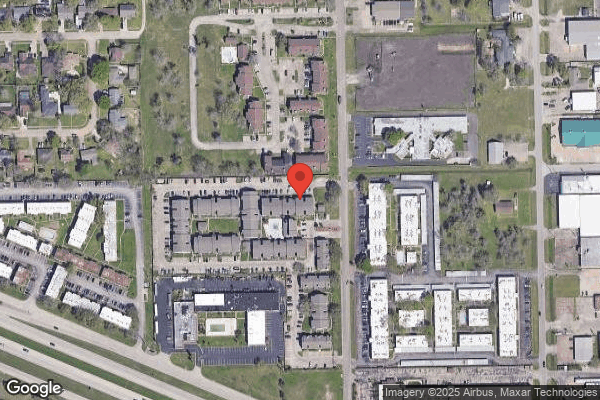
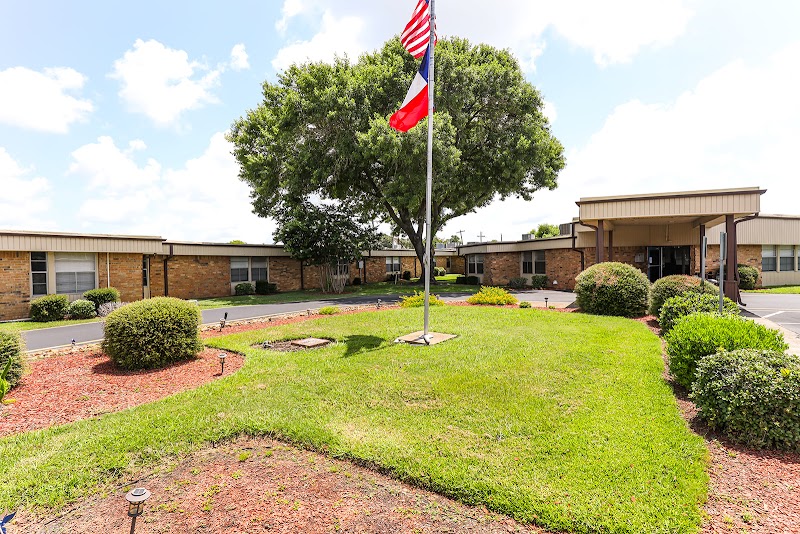
413 GARLAND DR, LAKE JACKSON, TX 77566 (979) 297-3266
For profit - Corporation 120 Beds NEXION HEALTH Data: November 2025
Trust Grade
70/100
#269 of 1168 in TX
Last Inspection: July 2025

Inspected within the last 6 months. Data reflects current conditions.

Overview

Lake Jackson Healthcare Center has a Trust Grade of B, which indicates it is a good choice among nursing homes, though not the best. It ranks #269 out of 1,168 facilities in Texas, placing it in the top half, and #3 out of 13 in Brazoria County, suggesting only two local options are better. The facility's performance has been stable over the past couple of years, with the same number of issues reported in both 2024 and 2025. Staffing is average, with a 3 out of 5 star rating and a turnover rate of 60%, which is higher than the state average. Fortunately, there have been no fines, which is a positive sign. However, there are some concerning incidents. The facility failed to store controlled drugs safely, risking potential misuse or theft. Additionally, there were issues in the kitchen, such as a dirty can opener and improper food safety practices, which could lead to foodborne illnesses. Lastly, residents experienced a lack of hot water in their bathrooms for over a month and had to live in unsanitary conditions due to black substances found in their rooms. Overall, while the facility has strengths, there are significant weaknesses that families should consider.

Trust Score
B
70/100
In Texas
#269/1168
Top 23%
Safety Record
Low Risk
No red flags
Inspections
Holding Steady
4 → 4 violations
Staff Stability
⚠ Watch
60% turnover. Above average. Higher turnover means staff may not know residents' routines.
Penalties
✓ Good
No fines on record. Clean compliance history, better than most Texas facilities.
Skilled Nurses
⚠ Watch
Each resident gets only 27 minutes of Registered Nurse (RN) attention daily — below average for Texas. Fewer RN minutes means fewer trained eyes watching for problems.
Violations
⚠ Watch
13 deficiencies on record. Higher than average. Multiple issues found across inspections.
★★★★☆
4.0
Overall Rating
★★★☆☆
3.0
Staff Levels
★★★★☆
4.0
Care Quality
★★★★☆
4.0
Inspection Score
Stable
2024: 4 issues
2025: 4 issues

The Good

  • 4-Star Quality Measures · Strong clinical quality outcomes
  • Full Sprinkler Coverage · Fire safety systems throughout facility
  • No fines on record

Facility shows strength in quality measures, fire safety.

The Bad

Staff Turnover: 60%

14pts above Texas avg (46%)

Frequent staff changes - ask about care continuity

Chain: NEXION HEALTH

Part of a multi-facility chain

Ask about local staffing decisions and management

Staff turnover is elevated (60%)

12 points above Texas average of 48%

The Ugly 13 deficiencies on record

Jul 2025 4 deficiencies
CONCERN (D)

Potential for Harm - no one hurt, but risky conditions existed

Comprehensive Assessments (Tag F0636)

Could have caused harm · This affected 1 resident

**NOTE- TERMS IN BRACKETS HAVE BEEN EDITED TO PROTECT CONFIDENTIALITY** Based on record review and interviews the facility failed to conduct a comprehensive assessment, within 14 calendar days after a...

Read full inspector narrative →
**NOTE- TERMS IN BRACKETS HAVE BEEN EDITED TO PROTECT CONFIDENTIALITY** Based on record review and interviews the facility failed to conduct a comprehensive assessment, within 14 calendar days after admission, for 2 of 13 residents (Resident #8 and resident #156) reviewed for comprehensive annual assessments and transmitted MDS data to the CMS System. The facility failed to complete Resident #8's admission MDS assessment within 14 days of admission. The facility failed to complete Resident #156's admission MDS assessment within 14 days of admission. This failure could place residents at risk of not having their assessments completed and transmitted timely which could result in a delay in treatment, denial of payment and or resident services. The findings included: Record review of Resident #8's face sheet dated 07/02/25 revealed a -[AGE] year-old male admitted to the facility on [DATE]. Her diagnoses included cerebral palsy, (a group of neurological disorders that appear in infancy and permanently affect body movement and muscle coordination.), abnormalities of gait and mobility, essential hypertension (High blood pressure), gastro-, type 2 diabetes mellitus (adult onset of high blood sugar) history of falling, overactive bladder, retention of urine, and muscle weakness Record review of Resident #48's admission MDS assessment, dated 01/04/25, revealed the signature page indicated it was signed as completed on 01/13/25, 16 days after admission. During an interview with the DON on 07/02/25 at 11:00 AM, the DON said she started working at the facility in January and started signing off on all the MDS. During interview on 07/02/25 5 at 2:40PM, The MDS Coordinator said the MDS was late because there was no RN to sign off on the MDS at the time of completion. She said not completing the MDS in a timely may delay the care plan and service to residents.Resident #156 Record review of Resident #156's admission Record revealed he was a [AGE] year-old male who admitted to the facility on [DATE] and his diagnoses included: other secondary hypertension (high blood pressure caused by an identifiable or known underlying condition), hypothyroidism (condition where the thyroid gland does not produce enough thyroid hormones to meet the body's needs) and overweight. Record review of Resident #156's admission MDS assessment with an ARD date of 6/23/25, revealed Resident had a BIMS score of 13 out of 15 indicating he was cognitively intact and was coded as independent for oral hygiene, dressing and transfers, set-up assistance for eating, toileting and personal hygiene and required supervision for showers/bathing. Section Z0500 Signature of RN Assessment Coordinator Verifying Assessment Completion was dated as signed and completed by DON, on 7/1/25, 15 days after Resident #156's admission. Record review of Resident #156's EMR and interview with MDS Coordinator on 7/2/25 at 1:13 pm revealed MDS Summary page for Resident #156's admission MDS with and ARD of 6/23/25 had the following area highlighted in red: MDS Completion 07/01/2025. The MDS Coordinator said the red highlighted date of 07/01/2025 indicated the assessment was late. The MDS Coordinator said they had Resident #156's admission assessment on her MDS calendar to complete, but had an unplanned, unforeseen absence on the date the assessment was due to be completed. The MDS Coordinator said they were the only MDS Coordinator for the facility and there was no one designated to complete MDS assessments in her absence, unless the absence was pre-scheduled such as PTO /vacation. The MDS Coordinator said during the pre-scheduled absences the Regional MDS would find coverage to complete MDS assessments as needed. The MDS Coordinator said the Regional MD did not complete facility MDS assessments and to her knowledge there was no one else designated to complete facility MDS assessments. The MDS Coordinator said late MDS assessments could delay resident care or could lead to a delay in residents' care planning and possibly impact reimbursement. The MDS Coordinator said followed the RAI Manual for MDS completion and that admission assessments should be completed by the 14th day from resident admission. Record review of Facility's provided policy on MDS completion dated 2001with a revision date of December 2010 revealed Policy Interpretation and Implementation; Our facility will conduct and submit resident assessments in accordance with current federal and state submission timeframes 1 The Assessment Coordinator or designee shall be responsible for ensuring that resident assessments are submitted to CMS' QIES Assessment Submission and Processing (ASAP) system in accordance with current federal and state guidelines. 2 The following timeframes will be observed by this facility: Record review of CMS LTC RAI 3.0 User's Manual dated October 2025 revealed in part on page 2-17 Type of Assessment.admission (Comprehensive) Assessment Reference Date (ARD) No Later Than 14th calendar day of the resident's admission (admission date + 13 calendar days) MDS Completion Date (Item Z0500B No Later Than 14th calendar day of the resident's admission (admission date +13 calendar days).
CONCERN (D)

Potential for Harm - no one hurt, but risky conditions existed

Deficiency F0657 (Tag F0657)

Could have caused harm · This affected 1 resident

**NOTE- TERMS IN BRACKETS HAVE BEEN EDITED TO PROTECT CONFIDENTIALITY** Based on observation, interview and record review, the facility failed to ensure a comprehensive care plan was reviewed and revi...

Read full inspector narrative →
**NOTE- TERMS IN BRACKETS HAVE BEEN EDITED TO PROTECT CONFIDENTIALITY** Based on observation, interview and record review, the facility failed to ensure a comprehensive care plan was reviewed and revised by the interdisciplinary team after each assessment, including both the comprehensive and quarterly review assessments for 1 of 20 residents (Resident #41) reviewed for care plans. The facility failed to revise Resident #41's comprehensive care plan to reflect the resident's discontinued catheter use. This failure could place resident at risk of isolation and not receiving needed care and services to improve their health. The findings included: 1. Record review of Resident #41's face sheet dated 07/02/25 revealed a-[AGE] year-old female admitted to the facility on [DATE]. Her diagnoses included: Essential (primary) hypertension (High blood pressure), major depressive disorder), morbid obesity due to excess calories, retention of urine, type 2 diabetes (A chronic condition characterized by insulin resistance and elevated blood sugar levels). intertrochanteric fracture of left femur, and urinary tract infection, cerebral infarction (a serious condition that occurs when blood flow to the brain is blocked, causing brain tissue to die). Record review of Resident #41's comprehensive care plan, revised 04/11/25 revealed she was care plan for catheter as Resident requires Enhanced Barrier Precautions related to urinary catheter Date Initiated: 04/11/2025 Created on: 04/11/2025.Goal: Reduce the potential spread of MDRO. Date Initiated: 04/11/2025 Created on: 04/11/2025Interventions: Apply signage outside resident room. Date Initiated: 04/11/2025 Created on: 04/11/2025 EBP (Enhanced Barrier Precautions) used during high-contact resident care activities as applicable, such as:- Dressing - Bathing/Showering - Transferring - Providing hygiene - Changing linens. Notify MD of any change in conditionDate Initiated: 04/11/2025, Created on: 04/11/2025. Record review of Physician orders dated 04/01/25 indicated there was an order for catheter on 03/31/25 and an order to discontinue the catheter on 04/23/25. Record review of Resident #41's Quarterly MDS dated [DATE] revealed she had a BIMS score of 10 out of 15 which indicated she was moderately impaired on cognition. Review of section H bowel and bladder revealed she was coded for no catheter [] . Sections on bowel and blader, she was coded as always incontinent Observation and interview on 06/30/25 revealed Resident #41was in bed alert and oriented. Attempt was made to have an interview, resident said she was sleeping and left alone. Observation and interview on 07/01/25 at 12:30PM revealed Resident #41 was up on a chair beside her bed. Observation revealed no evidence of catheter. During an interview, she said she had a catheter at appoint but had been removed and she does not have any at present. She said she wanted to use her phone and was left. In an interview with MDS Coordinator on 07/02/25 at 2:00PM she said she was responsible for ensuring that the care plans are updated to reflect resident's conditions. She said the care plan was an oversight, and she would correct the care plan to reflect Resident #41's condition. She said revision of the care plan was the responsibility of the interdisciplinary team and any nurse that was present during the changes. She said Resident #41 would not be affected in any way because the care was not being provided.] Record review of facility's provided policy on care plan dated 10-2022 and revised 06/21/25 revealed Care Plans, Comprehensive Person-Centered. Policy Statement A comprehensive, person-centered care plan that includes measurable objectives and timetables to meet the resident's physical, psychosocial and functional needs is developed and implemented for each resident. Policy Interpretation and Implementation 1. The Interdisciplinary Team (IDT), in conjunction with the resident and his/her family or legal representative, develops and implements a comprehensive, person-centered care plan for each resident. 2. The care plan interventions are derived from a thorough analysis of the information gathered as part of the comprehensive assessment. The care planning process will: Facilitate resident and/or representative involvement. Include an assessment of the resident's strengths and needs; and . Incorporate the president's personal and cultural preferences in developing the goals of care. The comprehensive, person-centered care plan will: Include measurable objectives and timeframes. Describe the services that are to be furnished to attain or maintain the resident's highest practicable physical, mental, and psychosocial well-being; .Assessments of residents are on going and care plans are revised as information about the residents and the residents' conditions change.The Interdisciplinary Team must review and update the care plan: At least quarterly, in conjunction with the required quarterly MDS assessment.
CONCERN (F)

Potential for Harm - no one hurt, but risky conditions existed

Deficiency F0761 (Tag F0761)

Could have caused harm · This affected most or all residents

**NOTE- TERMS IN BRACKETS HAVE BEEN EDITED TO PROTECT CONFIDENTIALITY** Based on observation, interview, and record review the facility failed to ensure and provide separately locked, permanently affi...

Read full inspector narrative →
**NOTE- TERMS IN BRACKETS HAVE BEEN EDITED TO PROTECT CONFIDENTIALITY** Based on observation, interview, and record review the facility failed to ensure and provide separately locked, permanently affixed compartments for storage of controlled drugs listed in Schedule II of the Comprehensive Drug Abuse Prevention and Control Act of 1976 for 54 of 54 residents in that: Facility failed to ensure Emergency Narcotic Kit kept in the facility medication room was permanently affixed. This failure could place residents at risk for misappropriation of property, and exploitation related to drug diversion. Findings: Observation and interview with ADON on [DATE] at 10:19 am of facility's only medication room that was key locked and secured, located behind the nursing station desk of B hall/unit. There was a small approximately 10X10X10 bright red metal box with a keypad coded front, which was closed and sealed, located on an upper cabinet shelf. The box had 2 small holes on the back side of the box and a red sticker tag labeled Brazos. Another side of the box had a sticker labeled with Pharmacy A's contact information. The top of the box had a white sticker tag with the number 53 written on it and another white sticker that read Exp 8/25. There was still another laminated white sticker that had a list of 24 narcotic medication names listed as being contained inside the box and a number amount of each. The ADON said she never noticed the 2 small holes on the back side of the box and that the sticker that read Exp 8/25 referred to when the medications inside the box expired. The ADON said the box was changed weekly by Pharmacy A usually on Wednesday's and the number 53 was most likely how the pharmacy numbered the boxes they delivered. The ADON said the list of medications on the top of the box were what was located inside the box and that only licensed nursing staff had keys and access to the medication room. She said in the event emergency-controlled medications were ordered; the charge nurse would have to contact Pharmacy A for a code to access the ordered medication inside the box and sign a narcotic reconciliation sheet which Pharmacy A kept and was included in the facility pharmacy review when used. The ADON said the box would then be replaced by Pharmacy A after any narcotic medication withdrawal on the next medication delivery from Pharmacy A which occurred daily. When asked how she could tell the list of medications on the top of the box were what was actually contained in the box, she said the box can not be opened without a code from Pharmacy A and a triplicate prescription order from a physician and since Pharmacy A has to provide reconciliation count sheet for licensed staff to sign, there had been no reconciliation sheets, the box was sealed closed. The box was removable from the shelf and could be picked up easily and held by hand. The ADON was able to demonstrate holding the box freely in both hands and replaced the box back on the upper shelf. She said to her knowledge there had never been any issue with the box being removed or missing from the medication room and only licensed nursing staff had access to the medication room which automatically locked once entered or exited. The ADON said since she worked at the facility over the last 2 years, there were no drug diversions. She said she would speak with the DON and Corporate Nurse immediately to get the issue resolved because if someone did take the box it was potentially full of a lot of drugs that could have high street resale value. Interview with DON on [DATE] at 10:33 am who said she had only been working at the facility for a brief time and was not aware that the emergency kit narcotic/controlled medication box in the medication room was removable and not permanently affixed. The DON said Pharmacy A replaced the box weekly and prn once used or accessed, and each box had a new number. The DON said the box should be permanently affixed and could see the potential for concern regarding removal of controlled medication E-kit box from the medication room despite at least a double lock system of the lock on medication room door with limited, only authorized staff access, required physician triplicate order and pharmacy provided code to access any medication inside the box. The DON said she would work to fix the issue promptly so nothing like theft of the box could happen. Interview with Administrator on [DATE] at 10:36 am he said he was not aware of the narcotic E-kit medication box in the medication room was not permanently affixed or anchored to the shelving inside the locked medication room or that the box could potentially be picked up and removed. He said he was fixing the issue already and to his knowledge there had been no issues with missing or unreconciled medications or any drug diversions at the facility. Attempted telephone interview with Pharmacy A on [DATE] at 10:44am, 11:18 am, and 2:23pm. Did not receive a return call prior to facility exit. Record review on [DATE] at 10:48 am of white laminated sticker on top of narcotic E-kit box revealed the following: Drug.1. Acetaminophen-Cod #3 Tab.Alternate Name.Tylenol #3.QTY.102. Acetaminophen-Cod #4 Tab. Alternate Name.Tylenol #4.QTY.103. Alprazolam 0.25 MG . Alternate Name.Xanax.QTY.104. Clonazepam 0.5 MG. Alternate Name.Klonopin.QTY.105. Diazepam 5 MG. Alternate Name.Valium.QTY.106. Diphenoxylate/Atropine. Alternate Name.Lomotil.QTY.107. Fentanyl 12 MCG/HR Patch. Alternate Name.Duragesic.QTY.28. Fentanyl 25 MCG/HR Patch. Alternate Name.Duragesic.QTY.29. Fentanyl 50 MCG/HR Patch. Alternate Name.Duragesic.QTY.210. Hydrocodon-Acetamin 5-325 MG . Alternate Name.Norco.QTY.1011. Hydrocodon-Acetamin 10-325 MG . Alternate Name.Norco.QTY.1012. Hydrocodon-Acetamin 7.5-325 MG . Alternate Name.Norco.QTY.1013. Lorazepam 0.5 MG. Alternate Name.Ativan.QTY.1014. Morphine Sulf 20 MG/ML Soln 30 ML. Alternate Name.Roxanol.QTY.115. Oxycodone HCL 5 MG Tab.Alterate Name.OxylR.QTY.1016. Oxycodon-Acetamin 5-325 MG.Alternate Name.Percocet.QTY.1017. Oxycodon-Acetamin 7.5-325 MG.Alternate Name.Percocet.QTY.1018. Oxycodon-Acetamin 10-325 MG.Alternate Name.Percocet.QTY.1019. Pregabalin 25 MG.Alternate Name.Lyrica.QTY.1020. Pregabalin 50 MG.Alternate Name.Lyrica.QTY.1021. Temazepam 15 MG.Alternate Name.Restoril.QTY.1022. Temazepam 7.5 MG.Alternate Name.Restoril.QTY.1023. Tramadol 50 MG.Alternate Name.Ultram.QTY.1024. Zolpidem 5 MG.Alternate Name.Ambien.QTY.10 Observation and interview with ADON on [DATE] at 1:44 pm of facility's only medication room that was key locked and secured, located behind the nursing station desk of B hall/unit. The small approximately 10X10X10 bright red metal box with a keypad coded front, which was closed and sealed, was now located in a larger black metal box that was non-removable, secured, permanently affixed to mediation room countertop. The black box had a key and keypad code entry system to access it. The ADON said that the facility would manage the larger permanently affixed box with key and code and access only being provided to licensed nursing staff. She said Pharmacy A would continue to manage the smaller red narcotic E-kit box. The smaller red narcotic E-kit box had 2 small holes on the back side of the box and a red sticker tag labeled Brazos. Another side of the box had a sticker labeled with Pharmacy A's contact information. The top of the box had a white sticker tag with the number 53 written on it and another white sticker that read Exp 8/25. There was still another laminated white sticker that had a list of 24 controlled medication names listed as being contained inside the box and a number amount of each. Record review of facility policy procedure titled Controlled Substances reviewed [DATE] revealed, 13. Schedule II-V controlled medications are stored in separately locked, permanently affixed compartments.
CONCERN (F)

Potential for Harm - no one hurt, but risky conditions existed

Food Safety (Tag F0812)

Could have caused harm · This affected most or all residents

Based on observation, interview, and record review, the facility failed to store, prepare, distribute, and serve food in accordance with professional standards for food service safety for 1 of 1 kitch...

Read full inspector narrative →
Based on observation, interview, and record review, the facility failed to store, prepare, distribute, and serve food in accordance with professional standards for food service safety for 1 of 1 kitchen, in that: - The facility failed to ensure the tabletop can opener blade and base were free of grime and debris.- The facility failed to ensure that the 3-compartment sink with wash-water and sanitizing solution was not used for food preparation.- The facility failed to label, and date left over food items in the refrigerator\freezer.- The facility failed to ensure that dented can goods were stored away from undented can goods. These failures could place residents at risk for food contamination and foodborne illness. Findings included: Observation and interview on 06/30/25 beginning at 8:30 AM revealed the following:-One of one can opener in the kitchen had dark brownish looking substance around the cutting blade and the blade holder. The Dietary Manager took it out for wash.-Observation of one of one Deep fryer revealed it was 3\4 filled dark looking grease and whitish floating substances on top of the grease. The Dietary Manager said the grease was changed last week Thursday /06/26/25 and the facility had fish fry. She said she it was due to be changed.-Observation of the 3-compartment sink in the kitchen revealed the first sink from the right had 3\4 filled with soapy water, the last sink had chemical sanitizing water about 3\4 filled, and the middle sink had 3-5Ibs packs of frozen diced chicken in a standing water (this was identified by the dietary Manager) She said the night shift was supposed to defrost the meat overnight ready for the morning but did not and the chicken was being defrost. She said the chicken was supposed to be defrost in a running water. Next to the chicken was a second container of water in it was 32oz of lactose free milk. -Observation the walk-in freezer revealed an unlabeled plastic container of bell as bell papers. A container of assorted cold cuts meat all together in a container unlabeled and undated the Dietary Manager said that the meat was for sandwiches. -Observation of the dry good storage revealed a dented can of 48 oz of chicken and dumpling and a dented can of 14oz can of beans. During an interview with the Dietary Manager on 06/30/25 at 9:15AM, she said there used to be a separate sink for food preparation but was taken out and the only place the had to prepare food was the 3 compartment sinks. She acknowledged that the 3-compartment sink was not safe for food preparation due to cross contamination and all frozen meat product should be defrosted in running water to prevent bacteria growth.She said preparing food in an unsanitary condition may lead food born illness. She said she would have an in-service with all dietary staff. During an interview with the Facility Administrator on 07/01/25 at 9:00AM, he said he expect the kitchen to always be clean. He said there was a food preparation area before his time and for some reason the sink and area was broken down to create more space in the kitchen and the new owner had a plan to build a food preparation area in the near future. He said preparing food in an unclean environment may lead to contamination and food born illness Record review of Facility's policy dated October 2022 reveal in part- Policy Interpretation and ImplementationFood Receiving and Storage. Policy StatementFoods shall be received and stored in a manner that complies with safe food handling practices. 1. Food Services, or other designated staff, will maintain clean food storage areas at all times.8. All foods stored in the refrigerator or freezer will be covered, labeled and dated ( use by date).All food items to be kept below 41F must be placed in the refrigerator located at the nurses' station and labeled with a use by date.3 weeks in as the Dietary Manager. The DM said it was the responsibility of all staff to keep the kitchen clean.
Jun 2024 1 deficiency
CONCERN (E) 📢 Someone Reported This

A family member, employee, or ombudsman was alarmed enough to file a formal complaint

Potential for Harm - no one hurt, but risky conditions existed

Safe Environment (Tag F0584)

Could have caused harm · This affected multiple residents

**NOTE- TERMS IN BRACKETS HAVE BEEN EDITED TO PROTECT CONFIDENTIALITY** Based on observation, interview, and record review, the facility failed to provide a safe, functional, sanitary, and comfortable...

Read full inspector narrative →
**NOTE- TERMS IN BRACKETS HAVE BEEN EDITED TO PROTECT CONFIDENTIALITY** Based on observation, interview, and record review, the facility failed to provide a safe, functional, sanitary, and comfortable environment for 17 of 39 residents reviewed for environmental concerns in that: The facility failed to provide hot running water in the bathrooms for 17 residents assigned to A-Hall for over a month. The facility failed to keep a safe and sanitary environment due to black substance being found in 3 of 39 resident's rooms. This failure placed residents at risk of living in an unsafe, unsanitary, and uncomfortable environment and could potentially cause a decline in their health. Findings included: Observation on 06/30/2024 at 12:44p.m., revealed black substance around the sprinkler head in room [ROOM NUMBER]. Observation on 6/30/2024 at 1:13p.m., revealed black substance around the sprinkler head in room [ROOM NUMBER]. Observation on 6/30/2024 at 1:16p.m., revealed a broken water heater. During an interview on 6/30/2024 at 1:17p.m. with the Floor Tech, he said the water pipe was out of service. He said there is a work order in place. He said there is not hot water on A-hall and C-hall, but C-hall did not have any residents on the hall. He said some residents had been without hot water in their bathrooms for months. He said they only had cold water. Observation on 06/30/2024 at 1:28p.m., revealed a spot of black substance on the ceiling in the restroom in room [ROOM NUMBER]. The smell of mold was present in the restroom. Observation on 6/30/2024 at 1:58p.m., revealed the temperatures of hot water in room [ROOM NUMBER] as 22.8 c, at 1:49p.m., B-hall shower as 42.5c, room [ROOM NUMBER] at 1:54p.m., as 27.2, room [ROOM NUMBER] 1:59p.m. as 44.2c, and room [ROOM NUMBER] at 2:00p.m., as 22.6c. Record Review of the Plumbing Company's invoice for hot water heater dated 6/27/2024, revealed price to complete the following, install a new100-gallon tank water heater, remove the existing water heater, hookup material is included, and tax included. Record Review of the Plumbing Company's Purchase of Order Form revealed date required, 6/28/2024. Description, remove old water heater, install new water heater. Observation and interview on 6/30/2024 at 3:00p.m. with an Anonymous resident, revealed them sitting outside of the building in their wheelchair and they said the facility had them in another room where they were becoming sick. They said there was black substance in their room, and it made them cough. They said they were coughing up their food because they were coughing so much. They said black mold could kill people. They said someone came into the room and sprayed bleach on the black substance. They said it took the facility four days to move them to another room. They said they stayed gone from their room throughout the day because breathing in the black substance at night was bad enough. Observation and interview on 6/30/2024 at 3:35p.m. with an Anonymous resident, revealed them sitting in another resident's room, in their wheelchair, next to their bed. They said they experienced no hot water for a month or so. They said it affected them by having to wait longer than normal on staff for a bed bath while they left the room to go all the way to the shower room to get hot water because they were not able to get hot water from the bathroom inside of their room. They said they believed there was black substance inside of the building. They said when they passed by a certain room, while they were going outside to smoke, they said they could smell mold and mildew in the hallways. They said they became sick and had a hard time breathing a few weeks ago. They said they did not inform staff about their sickness. They said mold was not good for anyone's health. Observation and interview on 6/30/2024 with Anonymous resident and they said they did not have hot water and it had been on order for a while. They said it had been a month or so that they had been without hot water. They said it was an inconvenience for them because they cannot shave in their room. They said they would have to go to another room or shave with cold water. They said cold water did not kill germs. During an interview on 6/30/2024 at 1:18p.m. with the Floor tech, he said he strips and waxes floors at the facility. He said they had been understaffed, so he had been doing housekeeping work. He said the water heater had been out for two maybe three months. He said the facility kept sending off quotes to different plumbing companies. He said they sent an order to a company they normally use but the quotes were so high they had to ask for another one. He said on A-hall the resident's had been without hot water in their restrooms for 3 months. He said he is not sure how the residents had been able to get hot water. He said the cold water works fine. He said the showers associated to B-hall, were hot. He said A-hall sinks in the restrooms did not have hot water. He said he believed the water heater is just old. He said he was not sure how it went out. He said there were a couple of spots in the facility that had mold. He said across the hall in room [ROOM NUMBER], and room [ROOM NUMBER] there was black substance in the restroom. He said the Maintenance Director bought mold killer and sprayed the black substance. He said if residents did not have hot water, they could not wash their hands and germs could not be killed and it could spread throughout the facility. He said not having hot water running in the sinks could prevent residents from shaving their beards. He said hot water would open pores while shaving. During an interview on 6/30/2024 at 2:32p.m. with the Assistant Administrator, she said the Maintenance Director told her on Thursday, 6/27/2024 that there was no hot water in some of the resident's rooms. She said she informed corporate, and she was waiting on them to give her a quote regarding how much it will cost to fix the water heater. During an interview on 6/30/2024 at 2:36p.m. with the Administrator, she said she had been the administrator off and on for three years. She said she recently came back on 2/9/2024. She said the hot water heater was working before she left to go home a few weeks ago. She said she was not aware that the water had not been working for over a month. She said she first found out that the hot water was not working in the resident's bathrooms on Thursday, 6/27/2024. She said she immediately contacted the plumbing company, and they gave her a quote. She said the plumbing company should be at the facility on Tuesday, 7/2/2024. During an interview on 6/30/2024 at 2:43p.m. with the Maintenance Director, he said he had been the maintenance director for five years. He said he found out three weeks ago that the residents on A-hall did not have hot water. He said it could have been a month ago. He said he was not sure about the amount of time the residents were without hot water. He said he had a company to come to the facility, but their quote was too high. He said he informed the Administrator of the issues with the water heater and another company came out last Monday or last Wednesday. He said the regional maintenance director knew about the hot water not working in the resident's restroom before last week. He said the first quote given for the water heater was $19,000.00 and it was too high, and the second quote was approved. He said it is his understanding that the Administrator and the Assistant Administrator were aware that the hot water was not working on A-hall. He said he informed someone when he realized the hot water heater was not working. He said he would not keep something like that to himself. He said if the residents did not have hot water, it would prevent them from washing their hands properly and it could cause them to spread germs. During an interview on 6/30/2024 at 2:14p.m. with CNA A, she said she gave residents their showers three times a week. She said she used B-hall shower. She said there are two shower rooms, B-hall, and C-hall. She said the water was hot. She said there had not been a resident complain to her about the water not being hot. She said when she gave bed side baths, she used water from the showers. She said she was not sure if the hot water on A-hall was working. During an interview on 6/30/2024 at 2:19p.m. with CNA B, she said she has worked all the halls, but today she worked A-hall and B-hall. She said she used B-hall shower because there were no residents on C-hall. She said the shower was never really used. She said she also used the shower water on B-hall because it had hot water. She said she could and use the water from the sinks because there was no hot water. She said she asked different staff members how they could wash their hands if there was no hot water. She said she washed her hands with cold water and would find a bathroom where there was hot water to wash hands. She said it had not been a hindrance for her to perform her job properly, but she said if there was no hot water that means they are not killing germs. Record Review of the facility's policy titled Water Temperatures, Safety of revised on 12/2009 read in part . Water heaters that service resident rooms, bathrooms, common areas, and tub/shower areas shall be set to temperatures of no more than 110° F (43 ° C), or the maximum allowable temperature per state regulation. Maintenance staff is responsible for checking thermostats and temperature controls in the facility and recording these checks in a maintenance log. Maintenance staff shall conduct periodic tap water temperature checks and record the water temperatures in a safety log . Record Review of the facility's policy titled Homelike Environment revised on 02/2021 read in part . Staff provides person-centered care that emphasizes the residents' comfort, independence and personal needs and preferences. The facility staff and management maximize, to the extent possible, the characteristics of the facility that reflect a personalized, homelike setting. These characteristics include clean, sanitary, and orderly environment; The facility staff and management minimize, to the extent possible, the characteristics of the facility that reflect a depersonalized, institutional setting. These characteristics include institutional odors .
May 2024 3 deficiencies
CONCERN (D)

Potential for Harm - no one hurt, but risky conditions existed

Assessment Accuracy (Tag F0641)

Could have caused harm · This affected 1 resident

**NOTE- TERMS IN BRACKETS HAVE BEEN EDITED TO PROTECT CONFIDENTIALITY** Based on interview, and record review, the facility failed to ensure assessment accurately reflects the resident's status for 1 ...

Read full inspector narrative →
**NOTE- TERMS IN BRACKETS HAVE BEEN EDITED TO PROTECT CONFIDENTIALITY** Based on interview, and record review, the facility failed to ensure assessment accurately reflects the resident's status for 1 (Resident #9) of 13 residents reviewed for accuracy of assessments, in that -The facility failed to ensure Resident #9's Quarterly MDS assessment accurately reflected her bowel and bladder status. This failure could place residents at risk for inadequate care, diminished quality of life and decline in health. Findings include: Record review of Resident #9's admission Record revealed she was an [AGE] year old female that readmitted to the facility on [DATE] with diagnoses of hyperlipidemia (high cholesterol), dysphagia (difficulty or discomfort in swallowing), bipolar disorder (a condition associated with episodes of mood swings ranging from depressive lows and manic highs), and epilepsy (a disorder in which nerve cell activity in the brain is disturbed causing seizures and can be genetic or as a result of injury). Her BIMS score was 15 out of 15 indicating she had no cognitive impairment. Record review of Resident #9's Quarterly MDS assessment on 5/16/24 at 12:15 pm dated 4/12/24 revealed in section GG Functional Abilities and Goals Resident #9 was coded as follows: C. Toileting Hygiene .88. not attempted due to medical condition or safety concern. Section H. Bladder and Bowel, read in part, always incontinent of urine, and always incontinent of bowel. It was signed as completed by MDS Coordinator on 4/17/24 and DON on 4/18/24. Record review and interview with MDS Coordinator on 5/15/24 at 12:30pm who said that she did not know why Resident #9's Q MDS dated [DATE] was coded as not assessed in section GG for toileting hygiene. While speaking with surveyor and continuing to review Resident #9's EMR, the MDS Coordinator said she would modify Resident #9's Q MDS dated [DATE] because it was incorrect for bowel and bladder coding. The MDS Coordinator said she did not know exactly why she reviewed Resident #9's toileting, which had always been coded as dependent, but for some reason it was coded as not assessed in error. The MDS Coordinator said that she completed the MDS for Resident #9 and did not know how the error in coding happened. The MDS Coordinator said Resident #9 had been incontinent of bowel and bladder and dependent for toileting hygiene from her 12/16/2016 admission. The MDS Coordinator said that she used the RAI manual as her policy and procedure for completing the resident MDS assessments. Record review of Resident #9's modified Quarterly MDS on 5/16/24 at 12:16pm revealed in section GG Functional Abilities and Goals Resident #9 was coded as follows: C. Toileting Hygiene .01. Dependent. Helper does all of the effort or the assistance of 2 or more helpers is required for resident to complete the activity. Section H. Bladder and Bowel, read in part, always incontinent of urine, and always incontinent of bowel. Section X. Correction revealed: Reason for Modification .B. Data entry error. Section Z Assessment Administration Signature of Persons Completing the Assessment of Entry/Death Reporting , was signed by MD Coordinator and DON with Date Section Completed 5/15/24. Interview with DON on 5/16/24 at 1:15pm she said she was not familiar with Resident #9's bowel and bladder status and would have to look in resident's medical record. The DON said that she signed Resident #9's Q MDS dated [DATE] because she signs the MDS assessments that were completed at the facility. The DON said she signed the modified Q MDS for Resident #9 on 5/15/24 after the error was identified by the MDS Coordinator on 5/15/24 after speaking with surveyor. Record review of CMS's RAI Version 3.0 Manual dated October 2023, pages 1-7 revealed the following The RAI process had multiple regulatory requirements . (1) the assessment accurately reflects the resident's status.
CONCERN (D)

Potential for Harm - no one hurt, but risky conditions existed

Unnecessary Medications (Tag F0759)

Could have caused harm · This affected 1 resident

**NOTE- TERMS IN BRACKETS HAVE BEEN EDITED TO PROTECT CONFIDENTIALITY** Based on observation, interview, and record review, the facility failed to ensure a medication error rate of less than 5%. There...

Read full inspector narrative →
**NOTE- TERMS IN BRACKETS HAVE BEEN EDITED TO PROTECT CONFIDENTIALITY** Based on observation, interview, and record review, the facility failed to ensure a medication error rate of less than 5%. There were 2 errors out of 30 opportunities which resulted in a 6% error rate involving 2 of 3 residents (Resident #12, and Resident #20) and 1 of 2 employees (MA A) observed during medication administration reviewed for medication error , in that: -MA A omitted Resident #12's Bismuth/[NAME] pectate anti diarrheal medication. -MA A gave Resident #20 an incorrect dose of her nasal spray. These failures could affect residents and put them at risk for not receiving the intended therapeutic benefit of their medication and or adverse outcomes. The findings were: Resident #12 Record review of Resident #12's admission Record revealed she was a [AGE] year old female who admitted to the facility on [DATE] with the following diagnoses: diarrhea (a condition of having loose, watery stools, three or more times in a day, or more frequently than usual for the individual), dementia (a condition characterized by progressive or persistent loss of intellectual functioning, especially with impairment of memory and often with personality changes and anxiety (an uncontrollable feeling of worry, fear or uneasiness and can be mild or severe and can be experienced through thoughts, feelings and physical sensations). Record review of Resident #12's physician order summary report dated active as of 5/15/24 had the following medication order: [NAME] pectate oral tablet 262 mg (Bismuth) give 1 tablet by mouth one time a day related to diarrhea and had an order date 3/21/24 and start date 4/2/24. There was no end date. Observation and interview of Resident #12's medication administration pass performed by MA A on 5/14/24 at 9:27 am. MA A explained to Resident #12 that she was going to give her morning medication. MA A prepared Resident #12's medications after assessing the residents' vital signs. MA A did not have Resident #12's [NAME] pectate and said it had been ordered but had not been delivered yet, so she was unable to give that medication during the medication administration. MA A did not look for the medication in any other location and did not ask any other staff member for assistance in locating the medication. Resident #12's [NAME] pectate oral tablet 262 mg (Bismuth) give 1 tablet by mouth one time a day was not given. Record review of Resident #12's MAR dated 5/1/2024-5/31/2024 revealed staff documented the number 9 on May 12 through May 14th for the resident's [NAME] pectate oral tablet 262 mg (Bismuth) give 1 tablet by mouth one time a day related to diarrhea. Continued review of the MAR chart codes reflected the number 9=Other/See Nurse Notes. There were no other nurse notes and per MAR documentation the resident had not received the medication from 5/12/24 through 5/14/24. Record review on 5/14/24 at 10:32 am of Resident #12's MAR dated 5/1/2024-5/31/2024 revealed MA A documented 9=Other/See Nurse Notes. Resident #20 Record review of Resident #20's admission Record revealed she was an [AGE] year old female who admitted to the facility on [DATE] with the following diagnoses: Alzheimer's disease (also known as senile dementia a progressive disease that destroys memory and other important mental functions including thinking and behaviors), and chronic obstructive pulmonary disease (a group of lung diseases that block airflow and make it difficult to breathe). Record review of Resident #20's physician order summary report dated active as of 5/15/24 had the following medication order: Flonase allergy relief nasal suspension 50 MCG/ACT (nasal) 1 spray in both nostrils one time a day and had an order date 8/20/23 and start date 8/21/23. There was no end date. During an observation and interview on 5/14/24 at 9:40 am MA A administered per medication package, Flonase Nasal Spray suspension 50 MCG/ACT 2 sprays in both nostrils daily X 14 days . MA A said Resident #20 received 2 sprays in each nostril and that she believed the order had recently been updated. Record review of Resident #20's MAR dated 5/1/2024 through 5/31/2024 revealed MA A documented that she had given Flonase allergy relief nasal suspension 50 MCG/ACT (nasal) 1 spray in both nostrils one time a day in the morning on 5/14/24. Interview with DON on 5/15/24 at 10:33 am who said that she also believed Resident #20's nasal spray order had been changed recently but that MA A should have administered what the physician order said at the time of the medication administration pass. The DON said that she was responsible for and over saw the training of all staff administering medications and that staff had been trained on medication administration. DON did not comment on why Resident #12's [NAME] pectate was not available during the administration and said she would follow up on both errors. Record review of a facility provided policy and procedure titled Administering Medication and dated revised April 2019, read in part: 4. Medications are administered in accordance with prescribers' orders .10. The individual administering medication checks the label THREE (3) times to verify the right resident, right medication, right dosage .before giving the medications.
CONCERN (E) 📢 Someone Reported This

A family member, employee, or ombudsman was alarmed enough to file a formal complaint

Potential for Harm - no one hurt, but risky conditions existed

Medical Records (Tag F0842)

Could have caused harm · This affected multiple residents

**NOTE- TERMS IN BRACKETS HAVE BEEN EDITED TO PROTECT CONFIDENTIALITY** ACT - Actuation BIMS - Brief Interview for Mental Status EMR - Electronic Medical Record DON - Director of Nursing LVN - License...

Read full inspector narrative →
**NOTE- TERMS IN BRACKETS HAVE BEEN EDITED TO PROTECT CONFIDENTIALITY** ACT - Actuation BIMS - Brief Interview for Mental Status EMR - Electronic Medical Record DON - Director of Nursing LVN - License Vocational Nurse MA - Medication Aide MAR - Medication Administration Record MCG - Microgram MDS - Minimum Data Set Q - Quarterly RAI - =Resident Assessment Instrument S/S= E Surveyor Name(s): [NAME] Immediate Supervisor: [NAME] Based on observation, interview and record review, the facility failed to ensure each resident's drug regimen must be free from unnecessary drugs for 1 of 3 residents (Resident #23) reviewed for unnecessary medications. -Facility failed to give Resident #23's Midodrine 10 mg medication as ordered by the physician. -The facility failed to check the resident's SBP level before administering Resident #23 her Midodrine 10mg medication. This deficient practice could place residents in the facility at risk of having the use of an unnecessary drug without adequate indications for its use, and a decline in their health. Findings include: Record review of Resident #23's face sheet dated 5/15/2024 reflected Resident #23 was a [AGE] year-old woman who was admitted to the facility on [DATE]. Her diagnoses included Paraplegia (paralysis that affects your legs, but not your arms), pressure ulcer of stage 4, post-traumatic stress disorder (an anxiety disorder that can come from a traumatic event), cellulitis of unspecified part of limb (a common and potentially serious bacterial skin infection) and essential hypertension (a type of high blood pressure that develops gradually over time and has no identifiable cause). Record review of Resident #23's Quarterly MDS assessment dated [DATE] revealed she had a BIMS score of 15 indicating no impaired cognition. The resident required extensive assistance with one person's physical assist with bed mobility, total dependence and two person's physical assist for transfer, supervision, and setup for eating, and extensive assistance and two person's assists for toilet use. Observation and interview on 5/28/2024 at 12:15p.m. with Resident #23, revealed her in a wheelchair, wheeling herself towards her room. She said she took Midodrine medication for low blood pressure and she said so far it had been working out just fine. She said the medication brings her blood pressure up, but it would go low again. She said she had not had any problems are symptoms related to her Midodrine medication. She said staff only gave her the medication when and if her blood pressure was 110 or less. She said they have not given it to her when her blood pressure was higher than 110. Record review Resident #23's Care Plan initiated on 06/7/23 revealed, Focus: Hypertension, Medication: Midodrine, Intervention: Check B/P TID and administer Midodrine as directed. Give medication as ordered. Monitor for side effects and effectiveness. Record review of Resident #23's MED and MAR Records revealed, Check BP, give Midodrine 10 mg for SBP less 110, three times a day related to hypertension, unspecified give Midodrine 10 mg for SBP less than 110 -D/C Date 4/2/2024. Resident was given Midodrine medication when her SBP was higher than 110 on 3/1/2024 (124/68), 3/2/2024 (124/65), 3/3/2024 (112/58), 3/5/2024 (117/62), 3/7/2024 (117/67), 3/8/2024 (114/55), 3/9/2024 (121/59), 3/10/2024 (113/54) at 9:00am and (113/54) at 9:00p.m., 3/12/2024 (129/68), 3/14/2024 (122/64) at 9:00a.m. and (114/45) at 9:00p.m., 3/16/2024 (144/80) at 9:00am and (153/73) at 2:00p.m., 3/17/2024 (135/73) at 9:00a.m. and (116/61) at 2:00p.m. and (115/56) at 9:00p.m., 3/18/2024 (121/56), 3/19/2024 (125/70) at 9:00a.m., and (133/70) at 2:00p.m. and 126/64 at 9:00p.m., 3/22/2024 (117/59), 3/23/2024 (112/58), 3/24/2024 (135/71) at 9:00a.m. and (127/74) at 9:00p.m., 3/28/2024 (120/62), and 3/29/2024 (118/56). 4/2/2024 (113/76), 4/6/2024 (129/71), 4/7/2024 126/71) at 2:00p.m. and (126/71) at 9:00p.m., 4/9/2024 (121/66) at 2:00p.m., 4/11/2024 (121/73) at 9:00a.m., 4/15/2024 (112/69) at 2:00p.m., 4/20/2024 (125/78) at 2:00p.m., 4/21/2024 (117/60) at 2:00p.m., 4/23/2024 (165/69) at 9:00p.m., 4/24/204 (137/89) at 9:00a.m., 4/25/2024 (116/65) at 9:00a.m., 4/27/2024 (115/56) at 9:00p.m., 4/28/2024 (122/60) at 9;00p.m., 4/29/2024 (127/780 at 9:00a.m. and (127/78) at 9:00p.m., 4/30/2024 (118/60) at 9:00p.m. Observation and interview on 5/15/2024 at 3:30 PM with the MDS Coordinator revealed her making changes to the dates of Resident #23's orders after she was asked to print out the orders to verify the dates. She said she wanted to update it so that it could be corrected after it was brought to her attention that the nurses were giving the resident's medication against the physician orders. She said she spoke to the physician and was told she could discontinue the medication. Interview on 5/15/2024 at 3:58p.m. with the DON and she said Resident #23's blood pressure was taken every day and if it was indicated they did not give it to her. She said regarding the Midodrine medication, the Administrator was supposed to follow up on it . She said she made sure errors will not happen by running audits and pulling the MARS. She said she has talked to the CMAs and in-serviced them once before for giving Resident #23 her Midodrine medication when her blood pressure was above 110. She said she was not sure why there are so many errors each month. She said she cannot explain what happened. She said giving Resident #23 her Midodrine medication when her SBP was above 110, could elevate her blood pressure even more. Interview on 5/15/2024 at 4:23p.m. with the ADON and she said she spoke to nursing staff about Resident #23's Midodrine medication and she said they knew if her SBP was over 110 not to give it to her and sign it in the computer. She said the Midodrine medication was routine. She said giving the resident medication against the physician's orders could put the resident in a hypertension crisis. She said she tried on 4/2/2024 to correct the Midodrine medication and was not successful. A follow-up interview on 5/28/2024 at 12:52p.m. with the ADON, and said she was aware of the problem from the pharmacist's consultant, and she did not remember the date. She said the way the Midodrine order was put in the system initially was confusing to the CMAs. She said it seemed that they were documenting that they had given it when they were not giving it and vice versa. She said in the CMA's documentation, it looked like had not given Resident #23 her medication and they had given it to her during that time. She said initially it was all on one order . She said they checked Resident #23's BP three times a day and administered 10 mg if systolic BP was less than 110. She said the Pharmacist recommend that they change it so that they could split the order . She said the documentation did not show that they did it correctly. She said changing the order still did not work . She said she started Resident #23 on Midodrine when her blood pressure was low. She said it appears that it was given at the wrong times but when you talk to the CMAs, they would swear that they just wrote it down incorrectly. Interview on 5/15/2024 at 5:00p.m. with CMA A and she said she knew better than to give Resident #23 her Midodrine medication if her blood sugar was high. She said if it was less than 110, she could receive her medication. She said she was in-served this year because someone was in trouble about giving the medication while Resident #23's blood pressure was high. She said she knew what to give the resident regarding her medication because it was on the MAR's and staff can see. She said if you give Resident #23 her medication when her blood pressure is over 110, it can cause her blood pressure to go higher. An interview on 5/28/2024 at 1:07p.m. with CMA B, and she said hypertension was high blood pressure, and hypotension was low blood pressure. She said she had been working at the facility since 12/4/2023. She said she started as an CNA and became a CMA on 5/10/2024. She said she had currently passed out medication to Resident #23, but she did not pass out the Midodrine medication. An interview on 5/28/2024 at 1:16p.m. with LVN A, and said hypertension brings down the blood pressure, and hypotension is when your blood pressure is low, and it helps to bring it up. She said she had passed out Resident #23's Midodrine medication in the past. She said she gave it to her because most of the time she had low blood pressure. She said she just started passing out medication to Resident #23 on Friday. She said she checked Resident #23's blood pressure and if it was within the parameters, she would administer the medication to her. An interview on 5/28/2024 at 1:28p.m. with CMA C, and she said hypertension was high blood pressure, and hypotension was low blood pressure. She said the Midodrine was for when Resident #23's blood pressure was running low. She said she took Resident #23's blood pressure and she know for a fact that she accidently documented that she administered the medication even though she did not administer the medication when Resident #23's blood pressure was high. She said she had to ask the nurse to change it, but it was never done. She said the nurse had to strike it out, but it was never done. She said the Administrator came to her about another patient who had a similar situation as Resident #23. She said she always checked the medication and was not sure why it was showing up on the MARS that she gave the Midodrine medication to the resident when her blood pressure was high. She said she never administered medication to a resident who was not supposed to receive the medication. She said there were times when she did not go to the administration tab after she has clicked yes, and when she put it into the vitals tab, it would show that it was administered although it had not been administered to the resident. Record Review of the facility's policy titled Administering Medication, revised on 12/2019 read in part . Medications are administered in a safe and timely manner, and as prescribed. Only persons licensed or permitted by this state to prepare, administer, and document the administration of medications may do so. The director of nursing services supervises and directs all personnel who administer medications and/or have related functions. Medication errors are documented, reported, and reviewed by the QAPI committee to inform process changes and or the need for additional staff training. If a dosage is believed to be inappropriate or excessive for a resident, or a medication has been identified as having potential adverse consequences for the resident or is suspected of being associated with adverse consequences, the person preparing or administering the medication will contact the prescriber, the resident's attending physician or the facility's medical director to discuss the concerns.
Apr 2023 5 deficiencies
CONCERN (D) 📢 Someone Reported This

A family member, employee, or ombudsman was alarmed enough to file a formal complaint

Potential for Harm - no one hurt, but risky conditions existed

Abuse Prevention Policies (Tag F0607)

Could have caused harm · This affected 1 resident

**NOTE- TERMS IN BRACKETS HAVE BEEN EDITED TO PROTECT CONFIDENTIALITY** Based on observation, interview and record review, the facility failed to implement written policies and procedures that prohibi...

Read full inspector narrative →
**NOTE- TERMS IN BRACKETS HAVE BEEN EDITED TO PROTECT CONFIDENTIALITY** Based on observation, interview and record review, the facility failed to implement written policies and procedures that prohibit and prevent abuse, neglect, and exploitation of residents and misappropriation of resident property, establish policies and procedures to investigate any such allegations for two (Residents #17 and #38) of five residents reviewed for abuse. The facility Administrator failed to submit a facility investigation of an incident of physical aggression by Resident #38 toward Resident #17 within five working days of the incident, which took place on 03/16/23 . This failure could place the resident at risk for continued abuse, neglect, and exploitation. Findings included: Review of Resident #17's face sheet, dated 04/06/23, reflected he was a [AGE] year-old man, admitted to the facility on [DATE], and had diagnoses of traumatic brain injury, left leg amputation above the knee, major depressive disorder- severe with psychotic symptoms, adult anti-social behavior, schizoaffective disorder, and anxiety disorder. Resident #17 was noted to be his own responsible party. Review of Resident #17's quarterly MDS assessment, dated 03/16/2023, reflected the resident had a BIMS ) score of 13, indicating intact cognition. The document indicated Resident #17 used a wheelchair . Review of Resident #17's care plan, dated 01/28/21 and revised 02/10/23, reflected the resident had nervousness, restlessness, and being tense, related to anxiety, with interventions including during acute phase, do not make demands on resident, remove excess stimulation and encourage resident to verbalize feelings and fears toward the goal of resident will use affective coping mechanisms to manage anxiety for the next 90 days. Review of Resident #17's care plan, dated 01/28/21 and revised 02/10/24, reflected the resident had persistent anger, and I use profanity and verbal aggression towards staff and other residents. 08/09/21 another resident tried to push my wheelchair and I start [sic] cursing at him. Interventions included remove resident from public area and relocate him to quiet area, speak calmly to him until he settles down, encourage resident to contact his family support system and psych evaluation. Review of Resident #38's face sheet, dated 04/06/2023, reflected he was a [AGE] year-old man, admitted to the facility on [DATE], and had diagnoses of late-onset Alzheimer's disease, acute kidney failure, and stroke history. Resident #38's responsible party was noted to be a family member. Review of Resident #38's quarterly MDS assessment, dated 03/24/23, reflected a BIMs of 12, indicating moderate cognitive impairment. The document indicated Resident #38 ambulated independently . Review of Resident #38's care plan, dated 01/25/23, reflected no behavioral care plans . An interview and observation on 04/04/23 at 10:26 AM revealed Resident #17 was in his room, in his wheelchair. Resident #17 was difficult to understand, due to severely slurred speech, but he indicated that he did not have any concerns about abuse or neglect in the facility, denied being hit by another resident, and did feel depressed at times, but not at the time of the interview. Resident #17 only wanted to talk about his concerns about his wheelchair, which he repeated several times during the interview. An interview and observation on 04/05/23 at 2:15 PM with Resident #38 revealed he was lying on his bed, and was not very talkative, but indicated he felt safe, and nobody had hit him or been mean to him. When asked if he remembered his former roommate, he said he did, and He was OK. He did not indicate hitting his roommate. Review of Event Reports for Resident #17, dated 03/16/2023, reflected Resident #17 exited his room swearing loudly, and stated Resident #38 had pushed his overbed table onto him, and hit him in the head. Upon assessment, Resident #17 had no observable injury from the incident, and was able to be calmed down after having a cigarette. Resident #38 was immediately moved to a different room. Review of a nursing progress note dated 3/16/23 at 08:35 PM reflected Resident #17 came into hall, yelling and cursing about his roommate hitting him. The note reflected staff assessing, investigating, moving the roommate into a different room, and notifying Resident #17's nurse practitioner, the DON, and the resident's family member. Resident #17 was noted to be agitated and upset, but calmed down after a smoke break, and was relieved to know his roommate had been removed from the room. Review of Event Reports for Resident #38, dated 03/16/2023, reflected he was lying in bed, and was able to calmly explain to the nurse that Resident #17 had pushed his bedside table onto him, and started cursing at him, and would not stop, so he popped him on the back of the head. Resident #38 was immediately moved to a different room. Review of a nursing progress note dated 03/16/23 at 8:37 PM reflected Resident #38 was lying in his bed when approached, after the incident, and calmly explained what happened, including that he had hit his roommate on the back of the head. The nurse explained it was never OK to put his hands on someone else and removed him to a different room. Notification was made to the resident's nurse practitioner, the DON, and a family member. Review of an HHSC Intake Investigation Form, dated 03/17/23, reflected two unnamed male residents (Residents #17 and #38) had a physical and verbal altercation, in which one male resident bumped the other's table with his wheelchair, dumping items onto the other resident's bed, at which time the other resident reacted by swearing and yelling profanity at the resident who bumped the table. The resident who bumped the table then yelled profanity back, and the resident whose table was bumped struck the other resident on the back of the head with his open hand. An interview on 04/04/23 at 1:52 PM with the Administrator revealed he had some technological problems with making self reports and would look for the Provider Investigation Report for the above-mentioned self-report. He was provided with the HHSC intake number at this time. An interview on 04/05/23 at 9:08 AM with the Administrator revealed he thought he did not submit the five-day investigation report and would have to check with the DON about it. He said they had problems with the system where the reports were submitted, and he thought that might have prevented them from submitting it. The surveyor requested the investigation he would have submitted, if they had been able to, at this time, and he thought he could provide it. An interview on 04/05/23 at 10:16 AM with the DON revealed Resident #38 had no prior physical aggressive behaviors. She said he and Resident #17 sometimes bickered, but they generally got along well, and two days after moving Resident #38, the two men wanted to be moved back into the room together. The DON stated they did not move them back together. She said the Administrator did not submit the five-day investigation. An interview on 04/06/2023 at 2:06 PM with the DON revealed she was not aware there was a five-day report that had to be submitted. She said she helped with investigations, and follow-up with the residents, but the Administrator had always been responsible for the self-reports, and managing the investigations, so she just reported the information to them. She said she did some in-servicing with staff after the incident with Residents #17 and #38, and made sure staff knew who to report abuse or neglect to, but she did not get signatures. She said they were all aware of who to report to. The DON said they had to let the state know about incidents, so they could investigate, and that the facility investigation was important so they would know what happened, whether any harm occurred, and what interventions they needed to put into place so it would not happen again. An interview on 04/06/23 at 4:43 PM with the Administrator revealed he had not submitted a five-day investigation to HHSC. He said he had started in the position about a week before the incident with Residents #17 and #38 and was the one responsible for submitting the self report, and the investigation report. He explained he had come from another state, and they employed a very different system with intakes, and there was no five-day report to be submitted there, so he did not know he was supposed to submit it, and he did not submit one. He said he did not do an investigation . He said where he came from, they submitted the initial report, which included the facility investigation, and an incident manager from the state came out soon afterwards to investigate it. He reiterated the technical issues he had submitting information to HHSC. An interview on 04/06/23 at 5:03 PM with the CCS revealed she had not known about the self-report investigation that did not get submitted, until she overheard someone talking about it. She said she had completed the investigation report on 04/06/23 (which was completed during survey when surveyors were on site and was also not completed from 03/17/23, the time of the incident, until 04/06/23) including in-services and safe resident surveys, and submitted it even though it was late, and provided a copy to the surveyors. She said her company had only taken over on 04/01/23, and they took reporting very seriously and would never have let this lapse happen. Review of a HHSC form 3613-A (form for submitting five-day investigations) reflected a fax cover sheet dated 04/06/23, and included a packet with the five-day investigation documentation, including safe resident surveys (including an interview with Resident #17), and an in-service dated 04/06/23 on reporting any observation or suspicion of abuse or neglect. Review of the Abuse Prohibition Policy, revised 10/22, revealed 1. The facility will conduct an investigation of alleged or suspected abuse, neglect, or misappropriation of property, and will provide notification of information to the proper authorities according to state and federal regulations. ( .) 1. the facility will thoroughly investigate all alleged violations and take appropriate actions. ( .) 3. The facility will report the results of the investigation to the enforcement agency in accordance with state law, including the state survey and certification agency. ( .) 5. Investigations will be prompt, comprehensive and responsive to the situation and contain founded conclusions. ( .) Procedure for the Investigation: ( .) -notification to the attending physician and family. ( .) -identification of the person alleged to have been abused and type of alleged abuse. -Where and when the incident occurred. - Interviews and written statements from individuals, (residents, visitors or staff), who may have first hand knowledge of the incident. Written statements should be in handwriting of the witness, signed and dated. -Name, address, and phone number of any witness, as well as any individual who specifically indicates they have no knowledge of the incident. - Examination of the resident alleged to have been abused for appropriate interventions ( .) -follow up resolution- measures to prevent repeat incidents. - all material/documentation of pertinent data to the investigation will be collected, maintained, and safeguarded in the administrator/DON's facility office by the facility. ( .) Reporting/ Response: ( .) b. investigation reporting: i. facility must provide sufficient information to describe the results of the investigation, and indicate any corrective actions taken, if the allegation was verified. The report should include any updates to information provided in the initial report and provide the following additional information: 1. any additional outcomes to the resident 2. whether the allegation was reported to the resident representative 3. whether the allegation was reported to another agency 4. steps taken to investigate the allegation 5. information from the residence record 6. summary of other documents obtained, such as police report or discharge summaries. 7. the conclusion, which includes whether the alleged violation was verified or inconclusive 8. corrective action taken 9. who investigated the incident 10. who is submitting the report.
CONCERN (D) 📢 Someone Reported This

A family member, employee, or ombudsman was alarmed enough to file a formal complaint

Potential for Harm - no one hurt, but risky conditions existed

Report Alleged Abuse (Tag F0609)

Could have caused harm · This affected 1 resident

**NOTE- TERMS IN BRACKETS HAVE BEEN EDITED TO PROTECT CONFIDENTIALITY** Based on observation, interview and record review, the facility failed to report the results of the facility investigation of an...

Read full inspector narrative →
**NOTE- TERMS IN BRACKETS HAVE BEEN EDITED TO PROTECT CONFIDENTIALITY** Based on observation, interview and record review, the facility failed to report the results of the facility investigation of an incident of abuse to the State Survey Agency within 5 working days of the incident for two (Residents #17 and #38) of five residents reviewed for abuse. The facility A dministrator failed to submit a facility investigation of an incident of physical aggression by Resident #38 toward Resident #17 within five working days of the incident, which took place on 03/16/23 . This failure could place the resident at risk for continued abuse, neglect, and exploitation. Findings included: Review of Resident #17's face sheet, dated 04/06/23, reflected he was a [AGE] year-old man, admitted to the facility on [DATE], and had diagnoses of traumatic brain injury, left leg amputation above the knee, major depressive disorder- severe with psychotic symptoms, adult anti-social behavior, schizoaffective disorder, and anxiety disorder. Resident #17 was noted to be his own responsible party. Review of Resident #17's quarterly MDS assessment, dated 03/16/2023, reflected the resident had a BIMS ) score of 13, indicating intact cognition. The document indicated Resident #17 used a wheelchair . Review of Resident #17's care plan, dated 01/28/21 and revised 02/10/23, reflected the resident had nervousness, restlessness, and being tense, related to anxiety, with interventions including during acute phase, do not make demands on resident, remove excess stimulation and encourage resident to verbalize feelings and fears toward the goal of resident will use affective coping mechanisms to manage anxiety for the next 90 days. Review of Resident #17's care plan, dated 01/28/21 and revised 02/10/24, reflected the resident had persistent anger, and I use profanity and verbal aggression towards staff and other residents. 08/09/21 another resident tried to push my wheelchair and I start [sic] cursing at him. Interventions included remove resident from public area and relocate him to quiet area, speak calmly to him until he settles down, encourage resident to contact his family support system and psych evaluation. Review of Resident #38's face sheet, dated 04/06/2023, reflected he was a [AGE] year-old man, admitted to the facility on [DATE], and had diagnoses of late-onset Alzheimer's disease, acute kidney failure, and stroke history. Resident #38's responsible party was noted to be a family member. Review of Resident #38's quarterly MDS assessment, dated 03/24/23, reflected a BIMs of 12, indicating moderate cognitive impairment. The document indicated Resident #38 ambulated independently . Review of Resident #38's care plan, dated 01/25/23, reflected no behavioral care plans . An interview and observation on 04/04/23 at 10:26 AM revealed Resident #17 was in his room, in his wheelchair. Resident #17 was difficult to understand, due to severely slurred speech, but he indicated that he did not have any concerns about abuse or neglect in the facility, denied being hit by another resident, and did feel depressed at times, but not at the time of the interview. Resident #17 only wanted to talk about his concerns about his wheelchair, which he repeated several times during the interview. An interview and observation on 04/05/23 at 2:15 PM with Resident #38 revealed he was lying on his bed, and was not very talkative, but indicated he felt safe, and nobody had hit him or been mean to him. When asked if he remembered his former roommate, he said he did, and He was OK. He did not indicate hitting his roommate. Review of Event Reports for Resident #17, dated 03/16/2023, reflected Resident #17 exited his room swearing loudly, and stated Resident #38 had pushed his overbed table onto him, and hit him in the head. Upon assessment, Resident #17 had no observable injury from the incident, and was able to be calmed down after having a cigarette. Resident #38 was immediately moved to a different room. Review of a nursing progress note dated 3/16/23 at 08:35 PM reflected Resident #17 came into hall, yelling and cursing about his roommate hitting him. The note reflected staff assessing, investigating, moving the roommate into a different room, and notifying Resident #17's nurse practitioner, the DON, and the resident's family member. Resident #17 was noted to be agitated and upset, but calmed down after a smoke break, and was relieved to know his roommate had been removed from the room. Review of Event Reports for Resident #38, dated 03/16/2023, reflected he was lying in bed, and was able to calmly explain to the nurse that Resident #17 had pushed his bedside table onto him, and started cursing at him, and would not stop, so he popped him on the back of the head. Resident #38 was immediately moved to a different room. Review of a nursing progress note dated 03/16/23 at 8:37 PM reflected Resident #38 was lying in his bed when approached, after the incident, and calmly explained what happened, including that he had hit his roommate on the back of the head. The nurse explained it was never OK to put his hands on someone else and removed him to a different room. Notification was made to the resident's nurse practitioner, the DON, and a family member. Review of an HHSC Intake Investigation Form, dated 03/17/23, reflected two unnamed male residents (Residents #17 and #38) had a physical and verbal altercation, in which one male resident bumped the other's table with his wheelchair, dumping items onto the other resident's bed, at which time the other resident reacted by swearing and yelling profanity at the resident who bumped the table. The resident who bumped the table then yelled profanity back, and the resident whose table was bumped struck the other resident on the back of the head with his open hand. An interview on 04/04/23 at 1:52 PM with the Administrator revealed he had some technological problems with making self reports and would look for the Provider Investigation Report for the above-mentioned self-report. He was provided with the HHSC intake number at this time. An interview on 03/05/23 at 9:08 AM with the Administrator revealed he thought he did not submit the five-day investigation report and would have to check with the DON about it. He said they had problems with the system where the reports were submitted, and he thought that might have prevented them from submitting it. The surveyor requested the investigation he would have submitted, if they had been able to, at this time, and he thought he could provide it. An interview on 04/05/23 at 10:16 AM with the DON revealed Resident #38 had no prior physical aggressive behaviors. She said he and Resident #17 sometimes bickered, but they generally got along well, and two days after moving Resident #38, the two men wanted to be moved back into the room together. The DON stated they did not move them back together. She said the Administrator did not submit the five-day investigation. An interview on 04/06/2023 at 2:06 PM with the DON revealed she was not aware there was a five-day report that had to be submitted. She said she helped with investigations, and follow-up with the residents, but the Administrator had always been responsible for the self-reports, and managing the investigations, so she just reported the information to them. She said she did some in-servicing with staff after the incident with Residents #17 and #38, and made sure staff knew who to report abuse or neglect to, but she did not get signatures. She said they were all aware of who to report to. The DON said they had to let the state know about incidents, so they could investigate, and that the facility investigation was important so they would know what happened, whether any harm occurred, and what interventions they needed to put into place so it would not happen again. An interview on 04/06/23 at 4:43 PM with the Administrator revealed he had not submitted a five-day investigation to HHSC. He said he had started in the position about a week before the incident with Residents #17 and #38 and was the one responsible for submitting the self report, and the investigation report. He explained he had come from another state, and they employed a very different system with intakes, and there was no five-day report to be submitted there, so he did not know he was supposed to submit it, and he did not submit one. He said he did not do an investigation . He said where he came from, they submitted the initial report, which included the facility investigation, and an incident manager from the state came out soon afterwards to investigate it. He reiterated the technical issues he had submitting information to HHSC. An interview on 04/06/23 at 5:03 PM with the CCS revealed she had not known about the self-report investigation that did not get submitted, until she overheard someone talking about it. She said she had completed the investigation report including in-services and safe resident surveys, and submitted it even though it was late, and provided a copy to the surveyors. She said her company had only taken over on 04/01/23, and they took reporting very seriously and would never have let this lapse happen. Review of a HHSC form 3613-A (form for submitting five-day investigations) reflected a fax cover sheet dated 04/06/23, and included a packet with the five-day investigation documentation, including safe resident surveys (including an interview with Resident #17), and an in-service dated 04/06/23 on reporting any observation or suspicion of abuse or neglect. Review of the Abuse Prohibition Policy, revised 10/22, revealed 1. The facility will conduct an investigation of alleged or suspected abuse, neglect, or misappropriation of property, and will provide notification of information to the proper authorities according to state and federal regulations. ( .) 1. the facility will thoroughly investigate all alleged violations and take appropriate actions. ( .) 3. The facility will report the results of the investigation to the enforcement agency in accordance with state law, including the state survey and certification agency. ( .) 5. Investigations will be prompt, comprehensive and responsive to the situation and contain founded conclusions. ( .) Procedure for the Investigation: ( .) -notification to the attending physician and family. ( .) -identification of the person alleged to have been abused and type of alleged abuse. -Where and when the incident occurred. - Interviews and written statements from individuals, (residents, visitors or staff), who may have first hand knowledge of the incident. Written statements should be in handwriting of the witness, signed and dated. -Name, address, and phone number of any witness, as well as any individual who specifically indicates they have no knowledge of the incident. - Examination of the resident alleged to have been abused for appropriate interventions ( .) -follow up resolution- measures to prevent repeat incidents. - all material/documentation of pertinent data to the investigation will be collected, maintained, and safeguarded in the administrator/DON's facility office by the facility. ( .) Reporting/ Response: ( .) b. investigation reporting: i. facility must provide sufficient information to describe the results of the investigation, and indicate any corrective actions taken, if the allegation was verified. The report should include any updates to information provided in the initial report and provide the following additional information: 1. any additional outcomes to the resident 2. whether the allegation was reported to the resident representative 3. whether the allegation was reported to another agency 4. steps taken to investigate the allegation 5. information from the residence record 6. summary of other documents obtained, such as police report or discharge summaries. 7. the conclusion, which includes whether the alleged violation was verified or inconclusive 8. corrective action taken 9. who investigated the incident 10. who is submitting the report.
CONCERN (D) 📢 Someone Reported This

A family member, employee, or ombudsman was alarmed enough to file a formal complaint

Potential for Harm - no one hurt, but risky conditions existed

Investigate Abuse (Tag F0610)

Could have caused harm · This affected 1 resident

**NOTE- TERMS IN BRACKETS HAVE BEEN EDITED TO PROTECT CONFIDENTIALITY** Based on record review and interview, the facility failed to provide evidence that all allegations of abuse were thoroughly inve...

Read full inspector narrative →
**NOTE- TERMS IN BRACKETS HAVE BEEN EDITED TO PROTECT CONFIDENTIALITY** Based on record review and interview, the facility failed to provide evidence that all allegations of abuse were thoroughly investigated and failed to report the results of all investigations to the State Survey Agency within five working days of the incident for two (Residents #17 and #38) of five residents reviewed for abuse. The facility administrator failed to provide evidence of thorough investigation and failed to submit a facility investigation of an incident of physical aggression by Resident #38 toward Resident #17 within five working days of the incident, which took place on 03/16/23 . This failure could place residents at risk for continued abuse, neglect, and exploitation. Findings included : Review of Resident #17's face sheet, dated 04/06/23, reflected he was a [AGE] year-old man, admitted to the facility on [DATE], and had diagnoses of traumatic brain injury, left leg amputation above knee, major depressive disorder- severe with psychotic symptoms, adult anti-social behavior, schizoaffective disorder, and anxiety disorder. Resident #17 was noted to be his own responsible party. Review of Resident #17's quarterly MDS (Minimum Data Set) assessment, dated 03/16/2023, reflected the resident had a BIMS (Brief Inventory of Mental Status) score of 13, indicating intact cognition. The document indicated Resident #17 used a wheelchair. Review of Resident #17's careplan, dated 01/28/21 and revised 02/10/23, reflected the resident had nervousness, restlessness, and being tense, related to anxiety, with interventions including during acute phase, do not make demands on resident, remove excess stimulation and encourage resident to verbalize feelings and fears toward the goal of resident will use affective coping mechanisms to manage anxiety for the next 90 days. Review of Resident #17's careplan, dated 01/28/21 and revised 02/10/24, reflected the resident had persistent anger, and I use profanity and verbal aggression towards staff and other residents. 08/09/21 another resident tried to push my wheelchair and I start [sic] cursing at him. Interventions included remove resident from public area and relocate him to quiet area, speak calmly to him until he settles down, encourage resident to contact his family support system and psych evaluation. Review of Resident #38's face sheet, dated 04/06/2023, reflected he was a [AGE] year-old man, admitted to the facility on [DATE], and had diagnoses of late-onset Alzheimer's disease, acute kidney failure, and stroke history. Resident #38's responsible party was noted to be a family member. Review of Resident #38's quarterly MDS assessment, dated 03/24/23, reflected a BIMs of 12, indicating moderate cognitive impairment. The document indicated Resident #38 ambulated independently. Review of Resident #38's careplan, dated 01/25/23, reflected no behavioral careplans. An interview and observation on 04/04/23 at 10:26 AM revealed Resident #17 in his room, in his wheelchair. Resident #17 was difficult to understand, due to severely slurred speech, but he indicated that he did not have any concerns about abuse or neglect in the facility, denied being hit by another resident, and did feel depressed at times, but not at the time of the interview. Resident #17 only wanted to talk about his concerns about his wheelchair, which he repeated several times during the interview. An interview and observation on 04/05/23 at 2:15 PM with Resident #38 revealed he was lying on his bed, and was not very talkative, but indicated he felt safe, and nobody had hit him or been mean to him. When asked if he remembered his former roommate, he said he did, and He was OK. He did not indicate hitting his roommate. Review of Event Reports for Resident #17, dated 03/16/2023, reflected Resident #17 exited his room swearing loudly, and stated Resident #38 had pushed his overbed table onto him, and hit him in the head. Upon assessment, Resident #17 had no observable injury from the incident, and was able to be calmed down after having a cigarette. Resident #38 was immediately moved to a different room. Review of a nursing progress note dated 3/16/23 at 08:35 PM reflected Resident #17 came into hall, yelling and cursing about his roommate hitting him. The note reflects staff assessing, investigating, moving the roommate into a different room, and notifying Resident #17's Nurse Practitioner, the DON, and the resident's family member. Residetn #17 was noted to be agitated and upset, but calmed down after a smoke break, and was relieved to know his roommate had been removed from the room. Review of a Nursing progress note dated 03/16/23 at 8:37 PM reflected resident number 38 was lying in his bed when approached, after the incident, and calmly explained what happened, including that he had hit his roommate on the back of the head. The nurse explained it was never OK to put his hands on someone else, and removed him to a different room. Notification was made to the resident's nurse practitioner, the DON, and a family member. Review of Event Reports for Resident #38, dated 03/16/2023, reflected he was lying in bed, and was able to calmly explain to the nurse that Resident #17 had pushed his bedside table onto him, and started cursing at him, and would not stop, so he popped him on the back of the head. Resident #38 was immediately moved to a different room. Review of an HHSC (Health and Human Services) Intake Investigation Form, dated 03/17/23, reflected two unnamed male residents had a physical and verbal altercation, in which one male resident bumped the other's table with his wheelchair, dumping items onto the other resident's bed, at which time the other resident reacted by swearing and yelling profanity at the resident who bumped the table. The resident who bumped the table then yelled profanity back, and the resident whose table was bumped struck the other resident on the back of the head with his open hand. No Provider Investigation Report (five-day report) was available to the surveyor prior to the investigation. An interview on 04/04/23 at 1:52 PM with the Administrator revealed he had some technological problems with making self reports, and would look for the Provider Investigation Report for the above-mentioned self-report. He was provided with the HHSC intake number at this time. An interview on 03/05/23 at 9:08 AM with the Administrator revealed he thought he did not submit the five-day investigation report, and would have to check with the DON about it. He said they had problems with the system where the reports were submitted, and he thought that might have prevented them from submitting it. The surveyor requested the investigation he would have submitted, if they had been able to, at this time, and he thought he could provide it. An interview on 04/05/23 at 10:16 AM with the DON revealed Resident #38 had no prior physical aggression behaviors. She said he and Resident #17 sometimes bickered, but they generally got along well, and two days after moving Resident #38, the two men wanted to be moved back into the room together. They did not move them back together. She said the Administrator did not submit the five-day investigation. An interview on 04/06/2023 at 2:06 PM with the DON revealed she was not aware that there was a five-day report that had to be submitted. She said she helped with investigations, and follow-up with the residents, but the Administrators had always been responsible for the self-reports, and managing the investigations, so she just reported the information to them. The DON said she also did a safe survey only with Resident #17. She said she did some in-servicing with staff after the incident with Residents #17 and #38, and made sure staff knew who to report abuse or neglect to, but she did not get signatures. She said they were all aware of who to report to. The DON said they had to let the state know about incidents, so they could investigate, and that the facility investigation was important so they would know what happened, whether any harm occurred, and what interventions they needed to put into place so it would not happen again. An interview on 04/06/23 at 4:43 PM with the Administrator revealed he had not submitted a five-day investigation to HHSC. He said he had started in the position about a week before the incident with Residents #17 and #38, and was the one responsible for submitting the self report, and the investigation report. He explained he had come from another state, and they employed a very different system with intakes, and there was no five-day report to be submitted there, so he did not know he was supposed to submit it, and he did not submit one. He said he did not do an investigation. He said where he came from, they submitted the initial report, which included the facility investigation, and an incident manager from the state came out soon afterwards to investigate it. He reiterated the technical issues he had submitting information to HHSC. An interview on 04/06/23 at 5:03 PM with the CCS revealed she had not known about the self-report investigation that did not get submitted, until she overheard someone talking about it. She said she had completed the investigation report on 04/06/23 (which was completed during survey when surveyors were on site and was also not completed from 03/17/23, the time of the incident, until 04/06/23) including in-services and safe resident surveys, and submitted it even though it was late, and provided a copy to the surveyors. She said her company had only taken over on 04/01/23, and they took reporting very seriously and would never have let this lapse happen. Review of a HHSC form 3613-A (form for submitting five-day investigations) reflected a fax cover sheet dated 04/06/23, and included a packet with the five-day investigation documentation, including safe resident surveys (including an interview with Resident #17), and an in-service dated 04/06/23 on reporting any observation or suspicion of abuse or neglect. This was submitted during survey and was past the five working days of the initial incident. There was no evidence of a thorough investigation completed from 03/17/23 until 04/06/23. Review of the Abuse Prohibition Policy, revised 10/22, revealed 1. The facility will conduct an investigation of alleged or suspected abuse, neglect, or misappropriation of property, and will provide notification of information to the proper authorities according to state and federal regulations. ( .) 1. the facility will thoroughly investigate all alleged violations and take appropriate actions. ( .) 3. The facility will report the results of the investigation to the enforcement agency in accordance with state law, including the state survey and certification agency. ( .) 5. Investigations will be prompt, comprehensive and responsive to the situation and contain founded conclusions. ( .) Procedure for the Investigation: ( .) -notification to the attending physician and family. ( .) -identification of the person alleged to have been abused and type of alleged abuse. -Where and when the incident occurred. - Interviews and written statements from individuals, (residents, visitors or staff), who may have first hand knowledge of the incident. Written statements should be in handwriting of the witness, signed and dated. -Name, address, and phone number of any witness, as well as any individual who specifically indicates they have no knowledge of the incident. - Examination of the resident alleged to have been abused for appropriate interventions ( .) -follow up resolution- measures to prevent repeat incidents. - all material/documentation of pertinent data to the investigation will be collected, maintained, and safeguarded in the administrator/DON's facility office by the facility. ( .) Reporting/ Response: ( .) b. investigation reporting: i. facility must provide sufficient information to describe the results of the investigation, and indicate any corrective actions taken, if the allegation was verified. The report should include any updates to information provided in the initial report and provide the following additional information: 1. any additional outcomes to the resident 2. whether the allegation was reported to the resident representative 3. whether the allegation was reported to another agency 4. steps taken to investigate the allegation 5. information from the residence record 6. summary of other documents obtained, such as police report or discharge summaries. 7. the conclusion, which includes whether the alleged violation was verified or inconclusive 8. corrective action taken 9. who investigated the incident 10. who is submitting the report.
CONCERN (D)

Potential for Harm - no one hurt, but risky conditions existed

Comprehensive Care Plan (Tag F0656)

Could have caused harm · This affected 1 resident

**NOTE- TERMS IN BRACKETS HAVE BEEN EDITED TO PROTECT CONFIDENTIALITY** Based on observation, interview and record review the facility failed to develop and implement a comprehensive, person-centered ...

Read full inspector narrative →
**NOTE- TERMS IN BRACKETS HAVE BEEN EDITED TO PROTECT CONFIDENTIALITY** Based on observation, interview and record review the facility failed to develop and implement a comprehensive, person-centered care plan for each resident that included measurable objectives and time frames to meet, attain, and/or maintain the resident's highest practicable physical, mental, and psychosocial well-being for two (Residents #16 and #22) of fifteen residents reviewed for care plans. 1) The facility failed to ensure Resident #22's careplan addressed his tracheostomy, oxygen use or need for suctioning. 2) The facility failed to ensure Resident #16's careplan addressed her oxygen use. This failure could negatively impact the resident's quality of life, as well as the quality of care and services received if care planning is not complete or is inadequate. 1) Review of Resident #22's admission Record dated 04/06/23 revealed a [AGE] year-old male admitted to the facility on [DATE]. Resident #22 had diagnoses of chronic obstructive pulmonary disease, chronic respiratory failure, bacterial pneumonia, heart failure (when the heart cannot pump enough blood and oxygen to support other organs in your body), hypertension (High blood pressure that is higher than normal), chronic kidney disease stage 4, type 1 diabetes mellitus , cerebral infarction (a loss of blood flow caused by blood clots and broken blood vessels, which damages brain tissue in the brain), and hyperlipidemia (high cholesterol) (an excess of lipids or fats in the blood). Review of Resident #22's admission MDS assessment dated [DATE] revealed he required extensive assistance of two persons for bed mobility, dressing, and personal hygiene. He required extensive assist of one person for eating and toileting and was totally dependent on one person for bathing. Resident #22 also required oxygen therapy, suctioning and tracheostomy care. An observation on 04/04/23 at 10:53 AM revealed Resident #22 was in a low bed with a fall mat on the floor. He was under the covers, in a hospital gown, and appeared well groomed. He had a trach with misted O2, was slightly on his left side, with the head of the bed up 30 degrees. There was an Ambu bag (used for resuscitation) hanging on the light, and suction was set up and ready for use. His trach collar was clean, and there was extra canula and trach cleaning supplies in his room. Resident #22's comprehensive care plan, initiated on 02/22/23, reflected the following areas of focus: ADL Functional/Rehabilitation Potential, Psychotropic Drug Use, Pressure Ulcer, Dehydration/Fluid Maintenance, Feeding Tube, Nutritional Status, Falls, and Indwelling Catheter. There was not a care plan for his tracheostomy, oxygen use, or need for suctioning. 2) Review of Resident #16's face sheet, dated 04/06/2023, reflected a [AGE] year-old female who was admitted to the facility on [DATE] with an original admission date of 05/20/2020, with diagnoses that included Chronic Obstructive Pulmonary Disease, mild intermittent asthma, and congestive heart failure. Review of Resident #16's Annual MDS, dated [DATE], reflected a BIMS score of 13, which indicated the resident's cognition was intact. The MDS further reflected oxygen use while a resident. Review of Resident #16's order summary report with active orders as of 04/06/2023, reflected the following: O2 at 3 liters per minute via nasal cannula continuously. May titrate to 3-4 LPM to keep O2 sats >90% every shift for O2 sat >90%. Review of Resident #16's care plan, dated 02/10/2023, did not reflect the use of oxygen. An observation on 04/04/23 on 10:47 AM revealed Resident #16 was lying in bed with O2 on via nasal cannula. An observation on 04/06/23 on 12:52 PM revealed Resident #16 was lying in bed with O2 on via nasal cannula and O2 set at 3.5 LPM. Review of Resident #16's care plan, dated 02/10/2023, did not reflect the use of oxygen. During an interview with the DON on 04/06/23 at 2:02 PM she said No care plan for [Resident #22's] tracheostomy, that should definitely be care planned. The DON stated oxygen use was required to be care planned for Resident #16. She said care plans were important to follow up and make sure care was being provided. The DON said the SW was responsible for care plans, but she had taken them over. The DON stated when she came in August of 2022 the care plans were not being done, so when she came, she was told the SW/Administrator was doing them, and when they left, herself and the MDS coordinator had taken them over. During an interview with the CCS on 04/06/2023 at 4:00 PM she said the care plan was supposed to be individualized to the resident's care. She said she had already started care plans on things when they were noticed and, was not sure if the previous company had used generic care plans. The CCS said who was responsible for the care plans depended, MDS coordinator normally did them, nursing did them, but she did not know how the previous company had done them. She said an RN did not have to do them but had to sign off on them. She said LVN's could do the care plans, but an RN must sign off on them. The CCS also said the purpose of care plans was to know the residents, know what was going on. She gave an example of a care plan for a resident receiving anticoagulant medication that they should monitor for bruising. She said care plans should be curtailed to each resident or individualized. Review of the policy Care Plans, Comprehensive Person-Centered reviewed January 2023, reflected in part: A comprehensive, person-centered care plan that includes measure objectives and timetables to meet the resident's physical, psychosocial and functional needs is developed and implemented for each resident .8. The comprehensive, person-centered care plan will: a. Include measurable objectives and timeframes; b. Describe the services that are to be furnished to attain or maintain the resident's highest practicable physical, mental, and psychosocial well-being; .g. Incorporate identified problem areas; .k. Reflect treatment goals, timetables and objectives in measurable outcomes
CONCERN (D)

Potential for Harm - no one hurt, but risky conditions existed

Respiratory Care (Tag F0695)

Could have caused harm · This affected 1 resident

**NOTE- TERMS IN BRACKETS HAVE BEEN EDITED TO PROTECT CONFIDENTIALITY** Based on observation, interview, and record review, the facility failed to ensure a resident who needed respiratory care, includ...

Read full inspector narrative →
**NOTE- TERMS IN BRACKETS HAVE BEEN EDITED TO PROTECT CONFIDENTIALITY** Based on observation, interview, and record review, the facility failed to ensure a resident who needed respiratory care, including tracheostomy care and tracheal suctioning, was provided such care, consistent with professional standards of practice, the comprehensive person-centered care plan, the residents' goals and preferences for one of two residents (Resident #16) reviewed for respiratory care. The facility failed to ensure Resident #16's oxygen tubing was changed weekly per physician's orders. This deficient practice could place residents at risk for respiratory infections. Findings included: Review of Resident #16's face sheet, dated 04/06/2023, reflected a [AGE] year-old female who was admitted on [DATE] with an original admission date of 05/20/2020, with diagnoses that included Chronic Obstructive Pulmonary Disease, mild intermittent asthma, and congestive heart failure. Review of Resident #16's Annual MDS dated [DATE] reflected a BIMS score of 13, which indicated the resident's cognition was intact. The MDS further reflected oxygen use while a resident. Review of Resident #16's care plan dated 02/10/2023 did not reflect the use of oxygen. Review of Resident #16's order summary report with active orders as of 04/06/2023 reflected the following: change, label/date O2 tubing weekly every night shift every Sunday. Observation on 04/06/23 at 12:52 PM revealed Resident #16's oxygen tubing dated 3/20. Observation and interview on 04/06/23 at 01:21 PM with LVN A revealed Resident #16's O2 tubing was dated 3/20. LVN A stated the tubing should be changed on Sunday's and they usually changed it at night. LVN A stated it was the nurse's responsibility and any nurse that noticed it could change the tubing. LVN A stated it was important to change the tubing weekly because it decreased bacteria, and the cannula got hard and really firm and could irritate the nose if not changed. Interview on 04/06/23 at 01:34 PM, the ADON stated O2 tubing should be changed every Sunday at night, going forward with the new company they were working on a nursing night duties list, one included to change O2 tubing. The ADON stated she would be responsible for monitoring and reviewing if that was done. The ADON stated the risk was condensation build up, infection, and discomfort for the resident. Interview on 04/06/23 at 02:02 PM, the DON stated the night nurses were responsible for changing the tubing every Sunday night and the ADON and DON were responsible to monitor. The DON stated the tubing needed to be changed to prevent infection. Review of the facility's policy Oxygen Administration revised February 2023 reflected the procedure for safe oxygen administration but did not indicate when O2 tubing was to be changed.
Understanding Severity Codes (click to expand)
Life-Threatening (Immediate Jeopardy)
J - Isolated K - Pattern L - Widespread
Actual Harm
G - Isolated H - Pattern I - Widespread
Potential for Harm
D - Isolated E - Pattern F - Widespread
No Harm (Minor)
A - Isolated B - Pattern C - Widespread

Questions to Ask on Your Visit

  • "Why is there high staff turnover? How do you retain staff?"
  • "Can I speak with families of current residents?"
  • "What's your RN coverage like on weekends and overnight?"

Our Honest Assessment

Strengths
  • • No major safety red flags. No abuse findings, life-threatening violations, or SFF status.
  • • No fines on record. Clean compliance history, better than most Texas facilities.
Concerns
  • • 13 deficiencies on record. Higher than average. Multiple issues found across inspections.
  • • 60% turnover. Above average. Higher turnover means staff may not know residents' routines.
Bottom line: Mixed indicators with Trust Score of 70/100. Visit in person and ask pointed questions.

About This Facility

What is Lake Jackson Healthcare Center's CMS Rating?

CMS assigns LAKE JACKSON HEALTHCARE CENTER an overall rating of 4 out of 5 stars, which is considered above average nationally. Within Texas, this rating places the facility higher than 99% of the state's 100 nursing homes. This rating reflects solid performance across the metrics CMS uses to evaluate nursing home quality.
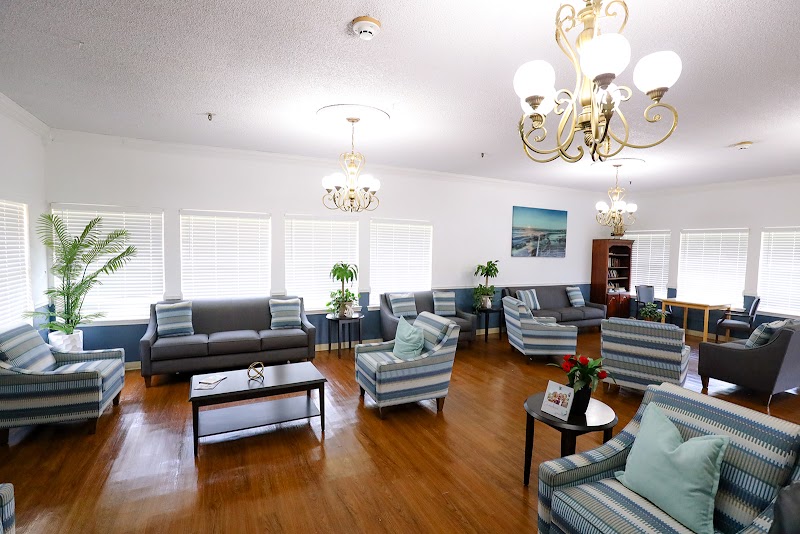
How is Lake Jackson Healthcare Center Staffed?

CMS rates LAKE JACKSON HEALTHCARE CENTER's staffing level at 3 out of 5 stars, which is average compared to other nursing homes. Staff turnover is 60%, which is 14 percentage points above the Texas average of 46%. High turnover can affect care consistency as new staff learn residents' individual needs. RN turnover specifically is 67%, which is notably high. RNs provide skilled clinical oversight, so turnover in this role can affect medical care quality.

What Have Inspectors Found at Lake Jackson Healthcare Center?

State health inspectors documented 13 deficiencies at LAKE JACKSON HEALTHCARE CENTER during 2023 to 2025. These included: 13 with potential for harm.
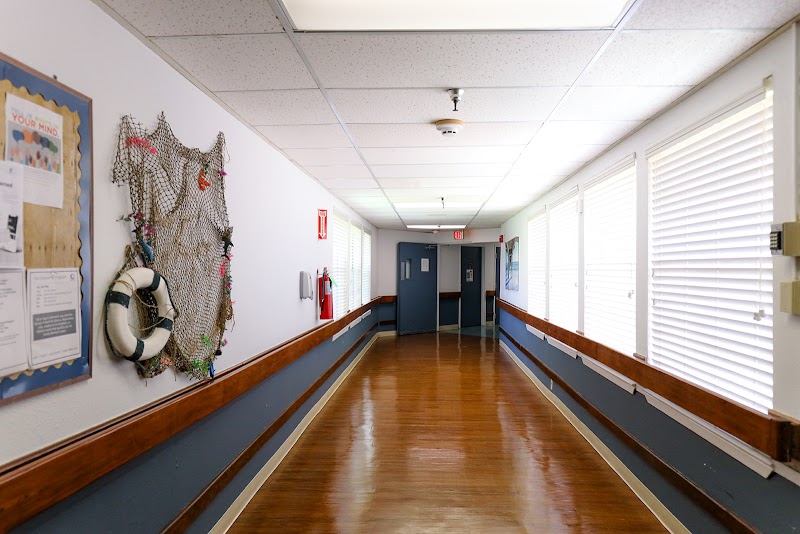
Who Owns and Operates Lake Jackson Healthcare Center?

LAKE JACKSON HEALTHCARE CENTER is owned by a for-profit company. For-profit facilities operate as businesses with obligations to shareholders or private owners. The facility is operated by NEXION HEALTH, a chain that manages multiple nursing homes. With 120 certified beds and approximately 53 residents (about 44% occupancy), it is a mid-sized facility located in LAKE JACKSON, Texas.
How Does Lake Jackson Healthcare Center Compare to Other Texas Nursing Homes?

Compared to the 100 nursing homes in Texas, LAKE JACKSON HEALTHCARE CENTER's overall rating (4 stars) is above the state average of 2.8, staff turnover (60%) is significantly higher than the state average of 46%, and health inspection rating (4 stars) is above the national benchmark.

What Should Families Ask When Visiting Lake Jackson Healthcare Center?

Based on this facility's data, families visiting should ask: "How do you ensure continuity of care given staff turnover, and what is your staff retention strategy?" "Can I visit during a mealtime to observe dining assistance and food quality?" "How do you handle medical emergencies, and what is your hospital transfer rate?" "Can I speak with family members of current residents about their experience?" These questions are particularly relevant given the facility's high staff turnover rate.

Is Lake Jackson Healthcare Center Safe?

Based on CMS inspection data, LAKE JACKSON HEALTHCARE CENTER has a clean safety record: no substantiated abuse findings (meaning no confirmed cases of resident harm), no Immediate Jeopardy citations (the most serious violation level indicating risk of serious injury or death), and is not on the Special Focus Facility watch list (a federal program monitoring the lowest-performing 1% of nursing homes). The facility has a 4-star overall rating and ranks #1 of 100 nursing homes in Texas. While no facility is perfect, families should still ask about staff-to-resident ratios and recent inspection results during their visit.

Do Nurses at Lake Jackson Healthcare Center Stick Around?

Staff turnover at LAKE JACKSON HEALTHCARE CENTER is high. At 60%, the facility is 14 percentage points above the Texas average of 46%. Registered Nurse turnover is particularly concerning at 67%. RNs handle complex medical decisions and coordinate care — frequent RN changes can directly impact care quality. High turnover means new staff may not know residents' individual needs, medications, or preferences. It can also be disorienting for residents, especially those with dementia who rely on familiar faces. Families should ask: What is causing the turnover? What retention programs are in place? How do you ensure care continuity during staff transitions?

Was Lake Jackson Healthcare Center Ever Fined?

LAKE JACKSON HEALTHCARE CENTER has no federal fines on record. CMS issues fines when nursing homes fail to meet care standards or don't correct problems found during inspections. The absence of fines suggests the facility has either maintained compliance or corrected any issues before penalties were assessed. This is a positive indicator, though families should still review recent inspection reports for the full picture.

Is Lake Jackson Healthcare Center on Any Federal Watch List?

LAKE JACKSON HEALTHCARE CENTER is not on any federal watch list. The most significant is the Special Focus Facility (SFF) program, which identifies the bottom 1% of nursing homes nationally based on persistent, serious quality problems. Not being on this list means the facility has avoided the pattern of deficiencies that triggers enhanced federal oversight. This is a positive indicator, though families should still review the facility's inspection history directly.