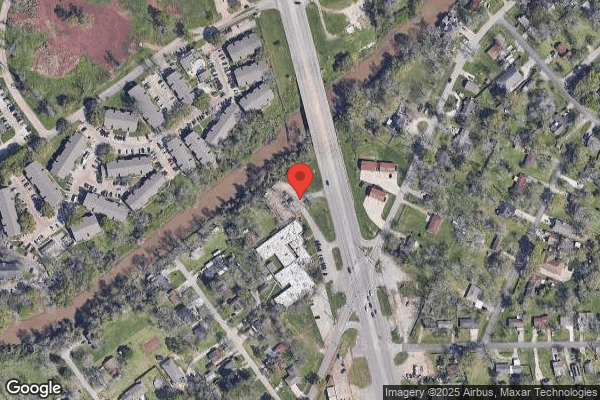
CREEKSIDE VILLAGE

914 N BRAZOSPORT BLVD, RICHWOOD, TX 77531 (979) 265-4794
For profit - Partnership 119 Beds GULF COAST LTC PARTNERS Data: November 2025
Trust Grade
80/100
#219 of 1168 in TX
Last Inspection: June 2025

Inspected within the last 6 months. Data reflects current conditions.

Overview

Creekside Village in Richwood, Texas, holds a Trust Grade of B+, indicating it is above average and recommended among nursing homes. It ranks #219 out of 1,168 facilities in Texas, placing it in the top half, and is the best option among 13 nursing homes in Brazoria County. The facility is improving, with concerns decreasing from three in 2024 to one in 2025. Staffing is a strong point, earning 4 out of 5 stars, with a turnover rate of 49% that is slightly below the state average. However, there have been issues, such as administering medications to a resident without obtaining proper consent and not maintaining an inventory of personal belongings for some residents, which could lead to risks of loss or inadequate care. On a positive note, the facility has not incurred any fines, and it provides more RN coverage than 82% of Texas facilities, which helps ensure residents receive proper care.

Trust Score
B+
80/100
In Texas
#219/1168
Top 18%
Safety Record
Low Risk
No red flags
Inspections
Getting Better
3 → 1 violations
Staff Stability
⚠ Watch
49% turnover. Above average. Higher turnover means staff may not know residents' routines.
Penalties
✓ Good
No fines on record. Clean compliance history, better than most Texas facilities.
Skilled Nurses
○ Average
Each resident gets 33 minutes of Registered Nurse (RN) attention daily — about average for Texas. RNs are the most trained staff who monitor for health changes.
Violations
○ Average
10 deficiencies on record. Average for a facility this size. Mostly minor or procedural issues.
★★★★☆
4.0
Overall Rating
★★★★☆
4.0
Staff Levels
★☆☆☆☆
1.0
Care Quality
★★★★★
5.0
Inspection Score
Stable
2024: 3 issues
2025: 1 issues

The Good

  • 4-Star Staffing Rating · Above-average nurse staffing levels
  • Full Sprinkler Coverage · Fire safety systems throughout facility
  • No fines on record

Facility shows strength in staffing levels, fire safety.

The Bad

Staff Turnover: 49%

Near Texas avg (46%)

Higher turnover may affect care consistency

Chain: GULF COAST LTC PARTNERS

Part of a multi-facility chain

Ask about local staffing decisions and management

The Ugly 10 deficiencies on record

Jun 2025 1 deficiency
CONCERN (D)

Potential for Harm - no one hurt, but risky conditions existed

MDS Data Transmission (Tag F0640)

Could have caused harm · This affected 1 resident

**NOTE- TERMS IN BRACKETS HAVE BEEN EDITED TO PROTECT CONFIDENTIALITY** Based on interview and record review the facility failed to ensure within 14 days after a facility completed a resident assessme...

Read full inspector narrative →
**NOTE- TERMS IN BRACKETS HAVE BEEN EDITED TO PROTECT CONFIDENTIALITY** Based on interview and record review the facility failed to ensure within 14 days after a facility completed a resident assessment, a facility must electronically transmit encoded, accurate, and complete MDS data to the CMS System for 1 of 15 residents (Resident #34) reviewed for MDS transmission. The facility failed to transmit a completed Quarterly MDS assessment for Resident #34 within 14 days of completion. This failure could place residents at-risk of not having their assessment/s completed timely, which could result in denial of services and or denial of payment for services. Findings include: Record review of Resident #34's admission Record revealed a [AGE] year-old male who admitted to the facility on [DATE] and readmitted to the facility on [DATE]. Resident #34 had diagnoses which included Parkinson's Disease (a disorder of the central nervous system that affects movement, often including tremors), benign prostatic hyperplasia (age-associated prostate gland enlargement that can cause urination difficulty), Alzheimer's Disease with late onset (a progressive disease that destroys memory and other important mental functions), hemiplegia and hemiparesis following cerebral infarction affecting right dominant side (complete paralysis and weakness on one side of the body caused by damage to brain after a blood clot or stroke), dysphagia (difficulty swallowing foods or liquids), type 2 diabetes mellitus (long-term condition in which the body has trouble controlling blood sugar and using it for energy) and gastrostomy status (surgical procedure that creates an opening through the abdominal wall into the stomach for the purpose of feeding or receiving nutrition). Record review of Resident #34's Quarterly MDS assessment, dated 1/14/25, revealed the assessment was signed as completed on 1/15/25 and accepted by the CMS system on 1/31/25. The date of 1/31/25 was highlighted in red. Telephone interview on 6/18/25 at 1:01 PM with the Director of Reimbursement, she said the red highlighted date of 1/31/25 meant that the Quarterly assessment was accepted and or transmitted late. She said if the ARD was 1/14/25 and the assessment was signed as completed on 1/15/25, but the accepted transmission date was on 1/31/25, that was a 16- day instead of 14-day transmission timeframe and 16 days would be late. The Director of Reimbursement said the completion, submission, and transmission of any facility MDS assessments were the responsibility of the facility MDS Coordinator, but the facility was without an on-site MDS Coordinator for many months. She said the facility used the RAI as the policy and procedure for completion, accuracy, submission, and transmission of MDS assessments. Interview on 6/18/25 at 1:03 PM with the Corporate VP of Operations, she said the facility did not have an assessment policy and the facility used the RAI Manual for assessments. She said the expectation of the facility was for the RAI Manual to be followed, and moving forward, the responsibility for MDS assessments at the facility were the MDS Coordinators. Interview on 6/18/25 at 1:12 PM with MDS Coordinator A, she said she was not employed at the facility when Resident #34's Quarterly MDS assessment was completed back on 1/15/25. MDS Coordinator A said they had only worked at the facility since 6/2/25 and said the facility used the RAI Manual as its policy and procedure completing MDS assessments. She said according to the RAI Manual Resident #34's 1/14/25 Quarterly MDS assessment, should have been transmitted by the 14th day and not the 16th day. MDS Coordinator A said they had been trained by the Director of Reimbursement. Follow up interview with MDS Coordinator A on 6/18/25 at 2:54 PM, they said Resident #34 could potentially not receive needed therapy or services due to assessments not being transmitted on time. She also said there could be a delay in reimbursement, or payments could be taken back by CMS if assessments were not completed, submitted, or transmitted correctly according to the RAI Manual. Record review of the CMS's RAI Version 3.0 Manual, Chapter 5: Submission and Correction of The MDS Assessment, revised 11/2019, revealed: 5.1 Transmitting MDS data- All Medicare and/or Medicaid-certified nursing facilities or agents of those facilities must transmit required MDS data records to CMS. 5.2 Timeliness Criteria- completion timing. Assessment Transmission .All other MDS assessments must be submitted within 14 days of the MDS Completion Date.
Apr 2024 3 deficiencies
CONCERN (D)

Potential for Harm - no one hurt, but risky conditions existed

MDS Data Transmission (Tag F0640)

Could have caused harm · This affected 1 resident

**NOTE- TERMS IN BRACKETS HAVE BEEN EDITED TO PROTECT CONFIDENTIALITY** Based on interview and record review, the facility failed to ensure resident assessments were completed,, electronically transmi...

Read full inspector narrative →
**NOTE- TERMS IN BRACKETS HAVE BEEN EDITED TO PROTECT CONFIDENTIALITY** Based on interview and record review, the facility failed to ensure resident assessments were completed,, electronically transmitted, encoded accurately and , MDS data entered to the CMS System within 7 to14 days after the death for 1 of 16 residents (CR #56) reviewed for encoding and transmitting resident assessments: - The facility failed to encode and transmit MDS data after the a Death in Facility for CR #56 within the required timeframe This failure could place discharged residents at risk of not having their assessments transmitted/exported timely. Findings include: Record review of Resident #56's electronic face sheet dated 4/24/24 revealed a -[AGE] year-old female admitted to facility 03/12/24. Her diagnoses included Malignant neoplasm (Cancer) of left lung. Record review of CR #56's MDS assessment dated [DATE] indicated section A identifying information was initiated and signed by the MDS coordinator as completed on 04/01/24. Record review of the MDS revealed no RN signature as completed. Record review of nurse's notes dated 03/15/24 read in part 3/15/2024 04:55 Nursing Progress Note: Hospice nurse notified local PD and res son. Meds released to [NAME] PD. Nursing 3/15/2024 04:01 Nursing Progress Note: Hospice nurse here and pronounced time of death. Nursing 3/15/2024 03:40 Nursing Progress Note: Resident noted to have no respiration, no heartbeat. Pupils non-reactive to light. Notified Hospice. During an interview with MDS Coordinator and the DON on 04/24/24 at 4:50PM, she looked at the MDS and said CR #56 came to the facility to die. She said the MDS was not completed because she had to work on the floor. She said that was when she was needed to work the floor. Policy on MDS completion was requested on 04/24/24 at 5:00 PM The MDS Coordinator said she followed the RAI manual in submitting the MDS.
CONCERN (D)

Potential for Harm - no one hurt, but risky conditions existed

Deficiency F0655 (Tag F0655)

Could have caused harm · This affected 1 resident

**NOTE- TERMS IN BRACKETS HAVE BEEN EDITED TO PROTECT CONFIDENTIALITY** Based on Record review and interview, the facility failed to develop and implement a Baseline Care Plan for resident 1 of 1 (CR ...

Read full inspector narrative →
**NOTE- TERMS IN BRACKETS HAVE BEEN EDITED TO PROTECT CONFIDENTIALITY** Based on Record review and interview, the facility failed to develop and implement a Baseline Care Plan for resident 1 of 1 (CR #56) reviewed for baseline care plans. The facility failed to initiate a Baseline Care plan within 48 hours of admission for CR # 56 admitted for respite care on 03/12/24. This failure could place the resident at risk of not receiving person-centered care that is needed for communicating with staff to ensure the resident's needs are met. Findings include: Record review of Resident #56's electronic face sheet dated 4/24/24 revealed a -[AGE] year-old female admitted to facility 03/12/24. Her diagnoses included Malignant neoplasm (Cancer) of left lung. Record review of CR #56's MDS assessment dated [DATE] indicated section A identifying information was initiated and signed by the MDS coordinator as completed on 04/01/24. Record review of the MDS revealed no RN signature as completed. Record review of nurse's notes dated 03/15/24 read in part 3/15/2024 04:55 Nursing Progress Note: Hospice nurse notified the local PD and responsible party. Meds released to local PD. 3/15/2024 04:01 Nursing Progress Note: Hospice nurse here and pronounced time of death. 3/15/2024 03:40 Nursing Progress Note: Res noted to have no respiration, no apical heartbeat. Pupils non-reactive to light. Notified Hospice. Record review of Resident #56's physician orders 03/12/24 revealed Resident #56 was admitted to the facility on hospice. Record review of Resident # 56 clinical records revealed no further documentation. During an interview with DON and the MDS coordinator on 04/24/24 at 4:00pm, the MDS coordinator said Resident # 56 came to the facility to die. The DON said there was no interim plan of care. She said it was the facility's policy to complete and interim plan of care within 48 hours of admission by the admitting nurse or the next nurse on duty. She said this was overlooked due to the fact that the resident was at the facility for a short stay. Record review of facility's policy titled Baseline care plan dated 2001 updated 2016 read in part- Policy Statement A baseline plan of care to meet the resident's immediate needs shall be developed for each resident within forty-eight (48) hours of admission. Policy Interpretation and Implementation 1. To assure that the resident's immediate care needs are met and maintained, a baseline care plan will be developed within forty-eight (48) hours of the resident's admission. 2. The Interdisciplinary Team will review the healthcare practitioner's orders (e.g., dietary needs, medications, routine treatments, etc.) and implement a baseline care plan to meet the resident's immediate care needs including but not limited to: a. Initial goals based on admission orders. b. Physician orders. c. Dietary orders. d. Therapy services. e. social services; and f. PASARR recommendation, if applicable. 3. The baseline care plan will be used until the staff can conduct the comprehensive assessment and develop an interdisciplinary person-centered care plan. 4. The resident and their representative will be provided a summary of the baseline care plan that includes but is not limited to: a. The initial goals of the resident. b. A summary of the resident's medications and dietary instructions. c. Any services and treatments to be administered by the facility and personnel acting on behalf of the facility; and d. Any updated information based on the details of the comprehensive care plan, as necessary.
CONCERN (E)

Potential for Harm - no one hurt, but risky conditions existed

Deficiency F0552 (Tag F0552)

Could have caused harm · This affected multiple residents

**NOTE- TERMS IN BRACKETS HAVE BEEN EDITED TO PROTECT CONFIDENTIALITY** Based on interview, and record review, the facility failed to inform residents in advance of the risks and benefits of proposed ...

Read full inspector narrative →
**NOTE- TERMS IN BRACKETS HAVE BEEN EDITED TO PROTECT CONFIDENTIALITY** Based on interview, and record review, the facility failed to inform residents in advance of the risks and benefits of proposed care and treatment for 1 of 5 resident (Resident #257) reviewed for resident rights, in that: The facility failed to obtain a signed consent for antipsychotic medication, Buspirone HCI 10MG, Klonopin 0.5 MG, Olanzapine 5 MG and Veriafaxine HCI ER 75 MG that was administered to Resident #257. The failure could affect residents who received psychoactive medications without informed consents and placed them at risk of receiving treatments without informed consent. Findings include: Record review of Resident #257's face sheet dated 03/26/24 revealed she was an [AGE] year-old female who admitted to the facility on [DATE], with diagnoses of Cerebral infraction , Major Depressive Disorder, Unspecified fracture of upper end of left Humerus, Bacteria Pneumonia, UTI, Esophageal Reflux Disease, Anemia, Hypo-Osmolality and Hyponatremia, Epilepsy, Altered Mental Status. Record review of the comprehensive MDS assessment, dated 03/26/2024, revealed Resident #257 was able to complete MDS. Interview on 4/22/24 at 9:00am with MDS Nurse Resident was able to complete MDS and she was not able to put BIMS score in. Based off interaction with Resident # 257 her BIMS would be 13. The MDS nurse stated that Resident # 257 may have had some short term and long-term memory problems but was not sure due to Resident being in and out of facility. Record review of Resident #257 revealed that Resident# 257 uses antipsychotic medication Venfaxine HCL ER 75 MG related to Depressive Disorder, medication was given on the following dates 3/30,31/24, Buspirone HCI 7.5 MG was given on3/27, 3/28,3/29,3/30,3/31, 4/1, 4/21/4/22Olanzapine 5MG was given on the following dates3/21,3/22 and Klonopin 0.5 MG on 4/22/24 Record review of Resident #257 physician's order summary report revealed the following order: Medication is to be given as follow: Buspirone HCI 10MG 1 tablet orally twice a day, Klonopin 0.5 MG 1 tablet once a day, Olanzapine 5 MG and Veriafaxine HCI ER 75MG 1 tablet once a day. Record review of Resident #257 history and physical dated 3/27/24 revealed the following anti psych medications: Venlafaxine HCi 75 MG tablet with food orally once a day, Buspirone HCI 7.5 MG tablet orally twice a day, Fluoxetine HCI 20 MG tablet 1 tablet orally once a day. Record review of Resident #257 history and physical dated 3/27/24 revealed the following diagnosis of Resident #257: Seizure, HLD, GERD, HTN, Anxiety, MDD and CVA Interview on 4/23/24 at 10:00 am with DON stated orders to give Resident#257 antipsychotic medication came from the doctor of Oceans Behavior Hospital and our doctor here at the facility followed the orders from the hospital and medication was for her behaviors of yelling, smearing feces and throwing herself to the floor. Interview on 04/23/24 at 10:43 AM, the DON stated [NAME] a nurse received an order for a psychotropic, they should make sure they have consents. If a resident does not have consent the nurse should contact the management nurse and the management nurse would let the doctor know. The DON stated all charge nurse should check for signed consents on a daily basis due to medications changes on daily basis. The DON was asked why it is important to inform a resident of the risk and benefits of the medication. The DON stated that it is every resident's right to be informed about the treatment and medication they received. Interview on 04/23/24 at 11:05 AM, the charge nurse stated that she was aware that Resident #257 was diagnosed with depression and had been order the medication, related to yelling out, mood disturbance, and agitation. The Charge Nurse stated Resident #257 was initially admitted on [DATE] with the diagnosis of depression. The Charge Nurse stated that Resident #257 was initially ordered Venfaxine HCL ER 75 MG 1 capsule by mouth daily with a started date of 3/26/24 related to Resident #257 behavior of yelling out. The Charge Nurse stated that Resident #257 had frequency changes to the medication on 3/29/24 and an additional change to the medication frequency on 3/29/24 to 75 MG 2 capsule by mouth daily. The surveyor requested the documented consent for antipsychotic medication treatment for Resident #257. The Charge Nurse stated that the facility did not have a current consent for treatment. The Charge Nurse stated that she was working on obtaining consent from Resident #257's POA. The Charge Nurse stated Resident #257 was always in out of psych hospital since her admission. The Charge Nurse was asked why it is important to inform a resident of the risk and benefits of the medication. The Charge Nurse stated that it is every resident's right to be informed about the treatment and medication they received. Record review of the facility's policy last revised January 2023, titled Psychotropic medication use, revealed the following: o Prior to administration of or with a change in the dosage of an antipsychotic medication, the facility shall obtain informed consent from the resident/resident representative. This will be documented on form 3713 in conjunction with the resident/resident representative, attending physician and/or psychiatrist and the facility staff.
Oct 2023 1 deficiency
CONCERN (D) 📢 Someone Reported This

A family member, employee, or ombudsman was alarmed enough to file a formal complaint

Potential for Harm - no one hurt, but risky conditions existed

Safe Transfer (Tag F0626)

Could have caused harm · This affected 1 resident

**NOTE- TERMS IN BRACKETS HAVE BEEN EDITED TO PROTECT CONFIDENTIALITY** Based on observation, record review, and interview, the facility failed to follow written policies on permitting residents to re...

Read full inspector narrative →
**NOTE- TERMS IN BRACKETS HAVE BEEN EDITED TO PROTECT CONFIDENTIALITY** Based on observation, record review, and interview, the facility failed to follow written policies on permitting residents to return to the facility after they were hospitalized or placed on therapeutic leave for 1(CR #1) of 11 residents reviewed for admission, transfer, and discharge. The facility failed to readmit CR #1 after he was hospitalized . This failure could place residents at risk of being discharged and not allowed to return to the facility causing a disruption in their care and services and potential decline in health. Findings include: Record review of CR #1's face sheet dated 10/25/23 revealed he was [AGE] year-old male admitted to the facility on [DATE] . His diagnoses included, Heart disease, essential hypertension (High blood pressure), Dementia, unspecified severity with other behavior, heart disease, chronic obstructive pulmonary disease, alcohol abuse, insomnia (difficulty falling asleep), legal blindness, hypothyroidism (thyroid disease), vitamin d deficiency, glaucoma, respiratory disorders, and major depression Record review of CR #1's Quarterly MDS assessment dated [DATE] indicated his BIMS score was coded as severely impaired. Record review of his PASRR assessment indicated he was positive for mental illness. Record review of CR #1's nurse note dated 3/14/2023 12:08 read in part : Patient transferred to local behavioral hospital. 3/14/2023 10:10 Nursing progress note: pt initiated physical aggression and struck another resident on the face and was unprovoked. resident taken to room again and continues q 15 min checks. 3/14/2023 08:10 Nursing progress note: pt initiated physical aggression and struck 3 employees. pt isolated in assigned room and placed on q15min checks. Record review of CR #1's clinical records revealed no evidence of discharge letter that was provided to CR #1. During an interview on 10/24/23 at 1:40 PM, Hospital staff said CR #1 was admitted to the hospital on [DATE] due to behavior. She said on 03/24/23, CR #1 was cleared for discharged . She said several attempts were made by the hospital, to discharge CR# 1 back, but the facility refused to accept CR #1 back. In an interview with the Social Service Director on 10/25/23 at 3:30 PM, she said CR #1 had behavior problems and was attacking staff and residents. She said the former administrator said not take the resident back because the facility could not meet the needs of CR #1. In an interview with the Administrator and DON on 10/25/23 at 5:30 PM, the Administrator said the DON and herself were new to the facility. The DON said she started September 25th . The Administrator said most of the staff at the facility are new. The ADON just started about a week ago. The Administrator said normally the facility would accept residents sent out for treatment back and re assess the resident to see what can be done and if unmanageable the facility would assist the resident in locating a place that can meet the needs of the resident. Record review of facility's policy dated 2001 Revised December 2016 did not address emergency discharge and permitting residents to return to the facility after being sent out to hospital for evaluation.
Feb 2023 2 deficiencies
CONCERN (D) 📢 Someone Reported This

A family member, employee, or ombudsman was alarmed enough to file a formal complaint

Potential for Harm - no one hurt, but risky conditions existed

Deficiency F0655 (Tag F0655)

Could have caused harm · This affected 1 resident

**NOTE- TERMS IN BRACKETS HAVE BEEN EDITED TO PROTECT CONFIDENTIALITY** Based on observation, interview and record review, the facility failed to develop a baseline care plan for each resident that in...

Read full inspector narrative →
**NOTE- TERMS IN BRACKETS HAVE BEEN EDITED TO PROTECT CONFIDENTIALITY** Based on observation, interview and record review, the facility failed to develop a baseline care plan for each resident that includes the instructions needed to provide effective and person-centered care of the resident that [NAME] professional standards of quality care for 1 (Resident #120) of 5 Residents reviewed for care plans. -The facility failed to develop a 48-hour baseline care plan for smoking, with goals, interventions, treatments, and psychosocial needs addressed in a resident specific care plan for Resident #120. This deficient practice could affect the residents not having their individual, medical, functional, and psychosocial needs identified, appropriately addressed, and could cause physical or psychosocial decline in health. Findings include: An observation and interview on 2/10/2023 at 12:30 pm., with Resident #120, Resident #120 was standing in her room, groomed, she said that when the smokers went out to smoke at least 1 to 2 staff were present to supervise them all the time. Interview on 2/22/2023 at 11:14 am., with the MDS Coordinator, she said that the MDS assessment for Resident #120 had not been completed, that the facility had 14 days after admission to get the MDS completed based on the RAI manual. Interview on 2/24/2023 at 10:22 am., with the MDS Coordinator, she said that Resident #120's baseline was not completed for smoking. She said she has the responsibility to make sure this is done. She said that Resident #120 had the potential to have unsafe smoking habits and/or environment without the base line care plan to address smoking. Record review of the facility admission record dated 2/22/2023 revealed Resident #120 was admitted on [DATE]. Resident #120 was a 60-year- old female. Resident #120 had diagnoses that included pneumonia (an infection of the lungs that can cause mild to severe illness in people of all ages) and hypertension (elevated blood pressure is defined as a systolic pressure 120 to 129, and a diastolic pressure less than 80). Record review of the 48-hour baseline care plan dated, 2/14/2023 for Resident #120 revealed there was no baseline care plan initiated for smoking. Record review of Resident #120's admission Minimum Data Set Assessment (MDS) dated [DATE] revealed that the MDS had not been completed. Record review of the facility smoker list, no date provided revealed that Resident #120 was listed as a smoker. Record review of the facility policy entitled Care Plans-Baseline, dated revised December 2016, read in part .a baseline plan of care to meet the resident's immediate needs shall be developed for each resident withing forty-eight (48) hours of admission . .
CONCERN (D) 📢 Someone Reported This

A family member, employee, or ombudsman was alarmed enough to file a formal complaint

Potential for Harm - no one hurt, but risky conditions existed

Deficiency F0657 (Tag F0657)

Could have caused harm · This affected 1 resident

**NOTE- TERMS IN BRACKETS HAVE BEEN EDITED TO PROTECT CONFIDENTIALITY** Based on record review and interview the facility failed to revise and update a Comprehensive care plan for 1 (Resident #8), of ...

Read full inspector narrative →
**NOTE- TERMS IN BRACKETS HAVE BEEN EDITED TO PROTECT CONFIDENTIALITY** Based on record review and interview the facility failed to revise and update a Comprehensive care plan for 1 (Resident #8), of 24 residents reviewed for comprehensive care plans in that: Resident #8 readmitted to the facility with an active diagnosis of Urinary Tract Infection (UTI) and the care plan did not address her diagnosis of infection. Resident #8's care plan did not address her antibiotic medication. These failures could place residents at risk for receiving decreased quality of care and or not receiving the appropriate required care and services to meet their individual needs. The Findings Include: Resident #8 Record review of an undated facility admission Record revealed Resident #8 was an [AGE] year old female who admitted to the facility on [DATE] and readmitted on [DATE] with the following diagnoses, urinary tract infection, with an onset date of 12/27/2022 and Rank, Primary, abnormalities of gait (a person's manner of walking) and mobility, cognitive communication deficit (an impairment in organization/thought organization, sequencing, attention, memory, planning, problem-solving, and safety awareness), and other specified aftercare. Record review of Resident #8's Quarterly/5-day MDS dated [DATE] revealed she had a BIMS score of 9 indicating she had a moderate cognitive impairment. Further record review of section I, Active Diagnoses, revealed she coded under infections Urinary Tract Infection (UTI) (Last 30 Days). In section N for Medications, she was coded under medications received . within the last 7 days or since admission/entry or reentry for 7 days of antibiotics. Record review of Resident #8's physician Order Summary Report dated as Active Orders As Of: 01/01/2023 revealed the following entry, Amoxicillin Capsule 500 MG Give 1 capsule by mouth two times a day related to URINARY TRACT INFECTION, SITE NOT SPECIFIED .for 10 Days .Communication Method .Verbal .Order Status .Active .Order Date .12/27/2022 .Start Date .12/27/2022 .End Date 01/06/2023. Amoxicillin Tablet 500 MG 1 Tablet by mouth every 12 hours related to URINARY TRACT INFECTION, SITE NOT SPECIFIED .for 5 Days ADMINISTER 1 TABLET Q12HR X 5 DAYS .Communication Method .Verbal .Order Status .Active .Order Date .01/01/2023 .Start Date .01/01/2023 .End Date .01/06/2023. Cefdinir Capsule 300 MG Give 1 capsule by mouth two times a day for UTI for 14 Days .Communication Method .Phone .Order Status .Active .Order Date .12/26/2022 .Start Date .12/27/2022 .End Date .01/10/2023. Record review of Resident #8's MA Administration Record dated 12/1/2022-12/31/2022 and read in part, Amoxicillin Capsule 500 MG Give 1 capsule by mouth two times a day related to URINARY TRACT INFECTION, SITE NOT SPECIFIED for 10 Days .and was initialed with a check mark as being administered on 12/27/22, 12/28/22, 12/29/22, 12/30/22, and 12/31/22. Record review of Resident #8's MA Administration Record dated 1/1/2023-1/31/2023 and read in part, Amoxicillin Capsule 500 MG Give 1 capsule by mouth two times a day related to URINARY TRACT INFECTION, SITE NOT SPECIFIED for 10 Days .and was initialed with a check mark as being administered on 1/1/23. Record review of Resident #8's MA Administration Record dated 1/1/2023-1/31/2023 and read in part, Amoxicillin Tablet 500 MG Give 1 tablet every 12 hours related to URINARY TRACT INFECTION, SITE NOT SPECIFIED for 5 Days .and was initialed with a check mark as being administered on 1/1/23, 1/2/23, 1/3/23, 1/4/23, 1/5/23, and 1/6/23. Record review of Resident #8's Care Plan which read Last Care Plan Review Completed: 02/23/2023, revealed her care plan area relating to Resident #8's UTI or any antibiotic medication had not been updated since 06/07/2022, with the following entry: RESOLVED: Resident #8 has (sic) A Urinary Tract Infection .Date Initiated: 03/28/2022 .Revision on: 06/07/2022 .Resolved Date .06/07/2022 .RESOLVED: Give antibiotic therapy as ordered .Date Initiated: 03/28/2022 .Revision on: 06/07/2022 .Resolved Date: 06/07/2022. Record review of Resident # 8's Care Plan which read Last Care Plan Review Completed: 02/23/2023, revealed the resident did not have a plan of care addressing her UTI or prescribed antibiotic medication upon readmission to the facility on [DATE]. Interview with DON and Corporate Nurse on 2/23/23 at 3:21 pm who both said that the MDS Coordinator completed both the comprehensive and acute care plans and would be the person responsible for any resident care plans and or revisions. When they were asked about the care plan for Resident #8, the DON said that there may be resolved care plans that would include the completed antibiotic medication/s and last readmission with a UTI. In a follow up interview with DON on 2/23/23 at 3:53 pm the DON returned with the resolved copies of Resident #8's comprehensive care plans. When the DON was advised that both the current and resolved copies of the care plans, she provided, did not include the 12/27/22 readmission diagnosis of UTI or her prescribed antibiotic medications, the DON said she did not know why the diagnosis and antibiotic medications had not been care planned. The DON said that she did not know how the diagnosis and antibiotic medications had been missed by the MDS Coordinator. When asked who was responsible for ensuring the MDS Coordinator revised and updated the resident care plans, the DON said that there was a Corporate MDS Coordinator that would be the facility MDS Coordinator's oversight. The DON said she did not know the last time the Corporate MDS Coordinator checked or audited the MDS Coordinator's work. Interview with MDS Coordinator on 2/24/23 at 10:06 am who said that she had worked at the facility since September 2022. She said that she had been trained for her position as the facility MDS Coordinator, by the Corporate MDS Coordinator. The MDS Coordinator said that she was responsible for Resident #8's comprehensive, acute and baseline hour care plans. She said that whenever a resident admits or readmits to the facility, she reviews any hospital medical records, physician orders and clinical progress notes to determine what to care plan. When asked why Resident #8 did not have a care plan that addressed her readmission diagnosis of UTI and prescribed antibiotic medication in and round 12/26/22, she said that she just missed it. She said that she must have just missed those care plans and did not know why or how they were missed. The MDS Coordinator said that she realized the mistake when the surveyor requested copies of the resolved and current comprehensive care plans. When asked what could happen as a result of residents' not being accurately or appropriately care planned in a timely manner, she said that a resident could potentially not receive the proper care or medications. The Corporate MDS Coordinator was not interviewed. Record review of facility policy and procedure titled Care Planning-Interdisciplinary Team and dated as Revised September 2013 read in part: 1. A comprehensive care plan for each resident is developed within seven (7) days of completion of the resident assessment (MDS) . Record review of facility policy and procedure titled Care Plans, Comprehensive Person-Centered and dated as Revised December 2016 read in part: A comprehensive, person-centered care plan that includes measurable objectives and timetables to meet the resident's physical, psychosocial and functional needs is developed and implemented for each resident .8. The comprehensive, person-centered care plan will: g. Incorporate identified problem areas .13. Assessments of residents are ongoing and care plans are revised as information about the residents and the residents' condition change .14. The Interdisciplinary Team must review and update the care plan: c. When the resident has been readmitted to the facility from a hospital stay . Record review of an undated facility policy and procedure titled POLICY AND PROCEDURE (sic) COMPREHNSIVE CARE PLANNING .PURPOSE: ENSURE EVERY RESIDENT HAS A COMPREHENSIVE, COMPLETE, ACCURATE, AND ALL INCLUSIVE SPECIFIC CARE PLAN WRITTEN TIMELY TO MEET ALL REQUIREMENTS OF THE RAI AND REGULATORY PROCESS TO INCLUDE INPUT FROM ALL IDT MEMBERS.
Jan 2023 3 deficiencies
CONCERN (E) 📢 Someone Reported This

A family member, employee, or ombudsman was alarmed enough to file a formal complaint

Potential for Harm - no one hurt, but risky conditions existed

Deficiency F0620 (Tag F0620)

Could have caused harm · This affected multiple residents

**NOTE- TERMS IN BRACKETS HAVE BEEN EDITED TO PROTECT CONFIDENTIALITY** Based on interview and record review the facility failed to implement the admission policy to ensure resident personal property ...

Read full inspector narrative →
**NOTE- TERMS IN BRACKETS HAVE BEEN EDITED TO PROTECT CONFIDENTIALITY** Based on interview and record review the facility failed to implement the admission policy to ensure resident personal property was accounted for upon admission for 3 of 4 residents reviewed for personal inventory list. (Residents #1, #2, and #3) -The facility did not have an inventory of personal property list for Residents #1, #2, and #3. This failure could place residents at risk of not having personal property replaced in the event of damage or loss. Findings included: 1. Review of the face sheet dated 01/14/23 indicated Resident #1 was a [AGE] year-old female admitted on [DATE]. Her diagnoses included heart attack, mental disorder characterized by a disconnection from reality, and a group of thinking and social symptoms that interferes with daily functioning. Record review of the EMR and hard chart from 12/28/22 through 01/20/23 indicated Resident #1 had no Inventory of Personal Effects. 2. Review of the face sheet dated 01/14/23 indicated Resident #2 was an [AGE] year-old male admitted on [DATE]. His diagnoses included Alzheimer's disease, major depression disorder, and a group of thinking and social symptoms that interferes with daily functioning. Record review of the EMR and hard chart from 12/29/22 through 01/20/23 indicated Resident #2 had no Inventory of Personal Effects. 3. During a phone interview on 01/13/23 at 03:53 p.m. the RP for Resident #3 said the facility did not have them fill out an Inventory of Personal Effects form when Resident #3 admitted . They said Resident #3 had dentures missing and the facility said told them they did not know the resident had dentures. Review of the face sheet dated 01/14/23 indicated Resident #3 was a [AGE] year-old female admitted on [DATE]. Her diagnoses included low red blood counts, protein-calorie malnutrition, stroke, and high blood pressure. She discharged to the hospital on [DATE] and did not return to the facility. Record review of the EMR and hard chart from 05/14/22 through 12/12/22 indicated Resident #3 had no Inventory of Personal Effects. During an interview on 01/14/23 at 03:25 p.m. the ADM and DON said the Inventory of Personal Effects was given to the resident RP upon admission for them to fill out what they had brought for the resident. The ADM said the RP was to turn in when completed. During an interview on 01/14/23 at 05:20 p.m. the ADM and DON said there were no Inventory of Personal Effects done on Residents #1, #2, or #3. They said without an inventory list of personal items they would not know what a resident had with them when they admitted so they could be responsible for replacing something a resident did not have. An Admitting the Resident: Role of the Nursing Assistant policy revised September 2013 indicated Inventorying the Resident's Personal Effects: To inventory the resident's personal effects, you should: 1. Ask family members to remain in the room to witness the inventory. 2. Tell the resident that you are going to inventory his or her personal effects. 3. Complete the resident identification portion of the inventory record (i.e. name, room number, date of admission, etc.). 4. Inventory all clothing, equipment, valuables, etc. Record: a. The quantity of each item; b. the description of each item; and c. other identifying factors as necessary or appropriate. 5. When all personal items have been inventoried and recorded on the Inventory of Personal Effects Record, sign your name and title and instruct the family member that witnessed the inventory to also sign the form. 6. Provide the resident and/or family member with a copy of the completed and signed inventory record. (Note: The original copy of the inventory record must be provided to the supervisor.) 14. Give the original copy of the Inventory of Personal Effects Record to the nurse supervisor . .
CONCERN (E) 📢 Someone Reported This

A family member, employee, or ombudsman was alarmed enough to file a formal complaint

Potential for Harm - no one hurt, but risky conditions existed

Deficiency F0655 (Tag F0655)

Could have caused harm · This affected multiple residents

**NOTE- TERMS IN BRACKETS HAVE BEEN EDITED TO PROTECT CONFIDENTIALITY** Based on interview and record review the facility failed to complete a baseline care plan for 2 of 4 residents reviewed for base...

Read full inspector narrative →
**NOTE- TERMS IN BRACKETS HAVE BEEN EDITED TO PROTECT CONFIDENTIALITY** Based on interview and record review the facility failed to complete a baseline care plan for 2 of 4 residents reviewed for baseline care plans. (Residents #1 and #2) -The facility had an incomplete Baseline Care Plan for Residents #1 and #2. This failure could place residents at risk of not having their care needs met. Findings included: 1. Review of the face sheet dated 01/14/23 indicated Resident #1 was a [AGE] year-old female admitted on [DATE]. Her diagnoses included heart attack, mental disorder characterized by a disconnection from reality, and a group of thinking and social symptoms that interferes with daily functioning. Record review of physician orders indicated Resident #1 had the following: -an order dated 12/28/22 for a fall mat, -an order dated 12/29/22 for treatment to skin tear; and -an order dated 12/29/22 for PT. Record review of a Mini Nutritional assessment dated [DATE] for Resident #1 indicated she had a BMI of less than 19, had a group of thinking and social symptoms that interferes with daily functioning., and a score of 7 indicating she was malnourished. Record review of the Nursing Progress Notes indicated Resident #1 on 12/28/22 had wandering behaviors, physical and verbal behaviors, getting out of the wheelchair and ambulating, had an unsteady gait, bed placed in low position, and fall mat placed on the floor. On 12/29/22 she had an unwitnessed fall with a skin tear to the left upper arm, neuro checks were initiated, verbal behaviors, exit seeking behaviors, and family requesting placement on the secured unit. Record review of a Dehydration Risk assessment dated [DATE] indicated Resident #1 was at high risk for dehydration. Record review of the Baseline Care Plan initiated on 12/28/22 for Resident #1 indicated the following: -Fall/Safety Risk section not complete; -Skin Condition section left blank; -Dehydration Risk section left blank; and -Behavior Symptom section left blank. 2. Review of the face sheet dated 01/14/23 indicated Resident #2 was an [AGE] year-old male admitted on [DATE]. His diagnoses included Alzheimer's disease, major depression disorder, and a group of thinking and social symptoms that interferes with daily functioning. Record review of a Dehydration Risk assessment dated [DATE] for Resident #2 indicated he was at risk for dehydration. Record review of a Mini Nutritional assessment dated [DATE] for Resident #2 indicated he had Alzheimer's disease and a group of thinking and social symptoms that interferes with daily functioning, and a score of 10 indicating he was at risk of malnutrition. Record review of the Baseline Care Plan initiated on 12/29/22 for Resident #2 indicated the following: -Dehydration Risk section left blank; and -Nutrition section left blank. Record review of the Weights and Vitals Summary indicated Resident #2 on 12/29/22 was 65 inches tall and weighed 180 pounds, on 01/05/23 he weighed 169.8 pounds-a weight loss of 5.7% from the previous weight, and on 01/10/23 he weighed 170.3 pounds-a weight loss of 5.3% from the initial weight. Record review of the Baseline Care Plan dated 12/29/22 for Resident #2 had no indication of updates on 01/05/23 or 01/10/23 to address the significant weight loss. During an interview on 01/14/23 at 03:25 p.m. the DON said baseline care plans were to be done within the first 48 hours of admission. She said information on them should include anything going on with the resident prior to admission based on the physician orders, history and physical from the hospital, diagnoses, and anything that happens with them during the first 48 hours at the facility. She said she and the MDS nurse had just started working at the facility about 2 weeks ago. She said the MDS person would be responsible for Baseline Care Plans but she did not know who was responsible before. Record review of a Care Plans-Baseline policy revised December 2016 indicated Policy Statement: A baseline plan of care to meet the resident's immediate needs shall be developed for each resident within forty-eight (48) hours of admission. Policy Interpretation and Implementation: 1. To assure that the resident's immediate care needs are met and maintained, a baseline care plan will be developed within forty-eight (48) hours of the resident's admission. 2. The Interdisciplinary Team will review the healthcare practitioner's orders (e.g. dietary needs, medications, routine treatments, etc.) and implement a baseline care plan to meet the resident's immediate care needs including but not limited to: a. Initial goals based on admission orders; b. Physician orders; c. Therapy services; e. Social services; and f. PASARR recommendation, if applicable. 3. The baseline care plan will be used until the staff can conduct the comprehensive assessment and develop an interdisciplinary person-centered care plan .
CONCERN (E) 📢 Someone Reported This

A family member, employee, or ombudsman was alarmed enough to file a formal complaint

Potential for Harm - no one hurt, but risky conditions existed

Medical Records (Tag F0842)

Could have caused harm · This affected multiple residents

**NOTE- TERMS IN BRACKETS HAVE BEEN EDITED TO PROTECT CONFIDENTIALITY** Based on interview and record review the facility failed to, in accordance with accepted professional standards and practices, m...

Read full inspector narrative →
**NOTE- TERMS IN BRACKETS HAVE BEEN EDITED TO PROTECT CONFIDENTIALITY** Based on interview and record review the facility failed to, in accordance with accepted professional standards and practices, maintain medical records on each resident that were complete and accurately documented for 4 of 4 residents reviewed for clinical records. (Residents #1, #2, #3, and #4) -The facility failed to document Residents #1, #2, #3, and #4's meal intakes. This failure could place residents at risk for incomplete information in their clinical records. Findings include: 1. Review of the face sheet dated 01/14/23 indicated Resident #1 was a [AGE] year-old female admitted on [DATE]. Her diagnoses included heart attack, mental disorder characterized by a disconnection from reality, and a group of thinking and social symptoms that interferes with daily functioning. Record review of the EMR meal intake documentation from 12/29/22 through 01/13/23 for Resident #1 indicated the following: -on 12/30/22 through 01/01/23 there was no documentation of breakfast, lunch, or dinner meal intakes; -on 01/04/23 and 01/05/23 there was no documentation of breakfast, lunch, or dinner meal intakes; -on 01/06/23 there was no documentation for dinner meal intake; -on 01/07/23 there was no documentation of breakfast, lunch, or dinner meal intakes; -on 01/09/23 and 01/10/23 there was no documentation for dinner meal intake; and -on 01/13/23 there was no documentation for dinner meal intake. 2. Review of the face sheet dated 01/14/23 indicated Resident #2 was an [AGE] year-old male admitted on [DATE]. His diagnoses included Alzheimer's disease, major depression disorder, and a group of thinking and social symptoms that interferes with daily functioning. Record review of the EMR meal intake documentation from 12/29/22 through 01/11/23 for Resident #2 indicated the following: -on 12/30/22 there was no documentation of the dinner meal intake; -on 12/31/22 and 01/01/23 there was no documentation of breakfast, lunch, or dinner meal intakes; -on 01/03/23 there was no documentation of breakfast, lunch, or dinner meal intakes; -on 01/06/23 there was no documentation for dinner meal intake; -on 01/07/23 and 1/13/23 there was no documentation of breakfast, lunch, or dinner meal intakes; 3. Review of the face sheet dated 01/14/23 indicated Resident #3 was a [AGE] year-old female admitted on [DATE]. Her diagnoses included low red blood counts, protein-calorie malnutrition, stroke, and high blood pressure. Record review of the EMR meal intake documentation from 11/01/22 through 11/30/22 for Resident #3 indicated the following: -on 11/01/22 there was no documentation of breakfast, lunch, or dinner meal intakes; -on 11/02/22 and 11/03/22 N/A was documented of dinner meal intake; -on 11/04/22 there was no documentation of dinner meal intake; -on 11/07/22 and 11/08/22 N/A was documented of dinner meal intake; -on 11/09/22 there was no documentation of breakfast or lunch meal intakes; -on 11/11/22 through 11/13/22 N/A was documented of dinner meal intake; -on 11/14/22 there was no documentation of dinner meal intake; -on 11/15/22 there was no documentation of lunch or dinner meal intakes; -on 11/16/22 and 11/17/22 N/A was documented of dinner meal intake; -on 11/19/22 there was no documentation of dinner meal intake; -on 11/21/22 through 11/23/22 there was no documentation of dinner meal intake; -on 11/24/22 there was no documentation of breakfast or lunch meal intakes; -on 11/25/22 through 11/27/22 N/A was documented of dinner meal intake; -on 11/28/22 there was no documentation of dinner meal intake; and -on 11/30/22 N/A was documented of dinner meal intake. Record review of the EMR meal intake documentation from 12/01/22 through 12/11/22 for Resident #3 indicated the following: -on 12/01/22 N/A was documented of dinner meal intake; -on 12/03/22 there was no documentation of dinner meal intake and N/A was documented of dinner meal intake; -on 12/04/22 there was no documentation of breakfast or lunch meal intakes; -on 12/05/22 and 12/06/22 N/A was documented of dinner meal intake; and -on 12/09/22 through 12/11/22 N/A was documented of dinner meal intake. 4. Review of the face sheet dated 01/14/23 indicated Resident #4 was an [AGE] year-old female admitted on [DATE]. Her diagnoses included Alzheimer's disease, high blood pressure, moderate protein-calorie malnutrition, and history of stroke. Record review of the EMR meal intake documentation from 12/16/22 through 12/31/22 for Resident #4 indicated the following: -on 12/16/22 and 12/17/22 there was no documentation of the dinner meal intake; -on 12/19/22 there was no documentation of breakfast, lunch, or dinner meal intakes; -on 12/20/22 and 12/21/22 there was no documentation of the dinner meal intake; -on 12/22/22 there was no documentation of breakfast, lunch, or dinner meal intakes; -on 12/24/22 there was no documentation of the lunch or dinner meal intakes; -on 12/25/22 there was no documentation of breakfast, lunch, or dinner meal intakes; -on 12/26/22 there was no documentation of the dinner meal intake; -on 12/28/22 and 12/29/22 there was no documentation of breakfast, lunch, or dinner meal intakes; and -on 12/31/22 there was no documentation of the dinner meal intake. Record review of the EMR meal intake documentation from 01/01/23 through 01/13/23 for Resident #4 indicated the following: -on 01/01/23 there was no documentation of breakfast, lunch, or dinner meal intakes; -on 01/03/23 there was no documentation of breakfast, lunch, or dinner meal intakes; -on 01/05/23 there was no documentation for dinner meal intake; -on 01/06/23 and 01/08/23 there was no documentation of breakfast, lunch, or dinner meal intakes; -on 01/09/23 and 01/10/23 there was no documentation for dinner meal intake; and -on 01/13/23 there was no documentation for dinner meal intake. During an interview on 01/13/23 at 02:25 p.m. CNAs B and C said if they were responsible for documenting the meal intakes. They said if they noticed documentation of meal intakes were not done then they would notify their charge nurse. During an interview on 01/14/23 at 05:20 p.m. LVN A indicated CNAs were to document meal intakes and notify the CN if not done. During an interview on 01/14/23 at 03:40 PM the ADM and DON said the CNAs were to document the meal intakes after each meal. They said they were using staffing agency and they would not always document the meal intakes on the residents. They said it was the CNAs responsibility for documenting the meal intakes. They said they were not aware the meal intakes had missing documentation. They said meal intake documentation was important to when residents had weight loss because they were not eating enough then adjustments needed to be made to increase the calorie intake. Record review of a Charting and Documentation policy revised July 2017 indicated Policy Statement: All services provided to the resident, progress toward the care plan goals, or any changes in the resident's medical, physical, functional, or psychosocial condition, shall be documented in the resident's medical record. The medical record should facilitate communication between the interdisciplinary team regarding the resident's condition and response to care. Policy Interpretation and Implementation: 1. Documentation in the medical record maybe electronic, manual, or a combination 3. Documentation in the medical record will be objective (not opinionated or speculative), complete, and accurate .
Understanding Severity Codes (click to expand)
Life-Threatening (Immediate Jeopardy)
J - Isolated K - Pattern L - Widespread
Actual Harm
G - Isolated H - Pattern I - Widespread
Potential for Harm
D - Isolated E - Pattern F - Widespread
No Harm (Minor)
A - Isolated B - Pattern C - Widespread

Questions to Ask on Your Visit

  • "Can I speak with families of current residents?"
  • "What's your RN coverage like on weekends and overnight?"

Our Honest Assessment

Strengths
  • • Grade B+ (80/100). Above average facility, better than most options in Texas.
  • • No major safety red flags. No abuse findings, life-threatening violations, or SFF status.
  • • No fines on record. Clean compliance history, better than most Texas facilities.
Concerns
  • • No significant concerns identified. This facility shows no red flags across CMS ratings, staff turnover, or federal penalties.
Bottom line: Generally positive indicators. Standard due diligence and a personal visit recommended.

About This Facility

What is Creekside Village's CMS Rating?

CMS assigns CREEKSIDE VILLAGE an overall rating of 4 out of 5 stars, which is considered above average nationally. Within Texas, this rating places the facility higher than 99% of the state's 100 nursing homes. This rating reflects solid performance across the metrics CMS uses to evaluate nursing home quality.

How is Creekside Village Staffed?

CMS rates CREEKSIDE VILLAGE's staffing level at 4 out of 5 stars, which is above average compared to other nursing homes. Staff turnover is 49%, compared to the Texas average of 46%.

What Have Inspectors Found at Creekside Village?

State health inspectors documented 10 deficiencies at CREEKSIDE VILLAGE during 2023 to 2025. These included: 10 with potential for harm.

Who Owns and Operates Creekside Village?

CREEKSIDE VILLAGE is owned by a for-profit company. For-profit facilities operate as businesses with obligations to shareholders or private owners. The facility is operated by GULF COAST LTC PARTNERS, a chain that manages multiple nursing homes. With 119 certified beds and approximately 59 residents (about 50% occupancy), it is a mid-sized facility located in RICHWOOD, Texas.

How Does Creekside Village Compare to Other Texas Nursing Homes?

Compared to the 100 nursing homes in Texas, CREEKSIDE VILLAGE's overall rating (4 stars) is above the state average of 2.8, staff turnover (49%) is near the state average of 46%, and health inspection rating (5 stars) is much above the national benchmark.

What Should Families Ask When Visiting Creekside Village?

Based on this facility's data, families visiting should ask: "Can I visit during a mealtime to observe dining assistance and food quality?" "How do you handle medical emergencies, and what is your hospital transfer rate?" "Can I speak with family members of current residents about their experience?"

Is Creekside Village Safe?

Based on CMS inspection data, CREEKSIDE VILLAGE has a clean safety record: no substantiated abuse findings (meaning no confirmed cases of resident harm), no Immediate Jeopardy citations (the most serious violation level indicating risk of serious injury or death), and is not on the Special Focus Facility watch list (a federal program monitoring the lowest-performing 1% of nursing homes). The facility has a 4-star overall rating and ranks #1 of 100 nursing homes in Texas. While no facility is perfect, families should still ask about staff-to-resident ratios and recent inspection results during their visit.

Do Nurses at Creekside Village Stick Around?

CREEKSIDE VILLAGE has a staff turnover rate of 49%, which is about average for Texas nursing homes (state average: 46%). Moderate turnover is common in nursing homes, but families should still ask about staff tenure and how the facility maintains care continuity when employees leave.

Was Creekside Village Ever Fined?

CREEKSIDE VILLAGE has no federal fines on record. CMS issues fines when nursing homes fail to meet care standards or don't correct problems found during inspections. The absence of fines suggests the facility has either maintained compliance or corrected any issues before penalties were assessed. This is a positive indicator, though families should still review recent inspection reports for the full picture.

Is Creekside Village on Any Federal Watch List?

CREEKSIDE VILLAGE is not on any federal watch list. The most significant is the Special Focus Facility (SFF) program, which identifies the bottom 1% of nursing homes nationally based on persistent, serious quality problems. Not being on this list means the facility has avoided the pattern of deficiencies that triggers enhanced federal oversight. This is a positive indicator, though families should still review the facility's inspection history directly.