Coral Rehabilitation and Nursing of Arlington
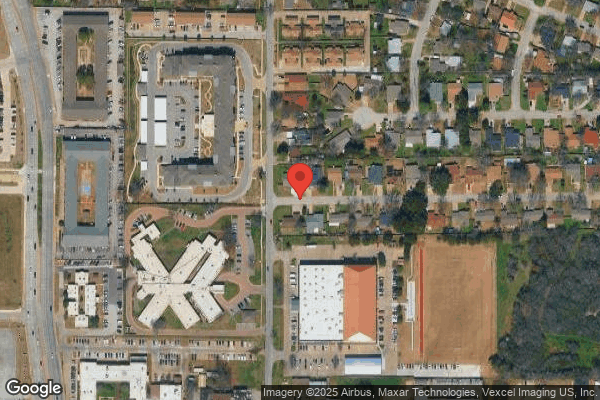
1112 Gibbins Rd, Arlington, TX 76011 (817) 274-2584
For profit - Limited Liability company 204 Beds Independent Data: November 2025 11 Immediate Jeopardy citations
Trust Grade
0/100
Last Inspection: November 2024

Within standard 12-15 month inspection cycle. Federal law requires annual inspections.

Overview

Coral Rehabilitation and Nursing of Arlington has a Trust Grade of F, indicating significant concerns about the facility's quality and care. It does not rank in Texas or Tarrant County, which means it does not have any competitors in its area, highlighting a lack of options for families. The trend is improving, as the number of issues dropped from 36 in 2024 to 31 in 2025. Staffing is average with a turnover rate of 56%, which is close to the state average, but this suggests that staff may not stay long enough to build strong relationships with residents. However, the facility has concerning fines totaling $447,839, which is higher than 94% of Texas facilities and indicates repeated compliance problems. Specific incidents of concern include a failure to ensure that residents had the ability to call for assistance, resulting in one resident being physically assaulted by another when her call light was not functioning. Additionally, there were critical lapses in providing necessary medications, as one resident did not receive prescribed doses, putting her health at risk. While the facility has some areas for improvement, these serious deficiencies indicate that families should proceed with caution when considering this nursing home.

Trust Score
F
0/100
In Texas
#112/223
Top 50%
Safety Record
High Risk
Review needed
Inspections
Getting Better
36 → 31 violations
Staff Stability
⚠ Watch
56% turnover. Above average. Higher turnover means staff may not know residents' routines.
Penalties
✓ Good
$447,839 in fines. Lower than most Texas facilities. Relatively clean record.
Skilled Nurses
⚠ Watch
Each resident gets only 26 minutes of Registered Nurse (RN) attention daily — below average for Texas. Fewer RN minutes means fewer trained eyes watching for problems.
Violations
⚠ Watch
102 deficiencies on record. Higher than average. Multiple issues found across inspections.
☆☆☆☆☆
0.0
Overall Rating
☆☆☆☆☆
0.0
Staff Levels
☆☆☆☆☆
0.0
Care Quality
☆☆☆☆☆
0.0
Inspection Score
Stable
2024: 36 issues
2025: 31 issues

The Good

  • Full Sprinkler Coverage · Fire safety systems throughout facility
  • No fines on record

Facility shows strength in fire safety.

The Bad

Staff Turnover: 56%

Near Texas avg (46%)

Frequent staff changes - ask about care continuity

Federal Fines: $447,839

Well above median ($33,413)

Significant penalties indicating serious issues

Staff turnover is elevated (56%)

8 points above Texas average of 48%

The Ugly 102 deficiencies on record

11 life-threatening 2 actual harm
Jul 2025 2 deficiencies 2 IJ (2 affecting multiple)
CRITICAL (K) 📢 Someone Reported This

A family member, employee, or ombudsman was alarmed enough to file a formal complaint

Immediate Jeopardy (IJ) - the most serious Medicare violation

Free from Abuse/Neglect (Tag F0600)

Someone could have died · This affected multiple residents

**NOTE- TERMS IN BRACKETS HAVE BEEN EDITED TO PROTECT CONFIDENTIALITY** Based on observation, interview and record review the facility failed to ensure residents had the right to be free from abuse, n...

Read full inspector narrative →
**NOTE- TERMS IN BRACKETS HAVE BEEN EDITED TO PROTECT CONFIDENTIALITY** Based on observation, interview and record review the facility failed to ensure residents had the right to be free from abuse, neglect, misappropriation of resident property, and exploitation for 2 of 4 residents (Resident #1, Resident #2) reviewed for abuse and/or neglect.The facility failed to ensure Resident #1 was free from abuse when the call device was not functioning and available to call for immediate assistance when she was physically abused by Resident #2. A manual bell had been placed at Resident#1's door and in her drawer, but Resident #1 had not been instructed on how/when to use the bells. On 07/24/25 at 5:20 PM an Immediate Jeopardy (IJ) was identified. While the IJ was removed on 07/26/25 the facility remained out of compliance at a scope of no actual harm with a potential for more than minimal harm and a scope of isolated that was not an immediate jeopardy due to the facility's need to monitor the implementation and the effectiveness of their Plan of Removal. This failure could place residents at risk of abuse, neglect, and psychosocial harm.Findings included: Record review of Resident #1's admission record, dated 07/24/25, reflected a [AGE] year-old female who was admitted to the facility on [DATE]. Resident #1 had diagnoses which included, cognitive communication deficit (communication disorder stemming from cognitive impairments that affect a person's ability to communicate effectively), bipolar disorder (associated with episode of mood swings ranging from depressive lows to manic highs), calculus of kidney (small, hard deposit that forms in the kidneys and is often painful when passed), morbid (severe) obesity (a disorder that involves having too much body fat, which increases the risk of health problems), and paraplegia (condition characterized by the loss or impairment of motor and sensory functions in the lower half of the body). Record review of Resident #1's care plan dated 6/13/25 reflected the resident had limited physical mobility, does not walk, used manual wheelchair for locomotion, was totally dependent on staff for repositioning and turning in bed, and totally dependent on (2) staff for transferring. The care plan addressed Resident #1's behavior problem of cursing out the staff when she did not get her way, the facility was to monitor her daily/weekly and administer medications as ordered. The resident's plan did not address her rooming with resident #2, the staff involved in the decision were no longer working at the facility. Record review of Resident #2's admission record, dated 07/24/25, reflected a [AGE] year-old male who was admitted to the facility on [DATE]. Resident #2 had diagnoses which included, a diffuse traumatic brain injury (widespread damage to the brain's white matter), major depressive disorder (persistently depressed mood or loss of interest in activities, causing significant impairment in daily life activities), epilepsy (a disorder in which nerve cell activity in the brain is disturbed causing seizures), chronic pain syndrome (persistent pain that last weeks to years by be caused by inflammation or dysfunctional nerves), bipolar disorder (associated with episode of mood swings ranging from depressive lows to manic highs), and antisocial personality disorder (a mental health disorder characterized by disregard for other people).Record review of Resident #2's care plan dated 6/13/25 reflected the resident required limited assistance by (1) staff tomove between surfaces, the resident did not walk, and resident used a manual wheelchair for locomotion. Resident #2's care plan addressed his psychiatric illness and refusing medications and services, staff were to monitor, encourage him to participate, inform him of the danger to his health if he did not participate, staff were to document his refusals. Resident #2's care plan did not address him rooming with Resident #1, the staff involved with that decision were no longer working at the facility. The plan addressed the facility educating Resident #2 on the dangers of sleeping in the bed with Resident #1. Resident #2's care plan did not address him leaving the facility, nor did it address any drug/alcohol use.Current MDS requested for Resident #1 and Resident #2 on 07/26/25 at 2:11 PM, and reminder sent on 07/28/25 at 5:16 PM. Received MDS for Resident #1 and Resident #2 on 07/29/25 at 5:04 PM the BIMS was blank.On 07/31/25 at 6:10 AM emailed Administrator-B and Director of Clinical Services and informed the MDS' for Resident's #1 and #2 had no BIMS and if the admission MDS could be provided. On 08/06/25 at 12:07 PM an email was sent to Administrator-B, the MDS for Residents #1 and #2 were requested and received, noting that Resident #1 and Resident #2 both had a BIMS of 15. Interview on 07/24/25 at 11:04 AM with Resident #1 revealed she and Resident #2 were roommates. She stated he was her fiance. She stated earlier in the day on 07/22/25, Resident #2 was upset with RN-A and called the police on him. She stated Resident #2 left to get some beer and brought it back to the room to drink. She stated another resident's friend gave Resident #2 drugs and when he came to the room to try to smoke it, she told him he could not smoke it and he got upset and began to beat on her. She stated she was yelling for help, she stated RN-B came into the room and screamed for Resident #2 to stop hitting her. She stated Resident #2 did stop hitting her then EMS arrived and took her to the hospital, and she was there for about two hours then she was brought back to the facility. She stated her injuries were a black right eye, a busted upper lip, bruised to both cheeks, and a large bruise to her left breast. She stated she did not feel safe at the facility because someone else could enter the room and she could not protect herself. She stated she and Resident #2 had not had any physical altercations in the past. She stated he had taken care of her he had never hurt her. When asked if she pushed the call light button, she stated the call light had not worked in four months. She stated she was given a bell to ring when she needed assistance, but they had put the bell on the door. She said she also had a bell in the drawer next to her bed. She stated no one had told her she needed to keep the bell out of the drawer. She stated she was given a bell to ring when she needed assistance, but they had put the bell on the door. She said she also had a bell in the drawer next to her bed. Observation on 07/24/25 at 11:30 AM revealed there were two call light cords plugged into the wall in the room of Residents #1 and #2. Observation of the call light cords revealed both cords on the floor. Further observation of the room revealed a bell hanging on a short rope/string on the back of the door to the room, out of reach of the Residents. Resident #1 was observed in her bed. A telephone interview with RN-A on 07/24/25 at 11:51 AM revealed he had worked the 2-10 shift on 07/22/25 when Resident #2 came to him at 6 PM and asked for his pain medication, Resident #2 was informed his pain medication was due at 7:30 PM. He stated 30 minutes later Resident #2 came to him and said that Resident #1 needed her wound dressing changed. He stated when he went to the room of Resident #1 and Resident #2, he started to do the dressing when Resident #2 yelled at him that he was not taking care of the wound. He stated he was treating Resident #1 for the sacrum area, when Resident #2 had informed him (RN-A) that the dressing needed to be changed. RN-A stated while he was changing dressing, Resident #2 informed him (the nurse) that there was another wound that had developed. He stated he informed Resident #2 that Resident #1 did not have another wound and Resident #2 attempted to touch the area the nurse was re-dressing, and RN-A pushed his hand away and became upset saying he (RN-A) had put his hands on him and he (Resident #2) was going to call the police. He stated the police did come to the facility and talked to him and Resident #2, then they left. He stated when he was in a room taking care of a resident who had a G-Tube, he heard noises coming from the room of Resident #1 and Resident #2, he stated when he heard the yelling, he was actively caring for another resident. He stated when he finished with the G-Tube resident he went into the hallway, and he saw RN-B with CNAs in the hallway. He stated he did not see Resident #2 hit Resident #1; the incident ended when RN-B called out Resident #2's name. He stated then RN-B went to the nurses station and called 911. He stated prior to the police arrival Resident #2 came after him and attacked him with a pocketknife and cut his hand. He stated he and Resident #1 went to the hospital for medical attention and Resident #2 was treated and taken to jail. He stated the residents were at risk because Resident #1 did not have a way to call for help other than to yell for help. Face to face interview with Maintenace Director on 07/24/25 at 3:15 PM revealed he had been employed since late February. He stated he knew there were some call lights that were not working throughout the building. He stated he would fix the call lights then they would go out again, because the system was old. He stated if the call light was not working the residents would be given a bell to ring for help until the light could be fixed. He stated he was not sure if the call lights were working in Resident #1 and Resident #2's room. He stated when an aide would report the light was not working, he would fix the light on the spot. He stated he did not believe the light situation got to a point that he needed to notify Administrator-A. He stated there was not any room that had to have the call light fixed more than one time. He stated the staff would come to him face to face to report a call light was not working. He stated the staff could always call him on his cell phone to report issues. He stated when the call light was not working it could delay or not allow a resident to receive help. Face to face interview with Administrator-B on 07/24/25 at 3:36 PM, revealed the day was her fourth day working at the facility. She stated she was not aware Resident #1 and Resident #2 did not have a call light in their room. She stated when she found out about the call light, she was trying to move Resident #1 to another room, but she had refused to move. She stated she did not know how long Resident #1 and Resident #2 had been without a call light or any way to communicate to staff the need for assistance. She stated she did not know how the residents were supposed to let staff know they needed assistance. She stated she did not know there was a bell in the room or that the bell was on the back of the door out of reach of the resident. She stated perhaps the resident put the bell on the back of the door herself. When advised the resident was unable to walk and could not get up without help of staff, she replied, the resident could have put the bell on the door when she was in her wheelchair. She stated she would assume the Maintenace director was responsible to ensure the call lights worked in the rooms. She stated the CNAs and nurses would be responsible to ensure the placement of the bell was in reach of the resident. She stated there was a severe risk of injury or a lack of care to the residents' when they did not have access to communication.A telephone interview with CNA-A on 07/25/25 at 12:09 PM reflected Resident #2 had told him he was upset with RN-A and took his anger out on Resident #1. He stated RN-A had disrespected Resident #1. He stated RN-B was with him when they went to the Resident #1 and #2's door. RN-B asked what was going on and why was Resident #2 hitting Resident #1. He stated Resident #1 said he was not hitting Resident #2, but he could see they were the only two people in the room. CNA-A stated he knew to go to the room because he heard Resident #1 screaming from the room. He stated he did not know the call light was out in the room of Resident #1 and Resident #2. He stated Resident #2 would come out of the room to let the nurse know that Resident #1 needed help. He stated after the incident he was told there was a bell in the room for them to use to let staff know they needed help, but he had never heard it used. He stated when a resident was not able to call for help, they could be at risk of injury. In a telephone interview with RN-B on 07/26/25 at 6:15 PM, reflected she was aware some of the call lights were not working but she was not sure how long the lights had been out. She stated she thought the administrator and Maintenace knew the light was not working but she had not checked with them. She stated the night of the incident between Resident #2 and #1 she was assigned to halls 300 and 500. She stated she was on hall 400 at the time of the incident to get supplies from the supply closet. She stated she heard Resident #1 screaming and went to see what was happening and when she got to the room, she saw Resident #2 hitting Resident #1 in the face. She stated she called the name of Resident #2, and he stopped hitting Resident #1 immediately and started calling her baby. She stated she called 911, Resident #2 came to the nurses station shouting and saying it was RN-A's fault and swung on RN-A and cut his hand with a knife. She stated the police and EMS arrived, and Resident #1 went to the hospital and Resident #2 was arrested. She stated she did not believe if the resident had a call light it would have kept Resident #2 from harming Resident #1.Record review of facility's incident report dated 07/22/25, reflected, [Resident #2's] roommate (Resident #1) screamed for help and when staff responded to the screams for help, [Resident #2] was seen standing over his roommate punching her in the face repeatedly. After his name was called, he (Resident #2) stopped attacking her (Resident #1) and tried to console her. [Resident #2] slit his own throat with a pocketknife and came to the nurses station and began shouting at the male nurse (RN-A) on duty and [he the jumped on top of the counter swung the knife at the nurse and cut the nurse's hand]. 911 was called when the resident (Resident #1) was beating on his roommate (Resident #2), and they were on the phone when he (Resident #2) cut the nurse's (RN-A) hand. The police came and removed the resident (Resident #2) from the building. DON notified via phone of the incident. [No further action taken at this time ].Record review of LE report dated 07/22/25, reflected, On Tuesday July 22nd, 2024, I Officer [#1] was dispatched to [Nursing & Rehab] room [Resident #1 and Resident #2] reference a cutting in progress call at 2359 hours (11:59 pm). Call text stated a residence of the rehab center got in a fight with the nurses and cut himself as well as a nurse with a knife. The complainant did advise both the resident and the nurse have injuries. EMS and Fire were added to the call for medical treatment on both parties. I was equipped with a functioning body worn camera, while wearing a distinct patrol uniform and driving in marked patrol vehicle [#].Upon arrival to the [Nursing & Rehab] center at 0002 hours (12:02 am) on 7/23/2025, I walked inside the main lobby area and was met by the nurse who had been cut by the resident. This nurse was identified as [RN-A]. While I spoke with [RN-A], Officer [#2], Officer [#3], and Sergeant all went to room [Resident #1 and #2] to[ make contact with] the suspect who had cut himself and nurse [RN-A]. As I remained with [RN-A], I could see he was utilizing gauze to tend to his wounds as he was actively bleeding from both his right and left thumbs. [RN-A] informed me that the resident who officers were going to, had cut him with a knife that was on a keychain lanyard. [RN-A] did show me the knife which was a small black knife that attached to a keychain. Officers confiscated the knife as evidence.Officer [#2] later came back to [RN-A] and gathered his statement and what transpired between him and the resident this evening. I took photographs of [RN-A] injuries with my BWC. EMS and Fire arrived on scene and [RN-A] did advise that he wanted to go to the hospital for further treatment on his lacerations. I followed [RN-A] out to the ambulance and later provided him with the report number.Once [RN-A] left in the ambulance, I went back inside the rehab center and to room [Resident 1 & 2]. As I walked into room [Resident 1 & 2], I observed officers on the ground fighting with the suspect. Ofc. [#3] informed me that they went to place the subject under arrest for aggravated assault and he resisted arrest. I observed Ofc. [#2] controlling the subjects legs and Ofc. [#3] controlling the subjects upper body. I asked Ofc. [#3] and Ofc. [#2] if they needed leg restraints to assist with taking the subject into custody. Ofc. [#3] did confirm to utilize leg restraints to which I then ran out to my patrol vehicle to gather the restraints. Once I gathered the leg restraints, I ran back to room [Resident #1 and #2] and assisted Ofc. [#2] with placing them on the subject. Once the subject was in leg restraints and handcuffs, Officers escorted the subject to my patrol vehicle where he was placed in the back seat.Ofc. [#2] informed me that the subject also cut his throat with the knife he used against [RN-A] and was needing to be medically cleared before being transported to the jail. Due to the subject needing medical clearance, I transported him to [Local] Hospital where he was further treated for his injuries. Once at [Local] Hospital, Ofc. [#2] completed a full search incident to arrest on the subject. In Ofc. [#2] search, she located a black circular container inside the subjects pant pockets. I retrieved this container from Ofc. [#2]as she finished searching the subject. I looked inside the container and observed multiple pills inside of it as a well as a [crystal like] substance that appeared to be methamphetamine based on my training and experience. I later called the Poison Control number and was able to identify some of the pills inside of the container. ID [#199] from the Texas Poison Control Center assisted me in identify the pills. 6 yellow circular pills with the lettering of 0.5 was later identified as Clonazepam (can cause paranoid or suicidal ideation and impair memory, judgment, and coordination.) is a benzodiazepine medication (depressants that produce sedation and hypnosis, relieve anxiety and muscle spasms, and reduce seizures). The second pill was a white circular pill with the lettering of 5.03. This was identified as Tizanidine (it can treat muscle spasms). ID [#199] informed me that this pill is a prescribed muscle relaxer. The third pill was unable to be identified due to no insignia or lettering on it. There were 2 of these pills which were half black and half red capsules. These pills were sent off for further testing. Lastly, I later tested the [crystal like] substance using a presumptive field test kit. The test kit did show to be positive for methamphetamine as it turned dark purple in color. I later booked in and weighed all the pills and methamphetamine into the North Station property room as seized property. The total weight for all pills were as follows: Tizanidine 0.5 grams, Clonazepam 1.0 grams, and the red and black pills weighed 1.7 grams. The total weight of the methamphetamine weighed 0.01 grams. On Tuesday 07-22-25, at approximately 2359 hours (11:59 p.m.), I, Officer [#2], was dispatched to a Cutting in Progress call at [Nursing & Rehab). The call text stated that the complainant advised residents go into a fight. The suspect is cursing in the background and cut both his neck and the nurse. Upon arrival, at approximately 0002 hours (00:02 a.m.), officers [entered into] the facility, and I saw a B/M who appeared to have a few lacerations to both his left and right hands. He later identified himself as [RN-A], and he is a nurse at the location. I was told that the suspect was back in his girlfriend's room and no longer had the knife but had cut himself in the neck with the knife. When I got back to the room and [made contact with] the suspect, he was very animated and irate. I also noticed that he had several lacerations to his neck which he told me were self-inflicted. He was identified to me as [Resident #2] When I tried to ask [Resident #2] what had happened, he would not tell me anything except that it was the nurse's fault, referring to [RN-A], and that he was the reason this happened. Also in the room with [Resident #2] was his girlfriend who was laying in the bed and later identified herself as [Resident #1]. Since [Resident #2] was being uncooperative and not telling me the story of what happened, I went to the front desk where [RN-A] was to ask him what had occurred. [RN-A] told me that the whole situation started at around 1800 hours (6:00 p.m.) this evening and police had been called out at that time too. [RN-A] said that he was changing the dressing on [Resident #1's] wounds when [Resident #2] kept touching the open wound with his bare hands. Since this was not sanitary, [RN-A] advised [Resident #2] to stop and then pushed his hand away. This made [Resident #2] extremely upset and [Resident #2] called the police to try and report an assault. When officers came out, they did not find that any offense occurred and cleared the scene. Still upset about this incident earlier, [Resident #2] ended up coming after [RN-A] with a small knife while he was standing at the nurse's station. [Resident #2] did this after having an altercation with [Resident #1] and then cutting his own neck with the knife. [RN-A] stated that he did want to press charges for the Aggravated Assault and was transported by ambulance to [Local] Hospital. Officer [#1] took pictures of [RN-A's] injuries with his body worn camera. There were two other hospital personnel that stated they were also at the nurse's station with [RN-A] and witnessed the incident. The first nurse identified herself to me as [LVN-A] stated that [Resident #2] came out of his girlfriend's room extremely irate and cussing. He approached [RN-A] and began trying to slice at his face with the knife that was in his hand. [RN-A] ended up putting his hands up to block the blade from striking his face which is how he got the lacerations to his hands. The second nurse identified herself to me as [not listed on employee roster] confirmed the statements from [LVN-A] and added that [Resident #2] was telling [RN-A] that he was going to kill him as he was slashing the knife towards him. I [Ofc. #2] was then informed that there was an additional nurse who had witnessed the beginning of the incident, so I went to talk to her at this time. This nurse identified herself to me as [RN-B]. [RN-B] told me that she heard [Resident #1] screaming so she went to go see what was going on. That's when she witnessed [Resident #2], who was standing beside her bed, punching her repeatedly in the face as she was laying in bed. [RN-B] told me that she began to yell at [Resident #2] to try and get him to stop and he eventually stopped. Once [RN-B] walked away, that is when [Resident #2] grabbed the knife that was attached to his key chain and began slicing his neck before going to the nurse's station, threatening and cutting [RN-A]. When I later spoke to [Resident #1], she confirmed what [RN-B] told me, and I also observed that her face was red and swollen in several spots. I took a picture of [Resident #1's] injuries with my body worn camera. She told me that her and [Resident #2] had gotten in an argument over him trying to bring methamphetamine in the room. [Resident #1] stated that she told [Resident #2] not to bring it in because she is on probation. He then got irate and began punching her in the face several times. She was later transported to [Local hospital] by ambulance for treatment. At this time, I went back to the room where [Resident #2] was being checked out by EMS and placed him under arrest for Aggravated Assault w/Deadly Weapon. Once [Resident #2] was in handcuffs, he began becoming extremely combative. We had him sitting down in chair, but he began trying to get up and at one point got up and attempted to head butt me in the face. This is when Officer [#3], who had hold of his right arm, took him to the ground and secured his upper body while I secured his legs with body weight as taught by the training academy. [Resident #2] began kicking and resisting while still on the ground and was fighting to get out of the grasp of officers. Officer [#1] went to retrieve leg restraints so that we could better secure him and get him out to the patrol vehicle since he was refusing transport by ambulance. While waiting on the leg restraints, Officer [#3] and I continued to hold body weight on him to keep him from assaulting officers. Once Officer [#1] came back with the leg restraints, they were placed on [Resident #2]'s legs and secured. EMS provided a body tarp so that officers could more easily transport [Resident #2] to the vehicle. He was rolled onto the body tarp and picked up by me, Officer [#3], Officer [#1], and Sgt. While we were attempting to carry him on the tarp, he became physically combative again and began kicking at officers. [Resident #2] kicked me with his left foot in the right side of my jaw causing pain. Due to him kicking, we opted to take him off the body tarp and carry him ourselves so that we could secure his legs and keep him from kicking officers. Once [Resident #2] was off the tarp, Officer [#3] and Officer [#1] both grabbed one of his arms, and Sgt. and I got his feet, and we began carrying out to the patrol vehicle outside. [Resident #2] continued to resist by squirming and shrimping up his body in attempts to get officers to drop him. We had to put him down once more and attempt to carry him right side up and were finally able to get him into the back of Officer [#1]'s patrol vehicle for transport to [Local Hospital] for treatment. Once on scene at [Local Hospital], [Resident #2] was removed from the back of the patrol vehicle and taken into the hospital by nursing staff to be treated. Before being placed on the gurney, he was searched incident to arrest where officers located a small black, circular tin containing a small number of unknown pills. This item and its contents were seized for further examination. At one point while in the hospital with officers, [Resident #2] became irate again due to finding out that he was going to be charged with Aggravated Assault. At this time, he only had one hand handcuffed to the bed. When officers entered the room to handcuff the other hand to the bed, [Resident #2] began resisting and would not willingly give his hand to officers. He then pushed himself off the hospital bed and onto the floor while his left hand was still handcuffed to the railing. Nursing staff and hospital security came into assist getting him back into the bed and secured. Once he was medically cleared, he was released from the hospital. I then transported him to the [local] City Jail where he was released to the care, custody, and control of jail staff. Officer [#1] called [local] Texas Poison Control and identified two out of three of the unknown pills. He weighed them, took pictures with his body worn camera, and booked them into the [local] Station Property Room. Please see his supplement to this report regarding his identification of and booking of the substances. Officer [#1] informed me that there was 0.01g of Methamphetamine, .5g of Tizanidine, a dangerous drug, 1g of Clonazepam, and an unknown substance in a red and black capsule that weighed 1.76g. In total [Resident #2] was charged with several charges. First, Assault Family Household W/Previous Conviction for intentionally and knowingly causing bodily injury to [Resident #1] by punching her multiple times in the face. Second, Aggravated Assault W/Deadly Weapon for exhibiting a knife during the commission of an assault and cutting [RN-A] multiple times on the hands with the knife. Third, Assault on Peace Officer for intentionally and knowingly causing pain to a person he knows is a peace officer for kicking me in the jaw while officers were attempting to take him from the location into the patrol vehicle. Fourth, Resist Arrest Search Transport for intentionally obstructing a peace officer from effecting transportation by using force for kicking, squirming, and attempting to get out of the grasp of officers as we were trying to escort him into the patrol vehicle. Lastly, he was charged with the drug offenses Possession of Dangerous Drug, Poss of CS PG 3<28g, and Poss of CS PG 11 <1g for having in his care, custody, and control the Clonazepam, Tizanidine, and Methamphetamine. I seized the small knife that was used in the commission of the Aggravated Assault offense and booked it into the [Local] Station Property Room. It was booked in as item one and placed in the drop box. Hospital staff advised that the Agg Assault would have been captured on surveillance footage and will be able to retrieve it upon the request of detectives if needed. A completed Family Violence Packet was also turned into Jail Central.'Review of facility's Resident-to-Resident Altercations policy dated December 2016 reflected, 2. If two residents are involved in an altercation, staff will: a. Separate the residents, and institute measures to calm the situation; b. Identify what happened, including what might have led to aggressive conduct on the part of one or more of the individuals involved in the altercation;Review of facility's Abuse and Neglect-Clinical Protocol, dated March 2018 reflected, 2. Neglect, as defined at 483.5, means the failure of the facility, its employees or service providers to provide goods and services to a resident that are necessary to avoid physical harm, pain, mental anguish or emotional distress. 1. The staff, with the physician's input as needed, will investigate alleged abuse and neglect to clarify what happened and identify possible causes.Record review of facility Call Lights: Accessibility and Timely Response dated 10/2022 reflected, 1. All staff will be educated on the proper use of the resident call system, including how the system works and ensuring resident access to the call light.2. All residents will be educated on how to call for help by using the resident call system.6. The call system will be accessible to residents while in their bed or other sleeping accommodations within the resident's room.5. Staff will ensure the call light is within reach of resident and secured, as needed.An IJ was identified on 07/24/25. The IJ template was provided to Administrator-B and Regional Nursing Director on 07/24/25 at 5:20 PM and a Plan of Removal was requested. The POR was accepted on 07/25/25 at 5:47PM.The POR reflected the following: Plan of Removal For F6001. Immediate Corrective Actions Taken Date/Time of IJ Notification: 7/24/25 @5:20 PM Resident Safety: Resident #1 was immediately assessed by bedside staff nurse for injuries and provided appropriate medical care; completed on 7/23/25. Resident #1 was relocated to a private room to ensure safety and prevent further incidents and call light was verified as operational; completed on 7/24/25. Roommate Removal: The male roommate involved in the assault was removed from the facility by law enforcement after evaluation by EMS on 7/23/25. BOM and Social worker provided Notice of immediate discharge to male resident via certified mail to [Local][NAME] County Jail mailed on 7/25/2025. Communication System: All residents' rooms were audited by Maintenance Super to ensure functioning call lights or alternative communication devices were present and accessible; completed 7/25/2025. Temporary communication devices (bells) were installed within reach of residents identified with malfunctioning call system until permanent solutions were in place; completed 7/25/25. Education of each resident with an alternative device (bell) was completed at time of placement by maintenance and will be documented in the EHR by DON; completed 7/25/25.________________________________________2. Systemic Corrective Measures Facility-Wide Audit: A full audit of all resident rooms was completed on 7/25/25 to verify the presence and accessibility of communication systems. Maintenance logs were reviewed by maintenance supervisor to identify any prior reports of malfunctioning call lights. An outside Vendor, was contacted to repair malfunctioning call lights/system on 7/25/25. Init[TRUNCATED]
CRITICAL (K) 📢 Someone Reported This

A family member, employee, or ombudsman was alarmed enough to file a formal complaint

Immediate Jeopardy (IJ) - the most serious Medicare violation

Deficiency F0919 (Tag F0919)

Someone could have died · This affected multiple residents

**NOTE- TERMS IN BRACKETS HAVE BEEN EDITED TO PROTECT CONFIDENTIALITY** Based on observations, interviews and record review, the facility failed to ensure the facility was adequately equipped to allow...

Read full inspector narrative →
**NOTE- TERMS IN BRACKETS HAVE BEEN EDITED TO PROTECT CONFIDENTIALITY** Based on observations, interviews and record review, the facility failed to ensure the facility was adequately equipped to allow residents to call for staff assistance through a communication system which relays the call directly to a staff member or to a centralized staff work area for four residents (Resident #1, Resident #2, Resident #6, and Resident #7) of 83 residents reviewed for resident call system in that: The facility failed to ensure the call lights in Resident #1's and Resident #2's shared room were in working order. Resident #1 was not able to use her call light to call for help when she was physically assaulted by her roommate, Resident #2. On 07/25/25 at 11:20 AM an Immediate Jeopardy (IJ) was identified. While the IJ was removed on 07/26/25 the facility remained out of compliance at a scope of isolated and a severity level of potential for more than minimal harm that was not immediate jeopardy due to the facility's need to monitor the implementation and the effectiveness of their Plan of Removal. The facility failed to ensure call lights were flashing outside Resident #6's and Resident #7's rooms to ensure staff knew the Residents needed assistance. This failure could place residents at risk of being unable to obtain assistance for activities of daily living or in the event of an emergency.Based on observations, interviews and record review, the facility failed to ensure the facility was adequately equipped to allow residents to call for staff assistance through a communication system which relays the call directly to a staff member or to a centralized staff work area for four residents (Resident #1, Resident #2, Resident #6, and Resident #7) of 83 residents reviewed for resident call system in that: The facility failed to ensure the call lights in Resident #1's and Resident #2's shared room were in working order. Resident #1 was not able to use her call light to call for help when she was physically assaulted by her roommate, Resident #2.xOn 07/25/25 at 11:20 AM an Immediate Jeopardy (IJ) was identified. While the IJ was removed on 07/26/25 the facility remained out of compliance at a scope of isolated and a severity level of potential for more than minimal harm that was not immediate jeopardy due to the facility's need to monitor the implementation and the effectiveness of their Plan of Removal. The facility failed to ensure call lights were flashing outside Resident #6's and Resident #7's rooms to ensure staff knew the Residents needed assistance . This failure could place residents at risk of being unable to obtain assistance for activities of daily living or in the event of an emergency.Findings included:Record review of Resident #1's admission record, dated 07/24/25, reflected a [AGE] year-old female who was admitted to the facility on [DATE]. Resident #1 had diagnoses which included, cognitive communication deficit (communication disorder stemming from cognitive impairments that affect a person's ability to communicate effectively), bipolar disorder (associated with episode of mood swings ranging from depressive lows to manic highs), calculus of kidney(small, hard deposit that forms in the kidneys and is often painful when passed), morbid (severe) obesity (a disorder that involves having too much body fat, which increases the risk of health problems), and paraplegia (condition characterized by the loss or impairment of motor and sensory functions in the lower half of the body).Record review of Resident #1's care plan dated 6/13/25 reflected the resident had limited physical mobility, does not walk, used manual wheelchair for locomotion, is totally dependent on staff for repositioning and turning in bed, and totally dependent on (2) staff for transferring. Record review of Resident #2's admission record, dated 07/24/25, reflected a [AGE] year-old male who was admitted to the facility on [DATE]. Resident #2 had diagnoses which included, a diffuse traumatic brain injury (widespread damage to the brain's white matter), major depressive disorder (persistently depressed mood or loss of interest in activities, causing significant impairment in daily life activities), epilepsy (a disorder in which nerve cell activity in the brain is disturbed causing seizures), chronic pain syndrome (persistent pain that last weeks to years by be caused by inflammation or dysfunctional nerves), bipolar disorder (associated with episode of mood swings ranging from depressive lows to manic highs), and antisocial personality disorder (a mental health disorder characterized by disregard for other people).Record review of Resident #2's care plan dated 6/13/25 reflected the resident requires limited assistance by (1) staff to move between surfaces, the resident does not walk, and resident uses manual wheelchair for locomotion.Record review of Resident #6's admission record, dated 7/24/25, reflected a [AGE] year-old female who was admitted to the facility on [DATE]. Resident #6 had diagnoses which included, Depression (the elevation or lowering of a person's mood), Anxiety (intense, excessive, and persistent worry and fear about everyday situations), Cognitive Communication Deficit (difficulties in communication arising from impairments), Type 2 Diabetes (long-term condition in which the body has trouble controlling blood sugar and using it for energy), and Parkinsonism (clinical syndrome characterized by tremor).Record review of Resident #7's admission record, dated 7/24/25, reflected a [AGE] year-old male who admitted to the facility on [DATE]. Resident #7 had diagnoses which included cerebral infarction (a medical condition where brain tissue dies due to a lack of blood supply), Crohn's disease (a chronic inflammatory bowel disease that affects the lining of the digestive tract), Schizophrenia ( a disorder that affects a person's ability to think, feel, and behave clearly), type 2 diabetes (a long-term condition in which the body has trouble controlling blood sugar and using it for energy). Current MDS requested for Resident #1, Resident #2, Resident #6, and Resident #7 on 07/26/25 at 2:11 PM, and reminder sent on 07/28/25 at 5:16 PM. Received MDS for Resident #1 and Resident #2 on 07/29/25 at 5:04 PM the BIMS was blank.On 07/31/25 at 6:10 AM emailed Administrator-B and Director of Clinical Services and informed the MDS' for Resident's #1 and #2 had no BIMS and if the admission MDS could be provided. On 08/06/25 at 12:07 PM an email was sent to Administrator-B, the MDS for Residents #1, #2, #6, and #7 were requested but not received.Interview on 07/24/25 at 11:04 AM with Resident #1 revealed she and Resident #2 were roommates. She stated he was her fiance. She stated another resident's friend gave Resident #2 drugs and when he came to the room to try to smoke it, she told him he could not smoke it and got upset and began to beat on her. She stated she was yelling for help, she stated RN-B came into the room and screamed for Resident #2 to stop hitting her. She stated Resident #2 did stop hitting her then EMS arrived and took her to the hospital, and she was there for about two hours then she was brought back to the facility. She stated her injuries were a black right eye, a busted upper lip, bruises to both cheeks, and a large bruise to her left breast. She stated she did not feel safe at the facility because someone else could come in the room and she could not protect herself. She stated they had not had any physical altercations in the past. She stated he had taken care of her he had never hurt her. When asked if she pushed the call light button, she stated the call light had not worked in four months. She stated she was given a bell to ring when she needed assistance, but they had put the bell on the door. She stated no one had told her she needed to keep the bell out of the drawer. Observation on 07/24/25 at 11:30 AM revealed there were two call light cords plugged into the wall in the room of Residents #1 and #2. Observation of the call light cords revealed both cords on the floor. Further observation of the room revealed a bell hanging on a short rope/string on the back of the door to the room, out of reach of the resident. Resident #1 was observed in her bed. Face to face interview with Maintence Director on 07/24/25 at 3:15 PM revealed he had been employed since late February. He stated he knew there were some call lights that were not working throughout the building. He stated he would fix the call lights then they would go out again, because the system was old. He stated if the call light was not working the residents would be given a bell to ring for help until the light could be fixed. He stated he was not sure if the call lights were working in Resident #1's and Resident #2's room. He stated when an aide would report the light was not working, he would fix the light on the spot. He stated he did not believe the light situation got to a point that he needed to notify Administrator - A. He stated there was not any room that had to have the call light fixed more than one time. He stated the staff would come to him face to face to report a call light was not working. He stated the staff could always call him on his cell phone to report issues. He stated when the call light was not working it could delay or not allow a resident to receive help. Face to face interview with Administrator-B on 07/24/25 at 3:36 PM, revealed the day was her fourth day working at the facility. She stated she was not aware Resident #1 and Resident #2 did not have a call light in their room. She stated when she found out about the call light, she was trying to move Resident #1 to another room, but she had refused to move. She stated she did not know how long Resident #1 and Resident #2 had been without a call light or any way to communicate to staff the need for assistance. She stated she did not know how the residents were supposed to let staff know they needed assistance. She stated she would assume the maintence director was responsible to ensure the call light worked in the rooms. She stated the CNAs, and nurses would be responsible to ensure the placement of the bell was in reach of the resident. She stated there was a severe risk of injury or a lack of care to the resident's when they did not have access to communication.Observation and interview on 07/25/25 with Resident #6 at 12:54 PM, revealed when asked to push her call light, the light did not flash above her door. Staff were observed walking throughout the hall, but no one came to Resident #6's room until they were notified in person by the investigator the resident had pushed the call light. Observation and interview with Resident #7 on 07/25/25 at 1:05 PM, revealed Resident #7 was asked to push his call light and the light did not flash above his door. Resident #7 stated he thought the light was working properly. Staff were observed walking throughout the hall, but no one came to Resident #7's room until they were notified in person by the investigator the resident had pushed the call light. In an interview with the Regional Director of Clinical Services on 07/26/25 at 2:15 PM, she stated she was not aware that the resident's (Resident #1 and Resident #2) call light was not working, she stated Resident #1 informed her and wrote a statement that the bell provided to her was in the drawer next to her bed. She stated the maintence director would have been responsible to ensure the call lights were working. She stated it would be the responsibility of the nursing staff to let the maintence director know when the lights are not working. She and the maintence director checked the lights in the rooms of Resident's #6 and #7 and the notification was going to the board at the nurses station, but the light was not lighting up outside the door. She stated Resident #1 was moved to a room with a working call light and Resident #2 was taken to jail and given a discharge notice. She stated if a resident's call light was not working it could delay their care.In a telephone interview with RN-B on 07/26/25 at 6:15 PM, reflected she was aware some of the call lights were not working but she was not sure how long the lights had been out. She stated she thought the administrator and maintence knew the lights were not working but she had not checked with them. She stated when a resident's call light did not work, it could cause the resident to not receive proper care.Record review of Call Light and Communication Device dated/revised 7/25/25, reflected All staff are responsible for responding promptly to resident call lights and communication devices. The facility shall maintain functional systems for resident communication and implement escalation procedures when systems fail, or response times are inadequate.Procedure1. Resident Education Upon admission and as needed, residents will be educated on: The purpose and use of the call light system. The importance of [keeping the call light within reach at all times]. How to request assistance using the call light or other communication devices.2. Call Light Accessibility Staff must ensure the call light is: Within easy reach of the resident [at all times]. Positioned appropriately after any care, repositioning, or transfer. Available in both the bedside and restroom areas.3. Response Expectations All call lights must be answered promptly, ideally within 5 minutes. If the responding staff member is not the assigned caregiver, they must: Address the need if within their scope. Notify the appropriate caregiver immediately if not.4. Escalation ProtocolIf a call light is not answered within 10 minutes or a communication device is non-functional:5. Backup MeasuresIn the event of call light system failure or during power outages: Place manual bells or battery-operated call devices at: Each resident's bedside. Each resident-accessible restroom. Implement Q15-minute visual safety rounds to assess resident needs. Document each round in the designated log.An IJ was identified on 07/25/25. The IJ template was provided to Administrator-B and Regional Nursing Director on 07/25/25 at 11:20 AM and a Plan of Removal was requested. The POR was accepted on 07/25/25 at 5:47PM.The POR reflected the following:Plan of Removal For F9191. Immediate Corrective Actions Taken Date/Time of IJ Notification: 7/25/25 @11:20 AM Resident Safety: Resident #1 was immediately assessed by bedside staff nurse for injuries and provided appropriate medical care; completed on 7/23/25. Resident #1 was relocated to a private room to ensure safety and prevent further incidents and call light was verified as operational; completed on 7/24/25. Roommate Removal: The male roommate involved in the assault was removed from the facility by law enforcement after evaluation by EMS on 7/23/25. BOM and Social worker provided Notice of immediate discharge to male resident via certified mail to [NAME] County Jail mailed on 7/25/2025. Communication System: All residents' rooms were audited by Maintenance Super to ensure functioning call lights or alternative communication devices were present and accessible; completed 7/25/2025. Temporary communication devices (bells) were installed within reach of residents identified with malfunctioning call system until permanent solutions were in place; completed 7/25/25. Education of each resident with an alternative device (bell) was completed at time of placement by maintenance and will be documented in the EHR by DON; completed 7/25/25.2. Systemic Corrective Measures Facility-Wide Audit: A full audit of all resident rooms was completed on 7/25/25 to verify the presence and accessibility of communication systems. Maintenance logs were reviewed by maintenance supervisor to identify any prior reports of malfunctioning call lights. An outside Vendor, Summit Fire and Security was contacted to repair malfunctioning call lights/system on 7/25/25. Initial visit will occur on Monday 7/28/25. Staff Training: All staff will receive re-education on: Resident rights to a safe environment (F600). Proper placement and testing of communication devices (F919). Immediate reporting and escalation procedures for malfunctioning equipment. Started on 7/23/25; ongoing until all staff educated; no staff will be allowed to work their next shift until completed; education by ADON/DON; PRNs via phone if needed. Included education:- Call lights must be in reach and operational. If found to be inoperable then must immediately notify the administrator, DON and Maintenance Supervisor.- Implement an alternate call system; including Q15 min checks until provided.- Maintenance will provide manual bell and education to resident for use until malfunctioning issue is resolved. - Must take manual bell to restroom with resident and place in reach, if toileting is needed and then ensure it is returned to bedside and in reach once done in restroom. Monitoring and Oversight: A designated staff member (e.g., DON or Maintenance Supervisor) will conduct daily rounds for 14 days to ensure compliance; started 7/25/25. Random weekly audits by DON will continue for 4 weeks. Results will be reviewed in QAPI by administrator/DON for 3 months starting with adhoc on July 30th.3. Prevention of Recurrence Resident Interviews: All residents were interviewed to ensure they feel safe and have access to communication systems; started Safe surveys by social worker started on 7/23/25. Ongoing Staff Education: Monthly in-services on abuse prevention, neglect, and emergency response. Next all-staff in-service scheduled for Friday August 8th, 2025. 4. Verification of Compliance Documentation: Audit logs, training rosters, and maintenance reports will be maintained and available for review. Follow-Up: The Administrator and Director of Nursing will verify completion of all corrective actions.Monitoring of the facility plan of removal was as follows: Record review at 9:00 AM on 07/26/25 of facility POR training with staff dated 7/23/25 thru 7/26/25, reflected, the training consisted of ensuring the call light was within reach and operational, if call light was found to be inoperable then DON and Maintenance Supervisor should be notified immediately, and an alternate call system should be implemented including Q15 min. checks until provided. The maintenance staff would provide a manual bell and the resident would be educated to use the bell until the malfunctioned issue was resolved. Staff should remind the resident to take the manual bell with them when toileting and it should be kept until they had returned to their bed.Observation of Resident #1's current room on 07/26/25 revealed she had a working call light. Resident #1 was not in the building at the time of this observation. Interview with CNA-C on 07/26/25 at 10:00 AM reflected she had received training on how to work the call light system, she stated she had not been received training that she needed to check the rooms on hall 200 Q shift when she started her shift on 07/26/25.Interview with CNA-D on 07/26/25 at 10:10 AM reflected she was trained on the call lights, she stated she was told to check rooms every 15 minutes on hall 200 because the residents were not cognitive enough to know how and wen to use the call lights. Interview with CNA-E on 07/26/25 at 11:34 AM, reflected she received training on answering the call lights, when a residents call light was out, she should notify the charge nurse and maintence, provide the resident with a bell and do 15-minute checks on the resident. Additional interview with Interview with CNA-C on 07/26/25 at 11:50 AM, reflected she had been trained to check all rooms on 200 hall every 15-minutes because they may not understand how to use the light, and residents on other halls if a light was not working she would notify the charge nurse and maintence and provide a bell for the resident to notify her when they need help. Interview with LVN-C on 07/26/25 at 12:10 PM reflected, she had received an in-service training on answering the call light, if the light was not working she should check the rooms every 15-minutes and give the resident a bell and notify maintence.Interview with LVN-D on 07/26/25 at 12:23 PM reflected, she had been trained on what to do if the call light was not working, she needed to notify the administrator, the DON, and the maintence director, do 15-minute checks on the resident and provide the resident with a bell and make sure the bell is within reach and not in a drawer. Interview with CNA-G on 07/26/25 at 12:33 PM reflected, she had been trained to make sure the call lights were working and in reach, if the light was not working she must notify the administrator, DON, and maintence, give the resident a bell and make sure it is within reach and when the resident went to the bathroom to make sure the bell was with them if she stepped out of the room, if the resident cannot use the bell to make 15-minute checks in the room. Interview with CNA-H on 07/26/25 at 12:41 PM reflected, she had been trained to provide a bell to the resident if the call light was not working, she should notify the administrator and maintence, the call light should be in reach of the resident, if the light did not work to give the resident a bell and do 15 minute checks to make sure the resident was okay, and make sure the resident had to bell with them if in the bathroom. Interview with CNA-I on 07/26/25 at 12:48 PM reflected, she had been trained to make sure the call light was in reach, if the light was not working to get the resident a bell, notify the administrator and maintence to fix the light, if the resident has a bell make sure the bell is accessible to the resident and not in a drawer, if the resident went to the bathroom to make sure they had the bell. Interview with CNA-J on 07/26/25 at 12:55 PM, reflected she received training that if a call light was not working, she should contact maintence, give the resident a bell and make sure it stayed within reach, and if the resident went to the bathroom wait for them or provide a bell, do 15-minute checks. Interview with LVN-E on 07/26/25 at 1:12 PM, reflected she had been in-serviced on call lights, if they were not working she should notify the administrator, DON and maintence, she should check on the resident every 15-minutes, give the resident a bell and educate the resident to always keep the bell with them. Interview with CNA-K on 07/26/25 at 1:18 PM, reflected he had received training on the call light, that it should be answered by everyone, if the light was not working to report it to the nurse who would give a bell for resident to use, the resident should be checked every 15-minutes until the light is fixed. Interview with LPN-F on 07/26/25 at 1:24 PM, reflected she had received training on the call lights that if she noticed the light was not working, she should give the resident a bell and notify the administrator, the resident should be checked every 15-minutes to ensure safety, if they went to the bathroom to take the bell. Interview with MA-G on 07/26/25 at 1:32 PM, reflected she had received in-service on call lights, if the light was not working, she should notify the DON, administrator, and maintence, give the resident a bell, if the resident cannot use the bell to do 15-minute checks until the light was fixed. Observation of Hall 200 on 07/26/25 from 1:45 PM to 2:15 PM revealed CNA's C and D had walked in rooms in 15-minute intervals. Telephone call from RN-B on 07/26/25 at 6:15 PM, reflected she had received additional training on making sure the call light was within reach of the resident, if the light was not working to provide a bell within reach and notify the nurse and maintence. Review of the facility abuse, and neglect in-service dated 07/23/25-07/26/25 reflected all facility staff had been in-serviced prior to shift on abuse and neglect. An Immediate Jeopardy (IJ) was identified on 07/25/25 at 11:20 AM. While the IJ was removed on 07/26/25 at 2:35 PM the facility remained out of compliance at a scope of isolated and a severity level of actual harm that is not immediate jeopardy.
Jul 2025 9 deficiencies 1 IJ (1 affecting multiple)
CRITICAL (K) 📢 Someone Reported This

A family member, employee, or ombudsman was alarmed enough to file a formal complaint

Immediate Jeopardy (IJ) - the most serious Medicare violation

Pharmacy Services (Tag F0755)

Someone could have died · This affected multiple residents

**NOTE- TERMS IN BRACKETS HAVE BEEN EDITED TO PROTECT CONFIDENTIALITY** Based on interviews and record review, the facility failed to provide pharmaceutical services (including procedures that assure ...

Read full inspector narrative →
**NOTE- TERMS IN BRACKETS HAVE BEEN EDITED TO PROTECT CONFIDENTIALITY** Based on interviews and record review, the facility failed to provide pharmaceutical services (including procedures that assure the accurate acquiring, receiving, dispensing, and administering of all drugs and biologicals) to meet the needs of each resident for one (Resident #3) of three residents reviewed for pharmacy services. The facility failed to administer all physician ordered doses of Rifaximin (medication to treat liver failure) to Resident #3 between 01/09/25 - 01/20/25. The failure could place residents at risk for exacerbation of health conditions, worsening of conditions, and physical/emotional discomfort.An Immediate Jeopardy ( IJ) was identified on 06/05/25. Findings demonstrate that the Immediate Jeopardy began on 01/09/25 and was removed on 01/20/25. The noncompliance continued at a Pattern of Potential for More than Minimal harm that is not Immediate jeopardy.Findings included: Record review of Resident #3's quarterly MDS assessment dated [DATE], reflected she was a [AGE] year-old female who admitted on [DATE]. She had a BIMS score of 13, which indicated she was cognitively intact. The resident's diagnoses included a diagnosis of liver cirrhosis (permanent scarring of the liver) and hepatic encephalopathy (happens when your liver is not filtering toxins as it should. These toxins build up in your blood and affect your brain, causing confusion, disorientation, and other changes.)Record review of Resident #3's January 2025 Physician Orders reflected the following:Start Date 01/09/25 Rifaximin Oral Tablet 550 milligrams two times a day for Hepatic Encephalopathy.Record review of Resident #3's January 2025 Medication Administration Record reflected she had not received Rifaximin on the following dates:01/09/25 4:00 PM - Medication not available from pharmacy - MA H01/10/25 4:00 PM - Medication not available from pharmacy - MA H01/12/25 8:00 AM and 4:00 PM - Medication not available from pharmacy - MA F01/13/25 4:00 PM - Medication not available from pharmacy - MA H01/14/25 8:00 AM and 4:00 PM - Medication not available from pharmacy - MA G01/16/25 4:00 PM - Medication not available from pharmacy - MA H01/17/25 4:00 PM - Medication not available from pharmacy - MA H01/18/25 8:00 AM and 4:00 PM - Medication not available from pharmacy - MA F01/19/25 8:00 AM and 4:00 PM - Medication not available from pharmacy - MA F01/20/25 8:00 AM - MA G and 4:00 PM - Medication not available from pharmacy - MA H Record review of Resident #3's Hospital Records, dated 01/23/25, reflected:The patient was a 60-year -old female with history of cirrhosis came to emergency room after family member had concern for medical management at nursing home. Per family member, patient was newly admitted to this nursing home. She got a call from the nursing home that the patient was found on floor but was doing ok. The family member went to check on the patient and noticed that she had not been getting any meds for three weeks and the patient was confused. An interview on 06/04/25 at 9:45 AM with the family member for Resident #3 revealed the resident was in the hospital and while she was at the facility in January 2025, she missed doses of her medication. The resident admitted to the hospital on [DATE] and discharged on 01/27/25. The resident was sent to a different hospital on [DATE].An interview on 06/05/25 at 10:30 with RN I revealed she did not remember issues with the Rifaximin order for Resident #3 in January 2025. She said if a medication was not available, then the staff would contact the pharmacy to deliver it. RN I said the physician had to be notified if a medication was not available to give to anyone.n interview on 06/05/25 at 10:35 AM with MA F revealed she did not remember passing medication to Resident #3 in January 2025. She said if she documented that she was waiting on the medication from the pharmacy, then she would have told the nurse. She said she only worked weekend shifts. Interviews were attempted on 06/05/2025 with the Medication Aides who were scheduled:MA H on 06/05/25 at 11:15 AM did not return call of the Surveyor.MA G on 06/05/25 at 11:45 AM when MA G hung up the phone on the Surveyor.An interview on 06/04/25 at 2:30 PM with the Physician who was no longer employed with the facility stated he did not remember Resident #3 and was no longer employed at the facility. He said if he had been notified that the Rifaximin was not available, then he would have ordered a different medicine for the resident. The physician said if the resident did not receive the medication it could result in altered mental status. An interview on 06/04/25 at 11:40 AM with the DON revealed she did not work at the facility in January 2025.Record review of the only facility's policy received and was titled, Documentation of Medication Administration, revised April 2007, reflected the following:Policy StatementThe facility shall maintain a medication administration record to document all medications administered.Policy Interpretation and Implementation1. A Nurse or Certified Medication Aide (where applicable) shall document all medications administered to each resident on the resident's medication administration record (MAR).2. Administration of medication must be documented immediately after (never before) it is given.3. Documentation must include, as a minimum:a. Name and strength of the drug;b. Dosage;c. Method of administration (e.g., oral, injection (and site), etc.);d. Date and time of administration;e. Reason(s) why a medication was withheld, not administered, or refused (as applicable);f. Signature and title of the person administering the medication; andg. Resident response to the medication, if applicable (e.g., PRN, pain medication, etc.). The facility initiated the following interventions prior to surveyor entry on 05/31/25.Record review revealed Resident #3 was discharged from the facility 05/30/25. Review of Resident #1 and Resident #2's MARs revealed that they did not have any issues with their medications being unavailable.Interviews with staff (ADON, 1 RN, 1 LVN, Regional DON, Interim DON and 1 MA) on 06/04/25 from 11:10 AM - 06/05/25 to 1:30 PM revealed that staff were knowledgeable on the procedure to follow if a medication was not available. An Immediate Jeopardy (IJ) was identified on 06/05/25. Findings demonstrate that the Immediate Jeopardy began on 01/09/25 and was removed on 01/20/25. The noncompliance continued at a Pattern of Potential for More than Minimal harm that is not Immediate Jeopardy.
SERIOUS (G) 📢 Someone Reported This

A family member, employee, or ombudsman was alarmed enough to file a formal complaint

Actual Harm - a resident was hurt due to facility failures

ADL Care (Tag F0677)

A resident was harmed · This affected 1 resident

**NOTE- TERMS IN BRACKETS HAVE BEEN EDITED TO PROTECT CONFIDENTIALITY** Based on observation, interview, and record review the facility failed to ensure a resident who was unable to carry out activiti...

Read full inspector narrative →
**NOTE- TERMS IN BRACKETS HAVE BEEN EDITED TO PROTECT CONFIDENTIALITY** Based on observation, interview, and record review the facility failed to ensure a resident who was unable to carry out activities of daily living, received the necessary services to maintain good nutrition, grooming, and personal and oral hygiene for 1 of 2 residents (Residents #1) reviewed for ADL care. The facility failed to ensure Residents #1 was repositioned every 2 hours on 06/04/25, resulting in moisture associated damage to Resident #1's right and left buttocks. This failure could place residents at risk of not receiving services or care, decreased quality of life, and decreased self-esteem.Findings included: Review of Resident #1's Annual MDS Assessment, dated 04/08/25, reflected the resident was a [AGE] year-old male admitted to the facility on [DATE]. His cognitive skills for daily decision making were severely impaired. The resident had a supra-pubic catheter (catheter inserted into the bladder to drain urine) a colostomy (bag attached to the abdomen to collect bowel movement that excretes from the stoma), and a tracheostomy (a hole that surgeons make through the front of the neck and into the windpipe, also known as the trachea. Surgeons place a tracheostomy tube into the hole to keep it open for breathing). His diagnoses included stroke, kidney failure, diabetes, and quadriplegia (inability to move arms and legs). The resident was dependent on staff for rolling on back to left and right side and return to lying on back on the bed. The resident did not have any skin conditions listed. Review of Resident #1's Care Plans reflected:Revised 07/01/24 - Resident had an activities of daily living deficit.Facility interventions: The resident was totally dependent on staff for repositioning and turning in bed.12/02/24 - Risk for Impaired Skin IntegrityFacility interventions: Evaluate skin integrity Review of Resident #1's Care Plan, last revised 05/20/25 reflected the following focus, goal, and interventions were in place: - Focus: Resident #1 has potential/actual impairment to skin integrity to bilateral buttocks gran 100% tx per MD ORDER 05/03/23. Goal: Resident #1 Skin will remain intact 03/04/25. Interventions: . Involve/educate resident and/or family/designee Monitor for s/s of infection Monitor pain and administer pain medications/treatments as ordered and/or per pain problem- Focus: . Left buttocks clean area with NS. Pat dry with 4x4. Apply house barrier cream twice daily and PRN if soiled until resolved. 0.8 x 0.7 x 0.1cm Right buttocks Left buttocks clean area with NS. Pat dry with 4x4. Apply house barrier cream twice daily and PRN if soiled until resolved. 2.8 x 0.8 x not measurable in CM 06/05/25.Goal: Wound Will Be Free of Signs or Symptoms of Infection Wound Will Show Signs of Improvement 06/05/25.Interventions: Follow facility policies/protocols for the prevention/treatment of skin breakdown Inform the resident/family/caregivers of any new area of skin breakdown Notify provider if no signs of improvement on current wound regimen Provide wound care per treatment order- Focus: Resident #1 has an ADL Self Care Performance Deficit r/t Quadriplegia on Restorative LOW AIRLOSS MATTRESS/CHECK FORFUNCTION EVERY SHIFT 05/03/23, revised 05/23/25. Review of Resident #1's BRADEN - Scale for Predicting Pressure Sore Risk was completed on 05/04/25 and indicated Resident #1 was at a high risk for developing pressure sores. An observation and interview on 06/04/25 at 1:45 PM with Resident #1 revealed CNA A was getting ready to perform incontinence care. The resident was awake, alert, and non-verbal. The resident had a supra-pubic catheter and a colostomy. CNA A washed her hands and put on gloves. The resident was not wearing a brief. CNA A cleaned the penis and scrotal area. The resident was rolled to his left side. His buttocks and the back of his thighs were dark red/purple. He had draining wounds on his buttocks that had drained onto the sheets down to the mattress. There was a moderate amount of tan and black drainage. CNA A cleaned the wounds and buttocks. There were 2 open areas, one on each buttock. An interview on 06/04/25 at 2:05 PM with the WCN revealed she was not aware of the wounds on Resident #1, and no one had notified her about the wounds. She said she started a skin sweep (skin assessment of residents) in the building to look for skin issues but had not assessed Resident #1. The WCN said staff were supposed to notify her about the wounds. The WCN measured the wounds:Left 1st toe 0.5 cm x 0.2 cm Right 1st toe 0.6 cm x 0.5 cm Right buttock 1.5 cm x 2.0 cm Left buttock 2.5 cm x 3.0 cm An interview on 06/04/25 at 2:10 PM with CNA B revealed she was assigned to Resident #1 for the 6:00 AM - 2:00 PM shift on 06/04/25. She said the last time she repositioned the resident was between 8:00 AM - 9:00 AM and she saw the wounds on his buttocks. She said she did not tell the nurse about the wounds, because the nurse already knew about the wounds. CNA B said she was supposed to reposition residents every two hours, but she got busy and was not able to reposition the resident after 8:00 AM - 9:00 AM. CNA B said she could ask for help, but another CNA was already helping her. CNA B said if a resident was not repositioned every two hours, then they could develop wounds. In an observation 0n 07/02/2025 at 08:21AM with the Wound Care Doctor of Resident #1 revealed moisture related skin breakdown with some excoriation observed to the resident's sacrum and buttocks. Excoriation area measured by the wound doctor to left buttock 0.6 x 0.7 x N/A and right buttock 1.8 x 0.8x N/A.No open areas noted. A pressure relieving mattress was observed. Resident #1's Nurse's Notes for June 2025 reflected the following:06/04/25: Called to resident room . 3. Open area to left buttocks with 2.5c. x 3.0cm outer slight discoloration and inner 1.5cm x 2.0cm x 0.2cm with scant amount of serous drainage noted. 4. open area to right buttocks outer slight discoloration area noted 1.5cm x 2.0cm with inner open area noted to be 1.3cm x 1.6cm x 0.2cmC06/04/25: Notified wound care physician Dr. [Name] and Primary contact [Name] of patient status change and areas to left and right buttocks and left and right great toe. Resident #1's Physician's Orders for June 2025 reflected the following: o Right buttock clean area with NS. Pat Dry with 4x4. Apply collagen and anasept mixture and cover bordered gauze qd and PRN if soiled until resolved. o Right buttock clean area with NS. Pat Dry with 4x4. Apply collagen and anasept mixture and cover bordered gauze qd and PRN if soiled until resolved. o Left buttocks clean area with NS. Pat dry with 4x4. Apply barrier cream twice daily. Start date 06/18/25. o Right buttocks clean area with NS. Pat dry with 4x4. Apply barrier cream twice daily. Start date 06/18/25.In an interview on 07/02/25 at 9:25AM, the DON stated Resident #1 was totally bed-bound. On 07/02/25 between 9:25AM and 9:35AM, interviews with Resident #1 assigned Charge Nurses and CNAs revealed they were aware of the interventions in place for Resident #1 to maintain skin integrity and prevent any new skin issues. It was reported that Resident #1 was completely bed-bound. In an interview on 07/02/25 at 8:56AM, the Wound Care Physician confirmed he had been providing treatment for both Resident #1. Wound Care Physician stated he felt very confident in the fact that Resident #1 did not have pressure ulcers. He stated Resident #1 had moisture-associated skin damage to his buttocks. He stated both areas were being treated and were improving. The Wound Care Physician stated these types of wounds/skin damage were very common in individuals with similar comorbidities as Resident #1; he did not feel as though any of these wounds/skin damage were caused by a lack of care and/or negligence. He stated he did not feel as though there was likely anything the facility could have done to prevent these wounds/skin damage from occurring. He said they likely occurred in a short amount of time before being first noticed by the surveyor/facility, and they could have occurred during a transfer, due to friction, etc. On 07/02/25 at 10:00AM, Resident #1's physician confirmed he had been providing care for both residents. Regarding Resident #1, the physician stated he was totally bed-bound. He stated he did not think there was anything the facility could have done differently to prevent the wounds/skin damage that Resident #1 had obtained (which were likely obtained due to his comorbidities). The physician stated the facility had been consistently putting interventions in place for residents to maintain their skin integrity/prevent new skin issues; he had no concerns regarding the facility or the treatment provided related to wounds. Record review of the facility policy, Repositioning, revised May 2013, reflected:1. Repositioning is a common, effective intervention for preventing skin breakdown, promoting circulation, and providing pressure relief.2. Evaluation of a resident's skin integrity after pressure has been reduced or redistributed should guide the development and implementation of repositioning plans. Such plans should be addressed in the comprehensive plan of care consistent with the resident's needs and goals.3. Repositioning is critical for a resident who is immobile or dependent upon staff for repositioning.4. The care plan for a resident at risk of friction or shearing during repositioning may require the use oflifting (sic)[offloading] devices for repositioning.5. Positioning the resident on an existing pressure ulcer should be avoided since it puts additional pressure on tissue that is already compromised and may impede healing . Review of the facility's policy titled Activities of Daily Living (ADL), Supporting last revised March 2018, reflected: Residents will be provided with care, treatment and services as appropriate to maintain or improve their ability to carry out activities of daily living (ADLs). Residents who are unable to carry out activities of daily living independently will receive the services necessary tomaintain good nutrition, grooming, and personal and oral hygiene. Appropriate care and services will be provided for residents who are unable to carry out ADLs independently, with the consent of the resident and in accordance with the plan of care. 6. Interventions to improve or minimize a residents functional abilities will be in accordance with the resident's assessed needs, preferences, stated goals and recognized standards of practice. 7. The resident's response to interventions will be monitored, evaluated and revised as appropriate.
SERIOUS (G) 📢 Someone Reported This

A family member, employee, or ombudsman was alarmed enough to file a formal complaint

Actual Harm - a resident was hurt due to facility failures

Pressure Ulcer Prevention (Tag F0686)

A resident was harmed · This affected 1 resident

**NOTE- TERMS IN BRACKETS HAVE BEEN EDITED TO PROTECT CONFIDENTIALITY** Based on observations, interviews, and record reviews, the facility failed to ensure residents received treatment and care in ac...

Read full inspector narrative →
**NOTE- TERMS IN BRACKETS HAVE BEEN EDITED TO PROTECT CONFIDENTIALITY** Based on observations, interviews, and record reviews, the facility failed to ensure residents received treatment and care in accordance with professional standards of practice, the comprehensive person-centered care plan, and the resident's choices for 2 (Residents #1 and #2) of 5 residents reviewed for quality of care. 1. The facility failed to ensure Resident #1 did not develop wounds on his toes and moisture associated skin damage on his buttocks. 2. The facility failed to ensure Resident #1 and Resident #2 were repositioned every two hours on 6/4/25. This failure could place residents at risk for a delay in treatment or diagnosis, a decline in the resident's condition, harm and/or the need for hospitalization and prolonged treatment.Findings included:1. Review of Resident #1's Annual MDS Assessment, dated 04/08/25, reflected the resident was a [AGE] year-old male admitted to the facility on [DATE]. His cognitive skills for daily decision making were severely impaired. The resident had a supra-pubic catheter (catheter inserted into the bladder to drain urine) a colostomy (bag attached to the abdomen to collect bowel movement that excretes from the stoma), and a tracheostomy (a hole that surgeons make through the front of the neck and into the windpipe, also known as the trachea. Surgeons place a tracheostomy tube into the hole to keep it open for breathing). His diagnoses included stroke, kidney failure, diabetes, and quadriplegia (inability to move arms and legs). The resident was dependent on staff for rolling on back to left and right side and return to lying on back on the bed. The resident did not have any skin conditions listed. Review of Resident #1's Care Plans reflected:Revised 07/01/24 - Resident had an activities of daily living deficit.Facility interventions: The resident was totally dependent on staff for repositioning and turning in bed.12/02/24 - Risk for Impaired Skin IntegrityFacility interventions: Evaluate skin integrity. Review of Resident #1's Care Plan, last revised 05/20/25 reflected the following focus, goal, and interventions were in place:- Focus: Resident #1 has potential/actual impairment to skin integrity to bilateral buttocks gran 100% tx per MD ORDER 05/03/23. Goal: Resident #1 Skin will remain intact 03/04/25. Interventions: Elevate heels off the bed Involve/educate resident and/or family/designee Monitor for s/s of infection Monitor pain and administer pain medications/treatments as ordered and/or per pain problem- Focus: Wound Management Apply betadine toes qd shift and monitor for sign/symptoms of infection. Apply qd until resolved. right 1st toe 0.75 x 0.5 x nm in cm. Left buttocks clean area with NS. Pat dry with 4x4. Apply house barrier cream twice daily and PRN if soiled until resolved. 0.8 x 0.7 x 0.1cm Right buttocks Left buttocks clean area with NS. Pat dry with 4x4. Apply house barrier cream twice daily and PRN if soiled until resolved. 2.8 x 0.8 x not measurable in CM 06/05/25.Goal: Wound Will Be Free of Signs or Symptoms of Infection Wound Will Show Signs of Improvement 06/05/25.Interventions: Follow facility policies/protocols for the prevention/treatment of skin breakdown Inform the resident/family/caregivers of any new area of skin breakdown Notify provider if no signs of improvement on current wound regimen Provide wound care per treatment order- Focus: Resident #1 has an ADL Self Care Performance Deficit r/t Quadriplegia on Restorative (having the ability to restore health, strength, or a feeling of well-being.) LOW AIRLOSS MATTRESS/CHECK FOR FUNCTION EVERY SHIFT 05/03/23, revised 05/23/25. Review of Resident #1's BRADEN - Scale for Predicting Pressure Sore Risk completed on 05/04/25 indicated Resident #1 was at a high risk for developing pressure sores. An observation and interview on 06/04/25 at 1:45 PM with Resident #1 revealed CNA A was getting ready to perform incontinence care. The resident was awake, alert, and non-verbal. The resident had a supra-pubic catheter and a colostomy. CNA A washed her hands and put on gloves. The resident was not wearing a brief (for an unknown reason) CNA A cleaned the penis and scrotal area. The resident was rolled to his left side. His buttocks and the back of his thighs were dark red/purple. He had draining wounds on his buttocks that had drained onto the sheets down to the mattress. There was a moderate amount of tan and black drainage. CNA A cleaned the wounds and buttocks. There were 2 open areas, one on each buttock. CNA A said she did not know why there was not a dressing on the wounds. CNA A finished cleaning the buttocks and grabbed a clean brief and placed it under the resident. The resident also had a wound on the tip of both his first toes. The wounds were scabbed and very small. An interview on 06/04/25 at 2:05 PM with the WCN revealed she was not aware of the wounds on Resident #1, and no one had notified her about the wounds. She said she started a skin sweep (skin assessment of residents) in the building to look for skin issues but had not assessed Resident #1. The WCN said staff were supposed to notify her about the wounds. The WCN measured the wounds:Left 1st toe 0.5 cm x 0.2 cm - Stage IIRight 1st toe 0.6 cm x 0.5 cm - Stage IIRight buttock 1.5 cm x 2.0 cm - Stage IILeft buttock 2.5 cm x 3.0 cm - Stage II An interview on 06/04/25 at 2:10 PM with CNA B revealed she was assigned to Resident #1 for the 6:00 AM - 2:00 PM shift on 06/04/25. She said the last time she repositioned the resident was between 8:00 AM - 9:00 AM and she saw the wounds on his buttocks. She said she did not tell the nurse about the wounds, because the nurse already knew about the wounds. The WCN was in the room and told CNA B that she was never made aware of the wounds. CNA B said the resident's wounds were not draining when she repositioned him. CNA B said she was supposed to reposition residents every two hours, but she got busy and was not able to reposition the resident after 8:00 AM - 9:00 AM. CNA B said she could ask for help, but another CNA was already helping her. CNA B said if a resident was not repositioned every two hours, then they could develop wounds. In an interview on 06/05/25 at 11:50 AM LVN C said he was assigned to Resident #1 on 06/04/25. He said he did not know about the wounds and did not do a skin assessment. In an observation on 07/02/2025 at 08:21AM with the Wound Care Doctor of Resident #1 revealed a dark scab was noted to left big toe and a smaller scab to tip of right big toe with no redness noted to the surrounding skin. Moisture related skin breakdown with some excoriation (a raw irritated lesion (as of the skin or a mucosal surface) was observed to the resident's sacrum (a triangular bone in the lower back formed from fused vertebrae and situated between the two hipbones of the pelvis) and buttocks (either of the two round fleshy parts that form the lower rear area of a human trunk.). Excoriation area measured by the wound doctor to the left buttock was 0.6 x 0.7 x N/A and right buttock was 1.8 x 0.8x N/A. No open areas were noted. A pressure relieving mattress was observed. Review of Resident #1's Nurse's Notes for June 2025 reflected the following:06/04/25: Called to resident room. Noted 1. left great toe intact scab measuring 0.5cm x0.2cm with no redness or drainage noted. No increased warmth noted to touch. 2.Right great toe noted intact scabbed area 0.6cm x 0.5cm with no drainage/no redness/ and no increased warmth to the touch. 3. Open area to left buttocks with 2.5c. x 3.0cm outer slight discoloration and inner 1.5cm x 2.0cm x 0.2cm with scant amount of serous drainage (thin, watery fluid, often clear or pale yellow, that occurs during the normal healing process of a wound) noted. 4. open area to right buttocks outer slight discoloration area noted 1.5cm x 2.0cm with inner open area noted to be 1.3cm x 1.6cm x 0.2cm06/04/25: Notified wound care physician and Primary contact of patient status change and areas to left and right buttocks and left and right great toe. Review of Resident #1's Physician's Orders for June 2025 reflected the following:o Apply skin prep to toes qd shift and monitor for sign/symptom of infection. Apply qd until resolved left great toe, everyday shift for wound care. Start Date is 06.05.25 End Date is blank.o Apply skin prep to toes qd shift and monitor for sign/symptom of infection. Apply qd until resolved right great toe, everyday shift for wound care. Start Date is 06.05.25 End Date is blank.o Right buttock clean area with NS. Pat Dry with 4x4. Apply collagen and anasept mixture and cover bordered gauze qd and PRN if soiled until resolved.o Left buttock clean area with NS. Pat Dry with 4x4. Apply collagen and anasept mixture and cover bordered gauze qd and PRN if soiled until resolved. o Apply betadine to toes qd shift and monitor for sign/symptoms of infection. Apply qd until resolved. Right great toe. Start date 06/26/25.o Apply betadine to toes qd shift and monitor for sign/symptoms of infection. Apply qd until resolved. left great toe. Start date 06/26/25.o Left buttocks clean area with NS. Pat dry with 4x4. Apply barrier cream twice daily. Start date 06/18/25. Right buttocks clean area with NS. Pat dry with 4x4. Apply barrier cream twice daily. Start date 06/18/25. An interview on 06/04/25 at 3:15 PM with the DON revealed she did not know Resident #1 had wounds. She said if a CNA saw a wound on a resident, then they were supposed to notify the nurse. The DON said staff were supposed to reposition residents every two hours. 2. Review of Resident #2's Annual MDS Assessment, dated 04/24/25, reflected the resident was a [AGE] year-old female admitted to the facility on [DATE]. Her cognitive skills for daily decision making were severely impaired. The resident had a Foley catheter (catheter to drain urine from the bladder) and was always incontinent of bowel movement. Her diagnoses included stroke, diabetes, and non-Alzheimer's disease (form of dementia). The resident was dependent on staff for rolling on back to left and right side and return to lying on back on the bed. Review of Resident #2's Care Plans reflected:Revised 08/02/24 - Resident had an activities of daily living performance deficit related to contracture to upper/lower extremities, non-verbal, history of stroke and total assist with all ADLs.Facility interventions included:Bed mobility: the resident required total assist by one staff.There was not a care plan for repositioning. Review of Resident #2's care plan, undated, reflected:Focus: The resident has Peripheral artery disease with non-healing ulcer of left 1st toe 3/11/2024 angiogram outpatient surgery procedure- 1. left superficial; femoral artery atherectomy, angioplasty 2. left posterior tibial artery atherectomy, angioplasty 3. left anterior tibial artery atherectomy, angioplasty NP will f/u with in 1-2 weeks Plavix n/o vascular NP do follow ups and schedule appt as needed 03/12/25, revised 04/16/25.Goal: [Resident #2] will remain free of complications related to PVD through review date. [Resident #2's] extremities will be free from pain, pallor, rubor, coldness, edema and skin lesions. 03/12/25.Interventions: Give medications for improved blood flow or anticoagulants as ordered Monitor the extremities for s/sx of injury, infection or ulcers. Monitor/document/report to MD PRN any s/sx of complications of extremities: coldness of extremity, pallor, rubor, cyanosis and pain. Monitor/document/report to MD PRN any s/sx of skin problems related to PVD: Redness, Edema, Blistering, Itching, Burning, Bruises, Cuts, other skin lesions. An observation on 06/04/25 at 1:20 PM of incontinence care for Resident #2 by CNA B and CNA D revealed both CNAs washed their hands and put on gloves. CNA D cleaned the peri-area and the buttocks. CNA D placed a clean brief under the resident and began straightening her sheets. The resident did not have any wounds. The staff repositioned the resident. An interview on 06/04/25 at 1:30 PM with CNA D revealed the last time Resident #2 was repositioned was at the time of the incontinence care. An interview on 06/04/25 at 1:35 PM with CNA B revealed the last time Resident #2 was repositioned was at the time of the incontinence care. An interview on 06/04/25 at 2:20 PM with a family member of Resident #2 revealed the resident was supposed to be repositioned every two hours. The family member had a camera in the room and said the resident was repositioned at 9:54 AM and 1:20 PM on 06/04/25. An interview on 06/04/25 at 3:05 PM with CNA B revealed she was assigned to Resident #2 on 06/04/25 for the 6:00 AM - 2:00 PM shift. She said she was not able to reposition Resident #2 every two hours because she was very busy. She said she did not reposition Resident #1 and Resident #2 every two hours and those were the only two residents who did not get repositioned. She said she was too busy to reposition them and the risk to the residents was wound development. Observation on 07/02/25 at 8:21 AM of Resident #2 revealed a healed scab to the right second and fourth toe. There were no open areas or signs/symptoms of infection. A pressure relieving mattress was observed. Review of Resident #2's Nurse's Notes for the month of June 2025 reflected she had a history of wounds to her toes (likely vascular related), dating back to 07/2024:06/16/25: Resident observed with small, reopened sore on the 4th toe, assessment completed, mild bleeding, no indication of pain. Site cleaned with NS, dry dressing applied. Notify wound care nurse for wound care consult. RP family member in the room.06/16/25: Resident observed with small, reopened sore on the 4th toe, assessment completed, mild bleeding, no indication of pain. Site cleaned with NS, dry dressing applied. Notify wound care nurse for wound care consult. NP and DON made aware. RP family member in the room.06/18/25: Wound care rounds made with wound care physician. New order change dressing to M-W-F. Notified facility DON and will notify the POA at this time.06/18/25: Spoke with POA via phone and updated on new toe wound treatment schedule. Resident #2's Physician's Orders reflected the following:- Resident to have pressure off loading boots on while in bed. Every Shift. Start date 01/15/25.- Clean right 2nd toe with NS and pat dry. Apply skin prep qd until resolved. Every day shift for wound care. Start date 06/26/25.- Wound care consult. One time a day every Wed for Wound care. Start date 06/18/25.- Weekly skin assessment every Monday 6-2 shift. Every day shift every Mon for skin assessment. Start date 07/15/24. In an interview on 07/02/25 at 8:56AM, the Wound Care Physician confirmed he had been providing treatment for both Resident #1 and Resident #2. Regarding Resident #1, the Wound Care Physician stated he felt very confident in the fact that Resident #1 did not have pressure ulcers. He stated Resident #1 had an arterial wound to his toe, as well as moisture-associated skin damage to his buttocks. He stated both areas were being treated and were improving. The Wound Care Physician stated these types of wounds/skin damage were very common in individuals with similar comorbidities as Resident #1; he did not feel as though any of these wounds/skin damage were caused by a lack of care and/or negligence. He stated he did not feel as though there was likely anything the facility could have done to prevent these wounds/skin damage from occurring. He said they likely occurred in a short amount of time before being first noticed by the surveyor/facility, and they could have occurred during a transfer, due to friction, etc. Regarding Resident #2, the Wound Care Physician stated he felt very confident in the fact that Resident #2 did not have pressure ulcers, either. He stated Resident #2 had a recently resolved superficial wound to her toe. The Wound Care Physician said Resident #2 had a history of superficial/vascular wounds to her toes; she had a history of hitting her toes on the side of the bed. He stated this was not too concerning, as the areas resolved rather quickly. He stated she had been seen by a vascular specialist and no treatment was recommended. He stated he had not ordered a cradle to help keep her feet free from the bed linens, as he did not see a need at the current time. In an interview on 07/02/25 at 9:25AM, the DON stated Resident #1 was totally bed-bound and Resident #2 got out of bed for four hours every Tuesday, Thursday, and Saturday per her family's request. When Resident #2 was out of bed, she still received positioning adjustments and incontinence care at least every 2 hours. Resident #2 also had heel protectors that were worn when she was out of bed. On 07/02/25 between 9:25AM and 9:35AM, interviews with Resident #1 and Resident #2's assigned Charge Nurses and CNAs revealed they were aware of the interventions in place for both Resident #1 and Resident #2 to maintain skin integrity and prevent any new skin issues. It was reported that Resident #1 was completely bed-bound, and Resident #2 got out of bed for four hours every Tuesday, Thursday, and Saturday per her family's request. On 07/02/25 at 10:00AM, Resident #1 and Resident #2's physician confirmed he had been providing care for both residents. Regarding Resident #1, the physician stated he was totally bed-bound. He stated he did not think there was anything the facility could have done differently to prevent the wounds/skin damage that Resident #1 had obtained (which were likely obtained due to his comorbidities). Regarding Resident #2, he stated he did not think the facility could have done anything differently to prevent the wound to her toe (which was likely caused by trauma, per the wound care physician). The physician stated the facility had been consistently putting interventions in place for residents to maintain their skin integrity/prevent new skin issues; he had no concerns regarding the facility, or the treatment provided related to wounds. Record review of the facility policy, Repositioning, revised May 2013, reflected:1. Repositioning is a common, effective intervention for preventing skin breakdown, promoting circulation, and providing pressure relief.2. Evaluation of a resident's skin integrity after pressure has been reduced or redistributed should guide the development and implementation of repositioning plans. Such plans should be addressed in the comprehensive plan of care consistent with the resident's needs and goals.3. Repositioning is critical for a resident who is immobile or dependent upon staff for repositioning.4. The care plan for a resident at risk of friction or shearing during repositioning may require the use of lifting (sic)[offloading] devices for repositioning.5. Positioning the resident on an existing pressure ulcer should be avoided since it puts additional pressure on tissue that is already compromised and may impede healing .
CONCERN (D) 📢 Someone Reported This

A family member, employee, or ombudsman was alarmed enough to file a formal complaint

Potential for Harm - no one hurt, but risky conditions existed

PASARR Coordination (Tag F0644)

Could have caused harm · This affected 1 resident

**NOTE- TERMS IN BRACKETS HAVE BEEN EDITED TO PROTECT CONFIDENTIALITY** Based on interview and record review, the facility failed to coordinate assessments with the pre-admission screening and residen...

Read full inspector narrative →
**NOTE- TERMS IN BRACKETS HAVE BEEN EDITED TO PROTECT CONFIDENTIALITY** Based on interview and record review, the facility failed to coordinate assessments with the pre-admission screening and resident review (PASRR) program to the maximum extent practicable to avoid duplicative testing and effort, which included incorporating the recommendations from the Preadmission Screening and Resident Review level II determination and the Pre-admission Screening and Resident Review evaluation report into a resident's assessment, care planning and transitions of care for one (Resident #4) of five residents reviewed for Pre-admission Screening and Resident Review assessments. The facility failed to provide Habilitation Coordination, Independent Living Skills, Physical Therapy, Occupational Therapy, Speech Therapy. to Resident #4 as recommended and agreed upon by the Interdisciplinary Team (IDT) within the time frame set by PASRR. This failure could place residents with intellectual disabilities or mental illness at risk of not receiving services that would enhance their quality of life.Findings included:Review of Resident #4's annual Minimum Data Set, dated [DATE] reflected the [AGE] year-old male resident was admitted to the facility on [DATE] with diagnoses which included cerebral palsy (a condition caused by damage to the developing brain that affects a person's ability to control their muscles, problems with movement, coordination) kidney failure (kidneys are no longer able to properly filter waste and extra fluid from the blood), contracture (a muscle, tendon, or joint becomes permanently stiff or tight), and dysphagia (trouble swallowing). Review of Resident #4's annual Minimum Data Set assessment dated [DATE] reflected he had no speech, rarely/never made himself-understood, and sometimes was able to understand others. His Brief Interview for Mental Status was not completed. He was totally dependent on two staff for dressing, transferring, bathing and toilet use. He was totally dependent on staff for locomotion, eating, and personal hygiene. He was not ambulatory and had functional limitations in range of motion for upper extremity and lower extremity on both sides. He was indicated as always incontinent of bowel and bladder. He had a physical therapy start date of 03/29/25 with an end date of 04/21/25 with no minutes of treatment recorded during that duration. Record review of Resident #4's Comprehensive Care Plan initiated on 4/11/2018 and revised on 5/27/25 reflected Resident #4 focus area indicated Resident #4 had been identified as PASRR positive status (when a resident is found to need specialized services or supports due to a serious mental health illness, intellectual disability, developmental disability, or related condition through the PASRR screening process) related to an intellectual disability, and Cerebral Palsy. His interventions indicated his family/local mental health authority had agreed to the following PASRR services: Habilitative Physical and Occupational therapy services, Habilitation coordination, and independent living skills. Review of Resident #4's Preadmission Screening and Resident Review Comprehensive Service Plan dated 12/18/24 reflected the type of meeting held was Initial IDT. The form reflected in attendance was a representative from the local mental health authority, Registered Nurse, Minimum Data Set Nurse, Social Worker, Director of Rehabilitation, Hospice Registered Nurse, and Resident's responsible party/family member. The form reflected the Habilitation Coordinator recommended the following services for Resident #4: Habilitation Coordination, Independent Living Skills, Behavioral Enhancement Services, Physical Therapy, Occupational Therapy, Speech Therapy, and Durable Medical Equipment. The form also reflected that Habilitation Coordination, Independent Living Skills, Physical Therapy, Occupational Therapy, Speech Therapy and assessments were accepted, and all other services declined at that time. Review of Resident #4's PASRR Comprehensive Service Plan Form dated 3/12/25 reflected the type of meeting was quarterly IDT. The form reflected in attendance was Resident #4, local mental health authority, Minimum Data Set Nurse, Hospice Social Worker, Director of Rehabilitation, and Resident's responsible party/family member. The plan reflected Resident #4 would continue the following services: Habilitation Coordination, Independent Living Skills, Physical Therapy, Occupational Therapy, Speech Therapy. Review of Resident #4's Habilitative Service Plan/Form 1057 dated 3/12/25 indicated recommended services for Resident #4 were Habilitation Coordination, Independent Living Skills, Physical Therapy, Occupational Therapy and Durable Medical Equipment. Section 6 of the form titled Nursing Facility Specialized Services to be Monitored by the IDT stated to enter all Nursing Facility Specialized Services provided to the individual during the Habilitative Service Plan year. The specialized services listed for Resident #4 were Occupational Therapy with outcome/goal of: Patient will exhibit anatomically correct positioning while sitting in wheelchair with use of adaptive equipment/devices for 2 hours with fair-sitting balance during activities of daily living to reduce pressure and decrease risk of wounds and achieve proper joint alignment. Physical Therapy with outcome/goal of: Patient will maintain mobility with maximum assistance to maintain functional mobility in facility. Speech Therapy, with outcome/goal of: Patient will communicate yes/no responses using non-speech generating augmentative alternative communication system with moderate cueing, patient will communicate basic wants and needs using non-speech generating augmentative alternative communication system with moderate cueing. A review of Resident #4's online Long-Term Care Portal submissions indicated that the facility submitted the NFSS form requesting both Physical Therapy and Occupational Therapy assessments and services on 4/3/25. Both services were initially approved; however, because the authorizations were only valid for one month, the facility was required to resubmit requests to continue services. On 5/11/25, the facility resubmitted the NFSS form for Physical Therapy and was approved. The Occupational assessment and services request was denied. The facility submitted another request for Occupational Therapy assessment and services on 6/2/25, which was again denied. The facility resubmitted a third request for Occupational Therapy on 6/6/25 and was denied. As of 7/1/25, Resident remained in denial status for Occupational Therapy assessment and services. As of 7/1/25, the facility had not submitted an NFSS request for Speech Therapy Assessment or services. In a telephone interview on 7/1/25 at 9:50 a.m. with the PASRR Representative, it was revealed that Resident #4 was identified as PASRR positive and qualified for all services. She stated he had an initial IDT on 12/18/24. She stated that the NFSS forms were due 20 business days after the initial IDT or review meeting. She stated the facility submitted the NFSS for Physical Therapy in April. She stated the facility had to resubmit the NFSS forms because the authorization for services was good for one month only. She stated that the facility then submitted Physical Therapy and Occupational Therapy in May, but Occupational Therapy was denied. She said they resubmitted Occupational Therapy again in June and was denied. She stated Resident #4 was currently in denial status for Occupational Therapy and that the facility had never submitted the NFSS for Speech Therapy. In an interview on 7/1/25 at 11:29 a.m. with the MDS Nurse, she reported she was not responsible for submitting NFSS requests for residents. She stated their rehabilitation therapist was responsible, and she was not at the facility. The MDS Nurse stated her responsibility to PASRR was ensuring a PASRR Level I screen (a required assessment for all applicants to Medicaid-certified nursing facilities to determine whether they might have a severe mental illness or intellectual disability) for residents were completed and referred to Level 2 screen (Individuals who test positive at Level I are then evaluated in depth, called Level II PASRR. The results of this evaluation results in determination of need, determination of appropriate setting, and a set of recommendations for services to inform the individual's plan of care). The MDS nurse stated she was familiar with the 20-business day deadline to submit the NFSS request in the portal but that the Director of Rehabilitation oversaw doing those. She reported she attended the IDT meeting for Resident #4 a couple of weeks ago but could not recall the services recommended. She stated the NFSS forms had been submitted except one was denied. She stated she would have to get in touch with the Director of Rehabilitation to see the status of that. In an interview on 7/1/25 at 12:40 p.m. with the Regional Consultant Nurse, she reported she could not recall if she had participated in Resident #4's last IDT meeting. She stated the MDS Nurse handled PASRR, and the Director of Nursing would ultimately oversee the MDS Nurse. She stated she was not aware of what services Resident #4 was receiving. In an interview on 7/1/25 at 10:50 a.m. with the Director of Nursing, she reported Resident #4 was not receiving any specialized services because he was on hospice. She stated she believed he was PASRR Positive and could not remember what services were recommended. She stated she would participate in resident IDT meetings. She stated that the social worker or MDS nurse was responsible for submitting NFSS requests. She stated the MDS nurse was overseen by the Corporate Nurse. After checking records, the Director of Nursing stated Resident #4 had been receiving physical therapy since 5/7/25 and had been waiting approval for occupational therapy. In an interview on 7/2/25 at 10:45 a.m. with the Director of Rehabilitation, she stated she had overseen submitting the NFSS for PASRR positive residents. She stated she participated in Resident #4's IDT meeting on 6/18/25 over the phone. She stated Resident #4's NFSS was requested and approved and was good until 7/20/25. She stated they were in the process of resubmitting the NFSS for Occupational Therapy. She stated that Speech Therapy was never recommended for Resident #4; a NFSS had not been submitted. Review of an email dated 7/2/25 at 4:14 p.m. from the Regional Director of Nursing stated: Our admission Criteria policy also includes multiple references to the IDT and its use in care/decision making. As far as PASRR- we do not have a policy strictly for that program- but our admission Criteria policy (attached) covers the program under section 9: 9. All new admissions and readmissions are screened for mental disorders (MD), intellectual disabilities (ID) or related disorders (RD) per the Medicaid Pre-admission Screening and Resident Review (PASARR) process.a. The facility conducts a Level I PASARR screen for all potential admissions, regardless of payer source, to determine if the individual meets the criteria for a MD, ID or RD.b. If the level I screen indicates that the individual may meet the criteria for a MD, ID, or RD, he or she is referred to the state PASARR representative for the Level II (evaluation and determination) screening process.(1) The admitting nurse notifies the social services department when a resident is identified as having a possible (or evident) MD, ID or RD.(2) The social worker is responsible for making referrals to the appropriate state-designated authority.c. Upon completion of the Level II evaluation, the State PASARR representative determines if the individual has a physical or mental condition, what specialized or rehabilitative services he or she needs, and whether placement in the facility is appropriate.d. The State PASARR representative provides a copy of the report to the facility.e. The interdisciplinary team determines whether the facility is capable of meeting the needs and services of the potential resident that are outlined in the evaluation.f. Once a decision is made, the State PASARR representative, the potential resident and his or her representative are notified.
CONCERN (D) 📢 Someone Reported This

A family member, employee, or ombudsman was alarmed enough to file a formal complaint

Potential for Harm - no one hurt, but risky conditions existed

Comprehensive Care Plan (Tag F0656)

Could have caused harm · This affected 1 resident

**NOTE- TERMS IN BRACKETS HAVE BEEN EDITED TO PROTECT CONFIDENTIALITY** Based on interview, and record review the facility failed to develop and implement a comprehensive person-centered care plan tha...

Read full inspector narrative →
**NOTE- TERMS IN BRACKETS HAVE BEEN EDITED TO PROTECT CONFIDENTIALITY** Based on interview, and record review the facility failed to develop and implement a comprehensive person-centered care plan that includes measurable objectives and time frames to meet a resident's medical and nursing needs and describes the services to be furnished to attain or maintain the residents highest practicable physical, mental, and psychosocial well-being for 1 of 5 (Resident #4) residents reviewed for care plans. The facility failed to implement Resident #4's comprehensive person-centered care planned interventions for speech and occupational therapies. Failure to implement the care plan as written could place residents at risk for unmet needs, avoidable decline, injury, or harm, as their individualized support measures are not being followed to ensure safety, health, and well-being.The findings included: Review of Resident #4's annual Minimum Data Set, dated [DATE] reflected the [AGE] year-old male resident was admitted to the facility on [DATE] with diagnoses which included cerebral palsy (a condition caused by damage to the developing brain that affects a person's ability to control their muscles, problems with movement, coordination) kidney failure (kidneys are no longer able to properly filter waste and extra fluid from the blood), contracture (a muscle, tendon, or joint becomes permanently stiff or tight), and dysphagia (trouble swallowing). Review of Resident #4's annual Minimum Data Set assessment dated [DATE] reflected he had no speech, rarely/never made himself-understood, and sometimes was able to understand others. His Brief Interview for Mental Status was not completed. He was totally dependent on two staff for dressing, transferring, bathing and toilet use. He was totally dependent on staff for locomotion, eating, and personal hygiene. He was not ambulatory and had functional limitations in range of motion for upper extremity and lower extremity on both sides. He was indicated as always incontinent of bowel and bladder. He had a physical therapy start date of 03/29/25 with an end date of 04/21/25 with no minutes of treatment recorded during that duration. Record review of Resident #4's Comprehensive Care Plan initiated on 4/11/2018 and revised on 5/27/25 reflected Resident #4 focus area indicated Resident #4 had been identified as PASRR positive status (when a resident is found to need specialized services or supports due to a serious mental health illness, intellectual disability, developmental disability, or related condition through the PASRR screening process) related to an intellectual disability, and Cerebral Palsy. His interventions indicated his family/local mental health authority had agreed to the following PASRR services: Habilitative Physical and Occupational therapy services, Habilitation coordination, and independent living skills. A focus area stated Resident #4 had ADL self-care performance deficit and limited physical mobility. The intervention/Tasks listed Physical Therapy, Occupational Therapy, and Speech Therapy evaluations and treat as indicated. In an interview on 7/1/25 at 10:50 a.m. with the Director of Nursing, she reported Resident #4 was not receiving any specialized services because he was on hospice. After checking records, the Director of Nursing stated Resident #4 had been receiving physical therapy since 5/7/25 and had been waiting approval for occupational therapy. In an interview on 7/2/25 at 10:45 a.m. with the Director of Rehabilitation, she stated they were in the process of resubmitting approval for Occupational Therapy. She stated that Speech Therapy was never recommended for Resident #4. After reviewing records, she stated she believed Resident #4's family did not want speech therapy. She agreed that the refusal of service was not documented in the residents Electronic Health Record. Review of the facility's Care Plan, Comprehensive Person Centered Policy, dated December 2016 stated in part, The Interdisciplinary Team (IDT), in conjunction with the resident and his/her family or legal representative, develops and implements a comprehensive, person-centered care plan for each resident. An explanation will be included in a resident's medical record if the participation of the resident and his/her resident representative for developing the resident's care plan is determined to not be practicable.
CONCERN (D) 📢 Someone Reported This

A family member, employee, or ombudsman was alarmed enough to file a formal complaint

Potential for Harm - no one hurt, but risky conditions existed

Incontinence Care (Tag F0690)

Could have caused harm · This affected 1 resident

**NOTE- TERMS IN BRACKETS HAVE BEEN EDITED TO PROTECT CONFIDENTIALITY** Based on observation, interview, and record review, the facility failed to ensure a resident who was incontinent of bladder rece...

Read full inspector narrative →
**NOTE- TERMS IN BRACKETS HAVE BEEN EDITED TO PROTECT CONFIDENTIALITY** Based on observation, interview, and record review, the facility failed to ensure a resident who was incontinent of bladder received appropriate treatment and services to prevent urinary tract infections for 1 (Resident #2) of 2 residents reviewed for catheter care. The facility failed to ensure Resident #2 received her Foley catheter change as ordered every month when RN E documented that he changed the Foley catheter on 05/13/25, but he only changed the bag and did not change the catheter. These failures could place residents at risk of cross-contamination and development of infections.Findings included: 1. Review of Resident #2's Annual MDS Assessment, dated 04/24/25, reflected the resident was a [AGE] year-old female admitted to the facility on [DATE]. Her cognitive skills for daily decision making were severely impaired. The resident had a Foley catheter (tube to drain urine from the bladder) and was always incontinent of bowel movement. Her diagnoses included stroke, diabetes, non-Alzheimer's disease (form of dementia), neurogenic bladder (refers to what happens when an injury or disease interrupts the electrical signals between your nervous system and bladder function) and obstructive uropathy (blockage that prevents urine from flowing naturally through the urinary system). The resident was dependent on staff for rolling on back to left and right side and return to lying on back on the bed. Review of Resident #2's Physician Orders for June 2025 reflected the following:04/13/25 Foley catheter to be changed monthly and as needed for malfunction every day shift starting on the 13th of every month. Review of Resident #2's Care Plans reflected the following:Revised 10/29/24 - Resident had and indwelling foley catheter that had to be changed monthly and as needed for malfunction . An observation on 06/04/25 at 1:20 PM of incontinence care for Resident #2 by CNA B and CNA D revealed both CNAs washed their hands and put on gloves. CNA D cleaned the peri-area and Foley catheter. CNA D placed a clean brief under the resident and began straightening her sheets . Interviews on 06/04/25 at 12:45 PM and 06/04/25 at 2:20 PM with the family member of Resident #2 revealed the resident was in the hospital in March 2025 and had her Foley catheter changed. She said the Foley catheter had not been changed since March 2025. The family member said she had a camera in her room and never saw staff change the Foley catheter. The family member said she was told by the DON that the Foley catheter was changed in May. She said she spoke with RN E (staff who signed the MAR that he had changed the catheter) who said he did not change the catheter on 05/13/25, just the bag. An interview on 06/05/25 at 11:20 AM with RN E revealed he documented that he changed the Foley catheter on 05/13/25, but he only changed the bag because it was leaking . RN E said he did not change the catheter because it was not dirty. RN E said not changing the Foley catheter could lead to clogging and infection. An interview on 06/05/25 at 11:30 AM with the DON revealed she would have to check the order to see how often the catheter was supposed to be changed for Resident #2. The DON said she did not know the Foley catheter was not changed on 05/13/25. The DON said the family member of Resident #2 asked if it had been changed , but she said she could not tell if had or had not been changed. The DON said failure to change a Foley catheter could lead to infection. Record review of the facility policy, Catheter Care Policy, dated 06/03/25, reflected: PurposeTo provide guidelines for the appropriate management, care, and monitoring of urinary catheters to reduce the risk of complications such as urinary tract infections (UTIs), catheter-associated pain, and to ensure that the catheter remains necessary for the patient's care .
CONCERN (D) 📢 Someone Reported This

A family member, employee, or ombudsman was alarmed enough to file a formal complaint

Potential for Harm - no one hurt, but risky conditions existed

Deficiency F0925 (Tag F0925)

Could have caused harm · This affected 1 resident

**NOTE- TERMS IN BRACKETS HAVE BEEN EDITED TO PROTECT CONFIDENTIALITY** Based on observation, interview, and record review the facility failed to maintain an effective pest control program so that the...

Read full inspector narrative →
**NOTE- TERMS IN BRACKETS HAVE BEEN EDITED TO PROTECT CONFIDENTIALITY** Based on observation, interview, and record review the facility failed to maintain an effective pest control program so that the facility was free of pests and rodents for one, Resident #1, of five residents reviewed for environmental concerns. The facility failed to ensure Resident #1's room was free of gnats on 06/04/25 which were landing on a cloth near his tracheostomy collar. This failure could place residents at risk of having pests in their rooms and insect bites.Findings included: Review of Resident #1's Annual MDS Assessment, dated 04/08/25, reflected the resident was a [AGE] year-old male admitted to the facility on [DATE]. His cognitive skills for daily decision making were severely impaired. The resident had a supra-pubic catheter (catheter inserted into the bladder to drain urine) a colostomy (bag attached to the abdomen to collect bowel movement that excretes from the stoma), and a tracheostomy (a hole that surgeons make through the front of the neck and into the windpipe, also known as the trachea. Surgeons place a tracheostomy tube into the hole to keep it open for breathing). His diagnoses included stroke, kidney failure, diabetes, and quadriplegia (inability to move arms and legs). The resident was dependent on staff for rolling on back to left and right side and return to lying on back on the bed. Review of Resident #1's Care Plans reflected the following: Revised 01/20/25 - Resident had an activities of daily living deficit.Facility interventions: maximal assistance of one staff for all ADLs. An observation and interview on 06/04/25 at 1:45 PM with Resident #1 revealed CNA A was getting ready to perform incontinence care. The resident was awake, alert, and non-verbal. He had a tracheostomy with a tracheostomy collar (collar to deliver oxygen to the tracheostomy). The resident also had a cloth with mucus drainage that was lying on his chest. Gnats were flying around the tracheostomy collar and nebulizer tubing. A cluster of gnats was observed on the cloth and flying around the room. CNA A and LVN C said she did not know why there were gnats in the room and CNA A stated she would notify maintenance. An interview on 06/04/25 at 3:15 PM with the DON who stated she was not aware that Resident #1 had gnats in his room. An interview on 06/05/25 at 11:55 am with the Maintenance Director revealed he was notified on 06/04/25 about the gnats and he cleaned the room of the gnats by washing down the walls and surfaces. He said no one had reported Resident #1 had gnats in his room. Record review of the facility policy, Pest Control, not dated, reflected:Policy StatementOur facility shall maintain an effective pest control program .
CONCERN (E) 📢 Someone Reported This

A family member, employee, or ombudsman was alarmed enough to file a formal complaint

Potential for Harm - no one hurt, but risky conditions existed

Deficiency F0679 (Tag F0679)

Could have caused harm · This affected multiple residents

**NOTE- TERMS IN BRACKETS HAVE BEEN EDITED TO PROTECT CONFIDENTIALITY** Based on observation, interview, and record review, the facility failed to provide activities based on the comprehensive assessm...

Read full inspector narrative →
**NOTE- TERMS IN BRACKETS HAVE BEEN EDITED TO PROTECT CONFIDENTIALITY** Based on observation, interview, and record review, the facility failed to provide activities based on the comprehensive assessment and care plan, designed to meet the interests of and support the physical, mental and psychosocial well-being of one resident (Resident #4) out of five who were reviewed for activities. The facility failed to consistently provide encouragement and assistance to participate in facility provided activities for Resident #4. This failure could place residents at risk for social isolation, depression, and a decline in psychosocial well-being.Findings included: Review of Resident #4's annual Minimum Data Set, dated [DATE] reflected the [AGE] year-old male resident was admitted to the facility on [DATE] with diagnoses which included cerebral palsy (a condition caused by damage to the developing brain that affects a person's ability to control their muscles, problems with movement, coordination) kidney failure (kidneys are no longer able to properly filter waste and extra fluid from the blood), contracture (a muscle, tendon, or joint becomes permanently stiff or tight), and dysphagia (trouble swallowing). Review of Resident #4's annual Minimum Data Set assessment dated [DATE] reflected he had no speech, rarely/never made himself-understood, and sometimes was able to understand others. His Brief Interview for Mental Status was not completed. He was totally dependent on two staff for dressing, transferring, bathing and toilet use. He was totally dependent on staff for locomotion, eating, and personal hygiene. He was not ambulatory and had functional limitations in range of motion for upper extremity and lower extremity on both sides. He was indicated as always incontinent of bowel and bladder. He had a physical therapy start date of 03/29/25 with an end date of 04/21/25 with no minutes of treatment recorded during that duration. Review of Resident #4's Care Plan, initiated on 4/11/2018 and revised on 5/27/25 reflected Resident #4 would have 1:1 activity to Resident #4's likes/abilities. Activity Director to individualize activities for Resident #4 and work on getting Resident #4 to socialize with others in a group setting. The goal stated that Resident #4 would continue to participate in activities of choice to his likes/abilities through the next review date and to provide 1:1 assistance as needed to participate in activities. The Care Plan also stated that Resident #4 would have involvement related to music, therapy, and fitness each week at an unspecified number of times a week. The tasks/interventions stated Resident #4 needed a variety of activity types and locations to maintain interests. The tasks/interventions stated that Resident #4 would need assistance/escort to activity functions. The Care Plan included a Focus that stated Resident #4 was high risk for decreased quality of life related to little interest in activities. The goal stated that Resident #4 would maintain his highest practical quality of life as evidenced by attending activities of choice. The intervention/task stated that the facility would encourage Resident #4 to attend group activities as it appeared Resident #4 enjoyed singing and sports where he could participate passively. The facility would assist to/monitor individual/small group activities which included restorative exercise, watching TV, staff talking and laughing with him. Review of Resident #4's Individual Profile - Nursing Facility, dated 6/18/25 under section 4 titled These are my preferences and what is important to me reflected in part It is important for me to maintain a sense of pride and dignity.Please don't leave me in bed all day, I want to be dressed and out of bed in my chair.I love to be taken to musicals or listening to sing a longs and CD's.Sometimes the social workers pull me into their office and turn up the music where I can bounce to the tunes.I can watch TV up until dinner time.I especially like to watch all the action in sport programs.[Resident #4] likes to be out of room on a daily basis.[Resident] #4 enjoys people watch in the hallways or in the lobby of the nursing facility.It is important for [Resident #4] to be around other people. The plan went on to list activities Resident #4 enjoyed: [Resident #4] likes listening to music, instrument sounds, spending time outside, instrumentals, and being around others. Review of Resident #4's Individual Profile - Nursing Facility, dated 6/18/25 under section Communication stated Resident #4 did not communicate verbally, he would follow people with his eyes and watch what was going on, at times he would say ya, most of the time when someone would ask him a question he would not respond, he would show emotion in body language, make gestures and point or look toward things, and yell out. Review of Resident #4's Habilitative Service Plan, dated 6/18/25 reflected that Resident #4 wanted to listen to music, attend musicals when the facility offered them, TV/movies, music videos, music therapy, music exercise group, and go outside. Review of Resident #4's most recent Activity Evaluation, dated 6/24/24, reflected that Resident #4 required reminders/cues, extensive verbal cuing, and could not comprehend instructions. The evaluation indicated that Resident #4 used a wheelchair with max assist. The evaluation also indicated Resident #4 had a cooperative and cheerful attitude, needed assistance to and from activities, enjoyed 1 on 1 in room, bible study, and watching TV. Review of Resident #4's Progress Notes dated 4/5/25 at 4:30PM entered by Nutrition/Dietary stated in part .patient continues to want to be in his chair more sitting out.Even though patient is nonverbal he cries when he has to return to bed. Review of Resident #4's Progress Notes dated 5/18/25 at 10:19PM stated in part .[Resident] has been sitting up during the day for activities. Review of Resident #4's Progress Notes revealed no further notes that reflected Resident #4 participating in activities since 5/18/25 as indicated by the note entered for that day. Review of the most recent Activities Quarterly Note dated 2/9/24 at 1:01PM stated, Staff will continue to provide Resident #4 with 1:1 visit. Resident also enjoyed sitting in the TV room watching. Staff will continue to provide various activities. Review of the facility's activity calendar, dated July 2025, reflected the following scheduled activities for: 07/01/25 9:00AM - Coffee & Convo10:00AM - Daily Devotional 10:30AM - Nail Time & Chit Chat1:30PM - Arts N Craft3:00PM - In room visits6:00PM - Nightly Cinema Review of the facility's activity calendar, dated July 2025, reflected the following scheduled activities for: 07/02/25 9:00AM - Coffee & Convo10:00AM - Words for Life10:30AM - Fitness for Life1:00PM - Popcorn Social1:30PM - Bingo6:00PM - Nightly Cinema Review of the facility's activity calendar, dated July 2025, reflected the following scheduled activities for: 07/06/25 (Sunday) Activity of Your ChoiceReadingWriting - DrawingWord SearchesChurch Service on TV at 11amFamily Visits During interview and observation with Resident #4 on 7/1/25 at 10:09AM, he was observed to be lying in his bed. Resident #4 was non-verbal but made eye contact at times when spoken to. He was not able to answer questions by gesturing or nodding. Resident #4 was observed in a hospital gown. The TV was not on and no music was playing. During an observation of Resident #4 on 7/1/25 at 1:45PM, Resident #4 was observed to be lying in his bed in the same hospital gown. The TV was not on and no music playing. Resident was not participating in the scheduled activity of Arts N Crafts at 1:30PM. During an observation of Resident #4 on 7/1/25 at 3:00PM, Resident #4 was with his hospice nurse being bathed. During an observation of Resident #4 on 7/2/25 at 3:00PM, Resident #4 was observed to be lying in bed in hospital gown. His TV was on showing a reality court show. During an interview of Resident #4's family member/legal representative on 7/1/25 at 4:45PM, he stated Resident #4's hospice nurse was supposed to be getting him out of bed every day to change clothes. He stated Resident #4 liked watching sports and action shows. He stated the former social worker at the facility would take Resident #4 into her office and play music. He stated Resident #4 would also attend church services at the facility and enjoyed being in the halls around other people. During an interview with LVN J on 7/1/25 at 1:20PM, he stated Resident #4 communicated by facial expressions and he would smile to show emotion. He stated Resident #4 did not participate in activities. He stated Resident #4 received a haircut last week. During an interview with the Activity Director on 7/2/25 at 10:30AM, she reported she would meet one-on-one with Resident #4 twice a week to provide daily devotional which she would do with every resident or bring a music box. She reported she would record these interactions in her activity logbook. She stated Resident #4 liked to watch TV, he would listen to the daily devotional, and enjoyed music when she would bring a radio. The Activity Director stated she had spoken to Resident #4's family about what he was interested in. She stated she was told that he liked music, church, and TV. She stated at times she would leave the radio in Resident #4's room over the weekend. She stated the nurses or aides would turn his TV on. She stated she had never gotten Resident #4 out of bed to participate in activities. She stated before an activity on Monday's, Wednesday's and Friday's, she would go into Resident #4's room and ask him if he wanted to participate. She stated Resident #4 would not show any interest. She stated she knew he was not interested by him having a blank stare on his face. The Activity Director reported she believed that Resident #4 had been out of his bed twice for activities since she began employment there in March 2025. She stated she was unaware that Resident #4 enjoyed being around people and people watching because no one told her. To determine what residents liked to do, she stated she would talk to the family members. When asked about church services, she stated they no longer had someone come to the facility to facilitate church service. She stated the residents would watch services on TV. The Activity Director was asked to provide her one-on-one activity logbook, and it was never provided. She stated she could not locate her book. She stated she was out on leave last week so she is not sure who moved it. When asked who covered activities while she was on leave, she stated no one did. During an interview with Director of Nursing on 7/2/25 at 10:50AM, she stated Resident #4 would communicate by making sounds and if annoyed he would scream. She stated staff would anticipate his needs. She stated he couldn't nod for yes or no. Review of the Facility's Quality of Life - Resident Self Determination and Participation Policy dated December 2016 stated in part: Our Facility respects and promotes the right of each resident to exercise his or her autonomy regarding what the resident considers to be important facets of his or her life.Each resident is allowed to choose activities, schedules, and health care that are consistent with his or her interest, values, assessments and plans of care including: (a) daily routine, such as sleeping and waking, exercise and bathing schedules; (b) personal care needs, such as bathing methods, grooming styles, and dress; (e) Activities, hobbies and interests; and (f) Religious affiliations and worship preferences. In order to facilitate resident choices, the administration and staff: (a) inform the residents and family members of the residents' right to self-determination and participation in preferred activities; (b) Gather information about the residents' personal preferences on initial assessment and periodically thereafter, and document these preferences in the medical record; (d) Document and communicate any medical conditions or limitations that may inhibit or interfere with participation in preferred activities. Residents are encouraged to make choices about aspects of their lives in the facility, including: (b) organizing and participating in resident groups; (c) interacting with other residents, family and members of the community. Residents are provided assistance as needed to engage in their preferred activities on a routine bases.
CONCERN (E) 📢 Someone Reported This

A family member, employee, or ombudsman was alarmed enough to file a formal complaint

Potential for Harm - no one hurt, but risky conditions existed

Infection Control (Tag F0880)

Could have caused harm · This affected multiple residents

**NOTE- TERMS IN BRACKETS HAVE BEEN EDITED TO PROTECT CONFIDENTIALITY** Based on observations, interviews, and record reviews the facility failed to establish and maintain an infection prevention and ...

Read full inspector narrative →
**NOTE- TERMS IN BRACKETS HAVE BEEN EDITED TO PROTECT CONFIDENTIALITY** Based on observations, interviews, and record reviews the facility failed to establish and maintain an infection prevention and control program designed to provide a safe, sanitary, and comfortable environment and to help prevent the development and transmission of communicable diseases and infections for two (Resident #1 and Resident #2) of five residents, reviewed for infection control. 1. The facility failed to ensure CNA A performed hand hygiene during incontinence care for Resident #1 on 06/04/25.2. The facility failed to ensure CNA B and CNA D performed hand hygiene during incontinence care for Resident #2 on 06/04/25. This failure placed residents at risk for cross contamination and infections.Findings included: 1.Review of Resident #1's Annual MDS Assessment, dated 04/08/25, reflected the resident was a [AGE] year-old male admitted to the facility on [DATE]. His cognitive skills for daily decision making were severely impaired. The resident had a supra-pubic catheter (catheter inserted into the bladder to drain urine) a colostomy (bag attached to the abdomen to collect bowel movement that excretes from the stoma), and a tracheostomy (a hole that surgeons make through the front of the neck and into the windpipe, also known as the trachea. Surgeons place a tracheostomy tube into the hole to keep it open for breathing). His diagnoses included stroke, kidney failure, diabetes, and quadriplegia (inability to move arms and legs). The resident was dependent on staff for rolling on back to left and right side and return to lying on back on the bed. Review of Resident #1's Care Plans reflected the following: Revised 01/20/25 - Resident had an activities of daily living deficit.Facility interventions: maximal assistance of one staff for all ADLs. An observation and interview on 06/04/25 at 1:45 PM with Resident #1 revealed CNA A was getting ready to perform incontinence care. The resident was awake, alert, and non-verbal. He had a tracheostomy with a tracheostomy collar (collar to deliver oxygen to the tracheostomy). The resident had a supra-pubic catheter and a colostomy. CNA A washed her hands and put on gloves. The resident was not wearing a brief . CNA A cleaned the penis and scrotal area. The resident was rolled to his left side. His buttocks and the back of his thighs were dark red/purple. He had draining wounds on his buttocks that had drained onto the sheets down to the mattress. There was a moderate amount of tan and black drainage. CNA A cleaned the wounds and buttocks. There were 2 open areas, one on each buttock. CNA A said she did not know why there was not a dressing on the wounds . CNA A finished cleaning the buttocks and grabbed a clean brief and placed it under the resident. CNA A did not change gloves or perform hand hygiene. CNA A said she should have changed gloves and performed hand hygiene after cleansing the resident and before putting on a new brief. CNA A said she did not do it this time, but she should have. She said she did not do it because she was nervous. CNA A said the risk to the residents was contamination. 2. Review of Resident #2's Annual MDS Assessment, dated 04/24/25, reflected the resident was a [AGE] year-old female admitted to the facility on [DATE]. Her cognitive skills for daily decision making were severely impaired. The resident had a Foley catheter (tube that drains urine from the bladder) and was always incontinent of bowel movement. Her diagnoses included stroke, diabetes, and non-Alzheimer's disease (form of dementia). The resident was dependent on staff for rolling on back to left and right side and return to lying on back on the bed. Review of Resident #2's Care Plans reflected the following: Revised 08/02/24 - Resident had an activities of daily living performance deficit related to contracture to upper/lower extremities, non-verbal, history of stroke and total assist with all ADL's.Facility interventions included:Bed mobility: the resident required total assist by one staff. An observation on 06/04/25 at 1:20 PM of incontinence care for Resident #2 by CNA B and CNA D revealed both CNAs washed their hands and put on gloves. CNA D cleaned the peri-area and changed her gloves but did not perform hand hygiene. CNA D cleaned the buttocks and changed gloves but did not perform hand hygiene. CNA B changed her gloves but did not perform hand hygiene . CNA D placed a clean brief under the resident and began straightening her sheets. The resident did not have any wounds. An interview on 06/04/25 at 1:30 with CNA D who stated she only performed hand hygiene before care and after care but had been trained to perform hand hygiene during the care. She said she did not know why she did not perform hand hygiene for Resident #2, and the risk to the resident was contamination. An interview on 06/04/25 at 1:35 PM with CNA B who stated she had been trained to perform hand hygiene after changing gloves and did not know why she did not for Resident #2. An interview on 06/04/25 at 3:15 PM with the DON who stated she was the Infection Preventionist. The DON said staff were supposed to change their gloves during incontinence care and perform hand hygiene when changing gloves. Record review of the facility policy, In-Service Education: Hand Hygiene & Personal Protective Equipment (PPE) Compliance, not dated, reflected:Hand Hygiene ExpectationsPerform hand hygiene using soap and water or alcohol-based hand rub (ABHR) before and after resident contact.After contact with blood, body fluids, or contaminated surfaces.After touching objects in the resident's environment.Before performing aseptic tasks (e.g., catheter insertion, dressing changes).After removing PPE (gloves, gowns, masks).Use soap and water when hands are visibly soiled or when caring for residents with C. difficile or norovirus.Offer residents hand hygiene after toileting and before meals.Personal Protective Equipment (PPE) RequirementsGloves must be worn for contact with blood, body fluids, mucous membranes, or non-intact skin, and changed between tasks .
May 2025 3 deficiencies
CONCERN (D) 📢 Someone Reported This

A family member, employee, or ombudsman was alarmed enough to file a formal complaint

Potential for Harm - no one hurt, but risky conditions existed

Safe Environment (Tag F0921)

Could have caused harm · This affected 1 resident

Based on observation, interview and record review the facility failed to provide a safe, functional, sanitary, and comfortable environment for residents, staff and the public for 1 of 1 walk-in freeze...

Read full inspector narrative →
Based on observation, interview and record review the facility failed to provide a safe, functional, sanitary, and comfortable environment for residents, staff and the public for 1 of 1 walk-in freezer reviewed for environment. The facility failed to ensure the walk-in freezer was maintained to prevent the vent in the ceiling from dripping which caused a chunk of ice to form on the floor. This failure could affect all kitchen staff by placing them at risk for falls and slipping hazards inside the freezer. The findings include: Observation on 5/21/2025 at 12:30 PM, in the walk-in freezer revealed small pieces of ice and two large chunks of ice on the floor. There was one long icicle hanging from the vent in the ceiling of the freezer. In an interview on 5/21/2025 at 1:25 PM, the DM stated she had only worked at the facility for three days. The DM stated she had no idea how long the leak had been there. The DM stated she read in the Registered Dietician's notes, dated 9/30/24 (ice accumulation on floor); 12/13/24 (ice accumulation) and on 3/30/2025 ice all over the floor greater than 3 inches. The DM stated this was a hazard due to herself or her staff becoming injured. In an interview on 5/21/2025 at 2:30 PM with the MTD, he stated he was aware of the leak in the walk-in freezer. The MTD stated it was an ongoing issue and whenever there were water dripping he would break up the ice and clean it up. The MTD stated it was a lot worse so he contracted a company to come out to fix it. The MTD stated he climbed onto the roof and cleaned the coils a couple of weeks ago as preventative maintenance to see if it was the sealing on the bottom. The MTD stated staff could suffer an injury if they were to slip and fall due to ice accumulation. In an interview on 5/21/2025 at 3:35 PM with the ADM, he stated they were already addressing the ice accumulation. The ADM stated the tile on the freezer's floor was being updated. The ADM stated the ice used to be worse, but they had been working on it and their last step was to reinforce the seal. The ADM stated it was urgent that they finished fixing the issue causing the ice to accumulate. The ADM stated staff could become injured if they slipped and fell on the ice. Record review of the facility's policy titled Maintenance Service, revised date of December 2009, reflected Maintenance service shall be provided to all areas of the building, grounds, and equipment. 1. The Maintenance Department is responsible for maintaining the buildings, grounds, and equipment in a safe and operable manner at all times . b. Maintaining the building in good repair and free from hazards . 10. Maintenance personnel shall follow established safety regulations to ensure the safety and well-being of all concerned.
CONCERN (E) 📢 Someone Reported This

A family member, employee, or ombudsman was alarmed enough to file a formal complaint

Potential for Harm - no one hurt, but risky conditions existed

Safe Environment (Tag F0584)

Could have caused harm · This affected multiple residents

Based on observation, interview and record review the facility failed to ensure the resident had a safe, clean, comfortable, and homelike environment which included but not limited to receiving treatm...

Read full inspector narrative →
Based on observation, interview and record review the facility failed to ensure the resident had a safe, clean, comfortable, and homelike environment which included but not limited to receiving treatment and supports for daily living safely for 4 of 6 shower rooms (100, 300, 400 and 500 halls) reviewed for environment. 1. The facility failed to ensure the 100, 300, 400 and 500 hall shower rooms were clean and free of trash and soiled towels. 2. The facility failed to ensure the 100, 300, 400 and 500 hall shower rooms did not have broken and missing ceramic wall tiles. 3. The facility failed to ensure unnecessary items (one wheelchair, two hangers, two pillows, and two empty plastic storage bins) were not stored in the 300 hall shower room. These failures could place residents at risk of not having a safe, clean, sanitary, comfortable and homelike environment. Findings include: Observation on 05/21/2025 at 9:55 AM in the 100 Hall shower room revealed the following: - one 7.5 oz bottle of skin and hair cleanser left out opened on the sink; - unidentified debris observed on the floor in two different corners; and - several broken and missing ceramic wall tiles Observation on 05/21/2025 at 10:20 AM in the 300 Hall shower room revealed the following: - half cup of coffee in an uncovered Styrofoam cup left on the sink; - one bottle of lotion left opened and one small clear plastic drinking cup which contained skin and hair cleanser left on the handrail; - one wheelchair, two hangers, two pillows, and two empty plastic storage bins left in the corner of the shower room; and - several broken and missing ceramic wall tiles Observation on 05/21/2025 at 10:45 AM in the 400 Hall shower room revealed the following: - one used large bath towel left on the sink; - one large bottle of lotion left on the handrail; - one opened gallon of skin and hair cleanser left out on the shower bed; - one used blue glove laying on the floor next to the wastebasket; and - several broken and missing ceramic wall tiles Observation on 05/21/2025 at 11:10 AM in the 500 Hall shower room revealed the following: - one opened gallon of skin and hair cleanser left on the floor in the shower area; - two dirty towels left on the floor; and - one overflowing wastebasket against the wall In an observation and interview on 5/21/2025 at 11:35 AM, the State Surveyor had CNA A accompany her to the shower rooms. CNA A stated she worked at the facility for one year. CNA A stated when toiletries were not being used, the items should be stored properly in the cabinet. She stated CNAs were supposed to clean the shower rooms after each use. CNA A stated some of the wall tiles needed to be repaired or replaced. CNA A stated the two hangers, the two pillows, the two empty plastic storage bins and the wheelchair needed to be removed from the shower room. CNA A stated residents risked infection or injury if the shower rooms were not maintained and cleaned properly. In an interview on 5/21/2025 at 2:30 PM with the MTD, he stated he started working at the facility in February 2025. He stated the building had been neglected for the past couple of years. The MTD stated they cleaned up and threw out a lot and were still actively working on it. The MTD stated they completed rounds and had already identified the concerns brought forward and was working on them. The MTD stated they brought maintenance from their sister facilities and started caulking of the broken tiles. The MTD stated the amount of work that had been neglected was too much to have completed in one week. The MTD stated they threw a lot of stuff away last week. The MTD stated it was an ongoing process until it was completed. The MTD stated he continued to in-service and encourage staff to use TELS (technology designed to create safer environments and enhance regulatory compliance). The MTD stated all the kiosks had the TELS system so when staff documented they could also submit a maintenance request at the same time. The MTD stated it was more work for him, but it needed to be reported so that they fixed it and not turn their heads from it. The MTD stated the more eyes they had on the issues the easier it was for him to know what was broken or wrong. The MTD stated it was a work in progress and their goal was to make the facility better for all residents and staff. In an interview on 5/21/2025 at 3:35 PM with the ADM, he stated he worked at the facility since November 2024. The ADM stated every shower room should be cleaned before and after each use. The ADM stated supplies should be placed back into the cabinets. The ADM stated unnecessary items (wheelchair, pillows, etc.) should not be stored in the shower rooms. The ADM stated the risk to residents was infection. Record review of the facility's policy titled Quality of Life-Homelike Environment, revised date of August 2009, reflected Residents are provided with a safe, clean, comfortable, and homelike environment and encouraged to use their personal belongings to the extent possible. The facility staff and management shall maximize, to the extent possible, the characteristics of the facility that reflect a personalized, homelike setting. These characteristics include: a. cleanliness and order. Record review of the facility's policy titled Maintenance Service, revised date of December 2009, reflected Maintenance service shall be provided to all areas of the building, grounds, and equipment. 1. The Maintenance Department is responsible for maintaining the buildings, grounds, and equipment in a safe and operable manner at all times.
CONCERN (F) 📢 Someone Reported This

A family member, employee, or ombudsman was alarmed enough to file a formal complaint

Potential for Harm - no one hurt, but risky conditions existed

Food Safety (Tag F0812)

Could have caused harm · This affected most or all residents

Based on observation, interview and record review the facility failed to store, prepare, distribute, and serve food in accordance with professional standards for food service safety for 1 of 1 kitchen...

Read full inspector narrative →
Based on observation, interview and record review the facility failed to store, prepare, distribute, and serve food in accordance with professional standards for food service safety for 1 of 1 kitchen reviewed for Food and Nutrition Services. 1) The facility failed to ensure food items were properly labeled and dated with the product's name. 2) The facility failed to ensure food items were properly sealed when not in use. These failures could place residents at risk for food-borne illness and food contamination. Findings include: An observation on 5/21/2025 at 11:50 AM revealed in the dry food pantry one large plastic container of rice (was not labeled with the product type or dated); one opened bag of potato chips wrapped in plastic wrap (was undated and not properly stored according to the facility's policy); one opened bag of tortilla chips wrapped in plastic wrap (was undated and not properly stored according to the facility's policy). An observation on 5/21/2025 at 12:10 PM in the large refrigerator revealed two bags of opened bread (was not labeled, dated, nor properly stored); white gravy in a plastic container covered with plastic wrap (had a large hole in the plastic wrap); chopped up meat (was not labeled with the product type or dated); one opened pack of deli meat (was not labeled with the product name or dated); one large bowl was uncovered which contained chocolate pudding (was not labeled with the product name or dated). An observation on 5/21/2025 at 12:30 PM in the walk-in freezer revealed an opened plastic bag with four meat patties (were not labeled with the product name or dated); two opened large packs of hamburger buns (was not labeled or dated) and one large roll of ground beef (was not labeled with the product name or dated). In an interview on 5/21/2025 at 1:25 PM, the DM stated she worked at the facility for 3 days. The DM stated all kitchen staff were responsible for labeling and dating all items. The DM stated when staff opened anything, all unused products must be placed inside of a Ziplock bag or container and labeled and dated. The DM stated all leftover cooked items, must be stored in a closed container, labeled, and dated. The DM stated the brown substance in the large bowl was chocolate pudding the worker had just made for tonight's dinner. The DM stated frozen foods should be dated upon arrival to the facility. The DM stated if the frozen boxes were emptied all removed bags of that item, must be labeled, and dated. The DM stated based on her first 3 days of observations, she needed to in-service staff regarding proper labeling and dating. The DM stated serving residents expired food or food not properly stored according to the facility's policy could cause food poisoning and make the resident ill. In an interview on 5/21/2025 at 2:00 PM, DA A stated whenever stocked the food from the delivery truck, must date it. DA A stated any opened dry food must be placed in a container, properly labeled and dated. DA A stated any opened perishable food must be placed in a Zip Loc bag, labeled, and dated. DA A stated not following protocol could make the residents sick. In an interview on 5/21/2025 at 3:20 PM, DA B stated the entire staff was responsible for labeling and dating opened containers and packages. DA B stated without a proper label and date, the next worker would not know when the items were placed there. DA B said the DM was in charge of overseeing the kitchen and she instructed them to label everything. DA B said failing to do so placed the residents at risk of becoming ill. In an interview on 5/21/2025 at 3:35 PM, the ADM stated all food should be labeled, dated, and stored properly. The ADM stated the kitchen staff should know when food was made and what it was being used for at the time. The ADM stated this was important to prevent the residents from becoming ill. The ADM stated they must continue to educate staff on proper food storage and safety. Record review of the facility's policy titled Accepting Food Deliveries, published date of 2013, reflected Food deliveries will be accepted into the facility only by the following procedure . 4. Perishable foods will be properly covered, labeled, and dated and promptly stored in the refrigerator or freezer as appropriate. Record review of the facility's policy titled Food Storage, published date of 2013, reflected: .4. Plastic containers with tight-fitting covers must be used for storing cereals, cereal products, flour, sugar, dried vegetables, and broken lots of bulk foods. All containers must be legible and accurately labeled and dated . c. Food should be dated as it is placed on the shelves . 13. Leftover food is stored in covered containers or wrapped carefully and securely. Each item is clearly labeled and dated before being refrigerated. Leftover food is used within 3 days or discarded. 14. Refrigerated Food Storage . f. All foods should be covered, labeled, and dated. All foods will be checked to assure that foods (including leftovers) will be consumed by their safe use by dates, or frozen (where applicable), or discarded. 15. Frozen Foods . c. All foods should be covered, labeled, and dated. All foods will be checked to assure that foods will be consumed by their safe use by dates or discarded.
Apr 2025 1 deficiency
CONCERN (E) 📢 Someone Reported This

A family member, employee, or ombudsman was alarmed enough to file a formal complaint

Potential for Harm - no one hurt, but risky conditions existed

Pharmacy Services (Tag F0755)

Could have caused harm · This affected multiple residents

**NOTE- TERMS IN BRACKETS HAVE BEEN EDITED TO PROTECT CONFIDENTIALITY** Based on interviews and record review, the facility failed to provide pharmaceutical services (including procedures that assure ...

Read full inspector narrative →
**NOTE- TERMS IN BRACKETS HAVE BEEN EDITED TO PROTECT CONFIDENTIALITY** Based on interviews and record review, the facility failed to provide pharmaceutical services (including procedures that assure the accurate acquiring, receiving, dispensing, and administering of all drugs and biologicals to meet the needs of each resident for five (Resident #1, Resident #2, Resident #3, Resident #4, and Resident #5) of five residents reviewed for pharmacy services. The facility failed to ensure that documentation of narcotic medications signed out on the narcotic count sheet were consistent with documentation of narcotic medications administered to Resident #1, Resident #2, Resident #3, Resident #4, and Resident #5 as reflected on their MAR and nursing progress notes. These failures could place residents at risk for medication errors, potentially leading to overdose of narcotic pain medications, or diversion of narcotic pain medications. Findings included: 1) Record review of Resident #1's admission Record dated 4/23/25 reflected a [AGE] year-old female initially admitted to the facility om 12/23/24 and readmitted on [DATE]. Record review of Resident #1's Quarterly MDS assessment dated [DATE] reflected she had a BIMS score of 5 indicating severe cognitive impairment. Her diagnoses included hypertension (high blood pressure); Multi-drug resistant organism (an infection resistant to many types of antibiotics); stroke; non-Alzheimer's dementia (neurodegenerative disease causing dementia that is not Alzheimer's disease); and inflammatory spondylopathy lumbar region (autoimmune disease that affects the spine and surrounding joints causing inflammation and pain). Record review of Resident #1's Order Summary Report dated 4/23/25 reflected an order for Tramadol Hcl (a controlled pain medication) oral tablet 50 mg. Give one tablet by mouth every 8 hours for pain. Record review of Resident #2's Individual Control Drug Record for Tramadol Hcl tab 50 mg dated 2/16/25 reflected the medication was signed out on the following dates: 2/20/25 at 5:00 PM by LVN A 2/22/25 at 7:00 AM by LVN B 2/22/25 at 1:00 PM by LVN B 2/22/25 at 7:00 PM by LVN B 2/23/25 at 7:00 AM by LVN B 2/23/25 at 1:00 PM by LVN B 2/23/25 at 7:00 PM by LVN B 2/24/25 at 9:00 PM by LVN A 2/26/25 at 6:00 PM by LVN A 3/2/25 at 7:00 AM by LVN B 3/2/25 at 1:00 PM by LVN B 3/2/25 at 7:00 PM by LVN B 3/5/25 at 4:22 PM by LVN A 3/8/25 at 7:00 AM by LVN B 3/8/25 at 1:00 PM by LVN B 3/8/25 at 7:00 PM by LVN B 3/9/25 at 7:00 AM by LVN B 3/9/25 at 1:00 PM by LVN B 3/9/25 at 7:00 PM by LVN B Record review of Resident #1's Licensed Nurse MAR for February 2025 reflected an entry for Tramadol Hcl 50 mg Tab give 1 tablet every 6 hours as needed for pain. No doses were signed as administered by LVN A or LVN B on 2/20/25; 2/22/25; 2/23/25; 2/24/25; 2/25/25; 3/2/25; 3/5/25; or 3/9/25. One dose was signed as administered by LVN B on 3/8/25 at 9:51 AM. Record review of Resident #1's EMR reflected the following entries: 3/8/25 at 9:51 AM: Medication Administration Note: Tramadol Hcl 50 MG give one tablet by mouth every 6 hours as needed for pain. Signed by LVN B. 3/8/25 at 1:00 PM: .No s/sx of pain or discomfort ate [sic] this time. Signed by LVN B. 3/8/25 at 2:47 PM: Medication Administration Note: Tramadol Hcl 50 MG give one tablet by mouth every 6 hours as needed for pain. PRN Medication was: Effective. No other nursing notes were found related to the medications signed out on Resident #1's Individual Control Drug Record. Observation and interview on 4/22/25 at 4:15 AM revealed Resident #1 was awake and sitting up in bed. She was confused and disoriented to place and time. She denied complaints of pain other than occasional pain when repositioning. Resident #1 was unable to answer questions related to her medications. 2) Record review of Resident #2's admission Record dated 4/23/25 reflected a [AGE] year-old male admitted to the facility on [DATE]. Record review of Resident #2's Quarterly MDS assessment dated [DATE] reflected a BIMS score of 15 indicating his cognition was intact. His diagnoses included history of a stroke with left-side hemiparesis (weakness or paralysis on one side of the body); colon cancer; muscle weakness and high blood pressure. Record review of Resident #2's Order Summary Report dated 4/23/25 reflected an order for Tylenol with Codeine #3 (a controlled pain medication) 300-30 mg one tablet by mouth every 8 hours as needed for pain. Record review of Resident #2's Individual Control Drug Record for APAP/Codeine [Tylenol with codeine] tab 300-30mg initiated 2/15/25 reflected the medication was signed out on the following dates: 2/22/25 at 8:00 AM by LVN B 2/22/25 at 8:00 PM by LVN B 2/23/25 at 8:00 AM by LVN B 2/23/25 at 8:00 PM by LVN B 3/2/25 at 8:00 PM by LVN B 3/8/25 at 8:00 PM by LVN B 3/9/25 at 8:00 PM by LVN B Record review of Resident #2's Licensed Nurse MAR for February 2025 reflected no Tylenol with Codeine was signed as administered on 2/22/25 or 2/23/25. Record review of Resident #2's Licensed Nurse MAR for March 2025 reflected no Tylenol with Codeine was signed as administered on any date in March 2025. Record review of Resident #2's EMR reflected there were no entries located within his nursing progress notes related to the administration of Tylenol with codeine between 2/22/25 and 3/9/25. During an observation and interview on 2/22/24 at 7:11 AM, Resident #2 was observed sitting up in bed eating breakfast. He stated he took pain medication on occasion and never had any difficulty getting his medication when needed. He was unable to recall the last time he needed pain medications and stated he had some good days and some bad days. 3) Record review of Resident #3's admission Record dated 4/23/25 reflected a [AGE] year-old female admitted to the facility 10/5/24. Record review or Resident #3's Annual MDS assessment dated [DATE] reflected she had a BIMS score of 14 indicating she was cognitively intact. Record review of Resident #3's Order Summary Report dated 4/23/25 reflected an order for Tylenol with codeine #3 300-30 mg give 1 tablet by mouth every 6 hours as needed for pain. Record review of Resident #3's Individual Control Drug Record for APAP/Codeine [Tylenol with codeine] tab 300-30mg dated 2/1/25 reflected the medication was signed out as administered on the following dates: 2/11/25 at 12:00 PM by LVN A 2/15/25 at 8:00 AM by LVN B 2/15/25 at 7:00 PM by LVN B 2/16/25 at 8:00 AM by LVN B 2/16/25 at 2:00 PM by LVN B 2/16/25 at 8:00 PM by LVN B 2/22/25 at 7:00 AM by LVN B 2/22/25 at 5:00 PM by LVN B 2/23/25 at 7:00 AM by LVN B 2/25/25 at 7:00 PM by LVN A 3/2/25 at 7:00 AM by LVN B 3/2/25 at 5:00 PM by LVN B 3/6/25 at 8:48 PM by LVN A 3/8/25 at 7:00 AM by LVN B 3/8/25 at 5:00 PM by LVN B Record review of Resident #3's Licensed Nurse MAR for February 2025 reflected an entry for Tylenol with Codeine #3 tablet 300-30 mg give 1 tablet every 6 hours as needed for pain. No doses were signed as administered on 2/11/25; 2/16/25; 2/23/25; or 2/25/25. One dose was signed as administered on 2/15/25 at 9:32 PM by LVN B and one dose was signed as administered on 2/22/25 at 10:29 AM by LVN B. Record review of Resident #3's Licensed Nurse MAR for March 2025 reflected an entry for Tylenol with Codeine #3 tablet 300-30 mg give 1 tablet every 6 hours as needed for pain. No doses were signed as administered on 3/2/25 or 3/6/25. One dose was signed as administered on 3/8/22 at 10:05 AM by LVN B. Record review of Resident #3's EMR reflected there were no entries located within his nursing progress notes related to the administration of Tylenol with codeine on 2/11/25; 2/16/25; 2/23/25; 2/25/25; 3/2/25; or 3/6/25. One nursing Medication Administration Note was entered on 3/8/22 at 10:05 AM by LVN B reflecting she received 1 tablet of Tylenol with Codeine #3 300-30 mg. During an interview on 4/22/25 at 7:15 AM, Resident #3 denied any concerns related to her pain management. 4) Record review of Resident #4's admission Record dated 4/23/25 reflected a [AGE] year-old female initially admitted to the facility on [DATE]. Record review of Resident #4's Quarterly MDS assessment dated [DATE] reflected she had a BIMS score on 14 indicating she was cognitively intact. Her diagnoses included coronary artery disease (narrowing of the arteries in the heart); hypertension; peripheral vascular disease (narrowing of the blood vessels outside the heart and brain affecting blood flow); stroke, hemiplegia (weakness or paralysis on one side of the body often the result of a stroke); and pain. Record review of Resident #4's Order Summary Report dated 4/23/25 reflected an order for hydrocodone/APAP 7.5/325 mg 1 tablet every 6 hours as needed for pain. Record review of Resident #4's Individual Control Drug Record for hydrocodone/APAP 7.5/325 mg dated 2/11/25 reflected the medication was signed out as administered on the following dates: 2/12/25 at 3:00 PM by LVN A 2/13/25 at 4:00 AM by LVN C 2/13/25 at 9:14 PM by LVN A 2/14/25 at 10:00 AM by LVN A 2/14/25 at 4:00 PM by LVN A 2/15/25 at 7:00 AM by LVN B 2/15/25 at 1:00 PM by LVN B 2/15/25 at 7:00 PM by LVN B 2/16/25 at 6:00 AM by LVN B 2/16/25 at 12:00 PM by LVN B 2/16/25 at 6:00 PM by LVN B 2/18/25 at 5:12 PM by LVN A 2/19/25 at 3:18 PM by LVN A 2/19/25 at 11:30 PM by LVN C 2/20/25 at 3:50 PM by LVN A 2/22/25 at 1:00 PM by LVN B 2/22/25 at 7:00 PM by LVN B 2/23/25 at 7:00 AM by LVN B 2/23/25 at 1:00 PM by LVN B 2/23/25 at 7:00 PM by LVN B 2/25/25 at 9:35 PM by LVN A 2/27/25 at 5:00 PM by LVN A 2/27/25 at 11:20 PM by LVN C 2/28/25 at 5:48 PM by LVN C 3/2/25 at 7:00 AM by LVN B 3/2/25 at 1:00 PM by LVN B 3/2/25 at 7:00 PM by LVN B 3/3/25 at 4:00 PM by LVN A 3/5/25 at 8:45 PM by LVN A 3/6/25 at 5:33 PM by LVN A 3/8/25 at 8:00 AM by LVN B 3/8/25 at 2:00 PM by LVN B 3/8/25 at 8:00 PM by LVN B 3/9/25 at 7:00 AM by LVN B 3/9/25 at 1:00 PM by LVN B 3/9/25 at 7:00 PM by LVN B Record review of Resident #4's Licensed Nurse MAR for February 2025 reflected an entry for Norco oral tablet 7.5-325 mg (hydrocodone/acetaminophen) 1 tablet every 6 hours as needed for pain. No doses were signed as administered on 2/13/25; 2/14/25; 2/15/25; 2/16/25; 2/18/25; 2/19/25; 2/20/25; 2/23/25; 2/27/25; or 2/28/25. One dose was signed as administered on 2/22/25 at 7:00 AM by LVN B; on 2/25/25 at 3:37 PM by LVN A. Record review of Resident #4's Licensed Nurse MAR for March 2025 reflected an entry for Norco oral tablet 7.5-325 mg (hydrocodone/acetaminophen) 1 tablet every 6 hours as needed for pain. No doses were signed as administered on 3/2/25; 3/3/25; 3/6/25; and 3/6/25. One dose was signed as administered on 3/8/25 at 9:47 AM by LVN B; and on 3/6/25 at 10:21 AM. Record review of Resident #4's EMR reflected there were no entries located within his nursing progress notes related to the administration of hydrocodone on 2/13/25; 2/14/25; 2/15/25; 2/16/25; 2/18/25; 2/19/25; 2/20/25; 2/23/25; 2/27/25; 2/28/25; 3/2/25; 3/3/25; 3/6/25; and 3/6/25. During an interview on 4/23/25 at 1:54 PM, Resident #4 stated she always received her pain medications when requested. She stated she suffered from frequent leg pain related to her vascular disease and poor circulation and was scheduled for surgery soon. 5) Record review of Resident #5's admission Record dated 4/23/25 reflected a [AGE] year-old female initially admitted to the facility on [DATE]. Record review of Resident #5's Quarterly MDS assessment dated [DATE] reflected she had a BIMS score of 9 indicating moderately impaired cognition. Her diagnoses included, heart failure (condition where the heart does not pump properly); hypertension; stroke, kidney failure, non-Alzheimer's dementia and chronic pain. Record review of Resident #5's Order Summary Report dated 4/23/25 reflected an order for Tylenol with codeine #3 300-30 mg give 1 tablet by mouth every 6 hours as needed for pain. Record review of Resident #5's Individual Control Drug Record for APAP/Codeine [Tylenol with codeine] tab 300-30mg dated 1/14/25 reflected the medication was signed out as administered on the following dates: 2/9/25 at 6:00 PM by LVN B 2/15/25 at 8:00 AM by LVN B 2/15/25 at 7:00 PM by LVN B 2/16/25 at 8:00 AM by LVN B 2/16/25 at 7:00 PM by LVN B 2/22/25 at 8:00 AM by LVN B 2/22/25 at 7:00 PM by LVN B 2/23/25 at 8:00 AM by LVN B 2/23/25 at 7:00 PM by LVN B 3/2/25 at 7:00 PM by LVN B 3/8/25 at 7:00 AM by LVN B 3/8/25 at 7:00 PM by LVN B 3/11/25 at 8:30 PM by LVN A Record review of Resident #5's Licensed Nurse MAR for February 2025 reflected an entry for Tylenol with Codeine #3 tablet 300-30 mg give 1 tablet every 6 hours as needed for pain. No doses were signed as administered on 2/9/25; 2/15/25; 2/16/25; or 2/23/25. One dose was signed as administered on 2/22/25 at 8:36 AM. Record review of Resident #5's Licensed Nurse MAR for March 2025 reflected an entry for Tylenol with Codeine #3 tablet 300-30 mg give 1 tablet every 6 hours as needed for pain. No doses were signed as administered on 3/2/25; 3/8/25; or 3/11/25. Record review of Resident #5's EMR reflected there were no entries located within his nursing progress notes related to the administration of Tylenol with codeine on 2/9/25; 2/15/25; 2/16/25; 2/23/25; 3/2/25; 3/8/25; or 3/11/25. One nursing Medication Administration Note was entered on 2/22/25 at 8:36 AM by LVN B reflecting she received 1 tablet of Tylenol with Codeine #3 300-30 mg. During an interview on 4/23/25 at 2:26 PM, Resident #5 stated she had chronic pain and believed it was managed well. She denied concerns and stated the staff brought her medications when she requested it. During an interview on 4/22/25 at 5:35 AM, LVN C stated staff were required to count controlled medications anytime they were passing their keys onto another nurse for any reason. They reviewed the control drug record and compared the count on the page to the number of medications in their carts. LVN C stated she had recently noticed some staff had been signing out a lot of medications for residents. She noticed they were not always signed out on the MAR and there were no nurses' notes written. She stated she reported the issue to her DON because it could sometimes indicate a drug diversion. She stated the DON investigated the issue immediately. She did not recall the name of the staff member but stated they no longer worked there. LVN C stated the DON had conducted in-service training for all the nurses and discussed the importance of documenting medication administration especially pain meds. She stated she realized she had missed a few MAR entries herself and believed she may have become distracted at the time of the administrations. LVN C stated documenting medications on the MARs and progress notes was important for assessing pain and communicating with other nurses and physicians about the residents' needs. She stated she had not received any complaints from residents related to their pain management. During an interview on 4/22/25 at 5:48 AM, LVN D stated she had not had any complaints or concerns from her residents related to pain management. She stated they had recently received in-service training from the DON related to the importance of documenting all medications administered in the MAR and nurses' notes and to report any unusual situations with their controlled medications. LVN D stated proper documentation was important because other nurses and physicians review the MARs and notes and it could help identify a change in a resident's condition. In an interview on 4/22/25 at 7:21 AM, the DON stated LVN C had approached her about her concerns related to the control records and LVN B, and she immediately started an investigation. She stated she became concerned about a possible drug diversion because the same nurse was pulling controlled medications for all her residents on her shifts. She stated she reported it to the Administrator and the State. She stated LVN B was immediately suspended and no longer worked for the facility. The DON stated she had conducted in-service training for all nursing staff and would provide her documentation. During an interview on 4/22/25 at 8:14 AM, the Administrator stated he and the DON had conducted the investigation and in-service training related to a possible drug diversion. He stated LVN D had denied any wrongdoing and no longer worked for the facility. He stated he believed the risk to residents was theft of medications and residents not having the medications they needed. He did not believe any residents had missed any doses of medications and could not confirm any theft. Record review of a written statement dated 3/14/25 and provided by LVN B reflected, [LVN B Statement] I did my pain assessments Q shift, if they are above a 4 [on a 1-10 scale for pain-10 being most severe] I give pain medicine. I have done this my whole career and there has never been an issue. I feel if the pain is not controlled, the resident will act out. Signed by LVN B. Attempts to reach LVN B on 4/23/25 at 11:25 AM and 11:35 AM via telephone were unsuccessful. A message was left via voice mail and no call was received prior to exiting the facility. During an interview and record on 4/23/25 at 1:00 PM, the DON reviewed the sampled residents Control Drug Records, MARs, and nurses notes. She stated there were two main staff, LVN B and LVN A. LVN B had been terminated and LVN A just quit this week by failing to show up to work or call in. She stated LVN A had not responded to her phone calls. The DON stated, immediately after the allegation, she did a facility wide audit of all the controlled medications ensuring medication counts and reviewing the nurse's documentation. She stated she had notified the pharmacy consultant as well who assisted with the review. The DON stated all controlled medication counts were correct and all medications were accounted for. She stated she found multiple instances where LVN A and LVN B had failed to properly document the PRN medications in the resident's MAR and progress notes. She stated she found a few instances with other nurses, but they were rare. The DON stated she checked on every resident cared for by LVN A and LVN B and none of them had any complaints related to unrelieved pain or lack of medications. She initiated in-service training for all nurses and medication aides. The DON stated the in-service training included the facility's pharmacy policy, and the importance of proper documentation of medication administration. She stated the risk for failing to document on the MAR and progress notes included a medication error if a nurse was unaware a resident had already received pain medication. She stated the physicians and pharmacy consultants reviewed the MARs as well and may be unaware of a resident's needs. The DON stated the nurses were responsible for ensuring their documentation was complete and policies were followed. She stated she and the pharmacy consultant regularly monitored controlled medications during their monthly reviews. Attempts to reach LVN A on 4/23/25 at 1:36 PM and 1:45 PM were unsuccessful. Message was left via voicemail and no call was received prior to exiting the facility. During an observation, interview, and record review on 4/23/25 at 2:10 PM, LVN F and RN E were observed counting controlled medications on the 400 Hall nurse's medication cart. No medication discrepancies were observed during the count. LVN F stated she had recently received in-service training related to pharmacy services. She stated she had not received any complaints from resident related to their medication regimen. LVN F stated it was very important to document any medications administered immediately after a resident takes the medication. She stated the risk was failing to document an assessment and not having a record available for other nurses and the physicians. During an observation, interview and record review on 4/23/25 at 3:04 PM, RN G reviewed and counted the controlled medications within her 300 Hall nursing medication cart. She stated she had received in-service training recently related to pharmacy services and the importance of documenting all PRN medications on the MAR and in the nurses' notes. She stated she documented in the MAR immediately after giving any medications. She stated the risk included other nurses following her may be unaware of medications received by the resident and physicians reviewed their documents as well. She stated there was a risk for medication errors and drug diversions. Record review of in-service documents dated 3/13/25 reflected topics included: All PRN medications must be signed out on the MAR and on the narcotic count sheet. All medications must be counted at the beginning and end of every shift; The MAR and Narcotic count sheet should match; the 5 rights to medications administration; and medication destruction procedures; and the pharmacy services policy. The attached signature sheets included the names and signatures of all facility nurses and medication aides. Record review of the facility's policy and procedure titled, Administering Medications, dated Revised December 2009 reflected: Policy Statement: Medications shall be administered in a safe and timely manner, and as prescribed. Policy Interpretation and Implementation: .2. The Director of Nursing Services will supervise and direct all nursing personnel who administer medications and/or have related functions. 3. Medications must be administered in accordance with the orders, including any required time frame .12. The individual administering the medication must initial the resident's MAR on the appropriate line after giving each medication and before administering the next ones. Record review of the facility's policy and procedure titled, Pharmacy Services Overview, dated Revised April 2007 reflected the following: Policy Statement: The facility shall accurately and safely provide or obtain pharmacy services, including the provision of routine and emergency medications and biologicals, and the services of a licensed Pharmacist. Policy Interpretation and Implementation: .3. The facility shall contract with a licensed Pharmacist to help it obtain and maintain timely and appropriate pharmacy services that support residents' needs, are consistent with current standards of practice, and meet state and federal requirements. This includes, but is not limited to, collaborating with the facility and Medical Director to: Develop, implement, evaluate, and revise (as necessary) the procedures for the provision of all aspects of pharmacy services (including ordering, delivery and acceptance, storage, distribution, preparation, dispensing, administration, disposal, documentation, and reconciliation of all medications and biologicals in the facility; .f. help the facility assure that medications are requested, received, and administered in a timely manner as ordered by authorized prescribers; g. Give the facility's Director of Nursing Services, Medical Director, and staff feedback about performance and practices related to medication administration and medication errors; .
Apr 2025 1 deficiency
CONCERN (D) 📢 Someone Reported This

A family member, employee, or ombudsman was alarmed enough to file a formal complaint

Potential for Harm - no one hurt, but risky conditions existed

Safe Environment (Tag F0584)

Could have caused harm · This affected 1 resident

Based on observation, interviews and record review, the facility failed to provide a safe, clean, comfortable, and homelike environment for 2 of 5 shower rooms (300 and 500 halls) reviewed for environ...

Read full inspector narrative →
Based on observation, interviews and record review, the facility failed to provide a safe, clean, comfortable, and homelike environment for 2 of 5 shower rooms (300 and 500 halls) reviewed for environment. The facility failed to ensure the 300 and 500 hall shower rooms were clean and free of trash and soiled towels. These failures could place residents at risk of not having a safe, clean, sanitary, comfortable, and homelike environment. Findings included: Observation on 04/19/2025 at 9:08 AM in the 500 Hall shower room revealed the following: *a soiled washcloth on a shower rack and two soiled towels (one wet and one dry) on the shower floor, *a gallon of liquid body soap in the shower area, and * a long black duffel bag on the floor located between the toilet and the trash bin. Observation on 04/19/2025 at 10:08 AM in the 300 Hall shower room revealed the following: *two used gloves, one inside out on the floor, in the corner to the right of the sink. *two used gloves and a hanger underneath the shower chair on the floor. In an interview on 04/19/25 at 10:15 AM, CNA C stated she had worked at the facility for four months. She stated CNAs were supposed to clean up behind themselves, but housekeeping was responsible for cleaning the shower rooms. She stated the showers should be clean and free from any items that do not belong in them. She stated the risk to residents were infection or injury. In an interview on 04/19/25 at 12:24 PM, LVN D stated she had worked at the facility for five months. She stated CNAs should be cleaning up after themselves, but it was the responsibility of the housekeeper to ensure the shower rooms were clean and free from trash. She stated the risk to the resident could be infection. In an interview on 04/19/2025 at 12:52 PM, HK A stated she had worked at the facility for 23 years. She stated she was responsible for cleaning residents' rooms, the facility offices, and shower rooms. She stated the shower rooms were clean three times a day, in the morning, after lunch and before her shift ends. She stated not having showers free from trash and items could cause infection and be harmful to the residents. In an interview 04/19/2025 at 01:03 PM, HK B stated she had worked at the facility for 15 years. She stated she was responsible for cleaning the shower rooms and the nurses' stations. She stated the shower rooms were cleaned twice a day, once in the morning and in the evening. She stated the shower rooms should be free of used gloves and soiled towels. She stated the gallon of body soap should not be on the shower floor. She stated the risk to residents could be they fall on the towels or get their hands on the soap and used gloves, causing them harm. In an interview on 04/19/2025 at 01:35 PM, DON stated she had worked at the facility since October 2024. She stated her responsibility was to oversee the nursing department. She stated both CNAs and housekeepers were responsible for ensuring the shower rooms are clean and free from debris. She stated the risk to residents would be infection. In an interview on 04/19/2025 at 02:15 PM, ADM stated he had worked at the facility for 13 years. He stated that before and after residents receive showers, CNAs should ensure showers were clean and that they look proper and free of any clutter, items, and dirty laundry. He stated the risk to residents was infection. Review of the facility's policy titled Quality of Life-Homelike Environment, revised date of August 2009, reflected Residents are provided with a safe, clean, comfortable, and homelike environment and encouraged to use their personal belongings to the extent possible. The facility staff and management shall maximize, to the extent possible, the characteristics of the facility that reflect a personalized, homelike setting. These characteristics include cleanliness and order.
Apr 2025 1 deficiency
CONCERN (E) 📢 Someone Reported This

A family member, employee, or ombudsman was alarmed enough to file a formal complaint

Potential for Harm - no one hurt, but risky conditions existed

Safe Environment (Tag F0584)

Could have caused harm · This affected multiple residents

**NOTE- TERMS IN BRACKETS HAVE BEEN EDITED TO PROTECT CONFIDENTIALITY** Based on observation, interview, and record review the facility failed to provide a safe, functional, sanitary, and comfortable ...

Read full inspector narrative →
**NOTE- TERMS IN BRACKETS HAVE BEEN EDITED TO PROTECT CONFIDENTIALITY** Based on observation, interview, and record review the facility failed to provide a safe, functional, sanitary, and comfortable environment for residents on 3 of 5 Halls (200, 300 and 400 Halls) reviewed for environmental concerns. The facility failed to ensure residents overhead light fixtures illuminated in the resident's bedrooms on hall 200 (Rm# 206,212, and 222), hall 300 (Rm# 301, 303, and 310) and hall 400 (Rm#405, 406 and 419). This failure could place residents at risk of not having a safe and functional environment. Findings included: Interview and observation on 04/16/25 at 8:00 AM Resident#1 and Resident#2 who shared a room stated it was hard to see in their room. Right side of the room overhead fixtures did not work at all. Left side of the room overhead light fixture had one working light bulb. Interview on 04/16/25 at 9:30 AM MD stated that he had been employed at the facility for 3 months. The MD stated the old fixtures did not provide adequate light in residents rooms. The MD stated the light in the residents' rooms did not read at 50-foot candle . The MD stated he is currently working on updating the lights in the resident's rooms to the required 50fc, but it would take some time and he did not know approximately how long it would take. The MD stated he did not have a light meter reader on him today but would bring one in. Observation on 04/17/25 between 3:45 PM and 4:30 PM the MD tested lighting in resident's rooms which revealed: 1. Lighting measured between 20.3 fc and 25.4 fc in the resident's rooms on hall 200. Lighting was measured approximately 30 inches above the floor. Resident room that was randomly checked included rooms 206,212, and 222. 2. Lighting measured approximately 19.6 fc and 20.2 fc in the residents' rooms on Hall 400. Lighting was measured approximately 30 inches above the floor. Resident room that was randomly checked included rooms [ROOM NUMBER]. 3. Lighting measured approximately 20.7 fc and 30.5 fc in residents' rooms on hall 300. Lighting was measured approximately 30 inches above the floor. Resident room that was randomly checked included rooms 405, 406 and 419. Attempted to do an observation and interview on 04/17/25 at 4:30 PM with Resident #1 and Resident#2 with MD. Resident#1 and Resident#2 stated they were asleep and to come back later. Interview on 04/17/25 at 4:45 pm the Administrator stated low lighting could result in trips and falls. The DON stated residents would not be able to see. Record review of the facility's policy and procedures revised August 2009 revealed Quality of Life-Homelike Environment read in part .Policy Statement: Resident are provided with a safe, clean, comfortable, and homelike environment and encouraged to use their personal belongings to extent possible . Comfortable and adequate lighting is provided in all areas of the facility to promote a safe, comfortable and homelike environment. The lighting design emphasizes: 1. Sufficient general lighting in resident-use areas; 2. Task lighting as needed; 3. Reduction in glare (through use of light filters, no wax floors); 4. Even light levels;
Mar 2025 1 deficiency
CONCERN (E) 📢 Someone Reported This

A family member, employee, or ombudsman was alarmed enough to file a formal complaint

Potential for Harm - no one hurt, but risky conditions existed

ADL Care (Tag F0677)

Could have caused harm · This affected multiple residents

**NOTE- TERMS IN BRACKETS HAVE BEEN EDITED TO PROTECT CONFIDENTIALITY** Based on interview, observation, and record review, the facility failed to ensure residents who were unable to carry out activit...

Read full inspector narrative →
**NOTE- TERMS IN BRACKETS HAVE BEEN EDITED TO PROTECT CONFIDENTIALITY** Based on interview, observation, and record review, the facility failed to ensure residents who were unable to carry out activities of daily living received necessary services to maintain personal hygiene for one resident (Resident#1) of 5 residents reviewed for ADLs. -The facility failed to provide showers or bed baths for Resident #1 according to the facility's ADL schedule. This failure could place all residents who require assistance with ADL care at risk for poor personal hygiene, odors, and a decline in their quality of life. Findings included: Record review of Resident #1's Face Sheet, dated 03/18/25, revealed the resident was admitted to the facility on [DATE] with diagnoses that included: osteomyelitis of vertebra, sacral and sacrococcygeal (inflammation caused by infection to tail bone), pressure ulcers, heart failure, hypertension (high blood pressure), type II diabetes, and paraplegia (loss of voluntary movement to lower parts of the body). Record review of Resident #1's care plan, dated 12/31/24, reflected the resident had an ADL self-care performance deficit r/t wound, hypertension, congestive heart failure, and diabetes with interventions that included giving the resident sufficient time to accomplish each task and encourage the resident to use bell to call for assistance. Record review of Resident #1's admission MDS Assessment, dated 12/16/24, reflected the resident had a BIMS score of 15 which indicated cognition was intact. The MDS Assessment also reflected Resident #1 was dependent on staff for all ADLs and mobility. Record review of Resident #1's ADL tasks in the electronic health record, dates 02/01/25-03/18/25, reflected the following: Bathing Task: -02/01/25-02/08/25-activity did not occur -02/09/25-total dependence (activity occurred) 02/10/25-02/12/25- activity did not occur -02/13/25- physical help limited to transfer only (activity occurred) -02/14/25-02/26/25- activity did not occur -02/27/25- physical help in part of bathing activity (activity occurred) -02/28/25-03/13/25- activity did not occur -03/14/25- physical help in part of bathing activity (activity occurred) -03/15/25-03/17/25- activity did not occur -03/18/258- physical help in part of bathing activity (activity occurred) Record review of Resident #1's shower sheets, 02/01/24-03/18/25, provided by the DON reflected the following: -02/14/25- [Resident #1] refused shower -03/14/25- [Resident #1] received a bed bath There were no shower sheets provided for other days during this time period. In an interview and observation on 03/18/25 at 12:00 PM, Resident #1 was lying in bed. He was dressed and appeared to be well-groomed with no odors. Resident #1 stated he was happy because he finally received a bed bath this morning after about 2 weeks. Resident #1 stated he had been at the facility since 12/2024 and only received 3-4 bed baths and had never been in the shower. He stated he would beg for a bath at least once a week and the staff would always give an excuse like the water was not hot or there were no towels available. Resident #1 stated his family had to buy him some personal hygiene wipes and would visit almost daily to wipe him off the best she could as she was unable to move him completely. Resident #1 stated he became so frustrated with the staff that he stopped asking for a bath and would just wait for them to offer it, which rarely happened. Resident #1 stated not receiving regular baths made him feel ashamed, uncomfortable, and frustrated. Resident #1 stated he believed he was not receiving baths because he needed a lot of assistance due to his paralysis. He stated his roommate received his baths with no issues. He stated he was just waiting for his insurance to approve home health so that he could return home . In an interview on 03/18/25 at 12:45 PM, Resident #1's family stated her biggest complaint about the facility was that they did not shower the resident. She stated she would ask the staff why Resident #1 was not being bathed and she could never get a straight answer. The family stated the staff would always pass the blame to others stating Resident #1 was not scheduled for a bath during their shift or they would state he refused, which was not true. She stated Resident #1 would always say he wanted a bath and she tried to visit daily to assist him with his hygiene. She stated she bought wet wipes and other toiletries because the facility was also always out of supplies. In an interview on 03/18/25 at 04:27 PM, CNA A stated he worked at the facility for about 3 years. CNA A stated he worked with Resident #1 and the resident was scheduled to receive his showers during the morning shift on Mondays, Wednesdays, and Fridays. CNA A stated Resident #1 never refused a shower with him; however, he did not always receive them because the facility would not have clean towels available. CNA A stated he found that towels were available today, so he made sure Resident #1 received a bed bath today and the resident was very thankful. CNA A stated the staff have to document all showers and baths on shower sheets and in the electronic health records. In an interview on 03/18/25 at 04:45 PM, CNA B stated she worked at the facility for 3 years. She stated she worked with Resident #1, but she did not shower or bathe him because his baths were scheduled during the week, and she did weekend showers. She stated Resident #1 sometimes looked disheveled and had an odor and she would report to the nurse that it seemed he was not getting his scheduled showers. CNA B described Resident #1 as alert and able to express wants and needs. She stated Resident #1 was mostly quiet and did not ask for much. She stated he never refused care from her. In an interview on 03/18/25 at 05:41 PM, the DON stated staff were expected to shower/bathe all residents on their scheduled days. The DON stated if a resident refused, the staff were expected to notify the nurse and if the refusals were continuous the family would also be notified. The DON stated all showers/baths were expected to be documented on shower sheets and in the POC in the electronic health records, including refusals. She stated the shower sheets were supposed to match the POC; however, she found that staff were not documenting consistently, and she was starting an in-service on it. The DON stated Resident #1 received bed baths due to mobility issues, but he often refused them. She stated residents had the right to refuse showers. She stated refusing care was included in Resident #1's care plan. The DON stated the resident's refusals should have been documented; however, she could not provide documentation of all the refusals. The DON stated the risk of residents not receiving regular showers/baths could be uncleanliness and infections. The facility's policy on ADL Care was requested from the Administrator and he stated that he could not find one.
Mar 2025 1 deficiency
CONCERN (D) 📢 Someone Reported This

A family member, employee, or ombudsman was alarmed enough to file a formal complaint

Potential for Harm - no one hurt, but risky conditions existed

Assessment Accuracy (Tag F0641)

Could have caused harm · This affected 1 resident

**NOTE- TERMS IN BRACKETS HAVE BEEN EDITED TO PROTECT CONFIDENTIALITY** Based on interview and record review, the facility failed to ensure the assessment accurately reflected the resident's status fo...

Read full inspector narrative →
**NOTE- TERMS IN BRACKETS HAVE BEEN EDITED TO PROTECT CONFIDENTIALITY** Based on interview and record review, the facility failed to ensure the assessment accurately reflected the resident's status for one of five residents (Resident #1) reviewed for accuracy of assessments. The facility failed to accurately reflect Resident #1's use of high risk medications in his most recent quarterly MDS assessment. The failure placed residents at risk for having inaccurate assessments. Findings included: Record review of Resident #1's face sheet, dated 03/05/25, reflected the resident was a [AGE] year-old male who was admitted to the facility on [DATE]. Resident #1's DX included: Paranoid schizophrenia (Paranoia is a pattern of behavior where a person feels distrustful and suspicious of other people and acts accordingly. Delusions and hallucinations are the two symptoms that can involve paranoia.), Acute bronchitis (is an inflammation of the bronchial tubes (airways) that leads to a persistent cough. It is typically caused by a viral infection, although it can also be caused by bacteria or other irritants.), Schizoaffective Disorder, Bipolar Type (a rare mental illness that combines symptoms of schizophrenia and bipolar disorder. It's also known as schizoaffective disorder, bipolar type.), Insomnia (is a common sleep disorder that can make it hard to fall asleep or stay asleep.), Generalized anxiety disorder (mental health disorder characterized by feelings of worry, anxiety, or fear that are strong enough to interfere with one's daily activities), Schizophrenia (a chronic mental health condition characterized by significant disruptions in thought processes, perceptions, emotions, and social interactions.), Major depressive disorder (mental health disorder characterized by persistently depressed mood or loss of interest in activities, causing significant impairment in daily life), Constipation (difficulty passing stool), Mild cognitive impairment of uncertain etiology (when a person is experiencing symptoms of mild cognitive impairment memory decline cause of decline is unknown.) Record review of Resident #1's quarterly MDS assessment, dated 02/20/25, reflected Resident #1 had a BIMS of 10, which indicated he was moderately impaired cognitively. Section D Mood, total severity scores 00, indicating there were no mood concerns. Section E-Behaviors E0200 behaviors symptoms presence and frequency: score of 1 behavior of this type occurred 1 to 3 days (verbal behaviors symptoms directed toward others (threatening others, screaming at others, cursing at others .1 for C. other behavioral symptoms not directed toward others (pacing, verbal/vocal symptoms like screaming disruptive. I Active Diagnosis I330. Hyperlipidemia (high cholesterol) .Section J: Health Conditions did not address acute bronchitis and pain management, pain assessment . N0415. High-Risk Drug Classes: did not document the high-risk medication resident #1 was ordered by the MD. The MDS assessment had not been reviewed and signed, due to it being incomplete and signed by the SW and Dietary manager only at the time of the review and exit. Record review of Resident #1's BIMS assessment, dated 03/06/25, reflected a score of BIMS of 14, indicating he was cognitively intact. Record review of Resident #1's quarterly care plan dated 03/05/25 reflected the following: Resident has behaviors not directed towards others has a Hx of substance abuse will also verbalize he uses drugs and also verbalized he would like a sex change psych involved in care. Resident#1 was resistive to care r/t psychiatric illness, curses staff. refuses therapy. Resident #1 requires 24-hour supervision/assistance. Discharge to the community is not feasible, requires LTC. Resident #1 uses psychotropic medications Olanzapine r/t Schizophrenia (is a chronic mental health condition characterized by disruptions in thought, perception, emotion, and behavior.) common side effects Hyperprolactinemia (is a condition characterized by abnormally high levels of prolactin, a hormone produced by the pituitary gland. ), Hypertriglyceridemia (s a condition characterized by elevated levels of triglycerides in the bloodstream. ), Personality Disorders (a class of mental health conditions characterized by enduring maladaptive patterns of behavior,), Parkinsonism (a term used to describe a group of disorders that share similar symptoms to Parkinson's disease), Toxic Amblyopia (a condition of vision loss.), Orthostatic Hypotension (a condition where blood pressures drops significantly when a person stans up from a sitting or lying positions), Rhinitis Xerostomia (Allergic rhinitis (hay fever) can indirectly lead to xerostomia (dry mouth) through nasal congestion causing mouth breathing, or as a side effect of antihistamine medications used to treat allergies.),Constipation, Back Pain, Drowsy Dizziness. Resident #1 uses anti-anxiety medications r/t anxiety disorder. Resident #1 has episodes of agitation and can become irritated easily. He forgets to sign out, have to reorient, refusing psych meds. Record review of the physician orders tab of Resident #1's electronic health record reflected the following active medication orders: Olanzapine Oral Tablet 20 MG (Olanzapine)Give 20 mg by mouth at bedtime for schizophrenia, dated 08/8/24. Buspirone HCl Oral Tablet 15 MG (Buspirone HCl ) Give 15 mg by mouth three times a day for anxiety .dated 08/08/24. Atorvastatin Calcium Oral tablet 10 mg. Give 10 mg by mouth at bedtime for Hyperlipidemia (high cholesterol a condition where there are elevated levels of cholesterol in the blood.) .dated 08/08/24. Tessalon [NAME] capsule give 1 capsule 100 mg by mouth as needed for cough or sore throat TID (Tessalon [NAME] medication is used to treat coughs caused by the common cold and other breathing problems (such as pneumonia, bronchitis, emphysema, asthma). 08/24/24. Ibuprofen Oral Tablet 600 MG (Ibuprofen) Give 1 tablet by mouth every 6 hours as needed for Pain Give with Food 02/22/25. Bromfed DM (Dextromethorphan) Oral Syrup 2-30-10 MG/5ML: Pseudoephedrine-Bromphen- DM Give 10 ml by mouth.3very 4 hours as needed for cough/ congestion. 12/26/24. Tylenol Extra Strength Oral Tablet 500 MG (Acetaminophen) Give 2 tablet by mouth every 6 hours as needed for pain related to pain unspecified. (R52) 08/24/24. Record review of Resident #1's February 2025 MARs reflected the following: Olanzapine 10 mg Resident #1 was administered Olanzapine 10 mg on the following dates: 02/01/25, 02/08/25, 02/14/25, 02/21/25, 02/22/25, 02/23/25. Resident #1 was offered Olanzapine on the following dates, and he refused: 02/02/25, 02/03/25, 02/04/25, 02/05/25, 02/06/25, 02/07/25, 02/09/25, 02/10/25, 02/11/25, 02/12/25, 02/13/25, 02/15/25, 02/16/25, 02/17/25, 02/18/25, 02/19/25, 02/20/25, 02/2425, 02/25/25, 02/26/25, 02/27/25. 02/28/25. Buspirone 15 mg Resident #1 was administered Buspirone 15 mg on the following dates: 02/01/25, 02/08/25, 02/14/25, 02/21/25, 02/22/25, 02/23/25. Resident #1 was offered Buspirone 15 mg on the following dates and he refused: 02/02/25, 02/03/25, 02/04/25, 02/05/25, 02/06/25, 02/07/25, 02/09/25, 02/10/25, 02/11/25, 02/12/25, 02/13/25, 02/15/25, 02/16/25, 02/17/25, 02/18/25, 02/19/25, 02/20/25, 02/2425, 02/25/25, 02/26/25, 02/27/25. 02/28/25. In an interview with the MDS C on 03/06/25 at 3:00 PM, she said the look back date of 2/20/25, and she reviewed 7 days of Resident #1's medical records (hospital discharge orders, skilled nursing notes current physician orders, mood, behaviors, and medication administration) to complete Resident #1's MDS assessment. MDS C said upon completing the assessment, the DON would review for accuracy and sign once competed. MDS C stated that though the resident had a history of mood, behavior, prescribed high risk medication, if Resident #1 was not administered his medication during the 7 days look back, she would not code it in the current MDS. MDS C said the MDS assessment was utilized to develop a plan of care for a resident. She stated care planning was completed by the interdisciplinary team and any missed information could lead to a lack of needed care, monitoring or services for the resident. She stated the MDS was not due until 3/6/25. At the time of exit on 03/06/25 at 4:09 PM Resident #1's MDS had not been updated and completed. In an interview on 03/06/25 at 3:37 p.m., The DON stated MDS staff were expected collaborate with all staff departments to complete specialty areas of care. She expected the MDS coordinator to document high risk medications, current treatments, and care for all resident assessments to be accurately document resident needs for care. The DON stated not doing so could potentially lead to misinformation/understanding of a resident condition, which could affect the care residents received. The DON stated she and the MDS Coordinator were responsible for the accuracy of the MDS assessments, as the MDS Coordinator completed the assessment, and she finalized the assessment. The DON stated the MDS was not due until 03/06/25. In an interview on 03/06/25 at 3:53 p.m., The Administrator stated he expected for assessments to be accurate, as not doing so could lead to the resident receiving a lower level of care. The Administrator stated the MDS Coordinator and DON was responsible for all facility assessments, which included the MDS. Record review of requested facility MDS policy was provided by the ADM and MDS coordinator on 03/06/25. The document was titled RAI Version 3.0 Manual MDS dated [DATE] .the policy reflected .Section N: Medications Intent: The intent of the items in this section is to record the number of days, during the last 7 days (or since admission/entry or reentry if less than 7 days) that any type of injection, insulin, and/or select medications were received by the resident. In addition, two medication sections have been added. The first is an Antipsychotic Medication Review. Including this information will assist facilities to evaluate the use and management of these medications. Each aspect of antipsychotic medication uses, and management has important associations with the quality of life and quality of care of residents receiving these medications. The second is a series of data elements addressing Drug Regimen Review. These data elements document whether a drug regimen review was conducted upon the start of a SNF PPS stay through the end of the SNF PPS stay and whether any clinically significant medication issues identified were. addressed in a timely manner. N0415: High-Risk Drug Classes: Use and Indication N0415. High-Risk Drug Classes: Use and Indication1. Is taking Check if the resident is taking any medications by pharmacological classification, not how it is used, during the last 7 days or since admission/entry or recently admitted in less than 7 days 2. Indication noted If Column 1is checked, check if there is an indication noted for all medications in the drug class. N0415: High-Risk Drug Classes: Use and I Planning for Care The indications for initiating, withdrawing, or withholding medication(s), as well as the use of non pharmacological interventions, are determined by assessing the resident's underlying. condition, current signs and symptoms, and preferences and goals for treatment. This includes, where possible, the identification of the underlying cause(s), since a diagnosis alone may not warrant treatment with medication. Target symptoms and goals for use of these medication should be established for each resident. Progress toward meeting the goals should be evaluated routinely. Possible adverse effects of these medications should be well understood by nursing staff. Educate nursing home staff to be observant for these adverse effects. Implement systematic monitoring of each resident taking any of these medications to identify adverse consequences early. Review documentation from other health care settings where the resident may have received any of these medications while a resident of the nursing home (e.g., valium given in the emergency room).
Feb 2025 3 deficiencies
CONCERN (D) 📢 Someone Reported This

A family member, employee, or ombudsman was alarmed enough to file a formal complaint

Potential for Harm - no one hurt, but risky conditions existed

Respiratory Care (Tag F0695)

Could have caused harm · This affected 1 resident

**NOTE- TERMS IN BRACKETS HAVE BEEN EDITED TO PROTECT CONFIDENTIALITY** Based on observation, interview and record review, the facility failed to ensure each resident who needs respiratory care, inclu...

Read full inspector narrative →
**NOTE- TERMS IN BRACKETS HAVE BEEN EDITED TO PROTECT CONFIDENTIALITY** Based on observation, interview and record review, the facility failed to ensure each resident who needs respiratory care, including tracheostomy care and tracheal suctioning, is provided such care, consistent with professional standards of practice, the comprehensive person-centered care plan, the residents' goals, and preferences for 1 (Residents #1) of 1 resident reviewed for tracheostomy care. The facility failed to ensure an extension cord was kept in Resident #1's room for use during a power outage in accordance with his Care Plan. This failure placed residents at risk of serious injury or hospitalization. Findings included: Record review of Resident #1's admission Record dated 2/26/25 reflected a [AGE] year-old male originally admitted to the facility on [DATE]. Record review of Resident #1's Quarterly MDS assessment dated [DATE] reflected he was rarely/never understood and had severely impaired cognitive skills. He had range of motion impairment in all extremities and was dependent on staff for all activities of daily living. His diagnoses included stroke, aphasia (inability to talk); pneumonia; septicemia (infection in bloodstream); quadriplegia (inability to move all limbs); gastrostomy tube (surgically placed tube in the stomach for nutrition); chronic respiratory failure with hypoxia (low oxygen in the blood); and tracheostomy (surgically placed hole in throat that allows person to breathe). He had received tracheostomy care and continuous oxygen. Record review of Resident #1's Order Summary Report dated 02/27/25 reflected it included the following orders: Give 6L of oxygen-order dated 01/24/23. Suction as needed to maintain patency of trach-order dated 11/23/22. Suction every shift-order dated 08/5/24. Record review of Resident #1's Care Plan reflected the following entries: [Resident #1] has Tracheostomy r/t impaired breathing mechanics, injury. Keep Ambu bag [handheld device used to provide positive pressure ventilation to a patient unable to breathe adequately] in room. Interventions included: .Give humidified oxygen as prescribed. Monitor/document respiratory rate, depth, and quality . The entry was initiated 05/03/23 and revised 01/25/25. [Resident #1] has Oxygen therapy 6L continuous via trach r/t ineffective gas exchange. In the event of an emergency, use of red plugs located in closet in resident's room, if red plugs do not work, go to oxygen storage to get portable tank. Code to storage room [code number], ambu bags available on crash cart if tank not available, 911/transfer out. Intervention included: Monitor for s/sx of respiratory distress and report to MD PRN: Respirations, pulse oximetry (measurement of oxygen level in blood), increased heart rate, restlessness, diaphoresis (sweating) . The entry was initiated 05/03/23 and revised 09/27/23. [Resident #1] has an ADL self-care performance deficit e/t Quadriplegia . Emergency Oxygen-Red plugs- in the event of a power loss to facility these plugs run off generator. All residents with orders for continuous oxygen and other medical equipment have extension cords with surge protectors for the red plugs, these items are in the closet of these rooms. The plus [sic] is located outside room [ROOM NUMBER] and room [ROOM NUMBER]. Additional red plugs can be found on the 1st four rooms of the 600 hall. Oxygen tanks are located in the oxygen storage room off main lobby, the code to this room is [code number]. Date initiated 05/03/23 and revised on 07/01/24. During an observation 2/26/25 at 11:32 AM, Resident #1 was observed in his room sleeping in bed. The head of his bed was elevated. He was receiving oxygen through his tracheostomy at 6 LPM, he had an oxygen concentrator and compressor plugged into a red outlet located near his bed. He had a suction machine and nebulizer machine (used to administer aerosolized medication) on a nightstand near his bed plugged into a white outlet. An ambu bag with trach connector was hanging on the wall near his bed. A portable oxygen tank was located near his bed. An observation on 2/26/25 at 1:20 PM revealed there was no extension cord located in Resident #1's closet or anywhere visible in his room. During an interview on 2/26/25 at 1:33 PM, LVN A stated he was Resident #1's charge nurse and was on his third week working at the facility. He stated he had not heard about Resident #1 needing an extension cord in his room and had not had any special training related to power outages or plugs. He stated he knew from experience red outlets meant those were connected to the building generator. LVN A stated, if there was a power failure, he should attempt to use red plugs for anyone on oxygen. He stated, if there was an emergency involving power outages, he needed to call for help, use the ambu bag and portable oxygen tank, and send him out to the hospital. On 2/26/25 at 2:55 PM, a discussion with Life Safety team revealed the red electrical outlet in Resident #1's room was not connected to the emergency generator. They stated the outlet on the wall outside his door was connected to the generator. An observation and interview on 2/26/25 at 3:20 PM, RN B was standing in Resident #1's room. A long extension cord was attached to his oxygen concentrator and compressor and was plugged into the red electrical outlet outside his room, both machines were functioning. The outlet inside his room in which they were previously plugged, was white in color (previously red). RN B stated maintenance staff had informed her they were testing the generator, so she was monitoring Resident #1 to ensure his oxygen remained on. She pointed out the nearby portable oxygen tank they had available in case there was any problem with the power. RN B stated she did not know why the electrical outlet in Resident #1's room was white at that time because it was previously red. On 2/27/25 at 8:19 AM, an attempt to call Resident #1's attending physician was unsuccessful and a message was left. During an interview on 2/27/25 at 8:58 AM, the Maintenance Director stated it was his first week at the facility. He stated he did not know why the electrical outlet in Resident #1's room was red when it had not been connected to emergency power. He stated he became aware of the situation when he was informed by the State Life Safety team on 2/26/25. The Maintenance Director stated he did not know why the extension cord was not in Resident #1's room or who had removed it. He stated residents dependent on electrical power for equipment were at risk for worsened condition if the power was not available. During an interview on 2/27/25 at 10:38 AM, the Maintenance Aide stated he had previously placed an extension cord in Resident #1's room prior to November 2024. He stated he did not know why the cord was not there or who had removed it. He stated he did not know why the outlet in Resident #1's room was red because it was not connected to the emergency generator. The Maintenance Aide stated he did not know who was responsible for ensuring the cord remained in the room, but he had told staff at the time he placed it there it was to remain in the room. He stated, when he learned the cord was missing on 2/26/25, he replaced it. He stated the residents risked bad outcomes if they needed power to run their equipment. In an interview on 2/27/25 at 11:23 AM, the Administrator stated the nursing staff should have been aware of the need for the extension cord in the room, but maintenance was responsible for ensuring the cord was available to them. He stated, Ultimately I'm responsible for ensuring it's done. The Administrator stated the Maintenance Director and himself were responsible for training staff on emergency procedures and he was unsure whether the previous Maintenance Director had trained all the staff or made them aware of the electrical issue in the room. He stated Resident #1 had portable oxygen and an ambu bag available in his room and staff were to call 911 and send him out immediately in the event of a power failure. He stated the risk to residents was severe negative outcomes depending on the type of equipment used that needed electricity. During an interview on 2/27/25 at 11:35 AM, the DON stated she had no idea the red electrical outlet in Resident #1's room was not connected to the emergency generator. She stated she had been unaware of the need for an extension cord in his room as his equipment had been plugged into a red outlet. She stated Resident #1 had portable oxygen and an ambu bag in his room and staff were to call 911 in the event of a power outage. She stated she planned to add the extension cord check to the residents Treatment Administration Record to ensure checks were done every shift. During a telephone interview on 2/27/25 at 5:04 PM, the Medical Director (also Resident #1's attending physician) stated the outlet in Resident #1's room should not have been red if the connection to emergency power had not been fixed because anyone would assume it was connected to a generator. He stated the issue had previously been addressed and Resident #1 was to have had an extension cord in his room. He stated the risk to Resident #1 was minimal because portable oxygen would have been the go-to for him and call 911. He stated the ambu bag was there for safety as well, but the resident could possibly require suctioning. The Medical Director stated he knew about the plan when it was originally written but the Administrator and DON were new and probably did not know. He stated the risk to Resident #1 was minimal because his breathing had been stable. He stated 911 arrives at the facility because of their very close proximity to the facility. Record review of the facility policy, Tracheostomy Care, dated 2022, reflected: Policy: The facility will ensure that residents who need respiratory care, including tracheostomy care and tracheal suctioning, is provided such care consistent with professional standards of practice, the comprehensive person-centered care plan and resident goals and preferences. Compliance Guidelines: 1. The facility, in collaboration with the attending practitioner, must perform a comprehensive assessment of the resident's respiratory needs. 2. The facility will provide necessary respiratory care and services, such as oxygen therapy, treatments, mechanical ventilation, tracheostomy care and/or suctioning. 3. Tracheostomy care will be provided according to the physician's orders, comprehensive assessment and individualized care plan such as monitoring for resident specific risks for possible complications, psychosocial needs as well as suctioning as appropriate. General considerations include: a. Provide tracheostomy care at least twice daily. b. Maintain a suction machine, a supply of suction catheters, correctly sized cannulas, and an ambu bag easily accessible for immediate emergency care. 4. Based upon the resident assessment, attending physician's orders, and professional standards of practice, the facility in collaboration with the resident/resident's representative will develop a care plan that includes appropriate interventions for respiratory care .
CONCERN (D) 📢 Someone Reported This

A family member, employee, or ombudsman was alarmed enough to file a formal complaint

Potential for Harm - no one hurt, but risky conditions existed

Safe Environment (Tag F0921)

Could have caused harm · This affected 1 resident

Based on observations, interviews, and record review the facility failed to provide a safe, functional, sanitary, and comfortable environment for staff for 1 of 1 walk-in freezers reviewed for environ...

Read full inspector narrative →
Based on observations, interviews, and record review the facility failed to provide a safe, functional, sanitary, and comfortable environment for staff for 1 of 1 walk-in freezers reviewed for environment. The facility failed to ensure the kitchen walk-in freezer door was maintained to ensure the water did not drip from the vent onto the floor. This failure could affect all kitchen staff by placing them at risk for fall and slipping hazard inside the freezer. The findings included: Observation on 02/26/25 at 10:00 AM revealed a cardboard box filled with ice under the vent in the walk-in freezer. I was also on the floor around the box, and the ice covered the back corner of the floor and under one of the shelves. Interview with Kitchen Manager on 02/26/25 at 12:25 PM revealed Kitchen Manager stated the freezer had been leaking water from the vent inside the freezer for about six months. He stated he had verbally informed the previous maintenance director, and the administrator about the leakage. He stated the Administrator informed him last week that he had ordered the part to fix walk-in freezer. He stated the ice on the floor inside the put the staff at risk of falls and injury. Interview with Administrator on 02/26/25 at 1:30 PM revealed he knew there was a leak in the freezer a few weeks ago. He stated he had contacted a company to come out and fix the freezer and they would be coming out on 2/26/25, he had received confirmation of the visit. He stated he was not aware the freezer had been leaking for six months. He stated he and all the kitchen staff were responsible to ensure the kitchen is safe for all staff. He stated risk to staff would be that the staff could slip and fall, or the ice could hit them causing injury. Interview with the Maintenance Director on 02/27/25 at 10:30 AM revealed he had been made aware of the walk-in freezer leaking on 2/26/25 when the kitchen staff brought it to his attention. He stated a company was at the facility working on the vent at that time. He stated it was determined that the drain panel was clogged and caused the vent to leak. He stated the facility did not have a maintenance log for staff to record issues that needed maintenance attention. He stated the facility had a group chat the staff could use to send maintenance requests, but he had not received a request about the walk-in freezer. He stated they were working on a system for staff to send in maintenance request through an app. He stated the staff could slip and fall on the ice in the freezer and be injured. Interview with the Maintenance Aide on 02/27/25 at 10:42 AM revealed he was aware of the walk-in freezer leaking. He stated he and the previous maintenance director would go into the freezer and break up the ice and take the ice out. He stated the administrator had been told verbally because they did not have a maintenance logbook. He stated the administrator stated it would be fixed. He stated the ice on the floor in the freezer placed the staff at risk of slips, falls, and injury. Record review reflected prior to exit the facility provided an invoice dated 02/26/25 reflected the service performed included the refrigeration system, de-iced the indoor coil, and drain heater repaired. Record review of the facility's Sanitization policy revised on December 2008 reflected The food service area shall be maintained in a clean and sanitary manner. 2. All utensils, counters, shelves and equipment shall be kept clean, maintained in good repair and shall be free from breaks, corrosions, open seams, cracks and chipped areas that may affect their use or proper cleaning. Seals, hinges and fasteners will be kept in good repair.
CONCERN (F) 📢 Someone Reported This

A family member, employee, or ombudsman was alarmed enough to file a formal complaint

Potential for Harm - no one hurt, but risky conditions existed

Deficiency F0925 (Tag F0925)

Could have caused harm · This affected most or all residents

**NOTE- TERMS IN BRACKETS HAVE BEEN EDITED TO PROTECT CONFIDENTIALITY** Based on observation, interview and record review, the facility failed to maintain an effective pest control program, so the fac...

Read full inspector narrative →
**NOTE- TERMS IN BRACKETS HAVE BEEN EDITED TO PROTECT CONFIDENTIALITY** Based on observation, interview and record review, the facility failed to maintain an effective pest control program, so the facility was free from pests and rodents for 2 of 2 residents (Resident #2 and Resident #3) reviewed for pest control. The facility failed to maintain an effective pest control program to ensure the facility was free of rodents and roaches in the facility kitchen and the rooms of Resident #2 and Resident #3. This failure could place residents at risk for an unsanitary environment in the kitchen and rooms of Residents #2 and Resident #3 and a decreased quality of life. Findings included: Record review of Resident #2's admission Record dated 02/27/24 reflected a [AGE] year-old male originally admitted to the facility on [DATE] and readmitted to the facility on [DATE]. Record review of Resident #2's admission MDS assessment dated [DATE] reflected a BIMS score of 13 which indicated he was cognitively intact. His diagnoses included paraplegia (inability to move the lower part of the body); peripheral vascular disease (reduced blood flow to the limbs), and Stage 4 (full thickness) pressure ulcer to right heel. He utilized a wheelchair for mobility. Record review of Resident #3's admission Record dated 02/27/25 reflected a [AGE] year-old male originally admitted to the facility on [DATE] and readmitted to the facility on [DATE]. Record review of Resident #3's Quarterly MDS assessment dated [DATE] reflected a BIMS score of 15 which indicated he was cognitively intact. His diagnoses included Type 2 Diabetes (condition in which the body has trouble controlling blood sugar and using it for energy), Alzheimer's Disease (a progressive disease that destroys memory and other important mental functions), Hypertension (a condition in which the force of the blood against the artery walls is too high), Major Depressive Disorder (a mental health disorder characterized by persistently depressed mood or loss of interest in activities, causing significant impairment in daily life), Crohn's Disease (a chronic inflammatory bowel disease that affects the lining of the digestive tract), Bipolar Disorder (a disorder associated with episodes of mood swings ranging from depressive lows to manic highs), he was mobile without assistance. Interview on 02/26/25 at 10:55 AM with Resident #3 revealed he had seen four rats run back into the wall in his bathroom when the facility was repairing the wall in his bathroom. He stated he told the maintenance director at the time. He stated he could not remember exactly when, it was a few months ago. He stated he had two cats and the cats sometimes reacted to sounds heard in the walls of his room. During an observation and interview on 02/26/25 at 11:45 AM, Resident #2 was sitting up in his wheelchair discussing an upcoming appointment. During the conversation, a large water bug was observed crawling out from behind the resident's duffle bag situated against the wall toward the middle of the room. It turned and returned behind his bag. Resident #2 reached and moved his bag, and the bug ran out of the room. Resident #2 stated he saw them pretty often, I see those little roaches too. He stated he had complained about it a while back but no one ever did anything about it. He stated he knew nothing was done because the bugs were still there. He stated, it's pretty nasty. Interview with pest control service provider on 02/26/25 at 11:50 AM revealed the contract with the facility had been cancelled because of slow payment. He stated the last date of service was mid December 2024. Interview on 02/26/25 at 12:15 PM, the Dishwasher revealed she had seen a rodent in the kitchen on 02/24/25. She stated she had seen a rodent on the dish racks that are used to wash the dishes. She stated the rodent ran to the laundry room from the kitchen. She stated she had to disinfect the dishwasher prior to sending the dishes through the dishwasher because of the rodent droppings on the dishwasher. She stated told the Administrator and the previous Maintenance Director. She stated they said they would contact pest control. She stated rodents in the kitchen could cause infection or sickness to the residents and it was very unsanitary. Observation on 02/26/25 at 12:22 PM of the dishwashing area of the kitchen revealed under crates sitting on a cart were shavings from the crate and rodent droppings. Observation of another cart holding crates revealed rodent droppings and food particles. Interview with Kitchen Manager on 02/26/25 at 12:25 PM revealed he stated he had not seen any rodents in the kitchen. When Kitchen Manager was asked if any kitchen staff had informed him that rodents had been seen in the kitchen, he replied, that he had not seen any rodents in the kitchen. He stated the residents were at risk of sickness and disease. Interview with Administrator on 02/26/25 at 1:30 PM revealed he had asked the previous Maintenance Director about the pest control visits to the facility because he had never seen a person from a pest control company at the building. He stated he was told the pest control staff came to treat the building at 6:00 AM. He stated he instructed the maintenance director that the pest control staff should have come to the building during the day so that he could meet with him. He stated he was not aware that the contract had been terminated. He stated he was the person responsible to ensure there was a pest control contract in place. He stated the residents had been at risk of cross contamination, infection, and diseases. During an interview on 2/26/25 at 2:13 PM, the ADON stated she saw bugs occasionally and let the maintenance staff know whenever she saw anything. She stated she had seen what looked like a tiny cockroach in a resident room on 2/24/25 and immediately told maintenance in person. She stated they came and took care of it. They removed the bug and said they would treat the area. The ADON stated she had not seen any rodents. During an interview on 02/27/25 at 6:21 AM, CNA C stated she worked the night shift and had been there about a year. She stated she saw rats in the facility near the kitchen and laundry rooms when she took the trash out at night. She stated she saw them there a lot including the current week. CNA C stated she saw a rat in the employee break room a couple of nights ago. She entered the room and saw a rat run from near a chair and crawl under a cabined under the sink. When asked if she had reported it, she replied, No, we're just used to it, it's been like that a long time. CNA C stated she had never seen rats in the resident rooms, shower rooms or near any resident. She stated, Most of the time they are near the kitchen. Record review of the facility pest control visit log reflected service was last provided on 02/07/25. The last invoice from service provider was dated 12/12/2024. Record review reflected prior to exit facility obtained a new pest control policy dated 02/26/25. Record review of the facility Pest Control Policy review dated 12/1/22, review date 2/26/25 reflected Pest Prevention Measures: Conduct regular inspections of the facility to identify potential pest entry points and nesting sites. Seal cracks, crevices, and other openings in the building structure. Maintain cleanliness in all areas, including dining, kitchen, and resident rooms, to eliminate food sources and habitats for pests. Proper waste management practices, including regular disposal and secure containers. 1. Monitoring: Schedule routine pest inspections by qualified pest control professionals at least quarterly. Document findings and actions taken during inspections. Maintain a pest sighting log for staff to report any pest activity promptly. 2. Pest Control Treatment: Employ licensed pest control operators to handle infestations when necessary, ensuring they follow HHSC guidelines.
Feb 2025 3 deficiencies
CONCERN (D) 📢 Someone Reported This

A family member, employee, or ombudsman was alarmed enough to file a formal complaint

Potential for Harm - no one hurt, but risky conditions existed

Report Alleged Abuse (Tag F0609)

Could have caused harm · This affected 1 resident

**NOTE- TERMS IN BRACKETS HAVE BEEN EDITED TO PROTECT CONFIDENTIALITY** Based on interview and record review, the facility failed to ensure in response to allegations of abuse, neglect, exploitation, ...

Read full inspector narrative →
**NOTE- TERMS IN BRACKETS HAVE BEEN EDITED TO PROTECT CONFIDENTIALITY** Based on interview and record review, the facility failed to ensure in response to allegations of abuse, neglect, exploitation, or mistreatment that all alleged violations involving abuse, neglect, exploitation or mistreatment were reported immediately or not later than 24 hours if the events that cause the allegation do not involve abuse and do not result in serious bodily injury to the State Survey Agency in accordance with state law through established procedures for one of two incidents (Resident #1) reviewed for abuse, neglect, and misappropriation. 1. The facility failed to report to the State Survey Agency when Resident #1 eloped from the facility on 12/31/24. This failure could place the residents in the facility at risk of continued abuse and neglect. Findings included: 1. Record review of Resident #1's Face sheet, dated 02/20/25, reflected the resident admitted on [DATE]. The resident's diagnoses included cerebral infarction (stroke), Bell's Palsy (condition that causes sudden weakness in the muscles on one side of the face), and dementia. Record review of Resident #1's discharge MDS dated [DATE] reflected the resident was a [AGE] year-old male admitted to the facility on [DATE]. His diagnoses included hypertension (high blood pressure) and chronic obstructive pulmonary disease (disease that is characterized by persistent respiratory symptoms like progressive breathlessness and cough). Resident #1 did not have a BIMS score documented. Resident #1 did not have a care plan. (New admit) Review of Resident #1's progress notes reflected: 12/30/25 9:25 AM Resident was a [AGE] year-old male admitted from the hospital accompanied by two ambulance attendants via stretcher with diagnoses atrial fibrillation (abnormal heart rhythm), coronary artery disease (heart disease), cerebrovascular accident (stroke), altered mental status, and high blood pressure. Physician notified, all orders verified by physician and sent to the pharmacy. Resident was alert and oriented x2 verbally with confusion. Head to toe assessment done, PERRLA (pupils (are) equal, round, reactive (to) light and accommodation), skin warm and dry to touch, respirations even and unlabored. No shortness of breath, no cough, no congestion noted. Abdomen soft, non-tender, bowel sounds x4 quadrants noted, bladder non-distended, pedal pulses present and strong, skin intact. Resident made comfortable in bed. Resident oriented to bed and tv remote control, call light. Safety maintained, call light within reach. Resident instructed to call for assistance, verbalized understanding. Resident wanders back and forth the unit with unsteady gait. Written by RN A 12/31/24 12:58 AM At approximately 12:19 AM, resident with diagnosis of hallucination and altered mental status, was observed to have eloped from the facility. Resident was last seen at 12:17 AM walking the hall. Immediate steps were taken to locate resident by notifying 911, DON and power of attorney. Resident was located outside of facility. Tried to talk to resident to come back to facility but resident refused. Resident appeared to be very combative and screaming, You bitches trying to fucking kill me. Killers, killers. Was unable to redirect. Resident ran to another facility and got into their building. 911 was able to apprehend the resident and he was taken to hospital for further evaluation. Written by LVN B A record review of Facility In-service (Abuse/Neglect - Elopement) revealed facility staff were in-serviced on 12/31/24. An interview at on 02/20/25 at 12:25 PM with RN C revealed she admitted Resident #1 on 12/30/24. She said she admitted the resident to Hall 100 on the 2:00 PM - 10:00 PM shift, gave report, and left the facility. She said she was not at the facility when the resident eloped. An interview on 02/20/25 at 12:20 PM with LVN B revealed on 12/31/24 on the 10:00 PM - 6:00 AM shift she was assigned to Resident #1. She said that she took him with her to the Memory Care Unit on Hall 200 because he was walking up and down Hall 100. LVN B said while she and Resident #1 were in the Memory Care Unit, a resident fell and she had to go to assist the resident. LVN B said while she was assisting the resident who fell, she heard the door alarm to the Memory Care Unit and then the door alarm to the front door go off. She said she went running after the resident and she saw him outside running. He was running to the facility that was close by. She said she called 911 and the DON and the police were able to take him to the hospital. An interview on 02/20/25 at 1:20 PM with the DON revealed Resident #1 was a new admit and was not exit-seeking per the family member. The DON said one second, he was in the hall and then the next minute he was gone. The DON said the nurse called her, because the staff saw him running to the facility next door. 911 was called and they picked him up. The DON said she did not know how Resident #1 eloped from the facility. She said it was possible that someone held the door open from him. The DON said she did not know why the elopement was not self-reported, but it was probably not reported because the staff had eyes on him when he was outside. An interview on 02/20/25 at 5:30 PM with the Administrator revealed he did not self-report the incident, because he thought the resident needed to be missing 4-6 hours before it was self-reported. The Administrator said Resident #1 was only missing for a matter of about two minutes. The Administrator said it was important to self-report elopements to ensure the correct procedure was followed. A record review of the facility policy and procedure, Abuse Prevention Program, revised 2016 reflected: 7. Investigate and report any allegations of abuse within timeframes as required by federal requirements .
CONCERN (D) 📢 Someone Reported This

A family member, employee, or ombudsman was alarmed enough to file a formal complaint

Potential for Harm - no one hurt, but risky conditions existed

Incontinence Care (Tag F0690)

Could have caused harm · This affected 1 resident

**NOTE- TERMS IN BRACKETS HAVE BEEN EDITED TO PROTECT CONFIDENTIALITY** Based on observations, interviews, and record review the facility failed to ensure a resident who was incontinent of bladder rec...

Read full inspector narrative →
**NOTE- TERMS IN BRACKETS HAVE BEEN EDITED TO PROTECT CONFIDENTIALITY** Based on observations, interviews, and record review the facility failed to ensure a resident who was incontinent of bladder received appropriate treatment and services for 1 of 3 residents (Resident #2) reviewed for catheter care. The facility failed to ensure LVN A followed relevant clinical guidelines and provided appropriate services and treatment to help residents restore or improve bladder function and prevent urinary tract infections to the extent possible. This failure could place the resident at risk of urethral tears or dislodging the catheter and urinary tract infections. Findings included: 1. Record review of Resident #1's annual MDS assessment, dated 12/17/24, reflected he was a [AGE] year-old male admitted to the facility on [DATE]. His BIMs score was 13 indicating his cognitive status was intact. His diagnoses included neurogenic bladder (a condition that affects the bladder's ability to function properly due to damage or dysfunction in the nerves that control it), paraplegia (a condition characterized by the loss of motor and sensory function in the lower half of the body, including the legs, feet, and genitals), pressure ulcer of sacral regions stage 4, and hypertension. The resident was dependent on staff for toileting. The resident was always incontinent of bowel and bladder. Record review of Resident #2's care plans, dated 02/02/25, reflected: The resident had an ADL Self Care Performance Deficit related to paraplegia. Facility interventions included: The resident required extensive assistance with toileting. Record review of Resident #2's orders, dated 08/08/24, reflected: Foley catheter to be changed monthly and as needed for malfunction. An observation on 02/20/25 at 1:00 PM revealed Resident #2 was lying in bed and his indwelling catheter drainage bag was on the floor. The catheter was not anchored to a non-moveable part of the bed. An observation 02/20/25 at 1:10 PM revealed the indwelling catheter bag was still on the floor. An interview on 02/20/25 at 1:13 PM with LVN A revealed that when LVN A went to administer the resident's IV antibiotic, the foley catheter drainage bag was on the floor. LVN A stated that she was going to finish other things and that she would return later to get the drainage bag off the floor. LVN A left the resident's room without getting the drainage bag off the floor. An interview on 02/20/25 at 2:47 PM with the ADON revealed leaving the Foley bag on the floor would put the resident at risk for infection. An interview on 02/20/25 at 3:37 PM with LVN A revealed the Foley catheter drainage bag needed to be positioned below the bladder, hang on the side of the bed, and not be on the floor. LVN A stated that she did not remove the bag from the floor because it was going to take a long time to clean the catheter bag and secure it on the bedside. LVN A stated that the risk to the patient was risk for infection. An interview on 02/20/25 at 4:26 PM with the DON revealed the Foley catheter drainage bags should never be on the floor and they should be secured to the bed frame. The DON stated that placing the drainage bag on the floor could put the resident at risk of further infection and dislodgment of the catheter. Review of the facility policy, Urinary continence and incontinence -Assessment and Management and urinary tract infection/bacteriuria clinical protocol reflected: Indwelling catheters should be anchored to prevent excessive tension on the catheter, which can lead to urethral tears or dislodging the catheter.
CONCERN (D) 📢 Someone Reported This

A family member, employee, or ombudsman was alarmed enough to file a formal complaint

Potential for Harm - no one hurt, but risky conditions existed

Deficiency F0694 (Tag F0694)

Could have caused harm · This affected 1 resident

**NOTE- TERMS IN BRACKETS HAVE BEEN EDITED TO PROTECT CONFIDENTIALITY** Based on observations, interviews, and record review, the facility failed to ensure they followed professional standards of prac...

Read full inspector narrative →
**NOTE- TERMS IN BRACKETS HAVE BEEN EDITED TO PROTECT CONFIDENTIALITY** Based on observations, interviews, and record review, the facility failed to ensure they followed professional standards of practice in accordance with physician orders and facility policy for care of PICC lines for 1 of 2 (Resident #2) residents reviewed for parenteral and intravenous care. The facility failed to ensure Resident #2's PICC line dressing was intact. This failure placed the residents at risk of complications with their PICC line needed for infusion therapy. Findings included: Record review of Resident #2's annual MDS assessment, dated 12/17/24, reflected he was a [AGE] year-old male admitted to the facility on [DATE]. His BIMs score was 13 indicating his cognitive status was intact. His diagnoses included sepsis (sepsis is the body's extreme response to an infection), neurogenic bladder (a condition that affects the bladder's ability to function properly due to damage or dysfunction in the nerves that control it), paraplegia (a condition characterized by the loss of motor and sensory function in the lower half of the body, including the legs, feet, and genitals), pressure ulcer of sacral regions stage 4, and hypertension. Record review of Resident #2's care plan, dated 02/20/25, revealed: Resident #2 had sepsis and was on an antibiotic. Resident #2's PICC line dressing needed to be changed every 7 days and staff were to monitor the site for signs and symptoms of infection. Record review of Resident #2's Physician Order, dated 2/20/25, reflected: Change PICC line dressing every Wednesday for Preventative Measure. In an observation on 02/20/2025 at 1:00pm the IV dressing to left arm was peeling off and the IV site was exposed. In an observation on 02/20/2025 at 1:10pm the IV antibiotic was infusing, the IV dressing remained peeled off and the IV site remained exposed In an observation and Interview on 02/20/2025 at 1: 13pm with LVN A revealed that the LVN had observed that the IV dressing was not secure, when she administered the IV antibiotic but because the IV flushed with no resistance she did not see any problem at the time. In an interview on 02/20/25 at 2:24 PM the ADON stated that after the state surveyor mentioned to her about the PICC dressing the ADON changed the dressing, because it was coming off. The ADON stated that LVN A should have secured the dressing, with tape but because too much dressing was coming off the dressing, it needed to be changed. The date on the dressing was 02/19/25. The ADON stated that the nurses should change PICC dressings weekly and as needed. The ADON stated that the risk to the resident was infection and the PICC line to come out. In an interview on 02/20/25 at 3:37 PM, LVN A stated that she was not familiar with the facility's PICC dressing policy. She stated that her experience was that LVN's were not supposed to change PICC line dressings. LVN A stated that she observed that the PICC dressing was coming off when she administered the IV antibiotic, but because the PICC line flushed with no problem, she thought it was okay. LVN A stated the risk associated with PICC lines was infection and the IV getting dislodged. In an interview on 02/20/25 at 4:26 PM, the DON stated nurses were expected to check the dressing every shift and during every antibiotic administration. The DON stated the primary risk associated with PICC lines were infection. Record review of the facility's Peripheral and Midline IV Dressing Changes policy read in part change midline catheter dressing 24 hours after catheter insertion, every 5-7 days, or if it is wet, dirty, not intact, or compromised in any way.
Jan 2025 4 deficiencies
CONCERN (E) 📢 Someone Reported This

A family member, employee, or ombudsman was alarmed enough to file a formal complaint

Potential for Harm - no one hurt, but risky conditions existed

Grievances (Tag F0585)

Could have caused harm · This affected multiple residents

**NOTE- TERMS IN BRACKETS HAVE BEEN EDITED TO PROTECT CONFIDENTIALITY** Based on observation, interview and record review, the facility failed to ensure prompt efforts were made to resolve grievances ...

Read full inspector narrative →
**NOTE- TERMS IN BRACKETS HAVE BEEN EDITED TO PROTECT CONFIDENTIALITY** Based on observation, interview and record review, the facility failed to ensure prompt efforts were made to resolve grievances residents had and ensure that all written grievance decisions include the date the grievance was received, a summary statement of the resident's grievance, the steps taken to investigate the grievance, a summary of the pertinent findings or conclusions regarding the resident's concerns(s), a statement as to whether the grievance was confirmed or not confirmed, any corrective action taken or to be taken by the facility as a result of the grievance, and the date the written decision was issued for two months (December 2024 and January 2025) of two months reviewed of resident council meetings and facility-received grievances. 1. The facility failed to document any attempts to resolve Resident #2's grievance when he expressed concern there was no hot or warm water available in his room. 2. The facility failed to document show evidence of attempts to resolve all grievances from the Resident Council for December 2024 and January 2025. This failure could place residents at risk with unresolved grievances and unmet care needs. Findings included: 1. Record review of Resident #2's Face Sheet reflected dated 01/30/25 reflected he was a [AGE] year-old male admitted to the facility on [DATE]. Resident #2's active diagnoses included paraplegia (a condition that causes paralysis or loss of muscle function in both legs), neuromuscular dysfunction of bladder (impaired bladder control due to disrupted communication between the brain and the bladder muscles), Stage 4 pressure ulcer of right heel and Stage 4 pressure ulcer of right lower back. Record review of Resident #2's quarterly MDS assessment dated [DATE] reflected he had a BIMS score of 15 which indicated no cognitive impairment. Resident #2 had range of motion impairment on both sides of his lower extremities and used a wheelchair for mobility. Resident #2 required partial/moderate assistance from staff for bathing and personal hygiene. He had an indwelling and external catheter (a flexible tube inserted into the body to drain or deliver fluids) and ostomy (a surgical procedure that creates an opening in the abdomen to allow waste to exit the body). An interview with Resident #2 on 01/30/25 at 1:49 PM revealed he had been moved to the room he was in several days prior and there was no hot or warm water available in his bathroom to use. Resident #2 stated he had let the water run in his bathroom sink for over an hour when he first got moved to the room but there was nothing but cold water. He said the shower at the end of his hall also did not have any hot or warm water. Resident #2 said he had not received a shower the past two scheduled times (01/27/25 and 01/29/25). Resident #2 stated he felt not having hot or warm water available in his room made him feel very dirty, he said he could not wash his face well and it was starting to breakout and his skin was starting to get itchy all over. An observation of Resident #2's bathroom sink faucet on 01/30/25 at 1:50 PM revealed it did not have hot or warm water. An observation of Resident #2' shower room at the end of Hall 400 on 01/30/25 at 1:56 PM revealed there was no hot or warm water coming from the shower faucet. Review of a grievance from Resident #2 dated 01/28/25 reflected he communicated to the SW a concern there was no hot water in his bathroom. The grievance form noted the maintenance director was assigned responsibility to follow up on the concern on 01/29/25. The grievance's sections for 1) Documentation of the Investigation (which included findings, plan to resolve, results of action taken, reportable to state agency), 2) Resolution (which included if the complaint/grievance was resolved, was complainant satisfied, complainant remarks and how was the investigation results communicated to the person-verbal or written, and 3) Signatures of Resident/Department Head and Dates were all blank. Review of the SW's Monthly Grievance Log provided by the ADM reflected an entry for Resident #2's concern about not hot/warm water on 01/28/25 and showed it was sent to the maintenance director for follow up. An interview with the ADM on 01/30/25 at 9:30 AM revealed the DON was out sick on leave. An interview with the Maintenance Director on 01/30/25 at 2:30 PM revealed he knew the hot water heater was broken on hall 400 and he thought it had been broken for about two weeks. He stated Resident #2 did not have any hot water in his room and had been moved to that room over the past weekend and was upset about it. The Maintenance Director stated he had seen a grievance filed for Resident #2 on 01/28/25 related to the lack of hot water and stated he was just waiting for the owner of the facility to approve the repairs. He stated. I kind of wish it wasn't out of my hands because I would not have let it last that long. 2. Record review of the facility's Resident Council Meeting Minutes for December 2024 reflected concerns related to: - A resident was not getting enough portions to eat and would like double portions. - A resident asked for more food and was denied -Nobody listens to the residents and they do not get any help from the staff. -A CNA (identified by name) was lazy and refused to assist residents, did not listen to them, or answer the call lights and refused to do the residents' smoke breaks. -Residents complained of sleep deprivation due to loud TVs and music playing at night Additionally, the resident council meeting minutes form documented the grievances related to food were sent to the dietary manager and the DON was routed the rest of them. Record review of the facility's Resident Council Meeting Minutes for January 2025 reflected concerns related to: - The weekend staff do not answer call lights - Facility nurses did not help when needed - There was no staff assistance available at night to help residents - Rat! Rats are eating up food. Rats are in rooms, holes in ceiling. - Heat complaints that it was too cold in the facility and residents were freezing at night. - A staff member (identified by name) was refusing to assist the residents - The fried food served was too hard and residents could not chew it. - Dialysis residents continued to be served food they were not supposed to have. - There was no coffee available at the facility. Record review of the facility grievances provided by the ADM on 01/30/25 revealed only three resident specific issues (not listed above) had written grievances that had been resolved. None of the other concerns voiced by the residents during the two resident council meetings had been addressed. 3. An interview with the SW on 01/30/25 at 2:45 PM revealed in general the facility grievances came to her, but not always. When she received them, she would log them in a binder. The SW stated when concerns were voiced during a resident council meeting, the activity director was supposed to document it on a grievance form and then give it to whatever department head was in charge of the issue. The SW stated if the activity director did not make a copy for the SW, then the SW did not have a record of it and could not log it and track it to its conclusion. The SW stated she did not know why the activity director was not writing up the concerns voiced by the residents during their resident council and making sure they got to the SW. Regarding Resident #2, the SW revealed Resident #2 had voiced a concern during the past few days related to not having any hot water in his room. The SW stated she logged the grievance for him on the form and put it in the maintenance director's box. The SW stated Resident #2 wanted to have hot water in his room so she told him she would let the maintenance department know. The SW stated with grievances, she tried to identify who was responsible for the resolution of the grievances and then forward them the form to complete. The SW stated she had not been getting them back from the persons responsible and that the DON had been out on leave. The SW stated completing a grievance form in its entirety was important because, We are supposed to resolve them and it is hard if no one is investigating and no one is speaking to the resident or family. The SW stated in the morning meetings, she had not developed a good system yet for going over the grievances. She said she would remind the staff during those meetings if they had any grievance forms completed, to give them to her. The SW said when she first started working at the facility, she saw the grievance system needed to be addressed and she wanted to be able to talk more about them during the morning meetings. However, she was told by other staff the meetings were long enough as it was. The SW stated at the end of December 2024, she tried to bring up grievances again when she saw that the resident council concerns were not being addressed and there were numerous complaints with no resolution. The SW said she wanted to know what happened and the staff in those meetings told her, Oh, they are all psychotic and Shut me down in wanting to discuss concerns of the residents. An interview with the AD on 01/31/25 at 11:08 AM revealed she was the scribe for the resident council meetings and when the residents in the meetings voiced complaints, she wrote them up on grievance forms. Once those forms were started, the AD sent them to the SW and the SW handed the form(s) out to the department head responsible for the issue the resident had. The AD stated sometimes she (AD) also gave the resident council concerns directly to the ADM who would say to hold onto them until the next morning meeting when the department heads would be present. The AD stated the SW was responsible to go to the resident council members and let them know about the resolution of their concerns, but the AD also let the resident council know that she had sent them in and they would be notified about results. The AD stated she rarely knew what the resolution was of a grievance from the resident council except for dietary. She said with dietary issues, the dietary manager was on top of it and would let the AD know what was done about any complaints. The AD stated if the resident council brought up an issue that was general in nature and not resident specific, she would still complete a grievance and give it to the DON to follow up, not the SW, but the SW would still get a copy to log. The AD stated she had received numerous complaints that the SW was not doing her job and was putting grievances to the side and did not see them as a priority. The AD stated the residents were frustrated their concerns were not being addressed and felt they were not being heard. The AD stated, That is why I talked to the Administrator and he said let's start passing them out in stand-up as well as give a copy to the social worker so everyone is on the same page. An interview with the ADM on 01/31/25 at 1:54 PM revealed his expectation was when a grievance was made, it was written on a grievance form, dated, a copy made and turned into the SW or ADM. Typically, the ADM then would see the concern before it got routed to the specific department head and he would tell that department head they had 72 business hours to look into the issue. Then the department head was supposed to fill out the outcome portion of the form and let the person know who made the grievance what the outcome was and then give it to the SW to track and trend. The ADM stated grievances were important to address because it was a resident right, and the residents had the right to ensure the facility was tracking their concerns and showing what they did to resolve them in a timely manner. 4. Review of the facility's policy titled, Filing Grievances/Complaints, revised August 2008, reflected, Our facility will help residents, their representatives (sponsors) other interested family members, or resident advocated file grievances or complaints when such requests are made .4. The Administrator has designated the responsibility of grievance and/or complaint investigation to [blank]; 5. Upon receipt of a grievance and/or complaint, [blank] will investigate the allegations and submit a written report of such findings to the Administrator within five (5) working days of receiving the grievance and/or complaint; 6. The Administrator will review the findings with the person investigation the complaint to determine what corrective actions, if any, need to be taken; 7. The resident, or person filing the grievance and/or complaint on behalf of the resident, will be informed of the findings of the investigation and the actions that will be taken to correct any identified problems. The Administrator, or his or her designee, will make such reports orally within [blank] working days of the filing of the grievance or complaint with the facility. A written summary of the investigation will also be provided to the resident, and a copy will be filed in the business office.
CONCERN (E) 📢 Someone Reported This

A family member, employee, or ombudsman was alarmed enough to file a formal complaint

Potential for Harm - no one hurt, but risky conditions existed

ADL Care (Tag F0677)

Could have caused harm · This affected multiple residents

**NOTE- TERMS IN BRACKETS HAVE BEEN EDITED TO PROTECT CONFIDENTIALITY** Based on observation, interview and record review, the facility failed to ensure residents who were unable to carry out activiti...

Read full inspector narrative →
**NOTE- TERMS IN BRACKETS HAVE BEEN EDITED TO PROTECT CONFIDENTIALITY** Based on observation, interview and record review, the facility failed to ensure residents who were unable to carry out activities of daily living received necessary services to maintain personal hygiene for two (Resident #2 and Resident #3) of five residents reviewed for ADLs. The facility failed to provide showers or bed baths consistently for Residents #2 and #3 per the facility bathing schedule in January 2025. This failure placed residents who were dependent on staff for bathing at risk for poor personal hygiene, odors, and a decline in their quality of life. Findings included: 1. Record review of Resident #2's Face Sheet reflected dated 01/30/25 reflected he was a [AGE] year-old male admitted to the facility on [DATE]. Resident #2's active diagnoses included paraplegia (a condition that causes paralysis or loss of muscle function in both legs), neuromuscular dysfunction of bladder (impaired bladder control due to disrupted communication between the brain and the bladder muscles), Stage 4 pressure ulcer of right heel and Stage 4 pressure ulcer of right lower back (a pressure ulcer is localized damage to the skin and/or underlying tissue that usually occur over a bony prominence as a result of usually long-term pressure, or pressure in combination with shear or friction; Stage 4 means full thickness tissue loss with exposed bone, tendon or muscle). Record review of Resident #2's quarterly MDS assessment dated [DATE] reflected he had a BIMS score of 15 which indicated no cognitive impairment. Resident #2 had range of motion impairment on both sides of his lower extremities and used a wheelchair for mobility. Resident #2 required partial/moderate assistance from staff for bathing and personal hygiene. He had an indwelling and external catheter (a flexible tube inserted into the body to drain or deliver fluids) and ostomy (a surgical procedure that creates an opening in the abdomen to allow waste to exit the body). Record review of Resident #2's baseline care plan dated 01/22/25 reflected he was dependent on staff for toileting hygiene and showers/bathing. An interview with Resident #2 on 01/30/25 at 1:49 PM revealed he had been moved to the room he was presently in several days prior and there was no hot or warm water available in his bathroom to use. Resident #2 stated he had let the water run in his bathroom sink for over an hour when he first moved to the room, but there was only cold water. He said the shower at the end of his hall also did not have any hot or warm water. Resident #2 said he had not received a shower the past two scheduled times (01/27/25 and 01/29/25). Resident #2 stated he felt not having hot or warm water available in his room made him feel very dirty, he said he could not wash his face well and it was starting to breakout and his skin was starting to get itchy all over. Record review of Resident #2's nursing progress notes reflected no shower refusals since his readmission to the facility from the hospital on [DATE]. 2. Record review of Resident #3's Face Sheet dated 01/30/25 reflected he was a [AGE] year-old male who admitted to the facility on [DATE]. Resident #3's active diagnoses included paraplegia (a condition that causes paralysis or loss of muscle function in both legs), colostomy status (a surgical procedure that creates an opening in the colon, allowing stool to be diverted from the rectum and collected in a bag), Stage 4 right and left lower back pressure ulcer, stage 4 of sacral region (Full thickness tissue loss with exposed bone, tendon or muscle) and flaccid neuropathic bladder (a condition where the bladder muscles are weak and unable to contract properly, leading to difficulty or inability to urinate). Record review of Resident #3's quarterly MDS dated [DATE] reflected a BIMS score of 15 which indicated no cognitive impairment. Resident #3 had range of motion impairment on one side of his upper extremities and on both sides of his lower extremities. He used a wheelchair for mobility and was dependent on staff for all ADLs, including showering and personal hygiene. Record review of Resident #3's care plan last revised 01/28/25 reflected Resident #3 had an ADL self-care performance. Interventions, Bathing/Showering: Resident prefers showers 3 times per week likes to get oob daily; The resident requires extensive assistance by (1) staff with bathing/showering (start 09/30/24) An interview and observation of Resident #3 on 01/30/25 at 2:03 PM revealed he was sitting in a reclined wheelchair in his room with his eyes closed. Resident #3 stated he had not been bathed or showered in the past week. He said he could not remember the last time he had been bathed but it had been a long time, over a month. During the interview, Resident #3 kept trying to peel his right eye open with his fingers as it was observed to be crusty and sealed shut. Resident #3 said he did not know why the staff were not bathing him and stated, They don't tell me why. I want one though. Resident #3's bathroom sink was observed to have no hot or warm water available. Record review of Resident #3's nursing progress notes reflected no shower refusals for the month of January 2025. 3. An observation of Resident #2 and #3's shower room at the end of Hall 400 on 01/30/25 at 1:56 PM revealed there was no hot or warm water coming from the shower faucet. 4. Review of the facility shower binder for Hall 400 reflected no shower sheets for Residents #2 and #3 for January 2025. There were daily lists of residents to be showered with a space for the nurse to sign with any comments. However, neither Resident #2 nor Resident #3 were checked off as completed. 5. An interview with ADON A on 01/30/25 at 12:19 PM revealed completed shower sheets were important because that was the way the facility kept track of any new resident skin issues. ADON A stated she had looked in the binders and verified there were no shower sheets for Resident #2 and #3. ADON A stated what she saw in the shower binders at the 400-hall nursing station was just a list for the charge nurse to sign off on which residents were supposed to get showered that day. ADON A stated, But they were not the shower sheets. ADON A stated she did not know how long the CNAs and charge nurses had not been using shower sheets. ADON A stated the list of who needed a shower was not acceptable. She said the shower sheets needed to be completed and turned in by the CNAs for review to see if there were any changes to a resident's skin condition. ADON A stated the form they were using currently did not indicate if any skin was looked at or if any skin issues were noted. ADON A said she was going to ensure that the required blank shower sheets were copied and placed back into the shower binders along with the schedule list of residents to be showered for that day so they can be tracked and monitored. ADON A stated she did not know why the system changed except laziness and no one put more shower sheets in the binders, so they all defaulted to just signing a schedule, Which is not appropriate. An interview with the ADM on 01/30/25 at 9:30 AM revealed the DON was out sick on leave and was unable to be interviewed. An interview with CNA C on 01/31/25 at 12:37 PM revealed she had not seen any skin observation sheets (shower sheets) and when she gave a resident a shower, she just circled on a list if the resident received it or if they refused. If any skin issues, she would circle yes/no and then report to the charge nurse. When shown a blank shower sheet/skin observation sheet, CNA C stated she had not seen them before and had not been filling those out. CNA C stated showering a resident was important because no one wanted to have body odor and they want to smell fresh. CNA C stated infection control was also another reason showers were important, We have bacteria on our skin and we need to shower to remove it and protect the skin, like rashes and stuff, showering is good. An interview with CNA D on 01/31/25 at 12:56 PM revealed she was picking up a shift and had showered Resident #1 that morning (01/31/25). CNA D stated she had another CNA help her shower Resident #1 and he took them a lot of time. She stated when a resident shower was completed, there was a paper that had the name and room number of the residents assigned to be showered for that day. If the resident refused the shower, the CNA had to tell the nurse. CNA D stated she had not seen the shower sheet form/skin observation sheet recently. An interview with the ADM on 01/31/25 at 1:54 PM revealed he had heard about Resident #2 not being showered because his family member had contacted him on 01/30/25 about it. The ADM stated he completed a grievance form as a result. The ADM reviewed the shower binder and the schedule the nurse checked off that staff were using as shower sheets and said it was not the right form. He said the shower sheets to be used were more comprehensive. 6. A policy on ADL care related to showers was requested on 01/30/25 and 01/31/25 from the ADM but was not provided prior to exit.
CONCERN (E) 📢 Someone Reported This

A family member, employee, or ombudsman was alarmed enough to file a formal complaint

Potential for Harm - no one hurt, but risky conditions existed

Pressure Ulcer Prevention (Tag F0686)

Could have caused harm · This affected multiple residents

**NOTE- TERMS IN BRACKETS HAVE BEEN EDITED TO PROTECT CONFIDENTIALITY** Based on interview and record review, the facility failed to ensure that residents with pressure ulcers received necessary treat...

Read full inspector narrative →
**NOTE- TERMS IN BRACKETS HAVE BEEN EDITED TO PROTECT CONFIDENTIALITY** Based on interview and record review, the facility failed to ensure that residents with pressure ulcers received necessary treatment and services consistent with professional standards of practice to promote healing, prevent infection, and prevent new ulcers from developing for one (Resident #1) of five residents reviewed for pressure ulcers. 1. The facility failed to ensure Resident #1 received all physician ordered wound care 10 out of 31 days in December 2024. 2. The facility failed to ensure Resident #1 received all physician ordered wound care 5 out of 30 days in January 2025. This facility failure could place residents at risk of developing infections or worsening of their wounds. Findings included: Record review of Resident #1's Face Sheet dated 01/30/25 reflected he was a [AGE] year-old male who admitted to the facility on [DATE] with diagnoses which included paraplegia (a condition that causes paralysis or loss of muscle function in the lower half of the body, including both legs), pressure ulcer of sacral region-stage 4, pressure ulcer of right heel-stage 3, pressure ulcer of left heel-stage 3, non-pressure chronic ulcer of back, neuromuscular dysfunction of bladder (impaired bladder control due to disrupted communication between the brain and the bladder muscles), colostomy status(a surgical procedure that creates an opening in the abdomen through which waste from the large intestine can be expelled into a bag) and chronic pain syndrome (a condition characterized by persistent pain that lasts for at least three to six months). Record review of Resident #1's quarterly MDS assessment dated [DATE] reflected he had a BIMS score of 13, which indicated intact cognition. Resident #1 had no rejection of care issues and no verbal or physical behaviors. Resident #1 had range of motion impairment on both sides of his lower body and was dependent on staff for transfers, bed mobility and ADLs that included dressing, showering, personal hygiene and incontinent care. Resident #1 had an indwelling catheter and an ostomy appliance. Resident #1's assessment reflected he was at risk of developing pressure ulcers/injuries and had four unhealed pressure ulcers and one unstageable deep tissue injury that were present upon admission to the facility. Skin and ulcer/injury treatments included pressure ulcer/injury care, application of nonsurgical dressings and applications of ointments/medications. Record review of Resident #1's care plan dated 10/02/24 and last revised on 01/29/25 reflected the following focus areas: -Wound Management-Skin tear to the left instep of his foot due to hitting the bedrail during a spasm episode (Initiated12/02/2024); Intervention: Wound will show signs of improvement, provide wound care per treatment order. -Resident is at risk for pain related to wound; Site #1: Stage 4 pressure wound sacrum full thickness, wound size: 13.5 x 21.8 x 0.2cm; Site #5: Stage 4 pressure wound of left heel full thickness, wound size: 2.1 x 1.5 x 0.1cm; Site #6: Stage 4 pressure wound of right lateral foot full thickness, wound size: 1.1 x 0.7 x Non measurable cm; Site #12: Non-pressure wound of the left buttock full thickness, wound size: Resolved- 01/22/25. Interventions included to provide wound treatment per MD order, Site #1: Stage 4 pressure wound sacrum full thickness: clean surrounding skin with skin prep, clean wound with NS or wound cleanser, pat dry, apply collagen powder and calcium alginate to wound bed, island dressing or ABD pad and paper tape daily. Site #5- skin prep surround skin, clean wound with NS, pat dry, apply Xeroform to wound, apply island border dressing daily. Site #6- Skin prep three times a week. Record review of Resident #1's care plan also reflected a revision on 01/02/25 reflected he was resistent to wound care and skin assessments. The intervention reflected, Give one on one care as needed. Record review of Resident #1's physician's order summary for December 2024 and January 2025 reflected the following treatments were ordered: 1) Cleansed open area on top of left foot, apply triple antibiotic ointment, cover with dry gauze dressing one time a day for open wound on top of left foot (start date 11/30/24, discontinued 01/02/25) 2) Non-pressure wound right medial heel, skin prep three times per week on Monday, Wednesday and Friday for preventative measure (start date 01/03/25, discontinued 01/15/25) 3) Non-pressure wound to left lateral ankle - apply skin prep daily (start date 01/02/25, discontinued 01/15/25) 4) Non-pressure wound left 2nd toe apply skin prep three times per week every day shift every Mon, Wed, Friday for Preventative Measure (start date 01/03/2025, discontinued 01/15/25) 5) Non-pressure wound of the left 2nd toe partial thickness, once a day every Monday, Wednesday and Friday for 23 days, Apply skin prep; Off-load wound; Pressure off-loading boot (start 12/05/24, discontinued 12/28/24) 6) Non-pressure wound of the left buttock full thickness, skin prep skin around wound, clean wound with NS, apply xeroform to wound bed, island border dressing or ABD pad daily x23 days. one time a day (start 01/16/25, discontinued 01/22/2025) 7) Non-pressure wound of the right toe of undetermined thickness once a day for 30 days, apply skin prep, off-load wound with pressure offloading boot (start 12/05/24, discontinued 01/02/25) 8) Non-pressure wound of the right medial heel partial thickness once a day on Monday, Wednesday and Friday for 16 days, apply skin prep, offload wound with offloading boot (start 12/05/25, discontinued 12/21/24) 9) Non-pressure wound to left superior lateral ankle-apply skin prep daily for preventative measure (start 01/03/25, discontinued 01/15/25) 10) Right Lateral Foot: cleanse with NS, pat dry. Apply [NAME] and leave open to air Tuesdays/Thursdays. every day shift for Wound Treatment (start 01/05/25, discontinued 01/15/25) 11) Stage 4 pressure wound of right lateral foot full thickness: skin prep three times a week x16 days once a day on Monday, Wednesday and Friday (start date 01/17/25 to present) 12) Stage 4 pressure wound of the left heel full thickness once a day for 30 days apply skin prep, use Xeroform gauze to wound bed and cover with island bordered dressing (start date 12/05/24 through present) 13) Stage 4 pressure wound of the left heel full thickness: clean with NS, pat dry apply xeroform to wound bed and island border dressing daily x16 days once a day (start date 01/16/25, discontinued 01/29/25). 14) Stage 4 pressure wound of the left heel full thickness, skin prep surround skin of wound, clean with NS, pat dry apply xeroform to wound bed and island border dressing daily for 30 days once a day (start 01/30/25) 15) Stage 4 pressure wound of the right lateral foot thickness once a day on Monday, Wednesday, Friday for 30 days (start date 12/05/24, discontinued 01/04/25). 16) Stage 4 pressure wound sacrum full thickness-apply xeroform gauze to wound bed and cover with ABD pads, use tape/island bordered gauze for retention every day (start 12/31/24, discontinued 01/02/25) 17) Stage 4 pressure wound sacrum full thickness, once a day on Monday, Wednesday, Friday for 30 days, apply xeroform gauze to wound bed and cover with ABD pads, use tape/island bordered gauze for retention (start date 12/04/24, discontinued 12/20/24) 18) Stage 4 pressure wound sacrum full thickness, skin prep around wound, clean with NS, Pat dry, apply collagen powder and calcium alginate to wound bed, island dressing or ABD pad and paper tap daily, and as needed. Monitor for s/s of infection once a day (start date 01/16/25 through present) 19) Stage 4 pressure wound sacrum full thickness, one time a day every Monday, Wednesday, Friday for 30 days apply xeroform guaze to wound bed and cover with ABD pads, use tape/island border gauze for retention (start date 12/05/24, discontinued 12/30/24) 20) Stage 4 pressure wound sacrum full thickness, apply peri-wound skin prep, aliginate calcium gauze to wound bed and cover with ABD pads, use tape/island border gauze for retention as needed (start date 01/02/25, discontine 01/15/25) Record review of Resident #1's December 2024 TAR reflected he did not receive wound care to his sacrum and heel as ordered by his physician on 12/03/24, 12/05/24, 12/12/24, 12/16/24, 12/19/24, 12/20/24, 12/23/24, 12/24/24, 12/25/24 and 12/27/24. Record review of Resident #1's January 2025 TAR reflected he did not receive wound care to his sacrum and heel as ordered by his physician on 01/06/25, 01/09/25, 01/14/25, 01/21/25 and 01/29/25. Record review of Resident #1's nursing progress notes reflected no entries on the dates of the missed wound care in December 2024 and January 2025 to explain why it was not provided. Record review of Resident #1's Wound Evaluation and Management Summaries dated 12/11/24 and 01/29/25 reflected in each visit under the Expanded Evaluation Performed that Resident #1 was a current smoker which was known to affect wound healing and healing progression. Continued interventions for wound healing ordered and implemented included a multivitamin once a day, vitamin C twice a day, low air loss mattress, off-loading wound, repositioning per facility protocol and offloading chair cushion. The following measurements were reflected for his current wounds: 1) 11/06/24- Stage 4 pressure wound to sacrum over 675 days: The measurements were 20.3 x 14.5 x 0.2 cm with a surface area: 294.35 cm, Cluster Wound open ulceration area of 88.31 cm, Sharp selective debridement procedure was used to remove biofilm over the wound surface area of 88.305 cm, Wound progress: At Goal. (Note: A cluster wound is a grouping of multiple wounds that are close to one another and documenting them as a single wound 'clustered wound' could simplify assessment, when appropriate.) -12/11/24- Stage 4 pressure wound to sacrum over 710 days: The measurements were 16x 6x 0.2cm with a surface area of 96 cm with noted improvement, Cluster Wound open ulceration of 19.2 cm, Wound progress: Improved-evidenced by decreased surface area. A sharp selective debridement procedure was used to remove biofilm over the wound surface area of 19.2 cm. Goal of treatment is healing as evidenced by a 61.5 % decrease in surface area within the wound bed in comparison to the last wound visit. -01/01/25-Stage 4 pressure wound to sacrum over 731 days: The measurements were 16.5 x22.5 x 0.2 cm with a surface area of 371.25 cm² and a Cluster Wound open ulceration area of 111.38 cm, Wound progress: Exacerbated due to multifactorial. A surgical excisional debridement procedure was used to surgically excise 37.12 cm of devitalized tissue and necrotic muscle tissue along with slough and biofilm were removed at a depth of 0.3cm and healthy bleeding tissue was observed. As a result of the procedure, the nonviable tissue in the wound bed decreased form 20 percent to 10 percent. Hemostasis was achieved and a clean dressing was applied. -01/15/25- Stage 4 pressure wound to sacrum over 745 days: The measurements were 13.4 x22.5 x 0.2 cm with a surface area: of 301.50 cm² and a Cluster Wound open ulceration area of 90.45 cm, Wound progress: Improved evidence by decreased surface area. A surgical excisional debridement procedure was used to surgically excise 30.15 cm of devitalized tissue including slough, biofilm and non-viable muscle tissues were removed at a depth of 0.3 cm and healthy bleeding tissue was observed. As a result of the procedure, the nonviable tissue in the wound bed decreased form 10 percent to 0 percent. Hemostasis was achieved and a clean dressing was applied. -01/29/25-Stage 4 pressure wound to sacrum over over 758 days: The measurements were 13.5 x21.9 x0.2cm with a surface area of 294.30 cm with the wound progress noted to be at goal. 2) Stage 4 pressure wound to the left heel: On 12/11/24, the measurements were 3.5x 3.5x 0.1 cm with a surface area of 12.25 and was not at goal. On 01/29/25, the measurements were 2.1x 5.0x 0.1 cm with a surface area of 3.15cm and was not at goal. 3) Stage 4 pressure wound of the right lateral foot: On 12/11/24, the measurements were 1.1x 0.5x not measurable cm with a surface area of .55 cm. On 01/29/25, the measurements were 1.1x 0.7x not measurable cm with a with a surface area of .77 cm with noted wound improvement. An interview with Resident #1 on 01/30/25 at 1:07 PM revealed he had a very large wound that he admitted to the facility with on his bottom and it had almost gotten healed up by the previous ADON, but when he left employment at the end of November 2024, Resident #1's wounds got worse. Resident #1 said the floor nurses were providing the wound care during December 2024 because there was no wound care nurse designated for the facility. He said the floor nurse would tell him they would get to the wound care, but no one was coming into his room to do it consistently. Resident #1 said he told the ADM, who ended up getting a nurse to start coming in [ADON A] to do the wound care, but he was not sure when she started. Resident #1 stated since ADON A started working on his wounds during the weekdays they had gotten better. However, when ADON A was not at the facility, the floor nurses doing the wound care were not always knowledgeable on the required supplies, technique and application of dressings. Resident #1 stated there had never been a consistent wound care nurse until recently and there had been numerous times when ADON A was not working that his wound care did not get provided. Resident #1 felt that the lack of wound care being done consistently in December 2024 set him back two months on his healing. An interview with Resident #1's RP on 01/31/25 at 10:11 AM revealed she had been having concerns about his wound care not being done as well as the nurses not coming to check on him. The RP stated she had seen Resident #1's wounds via photos and they had almost healed around Thanksgiving 2024, but within a few weeks after that, the one on his bottom started going downhill and getting bad. The RP stated Resident #1 could not feel his feet and the wounds on them were chronic and always recurring. As a result, they were not as much of an issue as the one on his bottom. The RP stated, But the bottom wound, they weren't doing right. The RP stated she had tried to get in touch the DON with no success as well as the ADON. Record review of a grievance form for Resident #1 dated 12/30/24 reflected a concern that Resident #1 was not getting his wound care done daily. The grievance resolution reflected the DON educated the Resident #1 that his wound care was not done daily and a documented he was told a majority of his wound care was done on Mondays, Wednesdays and Fridays and that the resident should speak with the doctor regarding any order changes. The grievance also reflected Resident #1 then stated, Well they are not doing it on Mondays, Wednesdays and Fridays either and showed me [DON] pictures of his wounds and said they are getting worse. I asked if I could do a full head to toe assessment and the resident refused. An interview with the ADM on 01/30/25 at 9:30 AM revealed the DON was out sick on leave. An interview with the SW on 01/30/25 at 2:45 PM revealed Resident #1 did make a complaint about his wounds and said he was going to contact the State [HHSC] because he was not getting wound care every day. The SW said, however, the doctor did not order wound care every day and Resident #1 wanted to know why. The SW stated, I think the nurse talked to him and helped him understand that we are only following doctor's orders .He gets worked up sometimes. An interview with the wound care nurse, ADON A on 01/31/25 at 11:23 AM revealed she started as the wound care nurse on 01/08/25 and prior to that she was a PRN floor nurse at the facility. ADON A said any wounds from 01/08/25 to present were wounds she had done wound care for, unless she was working on the floor. ADON A stated that she could not speak for anyone else, but if there were blanks on the TAR during January 2025 when she was doing wound care, it may have been due to updating orders in the system, but she was not sure. ADON A stated she was at the facility during the weekdays and the only time she delegated wound care to the charge nurses was if she was working on the floor She stated, Sometimes I try to do wounds before the floor shift starts; sometimes I don't and will delegate to the nurses who are capable of doing treatments. ADON A stated the weekend charge nurses were responsible for doing wound care on the weekends. Regarding Resident #1, ADON A stated he had told her the nurses were not doing the wound care correctly but she did not know what he meant. She said Resident #1's wound drained a lot and she taped them up very well and they did not come undone, so she thinks when other nurses did it, Resident #1 may feel that the bandages were falling off. ADON A stated residents' wounds in the facility were tracked by herself. She said she would know if wound care was not getting done because of how the bandages were dated when came in for her next shift. An interview with the ADM on 01/31/25 at 1:54 PM revealed ADON A was in charge of monitoring wound care and sometimes the DON did weekly random audits of wounds. Record review of the facility's policy titled Wound Care revised October 2010 reflected, Purpose: The purpose of this procedure is to provider guidelines for the care of wounds to promote healing .Steps in the Procedure .12. Apply treatments as indicated, 13. Dress wound .Documentation: The following information should be recorded in the resident's medical record: 1. The type of wound care given, 2. The date and time the wound care was given .4. The name of the individual performing the wound care, 5. Any change in the resident's condition .10. The signature and title of the person recording the data.
CONCERN (E) 📢 Someone Reported This

A family member, employee, or ombudsman was alarmed enough to file a formal complaint

Potential for Harm - no one hurt, but risky conditions existed

Safe Environment (Tag F0921)

Could have caused harm · This affected multiple residents

**NOTE- TERMS IN BRACKETS HAVE BEEN EDITED TO PROTECT CONFIDENTIALITY** Based on observation, interview and record review, the facility failed to provide a safe, functional, sanitary and comfortable e...

Read full inspector narrative →
**NOTE- TERMS IN BRACKETS HAVE BEEN EDITED TO PROTECT CONFIDENTIALITY** Based on observation, interview and record review, the facility failed to provide a safe, functional, sanitary and comfortable environment for residents, staff and the public for one hall (Hall 400) of six halls reviewed for physical environment. The facility failed to ensure the water heater supplying heat to three resident rooms on Hall 400 was in operating condition (including Residents #2, #3 and #4). The residents in the rooms did not have hot or warm water available as a result of the broken water heater. Findings included: Record review of Resident #2's Face Sheet reflected dated 01/30/25 reflected he was a [AGE] year-old male admitted to the facility on [DATE]. Resident #2's active diagnoses included paraplegia (a condition that causes paralysis or loss of muscle function in both legs), neuromuscular dysfunction of bladder (impaired bladder control due to disrupted communication between the brain and the bladder muscles), Stage 4 pressure ulcer of right heel and Stage 4 pressure ulcer of right lower back. Record review of Resident #3's Face Sheet dated 01/30/25 reflected he was a [AGE] year-old male who admitted to the facility on [DATE]. Resident #3's active diagnoses included paraplegia (a condition that causes paralysis or loss of muscle function in both legs), colostomy status (a surgical procedure that creates an opening in the colon, allowing stool to be diverted from the rectum and collected in a bag), Stage 4 right and left lower back pressure ulcer, stage 4 of sacral region and flaccid neuropathic bladder (a condition where the bladder muscles are weak and unable to contract properly, leading to difficulty or inability to urinate). Record Review of Resident #4's Face Sheet dated 01/30/25 reflected she was a [AGE] year-old female who admitted to the facility on [DATE]. Resident #4's active diagnoses included schizophrenia (a chronic mental illness characterized by disruptions in thought processes, perceptions, emotions, and social interactions), type 2 diabetes (a chronic disease that affects how the body uses glucose for energy), congestive heart failure (a condition where the heart muscle is weakened and cannot pump blood effectively), edema (a condition where excess fluid accumulates in the body's tissues, causing swelling) and lymphedema (a condition that causes swelling in the body's tissues due to a buildup of lymph fluid). An interview with Resident #4 on 01/30/25 at 1:35 PM she said there was no hot or warm water available in her room. Resident #4 stated the maintenance director had talked to her about it the week prior and said someone was going to fix it but nothing happened. Residents #4 said the issue with hot water had been going on for over a year. Resident #4 thought the facility should offer to move them but they have not offered and she had not asked. Resident #4 stated she preferred to get bed baths rather than going to the shower room. She said presently the CNAs were having to go get hot water in a plastic bin from somewhere else and bring it to her room. An observation of Resident #4's bathroom sink faucet on 01/30/25 at 1:40 PM revealed it did not have hot or warm water available. Review of a facility grievance form lodged by Resident #4's family member dated 01/06/25 reflected a verbal communication was made to the Administrator of no hot water available in the resident's bathroom. The person assigned the responsibility for the investigation was the ADM and the maintenance director and it was assigned to them on 01/07/25 and was due for completion by 01/10/25. The plan to resolve the grievance was to replace the water heater and the results of actions taken were that bids were pending and corporate approval was needed (dated 01/10/25). The resolution section of the grievance form was blank and did not indicate if the issue had been resolved and if the results were communicated to the family member. An interview with Resident #2 on 01/30/25 at 1:49 PM revealed he had been moved to the room he was in several days prior and there was no hot or warm water available in his bathroom to use. Resident #2 stated he had let the water run in his bathroom sink for over an hour when he first got moved to the room but there was nothing but cold water. He said the shower at the end of his hall also did not have any hot or warm water. Resident #2 said he had not received a shower the past two scheduled times (01/27/25 and 01/29/25). Resident #2 stated he felt not having hot or warm water available in his room made him feel very dirty, he said he could not wash his face well and it was starting to breakout and his skin was starting to get itchy all over. An observation of Resident #2's bathroom sink faucet on 01/30/25 at 1:50 PM revealed it did not have hot or warm water available. An interview and observation of Resident #3 on 01/30/25 at 2:03 PM revealed he was sitting in a reclined wheelchair in his room with his eyes closed. Resident #3 stated he had not been bathed or showered in the past week. He said he could not remember the last time he had been bathed but it had been a long time, over a month. During the interview, Resident #3 kept trying to peel his right eye open with his fingers as it was observed to be crusty and sealed shut. Resident #3 said he did not know why the staff were not bathing him and stated, They don't tell me why. I want one though. Resident #3 was not aware if he had hot water in his bathroom. He stated he did not use it. An observation of Resident #3's bathroom sink faucet on 01/30/25 at 2:05 PM was revealed it did not have hot or warm water available. An observation of Resident #2, #3 and #4's shower room at the end of Hall 400 on 01/30/25 at 1:56 PM revealed there was no hot or warm water coming from the shower faucet. An interview with the ADM on 01/30/25 at 10:30 AM revealed he had obtained three quotes for the water heater at the end of Hall 400. He stated there was currently no hot water for six rooms at the end of that hall, as well as the shower room. The ADM stated he was waiting for the owner of the facility to make a decision on how to move forward. The ADM stated the residents affected were being showered on another hall and staff had been informed. For residents who wanted bed baths, the staff were using hot water sourced from another resident's room with hot water on the hall. The ADM stated none of the residents were upset about it and the new maintenance director that was starting the following week was going to buy a new heater at a local hardware store and install it himself. The ADM stated the water coming out of the six resident rooms was cold, not warm or hot. He said there was one family member of an affected resident who was upset about it and had notified him of her concerns (Resident #3's RP). An interview with the Maintenance Director on 01/30/25 at 2:30 PM revealed in early December 2024 (date unknown), the facility had a routine gas pressure test done by a plumbing company and everything worked fine. However, a couple days later the one water heater that controlled the heat for the last part of hall 400 shut off and started malfunctioning and then there was no hot water. The Maintenance Director thought the hot water had been out for the affected rooms for about two weeks. He stated it affected only the rooms at the end of that hall and their shower room. The Maintenance Director stated three bids had been completed but they were in limbo waiting for the owner to make a decision. The Maintenance Director stated, I really need them to approve the money to fix it. I kind of wish it wasn't out of my hands because I would not have let it last that long. He said Resident #2 was the only resident who was upset about the lack of warm/hot water that he knew of and remembered seeing a grievance filled out about it. The Maintenance Director stated that the residents affected have to shower on a different hall for the time being. He said he did not know if there was a policy or protocol about what to do when there is no hot/warm water available in a resident's room, But I know if it gets to a place where a resident doesn't want to be in the room, we can move them. Review of four bids provided by the ADM on 01/31/25 reflected they were obtained on 01/08/25 and 01/22/25 and varied in estimated amounts from $12,482, $16,850, $25,000 and $41,600 depending on the amount of work to be completed. An interview with ADON A on 01/31/25 at 11:23 AM revealed she was not aware there was no warm/hot water for six rooms at the end of Hall 400. An interview with CNA C on 01/31/25 at 12:37 PM revealed she worked double shifts on the weekends and picked up shifts during the week sometimes. She said she worked on the 400 Hall but did not know there was hot water in the rooms she was assigned. CNA C said she knew the shower was overflowing and blocked so residents were having to be showered on another hall. She said no residents had complained of no warm/hot water to her directly. An interview with LVN B on 01/31/25 at 1:04 PM revealed he was the charge nurse for hall 400 but was not aware there was no hot water available for six rooms until 01/31/25. LVN B stated the potential negative outcome of no warm/hot water was washing hands, killing germs and rinsing soap away could be less effective. He also said when administering medications via a g-tube, using warm water was better at dissolving the medications, because they don't dissolve as easily with cold water. A policy was requested for the water heater protocol from the ADM on 01/30/25 at 4:30 PM but he stated there was not one.
Jan 2025 2 deficiencies
CONCERN (D) 📢 Someone Reported This

A family member, employee, or ombudsman was alarmed enough to file a formal complaint

Potential for Harm - no one hurt, but risky conditions existed

Pharmacy Services (Tag F0755)

Could have caused harm · This affected 1 resident

**NOTE- TERMS IN BRACKETS HAVE BEEN EDITED TO PROTECT CONFIDENTIALITY** Based on, observation, interview and record review, the facility failed to provide pharmaceutical services (including procedures...

Read full inspector narrative →
**NOTE- TERMS IN BRACKETS HAVE BEEN EDITED TO PROTECT CONFIDENTIALITY** Based on, observation, interview and record review, the facility failed to provide pharmaceutical services (including procedures that assure the accurate acquiring, receiving, dispensing, and administering of all drugs and biologicals) to meet the needs of each resident for 1 (Resident #1) of 6 residents reviewed for pharmacy services in that: The facility failed to ensure Resident #1's Ketoconazole External Shampoo (used to treat hair loss and dandruff) was available and applied as ordered between 11/27/24 and 12/2/24. This failure placed the residents at risk of not receiving medications as ordered by the physician and a delay in treatment and worsening of their condition. Findings included: Record review of Resident #1's admission Record dated 12/21/24 revealed she was a [AGE] year-old female admitted to the facility on [DATE]. Record review of Resident #1's Quarterly MDS dated [DATE] reflected she was in a persistent vegetative state, she was dependent on staff for all ADLs and her diagnoses included hypertension (high blood pressure); Diabetes; aphasia (disorder that affects the ability to verbally communicate); and stroke. Record review of Resident #1's care plan reflected an entry dated initiated 11/26/24: [Resident #1] is on Ketoconazole External Shampoo 1%. Apply to scalp one time a day every Wed and Fri for rash until 12/02/2024. Intervention: Provide wound care per treatment order give as ordered. Record review of Resident #1's Order Recap Report dated 1/2/25 reflected the following order: 11/25/24: Ketoconazole External Shampoo 1%. Apply to scalp topically one time a day every Wednesday and Friday for rash until 12/2/24. Start date 11/27/24. End date 12/2/24. Record review of Resident #1's Administration Record dated November 2024 reflected and entry for Ketoconazole External Shampoo 1%. Apply to scalp topically one time a day every Wednesday and Friday for rash until 12/2/24. An entry dated 11/27/24 (Wednesday) was coded 13 which indicated, pending arrival from pharmacy. An entry dated 11/29/24 (Friday) was coded 9 which indicated, other/see Nurses Notes. Record review of Resident #1's nursing progress notes reflected: 11/25/24 8:22 PM: [Family member] is concerned about the res hair falling off. She requests the nurse to get an order from the MD . Phone call placed, and a N/O received for Ketoconazole External Shampoo 1 % (Ketoconazole (Topical)) Apply to scalp topically one time a day every Wed, Fri for Rash until 12/02/2024 .Order placed on PCC. [Family member] and res aware. The entry was signed by LVN B. 11/29/24 12:37 PM: Ketoconazole External Shampoo 1 % Apply to scalp topically one time a day every Wed, Fri for Rash until 12/02/2024 .shampoo not found in patient room or nurse cart. The entry was signed by RN C. An observation on 12/31/24 at 9:46 AM revealed Resident #1 was in bed. Her eyes were open but she made no response to verbal greeting. She appeared clean and well groomed. Her hair appeared clean and groomed . During and observation and interview on 12/31/24 at 12:10 PM, CNA D stated she had assisted with Resident #1's showers and was unaware of any orders for special shampoo to be used during her care. She stated Resident #1's family had wanted them to use the products they provided for her and pointed out a shelf in the resident's closet which had various bottles of shampoo and body wash. CNA D stated she always retrieved items from that shelf when preparing the resident for her showers. During an interview on 12/31/24 at 3:35 PM, the DON stated she was unsure whether the shampoo ordered for Resident #1 had been used. She stated she had been made aware the day before by Resident #1's family that they did not believe it had been used. She stated she checked the medication cart and located a partially used bottle of her Ketoconazole. She stated she had not had an opportunity to follow-up with the CNAs yet because the staff that cared for her that week were not working. The DON stated the nurses were responsible for letting the CNAs know if there was an order for special shampoo. She stated the risk of not using the shampoo would be ongoing condition. She stated she did not observe a rash or other condition when she checked Resident #1. During an interview on 12/31/24 at 4:24 PM, LVN B stated he had called the physician and entered the order for the shampoo when her family member expressed concerns about her scalp. He stated the family member had approached him at a later date and complained the shampoo had not been used. He stated he had checked with the staff the same day and learned the shampoo had been used on at least one occasion during the morning shift. He was unable to recall the date or identify the staff with whom he spoke. LVN B stated the charge nurse should have alerted the CNA of the need for the shampoo and should have signed the administration record or documented in the nurses' notes. He stated the risk for failing to use the shampoo was worsening of the condition. LVN B retrieved the bottle from his medication cart and it appeared to have been opened and used. During an interview on 1/2/25 at 3:46 PM, RN C stated she recalled a CNA asking her about Resident #1's Ketoconazole and that she had been unable to locate it in her medication cart. She stated she thought she asked someone about it and was told it had been ordered but she could not recall anything after that day. She stated the risk of not administering treatments as ordered depended on the condition for which it was ordered. She stated she never noted any rash or other condition on Resident #1's scalp. Record review of the facility's Policy titled, Pharmacy Services Overview dated revised April 2007 reflected: The facility shall accurately and safely provide or obtain pharmacy services, including the provision of routine and emergency medications and biologicals, and the services of a licensed Pharmacist. Policy Interpretation and Implementation, .3. The facility shall contract with a licensed Pharmacist to help it obtain and maintain timely and appropriate pharmacy services that support residents' needs, are consistent with current standards of practice, and meet state and federal requirements. This includes, but is not limited to, collaborating with the facility and Medical Director to: a. Develop, implement, evaluate, and revise (as necessary) the procedures for the provision of all aspects of pharmacy services (including ordering, delivery and acceptance, storage, distribution, preparation, dispensing, administration, disposal, documentation, and reconciliation of all medications and biologicals in the facility .
CONCERN (E) 📢 Someone Reported This

A family member, employee, or ombudsman was alarmed enough to file a formal complaint

Potential for Harm - no one hurt, but risky conditions existed

Deficiency F0694 (Tag F0694)

Could have caused harm · This affected multiple residents

**NOTE- TERMS IN BRACKETS HAVE BEEN EDITED TO PROTECT CONFIDENTIALITY** Based on observation, interview, and record review, the facility failed to ensure parenteral fluids were administered consistent...

Read full inspector narrative →
**NOTE- TERMS IN BRACKETS HAVE BEEN EDITED TO PROTECT CONFIDENTIALITY** Based on observation, interview, and record review, the facility failed to ensure parenteral fluids were administered consistent with professional standards for 1 of 2 residents (Resident #1) reviewed for intravenous medications. 1. The facility failed to ensure the dressing on Resident #1's Midline catheter (used to deliver intravenous medications directly to the large central veins near heart) was changed timely. Resident #1 went without a dressing change for 15 days. 2. The facility failed to have orders for Midline catheter dressing changes. The failures could affect residents by placing them at risk for infections and cross-contamination. Findings included: Record review of Resident #1's admission Record dated 12/21/24 revealed she was a [AGE] year-old female admitted to the facility on [DATE]. Record review of Resident #1's Quarterly MDS dated [DATE] reflected she was in a persistent vegetative state, she was dependent on staff for all ADLs and her diagnoses included hypertension (high blood pressure); Diabetes; aphasia (disorder that affects the ability to verbally communicate); and stroke. Record review of Resident #1's Order Recap Report dated 1/2/25 reflected the following orders: 12/16/24: Insert Midline. 12/17/24: Imipenem-Cilastatin Intravenous Solution 500 mg intravenously every 6 hours for UTI until 12/24/24. There were no orders for dressing changes to be performed to her midline catheter site. Record review of Resident #1's MAR and TAR dated December 2024 reflected no entries for dressing changes to her midline catheter site. An observation on 12/31/24 at 9:46 AM revealed Resident #1 was in bed. Her eyes were open but she made no response to verbal greeting. A midline IV insertion site on her left upper arm had a dressing intact and dated 12/16/24. In an interview on 12/31/24 at 2:23 PM, RN A stated she had an order to discontinue the midline catheter and she was checking the facility policies related to removal. She stated she had come from another facility to help out due to staff calling in sick. She stated she could not say why Resident #1's dressing had not been changed. During an interview on 12/31/24 at 3:35 PM, the DON stated Resident #1's midline IV was getting discontinued that day. She stated it would have been removed sooner but her family wanted it left in a little longer in case she needed additional medications. The DON stated they usually ordered dressing changes every 7 days and she could not say why hers had not been ordered or why her dressing had not been changed. She stated she usually had an ADON to assist with reviewing orders and MARS but had been without one for the past month. She stated she had a new ADON scheduled to start soon. The DON stated the risk of not changing the dressings was infection. During an interview on 1/2/25 at 3:05 PM, LVN B stated he typically cared for Resident #1 and did not know how often the dressing to her IV site needed to be changed. He stated they checked the IV site every shift to ensure it was intact and hers had been removed on 12/31/24 . LVN B stated the risk of not changing dressings included infection. Record review of the facility's policy titled, Peripheral IV Dressing Changes dated Revised April 2016 reflected: Purpose-This purpose of this procedure is to prevent catheter-related infections associated with contaminated, loosened or soiled catheter-site dressings. General Guidelines .2. Change the dressing if it becomes damp, loosened or visibly soiled and at least every 5-7 days. Change dressing and perform site care if signs and symptoms of site infection are present .
Nov 2024 14 deficiencies 1 IJ (1 affecting multiple)
CRITICAL (K) 📢 Someone Reported This

A family member, employee, or ombudsman was alarmed enough to file a formal complaint

Immediate Jeopardy (IJ) - the most serious Medicare violation

Quality of Care (Tag F0684)

Someone could have died · This affected multiple residents

**NOTE- TERMS IN BRACKETS HAVE BEEN EDITED TO PROTECT CONFIDENTIALITY** Based on observations, interviews and record reviews, the facility failed to ensure that a resident received treatment and care ...

Read full inspector narrative →
**NOTE- TERMS IN BRACKETS HAVE BEEN EDITED TO PROTECT CONFIDENTIALITY** Based on observations, interviews and record reviews, the facility failed to ensure that a resident received treatment and care in accordance with professional standards of practice, the comprehensive person-centered care plan, and the resident's choices for 2 (Resident #24 and Resident #56) of 8 residents reviewed for quality of care. The facility failed to identify wounds and provide needed care and services to Residents #24 and #56. This failure could prevent the resident from receiving treatments and worsening of their wounds. An IJ was identified on 11/18/24. Administrator B and DON were notified and an IJ Template was provided on 11/18/24 at 1:48 PM. While the Immediate Jeopardy was removed on 11/19/24. The facility remained out of compliance at a severity level of no actual harm with the potential for more than minimal harm and a scope of pattern due to the facility's need to evaluate the effectiveness of the corrective systems that were put into place. Findings included: 1. Record review of Resident #56's admission MDS assessment, dated 08/14/24, revealed he was a [AGE] year-old male admitted on [DATE]. Relevant diagnoses included heart failure and diabetes. His Brief Interview for Mental Status (BIMS) score of 11 revealed his cognition was moderately impaired. The resident was at risk of developing wounds and pressure ulcers. Record review of Resident #56's Care Plan, dated 10/30/24, revealed the resident had a care plan because he had cellulitis of the right lower extremity related to infection. Record review of Resident #56 skin assessments for the dates of 10/25/24 through 11/08/24 reflected: - 10/25/24 indicated he had redness to his lower abdomen. - 10/30/24 indicated skin tear about 2cm. - 10/30/24 skin tear measuring 2cm, dryness and dryness noted to LLL. - 11/01/24 skin tear measuring about 2 cm in diameter, dry scaly skin. - 11/08/24 redness below abdomen, dryness to bilateral lower extremities An observation and interview on 10/30/24 at 1:07 PM revealed Resident #56 was seated in a wheelchair in his room. The resident was wearing a hospital gown. The resident's right lower leg had multiple open ulcers draining yellow drainage. The circular, open ulcers varied in size from nickel-sized to quarter-sized lesions. The area was red. Resident #56 said the ulcers had been open and draining for one and a half months to two months. LVN G said she was the resident's nurse. She entered the room and put on gloves. She said she did not know that he had the ulcers, and he was not receiving treatment for them. She said she would notify the physician and the ADON/WNC who was also the wound care nurse. An observation and interview on 10/30/24 at 1:12 PM revealed the ADON/WNC entered Resident #56's room wearing gloves, gown, and a mask. The ADON said he did not know the resident had wounds and told the resident, You never told me. and walked out the door to his medication cart. Then Resident #56 became very upset and said he is blaming me. I should not have to tell him I have wounds. The ADON/WNC said the resident did not like him. The ADON/WNC said he did not know why the Surveyor knew about the wounds, but he and his staff did not . The ADON/WNC said the wounds were not on the skin assessment. Resident #56 interrupted and said the wounds were present when the nurse did the skin assessment. An interview on 10/30/24 at 1:32 PM with the DON revealed she was new to the facility, and she did not realize that Resident #56 had open wounds on his right lower leg. The DON assessed the wounds and asked the resident about the wounds. Resident #56 told the DON that the wounds had been there for a while and the staff were not taking care of them. The DON told the resident she would make sure that he got treatments for his wounds. The DON said she was going to do a skin sweep in the building to look for additional residents with wounds and ensure they were being treated. Record review of Resident #56's Order Summary Report, dated 10/30/24, reflected: Cleanse cellulitis wound on the right lower leg with normal saline, pat dry and apply calcium alginate, cover with ABD pad (dressing used for large wounds) and apply adhesive dressing daily for cellulitis to the right lower leg for 23 days, with a start date of 10/31/24. 2. Record review of Resident #24's quarterly MDS assessment, dated 07/06/24, revealed he was a [AGE] year-old male admitted on [DATE]. Relevant diagnoses included stroke, peripheral vascular disease (slow and progressive disorder of the blood vessels), and diabetes. His Brief Interview for Mental Status score was left blank. His cognitive skills for daily decision-making was severely impaired. The resident was at risk of developing wounds and pressure ulcers. Record review of Resident #24's Care Plan, dated 10/30/24, after surveyor intervention, reflected the resident had an actual impaired skin integrity related to an autoimmune disease - induced wound to his left leg. Record review of Resident #24 skin assessments for the dates of 10/21/24 through 11/08/24 reflected: - 10/21/24 no skin issues noted. - 10/28/24 no skin issues noted. - 10/30/24 autoimmune disease induced wound of the left leg, full thickness, redness to the scrotum barrier cream applied. - 10/30/24 redness to scrotum, above knee amputation, below knee amputation with blisters noted. - 11/04/24 Res Noted with recurring open areas to the left leg due to the auto immune disease. on treatment and followed by wound care doctor - 11/08/24 return of rash with scab of BKA site. Autoimmune disease induced wound of the left leg. An observation and interview on 10/30/24 at 11:30 AM revealed Resident #24 was awake, alert, and mostly non-verbal. He was able to communicate with facial expressions and hand movements. The resident pulled up his blanket and exposed his left knee which had a large area, approximately the size of a soft ball area that was red with yellow, scabbed areas. The area was very inflamed. The resident communicated that it was very irritating to him. An observation and interview on 10/30/24 at 11:35 AM revealed LVN G entered the room and she said she was Resident #24's nurse. LVN G looked at the resident's knee and said it was not like that when she did her skin assessment on 10/28/24. She said she did not know the resident had the wound and he was not currently receiving treatment for the wound. She said the resident had a history of an autoimmune disorder that would cause it to flare up. In a follow-up interview on 11/18/24 at 10:56 AM with LVN G revealed that skin assessments were to be completed once a week and all residents had orders for their skin assessments. LVN G stated she was responsible for completing Resident #24's skin assessment each week. LVN G stated that that on Monday (11/28/24) there was not a wound on Resident #24's leg but on 10/30/24 a wound was observed. She stated if a skin impairment was found while doing her skin assessment, she would document it on the skin assessment then she would tell the ADON /WNC so he could assess the skin, obtain orders, and contact the wound doctor. Record review of Resident #24's Order Summary Report, dated 10/30/24, reflected: Clobetasol Propionate External Foam 0.05 % (used to treat skin conditions). Apply to left leg stump topically two times a day for autoimmune disease-induced wound of the left leg for 23 days. In a follow-up interview with ADON /WNC on 11/18/24 at 10:30 AM revealed that all residents have skin assessments once a week completed by the floor nurses. ADON/WNC stated that CNAs are also responsible for observing and reporting any changes in residents' skin when providing care to residents, to the nurse. ADON/WNC stated a skin assessments requires a head-to-toe observation of the residents' skin and nurses should indicate any signs of skin impairment such as bruises, rashes, wound. ADON/WNC stated that once the nurse puts skin assessment into the system with skin impairments noted, it would generate on his 24-hour report that he pulls his next working day. ADON stated once he reviews the 24 hours report, he then goes to complete his own skin assessment of the resident to ensure no areas were missed, he measures the wound and contacts the MD and refer the resident to the Wound MD. ADON/WNC stated that nurses also called the MD to get an order for treatment in the interim and ADON/WNC would go behind and review the order and the wound. ADON/WNC stated that no interventions were put into place for Resident #24 as his wound was autoimmune and it can come and go randomly. ADON stated Resident #56's wound came as a result of cellulitis which the resident admitted with. In a follow-up interview on 11/18/24 at 9:24 AM with the DON revealed that ADON/WNC was responsible for wound care in the facility. DON stated that skin assessments were to be completed on all residents once a week and are documented in the electronic medical record under assessments and in the residents MAR/TAR. DON stated that if skin impairments would find, the nurse would notify he MD, family herself, obtain an order for treatment and contact the Wound MD. DON stated that the Wound MD comes to the facility once a week on Wednesdays. DON stated that a skin impairment would be a change in condition and an SBAR should be completed. In an interview on 11/18/24 at 11:50 AM, MD stated he had a few minutes to speak before a meeting. MD stated he did not recall Resident #24 nor his wounds. MD stated that Resident #56 had a chronic venous ulcer on his leg that did not just come about MD stated that it was his expectation that once a wound was founded that they notify him and/or his team so treatment can begin. MD stated that he knew the facility completed skin assessments but could not recall at what frequency. MD then had to leave for his meeting. In a telephone interview on 11/18/24 at 1:42 PM Wound MD stated he could not recall when Resident #56 wounds began but stated the wounds are difficult to avoid and they do improve and redevelop cyclically and depends a lot on the edema Resident #56 has at the time. Wound MD stated Resident #56's wounds were more of a reflection of underlying pathology. Wound MD stated Resident #24's were baffling to him, as he had treated his wounds before with a high dose of ointment which healed the wounds. Wound MD stated once he had taken Resident #24 off the high dose ointment, Resident #24's leg flared up again. Record review of the facility policy, Change in Resident's Condition or Status, dated December 2010, reflected: Our facility shall promptly notify the resident, his or her Attending Physician, and representative (sponsor) of changes in the resident's medical/mental condition and/or status . The facility did not have a policy on quality of care. Administrator B and DON were notified of the IJ on 11/18/24 at 1:48 PM due to the above failures and provided the IJ template and a POR was requested. The facility's plan of removal was accepted on 11/18/24 at 3:56 PM and included the following: 11/18/2024 F684 IJ POR All residents were at risk of being affected by this alleged deficient allegation. Resident #24 and #56 immediately had a skin assessments performed by the nurse and referred to wound care management for new treatment orders and Plan of Care updated on 10/30/2024. The Medical Director was notified of the IJ. The IJ was issued at 1:45 pm on 11/18/2024. The DON/designee immediately initiated in-services with nursing staff and CNA's on how to identify and manage changes in condition and how to communicate the changes to nurse management via SBAR and complete skin assessments in PCC. Any staff not currently present will be educated prior to working the floor. On 11/18/24 current residents who admitted after 10/30/2024 have been assessed for skin issues. Any issues identified by the nurse were documented in the care plan and interventions carried out by the nurse after being communicated to the wound care physician. The DON/designee will audit 5 random resident skin assessments visually, return demonstration, each week for 4 weeks. The DON will monitor progress in the wound care audit log. The facility's implementation of the IJ Plan of Removal was verified on 11/19/24 through the following: Record review of Resident #56's Order Summary Report dated 11/19/24 reflected: - Cleanse cellulitis wound on the right lower leg with normal saline, pat dry and apply Xeroform gauze three times per week, then cover with ABD pad and wrap with kerlix wrap daily. one time a day every Mon, Wed, Sat for Cellulitis to the right lower leg. for 23 Days, order date 11/13/24, start date 11/16/24, end date 12/09/24. - [Wound Company Name] consult, order date 10/30/24 Record review of Resident #56's Wound Evaluation & Management Summary dated 11/06/24 reflected: Venous Wound of the right shin partial thickness . etiology (quality) venous, wound size (L x W x D) 3.5 x 3.0 x 0.1 cm . Surface Area: 10.50 cm .Cluster Wound: open ulceration area of 7.35 cm . Primary Dressing(s) Xeroform gauze apply three times per week for 30 days, Secondary Dressing(s) Gauze island w/ bdr [sic] apply three times per week for 30 days; ACE bandage 6 apply once weekly for 30 days. Record review of Resident #24's Order Summary Report dated 11/19/24 reflected: - [Wound Company Name] would consult, order date of 10/30/24. - Wound MD Consult as needed, order date 11/04/24. - Clobetasol Propionate External Foam 0.05 %, (Clobetasol Propionate) Apply to left leg stump topically two times a day for AUTOIMMUNE DISEASE-INDUCED WOUND OF THE LEFT LEG FULL THICKN for 23 Days, order date 11/13/24, start date 11/13/24, end date 12/06/24. Record review of Resident #24's Wound Evaluation & Management Summary dated 11/06/24 reflected: Autoimmune disease-induced wound of the left leg . etiology (quality) autoimmune. Wound Size (L x W x D) 6.2 x 13.2 x not measurable cm . Surface Area: 81,84 cm2 Additional Wound Detail: return of rash with scab of BKA site . Primary Dressing(s) Clobetasol apply twice daily for 30 days. Record review of skin assessments for the 74 residents revealed there was not any new skin impairments noted. Interviews were conducted with staff across all shifts on 11/19/24 from 11:30 AM to 2:30 PM and included 1 RN, 1 PRN RN, 2 LVN , Staffing Coordinator/CNA, 2 CNA's, 1 Restorative Aide. revealed they had all been in-serviced by the DON. CNA's and Restorative Aide stated they were in-serviced on reporting any skin impairments to their nurse that they find when providing care to residents, they stated they were educated on completing shower sheets and indicating on the shower sheet if a resident has any skin impairments. They stated a skin impairments were anything that was not normal, such as bruises, skin tears, wounds, rashes. 1 RN, 1 PRN RN, 2 LVN stated that they were in-serviced on identifying and managing changes of conditions, communication the changes to nurse management via SBAR and completing skin assessments accurately and documentation. All nurses stated that if a skin impairment was reported to them or they find a skin impairment doing the weekly skin assessment, they are to document the skin impairment on the skin assessment, call family, the MD and obtain new orders, contact the DON and complete an incident report and an SBAR. In an interview on 11/19/24 at 11:31 AM with Administrator B revealed LVN G and ADON/WNC had been terminated on 11/18/24. Record review of employee termination form date 11/18/24 for ADON/WNC revealed he was terminated on 11/18/24 for failure to meet performance standards Record review of employee termination form date 11/18/24 for LVN G revealed he was terminated on 11/18/24 for failure to meet performance standards In a follow-up interview with Administrator B on 11/19/24 at 12:30 PM revealed that there were not any new skin impairments as a result of the skin sweep. In an interview on 11/19/24 at 1:07 PM DON stated that she in-serviced all nurses and aides on skin impairments, how to follow-up on skin impairments, completing SBAR and incident reports and obtaining treatment orders. DON stated that she told the nurses that they must refer skin issues to the wound care doctor, follow through with treatments that were ordered, notify herself, family and the MD. DON said that RN Z was responsible for wound care since ADON was no longer employed and that the charge nurses were responsible as back up. DON stated that when assessing a resident's skin staff are to take note of any redness, scrabs, open areas, rashes, anything that was not normal. DON stated that aides are to document on the shower sheet, when giving showers, if they notice any skin impairments and report the skin impairment to the nurse. DON stated that skin impairments are discussed during the morning stand-up meeting. DON stated that at the meeting staff will verify an incident reports and SBAR was completed, orders were obtained for treatment, she said if one of the items or none of the items had been completed the facility would immediately complete those tasks. DON stated the skin sweep had no new findings. An observation on 11/18/24 at 9:50 AM ADON/WNC provided wound care to Resident #56's right legs lower shin to outside leg area. An IJ was identified on 11/18/24. Administrator B and DON were notified and an IJ Template was provided on 11/18/24 at 1:48 PM. While the Immediate Jeopardy was removed on 11/19/24. The facility remained out of compliance at a severity level of no actual harm with the potential for more than minimal harm and a scope of pattern due to the facility's need to evaluate the effectiveness of the corrective systems that were put into place.
CONCERN (D) 📢 Someone Reported This

A family member, employee, or ombudsman was alarmed enough to file a formal complaint

Potential for Harm - no one hurt, but risky conditions existed

Incontinence Care (Tag F0690)

Could have caused harm · This affected 1 resident

**NOTE- TERMS IN BRACKETS HAVE BEEN EDITED TO PROTECT CONFIDENTIALITY** Based on observation, interview, and record review the facility failed to ensure a resident who was incontinent of bladder recei...

Read full inspector narrative →
**NOTE- TERMS IN BRACKETS HAVE BEEN EDITED TO PROTECT CONFIDENTIALITY** Based on observation, interview, and record review the facility failed to ensure a resident who was incontinent of bladder received appropriate treatment and services to prevent urinary tract infections and to restore continence to the extent possible for 1 (Resident #54) of 3 residents reviewed for catheter care. 1. The facility failed to ensure Resident #54 had a catheter stabilization device. These failures could place residents at risk of urinary tract infections and urethral damage. Findings included: Record review of Resident #54's admission MDS assessment, dated 08/22/24, reflected he was a [AGE] year-old male admitted to the facility on [DATE]. His BIMs score was 9 indicating his cognitive status was moderately impaired. His diagnoses included hip fracture and Stage III pressure ulcer. The resident had a foley catheter. Record review of Resident #54's Face Sheet, dated 10/30/24, reflected he had a diagnosis of obstructive and reflux uropathy (a condition in which the flow of urine is blocked.) Record review of Resident #54's October 2024 Order Summary Report revealed he did not have an order for a catheter stabilization device. Record review of Resident #54's care plan, dated 10/14/24, reflected: The resident had a foley catheter. Goal: The resident will be/remain free from catheter-related trauma through review date. Facility intervention: Catheter care every shift and as needed. An observation and interview on 10/29/24 at 10:15 AM revealed Resident #54 was lying in bed and had a foley catheter. He was awake, alert, and oriented. LVN A was asked if the resident had a catheter stabilization device. LVN A said no because the resident pulled it off. The resident disagreed and said he did not ever take it off. LVN A then said it would not stay on and the resident said that was incorrect and that he never had a catheter stabilization device at all. LVN A said if the resident did not have a catheter stabilization device, then his catheter could get pulled out. An interview on 11/01/24 at 2:18 PM with the DON revealed residents with foley catheters were supposed to have orders for the catheter stabilization device. She said without the device, the catheter could become dislodged. Review of the facility policy, Urinary Continence and Incontinence, revised December 2010 reflected: The physician and staff will provide appropriate services and treatment to help residents restore or improve bladder function and prevent urinary tract infections to the extent possible .
CONCERN (E) 📢 Someone Reported This

A family member, employee, or ombudsman was alarmed enough to file a formal complaint

Potential for Harm - no one hurt, but risky conditions existed

Resident Rights (Tag F0550)

Could have caused harm · This affected multiple residents

**NOTE- TERMS IN BRACKETS HAVE BEEN EDITED TO PROTECT CONFIDENTIALITY** Based on observation, interview and record review, the facility failed to ensure each resident was treated with respect and dign...

Read full inspector narrative →
**NOTE- TERMS IN BRACKETS HAVE BEEN EDITED TO PROTECT CONFIDENTIALITY** Based on observation, interview and record review, the facility failed to ensure each resident was treated with respect and dignity and care for each resident in a manner and in an environment that promotes maintenance or enhancement of his or her quality of life for two (Resident #54 and Resident #56) of eight residents reviewed for resident rights. 1. The facility failed to assist Resident #54 to get out of bed. 2. The facility failed to provide Resident #56 clothing. This failure could place residents at risk for a loss of dignity, decreased self-worth and decreased self-esteem. Findings included: 1. Record review of Resident #54's admission MDS assessment, dated 08/22/24, reflected he was a [AGE] year-old male admitted to the facility on [DATE]. His BIMs score was 9 indicating his cognitive status was moderately impaired. His diagnoses included hip fracture and Stage III pressure ulcer. The resident had a foley catheter. The resident required maximum assistance to transfer to and from a bed to a chair. Record review of Resident #54's care plan, dated 10/14/24, reflected the resident did not have a care plan for ADL assistance to get out of bed. An observation and interview on 10/29/24 at 10:11 AM revealed Resident #54 was awake, alert, and oriented. He said he was upset. He said he wanted to get out of bed and that he had been in bed for four months. He said he was not even assisted to get out of bed for a shower and said staff would only give him a bed bath. He said he asked staff to get him out of bed, but they told him he fell the last time they tried to get him up. An interview on 10/29/24 at 2:49 PM with the ADON revealed Resident #54 did not get out of bed because of weakness. The ADON said the resident did not help to transfer and fell forward. The ADON said the resident would need a Hoyer lift. An interview with the DON on 10/31/24 at 4:06 PM revealed she was new to the facility but had never seen Resident #54 get out of bed. She said she did not know staff did not get him up. She said a Hoyer lift could be used to get him out of bed and that he did not have to stay in bed. The DON said if a resident stayed in bed all day, then they were at risk for depression. An observation and interview on 11/01/24 at 10:55 AM revealed Resident #54 was out of bed and sitting in a geri-chair, watching TV in the common dining room with other residents. The resident said that he was glad to be out of bed. An interview on 11/01/24 at 10:58 AM with LVN A revealed she had worked with Resident #54 and said he was never assisted to get out of bed prior to 11/01/24 because he required maximum assist and could not assist to get up. She said she never used a Hoyer lift with him to get him out of bed because he transferred from another facility and did not have a wheelchair or geri-chair to transfer to. LVN A said staff started looking for his wheelchair/geri-chair on 11/01/24. LVN A said it was important for residents to get out of bed to prevent pressure sores, increase circulation, socialize, and attend activities. An interview on 11/01/24 at 11:05 AM with CNA H revealed she assisted Resident #54 to get out of bed on 11/01/24 but had not seen him out of bed before. She said on 11/01/24, staff used a Hoyer lift to place the resident in a geri-chair. CNA H said the resident was happy to be out of bed. Review of the facility policy, Resident Rights, revised August 2009, reflected: 3. Our facility will make every effort to assist each resident in exercising his/her rights to assure that the resident is always treated with respect, kindness, and dignity . 2. Record review of Resident #56's admission MDS assessment, dated 08//24, reveal14ed she was a [AGE] year-old male who admitted to the facility on [DATE]. His diagnoses included anemia, atrial fibrillation, heart failure, hypertension, gastroesophageal reflux disease, diabetes mellitus, depression, post traumatic stress disorder, asthma. His BIMS score was 11 of 15, which indicated he was moderately impaired. Observation and Interview on 10/30/24 at 12:25 PM revealed Resident #56 was in his room sitting in his wheelchair wearing a hospital gown. The hospital gown appeared to open and expose Resident #56's back. Resident #56 stated he was wearing a hospital gown because he only had a few clothing items. He stated his clothes were dirty and had been taken to laundry. He stated a lot of his clothes were left at his previous facility (facility was permanently closed). He stated not having his clothes and having to wear a hospital gown affected his self-esteem. Resident #56 stated he had informed the Administrator multiple times that most of his clothes were left at his previous facility. He stated the administrator had not made an effort to recover his clothing from his previous facility. He stated he felt the facility had placed his needs on the back shelf. Interview with the Administrator on 11/01/24 at 4:27 PM revealed he was informed by Resident #56 that his clothing was left at the previous facility. He stated he planned to have someone check the laundry at Resident #56's previous facility. He stated Resident #56 sometimes wore a hospital gown. He stated Resident #56's dignity was not affected because he did not wear a hospital gown all the time. He stated if Resident #56's clothing was not located then the only option was to replace the clothes. He stated Resident #56 wore a size 6X and he was not able to locate new clothing. Review of the facility policy, Quality of Life-Dignity, dated August 2009, reflected Each resident shall be cared for in a manner that promotes and enhances quality of life, dignity, respect, and individuality .Residents shall be encouraged and assisted to dress in their own clothes rather than in hospital gowns.
CONCERN (E)

Potential for Harm - no one hurt, but risky conditions existed

Deficiency F0558 (Tag F0558)

Could have caused harm · This affected multiple residents

**NOTE- TERMS IN BRACKETS HAVE BEEN EDITED TO PROTECT CONFIDENTIALITY** Based on observation, interview, and record review the facility failed to ensure residents had the right to reside and receive s...

Read full inspector narrative →
**NOTE- TERMS IN BRACKETS HAVE BEEN EDITED TO PROTECT CONFIDENTIALITY** Based on observation, interview, and record review the facility failed to ensure residents had the right to reside and receive services in the facility with reasonable accommodation of resident needs and preferences for one(Resident #58) of six residents reviewed for reasonable accommodations. The facility failed to provide Resident #58 with a trapeze bar for repositioning self in bed. This failure could place residents at risk of not being able to have their needs met. Findings included: Record review of Resident #58's admission MDS Assessment, dated 08/21/24, reflected a [AGE] year-old male who was admitted to the facility on [DATE]. His diagnoses included: anemia, hypertension, gastroesophageal reflux disease, neurogenic bladder, paraplegia, anxiety disorder, bipolar disorder, and asthma. His BIMS score was 15 out of 15, which revealed he was cognitively intact. Observation and interview on 10/30/24 at 1:30 PM revealed Resident #58 did not have a trapeze bar in his room. Resident #58 stated he was supposed to have a trapeze bar. He stated he used a trapeze bar to reposition himself in bed. He stated he was not able to reposition himself in bed without a trapeze bar. Resident #58 stated he informed the administrator that he needed a trapeze bar and used one at his previous facility. He stated he never received a trapeze bar while resident at the facility. He stated he had to use his call light to request staff assistance with repositioning in bed. Review of Resident #58's physician orders dated 08/28/24 from previous facility reflected: Resident (#58) to have trapeze bar to help with bed mobility (dated 03/09/23). Interview on 11/01/24 at 4:08 PM with the Regional Team Rehab Director revealed he did not know why Resident #58 used a trapeze bar at the previous facility but did not have one now. He stated he would find out why Resident #58 did not have a trapeze bar. Interview on 11/01/24 at 4:30 PM with the Regional Team Rehab Director revealed he did not know resident had an order for a trapeze bar from previous facility. He stated he would order Resident #58 a trapeze bar on 11/04/24. Interview on 11/01/24 at 5:00 PM with the Physician revealed he approved and reviewed all residents' transfer orders. He stated the physician order for Resident #58's trapeze bar from the previous facility should have transferred over. He stated he did not know why Resident #58 did not have a trapeze bar. He stated Resident #58 was able to transfer himself and did not need a trapeze bar. He stated Resident #58 was not bed bond. He stated there were no risk to Resident #58 not having a trapeze bar because staff provided assistance. He stated maybe Resident #58 did not have a trapeze bar because the facility did not have one to provide. A policy was requested from the Administrator on 11/01/24, a relevant policy was not provided.
CONCERN (E) 📢 Someone Reported This

A family member, employee, or ombudsman was alarmed enough to file a formal complaint

Potential for Harm - no one hurt, but risky conditions existed

Deficiency F0576 (Tag F0576)

Could have caused harm · This affected multiple residents

**NOTE- TERMS IN BRACKETS HAVE BEEN EDITED TO PROTECT CONFIDENTIALITY** Based on interview and record review the facility failed to ensure residents received their mail that is delivered on Saturdays....

Read full inspector narrative →
**NOTE- TERMS IN BRACKETS HAVE BEEN EDITED TO PROTECT CONFIDENTIALITY** Based on interview and record review the facility failed to ensure residents received their mail that is delivered on Saturdays. The facility failed to ensure resident's Saturday mail was delivered on the day it was received. This failure could affect 80 residents by placing them at risk of not receiving mail in a timely manner that could result in a decline in resident's psychosocial well-being and quality of life. Findings included: Record Review of Resident #45's Quarterly MDS dated [DATE], revealed Resident #45 was a [AGE] year-old who admitted to the facility on [DATE]. Resident #45's diagnoses included: Anemia, Hypertension, Seizure disorder, anxiety disorder, and Schizophrenia, Resident #1 had a BIMS (Brief Interview of Mental Status) score of 15, indicating an Intact or borderline cognition. Record Review of Resident #45's Care Plan most recently revised on 10/15/2024 revealed Resident #45 used anti-anxiety medications. Intervention/Tasks included need for staff to monitor/record occurrences of for target behavior symptoms (Specify: pacing, wandering, disrobing, inappropriate responses to verbal communication, violence/aggression towards staff/others, etc) and document per facility protocol. Interview with Resident #45 revealed she had several items mailed to her at the facility, but they were not given to her. Interview on 10/30/24 at 3:30 PM BOM revealed mail and packages are delivered to the residents by the Activities Director during the week. BOM revealed on weekends the mail is dropped off and staff put it in the front locked office. Mail is not delivered to residents on Saturdays due to no one at the facility to deliver the mail to the residents. Interview with DON on 10/31/2024 at 10:15am revealed the DON has only worked at the facility for fourteen days and is not sure what is the Saturday mail policy yet. Interview with ADON on 10/31/2024 at 11:05am revealed the ADON said he had no knowledge about what happens with Saturday mail. Interview with the activity director on 10/31/24 at 2:21 PM revealed if a resident receives mail on a Saturday if a director is at the facility, they can deliver the mail or the Activities director can be called to come to the facility to deliver the mail to the resident if it is important, otherwise the resident will receive their mail on Monday. Interview with the administrator on 10/31/2024 at 2:10 PM revealed the mail on Saturdays is dropped off by the postal worker at the front or secondary nurse station. Review of the facility's policy titled, Mail dated December 2006 revealed: Policy Statement Residents are allowed to communicate privately with individuals of their choice and may send and receive their personal mail unopened unless otherwise advised by the Attending Physician and documented in the residents' medical records. 4. Mail will be delivered to the resident within twenty-four (24) hours of delivery on premises or to the facility's post office box (including Saturday deliveries). The resident's out-going mail will be picked up by USPS postal carriers and/or delivered to the postal service within twenty-four (24) hours of deposit of such mail with the facility, except when there is no regularly scheduled postal delivery and pick-up service.
CONCERN (E)

Potential for Harm - no one hurt, but risky conditions existed

Safe Environment (Tag F0584)

Could have caused harm · This affected multiple residents

**NOTE- TERMS IN BRACKETS HAVE BEEN EDITED TO PROTECT CONFIDENTIALITY** Based on observation, interview, and record review the facility failed to ensure residents received the housekeeping and mainten...

Read full inspector narrative →
**NOTE- TERMS IN BRACKETS HAVE BEEN EDITED TO PROTECT CONFIDENTIALITY** Based on observation, interview, and record review the facility failed to ensure residents received the housekeeping and maintenance services necessary to maintain a sanitary, orderly, and comfortable interior for two (Resident #56 & #135) of six residents reviewed for environment. 1. The facility failed to ensure Resident #56's walls in his room were in good repair. 2. The facility failed to ensure Resident #135's room was thoroughly cleaned. This failure could place residents at risk for a diminished quality of life due to the lack of a homelike environment. Findings included: 1. Record review of Resident #56's admission MDS assessment, dated 08/14/24, revealed he was a [AGE] year-old male who admitted to the facility on [DATE]. His diagnoses included anemia, atrial fibrillation, heart failure, hypertension, gastroesophageal reflux disease, diabetes mellitus, depression, post traumatic stress disorder, asthma. His BIMS score was 11 of 15, which indicated he was moderately impaired. Observation and Interview on 10/30/24 at 12:25 PM revealed the wallpaper was peeling off the wall in Resident #56's room. Resident #56 stated the wallpaper had been peeling off the wall since he moved into the room in August 2024. He stated the appearance of the wall in his room did not present a home-like environment. He stated he did not know if maintenance was aware of the wallpaper peeling of the wall. Review of the monthly grievance log for August 2024 - October 2024, reflected there were no concerns regarding wallpaper peeling on residents' walls. Interview with the Maintenance Supervisor on 11/01/24 at 1:54 PM revealed he was responsible for facility repairs. He stated he did not know the wallpaper was peeling off the wall in Resident #56's room. He stated the wall in Resident #56's room did not have peeling wallpaper prior residing in the room. He stated he checked the residents' rooms every so often. He stated he completed random room checks to see if repairs were needed. He stated peeling wallpaper on Resident #56's room did not present a home-like environment. He stated Resident #56 did not report any needed repairs to him. He stated Resident #56 was messy. 2. Record review of Resident #135's admission Record dated 11/1/24 revealed he was an [AGE] year-old male admitted to the facility on [DATE]. Record review of Resident #135's electronic medical record revealed he did not have a MDS Assessment completed at the time of the survey. Review of his diagnoses list retrieved 11/1/24 reflected his admitting diagnoses included paraplegia (loss of muscle function in the lower half of the body); dementia; dysphagia (difficulty swallowing); physical debility; and Stage 2 pressure sore of his back. During an observation and interview on 10/29/24 at 11:00 AM, Resident #135 was observed lying in bed. He stated he had only been in the facility for a few days and came there from the hospital where he had been admitted for a urinary tract infection. He stated he was there to complete his IV antibiotics and receive therapy. He stated he was hoping to gain his strength back to go home. A large area of with dried white spots on his floor near his bed and IV pole. A dried substance was also observed on the base of his IV pole along with what appeared to be the cap used to cover IV tubing. A yellow wet floor sign was situated in the doorway to his room. Resident #135 pointed to the spots on the floor and stated, They cleaned in here, sure doesn't look like they cleaned there, it looks pretty bad. He stated he did not know what the substance was unless his medicine had dripped. He stated he had not been out of bed yet and had just started therapy that morning. An observation on 10/29/24 at 3:35 PM revealed Resident #135 was in his bed sleeping. The condition of his floor had not changed, and the yellow wet floor sign was still situated in the doorway of his room. During an observation and interview on 10/30/24 at 12:00 PM, CNA T was observed passing a lunch tray to Resident # 135. She stated she had worked at the facility about a year. She stated she typically say housekeeping staff working on the rooms daily, but she did not know how often they mopped the floors. CNA T stated she had not received any complaints from the residents related to housekeeping services. During an observation and interview on 10/30/24 at 12:02 PM, Resident #135 was observed lying in bed. The dried white spots and tubing cap were still visible on his floor. Resident #135 stated he had noticed when he arrived that they keep the rest of the facility clean, can't manage to keep the room clean. Those white spots have been there a while, they don't know how to use a mop. Resident #135 stated he was still receiving therapy services in his room. During an interview on 11/1/24 at 1:45 PM, the Housekeeping/Maintenance Director stated housekeeping services were expected to be done in every room, every day. He stated the services included sweeping and mopping the floors. The Housekeeping/Maintenance Director stated he was responsible for ensuring the rooms were clean and regularly performed visual checks on the rooms to ensure they were getting cleaned. When asked about Resident #135's floors, the Housekeeping/Maintenance Director stated they were short a housekeeper on 10/29/24 and the remaining staff had to pick up extra rooms and it was possible some were missed. He stated he had not conducted the rounds as he normally would because of the facility inspection occurring that week. The Housekeeping/Maintenance Director stated the risk for residents included it could be an eyesore for the residents and items like bedside tables could get germs and increase risk for infection. He stated the nursing staff usually contacted him if IV poles or other equipment required cleaning or maintenance. During an interview with LVN L on 11/1/24 at 3:07 PM, she stated she had not noticed the spots on Resident #135's room that week. She stated the housekeeping department was typically good at keeping the floors clean and she could call them any time something needed to be addressed. LVN L stated she was unsure what the spots could have been and, if there was a spill, the nursing staff usually performed the initial cleaning and could contact housekeeping for any follow-up needed. She stated the risk to residents included, it would make me feel icky and cause me to wonder what else was not getting cleaned. In an interview on 11/1/24 at 3:24 PM, Housekeeping Staff U stated he had worked at the facility for 4 or 5 months and was typically assigned to Resident #135's hall. He stated he was not working on 10/29/24 but he had cleaned Resident #135's room on the afternoon of 10/30/24. Housekeeping Staff U stated sweeping and mopping the floors was expected to be done every day as part of their routine services. He stated equipment was usually cleaned by nursing staff. Housekeeping Staff U stated the risk to residents included residents could get sick due to unsanitary conditions and it could create bad odors. In an interview on 11/1/24 at 4:21 PM, the Administrator stated facility administrative staff conducted daily rounds with the residents and observing the cleanliness of the rooms were part of those visits. He stated he had not received any complaints related to housekeeping services. The Administrator stated the risk to residents having dirty floors in their rooms was decreased feelings of self-worth. Record review of the facility policy titled, Quality of Life-Homelike Environment, dated Revised August 2009 reflected the following: Policy Statement: Residents are provided with a safe, clean, comfortable and homelike environment and encouraged to use their personal belongings to the extent possible. Policy Interpretation and Implementation: 1. Staff shall provide person-centered care that emphasizes the residents' comfort, independence and personal needs and preferences. 2. The facility staff and management shall maximize, to the extent possible, the characteristics of the facility that reflect a personalized, homelike setting. These characteristics include: a. Cleanliness and order .
CONCERN (E) 📢 Someone Reported This

A family member, employee, or ombudsman was alarmed enough to file a formal complaint

Potential for Harm - no one hurt, but risky conditions existed

Grievances (Tag F0585)

Could have caused harm · This affected multiple residents

**NOTE- TERMS IN BRACKETS HAVE BEEN EDITED TO PROTECT CONFIDENTIALITY** Based on observation, interview, and record review, the facility failed to provide information to resident's and their represent...

Read full inspector narrative →
**NOTE- TERMS IN BRACKETS HAVE BEEN EDITED TO PROTECT CONFIDENTIALITY** Based on observation, interview, and record review, the facility failed to provide information to resident's and their representatives on their rights related to filing grievances or concerns for 2 of 2 residents, #41 and #45. The facility failed to ensure Resident's #45, #41 had information known to them on how to file a grievance or concern, who the grievance official was, how to file an anonymous grievance, and their right to obtain a written decision related to their grievance. These failures could affect the Resident's and their representatives' abilities to file a grievance in a timely manner and inhibit their right to request a written decision regarding the resolution of their grievance. Findings Included: 1. Record Review of Resident #45's Quarterly MDS dated [DATE], revealed Resident #45 was a [AGE] year-old who admitted to the facility on [DATE]. Resident #45's diagnoses included: Anemia, Hypertension, Seizure disorder, anxiety disorder, and Schizophrenia, Resident #1 had a BIMS (Brief Interview of Mental Status) score of 15, indicating an Intact or borderline cognition. Record Review of Resident #45's Care Plan most recently revised on 10/15/2024 revealed Resident #45 used anti-anxiety medications. Intervention/Tasks included need for staff to monitor/record occurrences of for target behavior symptoms (Specify: pacing, wandering, disrobing, inappropriate responses to verbal communication, violence/aggression towards staff/others) and document according to facility protocol. Interview with Resident #45 on 10/30/2024 at 11:29am revealed the resident had been a resident at the facility for a few months at that time. Resident #45 revealed that she transferred to this facility from a sister facility that closed. Resident #45 revealed staff have withheld grievance forms from to prevent her from filling them out. 2. Record Review of Resident #41's Quarterly MDS dated [DATE], revealed Resident #41 was a [AGE] year-old who admitted to the facility on [DATE]. Resident #41's diagnoses included: Hypertension, Diabetes, Paraplegia, Anxiety, Depression, Bipolar, and Post Traumatic Stress Disorder. Resident #13 had a BIMS score of 13 indicating Intact or borderline cognition. Record Review of Resident #41's Care Plan dated 10/04/2024 revealed that Resident #41 had a focus of displays of manipulative behavior which was disruptive, insensitive and/or disrespectful to staff and peers. This behavior is related to: Anger and depression, poor self-esteem, diminished self-worth, long-standing personality trait, feelings of powerlessness, helplessness, and loss of control. Symptoms/problems are manifested by on-going conflictual relationships with peers, and caregivers. An interview with Resident #41 on 10/29/24 at 12:30PM revealed Resident #41 said she had attempted to talk to the administrator about her concerns without any resolve. Resident #41 revealed the facility discharged her due to Resident #41 calling the state to complain too many times. Observation of the facility on 10/29/24 at 1:30PM revealed no grievance forms readily available to residents or visitors, no postings related to the facilities policy on grievances, who the grievance official was, their contact information, how to file a grievance in an anonymous way, or their right to a written decision related to their grievance from the facility. Interview with Social Worker on 10/30/2024 at 11:48AM revealed she had worked at the facility for three days. Social Worker revealed she had blank grievance forms in her office and would assume the other department heads would also have grievance forms in their office and that grievance forms would be at the nurses' stations as well. Interview with CNA K on 10/30/24 at 11:56AM revealed CAN K had worked at the facility for one year. CNA K said grievance forms were at the front reception desk or residents and family could get the grievance forms from the nurses at the nurse's stations. Interview with Receptionist on 10/30/24 at 11:58AM Receptionist said she works Monday-Friday 8am-5pm and would give out grievance forms. Receptionist said if residents and families want a grievance form when she was not working, they would need to scan a QR code that she pointed to hanging on the wall inside the reception desk or residents and families could scan the QR code that was somewhere around the time clock area. Receptionist said residents and families could also ask a nurse for a grievance form. Interview with CNA J on 10/30/2024 at 3:20pm revealed if a resident wanted to file a grievance forms are at the nurse's station, reception station, or they could call the state. Interview on 10/31/2024 at 11:05PM with ADON said the grievance process for a resident if they are missing items would be for the resident to submit a grievance to Administrator. Interview with the Administrator on 10/31/24 at 11:26AM revealed grievance forms are usually on the hall in a folder. Administrator said Resident #45 fills out grievance forms randomly and temporarily the grievance forms were removed from the hallway access to prevent Resident #45 from continuously filling out grievance forms. Resident Grievance policy was requested but not received prior to exit.
CONCERN (E) 📢 Someone Reported This

A family member, employee, or ombudsman was alarmed enough to file a formal complaint

Potential for Harm - no one hurt, but risky conditions existed

ADL Care (Tag F0677)

Could have caused harm · This affected multiple residents

**NOTE- TERMS IN BRACKETS HAVE BEEN EDITED TO PROTECT CONFIDENTIALITY** Based on observation, interview and record review, the facility failed to ensure a resident who is unable to carry out activitie...

Read full inspector narrative →
**NOTE- TERMS IN BRACKETS HAVE BEEN EDITED TO PROTECT CONFIDENTIALITY** Based on observation, interview and record review, the facility failed to ensure a resident who is unable to carry out activities of daily living received the necessary services to maintain good nutrition, grooming, and personal and oral hygiene for one (Resident #54) of eight residents reviewed for resident rights. 1. The facility failed to assist Resident #54 to get out of bed. This failure could place residents at risk for a loss of dignity, decreased self-worth and decreased self-esteem. Findings included: Record review of Resident #54's admission MDS assessment, dated 08/22/24, reflected he was a [AGE] year-old male admitted to the facility on [DATE]. His BIMs score was 9 indicating his cognitive status was moderately impaired. His diagnoses included hip fracture and Stage III pressure ulcer. The resident had a foley catheter. The resident required maximum assistance to transfer to and from a bed to a chair. Record review of Resident #54's care plan, dated 10/14/24, reflected the resident did not have a care plan for ADL assistance to get out of bed. An observation and interview on 10/29/24 at 10:11 AM revealed Resident #54 was awake, alert, and oriented. He said he was upset. He said he wanted to get out of bed and that he had been in bed for four months. He said he was not even assisted to get out of bed for a shower and said staff would only give him a bed bath. He said he asked staff to get him out of bed, but they told him he fell the last time they tried to get him up. An interview on 10/29/24 at 2:49 PM with the ADON revealed Resident #54 did not get out of bed because of weakness. The ADON said the resident did not help to transfer and fell forward. The ADON said the resident would need a Hoyer lift. An interview with the DON on 10/31/24 at 4:06 PM revealed she was new to the facility but had never seen Resident #54 get out of bed. She said she did not know staff did not get him up. She said a Hoyer lift could be used to get him out of bed and that he did not have to stay in bed. The DON said if a resident stayed in bed all day, then they were at risk for depression. An observation and interview on 11/01/24 at 10:55 AM revealed Resident #54 was out of bed and sitting in a geri-chair, watching TV in the common dining room with other residents. The resident said that he was glad to be out of bed. An interview on 11/01/24 at 10:58 AM with LVN A revealed she had worked with Resident #54 and said he was never assisted to get out of bed prior to 11/01/24 because he required maximum assist and could not assist to get up. She said she never used a Hoyer lift with him to get him out of bed because he transferred from another facility and did not have a wheelchair or geri-chair to transfer to. LVN A said staff started looking for his wheelchair/geri-chair on 11/01/24. LVN A said it was important for residents to get out of bed to prevent pressure sores, increase circulation, socialize, and attend activities. An interview on 11/01/24 at 11:05 AM with CNA H revealed she assisted Resident #54 to get out of bed on 11/01/24 but had not seen him out of bed before. She said on 11/01/24, staff used a Hoyer lift to place the resident in a geri-chair. CNA H said the resident was happy to be out of bed. Review of the facility policy, Resident Rights, revised August 2009, reflected: 3. Our facility will make every effort to assist each resident in exercising his/her rights to assure that the resident is always treated with respect, kindness, and dignity .
CONCERN (E)

Potential for Harm - no one hurt, but risky conditions existed

Accident Prevention (Tag F0689)

Could have caused harm · This affected multiple residents

**NOTE- TERMS IN BRACKETS HAVE BEEN EDITED TO PROTECT CONFIDENTIALITY** Based on observation, interview, and record review, the facility failed to ensure residents received appropriate supervision and...

Read full inspector narrative →
**NOTE- TERMS IN BRACKETS HAVE BEEN EDITED TO PROTECT CONFIDENTIALITY** Based on observation, interview, and record review, the facility failed to ensure residents received appropriate supervision and assistance devices to prevent accidents for one (Resident #65) of six residents reviewed for incidents and accidents. 1. The facility failed to ensure Resident #65's smoking materials were kept at the nurses station on 10/29/24. 2. The facility failed to ensure hazardous items including razors and hand sanitizer was not stored in an area easily accessible to residents who resided within the secured unit. Hand sanitizer and disposable razors were observed in an unlocked area of the secured area. This failure could place residents at risk for accidents and injuries. Findings included: 1. Record review of Resident #65's MDS Assessment, dated 10/15/24, reflected a [AGE] year-old male who was admitted to the facility on [DATE]. His diagnoses included: chronic obstructive pulmonary disease, diabetes mellitus, malnutrition, and anxiety disorder. His BIMS section was incomplete. His Cognitive Patterns section revealed he had memory problems regarding short term memory and had modified independence regarding skill for daily decision making. Record review of Resident #65's care plan, undated, revealed he smoked and had been advised of the facility smoking policy. His goal was to be complaint with the facility smoking policy. His intervention/tasks was to remind resident and family that all cigarettes, lighter, matches, and smoking paraphernalia must be kept at the nursing station. Record Review of Resident #65's smoking evaluation dated 10/22/24 reflected all smoking materials will be kept at the nurses station and the evaluation was discussed with the resident (#65). Observation and interview on 10/29/24 at 2:00 PM revealed Resident #65 who was in one of the courtyards with a pack of cigars and a lighter. Resident #65 stated he kept his cigars and lighter in his room. He stated cigars and lighters were to be kept at the nursing station. He stated staff were aware he kept his cigars and lighter in his room. Interview on 11/01/24 at 4:21 PM with the Administrator revealed Resident #65 was not supposed to store cigars and a lighter in his room. He stated he had spoken to residents and family member regarding the smoking policy. He stated residents were informed of the smoking policy during admission. He stated he had also confiscated smoking materials from residents. He stated he was unaware Resident #65 stored cigars and a lighter in his room. The Administrator stated he thought smoking materials were stored in an orange box in the locked medication room. He stated there were no risks to Resident #65 storing cigars and a lighter in his room. Review of the facility policy, Smoking Policy - Residents, dated August 2010, reflected This facility shall establish and maintain safe resident smoking practices. 2. An observation on 10/29/24 at 12:22 PM in the secured unit revealed a large room with no door. The room opened to a sitting area where residents often gathered. A chair was located in the room along with two locked medication carts. A gallon size jug of hand sanitizer was observed on the floor near the chair. The jug was approximately half full of a clear liquid. A large white label was affixed to the jug with red lettering that reflected, DO NOT DRINK. CNA V was observed exiting a bathroom located in the area and walking through the room. When asked about the jug of hand sanitizer, he stated he did not work on that unit and did not know why it was there. CNA V picked up the jug and walked away. In an interview on 10/30/24 at 2:05 PM, CNA P stated she worked on the secured unit from 2 PM to 10 PM and had worked at the facility for 2 years. She stated she was unaware of the items kept in the large room in the unit and did not go back there often. She stated she knew the medication carts were parked there and did not recall residents going in or out of the area. An observation on 10/30/24 at 3:05 PM in the secured unit's large open room revealed an unlocked closet in the room that contained clothing items hanging within. The floor of the closet was full of miscellaneous items including mismatched shoes, clothing items, 2 opened packages of briefs, and a 3-drawer clear storage bin. Each drawer was full of miscellaneous items including undergarments, hand towelettes, and six disposable razors. A large wooden armoire was located in the room. The armoire had shelving inside what would have been 2 doors. One of the doors was removed and was on the floor between the armoire and the wall. The shelving was full of paper documents in disarray including blank facility forms. A gallon jug of hand sanitizer was on a shelf, in the corner, partially obscured by the paper documents. It was approximately half full of clear liquid and had a large white label affixed around the top of the jug with red lettering that reflected, DO NOT DRINK. There were 2 large drawers at the bottom of the armoire. The drawers were full of miscellaneous items including remote controls, various cords and adapters, graham crackers, a 5 ml syringe labeled as 0.9% Sodium Chloride Injection (used to flush IV lines) was among the items. The syringe was full of fluid, there was no needle attached and the end had a cap attached. During an observation and interview on 10/30/24 at 3:57 PM, the DON stated she had only been working for the facility for 2 weeks. When observing the open room in the secured unit with the DON, she stated she was unaware that items had been stored in that room or the closet. She removed the hand sanitizer and stated that it should have been kept in a locked storage area. The DON stated the razors and other items presented a risk for injury to the residents. She stated the nursing staff and herself were responsible for ensuring the items were kept out of reach of the residents. A copy of any policies related to storage of hazardous items was requested at that time. During an observation and interview on 10/31/24 at 7:56 AM, when LVN L was shown the large open room in the secured unit she stated it used to be a nurses' station with a door that locked. She stated they had been previously told they were not allowed to have a locking door to that room and the door had been removed. There was no door leading to the room. She stated she was not back in that room often unless she was getting her medication cart. LVN L stated items such as razors and hand sanitizer should be stored in locked storage rooms. She stated items left in that room placed residents at risk of poisoning or injuries. Record review of the facility's policy titled, Medication Storage Policy, dated Revised April 2007, reflected, The facility shall store all drugs and biologicals in a safe, secure, and orderly manner. Policy Interpretation and Implementation: .6. Antiseptics, disinfectants, and germicides used in any aspect of resident care must have legible, distinctive labels that identify the contents and the directions for use and shall be stored separately from regular medications . No facility policy related to the storage of hazardous items was provided by the time of facility exit.
CONCERN (E) 📢 Someone Reported This

A family member, employee, or ombudsman was alarmed enough to file a formal complaint

Potential for Harm - no one hurt, but risky conditions existed

Deficiency F0725 (Tag F0725)

Could have caused harm · This affected multiple residents

**NOTE- TERMS IN BRACKETS HAVE BEEN EDITED TO PROTECT CONFIDENTIALITY** Based on observation, interview, and record review, the facility failed to have sufficient nursing staff to provide nursing and ...

Read full inspector narrative →
**NOTE- TERMS IN BRACKETS HAVE BEEN EDITED TO PROTECT CONFIDENTIALITY** Based on observation, interview, and record review, the facility failed to have sufficient nursing staff to provide nursing and related services to assure resident safety and attain or maintain the highest practicable physical, mental, and psychosocial well-being of each resident for 1 (Residents #73) out of 7 residents reviewed for sufficient staff. The facility failed to have adequate staff to prevent Resident #73 from wandering out of the secured unit and into the main area of the facility. An assigned Charge Nurse and CNA were both off the unit at the time Resident #73 left the unit. This failure could place residents at risk of not receiving the necessary care and services to maintain their highest practicable physical, mental, and psychosocial well-being. Findings included: Record review of Resident #73's admission Record dated 11/1/24 reflected he was a [AGE] year-old male admitted to the facility on [DATE]. Record review of Resident #73's admission MDS assessment dated [DATE] reflected he had moderately impaired cognition, he had fluctuating periods of inattention and had wandering behaviors. The MDS Assessment reflected he was dependent on staff for toileting, required maximum assistance for bathing, and was incontinent of bowel and bladder. He used a wheelchair and required partial assistance transferring from bed to chair. The MDS Assessment reflected his diagnoses included hypertension (high blood pressure); psychotic disorder; and schizophrenia (a mental health condition that can cause delusions, paranoia, and disorganized behaviors). Record review of Resident #73's Care Plan entry dated 8/11/24 reflected a focus of his required placement on secure unit due to: 1-To minimize behaviors due to overstimulation elicited from more active units. 2-To provide safe/secure environment for wandering aimlessly. 3-To provide secure environment due to risk of elopement. Goal: [Resident #73] will have no episodes of wandering into unsafe area through next review date .Interventions/Tasks: .Review quarterly for continues need for secure unit. If appropriate, implement process to place on less secure unit. An observation and interview on 10/29/24 at 11:52 revealed CNA M who was observed in the secured unit passing lunch trays while redirecting multiple residents away from the exit doors and toward the dining room. She stated she had worked there about a month. CNA M stated there were 2 CNAs assigned to the hall and a LVN who also had to work another hall outside the unit. An observation and interview on 10/29/24 at 12:00 PM revealed multiple residents were observed in the secured unit dining room. LVN L was observed checking the trays and passing them to residents. LVN L stated she was the Charge Nurse for the secured unit as well as the 100 Hall. She stated the trays had already been passed to the 100 Hall residents. CNA N was observed setting up meals for residents and frequently redirecting and cueing residents. CNA M was observed entering the dining room. She sanitized her hands and sat down with a resident to feed them. Resident #73 was observed in the dining room, sitting alone and feeding himself. Observations and interviews on 10/30/24 at 8:32 AM, revealed Resident #73 was in his wheelchair pressing on the glass exit door leading from the locked unit [200 Hall] to main hallway. No staff were observed in the hallway on the secured unit or in the immediate vicinity outside the door. LVN L was observed returning from the 100 Hall toward the nurses' station that faced the secure unit door. Resident #73 was then observed outside the secured unit wheeling into the main area in the facility. LVN L approached Resident #73 and assisted him back into the secured unit. No other staff were observed in the secured unit's main hallway at that time. LVN L stated the door leading to the locked unit had a delay of about 15 seconds. She stated, if a resident pressed on the door handle, the door would eventually open. The door was tested by this surveyor. Upon pressing the door handle, an audible alarm was heard along with a voice coming from the keypad indicating a security alert. A medication cart was observed outside a resident's room approximately halfway down the hall. MA O was observed exiting the resident's room and approaching the medication cart. MA O stated she had not seen Resident #73 attempting to exit the unit nor did she hear the alarm because she was inside a resident's room passing medications. LVN L stated there were two CNAs on the unit as well as the MA. CNA M entered the unit and stated she had left the unit to return breakfast trays to the kitchen. She stated she believed it was ok to leave the unit because the MA was on the hall. During an interview on 10/30/24 at 9:37 AM, CNA N stated she had seen Resident #73 wheeling himself in the hallway when CNA M left to return the breakfast trays earlier on 10/30/2024. She stated she had specifically told MA O that she needed to go and change a resident and that the other aide had stepped away. She stated she assumed MA O was watching the hall. CNA N stated she could not always hear the door alarm when she was in a resident room providing care especially if she was in the bathroom and the water was running. In an observation and interview on 10/30/24 at 12:20 PM, LVN L was observed in the secured unit attending a resident with emergency medical personnel. She stated they were attempting to get the resident transferred to a hospital related to threats he had made to himself. Observation and interview on 10/30/24 at 12:26 PM in the secured unit revealed multiple residents were gathered at the opposite end of the hall from where LVN L was attending her resident and other residents were observed wandering in the hall. The unit was very loud. Two of the residents at the end of the hall began yelling and pushing each other. CNA M and CNA N were attempting to redirect the residents and move others away from the altercation. RA S assisted and redirected one of residents involved in the altercation back to his room while CNA M redirected the other. Both residents calmed down and returned to their rooms. RA S stated she was not typically on the secured unit but was only there to help monitor the doors while testing was being conducted on the facility's electrical systems. She stated she was glad she happened to be in the unit and was able to assist. In an observation and interview on 10/30/24 at 12:51 PM, the Administrator was observed in the secured unit speaking with the emergency medical personnel. He stated he believed the staffing was adequate within the secured unit and stated, some days good, some days they need more help. The Administrator stated staffing was based using standard PPD (per patient day calculation) type and resident acuity. He stated the staff could always call for help if needed. The Administrator stated he was aware of Resident #73 leaving the secured unit that morning. He stated he had started working there in July 2024 and that was the only known time that had occurred since he began working there. He stated it was the first facility he had worked in where a resident could press the exit door on a secured unit and it would release after 15 seconds. The Administrator stated the other facility exit doors were locked and required a code and he felt there had been no immediate risk for Resident #73. He stated he felt the staffing level was sufficient. During an interview on 10/30/24 at 2:05 PM, CNA P stated she worked in the secured unit on the 2 PM to 10 PM shift and had worked for the facility for 2 years. She stated there were typically 2 CNAs, a nurse and a MA working the secured unit, but the nurse and MA also worked on the 100 Hall and were not always there. CNA P stated they tried to make the staffing work the best they could. She stated, due to safety, they always had 2 CNAs present during showers and made sure the nurse or MA was available to watch the unit during those times. She stated she knew Resident #73 liked to go for the door but was unaware of any residents leaving the unit during her shift. During an observation and interview on 10/30/24 at 3:57 PM, the DON was in the secured unit. Multiple residents were observed in the sitting area and ambulating in the halls and getting frequent redirection by staff. The DON stated she had only worked at the facility for two weeks. She stated they could probably use additional staff in the secured unit because so much redirection was required for the residents. She stated there were always 2 CNAs, a nurse and a MA assigned to the unit and the nurse and MA were also assigned to the 100 Hall. She stated some of the residents on the unit became combative and required 2 CNAs to provide ADL care. The DON sated the risks included what had occurred earlier that day where they needed additional assistance and participation from staff. She stated, if the charge nurse was busy assisting a resident on the 100 Hall, that left residents at risk for altercations. She stated she believed they needed to re-evaluate staffing levels based on the needs of the residents in the secured unit. During a telephone interview on 10/31/24 at 12:43 AM, RN Q stated she was the charge nurse for the secured unit and 100 Hall for the 10 PM to 6 AM shift. She stated there were several residents on the secured unit who tried to get out all the time. RN Q stated they had to watch the door and communicate with each other. She stated, if she needed to be on another hall, she let the CNAs know they needed to watch the door. She stated the hardest hours were between 4 AM and 6 AM. She stated she was unaware of any residents leaving the secured unit during her shift but there were occasional falls. RN Q stated Resident #73 was very confused, could get combative during ADLs and would refuse care a lot. During an interview on 11/1/24 at 3:14 PM, RN R stated she worked on the secured unit and 100 Hall during the 2 PM to 10 PM shift. She stated she had a MA that also worked the 100 Hall and 2 CNAs who stayed in the secured unit. RN R stated staffing could be difficult because some residents had sundowners (neurological phenomenon associated with increased confusion and restlessness in people with dementia) and they would see increased agitation and behaviors in the evening. She stated they had to really watch the halls for residents attempting to leave and communicate well with the CNAs. She sated she tried to coordinate her resident care with the CNAs to ensure someone always monitoring the hall. RN R stated it was very difficult if she had a new resident admitted on her shift as she had to assess the resident and enter orders. She stated the risks included increased altercations between residents, injuries, or residents leaving the unit it, the doors were not monitored at all times. RN R stated she had not had any residents leave the unit during her shifts. During an interview with the Administrator and DON on 11/1/24 at 1:02 PM, the Administrator stated he determined staffing by running the PPD and acuity. He stated resident cognitive levels were a factor. The Administrator stated he had previously received complaints from the facility staff regarding staffing levels because some residents were combative and required 2 staff to provide showers and ADL care. He stated he felt there were times they could use more help. The DON stated the nurses may be challenged because the 100 Hall had skilled nursing residents. She stated, if the resident was receiving IV medications or other treatments that required monitoring while residents on the secured unit were having behaviors, it could be a challenge for the charge nurse to manage both. Both the DON and the Administrator stated risk to residents exiting the secured unit was low because the facility exit doors were locked and that provided an extra barrier to elopement. The Administrator stated there was a risk for injuries to the resident if staff were attempting to address one altercation and another one occurred. Record review of the facility's policy titled, Staffing, dated Revised April 2007 reflected, Our facility provides adequate staffing to meet needed care and services for out resident population. Policy Interpretation and Implementation: 1. Our facility maintains adequate staffing on each shift to ensure that out resident's needs and services are met. Licensed registered nursing and licensed nursing staff are available to provide and monitor the delivery of resident care services. 2. Certified Nursing Assistants are available on each shift to provide the needed care and services as outlined on the resident comprehensive care plan .
CONCERN (E) 📢 Someone Reported This

A family member, employee, or ombudsman was alarmed enough to file a formal complaint

Potential for Harm - no one hurt, but risky conditions existed

Medication Errors (Tag F0758)

Could have caused harm · This affected multiple residents

**NOTE- TERMS IN BRACKETS HAVE BEEN EDITED TO PROTECT CONFIDENTIALITY** Based on observation, interview and record review, the facility failed to ensure residents who have not used psychotropic drugs ...

Read full inspector narrative →
**NOTE- TERMS IN BRACKETS HAVE BEEN EDITED TO PROTECT CONFIDENTIALITY** Based on observation, interview and record review, the facility failed to ensure residents who have not used psychotropic drugs are not given these drugs unless the medication is necessary to treat a specific condition as diagnosed and documented in the clinical record for 1 of 4 residents (Resident #55) reviewed for unnecessary medications. The facility failed to ensure Resident #55 did not receive duplicate medication therapy for Bupropion (anti-depressant medication). This failure could place residents at risk for adverse drug reactions (unintended, harmful events attributed to the duplicate use of these medications) and receiving unnecessary medications. Findings included: Record review of Resident #55's annual MDS assessment, dated 08/03/24, reflected Resident #55 was a [AGE] year-old female admitted to the facility on [DATE]. Resident #55's BIMS score was 15 indicating her cognition was intact. Her diagnoses included anxiety disorder and depression. Record review of Resident #55's Care Plan dated 11/22/23, reflected the resident had depression. Record review of Resident #55's Order Summary Report reflected: 07/06/24 Wellbutrin XL (Bupropion HCL) oral tablet extended release 150 milligrams every evening shift. 10/23/24 Bupropion HCl ER oral tablet extended release 150 milligrams every 24 hours. Record review of Resident #55's Medication Administration Records, dated October 2024, reflected: 07/06/24 Wellbutrin XL (Bupropion HCL) oral tablet extended release 150 milligrams every evening shift. Resident refused dose on multiple days. The resident did take the medication daily 10/26/24 - 10/29/24. 10/23/24 Bupropion HCl ER oral tablet extended release 150 milligrams every 24 hours. Resident received dose daily 10/23/24 - 10/30/24. An observation and interview on 10/29/24 at 10:36 AM with Resident #55 revealed she was in bed. She was awake, alert, and oriented. She said she did not have any issues with her medications. There was no indication that she was experiencing any negative outcomes. An interview on 11/01/24 at 11:02 AM with LVN G revealed she made the medication error with Resident #55. She said she received a new order for Buproprion on 10/23/24 and thought she discontinued the order for Bupropion written on 07/06/24. She said the risk to the resident was increased confusion and adverse medication reaction. An interview on 10/30/24 at 4:43 PM with the DON revealed she was new to the facility and she did not know why Resident #55 received double doses of Bupropion. She said the resident was at risk because the medication was a black box listed medication (Black box warning: may cause changes in behavior and increase the risk of suicidal thoughts.) She said she would address the issue immediately. An interview on 10/31/24 at 2:23 PM with the Physician revealed he was aware of the medication error for Resident #55. He said he did not anticipate the resident would have any adverse outcomes because 300 milligrams was still within the dosage requirements for the medication. Record review of facility policies revealed the facility did not have a policy for unnecessary medications. The facility used the CMS Tool, Unnecessary Medications, Psychotropic Medications, and Medication Regimen Review Critical Element Pathway, dated May 2017 as the facility policy.
CONCERN (E) 📢 Someone Reported This

A family member, employee, or ombudsman was alarmed enough to file a formal complaint

Potential for Harm - no one hurt, but risky conditions existed

Unnecessary Medications (Tag F0759)

Could have caused harm · This affected multiple residents

**NOTE- TERMS IN BRACKETS HAVE BEEN EDITED TO PROTECT CONFIDENTIALITY** Based on observation, interview, and record review, the facility failed to maintain a medication administration error rate below...

Read full inspector narrative →
**NOTE- TERMS IN BRACKETS HAVE BEEN EDITED TO PROTECT CONFIDENTIALITY** Based on observation, interview, and record review, the facility failed to maintain a medication administration error rate below 5 percent. There were 5 errors out of 32 opportunities which resulted in a 15 percent error rate for three (Resident #8, #58, and #45) of three residents reviewed for medication errors. 1) LVN A failed to administer to Resident #8 his famotidine dose via J-tube (tube inserted into the small intestine to deliver food or medications) during the medication administration observation. 2) MA B failed to administer to Resident #58 his Baclofen tablet and pregabalin tablets and failed to administer the correct dose and type of Colace during the medication administration observation. 3) MA B failed to administer to Resident #45 her Flonase during the medication administration observation. This failure could place residents at risk of not receiving the intended therapeutics effects of medications. Findings included: 1) Record review of Resident #8's admission Record dated 11/1/24 reflected he was a [AGE] year-old male initially admitted to the facility on [DATE] and re-admitted on [DATE]. Record review of Resident #8's Annual MDS assessment dated [DATE] reflected he was cognitively intact. The MDS Assessment reflected his diagnoses included GERD (occurs when stomach acid irritates the lining of the esophagus); seizure disorder; intellectual disabilities; and dysphagia (difficulty swallowing), and he received some of his nutrition through a feeding tube. Record review of Resident #8's Order Summary Report dated 10/30/24 reflected an order for Famotidine Oral Suspension (used to treat GERD). Give 5 ml via J-tube one time a day for indigestion. Give 40 mg/5 ml (8 mg/ml) suspension. The order was dated 3/9/24. During an observation on 10/30/24 at 8:00 AM, LVN A stated she had used up Resident #8's supply of Famotidine the day before and had notified the pharmacy. She stated the medication showed as delivered in the computer, but she did not have it available. LVN A stated Resident #8 had recently began taking food by mouth rather than using formula through his feeding tube and talked about stopping the medication because he was no longer having GERD symptoms. She stated she would search for the medication and notify the pharmacy if she was unable to locate it. Record review of Resident #8's MAR dated October 2024 reflected the entry for his Famotidine was coded with 9 See Nurses Notes. Record review of Resident #8's Progress Notes reflected the following entry dated 10/30/24 at 9:48 AM: Note Text: Famotidine Oral Suspension Reconstituted Give 5 ml via J-Tube one time a day for indigestion Give 40mg/5ml(8mg/ml) suspension Pharmacy notified. Partial medical was sent pending approval of insurance for payment. Rest of medication will be sent tonight. 10/30/24. The entry was signed by LVN A. 2) Record review of Resident #58's admission Record dated 11/1/24 reflected he was a [AGE] year-old male initially admitted to the facility on [DATE] and re-admitted on [DATE]. Record review of Resident #58's admission MDS assessment dated [DATE] reflected he was cognitively intact. The MDS Assessment reflected his diagnoses included, neurogenic bladder (bladder problems caused by disease or injury to the nervous system); paraplegia (paralysis to the lower part of the body); anxiety disorder; chronic pain syndrome; and pressure ulcers to his sacrum and both heels. The MDS Assessment reflected he experienced occasional pain. Record review of Resident #58's Order Summary Report dated 10/30/24 reflected the following orders: Colace 2-IN-1 Oral Tablet 8.6-50 MG (Sennosides-Docusate Sodium) Give 2 tablets by mouth two times a day related to constipation. The order was dated 9/21/24. Baclofen Oral Tablet 10 MG Give 10 mg by mouth two times a day for muscle relaxer. The order was dated 10/28/24. Pregabalin Oral Capsule 50 MG Give 1 capsule by mouth every 12 hours for pain. The order was dated 10/12/24. In an observation on 10/30/24 at 8:45 AM, MA B prepared the 9:00 AM medications for Resident #58. MA B administered Docusate Sodium 100 mg 2 tablets by mouth. MA B failed to administer his Baclofen 10 mg tablet or his pregabalin 50 mg capsule. Record review of Resident #58's MAR, dated October 2024, reflected the following entries: Colace 2-IN-1 Oral Tablet 8.6-50 MG 2 tablets was initialed as administered on 10/30/24 at 9:00 AM by MA B. Baclofen Oral Tablet 10 MG Give 10 mg by mouth two times a day was left blank on 10/30/24 at 9:00 AM. Pregabalin Oral Capsule 50 MG Give 1 capsule by mouth every 12 hours was coded as 13 indicating, Pending Arrival from Pharmacy on 10/30/24 at 9:00 AM by MA B. 3) Record Review of Resident #45's admission Record, dated 11/1/24, reflected she was a [AGE] year-old female admitted to the facility on [DATE]. Record review of Resident #45's admission MDS assessment dated [DATE] reflected she was cognitively intact. The MDS Assessment reflected her diagnoses included, seizure disorder, anxiety disorder, and migraine (headaches). Record review of Resident #45's Order Summary Report dated 10/30/24 reflected an order for Flonase Allergy Relief Nasal Suspension 50 mcg 1 puff both nostrils in the morning for allergies. In an observation on 10/30/24 at 9:03 AM, MA B prepared the 9:00 AM medications for Resident #45. MA B failed to administer Resident #45's Flonase nasal spray along with her other medications. Record review of Resident #45's MAR dated October 2024 reflected an entry for Flonase Allergy Relief Nasal Suspension 50 mcg was coded as 13 indicating, Pending Arrival from Pharmacy on 10/30/24 at 9:00 AM by MA B. During an interview on 10/31/24 at 9:21 AM, MA B stated Resident #58's Baclofen order did not appear on her computerized MAR on 10/30/24 when she was passing her medications, but she noticed it was there today. She stated he would receive a dose today. MA B retrieved Resident #58's Baclofen medication card from her cart. The label on the medication card reflected an order date of 10/28/24, one tablet was missing from the card. MA B stated she could not explain why the medication did not appear in her computer yesterday but it did today. When asked about Resident #58's order for Colace 2-in-1, she confirmed the order in her computer was accurate and retrieved the bottle of docusate from her cart. She stated she had not previously noticed the difference in the medications. MA B checked her cart and was unable to locate a bottle of Colace 2-in-1. When MA B was asked about Resident #58's pregabalin, she stated the medication had not arrived yet. She stated, I told the nurse [LVN A] but I guess she never pulled it from the ekit. MA B stated she did not administer Resident # 45's Flonase because it was not available in her cart. She checked her cart at that time and stated it still was not there. MA B stated, when a medication was not in her cart, she told the Charge Nurse so that they could look for it. MA B walked to the nurse's medication cart and asked LVN C about Resident #45's Flonase. LVN C checked her cart and located the medication. MA B stated she had told LVN A about the missing Flonase on 10/30/24. LVN C Stated medications were getting delivered on the night shift and sometimes the medications were placed on the nurse's carts instead of the Medication Aide's carts. MA B stated the risk for missing medication doses depended on the medications. She stated, if it was pain medication, it could result in unrelieved pain. She stated the risk for administering the wrong medication or doses also depended on the medication but could cause negative side effects. During an interview on 11/1/24, LVN A stated she was unable to administer Resident #8's famotidine as it was not available. She stated she had called the pharmacy about it and was told they had called the insurance company and it was still pending approval. LVN A stated Resident #8's medications needed approval because he was covered under a different program and the medications came from a different vendor. She stated, because he had a special type of J-tube, the hospital did not want him to receive crushed medications as they had a history of clogging his tube, so his medications were sent in liquid form. LVN A stated she had called his physician on the morning of 11/1/24 and was approved to crush a tablet form and dissolve it in water. When asked about Resident #58's Baclofen, LVN A stated she was unaware he had missed any doses. She stated that medication could have easily been pulled from the ekit but she was never informed by MA B. LVN A stated she had previously called the pharmacy about Resident #58's pregabalin and learned it required approval from his pain management physician. She stated his pain management physician had been there on 10/30/24 and was reminded they needed to call the order into the pharmacy, and they did. She stated the medication had arrived and was being administered. LVN A stated she did not recall MA B ever telling her she could not locate Resident #45's Flonase on 10/30/24. She stated meds were usually delivered on night shift and sometimes placed in the wrong cart. LVN A stated the risk for residents missing medication doses included increased or uncontrolled pain, increased fall risk if pain was not managed and other symptoms depending upon the medication missed. During an interview on 10/31/24 at 8:40 AM, the DON stated the nurses, the ADON, and herself were responsible for ensuring medications were ordered and available. She stated she was unaware of any issues with medication availability. The DON stated she just started at the facility on 10/14/24 and the pharmacy consultant was there that day. She stated she was aware the medications were delivered at night and so may not be available the same day an order was written, and she had advised the nurses to place an order as STAT if a dose was due the same day. The DON stated she expected the nurses to let her know and to contact the pharmacy if a medication was not available. She stated the physician should be called if a medication would not be available in a timely manner. The DON stated the risk for missing medication doses depended upon the medication and included increased pain and the resident would not receive the therapeutic effect of the medication ordered. She stated the risk for receiving incorrect medications or doses included unintended side-effects. Record review of the facility's policy titled, Identifying and Managing Medication Errors and Adverse Consequences, dated, revised April 2007 reflected: Policy Statement-The staff and practitioner shall try to prevent medication errors and adverse medication consequences, and shall strive to identify and manage them appropriately when they occur. Policy Interpretation and Implementation-1. The staff and practitioner shall strive to minimize adverse consequences by: a. Following relevant clinical guidelines and manufacturer's specifications for use, dose, administration, duration, and monitoring of the medication .
CONCERN (E) 📢 Someone Reported This

A family member, employee, or ombudsman was alarmed enough to file a formal complaint

Potential for Harm - no one hurt, but risky conditions existed

Infection Control (Tag F0880)

Could have caused harm · This affected multiple residents

**NOTE- TERMS IN BRACKETS HAVE BEEN EDITED TO PROTECT CONFIDENTIALITY** Based on observations, interviews, and record reviews the facility failed to establish and maintain an infection prevention and ...

Read full inspector narrative →
**NOTE- TERMS IN BRACKETS HAVE BEEN EDITED TO PROTECT CONFIDENTIALITY** Based on observations, interviews, and record reviews the facility failed to establish and maintain an infection prevention and control program designed to provide a safe, sanitary, and comfortable environment and to help prevent the development and transmission of communicable diseases and infections for three (Resident #54, Resident #33, and Resident #24) of eight residents observed for infection control. 1. The facility failed to ensure Residents #54 and #33 were placed on enhanced barrier precautions. 2. LVN G failed to change her gloves and perform hand hygiene during incontinence care for Resident #24. These failures place residents at risk for healthcare associated cross contamination and infections. Findings included: 1. Record review of Resident #54's admission MDS assessment, dated 08/22/24, reflected he was a [AGE] year-old male admitted to the facility on [DATE]. His BIMs score was 9 indicating his cognitive status was moderately impaired. His diagnoses included hip fracture and Stage III pressure ulcer. The resident had a foley catheter. Record review of Resident #54's care plan, dated 10/14/24, reflected the resident had a foley catheter and a pressure ulcer. There was not a care plan for enhanced barrier precautions. Record review of Resident #54's Physician orders for October 2024, revealed there were no orders for enhanced barrier precautions. An observation on 10/29/24 at 10:15 AM revealed Resident #54's room did not have enhanced barrier precautions signage or PPE outside of the door. The resident was awake, alert, and oriented lying in bed. He had a foley catheter and said he also had wounds. LVN A entered the room and put on gloves, but no gown. LVN A approached the bedside and touched the bed sheet and resident with her arms and scrubs. LVN A's clothes touched the foley catheter tubing. The resident did not have a foley catheter stabilization device on. LVN A removed her gloves and performed hand hygiene. LVN A left the room and immediately returned with a catheter stabilization device. LVN A put on gloves and put the catheter stabilization device on the resident. An interview on 10/29/24 at 2:13 PM with LVN A revealed she did not know what enhanced barrier precautions were. She said she had never heard of it. She asked if it was a new type of barrier cream. She said Resident #54 was not on any type of isolation or barrier precautions. She said if a resident was on isolation or precautions, then it would have been on the 24-hour report, and there would have been signage on the resident's door. 2. Record review of Resident #33's quarterly MDS assessment, dated 08/25/24, reflected he was a [AGE] year-old male admitted to the facility on [DATE]. His cognitive skills for daily decision making were severely impaired. His diagnoses included stroke, diabetes, and quadriplegia. The resident had an indwelling catheter, feeding tube, and a tracheostomy. Record review of Resident #33's care plan, dated 11/25/23, reflected the resident had a tracheostomy, feeding tube, and a supra-pubic catheter. There was not a care plan for enhanced barrier precautions. Record review of Resident #33's Physician orders for October 2024, revealed there were no orders for enhanced barrier precautions. An observation on 10/29/24 at 9:08 AM of Resident #33 revealed his room did not have enhanced barrier precautions signage or PPE outside of the door. The resident was in bed. He was awake and non-verbal. The resident was not able to communicate. The resident had a tracheostomy, feeding tube, and catheter. An interview on 10/29/24 at 2:37 PM with CNA E revealed he had worked at the facility for two weeks and was assigned to Resident #33. CNA E said he did not know what enhanced barrier precautions were and that when he provided care to Resident #33 he only wore gloves. He said if a resident was on isolation or precautions then there would be signage on the door and PPE available outside the door. An interview on 10/29/24 at 2:41 PM with LVN F revealed he was assigned to Resident #33. He said he did not know what enhanced barrier precautions were and asked if it was a type of barrier cream. He said the resident had a tube feeding and catheter. An interview on 10/29/24 at 2:49 PM with the ADON revealed he said there was an in-service completed with staff about enhanced barrier precautions. He said based on the in-service, the staff would know who needed to be placed on enhanced barrier precautions. He said if staff did not wear the appropriate PPE of gown, gloves, and mask then the resident was at risk for spread of infection. The Surveyor requested a copy of the in-service on 10/29/24 at 2:49 PM from the ADON. It was not received prior to exit on 11/01/24. An interview on 10/31/24 at 2:23 PM with the Physician revealed he was not aware they the facility was not using enhanced barrier precautions. He said there was a risk of infection for residents that did not have enhanced barrier precautions. 3. Record review of Resident #24's quarterly MDS assessment, dated 07/06/24, reflected he was a [AGE] year-old male admitted to the facility on [DATE]. His cognitive skills for daily decision making were severely impaired. His diagnoses included stroke and diabetes. The resident was always incontinent of bladder and bowel. An observation of incontinence care for Resident #24 on 10/30/24 at 11:44 AM with LVN G revealed the resident was lying in bed. LVN G put on clean gloves and pulled down the resident's brief. The brief was wet. LVN G cleaned the scrotum and penis and assisted the resident to roll to his right side. LVN G cleansed the buttocks and assisted the resident to lay on his back. LVN G grabbed barrier cream and applied it to the resident's scrotum with her soiled gloves on. LVN G then placed a new brief on the resident with her soiled gloves. After applying the brief, the LVN removed her gloves and performed hand hygiene. An interview on 10/30/24 at 11:49 AM with LVN G revealed she said she forgot to change her gloves after cleaning Resident #24. She said she was supposed to change her gloves and perform hand hygiene after cleaning the resident and there was a risk of infection to the resident if she did not. An interview on 10/31/24 at 11:06 AM with the ADON revealed he said he was not the Infection Preventionist. He said he told Administration (DON and Administrator) that he was not the Infection Preventionist. He said in the past, prior to survey he had been the Infection Preventionist. He said he did have the Infection Preventionist training. An interview on 10/31/24 at 3:56 PM with the DON revealed the ADON was the Infection Preventionist and was responsible for placing residents on enhanced barrier precautions. She said she did not know why residents were not placed on enhanced barrier precautions on 10/29/24. She said there was a risk of infection for residents who were not enhanced barrier precautions that needed to be. The DON said when staff were performing incontinence care, they were supposed to change gloves and perform hand hygiene after cleaning the resident and before applying creams and a new brief. The DON said there was a risk of contamination and infection if they did not change gloves and perform hand hygiene. Review of the CDC website on 10/31/24 reflected: https://www.cdc.gov/long-term-care-facilities/hcp/prevent-mdro/faqs.html reflected: Enhanced Barrier Precautions are an infection control intervention designed to reduce transmission of multidrug-resistant organisms (MDROs) in nursing homes. Enhanced Barrier Precautions involve gown and glove use during high-contact resident care activities for residents known to be colonized or infected with a MDRO as well as those at increased risk of MDRO acquisition (e.g., residents with wounds or indwelling medical devices). .Enhanced Barrier Precautions expand the use of gown and gloves beyond anticipated blood and body fluid exposures. They focus on use of gown and gloves during high-contact resident care activities that have been demonstrated to result in transfer of MDROs to hands and clothing of healthcare personnel, even if blood and body fluid exposure is not anticipated. Enhanced Barrier Precautions are recommended for residents known to be colonized or infected with a MDRO as well as those at increased risk of MDRO acquisition (e.g., residents with wounds or indwelling medical devices). Standard Precautions still apply while using Enhanced Barrier Precautions. .Enhanced Barrier Precautions require the use of gown and gloves only for high-contact resident care activities (unless otherwise indicated as part of Standard Precautions). Residents are not restricted to their rooms and do not require placement in a private room. Enhanced Barrier Precautions also allow residents to participate in group activities. Because Enhanced Barrier Precautions do not impose the same activity and room placement restrictions as Contact Precautions, they are intended to be in place for the duration of a resident's stay in the facility or until resolution of the wound or discontinuation of the indwelling medical device that placed them at higher risk. Review of the facility in-service, Infection Control, revised August 2010, revealed: This facility's infection control policies and practices are intended to facilitate maintaining a safe, sanitary and comfortable environment and to help prevent and manage transmission of diseases and infections . The objectives of our infection control policies and practices are to: a. Prevent, detect, investigate, and control infections in the facility; b. Maintain a safe, sanitary, and comfortable environment for personnel, residents, visitors, and the general public; c. Establish guidelines for implementing Isolation Precautions, including Standard and Transmission-Based Precautions; d. Establish guidelines for the availability and accessibility of supplies and equipment necessary for Standard Precautions .
CONCERN (F)

Potential for Harm - no one hurt, but risky conditions existed

Food Safety (Tag F0812)

Could have caused harm · This affected most or all residents

Based on observations, interviews, and record review, the facility failed to store, prepare, distribute, and serve food in accordance with professional standards for food service safety in 1 of 1 kitc...

Read full inspector narrative →
Based on observations, interviews, and record review, the facility failed to store, prepare, distribute, and serve food in accordance with professional standards for food service safety in 1 of 1 kitchen reviewed for kitchen sanitation. The facility failed to ensure food was properly stored in the facility's kitchen on 10/29/24. This failure could place residents at risk for food-borne illness. Findings Included: Observation of the facility's refrigerator on 10/29/24 beginning at 8:58 AM revealed: - 7 tomatoes with fuzzy white and black spots; -4 carrots with fuzzy white and black spots; - 1 bag of box of bacon open and exposed to air; and - 1 bag of ham open and exposed to air. Observation of the facility's freezer on 10/29/24 beginning at 9:06 AM revealed: -1 box of striped pangasius fillet open and exposed to air; and - 1 box of beef patties open and exposed to air. Observation of the facility's seasoning shelf on 10/29/24 beginning at 9:12 AM revealed: -2 containers of paprika open and exposed to air; -1 container of poultry seasoning open and exposed to air; -1 container of ground nutmeg open and exposed to air; -1 container of chili powder open and exposed to air; -1 container of ground cinnamon open and exposed to air; -1 container of garden seasoning open and exposed to air; and -1 container of ground black pepper open and exposed to air. In an interview with the Dietary Supervisor on 11/08/24 at 3:48 PM revealed he completed walk throughs of the kitchen daily. He stated he checked food storage throughout the kitchen. He stated the entire dietary department was responsible for ensuring proper food storage. He stated he ensured dietary staff stored food properly by completing walk throughs. He stated residents were at risk of getting sick due to improper food storage. A food storage policy was requested from the Administrator on 10/29/24 and not provided prior to exit.
Oct 2024 1 deficiency
CONCERN (E) 📢 Someone Reported This

A family member, employee, or ombudsman was alarmed enough to file a formal complaint

Potential for Harm - no one hurt, but risky conditions existed

Respiratory Care (Tag F0695)

Could have caused harm · This affected multiple residents

**NOTE- TERMS IN BRACKETS HAVE BEEN EDITED TO PROTECT CONFIDENTIALITY** Based on observation, interview and record review the facility failed to ensure a resident who needed respiratory care, includin...

Read full inspector narrative →
**NOTE- TERMS IN BRACKETS HAVE BEEN EDITED TO PROTECT CONFIDENTIALITY** Based on observation, interview and record review the facility failed to ensure a resident who needed respiratory care, including tracheostomy care and tracheal suctioning, was provided such care, consistent with professional standards of practice, the comprehensive person-centered care plan, and the residents' goals and preferences for 3 of 5 residents (Residents #1, #2, and #3) reviewed for respiratory care. The facility failed to change and date Residents #1, #2 and #3's oxygen and nasal cannula tubing and humidifier bottle every week. This failure could place residents at risk for respiratory infections . Findings Include: 1. Record review of Resident #1's face sheet, dated 10/15/24, reflected a [AGE] year-old female who was admitted to the facility on [DATE] and readmitted on [DATE]. Resident #1 had diagnoses which included: metabolic encephalopathy (neurological disorder), morbid obesity (excessive body fat), heart disease, cholelithiasis (gallstones) and type II diabetes (the body's inability to regulate blood sugar levels). Record review of Resident #1's care plan, revised 05/30/24, reflected the resident was diagnosed with anemia (low number of red blood cells) with the use of oxygen via NC 2L as needed. Interventions included giving medications as ordered, monitoring/documenting/reporting s/sx of anemia and using oxygen 2L via NC as needed. Record review of Resident #1's Quarterly MDS Assessment, dated 07/11/24, reflected the resident had a BIMS score of 15, which indicated her cognition was intact. Resident #1 was dependent and required maximal assistance with most ADLs and mobility. The MDS Assessment did not indicate that Resident #1 received oxygen therapy. Record review of Resident #1's order summary report, dated 10/15/24, reflected, in part, the following orders: -O2 at 2L per NC as needed to keep sat above 90%; active, order date 08/30/23 -Check to make sure all tubing for oxygen/trach /humidifier have been changed and dated accordingly every shift if not, change and date them accordingly, active, order date 01/26/24. In an observation and interview on 10/15/24 at 10:12 AM, Resident #1 was observed lying awake in bed and was not wearing her nasal cannula to receive oxygen. Resident #1 stated she did not like wearing the nasal cannula because it was uncomfortable in her nose. Resident #1 stated she only used the oxygen as needed. Observation of the oxygen equipment revealed the tubing was dated 9/23 and the humidifier bottle was dated 10/4. Resident #1 stated she was not sure when the last time the nurse changed her equipment. Resident #1 denied having any concerns with her oxygen machine. 2. Record review of Resident #2's face sheet, dated 10/15/24, a [AGE] year-old male who admitted to the facility on [DATE] and readmitted on [DATE]. Resident #2 had diagnoses which included: chronic respiratory failure with hypoxia (lack of oxygen in lung tissue), shortness of breath, chronic obstructive pulmonary disease (lung disorder that blocks airflow and makes it difficult to breathe), type II diabetes (the body's inability to regulate blood sugar levels), schizoaffective disorder ( a chronic mental illness that causes a person to experience symptoms of both schizophrenia and a mood disorder) , heart failure, and chronic kidney disease. Record review of Resident #2's care plan, revised 01/18/24, reflected the resident received continuous oxygen via nasal cannula at 5 LPM with interventions to give medication as ordered by the physician, and to monitor for s/sx of respiratory distress and report to MD PRN . Record review of Resident #2's Annual MDS Assessment, dated 10/01/24, reflected the resident had a BIMS score of 13, which indicated her cognition was intact. Resident #2 was independent and needed set-up assistance/supervision with most ADLs and mobility. Resident #2 received oxygen therapy. Record review of Resident #2's order summary report, dated 10/15/24, reflected in part the following orders: -Continuous oxygen via nasal cannula at 5 LPM; active, order date 03/26/24 -Change and date oxygen/NEB tubing weekly on Sunday 10pm-6am shift; active, order date 03/26/24. -Oxygen 4-6L while out of room on portable oxygen to keep sat above 92%; active, order date 05/30/24. In an observation and interview on 10/15/24 at 10:38 AM, Resident #2 was lying awake in bed and was wearing his nasal cannula to receive oxygen. Resident #2 stated he had to wear the oxygen continuously. Resident #2 stated the nurses changed his equipment, but he did not know how often it was done. Observation of the oxygen equipment revealed the tubing was dated 9/23 and the humidifier bottle's date was not completed visible; however, it showed 9/ ., which indicated the month was September. Resident #2 stated he did not have any concerns with his oxygen equipment. 3. Record review of Resident #3's face sheet, dated 10/15/24, reflected a [AGE] year-old female who was admitted to the facility on [DATE] and readmitted on [DATE]. Resident #3 had diagnoses which included: cerebral infarction (stroke), aphasia (loss of ability to understand or express speech), muscle weakness, chronic venous hypertension (elevated blood pressure in veins), and depressive disorder (mental illness that causes a persistent feeling of sadness and loss of interest). Record review of Resident #3's care plan, revised 01/18/24 , reflected the resident had altered respiratory status/difficulty and was on continuous oxygen with interventions to clear airway as needed per MD orders and use O2 at 2L per NC. Record review of Resident #3's Quarterly MDS Assessment, dated 07/06/24, reflected the resident's BIMS score was unable to be assessed due to cognition. Resident #3 was dependent with all ADLs and mobility. Resident #3 received oxygen therapy. Record review of Resident #3's order summary report, dated 10/15/24, reflected in part the following orders: -Continuous oxygen 1-6L related to shortness of breath; active, order date 11/04/23 - Check to make sure all tubing for oxygen/trach/humidifier have been changed and dated accordingly every shift if not, change and date them accordingly, active, order date 01/26/24. In an observation on 10/15/24 at 10:45 AM, Resident #3 was lying awake in bed and was wearing her nasal cannula to receive oxygen. Resident #3 was unable to be interviewed due to cognition. Observation of the oxygen equipment revealed the tubing was not dated. There was not a humidifier present. In an interview on 10/15/24 at 11:00 AM, Resident #3's RP stated her only concern for the resident's oxygen equipment was the facility always ran out of the ear protectors, and she would have to buy some with her own money. The RP stated she did not notice the dates on Resident #3's tubing, and the resident did not use a humidifier with her oxygen. In an interview on 10/15/24 at 10:55 AM, LVN A stated she worked at the facility since 05/2024. LVN A stated the nurses were responsible for changing out the oxygen equipment at least once a week or as needed. LVN A stated the oxygen equipment was supposed to be changed out and dated every Sunday. LVN A was working on the hall with Residents #1, #2 and #3. LVN A stated the equipment should be checked each shift; however, she did not notice the residents' equipment was outdated. LVN A stated it was important to change the equipment at least weekly to keep it clean and to prevent infection from traveling to the residents . In an interview on 10/15/24 at 2:55 PM with the Administrator and the DON, the DON stated she worked at the facility for two days. The DON stated she was in the process of getting familiar with the facility's policies and in-services staff. The DON stated she was unaware Residents #1, #2 and #3's oxygen equipment was outdated or had not been changed. The DON stated it was standard practice for oxygen equipment to be changed and dated once a week and as needed. The DON stated it was important to check the equipment at least once a week to keep it clean and ensure that it was working properly. The DON stated it was the nurses' responsibility to check and change the oxygen equipment once a week and as needed. The DON stated the expectation was for all nurses to check the oxygen equipment daily, during each shift. The Administrator agreed with the expectation. The DON stated not changing out the equipment at least once a week could place the residents at risk of infection. Record review of a document provided by the DON, on 10/15/24, reflected 12 residents required either continuous or PRN oxygen administration. Record review of the facility's policy titled Departmental (Respiratory Therapy) Prevention of Infection, revised November 2011, reflected in part the following: Purpose: The purpose of this procedure is to guide prevention of infection associated with respiratory therapy tasks and equipment, including ventilators, among residents and staff . Steps in the procedure . 7. Change the oxygen cannula and tubing every 7 (seven) days, or as needed
Sept 2024 1 deficiency
CONCERN (E) 📢 Someone Reported This

A family member, employee, or ombudsman was alarmed enough to file a formal complaint

Potential for Harm - no one hurt, but risky conditions existed

Deficiency F0679 (Tag F0679)

Could have caused harm · This affected multiple residents

**NOTE- TERMS IN BRACKETS HAVE BEEN EDITED TO PROTECT CONFIDENTIALITY** Based on observation, interview and record review the facility failed to provide, based on the comprehensive assessment and care...

Read full inspector narrative →
**NOTE- TERMS IN BRACKETS HAVE BEEN EDITED TO PROTECT CONFIDENTIALITY** Based on observation, interview and record review the facility failed to provide, based on the comprehensive assessment and care plan, both facility-sponsored group and individual activities and independent activities designed to meet the interests of and support the physical, mental and psychosocial well-being of each resident for 4 (Residents #1, #2, #3 and #4) of 4 residents reviewed for activities. The facility failed to provide individualized and group activities for Residents #1, #2, #3 and #4 on the secure unit. The facility failed to ensure Residents #1, #2, #3 and #4 had an individualized activity care plan. These failures could place residents at risk for decline in quality of life, social and mental psychosocial wellbeing. Findings included: 1. Record review of Resident #1's face sheet dated 09/26/24 reflected she was a [AGE] year old female who admitted to the facility on [DATE]. Resident #1's active diagnoses included dementia with mood disturbance (a chronic condition that causes a gradual decline in cognitive function, such as thinking, remembering, and reasoning), major depressive disorder (a mental disorder that can cause a persistent low mood, loss of interest, and other symptoms that affect how a person feels, thinks, and acts), psychotic disorder (a severe mental illness that causes a person to have difficulty distinguishing reality from fantasy) and generalized anxiety disorder (a mental health condition that causes people to experience excessive, persistent, and uncontrollable worry). Record review of Resident #1's quarterly MDS assessment dated [DATE] reflected she had a BIMS score of 03, which indicated severe cognitive impairment. Resident #1 also had impaired vision and hearing, unclear speech and she sometimes was understood and understood others. Resident #1 has no signs or symptoms of delirium, no negative mood problems, no potential indicators of psychosis such as hallucinations or delusions, no rejection of care and no wandering behaviors. Resident #1 was ambulatory and used no mobility devices. Record review of Resident #1's care plan initiated 05/29/23 and last updated on 09/19/24 reflected, Resident enjoys group activities of choice such as: Listening to music, watching programs on television, and interacting with other residents. Resident has impairments such as: dementia; Goal: Resident will attend group activities of interests at least three times per week; Interventions: I enjoy doing things with groups of people. Please invite me to group related activities. I enjoy going outside when the weather is nice. Please invite me to related activities and assist me at my request. I enjoy listening to music, especially: [blank] Please assist me with getting supplies and invite me to any music related activities. Offer to assist/escort me to activity functions as needed. Please provide me with a monthly calendar. Provide participation assistance/encouragement as needed (cues, physical assistance, redirection). Resident #1's care plan also reflected she was at risk for social isolation and was placed on the secured unit due to risk of elopement. Resident #1's care plan also reflected, [Resident #1] exhibits behaviors that interfere with recreational activities. but AD [activity director] does provide music therapy and fitness; Interventions: [Resident #1] will accept/participate in 1:1 visits at least twice a week, Modify daily schedule, treatment plan as needed to accommodate activity participation, Encourage rest periods as needed. Resident #1's care plan reflected she had six resident to resident altercations with other residents on the secured unit in the past 12 months where she was pushed by another resident, punched by another resident, scratched on the face by another resident, broke a window in the dining room, hit a wall and spat at staff and other residents and scratched a resident's arm. Interventions were to Provide activities that promote exercise and strength building where possible. Provide 1:1 activities if bedbound. Review of Resident #1's clinical chart and assessments reflected no documented evidence of an activities assessment. Review of Resident #1's progress notes from January 2024 through September 2024 reflected no documented evidence of any activities progress notes. An observation on 09/26/24 at 1:15 PM, revealed Resident #1 was in the dining room walking around and sitting down then getting back up. There was no structured activity in place. Resident #1 was not able to be interviewed about activities due to her limited cognition and ability to articulate her feelings. 2. Record review of Resident #2's face sheet dated 09/27/24 reflected she was a [AGE] year old female who admitted to the facility on [DATE]. Resident #2's active diagnoses included Alzheimer's disease (a brain disorder that gradually destroys memory and thinking skills, and eventually the ability to perform even simple tasks) , psychotic disorder with delusions (a severe mental illness that causes a person to have difficulty distinguishing reality from fantasy), severe dementia with psychotic disturbance (also known as advanced dementia, is a late stage of dementia where a person's mental function and physical abilities continue to decline), anxiety disorder (mental health condition that cause uncontrollable and excessive feelings of fear or anxiety that can significantly impact a person's life) and unspecified psychosis (a diagnosis used when there is insufficient information to make a specific diagnosis of a psychotic disorder). Record review of Resident #2's quarterly MDS assessment date 07/04/24 reflected no BIMS score due to the resident's inability to be interviews. The staff assessment of the Resident's #1's cognition reflected she had short and long term memory impairment and severely impaired cognitive skills for daily decision making. Resident #2 had signs and symptoms of delirium which included inattention and disorganized thinking. Her mood score was unable to be assessed via an interview so the staff assessment indicated that Resident #2 had no negative mood problems or behaviors. Resident #2 had no potential indicators of psychosis, sch as delusions or hallucinations, she had no verbal/physical behaviors, no rejection of care and no wandering behaviors. Resident #2 was ambulatory and did not use any mobility devices. Record review of Resident #2's care plan initiated 06/22/23 and last updated on 07/22/24 reflected, [Resident #2] participates in music therapy and fitness; Goal: Will attend group activity of interests at least once weekly; Interventions Provide participation assistance/encouragement as needed. The care plan did not elaborate on any other activity goals or interventions. Resident #2's care plan did indicate she was prescribed two antipsychotics and an antianxiety medication to manage her psychosis and physically aggressive behaviors, had gotten into several altercations with other residents where she was the instigator of aggression (scratching, hitting, pushing other residents) and also incidents where she was the receiver of aggression to the extent she obtained a hematoma on her eye from injuries. Resident #2 also had multiple falls in the past 12 months as indicated on her care plan while wandering around the secured unit. Review of Resident #2's clinical chart and assessments reflected no documented evidence of an activities assessment. Review of Resident #2's progress notes from January 2024 through September 2024 reflected no documented evidence of any activities progress notes. Observation and attempted interview of Resident #2 occurred on 09/26/24 at 1:35 PM, she was seated in a chair on the secured unit hall. She did not respond when spoken to. She was unable to be interviewed about activities on the secured unit. Interview with LVN B on 09/27/24 at 1:35 PM, revealed Resident #2 used to be combative but was now calmer, but did wander the secured unit frequently with a male resident she fancied as her boyfriend. 3. Record review of Resident #3's Face Sheet dated 09/27/24 reflected she was a [AGE] year old female admitted to the facility on [DATE]. Resident #3's active diagnosis included Alzheimer's disease (a brain disorder that gradually destroys memory and thinking skills, and eventually the ability to perform even simple tasks), generalized anxiety disorder(mental health condition that cause uncontrollable and excessive feelings of fear or anxiety that can significantly impact a person's life), depression (a mood disorder that can cause a persistent feeling of sadness, loss of interest, and difficulty functioning in daily life), delirium due to known physiological condition (a mental state of confusion and disorientation that develops suddenly over hours or days) and delusional disorder (when a person cannot tell what is real from what is imagined). Record review of Resident #3's quarterly MDS assessment dated [DATE] reflected a BIMS score of 03 which indicated severe cognitive impairment. Resident #3 had delirium as evidenced by episodes of inattention (difficulty focusing attention, being easily distractible or having difficulty keeping track of what was being said). Staff assessment reflected she had no negative mood problems and was often socially isolated from those around her. Resident #3 had no indicators of psychosis, no verbal or behavioral symptoms, no rejection of care and no wandering during the assessment period. Resident #3 was ambulatory and did not use any mobility devices. She was prescribed an antianxiety and antidepressant medication. Record review of Resident #3's care plan initiated on 04/19/24 and last updated on 09/16/24 reflected, Focus: [Resident #3] requires cues, reminders, and simplification with activities due to cognitive impairment; Goal: [Resident #3] will benefit by having comfort, socialization and enjoyment through next review, Resident will accept group invitations at elast [sic] once time daily and will engage verbally with peers and staff, Resident will continue to participate in activities and will benefit by having enjoyment, cognitive, and social stimulation through next review date; Interventions: Resident would benefit from small group programming to increase stimulation, Ask simple yes/no questions, Offer simple step instructions and cues as needed. Review of Resident #3's clinical chart and assessments reflected no documented evidence of an activities assessment. Review of Resident #3's progress notes reflected no documented evidence of any activities progress notes. An interview with LVN B on 09/27/24 at 1:40 PM, revealed Resident #3 often thought people were trying to hurt her and poison her food. LVN B stated offering her a snack and some type of activity helped some of the time. 4. Record review of Resident #4's Face Sheet dated 09/26/24 revealed he was a [AGE] year old male who admitted to the facility on [DATE] with active diagnoses which included Parkinsonism (a broad term comprising a clinical syndrome and presenting with various neurodegenerative diseases, which manifest with motor symptoms such as rigidity, tremors, bradykinesia, and unstable posture, leading to profound gait impairment), REM Sleep Behavior Disorder (a sleep disorder in which you physically and vocally act out vivid, often unpleasant dreams during REM sleep), Psychotic disorder with delusions (a severe mental illness that causes a person to lose touch with reality and have abnormal perceptions and thinking), adjustment disorder (a group of symptoms, such as stress, anxiety, feeling sad or hopeless, and physical symptoms that can occur after you go through a stressful life event) and anxiety disorder (uncontrollable and excessive feelings of fear or anxiety that can significantly impact a person's life). Record review of Resident #4's quarterly MDS assessment dated [DATE] reflected a BIMS score of 03, which indicated severe cognitive impairment. Resident #4 has unclear speech and impaired vision, he was usually understood by others and able to understand others. He had no signs or symptoms of delirium, no negative mood issues, no indicators of psychosis, no verbal or physical behaviors, no wandering and no rejection of care. Resident #4 was ambulatory and used no mobility devices. Resident #4 was prescribed an antipsychotic, antianxiety and antidepressant medication. Record review of Resident #4's care plan initiated on 01/14/24 and last updated on 09/24/24 reflected, [Resident #4] is an elopement risk/wanderer on secure unit, Interventions: .Distract resident from wandering by offering pleasant diversions, structured activities, food, conversation, television, book. Resident #4's care plan reflected nine falls in the past 12 months due to him running towards exit doors, losing balance, and being pushed down by other residents. Review of Resident #4's clinical chart and assessments reflected no documented evidence of an activities assessment. Review of Resident #4's progress notes from January 2024 through September 2024 reflected no documented evidence of any activities progress notes. An interview with LVN B on 09/27/24 at 1:35 PM, revealed Resident #4 was on hospice services and was a high fall risk with an unsteady gait. She stated he was sweet and had no behaviors, he just needed to engage his hands in an activity because he liked to take things apart. An observation of Resident #4 and his Hospice RN H on 09/27/24 at 1:45 PM revealed she was trying to leave the secured unit but he was clinging onto her and she was having a difficult time redirecting him to let her leave the secured unit. He was picking things up off the medication cart such as a box of tissues or whatever was able to be held. He would put it back when asked or when taken from him without any issues. He was observed to have a unsteady gait and had to be held by the arm when walking down the hall. He was not interviewable and did not speak when spoken to. An interview with the Hospice RN H on 09/27/24 at 1:55 PM, revealed Resident #4 had been on hospice services for about a month and she was at the facility for her weekly visit to see/assess him. She expressed concern that when she came to see him at the facility, she did not see any activities occurring with any of the residents. She stated Resident #4 was the type of person who liked to tinker and would take things apart, such as the front panel of his ac window unit (observed) which concerned her because it could be dangerous. Hospice RN H stated he needed some type of structured activities, as well as the other residents on the secured unit because if not, there was nothing to do and could place him at risk of increased behaviors. An interview with Resident #4's RP on 09/27/24 at 2:25 PM, revealed Resident #4 had significant episodes of sundowning in the afternoons (Note: Sundowning with residents with dementia indicates changes in the person's behavior in the later afternoon or towards the end of the day. During this time the person may become intensely distressed, agitated and have hallucinations or delusions. This may continue into the night, making it hard for them to get enough sleep.) Resident #4's RP stated the resident liked to walk outside and enjoyed nature, hiking, camping, was a member of the canoe club and was well-traveled around the world. He also used to like watching television shows and relaxing. Regarding activities in the secured unit, Resident #4's RP stated sometimes she had seen the staff throw a big pink ball around with the residents, but it was hard to get him to engage in anything because all he wanted to do was pick things up off the floor and he did not seem to like to watch television anymore. The RP stated there was a CNA who was one of our best workers and she had just left working at the facility for a better paying job. The RP stated there was a staff (name unknown) who worked on the secured unit during the day shift who just wants to sit there and mess with her phone and went around and tried to make the residents on the secured unit sit down in chairs. The RP stated it was through her efforts that she helped the facility management locate and obtain 20 chairs for the residents in the secured unit to sit in through an auction because there was not ample places for them to sit and rest other than their bed. The RP stated she did not want to complain too much because there were only six facilities in the metroplex that had secured units that accepted Medicaid for residents to live and she was trying to make it work best as possible where Resident #4 currently resided. 5. An observation on 09/26/24 at 10:00 AM, revealed there was no activity calendar on the secured unit. There was a large approximately four foot by three foot white laminated blank calendar in the hall on the wall, but there was nothing written on it. There were no activity calendars observed in the rooms of Residents #1, #2, #3 and #4. There were 10 residents sitting next to the nurses' station/room and three in the dining room. None of the residents were interacting with each other socially. Housekeeping was on the secured unit and one of the housekeepers attempted to engaged the residents as a group, was amicable and energetic in socializing with them and getting them to interact with each other, but had to continue with her duties on the floor. There was a nurse and two CNAs on the floor as well as a restorative aide. No activities were in progress. An observation of the secured unit on 09/27/24 at 1:23 PM, revealed a resident on the secured unit was yelling behind a closed bedroom door, Help! Help! Help! for about five minutes. Upon entry, he was observed to be on the floor next to his wheelchair with blood coming from his temple area, was cursing and visibly agitated. There was no structured activities going on. Residents #1, #2, #4 and #4 as well as a handful of other residents were in the dining room sitting and walking around, CNA D was sitting in the entryway of the dining room and CNA C in a resident's room doing care. There was only one housekeeper on the floor who came into his room and told him she would get the nurse. LVN B and ADON F came to the secured unit and completed the proper assessments, took vitals and notified the doctor. Resident was placed back in his bed. An interview with CNA C and CNA D on 09/27/24 at 1:40 PM revealed there needed to be another CNA on the secured unit because the charge nurse (LVN B) was often off the unit on the other hall she worked. They stated LVN B would come to the secured unit sometimes to help watch over the residents so the CNAs could do care, but if it was just the two CNAs on the floor (such as a few minutes ago when the resident fell in his room) and one was doing care, the other watching the residents in the dining room, then there was no one left to watch the rest of the residents, all who were ambulatory. An observation on 09/27/24 at 2:50 PM, revealed the AD was observed taking a cart of cookies and snacks to the residents on the secured unit, passed them out and left. Observation of the secured unit on 09/27/24 from 3:00 PM through 3:20 PM, revealed there were no activities occurring. There was numerous residents walking around the hall, some was seated in chairs in the dining room and some were seated in the hall not talking or being engaged in any socialization. There was one CNA (CNA A) sitting in a chair at the entrance of the dining room watching over the residents. Residents #1, #2, #3 and #4 was among the residents walking around the secured unit. An observation and interview of the secured unit on 09/27/24 at 3:30 PM, revealed CNA D remained seated in the chair at the entry to the secured unit dining room on her personal cell phone. There were 11 residents in the dining room. The television was on a screen saver with nothing on and there was no music playing. The residents continued to walk around and look out the window or gaze off into the distance. CNA D stated she was trying to get her phone to play some gospel music but it would not stream to the television in the dining room. She stated the Wi-Fi on the secured unit was out so they could not watch any shows or movies. CNA D stated the activity director had just come back to the secured unit earlier to pass out snacks and ice cream and then left. She told CNA D to play some music for the residents, but CNA D said she could not make the tv work. CNA D stated, It's too quiet, it's not good for the residents, they will start wandering around and having behaviors. CNA D stated there was a large pink inflatable ball (observed) in the corner of the dining room she would toss around if the staff could not get the music or television to work. 6. An interview with the co-owner of the facility on 09/26/24 at 9:45 AM, revealed the facility DON quit without notice the day prior, the ADM was on leave and there was no corporate staff in the facility but the regional nurse would be available by phone as she was not officed locally. He stated the ADON was going to be the interim DON and he had just been notified that morning of the position change. The co-owner stated he was leaving to go back home out of state and would not be present except via phone if needed. An interview with LVN B on 09/27/24 at 10:15 AM, revealed she was the charge nurse for two halls, the secured unit and another hall on the non-secured side on the 6a-2p shift. LVN B stated she had to split the two halls and it was very hard for her to oversee two halls at one time, especially when one was a locked secured unit. LVN B stated there were two CNAs on the floor presently that did not know anything because they were new to the unit. LVN B stated she was frustrated because the residents in the secured unit needed to have activities. She stated, There are no activities and there is nothing for them to do. LVN B stated there was a CNA that had quit and her last day was the day prior (09/26/24) who was great but the facility had her also doing activities as well as working on the floor as a CNA and it was hard on her, she did the best she could often purchasing things for the residents out of her own pocket. LVN B stated, But she also had to work as a CNA as well .but she is gone now. LVN B stated the facility had an activity director but she only worked mainly with the main SNF residents meaning the residents not in the secured unit. LVN B stated when she had tried to talk to the AD on several occasions about the lack of activities on the secured unit, the AD would tell her that she could not be in both places at the same times and she was stretched thin. LVN B then stated, These residents don't have anything to do. The community TV in the living/dining room doesn't' work, there is no radio or music back here for the residents to listen to because the activity director has it. LVN B stated, If they [residents] can stay occupied and not get into it with each other, that would be better. Basically they just sit here. LVN B stated when she was on the secured unit, she liked to try and play music for the residents because they liked it. LVN B stated activities were important and beneficial for the resident population with dementia on the secured unit because it kept them engaged and not focused on each other when their tempers were flaring. She stated activities could help trigger good and positive memories and distract them from their confusion and frustrations. LVN B felt that some of the residents on the secured unit who were more alert should be able to go outside of the non-secured unit and participate in activities with the other residents with staff supervision because they were capable of engaging in them. LVN B continued to express frustration that the CNAs currently working in the secured unit (CNA C and CNA D) were new and did not know the residents and she [LVN B] was being pulled between two different halls and could not always be back on the secured unit. LVN B stated the residents (including Residents #1, #2, #3 and #4) needed a distraction from exit-seeking, which they actively tried to do all the time and it only took five seconds of them pushing on the exit door before it would open and they could walk out. An interview with the AD on 09/26/24 at 11:31 AM, revealed she had been employed as the activity director since June 2024 and she knew there was an issue with activities in the secured unit not getting done. The AD stated she had voiced her concerns to the ADM and to the owners and they told her to see if she could get some staff to volunteer to help with activities. The AD stated, They try but they are all busy on the floor. The AD stated she had an assistant [CNA E] whose last day was 09/26/24 and she had been the person to do activities with the residents on the 6a-2p shift and was doing both jobs-one as a CNA and one helping with activities. The AD admitted to not making a calendar of activities for the secured unit residents for the month of September 2024 and had told CNA E to use the August 2024 calendar as a guide and to adjust and adjust it to fit the needs of the residents. The AD stated it proved to be challenging because there was not enough of her in a shift to do all the activities with the residents in the facility that were listed on the activity calendar (one for the secured and one for the non-secured side). The AD stated the residents in the secured unit really needed their own dedicated activity director or assistant activity director that did nothing else but that, even if they were only part time, it would help. The AD provided the calendar she had for August 2024 and said the morning activities were typically easier to be done by the CNAs with the residents, but the afternoon activities were harder for the CNAs to do because the residents tended to have more behaviors and agitation in the afternoon to evenings. The AD stated she did not work on the weekends so she did not know what kinds of activities were done with the residents on the secured unit on those days. Review of the August 2024 activity calendar for the secured unit provided by the AD on 09/27/24 reflected a typical schedule of events included: Thursday -National Dollar Day -8:30 AM Teatime -9:00 AM Daily Chronicles -10:30 AM Gardening Club (Floral Arrangements) -2:30 PM Coloring with Friends -3:00 PM Puzzles -6:15 PM Nightly Cinema Friday -National Airborne Day -8:30 AM Coffee/Conversation -9:00 AM Daily Chronicles -9:30 AM Friday Flexing (exercise) -1:30 PM Ice Cream Social -2:30 PM Good Music Friday -6:15 PM Nightly Cinema Weekend example World Honeybee Day -8:30 AM Coffee and Conversation -9:00 AM Daily Chronicles -10:30 AM Chess Club -2:00 PM Brain Teaser -6:30 PM Nightly Cinema An interview with the PMHNP on 09/26/24 at 12:06 PM, revealed she was the prescriber for the psychotropic medications for Residents #1, #2, #3 and #4 and came to the facility to see them every other week. The PMHNP stated with Resident #2, she wandered around the secured unit and there had been some physical altercations between the resident and other residents on the secured unit. The PMHNP stated, So one thing I [NAME] on is more activities. The PMHNP stated there needed to be activities on the secured unit and better staffing, which she felt would be beneficial for the residents. She stated there were some visits where she saw CNAs play music for the residents and that was helpful, but most of the time she saw no activities. She stated, It can cause boredom. A follow up interview with the AD on 09/26/24 at 1:00 PM, revealed she provided a calendar she had just made for October 2024 for the secured unit. The AD stated she was not sure how she was going to do those activities, but thought she may try to stagger the times of the secured unit activities with the non-secured unit's activities and see how it went. An interview with ADON F on 09/26/24 at 3:47 PM, revealed there were usually CNAs in the secured unit who sometimes did activities with the residents and the AD would tell those CNAs what they needed to be doing. He said, I think she gives them a calendar of activities to do. He stated he could not speak extensively on secured unit activities because the AD was the person that coordinated them. ADON F stated he sometimes monitored the secured unit and saw in the past the CNAs did not have much time to engage residents in activities, but sometimes he saw the residents sitting around tables doing activities. ADON F stated, Usually I walk by and see them playing music or dancing, that is one activity I have seen. ADON F stated activities were important for the residents on the secured unit because from a nursing perspective, it was about moving their bodies and also building memories. If there was nothing to do on the secured unit, ADON F stated, It would be like you are locked in a room, no activities, no tv, not moving, it's like you are brain dead, you have lost your memory .everything. ADON F stated, With activities, I feel like they are doing them, but there should be more. An interview with RN G on 09/27/24 at 3:10 PM, revealed she was the charge nurse for the secured unit residents as well as another hall on the 2p-10p shift. RN G stated activities on the secured unit were important and the facility had an activity director who had just come and dropped off come cookies and then left. She stated the residents on the secured unit need their own activities, That is why they keep falling and hurting themselves, fighting each other, there is nothing to do. Fighting makes them feel like they are doing something. RN G stated on the 2-10pm shift, the staff on the secured unit tried to play ball with the residents and dance with them and keep them busy because the residents like to do things that were interactive. RN G stated, There is not much we know to do, we are not trained. RN G stated that engaging residents in the secured unit with a consistent activities program could help reduce the need to prescribe them psychotropic medications because it could help alleviate some of their frustrations and anger that come with living with dementia. RN G stated on her shift, she rarely saw the AD on the secured unit doing activities. RN G was shown the calendar of activities the AD provided for the previous month of August 2024. She stated, They are not doing that stuff at all. She looked at activities that were listed for after 5pm (on her shift) such as the daily nightly cinema and asked, So who is supposed to do those things? Who is making sure those things are set up? The CNAs aren't trained to do all that. RN G stated it was very hard being a nurse overseeing two halls and it was challenging to be present for all resident care needs as a result. Review of facility's job description for the Activity Director (not dated) reflected in part, The Activity Director is responsible for planning, organizing and implementing an ongoing program of group and individual resident activities designed to meet, in accordance with the comprehensive assessment, the interests and the physical, mental, and psychosocial well-being of each Resident .Description: .Programs shall be scheduled on a daily basis and shall meet the needs and interests of all residents Activities shall be available on evenings, weekends and in recognition of holidays .Programs are to include activities for all functional levels and the activities are to be planned for group and individual participation. Review of the Activities policy dated February 2008[TRUNCATED]
Aug 2024 13 deficiencies 3 IJ (2 affecting multiple)
CRITICAL (J) 📢 Someone Reported This

A family member, employee, or ombudsman was alarmed enough to file a formal complaint

Immediate Jeopardy (IJ) - the most serious Medicare violation

Quality of Care (Tag F0684)

Someone could have died · This affected 1 resident

**NOTE- TERMS IN BRACKETS HAVE BEEN EDITED TO PROTECT CONFIDENTIALITY** Based on observation, interview and record review, the facility failed to provide treatment and care in accordance with professi...

Read full inspector narrative →
**NOTE- TERMS IN BRACKETS HAVE BEEN EDITED TO PROTECT CONFIDENTIALITY** Based on observation, interview and record review, the facility failed to provide treatment and care in accordance with professional standards of practice, the comprehensive person-centered care plan, and the residents' choices for 1 (Residents #15) of 4 residents reviewed for quality of care. 1. Resident #15 did not receive care on the overnight shift (10PM-6AM) on 08/05/24. Resident #15's entire, right leg hung from the bed throughout the night and was observed swollen. Resident #15 was in distress, discomfort, pain, shed tears and had a flushed face (blood vessels below the skin dilate and fill with more blood, making the skin appear pink, red.) Resident #15 call light and bathroom call light did not work properly. Resident #15 yelled and cried out for help continuously for thirty minutes at 7:00 AM on 08/06/24. On 08/07/24 at 3:46 PM an Immediate Jeopardy (IJ) was identified. While the IJ was removed on 08/12/24, the facility remained out of compliance at a severity level of - no actual harm with the potential for more than minimal harm and a scope of isolated due to the facility continuing to monitor the implementation and effectiveness of their Plan of Removal. These failures could place all residents at risk for abuse that could lead to serious injury, harm, impairment, or death. Findings included: Record review of Resident #15's face sheet, dated 08/12/24, reflected a [AGE] year-old female who was admitted to the facility on [DATE] with diagnoses which included: paraplegia (the loss of muscle function in the lower half of the body, including both legs), abnormalities of gait and mobility, intervertebral disc degeneration (a condition that occurs when the spinal discs break down and lose function), lumbar region (spinal disks wear down), post-traumatic stress disorder (a mental health condition that caused by extremely stressful or terrifying event), pain unspecified, and retention of urine. Record review of Resident #15's initial MDS assessment, dated 06/28/24, reflected her BIMS score was 13, which indicated she was cognitively intact. Record review of Resident #15's care plan, revised on 08/02/24, reflected Resident #15 required skilled nursing care related to paraplegia. Resident #15 will safely transition to long term care. Resident #15 will continue to improve. Resident #15 has limited physical mobility/ADL deficit related to paraplegia, Chronic Obstructive Pulmonary Disease, anxiety, and bipolar disorder. Resident #15 were on skilled services and decided she wanted long term care instead of short stay. Resident #15 had rails on bed for positioning and turning. Resident #15 required bed mobility with 1 staff, transfers with 2 staff with a sliding board and a Hoyer lift with showers, toileting with 1 staff, and dressing/grooming with 1 staff. Goals: free of complications related to immobility, including contractures, thrombus formation, skin-breakdown, and fall related injury through the next review date. Interventions: Monitor/document/report to MD PRN s/sx of immobility: contractures forming or worsening, thrombus formation, skin break down, and fall related injury .Provide supportive care, assistance with mobility as needed. Document assistance as needed. Record review of Resident #15's progress note, late entry dated 08/08/24 by the social worker, reflected the following: [Resident #15] asked if she had to move rooms. SS explained to the resident that once a resident transition to long-term, they get a roommate. The resident then stated a staff member said she could stay in a private room if her family could pay the difference. When asked who told her that, resident said she could not remember. SS told the resident that they would ask the administrator and see what he says. The [Resident #15] then said she plans on leaving the facility September 1st and will move in with her. Observation on 08/06/24 at 7:00 AM revealed Resident #15 yelled for help from her bedroom. Observed Resident #15 right entire leg hanging out of the bed and appeared to be red and swollen. Observed Resident #15 face was red, in distress and she was crying. Observation on 08/06/24 at 7:30 AM of the social worker went into the room and then walked out. Observed Resident #15 call out for help again. Observation on 08/06/24 at 7:40 AM revealed LVN H and CNA N lifted Resident #15's leg back in the bed and gave her pain medication. LVN H stated to Resident #15 that they will assist her after breakfast with getting dressed and changed. Observation on 08/06/24 at 7:45 AM revealed Resident #15's call light in the room and in the bathroom did not work. Observation on 08/06/24 at 4:30 PM revealed Resident #15's call light worked properly. Interview and observation on 08/06/24 at 7:21 AM with Resident #15 who stated she was not checked on by the overnight shift. Resident #15 stated she had been calling out for help for a while and no one had been by to help her. Resident #15 was distressed and crying. Resident #15 stated that she felt alone and abandoned. Resident #15 stated the last time she saw staff was when she moved into the room. In an interview on 08/06/24 at 7:45 AM Resident #15 stated she did not know why she was moved to hallway 500, she was moved yesterday and was the only resident on that hall. Resident #15 stated her call light in the room and bathroom did not work. Resident #15 stated she had told the DON and other staff that her call light did not work on 08/05/24 around dinner time at 4:30 PM. In an interview on 08/06/24 at 8:10 AM with the social worker revealed Resident #15 was moved to the 500 hall because she wanted to be transferred to long term care and have a single room. In an interview on 08/06/24 at 9:00 AM LVN H stated Resident #15 was transferred to the 500 hall on 08/05/24 between first and second shift. LVN H stated that she was responsible for 300 and 500 hall. LVN H stated the facility had problems in the past with the call lights not working. LVN H stated that if residents were not checked on every 2 hours and as needed, they were in danger of falls and skin break down. In an interview on 08/06/24 at 9:10 AM CNA F revealed she did not know there was a resident on hallway 500. CNA F revealed residents were to be checked on every 2 hours. In an interview over the phone on 08/06/24 at 9:15 AM CNA N (overnight shift) stated she did not know a resident was on 500 hall. In an interview on 08/06/24 at 3:00 PM the DON stated that staff knew Resident #15 was on 500 hall and she had a history of lying, drinking, and smoking in the room and that was part of the reason why she was put on the hall by herself. The DON revealed that Resident #15 was transferring to long term care and wanted to stay in a room by herself. The DON stated the call light system just started to act up on 08/05/24. The DON stated the call light company would be out to repair the system. The DON stated residents are checked on every 2 hours and the residents who call lights did not work then bells would be provided. The DON stated residents are in danger of skin break down or falls if they are not checked every 2 hours. In an interview on 08/06/24 at 3:08 PM with Resident #15 stated that her entire left leg hung out of the bed all night and she did not know until she started to feel pain. Resident #15 stated her pain level this morning was at a ten and now she was down to an 8. Resident #15 stated she expected staff to answer the call light and help her as soon as they could. Resident #15 stated she understood the staff were busy but when they tell her they will come back staff don't. Resident #15 stated the social worker told her she was moved because she wanted to move to long term care and stay in a single room. Resident #15 stated the DON asked her if she wanted to move back to hall 100 and she told him no because she had too much stuff too. In an interview on 08/07/24 at 5:15 AM with LVN R (Overnight shift) stated she was responsible for hall 300, 400, and 500. LVN R revealed she changed Resident #15 once overnight the night before. LVN R stated since Resident #15's call light was not working she was checked on every 2 hours. In an interview on 08/07/24 at 5:20 AM with CNA N (Overnight shift) revealed she worked halls 100, 300, and 500. CNA N revealed that Resident #15 was checked on once. In an interview on 08/07/24 at 7:00 AM with the Maintenance Director stated the facility was in the process of updating the call light system and the owner would know more information about that. The Maintenance Director stated when the call light system did not work resident rounds should be every 30 minutes. The Maintenance Director stated residents could be at risk of not getting care when needed. The Maintenance Director stated the facility had on and off issues with the call lights. The Maintenance Director stated the call light company would be out on 08/07/24 after 12:00 PM to work on the system. Record review of facility in-service dated 08/06/24 titled: call light and resident care reflected: Resident should be up in a WC and back to bed as needed and requested. If a resident wants to get up, we need to do all we can to get him/her up. If they want to go back to bed, assist them back in bed as need. Let us work with our residents to meet their needs. We should always encourage residents to get out if bed; not discourage them. We should also empower residents by allowing them to participate in the decision-making process. For example, we can ask: What time would you like to get up: What time would you like to go back to bed? I know you want to get up at 5 PM. At that time, we are passing dinner on the floor. Is it possible for you to get up earlier or later than 5pm? Make residents feel in control of daily lives. We need to do round on residents all the time and provide incontinent care as needed without delays to all halls INCLUDING 500 HALL Do not delay care or wait for the end of the shift when we know that a resident is wet and needs assistance. We cannot let our residents lie in urine and feces: placing them at remarkably high risks of all types of infection. We should always treat our residents with dignity and respect. DO not display a behavior or attitude that may be misinterpreted or make residents uncomfortable. Do not make fun at residents. When they need something, please take time to explain and answer all their questions to the best of your ability. Call lights should be answered in a timely manner without delays by all departments. When answering the call light, please refer to the service resident is requesting. Make sure to return and update resident. Leave the call light on until residents' needs have been met. No staff signatures included with in services. This was determined to be an Immediate Jeopardy (IJ) on 08/07/24 at 3:46 PM. The Administrator and DON was notified. The Administrator was provided with the IJ template on 08/07/24 at 4:00 PM. The following Plan of Removal was submitted by the facility and was accepted on 08/09/24 at 3:11 PM and reflected: Immediate Corrective Action for residents affected by the alleged deficient practice: Identified Immediate Jeopardy (IJ) Issues: Policy and procedure have and will be reviewed and will be re-in-serviced if change is required. 1. Noncompliance with §483.12 (F 600) Freedom from Abuse, Neglect, and Exploitation o Resident #1 was not checked on the overnight shift. o Call lights and bathroom lights were not functional. Corrective Actions and Steps for Removal of Immediate Jeopardy: 1. Ensuring Resident Safety and Dignity Immediate Staff Training: o Action: Conduct immediate in-service training for all staff on the importance of resident checks, especially during night shifts, and proper use of the call light system. Review of Policy and Procedure for call light and ADL's. o Responsible Party: Director of Nursing (DON) o Completion Date: 08/09/2024 Immediate Resident Checks: o Action: Implement a system to ensure residents are checked every two hours, with documentation of each check. Review of Policy and Procedure ADL's. o Responsible Party: Nursing Staff o Completion Date: Ongoing with immediate effect 2. Functionality of Call Lights and Electrical Systems Repair Call Lights and Electrical Issues: o Action: Ensure all call lights in resident rooms and bathrooms are fully functional. A certified electrician will repair any non-functional lights immediately. Review of Policy and Procedure for call light and ADL's. o Responsible Party: Maintenance Supervisor o Completion Date: 08/09/2024 Routine Maintenance Checks: o Action: Conduct daily checks of call light systems for two weeks, followed by weekly checks to ensure ongoing functionality. o Responsible Party: Maintenance Supervisor o Completion Date: Start immediately and continue weekly 4. Resident Assistance and ADL Care Enhance ADL Care: o Action: Review and revise hall assignments to ensure adequate staffing on all halls, including hall 500. Ensure staff are aware of and meet residents' ADL needs promptly. o Responsible Party: DON and Nursing Supervisor o Completion Date: 08/09/2024 Frequent Monitoring and Assistance: o Action: Implement a policy requiring staff to respond to call lights within 5 minutes. Regularly audit compliance and address any delays promptly. o Responsible Party: Nursing Supervisor o Completion Date: Start immediately with ongoing monitoring 5. Family and Resident Communication Communication with Residents and Families: o Action: Inform residents and their families about the steps being taken to address the identified issues and ensure their safety and well-being. o Responsible Party: Administrator and Social Worker o Completion Date: 08/09/2024 Monitoring and Verification Regular Audits: o Action: Conduct weekly audits for compliance with the above actions for the next three months, then transition to monthly audits. o Responsible Party: Quality Assurance Team o Completion Date: Ongoing Immediate Reporting: o Action: Any noncompliance or issues identified during audits must be reported to the DON and Administrator immediately for corrective action. o Responsible Party: Audit Team o Completion Date: Ongoing Completion and Documentation Document All Actions: o Action: Maintain thorough documentation of all corrective actions, training sessions, maintenance checks, and communication with residents and families. o Responsible Party: Administrator o Completion Date: On going The facility's implementation of the Plan of Removal was verified through the following: Record review of in-service record sheet dated 08/07/24 titled: Call light/check residents. Purpose: plan of correction. Ensure resident safety and dignity: Make sure to check all residents at least every two hours every shift and as needed, especially at night. Before leaving the room make sure call light is working in room and the bathroom and within patients reach. Enhance ADL Care: Check residents in hall 500 at least every two hours every shift and throughout the night. Hall 500 assignments will be added to the staffing book. Check staffing book assignment daily to know who is assigned to hall 500. DO not ignore call light. Call light needs to be answered promptly. Even if you are not assigned to a resident, you must answer call light and address residents needs as much as you could. Provide showers to residents as scheduled and as needed. If a patient missed shower for more some reasons, we should provide it to them when requested even if it's not their shower day. When a patient refuses shower, notify the nurse immediately who will then inform family and document under PCC notes. Frequent Monitoring and assistance: We need to respond to call light immediately; within 5 minutes or less. Any staff that delay care or call light response will face disciplinary action. Record review of NMAR reflected: [ Resident #15] check on resident at least every two hours every shift initiated on 08/08/24. Record review for in-services were initiated on 08/12/24 at 11:11 AM in a message to the team. Message reflected: Good morning, Team! Please see in-service regarding call lights/resident rooms from DON. We need to answer call light immediately. When we go to room, check to make sure call lights works in the room and bathroom. If it does not report it to charge nurse, DON and/or Maintenance. There are patients on 500 hall that need to be monitored as well. Check on all patients including the ones on hall 500 at least every two hours. Hall 500 assignments will be in staffing book. Please check it at the beginning of each shift. Please respond to acknowledge the in-service. An interview on 08/09/24 at 5:15 AM with RN P revealed residents were checked on every 2 hours and as needed. RN P revealed that checks were documented on the EMAR. An interview on 08/09/24 at 5:20 AM with RN Q revealed she worked over night with Resident #15, and she was checked on every 2 hours and as needed. RN Q revealed that checks were documented on the EMAR. An interview on 08/09/24 at 5:25 AM with CNA F revealed residents were checked on every 2 hours and as needed. CNA F revealed that checks were documented on the EMAR. An interview on 08/09/24 at 5:30 AM with LVN A revealed residents were checked on every 2 hours and as needed. LVN A revealed that checks were documented on the EMAR. An interview on 08/09/24 at 6:10 AM with LVN B revealed residents were checked on every 2 hours and as needed. LVN B revealed that checks were documented on the EMAR. An interview on 08/09/24 at 6:20 AM with LVN D revealed she worked with Resident #15 overnight and she was checked on every 2 hours and as needed. LVN D revealed that checks were documented on the EMAR. An interview on 08/10/24 at 1:30 PM with CNA X who stated residents are checked on every 2 hours. CNA X stated if a resident's call light did not work then they should be given a bell until the system was fixed. An interview on 08/10.24 at 1:37 PM with RN Y who stated residents are checked on every 2 hours. RN Y stated if a resident's call light did not work then they should be given a bell until the system was fixed. An interview on 08/11/24 at 5:45 AM with Med Aide S who stated residents are checked on every 2 hours. Med Aide S stated if a resident's call light did not work then they should be given a bell until the system was fixed. An interview on 08/11/24 at 5:58 AM with LVN R who stated residents are checked on every 2 hours. LVN R stated if a resident's call light did not work then they should be given a bell until the system was fixed. An interview on 08/11/24 at 6:00 AM with CNA T who stated residents are checked on every 2 hours. CNA T stated if a resident's call light did not work then they should be given a bell until the system was fixed. An interview on 08/11/24 at 6:00 AM with CNA V who stated residents are checked on every 2 hours. An interview on 08/11/24 at 6:03 AM with CNA U who stated residents are checked on every 2 hours. An interview on 08/11/24 at 6:03 AM with RN W who stated residents are checked on every 2 hours. RN W stated if a resident's call light did not work then they should be given a bell until the system was fixed. An interview on 08/11/24 at 8:41 AM with the DON stated the MAR needed to be updated to reflect every 2-hour check for residents. DON stated he needed to do in-services for residents on hall 500 and assigned task. DON stated he would send updated information before the end of the day. DON stated residents are checked on every 2 hours. DON stated if a resident's call light did not work then they should be given a bell until the system was fixed. An interview on 08/12/24 at 5:30 AM CNA J who stated residents are checked on every 2 hours. CNA J stated if a resident's call light did not work then they should be given a bell until the system was fixed. An interview on 08/12/24 at 6:00 AM LVN B stated who stated residents are checked on every 2 hours. LVN B stated if a resident's call light did not work then they should be given a bell until the system was fixed. An interview on 08/12/24 at 6:04 AM LVN H who stated she worked the day shift and is responsible for Resident #15 and she is checked on every 2 hours. LVN H stated if a resident's call light did not work then they should be given a bell until the system was fixed. The Administrator was notified the IJ was removed on 08/12/24 at 12:15 PM. The facility remained out of compliance at a severity level of no actual harm with the potential for more than minimal harm and a scope of isolation due to the facility's need to evaluate the effectiveness of the corrective systems that were put into place.
CRITICAL (K) 📢 Someone Reported This

A family member, employee, or ombudsman was alarmed enough to file a formal complaint

Immediate Jeopardy (IJ) - the most serious Medicare violation

Accident Prevention (Tag F0689)

Someone could have died · This affected multiple residents

**NOTE- TERMS IN BRACKETS HAVE BEEN EDITED TO PROTECT CONFIDENTIALITY** Based on observations, interviews, and record reviews, the facility failed to ensure residents receives adequate supervision and...

Read full inspector narrative →
**NOTE- TERMS IN BRACKETS HAVE BEEN EDITED TO PROTECT CONFIDENTIALITY** Based on observations, interviews, and record reviews, the facility failed to ensure residents receives adequate supervision and assistance devices to prevent accidents for two of three residents (Resident #1 and Resident#16) reviewed for supervision. 1.The facility failed to ensure Resident #1, who was known for seeking alcohol and becoming intoxicated, was adequately supervised to prevent him from leaving the facility without signing out. 2.The facility failed to ensure Resident#16, who was known for seeking alcohol and becoming intoxicated, was adequately supervised to prevent him from leaving the facility without signing out at the front representative desk on 08/09/24. Resident#16 left out the back gate where the residents took smoke breaks at 10:00 PM during staff shift change. An Immediate Jeopardy (IJ) was identified on 07/16/24 at 3:00 PM. While the IJ was removed on 08/12/24 at 12:15 PM. The facility remained out of compliance at a severity level of no actual harm with the potential for more than minimal harm and a scope of pattern due to the facility's need to evaluate the effectiveness of the corrective systems that were put into place. This failure placed the residents at risk accidents, injuries, and possible death. Findings included: 1. Review of Resident #1's quarterly MDS assessment, dated 03/28/24, revealed he was a [AGE] year-old male admitted to the facility on [DATE]. Resident #1's diagnoses included Parkinson's disease, Bipolar disease, and Schizophrenia. The MDS reflected Resident #1 had a BIMS (Brief Interview for Mental Status - is a mandatory tool used to screen and identify the cognitive condition of residents upon admission into a long-term care facility) score of 12 indicating moderate cognitive impairment, moderately impaired decision-making, and the resident requiring cues/supervision. Review of Resident #1's care plan initiated on 07/07/24 revealed Resident #1 was unsafely leaving the facility and was unaware of physical limitations and poor safety awareness. The facility goal was that the resident would not successfully elope from the facility and would be monitored of his whereabouts on an ongoing basis. Facility interventions included: Facilitate resident to call close family/friend for reassurance when exit-seeking behaviors are occurring. Monitor resident for tail gaiting when visitor and staff are exiting the facility. Place in secured locked unit for safety. Review of Resident #1's Wandering Risk Assessments, dated 07/07/24, reflected Resident #1 was disoriented x3, forgetful, independently ambulating, with a known history of purposeful wandering. Review of the Release of Responsibility for Leave of Absence for Resident #1 reflected: 07/07/24 5:30 PM - Resident signed out of the facility. 07/07/24 6:30 PM - Resident signed back into the facility. Review of Resident #1's progress notes dated: 06/24/24 at 6:35 PM written by the DON reflected, Resident has been leaving facility without signing out. Education provided on needs to sign in and out when leaving facility. Safety risks education provided including risk of death or accident. Verbalized understanding and stated that I'm a grown man. I do what I want. Sister called and notified. Sister informed DON that she does not want him to drink or leave the facility because of history of serious mental issues. Sister does not mind if he smokes but does not want him to drink alcohol. DON educated sister that we cannot hold resident against his will and cannot physically restraint him. Will continue to educate resident and monitor him closely as needed. 07/04/24 at 11:14 AM written by the DON reflected, Pharmacy recommended gradual dose reduction for Olanzapine (antipsychotic medication used to treat schizophrenia and bipolar disorder) 15 milligrams in the morning. Since reduction, resident is more and more agitated, goes to bathroom on the floor in his room, not in the bathroom as he was doing, wandering around and outside facility. Leaves facility by back door without signing in and out. Physician notified. Ordered Olanzapine to previous order of 15 milligrams daily due to failed gradual dose reduction. Family notified that resident is frequently leaving the facility without signing in and out. Will go out and return drunk; sometimes in the middle of the night or when he leaves, he returns too late. He is the one buying cigarettes and alcohol for other residents. In the dining room he was screaming and yelling at staff making other residents and families uncomfortable. DON approached to redirect resident and urged him to calm down. He appeared under the influence of alcohol and cigarettes. Started yelling and cursing at DON. Sister and physician notified. Will continue to redirect as needed; educate resident; and update care as needed. 07/04/24 at 5:14 PM written by the DON reflected, Resident continues to be aggressive and displays apparent erratic behaviors as someone who is under the influence. Yells, screams, and insults staff and other residents. Refuses redirection and starts cursing each time staff approach him. Sister once again notified. Physician updated. Will continue to redirect and educate resident as needed. 07/07/24 at 4:38 PM written by LVN A reflected, Received call from psychiatric hospital around 4:00 PM that the resident was sitting in the lobby stating that he was there to check in. Nurse went to get him to come back to the facility but was unsuccessful. This writer with another employee then drove to the psychiatric hospital. Resident was observed sitting in the lobby drinking coffee. Nurse was able to convince the resident to return to the facility. 07/07/24 at 6:25 PM written by LVN A reflected, Resident observed exiting the building through a side exit door. Informed resident that door was not the correct door to exit the facility. Resident extremely upset. Began cursing and yelling that nobody would give him the code to leave. Resident proceeded to hop the gate and continued walking down the street. Resident's assigned nurse followed him. 07/07/24 at 6:47 PM written by LVN A reflected, Resident brought back to facility with assigned nurse and was placed in the locked unit for safety. 07/07/24 at 10:19 PM written by LVN A reflected, Resident stated he wanted to be out of here. He stated he wants to go to the nearby psychiatric hospital because he wanted 45 dollars for cigarettes. After that he walked to the front door as if he was going to log himself out but instead, he was observed climbing through the fence. This nurse went after him and brought him back. For safety, the management asked if he temporally sleeps in the (secure) unit today until he sees the doctor tomorrow. 07/10/24 at 2:56 PM written by LVN B reflected, Resident calmer this shift, spent majority of the day in his room, and left room for short periods to go smoke with staff accompanying. 07/11/24 at 5:34 PM written by ADON reflected, Resident moved back to his room [ROOM NUMBER]-B due to him hitting the doors and disrupting other residents. Remains calm in his room and promised not to yell, disrupt or go out of the facility unnoticed. Family member notified. No observable distress noted at this time. Review of Resident #1's Behavioral Health Solution Discharge summary, dated [DATE], and written by Licensed Clinical Social Worker reflected: At the time of discharge: Patient is considered to be at risk of harm to self or others. Verbally aggressive, with aggressive physical behaviors .pt should be monitored and sent out to psychiatric facility. An observation and attempted interview on 07/16/24 at 2:25 PM with Resident #1 revealed he was alert and able to answer questions. The resident had some confusion and spoke about things that did not make sense. He had memory issues and was independently ambulatory. Resident #1 said he would leave the facility. He said he was not supposed to sign out after 6:00 PM, but he would leave at 1:00 AM since it was a new day. Resident #1 said sometimes he would leave without signing out and would leave through a side door and slip through the fence. Resident #1 said he would leave the facility whenever he wanted to and go to the different buildings around the facility. He said he was placed in the secure unit because he was joking about a whiskey song. He said the staff turned over the tables and chairs in the secure unit and he hurt his back putting them back. He said he had been out of the secure unit for about 3 days. He said he went to the psychiatric facility because the DON said he was going to be placed in a rubber room in a mental hospital. He said he went to the psychiatric facility and had a coke (soda drink) with him. He said the coke was made with cocaine in it and the psychiatric facility said they could not take him. An interview on 07/15/24 at 1:35 PM with LVN D revealed Resident #1 was alert and oriented and could differentiate between right and wrong. She said the resident used to sign out and leave the facility but was not safe to leave anymore She said the facility had to place him in the secure unit for a few days. She said she checked on him every hour. An interview on 07/15/24 at 1:45 PM with CNA C revealed she had worked at the facility for two and a half years. CNA C said Resident #1 was safe to leave the facility by himself. She said the resident was placed in the secure unit on 07/07/24 because he tried to leave the facility by going over the fence. She said Resident #1 was not on enhanced supervision. An interview on 07/15/24 at 2:05 PM with the ADON revealed he had worked at the facility for 6 weeks. He said Resident #1 was alert and oriented with intermittent confusion. He said he was safe to leave the facility unsupervised and could sign himself out. The ADON said the resident was placed in the secure unit because he was having confusion. The ADON said the resident was leaving, yelling, and trying to attack other residents. The ADON said on 07/11/24, he found out Resident #1 was in the secure unit and the resident told him he was ready to leave the secure unit and return to his room. The ADON said the resident was on regular supervision, every 2 hours. He said the resident would leave the facility, drink liquor, return to the facility, and be aggressive. The ADON said he did not know the Licensed Clinical Social Worker said on 07/10/24 that the resident was a danger to his self and others and needed to be on monitoring. An interview on 07/15/24 at 2:45 PM with the DON revealed Resident #1 was supposed to sign out to leave, but sometimes he would just walk out. The DON said safety outside the facility was a concern that had been expressed with the resident and his family. He said the resident was alert and oriented, but sometimes would get confused. The DON said on 07/07/24, the facility received three calls from the psychiatric facility because the resident would not return to the facility. The DON said he was supposed to not leave after 6:00 PM but the resident was seen out between 3:00 - 4:00 AM. The DON said the resident would leave and drink alcohol. The DON said on 07/07/24, the resident was placed in the secure unit because he had a change of condition and seemed lost, and the resident was going to the psychiatric hospital. The DON said the decision was made to move the resident back to the regular unit because he was more alert, not confused, and wanted to go outside to smoke. An interview on 7/15/24 at 3:10 PM with the Administrator revealed Resident #1 was safe to leave the facility by himself. She said recently the resident went to the psychiatric hospital three times in one day. She said usually the resident would walk to a fast-food restaurant. She said staff were concerned about him getting lost, but labs were drawn, and he was back to his usual self. An interview on 7/16/24 at 11:05 AM with the Environmental Services Director revealed Resident #1 would leave the facility through the side gate. An interview on 07/16/24 at 11:25 AM with the SW revealed Resident #1 would sign out and leave the facility. She said he would go to the fast-food restaurant and the gas station. She said the resident was going out late at night and returning late at night. The SW said the facility had a care plan meeting and Resident #1 was told not to leave after 6:00 PM. A follow-up interview on 07/16/24 at 1:08 PM with the ADON revealed he did not know why there were no monitoring notes for Resident #1 after 07/11/24. He said Resident #1 would leave and the ADON did not know how long the resident stayed out or if there was a timeframe for him to return. He said there was nothing in place to ensure the resident was safe while he was out. He also said he did not know if the resident had special monitoring in place while in the facility. A follow-up interview on 07/16/24 at 2:20 PM with the DON revealed he did not know why there were no follow-up notes after Resident #1 was seen by the Licensed Clinical Social Worker. The DON said at that time, the resident's behavior was erratic. The DON said the resident was currently back to his regular self. The DON said that it was well documented that the resident would leave the facility without signing out. The DON said the resident would also sign out and go out the front door, then return to the facility by a different door and not sign back in. The DON said the resident would sneak out the back door by the smoking patio and then sneak back in. The DON said the resident was supposed to be back before 6:00 PM but he was non-compliant. The DON said once Resident #1 signed out, he was no longer the facility's responsibility. 2. Review of Resident #16's initial MDS assessment, initiated on 08/08/24 and not completed, revealed he was a [AGE] year-old male admitted to the facility on [DATE]. Resident #16's had no diagnoses and BIMS indicated. Review of Resident #16's care plan initiated on 08/08/24 revealed Resident #16 has been advised of smoking policy. The resident requires supervision with smoking. Resident#16 is non-compliant with smoking. He goes out to smoke when it is not time and without supervision. Facility interventions included: Follow facility guidelines for unsafe practice. Review of Resident #16's Wandering Risk Assessments not initiated. Review of the Release of Responsibility for Leave of Absence for Resident #16 reflected: 08/09/24 3:35 PM - Resident signed out of the facility. - Resident did not sign into the facility. Review of Resident #16's progress notes dated: 08/09/24 at 6:35 PM written by the DON reflected, Was reported by nurse last evening that resident signed himself out and has not returned. Staff driving from facility observed resident rolling around corner store. Asked resident to return to facility. He stated that he is going to the store to purchase cigarette. Staff rushed to facility to alert the nurse. By the time they went back, they couldn't see resident. Police was then called. They found resident down the street, smelling alcohol, and appeared intoxicated. Police determined that it was not safe for him to drive his power chair back. He was then assisted in staff vehicle and resident was brought and assisted back in bed safely. Skin assessment completed. No wound, no skin tear, and no apparent injury related to the incident. Resident encouraged not to go out since he still new to the area. Verbalized understanding and stated that I do what I want, and you can't stop me. I have the right to go wherever I want. If I want to go the store, I will go. I don't need your permission. Became upset and stated using derogatory words. De-escalation initiated. Physician notified. Labs ordered. Referred to Psych eval. Incident report completed and care plan updated. Will monitor resident every hour for 3 days. Resident is own RP. Will continue to monitor, encourage resident to stay in facility as much as we could, and update care as needed. Record review Resident#16 of EMR under NMAR revealed updated monitoring of residents Monitor resident every hour. Encourage him to stay in the facility as much as possible. Every hour for 3 days initiated on 08/10/24. An observation on revealed 08/06/24 at 6:15 AM revealed no alarm on the side door adjacent to the piano. Observed an open gate that leads outside of the facility area. Observed a sign on the door that stated, No smoking. An observation on revealed 08/06/24 at 6:23 AM no latch on the actual gate opening and closure section for the smoking area back gate. An observation and record review of leave of absence form reflected on 08/06/24 at 6:30 AM revealed the leave of absence form had not been amended. An observation and record review of leave of absence form reflected on 08/07/24 at 11:00 AM revealed the leave of absence form had not been amended. An interview on 08/06/24 at 9:04 AM with DON revealed not everything from leave of absence form, acknowledge form, door monitor, EMAR monitoring and latch on gate the plan of removal from 07/16/24 had been completed. DON stated he tried to get all the nursing responsibilities done and the Maintenance Director was supposed to complete other duties. The DON stated the facility has been very busy. An interview on 08/11/24 at 5:45 AM with Med aide S who stated Residentt#16 went out the back door. Med aide S stated another nurse got in their car and searched for him. Med aide S stated staff called 911 and he was brought back to the facility. Med aide S stated he was not for sure how long Resident#16 was gone for. Med aide S stated residents are to let staff know when they leave and come back. Med aide S stated residents are supposed to sign in and out on the leave of absence form at the front door. Med aide S stated if Residents do not come back after an hour of the listed time, then staff would start search for resident. An interview on 08/11/24 at 5:58 AM with LVN R who stated Resident#16 went out the back door where residents smoke. LVN R stated she called 911 and reported that Resident#16 left the building. LVN R stated that someone saw him driving his electric wheelchair outside around 10:30 PM. LVN R stated she thinks that Resident#16 was gone for 20 minutes. LVN R stated residents are supposed to sign in and out on the leave of absence form at the front door. LVN R stated if Residents do not come back after an hour of the listed time, then staff would start search for resident. An interview on 08/11/24 at 7:00 AM with Resident#16 stated he went to the store around10:00 PM to get cigarettes and a beer. Resident #16 stated he was okay and did not have any concerns. An interview on 08/11/24 at 8:41 AM with DON who stated Resident#16 signed out and went out the front door to go to the store. DON stated he stated the in-services on exit doors on 08/07/24. DON stated he still needed to overnight staff and PRN. DON stated the MAR needed to be updated to reflect every 2-hour check for residents. DON stated he needed to do in-services for residents on hall 500 and assigned task. DON stated he would send updated information before the end of the day. Policy Statement Staff shall investigate and report all cases of missing residents. Review of the facility policy, Accidents and Hazards, dated 2022, reflected: Policy: The resident environment will remain as free of accident/hazards as is possible. Each resident will receive adequate supervision and assistive devices to prevent accidents. This includes: 1. Identifying hazard(s) and risk(s). 2. Evaluating and analyzing hazard(s) and risk(s). 3. Implementing interventions to reduce hazard(s) and risk(s). 4. Monitoring for effectiveness and modifying interventions when necessary . 5. Supervision- Supervision is an intervention and a means of mitigating accident risk. The facility will provide adequate supervision to prevent accidents. Adequacy of supervision: a. Defined by type and frequency b. Based on the individual resident's assessed needs and identified hazards in the resident environment. An Immediate Jeopardy (IJ) was identified on 07/16/24 at 3:00 PM. The IJ template was provided to the facility on [DATE] at 3:15 PM and signed by the Administrator. A plan of removal was requested at that time. The facility's plan of removal was accepted on 07/17/24 at 2:35 PM and reflected: Immediate Corrective Action for residents affected by the alleged deficient practice: The residents who sign in and out of the facility had the potential to be affected by this deficient practice. Residents who leave the facility on pass were assessed and noted to be oriented to person and place as of 07/16/24. A review of the resident pass policy conducted by the administrator determined that while there is no specific guidance requiring a resident to state where they are going or how long they will be out, we will amend our leave of absence form to include these as optional fields. The nursing staff will monitor the resident's whereabouts from the hours of 10:00 PM-6:00 AM, this will be done every hour and will populate in our EMR software as an action item to be completed. The administrator and DON will educate the residents on the proper procedure for going out on pass including entering and exiting only through the front door, signing in and out, and letting staff know when they return. Additionally alarms for the doors were purchased by maintenance and will be placed in doors that lead out of other locations. The gate at the back smoking area has been secured and can no longer be pulled open, unless at the actual gate opening and closure which are used in the event of an emergency. Actions taken to prevent a serious adverse outcome from recurring: This deficient practice had the potential to affect all residents who sign in and out of the facility on pass. The administrator and director of nursing were educated on proper out on pass procedure including supervision, by the regional nurse manager on 07/16/24. In turn training of facility staff on resident pass procedures and keeping residents free of accidents and hazards was initiated by the Administrator and DON on 07/16/24. The Administrator has created an education for the residents regarding leaving the facility that includes a signed acknowledgement form. The administrator, DON, or designee will ensure the new sign out sheet is correctly adhered to daily for two weeks, weekly for two weeks and monthly for two months. Any negative findings will be taken to the administrator for immediate correction. Administrator or DON will continue to audit the passbook daily in the morning standup meeting as an ongoing process. The results of the new audit process will be reported to the QAPI team. The Medical Director was notified of the deficiency on 07/16/24. All findings will be reported to the QAPI team monthly for quality assurance. When Actions will be complete: Facility will have completed education by 07/17/24, if any staff member working in the facility is unable to be educated, they will be removed from the schedule until training has been provided. The facility's implementation of the Plan of Removal was verified through the following: An interview on 07/18/24 at 11:15 AM with Resident #1 revealed he had been in-serviced and could only leave the facility during daylight hours. He said he understood he was not supposed to sign out at night and could only exit through the front door. He said he was following the process and signing in and out at the front desk. He said he understood he was not supposed to leave or return to the facility through the side or back door. Record review of the Release of Responsibility for Leave of Absence (sign-in and sign-out book) reflected Resident #1 was signing in and out to leave the facility correctly on 07/17/24 - 07/18/24. Interviews with 13 staff who worked all shifts on 07/17/24 at 3:40 PM through 07/18/24 at 4:00 PM revealed: Staff were able to voice that they were in-serviced regarding the plan of removal and elopements. Staff were able to verbalize the process for a resident to sign out to leave the facility. The facility kept a sign-in and sign-out book at the front desk. Residents had to notify the nurse if they were signing out. Staff said residents were to be checked on every 2 hours throughout their shifts to ensure residents were in the facility. Staff said residents could only leave through the front door of the facility and had to return through the front door of the facility to sign back in. Staff said if residents were gone longer than what they signed out for, staff were to notify the nurse and start the process to search for the resident. Staff interviewed included LVN H, RA I, CNA J, CNA K, CNA L, CNA M, CNA N, the receptionist, CNA O, RN P, RN Q, LVN R, and LVN B. An interview with the ADON on 07/18/24 at 3:25 pm revealed he was responsible for ensuring residents signed out when they left and signed back in. The ADON said if a resident left the facility without notifying staff and signing out, it was considered an elopement. He said if the receptionist was out, then the nurse at the front desk would handle the sign-in and sign-out process. He said the residents were notifying the nursing staff prior to signing out and leaving the facility. He said the residents could only sign-out through the front door. The ADON said the nursing staff were to monitor all residents every 2 hours to ensure they were in the building. He said if a resident was missing and not signed out, then it was considered an elopement. An interview on 07/18/24 at 12:45 PM with the DON revealed his role in the plan of removal was to supervise and ensure documentation was taken care of. He said if a resident left the facility without notifying staff, they were left at risk of being exposed to problems outside of the facility. The DON said the residents had been in-serviced and had to sign out at the front desk and notify the nurse before leaving the facility. The DON said if a resident was gone for an excessive time, the facility staff were to check the sign-out book and start the process to look for the resident. An interview on 07/18/24 at 4:00 PM with the Administrator revealed she was responsible for putting the plan of removal actions in place. She said residents who left the facility without signing out were at risk of coming to harm outside the facility. The Administrator said the residents could sign out at the front door and had to leave and return through the same door. She said residents who were not in the building and were gone longer than expected, staff were to notify the Administrator and start the process of looking for them. Monitoring of the Plan of Removal from [08/07/24 to 08/12/24] included the following: Record review of in-service titled: Exit doors and dated 08/06/24 reflected: All residents who want to go out of the facility must go through the front door. They must also notify staff when they are leaving and returning; where they are going and how long they will be out. Finally, they must sign out and in when they must sign out and in when they leave. Record review of EMR revealed update to residents EMR's related to nursing staff monitoring residents' whereabouts from hours of 10 PM - 6:00 AM initiated on 08/11/24. Record review of signed acknowledgement forms were initiated and signed by Resident #15, Resident #16, Resident#17, Resident #18, Resident #19, Resident #20, Resident #21, Resident #22, Resident #23, Resident #24, Resident #25, Resident #26, Resident #27, Resident #28, Resident #29 on 08/11/24. An observation on 08/07/24 at 11:15 AM revealed the one door adjacent to the piano alarm worked properly. An observation and record review of the leave of absence form reflected on 08/09/24 at 10:00AM revealed the leave of absence form had been amended. An observation on 08/12/24 at 10:00 AM revealed the latch for the back gate was in the administrator office that he purchased on 08/12/24. An interview on 08/06/24 at 9:04 AM with DON stated Resident#1 who eloped was transferred to the VA in psych on 07/19/24. An interview on 08/06/24 at 10:15 AM with Administrator revealed he purchased door alarms for side door for the door adjacent to the piano on 08/06/24. An interview on 08/10/24 at 1:30 PM with CNA X who stated residents must sign out in and out at the front desk. An interview on 08/10.24 at 1:37 PM with RN Y who stated residents cannot exit out of the back smoke area. RN Y stated residents must exit out the front doors. RN Y stated residents must let nursing staff know where they are going and plan to be back. An interview on 08/11/24 at 5:45 AM with Med aide S stated residents are to let staff know when they leave and come back. Med aide S stated residents are supposed to sign in and out on the leave of absence form at the front door. Med aide S stated if Residents do not come back after an hour of the listed time, then staff would start search for resident. An interview on 08/11/24 at 5:58 AM with LVN R who stated residents are supposed to sign in and out on the leave of absence form at the front door. LVN R stated if Residents do not come back after an hour of the listed time, then staff would start search for resident. An interview on 08/11/24 at 6:00 AM with CNA T who stated that residents are supposed to let staff know where they wanted to go and would return. CNA T stated residents are supposed to sign in and out at the front desk. An interview on 08/11/24 at 6:00 AM with CNA V who stated that residents are supposed to let staff know where they wanted to go and would return. CNA V stated residents could only sign in and out at the front desk. An interview on 08/11/24 at 6:03 AM with CNA U who stated residents are to sign in and out at the front desk only. An interview on 08/11/24 at 6:03 AM with RN W who stated residents informed the staff about where they are going and when they will be back. RN W stated residents can only leave out the front door. RN W stated residents need to sign in and out at the front desk representative area. An interview on 08/11/24 at 7:00 AM with Resident#16 stated he went to the store around10:00 PM to get cigarettes and a beer. Resident #16 stated he was okay and did not have any concerns. An interview on 08/12/24 at 5:30 AM CNA J stated residents sign in and out at the front door. An interview on 08/12/24 at 6:00 AM LVN J stated residents let the nursing staff know where they are going and plan to be back. LVN J stated residents can only exit the front door and must sign in and out at the front desk. An interview on 08/12/24 at 6:04 AM LVN H stated residents let the nursing staff know where they are going and plan to be back. LVN H stated residents can only exit the front door and must sign in and out at the front desk. An interview on 08/12/24 at 8:00 AM with the Receptionist who stated residents sing in and out at the front desk. Residents should let nursing staff know where they are going and when they plan to be back. The Receptionist stated residents could document that information on the leave of absences form. An interview on 08/12/24 at 10:00 AM with the Administrator who stated he had purchased the latch for the back gate and would have maintenance to install. The Administrator was new to the facility and was completing training on 08/02/24. An observation on 08/14/24 at 9:47 AM - 9:55 AM revealed that the doors that lead to the outside, including the front door, had door alarms that operated immediately once the doors were opened. In an interview on 08/14/24 at 10:09 AM, Maintenance Director stated that all of the doors had alarms that [TRUNCATED]
CRITICAL (K) 📢 Someone Reported This

A family member, employee, or ombudsman was alarmed enough to file a formal complaint

Immediate Jeopardy (IJ) - the most serious Medicare violation

Deficiency F0919 (Tag F0919)

Someone could have died · This affected multiple residents

**NOTE- TERMS IN BRACKETS HAVE BEEN EDITED TO PROTECT CONFIDENTIALITY** Based on observation, interviews, and record review, it was determined the facility did not have a functional communication syst...

Read full inspector narrative →
**NOTE- TERMS IN BRACKETS HAVE BEEN EDITED TO PROTECT CONFIDENTIALITY** Based on observation, interviews, and record review, it was determined the facility did not have a functional communication system for some residents to call staff for assistance for four (100 hall, 300 hall, 400 hall, and 500 hall) of five halls in the facility. On 08/06/24, some of the rooms on hall 500 did not have working call lights. There was no other option put in place by the facility for all residents to call for assistance. On 08/07/24, some of the rooms on hall 100, hall 300, hall 400 did not have working call light. There was no other option put in place by the facility for all residents to call for assistance. On 09/07/24 at 3:46 PM an Immediate Jeopardy (IJ) was identified. While the IJ was removed on 08/12/24, the facility remained out of compliance at a severity level of - no actual harm with the potential for more than minimal harm and a scope of pattern due to the facility continuing to monitor the implementation and effectiveness of their Plan of Removal. This failure could have caused residents to experience feelings of hopelessness, cause a delay in assistance in the resident room/shower room, and contributed to any falls/injuries when residents did not get assistance. Findings included : Record review of Resident #15 MDS reflected: is a [AGE] year-old female with a BIMS of 13. She is a paraplegia, level of cervical spinal cord lumbar region and PTSD. Record review of Resident #30 MDS reflected: he was 52 years and has a BIMS of 15. He had breakdown (mechanical) of implanted electronic neurostimulator spinal cord electrode (Lead), fracture of unspecified part of neck of right femur, and muscle weakness. Record review of Resident#31 MDS reflected: he was a [AGE] year-old female with a BIMS of 14. She had muscle weakness, muscle wasting and atrophy and morbid obese. Record review of Resident#32 MDS reflected: he was a [AGE] year-old male with a BIMS of 14. He had He had muscle wasting, pressure ulcer stage 4 left heel, muscle wasting and atrophy. Record review of Resident#33 MDS reflected: he was a [AGE] year-old male and had a BIMS of 10. He had Acute and chronic respiratory failure with hypoxia, chronic obstructive pulmonary chronic disease and muscle weakness and shortness of breath. Record review of in-service titled: Call light and residents' care, dated 08/06/24 reflected: Call lights should be answered in a timely manner without delays by all departments. When answering the call light, please refer to the service resident is requesting. Make sure to return and update resident. Leave the call light on until residents' needs have been met. No staff signatures included with in services. Record review of grievance logs reflected: On 07/22/24 Resident #30 revealed call light was not answered, and no one answered the [facility] phone. No resolution noted. An interview on 08/06/24 at 6:45 AM with Resident #15 was moved to hallway 500 (only resident on the hall) between 1st and 2nd shift. On 08/06/24 at 7:21 AM Resident #15 stated no one had been in to check on her all night. Resident #15 stated she felt abandoned and alone. Resident #15's call light in her room and the bathroom light did not work. An interview on 08/07/24 at 2:00 PM Resident #30 stated it takes staff over an hour at night to unhook his G-Tube so that he can go use the bathroom. An interview on 08/07/24 at 2:10 PM with Resident #31 stated it takes staff 2 hours or so to come check on her when she presses the light. Resident#31 stated she needs help changing and repositioning. An interview on 08/07/24 at 2:20 PM with Resident #32 stated last night he put on his call light to get help with his CPAP machine, and it took over 2 hours for someone to come. It was unplugged and he could not reach it to plug it back up. An interview on 08/07/24 at 2:30 PM Resident #33 stated he had breathing problems and was afraid that he would not be able to get ahold of staff and would need to go to the hospital. An observation on 08/07/24 at 5:45 AM all call lights on hall 300 were not sounding at the nursing station. Not all rooms were visible from the nursing station depending on where you were standing or sitting. An observation on 08/07/24 at 6:30 AM all call lights on hall 400 were not sounding at the nursing station. Not all rooms were visible from the nursing station depending on where you were standing or sitting. An observation on 08/07/24 at 7:00 am on hallway 100 call lights were beeping at the nursing station and no lights were lighting up above the resident's rooms. The nursing station was not facing the hall. This was determined to be an Immediate Jeopardy (IJ) on 08/07/24 at 3:46 PM. The Administrator and DON was notified. The Administrator was provided with the IJ template on 08/07/24 at 4:00 PM. The following Plan of Removal was submitted by the facility and was accepted on 08/09/24 at 3:11 PM and reflected: Immediate Corrective Action for residents affected by the alleged deficient practice: Identified Immediate Jeopardy (IJ) Issues: Policy and procedure have and will be reviewed and will re-in-service if change is required. 2. Noncompliance with §483.12 (F 600) Freedom from Abuse, Neglect, and Exploitation o Resident #1 was not checked on overnight. o Call lights and bathroom lights were not functional. Corrective Actions and Steps for Removal of Immediate Jeopardy: 1. Ensuring Resident Safety and Dignity Immediate Staff Training: o Action: Conduct immediate in-service training for all staff on the importance of resident checks, especially during night shifts, and proper use of the call light system. Review of Policy and Procedure for call light and ADL's o Responsible Party: Director of Nursing (DON) o Completion Date: 08/09/2024 2. Functionality of Call Lights and Electrical Systems Repair Call Lights and Electrical Issues: o Action: Ensure all call lights in resident rooms and bathrooms are fully functional. A certified electrician will repair any non-functional lights immediately. Review of Policy and Procedure for call light and ADL's o Responsible Party: Maintenance Supervisor o Completion Date: 08/09/2024 Routine Maintenance Checks: o Action: Conduct daily checks of call light systems for two weeks, followed by weekly checks to ensure ongoing functionality. o Responsible Party: Maintenance Supervisor o Completion Date: Start immediately and continue weekly o Action: Inform residents and their families about the steps being taken to address the identified issues and ensure their safety and well-being. o Responsible Party: Administrator and Social Worker o Completion Date: 08/09/2024 Monitoring and Verification Regular Audits: o Action: Conduct weekly audits for compliance with the above actions for the next three months, then transition to monthly audits. o Responsible Party: Quality Assurance Team o Completion Date: Ongoing Immediate Reporting: o Action: Any noncompliance or issues identified during audits must be reported to the DON and Administrator immediately for corrective action. o Responsible Party: Audit Team o Completion Date: Ongoing Completion and Documentation Document All Actions: o Action: Maintain thorough documentation of all corrective actions, training sessions, maintenance checks, and communication with residents and families. o Responsible Party: Administrator o Completion Date: Ongoing The facility's implementation of the Plan of Removal was verified through the following: Record review of in-service record sheet dated 08/07/24 titled: call light/check residents. Purpose: plan of correction. Ensure resident safety and dignity: Make sure to check all residents at least every two hours every shift and as needed, especially at night. Before leaving the room make sure call light is working in room and the bathroom and within patients reach. Record review for in-services were initiated on 08/12/24 at 11:11 AM in a message to the team. Message reflected: Good morning Team! Please see in-service regarding call lights/resident rooms from DON We need to answer call light immediately. When we go to room, check to make sure call lights works in the room and bathroom. If it does not report it to charge nurse, DON and/or Maintenance. An observation on 08/08/24 at 7:30 AM revealed some call lights on hall 400 were not working. An observation on 08/08/24 at 7:45 AM revealed call lights on hall 500 were working. An observation on 08/08/24 at 8:00 AM revealed some call lights on hall 300 were not working. An observation on 08/08/24 at 8:15 AM revealed some call lights on hall 100 were not working. An observation on 08/09/24 at 12:30 PM revealed call lights on hall 400 were working. An observation on 08/09/24 at 10:45 PM revealed call lights on hall 500 were working. An observation on 08/09/24 at 12:00 PM revealed some call lights on hall 300 were not working. An observation on 08/09/24 at 12:15 PM revealed some call lights on hall 100 were not working. An observation on 08/10/24 at 10:30 AM revealed call lights on hall 400 were working. An observation on 08/10/24 at 10:45 AM revealed call lights on hall 500 were working. An observation on 08/10/24 at 11:00 AM revealed some call lights on hall 300 were not working. An observation on 08/10/24 at 11:15 AM revealed some call lights on hall 100 were not working. An observation on 08/11/24 at 5:30 AM revealed call lights on hall 400 were working. An observation on 08/11/24 at 5:45 AM revealed call lights on hall 500 were working. An observation on 08/11/24 at 6:00 AM revealed some call lights on hall 300 were not working. An observation on 08/11/24 at 6:15 AM revealed some call lights on hall 100 were not working and observed residents with bells. An observation on 08/12/24 at 9:00 AM revealed call lights on hall 500 were working. An observation on 08/12/24 at 9:20 AM revealed call lights on hall 300 were working. An observation on 08/12/24 at 9:40 AM revealed call lights on hall 400 were working. An observation on 08/12/24 at 9:40 AM revealed some call lights on hall 100 were not working and observed residents with bells. An interview on 08/09/24 at 6:30 AM with Environmental services Director revealed the call lights were being worked on and will do routine checks until the system was updated. The Environmental Services Director revealed residents should be checked on every 30 minutes when the system was down. An interview on 08/10/24 at 9:35 AM with CNA O revealed residents were checked on every 2 hours and as needed. An interview on 08/10/24 at 9:40 AM with CNA L revealed residents were checked on every 2 hours and as needed. An interview on 08/10/24 at 9:55 AM with CNA N revealed residents were checked on every 2 hours and as needed. An interview on 08/10/24 at 1:30 PM with CNA X who stated residents are checked on every 2 hours. CNA X stated if a resident's call light did not work then they should be given a bell until the system was fixed. An interview on 08/10/24 at 1:37 PM with RN Y who stated residents are checked on every 2 hours. RN Y stated if a resident's call light did not work then they should be given a bell until the system was fixed. An interview on 08/11/24 at 5:45 AM with Med aide S who stated residents are checked on every 2 hours. Med aide S stated if a resident's call light did not work then they should be given a bell until the system was fixed. An interview on 08/11/24 at 5:58 AM with LVN R who stated residents are checked on every 2 hours. LVN R stated if a resident's call light did not work then they should be given a bell until the system was fixed. An interview on 08/11/24 at 6:00 AM with CNA T who stated residents are checked on every 2 hours. CNA T stated if a resident's call light did not work then they should be given a bell until the system was fixed. An interview on 08/11/24 at 6:00 AM with CNA V who stated residents are checked on every 2 hours. An interview on 08/11/24 at 6:01 AM with CNA M revealed residents were checked on every 2 hours and as needed. An interview on 08/11/24 at 6:03 AM with CNA U who stated residents are checked on every 2 hours. An interview on 08/11/24 at 6:03 AM with RN W who stated residents are checked on every 2 hours. RN W stated if a resident's call light did not work then they should be given a bell until the system was fixed. An interview on 08/11/24 at 6:05 AM with CNA K revealed residents were checked on every 2 hours and as needed. An interview on 08/12/24 at 5:30 AM CNA J who stated residents are checked on every 2 hours. CNA J stated if a resident's call light did not work then they should be given a bell until the system was fixed. An interview on 08/12/24 at 6:00 AM LVN B stated who stated residents are checked on every 2 hours. LVN B stated if a resident's call light did not work then they should be given a bell until the system was fixed. An interview on 08/12/24 at 6:04 AM LVN H who stated residents are checked on every 2 hours. LVN H stated if a resident's call light did not work then they should be given a bell until the system was fixed. An interview on 08/12/24 with DON at 11:15 AM revealed PRN staff had not been in-serviced on the updated policy. The DON acknowledged that staff would not be able to work until they were in-serviced. The Administrator was notified the IJ was removed on 08/12/24 at 12:15 PM. The facility remained out of compliance at a severity level of no actual harm with the potential for more than minimal harm and a scope of Pattern due to the facility's need to evaluate the effectiveness of the corrective systems that were put into place.
CONCERN (D) 📢 Someone Reported This

A family member, employee, or ombudsman was alarmed enough to file a formal complaint

Potential for Harm - no one hurt, but risky conditions existed

Deficiency F0577 (Tag F0577)

Could have caused harm · This affected 1 resident

Based on observation, interview and record review the facility failed to ensure that survey results were posted and, in a place, readily accessible to residents and visitors at the facility. The facil...

Read full inspector narrative →
Based on observation, interview and record review the facility failed to ensure that survey results were posted and, in a place, readily accessible to residents and visitors at the facility. The facility failed to ensure that survey results were posted and accessible for review on 07/15/24. This failure could impact the residents and visitors' ability to freely review the facility's outcome of regulatory compliance surveys without asking staff for survey results. Findings Included: Observation on 07/15/24 at 12:05 PM during rounds revealed no survey results binder or sign indicating location of results was posted anywhere in the facility. Observation on 07/15/24 at 1:34 PM during rounds revealed no survey results binder or sign indicating location of results was posted anywhere in the facility. An interview with the Administrator on 07/15/24 at 3:37 PM revealed that she was responsible for ensuring that the survey results sign and binder was posted in a clear and accessible spot within the facility per facility policy. The Administrator said that she had the survey results and sign posted at the front of the facility in the past, but they have since disappeared. The administrator stated that the survey results should be posted at the front of the facility and residents, staff and family members should have the ability to access the results. The administrator did not give any risks associated with not having the most recent survey results posted. A review of the facility policy titled, Survey Results, revised on April 2007, reflected: Copies of survey results, are maintained in the administrative offices. A copy of the most recent standard survey, including any subsequent extended surveys, follow-up visits reports, etc along with state approved plans of correction of noted deficiencies, is maintained in a 3-ring binder located in an area frequented by most residents, such as the main lobby or activity room.
CONCERN (D) 📢 Someone Reported This

A family member, employee, or ombudsman was alarmed enough to file a formal complaint

Potential for Harm - no one hurt, but risky conditions existed

Deficiency F0645 (Tag F0645)

Could have caused harm · This affected 1 resident

**NOTE- TERMS IN BRACKETS HAVE BEEN EDITED TO PROTECT CONFIDENTIALITY** Based on interview, and record review, the facility failed to coordinate the assessment with the pre-admission screening and res...

Read full inspector narrative →
**NOTE- TERMS IN BRACKETS HAVE BEEN EDITED TO PROTECT CONFIDENTIALITY** Based on interview, and record review, the facility failed to coordinate the assessment with the pre-admission screening and resident review (PASRR) program for one (Resident #10) of five resident assessments reviewed for PASRR evaluations. The facility did not correctly identify Resident #10 as having a mental illness diagnosis, failed to correct his PASARR Level One screen accurately to reflect the information, and failed to appropriately complete Form 1012, Mental Illness/Dementia Resident Review, in a timely manner to be signed by the attending physician for Resident #10. This failure could place residents with psychiatric diagnoses with Dementia as their primary diagnosis at risk for missed assessments, interventions and services. The findings were: Review of Resident #10's Annual MDS assessment dated [DATE] reflected he was a [AGE] year-old male, re-admitted to the facility on [DATE]. He had a BIMS score of 15/15 indicating no cognitive impairment. The MDS revealed that Resident #10 had an active diagnoses of bipolar disorder (mental illness characterized by mood swings) Review of Resident #10's care plan, no date indicated, did not reflect residents current or active diagnoses of bipolar disorder. Review of Resident #10's current physician orders reflected an order for Seroquel Oral Tablet 100mg (Quetiapine Fumarate). Directions for the medication indicate that the medication was to be given one tablet by mouth at bedtime related to bipolar disorder. Surveyor requested from the facility Resident #10's most recent PASRR Level One submission as related to his most recent re-admission date of 08/09/23. Surveyor was provided a PASRR Level One, dated 09/20/22 for Resident #10. Review of PASRR Level One, dated for 09/20/22, reflected Resident #10 did not have a mental illness. Review of resident's form titled Mental Illness/Dementia Resident Review Form 1012 of Texas Health and Human Services. Form 1012 revealed that this form was to be completed only for nursing facility residents with a current Negative PASRR Level 1 (PL1) Screening for Mental Illness to determine whether to submit a new Positive PL1 screening form on the long-term care portal before further evaluation is needed. Section A. Resident Nursing and Facility Identifying Information revealed to be for Resident #11 Section B. Dementia Review states that if the individual has a primary diagnosis of dementia as defined above. The physician signs and dates the form attesting to the dementia diagnosis, form is circled yes, the individual has a primary diagnosis of dementia as defined above, but it is not signed by the physician attesting to the dementia diagnosis. Section B.1 Physical Attestation of Form 1012 revealed to be blank and not signed by the physician. Section C Mental Illness (MI) Indication revealed to be blank Record review of Form 1012 revealed to be signed by facility MDS nurse, dated for 7/17/24. An interview with the DON on 07/17/24 at 12:50 PM revealed that the MDS Nurse was responsible for ensuring that all PASRR Level 1 Screenings and related forms were accurate and reflected the residents current and active diagnoses. An interview with the MDS nurse on 07/17/24 at 2:19 PM revealed that she was responsible for ensuring that residents PL1's was coded appropriately and uploaded for review along with all necessary forms. The MDS nurses revealed that she was the only one in the facility responsible for PASRR submissions on new admissions or updated diagnoses as well as completion of Form 1012 timely and ensuring they were signed by the physician. MDS nurse revealed that she was in the process of auditing all PL1's and completing Form 1012 as indicated and was working on Resident #10's Form 1012. When asked about risks associated for not ensuring that residents have an appropriate PL1 coded or Form 1012 signed by the physician or submitted in a timely manner, MDS nurse stated it could place residents at risks for not receiving the services they need. An interview with the Administrator on 07/18/24 at 3:55 PM revealed that it was the MDS Nurse's responsibility for ensuring that the PASRR's were accurate and reflected the resident's current diagnosis and needs as well as completing all necessary forms. Interview with the administrator revealed that this process should be completed on admission. Review of the facility policy titled, PASRR (Pre-admission Screening and Resident Review), revised February 2018, revealed that it is the purpose of this procedure to ensure that any resident with a PASRR need is identified. All new admissions and readmissions are screened for mental disorders (MD), intellectual disabilities (ID) or related disorders (RD) per the Medicaid Pre-Admissions Screening and Resident Review (PASRR) process. If the Level 1 screen indicates that the individual may meet the criteria for MD, ID, or RD he or she is referred to the state PASRR representative for the Level II (evaluation and determination) screening process. The admitting nurse or designee notified the social services department, when a resident is identified as having a possible (or evident) MD, ID or RD.
CONCERN (D) 📢 Someone Reported This

A family member, employee, or ombudsman was alarmed enough to file a formal complaint

Potential for Harm - no one hurt, but risky conditions existed

Comprehensive Care Plan (Tag F0656)

Could have caused harm · This affected 1 resident

**NOTE- TERMS IN BRACKETS HAVE BEEN EDITED TO PROTECT CONFIDENTIALITY** Based on interview and record review the facility failed to develop and implement a comprehensive person-centered care plan for ...

Read full inspector narrative →
**NOTE- TERMS IN BRACKETS HAVE BEEN EDITED TO PROTECT CONFIDENTIALITY** Based on interview and record review the facility failed to develop and implement a comprehensive person-centered care plan for each resident that included measurable objectives and time frames that met the residents clinical and psychosocial needs that were identified in the comprehensive assessment for 1 (Resident #10) out of 6 residents reviewed for care plans. The facility failed to ensure that Resident #10's comprehensive care plan included his diagnosis of bipolar disorder. This failure could place residents at risk of having received inadequate interventions not individualized to their care needs. Findings Included: Record Review of Resident #10's demographic sheet, dated 07/18/24, reflected he was a [AGE] year-old male, admitted to the facility originally on 5/4/07 and then re-admitted to the facility recently on 8/9/23. Resident #32's diagnoses included: Bipolar disorder (a serious mental illness characterized by extreme mood swings), Alzheimer's disease (brain disorder that causes problems with memory, thinking and behavior), and Major Depressive Disorder, severe with psychotic symptoms (mental health disorder which includes having episodes of psychological depression with psychotic symptoms) Record Review of Resident #10's MDS, dated [DATE] reflected a BIMS score of 15/15 indicating no cognitive impairment. Section I- Active diagnoses revealed that the resident has an active diagnosis of bipolar disorder. Record Review of Resident #10's care plan reviewed on 7/18/24 did not include his current diagnoses of bipolar disorder. Record Review of a document titled, [Name of Psychiatry Provider] Psychiatry Document for 7/1/2024 titled Psychiatric Subsequent Assessment. Record Review revealed the following: Primary Treating DX: Bipolar Disorder, current episode, moderate. An interview with the ADON on 07/18/24 at 11:10 AM revealed that it was the responsibility of the MDS nurse to ensure that the comprehensive care plans were personalized to each residents' current orders and needs. The ADON revealed that a residents current and active diagnoses should be included in the resident's comprehensive plan of care. The ADON could not name any risks for not care planning active diagnoses. Interview with the DON on 07/18/24 at 11:19 AM revealed that it was the responsibility of the MDS nurse to ensure that the comprehensive care plans were personalized to each resident. The DON revealed that a residents current and specific antipsychotic usage should be in the residents comprehensive care plan along with their diagnoses. When asked about risks associated for not having active diagnoses in the comprehensive care plan the DON stated a risk would be lack of information to resident's direct care staff. An interview with the MDS nurse on 07/18/24 at 11:31 AM revealed that she was responsible for ensuring that the residents comprehensive care plan was personalized to each residents' orders, diagnoses, preferences and needs. Interview with the MDS nurse revealed she was not sure why Resident #12's care plan did not include his current diagnosis of bipolar disorder. MDS nurse revealed that she was currently auditing all comprehensive care plans to ensure all active psychiatric diagnoses and antipsychotic usage was in all resident's comprehensive care plans. The MDS nurse revealed that she will update Resident #10's care plan to reflect his current diagnosis of bipolar disorder. The MDS nurse revealed that direct care staff could miss items related to the resident's care. An interview with the Administrator on 07/18/24 at 4:05 PM revealed that it was the MDS's nurses' responsibility for ensuring that the comprehensive care plans were accurate and reflected the resident's needs, preferences, and services. Record Review of the facility's MDS Coordinator job responsibilities tilted, MDS Coordinator, no date listed, revealed that the purpose of the position, MDS Coordinator is to provide and coordinate the delivery of premier resident centered care to optimize profitability through the coordination and implementation of clinical, regulatory and reimbursement systems so the facilities financial and clinical objectives are met or exceeded. The desired results of the MDS Coordinator position was timely and accurate completion of residents MDS care plans. Record Review of the facility's policy titled, Care Plans Comprehensive, dated for December 2010, revealed that an individualized comprehensive care plan that includes measurable objectives and timetables to meet the resident's medical, nursing, mental and psychological needs is developed for each resident. The residents comprehensive care plan is developed within seven (7) days of the completion of the resident's comprehensive assessment (MDS).
CONCERN (D) 📢 Someone Reported This

A family member, employee, or ombudsman was alarmed enough to file a formal complaint

Potential for Harm - no one hurt, but risky conditions existed

Deficiency F0687 (Tag F0687)

Could have caused harm · This affected 1 resident

**NOTE- TERMS IN BRACKETS HAVE BEEN EDITED TO PROTECT CONFIDENTIALITY** Based on observation, interview and record review the facility failed to ensure that the facility residents received proper trea...

Read full inspector narrative →
**NOTE- TERMS IN BRACKETS HAVE BEEN EDITED TO PROTECT CONFIDENTIALITY** Based on observation, interview and record review the facility failed to ensure that the facility residents received proper treatment and care to maintain mobility and good foot health for 2 (Resident #11 and Resident #12) of 5 residents reviewed for foot care services. 1. The facility failed to provide podiatry services to Residents #11 and #12. This failure could lead to increased potential negative outcomes related to foot health. Findings Included: Record Review of Resident #11's demographic sheet, dated 07/18/24, revealed he was a [AGE] year-old male with an initial admission date to the facility of 11/1/2023. Resident #11's active diagnoses included: Type 2 diabetes mellitus with hyperglycemia (person with a condition of diabetes that has high blood sugar levels), muscle weakness (generalized), peripheral vascular disease, unspecified (condition where the arteries narrow, causing reduced blood flow to the arms or legs). He had a BIMS score of 14/15 revealing no cognitive impairment. Record Review of Resident #11's care plan, no date indicated, revealed the following: Focus- Resident #11 has Diabetes Mellitus, Date Initiated- 1/18/24. Goal- Resident #11 will have no complications related to diabetes through next review, Date Initiated- 1/8/24, Revision on 4/19/24. Focus- Resident #11 has an ADL self-care performance deficit, Date initiated- 1/18/24. Goal- Resident #11 will be clean, dry and neatly dressed daily through next 90 days, date initiated on 4/19/24. Record Review of Resident #11's clinical record, progress notes, social work notes does not indicate a referral made for podiatry services. An interview and observation with Resident #11 on 07/18/24 at 1:45 PM revealed the resident was lying in bed. Observation of resident's toenails revealed toenails to be discolored, broken and dry. Resident #11 stated he has been at the facility for some time and could not remember ever seeing a podiatrist. When asked if he could independently manage his own foot care, Resident #11 responded no. The resident revealed that he would like to see a podiatrist routinely but was unsure who to ask. Record Review of Resident #12's, demographic sheet revealed he was a [AGE] year-old male with an initial admission date to the facility of 11/22/2019. Resident #12's active diagnoses included: Quadriplegia (paralysis of both the arms and legs), unspecified, Type 2 diabetes mellitus with foot ulcer and muscle weakness (generalized) Record Review of Resident #12's MDS dated [DATE] revealed he had a BIMS score of 0/15 indicating a severe cognitive impairment. Record Review of Resident #12's care plan, no date indicated revealed the following: Focus- Resident #12 has Quadriplegia r/t LE of CVA with LE dysphagia and Aphasia. Date initiated- 5/3/23. Goal- Resident #12 will remain free of complications or discomfort related to paraplegia through review date. Date initiated- 5/3/2023. Focus- Resident #12 has an ADL self-care performance deficit r/t Quadriplegia. Goal- Resident #12 will maintain current levels of function in bed mobility, transfers, eating, dressing, toilet use and personal hygiene mobility through next review date. Date initiated- 5/3/2023, revision date on 11/25/2023. Focus- Resident #12 has Diabetes Mellitus- Date initiated on 5/3/2023, Revision on 11/25/2023. Goal- Resident #12 will have no complications related to diabetes through review date. Date initiated on 5/3/2023, revision on 11/25/2023. Interventions/Tasks- Elicit a verbal understanding from the resident/family/caregiver that nails should always be cut straight across, never cut corners, file rough edges with emery board. Date initiated on 5/3/2024, revision on 8/2/2023. Record Review of Resident #12s clinical record document titled, Care plan Conference revealed the following: Care Plan Meeting Date and Time: 6/11/24 at 1:44PM Invitations: Family/Responsible Party, Invited and Attended. Participants: Nurse, Social Worker, Occupational Therapist, Activities Director. Social Services Summary: No changes, resident in a comatose state. Residents' family member attended the meeting over the phone. Consults Needed (Podiatry, Dental, Opth, etc.): None requested. Record review of Resident #12's clinical record document titled, Care Plan Conference revealed that the document was signed and locked by MDS nurse on 7/18/24 at 1:09 PM, date of record review during survey. Record Review of the document, [Name of Podiatry] Podiatry Group revealed that resident #12 was last examined by Podiatry Group on 6/22/2022. Document was electronically signed by the Podiatrist on 6/22/22. Record Review of the document, [Name of Podiatry] Podiatry Group revealed that, recall to be as medically necessary, but no sooner than 60 days. Record Review of document titled, [Name of Podiatry Group] Visit Summary revealed the visit date to be 7/3/24. Document revealed the following: Treated Patients: Did not reveal resident #11 or resident #12 to be treated during the 7/3/24. Non-treated patients: Did not reveal Resident #11 or Resident #12 to be under the non-treated patients' section. Record Review of a facility document titled, [Name of Podiatry Group] Podiatry Group Schedule revealed a visit date of 8/9/2024. Record Review of the document did not reveal Resident #11 or Resident #12 to be scheduled for the 8/9/24 visit. An observation of Resident #11 on 07/18/24 at 2:20 PM revealed he was in bed, woke to verbal stimuli, but was unable to verbalize or correspond with the surveyor. Physical observation revealed toenails to be broken, discolored and long. An interview with Resident's Responsible Party on 07/18/24 at 2:41pm revealed they were the responsible party for Resident #12. He revealed that he had never been asked if he would like Resident #12 to be on routine podiatry services and could not recall the last time Resident #12 was seen at the facility by a podiatrist. Interview with the Resident's Responsibility Party revealed that he was unsure of who to ask at the facility if he would like the resident to be seen by the podiatrist. An interview with RN Q on 07/18/24 at 3:28 PM revealed that she had been working on the 400 hall since November 2023 and has been the nurse for both Resident #11 and Resident #12 during that time and had not seen podiatrist services for those residents. RN Q said she would go to the attending physician for an order for podiatry services. When asked about the risk for residents not receiving podiatry services who have an increased risk to their foot health related to their diagnoses, RN Q revealed that a risk would be an increase in skin breakdown. An attempt was made to interview the Social Worker on 7/18/24 at 3:40 PM via phone, no return call. Request made to administrator to have Social Worker call surveyor. An interview with the MDS nurse on 07/18/24 at 3:45 PM revealed that the Social Worker was responsible for ancillary service coordination, including podiatry services. When asked about risks associated for not having residents seen, consulted or on routine podiatry services who have increased risk of negative foot health due to their diagnoses, the MDS nurse revealed risks to be further breakdown and missing care. The MDS nurse revealed that Resident #11 was referred to the podiatrist last week but could not locate the referral or consents. An interview with the Administrator on 07/18/24 at 4:10 PM revealed that it was the responsibility of the social worker to ensure residents were referred to ancillary services including podiatry services. Record Review of the facility's Social Worker Job Responsibilities titled, Job Description Facility Social Worker, no date indicated, revealed that the social worker is responsible for enabling each resident to function at the highest possible level of social and emotional well-being. The Social Service director also assures that the resident's continuing needs are met through the highest degree of quality resident care in accordance with state and federal regulations and facility policies and procedures. Responsibilities of the social worker include, assist and prepare residents to resume life in the community or long-term residence in the facility as appropriate to the resident's status and capability. Connect with resources appropriate to their needs, regardless of payment. Record Review of the Foot care policy titled, Skin integrity- Foot Care, revised October 2022, revealed that it is the policy of this facility to ensure residents receive proper treatment and care within professional standards of practice and state scope of practice, as applicable, to maintain mobility and good foot health. Policy revealed that the facility will provide foot care and treatment in accordance with professional standards of practice, including the prevention of complications from the resident's medical condition.
CONCERN (D) 📢 Someone Reported This

A family member, employee, or ombudsman was alarmed enough to file a formal complaint

Potential for Harm - no one hurt, but risky conditions existed

Staffing Information (Tag F0732)

Could have caused harm · This affected 1 resident

Based on observation, interview and record review, the facility failed to ensure that the daily staffing was posted and readily accessible for review for 1 of 1 facilities. The facility failed to post...

Read full inspector narrative →
Based on observation, interview and record review, the facility failed to ensure that the daily staffing was posted and readily accessible for review for 1 of 1 facilities. The facility failed to post the daily nursing staffing information on 07/15/24. This failure could affect residents, facility visitors, vendors and emergency personnel by placing them at risk of not having access to information regarding daily nursing staffing in a timely manner. Findings Included: Observation on 07/15/24 at 11:05 AM during rounds revealed no posted nursing staffing information was anywhere in the facility. Observation on 07/15/24 at 1:34 PM during rounds revealed no posted nursing staffing information was anywhere in the facility. An interview on 07/15/24 at 2:45 PM with the ADON revealed that the DON was responsible for the scheduling and posting of the daily nursing staff information. An interview on 07/15/24 at 2:50 PM with the DON revealed that he was responsible for the daily nursing posting and forgot to do so on 07/15/24. The DON said the daily nursing staffing was supposed to be posted in the front of the facility each day. An interview on 07/15/24 at 3:30 PM with the Administrator revealed the staffing coordinator was responsible for the daily nursing staffing posting. The Administrator did not give any risks associated with not having the daily nursing staffing schedule posted. Record review of the facility's policy, Staffing, revised April 2007, reflected that the facility provides adequate staffing to meet needed care and services for our resident population. No specific policy was given regarding daily nurse staffing posting requirements.
CONCERN (D) 📢 Someone Reported This

A family member, employee, or ombudsman was alarmed enough to file a formal complaint

Potential for Harm - no one hurt, but risky conditions existed

Food Safety (Tag F0812)

Could have caused harm · This affected 1 resident

Based on observation, interview, and record review, the facility failed to store, prepare, distribute, and serve food in accordance with professional standards for food service safety for 1 of 1 kitch...

Read full inspector narrative →
Based on observation, interview, and record review, the facility failed to store, prepare, distribute, and serve food in accordance with professional standards for food service safety for 1 of 1 kitchen reviewed, in that: The facility failed to ensure that food in the kitchen was labeled with the product name, dated with a opened date or use by date and sealed. The facility failed to ensure that kitchen equipment was clean and free of debris. These deficient practices could affect 69 residents who received meals and/or snacks from the main kitchen and place them at risk for food borne illness. Findings Included: Observation of the kitchen on 7/16/2024 at 2:30 PM, revealed that inside the refrigerator included: an open container of whipped topping that was on the shelf and it was not dated with an open date or use by date. The container of whipped topping had what appeared to be a white flaky substance on the lid. Inside the refrigerator was a container of strawberry topping and it was not labeled with the product name and dated with an open or use by date. The container of strawberry topping had what appeared to be a red sticky substance on the lid. An observation in the refrigerator included a package of hot dogs labeled keep frozen. The hot dogs were packaged inside of a clear plastic unsealed bag that was not dated with an open date or use by date. Observation of the kitchen on 07/18/2024 at 1:10 PM, revealed that there were 3 large white containers on the floor underneath the counter that stored loose sugar, corn meal and flour. All 3 large white containers were ajar and were not sealed. The 3 large white containers were not labeled with the prodcut name and there was small white Styrofoam cup observed in the large white container with the loose sugar. There was an open container of nacho cheese was on the kitchen counter. During the observation of the kitchen, there was a large circulating industrial fan that was located on the floor that had large amounts of dust on the fan. The industrial fan was in the on position and was blowing air towards the food preparation and stove top. There was a cycling industrial fan attached to a wall near the dishwashing station and the vents of the fan had large amounts of dust. In an interview on 07/18/2024 at 1:16 PM with the Dietary Manager, he stated that he was responsible for ensuring that the industrial fan was clean. He stated that he was responsible for the entire kitchen including ensuring that the foods in the kitchen are labeled and dated. He stated that his duties and responsibilities as the Dietary Manager included cleaning, sanitization and maintenance. He stated that if there is a maintenance issue or concern, he will alert Maintenance, but he did not have a maintenance log to ensure that his maintenance requests are being completed. The Dietary Manager stated that he understood that the industrial fans in the kitchen should be cleaned to ensure that there are not any airborne illnesses and dust contaminating the food and items in the kitchen. The Dietary Manager stated that he would retrain and reeducate his staff in the kitchen via In-Service Trainings to prevent any future mishaps in the kitchen. In an interview on 07/18/2024 at 1:24 PM with [NAME] G, she stated that a Styrofoam cup should not be placed in any of the 3 large plastic containers containing the loose sugar, cornmeal and flour to prevent diseases and airborne illnesses. [NAME] G stated that all food packages or containers that have been opened should be labeled, sealed and dated to prevent airborne illnesses. [NAME] G stated that the Dietary Manager is responsible for ensuring that the items are labeled with the name of the product, sealed (fasten or close securely) and dated with an open date or use by date, to prevent airborne illnesses. [NAME] G stated that the vents on the industrial fans should be cleaned often but could not provide a timeframe of how often each should be cleaned and sanitized. In an interview on 07/18/2024 at 1:44 PM with the Administrator, she was informed about the findings in the kitchen. The Administrator stated that she had been on maternity leave from the facility and while she was gone, several of her employees had resigned or were fired by the owner. She stated that the owner hired the staff currently at the facility and she was unfamiliar with the knowledge or experience the Dietary Manager had with the kitchen. Record review of the facility's policy, Sanitation & Food Safety in Food Service revised 05/01/2015, revealed The Nutrition/Culinary Services Director (NSD) will assume responsibility for the food safety and sanitation of the Nutrition Culinary Department. 1. Infection control and sanitation practices are followed to minimize the risk of contamination of food and prevent food borne illness. Should a foodborne illness outbreak occur, the local health department is notified. 2. The NSD monitors food safety and sanitation of the Nutrition/Culinary Department on a daily basis. 3. The NSD develops, implements, and monitors a cleaning schedule that assigns specific cleaning responsibilities to specific individuals. Cleaning tasks are initialed as they are completed . 4. The Sanitation Review is completed monthly by the Dietitian and copied to the Administrator. The NSD completes the form at weekly. 5. The NSD/Dietitian reviews and evaluates the data collected and determines the plan of action necessary to resolve any problems identified. 6. The audit and the action plan are submitted to the administrator and the facility quality improvement coordinator/infection control coordinator. 7. The NSD provides written cleaning instructions for each area and piece of equipment in the kitchen . Record Review of the Facility's policy, Safe Food Handling revised 05/01/2015, revealed Food acquisition, storage, and distribution will comply with accepted food handling practices. Proper food handling is essential in preventing foodborne illness. .Follow all local, State, and Federal Regulations when handling food. Food/Beverages Prepared and Served by Facility Staff for Patients/Residents: 1. All Facility staff (culinary, nursing, therapy, activities, etc.) involved in the preparation and service of food adheres to safe food handling techniques . 5. Refrigerated Time/Temperature Control for Safety (TCS) leftover foods are properly covered, labeled and dated and marked with a use by date. Foods are placed in shallow containers and immediately put in refrigerator or freezer for rapid cooling. TCS leftovers are discarded after 3. days unless otherwise indicated. Items that cannot be used within 3 days may be placed in the freezer. Food/Beverages Prepared with Patients/Residents Individually or Groups: 3. All foods removed from the original packaging are stored in a closed container or tightly wrapped package and labeled with the common name of the item and the date it was opened. Record review of the facility's Cleaning Schedule, in Nutrition Policies and Procedures revised 05/01/2015, revealed no entries and the log was empty. Review of the U.S. Food and Drug Administration (FDA) Code (2022) revealed, PACKAGED FOOD shall be labeled as specified in LAW, including 21 CFR 101 FOOD Labeling, 9 CFR 317 Labeling, Marking Devices, and Containers, and 9 CFR 381 Subpart N Labeling and Containers, and as specified under § 3-202.18. FOOD shall be protected from contamination that may result from a factor or source not specified under Subparts 3-301 - 3-306.
CONCERN (D) 📢 Someone Reported This

A family member, employee, or ombudsman was alarmed enough to file a formal complaint

Potential for Harm - no one hurt, but risky conditions existed

Smoking Policies (Tag F0926)

Could have caused harm · This affected 1 resident

**NOTE- TERMS IN BRACKETS HAVE BEEN EDITED TO PROTECT CONFIDENTIALITY** Based on observation, interview, and record review, the facility failed to establish policies, in accordance with applicable Fed...

Read full inspector narrative →
**NOTE- TERMS IN BRACKETS HAVE BEEN EDITED TO PROTECT CONFIDENTIALITY** Based on observation, interview, and record review, the facility failed to establish policies, in accordance with applicable Federal, State, and local laws and regulations, regarding smoking, smoking areas, and smoking safety that take into account nonsmoking residents for one (Resident #15) of three residents reviewed for smoking. The facility failed to ensure Resident #15 had a smoking evaluation. This failure could place residents at risk for injury, burns, and an unsafe smoking environment. Findings Include: 1. Review of Resident #15's admission MDS assessment, dated 06/28/24, reflected she was a [AGE] year-old female who admitted to the facility on [DATE]. Her cognition was intact. Her diagnoses included high blood pressure, diabetes, and paraplegia (inability to voluntarily move the lower parts of the body). The resident did not use tobacco. Review of Resident #15's Care Plan for July 2024, reflected the resident did not have a care plan for smoking. Review of Resident #15's Safe Smoking Evaluation reflected it was dated 07/16/24 following surveyor intervention. The evaluation indicated the resident was a smoker and was non-compliant with the smoking policy. The resident would sneak out to go smoke. An observation on 07/16/24 at 11:05 AM revealed Resident #15 went out the side door close to the front desk and started smoking. An interview on 07/17/24 at 3:00 PM with Resident #15 revealed she was awake, alert, and oriented. The resident said that she smoked in the non- smoking area and had been told by staff several times that she was not to smoke in the non-smoking area of the facility. She stated that she was advised by staff to only smoke during the designated smoking times in the smoking only area of the facility which was located adjacent to the Dining Hall. An interview on 07/17/24 at 10:30 AM with MDS E revealed she had worked at the facility for two years. She said the smoking evaluation was supposed to be completed when a resident was admitted and quarterly. MDS E said she found out Resident #15 smoked after a week of being admitted . She said for Resident #15 there was no risk if her smoking evaluation had not been completed. An interview on 7/17/24 at 10:40 AM with the DON revealed he was not aware that Resident #15 was a smoker and that he did not find out until 07/16/24 that she was. He said once he found out, he completed her smoking evaluation. The DON said without a smoking evaluation, the resident was at risk of burning herself. Review of the facility, Smoking Policy-Supervised and Unsupervised, revised March 2024 reflected: Safe Smoking Environment It is the responsibility of the facility to provide a safe and hazard free environment for those residents having been assessed as being safe for Facility smoking privileges. The facility is responsible for informing residents, staff, visitors and other affected parties of facility smoking policies through verbal means, distribution and posting. This policy is intended to minimize the risks to: o Residents who smoke, including possible adverse effects on treatment o Passive smoke to others o Fire Smoking Evaluation Residents wishing to smoke while at the facility will have a Smoking Safety Evaluation completed by the interdisciplinary team to determine the resident's ability to follow smoking policies safely. o If resident is determined to be a Safe Smoker and can smoke unsupervised then the resident can keep their smoking supplies, and smoke in designated areas at their leisure. o If resident is determined to be an Unsafe Smoker then they must be supervised at all times when smoking. Facility staff will keep all smoking supplies and smoking times will be established by the facility and adhered to by the resident. A supervised smoking schedule will be posted and residents will be required to smoke with supervision only, according to the schedule.
CONCERN (E) 📢 Someone Reported This

A family member, employee, or ombudsman was alarmed enough to file a formal complaint

Potential for Harm - no one hurt, but risky conditions existed

Deficiency F0655 (Tag F0655)

Could have caused harm · This affected multiple residents

**NOTE- TERMS IN BRACKETS HAVE BEEN EDITED TO PROTECT CONFIDENTIALITY** Based on interview, and record review the facility failed to ensure that baseline care plans were completed within 48 hours of t...

Read full inspector narrative →
**NOTE- TERMS IN BRACKETS HAVE BEEN EDITED TO PROTECT CONFIDENTIALITY** Based on interview, and record review the facility failed to ensure that baseline care plans were completed within 48 hours of the resident's admission for 3 out of 5 residents (Resident #6, Resident #7, Resident #8) whose care was reviewed for baseline care plans. The facility failed to ensure that baseline care plans were completed within 48 hours for Resident #6, Resident #7, and Resident #8. This failure could place the resident at risk for not having continuity of care among nursing home staff to safeguard against adverse events that are most likely to occur right after admission. The findings included: Record Review of Resident #6's admission MDS assessment dated [DATE] reflected she was an [AGE] year-old female, admitted to the facility on [DATE]. She had a BIMS scoring of 14/15 indicating no cognitive impairment. Her diagnoses included: Muscle weakness, chronic respiratory failure with hypoxia (Condition where your body is not getting enough oxygen to your blood) and cognitive communication deficit (condition that refers to difficulties with communications that are affected by disruptions in cognition). Record Review of Resident #6's Care Plans on 07/15/24 reflected no baseline care plan was completed. Record Review of Resident #7's admission MDS assessment dated [DATE] reflected he was a [AGE] year-old male, admitted to the facility on [DATE]. He had a BIMS scoring of 14/15 indicating no cognitive impairment. His diagnosis included: Malignant neoplasm of bladder (abnormal growth or cancerous tissue found in the bladder), muscle weakness and urinary tract infections. Record Review of Resident #7's Care Plans on 07/15/24 reflected no baseline care plan completed. Record Review of Resident #8's admission MDS assessment dated [DATE] reflected a [AGE] year-old female, re-admitted to the facility on [DATE]. He had a BIMS scoring of 9/15 indicating moderately impaired cognition. Her diagnoses included: Cerebral infarction (condition where the blood flow to the brain is disrupted) , Edema (condition that causes excess fluid accumulation in the body tissues) and Cognitive Communication Deficit (condition that refers to difficulties with communications that are affected by disruptions in cognition). Record Review of Resident #8's Care Plans on 07/15/24 reflected no baseline care plan completed. An interview on 07/16/24 with the DON at 9:35 AM revealed that he was unsure of what the baseline care plan was. The DON said the MDS Nurse was responsible for completing the baseline care plan on admission. The DON revealed that risks to the residents without baseline care plans could include missing care for the resident. An interview on 07/16/24 at 9:50 AM with the MDS nurse revealed that the admitting nurses were responsible for completing the baseline care plans. The MDS Nurse revealed that the nursing management including the ADON, DON and MDS Nurse audited the residents clinical record daily to ensure compliance of baseline care plans. The MDS Nurse revealed that risks to the residents without base care plans could include missing items in the resident's comprehensive plan of care. An interview on 0 7/17/24 at 3:46 PM with LVN B revealed that it would be the admitting nurse's responsibility to complete the baseline care plan. LVN B revealed that the baseline care plan should be completed within 24 hours admission. Interview on o7/18/24 at 4:08 PM with the Administrator revealed that the admitting nursing staff was responsible for ensuring all admitting assessments and documentation was completed. The administrator stated that the resident could face service delays if baseline care plans were not completed. A review of the facility policy titled, Care plans Preliminary, revised on August 2006, reflected that a preliminary plan of care to meet the resident's immediate needs shall be developed for each resident within twenty-four (24) hours of admission. Per the facility policy, the preliminary care plan will be used until the staff can conduct the comprehensive assessment and develop the interdisciplinary plan of care.
CONCERN (E) 📢 Someone Reported This

A family member, employee, or ombudsman was alarmed enough to file a formal complaint

Potential for Harm - no one hurt, but risky conditions existed

Deficiency F0679 (Tag F0679)

Could have caused harm · This affected multiple residents

**NOTE- TERMS IN BRACKETS HAVE BEEN EDITED TO PROTECT CONFIDENTIALITY** Based on observation, interview and record review the facility failed to provide both facility-sponsored group activities indivi...

Read full inspector narrative →
**NOTE- TERMS IN BRACKETS HAVE BEEN EDITED TO PROTECT CONFIDENTIALITY** Based on observation, interview and record review the facility failed to provide both facility-sponsored group activities individual activities that are designed to meet the residents' interests, and support the physical, mental, and psychosocial well-being of 4 out of 6 residents (Resident #2, Resident #3, Resident #4, and Resident #5) whose care was reviewed in the facility's secured unit. 1. The facility failed to post a designated activity calendar outlining the monthly activities for residents in the facility's secured unit and in each of the residents' designated rooms within the facility's secured unit. 2. The facility failed to ensure that a designated activity program was created and implemented in the facility's secured unit. The facility failed to ensure that the residents in the secured unit had direct access to engaging activity items such as books, newspapers, music items, arts/craft items or any items designated in the residents MDS assessment or comprehensive plan of care related to activities. These failures place the residents at risk for an increase in depression and isolation. Findings Included: Record Review of Resident #2's Quarterly MDS assessment dated [DATE] reflected she was a [AGE] year-old female and admitted to the facility on [DATE]. She had a BIMS score of 5/15 or severe cognitive impairment. Her diagnoses included cerebral infarction (condition that results in the death of brain tissue due to lack of blood and oxygen supply), schizophrenia (mental disorder characterized by reoccurring episodes of psychosis), bipolar disorder with psychotic features (disorder characterized by extreme shifts in mood and energy levels), and panic disorder (anxiety disorder characterized by sudden and repeated panic attacks). It was very important for the resident to do her favorite activities, be around animals such as pets, listen to music she likes and somewhat important for her to have books, newspapers, and magazines to read. Review of Resident #2's clinical record revealed a note dated for 03/19/24 titled, Activities Quarterly note reflected staff will, continue to provide daily activities for Resident #2, she continues to enjoy musical events, socializing with her peers and staff, exercise, and balloon ball toss. Review of Resident #2's clinical record reflected a note dated 06/18/24 titled, Activities Quarterly Note reflected that Staff will, continue to encourage Resident #2 to attend daily activities, especially music events. Record Review of Resident #3's Annual MDS assessment dated [DATE] reflected she was an [AGE] year-old female and admitted to the facility on [DATE]. She had a BIMS score of 2/15 indicating a severe cognitive impairment. Her diagnoses included: dementia (a group of symptoms that affects memory, thinking and interferes with daily life), psychotic disorders with delusions (mental disorders characterized by disconnection from reality with results in disturbances in thought, perception and sensory), and major depressive disorder (mental health disorder which includes having episodes of psychological depression). It was very important to do her favorite activities, to be around animals such as pets, very important to keep up with the news, and somewhat important to listen to music she liked. Record Review of Resident #3's clinical record revealed a note dated for 02/16/24, that staff will provide Resident #3 with various activities, Resident #3 is very active, she enjoys socializing with her peers and helping to encourage them. Staff will continue to provide her activities. Record Review of Resident #4's Annual MDS assessment dated [DATE] revealed he was an [AGE] year-old male and admitted to the facility on [DATE]. He had a BIMS score of 2/15 indicating a severe cognitive impairment. His diagnoses included: Unspecified dementia without behavioral disturbance (condition of confusion or mild cognitive impairment which cannot be clearly diagnosed as a specific type of dementia), altered mental status (broad term used to indicate an abnormal state of alertness or awareness), major depressive disorder (mental health disorder which includes having episodes of psychological depression). Record Review of Resident #4's Annual MDS assessment dated for 05/22/24 revealed that, It was very important for Resident #4 to be around animals such as pets, important to keep up with the news, do his favorite activities and somewhat important to go outside to get fresh air when the weather was good. Record Review of Resident #4's clinical record revealed a note dated for 2/27/24 that staff will continue to provide resident with daily visits, musical events, balloon volleyball toss and various games to engage him. Record Review of Resident #5's Quarterly MDS assessment dated for 05/13/24 revealed he was an [AGE] year-old male and admitted to the facility on [DATE]. He had a BIMS score of 0/0 indicating a severe cognitive impairment. His diagnoses included: Alzheimer's disease (type of brain disorder that causes problems with memory, thinking and behavior), unspecified dementia with agitation (condition of confusion or mild cognitive impairment which cannot be clearly diagnosed as a specific type of dementia with behavioral and psychological symptoms such as agitation) , psychotic disorders with delusions (mental disorders characterized by disconnection from reality with results in disturbances in thought, perception and sensory). A staff assessment of daily and activities preferences was completed. Staff assessment within the coded interview reflected that it was not significant for the resident to participate in his favorite activities, spending time outdoors, participate in religious activities or preferences and listening to music. Record Review of Resident #5's clinical record reflected a note dated for 5/13/24 titled activities quarterly note that staff will continue to provide Resident #5 with various activities and encourage him to attend. Record Review of Resident #5's clinical record reflected a note dated for 02/12/24 that Resident #5 was on the secure unit, he attended activities of choice, and enjoyed socializing with his peers. Staff would continue to provide him with various activities. Observation of the secure unit on 07/15/24 at 9:48 AM revealed Resident #2 was sitting in her wheelchair with her eyes closed. Resident #3 and Resident #4 were sitting in wheelchairs. Resident #5 was observed pacing back and forth in the facility's secured unit dining area. CNA E was sitting near the group of residents (Residents #2, #3, #4), on his phone. Observation of the secure unit on 07/15/24 at 9:55 AM revealed that there were no activity calendars posted anywhere in the facility secured unit. There was no music stimulation or current activities in progress. Observation of the secure unit on 07/15/24 at 9:56 AM revealed that Residents #2, #3, #4, #5 had no activity calendar posted in their rooms. In an interview on 07/15/24 at 10:55 AM with CNA E revealed that he has been working in the facility's secure unit for the past 8 months. CNA E verbalized that there was no daily activity involvement within the facility's secure unit however he could not state why the facility did not have any activities planned or posted for 07/15/24. CNA E verbalized that there was not an activity calendar posted anywhere in the facility's secure unit. In an interview on 07/15/24 at 11:00 AM with the Activity Assistant revealed that she was the Activity Assistant for the secured unit and served as a CNA. The Activity Assistant revealed that the current Activity Director has not yet made the activity calendar for July available, even though the month was half over. She revealed that typically there was an activity calendar that indicated what activities within the facility's secure unit occur for that day. She revealed that typically she coordinated with the Activity Director on daily activities that were supposed to take place in the facility's secure unit each day, but it had not occurred yet. The Activity Assistant verbalized there was not an activity calendar posted anywhere in the facility's secure unit. In an interview on 07/15/24 at 2:00 PM with the Activity Director revealed that she started employment at the facility on 06/25/24. Interview revealed that she was responsible for creating the activity calendar for both the secured unit and regular unit. The Activity Director also revealed that she was also responsible for ensuring activities were personalized based on the residents' comprehensive assessments, care plans and interviews. The AD stated that she had not gotten around to the activity calendar for the month of July for the secure unit and said that she was working on the activity calendar for August. The Activity Director said that residents can have an increase in depression and isolation if they did not have activities to participate in. Review of the facility's Activity Director Job Responsibilities titled, Job Description Facility Activity Director, revealed that it was the responsibility of the activity director to plan, organize and implement an ongoing program of group and individual resident activities designed to meet, in accordance with the comprehensive assessment, the interests and the physical, mental, and psychosocial well-being of each Resident. In an interview on 07/15/24 at 3:30 PM with the Administrator revealed that the Activity Director was responsible to ensure that each resident had a personalized plan of care related to activities that promoted quality of life. The administrator reported that not having a personalized activity program in place for the residents in the secure unit could place the residents at risk for an increase in depression and isolation. In an interview on 07/17/24 at 11:58 AM with LVN B revealed that there had been no activity involvement or engagement with the residents in the Memory Care Unit. LVN B stated that there used to be engagement and involvement under the old activity director, but since the current Activity Director had taken over, there had not been. LVN B verbalized the secured unit did not have an activity calendar or personalized activity program for the residents on the secured unit. Review of the facility policy titled, Activities, no date listed, revealed that it was the policy of the facility to provide an ongoing program to support residents in their choice of activities based on their comprehensive assessment, care plan, and preferences. Facility-sponsored group, individual, and independent activities will be designed to meet the interests of each resident, as well as support their physical, mental, and psychosocial well-being. Activities will encourage both independence and interaction within the community. Each resident's interest and needs will be assessed on a routine basis. The assessment shall include, but it not limited to: A. RAI (Resident Assessment Instrument) Process: MDS/CAA (Care Area Assessment)/Care Plan B. Activity Assessment to include resident's interest, preferences and needed adaptations. C. Social History D. Discharge Information, when applicable. Activities will be designed with the intent to: A. Enhance the resident's sense of well-being, belonging, and usefulness B. Create opportunities for each resident to have a meaningful life. C. Promote or enhance physical activity D. Promote or enhance cognition E. Promote or enhance emotional health F. Promote self-esteem, dignity, pleasure, comfort, education, creativity, success and independence G. Reflect residents' interest and age H. Reflect cultural and religious interests of the residents I. Resident choices of the residents. Scheduled activities are posted in the Resident's room, where appropriate, and in a prominent place in the facility.
CONCERN (E) 📢 Someone Reported This

A family member, employee, or ombudsman was alarmed enough to file a formal complaint

Potential for Harm - no one hurt, but risky conditions existed

Deficiency F0838 (Tag F0838)

Could have caused harm · This affected multiple residents

Based on observation, interview and record review the facility failed to determine and outline in the facility's, facility assessment, the necessary amount of emergency food and water necessary for th...

Read full inspector narrative →
Based on observation, interview and record review the facility failed to determine and outline in the facility's, facility assessment, the necessary amount of emergency food and water necessary for their facility population during an emergency for 1 of 1 facility. 1.The facility failed to outline in their facility assessment, the amount of food and water necessary to maintain their resident population. These failures placed residents at risk of not having emergency water and food. Findings Included: Record Review of the facility's, facility assessment, no date indicated on the assessment, revealed the following sections: Facility Profile Resident Population Care & Competency requirements Resident Acuity Workforce Training Evaluation Physical Plant Services Ethnic, Cultural, Religious Needs Resources Contracts Natural Hazards Technological Hazards Human Hazards Hazardous Materials Record review of the facility's, undated facility assessment section titled, facility profile revealed a current census of 71 and total capacity of 204. Record review of the facility's, undated facility assessment section titled, ethnic, cultural religious needs revealed a subsection titled, ethnic, cultural, food or religious needs identified based on resident population was, blank. Record review of the facility's, undated facility assessment section titled, resources revealed the heading that, the assessment must include or address the facilities resources which include, but are not limited to a facilities operating budget, supplies, equipment or other services necessary to provide the needs of residents. Record review of the facility's, undated facility assessment section titled, resources did not include any mention of the facilities emergency food or water supply.
May 2024 1 deficiency
CONCERN (D) 📢 Someone Reported This

A family member, employee, or ombudsman was alarmed enough to file a formal complaint

Potential for Harm - no one hurt, but risky conditions existed

Report Alleged Abuse (Tag F0609)

Could have caused harm · This affected 1 resident

**NOTE- TERMS IN BRACKETS HAVE BEEN EDITED TO PROTECT CONFIDENTIALITY** Based on observation, interviews and record reviews the facility failed to ensure all alleged violations which involved abuse, n...

Read full inspector narrative →
**NOTE- TERMS IN BRACKETS HAVE BEEN EDITED TO PROTECT CONFIDENTIALITY** Based on observation, interviews and record reviews the facility failed to ensure all alleged violations which involved abuse, neglect, exploitation, or mistreatment, including injuries of unknown source and misappropriation of resident property, were reported immediately, but not later than 2 hours after the allegation is made if the events that cause the allegation result in serious bodily injury to the administrator of the facility and to other officials, including to the State Survey Agency, in accordance with State law through established procedures for 1 (Residents #1) of 1 resident reviewed for injuries of unknown origin. The facility failed to report to the State Survey Agency on 05/10/24 when Resident #1's x-ray results reflected a fractured right knee, and the cause of the injury was unknown. This failure could place residents at risk of not having incidents of possible abuse and neglect investigated in a timely manner by the State Survey Agency placing residents at risk of continued and/or unrecognized abuse or neglect. Findings include: Review of physician's orders dated 05/2024 revealed Resident #1 was a [AGE] year-old female admitted to the facility 07/30/21 and readmitted [DATE]. Diagnoses included age-related osteoporosis (a condition that occurs when bones deteriorate as people age, increasing the risk of bone fractures with or without trauma-stress fracture), Vitamin D deficiency, muscle contractures of multiple sites, muscle wasting, and stroke (a loss of blood flow to part of the brain, which damages brain tissue). Review of Resident #1's undated care plan revealed self-care deficit, limited mobility related to contractures and stroke were addressed. Review of Resident #1's annual MDS assessment dated [DATE] revealed the resident was in a persistent vegetative state with no discernible consciousness. The assessment reflected the resident had limitations in functional range of motion in the upper and lower extremities on both sides, used a wheelchair for mobility and was dependent on staff for all activities of daily living to include dressing and personal hygiene. Review of a provider investigation report dated 05/17/24 revealed Resident #1 was assessed on 05/10/24 with swelling to the knee (no left or right indicated). The investigation report reflected Resident #1's x-ray results were positive for knee fracture on 05/10/24 (no left or right indicated). The investigation report further reflected the injury was of an unknown origin. Review of Resident #1's facility x-ray report dated 05/10/24 revealed the x-ray was positive for a non-displaced (the bone stays aligned in an acceptable position for healing), closed fracture (known as a simple fracture that does not pierce the skin) of the right tibial plateau (upper part of the tibia-large lower leg bone that extends into the knee joint). The x-ray report was provided to the facility on [DATE]. Review of Resident #1's progress notes dated 05/11/24 at 7:29 a.m. revealed the resident was transferred to the ER for evaluation. Progress notes dated 05/11/24 at 8:15 p.m. reflected Resident #1 returned to the facility with a right knee immobilizer brace in place. Review of Resident #1's hospital discharge records dated 05/11/24 revealed the resident's non-displaced, closed fracture of the right tibial plateau was treated with an immobilizer brace. Interview on 05/30/24 at 10:16 a.m. the DON stated the facility was aware of Resident #1's x-ray report reflecting a fracture on 05/10/24 at 6:11 a.m., but the facility had to send the resident out to the hospital for confirmation of the fracture. Observation on 05/30/24 at 1:18 p.m., revealed Resident #1 was resting in bed with an indwelling urinary catheter in place. The resident was clean, well-groomed, and receiving oxygen via a nasal cannula. Resident #1 was noted with bilateral upper and lower contractures and did not respond when spoken to. Interview on 05/30/24 at 12:55 p.m. the Administrator stated she was responsible for ensuring injuries of unknown origin were reported to the State Survey Agency as required. She stated if an incident resulted in an injury of unknown origin nurses conducted an assessment and x-rays were obtained in the facility. If the x-ray was positive for fracture the resident was always sent to the hospital to have the fracture confirmed. The Administrator stated she was aware of Resident #1's fracture on 05/10/24 and aware of the hospital confirming the fracture on 05/11/24 but reported the injury of unknown origin on 05/12/24. She further stated it had been her understanding she had 24-hours to report the fracture of unknown origin to HHSC. Additionally, she stated she had since reviewed the updated reporting requirements on 05/30/24 and realized she had made a mistake on the required reporting timeframe. The Administrator stated it was important to report timely to HHSC to ensure facility followed the regulations, kept the residents safe and to ensure a thorough/timely investigation was completed to rule out all possible causes. Review of the facility's abuse prohibition policy/procedure dated revised 05/20/22 revealed all seven required components were addressed to include reporting. The P/P reflected in part: The facility will investigate all unusual incidents and all injuries of unknown origin. The P/P further reflected the facility would ensure injuries of unknown origin would be reported immediately to other officials in accordance with State law including the State Survey and Certification Agency. The section addressing injuries of unknown origin reflected all alleged violations or incidents that resulted in serious bodily injuries would be reported immediately but no later than two hours.
Apr 2024 1 deficiency
CONCERN (E) 📢 Someone Reported This

A family member, employee, or ombudsman was alarmed enough to file a formal complaint

Potential for Harm - no one hurt, but risky conditions existed

Infection Control (Tag F0880)

Could have caused harm · This affected multiple residents

**NOTE- TERMS IN BRACKETS HAVE BEEN EDITED TO PROTECT CONFIDENTIALITY** Based on observation, interview and record review, the facility failed to establish and maintain an infection prevention and con...

Read full inspector narrative →
**NOTE- TERMS IN BRACKETS HAVE BEEN EDITED TO PROTECT CONFIDENTIALITY** Based on observation, interview and record review, the facility failed to establish and maintain an infection prevention and control program designed to provide a safe, sanitary and comfortable environment and help prevent the development and transmission of infection for 5 (Residents #2, #3, #4, #5, and #6) of 12 residents reviewed for infection control. 1. On 04/30/24 MA A, CNA B, and CNA C brought Residents #2, #3, #4, #5, and #6 to the locked unit dining room and fed them and did not wash their hands nor the hands of the residents. 2. On 04/30/24 CNA B assisted Residents #2, #3, and #4 with their noon meals, he cut up their food and fed them and did not sanitize his hands. 3. On 04/30/24 CNA C touched the hand of Resident #5 and assisted him to his seat then touched his eating utensil without sanitizing her hands. 4. On 04/30/24 during the noon meal on the locked unit a visitor brought cookies to the residents, this visitor used her ungloved hands and gave each resident present (#2, #3, #4, #5, #6) a cookie without sanitizing her hands. This deficient practice placed residents who received assistance with meals in the Locked Unit Dining Room at risk for cross contamination and infections. Findings included: Review of Resident #2's Care Plan dated 07/12/23, revealed Resident #2 was a [AGE] year-old female admitted to the facility on [DATE] with an intervention of limited assistance by staff to eat. Diagnoses included Dementia (a group of thinking and social symptom that interferes with daily functioning), and bipolar disorder (associated with episodes of mood swings ranging from depressive lows to manic highs). Review of the most recent quarterly MDS assessment dated [DATE], revealed Resident #2, had a BIMS score of 3 (cognition was severely impaired). Resident #2's eating assessment reflected she required partial/moderate assistance-Helper does less than half the effort. Helper lifts, holds, or supports trunk or limbs, but provides less than half the effort. Review of Resident #3's Care Plan dated 01/24/24, revealed Resident #3 was an [AGE] year-old male admitted to the facility on [DATE] with an intervention of set up assistance by staff to eat. Diagnoses included Alzheimer's disease (a progressive disease that destroys memory and other important mental functions). Review of Resident #3's quarterly MDS assessment reflected he had a BIMS score of 00 (cognition was severely impaired). Resident #3's eating assessment reflected he required setup or clean-up assistance-Helper sets up or cleans up; resident completes activity. Review of Resident #4's Care Plan dated 11/07/23, revealed Resident #4 was a [AGE] year-old female admitted to the facility on [DATE]. Diagnoses included Alzheimer's disease (a progressive disease that destroys memory and other important mental functions). Review of Resident #4's quarterly MDS assessment reflected no BIMS score noted. Resident #4's eating assessment reflected she required supervision or touching assistance-helper provides verbal cues and/or touching/steadying and/or contact guard assistance as resident completes activity. Assistance may be provided throughout the activity or intermittently. Review of Resident #5's Care Plan dated 02/06/24, revealed Resident #5 was an [AGE] year-old female admitted to the facility on [DATE] with an intervention that the resident is independent for eating. Diagnoses included Dementia (a group of thinking and social symptom that interferes with daily functioning). Review of Resident #5's quarterly MDS assessment reflected a BIMS score was not completed. Resident #5's eating assessment reflected she required supervision or touching assistance-helper provides verbal cues and/or touching/steadying and/or contact guard assistance as resident completes activity. Assistance may be provided throughout the activity or intermittently. Review of Resident #6's Care Plan dated 04/14/23, revealed Resident #6 was an [AGE] year-old male admitted to the facility on [DATE] with an intervention of limited assistance by staff to eat. Diagnoses included Alzheimer's disease (a progressive disease that destroys memory and other important mental functions). Review of Resident #6's change in condition MDS assessment reflected a BIMS score was not completed. Resident #6's eating assessment was not completed. Observation on 04/30/24 at 12:45 PM revealed MA A walked into the dining room on the locked unit, and she assisted Resident #2 to a table and helped her to sit. MA A took the lid off the plate of Resident #2 then she touched her eating utensil and fed Resident #2. MA A did not sanitize her hands or the hands of Resident #2. During an observation on 04/30/24 at 12:46 PM, CNA B took the eating utensil of Resident #3 and cut up his food. Then he went to Resident #4 and used her eating utensil to cut up her food. CNA B then moved to Resident #5, picked up her eating utensil and fed her. He did not sanitize his hands before he moved to and from each resident to assist. He did not sanitize the hands of the resident before assisting them to eat. During an observation on 04/30/24 at 12:48 PM, Resident #6 got up from the table. CNA B went outside the door of the dining area to follow Resident #6 out of the dining room. CNA B touched Resident #6 on his arm to redirect him back to the dining table, then CNA B returned to Resident #5 and fed her again. He did not sanitize his hands after he touched or fed a resident. Observation on 04/30/24 at 12:49 PM revealed CNA B left Resident #5 and went to assist Resident #4 back to her table to eat by touching her arm. Then he returned to Resident #5 without sanitizing his hands. Observation on 04/30/24 at 12:50 PM revealed CNA C assisted Resident #6 back to his table when she took his hand and helped him sit down. Then she picked up his eating utensil from his plate and assisted him to eat. She did not sanitize her hands or the hands of the resident. Observation on 04/30/24 at 12:51 PM revealed CNA B moved from Resident #5 and took the eating utensil for Resident #3 and put it back in his hand and encouraged him to eat. He did not sanitize his hands. Observation on 04/30/24 at 12:55 PM revealed a visitor entered the dining area on the locked unit with a container of cookies. The visitor handed out cookies to Residents #2, #3, #4, #5, and #6. The visitor did not sanitize her hands before she gave the residents cookies. The visitor did not put on gloves prior to passing out the cookies to the residents. In an interview on 04/30/24 at 1:09 PM with CNA B revealed he did not have any hand sanitizer on his person in the dining area and there was not any in the dining area at lunch. He stated there was some hand sanitizer in the nursing station which was located down the hall. He stated he had been trained on infection control. He stated he was not supposed to move from one table to another table or one resident to another resident and touch them without sanitizing his hands. He stated the residents should not have been given cookies by the visitor. He stated the risk to the residents was the transmission of germs that could cause infection. In an interview on 04/30/24 at 1:21 PM with CNA C revealed she did not have any hand sanitizer on her person when she was in the dining area at lunch. She stated they do not keep the sanitizer out in the dining room because of the residents' attempts to get the sanitizer. She stated there is hand sanitizer in the closet in the nurses' station. She stated the visitor should have asked if they could give the residents cookies. She stated the risk to the residents was the spread of germs and infection when the staff did not sanitize their hands when working with several residents. In an interview on 04/30/24 at 1:40 PM with LVN revealed she was the supervisor of the staff working in the locked unit. She stated during lunch she mostly worked on another hall. She stated the hand sanitizer was available in the nurse room, but the door has been taken down and they must keep all the sanitizer put up out of reach of the residents. She stated all the staff should have known the hand sanitizer was in the closet in the nurse room. She stated she did not remember the last infection control training they took. She stated the visitor should not have handed out cookies to the residents without sanitizing hands. She stated the risk to residents was infection, passing germs, and viruses because staff had not sanitized their hands during the lunch meal. In an interview on 04/30/24 at 2:15 PM with MA A revealed she did not have hand sanitizer in her pocket. She stated hand sanitizer was in the nurses' room down the hall. She stated she had washed her hands before she went into the dining area. She stated staff should have sanitized their hands when they worked with several residents during the lunch meal. She stated the resident was at risk of infection when the staff did not sanitize between residents. In an interview on 04/30/24 at 4:35 PM with the Administrator revealed the DON and herself was responsible to ensure staff was trained on IC. She stated the DON completed monthly in-services on IC. She stated the DON was currently in the hospital and not available for interview. She stated the staff had put the residents at potential risk of infection and illness when they did not sanitize their hands. She stated the staff should have told the residents to wash their hands before the meal. She stated there was hand hygiene supplies available throughout the building and if there was not any in the dining area, the staff could have asked her or the housekeeper. Record review of facility's Policies and Practices -Infection Control revised August 2010 reflected, All personnel will be trained on our infection control policies and practices upon hire and periodically thereafter, including where and how to find and use pertinent procedures and equipment related to infection control. The depth of employee training shall be appropriate to the degree of direct resident contact and job responsibilities.
Feb 2024 2 deficiencies 1 IJ
CRITICAL (J) 📢 Someone Reported This

A family member, employee, or ombudsman was alarmed enough to file a formal complaint

Immediate Jeopardy (IJ) - the most serious Medicare violation

Accident Prevention (Tag F0689)

Someone could have died · This affected 1 resident

**NOTE- TERMS IN BRACKETS HAVE BEEN EDITED TO PROTECT CONFIDENTIALITY** Based on observations, record reviews and interviews, the facility failed to ensure an environment that was free of accident haz...

Read full inspector narrative →
**NOTE- TERMS IN BRACKETS HAVE BEEN EDITED TO PROTECT CONFIDENTIALITY** Based on observations, record reviews and interviews, the facility failed to ensure an environment that was free of accident hazards and that each resident received adequate supervision to prevent elopement for 1 (Resident #1) of 8 residents reviewed for quality of care. The facility failed to ensure Resident #1 was provided with adequate supervision to prevent her from eloping from the facility on 02/17/24. The non-compliance was identified as past non-compliance. The Immediate Jeopardy (IJ) began 02/09/24 and ended on 02/27/24. The facility corrected the non-compliance before surveyor's entrance. This failure placed residents at risk of harm and/or serious injury. Findings included: Record review Resident #1's Face sheet dated was admitted to the facility on [DATE]. Resident #1 was diagnosed with unspecified Dementia, major depressive disorder, psychotic disorder with delusions due to known physiological condition, and adjustment disorder with anxiety. Record review of Resident #1's MDS assessment dated [DATE] revealed she had a BIMS score of 0 indicating severe cognitive impairment. She was rarely/never understood. The MDS Assessment indicated she did not exhibit wandering behavior symptoms. The MDS Assessment indicated the resident did not have an electronic device that monitored resident movement and alerted staff. Record review of Resident#1 care plan dated 11/15/21 revealed: Resident #1 was an elopement risk/wander as evidenced by non-goal directed wandering in/out of rooms, exhibited exit seeking behaviors. Resident #1 goals revised on 02/06/24 revealed: Resident #1's safety will be maintained Record review of care plan revealed: Interventions dated 11/15/21: disguise exits, cover doors knobs and handles, tape floor, identify the pattern of wandering and intervene as appropriate. Provide structed activities .reorientation strategies including signs, pictures . Record review of progress notes revealed, no documentation of time when Resident#1 went missing and what time the resident was found and returned to the facility. Record review of the progress note revealed, staff did not notice resident#1 was missing until mealtime. The facility was searched, and a code yellow was called. Progress note revealed Resident #1 was found loitering by the police down the street and staff returned her to the facility with Progress reports revealed, Resident #1 received a skin, pain and elopement risk assessment. Progress note revealed Resident#1's family member, Administrator, acting Director of Nursing, Medical Doctor was notified. Progress notes revealed Resident was monitored every 15 minutes. Record review of the facility's Provider Investigation report undated revealed the following: [Resident#1] was in the dining room, we believe a visitor or staff held the door for [Resident#1], not realizing she was an elopement risk. Staff realized resident was missing approximately 10 minute and called code pink was called She was not located in the facility One staff member got in her vehicle to look for resident. Record review of Provider Investigation Report revealed, Staff flagged a police officer down and the police had located resident at an apartment complex down the street and returned her to the facility. nursing staff did a head to toe skin assessment with no injuries noted, pain assessment . Completed new elopement risk assessment and checked on Resident#1 every 15 minutes Record review of staff in-services dated 02/19/24, 02/20/24 and 02/27/24 revealed, abuse, neglect, resident care and elopement were covered. Observation on 02/28/24 at 8: 20 AM revealed, residents who needed to be in the secure unit were present. Interview on 02/28/24 at 08:30 AM, CNA N stated residents in the secure unit were moved to the general population because of construction that was going on in the facility. General population residents and secure unit's residents were mixed between halls 500, 300 and 400. CNA N stated the risk to the residents was they could escape from the facility. CNA N stated she did not witness the elopement. CNA N stated Resident #1 eloped during dinner on second shift. CNA N stated she was in-serviced on the facility procedures for elopement. Interview on 02/28/24 at 8:40 AM, CNA P stated he was on vacation when Resident #1 eloped from the facility. CNA P stated he was in-serviced on elopement when he returned to the facility and the residents were back in the secure unit. Interview on 02/28/24 at 9:00 AM with LVN X stated the elopement happened around dinner time and staff believed a visitor held the door open for her not knowing she was a resident. LVN X stated she had been in-serviced on elopement and the residents who belong in the secure unit were back in the unit. A telephone interview on 02/28/24 at 1:37 PM with the local police department dispatcher stated, no police report was completed for Resident#1. A telephone interview on 02/28/24 at 2:52 PM with the CNA C revealed she was on break and when she returned, she was told the resident was missing. CNA C stated, she did a head count, and the resident was not found. CNA C stated residents were in danger of elopement if they are not supervised. Certified Nurse Aide C stated she understood the facilities policy and procedures for when a resident elopes. CNA C stated, was in-serviced about elopements. A telephone interview on 02/28/24 at 2:39 PM with LVN D stated, Resident#1 could not be found in the dining room when trays were passed out. Licensed Vocational Nurse D stated, she drove around the neighborhood and met up with a police officer who stated they found a lady wandering in the apartments LVN D followed the police officer to the apartment. LVN D stated Resident#1 was combative and LVN D called the weekend supervisor who drove to the apartments and was able to get Resident#1 into the car. LVN D stated some of the residents were moved back into the secure unit, but she said that they did not get full clearance to put all the residents back. Some of the secure unit residents were left in general population. LVN D stated all residents were returned to the secure unit on 02/18/24. LVN D stated she was in-serviced on elopement before and after Resident #1 left the facility. Interview on 02/28/24 at 3:30 PM with the Administrator revealed residents from the secure unit were brought to general population because of construction and both exits in the secure unit needed to be accessible. The Administrator stated Resident #1 went missing around dinner time 02/17/24, which usually started at 5:30 PM. The Administrator stated Resident#1 was found outside the facility down the street and brought back. The Administrator stated she believed that Resident#1 walked out of the facility with a visitor. Interview on 02/29/24 at 2:15 PM with the Administrator revealed residents from the secure unit were mixed with the general population on 02/09/24 and were able to return to the secure unit on 02/14/24, according to her records. The Administrator stated she did not realize secure unit residents were still in general population until 02/18/24. The Administrator stated that in the future she would have more staff to come in to monitor the exits if the secure unit residents must come back to general population.
CONCERN (D) 📢 Someone Reported This

A family member, employee, or ombudsman was alarmed enough to file a formal complaint

Potential for Harm - no one hurt, but risky conditions existed

Transfer Requirements (Tag F0622)

Could have caused harm · This affected 1 resident

**NOTE- TERMS IN BRACKETS HAVE BEEN EDITED TO PROTECT CONFIDENTIALITY** Based on interview and record review, the facility failed to permit each resident to remain in the facility, and not transfer or...

Read full inspector narrative →
**NOTE- TERMS IN BRACKETS HAVE BEEN EDITED TO PROTECT CONFIDENTIALITY** Based on interview and record review, the facility failed to permit each resident to remain in the facility, and not transfer or discharge the resident from the facility for 1 of 8 (Resident #2) residents reviewed for transfer and discharged rights. The facility failed to ensure Resident #2 was given a safe discharge on [DATE]. This deficient practice could place residents at risk of improper discharge or transfer. The findings were: Record review Resident #2's Face sheet dated was admitted to the facility on [DATE]. Resident #2 was diagnosed with acute embolism and thrombosis of left femoral vein (both conditions that disrupt blood flow), anxiety disorders (A type of mental health condition-may respond to things with fear), chronic pain syndrome (A condition that causes pain beyond the normal healing process) and morbid obesity (Chronic disease in which a person has a body mass index of 35 or higher). Record review of Resident #2's MDS assessment dated [DATE] revealed, he had a BIMS score of 13 indicated cognitive intact. The MDS Assessment revealed, behavior symptoms not exhibited. Record review of Resident#2's care plan dated 02/03/24 revealed, Resident#2's focus: refusing care and can become verbally/physically aggressive towards staff at time during care. Goals: No reports of complications due to refusing medication. Interventions: If resident's behaviors are affecting others, remove from area to quieter setting, and offer diversional activity as appropriate Assess reports of behaviors, assess pain .Implement appropriate interventions document and notify medical doctor . . Record review of Resident's #2 progress notes revealed no documentation of a skin injury. Record review of Resident's #2 progress notes revealed no documentation of resident to resident altercations. Record review of progress notes revealed Resident #2 was out to hospital Resident is not coming back to facility because he had an altercation with staff. Record review of admission/discharge report that dated 12/28/2023 to 02/28/14 revealed Resident #1 was discharged home on [DATE]. Record review of discharge letter dated 02/22/24 revealed, our staff will assist you in making arrangements for the immediate discharge and will provide support during the process .We will arrange for services provided for Resident#2 at your home. Record review of discharge letter revealed, that it was not signed by Resident#2. In an interview on 02/28/24 at 10:30 AM Hospital staff stated resident #2 was brought to the hospital and did not have a medical need. The Hospital Staff stated the resident did not come in an ambulance and was dropped off. The Hospital Staff called the facility and was unable to reach anyone in the facility to have resident transported back. The Hospital staff stated she tried to place him at 20 other facilities and no other facilities would accept the resident because of his behavior history. The Hospital staff stated the resident was left at the hospital for twenty-six hours. The hospital staff stated the resident's family member icked him up and Adult Protective Services were called to follow up with resident. In an interview on 02/28/24 at 2:25 PM with LVN J revealed Resident#1 was aggressive with the medication aide and wanted his pain medication. LVN J stated the medication aide had already administered his pain medication. LVN J stated she came to help the medication aide with Resident #2. LVN J stated Resident#2 continued to scream and cuss at the medication aide. LVN J stated, Resident #2 threw water off of the medication cart on the floor and ran over the medication aide foot with his wheelchair. LVN J stated she did not know how the resident was transported to the hospital or why. In an interview on 02/28/24 at 2:30 PM with Medication Aide K revealed Resident#2 was cussing at her because he wanted more pain medication on 02/22/24 in the hallway. Medication Aide K told him it was not time for another pain pill. Medication Aide K stated Resident#2 pushed the medication cart and threw water on the floor. Medication Aide K stated the LVN J and Administrator came to help calm him down. Medication Aide K stated, Resident#2 started swinging his arms at the Administrator. In an interview on 02/29/24 at 9:00 AM with the Administrator stated the police were called and nothing happened. Administrator stated the police refused to give her a report number. Administrator stated Resident#2 was sent to the hospital because he was bleeding from his foot. Administrator did not answer when asked how Resident#2 was transported to hospital. The Administrator stated Resident#2 discharge paperwork was sent with him to the hospital. The Administrator stated Resident#2's family and Ombudsman was contacted and informed that Resident#2 would not be able to return to facility for safety of the staff and residents. In an interview on 02/29/24 at 10:30 AM with police dispatcher stated a police report was not completed. In an interview on 02/29/24 at 10:45 AM with social worker revealed she had not worked with Resident #2 too much because she was new (3 weeks). The Social Worker provided a number for Resident#2. In an interview on 02/29/24 at 11:00 AM, Resident#2 family member was called and respondent stated she did not know that person. Ombudsman was called twice with no return call. Record review of the facility's policy transfer and discharge (including AMA), (undated), it is the policy of the facility to permit each resident to remain in the facility, and not initiate transfer or discharge for the resident from the facility .
Feb 2024 1 deficiency
CONCERN (F) 📢 Someone Reported This

A family member, employee, or ombudsman was alarmed enough to file a formal complaint

Potential for Harm - no one hurt, but risky conditions existed

Deficiency F0801 (Tag F0801)

Could have caused harm · This affected most or all residents

Based on interview and record review the facility failed to employ sufficient staff with the appropriate competencies and skills sets to carry out the functions of the food and nutrition service, taki...

Read full inspector narrative →
Based on interview and record review the facility failed to employ sufficient staff with the appropriate competencies and skills sets to carry out the functions of the food and nutrition service, taking into consideration resident assessments, individual plans of care and the number, acuity, and diagnoses of the facility's resident population. The facility failed to ensure a qualified dietitian or other clinically qualified nutrition professional was employed either full-time, part-time, or on a consultant basis. This failure could place residents at risk of not having their nutritional needs met, weight loss, and an increased risk for wounds. Findings include: Interview on 02/15/24 at 3:42 p.m. the facility's former RD stated she stopped providing consulting services to the facility in December 2023 due to not being paid for over 5 months. She stated she was concerned for residents as the facility currently had no RD. Interview on 02/15/24 at 3:55 p.m. the Administrator stated the facility had no dietician or other clinically qualified nutrition professional either contracted or on staff since December 2023. She stated from what she was told there was an issue with the former contracted dietician being paid. She further stated the facility had weekly weight meetings and interventions were implemented under the direction of the physician. She stated the facility had placed ads for an RD seven days ago. Additionally, The Administrator stated it was important for the facility to have a dietician because the dietician had knowledge and was able to recommend nutritional interventions. Interview on 02/16/24 at 9:30 a.m. the Dietary Manager stated she was the facility's designated director of food and nutrition and had not received any consultation from a qualified dietitian or other clinically qualified nutrition professional since December 2023. She stated she needed a dietician to help with determining resident's caloric needs especially when there were resident weight concerns. The Dietary Manager stated she had been calling her friends who were Registered Dietitians for their opinions and help. Interview on 02/16/24 at 3:18 p.m. the Administrator stated it was important for the facility to have a dietitian because they were knowledgeable and trained to address and prevent excessive weight loss and wounds developing due to nutritional insufficiencies. The Administrator further stated not having a dietitian placed residents at risk of possible illness, weight loss, development and/or deterioration in wounds. Record review of the facility's Dietitian policy/procedure revised 08/2010 revealed A qualified Dietitian will help oversee clinical nutritional Dietary Services in the facility. The policy/procedure reflected the qualified dietitian would help oversee clinical nutritional services to residents. The dietitian would work closely with the Food Services Manager and clinical staff. Dietitian duties included assessing nutritional needs of residents and developing and planning regular and therapeutic diets.
Jan 2024 1 deficiency
CONCERN (E) 📢 Someone Reported This

A family member, employee, or ombudsman was alarmed enough to file a formal complaint

Potential for Harm - no one hurt, but risky conditions existed

Respiratory Care (Tag F0695)

Could have caused harm · This affected multiple residents

**NOTE- TERMS IN BRACKETS HAVE BEEN EDITED TO PROTECT CONFIDENTIALITY** Based on observations, interviews, and record reviews, the facility failed to ensure that residents who needed respiratory care ...

Read full inspector narrative →
**NOTE- TERMS IN BRACKETS HAVE BEEN EDITED TO PROTECT CONFIDENTIALITY** Based on observations, interviews, and record reviews, the facility failed to ensure that residents who needed respiratory care were provided with such care, consistent with professional standards of practice for 3 (Resident #5, #14, and #62) of 7 residents reviewed for respiratory care, in that: The facility failed to: A.) Label and date the oxygen tubing and concentrator water bottle for Resident #5 and Resident #62. B) Label and date Resident # 14 oxygen tubing These deficient practices could place residents that receive oxygen therapy at risk for inadequate care and respiratory infection. Findings Included: Resident #5 Record review of Resident #5 face sheet dated 1/24/24 reflected a [AGE] year-old female admitted on [DATE], diagnosis include Chronic Respiratory failure with Hypoxia (low oxygen). Record review of Resident #5's MDS dated [DATE], reflected a BIMS score of 14 indicating she was cognitively in tack. Functional level impaired on both sides and needs staff supervision for mobility, incontinent, eating set up or clean up assistance. MDS Section O - Special Treatments, Procedures, and Programs was left blank. Record review of Resident #5's Care plan dated 12/07/23 Continuously on oxygen. via n/c. Administer medications as ordered. Monitor/document for side effects and effectiveness. The resident has shortness of breath (SOB) r/t chronic respiratory failure with hypoxia 02 at 2 LPM continuous via nasal to keep oxygen level above 92% every shift for SOB. Resident # 5 will have no complications related to SOB though the review date .Monitor/document breathing patterns. Report abnormalities to MD: Use universal precautions as appropriate. The care plan did not address changing oxygen tubing. Record review of Resident #5's MD orders dated 09/27/23 reflected 02 at 2 LPM continuous via nasal to keep oxygen level above 92% every shift for SOB. There was no order for tubing change. Observation on 01/24/25 at 12:00 PM of Resident #5's oxygen tubing and oxygen concentrator bottle was not dated and labeled. In an interview on 01/24/24 at 12:00 PM with Resident #5 revealed she was on oxygen, and she does not know when the tubing was changed, however staff does change the tubing. She did not know which shift. Resident #14 Record review of Resident #14 face sheet dated 01/24/24 reflected a [AGE] year-old male admitted on admission 6/23/23 with diagnosis: Paroxysmal Atrial Fibrillation (irregular heartbeats), Cardiovascular and Coagulations (heart attack, Chronic Obstructive Pulmonary Disease (inflammatory of lungs); Intermittent Asthma chronic lung disease, Record review of resident # 14's MDS dated [DATE] reflected a BIMS score of 15 cognitively intact. Independent, uses a walker or manual wheelchair and has oxygen treatments. Record review of Resident #14's care plan dated 01/09/24 reflected. The resident has Oxygen Therapy r/t . The resident will have no s/sx of poor oxygen absorption through the review date .Oxygen Settings: The resident has O2 via nasal cannula prn Oxygen @ 2L via NC . Resident will have no complications related to SOB. The care plan did not address changing oxygen tubing. Observation on 01/24/25 at 12:05 PM of Resident #14's he was lying in bed with his NC positioned in his nose and concentrator on with oxygen flowing and his oxygen tubing was not dated and labeled. In an interview on 01/24/24 at 12:10 PM with Resident #14 revealed he was a little confused and could not articulate responses to questions about tubing change. he said his oxygen was flowing well. Resident #62 Record Review of resident #62 reflected a [AGE] year-old male with an admission date of 06/08/22, Dx Disorganized Schizophrenia, Pan lobular Emphysema condition effecting the whole acinus of the lungs permanently damaging the air sacs. Schizoaffective Disorder (mental illness), Chronic Obstructive Pulmonary Disease (inflammatory of lungs), Unspecified, chronic diastolic congestive heart failure. Record review of Resident #62's quarterly MDS dated [DATE] reflected he had a BIMS score of 15, indicating he was cognitively intact. Resident is independent, uses a walker or manual wheelchair, has mood and behaviors. MDS Section O - Special Treatments, Procedures, and Programs was left blank Record review of Resident #62's care plan dated 01/9/24 indicated the resident received O2 at 2 L per as needed to keep sat above 90%Resident will have no reports of unrelieved shortness of breath through next review date .Observe for SOB, respiratory distress, wheezing, fatigue, increased anxiety and implement appropriate ordered interventions and notify MD if interventions are not effective Provide medication as ordered. The care plan did not address changing oxygen tubing. Record review of Resident #62's MD orders dated 08/12/22 reflected O2 at 2 L per (NC/FM/Non-rebreather) as needed to keep sat above 90% as needed for SOB. Observation and interview with Resident #62 on 01/24/25 at 12:50 PM revealed his oxygen tubing and oxygen concentrator bottle was not dated and labeled, the tubing was lying across the nightstand and inside the trash can. Resident #62 said the tubing was changed this morning by LVN D He does not recall staff dating tubing. In an interview on 01/24/24 at 2:-10 PM with LVN D, the charge nurse for Resident #5, Resident #14, and Resident #62. LVN D said she assess resident's oxygen treatment and tubing during rounds and check for date the tubing was change in the nurse notes. LVN D said she had conducted rounds every 2 hours and had observed that the water bottle and tubing for Resident #5, Resident #14, and Resident #62 were not dated. LVN D said she would change the tubing at this time. LVN D said it was the assigned nurse for each shift to check for dates on all oxygen equipment and assess oxygen flow during resident rounds. LVN D said concentrator water bottles should be changed every 24 hours and she observe water bottle levels every 2 hours. LVN D said oxygen tubing should be changed, dated, and documented PRN and every Sunday by night shift. LVN D said failing to change the tubing, label, and date tubing and water bottle cold lead to overuse, kinks in hose, bacteria, respiratory infection, poor air flow, sepsis, and death. In an interview with DON on 01/25/24 at 12:12 PM revealed oxygen tubing should be changed, dated, and labeled weekly by the overnight night nursing staff. He said the concentrator water bottles should be changed as needed and assessed during nursing rounds for accurate flow, tubing kinks, dates, and labels. The DON stated that facility protocols would develop and implement protocol for documentation moving forward. The DON said failing to change oxygen tubing for resident could lead to bacterial infection, or respiratory infection. He stated that the facility protocol does not mandate that oxygen tubing and treatment be documented, however he has educated nursing staff today on documentation, changing and dated. The DON said the facility does not use the TAR to document treatment at this time, however it was his plan to educate the nursing staff to document the change in tubing, dating, and labeling. The DON said it was the nursing staff responsibility to monitor oxygen for change and date. The DON the facility plan moving forward would include all nursing staff being in-serviced to change resident tubing weekly on Sunday 10AM-6PM shift. The DON said the morning charge nurses will check documentation, labels, and dates to assure nursing task was completed, and the ADON and DON will then monitor charge nursing task to assure accuracy. The DON expects the nursing staff to monitor for dates. In an interview with the ADM on 01/25/24 at 1:30 PM wtih the ADM, and AIT, she expected staff to change the tubing, if visibly soiled. She was not sure of complications related to respiratory treatment task and maintenance as she does not have a clinical background. She said ADON, DON, and charge nurse are responsible for monitoring nursing and treatment procedures. Review of facility's in-service dated 10/15/2022 and titled with topic: O2 therapy - weekly and PRN changing of O2 tubing (must date) revealed staff was in-serviced on changing and dating oxygen tubing. Record review of facility policy Titled Policy: Oxygen is administered to residents who need it, consistent with professional standards of practice, 5 .Other infection control measures include: Change oxygen tubing and mask/cannula weekly and as needed if it becomes soiled or contaminated .Change humidifier bottle when empty, every 72 hours or per facility policy, or as recommended by the manufacturer. Use only sterile water for humidification.
Jan 2024 1 deficiency
CONCERN (D) 📢 Someone Reported This

A family member, employee, or ombudsman was alarmed enough to file a formal complaint

Potential for Harm - no one hurt, but risky conditions existed

Safe Environment (Tag F0921)

Could have caused harm · This affected 1 resident

**NOTE- TERMS IN BRACKETS HAVE BEEN EDITED TO PROTECT CONFIDENTIALITY** Based on observation, interview, and record review, the facility failed to provide a safe, functional, sanitary comfortable, env...

Read full inspector narrative →
**NOTE- TERMS IN BRACKETS HAVE BEEN EDITED TO PROTECT CONFIDENTIALITY** Based on observation, interview, and record review, the facility failed to provide a safe, functional, sanitary comfortable, environment for residents staff and the public for one (room [ROOM NUMBER]) of nine resident rooms reviewed for environment. The facility failed to ensure the AC/heating unit located in room [ROOM NUMBER] was clean. This failure could place residents at risk for diminished quality of life due to a lack of a well-kept environment and reduced air quality in the room. Findings included: An observation on 1/17/24 at 9:20 AM, revealed Resident #1 was in room [ROOM NUMBER]B, sitting on the side of his bed facing the window. His knees were directly in front of an AC/heating unit located beneath a window. The resident was cognitively impaired and unable to be interviewed. The AC/heating unit was on and blowing warm air. Front cover appeared loose. A moist black substance was observed along the edges of the louvers from where the air was blowing. The top portion of the cover surrounding the louvers and control panel was dirty. The control panel face was also covered in dirt that was heavier in the area typically obscured by the cover, but visible because the cover was loose. An observation on 1/17/24 at 9:28 AM, revealed a housekeeping cart was parked outside the room next door. Another observation on 1/17/24 at 10:10 AM revealed Resident #1 was sitting in the same position in his room, no changes were observed to the unit, photos were taken by this surveyor. An observation and interview on 1/17/24 at 10:55 AM, revealed a housekeeping cart was seen in the doorway of room [ROOM NUMBER]. Housekeeping Staff A was observed inside the room removing trash from the trashcans. An interview with Housekeeping Staff A revealed the floors were typically cleaned twice a day and the AC/heating units were cleaned daily. An observation on 1/17/24 at 12:15 PM, revealed Resident #1 was sitting on the side of his bed, now facing the door, eating lunch. Observation of his AC/Heating unit revealed the front center portion of the control panel appeared clean but the surrounding area was still dirty. The black substance could still be seen along the edges of the louvers from where the air was blowing. An interview with the DON on 1/17/24 at 1:30 PM, revealed Resident #1's family member mentioned the dirty AC/heating unit to him the evening of 1/16/24. He stated he had planned to discuss it with the maintenance staff today (1/17/24) but had not done so yet because State investigators had entered this morning. The DON accompanied this surveyor to room [ROOM NUMBER] to examine the unit. The DON removed the cover and pointed out the rust on the metal frame and stated he believed that was the material and not dirt. When the other dirty areas were pointed out including the black substance on the louvers, dirt around the control panel, dust buildup beneath the control panel, and dirt buildup within grate over the blower portion of the unit, he stated he would let them know. In another interview with the DON on 1/17/24 at 1:55 PM, he presented photos on his phone he said he received on 1/16/24 and stated, it was much worse yesterday. The photo revealed the condenser portion of the unit had been completely caked in dust and had been cleaned and was now clear. He was unsure why the rest had not been cleaned and thought someone may have planned to return and complete. In an interview on 1/17/24 at 2:05 PM, with the Housekeeping Supervisor, she stated the housekeepers were responsible for cleaning the outside of the AC/heating units daily and they should check them, along with everything else, during their daily walkthroughs. She stated she did periodic checks behind the housekeeping staff to ensure quality work. She stated Resident #1's family member] had told her the day before that they had bumped into the unit causing the cover to come off which exposed heavy dust buildup. She stated the family member told her it was already getting addressed. She stated she thought she had just seen the Maintenance Tech in the room wiping it down today. In an interview with the Maintenance Tech on 1/17/24 at 2:16 PM, he stated he checks the maintenance log at the nurses' station daily for any maintenance issues. He stated he checked the log on 1/16/24 and there was an entry for room [ROOM NUMBER] that said the heat was not working. He said he just went in the room and switched it on and it worked fine. The Maintenance Tech stated someone had asked him if he had cleaned the unit and he told them, 'no'. He stated he thought housekeeping had cleaned it up. The Maintenance Tech stated he had walked through the building two months ago and changed all the filters. He was unaware whether there was any routine cleaning of the interior parts but he could take the unit outside and wash it. He stated he could have removed the cover and clean it, but he had only been told it was not working. The Maintenance Tech provided the Maintenance Logbook for review. Record review of the Maintenance Logbook at the main nurses station revealed individual pages titled Maintenance Request. A page dated 1/16/24 reflected the following: Time: 8:50 AM. Reported by: Resident to the nurse Room: 411 Location: 400 Hall Nature of Work Order: Heat is not working Work Completed Date: 1/16/24 By: [Maintenance Tech] An interview with the Administrator and the DON on 1/17/24 at 4:00 PM revealed the Administrator stated she had received a text message from the Dietary Manager on 1/3/24 informing her of the complaint. She stated she was told the unit had been cleaned and everything was fine. She stated she did not follow-up with Resident #1's [family member] because the Dietary Manager told her Resident #1's [family member] was satisfied with the outcome. When the Administrator was shown photos taken by this surveyor and asked if she felt it was acceptable, she stated she had been told it was cleaned. When asked about the possible risks to residents having dirty AC/heating equipment close to their beds, the Administrator stated, well that sticks to the plastic and we can get it cleaned and the [family member] was satisfied according to my Dietary Manager. During an interview on 1/17/24 at 4:30 PM, the Dietary Manager stated she had been standing near the nurses' station when Resident #1's [family member] approached her and appeared upset. She stated the family member told her they had bumped the AC/heating unit by accident causing the cover to fall off and she noticed it was very dusty. The Dietary Manager stated she retrieved some sanitizing wipes and wiped down the inside of the unit. She stated Resident #1's [family member] was present in the room at the time. The Dietary Manager stated she did not leave the room until the [family member] was satisfied. She stated she saw the [family member] again the next day and was told everything was fine. She stated she had notified the Administrator via text message but did not fill out a grievance form because she thought the issue was resolved. Record review of the facility's policy and procedure titled Cleaning and Disinfection of Environmental Surfaces dated 2001, revised August 2010 revealed the following: Policy Statement: Environmental surfaces will be cleaned and disinfected according to the current CDC recommendations for disinfection of healthcare and the OSHA Bloodborne Pathogens Standard. Policy Interpretation and Implementation .Environmental Surfaces .10. Environmental surfaces will be disinfected (or cleaned) on a regular basis (e.g., daily, three times per week) and when surfaces are visible soiled
Dec 2023 1 deficiency
CONCERN (D) 📢 Someone Reported This

A family member, employee, or ombudsman was alarmed enough to file a formal complaint

Potential for Harm - no one hurt, but risky conditions existed

Deficiency F0660 (Tag F0660)

Could have caused harm · This affected 1 resident

**NOTE- TERMS IN BRACKETS HAVE BEEN EDITED TO PROTECT CONFIDENTIALITY** Based on interview and record review, the facility failed to develop and implement an effective discharge planning process that ...

Read full inspector narrative →
**NOTE- TERMS IN BRACKETS HAVE BEEN EDITED TO PROTECT CONFIDENTIALITY** Based on interview and record review, the facility failed to develop and implement an effective discharge planning process that focused on the resident's discharge goals the preparation of residents to be active partners and effectively transition them to post-discharge care, and the reduction of factors leading to preventable readmissions for 1 (Resident #1) of 4 residents reviewed for discharge planning. The facility failed to develop a discharge plan for Resident #1 after he expressed his desire to return home on [DATE]. Resident #1 made his own arrangements and left the faciity on [DATE] with no documented discharge plan in place. This failure could place residents at risk of not receiving care and services to meet their needs upon discharge. Findings included: Record review of Resident #1's Face Sheet dated 12/13/23 revealed the resident was a [AGE] year-old male admitted to the facility on [DATE] with diagnoses including lack of coordination, muscle weakness, altered mental status, repeated falls, essential hypertension (high blood pressure), age-related debility, chronic pain syndrome, acquired absence of left leg below the knee, and alcohol abuse. Record review of Resident #1's Discharge MDS assessment dated [DATE] revealed the Staff Assessment for Mental Status was coded as Independent-decisions consistent/reasonable. He required extensive assistance for bed mobility, dressing, eating, toileting, and hygiene and was totally dependent for bathing. The MDS revealed discharge planning was not already occurring for the resident to return to the community and no referrals had been made to a local contact agency. Record review of Resident #1's Care Plan dated closed 09/11/23 revealed the following entry: Focus: Discharge Plan-Date initiated 4/22/23 Goal: The resident's discharge goals are back to him [sic] home after rehab. Date initiated 5/13/23. Intervention: Wishes to return home. Record review of Resident #1's Progress Notes revealed the following entries: 7/23/23 10:33 AM Type: MDS Note.resident prefers to be asked about d/c plans on every assessment and he is going home with a friend who is taking care of him on Thursday 7/27/23. He says his ride is picking him up on Thursday and that he has his w/c [wheelchair] at home and has a friend who will care for him 24/7 [24 hours a day/7 days a week]. I told him that it was not safe for him to go back home this soon, but resident stated he has a caregiver now and is going home this Thursday. 7/26/23 4:40 PM Type: Social Services Note. Note text: Resident plans to discharge home tomorrow, July 27, 2023. Resident's [family member] does not want resident to discharge until after he ahs [sic] been seen by neurologist but resident wants to discharge tomorrow. Resident does not have caregiver at home and [family member] is not willing to provide care. They live in separate houses and [family member] states that he cannot come to her house. Resident stated that [family member] will pick him up tomorrow, but [family member] is not going to pick up resident. 7/27/23 12:39 PM Type: Social Services Note: Resident will not discharge today. Family is working on having a caregiver to provide care at home. Tentative date set for Monday. SW called [name and phone number] with APS [Adult Protective Services] to inform her that resident wants to discharge home but does not have a caregiver. Left message on voicemail for her to call this SW. 8/24/23 1:53 PM Type: Communication-with Resident. Resident called 911 today and was attempting to get assistance leaving the facility. I went to his room to discuss the fact that he is free to leave however we like to discharge people in the safest manner possible. This includes arranging home health, DME [durable medical equipment], and other tasks. Resident stated he already purchase his DME and arranges for a private caretaker. Resident listed his purchases as a bed, wheelchair, hoyer lift [mechanical lift to assist with transfers], slide board, and shower chair. He also stated his caretaker would be the person picking him up from the facility and taking him home. I explained that since these things are in place he would be considered a safe discharge and the facility would be happy to assist him. Explained that we would send him with medications and instructions and he would need to follow up with his PCP after he returned home. He understands and will have caregiver here to receive instructions and DC [discharge] at 3:00 PM. The entry was signed by the Administrator. 8/24/23 2:26 PM Type: Communication-with Family/NOK/POA. Spoke to resident's [family member] that he had made the determination to return home, as he is his own responsible party and is of sound mind, I cannot keep him against his will. She states she understands however does not feel that he would be safe and doesn't know how much training his caregiver has had. I let her know he has arranged for his DME and care taking but if he needs to return, he is more than welcome. We can also reach out to APS if his situation is determined to be unsafe. The entry was signed by the Administrator. 8/24/23 6:11 PM Type: Nurses Note. Resident discharged home with meds and all his belongings accompanied by taxi driver. Resident educated on his meds, how to take them, usage and side effects and resident verbalized understanding. No distress noted. Skin intact. No c/o [complaints of] pain voiced. Signed by RN A During an interview with the Administrator on 12/13/23 at 12:45 PM, she stated they had no full-time social worker in the facility at this time as the previous one was no longer employed with the company. She stated they had one that was helping part time and she was handling things with the help of her Business Office Manager for now. She stated Resident #1 had a [family member] but was separated and she thought he had a girlfriend as well. He had been there on a skilled stay. She stated he had received his letter letting him know his Medicare coverage was ending. She stated his [family member] wanted him to stay longer and arranged for private pay. She stated, He woke up one day and said, 'I'm leaving.' She said he told them he had a ride coming and he was leaving. The Administrator stated she offered to try and get him home health set up or other services, but he said no and he had already arranged everything. The Administrator stated his [family member] was very angry about him leaving. She stated she thought he was able to transfer himself, she remembered he had an amputation, but it was an older one. She stated she couldn't force him to stay. In an interview on 12/13/23 at 2:49 PM, the Business Office Manager stated she was familiar with Resident #1. She stated she knew he had a [family member] and the two were separated. She stated Resident #1 told them he had a girlfriend who lived with him and had agreed to take care of him. She stated he had arranged his own transportation home. The Business Office Manager stated Resident #1 was private pay at the time of his discharge and payment arrangements were made with his [family member]. When asked if there was any documentation regarding his discharge preparations, she stated, Not that I know of, other than a care plan. A copy of the care plan and any other discharge documents was requested during the interview. In a follow-up interview with the Business Office Manager on 12/13/23 at 3:20 PM, she stated she had not located any other discharge documentation or updated care plans in Resident #1's record. In an interview on 12/13/23 at 3:23 PM, the DON stated he was not working at the facility at the time Resident #1 lived there but he had reviewed his records. He stated it was very hard for a facility to keep a resident when they wanted to leave. When asked if he had located any documentation to show any follow-up from the Social Worker's notes or updated discharge plans, he stated he had not. In another interview with the Administrator on 12/3/23 at 4:52 PM, she stated no discharge summary or discharge plan had been completed for Resident #1 because he left abruptly, and she did not feel they needed one. She stated discharge planning was important to ensure plans were made for the resident once they left the facility. She stated, in Resident #1's case, he left suddenly. She stated he told her he felt safe leaving at that time and had made his own arrangements. The Administrator was referred to the Social Workers note written on 07/27/23 that reflected Resident #1 wanted to leave and she had left a message with APS out of concern he did not have a caretaker. The Administrator was asked if any follow-up had occurred with APS or discharge planning initiated, as the note was written a month before he left. The Administrator stated, We don't deal with APS. I told his [family member] she could call them if she wanted to. We cannot keep someone against their will. Record review of the facility's Discharge Summary and Plan policy, revised December 2016, reflected: Policy Statement When a resident's discharge is anticipated, a discharge summary and post-discharge plan will be developed to assist the resident to adjust to his/her new living environment. Policy Interpretation and Implementation 1. When the facility anticipates a resident's discharge to a private residence, another nursing care facility .a discharge summary the resident and a post-discharge plan will be developed which will assist the resident to adjust to his or her new living environment. 2. The discharge summary will include a recapitulation of the resident's stay at this facility and a final summary of the resident's status at the time of discharge in accordance with established regulations governing release of resident information and as permitted by the resident. The discharge summary shall include a description of the resident's: a. Current diagnosis; b. Medical History (including any history of mental disorders and intellectual disabilities); c. Course of illness, treatment and/or therapy since entering the facility; .e. Physical and mental functional status; f. Ability to perform activities of daily living including: (1) bathing, dressing and grooming, transferring and ambulating, toilet use, eating, and using speech, language, and other communication systems; (2) the need for staff assistance and assistive devices or equipment to maintain or improve functional abilities; and (3) the ability to form relationships, make decisions including health care decisions, and participate (to the extent physically able) in day-to-day activities of the facility. g. Sensory and physical impairments 4. Every resident will be evaluated for his or her discharge needs and will have an individualized post-discharge plan. 5. The post-discharge plan will be developed by the Care Planning/Interdisciplinary Team with the assistance of the resident and his or her family and will include: a. Where the individual plans to reside; b. Arrangements that have been made for follow-up care and services; c. A description of the residents stated discharge goals; d. The degree of caregiver/support person availability, capacity and capability to perform required care; e. How the IDT will support the resident or representative in the transition to post-discharge care; f. What factors may make the resident vulnerable to preventable readmission; and g. How those factors will be addressed. 6. The discharge plan will be re-evaluated based on the changes in the resident's condition or needs prior to discharge. 7. The resident/representative will be involved in the post-discharge planning process and informed of the final post-discharge plan. 8. Residents will be asked about their interest in returning to the community. If the resident indicates an interest in returning to the community, he or she will be referred to local agencies and support services that can assist in accommodating the resident's post discharge preferences
Oct 2023 1 deficiency
CONCERN (D) 📢 Someone Reported This

A family member, employee, or ombudsman was alarmed enough to file a formal complaint

Potential for Harm - no one hurt, but risky conditions existed

Tube Feeding (Tag F0693)

Could have caused harm · This affected 1 resident

**NOTE- TERMS IN BRACKETS HAVE BEEN EDITED TO PROTECT CONFIDENTIALITY** Based on observation, interview, and record review the facility failed to ensure residents fed by enteral feeding received the a...

Read full inspector narrative →
**NOTE- TERMS IN BRACKETS HAVE BEEN EDITED TO PROTECT CONFIDENTIALITY** Based on observation, interview, and record review the facility failed to ensure residents fed by enteral feeding received the appropriate treatment and services to prevent complications of enteral feedings for 2 of 2 residents (Resident #1 and Resident #2) reviewed for gastrostomy tube management. The facility did not ensure Resident #1's and Resident #2's enteral feeding was infused as ordered by the physician. This failure could place 2 residents who had G-tube feedings at risk for dehydration, weight loss, and/or metabolic abnormalities. Findings included: Record review of Resident #1's Face Sheet, dated 10/16/23, revealed she was a [AGE] year-old female admitted to the facility on [DATE] with diagnoses that included: unspecified sever protein-calorie malnutrition (It may occur due to a lack of nutrients in the diet or a problem with nutrient absorption), obstructive and reflux uropathy(conditions that affect the urinary tract due to blockage or backward flow of urine), encounter for attention to gastrostomy( A Gastrostomy is the creation of an artificial external opening into the stomach for nutritional support or gastric decompression.) and chronic kidney disease. Record review of Resident #1's electronic consolidated orders revealed an order, with a start date of 12/19/22, for Glucerna 1.2 to be administered at 50 ml/hr. Free water Bolus 75 ml every 4 hours. Observation on 10/16/23 at 3:00 pm resident was laid in bed asleep with his head slightly elevated. On the pole on the tube feeding pump was hung a bottle of Glucerna 1.2 formula. Observation of the tube feeding machine revealed 50ml/hr. flush 125ml every 4 hours. Record review of Resident #2's Face Sheet, dated 10/16/20223, revealed she was a [AGE] year-old male admitted to the facility on initial admission date 09/15/22 and readmission on [DATE] with diagnoses that included severe protein-calorie malnutrition, encounter for attention to gastrostomy(A Gastrostomy is the creation of an artificial external opening into the stomach for nutritional support or gastric decompression.), disorder of electrolyte and fluid balance, and gastro-esophageal reflux disease without esophagitis (heartburn and acid indigestion). Record review of Resident #2s electronic consolidated orders revealed an order, with a start date of 05/01/23, for Jevity 1.5 to be administered at 60ml/hr. for 22 hours per gastrostomy tube for 22 hours. Resident #2s electronic consolidated orders revealed an order, with a start date of 05/02/23, flush every 6 hours with 150ml of water to run concurrently with enteral feeding. Observation on 03/21/23 at 11:35 AM of Resident #2 revealed she was lying in bed with head slightly elevated at about a 45-degree angle. On the pole on the tube feeding pump was hung a bottle of Jevity 1.5 formula. Observation of the tube feeding. Machine read 60ml/hr. flush 150ml every 4 hours. Interview on 10/16/23 at 3:04 PM with LVN B revealed the orders for Resident#1 and Resident#2 orders should be followed according to want is the physician wrote. LVN B went over the orders and confirmed what the correct reading should be. LVN B did not give any more statements. Interview on 10/16/23 at 3:04 PM with LVN B revealed. She did not reset the feeding rates. LVN B stated nothing would happen to the residents. Interview on 10/16/23 at 4:00 PM with ADON revealed nursing staff are supposed to go the doctor with any changes to the residents enteral feeding rates. Staff could change the rates to feeding because of the resident could have been impacted, full, not absorbing the food. ADON stated Resident #2 was observed changing feeding rate on 10/13/23 and he has not been seen doing that since. Interview on 10/16/23 at 4:30 PM with Regional MDS revealed she did not know how you can do your job without following the orders. Record review of progress notes dated 10/15/23 to 10/16/23 revealed no documentation of when Resident #1's enteral feeding formula and water rates were changed. Record review of progress notes dated from 10/13/23 to 10/16/23 revealed no documentation of when Resident #`2's enteral feeding formula and water rates were changed. No progress notes that referred to Resident #2 changing feeding rates on the machine. Record review of care plan for Resident#2 revealed no documentation of Resident#2 changing his feeding rate on his machine. Review of facility's in-service titled Gastrostomy Tube Management, 06/12/23, revealed in part the following: when to call doctor .trouble with formula .
Sept 2023 16 deficiencies 1 IJ (1 affecting multiple)
CRITICAL (K) 📢 Someone Reported This

A family member, employee, or ombudsman was alarmed enough to file a formal complaint

Immediate Jeopardy (IJ) - the most serious Medicare violation

Respiratory Care (Tag F0695)

Someone could have died · This affected multiple residents

**NOTE- TERMS IN BRACKETS HAVE BEEN EDITED TO PROTECT CONFIDENTIALITY** Based on observation, interview and record review, the facility failed to ensure each resident who needs respiratory care, inclu...

Read full inspector narrative →
**NOTE- TERMS IN BRACKETS HAVE BEEN EDITED TO PROTECT CONFIDENTIALITY** Based on observation, interview and record review, the facility failed to ensure each resident who needs respiratory care, including tracheostomy care and tracheal suctioning, is provided such care, consistent with professional standards of practice, the comprehensive person-centered care plan, the residents' goals and preferences for 4 (Residents #34, #14, #48, and #16) of 8 residents reviewed for assistive devices. The facility failed to ensure they had a plan to provide Residents #34, #14, #48, and #16, with emergency oxygen if they needed it in case of a power outage. An Immediate Jeopardy situation was identified on 08/30/23 at 4:15 PM. The IJ template was provided to the facility on [DATE] at 4:15 PM. While the Immediate Jeopardy was removed on 09/01/23, the facility remained out of compliance at a scope of Pattern and a severity of potential for more than minimal harm due to the facility's need to complete in-service training and evaluate the effectiveness of their corrective systems. This failure placed residents at risk of serious injury, hospitalization, or death. Findings included: 1. Review of Resident #34's MDS, dated [DATE] , reflected he was a [AGE] year-old male who admitted to the facility on [DATE]. His cognitive skills were severely impaired. His diagnoses included stroke, aphasia (inability to speak), quadriplegia (unable to move arms or legs), chronic respiratory failure with hypoxia (low oxygen level), and tracheostomy (hole in throat that allows person to breathe). The resident used oxygen therapy and had a tracheostomy. Review of Resident #34's Physician Orders for August 2023, reflected tracheostomy care every shift, oxygen administration at 6 liters, and suction tracheostomy as needed. Review of Resident #34's care plan, not dated, reflected he required oxygen through his tracheostomy. The resident did not have a care plan for suctioning or emergency access to oxygen. 2. Review of Resident #14's MDS, dated [DATE], reflected she was admitted on [DATE] and it was incomplete. Review of Resident #14's Face sheet, not dated , reflected she was a [AGE] year-old female and her diagnoses included stroke and seizures. Review of Resident #14's Physician Orders, for August 2023 , reflected administer oxygen at 2 liters per shift. Review of Resident #14's care plan, not dated, reflected she had difficulty breathing and required oxygen per physician orders. The resident did not have a care plan for emergency access to oxygen. 3. Review of Resident #48's MDS, dated [DATE] , reflected he was a [AGE] year-old male who was admitted on [DATE], and his cognitive skills were intact. His diagnoses included paraplegia (unable to move half of body), and acute respiratory failure with hypoxia (low oxygen level). The MDS did not reflect the resident used oxygen therapy. Review of Resident #48's Physician Orders, for August 2023, reflected he had an order for oxygen as needed. Review of Resident #48's care plan, not dated, reflected he had a history of acute respiratory failure and required oxygen as needed. The resident did not have a care plan for emergency access to oxygen. 4. Review of Resident #16's MDS , dated 06/27/23, reflected she was a [AGE] year-old female who was admitted on [DATE], and her cognitive status was moderately impaired. Her diagnoses included Parkinson's disease and acute respiratory failure with hypoxia. The resident used oxygen therapy. Review of Resident #16's Physician Orders, for August 2023 , reflected she had an order for oxygen at 2 liters per minute to keep oxygen level above 90% every shift for shortness of breath. Review of Resident #16's care plan, not dated, reflected she had a history of shortness of breath. The resident did not have a care plan for oxygen or emergency access to oxygen. An interview on 08/30/23 at 11:05 AM with the DON revealed Resident #34 did not have an emergency red plug in his room. The DON said she did not know what the plan was for the resident if the power went out in his room. An observation and interview on 08/30/23 at 11:12 AM with Resident #34 revealed he was in bed asleep. He did not have an emergency red outlet in his room. He had a tracheostomy and was using an oxygen concentrator at 6.5 liters via his tracheostomy. He was also using an oxygen nebulizer, a feeding tube, and a suctioning machine. The resident's equipment was plugged into white power outlets. The DON entered Resident #34's room and said none of the resident rooms on Hall 400 had red power outlets. The DON said if there was a power outage then the facility staff were supposed to plug in an extension cord and extend it out to a red outlet in the hallway and connect it to the resident's oxygen. There was no extension cord in the resident's room. There was an oxygen canister in the room, but it did not have a regulator attached for use. The DON said Hall 600 had red outlets in the room, but the facility did not utilize Hall 600. The DON said she did not know how the facility was supposed to ensure Resident #34 received oxygen in the event the facility lost all power. She said she did not know if the oxygen concentrator had battery back-up power. The resident's nebulizer was turned off. The DON left the room. At 11:16 AM, the DON re-entered the room and said she did not know why the resident's nebulizer was turned off and turned it back on. An interview on 08/30/23 at 11:31 AM with LVN M revealed she entered Resident #34's room. She said she had turned off the resident's nebulizer because she was told they were going to test the power and turn it off. She said she was told to use an extension cord to plug in the resident's oxygen to the red outlet outside the resident's door, but she did not know where the extension cord was. She said if there was a power outage, LVN M thought she was supposed to plug Resident #34's electrical items into the red outlets, but she looked around the room and said there were no red power outlets . At 11:36 AM the DON re-entered Resident #34's room. The DON was asked if the resident had an extension cord and if it was long enough to reach the red power outlet outside of the resident's room. The DON said she thought the extension cord would reach, but there was no extension cord in the room. The DON was asked what the emergency plan was to ensure Resident #34 had oxygen in a power outage. The DON said she was not going to move the resident to Hall 600 and he would remain in his current room. The DON was asked how she was going to ensure the resident had emergency oxygen and she said the issue with red power outlets had come up before and no tags were written. She said the facility was not going to use Hall 600 even though the rooms had red power outlets. An observation on 08/30/23 at 11:51 AM of Resident #14, Hall 400, revealed she was in her room and was using an oxygen concentrator for oxygen. She was not interviewable and was non-verbal. There were no red outlets in the room and there were no oxygen cannisters in her room. The closest red outlet was in the hallway on the opposite wall and down the hall. It was 3 rooms away. An observation and interview on 08/30/23 at 11:55 AM with Resident #48 revealed he was wearing continuous oxygen via oxygen concentrator. He was awake, alert, and oriented. He said he had been wearing his oxygen constantly for a week and would become short of breath if he went 15 minutes without it. The resident did not have a red outlet in his room. There was no extension cord and no oxygen cannisters in the room. There was a red outlet outside of his door. An interview on 08/30/23 at 11:58 AM with the DON revealed the rooms in Hall 400 did not have red outlets because the plan to get them was too expensive. The DON said this issue had come up before . She said the facility had a room in the building that contained emergency oxygen cannisters. She said they did not have attached regulators, but regulators were available. She said the nurses should have the regulator keys. An interview on 08/31/23 at 12:03 PM with MA D for Hall 400 revealed she did not know which residents were using oxygen. She said she thought Resident #34 did. She said if the power went out, she was supposed to plug their oxygen into a red outlet in the hallway. She said she thought they were supposed to have an extension cord in their closet. She said she did not know where emergency oxygen cannisters were. An interview on 08/31/23 at 12:10 PM with RN H for Hall 400 revealed Resident #34 and Resident #14 were using continuous oxygen. He did not know Resident #48 was using continuous oxygen. He said if there was an emergency power outage, he would monitor the resident's oxygen saturation and call 911. RN Hwas asked if the facility had emergency oxygen cannisters and to show them to the Surveyor. An observation on 08/31/23 at 12:15 PM with RN H revealed the facility had one oxygen storage room located close to the nurse station. It contained 7 full oxygen cannisters and 7 regulators, and RN C had a regulator key. An interview on 08/31/23 at 12:25 PM with LVN L revealed on Hall 300, Resident #16 was also using continuous oxygen. She said in case of emergency she would have to get an extension cord from maintenance or to plug the oxygen in to a red plug in the hallway. She said the facility did have emergency oxygen cannisters. An interview on 08/30/23 at approximately 3:00 PM with the Medical Director revealed he considered oxygen to be essential life support for residents who were on continuous oxygen and especially for residents with a tracheostomy. He said oxygen was lifesaving for a resident who required it and the residents needed access to red outlets. A follow-up interview on 08/31/23 at 10:34 AM with the Medical Director revealed he altered his statement and said a resident's oxygen needs could be met with emergency oxygen cannisters and access to a red outlet. An interview on 08/31/23 at 2:28 PM with the Maintenance Director revealed he had worked at the facility since November 2022. He said he used to train staff on which residents had a tracheostomy and what to do if the power went out. He said he had not oriented any new staff since November 2022. He said he had placed an extension cord in the closets of Residents #34, #14, and #48 only and that they were long enough to reach the red outlets in the hallway. He said the facility also had a storage room that had oxygen cannisters. He said the power had never gone out since he was an employee. An interview on 08/31/23 at 3:24 PM with the Administrator revealed she thought the oxygen storage room had 8 full oxygen cannisters and some cannisters that needed to be returned. She said she did not know how many oxygen regulators the facility had. She said she thought the regulator keys were carried by the nurses. The Administrator said she did not know the process or who was responsible for ensuring oxygen was available. She said in case of a power outage the nurses would need to ensure residents received oxygen by using oxygen tanks, ambu-bags (bag used to artificially breathe for the resident) and calling 911. She said if Resident #34 needed emergency suctioning, then the nurse would need to call 911. An interview on 09/01/23 at 11:45 AM with the DON revealed she did not know how Resident #34 would receive emergency suctioning in the event of a full power loss. She said the resident did not need frequent suctioning and, in an emergency, he would be sent out 911. Review of the Facility's Policy, Auxiliary Power for Life-Support Systems, dated 2001, reflected, Auxiliary power will be provided to designated areas within to facility to operate life-support equipment should our normal power supply fail . 1. Should our normal supply of power be disrupted; our emergency generator will provide auxiliary power to established areas within this facility. 2. Areas designated to operate life support systems are: Room _______________, _______________Section The policy left the rooms and sections blank. There were no residents listed. Review of the facility's policy, Oxygen Administration, dated 2022, reflected, Oxygen is administered to residents who need it, consistent with professional standards of practice, the comprehensive person-centered care plans, and the resident's goals and preferences. On 08/30/23 at 4:15 PM, the Administrator, DON, and CEO were notified an Immediate Jeopardy in the area of Quality of Care was identified. The IJ template was provided to the facility on [DATE] at 4:15 PM. A plan of removal was requested at that time. The facility's Plan of Removal was accepted on 09/01/23 at 3:30 PM and reflected: Immediate Corrective Action for residents affected by the alleged deficient practice: This deficient practice had the potential to affect 2 residents receiving continuous oxygen, and 4 residents with orders for as needed oxygen. An assessment of the residents on continuous oxygen concluded that there was no harm caused by this alleged deficient practice. When a test of the resident's equipment on generator power was conducted on 08/31/23 the switch took 58 seconds from nurses' station to plug, and the resident's oxygen saturation did not drop below 97%. This facility would be classed as a type 3 facility, not type 1. We can support all residents in the facility on the red plugs located outside room [ROOM NUMBER] and 415 which are duplex plugs on generator power and other locations listed below. Our Medical Director was called to discuss Resident #34's condition in the event of a power failure. If the facility should lose power the resident would need oxygen but would not immediately suffer death or long-lasting effects in the time it would take to place him on the red plugs, or until an oxygen tank could be taken to their rooms. This has been provided in a written statement. The Medical Director believes every case is subjective, however he believes Resident #34 could be off the oxygen connected to the trach for approximately 20-30 minutes. In the event of an emergency where power and generator are lost the resident could survive on oxygen alone. Actions taken to prevent a serious adverse outcome from recurring: The maintenance director checked the red plugs to ensure they were working appropriately, then he ensured the necessary equipment was located in the residents' closets and that the cords were long enough to stretch to the nearest plug. In the event of an emergency the facility would be able to secure the cords to the floor with painters' tape or to assist residents past cords that may need to stretch across the hall. The director of nursing and charge nurse conducted a check of the resident's equipment on red plugs, from the nurse's station to the resident room and hook up to red plugs was 58 seconds. All equipment functioned as normal at this time. Additional plugs were located outside rooms 305 (duplex), 106 (duplex), 108 (quadplex), 112 (quadplex), 203 (quadplex), 207 (duplex), 21l(quadplex), 217 (duplex), 220 (duplex). As well as rooms 602,604,606, and 608 which are equipped with red plugs. A regional director has educated the administrator, director of nursing, and maintenance director on the proper procedures for emergency preparedness for residents on assistive devices that will need generator power and was completed on 09/01/23. The administrator and DON started an education immediately regarding: - The purpose of the red plugs. - What to do in an emergency for residents on continuous 02. - Where the items necessary for emergency use are located. - The location of the oxygen storage room in the event of complete electric and generator power failure. This training was sent to all staff members via hosted time, our time keeping and payroll app, via text message requiring a response, as well as being taken around the facility to be discussed and signed. The facility will also call all staff members who are not available to come in and educate them by phone. All this education will be completed by 09/01/2023. Facility staff members were also instructed on: - the location of the oxygen storage room in the event of complete electric and generator power failure. - The facility has 16 full oxygen tanks, and 6 empty oxygen tanks available. - Oxygen is scheduled for weekly pickup and drop offs. This should be sufficient to provide necessary oxygen to the residents on both continuous and PRN oxygen. - The facility would also be able to utilize ambu-bags for a short time while we called emergency services. Contingency plans for a complete failure that is expected to be long lasting would be a transfer to the hospital or another skilled nursing facility. In the event that the administrator, DON, and maintenance director are not here when an outage occurs, the charge nurses will complete these emergency procedures. Charge nurses will complete hands on drills to demonstrate competency and understanding. Following the steps set forth for emergency procedure listed above. Corporate nurse management assessed the residents on continuous and PRN oxygen and found no ill effects. The Medical Director was contacted to provide statements that residents requiring continuous oxygen would be capable of surviving until red plugs can be accessed or tanks can be taken to the room. Additionally, all residents in the facility would survive on tank oxygen alone. The facility will continue to educate new staff members as they orientate regarding this process and will complete a hands-on drill for these emergency processes once monthly, with charge nurses in attendance to demonstrate capability. When Actions will be complete: All education completed by 09/01/23, if any staff member is unable to be educated, they will be removed from the schedule until training has been provided. Monitoring of the facility's Plan of Removal included the following: Observations on 09/01/23 from 3:53 PM to 5:23 PM revealed there were extension cords in the closets of residents who had orders for continuous oxygen. The extension cords were long enough to reach the red plugs outside of the rooms. No residents were moved to other rooms. The oxygen storage room had over five full oxygen cannisters with regulators and regulator keys. There were no power outages observed. Interviews were conducted on 09/01/23 from 3:53 PM to 5:23 PM with 10 staff members (5 CNAs, 1 RNs, MDS Nurse, 2 MAs, and 1 Housekeeping staff) from multiple shifts. The staff all indicated they had been in-serviced on emergency oxygen and loss of electricity. The staff knew how to identify resident's requiring continuous oxygen and the steps to take to ensure they received oxygen from red power outlets or emergency oxygen cannisters. An interview with the DON on 09/01/23 at 3:53 PM revealed she was able to identify residents with orders for continuous and as needed oxygen. She was able to verbalize the plan staff were to follow in a power failure. Staff were to access the extension cords from the closets of residents requiring continuous oxygen and plug the oxygen into a red power outlet outside of the resident's room. In the event of a full power failure, emergency oxygen cannisters would be taken to residents requiring them. She said she had completed hands-on drills with the staff to ensure they understood the process. An interview on 09/01/23 at 5:23 PM with the Administrator revealed staff had been in-serviced regarding the Emergency Oxygen and Red Plugs. She said the management team had been in-serviced to make sure staff were educated and people knew where to access extension cords and oxygen supplies in case of emergency. She said the goal was for residents to continue breathing with no gap in services. She said management would continue to provide oversight and perform hands-on drills to ensure competency. Record review of in-service dated 08/30/23 and 08/31/23 on Emergency Oxygen and Red Plugs . Red plugs provide emergency power in the event of a loss to the facility. These plugs run off the generator. All residents with orders for continuous oxygen and other medical equipment have extension cords with surge protectors for the red plugs, these items are located in the closet of these rooms. The plug is located outside room [ROOM NUMBER] and room [ROOM NUMBER]. Additional red plugs can be found on the first four rooms of the 600 hall. Oxygen tanks are located in the oxygen storage room off the main lobby . Charge Nurse Training for Emergency Outage In the event of an emergency where the facility is running on generator power, please take the following steps immediately. Immediately go to the rooms of residents receiving continuous or PRN O2. In particular Resident's #34 and #14. Red plugs that run on generator power are located just outside the door of Resident #34 and across the hall from Resident #14. In the closet of these rooms, you will find an extension cord and a surge protector. Please switch the resident's essential equipment from the regular outlet to the surge protector plugged into the nearest red plug. Ensure all equipment is functioning properly, assess the resident and then continue with emergency procedures. If the red plug is not functioning, please go to the oxygen storage room and retrieve a tank for the residents use. All necessary items should be available in the closet. Place the oxygen in the dolly and take it to the resident. Ensure the proper flow of oxygen before proceeding with emergency procedures. revealed 79 signatures from multiple shifts and multiple departments had received in-services which covered all aspects of the plan of removal. An Immediate Jeopardy situation was identified on 08/30/23 at 4:15 PM. While the Immediate Jeopardy was removed on 09/01/23, the facility remained out of compliance at a scope of Pattern and a severity of potential for more than minimal harm due to the facility's need to complete in-service training and evaluate the effectiveness of their corrective systems.
CONCERN (D)

Potential for Harm - no one hurt, but risky conditions existed

Resident Rights (Tag F0550)

Could have caused harm · This affected 1 resident

**NOTE- TERMS IN BRACKETS HAVE BEEN EDITED TO PROTECT CONFIDENTIALITY** Based on observation, interview, and record review the facility failed to treat each resident with respect and dignity and care ...

Read full inspector narrative →
**NOTE- TERMS IN BRACKETS HAVE BEEN EDITED TO PROTECT CONFIDENTIALITY** Based on observation, interview, and record review the facility failed to treat each resident with respect and dignity and care for each resident in a manner and in an environment that promotes maintenance or enhancement of his or her quality of life, recognizing each resident's individuality for one (Resident #124) of seventeen residents reviewed for resident rights. The facility failed to ensure the shower chair used to transport Resident #124 from the shower room to is room was clean and free of feces. This failure could cause the resident embarrassment and place him at risk for poor personal hygiene and a decline in quality of life. Findings included: Record review of Resident #124's face sheet dated 09/01/2023, reflected an [AGE] year-old male admitted on [DATE]. His diagnoses included Parkinson's Disease (A brain disorder that causes unintended or uncontrollable movements, such as shaking, stiffness, and difficulty with balance and coordination, Syncope and collapse (Medical term for fainting or passing out), hearing loss, chronic kidney disease (Kidneys are damaged and cannot filter blood as well as they should), and unspecified arterial fabulation (The heart's upper chambers beat chaotically and irregularly). Record review of Resident #124's admission MDS assessment, dated 08/31/2023, reflected a Brief Interview for Mental Status (BIMS) of 10, which indicated moderate impaired cognition. Futher review reflected he required extensive assist for bedmobility, transfers, locomotion on the unit, personal hygiene, and was totally dependent on staff for bathing. Record review of Resident #124's Care Plan, dated 08/29/2023, reflected the resident had limited physical mobility, and ADL self-performance deficit, communication problem, fall risk, bowel incontinence, a urinary catheter, and required tube feeding. An observation and interview on 08/30/2023 at 9:13 AM, with the CEO, at the doorway of Resident #124's room revealed CNA F transporting Resident #124, from the shower room through 100 Hall, to Resident #124's room, in a shower chair. Feces was observed on the front left leg of the shower chair and smeared in the hall outside the shower room and outside Resident #124's room, where the surveyor and CEO were standing. CNA F proceeded to take Resident #124 into the room and closed the door. The CEO said he saw the feces in the hall and on the shower chair as CAN F passed by with Resident #124 on their way to the room. When asked about the observation, the CEO stated he would address it. MA E was standing at her medication cart across the hall. In an interview on 08/30/2023 at 9:25 AM, MA E said she saw the feces smear in the hall when CNA F brought Resident #124 to his room. She said she cleaned it up and then went into Resident 124's room to tell CNA F about the feces in the hall. She said it was an infection control issue as well as a dignity concern for Resident #124. In an interview on 08/30/2023 at 9:31 AM, CNA F, stated he had not noticed the feces on the shower chair and did not notice that it was smearing down the hall when he took Resident #124 to his room. He said MA E told him about it and told him she had cleaned it up a few minutes ago. He said he should have made sure the shower chair was clean before leaving the shower room to prevent any infection control concerns. He said Resident #124 would be embarrassed if he knew what had happened. In an interview on 08/30/2023 at 9:44 AM, Resident #124 said he had not realized there was feces on the shower chair. He said it was embarrassing and CNA F should have checked the chair before taking him to his room. In an interview on 08/31/2023 at 2:47 PM, the Administrator said CNA F should have checked the shower chair prior to leaving the shower room with Resident #124 to ensure it was clean. She said smeared feces in the hall was definitely an infection control concern and could be a dignity issue as well. In an interview on 08/31/2023 at 11:58 AM, the DON stated CNA F should have made sure the shower chair was clean for transporting Resident #124 through the hall. She said feces on the chair and smeared in the hall was an infection control concern as well as a dignity concern for the resident. She said the CNAs were expected to ensure equipment was clean and all nursing staff were responsible to monitor this. Record review of the facility's in-service records reflected, and undated in-service titled Disinfection of Equipment. Record review of the facility's policy titled, Quality of Life - Dignity, revised August 2009, reflected, : Each resident shall be cared for in a manner that promotes and enhances quality of life, dignity, respect and individuality .Treated with dignity means, the resident will be assisted in maintaining and enhancing his or her self-esteem and self-worth .
CONCERN (D) 📢 Someone Reported This

A family member, employee, or ombudsman was alarmed enough to file a formal complaint

Potential for Harm - no one hurt, but risky conditions existed

Abuse Prevention Policies (Tag F0607)

Could have caused harm · This affected 1 resident

**NOTE- TERMS IN BRACKETS HAVE BEEN EDITED TO PROTECT CONFIDENTIALITY** Based on interview and record review, the facility failed to implement its written policies and procedures that prohibit and pre...

Read full inspector narrative →
**NOTE- TERMS IN BRACKETS HAVE BEEN EDITED TO PROTECT CONFIDENTIALITY** Based on interview and record review, the facility failed to implement its written policies and procedures that prohibit and prevent abuse and neglect for one (Resident #39) of one resident reviewed for abuse. The facility failed to immediately report an incident of abuse to the State Survey Agency when on 07/11/23, Resident #39 made an allegation of CNA K spitting in his food. This failure could place residents in CNA K's care at risk for abuse. Findings included: Review of the facility's Abuse Prevention policy dated 2001 (Revised December 2016) reflected the following: Our residents have the right to be free from abuse, neglect, misappropriation of resident property and exploitation. This includes but is not limited to freedom from corporal punishment, involuntary seclusion, verbal, mental, sexual, or physical abuse, and physical or chemical restraint not required to treat the resident's symptoms . 6. Identify and assess all possible incidents of abuse. 7. Investigate and report any allegations of abuse within timeframes as required by federal requirements; 8. Protect residents during abuse investigations. Review of Resident #39's MDS (Minimum Data Set) Form dated 07/15/23 reflected Resident #39 was a [AGE] year-old male with a BIM's (Brief Interview for Mental Status) score of 15 indicating Resident # 39 was cognitively intact. Resident was admitted to the facility 3/06/23 and discharged [DATE]. His diagnoses included Schizophrenia, depression and anxiety. Behavior symptoms included resisting care. Resident #39 used a manual wheelchair and required minimal assist with transfers. Review of Resident # 39's Care Plan dated 08/07/23 reflected Resident #39 had a behavior problem of refusing care, therapy, showers, and medications; cursing at staff and urinating in waste baskets. Review of Resident #39's nurse's notes reflected the following on 7/11/23 written by LVN J: This writer was in the dining room with the other residents when she heard this resident yelling out. When this nurse got to where the resident was (TV room), an Aide was found talking to the resident. The CNA said she saw this resident eating in the TV room, and she asked him if he got his dinner tray because he was not in the room when trays were passed earlier. This resident responded by saying why are you looking at me Bitch, I was not talking to you, and I was sitting calmly by myself. When this nurse asked the resident what happened, he said She was spitting into my food, Bitch was spitting into my food. This nurse cautioned resident from using such words to anybody, but he refused. The Aide also said she did not spit at him at all (totally surprised at resident's accusation). This writer asked the resident to calm down since he was still eating and tell him to apologize to the aide but he refused. It looks like resident is transferring aggression to the aide (because of what transpired in the AM shift regarding his PT order and possible discontinuation of Narcotics if no indication is seen). Review of the facility's Employee Punch Report reflected LVN J worked 9 shifts after abuse allegation and submitted resignation 7/31/23. Facility Punch Report reflected CNA K worked 21 shifts after abuse allegation and was termed 8/14/23 for cause not related to Abuse allegation. LVN L continues to be employed in the facility. Review of CNA K's personnel file revealed background checks were performed, per regulation. Phone interview on 9/01/23 at 10:54 AM with LVN J stated she remembered incident with Resident #39. LVN J stated she heard yelling and responded to area where Resident was agitated/upset. LVN J stated Resident #39 was sleeping when trays were passed, and CNA K was asking if Resident #39 received his meal tray. LVN J stated Resident #39 made allegation of CNA K spitting in his food. LVN J stated she documented incident as behavior. LVN J stated she did not report the abuse allegation because the DON/ADON was not available. Interview on 8/31/23 at 12:25 PM with LVN L stated she had worked with Resident #39 prior to his discharge. She stated she was alerted during shift change of Resident #39's allegation of staff spitting in food. Nurse stated Resident #39 was always complaining/angry, calling 911. LVN L stated all allegations should be reported to abuse coordinator and DON. LVN L stated she did not report Resident #39 spitting incident to the abuse coordinator because she thought incident had already been reported. A phone interview on 9/01/23 at 11:19AM was attempted with CNA K without success. Review of facility Incident Log did not reflect an incident for Resident #39 on 7/11/23 related to spitting allegation. Interview on 9/01/23 at 10:05 AM with the facility administrator/abuse coordinator stated she should have learned of theabuse allegation made by Resident #39 but failed to read the 24-hour report. The administrator stated she should have been immediately informed of the abuse allegation; stated she would have reported the incident within 24 hours and begun an immediate investigation. The administrator stated there was an incident with injury the morning of 7/11/23 and she was distracted. The Administrator stated she did not know of the abuse allegation until surveyor asked her about the incident. The Administrator stated she failed to report Resident #39's allegation of abuse and failed to report Resident #39'sincident. The Administrator stated she was reporting incident this morning. The Administrator stated resident abuse was not tolerated, and staff received frequent Abuse/Neglect In- services. The Administrator stated Resident #39 had frequent behaviors. Interview on 9/01/23 at 9:16 AM with the DON stated she was not employed in the facility until 7/17/23 and had no knowledge of the incident. The DON stated she thought all staff had been in-serviced on Abuse/Neglect. She stated multiple staff were responsible for Abuse/Neglect in-services. The DON stated she had not performed an Abuse/Neglect in-service. The DON stated all Abuse/Neglect allegations should be reported to the Abuse Coordinator. Interview on 9/01/23 at 12:21 PM with the DON stated she was currently in-servicing all staff on Abuse/Neglect and importance of reporting to Abuse Coordinator.
CONCERN (D) 📢 Someone Reported This

A family member, employee, or ombudsman was alarmed enough to file a formal complaint

Potential for Harm - no one hurt, but risky conditions existed

Report Alleged Abuse (Tag F0609)

Could have caused harm · This affected 1 resident

**NOTE- TERMS IN BRACKETS HAVE BEEN EDITED TO PROTECT CONFIDENTIALITY** Based on interview and record review, the facility failed to ensure all alleged violations involving mistreatment, neglect, abu...

Read full inspector narrative →
**NOTE- TERMS IN BRACKETS HAVE BEEN EDITED TO PROTECT CONFIDENTIALITY** Based on interview and record review, the facility failed to ensure all alleged violations involving mistreatment, neglect, abuse, or misappropriation of resident property were reported immediately, but not later than 2 hours after the allegation was made, to the administrator of the facility and to other officials (including to the State Agency) for 1 (Resident #39) of 1 resident reviewed for Abuse and Neglect in that: LVN J, CNA K and LVN L failed to report possible abuse to the Administrator when Resident #39 alleged CNA K spit in his food. Because the Administrator was not informed, the abuse allegation was not reported to the State Agency within two hours. This failure could place the residents at risk of abuse, neglect, exploitation and misappropriation of resident property. Findings included: Review of Resident #39's MDS (Minimum Data Set) Form dated 07/15/23 reflected Resident #39 was a [AGE] year-old male with a BIM's (Brief Interview for Mental Status) score of 15 indicating Resident # 39 was cognitively intact. Resident was admitted to the facility 3/06/23 and discharged [DATE]. Resident #39's diagnoses included Schizophrenia, depression and anxiety. Behavior symptoms included resisting care. Resident #39 used a manual wheelchair and required minimal assist with transfers. Review of Resident # 39's Care Plan dated 08/07/23 reflected Resident #39 had a behavior problem of refusing care, therapy, showers and medications; cursing at staff and urinating in waste baskets. Review of Resident #39's nurse's notes reflected the following on 7/11/23 written by LVN J: This writer was in the dining room with the other residents when she heard this resident yelling out. When this nurse got to where the resident was (TV room), an Aide was found talking to the resident. The CNA said she saw this resident eating in the TV room, and she asked him if he got his dinner tray because he was not in the room when trays were passed earlier. This resident responded by saying why are you looking at me Bitch, I was not talking to you, and I was sitting calmly by myself. When this nurse asked the resident what happened, he said She was spitting into my food, Bitch was spitting into my food. This nurse cautioned resident from using such words to anybody, but he refused. The Aide also said she did not spit at him at all (totally surprised at resident's accusation). This writer asked the resident to calm down since he was still eating and tell him to apologize to the aide but he refused. It looks like resident is transferring aggression to the aide (because of what transpired in the AM shift regarding his PT order and possible discontinuation of Narcotics if no indication is seen). Review of the facility's Employee Punch Report reflected LVN J worked 9 shifts after abuse allegation and submitted resignation 7/31/23. Facility Punch Report reflected CNA K worked 21 shifts after abuse allegation and was termed 8/14/23 for cause not related to Abuse allegation. LVN L continues to be employed in the facility. Review of CNA K's personnel file revealed background checks were performed, per regulation. Phone interview on 9/01/23 at 10:54 AM with LVN J stated she remembered incident with Resident #39. LVN J stated she heard yelling and responded to area where Resident was agitated/upset. LVN J stated Resident #39 was sleeping when trays were passed, and CNA K was asking if Resident #39 received his meal tray. LVN J stated Resident #39 made allegation of CNA K spitting in his food. LVN J stated she documented incident as behavior. LVN J stated she did not report the abuse allegation because the DON/ADON was not available. Interview on 8/31/23 at 12:25 PM with LVN L stated she had worked with Resident #39 prior to his discharge. She stated she was alerted during shift change of Resident #39's allegation of staff spitting in food. Nurse stated Resident #39 was always complaining/angry, calling 911. LVN L stated all allegations should be reported to abuse coordinator and DON. LVN L stated she did not report Resident #39 spitting incident to the abusecoordinator because she thought incident had already been reported. A phone interview on 9/01/23 at 11:19AM was attempted with CNA K without success. Interview on 9/01/23 at 10:05 AM with the facility administrator/abuse coordinator stated she should have learned of the abuse allegation made by Resident #39 but failed to read the 24-hour report. The administrator stated she should have been immediately informed of the abuse allegation; stated she would have reported the incident within 24 hours and begun an immediate investigation. The administrator stated there was an incident with injury the morning of 7/11/23 and she was distracted. The Administrator stated she did not know of the abuse allegation until surveyor asked her about the incident. The Administrator stated she failed to report Resident #39's allegation of abuse and failed to report Resident #39'sincident. The Administrator stated she was reporting incident this morning. The Administrator stated resident abuse was not tolerated, and staff received frequent Abuse/Neglect In- services. The Administrator stated Resident #39 had frequent behaviors. Interview on 9/01/23 at 9:16 AM with the DON stated she was not employed in the facility until 7/17/23 and had no knowledge of the incident. The DON stated she thought all staff had been in-serviced on Abuse/Neglect. She stated multiple staff were responsible for Abuse/Neglect in-services. The DON stated she had not performed an Abuse/Neglect in-service. The DON stated all Abuse/Neglect allegations should be reported to the Abuse Coordinator. Interview on 9/01/23 at 12:21 PM with the DON stated she was currently in-servicing all staff on Abuse/Neglect and importance of reporting to Abuse Coordinator. Review of the facility's Abuse Prevention policy dated 2001 MED-PASS, Inc. (Revised December 2016) reflected the following: Record Review of the facility's policy reflected, Our residents have the right to be free from abuse, neglect, misappropriation of resident property and exploitation. This includes but is not limited to freedom from corporal punishment, involuntary seclusion, verbal, mental, sexual, or physical abuse, and physical or chemical restraint not required to treat the resident's symptoms . 6. Identify and assess all possible incidents of abuse. 7. Investigate and report any allegations of abuse within timeframes as required by federal requirements; 8. Protect residents during abuse investigations.
CONCERN (D) 📢 Someone Reported This

A family member, employee, or ombudsman was alarmed enough to file a formal complaint

Potential for Harm - no one hurt, but risky conditions existed

Comprehensive Care Plan (Tag F0656)

Could have caused harm · This affected 1 resident

**NOTE- TERMS IN BRACKETS HAVE BEEN EDITED TO PROTECT CONFIDENTIALITY** Based on observation, interview, and record review, the facility failed to develop and implement a comprehensive person-centered...

Read full inspector narrative →
**NOTE- TERMS IN BRACKETS HAVE BEEN EDITED TO PROTECT CONFIDENTIALITY** Based on observation, interview, and record review, the facility failed to develop and implement a comprehensive person-centered care plan for each resident, that included measurable objectives and timeframes to meet resident's medical, nursing, and mental and psychosocial needs that were identified in the comprehensive assessment for 2 (Resident #34 and #16) of 8 residents reviewed for care plans. 1. The facility failed to ensure Resident #34 had a care plan for suctioning. 2. The facility failed to ensure Resident #16 had a care plan for oxygen use. 3. The facility failed to ensure Residents #34 and #16, who were using oxygen, had a comprehensive care plan identifying reasons for the oxygen and interventions to ensure the residents received the oxygen therapy they needed in case of a power outage. These failures could place residents at risk for not being provided necessary care and services. Findings included: 1. Review of Resident #34's MDS, dated [DATE], reflected he was a [AGE] year-old male admitted on [DATE], and his cognitive skills were severely impaired. His diagnoses included stroke, aphasia (inability to speak), quadriplegia (unable to move arms or legs), chronic respiratory failure with hypoxia (low oxygen level), and tracheostomy (hole in throat that allows person to breathe). The resident used oxygen therapy. Review of Resident #34's Physician Orders, dated 04/08/23 reflected tracheostomy care every shift, oxygen administration at 6 liters, and suction tracheostomy as needed. Review of Resident #34's care plan, not dated, reflected he required oxygen through his tracheostomy. The resident did not have a care plan for suctioning or emergency access to oxygen. 2. Review of Resident #16's MDS , dated 06/27/23, reflected she was a [AGE] year-old female admitted to the facility on [DATE], and her cognitive status was moderately impaired. Her diagnoses included Parkinson's disease and acute respiratory failure with hypoxia. The resident used oxygen therapy. Review of Resident #16's Physician Orders, dated 09/14/22, reflected she had an order for oxygen at 2 liters per minute to keep oxygen level above 90% every shift for shortness of breath. Review of Resident #16's care plan, not dated, reflected she had a history of shortness of breath. The resident did not have a care plan for oxygen or emergency access to oxygen. An observation and interview on 08/30/23 at 11:12 AM with Resident #34 revealed he was in bed asleep. He had a tracheostomy and was using an oxygen concentrator at 6.5 liters via his tracheostomy. He was also using an oxygen nebulizer, a feeding tube, and a suctioning machine. An interview on 08/31/23 at 12:25 PM with LVN L revealed on Hall 300, Resident #16 was also using continuous oxygen. An interview on 09/01/23 at 11:45 AM with the DON revealed she did not know why residents requiring oxygen and suctioning did not have care plans to address the issues. She said the residents should have care plans for suctioning and emergency access to oxygen. She said without care plans, staff would not know what plan to follow. The DON said the MDS Coordinator was responsible for creating and updating the care plans. An interview on 09/01/23 at 1:20 PM with the MDS Coordinator revealed she had been employed at the facility for 11 months. She said nursing was responsible for developing acute care plans and she was responsible for developing long term care plans. She said the residents did not have care plans for emergency access to oxygen or suctioning because prior to Survey, it had not been an issue. She said she would create the care plan for oxygen use for Resident #16 and did not know why she did not have a care plan at all for oxygen. She said it was not an issue if care plans were missing because staff knew what to do to take care of the residents. Record review of the facility's policy titled, Care Plans - Comprehensive, dated 12/2010 reflected, An individualized comprehensive care plan that includes measurable objectives and timetables to meet resident's medical, nursing, mental, and psychosocial needs is developed for each resident. Each resident's comprehensive care plan is designed to: .incorporate identified problems .incorporate risk factors associated with identified problems
CONCERN (D)

Potential for Harm - no one hurt, but risky conditions existed

Deficiency F0760 (Tag F0760)

Could have caused harm · This affected 1 resident

**NOTE- TERMS IN BRACKETS HAVE BEEN EDITED TO PROTECT CONFIDENTIALITY** Based on observation, interview and record review, the facility failed to ensure residents were free of significant medications...

Read full inspector narrative →
**NOTE- TERMS IN BRACKETS HAVE BEEN EDITED TO PROTECT CONFIDENTIALITY** Based on observation, interview and record review, the facility failed to ensure residents were free of significant medications errors for one (Resident #48) of seven residents reviewed for appropriate administration of medications in that: LVN M failed to ensure Resident #48's Duloxetine (Duloxetine is used to treat depression and anxiety) was administered as physician ordered. This failure could affect residents with G-tubes (Gastrostomy Tubes) by placing them at risk for not receiving therapeutic dosages of their medications as ordered by the physician. Findings included: Review of Resident #48's MDS assessment dated [DATE] reflected Resident #48 entered the facility 05/01/23 with diagnoses that included Other Neurological Conditions, Anemia, Hypertension, Paraplegia, Malnutrition, Respiratory Failure, Gastrostomy, Colostomy and Pressure Ulcer(s). The Resident's BIM's (Brief Interview of Mental Status) Score was 15 indicating Resident # 48 was cognitively intact. Review of Resident #48's Physician Order dated 06/12/23 revealed Duloxetine HCl capsule Delayed Release Sprinkle 60 mg Give 1 capsule by mouth one time a day for depression. Do Not Crush. Observation of LVN M on 08/30/23 during routine medication pass revealed LVN M opened Duloxetine HCl Delayed Release Capsule, placed in a small, clear bag and crushed the Duloxetine Sprinkles. LVN M was observed to carry the medication to Resident #48's bedside, open Resident's G-tube and pour crushed Duloxetine mixed with 5 cc's of water, into the G-tube. Observation of Resident #48 after receiving crushed medication(s) revealed no obvious signs of distress or change in status. Interview with LVN M on 08/30/23 at 09:15 AM stated she did not read the entire Duloxetine order and should not have opened or crushed the medication. She stated she should have given the unopened medication by mouth. LVN M stated she was unsure of rationale for Do Not Crush order and would ask the DON for assistance. LVN M stated she knew the 5 Rights of Medication Administration(five rights of medication use: the right patient, the right drug, the right time, the right dose, and the right route-all of which are generally regarded as a standard for safe medication practices). LVN M stated giving a medication by the wrong route could cause a resident to become ill or the medicine might not be effective. Interview on 09/01/23 at 9:16 AM with the DON stated staff administering medications should read the order in its entirety and follow the 5 rights of medication administration. The DON stated opened/crushed time release capsules could affect serum blood level of drug. The DON stated opened capsules could also impact the stomach causing nausea, vomiting and diarrhea. The DON stated she did not know if staff had been provided any in-service on following 5 rights of medication administration. The DON stated she and the ADON would be responsible for medication administration in-services. The DON stated the ADON had followed some of the nurses but was unsure if the ADON was doing skill checks. Interview on 09/01/23 at 3:44 PM with the Administrator stated her expectation was that all Physician Orders would be followed, as written. She stated failure to follow orders could cause resident illness/distress. Interview on 9/10/23 at 10:05 AM with the pharmacist stated Duloxetine Capsule Delayed Release Sprinkles was designed to cover a 24-hour period; stated crushing the medication would cause effects of medication to occur all at once. Pharmacist stated studies were inconclusive regarding impact on system. Review of the facility's Policy Medication Errors, undated, revealed the following: © Copyright 2022 The Compliance Store, LLC. All rights reserved. Page 1 of 2 Medication Errors Date Implemented: Date Reviewed/ Revised: Reviewed/ Revised By: Policy: It is the policy of this facility to provide protections for the health, welfare, and rights of each resident by ensuring residents receive care and services safely in an environment free of significant medication errors. Definitions: Medication error means the observed or identified preparation or administration of medications or biologicals which is not in accordance with the prescriber's order; manufacturer's specifications (not recommendations) regarding the preparation and administration of the medication or biological; or accepted professional standards and principles which apply to professionals providing services. Record review on 9/04/23 of http://patientsafety.pa.gov/ADVISORIES/Pages/200506_09.aspx One of the recommendations to reduce medication errors and harm is to use the five rights: the right patient, the right drug, the right dose, the right route, and the right time.
CONCERN (D)

Potential for Harm - no one hurt, but risky conditions existed

Deficiency F0761 (Tag F0761)

Could have caused harm · This affected 1 resident

**NOTE- TERMS IN BRACKETS HAVE BEEN EDITED TO PROTECT CONFIDENTIALITY** Based on observation, interview, and record review, in accordance with State and Federal laws, the facility failed to store all ...

Read full inspector narrative →
**NOTE- TERMS IN BRACKETS HAVE BEEN EDITED TO PROTECT CONFIDENTIALITY** Based on observation, interview, and record review, in accordance with State and Federal laws, the facility failed to store all drugs and biologicals in locked compartments under proper temperature controls, and permit only authorized personnel to have access to the keys for one (Resident #48) of seven residents reviewed for pharmacy services. 1. The facility failed to ensure medications were not left unsecured at bedside. This deficient practice could affect residents with medications and could result in missing or misuse of drugs by unauthorized personnel. Findings included: Review of MDS (Minimum Data Set) dated 5/29/23 reflected that of a [AGE] year-old male with a BIM's (Brief Interview for Mental Status) of 15 which indicated Resident was cognitively intact. Resident admitted to the facility with diagnoses that included hypertension, paraplegia, malnutrition, acute respiratory failure, Gastrostomy tube, colostomy, pressure sores and Gastroesophageal Reflux Disease. Review of Resident #48's Care Plan dated 5/01/23 reflected Resident had a Gastrostomy tube and at risk for weight loss due to refusal of feedings. Review of Physician Orders for Resident #48 reflected the following: Duloxetine HCl Capsule Delayed Release Give 1 capsule by mouth one time a day for depression. Do Not Crush. Start date 6/13/23. Arginaid Packet One packet one time a day. Start date 5/09/23. Sodium Chloride 1 gram 1 tablet via G-tube. Start date 5/03/23. Decubi-Vite 1 capsule via G-tube each day. Start date 5/02/23, Observation on 8/30/23 at 8:55 AM of LVN M preparing medication for Resident #48 revealed LVN M to dissolve Arginaid Powder 4.5 grams (ARGINAID® is a fat free, arginine powder designed for the nutritional management of people with wounds) in approximately 8 ounces of water, then prepare Cymbalta 60 mg (used to treat major depressive disorder (MDD) generalized anxiety disorder (GAD) pain caused by diabetic neuropathy (nerve damage) NACL 1 gram (Sodium Chloride: This product is used to supply water and salt (sodium chloride) to the body. It may also be used to prevent heat cramps due to excessive sweating) Multiple Vitamin and Duloxetine 60 mg(medication used to manage major depressive disorder (MDD), generalized anxiety disorder (GAD), fibromyalgia, diabetic peripheral neuropathy, and chronic musculoskeletal pain) crush each individually and place each medicine into a 30cc dose cup with 5 cc's water. LVN M was observed to place medications on Resident # 48's bedside table, exit the room to obtain a spoon from the med cart, leaving medications at the bedside. LVN M was observed to return to the room with a spoon and then exit the room and go to the nurse's station in search of a stethoscope, leaving medications unattended at the bedside of Resident #48 ( resident's room was at distal end of hall from nurse's station). Interview on 8/30/23 at 9:15AM with LVN M stated she should not have left medications unattended and stated that action placed everyone at risk of receiving medication not intended for them. LVN M said it could cause serious health problems. LVN M stated she knew she should not leave medications unattended but just wasn't thinking. Interview on 9/01/23 at 9:16 AM with the facility DON stated medications should never be left at bedside. The DON stated she and ADON were responsible for in-services on medication administration. The DON stated the ADON had followed some of the nurses but was unsure skill checks were being performed. The DON stated unsecured meds were a risk to everyone with potential to cause serious illness and could also be a choking hazard. Interview on 9/01/23 at 3:44 PM with the Administrator stated her expectation was that medications would never be left unattended. She stated the risks were overdose, choking, illness. The administrator stated all staff would be in-serviced on Abuse/Neglect. Record review of the facility's Medication Storage Policy, undated, revealed the following: 7.Compartments (including, but not limited to, drawers, cabinets, rooms, refrigerators, carts, and boxes.) containing drugs and biologicals shall be locked when not in use, and trays or carts used to transport such items shall not be left unattended if open or otherwise potentially available to others.
CONCERN (E)

Potential for Harm - no one hurt, but risky conditions existed

Safe Environment (Tag F0584)

Could have caused harm · This affected multiple residents

**NOTE- TERMS IN BRACKETS HAVE BEEN EDITED TO PROTECT CONFIDENTIALITY** Based on observation, interview, and record review, the facility failed to maintain a safe, functional, sanitary, and comfortabl...

Read full inspector narrative →
**NOTE- TERMS IN BRACKETS HAVE BEEN EDITED TO PROTECT CONFIDENTIALITY** Based on observation, interview, and record review, the facility failed to maintain a safe, functional, sanitary, and comfortable environment for six Residents, (#72, #124, #39, #63, #21, and #30) of seventeen residents reviewed for environment. The facility failed to maintain an air vent in Resident #72's room free of dust buildup. The facility failed to maintain an air vent in Resindet #124's room free of dust, walls painted, and baseboard and outside wall free of water damaged decaying plaster and wood. The facility failed to maintain the door to Residnets #39's room free of pealing paint. The facility failed to maintain the floor tile in Resindet #63's room. The facility failed to maintain base boards and painted walls in Resident room [ROOM NUMBER]'s room. The facility failed to maintain baseboards, painted walls and a loose toilet in Resident #30's room. These failures could place residents at risk of a diminished quality of life due to an unsafe and unmaintained environment. Findings included: An observation on 08/29/2023 at 11:08 AM in Resident #30's room revealed the toilet off center and turned into the wall. The toilet moved and did not appear to be attached at the base. Observation of the entrance to the room and wall area beside the bed revealed no baseboards. The bottom 6-8 inches of the walls, in the same area, were decayed and unpainted. In an attempted interview on 08/29/2023 at 12:15 PM, Resident #30 was not able to respond when asked about the condition of his room. In an interview on 08/29/2023 at 11:15 AM, the Maintenance Director said Resident #30 often urinated on the floor in the room and maintaining the walls and baseboards was ongoing. He said he had a difficult time keeping the floor dry in the room and the moisture had caused the baseboards to fall off and wall to decay. He said he did not know about the loose toilet in the room. An observation and interview on 08/30/2023 at 9:06 AM, with Resident #72 revealed an air vent on the bathroom wall facing the resident's bed was covered with thick gray dust. The resident said it looked like it had not been cleaned in awhile. An observation and interview on 08/30/2023 at 9:13 AM with the CEO, in Resident #72's room revealed an air vent on the bathroom wall facing the resident's bed was covered with thick gray dust. The same wall had a large, patched area about three feet by two feet which was plastered and unpainted. The room's outside wall had warped and cracked wallboard on the left side of the window and extending to the floor. The wooden baseboard was buckled and sticking out from the wall. A black substance was visible between the baseboard and the wall. The CEO said the condition of the room needed to be addressed as it was an infection control concern. An interview on 08/30/2023 at 9:44 AM with Resident #124 said he had not noticed the unpainted wall or water damage on the window wall until it was pointed out. He said the room could use some work. An observation on 08/30/2023 at 9:50 AM in Resident #21's room revealed the baseboard along the bathroom wall facing the resident's bed was peeled and resting on the floor. There was a patched unpainted part of the wall next to where the resident's headboard was. The Resident #21, who resided in this room was not interviewed. The resident who resided in this room was not interviewed. An observation and interview on 08/30/2023 at 9:50 AM, with Resident #63 revealed a stick-on plank floor tile lifted a few inches off the floor, under the resident's bed. The resident said she had not noticed the tile lifting because it was under her bed. She said it could be a trip hazard. An observation on 08/30/2023 at 10:01 AM at Resident 39's room revealed the bottom half of the room door's paint to be peeled and flaked. An interview on 08/31/2023 at 9:50 AM, LVN G stated there was a logbook at the nurses' station where staff should log any maintenance issues. She said she had not noticed the dusty vents or unpainted walls in Resident #72 and #124's rooms had not logged anything in the maintenance log. In an interview on 08/31/2023 at 9:50 AM, RN H said he had not noticed any maintenance issues in Resident #63, #21, or #30's rooms. He said he would have reported the lifting tiles, loose toilet and unpainted walls to maintenance if he had. In an interview on 08/31/2023 at 2:01 PM, the Maintenance Director said staff knew to log any maintenance issue in the logbook at the nurses' station. He stated he checked the log daily and addressed issues daily. He said he also did rounds daily to check rooms that may need repairs but relied on staff to note any issues in the log book. He stated he verbally told staff to record maintenance issue in the logbook but could not recall when he last in-serviced them. He provided the logbook and said there were no entries for dusty vents in Resident #63 or #124's rooms. He said there were no entries for peeling paint on the door of Resident #39's room. He said he did not know about lifting flooring in Resident #63's room. He stated he was not made aware of unpainted walls or missing or damaged baseboards in Resident #21 and #30's rooms. He said he was working on patching the wall in Resident #124's room because he had to remove a mirror from the wall. He said he was going to repair the decaying drywall and baseboard in the room but had to stop when the facility placed a resident in the room. He said he had informed the CEO there was water damage in the room today and the room needed to be unoccupied to complete the repairs. In an interview on 08/31/2023 at 2:47 PM, the Administrator said she was not aware of the maintenance issues in Residents #72, #124, #39, #63, #21, and #30's rooms. She stated she was not sure why a resident was admitted to room [ROOM NUMBER] while maintenance was working on it, but they should not have been. She said there was a maintenance log at the nurses' station where staff should record any maintenance concerns and the Maintenance Director was expected to address the issues timely. She said she was responsible for following up with the Maintenance Director but expected the Maintenance Director to communicate any issues with her. In an interview on 09/01/2023 at 11:58 AM, the DON stated she was not aware of any of the maintenance issues in Resident #72, #124, #39, #63, #21, and #30's rooms. She said she did look at Resident #124's room and stated no one should have been placed in the room. Record review of the Maintenance Log between 07/06/2023 and 08/28/2023 revealed no documentation of any maintenance issues in Resident #72, #124, #39, #63, #21, and #30's rooms. Record review of the facility's policy titled, Quality of Life - Homelike Environment, revised August 2009, reflected, Residents are provided with a safe, clean, comfortable, and homelike environment .The facility staff and management shall, maximize, to the extent possible, the characteristics of the facility that reflect a personalized, homelike setting. These characteristics include cleanliness and order .
CONCERN (E)

Potential for Harm - no one hurt, but risky conditions existed

Pressure Ulcer Prevention (Tag F0686)

Could have caused harm · This affected multiple residents

**NOTE- TERMS IN BRACKETS HAVE BEEN EDITED TO PROTECT CONFIDENTIALITY** Based on observation, interview, and record review, the facility failed to ensure a resident with pressure ulcers received neces...

Read full inspector narrative →
**NOTE- TERMS IN BRACKETS HAVE BEEN EDITED TO PROTECT CONFIDENTIALITY** Based on observation, interview, and record review, the facility failed to ensure a resident with pressure ulcers received necessary treatment and services, consistent with professional standards of practice, to promote healing, prevent infection and prevent new ulcers from developing for 2 (Resident #9 and Resident #48) of 5 residents reviewed for pressure ulcers. 1. The facility failed to provide Resident #9 with dressing changes as ordered. 2. The facility failed to provide Resident #48 with dressing changes as ordered. This failure could place residents at risk of not receiving wound care which could lead to infection and worsening pressure ulcers. Findings include: 1. Record review of Resident #9's MDS Assessment, dated 07/22/23, reflected he was a [AGE] year-old male re-admitted to the facility on [DATE]. He was cognitively intact with a diagnosis of multiple sclerosis. He had two Stage IV wounds. Record review of Resident #9's August 2023 Order Summary Report revealed the following: 1. 06/02/23 STAGE 4 PRESSURE WOUND, COCCYX: Cleanse site with normal saline, pat dry, apply negative pressure wound vac three times per week every day shift every Mon, Wed, Fri for wound care. 2. 07/23/23 WOUND TO THE LEFT UPPER BACK: Cleanse site with normal saline, pat dry, and apply negative pressure wound therapy. Three times a week or PRN if the dressing becomes dislodged every day shift every Mon, Wed, Fri for wound care. On 08/30/23, this order was written following Surveyor's intervention: Coccyx wounds and left upper back: Wet to dry dressing until new wound vac is available. Cleanse wound sites with normal saline, pat dry, apply normal saline soaked gauze to wounds and cover with dry dressings three times per week on Monday, Wednesday, and Fridays. Record review of Resident #9's Comprehensive Care Plans, not dated, reflected : The resident had two, Stage IV pressure wounds. Interventions included administer treatments as ordered and monitor for effectiveness. Record review of Resident #9's MARs/TARs for August 2023 reflected: 1. STAGE 4 PRESSURE WOUND COCCYX: Cleanse site with normal saline, pat dry, apply negative pressure wound vac three times per week every day shift every Mon, Wed, Fri for wound care. There was no documented entry for 08/23/23 Wednesday, 08/25/23 Friday, 08/28/23 Monday, and 08/30/23 Wednesday. 2. WOUND TO THE LEFT UPPER BACK: Cleanse site with normal saline, pat dry, and apply negative pressure wound therapy. Three times a week or PRN if the dressing becomes dislodged every day shift every Mon, Wed, Fri for wound care. There was no documented entry for 08/23/23 Wednesday, 08/25/23 Friday, 08/28/23 Monday, and 08/30/23 Wednesday. 2. Record review of Resident #48's MDS Assessment, dated 05/29/23, reflected he was a [AGE] year-old male re-admitted to the facility on [DATE]. He was cognitively intact with a diagnosis of paraplegia (inability to move half of body). He had a Stage III wound and Stage IV wounds. Record review of Resident #48's August 2023 Order Summary Report revealed the following: 1. 5/19/23 POST-SURGICAL WOUND OF THE RIGHT BUTTOCKS: Cleanse wound with normal saline, pat dry, apply Hydrofera blue form , and cover with gauze island dressing daily during the day shift. 2. 05/19/23 STAGE 3 PRESSURE WOUND OF THE LEFT MEDIAL CALF: Cleanse with normal saline, pat dry, apply Hyrdofera blue form, and cover with a dry dressing every day shift every Mon, Wed, Fri for wound care. 3. 05/19/23 STAGE 4 PRESSURE WOUND OF THE RIGHT LATERAL UPPER BACK: Cleanse with normal saline, pat dry, apply hydrofera blue form to wound bed, and cover with a dry dressing three times a week every day shift every Mon, Wed, Fri. 4. 05/19/23 STAGE 4 PRESSURE WOUND TO THE RIGHT LOWER BACK: Cleanse with normal saline, pat dry, apply Hyrdofera blue form, and cover with a dry dressing every day shift every Mon, Wed, Fri. Record review of Resident #48's Comprehensive Care Plans, not dated, reflected: The resident had impaired skin integrity due to wounds. Interventions included administer treatments as ordered and monitor for effectiveness. Record review of Resident #9's MARs/TARs for August 2023 reflected: 1. POST-SURGICAL WOUND OF THE RIGHT BUTTOCKS: Cleanse wound with normal saline, pat dry, apply Hydrofera blue form, and cover with gauze island dressing daily during the day shift. There was no documentation on 08/28/23 and 08/29/23. 2. 05/19/23 STAGE 3 PRESSURE WOUND OF THE LEFT MEDIAL CALF: Cleanse with normal saline, pat dry, apply Hyrdofera blue form, and cover with a dry dressing every day shift every Mon, Wed, Fri for wound care. There was no documentation on Friday 08/25/23 or on Monday 08/28/23. 3. 05/19/23 STAGE 4 PRESSURE WOUND OF THE RIGHT LATERAL UPPER BACK: Cleanse with normal saline, pat dry, apply hydrofera blue form to wound bed, and cover with a dry dressing three times a week every day shift every Mon, Wed, Fri. There was no documentation on Friday 08/25/23 or on Monday 08/28/23. 4. STAGE 4 PRESSURE WOUND TO THE RIGHT LOWER BACK: Cleanse with normal saline, pat dry, apply Hyrdofera blue form, and cover with a dry dressing every day shift every Mon, Wed, Fri. There was no documentation on Friday 08/25/23 or on Monday 08/28/23. An observation and interview on 08/29/23 at 10:35 AM with Resident #9 revealed he was lying in bed. He had a midline catheter (IV catheter) on the right side of his neck dated 08/27/23. He had an IV antibiotic hanging from an IV pole in his room. He was lying on an air mattress. The resident said he had a wound and he was supposed to have a wound vac (device to speed up the healing of the wound), but he did not have one. He said the facility did not change his dressings as ordered and the last time the dressing was on 08/24/23. He said he was told by unknown nurse that he was going to get a dressing change on 08/27/23 after his shower but as of 8/29/23, the dressing still had not been changed. A confidential interview on 08/29/23 at 10:45 AM with a staff member revealed they entered the room of Resident #9 and said the resident was telling the truth and the facility did not change the resident's dressings as ordered. An observation and interview on 08/29/23 at 10:50 AM revealed LVN M entered Resident #9's room. She said she did not work on the weekend and did not know when his dressing was changed. LVN M said she saw the wound on 08/25/23 and thought it was changed at that time. She said the ADON changed the dressings during the week, but LVN M had not seen her as of 08/29/23 at 10:50 AM. LVN M said the resident was supposed to have a wound vac, but until it arrived the staff were supposed to be applying wet to dry dressing changes. The resident was assisted to turn onto his left side and LVN M showed the Surveyor the resident's wound dressing. It was on his back and buttocks and the dressing was excessively soiled and looked foul. The drainage had leaked onto the bed pad and was a bloody-green color. There was no date on the dressing. An interview on 08/29/23 at 10:55 am with the DON revealed the ADON was out. The Surveyor asked to see Resident #9's wound care. The DON replied, We don't have our treatment nurse. I know you want to see his wounds, but can it wait? We only do dressing changes every 3 days. The Surveyor said the wound care could not wait because of the excessive amount of drainage that was spilling onto the bed pad. The DON entered Resident #9's room, looked at the wound under the dressing and said the wound looked about the same as the last time she saw it. The DON did say there was more drainage than before. The DON said if the ADON was out, the staff nurse was supposed to look at the dressing daily. An observation and interview on 08/29/23 at 11:25 AM with Resident #9 revealed he was still lying in the same position on his left side. The facility still had not changed the dressing. The resident said it bothered him that it took so long to get his wound dressing changed because he had a lot of pain in his back. At 11:30 AM, LVN M said she would be back in about 30 minutes to change Resident #9's dressing because she had to medicate another resident. LVN M left the room. The resident said he usually had to wait an excessive amount of time to get his dressing changed (25% of the time) and he hated it. An observation on 08/29/23 at 11:55 AM revealed LVN M returned to change Resident #9's wound dressings. She prepared her supplies and removed the soiled dressings with excessive amounts of bloody/green drainage on them. Permission was obtained and the Surveyor took pictures of the dressing and wound. The resident had an extensive bloody wound on his back and sacral area. LVN M said the wound looked the same as it did on Friday, 08/25/23 when she saw it. There were no issues with the wound care she performed. An interview with LVN M on 08/29/23 at 2:11 PM revealed Resident #9's wound vac had stopped working the week of 08/20/23. An observation and interview on 08/29/23 from 1:28 PM-2:00 PM with Resident #48 revealed he was lying in bed. He was assisted to reposition onto his abdomen/left side without issues. The resident had a wound that covered his entire buttocks. Permission was obtained and the Surveyor took a photo of the wound. The dressing was missing. There was a piece of blue foam on the dressing that LVN M peeled off. There was excessive bloody leakage onto the bed pad. The wound was very large and bleeding and took up most of the backside of the resident. CNA AA was present in the room and said the dressing had been missing since he arrived to work at 6:00 AM. Resident #48 said the dressing was changed on either 08/26/23 or 8/27/23. LVN M provided wound care without issues. The resident had a wound on his right foot that was long and rectangular and bloody. The dressing had been intact and was dated 08/27/23. Gnats were flying around the resident. The resident said, Gnats come when my wounds are changed. An interview with the DON on 08/29/23 at 2:42 PM revealed she did not know why Resident #9 and Resident #48's dressings were not changed as ordered. She said maybe the nurse changed the dressing but did not sign off on the MAR. The DON said the WCP would be at the facility on 08/30/23 to see if Resident #9 still needed a wound vac and that it had stopped working sometime during the week of 08/20/23. She said herself and the ADON were responsible for checking MARs/TARs to make sure dressings were changed but she had been very busy had not checked the MARs/TARs. She said she and the ADON were supposed to make sure wound care was completed as ordered. An interview on 08/30/23 at 12:10 PM with WCP revealed he did not know Residents #9 and #48 were not receiving wound care as ordered and that the nurses were supposed to follow his orders. He said he did not know Resident #9 did not have a wound vac and did not give the order to change his dressing to three times a week using the wet to dry technique. He said he was notified that the wound vac had stopped working the week of 08/20/23 but was not aware that it was still not working. He said he saw the wounds of both residents on 08/30/23 and they did not worsen. An interview on 09/01/23 at 3:00 PM with ADON, revealed she said Resident #9's dressing was last changed on 08/26/23. She said she changed his orders from a wound vac to wet to dry dressings the week of 08/20/23 when the wound vac stopped working. She said she did not realize the WCP did not want wet to dry dressings used on Resident #9. She said she did not have a physician order to do the wet to dry dressings and it was just a wound protocol that she followed. She said she never notified the WCP that the wound vac was never fixed because he only came to see the residents one day a week. The ADON said she did not know when the dressing of Resident #48 was last changed and that it should have been documented on the MAR/TAR. Record review of the facility's, October 2010, policy titled Wound Care reflected: Purpose The purpose of this procedure is to provide guidelines for the care of wounds to promote healing. Preparation 1. Verify that there is a physician's order for this procedure . Documentation The following information should be recorded in the resident's medical record: 1. The type of wound care given. 2. The date and time the wound care was given. 3. The position in which the resident was placed. 4. The name and title of the individual performing the wound care. 5. Any change in the resident's condition. 6. All assessment data (i.e., wound bed color, size, drainage, etc.) obtained when inspecting the wound. 7. How the resident tolerated the procedure. 8. Any problems or complaints made by the resident related to the procedure. 9. If the resident refused the treatment and the reason(s) why. 10. The signature and title of the person recording the data. Reporting 1. Notify the supervisor if the resident refuses the wound care. 2. Report other information in accordance with facility policy and professional standards of practice.
CONCERN (E)

Potential for Harm - no one hurt, but risky conditions existed

Deficiency F0727 (Tag F0727)

Could have caused harm · This affected multiple residents

Based on interviews and record reviews, the facility failed to use the services of a Registered Nurse for at least eight consecutive hours a day, seven days a week in the facility for 2 (07/01/2023 an...

Read full inspector narrative →
Based on interviews and record reviews, the facility failed to use the services of a Registered Nurse for at least eight consecutive hours a day, seven days a week in the facility for 2 (07/01/2023 and 07/02/2023) of 60 days reviewed. The facility failed to have RN coverage in the facility for eight consecutive hours on 07/01/2023 (Saturday) and 07/02/2023 (Sunday). This failure could place residents at risk of not having their nursing and medical needs met and receiving improper care. Findings included: Review of the facility's, Punch Report, dated 07/01/2023 - 07/31/2023 reflected the only RN coverage on 07/01/2023 was RN H's time in at 9:49 PM. RN H's time out on 07/02/2023 at 7:42 AM. On 07/02/2023, RN N's time in was 10:23 PM and time out was 6:28 AM on 07/02/2023. RN coverage on 07/01/2023 was two hours and eleven minutes, RN coverage on 07/02/2023 was nine hours and nineteen minutes but not consecutive. In an interview on 08/31/2023 at 12:42 PM, the Staffing Coordinator said she did not know why there was not eight consecutive hours of RN coverage on 07/01/2023 and 07/02/2023. She said she started as the Staffing Coordinator on 08/17/2023 and the Administrator told her about the regulation requiring eight consecutive hours of RN coverage per day. She said she had followed that direction but could not speak for the previous Staffing Coordinator. In an interview on 08/31/2023 at 2:47 PM, the Administrator stated she was aware the facility required RN coverage for eight consecutive hours per day, seven days per week. She said she was not aware this requirement had not been met on 07/01/2023 and 07/02/2023. She said the Staffing Coordinator was responsible for ensuring RN coverage was sufficient. She said the facility recently changed Staffing Coordinators and DON. She said ultimately it was her and the DON's responsibility to ensure RN coverage was in place. Record review of the facility's policy titled, Nursing Services - Registered Nurse (RN), revised October 2022, reflected, It is the intent of the facility to comply with Registered Nurse staffing requirements. The facility will utilize the services of a Registered Nurse for at least 8 consecutive hours per day, 7 days per week.
CONCERN (E)

Potential for Harm - no one hurt, but risky conditions existed

Deficiency F0730 (Tag F0730)

Could have caused harm · This affected multiple residents

Based on interview and record review, the facility failed to conduct a performance review of nurse aides at least once every 12 months and provide regular in-service education based on the outcome of ...

Read full inspector narrative →
Based on interview and record review, the facility failed to conduct a performance review of nurse aides at least once every 12 months and provide regular in-service education based on the outcome of these reviews for 3 of 4 CNAs (CNA A, CNA B, and CNA C) reviewed for performance reviews. The facility failed to conduct performance reviews at least every 12 months for CNA A, CNA B, and CNA C. This failure could result in residents not receiving the necessary care and services due to nurse aides not receiving training based on their identified needs. Findings included: Record review of the facility's personnel files for CNA A (hired 03/22/2022), CNA B (hired 08/01/2022), and CNA C (hired 07/31/2000) had no documented evidence of a performance review the since hire. In an interview on 08/30/2023 at 11:14 AM, the HR Director stated the CNAs A, B, and C worked at the facility prior to the current owners taking over the facility on 07/01/2022. She said the previous owners did not complete performance reviews, but CNAs A, B, and C should still have an annual performance review completed since the current owners took over on 07/01/2023. She said she normally emailed the department head prior to the employee's annual hire date and the department head would complete the review then return it to the Administrator to sign and then she would place it in the employee's personnel file. She said CNAs A, B, and C did not have a current review because the facility did not have a DON at the time their review was due. She said the review was based on the employee's performance and the employee can provide feedback on the review. She stated this enabled the managers to direct specific trained based on the employee's needs. In an interview on 08/31/2023 at 2:47 PM, the Administrator stated she expected department heads to complete annual performance evaluations by the employees' hire date. She said they had not been completed previous to the current company taking ownership on 07/01/2023 but were expected to be completed now. She said the performance evaluation allows employees to provide feedback and assists management in directing needed training. She said they also assisted the management team in assigning raises. She said the department heads completed the reviews and she signed off on them. In an interview on 09/01/2023 at 11:58 AM, the DON stated she started at the facility on 07/17/2023 and could not say why performance reviews were not completed prior to that time. She said they were important because they help to direct training for staff and identify staff needs to ensure they were able do their jobs well. Record review of the facility's policy titled, Performance Evaluation Ratings, revised August 2010, reflected, Our facility evaluates the employee on the performance of his/her assigned tasks. Failure to receive a satisfactory rating indicated that in-service training is needed. The need for further in-service training is indicated in the competency evaluation column of the job description. Information in this column is used to: develop individual of group in-service training, identify weak areas of job performance, identify problem areas in the facility, and identify individuals with leadership qualities. It should include the following: Goals/objectives for the employee to accomplish before his/her next evaluation, Specific activities to be carried out by the employee and the supervisor to help the employee reach the goals .
CONCERN (E)

Potential for Harm - no one hurt, but risky conditions existed

Menu Adequacy (Tag F0803)

Could have caused harm · This affected multiple residents

Based on observation, record review and interview the facility failed to ensure that menus were followed for one of one kitchen reviewed in that: 1. Residents with puree diets were severed chicken, gr...

Read full inspector narrative →
Based on observation, record review and interview the facility failed to ensure that menus were followed for one of one kitchen reviewed in that: 1. Residents with puree diets were severed chicken, greens beans and mashed potatoes instead of ravioli, green beans, salad, and gravy. This failure could affect residents who receive puree meals from the facility in that they would not receive the meal that was on the menu listing. Findings included: On 08/30/23 at 9:08 AM Record review of the menu revealed that all residents were supposed to be served ravioli, buttered greens beans, bread sticks, salad, and cake with icing. Observation on 08/30/23 at 11:30 AM revealed residents with puree diets were served pureed chicken, pureed green beans, and mashed potatoes Interview with the Dietary [NAME] W on 08/30/23 at 11:45 AM revealed that she pureed chicken instead of ravioli because she did not think she could puree it. The Dietary [NAME] W revealed, that if the regular menu food could not be pureed, they usually used diced chicken and mashed potatoes. The Dietary [NAME] W revealed, residents need a meat, starch, and vegetable to meet their nutrition needs. Interview On 08/31/23 at 11:55 AM with the Registered Dietitian revealed, if the menus were not followed residents could lose their nutritional value and put them at risk of weight loss. Interview on 09/01/23 at 01:49 PM with Interim Dietary Manager revealed Dietary cook did not know that she could puree the ravioli. The Interim Dietary manager revealed the facility does not have a procedure in place for making changes to the menu. Interim Dietary Manager revealed changing the menu could affect residents because they were not getting enough nutrition or too much. The Interim Dietary manager revealed this can cause weight loss or too much weight gain. Interview on 09/01/23 05:30 PM the Administrator revealed, if the menu was changed staff and residents should be informed and posted. Administrator revealed, The Dietary Manager is responsible for the duties in the kitchen. The Administrator revealed residents could have a lack of nutrition. Record review of the facility policy titled. Menus and dated 2001 reflected: 6. Deviations from menus that have already been posted will be noted (including the reason for the substitution and/or deviation) in the kitchen and/or in the record book used solely for recording such changes.
CONCERN (E)

Potential for Harm - no one hurt, but risky conditions existed

Infection Control (Tag F0880)

Could have caused harm · This affected multiple residents

**NOTE- TERMS IN BRACKETS HAVE BEEN EDITED TO PROTECT CONFIDENTIALITY** Based on observation, interview, and record review the facility failed to maintain an infection prevention and control program ...

Read full inspector narrative →
**NOTE- TERMS IN BRACKETS HAVE BEEN EDITED TO PROTECT CONFIDENTIALITY** Based on observation, interview, and record review the facility failed to maintain an infection prevention and control program designed to provide a safe, sanitary, and comfortable environment and to help prevent the development and transmission of communicable disease and infections for 5 (Residents #25, #21, #5, #27, #48) of 7 residents reviewed for infection control. 1. The facility failed to ensure MA D sanitized blood pressure cuff between uses on Residents #25, #21 and #27. The facility failed to ensure MA D performed hand hygiene after encounter with Residents #21 and #25. The facility failed to ensure MA D disinfected medication cart top after placing soiled blood pressure cuff on cart, disinfecting cuff and placing disinfected cuff on soiled medication cart top. The facility failed to ensure MA D did not stack dose cups containing medication(s) to transport to resident. 2. The facility failed to ensure LVN M disinfected medication cart top after placing soiled cuff on cart after checking blood pressure of Resident #48. The facility failed to ensure LVN M disinfected bedside table of Resident #48 prior to laying syringe (with bare tip) used to instill medications/fluids into PEG tube. The facility failed to ensure LVN M removed gloves prior to exiting Resident # 48's room to search for stethoscope at nurse's station and failed to ensure gloves were discarded/replaced and hand hygiene performed prior to instilling medications/fluids into PEG tube. 3. Facility staff failed to keep Resident #34's nebulizer tubing off of the floor. 4. Laundry Aide I failed to ensure clean personal laundry was covered in the hall while delivering to Residents #2, #14, and #48's rooms. 5. CNA F failed to ensure a shower chair was clean and free of feces while transporting Resident #124, in the shower chair, from the 100 Hall shower room to Resident #124's room. The findings included: 1. Continuous observation on 8/30/23 from 7:56 AM until 8:45 AM revealed MA D used a wrist cuff to check blood pressure of Resident #25 then return to the medication cart and place soiled cuff on top of medication cart, use disinfectant wipe to clean wrist cuff and return cuff to medication cart top without disinfecting cart top. MA D was observed to use soiled wrist cuff to obtain blood pressure of Resident #21 then return to cart and place soiled wrist cuff on cart top. MA D was observed to prepare medications for Resident #21 without washing/disinfecting hands after obtaining blood pressure of Resident #21. MA D used the soiled wrist cuff to obtain blood pressure of Resident #5, return to medication cart, disinfect wrist cuff and place cuff on soiled med cart top then prepare meds for Resident #5 without performing hand hygiene. MA D was observed to stack a small cup of water on top of medication dose cups containing medications and administer to Resident #5. MA D was observed to use soiled wrist cuff to check blood pressure of Resident #27 and place soiled cuff on top of med cart then prepare medications and administer meds to Resident #27 without performing hand hygiene. 2. Continuous observation on 8/30/23 from 8:50 AM until 9:15 AM revealed LVN M use wrist cuff to obtain blood pressure of Resident #48 and place soiled cuff on top of medication cart, then prepare medications for Resident # 48 without performing hand hygiene. LVN M was observed to enter Resident #48's room and use palm of right hand to clear an area on bedside table, place prepared meds on cleared area, don gloves and remove a 60-milliliter syringe (without protective tip) from a plastic bag and place on soiled bedside table. LVN M was observed to exit room wearing gloves, open and search through med cart drawers for stethoscope and then go to nurse's station. LVN M was to return to Resident #48 and proceed to administer medication via G-tube (A gastrostomy tube (also called a G-tube) is a tube inserted through the belly that brings nutrition directly to the stomach) without changing gloves or performing hand hygiene. In an interview on 8/30/23 at 8:45 AM with MA D stated she laid the soiled blood pressure cuff on top of the medication cart because she would be using the cuff again in a short time. MA D stated even when she remembered to clean the cuff, she still placed the cuff on top of the cart; stated she didn't know where else to place cuff. MA D stated she was nervous and forgot to perform hand hygiene after each interaction with residents. MA D stated she never thought about stacking cups of medicine in terms of cross-contamination but now understood why it was cross-contamination. MA D stated she had been in-serviced on handwashing by different nurses, including the DON/ADON. MA D stated she just forgot to wash or apply disinfectant gel. MA D stated she had disinfectant gel on her cart, readily available. MA D stated she had not received an in-service on placing soiled cuff on cart top was cross- contamination or how stacking medication dose cups was cross-contamination. MA D stated cross- contamination and failure to wash hands/perform hand hygiene could spread infection. Interview on 8/30/23 at 9:15 AM with LVN M stated she just forgot to disinfect wrist cuff between residents. LVN M stated she thought she had disinfected bedside table before placing medications and syringe on table. LVN M stated she had misplaced her stethoscope and needed it to check g-tube placement: stated she was in a hurry and just forgot to remove gloves, perform hand hygiene and re- apply gloves. LVN M stated she usually just disinfected the medication cart top before starting medication pass or when something was spilled. LVN M stated she had not considered cross contamination when placing soiled cuff on cart. LVN M stated she knew placing syringe and medications on a soiled bed side table was cross-contamination. LVN M stated she had been provided many in- services on Infection Control at this facility and other places. LVN M stated use of contaminated equipment could cause illness, even death. LVN M stated disinfectant wipes were used to clean surfaces and wrist cuff. LVN M stated sufficient supply of gloves and disinfectant wipes; stated she always kept both items on her cart. Interview on 8/31/23 at 11:41 AM with LVN G stated she had received in-services on Infection Control; handwashing provided by DON and another nurse. LVN G stated she did not recall receiving an in- service related to bedside equipment disinfection; stated blood pressure cuff, pulse-ox, stethoscope were disinfected using disinfectant wipes after each use. LVN G stated she washed her hands multiple times each day; stated when passing medications she washed prior to medication set up and again after administration. LVN G stated a stethoscope was essential when administering medications to a patient with a G- tube. LVN G stated facility had plenty of PPE (Personal Protective Equipment) and disinfecting wipes. Interview on 8/31/23 at 1:20 PM with RN H stated he performed hand hygiene before and after every resident encounter. RN H stated all BSE (bed side equipment) should be cleaned after each use with disinfectant wipes. Stated failure to clean hands and equipment could spread infection. Interview on 9/01/23 at 9:16am with the DON stated blood pressure cuffs should be cleaned in between residents with disinfectant wipes. DON stated facility had sufficient supply of wipes; stated all staff knew where to obtain; stated extra wipes were stored in supply room. DON stated person assigned to cart was responsible for ensuring cart had appropriate supplies. DON stated she and IC/ADON was responsible for Infection Control in-services and all others. DON stated she had not performed an Infection control in-service since employed and did not know date of last in-service. DON stated she and ADON were responsible for monitoring Infection control staff practices. DON stated failure to follow Infection Control practices could cause infection/illness. Interview on 9/01/23 at 3:44 PM with facility Administrator stated her expectation that all equipment used at bedside would be sanitized after each use; stated medication cart tops would be sanitized as needed. The administrator stated failure to follow Infection Control practices could result in the spread of infection/cause illness. The administrator stated her expectation that hand hygiene would be performed after each resident and as needed. 3. Review of Resident #34's Face sheet, not dated, reflected he was a [AGE] year-old male. He had a tracheostomy. Review of Resident #34's Care Plan, not dated, reflected the resident had a tracheostomy. An observation on 08/30/23 at 11:12 AM revealed Resident #34 was lying in bed. He had a tracheostomy with a nebulizer. The nebulizer tubing was on the floor. An interview with LVN M on 08/30/23 at 11:31 AM revealed she entered Resident #34's room. His nebulizer tubing was still on the floor. LVN M said the tubing was not supposed to be on the floor. LVN M readjusted Resident #34's tubing, but did not replace it after it was on the floor. An interview with the DON on 09/01/23 at 11:45 AM revealed Resident #34's tubing should not lay on the floor because there was a risk of infection and a risk that someone could step on it. 4. An observation on 08/29/2023 at 11:41 AM revealed Laundry Aide I exit the Secured Unit with an uncovered rack of personal laundry items. Laundry Aide I was observed pulling the rack down the 400 Hall to Resident #48's room where she pushed the rack against the hall railing and then removed personal laundry items from the rack and delivered them to Resident #48. Laundry Aide I then returned to the rack, pulled it down the hall, and delivered laundry items to Resindet #14's room. The laundry items on the rack were observed rubbing on the hall handrail. Laundry Aide I then exited Resident #14's room and retrieved more personal laundry items the delivered them to Resident #2's room. A small sheet was observed bunched and hung over the end of the rack. In an interview on 08/29/2023 at 11:45 PM, Laundry Aide I stated the rack contained Resident's clean personal laundry. When asked about the bunched-up sheet on the rack, Laundry Aide I said it was to cover the clean items during delivery to resident rooms. She stated she did have the clean items covered because it was such a short distance between rooms. Laundry Aide I said the clean laundry could be contaminated when transported through the halls, rubbing on the handrails. In an interview on 08/31/2023 at 1:43 PM, the Housekeeping Manager said clean linens and resident's clean laundry needed to be covered when delivered through the halls to limit any cross-contamination. She said she was not sure when she in-serviced staff on transporting linens, but it was her responsibility to do so. 5. Record review of Resident #124's face sheet reflected an [AGE] year-old male admitted on [DATE]. Diagnoses included Parkinson's Disease (A brain disorder that causes unintended or uncontrollable movements, such as shaking, stiffness, and difficulty with balance and coordination, Syncope and collapse (Medical term for fainting or passing out), hearing loss, chronic kidney disease (Kidneys are damaged and cannot filter blood as well as they should), and unspecified arterial fabulation (The heart's upper chambers beat chaotically and irregularly). Record review of Resident #124's admission MDS assessment, dated 08/31/2023, reflected a Brief Interview for Mental Status (BIMS) of 10, which is moderate impaired cognition. Record review of Resident #124's Care Plan, dated 08/29/2023, reflected the resident had limited physical mobility, and ADL self-performance deficit, communication problem, fall risk, bowel incontinence, a urinary catheter, and required tube feeding. An observation and interview on 08/30/2023 at 9:13 AM, with the CEO, at the doorway of Resident #124's room revealed CNA F transporting Resident #124, from the shower room through 100 Hall, to Resident #124's room, in a shower chair. Feces was observed on the front left leg of the shower chair and smeared in the hall outside the shower room and outside Resident #124's room, where the surveyor and CEO were standing. CNA F proceeded to take Resident #124 into the room and closed the door. The CEO said he saw the feces in the hall and on the shower chair as CNA F passed by with Resident #124 on their way to the room. When asked about the observation, the CEO stated he would address it. In an interview on 08/30/2023 at 9:25 AM, MA E said she saw the feces smear in the hall when CNA F brought Resident #124 to his room. She said she cleaned it up and then went into Resident'124's room to tell CNA F about the feces in the hall. She said it was an infection control issue as well as a dignity concern for Resident #124. In an interview on 08/30/2023 at 9:31 AM, CNA F, he stated he had not noticed the feces on the shower chair and did not notice that it was smearing down the hall when he took Resident #124 to his room. He said MA E told him about it and told him she had cleaned it up. He said he should have made sure the shower chair was clean before leaving the shower room to prevent any infection control concerns. He said Resident #124 would be embarrassed if he knew what had happened. In an interview on 08/31/2023 at 2:47 PM, the Administrator said she expected staff to follow the facility's infection control policies. She said it was the Housekeeping Manager's job to train staff regarding transporting linens. She stated CNA F should have checked the shower chair prior to leaving the shower room with Resident #124 to ensure it was clean. She said smearing feces in the hall was definitely an infection control concern and could be a dignity issue as well. In an interview on 08/31/2023 at 11:58 AM, the DON stated CNA F should have made sure the shower chair was clean for transporting Resident #124 through the hall. She said feces on the chair and smeared in the hall was an infection control concern as well as a dignity concern for the resident. She stated she though only soiled linen should be contained and covered but clean linens did not need to be covered when delivering through the halls to individual rooms. Review of the facility's policy revealed the following: Policy Infection Prevention and Control Program © Copyright 2022 9. Equipment Protocol: a. All reusable items and equipment requiring special cleaning, disinfection, or sterilization shall be cleaned in accordance with our current procedures governing the cleaning and sterilization of soiled or contaminated equipment. b. Single-use disposable equipment is an alternative to sterilizing reusable medical instruments. Single-use devices must be discarded after use and are never used for more than one resident. c. Reusable items potentially contaminated with infectious materials shall be placed in a impervious clear plastic bag. Label bag as CONTAMINATED and place in the soiled utility room for pickup and processing. d. The central supply clerk will decontaminate equipment with a germicidal detergent prior to storing for reuse. Record review of the facility's Inservice records reflected, and undated in-service titled Disinfection of Equipment. Record review of the facility's policy titled, Infection prevention and control program, dated 2022, reflected, .Laundry and direct care staff shall handle, store, process, and transport linens to prevent spread of infection. Clean linen shall be delivered to residents' care units on covered linen carts with covers down. All reusable items and equipment requiring special cleaning, disinfection, or sterilization shall be cleaned in accordance with our current procedures governing the cleaning and sterilization of soiled or contaminated equipment. Review of the facility policy, Infection Control, dated 2022, reflected: Policy: This facility has established and maintains an infection prevention and control program designed to provide a safe, sanitary, and comfortable environment and to help prevent the development and transmission of communicable diseases and infections as per accepted national standards and guidelines. Standard Precautions: a. All staff shall assume that all residents are potentially infected or colonized with an organism that could be transmitted during the course of providing resident care services. b. Hand hygiene shall be performed in accordance with our facility ' s established hand hygiene procedures. c. All staff shall use personal protective equipment (PPE) according to established facility policy governing the use of PPE. d. Licensed staff shall adhere to safe injection and medication administration practices, as described in relevant facility policies. e. Environmental cleaning and disinfection shall be performed according to facility policy. All staff have responsibilities related to the cleanliness of the facility, and are to report problems outside of their scope to the appropriate department.
CONCERN (F)

Potential for Harm - no one hurt, but risky conditions existed

Deficiency F0801 (Tag F0801)

Could have caused harm · This affected most or all residents

Based on observation, interview and record review, the facility failed to employ sufficient staff with the appropriate competencies and skills sets to carry out the functions of the food and nutrition...

Read full inspector narrative →
Based on observation, interview and record review, the facility failed to employ sufficient staff with the appropriate competencies and skills sets to carry out the functions of the food and nutrition service for one [interim dietary manager] and four of ten staff reviewed [Dietary Aide X, Dietary [NAME] W, Dietary [NAME] V and Dietary Aide Y ] for qualifications. The Interim Dietary Manager failed to have the appropriate license, certification, or qualifications to function as the food service supervisor. The dietary aide and dietary cook failed to have the appropriate license, certification, or qualifications to function as the food service staff This failure could place residents who consume food prepared from the kitchen at increased risk of food borne illness and not receiving adequate nutrition. Findings included: Record review of the kitchen's certification binder revealed, five out of the ten [Interim Dietary Manager, Dietary Aide X, Dietary [NAME] W, Dietary [NAME] V and Dietary Aide Y] staff members who worked in the kitchen did not have their food handlers' certifications. Record review of the kitchen's certification binder revealed, no Dietary Manager/Supervisor training certificate. Observation on 08/29/23 at 9:00 AM of the kitchen and the Dietary Manager office revealed no posting of manager training. Record review on 08/30/23 at 8:50 AM of the current facility employee roster including hire date, indicated the food service Interim Dietary Manager date of hire was 07/01/22 and was hired in as a cook. Record review on 8/30/23 at 8:51 AM of the current facility employee roster as of 08/29/23 including hire date, indicated the food service staff date of hire was 07/13/23 for Dietary Aide X. Record review on 8/30/23 at 8:52 AM of the current facility employee roster as of 08/29/23 including hire date, indicated the food service staff date of hire was 01/30/23 as Dietary [NAME] W. Record review on 8/30/23 at 8:53 AM of the current facility employee roster as of 08/29/23 including hire date, indicated the food service staff date of hire was 02/28/23 as Dietary [NAME] V. Record review on 8/30/23 at 8:55 AM of the current facility employee roster as of 08/29/23 including hire date, indicated the food service staff date of hire was 07/26/23 as Dietary Aide Y. Interview and record review on 08/30/23 at 9:00AM with Interim Dietary Manager revealed that she did not have an updated food handlers license. The Interim Dietary Manager did not respond to why she did not have an updated food handler's license. Record review of interim Dietary Manager food handlers licensed revealed it expired in 2021. The Interim Dietary Manager did not respond to questions about the manager/supervisor training. Record review revealed no training for the manager position had been completed. The Interim Dietary Manager did confirm the ten staff members that did currently work in the kitchen. The Interim Dietary Manager did confirm five of the dietary staff did not have food handler licensed. The Interim Dietary Manager looked at her certification binder and did not respond to questions about the missing licensed. Interview with the HR Director on 08/31/23 at 2:03 pm revealed that she was not aware that kitchen staff needed certification. HR Director revealed the interim Dietary Manager was over the kitchen and had been in that position since, May 10, 2023. The HR Director stated the interim Dietary manger was responsible for training the dietary staff and duties in the kitchen. Interview and record review with the HR Director revealed Dietary Manager, Dietary cook and Dietary aide job descriptions did not mention the mandatory certifications and trainings. Interview on 09/01/23 at 5:30 PM with the administrator revealed everyone in the kitchen needed to be trained. The Administrator stated resident could have a lack of nutrition. Record review of Texas Food Establishment Rules §228.33 Certified Food Protection Manager and Food Handler Requirements §228.33(a) states: At least one employee that has supervisory and management responsibility and the authority to direct and control food preparation and service shall be a certified food protection manager who has shown proficiency of required information through passing a test that is part of an accredited program. (a) The original food manager certificate shall be posted in the food establishment in a location that is conspicuous to consumers. (d) All food employees, except for the certified food protection manager, shall successfully complete an accredited food handler training course, within 30 days of employment. This requirement does not apply to temporary food establishments. (e) The food establishment shall maintain on premises a certificate of completion of the food handler training course for each food employee. Review of the facility policy Food services Manager dated 2021 reflected: 1. The Food Services Manager is a qualified supervisor licensed by this state and is knowledgeable and trained in food procurement storage, handling, preparation, and delivery.
CONCERN (F)

Potential for Harm - no one hurt, but risky conditions existed

Food Safety (Tag F0812)

Could have caused harm · This affected most or all residents

Based on observation, interview, and record review the facility failed to store, prepare, distribute, and serve food in accordance with professional standards for food safety in the facility's only ki...

Read full inspector narrative →
Based on observation, interview, and record review the facility failed to store, prepare, distribute, and serve food in accordance with professional standards for food safety in the facility's only kitchen. 1. The facility failed to ensure food items and clean dishes were kept away from airborne contaminants. 2. The facility failed to ensure food items were properly labeled, dated, and not molded in accordance with professional standards. 3.The facility failed to store food in accordance with professional standards These failures could place residents who receive food from the kitchen, at risk for food contamination and food-borne illness. Findings included: Observation on 08/29/23 at 9:00 AM revealed, a vent over the production area was blowing toward a food preparation area of the kitchen. The vent was covered with clumps of fuzz, dust, hair, and grease. The vent over the clean dishes and pots and pans was covered in fuzz, dust, hair, and grease. The hood suppression system was covered with dust and grease. The hand washing sink when entering the kitchen was covered in a mold like substance that was blue, green, and black underneath the sink. Under the sink was a sticky substance along the wall and floor. Observation on 08/29/23 at 9:05 AM in the walk-in refrigerator revealed, 35 molded bell papers and 26 strawberries. Observation on 08/29/23 at 9:06 AM in the walk-in freezer revealed, two bags not labeled and dated. Observation on 08/29/23 at 9:07 AM in the reach in refrigerator revealed, two salad pans not labeled and dated. Interview on 08/29/23 at 9:30 AM with Dietary cook Z stated that maintenance had someone come out and clean the vents. Dietary cook Z did not know what the 2 bags were at the bottom of the freezer that were not labeled and dated. Interview on 08/29/23 at 9:53AM with Dietary [NAME] W revealed, she has not seen anyone clean the vents and that they were nasty. Dietary [NAME] W revealed, the Interim Director Manger told staff to throw out the bell peppers, strawberries, and potatoes out last week. Dietary [NAME] W revealed, she did not know why the items were still in the refrigerator and would throw them out now. Dietary [NAME] W revealed, she did not know what the items in the freezer that were not labeled and dated. Interview on 08/29/23 at 10:17 AM with the Maintenance Director revealed, Dietary aides were supposed to clean the vents weekly. Maintenance Director revealed, a company came out quarterly to clean the vents. Record review of sanitation service payment statement revealed, the facility had a company that came out on 06/12/23 to clean vents throughout the building. Observation on 08/30/23 at 7:40 AM in the kitchen revealed, black fuzz substance on the production table. Observation on 08/30/23 at 7:42 AM of the sugar container revealed, a clear cup was left in the container. Interview on 08/30/23 at 7:45 AM with Dietary [NAME] W revealed, the clear up should not have been left and could result in cross contamination. Interview on 08/31/23 at 10:28 AM with the interim Dietary Manager revealed, all staff were responsible for cleaning the kitchen and checking refrigerator for expired food at end of shift. The interim Dietary Manager revealed, residents could have gotten food poisonings from eating expired food. The Interim Dietary Manager revealed, maintenance director was responsible for scheduling appointment for vents to be cleaned. Interim Dietary Manager revealed, the dust and fuzz could trigger health conditions like asthma or food poison for residents. Record review of the facility policy titled 'food safety requirements dated 2022 reflected: c. Refrigerated storage - iv. Labeling, dating, and monitoring refrigerated food, including, but not limited to leftovers, so it is used by its use-by date, or frozen (where applicable)/discarded; Record review of Food and Drug Administration Food Code dated 2017 Section 4-601.11 reflected: .Equipment, Food-Contact Surfaces, Nonfood-Contact Surfaces, and Utensils (A) EQUIPMENT FOOD-CONTACT SURFACES and UTENSILS shall be clean to sight and touch. (B) The FOOD-CONTACT SURFACES of cooking EQUIPMENT and pans shall be kept free of encrusted grease deposits and other soil accumulations. (C) Nonfood-CONTACT SURFACES of EQUIPMENT shall be kept free of an accumulation of dust, dirt, FOOD residue, and other debris. 3-305.11 Food Storage. (A) Except as specified in (B) of this section, FOOD shall be protected from contamination by storing the FOOD: (1) In a clean, dry location; (2) Where it is not exposed to splash, dust, or other contamination; and (3) At least 15 cm (6 inches) above the floor. (B) FOOD in packages and working containers may be stored less than 15 cm (6 inches) above the floor on case lot handling EQUIPMENT as specified under § 4-204.122. 3-305.14 Food Preparation. During preparation, UNPACKAGED FOOD shall be protected from environmental sources of contamination. 3-307.11 Miscellaneous Sources of Contamination. FOOD shall be protected from contamination that may result from a factor or source not specified under Subparts 3-301 - 3-306. 3-602.11 Food Labels. (A) FOOD PACKAGED in a FOOD ESTABLISHMENT, shall be labeled as specified in LAW, including 21 CFR 101 - Food labeling, and 9 CFR 317 Labeling, marking devices, and containers.
CONCERN (F)

Potential for Harm - no one hurt, but risky conditions existed

Deficiency F0925 (Tag F0925)

Could have caused harm · This affected most or all residents

**NOTE- TERMS IN BRACKETS HAVE BEEN EDITED TO PROTECT CONFIDENTIALITY** Based on observation, interview, and record review the facility failed to maintain an effective pest control program so that the...

Read full inspector narrative →
**NOTE- TERMS IN BRACKETS HAVE BEEN EDITED TO PROTECT CONFIDENTIALITY** Based on observation, interview, and record review the facility failed to maintain an effective pest control program so that the facility was free of pests in 4 (Hall 100, 200, 300, and 400) of 4 Halls, 2 (Secured Unit and Common) of 2 Dining Rooms, the Piano Room reviewed for pests. The facility failed to ensure an effective pest control program was implemented to prevent the presence of gnats throughout the facility. This failure could place residents at risk for foodborne illness and/or disease spread by pests. The findings include: Multiple observations by four surveyors between 08/29/2023 at 10:43 AM and 09/01/2023 at 4:00 PM revealed gnats in Halls 100, 200, 300, and 400, the Piano Area and the Secured Unit and Common Dining Rooms. An observation and interview on 08/29/23 from 1:28 PM-2:00 PM with Resident #48 revealed he was lying in bed. He was assisted to reposition onto his abdomen/left side without issues. The resident had a wound that covered his entire buttocks. Permission was obtained and the Surveyor took a photo of the wound. The dressing was missing. There was a piece of blue foam on the dressing that LVN M peeled off. There was excessive bloody leakage onto the bed pad. The wound was very large and bleeding and took up most of the backside of the resident. CNA AA was present in the room and said the dressing had been missing since he arrived to work at 6:00 AM. Resident #48 said the dressing was changed on either 08/26/23 or 8/27/23. LVN M provided wound care without issues. The resident had a wound on his right foot that was long and rectangular and bloody. The dressing had been intact and was dated 08/27/23. Gnats were flying around the resident. The resident said, Gnats come when my wounds are changed. In an interview on 08/29/2023 at 1:38 PM, the Housekeeping Manager said there were gnats everywhere in the facility. She said she informed the Maintenance Director several times over the last weeks but did not know what was being done. An observation and interview 08/29/2023 at 1:45 PM, with MA D revealed her swatting gnats at the nurses' station. She stated she did not know what the facility was doing about them, but the gnats had been in the facility for some time. She said they were bothersome to staff and residents. In an interview on 08/30/2023 at 9:06 AM, Resident #63 said there were gnats in her room and hated when they tried to get in her nose. She said she was constantly swatting at them. In an interview on 08/30/2023 at 9:23 AM, Resident who resident in room [ROOM NUMBER] said there were gnats in her room, and they were pesky. She said she had seen them all over the halls too. In an interview on 08/31/2023 at 9:23 AM, the Maintenance Director said the staff had been telling him there were a lot of gnats all over the facility. He said he had the pest control company come to the facility last week. He said they treated for gnats and instructed him to put bleach in all the sinks. He said he did put bleach in the sinks but did not see an improvement, they were all over the facility. He said he placed glue trips at the nurses' stations as well. He said the issue was discussed in morning meeting and the Administrator instructed him to call pest control again. In an interview on 08/31/2023 at 9:50 AM, RN H said there were gnats all over the facility. He said they were in resident rooms as well. He stated he was not sure what Maintenance was doing about it. In an interview on 08/31/2023 at 2:47 PM, the Administrator said the facility was battling an issue with gnats, she said you can't not notice them, they were everywhere. she said the pest control company had been coming several times in the last month. She said the pest control company told them to use bleach in the drains. She said the Maintenance Director did purchase some sticky fly traps as well. She said she had looked online to see if she could find a resolution because she wanted something effective and immediate. She said she and was looking to get a specialty light to place over the doors to address the gnat issue. She said the gnats had been an issue for awhile and was discussed regularly at the facility's morning meetings. In an interview on 09/01/2023 at 11:58 AM, the DON stated she was not sure what was done to address the gnats. She said she assumed Maintenance addressed it with the pest control company. Record review of the facility's pest control inspection reports revealed visits on 7/2/2023 and 7/10/2023, 7/17/2023, 8/1/2023, 8/14/2023, and 8/23/2023. The reports reflected treatment of ants, spiders, and mice. The reports did not address any issue or treatment of gnats. Record review of the facility's policy titled, Pest Control, revised August 2008, reflected, Our facility shall maintain an effective pest control program. This facility maintains an on-going pest control program to ensure that the building is kept free of insects and rodents. Maintenance services assist, when appropriate and necessary, in providing pest control services.
Jul 2023 2 deficiencies
CONCERN (E) 📢 Someone Reported This

A family member, employee, or ombudsman was alarmed enough to file a formal complaint

Potential for Harm - no one hurt, but risky conditions existed

Pharmacy Services (Tag F0755)

Could have caused harm · This affected multiple residents

Based on observation, interview and record review, the facility failed provide pharmaceutical services (including procedures that assure the accurate acquiring, receiving, dispensing, and administerin...

Read full inspector narrative →
Based on observation, interview and record review, the facility failed provide pharmaceutical services (including procedures that assure the accurate acquiring, receiving, dispensing, and administering of all drugs and biologicals) to meet the needs of each resident for 1 (300 Hall) of 4 Nurse Medication Carts. LVN A failed to remove and dispose of expired, over the counter medications, from the 300 Hall Nurse Medication Cart. This failure could affect all residents by placing them at risk of ingestion/exposure to medications not intended for them and risk of possible minimized potency from receiving expired medications. Findings included: An observation and interview on 07/27/2023 at 10:36AM revealed the Nurse Medication Cart for 300 Hall had the following expired medications: Magnesium Chloride, expired 9/22; Vitamin D25 mcg, expired 4/23; Daily multi vitamins, expired 5/23; Probiotic saccharomyces boulardii, expired 5/23; and Ocular vitamins, expired 6/23. The Pharmacist Consultant revealed she reviewed carts monthly to ensure expired medications were removed from the carts however the nurses or DON should maintain the carts continuously to ensure any expired medications, prescribed or over the counter, were removed from the carts. She stated she was not sure if any adverse effect from providing residents with expired over the counter medications, but it was expected practice to dispose of any expired medications. An interview on 07/27/2023 at 10:40AM with LVN A revealed the 300 Hall nurse medication cart was her responsibility. She stated all expired medications should be removed from the cart daily and not given to residents. She said she had been using the medications and had not noticed they were expired. She stated she had not received in-service training on expired medications but knew they should be removed from the cart. In an interview on 07/27/2023 at 2:04PM with the Administrator and DON, the Administrator stated the DON was responsible for ensuring all expired medications were removed from the medication carts. She said she was not sure of any adverse effects if residents received expired medications, but the policy was to dispose of any expired medications. An interview on 07/27/2023 at 3:08PM with the DON revealed all nurses were responsible to ensure expired medications were removed from their medication carts. She said she and the ADON were responsible for completing cart audits to manage this and ensure residents did not receive expired medications that could potentially make them sick. The DON said she would provide the last in-service training for locking medication carts and removing expired medications from carts. None was provided at the time of exit. Review of the MSDS for Santyl revealed, never use Santyl in or around your eyes, mouth, or any unprotected orifice. The MSDS for Nystatin Cream revealed, topical nystatin should not be used in the eyes. The MSDS for Zinc Oxide revealed Causes mild skin irritation. May cause respiratory irritation. The MSDS for vitamin A and D ointment revealed for external use only, keep out of reach of children. Review of the facility's policy titled Medication Storage Policy, revised April 2007, reflected The facility shall store all drugs and biologicals in a safe, secure, and orderly manner. The nursing staff shall be responsible for maintaining medication storage .The facility shall not use discontinued, outdated, or deteriorated drugs or biologicals
CONCERN (E) 📢 Someone Reported This

A family member, employee, or ombudsman was alarmed enough to file a formal complaint

Potential for Harm - no one hurt, but risky conditions existed

Deficiency F0761 (Tag F0761)

Could have caused harm · This affected multiple residents

Based on observation, interview and record review, the facility failed to store all drugs and biologicals in locked compartments and to permit only authorized personnel to have access to 1 of 1 treatm...

Read full inspector narrative →
Based on observation, interview and record review, the facility failed to store all drugs and biologicals in locked compartments and to permit only authorized personnel to have access to 1 of 1 treatment carts and 1 (300 Hall) of 4 Nurse Medication Carts. 1. Nursing Staff failed to ensure the facility's only treatment cart was locked. 2. LVN B failed to ensure the 300 Hall Nurse Medication Cart was locked and secured. These failures could affect all residents by placing them at risk of ingestion/exposure to medications not intended for them and possible drug diversion. Findings included: An observation on 07/27/2023 at 9:50AM revealed an unlocked treatment cart in the lounge area near 300 Hall. One resident was observed in a wheelchair directly in front of the cart and one resident, who used a walker, was observed in the area arranging furniture and tidying up the room. A review of the contents of the cart revealed Santyl (used to help the healing of burns and skin ulcers), scissors, Nystatin Cream (a medicated cream or ointment that treats fungal or yeast infections in your skin), Zinc Oxide (used to treat and prevent diaper rash), and vitamin A and D ointment (used as a moisturizer to prevent dry skin). In an interview with the DON on 07/27/2023 at 9:55AM, she said the treatment cart was not assigned to any one person. She said all nurses had access to the only treatment cart they used. She said the cart should be locked to prevent residents from getting into the treatment ointments kept in the cart. She said they could be potentially harmful if consumed. In an interview on 07/27/2023 at 10:40AM with LVN A, she said the treatment cart was shared by nursing staff but should be kept locked to ensure residents could not get into treatment ointments or sharp objects that were in the cart. She said she had not used the cart today and had not noticed that it was unlocked. She said she had been in-serviced on locking medication carts but could not recall when. An interview on 07/27/2023 at 10:40AM with LVN B revealed nursing staff were responsible to ensure their carts were secured and any expired medications were removed from the cart. She said she had not used the treatment cart today, but it should be locked to prevent residents from getting into it. In an interview on 07/27/2023 at 2:04PM with the Administrator and DON, the Administrator stated she expected nursing staff to secure their medication carts and treatment cart at all times. She said this was necessary to ensure the safety of residents by preventing them from getting into meds not prescribed to them. In an interview on 07/27/2023 at 3:08PM the DON said nurses were responsible to ensure thier medication carts were locked and she and the ADON were responsible for monitoring this. The DON said she would provide the last in-service training for locking medication carts and removing expired medications from carts. None were provided at the time of exit. An observation on 07/27/2023 at 3:35PM revealed the 300 Hall nurse medication cart was unlocked. The cart's drawers were faced outward to the hall and one resident, in a wheelchair, was in front of the cart. LVN C was observed seated behind the nurse station faced to opposite direction. In an interview on 07/27/2023 at 3:36PM, LVN C said he was responsible for the 300 Hall Nurse Medication Cart and should have locked the cart because he could not see it from behind the nurses' station. He said medication carts should always be secured to ensure residents could not consume medications not prescribed to them and limit the possibility of a drug diversion. Review of the facility's policy titled Medication Storage Policy, revised April 2007, reflected The facility shall store all drugs and biologicals in a safe, secure, and orderly manner. The nursing staff shall be responsible for maintaining medication storage .Compartments (including, but not limited to, drawers, cabinets, rooms, refrigerators, carts, and boxes) containing drugs and biologicals shall be locked when not in use, and trays or carts used to transport such items shall not be left unattended if open or otherwise potentially available to others.
Jul 2023 1 deficiency
CONCERN (D) 📢 Someone Reported This

A family member, employee, or ombudsman was alarmed enough to file a formal complaint

Potential for Harm - no one hurt, but risky conditions existed

Deficiency F0657 (Tag F0657)

Could have caused harm · This affected 1 resident

**NOTE- TERMS IN BRACKETS HAVE BEEN EDITED TO PROTECT CONFIDENTIALITY** Based on observation, interview and record review, the facility failed to update and revise the comprehensive care plan for one ...

Read full inspector narrative →
**NOTE- TERMS IN BRACKETS HAVE BEEN EDITED TO PROTECT CONFIDENTIALITY** Based on observation, interview and record review, the facility failed to update and revise the comprehensive care plan for one resident (Resident #1) of one resident reviewed for care plans. The facility failed to revise the care plan of Resident #1 to accurately reflect the resident was not allergic to leafy green vegetables but was a preference from the family. This failure could affect the resident by placing her at risk for decreased quality of care, quality of life and not having her needs met. Findings included: Review of Resident #1's face sheet undated reflected she was an [AGE] year-old female admitted to the facility on [DATE] and re-admitted on [DATE] after hospital stay with a diagnoses of other Lack of Coordination, Heart Failure, Pure hypercholesterolemia, and Hyperlipidemia. Allergies listed [NAME] Leafy Vegetables. Review of Resident #1's Minimums Data Set (MDS) dated [DATE] reflected Resident #1 had no BIMS summary score enter. Staff Assessment for Mental Status reflected the resident has severely impaired cognitive skills for daily decision making . Review of Resident #1's Care Plan dated 06/29/23 reflected Allergy: Resident has an identified allergy and is at risk for an adverse reaction. Resident is allergic to [NAME] Leafy Vegetable. Date initiated: 12/08/22 Revision on 12/08/22. Goal: Resident's risk for allergic reactions will be minimized and resident will not experience and allergic reaction to identified allergens through the next review. Interventions: Do not administer mediation or foods resident is allergic to. Date initiated: 12/08/22. Update allergy list as needed Date initiated: 12/08/22. Focus: Potential for complications and/or injury related to anticoagulant therapy warfarin, diagnosis of heart failure. Goal: Resident #1 will be free from discomfort or adverse reactions related to anticoagulant use through the review date. Review of Resident #1's meal ticket dated 07/17/23 reflected diet; Regular, finger foods. The record did not reflect resident food allergy, food likes, or food dislikes. Review of Resident #1's Electronic Medical Record dated 11/25/22 reflected, .View Allergy, Status: Active, Category: Food, Allergen: [NAME] Leafy Vegetable, Allergy Type: Propensity to adverse reactions, Severity: Severe, Reaction Type: Serum sickness, Reaction Note: Resident is taking Warfarin . Review of Resident #1's orders dated 05/12/23 reflected Coumadin oral tablet 2.5 MG (warfarin sodium) give 1 tablet by mouth one time a day. Observation on 07/17/23 at 12:00 PM revealed Resident #1 sitting at the dining table in secure unit with a lunch place in front of her. Observation of the lunch plate revealed a spaghetti dish and leafy green salad. Interview with LVN A on 07/17/23 at 12:00 PM revealed LVN A could not recall if Resident #1 had any food allergies. LVN A reviewed Electronic Medical Record and noticed Resident #1's allergy alert in red. LVN A along with DON re-entered the dining room, then removed the lunch plate from the resident. Observation of the lunch plate reflected the resident did not consume the leafy green salad. Interview on 07/17/23 at 12:46 PM with LVN A reflected she reviewed meal tickets prior to residents receiving meal. She stated she was not aware of the food allergy. She stated the resident was being monitored for side effects. She stated the admitting nurse would enter any restrictions into the electronic medical record the restriction would then be reflected on the resident's meal ticket. Interview on 07/17/23 at 12:57 PM with the Dietary Manager reflected that she received a Diet Oder/Change of Diet form within 24 hours of admission or change for the resident. She stated that she did not have record of a form for Resident #1. She stated that meal tickets were printed directly from the information in the resident's electronic medical records. Interview on 07/17/23 at 1:15 PM with the DON revealed the leafy green vegetable allergy mentioned was not a doctor's order but a family food preference. She stated that the information should have been reflected on the resident's meal ticket as a food dislike. Interview on 07/17/23 at 1:30 PM with the MDS coordinator reflected quarterly care plan for the resident is scheduled for 07/18/23. She stated that the correction should have been addressed at resident re-admission on [DATE]. She stated the purpose of the care plan is so that everyone can do what is in the best interest of the resident. Interview on 07/17/23 at 2:20 PM with the ADMIN stated that it was an oversight that is being corrected. She stated that the IDT (interdisciplinary team) meets every Friday and during that time residents with new orders are addressed. The risk of a resident having an allergic reaction was GI issues. Review of facility's policy Care Plans-Comprehensive revised December 2010 reflected 3.b. Incorporate risk factors associated with identified problems; 4. Areas of concern that are triggered during the resident assessment are evaluated using specific assessment tools before interventions are added to the care plan; 6 Identifying problem areas and their causes, and developing interventions that are targeted and meaningful to the resident are interdisciplinary processes that require careful data gathering, proper sequencing of events and complex clinical decision making. 9. The care planning/interdisciplinary team is responsible for the review and updating of care plans: a. When there has been a significant change in the resident's condition; b. When the desired outcome is not met; c. When the resident had been readmitted to the facility from a hospital stay.
Jun 2023 2 deficiencies
CONCERN (E) 📢 Someone Reported This

A family member, employee, or ombudsman was alarmed enough to file a formal complaint

Potential for Harm - no one hurt, but risky conditions existed

Tube Feeding (Tag F0693)

Could have caused harm · This affected multiple residents

**NOTE- TERMS IN BRACKETS HAVE BEEN EDITED TO PROTECT CONFIDENTIALITY** Based on observations, interviews and record reviews the facility failed to provide appropriate treatment and services for three...

Read full inspector narrative →
**NOTE- TERMS IN BRACKETS HAVE BEEN EDITED TO PROTECT CONFIDENTIALITY** Based on observations, interviews and record reviews the facility failed to provide appropriate treatment and services for three (Residents #1, #2, #3) of nine residents reviewed for G-Tube services. 1. The facility failed to know they had four G-tube Decloggers at this facility until it was brought to their attention on 06/16/23. 2. The facility failed to ensure the nursing staff did not use G-tube decloggers that were stored in their over the counter medication room until it was brought to their attention on 06/16/23. 3. The facility failed to ensure the nurses did not use a G-tube Declogger to unclog Resident #1's G-tube and used the water from the bathroom sink to flush out his g-tube as reported by Resident #1. 4. The facility failed to ensure G-tube decloggers were not used to unclog Residents #2 and #3 G-tubes as reported by ADON A. 5. The facility failed to ensure LVN C did not use the bathroom sink water for G-tube care until it was brought to their attention on 06/16/23. These failures could affect all residents with G-Tubes which could result in a decrease in their nutritional intake and cross contamination resulting in a decline in their physical, mental and psycho-social wellbeing. Findings included: 1. Record review of Resident #1's Order Summary Report printed 06/16/23 revealed a [AGE] year old male who admitted to this facility 09/15/22 and re-admitted [DATE] with diagnoses paraplegia, encounter for attention to gastrostomy, gastro-esophageal reflux disease .with orders for: Enteral feed order 22 hours continuous enteral feeding. Formula Jevity 1.5 @60 ml/hr. x22 hours .Enteral feed order every 6 hours for diet order start water flush q 6 hours with 150 mls of water to run concurrently with enteral feeding .every shift check gastric residual volume q shift. Record review of Resident #1's Quarterly MDS assessment dated [DATE] revealed a BIMS score of 15 (cognitively intact), extensive two person assist for bed mobility and transfers, paraplegia, encounter with gastronomy, feeding tube . Interview on 06/16/23 at 10:34 am, Resident #1 stated the nurses had a problem all the time with unclogging his G-Tube and sometimes used the bathroom sink water or bag of water brought in for his G-Tube care. He stated about two weeks ago his G-Tube got clogged and a nurse used a stick to unclog it and added he did not experience and distress or pain afterwards. He stated he was unsure of the nurse's name who did that. Record review of Resident #1's Nurses Notes did not reveal any documentation of a declogger device being used to unclog his G-tube. 2. Record review of Resident #2's Order Summary Report printed 06/15/23 revealed a [AGE] year old female who admitted on [DATE] with diagnoses . Gastronomy status, constipation, moderate protein-calorie malnutrition . with orders: NPO G-tube diet: Glucerna 1.5 calorie rate: 50 ml/hr. to run concurrently with water flush of 200 mls q 4hrs x 22 hours for nutritional supplement related to Aphasia (loss to understand and express speech caused by brain damage) .Enteral feed order: every day shift Provide oral care every shift .Enteral feed order: every shift check gastric residual volume q shift . Record review of Resident #2's Nurses Notes did not reveal any documentation of a declogger device being used to unclog her G-tube. 3.Record review of Resident #3's Order Summary Report printed 06/16/23 revealed a 51 year male who admitted to this facility on 01/09/23 with diagnoses Unspecified Protein-calorie malnutrition, gastropareses (stomach muscle loss), gastro-esophageal reflux without esophagitis (heartburn), nausea with vomiting, gastronomy status, enterostomy complication (leakage and bowel obstruction) .with orders: Flush 125 ml every 6 hours to run concurrently with feeding, every shift for hydration .Osmolite 1.2 at 60 ml/hr. x 22 hours continuous every shift related to Dysphagia (difficulty swallowing), oropharyngeal phase (difficulty initiating a swallow) . Record review of Resident #3's Nurses Notes did not reveal any documentation of a declogger device being used to unclog his G-tube. Observation and interview on 06/16/23 at 10:50 am, ADON A stated they had decloggers (flexible threaded device used to clear obstructed gastronomy tubes located in the central supply room on the 400 hall. She stated she looked for them and could not find them then said Central Supply knew where they were. Observation and interview on 06/16/23 at 10:57 am, Central Supply stated the Declogger devices were in the OTC room and walked to the OTC room on the 500 hall and there was 4 unopened Decloggers (two 18-24 F/Orange and two 16-22 F/Yellow) on the bottom shelf. Then Central Supply grabbed a yellow and orange Declogger and handed two of them to the HHSC Surveyor. Record review of the list of resident's with G-tubes undated revealed they had nine Residents G-Tube at this facility. Interview on 06/16/23 at 11:04 am, ADON A stated the nurses used water from the bathroom sink and medication room to flush the G-tubes and stated when G-Tubes were clogged they flushed them by massaging (milking) the tube and at times used a thin brush like thing that went into the tubing. She stated it was called a Declogging device that was used every now and then at this facility. She stated if that method did not work the residents were sent to the hospital. She stated the declogger device had been used on Resident #3 a long time ago December 2022 and on Resident #2 a while ago this year. She denied using the Decloggers and did not remember which nurses used them in the past. She stated there was not any risks involved with using Decloggers to unclog the resident's G-Tubes. Interview on 06/16/23 at 11:05 am, LVN F stated had been working at the facility for four months and she said she had not had any G-tube training. Interview on 06/16/23 at 1:15 pm, ADON A stated last year some of the nurses were here when they did the G-tube Declogger training and maybe the nurses needed to be re-trained on how to use them because they had such a high turnover of nursing staff and most of those nurses were no longer at this facility. She stated not using a G-Tube Declogger in many years and did not see any risks involved with using them. She stated as long as You don't force the Declogger in there and don't meet any resistance but if you did then you would take the Declogger out. Interview on 06/16/23 at 2:05 pm, the Administrator stated if the nurse could not unclog the G-Tubes then they should call the Doctor for further direction to send them out to the hospital. She stated she did not know what G-tube Decloggers were until today 06/16/23 and said to her knowledge the nurses did not use Decloggers on any of the residents and just received confirmation from the DON they no longer had decloggers in the building as of today 06/16/23. She stated not being sure what the risks were for using Decloggers initially but now knew the nurses should never use them because of the risk of injuring the residents. Interview on 06/16/23 at 2:13 pm, Resident #1's Doctor stated none of the residents had orders for Decloggers and added this facility had some issues with some of the resident's G-Tubes lately resulting in the residents having to be sent out to the hospital. He stated G-Tube Decloggers were effective with unclogging G-tubes as long as the nurse knew what they were doing and if they did not, it could cause a perforation. He stated not being aware of any of the staff using the Decloggers. Interview on 06/16/23 at 3:08 pm, LVN B stated working here for a month and had no formal G-Tube training. Interview on 4:51 pm, LVN C stated whenever she did the Resident's G-Tube flushes she used the water from the bathroom sink or from the water pitcher from the medication cart. Interview on 06/16/23 at 5:13 pm, the DON stated G-tube care was not one of her problems at this facility and the reason why she had not done any G-tube trainings with the nurses. She stated she was not being aware the nurses used the bathroom sink water for G-Tube flushes, and they should use the water next to the ice machine in the dining room. She stated she would start doing G-Tube trainings with new hires and when residents had G-Tube problems. She stated she was responsible for ensuring G-Tube care was done properly and planned to do spot checks with the nurses. Interview on 06/16/23 at 5:50 pm, the Administrator stated the nurses should not use the bathroom sink water for G-Tube flushes because they had plenty of distilled water they could use. She stated they were ensuring the nursing staff knew not to ever use a declogger and to notify the DON and Doctor and follow up with what the Doctor said. She stated Resident #1's Doctor who was also the Medical Director was aware of this issue and he said to continue to do what they recently put in place. She stated the DON and ADON were responsible for ensuring G-Tube services were appropriate. She stated she was not sure why the nurses had no G-Tube training but as of today (06/16/23) they were training the nurses. She stated their Corporate Clinical Consultant would be coming to their facility this Sunday, Monday and Tuesday to help with looking over their G-tube services. Record review of ADON A's Training records provided by the Administrator revealed she was hired 11/02/22 and no G-Tube trainings or skills checks had been done. Record review of LVN B Training records provided by the Administrator revealed she was hired 03/29/23 and no G-Tube trainings or skills checks had been done. Record review of LVN C Training records provided by the Administrator revealed she was hired 05/29/23 and no G-Tube trainings or skills checks had been done. Record review of LVN D Training records provided by the Administrator revealed he was hired 11/30/22 and no G-Tube trainings or skills checks had been done. Record review of the Wound care nurse E Training records provided by the Administrator revealed she was hired 02/01/23 and no G-Tube trainings or skills checks had been done. Record review of the Nurse's G-tube Skills checkoff's was requested but the Administrator and DON stated they did not have any within the past year. Record reviews and interviews revealed LVN B, LVN C, LVN D and Woundcare Nurse E had taken care of Residents #1, #2 and #3. Record review of the facility's Appropriate use of feeding tubes dated 2022 revealed, Policy: It is a policy of this facility to ensure that a resident maintains acceptable parameters of nutritional and hydration status .6. A resident who is fed by enteral means receives the appropriate treatment and services to restore, If possible, oral eating skills and to prevent complications of enteral feeding including but not limited to aspiration pneumonia, diarrhea, vomiting, dehydration, metabolic abnormalities, and nasal-pharyngeal ulcers .
CONCERN (E) 📢 Someone Reported This

A family member, employee, or ombudsman was alarmed enough to file a formal complaint

Potential for Harm - no one hurt, but risky conditions existed

Deficiency F0726 (Tag F0726)

Could have caused harm · This affected multiple residents

**NOTE- TERMS IN BRACKETS HAVE BEEN EDITED TO PROTECT CONFIDENTIALITY** Based on interviews and record reviews the facility failed to have sufficient nursing staff with the appropriate competencies an...

Read full inspector narrative →
**NOTE- TERMS IN BRACKETS HAVE BEEN EDITED TO PROTECT CONFIDENTIALITY** Based on interviews and record reviews the facility failed to have sufficient nursing staff with the appropriate competencies and skills sets to provide nursing and related services to assure resident safety for three (Residents #1, #2, #3) of nine residents reviewed for Nurse competency. 1. The facility failed to ensure the nursing staff had G-tube training/competency skill checks. 2. The facility failed to ensure a nurse did not use a G-Tube Declogger to unclog Resident #1's G-Tube and use the bathroom sink water for G-Tube flushes. 3. The facility failed to ensure the nurses did not use a G-Tube Declogger to unclog Residents #2 and #3's G-Tubes. 4. The facility failed to ensure the ADON, LVN's and Central Supply knew the risks involved with using the G-tube decloggers until 06/16/23. 5. The facility failed to ensure LVN C did not use the bathroom sink water for G-tube care until it was brought to their attention on 06/16/23. This failure could affect all residents with G-Tubes which could result in a decline in their nutritional intake, physical, mental and psycho-social well-being. Findings included: 1. Record review of Resident #1's Order Summary Report printed 06/16/23 revealed a [AGE] year old male who admitted to this facility 09/15/22 and re-admitted [DATE] with diagnoses paraplegia, encounter for attention to gastrostomy, gastro-esophageal reflux disease .with orders for: Enteral feed order for 22 hours continuous enteral feeding at 60 mL per hour with formula Jevity 1.5 . Enteral feed order every 6 hours for a water flush of 150 mL to run concurrently with the enteral feeding .every shift check gastric residual volume. Record review of Resident #1's Quarterly MDS assessment dated [DATE] revealed a BIMS score of 15 (cognitively intact), extensive two person assist for bed mobility and transfers, paraplegia, encounter with gastrostomy, feeding tube. Interview on 06/16/23 at 10:34 am, Resident #1 stated the nurses had a problem all the time with unclogging his G-Tube and sometimes used the bathroom sink water or bag of water brought in for his G-Tube care. He stated about two weeks ago his G-Tube got clogged and a nurse used a stick to unclog it and added he did not experience and distress or pain afterwards. He stated he was unsure of the nurse's name who did that. Record review of Resident #1's Nurses Notes did not reveal any documentation of a declogger device being used to unclog his G-tube. 2. Record review of Resident #2's Order Summary Report printed 06/15/23 revealed a [AGE] year old female who admitted on [DATE] with diagnoses . Gastronomy status, constipation, moderate protein-calorie malnutrition . with orders: NPO G-tube diet: Glucerna 1.5 at 50 mL per hour to run concurrently with water flush of 200 mL every 4 hours for 22 hours for nutritional supplement related to aphasia (loss to understand and express speech caused by brain damage) . oral care every shift .every shift check gastric residual volume. Record review of Resident #2's Nurses Notes did not reveal any documentation of a declogger device being used to unclog her G-tube. 3.Record review of Resident #3's Order Summary Report printed 06/16/23 revealed a 51 year male who admitted to this facility on 01/09/23 with diagnoses Unspecified Protein-calorie malnutrition, gastropareses (stomach muscle loss), gastro-esophageal reflux without esophagitis (heartburn), nausea with vomiting, gastronomy status, enterostomy complication (leakage and bowel obstruction) .with orders: Flush with 125 mL every 6 hours to run concurrently with feeding, every shift for hydration .Osmolite 1.2 at 60 mL per hour for 22 hours continuous every shift related to Dysphagia (difficulty swallowing), oropharyngeal phase (difficulty initiating a swallow) . Record review of Resident #3's Nurses Notes did not reveal any documentation of a declogger device being used to unclog his G-tube. Observation and interview on 06/16/23 at 10:50 am, ADON A stated they had decloggers (flexible threaded device used to clear obstructed gastronomy tubes located in the central supply room on the 400 hall. She stated she looked for them and could not find them then said Central Supply knew where they were. Observation and interview on 06/16/23 at 10:57 am, Central Supply stated the Declogger devices were in the OTC room and walked to the OTC room on the 500 hall and there was 4 unopened Decloggers (two 18-24 F/Orange and two 16-22 F/Yellow) on the bottom shelf. Then Central Supply grabbed a yellow and orange Declogger and handed two of them to the HHSC Surveyor. Record review of the list of resident's with G-tubes undated revealed they had nine Residents G-Tube at this facility. Interview on 06/16/23 at 11:04 am, ADON A stated the nurses used water from the bathroom sink and medication room to flush the G-tubes and stated when G-Tubes were clogged they flushed them by massaging (milking) the tube and at times used a thin brush like thing that went into the tubing. She stated it was called a Declogging device that was used every now and then at this facility. She stated if that method did not work the residents were sent to the hospital. She stated the declogger device had been used on Resident #3 a long time ago December 2022 and on Resident #2 a while ago this year. She denied using the Decloggers and did not remember which nurses used them in the past. She stated there was not any risks involved with using Decloggers to unclog the resident's G-Tubes. Interview on 06/16/23 at 11:05 am, LVN F stated had been working at the facility for four months and she said she had not had any G-tube training. Interview on 06/16/23 at 1:15 pm, ADON A stated last year some of the nurses were here when they did the G-tube Declogger training and maybe the nurses needed to be re-trained on how to use them because they had such a high turnover of nursing staff and most of those nurses were no longer at this facility. She stated not using a G-Tube Declogger in many years and did not see any risks involved with using them. She stated as long as You don't force the Declogger in there and don't meet any resistance but if you did then you would take the Declogger out. Interview on 06/16/23 at 2:05 pm, the Administrator stated if the nurse could not unclog the G-Tubes then they should call the Doctor for further direction to send them out to the hospital. She stated she did not know what G-tube Decloggers were until today 06/16/23 and said to her knowledge the nurses did not use Decloggers on any of the residents and just received confirmation from the DON they no longer had decloggers in the building as of today 06/16/23. She stated not being sure what the risks were for using Decloggers initially but now knew the nurses should never use them because of the risk of injuring the residents. Interview on 06/16/23 at 2:13 pm, Resident #1's Doctor stated none of the residents had orders for Decloggers and added this facility had some issues with some of the resident's G-Tubes lately resulting in the residents having to be sent out to the hospital. He stated G-Tube Decloggers were effective with unclogging G-tubes as long as the nurse knew what they were doing and if they did not, it could cause a perforation. He stated not being aware of any of the staff using the Decloggers. Interview on 06/16/23 at 3:08 pm, LVN B stated working here for a month and had no formal G-Tube training. Interview on 4:51 pm, LVN C stated whenever she did the Resident's G-Tube flushes she used the water from the bathroom sink or from the water pitcher from the medication cart. Interview on 06/16/23 at 5:13 pm, the DON stated G-tube care was not one of her problems at this facility and the reason why she had not done any G-tube trainings with the nurses. She stated she was not being aware the nurses used the bathroom sink water for G-Tube flushes, and they should use the water next to the ice machine in the dining room. She stated she would start doing G-Tube trainings with new hires and when residents had G-Tube problems. She stated she was responsible for ensuring G-Tube care was done properly and planned to do spot checks with the nurses. Interview on 06/16/23 at 5:50 pm, the Administrator stated the nurses should not use the bathroom sink water for G-Tube flushes because they had plenty of distilled water they could use. She stated they were ensuring the nursing staff knew not to ever use a declogger and to notify the DON and Doctor and follow up with what the Doctor said. She stated Resident #1's Doctor who was also the Medical Director was aware of this issue and he said to continue to do what they recently put in place. She stated the DON and ADON were responsible for ensuring G-Tube services were appropriate. She stated she was not sure why the nurses had no G-Tube training but as of today (06/16/23) they were training the nurses. She stated their Corporate Clinical Consultant would be coming to their facility this Sunday, Monday and Tuesday to help with looking over their G-tube services. Record review of ADON A's Training records provided by the Administrator revealed she was hired 11/02/22 and no G-Tube trainings or skills checks had been done. Record review of LVN B Training records provided by the Administrator revealed she was hired 03/29/23 and no G-Tube trainings or skills checks had been done. Record review of LVN C Training records provided by the Administrator revealed she was hired 05/29/23 and no G-Tube trainings or skills checks had been done. Record review of LVN D Training records provided by the Administrator revealed he was hired 11/30/22 and no G-Tube trainings or skills checks had been done. Record review of the Wound care nurse E Training records provided by the Administrator revealed she was hired 02/01/23 and no G-Tube trainings or skills checks had been done. Record review of the Nurse's G-tube Skills checkoff's was requested but the Administrator and DON stated they did not have any within the past year. Record reviews and interviews revealed LVN B, LVN C, LVN D and Woundcare Nurse E had taken care of Residents #1, #2 and #3. Record review of the Facility's Training Requirements Policy dated 2022 revealed, Policy: It is the policy of this facility to develop, implement, and maintain an effective training program for all new and existing staff, individuals providing services under a contractual arrangement, and volunteers, consistent with their expected roles .2. The amount and types of training necessary are based on a facility assessment .10. Documentation of required training will be forwarded to the HR Department to be placed into the individual's personnel file .
Jun 2023 2 deficiencies 2 IJ (1 affecting multiple)
CRITICAL (J) 📢 Someone Reported This

A family member, employee, or ombudsman was alarmed enough to file a formal complaint

Immediate Jeopardy (IJ) - the most serious Medicare violation

Comprehensive Care Plan (Tag F0656)

Someone could have died · This affected 1 resident

**NOTE- TERMS IN BRACKETS HAVE BEEN EDITED TO PROTECT CONFIDENTIALITY** Based on observation, interview, and record review, the facility failed to develop and implement a comprehensive person-centered...

Read full inspector narrative →
**NOTE- TERMS IN BRACKETS HAVE BEEN EDITED TO PROTECT CONFIDENTIALITY** Based on observation, interview, and record review, the facility failed to develop and implement a comprehensive person-centered care plan for each resident, that included measurable objectives and timeframes to meet resident's medical, nursing, and mental and psychosocial needs that are identified in the comprehensive assessment for 1 of 9 residents (Resident #1) reviewed for care plans. The facility failed to ensure Resident #1, who resided in the memory care unit, had a comprehensive care plan identifying reasons for aggression, appropriate supervision, interventions to prevent Resident #1 from eating non-edible items in order to attain and maintain the highest practicable physical, mental, and psychosocial well-being and safety. An Immediate Jeopardy situation was identified on 06/08/2023 at 9:45 AM. The Immediate Jeopardy was removed on 06/09/2023 at 4:18 PM. The facility remained out of compliance at a scope of Isolated and a severity of potential for more than minimal harm due to the facility's need to complete in-service training and evaluate the effectiveness of their corrective systems. This failure could place residents at risk for not being provided necessary care and services. Findings Included: Record review of Resident #1's electronic face sheet, dated 06/07/2023, revealed Resident #1 was an [AGE] year-old female who admitted to the facility on [DATE]. Resident #1's diagnoses included dementia with agitation (walk up and down, move objects around or fixate on tasks such as tidying), major depressive disorder (mood disorder that interferes with daily life), anxiety disorder (involves persistent and excessive worry that interferes with daily activities), and delusional disorders (type of mental health condition in which a person can't tell what's real from what's imagined). Record review of Resident #1's Quarterly MDS assessment, dated 04/21/2023, revealed Resident #1's BIMS score was 00 which indicated severe cognitive impairment. Review of behaviors reflected physical behavioral symptoms directed toward others and self, wandering occured daily. Record review of Resident #1's care plan, initiated on 05/30/2023, reflected Resident #1 was at risk of elopement / non-goal directed wandering, interventions included Disguise exits .identify pattern of wandering. Is it purposeful? Further review revealed Resident #1 had impaired cognitive function/dementia or impaired thought processes and impaired decision-making skill. Resident #1 exhibited verbal and physical aggression, exhibited hitting and biting during ADL care and interventions included Provide physical and verbal cues to alleviate anxiety .give the resident as many choices as possible about care and activities. The care plan also reflected a diagnosis of dementia and need for a secure environment due to risk of elopement, exit seeking and wandering. Interventions included Assess for reasons for wandering and provide redirection as needed. Resident #1 had a history of resisting or refusing care and became aggressive during care. Record review of Resident #1's Progress Notes dated 04/13/2023, RN A documented, Resident came out from her room and was holding pull up full of feces and writer tried to take it away from her and resident pushed nurse and nurse landed on the floor and hit her right leg on double door. Nurse was assisted off from the floor by two staff members. Resident was then attended by two staff members. Family, Md, and ADON notified. Progress notes dated 05/15/2023, 05/16/2023, 05/16/2023, 05/22/2023, and 05/24/2023 reflected LVN E documented the following on each date, Resident is up wandering up and down the hallway, checked V/S and gave all medications as ordered, tolerated well, resident is at high risk for elopement, requires constant redirection by staff members. Resident requires 2 to 3 staff members to provide cares, resident has a very aggressive behavior, such as kicking and biting. Resident is developing a new habit, messing with her own poop, staff members has to help her thoroughly cleaned her and sanitize all the places she touched. Will continue to monitor. Progress notes dated 06/06/2023 reflected LVN E documented, Resident was seen be states surveyor possibly eating and notified first nurse aide and next the nurse who was told by the DON immediately notified the MD at 12:33PM, that was 3 minutes after this nurse was notified, MD immediately responded and ordered to call poison control center and checked resident's V/S, BP .poison control advised us to rinse resident's mouth and provide more fluids, we did as ordered, no S/S of nausea or vomiting noted at this time. Will continue to monitor resident and continue to encourage fluids. Called poison control regarding possible ingestion of deodorant. Poison control indicated that a possible adverse effect would b, mild GI upset, limited diarrhea, and upset stomach. Was told to monitor for upset stomach and encourage fluids. Case #75554424. Observation and interview on 06/07/2023 at 11:45AM revealed Resident #1, in the hall facing the patio, eating a stick of deodorant with a plastic spoon. Resident #1 turned the deodorant stick up and used the spoon to scoop chunks of the deodorant from the container and then ate it. CNA B and LVN C were observed around the corner on the room hall passing lunch trays. The surveyor called down the hall to notify LVN C and CNA B that Resident #1 was eating the deodorant stick. CNA B came to the hall where Resident #1 was and stated she could not take the deodorant from Resident #1 without assistance because Resident #1 had bitten her in the past when she took something away from her. CNA B called for LVN C to assist. During the time LVN C came to assist, Resident #1 was observed placing the deodorant container in a sock she was holding. LVN C was observed trying to get the sock that contained the deodorant stick from Resident #1. Resident #1 refused to give it and LVN C then distracted Resident #1 from her left side while CNA B took the sock from Residnet#1's grip. Resident #1 still had the plastic spoon in her hand and walked down the hall to the rear door exit area where she began taking items from the trash can. Resident #1 used the spoon to scrape particles of deodorant from her arms and licked the spoon. An observation and interview on 06/07/2023 at 11:50AM, with LVN C and CNA B, revealed the deodorant container was empty. LVN C said Resident #1 could get very aggressive when staff took items from her that she should not have. LVN C said Resident #1 constantly wandered from room to room taking any items she could find. LVN C stated the deodorant stick was not from the facility and may have been brought into the secured unit by another resident's family members. He said there was one resident in the secured unit who did have personal care items in her room because she was only diagnosed with schizophrenia and able to do her own personal care. He said each room had child covers on the doorknob which prevented residents from entering rooms, however, Resident #1 was able to open doors with the child cover on. CNA B stated Resident #1 needed constant supervision because she wandered from room to room taking anything she could find. She stated when staff attempted to redirect Resident #1 or take something from her she would be aggressive. An interview on 06/07/2023 at 12:16PM with the Administrator revealed she was informed that Resident #1 had eaten the deodorant. She stated she did not know where Resident #1 could have gotten the deodorant from because all personal care items should have been secured in the shower room. She said family members often brought items into the secured unit for residents and left the items in their room. She said she directed staff to do a sweep of the secured unit to ensure there were no more hazardous items accessible to residents; she stated they did find additional personal care items in resident rooms and removed them. She said she was not aware of any resident in the secured unit who kept personal care items in their room but the DON may have told her about such a resident but was not sure. She said there were child covers on the doorknobs in the secured unit to prevent residents from entering rooms. She said she had not been informed Resident #1 could open the doors with the child covers on. She stated typically one nurse and two CNAs worked in the secured unit to ensure appropriate supervision of the 17 residents. She stated the facility's policy stated that all personal and hazardous items should be locked to prevent a risk of harm to residents. She said she understood Resident #1's eating deodorant posed an immediate concern for a risk of harm to all the residents in the secured unit. An observation and interview on 06/07/2023 at 12:23PM, in the secured unit, with the Administrator and DON revealed Resident #1 in the room hall with a small can of shaving cream. Resident #1 was trying to push the button at the top of the can and held the can to her mouth but was unsuccessful in getting the contents to come out. The DON was observed taking the can of shaving cream from Resident #1. When asked if they had removed all the hazardous items from the secured unit, The Administrator stated staff had already done that and stated she did not know where Resident #1 got the can of shaving cream from. An observation and interview on 06/07/2023 at 12:25PM with Resident #2 revealed she recently came to the facility. She stated she had her own room and was allowed to keep her personal care items in her room. She stated she hid the items in her dresser drawers as residents often came inter her room and took them. She said she hid her purse under a chair for the same reason. Resident #2's purse was observed stuffed under a chair in her room and personal care items (toothpaste, shampoo, and deodorant) were observed in the top drawer of the dresser in her room. An interview on 06/07/2023 at 12:40PM with LVN C revealed Resident #1 was hard to redirect and constantly wandered from room to room. He said Resident #1 likely got the deodorant from another resident's room. He stated staff do not check rooms regularly for items that may be hazardous to residents. He said residents' family often bring items and leave them in the residents' rooms. He stated he noted Resident #1 started to mess with her poop and said he had never seen her eat anything non-edible before. He stated his note referred to her taking her adult diaper off and smearing poop all over. An interview on 06/07/2023 at 12:52PM with CNA B revealed Resident #1 would get into anything she could including briefs, wipes, and deodorant. She said she had not seen her eat anything hazardous but Resident #1 had to be supervised all the time to ensure her safety. She said she thought Resident #1 may have taken the deodorant from the shower room because she had found the lid to the deodorant stick in the locked shower room when she completed the sweep. She stated the shower room was always locked but this morning a hospice aide was in the secured unit caring for a resident and Resident #1 could have gotten the deodorant while the aide was showering another resident. CNA B stated during her sweep of the secured unit, she found five deodorants in five different rooms, soap, two large bottles of lotion, and three large bottles of shampoo. She said the items were labeled Keep out of reach of children. CNA B stated Resident #1 bit her on her breast, on 04/19/2023, when she tried to take lotion from Resident #1. She stated she informed the DON and Administrator. She stated Human Resources had her go to the hospital for treatment. She stated she had not receive any in-service related to handling Resident #1's aggressive behavior. An interview on 06/07/2023 at 1:41PM with the Administrator revealed when CNA B was bit by Resident #1 she was primarily concerned with ensuring CNA B was taken care of and followed up with human resources. She said she did not follow up with any behaviors that may have led to why Resident #1 bit CNA B and ultimately kept Resident #1 safe. She said in reviewing progress notes, the staff knew Resident #1 wandered and got into any items she could find; all staff could assume Resident #1 could possibly consume them as well. She stated she should have followed up to ensure the safety of Resident #1. She stated the DON and ADON were responsible for reviewing the progress notes to ensure information was brought to her. She stated she was not made aware of an incident where Resident #1 pushed RN A to the ground on 4/13/2023. She said the incident may have been reported to human resources. She said it should have been brought to her attention by staff or the DON because it was documented in the progress notes. She said she expected the DON and ADON to review the progress notes and bring any concerns to her attention. She stated she expected staff to ensure residents, who did not have the cognitive ability to understand their actions, were safe and any hazards were secured to prevent residents from any harm. An interview on 06/07/2023 at 2:25PM with RN A revealed she was pushed to the ground on 4/13/2023, when she tried to take a soiled adult brief from Resident #1. RN A said Resident #1 came out of her room with the soiled brief in her hand. She said the brief was tore and Resident #1 had feces on her hands, face and inside her mouth. She stated she believed Resident #1 was eating the brief. RN A stated she had never seen Resident #1 eat deodorant but was not surprised as she wandered from room to room looking for anything she could find. RN A stated she told the DON, ADON, Administrator and Human Resources about the incident. She stated Human Resources directed her to get medical attention. RN A stated there were no care plan changes, in-services, or direction from the DON or ADON to address Resident #1's behaviors. In an interview on 06/07/2023 at 3:00PM the Social Worker stated she and the MDS Coordinator held a care plan meeting for Resident #1 on 05/23/2023. She stated there was no information about Resident #1 eating poop or any other non-consumable items. She stated she gained resident information from the DON or ADON regarding issues or concerns and concerns of the resident's specific behaviors should have been relayed to her and the MDS Coordinator for care planning. She said Resident #1's aggressiveness was discussed in the care plan but no specific details regarding when aggression occurred or why. An interview on 06/07/2023 at 3:30PM with the DON revealed she had not seen any of the progress notes related to Resident #1. She said it was her and the ADON's responsibility to review the notes and care plans to ensure any concerns were addressed. She said she held a stand-up meeting every morning at 10:00AM where issues would be discussed. She said she was working with staff to ensure they brought concerns to the stand-up meetings but realized they had not always done that. She said she was aware Resident #1 had aggressive behaviors but did not know why. She stated she knew Resident #1 had bitten CNA B but did not why. She said she did not know Resident #1 pushed RN A to the ground when she tried to take a soiled adult diaper from her. The DON said Resident #1's aggressive behaviors that occurred when staff tried to take things from her should have been in the care plan. She stated there should not be any potentially hazardous items accessible to any resident in the secured because they did not have the mental capacity to know what could be consumed. She said Resident #1 eating deodorant posed a potential risk of harm and could have been avoided. An interview on 06/07/2023 at 4:22PM with CNA D revealed Resident #1 was aggressive when staff tried to redirect her or take something she should not have away. She said she had seen Resident #1 eat feces from her adult diaper and told the nursing staff but did not know what was done from there. She stated she did not recall the nurse she told or the time she observed Resident #1 eat feces from her adult diaper. She said Resident #1 needed constant supervision because she constantly looked for anything she could get into. An interview on 06/07/2023 at 4:35PM with MDS Coordinator/LVN revealed she and the SW conducted a care plan meeting for Resident #1 on 05/23/2023. She said information for Resident #1's care plan would be communicated to her by the ADON or the DON during morning meetings. She said she was aware of Resident #1 biting a staff member but was not sure why it occurred. She said she was not informed of specific circumstances that may have caused Resident's #1's behavior. She stated those circumstances should be communicated from nursing staff and reflected in the care plan. An interview on 06/07/2023 at 5:03PM with the ADON revealed she had not reviewed Resident #1's progress notes. She said it was the DON and her responsibility to review them for any concerns related to residents. She said that information would be passed on to the MDS Coordinator to be addressed in care plans. The ADON said she was not aware Resident #1 was messing with her poop and did not know RN A was pushed to the ground by Resident #1 when she took a soiled adult diaper from her. She stated specific interventions should have been reflected in the care plan to ensure Resident #1's safety. She said the facility did not have a system in place to ensure rooms were checked for hazardous items. She said since Resident #1 wandered and got into things, the facility needed to ensure her safety by making sure all potentially hazardous items were secured. In an interview on 06/07/2023 at 5:15PM, the Administrator stated she dropped the ball. She said in hindsight, she should have followed up with the DON regarding Resident #1's aggression. She said she should have investigated as to the circumstances of Resident #1's aggression. She stated there was not an incident report done when Resident #1 bit CNA E or pushed RN A. She said she and the DON should have known about Resident #1 eating a solid adult diaper. She said she felt like she needed to have better communication with nursing staff to ensure all resident's safety. She said the facility should have a system in place to ensure resident did not have access to non-consumable items and ensure their safety. An interview on 06/07/2023 at 5:57PM with the COO revealed he expected staff to ensure all residents were safe. He stated the DON and ADON should have known about the context of Resident #1's behaviors and ensured the care plan reflected specific issues. He stated there seemed to be a breakdown in communication between the front-line staff, nurse management, and the Administrator. Record review of the facility's incident / accident report between 03/01/2023 to 06/07/2023 revealed no record of incidents involving Resident #1, CNA B, or RN A. Record review of the MSDS for the deodorant consumed on 06/07/2023 by Resident #1 revealed Hazards Identification: Eye: Classification Eye Contact may cause mild, transient irritation. Some redness and/or stinging may occur. Ingestion: Product used as intended is not expected to cause gastrointestinal irritation. Accidental ingestion of undiluted product may cause mild gastrointestinal irritation with nausea, vomiting and diarrhea. Record review of the facility's policy titled, Accidents and Incidents - Investigating and Reporting, dated 12/2009 reflected, All accidents or incidents involving residents, employees, visitors, vendors, etc., occurring on our premises shall be investigated and reported to the Administrator. The nurse supervisor/charge nurse and/or the department director or supervisor shall promptly initiate and document investigation of the accident or incident.including time and date .nature .circumstances .name of witnesses .complete report sent to the DON within 24 hours .DON shall ensure that the Administrator receives a copy of the Report . Record review of the facility's policy titled, Safety and Supervision of Residents, dated 12/2008 reflected, Our facility strives to make the environment as free from accident hazards as possible. Resident safety and supervision and assistance to prevent accidents are facility-wide priorities. Safety risks and environmental hazards are identified on an ongoing basis through a combination of employee training, employee monitoring, and reporting processes; QA and A reviews of safety and incident/accident reports; and a facility-wide commitment to safety at all levels of the organization. Staff shall use various sources to identify risk factors for residents, including information obtained from the medical history, physical exam, observation of the resident, and the MDS. Implementing interventions to reduce accident risk and hazards shall include the following: communicating specific interventions to all relevant staff, providing training .documenting interventions . Record review of the facility's policy titled, Care Plans - Comprehensive, dated 12/2010 reflected, An individualized comprehensive care plan that includes measurable objectives and timetables to meet resident's medical, nursing, mental, and psychosocial needs is developed for each resident. Each resident's comprehensive care plan is designed to: .incorporate identified problems .incorporate risk factors associated with identified problems The Administrator was notified on 06/08/2023 at 9:30AM, that an Immediate Jeopardy had been identified due to the above failures. The IJ Template was provided to the Administrator on 06/08/2023 at 9:45AM and she was informed the POR was due to HHSC by 12:00PM on 06/08/2023. The Plan of Removal (POR) was accepted on 06/08/2023 at 4:20PM. The Plan of Removal reflected the following: Immediate Corrective Action for residents affected by the alleged deficient practice: The resident who allegedly ingested deodorant was assessed, all vital signs within normal limits. Despite finding no evidence of deodorant within her mouth, the resident's mouth was rinsed, fluids encouraged. Medical director, poison control, and family were notified. The medical director instructed facility to continue to monitor for signs of GI distress. This deficient practice had the potential to affect 17 residents residing on the secure unit, however, no other resident was found to be affected. The secure unit was swept for personal care items on 06/07/23 and again on 06/08/23. All personal care items found were removed from resident rooms and given to the charge nurse to be secured behind locked doors, including items from resident who was previously reluctant to let them go. All family members were called on 06/07/2023 and informed that personal care items must be labeled and turned into management staff or nursing to be locked for the safety of all residents. Signs were also posted at the front of the building to turn in personal care items which will be made available for use at the appropriate time. Care plans updated to reflect the residents wandering and aggression being further agitated by attempts to remove items or redirect resident. The care plan updated to reflect the residents alleged tendency to ingest non-food items. Staff members in-serviced on the need to lock personal care items out of reach of residents, particularly those who tend to become confused or exhibit behaviors related to wandering and picking up items found in other rooms. Education occurred on 06/07/23 and again on 06/08/23 and will continue. Actions taken to prevent a serious adverse outcome from recurring: Management staff swept the rest of the facility on 06/08/2023 and ensured personal care items were secured appropriately. Anything found not stored appropriately was labeled by resident name and given to charge nurses to secure in locked room on 300 hall. Additional checks were conducted of locked supply, shower, and utility rooms. The facility will continue to monitor to ensure the security of these areas. Additional education completed on the need to keep personal care items away from residents who might become confused or exhibit behaviors. Ad Hoc QAPI Meeting was held on 06/08/2023 to discuss the incident, make staff members aware of the new policy on personal care items. MD and management staff present, corporate staff available by phone. Additional sweeps of the area daily by staff members x 2 weeks, then weekly for 2 weeks, and monthly thereafter. The facility will utilize a daily behavior monitoring sheet for changes in behavior/condition. This sheet will be reviewed weekly and as necessary, changes in behavior or condition will be discussed and care planned appropriately. When will actions be complete: Coral Nursing and Rehabilitation of Arlington requests the removal of the immediate jeopardy on 06/08/2023 Monitoring of the facility's Plan of Removal included the following: An interview on 06/09/2023 at 1:30PM with the Administrator revealed 57 of 110 staff have been in-serviced regarding the Behavior monitoring log and Securing personal care items. She stated the management team had been completed to ensure any hazardous items were secured for the safety of residents. She stated sweeps will be completed daily by the management team for two weeks and then weekly. She said she would be completing the sweeps on weekends until a weekend supervisor was hired. She stated she would be addressing progress notes, the results of sweeps, and any aggressive incidents daily stand-up meetings. She stated the management team participated in an Ad Hoc QUPI meeting on 06/08/2023 wiht the medical director, Corporate RN, DON, ADON, and MDS Coordinator present. She said she had implemented a behavioral log to be completed by staff daily and monitored by the DON in an effort to catch any changes in resident behaviors. She said the DON was expected to report any changes in resident behavior to her, daily. She stated the families of all Secured Unit residents were contacted and instructed that any items they bring to the facility must be secured by staff. A record review of the medical record for Resident #1 revealed she was assessed for complications and ongoing monitoring of adverse effects. Resident #1's care plan was updated to reflect the residents wandering and aggression, further agitated by attempts to remove items or redirect the resident and resident's tendency to ingest non-food items. Observations on 06/09/2023 from 3:00PM to 3:10PM revealed all rooms and areas in the memory care unit were free from hazardous products. Interviews were conducted on 06/09/2023 from 12:40 PM to 3:00 PM with 18 staff members (6 CNAs, 2 RNs, 4 LVNs, 2 MAs, 1 Restorative Aide, and 3 Housekeeping staff) from multiple shifts. The staff all indicated they had been in-serviced on safety awareness, which included a list of prohibited items in memory care, how hazardous items should be stored, the procedures on storing prohibited items that family members might bring for resident use, ongoing sweeps for hazardous items and their security, and procedures in case they were not sure if an item was hazardous. In a telephone interview on 06/09/2023 at 2:55PM, the Corporate RN said he understood the components of the IJ and was not aware the DON and ADON had not been reviewing the progress notes. He said it was impossible to complete a comprehensive care plan without considering behaviors. He said he expected the Administrator to ensure residents were safe from hazardous items. He said he expected the DON to ensure behaviors were monitored and communicated to staff for appropriate care planning. He said he provided a behavior log to the Administrator to assist with this. He said he in-serviced the Administrator, DON, ADON, and MDS Coordinator on the need to address changes in resident behavior in care planning, reviewing progress notes to ensure behaviors are addressed and care planed appropriately, and ensuring resident were cared for in a safe environment. Record review of in-service dated 06/07/2023, 06/08/2023, and 06/09/2023 on Personal Care Items .Inform family members that all personal care items must be labeled and turned into management staff or nursing staff to be locked for the safety of all residents .Personal care items include but are not limited to the following: Soap, shampoo, conditioner, deodorant, lotions, mouthwash, toothpaste, hand sanitizer, and other potentially hazardous chemical items .In continuing sweeps, if such items are found please remove them from the room. Make sure they are labeled and give it to the nursing staff to be secured revealed 57 signatures from multiple shifts and multiple departments (RNs, LVNs, CNAs, MAs, Housekeeping, Laundry, and Maintenance) had received in-services which covered all aspects of the POR. Record review of in-service dated 06/07/2023, 06/08/2023, and 06/09/2023 on Behavior Monitoring Log .the facility will distribute behaviors monitoring sheets to the nursing staff to be filled out daily. The DON will collect the sheets weekly or as necessary to be discussed at the Standards of Care meeting. Any changes will be communicated to management staff in the meeting and care planned appropriately. Changes will also be discussed in the morning IDT meeting so all staff can be aware of changes, revealed 57 signatures from multiple shifts and multiple departments (RNs, LVNs, CNAs, MAs, Housekeeping, Laundry, and Maintenance) had received in-services which covered all aspects of the POR. Record review of signed in-service dated 06/09/2023 and conducted by the Corporate RN revealed the Administrator, DON, ADON, and MDS Coordinator were educated on their .responsibility that every resident within my facility receives quality, appropriate care .understand that changes in resident's behavior must be discussed promptly, with the DON, ADON, and IDT team for intervention and appropriate care planning .understand that it is my responsibility to periodically read and review the charts of my residents with behaviors, to ensure completeness and that all behaviors are addressed and care planned appropriately. Record review of the Behavior Monitoring Log reflected behavior, intervention and outcome codes with a monthly calendar noting day, evening, and night shifts. The Administrator was informed the Immediate Jeopardy was removed on 06/09/2023 at 4:18PM; however, the facility remained out of compliance at a scope of Pattern and a severity of potential for more than minimal harm due to the facility's need to complete in-service training and evaluate the effectiveness of their corrective systems.
CRITICAL (K) 📢 Someone Reported This

A family member, employee, or ombudsman was alarmed enough to file a formal complaint

Immediate Jeopardy (IJ) - the most serious Medicare violation

Accident Prevention (Tag F0689)

Someone could have died · This affected multiple residents

**NOTE- TERMS IN BRACKETS HAVE BEEN EDITED TO PROTECT CONFIDENTIALITY** Based on observation, interview, and record review, the facility failed to ensure the resident environment remained as free of a...

Read full inspector narrative →
**NOTE- TERMS IN BRACKETS HAVE BEEN EDITED TO PROTECT CONFIDENTIALITY** Based on observation, interview, and record review, the facility failed to ensure the resident environment remained as free of accident hazards as is possible and that each resident received adequate supervision to prevent accidents for 1 of 9 residents (Resident #1) reviewed for accidents and supervision. The facility failed to ensure Resident #1, who resided in the memory care unit, was provided a hazard free environment with adequate supervision when Resident #1 ingested the contents of a deodorant stick on 06/07/2023, which she found while wandering from room in the secured unit. An Immediate Jeopardy situation was identified on 06/08/2023 at 9:45 AM. While the Immediate Jeopardy was removed on 06/09/2023 at 4:18 PM, the facility remained out of compliance at a scope of Pattern and a severity of potential for more than minimal harm due to the facility's need to complete in-service training and evaluate the effectiveness of their corrective systems. These failures put memory care residents at risk of serious injury, hospitalization, or even death. Findings Included: Record review of Resident #1's electronic face sheet, dated 06/07/2023, revealed Resident #1 was an [AGE] year-old female who admitted to the facility on [DATE]. Resident #1's diagnoses included dementia with agitation (walk up and down, move objects around or fixate on tasks such as tidying), major depressive disorder (mood disorder that interferes with daily life), anxiety disorder (involves persistent and excessive worry that interferes with daily activities), and delusional disorders (type of mental health condition in which a person can't tell what's real from what's imagined). Record review of Resident #1's Quarterly MDS assessment, dated 04/21/2023, revealed Resident #1's BIMS score was 00 which indicated severe cognitive impairment. Review of behaviors reflected physical behavioral symptoms directed toward others and self, wandering occured daily. Record review of Resident #1's care plan, initiated on 05/30/2023, reflected Resident #1 was at risk of elopement / non-goal directed wandering, interventions included Disguise exits .identify pattern of wandering. Is it purposeful? Further review revealed Resident #1 had impaired cognitive function/dementia or impaired thought processes and impaired decision-making skill. Resident #1 exhibited verbal and physical aggression, exhibited hitting and biting during ADL care and interventions included Provide physical and verbal cues to alleviate anxiety .give the resident as many choices as possible about care and activities. The care plan also reflected a diagnosis of dementia and need for a secure environment due to risk of elopement, exit seeking and wandering. Interventions included Assess for reasons for wandering and provide redirection as needed. Resident #1 had a history of resisting or refusing care and became aggressive during care. Record review of Resident #1's Progress Notes dated 04/13/2023, RN A documented, Resident came out from her room and was holding pull up full of feces and writer tried to take it away from her and resident pushed nurse and nurse landed on the floor and hit her right leg on double door. Nurse was assisted off from the floor by two staff members. Resident was then attended by two staff members. Family, Md, and ADON notified. Progress notes dated 05/15/2023, 05/16/2023, 05/16/2023, 05/22/2023, and 05/24/2023 reflected LVN E documented the following on each date, Resident is up wandering up and down the hallway, checked V/S and gave all medications as ordered, tolerated well, resident is at high risk for elopement, requires constant redirection by staff members. Resident requires 2 to 3 staff members to provide cares, resident has a very aggressive behavior, such as kicking and biting. Resident is developing a new habit, messing with her own poop, staff members has to help her thoroughly cleaned her and sanitize all the places she touched. Will continue to monitor. Progress notes dated 06/06/2023 reflected LVN E documented, Resident was seen be states surveyor possibly eating and notified first nurse aide and next the nurse who was told by the DON immediately notified the MD at 12:33PM, that was 3 minutes after this nurse was notified, MD immediately responded and ordered to call poison control center and checked resident's V/S, BP .poison control advised us to rinse resident's mouth and provide more fluids, we did as ordered, no S/S of nausea or vomiting noted at this time. Will continue to monitor resident and continue to encourage fluids. Called poison control regarding possible ingestion of deodorant. Poison control indicated that a possible adverse effect would b, mild GI upset, limited diarrhea, and upset stomach. Was told to monitor for upset stomach and encourage fluids. Case #75554424. Observation and interview on 06/07/2023 at 11:45AM revealed Resident #1, in the hall facing the patio, eating a stick of deodorant with a plastic spoon. Resident #1 turned the deodorant stick up and used the spoon to scoop chunks of the deodorant from the container and then ate it. CNA B and LVN C were observed around the corner on the room hall passing lunch trays. The surveyor called down the hall to notify LVN C and CNA B that Resident #1 was eating the deodorant stick. CNA B came to the hall where Resident #1 was and stated she could not take the deodorant from Resident #1 without assistance because Resident #1 had bitten her in the past when she took something away from her. CNA B called for LVN C to assist. During the time LVN C came to assist, Resident #1 was observed placing the deodorant container in a sock she was holding. LVN C was observed trying to get the sock that contained the deodorant stick from Resident #1. Resident #1 refused to give it and LVN C then distracted Resident #1 from her left side while CNA B took the sock from Residnet#1's grip. Resident #1 still had the plastic spoon in her hand and walked down the hall to the rear door exit area where she began taking items from the trash can. Resident #1 used the spoon to scrape particles of deodorant from her arms and licked the spoon. An observation and interview on 06/07/2023 at 11:50AM, with LVN C and CNA B, revealed the deodorant container was empty. LVN C said Resident #1 could get very aggressive when staff took items from her that she should not have. LVN C said Resident #1 constantly wandered from room to room taking any items she could find. LVN C stated the deodorant stick was not from the facility and may have been brought into the secured unit by another resident's family members. He said there was one resident in the secured unit who did have personal care items in her room because she was only diagnosed with schizophrenia and able to do her own personal care. He said each room had child covers on the doorknob which prevented residents from entering rooms, however, Resident #1 was able to open doors with the child cover on. CNA B stated Resident #1 needed constant supervision because she wandered from room to room taking anything she could find. She stated when staff attempted to redirect Resident #1 or take something from her she would be aggressive. An interview on 06/07/2023 at 12:16PM with the Administrator revealed she was informed that Resident #1 had eaten the deodorant. She stated she did not know where Resident #1 could have gotten the deodorant from because all personal care items should have been secured in the shower room. She said family members often brought items into the secured unit for residents and left the items in their room. She said she directed staff to do a sweep of the secured unit to ensure there were no more hazardous items accessible to residents; she stated they did find additional personal care items in resident rooms and removed them. She said she was not aware of any resident in the secured unit who kept personal care items in their room but the DON may have told her about such a resident but was not sure. She said there were child covers on the doorknobs in the secured unit to prevent residents from entering rooms. She said she had not been informed Resident #1 could open the doors with the child covers on. She stated typically one nurse and two CNAs worked in the secured unit to ensure appropriate supervision of the 17 residents. She stated the facility's policy stated that all personal and hazardous items should be locked to prevent a risk of harm to residents. She said she understood Resident #1's eating deodorant posed an immediate concern for a risk of harm to all the residents in the secured unit. An observation and interview on 06/07/2023 at 12:23PM, in the secured unit, with the Administrator and DON revealed Resident #1 in the room hall with a small can of shaving cream. Resident #1 was trying to push the button at the top of the can and held the can to her mouth but was unsuccessful in getting the contents to come out. The DON was observed taking the can of shaving cream from Resident #1. When asked if they had removed all the hazardous items from the secured unit, The Administrator stated staff had already done that and stated she did not know where Resident #1 got the can of shaving cream from. An observation and interview on 06/07/2023 at 12:25PM with Resident #2 revealed she recently came to the facility. She stated she had her own room and was allowed to keep her personal care items in her room. She stated she hid the items in her dresser drawers as residents often came inter her room and took them. She said she hid her purse under a chair for the same reason. Resident #2's purse was observed stuffed under a chair in her room and personal care items (toothpaste, shampoo, and deodorant) were observed in the top drawer of the dresser in her room. An interview on 06/07/2023 at 12:40PM with LVN C revealed Resident #1 was hard to redirect and constantly wandered from room to room. He said Resident #1 likely got the deodorant from another resident's room. He stated staff do not check rooms regularly for items that may be hazardous to residents. He said residents' family often bring items and leave them in the residents' rooms. He stated he noted Resident #1 started to mess with her poop and said he had never seen her eat anything non-edible before. He stated his note referred to her taking her adult diaper off and smearing poop all over. An interview on 06/07/2023 at 12:52PM with CNA B revealed Resident #1 would get into anything she could including briefs, wipes, and deodorant. She said she had not seen her eat anything hazardous but Resident #1 had to be supervised all the time to ensure her safety. She said she thought Resident #1 may have taken the deodorant from the shower room because she had found the lid to the deodorant stick in the locked shower room when she completed the sweep. She stated the shower room was always locked but this morning a hospice aide was in the secured unit caring for a resident and Resident #1 could have gotten the deodorant while the aide was showering another resident. CNA B stated during her sweep of the secured unit, she found five deodorants in five different rooms, soap, two large bottles of lotion, and three large bottles of shampoo. She said the items were labeled Keep out of reach of children. CNA B stated Resident #1 bit her on her breast, on 04/19/2023, when she tried to take lotion from Resident #1. She stated she informed the DON and Administrator. She stated Human Resources had her go to the hospital for treatment. She stated she had not receive any in-service related to handling Resident #1's aggressive behavior. An interview on 06/07/2023 at 1:41PM with the Administrator revealed when CNA B was bit by Resident #1 she was primarily concerned with ensuring CNA B was taken care of and followed up with human resources. She said she did not follow up with any behaviors that may have led to why Resident #1 bit CNA B and ultimately kept Resident #1 safe. She said in reviewing progress notes, the staff knew Resident #1 wandered and got into any items she could find; all staff could assume Resident #1 could possibly consume them as well. She stated she should have followed up to ensure the safety of Resident #1. She stated the DON and ADON were responsible for reviewing the progress notes to ensure information was brought to her. She stated she was not made aware of an incident where Resident #1 pushed RN A to the ground on 4/13/2023. She said the incident may have been reported to human resources. She said it should have been brought to her attention by staff or the DON because it was documented in the progress notes. She said she expected the DON and ADON to review the progress notes and bring any concerns to her attention. She stated she expected staff to ensure residents, who did not have the cognitive ability to understand their actions, were safe and any hazards were secured to prevent residents from any harm. An interview on 06/07/2023 at 2:25PM with RN A revealed she was pushed to the ground on 4/13/2023, when she tried to take a soiled adult brief from Resident #1. RN A said Resident #1 came out of her room with the soiled brief in her hand. She said the brief was tore and Resident #1 had feces on her hands, face and inside her mouth. She stated she believed Resident #1 was eating the brief. RN A stated she had never seen Resident #1 eat deodorant but was not surprised as she wandered from room to room looking for anything she could find. RN A stated she told the DON, ADON, Administrator and Human Resources about the incident. She stated Human Resources directed her to get medical attention. RN A stated there were no care plan changes, in-services, or direction from the DON or ADON to address Resident #1's behaviors. In an interview on 06/07/2023 at 3:00PM the Social Worker stated she and the MDS Coordinator held a care plan meeting for Resident #1 on 05/23/2023. She stated there was no information about Resident #1 eating poop or any other non-consumable items. She stated she gained resident information from the DON or ADON regarding issues or concerns and concerns of the resident's specific behaviors should have been relayed to her and the MDS Coordinator for care planning. She said Resident #1's aggressiveness was discussed in the care plan but no specific details regarding when aggression occurred or why. An interview on 06/07/2023 at 3:30PM with the DON revealed she had not seen any of the progress notes related to Resident #1. She said it was her and the ADON's responsibility to review the notes and care plans to ensure any concerns were addressed. She said she held a stand-up meeting every morning at 10:00AM where issues would be discussed. She said she was working with staff to ensure they brought concerns to the stand-up meetings but realized they had not always done that. She said she was aware Resident #1 had aggressive behaviors but did not know why. She stated she knew Resident #1 had bitten CNA B but did not why. She said she did not know Resident #1 pushed RN A to the ground when she tried to take a soiled adult diaper from her. The DON said Resident #1's aggressive behaviors that occurred when staff tried to take things from her should have been in the care plan. She stated there should not be any potentially hazardous items accessible to any resident in the secured because they did not have the mental capacity to know what could be consumed. She said Resident #1 eating deodorant posed a potential risk of harm and could have been avoided. An interview on 06/07/2023 at 4:22PM with CNA D revealed Resident #1 was aggressive when staff tried to redirect her or take something she should not have away. She said she had seen Resident #1 eat feces from her adult diaper and told the nursing staff but did not know what was done from there. She stated she did not recall the nurse she told or the time she observed Resident #1 eat feces from her adult diaper. She said Resident #1 needed constant supervision because she constantly looked for anything she could get into. An interview on 06/07/2023 at 4:35PM with MDS Coordinator/LVN revealed she and the SW conducted a care plan meeting for Resident #1 on 05/23/2023. She said information for Resident #1's care plan would be communicated to her by the ADON or the DON during morning meetings. She said she was aware of Resident #1 biting a staff member but was not sure why it occurred. She said she was not informed of specific circumstances that may have caused Resident's #1's behavior. She stated those circumstances should be communicated from nursing staff and reflected in the care plan. An interview on 06/07/2023 at 5:03PM with the ADON revealed she had not reviewed Resident #1's progress notes. She said it was the DON and her responsibility to review them for any concerns related to residents. She said that information would be passed on to the MDS Coordinator to be addressed in care plans. The ADON said she was not aware Resident #1 was messing with her poop and did not know RN A was pushed to the ground by Resident #1 when she took a soiled adult diaper from her. She stated specific interventions should have been reflected in the care plan to ensure Resident #1's safety. She said the facility did not have a system in place to ensure rooms were checked for hazardous items. She said since Resident #1 wandered and got into things, the facility needed to ensure her safety by making sure all potentially hazardous items were secured. In an interview on 06/07/2023 at 5:15PM, the Administrator stated she dropped the ball. She said in hindsight, she should have followed up with the DON regarding Resident #1's aggression. She said she should have investigated as to the circumstances of Resident #1's aggression. She stated there was not an incident report done when Resident #1 bit CNA E or pushed RN A. She said she and the DON should have known about Resident #1 eating a solid adult diaper. She said she felt like she needed to have better communication with nursing staff to ensure all resident's safety. She said the facility should have a system in place to ensure resident did not have access to non-consumable items and ensure their safety. An interview on 06/07/2023 at 5:57PM with the COO revealed he expected staff to ensure all residents were safe. He stated the DON and ADON should have known about the context of Resident #1's behaviors and ensured the care plan reflected specific issues. He stated there seemed to be a breakdown in communication between the front-line staff, nurse management, and the Administrator. Record review of the facility's incident / accident report between 03/01/2023 to 06/07/2023 revealed no record of incidents involving Resident #1, CNA B, or RN A. Record review of the MSDS for the deodorant consumed on 06/07/2023 by Resident #1 revealed Hazards Identification: Eye: Classification Eye Contact may cause mild, transient irritation. Some redness and/or stinging may occur. Ingestion: Product used as intended is not expected to cause gastrointestinal irritation. Accidental ingestion of undiluted product may cause mild gastrointestinal irritation with nausea, vomiting and diarrhea. Record review of the facility's policy titled, Accidents and Incidents - Investigating and Reporting, dated 12/2009 reflected, All accidents or incidents involving residents, employees, visitors, vendors, etc., occurring on our premises shall be investigated and reported to the Administrator. The nurse supervisor/charge nurse and/or the department director or supervisor shall promptly initiate and document investigation of the accident or incident.including time and date .nature .circumstances .name of witnesses .complete report sent to the DON within 24 hours .DON shall ensure that the Administrator receives a copy of the Report . Record review of the facility's policy titled, Safety and Supervision of Residents, dated 12/2008 reflected, Our facility strives to make the environment as free from accident hazards as possible. Resident safety and supervision and assistance to prevent accidents are facility-wide priorities. Safety risks and environmental hazards are identified on an ongoing basis through a combination of employee training, employee monitoring, and reporting processes; QA and A reviews of safety and incident/accident reports; and a facility-wide commitment to safety at all levels of the organization. Staff shall use various sources to identify risk factors for residents, including information obtained from the medical history, physical exam, observation of the resident, and the MDS. Implementing interventions to reduce accident risk and hazards shall include the following: communicating specific interventions to all relevant staff, providing training .documenting interventions . Record review of the facility's policy titled, Care Plans - Comprehensive, dated 12/2010 reflected, An individualized comprehensive care plan that includes measurable objectives and timetables to meet resident's medical, nursing, mental, and psychosocial needs is developed for each resident. Each resident's comprehensive care plan is designed to: .incorporate identified problems .incorporate risk factors associated with identified problems The Administrator was notified on 06/08/2023 at 9:30AM, that an Immediate Jeopardy had been identified due to the above failures. The IJ Template was provided to the Administrator on 06/08/2023 at 9:45AM and she was informed the POR was due to HHSC by 12:00PM on 06/08/2023. The Plan of Removal (POR) was accepted on 06/08/2023 at 4:20PM. The Plan of Removal reflected the following: Immediate Corrective Action for residents affected by the alleged deficient practice: The resident who allegedly ingested deodorant was assessed, all vital signs within normal limits. Despite finding no evidence of deodorant within her mouth, the resident's mouth was rinsed, fluids encouraged. Medical director, poison control, and family were notified. The medical director instructed facility to continue to monitor for signs of GI distress. This deficient practice had the potential to affect 17 residents residing on the secure unit, however, no other resident was found to be affected. The secure unit was swept for personal care items on 06/07/23 and again on 06/08/23. All personal care items found were removed from resident rooms and given to the charge nurse to be secured behind locked doors, including items from resident who was previously reluctant to let them go. All family members were called on 06/07/2023 and informed that personal care items must be labeled and turned into management staff or nursing to be locked for the safety of all residents. Signs were also posted at the front of the building to turn in personal care items which will be made available for use at the appropriate time. Care plans updated to reflect the residents wandering and aggression being further agitated by attempts to remove items or redirect resident. The care plan updated to reflect the residents alleged tendency to ingest non-food items. Staff members in-serviced on the need to lock personal care items out of reach of residents, particularly those who tend to become confused or exhibit behaviors related to wandering and picking up items found in other rooms. Education occurred on 06/07/23 and again on 06/08/23 and will continue. Actions taken to prevent a serious adverse outcome from recurring: Management staff swept the rest of the facility on 06/08/2023 and ensured personal care items were secured appropriately. Anything found not stored appropriately was labeled by resident name and given to charge nurses to secure in locked room on 300 hall. Additional checks were conducted of locked supply, shower, and utility rooms. The facility will continue to monitor to ensure the security of these areas. Additional education completed on the need to keep personal care items away from residents who might become confused or exhibit behaviors. Ad Hoc QAPI Meeting was held on 06/08/2023 to discuss the incident, make staff members aware of the new policy on personal care items. MD and management staff present, corporate staff available by phone. Additional sweeps of the area daily by staff members x 2 weeks, then weekly for 2 weeks, and monthly thereafter. The facility will utilize a daily behavior monitoring sheet for changes in behavior/condition. This sheet will be reviewed weekly and as necessary, changes in behavior or condition will be discussed and care planned appropriately. When will actions be complete: Coral Nursing and Rehabilitation of Arlington requests the removal of the immediate jeopardy on 06/08/2023 Monitoring of the facility's Plan of Removal included the following: An interview on 06/09/2023 at 1:30PM with the Administrator revealed 57 of 110 staff have been in-serviced regarding the Behavior monitoring log and Securing personal care items. She stated the management team had been completed to ensure any hazardous items were secured for the safety of residents. She stated sweeps will be completed daily by the management team for two weeks and then weekly. She said she would be completing the sweeps on weekends until a weekend supervisor was hired. She stated she would be addressing progress notes, the results of sweeps, and any aggressive incidents daily stand-up meetings. She stated the management team participated in an Ad Hoc QUPI meeting on 06/08/2023 wiht the medical director, Corporate RN, DON, ADON, and MDS Coordinator present. She said she had implemented a behavioral log to be completed by staff daily and monitored by the DON in an effort to catch any changes in resident behaviors. She said the DON was expected to report any changes in resident behavior to her, daily. She stated the families of all Secured Unit residents were contacted and instructed that any items they bring to the facility must be secured by staff. A record review of the medical record for Resident #1 revealed she was assessed for complications and ongoing monitoring of adverse effects. Resident #1's care plan was updated to reflect the residents wandering and aggression, further agitated by attempts to remove items or redirect the resident and resident's tendency to ingest non-food items. Observations on 06/09/2023 from 3:00PM to 3:10PM revealed all rooms and areas in the memory care unit were free from hazardous products. Interviews were conducted on 06/09/2023 from 12:40 PM to 3:00 PM with 18 staff members (6 CNAs, 2 RNs, 4 LVNs, 2 MAs, 1 Restorative Aide, and 3 Housekeeping staff) from multiple shifts. The staff all indicated they had been in-serviced on safety awareness, which included a list of prohibited items in memory care, how hazardous items should be stored, the procedures on storing prohibited items that family members might bring for resident use, ongoing sweeps for hazardous items and their security, and procedures in case they were not sure if an item was hazardous. In a telephone interview on 06/09/2023 at 2:55PM, the Corporate RN said he understood the components of the IJ and was not aware the DON and ADON had not been reviewing the progress notes. He said it was impossible to complete a comprehensive care plan without considering behaviors. He said he expected the Administrator to ensure residents were safe from hazardous items. He said he expected the DON to ensure behaviors were monitored and communicated to staff for appropriate care planning. He said he provided a behavior log to the Administrator to assist with this. He said he in-serviced the Administrator, DON, ADON, and MDS Coordinator on the need to address changes in resident behavior in care planning, reviewing progress notes to ensure behaviors are addressed and care planed appropriately, and ensuring resident were cared for in a safe environment. Record review of in-service dated 06/07/2023, 06/08/2023, and 06/09/2023 on Personal Care Items .Inform family members that all personal care items must be labeled and turned into management staff or nursing staff to be locked for the safety of all residents .Personal care items include but are not limited to the following: Soap, shampoo, conditioner, deodorant, lotions, mouthwash, toothpaste, hand sanitizer, and other potentially hazardous chemical items .In continuing sweeps, if such items are found please remove them from the room. Make sure they are labeled and give it to the nursing staff to be secured revealed 57 signatures from multiple shifts and multiple departments (RNs, LVNs, CNAs, MAs, Housekeeping, Laundry, and Maintenance) had received in-services which covered all aspects of the POR. Record review of in-service dated 06/07/2023, 06/08/2023, and 06/09/2023 on Behavior Monitoring Log .the facility will distribute behaviors monitoring sheets to the nursing staff to be filled out daily. The DON will collect the sheets weekly or as necessary to be discussed at the Standards of Care meeting. Any changes will be communicated to management staff in the meeting and care planned appropriately. Changes will also be discussed in the morning IDT meeting so all staff can be aware of changes, revealed 57 signatures from multiple shifts and multiple departments (RNs, LVNs, CNAs, MAs, Housekeeping, Laundry, and Maintenance) had received in-services which covered all aspects of the POR. Record review of signed in-service dated 06/09/2023 and conducted by the Corporate RN revealed the Administrator, DON, ADON, and MDS Coordinator were educated on their .responsibility that every resident within my facility receives quality, appropriate care .understand that changes in resident's behavior must be discussed promptly, with the DON, ADON, and IDT team for intervention and appropriate care planning .understand that it is my responsibility to periodically read and review the charts of my residents with behaviors, to ensure completeness and that all behaviors are addressed and care planned appropriately. Record review of the Behavior Monitoring Log reflected behavior, intervention and outcome codes with a monthly calendar noting day, evening, and night shifts. The Administrator was informed the Immediate Jeopardy was removed on 06/09/2023 at 4:18PM; however, the facility remained out of compliance at a scope of Pattern and a severity of potential for more than minimal harm due to the facility's need to complete in-service training and evaluate the effectiveness of their corrective systems.
Jun 2023 1 deficiency
CONCERN (E) 📢 Someone Reported This

A family member, employee, or ombudsman was alarmed enough to file a formal complaint

Potential for Harm - no one hurt, but risky conditions existed

Medical Records (Tag F0842)

Could have caused harm · This affected multiple residents

**NOTE- TERMS IN BRACKETS HAVE BEEN EDITED TO PROTECT CONFIDENTIALITY** Based on interview and record review the facility failed to ensure medical records in accordance with accepted professional stan...

Read full inspector narrative →
**NOTE- TERMS IN BRACKETS HAVE BEEN EDITED TO PROTECT CONFIDENTIALITY** Based on interview and record review the facility failed to ensure medical records in accordance with accepted professional standards and practices, were maintained on each resident that was accurately documented for 10 of 12 residents (Resident #1, Resident #2, Resident #3, Resident #4, Resident #5, Resident #6, Resident #7, Resident #8, Resident #9 and Resident #10) reviewed for accuracy of medical records. The facility failed to ensure there was documentation in the clinical record of weekly skin assessments for Resident #1, Resident #2, Resident #3, Resident #4, Resident #5, Resident #6, Resident #7, Resident #8, Resident #9 and Resident #10. This failure could place residents at increased risk of developing pressure ulcers/injuries. Findings include: 1. Record review of Resident #1's, face sheet, dated 6/5/2023, reflected an [AGE] year-old male who was admitted to the facility 05/17/2023. His diagnoses included: fracture of the right hip, tracheostomy (tube surgically placed in the neck for breathing), weakness and paralysis on the right side of the body caused by a stroke and generalized muscle weakness. Record review of Residents #1's admission MDS, dated [DATE], revealed Resident #1 was never or rarely understood. Resident #1 was dependent on facility staff for bed mobility, personal hygiene, toileting, dressing and bathing. Resident #1 was identified as being at risk for skin breakdown caused by pressure and had 2 unstageable (unable to evaluate) deep tissue (maroon/purplish discoloration) injuries present on admission to the facility. Record review of Resident #1's, undated, care plan reflected Resident #1 was at risk for impaired skin r/t immobility, has unstageable deep tissue injury on the right 5th toe, partial [does not extend past the layers of the skin]thickness with approaches which included: monitor/document/report to MD prn changes in skin status: appearance, color, wound healing. Resident #1 had actual impairment to skin integrity Unstageable d/t necrosis (non-living tissue) sacrum (lower back) full thickness (Involves all skin layers and the fatty layer below the skin) (8x5 x11.5 x0.1cm with moderate serous (clearish/yellowish) drainage and unstageable right 5th toe partial thickness with approaches which included: elevate heels off the bed, monitor for s/s of infection, monitor pain and administer pain medications/treatments as ordered and/or per pain problem, turn and reposition frequently r/t unstageable to sacrum. Record review of Resident #1's skin assessments reflected as of 5/17/2023 skin observations were to be completed weekly. Review of skin assessments revealed, no skin observations for 5/24/2023 and 5/31/2023. Record review of Resident #1's Order Summary Report, dated 6/5/2023, revealed the absence of an order for weekly skin assessments. 2. Record review of Resident #2's face sheet, dated 6/5/2023, reflected a [AGE] year-old male who was admitted to the facility on [DATE] with a recent admission of 5/1/2023. His diagnoses included: the inability to move his legs, 1 stage 4 (may involve loss of muscle, tendon and ligaments) pressure ulcer (open crater created by pressure) on the lower back, stage 4 pressure ulcer of the right ankle, stage 3 (crater with loss of skin involving the fat layer) pressure ulcer of the upper back, stage 2 (crater involving all layers of the skin) pressure ulcer of the right lower back, non-pressure non-healing ulcer of the buttock with necrosis (death) of muscle. Record review of Resident #2's quarterly MDS, dated [DATE], revealed Resident #2 had a BIMS score of 11 indicative of moderate cognitive impairment. Resident #2 was dependent on staff for bed mobility, personal hygiene, toileting, dressing and bathing. Resident #2 had unhealed pressure injuries (1 stage 2, 5 stage 3 and 1 stage 4) on admission to the facility. Record review of Resident #2's, undated, care plan reflected [Resident #2] had actual impairment to skin integrity. Stage 3 wound to the back and lower portion of the left leg and right thigh, and side of the left foot and ankle, right buttock surgical wound. Resident had a stage 4 wound to right knee, right lower back, right hip and left foot. Approaches included: elevate heels off the bed, involve/educate resident and/or family/designee, monitor for s/s of infection, monitor pain and administer pain medications/treatments as ordered and/or per pain problem. Record review of Resident #2's Order Summary Report, dated 6/5/2023, revealed the absence of an order for weekly skin assessments. Record review of Resident #2's skin assessments reflected as of 5/2/2023 skin observations were to be completed weekly. Review of the skin assessments revealed, no skin observations for 5/9/2023, 5/16,2023, 5/23/2023 and 5/30/2023. 3. Record review of Resident #3's face sheet, dated 6/5/2023, reflected a [AGE] year-old female admitted to the facility on [DATE] with a readmission on [DATE]. Her diagnoses included: the inability to speak after a stroke, generalized muscle weakness, contracture (in a fixed position) of muscles multiple sites. Record review of Resident #3's reentry MDS, dated [DATE], revealed Resident #3 was never or rarely understood. Resident #3 was dependent on facility staff for bed mobility, personal hygiene, toileting, dressing and bathing. Resident #3 was at risk for developing pressure related injuries or ulcerations with none identified. Record review of Resident #3's care plan, dated 4/4/2023, reflected Resident #3 was at risk for potential impairment to skin integrity with approaches which included: elevate heels off the bed, involve/educate resident and/or family/designee, Monitor for s/s of infection, Monitor pain and administer pain medication/treatments as ordered and/or per pain problem. Record review of Resident #3's Order Summary Report, dated 6/5/2023, revealed as of 1/6/2022, no end date weekly skin documentation every day shift every Monday. Record review of Resident #3's skin assessments reflected the last documented skin assessment was dated 4/24/2023 skin observations were to be completed weekly. Review of the skin assessments revealed, no skin observations for 5/1/2023, 5/22/2023 and 5/29/2023. 4. Record review of Resident #4 face sheet, dated 6/5/2023, revealed a [AGE] year-old male who was admitted to the facility on [DATE] with a readmission on [DATE]. His diagnoses included: inability to move the legs, stroke, unstageable pressure ulcer of the left heel and generalized muscle weakness. Record review of Resident #4's quarterly MDS assessment, dated 5/26/2023, revealed a BIMS score of 13 indicative of no cognitive impairment. Resident #4 required moderate assistance for bed mobility, dressing, eating, toileting and bathing. Resident #4 had 2 unstageable pressure ulcers. Record review of Resident #4's care plan, dated 5/30/2023, reflected Resident #4 was at risk for actual impairment to skin integrity with approaches which included: elevate heels off the bed, involve/educate resident and/or family/designee, Monitor for s/s of infection, Monitor pain and administer pain medication/treatments as ordered and/or per pain problem. Record review of Resident #4's Order Summary Report, dated 6/5/2023, revealed the absence of an order for weekly skin assessments. Record review of Resident #4's skin assessments reflected prior to 6/5/2023 revealed the last documented skin observation was dated 3/22/2023. Skin observations were to be completed weekly. Review of the skin assessments revealed, no skin observations for 3/29/2023, 4/12/2023, 4/19/2023, 4/26/2023, 5/3/2023, 5/24/2023 and 5/31/2023. Observation on 6/2/2023 at 2:35 PM revealed Resident #4 was awake, alert and able to make his needs known. The resident was noted to have limited mobility, unable to move his legs, limited ability to move his arms, hands and fingers appear to be in a fixed position making gripping objects difficult. On the little toe side of the left foot is a small bump slightly larger than a pin head with small hole in the center. A small amount of fluid was noted on the old dressing. No new skin concerns identified. 5. Record review of Residents #5's face sheet, dated 6/5/2023, revealed a [AGE] year-old male who was admitted to the facility on [DATE] with a readmission on [DATE]. His diagnosis included stroke which resulted in left sided weakness, muscle weakness, and an inability to move the legs, stage 4 pressure ulcer of the lower back. Record review of Resident #5's quarterly MDS, dated [DATE], revealed Resident #5 required extensive assistance for bed mobility, transfers, dressing, toileting, personal hygiene, and bathing. Resident #5 had 1 unhealed stage 4 pressure injury. Record review of Resident #5's care plan, dated 4/29/2023, reflected [Resident #5] admitted with actual impairment to skin integrity, stage 4 pressure injury to right middle of the foot and right heel with approaches which included: monitor for s/s of infection. Record review of Resident #5's Order Summary Report, dated 6/5/2023, revealed the absence of an order for weekly skin assessments. Record review of Resident #5's skin assessments reflected the last documented skin observation was dated 2/3/2023. Skin observations were to be completed weekly. Review of the skin assessments revealed, no skin observations for 2/10/23, 2/17/2023, 2/24/2023, 3/3/2023, 3/10/2023, 3/17/2023, 3/24/2023, 3/31/2023, 4/7/2023, 4/14/2023, 4/21/2023, 4/28/2023, 5/5/2023, 5/12/2023, 5/19/2023, 5/26/2023 and 6/2/2023. 6. Record review of Resident #6's face sheet, dated 6/5/2023, revealed a [AGE] year-old male who was admitted to the facility on [DATE]. His diagnoses included: Respiratory failure, tracheostomy (tube surgically placed in the neck for breathing), anoxia (brain injury caused by a lack of oxygen). Record review of Resident #6's quarterly MDS, dated [DATE], revealed Resident #6 was never or rarely understood. Resident #6 required extensive assistance for bed mobility, toileting and bathing. Moderate assistance was needed for personal hygiene and dressing. Resident #6 had 1 stage 3 pressure injury present on admission. Record review of Resident #6's care plan, dated 4/17/2023, reflected Resident #3 was at risk for actual impairment to skin integrity with approaches which included: Monitor for s/s of infection, Monitor pain and administer pain medication/treatments as ordered and/or per pain problem. Record review of Resident #6's Order Summary Report, dated 6/5/2023, revealed the absence of an order for weekly skin assessments. Record review of Resident #6's skin assessments reflected the last documented skin assessment was dated 1/6/2023, skin observations were to be completed weekly. Review of the skin assessments revealed, no skin observations for the month of February, March, April and May of 2023. 7. Record review of Resident #7's face sheet, dated 6/5/2023, revealed a [AGE] year-old male who was admitted to the facility on [DATE] with a readmission on [DATE]. His diagnoses included: Multiple sclerosis (disease of the central nervous system), the inability to move the arm and legs, diabetes with foot ulcer, unstageable pressure ulcer of the right heel, stage 4 pressure ulcer of the lower back. Record review of Resident #7's admission MDS, dated [DATE], revealed no cognitive impairment as evidence by a BIMS score of 14. Resident #7 required extensive assistance for bed mobility, dressing, personal hygiene and moderate assistance for toileting and bathing. On admission to the facility Resident # 7 had 1 stage 4 unhealed pressure ulcer/injury and 1 Unstageable pressure ulcer/injury. Record review of Resident #7's care plan, dated 3/23/2023, reflected Resident #7 was at risk for actual impairment to skin integrity with approaches which included: elevate heels of bed, Monitor for s/s of infection, Monitor pain and administer pain medication/treatments as ordered and/or per pain problem. Record review of Resident #7's Order Summary Report, dated 6/5/2023, revealed the absence of an order for weekly skin assessments. Record review of Resident #7's skin assessments reflected the last documented skin assessment was dated 4/5/2023, skin observations were to be completed weekly. Review of the skin assessments revealed, no skin observations for 4/12/2023, 4/19/2023, 4/26/2023, 5/3/2023, 5/10/2023, 5/17/2023, 5/24/2023 and 5/31/2023. 8. Record review of Residents #8's face sheet, dated 6/5/2023, revealed a [AGE] year-old male who was admitted to the facility on [DATE] with a readmission on [DATE]. His diagnoses included: fractured hip, seizure disorder, intellectual disabilities, generalized muscle weakness. Record review of Resident #8's quarterly MDS, dated [DATE], revealed Resident #8 had moderate cognitive impairment as evidenced by a BIMS score of 11. Resident #8 required minimal assistance with bed mobility, transfers, dressing, eating, toileting and personal hygiene. Resident #8 was at risk for the development of pressure injuries, none noted. Record review of Resident #8's care plan, dated 4/28/2023, reflected Resident #8 was at risk for potential impairment to skin integrity with approaches which included: Use caution during transfers and bed mobility to prevent striking arm, legs, and hands against any sharp or hard surface. Record review of Resident #8's Order Summary Report, dated 6/5/2023, revealed the absence of an order for weekly skin assessments. Record review of Resident #8's skin assessments reflected the last documented skin assessment was dated 4/10/2023. Skin observations were to be completed weekly. Review of the skin assessments revealed, no skin observations for 4/17/2023, 4/24/2023, 5/1/2023, 5/8/2023, 5/15/2023, 5/22/2023 and 5/29/2023. 9. Record review of Resident #9's face sheet, dated 6/5/2023, revealed an [AGE] year-old male who was admitted to the facility on [DATE]. His diagnoses included: disrupted brain function, respiratory failure, tracheostomy, stage 3 pressure ulcer of the lower back, generalized muscle weakness. Record review of Resident #9's admission MDS, dated [DATE], revealed Resident #9 was rarely or never understood. Resident #9 required extensive assistance for bed mobility, dressing, toileting, personal hygiene and bathing. Resident #9 had 1 stage 3 pressure injury on admission. Record review of Resident #9's, undated, care plan reflected Resident #9 had actual impairment to skin integrity with approaches which included: elevate heels off the bed, Monitor for s/s of infection, Monitor pain and administer pain medication/treatments as ordered and/or per pain problem. Record review of Resident #9's skin assessments reflected the last documented skin assessment was dated 5/4/2023. Skin observations were to be completed weekly. Review of the skin assessments revealed, no skin observations for 5/11/2023, 5/18/2023, 5/25/2023. Record review of Resident #9's Order Summary Report, dated 6/5/2023, revealed the absence of an order for weekly skin assessments. 10. Record review of Resident #10's face sheet, dated 6/5/2023, revealed a [AGE] year-old male who was admitted to the facility on [DATE] with a readmission of 3/17/2023. His diagnoses included: infection of the bones of the right ankle and foot, diabetes, kidney failure. Record review of Resident #10's quarterly MDS, dated [DATE], revealed the resident had no cognitive impairment as evidence by a BIMS score of 14. Resident #10 required minimal assistance with bed mobility, transfers, dressing, eating, toileting, personal hygiene. Resident #10 was at risk for the development of pressure ulcer/injuries and currently had none. Resident #10 had 1 diabetic foot ulcer. Record review of Resident #10's care plan, dated 5/30/2023, reflected [Resident #10] was at risk for skin alteration r/t decreased mobility/transfers without staff support r/t weakness and occasional bowel/bladder incontinence with approaches which included: elevate heels off the bed, encourage good nutrition and hydration I order to promote healthier skin. Monitor for s/s of infection. Record review of Resident #10's Order Summary Report, dated 6/5/2023, revealed as of 1/6/2022, no end date weekly skin documentation every day shift every Monday. Record review of Resident #10's skin assessments reflected the last documented skin assessment was dated 4/4/2023. Skin observations were to be completed weekly. Review of the skin assessments revealed, no skin observations for 4/11/2023, 4/18/2023, 4/25/2023, 5/2/2023, 5/9/2023,5/16/2023, 5/23/2023 and 5/30/2023. In an interview on 06/02/2023 at 3:58 PM with the DON, she stated she was not aware of an issue regarding skin assessments not being done. The UDA feature in PCC notified the nursing staff of a due skin assessment. When the notification remained red, the DON followed up with the staff to remind them of the impending skin assessment. An overdue skin assessment did not populate on the DON's computer for Resident #4. In an interview on 06/05/2023 at 10:17 AM, LVN A stated weekly skin assessments were completed by the nurse assigned to the resident. Notification of a due assessment came up on the nurses UDA in PCC. LVN A stated weekly skin checks were standard protocol and a physician's order was not necessary. Skin assessments were entered into the computer on admission. In an interview on 6/5/2023 at 10:31 AM with LVN B, who stated the nurses would look at their UDA to see which resident had an assessment due. LVN B stated she was not aware until this morning that skin assessments were not populating on the UDA's. LVN B stated if the UDA does not indicate a skin assessment was due, a skin assessment was not done. In an interview on 6/5/2023 at 10:37 AM, LVN C stated weekly skin assessments were completed by the nurses. Due assessments populated on the nurses UDA in PCC. LVN C said she had not seen assessments popping up lately and had not mentioned it to anyone. Weekly skin assessments could alert the facility of condition changes in a resident. LVN C said she had not done weekly skin assessments when the UDA did not notify her that one was due. In an interview on 6/5/2023 at 10:57 AM, the ADON stated she was not aware of an issue with due skin assessments not appearing on the UDA prior to 6/2/2023. Weekly skin assessments were part of the standard assessments for all residents, a physician's order was not needed. Weekly skin assessments allowed staff to identify, notify and treat conditions early. In an interview on 6/5/2023 at 11:09 AM, the DON stated the due skin assessments used to pop up on the nurses UDA in PCC. Weekly skin assessments were done to make sure residents were not having a skin issue. The DON said they relied on the UDA for notification of overdue skin assessments. Weekly skin assessments were considered standard of care, meaning a physician's order was not required. In an interview on 6/5/2023 at 3:44 PM, RN D stated she noticed the UDA did not always populate with due skin assessments. RN D said she did not recall saying anything about it to nursing leadership. In an interview on 6/5/2023 at 3:49 PM, RN E stated weekly skin assessments were done as it popped up on the UDA. RN E only did the weekly skin assessment when it came up due on the UDA. RN E had not spoken to any member of leadership about due skin assessments not showing up on the UDA. Weekly skin assessments helped to catch skin issues in time before they deteriorated. In an interview on 6/5/2023 at 4:00 PM, the Adm stated she was not aware of issues regarding the UDA and skin assessments prior to Friday 6/2/2023. Record review of the facility's, undated, Skin Assessment policy, Policy Explanation and Compliance Guidelines revealed: 1. A full body, or head to toe, skin assessment will be conducted by a licensed or registered nurse upon admission/re-admission, daily for 3 days, and weekly thereafter.
May 2023 2 deficiencies
CONCERN (D) 📢 Someone Reported This

A family member, employee, or ombudsman was alarmed enough to file a formal complaint

Potential for Harm - no one hurt, but risky conditions existed

Pressure Ulcer Prevention (Tag F0686)

Could have caused harm · This affected 1 resident

**NOTE- TERMS IN BRACKETS HAVE BEEN EDITED TO PROTECT CONFIDENTIALITY** Based on observation, interview, and record review the facility failed to ensure residents with pressure ulcers received necessa...

Read full inspector narrative →
**NOTE- TERMS IN BRACKETS HAVE BEEN EDITED TO PROTECT CONFIDENTIALITY** Based on observation, interview, and record review the facility failed to ensure residents with pressure ulcers received necessary treatment and services, consistent with professional standards of practice, to promote healing, prevent infection and prevent new ulcers from developing for one (Resident #1) of five residents reviewed for Wound Care treatment and services. 1. The facility failed to ensure LPN A and CNA B provided Resident #1's wound care treatment in a safe and sanitary way. 2. The facility failed to ensure Resident #1's wounds were dressed and covered while at the facility. 3. The facility failed to ensure Resident #1 received wound care treatments per physician order. These failures could place the residents are risk for the development or worsening of pressure wounds, cross contamination and infections. Findings included: Review of Resident #1 Face Sheet, dated 05/28/23, revealed he was a [AGE] year-old male admitted on [DATE] from an acute care hospital. He was re-admitted on [DATE] from an acute care hospital. Relevant diagnoses included multiple sclerosis, quadriplegia, spinal cord compression, presence of a colostomy, neurogenic bladder with the presence of a urinary catheter, type 2 diabetes, history of wounds, and psychiatric disorders. Review of Resident #1's admission MDS, dated [DATE] stated he was cognitively intact with a BIMS score of 14. Record review of Resident #1's Braden Scale assessment on 03/29/23 at 10:26 PM revealed he was categorized as very high risk of skin breakdown, with a score of 8.0. Record review of Resident #1's Baseline Care Plan v1.0 from 03/25/23 at 4:41 PM revealed Current skin integrity issues were documented as heels abd sacrum and iv port and stoma. Resident #1 was documented as having a history of skin integrity issues. Record review of Resident #1's Comprehensive Care Plan dated 03/22/23 revealed he was at risk for an ADL self-care performance deficit and was totally dependent on 1 staff for bathing/showering, bed mobility, dressing, eating, personal hygiene. Resident #1 was totally dependent on 2 staff for transfers. Additionally, Resident #1 had a pressure ulcer stage 4 right heel and a stage 4 to the coccyx . unstageable left upper back . unstageable to the left buttock . with a goal of . [Resident #1's] pressure ulcer will show signs of healing to remain free from infection . with interventions that included Administer medications as ordered. Monitor/documents for side effects and effectiveness . Administer treatments as ordered and monitor for effectiveness . Finally, Resident #1 had a behavior problem and was resistive to care at times . with a goal to have no evidence of behavior problems . with interventions that included Administer medications as ordered. Monitor/document for side effects and effectiveness. Record review of Resident #1's progress notes with a look back period of 05/01/23 - 05/27/23 revealed only one documented refusal of wound care by LVN F on 05/08/23 at 11:32 AM. Record review of Resident #1's physician orders revealed: A. Stage 4 pressure wound coccyx: cleanse site with NS, Pat dry, apply Alginate calcium with Santyl, cover with gauze island . daily . every day shift for wound care with an active date of 05/16/23. B. Wound to the left buttocks: Cleanse site NS, Pat dry, Apply Alginate Calcium with Santyl, cover with gauze island . daily . every day shift for wound care with an active date of 05/11/23. C. Wound to the left upper back: Cleanse site with NS, Pat dry, Apply Alginate Calcium, cover with gauze island dressing . daily . every day shift for wound care with an active date of 05/11/23. D. Unstageable to right heel: Cleanse right heel with n/s, pat dry, apply Santyl, apply alginate calcium, and cover with island [dressing] . daily . every day shift for wound care with an active date of 04/06/23. Record review of Resident #1's Medication Administration Record/Treatment Administration Record (MAR/TAR) dated 05/27/23 at 10:44 AM, for a look-back period of 05/16/23 - 05/27/23, revealed no evidence of wound treatments documented for any of his wounds (Wound A, Wound B, Wound C, or Wound D) on 05/18/23, 05/22/23, and 05/24/23. Record review of Resident #1's admission progress note, dated 02/21/23 at 11:31 PM revealed: A. Referencing Wound A, revealed he had a wound to the coccyx measuring 12.5x12.3x3 [cm] B. No documentation observed. C. No documentation observed. D. Referencing Wound D, revealed he had an opening to the right heel. Record review of Resident #1's Skin/Wound Note, dated 04/05/23 at 4:41 PM revealed after his recent re-admission from the hospital: A Wound A was documented as Stage IV in severity and measured 9x15x1.8 cm. B. No documentation observed. C. No documentation observed. D Wound D was documented as unstageable, measured 2x1.5x0.3 cm. Record review of Resident #1's most recent Wound Care Physician treatment notes, dated 05/24/23 revealed: A. Wound A was documented as Stage IV in severity, measured 10.5x17.7x2 cm, and was documented as deteriorated due to the generalized decline of the patient. B. No documentation observed. C. Wound C was documented as unstageable, measured 16x3.5x0.1 cm, and was documented as improved by the physician. D. Wound D was documented as Stage IV, measured 0.8x2x0.2 cm, and was documented as improved by the physician. In observation with LPN A and CNA B on 05/27/23 at 12:37 PM, revealed the following: they provided Resident #1 with his wound care treatments. At 12:42 PM, LPN A removed Resident #1's personal belongings from the bedside table and placed a plastic drape over his bedside table. LPN A then placed her supplies on top of the plastic drape. LPN A did not sanitize the bedside table prior to creating a clean field. LPN A performed hand hygiene, and donned gloves. LPN A entered room, performed hand hygiene, then exited the room to obtain additional linens and supplies. CNA B entered Resident #1's room and donned gloves immediately without performing hand hygiene. Then with CNA B's assistance, LPN A turned Resident #1 to his side, exposing his back and buttock area. Resident #1 was observed with no dressings on any area of this body. Additionally, no remnants of dressing or wound care medication was observed on his body or bed linens. A significant amount of yellow, green, brown, and pink purulent drainage was observed on Resident #1's bed linens. Resident #1's coccyx had a moderate amount of yellow, green, brown, and pink purulent drainage observed on and around the wound base (Wound A.) As CNA B provided positional support for Resident #1, LPN A removed her gloves, performed hand hygiene, donned new gloves, and then began cleansing Resident #1's coccyx wound with normal saline. LPN A did not place any sort of barrier under the treatment area to serve as a barrier to protect from cross-contamination of Resident #1's environment, bed linens, and to protect other body sites. LPN A removed her gloves, performed hand hygiene, donned new gloves, then applied treatment medication to the resident's coccyx (Wound A). LPN A then removed her gloves and donned new gloves. LPN A then applied an additional treatment of medication to the resident's wound base. LPN A then removed her gloves and donned new gloves. LPN A then applied additional treatment to the resident's wound base (Wound A.) The contaminated linens under Resident #1 came in contact with Resident #1's wounds (Wound A, Wound B, and Wound C) as the resident was repositioned during his treatment and care. Next, LPN A removed her gloves, donned new gloves, and then applied an island dressing to Resident #1's coccyx (Wound A.) LPN A did not perform hand hygiene between glove changes. LPN A then proceeded to provide treatment to Resident #1's other wounds (Wound B, Wound C, Wound D.) LPN A continued to don and doff her gloves between cleansing, application of treatment, and application of ordered dressings. LPN A did not perform hand hygiene between glove changes as she moved from Resident #1's pre-treated, treated, and covered/dressed wound areas. After LPN A provided Resident #1 treatments and covered his open wound areas, CNA B removed her gloves and donned new gloves. She then wiped Resident #1's feet, heels, and legs with the incontinence wipes. CNA B did not perform hand hygiene between glove changes. LPN A and CNA B continued to remove their gloves and don new gloves a total of 18 times, without performing any hand hygiene between. In interview with CNA B on 05/27/23 at 1:58 PM, she stated that Resident #1 was complaint with care. She stated she started work that day at 6:00 AM and have not seen Resident #1's skin until the wound care observation at 12:37 PM. She could not state if his wounds were covered/dressed at the start or during her shift. She stated it was an oversight that she did not perform hand hygiene properly. She stated it was important to perform hand hygiene before, between, and after donning and doffing gloves. She stated she should have also performed hand hygiene when she exited and re-entered Resident #1's room after obtaining additional linens and supplies from the linen closet down the hallway. She stated infection and cross contamination can occur when care staff does not perform hand hygiene appropriately. In interview with LPN A on 05/27/23 at 2:08 PM she stated that Resident #1 was complaint with care. She stated that she started work that day at 6:00 AM and had not seen Resident #1's skin until the wound care observation at 12:37 PM. She could not state if his wounds were covered/dressed at the start or during her shift. She stated it was a mistake to not properly perform hand hygiene before, between, and after donning and doffing her gloves, sanitize the resident's bedside table prior to establishing a clean field, and to not place a barrier between the resident's wound and the soiled linens. She stated the risk to the resident would be, again to prevent septicemia and any worsening of his wounds. In interview with LVN C on 05/28/23 at 9:22 AM, he stated he was Resident #1's night shift nurse on 05/26/23 to 05/27/23 at 6:00 AM. He stated he did not perform any wound care treatments on Resident #1 during his shift. Furthermore, he stated he did not look at his skin thoroughly and did not recall any dressings on Resident #1's wounds. In interview with CNA D on 05/28/23 at 9:24 AM, she stated she was Resident #1's night shift CNA on 05/26/23 to 05/27/23 at 6:00 AM. She stated she did not recall if she observed any coverings on Resident #1's skin. She stated she did not recall if she even observed his skin on his back, buttock, or lower extremities. In interview with LVN E on 05/28/23 at 9:34 AM, she stated she was the wound treatment nurse for the facility. She stated that Resident #1 was compliant with care and was provided with analgesic mediation prior to treatment for comfort. She stated she worked Monday to Friday doing treatments for the facility, but sometimes had additional responsibilities when she was pulled to work the floor. For the week specifically, she stated she picked up a couple over-night shifts and did not do her regular wound treatments during the day. She stated it was the charge nurse's responsibility to complete the treatments during the day. She stated Resident #1 was seen by the wound care physician on 05/18/23 and received treatments per physician order, but she did not chart it in the computer. She stated she was aware that if something was not charted, it was not done and could be a risk to overall care to the resident. She stated on 05/26/23 she was pulled to work the floor as a staff nurse, but she did complete Resident #1's wound care treatments. She stated she did recall completing the treatments but did not recall what time. She stated it was essential for his wounds to remain clean to prevent septicemia and any worsening of his wounds. In interview with LVN F on 05/28/23 at 2:19 PM, she stated that Resident #1 was usually complaint with care but would sometimes refuse. She stated he completely refused one day, and she documented it. LVN F did not recall if she reported this to anyone beyond documenting it in Resident #1's electronic medical record. LVN F stated when he refuses, she would just try again later after Resident #1 received his pain medication. She stated she was Resident #1's nurse on 05/22/23 and 05/24/23 during the day shift. LVN F stated the facility has a treatment nurse, but the treatment nurse also picks up night shifts on the floor frequently, so the charge nurse was responsible for completing her assigned resident's treatments. She stated that 05/22/23 and 05/24/23 was an especially busy shift. She stated she recalled performing his treatments one of the two days but did not recall which day. She stated she did not chart the treatments because she was unable to stay late after her shift and had to clock out and go home. She stated that Resident #1's wound treatments were to be performed daily as per physician order and would be at risk for deterioration if not completed. She stated that she understood if something was not charted, it might as well not be done, but stated she was overwhelmed and had too much on her plate at the facility during her shifts. An attempt to interview Resident #1's wound care physician was made on 05/28/23 at 11:34 AM. He stated he was only at the facility for two hours a week and did not feel comfortable commenting on his perception of the facility's overall quality of care provided to the residents. He refused to comment any further regarding any expectations or potential outcomes for Resident #1 or the other residents residing at the facility at this time. In interview with the ADON on 05/28/23 at 1:47 PM, she stated Resident #1 was complaint with care overall and was easily re-directable. She stated he required pain medication prior to treatments and expected her staff to accommodate that request. Her expectations were for Resident #1's wound care treatments to be completed per physician order with no deviations. She stated her expectations were for nurses and other care staff to document accurately to reflect the care the facility was providing. She stated if something was not charted, it was like it was not done. Furthermore, she expected the nurses to ensure Resident #1's wounds remained covered to prevent further infection or any worsening of his wounds. She stated he expected her staff to properly perform hand hygiene before, between, and after donning and doffing her gloves, sanitize the resident's bedside table prior to establishing a clean field, and to place a barrier between the resident's wound and the soiled linens during a wound care treatment. She stated the risk to the resident would be infection or worsening of his wounds if not completed to her expectations. In interview with the DON on 05/28/23 at 3:07 PM, she stated Resident #1 was not always compliant with his care, but these behaviors were extensively documented and added to his comprehensive care plan. She stated that she was surprised that his refusal for treatment was only documented once for May 2023. She was not able to recall any specific instances of refusal of care by Resident #1 during interview but stated that usually once he received his pain medication, he would allow for the nursing staff to complete his treatments. She stated her expectations were for Resident #1's wound care treatments to be completed per physician order with no deviations. She stated her expectations were for nurses and other care staff to document accurately to reflect the care the facility was providing. She stated if something was not charted, it was basically not done. Furthermore, she expected the nurses to ensure Resident #1's wounds remained covered to prevent further infection or any worsening of his wounds. She stated he expected her staff to properly perform hand hygiene before, between, and after donning and doffing her gloves, sanitize the resident's bedside table prior to establishing a clean field, and to place a barrier between the resident's wound and the soiled linens during a wound care treatment. She stated the risk to the resident would be infection or worsening of his wounds if not completed to her expectations. She stated it was ultimaltey her responsibility to ensure the staff were performing care in safe and sanitary manner. Review of facility policy, Wound Care, rev. 10/2010, revealed Preparation: 3. Assemble equipment and supplies as needed . Wipe [equipment] with an alcohol pledget . as necessary . Steps in the procedure 1 . establish a clean field on resident's overbed table. Place all items to be used during procedure on the clean field . 2. Wash and dry your hands thoroughly. 3 . Place disposable cloth next to resident (under the wound) to serve as a barrier to protect the bed linen and other body sites . 10. Wear sterile gloves when physically touching the wound or holding moist surface over the wound. 15. Remove the disposable cloth next to the resident and discard into the designated container. 16. Discard disposable items into designated container. Discard all soiled laundry, linen, towels, and washcloths into the soiled laundry container. Remove disposable gloves and discard into designated container. Wash and dry your hands thoroughly . Documentation The following information should be recorded in the resident's medical record: 1. The type of wound care given. 2. The date and time the wound care was given. 3. The position in which the resident was placed. 4. The name and title of the individual performing the wound care. 5. Any change in the resident's condition. 6. All assessment data obtained when inspecting the wound. 7. How the resident tolerated the procedure. 8. Any problems or complaints made by the resident related by the procedure. 8. Any problems or complaints made by the resident related to the procedure. 9. If the resident refused the treatment and the reason(s) why. 10. The signature and title of the person recording the data. Review of facility policy, Infection Prevention and Control Program, rev. 2022, revealed It is [facility name] policy to establish and maintain an infection prevention and control program designed to provide a safe, sanitary, and comfortable environment .Attachment A Additional Infection Control Policies and Procedures . VIII. Standard Precautions . B. Staff must perform hand hygiene . before and after contact with the resident . after contact with blood, bodily fluids . or after contact with objects in the resident's room, after removing personal protective equipment .
CONCERN (D) 📢 Someone Reported This

A family member, employee, or ombudsman was alarmed enough to file a formal complaint

Potential for Harm - no one hurt, but risky conditions existed

Infection Control (Tag F0880)

Could have caused harm · This affected 1 resident

**NOTE- TERMS IN BRACKETS HAVE BEEN EDITED TO PROTECT CONFIDENTIALITY** Based observation, interview, and record review, the facility failed to maintain an Infection Prevention and Control Program des...

Read full inspector narrative →
**NOTE- TERMS IN BRACKETS HAVE BEEN EDITED TO PROTECT CONFIDENTIALITY** Based observation, interview, and record review, the facility failed to maintain an Infection Prevention and Control Program designed to provide a safe, sanitary, and comfortable environment and to help prevent the development and transmission of communicable diseases and infections for one (Resident #1) of five residents reviewed for infection control. 1. The facility failed to ensure LPN A sanitized Resident #1's bedside table prior to use for his wound care treatment. 2. The facility failed to ensure LPN A placed a disposable cloth next to Resident #1's (under the wound) to serve as a barrier to protect the bed linen and other body sites. 3. The facility failed to ensure LPN A and CNA B performed hand hygiene prior to resident care and between glove changes. These failures could place residents at risk of cross-contamination and infections. Findings included: Review of Resident #1's Face Sheet, dated 05/28/23, revealed he was a [AGE] year-old male admitted on [DATE] from an acute care hospital. He was re-admitted on [DATE] from an acute care hospital. Relevant diagnoses included multiple sclerosis, quadriplegia, spinal cord compression, presence of a colostomy, neurogenic bladder with the presence of a urinary catheter, type 2 diabetes, history of wounds, and psychiatric disorders. Review of Resident #1's admission MDS, dated [DATE] stated he was cognitively intact with a BIMS score of 14. Record review of Resident #1's Braden Scale assessment on 03/29/23 at 10:26 PM revealed he was categorized as very high risk of skin breakdown, with a score of 8.0. Record review of Resident #1's Baseline Care Plan v1.0 from 03/25/23 at 4:41 PM revealed he was receiving oxygen therapy and IV medications. Resident #1 was always incontinent of bowel and bladder with an indwelling catheter and an ostomy documented. Current skin integrity issues were documented as heels abd sacrum and iv port and stoma. Resident #1 was documented as having a history of skin integrity issues. Record review of Resident #1's Comprehensive Care Plan dated 03/22/23 revealed he was at risk for an ADL self-care performance deficit and was totally dependent on 1 staff for bathing/showering, bed mobility, dressing, eating, personal hygiene. Resident #1 was totally dependent on 2 staff for transfers. Resident #1 had a pressure ulcer stage 4 right heel and a stage 4 to the coccyx . unstageable left upper back . unstageable to the left buttock . with a goal of . [Resident #1's] pressure ulcer will show signs of healing to remain free from infection . with interventions that included Administer medications as ordered. Monitor/documents for side effects and effectiveness . Administer treatments as ordered and monitor for effectiveness . Finally, Resident #1 had a behavior problem and was resistive to care at times . with a goal to have no evidence of behavior problems . with interventions that included Administer medications as ordered. Monitor/document for side effects and effectiveness. Record review of Resident #1's progress notes with a look back period of 05/01/23 - 05/27/23 revealed only one documented refusal of wound care by LVN F on 05/08/23 at 11:32 AM. Record review of Resident #1's physician orders revealed: A. Stage 4 pressure wound coccyx: cleanse site with NS, Pat dry, apply Alginate calcium with Santyl, cover with gauze island . daily . every day shift for wound care with an active date of 05/16/23. B. Wound to the left buttocks: Cleanse site NS, Pat dry, Apply Alginate Calcium with Santyl, cover with gauze island . daily . every day shift for wound care with an active date of 05/11/23. C. Wound to the left upper back: Cleanse site with NS, Pat dry, Apply Alginate Calcium, cover with gauze island dressing . daily . everyday shift for wound care with an active date of 05/11/23. D. Unstageable to right heel: Cleanse right heel with n/s, pat dry, apply Santyl, apply alginate calcium, and cover with island [dressing] . daily . everyday shift for wound care with an active date of 04/06/23. Record review of Resident #1's Medication Administration Record/Treatment Administration Record dated 05/27/23 at 10:44 AM, for a look-back period of 05/16/23 - 05/27/23, revealed no evidence of wound treatments documented for any of his wounds (Wound A, Wound B, Wound C, or Wound D) on 05/18/23, 05/22/23, and 05/24/23. Record review of Resident #1's admission progress note, dated 02/21/23 at 11:31 PM revealed: A. Referencing Wound A, revealed he had a wound to the coccyx measuring 12.5x12.3x3 [cm] B. No documentation observed. C. No documentation observed. D. Referencing Wound D, revealed he had an opening to the right heel. Record review of Resident #1's Skin/Wound Note, dated 04/05/23 at 4:41 PM revealed after his recent re-admission from the hospital: A. Wound A was documented as Stage IV in severity and measured 9x15x1.8 cm. B. No documentation observed. C. No documentation observed. D. Wound D was documented as unstageable, measured 2x1.5x0.3 cm. Record review of Resident #1's most recent Wound Care Physician treatment notes, dated 05/24/23 revealed: A. Wound A was documented as Stage IV in severity, measured 10.5x17.7x2 cm, and was documented as deteriorated due to the generalized decline of the patient. B. No documentation observed. C. Wound C was documented as unstageable, measured 16x3.5x0.1 cm, and was documented as improved by the physician. D. Wound D was documented as Stage IV, measured 0.8x2x0.2 cm, and was documented as improved by the physician. In observation with LPN A and CNA B on 05/27/23 at 12:37 PM, revealed the following: they provided Resident #1 with his wound care treatments. At 12:42 PM, LPN A removed Resident #1's personal belongings from the bedside table and placed a plastic drape over his bedside table. LPN A then placed her supplies on top of the plastic drape. LPN A did not sanitize the bedside table prior to creating a clean field. LPN A performed hand hygiene, and donned gloves. LPN A entered room, performed hand hygiene, then exited the room to obtain additional linens and supplies. CNA B entered Resident #1's room and donned gloves immediately without performing hand hygiene. Then with CNA B's assistance, LPN A turned Resident #1 to his side, exposing his back and buttock area. Resident #1 was observed with no dressings on any area of this body. Additionally, no remnants of dressing or wound care medication was observed on his body or bed linens. A significant amount of yellow, green, brown, and pink purulent drainage was observed on Resident #1's bed linens. Resident #1's coccyx had a moderate amount of yellow, green, brown, and pink purulent drainage observed on and around the wound base (Wound A.) As CNA B provided positional support for Resident #1, LPN A removed her gloves, performed hand hygiene, donned new gloves, and then began cleansing Resident #1's coccyx wound with normal saline. LPN A did not place any barrier under the treatment area to serve as a barrier to protect from cross-contamination of Resident #1's environment, bed linens, and to protect other body sites. LPN A removed her gloves, performed hand hygiene, donned new gloves, then applied treatment medication to the resident's coccyx (Wound A). LPN A then removed her gloves and donned new gloves. LPN A then applied an additional treatment of medication to the resident's wound base. LPN A then removed her gloves and donned new gloves. LPN A then applied additional treatment to the resident's wound base (Wound A.) The contaminated linens under Resident #1 came in contact with Resident #1's wounds (Wound A, Wound B, and Wound C) as the resident was repositioned during his treatment and care. Next, LPN A removed her gloves, donned new gloves, and then applied an island dressing to Resident #1's coccyx (Wound A.) LPN A did not perform hand hygiene between glove changes. LPN A then proceeded to provide treatment to Resident #1's other wounds (Wound B, Wound C, Wound D.) LPN A continued to don and doff her gloves between cleansing, application of treatment, and application of ordered dressings. LPN A did not perform hand hygiene between glove changes as she moved from Resident #1's pre-treated, treated, and covered/dressed wound areas. After LPN A provided Resident #1 treatments and covered his open wound areas, CNA B removed her gloves and donned new gloves. She then wiped Resident #1's feet, heels, and legs with the incontinence wipes. CNA B did not perform hand hygiene between glove changes. LPN A and CNA B continued to remove their gloves and don new gloves a total of 18 times throughout Resident #1's treatment, and failed to perform any hand hygiene between. In interview with CNA B on 05/27/23 at 1:58 PM, she stated that Resident #1 was complaint with care. She stated she started work that day at 6:00 AM and have not seen Resident #1's skin until the wound care observation at 12:37 PM. She could not state if his wounds were covered/dressed at the start or during her shift. She stated it was an oversight that she did not perform hand hygiene properly. She stated it was important to perform hand hygiene before, between, and after donning and doffing gloves. She stated she should have also performed hand hygiene when she exited and re-entered Resident #1's room after obtaining additional linens and supplies from the linen closet down the hallway. She stated infection and cross contamination can occur when care staff does not perform hand hygiene appropriately. In interview with LPN A on 05/27/23 at 2:08 PM she stated that Resident #1 was complaint with care. She stated that she started work that day at 6:00 AM and had not seen Resident #1's skin until the wound care observation at 12:37 PM. She could not state if his wounds were covered/dressed at the start or during her shift. She stated it was a mistake to not properly perform hand hygiene before, between, and after donning and doffing her gloves, sanitize the resident's bedside table prior to establishing a clean field, and to not place a barrier between the resident's wound and the soiled linens. She stated the risk to the resident would be, again to prevent septicemia and any worsening of his wounds. In interview with ADON on 05/28/23 at 1:47 PM, she stated Resident #1 was complaint with care overall and was easily re-directable. She stated she expected her staff to properly perform hand hygiene before, between, and after donning and doffing her gloves, sanitize the resident's bedside table prior to establishing a clean field, and to place a barrier between the resident's wound and the soiled linens during a wound care treatment. She stated the risk to the resident would be infection or worsening of his wounds if not completed to her expectations. In interview with DON on 05/28/23 at 3:07 PM, She stated she expected her staff to properly perform hand hygiene before, between, and after donning and doffing her gloves, sanitize the resident's bedside table prior to establishing a clean field, and to place a barrier between the resident's wound and the soiled linens during a wound care treatment. She stated the risk to the resident would be infection or worsening of his wounds if not completed to her expectations. She stated it was ultimaltey her responsibility to ensure the staff were performing care in safe and sanitary manner. Review of the facility policy, Infection Prevention and Control Program, rev. 2022, revealed It is [facility name] policy to establish and maintain an infection prevention and control program designed to provide a safe, sanitary, and comfortable environment .Attachment A Additional Infection Control Policies and Procedures . VIII. Standard Precautions . B. Staff must perform hand hygiene . before and after contact with the resident . after contact with blood, bodily fluids . or after contact with objects in the resident's room, after removing personal protective equipment . Review of facility policy, Wound Care, rev. 10/2010, revealed Preparation: 3. Assemble equipment and supplies as needed . Wipe [equipment] with an alcohol pledget . as necessary . Steps in the procedure 1 . establish a clean field on resident's overbed table. Place all items to be used during procedure on the clean field . 2. Wash and dry your hands thoroughly. 3 . Place disposable cloth next to resident (under the wound) to serve as a barrier to protect the bed linen and other body sites . 10. Wear sterile gloves when physically touching the wound or holding moist surface over the wound. 15. Remove the disposable cloth next to the resident and discard into the designated container. 16. Discard disposable items into designated container. Discard all soiled laundry, linen, towels, and washcloths into the soiled laundry container. Remove disposable gloves and discard into designated container. Wash and dry your hands thoroughly .
May 2023 1 deficiency
CONCERN (D) 📢 Someone Reported This

A family member, employee, or ombudsman was alarmed enough to file a formal complaint

Potential for Harm - no one hurt, but risky conditions existed

Incontinence Care (Tag F0690)

Could have caused harm · This affected 1 resident

**NOTE- TERMS IN BRACKETS HAVE BEEN EDITED TO PROTECT CONFIDENTIALITY** Based on observation, interview, and record review, the facility failed to provide, for a resident who is incontinent of bladder...

Read full inspector narrative →
**NOTE- TERMS IN BRACKETS HAVE BEEN EDITED TO PROTECT CONFIDENTIALITY** Based on observation, interview, and record review, the facility failed to provide, for a resident who is incontinent of bladder, appropriate treatment, and services to prevent urinary tract infections and to restore continence to the extent possible for 2 of 4 residents, (Residents #1 and #2), reviewed for catheter care. The facility failed to ensure Resident #1's and Resident #2's urinary catheter was anchored to the leg. This failure he could place residents with catheters at risk of a blockage in urine flow, infection, and injury. Findings included: Record review of Resident #1's MDS quarterly assessment , dated 05/04/23, reflected she was a [AGE] year-old female admitted to the facility on [DATE]. Her diagnoses included stroke and malnutrition. The resident was not coded as having a catheter. Record review of Resident #1's Order Summary Report, dated May 2023, reflected: 05/19/23 Foley catheter Record review of Resident #1's Nurse notes reflected: 05/24/23 2:13 PM Light, red blood discharge around foley catheter area. FNP assessed and stated blood is due to trauma following catheter insertion. Continue to monitor. - Written by LVN A 05/18/23 9:47 AM After the removal of the Foley catheter, the resident was monitored for 8 hours, and she did not urinate. The family insisted the facility reinsert the catheter. The physician was notified, and an order was received to reinsert the Foley catheter. Foley inserted and resident observed with zero distress and process went well. 600 ml of urine came out immediately. Will continue to monitor. - written by LVN B Record review of Resident #2's MDS quarterly assessment, dated 04/12/23, reflected he was a [AGE] year-old male admitted to the facility on [DATE]. He had an indwelling catheter and his diagnoses included obstructive uropathy and renal insufficiency. Record review of Resident #2's Order Summary Report, dated May 2023, reflected: 10/05/22 Foley catheter anchor/leg strap. Record review of Resident #2's Care Plans, dated 04/12/22, reflected the resident had a urinary catheter. Interventions included to provide care and treatment per physician orders. An observation and interview of catheter care for Resident #1 on 05/24/23 at 12:00 PM with LVN A revealed the resident had bright, red bleeding on her Foley catheter. The resident was not interviewable. The catheter was not secured to the resident's leg. LVN A said she did not know how long the resident had bleeding and had asked to get a secure lock or leg strap for her foley catheter and was told by unknown person they were on order. An observation and interview of catheter care for Resident #2 on 05/24/23 at 12:20 PM revealed the resident had a Foley catheter in his penis and the resident's meatus was split/torn. The resident was not interviewable. The injury did not appear to be acute. LVN A said it was due to long term catheter use. The catheter was not secured to the resident's leg. LVN A said she had requested from unknown person a secure lock/leg strap for Resident #2 also. An interview on 05/24/23 at 3:05 PM with LVN B revealed he inserted Resident #1's Foley catheter on 05/18/23 and there was no bleeding or trauma when it was inserted. He said he put on a secure lock/leg strap to secure the catheter and did not know why the resident no longer had one. An interview on 05/24/23 at 1:50 PM with the DON revealed she did not know why Residents #1 and #2 did not have a secure lock or leg strap for their catheters . She said if the residents did not have a secure lock or leg strap they were at risk of having the catheter pulled out. The DON said she did not know how long Resident #1 bleeding at the catheter site or how long Resident #2 had a torn meatus. An interview on 05/24/23 at 3:15 PM with the Administrator revealed she ordered supplies for the facility. She said she did not know why Residents #1 and #2 did not have a secure lock or leg strap for their catheters. The Administrator said no one reported to her that more were needed and thought maybe they were located in central supply. The Administrator did not confirm that the secure lock and leg straps were in central supply. Record review of facility's policy, Indwelling Catheter Use and Removal dated 2022 reflected: Keep . the catheter anchored to prevent excessive tension on the catheter which can lead to urethral tears or dislodgement of the catheter.
May 2023 1 deficiency
CONCERN (E) 📢 Someone Reported This

A family member, employee, or ombudsman was alarmed enough to file a formal complaint

Potential for Harm - no one hurt, but risky conditions existed

Deficiency F0825 (Tag F0825)

Could have caused harm · This affected multiple residents

**NOTE- TERMS IN BRACKETS HAVE BEEN EDITED TO PROTECT CONFIDENTIALITY** Based on interview, and record review the facility failed to provide specialized rehabilitative services for one of one resident...

Read full inspector narrative →
**NOTE- TERMS IN BRACKETS HAVE BEEN EDITED TO PROTECT CONFIDENTIALITY** Based on interview, and record review the facility failed to provide specialized rehabilitative services for one of one resident (Resident #1) reviewed for specialized rehabilitative services. The facility failed to ensure Resident #1 received occupational therapy (OT), physical therapy (PT), and speech therapy (ST) evaluations/treatment per physician order. This failure could place the resident at risk of not meeting their highest practicable well-being. Findings included: The admission record dated 03/14/23 reflected Resident #1 was a [AGE] year-old female admitted to the facility on [DATE] with diagnoses including Cerebrovascular Accident (stroke), Post Traumatic Stress Disorder (is a mental health condition that's triggered by a terrifying event - either experiencing it or witnessing it), Bipolar Disorder (causes extreme mood swings that include emotional highs (mania or hypomania) and lows (depression), Schizophrenia (a serious mental disorder in which people interpret reality abnormally), depression, Panic Disorder (an overreaction of fear and anxiety to daily life stressors), Obsessive-Compulsive Disorder(features a pattern of unwanted thoughts and fears (obsessions) that lead you to do repetitive behaviors (compulsions), Epilepsy (seizure), impaired cognition, Parkinson's Disease (a brain disorder that causes unintended or uncontrollable movements, such as shaking, stiffness, and difficulty with balance and coordination), heart disease, Diabetes ( your body doesn't make enough insulin or can't use it as well as it should) and Hypertension (high blood pressure). Review of Physician records for Resident #1 included orders dated 4/20/23 for .PT to treat 3 x's per week x's 30 days; OT to treat 3 x's per week x's 8 weeks. Review of Physician records for Resident #1 included order dated 4/21/23 for ST to treat 3 x's per week x's 4 weeks. The admission MDS indicated Resident #1 had moderately impaired cognition and required extensive assistance of 1 person for bed mobility, transfers, toileting and eating. She was described as totally dependent on 1 person for locomotion, dressing, personal hygiene, and bathing. She was described as having impairment on one side - upper extremity Range of Motion and impairment on both sides - lower extremity Range of Motion. Review of the clinical record for Resident #1 did not indicate evaluations or treatment from PT, OT or ST. Interview on 5/16/23 at 10:51 AM with MDS Coordinator stated she had completed Resident #1's PCSP for PASRR; needed to submit NFSS forms for Resident #1 today. The MDS Coordinator stated she had not submitted the PCSP. Stated Resident #1 was supposed to be in facility a short time and then discharge to a group home; stated family changed their mind and decided facility was best for Resident #1. Stated she submitted an alert in the Portal that a new resident needed assess. MHMR contacted MDS Coord on 3/20/23 @ 12:30pm. MDS Coordinator stated specialized therapy had not yet been approved. Interview on 5/16/23 at 11:04 AM with Therapy Director stated she was not involved in initial PASRR evaluation; stated she participated in 2nd meeting with MDS Coord., Social Worker, RN, PASRR Representative and Resident. The Director stated Resident #1's meeting was not as clear-cut as usual PASRR meetings. The Director stated she could not remember exactly what the problems were with Resident #1. Stated Resident opts for services and then therapy evaluates and gives evaluations to the MDS nurse and then therapy department waited for approval; stated wait time was usually less than 30 days. The Director stated if forms were accepted on 1st submission, then approval given within 2 weeks. The Director stated when approved, therapy department was given a schedule of specific services and how often to provide services. The Director stated from time of 2nd meeting therapy had 21 days to complete the Resident evaluation and submit to the MDS nurse. The Director stated once approved, therapy was given a start/stop date for specific services. Director reiterated she was not involved in initial PASSR evaluation. Interview with MHMR Habilitation Coordinator stated the nursing facility had 20 calendar from day of IDT meeting to initiate services. Stated to initiate just means the process was started to get services started and Resident #1 had not received services yet. Resident #1 IDT was 4/19/23 and facility was in compliance. Interview on 5/16/23 at 5:09 PM with the DON stated she never reviewed PASSR or had any dealings with it; stated she never attended PASSR meetings. DONstated failure to provide specialized services would cause resident decline; stated residents entitled to additional services should get services in a timely manner. Interview on 5/16/23 at 4:55 PM with Administrator stated she expected PASSR to be submitted per time requirements; stated a PASSR was required for each admission and if resident met criteria for additional services, she expected those services to occur within the required time frames. Review of the facility's PASRR (Pre-admission Screening and Resident Review) dated 2001 (Revised February 2018) revealed the following: The purpose of this procedure is to ensure any resident with a PASSR need is identified. The PASRR, required by OBRA, is the major function of this office. Under the PASRR program, all persons seeking admission to a nursing facility who are seriously mentally ill and/or have an intellectual/developmental disability are required to be evaluated to determine whether the nursing facility is the most appropriate place for them to receive services and whether they require specialized behavioral/mental health services. In addition, persons residing in a nursing facility who are seriously mentally ill and/or have an intellectual / developmental disability are required to undergo a similar review annually or when there is a significant change in condition to determine whether they continue to require the services of a nursing facility or whether they require specialized mental health services.
May 2023 2 deficiencies
CONCERN (D) 📢 Someone Reported This

A family member, employee, or ombudsman was alarmed enough to file a formal complaint

Potential for Harm - no one hurt, but risky conditions existed

Pressure Ulcer Prevention (Tag F0686)

Could have caused harm · This affected 1 resident

**NOTE- TERMS IN BRACKETS HAVE BEEN EDITED TO PROTECT CONFIDENTIALITY** Based on observation, interview, and record review, the facility failed to ensure a resident with pressure ulcers received neces...

Read full inspector narrative →
**NOTE- TERMS IN BRACKETS HAVE BEEN EDITED TO PROTECT CONFIDENTIALITY** Based on observation, interview, and record review, the facility failed to ensure a resident with pressure ulcers received necessary treatment and services, consistent with professional standards of practice, to promote healing, prevent infection and prevent new ulcers from developing for 1 (Resident #1) of four residents reviewed for pressure ulcers. The facility failed to provide Resident #1 with repositioning every two hours to prevent worsening of his pressure ulcers. This failure could place residents at risk of not receiving repositioning needed to prevent pressure ulcers from worsening. Findings include: Record review of Resident #1's MDS assessment, dated 04/02/23, reflected a [AGE] year-old male who was admitted to the facility on [DATE]. His cognition was severely impaired. He required extensive assistance of 2 staff for bed mobility. His diagnoses included anoxic brain injury and respiratory failure. He had a stage II pressure ulcer. Record review of Resident #1's April 2023 Order Summary Report revealed the following: No orders to reposition the resident every two hours. Record review of Resident #1's Comprehensive Care Plans reflected: 02/08/23: The resident has a pressure ulcer to sacrum. Interventions: Administer medications as ordered. Administer treatments as ordered. No care plans to reposition the resident every two hours. Record review of Resident #1's WCP notes reflected: 03/22/23: Right buttock - Stage II, 0.3 x 0.3 x not measurable cm Wound Progress: No change 03/29/23: Right buttock - Stage II. 7.0 x 0.5 x not measurable cm. Wound Progress - deteriorated Left Buttock - unstageable due to necrosis. 2.0 x 1.0 x not measurable cm. New wound 04/05/23: Sacrum - Stage IV - 14.5 x 14 x not measurable cm. New wound Left Buttock - unstageable due to necrosis (dead tissue) . Resolved Right buttock - Stage II. Resolved An observation of wound care on 05/03/23 at 10:30 AM revealed Resident #1 was lying in bed on his back. The family of Resident #1 was at the bedside. The WCP and WCN entered the resident's room. The resident was turned to his right side and had a Stage IV Sacral wound measuring 11.0 x 7.0 x 3.0 cm per the WCP. The resident also had a Stage II wound on his left buttock measuring 4.5 x 1.0 x very shallow depth cm. The sacral wound was large, gaping, and had red tissue. There was a small amount of yellow (slough) tissue observed. The left buttocks wound was red with surrounding pink tissue. An interview with the WCP on 05/03/23 at 10:25 AM revealed he would not say if the sacral wound was avoidable or unavoidable. He said he had been providing wound care to Resident #1 for 5 weeks and during that time the wound had improved from being full of necrotic (dead) tissue to its current state. He said he would be ordering a wound vac for Resident #1's sacral wound. He said the left buttock's wound was new from the previous week and was caused due to shearing forces of turning the resident. An interview with the family of Resident #1 on 05/03/23 at 10:40 AM revealed Resident #1 got the sacral wound from the facility due to lazy nurses not turning the resident like they were supposed to . The resident was not interviewable. An interview with CNA A on 05/03/23 at 2:05 PM revealed Resident #1 was supposed to be repositioned every two hours to prevent and treat pressure ulcers. He said he worked the 6:00 AM - 2:00 PM shift and that often he would arrive to work and discover the sacral wound dressing would be missing or dirty. He said the wound looked bad to him and when he saw issues with the dressing, he told the nurse who would change it. CNA A said the sacral wound did not have a dressing when he arrived to work on 05/03/23. An interview on 05/03/23 at 2:45 PM with the WCN revealed she started working with Resident #1 on 02/01/23. She said at that time the resident was on Hall 500 (Medicare hall). She said he moved to Hall 300 (long-term care hall) on 03/23/23 and discovered his wound worsened after the move. She said she found the 10:00 PM - 6:00 PM shift did not reposition him every two hours. She said she transferred to 10:00 PM - 6:00 AM shift to address the issue. She said eventually the staff on the shift started repositioning Resident #1 every two hours. The WCN did not provide names of staff that did not reposition Resident #1 on the 10:00 PM - 6:00 AM shift. An interview on 05/03/23 at 3:20 PM with RN B revealed Resident #1's wound worsened from 03/22/23 - 03/29/23. She said he moved from 500 hall to 300 hall and the CNAs were not used to taking care of the resident She said they would position him on his back instead of his side. She said anytime she saw him laying on his back she repositioned him to one of his sides and off of his wound. RN B did not provide names of staff that did not reposition Resident #1. An interview on 05/03/23 at 3:45 PM with the DON revealed Resident #1's wound worsened from 03/22/23 - 03/29/23. She said she thought it was because the staff on Hall 300 were not repositioning him like they were supposed to. She said they moved the WCN to the 10:00 PM - 6:00 AM shift to address it with them. She said it was staff from all shifts who did not reposition him. She said the staff no longer worked at the facility . The DON did not provide names of staff that did not reposition Resident #1. Record review of the facility's, undated, policy titled Support Surface Guidelines reflected: 2. For residents that recline and depend on staff for repositioning, change positions at least every 2 hours.
CONCERN (E) 📢 Someone Reported This

A family member, employee, or ombudsman was alarmed enough to file a formal complaint

Potential for Harm - no one hurt, but risky conditions existed

Infection Control (Tag F0880)

Could have caused harm · This affected multiple residents

**NOTE- TERMS IN BRACKETS HAVE BEEN EDITED TO PROTECT CONFIDENTIALITY** Based on observation, interview and record review the facility failed to maintain an infection prevention and control program de...

Read full inspector narrative →
**NOTE- TERMS IN BRACKETS HAVE BEEN EDITED TO PROTECT CONFIDENTIALITY** Based on observation, interview and record review the facility failed to maintain an infection prevention and control program designed to provide a safe, sanitary, and comfortable environment to help prevent the development and transmission of communicable diseases and infections for two of three residents (Residents #2 and #3) reviewed for infection control. The WCN failed to perform hand hygiene while performing wound care for Residents #2 and #3. This failure could place residents at risk for developing infection in their wounds. Findings include: Record review of Resident #2's face sheet, dated 05/03/23, reflected a [AGE] year-old male who was admitted to the facility on [DATE]. His diagnoses included pressure ulcer and diabetes. Record review of Resident #3's face sheet, dated 05/03/23, reflected a [AGE] year-old male who was admitted to the facility on [DATE]. His diagnoses included pressure ulcer and diabetes. An observation on 05/03/23 at 10:55 AM of wound care for Resident #2 revealed he had wounds. On his sacrum he had a Stage II open area that was approximately 1.0 x 1.0 x 0.25 cm. He had a Stage II open area measuring approximately 0.5 x 0.1 x .25 cm. Both wounds were shallow and red. The WCN cleansed the wound and did not perform hand hygiene or change gloves. The WCN started to put the treatment on the wounds. The State Surveyor stopped the WCN and asked if she was going to perform hand hygiene. The WCN said yes, removed her gloves, went to the treatment cart, performed hand hygiene, and returned to complete the wound care. An observation on 05/03/23 at 11:15 AM of wound care with Resident #3 revealed he had a wound on his buttocks. The wound was approximately 2.0 x 0.4 x 0.3 cm. The wound was red. The WCN prepared supplies, cleaned the wound and changed her gloves. She did not perform hand hygiene. The WCN applied the treatment and dressing to the wound. An interview on 05/03/23 at 11:40 AM with the WCN revealed she was aware she was supposed to perform hand hygiene during wound care and said she thought she did . An interview on 05/03/23 at 3:45 PM with the DON revealed hand hygiene was supposed to be performed before, during, and after care. She said hand hygiene was also required after changing gloves. She said failure to perform hand hygiene could lead to infection. Record review of the facility policy, Hand Washing/Hand Hygiene, dated 2001, reflected: This facility considers hand hygiene the primary means to prevent the spread of infections. 8. The use of gloves does not replace handwashing/hand hygiene.
Jun 2022 3 deficiencies
CONCERN (D)

Potential for Harm - no one hurt, but risky conditions existed

Respiratory Care (Tag F0695)

Could have caused harm · This affected 1 resident

**NOTE- TERMS IN BRACKETS HAVE BEEN EDITED TO PROTECT CONFIDENTIALITY** Based on observation, interview, and record review, the facility failed to ensure residents who needed respiratory care were pro...

Read full inspector narrative →
**NOTE- TERMS IN BRACKETS HAVE BEEN EDITED TO PROTECT CONFIDENTIALITY** Based on observation, interview, and record review, the facility failed to ensure residents who needed respiratory care were provided such care, consistent with professional standards of practice, for one of three residents (Resident #28) reviewed for oxygen therapy. -The facility failed to ensure Resident #28 received oxygen at 3 liters per minute as ordered by her physician. -The facility failed to administer Resident #28's oxygen as ordered by the Physician. This These failures could affected one current residents who received oxygen therapy and place them at risk of not receiving the care and services ordered by the physician, as well as a decline in health status and oxygen deprivation. Findings include: Record review of Resident #28's face sheet revealed she was an [AGE] year old female admitted to the facility on [DATE] with adiagnosis of Chronic Obstructive Pulmonary Disease. Record review of Resident #28's MDS dated [DATE] revealed her BIMS was scored 3 out of 15 which indicated severe impairment with cognition. The resident required extensive assistance of two staff for bed mobility, total dependence for transfer, extensive 2 person assist for dressing and personal hygiene. She was always incontinent of bowel and bladder. Resident # 28's MDS revealed she received oxygen therapy while a resident. Record review of Resident #28's care plan dated 3/31/22 revealed: -Focus: Resident #28 has continuous oxygen therapy related to Chronic Obstructive Pulmonary Disease; -Goal: Resident #28 will have no signs/symptoms of poor oxygen absorption; -Intervention: O2 @ 2-3L continuously via nasal cannula. Record review of Resident #28's Physician Order dated 6/16/22 revealed to Administer O2 @ 3L per minute via nasal cannula continuous every shift related to Chronic Obstructive Pulmonary Disease order start date7/21/15. Observation on 6/14/22 at 10:40 AM Resident #28 was asleep and the oxygen concentrator was set at 1 liter via nasal cannula with no signs/symptoms of respiratory distress. Observation on 6/15/22 at 7:48 am, Resident #28's oxygen concentrator was set at 1 liter per minute. Resident displayed no signs/symptoms of respiratory distress. Observation on 6/16/22 at 2:30 pm, Resident #28's oxygen concentrator was set at 1 liter per minute. Resident displayed no signs/symptoms of respiratory distress. Observation on 6/17/22 at 8:35 am of Resident #28's oxygen concentrator was set at 1 liter per minute. Resident displayed no signs/symptoms of respiratory distress. In an observation and interview with the DON on 6/17/22 at 8:35 am, stated it was the Respiratory Therapist responsibility to ensure oxygen flow rates were set per Physician Orders. The DON observed the flow rate of Resident #28 and verified flow rate was set to deliver 1 liter per minute . In an interview with Respiratory Therapist on 6/27/22 at 8:50 am, stated he checked oxygen flow rates every morning. Therapist stated when he worked in the hospital, he would routinely decrease flow rate and monitor patient to determine tolerance of lower rate. Therapist stated when a resident was being weaned off oxygen the flow rate would be decreased but stated that required a Physician Order. Stated he did not know why Resident #28's flow rate was on the wrong setting. Therapist verified Resident #28 flow rate was 1 liter per minute. Stated flow rate should be 3 LPM . In an interview with LVN A on 6/17/22 at 8:42 am, he stated nurses and Respiratory Therapist were responsible for checking oxygen flow rates every shift . In an interview with LVN C on 6/17/22 at 10:08 am, she stated it was nurse's responsibility to check resident flow rate every shift. Review of the facility's policy, Oxygen Administration revision dated October 2010 read in part: The purpose of this procedure is to provide guidelines for safe oxygen administration. Preparation: 1. Verify that there is a physician's order for this procedure. Review the physician's orders or facility protocol for oxygen administration. 10. Adjust the oxygen delivery device so that it is comfortable for the resident and the proper flow of oxygen is being administered.
CONCERN (D)

Potential for Harm - no one hurt, but risky conditions existed

Infection Control (Tag F0880)

Could have caused harm · This affected 1 resident

**NOTE- TERMS IN BRACKETS HAVE BEEN EDITED TO PROTECT CONFIDENTIALITY** Based on observation, interview and record review, the facility failed to establish and maintain an infection prevention and con...

Read full inspector narrative →
**NOTE- TERMS IN BRACKETS HAVE BEEN EDITED TO PROTECT CONFIDENTIALITY** Based on observation, interview and record review, the facility failed to establish and maintain an infection prevention and control program designed to provide a safe, sanitary and comfortable environment and to help prevent the development and transmission of communicable diseases and infections for 1(LVN B) of () staff observed for infection control practices. - LVN B failed to clean blood pressure wrist cuff after checking vitals of Resident #14. - LVN B popped Amlodipine 5 mg (milligram) from bubble pack causing pill to land on medication cart top. LVN B picked up pill with gloved hand and placed in pill cup, then administered pills to Resident #14. - LVN B used contaminated wrist cuff to check blood pressure of Resident #31. - LVN B failed to secure braided hair while preparing medications and hair brushed medication cart top. - LVN B used contaminated wrist cuff to check blood pressure of Resident #17. These failures could places residents at risk for spread of infection through cross-contamination of pathogens and illness. Findings included: Observation on 6/15/22 at 7:50 AM, revealed LVN B entered room [ROOM NUMBER] of Resident #14 with a blood pressure wrist cuff and obtained vitals of Resident #14 then returned to medication cart and placed contaminated wrist cuff on top right of medication cart without applying disinfectant to cuff or cart. Observation on 6/15/22 at 7:56 AM revealed LVN B attempted to remove Amlodipine 5 mg from bubble pack container when pill landed on medication cart. LVN B picked up the pill with gloved hand and place in pill cup with other medications and administer to Resident #14. Observation on 6/15/22 at 8:05 AM, revealed LVN B enter room [ROOM NUMBER] and used contaminated wrist cuff to check blood pressure of Resident #31, return and place wrist cuff on top right of medication cart. Observation on 6/15/22 at 8:10 AM, revealed LVN B failed to secure braided hair while preparing medications for Resident #31 allowing hair to brush across medication cart top. Observation on 6/15/22 at 8:17 AM, revealed LVN B entered room [ROOM NUMBER] and used contaminated wrist cuff to check blood pressure of Resident #17, return and place contaminated wrist cuff on top right of medication cart. Observation of medication pass on 6/15/22 from 7:50AM to 8:17AM, revealed there was no observation of LVN B disinfecting wrist cuff or medication cart top during medication administration. Interview on 6/15/22 at 8:39 AM, LVN B stated she forgot to sanitize the blood pressure wrist cuff. Stated she had been in-serviced by Infection Control nurse and should have disinfected wrist cuff after each use and before placing cuff on medication cart. LVN B stated she did not realize her braided hair was touching medication cart top; stated she should have secured hair. LVN B stated she should have wasted the pill that was dropped on the cart. LVN B stated she did not know of any facility policy that addressed hair . Interview on 6/15/22 at 11:25 AM, the DON stated LVN A oversaw Infection Control and provided in-services to staff. She stated blood pressure cuffs and other equipment used at bedside should be disinfected after each use. The DON stated the facility did not have a policy related to hair . Interview on 6/15/22 at 12:15 PM, LVN A stated staff were in-serviced using CDC cleaning/disinfecting requirements for cleaning. LVN A stated she met individually with staff regarding infection control. LVN A stated all staff had been trained to clean medication cart tops/interior. LVN A stated she provided frequent in-services related to cleaning/disinfecting equipment after each use and allow dry time. LVN A stated failure to clean equipment after each use increased risk of infection. LVN A stated facility was preparing a policy related to hair being secured. Review of the facility's policy Cleaning and Disinfection of Resident-Care Items and Equipment revised October 2018 stated Resident-care equipment , including reusable items and durable medical equipment will be cleaned and disinfected according to current CDC recommendations for disinfection and the OSHA Bloodborne Pathogens Standard. Policy Interpretation and Implementation 1. The following categories are used to distinguish the levels of sterilization/disinfection necessary for items used in resident care: d. Reusable items are cleaned and disinfected or sterilized between residents (e.g., stethoscopes, durable medical equipment).
CONCERN (E)

Potential for Harm - no one hurt, but risky conditions existed

Deficiency F0761 (Tag F0761)

Could have caused harm · This affected multiple residents

**NOTE- TERMS IN BRACKETS HAVE BEEN EDITED TO PROTECT CONFIDENTIALITY** Based on observation, interview and record review, the facility failed to ensure that drugs and biologicals used in the facility...

Read full inspector narrative →
**NOTE- TERMS IN BRACKETS HAVE BEEN EDITED TO PROTECT CONFIDENTIALITY** Based on observation, interview and record review, the facility failed to ensure that drugs and biologicals used in the facility were stored at proper temperature controls for one of one medication carts (Hall 200 nurse medication cart) reviewed for drug storage. The locked unit's medication cart on Hall 200 was stored in an uncontrolled room temperature above 86 degrees Fahrenheit for two weeks. This failure could place residents who reside on the locked unit, Hall 200, at risk for receiving medications with altered integrity. The findings include: An observation and interview on 06/14/2022 at 10:54 AM, revealed on the locked unit in room [ROOM NUMBER] was what LVN AA called a makeshift nurses' station. When LVN AA opened the door, hot air escaped from the room. LVN AA said it had been very hot in the room for about two weeks because the air conditioning unit did not work. A desk, refrigerator, and medication cart were seen in the room. Underneath the window was an air conditioner plugged into the wall, it was set at a targeted temperature of 68 degrees Fahrenheit but was not blowing air. An audit of the medication cart was being conducted and both the surveyor and LVN AA were profusely sweating and LVN AA mentioned the surveyors face was turning red. LVN AA took out a handheld electronic thermometer, the kind used to take temperatures by getting close to a person's forehead or wrist and pushing in a button without touching the person, the room temperature taken by LVN AA was pointed directly at the medication cart and read 102 degrees Fahrenheit. After showing the surveyor the temperature reading, LVN AA retook the temperature by pointing the thermometer toward the window air-conditioner unit and the temperature read 101 degrees Fahrenheit. LVN AA said the thermometer was his personal thermometer and the air-conditioner unit had been broken for about six weeks. He said the unit medication cart had always been stored in room [ROOM NUMBER]. He said he filled out a maintenance request form to fix the AC unit and put it in the maintenance logbook located in the community area of the facility. He said the medication cart had always been stored in the make-shift nurses' station in room [ROOM NUMBER]. An observation of another staff member who came out of room [ROOM NUMBER], next to room [ROOM NUMBER], prompted LVN AA to explain the locked unit staff were unable to use the bathroom in the units nursing station, room [ROOM NUMBER], because it was too hot to stay in the room, so the staff used an unoccupied room, #221, to use the restroom and take their breaks. During an observation on 06/14/22 at 11:21AM medication sample from the Hall 200 medication cart revealed the following medications: -Haldol (liquid antipsychotic) in 0.8 ml vials in a clear plastic bag with multiple individual vials, -Ofloxacin eye drops, -Timolol eye drops with a generic name of Fluorometholone 0.1 percent, -Nuplazid , an antipsychotic medication in a capsule form, and -Insulin, Humulin R, that had been opened on 06/12/2022 by LVN AA. LVN AA took his thermometer and pointed it at the open medication drawer. The temperature read 100.9 degrees Fahrenheit. In an interview on 06/14/2022 at 1:51 PM, CNA #1 said the Nurse station room [ROOM NUMBER] has had no working AC for two weeks. She told the maintenance assistant about the heat in the room about two weeks ago. She said she did not notify the Administrator, but the director of nursing knew how hot the room had been. In an interview on 06/14/2022 at 2:12 PM CNA#2 said she had only worked on the locked unit. She said it had been about two weeks since she told the maintenance assistant the AC in the nurse's station room was broken. She said when she told him, he went into the nurse's station room and kind of played with the AC unit but had not fixed it. She did not tell anyone else about the AC unit not working. In a telephone interview with the facility pharmacist on 06/14/22 at 12:02 PM, she said 59-86 degrees Fahrenheit was considered room temperature for most of the medications that were in the medication cart and was recommended for the storage of most medications. She said according to the manufacturer's instructions, Haldol (liquid antipsychotic) in 0.8 ml vials would need to be stored at a controlled room temperature of 77 degrees, the Ofloxacine eye drops recommended storage was controlled temperature of 50 to 77 degrees Fahrenheit, the Timolol eye drops had a recommended controlled room temperature of 59-86 degrees Fahrenheit, the Nuplazid capsule had a recommended storage controlled temperature of 68 to 77 degrees Fahrenheit, and the Humulin R insulin, since it had been opened, had a recommended storage of a controlled temperature from 59 to 86 degrees Fahrenheit. She said too high of a temperature, above the recommended 86 degrees Fahrenheit or below 59 degrees Fahrenheit effects the stability and effect of medications, the medication would not work as it was supposed to work causing toxicity by having one ingredient separating from the other ingredients, or having the dose increased when it did not need to be, or not effecting the person how the medication was intended to do. In an interview on 06/14/22 at 12:56 PM the Maintenance Assistant said on his rounds on the morning of 06/14/2022, when he entered room [ROOM NUMBER], the nurse's station on the unit, it was hot, he then emphasized It was hot, when you opened the door you could feel the heat. Real hot. He said he looked at the AC unit on 06/14/2022 and it was not working. He did not fix the problem because he had lost track and went to working on something else. He said if a resident were to wander into the room and stay in the room for a short period of time, they would be harmed because the room was hot. He said he did not report the hot room to anyone and had not been back to fix the AC. He said he got busy and forgot about air conditioner not working. He said in addition to the AC unit not working in the nurse's station room [ROOM NUMBER], the Central Supply AC was not working and had not been fixed either. He said the medication cart was always in the nursing station room [ROOM NUMBER] on the unit. He said if the room was hot, it would affect the medications for the residents. He said all he needed to do was go get another air conditioner from another room and switch them out for the nurse's station medication room on the unit and he needed to find another AC unit for Central Supply and switch them out as well. He said the thickened liquids in the Central Supply room would melt and the liquid food would spoil in the heat. Review of the maintenance book and interview on 6/13/2022 at 11:15AM, there was a notice of the central supply AC was not working. It was shown to the maintenance assistant that the notice had been signed completed by him, he said it had not been fixed. In an interview on 06/14/22 at 12:39 PM, the Maintenance Director he said the staff had not told him about the A/C unit not working in room [ROOM NUMBER]. He said he walked the hall this morning (06/14/2022) and the room was not hot. He said the procedure for communicating to the maintenance department to fix something was the staff wrote what the problem was in the maintenance binder and the maintenance department fixed the problem. When the problem had been completed, the piece of paper in the maintenance binder was folded in half. He said there was one binder for the entire facility. He left the conference room and returned with an orange binder composed of individual pages, some pages were folded in half. He explained the very first time he had heard the AC had not been working in the nurses' station on the locked unit was during his interview by the surveyor. Record review of facility Maintenance binder on 06/14/2022 at 2:30 PM, revealed previous hall 200 requests were in the binder with the pages folded. There was not a request found for room [ROOM NUMBER] AC not working or had been broken. In an interview on 06/14/22 at 1:20PM, the Administrator said room temperature for medication storage would be 71-81 degrees Fahrenheit. He said the nurse's station on the unit, room [ROOM NUMBER], was where the medication cart had always been stored and the door had always been locked. He said he had personally walked the whole building at 8:00 AM this morning (06/14/22) and room [ROOM NUMBER] was cool. He walked the surveyor to the Central Supply room and said the temperature was concerning when he opened the door because the room was hot. He said his expectation was the maintenance log would be updated and the temperature, AC unit would be immediately fixed to ensure the storage supply of eternal feedings and liquid supplements would not spoil. He said they would spoil in 24 hours and cause GI and stomach problems. He was not sure if increased temperatures would affect medications since the medications were kept in the medicine cart even though the room temperature was hot. He could not explain why the medication cart would have kept the medications at a controlled temperature and the cart did not have a temperature control device for the storage of the contents. He said the medication cart on the unit really did not always stay in the nurse's station room [ROOM NUMBER]. In an interview and record review on 06/14/2022 at 3:14 PM with the Administrator, he handed the surveyor a yellow, square sticky handwritten note that indicated Hall 200 71.9 Supply room [ROOM NUMBER].8 and said the AC units for the nurse's station on the unit and Central Supply were changed out and these numbers were the current room temperatures. He said the room temperatures were in compliance and in the central supply room, the temperature of the room was never out of compliance. When asked why the Central Supply room AC was changed out, he said he thought it should have been even though the other AC unit that was previously in the room kept the room temperature in compliance. An observation on 06/14/2022 at 3:24PM reflected the AC on the locked unit in room [ROOM NUMBER] was blowing cool air. In an observation and interview on 06/15/22 at 06:42 AM, LVN AA used the same thermometer he used on 06/14/22 to get the room temperature of the locked unit nurses' station, room [ROOM NUMBER]. He pointed the thermometer at the cart and had a temperature of 76 degrees Fahrenheit. He said the medication cart was the only cart the unit had and was the same one he had used on 06/14/2022. An observation on 06/15/2022 at 7:51AM with LVN AA, revealed the resident medications, reviewed by counting their bubbled medication cards, on the cart had been the same medications administered on 06/14/2022 which included the following medication cards of: Losartan Potassium 50 mg- 8 of 30 tablets left on card, medication for low potassium levels in the blood, -Memantine HCL 1``0 mg had 22 tablets left on card out of 30 tablets, used for Parkinson's Disease, -Meloxicam 15 mg 7 tablets left on card out of 30 tablets, medication used for pain, -Nuplazid 34mg 7 caps left on card out of 30 tablets, medication for behavior control, an antipsychotic, -Pravastatin NA 20 mg 11 tabs left on card out of 30 tablets, used for increased cholesterol -Trazodone 50mg 20 tabs left out of 31 tablets , used for depression -Seroquel 100mg 21 tabs left out of 30 tablets, medication for behavior control, an antipsychotic, -Seroquel 100mg 18 tabs left out of 30 tablets, medication for behavior control, an antipsychotic, -Metformin 500mg 20 tabs out of 31 tablets, medication to treat high blood sugar, diabetes -Metformin 500mg 20 tabs out of 30 tablets, medication to treat high blood sugar, diabetes -Gabapentin 300mg 23 caps out of 30 tablets, medication used for pain in diabetics -Lisinopril 20mg 28 tabs out of 30 tablets, medicine to control increased blood pressure -Sertraline 50mg 9 tabs left out of 30 tablets, used for depression -Allopurinol 100mg 17 left out of 30 tablets, and medication to treat high blood pressure -Metoprolol tartrate 50mg 2 cards, 19 left out of 30 tablets and a 30 tablet full card held together by a rubber band. medication to treat high blood pressure Observation of a medication pass on 06/15/22 at 07:10 AM, LVN AA administered medications stored on the medication cart to residents on the locked unit. Observation on 06/15/22 at 07:30 AM, LVN AA took the temperature of nurse station and medication storage room, room [ROOM NUMBER]s, the temperature was 97.4 degrees Fahrenheit with the same thermometer he used on 06/14/2022. During an interview with the DON and Administrator on 06/15/22 at 11:41 AM, this surveyor intervened to stop administration of the medications in the locked unit, from room [ROOM NUMBER] medication cart due to medications stored at uncontrolled high temperatures. The Administrator and DON asked what the facility should do about the medications and the surveyor responded to follow facility policy and procedure. In an interview on 06/15/22 at 07:59 AM the administrator said he would look to see if the facility had a policy and/or procedure on the storage of medications. In an interview on 06/15/22 at 12:15 PM, the Wound care nurse the temperature in the locked unit makeshift nurse room had been hot for many days but had not been as hot as it was on 06/14/2022. She was hot natured, and did not like it hot, 72 degrees or more. She had an office on the locked unit, but the nurse station room had always been kept closed. She said the medications were always stored in room [ROOM NUMBER] and the room temperature being uncontrolled would affect the medications action and harm or not help the resident as indicated. On the morning of 06/14/2022, she said she had gone to the room and checked it. She said she believed it was 102 degrees. She went and reported the room condition to the administrator and the DON. She was not assigned to the medication cart, so she thought the changing and replacing the resident medications had been in progress. She said that process was started 06/15/2022 at 12:00PM. She had called the facility pharmacist and she was told if the temperature was over the recommended temperature for 8 hours or more, the medications had been altered. She said the DON should have understood what to do about the medications that had been in the danger zone but there was nothing done about it on 06/14/2022. She said if the administrative staff had been doing rounds, they would have known about the medication cart room temperature. Record Review of facility's Executive Summary of Consultant Pharmacist's Medication Regime Review , dated 05/30/2022 revealed a med room audit form dated 05/18/2022 with Med room temp set to 73 degrees but room temp is 82 degrees? Record Review of the facility's pharmacy consultantVisit Summary dated 06/06/2022 reflected an Audit started date of on06/01/2022 and date completed was 06/06/2022. The summary revealed 39 medications were expired, 20 medications were not dated when opened, and two medication storage concerns. Record review of of the facility's pharmacy consultant NCS Visit Summary dated 06/06/2022 , under Education the pharmacist recommended instructing nurses on dating meds, exp dates of meds, med storage concerns, and dating time-sensitive items, Resources recommended were PharMerica P&P manual that was easily accessible either through hardcopy or ViewMasteRx and recommend facility follow up on all action items to determine further need nurse consulting services. Summary was reviewed with the DON. In an interview on 06/15/22 at 11:07 AM, the DON said there was no facility policy for medication storage. She said the temperature range for medication storage was at room temperature, at least 70- 85 degrees Fahrenheit, and an extreme heat was 95 degrees Fahrenheit. She said if medications were stored at extreme temperatures the medications would be altered in some way. If the altered medications were given to the residents, the medication would not be effective or therapeutic by prolonging treatment but would not cause the resident any harm. She said a medication such as a blood pressure medication would cause a resident harm and Insulin would break down and the resident would not get the correct dose and could cause harm. Blood sugar strips would be affected by not having an accurate reading, causing an incorrect amount of insulin that the resident would have been given. Creams and ointments would melt and not be effective any longer. She said she was not aware of the medication cart nurses station room [ROOM NUMBER] having a temperature issue. She had checked the community medication carts with the pharmacist consultant the 06/06/2022, but not the medication cart on the unit. She said normally she does not go with the pharmacy consultant and only went with her to see the carts outside of the unit. She said the pharmacy consultant does monthly medication cart audits and the facility does Pop-up checks. She said one had been done on the locked unit medication cart, but she did not know when. She said if she had medications that were in extreme temperatures, 95 degrees Fahrenheit or above, for 24 hours or more, she would send the altered medications to the waste container and have Pharmacy send new medications for all the medications that were stored on the cart. She said she did not know about the temperature issue in the units makeshift nursing station that stored the medication cart and the administrator only told her about the temperature issue of Central Supply. In an interview on 06/15/22 at 11:44 AM, the ADON said she had heard about the temperature med cart locked unit issue from the DON on 06/14/2022 but has been working on the floor and has not been involved in what is going on. In a telephone interview on 06/15/22 at 04:30 PM, the medical director, he said he had been informed of the medication temperature problem on 06/15/2022. He said meds should be ok to be stored at 96-97 degrees Fahrenheit unless the medication needed to be in the fridge. He was not told how hot the room was or how long the rooms AC unit had not been working. He said he was not a pharmacist and did not know how medications would be affected but did not think giving the residents the medications from the medication cart stored in room [ROOM NUMBER] would cause harm based on he the fact that he had not received any notifications from the facility over the past two weeks of resident issues concerning medications. He said an extreme temperature that could affect medications would be 100 degrees Fahrenheit or over. Review of the facility's policy and procedure section 4.1 Medication Storage Storage of Medication, Nursing Care Center Pharmacy Policy and Procedure Manual dated 2007 includes. Policy- Medications and biologicals are stored properly, following manufacturers or provider pharmacy recommendations to maintain their integrity and to support safe effective drug administration Procedures include 1. The provider pharmacy dispenses medications in containers . Medications are to remain in theses containers and stored in a controlled environment. 10. Medications requiring storage at room temperature are kept at temperatures ranging from 59 degrees F to 86 degrees F. Controlled room temperature is defined as 68 degrees F to 77 degrees F.
Understanding Severity Codes (click to expand)
Life-Threatening (Immediate Jeopardy)
J - Isolated K - Pattern L - Widespread
Actual Harm
G - Isolated H - Pattern I - Widespread
Potential for Harm
D - Isolated E - Pattern F - Widespread
No Harm (Minor)
A - Isolated B - Pattern C - Widespread

Questions to Ask on Your Visit

  • "What changes have you made since the serious inspection findings?"
  • "What safeguards are in place to prevent abuse and neglect?"
  • "Why is there high staff turnover? How do you retain staff?"
  • "Can I speak with families of current residents?"
  • "What's your RN coverage like on weekends and overnight?"

Our Honest Assessment

Strengths
  • • Licensed and certified facility. Meets minimum state requirements.
Concerns
  • • Multiple safety concerns identified: Federal abuse finding, 11 life-threatening violation(s), Special Focus Facility, 2 harm violation(s), $447,839 in fines, Payment denial on record. Review inspection reports carefully.
  • • 102 deficiencies on record, including 11 critical (life-threatening) violations. These warrant careful review before choosing this facility.
  • • $447,839 in fines. Extremely high, among the most fined facilities in Texas. Major compliance failures.
  • • Grade F (0/100). Below average facility with significant concerns.
Bottom line: This facility has a substantiated abuse finding. Extreme caution advised. Explore alternatives.

About This Facility

What is Coral Rehabilitation And Nursing Of Arlington's CMS Rating?

Coral Rehabilitation and Nursing of Arlington does not currently have a CMS star rating on record.

How is Coral Rehabilitation And Nursing Of Arlington Staffed?

Staff turnover is 56%, which is 10 percentage points above the Texas average of 46%. High turnover can affect care consistency as new staff learn residents' individual needs. RN turnover specifically is 82%, which is notably high. RNs provide skilled clinical oversight, so turnover in this role can affect medical care quality.

What Have Inspectors Found at Coral Rehabilitation And Nursing Of Arlington?

State health inspectors documented 102 deficiencies at Coral Rehabilitation and Nursing of Arlington during 2022 to 2025. These included: 11 Immediate Jeopardy (the most serious level, indicating potential for serious harm or death), 2 that caused actual resident harm, and 89 with potential for harm. Immediate Jeopardy findings are rare and represent the most serious regulatory concerns. They require immediate corrective action.

Who Owns and Operates Coral Rehabilitation And Nursing Of Arlington?

Coral Rehabilitation and Nursing of Arlington is owned by a for-profit company. For-profit facilities operate as businesses with obligations to shareholders or private owners. The facility operates independently rather than as part of a larger chain. With 204 certified beds and approximately 79 residents (about 39% occupancy), it is a large facility located in Arlington, Texas.

How Does Coral Rehabilitation And Nursing Of Arlington Compare to Other Texas Nursing Homes?

Compared to the 100 nursing homes in Texas, Coral Rehabilitation and Nursing of Arlington's staff turnover (56%) is near the state average of 46%.

What Should Families Ask When Visiting Coral Rehabilitation And Nursing Of Arlington?

Based on this facility's data, families visiting should ask: "What changes have been made since the serious inspection findings, and how are you preventing similar issues?" "What safeguards and monitoring systems are in place to protect residents from abuse or neglect?" "How do you ensure continuity of care given staff turnover, and what is your staff retention strategy?" "Can I visit during a mealtime to observe dining assistance and food quality?" These questions are particularly relevant given the facility's Immediate Jeopardy citations, the substantiated abuse finding on record, and the facility's high staff turnover rate.

Is Coral Rehabilitation And Nursing Of Arlington Safe?

Based on CMS inspection data, Coral Rehabilitation and Nursing of Arlington has documented safety concerns. The facility has 1 substantiated abuse finding (meaning confirmed case of resident harm by staff or other residents). Inspectors have issued 11 Immediate Jeopardy citations (the most serious violation level indicating risk of serious injury or death). The facility is currently on the Special Focus Facility watch list (a federal program monitoring the lowest-performing 1% of nursing homes nationwide). The facility has a 0-star overall rating and ranks #100 of 100 nursing homes in Texas. Families considering this facility should ask detailed questions about what corrective actions have been taken since these incidents.

Do Nurses at Coral Rehabilitation And Nursing Of Arlington Stick Around?

Staff turnover at Coral Rehabilitation and Nursing of Arlington is high. At 56%, the facility is 10 percentage points above the Texas average of 46%. Registered Nurse turnover is particularly concerning at 82%. RNs handle complex medical decisions and coordinate care — frequent RN changes can directly impact care quality. High turnover means new staff may not know residents' individual needs, medications, or preferences. It can also be disorienting for residents, especially those with dementia who rely on familiar faces. Families should ask: What is causing the turnover? What retention programs are in place? How do you ensure care continuity during staff transitions?

Was Coral Rehabilitation And Nursing Of Arlington Ever Fined?

Coral Rehabilitation and Nursing of Arlington has been fined $447,839 across 6 penalty actions. This is 11.9x the Texas average of $37,557. Fines at this level are uncommon and typically indicate a pattern of serious deficiencies, repeated violations, or failure to correct problems promptly. CMS reserves penalties of this magnitude for facilities that pose significant, documented risk to resident health or safety. Families should request specific documentation of what issues led to these fines and what systemic changes have been implemented.

Is Coral Rehabilitation And Nursing Of Arlington on Any Federal Watch List?

Coral Rehabilitation and Nursing of Arlington is currently on the Special Focus Facility (SFF) watch list. This federal program identifies the roughly 1% of nursing homes nationally with the most serious and persistent quality problems. SFF facilities receive inspections roughly twice as often as typical nursing homes. Factors in this facility's record include 11 Immediate Jeopardy findings, a substantiated abuse finding, and $447,839 in federal fines. Facilities that fail to improve face escalating consequences, potentially including termination from Medicare and Medicaid. Families considering this facility should ask for documentation of recent improvements and what specific changes have been made since the designation.