GREEN OAKS NURSING & REHABILITATION


3033 W GREEN OAKS BLVD, ARLINGTON, TX 76016 (817) 222-6000
For profit - Corporation 142 Beds HMG HEALTHCARE Data: November 2025 1 Immediate Jeopardy citation
Trust Grade
33/100
#479 of 1168 in TX
Last Inspection: January 2025

Within standard 12-15 month inspection cycle. Federal law requires annual inspections.

Overview

Green Oaks Nursing & Rehabilitation has received a Trust Grade of F, indicating significant concerns about the facility's overall quality and care. It ranks #479 out of 1,168 in Texas, placing it in the top half of state facilities, but its county rank of #22 out of 69 suggests that there are better local options available. The situation at this facility is worsening, with issues increasing from 4 in 2024 to 9 in 2025. Staffing is a concern with a rating of 2 out of 5 stars and a high turnover rate of 61% compared to the state average of 50%, indicating that staff may not stay long enough to build strong relationships with residents. The facility has incurred $91,293 in fines, which is higher than 76% of Texas facilities, raising alarms about repeated compliance problems. Recent inspections revealed serious issues, including a critical incident where a resident received an antibiotic containing penicillin despite being allergic, leading to their death. Additionally, staff failed to provide adequate supervision for a resident who fell from bed and broke their arm due to not following care protocols. There were also concerns about food safety practices, such as improper food storage and preparation in the kitchen, which could lead to health risks. While the nursing home has an excellent quality measures rating of 5 out of 5 stars, these serious deficiencies highlight significant weaknesses that families should carefully consider.

Trust Score
F
33/100
In Texas
#479/1168
Top 41%
Safety Record
High Risk
Review needed
Inspections
Getting Worse
4 → 9 violations
Staff Stability
⚠ Watch
61% turnover. Above average. Higher turnover means staff may not know residents' routines.
Penalties
○ Average
$91,293 in fines. Higher than 72% of Texas facilities. Some compliance issues.
Skilled Nurses
⚠ Watch
Each resident gets only 16 minutes of Registered Nurse (RN) attention daily — below average for Texas. Fewer RN minutes means fewer trained eyes watching for problems.
Violations
⚠ Watch
18 deficiencies on record. Higher than average. Multiple issues found across inspections.
★★★☆☆
3.0
Overall Rating
★★☆☆☆
2.0
Staff Levels
★★★★★
5.0
Care Quality
★★☆☆☆
2.0
Inspection Score
Stable
2024: 4 issues
2025: 9 issues

The Good

  • 5-Star Quality Measures · Strong clinical quality outcomes
  • Full Sprinkler Coverage · Fire safety systems throughout facility
  • No fines on record

Facility shows strength in quality measures, fire safety.

The Bad

3-Star Overall Rating

Near Texas average (2.8)

Meets federal standards, typical of most facilities

Staff Turnover: 61%

15pts above Texas avg (46%)

Frequent staff changes - ask about care continuity

Federal Fines: $91,293

Well above median ($33,413)

Moderate penalties - review what triggered them

Chain: HMG HEALTHCARE

Part of a multi-facility chain

Ask about local staffing decisions and management

Staff turnover is elevated (61%)

13 points above Texas average of 48%

The Ugly 18 deficiencies on record

1 life-threatening 1 actual harm
Sept 2025 1 deficiency
CONCERN (D) 📢 Someone Reported This

A family member, employee, or ombudsman was alarmed enough to file a formal complaint

Potential for Harm - no one hurt, but risky conditions existed

Deficiency F0697 (Tag F0697)

Could have caused harm · This affected 1 resident

**NOTE- TERMS IN BRACKETS HAVE BEEN EDITED TO PROTECT CONFIDENTIALITY** Based on observation, interview, and record review the facility failed to ensure that pain management was provided to residents ...

Read full inspector narrative →
**NOTE- TERMS IN BRACKETS HAVE BEEN EDITED TO PROTECT CONFIDENTIALITY** Based on observation, interview, and record review the facility failed to ensure that pain management was provided to residents who required it for 1 of 8 residents (Resident #1) reviewed for pain. The facility failed to make sure that each resident's clinical record contains the physician's signed and dated orders that also were handled appropriately if any changes were made for 1 (Resident #1) of 8 Residents reviewed for physician orders in that: - Facility failed to obtain physician orders for [[NAME]] Cold Therapy Unit which was used to provide cold therapy to reduce pain and swelling for Resident #1. This failure could place residents at risk for incorrect treatment decisions, evaluation, and treatment plans compromising patient safety due to insufficient information and could cause confusion about the resident's care and place residents at risk for harm due to inaccurate records Findings included: Record review of Resident #1's admission record dated 09/04/25 revealed a [AGE] year-old female who was admitted to the facility on [DATE] with the diagnosis of unspecified hyperlipidemia (this is elevated lipid levels in the body without a clearly identifiable cause). admission record did not have other diagnoses. Record review of Resident #1's hospital discharge date d 08/29/25, revealed Resident #1 was a [AGE] year-old female who had Type II Diabetes mellitus [uncontrolled blood sugars], Atrial fibrillation [heart irregularity and arrhythmia], Hyperlipidemia, GERD [heart burn/irritation], and Chronic low back pain. [Resident #1] presents with a chief complaint of left knee pain. She has had the symptoms for 2 years. She was previously diagnosed with osteoarthritis in 2006 [(a degenerative joint diseases that primary affects the left knee joint causing pain. Stiffness, and reduced mobility)] and underwent an arthroscopic debridement [(this a surgical procedure that involves removing damaged tissue from a joint)]. She had relief for 1-2 years. She has had progressive pain in the knee over time. She has had multiple steroid injections with temporary relief. Her last steroid injection was in February 2025. She did not have any relief with [name] supplementation. She has been receiving home physical therapy, which has been helping her mobility and strength, but pain persists. She still has popping in the knee, as well as deep pain. She has been receiving Oxycodone [(pain medication)] and Lyrica [(nerve pain medication)] for chronic pain from [Physician name], a pain management specialist. Record review Resident #1's admission MDS on 09/04/25, revealed document was in progress status. Record review of Resident #1's active physician orders on 09/04/25 did not reflect physician order for ICTU therapy. Record review of Resident #1's care plan initiated on 09/03/25 did not reflect focus, goals, or interventions for use of ICTU therapy. Observation and interview with Resident #1 and Medication Aide on 09/04/25 at 07:50 AM, revealed Resident #1 was in bed with both legs uncovered. The left leg had a black knee immobilizer brace on and on top of her knee opening was a blue ice pad of the [[NAME]] Cold Therapy Unit in place connected. The ICTU cooler box was placed on the floor at the end of the bed. She said that she had the ICTU since she admitted [9/2/25], and the ice was only refilled yesterday [09/03/25] at 7 pm. Resident #1 stated that the nurse had already administered pain medication, however she was still having some knee pain. At this time of observation, MA administered Aspirin 81 mg, 1 tablet, Diazepam 10 mg tablet [antianxiety], take 1 tab by mouth 2 a day, Pregabalin 75 mg capsule [nerve pain medicine], take 1 cap oral route 3 times a day- 1 cap given, Divalproex DR 250 MG [depression medication], give 1 tablet by mouth 2 times a day-1 tab given, Metformin ER 500 MG TAB [controls blood sugar], give 1 tablet by mouth one time a day-1 tab given, Trintellix 20 mg Tab [antidepressant], give 1 tab by mouth 1 time a day-1 tab given, and Vraylar 1.5 MG[antipsychotic], Capsule, take 1 cap by mouth every day, 1 tab given. The MA stated that it was the nurse and the CNAs who were responsible for the resident's equipment's such as the ICTU and she would let them know that the machine needed ice and that the resident was still in pain. In an interview with RN A on 09/04/25 at 08:00 AM, revealed she had administered pain medication at 6 AM to Resident #1. She stated she did not check the [[NAME]] to see if there was ice water in it. She said herself and the CNA were responsible for monitoring that the machine had ice water in it. She said she was not sure who had ordered the [[NAME]], but it had been on Resident #1's knee for pain management. She said the orders might have come from the hospital, but she was not sure because the resident was new to the facility. She stated the admitting nurse was responsible for entering the physician orders at admission. RN said that she was monitoring Resident #1's circulation every 4 hours. She said the risk to resident not having ice water in her [[NAME]] was increased pain. In an interview with CNA on 09/04/25 at 09:42 AM, revealed she was not responsible for monitoring for Ice water in the ICTU machine. She said that was the nurse's responsibility. She said prior to today [09/4/25], the nurse nor the resident had not asked her to check the machine for ice water but she passed ice in the hydration cups this morning. She said the nurse (RN A) asked for her help a little while ago to get something to discard the old water from the machine. She said she did not know how to operate the ICTU but it looked easy. In an interview on 09/04/25 at 01:33 PM, the DON stated her expectation was all orders were transcribed correctly, and every nurse was trained to make sure that all physician orders were clarified. She said THE [[NAME]] was used to help with pain control. She stated the nurses were responsible for obtaining physician orders and the nurse managers should make sure all orders were in and accurate. The DON said she was unaware of who had ordered the [[NAME]] or how long Resident #1 had it for. The DON said the risk of not having orders was not knowing how long to keep the [[NAME]] on and off. Record review of facility policy titled, Medication Orders revised 2014, reflected Supervision by a Physician 1. Each resident must be under the care of a Licensed Physician .2. A current list of orders must be maintained in the clinical record of each resident. 3. Orders must be written and maintained in chronological order .6. Treatment orders - When recording treatment orders, specify the treatment, frequency and duration of the treatment . Record review of facility policy titled, Pain Assessment and management, revision date April 2009, revealed4. The physician and staff will establish a treatment regimen based on consideration of the following:a. The resident's medical condition;b. Current medication regimen;c. Nature, severity and cause of the pain;d. Course of the illness; ande. Treatment goals. Reference www.midline.com/ [[NAME]]-classic, DJO Global [[NAME]]-CLASSIC-.PDF Product Description The [[NAME]] CLASSIC cold therapy unit helps reduce pain and swelling, speeding up rehabilitation. The [[NAME]] provides extended cold therapy for a variety of indications and protocols as directed by a medical professional. Using DonJoy's patented semi-closed loop recirculation system, [[NAME]] delivers more consistent and accurate temperatures than other cold therapy units. The DonJoy [[NAME]] features a semi-closed loop recirculation system that allows water warmed after flowing through the pad to be preserved and remixed with cooler ice water at a constant flow rate, providing consistent cool water distribution throughout the cold pad.
Feb 2025 1 deficiency
CONCERN (E) 📢 Someone Reported This

A family member, employee, or ombudsman was alarmed enough to file a formal complaint

Potential for Harm - no one hurt, but risky conditions existed

Deficiency F0694 (Tag F0694)

Could have caused harm · This affected multiple residents

**NOTE- TERMS IN BRACKETS HAVE BEEN EDITED TO PROTECT CONFIDENTIALITY** Based on observation, interview and record review, the facility failed to ensure parenteral fluids were administered consistent ...

Read full inspector narrative →
**NOTE- TERMS IN BRACKETS HAVE BEEN EDITED TO PROTECT CONFIDENTIALITY** Based on observation, interview and record review, the facility failed to ensure parenteral fluids were administered consistent with professional standards of practice for one (Resident #1) of two residents reviewed for perenteral fluids. 1. The facility failed to ensure the dressing on Resident #1's PICC line (used to deliver medications and other treatments directly to the large central veins near the heart) was changed timely. Resident #1 went without a dressing change for 19 days. 2. The facility failed to have orders for PICC line dressing changes and flushes. The failures could affect residents by placing them at risk for infections. Findings included: Review of Resident #1 MDS assessment, dated 02/11/25, reflected the resident was a [AGE] year-old male, who was admitted to the facility on [DATE]. The resident's diagnoses in part included amputation of the right foot, chronic osteomyelitis of the right ankle and foot (infection in the bone), deep vein thrombosis (a blood clot in a leg vein), hypertension (high blood pressure), and diabetes (a group of diseases affecting how the body uses sugar). The resident received IV (intravenous) medications while a resident in the facility and he was cognitively intact. Review of Resident #1's current care plan dated 02/07/25 reflected Resident #1 was receiving antibiotic therapy related to chronic osteomyelitis of the right ankle and foot. Review of Resident #1's admission progress note written by LVN A and dated 02/07/25, reflected Resident #1 was admitted to the facility on [DATE] with a PICC line to his left upper arm with the dressing intact. Review of Resident #1's February 2025 TARs and progress notes reflected Resident #1's PICC line dressing was not changed and there was no documentation of the PICC line being flushed from 02/07/25 through 02/26/25. Review of Resident #1's physician orders reflected there were no orders for PICC line care, including no orders to flush the PICC line and no orders to change the PICC line dressing. In an interview on 02/26/25 at 03:00 pm RN B reported she was a visiting nurse who had visited Resident #1 on 02/26/25. She stated that she had noted his PICC line dressing was very dirty, and there was no date and no initials on the dressing. She stated Resident #1 had reported to her that the dressing had not been changed since before he was admitted to the facility. She reported she went and told the ADON (name unknown) and told her what she had found. She stated the ADON stated, thank you. RN B reported that Resident 1's IV antibiotics had completed yesterday. Review of physician order by Physician E dated 02/26/25 at 01:56 pm ordered the PICC line catheter to the left upper arm to be discontinued. In an interview and observation on 02/26/25 at 02:40 pm, Resident #1 reported his Veteran's Affair nurse was here today (02/26/25) and had noted that his PICC line dressing was dirty. He stated the dressing had never been changed since he was admitted to the facility and the dressing did not have a date on it. He reported that a facility nurse had discontinued the PICC line within the past two hours. A small round scab was noted to his left upper arm. He reported the Band-Aid had fallen off. In an interview on 02/26/25 at 04:27 pm, LVN C reported she had worked with Resident #1 for two weeks in the evenings on Monday through Fridays and had given him his IV antibiotic once each day. She reported she had never changed his PICC line dressing. She reported that PICC line dressings are supposed to be changed every seven days. She stated she does not remember what the date on his PICC line dressing was. She reported there was no order that prompted her to change the dressing. She reported she flushed the PICC line with normal saline before and after each medication administration. She reported that a risk of not changing the dressing would be a risk to the resident for infection and that the dressing could become loose and the PICC line possibly fall out. She reported that signs of infection including abnormal drainage, redness, tenderness/pain, swelling are some signs of infection at the sight. She reported that Resident #1 has not had any of those signs of infection at his PICC line sight since she has been providing his care. She reported she had not received any PICC line training at the facility since her hire two weeks ago In an interview on 02/26/26 at 005:00 pm, LVN D reported that she had provided Resident #1 with IV antibiotics on the weekends over the past two weeks through his left upper arm PICC line. She reported she did not remember what the date on the dressing was. She reported she had flushed the port with normal saline before and after the medication. She reported she had never done the dressing change because she did not see an order to do one and there was usually an order. She reported the policy was to change the dressing every seven days and that failing to do so could place the resident at risk of infection or embolism. She reported there was no redness, warmth, infiltration, or other sign of infection at the PICC line site of Resident #1. She reported she had previously received PICC line training at the facility including the need to change the dressing weekly. In an interview on 02/26/25 at 05:30 pm, the DON reported she was aware that a Veteran's Affair nurse had visited Resident #1 today (02/26/25) and had reported an issue with his PICC line dressing not being changed. She reported the physician ordered the PICC line discontinued because the resident had completed his IV antibiotics. She reported she had begun educating the nurses to make sure there are orders present for PICC line care. reported that not having the orders could increase the risk of nurses failing to provide the care. She stated her expectation is that nurses will add the orders for PICC line care in the the electronic medical record upon the admission of a resident, including flush orders, monitoring site orders, and dressing change orders. She did not state who was responsible for monitoring this. She reported the facility policy was that PICC line dressing were changed every seven days. She reported she expected that PICC line dressing changes were documented in the resident's electronic medical record. She did not discuss what training nurses had previously received for PICC line care. She She reported a resident would be at risk for infection if their dressing was not changed. Review of Resident #1's records did not reflect PICC line related infection or complications. In an interview on 02/26/25 at 06:10 pm, Physician E reported that he was unaware that Resident #1's dressing was not being changed or that his orders for PICC line care had not been entered. He reported these orders are part of standing orders when a resident is admitted to the facility with a PICC line. He reported PICC line dressings are typically changed weekly. He reported that Resident #1 had not experienced any infection or adverse reaction related to the dressing not being changed, and that Resident 1's recent blood work showed his inflammatory markers had improved. He reported that today he gave an order to discontinue the PICC line as Resident #1 had completed his antibiotics. Review of the facility's policy (undated) titled, Central Venous and Midline Catheter Flushing reflected to, Flush catheters at regular intervals to maintain patency AND before and after the following: b. administration of medications . Review of the facility's policy (undated) titled, Central Venous Catheter Dressing Changes reflected to, Change transparent semi-permeaable membrane (TSM) dressings at least every 5-7 days and PRN (when wet, soiled, or not intact) .
Feb 2025 3 deficiencies
CONCERN (D) 📢 Someone Reported This

A family member, employee, or ombudsman was alarmed enough to file a formal complaint

Potential for Harm - no one hurt, but risky conditions existed

Deficiency F0583 (Tag F0583)

Could have caused harm · This affected 1 resident

**NOTE- TERMS IN BRACKETS HAVE BEEN EDITED TO PROTECT CONFIDENTIALITY** Based on interview and record review the facility failed to maintain privacy of medical records for 1 (Resident #2) of 5 residen...

Read full inspector narrative →
**NOTE- TERMS IN BRACKETS HAVE BEEN EDITED TO PROTECT CONFIDENTIALITY** Based on interview and record review the facility failed to maintain privacy of medical records for 1 (Resident #2) of 5 residents reviewed for privacy of medical records. The facility (RN B) failed to ensure the privacy of Resident #2's personal information on 1/31/25. During Resident #1's discharge home, RN B included Resident #2's Methocarbamol Blister Pack (pain medication) which contained Resident #2's personal identifying information labeled (name and date of birth ) to Resident #1 and Resident#1's FM. This failure could place the residents at risk of exposure of their personal and medical information to unauthorized individuals. Findings included: Record review of Resident #1's undated Face Sheet reflected she was a [AGE] year-old female admitted to the facility on [DATE] and was discharged home on 1/31/25. Resident #1 diagnoses included acute kidney failure (inability to remove waste products and maintain fluid and electrolyte balance), Paroxysmal Atrial Fibrillation (heart rhythm disorder), Chronic obstructive pulmonary disease (lung diseases that cause airflow obstruction and breathing difficulties), Dysphagia (difficulty swallowing), Transient Ischemic Attack (temporary interruption of blood flow to the brain) and Cerebral Infarction (blood flow to the brain is interrupted). Record review of Resident #1's MD discharge order dated 1/31/25 reflected: May discharge home with home health services of choice. Skilled nursing, meds and disease education, wound care per wound care orders, PT/OT to home evaluate and medical social worker if needed. Record review of Resident #2's undated Face Sheet reflected she was a [AGE] year-old female admitted to the facility on [DATE] and discharged home on 2/5/25. Resident #2 diagnoses included type 2 diabetes (body doesn't use insulin properly), hypo-osmolality (levels of electrolytes, proteins, and nutrients in the blood are lower than normal), hyponatremia (sodium level in the blood is lower than normal), major depressive disorder (persistent low mood, loss of interest, and other symptoms that significantly interfere with daily life). Record review of Resident #2's Care Plan reflected the following entry: Date initiated 1/7/25: [Resident #2] has acute/chronic pain. Interventions included Monitor/record pain characteristics . Observe and report changes in usual routine . [Resident #2] prefers to have pain controlled by medication, treatment). Record review of Resident #2's Administration Record dated January 2025 revealed an order for: Methocarbamol Oral Tablet 500 MG (Methocarbamol) Give 0.5 tablet by mouth three times a day for spasms give half tab = 250mg dose Record review of Resident #2's Discharge Summary reflected Resident #2 discharged home on 2/5/25 with all her medications documented accordingly. During a telephone interview on 2/20/25 at 3:50 PM with Resident #1's FM, she stated she received Resident #1's medications when Resident #1 discharged from the facility on 1/31/25. The FM also stated when she arrived home, she discovered another resident's (Resident #2) Methocarbamol medication (muscle relaxant). The FM read the Blister Pack and provided Resident #2's name, date of birth and her room number at the facility. During an interview on 2/21/25 at 1:50 pm with RN B, he stated he printed a Medication Summary and obtained the keys to both medication carts from RN A. RN B stated he collected all of Resident #1's medications, compared the Blister Packs to the printed Medication Summary and ensured everything was correct. RN B stated he went over everything with the FM and educated her on following up with Resident #1's primary care physician within 7-10 days, reminded her that she needed to pick up Resident #1's medication from the pharmacy, any treatments, and recommended diet for Resident #1. RN B stated he was unsure how Resident #2's medication was included. As it was confirmed that the FM was able to provide Resident #2's name, her date of birth and the name of the medication, RN B stated it was important to confirm all information to respect the privacy and confidentiality of all Residents. During an interview on 2/21/25 at 2:25 PM with the DON, she stated she called in Resident #1's prescriptions to [Pharmacy] for a 30-day Supply. The DON stated she believed RN B mistakenly pulled the other resident's medication due to Resident #2's medication being directly behind Resident #1's medication. The DON stated RN B informed her that he gathered the medications and went through each individual Blister Pack with the FM but he did not recall the other resident's medication being in there. The DON stated it was important to protect all residents' personal information and medication history. During an interview on 2/21/25 at 2:25 PM with the ADM, he stated the FM informed him when Resident #1 discharged home, there was one medication belonging to another resident (Resident #2). The ADM stated starting today (2/21/25), the nursing staff was re-educated on discharging medications including the importance of protecting residents' personal information and medication history by the DON. The ADM stated all staff were responsible to ensure residents' confidentiality. Record review of the facility's policy titled, Resident Rights, dated Revised December 2016 reflected the following: . 1. Federal and state laws guarantee certain basic rights to all residents of this facility. These rights include the resident's right to: t. privacy and confidentiality; Record review of an undated Confidentiality and Non-Disclosure Agreement signed on 2/21/23 by RN B reflected the following: . Our facility information systems contain confidential records pertaining to our business operations, our residents, business associates, health care professionals, and employees. This information is vital to the operation of our facility in providing quality care and services to our residents, therefore it must be protected. As such, in accordance with current HIPAA regulations and facility policies governing the access, use, and disclosure of protected health or facility information, you have the responsibility to protect such data. As an employee of this facility, .Your signature on this document indicates that the information contained herein has been explained to you, you received a copy of this document and that you understand the rules set forth. YOU AGREE: . 3. To disclose confidential resident, business, financial or employee information ONLY to those authorized to receive it.
CONCERN (D) 📢 Someone Reported This

A family member, employee, or ombudsman was alarmed enough to file a formal complaint

Potential for Harm - no one hurt, but risky conditions existed

Deficiency F0661 (Tag F0661)

Could have caused harm · This affected 1 resident

**NOTE- TERMS IN BRACKETS HAVE BEEN EDITED TO PROTECT CONFIDENTIALITY** Based on interviews and record review, the facility failed to complete a discharge summary that included a reconciliation of all...

Read full inspector narrative →
**NOTE- TERMS IN BRACKETS HAVE BEEN EDITED TO PROTECT CONFIDENTIALITY** Based on interviews and record review, the facility failed to complete a discharge summary that included a reconciliation of all pre-discharge medications with the resident's post-discharge medications (both prescribed and over the counter), for 1 (Resident #1) of 5 residents reviewed for discharge planning. The facility (RN B) failed to complete the Discharge Summary Nursing Section regarding a reconciliation of Resident #1's medications when she discharged home on 1/31/25. This failure placed residents at risk for a lack of continuity of care and adequate medication administration after they are discharged home. Findings included: Record review of Resident #1's undated Face Sheet reflected she was a [AGE] year-old female admitted to the facility on [DATE] and discharged home on 1/31/25. Record review of Resident #1's admission MDS assessment dated [DATE] reflected a BIMS score of 13 indicating she was cognitively intact. Resident #1's diagnoses included acute kidney failure (inability to remove waste products and maintain fluid and electrolyte balance), Paroxysmal Atrial Fibrillation (heart rhythm disorder), Chronic obstructive pulmonary disease (lung diseases that cause airflow obstruction and breathing difficulties), Dysphagia (difficulty swallowing), Transient Ischemic Attack (temporary interruption of blood flow to the brain) and Cerebral Infarction (blood flow to the brain is interrupted). Record review of Resident #1's undated Care Plan reflected the following entries: Date initiated 1/21/25: [Resident #1] has potential for impairment to skin integrity related to fragile skin. Interventions included administer treatment as ordered. Assist resident with turning and repositioning during rounds. Encourage good nutrition and hydration in order to promote healthier skin. Keep skin clean and dry. Use lotion on dry skin. Do not apply on the site of injury. Date initiated 1/10/25: [Resident #1] exhibits ADL self-care performance deficits, requires assistance: limited mobility, uses a wheelchair. Interventions included provide assistance with eating, bathing, toileting and grooming as needed; provide appropriate diet; bath per schedule and praise resident for all efforts made. Record review of Resident #1's progress notes reflected the following entries: 1/8/25: [Resident] is a [AGE] year-old female, new admit to the facility from [hospital name], arrived via wheelchair accompanied by the driver and [family] . AAOx4, able to communicate all needs . Signed by LVN A 1/31/25: Medications called into pharmacy of choice: [pharmacy] [phone number], per MD 30-day supply with no refills. Signed by DON Record review of Resident #1's Physician's Discharge Order dated 1/31/25 reflected: May discharge home with home health services of choice. Skilled nursing, meds and disease education, wound care per wound care orders, PT/OT to home evaluate and medical social worker if needed. Record review of Resident #1's Discharge Summary reflected Resident #1 discharged home on 1/31/25 with her FM. Resident #1's Discharge Summary revealed all sections were completed and signed, except Section 4 Nursing - A. Medications. During a telephone interview on 2/20/25 at 3:50 PM with Resident #1's FM, she stated she received Resident #1's medications when Resident #1 discharged from the facility. The FM also stated when she arrived home, she discovered another resident's (Resident #2) Methocarbamol medication (muscle relaxant). The FM stated she had not contacted the facility immediately afterward. The FM stated Resident #1 was supposed to discharge on Monday, 2/3/25, but she decided to pick her up instead on Friday, 1/31/25. The FM stated she did not speak with the ADM until 2/17/25 whereas she voiced her concerns and that she received one medication that belonged to a different resident. The FM stated the ADM informed her that they would look into it and that himself, or someone else would call her back. The FM stated after not hearing from anyone in three days, she called in the report to HHS. The FM confirmed she received a printout of Resident #1's discharge summary and a separate list with her medications. During an interview on 2/21/25 at 1:25 PM with RN A, she stated she was the assigned nurse for Resident #1's hall. RN A stated she was completing rounds with the MD, so RN B handled Resident #1's discharge. RN A stated she gave RN B the keys to the medication carts and she assumed RN B went over the medications because he was in the room with Resident #1 and the FM. RN A stated the nurse completing the discharge was responsible for completing Section 4 (Medications) of the Discharge Summary and reconciling the medications with the resident/family. RN A stated during a discharge, the nurse went over the entire Discharge Summary with the resident/family. RN A stated due to the incident, she was in-serviced by ADON A on Friday, 2/21/25. RN A stated they went over that they no longer provided Blister Packs at discharge and all medications needed to be called into the pharmacy. RN A stated you made sure all sections of the Discharge Summary was completed, signed, and had the family sign it. RN A stated moving forward, if existing medications were being sent home with the family, you must obtain approval from an ADON or the DON. RN A stated she should had followed up with RN B since Resident #1 was one of her residents. During an interview on 2/21/25 at 1:50 pm with RN B, he stated he assisted RN A with Resident #1's discharge. RN B stated he printed a Medication Summary and RN A gave him the keys to the medication carts. RN B stated he collected all of Resident #1's medications, compared them to the Medication Summary and ensured everything was correct. RN B stated he went over everything with the FM and educated her. RN B stated while he went over the medications, he had the printed paper and the Blister Packs to ensure everything matched. RN B stated he was unsure how Resident #2's medication was included. RN B stated he checked the list and medications several times. RN B stated the FM was engaged and had a firm understanding of the medications as well as Resident #1's upcoming appointments. RN B stated he did not recall the FM handling the Blister Packs. RN B stated the discharge process was to confirm the resident being discharged and make sure the family was aware. RN B stated you made sure there was a Physician's Discharge Order and that all medications were listed on the Discharge Summary. RN B stated normally you do not send medications home with the residents, you called the orders into the pharmacy. RN B stated once the resident discharged , you document who they left with and their status. RN B stated he was in-serviced by the DON today (2/21/25) and he learned to be more mindful and if he is not clear about something, to ask questions to prevent errors. RN B stated they were no longer sending medications home and to ensure the family is aware that all medications were called into the pharmacy of their choice. RN B stated he was also in-serviced on making sure all sections of the Discharge Summary was completed fully. During an interview on 2/21/25 at 2:25 PM with the DON, she stated she called in Resident #1's prescriptions to [Pharmacy] for a 30-day Supply. The DON stated when time permitted, they requested all medications from their pharmacy to be delivered to the facility. The DON stated medications arrived from the pharmacy in a bundle inside of a large envelope. The DON stated if there was not enough time, the facility would call the orders into the pharmacy of the family's choice. The DON stated when pharmacies sent over medications, they sent more than one Blister Pack. The DON stated RN B must had pulled the other resident's medication out by mistake due to it being directly behind Resident #1's medication. The DON stated she was informed by RN B that RN A was discharging Resident #1 and RN A asked him to assist. The DON stated RN B informed her that he gathered Resident #1's medications and went through each one with the FM but he did not recall the other resident's Blister Pack. The DON stated she was unsure how the medication was overlooked. The DON stated the only time they discharged residents with medications was if it was a specialty medication. The DON stated it was not against their policy to discharge with medications, they just preferred the orders were called in to ensure residents had enough medication once they arrived home. During an interview on 2/21/25 at 2:25 PM with the ADM, he stated he had not received a call from the FM until 2/17/25, almost three weeks after Resident #1 discharged home. The ADM stated the FM informed him that Resident #1 received all her medications, but there was one medication included that did not belong to Resident #1. The ADM stated starting today (2/21/25), the DON re-educated the nursing staff on discharges and sending medications home. The ADM stated the normal process was the nurse assigned to the hall would pull the medications and send the medications home with the resident. The ADM stated in this situation, RN A asked for assistance and RN B stepped in to assist. During an interview on 2/24/25 at 10:05 AM with ADON A, she stated a Discharge Order was obtained from the MD. ADON A stated the assigned nurse went over all medications with the family and followed up with the MD if needed. ADON A stated Resident #1's allotted discharge time was scheduled for Monday (2/3/25), but the FM arrived on Friday (1/31/25). ADON A stated due to this they allowed the FM to take the Blister Packs home and the DON called the Orders into the family's preferred pharmacy. ADON A stated all medications should had been listed on the Discharge Summary along with the details of the discharge. ADON A stated if the FM had waited until the scheduled day of discharge, the pharmacy would have sent the medications to the facility. ADON A stated normally Blister Packs were not sent home because the facility paid for the medications for Skilled Residents. ADON A stated what went wrong was two different nurses working on the discharge and normally, only the floor nurse completed the discharge. ADON A stated RN A should had handled the discharge and not RN B even though he was an RN. ADON A stated RN A should had double-checked the Blister Packs and ensured there were no extra Blister Packs. ADON A stated the DON in-serviced her on the discharge policy moving forward. ADON A stated the only thing new is if Blister Packs were being released with the Resident, an ADON or the DON must sign off. ADON A stated she assisted with in-servicing the nurses. ADON A stated the worst that could had happened was Resident #1 could had taken medication not prescribed to her. During an interview on 2/24/25 at 10:30 AM with LVN A, she stated the nurses completed the Nursing Section of the Discharge Summary. LVN A stated you printed the Discharge Summary, confirmed the information with the family and had the family or resident sign it. LVN A stated the pharmacy normally delivered a discharge package of medications to the facility prior to discharge. LVN A stated if the discharge packet were not ready at discharge, the facility would call in the orders to the family's preferred pharmacy. LVN A stated they normally do not discharge residents with the Blister Packs. LVN A stated RN B may have gone through the printed list of medications, but not the actual Blister Packs. LVN A stated she was in-serviced this morning (2/24/25) by ADON A on Discharges. LVN A stated now before you could discharge a Resident with Blister Packs you must obtain approval from an ADON or the DON. LVN A stated they must double-check everything regardless of how busy it may be. LVN A stated the worse that could had happened was if the family had not noticed the name on the Blister Pack, Resident #1 could have had a bad reaction. During an interview on 2/24/25 at 11:10 AM with ADON B, she stated once they were aware a resident would be discharged , they completed assessments, went over scheduled medications, and the DON called in orders to the pharmacy. ADON B stated time-permitting, the pharmacy delivered a Medication Package for the resident to the facility. ADON B stated the package from the pharmacy would contain a list of all medications and all the Medication Packs inside of the envelope. ADON B stated all pertinent departments completed their portion of the Discharge Summary and signed off on it. ADON B stated the nurse would go over all the medications with the resident and family and have one of them sign it. ADON B stated when RN B grabbed the Medication Packs out of the cart, one of the other resident's Medication Packs was grabbed mistakenly due to human error. ADON B stated she was in-serviced on Discharges by the DON on Friday (2/21/25). ADON B stated she then assisted with in-servicing the remaining nurses. ADON B stated the worse that could had happened was Resident #1 could had been harmed if she had taken the incorrect medication. During a follow-up interview on 2/24/25 at 11:55 AM with the DON, she stated she completed in-services on Discharges and completing the Discharge Summary in its entirety. The DON stated her expectations moving forward was for the nursing staff to follow procedures. The DON stated if a resident was discharging, the social worker would setup the discharge. The DON stated the facility would request the pharmacy to send over a 30-day supply of medications to the facility. The DON stated if there were not enough time, they would call the Orders into the family's pharmacy of choice. The DON stated they would only discharge with in-house medications if the pharmacy was unable to get the medication delivered to the facility in a timely manner. The DON stated the worse that could had happened was the resident having access to someone else's medication and personal information. The DON stated the resident could had been administered the incorrect medication by her family. During a follow-up interview on 2/24/25 at 1:45 PM with the ADM, he stated the nursing staff had been educated on the discharge process by the DON and the ADONs. The ADM stated they would discuss the incident this week at their QAPI meeting on Wednesday (2/26/25). The ADM stated they would start auditing the Discharge Summaries at a minimum, monthly or whatever is decided during the meeting. The ADM stated his expectations moving forward was that the facility would call all medications into the pharmacy. The ADM stated if the facility must send medications home with the residents, all requests must be approved by an ADON or the DON. The ADM stated the worse that could had happened was Resident #1 could had taken a medication not prescribed to her and had a potential reaction. Review of in-service documentation, titled, Discharging, dated 2/21/25, reflected the following: . -Skilled Discharge Resident must have discharge package or medications called into pharmacy prior to leaving. -Do not send pharmacy blister pack home with residents without ADON or DON's knowledge. -Discharge Summary must be completed, printed, and signed. Record review of the facility's policy titled, Discharge Summary and Plan, dated Revised December 2016 reflected the following: . 2. The discharge summary will include a recapitulation of the resident's stay at this facility and a final summary of the resident's status at the time of the discharge in accordance with established regulations governing release of resident information and as permitted by the resident. 3. As part of the discharge summary, the nurse will reconcile all pre-discharge medication with the resident's post-discharge medications. The medication reconciliation will be documented. Record review of the facility's policy titled, Discharge Medications, dated Revised December 2016 reflected the following: . 2. The Charge Nurse shall verify that the medications are labeled consistent with current physician orders including instructions for use. 6. The nurse shall complete the medication disposition record .
CONCERN (D) 📢 Someone Reported This

A family member, employee, or ombudsman was alarmed enough to file a formal complaint

Potential for Harm - no one hurt, but risky conditions existed

Pharmacy Services (Tag F0755)

Could have caused harm · This affected 1 resident

**NOTE- TERMS IN BRACKETS HAVE BEEN EDITED TO PROTECT CONFIDENTIALITY** Based on interviews and record review, the facility failed to provide pharmaceutical services including procedures that assure t...

Read full inspector narrative →
**NOTE- TERMS IN BRACKETS HAVE BEEN EDITED TO PROTECT CONFIDENTIALITY** Based on interviews and record review, the facility failed to provide pharmaceutical services including procedures that assure the accurate acquiring, receiving, dispensing, and administering of all drugs and biologicals to meet the needs of each resident for 1 (Resident #1) of 5 residents reviewed for pharmacy services. The facility (LVN B) failed to follow the facility's policy for reconciling unused medications when Resident #1 discharged home on 1/31/25, which resulted in an inaccurate reconciliation of Resident #1's medications. LVN B sent Resident #2's Methocarbamol Blister Pack (pain medication) home with Resident #1 and Resident#1's FM. This failure could place residents at risk for loss of prescribed medications, resident's safety, and drug diversions. Findings included: Record review of Resident #1's undated Face Sheet reflected she was a [AGE] year-old female admitted to the facility on [DATE] and was discharged home on 1/31/25. Resident #1 diagnoses included acute kidney failure (inability to remove waste products and maintain fluid and electrolyte balance), Paroxysmal Atrial Fibrillation (heart rhythm disorder), Chronic obstructive pulmonary disease (lung diseases that cause airflow obstruction and breathing difficulties), Dysphagia (difficulty swallowing), Transient Ischemic Attack (temporary interruption of blood flow to the brain) and Cerebral Infarction (blood flow to the brain is interrupted). Record review of Resident #1's Physician's Discharge Order dated 1/31/25 reflected: May discharge home with home health services of choice. Skilled nursing, meds and disease education, wound care per wound care orders, PT/OT to home evaluate and medical social worker if needed. Record review of Resident #1's Discharge Summary reflected Resident #1 discharged home on 1/31/25 with her FM. Resident #1's Discharge Summary revealed all sections were completed and signed, except Section 4 Nursing - A. Medications. Record review of Resident #2's undated Face Sheet reflected she was a [AGE] year-old female admitted to the facility on [DATE] and discharged home on 2/5/25. Resident #2 diagnoses included type 2 diabetes (body doesn't use insulin properly), hypo-osmolality (levels of electrolytes, proteins, and nutrients in the blood are lower than normal), hyponatremia (sodium level in the blood is lower than normal), major depressive disorder (persistent low mood, loss of interest, and other symptoms that significantly interfere with daily life). Record review of Resident #2's Care Plan reflected the following entry: Date initiated 1/7/25: [Resident #2] has acute/chronic pain. Interventions included Monitor/record pain characteristics . Observe and report changes in usual routine . [Resident #2] prefers to have pain controlled by medication, treatment). Record review of Resident #2's Administration Record dated January 2025 revealed an order for: Methocarbamol Oral Tablet 500 MG (Methocarbamol) Give 0.5 tablet by mouth three times a day for spasms give half tab = 250mg dose Record review of Resident #2's Discharge Summary reflected Resident #2 discharged home on 2/5/25 with all her medications documented accordingly. During a telephone interview on 2/20/25 at 3:50 PM with Resident #1's FM, she stated she received Resident #1's medications when Resident #1 discharged from the facility on 1/31/25. The FM also stated when she arrived home, she discovered another resident's (Resident #2) Methocarbamol medication (muscle relaxant). The FM read the Blister Pack and provided Resident #2's name, date of birth and her room number at the facility. During an interview on 2/21/25 at 1:50 pm with RN B, he stated he printed a Medication Summary and obtained the keys to both medication carts from RN A. RN B stated he collected all of Resident #1's medications, compared the Blister Packs to the printed Medication Summary and ensured everything was correct. RN B stated he went over everything with the FM and educated her on following up with Resident #1's primary care physician within 7-10 days, reminded her that she needed to pick up Resident #1's medication from the pharmacy, any treatments, and recommended diet for Resident #1. RN B stated he was unsure how Resident #2's medication was included. As it was confirmed that the FM was able to provide Resident #2's name, her date of birth and the name of the medication, RN B stated it was important to confirm all information to respect the privacy and confidentiality of all Residents. During an interview on 2/21/25 at 2:25 PM with the DON, she stated she called in Resident #1's prescriptions to [Pharmacy] for a 30-day Supply. The DON stated when time permitted, they requested all medications from their pharmacy to be delivered to the facility. The DON stated RN B must had pulled Resident #2's medication out by mistake due to it being directly behind Resident #1's medication. The DON stated RN B informed her that he gathered Resident #1's medications and went through each one with the FM but he did not recall the other resident's Blister Pack. The DON stated she was unsure how the medication was overlooked. The DON stated it was not against their policy to discharge with medications, they just preferred the orders were called in to ensure residents had enough medication once they arrived home. During an interview on 2/21/25 at 2:25 PM with the ADM, he stated he had not received a call from the FM until 2/17/25, almost three weeks after Resident #1 discharged home. The ADM stated the FM informed him that Resident #1 received all her medications, but there was one medication included that did not belong to Resident #1. The ADM stated starting today (2/21/25), the DON re-educated the nursing staff on discharges and sending medications home. The ADM stated the normal process was the nurse assigned to the hall would pull the medications and send the medications home with the resident. The ADM stated in this situation, RN A asked for assistance and RN B stepped in to assist. During a follow-up interview on 2/24/25 at 11:55 AM with the DON, she stated she completed in-services on Discharges and completing the Discharge Summary in its entirety. The DON stated her expectations moving forward was for the nursing staff to follow procedures. The DON stated if a resident was discharging, the social worker would setup the discharge. The DON stated the facility would request the pharmacy to send over a 30-day supply of medications to the facility. The DON stated if there were not enough time, they would call the Orders into the family's pharmacy of choice. The DON stated they would only discharge with in-house medications if the pharmacy was unable to get the medication delivered to the facility in a timely manner. The DON stated the worse that could had happened was the resident having access to someone else's medication and personal information. The DON stated the resident could had been administered the incorrect medication by her family. During a follow-up interview on 2/24/25 at 1:45 PM with the ADM, he stated his expectations moving forward was that the facility would call all medications into the pharmacy. The ADM stated if the facility must send medications home with the residents, all requests must be approved by an ADON or the DON. The ADM stated the worse that could had happened was Resident #1 could had taken a medication not prescribed to her and had a potential reaction. Record review of the facility's policy titled, Discharge Medications, dated Revised December 2016 reflected the following: . 2. The Charge Nurse shall verify that the medications are labeled consistent with current physician orders including instructions for use. 4. The nurse will reconcile pre-discharge medications with the resident's post-discharge medications. The medication reconciliation will be documented. 6. The nurse shall complete the medication disposition record .
Jan 2025 4 deficiencies
CONCERN (E)

Potential for Harm - no one hurt, but risky conditions existed

Deficiency F0694 (Tag F0694)

Could have caused harm · This affected multiple residents

**NOTE- TERMS IN BRACKETS HAVE BEEN EDITED TO PROTECT CONFIDENTIALITY** Based on observation, interview, and record review, the facility failed to ensure parenteral fluids administered were consistent...

Read full inspector narrative →
**NOTE- TERMS IN BRACKETS HAVE BEEN EDITED TO PROTECT CONFIDENTIALITY** Based on observation, interview, and record review, the facility failed to ensure parenteral fluids administered were consistent with professional standards of practice and in accordance with physician orders, the comprehensive person-centered care plan, and the resident's goals and preferences for one (Resident #68) of six residents reviewed for periperal intravenous care. The facility failed to ensure Resident #68's peripheral intravenous (this is a catheter placed into the vein for short term fluids and or antibiotics use) dressing was dated with the insertion date. These failures could place residents at risk of cross-contamination and infections. Findings included: Review of Resident #68's admission record dated 01/08/25 revealed a [AGE] year-old male who was admitted to the facility on [DATE] with an initial admission of 01/11/22. His diagnoses included unspecified dementia with agitation (this is a brain disease that alters brain function causes cognitive decline), protein calorie malnutrition, pneumonia (fluid in the lungs), diabetes (uncontrolled blood sugars), and acquired absence of left and right below the knee (amputation of both legs below the knee). Review of Resident #68's quarterly MDS dated [DATE] reflected a BIMS score of 11 out of 15, indicating moderate cognitive impairment. Review of Resident #68's physician order for January 2025 revealed, 1.Normal Saline Flush Solution (Sodium Chloride Flush) Use 10 ml intravenously every shift for dehydration for 1 day. Administer flush after medication administration. Order dated 01/03/25. 2. Sodium Chloride intravenous Solution 0.9% (Sodium Chloride) use 75 ml/hr intravenously one time only for hydration for 1 day. Order dated 01/03/25. Review of Resident #68's care plan on 01/07/25 revealed Resident # 68 was a potential risk for pressure ulcer development related to infection, impaired mobility, incontinence, nutritional deficit, diabetes, and malnutrition. The goal was to minimize the risk for further pressure ulcers and or deterioration of current wounds. Interventions were to keep skin clean and dry, to notify nurses immediately of any signs of skin breakdown, redness, blisters bruises and discoloration noted during bath or daily care. The care plan did not address the peripheral IV. Observation and interview with Resident #68 on 01/07/25 at 10:06 AM, revealed Resident #68 lying in bed with his right arm exposed which revealed a peripheral IV with dressing intact and undated. Resident # 68 stated he had gotten some fluid electrolytes last week. Resident #68 could not remember the exact date of the IV insertion. He stated he only had the fluids for 1 day. He stated he did not know why he still had the IV as no one had used it since last week. In an interview with LVN D on 01/07/25 at 12:52 PM she stated she was Resident #68's nurse. She stated she was aware Resident #68 had a peripheral IV and she was waiting for the physician to give her orders to discontinue the IV or to give more fluids. LVN D did not state why it was not dated and what the risk was to the resident . In an interview with RN C on 01/13/25 at 08:50 AM, he stated LVN D asked him to remove Resident #68's IV after obtaining orders from the physician to remove it on 01/07/25. He stated that all IV's should have a date on it so that you can see how long it had been in. He stated it was infection control to make sure that IV dressing was dated with an insertion date. RN C stated it was good nursing practice to get clarifications on IV orders to avoid medication errors . In an interview with ADON A on 01/13/25 at 10:56 AM, she stated she was the infection control preventionist. She stated all IVs were expected to have a date on them when they were inserted. She stated IVs were to be checked daily for infection and to note when the dressing needed to be changed, which for peripheral intravenous, was 72 hours. She stated the nurse that inserted the IV should have written the date on the IV so that another nurse can just look at the date and know when to change it. She stated the risk was infection and infiltration. In an interview with the DON on 01/13/25 at 12:55 PM, she stated the expectation was that all IV's were dated with the insertion date, were clean, intact, dry and no signs and symptoms of infection. She stated the nurses were responsible for making sure that the IV's were dated. She stated the nurse that inserted the IV should have put the date on the dressing. She stated dating IV helped to reduce infection. Review of facility policy titled Peripheral IV Catheter Insertion revision date April 2016, reflected: Definition 1. A peripheral short catheter is defined as a catheter that is less than 3 inches (7.5cm) in length. The tip of a peripheral short catheter ends in the peripheral vein. Dressings 1. Use sterile dressings (transparent or gauze, as appropriate) to cover the insertion site. 2. Label on dressing should include date and time of dressing placement, initials, gauge size, and length of catheter .
CONCERN (E)

Potential for Harm - no one hurt, but risky conditions existed

Deficiency F0761 (Tag F0761)

Could have caused harm · This affected multiple residents

**NOTE- TERMS IN BRACKETS HAVE BEEN EDITED TO PROTECT CONFIDENTIALITY** Based on observations, interviews, and record review the facility failed to ensure, in accordance with State and Federal laws, a...

Read full inspector narrative →
**NOTE- TERMS IN BRACKETS HAVE BEEN EDITED TO PROTECT CONFIDENTIALITY** Based on observations, interviews, and record review the facility failed to ensure, in accordance with State and Federal laws, all drugs and biologicals were stored in locked compartments under proper temperature controls and permitted only authorized personnel to have access for one of eight residents (Resident #67) reviewed for storage of medication and 1 of 6 medication storage carts (Nurses' Treatment Cart) observed for drug security. 1. Nurses' Treatment Cart was left unattended and unlocked outside the women's bathroom on 01/08/25. 2. The facility failed to ensure medications were not left at bedside for Resident #67. This deficient practice could affect residents at risk of lost medications, drug diversion, or harm due to accidental ingestion of unprescribed medications. The findings included: In an observation on 01/08/25 at 06:25 AM and at 07:51 AM, the Nurses' Treatment Cart was observed unlocked and unattended with the lock mechanism out (indicating it was unlocked) outside the women's bathroom. The cart did not contain narcotic medications. The Nurses' Treatment Cart included over the counter and prescription topical medications, multiple over the counter medications for wound care, and one bottle of betadine antiseptic cleaner. Staff and residents were observed in the immediate vicinity. In an interview on 01/08/25 at 07:51 AM, RN C stated the Nurses' Treatment Cart was his responsibility. RN C stated the Nurses' Treatment Cart was an extra one of 2 that he used. He stated he did not know who had left it unattended and unlocked. RN C stated the Nurse's Treatment Cart should not be left unlocked when unattended. He stated the risk was that a resident could get into it and have adverse effects to medications in the cart. In an interview on 01/08/25 at 07:51 AM, the DON stated all medication carts and treatment carts were to be secured when not in use. The DON stated one of the floor nurses might have left the cart unlocked after getting some wound care supplies out of the Nurses Treatment Cart. The DON stated she would initiate staff In-Servicing. The DON stated residents could have been negatively impacted if one had obtained medication from the unattended Nurses Treatment Cart and used it inappropriately. Record review of Resident #67's face-sheet dated 01/10/2025, revealed a [AGE] year-old male, initially admitted to facility on 10/26/2023, and readmitted on [DATE]. Resident's diagnosis included: Unspecified dementia severe without behavioral disturbance, and psychotic disturbance, mood disturbance, and anxiety (a person is presenting signs and symptoms of dementia and has a dementia diagnosis, but they lack any symptoms of behavioral disturbances); essential (primary) hypertension (high blood pressure that is multi-factorial and doesn't have one distinct cause); and unspecified atrial fibrillation (a chronic heart condition where the upper chambers of the heart beat irregularly). Record review of Resident #67's quarterly MDS (Minimum Data Set) dated 11/09/2024 revealed Resident's cognitive status intact. Further review of MDS revealed Resident's BIMS (Brief Interview of Mental Status) score was 15/15. Record review of Resident #67's Medication administration record dated 01/14/2025 revealed: Biofreeze Professional External Gel 5 % (Menthol (Topical Analgesic)) Apply to Neck, Shoulders, and BUE topically every 12 hours as needed for pain. -Start Date- 08/19/2024 In an observation and interview on 01/07/2025 at 11:03 AM, Resident #67 was observed in her room and in bed. Observed resident's overbed table placed over her in bed and next to her water picture was a bottle of AZO Dual Protection Urinary & Vaginal Support (over-the-counter pills designed to help restore bacterial balance to support urinary and vaginal health) and Biofreeze Roll-On gel (fast acting and long lasting, cooling menthol formulation delivers penetrating pain relief for sore muscles and joints). Resident #67 revealed that her family member brought in the urinary pills for her because she has problems with UTIs and the Biofreeze was for her stiff neck and shoulders. She revealed the staff did not know her brought in the medication. Interview with LVN E on 01/14/2024 at 11:15 AM, revealed that LVN E was not aware of the bottle of AZO Dual Protection Urinary & Vaginal Support medication and Biofreeze Roll-On gel on Resident #67's over-bed table. LVN E immediately went to to room and removed the medication. LVN E revealed that Resident #67 did not have orders to self-medicate. There were orders for the Biofreeze every 12 hours. No orders for the AZO Dual Protection Urinary & Vaginal Support medication. LVN E revealed a negative outcome would be Resident #67 could over-dose on the AZO Dual Protection Urinary & Vaginal Support medication. LVN E was not aware of a negative out-come to resident with having the Biofreeze at bedside. A dementia resident could wander into resident's room and take the pills and Biofreeze off the over-bed table. Interview with the DON on 01/14/2025 at 11:30 AM revealed that the DON was unaware that Resident #67 had AZO Dual Protection Urinary & Vaginal Support medication and Biofreeze Roll-On gel on the over-bed table. The DON reviewed Resident #67's physician orders and revealed there were orders for the Biofreeze, but not at the bedside. The DON revealed a negative outcome would be that a dementia resident could have wondered into resident's room and taken the medication by mistake. The DON revealed that she informed Resident #67's family member that he was not allowed to bring in any medications to the resident. Interview with the ADM on 01/13/2025 at 4:00 PM revealed he was aware of medication on Resident #67's over-bed table. The DON informed the ADM of the medication mistake. The ADM revealed that several negative outcomes could have occurred with this mistake. A confused resident could have wondered into room and taken the medication by mistake and taken the Biofreeze off the over-bed table. Record review of the facility's policy, Security of Medication Cart, revised April 2007, revealed 1. The nurse must secure the medication cart during the medication pass to prevent unauthorized entry. 2.The medication cart should be parked in the doorway of the resident's room during the medication pass. The cart doors and drawers should be facing the resident's room. 3. When it is not possible to park the medication cart in the doorway, the cart should be parked in the hallway against the wall with doors and drawers facing the wall. The cart must be locked before the nurse enters the resident's room. 4. Medication carts must be securely locked at all times when out of the nurse's view. 5. When the medication cart is not being used, it must be locked and parked at the nurses' station or inside the medication room. Record review of facility's policy General guidelines - Storage of Medications, Procedures revealed in part .Administration: 8. Drugs shall be stored in an orderly manner in cabinets, drawers, carts, or automatic dispensing systems. Each resident's medications shall be assigned to an individual cubicle, drawer, or other holding area to prevent the possibility of mixing medications of several residents. 10. Only persons authorized to prepare and administer medications shall have access to the medication room, including any keys.
CONCERN (F)

Potential for Harm - no one hurt, but risky conditions existed

Food Safety (Tag F0812)

Could have caused harm · This affected most or all residents

Based on observations, interviews, and record review, the facility failed to store, prepare, distribute, and serve food in accordance with professional standards for food safety in the facility's only...

Read full inspector narrative →
Based on observations, interviews, and record review, the facility failed to store, prepare, distribute, and serve food in accordance with professional standards for food safety in the facility's only kitchen. 1. The facility failed to ensure the standby refrigerator temperature measured at 41F or less. 2. The facility failed to ensure walk-in refrigerator food items were dated and labeled. 3. The facility failed to ensure dry storage food items were dated, labeled, and stored securely. 4. The facility failed to ensure canned goods were free of dents. 5. The facility failed to ensure prepared foods items were covered and utilized separate utensils to ensure the food was free of cross-contamination. Findings included: Observation on 01/07/2025 at 9:09 AM upon entry to the kitchen revealed the following: Bread rolls sitting in uncovered muffin pans on counter tops. Interview on 01/07/2025 at 9:09 AM with the Dietary Manager revealed that the bread rolls had not been baked and that they had to rise before baking. Observation on 01/07/2025 at 9:12 AM of the stand-by refrigerator revealed the following: The digital thermometer on the outside door displayed it was in defrost cycle mode and prepared fruit cups were stored on the shelves. No thermometer on the inside to read the temperature. Observation on 01/07/2025 at 9:13 AM revealed the Dietary Manager placing a thermometer gauge in the refrigerator. Observation on 01/07/2025 of the walk-in refrigerator at 9:17 AM revealed the following: A plastic bag with sliced cheese dated 12/15/24 with no use by date. A box of cream cheese dated 12/31 with no use by date. A container of yellow mustard dated 5/15 with no use by date. Interview on 01/07/2025 at 9:17 AM with the Dietary Manager, he stated that the date written on the food item references the delivery date. Observation on 01/07/2025 of dry storage at 9:19 AM revealed the following: An open package of pancake mix in an unsealed zip closure bag and dated 5/15, with no use by date. An open package of spaghetti noodles in an unsealed zip closure bag and dated 12/26/24, with no use by date. Toasted oats in a large bin with an unsealed lid and dated 9/6/24, with no use by date. Multiple dented canned goods. Observation on 01/07/2025 at 9:27 AM of the stand-by refrigerator thermometer gauge revealed a temperature reading of 49F. Observation on 01/08/2025 at 11:33 AM upon entry of the kitchen revealed the following: Uncovered metal pans with lunch food items on the steam tray table. Food items included pork, mashed potatoes, brussels sprouts, Salisbury steak, brown gravy, pasta noodles, and mechanically altered forms of these foods. Uncovered small metal pans of mashed potatoes and gravy sat in a large metal pan with simmering water heated by cooking stove top. Observation on 01/08/2025 at 11:44 AM of steam tray service line revealed the following: [NAME] A used one serving tong to pick up slices of bread and pick up slices of pork. Interview on 01/08/2025 at 12:26 PM with [NAME] F, she stated that she knew each food item should have its own utensil when serving and that she did not have a separate utensil for the bread. [NAME] F stated that using the same serving utensil for different food items was a cross-contamination risk . Interview on 1/13/2025 at 9:04 AM with the Dietary Manager revealed that he did not know how often the stand-by refrigerator went into defrost cycle mode. If he noticed the stand-by refrigerator was not holding the maximum safe temperature, he would throw away the food and report it to maintenance. He stated that the prepared fruit that was stored in the standby refrigerator could cause the residents to get sick and the food could grow bacteria. He stated that sticker labels were only used on food items that were put into containers without labels to be able to tell (identify) the food items. The refrigerators had signs on the doors for staff to use to know how to label foods, what days the foods were prepared on and when to use the food by. He stated that food items should have a received on and opened on date on them and should be labeled as they come off the (delivery) truck. He stated that dents can compromise the seal of the can and cause botulism. He stated that the serving tongs [NAME] A used for both the bread and meat was only for the bread and there were usually separate tongs for the meat. He stated that two separate tongs were used to prevent cross contamination . Review of the facility's policy, Food Preparation and Service policy dated 2019 revealed, . Food and nutrition services employees prepare and serve food in a manner that complies with safe food handling practices . Appropriate measures are used to prevent cross contamination. These include . cleaning and sanitizing work surfaces (including cutting boards) and food-contact equipment between uses, following food code guidelines . Food preparation staff adhere to proper hygiene and sanitary practices to prevent the spread of foodborne illness . When food is delivered to the facility it will be inspected for safe transport and quality before being accepted . Dry foods that are stored in bins will be removed from original packaging, labeled, and dated (use by date) . All foods stored in the refrigerator or freezer will be covered, labeled, and dated (use by date) . Refrigerated foods must be stored below 41ºF unless otherwise specified by law . Other opened containers must be dated and sealed or covered during storage . Record review of the U.S. FDA Food Code 2022 reflected: 3-501.16 Time/Temperature Control for Safety Food, Hot, and Cold Holding. (A) Except during preparation, cooking, or cooling, or when time is used as the public health control as specified under §3-501.19, and except as specified under (B) and in (C) of this section, TIME/TEMPERATURE CONTROL FOR SAFETY FOOD shall be maintained . (2) At 5°C (41°F) or less. 4-204.112 Temperature Measuring Devices . temperature measuring device must be placed in a location that is representative of the actual storage temperature of the unit to ensure that all time/temperature control for safety foods are stored at least at the minimum temperature required in Chapter 3 . A permanent temperature measuring device is required in any unit storing time/temperature control for safety food because of the potential growth of pathogenic microorganisms should the temperature of the unit exceed Code requirements . 3-304.11 Food Contact with Equipment and Utensils. FOOD shall only contact surfaces of . (B) Single-service and single-use articles . 3-602.11 Food Labels. (A) FOOD PACKAGED in a FOOD ESTABLISHMENT, shall be labeled as specified in LAW, including 21 CFR 101 - Food labeling, and 9 CFR 317 Labeling, marking devices, and containers.
CONCERN (F)

Potential for Harm - no one hurt, but risky conditions existed

Infection Control (Tag F0880)

Could have caused harm · This affected most or all residents

**NOTE- TERMS IN BRACKETS HAVE BEEN EDITED TO PROTECT CONFIDENTIALITY** Based on observations, interviews, and record reviews the facility failed to establish and maintain an infection prevention and ...

Read full inspector narrative →
**NOTE- TERMS IN BRACKETS HAVE BEEN EDITED TO PROTECT CONFIDENTIALITY** Based on observations, interviews, and record reviews the facility failed to establish and maintain an infection prevention and control program designed to provide a safe, sanitary, and comfortable environment and to help prevent the development and transmission of communicable diseases and infections for 1 of 6 Residents (Resident #82) observed for infection control and 4 of 4 quarters reviewed for water management. 1. The facility staff failed to use proper technique when flushing Resident #82's IV while the resident was on enhanced barrier precautions. 2. The facility failed to implement a water management program per facility policy. These failures could place residents at risk of cross-contamination and infections. Findings included: 1. Review of Resident # 82's admission record revealed [AGE] year-old male was admitted to the facility on [DATE] with an initial admission date of 09/12/2024. Primary diagnosis included metabolic encephalopathy (alteration in consciousness caused by diffuse or global brain dysfunction from impaired cerebral metabolism). Review of Resident #82's Care Plan, undated, reflected resident was on Enhanced Barrier Precautions- resident was at risk for infection related to indwelling medical devices. Interventions wear gloves and gown during high-contact care activities for with indwelling medical devices, wounds, and colonized or infection with a CDC targeted MDRO (Multi drug-resistant Organism). Review of Resident #82's Minimum Data Set (MDS) Comprehensive Set dated 12/28/2024 reflected a BIMS score of 15 which indicated an intact cognitive response and suggested that the resident was capable of normal cognition. Review of Resident # 82's Treatment Administration Record dated 01/10/2025 reflected Cefazolin Sodium Intravenous Solution Reconstituted 2 GM . Use 2 grams intravenously every 8 hours for bacteria in the blood. Observation on 01/07/2025 at 3:45 PM reflected signage posted outside resident #82's room stated Permissions Based Precautions. LVN G wore latex gloves and used an alcohol wipe to clean resident #82's IV port, then LVN allowed the port to lay on Resident #82's skin while she prepared the saline flush. LVN F then attached Saline flush with 5cc to the port. After she administered the saline, she then placed the syringe directly on the bedside table. Interview with LVN G on 01/07/2024 at 3:53 PM reflected she was in-serviced on EBP before Christmas. She stated that she was in-serviced to wear a gown when in direct contact with the resident. She stated that she did not look at the sign at the door and she did not see the PPE outside the resident's room. She stated that the risk of not wearing PPE while performing high-contact resident care was the spread of infection. She stated that she should have thrown the sterile saline in the resident's trash cans since he was on isolation. The risk of leaving it on the bedside table was cross contamination. Interview on 01/13/2025 at 11:02 AM with ADON A reflected the LVN G should have gowned and gloved up prior to entering the room to administer IV medication. The reason for the procedure was to prevent any additional bacteria from coming in to the resident. She stated that once the porst was sterilized it should not have come into contact with the resident's skin again because it was dirty. The risk was it could become more septic and the risk of additional bacteria. 2. Interview on 01/13/25 at 01:33 PM with the Administrator revealed the current Maintenance Director was new. The Administrator stated he requested information from corporate, who said another company was managing water. No documentation was provided by the facility that a water management program was developed or implemented. Review of facility policy titled Peripheral IV Catheter Insertion revision date April 2016, reflected: Definition 1. A peripheral short catheter is defined as a catheter that is less than 3 inches (7.5cm) in length. The tip of a peripheral short catheter ends in the peripheral vein. Dressings 1. Use sterile dressings (transparent or gauze, as appropriate) to cover the insertion site. 2. Label on dressing should include date and time of dressing placement, initials, gauge size, and length of catheter . Record review of the facility policy titled, Legionella Water Management program revised July 2017, reflected in part: 1. As part of the infection prevention and control program, our facility has a water management program, which is overseen by the water management team .6. The water management program will be review at least once per year .
Jul 2024 1 deficiency
CONCERN (D) 📢 Someone Reported This

A family member, employee, or ombudsman was alarmed enough to file a formal complaint

Potential for Harm - no one hurt, but risky conditions existed

Comprehensive Care Plan (Tag F0656)

Could have caused harm · This affected 1 resident

**NOTE- TERMS IN BRACKETS HAVE BEEN EDITED TO PROTECT CONFIDENTIALITY** Based on observations, interviews, and record review the facility failed to develop and implement a comprehensive person-centere...

Read full inspector narrative →
**NOTE- TERMS IN BRACKETS HAVE BEEN EDITED TO PROTECT CONFIDENTIALITY** Based on observations, interviews, and record review the facility failed to develop and implement a comprehensive person-centered care plan for each resident, consistent with resident rights that includes measurable objectives and timeframes to meet a resident's medical, nursing, and mental and psychosocial needs that were identified in the comprehensive assessment for a resident for 1 of 5 residents (Resident #1) reviewed for Care Plans. The facility failed to complete a comprehensive care plan for Resident #1. This failure could place residents at risk of not receiving necessary care and services. Findings included: Review of Resident #1's admission Record, dated 07/30/24, revealed a [AGE] year-old male who admitted to the facility on [DATE] with diagnoses that included Acute Respiratory Failure with hypercapnia, chronic viral Hepatitis C, morbid obesity, depression, obstructive sleep apnea, chronic obstructive pulmonary disease, other cirrhosis of liver, cellulitis of right and lower limb, and patient's other noncompliance with medication regimen for other reason. Review of Resident #1's admission MDS, dated [DATE], reflected a BIMS score of 14, indicating intact cognition. The MDS further reflected Resident #1 was dependent on staff for toileting and showering, required partial/moderate assistance of staff for personal hygiene, and supervision for eating. The MDS revealed Resident #1 was frequently incontinent of bladder and bowel, had an external catheter and was at risk of developing pressure ulcers/injuries. The MDS reflected Resident #1 was taking an anticoagulant and diuretic and was on oxygen therapy. Review of Resident #1's care plan, dated 06/07/24, revealed [Resident Name] has little or no activity involvement r/t Resident wishes not to participate. The care plan did not reflect any other care areas. Observation and interview on 07/30/24 at 11:13 am revealed Resident #1 lying in bed and had O2 on. Resident declined to answer questions. In an interview on 07/30/24 at 1:44 pm, the MDS Coordinator stated she had worked there for 6 months. She stated she was responsible to complete the comprehensive care plan, and she said she had gotten behind and was trying to get caught up. She said there was another MDS Coordinator that would be starting in Mid-August. She said the baseline care plan was supposed to be done in the first 24 hours which the nurses filled out, and she had 21 days to complete the comprehensive care plan. She said Resident #1's care plan was due on 6/26/24 and should have included his diagnoses, medication, fall risk, difficulty walking, cellulitis to lower extremities, cirrhosis to liver, congestive heart failure, chronic obstructive pulmonary disease, and Resident #1's refusal of care. The MDS Coordinator stated the care plan was supposed to be done to see how to care for the resident. In an interview on 07/30/24 at 2:09 pm, the DON stated a comprehensive care plan should have been done for Resident #1. She said the care plan was important because it identified care or if anything needed to be put in place. She said her expectation was for care plans to be done timely. Interview on 07/30/24 at 2:35 pm, the Administrator stated care plans were important to know what care to give the patient. He stated his expectation was for care plans to be done timely. Record review of facility's policy titled, Care Plans - Comprehensive revised December 2009, reflected in part: 2. The comprehensive care plan is based on a thorough assessment that includes, but is not limited to, the MDS. Assessments of residents are ongoing and care plans are revised as information about the resident and the resident's condition change. 3. Each resident's comprehensive care plan is designed to: Incorporate identified problem areas; Incorporate risk factors associated with identified problems; Build on the resident's strengths; Reflect the resident's expressed wishes regarding care and treatment goals; Reflect treatment goals, timetables, and objectives in measurable outcomes; Identify the professional services that are responsible for each element of care; Aid in preventing or reducing declines in the resident's functional status and/or functional levels; Enhance the optimal functioning of the resident by focusing on a rehabilitative program; and Reflect currently recognized standards of practice for problem areas and conditions. 4. The resident's comprehensive care plan is developed within seven (7) days of the completion of the resident's comprehensive assessment (MDS).
May 2024 1 deficiency
CONCERN (E) 📢 Someone Reported This

A family member, employee, or ombudsman was alarmed enough to file a formal complaint

Potential for Harm - no one hurt, but risky conditions existed

Menu Adequacy (Tag F0803)

Could have caused harm · This affected multiple residents

**NOTE- TERMS IN BRACKETS HAVE BEEN EDITED TO PROTECT CONFIDENTIALITY** Based on observation, interview and record review, the facility failed to ensure the menu was followed for 1 of 2 (dinner 05/07/...

Read full inspector narrative →
**NOTE- TERMS IN BRACKETS HAVE BEEN EDITED TO PROTECT CONFIDENTIALITY** Based on observation, interview and record review, the facility failed to ensure the menu was followed for 1 of 2 (dinner 05/07/2024) meals observed . 1. The facility failed to follow the menu. 2. The facility failed to ensure Anonymous #2 received milk, health shake and roll at dinner on 05/07/2024. 3. The facility failed to ensure meal tickets were updated to match the menu and what residents were served. These failures could place residents at risk for weight loss and a decrease in quality of life. Findings included: Interview on 05/07/2024 at 11:29 AM, Anonymous #1 stated for breakfast they kept sending oatmeal and they were supposed to get cold cereal. Interview on 05/07/2024 at 11:59 AM, Resident #3 stated she was able to request the alternate meal and it was good sometimes and sometimes not. She stated the alternate repeated, and nobody wanted to eat an egg sandwich 4 times a week. Resident #3 stated she did have food allergies and was allergic to strawberries. When asked if Resident #3 got served food she was allergic to she stated we get served anything here, an egg salad sandwich, boiled egg. Resident #3 stated her allergies were listed on her meal ticket. Interview and record review on 05/07/2024 at 12:53 PM, Anonymous #2 showed the Surveyor a stack of menus they had kept. Anonymous #2 stated they would write no next to the items if not received and had received a different item. Meal tickets included dates in the future. Review of last seven dinner meal tickets revealed the following: -Monday Dinner 05/06/24 - egg salad sandwich on Croissant, lettuce & tomato, potato chips, marinated tomato & onion salad, vanilla ice cream, savory summer soup, saltine crackers, house shake, milk, tea of choice. Anonymous stated they received potato chips, vanilla ice cream, and tea of choice. -Sunday Dinner 5/5/2024 - Beef Stir Fry w/Vegetables, Steamed Rice, Dinner Roll/Bread, Summer Fresh Fruit, House Shake, Milk, Tea. Anonymous #2 received Steamed [NAME] and Tea. -Wednesday Dinner 5/1/2024 - Ham Salad Sandwich, Lettuce & Tomato, Potato Chips, Creamy Cucumber & Onion Salad, Seedless Watermelon Cubes, House Shake, Milk, Tea. Anonymous #2 received Seedless Watermelon Cubes and Tea. -Tuesday Dinner 4/30/2024 - [NAME] Garlic Shrimp, Steamed Rice, Broccoli Florets, Dinner Roll/Bread, Margarine, Chilled Peach Parfait, House Shake, Milk, Tea. Anonymous #2 received [NAME] Garlic Shrimp and Tea. -Monday Dinner 4/30/2024 - Homestyle Meatloaf w/Ketchup Glaze, Au Gratin Potatoes, Honey Roasted Carrots, Dinner Roll/Bread, Margarine, Chocolate Ice Cream, House Shake, Milk, Tea. Anonymous #2 received Au Gratin Potatoes and Tea. -Tuesday Dinner 5/28/2024 - Crispy Baked Chicken, Oven Browned Potatoes, Lima Beans, Dinner Roll/Bread, Margarine, Peanut Butter Cookie, House Shake, Milk, Tea. Anonymous #2 received Oven Browned Potatoes, Lima Beans, and Tea. -Tuesday Dinner 5/14/2024 - Rotisserie Chicken, Cheesy Mashed Potatoes, Lima Beans, Dinner Roll/Bread, Margarine, Banana Pudding Parfait, House Shake, Milk, Tea. Anonymous #2 received Lima Beans and Tea. Interview on 05/07/2024 at 12:59 PM, Resident #4 stated the food never matched the ticket. Interview on 05/07/2024 at 4:00 PM, the Dietary Manager stated if a resident had a food allergy, he added a note into the system and would also put it under preferences, so the resident did not get that item. He stated technically the kitchen was supposed to prepare trays, take them to the unit and before trays were passed out the nurse was supposed to check the tickets for allergies and diets. Interview on 05/07/2024 at 4:24 PM, the District Dietary Manager stated if the resident was allergic or had a preference, the system took it out so the resident would get the other item. He stated he had not received any complaints related to dietary services. He stated the kitchen was responsible for putting health shakes or fortified items on the trays and if it was Ensure or Med pass then nursing would take care of that. Record review of the facility's week 3 menu for Tuesday (05/07/2024) revealed the dinner meal consisted of Chicken Parmesan w/Spaghetti Noodles, Roasted Zucchini, Dinner Roll/Bread, Dessert Fruit Cocktail. The Alternate Dinner Menu was Parsley Pork Chop, Sugar Snap Peas, and Mashed Potatoes. Record review of menu dated 05/07/2024 posted in the dining room revealed the following: Dinner Menu Chicken Parmesan w/Spaghetti Noodles, Roasted Zucchini, Dinner Roll/Bread, and Dessert Fruit Cocktail, and the Alternate Dinner Menu reflected Parsley Pork Chop, Sugar Snap Peas, and Mashed Potatoes. Observation and record review on 05/07/2024 at 5:46 PM with Anonymous #2 revealed the dinner meal appeared to be chicken with spaghetti noodles, squash, fruit cocktail and tea. Anonymous #2 stated he did not receive a dinner roll, milk or a health shake. Review of the meal ticket revealed for Tuesday Dinner 05/07/2024 Crispy Baked Chicken, Oven Browned Potatoes, Lima Beans, Dinner Roll/Bread, Peanut Butter Cookie, House Shake, Milk, and Tea. Observation and interview on 05/07/2024 at approximately 5:50 pm, revealed Resident #4 had what appeared to be chicken with spaghetti noodles, squash, and tea. Review of Resident #4's meal ticket revealed for Tuesday Dinner 05/07/2024 Ground Breaded Chicken Patty, Poultry gravy, Oven Browned Potatoes, Lima Beans, Dinner Roll/Bread, Peanut Butter Cookie, Milk, and Tea. Observation and interview on 05/07/2024 at 5:54 PM, with RN C in Resident #5's room revealed the meal appeared to be chicken with spaghetti noodles and squash. Resident #5 and RN C both stated the meal did not match the menu. Resident #5 stated the menu did not ever match but was okay with what was served. Interview on 05/07/2024 at 5:54 PM, Resident #6 stated she was okay with the food being served even though it did not match the menu. She stated it happened a lot, but she did not like the food at the facility altogether. She stated she had gotten to the point she did not care because no matter how much she complained it did not change. Interview on 05/05/2024 at 6:00 PM, the District Dietary Manager stated the meal tickets were from the old menu and he did not change it back when the Surveyor had requested the past 2 weeks of menus. He stated he was in a hurry, had to retype the menu and had to inactivate the new one and forgot to reactivate the current menu, so all the tickets printed from the previous production cycle. When asked when meal tickets were printed, he stated one day in advance. When asked why the meal tickets for dinner (05/07/2024) did not match the menu if they were printed a day ahead, he stated a dietary aide had spilled some liquid on the dinner tickets for tonight, so he had to reprint the dinner tickets. Interview on 05/05/2024 at 6:22 PM, LVN A stated there would be the wrong menu on the meal tickets and it would happen at least once a week. She stated she would have to take the cart back to the kitchen when that happened. LVN A stated after they tell the kitchen about the incorrect meal tickets, then they would tell the Administrator and the Administrator would directly handle that with the Dietary Manager. She stated the nurses were responsible to check the cart and meal tickets and then CNAs would pass the trays. LVN A stated it there was an item substitution, it was to be listed on the ticket and the Dietary Manager was supposed to inform them but lately he had not informed them of any. Interview on 05/05/2024 at 6:49 PM, LVN B stated she has received complaints from residents about the wrong meal tickets. She stated if that happened, they would take the tray back to the kitchen. She stated the nurse was supposed to verify and make sure all residents had received their supplements and if not, take the tray back to the kitchen or have one of the CNAs go to the kitchen to get the supplement. LVN B stated there could be problems for not having accurate tickets, especially with allergies. She stated residents could also be disappointed if menus and meals did not match. LVN B stated some dietary supplements could be given by the nurse and some could be given by the kitchen. She stated if the supplement was for weight loss, then they would need to monitor that it was given. Interview on 05/05/2024 at 7:26 PM, CNA D stated he never noticed the meal and tickets did not match. He stated if it did not match, he would report to the charge nurse, and if a resident refused food, he would report to the nurse so the nurse could go to the kitchen. CNA D stated the dietary staff were responsible to make sure all items were on the tray for the meal, the nurse was supposed to check the tickets and trays and, if something was missing, they were supposed to go to the kitchen to get it. Interview on 05/05/2024 at 7:42 PM, the District Dietary Manager stated everything on the meal ticket was supposed to match. He stated kitchen staff were responsible to ensure the tray matched the ticket. He stated the nurse checked prior to serving and they were supposed to come back to the kitchen and get what was not on the tray. He stated there could be a nutritional risk and could be a dignity issue when not following what was posted. Record review of a grievance, dated 02/26/2024, revealed by Resident Council menu not accurate . Further review revealed facility follow up included, more info required for inaccurate menu. Staff will monitor food preparation process daily to ensure quality and the resolution included, Nurse will check diet ticket and staff will monitor food preparation process daily to ensure food quality. Record review of resident council minutes dated 03/11/2024, revealed issue .menu not accurate. Record review of facility policy titled Resident Food Preferences revised 2008 revealed it did not indicate how substitutions would be communicated or meal tickets matching what meal was served.
Jan 2024 1 deficiency 1 IJ (1 affecting multiple)
CRITICAL (K) 📢 Someone Reported This

A family member, employee, or ombudsman was alarmed enough to file a formal complaint

Immediate Jeopardy (IJ) - the most serious Medicare violation

Deficiency F0760 (Tag F0760)

Someone could have died · This affected multiple residents

**NOTE- TERMS IN BRACKETS HAVE BEEN EDITED TO PROTECT CONFIDENTIALITY** Based on, interview and record review, the facility failed to ensure that residents are free of any significant medication error...

Read full inspector narrative →
**NOTE- TERMS IN BRACKETS HAVE BEEN EDITED TO PROTECT CONFIDENTIALITY** Based on, interview and record review, the facility failed to ensure that residents are free of any significant medication errors for 1 (Resident #1) of 11 residents reviewed for significant medication error. The facility staff failed to verify Resident #1's allergy to penicillin before administering antibiotic containing penicillin from 01/07/24 to 01/18/24. The facility staff failed to recognize or check to ensure the antibiotic Resident #1 was receiving did not have penicillin in it when some staff knew the resident was allergic to penicillin. Resident #1 expired on 01/19/24. An IJ was identified on 01/20/24. The IJ template was provided to the facility on [DATE] at 12:15 pm. While the IJ was removed on 01/20/24, the facility remained out of compliance at a scope of isolated and a severity level of more than minimal harm that is not immediate jeopardy because all staff had not been trained on identifying resident allergies and medications including those allergies. This failure could affect residents with known allergies who received medication that contained the allergy, putting resident at risk for the potential for severe side effects, injury, or death. Findings included: Review of Resident #1's admission record, dated 01/19/24, revealed the resident was a male [AGE] year-old resident who was admitted on [DATE] with the following diagnoses of heart disease, high cholesterol, high blood pressure, muscle wasting, difficulty walking, type 2 diabetes, depression, obesity, neuropathy, unspecified ileus (food intolerance), chronic kidney disease. Resident #1 was allergic to penicillin and tramadol. Review of Resident #1's quarterly MDS assessment dated [DATE], revealed Resident #1 had a BIMS score of 15, which indicated the resident was cognitively intact. Review of the facility's self-reported incident dated 01/19/24, revealed Resident #1 was found on the floor, unresponsive, with a faint pulse. The facility responded immediately by attempting to revive the resident. 911 Emergency Medical Serves was called. Resident #1 expired. No autopsy was done. Review of Resident #1's physician orders , dated 01/19/24, revealed Augmentin Oral Tablet 500-125 MG {Amoxicillin (class: Penicillin) & Potassium Clavulanate} Give 1 tablet by mouth two times a day for abnormal Chest X-ray for 7 Days. Active date 01/07/24 and End date 01/11/24. Review of Resident #1's physician orders, dated 01/19/24, revealed Augmentin Oral Tablet 500-125 MG {Amoxicillin (class: Penicillin) & Potassium Clavulanate} Give 1 tablet by mouth two times a day for UTI for 7 Days. Active date 01/11/24 and End date 01/18/24. Review of Resident #1's progress notes dated 01/07/24 and 01/11/24, revealed Resident #1 did not provide a consent stating he knew the risks, and outweighed benefits of taking medication he was allergic to, to treat his infection. Progress notes did not reveal Resident #1 got education about the antibiotic he was given, noting his allergy to penicillin. Review of Resident #1's care plan, dated 01/12/24, revealed Resident #1 was at risk for allergic reaction to the following: penicillin and tramadol. The goal was for Resident #1 to not have allergic reactions. Interventions included were: monitor for [signs] and symptoms of possible allergic reactions such as hives, rash, swelling, watery eyes, wheezing and report finding to MD as indicated. Notify MD if patient has an allergic reaction to new medications or food. Interview on 01/19/24 at with CNA A, revealed that Resident #1 was acting funny on 01/18/24 by dropping his remote on the floor multiple times and he spilled his ice water on his bed. CNA A said that he had to get him cleaned and got him fresh ice. He said that Resident #1 called multiple times asking for his remote control. CNA A said the remote was laying on Residents #1's bedside table next to him. CNA A said that he did not report this because Resident #1 sometimes had intermittent confusion. CNA A said he left facility at 10pm on 01/18/24 without giving report to the oncoming CNA (CNA B). Interview on 01/19/24 at 03:22pm with CNA B, revealed he worked a double shift on 01/18/24, from 02:00 pm-10:00 pm then again from10:00pm to 06:00am. CNA B said that he did not get report from outgoing CNA A. He said Resident #1 was already in bed when he checked on him at 11:20 pm. He said at around 11:45pm or 12 midnight LVN C was yelled for him to go and help her in Resident #1's room. CNA B said Resident #1 was on the floor in a seated position with chin tucked on his chest. Interview on 01/19/24 at 5:24 pm with LVN C, revealed she worked 10 pm to 6 AM shift, and did not normally administer any medications to Resident #1 unless it was as needed medication (PRN). She said when she went to do her rounds in Resident #1's room between 11:30 PM or 11:45 PM on 01/18/24, Resident #1 was on the floor close to window besides his bedside slumped over and pale. She said she called for help and called a Code Blue. EMS was called and they arrived within 5 minutes. She said EMS worked on Resident #1 to try and revive him for 20 minutes before pronouncing him dead. Interview on 01/20/24 at 3:15 pm with LVN H , revealed that she administered first doses of antibiotic Augmentin to Resident #1 on 01/07/24. LVN H said she was not aware that Augmentin contained Amoxicillin which was a penicillin antibiotic. She said if she knew, she would not have administered Augmentin to Resident #1. LVN H stated she was aware Resident #1 had a penicillin allergy. She said she monitored Resident #1 the entire shift of 01/07/24. She said Resident #1 had some wheezing before medication administration, and she gave him a breathing treatment and his shortness of breath and wheezing stopped. LVN H said the antibiotic was continued because Resident #1 was doing better and did not show any adverse reactions. She said she normally would send a text to the physician to tell them about a resident's allergies, but she did not do it for Resident #1. She said the risk of administering a medication a resident was allergic to could cause signs and symptoms of allergic reaction such as shortness of breath, rash, low or high blood pressure, dizziness, sweating, and throat swelling. Interview on 01/20/24 at 4:20 pm with LVN D, revealed she did not know that Resident #1 had a penicillin allergy. LVN D said she was the charge nurse on the unit on 01/07/24 and LVN E asked her to transcribe Resident #1 antibiotic order to pharmacy. She said she did not verify Resident #1 allergies prior to transcribing order to pharmacy. She said she did not know that antibiotic Augmentin contained Amoxicillin, a penicillin antibiotic. She said that she always double checked the physician orders when someone asked her to transcribe for them. She said she asked for the original physician order and then transcribed to pharmacy to fill the medication. She said she did not verify that Augmentin contained penicillin that Resident #1 was allergic to. She said some risks of allergic reaction are hive, shortness of breath, hospitalization, anaphylactic shock, and death. Interview on 01/19/24 at 6:39 pm with DON, revealed she was not aware that Augmentin contained Amoxicillin a penicillin antibiotic, nor was she aware Resident #1 had a penicillin allergy. She said the pharmacy would not fill a prescription if a resident had an allergy to it. She said the process was to review a resident allergy before medication administration especially antibiotics. Risks were adverse reactions and anaphylactic reactions. Interview on 01/19/24 at 4:48 pm with Physician I, revealed he was not Resident #1 physician. He said Augmentin Oral Tablet 500-125 MG was a combination of Amoxicillin & Potassium Clavulanate. Physician I said Amoxicillin was in the penicillin class of drug. He said that people can have different reactions if they have a penicillin allergy. Some signs and symptoms are shortness of breath, rash, abdominal pain, and worst-case reaction is anaphylactic reaction. Interview on 01/19/24 at 7:04 pm with Physician H, revealed he was Resident #1's attending physician. He said Augmentin had a mixture of penicillin and other components. He said that it was unlikely for a person to show an allergic reaction after 2 weeks. The Doctor said that he prescribed the antibiotic for Resident #1. He said he was aware that Resident #1 received an antibiotic that had penicillin. He said the risk for taking medication a resident was allergic to was skin rash, hives, reaction with lots of redness, skin issues, diarrhea, nausea and vomiting, stomach upset. He said skin allergy showed within 12- 24 hours after exposure and it was unlikely the resident expired due to the medication prescribed since the resident did not have a reaction. Interview with the Pharmacist on 01/20/24 at 10:46 AM, revealed she cannot answer specific questions and would have to send inquires to QA department. She said that if a person was allergic to a medication noted on the patients' chart, then she would not fill the prescription. She would call facility to clarity and ask facility to contact physician to verify order or to change the order. The Pharmacist said that if she knew that a resident had a penicillin allergy, she would not give Augmentin to them. Interview on 01/20/24 at 10:53 am with Physician H, revealed he was aware that Resident #1 had penicillin allergy. He said that he would prescribe Augmentin to a Resident with Penicillin allergy because it was not a pure penicillin medication as it only had 50 % of penicillin and other additives. He said that he uses it in the hospitals, and it was a good antibiotic. Review of the facility's Administering Medications policy, revised December 2012, revealed . information must be checked /verified for each resident prior to administering medications: a. Allergies to medications . Review of the facility's Medication Regimen Review policy, revised April 2007, revealed . the primary purpose is to help the facility maintain each resident's highest practicable level of functioning by helping them utilize medication appropriately and prevent or minimize adverse consequences related to medication therapy to the extent possible . The Administrator was informed on 01/20/24 at 12:00 PM that an Immediate Jeopardy (IJ) existed on 01/20/24, and a copy of the IJ Template was provided on 01/20/24 at 12:01 pm. The following Plan of Removal was accepted on 01/20/24 at 04:48 PM: [Impact Statement: On 1/20/24 an abbreviated survey re-entrance was initiated at [Facility Name] [Facility Address]. On 1/20/24 the facility was provided notification that the Survey Agency has determined that the conditions at the center constitute Immediate Jeopardy to resident health due to administering antibiotics that contained penicillin, in which resident was allergic to. How were other residents at risk affected by this deficient practice identified? The facility completed an audit of all Antibiotic medications ordered in the last 30 days to ensure the residents did not have a known allergy and received the treatment and care they required to ensure residents did not experience allergic interactions. Residents with new medication for Antibiotics orders have the potential to be affected by this deficient practice, 7 of the residents who were identified as being on antibiotics were not affected. What corrective actions have been implemented for the identified resident? The resident with deficient practice no longer resides in the building as 1/18/24. a. All Nurses to receive in-service on identifying known allergies when new orders are received for Antibiotics, medication administration related to checking for allergies prior to administering Antibiotic medications and monitoring for allergic reactions. b. All Med Aides received in-service on medication administration to include identification of known allergies prior to antibiotic medication administration and notifying charge nurse if identified. What corrective actions were taken? 1. The following actions were initiated immediately on 1/19/2024. c. On 1/19/2024 an audit was completed by DON (Director of Nursing) and/or designee on all residents with new medication orders for Antibiotics in the last 30 days to ensure the residents did not have a known allergy. 7 residents currently on Antibiotics were identified and noted not to be affected by deficient practice. d. Director of Nursing was educated on 1/20/2024 by Clinical Services Director on identifying known allergies when new orders are received for Antibiotics, medication administration related to checking for allergies prior to administering Antibiotic medications and monitoring for allergic reactions. e. Initiated in-services on 1/20/24 with licensed nurses by Director of Nursing /Designee on identifying known allergies when new orders are received for Antibiotics, medication administration related to checking for allergies prior to administering Antibiotic medications and monitoring for allergic reactions. f. Initiated in-service on 1/20/24 with Licensed Medication Aides on medication administration to include identification of known allergies prior to antibiotic medication administration and notifying charge nurse if identified. g. Newly hired licensed nurses and medication aides will be in serviced during the on boarding process on identification of known allergies when obtaining antibiotic medication orders and verifying allergies prior to administering antibiotic medications, monitoring for allergic reactions. 2. How will the system be monitored to ensure compliance? A. DON/Designee Will review the ordering listing report for newly received orders and compare to resident allergies daily for 4 wks. If discrepancies identified will notify physician immediately. Staff will receive further training and disciplinary action up to termination. When discrepancies with medications are identified, The CMA will notify the charge nurse, the charge nurse will notify the physician. When obtaining an [ATB] order and a resident has a listed allergy the nurse will notify the physician. The pharmacy is integrated with [Electronic Record] and has the resident allergies. Quality Assurance An impromptu Quality Assurance and Performance Improvement review of the plan of removal was completed on 1/20/24 with the Medical Director. The Medical Director has reviewed and agrees with this plan of removal.] Monitoring of the POR included the following: Interviews were conducted with facility staff across multiple shifts on 01/20/24 from 12:15 p.m. to 6:50 p.m. Staff interviewed were RN C, RN G, LVN D, LVN E, LVN F, LVN H, LVN I, LVN J, and MA K. Interviews with the staff revealed they verbalized comprehension of the in-service training. They stated they had been in-serviced on identifying known allergies when new orders are received for Antibiotics, medication administration related to checking for allergies prior to administering, antibiotic medications and monitoring for allergic reactions. They were all aware of the QA work sheet to fill and turn to the DON for any new medications. They stated that each time a nurse received a new order for antibiotics, the nurse must always check for allergies of medication type. They said that a resident will be monitored for 3 days after receiving an antibiotic. Record review of in-service training logs and competency tests, dated 01/19/24 and 01/20/24, revealed education included new orders for antibiotics, allergy orders on admission, incidents & accidents, fall precautions, how to prevent falls, abuse, neglect, exploration, allergic reactions signs & symptoms, notification to the DON after QA form is filled. The Administrator was informed the Immediate Jeopardy was removed 01/20/24 at 5:00 p.m. The facility remained out of compliance at the severity level of potential for more than minimal harm that is not immediate jeopardy and a scope of isolated due to the facility's need to evaluate the effectiveness of corrective systems that were put into place.
Jan 2024 1 deficiency
MINOR (B) 📢 Someone Reported This

A family member, employee, or ombudsman was alarmed enough to file a formal complaint

Minor Issue - procedural, no safety impact

Deficiency F0553 (Tag F0553)

Minor procedural issue · This affected multiple residents

**NOTE- TERMS IN BRACKETS HAVE BEEN EDITED TO PROTECT CONFIDENTIALITY** Based on interview and record review, the facility failed to ensure care plans were developed in consultation with the resident ...

Read full inspector narrative →
**NOTE- TERMS IN BRACKETS HAVE BEEN EDITED TO PROTECT CONFIDENTIALITY** Based on interview and record review, the facility failed to ensure care plans were developed in consultation with the resident and the resident's representative for 8 of 8 residents (Resident #1, Resident #2, Resident #3, Resident #4, Resident #5, Resident #6, Resident #7, and Resident #8) reviewed for Comprehensive Care Plan in that: The facility failed to ensure Resident #1, Resident#2, Resident #3, Resident #4, Resident #5, Resident #6, Resident #7 and Resident #8 or the resident's representative were invited to participate in the residents' care plan meeting. This failure placed residents at risk for a loss of independence, psychosocial well-being, and the opportunity for them to participate in the planning of their cares. Findings include: Record review of Resident # 1's face-sheet dated 01/03/2024, revealed an [AGE] year-old female, re-admitted to facility on 06/09/2023. Her diagnosis included: Unspecified Dementia, Severe with Anxiety(patient has excessive restlessness, irritability, muscle tension), Dementia in other Diseases Classified Elsewhere, Moderate, with Other Behavioral Disturbances (verbal, physical aggression, wandering, and hoarding behaviors); Major Depressive Disorder (persistently low or depressed mood, loss of interest in activities), Record review of Resident #1's file revealed no documentation of care plan meetings with resident representative. Record review of Resident #2's face-sheet dated 01/03/2024, revealed a [AGE] year-old female admitted to facility on 08/22/2022. Her diagnosis included Unspecified Dementia, Moderate, Without Behavioral Disturbance, Psychotic Disturbance, Mood Disturbance, and Anxiety (patient has excessive restlessness, irritability, muscle tension), Essential (Primary) Hypertension (high blood pressure that is multi-factorial and doesn't have one distinct cause), Unspecified Asthma, Uncomplicated (Diseases of the Respiratory System). Record review of Resident #2's file revealed no documentation of care plan meetings with resident or resident representation. Record review of Resident #3's face sheet dated 01/03/2024 revealed a [AGE] year-old female re-admitted to facility on 08/18/2023. Her diagnosis included Acute and Chronic Respiratory Failure with Hypoxia (impairment of gas exchange between the lungs and the blood causing hypoxia with or without hypercapnia), Major Depressive Disorder, Recurrent, Unspecified (persistent depressed mood or loss of interest in activities, causing significant impairment in daily life), Essential (Primary) Hypertension (high blood pressure that is multi-factorial and doesn't have one distinct cause). Record review of Resident #3's file revealed no documentation of care plan meetings with resident or resident representative. Record review of Resident #4's face sheet dated 01/03/2024 revealed an [AGE] year-old female admitted to facility on 11/22/2022. Her diagnosis included Rheumatoid Arthritis (an autoimmune and inflammatory disease - painful swelling that affects parts of the body), Unspecified, Dementia in Other Diseases Classified Elsewhere, Moderate, with Other Behavioral Disturbance, Adjustment Disorder with Anxiety (verbal, physical aggression, wandering, and hoarding behaviors) Record review of Resident #4's file revealed one care plan meeting held with resident representative on 05/16/2023. No further documentation of care plan meetings offered to resident or resident representative. Record review of Resident #5's face sheet dated 01/03/2024 revealed an [AGE] year-old female re-admitted to facility on 05/16/2023. Her diagnosis included Trigeminal Neuralgia (Chronic pain affecting the trigeminal nerve in the face - nerve carries sensation from the face to the brain), Essential (Primary) Hypertension (high blood pressure that is multi- factorial and doesn't have one distinct cause), Dementia in Other Diseases Classified Elsewhere, Unspecified Severity, with Agitation (verbal, physical, aggression, wandering, and hoarding behaviors). Record review of Resident #5's file revealed no documentation of care plan meetings held with resident representative. Record review of Resident #6's face dated 01/03/2023 sheet revealed an [AGE] year-old male re-admitted to facility on 01/25/2019. His diagnosis included Alzheimer's Disease (progressive disease that destroys memory and other important mental functions), Unspecified, Chronic Kidney Disease (Longstanding disease of the kidneys leading to renal failure), Unspecified, Essential (Primary) Hypertension (high blood pressure that is multi-- factorial and doesn't have one distinct cause). Record review of Resident #6's file revealed care plan meetings with resident representative on 05/02/2019, 04/23/2020, 07/16/2020, and 01/14/2021. No care plan meetings held after 01/14/2021. Record review of Resident #7's face sheet dated 01/03/2024 revealed an [AGE] year-old female re-admitted to facility on 08/25/2022. Her diagnosis included Alzheimer's Disease with Late Onset (Typically presents with progressive decline in episodic memory, with variable involvement of other cognitive domains), Other Cerebral Infarction Due to Occlusion or Stenosis of Small Artery (mainly caused by pathological changes in cerebral small vessels, which also involve in deep intracerebral hemorrhage). Record review of Resident #7's file revealed no care plan meetings held with resident representative. Record review of Resident #8's face sheet dated 01/03/2024 revealed an [AGE] year-old female re-admitted to facility on 09/11/2016. Her diagnosis included Alzheimer's Disease, Unspecified (Degenerative disease of the brain), Type 2 Diabetes Mellitus Without Complications (A chronic condition that affects the way the body processes blood sugar - glucose), Essential (Primary) Hypertension (high blood pressure that is multi-- factorial and doesn't have one distinct cause). Record review of Resident #8's file revealed care plan meetings held with resident representative on 07/16/2017, 09/13/2018, 01/31/2019, 05/02/2019, 08/27/2020, and 05/18/2021. Care plan meetings not consistent. Last one held 05/18/2021. On 01/03/2024 at 3:30 PM interviewed DON to request documentation for care plan meetings not uploaded in the sample residents' files. DON could only locate one care plan meeting that was held for Resident #5. DON revealed there were no current care plan meetings of Resident #1, Resident #2, Resident #3, Resident #4, Resident #6, Resident #6, and Resident #7 in sample. ION 01/03/2024, at 4:00 PM, an interview with ADM and DON revealed that the facility had been without a consistent SW on staff. The new SW started on 01/02/2024. Their goals are to ensure that the residents or their representatives are invited to participate in the care plan meeting. E-mailed ADM on 01/05/2024 at 11:45 AM and on 01/08/2024 at 3:18 PM requesting a copy of the facility policy for Care Plans. Did not receive a response from the Administrator.
Nov 2023 1 deficiency
CONCERN (D) 📢 Someone Reported This

A family member, employee, or ombudsman was alarmed enough to file a formal complaint

Potential for Harm - no one hurt, but risky conditions existed

Report Alleged Abuse (Tag F0609)

Could have caused harm · This affected 1 resident

Based on observation, interview and record review the facility failed to report the results of all investigations to the administrator or his or her designated representative and to other officials in...

Read full inspector narrative →
Based on observation, interview and record review the facility failed to report the results of all investigations to the administrator or his or her designated representative and to other officials in accordance with State law, which included to the State Survey Agency, within 5 working days of the incident, and if the alleged violation was verified appropriate corrective action must be taken for 1 of 1 incidents reviewed for abuse and neglect. The facility failed to submit the investigation findings for 1 of 1 incident of injury of unknown origin within five business days of serious bodily injury, which included injury of unknown source. This failure could place residents at risk of abuse, neglect, and serious bodily injury. Findings include: Record review of TULIP (incident submission portal for long-term care providers) on 11/16/2023 at 2:04 PM reflected there was no PIR for intake 462303 that was submitted on 11/05/2023. Intake 462303 was regarding an Injury of Unknown Origin. The resident was reported to have rib pain that she advised the nurse of; an x-ray was ordered and reflected Osteopenia (a loss of bone mineral density that weakens bones. It's more common in people older than 50, especially women) is seen. Mildly displaced acute (conditions that are severe and sudden in onset) fx of a left rib (mostly the 6th) is seen. there is no evidence of displaced rib fracture or rib lesion. Interview on 11/16/2023 at 9:57 AM with Resident #1 was unsuccessful. Resident stated she was doing ok but was sleepy and wanted to take a nap. Interview on 11/16/2023 at 2:16 PM with the Administrator and the DON revealed no CMS form 3613 PIR (five-day report) had been submitted in TULIP by 11/13/2023. A request for a copy of the facility's investigation and supporting information was made at 8:46 AM via email to the Administrator and DON with request for other documentation, a verbal reminder to the Administrator the reports were still needed was made at midday, and a second verbal request was made to the Administrator at 1:47 PM. The Administrator stated he was looking for it and at 2:13 PM emailed a PIR that had a different intake number on the cover sheet and another different intake number on the report pages. When asked about the inconsistencies, the Administrator stated there was an issue of files getting mixed up with another residents. The DON stated the Administrator was responsible for the 3613 PIRs to be filed. When asked why there were varying intake numbers on the pages the Administrator did not have an explanation. The Administrator and the DON stated they would go and look again for the investigation information and supporting documentation. The Administrator provided a newly created PIR for intake 462303 at 2:56 PM. The Administrator stated he knew the PIRs were due within five business days of any incident being reported to HHSC. The Administrator stated he thought the five-day report was submitted with the supporting documentation on time. Record review for Resident #1 revealed a BIMS score of 03 (severely impaired) and diagnoses which included Dementia with Agitation, Cognitive Communication Deficit, Delirium due to Known Physiological Condition, as well as Age-Related Osteoporosis Without Current Pathological Fracture. Resident 1 was admitted to a long-term care facility due to a fall resulting in a closed fracture of the left femur. Record review of facility Abuse Policy states in #7 of the Policy Implementation and Interpretation section Investigate and report any allegations of abuse within timeframes as required by federal requirements.
Aug 2023 3 deficiencies
CONCERN (E) 📢 Someone Reported This

A family member, employee, or ombudsman was alarmed enough to file a formal complaint

Potential for Harm - no one hurt, but risky conditions existed

Menu Adequacy (Tag F0803)

Could have caused harm · This affected multiple residents

Based on observation, interview and record review the facility failed to ensure the menu was followed for one of one meal (lunch on 08/06/2023) reviewed for food and nutrition services. The facility ...

Read full inspector narrative →
Based on observation, interview and record review the facility failed to ensure the menu was followed for one of one meal (lunch on 08/06/2023) reviewed for food and nutrition services. The facility failed to ensure the menu was followed for the lunch meal on 08/06/2023. This deficient practice could place residents at risk of dissatisfaction, poor intake, and/or weight loss. Findings include: Observation on 08/06/23 at 10:00 AM of the dining room revealed a posted menu which displayed the following: Lunch- Country Fried Steak w/ Cream Gravy, Seasoned Greens, Herbed Mashed Potatoes, Cornbread, Margarine, S'more Pudding Parfait, Tea of Choice. In an observation on 08/06/23 at 10:00 AM, of the kitchen, revealed [NAME] C scooped something into small dessert cups. [NAME] C said it was plain vanilla pudding for the lunch dessert and she was not adding anything to it . [NAME] C did not specify if anything needed to be added to it or not. In an observation on 08/06/23 at 11:00 AM, of the kitchen's steamtable, where the staff placed food on the line to be kept warm before being served, revealed the following: beef patties, green beans, mashed potatoes, white gravy, brown gravy, mixed vegetables, and chicken. In an interview on 08/06/23 at 11:31 AM with [NAME] B revealed beef patties were being served instead of chicken fried steak because she could not find the chicken fried steaks in the freezer. [NAME] B said she did not tell the residents about the change and did not post the information anywhere in the facility for residents to see. In an interview on 08/06/23 at 12:25 PM with Resident #1 revealed he was not sure what he was being served or what he was supposed to be served . In an interview on 08/06/23 at 12:30 PM with Resident #2 revealed he was not sure what he was being served or what he was supposed to be served . In an interview on 08/06/23 at 12:35 PM with Resident #3 revealed she was not sure what she was being served or what she was supposed to be served . In an interview on 08/06/23 at 12:49 PM with the Regional DM and DM revealed the sample tray included a beef patty with gravy, mashed potatoes, green beans, cornbread, and vanilla pudding. The Regional DM and DM said the kitchen staff failed to follow the production sheets and didn't follow up to let residents know about the changes . The Regional DM and DM said seasoned greens were not available which was why they were substituted for green beans. The Regional DM and DM said there was no excuse for the chicken fried steaks to be substituted because they were available in the freezer to be used today for the meal service. The Regional DM and DM said the purpose of following the menu was so residents knew what to expect when their food came to them. The Regional DM and DM said the concern with not following the menu and not informing residents of any substitutions was that it could make the residents upset and kept them from ordering something else if they did not want or like the substitution. In an interview on 08/06/23 at 2:54 PM with the Administrator revealed he expected the kitchen staff to follow the posted menus or let residents know about any changes and post them where residents could see them in the dining room. Record review of the facility's menu, dated 08/06/23, reflected for Sunday (08/06/2023) the following: Lunch- Country Fried Steak w/Cream Gravy, Marinated Chicken Thigh, Season Greens, Seasoned Okra, Herbed Mashed Potatoes, Buttered Rice, Cornbread, Margarine, S'more Pudding Parfait, Tea of Choice. Record review of the facility's policy, revised October 2008, and titled Menus reflected: Menus shall a) meet the nutritional needs of residents; b) be prepared in advance; and c) be followed.
CONCERN (E) 📢 Someone Reported This

A family member, employee, or ombudsman was alarmed enough to file a formal complaint

Potential for Harm - no one hurt, but risky conditions existed

Deficiency F0804 (Tag F0804)

Could have caused harm · This affected multiple residents

Based on observation, interview and record review, the facility failed to ensure each resident received and the facility provided food and drink that was palatable, attractive, and at a safe and appet...

Read full inspector narrative →
Based on observation, interview and record review, the facility failed to ensure each resident received and the facility provided food and drink that was palatable, attractive, and at a safe and appetizing temperature for one of one meal (lunch on 08/06/23) reviewed for food and nutrition services. The facility failed to deliver food at an appetizing temperature for the lunch meal on 08/06/23. The deficient practice could place residents at risk of poor intake of nutrition, weight loss, and illness. Findings include: Observation on 08/06/23 at 11:00 AM, of the facility's kitchen, revealed the steamtable, where the staff put the food to keep it warm before being served, had steam coming off of it. Observation on 08/06/23 at 11:31 AM revealed the kitchen staff began plating resident's food using only the top of the warming covers to cover the plates . Staff said they did not have a reason why they were only using the top of the warming covers. Observation on 08/06/23 at 12:15 PM revealed the 100-hall cart left the kitchen with the resident's trays and at 12:16 PM, it was delivered to the 100-hallway. The trays were placed on an open aired cart that did not have a covering on it. The first tray was taken off the cart at 12:17 PM. In an interview on 08/06/23 at 12:25 PM with Resident #1 revealed his food was not warm . In an interview on 08/06/23 at 12:35 PM with Resident #3 revealed her food was not warm . In an interview on 08/06/23 at 12:36 PM with Resident #4 revealed her food was not warm and so she asked for a salad instead . In an observation and interview on 08/06/23 at 12:49 PM with the Regional DM and DM, regarding a sample tray, revealed the food was not hot but sort of warm although it still needed to be heated up to be palatable. The Regional DM and DM said they would have preferred their food to be hotter. The Regional DM and DM said the kitchen had enough tops and bottoms for each plate and was not sure why only the tops were being used during the lunch meal service today. The Regional DM and DM said the purpose of using both top and bottom was to keep the food warm. The Regional DM and DM said the concern with cold food was the resident wouldn't be satisfied with the food and it could affect their stomach and put them at risk of making them sick. In an interview on 08/06/23 at 2:54 PM with the Administrator revealed he expected staff to provide residents with hot food for their meals. In an interview on 08/06/23 at 3:50 PM with the Administrator revealed the facility did not have a policy regarding hot food served to residents.
CONCERN (E) 📢 Someone Reported This

A family member, employee, or ombudsman was alarmed enough to file a formal complaint

Potential for Harm - no one hurt, but risky conditions existed

Food Safety (Tag F0812)

Could have caused harm · This affected multiple residents

**NOTE- TERMS IN BRACKETS HAVE BEEN EDITED TO PROTECT CONFIDENTIALITY** Based on observation, interview, and record review, the facility failed to store, prepare, distribute and serve food in accordan...

Read full inspector narrative →
**NOTE- TERMS IN BRACKETS HAVE BEEN EDITED TO PROTECT CONFIDENTIALITY** Based on observation, interview, and record review, the facility failed to store, prepare, distribute and serve food in accordance with professional standards for food service safety for two of three staff (Cook A and [NAME] B) and one of one kitchen reviewed for kitchen sanitation. 1. [NAME] B failed to store, serve or process foods in a manner to prevent contamination 2. [NAME] A failed to properly wear a hair restraint while in the food preparation area. These failures could place residents at risk for food contamination and foodborne illness. The findings include: 1. Observation on 08/06/23 at 10:00 AM, of the kitchen's steamtable, revealed the far left compartment had a few inches of water in it as well as food particles which included a green bean, a piece of corn, and a spaghetti noodle. The entire steamtable compartment was covered in food particles. The steamtable compartments next to it already had containers of covered food in them to be served during lunch. Observation on 08/06/23 at 11:00 AM, of the kitchen's steamtable, revealed [NAME] B placed the container of beef patties in the far left steamtable compartment without cleaning it. The compartment still had all the food particles in it. Observation on 08/06/23 at 11:05 AM revealed all the kitchen's steamtable compartments had food particles in them. In an interview on 08/06/23 at 11:10 AM with [NAME] B revealed she noticed the food particles in the steamtable compartments and said the dinner shift staff last night should have drained and cleaned it but they did not. [NAME] B said she noticed it and was going to wait until later to clean it but would try to clean some of the food particles out of it now (after the State Surveyor began asking about it). [NAME] B said the steamtable compartment was supposed to be clean and free from food particles to prevent it from splashing up and contaminating the food being served to residents. [NAME] B said she would have to wait until after the lunch service to clean it and placed all lunch items on the steamtable . In an interview on 08/06/23 at 12:49 PM with the Regional DM and DM revealed they saw the steamtables during service and there was a lot of food particles in them. The Regional DM and DM said the steamtable compartments were not supposed to look like that because it was meant to be cleaned when dirty or after each meal. The Regional DM and DM said if there were food particles in the steamtable compartments that could be cross contamination because food from another meal could get into the compartment with the meal being served. The Regional DM and DM said [NAME] B should not have placed the lunch meal food for today on the steamtable line without cleaning it first. Record review of the facility's policy, revised July 2014, and titled Food Preparation and Service reflected: Food Preparation Area .5. Food preparation staff will adhere to proper hygiene and sanitary practices to prevent the spread of food-borne illness . Review of the Federal Food Code 2022 reflected: 4-602.11 Equipment Food-Contact Surfaces and Utensils .3) Containers in serving situations such as salad bars, [NAME], and cafeteria lines hold READY-TO-EAT TIME/TEMPERATURE CONTROL FOR SAFETY FOOD that is maintained at the temperatures specified under Chapter 3, are intermittently combined with additional supplies of the same FOOD that is at the required temperature, and the containers are cleaned at least every 24 hours. 2. Observation on 08/06/23 at 8:00 AM, of the kitchen, revealed [NAME] A cutting a tray of brownies while not wearing a hair restraint. [NAME] A left the tray of brownies and went to the back of the kitchen to get a hair restraint and began putting it on his head to cover his hair. In an interview on 08/06/23 at 8:01 AM with [NAME] A revealed he did not usually handle the food but normally washed dishes. [NAME] A said he guessed so if he had to wear a hair restraint while washing dishes but knew he needed to wear one while handling food. [NAME] A said he had access to hair restraints and was not sure why he was not wearing one while cutting the tray of brownies. [NAME] A said he was told to wear a hair restraint while in the kitchen and knew where they were located. In an interview on 08/06/23 at 8:05 AM with [NAME] B revealed she was in charge for the day and that all staff were required to wear hair restraints every day no matter what. [NAME] B said staff knew better and was not sure why she did not notice [NAME] A was not wearing one earlier. [NAME] B said she saw [NAME] A cutting the tray of brownies while not wearing a hair restraint. [NAME] B said the purpose of the hair restraint was to keep hair from getting in the food. In an interview on 08/06/23 at 12:49 PM with the Regional DM and DM revealed all staff knew to have hair restraints on and had access to them. The Regional DM and DM said the purpose was to keep hair from getting in food and the concern was cross contamination of food and hair. Record review of the facility's policy, revised July 2014, and titled Food Preparation and Service reflected: Food Service/Distribution .8. Dietary staff shall wear hair restraints (hair net, hat, beard restraint, etc.) so that hair does not contact food . Record review of the Federal Food Code 2022 reflected: 2-402.11 Effectiveness. (Hair Restraints) 1. Code of Federal Regulations, Title 21, Sections 110.10 Personnel. (b) (1) Wearing outer garments suitable to the operation (4) Removing all unsecured jewelry (6) Wearing, where appropriate, in an effective manner, hair nets, head bands, caps, beard covers, or other effective hair restraints. (8) Confining .eating food, chewing gum, drinking beverages or using tobacco and (9) Taking other necessary precautions .
Mar 2023 1 deficiency 1 Harm
SERIOUS (G) 📢 Someone Reported This

A family member, employee, or ombudsman was alarmed enough to file a formal complaint

Actual Harm - a resident was hurt due to facility failures

Accident Prevention (Tag F0689)

A resident was harmed · This affected 1 resident

**NOTE- TERMS IN BRACKETS HAVE BEEN EDITED TO PROTECT CONFIDENTIALITY** Based on interviews, observations, and record reviews the facility failed to ensure that residents receive adequate supervision ...

Read full inspector narrative →
**NOTE- TERMS IN BRACKETS HAVE BEEN EDITED TO PROTECT CONFIDENTIALITY** Based on interviews, observations, and record reviews the facility failed to ensure that residents receive adequate supervision and assistance devices to prevent accidents for one (Resident #1) of seven residents reviewed for falls. On 02/24/23 CNA A failed to ensure she had assistance while providing care to Resident #1, who was care planned to have the assistance of two-persons for ADL care. This resulted in Resident #1 falling from bed on 02/24/23 and sustaining a right arm fracture and fracture of the right great toe. This failure placed the residents at risk for injury. Findings included: Review of Resident #1's EHR revealed the resident was a [AGE] year-old female admitted to the facility on [DATE] with diagnoses that included stroke resulting in left sided paralysis, dementia, high blood pressure, and difficulty speaking after stroke. Review of Resident #1's admission MDS, dated [DATE], revealed a BIMS score of 6 indicating severe cognitive impairment. Her Functional Status indicated she required extensive assistance of two persons with all of her ADLs, including bed mobility and toileting. Review of Resident #1's quarterly MDS, dated [DATE], revealed Resident #1's BIMS score improved to 12, indicating moderate cognitive impairment. Her Functional Status indicated she required extensive assistance of two persons with all of her ADLs, including bed mobility and toileting. Review of Resident #1's care plan, dated 01/23/23, revealed she was at risk for falls, as well as a self-care deficit, related to left sided paralysis. Resident #1 required the assistance of two staff for all ADLs except dressing. Review of Resident #1's Fall Risk Assessment from 01/25/23 revealed she was considered a moderate fall risk. Review of Resident #1's Nursing Progress notes reflected the following entries: 02/24/23 at 9:25 AM by LVN H - pt was receiving perineal care and she turned to far over and rolled out of bed resulting in an injury pt has a c/o of right shoulder pain and she states that she hit the left side of her head on her night stand. pt has a bruise to her right knee, left forearm, and she has a bruise on the left side of her face, nurse spoke with her daughter and dr was called and nurse is awaiting a return phone call. nurse order a stat xray for pt neuro checks stared 02/24/23 at 2:01 PM by LVN H - Pt x-ray results have arrived pt has a right fractured arm pt daughter is aware of pt change in condition and wants pt to go to hospital and Dr has the results as well pt sent to ER via emt 02/24/23 at 2:05 PM by LVN I - Resident received X-RAY in house, results reported to PA. New orders given to transfer resident to ER. Resident daughter was notified and request resident to be transferred to [the hospital]. EMS called and resident transferred. Interview on 03/07/23 at 12:22 PM the DON stated all new hire CNAs attended a one-day facility and corporate orientation, followed by three days of orientation with another CNA. The DON stated CNAs had a checklist of skills that needed to be accomplished in two weeks, and any skills not completed were covered with a 1:1 demonstration with the ADON. The DON stated the CNAs did not have to have their checklist completed before they worked the floor. The DON stated CNA A had started her three days of orientation on 02/15/23 and should have been aware that Resident #1 was a two-person assist from reading the [NAME] and from verbal report from other CNAs. The DON stated CNA A should not have attempted to turn Resident #1 without another staff member being present the morning of 02/24/23 when Resident #1 fell out of bed. The DON stated staff were expected to review each resident's [NAME], which indicated how much assistance each resident required, as well as receive a verbal report from the off-going CNA on each resident. The DON stated CNA A had no reason not to know Resident #1 was a two -person assist. The DON stated Resident #1 went to the hospital and was diagnosed with a right shoulder fracture and a right great toe fracture. The DON stated the resident did not return to the facility. Interview on 03/07/23 at 1:53 PM, CNA A stated she had not received a full orientation, she had spent the first day with another CNA; on the second day the CNA was pulled from her and the Staffing Coordinator would spot check her during the shift. CNA A stated on her third day of orientation she was on her own. CNA A stated on 02/24/23 she was providing incontinence care for Resident #1 and turned her to her left side. CNA A stated Resident #1 said, Let me help you and pulled herself further over, causing her to slide out of bed an onto the floor. CNA A stated she called for help, the resident was placed back in bed with the assist of two other staff members. CNA A stated Resident #1 complained of right shoulder pain and was sent to the hospital. CNA A stated she did not have computer access to the residents charts, therefore she had not ever reviewed the [NAME] for any of the residents; she learned from the other CNAs. CNA A stated she did not know Resident #1 was a two person assist. CNA A also stated a verbal report was never given from one shift to the other. CNA A stated she had been given her computer access during orientation, but it had never worked, she never reported the issue to anyone. Interview and observation on 03/07/23 at 12:00 PM with CNA B she stated residents that were considered a fall risk had a small gold star beside their name outside their room to alert staff. CNA B was able to demonstrate how to access the [NAME] and where to find the type of assistance a resident required. She stated not using the proper number of staff to turn a resident could result in the resident being hurt. Interview on 03/07/23 at 2:45 PM CNA C stated the gold star outside a resident's room indicated they were a fall risk. CNA C stated he had been in-serviced on how to find the [NAME] last week by the DON, he did not know about it until then. Interview and observation on 03/07/23 at 2:50 PM, MA D and MA E stated the gold star indicated the resident was a fall risk. They were unable to access a resident's chart to view the [NAME]. Both admitted they had been in-serviced last week on it. Interview on 03/07/23 at 2:55 PM CNA F and CNA G stated the gold star indicated the resident was a fall risk. They stated when they accessed their list of residents the number in front of their room number (i.e. 3-301) indicated how many staff were required to lift that resident. CNA G affirmed that all the residents on 300 Hall were three person assists. Interview on 03/07/23 at 3:00 PM the DON stated the number before a resident's room indicated what hall they resided on, it had nothing to do with how many people were required to lift the resident. The DON stated she had in-serviced all staff on the [NAME] last week. The DON stated she was unaware CNAs still did not know how to access the [NAME]. Review of CNA A's education file revealed her competency for Moving a Patient in bed had been completed on 02/25/23, and her competency for Perineal care (Female) had been completed on 02/27/23. Both were completed after the fall on 02/24/23. Review of hospital records unsuccessful, hospital unable to locate resident's records. Resident did not return to the facility, hospital records not part of her EHR. Review of X-ray report not available, per Nursing Progress note on 02/24/23 at 2:01 PM by LVN H Pt x-ray results have arrived pt has a right fractured arm pt daughter is aware of pt change in condition and wants pt to go to .Hospital and Dr .has the results as well pt sent to ER via emt.
Understanding Severity Codes (click to expand)
Life-Threatening (Immediate Jeopardy)
J - Isolated K - Pattern L - Widespread
Actual Harm
G - Isolated H - Pattern I - Widespread
Potential for Harm
D - Isolated E - Pattern F - Widespread
No Harm (Minor)
A - Isolated B - Pattern C - Widespread

Questions to Ask on Your Visit

  • "What changes have you made since the serious inspection findings?"
  • "Why is there high staff turnover? How do you retain staff?"
  • "Can I speak with families of current residents?"
  • "What's your RN coverage like on weekends and overnight?"

Our Honest Assessment

Strengths
  • • Licensed and certified facility. Meets minimum state requirements.
Concerns
  • • Multiple safety concerns identified: 1 life-threatening violation(s), 1 harm violation(s), $91,293 in fines. Review inspection reports carefully.
  • • 18 deficiencies on record, including 1 critical (life-threatening) violation. These warrant careful review before choosing this facility.
  • • $91,293 in fines. Extremely high, among the most fined facilities in Texas. Major compliance failures.
  • • Grade F (33/100). Below average facility with significant concerns.
Bottom line: Trust Score of 33/100 indicates significant concerns. Thoroughly evaluate alternatives.

About This Facility

What is Green Oaks Nursing & Rehabilitation's CMS Rating?

CMS assigns GREEN OAKS NURSING & REHABILITATION an overall rating of 3 out of 5 stars, which is considered average nationally. Within Texas, this rating places the facility higher than 99% of the state's 100 nursing homes. This mid-range rating indicates the facility meets federal standards but may have areas for improvement.

How is Green Oaks Nursing & Rehabilitation Staffed?

CMS rates GREEN OAKS NURSING & REHABILITATION's staffing level at 2 out of 5 stars, which is below average compared to other nursing homes. Staff turnover is 61%, which is 15 percentage points above the Texas average of 46%. High turnover can affect care consistency as new staff learn residents' individual needs.

What Have Inspectors Found at Green Oaks Nursing & Rehabilitation?

State health inspectors documented 18 deficiencies at GREEN OAKS NURSING & REHABILITATION during 2023 to 2025. These included: 1 Immediate Jeopardy (the most serious level, indicating potential for serious harm or death), 1 that caused actual resident harm, 15 with potential for harm, and 1 minor or isolated issues. Immediate Jeopardy findings are rare and represent the most serious regulatory concerns. They require immediate corrective action.
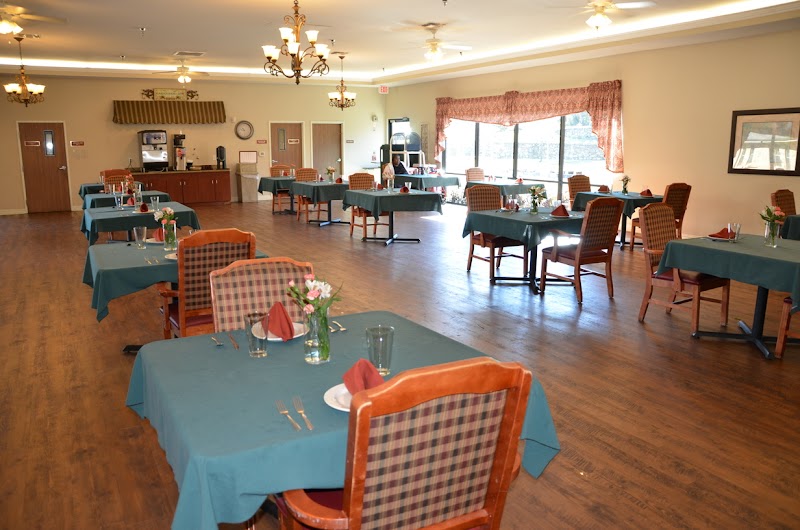
Who Owns and Operates Green Oaks Nursing & Rehabilitation?

GREEN OAKS NURSING & REHABILITATION is owned by a for-profit company. For-profit facilities operate as businesses with obligations to shareholders or private owners. The facility is operated by HMG HEALTHCARE, a chain that manages multiple nursing homes. With 142 certified beds and approximately 100 residents (about 70% occupancy), it is a mid-sized facility located in ARLINGTON, Texas.
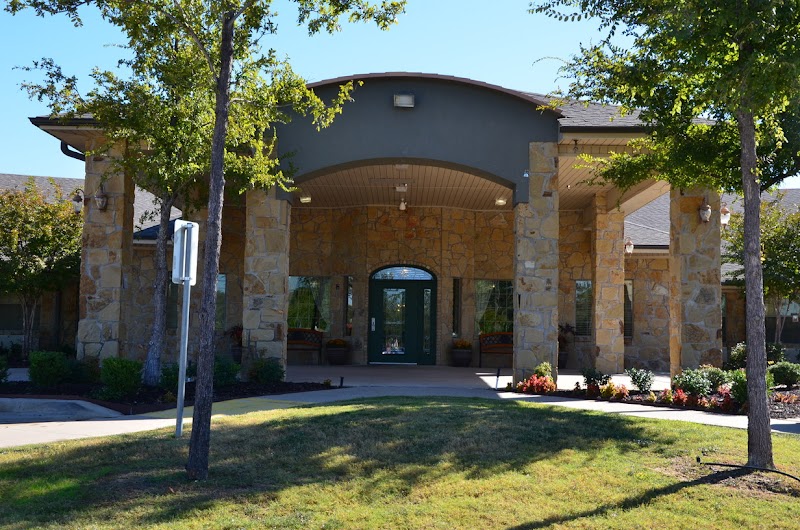
How Does Green Oaks Nursing & Rehabilitation Compare to Other Texas Nursing Homes?

Compared to the 100 nursing homes in Texas, GREEN OAKS NURSING & REHABILITATION's overall rating (3 stars) is above the state average of 2.8, staff turnover (61%) is significantly higher than the state average of 46%, and health inspection rating (2 stars) is below the national benchmark.

What Should Families Ask When Visiting Green Oaks Nursing & Rehabilitation?

Based on this facility's data, families visiting should ask: "What changes have been made since the serious inspection findings, and how are you preventing similar issues?" "How do you ensure continuity of care given staff turnover, and what is your staff retention strategy?" "Can you walk me through typical staffing levels on day, evening, and night shifts?" "Can I visit during a mealtime to observe dining assistance and food quality?" These questions are particularly relevant given the facility's Immediate Jeopardy citations, the facility's high staff turnover rate, and the below-average staffing rating.

Is Green Oaks Nursing & Rehabilitation Safe?

Based on CMS inspection data, GREEN OAKS NURSING & REHABILITATION has documented safety concerns. Inspectors have issued 1 Immediate Jeopardy citation (the most serious violation level indicating risk of serious injury or death). The facility has a 3-star overall rating and ranks #1 of 100 nursing homes in Texas. Families considering this facility should ask detailed questions about what corrective actions have been taken since these incidents.

Do Nurses at Green Oaks Nursing & Rehabilitation Stick Around?

Staff turnover at GREEN OAKS NURSING & REHABILITATION is high. At 61%, the facility is 15 percentage points above the Texas average of 46%. High turnover means new staff may not know residents' individual needs, medications, or preferences. It can also be disorienting for residents, especially those with dementia who rely on familiar faces. Families should ask: What is causing the turnover? What retention programs are in place? How do you ensure care continuity during staff transitions?

Was Green Oaks Nursing & Rehabilitation Ever Fined?

GREEN OAKS NURSING & REHABILITATION has been fined $91,293 across 2 penalty actions. This is above the Texas average of $33,992. Fines in this range indicate compliance issues significant enough for CMS to impose meaningful financial consequences. Common causes include delayed correction of deficiencies, repeat violations, or care failures affecting resident safety. Families should ask facility leadership what changes have been made since these penalties.

Is Green Oaks Nursing & Rehabilitation on Any Federal Watch List?

GREEN OAKS NURSING & REHABILITATION is not on any federal watch list. The most significant is the Special Focus Facility (SFF) program, which identifies the bottom 1% of nursing homes nationally based on persistent, serious quality problems. Not being on this list means the facility has avoided the pattern of deficiencies that triggers enhanced federal oversight. This is a positive indicator, though families should still review the facility's inspection history directly.