GREENBRIER HEALTH CARE CENTER

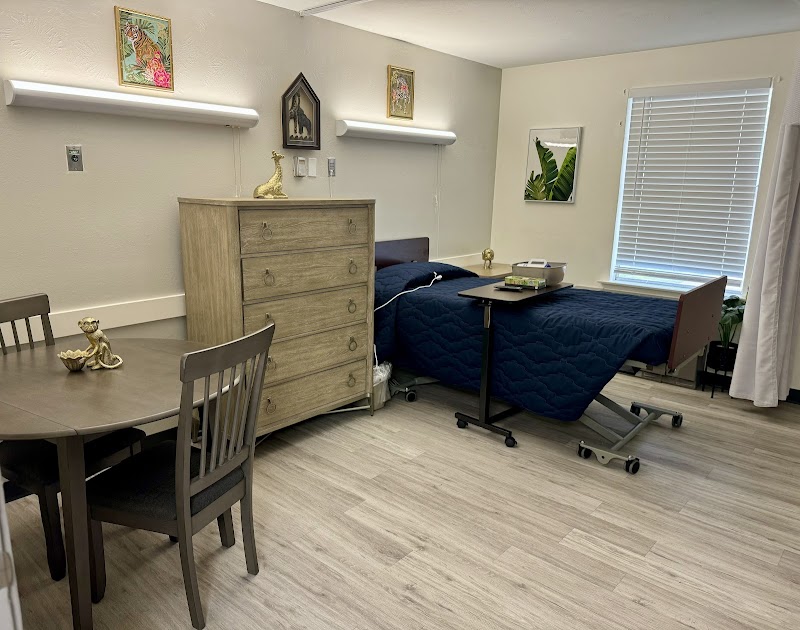
301 W RANDOL MILL RD, ARLINGTON, TX 76011 (817) 460-2002
For profit - Corporation 114 Beds SUMMIT LTC Data: November 2025
Trust Grade
63/100
#243 of 1168 in TX
Last Inspection: November 2024

Within standard 12-15 month inspection cycle. Federal law requires annual inspections.

Overview

Greenbrier Health Care Center in Arlington, Texas, has a Trust Grade of C+, indicating it is slightly above average but not without concerns. Ranking #243 out of 1,168 facilities in Texas places it in the top half, while its county rank of #8 out of 69 shows it is one of the better options in Tarrant County. The facility is improving, with issues decreasing from 16 in 2023 to just 5 in 2024. However, staffing is a weakness, receiving only 2 out of 5 stars and a turnover rate of 56%, which is average for Texas. On the downside, there have been concerning incidents, such as staff failing to wear appropriate beard guards while preparing food, which raises food safety risks. Additionally, a staff member referred to residents disrespectfully as "feeders," which could negatively impact residents' dignity and quality of life. Despite these weaknesses, the facility has good ratings for overall care and health inspections, suggesting that it has strengths worth considering.

Trust Score
C+
63/100
In Texas
#243/1168
Top 20%
Safety Record
Low Risk
No red flags
Inspections
Getting Better
16 → 5 violations
Staff Stability
⚠ Watch
56% turnover. Above average. Higher turnover means staff may not know residents' routines.
Penalties
○ Average
$10,266 in fines. Higher than 54% of Texas facilities. Some compliance issues.
Skilled Nurses
⚠ Watch
Each resident gets only 21 minutes of Registered Nurse (RN) attention daily — below average for Texas. Fewer RN minutes means fewer trained eyes watching for problems.
Violations
⚠ Watch
23 deficiencies on record. Higher than average. Multiple issues found across inspections.
★★★★☆
4.0
Overall Rating
★★☆☆☆
2.0
Staff Levels
★★★★☆
4.0
Care Quality
★★★★☆
4.0
Inspection Score
Stable
2023: 16 issues
2024: 5 issues

The Good

  • 4-Star Quality Measures · Strong clinical quality outcomes
  • Full Sprinkler Coverage · Fire safety systems throughout facility
  • No fines on record

Facility shows strength in quality measures, fire safety.

The Bad

Staff Turnover: 56%

Near Texas avg (46%)

Frequent staff changes - ask about care continuity

Federal Fines: $10,266

Below median ($33,413)

Minor penalties assessed

Chain: SUMMIT LTC

Part of a multi-facility chain

Ask about local staffing decisions and management

Staff turnover is elevated (56%)

8 points above Texas average of 48%

The Ugly 23 deficiencies on record

Nov 2024 5 deficiencies
CONCERN (D) 📢 Someone Reported This

A family member, employee, or ombudsman was alarmed enough to file a formal complaint

Potential for Harm - no one hurt, but risky conditions existed

Deficiency F0583 (Tag F0583)

Could have caused harm · This affected 1 resident

Based on observations, interviews, and record review, the facility failed to ensure that each resident had a right to personal privacy and confidentiality of residents' personal and medical informatio...

Read full inspector narrative →
Based on observations, interviews, and record review, the facility failed to ensure that each resident had a right to personal privacy and confidentiality of residents' personal and medical information for 1 of 4 medication carts reviewed for clinical records on Station 3. MA E failed to lock and secure the laptop on medication cart on Station 3. This failure could affect 48 residents by placing them at risk of resident-identifiable information being accessed by the public. Findings included: An observation on 11/20/24 at 3:11 PM revealed a laptop medication cart on the hallway of Station 3 that was unattended, unlocked, and unsecured. HHSC surveyor observed resident information (name, date of birth , photo etc.) on the screen from the laptop on the medication cart that was unlocked, unattended and unsecured. There were not any staff in the hall and a resident was observed walking in the hallway past the medication cart on Station 3. MA E was observed inside a resident ' s room. In an interview on 11/20/24 at 3:19 PM, MA E said she was the only Medication Aide for the facility. She stated that she was responsible for ensuring that the laptop on the medication cart was locked and always secured. She said that she thought that she locked the laptop on the medication cart prior to entering the resident ' s room. She stated that the laptop on the medication cart should remain locked and always secured to ensure that no one could look at the screen on the laptop and have access to resident ' s confidential medical records. MA E stated that the risk of the laptop on the medication cart being unlocked and not properly secured was that anyone could have access to the resident ' s information. She stated that if someone gained access to any resident ' s private information, they could use it against them and could cause harm to a resident. MA E stated that she has been employed at the facility for a couple of months and received In-Service Trainings relating to medication administration, storage, and HIPPA since being employed at the facility. In an interview on 11/20/24 at 3:35 PM, LVN F stated that she was unaware that MA E did not properly lock and secure the laptop on her medication cart on Station 3. LVN F stated that if she observed a medication cart that was unlocked, she would lock the medication cart. She stated that she has been trained via In-Service Trainings that the medication carts were to remain locked and always secured when they were unattended. She stated that she has been employed at the facility for 6 years and she and other staff were regularly retrained and reeducated on medication storage and securing the medication carts. She stated that the risk of a resident or anyone else having access to an unlocked laptop medication cart could cause the potential for someone to obtain residents confidential information and medical records. She stated that harm could be caused to a resident if someone gained unauthorized access to their medical records and could use the information against them. In an interview on 11/20/24 at 3:42 PM, the DON stated that she was unaware the MA E left the laptop on her medication cart unlocked in the hallway of Station 3. She stated that her expectation was that her staff were to lock and secure any computer or laptop they used when they were not in use. She stated that the laptop on each medication cart was to be always locked and secured. She stated residents, visitors, and guests could look at and obtain confidential and private information from the open laptop. She stated that harm could be caused to residents if anyone looked at their information on the laptop, which should be accessed only by staff. She stated that a resident or someone in a wheelchair would not be able to look at the information on the laptop on the medication cart due to the medication cart being too high for a person in a wheelchair to have eye level access to the information on the laptop. The DON stated that she will retrain and educate MA E and staff on medication administration and storage because they all have access to the medication carts. In an interview on 11/20/24 at 4:18 PM, the Administrator stated that she was not aware that MA E left the laptop on her medication cart unlocked on the hallway of Station 3. She stated that all staff have been trained via In-Service Training relating to how to properly secure the laptops on the medication carts. She stated that harm could be caused to a resident if a laptop on a medication cart was unlocked, which was a HIPPA violation, which meant that access to personal and confidential records and information should not be available for anyone to access. She stated that staff at the facility are In-Serviced on HIPPA at least on a quarterly basis. She reported that MA E was a new hire and received HIPPA training as part of her New Hire Orientation. Record review of MA E ' s CEU Certificate revealed that she completed 1 hour of development and/or training for HIPPA and You on 11-04-24. Record review of the facility's policy titled, Medication Storage - in the Home, dated 12/2018 reflected no information regarding securing clinical records. An email from the Administrator received on 11/22/24 at 1:42 PM revealed the facility did not have a policy related to HIPPA policies, procedures, and guidelines. She stated that the facility follows the HIPPA Guidelines in relation to the Health Insurance Portability and Accountability Act of 1966.
CONCERN (D)

Potential for Harm - no one hurt, but risky conditions existed

Deficiency F0761 (Tag F0761)

Could have caused harm · This affected 1 resident

Based on observations, interviews, and record review the facility failed to properly secure medications in locked compartments for 1 (Station 3) of 4 medication carts reviewed for drug storage. MA E...

Read full inspector narrative →
Based on observations, interviews, and record review the facility failed to properly secure medications in locked compartments for 1 (Station 3) of 4 medication carts reviewed for drug storage. MA E failed to lock and secure the medication cart on Station 3. This failure placed 48 residents at risk for their identifiable information accessed by anyone who had unauthorized access to the medication cart and consumption of harmful medications. Findings included: An observation on 11/20/24 at 3:11 PM revealed a medication cart parked on the hallway of Station 3 that was not locked and secured. There were not any staff in the hall and a resident was observed walking in the hallway past the medication cart on Station 3. MA E was observed inside a resident ' s room. HHSC surveyor observed the cart to be open and accessible. In an interview on 11/20/24 at 3:19 PM, MA E said she was the only Medication Aide for the facility. She stated that she was responsible for ensuring that the medication cart was locked and always secured. She said that she thought that she locked the medication cart prior to entering the resident ' s room. She stated that the medication cart should remain locked and always secured to ensure the medications were not ingested by anyone. MA E stated that the risk of the medication cart being unlocked and not properly secured was that anyone could have access to the medication cart and take anything from the cart. She stated that if someone had access to the medication, they could ingest the medication and it could cause harm if they had an allergic reaction to the medication. She stated that if someone had blood pressure issues and they ingest a medication, the unauthorized use of the medication could make it worse, and possibly send them to the hospital. MA E stated that she has been employed at the facility for a couple of months and received In-Service Trainings related to medication administration and storage since being employed at the facility. In an interview on 11/20/24 at 3:35 PM, LVN F stated that she was unaware that MA E did not properly lock and secure her medication cart that was parked on Station 3. LVN F stated that if she observed a medication cart that was unlocked, she would lock the medication cart. She stated that she had been trained via In-Service Trainings that the medication carts were to remain locked and always secured when they were unattended. She stated that she has been employed at the facility for 6 years and she and other staff were regularly retrained and reeducated on medication storage and securing the medication carts. She stated that the risk of a resident or anyone else having access to an unlocked medication cart could cause the potential for someone who was not prescribed the medication, access to the medication, and ingest the medication. LVN F stated that if someone ingests medication that was not prescribed to him/her it could cause harm and lead to an overdose, illness, and a possibly hospitalization. In an interview on 11/20/24 at 3:42 PM, the DON stated that she was unaware that MA E left her medication cart unlocked in the hallway of Station 3. She stated that her expectation was that the medication cart was to be always locked when it was not in use. She stated that if a medication cart was not properly locked and secured anyone including a resident could walk up to the medication cart and take anything from the medication cart. She stated that someone could only ingest the medication if they could pop the pills from the package. She stated that harm could be caused to anyone who ingested a medication that was not prescribed to them. She stated that she would hope that staff would be able to hear the door or drawer being opened from the medication cart and they would be able to stop anyone from taking anything from the medication cart. The DON stated that she will retrain and educate MA E and staff on medication administration and storage because they all have access to the medication carts. In an interview on 11/20/24 at 4:18 PM, the Administrator stated that she was not aware that MA E left her medication cart unlocked on the hallway of Station 3. She stated that all staff have been trained via In-Service Training relating to how to properly secure the medication carts. She stated that if a medication cart was unlocked, there was a risk or potential for someone to get access to the medication stored in the medication cart. The Administrator stated that she was not clinical, therefore she did not want to give any information regarding any potential harm if someone had access to an unlocked medication cart. She stated that there was a possibility of no harm or there was a possibility that there could be some adverse effects. Record review of the facility's policy titled, Medication Storage - in the Home, dated 12/2018 reflected: Policy: It is the policy of this home that medications will be stored appropriately as to be secure from tampering, exposure, or misuse. Procedure 2. Only licensed nurses, the consultant pharmacist, and those lawfully authorized to administer medications (i.e., medication aides, etc.) are allowed access to medications. Medication rooms, carts, and medications supplies are locked or attended by persons with authorized access .9. Schedule III and IV controlled medications are stored .in a locked drawer or compartment .
CONCERN (D)

Potential for Harm - no one hurt, but risky conditions existed

Deficiency F0806 (Tag F0806)

Could have caused harm · This affected 1 resident

**NOTE- TERMS IN BRACKETS HAVE BEEN EDITED TO PROTECT CONFIDENTIALITY** Based on observations, interviews, and record review, the facility failed to accommodate residents' food intolerances and prefer...

Read full inspector narrative →
**NOTE- TERMS IN BRACKETS HAVE BEEN EDITED TO PROTECT CONFIDENTIALITY** Based on observations, interviews, and record review, the facility failed to accommodate residents' food intolerances and preferences for 1 of 5 residents (Residents #43) reviewed for food preferences. The facility failed to provide daily oatmeal as requested for Resident #43. This failure could place residents at risk for not having their choices and food preferences accommodated, possible weight loss and a diminished quality of life. Findings included: Record review of Resident #43's Face Sheet dated 11/19/24 reflected a [AGE] year-old female admitted to the facility on [DATE]. Record review of Resident #43's admission MDS assessment dated [DATE] reflected she had moderately impaired cognition and her diagnoses included gastroesophageal reflux disease (a disease where stomach acid flows into and irritates the esophagus); diabetes (disease that results in too much sugar in the blood); and end stage renal disease (condition in which the kidneys stop functioning. She was receiving dialysis (treatment to remove toxins from the blood of patients with kidney failure). During an interview on 11/18/24 at 11:06 AM, Resident #43 stated she did not like the breakfast served at the facility and preferred they just bring her oatmeal every day. She stated she did not like the bacon or eggs she was given. She stated the bacon was too salty for her. She stated she had asked the nurse and the lady that brings me medicine about it more than once but they still brought her the other breakfast and sometimes a small bowl of oatmeal. Resident #43 stated she just wanted a large bowl of oatmeal every day. During an interview on 11/19/24 at 7:25 AM, LVN C stated resident meal preferences were communicated with the dietary staff. She stated, if a resident did not eat their meal, they offered them an alternate meal. She stated, if a resident made a request such as oatmeal, that would be a one-time request and would not replace their regular meal. She stated residents sometimes made requests then forgot they made the request and would be upset the next day when they received the same thing. When asked how a resident would know ahead of time what was planned to be served for lunch or dinner that day, LVN C replied, If they ask us, we can let them know . An observation and interview on 11/19/24 at 8:01 AM revealed the DON was standing near the entrance of the dining room near the menu postings. The DON stated residents were not receiving daily menus in their rooms, but nursing staff could inform any resident what was planned for the day. She stated she did not believe the deadlines of 9 AM and 2 PM were completely accurate. She stated, if a CNA noticed a resident was not eating or did not like the food, they could request an alternate meal for the residents at any time during the meal service and it would be provided . In an observation and interview on 11/19/24 at 8:25 AM revealed Resident #43 was sitting up in bed eating breakfast. Her tray consisted of eggs, toast, grits, and sausage. She stated she was eating the grits and sausage but still preferred oatmeal. She stated she would like to talk to the DON about her concerns. The DON was observed in the hallway nearby and was asked to speak to Resident #43. Resident #43 informed the DON she had previously requested she only wanted oatmeal for breakfast and continued to receive eggs on her plate. She pointed to the grits and eggs. The DON asked the resident if it was possible staff believed it was a request for that particular day only and Resident #43 told her it was not. In an interview on 11/19/24 at 12:20 PM, CNA D stated she had not taken any meal orders from any of the residents. She stated she normally worked on the weekends and was working an extra shift that day. CNA D stated, if a resident complained about the food, they could offer an alternate meal during mealtime. She stated she had not received any special requests from residents. She stated, if a resident wanted a diet change, she should tell the Charge Nurse. In an interview on 11/20/24 at 7:27 AM, LVN C stated Resident #43 had previously told her she liked hot cereal, but she had no idea she meant for every breakfast meal. She stated she thought the request was for that particular meal only. LVN C stated they monitored residents meal intake to ensure they were getting what they wanted, and she had misunderstood the resident's request. She stated the risk of not honoring resident's food preferences included residents not eating, malnutrition, and weight loss. In an interview on 11/20/24 at 12:32 PM, the Dietary Manager stated what had occurred was the menus were posted on the wall outside the dining room and the dietary staff were following whatever diet order was on the ticket. She stated she just started the position the previous week. She stated, What I started today was printing the 'always available' menu and daily menu and I took them to the charge nurses. She stated the nurse should request the menu item or other item and let the dietary staff know. The Dietary Manager stated she preferred to get the lunch requests by 9:00 AM or 10:00 AM so the resident's trays were not delayed, but the residents could order an alternate any time during the meal service. She stated the nurses could enter special request orders at any time to be included on the resident's tickets. The Dietary Manager stated, since she started, she had been walking around the dining room and visiting resident rooms during meals to ask residents how their meals were. She stated she had not received any complaints. She stated the risk of not honoring resident preferences included the residents would be unhappy, not eating, and have potential weight loss . During an interview on 11/20/24 at 1:04 PM, MA E stated Resident #43 had told her about 2 weeks prior that she only wanted oatmeal for breakfast and that she had already told other people, including the previous Dietary Manager, the same thing. MA E stated she recalled telling the previous Dietary Manager herself about the request. She stated she thought she recalled telling the Charge Nurse the same but was unable to recall who she spoke with. MA E stated she did not know her diet order had not been switched. She stated residents sometimes ask her for food items while she was passing medications and she typically told the charge nurse. She stated the risk for residents not receiving their meal preferences were they may stop eating. In an interview on 11/20/24 at 4:00 PM, the Administrator stated she had not received any complaints related to food preferences or meal service. She stated she tested the trays three times a week herself for quality. The Administrator stated, since she started, food service had been their strongest area and they had never had any complaints. She stated there had been staff turnover within dietary services over the past two weeks and there may have been a drop in communications. She stated the risk to residents was they had the right to check the menu and make requests . An email from the Administrator received on 11/20/24 at 3:03 PM revealed the facility did not have a policy related to dietary services and resident preferences.
CONCERN (D)

Potential for Harm - no one hurt, but risky conditions existed

Deficiency F0919 (Tag F0919)

Could have caused harm · This affected 1 resident

**NOTE- TERMS IN BRACKETS HAVE BEEN EDITED TO PROTECT CONFIDENTIALITY** Based on observations, interviews, and record review, the facility failed to be adequately equipped to allow for staff assistanc...

Read full inspector narrative →
**NOTE- TERMS IN BRACKETS HAVE BEEN EDITED TO PROTECT CONFIDENTIALITY** Based on observations, interviews, and record review, the facility failed to be adequately equipped to allow for staff assistance through a communication system which relayed the call directly to a staff member or to a centralized staff work area for 1 of 7 residents (Resident #28) reviewed for physical environment. The facility failed to ensure the call system in Resident #28's room was functioning properly. This could place the residents at risk of not receiving the care and services to maintain their highest level of well-being. Findings included: Record review of Resident #28's Face Sheet, dated 11/20/24, reflected an [AGE] year-old female admitted to the facility on [DATE]. Record review of Resident #28's Quarterly MDS Assessment, dated 9/10/24, reflected she had moderately impaired cognition and required supervision with dressing and partial assistance with transfers. Her diagnoses included unspecified dementia and need for assistance with personal care. An observation on 11/18/24 at 1:14 PM revealed Resident #28 was in her room, sitting on the side of the lower end of her bed facing her wheelchair. She stated she was going to get dressed and pointed at clothing laying on her wheelchair. When asked if she called for assistance, she pointed toward the call light button clipped to her pillow and stated, you can push that. When the call light button was pressed, the light above her door was not functioning, no sound was heard at the nurses' station, and the panel near the nurses' station was not lit to indicate the call was placed. Resident #28's call light was plugged into the wall in her room using a cord that was split with another cord and the call light for the other half of her room [unoccupied]. The second call light was checked and found to be functioning appropriately. Further interview with Resident #28 revealed she could not recall whether she had previous problems with her call light and she stated her memory was not very good. In an observation on 11/18/24 at 1:37 PM revealed LVN A entered Resident #28's room and asked her if she needed assistance. LVN A stated she was not Resident #28's Charge Nurse but was responding to her call light. CNA B arrived in the room and stated she was unaware her call light was not working. She checked the second call light, found it was functioning and replaced Resident #28's button with the functional one located on the other side of her room. CNA B stated she would report the malfunction to maintenance and request a replacement cord. In an interview on 11/19/24 at 2:51 PM with the Maintenance Supervisor revealed he tested the call light function daily and rotated through a different set of rooms every day. The Maintenance Supervisor stated he was unaware the call light in Resident #28's room was not functioning and would ensure the cord was replaced. He stated call light malfunctions placed residents at risk of being unable to call for assistance when needed. An observation on 11/20/24 at 7:45 AM revealed the call light in Resident #28's room had been replaced and was functioning properly. In an interview on 11/20/24 at 11:23 AM, LVN C stated she was Resident #28's Charge Nurse that week and was unaware her call light was not working. She stated call lights should be checked periodically and reported to maintenance if they were not working properly. She stated she would have called the Maintenance Supervisor and also entered the information into the maintenance logbook at the nurses' station if she knew a call light wasn't working. LVN C stated Resident #28 had confusion and she had never known her to use her call light much as she liked to try and do things for herself. She stated they checked on her frequently. LVN C stated the risk of nonfunctioning call lights included residents not getting the care they needed and injuries. In an interview on 11/20/24 at 4:00 PM, the Administrator stated she was unable to locate a policy for call light testing. She stated the Maintenance Supervisor was responsible for ensuring the call lights functioned and had a variety of things he tested daily. The Administrator stated Resident #28 was very verbal and was able to communicate with the nursing staff. She stated the risk of call lights not functioning included resident's possibly being unable to call for assistance. Record review of the Maintenance Log Book entries dated between 8/11/24 and 10/5/24 revealed there were no entries related to call light malfunctions. There were no entries dated after 10/5/24. Record review of the facility's policy titled, Call Light-Use of, dated 12/2018 reflected: Policy: It is the policy of this home to ensure residents have a call light within reach that they are physically able to access and that they have been instructed on its use. Equipment 1/ Bedside call light in functioning order .Procedure 1. All nursing personnel must be aware of call lights at all times .10. Report any defective call lights to the charge nurse immediately. 11. Log defective call lights, with exact location, in maintenance log .
CONCERN (E) 📢 Someone Reported This

A family member, employee, or ombudsman was alarmed enough to file a formal complaint

Potential for Harm - no one hurt, but risky conditions existed

Food Safety (Tag F0812)

Could have caused harm · This affected multiple residents

Based on observation, interview, and record review, the facility failed to store, prepare, distribute, and serve food in accordance with professional standards for food service safety for 1 of 1 kitch...

Read full inspector narrative →
Based on observation, interview, and record review, the facility failed to store, prepare, distribute, and serve food in accordance with professional standards for food service safety for 1 of 1 kitchen reviewed for food and nutrition services. 1. Cook G failed to wear a beard guard while prepping food. 2. The facility failed to ensure foods in the refrigerator were properly stored, labeled with the item's contents, and dated with the date in which the food was to be used or discarded. These failures could place residents at risk for food borne illness. Findings included: Observation of the facility's only kitchen on 11/18/24 at 8:33AM, revealed the following: -Cook G was prepping food, with a beard guard pulled down to his neck (Cook G's beard appeared to be approximately 1/4 in. in length) -a block of Swiss cheese in the refrigerator that had been partially wrapped but was still exposed to air/elements, and which was not dated with the date in which the food was to be used or discarded -a plastic container of green beans in the refrigerator that was covered in plastic wrap, was not labeled with the item's contents, and was not dated with the date in which the food was to be used or discarded During an interview with [NAME] G on 11/18/24 8:36AM, he stated he had pulled his beard guard down to his neck a few minutes prior, as he had briefly left the kitchen. He did not pull his beard guard back up to his face upon re-entering the kitchen, which left his beard exposed while he was prepping food. [NAME] G stated the risk of not wearing a beard guard while prepping food included the potential for bacteria to contaminate the food. [NAME] G confirmed that in the refrigerator, there was an undated block of Swiss cheese that had been previously opened and partially re-wrapped, but was still exposed to air/elements. He also confirmed there was an undated and unlabeled plastic container in the refrigerator that held green beans; he did not know when the green beans were prepared or the date in which they needed to be used or discarded. [NAME] G stated all foods in the refrigerator should be labeled, dated, and completely sealed. He stated the risk of improper food storage and/or improper labeling included contamination of said food items. Review of the facility's Food Storage policy, dated 2018, reflected, .Date, label and tightly seal all refrigerated foods using clean, nonabsorbent, covered containers that are approved for food storage . The Food and Drug Administration Food Code dated 2017 reflected, .3-302.12 Food Storage Containers, Identified with Common Name of Food. Except for containers holding food that can be readily and unmistakably recognized such as dry pasta, working containers holding food or food ingredients that are removed from their original packages for use in the food establishment, such as cooking oils, flour, herbs, potato flakes, salt, spices, and sugar shall be identified with the common name of the food 3-305.11 Food Storage. (A) .food shall be protected from contamination by storing the food: (1) In a clean, dry location; (2) Where it is not exposed to splash, dust, or other contamination .(B) .refrigerated, ready-to eat time/temperature control for safety food prepared and packaged by a food processing plant shall be clearly marked, at the time the original container is opened in a food establishment and if the food is held for more than 24 hours, to indicate the date or day by which the food shall be consumed on the premises, sold, or discarded, based on the temperature and time combinations specified in (A) of this section and: (1) The day the original container is opened in the food establishment shall be counted as Day 1; and (2) The day or date marked by the food establishment may not exceed a manufacturer's use-by date if the manufacturer determined the use-by date based on food safety .
Sept 2023 11 deficiencies
CONCERN (D)

Potential for Harm - no one hurt, but risky conditions existed

Assessment Accuracy (Tag F0641)

Could have caused harm · This affected 1 resident

**NOTE- TERMS IN BRACKETS HAVE BEEN EDITED TO PROTECT CONFIDENTIALITY** Based on observation, interview, and record review, the facility failed to provide an MDS assessment that accurately reflected t...

Read full inspector narrative →
**NOTE- TERMS IN BRACKETS HAVE BEEN EDITED TO PROTECT CONFIDENTIALITY** Based on observation, interview, and record review, the facility failed to provide an MDS assessment that accurately reflected the resident's status for one resident (Resident #23) of five residents reviewed for accurate assessments in that: Resident #23's depression was not listed as an active diagnosis on his MDS assessment. This deficient practice could affect residents who receive MDS assessments and could result in missed care. Findings included: Review of Resident #23's face sheet, dated 09/27/23, reflected the resident was a [AGE] year-old male who originally admitted to the facility on [DATE] and readmitted on [DATE]. His diagnoses included paranoid schizophrenia (altered perception of reality), schizoaffective disorder (a mental disorder in which a person experiences a combination of symptoms of schizophrenia and mood disorder), bipolar type, and major depressive disorder (clinical depression). Review of Resident #23's continuity of care document, dated 09/27/23, reflected he was diagnosed with paranoid schizophrenia, schizoaffective disorder, bipolar type, and major depressive disorder, recurrent with psychotic symptoms on 04/17/23; which were all being medically managed. Review of Resident #23's quarterly MDS Assessment, dated 08/16/23, revealed he had active diagnoses of schizophrenia and anxiety. The MDS did not reflect the resident had a diagnosis of depression. Review of Resident #23's care plan, dated 03/09/23, reflected he was currently taking psychotropic drugs for the treatment of: anxiety, depression, and bipolar. In an interview on 09/28/23 at 10:28 AM with the MDS Coordinator, she revealed she was responsible for ensuring any diagnoses a resident had were documented on the MDS if they were receiving treatment for it. The MDS Coordinator said she reviewed Resident #23's most recent MDS on 08/16/23 and saw that depression was not triggered under active diagnoses even though he had an active diagnosis. The MDS Coordinator said the purpose of ensuring the active diagnoses on the MDS were correct was to ensure the facility was care planning and providing the maximum care that benefits the resident for the diagnoses. The MDS Coordinator said there was not a concern with a diagnosis not being triggered on the MDS assessment for a resident. In an interview on 09/28/23 at 10:44 AM with the DON, she revealed the MDS Coordinator was responsible for ensuring all accurate diagnoses for a resident were included on the MDS. The DON said the purpose of this was to develop a comprehensive care plan for the resident. The DON said the concern with a diagnosis being left off the MDS was that staff needed to make sure they were monitoring the resident's mood and behavior and to see if they were adjusting well to any medications prescribed. In an interview on 09/28/23 at 11:00 AM with the Administrator, she revealed the MDS Coordinator was responsible for verifying if a resident had a diagnosis and reflecting it on the MDS. In an email from the Administrator, dated 09/28/23, revealed the facility did not have policy addressing MDS Assessments but followed the RAI guidelines.
CONCERN (D)

Potential for Harm - no one hurt, but risky conditions existed

PASARR Coordination (Tag F0644)

Could have caused harm · This affected 1 resident

**NOTE- TERMS IN BRACKETS HAVE BEEN EDITED TO PROTECT CONFIDENTIALITY** Based on interview and record review, the facility failed to coordinate the assessment with the PASRR program for two (Residents...

Read full inspector narrative →
**NOTE- TERMS IN BRACKETS HAVE BEEN EDITED TO PROTECT CONFIDENTIALITY** Based on interview and record review, the facility failed to coordinate the assessment with the PASRR program for two (Residents #23 and #29) of five resident assessments reviewed for PASRR evaluations. 1. The facility did not refer Resident #23 to the appropriate state-designated mental health authority for review when he received new diagnoses of schizoaffective disorder, bipolar type; paranoid schizophrenia, bipolar type; and major depressive disorder. 2. The facility did not refer Resident #29 to the appropriate state-designated mental health authority for review when he received new diagnoses of schizophrenia and bipolar disorder. These failures could affect residents with psychiatric diagnoses who may not be evaluated and receive needed PASRR services. Findings included: 1. Review of Resident #23's face sheet, dated 09/27/23, reflected the resident was a [AGE] year-old male who originally admitted to the facility on [DATE] and readmitted on [DATE]. His diagnoses included paranoid schizophrenia (altered perception of reality), schizoaffective disorder (a mental disorder in which a person experiences a combination of symptoms of schizophrenia and mood disorder), bipolar type, and major depressive disorder (clinical depression). Review of Resident #23's care plan, dated 03/09/23, reflected he was currently taking psychotropic drugs for the treatment of: anxiety, depression, and bipolar disorder. Review of Resident #23's PASRR Level 1 Screening, dated 03/23/23, reflected he did not have a mental illness. Review of Resident #23's quarterly MDS Assessment, dated 08/16/23, revealed he had active diagnoses of schizophrenia and anxiety. The MDS did not reflect the resident had a diagnosis of depression. Review of Resident #23's continuity of care document, dated 09/27/23, reflected he was diagnosed with paranoid schizophrenia and major depressive disorder, recurrent with psychotic symptoms on 04/17/23; which were all being medically managed. Further review revealed Resident #23 was diagnosed with schizoaffective disorder, bipolar type, on 08/31/23 which was being medically managed. In an interview on 09/28/23 at 10:28 AM with the MDS Coordinator, she revealed she started working at the facility in May 2023. The MDS Coordinator said if a resident received a new diagnosis of mental illness, she would have to submit a new PASRR Level 1 Screening form reflecting that information. The MDS Coordinator said a resident with a diagnosis of major depressive disorder, schizoaffective disorder, paranoid schizophrenia, undifferentiated schizophrenia were all considered mental illnesses and should have been reflected as such on their PASRR Level 1 Screening forms. The MDS Coordinator said she was not aware that Resident #23 had diagnoses of mental illness. The MDS Coordinator said she was not at the facility when the March 2023 PASRR Level 1 Screening forms were submitted and had not been notified that Resident #23 had a new qualifying diagnosis as of 08/31/23. The MDS Coordinator said she was responsible for ensuring the PASRR Level 1 Screening form was submitted accurately. The MDS Coordinator said the purpose of the PASRR Level 1 Screening form being accurate was to ensure the resident was receiving the appropriate services within the facility as well as anything appropriate outside of the facility. The MDS Coordinator said the concern with residents not having a correctly submitted Level 1 Screening form was that they might be eligible for certain services that are not provided to them due to the missed diagnoses. In an interview on 09/28/23 at 10:44 AM with the DON, she revealed she was not fully aware of everything to do with PASRR since she was from a different state and just arrived at the facility at the end of July 2023. The DON said a resident with a diagnosis of major depressive disorder, schizoaffective disorder, paranoid schizophrenia, undifferentiated schizophrenia were all considered mental illnesses and that information should be reflected on the resident's PASRR Level 1 Screening form. The DON said she was not made aware from the psychiatrist that Resident #23 had a new diagnosis of schizoaffective disorder, bipolar type from 08/31/23. 2. Review of Resident #29's face sheet, dated 09/28/23, reflected the resident was a [AGE] year-old male who originally admitted to the facility on [DATE] and readmitted on [DATE]. His diagnoses included Parkinson's disease (disorder of central nervous system), muscle weakness, bipolar disorder (mood disorder), and schizophrenia (extremely disordered thinking and behavior). Review of Resident #29's EHR revealed he was diagnosed with bipolar disorder on 08/24/22 and diagnosed with schizophrenia on 08/24/22. Review of Resident #29's PASRR Level 1 Screening, dated 03/22/23, reflected resident was PASRR positive for mental illness. Review of Resident #29's care plan, dated 06/21/23, reflected he was diagnosed with bipolar disorder, anxiety, and schizophrenia with interventions that included administering psychotropic medications and monitoring/recording occurrences of target behavior symptoms. Further review revealed Resident #29 was PASRR positive related to mental illness and had refused all PASRR services, with an intervention of social services consultation as indicated. Review of Resident #29's quarterly MDS Assessment, dated 08/15/23, revealed he had active diagnoses of schizophrenia and bipolar disorder. In an interview on 09/28/23 at 01:32 PM with the DON, she revealed Resident #29's diagnoses of bipolar disorder and schizophrenia were considered mental illnesses that should have triggered a PASRR Level I screening being done at the time resident was diagnosed. The DON stated she was unaware that Resident #29's PASSR Level I was done 7 months after he was diagnosed with mental illness because she was not working at the facility then. She stated the risk to the resident was that he was not offered additional services that he qualified for, although he had since refused the services. In an interview on 09/28/23 at 2:15 PM with the MDS Coordinator, revealed it was her responsibility to ensure that PASSR Level I screenings were completed on residents upon admission and when there was a change in mental status. She stated she was not at the facility during the time Resident #29 was diagnosed with bipolar disorder and schizophrenia on 08/24/22. The MDS Coordinator stated a PASSR Level I screening should have been completed for Resident #29 when he was diagnosed with mental illness. She could not explain why the PASRR Level I screening was completed 7 months later; however, she stated this placed Resident #29 at risk of not receiving services he could have benefitted from. In an interview on 09/28/23 at 11:00 AM with the Administrator, she revealed she did not have a lot of information about PASRR. The Administrator said a resident with a diagnosis of major depressive disorder, schizoaffective disorder, paranoid schizophrenia, undifferentiated schizophrenia were all considered mental illnesses. The Administrator said the MDS Coordinator was responsible for ensuring the PASRR was submitted accurately. In an email from the Administrator, dated 09/28/23, revealed the facility did not have policy addressing PASSR but that they followed HHSC guidelines.
CONCERN (D)

Potential for Harm - no one hurt, but risky conditions existed

Deficiency F0645 (Tag F0645)

Could have caused harm · This affected 1 resident

**NOTE- TERMS IN BRACKETS HAVE BEEN EDITED TO PROTECT CONFIDENTIALITY** Based on interview and record review, the facility failed to ensure individuals with mental disorders were evaluated and receive...

Read full inspector narrative →
**NOTE- TERMS IN BRACKETS HAVE BEEN EDITED TO PROTECT CONFIDENTIALITY** Based on interview and record review, the facility failed to ensure individuals with mental disorders were evaluated and received care and services for two (Residents #22 and #30) of five residents reviewed for PASRR Level 1 screenings. 1. The facility failed to follow up on Resident #22, who was PASARR Level I negative on admission with a diagnosis of mental illness and submit another PASARR Level I to the local authority for further evaluation to determine need for specialized services. 2. The facility did not correctly identify Resident #30 as having a mental illness and did not complete a new PASRR Level One Screening. These failures could place residents at risk of not being evaluated for PASRR services. Findings included: 1. Review of Resident #22's admission Record revealed the resident was a [AGE] year-old female admitted to the facility on 08 /06/23 with diagnoses that included osteomyelitis (a serious infection of the bone), anxiety, and bipolar disorder (is a mental illness that causes unusual shifts in a person's mood). Review of Resident #22's PASRR Level I completed on 08/03/23 indicated she had no mental illness. Review of Resident #22's admission MDS, dated [DATE], revealed a BIMS score of 12 indicating she had moderate cognitive impairment. Review of Resident #22's care plan, dated 09/28/23, revealed her bipolar disorder was not addressed. Review of Resident #22's physician orders, dated 09/13/23, revealed she was not prescribed antipsychotic medication, but she was on Remeron 15 mg, 1 tablet at night for sleep. Review of Resident #22's second PASRR Level was not completed after Resident # 22 was admitted to the facility with a diagnosis of bipolar disorder. 2. Review of Resident #30's face sheet, dated 09/27/23, reflected the resident was a [AGE] year-old male who originally admitted to the facility on [DATE]. His diagnoses included major depressive disorder, anxiety disorder, and undifferentiated schizophrenia. Review of Resident #30's PASRR Level 1 Screening, dated 03/23/23, reflected he did not have a mental illness. Review of Resident #30's quarterly MDS Assessment, dated 08/04/23, reflected he had active diagnoses of anxiety disorder, depression, and schizophrenia. Review of Resident #30's continuity of care document, dated 09/27/23, reflected he was diagnosed with major depressive disorder, recurrent, unspecified, anxiety disorder, unspecified, and undifferentiated schizophrenia on 08/24/22; which were all being medically managed. Review of Resident #30's care plan, dated 11/23/23, reflected he had a diagnosis of depression and was currently taking antidepressants. In an interview on 09/28/23 at 10:28 AM with the MDS Coordinator, she revealed she started working at the facility in May 2023. The MDS Coordinator said if a resident had a diagnosis of mental illness, she would have to submit a new PASRR Level 1 Screening form reflecting that information if it was previously submitted incorrectly. The MDS Coordinator said a resident with a diagnosis of major depressive disorder, schizoaffective disorder, paranoid schizophrenia, undifferentiated schizophrenia were all considered mental illnesses and should have been reflected as such on their PASRR Level 1 Screening forms. The MDS Coordinator said she was not aware that Resident #30 had diagnoses of mental illness. The MDS Coordinator said she was not at the facility when the March 2023 PASRR Level 1 Screening form was submitted and had not been notified that Resident #30 had qualifying diagnosis as of 08/24/22. The MDS Coordinator said she was responsible for ensuring the PASRR Level 1 Screening form was submitted accurately. The MDS Coordinator said the purpose of the PASRR Level 1 Screening form being accurate was to ensure the resident was receiving the appropriate services within the facility as well as anything appropriate outside of the facility. The MDS Coordinator said the concern with residents not having a correctly submitted Level 1 Screening form was that they might be eligible for certain services that are not provided to them due to the missed diagnoses. Interview on 09/28/23 at 12:04 PM with the MDS nurse revealed, entrance PASRR level 1 indicated Resident #22 was negative for mental illness. MDS nurse revealed it was her responsibility to go through the diagnosis when new residents are admitted at the facility. MDS nurse revealed Resident # 22 bipolar disorder diagnosis was missed and a new PASRR level 1 form was not filled. MDS nurse stated it was her responsibility to a have sent a new PASRR level 1 to authority for evaluation. M D S nurse stated failure to identify the mental illness diagnosis and filling a new PASSR level 1form could lead to Resident #22 standing a chance of missing supporting services while still being a resident in this facility and, she can be inappropriately placed. MDS nurse stated she was trained on PASSR by corporate on various forms to fill if resident have new diagnosis, a diagnosis was missed and confirming the diagnosis on admission. In an interview on 09/28/23 at 10:44 AM with the DON revealed she was not fully aware of everything to do with PASRR since she was from a different state and just arrived at the facility at the end of July 2023. The DON said a resident with a diagnosis of major depressive disorder, schizoaffective disorder, paranoid schizophrenia, undifferentiated schizophrenia were all considered mental illnesses and that information should be reflected on the resident's PASRR Level 1 Screening form. The DON said she was not at that facility when Resident #30 admitted to the facility. In an interview on 09/28/23 at 11:00 AM with the Administrator revealed she did not have a lot of information about PASRR. The Administrator said a resident with a diagnosis of major depressive disorder, schizoaffective disorder, paranoid schizophrenia, undifferentiated schizophrenia were all considered mental illnesses. The Administrator said the MDS Coordinator was responsible for ensuring the PASRR was submitted accurately. In an email from the Administrator, dated 09/28/23, revealed the facility did not have policy addressing PASSR but that they followed HHSC guidelines.
CONCERN (D)

Potential for Harm - no one hurt, but risky conditions existed

Comprehensive Care Plan (Tag F0656)

Could have caused harm · This affected 1 resident

**NOTE- TERMS IN BRACKETS HAVE BEEN EDITED TO PROTECT CONFIDENTIALITY** Based on observation, interview, and record review, the facility failed to develop and implement a comprehensive person-centered...

Read full inspector narrative →
**NOTE- TERMS IN BRACKETS HAVE BEEN EDITED TO PROTECT CONFIDENTIALITY** Based on observation, interview, and record review, the facility failed to develop and implement a comprehensive person-centered care plan for each resident, consistent with the resident rights, that includes measurable objectives and timeframes to meet a resident's medical, nursing, and mental and psychosocial needs that are identified in the comprehensive assessment for two (Resident #32 and Resident #41) of six residents reviewed for care plans. The facility failed to develop and implement a comprehensive person-centered care plan to address Residents #32 and #41's use of TED compression hose. This failure could place residents at risk of not having their individual care needs met, which could cause a decline in physical health, psychosocial health, and quality of care. Findings included: 1. Record Review of Resident #32's face sheet, downloaded on 09/28/23, revealed the resident was a [AGE] year-old female who re-admitted to the facility on [DATE]. Resident #32 admitted to the facility with diagnoses of unspecified sequelae of cerebral infarction (residual effects or conditions produced after the acute phase of an illness), muscles weakness, contracted left knee, and muscle wasting and atrophy (the decrease in size and wasting of muscle tissue). Record review of Resident #32's quarterly MDS assessment, dated 09/13/23, revealed Resident #32's cognition was intact with a BIMS score of 13, and she required two-person physical assistance with bed mobility. Record review of the physician orders tab in Resident #32's EHR revealed the following order: TED hose to bilateral lower extremity ON in the morning off in the NIGHT. Special Instructions: [NAME] hose to bilateral lower extremity on in the morning off in the NIGHT. Once A Day 08:00 11/18/2022 Open Ended Treatments Record review of Resident #32's Care Plan, dated 08/22/23, revealed the care plan did not address the resident's physician orders to wear TED hose. Observation and interview on 09/26/23 at 11:27 AM revealed Resident #32's TED hose were on top of a dresser. Resident #32 stated the staff put the TED hose on her when they remembered, but today 09/26/23 staff did not put them on her. Resident #32 stated the TED hose were supposed to be worn in the morning and off at night. Observation and interview on 09/27/23 at 12:27 PM revealed Resident #32's TED hose were observed on top of a dresser. Resident #32 stated the TED hose were where she left them yesterday. 2. Record review of Resident #41's face sheet, downloaded on 09/28/23, revealed the resident was a [AGE] year-old female who admitted to the facility on [DATE]. Resident #41 admitted to the facility with diagnoses of acute kidney failure (when kidneys suddenly become unable to filter waste products from the blood), following aftercare joint replacement surgery, and morbid (severe) obesity due to excess calories. Record review of Resident #41's MDS admission assessment, dated 08/18/23, revealed Resident #41 had moderate cognitive impairment with a BIMS score of 11, and she required two-person physical assistance with bed mobility and transfers. Record review of the physician orders tab in Resident #41's EHR revealed the following order: Apply TED HOSE in the A.M. and off in the PM Twice A Day 08:00, 20:00 08/18/2023 Open Ended Treatments Record review of Resident #41's Care Plan, dated 08/11/23, revealed the care plan did not address the resident's use of TED hose. Observation and interview on 09/26/23 at 10:33 AM revealed Resident #41's TED hose were observed by the window. Resident #41 stated the staff put the TED hose on depending on who was working. She stated when she was newly admitted there were two nurses one worked morning and afternoon nurse that were putting on and removing at night and since she did not see them anymore, she got them on depending on who are on duty. Resident #41 stated they were supposed to be on in the morning and off at night. Observation and interview on 09/27/23 at 12:44 PM, Resident #41 was observed seated in her wheelchair. The resident's TED hose were observed by the window. Resident #41 stated no staff had offered to put the TED hose on 09/26/23 and 09/27/23. Interview on 09/28/23 at 9:10 AM with the DON revealed Resident #32 and Resident #41 were supposed to be care planned and the MDS Coordinator was responsible. She stated it was the best practice to care plan why TED hose were being used. Interview on 09/28/23 at 12:13 PM with the MDS Coordinator revealed she was responsible for care plan initiation and updating. The MDS Coordinator stated she was supposed to update care plans within 24 hours of receiving the order. She stated Resident #32 orders for TED hose was 11/18/22 and for Resident #41 the were ordered on 08/18/23. The MDS Coordinator stated she got emails from the nursing department or updates from the morning meetings, then she would care plan it, but she did not know how she missed both residents. The MDS Coordinator stated failure to care plan for Resident #32 and Resident #41's TED hose was that they were both at risk not receiving the most practical care, and they could miss out on treatment that maximized their care and independence. The MDS Coordinator stated TED hose helped in circulation and prevent blood clots and edema. Record review of the facility's Comprehensive Resident Centered Care Plans policy, dated September 2022, reflected: It is the policy of this home that staff must develop a comprehensive care plan to meet the needs of the resident. 1. Long-Term Goal a. Must be measurable and must relate to the discharge plan objective (goal). Example: long term goal - independent ambulation; discharge plan goal - return to home. b. Must be time limited. List a target date for the resident to achieve the long-term goal. Review in weeks/months is not recommended since sometimes the date the goal was established is not clear. .12. Resident Care Plan Documentation and Use of The Plan a. The resident care plan is used to plan and assign care for all disciplines. b. The resident care plan must be started the day the resident is admitted and completed within seven days after the comprehensive assessment is completed. c. The resident care plan must be kept current at all times. It is utilized to plan for and manage resident care as evidenced by documentation from admission through discharge for each resident .It Is our purpose to ensure that each resident is provided with individualized, goal-directed care, which is reasonable, measurable, and based on resident needs. A resident's care should have the appropriate intervention and provide a means of interdisciplinary communication to ensure continuity on resident care .
CONCERN (D)

Potential for Harm - no one hurt, but risky conditions existed

ADL Care (Tag F0677)

Could have caused harm · This affected 1 resident

**NOTE- TERMS IN BRACKETS HAVE BEEN EDITED TO PROTECT CONFIDENTIALITY** Based on observation, interview, and record review the facility failed to provide residents who were unable to carry out activit...

Read full inspector narrative →
**NOTE- TERMS IN BRACKETS HAVE BEEN EDITED TO PROTECT CONFIDENTIALITY** Based on observation, interview, and record review the facility failed to provide residents who were unable to carry out activities of daily living the necessary services to maintain good personal hygiene to dependent residents for 1 resident (Resident #29) of 5 reviewed for ADL care: -The facility failed to ensure that Resident #29 was accommodated with all bathing needs to receive a proper bath/shower on a routine basis. This failure could place all residents who are dependent on staff for showers/baths at risk of a decreased quality of life, poor hygiene, and skin breakdown. Findings included: Review of Resident #29's face sheet, dated 09/28/23, reflected he was a [AGE] year-old male who originally admitted to the facility on [DATE] and readmitted on [DATE]. His diagnoses included Parkinson's disease (disorder of central nervous system), muscle weakness, bipolar disorder (mood disorder), and schizophrenia (extremely disordered thinking and behavior). Review of Resident #29's care plan, dated 06/21/23, reflected he was at risk for a problem with his psychosocial well-being due to resisting assistance with ADL care and a fear of people touching him. Interventions included staff intervening if the behavior endangered the resident or others, encourage resident to express concerns, monitor symptoms, and reiterate the purpose of treatment. Review of Resident #29's quarterly MDS Assessment, dated 08/15/23, revealed he was independent with bathing and personal hygiene. The MDS Assessment also revealed Resident #29 had a BIMS score of 13, which indicated his cognition was intact. Record review of Resident 29's bathing task documented electronically in the facility's point of care from 09/01/23-09/27/23 revealed there were no documented refusals and Resident #29 showered or wiped off independently every day, with the exceptions of being assisted by staff on the following dates: 09/07/23, 09/15/23, and 09/20/23. Interview and observation on 09/26/23 at 01:22 PM with Resident #29 revealed he could not recall the last time he received shower. He stated he liked to wash himself with wipes because his skin was sensitive to the soap at the facility. Resident #29 stated he needed to see a dermatologist about his skin. He stated his sensitive skin was obvious and that staff should have been aware of it. He could not state if he had informed staff that he wanted to see a dermatologist but they knew he did not like the soap and only wanted to use wet wipes. Resident #29 stated he was able to shower or wipe off anytime he wanted to. Resident #29 became frustrated and stated he would not allow staff to touch him with their soap. Observation of Resident #29 revealed he was disheveled with a strong body odor and his hair was oily. There was no visible skin breakdown, marks, or bruises. Interview on 07/06/23 at 01:15 PM with CNA D revealed she had worked at the facility for about 5 months. She stated she worked on the hall with Resident #29 and assisted him with showers when he allowed her to. CNA D stated Resident #29 often refused his showers and preferred to clean himself with wipes. She stated she did not know why Resident #29 preferred to use wipes. She stated Resident #29 never informed her that he had sensitive skin and when she assisted him with showers, using the facility's soap, she never saw any rashes or irritation on his skin. CNA D stated the resident was independent with most ADLs, but staff would assist him when needed. She stated Resident #29 allowed her to assist him with shower about once a month. CNA D stated Resident #29 sometimes had an odor. She stated that all residents had scheduled shower days, but independent residents could shower as they preferred. She denied that any residents complained to her about not receiving showers. Interview on 09/28/23 at 2:30 PM with LVN B revealed he worked with Resident #29. He stated he had done skin assessments on the resident and had not seen any signs of sensitive or irritated skin. LVN B stated Resident #29 would often refuse for staff to assist him with showers and preferred to clean himself with wipes. He stated Resident #29 had a scent like everyone but did not necessarily have an odor to him. He stated Resident #29's room smelled stale due to the building being old. LVN B stated he was no aware that Resident #29 was sensitive to the facility's soap and wanted to see a dermatologist for his skin. Interview on 09/28/23 at 03:50 PM with the DON revealed she had been employed at the facility since 07/2023. She stated it was her expectation for all residents to receive baths or showers as scheduled unless refused. DON stated that all showers should be documented under the shower task in the electronic medical records. She stated being informed that Resident #29 often refused showers and could sometimes be encouraged to shower with incentives such as fast food. The DON stated she was unaware that Resident #29 had sensitive skin and did not like using the soap provided by the facility; however, after speaking with the resident on this date he revealed to her that he wanted to see a dermatologist. She denied staff ever reporting concerns about Resident #29's skin after a shower or skin assessment. DON stated not receiving showers as scheduled could place residents at risk of developing odors and skin breakdowns. Review of the facility's policy titled Bath, Bed, Tub or Shower, dated 08/2022, revealed the following: Policy: It is the policy of this home that residents will be assisted with their bathing needs and will be bathed on a routine basis. Information provided by the Administrator on the CMS form 672, Resident Census and Conditions of Residents, dated 09/26/23, reflected 38 residents were dependent on staff for bathing.
CONCERN (D)

Potential for Harm - no one hurt, but risky conditions existed

Quality of Care (Tag F0684)

Could have caused harm · This affected 1 resident

**NOTE- TERMS IN BRACKETS HAVE BEEN EDITED TO PROTECT CONFIDENTIALITY** Based on observation, interview, and record review, the facility failed to ensure that residents received treatment and care in ...

Read full inspector narrative →
**NOTE- TERMS IN BRACKETS HAVE BEEN EDITED TO PROTECT CONFIDENTIALITY** Based on observation, interview, and record review, the facility failed to ensure that residents received treatment and care in accordance with professional standards of practice, the comprehensive person-centered care plan, and the residents' choices for two (Residents #32 and #41) of six residents reviewed for quality of care. The facility failed to ensure Resident#32 and Resident #41 were wearing TED compression hose as ordered by the physician. This failure placed residents at risk of not receiving appropriate care and worsening of their conditions. Findings included: Record review of Resident #32's face sheet, downloaded on 09/28/23, revealed the resident was a [AGE] year-old female who re-admitted to the facility on [DATE]. Resident #32 admitted to the facility with diagnoses of unspecified sequelae of cerebral infarction (residual effects or conditions produced after the acute phase of an illness), muscles weakness, contracted left knee, and muscle wasting and atrophy (the decrease in size and wasting of muscle tissue). Record review of Resident #32's MDS quarterly assessment, dated 09/13/23, revealed Resident #32 was cognitively intact cognitive with a BIMS score of 13, and she required two-person physical assistance with bed mobility. Record review of the physician orders tab in Resident #32's EHR revealed the following orders with an order and start date of 11/18/22 and it was open ended. TED hose to bilateral lower extremity ON in the morning off in the night. Special Instructions: [NAME] hose to bilateral lower extremity on in the morning off in the night. Once A Day 08:00 11/18/2022 Open Ended Treatments Record review of Resident #32's Care Plan, dated 08/22/23, revealed no indication the resident had orders to wear TED hose. Record review of Resident #41's face sheet, downloaded on 09/28/23, revealed the resident was sa [AGE] year-old female who admitted to the facility on [DATE]. Resident #41 admitted to the facility with diagnoses of acute kidney failure (when kidneys suddenly become unable to filter waste products from the blood), following aftercare joint replacement surgery, and morbid (severe) obesity due to excess calories. Record review of Resident #41's MDS admission assessment, dated 08/18/23, revealed Resident #41 had moderate cognitive impairment with a BIMS score of 11, and she required two-person physical assistance with bed mobility and transfers. Record review of the physician orders tab in Resident #41's EHR revealed the following orders with an order and start date of 08/18/23 and it was open ended. Apply TED HOSE in the A.M. and off in the PM. Twice A Day 08:00, 20:00 08/18/2023 Open Ended Treatments. Record review of Resident #41's Care Plan, dated 08/11/23, revealed no indication the resident was on TED hose. Record review of the September 2023 TAR revealed the nurses were documenting the TED hose were applied for Resident #32 on 09/26/23 and 09/27/23. Record review of the September 2023 TAR revealed the nurses were documenting the TED hose were applied for Resident #41 on 09/26/23 and 09/27/23. Observation and interview on 09/26/23 at 10:33 AM revealed Resident #41's TED hose were observed by the window. Resident #41 stated the staff put the TED hose on depending on who was working. She stated when she was newly admitted there were two nurses, one worked morning and the other in the afternoon, were putting the TED hose on her and removing them at night. Since she did not see those nurses anymore, she got the TED hose put on depending on which nurse was on duty. Resident #41 stated they were supposed to be on in the morning and off at night. Observation and interview on 09/26/23 at 11:27 AM revealed Resident #32's TED hose were observed on top of a dresser. Resident #32 stated the staff put the TED hose on her when they remembered and today (09/26/23) staff did not put them on her. She stated the TED hose were supposed to be on in the morning and off at night. Observation and interview on 09/27/23 at 12:27 PM revealed Resident #32's TED hose were observed on top of a drawer. Resident #32 stated the TED hose were where she had left them yesterday. Observation and interview on 09/27/23 at 12:44 PM revealed Resident #41 was observed seated in her wheelchair. The TED hose were observed by the window. Resident # 41 stated no staff had offered to put the TED hose on 09/26/23 and 09/27/23. Interview on 09/27/23 at 1:22 PM with LVN T revealed it was his responsibility to monitor Resident #32 and Resident #41 to ensure they had their TED hose on every morning and off at night unless there was a specific order. LVN T stated he had not put the TED hose on Resident #32 and Resident #41, and he had not delegated this task to CNAs to put the TED hose on the residents. LVN T stated he did not know how he documented on the TAR as administered at 8:00 AM. LVN T stated he did not know whether Resident #32 and Resident #41 had orders for TED hose because he only worked on the weekend, but he would check and notify the surveyor which he did not. When LVN T was shown Resident #32 and Resident #41's TARs where he had documented he had applied the TED hose, he stepped out of the conference room, and then he stated he was a weekend nurse, so he was not familiar with those residents. LVN T stated it was facility policy to follow doctor orders. LVN T stated nursing staff were responsible for ensuring the socks (TED hose) were on daily. LVN T stated failure to put the socks (TED hose) on Resident #32 and Resident #41 predisposed them to embolism, blood clots, and oozing due to an increase of edema. Interview on 09/28/23 at 9:10 AM with the DON revealed her expectation was that the nurses and CNAs followed the physician's orders. The DON revealed the TED hose should be put on by any nursing staff. The DON stated since the TED hose orders were on the nurses' TAR the charge nurse was responsible for initiating and administering the compression hose daily for Resident #32 and Resident #41. The DON stated she was not sure the nurse had put the compression hose on Resident #32 and Resident #41. The DON stated not using the compression hose could place Resident #32 and Resident #41 at risk of complications of edema, developing deep vein thrombosis, since both residents were not ambulatory. Record review of the facility's Antihemolytic Stockings (Elastic Stockings), dated August 2020, reflected: POLICY It is the policy of this home to assist or apply antihemolytic stockings in a safe manner. A Physician order is required
CONCERN (D)

Potential for Harm - no one hurt, but risky conditions existed

Tube Feeding (Tag F0693)

Could have caused harm · This affected 1 resident

**NOTE- TERMS IN BRACKETS HAVE BEEN EDITED TO PROTECT CONFIDENTIALITY** Based on observation, interview, and record review, the facility failed to ensure residents who are fed by enteral means receive...

Read full inspector narrative →
**NOTE- TERMS IN BRACKETS HAVE BEEN EDITED TO PROTECT CONFIDENTIALITY** Based on observation, interview, and record review, the facility failed to ensure residents who are fed by enteral means receive the appropriate treatment and services to prevent complications of enteral feeding including but not limited to aspiration pneumonia, diarrhea, vomiting, dehydration, and metabolic abnormalities in that they failed to ensure physician orders were followed for one resident (Resident #40) of five residents reviewed for enteral nutrition. The facility failed to provide Resident #40 his tube feeding as ordered by the physician. This failure could affect all residents who receive enteral feeding and place them at risk for metabolic abnormalities, medical complications, or a decline in health due to not following appropriate procedures. Findings included: Review of Resident #40's face sheet, dated 09/28/23, reflected the resident was a [AGE] year-old male who originally admitted to the facility on [DATE] and readmitted on [DATE]. His diagnoses included encephalopathy (brain disease or damage), congestive heart failure, dysphasia (speech disorder), mild protein-calorie malnutrition, and disturbances of salivary secretion (blocked salivary glands). Review of Resident #40's care plan, dated 08/24/23, reflected he received hospice services as evidenced by terminal illness. Further review revealed Resident #40 received enteral feedings and medications through a gastrostomy tube, with interventions that including administering feedings and medication as ordered. Review of Resident #40's quarterly MDS Assessment, dated 06/13/23, revealed he required extensive assistance or total dependence with all ADLs. The MDS Assessment also revealed Resident #40 had a BIMS score of 14, which indicated his cognition was intact. Further review only revealed Resident #40 was on a therapeutic diet and did not specify enteral feedings. Record review of Resident #40's physician orders, dated 08/28/23-09/28/23, revealed the following orders: Isosource 1.5 Cal. Special instructions: continuous feeding with Isosource 1.5 at 50ml/hr water flushes at 300ml every 5 hours and 300ml on at 8 PM and off at 6 AM start date of 08/31/23-open ended. Enteral feeding: change bag and syringe QD start date of 05/21/23-open ended. Observation and interview on 09/26/23 at 10:30 AM revealed a bag of Isosource 1.5 formula hanging and dated 09/24/23, with pump off and 100 ml of formula remaining. Resident #40 was lying in bed with no visible marks, bruises, or signs of distress. Resident #40 stated he felt well and did not have any discomfort or pain. He only stated he wanted to get out of the bed. Interview on 09/26/23 at 09:30 AM with LVN A revealed she had worked at the facility for five months, and she worked with Resident #40 on the 6:00 AM-2:00 PM shift Monday-Friday. LVN A stated Resident #40 received enteral feedings overnight from 8:00 PM-6:00 AM. She stated by the time her shift started at 6:00 AM the feeding would be stopped, and the bag would usually be removed. She stated sometimes it would still be hanging. She stated Resident #40's enteral feeding was not started during her shift, so she could not state if a new bag was hung daily. However, if she found the formula bag still hanging, she would check, and the date would be accurate. She could not state why the bag was dated 09/24/23. LVN A stated she was only responsible for giving Resident #40 his medications and flushes through bolus. Interview on 09/26/23 at 3:00 PM with LVN B revealed he worked at the facility since May 2023. He stated he worked with Resident #40 on the 2:00 PM-10:00 PM shift Monday-Friday. LVN B stated he was responsible for starting Resident #40's enteral feeding at 8:00 PM. He stated that Resident #40's enteral feeding supplies were normally provided by hospice, and he received his formula in cans that staff could pour into empty bags. However, when the resident would run out of the cans, staff would use the facility's supply of bags pre-filled with 1000 ml of Isosource formula. LVN B stated Resident #40's enteral feeding ran at a rate of 50ml/hr for 10 hours, which was 500 ml of formula a day. LVN B stated he would hang a new bag every day, even if there was formula remaining in the bag. He stated at the rate Resident #40 was fed, there would be approximately 500 ml of formula remaining when they used the pre-filled bags. When asked about the bag that was observed on 09/26/23 being dated for 09/24/23, LVN B stated he hung that bag and likely misdated it. He could not state why there was only 100 ml of formula remaining if a new pre-filled bag with 1000 ml formula was hung on 09/25/23. Observation on 09/27/23 at 9:25 AM revealed Resident #40 did not have a bag of formula hanging on the pole. Interview on 09/27/23 at 2:15 PM with the DON revealed she had been at the facility since July 2023. She stated her expectation was for staff to follow all physician orders. The DON stated Resident #40 received enteral feedings with orders to change the bag daily. She stated all of Resident #40's enteral feeding supplies were provided by hospice, and he used cans of Isosource 1.5 Cal that could be poured into fillable bags with the exact amount of formula needed. The DON stated she was unsure why staff were using the facility's pre-filled formula bags, which contained 1000 ml of formula, because Resident #40 had his own supply. The DON stated even if Resident #40 was out of formula, the facility had an extra supply of Isosource 1.5 Cal cans that could have been used to pour the proper amount of formula for Resident #40 instead of using the pre-filled bags with 1000 ml of formula. The DON could not state why there was a bag of formula hanging in the resident's room on 09/26/23, dated for 09/24/23 with 100 ml of formula remaining. She stated the bag should have been changed every day even if there was half of the formula remaining, and it had to be wasted. The DON stated she had not provided any in-services on enteral feedings because there had not been any issues. She stated if the bag was not changed and the formula was used over the two days, there was a risk of the formula not being viable and stable. Interview on 09/27/23 at 5:35 PM with LVN C revealed he had worked at the facility for 18 years. He stated he worked with Resident #40 from 10:00 PM-6:00 AM, Monday-Friday. He stated when he arrived on his shift, Resident #40's feeding pump would already be running. LVN C stated Resident #40 used bags that could be filled from cans of formula with the appropriate amount for each feeding; however, sometimes he would run out of the cans and staff would use pre-filled bags of formula that contained 1000 ml of formula. He stated it was his responsibility to check the bag and tubing to ensure there were no issues, and this included checking the dates. He stated the bags were supposed to be changed daily and normally there was a new bag hanging when he checked. LVN C stated he would normally remove the bag at the end of his shift at 6:00 AM, but if there was a pre-filled bag being used and there was a lot of formula remaining, he would leave the bag hanging for staff to use throughout the day for any additional feedings that might be needed. He stated Resident #40 was at risk for malnutrition and sometimes needed extra feedings. However, he stated the expectation would be for a new bag to be placed at time of next scheduled feeding. LVN C stated there were times he would come back on shift at 10:00 PM and find the same bag that he left hanging from the morning still being used for the next feeding. LVN C stated when that happened, he would pause the feeding and change the bag himself. LVN C stated feeding the resident formula that had been out for over 24 hours could increase the risk of bacteria and infection. He stated all nurses received annual special focused trainings on enteral feedings and in-services as needed. Review of the facility's Enteral and Parenteral Feeding-Documentation, Orders and Nutrition, dated December 2018, revealed in part the following: Policy: It is the policy of this home that enteral or parenteral nutrition will not be utilized unless clinically unavoidable. The resident, who utilizes enteral or parenteral nutrition, will be free, to the extent possible, from complications related to enteral and parenteral nutrition. It is the policy of this home that nutritional support is provided to residents when the oral intake/diet cannot support 100% of the residents estimated nutritional needs. Procedure: .4. Instructions for TF residuals checks, hold orders, vital signs, and aspiration precautions, bed positioning instructions, routine monitoring and treatment orders are specified in the physician orders 12. Standard precautions, clean techniques, applicable nursing polices, and manufacturer's recommendations are followed by the nursing personnel when dealing with nutrition support residents. Review of the Resident Census and Conditions of Residents Form CMS-672, dated 09/26/23, reflected four residents had tube feedings.
CONCERN (D)

Potential for Harm - no one hurt, but risky conditions existed

Pharmacy Services (Tag F0755)

Could have caused harm · This affected 1 resident

Based on observation, interview and record review, the facility failed to provide pharmaceutical services, including procedures that assure the accurate dispensing and administering of all drugs and b...

Read full inspector narrative →
Based on observation, interview and record review, the facility failed to provide pharmaceutical services, including procedures that assure the accurate dispensing and administering of all drugs and biologicals, to meet the needs of each resident for one (Station 1 medication cart ) of two medication carts reviewed for medication storage. The facility failed to dispose of two expired vials of insulin and four pieces nicotine gum. This failure could place the residents at risk of not receiving the required therapy or receiving gums that were expired. Findings included: Observation of the Station 1 medication cart on 09/27/23 at 10:21 AM revealed two vials of Lantus insulin with an open date of 08/25/23, Humulin R with an opening date on the bottle of 08/10/23 placed in a box dated 08/29/23, and four pieces of nicotine gums with an expiry date of July 2023. Interview on 09/27/23 at 10:32 AM with LVN T revealed it was his responsibility to check the cart every shift for expired medications, but it was all nurses' responsibility to check and remove expired medications from the carts. LVN T stated he did not check the cart when he reported on shift. LVN T stated insulins were good for 28 days since they were short acting, and he was supposed to have discarded them together with the expired Nicotine gums. LVN T revealed the failure to remove the expired medication, if administered they would cause reactions, and the resident would not get the required therapy. LVN T stated he had done training on when to discard the insulins once they expired and other medications. Interview on 09/27/23 11:08 AM with the DON revealed her expectation was for the nurses to check the medication carts for the expired medications every shift and when passing the medication. She stated the DON was responsible of auditing the carts every week. The DON stated the last time she checked the carts was on the weekend, and she only checked one cart for Station 2. She stated she was not able to check for Station 1 since she was working on the floor. The DON stated she had not done training with staff on removing expired medications because she was also new and started working at the facility on 07/31/23. The DON also stated if the staff were not checking the carts for expired medications the risk would be the resident will be receiving expired medications and will not receive the expected therapy. The last destruction of expired medication was done by the Pharmacist on 08/23/23, and it was documented. Review of the facility's Medication Administration, Injectables Vials and Ampules policy, revised May 2016, reflected the following: .Vials and ampules of injectable medications are used in accordance with the manufacturer's recommendations or the provider pharmacy's directions for storage, use and disposal. .9.Disvcard multi-dose vials when empty ,when suspected or visible contamination occurs or when the manufacturer's stated expiration date is reached ,provided the manufacturer's storage conditions have been maintained. Expiration dating not specifically referenced in the manufacturer's package insert should not exceed 28 days once the vials has been opened. .11. The nursing staff is responsible for reviewing the dates on opened vials and removal of expired items.8.All expired medications will be removed from the active supply and destroyed in accordance with facility policy, regardless of amount remaining.
CONCERN (D)

Potential for Harm - no one hurt, but risky conditions existed

Deficiency F0757 (Tag F0757)

Could have caused harm · This affected 1 resident

**NOTE- TERMS IN BRACKETS HAVE BEEN EDITED TO PROTECT CONFIDENTIALITY** Based on interview and record review, the facility failed to ensure each resident's drug regimen was free of unnecessary medicat...

Read full inspector narrative →
**NOTE- TERMS IN BRACKETS HAVE BEEN EDITED TO PROTECT CONFIDENTIALITY** Based on interview and record review, the facility failed to ensure each resident's drug regimen was free of unnecessary medication for one (Resident #36) of five residents reviewed for adequate monitoring of unnecessary medication. The facility did not monitor Resident #36 for side-effects related to the use of the anti-anxiety medication Buspirone. This failure could place the residents at risk for adverse consequences of medication. Findings included: Review of Resident #36's face sheet, dated 09/27/23, reflected the resident was a [AGE] year-old female who admitted to the facility on [DATE]. Her diagnoses included major depressive disorder (clinical depression), anxiety disorder (a group of mental illnesses that cause constant fear and worry), and depression (a mood disorder that causes a persistent feeling of sadness and loss of interest). Review of Resident #36's quarterly MDS Assessment, dated 08/18/23, reflected a BIMS score of 13, indicating she was cognitively intact. Further review revealed active diagnoses of anxiety disorder and that she was being administered anti-anxiety medication. Review of Resident #36's physician's orders from 08/27/23 to 09/27/23 reflected an order for buspirone tablet; 5 mg; amt: 1 tab; oral [DX: Anxiety disorder, unspecified] Three Times A Day; 08:00, 16:00, 20:00 [sic]. The orders did not address monitoring the anti-anxiety medication. Review of Resident #36's care plan, dated 09/12/23, reflected she required psychotropic drugs for the treatment of anxiety with an approach to monitor/record occurrence of target behavior symptoms and document per facility protocol. Review of Resident #36's September 2023 MAR/TAR revealed she had been receiving the buspirone three times a day as ordered. The MAR/TAR did not include documented evidence the facility was monitoring for side-effects related to the use of the buspirone. In an interview on 09/27/23 at 10:05 AM with LVN T, she revealed he was not familiar with Resident #36 or her medications since this was his first day working with her but would check her orders to see if she was ordered an anti-anxiety medication. LVN T said he saw that Resident #36 was ordered to take Buspar (buspirone) three times a day. LVN T said staff were supposed to monitor every resident for every medication and since Buspar was used to treat anxiety it should have an additional order for monitoring the side effects. LVN T said it was standard to have the additional monitoring order, but he did not see one in the system and was not sure why it was not there. LVN T said that meant staff were not monitoring or documenting the monitoring for the side effects of the anti-anxiety medication. LVN T said whoever put the order in for the medication should have also added the monitoring order. In an interview on 09/27/23 at 10:23 AM with the DON, she revealed residents on certain medications should have orders for monitoring the side effects for every shift documented on their MAR/TAR. The DON said it should pre-populate in the system for what adverse effects to monitor for each medication a resident was ordered. The DON said if a resident was on an anti-anxiety medication there should have been a monitoring order put in place as well and whoever admitted the resident was responsible for ensuring it was also added. The DON said the concern with not having a monitoring order in place was that staff were supposed to be monitoring that resident for that specific medication. Review of the facility's Behavior Management- Psychoactive Medication- Antipsychotic Drug Therapy policy, dated December 2018, reflected a chart with the following information: .The Following is a Summary of Psychoactive Guidelines .Drug and DX, Anti-anxiety with dx of anxiety disorder .Side effect monitoring Yes (general)
CONCERN (E) 📢 Someone Reported This

A family member, employee, or ombudsman was alarmed enough to file a formal complaint

Potential for Harm - no one hurt, but risky conditions existed

Resident Rights (Tag F0550)

Could have caused harm · This affected multiple residents

Based on observations, interviews, and record review the facility failed to treat each resident with respect and dignity and provide care in a manner that promoted maintenance or enhancement of his or...

Read full inspector narrative →
Based on observations, interviews, and record review the facility failed to treat each resident with respect and dignity and provide care in a manner that promoted maintenance or enhancement of his or her quality of life for three (Residents #34, #9, and #11) of four residents reviewed for resident rights. The facility did not ensure CNA Y treated residents with dignity and respect by referring to them as feeders. This failure could place residents at an increased risk of embarrassment, isolation, and diminished quality of life. Findings included: During a dining observation on 09/26/23 at 12:14 PM, CNA Y stated to multiple unknown staff that those residents over at that table were feeders. CNA Y was in the middle of the dining room where 21 residents were currently seated at different tables. In an interview on 09/26/23 at 12:34 PM with PTA V, she revealed she was not sure who said the word feeder but did hear someone refer to a table in the dining room as the feeders' table. PTA V said she had been trained not to say that word because it could be offensive to residents. In an interview on 09/26/23 at 12:36 PM with CNA Y, she revealed she did say the word feeders and did not see anything wrong with it because that was what the residents were since the residents needed help with feeding or being fed. CNA Y said she was trying to communicate to the other staff in the dining room that there was another table that would be considered feeders and would need that help. CNA Y said she had never been told to say something different or use a different phrase. CNA Y said she did not see anything wrong with what she said or how she said it in front of the residents in the dining room. In an interview on 09/26/23 at 1:11 PM with ST U, she revealed she was in the dining room and did hear that CNA Y had referred to residents as feeders. ST U said she tried to correct CNA Y in the moment by saying assisted diners, but she was not sure if CNA Y heard or not. ST U said the term feeders was not ensuring residents were dignified and using the term assisted diners sounded more appropriate and professional for staff to say. In an interview on 09/26/23 at 1:14 PM with Medical Records, she revealed she was in the dining room and did hear CNA Y calling residents feeders when discussing how to arrange the residents at the tables. Medical Records said she did not normally use that terminology or call residents that, instead she called them residents who needed assistance. Medical Records said all staff had been educated on what terms to use regarding residents. In an interview on 09/26/23 at 2:02 PM with the DON, she revealed she was not in the dining room during meal service earlier; however, she had heard from staff that CNA Y referred to residents as feeders in front of everyone. The DON said staff should not use that term anymore and instead should use a phrase such as residents who need assistance with dining or eating because it was derogatory and not dignified. The DON said she had never heard staff using that word, so she never addressed it with them before today. In an interview on 09/26/23 at 2:50 PM with the Administrator, she revealed she was not in the dining room during meal service earlier, however she had heard from staff that CNA Y referred to residents as feeders in the dining room. The Administrator said CNA Y should have used a different term because they needed to keep resident's dignity in mind and be respectful of their needs. The Administrator said instead CNA Y could have used phrases such as residents who need assistance with eating. The Administrator said staff do not want residents to feel bad about being labeled as something such as feeders. Review of the facility's Protecting Resident Rights policy, dated 12/01/18, reflected: Rights of Residents .These include the right to .privacy
CONCERN (E) 📢 Someone Reported This

A family member, employee, or ombudsman was alarmed enough to file a formal complaint

Potential for Harm - no one hurt, but risky conditions existed

Food Safety (Tag F0812)

Could have caused harm · This affected multiple residents

Based on observation, interview, and record review, the facility failed to store, prepare, distribute, and serve food in accordance with professional standards for food service safety for one of one k...

Read full inspector narrative →
Based on observation, interview, and record review, the facility failed to store, prepare, distribute, and serve food in accordance with professional standards for food service safety for one of one kitchen reviewed for kitchen sanitation. Cook Z and [NAME] X failed to properly wear a beard restraint while in the food preparation area. This failure could place residents at risk for food contamination and foodborne illness. Findings included: Observation on 09/26/23 at 8:45 AM of [NAME] Z and [NAME] X revealed they both had facial hair. [NAME] Z was observed near the dishwashing machine loading dishes into the machine. [NAME] X was observed near the steamtable wiping surfaces down to clean them. In an interview on 09/26/23 at 10:31 AM with [NAME] Z and [NAME] X, they revealed they had run out of beard restraints yesterday (09/25/23) and did not have access to them since they were locked up in the Dietary Manager's office. [NAME] Z and [NAME] X said they knew they were supposed to wear beard restraints since they both had facial hair but since the Dietary Manager had not arrived to open her office before breakfast service they had to go without. [NAME] Z and [NAME] X said that once the Dietary Manager arrived at the facility, she was able to provide them with beard restraints. In an interview on 09/26/23 at 10:35 AM with the Dietary Manager, she revealed she arrived after the breakfast service and did have the beard restraints locked up in her office. The Dietary Manager said both [NAME] Z and [NAME] X had facial hair and should have been wearing beard restraints but did not have access to them until she arrived. The Dietary Manager said she did not realize the staff had run out of the ones available to them outside her office, so she did not replenish them until she arrived after breakfast. The Dietary Manager said the purpose of wearing a beard restraint was to keep hair from getting into the resident's food. Record review of the facility's Employee Sanitation policy, dated 10/01/18, reflected: .3. Employee Cleanliness Requirements .b. Hairnets, headbands, caps, beard coverings or other effective hair restraints must be worn to keep hair from food and food-contact surfaces Record review of the Federal Food Code 2022 reflected: .2-402.11 Effectiveness. (Hair Restraints) 1. Code of Federal Regulations, Title 21, Sections 110.10 Personnel (b) (1) Wearing outer garments suitable to the operation (4) Removing all unsecured jewelry (6) Wearing, where appropriate, in an effective manner, hair nets, head bands, caps, beard covers, or other effective hair restraints (8) Confining .eating food, chewing gum, drinking beverages or using tobacco and (9) Taking other necessary precautions .
May 2023 1 deficiency
CONCERN (D) 📢 Someone Reported This

A family member, employee, or ombudsman was alarmed enough to file a formal complaint

Potential for Harm - no one hurt, but risky conditions existed

Deficiency F0660 (Tag F0660)

Could have caused harm · This affected 1 resident

**NOTE- TERMS IN BRACKETS HAVE BEEN EDITED TO PROTECT CONFIDENTIALITY** Based on interview and record review the facility failed to develop and implement an effective discharge planning process that f...

Read full inspector narrative →
**NOTE- TERMS IN BRACKETS HAVE BEEN EDITED TO PROTECT CONFIDENTIALITY** Based on interview and record review the facility failed to develop and implement an effective discharge planning process that focused on the resident's discharge goals, the preparation of residents to be active partners and effectively transition them to post-discharge care, and the reduction of factors leading to preventable readmissions for 1 of 3 residents (Resident # 1) reviewed for discharge planning. The facility failed to develop and implement a discharge plan after Resident #1 requested to be discharged to another facility. This failure could place residents at risk of not receiving a discharge plan prior to their discharge which could lengthen their stay at the facility. Findings include: Record review of Resident #1's, undated, face sheet reflected the resident was a [AGE] year-old male who was admitted to the facility on [DATE]. His diagnosis included quadriplegia (paralysis of arms and legs). Record review of Resident #1's, undated, care plan reflected no care plans related to discharge. Record review of Resident #1's progress notes reflected the following: 11/02/22 at 9:32 AM Resident wants to be discharged to a different nursing home. I sent the referral, and they quickly denied him. The reason is he is going to be a problem for our facility. - written by Discharge Planner 11/03/22 at 11:37 AM I spoke with the resident, and he feels that he is being held here at the facility against his will. He stated that his previous facility lied to him about where he was going, he thought he was going to a different nursing facility. I informed him that the other facility denied him. He became very upset. I told him not to worry, that I am trying to find him a place soon just give me a second. - written by Discharge Planner 11/09/22 at 9:06 AM Resident wants to be discharged to a different facility, over 10 referrals have been sent out. - written by Discharge Planner 03/15/23 at 4:00 PM Care plan conference took place today with social services, DON, a relocation specialist, and the resident. - written by Discharge Planner 03/22/23 at 3:24 PM Resident is fully aware and understands what AMA means. Resident does want to leave but does not want to leave AMA and it be added to his record. Resident feels that he is not being properly cared for. I assured resident that I am doing daily referrals to all the different facilities in the area as he requested, but we cannot force them (other facilities) to accept him. A list of all referrals were given to him. - written by the Discharge Planner Interviews with Resident #1 on 05/16/23 at 10:40 AM and 3:50 PM revealed Resident #1 wanted to be discharged from the facility. He said he was told referrals were sent to other facilities and he was told they would not take him because he would report them to the state. He said he wanted to move to a facility closer to his family. He said he had spoken to four facilities who said they would take him, but then changed their mind and did not accept him. He said he did not know why. He said the current facility made him look bad to other potential facilities. The resident said a relocation specialist from an insurance company had contacted him about getting an apartment but did not contact him again. He said the facility said they sent out referrals. He said the facility had not discussed any type of discharge plan with him and he wanted to leave the facility as soon as possible. An interview with the Discharge Planner on 05/16/23 at 1:00 PM revealed she was the discharge planner, and the facility did not have a Social Worker (facility had less than 120 beds). She said she knew Resident #1 wanted to discharge and she had sent approximately 45 referrals to other facilities for Resident #1. She said she did not have proof of sending the referral or the facility's response. She said all of the facilities refused to accept the resident. An interview on 05/16/23 at 3:45 PM with the Administrator revealed she was new to the facility. She said the Discharge Planner was in charge of the discharge process for the resident. She said she did not know why Resident #1 did not have a discharge plan or discharge care plan in place. Record review of the facility policy, Discharge - Transfer of the resident, dated December 2017, reflected: It is the policy of this home that residents and/or responsible parties will be notified prior to transfer or discharge. discharged residents will have documentation related to discharge or transfer in clinical software. 8. Document, in clinical software, resident and/or responsible party understand discharge plan of care and if, resident discharging to another home or a lower level of care they receive a copy of discharge plan of care.
Mar 2023 1 deficiency
CONCERN (D) 📢 Someone Reported This

A family member, employee, or ombudsman was alarmed enough to file a formal complaint

Potential for Harm - no one hurt, but risky conditions existed

Infection Control (Tag F0880)

Could have caused harm · This affected 1 resident

**NOTE- TERMS IN BRACKETS HAVE BEEN EDITED TO PROTECT CONFIDENTIALITY** Based on observation, interview, and record review, the facility failed to maintain an infection prevention and control program ...

Read full inspector narrative →
**NOTE- TERMS IN BRACKETS HAVE BEEN EDITED TO PROTECT CONFIDENTIALITY** Based on observation, interview, and record review, the facility failed to maintain an infection prevention and control program designed to provide a safe, sanitary, and comfortable environment to help prevent the development and transmission of communicable diseases and infections for one (Resident #1) of three residents reviewed for infection control practices. LVN A failed to perform hand hygiene while performing suprapubic catheter care and wound care for Resident #1. This failure could place residents at risk for the spread of infection. Findings included: Review of Resident #1's Face Sheet, not dated, reflected he was a [AGE] year-old-male with diagnoses which included quadriplegia (paralysis of the legs and arms), pressure ulcer (open wound caused by pressure), and neuromuscular dysfunction of bladder (inability to use bladder normally). Review of Resident #1's Care Plan dated 12/14/22 reflected he had a suprapubic catheter due to having a neurogenic bladder and a stage II sacral (area above the buttocks) pressure ulcer . An observation and interview on 03/11/23 at 2:25 PM of Resident #1's suprapubic catheter care and wound care by LVN A revealed the resident had a suprapubic catheter draining, cloudy, yellow urine. The resident was awake, alert, and oriented x4. The catheter was leaking at the insertion site. LVN A removed wet, soiled 4x4s from the resident's suprapubic catheter site and put them in the trash can. LVN A then removed her gloves, did not perform hand hygiene, put on new gloves from her right pocket, and grabbed clean 4x4 dressings. LVN A put the clean 4x4's and an Abdominal pad over the suprapubic catheter site. The resident said his suprapubic catheter always leaked. LVN A removed her gloves and put on new gloves. LVN A did not perform hand hygiene. CNA B assisted the resident to roll onto his right side. The resident had soiled dressings on his sacrum and buttocks draining a moderate amount of bright, red blood dripping through the dressing onto the sheet. The dressings were not dated. LVN A placed the suprapubic catheter bag on the floor while turning the resident. The suprapubic catheter bag was still on the ground but was pulled off the ground and suspended in the air when the resident was turned to right side. The tube was not secured to prevent pulling. The resident said his dressing was changed when he wanted it changed and he refused to see a WCP. At 2:54 PM LVN A returned to the room with wound care supplies. She washed her hands, put on gloves, and removed the soiled dressings from the sacrum and buttocks. The area was red with active bleeding. It was approximately a 4x4 open, shallow wound. The soiled dressings had a large amount of green, bloody drainage. LVN A put the soiled dressings in the trash, removed her gloves, did not perform hand hygiene, and put on new gloves from her pocket. LVN A cleaned the wound with saline or sterile water, removed her gloves, did not perform hand hygiene, put on gloves and cleaned the wound again. LVN A removed her gloves, did not perform hand hygiene, put on new gloves, and picked up the dressing to place on the wound. The Surveyor stopped LVN A and asked her if she was going to perform hand hygiene. LVN A stopped and washed her hands before applying the clean dressing. LVN A grabbed the, suspended in air, suprapubic catheter bag (approximately 1/4th full) and placed the bag on the bed frame. LVN A said the suprapubic catheter site leaked often. LVN A said she was supposed to perform hand hygiene before, in-between, and after treatment. She said she could use hand sanitizer or wash her hands with soap and water. She said she did not know why she did not perform hand hygiene during care, but that failure to perform hand hygiene could cause infection. LVN A said the resident usually had a leg band to keep the catheter tubing from pulling at the catheter site and without the leg band the catheter pulling could cause injury to the suprapubic site. An interview on 03/11/23 at 3:50 PM with the DON revealed hand hygiene was required while performing suprapubic catheter care and wound care. She said if hand hygiene was not performed then negative outcomes for the resident could occur. Record review of the facility policy, Hand Washing , dated December 2017, reflected: 1. The use of gloves does not replace proper handwashing .Employees must wash their hands for t least 20 seconds using antimicrobial or non-antimicrobial soap and water under the following conditions: After removing gloves . Record review of the facility policy, Infection Control, dated December 2017, reflected: It is the policy of this home that staff members will use standard precautions when providing resident care or when there is the potential of coming into contact with contaminated items . Hands shall be washed immediately and thoroughly if contaminated with blood or other bodily fluids. Hands shall be washed between each change of gloves .
Feb 2023 1 deficiency
CONCERN (D) 📢 Someone Reported This

A family member, employee, or ombudsman was alarmed enough to file a formal complaint

Potential for Harm - no one hurt, but risky conditions existed

Deficiency F0825 (Tag F0825)

Could have caused harm · This affected 1 resident

**NOTE- TERMS IN BRACKETS HAVE BEEN EDITED TO PROTECT CONFIDENTIALITY** Based on interview and record review, the facility failed to provide specialized rehabilitative services such as but not limited...

Read full inspector narrative →
**NOTE- TERMS IN BRACKETS HAVE BEEN EDITED TO PROTECT CONFIDENTIALITY** Based on interview and record review, the facility failed to provide specialized rehabilitative services such as but not limited to physical therapy, speech therapy-language pathology, occupational therapy, respiratory therapy, and rehabilitative services for mental illness and intellectual disability or services of a lesser intensity as required in the resident's comprehensive plan of care for 1 of 1 Resident (Resident #1) reviewed for specialized rehabilitative services. The facility failed to ensure Resident#1 was provided with the recommended rehabilitative services/Speech Therapy for a period of 2 months. This failure could place residents who required rehabilitative services at risk of a decline or decrease in their physical capabilities. Findings include: Record review of Resident#1's undated face sheet revealed a [AGE] year-old female who admitted to the facility on [DATE], with diagnosis of Cerebral palsy (a disorder of movement), Cognitive communication deficit (difficulty with language and thinking), and Dysphagia (difficulty swallowing). Record review of Resident #1's admission MDS dated [DATE], revealed a BIMS score of 99 indicating the resident was unable to complete the interview and a speech clarity (B0600) rating of 2, no speech. Record review of care plan dated 11/07/22 revealed that Resident #1 required continued speech therapy in addition to PT/OT. Record review of the Speech Therapy Plan of Care dated 11/02/22 revealed habilitative speech therapy was ordered on 11/02/22 for Resident#1, 3 days per week for 12 weeks. Speech therapy was discontinued on 11/19/22 after authorization for PASRR was denied. Habilitative speech therapy was reinstated on 01/26/23. Record Review of letter to Resident#1 dated 11/18/22 from Texas Medicaid & Healthcare Partnership informed her that speech therapy had been denied because the nursing facility submitted the wrong therapy authorization type and were instructed to re-submit the request within 90 days. Interview with the Local Authority on 02/06/23 at 12:45 PM revealed he was not sure what the issue was with the application for speech therapy, but the facility should have known there was a problem and taken action to ensure the resident received the continuous care that had been ordered for her. Interview with the Speech Therapist on 02/06/23 at 1:30 PM revealed she was aware that Resident#1's speech therapy was discontinued in November of 2022 because the application (NFAA) was denied. She said she made the facility staff including the Administrator and DON aware of the situation right away. She said she had tried to get assistance herself to get the service started again but was unsuccessful. She said the resident was now receiving habilitative speech therapy in addition to the PT and OT she was already receiving. Interview with the Administrator on 02/06/23 at 1:00 PM revealed he did not know why the application for speech therapy had been refused and did not find out about it right away because the letter of refusal was sent to the resident herself, not the facility. He said he tried to get help with the process but was unsuccessful. He also said the facility did not have a PASRR or therapy policy.
Jan 2023 2 deficiencies
CONCERN (D) 📢 Someone Reported This

A family member, employee, or ombudsman was alarmed enough to file a formal complaint

Potential for Harm - no one hurt, but risky conditions existed

Comprehensive Care Plan (Tag F0656)

Could have caused harm · This affected 1 resident

**NOTE- TERMS IN BRACKETS HAVE BEEN EDITED TO PROTECT CONFIDENTIALITY** Based on observation, interview and record review, the facility failed to development and implement a comprehensive care plan fo...

Read full inspector narrative →
**NOTE- TERMS IN BRACKETS HAVE BEEN EDITED TO PROTECT CONFIDENTIALITY** Based on observation, interview and record review, the facility failed to development and implement a comprehensive care plan for each resident consistent with their rights with objectives and timeframes to meet the resident's medical and psycho-social needs for 1 of 6 (Resident #1) residents reviewed for care plans. The facility failed to ensure Resident #1 had a care plan for the care of their perma-catheter (an IV line into the blood vessel in the upper chest just under the collarbone used for short-term dialysis treatment) and site. This failure could place residents at risk of their needs not being addressed and met with receiving appropriate care and services which could result in infection control issues and/or complications with their dialysis treatment. Findings included: Review of Resident #1's MDS admission assessment, dated 12/27/22, reflected she was a [AGE] year-old-female admitted to the facility on [DATE]. Her cognitive status was moderately impaired, and the resident required dialysis treatments. The MDS did not include a diagnosis required for dialysis. Review of Resident #1's Physician Orders for January 2023 revealed the resident attended dialysis. There were no orders for the perma-catheter or perma-catheter site. Review of Resident #1's Care Plans, dated 12/16/22, revealed the resident had dialysis treatments on Monday, Wednesday, and Friday. There were no care plans for the perma-catheter or perma-catheter site. An observation and interview on 01/13/23 at 11:15 AM with Resident #1 revealed she was lying in bed. She was awake, alert, and able to answer some questions. The resident said she attended dialysis and pulled down her gown at the neck opening to reveal a perma-catheter tube coming out of her left upper chest. The site did not have a dressing. The resident said the dressing came off during a bath last night and she needed a new dressing. The catheter was sutured in place to her chest with black sutures. There was no redness, swelling, or drainage to the area. The resident rubbed the catheter and the site around the opening of the catheter with her fingers to tell the Surveyor where she needed the dressing to go. An interview on 01/13/23 at 11:15 AM with LVN A revealed Resident #1 used the perma-catheter for dialysis. She said it was supposed to be covered with a dressing and dialysis changed the dressing. LVN A said she did not know the resident did not have a dressing on the perma-catheter site. An observation on 01/13/23 at 11:20 AM revealed LVN A placed a 4x4 gauze dressing on the perma-catheter site. An interview on 01/13/23 at 11:25 AM with LVN A revealed she said the perma-catheter site did not need a sterile dressing and that it was fine for it to be covered with a non-sterile dressing. An interview on 01/13/23 at 11:40 AM with DON revealed Resident #1 used her perma-catheter site for dialysis. The DON said the dialysis nurses changed the dressing as needed at her dialysis treatments. She said a sterile dressing was required and she did not know why LVN A did not apply a sterile dressing to the site. She said she did not know why the resident did not have an order or care plan for the perma-catheter or perma-catheter site. An interview on 01/13/23 at 12:25 PM with the ADON revealed there were no orders for the perma-catheter and perma-catheter site and that dialysis changed the dressing during dialysis care. She said she may have forgotten to enter the orders for the perma-catheter into the computer. The ADON said she did not know why Resident #1 did not have a care plan for the perma-catheter and perma-catheter site. An interview on 01/13/23 at 12:40 PM with LVN A revealed she did not know why Resident #1 did not have an order or care plan for the perma-catheter and perma-catheter site. Record review of the facility's policy and procedure titled, Dialysis, dated December 2017 reflected: It is the policy of this home that dialysis residents will receive dialysis services as per physician orders and will be monitored accordingly. Subclavian Vein Catheterization. 2. Sterile technique is essential. Record review of the facility's policy and procedure titled, admission of a Resident, dated May 2017, reflected: 1. Resident care plan should be started on admission and is to include any high-risk conditions .
CONCERN (D) 📢 Someone Reported This

A family member, employee, or ombudsman was alarmed enough to file a formal complaint

Potential for Harm - no one hurt, but risky conditions existed

Deficiency F0698 (Tag F0698)

Could have caused harm · This affected 1 resident

**NOTE- TERMS IN BRACKETS HAVE BEEN EDITED TO PROTECT CONFIDENTIALITY** Based on observation, interview, and record review, the facility failed to ensure residents who required dialysis received such ...

Read full inspector narrative →
**NOTE- TERMS IN BRACKETS HAVE BEEN EDITED TO PROTECT CONFIDENTIALITY** Based on observation, interview, and record review, the facility failed to ensure residents who required dialysis received such services, consistent with professional standards of practice for 1 resident (Resident #1) with a perma-catheter site for dialysis. 1. The facility failed to ensure Resident #1's perma-catheter (an IV line into the blood vessel in the upper chest just under the collarbone used for short-term dialysis treatment) was covered with a sterile dressing. 2. The facility failed to ensure Resident #1 had an order for the care of the perma-catheter and site. This deficient practice could affect residents who received dialysis treatments and place them at risk for complications including infection and not receiving proper care and treatment to meet their dialysis needs. Findings included: Review of Resident #1's MDS admission assessment, dated 12/27/22, reflected she was a [AGE] year-old-female admitted to the facility on [DATE]. Her cognitive status was moderately impaired, and the resident required dialysis treatments. The MDS did not include a diagnosis required for dialysis. Review of Resident #1's Physician Orders for January 2023 revealed the resident attended dialysis. There were no orders for the perma-catheter or perma-catheter site. Review of Resident #1's MARs/TARs for January 2023 revealed there were no orders for the perma-catheter or perma-catheter site prior to the day of the investigation. An observation and interview on 01/13/23 at 11:15 AM with Resident #1 revealed she was lying in bed. She was awake, alert, and able to answer some questions. The resident said she attended dialysis and pulled down her gown at the neck opening to reveal a perma-catheter tube coming out of her left upper chest. The site did not have a dressing. The resident said the dressing came off during a bath last night and she needed a new dressing. The catheter was sutured in place to her chest with black sutures. There was no redness, swelling, or drainage to the area. The resident rubbed the catheter and the site around the opening of the catheter with her fingers to tell/show the Surveyor where she needed the dressing to go. An interview on 01/13/23 at 11:20 AM with LVN A revealed Resident #1 used the perma-catheter for dialysis. She said it was supposed to be covered with a dressing and dialysis changed the dressing. LVN A said she did not know the resident did not have a dressing on the perma-catheter site. An observation on 01/13/23 at 11:25 AM revealed LVN A placed a 4x4 gauze dressing on the perma-catheter site. An interview on 01/13/23 at 11:30 AM with LVN A revealed the perma-catheter site did not need a sterile dressing and that it was fine for it to be covered with a non-sterile dressing. LVN A said she did not know when the other dressing came off, but staff were supposed to tell the nurse if the dressing came off during a shower. An interview on 01/13/23 at 11:40 AM with the DON revealed Resident #1 used her perma-catheter site for dialysis. The DON said the dialysis nurses changed the dressing as needed at her dialysis treatments. She said a sterile dressing was required and she did not know why LVN A did not apply a sterile dressing to the site. An interview on 01/13/23 at 12:25 PM with the ADON revealed LVN A told her about Resident #1's missing dressing and the ADON told LVN A to cover the site and the ADON would do a sterile dressing change. She said LVN A could do the sterile dressing change, but she had wanted to help her. The ADON said there were no orders for the perma-catheter and perma-catheter site and that dialysis changed the dressing during dialysis care. She said she may have forgotten to enter the orders for the perma-catheter into the computer. An interview on 01/13/23 at 12:40 PM with LVN A revealed she did not know why Resident #1 did not have an order or care plan for the perma-catheter and perma-catheter site. Review of website: https://www.cdc.gov/infectioncontrol/guidelines/bsi/index.html on 01/16/23 revealed: Intravascular Catheter-related Infection 6. Catheter Site Dressing Regimens Use either sterile gauze or sterile, transparent, semipermeable dressing to cover the catheter site. Record review of the facility's policy and procedure titled, Dialysis, dated December 2017 reflected: It is the policy of this home that dialysis residents will receive dialysis services as per physician orders and will be monitored accordingly. Subclavian Vein Catheterization. 2. Sterile technique is essential.
Aug 2022 2 deficiencies
CONCERN (D)

Potential for Harm - no one hurt, but risky conditions existed

Deficiency F0729 (Tag F0729)

Could have caused harm · This affected 1 resident

**NOTE- TERMS IN BRACKETS HAVE BEEN EDITED TO PROTECT CONFIDENTIALITY** Based on interview and record review, the facility failed to ensure registry verification was completed and that the individual ...

Read full inspector narrative →
**NOTE- TERMS IN BRACKETS HAVE BEEN EDITED TO PROTECT CONFIDENTIALITY** Based on interview and record review, the facility failed to ensure registry verification was completed and that the individual had met competency evaluation requirements before they were allowed to work as a nurse aide for 2 (CNA F, CNA G) of 14 employees reviewed for registry verification. The facility failed to ensure CNA F and CNA G had a current nurse aide certification while employed at the facility while actively providing care for residents. This failure could result in residents being provided care by staff who have not provided documentation of training and competency in providing care. Findings included: Review of CNA F's personnel file revealed her date of hire was [DATE]. The last Employability Status Check Search that was completed on [DATE] revealed CNA F's NAR status expired on [DATE]. Review of Daily Staffing Sheet, Station 1 for [DATE] revealed CNA F worked on [DATE] on shift 6A-2P (6:00 AM - 2:00 PM). Review of Employee Data Roster dated [DATE] revealed CNA G's date of hire was [DATE]. Review of Employee Data Roster dated [DATE] revealed CNA G's date of hire was [DATE]. Review of CNA G Iso-Quality Testing, Inc Certificant Registry (no date) revealed CNA G's NAR expired on [DATE]. Review of Daily Staffing Sheet, Station 1 for [DATE], revealed CNA G worked on [DATE] on shift 2P-10P (2:00 PM - 10:00 PM). Interview with the DON on [DATE] at 2:55 PM, revealed she was hired on [DATE]. The DON stated corporate monitors to ensure licenses are up to date, but she is responsible for the annual training and in-services for staff, she is not sure who specifically completes background or registry checks. The DON stated she was unaware of any expired licenses for CNAs. The DON was asked; what are the risks to the residents of having CNAs with expired licenses? DON stated the risk would be that a CNA's assessment and skill level was not being monitored to ensure the residents were being provided excellent care. DON stated, she is unsure where the ball was dropped for these CNAs. Interview with the Admin on [DATE] at 3:00 PM revealed she was hired on [DATE]. The Admin stated on [DATE] she was informed by corporate to take CNA F and CNA G off of the floor due to the expired licenses. The Admin stated she is unsure who told her, but she remembered receiving an e-mail in [DATE] stating CNA F and CNA G's licenses had expired but she forgot. The Admin stated she receives tons of e-mails from corporate regarding random issues. The Admin stated she is not responsible for ensuring the licenses/registry or background checks are up to date, that would be HRR or the business office manager (BOM). The Admin stated the risk to not having certified staff caring for residents is the residents might not get the care they need but staff is continually provided in-services and training. The Admin stated if surveyor needed specifics regarding running background checks, surveyor would need to speak with the BOM or HRR. The Admin stated she was not sure where the policy regarding annual background/registry checks was located. The Admin stated their current BOM only works remote but is currently on vacation and is not reachable by telephone. Interview with HRR on [DATE] at 3:06 PM revealed she has worked for corporate since [DATE]. HRR stated she is responsible for human resources in all three buildings. HRR stated it is typically the BOM's responsibility to complete the background/registry checks annually; however, she was new to the company and the facility's BOM trained her on completing the background/registry checks and other human resource duties. HRR stated she knows the previous BOM ran the background/registry checks in [DATE] because she was training her. HRR stated corporate tells her they have to be run annually but she does not know how they do it, just that they are run yearly. Surveyor requested evidence of background checks for all 14 CNAs. HRR stated depending how long a CNA has been employed would determine who was responsible for submitting documentation to update the license. HRR stated she is unsure how long a CNA would need to be employed for the facility to be responsible. HRR was asked; what the risks of having staff with expired licenses working with residents? HRR stated she really does not know the risk but would assume it would be like a doctor not having a license. HRR was asked for the policy regarding hiring staff and background/registry annual checks. HRR stated she is not sure where the policy is, HRR stated all she has are notes the BOM provided titled: Basic Steps to Hiring a New Employee.
CONCERN (D)

Potential for Harm - no one hurt, but risky conditions existed

Infection Control (Tag F0880)

Could have caused harm · This affected 1 resident

Based on observations, interviews, and record reviews, the facility failed to appropriately don PPE by staff involved in direct resident contact and follow standard precautions to prevent the spread o...

Read full inspector narrative →
Based on observations, interviews, and record reviews, the facility failed to appropriately don PPE by staff involved in direct resident contact and follow standard precautions to prevent the spread of infections and in that: 1) The facility failed to wear appropriate PPE upon entering the resident rooms. As a result, this failure caused potential for the spread of covid in 22 out of 50 residents. Observation dated 08/02/2022 at 09:45 AM outside of seven covid exposed resident rooms revealed a sign posted on the door that read Droplet precautions please wear gown, gloves, face mask see nursing services for specific instructions before entering. Observation dated 08/02/2022 at 10:00 AM revealed LVN A entered a resident room that had the sign Droplet precautions please wear gown, gloves, face mask see nursing services for specific instructions before entering. LVN A walked into Resident # 24's room and stood at the foot of the bed to ask the resident a question. LVN A was wearing an N95 mask (no gown, gloves, or face shield/goggles) per sign on the door. LVN A left Resident # 24's room to obtain an item off the medication cart and re-entered the resident room and stood on the left of the resident (waist level). Upon leaving the room, the surveyor questioned LVN A about the sign. LVN A proceeded to read the sign and responded Oh, I am so sorry, I'm supposed to wear all gown, gloves, mask N95 before entering the resident room because I would spread the virus. The last in service on PPE was done one month ago. Interview dated 08/02/2022 at 12:00 PM with the Administrator revealed the appropriate PPE that staff should wear on droplet precautions are gloves, gown, mask, goggles and don before entering and doff when leaving the room. Surveyor questioned the droplet precaution signs which read don mask, gloves, gown but the signage did not mention goggles or face shield. Surveyor requested the facility covid policy on defining a hot, warm, cold hall. Administrator said, I could isolate a resident without moving them by keeping them in their room, even if they have COVID. Surveyor presented the findings of 18 covid positive residents out of 50 and asked, how do you define a hot/warm/cold hall if there are covid positive and negative rooms next to each other? The Administrator answered, by isolating them in their room and said she was confused by the regulations corresponding to isolation and assigned halls of the facility. The Administrator said she is not sure if the residents are in stable/declining/hospitalized condition. Interview dated 08/03/2022 at 1:30PM with the DON reveals the PPE and droplet precautions were implemented upon knowledge of the first covid positive case. Management and corporate were informed when I noticed this outbreak is getting out of hand. DON said, what caused this outbreak is that the first few that are positives, go out every weekend, and are in and out every week and [the facility is] not testing daily. Fully vaccinated residents are going out on pass and are exercising their resident rights. Prior to the outbreak, we had write ups on not wearing PPE. Interview dated 08/02/2022 at 12:30 PM with the Corporate Clinical Nurse revealed some residents are hot past the double doors. Surveyor said there are residents who .are positive in the front also. Clinical Nurse responded okay. The Clinical Nurse said she assumes visitors are allowed in the facility, if the visitor is in proper PPE. Currently reports there are no covid positive staff or residents with symptoms. Interview dated 08/03/2022 at 1:40pm with the DON revealed the cold hall means there are no active covid cases, the warm hall means the residents are suspected to have COVID-19 or were recently exposed to an individual that have COVID-19 and are quarantining. The hot hall consists of residents that have tested positive for COVID-19 and our currently symptomatic or asymptomatic. Residents are not currently symptomatic. The reason for the droplet precautions is because of the transmission-based precautions of COVID-19. The DON said her expectations are to get past the covid outbreak, recovery, [and to] minimize the spread. The DON said the facility could use more PPE. The risk of not having proper signage is the virus won't be contained. The training provided to staff was verbal and the DON was responsible for the yearly updating/annual competency with the staff. The risk to the facility of untrained personnel is not getting the right care to the resident. The reason for the outbreak was the few positive residents .go out every weekend, and the facility had not been testing regularly. Fully vaccinated residents were going out on pass. The DON said write ups occurred prior to the outbreak, for staff on not wearing PPE. Interview dated 08/03/2022 at 2:30 PM with the Administrator revealed families have been notified of the outbreak through their automated system. There should be PPE signs outside the door, positive and exposed residents on the hot and the warm halls. Currently there are 18 residents that are positive, and four staff members which include the ADON, DON, 2 C.N.A's and a housekeeper. The facility reported it to the health department to the State. Originally, the facility had self-reported the first COVID case, then a daily report was being completed by the DON. Interview dated 08/03/2022 at 11:00 AM with LVN A revealed residents were tested daily every shift, which included vital sign monitoring, and most of the residents were asymptomatic. They were tested within 3 days of arriving at the facility. All of the residents on the assigned hall were asymptomatic. Interview dated 08/04/2022 at 10:30am with the MDS coordinator revealed the .facility provides PPE. Everybody that's going to take care of residents should have PPE. Anybody that's going into the room needs to have PPE. PPE consists of a mask, gown, gloves, goggles. Surveyor asked if PPE is available for use and where they are located. MDS Coordinator responded there should be some in the isolation bins. MDS coordinator said she had her own goggles and faceshield provided by the facility. The goggles are big enough to wear over glasses. Glasses don't protect on the floor and goggles do. Interview dated 08/04/2022 at 12:06 PM revealed C.N.A B revealed there is an abundance of PPE supplies from the state and receives the covid testing supplies weekly. The PPE that is required for Droplet precautions are a face shield, gown, gloves, and masks. These are important to wear because if someone is not wearing their mask or face shield appropriately, it can cause residents to become sick. C.N.A B has seen workers not wearing PPE appropriately. C.N.A B said all staff know that glasses are not PPE therefore, goggles and facemask are still required to be worn over glasses. If there is a medical problem associated with wearing PPE or it hinders work, the DON would be the appropriate person to speak to. C.N.A B said there are 12 in-services provided annually by the DON. C.N.A B said she is not sure if covid can be avoided as residents have the right to leave the premises, however at this time, no one is going out on pass and some [residents] are coming off isolation today and a lot of them were asymptomatic. Interview dated 08/04/2022 at 09:30 AM with the Administrator revealed there are a few employees that had tested positive for covid. The outbreak seemingly occurred following a resident returning from being out on pass on 07/26/2022. Resident # 5 had attended a party that day and someone at the party tested positive. Covid testing on Resident # 5 was on 7/29/2022 and the result was positive. Resident # 5 was fully vaccinated at the time he went out on pass. On 7/29/2022, 2 or 3 were positive. The facility continued to test while we were on droplet isolation precaution. The appropriate PPE to wear when entering the resident room would be gloves, gown, mask, goggles. The signage on the resident door doesn't indicate goggles or face shield. The Administrator's' response was okay. Interview dated 08/04/2022 at 3:30 PM with the DON revealed the DON asked the Surveyor if the covid positive residents are .in the hot [hall]? Surveyor responded the DON to find out and requested clarification as it appeared there were only two halls (consisting of the hot and warm halls). The DON responded well, it's like two and a half halls .so the back hall is hot, and the front hall on this side is warm. There's no cold. They have those people that are quarantined. Testing was occurring every three to seven days for residents. Staff are wearing PPE and supply is present. An additional reason for the spread is it is possible it's someone that is asymptomatic, no residents are symptomatic. All Residents that went out on pass were vaccinated. Residents were tested within 4-7 days of returning to the facility. Record review dated 08/04/2022 of the facility line list revealed 5 covid positive individuals (residents) from 08/02/2022. Record Review of the facility infection control policy reflects For a resident with known or suspected COVID-19 staff wear gloves, isolation gown, eye protection and an N95 or higher-level respirator if available. A facemask is an acceptable alternative if a respirator is unavailable. Record review of facility policy of the isolation room protocol reveals put on appropriate PPE per protocol. Record review of facility policy of covid response guide reveals staff entering the isolation room should put on proper PPE. Record Review of the facility policy on Covid-19 revealed For a resident with known or suspected COVID-19 staff wear gloves, isolation gown, eye protection and an N95 or higher-level respirator if available. A facemask is an acceptable alternative if a respirator is unavailable.
Understanding Severity Codes (click to expand)
Life-Threatening (Immediate Jeopardy)
J - Isolated K - Pattern L - Widespread
Actual Harm
G - Isolated H - Pattern I - Widespread
Potential for Harm
D - Isolated E - Pattern F - Widespread
No Harm (Minor)
A - Isolated B - Pattern C - Widespread

Questions to Ask on Your Visit

  • "Why is there high staff turnover? How do you retain staff?"
  • "Can I speak with families of current residents?"
  • "What's your RN coverage like on weekends and overnight?"

Our Honest Assessment

Strengths
  • • No major safety red flags. No abuse findings, life-threatening violations, or SFF status.
Concerns
  • • 23 deficiencies on record. Higher than average. Multiple issues found across inspections.
  • • $10,266 in fines. Above average for Texas. Some compliance problems on record.
  • • 56% turnover. Above average. Higher turnover means staff may not know residents' routines.
Bottom line: Mixed indicators with Trust Score of 63/100. Visit in person and ask pointed questions.

About This Facility

What is Greenbrier Health's CMS Rating?

CMS assigns GREENBRIER HEALTH CARE CENTER an overall rating of 4 out of 5 stars, which is considered above average nationally. Within Texas, this rating places the facility higher than 99% of the state's 100 nursing homes. This rating reflects solid performance across the metrics CMS uses to evaluate nursing home quality.
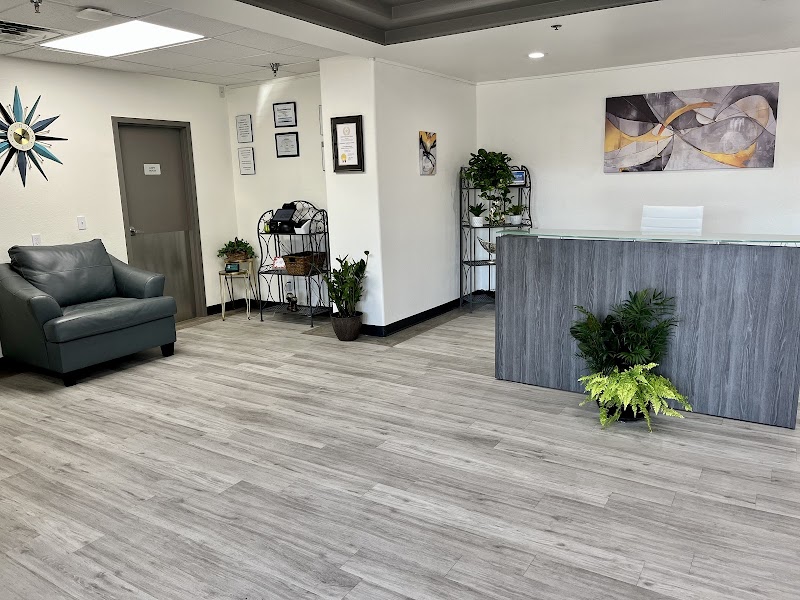
How is Greenbrier Health Staffed?

CMS rates GREENBRIER HEALTH CARE CENTER's staffing level at 2 out of 5 stars, which is below average compared to other nursing homes. Staff turnover is 56%, which is 10 percentage points above the Texas average of 46%. High turnover can affect care consistency as new staff learn residents' individual needs. RN turnover specifically is 100%, which is notably high. RNs provide skilled clinical oversight, so turnover in this role can affect medical care quality.

What Have Inspectors Found at Greenbrier Health?

State health inspectors documented 23 deficiencies at GREENBRIER HEALTH CARE CENTER during 2022 to 2024. These included: 23 with potential for harm.

Who Owns and Operates Greenbrier Health?

GREENBRIER HEALTH CARE CENTER is owned by a for-profit company. For-profit facilities operate as businesses with obligations to shareholders or private owners. The facility is operated by SUMMIT LTC, a chain that manages multiple nursing homes. With 114 certified beds and approximately 51 residents (about 45% occupancy), it is a mid-sized facility located in ARLINGTON, Texas.
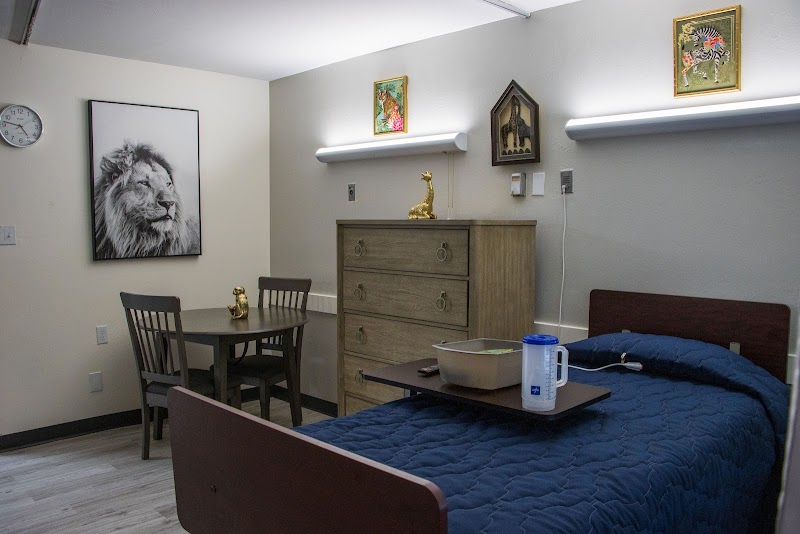
How Does Greenbrier Health Compare to Other Texas Nursing Homes?

Compared to the 100 nursing homes in Texas, GREENBRIER HEALTH CARE CENTER's overall rating (4 stars) is above the state average of 2.8, staff turnover (56%) is near the state average of 46%, and health inspection rating (4 stars) is above the national benchmark.

What Should Families Ask When Visiting Greenbrier Health?

Based on this facility's data, families visiting should ask: "How do you ensure continuity of care given staff turnover, and what is your staff retention strategy?" "Can you walk me through typical staffing levels on day, evening, and night shifts?" "Can I visit during a mealtime to observe dining assistance and food quality?" "How do you handle medical emergencies, and what is your hospital transfer rate?" These questions are particularly relevant given the facility's high staff turnover rate and the below-average staffing rating.

Is Greenbrier Health Safe?

Based on CMS inspection data, GREENBRIER HEALTH CARE CENTER has a clean safety record: no substantiated abuse findings (meaning no confirmed cases of resident harm), no Immediate Jeopardy citations (the most serious violation level indicating risk of serious injury or death), and is not on the Special Focus Facility watch list (a federal program monitoring the lowest-performing 1% of nursing homes). The facility has a 4-star overall rating and ranks #1 of 100 nursing homes in Texas. While no facility is perfect, families should still ask about staff-to-resident ratios and recent inspection results during their visit.

Do Nurses at Greenbrier Health Stick Around?

Staff turnover at GREENBRIER HEALTH CARE CENTER is high. At 56%, the facility is 10 percentage points above the Texas average of 46%. Registered Nurse turnover is particularly concerning at 100%. RNs handle complex medical decisions and coordinate care — frequent RN changes can directly impact care quality. High turnover means new staff may not know residents' individual needs, medications, or preferences. It can also be disorienting for residents, especially those with dementia who rely on familiar faces. Families should ask: What is causing the turnover? What retention programs are in place? How do you ensure care continuity during staff transitions?

Was Greenbrier Health Ever Fined?

GREENBRIER HEALTH CARE CENTER has been fined $10,266 across 1 penalty action. This is below the Texas average of $33,182. While any fine indicates a compliance issue, fines under $50,000 are relatively common and typically reflect isolated problems that were subsequently corrected. Families should ask what specific issues led to these fines and confirm they've been resolved.

Is Greenbrier Health on Any Federal Watch List?

GREENBRIER HEALTH CARE CENTER is not on any federal watch list. The most significant is the Special Focus Facility (SFF) program, which identifies the bottom 1% of nursing homes nationally based on persistent, serious quality problems. Not being on this list means the facility has avoided the pattern of deficiencies that triggers enhanced federal oversight. This is a positive indicator, though families should still review the facility's inspection history directly.