Interlochen Health and Rehabilitation Center
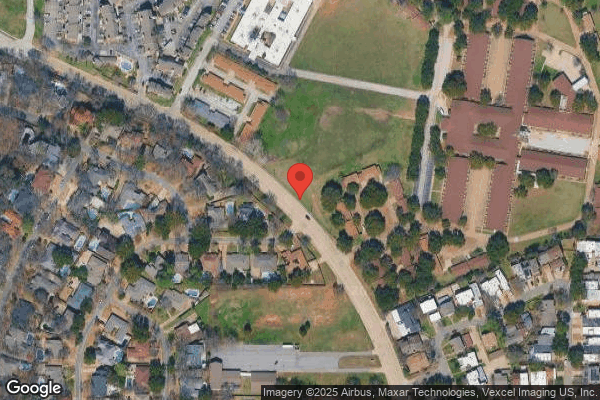
2645 West Randol Mill Rd, Arlington, TX 76012 (817) 277-6789
For profit - Limited Liability company 122 Beds CREATIVE SOLUTIONS IN HEALTHCARE Data: November 2025 5 Immediate Jeopardy citations
Trust Grade
0/100
#742 of 1168 in TX
Last Inspection: March 2025

Within standard 12-15 month inspection cycle. Federal law requires annual inspections.

Overview

Interlochen Health and Rehabilitation Center has a Trust Grade of F, indicating significant concerns about the quality of care provided, which is poor compared to other facilities. It ranks #742 out of 1168 in Texas and #43 out of 69 in Tarrant County, placing it in the bottom half of available options. Although the facility is showing improvement, with issues decreasing from 11 in 2024 to 9 in 2025, it still has a concerning number of 33 total issues, including 5 critical ones. Staffing is rated 2 out of 5 stars, with a turnover rate of 54%, which is around the state average, while RN coverage is average as well. Recent inspector findings revealed serious incidents, such as a failure to read an abnormal x-ray resulting in a resident suffering from a hip fracture for two days before hospitalization and not notifying a physician about significant changes in a resident's condition, raising serious concerns about resident safety and care standards.
Trust Score
F
0/100
In Texas
#742/1168
Bottom 37%
Safety Record
High Risk
Review needed
Inspections
Getting Better
11 → 9 violations
Staff Stability
⚠ Watch
54% turnover. Above average. Higher turnover means staff may not know residents' routines.
Penalties
✓ Good
$96,345 in fines. Lower than most Texas facilities. Relatively clean record.
Skilled Nurses
⚠ Watch
Each resident gets only 17 minutes of Registered Nurse (RN) attention daily — below average for Texas. Fewer RN minutes means fewer trained eyes watching for problems.
Violations
⚠ Watch
33 deficiencies on record. Higher than average. Multiple issues found across inspections.
★★☆☆☆
2.0
Overall Rating
★★☆☆☆
2.0
Staff Levels
★★★★☆
4.0
Care Quality
★★☆☆☆
2.0
Inspection Score
Stable
2024: 11 issues
2025: 9 issues

The Good

  • 4-Star Quality Measures · Strong clinical quality outcomes
  • Full Sprinkler Coverage · Fire safety systems throughout facility
  • No fines on record

Facility shows strength in quality measures, fire safety.

The Bad

2-Star Overall Rating

Below Texas average (2.8)

Below average - review inspection findings carefully

Staff Turnover: 54%

Near Texas avg (46%)

Higher turnover may affect care consistency

Federal Fines: $96,345

Well above median ($33,413)

Moderate penalties - review what triggered them

Chain: CREATIVE SOLUTIONS IN HEALTHCARE

Part of a multi-facility chain

Ask about local staffing decisions and management

The Ugly 33 deficiencies on record

5 life-threatening 2 actual harm
Sept 2025 3 deficiencies
CONCERN (D) 📢 Someone Reported This

A family member, employee, or ombudsman was alarmed enough to file a formal complaint

Potential for Harm - no one hurt, but risky conditions existed

Respiratory Care (Tag F0695)

Could have caused harm · This affected 1 resident

**NOTE- TERMS IN BRACKETS HAVE BEEN EDITED TO PROTECT CONFIDENTIALITY** Based on observations, interviews, and record reviews, the facility failed to ensure residents who needed respiratory care were ...

Read full inspector narrative →
**NOTE- TERMS IN BRACKETS HAVE BEEN EDITED TO PROTECT CONFIDENTIALITY** Based on observations, interviews, and record reviews, the facility failed to ensure residents who needed respiratory care were provided such care, consistent with professional standards of practice for 1 of 2 (Resident #2) residents reviewed for respiratory care. The facility failed to ensure there were cautionary and safety signs indicating the use of oxygen outside Resident #2's room where oxygen was used. These failures placed the residents at increased risk of injury due to fire hazards.Record Review of Resident #2's admission Record dated 09/04/2025 revealed she was a [AGE] year-old female admitted to the facility on [DATE] with a primary diagnosis of Cerebral Infarction(-stroke), and secondary diagnosis of Chronic Respiratory Failure with Hypoxia (condition where the lungs do not function properly) and Tracheostomy status (Presence of tracheostomy in which a hole is made in the front of the neck to the windpipe, known as the trachea, which a tube is placed to keep it open for breathing).Record Review of Resident #2's Order Summary Report dated 09/04/2025 revealed order for 2 LPM via nasal cannula when trach is capped during the day, oxygen via trach daily every day shift for oxygen related to Chronic Repository Failure with Hypoxia. During an observation and interview on 09/04/2025 at 09:52 AM with Resident #2 revealed she was sitting up on the side of bed, wearing oxygen via nasal cannula connected to an oxygen concentrator running at 2 LPM and Tracheostomy capped off. She did not voice any concerns about her oxygen intake. There was no sign outside her room indicating oxygen use. Interview on 09/04/2025 at 2:11 PM with ADON revealed there was not a set individual responsible for making sure oxygen signage was posted on Resident #2's door. He stated the risk of not having oxygen in use signage was so no one will blow up and not to mix and match chemicals. The importance of oxygen in use signage was to let others know which residents have oxygen. Interview on 09/04/2025 at 3:36 PM with DON revealed, the DON and ADON are responsible for ensuring oxygen in use signage was placed on the Resident's door, to alert staff not to use petroleum jelly around her nose and nothing flammable. The risk was possible harm to the resident. Review of facility's policy and procedure titled, Oxygen Administration undated revealed; 11. Place No SMOKING signs in area when oxygen was administered and stored. Store oxygen cannister in areas free of flammable substances. Avoid the use of electrical appliances in the area of oxygen use as well .
CONCERN (D) 📢 Someone Reported This

A family member, employee, or ombudsman was alarmed enough to file a formal complaint

Potential for Harm - no one hurt, but risky conditions existed

Deficiency F0697 (Tag F0697)

Could have caused harm · This affected 1 resident

**NOTE- TERMS IN BRACKETS HAVE BEEN EDITED TO PROTECT CONFIDENTIALITY** Based on observation, interviews and record reviews the facility failed to ensure pain management was provided to residents who ...

Read full inspector narrative →
**NOTE- TERMS IN BRACKETS HAVE BEEN EDITED TO PROTECT CONFIDENTIALITY** Based on observation, interviews and record reviews the facility failed to ensure pain management was provided to residents who require such services, consistent with professional standards of practice, the comprehensive person-centered care plan, and the residents' goals and preferences for 1 of 1 resident (Resident #1) reviewed for pain management. The facility failed to follow their pain management policy when Resident #1's response to pain medication was not monitored and effectiveness was not recorded.This failure could place residents at risk of uncontrolled pain.Findings included:Record review of Resident #1's admission record, dated 09/04/2025, revealed a [AGE] year-old female who admitted to the facility on [DATE] with type 2 diabetes (a disease that occurs when the body does not respond properly to insulin leading to high blood sugar levels) and dementia (brain disease that alters brain function and causes a cognitive decline). Record review of Resident #1's BIMS assessment, dated 08/27/2025, revealed a score of 2, indicating severe cognitive impairment. Record review of Resident #1's progress notes, dated 09/01/2025, written by LVN H revealed, Resident noted with swelling and bruising on the right wrist, with discoloration observed. Per previous report, findings are possibly related to delayed injury from a recent fall. NP assessed resident during unit visit and provided new orders: X-ray 2-view of right hand and application of ice pack BID x 3 days. Safety maintained; resident monitored for pain and further changes.Record review of Resident #1's Event Follow up note, dated 09/01/2025, written by LVN H revealed, in part .New orders: 2 view x-ray to the right wrist Due to pain /bruising and swellingName of MD/NP notified: [Name] NP Date/time of notification: 09/01/2025 12:00 PMName of RP notified: [Name] Date/time of notification: 09/01/2025 12:00. Record review of Resident #1's progress notes, dated 09/01/2025, written by LVN H at 8:20 PM revealed, Nurse on [shift] following up on X-ray order placed this morning, called X-ray provider, [Provider Name] twice, and received no answer from the receiving end. report given to oncoming nurse to monitor and report on pending stat X RAY to be done.Record review of Resident #1's progress notes, dated 09/01/2025, written at 10:45 PM by LVN G revealed, Resident in bed sleeping with eyes closed after shift report. Respirations even and non-labored. HOB elevated 30-35 degrees. No signs of any respiratory distress or SOB noted. Right wrist swelling and bruising in place as per report received from 0600-2200 (6:00 am - 10:00 pm) shift nurse. No signs or symptoms of any discomfort noted when site lightly palpated. VS- R. 20, O2 Sats 95RA, B/P 133/74, P. 70, T. 97.3. Right wrist elevated to decrease swelling. Resident continues on Ice pack application to sited as ordered while waiting for X-Ray to be done/ report. Bed placed in lowest position with bolsters and floor mat in place for safety. Continue to monitor resident.Record review of Resident #1's progress notes, dated 09/02/2025, written by LVN H at 2:34 PM revealed, Resident's right wrist remains swollen. Ice pack applied as ordered for pain and swelling. Nurse followed up with [Provider Name] regarding X-ray order; confirmed X-ray technician scheduled to arrive today for imaging. [RP, Name] was notified and requested ongoing updates on the resident's progress. Safety and comfort maintained. Will continue to monitor.Record review of radiology report, dated 09/02/2025, revealed RIGHT TIBIA(shinbone)/FIBULA(calf bone) SERIES Findings: Examination of the right tibia/fibula demonstrates no evidence for fracture. There are no bony abnormalities. The soft tissues are unremarkable. IMPRESSION: Negative Study.Record review of Resident #1's progress notes, dated 09/02/2025, written by LVN H at 10:13 PM revealed X-ray results of the resident's right wrist faxed to NP; findings indicate no fracture. NP recommended continued icing and elevation of the arm on a pillow. New order was received to apply a sling to the right hand while the resident is awake. Safety and comfort maintained. Will continue to monitor.Record review of Resident #1's progress notes, dated 09/03/2025, written by LVN G at 4:34 AM revealed, Resident right wrist elevated as tolerated d/t swelling. Bruise intact and clearing. No signs of any discomfort noted when resident wrist assessed. VS- R. 20, O2 Sats 95%RA, B/P 129/77, P. 76, T. 97.4. Bed in lowest position with bolsters in place and floor mat in place and close to bed for safety. Call light in reach.Record review of Resident #1's progress notes, dated 09/03/2025, written by LVN B at 9:53 AM revealed resi alert w/ large bruise to R hand. no SOB or acute resp distress observed. N/O received to send resi to ER of [Hospital Name] in [City] for further evaluation and treatment due to large bruise to R hand. VS taken & WNL w/ 129/77 63 19 97.8 97 and BS 128. Routine ice pack + PP admin w/ positive outcome. EMS was called and transported resi out of facility at 10:05am. resi [RP Name] was informed of resi being transported.Record review of Resident #1's progress notes, dated 09/03/2025, written by the DON at 10:09 AM This Called resident [RP], and received call back, regarding swelling to R wrist. This nurse explained the interventions in place, and I thought to believe could be from delayed injury from previous fall. The [family member] explained that [Resident #1] did not have swelling to hand, she was playing around hitting a family member and playing and laughing with family Friday the [family member] requested the resident be sent to ER [Hospital Name] for Further eval. This nurse notified Nurse to send to ER.Record review of Resident #1's progress notes, dated 09/03/2025, written by LVN H at 4:45 pm revealed Resident returned from [Hospital Name] with diagnosis of closed fracture distal end of R radius (broken right wrist). Seen by NP during rounds; new orders: Tramadol 50 mg PO BID PRN pain, d/c Tylenol 650 mg, start Tylenol 1 g PO q8h PRN pain. Splint to remain on at all times; sling when OOB; wrist brace and thumb spica splint in place. Resident repeatedly removed dressing and sling; nurse reapplied several times. [Family member] notified of resident's return; verbalized availability for contact, will visit tomorrow. Resident resting in bed; safety and comfort maintained.Record review of hospital x-ray results, dated 09/03/2025, revealed the following: Findings: Discontinuity of the cortex of the central articular surface of the distal radius (wrist) seen on the lateral (side) view only. Nondisplaced fracture (bones remain in alignment) of indeterminate age (unknown if new or old) cannot be excluded. No other fractures. Moderate osteoarthritis (common joint condition that causes pain, stiffness) at the radiocarpal (wrist) join t and first carpometacarpal (base of thumb) joint, No dislocation. No lytic (areas of bond destruction that result in holes) or blastic (areas of abnormal growth) lesions. Impression: Nondisplaced fracture of indeterminate age at the distal radius articular surface.Record review of Resident #1's August 2025 MAR revealed the following:- Tylenol Oral Capsule 325 MG Give 2 tablet by mouth two times a day for Pain -D/C Date-09/03/2025. Administered 09/01/2025, 09/02/2025 and 09/03/2025 for AM and PM doses.- Tylenol Oral Tablet 325 MG Give 2 tablet by mouth every 6 hours as needed for headache; pain-mild. Pain level 3. Administered on 09/03/2025 administered prn.- Ice pack to the right hand BID FOR Days /Pain and swelling right wrist two times a day for Pain and swelling Apply to right wrist twice a day for 3 days. Administered on 09/01/2025 for the PM dose, on 09/02/2025, and 09/03/2025 for both AM and PM doses, and on 09/04/2025 for AM dose. - Tramadol HCl Oral Tablet 50 MG Give 1 tablet by mouth two times a day for Pain. Administered 09/04/2025 on the AM shift.Record review of Resident #1's pain assessment, dated 09/03/2025, revealed Tylenol 325mg give 2 tabs by mouth BID and prn every 6 hours for headache and mild pain.Record review of Resident #1's August 2025 TAR revealed no pain assessment or follow up for pain medication effectiveness. Record review of Resident #1's order summary revealed the following: - Tylenol Oral Tablet 325 MG (Acetaminophen) Give 2 tablet by mouth every 6 hours as needed for headache; pain-mild. Start dated 08/07/2025- Tramadol HCl Oral Tablet 50 MG (Tramadol HCl) Give 1 tablet by mouth two times a day for Pain. Start date 09/04/2025- Keep the Splint on at all times Keep the sling intact when out of bed Wrist Brace and Thumb Spica Splint. Start date 09/03/2025.- Orthopedic Consult to eval and treat closed fracture to distal radius (wrist). Start date 09/03/2025.Record review of intake investigation worksheet priority date 09/03/2025, revealed Resident was sent to hospital on [DATE] and returned same day with a Dx of a hand Fx.Family asked for resident to be sent to hospital due to hand discoloration and swelling on return to the facility the x-ray determined a hand Fx. Still collecting information for investigation. Observation on 09/04/2025 at 10:59 am, in the secure unit revealed Resident #1 was well groomed and dressed sitting up in her w/c at a table in the dining room. Resident #1 was looking at a magazine and did not appear to be in any pain. Resident #1's right arm was in a sling with a plastic bag of ice under the hand. Interview on 09/04/2025 at 11:01 am, MA A stated she did not normally work in the secure unit. She stated she worked yesterday morning in the unit but did not know how Resident #1's injury happened. MA A said Resident #1's hand was swelling, and the nurse already knew about it. She said if she saw any injury or new bruise or swelling on a resident she would report to the nurse immediately. Interview on 09/04/2025 at 11:17 am, LVN B stated she normally works in the secure unit Monday through Friday on the morning shift but was not at work from Friday (08/29/2025) at 2:00pm through Tuesday (09/02/2025). She stated on Wednesday (09/03/2025) she saw a bruise on Resident #1's hand, the x-ray was negative but she was sent out to double check. She said she got an order to send her out, did an assessment and called EMS and the family waited at the hospital. She stated Resident #1 was assessed for pain and has pain medication. LVN B stated Resident #1 was Spanish speaking and used a communication board and she assessed Resident #1's pain by showing an image on her phone and asking if the pain was small, medium or high . LVN B stated if a new injury, swelling or bruise was found she would automatically report it to the DON, Administrator and Doctor if she could not explain the injury or the patient was not able to explain. She stated if there was an order for a stat x-ray they would be there within 4 hours and if not, she would let them know so they could be sent out. Interview on 09/04/2025 at 11:36 AM, CNA C stated she worked over the weekend and did not see any bruising on Resident #1's hand. She said when she came in Monday (09/01/2025), she noticed the bruise and reported to the nurse immediately. Interview on 09/04/2025 at 12:18 PM, the Administrator stated from his understanding it was found Resident #1's hand was swollen. He stated he rounded with the DON yesterday and she brought it to his attention that the RP requested Resident #1 be sent out for an x-ray. The Administrator stated he did see Resident #1's hand before she was sent to hospital and it was swollen with some bruising, but she could move all digits. He stated as he started doing the investigation he realized there were some communication issues between staff and Resident #1's family about what happened. He stated he found out Resident #1's fall was on 08/15/2025, and that was considered a separate incident and could not be tied to the wrist fracture. He stated he had not personally seen the results, but the family said there was a fracture. He said as he started in servicing, asking questions and getting statements, the swelling was found on Monday, a stat x-ray was ordered but the x-ray company never came out. When the x-ray was completed, the x-ray was of the forearm and was negative. He stated the expectation for staff was if a stat x-ray was ordered and not completed within 4 hours they should send the resident out. He said the risk to residents could be continued pain and delay of treatment.Interview on 09/04/2025 at 2:24 PM, the Medical Director stated staff notified him on 09/03/24 that Resident #1 went out and she had a fracture. He stated he was going to round on Resident #1 today. He stated he would order an x-ray, depending on what that shows, would come see the patient, then if something needed to be addressed by orthopedic then send to the emergency room. He stated his expectation for staff was if a stat x-ray was ordered and not done, or if patient was having severe pain then send them out. Interview on 09/04/2025 at 2:49 PM, Resident #1's RP stated on 09/02/2025 around 2:30 pm, the nurse called to inform her of Resident #1's bruises on right hand possibly from a fall on the 15th. The RP said, How could she have bruises? ; she did not see any over the weekend when the whole family came to see her. The RP stated she spoke with the DON who said late injuries were found from the fall on the 15th. The RP stated she requested for Resident #1 to go to the hospital and met her there. The RP stated the hospital physician stated the fracture happened at least 48 hours ago and not three weeks ago. The RP said she went back to the facility with a splint. Interview on 09/04/2025 at 3:03 PM, the NP stated on Monday 09/01/2025, when she rounded at lunch, the nurse had notified her about Resident #1's wrist. The NP stated she contacted the DON, ordered an x-ray and the x-ray came back negative. The NP said the Doctor just looked at the results and the fracture was on the side and if they did not do a lateral or 2 view it would be negative. She said if the order was stat, it should be done within 4 hours. She stated if a stat x-ray was not done within that time, staff should contact her or send the resident out. She said Resident #1's pain was managed with Tylenol and ice. She said she changed the pain medication yesterday, to Tramadol twice a day and increased Tylenol.Interview on 09/04/2025 at 3:26 PM, the DON stated on Monday (09/01/2025) Resident #1's wrist was bruised, LVN H did an event note, contacted the NP and got an order for x-ray. The DON stated she came in the next day (Tuesday) and the x-ray was not done but was ordered. She said she did not know what the delay was, but they ended up getting the x-ray done of the forearm and not the wrist. The DON stated it was ordered stat, but the order did not go through all the way because you have to click send image. The DON stated a stat order has a 4 hour window and if it was not completed within that time frame, the nurse should call and see if they can get an ETA and if not and was an emergency, to send the resident out. She said in this case once the x-ray was not done timely, LVN H should have contacted the provider about next steps. She stated the risk was neglect, and Resident #1's arm could have broken further. She stated a lot of things could have happened to that arm. The DON stated Resident #1 was already on Tylenol and Tramadol was ordered yesterday. She said pain should be assessed every shift and should be documented on the TAR . The DON stated if not residents could be in a lot of pain, have depression or behaviors. She stated for residents that could not verbalize pain, nurses were to use a nonverbal scale and to look at their behaviors, to see what they were doing, if they were depressed, acting out or angry. Interview on 09/04/2025 at 4:21 PM, LVN H stated CNA notified him Monday that Resident #1's wrist was swelling. He stated when she reported to him the NP was here, assessed the resident and she ordered the x-ray and ice pack. He stated it was ordered as stat and he does know how to enter the order correctly in the computer. He stated stat meant within 4 hours and if they were not here within that time he should call the x-ray company and if they don't answer he was to report to management. LVN H stated Resident #1's pain was managed because she had routine Tylenol. He stated Resident #1 denied pain and he used an app on his phone to communicate with the resident. He stated Resident #1 was assessed for pain whenever she was administered meds . He stated in the system, if the medication was scheduled it does not have a place to put a pain level, only on prn medications so they document in the progress notes . He stated residents could be in pain if not assessed for pain or the effectiveness of pain medication. Record review of facility policy titled Pain Management, Assessment Scale undated, revealed the following Complaints of pain will be assessed accordingly by the nurse and effectively managed through prescribe medications, and comfort measures, and all available resources of the facility. Procedure1. Assess resident's physical symptoms of pain, physical complaints, and daily activities. Pain questions based on a resident's communication ability were included in the Admission/readmission and Weekly Nursing Summary.If a resident is non-verbal, the questions will be a PAINAD assessment .If the MDS QM Pain criteria is met, a Pain SBAR will be triggered .There is no QM criteria for a resident who is non-verbal. If a resident scores 7-10 on the PAINAD scale, then a PAIND SBAR will be triggered. It is directed toward residents who are non-verbal or cannot communicate. Administer pain medications as prescribed. Monitor and record medication's effectiveness and side effects.PRN - if the resident complains of pain the nurse will assess, implement relief measures as ordered and/or care planned.9. Have the resident to rate pain on a scale of one to ten with one being the least pain and ten being the worst pain experienced. 1110 nurse may use the pain rating scale when assessing effectiveness of medications and assessing for pain intensity. Utilize the Pain Assessment Tool in documenting the resident's complaint of pain.
CONCERN (D) 📢 Someone Reported This

A family member, employee, or ombudsman was alarmed enough to file a formal complaint

Potential for Harm - no one hurt, but risky conditions existed

Deficiency F0776 (Tag F0776)

Could have caused harm · This affected 1 resident

**NOTE- TERMS IN BRACKETS HAVE BEEN EDITED TO PROTECT CONFIDENTIALITY** Based on observation, interviews and record reviews the facility failed to provide or obtain radiology services to meet the need...

Read full inspector narrative →
**NOTE- TERMS IN BRACKETS HAVE BEEN EDITED TO PROTECT CONFIDENTIALITY** Based on observation, interviews and record reviews the facility failed to provide or obtain radiology services to meet the need of its residents for 1 of 1 Residents (Resident #1) reviewed for radiology services. The facility failed to correctly order and follow up on stat x-ray. Resident #1 did not get an x-ray for more than 24 hours after a stat x-ray was ordered. The x-ray performed was performed on the leg instead of the wrist.This failure could place residents at risk of delayed treatment, and pain.Findings included:Record review of Resident #1's admission record, dated 09/04/2025, revealed a [AGE] year-old female who admitted to the facility on [DATE] with type 2 diabetes (a disease that occurs when the body does not respond properly to insulin leading to high blood sugar levels) and dementia (brain disease that alters brain function and causes a cognitive decline). Record review of Resident #1's BIMS assessment, dated 08/27/2025, revealed a score of 2, indicating severe cognitive impairment. Record review of Resident #1's progress notes, dated 09/01/2025, written by LVN H revealed, Resident noted with swelling and bruising on the right wrist, with discoloration observed. Per previous report, findings are possibly related to delayed injury from a recent fall. NP assessed resident during unit visit and provided new orders: X-ray 2-view of right hand and application of ice pack BID x 3 days. Safety maintained; resident monitored for pain and further changes.Record review of Resident #1's Event Follow up note, dated 09/01/2025, written by LVN H revealed, in part .New orders: 2 view x-ray to the right wrist Due to pain /bruising and swellingName of MD/NP notified: [Name] NP Date/time of notification: 09/01/2025 12:00 PMName of RP notified: [Name] Date/time of notification: 09/01/2025 12:00. Record review of Resident #1's progress notes, dated 09/01/2025, written by LVN H at 8:20 PM revealed, Nurse on [shift] following up on X-ray order placed this morning, called X-ray provider, [Provider Name] twice, and received no answer from the receiving end. report given to oncoming nurse to monitor and report on pending stat X RAY to be done.Record review of Resident #1's progress notes, dated 09/02/2025, written by LVN H at 2:34 PM revealed, Resident's right wrist remains swollen. Ice pack applied as ordered for pain and swelling. Nurse followed up with [Provider Name] regarding X-ray order; confirmed X-ray technician scheduled to arrive today for imaging. [RP, Name] was notified and requested ongoing updates on the resident's progress. Safety and comfort maintained. Will continue to monitor.Record review of radiology report, dated 09/02/2025, revealed RIGHT TIBIA(shinbone)/FIBULA(calf bone) SERIES Findings: Examination of the right tibia/fibula demonstrates no evidence for fracture. There are no bony abnormalities. The soft tissues are unremarkable. IMPRESSION: Negative Study.Record review of Resident #1's progress notes, dated 09/02/2025, written by LVN H at 10:13 PM revealed X-ray results of the resident's right wrist faxed to NP; findings indicate no fracture. NP recommended continued icing and elevation of the arm on a pillow. New order was received to apply a sling to the right hand while the resident is awake. Safety and comfort maintained. Will continue to monitor.Record review of Resident #1's progress notes, dated 09/03/2025, written by LVN B at 9:53 AM revealed resi alert w/ large bruise to R hand. no SOB or acute resp distress observed. N/O received to send resi to ER of [Hospital Name] in [City] for further evaluation and treatment due to large bruise to R hand. VS taken & WNL w/ 129/77 63 19 97.8 97 and BS 128. Routine ice pack + PP admin w/ positive outcome. EMS was called and transported resi out of facility at 10:05am. resi [RP Name] was informed of resi being transported.Record review of Resident #1's progress notes, dated 09/03/2025, written by LVN H at 4:45 pm revealed Resident returned from [Hospital Name] with diagnosis of closed fracture distal end of R radius (broken right wrist). Seen by NP during rounds; new orders: Tramadol 50 mg PO BID PRN pain, d/c Tylenol 650 mg, start Tylenol 1 g PO q8h PRN pain. Splint to remain on at all times; sling when OOB; wrist brace and thumb spica splint in place. Resident repeatedly removed dressing and sling; nurse reapplied several times. [Family member] notified of resident's return; verbalized availability for contact, will visit tomorrow. Resident resting in bed; safety and comfort maintained.Record review of hospital x-ray results, dated 09/03/2025, revealed the following: Findings: Discontinuity of the cortex of the central articular surface of the distal radius (wrist) seen on the lateral (side) view only. Nondisplaced fracture (bones remain in alignment) of indeterminate age (unknown if new or old) cannot be excluded. No other fractures. Moderate osteoarthritis (common joint condition that causes pain, stiffness) at the radiocarpal (wrist) join t and first carpometacarpal (base of thumb) joint, No dislocation. No lytic (areas of bond destruction that result in holes) or blastic (areas of abnormal growth) lesions. Impression:Nondisplaced fracture of indeterminate age at the distal radius articular surface.Record review of intake investigation worksheet priority date 09/03/2025, revealed Resident was sent to hospital on [DATE] and returned same day with a Dx of a hand Fx.Family asked for resident to be sent to hospital due to hand discoloration and swelling on return to the facility the x-ray determined a hand Fx. Still collecting information for investigation. Observation on 09/04/2025 at 10:59 am, in the secure unit revealed Resident #1 was well groomed and dressed sitting up in her w/c at a table in the dining room. Resident #1 was looking at a magazine and did not appear to be in any pain. Resident #1's right arm was in a sling with a plastic bag of ice under the hand. Interview on 09/04/2025 at 11:17 am, LVN B stated she normally works in the secure unit Monday through Friday on the morning shift but was not at work from Friday (08/29/2025) at 2:00pm through Tuesday (09/02/2025). She stated on Wednesday (09/03/2025) she saw a bruise on Resident #1's hand, the x-ray was negative but she was sent out to double check. She said she got an order to send her out, did an assessment and called EMS and the family waited at the hospital. She stated if there was an order for a stat x-ray they would be there within 4 hours and if not, she would let them know so they could be sent out. Interview on 09/04/2025 at 12:18 PM, the Administrator stated from his understanding it was found Resident #1's hand was swollen. He stated he rounded with the DON yesterday and she brought it to his attention that the RP requested Resident #1 be sent out for an x-ray. The Administrator stated he did see Resident #1's hand before she was sent to hospital and it was swollen with some bruising, but she could move all digits. He stated as he started doing the investigation he realized there were some communication issues between staff and Resident #1's family about what happened. He stated he found out Resident #1's fall was on 08/15/2025, and that was considered a separate incident and could not be tied to the wrist fracture. He stated he had not personally seen the results, but the family said there was a fracture. He said as he started in servicing, asking questions and getting statements, the swelling was found on Monday, a stat x-ray was ordered but the x-ray company never came out. When the x-ray was completed, the x-ray was of the forearm and was negative. He stated the expectation for staff was if a stat x-ray was ordered and not completed within 4 hours they should send the resident out. He said the risk to residents could be continued pain and delay of treatment. Interview on 09/04/2025 at 2:24 PM, the Medical Director stated staff notified him on 09/03/24 that Resident #1 went out and she had a fracture. He stated he was going to round on Resident #1 today. He stated he would order an x-ray, depending on what that shows, would come see the patient, then if something needed to be addressed by orthopedic then send to the emergency room. He stated his expectation for staff was if a stat xray was ordered and not done, , or if patient was having severe pain then send them out. Interview on 09/04/2025 at 3:03 PM, the NP stated on Monday 09/01/2025, when she rounded at lunch, the nurse had notified her about Resident #1's wrist . The NP stated she contacted the DON, ordered an x-ray and the x-ray came back negative. The NP said the Doctor just looked at the results and the fracture was on the side and if they did not do a lateral or 2 view it would be negative. She said if the order was stat, it should be done within 4 hours. She stated if a stat x-ray was not done within that time, staff should contact her or send the resident out. She said Resident #1's pain was managed with Tylenol and ice. She said she changed the pain medication yesterday, to Tramadol twice a day and increased Tylenol. Interview on 09/04/2025 at 3:26 PM, the DON stated on Monday (09/01/2025) Resident #1's wrist was bruised, LVN H did an event note, contacted the NP and got an order for x-ray. The DON stated she came in the next day (Tuesday) and the x-ray was not done but was ordered. She said she did not know what the delay was, but they ended up getting the x-ray done of the forearm and not the wrist. The DON stated it was ordered stat, but the order did not go through all the way because you have to click send image. The DON stated a stat order has a 4 hour window and if it was not completed within that time frame, the nurse should call and see if they can get an ETA and if not and was an emergency, to send the resident out. She said in this case once the x-ray was not done timely, LVN H should have contacted the provider about next steps. She stated the risk was neglect, and Resident #1's arm could have broken further. She stated a lot of things could have happened to that arm. Interview on 09/04/2025 at 4:21 PM, LVN H stated CNA notified him Monday that Resident #1's wrist was swelling. He stated when she reported to him the NP was here, assessed the resident and she ordered the x-ray and ice pack. He stated it was ordered as stat and he does know how to enter the order correctly in the computer. He stated stat meant within 4 hours and if they were not here within that time he should call the x-ray company and if they don't answer he was to report to management. He stated the risk was they would not know what the injury was and could delay care. The facility did not provide a policy on x-ray services by the time of exit.
Jul 2025 1 deficiency
CONCERN (D) 📢 Someone Reported This

A family member, employee, or ombudsman was alarmed enough to file a formal complaint

Potential for Harm - no one hurt, but risky conditions existed

Investigate Abuse (Tag F0610)

Could have caused harm · This affected 1 resident

**NOTE- TERMS IN BRACKETS HAVE BEEN EDITED TO PROTECT CONFIDENTIALITY** Based on interview and record review, the facility failed to report the results of all investigations to the administrator or hi...

Read full inspector narrative →
**NOTE- TERMS IN BRACKETS HAVE BEEN EDITED TO PROTECT CONFIDENTIALITY** Based on interview and record review, the facility failed to report the results of all investigations to the administrator or his or her designated representative and to other officials in accordance with State law, including to the State Survey Agency, within 5 working days of the incident, and if the alleged violation is verified appropriate corrective action must be taken for 1 of 3 residents (Resident #1) reviewed for reporting allegations, in that: The facility failed to submit a provider investigation report an injury of unknown origin for Resident #1 to the State Agency within 5 working days of the incident, which occurred on 07/09/25. This failure placed residents at risk for further abuse and neglect due to delayed investigation.Findings included: Record review of Resident #1's face sheet, undated, revealed a [AGE] year-old male admitted to the facility on [DATE] and readmitted on [DATE] after undergoing the procedure Closed Reduction Percutaneous Pinning Right Hip (surgical procedure to treat a femoral neck fracture; realignment of broken bone fragments in the right hip without making a large incision followed by stabilizing the fracture with screws or pins inserted through small punctures). Resident #1 was diagnosed with Right closed Femoral neck fracture (A break in the femoral neck (the part of the thigh bone just below the hip joint) on the right side of the body, without any open wound (closed fracture)). Resident #1 also had past medical diagnoses of Alzheimer's disease (progressive brain disorder that gradually impairs memory, thinking, and behavior), Vascular dementia (decline in thinking skills caused by conditions that block or reduce blood flow to the brain), hypertension (condition where the force of blood against an artery wall is consistently too high), Alzheimer's dementia with behavioral disturbance (neuropsychiatric symptoms or behavioral and psychological symptoms of dementia that can include agitation, anxiety, depression, aggression, apathy, and psychosis alongside the cognitive decline), osteoporosis (condition that weakens bones, making them more susceptible to fractures), and osteoarthritis (degenerative joint disease that occurs when the protective cartilage cushioning the ends of bones wears down over time). Record review of Resident #1's MDS (a set of standardized assessments done on admission, quarterly, and with a significant change of condition, on each resident) dated 07/11/2025 revealed Resident #1's BIMS (test that is used to get a quick snapshot of how well an individual is functioning cognitively at the moment. A BIMS score can range from 0 to 15, with lower scores indicating a decline in cognitive performance) score was noted to be 04/15 indicating severe cognitive impairment. Resident #1 required reminders, cues, and supervision in planning, organizing, and correcting daily routines as decision making ability was poor. Resident #1 was at risk for falls, impaired gait, balance, impaired cognition, wandering since his admission. Record review of the Provider Investigation Report dated 07/07/2025 and electronically signed on 07/17/2025 at 11:16 AM indicated an allegation of neglect had been reported to the state agency on 07/07/2025 at 9:30 AM, that was received on 07/09/2025 at 11:53 AM, regarding Resident #1. Per [state agency database] search, the provider investigation report was not submitted until 07/17/25, past the 5-day timeframe. Record review of Progress Notes, written by LVN A, revealed the incident occurred on 07/06/2025 at 11:30 AM and involved Resident #1's right hip, which was fractured after an unwitnessed fall. Resident #1 was reported to be found sitting on the floor of the secured unit in the dining room with a chair behind him. The resident was assessed by LVN A and given pain medication from a standing order of Tylenol Extra Strength 500 mg one tablet after reporting he was at a pain level of 02/10. The resident was not able to say what happened other than I think I fell. NP B was notified at 11:56 AM who ordered a STAT x-ray to bilateral hips. X-ray tech noted to be in building at 2:46 PM on 07/06/2025 when the x-ray was taken and results received at 9:42 PM on 07/06/2025 that indicated no fractures seen. Progress notes revealed that neuro checks were completed throughout the afternoon and evening of 07/06/2025 until 10:05 PM, resuming on 07/07/2025 at 6:02 AM. On 07/07/2025 at 07:30 AM LVN C noticed Resident #1 with facial grimacing and his left foot turned outward as he was being pushed in a manual wheelchair by a CNA. LVN C notified NP B that resident was having pain and was being sent to emergency room for further evaluation of bilateral hips. Transfer Notification note dated 07/07/2025 at 8:15 AM indicated Resident #1 was transferred to the hospital by ambulance at 8:30 AM for further evaluation. Follow up on resident status noted to be on 07/09/2025 at 12:14 PM, when facility contacted family and was informed the resident had received surgery. Resident #1 returned and readmitted to the facility on [DATE] in the evening. On 07/22/2025 at 2:10 p.m., in an interview the Administrator revealed that he was responsible for sending the reports to the CII provider number or submitting directly to TULIP. The Administrator revealed that the DON or one of the Regional Resource personnel would be responsible for timely reporting of an incident if he were unavailable. The Administrator stated that he is responsible not only for the timely reporting, but for also ensuring the Provider Investigation Report is submitted timely. The Administrator stated reporting was within 2 hours of an injury of unknown origin, allegation of abuse, neglect, or misappropriation being made, and that the Provider Investigation Report was due 5 days from the date of reporting. The Administrator stated that the risks of not reporting timely could be delay of care, delayed reporting, or potential continuation of abuse or neglect. Record review of the facility's Abuse policy revised 03/29/2028 revealed in part: .it is the policy of the center to take appropriate steps to prevent the occurrence of abuse, neglect .injuries of unknown origin .and to ensure that all alleged violations .are reported immediately to the Administrator, DON and/or Abuse Prevention Coordinator .will also be reported to the HHSC . Review of Provider Letter PL 2024-14 (Replaces PL 2019-17), issued 08/29/2024, revealed, .report the investigation findings within five working days from the initial report to HHSC .
Jun 2025 2 deficiencies
CONCERN (D) 📢 Someone Reported This

A family member, employee, or ombudsman was alarmed enough to file a formal complaint

Potential for Harm - no one hurt, but risky conditions existed

Deficiency F0602 (Tag F0602)

Could have caused harm · This affected 1 resident

**NOTE- TERMS IN BRACKETS HAVE BEEN EDITED TO PROTECT CONFIDENTIALITY** Based on interview and record review, the facility failed to ensure the right to be free from misappropriation of resident prope...

Read full inspector narrative →
**NOTE- TERMS IN BRACKETS HAVE BEEN EDITED TO PROTECT CONFIDENTIALITY** Based on interview and record review, the facility failed to ensure the right to be free from misappropriation of resident property for 1 of 4 (Resident #2) reviewed for misappropriation of property. The facility failed to ensure Resident #2's debit card was secured from unauthorized use of $11,735 when 25 unauthorized withdrawal transactions occurred between 2-12-2025 and 3-13-2025. This failure could place residents at risk for decreased quality of life, misappropriation of property, and financial hardship. Findings included: Record review of Resident #2's admission record dated 6-10-2025 indicated a [AGE] year-old female admitted to the facility on [DATE] with a primary diagnosis of Gram-Negative Sepsis (a life-threatening response of the body to an infection caused by gram-negative bacteria that is unknown), and secondary diagnoses of morbid obesity, hypokalemia (low levels of potassium in the blood), muscle atrophy (loss of muscle tissue decreasing in size/strength), and kidney failure. Record review of Resident #2's Quarterly MDS assessment dated [DATE] revealed that Resident #2 had a BIMS Score of 15 indicating she was cognitively intact. Record review of Resident #2's Care Plan dated 12-9-2024 indicated Resident #2 had an ADL deficit requiring assistance with clothing, personal hygiene, two staff transfers from wheelchair to bed, and toileting. Record review of Resident #2's progress notes revealed the following: 3-24-2025 at 10:08 AM revealed [the former social worker] stated [Resident #2] reported that she had money missing from her bank account. When the [former SW] went to speak to [Resident #2], she did not want to talk about the incident saying I've talked about this all morning, and I don't want to talk about it anymore [because] the bank was investigating the issue. [The former SW] did not ask any more questions but did ask how much money was missing and [Resident #2] said $11,000. -[On] 03.24.2025 two [police]officers arrived at the facility to follow-up on an alleged allegation of resident misappropriation of funds. When the [2 police officers] entered the room of [Resident #2] [Resident #2] said to the police that she didn't need to deal with it and that the bank was taking care of it . and did not want [the police] involved. The police provided the facility with case #L25083P0216. Record review of the facility's admission policy revealed the facility did not offer to protect resident's property or valuable items. Record review of Resident #2's unauthorized ATM cash withdrawals, received from Resident #2's Bank Fraud Investigator, revealed the following in military time (24-hour clock): 2/12/2025 12:25 $405.00 P287233 2/12/2025 12:26 $506.25 P287233 2/13/2025 6:09 $506.25 P287233 2/13/2025 6:11 $405.00 P287233 2/14/2025 6:29 $506.25 P287233 2/14/2025 6:30 $405.00 P287233 2/15/2025 13:34 $506.25 P287233 2/15/2025 13:36 $405.00 P287233 2/17/2025 8:04 $506.25 P287233 2/17/2025 8:05 $405.00 P287233 2/25/2025 9:24 $506.25 P287233 2/25/2025 9:25 $405.00 P287233 2/26/2025 9:47 $506.25 P287233 2/26/2025 9:48 $405.00 P287233 3/3/2025 5:55 $506.25 P287233 3/3/2025 5:56 $405.00 P287233 3/4/2025 6:09 $800.00 PX3658 3/5/2025 9:54 $506.25 P287233 3/5/2025 9:54 $405.00 P287233 3/11/2025 13:02 $506.25 P287233 3/11/2025 13:03 $405.00 P287233 3/12/2025 6:19 $506.25 P287233 3/12/2025 6:20 $405.00 P287233 3/13/2025 8:47 $506.25 P287233 3/13/2025 8:48 $405.00 P287233 In an interview with Resident #2's Bank Fraud Investigator, on 6-10-2025 at 10:30 AM, it was revealed that one of Resident #2's caregivers, who worked at the facility, made 25 (unauthorized) ATM cash withdrawals between 2-12-2025 thru 3-13-2025 totaling $11.735.00. The Bank Fraud Investigator said video footage indicated a black female (Brown hair, brown eyes, medium brown complexion) in burgundy scrubs driving a silver sedan made the cash withdrawals using Resident #2's bank card. The Bank Fraud Investigator said Resident #2 was a caucasian female. In an interview with Resident #2 on 6-10-2025 at 12:00 PM, it was disclosed that Resident #2 informed the facility, at the end of March 2025, that money was missing in her bank account. Resident #2 said the facility contacted the [HHSC] and local police. Resident #2 said the facility did not inform her that they could protect her bank cards from fraud. Resident #2 said she admitted to the facility in December 2024 and received her bank card at the facility. Resident #2 said whoever used her debit card, got the pin # and the debit card, from her room because the debit card was never taken out of her room by her. Resident #2 said she had let one or two staff members use her debit card to get a soft drink out of one of the facility's vending machines, but she does not remember who they were. Resident #2 said she has not left the facility since admission. Resident #2 said whoever used her debit card, without her permission, always put the card back in her room because she never noticed it missing. Resident #2 said the theft of her money, from her debit card, made her feel stupid. Resident #2 said her bank has deactivated the debit card that was fraudulently used. Resident #2 said a new debit card was issued and can only work online. Resident #2 said she has not had any money or property stolen from her since March 2025. Resident #2 said she feels safe now but does not trust people. In an interview with the facility's SW on 6-10-2025 at 4:40 PM, it was revealed the SW has worked at the facility since 4-2025. The SW stated she did not know how the facility would protect resident's property. The SW said there have been in-house investigations and in-services on misappropriation of resident's property to curtail misappropriation from occurring. The SW said she was not familiar with Resident #2's missing money. In an interview with the Administrator on 6-10-2025 at 5:20 PM, it was stated the former SW was informed of Resident #2's missing money on 3-24-2025 and the Administrator was informed after that. The Administrator said he attempted to speak with Resident #2 about her missing money, but Resident #2 refused to talk to him about it. The Administrator said he reported the incident to the State Health and Human Services Commission and the local police. The Administrator said the result of THHSC investigation was unsubstantiated. Information from Resident #2's Bank Fraud Investigator was given to the Administrator. The Administrator said he was going to follow up with the local police department again to see if he could find out who the perpetraitor was. The Administrator said Resident #2 refused to speak with the State and local police when they came to the facility. The Administrator said residents were informed, in their admission packet, that there was a trust fund they could put their money in. The Administrator said, before Resident #2 had money stolen, the facility did not know Resident #2 was keeping her debit card in her room. The Administrator said the facility had lock boxes residents could use to put their valuables in, but it was not mentioned in the admissions packet. The Administrator said that he had not told Resident #2 that she could put her debit card in a lock box but he was going to now. The Administrator said that he was responsible to ensure residents valuables, bank cards, and credit cards were kept safe as much as possible. The Administrator said the potential harm to residents having their property stolen was emotional and financial distress. Record review of the facility's in-service training dated 3-24-2025 revealed they conducted facility wide training on misappropriation of funds. Record review of the facility's Abuse and Neglect policy, undated and titled Abuse/Neglect, stated: The resident has the right to be free from abuse, neglect, misappropriation of resident property, and exploitation as defined in this subpart . Residents should not be subjected to abuse by anyone, including, but not limited to, facility staff, other residents, consultants or volunteers .[9] Misappropriation of resident property: means the deliberate misplacement, exploitation, or wrongful, temporary, or permanent use of a resident's belongings or money without the resident's consent . G. Protection - The facility will take necessary measures to protect residents and employees from harm during and following . misappropriation of resident property investigation.
CONCERN (D) 📢 Someone Reported This

A family member, employee, or ombudsman was alarmed enough to file a formal complaint

Potential for Harm - no one hurt, but risky conditions existed

Abuse Prevention Policies (Tag F0607)

Could have caused harm · This affected 1 resident

**NOTE- TERMS IN BRACKETS HAVE BEEN EDITED TO PROTECT CONFIDENTIALITY** Based on interview and record review, the facility failed to develop and implement written policies and procedures that prohibit...

Read full inspector narrative →
**NOTE- TERMS IN BRACKETS HAVE BEEN EDITED TO PROTECT CONFIDENTIALITY** Based on interview and record review, the facility failed to develop and implement written policies and procedures that prohibit and prevent abuse, neglect, and exploitation of residents and misappropriation of resident property for one (Resident #1) of four residents reviewed for abuse. The facility failed to ensure CNA A, who was suspended on 05/28/2025 due to Resident #1 alleging CNA A verbally abused Resident #1, did not provide care to Resident #1 when CNA A came back to work after being suspended. This failure could place residents at risk for abuse, neglect, and/or exploitation. Findings included: Record review of Resident #1's face sheet dated 06/10/2025 revealed a [AGE] year-old female admitted to the facility on [DATE] with a readmission on [DATE]. Admitting diagnosis including Multiple Sclerosis (a disease in which the immune system Eats away at the protective covering of nerves); Paraplegia, incomplete (the spinal cord is damaged but not completely severed, allowing for some level of movement or sensation below the injury); Bipolar Disorder, Current Episode Manic Severe with Psychotic Features (occurs when a person experiences an episode of severe mania or depression along with psychotic symptoms and hallucinations causing sudden changes in mood from excessive happiness, joyful to being angry and hostile). Review of Resident #1's quarterly MDS dated [DATE] revealed, a BIMS score of 99, meaning the resident was unable to complete the interview. The MDS also revealed the resident recalls staff's names, faces, and she resides in a nursing facility with memory severely impaired. Resident #1 exhibits physical and verbal behaviors and requires extensive assistance with ADLS. Review of provider investigation report dated 05/28/2025 revealed, An email received on 05/28/2025 at 3:03 PM from the LCSW with the psychological services to the ADM revealed the description of the allegation made by Resident #1 accusing CNA A and CNA B of abuse while attempting to provide ADL care in her room. Investigation Summary: The investigation summary found to be inconclusive. Provider Action Taken: Monitor resident for emotional distress. Post -Investigation: The facility reinstated the alleged perpetrators and conducted in-services including abuse/neglect prevention. Review of an undated witness statement attached to the facility self-report provided by ADM revealed Date of alleged incident: 05/28/2025 LCSW from psychological services notified ADM that Resident #1 reported that two male CNAs providing care to her abused her. Resident #1 alleged that CNA A called the resident a delusional bitch and alleged CNA B fingered her vagina and bottom when in the shower due to boo boo. On 06/10/2025 at 3:15 PM interview with Resident #1 revealed resident did not recall the incident that occurred with the two male CNAs. Resident #1 was speaking about different topics within her conversation. The conversation was hard to follow due to her confused state. Resident #1 was in good spirits, calm, and happy. She was not showing any agitation or aggression. Resident #1 stated she stays in bed most of the time and watches her TV. She voiced no concerns and did not mentioned incident between she and the CNAs. Interview on 06/10/2025 at 3:30 PM with CNA A revealed that he was still providing care for Resident #1 . The facility now required two CNAs to go into the room to care for the resident. CNA A stated that he knows the resident has mental issues and he tries to approach her gently and not upset her. He was only trying to do his job. He enjoyed caring for her but knows that he must be on guard due to her behaviors. CNA A revealed he did not hurt her in any way while providing care. Interview on 06/10/2025 at 3:53 PM, attempted to contact CNA B by phone but was unable to speak with him. Left a message on his voicemail. Interview on 06/10/2025 at 4:20 PM with Administrator revealed the documentation in the investigation was provided by the LCSW with the psychological services for Resident #1. The Administrator stated that there will be two CNAs assigned to Resident #1 when providing care. The Administrator revealed that there would be no male CNAs caring for Resident #1 and two CNAs would provide care. The Administrator stated that both CNAs were suspended and have returned to work. They were not to be assigned to Resident #1 any longer. The Administrator stated if CNA A and CNA B were to continue to provide care to Resident #1, the harm would be resident would be afraid of both CNAs. Interview on 06/10/2025 at 6:00 PM with DON revealed CNA A and CNA B have returned to work. CNA B worked PRN for the facility. The DON stated that CNA A and CNA B were not to provide care or go into Resident #1's room at all. The Charge Nurse for the hall made the room assignments for the CNAs each day. The Charge Nurse had been told not to assign CNA A or CNA B to Resident #1 . The DON stated there would no longer be a male CNA assigned to care for Resident #1. The DON expected both CNAs not to go into Resident #1's room even if to answer her call light. The DON revealed that if CNA A and CNA B continue to provide care to Resident #1, the harm would be resident could experience emotional distress and trauma. On 06/12/2025 at 4:02 PM interview with CNA B revealed that he works PRN for the facility. CNA B revealed that he was not assigned to care for Resident #1 at the time she made the allegation. CNA B has not taken care of Resident #1 since he has returned to work. Record review of facility policy r/t Resident Abuse and Neglect (no policy date noted) revealed in part, Residents should not be subjected to abuse by anyone, including, but not limited to, facility staff, other residents, consultants or volunteers, staff of other agencies serving the resident, family members or legal guardians, friends, or other individuals. Abuse also includes the deprivation by an individual, including a caretaker, of goods or services that are necessary to attain or maintain physical, mental, and psychosocial well-being.
Apr 2025 2 deficiencies 2 IJ (2 affecting multiple)
CRITICAL (K) 📢 Someone Reported This

A family member, employee, or ombudsman was alarmed enough to file a formal complaint

Immediate Jeopardy (IJ) - the most serious Medicare violation

Quality of Care (Tag F0684)

Someone could have died · This affected multiple residents

**NOTE- TERMS IN BRACKETS HAVE BEEN EDITED TO PROTECT CONFIDENTIALITY** Based on observation, interview, and record review, the facility failed to ensure based on the comprehensive assessment of a res...

Read full inspector narrative →
**NOTE- TERMS IN BRACKETS HAVE BEEN EDITED TO PROTECT CONFIDENTIALITY** Based on observation, interview, and record review, the facility failed to ensure based on the comprehensive assessment of a resident, the facility must ensure that residents receive treatment and care in accordance with professional standards of practice, the comprehensive person-centered care plan, and the residents' choices for 1 (Resident #1) of 4 residents reviewed for quality of care. LVN A failed to read an abnormal x-ray result, resulting in Resident #1 experiencing pain with a hip fracture for 2 days before Resident #1 was hospitalized for evaluation. A past noncompliance Immediate Jeopardy was determined to have existed from 4/8/2025 to 4/10/2025. While the IJ was removed on 4/11/2025, the facility remained out of compliance at a scope of isolated and a severity of no actual harm with the potential for more than minimal harm to resident health or safety due to the facility's need to implement corrective systems. The facility implemented actions that corrected the IJ on 4/11/2025 before the surveyor's entry. This failure could place residents at risk of delayed medical evaluation, treatment, and decrease in quality of care. Findings included: Review of Resident #1's face sheet, dated 4/23/2025, revealed resident was a [AGE] year-old female admitted on [DATE] with diagnoses of muscle weakness, dementia, and hypertension. Review of Resident #1's MDS assessment, dated 2/17/2025, revealed that resident's BIMS score was 4 out of 15 , indicating Resident #1 has low cognitive function. Review of Resident #1's Fall risk assessment, dated 4/5/2025, revealed that Resident #1 had balance problems while walking, decreased muscular coordination, and required use of assistive devices. Review of Resident #1's nursing note, dated 4/5/2025 at 9pm, LVN I documented that Resident #1 on 4/5/2025 during dinner time stood on the door way calling and asking if someone could help her .[Resident #1] said that she fell and was hurting on her left side of the torso. When she was asked how she fell and what she was doing at the time, the resident doesn't know and doesn't remember how it happened. Head to toe assessment was done. LVN I also indicated in this note that NP was notified and X-ray orders were obtained. Order for Tylenol extra strength 500mg tablets by mouth was also placed. Review of Resident #1's nursing note, dated 4/6/2025 at 8pm, LVN I reported and faxed negative X-ray result to NP. Review of Resident #1's nursing note, dated 4/8/2025 at 1:54pm, LVN B performed pain assessment which showed Resident #1 was in pain on her left hip and left waist. LVN B notified NP at 10:17am, LVN B notified Resident 1's family member]at 11:16am, stat X-ray was ordered. Review of nursing note, dated 4/8/2025 at 10:24pm, LVN A stated X-ray result faxed to NP for review no new orders. Review of Resident #1's nursing note, dated 4/10/2025 at 10:18am, LVN B noted [Resident #1] complains of pain to left side of body . Routine pain managements appear to be not effective as resident continues to complain of increased pain . Resident appears to be dragging left leg when attempting to make a step. All previous X-ray results to bilateral hips and waists and chest X-ray were negative. LVN B also noted that NP was consulted, EMS was called, and Resident #1's grandson was notified. Review of hospital record, dated 4/10/2025, revealed that x-ray done on 4/10/2025 at the hospital showed fracture to the left hip. Treatment in the hospital included pain management with Tylenol and Robaxin. Review of Resident #1's bilateral hips X-ray result, dated 4/8/2025, revealed that the impression of her left hip X-ray was stable acute appearing nondisplaced fracture noted of the superior and inferior of the left pubic rami (left pelvic fracture). In an observation and interview on 4/23/2025 at 12:30pm, Resident #1 was sitting in her wheelchair in the dining room. Resident #1 stated that she did not remember why she fell, but she remembered having a fracture. She stated that she was still having some discomfort from the fall, especially when she had to shift herself in the wheelchair. She stated that the pain had been interfering with her activities of daily living but she stated that pain was improving. In an interview on 4/23/2025 at 12:15pm, LVN B stated that on 4/8/2025, LVN B consulted the NP to order a stat X-ray because Resident #1 was still complaining of pain. When she left her shift on 4/8/2025, the result had not come back, so she relayed the message to LVN A to look out for the result. LVN A read the result on the evening of 4/8/2025, and reported to LVN B on morning of 4/9/2025 as negative via verbal reporting. LVN B did not look at the report and only took LVN A's verbal report. LVN B stated that when Resident #1 was sent to the hospital on 4/10/2025, she retrieved the X-ray report on 4/8/2025 from Resident #1's chart and realized that LVN A has misread the result. In an interview on 4/23/2025 at 1pm, the NP stated that she could not remember exactly what happened, but she remembered Resident #1 had 2 negative X-rays. She stated the fax of the second X-ray result on 4/8/2025, never got to her so LVN A called her to read the X-ray result verbally. On 4/23/2025 at 2:45pm, an attempt to interview LVN A via phone was unsuccessful. An Immediate Jeopardy (IJ) was determined to have existed from 4/8/2025 to 4/10/2025. The facility Administrator was provided the Immediate Jeopardy Template on 4/23/2025 at 3:39pm. Review of the facility's Provider Investigation Report, dated 04/11/25, revealed: The charge nurse will notify NP/MD of any changes of condition noted in a resident. If there is no response from either, the charge nurse will call again and if no answer they will send the resident to the ER . . Any fractures must be reported to DON/ADON as soon as the charge nurse becomes aware of them. Along with faxing X-ray results you must call the NP/MD and document notification. . Failure to review X-ray findings timely could delay care and be considered neglect. .ADON/DON will have all labs and X-ray results in the morning meeting to review daily. Labs and X-ray reports must be reviewed upon receipt. This involves reading the whole lab or x-ray report first page to however many pages follow. Once the report is read and there are abnormal findings the physician or NP must be called; this is not an option. After notifying them of the report the nurse is to document MD notification of x-ray report . In an interview on 4/23/2025 at 3:40pm, LVN C, who was a night shift nurse, stated that when he received an x-ray result, he would fax it to NP/MD, then call them to report the result, read every single page on the report, and report to ADON/DON. He stated that the risk of not reading the x-ray result correctly put the residents at risk for more pain and incorrect care. He was in-serviced about reading x-ray results and reporting to NP/MD 2 weeks ago. In an interview on 4/23/2025 at 3:48pm, LVN D, who was a day shift nurse, stated that the process of reporting x-ray result to NP/MD included: receiving the result, reviewing the result by reading all pages, calling NP/MD to report, and faxing the result to NP/MD, reporting to ADON/DON if any results came back abnormal. She stated the risk of reading incorrect results could lead to residents having increased pain, and risk of infection. She stated she was in-serviced a few weeks ago. In an interview on 4/23/2025 at 3:58pm, RN E who was a wound nurse, stated that she had not had to call NP/MD to report an imaging result. She stated she was in-serviced a couple of weeks ago. She stated that the process of report any abnormal labs or imaging results included: receiving the results, if abnormal, notify ADON/DON and NP immediately, read the result every single page, call NP/MD, fax the reports to NP/MD. She also stated that ADON/DON and Administrator met with all nurses to talk about the incident on 4/8/2025. She stated that the in-service included training all nurses to read all pages of reports and fax reports to the correct numbers. In an interview on 4/23/2025 at 4:17pm, LVN F, who usually worked weekend shifts, stated that once he received an anormal lab or abnormal imaging result, he reported to NP/MD and ADON/DON immediately. He also stated that ADON/DON also started going over 24-hour reports with all nurses every morning to look at any abnormal lab results or imaging findings. In an interview on 4/24/2025 at 11:30am, the DON stated that when Resident #1 was sent to the hospital on 4/10/2025, the DON, regional nurse, and all nurses reviewed Resident #1's clinical records to see what they missed and why the Resident #1 continued to have pain. DON stated they realized after looking at the X-ray on 4/8/2025 they had missed the fracture result. LVN A was in-serviced immediately. DON stated that LVN A told her she only saw 1 page of the report and that page stated no fracture, so she reported a negative result to the NP. The DON stated that all nurses were in-serviced immediately. The new process included: all nurses to let the DON know of any abnormal lab or imaging results, and report to NP/MD. ADON and DON would go over each resident's 24-hour report during every morning meeting to review all labs and imaging results. DON also stated that she printed out a sticker listing correct fax numbers for NP and MD at all nurse stations. DON stated that she expected nurses to do their own auditing after they report results to NP/MD and during morning meeting ADON/DON would do second layer of auditing. She stated that the risks to residents included life-threatening injuries, pain, fracture, infection. The facility provided the following in-service training topics: _Pain management, dated 4/10/2025 _Notification of changes, dated 4/10/2025 _Abuse and Neglect, dated 4/10/2025 _Resident Rights, dated 4/10/2025 _Incident reporting/fall assessment, dated 4/10/2025 _Lab and X-ray review and documentation, dated 4/11/2025 The facility also provided 1:1 in-service/coaching record between the DON and LVN A, with topic of X-ray not properly read by nurse and reported incorrect information. Signed and dated by DON & LVN A, dated 4/11/2025. Review of the facility's policy on Notifying Physician of Change in Status , dated 3/11/2023, revealed that The nurse will notify the physician immediately with significant change in status . Abnormal lab, x-ray and other diagnostic reports require physician notification. The IJ was removed on 4/11/2025 because the facility implemented actions that corrected the the IJ prior to 4/23/2025 entry.
CRITICAL (K) 📢 Someone Reported This

A family member, employee, or ombudsman was alarmed enough to file a formal complaint

Immediate Jeopardy (IJ) - the most serious Medicare violation

Deficiency F0777 (Tag F0777)

Someone could have died · This affected multiple residents

**NOTE- TERMS IN BRACKETS HAVE BEEN EDITED TO PROTECT CONFIDENTIALITY** Based on observation, interview, and record review, the facility failed to promptly notify the ordering physician, physician ass...

Read full inspector narrative →
**NOTE- TERMS IN BRACKETS HAVE BEEN EDITED TO PROTECT CONFIDENTIALITY** Based on observation, interview, and record review, the facility failed to promptly notify the ordering physician, physician assistant, nurse practitioner, or clinical nurse specialist of results that fall outside of clinical reference ranges in accordance with facility policies and procedures for notification of a practitioner or per the ordering physician's orders for 1 (Resident #1) of 4 residents reviewed for quality of care. LVN A failed to read an abnormal x-ray result, resulting in Resident #1 experiencing pain with a hip fracture for 2 days before Resident #1 was hospitalized for evaluation. A past noncompliance Immediate Jeopardy was determined to have existed from 4/8/2025 to 4/10/2025. While the IJ was removed on 4/11/2025, the facility remained out of compliance at a scope of isolated and a severity of no actual harm with the potential for more than minimal harm to resident health or safety due to the facility's need to implement corrective systems. The facility implemented actions that corrected the IJ on 4/11/2025 before the surveyor's entry. This failure could place residents at risk of delayed medical evaluation, treatment, and decrease in quality of care. Findings included: Review of Resident #1's face sheet, dated 4/23/2025, revealed resident was a [AGE] year-old female admitted on [DATE] with diagnoses of muscle weakness, dementia, and hypertension. Review of Resident #1's MDS assessment, dated 2/17/2025, revealed that resident's BIMS score was 4 out of 15 , indicating Resident #1 has low cognitive function. Review of Resident #1's nursing note, dated 4/8/2025 at 1:54pm, LVN B performed pain assessment which showed Resident #1 was in pain on her left hip and left waist. LVN B notified NP at 10:17am, LVN B notified Resident 1's family member]at 11:16am, stat X-ray was ordered. Review of nursing note, dated 4/8/2025 at 10:24pm, LVN A stated X-ray result faxed to NP for review no new orders. Review of Resident #1's nursing note, dated 4/10/2025 at 10:18am, LVN B noted [Resident #1] complains of pain to left side of body . Routine pain managements appear to be not effective as resident continues to complain of increased pain . Resident appears to be dragging left leg when attempting to make a step. All previous X-ray results to bilateral hips and waists and chest X-ray were negative. LVN B also noted that NP was consulted, EMS was called, and Resident #1's grandson was notified. Review of hospital record, dated 4/10/2025, revealed that x-ray done on 4/10/2025 at the hospital showed fracture to the left hip. Treatment in the hospital included pain management with Tylenol and Robaxin. Review of Resident #1's bilateral hips X-ray result, dated 4/8/2025, revealed that the impression of her left hip X-ray was stable acute appearing nondisplaced fracture noted of the superior and inferior of the left pubic rami (left pelvic fracture). In an observation and interview on 4/23/2025 at 12:30pm, Resident #1 was sitting in her wheelchair in the dining room. Resident #1 stated that she did not remember why she fell, but she remembered having a fracture. She stated that she was still having some discomfort from the fall, especially when she had to shift herself in the wheelchair. She stated that the pain had been interfering with her activities of daily living but she stated that pain was improving. In an interview on 4/23/2025 at 12:15pm, LVN B stated that on 4/8/2025, LVN B consulted the NP to order a stat X-ray because Resident #1 was still complaining of pain. When she left her shift on 4/8/2025, the result had not come back, so she relayed the message to LVN A to look out for the result. LVN A read the result on the evening of 4/8/2025, and reported to LVN B on morning of 4/9/2025 as negative via verbal reporting. LVN B did not look at the report and only took LVN A's verbal report. LVN B stated that when Resident #1 was sent to the hospital on 4/10/2025, she retrieved the X-ray report on 4/8/2025 from Resident #1's chart and realized that LVN A has misread the result. In an interview on 4/23/2025 at 1pm, the NP stated that she could not remember exactly what happened, but she remembered Resident #1 had 2 negative X-rays. She stated the fax of the second X-ray result on 4/8/2025, never got to her so LVN A called her to read the X-ray result verbally. On 4/23/2025 at 2:45pm, an attempt to interview LVN A via phone was unsuccessful. An Immediate Jeopardy (IJ) was determined to have existed from 4/8/2025 to 4/10/2025. The facility Administrator was provided the Immediate Jeopardy Template on 4/23/2025 at 3:39pm. Review of the facility's Provider Investigation Report, dated 04/11/25, revealed: The charge nurse will notify NP/MD of any changes of condition noted in a resident. If there is no response from either, the charge nurse will call again and if no answer they will send the resident to the ER . . Any fractures must be reported to DON/ADON as soon as the charge nurse becomes aware of them. Along with faxing X-ray results you must call the NP/MD and document notification. . Failure to review X-ray findings timely could delay care and be considered neglect. .ADON/DON will have all labs and X-ray results in the morning meeting to review daily. Labs and X-ray reports must be reviewed upon receipt. This involves reading the whole lab or x-ray report first page to however many pages follow. Once the report is read and there are abnormal findings the physician or NP must be called; this is not an option. After notifying them of the report the nurse is to document MD notification of x-ray report . In an interview on 4/23/2025 at 3:40pm, LVN C, who was a night shift nurse, stated that when he received an x-ray result, he would fax it to NP/MD, then call them to report the result, read every single page on the report, and report to ADON/DON. He stated that the risk of not reading the x-ray result correctly put the residents at risk for more pain and incorrect care. He was in-serviced about reading x-ray results and reporting to NP/MD 2 weeks ago. In an interview on 4/23/2025 at 3:48pm, LVN D, who was a day shift nurse, stated that the process of reporting x-ray result to NP/MD included: receiving the result, reviewing the result by reading all pages, calling NP/MD to report, and faxing the result to NP/MD, reporting to ADON/DON if any results came back abnormal. She stated the risk of reading incorrect results could lead to residents having increased pain, and risk of infection. She stated she was in-serviced a few weeks ago. In an interview on 4/23/2025 at 3:58pm, RN E who was a wound nurse, stated that she had not had to call NP/MD to report an imaging result. She stated she was in-serviced a couple of weeks ago. She stated that the process of report any abnormal labs or imaging results included: receiving the results, if abnormal, notify ADON/DON and NP immediately, read the result every single page, call NP/MD, fax the reports to NP/MD. She also stated that ADON/DON and Administrator met with all nurses to talk about the incident on 4/8/2025. She stated that the in-service included training all nurses to read all pages of reports and fax reports to the correct numbers. In an interview on 4/23/2025 at 4:17pm, LVN F, who usually worked weekend shifts, stated that once he received an anormal lab or abnormal imaging result, he reported to NP/MD and ADON/DON immediately. He also stated that ADON/DON also started going over 24-hour reports with all nurses every morning to look at any abnormal lab results or imaging findings. In an interview on 4/24/2025 at 11:30am, the DON stated that when Resident #1 was sent to the hospital on 4/10/2025, the DON, regional nurse, and all nurses reviewed Resident #1's clinical records to see what they missed and why the Resident #1 continued to have pain. DON stated they realized after looking at the X-ray on 4/8/2025 they had missed the fracture result. LVN A was in-serviced immediately. DON stated that LVN A told her she only saw 1 page of the report and that page stated no fracture, so she reported a negative result to the NP. The DON stated that all nurses were in-serviced immediately. The new process included: all nurses to let the DON know of any abnormal lab or imaging results, and report to NP/MD. ADON and DON would go over each resident's 24-hour report during every morning meeting to review all labs and imaging results. DON also stated that she printed out a sticker listing correct fax numbers for NP and MD at all nurse stations. DON stated that she expected nurses to do their own auditing after they report results to NP/MD and during morning meeting ADON/DON would do second layer of auditing. She stated that the risks to residents included life-threatening injuries, pain, fracture, infection. The facility provided the following in-service training topics: _Pain management, dated 4/10/2025 _Notification of changes, dated 4/10/2025 _Abuse and Neglect, dated 4/10/2025 _Resident Rights, dated 4/10/2025 _Incident reporting/fall assessment, dated 4/10/2025 _Lab and X-ray review and documentation, dated 4/11/2025 The facility also provided 1:1 in-service/coaching record between the DON and LVN A, with topic of X-ray not properly read by nurse and reported incorrect information. Signed and dated by DON & LVN A, dated 4/11/2025. Review of the facility's policy on Notifying Physician of Change in Status , dated 3/11/2023, revealed that The nurse will notify the physician immediately with significant change in status . Abnormal lab, x-ray and other diagnostic reports require physician notification. The IJ was removed on 4/11/2025 because the facility implemented actions that corrected the the IJ prior to 4/23/2025 entry.
Mar 2025 1 deficiency
CONCERN (D)

Potential for Harm - no one hurt, but risky conditions existed

Infection Control (Tag F0880)

Could have caused harm · This affected 1 resident

**NOTE- TERMS IN BRACKETS HAVE BEEN EDITED TO PROTECT CONFIDENTIALITY** Based on observations, interviews, and record review, the facility failed to maintain an infection prevention and control progra...

Read full inspector narrative →
**NOTE- TERMS IN BRACKETS HAVE BEEN EDITED TO PROTECT CONFIDENTIALITY** Based on observations, interviews, and record review, the facility failed to maintain an infection prevention and control program designed to provide a safe, sanitary environment to help prevent the development and transmission of communicable diseases and infections for 1 of 2 residents (Resident #32) reviewed for infection control. LVN A failed to put on Personal Protective Equipment (PPE) while administering medication via feeding tube to Resident #32, who was on Enhanced Barrier Precaution (EBP). This deficient practice could place residents and nursing staff at risk of transmission of communicable diseases and infections. Findings included: Review of Resident#32's face sheet, dated 3/12/2025, revealed resident was an [AGE] year-old female admitted on [DATE] with diagnoses of spondylosis of cervical region (wear and tear of the spinal disks), chronic obstructive pulmonary disorder, gastrostomy status, and muscle weakness. Review of Resident#32's physician orders, dated 10/11/2024, revealed there was an order for Enhanced Barrier Precaution every shift due to feeding tube status. Review of Resident #32's care plan, dated 4/15/2024, showed that the resident was care planned for Enhanced barrier precaution. One of the interventions included gown and gloves should be worn when enteral feeding care occurs. Observation on 3/12/2025 at 08:24am, LVN A went in Resident#32's room to administer medication via enteral feeding tube without putting on a gown. She only put on gloves after performing hand hygiene. There was an EBP sign on Resident#32's door. In an interview on 3/12/2025 at 09:11am, LVN A stated that she forgot to put on a gown before administering medication for Resident#32. She stated the risk of not putting on personal protective equipment (PPE) was the spread of infection to staff and residents. In an interview on 3/13/2025 at 1:16pm, DON stated that staff should be mindful and look at their assigned residents for the day to determine which residents need EBP in order to adhere to it. She stated the risk of not following EBP was exposing self to different bodily fluids and infection. She stated since December, she has provided two in-service trainings on EBP. She stated she expected her staff to adhere to infection control policy and procedure. Review of facility's Enhanced Barrier Precaution policy, dated 4/1/2024, revealed that Enhanced Barrier Precautions are used in conjunction with standard precautions and expand the use of PPE to donning of gown and gloves during high-contact resident care activities . The policy also stated EBP should be implemented for procedures such as device care of use: central line, urinary catheter, feeding tube.
Sept 2024 2 deficiencies 2 IJ (2 affecting multiple)
CRITICAL (K) 📢 Someone Reported This

A family member, employee, or ombudsman was alarmed enough to file a formal complaint

Immediate Jeopardy (IJ) - the most serious Medicare violation

Notification of Changes (Tag F0580)

Someone could have died · This affected multiple residents

**NOTE- TERMS IN BRACKETS HAVE BEEN EDITED TO PROTECT CONFIDENTIALITY** Based on interview and record review the facility failed to immediately inform the resident, consult with the resident's physici...

Read full inspector narrative →
**NOTE- TERMS IN BRACKETS HAVE BEEN EDITED TO PROTECT CONFIDENTIALITY** Based on interview and record review the facility failed to immediately inform the resident, consult with the resident's physician; and notify, consistent with his or her authority, the resident representative when there was a significant change in the resident's physical, mental, or psychosocial status that was, a deterioration in health, mental, or psychosocial status in either life threatening conditions or clinical complications, for one of three residents (Resident #1) reviewed for notification of changes. 1. The facility failed to immediately notified the physician of a change in condition or decline when Resident #1 experienced shortness of breath and required as needed breathing treatments and oxygen therapy on [DATE] and [DATE]. There was no documented evidence that the facility attempted to notify the physician on [DATE] on 2P - 10P and 10P - 6A shifts or during any shift (6A - 2P, 2P - 10P, 10P - 6A) on [DATE] there was a need to alter treatment significantly, decide to transfer, or discharge Resident #1 to the hospital. On [DATE], Resident #1 was transferred to the ER. Resident #1 was intubated and passed away at the hospital. An Immediate Jeopardy (IJ) situation was identified on [DATE]. While the IJ was removed on [DATE], the facility remained out of compliance at a scope of isolated with a potential for more than minimal harm, due to the facility's need to evaluate the effectiveness of the corrective systems . These failures could place residents at risk of serious injury, harm, impairment, or death . Findings included: Record review of Resident #1's MDS significant change in status assessment, dated [DATE], reflected an [AGE] year-old male who was admitted to the facility on [DATE]. Resident #1 had active diagnoses which included COPD (a common lung disease that makes it difficult to breathe) and Other Secondary Pulmonary Hypertension (a chronic condition that occurs when pulmonary hypertension is caused by a known risk factor or underlying disease. [symptoms include Shortness of breath, at first while exercising and eventually while at rest; Blue or gray skin color due to low oxygen levels; Chest pressure or pain; Dizziness or fainting spells; Fast pulse or pounding heartbeat; Fatigue]). Resident #1's most recent re-entry to the facility was [DATE] with a diagnosis which included Displaced Commuted Fracture of Shaft of Right Femur. The MDS assessment reflected no known shortness of breath or trouble breathing with exertion, when sitting at rest, or when lying flat. Record review of Resident #1's Order Summary Report reflected: - Physician written Order date - [DATE]: Administer oxygen at 2 LPM via NC continuously every night for SOB (D/C : [DATE]) - Physician written Order date - [DATE]: Tylenol Oral Tablet 325 Mg (Acetaminophen). Give 2 tablets by mouth every 4 hours as needed for pain. (D/C: [DATE]) - Physician written Order date - [DATE]: Oxygen 2 LPM as needed for SOB - Physician written Order date - [DATE]: Ipratropium-Albuterol Solution 0.5-2.5, 3mg/3mL. 3mL inhale orally via nebulizer every 8 hours as needed for SOB or Wheezing. - Verbal Order date - [DATE]: Acetaminophen-Codeine Oral Tablet 300-60 mg (Acetaminophen with Codeine) Give 1 tablet by mouth every 6 hours as needed for pain (pain level 7 - 10) for 30 days. Do not exceed >4,000 mg/24 hrs - Verbal Order date - [DATE]: Tramadol Oral Tablet 50 mg. Give 1 tablet by mouth every 8 hours for pain for mild to moderate pain (pain level 1 - 5) - Phone Order date - [DATE]: Send patient to the hospital for SOB for further evaluation and treatment as indicated. Record review of Resident #1's [DATE] TAR reflected he was administered Ipratropium-Albuterol Solution 0.5-2.5, 3mg/3mL. 3mL inhale orally via nebulizer for SOB or Wheezing on [DATE] at 9:09 AM (O2 Sat = 94%) by LVN A; [DATE] at 5:13 PM (O2 Sat = 93%) by LVN B. Both breathing treatments were documented as effective. Record review of Resident #1's care plan, last reviewed [DATE], reflected, [Resident #1] has oxygen therapy PRN (Date initiated: [DATE]). Goal: [Resident #1] will have no s/sx of poor oxygen absorption through the review date (Date initiated: [DATE]; Target Date: [DATE]). Interventions included: Monitor for s/sx of respiratory distress and report to MD PRN; Respirations, pulse oximetry, increased heart rate . lethargy, confusion . accessory muscle usage, skin color (Initiated: [DATE]) Record review of Resident #1's vital signs summary reflected the following. There were not a full set of vitals (Temperature, Pulse, Respirations, Blood Pressure, Oxygen Saturation, and Pain) on [DATE] - [DATE] in the Vitals Summary: Temperature values: [DATE] at 2:34 PM (98.0 F via Forehead [non-contact]) - entered by LVN A Pulse value: [DATE] at 9:44 AM (60 bpm) - entered by LVN A; [DATE] at 7:48 PM (64 bpm) - entered by MA E; [DATE] at 10:21 AM (68 bpm ) - entered by LVN A; [DATE] at 8:19 PM (69 bpm) - entered by MA D; [DATE] at 10:25 AM (90 bpm) - entered by LVN C. Respiration values: [DATE] at 2:34 PM (18 breaths/min ) - entered by LVN A O2 Sats values [Range 96% - 97% on RA]: [DATE] at 9:09 AM (94%; with Oxygen via NC) - entered by LVN A; [DATE] at 5:13 PM (93%; with Oxygen via NC) - entered by LVN B. The amount of oxygen received was not documented. Record review of Resident #1's progress notes reflected: - Nursing Progress Note Effective Date: [DATE] at 2:55 PM, LVN A entered, Resident noted with SOB after coming from therapy, O2 Sat checked 88%, oxygen 2 Liters via nasal canula and breathing treatment administered. O2 Sat rechecked later and was 90 - 91%. NP called and left a message, [RP] also notified. Remain on oxygen therapy and coming nurse notified to continue to monitor. - Nursing Progress Note Effective Date: [DATE] at 10:25 PM, LVN B did not reflect an attempt to contact the MD/NP about Resident #1's O2 Sat at 91% -92% while he received oxygen 3 LPM via NC or when O2 Sat was 90% - 92% during bedtime and that [Resident #1] would not leave the oxygen in place . - Nursing Progress Note Effective Date: [DATE] at 3:10 PM, LVN A did not reflect an attempt to contact the MD/NP that [Resident #1] Continued to monitor resident for SOB, O2 Sat 94 - 96%. Breathing treatment administered and tolerated well. - Nursing Progress Note Effective Date: [DATE] at 9:17 PM, LVN B did not reflect an attempt to contact the MD/NP that [Resident #1] was administered pain meds and breathing treatment. Well tolerated. After therapy and oxygen remains 92% - 93% - Nursing Progress Note Effective Date: [DATE] at 1:30 PM, LVN C entered, [Resident #1] with increased SOB even though he is on 2LPM via NC, BP - 130/80, P-120, R-22, T-103.1 F. Breathing treatment was administered. Tylenol 500 mg 1 tablet was given for fever at this time. NP was notified via phone and gave order for patient to be sent to [hospital] for further evaluation and treatment as indicated. 911 call was initiated at this time. At 2PM the ambulance left . At 2:05 PM the RP was notified about the change of condition of patient . The ADON was called and updated via voicemail. The 10P - 6A nurse(s) did not enter progress notes that reflected an attempt to contact the MD/NP on [DATE] or [DATE]. Record review of Resident #1's [DATE] MAR/TARs did not reflect administration of pain medications at any time on [DATE] - [DATE]. The MAR/TARs did not reflect a breathing treatment administered on [DATE] or [DATE]. Record review of a SBAR note, dated [DATE], written by LVN C, reflected the primary provider was contacted at 1:50 PM about [Resident #1] with a Respiratory Change-Suspected Infection. BP - 130/80; P - 120; R - 22; T - 103.1 F; O2 Sat - 90%; received oxygen at 2lpm via NC. Suspected respiratory infection r/t fever > 102 F, abnormal lung sounds (bilateral lower lobes [sound heard not listed]), and shortness of breath .This started on and/or symptoms first appeared: [DATE] .[breathing treatment(s)] attempted to help resolve . This condition, symptom, or sign has occurred before with antibiotics. Record review of Resident #1's chart did not reflect other SBARs were documented between [DATE] - [DATE] or indicated MD/NP notification. A record review of the 24 Hour Report for [DATE] reflected dated reports [DATE] - [DATE]. The next 24-hour report was undated and reflected remarks related to [Resident #1] Day shift - monitor for SOB; Evening shift - SOB at 9:30 PM, 92%, pain management. There were no remarks for the Night shift. The next 24-hour report was dated [DATE] and reflected remarks related to Resident #1. Day shift - continue to monitor for SOB, O2 94%. There was no remark for the Evening shift. Night shift - monitor SOB. The 24-hour report dated [DATE] reflected Resident #1 was sent out to [hospital] for SOB, elevated temperature, and elevated heart rate. The Night shift entered Monitor SOB. Resident #1 did not return to the facility. Resident #1 passed away at the hospital. Record review of an Occupational Therapy Treatment Encounter Note, dated [DATE], entered by COTA D, reflected, [Resident #1] participated in task presented, but demonstrated increased fatigue and weakness. [Resident #1] continues to demonstrate decline in health and fear of falling while seated in wheelchair. [Resident #1] also demonstrated labored breathing when he is given his utensils to participate in feeding A record review of Resident #1's hospital medical records, dated [DATE], reflected [Resident #1] arrived at the ED on [DATE] at 2:51 PM. The reason for visit reflected Fever and high heart rate for 3 days. The visit diagnoses included Acute hypoxic respiratory failure. The ED provider notes reflected EMS states [facility] staff reported [Resident #1] with worsened confusion from baseline for the past 2 days. EMS states [Resident #1] was noted to be SOB and in mild respiratory distress on arrival and was given an albuterol/Atrovent treatment, 125 mg solumedrol, and 1 Liter bolus fluids enroute. Facility denied any falls or trauma, however history otherwise limited. Initial assessment reflected a temperature of 105 degrees Fahrenheit, heart rate of 170 bpm, lung sounds crackle bilaterally, and was started on BiPAP (a device that helps you breathe) on arrival due to respiratory distress. Resident #1 was intubated [[DATE]] at 5:20 PM. The lowest O2 saturation during intubation was 92%. CPR was initiated on [DATE] at 5:31 PM. Resident #1 ultimately expired. Time of death was called at 6:27 PM. The final diagnosis was Acute hypoxic respiratory failure that led to Cardiac arrest. During an interview on [DATE] at 2:21 PM, the ADON stated she was informed about Resident #1's episodes of shortness of breath on [DATE]. The ADON said interventions were implemented as ordered - supplemental oxygen and breathing treatments as needed. The ADON said no significant concerns were reported to her. The ADON said she expected for nurses to initiate nursing interventions, notify the MD/NP, and notify the RP; as well as notify the ADON and DON . The ADON said vital signs should be monitored daily as ordered and as needed. The ADON said any changes in vital signs, behavior, level of functioning from a resident baseline should be documented and reported. The ADON stated therapy staff would monitor a resident oxygen level of concerned and always communicated with nursing staff. During an interview on [DATE] at 1:56 PM, CNA F stated she worked Friday, [DATE] and Saturday, [DATE], 6A - 2P shifts. CNA F said she notified LVN A on Friday morning that Resident #1 appeared to have difficulty breathing, even with oxygen. CNA F demonstrated shallow breathing and other than normal rise and fall of the chest. CNA F said Resident #1 felt warm to touch. CNA F said LVN A assessed Resident #1 and told [CNA F] he did not have an elevated temperature. During an interview on [DATE] at 2:44 PM, LVN B stated she worked Thursday, [DATE] and Friday, [DATE], 2P - 10P shifts. LVN B stated she received verbal handoff shift report from LVN A on Thursday, [DATE] at 2:00 PM. LVN B said [LVN A] reported Resident #1 had shortness of breath when he returned from therapy, received a breathing treatment, and was on oxygen therapy. [LVN A] said to monitor for shortness of breath. LVN B said she did not notify the MD/NP because she figured LVN A called during the day shift (6A - 2P). LVN B said she checked Resident # 1's vital signs and O2 Sat after occupational therapy and applied oxygen, but there were no other concerns. LVN B said Resident #1's RP visited on [DATE] and requested Resident #1 get up out of bed. LVN B said she tried to explain to the RP that Resident #1 was in bed to be monitored for shortness of breath. LVN B said Resident #1 was assisted up to his wheelchair and went to occupational therapy. LVN B said she had to administer a breathing treatment when Resident #1 returned from therapy after dinner. LVN B denied inspection for abnormal findings such as blue or pale discoloration, labored breathing, or listening to lung sounds. LVN B said unexpected respiratory findings should be reported to the MD/NP immediately included a decreased oxygen saturation of less than 92%, restlessness, and increased difficulty breathing. During an interview on [DATE] at 4:13 PM, LVN C stated she worked Saturday, [DATE], 6A - 10P shift. LVN C stated she received verbal handoff shift report from the overnight nurse to monitor Resident #1 for shortness of breath. LVN C said she inquired if Resident #1 had pneumonia and the nurse stated to monitor for shortness of breath. LVN C said she observed Resident #1 in his room during change of shift walking rounds and he received oxygen via NC. LVN C said she worked weekend doubles and Resident #1 did not receive oxygen continuously the previous weekends. LVN C said she asked the CNA to come get her when ADLs were provided to Resident #1 so she could monitor breathing when repositioned. LVN C said when she assisted with Resident #1's ADLs, she noticed Resident #1 had difficulty breathing. LVN C said she raised the head of the bed when they finished to help Resident #1 breathe a little easier. LVN C said when she checked Resident #1's vital signs after breakfast, and he was breathing fast and had an elevated temperature. LVN C said she administered a breathing treatment, administered Tylenol for the fever, and when Resident #1 did not appear to improve, notified the NP ([DATE] at 1:30 PM), called 911, and transferred Resident #1 to the hospital An attempt to interview the PCP on [DATE] at 1:34 PM was routed to an automated voicemail. A message identified caller, explained purpose of call, and a callback number was left on the voicemail. No callback was received. Interview on [DATE] at 2:23 PM, LVN A stated she worked Thursday, [DATE] and Friday, [DATE], 6A - 2P shifts. LVN A said therapy staff reported on [DATE] Resident #1 had shortness of breath. LVN A said she checked Resident #1's O2 Sats. LVN A said [Resident #1] oxygen level was low (less than 90%) and administered a breathing treatment and applied oxygen via nasal cannula. LVN A said the breathing treatment was effective. LVN A said she left a message for the NP and did not receive a callback before her end of shift at 2 PM. LVN A said she reported to the oncoming nurse (LVN B) to monitor Resident #1 for shortness of breath. LVN A said to monitor meant to watch for signs of shortness of breath, like a low oxygen level. LVN A said the next nurse would be responsible to call the MD/NP if they had concerns to report. LVN A said she checked Resident #1's vital signs and he did not have a temperature. LVN A said she listened to Resident #1's lungs but could not describe what she heard. LVN A said Resident #1's lungs were clear. LVN A said a breathing treatment was administered on [DATE] and it was effective. During an interview on [DATE] at 1:27 PM, the NP indicated it was not unusual not to call back if she received a page from the facility nurse. The NP stated if the nurse did not hear back [from the NP] within 15 minutes, she should have tried to call again. The NP stated Resident #1 had a diagnosis of cardiomegaly (an enlarged heart), COPD (a group of diseases that cause airflow blockage and breathing-related problems), and a medical history of pneumonia that she would have suggested a PRN diuretic and a chest x-ray had she received a call about the change in condition before Saturday, [DATE]. The NP said the suggested treatments would have been ineffective by Saturday ([DATE]) and sending Resident #1 to the hospital for a higher level of care was the best treatment option at the time. The NP stated she may have requested a COVID test if demonstrated temperature and/or cough. A record review of the facility's policy titled, Significant Change in Condition, Response, revised [DATE], reflected 1. If, at any time, it is recognized by any one of the team members that the condition or care needs of the resident have changed, the Licensed Nurse or Nurse Supervisor should be made aware 4. The nurse will communicate the change to other departments as appropriate and updated communications will be available during morning report Record review of the facility's Notifying the Physician of Change in Status policy, revised [DATE], reflected: The nurse should not hesitate to contact the physician at any time when an assessment and their professional judgment deem it necessary for immediate medical attention. This facility utilizes the INTERACT tool, Change in Condition - When to Notify the MD/NP/PA to review resident conditions and guide the nurse when to notify the physician. This tool informs the nurse if the resident condition requires immediate notification of the physician or non-immediate/Report on Next Work day notification of the physician. This was determined to be an Immediate Jeopardy (IF) on [DATE] at 5:50 PM. The NFA was notified and was provided with the IJ template on [DATE] at 5:50 PM . The following Plan of Removal submitted by the facility was accepted on [DATE] at 3:17 PM: All residents have the potential to be affected by this deficient practice. Interventions: All residents in the facility were assessed for any change of condition by the DON, ADON and Charge Nurses as of [DATE]. No additional issues were found. DON, ADON will audit all resident nursing notes for a change of condition to ensure notification of changes to the attending physician/nurse partitioner. Completed [DATE]. Going forward the DON/ADON/designee will monitor progress notes for a change in condition and notification to the attending physician/nurse practitioner daily during the morning clinical meeting. All residents with orders for oxygen continuous and as needed had oxygen saturation levels obtained as of [DATE] by the DON/ADON. No additional issues were found. LVN A and LVN B were immediately suspended pending investigation on [DATE]. LVN A and LVN B will not be permitted to return to work or provide care to residents until the following 1:1 in-services have been completed by the DON or Compliance Nurse. Completed [DATE]. Abuse and Neglect-failure to perform and assessment and notify a NP/MD for a resident change in condition could be considered neglect. Performing an assessment and providing care to residents who are experiencing a change in condition or respiratory distress. Notification of change of condition to the physician immediately. If any staff members notice a resident in respiratory distress, they will notify a charge nurse or DON immediately. All charge nurses will notify the NP or the Attending MD after an assessment is performed. If the NP cannot be reached, the Attending or Medical Director will be notified. The medical director was notified by the administrator of this plan on [DATE]. An Ad Hoc QAPI meeting to include the Director and IDT team was held [DATE]. In-services: All charge nurses will be in-serviced by [DATE] by the DON/ ADON regarding the following and all nurses not in-serviced by [DATE] will not be allowed to work their assigned position until completion of these in-services. All PRN staff, new hires, and agency staff will be in-serviced prior to start of their shift. The Administrator, DON and ADON were in-serviced 1: 1 by Compliance Nurse. Abuse and Neglect- failure to perform and assessment and notify a NP/MD for a resident change in condition could be considered neglect. Performing an assessment and providing care to residents who are experiencing a change in condition or respiratory distress including not limited to: 02 saturation on room air or with oxygen and how much oxygen if applicable, skin color, any use of accessory muscle, lung sounds, any purses lip breathing, is the head of the bed flat or elevated. What interventions have you provided to the resident non pharmacological or pharmacological . Notification of the MD and RP. Notification of change of condition to the physician immediately. If any staff members notice a resident in respiratory distress, they will notify a charge nurse or DON immediately. All charge nurses will notify the NP or the Attending MD after an assessment is performed. If the NP cannot be reached, the Attending or Medical Director will be notified. The medical director was notified by the administrator of this plan on [DATE]. An Ad Hoc QAPI meeting to include the Director and IDT team was held [DATE]. Monitoring: The DON and/or designee will monitor Real Time clinical software and the PCC dashboard at least 5 times per week, indefinitely to ensure than an assessment was completed for any new or worsened shortness of breath and is communicated to the NP, Attending MD, or Medical Director immediately. Monitoring began [DATE] and will continue x 4 weeks. Monitoring of the POR included the following: During an interview and record review on [DATE] at 2:49 PM, the DON stated she initiated an audit of nurse progress notes to identify actions taken related to shortness of breath, nurse assessment and interventions, provider, and RP notification, and if new orders were received and acted on . Record review revealed recent assessments. Interviews conducted with nurses and CNAs scheduled on the 6A - 2P shift (RN D, LVN J, CNA I and CNA K), on the 2P - 10P shift (LVN H, CNA G, LVN L, CNA N, LVN Q and RN C [recently transitioned from 10P - 6A shift]), and 10P - 6A shift (LVN O, LVN M and CNA P) stated they participated in various in-service trainings. The staff stated topics of discussion included how to recognize a resident's change in condition, physician notification, and documentation. Each nurse stated in their own words the procedure to notify physicians immediately about resident change in condition. Each nurse demonstrated how to perform a respiratory assessment and verbalized abnormal findings. CNAs stated in their own words' signs and symptoms of acute respiratory distress, what must be reported to the charge nurse, and how to ensure oxygen therapy equipment functioned and applied appropriately on the resident. Record review of a QAPI ad hoc meeting minutes, dated [DATE], reflected the QAPI team met to discuss the facility's failure to conduct a respiratory assessment, to notify the physician about a resident's change in condition and steps the facility must take to address the concern. Record review of an in-service conducted by the RCN , dated [DATE] with the NFA, DON and ADON. Objectives of the in-service included Abuse and Neglect; Performing an assessment and providing care to residents who are experiencing a change in condition or respiratory distress; and Notification of change of condition to the physician immediately. Follow-up activities included one-on-one in-service. The NFA was informed the Immediate Jeopardy was removed on [DATE] at 4:30 PM . The facility remained out of compliance at a severity level of no actual harm with the potential for more than minimal harm that is not immediate and a scope of isolated due to the facility's need to evaluate the effectiveness of the corrective systems that were put into place.
CRITICAL (K) 📢 Someone Reported This

A family member, employee, or ombudsman was alarmed enough to file a formal complaint

Immediate Jeopardy (IJ) - the most serious Medicare violation

Respiratory Care (Tag F0695)

Someone could have died · This affected multiple residents

**NOTE- TERMS IN BRACKETS HAVE BEEN EDITED TO PROTECT CONFIDENTIALITY** Based on observation, interview and record review the facility failed to ensure that residents who needed respiratory care, incl...

Read full inspector narrative →
**NOTE- TERMS IN BRACKETS HAVE BEEN EDITED TO PROTECT CONFIDENTIALITY** Based on observation, interview and record review the facility failed to ensure that residents who needed respiratory care, including tracheostomy care and tracheal suctioning, provided such care, consistent with professional standards of practice, the comprehensive person-centered care plan, and the residents' goals and preferences for 1 of 3 residents (Resident #1) reviewed for respiratory care . On [DATE] - [DATE], the facility failed to conduct a respiratory assessment for a potential change in condition or decline when Resident #1 experienced shortness of breath and required as needed breathing treatments and oxygen therapy. On [DATE], Resident #1 was transferred to the ER. Resident #1 was intubated and passed away at the hospital. An Immediate Jeopardy (IJ) situation was identified on [DATE]. While the IJ was removed on [DATE], the facility remained out of compliance at a scope of isolated with a potential for more than minimal harm, due to the facility's need to evaluate the effectiveness of the corrective systems . This failure could place residents at risk of not receiving timely medical interventions as needed, which could result in a delay in medical intervention and decline in health or possible worsening of symptoms, including death. Findings included: Record review of Resident #1's MDS significant change in status assessment, dated [DATE], reflected an [AGE] year-old male who was admitted to the facility on [DATE]. Resident #1 had active diagnoses which included COPD (a common lung disease that makes it difficult to breathe) and Other Secondary Pulmonary Hypertension (a chronic condition that occurs when pulmonary hypertension is caused by a known risk factor or underlying disease. [symptoms include Shortness of breath, at first while exercising and eventually while at rest; Blue or gray skin color due to low oxygen levels; Chest pressure or pain; Dizziness or fainting spells; Fast pulse or pounding heartbeat; Fatigue]). Resident #1's most recent re-entry to the facility was [DATE] with a diagnosis which included Displaced Commuted Fracture of Shaft of Right Femur. The MDS assessment reflected no known shortness of breath or trouble breathing with exertion, when sitting at rest, or when lying flat. Record review of Resident #1's Order Summary Report reflected: - Physician written Order date - [DATE]: Administer oxygen at 2 LPM via NC continuously every night for SOB (D/C: [DATE]) - Physician written Order date - [DATE]: Tylenol Oral Tablet 325 Mg (Acetaminophen). Give 2 tablets by mouth every 4 hours as needed for pain. (D/C: [DATE]) - Physician written Order date - [DATE]: Oxygen 2 LPM as needed for SOB - Physician written Order date - [DATE]: Ipratropium-Albuterol Solution 0.5-2.5, 3mg/3mL. 3mL inhale orally via nebulizer every 8 hours as needed for SOB or Wheezing. - Verbal Order date - [DATE]: Acetaminophen-Codeine Oral Tablet 300-60 mg (Acetaminophen w/Codeine) Give 1 tablet by mouth every 6 hours as needed for pain (pain level 7 - 10) for 30 days. Do not exceed >4,000 mg/24 hrs - Verbal Order date - [DATE]: Tramadol Oral Tablet 50 mg. Give 1 tablet by mouth every 8 hours for pain for mild to moderate pain (pain level 1 - 5) - Phone Order date - [DATE]: Send patient to the hospital for SOB for further evaluation and treatment as indicated. Record review of Resident #1's [DATE] TAR reflected he was administered Ipratropium-Albuterol Solution 0.5-2.5, 3mg/3mL. 3mL inhale orally via nebulizer for SOB or Wheezing on [DATE] at 9:09 AM (O2 Sat = 94%) by LVN A; [DATE] at 5:13 PM (O2 Sat = 93%) by LVN B. Both breathing treatments were documented as effective. Record review of Resident #1's care plan, last reviewed [DATE], reflected, [Resident #1] has oxygen therapy PRN (Date initiated: [DATE]). Goal: [Resident #1] will have no s/sx of poor oxygen absorption through the review date (Date initiated: [DATE]; Target Date: [DATE]). Interventions included: Monitor for s/sx of respiratory distress and report to MD PRN; Respirations, pulse oximetry, increased heart rate . lethargy, confusion . accessory muscle usage, skin color (Initiated: [DATE]) Record review of Resident #1's vital signs summary reflected the following. There were not a full set of vitals (Temperature, Pulse, Respirations, Blood Pressure, Oxygen Saturation, and Pain) on [DATE] - [DATE] in the Vitals Summary: Temperature values: [DATE] at 2:34 PM (98.0 F via Forehead [non-contact]) - entered by LVN A Pulse value: [DATE] at 9:44 AM (60 bpm) - entered by LVN A; [DATE] at 7:48 PM (64 bpm) - entered by MA E; [DATE] at 10:21 AM (68 bpm) - entered by LVN A; [DATE] at 8:19 PM (69 bpm) - entered by MA D; [DATE] at 10:25 AM (90 bpm) - entered by LVN C. Respiration values: [DATE] at 2:34 PM (18 breaths/min) - entered by LVN A O2 Sats values [Range 96% - 97% on RA]: [DATE] at 9:09 AM (94%; with Oxygen via NC) - entered by LVN A; [DATE] at 5:13 PM (93%; with Oxygen via NC) - entered by LVN B. The amount of oxygen received was not documented. Record review of Resident #1's progress notes indicated: - Nursing Progress Note Effective Date: [DATE] at 2:55 PM, LVN A entered, Resident noted with SOB after coming from therapy, O2 Sat checked 88%, oxygen 2L via nasal canula and breathing treatment administered. O2 Sat rechecked later and was 90 - 91%. NP called and left a message, [RP] also notified. Remain on oxygen therapy and coming nurse notified to continue to monitor. Nursing Progress Note Effective Date: [DATE] at 10:25 PM, LVN B did not reflect respiratory assessments, vital signs, or an attempt to contact the MD/NP about Resident #1's O2 Sat at 91% -92% while he received oxygen 3 LPM via NC or when O2 Sat was 90% - 92% during bedtime and that [Resident #1] would not leave the oxygen in place . - Nursing Progress Note Effective Date: [DATE] at 3:10 PM, LVN A did not reflect a respiratory assessments, vital signs, or an attempt to contact the MD/NP that [Resident #1] Continued to monitor resident for SOB, O2 Sat 94 - 96%. Breathing treatment administered and tolerated well. - Nursing Progress Note Effective Date: [DATE] at 9:17 PM, LVN B did not reflect respiratory assessments, vital signs, or an attempt to contact the MD/NP that [Resident #1] was administered pain meds and breathing treatment. Well tolerated. After therapy and oxygen remains 92% - 93% - Nursing Progress Note Effective Date: [DATE] at 1:30 PM, LVN C entered, [Resident #1] with increased SOB even though he is on 2LPM via NC, BP - 130/80, P-120, R-22, T-103.1 F. Breathing treatment was administered. Tylenol 500 mg 1 tablet was given for fever at this time. NP was notified via phone and gave order for patient to be sent to [hospital] for further evaluation and treatment as indicated. 911 call was initiated at this time. At 2PM the ambulance left . At 2:05 PM the RP was notified about the change of condition of patient . The ADON was called and updated via voicemail. The 10P - 6A nurse(s) did not enter progress notes that reflected respiratory assessments, vital signs, or an attempt to contact the MD/NP on [DATE] or [DATE]. Review of Resident #1's [DATE] MAR/TARs did not reflect administration of pain medications at any time on [DATE] - [DATE]. The MAR/TARs did not reflect a breathing treatment administered on [DATE] or [DATE]. Record review of a SBAR note dated [DATE], written by LVN C, revealed the primary provider was contacted at 1:50 PM about [Resident #1] with a Respiratory Change-Suspected Infection. BP - 130/80; P - 120; R - 22; T - 103.1 F; O2 Sat - 90%; received oxygen at 2lpm via NC. Suspected respiratory infection r/t fever > 102 F, abnormal lung sounds (bilateral lower lobes [sound heard not listed]), and shortness of breath. This started on and/or symptoms first appeared: [DATE] [breathing treatment(s)] attempted to help resolve This condition, symptom, or sign has occurred before with antibiotics. Record review of Resident #1's chart did not reflect other SBARs were documented between [DATE] - [DATE] or indicated MD/NP notification. A review of the 24 Hour Report for [DATE] revealed dated reports [DATE] - [DATE]. The next 24-hour report was undated and revealed remarks related to [Resident #1] Day shift - monitor for SOB; Evening shift - SOB at 9:30 PM, 92%, pain management. There were no remarks for the Night shift. The next 24-hour report was dated [DATE] and revealed remarks related to Resident #1. Day shift - continue to monitor for SOB, O2 94%. There was no remark for the Evening shift. Night shift - monitor SOB. The 24-hour report dated [DATE] indicated Resident #1 was sent out to [hospital] for SOB, elevated temperature, and elevated heart rate. The Night shift entered Monitor SOB. Resident #1 did not return to the facility. Resident #1 passed away at the hospital. Record review of an Occupational Therapy Treatment Encounter Note, dated [DATE], entered by COTA D, reflected, [Resident #1] participated in task presented, but demonstrated increased fatigue and weakness. [Resident #1] continues to demonstrate decline in health and fear of falling while seated in wheelchair. [Resident #1] also demonstrated labored breathing when he is given his utensils to participate in feeding . A record review of Resident #1's hospital medical records, dated [DATE], reflected [Resident #1] arrived at the ED on [DATE] at 2:51 PM. The reason for visit reflected Fever and high heart rate for 3 days. The visit diagnoses included Acute hypoxic respiratory failure. The ED provider notes reflected EMS states [facility] staff reported [Resident #1] with worsened confusion from baseline for the past 2 days. EMS states [Resident #1] was noted to be SOB and in mild respiratory distress on arrival and was given an albuterol/Atrovent treatment, 125 mg solumedrol, and 1 Liter bolus fluids enroute. Facility denied any falls or trauma, however history otherwise limited. Initial assessment reflected a temperature of 105 degrees Fahrenheit, heart rate of 170 bpm, lung sounds crackle bilaterally, and was started on BiPAP (a device that helps you breathe) on arrival due to respiratory distress. Resident #1 was intubated [[DATE]] at 5:20 PM. The lowest O2 saturation during intubation was 92%. CPR was initiated on [DATE] at 5:31 PM. Resident #1 ultimately expired. Time of death was called at 6:27 PM. The final diagnosis was Acute hypoxic respiratory failure that led to Cardiac arrest. During an interview on [DATE] at 2:21 PM, the ADON stated that she was informed about Resident #1's episodes of shortness of breath on [DATE]. The ADON said that interventions were implemented as ordered - supplemental oxygen and breathing treatments as needed. The ADON said that no significant concerns were reported to her. The ADON said that she expected for nurses to initiate nursing interventions, notify the MD/NP, and notify the RP; as well as notify the ADON and DON. The ADON said that vital signs should be monitored daily as ordered and as needed. The ADON said that any changes in vital signs, behavior, level of functioning from a resident baseline should be documented and reported. The ADON stated that therapy staff would monitor a resident oxygen level of concerned and always communicated with nursing staff. During an interview on [DATE] at 1:56 PM, CNA F stated she worked Friday, [DATE] and Saturday, [DATE], 6A - 2P shifts. CNA F said that she notified LVN A on Friday morning that Resident #1 appeared to have difficulty breathing, even with oxygen. CNA F demonstrated shallow breathing and other than normal rise and fall of the chest. CNA F said that Resident #1 felt warm to touch. CNA F said that LVN A assessed Resident #1 and told [CNA F] that he did not have an elevated temperature. During an interview on [DATE] at 2:44 PM, LVN B stated she worked Thursday, [DATE] and Friday, [DATE], 2P - 10P shifts. LVN B stated that she received verbal handoff shift report from LVN A on Thursday, [DATE] at 2:00 PM. LVN B said that [LVN A] reported that Resident #1 had shortness of breath when he returned from therapy, received a breathing treatment, and was on oxygen therapy. [LVN A] said to monitor for shortness of breath. LVN B said that she did not notify the MD/NP because she figured LVN A called during the day shift (6A - 2P). LVN B said that she checked Resident # 1's vital signs and O2 Sat after occupational therapy and applied oxygen, but there were no other concerns. LVN B said that Resident #1's RP visited on [DATE] and requested Resident #1 get up out of bed. LVN B said that she tried to explain to the RP that Resident #1 was in bed to be monitored for shortness of breath. LVN B said that Resident #1 was assisted up to his wheelchair and went to occupational therapy. LVN B said that she had to administer a breathing treatment when Resident #1 returned from therapy after dinner. LVN B denied inspection for abnormal findings such as blue or pale discoloration, labored breathing, or listening to lung sounds. LVN B said that unexpected respiratory findings that should be reported to the MD/NP immediately included a decreased oxygen saturation of less than 92%, restlessness, and increased difficulty breathing. During an interview on [DATE] at 4:13 PM, LVN C stated she worked Saturday, [DATE], 6A - 10P shift. LVN C stated she received verbal handoff shift report from the overnight nurse to monitor Resident #1 for shortness of breath. LVN C said she inquired if Resident #1 had pneumonia and the nurse stated to monitor for shortness of breath. LVN C said she observed Resident #1 in his room during change of shift walking rounds and he received oxygen via NC. LVN C said she worked weekend doubles and Resident #1 did not receive oxygen continuously the previous weekends. LVN C said she asked the CNA to come get her when ADLs were provided to Resident #1 so she could monitor breathing when repositioned. LVN C said when she assisted with Resident #1's ADLs, she noticed Resident #1 had difficulty breathing. LVN C said she raised the head of the bed when they finished to help Resident #1 breathe a little easier. LVN C said when she checked Resident #1's vital signs after breakfast, and he was breathing fast and had an elevated temperature. LVN C said she administered a breathing treatment, administered Tylenol for the fever, and when Resident #1 did not appear to improve, notified the NP ([DATE] at 1:30 PM), called 911, and transferred Resident #1 to the hospital An attempt to interview the PCP on [DATE] at 1:34 PM was routed to an automated voicemail. A message identified caller, explained purpose of call, and a callback number was left on the voicemail. No callback was received. On [DATE] at 2:23 PM, a return phone call was accepted by LVN A. During a phone interview, LVN A stated she worked Thursday, [DATE] and Friday, [DATE], 6A - 2P shifts. LVN A said that therapy staff reported on [DATE] that Resident #1 had shortness of breath. LVN A said that she checked Resident #1's O2 Sats. LVN A said that [Resident #1] oxygen level was low (less than 90%) and administered a breathing treatment and applied oxygen via nasal cannula. LVN A said that the breathing treatment was effective. LVN A said that she left a message for the NP and did not receive a callback before her end of shift at 2 PM. LVN A said that she reported to the oncoming nurse (LVN B) to monitor Resident #1 for shortness of breath. LVN A said to monitor means to watch for signs of shortness of breath, like a low oxygen level. LVN A said that the next nurse would be responsible to call the MD/NP if they had concerns to report. LVN A said that she checked Resident #1's vital signs and he did not have a temperature. LVN A said that she listened to Resident #1's lungs but could not describe what she heard. LVN A said that Resident #1's lungs were clear. LVN A said that a breathing treatment was administered on [DATE] and it was effective. During an interview on [DATE] at 1:27 PM, the NP indicated it was not unusual not to call back if she received a page from the facility nurse. The NP stated if the nurse did not hear back [from the NP] within 15 minutes, she should have tried to call again. The NP stated Resident #1 had a diagnosis of cardiomegaly (an enlarged heart), COPD (a group of diseases that cause airflow blockage and breathing-related problems), and a medical history of pneumonia that she would have suggested a PRN diuretic and a chest x-ray had she received a call about the change in condition before Saturday, [DATE]. The NP said the suggested treatments would have been ineffective by Saturday ([DATE]) and sending Resident #1 to the hospital for a higher level of care was the best treatment option at the time. The NP stated she may have requested a COVID test if demonstrated temperature and/or cough. A record review of the facility's policy titled, Significant Change in Condition, Response, revised [DATE], reflected Policy: It is the policy of this facility to ensure each resident receives quality of care and services to attain and maintain the highest practicable physical mental and psychosocial well-being in accordance with the interdisciplinary comprehensive assessment and plan of care. Procedure: 1. If, at any time, it is recognized by any one of the team members that the condition or care needs of the resident have changed, the Licensed Nurse or Nurse Supervisor should be made aware. Examples would be the following (but not limited to) . new complaints of pain or worsening of pain . 2. The nurse will perform and document an assessment of the resident and identify need for additional interventions, considering implementation of exiting orders or nursing interventions or through communication with the resident's provider using SBAR or similar process to obtain new orders or interventions. 3 . Nursing will provide no less than three (3) days of observation, documentation, and response to any interventions. An attempt to identify the cause for decline, when it occurs . 4. The nurse will communicate the change to other departments as appropriate and updated communications will be available during morning report . 6. Each department notified will perform their own evaluation and assessment to determine if the change requires further intervention and implement actions accordingly This was determined to be an Immediate Jeopardy (IF) on [DATE] at 5:50 PM. The NFA was notified and provided with the IJ template on [DATE] at 5:50 PM . The following Plan of Removal submitted by the facility was accepted on [DATE] at 3:17 PM: All residents have the potential to be affected by this deficient practice. Interventions: All residents in the facility were assessed for any change of condition by the DON, ADON and Charge Nurses as of [DATE]. No additional issues were found. DON, ADON will audit all resident nursing notes for a change of condition to ensure notification of changes to the attending physician/nurse partitioner. Completed [DATE]. Going forward the DON/ADON/designee will monitor progress notes for a change in condition and notification to the attending physician/nurse practitioner daily during the morning clinical meeting. All residents with orders for oxygen continuous and as needed had oxygen saturation levels obtained as of[DATE] by the DON/ADON. No additional issues were found. LVN A and LVN B were immediately suspended pending investigation on [DATE]. LVN A and LVN B will not be permitted to return to work or provide care to residents until the following 1:1 in-services have been completed by the DON or Compliance Nurse. Completed [DATE]. Abuse and Neglect-failure to perform and assessment and notify a NP/MD for a resident change in condition could be considered neglect. Performing an assessment and providing care to residents who are experiencing a change in condition or respiratory distress including not limited to: 02 saturation on room air or with oxygen and how much oxygen if applicable, skin color, any use of accessory muscle, lung sounds, any purses lip breathing, is the head of the bed flat or elevated. What interventions have you provided to the resident nonpharmacological or pharmacological. Notification of the MD and RP. Notifications of changes of conditions test, to include components of a focused respiratory assessment. Notification of change of condition to the physician immediately. If any staff members notice a resident in respiratory distress, they will notify a charge nurse or DON immediately. All charge nurses will notify the NP or the Attending MD after an assessment is performed. If the NP cannot be reached, the Attending or Medical Director will be notified. The medical director was notified by the administrator of this plan on [DATE]. An Ad Hoc QAPI meeting to include the Director and IDT team was held [DATE]. In-services: All charge nurses will be in-serviced by [DATE] by the DON/ ADON regarding the following and all nurses not in-serviced by [DATE] will not be allowed to work their assigned position until completion of these in-services. All PRN staff, new hires, and agency staff will be in-serviced prior to start of their shift. The Administrator, DON and ADON were in-serviced 1: 1 by Compliance Nurse. Abuse and Neglect- failure to perform and assessment and notify a NP/MD for a resident change in condition could be considered neglect. Performing an assessment and providing care to residents who are experiencing a change in condition or respiratory distress including not limited to: 02 saturation on room air or with oxygen and how much oxygen if applicable, skin color, any use of accessory muscle, lung sounds, any purses lip breathing, is the head of the bed flat or elevated. What interventions have you provided to the resident nonpharmacological or pharmacological. Notification of the MD and RP. Notifications of changes of conditions test, to include components of a focused respiratory assessment. Notification of change of condition to the physician immediately. If any staff members notice a resident in respiratory distress, they will notify a charge nurse or DON immediately. All charge nurses will notify the NP or the Attending MD after an assessment is performed. If the NP cannot be reached, the Attending or Medical Director will be notified. The medical director was notified by the administrator of this plan on [DATE]. An Ad Hoc QAPI meeting to include the Director and IDT team was held [DATE]. Monitoring: The DON and/or designee will monitor Real Time clinical software and the PCC dashboard at least 5 times per week, indefinitely to ensure than an assessment was completed for any new or worsened shortness of breath and is communicated to the NP, Attending MD, or Medical Director immediately. Monitoring began [DATE] and will continue x 4 weeks. On [DATE] the investigator began monitoring if the facility implemented their plan of removal sufficiently to remove the IJ by: During an interview and record review on [DATE] at 2:49 PM, the DON indicated that she initiated an audit of nurse progress notes to identify actions taken related to shortness of breath, nurse assessment and interventions, provider, and RP notification, and if new orders were received and acted on. Record review revealed recent assessments. Interviews conducted with nurses and CNAs scheduled on the 6A - 2P shift [RN D, LVN J, CNA I and CNA K], on the 2P - 10P shift [LVN H, CNA G, LVN L, CNA N, LVN Q and RN C (recently transitioned from 10P - 6A shift)], and 10P - 6A shift [LVN O, LVN M and CNA P] indicated they participated in various in-service trainings. The staff stated topics of discussion included how to recognize a resident's change in condition, physician notification, and documentation. Each nurse stated in their own words the procedure to notify physicians immediately about resident change in condition. Each nurse demonstrated how to perform a respiratory assessment and verbalized abnormal findings. CNAs stated in their own words' signs and symptoms of acute respiratory distress, what must be reported to the charge nurse, and how to ensure oxygen therapy equipment functioned and applied appropriately on the resident. Record review of a QAPI ad hoc meeting minutes dated [DATE] revealed the QAPI team met to discuss the facility's failure to conduct a respiratory assessment, to notify the physician about a resident's change in condition and steps the facility must take to address the concern. Record review of an in-service conducted by the RCN dated [DATE] with the NFA, DON and ADON. Objectives of the in-service included Abuse and Neglect; Performing an assessment and providing care to residents who are experiencing a change in condition or respiratory distress; and Notification of change of condition to the physician immediately. Follow-up activities included one-on-one in-service. The NFA was informed the Immediate Jeopardy was removed on [DATE] at 4:30 PM. The facility remained out of compliance at a severity level of no actual harm with the potential for more than minimal harm that is not immediate and a scope of isolated due to the facility's need to evaluate the effectiveness of the corrective systems that were put into place.
Jun 2024 2 deficiencies
CONCERN (D) 📢 Someone Reported This

A family member, employee, or ombudsman was alarmed enough to file a formal complaint

Potential for Harm - no one hurt, but risky conditions existed

Resident Rights (Tag F0550)

Could have caused harm · This affected 1 resident

**NOTE- TERMS IN BRACKETS HAVE BEEN EDITED TO PROTECT CONFIDENTIALITY** Based on observation, interview and record review the facility failed to treat each resident with respect, dignity, and care for...

Read full inspector narrative →
**NOTE- TERMS IN BRACKETS HAVE BEEN EDITED TO PROTECT CONFIDENTIALITY** Based on observation, interview and record review the facility failed to treat each resident with respect, dignity, and care for each resident in a manner and in an environment that promotes maintenance or enhancement of his or her quality of life for two (Resident #2 and Resident #3) of seven residents reviewed for dignity. The facility failed to ensure Resident #2 was provided with a dignified dining experience, when CNA D stood over her as she was assisting Resident #2 in eating a lunch meal service in the dining room. The facility failed to ensure Resident #3 was provided with a dignified dining experience, when a medical records staff stood over her as she was assisting Resident #3 in eating a lunch meal service in the dining room. This failure could place residents at risk for a loss of dignity, decreased self-worth, and decreased self-esteem. Finding included: Resident #2 Review of Resident #2's face sheet dated 06/07/24 reflected a [AGE] year old female admitted to the facility on [DATE]. Her diagnoses included age related cognitive decline, history of falling, lack of coordination, macular degenerative is an eye disease that causes vision loss, dementia is s cognitive decline of long term and short-term memory. Record review of Resident #2's quarterly MDS dated [DATE] reflected a BIMS of 0. Indicating severe cognitive impaired. Functional ability reflected that Resident #2 was dependent on staff to do all the effort to eat, oral care, toileting, shower/bath, dressing, and personal hygiene. Review of Resident #2's orders dated 06/07/24 reflected a regular diet, regular texture, regular consistency diet. Resident #3 Review of Resident #3 face sheet dated 06/07/24 reflected a [AGE] year old female admitted to the facility on [DATE]. Her diagnoses included muscle dying and wasting, stroke, cognitive communication difficulty, dysphagia and pharyngeal phase a condition of difficulty with the swallowing reflex and squeezing food down into the larynx [throat]. Record review of Resident #3's quarterly MDS dated [DATE] reflected a BIMS of 0. Indicating severe cognitive impaired. Her functional ability indicated Resident #3 required supervision or touching assistance while eating. The helper would provide verbal cues and or touching guard assistance as resident complete task. Assistance may be provided throughout the activity or intermittently. Record review of Resident #3's care plan on 06/07/24 reflected that Resident #3 had a unplanned/unexpected weight loss due to impaired cognition initiated 03/05/24. The goal was to Stabilize Resident #3's week within 4 weeks with a target date 04/29/24. Interventions included giving Resident #3 supplements, monitoring, and recording food intake at each meal, notifying dietitian, physician, and family of further weight loss, placing a red glass on the resident's tray to alert staff as resident needing assistance/encouragement and substitutes to encourage meal intake. Observation and interview in dining room on 06/07/24 at 12:36 PM, revealed Resident #2 and Resident #3 on the same table in their geri chairs. Resident #3 crying out help me, help me up while Resident #3 was holding a bread roll in her hand. Both residents had their food trays in front of them. CNA D came to the table and stood in front of Resident #3 and started to feed her. Moments later a personnel staff member came to the table stood in front of Resident #2, she took the fork with the 3 fries on it and tried to feed Resident #2 while standing over her. An interview with CNA D on 06/07/24 at 12:48 PM, she said that she should have sat down so that she could be at eye level with the resident and watched her to make sure she did not choke on her food. She said that she only gave Resident #3 a few scoops of fish before another CNA came and told her that Resident #3 did not need assistance eating so she stopped. She said sitting down while assisting a resident eat promoted dignity. An interview with personnel staff on 06/07/24 at 1:00 PM, she said sitting down while assisting a resident eat promoted dignity and she could be at eye level to make sure that Resident #2 could swallow properly. She stated that she would not like someone to stand over her while she ate. In an interview on 06/07/24 at 6:43 PM, the DON stated staff should be sitting next to residents when assisting them to eat. She said this respected their dignity by promoting a respectful environment. She said staff needed to be mindful of resident's dignity. She said staff were in serviced on resident rights and dignity. Interview with Administrator on 06/07/24 at 7:15 PM, revealed he expected all staff to follow facility policy and to provide all residents dignified dining experience. Record review of the facility's policy titled, Resident Rights, undated, reflected, All residents have a right to a dignified existence, self-determination, and communication with and access to persons and services inside and outside the facility including those specified in this policy. The Facility must treat each resident with respect and dignity and care for each resident in a manner and in an environment, that promotes maintenance or enhancement of his or her quality of life, recognizing each resident's individuality. The Facility will protect and promote the rights of the resident and provide equal access to quality of care regardless of diagnosis, severity of condition, or payment source. Record review of facility in service dated 05/20/24 titled , Residents Rights, Privacy and Dignity, reflected, To ensure that care and services provided by the Facility promote and/or enhance privacy, dignity, and overall quality of life . V. The Facility promotes independence and dignity in dining .
CONCERN (D) 📢 Someone Reported This

A family member, employee, or ombudsman was alarmed enough to file a formal complaint

Potential for Harm - no one hurt, but risky conditions existed

Comprehensive Care Plan (Tag F0656)

Could have caused harm · This affected 1 resident

**NOTE- TERMS IN BRACKETS HAVE BEEN EDITED TO PROTECT CONFIDENTIALITY** Based on observation, interview and record review the facility failed to develop and implement a comprehensive person-centered c...

Read full inspector narrative →
**NOTE- TERMS IN BRACKETS HAVE BEEN EDITED TO PROTECT CONFIDENTIALITY** Based on observation, interview and record review the facility failed to develop and implement a comprehensive person-centered care plan for each resident, consistent with the resident that included measurable objectives and timeframes to meet a resident's medical, nursing, and mental and psychosocial needs that were identified in the comprehensive assessment and the services that were to be furnished to attain or maintain the resident's highest practicable physical, mental, and psychosocial well-being for 1 of 7 residents (Resident #1) reviewed for care plans. The facility failed to develop an individualized comprehensive care plan that addressed how Resident #1's was to be physically transferred. This deficient practice could place residents at risk of receiving inadequate interventions that were not individualized to their care needs and at risk for injuries. Findings included: Review of Resident #1 face sheet dated 06/07/24 reflected a [AGE] year-old male that was admitted to the facility on [DATE]. His diagnoses included cerebral palsy a congenital disorder of movement, muscle tone and posture, scoliosis is a sideway curvature of the spine (cannot walk or sit upright), muscle weakness, limitation to activity due to disability, and protein calorie malnutrition. Record review of Resident #1's quarterly MDS dated [DATE] reflected BIMS score of 12 indicating moderately impaired cognition. Resident could be understood, and he could understand others. He used a custom electric wheelchair to ambulate. Functional abilities status indicated he required partial/moderate assist in eating. He was dependent on staff to do all the effort for bed mobility, transfer, toileting, and personal hygiene. Record review of Resident #1's care plan dated 05/29/24 reflected Resident #1 had ADL self-care performance deficit. The goal was for Resident #1 to maintain or improve his current level of function in bed mobility, transfer, eating, dressing, toilet use and personal hygiene. Interventions included the following: Transfer- Resident #1 required total assist X2 staff participation with transfer. Bed mobility- Resident #1 required extensive assist X 2 staff participation to reposition and turn in bed. Observation and interview with Resident #1, CNA A, and LVN C on 06/07/24 at 11:47 AM, revealed Resident #1 in a shower bed lying on his left side. CNA A was alone as she pushed shower bed from shower room to Resident #1's room. Resident #1 was observed not having a mechanical lift sling underneath him. Resident #1 said that since his admission to facility (02/21/24), facility staff had not used a mechanical lift on him. He said that the staff usually would have one person holding his shoulders and another would grab his legs to transfer from bed to chair or vice versa. Resident #1 said that he was used to being transferred by someone picking him up because he had three brothers and they usually picked him up in their arm's cradle position. Resident #1 said that he could not sit, walk, or stand due to his comorbidity. Resident #1 said that it did not hurt him when he was transferred by facility staff using his body to lift. He said that he had a custom-made wheelchair that he would like to get into after getting dressed. CNA A said that LVN B assisted her to transfer Resident #1 from his bed to the shower bed and she demonstrated how they transferred Resident #1 by motion movement of one person grabbed his shoulders and another person grabbed his legs. CNA A then called LVN C into room to assist her move Resident #1 to his bed from shower bed. LVN C asked CNA A to go and get a mechanical lift and a sling. Interview with LVN C on 06/07/24 at 3:36 PM, revealed she had been employed at the facility for two to three months. She said that she had never transferred Resident #1 until that day (6/7/24). She said that she had not observed any of the staff transfer Resident #1 using his body. She said that it sounded like Resident #1 preferred to be lifted by his body. She said the risk to the resident was that it was unsafe to be transferred this way especially if he was wet, he could be dropped. Interview with CNA A on 06/07/24 at 1:19 PM, revealed she had been employed at the facility for one month. She said that when she was shadowing another CNA during training, that (the body lift) was what she observed the other CNAs do when transferring Resident #1. CNA A said that she was only doing what she found everyone else doing in the facility. She said that she knew that she was not strong enough to lift Resident #1 by the shoulders so she usually held his feet/leg portion of his body and someone else stronger than her would lift him off by the shoulders. CNA A said that she had been trained on how to use a mechanical lift. CNA A did not state the risk for transferring Resident #1 using his body to lift him. Interview with Physical Therapist on 06/07/24 at 03:58 pm, revealed if a resident was dependent on staff to do all the lifting and could not sit on side of bed or stand, then a mechanical lift was a recommended transfer method. She said that she had not assessed Resident #1 and was unaware of his mobility level. She said that if a resident was dependent on mobility, then it should be care planned for the resident to have 2 persons assist and a mechanical lift to transfer. She said that she could not state the risk because she did not know Resident #1's mobility. Interview with DON on 06/07/24 at 6:43 PM, revealed nursing staff should not have been moving Resident #1 using his body to lift. She said after finding out about the incident on that day (6/7/24), she talked to Resident #1, and he said that the staff used a sheet to transfer him. She said that the risk to any resident being transferred using their body to lift was that it was unsafe, and they could fall, or a fracture can occur during body handling. She said that if a resident was a total dependent resident, then nursing staff needed to use a mechanical lift to transfer. She said that it was the DON, MDS nurse, and ADON's responsibility to make sure that care plans were updated. She said she was going to audit all care plans for residents with two persons assist. She said that she would review Resident #1's care plan and include a mechanical lift for transfer. Interview with Administrator on 06/07/24 at 7:15 PM, revealed he expected all staff to follow facility policy. Review of the facility's policy titled, Comprehensive Care Planning 03/18, reflected, The facility will develop and implement a comprehensive person-centered care plan for each resident, consistent with the resident rights that includes measurable objectives and timeframes to meet a resident's medical, nursing, and mental and psychosocial needs that are identified in the comprehensive assessment; .The comprehensive care plan will reflect interventions to enable each resident to meet his/her objectives. Interventions are the specific care and services that will be implemented.
May 2024 1 deficiency
CONCERN (D) 📢 Someone Reported This

A family member, employee, or ombudsman was alarmed enough to file a formal complaint

Potential for Harm - no one hurt, but risky conditions existed

Report Alleged Abuse (Tag F0609)

Could have caused harm · This affected 1 resident

**NOTE- TERMS IN BRACKETS HAVE BEEN EDITED TO PROTECT CONFIDENTIALITY** Based on interview and record review, the facility failed to ensure that all alleged violations involving abuse, neglect, exploi...

Read full inspector narrative →
**NOTE- TERMS IN BRACKETS HAVE BEEN EDITED TO PROTECT CONFIDENTIALITY** Based on interview and record review, the facility failed to ensure that all alleged violations involving abuse, neglect, exploitation, or mistreatment, including injuries of unknown source and misappropriation of resident property, are reported immediately for 1 of 3 residents (Resident #1) reviewed for neglect, in that: The facility failed to report the allegation of neglect for Resident #1 to the State Agency within required reporting timeframes. This failure placed residents at risk ongoing neglect. Findings included: Record review of Resident #1 revealed a [AGE] year-old male admitted to the facility on [DATE] and readmitted on [DATE] with a diagnosis of Acute Hairline Fracture at Distal radius epi Metaphysis of Left Wrist (Bone Fracture and injury to the growth plate at the wrist end of the radius bone on the forearm); Acute Hairline Fracture at Ulnar Styloid Process (a break in the bony part of the wrist at the end of the ulna(a long bone in the forearm that runs from the elbow to the wrist on the same side the little finger), next to the pinky finger): Peripheral (Vascular) Disease (a circulatory condition in which narrowed blood vessels reduce blood flow to the limbs), Atherosclerosis of Native Arteries of Extremities with Rest Pain, Right Leg (a disease that causes the arteries in the legs and feet to narrow and harden, reducing blood flow). Record review of Resident #1's MDS (Minimum Data Sheet) dated 02/20/2024 revealed Resident #1 BIMS (Brief Interview for Mental Status) score was noted to be 05/15 indicating severe cognitive impairment. Resident #1 required modified to total assistance making decisions regarding tasks and providing daily care. Record review or the Provider Investigation Report dated 04/22/2024 indicated an allegation of neglect was reported to the state agency on 4/30/2024 regarding Resident #1 which was past the two hours required to submit an incident of alleged neglect. The cover sheet was addressed to the DADS Consumer Rights and Services agency. The incident occurred on 04/17/2024 at 3:44 p.m. The incident involved Resident #1's left hand and wrist, which was stuck in the wheel of his wheelchair, which resulted in a fracture. On 05/16/2024 at 3:45 p.m. interviewed the administrator, revealed that he was responsible for sending the reports to the CII provider number. The Administrator revealed that he may have sent the Provider Investigation Report to the wrong number. The Administrator did not have proof that he sent the Provider Investigation Report to the wrong number. The Administrator revealed that he must have forgot to send to the CII provider immediately after incident occurred. Record review of the facility's Abuse policy revised 03/29/2028 revealed in part: .it is the policy of the center to take appropriate steps to prevent the occurrence of abuse, neglect .injuries of unknown origin .and to ensure that all alleged violations .are reported immediately to the Administrator, DON and/or Abuse Prevention Coordinator .will also be reported to the HHSC . Review of Provider Letter PL 19-17, issued 07/10/19, revealed, .required reporting timeframes .neglect, exploitation, or mistreatment, including injuries of unknown source and misappropriation of resident property, that results in serious bodily injury .immediately, but not later than two hours after the incident occurs or is suspected .
Mar 2024 2 deficiencies 2 Harm
SERIOUS (G) 📢 Someone Reported This

A family member, employee, or ombudsman was alarmed enough to file a formal complaint

Actual Harm - a resident was hurt due to facility failures

Comprehensive Care Plan (Tag F0656)

A resident was harmed · This affected 1 resident

**NOTE- TERMS IN BRACKETS HAVE BEEN EDITED TO PROTECT CONFIDENTIALITY** Based on observation, interview, and record review the facility failed to develop and implement a comprehensive person-centered ...

Read full inspector narrative →
**NOTE- TERMS IN BRACKETS HAVE BEEN EDITED TO PROTECT CONFIDENTIALITY** Based on observation, interview, and record review the facility failed to develop and implement a comprehensive person-centered care plan for each resident, consistent with resident rights, that include measurable objectives and time frames to meet residents' mental and psychosocial needs for 1 of 3 (Residents #1) Residents reviewed for care plans. The facility failed to ensure Resident #1's CNA-J followed care plan interventions for proper supervision and incontinence care. This failure could place resident #1 at risk for injuries. Findings included: Record review of Resident #1's face sheet dated 3/20/24 reflected an [AGE] year-old female admitted on [DATE]. DX: age related cognitive decline, history of falling, other lack of coordination. Record review of Resident #1's quarterly MDS dated [DATE] reflected a BIMS score of 00. Resident dependent on staff for all activities including eating, oral hygiene, personal hygiene, showers, and bath. Section V listed no falls during the lookback period. Record review of Resident #1's Care plan dated 01/06/24 with related fall on 03/17/24 reflected Resident had was at risk of falls, r/t impaired mobility, impaired coordination, and impaired cognition, weakness, and disease process anticipate needs, call light in reach, educate, and remind staff about safe environment. Dependent on staff to meet needs .Ensure/provide a safe environment: Call light in reach, Adequate low glare light, Bed in lowest position and wheels locked, impaired vision, bladder and bowel incontinence d/t cognitive impairment, mobility, history of right fibula (calf bone) fracture, pain, dementia, history of falls .care plan for mobility, ADLS, cognitive, and communication. Record review of Resident #1's MD orders dated 03/18/24 reflected Remove sixteen staples in two weeks apply steri-strips one time a day .cleanse sixteen staples to forehead with and pat dry. Apply ointment and may leave open to air until resolved one time a day and one time only until 03/18/24. Tylenol Extra Strength Oral Tablet 500 MG (Acetaminophen). Give one tablet by mouth two times a day for pain. Requires extensive assistance from staff for toileting, requires mechanical lift X2 staff assistance to transfer. Record review of Resident #1's MD order to admit to hospice dated 01/05/24 prior to lab draws, x-rays, other consults. No directions specified for order. Record review of Resident #1's fall note dated at 1:27 PM by LVN R reflected falling resident room, hit head, fall from low bed, cognitive impairment, oriented to person, place and time, obeys commands, pupils equal, injury yes, head, bleeding, resident verbal, pain Tylenol 325 mg, don't know what happened hospice was notified on 03/17/24 at 12:41 PM intervention low bed. Record review of Resident #1's fall assessment dated [DATE] reflected low-risk for falls, four by LVN E. Record review of Resident #1's fall assessment dated [DATE] at 9:08 PM by LVN R reflected resident fall risk was low. Record review of Resident #1's PN dated 03/20/24 at 08:30 PM by LVN K Text: 03/18/24 Bolster Mattress requested from '[company name]'. Rep, '{company]' stated it will be delivered as soon as possible. follow up call on 03/20/24 about the bolster Mattress'{company]' stated that it's been ordered and will be delivered soon. Record review of Resident #1's PN dated 03/17/24 at 12:30 PM by LVN R reflected Progress Note Late Entry: Note Text: This writer was notified by the caregiver that resident slide from bed and fall on the floor facing the window side, this nurse immediately went to room and observed PT on the floor lying on the left side, Head to toe assessment done and resident was noted with laceration on the middle of the head measuring 10 cm X 1 cm, this nurse by the help of the caregiver stopped the bleeding and assisted the pt. from the floor assessed her vitals resident was noted with no skin issue' at the time, this writer call 911, notified DON, Family member MD notified, Hospices notified, safety precautions in place bed in the lowest position, floor mat in place call light within reach. Record review of Resident #1's PN dated 03/17/24 time 2:21 PM by LVN-R reflected This nurse was notified by the caregiver that resident slid down from bed to floor and hurt his head and was bleeding from the head and this nurse did first aid and stopped the bleeding, this nurse received an order to send resident to hospital for further evaluation. This nurse notified the DON, family member and message left on voice mail. Record review of Resident #1's PN dated 03/17/24 at 9:05 PM by LVN-R reflected Resident returned from hospital on stretcher by EMS at around 8:45 PM, she was safely transferred to bed by two persons. resident come with sixteen staples on her head which can be removed .this nurse notified the [name] Hospice about the return from hospital, Family member notified Administration notified. DON safety precautions in place, Bed in the lowest position, up 30 to 45 degrees, floormat in place call light within resident reach. Record review of Resident #1's PN dated 03/18/24 at 12:59 PM reflected Progress Note: resting in bed quietly, staples are intact with no bleeding or drainage noted, remains on ABT with NAR .skin warm to touch, turgor (elasticity) is good. accepted fluids and meals well. does not make basic needs known, all needs met by staff. call into hospice pending regarding routine pain meds. Record review of Resident #1's Change of condition completed on 03/17/24 at 2:03 PM reflected functional status change hypothyroidism Dementia Sent pt to Hospital notified. Record review of Resident #1's [NAME] ( [NAME] is a documentation system that helps nurses organize and access key patient for their care plan.) dated 03/20/24 reflected Educate and remind staff about safe environment Use caution during transfers and bed mobility to prevent striking arms, legs, and hands against any sharp or hard surface .Monitoring In absence of b/p, pulse, respiration. Record review of Resident #1's provider investigation dated 03/18/24 reflected Pertinent Medical Diagnosis: History of falling, Lack of coordination, Cognitive communication deficit .Level of cognition: BIMs 99 indicating she was severely impaired cognitively and was not interviewable.Incident Details to ED Date: 3/18/24 at 9:00 AM Date/Time the incident occurred: 03/17/24 at 2:20 PM. Record Review of Provider Investigation Reported dated 03/19/24 reflected Resident '[Resident#1]' slid out of the bed during incontinent care Witnesses '[CNA-J]' .Assessment The date and time of the assessment: 03/17/24 at 2:20 PM completed by '[LVN-R]' Resident #1 was observed with bleeding from a laceration on the head. LVN-R stated Resident #1 was sent to hospital emergency room for evaluation of injuries .Resident #1 was given sixteen staples. RP, MD & DON were notified. CNA was given counsel and provided 1:1 education on safety awareness while providing incontinent care. Licensed and certified staff were provided education on safety awareness while providing incontinent care. Record review of CNA-J's individual coaching by DON on 03/18/24 reflected on 03/17/24 the following deficient were found, resident safety .this is a reminder of expectations lower resident beds for safety, whenever you back are facing resident .never leave bed elevated if you must turn your back on the resident. Record review of CNA-J's statement dated 03/18/24 reflected I was providing care for the resident, and I had to get her brief off nightstand .I did not lower the bed. As I turned around with my back facing the resident, I heard a loud noise .when I turned back, she had fallen out of the bed hitting her head on the floor, I called nurse who entered room and provided first aid to resident. Record review of in-service dated 03/01/8/24 by DON reflected Fall interventions are found on the resident in [NAME], POC, and task in electronic records documentation attached. In an interview with the ADON on 03/20/24 at 2:20 PM the ADON staff should enter the rooms for incontinent care together, to prevent accidents. ADON said the risk of not providing two staff could result in injuries of the resident falling off the bed. ADON expects both staff to be present, and the ADON, DON, and nurses will continue to monitor and train staff on safe practices. In an interview on 03/20/24 at 2:30 PM with CRN she revealed Resident #1's initial care plan stated Resident #1 required one person for incontinent care. CRN stated this was determined after a fall assessment score of 4 (indicating low-risk). CRN stated Resident #1 was assessed at the hospital by CT scan to assess possible injuries and fractures. The CT scan was negative for fractures. CRN stated the hospital staff performed an UA, and she was prescribed antibiotics for an UTI. CRN stated that the clinical staff (the IDT) reviewed and modified Resident #1's incontinent care task, and interventions for safety. New interventions for Resident #1 include having two staff must be present and positioned on each side of the bed for incontinent care. In an interview on 03/20/24 at 3:04 PM with ADM revealed the expectations of staff were to provide care consistent with resident needs and care plans. ADM stated that CNA-J failed to request additional staff during incontinent while providing care. He stated that the risk of staff failing to follow care plans could result in serious injuries, hospitalizations, and decline in resident level of care. Record review of facility policy dated 10/05/16 titled preventative strategies to prevent fall risk. The goal of fall prevention strategies is to design interventions that maximize fall risk by eliminating or managing contributing factors while keeping or improving the resident's mobility. Procedure: After risk is assessed, individualized nursing care plans will be implemented to prevent falls. The resident and family members will be educated on methods to prevent falls. Interventions will focus on manipulating the environment, educating the resident/family, implementing rehabilitation programs to improve functional ability, and care monitoring of medication side effects. Medical Strategies: a) Identify residents at risk for falls, b) Identify sign/symptom of underlying disease or medication effect that requires a clinician's attention in order to rule out reversible acute problems, c) Identify chronic medical conditions that may contribute to fall risk and treat appropriately, d) Assess medications, e) Provide PT/OT evaluation and treatment as needed. Rehabilitation Strategies: a) low intensity leg strengthening and weight bearing exercise, b) gait, balance, and transfer training. The policy for care plan was not requested; therefore, it is not listed for record review.
SERIOUS (G) 📢 Someone Reported This

A family member, employee, or ombudsman was alarmed enough to file a formal complaint

Actual Harm - a resident was hurt due to facility failures

Accident Prevention (Tag F0689)

A resident was harmed · This affected 1 resident

**NOTE- TERMS IN BRACKETS HAVE BEEN EDITED TO PROTECT CONFIDENTIALITY** Based on observation, interviews, and record review, the facility failed to ensure resident environment remained as free of acci...

Read full inspector narrative →
**NOTE- TERMS IN BRACKETS HAVE BEEN EDITED TO PROTECT CONFIDENTIALITY** Based on observation, interviews, and record review, the facility failed to ensure resident environment remained as free of accidents hazards as possible: and each resident recieved adequate supervision and assistance devices to prevent accidents for 1 of 3 residents (Resident #1) reviewed for accidents and hazards. The facility failed to ensure Resident #1's CNA-J followed care plan interventions for proper supervision and incontinence care. This failure could place resident #1 at risk for injuries. Findings included: Record review of Resident #1's face sheet dated 3/20/24 reflected an [AGE] year-old female admitted on [DATE]. DX: age related cognitive decline, history of falling, other lack of coordination. Record review of Resident #1's quarterly MDS dated [DATE] reflected a BIMS score of 00. Resident dependent on staff for all activities including eating, oral hygiene, personal hygiene, showers, and bath. Section V listed no falls during the lookback period. Record review of Resident #1's Care plan dated 01/06/24 with related fall on 03/17/24 reflected Resident had was at risk of falls, r/t impaired mobility, impaired coordination, and impaired cognition, weakness, and disease process anticipate needs, call light in reach, educate, and remind staff about safe environment. Dependent on staff to meet needs .Ensure/provide a safe environment: Call light in reach, Adequate low glare light, Bed in lowest position and wheels locked, impaired vision, bladder and bowel incontinence d/t cognitive impairment, mobility, history of right fibula (calf bone) fracture, pain, dementia, history of falls .care plan for mobility, ADLS, cognitive, and communication. Record review of Resident #1's MD orders dated 03/18/24 reflected Remove sixteen staples in two weeks apply steri-strips one time a day .cleanse sixteen staples to forehead with and pat dry. Apply ointment and may leave open to air until resolved one time a day and one time only until 03/18/24. Tylenol Extra Strength Oral Tablet 500 MG (Acetaminophen). Give one tablet by mouth two times a day for pain. Requires extensive assistance from staff for toileting, requires mechanical lift X2 staff assistance to transfer. Record review of Resident #1's MD order to admit to hospice dated 01/05/24 prior to lab draws, x-rays, other consults. No directions specified for order. Record review of Resident #1's fall note dated at 1:27 PM by LVN R reflected falling resident room, hit head, fall from low bed, cognitive impairment, oriented to person, place and time, obeys commands, pupils equal, injury yes, head, bleeding, resident verbal, pain Tylenol 325 mg, don't know what happened hospice was notified on 03/17/24 at 12:41 PM intervention low bed. Record review of Resident #1's fall assessment dated [DATE] reflected low-risk for falls, four by LVN E. Record review of Resident #1's fall assessment dated [DATE] at 9:08 PM by LVN R reflected resident fall risk was low. Record review of Resident #1's PN dated 03/20/24 at 08:30 PM by LVN K Text: 03/18/24 Bolster Mattress requested from '[company name]'. Rep, '{company]' stated it will be delivered as soon as possible. follow up call on 03/20/24 about the bolster Mattress'{company]' stated that it's been ordered and will be delivered soon. Record review of Resident #1's PN dated 03/17/24 at 12:30 PM by LVN R reflected Progress Note Late Entry: Note Text: This writer was notified by the caregiver that resident slide from bed and fall on the floor facing the window side, this nurse immediately went to room and observed PT on the floor lying on the left side, Head to toe assessment done and resident was noted with laceration on the middle of the head measuring 10 cm X 1 cm, this nurse by the help of the caregiver stopped the bleeding and assisted the pt. from the floor assessed her vitals resident was noted with no skin issue' at the time, this writer call 911, notified DON, Family member MD notified, Hospices notified, safety precautions in place bed in the lowest position, floor mat in place call light within reach. Record review of Resident #1's PN dated 03/17/24 time 2:21 PM by LVN-R reflected This nurse was notified by the caregiver that resident slid down from bed to floor and hurt his head and was bleeding from the head and this nurse did first aid and stopped the bleeding, this nurse received an order to send resident to hospital for further evaluation. This nurse notified the DON, family member and message left on voice mail. Record review of Resident #1's PN dated 03/17/24 at 9:05 PM by LVN-R reflected Resident returned from hospital on stretcher by EMS at around 8:45 PM, she was safely transferred to bed by two persons. resident come with sixteen staples on her head which can be removed .this nurse notified the [name] Hospice about the return from hospital, Family member notified Administration notified. DON safety precautions in place, Bed in the lowest position, up 30 to 45 degrees, floormat in place call light within resident reach. Record review of Resident #1's PN dated 03/18/24 at 12:59 PM reflected Progress Note: resting in bed quietly, staples are intact with no bleeding or drainage noted, remains on ABT with NAR .skin warm to touch, turgor (elasticity) is good. accepted fluids and meals well. does not make basic needs known, all needs met by staff. call into hospice pending regarding routine pain meds. Record review of Resident #1's Change of condition completed on 03/17/24 at 2:03 PM reflected functional status change hypothyroidism Dementia Sent pt to Hospital notified. Record review of Resident #1's [NAME] ( [NAME] is a documentation system that helps nurses organize and access key patient for their care plan.) dated 03/20/24 reflected Educate and remind staff about safe environment Use caution during transfers and bed mobility to prevent striking arms, legs, and hands against any sharp or hard surface .Monitoring In absence of b/p, pulse, respiration. Record review of Resident #1's provider investigation dated 03/18/24 reflected Pertinent Medical Diagnosis: History of falling, Lack of coordination, Cognitive communication deficit .Level of cognition: BIMs 99 indicating she was severely impaired cognitively and was not interviewable.Incident Details to ED Date: 3/18/24 at 9:00 AM Date/Time the incident occurred: 03/17/24 at 2:20 PM. Record Review of Provider Investigation Reported dated 03/19/24 reflected Resident '[Resident#1]' slid out of the bed during incontinent care Witnesses '[CNA-J]' .Assessment The date and time of the assessment: 03/17/24 at 2:20 PM completed by '[LVN-R]' Resident #1 was observed with bleeding from a laceration on the head. LVN-R stated Resident #1 was sent to hospital emergency room for evaluation of injuries .Resident #1 was given sixteen staples. RP, MD & DON were notified. CNA was given counsel and provided 1:1 education on safety awareness while providing incontinent care. Licensed and certified staff were provided education on safety awareness while providing incontinent care. Record review of CNA-J's individual coaching by DON on 03/18/24 reflected on 03/17/24 the following deficient were found, resident safety .this is a reminder of expectations lower resident beds for safety, whenever you back are facing resident .never leave bed elevated if you must turn your back on the resident. Record review of CNA-J's statement dated 03/18/24 reflected I was providing care for the resident, and I had to get her brief off nightstand .I did not lower the bed. As I turned around with my back facing the resident, I heard a loud noise .when I turned back, she had fallen out of the bed hitting her head on the floor, I called nurse who entered room and provided first aid to resident. Record review of in-service dated 03/01/8/24 by DON reflected Fall interventions are found on the resident in [NAME], POC, and task in electronic records documentation attached. In an interview with the ADON on 03/20/24 at 2:20 PM the ADON staff should enter the rooms for incontinent care together, to prevent accidents. ADON said the risk of not providing two staff could result in injuries of the resident falling off the bed. ADON expects both staff to be present, and the ADON, DON, and nurses will continue to monitor and train staff on safe practices. In an interview on 03/20/24 at 2:30 PM with CRN she revealed Resident #1's initial care plan stated Resident #1 required one person for incontinent care. CRN stated this was determined after a fall assessment score of 4 (indicating low-risk). CRN stated Resident #1 was assessed at the hospital by CT scan to assess possible injuries and fractures. The CT scan was negative for fractures. CRN stated the hospital staff performed an UA, and she was prescribed antibiotics for an UTI. CRN stated that the clinical staff (the IDT) reviewed and modified Resident #1's incontinent care task, and interventions for safety. New interventions for Resident #1 include having two staff must be present and positioned on each side of the bed for incontinent care. In an interview on 03/20/24 at 3:04 PM with ADM revealed the expectations of staff were to provide care consistent with resident needs and care plans. ADM stated that CNA-J failed to request additional staff during incontinent while providing care. He stated that the risk of staff failing to follow care plans could result in serious injuries, hospitalizations, and decline in resident level of care. Record review of facility policy dated 10/05/16 titled preventative strategies to prevent fall risk. The goal of fall prevention strategies is to design interventions that maximize fall risk by eliminating or managing contributing factors while keeping or improving the resident's mobility. Procedure: After risk is assessed, individualized nursing care plans will be implemented to prevent falls. The resident and family members will be educated on methods to prevent falls. Interventions will focus on manipulating the environment, educating the resident/family, implementing rehabilitation programs to improve functional ability, and care monitoring of medication side effects. Medical Strategies: a) Identify residents at risk for falls, b) Identify sign/symptom of underlying disease or medication effect that requires a clinician's attention in order to rule out reversible acute problems, c) Identify chronic medical conditions that may contribute to fall risk and treat appropriately, d) Assess medications, e) Provide PT/OT evaluation and treatment as needed. Rehabilitation Strategies: a) low intensity leg strengthening and weight bearing exercise, b) gait, balance, and transfer training. The policy for care plan was not requested; therefore, it is not listed for record review.
Feb 2024 3 deficiencies
CONCERN (D)

Potential for Harm - no one hurt, but risky conditions existed

Resident Rights (Tag F0550)

Could have caused harm · This affected 1 resident

**NOTE- TERMS IN BRACKETS HAVE BEEN EDITED TO PROTECT CONFIDENTIALITY** Based on interview and record review the facility failed to ensure each resident has a right to a dignified existence, self-dete...

Read full inspector narrative →
**NOTE- TERMS IN BRACKETS HAVE BEEN EDITED TO PROTECT CONFIDENTIALITY** Based on interview and record review the facility failed to ensure each resident has a right to a dignified existence, self-determination, and communication with and access to persons and services inside and outside the facility for one (Resident #56) of ten residents reviewed for resident rights. The facility failed to ensure Resident #56 was not left at a physician's office without a facility staff member or family member to supervise her and manage her behaviors for a time period between ten and thirty minutes. These findings could cause the residents unnecessary distress and place the residents at risk of falls and injury due to becoming agitated and combative with people who are not trained in the management of dementia related behaviors. Findings included: Review of Resident #56's face sheet, dated 02/15/24, reflected she was a [AGE] year-old female, admitted on [DATE]. She had diagnoses of left and right hip fractures, a right artificial hip joint, encounter for orthopedic aftercare, unspecified dementia, and cervical disc degeneration. Review of Resident #56's significant change MDS, dated [DATE], reflected she had unclear speech, was rarely understood by others, and rarely understood others. She had a BIMs score of zero, indicating severe cognitive impairment. She did not exhibit any behaviors or indicators of psychosis during the assessment period. Resident #56 required moderate assistance for eating but required maximal assistance for all other ADLs. She required moderate to maximal assistance from staff for mobility and transfers and used a wheelchair. Resident #56 was always incontinent of bowel and bladder. Review of Resident #56's care plans, dated 07/27/23, reflected the following: - (Resident #56) has impaired cognitive function/dementia or impaired thought processes r/t Dementia with interventions which included Communicate with the resident/family/caregivers) regarding residents capabilities and needs ( .) Engage the resident in simple, structured activities that avoid overly demanding tasks. ( .) Keep the resident's, routine consistent and try to provide consistent care givers as much as possible in order to decrease confusion. ( .) - (Resident #56) has a behavior problem r/t having disruptive behaviors AEB (yelling out) with interventions which included Anticipate and meet the resident's needs. ( .) Explain all procedures to the resident before starting and allow adequate time for resident to adjust to change. ( .) Minimize potential for the resident's disruptive behaviors by offering tasks which divert attention with redirection as needed. - (Resident #56) resides in the Secure Care Unit as a LTC resident, related to diagnosis of dementia and risk for wandering/elopement. This careplan included the intervention of Assist and monitor resident for off unit activities if able. - (Resident #56) is dependent on staff for assisting her with meeting all of her activities, cognitive stimulation, social interaction, which included interventions of Resident #56 will need assistance and or an escort to planned daily activity functions and (Resident #56) will need assistance with ADLs as required during the activity. - (Resident #56) had actual fall and is risk for falls r/t Confusion ,Gait/balance problems, impaired safety awareness, lack of coordination, Impaired cognition with interventions which included Anticipate and meet the resident's needs. Review of a psychiatric nurse practitioner note, dated 01/28/24, reflected Patient's insight was poor. Judgment was poor. Patient risk of aggression -is at risk for physical aggression -is at risk for verbal aggression. Review of nursing progress note, dated 12/28/23 at 12:21 PM, reflected Resident left facility for doctor's appointment with (transport company). Family to meet resident at the appointment. Resident was stable and no s/s of distress noted. Review of nursing progress note, dated 12/28/23 at 3:42 PM, reflected Resident return back from the appointment with no new order . An observation of Resident #56 on 02/13/23 at 9:33 AM, revealed her to be in her low bed with fall mats on each side, awake, with flat affect (expressionless) and not speaking to the surveyor when greeted. An interview with LVN A on 02/13/23 at 9:45 AM, revealed Resident #56 was able to answer simple questions sometimes, and was very confused. She said the resident was easily agitated, and sometimes would yell and make a lot of noise. She said that the Social Worker arranged transportation for residents, and for the residents in the secured unit staff would accompany them, or the family would meet them at the appointment. She said the family was not there the last time Resident #56 arrived at her appointment, and the physician's office called the Social Worker, but she did not know what was done about it. An interview with the Social Worker on 02/14/24 at 2:02 PM, revealed she remembered the day Resident #56 got to an appointment before her family arrived. She said she scheduled transportation for her with an outside company, and when she notified the family she asked them to be at the physician's office 30 minutes before the appointment. She said ideally the family would have been there early, got the resident off the transport van, and taken her into the office themselves, but that is not what happened, and the transport company arrived before the family did. The Social Worker said she expected the transport person to stay until the family got there, but they did not. She said she spoke with the owner of the company, and that going forward from that day, they would make sure nothing like that happened again, and they encouraged the families to get to the appointments on time. She said when the office called her, she stayed on the phone with them, and had the family on her cell phone, and they communicated that way until the family arrived. She said when the family learned that the resident was already there, they were about five minutes away from the office, and did not seem upset about the resident already being there. The Social Worker said when she was on the phone with the office, waiting for Resident #56's family to get there, she could hear Resident #56, who had dementia, in the background yelling, and making her normal verbalizations. She said the resident was saying things like Hey you! Come here! Come here! and similar things. She said the resident was with the physician's office staff, being closely watched for the short time until the family arrived and was not in danger. The Social Worker said that they still used the transport company, but now she would have the family be at the facility when transport left with the resident, to follow them, and if they were not there, they would send a staff member with the resident. She said they did always send a staff member with the resident if the family was not able to go, and they also had their own van driver, which they did not back when this happened, and their van driver would be able to drive and attend to the resident. An interview on 02/15/23 at 10:57 AM, with the Clinic Manager revealed the office staff at Resident #56's Orthopedist's office took their lunch between 12:00 PM and 1:00 PM. She said that a staff member normally returned to the office at 12:45 to check in the patients with 1:00 PM appointments, and that is when Resident #56's appointment was scheduled. She said the transport person dropped the resident off around 12:15 PM, and it was about 12:20 when she got involved. She said it was fortunate that one of the employees had stayed in the office for lunch, because the driver took Resident #56 to the desk, told the employee her name, and said they had two more people to take to appointments, and could not stay. She said when they asked the driver when the family would be there, they said they did not know. The employee tried calling the phone numbers in the chart, but neither of them worked, and while she was trying to contact someone, the driver walked out of the building. They were able to contact the Social Worker for the facility, and she seemed very stressed out that the transport person walked out, and was trying to find out when the family would arrive. The Clinic Manager said Resident #56 was confused and yelling at other patients, after the driver left, so another staff member came and got her (Clinic Manager) to go to the desk. She said Resident #56 was scooting around in her wheelchair trying to stop other patients from checking in, and yelling at everyone, and when they tried to talk to her, she could only scream curses at them. She said she took Resident #56 over to the side and sat with her, until the family arrived at 12:45 PM. She said they shared a lobby with another practice, which scheduled patients through lunch hour, and the situation drew a lot of attention from the other patients, and was very stressful and upsetting, which caused one of the patients in the lobby to say they were going to report the nursing home to the state. She said the transportation person had to have known that someone needed to be with Resident #56, but just left her there. She said the resident was safe, because she was sitting with her, but if they had all left for lunch, she worried she would have just been left sitting in the lobby by herself, which was not locked. An interview on 02/15/24 at 11:35 AM with the Transport Manager revealed her company only did medical transport, which did not include doing patient paperwork, or waiting with patients. She said that was standard, and the nursing homes all knew that. She said they picked patients up, and dropped them off at their appointments, which included telling the office staff the patient's name, writing their name down in the register, and leaving a business card so the office staff could call them to pick the patient up when their appointment was concluded. She said the facilities should always be sending a staff or family member with the patient. She said a lot of physician's offices did not like patients being dropped off by themselves, but the transport company did not tell the facilities what to do, they just communicated expectations to the person arranging transport. She said there were problems across the board with facilities scheduling appointments during lunch, and some of the physician's offices locked the doors at lunch, and the drivers had to take people back to the facility, because they could not leave them by themselves or wait there with them. She said it was also a problem that the families were sometimes late when they were supposed to meet the patients there, and that they should be early. She said if her appointment was at 1:00 PM, the driver would pick the patient up at 12:00 PM, and there might be other people to deliver. She said the driver would normally ask the facility staff if someone was going to be there to wait with the resident, when they pick them up. She said she felt the facilities needed to ensure someone was there with the resident, and they needed to stop setting appointments at times when the patient would be dropped off during lunch. The Transport Manager said they have safety in mind and would not leave someone at an office without signing them in and telling the office staff they were there, but they do not have time to wait, and are not a waiting service. An interview on 02/15/24 at 12:15 PM, with Family Member F revealed she and another family member arrived at Resident #56's appointment within five minutes of the facility calling them to let them know the resident was at the physician's office. She said Resident #56 needed constant supervision, and easily got very agitated, and was a little calmer when the family was there, so she was concerned that she was left at the doctor's office with only their office staff to take care of that. She said the transport arrived 40 minutes early, and even though they had been careful to leave half an hour early in order to be at the office on time, they still were not early enough to receive Resident #56 when transport got there. She said there should have been someone at the office to cover the gap until the family arrived. She said since then the resident had not had any more outside appointments, and nobody from the facility had talked to her about a plan to ensure nothing like that happened again. An interview on 02/15/23 at 1:00 PM, with the Transport Manager revealed she had looked over the notes she made after the incident with Resident #56, and that she wanted to stress to the surveyor that the resident was never left alone, and they would not do that. She said the driver had attempted to give Resident #56's paperwork to the physician office staff, and they told the driver to give it to Resident #56, which made her think they did not realize what kind of cognitive condition the resident was in, at the time. Review of the contract for the transportation company, effective 07/31/18, reflected: 1. NON-EMERGENCY MEDICAL TRANSPORTATION SERVICES.: 1.1 Provision of Services. Provider agrees to provide The Facility with non-emergency patient transportation services (collectively the Services) for certain patients requiring the Services, in accordance with the terms of this Agreement. Provider shall provide properly staffed and equipped vehicles necessary to accommodate the patients' needs for transportation. Both parties recognize that the responsible facility representative must determine that it is safe and appropriate for the patient to travel to and from the Facility in Provider's vehicle. ( .) 2. OPERATIONAL STANDARDS. ( .) 2.5 Driver Training. Provider shall ensure that the operators of its vehicles possess a valid driver's license, are adequately trained as vehicle operators, and are familiar with the environment of the vehicle, the Facility, and the operations of all equipment. Review of the facility transportation policy, undated, reflected: Transportation: Objective: To ensure residents access to medical services ; Procedure: 1. Relatives and friends will be contacted to arrange medical transportation for residents.
CONCERN (E)

Potential for Harm - no one hurt, but risky conditions existed

Safe Environment (Tag F0584)

Could have caused harm · This affected multiple residents

**NOTE- TERMS IN BRACKETS HAVE BEEN EDITED TO PROTECT CONFIDENTIALITY** Based on observation, interview, and record review the facility failed to provide a safe, functional, sanitary, and comfortable ...

Read full inspector narrative →
**NOTE- TERMS IN BRACKETS HAVE BEEN EDITED TO PROTECT CONFIDENTIALITY** Based on observation, interview, and record review the facility failed to provide a safe, functional, sanitary, and comfortable environment for 1 of 3 resident bathrooms (room [ROOM NUMBER]) and 3 of 4 (Hall 1: shower #1, Hall 2: shower #1 and Hall 2: shower #2) rooms reviewed for environmental concerns. 1. The facility failed to ensure 1 shower room on hall 100 and 2 shower rooms on hall 200 were clean and free of clutter. 2. The facility failed to ensure the light bulb was replaced in bathroom (room [ROOM NUMBER]). This failure could place residents at risk of injury and living in an unsafe and uncomfortable environment. Findings included: 1. Record review of Resident # 180's admission record, dated 02/15/24, revealed a [AGE] year-old female who admitted to the facility on [DATE] with a primary diagnosis of acute and chronic respiratory failure. Record review of Resident #180's MDS, dated [DATE] revealed a BIMS score of 12, indicating moderate cognitive impairment. Interview on 02/13/24 at 10:24 AM, revealed Resident #180 stated she had no issues except the shower room located on Hall 200. She stated she received a shower, and the shower room was dirty and dingy and needs cleaning. Resident #180 stated the protective covering on the commode seat was flaking off and was dirty and unsanitary. She stated she preferred to be given a bed bath. Observation on 02/14/24 at 1:38 PM, of shower room located on 200 hall revealed what appeared to be toilet paper and pale-yellow liquid in the water in the bowl of the commode. The shower room appeared cluttered with two shower beds in the corner and a Geri chair, Hoyer lift, and two bedside commodes at entry to the shower room. The light above the shower stall was out. Observation on 02/14/24 at 1:40 PM, of the second shower room located on 200 hall, revealed a green liquid in the bowl of the commode and blue stains on the floor tile near the bottom of the commode. Inside out gloves were on the floor near the sink and by the trash can. The trash can was full, and the lid appeared broken. Near one of the shower stalls was a washcloth hanging on the hand [NAME] and another washcloth and what appeared to be a white bandage balled up on the floor. Observation on 02/14/24 at 1:44 PM, of the shower room on 100 hall, revealed towels in the middle of the floor and by one of the shower stalls. The shower room appeared cluttered with a Geri chair that held a pillow, bedpan, footrest and stuffed animal, bariatric bedside commode, 2 wheelchairs and a blood pressure machine near the sink and commode. The top layer on the toilet seat of the commode appeared worn and cracked on the edges. 2. Record review of Resident #35's admission record, dated 02/15/24, revealed a [AGE] year-old female who admitted to the facility on [DATE] with a diagnosis that included malnutrition, unspecified dementia, and schizophrenia. Record review of Resident #35's quarterly MDS, dated [DATE], revealed a BIMS score of 12, indicating moderate cognitive impairment. Further review of the Optional State Assessment (OSA) MDS revealed Resident #35 required supervision by one staff for toileting. Observation and interview on 02/13/24 at 10:45 AM, revealed Resident #35's bathroom light was dim in her room (room [ROOM NUMBER]B). She stated she used the bathroom. When asked if the staff check to see if the lights work Resident #35 said she wished they did. Observation on 02/14/24 at approximately 10:00 AM, revealed Resident #35's bathroom light was out in room [ROOM NUMBER]. Observation on 02/15/24 at 2:13 PM, revealed Resident #35's bathroom light was out in room [ROOM NUMBER]. Interview on 02/15/24 at 2:21 PM, CNA D stated CNAs was responsible to clean and disinfect the shower bed/chair, toilet or whatever they used after giving a resident a shower. She stated CNAs had access to cleaning supplies and housekeeping cleans the shower rooms too. CNA D stated old bandages, and trash should be picked up and towels go in the laundry barrel. Observation and interview on 02/15/24 at 2:25 PM, CNA D revealed Resident #35's bathroom light was out. CNA D said Resident #35 was independent in certain ways, she was continent and could take herself to the restroom. CNA D stated the light needed to be replaced and the request should go in the maintenance log. She said they could scan a code near the time clock to put in the request. CNA D stated if the light was not changed in the bathroom the resident could fall. Interview on 02/15/24 at 2:45 PM, LVN E stated if a light in a resident's bathroom was out the resident could fall. LVN E stated if a light was out or a repair needed, they were supposed to report to maintenance. She said she usually calls him. LVN E stated the Maintenance Director replaces the light bulbs. Interview on 02/15/24 at 3:23 PM, the Maintenance Director stated one shower room [on 200 hall] was being used as storage. He stated at night, [staff] have thrown stuff in there and he will go clean it up. He stated all shower rooms were working and functional. When asked about the equipment in the shower rooms, he stated he asked nursing about it and the equipment does work, he stated if something was broken, he takes it out immediately. The Maintenance Director stated he was responsible to change out light bulbs. He stated the staff will tell him about requests in the hallway and he reminds staff to put requests in Maintenance Care. The Maintenance Director stated not having adequate lighting could be considered a hazard, and the resident could trip and fall causing an injury. Interview on 02/15/24 at 3:35 PM, the Housekeeping Supervisor stated CNAs were supposed to clean shower rooms after resident showers. She stated housekeeping goes in to clean the toilet, mirror and sink daily, and the floor tech uses the auto scrubber on the floors on Mondays, Wednesdays, and Fridays. Interview on 02/15/24 at 3:38 PM, the DON stated CNAs were responsible for sanitizing the shower rooms before and after each resident. She stated after giving a shower, the aides need to clean it up. She said the shower room should not be used as storage. The DON stated if a resident could not see, and something was on the floor they could trip. She stated adequate lighting was needed. The DON stated her expectations for any maintenance issue, including lights, electrical, bugs needed to be put in the maintenance log. Interview on 02/15/24 at 4:48 PM, the Administrator stated his expectations were for staff to write environmental concerns in the maintenance logs and for the Maintenance Director to check daily. He said they have angel rounds and that particular room should be rounded daily, and any concerns discussed in the stand-up meetings. He stated the risk for not having adequate lighting in a resident bathroom could be falls and injury. The Administrator stated the shower rooms should be sanitized between residents and the shower room should be attended to multiple times a day. He stated because some of these older facilities do not have a lot of storage, wants to ensure they were not using shower rooms as storage. He stated the CNAs were responsible for tidying the shower room, and housekeeping would come in to sanitize. Record review of facility policy titled, Resident Rights revised 11/28/16, reflected in part: .Safe environment - The resident has a right to a safe, clean, comfortable and homelike environment, including but not limited to receiving treatment and supports for daily living safely .
CONCERN (E)

Potential for Harm - no one hurt, but risky conditions existed

Infection Control (Tag F0880)

Could have caused harm · This affected multiple residents

**NOTE- TERMS IN BRACKETS HAVE BEEN EDITED TO PROTECT CONFIDENTIALITY** Based on observation, interview, and record review, the facility failed to maintain an infection prevention and control program ...

Read full inspector narrative →
**NOTE- TERMS IN BRACKETS HAVE BEEN EDITED TO PROTECT CONFIDENTIALITY** Based on observation, interview, and record review, the facility failed to maintain an infection prevention and control program designed to provide a safe, sanitary, and comfortable environment and to help prevent the development and transmission of communicable disease and infections for 4 of 12 (Rooms 222, 223,225, and 226), rooms reviewed for infection control. Facility failed to ensure CNA B sanitized her hands before and after filling residents reused cups with ice and water from different rooms, picking up a call light off the floor with bare hands, and after touching a bed and curtain in Rooms 222, 223,225, and 226. These failures could place residents at risk of infectious disease. The finding included: Continued observation on 02/13/2024 at 12:46 pm, revealed CNA B entered room [ROOM NUMBER] with no hand hygiene upon entry. CNA B went into hallway with a cup in her hands. She filled cup with ice with an ice scoop outside the room. CNA B went back into room [ROOM NUMBER] and filled cup with water from the sink. CNA B then walked out the room. No hand hygiene performed. CNA B crossed hallway and entered room [ROOM NUMBER] after knocking. She went in and touched the foot board of bed as she walked to the side table on the right side of room. She picked up the reusable cup. CNA B then came around the bed to the left side and was talking to a Resident in room [ROOM NUMBER] while holding the privacy curtain. Upon exit of room [ROOM NUMBER], no hand hygiene performed. CNA B pushed the ice chest cart to next room, room [ROOM NUMBER]. CNA B explained that she was there to fill their cups with ice and water. She took first cup out and brought it in the hallway and filled it with ice, then took the second cup and filled it with ice. No Hand hygiene performed in between rooms after touching different used cups and after pushing cart with ice chest and scoop on it. CNA B went into room [ROOM NUMBER]. She picked up a call light off the floor in room [ROOM NUMBER]. She picked up a cup, went into the hallway opened ice chest, picked up scoop and filled the reusable cup. She closed the chest and went inside room [ROOM NUMBER] to fill the cup with water from the sink. After she left room [ROOM NUMBER], no hand hygiene was performed. CNA B was on her way to go into room [ROOM NUMBER] when surveyor intervened. Interview with CNA B on 02/13/2024 at 12:58 PM, revealed that she was very upset that surveyor had asked her for her name. CNA B said that she was just trying to help out and that it was not her job. CNA B rubbed her hands together vigorously towards surveyor as she said Here, I sanitized my hands, is that better? She said that she did not know that she had to sanitize her hands while passing ice and water. She said that she did not know that she had to sanitize her hands after handling each resident's item and after going into and out of resident's rooms. She said that she would go and buy hand sanitizer so that she would have it in her pockets. CNA B said, I guess the risk can be to spread infection. Interview with the ADON on 02/13/2024 at 01:23 pm, revealed all staff members were in-served on hand washing and hand hygiene sanitization. She expected staff to wash hands before and after exiting a resident's room, she expected all staff to follow the facility policies and preventing infection. Interview with the DON on 02/15/2024 at 12:20 pm, revealed CNA B had been employed at the facility for 3 months. She said that she expected all staff to perform hand hygiene. She expected them to wash hands or use hand sanitizer upon entry and when going to next residents' room. The DON said the risk was passing infection, bacteria, and contamination. She said that all the hallways had sanitizers. She said that she would start In-service standard washing hands and sanitizer, wash hands in between residents. Risk of infection. Review of facility's policy titled, Infection Control Plan: Overview, revised 3/2023, reflected the following: Hand hygiene continues to be the primary means of preventing the transmission of infection. The following is a list of some situations that require hand hygiene: before and after entering isolation precaution settings .Upon and after coming in contact with a resident's intact skin, (e.g., when taking a pulse or blood pressure, and lifting a resident); After removing gloves or aprons Review of the facility's policy dated November 9, 2022, and titled Standard Precautions revealed .Standard precautions are used in the care of all residents regardless of their diagnoses, or suspected or confirmed infection status .hand hygiene is performed with soap (anti-microbial or non-antimicrobial) or alcohol-based hand rub before and after contact with the resident .Resident-Care Equipment: reusable equipment is not used for the care of more than one resident until it has been appropriately cleaned and reprocessed .
Jan 2024 1 deficiency
CONCERN (D) 📢 Someone Reported This

A family member, employee, or ombudsman was alarmed enough to file a formal complaint

Potential for Harm - no one hurt, but risky conditions existed

Pharmacy Services (Tag F0755)

Could have caused harm · This affected 1 resident

**NOTE- TERMS IN BRACKETS HAVE BEEN EDITED TO PROTECT CONFIDENTIALITY** Based on, observation, interview and record review, the facility failed to provide pharmaceutical services (including procedures...

Read full inspector narrative →
**NOTE- TERMS IN BRACKETS HAVE BEEN EDITED TO PROTECT CONFIDENTIALITY** Based on, observation, interview and record review, the facility failed to provide pharmaceutical services (including procedures that assure the accurate acquiring, receiving, dispensing, and administering of all drugs and biologicals) to meet the needs of each resident for 1 (Resident #1) of 6 residents reviewed for significant medication error in that: LVN B and LVN D failed to administer insulin to Resident #1 as ordered by physician. LVN B failed to accurately document insulin was not given to Resident #1 as ordered. LVN D failed to document blood sugar before insulin administration. The facility failed to ensure insulin for Resident #1 was not in use 30 days after opening. These failures could cause residents to have uncontrolled high blood or low blood sugar and could lead to hospitalization. Findings Included: Record review of Resident # 1's admission Record dated 01/17/24, reflected a [AGE] year-old female who admitted to the facility on [DATE]. Resident #1 had diagnoses which included Type 2 Diabetes Mellitus without complications, unspecified protein calorie malnutrition, high cholesterol, low back pain, depression, cataract, arthritis, and thyroid dysfunction. Record review of Resident # 1's Physician order summary dated 01/17/24, reflected: HumaLOG Mix 75/25 KwikPen Suspension Pen injector, (75-25) 100 UNIT/ML (Insulin Lispro Prot &Lispro) Inject 50 unit subcutaneously (injected in fat tissue areas) in the evening for Diabetes. Order active date 01/12/2023. Start date 01/12/2023. HumaLOG Mix 75/25 Kwik Pen Suspension Pen injector, (75-25) 100 UNIT/ML (Insulin Lispro Prot &Lispro) Inject 55 unit subcutaneously in the morning for Diabetes Mellitus. Order active date 01/12/2023. Start date 01/13/2023. HumaLOG Kwik Pen Subcutaneous Solution Pen injector, 100 UNIT/ML (Insulin Lispro) Inject as per sliding scale: if 0 - 150 = 0 Units <60 Give OJ and call. MD; 151 - 200 = 2 Units; 201 - 250 = 4 Units; 251 -300 = 6 Units; 301 - 350 = 8 Units; 351 - 400 = 10 Units; 401 - 450 = 12 Units >450 Give 12 Units and call MD, subcutaneously two times a day for Diabetes Mellitus. Order active date11/30/23, Start date:12/01/23. Record review of Resident #1's MDS dated [DATE], revealed Resident #1 had a BIMS score of 13 which indicated intact cognition. Resident #1 could understand others and she could be understood by others. Record review of Resident #1's Comprehensive care plan dated 01/05/24, reflected Resident #1 had Diabetes Miletus, goal was to be free of any signs and symptoms of high blood sugar through the review date 01/05/24. Interventions included: Avoid exposure to extreme heat or cold, Administer Diabetes medication as ordered by doctor, Monitor/document for side effects and effectiveness, dietary consult for nutritional regimen and ongoing monitoring, educate resident/family/caregiver Diabetes is a chronic disease, and that compliance is essential to prevent complications of the disease, Review complications and prevention with the resident/family/caregiver, elicit a verbal understanding from the resident/family/caregiver that nails should always be cut straight across, never cut corners and File rough edges with emery board. Date Initiated: 10/18/2022. Interview with Resident #1 on 01/17/24 at 12:13 pm, revealed that LVN B came to her room (could not remember exact date) at 03:45 pm to check her blood sugar and to administer her insulin. Resident #1 declined the insulin and said that it was too early before her tray of food was delivered to be given insulin. She said that her dinner tray came between 5:30 pm and 6:00 pm. Resident # 1 said that she allowed LVN B to check her blood sugar by pricking her finger, however, she declined the insulin until closer to dinner tray arrival. Resident # 1 said that LVN B did not return to give her insulin. She said LVN D came instead of LVN B a little before 5:30 pm and gave her only the 4 units of sliding scale insulin pen injector. Resident #1 said that she did not receive the 50 units of insulin before dinner time as ordered. MAR/TAR were reviewed and there was no documentation about this incident. Interview with LVN B on 01/17/24 at 1:54 pm, revealed LVN B went to Resident #1's room at 03:48 pm to check her blood sugar and administer insulin (LVN B, could not remember the exact date either). She said Resident #1 would not allow her to check blood sugar. She said after convincing resident that it was only a few minutes before 4 pm, Resident #1 agreed to get her blood sugar checked. Blood sugar reading was in the 200's. She said Resident #1 refused her 50 units of insulin. LVN B said that she documented 50 units as given even though it was not given. She said she forgot to document as not given. She said that she wasted the insulin but forgot to update the Medication Administration Record (MAR). LVN B said she asked LVN D to administer insulin on her behalf later that evening. She said that she should have been clear in her instructions to LVN D to administer both 50 units long-acting insulin and 4 units of sliding scale insulin. She said the risk of lack of clear communication can cause medication error and residents blood sugars to spike up and can cause diabetic complications. Interview with LVN D on 01/17/24 at 02:20 pm, revealed that 2 weeks ago (exact date unknown) LVN B asked her to give insulin to Resident # 1. LVN D only gave 4 units of sliding scale insulin. She said that LVN B told her that she had already administered the 50 units of regular insulin. LVN D said that she went to Residents #1's room a little before 05:30 pm and rechecked her blood sugar by finger prick and then gave Resident #1 the 4 units insulin. LVN D did not record the blood sugar recheck. She said that she forgot to chart it on the MAR. She said that the blood sugar was 243. LVN D did not chart that she gave Resident #1 the 4 units of insulin. LVN D said that the risk of not accurately checking blood sugar before insulin administration can cause resident to have low blood sugar. She said that not documenting can risk resident to get double insulin or not get insulin according to orders. Interview and observation with LVN B on 01/17/24 at 04:36 pm, revealed insulin Humalog Kwik Pen Subcutaneous Solution Pen injector, was expired after 30 days of opening. Insulin pen was dated opened 12/15/23. LVN B said that it was the responsibility of all nurses to make sure insulin was unexpired. She said that the facility will discard insulin after 29 days after opening. She said the risk of administering expired insulin was the potency was not accurate and the desired outcome may not be reached. Interview with DON H on 01/17/24 at 5:15 pm, revealed all nurses should check insulin prior to administering to resident. She expects day shift to check and make sure that all insulin was up to date. She said the risk was potency inaccuracy. The DON also said that she expects all staff to document when insulin was given or not given. She said all medication administration or refusal need to be charted. DON G of facility was sick during investigation, acting DON H from a sister facility could not answer Who was responsible for overseeing insulin checks, how it was monitored, and where it was to be documented. Interview with the ADMN on 01/17/24 at 5:16 pm, revealed that he expects nursing staff to discard expired medication appropriately and to follow the policy. Record review of facility policy titled Medication Administration Procedures no revision date, revealed .Medications are to be poured, administered and charted by the same licensed person .administer the medication and immediately chart doses administered .all nurses administering medication must sign and initial the designated area of each resident medication/treatment administration record .If a dose of regularly scheduled medication is withheld or refused, the nurse is to initial and circle the front of the medication administration record .
Dec 2023 3 deficiencies
CONCERN (D) 📢 Someone Reported This

A family member, employee, or ombudsman was alarmed enough to file a formal complaint

Potential for Harm - no one hurt, but risky conditions existed

Deficiency F0809 (Tag F0809)

Could have caused harm · This affected 1 resident

**NOTE- TERMS IN BRACKETS HAVE BEEN EDITED TO PROTECT CONFIDENTIALITY** Based on observation, interview and record review, the facility failed to provide at least three meals daily at regular times co...

Read full inspector narrative →
**NOTE- TERMS IN BRACKETS HAVE BEEN EDITED TO PROTECT CONFIDENTIALITY** Based on observation, interview and record review, the facility failed to provide at least three meals daily at regular times comparable to normal mealtimes in the community or in accordance with resident needs, preferences, requests, and plan of care for 2 (Residents #4, and #11) of 12 residents reviewed for receiving daily meals at regular times. The facility failed to serve the 12/06/2023 and the 12/21/2023 lunch meals on time according to schedule for Residents #4 and #11. This failure could place all residents who consume food by mouth at risk for decreased meal satisfaction, decreased intake, loss of appetite, avoidable weight loss, side effects from medications given without food, and diminished quality of life. Findings included: In an interview on 12/21/2023, at 3:00PM, with Resident #4, a [AGE] year-old female, an admission date of 2/14/2023, with a diagnosis of encounter for other orthopedic aftercare and infection following a procedure, deep incisional surgical site, it was revealed that she was not served any lunch for the day. Resident #4 stated that since she fell and broke her hip, she could not go to the dining facility and eat but needed food brought to her in her bedroom. In an observation on 12/21/2023, at 3:05PM, LVN B brought Resident #4 a sandwich and placed it on her bedside table while the resident was being interviewed and left the room. In an interview on 12/21/2023, at 3:50PM, with the Director of Food and Nutrition, it was revealed that the Kitchen Staff just learned that Resident #4 had not been fed. The Director of Food and Nutrition stated that maybe the resident's meal ticket fell off a serving tray and that was why the resident wasn't served lunch at the regular time. The Director of Food and Nutrition is responsible for the timely delivery of meals. In an interview on 12/21/2023, at 5:50PM, with the Administrator, it was revealed that his expectation of timely meals being served was that they be served to resident's rooms no later than 30 minutes past the starting time of meal service for breakfast, lunch, and dinner. A review of the facility's grievance log on 12/23/2023, at 7:00PM, revealed that Resident #11 filed a grievance on 12/6/2023 stating that she did not get served lunch for the day. This resident was not interviewed. A review of the facility's non-dated Meal Service Policy on 12-23-2023, at 6:30PM revealed: We strive to provide meals and HS snacks to all residents in a timely manner. Resident meals will be served at regular hours with a maximum of fourteen hours between the evening meal and breakfast the following day. Mealtimes can be adjusted per resident preference at the direction of Resident Council. A bedtime snack is offered to all residents. Each facility can customize their menu through Menu Matrix based on regional or resident preferences, after approval from the Registered or Licensed Dietitian.
CONCERN (E) 📢 Someone Reported This

A family member, employee, or ombudsman was alarmed enough to file a formal complaint

Potential for Harm - no one hurt, but risky conditions existed

Safe Environment (Tag F0584)

Could have caused harm · This affected multiple residents

**NOTE- TERMS IN BRACKETS HAVE BEEN EDITED TO PROTECT CONFIDENTIALITY** Based on observations, record reviews, and interviews the facility failed to provide housekeeping and maintenance services neces...

Read full inspector narrative →
**NOTE- TERMS IN BRACKETS HAVE BEEN EDITED TO PROTECT CONFIDENTIALITY** Based on observations, record reviews, and interviews the facility failed to provide housekeeping and maintenance services necessary to maintain a sanitary, orderly, and comfortable interior and failed to provide clean bed linens that were in good conditions for 9 (Residents #1, #2, #3, #4, #5, #6, #9, #10, and #12) of 12 residents reviewed for a safe environment. The facility failed to provide clean and adequate linens for Residents #1, #2, #3, #4, #5, #6, #9, #10, and #12. This failure placed residents at risk of decreased feelings of self-worth, and possible infections. Findings included: In an interview on 12/21/2023, at 1:52pm, with Resident #1, it was revealed the resident did not get proper linens. Resident #1 stated that the previous night he only had one sheet but now has both sheets. Resident #1 had asked for a blanket, and he was told by staff the facility didn't have a blanket for him. Resident #1 stated the linen shortage has been occurring since he had been in the facility 4 months ago. Resident #1 stated that the facility staff told him the facility has ordered more linens, but they had not come in yet. In an interview on 12/21/2023, at 2:30pm, Resident #2 revealed that she has had a shortage of linens on many occasions. Resident #2 stated that when she asked for linens, staff either tell her the facility doesn't have any more or they just ignore her. In an interview on 12/21/2023, at 2:39pm, Resident #3 revealed that she had problems getting proper linens for her bed and the facility was short on briefs for residents. Resident #3 stated she believed the facility was short-staffed which caused problems like this. The staff told her the facility didn't have enough linens. In an interview on 12-21-2023, at 2:50PM, with Laundry Staff Worker A, it was revealed that the facility was short on linens. The Laundry Staff Worker stated she has asked for more linens from Administration, and had always been told, more were on order. The Laundry Worker said this has been going on for the entire year of 2023. In an observation and interview, on 12/21/2023, at 3:00PM, with Resident #4, who is a [AGE] year old female, an admission date of 2/14/2023, with a diagnosis of encounter for other orthopedic aftercare and infection following a procedure, deep incisional surgical site, it was revealed the resident did not have a pillowcase on her pillow. She had no sheet underneath her to fit the bed. Resident #4 stated since she had fallen in the facility, broken her hip, and returned from a hospital, she was put in her current bed. The current bed never had a bottom sheet underneath her body. In an interview, on 12/21/2023, at 3:10PM, with LVN B, it was revealed that LVN B had worked at the facility for 5 years. LVN B stated that the facility was too short-staffed to adequately meet the needs of the residents. In an observation on 12/21/2023, at 3:58PM, it was revealed that Resident #5, a [AGE] year-old female, admitted on [DATE], with diagnosis of type 2 Diabetes Mellitus, and Chronic Obstructive Pulmonary Disease with Acute Exacerbation, had no bottom sheet covering her bed. It was also revealed that resident was soiled with urine and her brief was exposed. In an interview with Resident #5, it was stated that the lack of linens had occurred for her for several months. Resident #5 stated that the facility doesn't care about the residents. In an interview on 12/21/2023, at 5:00PM, with the Administrator, it was revealed that the Administrator believes the previous Administrator ordered linens for the facility, but the Administrator never signed the requisition to complete the order being processed. The Administrator stated he has been the current Administrator for about 3 weeks. In an interview on 12/21/2023, at 5:06PM, with the DON, it was revealed that her expectation for resident linens was that only certain beds do not get sheets like air mattresses. The DON stated that some residents chose to not have sheets. She stated that beds should have liners on them. She stated that her expectation was that beds should be covered with a flat sheet if the bed was too wide for a fitted sheet. In an interview on 12/21/2023, at 5:50PM, with the Administrator, revealed that his expectation for residents were that they have linens to make their bed and help position them. He expected residents to have a regular sheet and a blanket. The Administrator's expectation was that residents have sheets on the bed, so they were not laying on plastic and residents have pillowcases on their pillows. A review of the facility's grievance log for November 2023 revealed the following: - Resident #1 filed a grievance on 11/29/2023 revealed he was not getting a blanket he needs to sleep at night. - Resident #6 filed a grievance on 11-29-2023, stating that she does not have a shower curtain, towels, nor washcloths for showering. - Resident #9 filed a grievance on 11/20/2023, stated that she did not have any sheets, wash clothes. Resident #9 stated she went looking all over the facility for linens but could not find any. Resident #9 stated that two days ago, on Saturday when she went into the shower room, there was tons of dirty towels and wash clothes mixed with the clean towels she could not identify which linens were clean and which were dirty. - A resident representative of Resident #10 filed a grievance on, 11/13/203, on the behalf of Resident #10 stating the resident's comforter was missing and the resident had a thin blanket on her bed which was inadequate to keep Resident #10 warm. - Resident #12 filed a grievance on 11-27-2023 stating her linens were not being changed. A review of the facility's non-dated linen policy on 12/23/2023 at 6:25pm stated: 1. Resident linens must be clean and dry and changed regularly. 2. Transport bulk clean linen to residents' rooms in a clean, covered cart. Do not leave extra clean linen in the resident's room. Minimize handling of clean linens. Do not shake clean linen, this releases dust and lint into the room. 3. Clean soiled mattresses with disinfectant before applying clean sheets .
CONCERN (E) 📢 Someone Reported This

A family member, employee, or ombudsman was alarmed enough to file a formal complaint

Potential for Harm - no one hurt, but risky conditions existed

ADL Care (Tag F0677)

Could have caused harm · This affected multiple residents

**NOTE- TERMS IN BRACKETS HAVE BEEN EDITED TO PROTECT CONFIDENTIALITY** Based on observations, interview, and record review the facility failed to ensure that residents who are unable to carry out act...

Read full inspector narrative →
**NOTE- TERMS IN BRACKETS HAVE BEEN EDITED TO PROTECT CONFIDENTIALITY** Based on observations, interview, and record review the facility failed to ensure that residents who are unable to carry out activities of daily living (ADLs) receive the necessary service to maintain good nutrition, grooming, personal, and oral hygiene for 4 (Resident #1, #4, #12, and #13) of 4 residents reviewed for ADL. The facility failed to provide showers/baths for Residents #1, #4, #12, and #13). These failures could place residents at risk of not receiving personal care services, having decreased quality of life, and skin breakdown. Findings included: In an interview with Resident #1, on 12/21/2023, at 1:52pm, it was revealed that staff neglect their duties for Resident #1 to include not getting showers he was supposed to get. Resident #1 was observed in a wheelchair needing assistance with daily living activities. A review of the facility's Grievance Log dated 11/29/2023, revealed Resident #1 filed a grievance stating he was not getting his showers that are scheduled. In an interview with Resident #4, a [AGE] year-old female, an admission date of 2/14/2023, with a diagnosis of encounter for other orthopedic aftercare and infection following a procedure, deep incisional surgical site, on 12/21/2023, at 3:00PM, it was revealed that the resident fell in her bedroom, broke her hip, was sent to the hospital for treatment, and returned on 11/20/2023. Since returning from the hospital, Resident #4 stated she has not had a bath or shower. Resident #4 stated that only today, at around 12:00PM, a staff member came into her room and gave her a sponge bath. Record Review of Resident #4's Care Plan, dated 12/4/2023, indicated resident has an ADL Self Care Performance Deficit right impaired mobility, impaired coordination, impaired cognition, weakness, and disease process. A review of the facility's Grievance Log dated 11/8/2023, indicated that Resident #13 filed a grievance stating that she is not receiving showers. A review of the facilities Grievance Log dated 11/27/2023, indicated Resident #12 filed a grievance stating she has not received a bath nor had her hair washed, since she moved into the Long-Term Care Hall. In an interview with the Administrator on 12-21-2023, at 3:55PM, it was revealed that the shower logs for each hall were kept at the nurses' station. Record Review of the Shower Log for Hall 200, on 12/21/2023 at 4:00PM, revealed that only December 15, 2023, was filled out. Residents #1, #4, #12, and #13 names were not listed. In an interview with LVN B, on 12/21/2023, at 4:05PM, it was revealed she had been working at the facility for 5 years. LVN B stated that the Shower Log pages for the rest of the days in December have already been shredded. In an interview with CMA C, on 12/21/2023, at 4:08PM, it was revealed that he has worked at the facility for over 7 years. CMA C provided some shower log pages dated 12-1-2023. CMA C stated he pulled these pages out of the shredder. Review of the pages CMA B provided did not have Residents #1, #4, #12, #13 listed on them. In an interview with the DON on 12/21/2023, at 5:05PM, it was revealed that the DON's expectation of residents receiving showers was that if there is a refusal of residents wanting showers, or if residents were showered, it should be documented. In an interview with the Administrator on 12/21/2023, at 5:50PM, it was revealed that his expectation for resident showers, is to have residents shower every other day.
Aug 2023 1 deficiency
CONCERN (E) 📢 Someone Reported This

A family member, employee, or ombudsman was alarmed enough to file a formal complaint

Potential for Harm - no one hurt, but risky conditions existed

Accident Prevention (Tag F0689)

Could have caused harm · This affected multiple residents

Based on observation, interview, and record review, the facility failed to ensure the resident environment remained as free of accident hazards as possible for contaminated sharps disposal bins, attac...

Read full inspector narrative →
Based on observation, interview, and record review, the facility failed to ensure the resident environment remained as free of accident hazards as possible for contaminated sharps disposal bins, attached to two of four Nurse Medication Carts and one of two Medication Aide Carts. LVN A failed to ensure contaminated sharps in the sharps bin attached to the Nurse Medication Cart, on 300 Hall, were below the full line. LVN B failed to ensure contaminated sharps in the sharps bin attached to the Nurse Medication Cart, on 100 Hall, were below the full line and contaminated alcohol swabs were fully contained in the bin. MA C failed to ensure sharps in the sharps bin holder, attached to the MA Medication Cart, on 200 Hall, were contained in a red plastic insert. These failures placed residents at risk of being exposed to contaminated sharps and possible bloodborne pathogens. Findings included: An observation on 8/22/22023 at 10:25 AM, on Hall 300 (Secured Unit) revealed the Nurse Medication Cart at the nurses' station. Residents in the secured unit were observed wandering in the unit. The biohazard insert inside the contaminated sharps bin contained sharps above the fill line indicated on the insert. In an interview on 8/22/2023 at 10:30 AM with LVN A, she stated she was responsible for the Cart ensuring the contaminated sharps in the bin were not above the bin's fill line. She said when the sharps were above the fill line the insert may not close properly and caused a potential hazard to both staff and residents. An observation on 8/22/2023 at 10:40 AM, on Hall 100 revealed the Nurse Medication Cart at the nurses' station. The biohazard insert inside the contaminated sharps bin contained sharps was completely full and well above the fill line indicated on the insert. An alcohol swap was sticking out of the sharps bin disposal port. Residents were observed in the area of the cart as they passed on their way to the Dining Room area of the facility. An observation on 8/22/2023 at 10:48 AM, on Hall 200 revealed the no biohazard insert inside the contaminated sharps bin attached to the MA Cart. There were 4 used syringes on the bottom of the bin. In an interview on 8/22/2023 at 11:00 AM, the ADON stated MA C was responsible for the cart and the MA did not use sharps. When the used syringes were pointed out to the ADON, she stated they needed to be in a biohazard bin. She said without an insert in the sharps bin container, anyone could reach into the container and get stuck by a needle. She said the nursing staff were responsible for ensuring the sharps bins were not filled past the fill line and sharps were kept safe from residents. In an interview on 8/22/2023 at 11:43 AM, LVN B stated she was responsible to ensure the sharps bin on her cart was not past the fill line to ensure the safe disposal of contaminated sharps. She said when the got too full, the lid did not close properly and could be a hazard to residents. In an interview on 8/22/2023 at 1:17 PM, MA C stated she did not realize there was not a biohazard insert in the sharps bin container on her cart because she did not use sharps. She said she knew sharps needed to be contained to ensure the safety of residents and staff. An interview with the DON on 8/22/2023 at 1:21 PM revealed the sharps inserts should never be filled past the full line to ensure they close properly and to prevent injury. She said there should be a biohazard insert inside all sharp's containers on all medication carts. An interview on 8/22/2023 at 1:57 PM with the Administrator revealed he expected nursing staff to ensure sharps were kept safe and away from resident access. He said sharps in bins past the full line could easily protrude from the bin and pose a hazard to the residents and staff. Record review of the facility's policy titled, Discarding Sharps, Pharmacy Policy and Procedures Manual, dated 2003, reflected the purpose, To minimize the risk of injuries related to handling of sharps and the risk of transmission of blood-borne diseases. Sharps containers shall not be filled more than 2/3 full. Sharps containers shall be kept in all areas where sharps are routinely used, including all medication rooms and on medication and treatment carts .Procedure: check to be sure the sharps container is less than 2/3 full. If the container is 2/3 full, close and replace.
May 2023 2 deficiencies 1 IJ
CRITICAL (J) 📢 Someone Reported This

A family member, employee, or ombudsman was alarmed enough to file a formal complaint

Immediate Jeopardy (IJ) - the most serious Medicare violation

Accident Prevention (Tag F0689)

Someone could have died · This affected 1 resident

**NOTE- TERMS IN BRACKETS HAVE BEEN EDITED TO PROTECT CONFIDENTIALITY** Based on interviews, and record review, the facility failed to ensure the resident environment was free of accident hazards and ...

Read full inspector narrative →
**NOTE- TERMS IN BRACKETS HAVE BEEN EDITED TO PROTECT CONFIDENTIALITY** Based on interviews, and record review, the facility failed to ensure the resident environment was free of accident hazards and failed to ensure each resident received adequate supervision and assistance to prevent accidents for 1 of 4 (Resident #9) residents reviewed for accidents and hazards. The facility failed to implement new and effective interventions for Resident #9 who had an unwitnessed fall on 04/28/23 that resulted in the resident having a large subdural hematoma. Resident #9 required admission to the ICU for monitoring of intercranial pressure and had large amount of bleeding. The resident had a history of falls with injury. Resident #9 was currently taking blood thinner . An Immediate Jeopardy (IJ) was identified on 05/17/23. While the IJ was removed on 05/18/23, the facility remained out of compliance at a severity level of actual harm that is not immediate jeopardy and a scope of isolated due to the facility still monitoring the effectiveness of their Plan of Removal. These failures placed residents at risk of incidents such as falls which could result in physical harm, injury, emotional distress, or even death. Findings included: A review of Resident #9's face sheet dated 04/12/23, revealed a [AGE] year-old female. She was originally admitted to the facility on [DATE] and readmitted on [DATE]. Resident #9's diagnoses included Dementia, Muscle weakness, and cognitive communication deficit. A review of Resident #9's active physician orders for April 2023 revealed Resident #9 may wear a helmet for safety while awake. Monitor/assess skin for breakdown with the start date of 04/04/23 every shift. Observation on 05/10/23 at 10:04 am revealed Resident #9 located in the secure unit with a blue padded helmet, ambulating throughout the unit. Review of Resident #9's care plan last revised on 11/18/22 revealed Resident #9 was at risk of falls. The care plan included interventions . A review of the care plan revealed no evidence of Resident #9 utilizing a helmet to prevent further injury from a fall. The interventions reflected, anticipate and meet the resident needs. Ensure the resident is provided a safe environment, with even floors, free from spills and or clutter. A review of an Event Report dated 04/10/23 for Resident #9 revealed she was found laying on the floor bleeding from the back of her head and had a big hematoma. There was no evidence the helmet was worn by Resident #9's before the injury. The Report was completed by LVN B. Review of the hospital records dated 04/10/23 for Resident #9 revealed she was admitted to the hospital following a fall. The resident was diagnoses with a minor head injury, with a laceration of occipital scalp. Resident #9's head was treated with sutures. A review of the Incident/Accident report dated 04/28/23 revealed Resident #9 had an unwitnessed fall in the dining room. Resident #9 had a large hematoma to the back of the head, with a large amount of bleeding. There was no evidence Resident #9 wore a helmet during the fall . The Incident/Accident report was completed by LVN A. An interview with LVN A on 05/17/23 at 11:31 am revealed Resident #9 did not have on a helmet during the fall on 04/28/23. Review of the Incident report log dated 05/17/23 for Resident #9 revealed she suffered falls on 03/17/23, 03/28/23, 04/10/23 and 04/28/23. Review of Resident #9 hospital record dated 04/28/23 revealed she was admitted to the hospital with the diagnoses of subdural hematoma. CT scan of Resident #9's head revealed acute left parietal subdural hematoma measuring up to 7 mm in thickness with mass effect causing 2 mm of left to right midline shift an no herniation. Resident #9 was prescribed a blood thinner (Eliquis) for Atrial Fibrillation. An interview with LVN B on 05/10/23 at 10:47 am revealed she had worked with Resident #9 since being in the secure unit. LVN B stated Resident #9 often wandered throughout the secure unit. Resident #9 had suffered several falls in which she had hit her head causing bleeding. LVN B revealed she completed the Event Report dated 04/10/23. When Resident #9 was located on the floor, the helmet was not on the resident. LVN B revealed Resident #9 would often remove the helmet, and staff had been instructed to place the helmet back on Resident #9 once it had been removed. LVN B stated because of Resident'#9's diagnosis, it was difficult to ensure Resident #9 kept the helmet on . She was not aware Resident #9's care plan did not address the helmet and that the resident removed the helmet. She had not been informed of any new interventions to prevent Resident #9 from falling. An interview with CNA C on 05/10/23 at 11:04 am revealed Resident #9 would wander throughout the secure unit. Resident #9 had suffered several falls. The redirection of Resident #9 was unsuccessful because of her diagnosis of Dementia. She was not aware Resident #9's care plan was not being updated to reflect the helmet should be worn. She revealed all the staff knew the helmet must be worn by Resident #9 when she was out of bed. An interview with the DON on 05/10/23 at 12:57 pm revealed she was responsible for updating the resident's care plans when there had been a change in condition or new orders. The DON revealed Resident #9's care plan had not been updated to include the utilization of the helmet. Resident #9's care plan had not been updated with new interventions after the 04/28/23 fall. Following the fall on 04/10/23 the facility updated the care plan to reflect moving Resident #9 closer to the nurses' station, but no new interventions had been added. An additional interview with the DON on 05/17/23 at 11:21 am revealed the facility had not evaluated the effectiveness of the fall prevention methods. The DON revealed she had not included any new interventions after the fall on 04/28/23, in which Resident #9 had a fall and suffered a hematoma to the back of the head with bleeding. The DON instructed the staff to continue the same interventions. Resident #9 had been ordered to wear a helmet, and the start date of the order was 04/04/23. The DON revealed that after Resident #9 took off the helmet, the facility staff were not documenting and notifying her of the helmet being off. A review of Resident #9's Fall Risk assessment dated [DATE] revealed she was at high risk of falls. Resident #9 had a history of falls. Resident #9 had 3 or more falls in the past 3 months. No previous fall assessments were provided. Review of the facility's Preventive Strategies to Reduce Fall Risk policy dated 10/05/16 revealed After risk is assessed, individualized nursing care plan will be implemented to prevent falls. The resident and family members will be educated on methods to prevent falls. Interventions will focus on manipulating the environment, educating the resident/family, implementing rehab programs to improve functional ability, and careful monitoring of medication side effects. The facility Administrator and DON were notified on 05/17/23 at 11:19 am that an IJ situation had been identified due to the above failures. A Plan of Removal was submitted by the Administrator on 05/17/23. After several revisions, the final Plan of Removal was accepted on 05/17/23 at 4:07 pm. The plan of removal included the following: Plan to remove Immediate Jeopardy Resident #9 continues to reside in the facility in the secured unit Resident #9 was screened by the Rehab Director on 5/17/23 for proper fitting of the helmet Resident #9 is to wear the helmet while awake, monitor/assess skin for breakdown every shift If Resident #9 removes the helmet, staff will re-direct and re-apply the helmet On 4/10/23, resident #9 had an unwitnessed fall with a hematoma to the back of her head. The resident was sent out to the emergency room. The resident returned to the facility the same day with staples to the back of the head On 4/28/23, resident #9 had an unwitnessed fall with a hematoma to the back of her head. The resident returned to the facility on 5/1/23 and signed up for hospice services Resident 9's fall care plan was reviewed for fall interventions on 5/17/2023 by the DON. Resident 9# fall risk assessment was updated on 5/17/2023 by the Director of Nursing DON/ADON / Designee began updating all resident fall risk assessments on 5/17. Any resident identified at risk for falls with injuries will have new and effective interventions in place DON/ADON/ Designee began reviewing and updating all resident fall care plans for interventions on 5/17/23. The following in-services were initiated by the Regional Compliance nurse and DON on 5/17/2023. Any staff member not present or in-serviced on 5/17/2023 will not be allowed to assume their duties until in-serviced. o Licensed Nurses: 1. Implementing interventions to minimize the risk of falls. 2. Fall Prevention Policy The DON or designee will in-service nursing staff on 5/17/23 regarding when resident #9 uses the helmet and what to do when resident #9 removes the helmet. Any staff member not present or in-serviced will not be allowed to assume their duties until in-serviced A Fall risk assessment will be completed on all new admissions or re-admissions after a fall has occurred. The MD was notified of the immediate jeopardy situation on 5/17/2023 at 12:19 pm. Ad Hoc QAPI meeting will be held on 5/17/23 to discuss the IJ and review the plan of removal Monitoring: DON and Administrator will review all fall during the morning meeting to ensure appropriate interventions have been implemented. Monitoring will occur 5 days per week for a minimum of 6 weeks. DON and Administrator will review all fall during the weekly Standard of Care Meeting to ensure appropriate interventions have been implemented. Monitoring will occur weekly for a minimum of 6 weeks. Above will be reviewed during the facility's monthly QA meeting for no less than 60 days, or until the Administrator determines substantial compliance has been achieved and maintained. Monitoring of the Plan to lower the Immediately Jeopardy: Observation on 05/17/23 and 05/18/23 of Resident #9 revealed the resident had a helmet on her head. Resident #9 was located near the nurses station. Record review of In-services education regarding Resident #9's use of Helmet, started on 05/17/23. Record review of Inservice education regarding Implementing interventions to minimize the risk of falls started on 05/17/23. A review of Resident #9's care plan revealed the plan had been updated with interventions to include the resident must wear a helmet when not in bed. Resident would be involved in activities more. The staff must redirect and placed the helmet back on the resident is the helmet is taken off. Interviews on 05/17/23 and 05/18/23 with LVN A, LVN B, LVN D, CNA C, CNA D, CNA F, LVN J, CNA K, CNA M, LVN H, and CNA T that worked on each of the facility's shifts, revealed the facility staff had been educated regarding identifying residents with falls. Implementation of fall interventions, Resident #9 fall interventions, Resident #9 fused of the helmet, and notification of Resident #9 's helmet being taken off. The Nurses were informed following the falls the care plans must be updated with interventions after each fall. The interventions will be communicated to the aides. An interview with the DON on 05/18/23 at 11:09 am revealed the care plans with interventions will be updated following each resident's falls. The staff was educated that Resident #9 must wear a helmet while out of bed. The DON will be notified if Resident #9 took off the helmet. Resident #9 and other residents with falls will have interventions added after each fall. An interview with the Administrator on 05/18/23 at 11:41 am revealed all residents of the facility were assessed for falls. The resident's care plans were updated with interventions. Resident #9's care plan was updated to include interventions. The Administrator will review all falls during the morning meeting to ensure appropriate interventions have been implemented. The administrator will monitor any falls to ensure fall prevention interventions were added. The Administrator will review all falls during the weekly Standard of Care Meeting to ensure appropriate interventions have been implemented. Monitoring will occur weekly for a minimum of 6 weeks. The Administrator and DON were notified the IJ was removed on 05/18/23 at 11:52 am. However, the facility remained out of compliance at the severity of the level of actual harm that is not immediate jeopardy and a scope of isolation due to the facility needing more time to monitor the plan of correction effectiveness.
CONCERN (D) 📢 Someone Reported This

A family member, employee, or ombudsman was alarmed enough to file a formal complaint

Potential for Harm - no one hurt, but risky conditions existed

Comprehensive Care Plan (Tag F0656)

Could have caused harm · This affected 1 resident

**NOTE- TERMS IN BRACKETS HAVE BEEN EDITED TO PROTECT CONFIDENTIALITY** Based on observation, interview, and record review, the facility failed to develop and implement a comprehensive person-centered...

Read full inspector narrative →
**NOTE- TERMS IN BRACKETS HAVE BEEN EDITED TO PROTECT CONFIDENTIALITY** Based on observation, interview, and record review, the facility failed to develop and implement a comprehensive person-centered care plan for each resident, consistent with the residents' rights, that included measurable objectives and timeframes to meet a resident's medical, nursing, and mental, and psychosocial needs for 1 of 4 residents (Resident # 9) reviewed for care plans. The facility failed to develop a comprehensive care plan that addressed Resident #9's use of a helmet to reduce injuries from having a fall. These deficient practices could place residents at risk of receiving inadequate interventions that were not individualized to their care needs. The findings included: A review of Resident #9's face sheet dated 04/12/23, revealed an [AGE] year-old female. She was originally admitted to the facility on [DATE] and readmitted on [DATE]. Resident #9's diagnoses included Dementia, Muscle weakness, and cognitive communication deficit. Review of Resident #9's physician orders dated 04/12/23 revealed Resident #9 may wear helmet for safety while awake. Monitor/assess skin for breakdown with the start date of 04/04/23 every shift. Review of the MAR/TAR dated April and May of 2023 revealed the helmet was documented as being placed on Resident #9 each shift since the beginning of the order. Observation on 05/10/23 at 10:04 am revealed Resident #9 located in the secure unit with a blue padded helmet, ambulating throughout the unit. Review of Resident #9's care plan last revised on 11/18/22 revealed Resident #9 was at risk of falls. The care plan included interventions. Review of the care plan revealed no evidence of Resident #9 utilizing a helmet to prevent further injury from a fall. A review of an Event Report dated 04/10/23 for Resident #9 revealed she was found laying on the floor bleeding from the back of her head and had a big hematoma. No evidence of the helmet was applied to Resident #9 head before the injury. The Report was completed by LVN B. A review of the Incident/Accident report dated 04/28/23 revealed Resident #9 had an unwitnessed fall in the dining room. Resident #9 had a large hematoma to the back of the head, with a large amount of bleeding. No evidence Resident #9 wore a helmet during the fall. An interview with LVN B on 05/10/23 at 10:47 am revealed she had worked with Resident #9 since being in the secure unit. LVN B, stated Resident #9 often wanders throughout the secure unit. Resident #9 had suffered several falls in which she had hit her head causing bleeding. LVN B revealed she completed the Event Report dated 04/10/23. When Resident #9 was located on the floor, the helmet was not on the resident. LVN B revealed Resident #9 would often remove the helmet, staff had been instructed to place the helmet back on Resident #9 once it had been removed. Because of Resident's diagnosis it was difficult to ensure Resident #9 kept the helmet on. She was not aware Resident #9's care plan did not address the helmet and the resident removing of the helmet. An interview with CNA C on 05/10/23 at 11:04 am revealed Resident #9 would wander throughout the secure unit. Resident #9 had suffered several falls. The redirection of Resident #9 was unsuccessful because of her diagnosis. She was not aware Resident #9 care plan was not being updated to reflect the helmet should be worn. She revealed all the staff knew the helmet must be worn by Resident #9 when is out of bed. An interview with the DON on 05/10/23 at 12:57 pm revealed she was responsible for updating the resident's care plans when there had been a change in condition or new orders. The DON revealed Resident #9's care plan had not been updated to include the utilization of the helmet. Resident #9 falls would lead to the resident having head injures. A review of the facility's undated Comprehensive Care Planning policy revealed, The residents' care plan will be reviewed after each Admission, Quarterly, Annual and or Significant Change MDS assessment and revised based on changing goals, preferences, and needs of the resident and in response to current interventions.
Mar 2023 4 deficiencies
CONCERN (D) 📢 Someone Reported This

A family member, employee, or ombudsman was alarmed enough to file a formal complaint

Potential for Harm - no one hurt, but risky conditions existed

Report Alleged Abuse (Tag F0609)

Could have caused harm · This affected 1 resident

**NOTE- TERMS IN BRACKETS HAVE BEEN EDITED TO PROTECT CONFIDENTIALITY** Based on observation, interview, and record review, the facility failed to implement their written policies and procedures that ...

Read full inspector narrative →
**NOTE- TERMS IN BRACKETS HAVE BEEN EDITED TO PROTECT CONFIDENTIALITY** Based on observation, interview, and record review, the facility failed to implement their written policies and procedures that prohibit and prevent abuse, neglect and exploitation of residents and misappropriation of resident's property for one (Resident #1) of seven residents reviewed for abuse, neglect, and exploitation. The facility's abuse/neglect coordinator failed to report an injury of unknown origin of Resident #1 to HHSC when the resident was found on the floor by a staff member, sent to the hospital and was diagnosed with a fractured nose. This failure could place residents at risk for further potential abuse due to unreported and uninvestigated allegations of abuse, neglect, and injuries of unknown origin. Findings included: Review of Resident #1's quarterly MDS assessment, dated 03/02/23, reflected she was a [AGE] year old female admitted to the facility on [DATE]. Resident #1's active diagnoses included non-Alzheimer's dementia, anemia, malnutrition, anxiety and depression. Resident #1 was sometimes understood by others, had impaired vision and unclear speech. Resident #1 had severely impaired decision making skills and short/long term-memory problems. Resident #1 had no signs or symptoms of delirium, behavioral symptoms, rejection of care or wandering. She required limited physical assistance of one staff to complete her ADLs, had no range of motion issues and used a wheelchair for mobility. Review of Resident #1's care plan dated 08/04/2022 and last revised on 02/01/23 reflected she had impaired cognitive function/dementia or impaired thought processes and was at risk for falls related to impaired mobility, impaired cognition, weakness and disease process. Interventions were to ask yes/no question, que/re-orient and supervise, anticipate her needs, ensure the call light was in reach and ensure she had a safe physical environment. Review of an incident report dated 10/29/22, written by a charge nurse reflected Resident #1 was found by on the floor by a CNA at 5:10 AM after he heard a thumping noise. The nurse noted blood on the floor from Resident #1's nose, a skin tear to her right wrist and a hematoma above her left eye. The incident report documented Resident #1 had also hit her head and she was sent to the emergency room for further evaluation. Review of Resident #1's ER discharge documentation dated 10/29/22 reflected she was seen on 10/29/22 and was diagnosed with a nasal bone fracture. Review of nursing notes on 10/29/22 revealed Resident #1 came back from the ER later in the morning and there was noted bruising to her nose, both cheeks, left eye, right back of her hand and wrist, and a hematoma to her left forehead. She was started on an antibiotic, and she appeared to be in no pain, and the nurse was notified by the paramedics Resident #1 had been given pain medications before leaving the hospital. Review of a nursing progress note on 10/30/22, reflected Resident #1 was asked a question by the nurse and she responded by mumbling. Resident #1's right eye was open, but she did not open her left eye. Her left eye was noted to have edema and a bluish color around it, and it was more prominent than right eye, which also had bluish color around it. There continued to be a hematoma above Resident #1's left eye, and she had facial edema with bruising. An interview on 03/22/23 at 3:33 PM with the DON revealed she and the previous ADM did not report Resident #1's unwitnessed fall with a nose fracture (injury of unknown origin) to HHSC. The DON said injuries from an unwitnessed fall would have to be reported to HHSC if it could not be explained how a fall occurred. The DON said she was employed at the facility during the time of the incident with Resident #1 and she remembered reporting it to her higher up in corporate and to the previous ADM at that time. The DON said the previous ADM did not see the Resident #1's incident and injury as a reportable incident to HHSC due to Resident #1's history of falls. The DON said the previous ADM was the person who made the final decision at the facility as to what incidents were reported to HHSC, as he was the abuse and neglect coordinator. She said he no longer worked for the company. The DON said she was going to try and contact the previous ADM to see why he did not want to report Resident #1's nose fracture. A follow-up interview with the DON on 03/22/23 at 5:32 PM revealed she contacted the facility's compliance nurse and according to him/her, the facility was supposed to follow the HHSC Provider Letter related to reporting injury of unknown origins. She had no further information on the previous ADM and why it had not been reported. An interview with the ADM on 03/22/23 at 5:20 PM revealed he was new to the facility and had started employment on 03/15/23. The ADM stated he had not reviewed Resident #1's incident with a fractured nose and the DON had just notified him about it that day. The ADM stated, I haven't read on that fracture, but me personally of course if there is a fall with a fracture, I always report that and do an injury of unknown and if it required more than first aid, it is good to report. The ADM stated it was important to report injuries of unknown origin to HHSC because, We have to investigate to see if it was abuse or neglect, especially if it cannot be explained; but even if the resident is able to tell but cognition level not there, I still report it because we can't tell if they are telling the whole story or not, and the investigation will yield some more information. Review of the HHSC Long-Term Care Provider Letter PL 19-17, dated 07/10/19, reflected, Incidents that a NF Must Report to HHSC and the Time Frames for Reporting-A NF must report to HHSC the following types of incidents in accordance with applicable state and federal requirements: Abuse, Neglect, . Suspicious injuries of unknown source; .immediately, but no later than two hours for a serious bodily injury .and 24 hours for a non-serious bodily injury. Review of the facility's policy titled, Abuse/Neglect, dated March 2018, reflected, The resident has the right to be free from abuse, neglect, misappropriation or resident property and exploitation; .Definitions .12.Injury of Unknown Source is any injury ot a resident where: The source of the injury was not observed by any person or the source of the injury could not be explained by the resident; and the injury is suspicious because of the extent of the injury or the location of the injury or the number of injuries observed at one particular point in timeor the incidence of injuries over time; .C Prevention .3. All reports of abuse or suspicison of abuse/neglect or potentially criminla behavior will be investigated as per facility protocol. Investigations will be reviewed by the facility adininstrator and/or Abuse Preventionist within 24 hours of complaint. Appropriate notification to state and home office will be the responsibility of the administrator per policy.
CONCERN (D) 📢 Someone Reported This

A family member, employee, or ombudsman was alarmed enough to file a formal complaint

Potential for Harm - no one hurt, but risky conditions existed

Comprehensive Care Plan (Tag F0656)

Could have caused harm · This affected 1 resident

**NOTE- TERMS IN BRACKETS HAVE BEEN EDITED TO PROTECT CONFIDENTIALITY** Based on interview and record review, the facility failed to develop and implement a comprehensive person-centered care plan for...

Read full inspector narrative →
**NOTE- TERMS IN BRACKETS HAVE BEEN EDITED TO PROTECT CONFIDENTIALITY** Based on interview and record review, the facility failed to develop and implement a comprehensive person-centered care plan for each resident that included measurable objectives and timeframes to meet a resident's medical, nursing, and mental and psychosocial needs that were identified in the comprehensive assessment for one (Resident #1) of seven residents reviewed for care plans. The facility failed to ensure Resident #1's comprehensive care plans addressed her seizure disorder, use of seizure medication and seizure interventions. This failure could place residents at risk of receiving inadequate interventions not individualized to their health care needs. Findings included: Review of Resident #1's quarterly MDS assessment, dated 03/02/23, reflected she was a [AGE] year old female admitted to the facility on [DATE]. Resident #1's active diagnoses included non-Alzheimer's dementiaanxiety and depression. Resident #1 was sometimes understood by others, had impaired vision and unclear speech. Resident #1 had severely impaired decision making skills and short/long term-memory problems. Resident #1 had no signs or symptoms of delirium, behavioral symptoms, rejection of care or wandering. She required limited physical assistance of one staff to complete her ADLs, had no range of motion issues and used a wheelchair for mobility. Review of Resident #1's care plan dated 08/04/2022 and last revised on 02/01/23 reflected no discussion of her seizure disorder and interventions during a seizure episode. Her care plan only stated, [Resident #1] uses anti-anxiety medications r/t Anxiety disorder/seizure disorder. Review of Resident #1's consolidated physician's orders for March 2023 reflected she was prescribed Diazepam 5 MG-insert 5 mg rectally as needed (start Date 08/03/22) for seizures. Review of Resident #1's nursing notes reflected the following: - 01/01/23: Resident noted to be shaking and drooling with blood from her mouth. Unresponsive to verbal or physical stimuli, Unable to get tongue depressor in mouth. Diazepam 5mg 1 tab given rectal as ordered for Seizure. Resident making a snoring sound and then opened her eyes. -01/12/23: Late Entry for 1/11/23 at 4:30 am. [NP] was notified of resident having Seizure activity -03/17/23: Resident walked out of her room and looked around. She turned around to go back to her room and fell backward. This was a witness fall. The resident hit the back of her head causing a hematoma. Her name was called again, and she opened her eyes. V/S B/P147/70 P 70 R 22. Neuro checks done. The resident was blowing saliva out of her mouth and did not respond immediately but the second time her name was called she opened her eyes. An interview with the MDS nurse (LVN A) on 03/22/23 at 1:10 PM revealed the reason Resident #1 was not care planned for seizures was because she did not have a diagnosis of seizures in her clinical record. LVN A said she would care plan that a resident had seizures if there was an indication of it in the resident's clinical record, but she said since Resident #1 had been at the facility, she never had a seizure. LVN A stated, If she had seizures since she has been here, then we would call doctor and code it and put it on diagnosis sheet. LVN A stated due to Resident #1 presently being in the hospital, she could not update her care plan until she came back into the facility. An interview with the DON on 03/22/23 at 3:27 PM revealed after investigator intervention, she had put a plan in place when Resident #1 came back from the hospital, her care plan would be updated to include her seizures, associated medication(s) and interventions. The DON stated the importance of care plans being individualized was to ensure all staff members were aware of precautions in place and that appropriate interventions were in place for safety of the resident. An interview with the ADM on 03/22/23 at 5:39 PM revealed the facility was going to start having a clinical meeting after the daily stand up meetings to focus on new admission and re-admissions to ensure all pertinent issues were reflected in the care plans. Review of the facility's policy titled, Comprehensive Care Planning (not dated), reflected, The facility will develop and implement a comprehensive person-centered care plan for each resident, consistent with the resident rights that includes measurable objectives and timeframes to meet a resident's medical, nursing, and mental and psychosocial needs that are identified in the comprehensive assessment; .The comprehensive care plan will reflect interventions to enable each resident to meet his/her objectives. Interventions are the specific care and services that will be implemented.
CONCERN (D) 📢 Someone Reported This

A family member, employee, or ombudsman was alarmed enough to file a formal complaint

Potential for Harm - no one hurt, but risky conditions existed

Medication Errors (Tag F0758)

Could have caused harm · This affected 1 resident

**NOTE- TERMS IN BRACKETS HAVE BEEN EDITED TO PROTECT CONFIDENTIALITY** Based on interview and record review, the facility failed re-evaluate the use of a PRN psychotropic medication drug for one (Res...

Read full inspector narrative →
**NOTE- TERMS IN BRACKETS HAVE BEEN EDITED TO PROTECT CONFIDENTIALITY** Based on interview and record review, the facility failed re-evaluate the use of a PRN psychotropic medication drug for one (Resident #4) of three residents reviewed for psychotropic medications. The facility failed to ensure Resident #4's PRN antianxiety medication; Xanax 0.25 mg PRN was evaluated to determine the continued appropriateness of the medication every 14 days. The PRN order was written in 02/21/23 and remained open ended. This failure could place residents on anxiety medications at risk for possible adverse side effects, adverse consequences, and an unnecessary duration of a medication. Findings included: Review of Resident #4's significant change MDS assessment dated [DATE] revealed he was a [AGE] year old male who admitted to the facility on [DATE] and re-admitted on [DATE] from an acute hospital stay. Resident #4 had active diagnoses which included non-Alzheimer's dementia,. Resident #4 had unclear speech, was rarely understood by other and rarely understood others, impaired vision and difficulty hearing. Resident #4 had severely impaired cognitive skills and short/long term memory deficits. He had no signs or symptoms of delirium, no indicators of psychosis, no verbal or physical behaviors, no rejection of care or wandering. Resident #4 received antipsychotic, antianxiety and antidepressant medications. Resident #4's Care Plan dated 01/31/23 reflected he used anti-anxiety medication (no specific medication listed) and was at increased risk of confusion, amnesia, loss of balance, and cognitive impairment that looked like dementia, falls, broken hips and legs. His care plan also reflected he had a behavior problem related to putting himself on the floor and crawling on the floor related to a lack of safety. Interventions were to educate him and his family about risks, benefits and the side effects and/or toxic symptoms of anti-anxiety medication drug and monitor every shift and as needed for safety. The FDA Black Box Warning Alert for Xanax reflected, Warning: risks from concomitant use with opioids- Concomitant use of benzodiazepines and opioids may result in profound sedation, respiratory depression, coma, and death [see Warnings, Drug Interactions]. Reserve concomitant prescribing of these drugs for use in patients for whom alternative treatment options are inadequate. Limit dosages and durations to the minimum required. Follow patients for signs and symptoms of respiratory depression and sedation. (http://www.fda.gov, obtained 3/25/23). Review of Resident #4's March 2023 Physicians Order reflected he was prescribed Xanax (alprazolam) 0.25mg one tablet by mouth every six hours as needed for anxiety (Start date (02/21/23). Resident #4 was also prescribed the following medications which could increase his confusion and risk of falls when taken with Xanax: Celexa once a day for depression (Antidepressant), Klonopin twice a day for anticonvulsant (anxiolytic), Melatonin at bedtime (no dx listed- supplement used for sleep regulation), Norco as needed for pain (opioid) and Seroquel at bedtime for insomnia (anti-psychotic). Resident #4's March 2023 MAR reflected he received Xanax 0.25mg PRN once on 03/12/23. Review of Resident #4's nursing progress note dated 03/12/23, reflected, Anxiety noted; resident keeps crawling out of bed despite education and redirection; does this even in the presence of care provider. Keeps removing helmet. Intervention: Close observation, medication administration. An interview with ADON C on 03/22/23 at 12:14 PM revealed PRN orders for psychotropic medications should be for 14 days only. She said the only time she saw an exception was with the hospice residents. ADON C stated the reason a PRN order for psychotropic medications were for 14 days was so the doctor could re-evaluate a resident to see if the medication was being used and if it was beneficial to the resident and if the dose was effective. She said when entering a stop date for a PRN medication, the nurse who received the order was supposed to enter that into the e-chart. ADON C stated, I will say, usually it is an emergency situation, so they are not thinking about the 14 day stuff, but there are checks and balances. So pharmacy usual helps us with their evaluation. ADON C also stated, The unit manager checks orders when a resident comes in, like for a new admission, I guess with PRN orders it's hard to say, it's usually some emergency situation and it's easy to lose that idea. An interview with the DON on 03/22/23 at 1:02 PM revealed after investigator intervention, she had informed the charge nurse for Resident #4 to correct the order for Resident #4's Xanax and ensure it was written for 14-days only. An interview with the ADM on 03/22/23 at 5:39 PM revealed he had noticed with long-term care that the residents would get ordered new psychotropic medications, but facilities often did not look at the ones they were already prescribed. He said the facility would address it going forward to ensure PRN medications were reviewed. Review of the facility's policy titled, Psychotropic Drugs, revised October 2017, reflected, The facility must ensure that .4. PRN orders for psychotropic drugs are limited to 14 days. Except as provided in 483.45(e)(5), if the attending physician or prescribing practitioner believes that it is appropriate for the PRN order to be extended beyond 14 days, he or she should document their rationale in the resident's medical record and indicate the duration for the PRN order.
CONCERN (E) 📢 Someone Reported This

A family member, employee, or ombudsman was alarmed enough to file a formal complaint

Potential for Harm - no one hurt, but risky conditions existed

Medical Records (Tag F0842)

Could have caused harm · This affected multiple residents

**NOTE- TERMS IN BRACKETS HAVE BEEN EDITED TO PROTECT CONFIDENTIALITY** Based on observation, interview and record review, the facility failed to maintain clinical records that were complete and/or ac...

Read full inspector narrative →
**NOTE- TERMS IN BRACKETS HAVE BEEN EDITED TO PROTECT CONFIDENTIALITY** Based on observation, interview and record review, the facility failed to maintain clinical records that were complete and/or accurate for two (Resident #2 and Resident #3) of seven residents reviewed for clinical records. The facility failed to ensure Residents #2 and #3's medication administration logs were completed accurately. Resident #2 and 3's medication administration logs reflected they were not given doses of their medications, prescribed treatments and assessments on Saturday, 03/18/23. This failure placed residents at risk of not having accurate clinical records completed to indicate if a medication or treatment was administered, resulting in potential medical errors and a decline in health. Findings included: 1. Review of Resident #2's quarterly MDS assessment, dated 03/06/23, revealed she was a [AGE] year old female who admitted to the facility on [DATE] and re-admitted from an acute hospital stay on 03/01/23. Her active diagnoses included stroke (occurs when something blocks blood supply to part of the brain or when a blood vessel in the brain bursts), aphasia (loss of ability to understand or express speech), malnutrition (lack of sufficient nutrients in the body), respiratory failure (a condition that makes it difficult to breathe on your own), heart failure (a condition that develops when your heart doesn't pump enough blood for your body's needs), hypertension (blood pressure that is higher than normal), neurogenic bladder (the name given to a number of urinary conditions in people who lack bladder control due to a brain, spinal cord or nerve problem) and hyperlipidemia (an excess of lipids or fats in the blood). Resident #2 had a feeding tube and stage 4 pressure ulcer, required oxygen therapy and tracheostomy care. Resident #2's speech was unclear, and she was rarely understood; she had impaired vision and hearing and severely impaired cognitive skills. Resident #2 required total physical assistance of two or more staff for all ADLs. Review of Resident #2's care plan, dated 03/02/23 reflected the following care areas: 1) She had pressure ulcers and the potential for pressure ulcer development related to incontinence, impaired mobility, impaired cognition, weakness and disease process, and late effects of CVA. An intervention was to administer treatments as ordered and observe for effectiveness; 2) She had hypertension. An intervention was to give anti-hypertensive medications as ordered; 3) She had orthostatic hypotension and increased heart rate (Tachycardia). An intervention was to administer medications as ordered; 4) She had a Tracheostomy related to impaired breathing mechanics. An intervention was to give humidified oxygen as prescribed; 5) She had potential fluid deficit related to diuretic use and disease process. An intervention was to administer fluids per G-tube as ordered and administer medications as ordered. Review of Resident #2's March 2023 physician's orders reflected she was prescribed the following medications: -Pro stat AWC two times a day for wound healing 30cc via gtube (mix with at least 30cc of water) (Start date 01/02/23) - Enteral Feed Order every shift Isosource 1.5 Cal at 40cc/hr., off for ADLs. (Start date 03/18/23) - Flush with 30-60 ml of free water before/after meds, before initiating feeding or when there is an interruption of feeding to maintain patency every shift (Start date 08/19/22) - Check G-tube placement before administering meds or feedings. Attach cath tip syringe to G-tube, unclamp G-tube. Gently inject 15-20cc air into feeding port and listen with stethoscope Left side of the abdomen just above the waist for air rush (gurgling or growling sound) every shift for placement (Start date 08/19/22) -Trach care every shift, Monitor stoma site for s/s of infection q shift every shift (start date 10/17/22) - Change disposable inner cannula size 8 bid two times a day for inner cannula (Start date 01/23/23) - Check O2 Q shift and document every shift (Start date 08/19/22) -Check oxygen saturation level every shift-maintain above 92%-humidified room air via tracheostomy mask every shift (Start date 10/17/22) - Titrate oxygen @ 2-4 lpm to keep saturation greater than 90% every shift (Start date 11/03/22) -Wound care to Stage 4 pressure area on Coccyx-Clean with NS, Pat dry, Pack with Collagen sheets 4x4 then cover with Island dressing. Change QD and PRN dislodgement of Dressing (Start date 03/17/23) -Acetylcysteine Solution 20 % 2 milliliter inhale orally every 12 hours for mucous secretions to be given with Albuterol (start date 03/03/23) -Albuterol Sulfate Nebulization Solution (2.5 MG/3ML) 0.083% 3 milliliter inhale orally via nebulizer four times a day for shortness of breath (start date 12/23/22) -Baclofen Tablet 5 MG Give 1 tablet via g-tube three times a day for muscle spasms (start date 12/24/22) -Digoxin Oral Tablet (Digoxin) Give 0.125 mg via g-tube one time a day for heart rate- hold if pulse is less than 60 (start date 03/15/2023_ -Docusate Sodium Oral Tablet 100 MG -Give 1 tablet via G-Tube two times a day for constipation (Start date 01/17/2023) -Lasix Oral Tablet 40 MG (Furosemide) Give 1 tablet via G-Tube one time a day for edema (start date 03/02/2023) -Metoprolol Tartrate Tablet 25 MG Give 1 tablet by mouth two times a day for hypertension hold if SBP <90 (Start date 03/14/2023) -Midodrine HCl Oral Tablet 10 MG Give 1 tablet via G-Tube three times a day for hypotension hold for SBP greater than 120 or DBP greater than 80 (start date 03/01/23) -Multivitamin Liquid (Multiple Vitamins-Minerals) Give 5 milliliter via G-Tube one time a day for supplement/wound care (Start date 03/04/2023) -Nexium Oral Packet 40 MG (Esomeprazole Magnesium) Give 1 packet via G-Tube two times a day for ulcer (Start date 03/02/2023) -Potassium Oral Tablet (Potassium) Give 10 mEq via G-Tube one time a day for hypokalemia (Start date 03/02/23) -Tylenol Tablet 325 MG (Acetaminophen) Give 2 tablet via G-Tube every 6 hours for pain (Start date 12/24/22) -Vitamin C Tablet 500 MG (Ascorbic Acid) Give 1 tablet via G-Tube one time a day for supplement (Start date 12/24/2022) -Xarelto Tablet 20 MG (Rivaroxaban) Give 1 tablet via G-Tube in the evening for stroke (Start date 03/01/2023) - Anticoagulant Monitoring for Xarelto: (Bruising, nosebleeds, bleeding gums, prolonged bleeding from wound, IV or surgical sites, blood in urine, feces or vomit; elevated PT/INR, low platelet count. every shift for indications of an adverse drug event)(Start Date 02/06/23) - Catheter: Monitor for potential complications of indwelling urinary catheter use such as redness, irritation, signs/symptoms of infection, obstruction, urethral erosion, bladder spasms, hematuria, or leakage around the catheter every shift (Start date 10/17/22) - Catheter: Use catheter securing device to reduce excessive tension on the catheter tubing and facilitate urine flow. Verify placement of device q shift (Start date 10/17/22) -Observation: Pain - Observe every shift. If pain present, complete pain flow sheet and treat trying non-pharmacologic interventions prior to medicating if appropriate every shift for pain (Start date 08/19/22) - Oral care Q 4 hrs. every 4 hours (Start date 08/22/22) Review of Resident #2's March MAR reflected she was not administered the following medication and treatments on Saturday, 03/18/23 and did not indicate the reason why: *Digoxin (AM dose), *Lasix (AM dose), *multivitamin liquid (AM dose), *Potassium Oral tablet (AM dose), *Vitamin C tablet (AM dose), *Xarelto (AM dose), *Acetylcysteine Solution 20% given with Albuterol (8AM and 8PM doses), *Change disposable inner cannula (AM shift), *Docusate Sodium (AM and PM dose), *Metoprolol Tartrate (AM and PM dose-including no vitals recorded), *Nexium Oral Packet (AM and PM dose), *Pro Stat (AM and PM dose), *Anticoagulant Monitoring for Xarelto (day and evening shifts), *Baclofen (8AM, 1PM and 8PM doses), *Catheter-monitor for potential complications (Day and evening shifts missed), Use catheter securing device to reduce excessive tension on the tubing and facilitate urine flow-verify placement (Day and evening shifts missed), *Check oxygen and document (Day and evening shift missed), *Check g-tube placement before administering meds or feedings (Day and evening shift missed), *Check oxygen saturation, maintain above 92% humidified room air via tracheostomy mask (Day and evening shift missed), *Enteral feed order-Isosource 1.5 Cal at 40cc/hr. (off for ADLs) (Day and evening shift missed), *Flush with 30-60 ml of free water before/after meds and before initiating feeding (Day and evening) , *Midodrine HCI Oral Tablet (8AM, 1PM, 8PM and required vitals missed), *Anticoagulant Medications-Observe for side effects (AM and evening shift missed), *Observe for pain (AM and PM missed), *Titrate oxygen @2-4 lpm to keep saturation greater than 90% (AM and PM shift), *Trach care every shift- Monitor stoma site for s/s of infection (AM and PM shift missed), *Albuterol Sulfate Nebulization Solution (9AM, 1PM, 5PM and 9PM doses missed), *Tylenol (12PM and 6PM dose missed), *Oral Care (8AM, 12PM, 6PM and 8PM doses missed, and *Wound care to Stage 4 pressure area on coccyx (AM shift missed). Review of Resident #2's nursing note written by an agency nurse on 03/18/23 at 1:55 PM reflected there was an x-ray tech at the facility to complete a KUB (a kidney, ureter and bladder x-ray) for Resident #2, results pending and an order for a DuoNeb (product is used to treat and prevent symptoms of wheezing and shortness of breath) was received for stuffiness. The nurse documented, Meds received via g-tube, however, it was unknown what medications were received. The agency nurse also documented that Resident #2 was suctioned during the shift. An observation of Resident #2 on 03/22/23 at 3:24 PM revealed she was asleep in her bed, with the enteral feed infusing at the correct rate, her oxygen concentrator was at 5 lpm, and her trach collar in place with no observable blockage or residue collecting. Resident #2 had a suction machine at her bedside. 2. Review of Resident #3's admission MDS dated [DATE] reflected he was a [AGE] year old male admitted to the facility on [DATE]. His active diagnoses included stroke, diabetes, aphasia, pulmonary disorder and vision issues. Resident #3 had unclear speech, was rarely understood and rarely understood others, he had impaired vision and difficulty hearing others. Resident #3 had severely impaired cognitive skills and short/long term memory deficits. He required extensive assistance of one to two staff for ADLs, had a feeding tube and a stage two pressure ulcer. Resident #3 received an anticoagulant and insulin injections. Review of Resident #3's care plan, dated 02/19/23 reflected the following care areas: 1) Resident #3 is on anticoagulant therapy-Intervention was to take/give medication at the same time each day, 2) Resident #3 has diabetes-Intervention was to monitor/document for side effects, 3) Resident #3 has potential fluid deficit r/t g-tube use- Intervention was to administer fluids and medications per order, 4) Resident #3 requires tube feeding related to dysphagia-Intervention was to Clean insertion site daily as ordered, monitoring for s/s infection or breakdown such as redness, pain, drainage, swelling, and/or ulceration, and 5) Resident #3 has impaired cognitive function or impaired thought processes, difficulty making decisions, impaired decision making, neurological symptoms, short term memory loss-Intervention was to administer medications as ordered. Review of Resident #3's March 2023 physician's orders reflected he was prescribed the following medications: -150 ml water flush every 4 hrs. via pump every shift (Start date 02/10/23) -Check g-tube placement Q shift and prn (Start date 01/30/23) -Flush 5-10 MLS of free water in between medications every shift (Start date 01/30/23) -Flush G-tube with 60cc H2O before and after medication administration every shift (Start date 01/30/23) -Glucerna 1.5 Cal. @ 60ml/hr. via kangaroo continuous, off for ADLs every shift (Start date 02/27/23) -Hydralazine HCl Oral Tablet 50 MG Give 1 tablet via G-Tube three times a day for hypertension hold if b/p is less than 110/60 and pulse less than 60 (Start date 02/14/23) -Insulin Aspart Injection Solution 100 UNIT/ML (Insulin Aspart) Inject as per sliding scale subcutaneously before meals and at bedtime for diabetes (Start date 01/30/23) Review of Resident #3's March 2023 MAR reflected he was not administered the following medication and treatments on Saturday 03/18/23: -150 ml water flush every 4 hours via pump (Day shift missed), -Check g-tube placement Q shift and prn (Day shift missed), -Flush 5-10 MLS of free water in between medications (Day shift missed), -Flush G-tube with 60cc H2O before and after medication administration (Day shift missed), -Glucerna 1.5 Cal. @ 60ml/hr. via kangaroo continuous, off for ADLs (Day shift missed), -Hydralazine with blood pressure parameters (8AM and 1PM doses missed and required blood pressure check), and -Insulin Aspart Injection Solution sliding scale (6:30 AM and 11:30 AM doses missed and required blood sugar checks). Review of Resident #3's nursing progress notes reflected no entries on 03/22/23 related to medication administration or treatments provided. An observation of Resident #3 on 03/22/23 at 3:32 PM revealed he was not able to be interviewed due to limited speech and understanding. He was in a hospital gown and laying in bed. An interview with the DON on 03/23/23 at 11:10 AM occurred where the missing medication documentation on the MARs for Residents #2 and #3 were discussed. She reviewed the MARs and said both of the residents used a g-tube so the nurse would have been the one to administer the medications and done any assessments. An interview with LVN B on 03/23/23 at 11:33 AM revealed she was the wound care nurse for the facility as well as one of the unit managers. LVN B stated she worked a double shift on Saturday 03/18/22 and was the person who administered the medications to Resident #2 and #3. When asked about the MARs for Residents #2 and #3 not being completed for 03/18/23, LVN B stated, I will tell you, on that particular day, the med aide was lateto work, so I was doing blood sugars and g-tubes, running around, making sure staff was here. I can assure you I gave those medications, I should have gone back and checked. When you pass meds, you have the back and front then the middle hall, so you have to make sure everything was signed off on. LVN B stated when medications were given via a g-tube, the nurse was supposed to follow the five rights of medications. She said that the potential of not signing off on the MARs that the medications were completed would be that the oncoming shift nurse would not know if the medications were actually given or not. LVN B stated, I would normally honestly [initial the MAR], when I am having a busy day, if I am doing something and we have a code, fall, multiple admissions, when I get a breath, I usually go back and check myself and make sure all my stuff is completed. LVN B stated when she gave medications, she used the e-MAR to check the medications on the cart, so she had the computer open, but she did not go back after the medication administration and treatments to annotate they were done. She said the only time a nurse would initial a MAR prior to medication administration was if they needed a vital, such as a pulse, blood sugar or blood pressure reading before giving a medication. She said the reason the vitals for Residents #2 and #3 were not documented was because she wrote the vitals on a piece of paper and did not enter the information into the eMAR afterwards due to being too busy at the time. LVN B stated everyone showed up for their shift, so it was not a lack of staffing. She admitted it was her fault and it was just really busy. LVN B said she did not realize her error that day (03/18/23). She stated, I did not know about the MAR until you brought it up. I should have done it, I am embarrassed. I won't let it happen again. LVN B said as a unit manager, she was responsible to oversee the nurses and there was a way she could audit the resident MARs in the e-chart and check. She said it was her responsibility to do that audit along with the other unit manager, but it was the ADON who was supposed to be doing it presently. An interview on 03/22/23 at 12:14 PM with ADON C revealed the expectation for accurate clinical records, which included the resident medication administration records, was that when a medication, treatment or observation was done, the nurse or medication aide was supposed to sign off as they did the task. She stated, It makes things a whole lot easier and accurate for documentation purposes. ADON C said that the error would have eventually been noticed by herself, as she was the person designated to audit the residents' MARs. She said some people get distracted and in healthcare things could be challenging, so some people do go back and sign the MARs later. ADON C stated she was able to pull a report of medications that were not signed off on and she could follow up with the nurse/med aide to find out why the medications/treatments were not given because they were not signed off on. ADON C said she had not had that conversation yet with LVN B. She said when that situation occurs she usually had the nurse/med aide complete alate entry documenting the medications were given on the e-chart. ADON C stated she normally would have seen the errors over the past weekend because she did the audits the following Mondays, but this past Monday (03/20/23) it was hectic, and she was going to do it the next day, but she had a doctor's appointment. An interview with the DON on 03/22/23 at 1:02 PM revealed 1:02 PM revealed she had talked to LVN B about the incomplete MARs for Residents #2 and #3 and she told the DON that she had administered all their medications but forgot to fill out their MARs. The DON said the nurses and med aides were supposed to follow the five rights of medication administration and sign the MAR at the time of the medication/treatment given. She stated, Failure to do that can look like the medication is not being administered. Review of the facility's policy titled Medication Administration Procedures, dated 2003 (no month), reflected, .5. All nurses administering medication must sign and initial the designated area of each resident's medication/treatment administration record or resident specific master signature log for identification of all initials used in charting; .20. The 10 rights of medication should always be adhered to .7) Right documentation .9) Right assessment, 10) Right evaluation.
Dec 2022 3 deficiencies
CONCERN (D)

Potential for Harm - no one hurt, but risky conditions existed

Tube Feeding (Tag F0693)

Could have caused harm · This affected 1 resident

**NOTE- TERMS IN BRACKETS HAVE BEEN EDITED TO PROTECT CONFIDENTIALITY** Based on observations, interviews, and record review, the facility failed to ensure residents who were fed by enteral means rece...

Read full inspector narrative →
**NOTE- TERMS IN BRACKETS HAVE BEEN EDITED TO PROTECT CONFIDENTIALITY** Based on observations, interviews, and record review, the facility failed to ensure residents who were fed by enteral means received the appropriate treatment and services to prevent complications of enteral feeding for 1 (Resident #25) of 6 residents reviewed for enteral nutrition. Agency LVN A failed to ensure Gastrostomy Tube (G-tube) was properly placed (auscultated) prior to administering medications and water for Resident #25. This failure placed residents with G Tube placement at risk for formula and medications being delivered into the wrong anatomical area. Findings included: Review of Resident #25's Face Sheet reflected a [AGE] year-old female admitted [DATE]. Her active diagnoses included: Constipation, Aphasia, Gastrostomy Status, Dysphagia Review of Resident #25's Care Plan dated 9/14/22 reflected Resident #25 required tube feedings related to Dysphagia. Resident will remain free of side effects or complications related to tube feedings through review date . Review of Resident #25's Orders Summary dated 12/06/22 reflected the following: -Administer 250 ML of free water every 6 hours for hydration, not including med flushes four times a day for 250 ML water QID. -Administer Isosource 1.5 per G.T. via pump. Rate 55ML/HR for 22 Hours/Day. Auscultate peg tube before medication administration every shift. Check residual every shift prior to medication administration, Hold for residual greater than 150cc and notify MD every shift. Flush G tube with 30-60 ML of free water before and after medication administration every shift. Flush with 5-10 ML of free water between each medication. May crush medications unless contraindicated. Observation on 12/06/22 at 8:03 AM of Agency LVN A during routine medication pass revealed Agency LVN A added 5 cc's water to each dose cup containing crushed medication. Agency LVN A was observed to approach Resident #25 and remove plug from G Tube and administer approximately 30cc water via G Tube using a 60cc syringe and pushing syringe plunger to expel water into g-tube. Agency LVN A was observed to administer each individual dose cup using same technique. LVN was observed to leave G Tube open after administering water and medications and medications were observed to seep from G Tube onto towel. LVN A did not check G Tube placement prior to administering medications. Observation of Resident #25 during medication administration revealed no change in respirations, facial grimacing, or body movement. Interview on 12/06/22 at 8:24 AM with Agency LVN A, she stated she forgot to auscultate/check g-tube placement prior to giving medications. Agency LVN A stated she was an agency nurse who occasionally worked in facility. Agency LVN A stated she had been trained in G Tube medication administration but not at current facility. Agency LVN A stated she did not always use Gravity Drain method (syringe tip is placed in G Tube port and liquid is allowed to drain without plunger assist) when administering G Tube medications. The LVN stated she rarely used clamp to close G Tube during medication administration; that she preferred to pinch tubing to prevent back-flow. Interview on 12/07/22 at 9:45 AM with LVN F stated when administering anything via G Tube she always insured Resident head-of-bed was elevated at least 35 degrees and then checked G Tube placement by instilling air into the G-tube with a syringe and using stethoscope to listen for whoosh of air. LVN F stated after hearing the rush of air then she would use the syringe to check stomach residual; stated if stomach contained 100cc or more of residual then process would be stopped, and physician notified. LVN F stated she never used a plunger to push medication/water, whatever. LVN F stated using a syringe plunger could cause resident abdominal discomfort and/or vomiting. LVN F stated she had received G-tube training 12/06/22, Interview on 12/07/22 at 11:14 AM with the Unit Manager LVN stated she had been trained and in-serviced on G Tubes. The LVN stated to ensure head-of-bed was elevated, pump running at appropriate rate, check tube placement by instilling 10-20cc of air while auscultating abdomen using a stethoscope; After checking placement aspirate stomach contents and if 100cc or more aspirated, stop procedure and notify physician. Stated use of plunger was a no-no; stated pressure could cause pain/vomiting; aspiration. Unit Manager stated she received a G Tube in-service 12/06/22 and then the Unit Manager in-serviced other staff. The Unit Manager stated she performed return demonstration for self and other staff and a competency on all. Unit Manager stated, going forward, competencies would be used for agency and staff. The Unit Manager stated LVN A was assigned to back hall and there were 6 residents had G Tubes. Interview on 12/07/22 at 11:29 AM with LVN B stated she received G Tube training as a nursing student. LVN B stated 1st step was to check tube placement and then aspirate stomach contents. She stated the plunger was never used to push contents of syringe, stated it was always gravity drain. Stated using the plunger could cause aspiration. LVN B stated she received in-service 12/06/22 on G Tubes. LVN B stated she performed return demonstration on G Tube in-service. Interview on 12/07/22 at 11:00 AM with the DON stated the agency notified her of agency staff skill level and the information was also available on-line . The DON stated she in-serviced Agency LVN A on G Tube training and then sent Agency LVN A home. The DON provided surveyor with a copy of in-services for G-tube Medication Administration and Hand Hygiene. Stated she in-serviced all nurses on G Tube treatments/administration with return demonstration . Review of the facility's policy Enteral Medication Administration dated Revised 1/25/13 reflected: -Check the placement of the tube by aspiration of contents or auscultation. -Do not force any medication or fluid into the tube. Allow gravity to work. Review of the American Society for Parenteral and Enteral Nutrition's Standards of Practice 2009, National Guidelines Clearinghouse, [NAME] Laboratories' Best Practice Guidelines for Tube Feeding indicated Best Practice Guidelines for Administering Enteral Nutrition -Check for proper placement of enteral feeding tube. -The auscultation method of listening for insufflated air over the epigastrium to check for tube placement is not always reliable. -A combination of the above techniques and checking the tube for gastric or intestinal contents is a fairly reliable predictor of accurate placement. -When the tube tip is out of position, formula may be delivered into the wrong anatomical area. -Flushing with 20 - 30 ml of water, preferably sterile, before and after checking for residuals, administering medications or intermittent feedings, and every 4 - 6 hours during continuous feeding is ideal for preventing tube occlusion.
CONCERN (D)

Potential for Harm - no one hurt, but risky conditions existed

Deficiency F0761 (Tag F0761)

Could have caused harm · This affected 1 resident

Based on observation, interview, and record review the facility failed to ensure all drugs and biologicals were stored securely for 1 (Back-Hall Nurse's Cart) of 4 medication carts reviewed for labeli...

Read full inspector narrative →
Based on observation, interview, and record review the facility failed to ensure all drugs and biologicals were stored securely for 1 (Back-Hall Nurse's Cart) of 4 medication carts reviewed for labeling and storage. Agency LVN A failed to ensure all medications were stored inside Back-Hall Nurse's medication cart. Agency LVN A failed to secure the Back-Hall Nurse's medication cart when she walked away to administer medication to Resident #25. These failures could place residents at risk of harm due to access of unprescribed medications and drug diversion. Findings included: Observation on 12/06/22 at 8:03 AM revealed Agency LVN A entered Resident #25's room and pulled the privacy curtain to administer gastrostomy tube medications. Agency LVN A's medication cart was left in the hallway with the drawers facing resident room. Resident #25's medication bubble packs containing Glycopyrrolate 1 mg (used to treat chronic, severe drooling), Amlodipine 10 mg (used to treat high blood pressure) and Folic Acid 1 mg (a B vitamin) were left lying on the top of the medication cart. The cart was locked but the bottom drawer containing various medications and other supplies, was left open. The medication cart could not be visualized by Agency LVN A. Observation and interview on 12/06/22 at 8:24 AM when the nurse left the resident's room; she was shown the medications left on top of the medication cart and the open bottom drawer. Agency LVN A stated she should have placed medications in the cart, closed all drawers and locked the cart. Agency LVN A stated leaving medications on top of cart placed others at risk for ingesting medications that had the potential to cause serious illness. Agency LVN A stated she just forgot to secure medications. Agency LVN A stated she should have placed medications in the cart and locked the cart. When Agency LVN A was asked why the cart's bottom drawer was left open the LVN responded by saying the rest of the cart was locked. Interview with the Unit Manager LVN on 12/07/22 at 11:14 AM she stated medications should never be left unattended on top of medication cart. During an interview with the DON on 12/07/22 at 11:00 AM she stated medications should be secured inside the medication cart and the cart locked when the nurse was not present. Review of the facility's current policy for Medication Carts, dated 2003, revealed the following: -The carts are to be locked when not in use or under the direct supervision of the designated nurse. -Carts must be secured.
CONCERN (E) 📢 Someone Reported This

A family member, employee, or ombudsman was alarmed enough to file a formal complaint

Potential for Harm - no one hurt, but risky conditions existed

Infection Control (Tag F0880)

Could have caused harm · This affected multiple residents

Based on observation, interview and record review, the facility failed to establish and maintain an infection prevention and control program designed to provide a safe, sanitary, and comfortable envir...

Read full inspector narrative →
Based on observation, interview and record review, the facility failed to establish and maintain an infection prevention and control program designed to provide a safe, sanitary, and comfortable environment and to help prevent the development and transmission of communicable diseases and infections for 2 (Agency LVN A and MA Z) of 2 staff observed for infection control practices. Agency LVN A failed to perform hand hygiene after using left hand to touch head/hair while preparing medications for Resident #25. MA Z failed to clean blood pressure wrist cuff between use on Resident #53, Resident #45, Resident #30, and Resident # 50. These failures could place residents at risk for spread of infection through cross-contamination of pathogens and illness. Findings included: 1.Observation on 12/06/22 at 8:03 AM, revealed Agency LVN A preparing medications for Resident #25 while wearing gloves and she used her left hand to remove hair from her face then resumed preparing medications for Resident #25 without glove change or performing hand hygiene. Interview on 12/06/22 at 8:24 AM with Agency LVN A was asked about touching hair with gloved hand repeatedly while setting up medications, Agency LVN A responded, Did I do that? Agency LVN A stated she should not have touched her hair during medication preparation; stated she should have changed her gloves after touching her hair. 2.Observation on 12/06/22 at 7:10 AM revealed MA Z use a blood pressure wrist cuff to obtain blood pressure of Resident #53 and then place soiled cuff on top left medication cart without sanitizing cuff. Observation on 12/06/22 at 7:14 AM revealed MA Z obtain blood pressure of Resident #45 by using the same blood pressure cuff not sanitized on Resident # 53. Observation on 12/06/22 at 7:36 AM revealed MA Z obtain blood pressure of Resident #30 and then place soiled cuff on top left medication cart without sanitizing cuff. Observation on 12/06/22 at 7:49 AM revealed MA Z obtain blood pressure of Resident # 50 using soiled cuff previously used on Resident #30. Interview on 12/07/22 at 11:37 AM with MA Z stated she failed to clean her wrist cuff between residents. MA Z stated she was supposed to use antiseptic wipes to clean wrist cuffs, cart top and pill crusher as well as other things. MA Z stated failure to clean cuff could cause infection. Stated she was in-serviced 12/06 and 12/07 on infection control and cart/med security. MA Z stated infection Control in-services were provided by nurses. Interview on 12/07/22 at 11:00 AM with the DON she stated blood pressure cuffs should be sanitized after each use and allowed to dry before next use. The DON stated she had in-serviced all nurses and Medication Aides on Infection Control, including sanitizing equipment after each use. Interview on 12/07/22 at 11:14 AM with the Unit Manager/LVN stated blood pressure cuffs should be cleaned after each use and allowed to dry for approximately 3 minutes. Record review of the facility's policy Fundamentals of Infection Control Precautions dated 2019 revealed . 6. Resident care equipment and articles . 3. Non-invasive resident care equipment is cleaned daily or as needed between use .
Understanding Severity Codes (click to expand)
Life-Threatening (Immediate Jeopardy)
J - Isolated K - Pattern L - Widespread
Actual Harm
G - Isolated H - Pattern I - Widespread
Potential for Harm
D - Isolated E - Pattern F - Widespread
No Harm (Minor)
A - Isolated B - Pattern C - Widespread

Questions to Ask on Your Visit

  • "What changes have you made since the serious inspection findings?"
  • "Can I speak with families of current residents?"
  • "What's your RN coverage like on weekends and overnight?"

Our Honest Assessment

Strengths
  • • Licensed and certified facility. Meets minimum state requirements.
Concerns
  • • Multiple safety concerns identified: 5 life-threatening violation(s), 2 harm violation(s), $96,345 in fines. Review inspection reports carefully.
  • • 33 deficiencies on record, including 5 critical (life-threatening) violations. These warrant careful review before choosing this facility.
  • • $96,345 in fines. Extremely high, among the most fined facilities in Texas. Major compliance failures.
  • • Grade F (0/100). Below average facility with significant concerns.
Bottom line: This facility has 5 Immediate Jeopardy findings. Serious concerns require careful evaluation.

About This Facility

What is Interlochen Health And Rehabilitation Center's CMS Rating?

CMS assigns Interlochen Health and Rehabilitation Center an overall rating of 2 out of 5 stars, which is considered below average nationally. Within Texas, this rating places the facility higher than 0% of the state's 100 nursing homes. A rating at this level reflects concerns identified through health inspections, staffing assessments, or quality measures that families should carefully consider.
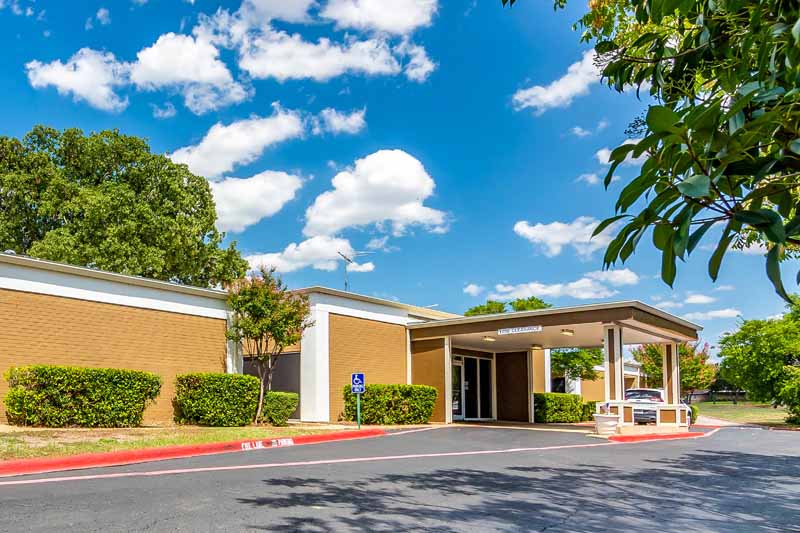
How is Interlochen Health And Rehabilitation Center Staffed?

CMS rates Interlochen Health and Rehabilitation Center's staffing level at 2 out of 5 stars, which is below average compared to other nursing homes. Staff turnover is 54%, compared to the Texas average of 46%.

What Have Inspectors Found at Interlochen Health And Rehabilitation Center?

State health inspectors documented 33 deficiencies at Interlochen Health and Rehabilitation Center during 2022 to 2025. These included: 5 Immediate Jeopardy (the most serious level, indicating potential for serious harm or death), 2 that caused actual resident harm, and 26 with potential for harm. Immediate Jeopardy findings are rare and represent the most serious regulatory concerns. They require immediate corrective action.
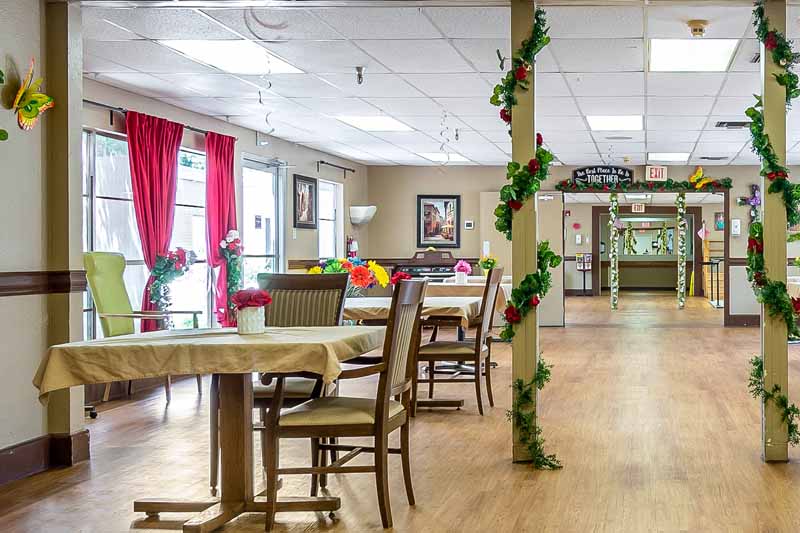
Who Owns and Operates Interlochen Health And Rehabilitation Center?

Interlochen Health and Rehabilitation Center is owned by a for-profit company. For-profit facilities operate as businesses with obligations to shareholders or private owners. The facility is operated by CREATIVE SOLUTIONS IN HEALTHCARE, a chain that manages multiple nursing homes. With 122 certified beds and approximately 80 residents (about 66% occupancy), it is a mid-sized facility located in Arlington, Texas.

How Does Interlochen Health And Rehabilitation Center Compare to Other Texas Nursing Homes?

Compared to the 100 nursing homes in Texas, Interlochen Health and Rehabilitation Center's overall rating (2 stars) is below the state average of 2.8, staff turnover (54%) is near the state average of 46%, and health inspection rating (2 stars) is below the national benchmark.

What Should Families Ask When Visiting Interlochen Health And Rehabilitation Center?

Based on this facility's data, families visiting should ask: "What changes have been made since the serious inspection findings, and how are you preventing similar issues?" "Can you walk me through typical staffing levels on day, evening, and night shifts?" "Can I visit during a mealtime to observe dining assistance and food quality?" "How do you handle medical emergencies, and what is your hospital transfer rate?" These questions are particularly relevant given the facility's Immediate Jeopardy citations and the below-average staffing rating.

Is Interlochen Health And Rehabilitation Center Safe?

Based on CMS inspection data, Interlochen Health and Rehabilitation Center has documented safety concerns. Inspectors have issued 5 Immediate Jeopardy citations (the most serious violation level indicating risk of serious injury or death). The facility has a 2-star overall rating and ranks #100 of 100 nursing homes in Texas. Families considering this facility should ask detailed questions about what corrective actions have been taken since these incidents.

Do Nurses at Interlochen Health And Rehabilitation Center Stick Around?

Interlochen Health and Rehabilitation Center has a staff turnover rate of 54%, which is 8 percentage points above the Texas average of 46%. Moderate turnover is common in nursing homes, but families should still ask about staff tenure and how the facility maintains care continuity when employees leave.

Was Interlochen Health And Rehabilitation Center Ever Fined?

Interlochen Health and Rehabilitation Center has been fined $96,345 across 6 penalty actions. This is above the Texas average of $34,042. Fines in this range indicate compliance issues significant enough for CMS to impose meaningful financial consequences. Common causes include delayed correction of deficiencies, repeat violations, or care failures affecting resident safety. Families should ask facility leadership what changes have been made since these penalties.

Is Interlochen Health And Rehabilitation Center on Any Federal Watch List?

Interlochen Health and Rehabilitation Center is not on any federal watch list. The most significant is the Special Focus Facility (SFF) program, which identifies the bottom 1% of nursing homes nationally based on persistent, serious quality problems. Not being on this list means the facility has avoided the pattern of deficiencies that triggers enhanced federal oversight. This is a positive indicator, though families should still review the facility's inspection history directly.