MATLOCK PLACE HEALTH & REHABILITATION CENTER
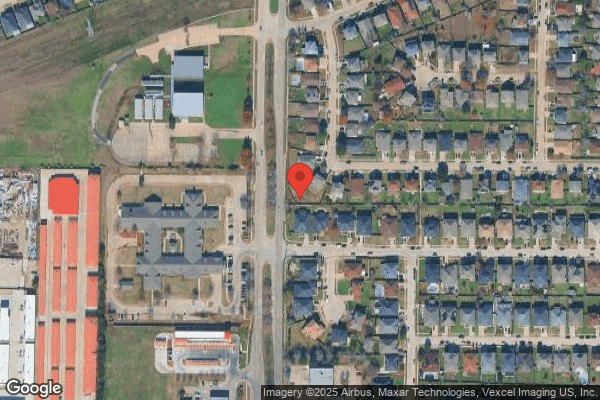
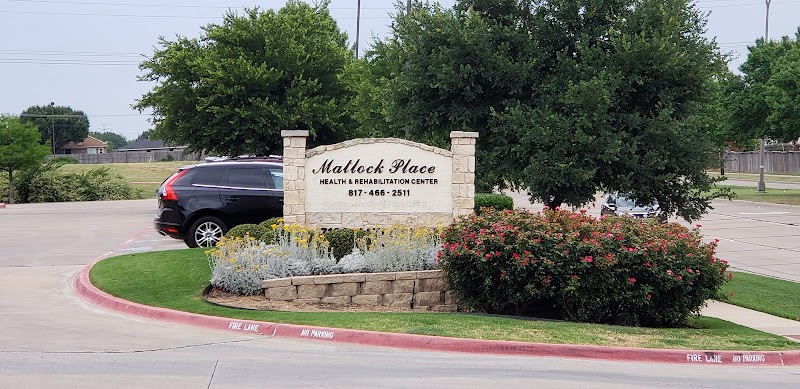
7100 MATLOCK RD, ARLINGTON, TX 76002 (817) 466-2511
For profit - Limited Liability company 148 Beds Independent Data: November 2025 4 Immediate Jeopardy citations
Trust Grade
0/100
#1038 of 1168 in TX
Last Inspection: May 2025

Inspected within the last 6 months. Data reflects current conditions.

Overview

Matlock Place Health & Rehabilitation Center has received a Trust Grade of F, indicating significant concerns about care quality and safety. Ranking #1038 out of 1168 in Texas and #62 out of 69 in Tarrant County places this facility in the bottom half, meaning there are many better options available. While the facility is showing some improvement, with issues decreasing from 22 in 2024 to 17 in 2025, it still faces serious problems. Staffing is a mixed bag, rated 2 out of 5 stars, and while the turnover is slightly below average at 48%, this is still concerning. Notably, there have been critical incidents, such as a resident being choked by another resident and a staff member roughly transferring another resident and slapping her hand, which raises serious questions about resident safety and care.

Trust Score
F
0/100
In Texas
#1038/1168
Bottom 12%
Safety Record
High Risk
Review needed
Inspections
Getting Better
22 → 17 violations
Staff Stability
⚠ Watch
48% turnover. Above average. Higher turnover means staff may not know residents' routines.
Penalties
○ Average
$17,836 in fines. Higher than 72% of Texas facilities. Some compliance issues.
Skilled Nurses
○ Average
Each resident gets 38 minutes of Registered Nurse (RN) attention daily — about average for Texas. RNs are the most trained staff who monitor for health changes.
Violations
⚠ Watch
42 deficiencies on record. Higher than average. Multiple issues found across inspections.
★☆☆☆☆
1.0
Overall Rating
★★☆☆☆
2.0
Staff Levels
★★★☆☆
3.0
Care Quality
★☆☆☆☆
1.0
Inspection Score
Stable
2024: 22 issues
2025: 17 issues

The Good

  • Full Sprinkler Coverage · Fire safety systems throughout facility
  • No fines on record

Facility shows strength in fire safety.

The Bad

1-Star Overall Rating

Below Texas average (2.8)

Significant quality concerns identified by CMS

Staff Turnover: 48%

Near Texas avg (46%)

Higher turnover may affect care consistency

Federal Fines: $17,836

Below median ($33,413)

Minor penalties assessed

The Ugly 42 deficiencies on record

4 life-threatening 1 actual harm
Aug 2025 3 deficiencies 2 IJ (2 affecting multiple)
CRITICAL (K) 📢 Someone Reported This

A family member, employee, or ombudsman was alarmed enough to file a formal complaint

Immediate Jeopardy (IJ) - the most serious Medicare violation

Free from Abuse/Neglect (Tag F0600)

Someone could have died · This affected multiple residents

**NOTE- TERMS IN BRACKETS HAVE BEEN EDITED TO PROTECT CONFIDENTIALITY** Based on observation, interview and record review the facility failed to ensure the resident had the right to be free from abuse...

Read full inspector narrative →
**NOTE- TERMS IN BRACKETS HAVE BEEN EDITED TO PROTECT CONFIDENTIALITY** Based on observation, interview and record review the facility failed to ensure the resident had the right to be free from abuse, neglect, misappropriation of resident property, and exploitation for two of six residents (Resident #1 and Resident #2) reviewed for abuse. The facility failed to ensure Resident #2, who had prior behaviors towards others, did not physically abuse Resident #1. On 08/26/25, Resident #2 had her hands around Resident #1's neck and had to be separated by facility staff. An Immediate Jeopardy (IJ) situation was identified on 08/27/25. While the IJ was removed on 08/28/25, the facility remained out of compliance at a scope of pattern with a potential for more than minimal harm, due to the facility's need to evaluate the effectiveness of the corrective systems. This failure could place residents at risk for abuse. Findings included: Review of Resident #1's Quarterly MDS Assessment, dated 05/02/25, reflected the resident was a [AGE] year-old female who was admitted to the facility on [DATE]. Her BIMS score was 05, which indicated severe cognitive impairment. Resident #1 did not have any physical or verbal behaviors towards others. Her active diagnoses included Alzheimer's Disease (a brain condition that gradually destroys memory and cognitive skills, interfering with daily life) and Depression (a mood disorder that causes persistent sadness and changes in how you think, sleep, eat, and act). Review of Resident #1's care plan, revised 11/17/24, reflected: Focus: The resident is/has potential to be physically/verbally aggressive and resistive to care r/t Dementia.Interventions/Tasks: When the resident becomes agitated: Intervene before agitation escalates; Guide away from source of distress; Engage calmly in conversation; If response is aggressive, staff to walk calmly away, and approach later. Review of Resident #1's skin assessment, dated 08/27/25 at 4:43 AM, reflected the resident had redness and an open spot on the right side of her neck and redness/spot on her right cheek. Review of Resident #1's Progress Notes reflected the following: LVN A wrote on 08/26/25 at 7:48 PM: The resident was attacked by an aggressive resident in the dining room. The aggressive resident was seen by the CNA putting her hand around the resident's neck [Resident #1] in the dining room. Nurse and CNA immediately ran towards them and intervened. Upon assessment, no injury noted. resident [sic] denies pain. Resident was redirected and taken to another seat away from the aggressive resident. NP and DON notified. Observation and interview on 08/27/25 at 10:40 AM with Resident #1 revealed she was sitting in a chair in the dining room. Resident #1 said she was doing great today. Resident #1 was observed to have redness to the right side of her neck that appeared to be a bruise that was about two inches long and an inch wide with a small open area. Resident #1 also appeared to have a small scratch to the right side of her cheek on her jawline that was also reddened. Resident #1 said she did not know what happened to her cheek or neck but it did not bother her. Review of Resident #2's admission MDS Assessment, dated 07/29/25, reflected the resident was a [AGE] year-old female who was admitted to the facility on [DATE]. Her BIMS score could not be conducted, but it was noted she had both short-term and long-term memory problems and could not make her own daily decisions. She was noted to not have any physical or verbal behaviors towards others but wandered daily that intruded on the privacy or activity of others. Her active diagnoses included Alzheimer's Disease (a brain condition that gradually destroys memory and cognitive skills, interfering with daily life) and Insomnia (a common sleep disorder that can make it hard to fall asleep or stay asleep). Review of Resident #2's Physician's Orders, dated 08/27/25, reflected the following:- Ativan Gel 0.5mg q 12 hours prn apply topically every 12 hours as needed for agitation for 14 days- Seroquel Oral Tablet 25 MG Give 1 Tablet by mouth two times a day for agitation Review of Resident #2's Treatment Administration Record reflected the following: - Resident #2 was administered the Ativan Gel (which had an order start date of 08/13/25) on the following dates: 08/14/25, 08/16/25, 08/17/25, 08/18/25, 08/19/25, 08/20/25, 08/24/25, 08/25/25, and 08/26/25. - Resident #2 was noted to have behaviors on the following dates as monitored for psychoactive behaviors: 08/02/25, 08/03/25, 08/08/25, 08/09/25, 08/14/25, 08/16/25, 08/17/25, 08/20/25, 08/21/25, 08/23/25, 08/24/25, 08/25/25, and 08/26/25. - Resident #2 was administered the Seroquel (which had a start date of 08/25/25) on the following dates: 08/25/25, 08/26/25, and 08/27/25. Review of Resident #2's Progress Notes reflected the following entries: - LVN B wrote on 07/25/25 at 2:57 PM: Resident follow up on new admit, resident continue pacing down the hallway, attempt to push fire alarm during this shift, resident continue to monitor [sic] - LVN C wrote on 07/27/25 at 1:39 AM: The resident woke up, and was very agitated, throwing around everything she could come across in her room. She was yelling out at the staff when they were offering incontinent care to her. She was calmed down and laid back to bed but still kept on waking up and coming out of her room, and re-direction was done appropriately. - LVN D wrote on 07/27/25 at 8:49 PM: Resident combative with incontinent care. She came out from the room and started pushing dining table and chairs. Resident able to redirect, sleeping in bed at this time. No s/s of acute distress noted. Bed in low position, call light within reach. - LVN C wrote on 07/28/25 at 2:14 AM: The resident woke up and was banging stuff in her room and bathroom. Staff redirected her back to bed, but she was combative, and yelling. She was brought to the dining room via wheelchair but kept standing up and pushing the tables and chairs around. She wandered through the hallway back and forth. She was redirected back to her room and agreed to lay back in bed. Right now, she is resting in bed eyes closed. - LVN B wrote on 08/07/25 at 8:47 AM: Resident going all other [sic] resident room [sic] attempting to pull them from the bed staffs [sic] continue redirecting the resident. - LVN A wrote on 08/08/25 at 1:01 AM: Resident is combative, non-compliant to care, yelling and destroying anything within her reach. Resident refused to sleep, attempting to pull roommate from the bed. All efforts to redirect resident is ineffective. NP and DON notified. - LVN C wrote on 08/10/25 at 6:29 AM: The resident pacing [sic] in the hallway entering into other patients' rooms and banging doors and throwing everything she comes across. At the dining room at the moment, throwing chairs all over and moving tables around. - LVN A wrote on 08/26/25 at 9:40 PM: Resident noted with aggressive behavior. She was seen by the CNA putting her hand around another resident's neck [Resident #1] in the dining room. Nurse and CNA immediately ran towards them and intervened. Resident was fighting and kicking staff while being redirected. PRN Ativan gel was applied with little effect. Resident also tried to pull her roommate from the bed earlier today per therapist. NP and DON notified. Resident's RP informed. Resident is currently on Q 15 mins checks for behavior. she [sic] is lying in bed in the room no behavior [sic] noted at this time. - LVN C wrote on 08/27/25 at 1:10 AM: The resident is on aggressive behavior monitoring q 15 minutes. Resident is in bed at the moment sleeping. - LVN C wrote on 08/27/25 at 5:15 AM: The resident woke up and started throwing stuff in her room. The nursing staff tried to redirect and offer incontinent care, but the resident was extremely aggressive/combative. The staff left the room. The resident kept yelling from her room. Review of Resident #2's care plan, revised on 08/14/25, did not reflect anything regarding her aggressive behaviors. Review of Resident #2's Psychiatric Initial Assessment, dated 07/30/25, reflected the following: .Patient referred for medical management services for sx including Agitation, Adjustment Disorder, Noncompliance, Verbal Aggression, Physical Aggression. Patient made eye contact with provider when approached, but was unable to appropriately participate/interact. Staff report frequent periods of anxiousness/restlessness and difficulty with redirection being exhibited by patient.At this time, recommend increasing frequency of Ativan to 0.5 mg/TID per frequent symptoms of anxiety and difficulty with redirection. Review of Resident #2's Psychiatric Subsequent Assessment, dated 08/06/25, reflected the following: .During previous visit, Ativan frequency increased to TID due to reported periods of agitation and behavioral concerns. Staff states agitation decreased but continues during periods of care. Staff also report patient frequently pacing throughout secured unit and wandering into other residents rooms. Staff reports patient being aggressive and difficult to calm/redirect.At this time, due to reported continued periods of agitation and aggression during periods of care, recommend initiation of Ativan gel 0.5 mg/Q12 HR PRN X 14 days for acute agitation/aggressive behavior. Review of Resident #2's Psychiatric Subsequent Assessment, dated 08/20/25, reflected the following: .Staff reports continued behavioral concerns being exhibited by patient. Per ADON, patient reported to have ‘taken the tank off of her toilet and breaking it, as well as tearing soap dispensers off the wall.' Nursing staff within secured unit report patient often ‘easily agitated and physically aggressive. Staff states patient will attempt to hit staff during attempted periods of care. When attempting to initiate assessment, patient was found leaning over another resident within secured unit, whom was sitting on her wheelchair, and pushing her down the hall.'.At this time, due to reported symptoms of disorganized/delusional thoughts reported, Recommend [sic] initiation of Seroquel 25 mg/BID. Review of Resident #2's Psychiatric Subsequent Assessment, dated 08/27/25, reflected the following: .During previous visit, Seroquel 25 mg/BID order recommended.Staff states the day prior to exam, patient exhibited ongoing physically aggressive behaviors and ‘Choked [sic] another resident.' Per note in [EHR], on 8/26, patient was observed by the CNA ‘putting her hand around another resident's neck' in the dining room of the secured unit. During attempted intervention by nurse and CNA, patient was ‘fighting and kicking staff' during attempted redirection. Resident was placed on Q15 min safety checks, and staff denied observing physically aggressive behaviors being exhibited prior to today's assessment.Due to minimal symptom relief with currently ordered Ativan, recommend discontinuation of Ativan and initiation of clonazepam 0.5 mg/TID with consent from POA. Observation and attempted interview on 08/27/25 at 10:35 AM with Resident #2 revealed she was sitting in a chair in the dining room mumbling to herself. Resident #2 did not look the state surveyor's way or at the state surveyor until the state surveyor continued trying to talk to her. Resident #2 appeared calm but was not able to answer any questions. Phone interview on 08/28/25 at 9:32 AM with the Psych NP revealed Resident #2 was physically aggressive during moments of agitation and was difficult to redirect. The Psych NP said staff had been communicating with him about the increase in her behaviors and he added orders for a PRN Ativan gel and Seroquel more recently. The Psych NP said he noticed during his meetings with her that she was uncooperative, non-compliant, and had disorganized speech and he was not sure what was causing all of these behaviors. The Psych NP said staff also explained to him how difficult Resident #2 was to manage and control, that she had taken off the tank to the toilet and the soap dispensers from the walls, she was wheeling another unknown resident down the hall in her wheelchair in an aggressive manner, and now she had choked another resident (Resident #1). The Psych NP said Resident #2's behaviors were quite frequent and often from what he had witnessed and was told. The Psych NP said from what he was told and understood, staff were trying to minimize her behaviors the best they could and limited her interactions with others. The Psych NP said it was almost to the point that she needed 1:1 care because her behaviors were so severe. The Psych NP said he was working to get her on the right medication regiment hoping that would help to reduce her behaviors. Interview on 08/27/25 at 10:23 AM with LVN B revealed she got report from the night nurse this morning that Resident #2 attacked or scratched Resident #1 yesterday. LVN B said Resident #1 had some redness to her neck that looked like it was a scratch but she was not sure if it was from the incident with Resident #2 or not. LVN B said Resident #2 wandered a lot around the unit and was a difficult resident to handle. LVN B said Resident #2 would get mad and yell and be agitated for no reason. LVN B said staff were monitoring Resident #2 every 15 minutes right now by just keeping an eye on her in general and noting where she was or what she was doing. LVN B said Resident #2 tried to touch other residents but staff usually intervened before anything could happen because if anyone was near her anything could set her off. LVN B said when Resident #2 started to show agitation, staff would try to calm her down by singing with her, taking her for a walk outside, or getting her something to eat or drink. LVN B said Resident #2's behaviors were unpredictable and there was no trigger for it. LVN B said she was not sure if she had been trained on what to do specifically with Resident #2 in order to decrease her behaviors or reduce her agitation. LVN B said she had never seen Resident #2 be physically aggressive with another resident during her shift. Follow-up interview on 08/27/25 at 10:40 AM with LVN B revealed she saw Resident #1's reddened areas to her neck and cheek but could not recall if the reddened areas were there yesterday or not. LVN B said she did not pay much attention to Resident #1 yesterday, so she was not sure if the reddened areas were a result of the incident with Resident #2 or not. Attempted phone interview on 08/27/25 at 11:04 AM with CNA D, who worked with Residents #1 and #2 on 08/26/25, was unsuccessful as she did not answer or call back prior to exit. Attempted phone interview on 08/27/25 at 11:05 AM with LVN C, who worked with Residents #1 and #2 on 08/26/25, was unsuccessful as she did not answer or call back prior to exit. Phone interview on 08/27/25 at 11:08 AM with LVN A revealed she was at the nurses' station when she heard CNA E yelling, She's about to choke the resident. LVN A said she and CNA E ran towards Residents #1 and #2 and when they got to them, Resident #2's hand was round Resident #1's neck. LVN A said her and CNA E were able to pull Resident #2's hand away from Resident #1's neck, but Resident #2 continued to fight staff while trying to redirect her. LVN A said when she assessed Resident #1 she saw there were reddened and open areas on Resident #1's neck and cheek, but she did not think that was related to the incident, but that it was a rash. LVN A said Resident #2 had physically aggressive behaviors such as she pushed another unknown resident in the dining room on Monday, which was reported to the Abuse Coordinator, but the resident did not sustain any injuries. LVN A said she communicated with the Psych NP about Resident #2's behaviors and PRN Ativan gel was added to her orders. LVN A said when Resident #2 became agitated and unable to be redirected, she would apply the gel. Follow-up interview on 08/27/25 at 3:03 PM with LVN A revealed she did not check Resident #1's skin prior to the incident and did not know if it was due to the incident or a rash. LVN A said she only noticed the rash after the incident because she had to do a skin assessment. LVN A was unable to say how long Resident #1 had the rash to her skin and could not describe what it looked like. LVN A said Resident #2 was having an increase in her agitation and physical behaviors. LVN A said when Resident #2 first came to the facility, she was flinging chairs and tables around the dining room. LVN A said she reported this to the NP who ordered new medications, but Resident #2's behaviors did not change. LVN A said that was when the NP ordered the PRN Ativan gel but it did not work either. LVN A said she did communicate with the DON when she saw Resident #2 become physically aggressive with other residents. LVN A showed a text message exchange between her and the DON from 08/08/25 discussing Resident #2's agitation and physically aggressive behaviors regarding resisting care and destroying anything within her reach. LVN A said she knew to report any incident to the DON immediately that concerned residents. Phone interview on 08/27/25 at 11:21 AM with CNA E revealed Resident #2 was very aggressive last night and very agitated. CNA E said Resident #2 was trying to pull the table and chairs in the dining room. CNA E said she tried to move closer to Resident #2 and get her to calm down by talking to her but the resident refused. CNA E said she also tried redirecting her but again, Resident #2 refused. CNA E said when she moved closer to Resident #2, Resident #2 moved closer to Resident #1 and grabbed her neck, choking her. CNA E said she rushed towards the residents and tried to separate them and pulled Resident #2's hands off Resident #1's neck. CNA E said this behavior was normal for Resident #2 because she was always agitated and aggressive. CNA E said when Resident #2 became agitated she would try to calm her down, move close to her, and talk to her. CNA E said Resident #2 was very strong and would fight staff during care and drag staff to the ground because she was so strong. CNA E said staff would have to act fast to be near her to make sure she did not harm other residents. CNA E said she did everything she could to try and keep Resident #2 from hurting others, but nothing seemed to work. Follow-up interview on 08/27/25 at 2:42 PM with CNA E revealed Resident #2 had physically aggressive behaviors towards others ever since she arrived at the facility. CNA E said especially the last few days, Resident #2 had been showing signs of agitation and aggression. CNA E said Resident #2 pushed another resident in the dining room the other day and then had choked Resident #1 last night while she was upset. CNA E said Resident #2 would get upset and staff had to calm her down. CNA E said staff had to be alert and watch Resident #2 closely when she became agitated because when she got angry she was very strong and tried to push tables, chairs, and throw things. CNA E said staff would redirect her during these behaviors, but the redirection did not work and Resident #2 would continue her behaviors. CNA E said when these behaviors occurred, she would tell the nurse and assumed the nurse would let the ADON/DON know. Interview on 08/27/25 at 11:43 AM with CNA F revealed she cared for Resident #1 yesterday (08/26/25) and did not see any redness or scratches to her cheek or neck. CNA F said when she came to work this morning, she heard a fight happened between Residents #1 and #2. CNA F said she figured the scratches and redness to Resident #1's cheek and neck happened from the incident with Resident #2. CNA F said since the incident happened, the nurse was monitoring Resident #2 every 15 minutes, but she was not informed to do anything different regarding Resident #2. CNA F said Resident #2 was calm this morning, but she did start to yell. After going to the resident's side and talking to her, the resident calmed down. CNA F said Resident #2 was always agitated, wild, and out of control. CNA F said when Resident #2 got that way staff tried to calm her down by giving her something to drink or taking her somewhere else to calm down. CNA F said sometimes those interventions helped Resident #2 calm down, and sometimes they did not. CNA F said when redirection did not work, they would leave Resident #2 alone and just monitor her closely because she would try to go to other resident's rooms. CNA F said one day she saw Resident #2 trying to get into her roommate's bed and was trying to get the roommate out of the bed. CNA F said she rushed into the room to stop Resident #2 from hurting the roommate and nothing happened. Interview on 08/27/25 at 1:24 PM with CNA H revealed she had only been working at the facility for a month but knew Resident #2 was easily agitated. CNA H said she never seen Resident #2 be physically aggressive with another resident. CNA H said she knew to follow closely behind Resident #2 and make sure she was safe and not going to hurt anyone because she wandered around a lot. CNA H said Resident #2 was on every 15-minute checks right now because of what happened. CNA H said if she saw any resident trying to hurt another resident she would separate them and call for the nurse. CNA H said she knew when Resident #2 got upset, staff needed to help calm her down by offering her something to drink or eat. Interview on 08/27/25 at 2:49 PM with CNA I revealed Resident #2 was very erratic at times and when she got that way she would try to hurt other residents and staff. CNA I said staff would try to redirect Resident #2 to calm her down but it did not work because she did not want to be redirected. CNA I said last night specifically, Resident #2 was very upset and was behaving so badly, she was sitting at a table trying to push it away and knock residents out of their wheelchairs while hitting and swinging at them. CNA I said Resident #2 put her hands around Resident #1's neck to choke her. CNA I said when she saw Resident #1 before the incident, she did not have any marks on her cheek or neck but after the incident, Resident #1 had red spots on her cheek and neck. CNA I said Resident #2 also had a habit of wanting to get in her roommate's bed even while the resident was in the bed and if staff tried to stop her she would get more upset. CNA I said Resident #2's roommate was moved out of her room last night so she would be safe. CNA I said Resident #2's behaviors were unpredictable in that she would be walking around and then walk up to a resident and start trying to be physical towards them. CNA I said there was not a trigger causing Resident #2's behaviors that she could identify. CNA I said Resident #2 acted this way ever since she got to the facility, but her behavior was getting worse. CNA I said she had not talked to anyone in management about Resident #2's behaviors because she was told to just redirect her even though she refused the redirection. CNA I said the nurse on shift knew about Resident #2's behaviors and she thought the nurse would report everything to management. CNA I said before Resident #2 choked Resident #1, she had not harmed or hurt any other resident. Follow-up interview on 08/27/25 at 4:08 PM with CNA I revealed after Resident #2 had choked Resident #1, Resident #1 was very upset and scared. CNA I said she herself was also scared after the incident, and Resident #1 seemed very emotional afterwards asking why someone would do that to her. CNA I said she tried to calm her down and assured her she was safe. Interview on 08/27/25 at 2:37 PM with the MDS Coordinator revealed she was ultimately responsible for updating the resident's care plans, but all nurses could update them as well. The MDS Coordinator said she had not heard Resident #2 had behaviors towards others so she did not know to update her care plan to address them. The MDS Coordinator said she attended all the clinical morning meetings where staff would discuss such behaviors and then she would update the resident's care plan then. Interview on 08/27/25 at 1:10 PM with ADON G revealed she understood Resident #2 had sporadic behaviors at times, like when she went towards Resident #1 and grabbed her neck. ADON G said staff were able to separate the two residents during the incident. ADON G said they were dealing with Resident #2 because she got agitated but they thought it was because she was in a new environment since she was a newer admit and needed time to adjust. ADON G said Resident #2 had these sporadic moments where staff did not know what was going to happen, so they closely monitored her. ADON G said she was not sure if the redness and scratches to Resident #1's cheek and neck were from the incident with Resident #2 or not, because she had not seen them for herself yet. Follow-up interview on 08/27/25 at 1:41 PM with ADON G revealed she saw Resident #1 and noticed she had 4 dots, two of which were prominent but dried up and closed now. ADON G said she thought the redness to Resident #1's skin was from a scratch but she could not be sure. ADON G said Resident #2 was physically aggressive with staff before the incident with Resident #1 but she had swung towards other residents before, just never made contact with them. ADON G said Resident #2 had also pushed another resident on Monday (08/25/25) in the dining room but the resident did not sustain any injuries. ADON G said she was not sure what interventions were put in place to keep other residents safe from Resident #2's physically aggressive behaviors but she would have the Psych NP review her medications again. ADON G said she knew the Psych NP already ordered PRN Ativan gel and Seroquel to help with Resident #2's behaviors but staff reported the medications were not working. ADON G said she was going to have to meet with the IDT to see what the next steps were for Resident #2. ADON G said she also received a report that Resident #2 tried to get in her roommate's bed and move the roommate out of the bed but the CNA intervened and stopped it from happening. ADON G said right now, Resident #2 was being monitored every 15 minutes by the nurse until the facility could decide what next steps to take with her regarding her behaviors. ADON G said what happened between Residents #1 and #2 was considered physical abuse. ADON G said all residents had the right to be free from abuse. ADON G said staff were in-serviced regarding abuse as they went over who the abuse coordinator was for the facility, the types of abuse, and what to do when someone abused someone and how quickly to report abuse. Interview on 08/27/25 at 2:06 PM with the DON revealed she was told last night Resident #2 tried to choke Resident #1 but staff were able to separate the two residents. The DON said Resident #2 was placed on every 15-minute checks by the nurse and then she, herself, came to the building. The DON said Resident #2 had a roommate at the time who was moved out of the room for her safety. The DON said staff also gave Resident #2 a shower and she fought during that, which was normal behavior for her. The DON said after Resident #2 went to bed. The DON said the NP was contacted and responded a psychiatric evaluation needed to be completed. The DON said the Psych NP came today (08/27/25) to meet and evaluate Resident #2. The DON said Resident #2 was just ordered Seroquel a few days ago and had not had the chance to become effective. The DON said she looked at Resident #1 and she was upset but calmed down and sat at the nurse's station. The DON said she noticed two spots on Resident #1's neck and cheek but she was not sure if they were caused by the incident with Resident #2 or not. The DON said the two spots looked dry and scabbed over. The DON said she knew about Resident #2's behaviors because she was told on Monday the resident pushed another resident. The DON said she was told by staff Resident #2 was resistive to care and would fight with staff but never tried to attack residents. The DON said if the staff did not tell her what was happening with Resident #2, she could not fix anything or address her behaviors. The DON said sometimes she reviewed staff's charting and the 24-hour report but it was not a regular occurrence for her. The DON said the plan to address Resident #2's behaviors now were that the Psych NP was going to adjust her medications after his evaluation. The DON said she knew to help clam Resident #2 down, she liked to go outside when she was agitated so that was an intervention staff could use. The DON said Resident #2's care plan did not address her behaviors because before this incident she was not aware of them. The DON said the ADON and the MDS Coordinator were responsible for updating a resident's care plan if they knew what to update it with. The DON said the purpose of the care plan was to know what interventions should be used to address the situation or behavior. The DON said if the care plan was not updated for a resident, then staff would not know how to manage the resident's behavior and things could escalate. The DON said what happened between Residents #1 and #2 was considered physical abuse. The DON said all residents should be free from abuse. The DON said all staff were responsible for ensuring all residents were free from abuse. The DON said if residents were not free from abuse, they were at risk of potential injury, death, and being harmed. The DON said all staff were trained on the facility's policy regarding abuse, specifically going over who to report abuse to, the types of abuse, and the timeliness to report abuse. Interview on 08/27/25 at 3:15 PM with the Administrator revealed she was told by the DON Resident #2 had put her hands around Resident #1's neck. The Administrator said she and the DON got to the facility to get the statements from the nurse and CNA about what happened. The Administrator said the CNA told her she was nearby Resident #2 who walked towards Resident #1 and started grabbing her neck. The Administrator said the CNA quickly removed Resident #2's hands from Resident #1 and then separated the residents. The Administrator said Resident #2 was placed on every 15-minute checks by the nurse after everything was settled. The Administrator said the DON started an abuse in-service with staff that went over who to report abuse to, the types of abuse, and how quickly staff were supposed to report abuse. The Administrator said she did not look to see if Resident #1 had any injuries from Resident #2 or not. The Administrator said the 6 AM to 2 PM nurse, LVN B, came to the morning clinical meetings and would explain the resident got agitated with staff and she would be redirected and kept away from other residents. The Administrator said no other shift nurses reported to the clinical meetings, it was only the 6 AM to 2 PM shift nurses. The Administrator said other shift nurses reported things on the 24-hour report or would call the DON to let her know what was going on, such as if a resident began to have behaviors. The Administrator said she knew CNA's were told to redirect Resident #2 and get her involved in some type of activity, take her outside, or play some music. The Administrator said she heard Resident #2 pushed another resident a few days ago but the resident did not have any injuries from the situation. The Administrator said she was not told Resident #2 had been swinging at or trying to hit other residents. The Administrator said she could only intervene if she knew what was happening and since she did not know about Resident #2's behaviors, she could not put things in place. The Administrator said she expected staff to communicate with her when a resident showed signs of increased agitation and behaviors. The Administrator said if she knew about the extent of Resident #2's behaviors she could have taken other steps to ensure the residents' safety, such as transferring her to be evaluated. The Administrator said Resident #2's care plan was not updated either to reflect her behaviors because the management staff did not know about it. The Administrator said she was the abuse coordinator for the facility, and this situation was considered physical abuse. The Administrator said all residents had the right to be free from abuse and all staff were responsible for making sure they were. The Administrator said if residents were not free from abuse they would be harmed or have some type of trauma happen to them up to and including death. Review of the facility's policy, revised 06/24/24, and titled Abuse, Neglect and Exploitation reflected: Definitions: ‘Abuse' means the willful infliction of injury, unreasonable confinement, intimidation, or punishment
CRITICAL (K) 📢 Someone Reported This

A family member, employee, or ombudsman was alarmed enough to file a formal complaint

Immediate Jeopardy (IJ) - the most serious Medicare violation

Comprehensive Care Plan (Tag F0656)

Someone could have died · This affected multiple residents

**NOTE- TERMS IN BRACKETS HAVE BEEN EDITED TO PROTECT CONFIDENTIALITY** Based on observation, interview, and record review, the facility failed to develop and implement a comprehensive person-centered...

Read full inspector narrative →
**NOTE- TERMS IN BRACKETS HAVE BEEN EDITED TO PROTECT CONFIDENTIALITY** Based on observation, interview, and record review, the facility failed to develop and implement a comprehensive person-centered care plan for each resident, consistent with resident rights that includes measurable objectives and timeframes to meet a resident's medical, nursing, and psychosocial needs that are identified in the comprehensive assessment that describes the services that are to be furnished to attain or maintain the resident's highest practicable physical, mental, and psychosocial well-being for 1 of 5 residents (Resident #2) reviewed for care plan accuracy. The facility failed to develop and implement a care plan revised on 08/14/25 for Resident #2, which addressed her physically aggressive behaviors towards others between 08/02/25 to 08/26/25. LVN A and CNA E were able to pull Resident #2's hand away from Resident #1's neck on 08/26/2025. An IJ was identified on 08/27/25. The IJ template was provided to the facility on [DATE] at 5:18 PM. While the IJ was removed on 08/28/25, the facility remained out of compliance at a scope of pattern and a severity level potential for more than minimal harm that is not Immediate Jeopardy, due to the facility's need to implement corrective systems. This failure placed residents at risk of not receiving needed services due to inaccurate comprehensive care plans. Findings included: Review of Resident #2's admission MDS Assessment, dated 07/29/25, reflected she was a [AGE] year-old female who was admitted to the facility on [DATE]. Her BIMS score could not be conducted, but it was noted she had both short-term and long-term memory problems and could not make her own daily decisions. She was noted to not have any physical or verbal behaviors towards others, but did wander daily that intruded on the privacy or activity of others. Her active diagnoses included Alzheimer's Disease (a brain condition that gradually destroys memory and cognitive skills, interfering with daily life) and Insomnia (a common sleep disorder that can make it hard to fall asleep or stay asleep). Review of Resident #2's care plan, revised on 08/14/25, revealed it did not reflect anything regarding her aggressive behaviors. Review of Resident #2's Physician's Orders reflected the following:- Ativan Gel 0.5mg q 12 hours prn apply topically every 12 hours as needed for agitation for 14 days- Seroquel Oral Tablet 25 MG Give 1 Tablet by mouth two times a day for agitation Review of Resident #2's Treatment Administration Record reflected the following:- She was administered the Ativan Gel on the following dates: 08/14/25, 08/16/25, 08/17/25, 08/18/25, 08/19/25, 08/20/25, 08/24/25, 08/25/25, and 08/26/25. - She was noted to have behaviors on the following dates as monitored for psychoactive behaviors: 08/02/25, 08/03/25, 08/08/25, 08/09/25, 08/14/25, 08/16/25, 08/17/25, 08/20/25, 08/21/25, 08/23/25, 08/24/25, 08/25/25, and 08/26/25.- She was administered the Seroquel on the following dates: 08/25/25, 08/26/25, and 08/27/25. Review of Resident #2's Progress Notes reflected the following:- LVN B wrote on 07/25/25 at 2:57 PM: Resident follow up on new admit, resident continue pacing down the hallway, attempt to push fire alarm during this shift, resident continue to monitor [sic]- LVN C wrote on 07/27/25 at 1:39 AM: The resident woke up, and was very agitated, throwing around everything she could come across in her room. She was yelling out at the staff when they were offering incontinent care to her. She was calmed down and laid back to bed but still kept on waking up and coming out of her room, and re-direction was done appropriately.- LVN D wrote on 07/27/25 at 8:49 PM: Resident combative with incontinent care. She came out from the room and started pushing dining table and chairs. Resident able to redirect, sleeping in bed at this time. No s/s of acute distress noted. Bed in low position, call light within reach.- LVN C wrote on 07/28/25 at 2:14 AM: The resident woke up and was banging stuff in her room and bathroom. Staff redirected her back to bed, but she was combative, and yelling. She was brought to the dining room via wheelchair but kept standing up and pushing the tables and chairs around. She wandered through the hallway back and forth. She was redirected back to her room and agreed to lay back in bed. Right now, she is resting in bed eyes closed.- LVN B wrote on 08/07/25 at 8:47 AM: Resident going all other [sic] resident room [sic] attempting to pull them from the bed staffs [sic] continue redirecting the resident.- LVN A wrote on 08/08/25 at 1:01 AM: Resident is combative, non-compliant to care, yelling and destroying anything within her reach. Resident refused to sleep, attempting to pull roommate from the bed. All efforts to redirect resident is ineffective. NP and DON notified.- LVN C wrote on 08/10/25 at 6:29 AM: The resident pacing [sic] in the hallway entering into other patients' rooms and banging doors and throwing everything she comes across. At the dining room at the moment, throwing chairs all over and moving tables around.- LVN A wrote on 08/26/25 at 9:40 PM: Resident noted with aggressive behavior. She was seen by the CNA putting her hand around another resident's neck (Resident #1) in the dining room. Nurse and CNA immediately ran towards them and intervened. Resident was fighting and kicking staff while being redirected. PRN Ativan gel was applied with little effect. Resident also tried to pull her roommate from the bed earlier today per therapist. NP and DON notified. Resident's RP informed. Resident is currently on Q 15 mins checks for behavior. she [sic] is lying in bed in the room no behavior [sic] noted at this time.- LVN C wrote on 08/27/25 at 1:10 AM: The resident is on aggressive behavior monitoring q 15 minutes. Resident is in bed at the moment sleeping.- LVN C wrote on 08/27/25 at 5:15 AM: The resident woke up and started throwing stuff in her room. The nursing staff tried to redirect and offer incontinent care, but the resident was extremely aggressive/combative. The staff left the room. The resident kept yelling from her room. Review of Resident #2's Psychiatric Initial Assessment, dated 07/30/25, reflected the following: .Patient referred for medical management services for sx including Agitation, Adjustment Disorder, Noncompliance, Verbal Aggression, Physical Aggression. Patient made eye contact with provider when approached, but was unable to appropriately participate/interact. Staff report frequent periods of anxiousness/restlessness and difficulty with redirection being exhibited by patient.At this time, recommend increasing frequency of Ativan to 0.5 mg/TID per frequent symptoms of anxiety and difficulty with redirection. Review of Resident #2's Psychiatric Subsequent Assessment, dated 08/06/25, reflected the following: .During previous visit, Ativan frequency increased to TID due to reported periods of agitation and behavioral concerns. Staff states agitation decreased but continues during periods of care. Staff also report patient frequently pacing throughout secured unit and wandering into other residents rooms. Staff reports patient being aggressive and difficult to calm/redirect.At this time, due to reported continued periods of agitation and aggression during periods of care, recommend initiation of Ativan gel 0.5 mg/Q12 HR PRN X 14 days for acute agitation/aggressive behavior. Review of Resident #2's Psychiatric Subsequent Assessment, dated 08/20/25, reflected the following: .Staff reports continued behavioral concerns being exhibited by patient. Per ADON, patient reported to have ‘taken the tank off of her toilet and breaking it, as well as tearing soap dispensers off the wall.' Nursing staff within secured unit report patient often ‘easily agitated and physically aggressive. Staff states patient will attempt to hit staff during attempted periods of care. When attempting to initiate assessment, patient was found leaning over another resident within secured unit, whom was sitting on her wheelchair, and pushing her down the hall.'.At this time, due to reported symptoms of disorganized/delusional thoughts reported, Recommend [sic] initiation of Seroquel 25 mg/BID. Review of Resident #2's Psychiatric Subsequent Assessment, dated 08/27/25, reflected the following: .During previous visit, Seroquel 25 mg/BID order recommended.Staff states the day prior to exam, patient exhibited ongoing physically aggressive behaviors and ‘Choked [sic] another resident.' Per note in [EHR], on 8/26, patient was observed by the CNA ‘putting her hand around another resident's neck' in the dining room of the secured unit. During attempted intervention by nurse and CNA, patient was ‘fighting and kicking staff' during attempted redirection. Resident was placed on Q15 min safety checks, and staff denied observing physically aggressive behaviors being exhibited prior to today's assessment.Due to minimal symptom relief with currently ordered Ativan, recommend discontinuation of Ativan and initiation of clonazepam 0.5 mg/TID with consent from POA. Observation and attempted interview on 08/27/25 at 10:35 AM with Resident #2 revealed she was sitting in a chair in the dining room mumbling to herself. Resident #2 did not look the surveyor's way or at the surveyor until the surveyor continued trying to talk to her. Resident #2 appeared calm but was not able to answer any questions. Review of Resident #1's Quarterly MDS Assessment, dated 05/02/25, revealed she was a [AGE] year-old female who was admitted to the facility on [DATE]. Her BIMS score was 05, indicating severe cognitive impairment. Her MDS indicated she did not have any physical or verbal behaviors towards others. Her active diagnoses included Alzheimer's Disease (a brain condition that gradually destroys memory and cognitive skills, interfering with daily life) and Depression (a mood disorder that causes persistent sadness and changes in how you think, sleep, eat, and act). Review of Resident #1's care plan, revised 11/17/24, reflected: Focus: The resident is/has potential to be physically/verbally aggressive and resistive to care r/t Dementia.Interventions/Tasks: When the resident becomes agitated: Intervene before agitation escalates; Guide away from source of distress; Engage calmly in conversation; If response is aggressive, staff to walk calmly away, and approach later. Review of Resident #1's Progress Notes reflected the following:- LVN A wrote on 08/26/25 at 7:48 PM: The resident was attacked by an aggressive resident in the dining room. The aggressive resident was seen by the CNA putting her hand around the resident's neck (Resident #1) in the dining room. Nurse and CNA immediately ran towards them and intervened. Upon assessment, no injury noted. resident [sic] denies pain. Resident was redirected and taken to another seat away from the aggressive resident. NP and DON notified. Review of Resident #1's skin assessment, dated 08/27/25, reflected she had redness and an open spot on the right side of her neck and redness/spot to her right cheek. Observation and interview on 08/27/25 at 10:40 AM with Resident #1 revealed she was sitting in a chair in the dining room. Resident #1 said she was doing great today. Resident #1 was observed to have redness to the right side of her neck that appeared to be a bruise that was about two inches long and an inch wide with a small open area. Resident #1 also appeared to have a small scratch to the right side of her cheek on her jawline that was also reddened. Resident #1 said she did not know what happened to her cheek or neck but it did not bother her. Interview on 08/27/25 at 10:23 AM with LVN B revealed she got report from the night nurse this morning that Resident #2 attacked or scratched Resident #1 yesterday. LVN B said Resident #1 had some redness to her neck that looked like it was a scratch but she was not sure if it was from the incident with Resident #2 or not. LVN B said Resident #2 had wandered a lot around the unit and was a difficult resident to handle. LVN B said Resident #2 would get mad and yell and be agitated for no reason. LVN B said staff were monitoring Resident #2 every 15 minutes right now by just keeping an eye on her. LVN B said Resident #2 tried to touch other residents but staff usually intervened before anything could happen because if anyone was near her anything could set her off. LVN B said when Resident #2 started to show agitation, staff would try to calm her down by singing with her, taking her for a walk outside, or getting her something to eat or drink. LVN B said Resident #2's behaviors were unpredictable and there was no trigger for it. LVN B said she was not sure if she had been trained on what to do specifically with Resident #2 in order to decrease her behaviors or reduce her agitation. LVN B said she had never seen Resident #2 be physically aggressive with another resident during her shift. Follow-up interview on 08/27/25 at 10:40 AM with LVN B revealed she saw Resident #1's reddened areas to her neck and cheek but could not recall if they were there yesterday or not. LVN B said she did not pay much attention to Resident #1 yesterday so she was not sure if the reddened areas were a result of the incident with Resident #2 or not. Phone interview on 08/27/25 at 11:04 AM with CNA D, who worked with Residents #1 and #2 on 08/26/25, was unsuccessful as she did not answer or call back prior to exit. Phone interview on 08/27/25 at 11:05 AM with LVN C, who worked with Residents #1 and #2 on 08/26/25, was unsuccessful as she did not answer or call back prior to exit. Phone interview on 08/27/25 at 11:08 AM with LVN A revealed she was at the nurses' station when she heard CNA E yelling, She's about to choke the resident. LVN A said she and CNA E ran towards Residents #1 and #2 and when they got to them, Resident #2's hand was round Resident #1's neck. LVN A said her and CNA E were able to pull Resident #2's hand away from Resident #1's neck, but Resident #2 continued to fight staff while trying to redirect her. LVN A said that when she assessed Resident #1 she saw there was a reddened and opened areas to her neck and cheek but she did not think that was related to the incident, but that it was a rash. LVN A said that Resident #2 had physically aggressive behaviors such as she pushed another resident in the dining room on Monday, which was reported to the Abuse Coordinator but the resident did not sustain any injuries. LVN A said she communicated with the Psych NP about Resident #2's behaviors and PRN Ativan gel was added to her orders. LVN A said Resident #2 became agitated and unable to be redirected, she would apply the gel. Follow-up interview on 08/27/25 at 3:03 PM with LVN A revealed she did not check Resident #1's skin prior to the incident and did not know if it was due to the incident or a rash. LVN A said she only noticed the rash after the incident because she had to do a skin assessment. LVN A was unable to say how long Resident #1 had the rash to her skin and could not describe what it looked like. LVN A said that Resident #2 had been having an increase in her agitation and physical behaviors. LVN A said when Resident #2 first came to the facility, she was flinging chairs and tables around the dining room. LVN A said she reported this to the NP who ordered new medications but Resident #2's behaviors did not change. LVN A said that was when the NP ordered the PRN Ativan gel but it did not work either. LVN A said she did communicate with the DON when she saw Resident #2 become physically aggressive with other residents. LVN A showed a text message exchange between her and the DON from 08/08/25 discussing Resident #2's agitation and physically aggressive behaviors regarding resisting care and destroying anything within her reach. LVN A said she knew to report any incident to the DON immediately that concerned residents. Phone interview on 08/27/25 at 11:21 AM with CNA E revealed Resident #2 was very aggressive last night and very agitated. CNA E said Resident #2 was trying to pull the table and chairs in the dining room. CNA E said she tried to move closer to Resident #2 and get her to calm down by talking to her but the resident refused. CNA E said she also tried redirecting her but again, Resident #2 refused. CNA E said when she moved closer to Resident #2, Resident #2 moved close to Resident #1 and grabbed her neck choking her. CNA E said she rushed towards the residents and tried to separate them and pull Resident #2's hands off Resident #1's neck. CNA E said this behavior was normal for Resident #2 because she was always agitated and aggressive. CNA E said when Resident #2 became agitated she would try to calm her down, move close to her, and talk to her. CNA E said Resident #2 was very strong and would fight staff during care and drag staff to the ground because she was so strong. CNA E said staff would have to act fast to be near her to make sure she did not harm other residents. CNA E said she did everything she could to try and keep Resident #2 from hurting others but nothing seemed to work. Follow-up interview on 08/27/25 at 2:42 PM with CNA E revealed Resident #2 had physically aggressive behaviors towards others ever since she arrived to the facility. CNA E said especially the last few days, Resident #2 had been showing signs of agitation and aggression. CNA E said Resident #2 pushed another resident in the dining room the other day and then had choked Resident #1 last night while she was upset. CNA E said Resident #2 would get upset and staff had to calm her down. CNA E said staff had to be alert and watch Resident #2 closely when she became agitated because when she got angry she was very strong in trying to push tables, chairs, and throw things. CNA E said staff would redirect her during these behaviors but the redirection did not work and Resident #2 would continue her behaviors. CNA E said when these behaviors occurred, she would tell the nurse and assumed the nurse would let the ADON/DON know. CNA E said she had not been trained on anything specific to do with Resident #2 regarding her behaviors. Interview on 08/27/25 at 11:43 AM with CNA F revealed she cared for Resident #1 yesterday and did not see any redness or scratches to her cheek or neck. CNA F said when she came to work this morning, she heard that a fight happened between Residents #1 and #2. CNA F said she figured the scratches and redness to Resident #1's cheek and neck happened from the incident with Resident #2. CNA F said that since the incident happened, the nurse was monitoring Resident #2 every 15 minutes, but she was not informed to do anything different regarding Resident #2. CNA F said Resident #2 had been calm this morning but did start to yell and after going to her side and talking to her, the resident calmed down. CNA F said Resident #2 was always agitated, wild, and out of control. CNA F said when Resident #2 got that way staff tried to calm her down by giving her something to drink or taking her somewhere else to calm down. CNA F said sometimes those interventions helped Resident #2 to calm down, and sometimes they did not. CNA F said when redirection did not work, they would leave Resident #2 alone and just monitor her closely because she would try to go to other resident's rooms. CNA F said one day she saw Resident #2 trying to get into her roommate's bed and was trying to get the roommate out of the bed. CNA F said she rushed into the room to stop Resident #2 from hurting the roommate and nothing happened. Interview on 08/27/25 at 1:24 PM with CNA H revealed she had only been working at the facility for a month but knew Resident #2 was easily agitated. CNA H said she had never seen Resident #2 be physically aggressive with another resident. CNA H said she knew to follow closely behind Resident #2 and make sure she was safe and not going to hurt anyone because she wandered around a lot. CNA H said Resident #2 was on every 15-minute checks right now because of what happened. CNA H said if she saw any resident trying to hurt another resident she would separate them and call for the nurse. CNA H said she knew when Resident #2 got upset, staff needed to help calm her down by offering her something to drink or eat. Interview on 08/27/25 at 2:49 PM with CNA I revealed Resident #2 was very erratic at times and when she got that way she would try to hurt other residents and staff. CNA I said staff would try to redirect Resident #2 to calm her down but it did not work because she did not want to be redirected. CNA I said last night specifically, Resident #2 was very upset and was behaving so badly that she was sitting at a table trying to push it away and knock residents out of their wheelchairs while hitting and swinging at them. CNA I said Resident #2 put her hands around Resident #1's neck to choke her. CNA I said when she saw Resident #1 before the incident, she did not have any marks on her cheek or neck but after the incident, Resident #1 had red spots on her cheek and neck. CNA I said Resident #2 also had a habit of wanting to get in her roommate's bed even while the resident was in the bed and if staff tried to stop her she would get more upset. CNA I said Resident #2's roommate was moved out of her room last night so that she would be safe. CNA I said Resident #2's behaviors were unpredictable in that she would be walking around and then walk up to a resident and start trying to be physical towards them. CNA I said there was not a trigger causing Resident #2's behaviors that she could identify. CNA I said Resident #2 had acted this way ever since she got to the facility, but her behavior was getting worse. CNA I said she had not talked to anyone in management about Resident #2's behaviors because she was told to just redirect her even though she refused the redirection. CNA I said the nurse on shift knew about Resident #2's behaviors and she thought the nurse would report everything to management. CNA I said before Resident #2 choked Resident #1, she had not harmed or hurt any other resident. Follow-up interview on 08/27/25 at 4:08 PM with CNA I revealed after Resident #2 had choked Resident #1, Resident #1 was very upset and scared. CNA I said she herself was also scared after the incident, and Resident #1 seemed very emotional afterwards asking why someone would do that to her. CNA I said she tried to calm her down and assure her she was safe. Interview on 08/27/25 at 2:37 PM with the MDS Coordinator revealed she was ultimately responsible for updating resident's care plans, but all nurses could update them as well. The MDS Coordinator said she had not heard that Resident #2 had behaviors towards others so she did not know to update her care plan to address them. The MDS Coordinator said she attended all the clinical morning meetings where staff would discuss such behaviors and then she would update the resident's care plan then. Interview on 08/27/25 at 1:10 PM with ADON G revealed she understood that Resident #2 had sporadic behaviors at times, like when she went towards Resident #1 and grabbed her neck. ADON G said staff were able to separate the two residents during the incident. ADON G said they have been dealing with Resident #2 because she gets agitated but they thought it was because she was in a new environment since she was a newer admit and needed time to adjust. ADON G said Resident #2 has these sporadic moments where staff did not know what was going to happen so they closely monitored her. ADON G said she was not sure if the redness and scratches to Resident #1's cheek and neck were from the incident with Resident #2 or not because she had not seen them for herself yet. Follow-up interview on 08/27/25 at 1:41 PM with ADON G revealed she saw Resident #1 and noticed she had 4 dots, 2 of which were prominent but dried up and closed now. ADON G said she thought the redness to Resident #1's skin was from a scratch but she could not be sure. ADON G said Resident #2 had been physically aggressive with staff before the incident with Resident #1 but she had swung towards other residents before, just never made contact with them. ADON G said Resident #2 had also pushed another resident on Monday (08/25/25) in the dining room but that resident did not sustain any injuries. ADON G said she was not sure what interventions were put in place to keep other residents safe from Resident #2's physically aggressive behaviors but she would have the Psych NP review her medications again. ADON G said she knew the Psych NP already ordered PRN Ativan gel and Seroquel to help with Resident #2's behaviors but staff were reporting that the medications were not working. ADON G said she was going to have to meet with the IDT to see what the next steps were for Resident #2. ADON G said she also received a report that Resident #2 tried to get in her roommate's bed and move the roommate out of the bed but the CNA intervened and stopped it from happening. ADON G said right now, Resident #2 was being monitored every 15 minutes by the nurse until the facility could decide what next steps to take with her regarding her behaviors. ADON G said what happened between Residents #1 and #2 was considered physical abuse. ADON G said that all residents had the right to be free from abuse. ADON G said that staff had been in-serviced regarding abuse as they went over who the AC was for the facility, the types of abuse, and what to do when someone abuses someone and how quickly to report abuse. ADON G said she did Interview on 08/27/25 at 2:06 PM with the DON revealed she was told last night that Resident #2 had tried to choke Resident #1 but staff were able to separate the two residents. The DON said Resident #2 was placed on every 15-minute checks by the nurse and then she herself came to the building. The DON said Resident #2 had a roommate at the time who was moved out of the room for her safety. The DON said staff also gave Resident #2 a shower and she fought during that which was normal behavior for her. The DON said after that Resident #2 went to bed. The DON said the NP was contacted and responded that a psychiatric evaluation needed to be completed. The DON said the Psych NP came today (08/27/25) to meet and evaluate Resident #2. The DON said Resident #2 was just ordered Seroquel a few days ago and had not had the chance to become effective. The DON said she looked at Resident #1 while she was here and she was upset but calmed down and sat at the nurse's station. The DON said she noticed two spots on Resident #1's neck and cheek but she was not sure if they were caused by the incident with Resident #2 or not. The DON said the two spots looked dry and scabbed over. The DON said she knew about Resident #2's behaviors because she was told on Monday that the resident had pushed another resident. The DON said she was told by staff that Resident #2 was resistive to care and would fight with staff but never tried to attack residents. The DON said if the staff did not tell her what was happening with Resident #2, she could not fix anything or address her behaviors. The DON said sometimes she reviewed staff's charting and the 24-hour report but it was not a regular occurrence for her. The DON said the plan to address Resident #2's behaviors now were that the Psych NP was going to adjust her medications after his evaluation. The DON said she knew to help clam Resident #2 down, she liked to go outside when she was agitated so that was an intervention staff could use. The DON said Resident #2's care plan did not address her behaviors because before this incident she was not aware of them. The DON said the ADON and the MDS Coordinator were responsible for updating a resident's care plan if they knew what to update it with. The DON said the purpose of the care plan was to know what interventions should be used to address the situation or behavior. The DON said if the care plan was not updated for a resident, then staff would not know how to manage the resident's behavior and things could escalate. The DON said what happened between Residents #1 and #2 was considered physical abuse. The DON said all residents should be free from abuse. The DON said all staff were responsible for ensuring all residents were free from abuse. The DON said if residents were not free from abuse, they were at risk of potential injury, death, and being harmed. The DON said all staff had been trained on the facility's policy regarding abuse, specifically going over who to report abuse to, the types of abuse, and the timeliness to report abuse. Interview on 08/27/25 at 3:15 PM with the Administrator revealed she was told by the DON that Resident #2 had put her hands around Resident #1's neck. The Administrator said she and the DON got to the facility to get the statements from the nurse and CNA about what happened. The Administrator said the CNA told her that she was nearby Resident #2 who walked towards Resident #1 and started grabbing her neck. The Administrator said the CNA had quickly removed Resident #2's hands from Resident #1 and then separated the residents. The Administrator said Resident #2 was placed on every 15-minute checks by the nurse after everything was settled. The Administrator said the DON started an abuse in-service with staff that went over who to report abuse to, the types of abuse, and how quickly staff were supposed to report abuse. The Administrator said she did not look to see if Resident #1 had any injuries from Resident #2 or not. The Administrator said the 6 AM to 2 PM nurse, LVN B, came to the morning clinical meetings and would explain that she got agitated with staff and she would be redirected and kept away from other residents. The Administrator said no other shift nurses reported to the clinical meetings, it was only the 6 AM to 2 PM shift nurses. The Administrator said other shift nurses reported things on the 24-hour report or would call the DON to let her know what was going on, such as if a resident began to have behaviors. The Administrator said she knew CNA's were told to redirect Resident #2 and get her involved in some type of activity, take her outside, or play some music. The Administrator said she heard that Resident #2 had pushed another resident a few days ago but that resident did not have any injuries from the situation. The Administrator said she had not been told that Resident #2 had been swinging at or trying to hit other residents. The Administrator said she could only intervene if she knew what was happening and since she did not know about Resident #2's behaviors, she could not put things in place. The Administrator said she expected staff to communicate with her when a resident showed signs of increased agitation and behaviors. The Administrator said if she knew about the extent of Resident #2's behaviors she could have taken other steps to ensure the residents' safety, such as transferring her to be evaluated. The Administrator said Resident #2's care plan was not updated either to reflect her behaviors because the management staff did not know about it. The Administrator said she was the abuse coordinator for the facility, and this situation was considered physical abuse. The Administrator said all residents had the right to be free from abuse and all staff were responsible for making sure they were. The Administrator said if residents were not free from abuse they would be harmed or have some type of trauma happen to them up to and including death. Phone interview on 08/28/25 at 9:32 AM with the Psych NP revealed Resident #2 was physically aggressive during moments of agitation and was difficult to redirect. The Psych NP said staff had been communicating with him about the increase in her behaviors and he had added orders for a PRN Ativan gel and Seroquel more recently. The Psych NP said he noticed during his meetings with her that she was uncooperative, non-compliant, and had disorganized speech and he was not sure what was causing all of these behaviors. The Psych NP said staff also explained to him how difficult Resident #2 was to manage and control, that she had taken off the tank to the toilet and the soap dispensers from the walls, she was wheeling another resident down the hall in her wheelchair in an aggressive manner, and now she had choked another resident. The Psych NP said Resident #2's behaviors were quite frequent and often from what he had witnessed and was told. The Psych NP said from what he was told and understood, staff were trying to minimize her behaviors the be
CONCERN (D) 📢 Someone Reported This

A family member, employee, or ombudsman was alarmed enough to file a formal complaint

Potential for Harm - no one hurt, but risky conditions existed

Deficiency F0757 (Tag F0757)

Could have caused harm · This affected 1 resident

**NOTE- TERMS IN BRACKETS HAVE BEEN EDITED TO PROTECT CONFIDENTIALITY** Based on interview and record review, the facility failed to ensure each resident's drug regimen was free from unnecessary medic...

Read full inspector narrative →
**NOTE- TERMS IN BRACKETS HAVE BEEN EDITED TO PROTECT CONFIDENTIALITY** Based on interview and record review, the facility failed to ensure each resident's drug regimen was free from unnecessary medications (is a medication used: without adequate indication for its use; or in the presence of adverse consequences which indicate the dose should be reduced or discontinued) for one of five residents (Resident #2) reviewed for unnecessary medications.The facility failed when ADON J did not ensure Resident #2, who had a diagnosis of Alzheimer's disease (dementia), was not prescribed an antipsychotic medication, Seroquel, without a diagnosis for the use of the antipsychotic and that was not approved for treatment of patients with dementia-related psychosis. The Psych NP said he had ordered the Seroquel for Resident #2's unspecified psychosis which he diagnosed her with after meeting Resident #2 a few times. Resident was administered Seroquel on 08/25/25, 08/26/25, and 08/27/25. This failure could place residents at risk for unintended, harmful events attributed to the use of a medication without the appropriate indication. Findings included: Review of Resident #2's admission MDS Assessment, dated 07/29/25, reflected she was a [AGE] year-old female who was admitted to the facility on [DATE]. Her BIMS score could not be conducted, but it was noted she had both short-term and long-term memory problems and could not make her own daily decisions. She was noted to not have any physical or verbal behaviors towards others but did wander daily that intruded on the privacy or activity of others. Her active diagnoses included Alzheimer's Disease (a brain condition that gradually destroys memory and cognitive skills, interfering with daily life) and Insomnia (a common sleep disorder that can make it hard to fall asleep or stay asleep). Review of Resident #2's Physician's Orders reflected the following:- Seroquel Oral Tablet 25 MG Give 1 Tablet by mouth two times a day for agitation with an active order date of 08/25/25 Review of Resident #2's Treatment Administration Record reflected the following:- Resident #2 was administered the Seroquel on the following dates: 08/25/25, 08/26/25, and 08/27/25. Observation and attempted interview on 08/27/25 at 10:35 AM with Resident #2 revealed she was sitting in a chair in the dining room mumbling to herself. Resident #2 did not look the surveyor's way or at the surveyor until the surveyor continued trying to talk to her. Resident #2 appeared calm but was not able to answer any questions. Phone interview on 08/28/25 at 9:32 AM with the Psych NP revealed Resident #2 was physically aggressive during moments of agitation and was difficult to redirect. The Psych NP said staff had been communicating with him about the increase in her behaviors and he had added orders for a PRN Ativan gel and Seroquel more recently. The Psych NP said he had ordered the Seroquel for Resident #2's unspecified psychosis which he diagnosed her with after meeting with her a few times. The Psych NP said he provides the facility with his notes and any additional new diagnoses as well as any new medication orders. The Psych NP said the order should have specified Resident #2's diagnosis for the medication. Interview on 08/28/25 at 3:51 PM with ADON J revealed he added Resident #2's order to her chart for Seroquel. ADON J said the indication for use of the medication was agitation but that was not the associating diagnosis. ADON J said he should have added the associating diagnosis to the order. ADON J said the purpose of this was to ensure the resident has appropriate medications for appropriate things. ADON J said if the diagnosis was not with the order, the wrong medication could be used for the resident. ADON J said he had been trained to make sure the diagnosis was included with the medication order. Interview on 08/28/25 at 4:21 PM with the DON revealed Resident #2's Seroquel order should have had an associating diagnosis instead of just the indication for use on it. The DON said normally the MDS Coordinator, the ADON's, and herself check resident's orders to ensure they are correct. The DON said ADON J would have been responsible for making sure the diagnosis was listed with the medication order since he was the one to add the order to her chart. The DON said the purpose of this was so that the medication was given for the right reason. The DON said if this was not done, the medication may be given for an inappropriate reason. The DON said all staff had been trained to ensure the diagnosis was always included with a medication order. Review of the facility's Psychotropic Medication Use policy, dated 2001, reflected it did not address having a diagnosis for a medication order. Review of the manufacturer's information, dated January 2025, for Seroquel (quetiapine fumarate) reflected the following black box warning: Increased Mortality in Elderly Patients with Dementia-Related Psychosis; and Suicidal Thoughts and Behaviors Elderly patients with dementia-related psychosis treated with atypical antipsychotic drugs are at an increased risk of death.Seroquel (quetiapine) is not approved for the treatment of patients with Dementia-Related Psychosis.
May 2025 12 deficiencies
CONCERN (D)

Potential for Harm - no one hurt, but risky conditions existed

Safe Environment (Tag F0584)

Could have caused harm · This affected 1 resident

**NOTE- TERMS IN BRACKETS HAVE BEEN EDITED TO PROTECT CONFIDENTIALITY** Based on observation, interview, and record review, the facility failed to ensure the resident had a right to a safe, clean, com...

Read full inspector narrative →
**NOTE- TERMS IN BRACKETS HAVE BEEN EDITED TO PROTECT CONFIDENTIALITY** Based on observation, interview, and record review, the facility failed to ensure the resident had a right to a safe, clean, comfortable, and home-like environment for 1 of 5 residents (Resident #73) reviewed for environment. The facility failed to ensure Resident #73 had a home-like environment when she was relocated temporarily to another room leaving her without any of her belongings or entertainment. These failures could place residents at risk of an uncomfortable environment, depression and feeling lonely. Findings included: Record review of Resident #73's face sheet dated 05/20/25 reflected the resident was an [AGE] year-old female admitted on [DATE] and readmitted [DATE]. Record review of Resident #73's Quarterly MDS assessment dated [DATE] reflected the resident was usually understood and understood others. The MDS indicated a BIMS score of 09 indicating Resident #73 had a moderate cognitive impairment with diagnoses including Depression (persistent feeling of sadness), paralysis or severe weakness on one side of the bod, hypertension (high blood pressure). The MDS reflected Resident #73 had 2-11 days of feelings down, depressed or hopeless. Resident #73 had limited range of motion with lower extremities and utilized a wheelchair. Resident #73 was dependent on staff for activities of daily living. Record review of Resident #73's care plan reflected Resident #73 had little or no organized involvement in activities related to cognitive memory loss, Will conduct one on ones with resident until next review date. Goal included: Resident will have activity needs met. Intervention included: Provide materials appropriate to Resident's health. Resident #73 used Antidepressant Medication related to depression. Goal: Resident #73 will be free from discomfort or adverse reactions related to antidepressant therapy. Intervention included: Administer Antidepressant medications as ordered by physician. Monitor/document side effects and effectiveness every shift. Record review of Resident #73's Medication Administration Record reflected Cymbalta oral capsule delayed release particles 30 mg (Duloxetine HCl) Give 1 capsule by mouth at bedtime for depression start 04/24/25. Duloxetine HCl Oral Capsule Delayed release particles 20 mg. Give 3 capsule by mouth one time a day for depression. Record review of Resident #73's progress notes written by LVN K reflected: This resident has been moved temporarily to room on another hall. Responsible Party has been notified and is ok with move. During observation and interview on 05/18/25 at 10:37 AM, Resident #73 was lying in bed. Resident #73 looked like she was saddened and almost in tears when she revealed she was uncomfortable about something. When asked how she was doing, she replied she was not feeling well. Resident #73 further stated I relocated from my room because my roommate was having a lot of family. They have me in here with no television. I asked them to bring my television and they told me I couldn't. The clock is not working, and I have nothing to do. I have nothing but blank walls to look at. Observation revealed the clock on the wall was not working, there was no television in the room, Resident #73's walls and room were bare other than the activities calendar, which she asked for to read prior to surveyor exiting the room. Observation revealed Resident #73 was relocated in her wheelchair, no other belongings were in the room. Interview on 05/18/25 at 10:40 AM with CNA L revealed Resident #73 was relocated to this room on 05/17/25 due to her roommate declining and had lots of family gathering in the room. CNA L stated she made rounds to check on Resident L however did not notice that she may have been bored or with nothing to do. When asked if she could provide Resident #73 with books or something to read, CNA L stated she would speak with the nurse about activities and reading material. According to CNA L, Resident #73 could become depressed or sad with no television and nothing to do. According to CNA L the Activity Director was responsible for ensuring residents had activities. Observation and interview on 05/18/25 at 12:00 PM revealed Resident #73 did not have a television in room, clock was not adjusted to the correct time, and she did not have evidence of reading material or self-pace activities. During interview Resident #73 stated no one had returned to the room to offer any reading material or activities. Interview on 05/20/25 at 11:28 AM with LVN J revealed Resident #73 was relocated due to her roommate declining. LVN J stated she was aware that none of Resident #73's belongings were moved with her, however there was no discussion about having any of her personal items. LVN J stated LVN K remained her nurse and continued care for her, therefore she was responsible to ensure Resident #73's needs were met. According to LVN J when a resident is moved to an alternate room for whatever reason, we should move some of their personal items to make them feel comfortable. Interview on 05/20/25 at 11:32 AM with the LVN K revealed Resident #73 was relocated to another hall because her roommate was declining and had family members in and out of the room. LVN K stated this gave the roommate privacy with family and Resident #73 peace away from the situation. LVN K stated she and Resident #73 discussed the room not having television and that Resident #73 was bored without a television. LVN K stated I spoke with the DON about Resident #73 having a television however all them were mounted to the wall. LVN K stated she was not able to find a television to bring into the room for Resident #73. LVN K stated she did not suggest or think of other forms of entertainment because Resident #73 was only concerned about not having a television. LVN K stated I know she was bored, but I did try to get her a television, check on her and offered snacks and drinks. LVN K stated she and the nurse aide was responsible for checking with Resident #73 so that she would not feel bored, alone or depressed. Interview on 05/20/25 at 12:16 PM with the ADON revealed he knew Resident #73 was relocated to another room. The ADON stated Resident #73 could not bring all her belongings for this short stay, but staff could have provided her with some of her belongings to make her feel at home and comfortable. According to the ADON, the Activity Director does leave activities, puzzles and books for residents to do for fun, it would be the nursing staff's responsibilities to ensure she was not bored, sad or depressed while being in a room with nothing to do. Interview on 05/20/25 at 2:40 PM with the DON revealed she was aware Resident #73 relocated to another room, we could have picked a different room with a television and moved some of her personal items. The DON stated it would be a team effort to ensure Resident #73 was not feeling sad or depressed about being in the room with nothing to do. Record review of the facility's Transfer, Room to Room policy revised December 2016 reflected: Orient the resident to the transfer in a form and manner that the resident can understand. Reassure the resident that all his or her personal effects will be brought to his or her new room.
CONCERN (D)

Potential for Harm - no one hurt, but risky conditions existed

Deficiency F0947 (Tag F0947)

Could have caused harm · This affected 1 resident

Based on interview and record review, the facility failed to ensure nurse aides received required training which included dementia management training for 1 of 16 (CNA V) staff reviewed for in-service...

Read full inspector narrative →
Based on interview and record review, the facility failed to ensure nurse aides received required training which included dementia management training for 1 of 16 (CNA V) staff reviewed for in-service training requirements. The facility failed to ensure CNA V received dementia management training. This failure could place residents at risk of being cared for by staff who have been insufficiently trained. Findings included: Record review of personnel records provided by the HR Manager revealed CNA V with hire date of 04/17/23 did not have any documented evidence in the facility for annual trainings taken on Residents with Dementia which was consistent with her expected role. During an interview and record review on 05/20/25 at 10:12 AM with Human Resource Specialist revealed she was responsible for new hire orientation. Human Resource Specialist stated that new hires did not have dementia training during orientation with her. Human Resource Specialist stated she did not review job description responsibilities with newly hired staff. Human Resource Specialist stated the DON was over all training and if there were any dementia training, she would have them. Human Resource Specialist stated not having completed trainings placed residents at risk of injury, neglect and abuse. Human Resource Specialist stated the facility will be converting to online training where she will be responsible for ensuring all trainings were completed based on what the online training required. Interview on 05/20/25 at 11:55 AM with ADON revealed the DON was over all trainings. The ADON stated inservices were done throughout the year however in-services or trainings on Dementia did not sound familiar. The ADON revealed the facility will be using a computer-based training in the near future. The ADON stated not providing staff with trainings that were consistent with their expected roles placed residents at risk of abuse and neglect. Interview on 05/20/25 at 2:40 PM with The DON revealed she completed group inservices on a monthly basis however could not provide documentation that Dementia training had been provided to staff. The DON stated she could not say what trainings were done upon orientation because Human Resource Specialist was responsible for those trainings. According to the DON she was currently responsible for annual trainings and not covering all required topics placed residents at risk in many areas like abuse and neglect. Interview on 05/20/25 at 4:11 PM with the Administrator revealed the facility was not able to provide evidence of annual trainings. According to the Administrator he arrived to the facility in April 2025. The Administrator stated he was surprised to hear the facility did not have anything with annual trainings in place. He expected employee files to include annual trainings and have up to date information. The Administrator stated it was the responsibility of the Human Resources Specialist to ensure trainings were completed. The Administrator stated when staff are not up to date on trainings it puts residents at risks of not receiving proper care. Request of the facility's policy on training was requested the Human Resouces Specialist and the DON however was not presented prior to exit.
CONCERN (E)

Potential for Harm - no one hurt, but risky conditions existed

Comprehensive Care Plan (Tag F0656)

Could have caused harm · This affected multiple residents

**NOTE- TERMS IN BRACKETS HAVE BEEN EDITED TO PROTECT CONFIDENTIALITY** Based on observation, interview, and record review, the facility failed to develop and implement comprehensive person-centered c...

Read full inspector narrative →
**NOTE- TERMS IN BRACKETS HAVE BEEN EDITED TO PROTECT CONFIDENTIALITY** Based on observation, interview, and record review, the facility failed to develop and implement comprehensive person-centered care plans for each resident that included measurable objectives and timeframes to meet a resident's medical, nursing, and mental and psychosocial needs that were identified in the comprehensive assessment for 2 of 5 (Residents #85 and #58) reviewed for comprehensive care plans. 1. The facility failed to develop a care plan for Resident #85's hospice services. 2. The facility failed to develop a care plan for Resident #58's enteral feeding. These failures placed resident at risk of not receiving appropriate care. Findings included: 1. Record review of Resident #85's admission Record, dated 05/19/25, reflected the resident was a [AGE] year-old female who admitted to the facility on [DATE]. Record review of Resident #85's Quarterly MDS Assessment, dated 05/02/25, reflected she had a BIMS Score of 08, indicating moderate cognitive impairment. Her active diagnoses included traumatic brain injury (a serious condition caused by a blow or jolt to the head or body) , anxiety disorder (a group of mental health conditions characterized by excessive fear, worry, or dread that interferes with daily life), and depression (a mood disorder that causes a persistent feeling of sadness and loss of interest). Her MDS indicated that she received hospice care services while she was a resident. Record review of Resident #85's Order Summary Report, dated 05/19/25, reflected the following: - Admit to [Hospice Company H] DX: Protein calorie malnutrition with an active date of 10/04/24. Record review of Resident #85's care plan, revised on 04/21/25, reflected it did not address her use of hospice services. Observation and interview on 05/18/25 at 10:09 AM with Resident #85 revealed she was laying in bed and had no concerns with her hospice company and the services they provided to her. Interview on 05/19/25 at 3:03 PM with LVN G revealed she cared for Resident #85 and knew she was on hospice services. LVN G said Resident #85 had been on hospice services for about 4-5 months now she thought. LVN G said as the nurse she only completed the baseline care plan for a resident. LVN G said the DON and ADON address the resident's care plan beyond the baseline care plan. Interview on 05/20/25 at 10:03 AM with the ADON revealed Resident #85 had been on hospice services for about 3-4 months now. The ADON said any resident receiving hospice services should have been included on their care plan. The ADON said usually the MDS Coordinator would update the residents care plan, not him. Interview on 05/20/25 at 11:10 AM with the MDS Coordinator revealed she saw that Resident #85's care plan did not include her use of hospice services. The MDS Coordinator said a significant change MDS assessment was completed back in October, and it was on the resident's care plan, but it was not noticed to include it on their care plan. The MDS Coordinator said the previous MDS Coordinator would have been responsible for ensuring it was included on the resident's care plan. The MDS Coordinator said the corporate company hired a service to go behind the MDS Coordinators to ensure that all the necessary components were included on a resident's care plan. The MDS Coordinator said the purpose of the care plan was to notify all the staff on the floor who physically cared for her of the resident's needs. The MDS Coordinator said if something was missing from the resident's care plan, there can be a miscommunication regarding the resident's care. The MDS Coordinator said she had been an MDS Coordinator for a long time and knew what her role was, so she did not need any training. Interview on 05/20/25 at 2:51 PM with the DON revealed the previous MDS Coordinator would have been responsible for ensuring that the resident's care plan was updated to include all care aspects, including hospice services being provided. 2. Record review of Resident #58's face sheet dated 05/18/25 revealed the resident was [AGE] year-old female admitted on [DATE] and readmitted on [DATE]. Record review of Resident #58's admission MDS dated [DATE] revealed the resident had severe cognitive impairment with a BIMS score of 07. The assessment reflected Resident #58 required total dependence with eating, and the resident received nutrition via a feeding tube. Resident #58 active diagnoses included Hypertension (high blood pressure), Diabetes Mellitus (high blood sugar), Hyperlipidemia (high cholesterol), Record review of Resident #58's undated care plan did not reflect Resident #58 required the use of tube feeding. Record review of Resident #58's physician order active 09/14/24 revealed enteral Feed Order every shift for Nutrition Glucerna 1.5 at 60cc/hour for 20 hours a day with water flush at 200 cc every 6 hours. Enteral: Continuous feeding pump: Pump turn off at 8:00 AM. Turn pump back on at 12:00 PM noon every day. The order had an active date of 09/13/24. Observation and interview on 05/18/25 at 11:16 AM with Resident #58 revealed resident was in bed, tube feeding machine was turned off, not administering feeding. Resident #58 stated she was not feeling well and expressed that she was tired. According to Resident #58 she had lived in the facility for some time and had no concerns with the care she was receiving. Observation on 05/19/25 at 8:43 AM of Resident #58 revealed tube feeding machine was running at 60 ml, 200 water flush every 6 hours. Interview and record review on 05/19/25 at 2:11 PM with LVN N revealed she was the nurse on duty for Resident #58, Resident #58 has no nutrition by mouth and on continuous tube feeding except when she goes down at 8:00 AM and her machine is up and running at 12:00 PM. LVN N stated she had worked with Resident #58 for some time therefore she knew that she required nutrition from a tube feeding machine. LVN N stated she was not aware the care plan did not indicate Resident #58 used a tube feeding machine, LVN N stated she had not reviewed the care plan in a long time. LVN N stated when there was a change in condition or update to resident condition, she will usually receive report from the previous shift. LVN N stated it was the responsibility of the ADON and DON to ensure resident care plans were updated to reflect their plan of care. According to LVN N not having the care plans updated could affect the type of care they receive. Interview on 05/20/25 at 11:12 AM with the MDS Coordinator revealed her team was responsible for creating and updated resident care plans. According to MDS Coordinator they have a quality team that reviews care plans to ensure they were updated and completed with resident care needs. MDS Coordinator stated all disciplines have access to enter on the care plan and update it, as necessary. MDS Coordinator stated the care plan was used to notify all persons working with the resident of their needs and how to provide individualized care. MDS Coordinator stated being on a tube feeding machine is something that should have been updated on the care plan, not doing so placed residents at risk of staff miscommunicating between nurses and aides, being administered the wrong rate of formula. Interview and record review on 05/20/25 at 12:03 PM with the ADON revealed MDS nurses were responsible for entering the information on resident care plans. According to the ADON, not having care plans updated placed residents at risk of not fulfilling resident needs. Interview on 05/20/25 at 2:40 PM with the DON revealed Resident #58 was administered nutrition by tube feeding. The DON stated the interdisciplinary team was responsible for ensuring resident care plans were updated. The DON stated not having the care plans updated placed residents at risk of issues with continuity of care between disciplines and failure to provide proper care and their needs. The DON stated she expected all disciplines to ensure their areas were kept updated. Record review of the facility's Care Plans, Comprehensive Person-Centered policy, dated 2001, reflected: .7. The comprehensive, person-centered care plan: .b. describes the services that are to be furnished to attain or maintain the resident's highest practicable physical, mental, and psychosocial well-being, including: . (3) which professional services are responsible for each element of care .
CONCERN (E) 📢 Someone Reported This

A family member, employee, or ombudsman was alarmed enough to file a formal complaint

Potential for Harm - no one hurt, but risky conditions existed

Pressure Ulcer Prevention (Tag F0686)

Could have caused harm · This affected multiple residents

**NOTE- TERMS IN BRACKETS HAVE BEEN EDITED TO PROTECT CONFIDENTIALITY** Based on observations, interviews, and records review, the facility failed to ensure residents with pressure ulcers received nec...

Read full inspector narrative →
**NOTE- TERMS IN BRACKETS HAVE BEEN EDITED TO PROTECT CONFIDENTIALITY** Based on observations, interviews, and records review, the facility failed to ensure residents with pressure ulcers received necessary treatment and services, consistent with professional standards of practice, to promote healing, prevent infection and prevent new ulcers from developing for 3 (Residents #16, #35, and #198) of 3 residents reviewed for pressure ulcers. 1. On 05/19/25, the facility failed to provide PRN wound care to Resident #16's right buttocks wound. 2. On 05/17/25 and 05/18/25, the facility failed to provide wound care to Resident #35's left foot. 3. On 05/09/25, the facility failed to provide wound care to Resident #198's sacrum wound. These failures placed residents at risk of developing new or worsening pressure ulcers. Findings included: 1. Record review of Resident #16's admission Record, dated 05/19/25, reflected the resident was an [AGE] year-old female who originally admitted to the facility on [DATE] and readmitted on [DATE]. Record review of Resident #16's Quarterly MDS Assessment, dated 04/22/25, reflected a BIMS score was not calculated. Record review of her cognitive patterns revealed Resident #16 had a memory problem for both short-term and long-term and was severely impaired for daily decision making. Her active diagnoses included other neurological conditions, malnutrition, and Alzheimer's disease. Her MDS indicated she had other open lesion(s) on the foot which required nutrition or hydration intervention and pressure ulcer/injury care. Record review of Resident #16's Order Summary Report, dated 05/18/25, reflected the following: - Cleanse wound to Right [sic] buttock with wound cleanser, pat dry. Apply calcium alginate to wound bed, cover with foam dressing daily and PRN as needed with an active date of 05/14/25. Record review of Resident #16's Wound Care Administration Record for May 2025 reflected the Wound Care Nurse signed off that care was provided on 05/19/25 for the following order: Cleanse wound to Right [sic] buttock with wound cleanser, pat dry. Apply calcium alginate to wound bed, cover with foam dressing daily and PRN as needed. Record review of Resident #16's care plan, revised on 05/15/25, reflected the following: Focus: [Resident #16] has Stage 3 pressure wound to right buttocks due to poor skin integrity and immobility .5/14- d/c medihoney, apply calcium alginate to wound bed . Observation on 05/20/25 at 7:34 AM of Resident #16 revealed she was laying in bed and a CNA positioned her to be ready for wound care. Resident #16 did not have a dressing to her right buttocks wound. Record review of Resident #16's Progress Notes for May 2025 reflected there was not any information related to her wound dressing not being there on 05/19/25. Interview on 05/20/25 at 8:00 AM with the Wound Care Nurse revealed the CNA was positioning Resident #16 to receive wound care this morning when she noticed there was not a dressing covering her wound to the right buttocks. The Wound Care Nurse said she expected to be notified if the CNA noticed the dressing was soiled or dislodged somehow. The Wound Care Nurse said the CNA should also notify the nurse so they could replace the dressing. The Wound Care Nurse said the risk to not replacing the dressing to the wound was that it could get infected or slow its healing process. The Wound Care Nurse said the nurses knew that when she was not in the building, they were responsible for their resident's wound care. Interview on the phone on 05/20/25 at 10:02 AM with CNA E revealed she worked with Resident #16 last night (05/19/25) and provided her incontinent care twice during her shift. CNA E said both times she provided incontinent care there was not a dressing to Resident #16's right buttocks. CNA E said the nurse, LVN D, also helped provide Resident #16 incontinent care and never mentioned anything about the missing dressing to the resident's right buttocks. CNA E said from what she saw on Resident #16's buttocks it was black and red but did not look like she needed a dressing because there was not an open wound or any blood. CNA E said if she saw a resident without a dressing on their wound, she knew to let the nurse know. Interview on the phone on 05/20/25 at 1:52 PM with LVN D revealed she worked with Resident #16 last night (05/19/25). LVN D said she helped CNA E provide incontinent care to Resident #16 and she did not know that that the resident had a wound to her right buttocks. LVN D said CNA E did not say anything about the missing dressing to her either. LVN D said she expected the CNA to tell her when a dressing was soiled or fallen off. Interview on 05/20/25 at 2:51 PM with the DON revealed Resident #16 should have had a dressing to all of her wounds, including the one to her right buttocks. The DON said all wound dressing orders have the schedule and PRN orders so that if the dressing was soiled during incontinent care, it could be replaced by the nurse on duty. The DON said the nurse on duty would have been responsible for replacing it in that time frame when they noticed it was missing or soiled. The DON said all nurses had been trained to know to do this but that no one goes behind the nurses to make sure that all dressings were in place for resident's wounds. The DON said if residents did not receive wound care as ordered it could lead to increased risk of infection or hospitalizations. 2. Record review of Resident #35's admission Record, dated 05/19/25, reflected the resident was a [AGE] year-old female who originally admitted to the facility on [DATE] and readmitted on [DATE]. Record review of Resident #35's Quarterly MDS Assessment, dated 04/02/25, reflected she had a BIMS score of 15, indicating no cognitive impairment. Her active diagnoses included renal insufficiency and diabetes. Her MDS assessment indicated that she had diabetic foot ulcers which required the application of ointments/medications and dressings to her feet. Record review of Resident #35's Order Summary Report, dated 05/19/25, reflected the following: - Left foot: Cleanse with wound cleanser, paint wound bed with betadine cover with gauze and secure with kerlix daily everyday shift for wound care with an active date of 05/15/25 Record review of Resident #35's Wound Care Administration Record for May 2025 reflected there were no entries, and the spaces were left blank for 05/17/25 and 05/18/25. Record review of Resident #35's care plan, revised on 02/21/25, reflected the following: Focus: The resident has non pressure wound to left and right plantar foot r/t disease process diabetes and has a Hx of ulcers .5/14 .paint L plantar foot wound with betadine .Interventions/Tasks: Administer treatments as ordered and monitor for effectiveness . Record review of Resident #35's May 2025 Progress Notes did not reflect any information about her wound care on 05/17/25 and 05/18/25. Observation and interview on 05/18/25 at 10:46 AM of Resident #35 revealed she was laying in bed and had bandages to her feet. Resident #35 said she had wounds to both of her feet , and she was worried about them because the staff were supposed to dress them daily and they were not. The bandages on her feet were dated as 5/16. Observation and interview on 05/18/25 at 3:05 PM with Resident #35 revealed she was sitting up in her wheelchair in her room. Resident #35 said no one had come to change her dressings for her and she saw and said, the bandages are dated, and they say '5/16'. Resident #35 said staff were supposed to change them every day and no one had come yet to change her bandages and treat her wounds. Interview on 05/18/25 at 11:48 AM with the Wound Care Nurse revealed Resident #35 had wounds to both of her feet, but only the left foot required daily dressings. The Wound Care Nurse said she provided Resident #35 her wound care this morning and noticed that the left foot dressing had not been changed over the weekend as it was still dated 05/16/25. The Wound Care Nurse said the charge nurse would have been responsible for providing wound care to Resident #35 over the weekend. The Wound Care Nurse said no one communicated with her that Resident #35's wound care was not completed on either Saturday or Sunday. The Wound Care Nurse said the charge nurse would need to go to the wound care administration record in the resident's chart to see what wound care needed to be done for that resident during their shift. The Wound Care Nurse said she just assumed the charge nurse did not see that the resident needed wound care over the weekend. The Wound Care Nurse said she completed the wound care during the week only. Attempted phone interview on 05/19/25 at 1:29 PM with LVN I (who worked with Resident #35 on Saturday 05/17/25) was not successful as she did not answer. Attempted phone interview on 05/19/25 at 1:30 PM with LVN J (who worked with Resident #35 on Sunday 05/18/25) was not successful as she did not answer. Interview on 05/20/25 at 2:51 PM with the DON revealed staff had been trained to check all resident's orders, including wound care orders and ensure they provided the care over the weekend when the Wound Care Nurse was not present. The DON said the charge nurses were responsible for completing a resident's wound care over the weekend. The DON said the charge nurses on Saturday and Sunday should have provided Resident #35 wound care to her left foot as ordered. The DON said the Wound Care Nurse followed up and monitored all wounds in the building. The DON said if residents did not receive wound care as ordered it could lead to increased risk of infection or hospitalizations. 3. Record review of Resident #198's admission Record, dated 05/20/25, reflected the resident was a [AGE] year-old male who admitted to the facility on [DATE] and discharged on 05/10/25. Record review of Resident #198's admission MDS Assessment, dated 05/01/25, revealed he had a BIMS score of 00 and that a staff assessment for mental status should not be conducted. His active diagnoses included non-traumatic brain dysfunction (brain injury as the result of a change, damage, or infection internal to the body), muscle weakness, and need for assistance with personal care. His MDS indicated he had 2 stage 2 pressure ulcers upon admission which required pressure reducing device for bed, turning/repositioning program, nutrition or hydration intervention, pressure ulcer/injury care, and applications of ointments/medications. Record review of Resident #198's Order Summary Report, dated 05/20/25, reflected the following: -Cleanse sacrum with wound cleanser, pat dry, apply anasep gel and silicone/foam dressing daily and PRN every day shift with an active date of 05/12/25. Record review of Resident #198's Wound Care Administration Record for May 2025 reflected a blank in the space for 05/09/25 for the order of Cleanse sacrum with wound cleanser, pat dry, apply anasep gel and silicone/foam dressing daily and PRN ever day shift. Record review of Resident #198's care plan, revised on 05/13/25, reflected the following: Focus: CANCELLED: The resident has actual impairment to skin integrity of the sacrum r/t end of life processes . Record review of Resident #198's Progress Notes for 05/09/25 did not reflect anything about the missing wound care. Interview on 05/19/25 at 12:02 PM with the Wound Care Nurse revealed Resident #198 had open wounds on his sacrum, that required daily dressings. The Wound Care Nurse said she provided Resident #198 his wound care 05/08/25 before she went off on 05/09/25. The Wound Care Nurse said the charge nurse would have been responsible for providing wound care to Resident #198 on 05/09/25. The Wound Care Nurse said the charge nurse would need to go to the wound care administration record in the resident's chart to see what wound care needed to be done for that resident during their shift after being notified Wound Care Nurse was to be off. The Wound Care Nurse stated it was the responsibility of the management to notify charge nurses on the morning meeting if Wound Care Nurse was absent. Interview on 05/19/25 at 01:05 PM with LVN M revealed Resident #198 had open wounds on his sacrum, that required dressings. The LVN M said she was not aware that Wound Care Nurse was not in the facility on 05/09/25. She stated management notified them in the morning meeting if the Wound Care Nurse was going to be absent, and she did not recall hearing about it. She stated she did not notify the oncoming nurse because she thought the Wound Care Nurse would be taking care of the wound and wounds were taken care of by the morning shift. LVN M said she was the charge nurse, who would have been responsible for providing wound care to Resident #198 on 05/09/25, but she did not. She stated failure to provide wound care could lead to wound getting worse and also getting infected. Interview on 05/20/25 at 11:33 AM with the DON revealed staff had been trained to check all resident's orders, including wound care orders and ensure they provided the care when the Wound Care Nurse was not present. The DON said the charge nurses were responsible for completing Resident #198 wound care on 05/09/25. The DON said the charge nurses on Friday 05/09/25 should have provided Resident #198 wound care to his sacrum as ordered. She stated the charge nurses were notified in the morning clinical meeting that they Wound Care Nurse was to be absent that day. She stated the morning shift nurses were responsible of wound care. She stated the weekend nurse called her and notified her the family member for Residnet#198 was asking why the dressing was not changed on 05/09/25 and that was how she knew the charge nurse that worked on 05/09/25 did not perform wound care to Residnet#198. The DON said if residents did not receive wound care as ordered it could lead to increased risk of infection or hospitalizations. Record review of the facility's Wound Treatment Management policy, revised 01/01/23, reflected: 1. Wound treatments will be provided in accordance with physician orders, including the cleansing method, type of dressing, and frequency of dressing change
CONCERN (E)

Potential for Harm - no one hurt, but risky conditions existed

Tube Feeding (Tag F0693)

Could have caused harm · This affected multiple residents

**NOTE- TERMS IN BRACKETS HAVE BEEN EDITED TO PROTECT CONFIDENTIALITY** Based on observation, interview, and record review, the facility failed to ensure residents who are fed by enteral means, receiv...

Read full inspector narrative →
**NOTE- TERMS IN BRACKETS HAVE BEEN EDITED TO PROTECT CONFIDENTIALITY** Based on observation, interview, and record review, the facility failed to ensure residents who are fed by enteral means, received the appropriate treatment and services to prevent complications of enteral feeding, for 2 of 4 resident (Residents #16 and #58) reviewed for enteral nutrition. 1. The facility failed to follow physician orders for Resident 16's enteral feeding tube formula when it was not available and required a substitution. 2. The facility failed to follow Resident #58's physician orders for enteral feeding by not allowing Resident to have down time between the hours of 8:00 AM-12:00 PM. These failures could place residents who had gastrostomy tube at risk for weight loss, weight gain or stomach and digestion issues. Findings included: 1. Record review of Resident #16's admission Record, dated 05/19/25, revealed the resident was an [AGE] year-old who originally admitted to the facility on [DATE] and readmitted on [DATE]. Record review of Resident #16's Quarterly MDS Assessment, dated 04/22/25, reflected a BIMS score was not calculated. Record review of her cognitive patterns revealed Resident #16 had a memory problem for both short-term and long-term and was severely impaired for daily decision making. Her active diagnoses included other neurological conditions, malnutrition, and Alzheimer's disease. Her MDS indicated she utilized a feeding tube and received 51% or more of her total calories through a feeding tube. Record review of Resident #16's Order Summary Report reflected an order for - Isosource 1.5 @ 50 ml/hr x 20hrs via GT Record review of Resident #16's care plan, revised 03/21/25, reflected the following: Focus: [Resident #16 requires tube feeding d/t inadequate nutritional intake .Interventions/Tasks: 12/07/23 Isosource 1.5 increase to 50cc/hr x20 hrs . Observation on 05/18/25 at 3:11 PM of Resident #16 revealed she was lying in bed with her tube feeding machine running. The formula that was hanging at her bedside providing her nutrition was Jevity 1.5. Resident #16 was not able to be interviewed based on her condition. Observation on 05/19/25 at 8:38 AM of Resident #16 revealed she was lying in bed with her tube feeding machine not running. The formula that was hanging at her bedside was Jevity 1.5. Resident #16 was not able to be interviewed based on her condition. Attempted interview on the phone on 05/19/25 at 1:20 PM with Resident #16's RP was not successful as there was not an answer. Interview on 05/19/25 at 3:00 PM with LVN G revealed she had been caring for Resident #16 since November 2024. LVN G said the formula Resident #16 normally received was Isosource 1.5 and she was normally the nurse responsible for hanging the resident's formula during her shift. LVN G said she understood that the NP approved the change in formula temporarily because the Isosource was not available at the time and the resident still needed nutrition . LVN G said there should have been an order put in to approve the substitution from Isosource to Jevity for Resident #16. LVN G said the nurse who contacted the NP about the substitution should have added the order to the chart, but she was not sure when this would have occurred or who would have received the order to do so. LVN G said she only worked during the week and the weekend nurse was the one who had hung Resident #16's nutrition the last two days. Interview on 05/20/25 at 2:51 PM with the DON revealed Resident #16's order should have specified that the substitution between Isosource and Jevity should have been included before being administered to her. The DON said she found out yesterday about the substitution and said when the facility's shipment of formulas came, the Isosource ones had curdled so they were thrown out and more was ordered. The DON said staff spoke with the NP and were approved to use Jevity for Resident #16, but they failed to document the order in her chart. The DON said the purpose of making sure the order was specific was because there could be potential weight loss or gain or changes to labs if the substitution was not approved and noted. The DON said the nurse at the time of the administration of the nutrition would have been responsible for communicating and documenting the approval with the NP or Doctor. The DON said there is not a monitoring tool in place to ensure the right formula was being administered to residents who used tube feedings for nutrition. The DON said all staff were trained to make sure they were following the orders for residents. 2. Record review of Resident #58's face sheet dated 05/18/25 revealed the resident was [AGE] year-old female admitted on [DATE] and readmitted on [DATE]. Record review of Resident #58's admission MDS dated [DATE] revealed the resident had severe cognitive impairment with a BIMS score of 07. The assessment reflected Resident #58 required total dependence with eating, and the resident received nutrition via a feeding tube. Resident #58 active diagnoses included Hypertension (high blood pressure), Diabetes Mellitus (high blood sugar), Hyperlipidemia (high cholesterol). Record review of Resident #58's undated care plan did not reflect Resident #58 required the use of tube feeding. Record review of Resident #58's physician order active 09/14/24 revealed: Enteral Feed Order every shift for Nutrition Glucerna 1.5 at 60cc/hour for 20 hours a day with water flush at 200 cc every 6 hours. Enteral: Continuous feeding pump: Pump turn off at 8 AM. Turn pump back on at 12 noon every day. Active 09/13/24. Observation and interview on 05/18/25 at 11:16 AM with Resident #58 revealed resident was in bed, tube feeding machine was turned off, not administering feeding. Resident #58 stated she was not feeling well and expressed that she was tired. According to Resident #58 she had lived in the facility for some time and had no concerns with the care she was receiving. Observation on 05/19/25 at 8:43 AM of Resident #58 revealed tube feeding machine was running at 60 ml, 200 water flush every 6 hours. Observation on 05/19/25 at 9:40 AM of Resident #58 revealed tube feeding machine was running at 60 ml, 200 water flush every 6 hours. Observation on 05/19/25 at 10:52 AM of Resident #58 revealed tube feeding machine was turned off. Observation on 05/19/25 at 12:10 PM of Resident #58 revealed tube feeding machine was turned off. Observation on 05/19/25 at 12:50 PM of Resident #58 revealed tube feeding machine was running at 60 ml, 200 water flush every 6 hours. Interview and record review on 05/19/25 at 2:11 PM with LVN N revealed she was the nurse on duty for Resident #58. She stated Resident #58 did not receive any nutrition by mouth. She stated the resident was on continuous tube feeding, except when she went down at 8:00 AM, and her machine was up and running at 12:00 PM. LVN N stated she had morning duty in the dining room, and she turned Resident #58's feeding machine off at 9:00 AM and continued her feeding at 1:00 PM. LVN N was told about the observations of Resident #58's tube feeding continuing at least until after 9:40 AM and machine had resumed prior to 12:50 PM leaving Resident #58 with less than 4 hours of down time. According to LVN N she was responsible for contacting the physician and documenting when physician orders were not followed, she further stated she would need to follow any new orders or recommendations from the physician. LVN N stated she had not had a chance to contact the doctor or document. LVN N stated Resident #58 was placed at risk of having too much formula in her stomach and not having proper downtime to allow formula to digest. Interview and record review on 05/20/25 at 12:03 PM with The ADON revealed nurses on the floor were responsible for following physician orders. The ADON stated nurses were responsible for making rounds on residents with tube feeding nutrition to ensure they were getting proper nutrition rate and water flushes according to the physician orders, if they had a break from feeding the nurses should go by the time perimeters set by the physician's order. The ADON stated the ADON and DON were responsible for ensuring staff were following physician orders, not doing so would place residents at risk of not getting enough nutrition, getting too full, not allowing their stomach enough time to rest between feedings. Interview on 05/20/25 at 2:40 PM with the DON revealed Resident #58 was administered nutrition by tube feeding. The DON stated nurses were responsible to ensure they were following physician orders at all times. The DON stated she expected the nursing staff working with her to allow Resident #58 to have her full 4-hour break from feeding, if not, she should have contacted the physician to alert him and document on the situation and any new instructions to follow from the physician. The DON stated not allowing Resident #58 to have a break from feeding according to the physician orders placed her at risk of fluid overload and weight gain, along with possible stomach issues. Record review of the facility's Care and Treatment of Feeding Tubes policy, dated 2021, reflected: .9. Direction for staff regarding nutritional products and meeting the resident's nutritional needs will be provided: .e. Ensuring that the administration of enteral nutrition is consistent with and follows the practitioner's orders. Record review of the facility's Care and Treatment of Feeding Tubes policy, dated November 2017, reflected: .Feeding tubes will be utilized according to physician orders, which typically include: the kind of feeding and it's caloric value, volume, duration, mechanism of administration, and frequency of flush. .ensuring that the administration of enteral nutrition is consistent with and follows the practitioner's orders
CONCERN (E)

Potential for Harm - no one hurt, but risky conditions existed

Deficiency F0698 (Tag F0698)

Could have caused harm · This affected multiple residents

**NOTE- TERMS IN BRACKETS HAVE BEEN EDITED TO PROTECT CONFIDENTIALITY** Based on interview and record review, the facility failed to ensure that residents who required dialysis received such services,...

Read full inspector narrative →
**NOTE- TERMS IN BRACKETS HAVE BEEN EDITED TO PROTECT CONFIDENTIALITY** Based on interview and record review, the facility failed to ensure that residents who required dialysis received such services, consistent with professional standards of practice, the comprehensive person-centered care plan, and the residents' goals and preferences for 1 of 2 residents (Residents #23 and #33) reviewed for dialysis. 1. The facility failed to ensure dialysis communication forms were completed for Resident #23 after returning from dialysis treatment. 2. The facility failed to ensure Resident #33 had an order to complete dialysis treatment. This failure could place residents at risk of inadequate monitoring after returning to facility. Findings included: Record review of Resident #23's admission MDS assessment, dated 05/07/25, reflected the resident was an [AGE] year-old female who was admitted to the facility on [DATE]. Resident #23 had a diagnosis of end-stage renal disease (the final stage of chronic kidney disease where the kidneys can no longer filter waste and fluids from the blood effectively). She had a BIMS score of 15, which indicated her cognition was intact. The MDS reflected Resident #23 received dialysis. Record review of Resident #23's care plan, dated 04/24/25, reflected Focus: Resident #23 needed hemodialysis (medical procedure that filters blood to remove waste and extra fluid when the kidneys are no longer functioning properly). Goals: The resident will have no signs or symptoms of complications from dialysis through the review date. Interventions: Monitor vital signs. notify MD of significant abnormalities. Record review of Resident #23's May 2025 physician's order reflected orders to obtain and document vital signs prior to Resident #23 left for dialysis and upon return from dialysis. Record review of Resident #23's EHR reflected there was no nursing documentation regarding Resident #23's post-dialysis vital signs monitoring. Review of Resident #23's renal dialysis communication forms for the month of April 2025 dated: -04/09/25,04/14/25,4/16/25,4/18/25,4/21/25,4/23/25,4/25/25,4/30/25, Post dialysis reflected dialysis communication forms with no information on the resident's assessment and observation post dialysis section completed. For the month of May 2025, pre dialysis and post dialysis for 5/2/25,5/5/25,5/7/25,5/9/25,5/12/25,5/16/25 communications forms were provided and had no post dialysis vitals completed. Facility was unable to provide dialysis communications forms for the days of 04/11/25, 4/28/25 and 05/14/25 that were requested from DON on 05/19/25. Interview on 05/18/25 at 10:43 AM with Resident #23 revealed she went for dialysis on Monday, Wednesday, and Friday. She stated she got a form that she took to dialysis and brought back to facility. Interview on 05/19/25 at 03:52 PM with RN A revealed he was the nurse that worked Monday, Wednesday, and Friday when resident came back from dialysis. He stated he was aware he was supposed collect the communication form from Resident#23 when the resident returned from dialysis. RN A stated he knew he was supposed to monitor the dialysis access site for the bruit thrill (a vibration caused by blood flowing through the fistula and can be felt by placing fingers just above incision line), dressing for bleeding and vital signs when Resident #23 was back from dialysis. He stated he was checking the vitals but could not provide where he was documenting. He checked the file and there were no Resident #23 communication forms that were completed with post dialysis vital signs. He stated the importance of the post dialysis vitals was to ensure the resident was received stable from dialysis. He stated failure to follow-up on the communication form after dialysis was, they could miss orders and recommendations from the dialysis center. He stated had done training on the dialysis communication form. Interview on 05/20/25 at 11:11 AM with the DON revealed her expectation was for the nurses to send Resident #23 with a communication form and get it when back from dialysis and put it in the dialysis binder. She stated she also expected staff to perform post-dialysis assessments when residents returned from dialysis, and document on the dialysis communication forms on dialysis days and in the electronic health records. The DON stated failure to collect the forms back from dialysis could result in them missing important orders from the dialysis center and delay in action if there were noted changes at the dialysis. She stated ADON was responsible of following up with nurse to ensure the nurse are completing the forms, but she had terminated her due to failure to perform her task. She stated the facility had done training with staff, documentation of the training was provided dated 03/29/24 on dialysis sheet and RN A was in attendance. 2. Record review of Resident #33's admission MDS assessment, dated 02/15/25, reflected the resident was a [AGE] year-old male who was admitted to the facility on [DATE] and readmitted on [DATE]. Resident #33 had a diagnosis of end-stage renal disease (the final stage of chronic kidney disease where the kidneys can no longer filter waste and fluids from the blood effectively). He had a BIMS score of 15, which indicated his cognition was intact. The MDS reflected Resident #33 received dialysis. Record review of Resident #33's care plan, dated 04/09/23, reflected Focus: Resident #33 required hemodialysis (medical procedure that filters blood to remove waste and extra fluid when the kidneys are no longer functioning properly) for renal failure. Goals: The resident will have immediate intervention should any signs or symptoms of complications from dialysis occur. Resident will have no signs or symptoms of complications from dialysis. Interventions: Check and change dressing daily at access site. Document. Do not draw blood or take blood pressure in left arm. Encourage resident to go for the scheduled dialysis appointments. Resident receives dialysis three times per week. Monitor for dry skin and apply lotion as needed. Monitor intake and output. Monitor labs and report to doctor as needed. Monitor labs and report to doctor as needed. Monitor vital signs as ordered and indicated. Dialysis shunt site monitoring and vital signs before and after dialysis as ordered. Monitor document and report any signs of infection to access site. Monitor document and report for signs of renal insufficiency, changes in level of consciousness, changes in skin turgor, oral mucosa, changes in heart and lung sounds. Record review of Resident #33's EHR reflected there were communication forms regarding Resident #33's pre- and post-dialysis vital signs monitoring. Interview and observation on 05/18/25 at 11:43 AM with Resident #33 revealed he went for dialysis on Tuesday, Thursday, and Saturdays. He stated the facility provided him with a binder for communication logs that he returned. Resident #33 further revealed his site was dry, clean and without complications. Record review of Resident #33's May 2025 physician's order reflected there were no orders for completing dialysis on Tuesday, Thursday, or Saturdays or to obtain and document vital signs prior to Resident #33 leaving for dialysis and upon return from dialysis. Interview on 05/19/25 at 04:16 PM with LVN O revealed she worked with Resident #33, he did attend dialysis on Tuesday, Thursday and Saturdays. LVN O stated she worked 2:00 - 10:00 PM shift, Resident #33 had an early chair time therefore he came back on the first shift (6:00- 2:00 PM). LVN O stated she had never gotten reports of concern with Resident #33 concerning his dialysis or any effects afterwards. When LVN O was asked to review his orders, LVN O revealed he did not have an order for dialysis. LVN O stated the admitting nurse was responsible for entering orders for dialysis and ADON and the DON reviewed charts to ensure orders were correct. According to LVN O there should had been an ordered created for Resident #33's need for dialysis and it should include the location, dates, and chair times. LVN O stated not having an order placed Resident #33 at risk of possibly missing his dialysis treatment, swelling, overload of fluids and furthering his kidney issue or toxicity of his blood. Interview on 05/20/25 at 8:18 AM with LVN N revealed she worked with Resident #33 for some time and knew about his dialysis. LVN N stated she assessed him prior to exiting the building and sent him with his dialysis communication form. Upon review of Resident #33's orders, LVN N stated he did not have an order referenced for his requirement of dialysis. According to LVN N the admitting nurse, ADON and the DON were responsible for ensuring ordered were entered for each resident's needs. LVN N stated not having orders could create miscommunication among staff and could result Resident #33 in not receiving dialysis. Interview on 05/20/25 at 2:40 PM with the DON revealed her expectation was for the nurses to ensure orders were entered to provide care. The DON stated charge nurses, ADON and herself were responsible for entering orders for each resident. The DON stated not doing so placed Resident #33 at risk of possibility of missing his chair time for dialysis. According to the DON Resident #33 had been on dialysis since she started a year ago, the DON stated Resident #33 must have had an order, and it was deleted by mistake. Record review of the facility's current, Hemodialysis policy, dated 06/01/24, reflected the following: .7. The nurse will monitor and document the status of the resident's access site upon return from dialysis treatment to observe for bleeding or other complications .6. Treatment Orders - when recording treatment orders, specify the treatment, frequency and duration of the treatment.
CONCERN (E)

Potential for Harm - no one hurt, but risky conditions existed

Pharmacy Services (Tag F0755)

Could have caused harm · This affected multiple residents

**NOTE- TERMS IN BRACKETS HAVE BEEN EDITED TO PROTECT CONFIDENTIALITY** Based on observation, interview, and record review, the facility failed to provide pharmaceutical services (including procedures...

Read full inspector narrative →
**NOTE- TERMS IN BRACKETS HAVE BEEN EDITED TO PROTECT CONFIDENTIALITY** Based on observation, interview, and record review, the facility failed to provide pharmaceutical services (including procedures that assured the accurate acquiring, receiving, dispensing, and administering of all drugs and biologicals) to meet the needs of each resident for 1 of 4 medication carts (600,700 and 800 Halls cart) and 3 of 3 residents (Residents #68,#91 and #98) reviewed for pharmacy services. The facility failed to ensure the 600,700 and 800 Halls nurses' medication cart had accurate narcotic counts for Residents #68, #91 and #98. This failure could place residents at risk for medication errors, drug diversion, and delay in medication administration. Findings included: 1. Record review of Resident #68's comprehensive MDS Assessment, dated 05/07/25, reflected the resident was a [AGE] year-old male who was admitted to the facility on [DATE] . Resident #68 had diagnoses which included chronic obstructive pulmonary disease (a long-term lung disease that makes it difficult to breathe) and difficulty in walking. The resident BIMS score was 15 indicating his cognition was intact. Record review of Resident #68's physician's orders, dated 5/02/25, reflected an order for the resident to receive Hydrocodone-Acetaminophen Oral Tablet 5-325 mg (narcotic pain medication), 1 tablet by mouth every 4 hours as needed for pain. Record review of Resident #68's physician's orders, dated 5/16/25, reflected an order for the resident to receive Lorazepam Oral Tablet 0.5 MG. Give one tablet every 8 hours as need for anxiety. Record review of Resident 68's May 2025 MAR reflected Hydrocodone-Acetaminophen Oral Tablet 5-325 mg was last administered on 05/19/25 at 08:47 AM and Lorazepam Oral Tablet 0.5 MG was last administered on 05/19/25 at 08:46 AM. 2. Record review of Resident #91's Entry MDS Assessment, dated 04/28/25, reflected the resident was a [AGE] year-old female who was admitted to the facility on [DATE]. Resident #91 had diagnoses which included acute and chronic respiratory failure with hypoxia (a sudden, life-threatening condition requiring immediate treatment, while chronic respiratory failure is an ongoing condition that can be managed at home or in a long-term care center). The resident BIMS score was 15 indicating her cognition was intact. Record review of Resident #91's physician's orders, dated 04/23/25, reflected an order for the resident to receive oxycodone HCl Oral Tablet 5 MG (Oxycodone HCl). Give 1 tablet by mouth every 8 hours as needed for pain. Record review of Resident #91's May 2025 MAR reflected oxycodone- HCl Oral Tablet 5 MG was last administered on 05/19/25 at 8:49 AM. 3. Record review of Resident #98's Entry MDS Assessment, dated 05/08/25, reflected the resident was an [AGE] year-old female who was admitted to the facility on [DATE]. Resident #98 had diagnoses which included cellulitis of left lower limb (a bacterial skin infection, frequently affects the lower limb, particularly the lower leg). The resident BIMS score was not documented she was newly admitted . Record review of Resident #98's physician's orders, dated 05/08/25, reflected an order for the resident to receive Hydrocodone-Acetaminophen Oral Tablet 5-325 mg (narcotic pain medication), 1 tablet by mouth every 6 hours as needed for pain. Record review of Resident 98's May 2025 MAR reflected Hydrocodone-Acetaminophen Oral Tablet 5-325 mg was last administered on 05/19/25 at 7:05 AM. Observation and record review on 05/19/25 beginning at 11:29 AM of the 600,700 and 800 Hall nurses' medication cart and the Narcotic Administration Record with LVN M revealed Resident #68's Narcotic Administration Record for Hydrocodone-Acetaminophen Oral Tablet 5-325 mg reflected a total of 46 pills remaining, while the blister pack count was 45 pills. It had last been administered on 05/18/25. Administration Record for Lorazepam Oral Tablet 0.5 MG reflected a total of 28 pills remaining, while the blister pack count was 27. It had last been administered on 05/18/25. Record review of Resident #91's Narcotic Administration Record for oxycodone 5 mg reflected a total of 45 pills remaining, while the blister pack count was 44 pills. It had last been administered on 05/17/25. Record review Resident #98's Narcotic Administration Record for Hydrocodone-Acetaminophen Oral Tablet 5-325 mg reflected a total of 53 pills remaining, while the blister pack count was 52 pills. It had last been administered on 05/18/25. Interview with LVN M on 05/19/25 11:50 AM revealed she administered Resident #61's Hydrocodone-Acetaminophen Oral Tablet 5-325 mg 1 tablet every 6 hours as needed and Lorazepam 0.5 mg 1 tablet every 8 hours and oxycodone 5 mg I tablet to Resident #91 as needed every 8 hours and Hydrocodone-Acetaminophen Oral Tablet 5-325 mg 1 tablet every 6 hours as needed to Resident#98, and she had not signed off on the Narcotic Administration Record log. She said she gave the residents the medication, but she forgot to sign off on the Narcotic Administration Record. She stated she knew she was supposed to sign-out on the narcotic count sheet log after administration and on the Medication Administration Record, but she did not. LVN M stated failure to sign off narcotics could lead to overdose since the person who came after her would not be able to tell when the narcotic was administered. She said she had done in-service on medication administration. Interview on 05/20/25 11:29 AM with the DON revealed her expectation was for staff administering narcotic medications to document the medications when they were given to the resident on the MAR and to sign on the narcotic log. The DON said failure to document could lead to overdose and missing pills. She said it was her responsibility to audit the medication carts since she does not have the ADON for that station. She said the facility had completed in services on medication administration and narcotic sign out. Record review of the training records on narcotic administration was requested on 05/20/25 and none was provided. Record review of the facility's Controlled Substances Administration and Accountability policy, dated 01/01/23, reflected the following: .All controlled substance (Scheduled ii iii iv, v) are accounted for in one of the following ways: .ii. All controlled substance obtained from non- automated medication cart or cabinet are recorded on the designated usage form. Written documentation must be clearly legible with all applicable information provided
CONCERN (E)

Potential for Harm - no one hurt, but risky conditions existed

Unnecessary Medications (Tag F0759)

Could have caused harm · This affected multiple residents

**NOTE- TERMS IN BRACKETS HAVE BEEN EDITED TO PROTECT CONFIDENTIALITY** Based on observation, interview, and record review the facility failed to ensure the medication error rate was not five percent ...

Read full inspector narrative →
**NOTE- TERMS IN BRACKETS HAVE BEEN EDITED TO PROTECT CONFIDENTIALITY** Based on observation, interview, and record review the facility failed to ensure the medication error rate was not five percent (5%) or greater for 1 of 3 staff (LVN B) which resulted in a 43.9 % medication error rate after 41 opportunities with 18 errors for 1 of 4 residents (Resident #16) reviewed medication administration. LVN B failed to follow the physician orders for flushing Resident #16's gastrostomy tube with 5-10 mL (or prescribed amount) of water between medications, when she administered 13 medications to Resident #16. LVN B also failed to administer all the medications in medicatoin cups leading to 5 cups being left with residual medication. These failures could place residents at risk of physical and chemical incompatibilities leading to an altered therapeutic response and put residents who received medications via gastrostomy tube at risk for gastronomy tube blockage and medication interaction. Findings included: 1. Record review of Resident #16's quarterly MDS assessment, dated 04/22/25, revealed an [AGE] year-old female who was admitted to the facility on [DATE]. The assessment reflected the resident cognition was not documented. The resident had diagnoses which included Hypertension, (high blood pressure), anemia (condition characterized by a lower-than-normal number of red blood cells, or a deficiency of hemoglobin, which carries oxygen in the blood)). The nutritional approaches revealed feeding tube. Review of Resident #16's May 2025 Physician Orders reflected there were orders for flushing gastrostomy tube with 5-10 ml of tap water between medication administration. Do not cocktail (mix) multiple medications to be administered via G tube. Each med must be administered individually. Observation on 05/19/25 08:19 AM revealed LVN B prepared medications outside resident's room. She sanitized and prepared the following medications: Arginaid 4.5 gm 1 packet mix with 6-8 ounces water via g-tube. ASA 81 mg 1 table via g-tube Losartan 50 mg 1 tablet daily via g-tube [NAME] at 30 ml via g-tube bid mix with Senna 86 1 tablet daily via g-tube Vitamin B 12 500 mcg 1 tablet via g-tube daily Vitamin D 25 mcg 1000 units 1 tablet daily Docusate 100 mg 1 tablet daily via g-tube. Ferrous sulfate 7.5 ml bid via g-tube. Lasix 20 mg 1 tablet daily via g-tube. Sodium chloride 1 gram 2 times a day via g-tube Spirolactone 25 mg 1 tablet daily via g-tube Tylenol 325 mg 2 tablets tid via g-tube, She put the medications in different cups. LVN B crushed the medication and put in separate cups, mixed with 5 ml water. She washed hands and put on gloves and gown and went to Resident #16's room. LVN B positioned Resident #23 in an upright position. LVN B checked for the gastrostomy tube placement and checked for residual. She flushed the gastrostomy tube with 30 ml of water administered medication one at a time, she did not flush the gastrostomy tube with water between each medication. LVN B flushed the gastrostomy tube with 30 ml of water after medications and she left the resident comfortable. Observation of the cups it was noted there were 5 cups with residuals. She removed the gloves and gown, and she washed hands. Interview with LVN B on 05/19/25 10:18 AM, revealed she was aware of the order to flush gastrostomy tube with 5-10 ml of water before, between, and after medication administration through gastrostomy tube for Resident #23. She said she forgot to flush the gastrostomy tube between medication administration. LVN B stated failure to check orders and flush in between the medication could lead to gastrostomy tube blockage and medication interactions. She stated she was also supposed to administer all the medication without leaving residuals in cups. She stated she realized she had residual after she had completed administering medication. She stated failure to administer the full dose as orders would risk resident not getting the intended therapy. She stated she had received training on medication administration via gastrostomy tube. Interview with DON on 05/20/25 11:22 AM revealed her expectation was nurses are supposed to crush medication for gastronomy tube in different cups mix with water and flush the tube before, between administration and after medication administration. She stated she was responsible of monitoring the nurses and the MA. She stated the risk of not flushing before between and after medication administration would be gastronomy tube being clogged and medication interactions. Record review of the g-tube medication administration training dated 10/13/24 revealed LVN B was not in attendance. Record review of the facility's current Medication Administration policy revised 01/01/23, reflected the following: .Do not crush medication: Crushed medication is not to be combined and given all at once if via feeding tube Record review of the facility's current, undated Administering Medication Through Enteral Tube policy reflected the following: .13 If administering more than one medication flush with 15 ml warm purified water or prescribed amount between medications
CONCERN (E)

Potential for Harm - no one hurt, but risky conditions existed

Menu Adequacy (Tag F0803)

Could have caused harm · This affected multiple residents

Based on observations and interviews, the facility failed to ensure the menus were followed for 1 (the lunch meal on 05/20/25) of 2 meals reviewed for menus. The facility did not serve the correct po...

Read full inspector narrative →
Based on observations and interviews, the facility failed to ensure the menus were followed for 1 (the lunch meal on 05/20/25) of 2 meals reviewed for menus. The facility did not serve the correct portions of pureed broccoli and cauliflower, pureed pizza pasta bake, and pureed garlic bread for the lunch meal on 05/20/25. This failure could affect residents in the facility, who eat from the kitchen, by placing them at risk of being hungry or losing weight. Findings included: Observation on 05/20/25 at 11:45 AM of the kitchen revealed the steam table included the prepared pureed foods, including pureed broccoli and cauliflower, pureed garlic bread, and pureed pizza pasta bake. Interview and observation on 05/20/25 at 11:50 AM revealed the DM and [NAME] F were reviewing the recipe for the foods to be served and calling out the scoops required for each of the meal items. [NAME] F said she was using a 3-ounce scoop for the pureed broccoli and cauliflower, a 3-ounce scoop for the pureed pizza pasta bake, and a 2-ounce scoop for the pureed garlic bread. The DM provided [NAME] F with the scoop sizes and [NAME] F began to start serving and plating the foods using the scoops. A sample tray was requested and tasted on 05/20/25 at 12:55 PM with three surveyors and the DM. The tray that was tasted included pureed pizza pasta bake, pureed garlic bread, and pureed broccoli and cauliflower. The portions did not appear to be accurate based on the sizes of what was provided on the plate, they were significantly smaller than what they should have been. Interview on 05/20/25 at 1:00 PM with the DM revealed after looking at the plate that included the pureed foods, the portions did appear smaller than what they should have been. The DM said she handed [NAME] F the scoops to use during meal service today (05/20/25) during lunch and had checked the recipe to make sure they were correct. The DM said she got confused because the garlic bread weight before being pureed was 2 ounces, so she thought that was the correct scoop size for the pureed garlic bread to be served. The DM said she thought she handed [NAME] F the right scoop sizes for the pureed meat and pureed vegetables. The DM said both her and [NAME] F did not realize the wrong scoop sizes were used. The DM said if the residents on a pureed diet were getting smaller amounts of food, they could not be full and need to ask for extra food. The DM said she and [NAME] F were responsible for making sure the right scoop sizes were used. The DM said she monitors to make sure the right scoop sizes were used. The DM said she and her staff had been trained to review the recipe and ensure the right scoop sizes were used. The DM said she and her staff got nervous and that was why the mistake happened. Record review of an undated and untitled list provided by the DON identified as the list of residents who were ordered a pureed diet revealed eight total residents. Record review of a menu dated 04/18/25 and titled Weekly Menu For [Corporate Name] 2025- Week 1- Diet: Regular/Regular reflected for Tuesday: Pizza Pasta Bake, Tossed Salad, Breadstick, Dressing of Choice, Applesauce, Beverage. Record review of a recipe card, dated 04/18/25, and titled Tuesday [Corporate Name] 2025- Week 1 reflected: Regular/Puree: 1 #6 Sc P Pizza Pasta Bake, 1 #10 Sc P Soft Cooked Vegetable, 1 #10 Sc P Breadstick, 1 Ea Dressing of Choice, ½ C Applesauce .Scoop Sizes: No.6 =2/3 cup= 5.3 oz, No. 10= 3/8 cup= 3.75 oz . Record review of the facility's Portion Control policy, dated 2013, reflected: .2. The menu should list the specific portion size for each food item. Menus should be posted at the tray line for staff to refer to for proper portions for each diet. 3. Serve the food with ladles, scoops, spoodles, and spoons of standard sizes .Portions that are too small result in the individual not receiving the nutrients needed.
CONCERN (E)

Potential for Harm - no one hurt, but risky conditions existed

Deficiency F0804 (Tag F0804)

Could have caused harm · This affected multiple residents

Based on observation, interview, and record review, the facility failed to ensure the facility provided food that was palatable, for one (the lunch meal on 05/20/25) of three observed meals reviewed f...

Read full inspector narrative →
Based on observation, interview, and record review, the facility failed to ensure the facility provided food that was palatable, for one (the lunch meal on 05/20/25) of three observed meals reviewed for dietary services. The facility failed to serve food that had a smooth, pudding like texture during the lunch meal on 05/20/25. This failure could affect residents by placing them at risk of weight loss, altered nutritional status, and a diminished quality of life. Findings included: Observation on 05/20/25 at 10:30 AM of the kitchen revealed the DM had taken a tray out of the oven that had prepared pizza pasta bake that included ground meat, pasta, and a sauce. The DM added several scoops of the prepared food to the machine to puree the food. The DM pureed the prepared food, but it still had bits of pasta in it and was not smooth or pudding like. A sample tray was requested and tasted on 05/20/25 at 12:55 PM with three surveyors and the DM. The tray that was tasted included pureed pizza pasta bake, pureed garlic bread, and pureed broccoli and cauliflower. The pureed pizza pasta bake was chunky with pieces of cooked pasta chunks in it; it did not have a smooth or pudding like texture. Interview on 05/20/25 at 1:00 PM with the DM revealed the pizza pasta bake still had pasta chunks in it and was not smooth or pudding like consistency. The DM said she made the pureed foods today and usually the cook did that. The DM said she usually made sure the texture was right and realized now that she should have mixed the pizza pasta bake more. The DM said if the texture was not smooth and pudding like, residents may not be able to swallow the food. The DM said she had been trained to make sure the pureed foods a smooth and pudding like texture. The DM said she and the cook were responsible for ensuring the pureed foods were a smooth and pudding like texture. Record review of an undated and untitled list provided by the DON identified as the list of residents who were ordered a pureed diet revealed eight total residents. Record review of a menu dated 04/18/25 and titled Weekly Menu For [Corporate Name] 2025- Week 1- Diet: Regular/Regular reflected for Tuesday: Pizza Pasta Bake, Tossed Salad, Breadstick, Dressing of Choice, Applesauce, Beverage. Record review of the facility's Dysphagia Diets policy, dated 2013, reflected: .5. The food service department will be responsible for preparing and serving the diet and fluid consistency as ordered.
CONCERN (E)

Potential for Harm - no one hurt, but risky conditions existed

Medical Records (Tag F0842)

Could have caused harm · This affected multiple residents

**NOTE- TERMS IN BRACKETS HAVE BEEN EDITED TO PROTECT CONFIDENTIALITY** Based on interview and record review, the facility failed to maintain clinical records in accordance with accepted professional ...

Read full inspector narrative →
**NOTE- TERMS IN BRACKETS HAVE BEEN EDITED TO PROTECT CONFIDENTIALITY** Based on interview and record review, the facility failed to maintain clinical records in accordance with accepted professional standards and practices that are complete and accurately documented for 1 of 20 residents (Resident #36) reviewed for clinical records. The facility failed to have complete records for Resident #36's wound care for April and May 2025 This failure could place residents at risk for incomplete and inaccurately documented medical records that included their progress treatment, services, and interventions. Findings include: Review of Resident #36's MDS dated [DATE] reflected the resident was a [AGE] year-old female who admitted to the facility on [DATE]. Her diagnoses included heart disease and Alzheimer's disease. The resident had a BIMS of 1, indicating her cognition was severely impaired. The MDS reflected the resident had a chronic disease that may result in a life expectancy of less than 6 months and was on hospice care. The MDS further reflected the resident had a stage 4 pressure ulcer. Review of Resident #36's care plan updated on 03/10/25 reflected the resident had the potential for pressure ulcer development related to decreased mobility and urinary incontinence. Resident #36 had a wound to her sacrum. Interventions included to follow facility policies/protocols for the prevention/treatment of skin breakdown. Review of Resident #36's physician orders for May 2025 reflected the following: .Cleanse area to sacrum with wound cleanser, pat dry, apply TAO to wound be lightly pack wound with DAKIN'S-SOAKED GAUZE, apply skin prep to peri-wound and cover with bordered foam dressing daily and PRN if saturated, soiled, or dislodged everyday shift Review of Resident #36's wound care report for April 2025 and May 2025 reflected wound care was not completed on 04/06/25, 04/10/25, 04/12/25, 04/26/25, 05/05/25, 05/09/25, 05/11/25. Review of the Resident #36's wound care report by the wound care doctor for April 2025 and May 2025 reflected the resident was being seen and treated weekly and there was no evidence the wound deteriorated. Interview on 05/19/25 at 1:42 PM with the Wound Care Nurse revealed she was responsible for Resident #36's wound care Monday through Friday and on the weekends, it was done by the Weekend Supervisor or the charge nurses. The Wound Care Nurse said Resident #36's wound care was done on 04/10/25, 05/05/25 and 05/09/25 and the wound record did not reflect that because if the wound care doctor was there and/or orders were changed, the computer system would not let her go back and mark that the wound care had been complete. The Wound Care Nurse acknowledged the wound care report not being completed would indicate the wound care was not done. Interview on 05/20/24 at 11:00 AM with LVN K revealed she provided wound care to the residents on the weekends including Resident #36. LVN K said there were days that the Weekend Supervisor would do the resident's wound care and if there were dates that were blank (04/06/25, 04/26/25, 04/27/25, 05/11/25) that probably meant the Weekend Supervisor did resident wound care and probably forgot to check the box because she (LVN K) always made sure to document when she (LVN K) did it. Attempts to contact the Weekend Supervisor on 05/20/25 were unsuccessful. Interview on 05/20/25 at 11:59 AM with the DON revealed the expectation was that the charge nurses provided wound care on the weekends and if the Weekend Supervisor was doing it, it was because she was being nice. If the wound report was being left blank that could indicate that wound care was not given to the residents including Resident #36. Review of the facility's policy titled Wound Treatment Management revised on 01/2023 reflected the following: Policy To promote wound healing of various types of wounds, it is the policy of this facility to provide evidence-based treatments in accordance with current standards of practice and physician orders. .7. Treatments will be documented on the Treatment Administration Record or in the electronic health record .
CONCERN (E)

Potential for Harm - no one hurt, but risky conditions existed

Infection Control (Tag F0880)

Could have caused harm · This affected multiple residents

**NOTE- TERMS IN BRACKETS HAVE BEEN EDITED TO PROTECT CONFIDENTIALITY** Based on observation, interview and record review, the facility failed to maintain an infection control program designed to prev...

Read full inspector narrative →
**NOTE- TERMS IN BRACKETS HAVE BEEN EDITED TO PROTECT CONFIDENTIALITY** Based on observation, interview and record review, the facility failed to maintain an infection control program designed to prevent the development and transmission of infection for 2 of 2 residents (Residents #2 and #16) observed for infection control. 1. CNA P and C N A Q failed to perform hand hygiene while providing incontinence care to Resident #16. 2. The facility failed to ensure Wound Care Nurse performed hand hygiene and change gloves during the wound care for Residents #2 and #16. This failure could affect the residents, by placing them at risk for worsening conditions and cross contamination. Findings included: Record review of Resident #2's quarterly MDS assessment, dated 02/12/25, reflected the resident was a [AGE] year-old female who was admitted to the facility on [DATE]. Resident #2 had a diagnosis of Respiratory Failure (a serious condition that makes it difficult to breathe on your own). She had a BIMS score of 02, which indicated her cognition was severely impaired. The MDS reflected the resident had pressure ulcers/injuries, and she was at risk of developing pressure ulcers. Record review of Resident #2 's care plan revised on 04/14/25 reflected Focus; - Resident has been placed on Enhanced Barrier Precautions R/T Wound(s). Goal: Resident will not have a decline in psychosocial wellbeing related to being place on enhanced barrier precaution, resident will not have out-of-room activities restricted. Intervention: Wound care: any skin opening requiring a dressing. Record review of Resident #2's physician orders dated 05/14/25 reflected the following order: Sacrum: Cleanse with wound cleanser, pat dry. Apply calcium alginate to wound bed secure with silicone adhesive foam dressing. Change QD and PRN. Observation on 05/20/25 at 7:00 AM revealed the Wound Care Nurse got all supplies ready outside Resident #2's room. She washed hands and done gown and gloves. She entered Resident #2's room and explained the procedure. Removed the old dressing on the sacrum. she did not change the gloves or perform hand hygiene. She cleansed Resident #2's, pressure ulcer on the sacrum with wound cleanser. She pat dried the wound, without performing hand hygiene or changing the gloves. She removed gloves sanitized and put new gloves. She applied the skin prep on the edges let to dry and then applied the calcium alginate and dry dressing dated 05/20/25. She then removed the gloves washed hands put on gloves disinfected the table remove gloves and gown and wash hands. 2. Record review of Resident #16's Quarterly MDS Assessment, dated 04/22/25, reflected Resident#16 was an [AGE] year-old female. She was admitted to the facility on [DATE] and readmitted on [DATE]. BIMS score was not calculated. Record review of her cognitive patterns revealed Resident #16 had a memory problem for both short-term and long-term and was severely impaired for daily decision making. Her active diagnoses included other neurological conditions, malnutrition, and Alzheimer's disease. Her MDS indicated she had other open lesion(s) on the foot which required nutrition or hydration intervention and pressure ulcer/injury care. Record review of Resident #16's physician orders dated 05/14/25 reflected the following order: Right buttocks: Cleanse with wound cleanser, pat dry. Apply calcium alginate to wound bed cover with foam dressing daily and as needed. Observation on 05/20/25 7:22 AM revealed CNA P and CNA Q providing incontinent care to Resident #16. CNA P and CNA Q were observed completing hand hygiene and putting on gloves before care. CNA P explained procedure to Residnet#16. CNA Q positioned the resident and unfastened the brief and CNA P proceeded to clean Resident#16's abdominal folds and perineal area inside out. He was observed putting soiled wipes on a trash can without a plastic lining. They positioned the resident on her side and cleansed her bottom area. The open area on the sacrum was observed with no dressing. Resident #16 was observed soiled with urine and feces. CNA P was observed changing soiled gloves and not performing hand hygiene and putting on new gloves. After cleaning the resident CNA Q did complete hand hygiene after changing gloves then she applied the clean brief and left the Resident clean for the wound to be dressed. CNA P was observed leaving the room to doff gloves without washing hands, went to the wound care nurse cart, got some spatulas and gave them to the Wound Care Nurse who put them together with wound supplies .He went and brought the barrel to empty the soiled wipes and briefs from the trash can and notified the house keeping about disinfecting the trash can. After care CNA P and CNA Q completed hand hygiene and left the room with trash. Observation on 05/20/25 at 7:34 AM revealed Wound Care Nurse after getting all the wound care supplies ready, she entered the Resident #16's room and explained the procedure. She removed the old dressing on Resident #16 right lateral ankle which was soiled with drainage. She did not change the gloves or perform hand hygiene. She cleansed Resident #16's, pressure ulcer with wound cleanser. She pat dried the wound, without performing hand hygiene or changing the gloves. She then with same gloves she cleansed the Right medial foot with wound cleanser and pat dried. She removed gloves sanitized and put new gloves. She applied med honey with the spatula and then calcium alginate on the right lateral ankle and then applied triple antibiotic ointment then calcium alginate on the medial foot and covered with a rolled gauze. The dressing was dated 05/20/25. She then doffed the gloves and personal protective equipment. She washed hands put on gloves disinfected the table remove gloves and gown and wash hands. Interview on 05/230/25 7:56 AM with CNA P revealed he forgot to perform hand hygiene during perineal care. CNA P stated he was expected to clean hands before in between the care if gloves were soiled and after care, but he forgot he was only changing the gloves. CNA P stated he was supposed to complete hand hygiene and change gloves during incontinent care to prevent cross contamination. CNA P stated he realized the trash can was not lined with a plastic bag when he had started cleansing Resident #16. He stated failure to have plastic lining on trash and not washing hands after removing gloves could lead to cross contamination. He stated he has done training on Handwashing. Interview with Wound Care Nurse on 05/20/25 8:00 AM revealed she was supposed to change gloves and wash hands after removal of the old dressing. She stated she also supposed to repeat the same after cleaning of the wound. She stated she was nervous, and she thought the old dressing and the wound were dirty and she was only supposed to change gloves and sanitize while applying treatment and new dressing. She stated failure to perform hand hygiene and change of gloves would cause cross contamination and spread of infection. She stated she had done training on infection control, handwashing, and wound care. Interview on 05/20/25 at 11:40 AM with the DON revealed her expectation was the Wound Care Nurse was supposed to change gloves from dirty to clean and wash hands. She stated she expected the Wound Care Nurse to wash hand after removing the old dressing and also between care in case of contamination. She stated failure to change gloves and perform hand hygiene after removal of the old dressing could risk infection and wound getting worse. She stated she had done training with staffs on infection control hand washing and wound care. Interview on 05/20/25 at 11:52 AM with the DON revealed her expectation during incontinent care was staff to complete hand hygiene before and after care. The DON also stated in between care CNA P was supposed to complete hand hygiene and change gloves because her hands were considered dirty after cleaning the resident. The DON stated CNA P was to complete hand hygiene during care to prevent the spread on infection. The DON stated the nursing staff had been offered the in-service on hand hygiene/infection. Record review of the facility training records revealed the facility had done training on infection control and handwashing on 01/09/25 and on 02/19/25. CNA P and CNA Q were in attendance. Record review of the facility Perineal Care policy, dated February 2018, reflected, .The purpose of this procedure is to provide cleanliness and comfort to resident, to prevent infections and skin irritation and to observe the resident's skin condition Record review of the facility's Wound Treatment Management Care policy dated 01/01/23, reflected: .1. Wound treatments will be provided in accordance with physician orders, including the cleansing method type of dressing, and frequency of dressing change .
Mar 2025 1 deficiency
CONCERN (E) 📢 Someone Reported This

A family member, employee, or ombudsman was alarmed enough to file a formal complaint

Potential for Harm - no one hurt, but risky conditions existed

Infection Control (Tag F0880)

Could have caused harm · This affected multiple residents

Based on observation, interview and record review, the facility failed to maintain an infection control program designed to prevent the development and transmission of disease and infection for 7 of 7...

Read full inspector narrative →
Based on observation, interview and record review, the facility failed to maintain an infection control program designed to prevent the development and transmission of disease and infection for 7 of 7 rooms (Rooms #605, #607, #608, #703, #704, #801, and #805) reviewed for infection control. The facility failed to ensure that staff had appropriate Personal Protective Equipment (PPE) readily available to wear when entering rooms (Rooms #605, #607, #608, #703, #704, #801, and #805) on droplet precautions to prevent the spread of infection. This failure placed all residents, as well as employees and visitors, at risk of communicable diseases. Findings included: Observation of Hall 600 on 03/01/25 at 11:15 AM revealed Rooms #605 and #608 were on droplet precautions. Both rooms had PPE bins outside of the door, but there were no face shields or goggles available. Observation of Hall 700 on 03/01/25 at 11:18 AM revealed Rooms #703 and #704 were on droplet precautions. Both rooms had PPE bins outside of the door, but there were no face shields or goggles available. Observation of Hall 800 on 03/01/25 at 11:20 AM revealed rooms #801, #805, and #607 were on droplet precautions. Both rooms had PPE bins outside of the door, but there were no face shields or goggles available. In an interview on 03/01/25 at 1145 AM, LVN A stated she was administering medications on Hall 800. LVN A stated there were residents with COVID-19 on that hall, and they were on droplet precautions. She stated she wore gloves and a mask when entering the rooms. LVN A stated she did not wear face shields and only wore her eyeglasses. She stated there were no face shields in the PPE bins outside of the room and she did not know where they were kept. In an interview on 03/01/25 at 1:35 PM with the Administrator and DON, the DON stated the protocol for staff providing care to residents on isolation was to wear PPE appropriate for the precautions in place. The DON stated PPE for droplet precautions included a N95 mask, face shield, gloves, and a gown if providing direct care. The Administrator stated all staff were expected to wear appropriate PPE when entering isolation rooms and the risk not wearing it could cause the spread of infection. The DON stated the facility currently had 7 residents with COVID-19. The DON stated all PPE bins should be stocked with all PPE, including face shields and she and the ADON were responsible for ensuring this was done. Observations on 03/01/25 of PPE bins on Hall 600, 700, and 800 revealed they were all stocked with face shields. Review of facility's policy titled Infection Prevention and Control Program, dated 01/01/23, reflected in part the following: Policy: This facility has established and maintains an infection prevention and control program designed to provide a safe, sanitary, and comfortable environment and to help prevent the development and transmission of communicable diseases and infections as per accepted national standards and guidelines. .4. Standard Precautions: a. All staff shall assume that all residents are potentially infected or colonized with an organism that could be transmitted during the course of providing resident care services. b. Hand hygiene shall be performed in accordance with our facility's established hand hygiene procedures. c. All staff shall use personal protective equipment (PPE) according to established facility policy governing the use of PPE. Review of Centers of Disease Control's website, <https://www.cdc.gov/infection-control/media/pdfs/droplet-precautions-sign-P.pdf>, reflected the following: Droplet Precautions Everyone Must: Clean their hands, including before entering and when leaving the room. Make sure their eyes, nose, and mouth are fully covered (mask and face shield or goggles).
Jan 2025 1 deficiency
CONCERN (E) 📢 Someone Reported This

A family member, employee, or ombudsman was alarmed enough to file a formal complaint

Potential for Harm - no one hurt, but risky conditions existed

Assessment Accuracy (Tag F0641)

Could have caused harm · This affected multiple residents

**NOTE- TERMS IN BRACKETS HAVE BEEN EDITED TO PROTECT CONFIDENTIALITY** Based on interview and record review, the facility failed to ensure the assessment accurately reflected the resident's status fo...

Read full inspector narrative →
**NOTE- TERMS IN BRACKETS HAVE BEEN EDITED TO PROTECT CONFIDENTIALITY** Based on interview and record review, the facility failed to ensure the assessment accurately reflected the resident's status for one of five residents (Resident #1) reviewed for accuracy of assessments. The facility failed to ensure Resident #1's medications were correctly documented on his quarterly and annual MDS assessments. This failure could place residents at risk of inadequate care due to inaccurate assessments. Findings included: Record review of Resident #1's face sheet, printed on 01/08/25, reflected the resident was a [AGE] year-old male who was admitted to the facility on [DATE]. Resident #1 had diagnoses which included metabolic encephalopathy (brain dysfunction caused by an imbalance of chemicals in the blood), chronic embolism and thrombosis of other specified veins (blood clots), end stage renal disease (a permanent condition where the kidneys can no longer function properly), acute and chronic respiratory failure with hypoxia (condition where the lungs are not effectively delivering oxygen to the body, causing a lack of oxygen in the bloodstream), quadriplegia (the loss or severe impairment of motor function, sensation, and autonomic functions in all four limbs (arms,legs and the torso), hypotension (low blood pressure), cerebral infarction (a medical condition where brain tissue dies due to a disruption in blood flow to the brain), chronic pain, anxiety disorder (mental health disorder characterized by feelings of worry, anxiety, or fear that are strong enough to interfere with one's daily activities), major depressive disorder(mental health disorder characterized by persistently depressed mood or loss of interest in activities, causing significant impairment in daily life), type 2 diabetes mellitus with diabetic autonomic (poly)neuropathy (a condition that occurs when high blood sugar levels damage nerves in the body), peripheral vascular disease (a circulatory condition that occurs when blood vessels outside of the brain and heart narrow, spasm, or become blocked), schizophrenia (a chronic mental illness that affects a person's thoughts, feelings, and behaviors), and essential (primary) hypertension(a condition where a person has high blood pressure without a clear cause). Record review of Resident #1's annual MDS assessment, dated 11/12/24, reflected Resident #1 had a BIMS of 13, which indicated Resident #1 was cognitively intact. Question N0415. High-Risk Drug Classes: Use and Indication, indicated Resident #1 had taken none of the above listed medications by classification in the last seven days (prior to assessment). Record review of Resident #1's quarterly MDS assessment, dated 12/12/24, reflected Resident #1 had a BIMS score of 11, which indicated a moderate cognitive impairment. Question N0415. High-Risk Drug Classes: and Indication, indicated Resident #1 had taken antipsychotic, antianxiety, and anticonvulsants in the last seven days (prior to assessment). Record review of the physician orders tab of Resident #1's electronic health record reflected the following medication orders: - Lyrica Oral Capsule 50 MG (Pregabalin) Give 1 capsule by mouth at bedtime for Pain. -Start Date- 07/11/24 -D/C Date- 12/06/24 - Melatonin Oral Tablet 5 MG (Melatonin) Give 1 tablet by mouth at bedtime for insomnia -Start Date- 07/11/24 -D/C Date- 12/06/24 - Apixaban Oral Tablet 2.5 MG (Apixaban) Give 1 tablet by mouth two times a day for anticoagulant -Start Date- 07/10/24 -D/C Date-12/06/24 - Neurontin Oral Capsule 300 MG (Gabapentin) Give 1 capsule by mouth two times a day for :anticonvulsants -Start Date- 07/10/24 -D/C Date- 12/06/24 - Norco Oral Tablet 5-325 MG (Hydrocodone-Acetaminophen) Give 1 tablet by mouth two times a day for pain -Start Date- 09/14/24 -D/C Date-12/06/24 - Ziprasidone HCl Capsule Give 20 mg by mouth two times a day for Schizophrenia. Start Date- 07/11/24 -D/C Date- 12/06/24 - Norco Oral Tablet 5-325 MG (Hydrocodone-Acetaminophen) Give 1 tablet by mouth every 6 hours as needed for severe pain 7-10 hold for SBP <100 and or HR <60 -D/C Date- 12/06/24 - Tramadol HCl Oral Tablet 50 MG (Tramadol HCl) Give 1 tablet by mouth every 6 hours as needed for Moderate pain Can be given with Tylenol 325, 1 tab -D/C Date- 12/06/24 - Pregabalin Oral Capsule 50 MG (Pregabalin) Give 1capsule by mouth at bedtime for neuropathy. Start Date- 12/08/24 -D/C Date-12/20/24 - Tramadol HCl Oral Tablet 50 MG (Tramadol HCl). Give 1 tablet by mouth every 6 hours as needed for moderate or severe pain, Start Date- 12/08/24 -D/C Date-12/20/24 - Geodon Oral Capsule 20 MG (Ziprasidone HCl) Give 1 capsule by mouth two times a day for Schizophrenia. Start Date- 12/08/24 -D/C Date-12/20/24 - Eliquis Oral Tablet 2.5 MG (Apixaban) Give 1 tablet by mouth two times a day. Start Date- 12/08/24 -D/C Date-12/20/24 - Doxycycline Hyclate Oral Capsule (Doxycycline Hyclate) Give 100 mg by mouth two times a day for PNA for 10 Days. Start Date- 12/11/24 -D/C Date-12/20/24 - Acetaminophen-Codeine Oral Tablet 300-30 MG (Acetaminophen w/ Codeine) Give 1 tablet by mouth every 6 hours as needed for moderate pain. Start Date- 12/08/24 -D/C Date-12/20/24 Record review of Resident #1's November and December 2024 MARs reflected the resident medications were administered according to physician orders and PRN medications (Norco and Tramadol) were administered to Resident #1 on 11/05/24, 11/07/24, 11/12/24, 12/05/24, and 12/10/24. In an interview on 01/09/25 at 4:50 p.m., the MDS Coordinator stated she had been the facility's MDS Coordinator for roughly 3 years. She stated she was unaware Resident #1's medication were not recorded accurately on his Annual and quarterly MDS. She stated she and another staff member were responsible for the completion of all MDS assessment, but she completed Resident #1's. She stated after establishing the appropriate look-back period, medical documentation (like hospital discharge orders, skilled nursing notes current physician orders, and medication administration) to complete the MDS assessment. She stated section N of the assessment was where medications were reported according their classification and Section J asked for the use of the medication. She stated the MDS assessment was utilized to develop a plan of care for a resident. She stated care planning was completed by the interdisciplinary team and any missed medications and interventions were in place but any missed information could lead to a lack of needed care, monitoring or services for the resident. She stated she would develop a process to check assessments for accuracy. In an interview on 01/08/25 at 5:37 p.m., the DON stated the MDS Coordinator notified her of the inaccuracies of Resident #1's MDS assessments prior to her interview with the state surveyor. The DON stated it was expected for all resident assessments to be accurate to show the entire picture of the resident's condition. The DON stated not doing so could potentially lead to misinformation/understanding of a resident condition, which could affect the care residents received. The DON stated she and the MDS Coordinator were responsible for the accuracy of the MDS assessments, as the MDS Coordinator completed the assessment, and she finalized the assessment. The DON stated she would audit all MDS assessments, in-service staff and monitor assessment to ensure their accuracy. In an interview on 01/08/25 at 5:53 p.m., the Administrator stated the DON notified him of the inaccuracies of Resident #1's MDS assessments. The Administrator stated he expected for assessments to be accurate, as not doing so could lead to the resident receiving a lower level of care. The Administrator stated the MDS Coordinator, DON and ADONs were responsible for all facility assessments, which included the MDS. The Administrator stated he planned to Inservice staff over accurate assessments and would get with the MDS Coordinator and the DON to develop a process to monitor and review assessments for their accuracy before they were finalized. A related policy was requested from the DON on 01/08/25 at 5:37 p.m. but was not provided prior to exit.
Oct 2024 3 deficiencies 2 IJ
CRITICAL (J) 📢 Someone Reported This

A family member, employee, or ombudsman was alarmed enough to file a formal complaint

Immediate Jeopardy (IJ) - the most serious Medicare violation

Free from Abuse/Neglect (Tag F0600)

Someone could have died · This affected 1 resident

**NOTE- TERMS IN BRACKETS HAVE BEEN EDITED TO PROTECT CONFIDENTIALITY** Based on observation, interview, and record review, the facility failed to ensure residents were free from abuse for 1 of 5 resi...

Read full inspector narrative →
**NOTE- TERMS IN BRACKETS HAVE BEEN EDITED TO PROTECT CONFIDENTIALITY** Based on observation, interview, and record review, the facility failed to ensure residents were free from abuse for 1 of 5 residents (Resident #1) reviewed for abuse. The facility failed to ensure Resident #1 had the right to be free from abuse when CNA B transferred her roughly from bed to a geri-chair and then slapped her hand when she attempted to hold onto the bed on 08/31/24. The noncompliance was identified as past noncompliance. The Immediate Jeopardy began on 08/31/24 and ended on 09/03/24. The facility had corrected the noncompliance before the investigation began. This failure placed residents at risk of abuse, trauma, and psychosocial harm. Findings included: Review of Resident #1's admission Record, dated 10/31/24, reflected the resident was a [AGE] year-old female who was originally admitted to the facility on [DATE] and readmitted on [DATE]. Review of Resident #1's Quarterly MDS Assessment, dated 07/04/24, reflected there was not a BIMS score calculated. Further review reflected a Staff Assessment for Mental Status was completed which revealed Resident #1 had a memory problem resulting in inattention and an altered level of consciousness. For the section regarding Functional Abilities and Goals reflected Resident #1 required substantial/maximal assistance with rolling left and right, lying to sitting on side of bed, and chair/bed-to-chair transfer which meant that the helper did more than half of the effort. The same section reflected Resident #1 used a manual wheelchair. Review of Resident #1's Annual MDS Assessment, dated 10/04/24, reflected for her Functional Abilities section, Resident #1 was dependent with rolling left and right and chair/bed-to-chair transfer meaning the helper did all the effort or the assistance of 2 or more helpers was required to complete the activity. Resident #1 had active diagnoses of Non-Alzheimer's Dementia (a neurodegenerative disease that starts slowly and progressively worsens), Seizure Disorder or Epilepsy (a neurological disorder that causes seizures or unusual sensations and behaviors), and Senile Degeneration of Brain (a syndrome associated with many neurodegenerative diseases, characterized by a general decline in cognitive abilities that affects a person's ability to perform everyday activities). Review of Resident #1's progress notes reflected the following: - On 09/03/24 at 5:27 AM the DON wrote: Notified by POA that patient was the recipient of physical aggression from staff. Noted that resident was handled roughly during transfer from bed to Geri-chair and subsequently was slapped on the hand when being moved in Geri chair. No injury noted to resident at time of notification. - On 09/03/24 at 2:33 PM the DON wrote: Patient needs stat x-ray of c-spine, back, left shoulder, arm, right wrist/forearm to rule out fracture. Patient is unable to sit upright for extended periods of time independently, is unable to use right arm. - On 09/04/24 at 6:13 AM RN A wrote: The X-ray in the previous shift was done during the shift, no evidence of fractures, results sent to Dr [Physician C], she denied pain at this time, no new complaint from her, will continue with the plan of care. - On 09/05/24 at 2:00 PM the DON wrote: Resident noted to be up in Geri chair. No adverse effects noted at this time related to occurrence that happened on 8/31/24. No skin issues noted/reported at this time. Resident remains at baseline. Review of Resident #1's care plan reflected the following: - Focus: Resident has an allegation of (Abuse), Date Initiated: 09/03/2024; Goal: Resident will not experience a negative outcome from alleged event through this review period; Interventions/Tasks: Any negative event will be reported to the abuse coordinator immediately. The facility will adhere to the abuse and neglect policies and protocols. - Focus: Resident requires a mechanical lift transfer(Hoyer) r/t (inability to bear weight) 2 person assist. Date Initiated: 09/03/2024; Goal: Resident will be provided a safe transfer utilizing a mechanical lift(Hoyer)throughout the review period.; Interventions/Tasks: 1. Resident has been identified as totally dependent for transfers. 2. Lifting equipment will be operated in accordance with instruction and training. 5. Report change in conditions which may necessitate a re-evaluation of the resident and the lift. [sic] - Focus: [Resident #1] has a communication problem r/t Dementia, non-verbal .Interventions/Tasks: Ensure/provide a safe environment. Observation of the first video provided by Resident #1's POA on 10/30/24 at 8:22 AM revealed the following: The video was time stamped and dated for 08/31/24 at 6:58 AM; the video did not include any sound. The video began and Resident #1 was in bed. There was a geri-chair at the foot of the bed and CNA B began pushing the geri-chair to the side of the bed. CNA B locked the left side of the geri-chair from the back and then walked in front of the geri-chair and pulled it closer to the bed. CNA B turned to Resident #1 and pulled her legs over the side of the bed and used his left arm to raise her up. CNA B used his right hand to reposition Resident #1's knees. Resident #1 had her arms crossed on her chest and CNA B uncrossed the resident's arms to put his underneath hers to lift her up and transfer her to the geri-chair. The geri-chair began to move backwards and CNA B used his left arm to hold the geri-chair while he used his right arm to hold Resident #1 up. CNA B placed Resident #1 on her back on the geri-chair seat portion, grabbed her left leg to raise it with his right hand while his left hand went under her left arm to pull her up towards him and into the chair, but the chair began to again move backwards. CNA B put Resident #1 back in the bed and rolled her over onto the bed, pulled the geri-chair closer to the side of the bed and locked the right side of the geri-chair from the back. CNA B walked to the front of the geri-chair and to the side of Resident #1's bed where she was still lying there. CNA B turned Resident #1 over and put his right arm underneath her bent legs and used his left arm to hold her by her neck to transfer her to the geri-chair. CNA B put Resident #1 in the geri-chair perpendicular where her head and legs were on the armrests of the chair. The video ended. Observation of the second video provided by Resident #1's POA on 10/30/24 at 8:22 AM revealed the following: The video was time stamped and dated for 08/31/24 at 7:09 AM; the video did not include any sound. The video began and Resident #1 was in the geri-chair, her bed was made, and she had a blanket covering her. CNA B had a trash bag in his hand, and he grabbed something (unable to determine what it was) from Resident #1's recliner in the corner and walked behind the geri-chair and set the item down out of the camera's view. CNA B then started to pull Resident #1's geri-chair backwards with his right hand while he still had the trash bag in his left hand. Resident #1's arms and hands were underneath the blanket but could be seen on the armrests. While being wheeled backwards, Resident #1 grabs the edge of the bed when CNA B forcefully takes her arm and placed it on her lap. CNA B then smacked Resident #1's arm from on top of the blanket. Resident #1 moved her arm back to the armrest and was wheeled out of the room away from the camera's view. The video ended. Observation on 10/31/24 at 9:45 AM of Resident #1 revealed she was in a common area lying in a geri-chair. The resident was dressed and groomed. Resident #1 had her eyes closed, and she did not awaken or respond when spoken to. Resident #1 was wearing a long-sleeved shirt but did not appear to have any bruises, injuries, or pain. Observation on 10/31/24 at 12:30 PM of Resident #1 revealed she was in the dining room with her POA being assisted to eat lunch. Resident #1 was still in her geri-chair and was falling asleep during the meal. Resident #1 was not able to answer any questions or acknowledge the surveyor's presence due to her cognitive condition. Telephone interview on 10/28/24 at 12:13 PM with Resident #1's POA revealed she showed the Administrator, who was the Abuse Coordinator, a video of Resident #1 being abused by CNA B from 08/31/24. Resident #1's POA said she showed the Administrator the video on 09/03/24. Resident #1's POA said after seeing the video, the Administrator called the police and the facility terminated CNA B. Resident #1's POA said the facility took x-rays and followed up to check on Resident #1. Resident #1's POA said Resident #1 does not have the ability to show any emotion or pain and did not have any bruises or injuries from the situation. Telephone interview on on 10/31/24 at 12:48 PM with CNA B revealed he remembered caring for Resident #1, but that it was some time ago. CNA B said he was trying to transfer Resident #1 to her geri-chair one day when she was holding onto him. CNA B said he had to take Resident #1's hand off of him while still holding onto her during the transfer. CNA B said he had locked the chair but what happened during the transfer was that Resident #1 was very heavy and he could not hold her up for the transfer. CNA B said he did not use a gait belt to transfer Resident #1. CNA B said he did not slap Resident #1's hand or arm at any point and had transferred her appropriately. CNA B said he was terminated from the facility. Observation on 10/31/24 at 1:13 PM of revealed CNA F and RA Z transferred Resident #1 using a Hoyer lift from her geri-chair to her bed, and the transfer was completed safely and using proper technique. Interview on 10/31/24 at 2:37 PM with the ADON revealed he saw the video provided by Resident #1's POA which showed CNA B had transferred Resident #1 to the geri-chair. The ADON said the video then showed CNA B pulling the geri-chair backwards when Resident #1 grabbed the end of the bed and CNA B smacked her hand. The ADON said at the time of the video, Resident #1 was a one-person transfer using a gait belt and now was a hoyer lift transfer requiring at least two people. The ADON said CNA B was not appropriate in the type of care he provided Resident #1, and it was considered abuse which should never occur. The ADON said Resident #1 was assessed and she did not have any injuries or bruises from the incident. The ADON said safe surveys were completed for other residents to make sure they had not suffered any injuries either. The ADON said the facility decided to terminate CNA B immediately based on what they saw in the video. The ADON said the facility also began in-servicing staff immediately on abuse and neglect. The ADON said the facility also began checking on Resident #1 and ensuring staff were doing what they were supposed to regarding her care to monitor the situation. Interview on 10/31/24 at 2:53 PM with the Administrator revealed he got a call from Resident #1's POA, who said she had a video she wanted to show him on 09/03/24. The Administrator said he was concerned with what he saw on the videos. The Administrator said he saw CNA B trying to transfer Resident #1 by picking her up and putting her into the chair instead of using a gait belt to transfer her. The Administrator said the video showed CNA B trying to get Resident #1 to the chair without the amount of help that was needed to complete the transfer safely. The Administrator said the video also showed that when CNA B was pulling Resident #1 out of the room, she grabbed onto things to prevent herself from moving and he grabbed her hand off the bed and swatted at her wrist. The Administrator said after reviewing the videos he immediately reported the incident and terminated CNA B. The Administrator said the facility did extensive training on abuse with staff to try and prevent this incident from happening again. The Administrator said a head-to-toe assessment was also completed on Resident #1 which revealed no bruising or marks of any kind to her body. The Administrator said multiple x-rays were completed on Resident #1 as well which all came back negative for any injuries. The Administrator said safety rounds with other residents were also completed to see if anyone else in the building had been abused by CNA B, which none were. The Administrator said abuse of residents was not tolerated in the facility and would never be. The Administrator said the techniques of CNA B's transfer were so poor which ended up meaning he provided rough care and a rough transfer. The Administrator said all staff were responsible for ensuring all residents were free from any abuse. The Administrator said each resident had the right to be free from abuse in the facility. The Administrator said if residents were abused that could cause psychological or physical harm to them. The Administrator said CNA B was not following the facility's abuse policy based on what he saw in the videos. Record review of the facility's Provider Investigation Report, dated 09/10/24, reflected the following: - Investigation Summary: Administrator approached by [Resident #1's POA] regarding a video she recorded in resident room. On video it showed [CNA B] trying to transfer resident to geri-chair. It shows CNA struggling to get her into the chair, holding resident under her arms and then back to the bed in the same way. It then shows him trying to pick her up under her knees and behind her back to get her to chair, hitting her back on the arm rests, then pulling on her arms to pull her up. Upon leaving the room, the resident holds onto the bed. The CNA removes her hand from the bed, then swats at her hand. Provider completed provider response as outlined above. All xrays and head to toe assessments came back negative. All safe surveys came back with no other abuse present. Facility completed all in-service and competencies. CNA was terminated immediately, board notified, police called. - Investigation Findings: Confirmed Record review of undated safe surveys completed with residents revealed 33 residents were interviewed and no concerns were noted regarding care provided by CNA B. Record review of CNA B's personnel file included a disciplinary action form, dated 09/03/24, which reflected he was terminated due to an allegation of abuse that was founded on a video. Record review of an in-service, dated 09/03/24, reflected staff had been trained regarding Customer Service and that all residents [were] to be treated with dignity and respect. Record review of an in-service, dated 09/03/24, reflected staff had been trained regarding Safe Handling and Transfers and that Hoyer lift requires 2 people, All transfers require use of gait belt, 2 person assist equals 2 person assist .if in doubt how to transfer ask for clarification .gait belts [sic]. Record review of an in-service, dated 09/03/24, reflected staff had been trained regarding Abuse and Neglect that covered the Abuse Coordinator, Time to Report, What to Report, and Abuse versus Neglect. Interview on 10/31/24 at 11:37 AM with CNA C revealed he knew the facility's abuse policy and that hitting a resident or providing rough care to a resident would be considered abuse. CNA C said he had been trained on how to properly transfer a resident. Interview on 10/31/24 at 1:32 PM with RN D revealed she knew the facility's abuse policy and that hitting a resident or providing rough care to a resident would be considered abuse. RN D said she had been trained on how to properly transfer a resident. Record review of the facility's Abuse, Neglect and Exploitation policy, dated 01/01/23, reflected: Definitions: 'Abuse' means the willful infliction of injury .with resulting physical harm, pain or mental anguish, which can include staff to resident abuse .Instances of abuse of all residents, irrespective of any mental or physical condition, cause physical harm, pain or mental anguish. It includes verbal abuse, sexual abuse, physical abuse, and mental abuse .'Willful' means the individual must have acted deliberately, not that the individual must have intended to inflict injury or harm .'Physical Abuse' includes, but is not limited to hitting, slapping, punching, biting, and kicking .VI. Protection of Resident, The facility will make efforts to ensure all residents are protected from physical and psychosocial harm, as well as additional abuse, during and after the investigation. The Administrator was notified on 10/31/24 at 4:52 PM, that a past non-compliance IJ situation had been identified due to the above failures. It was determined this failure placed Resident #1 in an IJ situation on 08/31/24.
CRITICAL (J) 📢 Someone Reported This

A family member, employee, or ombudsman was alarmed enough to file a formal complaint

Immediate Jeopardy (IJ) - the most serious Medicare violation

Accident Prevention (Tag F0689)

Someone could have died · This affected 1 resident

**NOTE- TERMS IN BRACKETS HAVE BEEN EDITED TO PROTECT CONFIDENTIALITY** Based on observation, interview and record review, the facility failed to ensure each resident received adequate supervision and...

Read full inspector narrative →
**NOTE- TERMS IN BRACKETS HAVE BEEN EDITED TO PROTECT CONFIDENTIALITY** Based on observation, interview and record review, the facility failed to ensure each resident received adequate supervision and assistance devices to prevent accidents for 1 of 4 residents (Resident #1) reviewed for accidents and supervision. CNA B failed to use a gait-belt to transfer Resident #1 from the bed to a geri-chair on 08/31/24 resulting in rough care during the transfer. The noncompliance was identified as past noncompliance. The Immediate Jeopardy began on 08/31/24 and ended on 09/03/24. The facility had corrected the noncompliance before the investigation began. This failure could place residents at risk for neglect, harm, pain, and injuries. Findings included: Record review of Resident #1's admission Record, dated 10/31/24, reflected the resident was a [AGE] year-old female who was originally admitted to the facility on [DATE] and readmitted on [DATE]. Record review of Resident #1's Quarterly MDS Assessment, dated 07/04/24, reflected there was not a BIMS score calculated. Further review reflected a Staff Assessment for Mental Status was completed which revealed Resident #1 had a memory problem resulting in inattention and an altered level of consciousness. For the section regarding Functional Abilities and Goals reflected Resident #1 required substantial/maximal assistance with rolling left and right, lying to sitting on side of bed, and chair/bed-to-chair transfer which meant that the helper did more than half of the effort. The same section reflected Resident #1 used a manual wheelchair. Record review of Resident #1's Annual MDS Assessment, dated 10/04/24, reflected for her Functional Abilities section, Resident #1 was dependent with rolling left and right and chair/bed-to-chair transfer meaning the helper did all the effort or the assistance of 2 or more helpers was required to complete the activity. Resident #1 had active diagnoses of Non-Alzheimer's Dementia (a neurodegenerative disease that starts slowly and progressively worsens), Seizure Disorder or Epilepsy (a neurological disorder that causes seizures or unusual sensations and behaviors), and Senile Degeneration of Brain (a syndrome associated with many neurodegenerative diseases, characterized by a general decline in cognitive abilities that affects a person's ability to perform everyday activities). Record review of Resident #1's progress notes reflected the following: -On 09/03/24 at 05:27 (5:27 AM) the DON wrote: Notified by POA that patient was the recipient of physical aggression from staff. Noted that resident was handled roughly during transfer from bed to Geri-chair and subsequently was slapped on the hand when being moved in Geri chair. No injury noted to resident at time of notification. Record review of Resident #1's care plan reflected the following: -Focus: Resident has an allegation of (Abuse), Date Initiated: 09/03/2024; Goal: Resident will not experience a negative outcome from alleged event through this review period; Interventions/Tasks: Any negative event will be reported to the abuse coordinator immediately. The facility will adhere to the abuse and neglect policies and protocols. -Focus: Resident requires a mechanical lift transfer(Hoyer) r/t (inability to bear weight) 2 person assist. Date Initiated: 09/03/2024; Goal: Resident will be provided a safe transfer utilizing a mechanical lift(Hoyer)throughout the review period.; Interventions/Tasks: 1. Resident has been identified as totally dependent for transfers. 2. Lifting equipment will be operated in accordance with instruction and training. 5. Report change in conditions which may necessitate a re-evaluation of the resident and the lift. [sic] -Focus: [Resident #1] has a communication problem r/t Dementia, non-verbal .Interventions/Tasks: Ensure/provide a safe environment. Telephone interview on 10/28/24 at 12:13 PM with Resident #1's POA revealed she showed the Administrator, who was the Abuse Coordinator, a video of Resident #1 being abused by CNA B from 08/31/24. Resident #1's POA said after seeing the video, the Administrator called the police and the facility terminated CNA B. Resident #1's POA said the facility took x-rays and followed up to check on Resident #1. Resident #1's POA said Resident #1 does not have the ability to show any emotion or pain and did not have any bruises or injuries from the situation. Observation of the first video provided by Resident #1's POA on 10/30/24 at 8:22 AM revealed the following: The video was time stamped and dated for 08/31/24 at 6:58 AM; the video did not include any sound. The video began and Resident #1 was in bed. There was a geri-chair at the foot of the bed and CNA B began pushing the geri-chair to the side of the bed. CNA B locked the left side of the geri-chair from the back and then walked in front of the geri-chair and pulled it closer to the bed. CNA B turned to Resident #1 and pulled her legs over the side of the bed and used his left arm to raise her up. CNA B used his right hand to reposition Resident #1's knees. Resident #1 had her arms crossed on her chest and CNA B uncrossed the resident's arms to put his underneath hers to lift her up and transfer her to the geri-chair. The geri-chair began to move backwards and CNA B used his left arm to hold the geri-chair while he used his right arm to hold Resident #1 up. CNA B placed Resident #1 on her back on the geri-chair seat portion, grabbed her left leg to raise it with his right hand while his left hand went under her left arm to pull her up towards him and into the chair but the chair began to again move backwards. CNA B put Resident #1 back in the bed and rolled her over onto the bed, pulled the geri-chair closer to the side of the bed and locked the right side of the geri-chair from the back. CNA B walked to the front of the geri-chair and to the side of Resident #1's bed where she was still lying there. CNA B turned Resident #1 over and put his right arm underneath her bent legs and used his left arm to hold her by her neck to transfer her to the geri-chair. CNA B put Resident #1 in the geri-chair perpendicular where her head and legs were on the armrests of the chair. The video ended. Observation on 10/31/24 at 9:45 AM of Resident #1 revealed she was in a common area lying in a geri-chair; she appeared dressed and groomed. Resident #1 had her eyes closed and she did not wake while being talked to by the surveyor. Resident #1 was wearing a long-sleeved shirt but did not appear to have any bruises, injuries, or pain. Observation on 10/31/24 at 12:30 PM of Resident #1 revealed she was in the dining room with her POA being assisted to eat lunch. Resident #1 was still in her geri-chair and was falling asleep during the meal. Resident #1 was not able to answer any questions or acknowledge the surveyor's presence due to her cognitive condition. Telephone interview on 10/31/24 at 12:48 PM with CNA B revealed he remembered caring for Resident #1, but that it was some time ago. CNA B said he was trying to transfer Resident #1 to her geri-chair one day when she was holding onto him. CNA B said he had to take Resident #1's hand off of him while still holding onto her during the transfer. CNA B said he had locked the chair but what happened during the transfer was that Resident #1 was very heavy and he could not hold her up for the transfer. CNA B said he did not use a gait belt to transfer Resident #1. CNA B said he was terminated from the facility. Observation on 10/31/24 at 1:13 PM revealed CNA F and RA Z transferring Resident #1 by Hoyer lift from her geri-chair to her bed, and the transfer was completed was completed safely and using proper technique. Interview on 10/31/24 at 2:37 PM with the ADON revealed he saw the video provided by Resident #1's POA which showed CNA B had transferred Resident #1 to the geri-chair. The ADON said at the time of the video, Resident #1 was a one person transfer using a gait belt and now was a hoyer lift transfer requiring at least two people. The ADON said CNA B was not appropriate in the type of care he provided Resident #1, and it was considered abuse which should never occur. The ADON said Resident #1 was assessed and she did not have any injuries or bruises from the incident. The ADON said safe surveys were completed for other residents to make sure they had not suffered any injuries either. The ADON said the facility decided to terminate CNA B immediately based on what they saw in the video. The ADON said the facility also began in-servicing staff immediately on abuse and neglect. The ADON said the facility also began checking on Resident #1 and ensuring staff were doing what they were supposed to regarding her care to monitor the situation. Interview on 10/31/24 at 2:53 PM with the Administrator revealed he got a call from Resident #1's POA who said she had a video she wanted to show him. The Administrator said he was concerned with what he saw on the videos. The Administrator said he saw CNA B trying to transfer Resident #1 by picking her up and putting her into the chair instead of using a gait belt to transfer her. The Administrator said the video showed CNA B trying to get Resident #1 to the chair without the amount of help that was needed to complete the transfer safely. The Administrator said after reviewing the videos he immediately reported the incident and terminated CNA B. The Administrator said a head-to-toe assessment was also completed on Resident #1 which revealed no bruising or marks of any kind to her body. The Administrator said multiple x-rays were completed on Resident #1 as well which all came back negative for any injuries. The Administrator said the techniques of CNA B's transfer were so poor which ended up meaning he provided rough care and a rough transfer. Follow-up interview on 10/31/24 at 4:52 PM with the Administrator revealed staff should seek help if they could not complete a transfer safely. The Administrator said the purpose of a safe transfer was to prevent injury or any negative outcome to the resident. The Administrator said staff were in-serviced regarding safe transfers and all staff were responsible for providing safe transfers to residents. Record review of the facility's Provider Investigation Report, dated 09/10/24, reflected the following: - Investigation Summary: Administrator approached by [Resident #1's POA] regarding a video she recorded in resident room. On video it showed [CNA B] trying to transfer resident to geri-chair. It shows CNA struggling to get her into the chair, holding resident under her arms and then back to the bed in the same way. It then shows him trying to pick her up under her knees and behind her back to get her to chair, hitting her back on the arm rests, then pulling on her arms to pull her up. Upon leaving the room, the resident holds onto the bed. The CNA removes her hand from the bed, then swats at her hand. Provider completed provider response as outlined above. All xrays and head to toe assessments came back negative. All safe surveys came back with no other abuse present. Facility completed all in-service and competencies. CNA was terminated immediately, board notified, police called. - Investigation Findings: Confirmed Record review of undated safe surveys completed with residents revealed 33 residents were interviewed and no concerns were noted. Record review of CNA B's personnel file included a disciplinary action form, dated 09/03/24, which reflected he was terminated due to an allegation of abuse that was founded on a video. Record review of an in-service, dated 09/03/24, reflected staff had been trained regarding Customer Service and that all residents [were] to be treated with dignity and respect. Record review of an in-service, dated 09/03/24, reflected staff had been trained regarding Safe Handling and Transfers and that Hoyer lift requires 2 people, All transfers require use of gait belt, 2 person assist equals 2 person assist .if in doubt how to transfer ask for clarification .gait belts [sic]. Interview on 10/31/24 at 11:37 AM with CNA C revealed he had been trained on how to properly transfer a resident. Interview on 10/31/24 at 1:15 PM with CNA F revealed she had been trained on how properly transfer a resident. CNA F said Resident #1 was now transferred using a hoyer lift whereas she was previously transferred using a gait belt. Interview on 10/31/24 at 1:32 PM with RN D revealed she had been trained on how to properly transfer a resident. RN D said Resident #1 was now transferred using a hoyer lift whereas she was previously transferred using a gait belt. Record review of the facility's Safe Resident Handling/Transfers policy, dated 09/03/24, reflected: Policy: It is the policy of this facility to ensure that residents are handled and transferred safely to prevent or minimize risks for injury and provide and promote a safe, secure and comfortable experience for the resident while keeping the employees safe in accordance with current standards and guidelines. Policy Explanation: All residents require safe handling when transferred to prevent or minimize the risk for injury to themselves and the employees that assist them .13. Staff members are expected to maintain compliance with safe handling/transfer practices. The Administrator was notified on 11/13/24 that a past non-compliance IJ situation had been identified following administrative review due to the above failure.
CONCERN (D) 📢 Someone Reported This

A family member, employee, or ombudsman was alarmed enough to file a formal complaint

Potential for Harm - no one hurt, but risky conditions existed

ADL Care (Tag F0677)

Could have caused harm · This affected 1 resident

**NOTE- TERMS IN BRACKETS HAVE BEEN EDITED TO PROTECT CONFIDENTIALITY** Based on observation, interview, and record review, the facility failed to ensure a resident who is unable to carry out activiti...

Read full inspector narrative →
**NOTE- TERMS IN BRACKETS HAVE BEEN EDITED TO PROTECT CONFIDENTIALITY** Based on observation, interview, and record review, the facility failed to ensure a resident who is unable to carry out activities of daily living receives the necessary services to maintain good nutrition, grooming, and personal and oral hygiene for 2 of 5 residents (Residents #1 and #2) reviewed for ADL care. The facility failed to provide Residents #1 and #2 assistance with timely incontinence care on 10/31/24. This failure could place the residents at risk for decreased feelings of self-worth, skin breakdown, and infection. Findings included: 1. Record review of Resident #1's admission Record, dated 10/31/24, reflected the resident was a [AGE] year-old female who was originally admitted to the facility on [DATE] and readmitted on [DATE]. Record review of Resident #1's Annual MDS Assessment, dated 10/04/24, reflected there was not a BIMS score calculated. Further review reflected a Staff Assessment for Mental Status was completed which revealed Resident #1 had a memory problem resulting in inattention that was continuously present. For her Functional Abilities section, Resident #1 was dependent with rolling left and right and chair/bed-to-chair transfer meaning the helper did all the effort or the assistance of 2 or more helpers was required to complete the activity. Resident #1 had active diagnoses of Non-Alzheimer's Dementia (a neurodegenerative disease that starts slowly and progressively worsens), Seizure Disorder or Epilepsy (a neurological disorder that causes seizures or unusual sensations and behaviors), and Senile Degeneration of Brain (a syndrome associated with many neurodegenerative diseases, characterized by a general decline in cognitive abilities that affects a person's ability to perform everyday activities). Record review of Resident #1's care plan reflected the following: Focus: [Resident #1 has bowel and bladder incontinence d/t cognitive impairment r/t Dementia; Goal: [Resident #1] will remain free from skin breakdown due to incontinence and brief use through the review date.; Interventions/Tasks: BRIEF USE: [Resident #1] uses disposable briefs. Change [sic]. Observation on 10/31/24 at 9:45 AM of Resident #1 revealed she was in a common area lying in a geri-chair. The resident was dressed and groomed. Resident #1 had her eyes closed, and she did not awaken or respond when she was spoken to. Observation on 10/31/24 at 12:30 PM of Resident #1 revealed she was in the dining room with her POA being assisted to eat lunch. Resident #1 was still in her geri-chair and was falling asleep during the meal. Resident #1 was not able to answer any questions or acknowledge the surveyor's presence due to her cognitive condition. Observation and interview on 10/31/24 at 1:13 PM revealed CNA F had just transferred Resident #1 to bed and had planned to change her brief and provide the resident with incontinence care. After care was provided, CNA F showed the used brief to the surveyor which was extremely soaked with urine. CNA F said Resident #1 was very soaked, and the brief was heavy with urine. CNA F said the last time she changed Resident #1 was this morning before 10:00 AM. CNA F said Resident #1 drank a lot of liquids which caused her to use the bathroom more. 2. Record review of Resident #2's admission Record, dated 10/31/24, reflected the resident was a [AGE] year-old female who originally admitted to the facility on [DATE] and readmitted on [DATE]. Record review of Resident #2's admission MDS Assessment, dated 08/07/24, reflected she had a BIMS score of 15 indicating no cognitive impairment. Resident #2's Functional Abilities and Goals reflected she required partial/moderate assistance for toileting hygiene. Resident #2's Bladder and Bowel section reflected she was frequently incontinent. Resident #2's Active Diagnoses included stroke (a medical emergency that occurs when blood flow to the brain is blocked or reduced), chronic obstructive pulmonary disease (a lung condition caused by damage to the airways and alveoli, usually from smoking or other irritants), and hemiplegia or hemiparesis (weakness of one entire side of the body). Record review of Resident #2's care plan reflected the following: Focus: [Resident #2] has limited physical mobility r/t Stroke with right side weakness . [sic]. Resident #2's care plan did not address her need for incontinent care. Observation and interview on 10/31/24 at 9:38 AM with Resident #2 revealed she was sitting in her wheelchair next to her bed. Resident #2 said she was upset because she needed to be changed and had been waiting since breakfast. Resident #2 said she had soaked through the towel in her wheelchair now because it had been so long since she had received care. Resident #2 said it was around 8:00 AM that she had asked someone earlier to change her, but they told her they had to finish passing out the breakfast trays before helping her, but no one had come back. Observation on 10/31/24 at 9:52 AM revealed CNA G went into Resident #2's room. At 10:02 AM CNA G came out of Resident #2's room and brought out two trash bags, one had a soaked brief with other supplies in it and the other had a soaked towel in it. Interview on 10/31/24 at 10:15 AM with CNA G revealed she was Resident #2's aide for the day. CNA G said she changed Resident #2 earlier around 7:40 AM and had planned to change Resident #2 again after 2 hours. CNA G said Resident #2 did have a wet brief and had soaked through the towel that was underneath her on the wheelchair. CNA G said she was not told that Resident #2 needed to be changed during the breakfast service this morning but had to help assist residents to eat breakfast in the dining room this morning, so she was not on the hall earlier. Interview on 10/31/24 at 2:37 PM with the ADON revealed incontinent care should be provided to residents every 2 hours. The ADON said CNA's were responsible for providing timely incontinent care. The ADON said if residents were not changed timely, they could have skin breakdowns or get a UTI. The ADON said he was not aware that residents were being left for more than 2 hours without being changed. Interview on 10/31/24 at 2:53 PM with the Administrator revealed staff should be checking on residents and doing daily rounds, providing incontinent care when they needed it. Record review of the facility's Activities of Daily Living (ADLs) policy, dated 01/01/23, reflected: Policy: The facility will, based on the resident's comprehensive assessment and consistent with the resident's needs and choices, ensure a resident's abilities in ADLs do not deteriorate unless deterioration is unavoidable. Care and services will be provided for the following activities of daily living: .3. Toileting; .Policy Explanation and Compliance Guidelines: .2. A resident who is unable to carry out activities of daily living will receive the necessary services to maintain good nutrition, grooming, and personal and oral hygiene.
Oct 2024 1 deficiency
CONCERN (D) 📢 Someone Reported This

A family member, employee, or ombudsman was alarmed enough to file a formal complaint

Potential for Harm - no one hurt, but risky conditions existed

Notification of Changes (Tag F0580)

Could have caused harm · This affected 1 resident

**NOTE- TERMS IN BRACKETS HAVE BEEN EDITED TO PROTECT CONFIDENTIALITY** Based on observation, interview, and record review, the facility failed to immediately notify the resident's physician when ther...

Read full inspector narrative →
**NOTE- TERMS IN BRACKETS HAVE BEEN EDITED TO PROTECT CONFIDENTIALITY** Based on observation, interview, and record review, the facility failed to immediately notify the resident's physician when there was a significant change in the resident's physical, mental, or psychosocial status for 1 of 5 residents (Resident #1) reviewed for physician notification of changes. 1. The facility failed to consult with Resident #1's physician and provide all necessary details, when MA A failed to inform LVN A that Resident #1 refused to take her Lactulose medication on Saturday, 10/05/2024 (12:00 PM) and again on Sunday, 10/06/2024 (12:00 PM and 5:00 PM) for a total of 3 doses. 2. The facility failed to follow their policy on medication administration on 10/05/2024 and 10/06/2024 by MA A not immediately detailing any refusals by Resident #1 of her Lactulose medication to LVN A. Resident #1's MAR revealed she missed three doses over a two-day period on Saturday, 10/5/2024 (12:00 PM) and on Sunday, 10/6/2024 (12:00 PM and 5:00 PM). 3. The facility failed to follow their policy on change of conditions by LVN A not immediately notifying the physician and family member of Resident #1's altered mental status on 10/6/2024. This failure could affect residents by placing them at risk for a delay in medical treatment, decline in health, and death. Findings included: Record review of Resident #1's undated electronic face sheet reflected the resident was a [AGE] year-old female, who admitted to the facility on [DATE]. Resident #1 had a medical history of cirrhosis of the liver (chronic liver disease that occurs when healthy liver tissue is replaced by scar tissue), hepatic encephalopathy (brain disorder that occurs when the liver is unable to remove toxins from the blood), and diabetes (a condition that affects how the body uses insulin and blood sugar). Record review of Resident #1's MDS dated [DATE] reflected the resident had mild cognitive impairment with a BIMS score of 8. The resident's diagnoses included cirrhosis and gastroesophageal reflux disease. The MDS also reflected Resident #1's prognosis may result in a life expectancy of less than 6 months, and the resident was receiving hospice care. Record review of Resident #1's care plan revised on 09/23/2024 reflected Resident #1 had been receiving hospice services for end stage cirrhosis of the liver. The care plan a goal which reflected: The resident's comfort will be maintained through the review date. The care plan reflected the following intervention: Encourage support system of family and friends. Record review of Resident #1's lab results report dated 10/03/2024 reflected an ammonia, plasma level of 181 ug/dL (micrograms of lead per deciliter of blood) (Reference Range 34-178). Record review of Resident #1's Order Summary reflected an effective date of 10/01/2024 an order for Lactulose Oral Solution 10 gm/15mL - 45 mL by mouth four times a day for hyperammonemia (metabolic condition characterized by the raised levels of ammonia). Record review of Resident #1's October 2024 MAR reflected the resident was scheduled to receive Lactulose Oral Solution 10 gm/15mL by mouth four times a day for hyperammonemia (metabolic condition characterized by the raised levels of ammonia). The MAR further reflected Resident #1 missed three doses over a two-day period documented as the following: - Saturday, 10/05/2024 (12:00 PM); and - Sunday, 10/06/2024 (12:00 PM and 5:00 PM) Record review of Resident #1's nurses notes dated 09/7/2024 to 10/08/2024 did not reflect any documentation by LVN A, for Resident #1's refusal to take her Lactulose medication on 10/05/2024 nor 10/06/2024. Record review of Resident #1's nurses notes dated 09/07/2024 to 10/08/2024 did not reflect communication between the facility and physician regarding notification of Resident #1's change in condition. Record review of Resident #1's nurses notes dated 10/06/2024 at 7:42 PM by LVN A reflected: [Family] at bedside this evening concerned that [Resident #1] is more sleepy and slow to answer questions as well as decreased oral intake today than they saw her yesterday. [Family] is concerned that this might be due to [Resident #1]'s issues with elevated ammonia levels. Patient is on Lactulose 45 mL four times daily and the last ammonia level on 10/2 was 181. [Resident #1] is responsive and able to follow simple commands at this time, her baseline is unknown to me. VS stable. [Family] wants [Resident #1] sent out to ER for evaluation. [MD] notified and is agreeable. DON also notified. [Resident #1] is being transported to the [hospital] via non-emergency 911. Record review of Resident #1's Transfer/Discharge Report reflected her vital signs as Blood Pressure (114/67 mmHg), Pulse (77 bpm), Temperature (97.8 F) and Respirations (16 rr). Record review of Resident #1's hospital paperwork reflected Resident #1's hospital diagnosis was the same current diagnosis of Hepatic Encephalopathy with an ammonia level of 151 umol/L and her condition listed as fair (conscious, has stable vital signs, and is expected to have a favorable outcome). Observation and interview on 10/08/2024 at 4:30 PM revealed Resident #1 was at the hospital lying in bed watching television. Resident #1 said she refused her Lactulose medication because it made her have more incontinence episodes. Resident #1 stated she had no complaints regarding her stay at the facility. Resident #1 stated she was now ready to go back to her own home. Interview on 10/07/2024 at 1:57 PM with Family Member A revealed Resident #1 was diagnosed with cirrhosis of the liver, diabetes, and hepatic encephalopathy. She stated Resident #1 was placed on Hospice prior to admitting to the facility, but she took the resident off hospice services because she was not satisfied due to needing to sign a DNR. Family Member A stated at the hospital, the doctors gave Resident #1 the same medication (Lactulose), but as a suppository. She stated she requested Resident #1 be sent out to the hospital because she noticed Resident #1 was not as responsive as she was the day prior on Saturday, 10/05/2024. Interview with on 10/08/2024 at 1:00 PM with the NP revealed he was not made aware that Resident #1 refused her Lactulose Oral Solution 10 gm/15mL on 10/05/2024 and 10/06/2024. He stated Resident #1 was on hospice and her ammonia levels were only 151 ug/dL when admitted to the hospital. He stated he was unsure of the family member's expectations as to why Resident #1 had been put her on hospice, if the family believed she would get better. The NP stated everyone's body was different and missing one or two doses of Lactulose could cause the ammonia levels to go up. He stated staff did not have to call the physician every time a resident refused unless the levels were too high. He stated they did not want Resident #1 to refuse any of the doses. He stated to be sent out was not based on the level of the ammonia level, it would be associated with other symptoms such as drowsiness and mental status changes. The NP stated Resident #1 did not have to be sent out for 150 ug/dL. The NP stated there were no issues with her ammonia levels to warrant her being sent out, and it was her family member's choice. Interview on 10/8/2024 at 1:25 PM with the Hospice Nurse revealed Resident #1's hospice services was revoked on Thursday, 10/02/2024. He stated Resident #1 was admitted to hospice for cirrhosis of the liver. He stated Resident #1 was not compliant with her Lactulose medication because it caused her to have diarrhea. The Hospice Nurse stated if the medication was taken, then the ammonia levels would stay down. He stated if the medication was not taken, then the ammonia levels would go up. He stated he educated Resident #1 that she needed to remain compliant with her medications. He stated due to Resident #1's terminal diagnosis, she was not going to get better and refusing her Lactulose medication exacerbated her condition. Interview on 10/08/2024 at 2:30 PM with the DON revealed if a resident refused a dose of medication, it should be coded on the MAR as a refusal. She stated best practice was to notify the family and the physician if a dose was refused. She stated if it was not a regular occurrence and a nurse could get the resident to take the medication later, the physician would not be contacted. The DON stated per policy, the physician and the family should had been notified. She stated Resident #1's ammonia levels were last checked on 10/02/2024, and the level had decreased to 181 ug/dL. The DON stated when Resident #1 was sent out to the hospital, the resident's ammonia levels had decreased even more to 151 ug/dL; therefore, the three missed doses did not affect the resident. The DON stated on 10/01/2024, the physician had increased the frequency of Resident #1's Lactulose medication from 3 times a day to 4 times a day. Interview on 10/08/2024 at 4:00 PM with the Hospital RN revealed Resident #1 was admitted to the hospital due to altered mental status and elevated ammonia levels. She stated Resident #1 had been prescribed Lactulose several times a day at the facility. She stated at the hospital, Resident #1 was given Lactulose 20 gms three times a day, and Resident #1 had multiple bowel movements which caused her ammonia levels to decrease to 37 ug/dL. She stated Resident #1 refused her Lactulose medication this morning (10/08/2024) and again this afternoon. The Hospital RN stated she explained to Resident #1 the importance of her medication and tried to bargain with her if she took it. She stated Resident #1 would not say why she would not take the Lactulose medication and would turn her head away when she tried to administer it to her. She stated Resident #1's ammonia levels were now back to a high normal. She stated around 2:00 PM, due to already having three bowel movements, she held Resident #1's 3:00 PM dose of Lactulose. She stated sometimes Resident #1 would talk and sometimes she would just look at you. She stated Resident #1 had been eating good and consumed 75% of each meal. She stated Resident #1's weight was 182 pounds and her BMI was good. Telephone interview on 10/10/2024 at 8:29 AM with the Hospital Physician revealed Resident #1 had a prior diagnosis of cirrhosis of the liver and hepatic encephalopathy. He stated one missed dose of Resident #1's Lactulose medication would cause her ammonia levels to build up. HE stated Resident #1 was admitted to the hospital due to altered mental status. He stated when Resident #1 arrived at the ER, her ammonia levels were at 151 ug/dL, which was high. He stated Resident #1 was already receiving Lactulose orally; however, in the ER they initially administered it rectally and now she was back to oral doses. Telephone interview on 10/10/2024 at 9:45 AM with MA A revealed Resident #1 did not like taking her Lactulose medication. She stated on Saturday (10/05/2024), Resident #1 refused one dose (12:00 PM) and on Sunday (10/06/2024), Resident #1 refused two doses (12:00 PM and 5:00 PM). MA A stated she told LVN A and later LVN A said Resident #1 took her medication. MA A stated she did not go into the room with LVN A when she administered the medications. She stated if a rrefused their medications, she would tell the nurse and the nurse would re-attempt. She stated if the Resident still refused, the Nurse would document the refusal and report it to the MD. She stated policy further stated the nurse is supposed to document the refusal in PCC and report any refusals to the MD. MA A stated Resident #1 could had continued to get worse and possibly be in serious condition. Telephone interview on 10/10/2024 at 10:25 AM with LVN A revealed if a resident refused a medication, the MA would tell the nurse. She stated MA A informed her about Resident #1 refusing her medications but MA A did not tell her about the refusal of the Lactulose. LVN A stated at first, she could not get Resident #1 to take her pills, so she crushed the pills and put them in a syringe and Resident #1 then took them. LVN A stated due to the Lactulose not being in a pill form, she would had put the Lactulose in the syringe first, but MA A did not tell her about the Lactulose. LVN A stated on Saturday (10/05/2024), she was not aware that Resident #1 refused one of her Lactulose doses. LVN A stated Resident #1 was up and out of the bed on this day and came out of the room for the housekeeper due to dropping the glass of pickles her family had purchased. LVN A stated on Sunday (10/06/2024), it was harder to wake Resident #1. LVN A stated she got a towel and wiped Resident #1's face and Resident #1 swatted the towel away. LVN A stated she checked Resident #1's vitals which were stable and administered her insulin. LVN A stated she was successful administering Resident #1's medications again via the syringe. LVN A stated Resident #1 kept swatting at them, but she still took her medications. LVN A stated neither day was she informed about or given Resident #1's Lactulose medication by MA A to administer to Resident #1. LVN A stated she would had entered a progress note into PCC about the refusal of Resident #1's Lactulose medication because it helped with her liver. LVN A stated all MA A had to do was hand her Resident #1's Lactulose medication and she would had attempted to administer it to Resident #1. LVN A stated due to the medication being in a liquid form, she would had put the Lactulose medication into the syringe first. LVN A stated per policy, if a resident refused their medication, you entered the refusal into the progress notes as to why and you always let the physician know (via phone, voicemail, etc.). LVN A stated if it was a critical medication, you most definitely would inform the physician. LVN A stated a resident had the right to refuse but you still documented the refusal and informed the physician. LVN A stated the worse that could had happened was that Resident #1's ammonia levels would increase which was not good. LVN A stated Resident #1 was diagnosed with cirrhosis of the liver and it does not help to miss any doses of her Lactulose medication. LVN A stated if it had been a critical medication, the medication would be on the Nurse's cart, not the Med Aide's cart. LVN A stated she would recommend transferring the Lactulose medications to the nurse's cart, unless it is PRN. Interview on 10/10/24 at 11:15 AM with LVN B revealed Resident #1 normally took her Lactulose medication for her. LVN B stated when a resident refused their medication, you documented the refusal in the progress notes, and informed the family and the physician. LVN B stated if a resident missed a dose of Lactulose, their ammonia levels would increase resulting in an abnormal level. LVN B stated the resident would have had a change in condition (altered mental status). LVN B stated any change in condition must be reported to the physician immediately. LVN B stated the worse that could had happened is Resident #1 could have had a change in mental status and increased ammonia levels. LVN B stated per policy, if a resident refused a medication by the medication aide, the nurse must try. LVN B stated if the resident still refused, you must report it to the DON to try and if the Resident still refused, the refusal was reported to the family and physician immediately. Interview on 10/10/2024 at 11:40 AM with the ADON revealed he was not made aware of Resident #1's missed doses over the weekend. He stated if a resident refused a medication multiple times, the physician should be notified. He stated the Med Aide should be going to the nurse to attempt again in case they are more responsive and if the Resident continued to refuse, the physician should be notified. He stated the ammonia levels going up could cause confusion and altered mental status. The ADON stated that is why it is important to document because if a Resident refused, which they had the right to do, it would be noted. He stated per policy the Nurse should had notified the family and the physician of the refusal. He stated policy was not followed and that is why they are re-educating the staff. Interview on 10/10/2024 at 3:15 PM with the Administrator revealed Resident #1 admitted to the facility on [DATE], already on hospice for cirrhosis of the liver. He stated prior to and after admission, the family had Resident #1 sent out for increased levels of ammonia. He stated hospice allowed Resident #1 to go out to the hospital once for high ammonia levels and informed the family that if the family had Resident #1 sent out again, she would be taken off hospice. He stated when Resident #1 refused her Lactulose medication, staff did not inform the family, nor the physician per policy. He stated they started two in-services detailed as followed: - The NP and MD must be notified of medication refusals, especially medications that are life-sustaining. Families are to also be notified of medication refusals. This includes treatments as well. - If a resident is refusing medications, then the MD and the family must be notified, and it must be documented. Any changes in a resident must be documented. If on antibiotics, you should be documenting. The Administrator stated the family and the physician should had been notified and documentation should had been entered into PCC. He stated what could had been done differently was definitely the prompt notification to the family and the physician. Record review of the facility's Notification of Changes policy, revised 09/18/2024, reflected: The purpose of this policy is to ensure the facility promptly informs the resident, consults the resident's physician; and notifies, consistent with his or her authority, the resident's representative when there is a change requiring notification. Clinical Complications: Examples-Development of stage 2 pressure injury, recurrent episodes of delirium, recurrent UTIs or onset of depression. .2. Significant change in the resident's physical, mental or psychosocial condition such as deterioration in health, mental or psychosocial status. This may include: a. Life-threatening conditions, or b. Clinical complications Record review of the facility's Medication Administration policy, revised 09/28/2024, reflected: Medications are administered by licensed nurses, or other staff who are legally authorized to do so in this state, as ordered by the physician and in accordance with professional standards of practice . .22. Report and document any adverse side effects or refusals.
Jun 2024 1 deficiency 1 Harm
SERIOUS (G) 📢 Someone Reported This

A family member, employee, or ombudsman was alarmed enough to file a formal complaint

Actual Harm - a resident was hurt due to facility failures

Accident Prevention (Tag F0689)

A resident was harmed · This affected 1 resident

**NOTE- TERMS IN BRACKETS HAVE BEEN EDITED TO PROTECT CONFIDENTIALITY** Based on observation, interview and record review, the facility failed to ensure residents received adequate supervision to prev...

Read full inspector narrative →
**NOTE- TERMS IN BRACKETS HAVE BEEN EDITED TO PROTECT CONFIDENTIALITY** Based on observation, interview and record review, the facility failed to ensure residents received adequate supervision to prevent accidents for 1 of 1 residents (Resident #1) reviewed for accidents. On 04/04/24, Resident #1 sustained a right shoulder fracture when CNA B left him unattended in his room while he was sitting in a shower chair. The noncompliance was identified as PNC. The noncompliance began on 04/04/24 and ended on 04/04/24. The facility has corrected the noncompliance before the survey began. This failure could place residents at risk for serious injuries. Findings included: Review of Resident #1's admission Record, dated 06/04/24, reflected the resident was a [AGE] year-old male who was originally admitted to the facility on [DATE] and readmitted on [DATE]. Review of Resident #1's quarterly MDS Assessment, dated 04/17/24, reflected he had a BIMS score of 15 indicating no cognitive impairment. Resident #1 was dependent on staff for transfers from chair/bed-to-chair transfer. Resident #1 had diagnoses of a stroke and hemiplegia or hemiparesis (weakness of one entire side of the body). Review of Resident #1's care plan, dated 05/17/24, reflected the following: Focus: [Resident #1] had a fall with/without injury. His fall risk assessment score is 17, indicating resident is at high risk for falls d/t Poor Balance .4/4/24 fall with injury .Goal: [Resident #1] will resume usual activities without further incident through the review date .Interventions/Tasks: 4/4/24 Staff to use shower bed for showering .[sic]. Review of Resident #1's progress notes for April 2024 reflected the following: - 04/04/24 at 11:30 AM, [at]1130 CNA reported that he found the resident on the floor, Upon assessment, the nurse helped the patient to lay on bed, completed HTT assessment, vitals B/P 148/81, P 92, RR 25, T 97.8 and SPO2 93, resident complained feeling pain of 7 on the right shoulder, gave tramadol. Continue with the Neuro checks. Notified the MDS. New order for X-ray STAT. Family notified. Continue to monitor. Written by LVN A - 04/04/24 at 12:57 PM, Resident had fall new order for stat right shoulder X-ray due to complaint of pain. Must be portable due to immobility high fall risk. Written by the ADON - 04/04/24 at 17:11 (5:11 PM), Resident had x-ray of the Right shoulder done, result pending. Written by LVN C - 04/04/24 18:16 (6:16 PM), X-ray to the right shoulder received,MD notified, n/o received for outpatient Ortho referral, sling to the Right shoulder .Resident is bed,awake and alert, Tramadol 50mg administered for pain.safety maintained. [sic] written by LVN C - 04/05/24 1:17 AM, .Thirdly, Incidental note is made of mildly displaced fracture at the surgical neck of the humerus. Suggest right shoulder joint radiography. Correlation, if clinically indicated. Result send to [Physician E]. Resident resting quietly at this time, no distress or discomfort noted. Nursing will continue to monitor. Written by RN D - 04/08/24 3:24 PM, New orthopedic appointment set for resident with [Physician G] for right shoulder on 4-16-2024 at 1045. Address is [Physician G's office address and phone number]. Family updated. Written by the ADON Review of Resident #1's Radiology Results Report, dated 04/04/24, reflected the following: Procedure: XR Right Shoulder 1 View .Interpretation .Examination: Right Shoulder .Clinical Indication: Pain in right shoulder .See Note: Findings: There is a nondisplaced fracture of the surgical neck of the right humerus of indeterminate age. There is no dislocation . Observation and interview on 06/04/24 at 8:45 AM with Resident #1 revealed he was in his bed resting. Resident #1 said he was not in any pain and remembered he had a fall a few months ago. Resident #1 said the aide left him in the shower chair because he was not thinking when he left the room. Resident #1 said he felt safe in the facility and now used a shower bed instead of the shower chair. Observation on 06/04/24 at 9:41 AM revealed Resident #1 was being prepped for his shower by two CNAs. The two CNAs transferred Resident #1 using the Hoyer lift from the resident's bed to the shower bed using proper technique. Observation on 06/04/24 at 10:15 AM revealed Resident #1 had finished his shower and was being transferred by two CNAs from the shower bed to his bed using the Hoyer lift using proper technique. Review of the facility's Provider Investigation Report, dated 04/11/24, reflected under Investigation Summary: After shower, resident was sitting up in shower chair in his room. During shower his hoyer sling was soiled, so it was taken out from under him. An aide went to go get a hoyer sling and [CNA B] was supposed to watch [Resident #1] while she did so. During this time, [CNA B] decides to look for a hoyer sling as well. During the time while [CNA B] was gone, [Resident #1] fell from the shower chair, fracturing his humerus. Review of an undated written statement by CNA B reflected the following: This morning after breakfast I was getting [Resident #1] a shower .I took him back to his room (covered). When I got to his room, I saw that the hoyer lift wasn't there in the room, cause [CNA F] took it, or somebody did .So I was trying to look for one, because no one really told me they just said go look for [CNA F] or something like that. When I brought [Resident #1] back to his room I was looking for someone to help me because I can't transfer him to the chair to the bed, not even with 2 people, so I called and texted [CNA F] if there was another one I could use but she didn't respond. So I didn't really know what to do, so I walked out the room to ask for help, and when I was in the office area, I heard him call for help, and I ran back as fast as I could and I saw him laying on the floor and I called for help. So we helped he's on his bed resting so we've taking care off that .I [CNA B] apologize for my actions to [Resident #1] [sic] . Attempted interview via telephone on 06/04/24 at 10:59 AM to CNA B was unsuccessful as they did not answer. Interview on 06/04/24 at 11:09 AM with CNA F revealed she originally helped to transfer Resident #1 to the shower chair before his shower on 04/04/24. CNA F said she was busy helping another after Resident #1 got his shower, so she was not involved in transferring Resident #1 back to bed. CNA F said after Resident #1 fell out of the shower chair, she was told to only use the shower bed from then on and no longer use the shower chair for Resident #1. CNA F said she was in-serviced on never leaving a resident alone in the shower chair or shower bed. Interview on 06/04/24 at 11:32 AM with LVN A revealed she was passing medications the morning of 04/04/24 in the hallway near Resident #1's room. LVN A said Resident #1 had a shower that morning and when the staff brought him back to the room, there was a nurse and an aide. LVN A said the aide came to her and told her Resident #1 had fallen out of the shower chair. LVN A said she went to the room and assessed Resident #1. LVN A said it appeared that Resident #1 was left alone in the room in the shower chair and slid out of it. LVN A said Resident #1 landed on his right side and had complained of pain to his right shoulder. LVN A said she called the doctor to get an x-ray order and provided him pain medication. LVN A said after the fall, staff only used the shower bed instead of the shower chair for Resident #1. LVN A said she knew to never leave a resident alone in the shower bed or the shower chair. Interview on 06/04/24 at 1:30 PM with the ADON revealed Resident #1 was given a shower and was put in a shower chair and taken back to his room where he fell out of the shower chair on 04/04/24. The ADON said CNA B and a nurse were in the room with Resident #1 when the nurse left to get the Hoyer lift. The ADON said CNA B also left the room to see where it was and what was happening. The ADON said an x-ray was ordered and showed Resident #1 had a fracture in his right shoulder. The ADON said CNA B was not supposed to leave Resident #1 in the shower chair unattended, and he was terminated the same day the incident occurred. The ADON said he completed in-services with staff regarding transfers and Hoyer lifts and stressed the importance of not leaving residents unattended in shower chairs. Interview on 06/04/24 at 1:45 PM with the DON revealed she was new to the facility and was not at the facility when Resident #1 fell on [DATE]. The DON said she expected staff to never leave a resident unattended in a shower chair to ensure the resident did not fall out of the chair. The DON said any staff assisting a resident who was in a shower chair was responsible for making sure they were safe and not left alone. The DON said when a resident was in a shower chair and the staff needed help, they could use the resident's call light or holler out for help but they should never leave the resident alone. Interview on 06/04/24 at 1:53 PM with the Administrator revealed staff got Resident #1 ready for a shower and put him in the shower chair. The Administrator said Resident #1 had finished with his shower and was taken back to his room to be put back in bed. The Administrator said for some reason the staff needed a new Hoyer sling and there were two staff with the resident as there should have been. The Administrator said one staff went to look for a sling while the other one was supposed to stay with Resident #1, which was CNA B. The Administrator said he was not sure why, but CNA B also left the room to find a sling and Resident #1 fell out of the shower chair and fractured his arm. The Administrator said because CNA B left Resident #1 in the room alone in a shower chair, he was terminated. The Administrator said in-services were completed with all staff to ensure they did not leave a resident unattended in a shower chair and what the process was for getting a resident to and from a shower. The Administrator said he expected CNA B to stay in the room with Resident #1 while he was in the shower chair. The Administrator said after the fall, Resident #1's care plan was updated so that he only used the shower bed and not the shower chair anymore. Review of a Disciplinary Action Form for CNA B, dated and signed by CNA B on 04/04/24, reflected he was terminated due to a failure to follow procedures regarding resident safety in the shower chair. Review of in-service records completed on 04/04/24 regarding Showers and Shower Chair included: When giving a resident a shower and up in a shower chair they must be monitored at all times. When resident up in shower chair and stationery ensure brakes on shower chair are locked. Never leave a resident by themselves when up in shower chair completed with CNA B and 32 staff. Review of the facility's policy, dated 04/02/24, and titled Resident Showers revealed it did not address supervising a resident while seated in a shower chair.
Mar 2024 14 deficiencies
CONCERN (D)

Potential for Harm - no one hurt, but risky conditions existed

Abuse Prevention Policies (Tag F0607)

Could have caused harm · This affected 1 resident

**NOTE- TERMS IN BRACKETS HAVE BEEN EDITED TO PROTECT CONFIDENTIALITY** Based on interview and record review, the facility failed to implement written policies and procedures that prohibit and prevent...

Read full inspector narrative →
**NOTE- TERMS IN BRACKETS HAVE BEEN EDITED TO PROTECT CONFIDENTIALITY** Based on interview and record review, the facility failed to implement written policies and procedures that prohibit and prevent neglect for one (09/12/23) of one incidents reviewed for reporting. The facility failed to follow their policy to report to the State Survey Agency when Resident #302 tilted in her wheelchair while being transported to an appointment in the facility van. This failure could place the residents in the facility at risk of lacking timely reporting of incidents. Findings included: Review of the facility's Abuse, Neglect, and Exploitation policy, revised 01/01/23, reflected the following Policy It is the policy of this facility to provide protections for the health, welfare and rights of each resident by developing and implementing written policies and procedures and that prohibit and prevent abuse, neglect, exploitation and misappropriation of resident property. VII. Reporting/Response 1. Reporting of all alleged violations to the Administrator, state agency, adult protective services and to all other required agencies (e.g., law enforcement when applicable) within specified timeframes: a. Immediately, but not later than 2 hours after the allegation is made, if the events that cause the allegation involve abuse or result in serious bodily injury, or b. Not later than 24 hours if the events that cause the allegation do not involve abuse and do not result in serious bodily injury. Review of Resident #302's MDS assessment dated [DATE] reflected the resident was a [AGE] year-old female admitted to the facility 08/16/23. The resident's diagnoses included hypertension (high blood pressure), diabetes, arthritis, presence of left artificial shoulder joint, and bicipital tendinitis (inflammation of the long head of the biceps tendon). Resident #302 had a BIMS of 10, cognition moderately impaired, and clear speech. Review of Resident #302's care plan revised on 08/24/23 reflected she had an ADL self-care performance deficit related to left shoulder arthroplasty (surgical procedure to restore the function of a joint) and right finger fracture. Review of a Resolution Form dated 09/14/23 signed by the Administrator reflected the following: Concern Upset [Resident #302] fell out of chair on van. Says that more falls could lead to set backs. Concerned that she will not be able to discharge to ALF Review of Resident #302's progress notes dated 09/12/23 documented by RN E revealed the following: Informed by facility driver that during transport back to facility from ortho appointment resident fell over out of wheel chair while reaching for her purse on the floor, resident assessed upon return to facility, bruise and abrasion noted to right side of face above eye, patient c/o mild pain to right side rib area, physician notified, 2-view xray ordered for right rib area, 2-view skull series ordered, due to post fall pain, resident medicated for pain. Further review of Resident #302's clinical record revealed she did not sustain any fractures or severe injuries as a result of the van incident. Interview on 03/27/24 at 1:34 PM with Resident #302 revealed she was in her wheelchair in the van, being taken to an appointment and as the van was turning, she thought they might have hit a bump and her wheelchair tilted to the side. The resident stated she felt like she was falling to the side when she was tilted in the wheelchair. Resident #302 said the Van Driver stopped right away and adjusted her wheelchair and she thought she might have hit her head but did not recall the extent of her injuries or if she was in pain. Interview on 03/26/24 at 11:38 AM with the Van Driver revealed the day of the incident, 09/12/23, she was turning onto a street and Resident #302 appeared to be trying to reach for something in her bag and as soon as they made the turn, she heard the resident yell, and she noticed the wheelchair tilted on its side on two wheels. The Van Driver said she stopped the van and checked on the resident and she appeared to be ok and did not notice any injuries. The resident was returned to the facility, and she was assessed by a nurse. The Van Driver said she did not know how the wheelchair tilted because she remembered strapping the resident in appropriately. Interview on 03/26/24 at 11:58 AM with RN E revealed the day of the incident, 09/12/23, he was told by the Van Driver that Resident #302 bent over to get something off the floor and had fallen over. RN E did not recall many details of the extent of the resident's injuries but thought Resident #302 sustained an abrasion with no bleeding. Interview on 03/26/24 at 11:33 AM with the Administrator revealed after the van incident with Resident #302, she was taken back to the facility and assessed by the charge nurse. The Administrator stated he did not know how the resident's wheelchair tilted but he gave the Van Driver additional training to make sure she was securing the residents in the van appropriately. The Administrator further stated he did not think the incident rose to the level of reporting because there was no injury and after talking to Resident #302, she was happy with how the facility handled the situation.
CONCERN (D)

Potential for Harm - no one hurt, but risky conditions existed

Report Alleged Abuse (Tag F0609)

Could have caused harm · This affected 1 resident

**NOTE- TERMS IN BRACKETS HAVE BEEN EDITED TO PROTECT CONFIDENTIALITY** Based on interview and record review, the facility failed to ensure all alleged violations involving abuse and neglect were repo...

Read full inspector narrative →
**NOTE- TERMS IN BRACKETS HAVE BEEN EDITED TO PROTECT CONFIDENTIALITY** Based on interview and record review, the facility failed to ensure all alleged violations involving abuse and neglect were reported immediately but not later than 24 hours if the events that cause the allegation did not involve abuse and did not result in serious bodily injury to the State Survey Agency for one of one incidents reviewed for reporting. The facility failed to report to the State Survey Agency when Resident #302 tilted in her wheelchair while being transported to an appointment in the facility van. This failure could affect residents by resulting in a delay of identification of abuse or neglect and lack of timely follow-up on recommended interventions to prevent harm, or impairment. Findings included: Review of Resident #302's MDS assessment, dated 08/23/23, reflected the resident was [AGE] year-old female admitted to the facility 08/16/23. The resident's diagnoses included hypertension (high blood pressure), diabetes, arthritis, presence of left artificial shoulder joint, and bicipital tendinitis (inflammation of the long head of the biceps tendon). Resident #302 had a BIMS of 10, cognition moderately impaired, and clear speech. Review of Resident #302's care plan revised on 08/24/23 reflected she had an ADL self-care performance deficit related to left shoulder arthroplasty (surgical procedure to restore the function of a joint) and right finger fracture. Review of a Resolution Form dated 09/14/23 signed by the Administrator reflected the following: .Concern Upset [Resident #302] fell out of chair on van. Says that more falls could lead to set backs. Concerned that she will not be able to discharge to ALF Review of Resident #302's progress notes dated 09/12/23 documented by RN E revealed the following: Informed by facility driver that during transport back to facility from ortho appointment resident fell over out of wheel chair while reaching for her purse on the floor, resident assessed upon return to facility, bruise and abrasion noted to right side of face above eye, patient c/o mild pain to right side rib area, physician notified, 2-view xray ordered for right rib area, 2-view skull series ordered, due to post fall pain, resident medicated for pain. Further review of Resident #302's clinical record revealed she did not sustain any fractures or severe injuries as a result of the van incident. Interview on 03/27/24 at 1:34 PM with Resident #302 revealed she was in her wheelchair in the van, being taken to an appointment and as the van was turning, she thought they might have hit a bump and her wheelchair tilted to the side. The resident stated she felt like she was falling to the side when she was tilted in the wheelchair. Resident #302 said the Van Driver stopped right away and adjusted her wheelchair and the thought she might have hit her head but did not recall the extent of her injuries or if she was in pain. Interview on 03/26/24 at 11:38 AM with the Van Driver revealed the day of the incident, 09/12/23, she was turning onto a street and Resident #302 appeared to be trying to be reaching for something in her bag and as soon as they made the turn, she heard the resident yell, and she noticed the wheelchair tilted on its side on two wheels. The Van Driver said she stopped the van and checked on the resident and she appeared to be ok and did not notice any injuries. The resident was returned to the facility, and she was assessed by a nurse. The Van Driver said she did not know how the wheelchair tilted because she remembered strapping the resident in appropriately. Interview on 03/26/24 at 11:58 AM with RN E revealed he was told the day of the incident, 09/12/23, he was told by the Van Driver that Resident #302 bent over to get something off the floor and had fallen over. RN E did not recall many details of the extent of the resident's injuries but thought Resident #302 sustained an abrasion with no bleeding. Interview on 03/26/24 at 11:33 AM with the Administrator revealed after the van incident with Resident #302, she was taken back to the facility and assessed by the charge nurse. The Administrator stated he did not know how the resident's wheelchair tilted but he gave the Van Driver additional training to make sure she was securing the residents in the van appropriately. The Administrator further stated he did not think the incident rose to the level of reporting because there was no injury and after talking to Resident #302, she was happy with how the facility handled the situation. Review of the facility's Abuse, Neglect, and Exploitation policy, revised 01/01/23, reflected the following: Policy It is the policy of this facility to provide protections for the health, welfare and rights of each resident by developing and implementing written policies and procedures and that prohibit and prevent abuse, neglect, exploitation and misappropriation of resident property. VII. Reporting/Response .1. Reporting of all alleged violations to the Administrator, state agency, adult protective services and to al other required agencies (e.g., law enforcement when applicable) within specified timeframes: a. Immediately, but not later than 2 hours after the allegation is made, if the events that cause the allegation involve abuse or result in serious bodily injury, or b. Not later than 24 hours if the events that cause the allegation do not involve abuse and do not result in serious bodily injury.
CONCERN (D)

Potential for Harm - no one hurt, but risky conditions existed

Deficiency F0645 (Tag F0645)

Could have caused harm · This affected 1 resident

**NOTE- TERMS IN BRACKETS HAVE BEEN EDITED TO PROTECT CONFIDENTIALITY** Based on interview and record review, the facility admitted a resident with a mental disorder before the State mental health aut...

Read full inspector narrative →
**NOTE- TERMS IN BRACKETS HAVE BEEN EDITED TO PROTECT CONFIDENTIALITY** Based on interview and record review, the facility admitted a resident with a mental disorder before the State mental health authority had determined he was appropriately placed for 1 of 7 residents (Resident #95) reviewed for Preadmission Screening and Resident Review (PASARR) screening. The MDS Coordinator failed to complete the PASARR screening process accurately for Resident #95. This failure could place residents at risk of not receiving specialized services. Findings included: Review of Resident #95's undated face sheet revealed the resident was an [AGE] year-old female admitted to the facility on [DATE] with diagnoses that included Unspecified Dementia (decline in cognitive abilities), severe, with psychotic disturbance (mental health disorders), cognitive communication deficit (communication impairment), and Schizophrenia (general misperception of reality). Review of Resident #95's quarterly MDS assessment, dated 01/12/24, revealed a BIMS score of 00, indicating the score was not able to be completed. Resident #95 required setup or clean-up assistance with eating, Supervision or touching assistance with oral hygiene and upper body dressing, Dependent with toileting and showering/baths, personal hygiene, putting on and taking off footwear. Substantial assistance required for lower body dressing. Active diagnosis included Schizophrenia. Review of Resident #95's care plan, reviewed 03/26/24, revealed she has impaired thought. processes related to Sepsis (body's response to infection causing injury to its own tissues and organs), Goal: she will be able to communicate basic needs on a daily basis, Intervention: ask yes/no questions in order to determine the residents needs. Cue, reorient and supervise as needed. Monitor/document/report as needed any changes in cognitive function, specifically changes in decision making ability, memory, recall and general awareness, difficulty expressing self, difficulty understanding others, level of consciousness, mental status. Resident #95 has a communication problem however noted to usually being understood and usually understand. Goal: The resident will be able to make basic needs known on a daily basis. Interventions: Anticipate and meet needs. Be conscious of resident position when in groups, activities, dining room to promote proper communication with others. COMMUNICATION: Allow adequate time to respond, Repeat as necessary, Do not rush, Request clarification from the resident to ensure understanding, Face when speaking, make eye contact, Turn off TV/radio to reduce environmental noise, Ask yes/no questions if appropriate, Use simple, brief, consistent words/cues, Use alternative communication tools as needed. Monitor/document/report as needed any changes in: Ability to communicate, Potential contributing factors for communication problems, Potential for improvement. Resident #95 uses Antipsychotic Medication related to schizophrenia. Goal: Resident #95 will be/remain free of antipsychotic drug related complications, including movement disorder, discomfort, hypotension, gait disturbance, constipation/impaction, or cognitive/behavioral impairment. Interventions: Administer antipsychotic medications as ordered by physician. Monitor for side effects and effectiveness every shift. Discuss with MD, family regarding ongoing need for use of medication. Review behaviors/interventions and alternate therapies attempted and their effectiveness as per facility policy. Educate the resident/family/caregivers about risks, benefits, and the side effects and/or toxic symptoms of clozapine (a type of antipsychotic medication that treats mental health conditions like schizophrenia). Review of Resident #95's physician orders revealed Clozapine Oral Tablet 50 MG. Give 1 tablet by mouth at bedtime for Schizophrenia. Dated 02/04/24. Review of Resident #95's PASRR I screening, completed by transferring facility, dated 01/08/24 revealed the resident had evidence of a mental illness. Review of Resident #95's PASRR I screening, completed on 01/08/24 by facility, revealed the resident no evidence of mental illness. Interview on 03/24/24 at 1:10 PM Resident #95 was not able to have conversation with clear communication, only able to answer yes or no questions. Interview on 03/24/24 at 1:30 PM with CNA M revealed Resident #95 was newly admitted to the facility, required supervision when eating. Resident #95 can feed herself but required some encouragement when eating. Resident #95 was able to express her wants and needs, for example when she was ready to get in and out of wheelchair and bed. Resident #95 wore a catheter that was emptied every shift. CNA M stated Resident #95 was still getting familiar with staff and her stay at the facility. Interview on 03/26/24 at 11:25 AM with the ADON revealed Resident #95 was new to the facility. ADON stated Resident #95 was diagnosed with Schizophrenia. The ADON said family stated she was well until she had children and she had a change in condition from that time and never bounced back to her normal life. ADON stated currently Resident #95 was not receiving PASARR services. ADON stated MDS Coordinators were responsible for completing the PASARR screenings for new resident admissions. ADON stated if a resident were positive for PASARR services and they were not receiving services that would place them at risk of not meeting goals that were care planned and prevents residents from having a better quality of life. Interview on 03/25/24 at 4:35 PM with MDS Coordinator revealed Resident #95's PASARR Level 1 screening was completed at the facility on 01/08/24. After reviewing the facility screening which indicated no metal illness, MDS Coordinator reviewed transferring facility's screening and noted there was indication of mental illness. According to MDS Coordinator, Resident #95's PASARR evaluation was not triggered due to an error of indicating she had no evidence of a mental illness (a box was not checked). MDS Coordinator stated she was responsible for ensuring PASARR evaluations were updated and completed correctly. MDS Coordinator stated not doing so placed Resident #95 at risk of not receiving PASARR services. Review of the facility's Resident Assessment-Coordination with PASARR Program, revised 10/01/23, reflected: This facility coordinates assessments with the preadmission screening and resident review (PASARR) program under Medicaid to ensure that individuals with mental disorder, intellectual disability, or a related condition receives care and services in the most integrated setting appropriate to their needs. 1. All applicants to this facility will be screened for serious mental disorders or intellectual disabilities and related conditions in accordance with the State's Medicaid rules for screening. A. PASARR Level 1 - initial pre-screening that is completed prior to admission. i. negative Level I Screen- permits admission to proceed and end the PASARR process unless a possible serious mental disorder or intellectual disability arises later. ii. Positive Level I Screen - necessitates a PASARR Level II evaluation prior to admission. B. PASARR Level II - a comprehensive evaluation by the appropriate state-designated authority (cannot be completed by the facility) that determines whether the individual has Mental Disorder, Intellectual Disability, or related condition, determines the appropriate setting for the individual, and recommends any specialized services and/or rehabilitative services the individual needs
CONCERN (D)

Potential for Harm - no one hurt, but risky conditions existed

Comprehensive Care Plan (Tag F0656)

Could have caused harm · This affected 1 resident

**NOTE- TERMS IN BRACKETS HAVE BEEN EDITED TO PROTECT CONFIDENTIALITY** Based on observations, interviews, and record reviews the facility failed to develop a comprehensive care plan for 1 (Resident #...

Read full inspector narrative →
**NOTE- TERMS IN BRACKETS HAVE BEEN EDITED TO PROTECT CONFIDENTIALITY** Based on observations, interviews, and record reviews the facility failed to develop a comprehensive care plan for 1 (Resident #54) of 5 residents reviewed for comprehensive care plans. The facility failed to update Resident #54's care plan to address the use of his hinged knee brace. This failure could result in the resident not receiving appropriate care for his fracture. Findings included: Review of Resident #54's face sheet dated 03/26/24 indicated Resident #54 was a [AGE] year-old male admitted to the facility on [DATE] and readmitted on [DATE]. Resident #54 had a diagnosis of hyperkalemia (high potassium), end stage renal disease (renal failure), type 2 diabetes mellitus, unspecified fracture of shaft (middle bone) of left tibia (shinbone), subsequent encounter for closed fracture with routine healing and other reduced mobility. Review of Resident #54's quarterly MDS assessment dated [DATE] revealed Resident #54 had a BIMS score of 14 which indicated cognition was intact. MDS Assessment further revealed section J - Health Condition - Resident #54 had a major injury- bone fractures, join dislocation, closed head injuries with altered consciousness, subdural hematoma (bleeding near the brain). Review of Resident #54's care plan, revised date 2/27/24 revealed: Focus: Resident has had a fall with/without injury. His fall risk assessment score is 17, indicating resident is at high risk for falls d/t Poor Balance 2/2/22 slid off bed - no injury 2/26/24 Fall with fx with immobilizer. Goal: [Resident #54] will resume usual activities without further incident through the review date. Interventions: 2/26/24 Psych service contact for intervention due to anxiety post dialysis, Monitor/document /report PRN x 72h to MD for s/sx: Pain, bruises, change in mental status, New onset: confusion, sleepiness, inability to maintain posture, agitation. Refer resident to therapy for evaluation and treatment. Care Plan did not address the use of hinged knee brace. Review of Resident #54's orthopedic order, dated 03/05/24, revealed f/u in 3 months with xr of the L knee on arrival. Nondisplaced bicondylar fracture of left tibia, initial encounter for closed fracture. Knee Brace, Hinged - Use as directed. Interview on 03/25/24 at 3:10 PM with Resident #54 revealed he had a recent fall unknown of the exact date. He stated he had returned from dialysis and he was sitting on his bed when he became dizzy and fell forward. Resident #54 stated he sustained a fracture to his left leg. Observed Resident #54 to have a hinged knee brace to his left leg. Resident #54 stated staff and he does not remove it. He stated he always wears the brace. Resident #54 denied any skin breakdowns. Interview on 3/26/24 at 9:50 AM with LVN C revealed Resident #54 had a fall last month February 2024. She stated Resident #54 was found on the floor and he was able to state what happened. LVN C stated Resident #54 was transferred to the hospital and returned in less than 24 hours. She stated Resident #54 was provided with a left knee brace. LVN C stated they do not remove the brace, she stated she was unaware of how long the brace was needed for. She stated Resident #54's falls were care planned but was not sure if the knee brace was care planed. LVN C reviewed Resident #54's care plan and stated it was not care planned. She stated ADON D was responsible for reviewing orders, updating, and completing the care plans. Interview on 3/26/24 at 2:12 PM with ADON D revealed he was responsible for updating care plans. ADON D stated Resident #54's falls were care planned but not his knee brace. He stated the risk of not care planning the knee brace would be staff not knowing how to care for and monitor the use of the knee brace. Interview on 03/26/24 at 4:23 PM with the DON revealed her expectations regarding care plans are for her staff to follow physician orders, complete skin checks, and interventions are in place. The DON stated ADON D notified her about Resident #54's use of a knee brace. She stated ADON D was responsible for completing residents' care plans and it was her responsibility to oversee. She stated she was unaware Resident #54's knee brace was not care planned. DON stated not having an updated care plan placed the resident at risk of not knowing th,e interventions on how to care and monitor. Review of the facility's Comprehensive Care Plans policy, revised 01/01/24 reflected the following: It is the policy of this facility to develop and implement a comprehensive person-centered care plan for each resident, consistent with resident rights, that includes measurable objectives and timeframes to meet a resident's medical, nursing, and mental and psychosocial needs that are identified in the resident's comprehensive assessments.
CONCERN (D)

Potential for Harm - no one hurt, but risky conditions existed

ADL Care (Tag F0677)

Could have caused harm · This affected 1 resident

**NOTE- TERMS IN BRACKETS HAVE BEEN EDITED TO PROTECT CONFIDENTIALITY** Based on observation, interview, and record review, the facility failed to provide residents who were unable to carry out activi...

Read full inspector narrative →
**NOTE- TERMS IN BRACKETS HAVE BEEN EDITED TO PROTECT CONFIDENTIALITY** Based on observation, interview, and record review, the facility failed to provide residents who were unable to carry out activities of daily living the necessary services to maintain grooming and personal hygiene for two (Residents #35 and #83) of eight residents reviewed for facial hair. The facility failed to remove Resident #35 and Resident #83's facial hair. These failures could place residents at risk for poor hygiene, dignity issues, and decreased quality of life. Findings included: Review of Resident #35's face sheet revealed Resident #35 was admitted to the facility on [DATE] with diagnoses of reduce mobility, dysphagia (difficulty swallowing), major depressive disorder, essential hypertension (high blood pressure), unsteadiness of feet, and muscle weakness. Review of Resident #35's quarterly MDS assessment, dated 03/04/24, revealed Resident #35 had a BIMS score of 06, which indicated severe cognitive impairment. Section GG - Functional Abilities and Goals, Question GG0130. Self-Care revealed Resident #35 required maximal assistance with ADLs of bathing, dressing, toileting and required supervision or touching assistance with the ADL personal hygiene. Record review of Resident #35's care plan, revised on 03/11/24, indicated the following: Focus: [Resident #35] has an ADL self-care performance deficit r/t weakness. Goal: will maintain current level of function in through the review date. Interventions/Tasks: Bed Mobility: The resident requires extensive (physical help) by staff to turn and reposition in bed and as necessary. Dressing: The resident requires extensive (physical help) by staff to dress. Eating: The resident requires set up by staff to eat. Personal Hygiene: The resident requires (extensive assistance) by staff with personal hygiene and oral care. Toilet use: The resident requires (Total dependence assistance) by staff for toileting. Transfer: The resident requires (extensive assistance) by staff to move between surfaces and as necessary. Encourage the resident to participate to the fullest extent possible with each interaction. Review of Resident #83's face sheet indicated Resident #83 was admitted to the facility on [DATE] with diagnoses of metabolic encephalopathy, major depressive disorder, type 2 diabetes, essential hypertension (high blood pressure), muscle weakness, chronic kidney disease, other reduce mobility. Review of Resident #83's quarterly MDS assessment, dated 01/15/24, revealed Resident #83 had a BIMS of 10, which indicated moderate cognitive impairment. Section GG - Functional Abilities and Goals, Question GG0130. Self-Care revealed Resident #83 required maximal assistance with ADLs of bathing, dressing, toileting and required supervision or touching assistance with the ADL personal hygiene. Review of Resident #83's Care plan, revised dated 3/13/24, did not address ADLs. Interview and observation on 03/24/24 at 10:44 AM, Resident #35 stated she was well and facility staff treated her well. Resident #35 was observed lying in bed in her room with several white/gray hairs on her chin, roughly .25 inches in length. Resident #35 stated she would like to have her facial hair shaved. Resident #35 stated she could not recall the last time someone asked if she would like to be shaved. Observed Resident #35 touch her chin and stated, Oh yeah, I need to cut it. It is long. Interview and observation on 03/24/24 at 10:57 AM, Resident #83 stated she was well. Resident #83 was observed eating a yogurt and lying in bed in her room with several white/gray hairs on her chin, roughly .25 inches in length. Resident #83 stated she would like to have her facial hair shaved. She stated she could not recall the last time someone asked if she would like to be shaved. Resident #83 stated she has asked staff to shave it off; however, they do not. Resident #83 stated she does not like her facial hair. Interview on 03/26/24 at 11:11 AM with CNA M revealed he was the assigned CNA for Resident #35 and Resident #83. CNA M stated the CNAs provide showers to residents. He stated Resident #35 received showers/bed baths during the 6AM-2PM shift and Resident #83 received showers/bed baths during the 2PM-10PM shift. He stated Resident #35 does refuse bed baths at times. He stated Resident #35 does have facial hair; however, it was the responsibility of the beautician to remove residents' facial hair. He stated he had not mentioned to anyone of Resident #35 facial hair. He stated the potential risk of not removing facial hair would be built up of bacteria. Interview on 3/26/24 at 11:20 AM with LVN C revealed she was the nurse assigned to Resident #35 and Resident #83. She stated the assigned CNAs were responsible to provide residents with showers. LVN C stated CNAs should remove residents' facial hair unless they refuse. LVN C stated Resident #35 was known to refuse care; however, she was unsure when was the last time she was asked regarding her facial hair. She stated Resident #35 facial hair was long. LVN C stated there was no risk to resident if they have facial hair. Interview on 03/26/24 at 2:56 PM with CNA N revealed she was the assigned CNA for Resident #35 and Resident #83. She stated she provide bed baths to Resident #83. She stated she is not known to refuse bed baths. CNA N stated Resident #83 does have long facial hair; however, she does not know if she was able to remove it. She stated she had not been told to remove Resident #83's facial hair. Interview on 03/26/24 at 3:13 PM with LVN I revealed she was the nurse assigned to Resident #83. She stated Resident #83 was not known to refuse ADL care. She stated CNAs were responsible to remove facial hair unless the resident refused. She stated Resident #83 was able to state if she would like her facial hair removed but had not. Interview on 03/26/24 at 4:30 PM with the DON revealed her expectations are for residents' facial hair to be removed if the resident desires. She stated staff who provide showers/bed baths should be asking the residents if they desire to remove their facial hair. The DON stated female residents should not have facial hair unless told otherwise. She stated it was the responsibility of the CNAs, Nurses, ADON and herself to ensure ADLs are being completed. She stated the potential risk would be affecting resident dignity. Review of facility Activities of Daily Living (ADLs) policy, revised 01/01/23, reflected the following: .Care and services will be provided for the following activities of daily living: Bathing, dressing, grooming and oral care . A resident who is unable to carry out activities of daily living will receive the necessary services to maintain good nutrition, grooming, and personal and oral hygiene.
CONCERN (D)

Potential for Harm - no one hurt, but risky conditions existed

Accident Prevention (Tag F0689)

Could have caused harm · This affected 1 resident

**NOTE- TERMS IN BRACKETS HAVE BEEN EDITED TO PROTECT CONFIDENTIALITY** Based observation, interview, and record review the facility failed to ensure each resident received adequate supervision and as...

Read full inspector narrative →
**NOTE- TERMS IN BRACKETS HAVE BEEN EDITED TO PROTECT CONFIDENTIALITY** Based observation, interview, and record review the facility failed to ensure each resident received adequate supervision and assistance devices to prevent accidents for two (Resident #40 and #302) of six residents reviewed for accidents. 1. The Van Driver failed to properly restrain Resident #302's wheelchair in the facility transportation van to prevent the wheelchair from tipping over on its side on the way to dialysis on 09/12/23. 2. The facility failed to provide adequate supervision for Resident #40 when she was stuck outside in the courtyard and she was not able to call the facility because their phone lines were down. This failure could place residents at risk for serious injury or harm, decline in health, and decreased quality of life. Findings included: 1. Review of Resident #302's MDS assessment dated [DATE] reflected the resident was a [AGE] year-old female admitted to the facility 08/16/23. The resident's diagnoses included hypertension (high blood pressure), diabetes, arthritis, presence of left artificial shoulder joint, and bicipital tendinitis (inflammation of the long head of the biceps tendon). Resident #302 had a BIMS of 10, cognition moderately impaired, and clear speech. Review of Resident #302's care plan revised on 08/24/23 reflected she had an ADL self-care performance deficit related to left shoulder arthroplasty (surgical procedure to restore the function of a joint) and right finger fracture. Review of a Resolution Form dated 09/14/23 signed by the Administrator reflected the following: .Concern Upset [Resident #302] fell out of chair on van. Says that more falls could lead to set backs. Concerned that she will not be able to discharge to ALF Review of Resident #302's progress notes dated 09/12/23 documented by RN E revealed the following: Informed by facility driver that during transport back to facility from ortho appointment resident fell over out of wheel chair while reaching for her purse on the floor, resident assessed upon return to facility, bruise and abrasion noted to right side of face above eye, patient c/o mild pain to right side rib area, physician notified, 2-view xray ordered for right rib area, 2-view skull series ordered, due to post fall pain, resident medicated for pain. Further review of Resident #302's clinical record revealed she did not sustain any fractures or severe injuries as a result of the van incident. Interview on 03/27/24 at 1:34 PM with Resident #302 revealed she was in her wheelchair in the van, being taken to an appointment and as the van was turning, she thought they might have hit a bump and her wheelchair tilted to the side. The resident stated she felt like she was falling to the side when she was tilted in the wheelchair. Resident #302 said the Van Driver stopped right away and adjusted her wheelchair and she thought she might have hit her head but did not recall the extent of her injuries or if she was in pain. Interview on 03/26/24 at 11:38 AM with the Van Driver revealed the day of the incident, 09/12/23, she was turning onto a street and Resident #302 appeared to be trying to reach for something in her bag and as soon as they made the turn, she heard the resident yell, and she noticed the wheelchair tilted on its side on two wheels. The Van Driver said she stopped the van and checked on the resident and she appeared to be ok and did not notice any injuries. The resident was returned to the facility, and she was assessed by a nurse. The Van Driver said she did not know how the wheelchair tilted because she remembered strapping the resident in appropriately. Interview on 03/26/24 at 11:58 AM with RN E revealed the day of the incident, 09/12/23, he was told by the Van Driver that Resident #302 bent over to get something off the floor and had fallen over. RN E did not recall many details of the extent of the resident's injuries but thought Resident #302 sustained an abrasion with no bleeding. Interview on 03/26/24 at 11:33 AM with the Administrator revealed after the van incident with Resident #302, she was taken back to the facility and assessed by the charge nurse. The Administrator stated he did not know how the resident's wheelchair tilted but he gave the Van Driver additional training to make sure she was securing the residents in the van appropriately. Review of the facility's policy titled Operating Company Vehicle revised on 01/01/23 reflected the following: Policy It is the policy of this facility to ensure residents are transported in accordance to the Department of Public Safety 5. All unforeseen situations will be reported immediately to the facility Administrator. 2. Review of Resident #40's MDS assessment dated [DATE] reflected the resident was a [AGE] year-old female admitted to the facility on [DATE]. The resident's diagnoses included coronary artery disease, hypertension, end-stage renal disease, and diabetes. Resident #40 had a BIMS of 13, cognition intact, and she used a wheelchair for mobility. Review of Resident #40's care plan revised on 03/08/21 reflected the resident had an ADL self-care performance deficit related to pain due to radiculopathy (pinching of a nerve root in the spinal column). Review of the facility's Provider Investigation Report dated 03/03/24 reflected the following: Administrator was made aware of a [social media] video containing allegations of neglect against the facility. In the video, the [family] says that [Resident #40] called her saying she was stuck outside in the courtyard and couldn't get the facility to answer. The video then shows the [family] running into the facility, confronting staff, finding [Resident #40] in the courtyard, then cursing at staff accusing them of neglect before going with staff to retrieve [Resident #40] Facility phones were down at the time due to internet being down which was the reason the [family] was unable to call facility. Video footage at the facility showed [Resident #40] going into the courtyard on her own at 10a, then shows her getting her right wheel stuck in the fountain area. She is there for 1 hour and 20 minutes before the [family] is seen coming outside with staff. Staff checked resident and did assessment, MD was notified, resident was not harmed. Review of Resident #40's progress notes dated 03/03/24 documented by the Weekend Supervisor reflected the following: Resident [family] in the facility to speak to nurse stated to the nurse '[Resident #40] called me at 10:09 and said she was outside in the courtyard and could not get back in the building, I called the facility and could not get through so I came up here, she was out there until I came to get her out at 11:30'. Nurse went to resident room to assess her, no injuries noted, denied pain sitting in room. Resident propels self around in wheelchair independently, AAOX4 and able to voice needs. Resident stated she was pushed outside by an employee because she wanted to sit for a while. Resident stated 'I don't know who it was who open [sic] the courtyard door and took me out'. No one confirmed at this at this time. Nurse informed [family] that we will monitor her closely and let her know if she has a status change, vital signs stable at this time. Social media post was reviewed on 03/24/24 and it showed Resident #40's right wheel had come off the paved walkway in the courtyard and was stuck in the landscape area around the water fountain that contained dirt and wood chips. Review of the weather history revealed the temperature was 67 degrees at 10:00 AM on 03/03/24. Observation and interview on 03/24/24 at 9:32 AM with Resident #40 revealed she went outside to the courtyard and as she was wheeling herself one of her wheels got stuck by the water fountain, and she was not able to get herself out. The resident stated she was yelling for help and told another resident, not able to recall who, who was outside to go inside for help, but that resident never did. Resident #40 said she had her cell phone with her, and she was trying to call the facility, but was later told the facility phones were down so she called her family member who arrived at the facility to help her. The resident did not recall how long she was outside but said it was starting to feel warm. Phone call attempts to Resident #40's family member on 03/24/24 were unsuccessful. Interview on 03/25/24 at 2:47 PM with LVN F revealed Resident #40's family member approached her very aggressively saying the resident had been left outside. Once they went outside, they noticed Resident #40's wheel had gotten stuck around the water fountain. Once the resident was taken back into the facility, she was assessed and there were no injuries or concerns noted and stated she felt fine. LVN F said Resident #40 had been seen after breakfast where she was going to work on a puzzle with another resident. LVN F further stated the resident did not require any assistance getting around the facility in her wheelchair. The LVN also stated the internet was down causing the phones lines not to work. Interview on 03/25/24 at 3:02 PM with CNA G revealed he cared for Resident #40 on 03/03/24 and assisted her into her wheelchair that morning. He stated he did not see Resident #40 go outside but she was alert and oriented and independent in her wheelchair and did not require a lot of supervision. Interview on 03/26/24 at 4:16 PM with the Weekend Supervisor revealed Resident #40's family member had told her the resident had been outside in the courtyard since 10:00 AM for an hour and no one at the facility would answer the phone. The Weekend Supervisor said she went to assess Resident #40, and there were no injuries noted and her vital signs were good. The Weekend Supervisor also said the phones were not working that day because the internet had gone down. Interview on 03/26/24 at 12:50 PM with the DON revealed she had been made aware by the Weekend Supervisor that Resident #40's family was upset because the resident was stuck outside in the courtyard. The resident and family had been trying to call the facility but due to a car accident off the property, the internet was down causing the phone lines not work. They reviewed the facility cameras, and it showed the resident wheeling herself to the courtyard and was out there for about an hour. The DON also said Resident #40 was independent in her wheelchair and was safe to go outside to the courtyard and residents that had cognitive impairments were monitored more closely and accompanied by staff if they wished to go outside. The DON further stated risks of being outside for a prolonged length of time could be dangerous if the temperatures were too cold or too hot. Interview on 03/24/24 at 12:56 PM with the Administrator revealed he had been made aware the following day, 03/04/24, about the social media post where Resident #40 had been stuck outside in the courtyard. He then watched the camera footage within the facility and it showed the resident going outside on her own and by the time she was taken back inside the facility, it had been an hour and twenty minutes. The Administrator was told Resident #40 and the family had been trying to call the facility when the resident was stuck but because there had been a car accident that knocked down the internet the phones were not working. The Administrator said they began 30 minute checks of the courtyard after the incident and all staff were inserviced to check the courtyard as they are walking by to make sure there were no residents that appeared to be in distress. He also stated they have a remote system they used to send out COVID-19 alerts to families, they will use going forward when their phones are not working, giving them an alternate phone number to call in case of an emergency. Review of the facility's Resident Rights policy, dated 01/01/23, reflected the following: Resident Rights The resident had the right to a dignified existence, self-determination, and communication with and access to persons and services inside and outside the facility
CONCERN (D)

Potential for Harm - no one hurt, but risky conditions existed

Deficiency F0692 (Tag F0692)

Could have caused harm · This affected 1 resident

**NOTE- TERMS IN BRACKETS HAVE BEEN EDITED TO PROTECT CONFIDENTIALITY** Based on observation, interview, and record review, the facility failed to ensure a resident who was fed by enteral means receiv...

Read full inspector narrative →
**NOTE- TERMS IN BRACKETS HAVE BEEN EDITED TO PROTECT CONFIDENTIALITY** Based on observation, interview, and record review, the facility failed to ensure a resident who was fed by enteral means received appropriate treatment and services to prevent complications for one (Resident #46) of four residents reviewed for feeding tubes. The nursing staff failed to ensure Resident #46's water flushes were correct on the feeding pump per the physician orders. The failure placed residents, who received nutrition via g-tube, at risk for decreased nutritional intake and weight loss complications. Findings included: Review of Resident #46's MDS assessment dated [DATE] revealed the resident was a [AGE] year-old male admitted to the facility on [DATE]. The resident's diagnoses included hypertension (high blood pressure), Cerebrovascular Accident (stroke), non-Alzheimer's dementia, hemiplegia (Muscle weakness or partial paralysis on one side of the body). The MDS further reflected Resident #46 did not have a BIMS due to having severely impaired cognition and he had a feeding tube. Review of Resident #46's care plan revised on 02/27/24 reflected he required a tube feeding due to swallowing problems. Interventions included to follow MD orders for tube feeding and water flushes. Review of Resident #46's order summary report for March 2024 reflected the following: Jevity 1.5 Cal running at 65 ml/hr X22 hours with water auto-flushes of 200 ml every 6 hours continuously every shift Observation on 03/24/24 at 1:58 PM of Resident #46 revealed he was in bed with his eyes open and he was not able to respond when he was spoken to. The resident's tube feeding was running, and the water flushes were set at 150ml every 4 hours. Further observation on 03/25/24 at 1:05 PM revealed Resident #46's tube feeding water flushes were still set at 150ml every 4 hours. Interview on 03/25/24 at 1:53 PM with LVN C revealed the last time she worked was on Friday, 03/22/24, and she recalled the feeding pump water flush settings were correctly set 200ml every 6 hours. LVN C stated she did not know who or why it was changed to 150ml every 4 hours. LVN C said when she turned the feeding pump on, it asked her if the settings were correct and she pushed the yes button but today she did not look to verify if all the settings were correct because they usually were. LVN C further stated it was important to look and verify with the orders to make sure the tube settings were correct because the resident could run the risk of dehydration if they are not getting enough water or getting too much water. Interview on 03/26/24 at 12:19 PM with ADON D revealed he was made aware by LVN C that Resident #46's water flushes were not correct. ADON D stated he did not know what happened but said nurses should be checking the physician orders before connecting the residents to the tube feeding to ensure it was correct. ADON D further stated it was important to follow the orders to ensure residents were getting the correct nourishment and resident also ran the risk of getting too much fluids or not enough water. Interview on 03/26/24 at 12:44 PM with DON revealed she had been made aware of Resident #46's incorrect water flushes. She stated nurses should have been checking settings on the feeding pump to ensure the orders were being followed. The DON further stated residents were at risk of not getting the correct nourishment, getting dehydrated, or getting more fluids than they need. Review of the facility's Care and Treatment of Feeding Tubes policy, revised 01/01/23 reflected the following: .1. Feeding tubes will be utilized according to physician orders, which typically include: the kind of feeding and its caloric value, volume, duration, mechanism of administration, and frequency of flush.
CONCERN (D)

Potential for Harm - no one hurt, but risky conditions existed

Laboratory Services (Tag F0770)

Could have caused harm · This affected 1 resident

**NOTE- TERMS IN BRACKETS HAVE BEEN EDITED TO PROTECT CONFIDENTIALITY** Based on record review and interviews the facility failed to provide or obtain laboratory services to meet the needs of its resi...

Read full inspector narrative →
**NOTE- TERMS IN BRACKETS HAVE BEEN EDITED TO PROTECT CONFIDENTIALITY** Based on record review and interviews the facility failed to provide or obtain laboratory services to meet the needs of its residents in a timely manor for 1 (Resident #77) of 5 residents reviewed for laboratory services in that The facility failed to follow physician orders for routine lab work for Resident #77, resulting in the lab not being performed. This failure could result in missing resident's medical conditions getting worse. Findings included: Review of Resident # 77's undated admission Record revealed she was a [AGE] year-old female admitted to the facility on [DATE] with diagnoses that included dementia, diabetes, vitamin deficiency, high cholesterol, and bipolar disorder. Review of Resident #77's annual MDS assessment, dated 2/02/24, revealed a BIMS score not calculated due to the resident's dementia. Her Functional Status assessment indicated she required substantial assistance with her ADLs. Review of Resident #77's care plan, dated 2/23/24, revealed she had a self-care deficit, limited activity involvement, and behavioral problems. Review of Resident #77's physician orders revealed an order on 12/23/23 and one on 3/14/24 for routine lab work. Review of her EHR revealed no results of the lab work, no nursing notes indicating results were received, and no documentation of the resident refusing labs. Review of Resident #77's nursing notes indicated on 3/4/24 urine was collected for a urinalysis and urine culture. There was no indication why the urine was collected or why the lab work was ordered. On 03/20/24 there is a note indicating the resident was started on antibiotics for her urine infection as well as placing the resident in contact isolation. There were no other notes between 03/04/24 and 03/20/24. Review of the urine lab results indicated the urine was collected on 03/04/24, the lab was run on 03/05/24, and the culture was resulted on 03/08/24. The results indicated Resident #77's urine was positive for klebsiella oxytoca (a type of gram-negative bacteria that can cause various healthcare-associated infections). Interview on 03/26/24 at 10:00 AM LVN-A stated she was told Resident #77 had her urine tested because she had blood in her urine, and she had started being incontinent frequently. LVN A stated Resident #77 had been started on antibiotics on 03/20/24 and placed in isolation the same day. Interview on 03/26/24 at 11:15 AM the Nurse Practitioner stated he did not recall when he was notified of Resident #77's urine results, but stated it must have been on 03/20/24 when he started the antibiotics. He stated if he remember right he was not notified of the results, but he had discovered the results when he was reviewing the lab results. He did not know why he was not notified on 03/08/24 when the culture results were reported. The Nurse Practitioner stated the risk of not starting antibiotics right away included the resident developing an overwhelming infection and possibly dying, and infecting other residents. Interview on 03/26/24 at 12:40 PM the DON stated there was no reason staff should not have reported the urine results to the physician on 03/08/24. Lab results are sent to the facility by fax, located at the nurse's station, and they are also sent directly to the EHR under the Results tab. The DON stated the nursing staff should have been anticipating the lab results since they had requested the test and collected the urine. The DON stated there was a lack of follow through on the part of the nurses. The DON stated the risk of delay in starting antibiotics and placing the resident in isolation included prolonging the infection and spreading the infection to other residents. Interview on 03/25/24 at 2:45 PM the DON stated the nurses were responsible for carrying out all physician orders. She stated the lab work should have been completed. The DON stated she would research the resident's EHR to ensure the lab results had not been recorded somewhere not found. Follow up interview on 03/25/24 at 3:05 PM the DON stated she could not find any evidence of the lab work being done. The DON stated the risk of not following the physician orders included the physician not receiving a complete picture of the resident's health status, the resident not receiving the appropriate care., and not being able to track changes in the resident's condition. Review of the facility's Physician Orders policy, dated 01/01/23, reflected: A physician, physician assistant, nurse practitioner, or clinical nurse specialist must provide written and/or verbal orders for the resident's immediate care needs. The orders should allow facility staff to provide essential care to the resident consistent with the resident's mental and physical status.
CONCERN (D)

Potential for Harm - no one hurt, but risky conditions existed

Deficiency F0804 (Tag F0804)

Could have caused harm · This affected 1 resident

Based on observation, interview, and record review, the facility failed to provide food prepared by methods, which conserved nutritive value, flavor, and appearance for one of one pureed meal observed...

Read full inspector narrative →
Based on observation, interview, and record review, the facility failed to provide food prepared by methods, which conserved nutritive value, flavor, and appearance for one of one pureed meal observed for nutrition. The Dietary Manager failed to ensure the pureed lunch meal on 03/24/24 was prepared according to the recipe to conserved nutritive value and flavor. The failure could place residents, who were on a pureed diet, at risk for a decrease in nutritive status, loss of appetite, decreased intake and unwanted weight loss. Findings included: Observation on 03/24/24 at 10:55 AM of the Dietary Manager preparing the pureed lunches revealed she put shredded turkey pieces, hot water, and thickener into a blender. She then blended the mixture. The pureed meat appeared to have a pudding consistency. The Dietary Manager then mixed stuffing which included the stuffing, thickener, and hot water. Interview on 03/24/24 at 11:11 AM with the Dietary Manager revealed she was notified by her morning cook that surveyors were in the building, and she was nervous. She stated she came in to assist. The Dietary Manager stated she was preparing pureed lunch for seven residents. She stated she mixed the food item, thickener, and hot water until they were a pudding texture. She stated there was no need to add additional seasonings because the food was cooked with seasonings and adding more would over season the taste. She stated she used hot water so the thickener would not clump because if she used broth instead of hot water it would over season the food. The Dietary Manager stated she and the cooks were responsible for following the recipe for all meals and not doing so would alter the nutrients in the recipe. Observation and interview on 03/26/24 at 12:20 PM of lunch trays, both pureed and regular texture, revealed cranberry glazed pork loin with gravy, blackeyed peas, and green beans. During the taste of the pureed tray, it appeared each item on the tray to include pork loin, blackeye peas, green beans were without seasoning or flavor. The pork loin had gravy on top and it appeared full of flavor. The Dietary Manager stated the pureed food items should have had more flavor. She stated having the gravy on the pork loin helped with the taste and flavor. The Dietary Manager stated [NAME] P perhaps did not cook with seasonings because she recently was written up for over seasoning the food. The Dietary Manager stated it was important to provide residents with nutritious foods they could enjoy eating. She stated she and the cooks were responsible for preparing foods according to the recipe. She stated not doing so placed residents at risk for weight loss and malnutrition. Interview on 03/26/24 at 12:30 PM with [NAME] P revealed she prepared the pureed lunch meal to include pork loin, blackeye peas, green beans, and gravy. [NAME] P stated she cooked the meal with seasonings. She stated when it was time to puree the foods, she added chicken broth to the pork loin, green beans, and blackeye peas. [NAME] P stated she was careful when seasoning and preparing foods for residents because she recently got in trouble for over seasoning food. According to [NAME] P she did taste the pureed food and thought it was without flavor, but with the gravy, it should have given balance without over flavoring the food. [NAME] P stated she was responsible for ensuring the food looked and tasted good. [NAME] P stated without doing so placed residents at risk of not eating and leading to weight loss and not getting proper nutrition. Record review of the facility's recipe on 03/24/24 for pureed meals reflected: *Note: Any liquid specified in the recipe is a suggested amount of liquid (if needed). Some recipe items will require no liquid added to achieve the desired consistency. 1. If product needs thinning, gradually add an appropriate amount of liquid (NOT WATER) to achieve a smooth, pudding or soft mashed potato consistency. 2. If the product needs thickening, gradually add a commercial or natural food thickener (ex, potato flakes or baby rice cereal) to achieve a smooth, pudding or soft mashed potato consistency. 3. Follow any facility policies/procedures, such as the puree volume method procedure, to ensure a correct portion is served. Top pureed foods with appropriate sauces or gravies, as needed, to ensure adequate moisture for safe consumption and enhanced flavor. Review of the facility's Puree Food Preparation policy, dated 01/01/23, reflected the following: It is the policy of this facility to provide puree food that has been prepared in a manner to conserve nutritive value, palatable flavor, and attractive appearance. Each resident must receive, and the facility must provide food that is prepared by methods that conserve nutritive value, flavor, and appearance Do not use water as an additive to prepare puree foods.
CONCERN (E)

Potential for Harm - no one hurt, but risky conditions existed

Quality of Care (Tag F0684)

Could have caused harm · This affected multiple residents

**NOTE- TERMS IN BRACKETS HAVE BEEN EDITED TO PROTECT CONFIDENTIALITY** Based on interview and record review, the facility failed to ensure that residents receive treatment and care in accordance with...

Read full inspector narrative →
**NOTE- TERMS IN BRACKETS HAVE BEEN EDITED TO PROTECT CONFIDENTIALITY** Based on interview and record review, the facility failed to ensure that residents receive treatment and care in accordance with professional standards of practice for 2 (Residents #21 and #54) of 5 residents reviewed for quality of care. 1. The facility failed to follow physician orders for weekly weights on Resident #21 resulting in a weight gain. 2. The facility failed to obtained physician orders for Resident #54 use of hinged knee brace. This failure could place the resident at risk of not receiving the care intended by the physician. Findings included: 1. Review of Resident #21's undated admission Record reflected the resident was an [AGE] year-old female admitted to the facility on [DATE] with diagnoses that included dementia, depression, heart disease, and diabetes. Review of Resident #21's quarterly MDS assessment, dated 01/26/24, revealed a BIMS score of 7, indicating severe cognitive impairment. Her Functional Status assessment revealed she required minimal assistance with her ADLs. Review of Resident #21's care plan, dated 11/21/23, reflected she had a focus of impaired physical mobility, impaired cognition and memory loss related to dementia, and required a therapeutic diabetic diet. Review of Resident #21's physician orders revealed an active order on 06/20/23 for weekly weights. Review of Resident #21's weight record from 06/15/23 to 03/05/24 revealed the resident was weighed weekly until 08/07/23, she was weighed three times in September 2023, and then monthly thereafter. Resident #21's weight decreased by 30 pounds from 06/15/23 to 09/11/23; and from 09/11/23 to 03/05/24 she gained 30 pounds. Interview on 03/25/24 at 4:11 PM the DON stated CNAs were responsible for weighing residents per physician orders. The DON stated residents are weighed monthly, unless ordered differently by the physician. The DON stated the risk of not weighing residents as directed could be failure to catch a resident with malnutrition, or a cardiac resident being fluid overloaded. The DON stated she did not know why Resident #21 was not being weighed weekly, or the order had not been modified to monthly. 2. Review of Resident #54's face sheet dated 03/26/24 indicated Resident #54 was a [AGE] year-old male admitted to the facility on [DATE] and readmitted on [DATE]. Resident #54 had a diagnosis of hyperkalemia (high potassium), end stage renal disease (renal failure), Type 2 diabetes mellitus, unspecified fracture of shaft (middle bone) of left tibia (shinbone), subsequent encounter for closed fracture with routine healing and other reduced mobility. Review of Resident #54's quarterly MDS assessment dated [DATE] revealed Resident #54 had a BIMS score of 14 which indicated cognition was intact. MDS Assessment further revealed section J - Health Condition - Resident #54 had a major injury- bone fractures, joint dislocation, closed head injuries with altered consciousness, subdural hematoma (bleeding near the brain). Review of Resident #54's care plan, revised date 02/27/24 revealed: Focus: Resident has had a fall with/without injury. His fall risk assessment score is 17, indicating resident is at high risk for falls d/t Poor Balance 02/02/22 slid off bed - no injury 02/26/24 Fall with fx with immobilizer. Goal: [Resident #54] will resume usual activities without further incident through the review date. Interventions: 02/26/24 Psychiatric service contact for intervention due to anxiety post dialysis, Monitor/document /report PRN x 72h to MD for s/sx: Pain, bruises, change in mental status, New onset: confusion, sleepiness, inability to maintain posture, agitation. Refer resident to therapy for evaluation and treatment. Care Plan did not address the use of hinged knee brace. Review of Resident #54's EHR revealed no orders to monitor for the use of hinged knee brace. No orders pertaining to care related to knee brace. Interview on 03/25/24 at 3:10 PM with Resident #54 revealed he had a recent fall unknown of the exact date. He stated he had returned from dialysis and he was sitting on his bed when he became dizzy and fell forward. Resident #54 stated he sustained a fracture to his left leg. Observed Resident #54 to have a hinged knee brace to his left leg. Resident #54 stated staff and he does not remove it, he stated he always wears the brace. Resident #54 denied any skin breakdowns. Interview on 03/26/24 at 9:50 AM with LVN C revealed Resident #54 had a fall last month February 2024. She stated Resident #54 was found on the floor and he was able to state what happened. LVN C stated Resident #54 was transferred to the hospital and returned in less than 24 hours. She stated Resident #54 was provided with a left knee brace. LVN C stated they do not remove the brace. She stated she was unaware of how long the brace was needed for. She stated Resident #54 was seen by therapy and she believed therapy removed the knee brace. LVN C reviewed Resident #54's orders and stated they did not have orders for the knee brace or to monitor. She stated ADON D was responsible for reviewing physician orders. LVN C stated there was no risk to the resident due to them monitoring resident skin daily . Interview with on 03/26/24 at 9:57 AM with Therapy Director revealed Resident #54 was seen 3 times a week. She stated Resident #54 had a fall and sustained a fracture. She stated Resident #54 had an orthopedic appointment and he was ordered to use a Hinged knee brace. She stated when Resident #54 comes to therapy they remove it and they monitor his skin, she stated Resident #54 does not have any skin issues. Therapy Director reviewed Resident #54's orders and stated Resident #54 did not have an order for the Hinged knee brace. She stated he should have one and to monitor. Therapy Director provided Resident #54's paper orthopedic order. She stated ADON C provide her with the orders. Review of Resident #54's orthopedic order, dated 03/05/24, revealed f/u in 3 months with xr of the L knee on arrival. Nondisplaced bicondylar fracture of left tibia, initial encounter for closed fracture. Knee Brace, Hinged - Use as directed. Observation on 03/26/24 at 10:02 AM of Resident #54's left leg with Therapy Director revealed no skin breakdown. Interview on 03/26/24 at 2:12 PM with ADON D revealed he had not noticed Resident #54 did not have orders for the use of his knee brace. ADON D stated no one had noticed they did not have orders. He stated Resident #54 had the orthopedic order but it was not updated in the resident's chart. He stated they also did not have orders to monitor. He stated he had contacted the doctor and the doctor ordered to always keep the knee brace on unless to remove for showers. He stated it was the responsibility of the DON, MDS, and himself to review orders. He stated the potential risk would be skin breakdown. Interview on 03/26/24 at 4:23 PM with the DON revealed her expectations are for her staff to follow physician orders, and to monitor for skin breakdowns. The DON stated ADON D notified her about Resident #54's use of a knee brace. She stated ADON D was responsible for updating physician orders. She stated she was unaware Resident #54 did not have an order for his knee brace. DON stated physician orders are needed because it provides the care and staff should follow them. Review of the facility's Physician Orders policy, dated 01/01/23, reflected: A physician, physician assistant, nurse practitioner, or clinical nurse specialist must provide written and/or verbal orders for the resident's immediate care needs. The orders should allow facility staff to provide essential care to the resident consistent with the resident's mental and physical status.
CONCERN (E)

Potential for Harm - no one hurt, but risky conditions existed

Infection Control (Tag F0880)

Could have caused harm · This affected multiple residents

**NOTE- TERMS IN BRACKETS HAVE BEEN EDITED TO PROTECT CONFIDENTIALITY** Based on observation, interview, and record review, the facility failed to ensure the system for identifying and reporting infec...

Read full inspector narrative →
**NOTE- TERMS IN BRACKETS HAVE BEEN EDITED TO PROTECT CONFIDENTIALITY** Based on observation, interview, and record review, the facility failed to ensure the system for identifying and reporting infections and communicable diseases for all resident was followed for 1 (Resident #63) of 2 residents reviewed for infection control. The staff failed to notify the physician of Resident #63's urine culture being positive for an infectious agent, resulting in a delay in starting antibiotics and contact isolation. This failure could place residents at risk of being exposed to an infectious agent. Findings included: Review of Resident #63's undated admission Record revealed she was a [AGE] year-old female admitted to the facility on [DATE] with diagnoses that included difficulty swallowing, dementia, muscle weakness and diabetes. Review of Resident #63's quarterly MDS assessment, dated 03/21/24, revealed a BIMS score of 13, indicating intact cognition. Review of Resident #63's care plan, dated 01/26/24, indicated she had impaired nutrition, impaired decision making, and she had bowel and bladder incontinence. Observation on 03/25/24 at 10:10 AM revealed Resident #63 had signage on her door indicating she was in contact isolation and PPE was located outside her room. Interview on 03/25/24 at 10:14 AM CNA B stated Resident #63 was on isolation because her urine was infected, and staff were required to wear a gown and gloves for any direct contact with the resident. Review of Resident #63's nursing notes indicated on 03/04/24 urine was collected for a urinalysis and urine culture. There was no indication why the urine was collected or why the lab work was ordered. On 03/20/24 there is a note indicating the resident was started on antibiotics for her urine infection as well as placing the resident in contact isolation. There were no other notes between 03/04/24 and 03/20/24. Review of the urine lab results indicated the urine was collected on 03/04/24, the lab was run on 03/05/24, and the culture was resulted on 03/08/24. The results indicated Resident #63's urine was positive for klebsiella oxytoca (a type of gram-negative bacteria that can cause various healthcare-associated infections). Interview on 03/26/24 at 10:00 AM LVN A stated she was told Resident #63 had her urine tested because she had blood in her urine, and she had started being incontinent frequently. LVN A stated Resident #63 had been started on antibiotics on 03/20/24 and placed in isolation the same day. Interview on 03/26/24 at 11:15 AM the Nurse Practitioner stated he did not recall when he was notified of Resident #63's urine results, but stated it must have been on 03/20/24 when he started the antibiotics. He stated if he remember right he was not notified of the results, but he had discovered the results when he was reviewing the lab results. He did not know why he was not notified on 03/08/24 when the culture results were reported. The Nurse Practitioner stated the risk of not starting antibiotics right away included the resident developing an overwhelming infection and possibly dying, and infecting other residents. Interview on 03/26/24 at 12:40 PM the DON stated there was no reason staff should not have reported the urine results to the physician on 03/8/24. Lab results were sent to the facility by fax, located at the nurse's station, and they are also sent directly to the EHR under the Results tab. The DON stated the nursing staff should have been anticipating the lab results since they had requested the test and collected the urine. The DON stated there was a lack of follow through on the part of the nurses. The DON stated the risk of delay in starting antibiotics and placing the resident in isolation included prolonging the infection and spreading the infection to other residents.
CONCERN (E)

Potential for Harm - no one hurt, but risky conditions existed

Deficiency F0925 (Tag F0925)

Could have caused harm · This affected multiple residents

Based on observation, interview, and record review, the facility failed to maintain an effective pest control program to ensure the facility was free of pests for 3 (100, 200 and 400 Hall) of 6 Halls,...

Read full inspector narrative →
Based on observation, interview, and record review, the facility failed to maintain an effective pest control program to ensure the facility was free of pests for 3 (100, 200 and 400 Hall) of 6 Halls, and 1 of 1 conference room reviewed for pests. The facility failed to ensure an effective pest control program was implemented to prevent the presence of gnats throughout the facility. This failure could place residents at risk for the potential spread of infection, cross-contamination, and decreased quality of life. Findings included: Observations between 03/24/24 at 9:30 AM through 03/26/24 at 5:00PM revealed 2-3 gnats in the facility Conference room. Observations between 03/24/24 at 10:30 AM through 03/26/24 at 5:00 PM revealed gnats flying in 100, 200, and 400 Hall. Observation and interview on 03/24/24 at 10:44 AM revealed Resident #35 lying in her bed. Resident #35 room was in the 100 Hall. Resident #35 stated she was doing well. She stated her room was cleaned every day; however, she had been having issues with gnats in her room. Observed about 4-5 gnats in Resident #35's room. Gnats were around Resident #35 bed side table, wall and privacy curtain and linen. She stated she had told the staff but could not recall how long ago. Observation and interview on 03/24/24 at 10:57 AM revealed Resident #83 lying in her bed. Resident #83 room was in the 100 Hall. Resident #83 stated she was doing well. Resident #83 stated her room does get cleaned. Observed about 2 gnats in Resident #83's room. Gnats were on the privacy curtain. She stated she had noticed them but does not recall if she had mentioned it to the staff. She stated she did not like them. Observation and interview on 03/24/24 at 11:00 AM revealed Resident #51 lying in her bed. Resident #51 room was in the 100 Hall. Resident #51 stated she was doing well. Resident #51 stated her room does get cleaned. Observed about 2-3 gnats in Resident #51's room. Gnats were on the privacy curtain and wall. She stated she had not noticed the gnats in her room, until now. Observation and interview on 03/24/24 at 11:30 AM revealed Resident #54 lying in her bed. Resident #54 stated he was doing well. Resident #54 room was in the 100 Hall. Resident #54 stated his room does get cleaned. Observed about 2 gnats in Resident #54's room. Gnats were observed on the wall next to Resident #54 bedside table. Resident #54 stated from time-to-time gnats would appear. He stated he had observed facility staff spray something to get rid of the gnats. He stated he could not recall the last time they had sprayed anything. He stated they had less gnats than before. Observation and interview on 03/24/24 at 11:40 AM revealed Resident #53 sitting in her wheelchair. Resident #53 had a family member in her room. Resident #53 room was in the 100 Hall. Observed about 4-5 gnats in Resident #53 room. Gnats were around the resident wheelchair and privacy curtain. Resident #53 Family Member stated last week unknown of the exact date, it was observed staff spraying something to get rid of the gnats. He stated it was a lot worse than now. Interview on 03/26/24 at 11:11 AM with CNA M revealed he had not had any residents complain about gnats; however, he had witnessed them on the 100 Hall . CNA M stated he had observed pest control be in the building and maintenance staff spray once a week. When asked if he had reported the gnats, CNA M stated, I cannot monitor and report everything at the same time when assisting residents. He stated it was maintenance staffs' responsibility to ensure there were no pests. Interview on 03/26/24 at 11:11 AM with LVN C stated she was the nurse assigned to 100 Hall. She stated they had issues with gnats but nothing recently. She stated if they had any concerns, they would notify the Maintenance Supervisor and Administrator verbally. She stated she had observed maintenance staff spray a chemical to treat for pest control. Interview on 03/26/24 at 11:27 AM with Housekeping O revealed she was assigned to clean 100, 200 and 300 Hall. She stated she cleaned the rooms once a day. She stated she had observed gnats in the 100 Hall. She stated when she observed the gnats she reports to her supervisor. She stated she tried her best to clean and disinfect the areas; however, they reappear. Interview on 03/26/24 at 12:57 PM with the Maintenance Supervisor revealed the facility has had issues with fruit flies/gnats. He stated the gnats were mostly by station 1 and the kitchen. He stated Pest Control had been to the facility more frequent to treat the gnats. He stated once a week he had been spraying bug spray. The Maintenance Supervisor stated since it had been raining, pest control had been an issue due to the standing water outside. He stated there was no risk to the residents since they were just fruit flies. Interview on 03/26/24 at 3:50 PM with Housekeeper Supervisor revealed he had been notified of the gnats in the 100 Hall. He stated he reports to the Maintenance Supervisor and he would treat the area. He stated Pest Control had been to the facility more frequently to treat the gnats. Interview on 03/26/24 at 3:54 PM with the Administrator revealed gnats had been a concern. He stated they had been addressing the gnats. He stated they have had Pest Control come to the facility more frequently. He stated he had not had any recent complaints regarding pest control. Review of the facility Pest Control binder for the months of January 2024 through March 2024 revealed pest control visited on 01/11/24 for roaches, 01/18/24 for gnats, 02/26/24 for gnats, 03/06/24 for spiders, 03/18/24 for monthly service. Record review of facility's Pest Control Program policy, dated 04/01/23, reflected the following: It is the policy of this facility to maintain an effective pest control program that eradicates and contains common household pests and rodents.
CONCERN (F)

Potential for Harm - no one hurt, but risky conditions existed

Food Safety (Tag F0812)

Could have caused harm · This affected most or all residents

Based on observation, interview, and record review, the facility failed to ensure food, subject to spoilage and removed from its original container, was kept sealed, labeled, and dated in the facility...

Read full inspector narrative →
Based on observation, interview, and record review, the facility failed to ensure food, subject to spoilage and removed from its original container, was kept sealed, labeled, and dated in the facility's only kitchen. 1. The facility failed to ensure food items stored in the freezer were properly labeled with the contents after being removed from the original packages and not dated to reflect when the food items were opened. 2. The facility failed to ensure the freezer was maintained in a sanitary manner free from dark substances. This failure could place all residents at risk for food contamination and food borne illness. Findings included: Observation of the freezer and interview on 03/24/24 beginning at 9:00 AM revealed the following: - a grey tub in the bottom of the freezer, - 6 clear plastic bags with frozen chicken parts, undated and unlabeled, - 1 clear bag with breaded patties, undated and unlabeled. At the bottom of the freezer underneath the grey tub and to the left of the tub appeared to be a dark substance that was spilled and frozen. According to [NAME] Q, the spillage was from a tray of tea that had spilled, and no one cleaned from the night before. [NAME] Q stated the grey tub contained bags of chicken breast that the facility stored in this freezer to have easy access. Observation of the walk-in freezer and interview on 03/24/24 at 9:10 AM revealed a clear bag of 2-3 pork chops, 1 bag of tater tots, an unknown frozen meat approximately 3-pounds, and 1 bag of meatballs was not labeled or dated. Interview with [NAME] Q revealed the pork chops, tater tots, and meatballs were food items that were left over from preparing previous meals. [NAME] Q stated the process when storing foods included cooks to place left over food items in a storage bag to conceal properly, label the food item, and include the opened date. [NAME] Q stated it was the responsibility of the cooks to do walk thru daily to remove anything 2 weeks out from dates written on the stored food items. [NAME] Q was not able to identify the frozen 3-pound meat without a label or date. [NAME] Q stated Dietary Manager also completed walk thru when she ordered foods and when the truck delivered every Tuesday and Friday. Interview on 03/24/24 at 10:30 AM with the Dietary Manager revealed the tub in the bottom of the freezer was a tub the facility used for leftover chicken to be used another day. She stated [NAME] Q expressed to her the spillage in the freezer was tea the night shift did not clean up and [NAME] Q had not had a chance to clean prior to surveyor entering the kitchen. According to the Dietary Manager, herself and the Cooks are required to ensure any leftover foods are stored properly by sealing, dating, and labeling prior to being stored. The Dietary Manager stated it was her expectation that anything that spilled in the freezer, or the refrigerator was to be cleaned immediately. She stated she expected cooks to remove anything placed in the freezers or refrigerators that were without a label or date immediately because you would not know the contents or how long it had been stored. She stated without knowing how long the food had been stored it could lead to serving residents food that was not appropriate for cooking or serving causing food borne illness. Review of the facility's Food Storage policy, dated 2023, reflected: Sufficient storage facilities are provided to keep foods safe, wholesome, and appetizing. Food is stored in a manner that is clean, dry and free from contaminants. Food is stored, prepared, and transported at appropriate temperatures and by methods designed to prevent contamination or cross contamination. Frozen Foods: All freezer units are kept clean and in good working condition at all times All foods should be covered, labeled, and dated. All foods will be checked to assure that foods will be consumed by their safe use by dates or discarded
MINOR (B)

Minor Issue - procedural, no safety impact

Staffing Information (Tag F0732)

Minor procedural issue · This affected multiple residents

Based on observation, interview, and record review, the facility failed to ensure that the daily nurse staffing was posted as required each day for three (03/24/24, 03/25/24 and 03/26/34) of three day...

Read full inspector narrative →
Based on observation, interview, and record review, the facility failed to ensure that the daily nurse staffing was posted as required each day for three (03/24/24, 03/25/24 and 03/26/34) of three days reviewed for nursing services and postings. The facility failed to update the daily staffing information posting on 03/24/24, 03/25/24 and 03/26/24. This failure could affect residents, their families, and facility visitors by placing them at risk of not having access to information regarding staffing data and facility census. Findings included: Observation on 03/24/24 at 10:35 AM of the building revealed the daily nursing staff posting was posted on the wall by the entrance with a date of 03/22/24. Observation on 03/25/24 at 10:40 AM of the building revealed the daily nursing staff posting was posted on the wall by the entrance with a date of 03/22/24. Observation on 03/26/24 at 9:45 AM of the building revealed the daily nursing staff posting was posted on the wall by the entrance with a date of 03/22/24. Interview on 03/26/24 at 3:49 PM with the ADON D revealed it was his responsibility for completing and posting the daily nursing staffing posting. He stated it was part of his morning routing to complete and post the daily nursing staffing posting. He stated with everything going on these past few days he forgot to complete the daily nursing staffing post. He stated the daily nursing staffing post was needed to give residents and visitors accurate information on facility's census and staffing ratio. Interview on 03/26/24 at 3:54 PM with the Administrator revealed ADON D was responsible for posting the daily nursing staff information each day. He stated it might had slipped the ADON D's mind to post the daily nursing staffing posting. He stated the daily nursing staffing post was needed to give visitors and staff accurate information on facility's census and staffing ratio. Review of the facility's Nurse Staffing Posting Information policy, dated 01/01/23, reflected the following: It is the policy of this facility to make nurse staffing information readily available in a readable format to residents and visitors at any given time. 1. The Nurse Staffing Sheet will be posted on a daily basis and will contain the following information: a. Facility name b. The current date c. Facility's current resident census d. The total number and the actual hours worked by the following categories of licensed and unlicensed nursing staff directly responsible for resident care per shift: i. Registered Nurses ii. Licensed Practical Nurses/Licensed Vocational Nurses iii. Certified Nurse Aides iv. Certified Medication Aides
Feb 2024 3 deficiencies
CONCERN (E) 📢 Someone Reported This

A family member, employee, or ombudsman was alarmed enough to file a formal complaint

Potential for Harm - no one hurt, but risky conditions existed

Deficiency F0776 (Tag F0776)

Could have caused harm · This affected multiple residents

**NOTE- TERMS IN BRACKETS HAVE BEEN EDITED TO PROTECT CONFIDENTIALITY** Based on observation, interview and record review, the facility failed to promptly notify the ordering physician, physician assi...

Read full inspector narrative →
**NOTE- TERMS IN BRACKETS HAVE BEEN EDITED TO PROTECT CONFIDENTIALITY** Based on observation, interview and record review, the facility failed to promptly notify the ordering physician, physician assistant, nurse practitioner, or clinical nurse specialist of results that fall outside of clinical reference ranges in accordance with facility policies and procedures for notification of a practitioner or per the ordering physician's orders for one (Resident #6) of five residents reviewed for radiology services. The facility failed to properly enter a request for an x-ray on 01/27/24 after Resident #6's spouse report swelling at the right hip and that he had pain when he was being changed or repositioned. This failure placed residents at risk of a delay in medical evaluation and treatment, pain, and a decrease in quality of care. Findings included: Review of Resident #6's face sheet dated 02/15/24 revealed the resident was an [AGE] year-old-male admitted to the facility on [DATE] and readmitted on [DATE]. Resident #6's diagnosis included aftercare following joint replacement surgery, other reduced mobility, unspecified dementia, hypertension (high blood pressure), unsteadiness on feet, and cognitive communication deficit. Review of Resident #6's quarterly MDS Assessment, dated 01/16/24, revealed Resident #6 was usually understood by others and sometimes able to understand others. The resident's cognitive assessment/BIMS was not completed. Resident #6 was dependent on staff for toileting hygiene, lower body dressing, putting on and taking off shoes and personal hygiene. Maximum assistance was needed when taking showers, baths, and supervision with eating. Moderate assistance was needed with her rolling from left and right, sit to lying, lying to sitting on side of the bed. Substantial assistance was needed with sit to stand, chair/bed to chair transfers, and toilet transfers. Review of Resident #6's undated care plan revealed Resident #6 was on pain medication therapy related to surgery. The care plan reflected: Tramadol Goal: Resident will be free from any discomfort or adverse side effects from pain medication. Intervention: monitor for increased risk of falls. Administer Analgesic medications as ordered and report any adverse reactions. Resident had an alteration in musculoskeletal status related to fracture of the right femoral neck. Goal: Resident surgical wound will heal and progress without complication. Intervention: Follow physician order for weight bearing status. See orders and/or physical therapy treatment plan. Review of Resident #6's medication administration and treatment records, dated January 2024, reflected no level of pain was indicated and no pain medication was administered. Review of Resident #6's nurse's assessment dated [DATE] at 12:56 PM reflected: Blood pressure 142/69 pulse 83, Resident #6 was alert and orientated to person and time, unsteady gait required supervision, impaired balance, weakness, Required assistance with bed mobility, transfers and eating, no changes to mood and behavior noted, no new changes to skin integrity noted. No distress noted. Review of Resident #6's nurse's notes dated 01/27/24 at 3:39 PM, documented by LVN G reflected: Resident Family Member stated that resident right hip is swollen, and it hurts when he is being changed or reposition. Nurse Practitioner made aware and gave orders for 2 view x ray. Radiology Company was faxed resident order. Family Member aware Review of Resident #6's nurse's notes dated 01/27/24 at 9:02 PM documented by LVN G reflected Resident needs x ray of right hip due to pain from previous fall. Resident complaint of pain from hip when being changed and turned during care. Resident is bed bound and unable to leave facility. Review of Resident #6's nurse's notes dated 01/27/24 at 11:48 PM documented by LVN F reflected X-ray of right hip 2 views due to post-fall/pain. Patient unable leave facility due to pain and generalized weakness and high fall risk. Portable services needed. Review of Resident #6's nurse's notes dated 01/28/24 at 2:19 AM documented by LVN F reflected X-Ray right hip to be completed. Sent relevant documents, called them and they promised to send their technician ASAP. Review of Resident #6's nurse's notes dated 01/28/24 at 1:58 PM documented by LVN J reflected Resident in bed visited by family, x-ray ordered from previous shift, staff in facility taking x-ray is done a waiting for results. Review of Resident #6's nurse's notes dated 01/29/24 at 10:39 AM documented by LVN E reflected X-ray results received and faxed to Medical Doctor. Medical Doctor also contacted, and voice message left. Awaiting call back. Review of Resident #6's nurse's notes dated 01/29/24 at 1:44 PM documented by LVN E reflected: Nurse Practitioner called back after evaluating the x-ray results and gave an order to [send] the resident to hospital for further evaluation. Resident's Family Member in the facility at this time and notified. Review of Resident #6's nurse's notes dated 01/29/24 at 2:13 PM reflected Transfer to hospital Summary, Resident transferred to hospital for further evaluation due to x-ray results. Review of Resident #6's nurse's notes dated 02/04/24 at 1:44 PM reflected: Resident arrived in facility via stretcher accompanied by emergency medical services from hospital with an admitting diagnoses of Right Hip Hemioplasty (partial hip replacement, an orthopedic procedure for the treatment of certain femoral neck fractures) under the care of physician. He was able to recite his name , right side of hip clean and dry with Pico dressing intact resident has small skin tear on left buttock site cleaned with normal saline, pat dry and mepilex (five layer all in one bordered foam dressing) applied. Nurse Practitioner informed of orders reviewed, will continue with plan of care. Review of Resident #6's x-ray results reflected date of exam 01/28/24, Pain in right hip, two views of right hip were obtained, findings: Sub capital fracture of right femoral neck. Mild generalized osteopenia. There is no evidence of acute dislocation or osseous lesion (bone wound). The joint spaces are well-maintained. Soft tissues are unremarkable. Observation and interview on 02/15/24 at 10:00 AM of Resident #6 revealed the resident was sitting at the nursing station. The resident's communication was unclear to the subject and not on task when asked about his hip. Resident #6 would verbally respond when asking him questions. Resident #6 stated he was not in pain. He stated he did not have a fall, and he was unsure if he went to the hospital. Resident #6 was not able to say how the fracture occurred. Interview was attempted on 02/15/24 at 11:56 AM with Resident #6's family member, bu the attempt was unsuccessful. Interview on 02/15/24 at 1:45 PM with LVN E revealed she arrived on shift on 01/29/24 and received x-ray results and sent him out. LVN E stated she got report from the previous shift that Resident #6's x-ray results should have been in and to follow up. LVN E stated when the results came she printed the results, faxed the doctor, and left a phone message. LVN E stated she reached out again to the Nurse Practitioner after about an hour, to her personal phone, because the doctor did not return her call or give an order to send him out. The Nurse Practitioner returned her call and ordered to send Resident #6 out to the hospital. LVN E stated she ended up contacting the Nurse Practitioner because she needed her to know the results and to get him out of the facility. LVN E stated she thought Resident #6 may have exited the facility around 2:00 PM on 01/29/24. According to LVN E, it was protocol for the nurse on duty to immediately get results and notify the physician for next steps to take, contact the DON, family, and take action. According to LVN E, she did not see any swelling or bruising to resident's hip. She stated he did not show any signs of pain. LVN E stated Resident #6 responded No when asked questions about him being in pain. LVN E stated Resident #6 was not administered any pain medication. LVN E stated not reacting timely to get x-rays, notify the physician, and send residents out of the facility after a fracture, placed residents at risk of being in pain for a prolonged amount of time and not receiving the care they needed. Interview on 02/15/24 at 3:28 PM with LVN F revealed when she came on shift 10:00 PM-6:00 AM, she was notified Resident #6's Family Member had a complaint that resident was swollen at the right hip and he was in pain to the previous shift (2:00 PM-10:00 PM). LVN F stated there was an agency nurse that worked the previous shift, and revealed that she was not able to complete the request for the x-ray, that she could not understand the facility's protocol on requesting an x-ray. LVN F stated procedures included to print out the order, face sheet, and progress notes, and fax to the x-ray company. She stated after completing the fax, call. LVN F stated after she completed the request for the x-ray around midnight. LVN F stated x-ray did not come prior to the end of her shift, so she informed the next shift and asked her to follow - up. LVN F stated she returned the next night and was notified x-ray came during the 2:00 PM - 10:00 PM shift. LVN F stated she did not know what time the results came in. According to LVN, she assisted with incontinence care (due to him entering the facility fighting with care, so two people were required to change him), and the resident had no complaints of pain. She stated Resident #6 received tramadol as needed for pain. LVN F stated she could not say that she observed swelling to the right hip. LVN F stated she did not request the x-ray to be STAT (immediately). Interview on 02/15/24 at 3:47 PM with LVN G revealed Resident #6's family member made a complaint at the beginning of the shift 2:00 PM - 10:00 PM that Resident #6 had swelling to his hip and that he was in pain. LVN G stated she reached out to the doctor and got an order for an x-ray. LVN G stated she was trying to put in the order to get a mobile x-ray tech out to the facility. She stated she faxed it to them and called them throughout her shift. According to LVN G she worked for an agency and the way the facility requested x-rays was different from any other facility that she was used to. LVN G stated she did not administer Resident #6 any medication for pain; he did not appear to be in any pain. LVN G stated she did not follow up with other nursing staff on duty, DON, or the doctor that she was having issues with entering the order for x-ray. According to LVN G since she was not familiar with the process, she should not have been responsible for having to enter the order, that the other nurse on shift should have entered the order. According to LVN G the nursing staff (his charge nurse) was responsible for ensuring Resident #6 received his x-ray in a timely manner. When asked about risk to residents when they don't receive x-rays in a timely manner, LVN G disconnected the call. Interview on 02/15/24 at 4:37 PM with LVN H revealed when he was on shift, he worked closely with Resident #6. LVN H stated he assisted with his feeding and assisted with incontinent care. LVN H stated he had not observed any concern with pain or swelling prior to Resident #6 being sent out to the hospital. LVN H stated he was surprised to hear Resident #6 had findings of a fracture. LVN H stated he completed assessments of pain when he documented on the Treatment Administration Record, LVN H stated he had not observed any indications of pain. According LVN H when there was concern of pain the nurse on duty was responsible for contacting the doctor, following orders, and contacting the x-ray tech, if needed, and looking for the results. LVN H stated if the orders for an x-ray were not completed in a timely manner, reach out the DON and doctor for further instructions. He stated not doing so prevented resident from receiving proper care, like in this case, resident had a fracture. Interview on 02/15/24 at 4:21 PM with the X-ray Company revealed the protocol with the facility was they would send the order via fax and then follow up with a phone call 10-15 minutes after the fax. The X-ray Company stated the order request came in from the facility at 11:59 PM on 01/27/24for two views of the right hip to rule out a fall, this was entered as a routine visit, not STAT (immediate), by LVN F. Images were shot and uploaded on 01/28/24 at 2:30 AM, results available at 3:52 AM. The fracture report was given verbally to facility at 4:47 AM on 01/28/24. Interview was attempted on 02/15/24 at 5:11 PM via telepone with CNA I, but the attempt was unsuccessful. Interview on 02/15/24 at 5:23 PM with the DON revealed she was notified that Resident #6 complained of pain and an x-ray was ordered. According to the DON, the order for the x-ray was done around 3:39 PM on 01/27/24 by LVN G; LVN F was still waiting on them to show up on the overnight shift (10:00 PM - 6:00 AM) . The DON stated on 01/28/24, LVN J resubmitted the order for the x-ray. The DON stated on 01/29/24, LVN E received the results and contacted the doctor at 10:39 AM and Resident #6 was sent out at 2:13 PM. The DON stated Resident #6 did not have a fall at the facility but had a fall at home. The DON stated perhaps after starting therapy it then may have aggravated the right hip resulting in a fracture. The DON stated there were no observations of Resident #6 having pain. She stated if he would have said or expressed pain, the doctor would have been contacted. According to the DON the charge nurse on duty for Resident #6 was responsible for sending the order for the x-ray to the company. She stated if the nurse did not know how to put in the order, she should have called the on call phone to get help. The DON stated during her interview and investigation process, it was revealed to her by a staff member the results were faxed to the doctor. The DON stated it was explained this was not proper communication, to contact the doctor verbally so they were aware of the findings. The DON stated not following up with the doctor verbally placed Resident #6 at risk for delay in care and continued pain. The DON stated the nursing staff was responsible for putting in the order for x-ray and following up with a call to the x-ray company to ensure they received the order to come out to the facility. The DON stated the nurse on duty was also responsible for checking up on any outstanding x-ray orders and communicating the results verbally with the physician. In-service training report, dated 01/31/24, on abnormal x-rays was provided indicating: Following up on x-ray results each shift Document in electronic medical record regarding results & notification Post documentation assessment related to pain Faxing is not a form of communication; you must call the medical doctor or the nurse practitioner of abnormal x-ray results Nurse to nurse report of x-ray each shift. Review of facility's Diagnostic Testing Services policy and procedure, revised 01/01/23, reflected the following: The facility will provide the appropriate diagnostic services (laboratory and radiology) required to maintain the overall health of its residents and in accordance with State and Federal guidelines. Policy Explanation and compliance Guidelines: .6. Facility will maintain a schedule of diagnostic tests in accordance with the physician's orders. 7. Qualified nursing personnel will receive and review the diagnostic test reports and communicate the results to the ordering Physician withing 24 hours of receipt . Review of facility's Notification of Changes policy and procedure, revised 01/01/23, reflected the following: Policy Explanation and compliance Guidelines: The purpose of the policy is to ensure the facility promptly informs the resident, consults the resident's physician; and notifies, consistent with his or her authority, the resident's representative when there is a change requiring notification. Circumstances requiring notification include: .7. Accidents 8. Significant change in the resident's physical, mental or psychosocial condition such as deterioration in health, mental or psychosocial status. 9. Circumstances that require a need to alter treatment 10. A transfer or discharge of the resident from the facility 11. A change of room or roommate assignment 12. A change in resident rights.
CONCERN (E) 📢 Someone Reported This

A family member, employee, or ombudsman was alarmed enough to file a formal complaint

Potential for Harm - no one hurt, but risky conditions existed

Deficiency F0777 (Tag F0777)

Could have caused harm · This affected multiple residents

**NOTE- TERMS IN BRACKETS HAVE BEEN EDITED TO PROTECT CONFIDENTIALITY** Based on observation, interview and record review, the facility failed to promptly notify the ordering physician, physician assi...

Read full inspector narrative →
**NOTE- TERMS IN BRACKETS HAVE BEEN EDITED TO PROTECT CONFIDENTIALITY** Based on observation, interview and record review, the facility failed to promptly notify the ordering physician, physician assistant, nurse practitioner, or clinical nurse specialist of results that fall outside of clinical reference ranges in accordance with facility policies and procedures for notification of a practitioner or per the ordering physician's orders for one (Resident #6) of five residents reviewed for radiology services. The facility failed to retrieve results of an x-ray order of Resident #6's right hip in a timely manner. This failure placed residents at risk of a delay in medical evaluation and treatment, pain, and a decrease in quality of care. Findings included: Review of Resident #6's face sheet dated 02/15/24 revealed the resident was an [AGE] year-old-male admitted to the facility on [DATE] and readmitted on [DATE]. Resident #6's diagnosis included aftercare following joint replacement surgery, other reduced mobility, unspecified dementia, hypertension (high blood pressure), unsteadiness on feet, and cognitive communication deficit. Review of Resident #6's quarterly MDS Assessment, dated 01/16/24, revealed Resident #6 was usually understood by others and sometimes able to understand others. The resident's cognitive assessment/BIMS was not completed. Resident #6 was dependent on staff for toileting hygiene, lower body dressing, putting on and taking off shoes and personal hygiene. Maximum assistance was needed when taking showers, baths, and supervision with eating. Moderate assistance was needed with her rolling from left and right, sit to lying, lying to sitting on side of the bed. Substantial assistance was needed with sit to stand, chair/bed to chair transfers, and toilet transfers. Review of Resident #6's current undated care plan revealed Resident #6 was on pain medication therapy related to surgery. The care plan reflected: Tramadol Goal: Resident will be free from any discomfort or adverse side effects from pain medication. Intervention: monitor for increased risk of falls. Administer Analgesic medications as ordered and report any adverse reactions. Resident had an alteration in musculoskeletal status related to fracture of the right femoral neck. Goal: Resident surgical wound will heal and progress without complication. Intervention: Follow physician order for weight bearing status. See orders and/or physical therapy treatment plan. Review of Resident #6's medication administration and treatment records, dated January 2024, reflected: no level of pain was indicated and no pain medication was administered. Review of Resident #6's nurse's assessment dated [DATE] at 12:56 PM reflected Blood pressure 142/69 pulse 83, [Resident #6] was alert and orientated to person and time, unsteady gait required supervision, impaired balance, weakness, Required assistance with bed mobility, transfers and eating, no changes to mood and behavior noted, no new changes to skin integrity noted. No distress noted. Review of Resident #6's nurse's notes dated 01/27/24 at 3:39 PM, documented by LVN G reflected: Resident Family Member stated that resident right hip is swollen, and it hurts when he is being changed or reposition. Nurse Practitioner made aware and gave orders for 2 view x ray. Radiology Company was faxed resident order. Family Member aware Review of Resident #6's nurse's notes dated 01/27/24 at 9:02 PM documented by LVN G reflected Resident needs x ray of right hip due to pain from previous fall. Resident complaint of pain from hip when being changed and turned during care. Resident is bed bound and unable to leave facility. Review of Resident #6's nurse's notes dated 01/27/24 at 11:48 PM documented by LVN F reflected X-ray of right hip 2 views due to post-fall/pain. Patient unable leave facility due to pain and generalized weakness and high fall risk. Portable services needed. Review of Resident #6's nurse's notes dated 01/28/24 at 2:19 AM documented by LVN F reflected X-Ray right hip to be completed. Sent relevant documents, called them and they promised to send their technician ASAP. Review of Resident #6's nurse's notes dated 01/28/24 at 1:58 PM documented by LVN J reflected Resident in bed visited by family, x-ray ordered from previous shift, staff in facility taking x-ray is done a waiting for results. Review of Resident #6's nurse's notes dated 01/29/24 at 10:39 AM documented by LVN E reflected X-ray results received and faxed to Medical Doctor. Medical Doctor also contacted, and voice message left. Awaiting call back. Review of Resident #6's nurse's notes dated 01/29/24 at 1:44 PM documented by LVN E reflected Nurse Practitioner called back after evaluating the x-ray results and gave an order to [send] the resident to hospital for further evaluation. Resident's Family Member in the facility at this time and notified. Review of Resident #6's nurse's notes dated 01/29/24 at 2:13 PM reflected Transfer to hospital Summary, Resident transferred to hospital for further evaluation due to x-ray results. Review of Resident #6's nurse's notes dated 02/04/24 at 1:44 PM reflected Resident arrived in facility via stretcher accompanied by emergency medical services from hospital with an admitting diagnoses of Right Hip Hemioplasty (partial hip replacement, an orthopedic procedure for the treatment of certain femoral neck fractures) under the care of physician. He was able to recite his name , right side of hip clean and dry with Pico dressing intact resident has small skin tear on left buttock site cleaned with normal saline, pat dry and mepilex (five layer all in one bordered foam dressing) applied. Nurse Practitioner informed of orders reviewed, will continue with plan of care. Review of Resident #6's x-ray results reflected date of exam 01/28/24, Pain in right hip, two views of right hip were obtained, findings: Sub capital fracture of right femoral neck. Mild generalized osteopenia. There is no evidence of acute dislocation or osseous lesion [bone wound]. The joint spaces are well-maintained. Soft tissues are unremarkable. Observation and interview on 02/15/24 at 10:00 AM of Resident #6 revealed the resident was sitting at the nursing station. The resident's communication was unclear to the subject and not on task when asked about his hip. Resident #6 would verbally respond when asking him questions. Resident #6 stated he was not in pain. He stated he did not have a fall, and he was unsure if he went to the hospital. Resident #6 was not able to say how the fracture occurred. Interview on 02/15/24 at 11:56 AM was attempted via telephone with Resident #6's family member, but the attempt was unsuccessful. Interview on 02/15/24 at 1:45 PM with LVN E revealed she arrived on shift on 01/29/24 and received x-ray results for Resident #6, and the resident was sent out. LVN E stated she got report from the previous shift that Resident #6's x-ray results should have been in and to follow-up. LVN E stated when the results came she printed the results, faxed the doctor, and left a phone message. LVN E stated she reached out again to the Nurse Practitioner after about an hour, to her personal phone, because the doctor did not return her call or give an order to send him out. The Nurse Practitioner returned her call and ordered to send Resident #6 out to the hospital. LVN E stated she ended up contacting the Nurse Practitioner because she needed her to know the results and to get him out of the facility. LVN E stated she thought Resident #6 may have left the facility around 2:00 PM on 01/29/24. According to LVN E, it was protocol for the nurse on duty to immediately get results and notify the physician for next steps to take, contact the DON, family, and take action. According to LVN E, she did not see any swelling or bruising to resident's hip. She stated he did not show any signs of pain. LVN E stated Resident #6 responded no when asked questions about him being in pain. LVN E stated Resident #6 was not administered any pain medication. LVN E stated not reacting timely to get x-rays, notify the physician, and send residents out of the facility after a fracture, placed residents at risk of being in pain for a prolonged amount of time and not receiving the care they needed. Interview on 02/15/24 at 3:28 PM with LVN F revealed when she came on shift 10:00 PM- 6:00 AM, she was notified Resident #6's Family Member had a complaint that resident was swollen at the right hip and he was in pain to the previous shift (2:00 PM - 10:00 PM). LVN F stated there was an agency nurse that worked the previous shift, and revealed that she was not able to complete the request for the x-ray, that she could not understand the facility's protocol on requesting an x-ray. LVN F stated procedures included to print out the order, face sheet, and progress notes, and fax to the x-ray company. She stated after completing the fax, call. LVN F stated after she completed the request for the x-ray around midnight. LVN F stated x-ray did not come prior to the end of her shift, so she informed the next shift and asked her to follow-up. LVN F stated she returned the next night and was notified x-ray came during the 2:00 PM - 10:00 PM shift. LVN F stated she did not know what time the results came in. According to LVN, she assisted with incontinence care (due to him entering the facility fighting with care, so two people were required to change him), and the resident had no complaints of pain. She stated Resident #6 received tramadol as needed for pain. LVN F stated she could not say that she observed swelling to the resident's right hip. LVN F stated she did not request the x-ray to be STAT (immediately). Interview on 02/15/24 at 3:47 PM with LVN G revealed Resident #6's family member complaint at the beginning of the shift 2:00 PM - 10:00 PM that Resident #6 had swelling to his hip and that he was in pain. LVN G stated she reached out to the doctor and got an order for an x-ray. LVN G stated she was trying to put in the order to get a mobile x-ray tech out to the facility. She stated she faxed it to them and called them throughout her shift. According to LVN G, she worked for an agency and the way the facility requested x-rays was different from any other facility that she was used to. LVN G stated she did not administer Resident #6 any medication for pain; he did not appear to be in any pain. LVN G stated she did not follow up with other nursing staff on duty, DON, or the doctor that she was having issues with entering the order for x-ray. According to LVN G, since she was not familiar with the process, she should not have been responsible for having to enter the order, that the other nurse on shift should have entered the order. According to LVN G, the nursing staff (his charge nurse) was responsible for ensuring Resident #6 received his x-ray in a timely manner. When asked about risk to residents when they did not receive x-rays in a timely manner, LVN G disconnected the call. Interview on 02/15/24 at 4:37 PM with LVN H revealed when he was on shift, he worked closely with Resident #6. LVN H stated he assisted with his feeding and assisted with incontinence care. LVN H stated he had not observed any concern with pain or swelling prior to Resident #6 being sent out to the hospital. LVN H stated he was surprised to hear Resident #6 had findings of a fracture. LVN H stated he completed assessments of pain when he documented on the Treatment Administration Record, LVN H stated he had not observed any indications of pain. According LVN H, when there was concern of pain, the nurse on duty was responsible for contacting the doctor, following orders, and contacting the x-ray tech, if needed, and looking for the results. LVN H stated if the orders for an x-ray were not completed in a timely manner, reach out the DON and doctor for further instructions. He stated not doing so prevented resident from receiving proper care, like in this case, the resident had a fracture. Interview on 02/15/24 at 4:21 PM with the X-ray Company revealed the protocol with the facility was they would send the order via fax and then follow up with a phone call 10-15 minutes after the fax. The X-ray Company stated the order request came in from the facility at 11:59 PM on 01/27/24 for two views of the right hip to rule out a fall, this was entered as a routine visit, not STAT (immediate), by LVN F. Images were shot and uploaded on 01/28/24 at 2:30 AM, results available at 3:52 AM. The fracture report was given verbally to facility at 4:47 AM on 01/28/24. Interview was attempted on 02/15/24 at 5:11 PM via telephone with CNA I, but the attempt was unsuccessful. Interview on 02/15/24 at 5:23 PM with the DON revealed she was notified that Resident #6 complained of pain and an x-ray was ordered. According to the DON, the order for the x-ray was done around 3:39 PM on 01/27/24 by LVN G; LVN F was still waiting on them to show up on the overnight shift (10:00 PM - 6:00 AM). The DON stated on 01/28/24, LVN J resubmitted the order for the x-ray. The DON stated on 01/29/24, LVN E received the results and contacted the doctor at 10:39 AM and Resident #6 was sent out at 2:13 PM. The DON stated Resident #6 did not have a fall at the facility but had a fall at home. The DON stated perhaps after starting therapy it then may have aggravated the right hip resulting in a fracture. The DON stated there were no observations of Resident #6 having pain. She stated if he would have said or expressed pain, the doctor would have been contacted. According to the DON, the charge nurse on duty for Resident #6 was responsible for sending the order for the x-ray to the company. She stated if the nurse did not know how to put in the order, she should have called the on call phone to get help. The DON stated during her interview and investigation process, it was revealed to her by a staff member the results were faxed to the doctor. The DON stated it was explained this was not proper communication, to contact the doctor verbally so they were aware of the findings. The DON stated not following up with the doctor verbally placed Resident #6 at risk for delay in care and continued pain. The DON stated the nursing staff was responsible for putting in the order for x-ray and following up with a call to the x-ray company to ensure they received the order to come out to the facility. The DON stated the nurse on duty was also responsible for checking up on any outstanding x-ray orders and communicating the results verbally with the physician. In-service training report, dated 01/31/24, on abnormal x-rays was provided indicating: Following up on x-ray results each shift Document in electronic medical record regarding results & notification Post documentation assessment related to pain Faxing is not a form of communication; you must call the medical doctor or the nurse practitioner of abnormal x-ray results Nurse to nurse report of x-ray each shift. Review of facility's Diagnostic Testing Services policy and procedure, dated 01/01/23, reflected the following: .The facility will provide the appropriate diagnostic services (laboratory and radiology) required to maintain the overall health of its residents and in accordance with State and Federal guidelines. Policy Explanation and compliance Guidelines: .6. Facility will maintain a schedule of diagnostic tests in accordance with the physician's orders. 7. Qualified nursing personnel will receive and review the diagnostic test reports and communicate the results to the ordering Physician withing 24 hours of receipt . Review of facility's Notification of Changes policy and procedure, revised 01/01/23, reflected the following: .Policy Explanation and compliance Guidelines: The purpose of the policy is to ensure the facility promptly informs the resident, consults the resident's physician; and notifies, consistent with his or her authority, the resident's representative when there is a change requiring notification. Circumstances requiring notification include: .7. Accidents 8. Significant change in the resident's physical, mental or psychosocial condition such as deterioration in health, mental or psychosocial status. 9. Circumstances that require a need to alter treatment 10. A transfer or discharge of the resident from the facility 11. A change of room or roommate assignment 12. A change in resident rights
CONCERN (E) 📢 Someone Reported This

A family member, employee, or ombudsman was alarmed enough to file a formal complaint

Potential for Harm - no one hurt, but risky conditions existed

Infection Control (Tag F0880)

Could have caused harm · This affected multiple residents

**NOTE- TERMS IN BRACKETS HAVE BEEN EDITED TO PROTECT CONFIDENTIALITY** Based on observation, interview, and record review, the facility failed to maintain an infection prevention and control program ...

Read full inspector narrative →
**NOTE- TERMS IN BRACKETS HAVE BEEN EDITED TO PROTECT CONFIDENTIALITY** Based on observation, interview, and record review, the facility failed to maintain an infection prevention and control program designed to provide a safe, sanitary, and comfortable environment and to help prevent the development and transmission of communicable diseases and infections of 4 (ADON B, CNA C, Medical Records and Dietary Supervisor) of 6 staff members reviewed for infection control practices. The facility failed to ensure ADON B, CNA C, Medical Records and Dietary Supervisor donned proper PPE prior to entering the COVID Unit. This failure could place residents at risk of cross-contamination and infections such as COVID-19. Findings included: Review of the facility's line list COVID positive Residents/Staff List revealed Resident #1 and Resident #2 tested positive for COVID on 02/04/24, Resident #3 tested positive for COVID on 02/06/24, Resident #4 tested positive for COVID on 02/07/24 and Resident #5 on 02/13/24. Interview on 02/15/24 at 9:02 AM with the Administrator and DON revealed the facility had 13 residents who were COVID positive. The Administrator stated the facility had residents in the secure unit who were COVID positive and due to residents being wanderers, they made the secure unit a COVID (Hot) unit. The Administrator stated all the residents in the secure unit were in isolation for COVID and exposure. The Administrator and DON stated anyone who entered the secure unit should don PPE which consisted of a gown, N95 mask, gloves and face shields prior to entering the unit. Observation on 02/15/24 at 10:00 AM revealed a bin outside the 500 Hall which was also the secure unit, that included gown, gloves and N95. No observations were made of face shields or eye protection. Observed a sign on the door that indicated to don PPE prior to entering the unit. Observed two entrances to the COVID unit. The second entrance was located outside the dining area on the 400 Hall. There were no PPE bins outside the doors. Interview on 02/15/24 at 10:21 AM with ADON A revealed she was the facility's Infection Preventionist. She stated the secure unit was made into a COVID (hot) unit due to the secure unit having four residents who were COVID positive. She stated residents in the secure unit wandered and were unable to keep a face mask on, so they were treating all the residents in the secure unit as positive. ADON A stated prior to entering the secure unit, staff should don PPE, and doff prior to exiting the unit. She stated PPE consisted of gown, face shield, gloves, and N95. ADON A stated PPE was located inside a bin outside the double doors prior to entering the secure unit. Observation on 02/15/24 from 10:26 AM to 11:45 AM revealed ADON B and Medical Records in the COVID unit only wearing a surgical mask. Observed CNA C wearing gown, gloves, and N95. CNA C was not wearing a face shield. Three rooms on the secure unit room [ROOM NUMBER], 509 and 510 were designated as being under Isolated Precautions and to don gloves, N95, googles/face shield before entering the rooms. There were bins outside the room doors with PPE. The COVID positive residents were in their room, hallway, and in the dining area. Observation and interview on 02/15/24 at 11:45 AM with LVN D revealed the secure unit had five COVID positive residents. LVN D stated residents were known to wander around and were not compliant with using a face mask. She stated the secure unit was made into the COVID (hot) unit. LVN D stated all staff who entered the unit should don PPE and doff PPE prior to exit. PPE consisted of gown, gloves, N95 and eye protection. During the interview, CNA C exited the COVID unit wearing PPE on. The door closed and then CNA C re-entered the unit wearing the same PPE. CNA C did not doff PPE prior to exiting the unit. LVN D told CNA C to make sure to doff PPE prior to exiting the unit. Observation and interview on 02/15/24 at 11:51 AM with CNA D revealed the secure unit had COVID positive residents. She stated all staff should don PPE prior to entering the unit. She stated PPE consisted of a gown, gloves, face shield and N95. She stated they should doff PPE prior to exiting. She stated she did not doff PPE because she was only getting the lunch trays. CNA D stated earlier in the morning they had no face shields in the unit until now. She stated the potential risk of not wearing PPE would be the spread of infection. During an interview with CNA D, the Dietary Supervisor entered the COVID unit with the lunch tray cart and exited through the other end of the hall. The Dietary Supervisor was only wearing a surgical mask. Interview on 02/15/24 at 12:51 PM with the Dietary Supervisor revealed she was unaware the secure unit was the hot unit. She stated she had been off work for a couple of days. She stated she did not observe any PPE or signs outside the double doors on the 400 Hall before entering the unit. The Dietary Supervisor stated she was only aware of the 700 Hall being a hot unit and knew not to go in. She stated if she would have seen the PPE outside the doors, she would have donned PPE. The Dietary Supervisor stated she made a mistake. She stated she was just cutting through the secure unit to drop off the lunch trays to the 700 Hall, which was located at the other end of the 500 Hall. The Dietary Supervisor stated the risk of not donning PPE would be the spread of COVID. Interview on 02/15/24 at 1:08 PM with ADON B revealed the secure unit had been the COVID hot zone unit for about a week. He stated when entering the unit, staff should don gown, N95, gloves and face shield. He stated he should have donned PPE prior to entering the unit; however, he was only getting the schedule. ADON B stated the risk would be possible exposure. Interview on 02/15/24 at 1:18 PM with Medical Records revealed the secure unit was also the COVID (hot) zone unit. She stated when entering the unit, staff should don gown, N95, gloves and face shield. She stated she was in the unit filling up the PPE bins. She stated the reason why she did not don PPE prior to entering the unit was because the doors she came in through did not have a PPE bin outside the double doors. She stated the risk of not donning PPE would be the spread of infection. Interview on 02/15/24 at 5:20 PM with the DON revealed her expectations were for all staff to don PPE which consisted of gown, N95, gloves and face shields prior to entering the secure unit which was also the COVID (hot) unit. The DON stated staff should keep the PPE on in the hallway and when going into the COVID positive rooms to change PPE. She stated the potential risk would be the spread of infection. Review of the facility's Infection Prevention and Control Program policy, revised 01/01/23, reflected the following: This facility has established and maintains an infection prevention and control program designed to provide a safe, sanitary, and comfortable environment and to help prevent the development and transmission of communicable diseases and infection are pre accepted national standards and guidelines 4. Standard Precautions: All staff shall use personal protective equipment (PPE) according to established facility policy governing the use of PPE Review of the facility's Personal Protective Equipment, policy, revised 01/01/23, revealed the following: Personal protective equipment or PPE, refers to a variety of barriers used alone or in combination to protect mucous membranes, skin, and clothing form contact with infectious agents. It includes gloves, gowns, face protection (facemasks, goggles, and face shields), and respiratory protection (respirators). Policy Explanation and Compliance Guidelines .2. PPE will be utilized as part of standard precautions regardless of a resident's suspected or confirmed infection status
Nov 2023 1 deficiency
CONCERN (D) 📢 Someone Reported This

A family member, employee, or ombudsman was alarmed enough to file a formal complaint

Potential for Harm - no one hurt, but risky conditions existed

Pressure Ulcer Prevention (Tag F0686)

Could have caused harm · This affected 1 resident

**NOTE- TERMS IN BRACKETS HAVE BEEN EDITED TO PROTECT CONFIDENTIALITY** Based on observation, interview, and record review, the facility failed to ensure a resident with pressure ulcers received neces...

Read full inspector narrative →
**NOTE- TERMS IN BRACKETS HAVE BEEN EDITED TO PROTECT CONFIDENTIALITY** Based on observation, interview, and record review, the facility failed to ensure a resident with pressure ulcers received necessary treatment and services, consistent with professional standards of practice, to promote healing, prevent infection and prevent new ulcers from developing for 1 of 4 residents (Resident #1) reviewed for pressure ulcers. The facility failed to ensure the pressure ulcer on Resident #1's sacrum (a triangular bone in the lower back formed from fused vertebrae and situated between the two hipbones of the pelvis) was covered with a dressing as ordered, and failed to ensure the dressings on both heels and on the right hip were dated. This failure could affect the residents, who received pressure ulcer care, by placing them at risk for contamination of their wounds and causing unnecessary infections and worsening of pressure ulcers. Findings included: Record review of Resident #1's face sheet dated 11/29/23 revealed the resident was a [AGE] year-old male who was admitted into the facility on [DATE] with diagnoses, muscle wasting and atrophy (decrease in size and wasting of muscle tissue), malignant neoplasm of bladder (transitional cell carcinoma) and other reduced mobility. Record review of Resident #1's MDS, dated [DATE], revealed the resident had a BIMS score of 07 indicating the resident's cognition was severely impaired. It also revealed the resident had pressure ulcers/injuries, and he was at risk of developing pressure ulcers. Record review of Resident #1's care plan, dated 11/29/23, revealed Resident #1 had a pressure ulcer to the sacrum, and both heels. The care plan interventions were to administer treatments as ordered and monitor for effectiveness. The care plan also reflected the wound care nurse to monitor and treat with calcium alginate daily. Another care plan with a revision dated of 11/16/23 revealed Resident #1 had a potential for pressure ulcer development rule out immobility. The care plan interventions were to follow facility policies/protocols for the prevention/treatment of skin breakdown and ProStat 30 mL three times a day to aid in wound healing. Record review of Resident #1's physician's orders, dated 11/28/23, revealed the resident had a pressure wound on the sacrum, with a dressing treatment to cleanse sacrum wound with wound cleanser, pat dry apply calcium alginate and cover with a dry dressing once daily no orders for as needed for soiled/dislodged dressings. Resident #1 had other orders dated 11/23/23 Cleanse right heel with wound cleanser, pat dry, apply Dakin's-soaked gauze, and wrap with an ABD and Kerlix everyday shift, cleanse right hip with wound cleanser, pat dry apply leptospermum honey and calcium alginate, and cover with a dry dressing everyday shift and cleanse left heel with wound cleanser, pat dry apply betadine, and wrap with ABD and Kerlix. every day shift every Monday, Wednesday, Friday. Record review of Resident #1's MAR on 11/29/23 revealed the last time wound care was performed was on 11/28/23 for his right heel, right hip, and sacrum. Observation and interview with Resident# 1 on 11/29/23 at 11:00 AM revealed he had wounds on his bilateral heels and on his hip that he acquired in the facility. Resident #1 stated he received wound care every day, and the wound doctor came to see him weekly. He did not mention his sacrum. Observation on 11/29/23 at 11:12 AM revealed CNA B and CNA C got incontinence supplies ready and entered Resident #1's room to perform incontinence care. CNA B and CNA C explained the procedure to Resident #1. CNA B and CNA C washed their hands and put on gloves. CNA B and CNA C positioned Resident #1 in bed, removed the positioning pillows, and opened the resident's brief. CNA B cleansed Resident #1's abdominal folds and the perianal area. CNA C turned the resident to the left side. Resident #1 was observed to have had a bowel movement, and there was no dressing observed on the wound on his sacrum prior to cleansing. He was observed to have a dressing on the right hip that was clean and was not dated. CNA B cleansed Resident #1 with wipes, she doffed the gloves, washed her hands, and donned new gloves. She applied a clean brief and left Resident #1 comfortable. Both aides doffed their gloves and washed their hands. Interview with CNA C who was assigned to Resident #1 on 11/29/23 at 11:25 AM revealed she had performed incontinence care three times that morning, and she had noticed Resident #1 did not have dressings on the sacrum wound. CNA C stated she was aware when the dressing fell off during incontinence care or bed bath, she was supposed to notify the nurse. She stated she been trained to notify the nurse if a dressing fell off, and she was aware if the wound was left uncovered it was likely to get infected. CNA C stated she did not report to the nurse or the wound care nurse because she was busy. Interview with RN A, the Wound Care Nurse, on 11/29/23 at 1:25 PM revealed she was the one that had discovered the pressure ulcer on Resident #1's sacrum on 11/28/23. RN A stated she had applied a dressing on the sacrum wound, and she put the dressing orders on the Treatment Administration Record. RN A stated she was the one who had performed wound care on Resident #1 on 11/28/23. She stated the wound was supposed to always be covered to prevent infection and promote healing. She stated she was not notified by staff that the dressing came off during incontinence care. She stated for the other dressings on the resident's heels and right hip she did not know what happened; she forgot to put the date on 11/28/23. She stated failure to put the date could cause the resident to miss the dressing change that could lead to wound being infected. Interview with the DON on 11/29/23 at 2:41 PM revealed her expectation was that all wounds be covered as per the physician's orders and all wounds should be dated when a new dressing was applied. She stated she had trained staff to report if the dressing dropped off or it got soiled during incontinence care for replacement. She stated failure to keep the wounds covered predisposed the resident to infection and prevented the wound from healing as expected. The DON stated failure to date the dressing would hinder staff from ensuring dressing changes were done timely. The DON stated she did not understand why Resident #1 was left with the wound uncovered and all staff were aware of their policies and training. Record review of the facility's in-services revealed the facility offered training on wound care dressing to their staff on 09/02/23. RN A was the one training and CNA B was among those that were trained. CNA C was a new rehire. Record review of the facility's current Wound Treatment Management policy revised January 2023, reflected: .Dressing changes may be provided outside frequency parameters in certain situations. The policy did not reflect anything about following orders, keeping wounds clean/dry/covered and dating dressing. a. feces has seeped underneath the dressing. b. The dressing has dislodged
Apr 2023 2 deficiencies
CONCERN (D) 📢 Someone Reported This

A family member, employee, or ombudsman was alarmed enough to file a formal complaint

Potential for Harm - no one hurt, but risky conditions existed

Notification of Changes (Tag F0580)

Could have caused harm · This affected 1 resident

**NOTE- TERMS IN BRACKETS HAVE BEEN EDITED TO PROTECT CONFIDENTIALITY** Based on observatin, interview and record review the facility failed to immediately consult with the resident's physician when t...

Read full inspector narrative →
**NOTE- TERMS IN BRACKETS HAVE BEEN EDITED TO PROTECT CONFIDENTIALITY** Based on observatin, interview and record review the facility failed to immediately consult with the resident's physician when there was significant change in the resident's physical, mental, or psychosocial status for one of four residents (Resident #1) reviewed for notification of changes. 1. The facility failed to notify Resident #1's WCP about a wound on her right heel identified on 04/10/23. 2. The facility failed to notify Resident #1's Physician about vaginal drainage that was identified on 03/28/23. 3. The facility failed to notify Resident #1's Physician about her being out of scheduled oxycodone starting on 04/07/23. These failures could place residents at risk of not having their physician notified of changes in their condition which could lead to a worsening of condition. Findings included: Record review of Resident #1's Minimum Data Set Assessment, dated 02/21/23, reflected she was a [AGE] year-old female admitted to the facility on [DATE]. Her cognition was moderately impaired. She was totally dependent on two staff for toileting. The resident had a foley catheter and was always incontinent of bowel. Her diagnoses included diabetes and local infection of the skin and subcutaneous tissue. The resident was at risk for developing pressure injuries with no unhealed pressure ulcers/injuries. The resident did not have indicators of pain or possible pain. Record review of Resident #1's Physician Orders revealed: 02/23/23 Oxycodone/Tylenol Tablet 10-325 MG by mouth three times a day for pain. 09/22/22 Lyrica Capsule 75 mg by mouth two times a day for pain. 06/10/22 Tegretol Tablet 200 mg by mouth two times a day for nerve pain. 05/27/22 Gabapentin Capsule 100 mg by mouth three times a day for neuropathy pain. 06/14/22 Butrans Patch Weekly 5 mcg/HR. Apply 1 patch transdermally one time a day every 7 day(s) for pain and remove per schedule. 03/08/23 Apply skin prep to right great toe and leave open to air. Record review of Resident #1's MARs/TARs revealed: 02/23/23 Oxycodone/Tylenol Tablet 10-325 MG by mouth three times a day for pain. The medication was not administered on the following dates and times: 04/07/23 9:00 PM 04/08/23 3:00 PM, 9:00 PM 04/09/23 9:00 AM, 3:00 PM, 9:00 PM 04/10/23 3:00 PM, 9:00 PM 04/11/23 3:00 PM, 9:00 PM 04/12/23 9:00 AM An interview on 04/14/23 at 12:20 PM with MA E revealed she documented that she gave oxycodone on 04/08/23 at 9:00 AM to Resident #1 even though she did not have any available. She said she told the ADON that the resident was out of oxycodone on 04/10/23. The dose was documented as given on 04/10/23 and 04/11/23 at 9:00 AM by MA H even though the medication was not available. An interview was attempted with MA F on 04/14/23 1:27 PM. MA F did not return the call of the Surveyor. Record review of Resident #1's Care Plans, reflected: 05/23/22 Resident is at risk for complications and poor quality of life due to pain related to chronic physical disability. 06/14/22 Resident has a behavior problem related to chronic pain. Resident will call out continuously and has difficulty in coping. 10/04/22 Resident is at risk for complications related to foley catheter use. 10/20/22 Resident has potential for pressure ulcer development. Record review of Resident #1's Wound Evaluation, dated 04/12/23, reflected: Stage I pressure wound of the right heel, initial evaluation, 3.0 cm x 5.0 cm x not measurable depth. Stage 1 pressure wound of the right, medial, first toe, 0.8 cm x 0.7 cm x not measurable depth. Review of Resident #1's Progress Notes for April 2023 revealed no notes regarding pain, vaginal drainage, or a wound on the right heel. An observation and interview on 04/12/23 at 11:50 AM with Resident #1 revealed she was lying in bed. She was awake, alert, and able to answer some questions. The resident said she was having pain in her right foot. The resident was wearing pressure relief boots on both feet and had a catheter with cloudy, yellow urine. An observation and interview on 04/12/23 at 12:00 PM with the WCN revealed Resident #1 had wounds. The resident was not wearing a brief. She had vaginal discharge with a foul odor and tan-cloudy colored fluid pooling in her vaginal area and draining between her legs onto the bed pad. A large amount of fluid poured out of the resident's vaginal area when she was turned to her right side by staff. The resident had a dark pink area on her buttocks with a small area of shearing with pinpoint open areas. There was no dressing and it did not look like the area needed a dressing. Resident #1 was moaning and said she was having pain in her feet. The WCN left the room to get wound cleanser, then returned. Resident #1 continued with her intermittent moaning. The WCN removed the resident's boots. The resident had a large area of redness with small areas of purple coloring on her right heel. The edges of the wound were purple in color. (Photo taken with permission by Surveyor) The wound looked like a deep tissue injury and had a CDI dressing on it. The WCN said she had been putting a dressing on it since 04/10/23 but had not told the physician about the wound on the heel. The WCN said the WCP was already aware of the wound on the toe. The WCN said she was going to tell the WCP about the wound on the right heel on 04/12/23. The right, great toe had a red area on the outside of the toe approximately the size of a quarter that had a dressing CDI also. There were no open areas. The resident continued to moan and the Surveyor asked the WCN what the resident took for pain. The WCN said the resident received scheduled oxycodone with prn Tylenol and she would tell the resident's nurse that she needed a dose of pain medicine. The WCN said she did not know how long the resident had the vaginal drainage. An observation and interview on 04/12/23 at 12:25 PM with RA A revealed she was providing incontinence care for Resident #1. The resident continued to have vaginal drainage draining between her legs onto the bed pad. RA A said she did not know how long the resident had the drainage. An interview on 04/12/23 at 1:15 PM with the DON for Resident #1 revealed she did not know how many doses of pain medicine the resident had received for the morning of 04/12/23. The DON said she did not know the resident had a wound on her right foot or that the resident had vaginal drainage. An interview on 04/12/23 at 2:05 PM with CNA B revealed she was assigned to Resident #1. CNA B said she did not know how long the resident had the vaginal drainage but told the resident's nurse about it on 04/12/23. CNA B said the resident screamed all the time and if she complained of pain she told the nurse. CNA B said the resident had the wound on her right heel for about one month. An interview on 04/14/23 at 2:00 PM with LVN C revealed she was assigned to Resident #1. She said she did not medicate the resident with her scheduled oxycodone because she was out of the medication and could not get it from the emergency kit. She said she did not tell the physician that the resident was out of oxycodone, but that the doctor was in the facility on 04/11/23. LVN C said she medicated the resident with a prn dose of Tylenol. LVN C said she did not know how long the resident had the vaginal drainage and that the WCN told her about it. LVN C said she called the doctor who ordered Diflucan (anti-fungal medicine) daily for 7 days. LVN C said she did not know how long the resident had the wound on her right heel. An interview on 04/14/23 at 11:25 AM with LVN I revealed she worked with Resident #1 on 04/10/23 and was not aware of the resident's vaginal drainage. She said she did not know the resident was out of her oxycodone and said Resident #1 would scream and never be quiet when she was in pain. An interview on 04/14/23 at 1:40 PM with LVN K revealed she worked with Resident #1 and knew she was out of oxycodone. LVN K said she was told the medication was on order, and she was supposed to notify the physician if she could not follow the physician order. She said she did not notify the physician. An interview on 04/14/23 at 12:25 pm with MA D revealed she did not have Resident #1's oxycodone available to give to her on 04/09/23 at 9:00 AM. She said she told the charge nurse but did not remember the name of the nurse or the time she spoke to them. An interview was attempted on 04/14/23 at 1:25 PM with MA J regarding the resident's missed doses of oxycodone. MA J did not return the call of the Surveyor. An interview on 04/14/23 at 1:05 PM with the ADON revealed he was not aware Resident #1 had vaginal drainage until 04/14/23. He said the resident had a catheter due to her history of developing wounds on her bottom. He said Resident #1 had a lot of pain due to her feet and neuropathy. He said he was told on 04/10/23 that the resident was out of oxycodone, and he notified FNP F. An interview on 04/12/23 at 2:35 PM with the DON revealed Resident #1's refill for the oxycodone did not reach the pharmacy until 04/12/23. She said the nurse should have notified the physician as soon as the resident needed the oxycodone and if she did not get the medicine order from the physician, then she could call the Medical Director or herself (DON). She said the WCN saw the resident's wound on her right heel on 04/10/23 and just put a dressing on it. The DON said the WCP should have been notified about the wound. The DON said the family was not contacted about the wound, but they were going to be notified on 04/12/23. The DON was shown a picture provided by the family dated 03/28/23 that showed Resident #1 was having the large amount of vaginal drainage at that time too. The DON said she was not aware the resident had the vaginal drainage for so long. An interview on 04/12/23 at 3:10 PM with the WCP revealed he looked at Resident #1's heel and determined it was red and measured 3.0 cm x 5.0 cm. He said it was not a deep tissue injury because it was only red. He said it was a Stage I pressure injury. The resident had a large area of redness with small areas of purple coloring on her right heel. The edges of the wound were purple in color per the Surveyor's observation. The WCP said he was notified about the wound on the heel on 04/12/23. An interview on 04/12/23 at 3:20 PM with Resident #1 revealed she was having pain in her right foot that she rated a 10 on pain scale of 1-10 with 10 being worst pain imaginable. An interview on 04/12/23 at 4:45 PM with the Physician and FNP F revealed they were not notified that Resident #1 was out of oxycodone. They both said if they had been notified, they could have ordered something different for her instead. They said the resident had constant moaning and that they might change her oxycodone order to scheduled and prn to address her pain. An interview on 04/13/23 at 1:20 PM with FNP G revealed Resident #1 took scheduled oxycodone because she was always moaning and had chronic pain symptoms. FNP E said the resident had a catheter because her wound on her bottom would reopen and worsen due to incontinence. She said she was told on 04/12/23 that the resident had a small amount of white vaginal drainage, so she ordered Diflucan. FNP E said no one told her the resident had vaginal discharge with a foul odor and tan-cloudy colored fluid pooling in her vaginal area and draining between her legs onto the bed pad. FNP E said she was going to see the resident on 04/14/23. Review of the facility policy, Notification of Changes, dated 2022, reflected: The purpose of this policy is to ensure the facility promptly informs the resident, consults the resident's physician; and notified, consistent with his or her authority, the resident's representative when there is a change requiring notification.
CONCERN (E) 📢 Someone Reported This

A family member, employee, or ombudsman was alarmed enough to file a formal complaint

Potential for Harm - no one hurt, but risky conditions existed

Deficiency F0697 (Tag F0697)

Could have caused harm · This affected multiple residents

**NOTE- TERMS IN BRACKETS HAVE BEEN EDITED TO PROTECT CONFIDENTIALITY** Based on observation, interview, and record review the facility failed to ensure that pain management was provided to residents ...

Read full inspector narrative →
**NOTE- TERMS IN BRACKETS HAVE BEEN EDITED TO PROTECT CONFIDENTIALITY** Based on observation, interview, and record review the facility failed to ensure that pain management was provided to residents who required it for one of four residents (Resident #1) reviewed for pain. 1. The facility failed to administer Resident #1's oxycodone as ordered. These failures could place residents at risk of increased pain due to not having their pain medication available. Findings included: Record review of Resident #1's Minimum Data Set Assessment, dated 02/21/23, reflected she was a [AGE] year-old female admitted to the facility on [DATE]. Her cognition was moderately impaired. She was totally dependent on two staff for toileting. The resident had a foley catheter and was always incontinent of bowel. Her diagnoses included diabetes and local infection of the skin and subcutaneous tissue. The resident was at risk for developing pressure injuries with no unhealed pressure ulcers/injuries. The resident did not have indicators of pain or possible pain. Record review of Resident #1's Physician Orders revealed: 02/23/23 Oxycodone/Tylenol Tablet 10-325 MG by mouth three times a day for pain. 09/22/22 Lyrica Capsule 75 mg by mouth two times a day for pain. 06/10/22 Tegretol Tablet 200 mg by mouth two times a day for nerve pain. 05/27/22 Gabapentin Capsule 100 mg by mouth three times a day for neuropathy pain. 06/14/22 Butrans Patch Weekly 5 mcg/HR. Apply 1 patch transdermally one time a day every 7 day(s) for pain and remove per schedule. Record review of Resident #1's MARs/TARs revealed: 02/23/23 Oxycodone/Tylenol Tablet 10-325 MG by mouth three times a day for pain. The medication was not administered on the following dates and times: 04/07/23 9:00 PM - MA J 04/08/23 3:00 PM, 9:00 PM - MA J 04/09/23 9:00 AM - MA D; 3:00 PM, 9:00 PM - LVN K 04/10/23 3:00 PM, 9:00 PM - MA J 04/11/23 3:00 PM, 9:00 PM - MA J 04/12/23 9:00 AM - MA H An interview on 04/14/23 at 12:20 PM with MA E revealed she documented that she gave oxycodone on 04/08/23 at 9:00 AM to Resident #1 even though she did not have any available. She said she told the ADON that the resident was out of oxycodone on 04/10/23. The dose was documented as given on 04/10/23 and 04/11/23 at 9:00 AM by MA H even though the medication was not available. An interview was attempted with MA F on 04/14/23 1:27 PM. MA F did not return the call of the Surveyor. Record review of Resident #1's Care Plans, reflected: 05/23/22 Resident is at risk for complications and poor quality of life due to pain related to chronic physical disability. 06/14/22 Resident has a behavior problem related to chronic pain. Resident will call out continuously and has difficulty in coping. An observation and interview on 04/12/23 at 11:50 AM with Resident #1 revealed she was lying in bed. She was awake, alert, and able to answer some questions. The resident said she was having pain in her right foot. The resident was wearing pressure relief boots on both feet and had a catheter with cloudy, yellow urine. An observation and interview on 04/12/23 at 12:00 PM with the WCN revealed Resident #1 had wounds. Resident #1 was moaning and said she was having pain in her feet. The WCN left the room to get wound cleanser, then returned. Resident #1 continued with her intermittent moaning. The WCN removed the resident's boots. The resident had a large area of redness with small areas of purple coloring on her right heel. The edges of the wound were purple in color. (Photo taken with permission by Surveyor) The wound looked like a deep tissue injury and had a CDI dressing on it. The WCN said she had been putting a dressing on it since 04/10/23 but had not told the physician about the wound on the heel. The resident continued to moan and the Surveyor asked the WCN what the resident took for pain. The WCN said the resident received scheduled oxycodone with prn Tylenol and she would tell the resident's nurse that she needed a dose of pain medicine. An interview on 04/12/23 at 1:15 PM with the DON for Resident #1 revealed she did not know how many doses of pain medicine the resident had received for the morning of 04/12/23. An interview on 04/12/23 at 2:05 PM with CNA B revealed she said Resident #1 screamed all the time and if she complained of pain, she told the nurse. An interview on 04/14/23 at 2:00 PM with LVN C revealed she was assigned to Resident #1. She said she did not medicate the resident with her scheduled oxycodone because she was out of the medication and could not get it from the emergency kit. She said she did not tell the physician that the resident was out of oxycodone. LVN C said she medicated the resident with a prn dose of Tylenol. An interview on 04/14/23 at 11:25 AM with LVN I revealed she worked with Resident #1 on 04/10/23 and did not know the resident was out of her oxycodone. She said Resident #1 would scream and never be quiet when she was in pain. An interview on 04/14/23 at 12:25 pm with MA D revealed she did not have Resident #1's oxycodone available to give to her on 04/09/23 at 9:00 AM. She said she told the charge nurse but did not remember the name of the nurse or the time she spoke to them. An interview was attempted on 04/14/23 at 1:25 PM with MA J regarding the resident's missed doses of oxycodone. MA J did not return the call of the Surveyor. An interview on 04/14/23 at 1:40 PM with LVN K revealed she worked with Resident #1 and knew she was out of oxycodone. LVN K said she was told the medication was on order, and she was supposed to notify the physician if she could not follow the physician order. She said she did not notify the physician. An interview on 04/14/23 at 1:05 PM with the ADON revealed he said he was told on 04/10/23 that the resident was out of oxycodone, and he notified FNP F. An interview on 04/12/23 at 2:35 PM with the DON revealed Resident #1's refill for the oxycodone did not reach the pharmacy until 04/12/23. She said the nurse should have notified the physician as soon as the resident needed the oxycodone and if she did not get the medicine order from the physician, then she could call the Medical Director or herself (DON). An interview on 04/12/23 at 3:20 PM with Resident #1 revealed she was having pain in her right foot that she rated a 10 on pain scale of 1-10 with 10 being worst pain imaginable. The resident was not screaming or moaning. She not tearful or exhibiting signs of excruciating pain. An interview on 04/12/23 at 4:45 PM with the Physician and FNP F revealed they were not notified that Resident #1 was out of oxycodone. They both said if they had been notified, they could have ordered something different for her instead. They said the resident had constant moaning and that they might change her oxycodone order to scheduled and prn to address her pain. An interview on 04/13/23 at 1:20 PM with FNP G revealed Resident #1 took scheduled oxycodone because she was always moaning and had chronic pain symptoms. Review of the facility policy, Pain Management, dated 2022, reflected: The facility must ensure that pain management is provided to residents who require such services .
Understanding Severity Codes (click to expand)
Life-Threatening (Immediate Jeopardy)
J - Isolated K - Pattern L - Widespread
Actual Harm
G - Isolated H - Pattern I - Widespread
Potential for Harm
D - Isolated E - Pattern F - Widespread
No Harm (Minor)
A - Isolated B - Pattern C - Widespread

Questions to Ask on Your Visit

  • "What changes have you made since the serious inspection findings?"
  • "What safeguards are in place to prevent abuse and neglect?"
  • "Can I speak with families of current residents?"
  • "What's your RN coverage like on weekends and overnight?"

Our Honest Assessment

Strengths
  • • Licensed and certified facility. Meets minimum state requirements.
Concerns
  • • Multiple safety concerns identified: Federal abuse finding, 4 life-threatening violation(s), 1 harm violation(s). Review inspection reports carefully.
  • • 42 deficiencies on record, including 4 critical (life-threatening) violations. These warrant careful review before choosing this facility.
  • • $17,836 in fines. Above average for Texas. Some compliance problems on record.
  • • Grade F (0/100). Below average facility with significant concerns.
Bottom line: This facility has a substantiated abuse finding. Extreme caution advised. Explore alternatives.

About This Facility

What is Matlock Place Health & Rehabilitation Center's CMS Rating?

CMS assigns MATLOCK PLACE HEALTH & REHABILITATION CENTER an overall rating of 1 out of 5 stars, which is considered much below average nationally. Within Texas, this rating places the facility higher than 0% of the state's 100 nursing homes. A rating at this level reflects concerns identified through health inspections, staffing assessments, or quality measures that families should carefully consider.
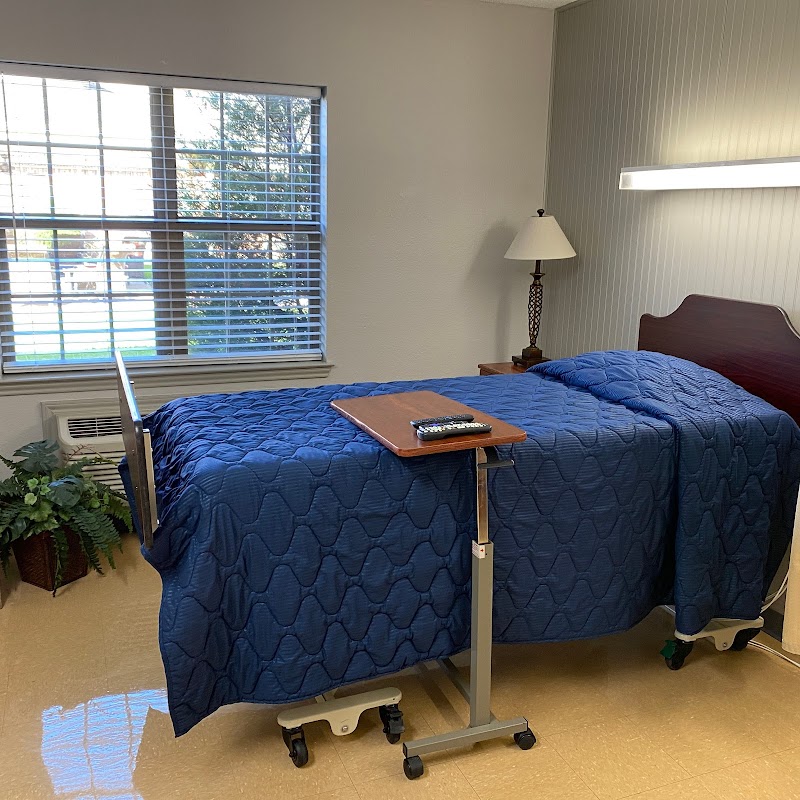
How is Matlock Place Health & Rehabilitation Center Staffed?

CMS rates MATLOCK PLACE HEALTH & REHABILITATION CENTER's staffing level at 2 out of 5 stars, which is below average compared to other nursing homes. Staff turnover is 48%, compared to the Texas average of 46%. RN turnover specifically is 60%, which is notably high. RNs provide skilled clinical oversight, so turnover in this role can affect medical care quality.

What Have Inspectors Found at Matlock Place Health & Rehabilitation Center?

State health inspectors documented 42 deficiencies at MATLOCK PLACE HEALTH & REHABILITATION CENTER during 2023 to 2025. These included: 4 Immediate Jeopardy (the most serious level, indicating potential for serious harm or death), 1 that caused actual resident harm, 36 with potential for harm, and 1 minor or isolated issues. Immediate Jeopardy findings are rare and represent the most serious regulatory concerns. They require immediate corrective action.
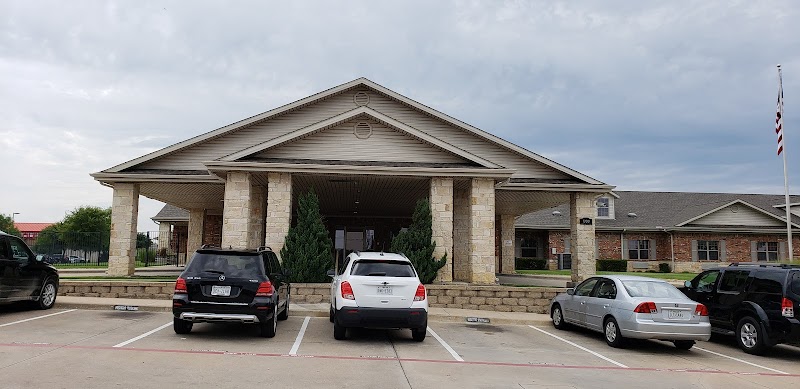
Who Owns and Operates Matlock Place Health & Rehabilitation Center?

MATLOCK PLACE HEALTH & REHABILITATION CENTER is owned by a for-profit company. For-profit facilities operate as businesses with obligations to shareholders or private owners. The facility operates independently rather than as part of a larger chain. With 148 certified beds and approximately 96 residents (about 65% occupancy), it is a mid-sized facility located in ARLINGTON, Texas.

How Does Matlock Place Health & Rehabilitation Center Compare to Other Texas Nursing Homes?

Compared to the 100 nursing homes in Texas, MATLOCK PLACE HEALTH & REHABILITATION CENTER's overall rating (1 stars) is below the state average of 2.8, staff turnover (48%) is near the state average of 46%, and health inspection rating (1 stars) is much below the national benchmark.

What Should Families Ask When Visiting Matlock Place Health & Rehabilitation Center?

Based on this facility's data, families visiting should ask: "What changes have been made since the serious inspection findings, and how are you preventing similar issues?" "What safeguards and monitoring systems are in place to protect residents from abuse or neglect?" "Can you walk me through typical staffing levels on day, evening, and night shifts?" "Can I visit during a mealtime to observe dining assistance and food quality?" These questions are particularly relevant given the facility's Immediate Jeopardy citations, the substantiated abuse finding on record, and the below-average staffing rating.

Is Matlock Place Health & Rehabilitation Center Safe?

Based on CMS inspection data, MATLOCK PLACE HEALTH & REHABILITATION CENTER has documented safety concerns. The facility has 1 substantiated abuse finding (meaning confirmed case of resident harm by staff or other residents). Inspectors have issued 4 Immediate Jeopardy citations (the most serious violation level indicating risk of serious injury or death). The facility has a 1-star overall rating and ranks #100 of 100 nursing homes in Texas. Families considering this facility should ask detailed questions about what corrective actions have been taken since these incidents.

Do Nurses at Matlock Place Health & Rehabilitation Center Stick Around?

MATLOCK PLACE HEALTH & REHABILITATION CENTER has a staff turnover rate of 48%, which is about average for Texas nursing homes (state average: 46%). Moderate turnover is common in nursing homes, but families should still ask about staff tenure and how the facility maintains care continuity when employees leave.

Was Matlock Place Health & Rehabilitation Center Ever Fined?

MATLOCK PLACE HEALTH & REHABILITATION CENTER has been fined $17,836 across 2 penalty actions. This is below the Texas average of $33,257. While any fine indicates a compliance issue, fines under $50,000 are relatively common and typically reflect isolated problems that were subsequently corrected. Families should ask what specific issues led to these fines and confirm they've been resolved.

Is Matlock Place Health & Rehabilitation Center on Any Federal Watch List?

MATLOCK PLACE HEALTH & REHABILITATION CENTER is not on any federal watch list. The most significant is the Special Focus Facility (SFF) program, which identifies the bottom 1% of nursing homes nationally based on persistent, serious quality problems. Not being on this list means the facility has avoided the pattern of deficiencies that triggers enhanced federal oversight. This is a positive indicator, though families should still review the facility's inspection history directly.