PUREHEALTH TRANSITIONAL CARE AT THR ARLINGTON
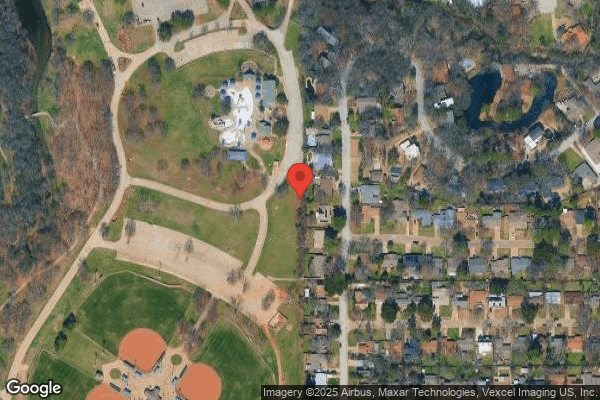

800 W. RANDOL MILL ROAD, 6TH FLOOR, ARLINGTON, TX 76012 (682) 276-8700
For profit - Limited Liability company 54 Beds PUREHEALTH Data: November 2025 4 Immediate Jeopardy citations
Trust Grade
0/100
#809 of 1168 in TX
Last Inspection: May 2025

Inspected within the last 6 months. Data reflects current conditions.

Overview

PureHealth Transitional Care at the Arlington has a Trust Grade of F, indicating poor quality with significant concerns about care. It ranks #809 out of 1168 facilities in Texas, placing it in the bottom half of all nursing homes in the state, and #49 out of 69 in Tarrant County, meaning only 20 local options are better. While the facility is improving, reducing issues from 6 in 2024 to 3 in 2025, it still faces serious challenges, including $118,148 in fines, which is higher than 94% of Texas facilities and suggests ongoing compliance problems. Staffing is a mixed bag; while the facility has a 3/5 rating, the 66% turnover rate is concerning compared to the Texas average of 50%. Notably, there have been critical incidents, such as failing to notify a resident's physician about abnormal vitals, leading to a diagnosis of sepsis, and neglecting proper care and documentation for a resident's post-surgical needs, highlighting both severe deficiencies in care.

Trust Score
F
0/100
In Texas
#809/1168
Bottom 31%
Safety Record
High Risk
Review needed
Inspections
Getting Better
6 → 3 violations
Staff Stability
⚠ Watch
66% turnover. Above average. Higher turnover means staff may not know residents' routines.
Penalties
⚠ Watch
$118,148 in fines. Higher than 91% of Texas facilities. Major compliance failures.
Skilled Nurses
✓ Good
Each resident gets 61 minutes of Registered Nurse (RN) attention daily — more than 97% of Texas nursing homes. RNs are the most trained staff who catch health problems before they become serious.
Violations
○ Average
10 deficiencies on record. Average for a facility this size. Mostly minor or procedural issues.
★★☆☆☆
2.0
Overall Rating
★★★☆☆
3.0
Staff Levels
★★★★★
5.0
Care Quality
★☆☆☆☆
1.0
Inspection Score
Stable
2024: 6 issues
2025: 3 issues

The Good

  • 5-Star Quality Measures · Strong clinical quality outcomes
  • Full Sprinkler Coverage · Fire safety systems throughout facility
  • No fines on record

Facility shows strength in quality measures, fire safety.

The Bad

2-Star Overall Rating

Below Texas average (2.8)

Below average - review inspection findings carefully

Staff Turnover: 66%

20pts above Texas avg (46%)

Frequent staff changes - ask about care continuity

Federal Fines: $118,148

Well above median ($33,413)

Significant penalties indicating serious issues

Chain: PUREHEALTH

Part of a multi-facility chain

Ask about local staffing decisions and management

Staff turnover is elevated (66%)

18 points above Texas average of 48%

The Ugly 10 deficiencies on record

4 life-threatening
May 2025 1 deficiency
CONCERN (E)

Potential for Harm - no one hurt, but risky conditions existed

Infection Control (Tag F0880)

Could have caused harm · This affected multiple residents

**NOTE- TERMS IN BRACKETS HAVE BEEN EDITED TO PROTECT CONFIDENTIALITY** Based on observation, interview, and record review, the facility failed to maintain an infection prevention and control measure ...

Read full inspector narrative →
**NOTE- TERMS IN BRACKETS HAVE BEEN EDITED TO PROTECT CONFIDENTIALITY** Based on observation, interview, and record review, the facility failed to maintain an infection prevention and control measure designed to provide a safe, sanitary environment to help prevent the development and transmission of communicable diseases and infections for 4 of 6 residents (Resident #12, Resident #58, Resident #159, and Resident #160) reviewed for infection control. RN A failed to disinfect vital signs equipment between each resident while performing morning medication administration for Resident #12, Resident #58, Resident #159, and Resident #160. This deficient practice could place residents and nursing staff at risk of transmission of communicable diseases and infections. Findings included: Review of Resident #12's face sheet, dated 5/14/2025, revealed Resident #12 was an [AGE] year-old female admitted on [DATE] with diagnoses of spine fracture and type 2 diabetes. Review of Resident #58's face sheet, dated 5/14/2025, revealed Resident #58 was an [AGE] year-old female admitted on [DATE] with diagnoses of critical illness myopathy (diseases related to the muscles), dementia and hypothyroidism (underactive thyroid). Review of Resident #159's face sheet, dated 5/14/2025, revealed Resident #159 was an [AGE] year-old female admitted on [DATE] with diagnoses of asthma and lack of coordination. Review of Resident #160's face sheet, dated 5/14/2025, revealed Resident#160 was a [AGE] year-old admitted on [DATE] with diagnoses of muscle wasting, asthma, and vitamin D deficiency. Review of Resident #160's care plan, dated 5/13/2025, revealed that the resident has a wound on right forearm and wound was at risk for infection. The goal listed for the wound was wound will be free of signs or symptoms of infection. In an observation on 5/14/2025 at 7:24am, RN A was measuring vital signs for Resident #12, Resident#58, Resident #159, and Resident #160 during morning medication administration. RN A did not disinfect blood pressure cuff and oximeter in between the 4 residents. In an interview on 5/14/2025 at 9:24am, RN A stated that she was nervous and forgot to disinfect vital signs equipment. She stated that the risk of not sanitizing equipment was the spread of infection between residents. In an interview on 5/15/2025 at 12:15pm, DON stated that RN A approached her on 5/14/2025 and admitted that she failed to sanitize equipment in between residents. DON started in-service on disinfecting vital signs equipment immediately on the same day. DON stated that the risk of not disinfecting equipment can lead to spread of infection between residents which could affect residents and staff. Review of in-service record dated 5/14/2025, with training topic Disinfecting vital signs equipment between each resident revealed RN A and other nursing staff were included in the training. On 5/14/2025 at 12:00pm, attempt to review facility's policy on disinfecting equipment was unsuccessful. DON stated that the facility did not have a specific policy on disinfecting equipment. Review of facility's Infection Control Policy, dated 8/2024, revealed under Prevention of Infection section, facility implemented infection prevention by .educating staff and ensuring that they adhere to proper techniques and procedures.
Apr 2025 2 deficiencies 2 IJ (2 affecting multiple)
CRITICAL (K) 📢 Someone Reported This

A family member, employee, or ombudsman was alarmed enough to file a formal complaint

Immediate Jeopardy (IJ) - the most serious Medicare violation

Notification of Changes (Tag F0580)

Someone could have died · This affected multiple residents

**NOTE- TERMS IN BRACKETS HAVE BEEN EDITED TO PROTECT CONFIDENTIALITY** Based on interview and record review, the facility failed to immediately consult with the resident's physician and notify the re...

Read full inspector narrative →
**NOTE- TERMS IN BRACKETS HAVE BEEN EDITED TO PROTECT CONFIDENTIALITY** Based on interview and record review, the facility failed to immediately consult with the resident's physician and notify the resident representative when there was a significant change in the resident's condition or need to alter treatment significantly for one (Resident #1) of five residents reviewed for notification. - The facility failed to notify Resident #1's physician when the resident's vitals were abnormal on 2/24/25, 2/25/25, 2/26/25, and 2/27/25. It was also documented and reported to nursing staff that Resident#1 was lethargic and fatigued throughout the week by staff and the resident's family. Resident #1 was sent to the local hospital on 2/28/25 where she was diagnosed with sepsis from a UTI, after the family alerted RN A that the resident's blood pressure was critically low. An Immediate Jeopardy (IJ) was identified on 4/8/25 at 1:33 PM and an IJ Template was provided to the Administrator at 2:15 PM. While the IJ was removed on 4/9/25, the facility remained out of compliance at a scope of pattern with the severity level of no actual harm with potential for more than minimal harm that was not immediate jeopardy due to the facility's need to evaluate the effectiveness of the corrective systems. This failure could place residents at risk of not receiving immediate medical attention when there was a change in their condition, which could lead to worsening of conditions and serious injury or death. Findings included: Record review of Resident #1's face sheet, dated, 04/01/25, revealed the resident was a [AGE] year-old female admitted to the facility on [DATE] and discharged on 2/28/25 with diagnoses that included: fractured right pubis (lower part of hip bone), fractured clavicle (collarbone), hypertension (high blood pressure), chronic pain syndrome, atrial fibrillation (rapid heart rate), repeated falls, and reduced mobility. Record review of Resident #1's Nursing Home PPS MDS assessment, dated 02/27/25, revealed the resident had a BIMS score of 15 which suggested she was cognitively intact. The MDS Assessment, under Section GG-Functional Abilities, reflected Resident #1 required partial assistance with mobility and needed moderate to total assistance with ADLs. Further review of this document, under Section H-Bladder and Bowel, reflected Resident #1 had occasional urinary incontinence and Section I-Active Diagnoses, reflected the resident had not had a UTI in the last 30 days from date of assessment. Record review of Resident #1's care plan, dated 2/24/25, reflected there was no focus for urinary incontinence, risk for UTI or hypertension documented. Record review of Resident #1's consolidated physician orders, dated 4/01/25, reflected in part the following: -Benazepril HCL oral tablet 20 MG (to treat high blood pressure) - give 1 tablet by mouth every 12 hours for HTN. Hold for SBP less than 110 and DBP less than 60, HR less than 60. -Carvedilol oral tablet 25 MG (to treat high blood pressure) - give 1 tablet by mouth every 12 hours for HTN. Hold for SBP less than 110 and DBP less than 60, HR less than 60. -Clonidine HCL oral tablet 0.1 MG (to treat high blood pressure) - give 1 tablet by mouth every 24 hours as needed for HTN. Administer if SBP is over 160. Record review of Resident #1's MAR, dated February 2025, reflected the following: - Benazepril HCL oral tablet 20 MG- held on 2/24/25 at 9 PM, 2/25/25 at 9 PM, 2/26/25 at 9 AM, and 2/26/25 at 9 PM. - Carvedilol oral tablet 25 MG- held on 2/24/25 at 9 PM, 2/25/25 at 9 PM, 2/26/25 at 9 AM, and 2/26/25 at 9 PM. Record review of Resident #1's referral hospital records, dated 2/23/25, reflected in part the following: -Resident #1's hospital problems did not reflect a UTI or infection -Resident #1 did not receive a UA at discharge Record review of Resident #1's physical therapy evaluation and plan of treatment note, dated 2/24/25 by the DOR, reflected in part the following: Medical Factors-Precautions: Fall risk, right clavicle and superior/inferior pubic rami fractures, right UE NWB x 8weeks and in immobilizer (2 wks from 2/20/25) and right LE WBAT, [Resident #1] can use platform walker per [doctor] if needed for gait, lethargic at eval, 2 person/dependent transfer ** very involved [family]** Record review of Resident #1's vitals reflected the following: Blood Pressures: 2/24/25 at 8:31 PM-96/51 2/25/25 at 11:43 PM-100/59 2/25/25 at 11:45 PM-100/59 2/26/25 at 9:31 AM-103/50 2/27/25 at 8:59 PM-103/50 2/28/25 at 7:30 PM-77/40 Heart Rate: 2/24/25 at 8:31 PM-54 bpm 2/26/25 at 9:31 AM-55 bpm 2/28/25 at 7:30 PM-54 bpm Record review of Resident #1's progress note, dated 2/25/25 at 11:28 PM by MD, reflected the following: . [Resident#1] was sleepy during my evaluation. No other complaints. Objective: BP 120/78, T 97.4, HR 60, RR 18, O2 97% CVS: S1-S2 heard. Regular rate and rhythm. No edema noted. RESPIRATORY: Chest expansion equal and symmetrical. ABDOMEN: Abdomen does not appear to be distended. SKIN: Stasis changes in the legs ENDOCRINE: No thyromegaly apparent. LYMPHATIC SYSTEM: No enlarged lymph nodes visible. MUSCULOSKELETAL: No acute bony abnormalities noted. PSYCH: Resident is alert and awake. Mood and affect appear to be within normal limits. NEURO: No focal deficits noted. Record review of Resident #1's progress note, dated 2/28/25 at 7:32 PM by RN A, reflected the following: Situation: The Change In Condition/s reported on this CIC Evaluation are/were: Altered mental status At the time of evaluation resident/resident vital signs, weight and blood sugar were: - Blood Pressure: BP 77/40 - 2/28/2025 19:30 (7:30 PM) Position: Lying l/arm - Pulse: P 54 - 2/28/2025 19:30 (7:30 PM) Pulse Type: Regular - RR: R 15.0 - 2/28/2025 19:30 (7:30 PM) - Temp: T 97.9 - 2/28/2025 19:30 (7:30 PM) Route: Forehead (non-contact) - Weight: - Pulse Oximetry: O2 95.0 % - 2/28/2025 19:30 (7:30 PM) Method: Oxygen via Nasal Cannula - Blood Glucose: . Nursing observations, evaluation, and recommendations are: [Resident #1's] [family] notified this nurse of low b/p, lethargic, and delayed response. This nurse implemented assessment r/t change of condition and discovered [Resident #1] B/p, HR, and RR outside of baseline; [Resident #1] lethargic, presents with delayed response, and reacted to touch stimuli only. [MD] notified, and [Resident #1] sent to ER. . Record review of Resident #1's hospital records, dated 3/4/25, reflected in part the following: Diagnosis at discharge: Hospital Problems -Sepsis Hospital Course: [Resident #1] is a [AGE] year-old female with a past medical history significant for asthma, breast cancer (left, 1996), chronic pain, DVT (2021), hypertension, pulmonary embolism (2019), COPD, glaucoma, scoliosis, and vertigo, presents to the ED from rehab with hypotension and altered mental status. [Resident #1] with suspected UTI started on antibiotics with improvement in symptoms. Urine cultures grew E. coli. AKI on admission resolved with fluids [Resident #1] experiencing urinary retention about 700 750 Q8 getting in and out cath Upon hospitalization AMS resolved [Resident #1] found to have right lower gland pubic MI [sic] fractures with for which she was seen by Ortho and did not recommend any surgical intervention just supportive care. [Resident #1] also had mild AKI which resolved with IV fluids and subsequently sent back to skilled nursing facility on p.o. antibiotic . In an attempted interview on 4/1/25 at 9:25 AM, Resident #1 was unable to be interviewed due to being discharged to a different nursing facility. In an interview on 4/1/25 at 9:30 AM, Resident #1's family stated the resident had a fall and broke her pelvis and clavicle at home, and after a stay at the local hospital Resident #1 admitted to the nursing facility for rehabilitation on 2/23/25. The family stated she was not notified of any abnormal vitals. The family stated on 2/26/25 is when she first had concerns for Resident #1's health due to the resident being extremely drowsy. She stated Resident #1 was barely able to stay up long enough to eat or interact with visitors and that continued throughout the week. The family state this concern was reported to a nurse; however, it was blown off. The family stated she also reported to the DON concerns regarding Resident #1 sleeping all day as well as issues with ordering a medication, but the DON did not seem very concerned. The family stated on 2/27/25, Resident #1 was still drowsy and slept most of the day. The family stated she checked Resident #1's eyes and her pupils were so restricted they looked like pinpoints, like someone who was overmedicated. The family stated on 2/28/25, Resident #1 continued to be drowsy, so she took it upon herself to check the resident's blood pressure and it was 58/34 at about 7:20 PM. She stated the resident was also squirming and saying her groin was hurting. The family stated she alerted RN A, who went down to assess Resident #1. The family stated RN A also found that Resident #1's blood pressure was critically low, and she ran out of the room to call for help. The family stated Resident #1 was transferred to the ED, where she was diagnosed with sepsis from a UTI. In an interview on 4/1/25 at 1:01 PM, the DON stated on 2/28/25, RN A called to notify her that Resident #1's had a low blood pressure and was not responding as normal, and the MD had ordered for the resident to be sent out to the hospital. The DON stated Resident #1's blood pressure had been normal all week, except for one time when it dipped low but came back up with no interventions. The DON stated when a resident first admitted to the facility, it was protocol for them to complete blood work but not a UA unless the resident presented with s/sx that warranted it. The DON stated it was never reported that Resident #1 exhibited any s/sx of a UTI or infection. The DON stated the family mentioned Resident #1 sleeping all day but when going over the resident's medication there was nothing listed that would cause drowsiness or that would place the resident at risk of being over-medicated. The DON stated Resident #1 being fatigued was not unusual because the resident was adjusting to a new environment, and sometimes when residents admit from a hospital, they are coming off strong medications and have a refractory period that can cause fatigue. The DON stated Resident #1 was also receiving physical therapy and the work involved in rehabilitation could also cause fatigue. The DON stated Resident #1's fatigue and hypotension did not occur at the same time to her knowledge, and Resident #1 had periods of being alert and oriented and talkative. In an interview on 4/1/25 at 1:45 PM, CNA C stated she worked with Resident #1 the week she was at the facility. CNA C stated Resident #1 was alert and able to express her needs during the week. CNA C stated there were times when Resident #1 would sleep longer, and she would ask the resident if she could help her out of bed so that she would not be lying down all day. CNA C stated Resident #1 would also be very tired after physical therapy and dinner and would ask to be put back in bed. CNA C stated Resident #1 urinated a lot, and there would be times she would start urinating while being changed. CNA C stated the urine was a normal yellow color and did not have a foul smell. CNA C stated the CNAs took all residents' vitals during the morning and would provide them to the charge nurse to be documented in the records. CNA C stated any abnormal vitals would be reported to the nurse immediately and the nurse would do a re-check themselves. CNA C could not recall Resident #1 having any abnormal vitals when she checked them. In an interview on 4/1/25 at 02:00 PM, the MD stated he saw Resident #1 on 2/25/25, and he noted that the resident was sleepy during his evaluation but with no other s/sx that were concerning at that time. The MD stated Resident #1 was on hypertensive medications and there were parameters in place for the nurses to hold medications if the blood pressure was outside of the parameters. The MD stated the nurses could use their clinical judgement and did not have to notify him every time they held hypertensive medications; however, he expected the nurses to notify him if a resident's systolic blood pressure was less than 90 and the diastolic was less than 60. The MD stated he did not recall being notified on 2/24/25 when Resident #1's blood pressure was 96/51 or abnormal on any other days prior to 2/28/25. He stated he would have expected the nurses to notify him so that he could get additional information about other s/sx before he could determine treatment. The MD stated any s/sx such as fever, AMS, change in urine, and c/o pain would have suggested signs of a UTI/infection. The MD stated fatigue and low blood pressure could also be a sign of a UTI. The MD stated on 2/28/25, the nurse notified him that Resident #1 was drowsy with a bp of 77/40 and the resident was sent to the hospital for further evaluation. In an interview on 4/1/25 at 03:05 PM, the DOR stated she completed Resident #1's therapy evaluation on 2/24/25 and the resident was lethargic during the evaluation, and it was reported to the charge nurse. The DOR could not recall who the charge nurse was that day, but she stated she remembered having to report it because it was protocol. In an interview on 4/1/25 at 4:43 PM, CNA B stated she worked with Resident #1 and described the resident as being able to express her needs, but she did not talk much. CNA B also stated Resident #1 slept a lot. CNA B stated she worked 2:00 PM-10:00 PM on 2/28/25, when Resident #1 was sent out to the hospital. CNA B stated when she arrived on shift and did her first round, Resident #1 was sitting up in her chair and seemed fine. CNA B stated Resident #1 let her assist her with eating dinner and she only ate a little, then the resident was ready to get back in bed. CNA B stated the nurses changed shifts at 6:00 PM and RN A came on shift. CNA B stated RN A checked Resident #1's bp and it was low. She stated RN A notified the MD and Resident #1 was sent to the hospital. CNA B stated Resident #1 acted like her normal self throughout the day and did not show any sign or symptoms of an infection and did not complain of feeling bad. In a further interview on 4/1/25 at 4:59 PM, the DON stated nurses are taught in school to care for a resident based on what you see and not based on numbers, so if a resident's vitals were abnormal her expectation would be for the nurses to use their clinical judgement to decide if the MD needed to be called. The DON stated a lot of people can function well with a low blood pressure and factors such as the time blood pressure was taken and the position the resident was in could affect the numbers. The DON stated the MD should be called if the blood pressure was low with accompanying symptoms, but not for a low blood pressure alone. The DON stated Resident #1 did exhibit fatigue; however, that was tricky because the fatigue could have been reasons mentioned earlier (adjusting to new environment, coming off medications from hospital, physical therapy). The DON stated she could not state any risks of not notifying the MD of a low blood pressure if there were no other s/sx because nurses did not treat numbers alone. The DON could not state the protocol to ensure that nurses were using appropriate clinical judgement on determining when to notify the MD of a change of condition. She continued to state that nurses learn in school to treat residents based on what they see and not based on numbers. In an interview on 4/8/25 at 9:29 AM, RN A stated she worked for the facility for about 2 years. She stated she worked with Resident #1 on 2/28/25 and there were no concerns for the resident reported to her. RN A stated one of the CNAs later informed her that Resident #1's [family] wanted her in the room and when she went there, she assessed the resident and found that her blood pressure was very low, and she was out of it. RN A stated she notified the MD and transferred Resident #1 to the hospital just downstairs from the facility. RN stated she knew to hold any hypertensive medication if a resident's SBP was less than 110 or the DBP was less than 60; however, if there were other s/sx she would assess the resident and notify the MD. RN A stated she really could not remember what happened on 2/24/25, but if she documented that Resident #1's blood pressure was 96/51 and did not notify the MD, that meant she assessed the resident and everything was fine. RN A stated the nurses were supposed to document all vitals including re-checks; however, she must have forgotten to do so. RN A stated 2/28/25 was the first day she noticed a change in Resident #1's condition, and she did not recall the family or staff reporting that the resident was fatigued at any other time during the week. In an interview on 4/8/25 at 2:00 PM, the VP of Clinical Services/Interim DON stated her nurses would not have allowed Resident #1 to go all week with a change in condition without notifying the MD. The VP of Clinical Services/Interim DON stated she spoke with RN A and could tell by the emotions RN A had over the phone that she was sincere about properly assessing Resident #1 and that the resident did not show any signs or symptoms until 2/28/25 when she was sent out to the hospital. The VP of Clinical Services/Interim DON stated it depended on Resident #1's baseline when admitting to the facility whether the nurses should have been able to determine that the resident's fatigue was a s/sx of sepsis. Review of the facility's policy titled Change in a Resident's Condition or Status, revised 08/2024, reflected in part the following: Policy Statement: Our facility promptly notifies the resident, his or her attending physician, and the resident representative of changes in the resident's medical/mental condition and/or status (e.g. changes in level of care, billing/payments, resident rights, etc.). Policy Interpretation and Implementation 1. The nurse will notify the resident's attending physician or physician on call when there has been a (an): . d. significant change in the resident's physical/emotional/mental condition; . 2. A significant change of condition is a major decline or improvement in the resident's status that: a. will not normally resolve itself without intervention by staff or by implementing standard disease-related clinical interventions (is not self-limiting) b. impacts more than one area of the resident's health status; c. requires interdisciplinary review and/or revision to the care plan; and d. ultimately is based on the judgment of the clinical staff and the guidelines outlined in the Resident Assessment Instrument. . Review of American Heart Association's website, <https://www.heart.org/en/health-topics/high-blood-pressure/the-facts-about-high-blood-pressure/low-blood-pressure-when-blood-pressure-is-too-low>, reflected in part the following: .Some people with very low blood pressure have a condition called hypotension. This occurs when blood pressure is less than 90/60 mm Hg. Low blood pressure is usually not harmful unless there are other symptoms that concern a health care professional. Symptoms of low blood pressure Constantly low blood pressure can be dangerous if it causes signs and symptoms such as: -confusion -dizziness -nausea -fainting -fatigue . Underlying causes of low blood pressure . Low blood pressure can happen with: . -Life-threatening scenarios: -septic shock: this can occur when bacteria from an infection enter the bloodstream. . The Administrator and VP of Clinical Services/Interim DON were notified of an Immediate Jeopardy (IJ) on 4/8/25 at 2:08 PM, due to the above failures and the IJ Template was provided at 2:15 PM. The facility's Plan of Removal (POR) was accepted on 4/9/25 at 1:56 PM and included: Plan of Removal Name of Facility: [Nursing Facility] Date: April 8, 2025 Immediate action: F-580 Notify of Changes On 4/8/25, the Medical Director was informed of the Immediate Jeopardy. On 4/8/25 the [VP of Clinical Services/Interim DON], [ADON], [Medical Records Nurse], and [Wound Care Nurse], in-serviced licensed staff on notifying physician of abnormal vital signs when accompanied by symptoms and standard disease related clinical interventions by the licensed nurse are not successful. This training consisted specifically of notifying the physician of abnormal vital signs when accompanied by symptoms and standard disease related clinical interventions by the licensed nurse are not successful. This in-service also included assessing a resident for change of condition and notifying physician of change in conditions. On 4/8/25 [VP of Clinical Services/Interim DON] and [ADON] reviewed all patients for documented low blood pressure. No patients identified with having low blood pressures outside of specified order parameters. If a patient had been noted to have blood pressures outside of the specified order parameters, the MD or NP would have been notified. If neither were available, or in an emergent situation, the [VP of Clinical Services/Interim DON] or designee would have contacted emergency services (911). On 4/8/25 [VP of Clinical Services/Interim DON] in-serviced [ADON], [Administrator], [Medical Records], and [Wound Care Nurse] on notifying physician of change of condition and assessing the patient for change in condition and identifying a major decline or improvement in the resident's status. Notify of Changes 1. A significant change of condition is a major decline or improvement in the resident's status that: a. will not normally resolve itself without intervention by staff or by implementing standard disease-related clinical interventions (is not self-limiting); b. impacts more than one area of the resident's health status; c. requires interdisciplinary review and/or revision to the care plan; and d. ultimately is based on the judgment of the clinical staff On 4/8/25, initiated staff (LVN, RN, CNA) in-servicing on notifying of changes in condition and quality of care with a completion date of 4/8/25 at 5pm. Any staff who have not received in-servicing by 4/8/25 at 5pm will not be permitted to work until in-servicing has been completed. In-servicing will be on-going for PRN, new staff, staff on leave, agency (if applicable). If a CNA obtains abnormal vital signs they will notify their charge nurse immediately. Charge nurse will then re-assess resident and re-take vital signs. The physician is to be notified of abnormal vital signs when accompanied by symptoms and standard disease related clinical interventions by the licensed nurse are not successful. Based upon direction of the medical director, the physician is to be notified of abnormal vital signs when accompanied by symptoms and standard disease related clinical interventions by the licensed nurse are not successful. Abnormal vital signs: Systolic BP less than 90 Diastolic less than 50 Systolic greater than 180 Diastolic greater than 100 Heart rate less than 50 Heart rate greater than 130 Measures to be put in to practice to monitor and to prevent future occurrence will include a. ADON/DON/designee will review the exception report for low blood pressures with systolic blood pressures less than 90 and diastolic less than 50 b. Review will occur daily for 2 weeks, and then 5 times weekly for 6 weeks, and then 3 times weekly for 4 weeks. On 4/09/25 the investigator began monitoring (2:00 PM-5:15 PM) to determine if the facility implemented their plan of removal sufficiently to remove the Immediate Jeopardy by: Record review of a document provided by the Administrator titled Weights and Vitals Exceptions, dated 4/8/25, reflected [VP of Clinical Services/Interim DON] audited all residents' vitals to ensure they were withing parameters and any changes in condition were reported to the [MD]. Record review of an in-service titled Change of Condition, when to notify physician of a change in condition dated 4/8/25, reflected the [VP of Clinical Services/Interim DON] educated the [Administrator], [ADON], [Medical Records/LVN] and [Wound Care Nurse] on identifying change of condition and notifying the MD. Record review of an in-service titled Abnormal Vital Signs/Change in Condition dated 4/9/25, reflected the [ADON] and [Medical Records Staff/LVN] educated licensed staff (including RNs, LVNs, CNAs, and Therapy staff) on identifying abnormal vital signs and change of condition, and when to notify the charge nurse and MD. Observations, interviews, and record reviews on 4/9/25 from 2:00M-3:00 PM of Residents #1, #2, #3, #4, and #5 revealed no further concerns for incontinence care or infections. Record review of residents' EHRs reflected no concerns for changes in physical, mental, or psychosocial status. Observations and interviews with residents and/or RPs revealed no concerns for change of condition or quality of care received. Interview on 4/9/25 at 3:02 PM with the MD revealed he was notified of the Immediate Jeopardy. The MD confirmed that his expectation was for the nurses to notify him of any abnormal vitals. The MD stated if a resident had abnormal vitals, he would also expect there to be accompanying s/sx such as dizziness or pain that would need to be reported. The MD stated there were specific parameters for the nurses to follow when monitoring for abnormal blood pressure and heart rate. Interviews on 4/9/25, 3:06 PM-5:15 PM, conducted with the Administrator, ADON, Medical Records Nurse, Wound Care Nurse, DOR, nurses, and CNAs: CNA C (6a-2p, rotating), LVN D (6a-6p), CNA E (2p-10p), RN F (6a-6p), LVN G (6a-6p), CNA H (2P-10P, PRN), LVN I (6p-6a), CNA J (2p-10p, PRN), CNA K (2p-10p, PRN), LVN L (6p-6a), CNA M (10p-6a), LVN N (6P-6A), and CNA O (10p-6a) indicated they all participated in in-service trainings starting on 4/8/25-4/9/25. The CNAs were able to describe the s/sx of a UTI, sepsis, and change of condition, parameters for abnormal vital, and who to notify of any changes in the residents. The nurses were able to describe the s/sx of a UTI, sepsis, and change of condition, how to complete an assessment, who to notify, following up on orders, and what to document. The ADON understood her role to monitor the facility reports of any abnormal vitals to prevent future occurrences. An Immediate Jeopardy (IJ) was identified on 4/8/25 at 1:33 PM and an IJ Template was provided to the Administrator at 2:15 PM. While the facility remained out of compliance at a scope of pattern with the severity level of no actual harm with potential for more than minimal harm that was not immediate jeopardy due to the facility's need to evaluate the effectiveness of the corrective systems.
CRITICAL (K) 📢 Someone Reported This

A family member, employee, or ombudsman was alarmed enough to file a formal complaint

Immediate Jeopardy (IJ) - the most serious Medicare violation

Quality of Care (Tag F0684)

Someone could have died · This affected multiple residents

**NOTE- TERMS IN BRACKETS HAVE BEEN EDITED TO PROTECT CONFIDENTIALITY** Based on interview and record review, the facility failed to ensure the residents received treatment and care in accordance with...

Read full inspector narrative →
**NOTE- TERMS IN BRACKETS HAVE BEEN EDITED TO PROTECT CONFIDENTIALITY** Based on interview and record review, the facility failed to ensure the residents received treatment and care in accordance with professional standards of practice, the comprehensive person-centered care plan, and the residents' choices for 1 (Resident #1) of 5 residents reviewed for quality of care. -The facility failed to document assessments and notify the physician when Resident #1's vitals were abnormal on 02/24/25, 2/25/25, 2/26/25, and 2/27/25. There were also no interventions when staff and Resident #1's family expressed concerns about the resident being lethargic and fatigued throughout the week. Resident #1 was sent to the local hospital on 2/28/25 where she was diagnosed with sepsis from a UTI, after the family alerted RN A that the resident's blood pressure was critically low. An Immediate Jeopardy (IJ) was identified on 4/8/25 at 1:33 PM and an IJ Template was provided to the Administrator at 2:15 PM. While the facility remained out of compliance at a scope of pattern with the severity level of no actual harm with potential for more than minimal harm that was not immediate jeopardy due to the facility's need to evaluate the effectiveness of the corrective systems. This failure could place residents at risk of not receiving treatment in a timely manner, which could result in a decline in health, worsening of symptoms, and/or serious injury, and death. Findings included: Record review of Resident #1's face sheet, dated, 04/01/25, revealed the resident was a [AGE] year-old female admitted to the facility on [DATE] and discharged on 2/28/25 with diagnoses that included: fractured right pubis (lower part of hip bone), fractured clavicle (collarbone), hypertension (high blood pressure), chronic pain syndrome, atrial fibrillation (rapid heart rate), repeated falls, and reduced mobility. Record review of Resident #1's Nursing Home PPS MDS assessment, dated 02/27/25, revealed the resident had a BIMS score of 15 which suggested she was cognitively intact. The MDS Assessment, under Section GG-Functional Abilities, reflected Resident #1 required partial assistance with mobility and needed moderate to total assistance with ADLs. Further review of this document, under Section H-Bladder and Bowel, reflected Resident #1 had occasional urinary incontinence and Section I-Active Diagnoses, reflected the resident had not had a UTI in the last 30 days from date of assessment. Record review of Resident #1's care plan, dated 2/24/25, reflected there was no focus for urinary incontinence, risk for UTI or hypertension documented. Record review of Resident #1's consolidated physician orders, dated 4/01/25, reflected in part the following: -Benazepril HCL oral tablet 20 MG (to treat high blood pressure) - give 1 tablet by mouth every 12 hours for HTN. Hold for SBP less than 110 and DBP less than 60, HR less than 60. -Carvedilol oral tablet 25 MG (to treat high blood pressure) - give 1 tablet by mouth every 12 hours for HTN. Hold for SBP less than 110 and DBP less than 60, HR less than 60. -Clonidine HCL oral tablet 0.1 MG (to treat high blood pressure) - give 1 tablet by mouth every 24 hours as needed for HTN. Administer if SBP is over 160. Record review of Resident #1's MAR, dated February 2025, reflected the following: - Benazepril HCL oral tablet 20 MG- held on 2/24/25 at 9 PM, 2/25/25 at 9 PM, 2/26/25 at 9 AM, and 2/26/25 at 9 PM. - Carvedilol oral tablet 25 MG- held on 2/24/25 at 9 PM, 2/25/25 at 9 PM, 2/26/25 at 9 AM, and 2/26/25 at 9 PM. Record review of Resident #1's physical therapy evaluation and plan of treatment note, dated 2/24/25 by the DOR, reflected in part the following: Medical Factors-Precautions: Fall risk, right clavicle and superior/inferior pubic rami fractures, right UE NWB x 8weeks and in immobilizer (2 wks from 2/20/25) and right LE WBAT, [Resident #1] can use platform walker per [doctor] if needed for gait, lethargic at eval, 2 person/dependent transfer ** very involved [family]** Record review of Resident #1's vitals reflected the following: Blood Pressures: 2/24/25 at 8:31 PM-96/51 2/25/25 at 11:43 PM-100/59 2/25/25 at 11:45 PM-100/59 2/26/25 at 9:31 AM-103/50 2/27/25 at 8:59 PM-103/50 2/28/25 at 7:30 PM-77/40 Heart Rate: 2/24/25 at 8:31 PM-54 bpm 2/26/25 at 9:31 AM-55 bpm 2/28/25 at 7:30 PM-54 bpm Record review of Resident #1's referral hospital records, dated 2/23/25, reflected in part the following: -Resident #1's hospital problems did not reflect a UTI or infection -Resident #1 did not receive a UA at discharge Record review of Resident #1's progress note, dated 2/25/25 at 11:28 PM by MD, reflected the following: . [Resident#1] was sleepy during my evaluation. No other complaints. Objective: BP 120/78, T 97.4, HR 60, RR 18, O2 97% CVS: S1-S2 heard. Regular rate and rhythm. No edema noted. RESPIRATORY: Chest expansion equal and symmetrical. ABDOMEN: Abdomen does not appear to be distended. SKIN: Stasis changes in the legs ENDOCRINE: No thyromegaly apparent. LYMPHATIC SYSTEM: No enlarged lymph nodes visible. MUSCULOSKELETAL: No acute bony abnormalities noted. PSYCH: Resident is alert and awake. Mood and affect appear to be within normal limits. NEURO: No focal deficits noted. Record review of Resident #1's progress note, dated 2/28/25 at 7:32 PM by RN A, reflected the following: Situation: The Change In Condition/s reported on this CIC Evaluation are/were: Altered mental status At the time of evaluation resident/resident vital signs, weight and blood sugar were: - Blood Pressure: BP 77/40 - 2/28/2025 19:30 (7:30 PM) Position: Lying l/arm - Pulse: P 54 - 2/28/2025 19:30 (7:30 PM) Pulse Type: Regular - RR: R 15.0 - 2/28/2025 19:30 (7:30 PM) - Temp: T 97.9 - 2/28/2025 19:30 (7:30 PM) Route: Forehead (non-contact) - Weight: - Pulse Oximetry: O2 95.0 % - 2/28/2025 19:30 (7:30 PM) Method: Oxygen via Nasal Cannula - Blood Glucose: . Nursing observations, evaluation, and recommendations are: [Resident #1's] [family] notified this nurse of low b/p, lethargic, and delayed response. This nurse implemented assessment r/t change of condition and discovered resident B/p, HR, and RR outside of baseline; [Resident #1] lethargic, presents with delayed response, and reacted to touch stimuli only. [MD] notified, and [Resident #1] sent to ER. . Record review of Resident #1's hospital records, dated 3/4/25, reflected in part the following: Diagnosis at discharge: Hospital Problems -Sepsis Hospital Course: [Resident #1] is a [AGE] year-old female with a past medical history significant for asthma, breast cancer (left, 1996), chronic pain, DVT (2021), hypertension, pulmonary embolism (2019), COPD, glaucoma, scoliosis, and vertigo, presents to the ED from rehab with hypotension and altered mental status. [Resident #1] with suspected UTI started on antibiotics with improvement in symptoms. Urine cultures grew E. coli. AKI on admission resolved with fluids [Resident #1] experiencing urinary retention about 700 750 Q8 getting in and out cath Upon hospitalization AMS resolved [Resident #1] found to have right lower gland pubic MI [sic] fractures with for which she was seen by Ortho and did not recommend any surgical intervention just supportive care. [Resident #1] also had mild AKI which resolved with IV fluids and subsequently sent back to skilled nursing facility on p.o. antibiotic . In an attempted interview on 4/1/25 at 9:25 AM, Resident #1 was unable to be interviewed due to being discharged to a different nursing facility. In an interview on 4/1/25 at 9:30 AM, Resident #1's family stated the resident had a fall and broke her pelvis and clavicle at home, and after a stay at the local hospital Resident #1 admitted to the nursing facility for rehabilitation on 2/23/25. The family stated she was not notified of any abnormal vitals. The family stated on 2/26/25 is when she first had concerns for Resident #1's health due to the resident being extremely drowsy. She stated Resident #1 was barely able to stay up long enough to eat or interact with visitors and that continued throughout the week. The family state this concern was reported to a nurse; however, it was blown off. The family stated she also reported to the DON concerns regarding Resident #1 sleeping all day as well as issues with ordering a medication, but the DON did not seem very concerned. The family stated on 2/27/25, Resident #1 was still drowsy and slept most of the day. The family stated she checked Resident #1's eyes and her pupils were so restricted they looked like pinpoints, like someone who was overmedicated. The family stated on 2/28/25, Resident #1 continued to be drowsy, so she took it upon herself to check the resident's blood pressure and it was 58/34 at about 7:20 PM. She stated the resident was also squirming and saying her groin was hurting. The family stated she alerted RN A, who went down to assess Resident #1. The family stated RN A also found that Resident #1's blood pressure was critically low, and she ran out of the room to call for help. The family stated Resident #1 was transferred to the ED, where she was diagnosed with sepsis from a UTI. In an interview on 4/1/25 at 1:01 PM, the DON stated on 2/28/25, RN A called to notify her that Resident #1's had a low blood pressure and was not responding as normal, and the MD had ordered for the resident to be sent out to the hospital. The DON stated Resident #1's blood pressure had been normal all week, except for one time when it dipped low but came back up with no interventions. The DON stated when a resident first admitted to the facility, it was protocol for them to complete blood work but not a UA unless the resident presented with s/sx that warranted it. The DON stated it was never reported that Resident #1 exhibited any s/sx of a UTI or infection. The DON stated the family mentioned Resident #1 sleeping all day but when going over the resident's medication there was nothing listed that would cause drowsiness or that would place the resident at risk of being over-medicated. The DON stated Resident #1 being fatigued was not unusual because the resident was adjusting to a new environment, and sometimes when residents admit from a hospital, they are coming off strong medications and have a refractory period that can cause fatigue. The DON stated Resident #1 was also receiving physical therapy and the work involved in rehabilitation could also cause fatigue. The DON stated Resident #1's fatigue and hypotension did not occur at the same time to her knowledge, and Resident #1 had periods of being alert and oriented and talkative. In an interview on 4/1/25 at 1:45 PM, CNA C stated she worked with Resident #1 the week she was at the facility. CNA C stated Resident #1 was alert and able to express her needs during the week. CNA C stated there were times when Resident #1 would sleep longer, and she would ask the resident if she could help her out of bed so that she would not be lying down all day. CNA C stated Resident #1 would also be very tired after physical therapy and dinner and would ask to be put back in bed. CNA C stated Resident #1 urinated a lot, and there would be times she would start urinating while being changed. CNA C stated the urine was a normal yellow color and did not have a foul smell. CNA C stated the CNAs took all residents' vitals during the morning and would provide them to the charge nurse to be documented in the records. CNA C stated any abnormal vitals would be reported to the nurse immediately and the nurse would do a re-check themselves. CNA C could not recall Resident #1 having any abnormal vitals when she checked them. In an interview on 4/1/25 at 02:00 PM, the MD stated he saw Resident #1 on 2/25/25, and he noted that the resident was sleepy during his evaluation but with no other s/sx that were concerning at that time. The MD stated Resident #1 was on hypertensive medications and there were parameters in place for the nurses to hold medications if the blood pressure was outside of the parameters. The MD stated the nurses could use their clinical judgement and did not have to notify him every time they held hypertensive medications; however, he expected the nurses to notify him if a resident's systolic blood pressure was less than 90 and the diastolic was less than 60. The MD stated he did not recall being notified on 2/24/25 when Resident #1's blood pressure was 96/51 or abnormal on any other days prior to 2/28/25. He stated he would have expected the nurses to notify him so that he could get additional information about other s/sx before he could determine treatment. The MD stated any s/sx such as fever, AMS, change in urine, and c/o pain would have suggested signs of a UTI/infection. The MD stated fatigue and low blood pressure could also be a sign of a UTI. The MD stated on 2/28/25, the nurse notified him that Resident #1 was drowsy with a bp of 77/40 and the resident was sent to the hospital for further evaluation. In an interview on 4/1/25 at 03:05 PM, the DOR stated she completed Resident #1's therapy evaluation on 2/24/25 and the resident was lethargic during the evaluation, and it was reported to the charge nurse. The DOR could not recall who the charge nurse was that day, but she stated she remembered having to report it because it was protocol. In a further interview on 4/1/25 at 4:59 PM, the DON stated nurses are taught in school to care for a resident based on what you see and not based on numbers, so if a resident's vitals were abnormal her expectation would be for the nurses to use their clinical judgement to decide if the MD needed to be called. The DON stated a lot of people can function well with a low blood pressure and factors such as the time blood pressure was taken and the position the resident was in could affect the numbers. The DON stated the MD should be called if the blood pressure is low with accompanying symptoms, but not for a low blood pressure alone. The DON stated Resident #1 did exhibit fatigue; however, that was tricky because the fatigue could have been reasons mentioned earlier (adjusting to new environment, coming off medications from hospital, physical therapy). The DON stated she could not state any risks of not notifying the MD of a low blood pressure if there were no other s/sx because nurses did not treat numbers alone. The DON could not state the protocol to ensure that nurses were using appropriate clinical judgement on determining when to notify the MD of a change of condition. She continued to state that nurses learn in school to treat residents based on what they see and not based on numbers. In an interview on 4/8/25 at 9:29 AM, RN A stated she worked for the facility for about 2 years. She stated she worked with Resident #1 on 2/28/25 and there were no concerns for the resident reported to her. RN A stated one of the CNAs later informed her that Resident #1's [family] wanted her in the room and when she went there, she assessed the resident and found that her blood pressure was very low, and she was out of it. RN A stated she notified the MD and transferred Resident #1 to the hospital just downstairs from the facility. RN stated she knew to hold any hypertensive medication if a resident's SBP was less than 110 or the DBP was less than 60; however, if there were other s/sx she would assess the resident and notify the MD. RN A stated she really could not remember what happened on 2/24/25, but if she documented that Resident #1's blood pressure was 96/51 and did not notify the MD, that meant she assessed the resident and everything was fine. RN A stated the nurses were supposed to document all vitals including re-checks; however, she must have forgotten to do so. RN A stated 2/28/25 was the first day she noticed a change in Resident #1's condition, and she did not recall the family or staff reporting that the resident was fatigued at any other time during the week. In an interview on 4/8/25 at 2:00 PM, the VP of Clinical Services/Interim DON stated her nurses would not have allowed Resident #1 to go all week with a change in condition without notifying the MD. The VP of Clinical Services/Interim DON stated she spoke with RN A and could tell by the emotions RN A had over the phone that she was sincere about properly assessing Resident #1 and that the resident did not show any s/sx until 2/28/25 when she was sent out to the hospital. The VP of Clinical Services/Interim DON stated it depended on Resident #1's baseline when admitting to the facility whether the nurses should have been able to determine that the resident's fatigue was a s/sx of sepsis. A policy on Quality of Care regarding blood pressure assessments was requested from the Administrator on 4/8/25 at 5:20 PM and she informed that the facility did not have one. Review of American Heart Association's website, <https://www.heart.org/en/health-topics/high-blood-pressure/the-facts-about-high-blood-pressure/low-blood-pressure-when-blood-pressure-is-too-low>, reflected in part the following: .Some people with very low blood pressure have a condition called hypotension. This occurs when blood pressure is less than 90/60 mm Hg. Low blood pressure is usually not harmful unless there are other symptoms that concern a health care professional. Symptoms of low blood pressure Constantly low blood pressure can be dangerous if it causes signs and symptoms such as: -confusion -dizziness -nausea -fainting -fatigue . Underlying causes of low blood pressure . Low blood pressure can happen with: . -Life-threatening scenarios: -septic shock: this can occur when bacteria from an infection enter the bloodstream. . The Administrator and VP of Clinical Services/Interim DON were notified of an Immediate Jeopardy (IJ) on 4/8/25 at 2:08 PM, due to the above failures and the IJ Template was provided at 2:15 PM. The facility's Plan of Removal (POR) was accepted on 4/9/25 at 1:56 PM and included: Plan of Removal Name of Facility: [Nursing Facility] Date: April 8, 2025 Immediate action: F-684 Quality of Care On 4/8/25, the Medical Director was informed of the Immediate Jeopardy. On 4/8/25 the [VP of Clinical Services/Interim DON], [ADON], [Medical Records Nurse], and [Wound Care Nurse], in-serviced licensed staff on notifying physician of abnormal vital signs when accompanied by symptoms and standard disease related clinical interventions by the licensed nurse are not successful. This training consisted specifically of notifying the physician of abnormal vital signs when accompanied by symptoms and standard disease related clinical interventions by the licensed nurse are not successful. This in-service also included assessing a resident for change of condition and notifying physician of change in conditions. On 4/8/25 [VP of Clinical Services/Interim DON] and [ADON] reviewed all patients for documented low blood pressure. No patients identified with having low blood pressures outside of specified order parameters. If a patient had been noted to have blood pressures outside of the specified order parameters, the MD or NP would have been notified. If neither were available, or in an emergent situation, the [VP of Clinical Services/Interim DON] or designee would have contacted emergency services (911). On 4/8/25 [VP of Clinical Services/Interim DON] in-serviced [ADON], [Administrator], [Medical Records], and [Wound Care Nurse] on notifying physician of change of condition and assessing the patient for change in condition and identifying a major decline or improvement in the resident's status. Notify of Changes 2. A significant change of condition is a major decline or improvement in the resident's status that: e. will not normally resolve itself without intervention by staff or by implementing standard disease-related clinical interventions (is not self-limiting); f. impacts more than one area of the resident's health status; g. requires interdisciplinary review and/or revision to the care plan; and h. ultimately is based on the judgment of the clinical staff On 4/8/25, initiated staff (LVN, RN, CNA) in-servicing on notifying of changes in condition and quality of care with a completion date of 4/8/25 at 5pm. Any staff who have not received in-servicing by 4/8/25 at 5pm will not be permitted to work until in-servicing has been completed. In-servicing will be on-going for PRN, new staff, staff on leave, agency (if applicable). If a CNA obtains abnormal vital signs they will notify their charge nurse immediately. Charge nurse will then re-assess resident and re-take vital signs. The physician is to be notified of abnormal vital signs when accompanied by symptoms and standard disease related clinical interventions by the licensed nurse are not successful. Based upon direction of the medical director, the physician is to be notified of abnormal vital signs when accompanied by symptoms and standard disease related clinical interventions by the licensed nurse are not successful. Abnormal vital signs: Systolic BP less than 90 Diastolic less than 50 Systolic greater than 180 Diastolic greater than 100 Heart rate less than 50 Heart rate greater than 130 Measures to be put in to practice to monitor and to prevent future occurrence will include a. ADON/DON/designee will review the exception report for low blood pressures with systolic blood pressures less than 90 and diastolic less than 50 b. Review will occur daily for 2 weeks, and then 5 times weekly for 6 weeks, and then 3 times weekly for 4 weeks. On 4/09/25 the investigator began monitoring (2:00 PM-5:15 PM) to determine if the facility implemented their plan of removal sufficiently to remove the Immediate Jeopardy by: Record review of a document provided by the Administrator titled Weights and Vitals Exceptions, dated 4/8/25, reflected [VP of Clinical Services/Interim DON] audited all residents' vitals to ensure they were withing parameters and any changes in condition were reported to the [MD]. Record review of an in-service titled Change of Condition, when to notify physician of a change in condition dated 4/8/25, reflected the [VP of Clinical Services/Interim DON] educated the [Administrator], [ADON], [Medical Records/LVN] and [Wound Care Nurse] on identifying change of condition and notifying the MD. Record review of an in-service titled Abnormal Vital Signs/Change in Condition dated 4/9/25, reflected the [ADON] and [Medical Records Staff/LVN] educated licensed staff (including RNs, LVNs, CNAs, and Therapy staff) on identifying abnormal vital signs and change of condition, and when to notify the charge nurse and MD. Observations, interviews, and record reviews on 4/9/25 from 2:00M-3:00 PM of Residents #1, #2, #3, #4, and #5 revealed no further concerns for incontinence care or infections. Record review of residents' EHRs reflected no concerns for changes in physical, mental, or psychosocial status. Observations and interviews with residents and/or RPs revealed no concerns for change of condition or quality of care received. Interview on 4/9/25 at 3:02 PM with the MD revealed he was notified of the Immediate Jeopardy. The MD confirmed that his expectation was for the nurses to notify him of any abnormal vitals. The MD stated if a resident had abnormal vitals, he would also expect there to be accompanying s/sx such as dizziness or pain that would need to be reported. The MD stated there were specific parameters for the nurses to follow when monitoring for abnormal blood pressure and heart rate. Interviews on 4/9/25, 3:06 PM-5:15 PM, conducted with the Administrator, ADON, Medical Records Nurse, Wound Care Nurse, DOR, nurses, and CNAs: CNA C (6a-2p, rotating), LVN D (6a-6p), CNA E (2p-10p), RN F (6a-6p), LVN G (6a-6p), CNA H (2P-10P, PRN), LVN I (6p-6a), CNA J (2p-10p, PRN), CNA K (2p-10p, PRN), LVN L (6p-6a), CNA M (10p-6a), LVN N (6P-6A), and CNA O (10p-6a) indicated they all participated in in-service trainings starting on 4/8/25-4/9/25. The CNAs were able to describe the s/sx of a UTI, sepsis, and change of condition, parameters for abnormal vital, and who to notify of any changes in the residents. The nurses were able to describe the s/sx of a UTI, sepsis, and change of condition, how to complete an assessment, who to notify, following up on orders, and what to document. The ADON understood her role to monitor the facility reports of any abnormal vitals to prevent future occurrences. An Immediate Jeopardy (IJ) was identified on 4/8/25 at 1:33 PM and an IJ Template was provided to the Administrator at 2:15 PM. While the facility remained out of compliance at a scope of pattern with the severity level of no actual harm with potential for more than minimal harm that was not immediate jeopardy due to the facility's need to evaluate the effectiveness of the corrective systems.
Nov 2024 1 deficiency
CONCERN (E) 📢 Someone Reported This

A family member, employee, or ombudsman was alarmed enough to file a formal complaint

Potential for Harm - no one hurt, but risky conditions existed

ADL Care (Tag F0677)

Could have caused harm · This affected multiple residents

**NOTE- TERMS IN BRACKETS HAVE BEEN EDITED TO PROTECT CONFIDENTIALITY** Based on interview and record review, the facility failed to ensure residents who were unable to carry out activities of daily l...

Read full inspector narrative →
**NOTE- TERMS IN BRACKETS HAVE BEEN EDITED TO PROTECT CONFIDENTIALITY** Based on interview and record review, the facility failed to ensure residents who were unable to carry out activities of daily living received necessary services to maintain personal hygiene for one (Patient #1) of 6 patients reviewed for ADLs. -The facility failed to provide showers or bed baths and oral care consistently for Patient #1 according to the facility's ADL schedule. This failure could place all patients who require assistance with ADL care at risk for poor personal hygiene, odors and a decline in their quality of life. Findings included: Record review of Patient #1's Face Sheet, dated 11/21/24, revealed the resident was a [AGE] year old male who admitted to the facility on [DATE] and discharged on 11/17/24 with diagnoses which included: morbid (severe) obesity, reduced mobility, heart failure, peripheral vascular disease (circulation disorder), and urogenital implants (implanted medical device used to treat urinary incontinence). Record review of Patient #1's Nursing Home PPS MDS Assessment, dated 11/11/24, reflected the resident had a BIMS score of 15 which indicated cognition was intact. The MDS Assessment also reflected Patient #1 required set-up assistance for most ADLs and refused shower/bath task. Further review reflected the patient was dependent on staff for all mobility. Record review of Patient #1's care plan, dated 11/08/24, reflected the resident had a focus in personalized care and activity with interventions that included providing favorite items and preferences and having family and close friends involved in discussions about care. Record review of Patient #1's ADL tasks in the electronic health record, dated 11/08/24-11/16/24, reflected the following: Oral hygiene: -11/08/24- dependent-required all effort by helper (staff) to complete activity -11/09/24- no documentation -11/10/24- no documentation -11/11/24- setup/clean-up assistance to complete activity -11/12/24- setup/clean-up assistance to complete activity -11/13/24- oral hygiene not applicable -11/15/24- independent-pt completed activity by themselves -11/16/24- no documentation Shower/bathe self: -11/08/24- shower not applicable -11/11/24- shower not applicable -11/12/24- shower not applicable -11/13/24- shower not applicable -11/15/24- dependent- required all effort by helper (staff) to complete activity In an interview on 11/21/24 at 1:55 PM, Patient #1 stated he admitted to the nursing facility for rehabilitation to regain his strength after a hospital stay. He stated he resided at the nursing facility for about 10 days and did not receive the best care. Patient #1 stated a staff wiped his lower legs and abdomen off with a wet wipe on one occasion; however, he never received a full shower or bed bath during his entire stay. He stated staff informed him that he would have to be transferred using a mechanical lift due to his large size for all care/treatment. Patient #1 stated he was very anxious about getting on the mechanical lift and may have refused it once. However, he later informed staff that he would get on it. Patient #1 stated even after agreeing to get on the mechanical lift, staff never attempted to transfer him for a shower or provide a bed bath. He stated not being bathed made him more concerned about the wounds on his body, although he was receiving wound care. Patient #1 stated he also was not provided toiletries or a setup for him to brush his teeth daily as he would have liked. Patient #1 stated that made him feel ashamed and unclean. He stated his friends would help as much as they could when they visited. In an interview on 11/21/24 at 03:02 PM, CNA A stated she worked at the facility for about one month. She stated she sometimes worked with Patient #1 and his shower days were every Monday, Wednesday, and Friday. CNA A stated she worked with Patient #1 on 11/15/24 and she initially stated she took the patient to the shower room to shower him. When asked if she used a mechanical lift to transfer the patient, she stated No, then said she must have given him a bed bath. CNA A stated she marked Patient #1's ADL task sheet in the electronic health record as not applicable for his shower and stated it was a mistake. CNA A stated Patient #1 was able to complete oral care independently, so she never assisted him with it. CNA A stated she recalled seeing a toothbrush, toothpaste, and basin in his room. CNA A stated staff would have to provide water for the basin if a patient was unable to get out of bed and she could not recall if she did so. CNA A stated Patient #1 never complained to her about not receiving a shower/bed bath or oral care. CNA A stated most day there were enough staff to accommodate all patients and denied concerns that any patients were being neglected. In an interview on 11/21/24 at 03:15 PM, the Interim DON stated staff were expected to provide all patients' showers or baths on scheduled days. The DON stated if a patient refused, the aides were supposed to notify the nurse so they could offer alternatives and ask about concerns. The Interim DON stated they would involve the family if refusals were persistent. The Interim DON stated staff were expected to document all encounters, whether the task was completed or refused. In an interview on 11/22/24 at 10:58 AM, CNA B stated she worked at the facility for about 5 months. She stated she sometimes worked with Patient #1. CNA B stated Patient #1 required a 2-person assist with most care, but he was able to help some. CNA B stated she recalled giving the patient a bed bath one day but could not remember the date. She stated there was another day Patient #1 was due for a shower or bath, but the facility was short-staffed, and he was unable to get it during the morning shift. CNA B stated if they were unable to provide a shower due to being short-staffed, they would inform the oncoming staff so they could provide it. CNA B stated she could not recall if she informed the oncoming staff that Patient #1 did not receive a shower or bath on that day. CNA B stated it was important for patients to receive their showers or baths as scheduled to keep the body clean from bacteria and prevent odor. In an interview on 11/22/24 at 11:39 AM, the Administrator stated the expectation was for the staff to document each time a patient received a shower/bath. The Administrator stated a patient had the right to refuse showers or baths, but it also needed to be documented. She stated the facility did not use paper shower sheets and documented all ADL tasks in the electronic health record. The Administrator stated not providing hygiene care to patients could place them at risk for infections and further skin breakdown. In a further interview on 11/22/24 at 1:35 PM, the Interim DON stated the risk of not providing patients with proper ADL care could place them at risk of skin breakdown, dignity issues, and infection. Record review of the facility's policy titled Activities of Daily Living (ADLs), Supporting, revised 8/2024, reflected in part the following: Policy Statement: Residents will be provided with care, treatment and services as appropriate to maintain or improve their ability to carry out activities of daily living (ADLs). Residents who are unable to carry out activities of daily living independently will receive the services necessary to maintain good nutrition, grooming and personal and oral hygiene. .
Jul 2024 2 deficiencies 2 IJ (2 affecting multiple)
CRITICAL (K) 📢 Someone Reported This

A family member, employee, or ombudsman was alarmed enough to file a formal complaint

Immediate Jeopardy (IJ) - the most serious Medicare violation

Deficiency F0658 (Tag F0658)

Someone could have died · This affected multiple residents

**NOTE- TERMS IN BRACKETS HAVE BEEN EDITED TO PROTECT CONFIDENTIALITY** Based on observation, interview, and record review, the facility failed to ensure the services provided or arranged by the facil...

Read full inspector narrative →
**NOTE- TERMS IN BRACKETS HAVE BEEN EDITED TO PROTECT CONFIDENTIALITY** Based on observation, interview, and record review, the facility failed to ensure the services provided or arranged by the facility, as outlined by the comprehensive care plan, must meet professional standards of quality for one of six residents (Resident #1) reviewed for post-surgical care. RN A and LVN C failed to obtain doctor's order for Resident #1 who was admitted with a tube connected to her stomach to drain an abscess on [DATE]. Resident #1's post-surgical site, stomach drain tube, and output were not documented from admission [DATE] through [DATE] when Resident #1 required hospitalization due to infection. RN A and LVN C were not trained on how to manage a drain. RN A and LVN C did not know why they did not obtain an order for the drain. An Immediate Jeopardy (IJ) was identified on [DATE]. The IJ template was provided to the facility on [DATE] at 12:00 pm. While the IJ was removed on [DATE], the facility remained out of compliance at a severity level of no actual harm that is not Immediate Jeopardy with a scope of pattern due to the facility continuing to monitor the implementation and effectiveness of their plan of removal. This failure has the potential to place all residents with surgical drain tubes for increased pain and risk of infection. Findings included: Review of Resident #1's face sheet on [DATE], reflected an [AGE] year-old woman admitted to the facility on [DATE]. Her initial admission date to the facility was [DATE]. Her diagnoses included encephalopathy (a condition of the brain that alters brain function or structure), acute duodenal ulcer with perforation (a condition in which an ulcer has burned through the stomach wall in a segment of the intestine tract allowing gastric content to leak into the abdominal cavity) , diverticulosis of the large intestine without perforation or abscess and without bleeding (this is a condition in which small bulging pouches develop in the large intestine), kidney stones, generalized muscle weakness, elevated white blood count, irregular heart rhythm (atrial fibrillation), and need for assistance with personal care. Resident #1 was a full code directive requiring CPR if her heart stopped. Review of Resident #1's order summary from [DATE] to [DATE] reflected no evidence of stomach tube drain care and monitoring of output. Review of Resident #1's admission MDS assessment dated [DATE] reflected a BIMS score of 99, indicating severe cognitive impairment. Review of Resident #1's Clinical admission assessment by RN A dated [DATE] did not reflect that Resident #1 had any type of drains or evidence of having drains on her body on the care profile for drain assessment. Record review of Resident #1 progress notes between [DATE] and [DATE] did not indicate drainage tube care by RN A, CNA B, LVN C or RN D. Record Review of Resident #1's care plan on [DATE] did not reflect Resident #1's stomach tube and drain were assessed. In an interview with Resident #1 and family on [DATE] at 11:44 AM, family stated that on [DATE] the facility physician came to see Resident #1 and he asked him about taking the drain out because it was not putting out anything, and that was the first time, he saw anyone look at the stomach drain tube. Family stated on [DATE] while CNA B was cleaning resident, he notified family of oozing from the dressing of the stomach drain. Family stated he went out of Resident #1's room to get her nurse. He stated nurse notified the ADON and she came to look at the stomach drain, then facility physician was notified, and Resident #1 was sent to the ER. In an interview with LVN G on [DATE] at 12:24 PM, She sated she had worked with Resident #1 during the evening shift. She stated she assessed the dressing during her shift to make sure it was not soiled. LVN G stated she noticed that the drain bag had nothing in it to empty but she could not remember if Resident #1 had orders to care for her drain tube. She said she received no training by the facility prior to being assigned to take care of Resident #1's stomach drain tube. She said however she had seen one before and was familiar with how to open and empty the drain bag. She stated it had been a while since she had seen a drain like the one Resident #1 had. LVN G stated the risk to Resident #1was infection for not knowing orders to care for her drain tube. In a phone interview with RN A on [DATE] at 7:52 PM, she stated she had been employed by the facility for four months. She stated this was her first nursing job since completing her nursing exam. She stated she admitted Resident #1 to the facility and completed Resident #1's admission on [DATE]. She stated she documented the stomach drain tube in the progress note but she did not touch the drain tube. RN A stated she looked at the dressing and the bag attached to the drain tube. RN A said that she does not know why she did not obtain orders for drainage tube care from the physician. She stated she had not seen the type of tube drain that Resident #1 was admitted with. RN A stated she had not been trained by the facility to manage Resident #1's drain prior to being assigned to care for her. She stated the risk was infection for not knowing how to care for Resident #1's drain. In an interview with CNA B on [DATE] at 1:30 PM, he stated that he had been assigned Resident #1's hallway and as he was giving her incontinent care, he noticed that Resident #1's dressing was leaking. He stated that he was aware that Resident #1 had come to the facility after a surgical procedure but as a CNA, he was not allowed to access the drain or empty the drainage bag. He stated that he notified family because family was in the room and that family was very involved with resident's care. CNA B stated that family went out of the room and called RN D to the bedside. He stated he had not been trained on Resident #1's drain tube. In an interview with LVN C on [DATE] at 5:30 PM, she stated she had been employed at the facility for 2 years. She stated when Resident #1 was moved from RN A's hallway, she took care of Resident #1 the next day [DATE]. LVN C stated the family informed her of the drain and she assessed it by looking at the skin around the dressing and she did not see anything unusual about her skin or drain. She stated she did not remove Resident #1's dressing to inspect the site. She said she had seen a drain tube like Resident #1's, but it had been a while. LVN C stated not getting orders or caring for Resident #1's drain tube was a risk for infection. In an interview with ADON on [DATE] at 03:11 PM, she stated that the admission process was to get report from the hospital, then if resident did not have orders when they came to the facility, to notify the physician, her, and the DON. She stated she was not notified of Resident #1's drain tube until [DATE] when she made rounds with the facility physician, and he accessed the drain. ADON stated that she in serviced RN D when she came to notify her that she had not seen a drain like Resident #1's before. ADON stated she showed her how to open it and made sure that it was compressed after emptying the drainage bag. ADON stated it was the responsibility of nurses to ask questions if they did not know how to do something. She stated nurses could also ask another nurse or ask the DON for one-on-one training on procedures they were unfamiliar on. She stated orders drive care and not having orders placed Resident #1 at risk of not getting drain care and infection. ADON did not know why RN A did not obtain orders for Resident #1. In a phone interview with RN D on [DATE] at 2:04 PM, she stated she had been employed to the facility for five months. She stated she was a new nurse and she had not seen a drain like Resident #1's drain tube. She stated she had no prior training from the facility to care for Resident #1's drain tube. RN D stated that she knew how to perform a dressing change and when CNA B notified her of the leak coming from under the drain tube dressing, she removed soiled dressing, cleaned the site with new gauze and notified the wound care nurse who came and assessed Resident #1's surgical site. She had not done a dressing change on Resident #1's drain site until the leaking was noticed [[DATE]]. She stated she also notified the ADON that she did not know how to manage Resident #1's drain tube and ADON did a one-on-one training at the bedside on [DATE]. RN D stated when the soiled dressing was removed the incision site was red, and purulence (pus/milky looking liquid substance) was noticed, and skin was warm. She stated facility physician was notified and Resident #1 was taken to the ER. She stated the risk to Resident #1 not getting orders to care for her surgical site with drain was infection. Wound care nurse could not be interviewed due to being terminated from facility. Interview with DON on [DATE] at 08:24 AM, she stated the facility had dropped the ball on Resident #1's lack of care orders for her drain. She stated the wound care nurse was expected to follow up and do a skin assessment on all new residents. It was an expectation that the wound care nurse should have gone to see Resident #1 to document the type of drain she had. She stated missing such things was one of the reasons wound care nurse was terminated. He failed to report issues to her. She stated an IDT meeting was held on [DATE] to identify where they went wrong. She stated they started a plan of correction and an in service on drain tube had already been started on [DATE] by the ADON. She stated she expected nurses to ask questions in they were unfamiliar with a procedure. She stated the risk to Resident #1 not getting orders to care for her drain was infection. In an interview with the Administrator on [DATE] at 05:05 PM, he stated all residents that are admitted to the facility are considered complex residents. He stated he expected nursing staff to communicate effectively and to obtain orders from physician as needed. He stated the expectation was that the admitting nurse would complete an initial skin assessment and then wound care nurse would follow up and complete a skin assessment on all new admissions within 48 hours unless the admission was on the weekend. The administrator did not state the risk to Resident #1. The administrator stated wound care nurse was terminated due to failure to report and other issues such as the incident with Resident #1. Review of completed competencies training for LVN G, LVN C, RN A, RN D, and CNA B did not reflected any competences relevant to caring for a resident with a drain. No training was reflected prior to caring for Resident #1. Review of facility policy titled Competency of Nursing Staff revision date [DATE] reflected, . The facility must ensure that licensed nurses have the specific competencies and skill sets necessary to care for residents' needs, as identified through resident assessments, and described in the plan of care .Providing care includes but is not limited to assessing, evaluating, planning, and implementing resident care plans and responding to resident's needs read in part . #6. Facility and resident-specific competency evaluations will include: Lecture with return demonstration for physical activities; A pre-and post-test for documentation issues; Demonstrated ability to use tools, devices, or equipment used to care for residents; Reviewing adverse events that occurred as an indication of gaps in competency; or Demonstrated ability to perform activities that are within the scope of practice an individual is licensed or certified to perform . On [DATE] at 12:00 PM the Administrator, the DON, and the nurse manager were informed of an Immediate Jeopardy existed and a copy of the IJ template was provided. Plan of Removal was accepted on [DATE] at 4:13 PM. Plan of Removal: [facility name] Date: [DATE] Ref: F726- Competent Nursing Staff Failure: To ensure nursing staff are trained relating to residents being admitted to the facility with catheters and tubes that require nursing care and preventing infection/hospitalization. On [DATE] DON, ADON, Medical Records Nurse, and Wound Care Nurse in-serviced licensed staff on identifying new patient treatment requirements based on their medical diagnoses and conditions. The training consisted specifically of ensuring physician orders are in place for catheters and tubes that are inserted into the body - both for a treatment and for specific drainage instructions. This in-service also included recognizing symptoms of infection or change of condition(s) that might lead to infection. On [DATE], the DON and ADON reviewed all patients for the presence of drains and found no other patients with a drain currently resides in the facility. Assessments consisted of a head-to-toe physical assessment to look for the presence of an inserted drain and visible signs or symptoms of infection. Vital signs were reviewed for changes that might indicate infection. No patients were noted to have any sign or symptom of a new infection. In addition, the medical charts of all patients were reviewed by comparing hospital discharge orders with facility admission orders and no missing treatment orders were found. If a patient had been noted with any missing treatment orders, including drain orders, the MD or NP would have been notified. If neither were available, or in an emergent situation, the DON or designee would have contacted emergency services (911). On [DATE] Chief Clinical Officer [name], in-serviced Director of Nursing for [facility name and location] on the following. 2. Competent Nursing Staff a. Ensuring treatment orders are in place for all drains, tubes, and catheters. b. Ensuring treatment orders are in place for the site of any inserted drain. c. Ensuring staff are trained in recognizing signs and symptoms of infection. d. Ensuring an effective head to toe body assessment is completed upon admission and within 48 hours. e. Ensuring clinical staff are knowledgeable in recognizing when an MD order is missing or ineffective, and how to contact the attending or surgeon for new orders. f. Ensuring a thorough clinical review/compare of the hospital discharge orders and facility admission orders occurs with each admission. g. Ensuring a monitoring log is created with the admission criteria, treatment criteria and head to toe assessment criteria. The DON will be responsible for maintaining the log 5 times per week at a minimum for 12 weeks. On [DATE] initiated staff (LVN, RN, CNA) in-servicing on competent nursing with a completion date of [DATE] at 5pm. Any staff who have not received in-serving by [DATE] at 5pm will not be permitted to work until in-servicing has been completed. Measures to be put into practice to monitor to prevent future occurrence will include: a. Medical records/Designee will cross check progress notes/clinical admission assessments for drain orders. b. Wound Care nurse will perform head to toe assessment on all new admissions within 48hrs ensuring appropriate treatments are obtained. c. Interdisciplinary Team will audit resident orders 5x weekly times 12 weeks to ensure appropriate drain orders are entered. Any findings will be immediately corrected with further education and/or disciplinary action. During monitoring, interviews were conducted on [DATE] from 12:01 pm through 5:53 pm. The facility nursing staff revealed they had been trained on what to do when they received a resident without orders, a resident with any type of drains/ lines/tubes, head to toe assessment, reporting to the physician, reporting to ADON, DON, and administrator, and CNAs reporting to the nurses. The staff interviewed consisted of RN A, CNA B, LVN C, RN D, RN F, nurse manager, ADON, and new wound care nurse. During interview and observation on [DATE] from 02:00pm to 4:00 pm, five residents (Resident #1, #2, #3, #4, #5) had some form of line, tube or drain coming out of their bodies. Resident #2 had a PICC line, Resident #3 and Resident #4 had an indwelling catheter to drain urine from the bladder and Resident #5 had a JP drain. All drains/lines were dated, emptied and clean, output documented. Residents stated that they had no concerns with their lines. They stated their lines/drains/tubes were emptied as needed, cleaned and new dressing applied as needed. Two residents with indwelling catheters stated that they received catheter care daily. All residents stated output had been measured, and emptied by the nurses and that site care and assessment was done every shift. Record review of orders for the five residents on [DATE], reflected line/drain/tube care, management, and date to change/replace. Record review of MAR/TAR for the five residents on [DATE], reflected dated inserted, dressing change dates, amount of output. Record review of orders for the five residents [DATE], reflected line/drain/tube care, management, and date to change/replace. Record review of MAR/TAR for the five residents on [DATE], reflected dated inserted, dressing change dates, amount of output. Record review of in service dated [DATE] titled Competent nursing/ infection control in connection IJ726, reflected RNs, LVNs, MDS, ADON, and CNAs had received one on one training by DON and Infection control nurse on [DATE]. Nursing department staff were trained regarding the following topics: Skin assessments - weekly head to toe assessments, identify areas, who to notify, what/where to document. Changes of condition - who to report to, things to mention, who to notify, how to document. Wounds - notify physician, obtain orders, and document. Resident care - signs and symptoms and prognosis Documentation on electronic healthcare system. CNAs to report any skin issues, bleeding, drain/line issues during incontinence care and showers. In an interview with the Administrator on [DATE] at 05:53 PM, he sated one on one in services had been completed with nursing staff and some of the in services had been completed over the phone. He stated all nursing staff would not be allowed to work their shift until they were in-served on Competent nursing and infection control. While the IJ was removed on [DATE], the facility remained out of compliance at a severity level of no actual harm that is not Immediate Jeopardy with a scope of pattern due to the facility continuing to monitor the implementation and effectiveness of their plan of removal.
CRITICAL (K) 📢 Someone Reported This

A family member, employee, or ombudsman was alarmed enough to file a formal complaint

Immediate Jeopardy (IJ) - the most serious Medicare violation

Quality of Care (Tag F0684)

Someone could have died · This affected multiple residents

**NOTE- TERMS IN BRACKETS HAVE BEEN EDITED TO PROTECT CONFIDENTIALITY** Based on observation, interview and record review, the facility failed to ensure that residents receive treatment and care in ac...

Read full inspector narrative →
**NOTE- TERMS IN BRACKETS HAVE BEEN EDITED TO PROTECT CONFIDENTIALITY** Based on observation, interview and record review, the facility failed to ensure that residents receive treatment and care in accordance with professional standards of practice, the comprehensive person-centered care plan, and the residents' choices for one (Resident #1) of six residents reviewed for quality of care. The facility failed to ensure Resident #1's stomach drain tube and drainage bag were documented on admission to the facility on [DATE] and accurately assessed, monitored, and treated. The drain was identified on [DATE] when family mentioned the stomach tube drainage to the physician and four days later on [DATE], Resident #1 required hospitalization due to infection. The facility failed to ensure the surgeon was notified for Resident #1's missing orders for drain tube monitoring. An Immediate Jeopardy (IJ) was identified on [DATE]. The IJ template was provided to the facility on [DATE] at 12:00 pm. While the IJ was removed on [DATE], the facility remained out of compliance at a severity level of no actual harm that is not Immediate Jeopardy with a scope of pattern due to the facility continuing to monitor the implementation and effectiveness of their plan of removal. These failures could place residents at risk for a delay in treatment or diagnosis of new symptoms, a decline in the resident's condition, the need for hospitalization or death. Findings included: Review of Resident #1's face sheet on [DATE], reflected an [AGE] year-old woman admitted to the facility on [DATE]. Her initial admission date to the facility was [DATE]. Her diagnoses included encephalopathy (a condition of the brain that alters brain function or structure), acute duodenal ulcer with perforation (a condition in which an ulcer has burned through the stomach wall in a segment of the intestine tract allowing gastric content to leak into the abdominal cavity) , diverticulosis of the large intestine without perforation or abscess and without bleeding (this is a condition in which small bulging pouches develop in the large intestine), kidney stones, generalized muscle weakness, elevated white blood count, irregular heart rhythm (atrial fibrillation), and need for assistance with personal care. Resident #1 was a full code directive requiring CPR if her heart stopped. Review of Resident #1's admission MDS assessment dated [DATE] reflected a BIMS score of 99, indicating severe cognitive impairment. MDS did not reflect any evidence of Resident #1's stomach tube or drainage bag. Review of Resident #1's order summary from [DATE] to [DATE] reflected Amoxicillin oral tablet 200 mg, give 1 tablet by mouth every 12 hours for infection for 1 day . Order date [DATE]. Acetaminophen tablet 500 MG, give 1 tablet by mouth every 6 hours as needed for pain start date [DATE]. Acetaminophen increased to 1000 MG on [DATE]. Acetaminophen tablet 500 MG, give 2 tablets by mouth every 6 hours as needed for pain start date [DATE]. The acetaminophen medication did not specify if it was related to drain/abdomen. Order summary did not reflect any evidence of orders for Resident #1's stomach tube or drain bag. Review of Resident #1's care plan on [DATE], reflected Resident #1's stomach tube and drain were not addressed. Review of Resident #1's Medication/Treatment Administration Record (MAR/TAR), dated [DATE] to [DATE], reflected no evidence of orders for wound care to Resident #1's drainage tube or of any incision care treatment. Skin was noted by RN A as WNL signed off on every shift from [DATE] to [DATE] , however there was no documentation of site care, dressing change, temperature to site, drainage amount and if so, how much was noted. PRN Acetaminophen 500 mg, 2 tablets by mouth as needed for pain was administered on [DATE] in the morning, one time for pain of 4 out of 10. On [DATE] it was administered two times, for morning pain of 5 out of 10, and afternoon pain of 4 out of 10. On [DATE] it was administered three times for morning pain of 5 out of 10, afternoon pain of 4 out of 10, and evening pain of 4 out of 10. Facility did not provide MAR for [DATE] to [DATE]. Review of Resident #1's Clinical admission assessment by RN A dated [DATE] did not reflect that Resident #1 had any type of drains or evidence of having drains on her body on the care profile for drain assessment. Review of Resident #1's hospital discharge records dated [DATE] at 2:24 pm, reflected continuation of medications acetaminophen 500 mg tablet (for pain not specific), alum-mag hydroxide-simeth 200-200-20 mg/5 ml suspension (gas relief medication), artificial tears drop (for dry eyes), fluconazole 150 mg tablet, heparin 5,000 units/ml solution (blood thinner), labetalol 5 mg/ml solution (for blood pressure medication), melatonin 3 mg tablet (sleep aide), metoprolol tartrate 50 mg tablet(for blood pressure medication),, pantoprazole 40 mg tablet (for reflux/heart burn) and Amoxicillin oral tablet 200 mg every 12 hours for infection for 1 day . The discharge record reflected to schedule an appointment with family practice as soon as possible post hospital discharge follow up appointment. No orders for the drainage tube were noted. Review of Resident #1's progress notes by RN A dated [DATE] at 07:30 AM, revealed Resident #1 skin assessment as follows: incision at the RUQ with a draining tube, the dressing is clean dry and intact, PICC line on the arm was taken off on 5/25 dressing upper arm. Oxygen is nasal canula 2L, LBM today [DATE]. No progress notes related to drainage tube were recorded during skin checks, incontinent care, or shower/bed bath between [DATE] to [DATE] at 4:20 pm. Review of Resident #1's progress notes by RN D dated [DATE] at 06:31 PM, reflected a change in condition for uncontrolled pain. An assessment of the abdomen revealed abdominal pain. Primary care provider recommendation was to send Resident #1 to the Emergency Room. Progress notes on [DATE] at 06:31 pm was the first progress note to mention anything related to the drainage tube. Review of Resident #1's progress notes by RN D dated [DATE] at 7:01 PM, reflected as follows Patient [Resident #1] had a change in condition. Purulent (pus/milky looking liquid substance) discharge observed from surgical drain site. Drainage bag doesn't seem to be working, right, and no drainage has been noted since patient's admission into facility. Surgical site warm to touch. Wound nurse examined surgical site, took pictures, and changed dressing. [physician] notified and pictures shared with him. [physician] requests to send patient downstairs to ER for eval[evaluation]. Required documentation prepared. ER nurse is called and notified of patient's condition. Patient is assigned to Room [#] in ER. Vitals taken and within normal range, BP 113/54, Temp 98.8, HR 67 and RR 20. Patient's [family] present. Patient is taken downstairs accompanied by [family]. Nurse [name] receives patient and receives report from me. Review of Resident #1's hospital record dated [DATE] through [DATE], reflected the following summary: Resident #1 was evaluated by a surgeon and an Infectious Diseases doctor, and they noted diagnosis as Post operation infection of the intra-abdominal abscess IR drain. Resident #1 presented to ER from facility with purulent discharge from the IR drain. Surgeon replaced the infected IR drain and a new drain was placed. Resident #1 still complained of abdominal pain then a KUB was done which showed possible retraction of drain. The CT revealed that the drain had migrated. Resident #1's drain was repositioned. Cultures showed Klebsiella (a bacteria that is mostly spread from person to person via contact. The bacteria spreads by contamination in the environment, and it is the most common health care associated infection). Resident was started on intravenous antibiotics Zosyn and Diflucan and then she was e started cefepime flagyl and fluconazole as per Infectious Diseases doctor recommendations. It was recommended that the drain was flushed with saline 10 cc every 12 hours and that a repeat CT scan would to be done again in 2-3 weeks . Resident #1 was discharged back to the facility in stable condition on [DATE] and a recommended order to follow up with the surgeon. In an interview with Resident #1 and family on [DATE] at 11:44 AM, family stated that he was frustrated with the first surgeon because Resident #1 was admitted to facility on [DATE] without him getting any discharge paperwork from the hospital. He stated that the ADON obtained it for him later. Family stated that he mentioned the drain to the facility physician on [DATE] stating that the drain was not putting out any drainage. Family stated that the facility physician told him that he would contact the surgeon. Family stated that the facility physician did not even look at the drain. He stated that he did not see any nurses observed drain site or check the drain while he was in the facility. Family stated that on [DATE] the facility physician came to see Resident #1 and he asked him about the drain not putting out anything and what the surgeon had said to do next. Family stated that the facility physician stated that he had left a voicemail for the surgeon, and he had not heard from him. On [DATE] as CNA B was cleaning resident, he notified family that he noticed oozing from the dressing of the drain. Nurse was notified, then ADON came to see resident and facility physician was notified and Resident #1 was sent to the ER. In a phone interview with RN A on [DATE] at 7:52 PM, she stated that she admitted Resident #1 to the facility and completed Resident #1's admission on [DATE]. She stated that she did not ask about the drain during report because she assumed that Resident #1 already had an order since she was transferring from the hospital attached to the facility. She stated that RN F on day shift had gotten report from the hospital. RN A stated it was her responsibility to notify the facility physician to obtain orders or called the hospital nurse that gave them report for clarification on monitoring Resident #1's drain. She stated the facility process was to notify the facility physician or on call physician if they had an admission without orders. She stated that she did not follow up to see if orders had been obtained for Resident #1 the next day [DATE] because Resident #1 had been moved from her assignment due to relocation to another room. She sated the risk was infection for not knowing how to care for Resident #1's drain. She stated that it was neglect that she did not obtain orders to care for Resident #1. In an interview with CNA B on [DATE] at 1:30 PM, he stated that he had been assigned Resident #1's hallway and as he was giving her incontinent care on [DATE] he noticed that Resident #1's dressing was leaking . He stated that he was aware that Resident #1 had come to facility after a surgical procedure but as a CNA, he was not allowed to access the drain or empty the drainage bag. He stated that he notified family because family was in the room and that family was very involved with resident. CNA B stated that family went out of the room and called RN D to the bedside. He stated neglect was not going to a resident's room when they called, not cleaning a resident when they are soiled and not reporting to the nurse if a resident needs something. In an interview with LVN C on [DATE] at 5:30 PM, she stated when Resident #1 was moved from RN A's hallway, she took over care for Resident #1 the next day [DATE]. LVN C stated the family informed her of the drain and she assessed it. She stated Resident #1's skin around the dressing was intact and she did not see anything unusual about her skin or drain. She stated she knew Resident #1 did not have orders for drain care and management. She stated all she did was assessed the skin around the dressing. She stated that she could have reached out to the physician for orders. She stated the risk to Resident #1 was neglect for not having orders to care for her drain. In an interview with RN F on [DATE] at 4:15 PM, she stated she got report from the hospital for Resident #1 and she gave the report to RN A. She stated she did not admit Resident #1. She stated neglect was not addressing a resident's need, not taking care of them as you should. In an interview with ADON on [DATE] at 03:11 PM, she stated RN A should have gotten an order set for drain care. She stated that the process was to get report from the hospital, then if resident did not have orders, to notify the physician, her, the wound nurse, and the DON. She stated she was not notified of Resident #1's drain until [DATE] when she made rounds with the facility physician, and he assessed the drain. She stated the physician should have put orders to maintain the drain. ADON stated on [DATE], RN E notified her of Resident #1's drain leaking. She stated upon assessment it was warm to touch and that she worked closely with Resident #1's family to send Resident #1 to the ER after communicating with the facility physician. She stated orders drive care and not having orders placed Resident #1 at risk of not getting drain care and infection. She stated that she started to in-service nurses on drain management and infection control after incident with Resident #1 on [DATE]. She stated she did not like the word neglect, but she could see how not obtaining orders can be considered neglectful. Attempts to interview surgeon and or nurse practitioner was unsuccessful on [DATE] at 2:33PM. In an interview with DON on [DATE] at 4:52 PM, she stated that if there are no orders at admission to the facility, she expected nurses to reach out to the physician. She stated the wound care nurse should have seen Resident #1 as she was a new admission to determine the type of drain that Resident #1 had and to request additional care orders. She stated all findings during assessment should be documented in resident's care clinical documentation. DON stated that the wound care nurse at the time of Resident #1's admission [[DATE]], was no longer with the facility because he missed a lot of important details such as for Resident #1's drain. She stated that orders drive care and Resident #1 was placed at a risk for not getting drain management, which caused drain issues and possible infection. She stated the ADON started an in-service for nursing staff the same day Resident #1 was sent to hospital on [[DATE]]. DON said she could not say if not obtaining drain care orders for Resident #1 was neglect. In an interview with the administrator on [DATE] at 05:05 PM, he stated all residents that are admitted to the facility are considered complex residents. He stated he expected nursing staff to communicate effectively and to obtain orders from the physician as needed. He stated the expectation was that the admitting nurse would complete an initial skin assessment and then wound care nurse would follow up and complete a skin assessment on all new admissions within 48 hours unless the admission was on the weekend. The administrator did not state the risk to Resident #1. He stated the facility admitted 60 to 80 residents each month and he did not know each one's care. The administrator stated wound care nurse was terminated due to failure to report and other issues. Review of facility's policy titled Abuse, Neglect, Exploitation and Misappropriation Prevention program, revision date [DATE], reflected, Residents have the right to be free from abuse, neglect, misappropriation of resident property and exploitation. This includes but is not limited to freedom from corporal punishment, involuntary seclusion, verbal, mental, sexual or physical abuse, and physical or chemical restraint not required to treat the resident's symptoms . Interview with DON on [DATE] at 08:24 AM, she stated the facility had dropped the ball on Resident #1's lack of care orders for her drain. She stated an IDT meeting was held on [DATE] to identify where they went wrong. She stated they started a plan of correction. On [DATE] at 12:00 PM the Administrator, the DON, and the nurse manager were informed of an Immediate Jeopardy existed and a copy of the IJ template was provided. In an interview with the facility physician on [DATE] at 01:52 PM, he stated that he was aware that Resident #1 had a drain. He stated that it was the surgeon's responsibility to place care orders for the drain. He said usually all surgical admissions with any drains, lines or tubes had orders from the surgeon. He stated that Resident #1's family asked him to remove the drain because there was no output. The facility physician stated that it was common sense and a nurse best practice to clean the skin around the incision, to monitor output and to report change. He stated it was common sense for nurses to reach out to surgeons for orders so that they can know what to monitor, fluid amount for output and any interventions needed. He stated there was a risk for infection if not monitored. In a phone interview with RN D on [DATE] at 2:04 PM, she stated that she had been employed at the facility for five months. She stated she cleaned around the insertion site, and she changed the dressing because it was soiled after CNA B notified her of the leak. She stated she notified the wound care nurse who came and took pictures and sent to the physician. She stated Resident #1 was neglected because no one got orders to care for her drain. She stated the risk for not providing care to the surgical site was infection. She stated neglect was not providing care that is required to Resident #1. Plan of Removal was accepted on [DATE] at 4:13 PM. Plan of Removal: [facility name] Date: [DATE] Ref: F600- Abuse and Neglect Failure: To prevent future occurrences of potential negligence by ensuring licensed staff identify, monitor, assess, and report issues relating to residents being admitted to the facility with catheters and tubes that require nursing care to prevent infection/hospitalization. DON, ADON, Nurse manger, and new Wound care nurse received in-service training on [DATE] which consisted specifically of ensuring physician orders are in place for drains, tubes and catheters that are inserted into the body -for treatments and for specific drainage instructions. This in-service also included recognizing symptoms of infection or change of condition(s) that might lead to infection. On [DATE], the DON and ADON reviewed all patients to ensure that treatment orders specific to their medical condition(s) and diagnoses are in place. No omissions were found. If a patient had been noted with any missing treatment orders, including drain orders, the MD or NP would have been notified. If neither were available, or in an emergent situation, the DON or designee would have contacted emergency services (911). On [DATE] Chief Clinical Officer in-serviced Director of Nursing for [facility name] on the following. 1. Abuse/Neglect a. Ensuring treatment orders are in place for all drains, tubes and catheters b. Ensuring treatment orders are in place for the site of any inserted drain c. Ensuring staff are trained in recognizing signs and symptoms of infection d. Ensuring an effective head to toe body assessment is completed upon admission and within 48 hours e. Ensuring clinical staff are knowledgeable in recognizing when an MD order is missing or ineffective, and how to contact the attending or surgeon for new orders f. Ensuring a thorough clinical review/compare of the hospital discharge orders and facility admission orders occurs with each admission. g. Ensuring a monitoring log is created with the admission criteria, treatment criteria and head to toe assessment criteria. The DON will be responsible for maintaining the log 5 times per week at a minimum for 12 weeks. On [DATE] initiated staff (LVN, RN, CNA) in-servicing on neglect with a completion date of [DATE] at 5pm. Any staff who have not received in-serving by [DATE] at 5pm will not be permitted to work until in-servicing has been completed. Measures to be put into practice to monitor to prevent future occurrence will include: a. Medical records/Designee will cross check progress notes/clinical admission assessments for drain orders b. Wound Care nurse will perform head to toe assessment on all new admissions within 48hrs ensuring appropriate treatments are obtained. c. Interdisciplinary Team will audit resident orders 5x weekly times 12 weeks to ensure appropriate drain orders are entered. Any findings will be immediately corrected with further education and/or disciplinary action. During monitoring, interviews were conducted on [DATE] from 12:01 pm through 5:53 pm. The facility nursing staff revealed they had been trained on what to do when they received a resident without orders, a resident with any type of drains/ lines/tubes, head to toe assessment, reporting to the physician, reporting to ADON, DON, and administrator, and CNA's reporting to the nurses. The staff interviewed consisted of RN A, CNA B, LVN C, RN D, RN F, nurse manager, ADON, and new wound care nurse. During interview and observation on [DATE] from 02:00pm to 4:00 pm, five residents (Resident #1, #2, #3, #4, #5) had some form of line, tube or drain coming out of their bodies. Resident #2 had a PICC line, Resident #3 and Resident #4 had an indwelling catheter to drain urine from the bladder and Resident #5 had a JP drain. All drains/lines were dated, emptied and clean, output documented. Residents stated that they had no concerns with their lines. They stated their lines/drains/tubes were emptied as needed, cleaned and new dressing applied as needed. Two residents with indwelling catheters stated that they received catheter care daily. All residents stated output had been measured, and emptied by the nurses and that site care and assessment was done every shift. Record review of orders for the five residents on [DATE] , reflected line/drain/tube care, management, and date to change/replace. Record review of MAR/TAR for the five residents on [DATE] , reflected dated inserted, dressing change dates, amount of output. Record review of in service dated [DATE] titled Abuse/ in connection IJ 600, reflected RNs, LVNs, MDS, ADON, and CNAs had received one on one training by DON and Infection control nurse on [DATE]. Nursing department staff were trained regarding the following topics: Skin assessments - weekly head to toe assessments, identify areas, who to notify, what/where to document. Changes of condition - who to report to, things to mention, who to notify, how to document. Wounds - notify physician, obtain orders, and document. Resident care - signs and symptoms and prognosis Documentation on electronic healthcare system. CNAs to report any skin issues, bleeding, drain/line issues during incontinence care and showers. In an interview with the Administrator on [DATE] at 05:53 PM, he sated one on one in services had been completed with nursing staff and some in services had been completed over the phone. He stated all nursing staff would not be allowed to work their shift until they were in-served. While the IJ was removed on [DATE], the facility remained out of compliance at a severity level of no actual harm that is not Immediate Jeopardy with a scope of pattern due to the facility continuing to monitor the implementation and effectiveness of their plan of removal.
Mar 2024 3 deficiencies
CONCERN (D)

Potential for Harm - no one hurt, but risky conditions existed

Report Alleged Abuse (Tag F0609)

Could have caused harm · This affected 1 resident

**NOTE- TERMS IN BRACKETS HAVE BEEN EDITED TO PROTECT CONFIDENTIALITY** Based on observations, interviews, and record review, the facility failed to ensure that all alleged violations involving abuse,...

Read full inspector narrative →
**NOTE- TERMS IN BRACKETS HAVE BEEN EDITED TO PROTECT CONFIDENTIALITY** Based on observations, interviews, and record review, the facility failed to ensure that all alleged violations involving abuse, neglect, exploitation, or mistreatment, including injuries of unknown source and misappropriation of resident property, were reported immediately, but not later than 2 hours after the allegation was made. If the events that caused the allegation involve abuse or result in serious bodily injury, or not later than 24 hours if the events that cause the allegation do not involve abuse and do not result in serious bodily injury, to the administrator of the facility and to other officials (including to the State Survey Agency and adult protective services where state law provides for jurisdiction in long-term care facilities) in accordance with State law through established procedures for 1 of 8 residents (Resident #193) reviewed for neglect reporting. The facility failed to report an unwitnessed fall with injury to the head by unknown source for Resident #193 on 03/16/24. This failure could place residents at risk of not receiving timely investigations and reporting of injuries of unknown source. Findings included: Review of Resident #193's admission record dated 03/20/24, revealed an [AGE] year-old male admitted to the facility on [DATE]. His diagnoses included cerebral ischemia (a brain injury caused by a lack of blood flow to the brain aka stroke), dehydration, unspecified dementia without behaviors (a brain disorder of cognitive confusion and forgetfulness), muscle wasting and atopy, fall from bed, other reduced mobility, altered mental status (a brain condition of confusion, disorientation, and disorder), and weakness. Review of Resident #193's admission MDS section C dated 03/11/24, revealed a BIMS score of 3, indicating severe cognitive impairment. Record review of progress notes dated 03/19/24 at 12:10 pm by Care Manager reflected BIMS Evaluation completed. BIMS summary score: 7.0, BIMS of 7 indicated severe cognitive impairment. Review of Resident #193's care plan dated 03/07/24 reflected Focus: The resident had an actual fall 3/16/24; unwitnessed fall with injury. Date initiated 03/17/24. Goal: The resident will resume usual activities without further incidents through the review date. Date initiated 3/17/24. Interventions: Monitor/document /report as needed (PRN) x 72h(hour) to Medical Doctor (MD) for signs/symptoms: Pain, bruises, Change in mental status, new onset: confusion, sleepiness, inability to maintain posture, agitation o Neuro-checks o Re-educate guest on use of call light o Staff to perform frequent visual safety checks o TRANSFER GUEST TO ED [emergency department] TO EVAL AND TREAT FOR LACERATION due to FALL Date Initiated: 03/17/2024. Focus: wound management post-surgical general (stapled laceration to rear of head. Initiated 03/20/24. Goal: wound will be free of signs or symptoms of infection. Intervention: notify provider if no signs of improvement on current wound regime, provide wound care per treatment order, weekly documentation to include measurement of each area of skin breakdown's width, length, depth, type of tissue and exudate [discharge], and any other notable changes or observations. Date initiated 03/20/24. Record review of progress note for Resident #193's entry by RN C on 03/16/24 at 09:20 pm reflected At 2120hr [09:20 PM], this nurse had heard a shout for help. Upon entering the room, guest was seen lying on the floor. Upon assessment, with GCS 14/15, with PERRLA, able to move all extremities, with a large swelling and a laceration on occipital area [back of head], with skin tear and swelling on left leg, with complaints of dizziness when sitting up and generalized pain. Guest was transferred to bed, cleansed wound on left leg and applied steri-strip [tape used to hold torn skin together], applied ice pack on occipital area. Primary Care Provider Feedback: Primary Care Provider responded with the following feedback: A. Recommendations: Hold Eliquis for 3 days, Neurocheck monitoring [checking if the resident is alert, can they follow commands], send to ER. Interview with Resident #193 and family on 03/20/24 at 12:51 pm revealed Resident#193 could not remember what happened when he fell. His family said the facility called her around 9 pm on 03/16/24 stating that Resident #193 had a fall. Family said she was told that Resident #193 got out of bed and was walking towards the walker when he fell and hit his head and sustained a cut on his head and leg. The family said the facility told her that they could not stop the bleeding due to the blood thinners and he was sent to the emergency room. Interview with RN C on 03/20/24 at 01:05 pm could not be completed voicemail was left for RN C to return phone call. The facility schedule indicated that RN C worked night shift from 6 PM to 6 AM. Interview with RN H on 03/17/24 at 10:31 AM revealed that she did not work with Resident #193 the day he fell. She was aware that Resident 193 was a fall risk, and she maked sure his bed was in low position, his call light was within reach, she rounded more frequently on him and those residents with high fall risks. She said that she was in-serviced about falls and reporting timely. She said that she is expected to notify the DON, Administrator, the physician, and family immediately. She said that she is expected to report any incidents as soon as they happen. She said Failure to report can cause delay in resident getting medical attention. Interview with the DON on 03/20/24 at 12:19 pm revealed that she was notified on Monday morning 3/18/24 about Resident #193's fall. She said that she was waiting for the IDT meeting to figure out the next step. She said the administrator did the reporting of incidents. She said she expected nursing staff to report all falls to either the ADON and/or to herself immediately. She said, she started to in-service on timely reporting falls with injury, and abuse and neglect was always an ongoing in-service for the facility. She said CNA's and nurses check on fall risk residents every 15 minutes. She said the facility has interventions in place including floor mats however if a resident has a history of shuffling gait, then a floor mat can be a fall risk. She said both CNA's and nurses have been in serviced about offering bathroom needs more frequently and or making sure a urinal is within reach or in other cases the use of a bedside commode. She did not say what the failure in delayed reporting to State Agency may have affected the resident. Interview with the administrator on 3/19/24 at 12:30 pm revealed that he was aware of Resident #193's unwitnessed fall with injury of unknown origin. He said that he was responsible for reporting incidents to State Agency. He said that he was waiting for the BIMS score to determine if the unwitnessed fall with injury for Resident #193 was a reportable incident. He did not see risk to the resident because the facility followed interventions put in place. The administrator reported a self-report incident to State Agency after the State surveyor interview on 3/19/24. The administrator did not say the failure this delay may have affected the resident because he said they did everything they were supposed to do for the resident post fall. Review of in service dated 03/19/24 by DON titled Abuse & Neglect, Fall Prevention, reporting falls w/injury was completed in the following departments: Nursing, administration, MDS, Rehabilitation, and therapy. Review of the facility policy, Abuse, Neglect, Exploitation or Misappropriation-Reporting and Investigating, revised 09/22, reflected: All reports of resident abuse (including injuries of unknown origin), neglect, exploitation, or theft/misappropriation of resident property are reported to the local, state, and federal agencies (as required by current regulations) and thoroughly investigated by facility management. Finding of all investigations are documented and reported .All allegations are thoroughly investigated. The administrator initiates the investigation . The facility Reportable Incident Protocol, dated November 2017, reflected: In response to allegations of abuse, neglect, exploitation, or mistreatment, the facility must: 1. Ensure all alleged violations involving abuse, neglect, exploitation or mistreatment, including injuries of unknown source and misappropriation of patient property, are reported immediately, but no later than 2 hours after allegation is made, if the events that cause the allegation involve abuse or result in serious bodily injury, or not later than 24 hours if the events that cause the allegation do not involve abuse and do not result in serious bodily injury, to the Executive Director of the Facility to other officials (including State Survey Agency .)in accordance with state law through established procedures. 2. Have evidence that all alleged violations are thoroughly investigated. 3. Prevent further potential abuse, neglect, exploitation, or mistreatment while investigation is in progress. 4. Report the results of all investigations to the executive director or his or her designee and to other officials in accordance with state law, including state survey agency within 5 working days of the incident, and if the alleged violation is verified, appropriate corrective action must be taken. Injuries of unknown source: Any injury should be classified as an injury of unknown source when both of the following conditions are met: The source of the injury was not observed by any person, or the source of the injury could not be explained by the patient and the injury is suspicious because of the extent of the injury or location of the injury .
CONCERN (D)

Potential for Harm - no one hurt, but risky conditions existed

Quality of Care (Tag F0684)

Could have caused harm · This affected 1 resident

**NOTE- TERMS IN BRACKETS HAVE BEEN EDITED TO PROTECT CONFIDENTIALITY** Based on observations, interviews, and record review, the facility failed to ensure that residents receive treatment and care in...

Read full inspector narrative →
**NOTE- TERMS IN BRACKETS HAVE BEEN EDITED TO PROTECT CONFIDENTIALITY** Based on observations, interviews, and record review, the facility failed to ensure that residents receive treatment and care in accordance with professional standards of practice, the comprehensive person-centered care plan, and the residents' choices for one (Resident #139) of five residents reviewed for quality of care. The facility failed to identify a significant change of condition in Resident #139 between 03/14/24 to 03/19/24. This failure could place residents at risk for diminished quality of care and worsening conditions. Findings included: Review of Resident #139's admission record, dated 03/21/24, revealed Resident #139 was a [AGE] year-old male who was admitted into the facility on 2/9/2023 with a diagnosis of Encephalopathy (disease of the brain), muscle wasting, hypertension (high-blood pressure), and Dysphagia (difficulty swallowing). Review of Resident #139's nursing notes dated, 03/19/2022 revealed on 02/22/24 Resident #139 experienced a fall. The resident was assessed and at the time, there were no concerns at the time. Resident was not sent out to the hospital and x-rays were not ordered. The physician was notified. Review of Resident #139's Quarterly MDS Assessment, dated 02/13/24, revealed that resident active diagnoses included Encephalopathy, muscle wasting, cognitive communication deficit, sleep apnea, acute myocardial infraction, heart disease, and hearing loss. Review of Resident #139's Care Plan, dated 02/12/24, revealed the resident had impaired cognitive function as evidenced by his BIMs score of 8. Observation and interview on 3/19/2024 at 11:15 am with Resident #139 revealed that the resident had to be assisted with drinking. The resident was unable to hold a cup of water up to his mouth to take a sip of water. Interview on 03/19/24 at 10:15 AM with Resident #139's family member revealed 2-3 days (02/24/24 - 02/25/24) after Resident #139's 02/22/24 fall, family noticed cognitive decline. Resident #139 used to be able to do 500-piece puzzles prior to fall. However, after the fall, he couldn't match 2 pieces of a puzzle together. Observation on 03/21/24 at 11:10am revealed Resident #139 could not support his upper body and a gait belt was used to help keep him upright on the wheelchair. Resident was unable to speak to the state surveyor. Observation on 03/21/24 at 2:33 revealed Resident #139's family member holding the resident upright to cut his hair. Resident #139 was unable to support himself. Interview on 03/21/24 at 12:09 PM with Physician D revealed he was not concerned with Resident #139's decline, stated it was age-related and his nutrition was not the best. Physician D stated Resident #139 was at his baseline. Primary physician had not seen Resident #139 . He stated he would see Resident #139 on Sunday, 03/25/24. Interview on 03/21/24 at 12:45 PM with the DON revealed Resident #139 had been gradually declining since he was first admitted . Interview on 03/21/24 at 7:00 AM with RN G revealed she had been providing care to Resident #139 since he had admitted to the unit. She stated when Resident #139 first arrived, he was able to move around on his own she could recall a time when he was able to walk to the bathroom on his on with the assistance of the walker or cane. She stated that she even recalled when Resident #139 first admitted , and he was able to walk to and from the bathroom back to bed on his own. She stated that his decline happened around two weeks from today (around 03/07/24). RN G stated she noticed that Resident #139 had been weaker than normal in that he's had a total decline. She stated she thought it was due to him being nervous due to the fall, but his decline was more than what she would consider to be from nerves. RN G stated the protocol for change in condition was to inform the physician immediately and then to follow the updated orders. Review of Resident #139's progress notes from 03/02/24, RN G charted change in condition altered mental status in progress notes. Resident disoriented with things around him, unable to stand on his own. Family concerned with abrupt change. Wants further evaluation. Physician notified. Blood work done, given saline. Review of Resident #139's PT notes from 03/06/24 to 03/14/24 revealed the following: 03/06/24 - Resident #139 was able to do leg strength training. 03/07/24 - Resident #139 noted with fatigue, requiring extra time with energy conservation techniques. O2 SAT monitored. 03/08/24 - Resident #139 wearing O2 during therapy. 03/14/24 - Resident #139 followed all instructions but was confused and impulsive. PT focused on energy conserving techniques. Review of Resident #139's Appeal Determination Letter, dated 03/14/24, revealed Resident #139 was able to walk 75 feet with minimal assistance, was able to perform ADLs independently with some assistance, and was able to sit/stand with minimal assistance. Interview on 03/22/24 at 11:38 AM with PT F revealed Resident #139 a week ago (approximately 03/14/24) was able to walk 75 feet but shortly after was only able to walk 10 feet sometime last week (date unknown). He stated he notified the nurse and DOR. Interview on 03/22/24 at 1:01 PM with RN E revealed the only change of condition she was aware of was on 03/02/24, in which she reported to the physician. From 03/03/24 to 03/21/24, RN R revealed the resident had not had any changes to his condition and that it was Resident #139's baseline to have good days and bad days (worsening/improving function .) RN E stated she was not aware of any changes to Resident #139 from therapy. She stated she noticed a change in condition in Resident #139 on 03/21/24 and notified the physician. The physician saw Resident #139 and assessed the resident. Review of Resident #139's progress notes from 03/03/24 - 03/19/24 revealed no issues or indication of Resident #139's decline or improvement. Review of Resident #139's progress notes dated 03/21/24 revealed a change of condition related to hypertension and symptoms of increased confusion, increased weakness, and increased need for assistance. Physician D recommended Clonidine 0.1 mg 6hrs PRN.
CONCERN (D) 📢 Someone Reported This

A family member, employee, or ombudsman was alarmed enough to file a formal complaint

Potential for Harm - no one hurt, but risky conditions existed

Pharmacy Services (Tag F0755)

Could have caused harm · This affected 1 resident

**NOTE- TERMS IN BRACKETS HAVE BEEN EDITED TO PROTECT CONFIDENTIALITY** Based on observation, interview, and record review, the facility failed to ensure the accurate administration of medications for...

Read full inspector narrative →
**NOTE- TERMS IN BRACKETS HAVE BEEN EDITED TO PROTECT CONFIDENTIALITY** Based on observation, interview, and record review, the facility failed to ensure the accurate administration of medications for 1 of 1 resident observed for medication administration. (Resident # 34) RN A administered an incorrect dose of Acetaminophen to Resident #34. This failure could place the 11 residents who received medications administered by RN A at risk of not receiving the intended therapeutic benefit of their medications. Findings included: Review of Resident #34's face sheet reflected a [AGE] years old female admitted to the facility on [DATE] with the diagnoses of: displaced tri malleolar fracture of left lower leg, subsequent encounter for closed fracture with routine healing (happens when there is a break in the lower leg sections that form the ankle joint that help move the foot and ankle); depression, unspecified (a person is experiencing significant distress or impairment); and anxiety disorder, unspecified ( a person's phobias that are significant enough to be distressing and disruptive. Review of Resident #34's Minimum Data Set (MDS) resident assessment, dated 03/04/2024, reflected Resident #34's Brief Interview for Mental Status score (BIMS Score) of 15/15. Resident #34's decisions are reasonable and consistent. Resident #34's Care Plan dated 03/01/2024 reflected: Resident #34 is to be administered analgesia (Acetaminophen) as per orders and Anticipate Resident #34's need for pain relief and respond immediately to any complaint of pain. Clinical Physician Orders dated 03/21/2024 for Resident #34 reflected: Acetaminophen Tablet 325 mg - Give 2 tablet by mouth every 4 hours as needed for fever - Start Date - 03/03/2024. Acetaminophen Tablet 325 mg - Give 2 tablet by mouth every 4 hours as needed for pain. The MAR (Medication Administration Record) reflected that RN A initialed that she administered Acetaminophen at 8:08 AM and 13:13 (1:13 PM),17:17 (5:17 PM) on Wednesday 03/20/2024. On 03/21/2024, Resident #34 reported to the state surveyor that the nurse who worked evening shift the day before gave her the wrong dose of Acetaminophen. Resident # 34 saved one of the tablets in a Kleenex to show the state surveyor. State surveyor observed round tablet labeled AZ 011. Resident #34 revealed that she looked up the number of the pill on google. The pill was Acetaminophen 500 mg (milligrams). Resident # 34 revealed that she takes Acetaminophen 325 mg (milligrams). Reviewed the Progress Notes for Resident #34 dated 03/22/2024, documentation revealed RN A was the last nurse to give Resident #34 Acetaminophen at 8:08 AM, 9:38 AM, 13:13 (1:13 PM), and 17:17 (5:17 PM). Documentation revealed that LPN B did not give Resident # 34 any Acetaminophen on the following shift. During an interview on 03/22/2024 at 3:00 PM., RN A revealed that she had worked the 6:00 AM to 2:00 PM shift on 03/20/2024 and did not administer the wrong dose of Acetaminophen to Resident #34. She gave 2 caps of 325 mg to Resident #34. RN A revealed that LPN B was on duty. During an interview with the DON on 03/22/2024 at 3:30 PM, revealed that she had spoken to Resident #34's brother concerning medication error. Revealed to DON that RN A stated that she was not working after 2:00 PM on 03/20/2024. Documentation showed that she was working and was the nurse who administered the last dose of Acetaminophen to Resident #34 at 17:17 (5:17 PM). The DON revealed that the Acetaminophen 325 mg (milligrams) and Acetaminophen 500 mg (milligrams) were in the medication cart beside each other. Numbers on 500 mg (milligrams) were AZ 011. The bottles have been separated. A roster dated 03/19/2024 indicated 11 residents resided on Hall East 2 where RN A administered medications. Reviewed facility's policy on Adverse Consequences and Medication Errors. Revised April 2014. Policy Statement: The interdisciplinary team evaluates medication usage in order to prevent and detect adverse consequences and medication-related problems such as adverse drug reactions (ADRs) and side effects. Adverse consequences shall be reported to the Attending Physician and Pharmacist, and to federal agencies as appropriate. 1. A medication error is defined as the preparation or administration of drugs or biological which is not in accordance with physician's orders, manufacturer specifications, or accepted professional standards and principles of the professional(s) providing services. c. Wrong dose Record review completed on Resident (#34's) file on Thursday, 03/21/2024. Findings showed that resident's Clinical Physician Orders dated 03/21/2024 for Resident #34 reflected: Acetaminophen Tablet 325 mg - Give 2 tablet by mouth every 4 hours as needed for fever - Start Date - 03/03/2024. Acetaminophen Tablet 325 mg - give 2 tablets by mouth every 4 hours as needed for pain. Further findings showed that RN A was working after 2:00 PM when the last Acetaminophen Tablet was given to resident at 17:17 (5:17PM) on 03/20/2024. .
Feb 2023 1 deficiency
CONCERN (E) 📢 Someone Reported This

A family member, employee, or ombudsman was alarmed enough to file a formal complaint

Potential for Harm - no one hurt, but risky conditions existed

ADL Care (Tag F0677)

Could have caused harm · This affected multiple residents

**NOTE- TERMS IN BRACKETS HAVE BEEN EDITED TO PROTECT CONFIDENTIALITY** Based on observation, interview, and record review the facility failed to ensure residents who were unable to carry out activiti...

Read full inspector narrative →
**NOTE- TERMS IN BRACKETS HAVE BEEN EDITED TO PROTECT CONFIDENTIALITY** Based on observation, interview, and record review the facility failed to ensure residents who were unable to carry out activities of daily living received necessary services to maintain personal hygiene for eight residents (Residents #3, #12, #24, #27, #38, #40, and #47 ) of 17 residents reviewed for ADL care. The facility failed to ensure current Residents #3, #12, #24, #27, #38, #40 and discharged Resident #47 were provided bathing as scheduled. These failures could place residents at risk of not receiving personal care services and of having a decreased quality of life. Findings included: Resident #3 Review of Resident #3's face sheet, dated 02/15/23, reflected she was an [AGE] year-old female resident admitted to the facility on [DATE] with the following diagnoses open wound of right buttock, Type 2 Diabetes Mellitus, age-related physical debility, need for assistance with personal care, congestive heart failure, atherosclerotic heart disease of native coronary artery (plaque buildup in the wall of the artery that supplies blood), dementia, cerebral infarction (stroke), encephalopathy (disease that alters brain function), osteoarthritis, spondylosis lumbar region (abnormal wear on the cartilage and bones), dysphagia (swallowing difficulties), and cognitive communication deficit. Review of Resident #3's admission MDS assessment, dated 02/03/23, reflected the BIMS score was 7 or severely impaired cognitively. Resident #3 had no psychosis or behaviors (including refusal of care) during the past seven days. Resident #3 required extensive assistance of two persons for transfers, extensive assist of one person for dressing, toilet use, and personal hygiene. It further reflected that she was totally dependent on one person for bathing. Review of Resident #3's care plan, dated 01/27/23, reflected she had an ADL Self-care Performance Deficit due to impaired mobility. The goal indicated: The resident will improve current level of function. The interventions was: Encourage the resident to participate to the fullest extent possible with each interaction. An observation on 02/13/23 at 3:06 PM, revealed Resident #3 in bed under her covers, her hair appeared to be oily and unbrushed, she was in a gown and had O2 at 2.5 L via a NC. It further revealed she had a family member visiting. In an interview on 02/13/23 at 3:06 PM, the family member revealed Resident #3 had a pressure ulcer on her coccyx. The family member reported they had not seen her get a shower when they had been there, but there were 4 in her family that came up and sat with her. The family member said she would generally brush Resident #3's hair and had noticed it felt dirty, so they were wondering if Resident #3 had been getting bathed. They also stated they were going to call the other family members to ask if anyone had seen Resident #3 get bathed. The family member came by later that day and said they had reached 3 of the 4 other family members and none of them had ever seen Resident #3 get bathed. Review of Resident #3's EMR reflected no refusals of ADL care for January or February 2023. Review of Resident #3's bathing EMR documentation from 01/27/23 to 02/15/23 reflected Resident #3 received showers Tuesday, Thursday and Saturdays on the 6:00 AM to 2:00 PM shift, so Resident #3 should have received a total of eight showers. The EMR documentation reflected she received showers on the following days: -01/31/23 -02/07/23 -02/14/23 There was no documentation of showers given for Resident #3 on the following days and were marked NA for Not Applicable or left blank. -01/28/23 -02/04/23 -02/09/23 -02/11/23 Resident #12: Review of Resident #12's face sheet , dated 02/15/23, reflected a [AGE] year-old woman, admitted to the facility on [DATE] with diagnoses of dislocated left elbow joint, history of falling, morbid obesity, respiratory failure, muscle wasting and atrophy, cognitive communication deficit, degeneration of vertebral discs in her lower back, bipolar disease, depression, and end-stage renal disease. Review of Resident #12's admission MDS assessment, dated 01/31/23, reflected a BIMS of 12, indicating moderate cognitive impairment. Further review of the MDS reflected Resident #12 had no psychosis or behaviors (including refusal of care) during the past seven days. Resident #12 was always incontinent of bowel and bladder. Resident #12 only transferred once or twice, with the assistance of two people, and required extensive assistance of one person for dressing, and moving around in her bed, and extensive two-person assistance for toilet use, and personal hygiene. She was totally dependent, with one-person assistance for bathing. She required help from one person for part of her bathing activity. The assessment indicated Resident #12 answered that choosing between a tub bath, shower, bed bath, or sponge bath ranked as very important to her while in the facility. Review of Resident #12's care plan, dated 01/23/23, reflected she had limited mobility due to weakness, and had a goal of remaining free of complications related to immobility, including contractures, thrombus (blood clot) formation, skin breakdown, and fall related injury. I interventions included providing supportive care, assistance with mobility as needed, and documenting assistance as needed. Careplans did not reflect specific information about Resident #12's bathing, or any behaviors of refusing bathing. Review of Resident #12's care plan, dated 02/07/23, reflected she had a behavior of removing her left arm splint, and telling staff therapy removed it. Review of Resident #12's care plans, current as of 02/14/23, reflected no refusals of bathing or other care, or specific information about Resident #12's bathing. Review of Resident #12's progress notes from 01/25/23 through 02/15/23 reflected mild cognitive impairment, with memory loss, and some confusion, occasional tearful and anxious behavior, and an unwanted behavior of removing her splint from her left arm, but no notes regarding bathing. Review on 02/14/23 of the ADL (Activities of Daily Living) task for bathing in Resident #12's EMR (Electronic Medical Record) reflected the resident's scheduled bath times were on Tuesdays, Thursdays, and Saturdays, during the 6:00 AM to 2:00 PM shift, so Resident #12 should have received a total of nine showers. The record reflected the following documentation on scheduled bath days: 01/26/23- received bathing 01/28/23- no documentation 01/31/23- no documentation 02/02/23- not applicable 02/04/23- not applicable 02/07/23- received bathing 02/09/23- not applicable 02/11/23- not applicable 02/14/23- resident not available Observation and interview on 02/13/23 at 11:17 AM, revealed Resident #12 was tearful, moaning, and was in pain. She stated she could not talk to the surveyor, but if her husband was there, he could talk, but he was dead. When asked if we could talk later in the day, when she felt better, Resident #12 shook her head to indicate she did not want to. On this observation, her hair appeared oily or wet, and sticking up from her head in some areas. Observation on 02/13/23 at 12:19 PM, of Resident #12 revealed her to be sleeping soundly, and her hair to appear the same as earlier observation. Observation and interview on 02/15/23 at 12:58 PM, revealed Resident #12 awake in bed, and agreeable to an interview, but confused, and giving delayed and irrelevant answers at times. She said she was waiting for a shower until she got to her next place and could not go into the shower because she would fall. She said the staff gave her 20 baths a day and wiped her in her bed, and that they used to spray her with the hose. When asked if anyone had washed her hair, she did not confirm or deny, but said she would like a shower, and for someone to wash her hair. Her hair appeared oily and mussed, the same as on earlier observations. Resident #24 Review of Resident #24's admission record dated 02/15/23 reflected an [AGE] year-old woman, admitted to the facility on [DATE] with diagnoses of acute respiratory failure, epilepsy and epileptic syndrome (types of seizures, age at which the seizures began, causes of the seizures), age-related physical debility, need for assistance with personal care, dependence on renal dialysis, atrial fibrillation (an irregular or rapid heart rate), multiple myeloma (a cancer of plasma cells), hypertensive heart disease, anemia (blood does not have enough healthy red blood cells), unspecified osteoarthritis, renal and perinephric abscess and acute kidney failure (a collection of pus that occurs due to a bacterial infection in the perinephric fat and fascia surrounding the kidney). Review of Resident #24's admission MDS assessment, dated 01/04/23, reflected a BIMS of 14, indicating she was cognitively intact. Further review of the MDS reflected Resident #24 had no psychosis or behaviors (including refusal of care) during the past seven days. Resident #24 required extensive assistance of one person for transfers, and toilet use. She also required limited assistance of one person for personal hygiene, dressing and that bathing had not occurred over the entire 7-day period. Review of Resident #24's care plan, dated 01/19/23, reflected she had an ADL Self-care Performance Deficit due to impaired balance. The goal included she will maintain the current level of function through the review date (04/19/23). Interventions included Bathing: check nail length and trim and clean on bath day, and as necessary. Report all changes to nurse. Provide sponge bath or shower as tolerated. The resident requires limited to extensive assist by 1 staff with showering as necessary. Review of Resident #24's EMR reflected no refusals of ADL care for January or February 2023. An observation and interview on 02/13/23 at 11:27 AM Resident #24 was up in a WC in her room, dressed and appeared well groomed. When asked about showers/baths she stated she had one shower since she had been there and had a bed bath yesterday (02/12/23). She stated when she would ask for one staff would say she could not have one today. She had been there since 12/29/22 and only had one shower. She said most of the time she had diarrhea and that lately it was watery diarrhea that hurt when she had it. Review of Resident #24's bathing EMR documentation from 12/29/22 to 02/15/23 reflected Resident #24 received showers/baths on the 6:00 AM to 2:00 PM shift (it did not specify any certain days, so it was undetermined exactly how many showers Resident #24 should have received, but approximately ten) and received a bath or shower on the following days: -01/24/23 -01/28/23 -02/14/23 There was no documentation of showers given for Resident #24 on the following days and were marked with an X -01/01/23 through 01/12/23. The EMR further reflected she did not receive any assist due to being hospitalized from [DATE] through 01/19/23. Per the EMR, there was no documentation of showers given for Resident #24 on the following days and were marked NA for Not Applicable, or left blank. -01/21/23 -01/26/23 -01/31/23 -02/02/23 -02/04/23 -02/07/23 -02/11/23 Resident #27: Review of Resident #27's face sheet dated 02/15/23 reflected an [AGE] year-old man, admitted to the facility on [DATE], with diagnoses of fractured vertebra, history of falling, muscle wasting and atrophy, leukemia, aphasia , heart failure, stroke, depression, and macular degeneration . Review of Resident #27's admission MDS assessment, dated 01/23/23, reflected a BIMS of 10, indicating moderately impaired cognition. Further review of the MDS reflected Resident #27 had no psychosis or behaviors (including refusal of care) during the past seven days. Resident #27 was frequently incontinent of bowel and bladder. Resident #27 required extensive assistance of one person for moving in bed, and using his wheelchair and the toilet, and for hygiene. He required extensive assistance from one person for transferring, and limited assistance of one person for dressing. Resident #27 did not bathe during the past seven days. The assessment indicated Resident #27 answered that choosing between a tub bath, shower, bed bath, or sponge bath ranked as very important to him while in the facility. Review of Resident #27's care plan, dated 01/16/23 reflected he had an ADL Self-care Performance Deficit due to vertebra fracture. The careplan goal was to improve his current level of function in ADLs. Interventions included the resident was totally dependent on one staff to provide a shower on shower days three times a week, and as necessary. Resident #27's careplans did not reflect any behaviors of refusing bathing. Review of Resident #12's progress notes from 01/16/23 through 02/13/23 reflected various levels of confusion, high fall risk and actual falls, and reflected no pattern of refusals of bathing. Review on 02/13/23 of the ADL task for bathing in Resident #27's EMR reflected the resident's scheduled bath times were on Mondays, Wednesdays, and Fridays during the 2:00 PM - 10:00 PM shift, during which period Resident #27 should have received thirteen baths. The record reflected the following documentation on scheduled bath days: 01/16- no documentation 01/18- no documentation 01/20- no documentation 01/23- no documentation 01/25- no documentation 01/27- received bathing 01/30- received bathing 02/01- not applicable 02/03- received bathing 02/06- received bathing 02/08- resident refused bathing 02/10- received bathing 02/13- not applicable An interview and observation on 02/13/23 at 3:35 PM, revealed Resident #27 was up in a chair, and his wife sitting next to him. Resident #27 nodded sometimes to answer questions but was unable to have a conversation with the surveyor. He appeared clean, and fully dressed. Resident #27's wife said that since the resident admitted on the 16th, she had been there nearly 24/7. She said that when they arrived, there was no orientation about the rules, and nobody told her about the bath schedule, so she did not know when he was eligible to take a bath, and did not know to ask, because the staff were always changing. She said he had been in the facility approximately 14 days with no bathing, and she finally spoke with the DON about it, and he was then provided a bed bath. She said after that, he went a long time again without a bath, and she appealed to one of the CNAs who took good care of him, even though it was not her shift and she bathed him on her shift. Resident #38 Review of Resident #38's admission record, dated 02/15/23, reflected a [AGE] year-old man, admitted to the facility on [DATE] with diagnoses of wedge compression fracture (small breaks or cracks in the vertebrae) of the 3rd lumbar vertebra, history of falling, muscle wasting and atrophy (waste away), other symbolic dysfunction (social impairment), cognitive communication deficit, hypertensive heart disease, benign prostatic hyperplasia (age-associated prostate gland enlargement that can cause urination difficulty), retention of urine, calculus of kidney and cerebral infarction (stroke occurring as a disrupted blood flow to the brain). Review of Resident #38's admission MDS assessment, dated 01/17/23, reflected a BIMS of 10, indicating moderate cognitive impairment. Further review of the MDS reflected Resident #38 had no psychosis or behaviors (including refusal of care) during the past seven days. Resident #38 required total extensive assistance of one person for transfers, dressing, toilet use, and personal hygiene. It further reflected that bathing did not occur the entire 7-day period. Review of Resident #38's care plan, dated 01/11/23, reflected he had a self-care deficit performance related to pain and compression fracture. The goals included he will improve the current level of function in ADLS through the review date (04/24/23). Resident will be able to perform ADLS with supervision. Interventions included Bathing: check nail length and trim and clean on bath day, and as necessary. Report all changes to nurse. Review of Resident #38's care plans, current as of 02/15/23, reflected no refusals of care, or other behavioral issues. Observation on 02/13/23 01:54 PM, revealed Resident #38 up in a WC, in his room, dressed and appeared well groomed, and had a family member visiting. An interview on 02/13/23 at 1:54 PM with Resident #38's family member revealed no one had helped him or even suggested to brush his teeth and she had only realized it the previous day so they had helped him. They further revealed he had been there 2 months and had only one shower since he was there. They said he was treated with respect, no roughness or meanness, just not much help. Review of the undated bathing schedule reflected Resident #38 was scheduled to be bathed on Mondays, Wednesdays, and Fridays, on the 6:00 AM to 2:00 PM shift. Review of Resident #38's bathing EMR documentation from 01/11/23 - 02/15/23, during which time Resident #38 should have received an estimated 15 baths, reflected: -Resident #38 received bed baths or showers on 01/11/23, 01/13/23 and 01/16/23. There was no documentation of showers given for Resident #38 on the following days and were marked NA for Not Applicable or left blank. -01/18/23 -01/20/23 -01/23/23 -01/25/23 -01/27/23 -01/30/23 -02/01/23 -02/03/23 -02/06/23 -02/08/23 -02/10/23 -02/13/23 -02/15/23 Resident #40: Review of Resident #40's face sheet, dated 02/15/23, reflected a [AGE] year-old female, admitted on [DATE] with diagnoses of stroke, diabetes, muscle wasting and atrophy, heart disease, and osteoarthritis. Review of Resident #40's admission MDS assessment, dated 02/01/23, reflected a BIMS score of 13, indicating intact cognition. The assessment reflected no behaviors, or indicators of psychosis. Resident #40 required extensive one-person with bed mobility, dressing, and toilet use. She required extensive two-person assistance with hygiene, and total assistance of one person for bathing. Resident #40 was frequently incontinent of bladder, and always incontinent of bowel. The assessment indicated Resident #40 answered that choosing between a tub bath, shower, bed bath, or sponge bath ranked as very important to her while in the facility. Review of Resident #40's care plan, revised 01/25/23, reflected she had an ADL self-care performance deficit related to right sided weakness from a stroke, with a goal of improving her current level of function in ADLs. The interventions included the resident was totally dependent on staff for staff to provide showers three times a week, and as needed. Careplan documentation reflected no refusals of bathing. Review on 02/13/23 of the ADL task for bathing in Resident #40's EMR reflected the resident's scheduled bath times were on Tuesdays, Thursdays, and Saturdays, during the 6:00 AM to 2:00 PM shift. During the period reviewed, Resident #40 should have received eight baths. The record reflected the following documentation on scheduled bath days: 01/26- no documentation 01/28- received bathing 01/31- no documentation 02/02- not applicable 02/04- no documentation 02/07- not applicable 02/09- not applicable 02/11- received bathing Review of Resident #40's progress notes from 01/25/23 through 02/14/23 reflected the resident was normally alert and oriented 2-3 with some confusion, and isolation precautions for a urinary tract infection. The notes did not reflect any refusals of bathing or other care. Review of Resident #47's face sheet, dated 01/26/23, reflected a [AGE] year-old man, admitted on [DATE], and discharged to his home on [DATE], with a primary diagnosis of a broken femur. Review of a facility Grievance Resolution Form, dated 01/26/23, reflected a grievance form for Resident #47. He had a concern that he had not received a shower during his stay and wanted to get one prior to his discharge. The resolution was the resident received a shower on 01/27/23. Review of the ADL bathing documentation of Resident #47 for the period of his stay reflected no bathing documentation for the entirety of his stay. An interview and observation on 02/13/23 at 2:00 PM revealed Resident #40 was on isolation precautions for a urinary tract infection, and she stayed in bed. She said she was not feeling very good that day, and her memory was not very good, and the surveyor should speak with her daughter about details, because she could not remember dates. She said she got a bath when she first arrived, then she did not get one for a while, because of the ice storm (referring to a weather event occurring the week of 01/30/23 through 02/03/23) causing staffing problems. She said they told her it would get better after the storm, and it was some better than it was at first, but she felt she only got about one bed bath a week. She said if the staff offered baths, she accepted most times. She said it depended on which staff was working, whether she got a bath, or had to wait to get changed. She said her daughter complaint to the Administrator and it did get some better after that, but she still did not think she was getting three baths per week. An interview on 02/13/23 at 2:23 PM with the family member of Resident #40 revealed the family's main concern regarding bathing was that the resident was in the facility for at least four days before she received a bath. She said it was not explained to the resident, or to the family, that there was a bath schedule, until another relative contacted the Administrator, and complained that the resident was being neglected. She was not sure if the resident was currently getting baths on schedule. In a confidential group interview on 02/14/23 at 12:03 PM, one resident stated she did not ask to get bathing for approximately three weeks after she was admitted , and nobody offered, so she did not get any. She said she did not know to ask for one, and was not aware that there was a schedule. She said she did not blame the staff, because they were so busy, and there were real sick people there, and she felt staff had to prioritize them. She said they gave her a bath during the week of this interview, and It makes you feel so much better to be clean. I even washed my hair! Another resident stated when she was admitted , she was not offered a shower for several days (she did not know how long), and not informed of the process or schedule for getting one. When she felt she needed one badly enough, she decided to ask for one. She said it was at night, and the staff member turned the water on for her, and left her alone to shower herself, but the floor was flooded, and she was scared about falling. She said she very quickly showered herself, and turned the water off, and did not ask again. She said she had received showers since, and a staff member stayed with her, but at first she was on her own. An interview on 02/15/23 at 1:11 PM with the DON revealed the facility did not have a policy on ADLs, but she provided the bathing procedures. She said they had realized they had a problem with the documentation on bathing, and all of the missing dates were related to agency staff. They provided the logins for them, and oriented them all, and she even told her staff to remind them to do ADLs, but with agency staff, they had a lot of problems with accountability, and they worked hard to get agency staff out of the building. They had a lot of new staff at the time of this interview, after trying to get rid of agency staff for over a year, finally sometime during the week of 02/05/23-02/11/23 they had eliminated agency staff use. She said sometime during January was the worst time they had with the agency staff, and documentation. The DON stated she did speak to Resident #27s wife about procedures at the facility after he admitted , but his wife came to her later, and did not remember having that conversation. She said his wife had talked to her about many concerns but had never mentioned any concerns regarding his ADL care. She said she thought it was in early January when she noticed a change for the worse in agency documentation and expressed her significant frustration about being cited for this issue when she thought they had already fixed the problem. She stressed how difficult it had been to deal with agency staff and said that she could not intervene with problems when she was not told about them, and she had not been made aware that residents were having problems with bathing by any of them. She said they had gone through the QAPI (Quality Assurance and Performance Improvement) process, and were still looking at it, but she felt agency staff was the problem and they had fixed that. She said Resident #12 did not want to get up at all, and the staff bathed her, but she presented a very short time window for any care, because she would be fine at first, then start screaming and want them to stop. She said because they did short-term only, they had a very high turnover, and the type of residents they had at one time might be drastically different from what they had the next month. An interview on 02/15/23 at 1:58 PM with CNA A revealed she only had worked in the facility for a few days, and there was a paper at the nurses' station with the resident shower schedule on it, which had the shift, and the room number, so they would know what day and shift a resident was scheduled for bathing. She said she did not think the residents seemed like they were lacking bathing, except Resident #12, who had an odor sometimes, and refused her bathing. She said she documented the bathing task in the EMR, where it had the bath days for that resident. She said if nobody documented on a bath day, it would turn red. She said the only times she used not applicable was when the bath task was red, but their bath was scheduled on a different day. She said it was important to bathe residents to keep their skin healthy. An interview on 02/15/23 at 2:14 PM with CNA B revealed she had worked in the facility for a few months. She said she knew when residents were supposed to be bathed by what room they were in, and the bath schedule was also in PCC, where she documented how much help a resident needed, and how many people they needed, and if they refused. She said Resident #12 did not like baths, but she did what she could with her. She said usually when she was asked if she was ready for a bath, she would cry, and say she was too tired, and it was too cold. She said she would tell the nurse, and try again twice, before she documented the refusal. She said she had to catch the resident in a really good mood to even provide any care for her, and it was even difficult to do her incontinent care. She said she had given Resident #40 bed baths twice, and she was cooperative, but she had not worked with Resident #27. She said bathing was important because not doing it could cause bed sores, and emotional distress, and it was also neglect. She was not aware of problems with bathing, and if she was, she would tell the Administrator. An interview on 02/15/23 at 2:35 PM with CNA C revealed that when asked about each resident surveyors found with bathing problems, she said they were not on her hall. She said the EMR told her when a resident needed bathed, and she bathed them in the shower in her room, or a bed bath, depending on what the resident needed and wanted. She said if they refused, she told the nurse, made three attempts, and documented the refusal. She said she had not noticed residents looking like they had not been bathed, and if she did, she would bathe them if it was her resident, or notify their nurse and CNA. CNA C said she only used not applicable when it was not the resident bath day. An interview on 02/15/23 at 2:44 PM with CNA D revealed she did work with Resident #38, and he refused on the day of the interview, and on 02/20/23, saying he did not care if he was dirty or not, and she could not make a resident care. She said she documented bathing in PCC, and never used not applicable for bathing. She said she only used it for things like if a resident did not walk at all, and they did not walk in their room or on the unit, the part of the documentation about walking would be not applicable. She said she had not noticed residents being dirty, and some residents would forget if they had a bath. CNA D said not bathing residents would be considered neglect, and if she found residents were not getting bathed, she would inform the DON. An interview on 02/15/23 at 6:51 PM with the DON revealed one day Resident #40's family member visited the facility and said Resident #40 was not showered. She spoke with CNA E, who said she gave her a shower, and had even had a conversation with the resident about it, got the things she needed set up, and gave her a bed bath. CNA E said she did not understand why anyone was saying Resident #40 didn't get a bath. The DON said she could not recall some of the details, but she knew the family member who had complained to the Administrator apologized for it, and that Resident #40 did get a shower. An interview on 02/15/2023 at 7:03 PM with the Administrator revealed he heard about the complaint about bathing from a family member of Resident #40. The family member emailed him about it, and he reached out and asked for more information, because the initial email did not identify which patient wash having the problem. He said the family member, who turned out to be Resident #40's secondary emergency contact, identified Resident #40. He spoke with that family member, and another family member who was the primary emergency contact, and they both repeated what the email said initially, that the resident had not been bathed on 01/28/23. The family member who was the primary contact said she felt it was neglect, so he reported the allegation to HHSC (Health and Human Services.) He went to Resident #40, and asked her specific questions about bathing, and other ADLs, and she only had a complaint about long call light wait times. They in-serviced the staff on her concern and contacted the family member who was her primary emergency contact, and told her about the conversation with Resident #40, and what they had done to address the concern, and she said she was satisfied with that. When talking to the family members, he learned another family member had been visiting, and when CNA E went into the room to shower the resident, that family member took leave, to protect Resident #40's privacy, and did not stay to see that the resident was bathed. When the secondary contact family member visited Resident #40 on 01/29/23, Resident #40 told her she did not get a shower the day before, and that the aide had only left the shower things there and did not bathe her. The aide confirmed the bathing did occur and she had documented it. At Resident #40's careplan meeting, both of her emergency contact family members went to the nurses station, and repeated the same complaint, but after Resident #40 told them she had been bathed, they came out and apologized. Review of a facility Quality Improvement Plan reflected a goal of removing all agency staff by 02/01/23, due to problems which included lack of documentation, and lack of ADL care (brushing hair and teeth, and showers/baths. The goal was modified, extending the date to 02/06/23, after which date no agency staff scheduled to work in the building for the remainder of the month were cancelled. Review of in-service education documentation, dated 01/10/23, reflected the DON provided an in-service to CNAs on showers, checking the EMR assignment for showers due, and completing the ADL documentation. Review of in-service education documentation, dated 01/23/23, reflected[TRUNCATED]
Understanding Severity Codes (click to expand)
Life-Threatening (Immediate Jeopardy)
J - Isolated K - Pattern L - Widespread
Actual Harm
G - Isolated H - Pattern I - Widespread
Potential for Harm
D - Isolated E - Pattern F - Widespread
No Harm (Minor)
A - Isolated B - Pattern C - Widespread

Questions to Ask on Your Visit

  • "What changes have you made since the serious inspection findings?"
  • "Why is there high staff turnover? How do you retain staff?"
  • "Can I speak with families of current residents?"
  • "What's your RN coverage like on weekends and overnight?"

Our Honest Assessment

Strengths
  • • Licensed and certified facility. Meets minimum state requirements.
Concerns
  • • Multiple safety concerns identified: 4 life-threatening violation(s), $118,148 in fines. Review inspection reports carefully.
  • • 10 deficiencies on record, including 4 critical (life-threatening) violations. These warrant careful review before choosing this facility.
  • • $118,148 in fines. Extremely high, among the most fined facilities in Texas. Major compliance failures.
  • • Grade F (0/100). Below average facility with significant concerns.
Bottom line: This facility has 4 Immediate Jeopardy findings. Serious concerns require careful evaluation.

About This Facility

What is Purehealth Transitional Care At Thr Arlington's CMS Rating?

CMS assigns PUREHEALTH TRANSITIONAL CARE AT THR ARLINGTON an overall rating of 2 out of 5 stars, which is considered below average nationally. Within Texas, this rating places the facility higher than 0% of the state's 100 nursing homes. A rating at this level reflects concerns identified through health inspections, staffing assessments, or quality measures that families should carefully consider.

How is Purehealth Transitional Care At Thr Arlington Staffed?

CMS rates PUREHEALTH TRANSITIONAL CARE AT THR ARLINGTON's staffing level at 3 out of 5 stars, which is average compared to other nursing homes. Staff turnover is 66%, which is 20 percentage points above the Texas average of 46%. High turnover can affect care consistency as new staff learn residents' individual needs. RN turnover specifically is 80%, which is notably high. RNs provide skilled clinical oversight, so turnover in this role can affect medical care quality.

What Have Inspectors Found at Purehealth Transitional Care At Thr Arlington?

State health inspectors documented 10 deficiencies at PUREHEALTH TRANSITIONAL CARE AT THR ARLINGTON during 2023 to 2025. These included: 4 Immediate Jeopardy (the most serious level, indicating potential for serious harm or death) and 6 with potential for harm. Immediate Jeopardy findings are rare and represent the most serious regulatory concerns. They require immediate corrective action.

Who Owns and Operates Purehealth Transitional Care At Thr Arlington?

PUREHEALTH TRANSITIONAL CARE AT THR ARLINGTON is owned by a for-profit company. For-profit facilities operate as businesses with obligations to shareholders or private owners. The facility is operated by PUREHEALTH, a chain that manages multiple nursing homes. With 54 certified beds and approximately 37 residents (about 69% occupancy), it is a smaller facility located in ARLINGTON, Texas.

How Does Purehealth Transitional Care At Thr Arlington Compare to Other Texas Nursing Homes?

Compared to the 100 nursing homes in Texas, PUREHEALTH TRANSITIONAL CARE AT THR ARLINGTON's overall rating (2 stars) is below the state average of 2.8, staff turnover (66%) is significantly higher than the state average of 46%, and health inspection rating (1 stars) is much below the national benchmark.

What Should Families Ask When Visiting Purehealth Transitional Care At Thr Arlington?

Based on this facility's data, families visiting should ask: "What changes have been made since the serious inspection findings, and how are you preventing similar issues?" "How do you ensure continuity of care given staff turnover, and what is your staff retention strategy?" "Can I visit during a mealtime to observe dining assistance and food quality?" "How do you handle medical emergencies, and what is your hospital transfer rate?" These questions are particularly relevant given the facility's Immediate Jeopardy citations and the facility's high staff turnover rate.

Is Purehealth Transitional Care At Thr Arlington Safe?

Based on CMS inspection data, PUREHEALTH TRANSITIONAL CARE AT THR ARLINGTON has documented safety concerns. Inspectors have issued 4 Immediate Jeopardy citations (the most serious violation level indicating risk of serious injury or death). The facility has a 2-star overall rating and ranks #100 of 100 nursing homes in Texas. Families considering this facility should ask detailed questions about what corrective actions have been taken since these incidents.

Do Nurses at Purehealth Transitional Care At Thr Arlington Stick Around?

Staff turnover at PUREHEALTH TRANSITIONAL CARE AT THR ARLINGTON is high. At 66%, the facility is 20 percentage points above the Texas average of 46%. Registered Nurse turnover is particularly concerning at 80%. RNs handle complex medical decisions and coordinate care — frequent RN changes can directly impact care quality. High turnover means new staff may not know residents' individual needs, medications, or preferences. It can also be disorienting for residents, especially those with dementia who rely on familiar faces. Families should ask: What is causing the turnover? What retention programs are in place? How do you ensure care continuity during staff transitions?

Was Purehealth Transitional Care At Thr Arlington Ever Fined?

PUREHEALTH TRANSITIONAL CARE AT THR ARLINGTON has been fined $118,148 across 2 penalty actions. This is 3.4x the Texas average of $34,260. Fines at this level are uncommon and typically indicate a pattern of serious deficiencies, repeated violations, or failure to correct problems promptly. CMS reserves penalties of this magnitude for facilities that pose significant, documented risk to resident health or safety. Families should request specific documentation of what issues led to these fines and what systemic changes have been implemented.

Is Purehealth Transitional Care At Thr Arlington on Any Federal Watch List?

PUREHEALTH TRANSITIONAL CARE AT THR ARLINGTON is not on any federal watch list. The most significant is the Special Focus Facility (SFF) program, which identifies the bottom 1% of nursing homes nationally based on persistent, serious quality problems. Not being on this list means the facility has avoided the pattern of deficiencies that triggers enhanced federal oversight. This is a positive indicator, though families should still review the facility's inspection history directly.