TOWN HALL ESTATES ARLINGTON, INC.
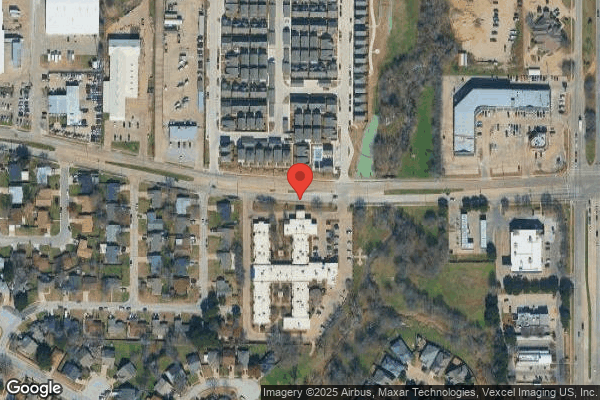
824 W Mayfield Rd, Arlington, TX 76015 (817) 465-2222
Non profit - Church related 116 Beds Independent Data: November 2025 2 Immediate Jeopardy citations
Trust Grade
11/100
#869 of 1168 in TX
Last Inspection: July 2025

Inspected within the last 6 months. Data reflects current conditions.

Overview

Town Hall Estates Arlington, Inc. received a Trust Grade of F, indicating significant concerns about the quality of care provided. They rank #869 out of 1168 facilities in Texas, placing them in the bottom half, and #52 out of 69 in Tarrant County, meaning there are only a few local options that perform better. Although the facility is improving, with issues decreasing from 15 to 8 in the past year, it still has a concerning record, including $342,800 in fines, which is higher than 97% of Texas facilities. Staffing is a mixed bag; while turnover is at 43%, which is better than the state average, RN coverage is below average compared to 75% of other facilities. Specific incidents raised by inspectors include a failure to provide necessary wound care for a resident, leading to a pressure ulcer worsening from Stage 2 to Stage 4, and lack of physician orders upon admission, which could put residents at risk for further complications. Overall, while there are strengths in staffing stability, the facility faces serious weaknesses in care quality and compliance.

Trust Score
F
11/100
In Texas
#869/1168
Bottom 26%
Safety Record
High Risk
Review needed
Inspections
Getting Better
15 → 8 violations
Staff Stability
○ Average
43% turnover. Near Texas's 48% average. Typical for the industry.
Penalties
○ Average
$342,800 in fines. Higher than 68% of Texas facilities. Some compliance issues.
Skilled Nurses
⚠ Watch
Each resident gets only 15 minutes of Registered Nurse (RN) attention daily — below average for Texas. Fewer RN minutes means fewer trained eyes watching for problems.
Violations
⚠ Watch
32 deficiencies on record. Higher than average. Multiple issues found across inspections.
★★☆☆☆
2.0
Overall Rating
★★☆☆☆
2.0
Staff Levels
★★★★★
5.0
Care Quality
★☆☆☆☆
1.0
Inspection Score
Stable
2024: 15 issues
2025: 8 issues

The Good

  • 5-Star Quality Measures · Strong clinical quality outcomes
  • Full Sprinkler Coverage · Fire safety systems throughout facility
  • No fines on record
  • Staff turnover below average (43%)

    5 points below Texas average of 48%

Facility shows strength in quality measures, fire safety.

The Bad

2-Star Overall Rating

Below Texas average (2.8)

Below average - review inspection findings carefully

Staff Turnover: 43%

Near Texas avg (46%)

Typical for the industry

Federal Fines: $342,800

Well above median ($33,413)

Significant penalties indicating serious issues

The Ugly 32 deficiencies on record

2 life-threatening
Jul 2025 8 deficiencies 2 IJ (1 affecting multiple)
CRITICAL (J)

Immediate Jeopardy (IJ) - the most serious Medicare violation

Deficiency F0635 (Tag F0635)

Someone could have died · This affected 1 resident

**NOTE- TERMS IN BRACKETS HAVE BEEN EDITED TO PROTECT CONFIDENTIALITY** Based on observation, interview, and record review, the facility failed to ensure there were physician orders for a resident's i...

Read full inspector narrative →
**NOTE- TERMS IN BRACKETS HAVE BEEN EDITED TO PROTECT CONFIDENTIALITY** Based on observation, interview, and record review, the facility failed to ensure there were physician orders for a resident's immediate care at the time the resident was admitted for 1 of 5 (Resident #49) reviewed for admission orders.The facility failed to obtain physician orders for Resident #49's immediate care when he admitted to the facility on [DATE] with a Stage 2 pressure ulcer on his coccyx, which resulted in the resident not receiving physician-ordered wound treatment from 06/02/25-06/24/25 and the Stage 2 pressure ulcer worsening to a Stage 4. An IJ was identified on 07/02/25. The IJ template was provided to the facility on [DATE] at 4:10 PM. While the IJ was removed on 07/03/25, the facility remained out of compliance at a scope of isolated and a severity level potential for more than minimal harm that is not Immediate Jeopardy, due to the facility's need to implement corrective systems.The failure placed residents at risk for medical complications, wound deterioration, infection, and death. Record review of Resident #49's admission MDS assessment, dated 06/09/25 and signed off as completed by the DON on 06/15/25, reflected the resident was a [AGE] year-old male, who admitted to the facility from the hospital on [DATE]. The resident's active diagnoses included malnutrition, pneumonia, respiratory failure, anxiety disorder, essential hypertension (high blood pressure), and generalized muscle weakness. Resident #49 had moderate cognitive impairment with a BIMS score of 11. The resident required supervision or touching assistance with eating, and he had an admission weight of 128 pounds. The resident required substantial/maximal assistance with toileting hygiene, and he was frequently incontinent of bowel and bladder. The MDS further reflected the resident admitted to the facility with one Stage 2 pressure ulcer, and he was supposed to have pressure ulcer/injury care and a pressure reducing device for bed.Record review of Resident #49's Clinical Admission Initial Assessment, dated 06/02/25, completed by RN L reflected the following questions were answered: .24. Skin Issue - Pressure ulcer/Injury27. Pressure ulcer staging - Stage 2 Pressure Ulcer/Injury: Partial thickness skin loss with exposed dermis[BR5] [LO6] (the skin)35. Acquired - Present on admission36. Onset - Unknown46. Presence of wound pain - No53. Staged by: In-house nursing59. Length (cm) - 360. Width (cm) - 561. Depth (cm) - 0 Record review of Resident #49's Progress notes on 06/02/25 21:50 by LVN K reflected the following Skin: Skin warm & dry, skin color WNL and turgor (skin's elasticity) is normal. Skin Issue: #001: New skin Issue. Location: Coccyx (the final segment of the vertebral column). Laterality / Orientation: Medial (closer to the midline of the body). Issue type: Pressure ulcer / injury. Pressure ulcer staging: Stage 2 Pressure ulcer / injury - partial thickness skin loss with exposed dermis. Wound was present on admission. It is unknown how long the wound has been present. Painful: No. Staged by: In-house nursing. Length (cm): 3 Width (cm): 5 Depth (cm): 0#002: New skin Issue. Location: Left antecubital space (the triangular area on the inner side of the left elbow). Additional location information: Bruises Issue type: Bruising (contusion). Wound was present on admission. It is unknown how long the wound has been present.#003: New skin Issue. Location: Right anterior (nearer the front) elbow. Laterality / Orientation: Right. Additional location information: Bruises Issue type: Bruising. Wound was present on admission. It is unknown how long the wound has been present. Record review of Resident #49's Progress notes from 06/02/25 through 06/24/25 by LVN K, RN L, LVN M, RN Z, and LVN AA reflected the following notes: Skin: Skin Issue: #001: Skin issue has not been evaluated. Location: Coccyx. Laterality / Orientation: Medial. Issue type: Pressure ulcer / injury. Pressure ulcer staging: Stage 2 Pressure ulcer / injury - partial thickness skin loss with exposed dermis. Wound was present on admission. It is unknown how long the wound has been present. Staged by: In-house nursing. #002: Skin issue has not been evaluated. Location: Left antecubital space. Additional location information: Bruises Issue type: Bruising. Wound was present on admission. It is unknown how long the wound has been present. #003: Skin issue has not been evaluated. Location: Right anterior elbow. Laterality / Orientation: Right. Additional location information: Bruises Issue type: Bruising. Wound was present on admission. It is unknown how long the wound has been present. There was no documentation of Wound Care Physician, Nurse Practitioners were made aware of Resident #49's pressure wound. No documentation of any wound care provided to Resident #49.Record review of Resident #49's Nurse Practitioner Visit Notes dated 06/10/25 reflected: Chief complaint - Skilled care visit - Nurse reports abnormal lab results and request to review lab.Review of systems: Skin - neg for rash Objective: Physical Examination: Skin: Warm and Dry. There was no documentation in the Nurse Practitioner's notes reflecting the resident's pressure ulcer was observed. Record review of Resident #49's Initial Wound Evaluation & Management Summary dated 06/25/25 reflected the following exam completed: Stage 4 Pressure Wound Sacrum full thickness - Etiology (quality) Pressure, Stage 4, Wound Size (L x W x D): 4.0 c 4.0 x 0.8 cm. Surface Area: 16.00cm2. Infection Assessment: No sign(s) of infection. Record review of Resident #49's Physician's orders dated 06/25/25 reflected the following orders: Zinc Oral Tablet 50 MG (Zinc) Give 1 tablet by mouth in the evening for wound care for 2 Weeks until wound heals - Start date 06/25/25Wound treatment plan to the sacrum: clean with NS or wound cleanser, pat dry, apply sodium hypochlorite gel (anasept), collagen powder, cover with gauze island w/bdr once daily, every day shift for wound care. - Start Date 06/26/2025Beneprotein Oral Powder (Protein) Give 7 gram by mouth two times a day for WOUND CARE for 90 Days - Start date 06/26/2025. Resident #49 had no medication or treatment orders for his wound from 06/02/25 - 06/25/25. Record review of Resident #49's June 2025 MAR/TAR reflected wound care medication started on 06/25/25 and wound care treatment started on 06/26/25. There was no documentation of wound care treatment provided to Resident #49 from 06/02/25 - 06/25/25.Record review of Resident #49's care plan, revised on 06/27/25, reflected Focus: Resident has current Skin Concerns: Pressure Ulcer on sacral area. Goal: Areas will heal without complications over the next 90 days. Interventions: Assess skin weekly and record findings in clinical record. Perform treatments per order, if no improvement x 2 weeks-report to MD. Provide pressure relieving and positioning devices as needed. Care Plan revised on 07/01/25, reflected: Focus: Resident has a Pressure Area: Stage: 4 (characterized by full-thickness tissue loss, exposing muscle, tendon, or bone) Location: SACRUM (large, triangular bone at the base of the spine that forms the back wall of the pelvis.) TX: Sodium hypochlorite gel (anasept) apply once daily and as needed: if saturated, soiled, or dislodged. For 30 days; Collagen powder apply once daily and as needed: if saturated, soiled, or dislodged. For 30 days. Goal: Resident will have improved skin integrity as evidenced by a decrease in size and depth of pressure area during the next 90 days. Interventions: Keep family/responsible party and MD informed of resident's progress. Monitor labs and report abnormals to MD. Record review of Resident #49's Wound Evaluation & Management Summary dated 07/02/25 reflected the following exam completed: Stage 4 Pressure Wound Sacrum full thickness - Etiology (quality) Pressure, Stage 4, Wound Size (L x W x D): 4.0 c 4.0 x 0.8 cm. Surface Area: 16.00cm2. Infection Assessment: No sign(s) of infection. Observation and interview on 07/02/25 at 8:51 AM revealed Resident #49 in bed and awake. Observed Resident #49 to be on a pressure relieving mattress. Resident #49 stated he had been at facility for about 2-3 weeks. Resident #49 stated he had a pressure sore on his bottom. He stated he was not sure if he admitted with the wound or if it developed at the facility. Resident #49 stated he had been seen by the wound care doctor twice since being admitted . Resident #49 stated he was seen by the wound care doctor last week unknown of exact date and today (07/02/25). He stated prior to being seen by the wound care doctor he was not receiving any treatment for his wound. Resident #49 stated he never refused any treatment. Resident #49 stated he had pain but was getting pain medication. Interview by phone on 07/02/25 at 10:51 AM, LVN K revealed Resident #49 admitted to her hall. She stated when Resident #49 admitted to the facility she completed a skin assessment and noted a wound on his bottom. She stated the facility's process of when a resident admitted to the facility was the admitting nurse was responsible for completing the skin assessment and if the resident admitted with a wound the admitting nurse must notify the ADON and the ADON would notify the Wound Care Physician. LVN K stated the Wound Care Physician visits=ed twice a week, and Resident #49 had been seen by the Wound Care Physician, unknown date. She stated she was not sure if Resident #49's treatment was completed during the morning shift or afternoon shift. She stated she could not recall if she provided any treatments during her shift. She stated she could not recall if treatment orders were obtained for his wound upon admission or if the physician was notified. Interview by phone on 07/02/25 at 10:57 AM, RN L revealed she only worked at the facility during the weekends. RN L stated she could not recall admitting Resident #49 and could not recall any wounds or what wound care Resident #49 required. Interview on 07/02/25 at 11:01 AM ADON A/Wound Care Coordinator revealed the process of when a resident admitted to the facility, the admitting nurse must complete a head-to-toe assessment. If wounds were present upon admission, the admitting nurse must complete a communication form, put it in her box and she was responsible for contacting the Wound Care Physician. ADON A stated the nurses were responsible for completing wound care treatments for residents. She stated she was responsible for contacting the Wound Care Physician and completing rounds when the Wound Care Physician visited every Wednesday. She stated every Wednesday before the Wound Care Physician visited, she completed rounds and would ask all the nurses if they had any admitting residents with wounds. She stated Resident #49 admitted to the facility with a wound on his sacrum. ADON A reviewed Resident #49's clinical records and stated Resident #49 was first seen by the Wound Care Physician on 06/25/25 and received treatment orders the same day. ADON A stated based on documentation it did not seem Resident #49 received any wound care treatment. ADON A stated there was a gap from the time Resident #49 admitted until he was seen on 06/25/25 by the Wound Care Physician. ADON A stated Resident #49 admitted to the facility on [DATE] which was a Monday, and the Wound Care Physician would have visited Wednesday, and the reason Resident #49 was not seen was because Resident #49 did not show up in the Wound Care Physician's computer system, and the nurses were told to continue standing treatment orders. ADON A stated if nurses were not able to obtain attending physician's orders for wound care the facility had in-house standing treatment order dry dressing and should be uploaded in the resident's chart. ADON A reviewed Resident #49's discontinued orders and stated in-house standing treatment orders were not put in the system. ADON A stated she was not sure if Resident #49 received any treatment prior to being seen by the Wound Care Physician. She stated she visited Resident #49, but did not document her visit. She stated she would monitor her nurses when the nurses would ask her for wound care supplies, then she would complete a supply count and the count wound be accurate. ADON A stated when nurses would ask her for wound care supply, she would not question the nurses who the supplies were used for. ADON A stated she never obtained a communication form from the admitting nurse who admitted Resident #49, and she did not follow up because she was not aware of the wound. ADON A stated nurses should not measure the wounds and should not stage the wounds because the measurements could be wrong. ADON A stated she was not aware RN L staged and measured Resident #49's pressure wound. She stated the Wound Care Physician was notified of Resident #49's pressure wound. However, she could not recall the exact date, but it was a day or two before Resident #49 was seen by the Wound Care Physician on 06/25/25.Interview on 07/02/25 at 12:35 PM, LVN M revealed she was on leave when Resident #49 admitted to the facility, and she had returned to work on 06/09/25 morning shift. She stated she could not recall the exact date, but it was the week when Resident #49 was seen by the Wound Care Physician on 06/25/25 when she was notified of the pressure wound. She stated CNA J notified her of the wound on Resident #49's sacrum area. When CNA J was providing Resident #49 incontinent care, Resident #49 dressing came off and CNA J needed her to put a new dressing on. She stated she was not aware of the pressure wound. She stated she cleaned it and put a new dressing on. She stated when she cleaned the wound it did not appeared infected, no drainage was noted and had no odor to it. She stated she immediately went and notified ADON A. She stated there should had been orders in the system but there were no treatment orders in the resident's clinical chart when she reviewed it. She stated the facility had standing treatment orders, but she could not recall if any orders were put in the system. LVN M stated she did not put any orders in the system when she cleaned the wound. She stated if it was not documented it did not happen and it was her mistake for not putting the standing treatment orders in the system. She stated the process of when a new resident admitted to the facility the admitting nurse should complete skin assessment, notify the ADON A, obtain orders and put them in the system. LVN M stated prior to CNA J notifying her of the wound, she was never told or received any report from any staff regarding the wound. She stated she never provided any wound care to Resident #49 during her shift until the day CNA J asked her to put a new dressing on. She stated she completed a skin check on Resident #49 and had not noticed the wound; however, Resident #49 would refuse to be checked. She stated it was her mistake for not documenting the refusal. She stated the potential risk of not providing wound care treatment would be infections. She stated it was not good quality of care. Interview on 07/02/25 at 1:27 PM, CNA J revealed she could not recall the exact date, but she was providing Resident #49 incontinent care when his wound dressing had come off. She stated prior to proving the incontinent care Resident #49 had the dressing on his sacrum. She stated when the dressing came off, she notified LVN M and LVN M cleaned the wound and put a new dressing on him. She stated that was the first time she was assigned to Resident #49. She stated she was not aware of the wound until she provided incontinent care. Interview on 07/02/25 at 1:39 PM, ADON B revealed she was working when Resident #49 admitted to the facility. She stated Resident #49 admitted to the facility with a wound on his sacrum and nursing staff were using the standing orders to clean and cover the wound until he was seen by the Wound Care Physician. ADON B stated the admitting nurse was responsible for putting in standing orders in the system and completing a communication form to request wound care for residents to the ADON A. She stated the admitting nurse failed to communicate to ADON A to put Resident #49 on the list to be seen by the Wound Care Physician. ADON B stated LVN M had just resumed her job duty from being on leave and was completing skin assessments on residents when she noticed Resident #49's wound. She stated LVN Y was the nurse assigned to Resident #49 before LVN M returned to work. She stated LVN Y was providing wound care treatment to Resident #49, but it was unknown if it was documented. She stated if the ADON A was not notified of Resident #49's pressure wound then the Wound Care Physician was not notified. She stated the potential risk of not providing any wound care treatment would be infection. Interview on 07/02/25 at 2:00 PM, the DON revealed her expectation for when a resident admitted to the facility was the admitting nurse should complete a skin assessment. If a resident admitted with a wound, the admitting nurse should obtain treatment orders either form the doctor, hospital records or the in-house standing orders and should be put in the system. She stated the nurses should also complete a communication form and provide it to ADON A, and ADON A would place the resident's name on the list to be seen by the Wound Care Physician. The DON stated when Resident #49 was being provided with incontinent care, the resident had a dressing on the sacrum, and it fell off. She stated the nurse put a new dressing on and reported the wound to ADON A. The DON stated the admitting nurse for Resident #49 had not communicated Resident #49 had a wound. She stated she was not aware Resident #49's wound was staged and measured upon admission. She stated wound care treatment was provided to Resident #49; the nurses were using the standing orders, but the standing orders were not put in the system. She stated she was not aware there was no documentation in Resident #49's clinical chart. The DON stated she expected her nurses to put physician orders in the resident clinical chart/system. The DON stated Resident #49's wound was getting better and had no signs of infection. She stated her staff failed to put treatment orders in the system and failed to communicate to ADON A. She stated the Wound Care Physician was not notified until the ADON A was notified of the wound. She stated the potential risk would be infection. Interview on 07/02/25 at 2:06 PM with CNA N revealed she was the CNA assigned to Resident #49 when he was on the 100 Hall. She stated every time she would provide incontinent care to Resident #49, he had a dressing on his bottom. She stated Resident #49 admitted to the facility with a wound. CNA N stated during the morning shift, LVN M would change the wound dressing on Resident #49. She stated Resident #49 always had a dressing on his wound. She stated the nursing staff were aware of Resident #49's sacrum wound. An attempt was made on 07//02/25 at 2:33 PM to interview LVN Y by phone but was unsuccessful. Interview by phone on 07/02/25 at 3:00 PM, the Wound Care Physician stated if a resident admitted with a wound, he expected the Attending Physician or Nurse Practitioner to see the resident and write initial wound care orders, and to add him as an attending. If the resident had hospital orders that included wound orders, staff could follow those orders. ADON A would text him with a new resident's information prior to his next visit. He did not give any standing orders for wound care due to the liability, but he would allow ADON A to start treatment because he had worked with her for many years. He stated he was not aware of Resident #49's wound until he saw him on 6/25/25. He stated all wounds were considered colonized with a bacterium of some form, but that did not mean it was infected. If the wound was not healing, then it would be considered infected. Resident #49's wound was healing so he did not consider it to be infected. Interview on 07/02/25 at 3:13 PM, the Nurse Practitioner revealed she was not made aware of Resident #49's pressure wound when she visited the resident on 06/10/25. She stated she visited Resident #49 and completed an assessment, but she did not inspect the resident's back because she was not aware of the wound. She stated since she was not made aware of the wound no treatment orders were provided. She stated she could not recall the exact date, but she was notified by the DON that Resident #49's wound had worsened and that the Wound Care Physician had been notified and provided treatment orders. She stated when a resident admits to the facility with a wound her expectations were to be notified and for nurses to obtain orders. She stated if a resident had not been seen by the Wound Care Physician or the nurses were not able to get ahold of the Wound Care Physician, the ADON normally would notify her, and she would provide treatment orders. Interview on 07/02/25 at 3:51 PM, the Administrator revealed wound care questions were more of a clinical nursing aspect, but his expectations were for the nurses to assess the wound and notify the Wound Care Physician. The Administrator expected nursing staff to follow treatment orders and to document any care that the resident was being provided with. Record review of facility policy Significant Change in Resident's Status undated reflected the following: It is the policy of this organization that this facility immediate inform the resident, consult with the resident physician, and if knows notifies the resident's legal representative or an interested family when there is: .C. Need to alter treatment significantly (this is, a need to discontinue an existing form of treatment due to adverse consequences, or to commence a new form of treatment.4. Deterioration in a resident's health status, where this change: places the resident's life in danger. is associated with a serious clinical complication, e.g., initial development of stage III or stage IV pressure ulcer.When any of the above occurs the attending physician, the resident and/or responsible party and/or legal representative and/or interested family member is notified. Document is made in the Nurses Notes and the Resident Assessment Instrument, and the Comprehensive Care Plan is updated to reflect the changes This was determined to be an Immediate Threat (IT) on 07/02/25 at 4:02 PM. The Administrator and DON were notified. The Administrator was provided with the IT template on 07/02/25 at 4:10 PM. The Facility's Plan of Removal for Immediate Threat was accepted on 07/02/25 at 6:32 PM and reflected the following: Date of IJ Determination: 07/02/2025 Immediate Corrective Actions Taken Physician Notification for Identified ResidentAs of 07/02/2025, the resident identified in the IJ was immediately assessed by the Director of Nursing. The resident's attending physician and the Wound care Physician were immediately consulted, and updated treatment orders were obtained to address the resident's wound and overall plan of care. Chart Review for Timely Physician NotificationA comprehensive audit of all admissions and current residents with significant changes in physical status was completed on 07/02/2025 to ensure physician notification occurred as required. Any instances lacking documented physician notification were immediately corrected by contacting the respective physician and updating the medical records.Immediate Staff EducationOn 07/02/2025, all licensed nurses received in-service training on:- Recognizing and defining significant changes in resident condition.- The requirements for immediate physician consultation upon identification of significant changes.- Accurate and timely documentation of physician notifications and resulting orders.Staff sign-in sheets and education materials are maintained for verification. Process ChangesA Physician Notification Protocol has been implemented requiring nurses to notify the physician within 1 hour of identifying a significant change in a resident's condition, including the development or worsening of pressure ulcers.A physician notification from was created to document:-The date and time change identification.-The date and time of physician notification.-Physician response and orders.admission protocols were updated to require physician notification within 24 hours for all residents admitted with pressure ulcers or other significant health conditions. Ongoing MonitoringThe Director of Nursing or designee will conduct daily audits of residents with significant changes in condition to confirm timely physician notification and documentation.Weekly audits of 10% of resident charts will be performed for 3 months to ensure compliance with the physician notification protocol. Quality Assurance and OversightPhysician notification compliance will be a standing agenda item at the facility monthly Quality Assurance Performance Improvement (QAPI) meeting for at least 3 months. Audit results and corrective actions will be reviewed by the Administrator and Medical Director. How the Plan Removes the Immediate JeopardyImmediate assessment and physician consultation for the identified resident ensures appropriate and timely medical oversight, mitigating current risk. Staff education and protocol changes ensure future prompt physician notification for any significant changes, reducing the risk of delayed treatment. Ongoing audits and oversight confirm sustained complaint, preventing recurrence of the issue and ensuring resident rights are protected. Date IJ was Corrected:We believed the Immediate Jeopardy was removed on 07/02/2025, the date corrective actions were implemented. Ensuring Staff Not Present Received TrainingAll nursing staff who are not present on 07/02/2025 for the in-services training will receive a make-up in-service by the Staff Development Nurse within 5 calendar days of returning to work, and before providing direct resident care. Completing will be tracked on a staff education log. Implementation Date for Physician Notification Protocol:The updated Physician Notification Protocol was implemented on 07/02/2025, the same day as the initial corrective actions. Title of Staff Conducting Audit and In-Service:The Director of Nursing (DON) conducted the comprehensive char audit for physician notifications.The Staff Development Nurse (SDN) provided the in-service training on physician notification requirements. Electronic In-Service Distribution and Acknowledgement:Nursing staff who are not present for in-person in-services will receive the training materials electronically through the facility's secure communication platform within 5 calendar days of returning to work. Staff will be required to review the material and electronically signs and acknowledgements from confirming their understanding. Record of completion and acknowledgements will be maintained by the Staff Development Nurse and made available for surveyor review. In-Service: Recognizing Significant Changes & Physician NotificationObjective: Train nursing staff to recognize significant changes in resident condition, promptly notify the physician, and properly document the process to ensure timely treatment and protect resident rights. Agenda: Defining Significant Change - Examples: new/worsening wounds, sudden mental status changes, falls with injury, acute infections, uncontrolled pain. Timeframes for Physician Notification - Immediate vs. urgent vs. routine notification standards - Facility policy on notifying the physician within 1 hour of significant changes. Documentation of Notification - How to complete the physician notification form. - Documenting date/time of change, date/time of call, physician response. Communication Best Practices - SBAR (Situation, Background, Assessment, Recommendation) approach when calling providers. - Tips for effective and concise communication Policy & Procedure Review- Physician notification protocol - Review of facility admission protocols requiring physician notification. Q&A Session Materials: Physician notification form Updated physician notification policyCompetency Validation: Staff sign-in sheet Charting exercise: completing a sample physician notification form Electronic In-Service Distribution and Acknowledgement:Nursing staff who are not present for in-person in-services will receive the training materials electronically through the facility's secure communication platform within 5 calendar days of returning to work. Staff will be required to review the material and electronically signs and acknowledgements from confirming their understanding. Record of completion and acknowledgements will be maintained by the Staff Development Nurse and made available for surveyor review. Monitoring of the facility's Plan of Removal included the following: Record review of a facility in-service training report for facility nurses across all shifts dated 07/02/25 reflected the following: Skin Issues on Admission. Protocol: Do a thorough assessment. 1) Document. Initially nurses are not to measure unless you're a wound care certified nurse. 2) Make sure there is a treatment ordered. (Hospital order, standing order or MD/NP order) Fill up a communication form and submit it to the Wound Care Nurse (ADON) for Dr. (Name) (Wound MD) to look at on his next visit. Document everything! Do Skin assessments every week! Notification of MD for worsening wounds if it's not documented it's not done!! Record review of a facility in-service training report for facility nurses across all shifts dated 07/02/25 reflected the following: Accurate and timely wound assessment and documentation. The requirement for immediate physician notification for wounds at admission or with signs of worsening. Proper initiation for treatment orders for wounds. Staff sign-in sheets and education materials are maintained for verification. Record review of the facility QAPI meeting revealed the facility medical director was notified by the director of nurses of the immediate jeopardy via phone while in attendance with the facility administrator on 07/02/25. Record review of the facility admission Wound Assessment Checklist form reflected on 07/02/2025 the form included the name of the resident, date of admission, wound treatment, MD Notified, notes. Record review of the facility Weekly Audit tool blank form revealed it included the date, resident, treatment, and documentation in PCC. Record review of the facility Communication Form revealed it must include information pertaining the resident, new admission/readmission, indicate which department it applied to and to include message/comments. Record review of the facility Physician notification Form undated, reflected staff should provide the date and time change identification, the date and time of physician notification and Physician response and orders. Record review of the Facility SBAR (Situation, Background, Assessment, Recommendation) reflected staff should document when a change of condition occurred and when the provider was notified. Record review of Resident #49's progress noted dated 07/02/25 by the DON reflected Pressure wound on sacrum assess with wound MD. Stage 4 full thickness. Wound size (LxWxD) 4.0x3.5x0.8 cm Surface area = 14, exudate - Moderate serous (clear fluid drainage from a wound). Wound has improved since last visit as evidence by decrease surface area. No signs of infection noted. Treatment review with physician. No changes made at this time. Resident remains on air mattress. No c/o pain but instructed to call the nurse if he has pain. PRN pain medication ordered. Dietician made aware of the nutritional consult for the resident. Staff instructed to turn and reposition resident Q 2 hours. Call light within reach. Record review of Skin Assessments revealed they were completed on 07/02/25 for all 73 residents. The assessments indicated any skin concerns and the location of the skin concerns. Record review of a facility in-service training report for facility nurses across all shifts dated 07/03/25 reflected the following: On wound assessment on admission, the Admitting Nurse is required to document the following: 1. Wound measurements. 2) Notification of the physician w/in 24 Hrs. of identification. 3) Initiation of wound treatment per protocol or physician order. 4) A standing protocol has been established requiring automatic wound consult for any Stage 2
CRITICAL (K)

Immediate Jeopardy (IJ) - the most serious Medicare violation

Pressure Ulcer Prevention (Tag F0686)

Someone could have died · This affected multiple residents

**NOTE- TERMS IN BRACKETS HAVE BEEN EDITED TO PROTECT CONFIDENTIALITY** Based on observation, interview, and record review, the facility failed to ensure residents received necessary treatment and ser...

Read full inspector narrative →
**NOTE- TERMS IN BRACKETS HAVE BEEN EDITED TO PROTECT CONFIDENTIALITY** Based on observation, interview, and record review, the facility failed to ensure residents received necessary treatment and services, consistent with professional standards of practice to promote wound healing and to prevent new pressure ulcers from developing for one of five residents (Resident #49) reviewed for pressure ulcers.The facility staff failed to notify the Wound Care Physician of Resident #49's Stage 2 pressure ulcer on his coccyx upon admission. Resident #49 was not provided with wound care treatment from 06/02/25 - 06/25/25 which resulted in resident's pressure ulcer worsening from a Stage 2 to a Stage 4. An IJ was identified on 07/02/25. The IJ template was provided to the facility on [DATE] at 4:10 PM. While the IJ was removed on 07/03/25, the facility remained out of compliance at a scope of isolated and a severity level potential for more than minimal harm that is not Immediate Jeopardy, due to the facility's need to implement corrective systems.These failures could place residents at risk for new development or worsening of existing pressure injuries, pain, decreased quality of life, and hospitalization.Findings included: Record review of Resident #49's admission MDS assessment, dated 06/09/25 and signed off as completed by the DON on 06/15/25, reflected the resident was a [AGE] year-old male, who admitted to the facility from the hospital on [DATE]. The resident's active diagnoses included malnutrition, pneumonia, respiratory failure, anxiety disorder, essential hypertension (high blood pressure), and generalized muscle weakness. Resident #49 had moderate cognitive impairment with a BIMS score of 11. The resident required supervision or touching assistance with eating, and he had an admission weight of 128 pounds. The resident required substantial/maximal assistance with toileting hygiene, and he was frequently incontinent of bowel and bladder. The MDS further reflected the resident admitted to the facility with one Stage 2 pressure ulcer, and he was supposed to have pressure ulcer/injury care and a pressure reducing device for bed. Record review of Resident #49's Clinical Admission Initial Assessment, dated 06/02/25, completed by RN L reflected Resident #49 admitted to the facility with a Stage 2 pressure ulcer that measured 3.0 cm x 5.0 cm x 0.0 cm. Record review of Resident #49's Progress Notes written by LVN K, dated 06/02/25 at 9:50 PM, reflected the following: Skin: Skin warm & dry, skin color WNL and turgor (skin's elasticity) is normal. Skin Issue: #001: New skin Issue. Location: Coccyx (the final segment of the vertebral column). Laterality / Orientation: Medial (closer to the midline of the body). Issue type: Pressure ulcer / injury. Pressure ulcer staging: Stage 2 Pressure ulcer / injury - partial thickness skin loss with exposed dermis. Wound was present on admission. It is unknown how long the wound has been present. Painful: No. Staged by: In-house nursing. Length (cm): 3 Width (cm): 5 Depth (cm): 0. Record review of Resident #49's Progress notes from 06/02/25 through 06/24/25 by LVN K, RN L, LVN M, RN Z, and LVN AA reflected they all used the same note in all their entries regarding Resident #49's pressure ulcer: Skin: Skin Issue: #001: Skin issue has not been evaluated. Location: Coccyx. Laterality / Orientation: Medial. Issue type: Pressure ulcer / injury. Pressure ulcer staging: Stage 2 Pressure ulcer / injury - partial thickness skin loss with exposed dermis. Wound was present on admission. It is unknown how long the wound has been present. Staged by: In-house nursing.There was no documentation in Resident #49's Progress Notes reflecting the Physician, Nurse Practitioner, or the Wound Care Physician had been made aware of Resident #49's pressure ulcer. There was also no documentation in the Progress Notes reflecting Resident #49 was receiving wound care nor was there documentation reflecting the resident was on a low air loss mattress. Record review of Resident #49's Nurse Practitioner Visit Notes dated 06/05/25 reflected the resident had a diagnosis of protein calorie malnutrition prior to his admission the facility in the hospital on [DATE]. Regarding the resident's skin, the Nurse Practitioner documented: .Physical Examination.Skin: No visible skin lesions or rashes noted in exposed BUE or BLE. There was no documentation in the Nurse Practitioner's notes reflecting the resident's pressure ulcer was observed nor was there an order for care/treatment of the pressure ulcer.Record review of Resident #49's Care Plan, initiated on 06/09/25, reflected Resident #49 was at risk for weight loss as evidenced by being a new admission and consuming less than 25% of meals with a poor appetite. Care Plans, initiated on 06/21/25, reflected: Resident #49 was at risk for skin breakdown; the resident had ADL deficits to include bed mobility, transfers, eating, toilet use, dressing, personal hygiene, and bathing; and the resident was incontinent of bowel and bladder. Record review of Resident #49's Initial Wound Evaluation & Management Summary dated 06/25/25 reflected the following exam completed: Stage 4 Pressure Wound Sacrum full thickness - Etiology (quality) Pressure, Stage 4, Wound Size (L x W x D): 4.0 c 4.0 x 0.8 cm. Surface Area: 16.00cm2. Infection Assessment: No sign(s) of infection. Record review of Resident #49's Physician's Orders dated 06/25/25 reflected the following orders were initiated to treat Resident #49's pressure ulcer as follows: Zinc Oral Tablet 50 MG (Zinc) Give 1 tablet by mouth in the evening for wound care for 2 Weeks until wound heals - Start date 06/25/25 Wound treatment plan to the sacrum: clean with NS or wound cleanser, pat dry, apply sodium hypochlorite gel (anasept), collagen powder, cover with gauze island w/bdr once daily, every day shift for wound care. - Start Date 06/26/2025 Beneprotein Oral Powder (Protein) Give 7 gram by mouth two times a day for wound care for 90 Days - Start date 06/26/2025. Resident #49 had no medication or treatment orders for his wound from 06/02/25 - 06/25/25. Record review of Resident #49's June 2025 MAR/TAR reflected wound care medication started on 06/25/25 and wound care treatment started on 06/26/25. There was no documentation of wound care treatment provided to Resident #49 from 06/02/25 - 06/25/25. The June 2025 TAR also reflected the resident was placed on a low air loss mattress starting on 06/27/25 to address wound healing for the pressure ulcer. Record review of Resident #49's care plan, revised on 06/27/25, reflected: Focus: Resident has current Skin Concerns: Pressure Ulcer on sacral area. Goal: Areas will heal without complications over the next 90 days. Interventions: Assess skin weekly and record findings in clinical record. Perform treatments per order, if no improvement x 2 weeks-report to MD. Provide pressure relieving and positioning devices as needed. Care Plan revised on 07/01/25, reflected: Focus: Resident has a Pressure Area: Stage: 4 (characterized by full-thickness tissue loss, exposing muscle, tendon, or bone) Location: SACRUM (large, triangular bone at the base of the spine that forms the back wall of the pelvis.) TX: Sodium hypochlorite gel (anasept) apply once daily and as needed: if saturated, soiled, or dislodged. For 30 days; Collagen powder apply once daily and as needed: if saturated, soiled, or dislodged. For 30 days. Goal: Resident will have improved skin integrity as evidenced by a decrease in size and depth of pressure area during the next 90 days. Interventions: Keep family/responsible party and MD informed of resident's progress. Monitor labs and report abnormals to MD. Record review of Resident #49's Wound Evaluation & Management Summary dated 07/02/25 reflected the following exam completed: Stage 4 Pressure Wound Sacrum full thickness - Etiology (quality) Pressure, Stage 4, Wound Size (L x W x D): 4.0 c 4.0 x 0.8 cm. Surface Area: 16.00cm2. Infection Assessment: No sign(s) of infection. Observation and interview on 07/02/25 at 8:51 AM revealed Resident #49 in bed and awake. Observed Resident #49 to be on a pressure relieving mattress. Resident #49 stated he had been at facility for about 2-3 weeks. Resident #49 stated he had a pressure sore on his bottom. He stated he was not sure if he admitted with the wound or if it developed at the facility. Resident #49 stated he had been seen by the wound care doctor twice since being admitted . Resident #49 stated he was seen by the wound care doctor last week unknown of exact date and today (07/02/25). He stated prior to being seen by the wound care doctor he was not receiving any treatment for his wound. Resident #49 stated he never refused any treatment. Resident #49 stated he had pain but was getting pain medication. Interview by phone on 07/02/25 at 10:51 AM, LVN K revealed Resident #49 admitted to her hall. She stated when Resident #49 admitted to the facility she completed a skin assessment and noted a wound on his bottom. She stated the facility's process of when a resident admitted to the facility was the admitting nurse was responsible for completing the skin assessment and if the resident admitted with a wound the admitting nurse must notify the ADON and the ADON would notify the Wound Care Physician. LVN K stated the Wound Care Physician visits=ed twice a week, and Resident #49 had been seen by the Wound Care Physician, unknown date. She stated she was not sure if Resident #49's treatment was completed during the morning shift or afternoon shift. She stated she could not recall if she provided any treatments during her shift. She stated she could not recall if treatment orders were obtained for his wound upon admission or if the physician was notified. Interview by phone on 07/02/25 at 10:57 AM, RN L revealed she only worked at the facility during the weekends. RN L stated she could not recall admitting Resident #49 and could not recall any wounds or what wound care Resident #49 required. Interview on 07/02/25 at 11:01 AM ADON A/Wound Care Coordinator revealed the process of when a resident admitted to the facility, the admitting nurse must complete a head-to-toe assessment. If wounds were present upon admission, the admitting nurse must complete a communication form, put it in her box and she was responsible for contacting the Wound Care Physician. ADON A stated the nurses were responsible for completing wound care treatments for residents. She stated she was responsible for contacting the Wound Care Physician and completing rounds when the Wound Care Physician visited every Wednesday. She stated every Wednesday before the Wound Care Physician visited, she completed rounds and would ask all the nurses if they had any admitting residents with wounds. She stated Resident #49 admitted to the facility with a wound on his sacrum. ADON A reviewed Resident #49's clinical records and stated Resident #49 was first seen by the Wound Care Physician on 06/25/25 and received treatment orders the same day. ADON A stated based on documentation it did not seem Resident #49 received any wound care treatment. ADON A stated there was a gap from the time Resident #49 admitted until he was seen on 06/25/25 by the Wound Care Physician. ADON A stated Resident #49 admitted to the facility on [DATE] which was a Monday, and the Wound Care Physician would have visited Wednesday, and the reason Resident #49 was not seen was because Resident #49 did not show up in the Wound Care Physician's computer system, and the nurses were told to continue standing treatment orders. ADON A stated if nurses were not able to obtain attending physician's orders for wound care the facility had in-house standing treatment order dry dressing and should be uploaded in the resident's chart. ADON A reviewed Resident #49's discontinued orders and stated in-house standing treatment orders were not put in the system. ADON A stated she was not sure if Resident #49 received any treatment prior to being seen by the Wound Care Physician. She stated she visited Resident #49, but did not document her visit. She stated she would monitor her nurses when the nurses would ask her for wound care supplies, then she would complete a supply count and the count wound be accurate. ADON A stated when nurses would ask her for wound care supply, she would not question the nurses who the supplies were used for. ADON A stated she never obtained a communication form from the admitting nurse who admitted Resident #49, and she did not follow up because she was not aware of the wound. ADON A stated nurses should not measure the wounds and should not stage the wounds because the measurements could be wrong. ADON A stated she was not aware RN L staged and measured Resident #49's pressure wound. She stated the Wound Care Physician was notified of Resident #49's pressure wound. However, she could not recall the exact date, but it was a day or two before Resident #49 was seen by the Wound Care Physician on 06/25/25. Interview on 07/02/25 at 12:35 PM, LVN M revealed she was on leave when Resident #49 admitted to the facility, and she had returned to work on 06/09/25 morning shift. She stated she could not recall the exact date, but it was the week when Resident #49 was seen by the Wound Care Physician on 06/25/25 when she was notified of the pressure wound. She stated CNA J notified her of the wound on Resident #49's sacrum area. When CNA J was providing Resident #49 incontinent care, Resident #49 dressing came off and CNA J needed her to put a new dressing on. She stated she was not aware of the pressure wound. She stated she cleaned it and put a new dressing on. She stated when she cleaned the wound it did not appeared infected, no drainage was noted and had no odor to it. She stated she immediately went and notified ADON A. She stated there should had been orders in the system but there were no treatment orders in the resident's clinical chart when she reviewed it. She stated the facility had standing treatment orders, but she could not recall if any orders were put in the system. LVN M stated she did not put any orders in the system when she cleaned the wound. She stated if it was not documented it did not happen and it was her mistake for not putting the standing treatment orders in the system. She stated the process of when a new resident admitted to the facility the admitting nurse should complete skin assessment, notify the ADON A, obtain orders and put them in the system. LVN M stated prior to CNA J notifying her of the wound, she was never told or received any report from any staff regarding the wound. She stated she never provided any wound care to Resident #49 during her shift until the day CNA J asked her to put a new dressing on. She stated she completed a skin check on Resident #49 and had not noticed the wound; however, Resident #49 would refuse to be checked. She stated it was her mistake for not documenting the refusal. She stated the potential risk of not providing wound care treatment would be infections. She stated it was not good quality of care. Interview on 07/02/25 at 1:27 PM, CNA J revealed she could not recall the exact date, but she was providing Resident #49 incontinent care when his wound dressing had come off. She stated prior to proving the incontinent care Resident #49 had the dressing on his sacrum. She stated when the dressing came off, she notified LVN M and LVN M cleaned the wound and put a new dressing on him. She stated that was the first time she was assigned to Resident #49. She stated she was not aware of the wound until she provided incontinent care. Interview on 07/02/25 at 1:39 PM, ADON B revealed she was working when Resident #49 admitted to the facility. She stated Resident #49 admitted to the facility with a wound on his sacrum and nursing staff were using the standing orders to clean and cover the wound until he was seen by the Wound Care Physician. ADON B stated the admitting nurse was responsible for putting in standing orders in the system and completing a communication form to request wound care for residents to the ADON A. She stated the admitting nurse failed to communicate to ADON A to put Resident #49 on the list to be seen by the Wound Care Physician. ADON B stated LVN M had just resumed her job duty from being on leave and was completing skin assessments on residents when she noticed Resident #49's wound. She stated LVN Y was the nurse assigned to Resident #49 before LVN M returned to work. She stated LVN Y was providing wound care treatment to Resident #49, but it was unknown if it was documented. She stated if the ADON A was not notified of Resident #49's pressure wound then the Wound Care Physician was not notified. She stated the potential risk of not providing any wound care treatment would be infection. Interview on 07/02/25 at 2:00 PM, the DON revealed her expectation for when a resident admitted to the facility was the admitting nurse should complete a skin assessment. If a resident admitted with a wound, the admitting nurse should obtain treatment orders either form the doctor, hospital records or the in-house standing orders and should be put in the system. She stated the nurses should also complete a communication form and provide it to ADON A, and ADON A would place the resident's name on the list to be seen by the Wound Care Physician. The DON stated when Resident #49 was being provided with incontinent care, the resident had a dressing on the sacrum, and it fell off. She stated the nurse put a new dressing on and reported the wound to ADON A. The DON stated the admitting nurse for Resident #49 had not communicated Resident #49 had a wound. She stated she was not aware Resident #49's wound was staged and measured upon admission. She stated wound care treatment was provided to Resident #49; the nurses were using the standing orders, but the standing orders were not put in the system. She stated she was not aware there was no documentation in Resident #49's clinical chart. The DON stated she expected her nurses to put physician orders in the resident clinical chart/system. The DON stated Resident #49's wound was getting better and had no signs of infection. She stated her staff failed to put treatment orders in the system and failed to communicate to ADON A. She stated the Wound Care Physician was not notified until the ADON A was notified of the wound. She stated the potential risk would be infection. Interview on 07/02/25 at 2:06 PM with CNA N revealed she was the CNA assigned to Resident #49 when he was on the 100 Hall. She stated every time she would provide incontinent care to Resident #49, he had a dressing on his bottom. She stated Resident #49 admitted to the facility with a wound. CNA N stated during the morning shift, LVN M would change the wound dressing on Resident #49. She stated Resident #49 always had a dressing on his wound. She stated the nursing staff were aware of Resident #49's sacrum wound. An attempt was made on 07//02/25 at 2:33 PM to interview LVN Y by phone but was unsuccessful. Interview by phone on 07/02/25 at 3:00 PM, the Wound Care Physician stated if a resident admitted with a wound, he expected the Attending Physician or Nurse Practitioner to see the resident and write initial wound care orders, and to add him as an attending. If the resident had hospital orders that included wound orders, staff could follow those orders. ADON A would text him with a new resident's information prior to his next visit. He did not give any standing orders for wound care due to the liability, but he would allow ADON A to start treatment because he had worked with her for many years. He stated he was not aware of Resident #49's wound until he saw him on 6/25/25. He stated all wounds were considered colonized with a bacterium of some form, but that did not mean it was infected. If the wound was not healing, then it would be considered infected. Resident #49's wound was healing so he did not consider it to be infected. Interview on 07/02/25 at 3:13 PM, the Nurse Practitioner revealed she was not made aware of Resident #49's pressure wound when she visited the resident on 06/10/25. She stated she visited Resident #49 and completed an assessment, but she did not inspect the resident's back because she was not aware of the wound. She stated since she was not made aware of the wound no treatment orders were provided. She stated she could not recall the exact date, but she was notified by the DON that Resident #49's wound had worsened and that the Wound Care Physician had been notified and provided treatment orders. She stated when a resident admits to the facility with a wound her expectations were to be notified and for nurses to obtain orders. She stated if a resident had not been seen by the Wound Care Physician or the nurses were not able to get ahold of the Wound Care Physician, the ADON normally would notify her, and she would provide treatment orders. Interview on 07/02/25 at 3:51 PM, the Administrator revealed wound care questions were more of a clinical nursing aspect, but his expectations were for the nurses to assess the wound and notify the Wound Care Physician. The Administrator expected nursing staff to follow treatment orders and to document any care that the resident was being provided with. Record review of facility policy Significant Change in Resident's Status undated reflected the following: It is the policy of this organization that this facility immediate inform the resident, consult with the resident physician, and if knows notifies the resident's legal representative or an interested family when there is: . C. Need to alter treatment significantly (this is, a need to discontinue an existing form of treatment due to adverse consequences, or to commence a new form of treatment. 4. Deterioration in a resident's health status, where this change: places the resident's life in danger. is associated with a serious clinical complication, e.g., initial development of stage III or stage IV pressure ulcer. When any of the above occurs the attending physician, the resident and/or responsible party and/or legal representative and/or interested family member is notified. Document is made in the Nurses Notes and the Resident Assessment Instrument, and the Comprehensive Care Plan is updated to reflect the changes This was determined to be an Immediate Jeopardy (IJ) on 07/02/25 at 4:02 PM. The Administrator and DON were notified. The Administrator was provided with the IJ template on 07/02/25 at 4:10 PM. The Facility's Plan of Removal for Immediate Jeopardy was accepted on 07/02/25 at 6:32 PM and reflected the following: Date of IJ Determination: 07/02/2025 Immediate Corrective Actions Taken Physician Notification for Identified Resident As of 07/02/2025, the resident identified in the IJ was immediately assessed by the Director of Nursing. The resident's attending physician and the Wound care Physician were immediately consulted, and updated treatment orders were obtained to address the resident's wound and overall plan of care. Chart Review for Timely Physician Notification A comprehensive audit of all admissions and current residents with significant changes in physical status was completed on 07/02/2025 to ensure physician notification occurred as required. Any instances lacking documented physician notification were immediately corrected by contacting the respective physician and updating the medical records. Immediate Staff Education On 07/02/2025, all licensed nurses received in-service training on: - Recognizing and defining significant changes in resident condition. - The requirements for immediate physician consultation upon identification of significant changes. - Accurate and timely documentation of physician notifications and resulting orders. Staff sign-in sheets and education materials are maintained for verification. Process Changes A Physician Notification Protocol has been implemented requiring nurses to notify the physician within 1 hour of identifying a significant change in a resident's condition, including the development or worsening of pressure ulcers. A physician notification from was created to document: -The date and time change identification. -The date and time of physician notification. -Physician response and orders. admission protocols were updated to require physician notification within 24 hours for all residents admitted with pressure ulcers or other significant health conditions. Ongoing Monitoring The Director of Nursing or designee will conduct daily audits of residents with significant changes in condition to confirm timely physician notification and documentation. Weekly audits of 10% of resident charts will be performed for 3 months to ensure compliance with the physician notification protocol. Quality Assurance and Oversight Physician notification compliance will be a standing agenda item at the facility monthly Quality Assurance Performance Improvement (QAPI) meeting for at least 3 months. Audit results and corrective actions will be reviewed by the Administrator and Medical Director. How the Plan Removes the Immediate Jeopardy Immediate assessment and physician consultation for the identified resident ensures appropriate and timely medical oversight, mitigating current risk. Staff education and protocol changes ensure future prompt physician notification for any significant changes, reducing the risk of delayed treatment. Ongoing audits and oversight confirm sustained complaint, preventing recurrence of the issue and ensuring resident rights are protected. Date IJ was Corrected: We believed the Immediate Jeopardy was removed on 07/02/2025, the date corrective actions were implemented. Ensuring Staff Not Present Received Training All nursing staff who are not present on 07/02/2025 for the in-services training will receive a make-up in-service by the Staff Development Nurse within 5 calendar days of returning to work, and before providing direct resident care. Completing will be tracked on a staff education log. Implementation Date for Physician Notification Protocol: The updated Physician Notification Protocol was implemented on 07/02/2025, the same day as the initial corrective actions. Title of Staff Conducting Audit and In-Service: The Director of Nursing (DON) conducted the comprehensive char audit for physician notifications. The Staff Development Nurse (SDN) provided the in-service training on physician notification requirements. Electronic In-Service Distribution and Acknowledgement: Nursing staff who are not present for in-person in-services will receive the training materials electronically through the facility's secure communication platform within 5 calendar days of returning to work. Staff will be required to review the material and electronically signs and acknowledgements from confirming their understanding. Record of completion and acknowledgements will be maintained by the Staff Development Nurse and made available for surveyor review. In-Service: Recognizing Significant Changes & Physician Notification Objective: Train nursing staff to recognize significant changes in resident condition, promptly notify the physician, and properly document the process to ensure timely treatment and protect resident rights. Agenda: Defining Significant Change - Examples: new/worsening wounds, sudden mental status changes, falls with injury, acute infections, uncontrolled pain. Timeframes for Physician Notification - Immediate vs. urgent vs. routine notification standards - Facility policy on notifying the physician within 1 hour of significant changes. Documentation of Notification - How to complete the physician notification form. - Documenting date/time of change, date/time of call, physician response. Communication Best Practices - SBAR (Situation, Background, Assessment, Recommendation) approach when calling providers. - Tips for effective and concise communication Policy & Procedure Review - Physician notification protocol - Review of facility admission protocols requiring physician notification. Q&A Session Materials: Physician notification form Updated physician notification policy Competency Validation: Staff sign-in sheet Charting exercise: completing a sample physician notification form Electronic In-Service Distribution and Acknowledgement: Nursing staff who are not present for in-person in-services will receive the training materials electronically through the facility's secure communication platform within 5 calendar days of returning to work. Staff will be required to review the material and electronically signs and acknowledgements from confirming their understanding. Record of completion and acknowledgements will be maintained by the Staff Development Nurse and made available for surveyor review. Monitoring of the facility's Plan of Removal included the following: Record review of a facility in-service training report for facility nurses across all shifts dated 07/02/25 reflected the following: Skin Issues on Admission. Protocol: Do a thorough assessment. 1) Document. Initially nurses are not to measure unless you're a wound care certified nurse. 2) Make sure there is a treatment ordered. (Hospital order, standing order or MD/NP order) Fill up a communication form and submit it to the Wound Care Nurse (ADON) for Dr. (Name) (Wound MD) to look at on his next visit. Document everything! Do Skin assessments every week! Notification of MD for worsening wounds if it's not documented it's not done!! Record review of a facility in-service training report for facility nurses across all shifts dated 07/02/25 reflected the following: Accurate and timely wound assessment and documentation. The requirement for immediate physician notification for wounds at admission or with signs of worsening. Proper initiation for treatment orders for wounds. Staff sign-in sheets and education materials are maintained for verification. Record review of the facility QAPI meeting revealed the facility medical director was notified by the director of nurses of the immediate jeopardy via phone while in attendance with the facility administrator on 07/02/25. Record review of the facility admission Wound Assessment Checklist form reflected on 07/02/2025 the form included the name of the resident, date of admission, wound treatment, MD Notified, notes. Record review of the facility Weekly Audit tool blank form revealed it included the date, resident, treatment, and documentation in PCC. Record review of the facility Communication Form revealed it must include information pertaining the resident, new admission/readmission, indicate which department it applied to and to include message/comments. Record review of the facility Physician notification Form undated, reflected staff should provide the date and time change identification, the date and time of physician notification and Physician response and orders. Record review of the Facility SBAR (Situation, Background, Assessment, Recommendation) reflected staff should document when a change of condition occurred and when the provider was notified. Record review of Resident #49's progress noted dated 07/02/25 by the DON reflected Pressure wound on sacrum assess with wound MD. Stage 4 full thickness. Wound size (LxWxD) 4.0x3.5x0.8 cm Surface area = 14, exudate - Moderate serous (clear fluid drainage from a wound). Wound has improved since last visit as evidence by decrease surface area. No signs of infection noted. Treatment review with physician. No changes made at this time. Resident remains on air mattress. No c/o pain but instructed to call the nurse if he has pain. PRN pain medication ordered. Dietician made aware of the nutritional consult for the resident. Staff instructed to turn and reposition resident Q 2 hours. Call light within reach. Record review of Skin Assessments revealed they were completed on 07/02/25 for all 73 residents. The assessments indicated any skin concerns and the location of the skin concerns. Record review of a facility in-service training report for facility nurses across all shifts dated 07/03/25 reflected the following: On wound assessment on admission, the Admitting Nurse is required to document the following: 1. Wound measurements. 2) Notification of the physician w/in 24 Hrs. of identification. 3) Initiation of wound treatment per
CONCERN (D)

Potential for Harm - no one hurt, but risky conditions existed

Safe Environment (Tag F0584)

Could have caused harm · This affected 1 resident

**NOTE- TERMS IN BRACKETS HAVE BEEN EDITED TO PROTECT CONFIDENTIALITY** Based on observation, interview and record review the facility failed to provide housekeeping and maintenance services necessary...

Read full inspector narrative →
**NOTE- TERMS IN BRACKETS HAVE BEEN EDITED TO PROTECT CONFIDENTIALITY** Based on observation, interview and record review the facility failed to provide housekeeping and maintenance services necessary to maintain a sanitary and comfortable interior for 1 of 21 residents (Residents #48) reviewed for environment. The facility failed to ensure Residents #48's bed curtain was free from a dried brown substance. This failure could affect any resident and place them at risk for not having a sanitary homelike environment. Findings included: Record Review of Resident #48's Quarterly MDS, dated [DATE] reflected the resident was a [AGE] year-old female admitted to the facility on [DATE]. Resident #48's MDS also reflected diagnoses of non-Alzheimer's dementia (a range of neurodegenerative and other disorders that cause cognitive decline, distinct from Alzheimer's disease), anxiety, and chronic kidney disease stage 2 (signifies a mild decrease in kidney function alongside evidence of kidney damage). Resident #48's MDS also reflected a BIMS of 6 (meaning severe cognitive impairment). Resident #48's MDS also reflected Resident #48 required supervision for ADL's. Observation and interview on 07/01/25 at 10:37 AM with CNA H of Resident #48's room revealed the privacy curtain had a dried brown substance on it. The substance area was approximately .5 cm x 1 cm. CNA H stated that it was her responsibility to tell maintenance when a resident's privacy curtain became dirty. CNA H said that when aides reported dirty privacy curtains to maintenance, maintenance would remove the dirty privacy curtains and take them to the laundry. CNA H revealed it was important to keep residents' privacy curtains clean to help prevent infections. CNA H stated that the facility policy was to keep privacy curtains clean and when resident's privacy curtains became dirty, staff were to report it to the maintenance director. Observation on 07/02/25 at 04:03 PM of Resident #48's room revealed the privacy curtain had a dried brown substance on it. The substance area was approximately 0.5 cm x 1 cm. Interview on 07/02/25 at 04:14 PM with LVN I revealed that dirty privacy curtains should be reported to the maintenance department who would take the curtain down and send it to the laundry. LVN I stated the importance of clean privacy curtains was to prevent infection and ensure residents' dignity. LVN I said it was all staff's responsibility to report dirty privacy curtains. Interview on 07/03/25 at 9:28 AM with the facility Director of Maintenance/Housekeeping revealed soiled privacy curtains should be reported to him. The Director of Maintenance/Housekeeping stated that when dirty privacy curtains were reported to him, he would ensure that they were removed, washed, and hung back up the same day. The Director of Maintenance/Housekeeper said that it was everyone's responsibility to report soiled curtains. He also said that if the curtains are not reported, the resident would have to continue to view the dirty curtains. The Director of Maintenance/Housekeeper revealed that no one had reported the dirty curtains to him. Interview on 07/03/25 at 9:46 AM with CNA J revealed that staff should report to their nurse if they saw a dirty privacy curtain. CNA J stated that the importance of clean curtains was for good health and avoid the spread of germs. CNA J said that when the maintenance department got the request, they should remove dirty privacy curtains, wash them, and hang them back up. CNA J stated that if the nurse would not report the dirty curtains to the maintenance department, she would notify her ADON. Interview on 07/03/25 at 10:41 AM with the Housekeeper revealed that if she saw a dirty privacy curtain, she would report it to her supervisor. Interview on 07/03/25 at 12:43 PM with Resident #48 revealed that the dirty privacy curtain did not interrupt her daily life. Resident #48 stated that she didn't see well, so she could not see the brown substance on her privacy curtain. Record Review of the facility's Use of Privacy Curtains in Resident Rooms policy, undated, reflected: .Procedures .5. Infection Control-Curtains must be laundered or replaced according to infection control guidelines or immediately if soiled
CONCERN (D)

Potential for Harm - no one hurt, but risky conditions existed

Tube Feeding (Tag F0693)

Could have caused harm · This affected 1 resident

**NOTE- TERMS IN BRACKETS HAVE BEEN EDITED TO PROTECT CONFIDENTIALITY** Based on observation, interview, and record review, the facility failed to ensure residents fed by enteral means received the ap...

Read full inspector narrative →
**NOTE- TERMS IN BRACKETS HAVE BEEN EDITED TO PROTECT CONFIDENTIALITY** Based on observation, interview, and record review, the facility failed to ensure residents fed by enteral means received the appropriate treatment and services to prevent complications of enteral feedings for 1 of 1 resident (Resident #61) reviewed for enteral nutrition. The facility failed to follow Resident #61's physician's orders for enteral feeding. These failures could affect residents receiving enteral nutrition/hydration and place them at risk of health complications and decline in health. Findings included:Record review of Resident #61's Quarterly MDS, dated [DATE], reflected a [AGE] year-old female with an initial admit date of 01/30/25 and re-admit date of 06/10/25. Resident #61 had diagnoses of nontraumatic intracerebral hemorrhage in hemisphere, subcortical (a type of stroke where bleeding occurs within the brain's white matter, specifically in the area beneath the cortex of the cerebral hemispheres), gastrostomy status (refers to the presence of a gastrostomy tube, an artificial opening in the stomach for feeding or medication administration), diabetes mellitus (a group of diseases that result in too much sugar in the blood), and dysphagia following cerebral infarction (a common and serious swallowing difficulty complication following a cerebral infarction(stroke)). Record review also reflected Resident #61 could rarely or never be understood so a BIMS score could not be attained. Record review also reflected that Resident #61 also received nutrition via a feeding tube. Record review of Resident #61's care plan revised dated 06/10/25 reflected:Focus: Resident at nutrition and dehydration risk related to receiving feeding via G-tube secondary to Dysphagia. Formula: Glycerna, may use Osmolite. Goal: Resident will have adequate nutrition and fluid over the next 90 days. Interventions: Administer Tube Feeding as order by the MD. Check for residual q shift or as the physician orders. Check for tube placement q shift or as ordered by physician. Flush g-tube before and after meds as ordered by physician. H2O as ordered by the physician. Record review of Resident #61's physician order dated 06/11/25 revealed every shift for g-tube every shift Glucerna 1.5 via g-tube @50 ml[BR7] [LO8] /hr, (may use Osmolite 1.5) x 22 hours (off between 12PM and 2 PM) with water flushes 100 ml every 6 hours and every shift flush g-tube with 60 ml of H2O before and after medication administration. Observation on 07/02/25 at 11:01 AM revealed Resident #61 lying in bed watching television. Observation also revealed Resident #61's feeding pump was running at a rate of 60 ml/hr. Interview on 07/02/25 at 11:08 AM with LVN C revealed Resident #61's physician's order reflected the enteral feeding pump should be set at 50 ml/hr. LVN C stated that the pump was running incorrectly at 60 ml/hr. LVN C said that the enteral feeding pump rate should match the physician's order. LVN C then revealed the incorrect rate could create a risk of fluid overload which could then lead to aspiration, (which is the inadvertent inhalation of substances like food, liquid, or other materials into the lungs), instead of being swallowed properly. LVN C stated that it was his responsibility to verify residents' enteral feeding pump rates were the same as the physician's orders when making rounds. LVN C said he should report it to the ADON if he found a resident's enteral feeding pump was running at an incorrect rate. LVN C corrected the enteral feeding pump and notified ADON A. Interview on 07/02/25 at 05:05 PM with ADON A revealed she expected nurses to review the physician's order prior to entering the rate on the resident's enteral feeding pump. ADON A stated that the nightshift nurse started the enteral feeding pumps, but she expected the dayshift and evening shift to verify the orders when making rounds. ADON A said that the facility policy stated that the enteral feeding pump rate should match the physician's orders. ADON A revealed that the risk to the resident when the rate entered was more than the rate ordered was the resident's stomach getting too full, weight gain, etc. ADON A stated that a nurse should follow the chain of command and notify their ADON if they found an order entered wrong on an enteral feeding pump. ADON A stated that she was notified previously of the incorrect rate on Resident #61's enteral feeding pump. Interview on 07/02/25 at 06:14 PM with the DON revealed that she expected nurses to follow physician's orders when they set residents' enteral feeding pumps. The DON stated that it was the responsibility of all nurses to ensure their residents' orders were entered correctly on the enteral feeding pump and were checked by nurses when they made rounds. The DON said that the if a nurse found an enteral feeding pump set incorrectly, the nurse should notify their ADON. The DON revealed that residents risked fluid overload and excess calories when their enteral feeding pumps were set too at a faster rate than their physician's orders. Record review of the facility's Enteral Tube Feeding via Continuous Pump policy, revised March 2015, reflected: .General Guidelines .3. Check the enteral nutrition label against the order before administration. Check the following information: .g. Rate of administration (mL/hour) )
CONCERN (E)

Potential for Harm - no one hurt, but risky conditions existed

Deficiency F0552 (Tag F0552)

Could have caused harm · This affected multiple residents

**NOTE- TERMS IN BRACKETS HAVE BEEN EDITED TO PROTECT CONFIDENTIALITY** Based on record review and interviews the facility failed to ensure residents were informed in advance, by the physician or othe...

Read full inspector narrative →
**NOTE- TERMS IN BRACKETS HAVE BEEN EDITED TO PROTECT CONFIDENTIALITY** Based on record review and interviews the facility failed to ensure residents were informed in advance, by the physician or other practitioner or professional, of the risks and benefits of proposed care, of treatment for 1 resident (Resident #50) of 6 residents reviewed for informed consents. The facility failed to ensure Resident #50 was informed of the risks and benefits prior to being administered antipsychotic medications. This failure could place the residents at risk of receiving medications with side effects they do not wish. Findings include: Record review of Resident #50's undated admission Record reflected she was an [AGE] year-old female admitted to the facility on [DATE] with diagnoses which included fracture of her neck, and psychotic disturbance. Record review of Resident #50's admission MDS dated [DATE], reflected a BIMS score of 12 which indicated she had moderate cognitive impairment. Her Functional Assessment indicated she used a walker or wheelchair and required minimal assistance with her ADLs Record review of Resident #50's care plan, dated 6/05/25, reflected she had depression, Alzheimer's Disease, and was taking psychotropic medications. Record review of Resident #50's physician's orders reflected orders, dated 6/04/25, for Olanzapine Oral Tablet 5 MG (Olanzapine). Give 1 tablet by mouth at bedtime for mood. and Aripiprazole Oral Tablet 10 MG (Aripiprazole). Give 1 tablet by mouth one time a day for Depression Record review of Resident #50's June 2025 medication administration record reflected she began receiving Olanzapine Oral Tablet 5 MG and Aripiprazole Oral Tablet 10 MG on 6/05/25. Record review on Resident #50's consents reflected a consent for Aripiprazole Oral Tablet 10 MG for psychotic disturbance was signed by her responsible party on 6/28/25. There was no indication of the responsible party giving verbal consent. Record review of Resident #50's consents reflected a consent for Olanzapine Oral Tablet 5 MG for psychotic disturbance was signed by her responsible party on 6/28/25. There was no indication of the responsible party giving verbal consent. In an interview on 7/3/25 at 5:15 PM the DON stated the ADONs were responsible for ensuring consents for antipsychotic medications were signed prior to the medication being administered. She stated the risk of the resident receiving antipsychotic medications without being informed of the risks, benefits, and side-effects of the medication could be the resident having unexpected outcomes from the medication. In an interview on 7/3/25 at 5:30 PM the ADON stated consents for antipsychotic medications needed to be signed prior to the resident receiving the first dose. She stated she did not recall when Resident #50's consents were signed, but often times they got consent over the phone from the responsible party and then had them sign the paperwork on their next visit. She stated the consent should be dated the date a verbal consent was given. In a phone interview on 7/3/25 at 5:38 PM Resident #50's Responsible Party stated they did not recall signing the consent for antipsychotic medications or talking about it over the phone with anyone. They stated there was so much paperwork signed and so many phone calls he may have given consent and not remembered it. He had no concerns about the resident taking the medications because she had taken them before being admitted to the facility. On 7/3/25 at 5:50 PM the Administrator was unable to supply a policy on Consents prior to exit. He stated he did not think there was a policy addressing consents specifically.
CONCERN (E)

Potential for Harm - no one hurt, but risky conditions existed

Dental Services (Tag F0791)

Could have caused harm · This affected multiple residents

**NOTE- TERMS IN BRACKETS HAVE BEEN EDITED TO PROTECT CONFIDENTIALITY** Based on observation, interview, and record review, the facility failed to assist residents in obtaining routine and 24-hour eme...

Read full inspector narrative →
**NOTE- TERMS IN BRACKETS HAVE BEEN EDITED TO PROTECT CONFIDENTIALITY** Based on observation, interview, and record review, the facility failed to assist residents in obtaining routine and 24-hour emergency dental care for one (Residents #5) of three residents reviewed for dental services. The facility failed to follow up and schedule an appointment for resident to be seen by dentist so that she could receive dentures. This failure could affect residents by placing them at risk for oral complications, dental pain, and diminished quality of life. Findings included: Review of Resident #5's Quarterly MDS, dated [DATE], reflected the resident was an [AGE] year-old female admitted to the facility on [DATE] with diagnoses that included chronic kidney disease (longstanding disease of the kidneys leasing to renal failure), non-Alzheimer's dementia (a group of neurodegenerative disease that cause cognitive decline, but are distinct from Alzheimer's disease, diabetes mellitus (a group of diseases that result in too much sugar in the blood), and schizophrenia (a disorder that affects a person's ability to think, feel, and behave clearly). Record review also reflected a BIMS score of 7, indicating severe cognitive impairment. Resident #5's functional status indicated she required supervision or touching assistance in her ADLs. Her Oral/Dental Status did not indicate broken or loose-fitting dentures and no pain with chewing. Review of Resident #5's care plan, dated 7/15/24, reflected resident had a mechanical soft, low concentrated sweets diet. Review of Resident #5's care plan dated 05/06/25 also reflected: Focus-Resident has dental problems AEB: Edentulous (meaning no teeth)Goal-Resident will have no adverse effects from dental problems through the next review periodInterventions-Staff will assess oral status on admission, staff will provide oral care daily, staff will refer any dental problems to social services for follow up. Review of Resident #5's Progress Notes by the Social Worker, dated 05/21/25 at 1:07 PM, reflected SW reached out JPS and left voicemail to return call for dental referral. Review of Resident #5's weights revealed that resident had no weight loss since admission. Interview and observation on 07/02/2025 at 4:26 PM with Resident #5 revealed the resident had no lower teeth or upper teeth. Resident #5 stated that she had no dentures nor teeth. Resident #5 said that it bothered her having no teeth because she had to eat chopped meats and did not like eating it that way. Resident #5 stated that she desperately wanted dentures. The resident did not say how long she had been without teeth. Interview on 07/02/25 at 3:17 PM with the Social Services Director revealed that it was her responsibility to schedule dental appointments for residents. The Social Services Director stated Resident #5 was referred to a dental company by her hospital due to her income status. The Social Services Director stated she had not gotten around to calling the referred dental company and asking what documents needed to be sent over so that the appointment could be scheduled. The Social Services Director said that it was on her to do list. The Social Services Director stated that she was aware the resident and knew the resident had no teeth and was on a mechanical soft diet due to having no upper or lower teeth. The Social Services Director revealed that when she assisted residents who need dentures, she would check financing, check resourcing, then call the referred dental company. The Social Services Director stated that in this case, she had not had time to call the referred dental company in the past five weeks. The Social Services Director stated that having no teeth didn't affect Resident #5 because she has seen Resident #5 eat what she wants to eat. Interview on 07/03/25 at 12:05 PM with the Administrator revealed that it was the Social Services Director's responsibility to follow up on dental referrals. The Administrator stated if the Social Services Director did not follow up on referrals, it was ultimately his responsibility to follow up on the referral but did not reveal this process. The Administrator said that the importance of residents' dental appointments was so residents could enjoy their food and eating. Interview on 7/3/25 at 12:35 PM with LVN C revealed if a resident needed to see a dentist the nurses would communicate it to the Social Services Director. LVN C then stated that the Social Services Director would then put the resident's name on the dentist's list so they could be seen by the dentist the next time they came to the facility. LVN C also revealed that he would inform the doctor. And if the resident is in pain, LVN C would request pain medication. Record Review of Timeliness of Referral to Outside Vendors policy, dated 7/3/25, reflected:The designated staff member (e.g., Social Worker, DON, or Referral Coordinator) must contact the vendor within 3 business days of referral initiation. If the service is urgent, contact must be made within 24 hours, and documentation must reflect the urgency. Residents with no source of income, may require extended processing of referrals.
CONCERN (E)

Potential for Harm - no one hurt, but risky conditions existed

Food Safety (Tag F0812)

Could have caused harm · This affected multiple residents

Based on observation, interview, and record review, the facility failed to store, prepare, distribute, and serve food in accordance with professional standards for food service safety. in the facility...

Read full inspector narrative →
Based on observation, interview, and record review, the facility failed to store, prepare, distribute, and serve food in accordance with professional standards for food service safety. in the facility's only kitchen. 1. The facility failed to ensure the refrigerator was maintained in a sanitary manner free from dark substances. 2. The facility failed to ensure food items stored in the freezer were properly discarded. This failure could place all residents at risk for food contamination and food borne illness. Findings included: Observation and interview on 07/01/25 at 9:01 AM with the Dietary Manager revealed a dark substance on the floor of the walk-in cooler. The dark substance was approximately 12 inches by 4 inches on the non-porous floor. The Dietary Manager stated that the substance had built up over the years and would not come off the floor. Therefore, nothing had been attempted in the past to clean the substance off the floor. The Dietary Manager said that the substance on the floor would not affect the residents' health because it was not touching anything. The Dietary Manager also revealed it was his responsibility to ensure the kitchen was clean and sanitary. Observation and interview on 07/01/25 at 9:06 AM with the Dietary Manager revealed a clear unlabeled and undated sealed plastic bag in the freezer was previously defrosted ground beef and re-frozen. The clear bag had a puddle of frozen blood from being previously thawed and re-frozen. The Dietary Manager stated that the previously defrosted ground beef should not have been in the freezer and should not have been re-frozen. The Dietary Manager said that if the ground beef was cooked and served, residents were at risk of food borne illnesses. The Dietary Manager revealed this meat had been put in the freezer by a new cook who was not aware this could be harmful to the residents. The Dietary Manager stated the new cook, who would not work the remainder of the week, had placed the thawed meat back into the freezer on the previous Sunday when he had not worked. Attempts were made to interview the staff member that placed the re-frozen meat in the freezer, but she did not work that week. The Dietary Manager stated he had not seen the meat in the freezer. The Dietary Manager stated that he in-serviced staff every Wednesday at 1:00 PM, and he would in-service his staff that afternoon regarding the issues found. The Dietary Manager said that he expected his cooks to know how to store, label, and date and regularly made rounds to ensure that items were not stored incorrectly. The Dietary Manager removed the previously defrosted ground beef from the freezer and disposed of it. Review of the facility's undated Receiving and Storage policy, reflected: Storage: All foods will be properly stored to preserve flavor, nutritive value, and appearance and to protect against foodborne illness 1. b. Do not refreeze a thawed product - cook and or use immediately . 7. Refrigeration units should be kept clean with spillage wiped up immediately and a thorough cleaning at least weekly
CONCERN (E)

Potential for Harm - no one hurt, but risky conditions existed

Infection Control (Tag F0880)

Could have caused harm · This affected multiple residents

**NOTE- TERMS IN BRACKETS HAVE BEEN EDITED TO PROTECT CONFIDENTIALITY** Based on observations, interviews and record reviews the facility failed to maintain an infection prevention and control program...

Read full inspector narrative →
**NOTE- TERMS IN BRACKETS HAVE BEEN EDITED TO PROTECT CONFIDENTIALITY** Based on observations, interviews and record reviews the facility failed to maintain an infection prevention and control program designed to provide a safe, sanitary and comfortable environment and to help prevent the development and transmission of communicable diseases and infections for 1 resident (Resident #50) of 7 residents observed for infection control. Staff failed to use the appropriate PPE when providing care for Resident #50 who was on EBP. This failure could place resident at risk of being infected with germs from another resident. Record review of Resident #50's undated admission Record reflected she was an [AGE] year-old female admitted to the facility on [DATE] with diagnoses which included fracture of the leg with surgical repair, dementia, and kidney failure. Record review of Resident #50's admission MDS, dated [DATE], reflected a BIMS score of 12, indicating she had moderate cognitive impairment. Her Functional Status assessment reflected she required some assistance with her ADLs. Record review of Resident #50's care plan, dated 6/17/25, reflected she was planned for right leg fracture, decreased ADL function, and isolation precautions related to surgical wound. Record review of the facility's Infection Control/Antibiotic Stewardship log revealed the facility had 14 residents on isolation for wounds, catheters, gastric tubes, and IV access. Resident #50 was on EBP because she had wounds as well as a urinary catheter. Observation on 7/01/25 beginning at 9:10 AM of the 100 and 200 Halls revealed seven residents with signage outside their rooms indicating they were on EBP. Observation on 7/01/25 at 9:15 AM revealed Resident #50 had signage on her door indicating she was on EBP. PPE was located in an alcove near her room. Observation on 7/02/25 at 11:21 the COTA transferred Resident #50 from her wheelchair to her bed using a slide board. The COTA was not wearing any PPE. Observation on 7/03/25 at 12:30 PM CNA-D and CNA-E transferred Resident #50 from her bed to her wheelchair, without wearing any PPE, using the mechanical lift. In an interview on 7/3/25 at 1:25 PM CNA-D stated she knew which residents were on isolation by the signage outside their room. The sign advised her what level of PPE was required to be worn when providing care to the resident. She stated she did not wear PPE while transferring Resident #50 because she did not normally work on the floor, and she was unfamiliar with the residents of that hall and she just forgot. She stated the risk of not wearing PPE was spreading infection from one resident to the other. In an interview on 7/3/25 at 1:45 PM CNA-E stated she did not notice the sign outside Resident #50's room, so she did not use any PPE. She stated she was called to that hall from where she normally works, and she was not familiar with the residents of that hall. She knew residents with the sign at the door meant she had to wear a gown and gloves. In an interview on 7/3/25 at 2:15 PM the COTA stated she did not know what it meant when a resident was on EBP. She stated she was aware of the signs on the resident rooms showing the wearing of gowns and gloves. She stated she just did not wear it as the resident was in a hurry to get back to bed. She stated the risk of not wearing the PPE was possibly spreading infections. In an interview on 7/3/25 at 2:20 PM CNA- F stated she did not know what EBP was, but she knew to wear a gown and gloves with residents who had the sign outside their room. She did not know the risk of not wearing the proper PPE. In an interview on 7/3/25 at 2:28 PM CNA-G stated EBP signs were placed outside the rooms of residents they were supposed to wear a gown and gloves when they were providing care to them. In an interview on 7/3/25 at 2:35 PM CNA-H stated she knew which residents were on EBP because the nurse would tell them, plus there was a sign outside their room. EBP required a gown and gloves to be worn. In an interview on 7/3/25 at 5:15 PM the DON stated EBP were put in place for any resident with a wound, IV, or any tube that was inserted. She stated signs were placed outside the room of those residents, and PPE was kept in an alcove on the hall. She stated the risk of not wearing the appropriate PPE was giving the resident an infection from another resident. The DON stated she or the Infection Preventionist perform in-services for staff on infection control and PPE usage. She stated there was no monitoring of staff to ensure PPE was being used. Record review of the facility's undated policy Infection Control reflected: Contact Precautions Use personal protective equipment (PPE) appropriately, including gown and gloves. Wear gown and gloves for all interactions that may involve contact with the resident or the resident's environment.
Aug 2024 1 deficiency
CONCERN (D) 📢 Someone Reported This

A family member, employee, or ombudsman was alarmed enough to file a formal complaint

Potential for Harm - no one hurt, but risky conditions existed

Infection Control (Tag F0880)

Could have caused harm · This affected 1 resident

**NOTE- TERMS IN BRACKETS HAVE BEEN EDITED TO PROTECT CONFIDENTIALITY** Based on observation, interview and record review, the facility failed to maintain an infection control program designed to prov...

Read full inspector narrative →
**NOTE- TERMS IN BRACKETS HAVE BEEN EDITED TO PROTECT CONFIDENTIALITY** Based on observation, interview and record review, the facility failed to maintain an infection control program designed to provide a safe, sanitary, and comfortable environment and to help prevent the development and transmission of infection for 1 resident (Resident #1) of 3 observed for infection control. RN A failed to perform hand hygiene and change gloves during wound care for Resident #1. This failure could place residents at risk for healthcare associated cross contamination and infections. Findings included: Record review of Resident #1's face sheet revealed she was a [AGE] year-old admitted to the facility on [DATE] with a primary admitting diagnosis of Traumatic Subdural Hemorrhage Without Loss of Consciousness (an abnormal collection of blood under the covering of the brain caused by trauma). Record review of Resident #1's Comprehensive MDS, dated [DATE], revealed a BIMS score of 03, indicating severe impairment in cognitive functioning. The Comprehensive MDS reflected Resident #1 required substantial/maximal assistance with eating, toileting hygiene, bathing, dressing, and repositioning. In an observation on 08/14/24 at 1:45 PM, wound care of Resident #1's coccyx revealed RN A washed her hands and put on gloves prior to the beginning of wound care. She removed the old dressing and cleaned the wound. She did not change her gloves, wash her hands, or use hand hygiene prior to applying the new dressing. After applying the new dressing and completing other tasks, she removed her gloves and washed her hands. In a review of records on 08/14/24 at 2:05 PM, a review of employee records for RN A reflected an infection control quiz signed by the employee and dated 07/22/24. In a phone interview with RN A on 08/14/24 at 3:07 PM, she reported that handwashing should be completed before and after providing wound care to a resident. She reported that during today's (08/14/24) wound care for Resident #1 she washed her hands both before and after wound care. When asked if she washed her hands after removing the bandage and cleaning the wound (dirty), but before applying medication/new dressing (clean) she stated she did not. She stated it is understandable that this should be done and that once she finished clean activities, she should have removed her gloves and performed hand hygiene. She stated this helped prevent the reintroduction of the bacteria to the wound. In an interview with LVN B on 08/14/24 at 03:26 PM, he reported that he has worked at this facility about two years, first on double weekends, and more recently on the evening shift. He reported that staff should perform hand hygiene when they come into the residents' room and when they leave. In-between, he reported that the gloves would need to be changed and hands washed in-between when providing wound care and incontinence care. He reported that he had received infection control and handwashing in-service since being hired. He reported that failing to change gloves between clean and soiled parts of wound care could result in infection spreading. In an interview with CNA C on 08/14/24 at 03:50 PM, she reported that she had worked at this facility about seven years on both the evening and day shifts. She reported that when she entered a room to provide personal care, she washed her hands and put on gloves. She reported she removed her gloves after providing care and washed her hands. She reported that she changed her gloves and washed her hands during care when the gloves become soiled or when finishing cleaning the resident before starting clean activities. She stated she did this to prevent the spread of infection. She reported she had received infection prevention and handwashing teaching this past year. In an interview on 08/14/24 at 04:00 PM with ADON, she reported that she was the facility wound care nurse and had worked at the facility about 2.5 years. She reported that she expected staff to change their gloves and wash their hands as soon as they entered the room, after they completed their task, and if possible, in between. She stated they would need to sanitize their hands in-between care if for any reason they needed to change gloves before putting on another pair. She reported that during wound care staff were supposed to wash their hands, put on gloves, take off the old bandage, and change gloves and wash their hands before putting on the new bandage. She stated that infection could be a result of not doing this. She reported that staff had received handwashing and infection control prevention teaching at the beginning of this year (2024). In an interview on 08/14/24 at 04:27 PM, the DON reported that she was also the facility Infection Preventionist. She reported that staff should wash their hands before, after, and in between care. She stated that if their gloves were soiled, they should change them. For wound care, she reported that the hands should be washed before, after, and in-between before putting on a clean dressing. She reported all staff had received training for handwashing and infection control within the last month or so. She reported that staff who fail to wash their hands when going from dirty to clean activities could cause cross contamination and that this could cause the patient to get an infection. She reported that she, as the Infection Preventionist and the DON, was responsible for making sure that these things were being done. She reported she provided the staff with regular in-service training, that the staff had annual competencies, and that she watched staff to monitor for compliance with hand hygiene and infection control practices. In an interview on 08/14/24 at 05:00 PM, Administrator reported she had worked as the Interim Administrator since January (2024). She reported that she expected the employees to follow the facility's policies. She stated that when providing wound care, staff should not go from clean to dirty without hand hygiene and changing gloves. She stated that failing to do this could open the door for infection to occur. She reported the DON was responsible for ensuring the policy was being followed and providing in-services for the staff. Review of the facility policy titled, Handwashing/Hand Hygiene noted dated 2001 and revised August 2015, was reviewed. Number two of the policy states, All personnel shall follow the handwashing/hygiene procedures to help prevent the spread of infections to other personnel, residents, and visitors. This policy states that an alcohol-based hand rub containing at least 62% alcohol; or, alternatively, soap (antimicrobial or non-antimicrobial) and water will be used before handling clean or soiled dressings, gauze pads, etc.; and before moving from a contaminated body site to a clean body site during resident care, after contact with a resident's intact skin, after contact with blood or bodily fluids, and after handling used dressings, contaminated equipment, etc., after removing gloves.
Jun 2024 9 deficiencies
CONCERN (D) 📢 Someone Reported This

A family member, employee, or ombudsman was alarmed enough to file a formal complaint

Potential for Harm - no one hurt, but risky conditions existed

ADL Care (Tag F0677)

Could have caused harm · This affected 1 resident

**NOTE- TERMS IN BRACKETS HAVE BEEN EDITED TO PROTECT CONFIDENTIALITY** Based on observation, interview, and record review, the facility failed to ensure residents who were unable to carry out activit...

Read full inspector narrative →
**NOTE- TERMS IN BRACKETS HAVE BEEN EDITED TO PROTECT CONFIDENTIALITY** Based on observation, interview, and record review, the facility failed to ensure residents who were unable to carry out activities of daily living received necessary services to maintain proper incontinent care for 1 of 5 residents (Resident #26) for activities of daily living care. The facility failed to provide proper incontinence care to Residents #26 without using multiple briefs every 2 hours and as needed. This failure could place residents who were dependent on staff for ADL care at risk for loss of dignity, risk for infections, and a decreased quality of life. Findings included: Review of Resident #26's face sheet, dated 04/21/24, reflected the resident was a [AGE] year-old male who was admitted to the facility on [DATE] and readmitted on [DATE]. Review of Resident #26's MDS Quarterly Assessment, dated 05/28/24, reflected a BIMS score of 0, which indicated severe cognitive impairment. Further review reflected Resident #2 required total dependence on staff regarding activities of daily living. Review of Resident #26's diagnosis reflected urinary tract infection (an infection in any part of the urinary system), pressure ulcer of the sacral area (localized damage tothe skin and underlying soft tissue at the base of the spine), sepsis (the body's extreme and life-threatening response to an infection), benign prostatic hyperplasia with lower urinary tract symptoms (enlargemet in the size of the prostate gland), neuromuscular disfunction of bladder (when the relationship between the nervous system and bladder function is disrupted by disease or injury). Review of Resident #26's care plan reflected the following: Resident incontinent of the bladder and bowel with the use of briefs, Goal: Resident will not have any skin breakdown over the next 90 days .Intervention: monitor for incontinent care every two hours and as needed, change promptly - cleanse and apply barrier cream .Resident activity of daily living included toileting with 1-2 person assist. Goal: will maintain a sense of dignity by being clean, dry, odor free, and well groomed. Interventions: assist with toileting and peri care. Observation and interview on 06/20/24 at 1:40 PM with LVN C revealed Resident #26 had on two incontinence briefs. Interview with LVN C revealed aides were responsible for incontinence care for Resident #26 every two hours. LVN C stated she assisted if needed. LVN C stated she was aware Resident #2 required an extra brief because of the amount of urine he produced. LVN C stated it was not protocol to use more than one brief; however, exceptions were made for Resident #26. LVN C stated having more than one brief could cause skin breakdown and irritation. Interview on 06/20/24 at 1:57 PM with CNA I revealed she was aware Resident #26 had more than one brief on. According to CNA I, Resident #26 heavily urinated and with the position of his penis, the urine would travel upward, and soak at his sacrum. CNA I stated she had been questioned about his incontinence care several times because it would appear as if she never changed him. CNA I stated it was her idea to put two briefs on the resident, so that it would give extra padding to prevent urine from traveling down around his pressure wound. CNA I stated the ADON and the DON was aware of the method she was using and had not instructed her to discontinue. CNA I stated since they had started putting two briefs on Resident #26, there had not been any more complaints of the resident appearing wet or soiled. CNA stated double briefing could cause skin breakdown. Interview on 06/20/24 at 02:42 PM with the ADON revealed she was aware staff was using more than one brief while completing incontinence care with Resident #26. The ADON stated she had been notified Resident #26 was often wet with shift change, so she went to observe him. The ADON stated she questioned staff after seeing the double briefs. She stated the staff explained urine would travel up, so that was why they were putting two briefs on the resident. The ADON stated everything would be wet around the resident's waist, so this would protect urine from coming up on him and settling around his wound. The ADON stated interventions in place were more frequent rounds. The ADON stated she knew applying multiple briefs were not facility protocol, and it would place residents at risk of skin breakdown and infection. Interview on 06/20/24 at 5:54 PM with the DON revealed aides, nursing, and anyone doing direct care on the residents were responsible to provide adequate incontinence care for residents. The DON stated Resident #26 had a wound on his sacrum. The DON stated she was made aware of Resident #26's double brief which should be in the front area to prevent urine from settling down near his wound. According to the DON, aides revealed the reason for the double briefing was due to the resident's clothing getting wet all the time. The DON stated the thought process included preventing skin breakdown or pressure sores. She stated if it was done with good intentions, it would be a benefit. The DON stated Resident #26 had an air mattress and was being turned every two hours with frequent incontinence care checks. The DON stated it was usually not okay to use this method. She stated if the family found another means of keeping moisture off the resident's private areas, they would be open to trying the suggestion. The DON stated this method placed Resident #26 at risk of having dignity concerns and the collection of urine could cause more skin breakdown. The DON provided several policies but did not provide a policy specific to pericare, briefing procedures, or care with incontinent residents.
CONCERN (D)

Potential for Harm - no one hurt, but risky conditions existed

Unnecessary Medications (Tag F0759)

Could have caused harm · This affected 1 resident

**NOTE- TERMS IN BRACKETS HAVE BEEN EDITED TO PROTECT CONFIDENTIALITY** Based on observation, interview, and record review the facility failed to ensure the medication error rate was not five percent ...

Read full inspector narrative →
**NOTE- TERMS IN BRACKETS HAVE BEEN EDITED TO PROTECT CONFIDENTIALITY** Based on observation, interview, and record review the facility failed to ensure the medication error rate was not five percent (5%) or greater for one of three staff (LVN A) which resulted in an 8.57% medication error rate after 35 opportunities with 3 errors for 1 of 3 residents (Resident #57) reviewed for medications. LVN A failed to flush Resident #57's gastrostomy tube with prescribed amount of water before, between, and after medications, when he administered medication. These failures could place residents at risk of physical and chemical incompatibilities leading to an altered therapeutic response and put residents who received medications via gastrostomy tube at risk for gastronomy tube blockage and medication interaction. Findings included: Record review of Resident #57's entry MDS assessment, dated 05/30/23, reflected the resident was a [AGE] year-old female who was admitted to the facility on [DATE]. The assessment reflected the resident cognition was severely impaired with a BIMS score of 0. The resident had diagnoses which included gastronomy status and she had a feeding tube. Review of Resident #57's June 2024 Physician Orders reflected there was no orders for flushing gastrostomy tube with 5-10 ml of free water between each medication administration but reflected an order dated 5/29/24 to every shift Flush G-tube with 60ml of water before and after medication administration. Observation on 06/19/24 at 1:00 PM revealed LVN A prepared Carbidopa 25-100 1 tablet (treats Parkinson), Liothyronine 5 mcg 1 tablet (treat hypothyroidism, a condition wherein the thyroid gland does not produce enough thyroid hormone), and Metoclopramide 5 mg 1 tablet (for ulcers), and put the medication in different cups. LVN A crushed the medication, put it in separate cups, and went to Resident #57's room. LVN A washed hands and put on gloves and he positioned Resident #57 in an upright position. LVN A checked for the gastrostomy tube placement and failed to check for residual. He flushed the gastrostomy tube with 30 ml of water, administered medication one at a time, but he did not flush the gastrostomy tube with water between medications. LVN A flushed the gastrostomy tube with 60 ml of water after medications and the administered the 200 ml water as scheduled. Interview with LVN A on 06/19/24 at 1:11 PM revealed he was aware of flushing the gastrostomy tube with water before, between, and after medication administration through the gastrostomy tube for Resident #57. He stated he did not flush because he did not have orders. He stated it was his responsibility and best nursing standard of practice to check the orders before administration of any medication, but he had been flushing at the beginning and at the end of administration. LVN A stated failure to flush between medication administration could lead to the gastrostomy tube having blockage and medication interactions. He stated he had received training on medication administration via gastrostomy tube. He stated he did not contact the doctor because there was an order to flush before and after with 60 ml. Interview with the DON on 06/19/24 at 4:34 PM revealed her expectation was for the nurses to flush the gastrostomy tube before, between, and after each medication administration as per the doctor's orders and follow the facility policy. She stated failure to check orders to flush the gastrostomy tube may lead to gastrostomy tube being clogged and medication interaction. The DON stated he had trained the nurses on medication administration via gastrostomy tubes, she had done competency for skills on all staff, but no documentation was provided. She stated it was the ADON's responsibility to follow up on nurses to ensure they have orders in the MAR. Interview with ADON H on 06/20/24 at 10:37 AM revealed she was notified by LVN A he did not flush with 5-10 ml of water between the medications through the gastronomy. She stated she educated LVN A, checked on physician orders, and they were missing orders to flush between the medications. She stated she called the doctor and she has updated the orders. ADON H stated it was her responsibility to audit the charts weekly. She stated she audited the charts but not on gastronomy orders. ADON H stated her expectation was the staff should follow the physician orders and flushing was the best practice with or not having orders. She stated failure to check orders to flush the gastrostomy tube may lead to gastrostomy tube being clogged and medication interaction. Record review of the facility's current Administering Medication through an enteral tube policy revised March 2015, reflected the following: .1 .verify there is a physician order for the procedure. 20 .Check gastric residual volume to assess for tolerance of enteral feeding. .26 .If administering more than one medication flush with 15mls (or prescribed amount) warm sterile purified water between medications.
CONCERN (E) 📢 Someone Reported This

A family member, employee, or ombudsman was alarmed enough to file a formal complaint

Potential for Harm - no one hurt, but risky conditions existed

Deficiency F0578 (Tag F0578)

Could have caused harm · This affected multiple residents

**NOTE- TERMS IN BRACKETS HAVE BEEN EDITED TO PROTECT CONFIDENTIALITY** Based on interviews and record review, the facility failed to ensure the residents' rights to formulate an advance directive for...

Read full inspector narrative →
**NOTE- TERMS IN BRACKETS HAVE BEEN EDITED TO PROTECT CONFIDENTIALITY** Based on interviews and record review, the facility failed to ensure the residents' rights to formulate an advance directive for 2 of 20 residents (Residents #2 and #27) reviewed for advanced directives. The facility failed to ensure Resident #2's and Resident #27's code status was accurate and consistent with all records at the facility. This failure placed the residents at risk of not having their end of life wishes honored. Findings included: Record review of the face sheet dated 06/19/24, reflected Resident #2 was an [AGE] year-old female admitted on [DATE] and readmitted on [DATE]. Record review of Resident #2's quarterly MDS, dated [DATE], refleced Resident #2 had a BIMS score of 14, indicating cognition was intact. The assessment indicated Resident #2 required supervision or touching assistance with eating, oral hygiene, toileting, shower/bath, upper and lower dressing, putting on/taking off footwear, and personal hygiene. Active diagnoses included anemia (blood has reduced ability to carry oxygen), coronary artery disease (reduction of blood flow to heart muscle), heart failure (heart's ability to fill with and pump blood), hypertension (high blood pressure), diabetes mellitus (sustained high blood sugar levels), malnutrition (too few or too many nutrients), depression (mental state of low mood), and chronic obstructive pulmonary disease (airflow blockage and breathing-related problems). Record review of Resident #2's undated care plan, revised on 02/18/24, reflected Resident #2 had code status as full code. Goal included to maintain status over the next 90 days. Interventions included code status indicated by green for full code, inform staff of code status, make sure code status was signed by the resident or responsible party, monitor for decrease in change of condition, and report to the physician and the responsible party. Record review of Resident #2's physician order summary report, dated 06/18/24, reflected it did not have an active physician's order for code status: Full Code Status or any other order to support her advanced directive. Record review of the face sheet dated 06/19/24, reflected Resident #27 was an [AGE] year-old female admitted on [DATE] and readmitted on [DATE]. Record review of Resident #27's quarterly MDS dated [DATE], reflected Resident #27 had a BIMS score of 10, indicating cognition was intact. The assessment indicated Resident #27 required supervision or touching assistance with eating and oral hygiene, partial/moderate assistance with toileting, shower/bath, upper and lower dressing, putting on/taking off footwear, and personal hygiene. Active diagnoses included cancer, hypertension (high blood pressure), diabetes mellitus (sustained high blood sugar levels), malnutrition (too few or too many nutrients), depression (mental state of low mood), and immunodeficiency (failure of the immune system to protect the body adequately form infection). Record review of Resident #27's care plan reflected Resident #27 had code status as Do Not Resuscitate. Goal included to maintain status over the next 90 days. Interventions included code status indicated by red for DNR, inform staff of code status, make sure code status was signed by the resident or responsible party, monitor for decrease in change of condition, and report to the physician and the responsible party. Record review of Resident #27's physician order summary report, dated 06/18/24, did not indicate an active physician's order for code status. During an interview 06/19/24 at 3:14 PM, the Social Worker stated both Resident #2 and Resident #27 readmitted prior to her employment. The Social Worker revealed she had been assisting where she could with medical records. The Social Worker stated she reviewed the advance directive at admission with the resident or the responsible party. The Social Worker stated not having an advance directive placed residents at risk of not having their wishes honored. During an interview of 06/19/24 at 3:17 PM, LVN G stated she was not aware Resident #2's electronic health record did not include an advance directive order. LVN G revealed inside Resident #2's clinical chart at the nursing station indicated Resident #2 was full code. LVN G stated if there was a situation, she would go by the paper chart, and follow the facility protocol based on her paper documentation. LVN G stated advanced directives were discussed and signed at admission. LVN G stated the ADON would review the advance directive and ensure the order was entered. LVN G stated, Resident's electronic health record should match their paper chart so that we could honor resident wishes. During an interview on 06/19/24 at 3:25 PM, the ADON stated when residents admit to the facility, the resident or responsible party provided the advance directive. The ADON stated nursing staff were to keep up with resident advanced directives throughout their facility stay. The ADON stated advance directives were kept in resident charts at the nursing station and in the electric health records. The ADON stated she was not aware there were no orders in place for Resident #2 and Resident #27's advance directive. The ADON stated although all residents were full code unless a do not resuscitate order was in place, there should have been an order to match the paper clinical records. The ADON stated not having an order in place placed residents at risk of not having their life saving measures in place. She stated staff would not know what to do to honor their request. During an interview on 06/20/24 at 4:20 PM, the DON stated she expected advance directive orders to be in place at admission to the facility. The DON stated she and the ADON's were responsible for ensuring orders were in place by reviewing orders after admission. The DON stated the admission nurses enter the orders which would include the resident's advance directives. She stated the ADON reviewed them, and the DON went in to ensure the triggers were activated. The DON stated she guessed the orders were missed upon their last re-admission to the facility. The DON stated not having an order can compromise staff honoring resident lifesaving wishes. Record review of the facility undated admission packet reflected: Policy Statement Regarding Self Determination and Advance Directives. The facility will provide all residents and or their responsible party, at the time of admission, with information relating to the resident's right to accept or refuse medical treatment, and the right to formulate advance directives. The facility will follow physician's orders reflecting such rights Record review of facility policy titled Advance Directive revised December 2016 reflected: .Advance Directives will be respected will be respected in accordance with state law and facility policy. Prior to or upon admission of a resident, the Social Services Director or designee will inquire of the resident, or family, or legal representative, about the existence of any written advance directive. Upon admission, the resident will be provided with written information concerning the right to refuse or accept medical or surgical treatment and to formulate an advance directive if he or she chooses to do so. Nursing staff will document in the medical record the offer to assist and the president's decision to accept or decline assistance. The attending physician will provide information to the resident and legal representative regarding the president's health status, treatment options, and expected outcomes during the development of the initial comprehensive assessment and care plan
CONCERN (E)

Potential for Harm - no one hurt, but risky conditions existed

Comprehensive Care Plan (Tag F0656)

Could have caused harm · This affected multiple residents

**NOTE- TERMS IN BRACKETS HAVE BEEN EDITED TO PROTECT CONFIDENTIALITY** Based on observation, interview, and record review, the facility failed to implement a comprehensive person-centered care plan f...

Read full inspector narrative →
**NOTE- TERMS IN BRACKETS HAVE BEEN EDITED TO PROTECT CONFIDENTIALITY** Based on observation, interview, and record review, the facility failed to implement a comprehensive person-centered care plan for each resident to meet a resident's medical, nursing, mental, and psychosocial needs in order attain or maintain the resident's highest practicable physical, mental, and psychosocial well-being for 3 of 5 residents (Residents #27, #39, and #52) reviewed for care plans. 1. The facility failed to create a care plan addressing Resident #27's Apixaban Oral Tablet 2.5 mg. 2. The facility failed to create a care plan addressing Resident #39's Foley catheter. 3. The facility failed to create a care plan addressing Resident #52's Mirtazapine Oral Tablet 15 mg, Donepezil Hydrochloride Oral Tablet 10 mg, and Seroquel Oral Tablet 25 mg (Quetiapine Fumarate). These failures could affect residents by placing them at risk for not receiving care and services to meet their needs. Findings included: 1. Record Review of Resident #27's admission record dated 06/19/24, reflected the resident was an [AGE] year-old female who was initially admitted to the facility on [DATE] and re-admitted on [DATE]. Record Review of Resident #27's quarterly MDS, dated [DATE], reflected she had a BIMS score of 10, indicating moderate cognitive impairment. Further review revealed she had active diagnoses of unspecified dementia (memory loss) unspecified fracture of shaft of right tibia (fracture of the right leg), malignant neoplasm of the neck, face, and head (cancer), hyperlipidemia (high levels of fat particles in the blood), and hypertension (force of blood against the artery walls is too high). Record review or Resident #27's orders dated 06/20/24 reflected it did not address her Apixaban Oral Tablet 2.5 mg order which was prescribed to prevent and treat blood clots and strokes due to her diagnosis of hyperlipidemia. Record Review of Resident #27's care plan dated 06/19/24 reflected it did not address her Apixaban Oral Tablet 2.5 mg order which was prescribed to prevent and treat blood clots and strokes due to her diagnosis of hyperlipidemia. 2. Review of Resident #39's admission record, dated 06/19/24, reflected the resident was an [AGE] year-old male who was admitted to the facility on [DATE]. Review of Resident #39's quarterly MDS assessment, dated 05/09/24, reflected he had a BIMS score of 0, indicating severe cognitive impairment. Further review revealed he had active diagnoses of obstructive uropathy ( a condition in which the flow of urine is blocked), aphasia ( a brain disorder where a person has trouble speaking or understanding other people speaking), retention of urine, and he had an indwelling catheter. Review of Resident #39's care plan dated 02/04/24 reflected it did not address his Foley catheter. Review of Resident #39's physician's orders dated 05/28/24 revealed change (Size) French Foley catheter every night shift starting on the 28th and ending on the 28th every month for patency and as needed for leakage or malfunction. There was no size for the Foley catheter. 3. Record review of Resident #52's admission record, dated 06/19/24, reflected the resident was a [AGE] year-old female who was initially admitted to the facility on [DATE]. Record review of Resident #52's quarterly MDS, dated [DATE], reflected the resident could not be understood so she was not able to have a BIMS test, or score recorded. Further review revealed the resident had progressive neurological conditions, coronary artery disease (buildup of plaque in the heart's major blood vessels), hypertension (force of blood against the artery walls is too high), Alzheimer's disease (disease that destroys memory and other important mental functions), and depression (lowering of a person's mood). Record review of Resident #52's care plan dated 06/19/24 reflected the care plan did not address the resident's current medication orders of Mirtazapine Oral Tablet 15 mg for apatite stimulant, Donepezil Hydrochloride Oral Tablet 10 mg for Alzheimer's disease and Seroquel Oral Tablet 25 mg (Quetiapine Fumarate ) for vascular dementia to be taken daily. Observation and attempted interview on 06/18/24 at 1:25 PM with Resident #39 revealed he could hear but was unable to speak or answer questions. Resident #39 was observed in the emergency unit at the hospital, and he did not have a Foley catheter. Interview via telephone on 06/20/24 at 4:01 PM with the MDS Coordinator revealed she was responsible for completing care plans by reviewing the residents' orders. The MDS Coordinator also stated that the admission nurse is responsible for inputting the orders for the resident upon admission. The MDS Coordinator said the purpose of the care plan was to ensure all staff knew how to care for each resident at the facility. She stated the it could affect the continuity of care for residents if the care plans were not updated and complete. The MDS Coordinator said the facility DON was ultimately responsible for updating the care plans. Interview on 06/20/24 at 5:46 PM with the DON revealed the MDS Coordinator was not at the facility during the survey period. The DON stated it was the responsibility of the MDS Coordinator, the interdisciplinary team, and herself to update the care plans. The DON said the IDT was responsible for initiating care plans according to their disciplines. The DON stated she and the MDS followed up to ensure the care plans were updated. The DON said the purpose of the care plan was for the continuity of care. The DON said the entire IDT team was responsible for care plans and the MDS Coordinator had done trainings. The DON was asked for the in-service training records, but they were not provided. Review of the facility's Care Planning - Interdisciplinary Team policy, revised September 2013, reflected: Our facility's Care Planning/Interdisciplinary Team is responsible for the development of an individualized. .2. The care plan is based on the resident's comprehensive assessment and is developed by a Care Planning/ Interdisciplinary Team which includes, [NAME] is not necessarily limited to the following personnel: a. The resident's Attending Physician. b. The Registered Nurse who has responsibility for the resident. c. The Dietary Manager/Dietitian. d. The Social Services Worker responsible for the resident. e. The Activity Director/Coordinator. f. Therapists (speech, occupational, recreational, etc.), as applicable. g. Consultants (as appropriate). h. The Director of Nursing (as applicable). i. The Charge Nurse responsible for resident care. j. Nursing assistants responsible for the resident's care and k. Others as appropriate or necessary to meet the needs of the resident
CONCERN (E)

Potential for Harm - no one hurt, but risky conditions existed

Respiratory Care (Tag F0695)

Could have caused harm · This affected multiple residents

**NOTE- TERMS IN BRACKETS HAVE BEEN EDITED TO PROTECT CONFIDENTIALITY** Based on observation, interview, and record review, the facility failed to ensure that a resident who needed respiratory care wa...

Read full inspector narrative →
**NOTE- TERMS IN BRACKETS HAVE BEEN EDITED TO PROTECT CONFIDENTIALITY** Based on observation, interview, and record review, the facility failed to ensure that a resident who needed respiratory care was provided such care, consistent with professional standards of practice for 1 of 5 residents (Resident #2) reviewed for oxygen. 1. The facility failed to have physician orders for Resident #2's oxygen use. 2. The facility failed to ensure Resident #2's humidifier and nasal cannula was changed out on a weekly basis. This failure could place residents who received oxygen therapy at risk for inadequate or inappropriate amounts of oxygen delivery and possible infection. Findings included: Record review of Resident #2's face sheet dated 06/19/24, reflected the resident was an [AGE] year-old female admitted on [DATE] and readmitted on [DATE]. Record review of Resident #2's MDS dated [DATE], reflected the resident had a BIMS score of 14, indicating cognition was intact. The assessment indicated Resident #2 required supervision or touching assistance with eating, oral hygiene, toileting, shower/bath, upper and lower dressing, putting on/taking off footwear, and personal hygiene. Active diagnoses included anemia (blood has reduced ability to carry oxygen), coronary artery disease (reduction of blood flow to heart muscle), heart failure (heart's ability to fill with and pump blood), hypertension (high blood pressure), diabetes mellitus (sustained high blood sugar levels), malnutrition (too few or too many nutrients), depression (mental state of low mood), and chronic obstructive pulmonary disease (airflow blockage and breathing-related problems). Resident #2's MDS did not indicate required use of oxygen therapy. Record review of Resident #2's care plan reflected Resident #2 was at risk of shortness of breath, edema, chest pain, elevated blood pressure, related to chronic obstructive pulmonary disease. Goals included: Resident will be free of complications of shortness of breath and increased edema. Interventions included: oxygen as ordered. Record review of Resident #2's physician order summary report, dated 06/18/24, reflected there was not an active physician's order for oxygen use. Record review of Resident #2's progress notes dated 06/06/24 at 9:25 PM written by LVN reflected: progress notes: Resident had an episode of syncope in the beauty shop when the hairstylist was doing her hair. This writer went their resident was rush to her room transferred safely back to bed. Resident vital signs were stable except 02 sat noted at 89. Residents open her eyes and was responding 02 sat went up to 95% on 3 liters per minute via nasal cannula. Resident is stable no s/s of discomfort or respiratory distress noted, denied any discomfort. Daughter notified. Observation and interview on 06/18/24 at 3:44 PM revealed an oxygen humidifier bottle with tape, but the date was not legible. Observation of the nasal canula revealed it was not dated and appeared discolored. Oxygen level indicated Resident #2 was provided with 3 liters. Interview with Resident #2 revealed she had been on continuous use of oxygen for some time now. Resident #2 stated a nurse entered her room today to add water to humidifier bottle, but it had been a long while since she had her nasal canula changed. Resident #2 stated it had been over several weeks since she received a cannula replacement. Resident #2 stated she required the use of oxygen at all times, especially while she was up out of bed. Observation and interview on 06/19/24 at 2:21 PM with LVN C revealed Resident #2 had been with oxygen use continuous for a long while now. LVN C stated she was not aware there was no order for Resident #2's oxygen use. LVN C stated it was the admitting nurse's responsibility to ensure all orders were entered to care properly for residents. LVN C stated Resident #2's humidifier and nasal canula should be changed out every Sunday on the 10:00 PM-6:00 AM shift by the charge nurse. LVN C stated Resident #2 had not told her that the canula had not been changed. LVN C stated she was not aware the date was not provided on the oxygen nasal cannula or clear writing on the humidifier bottle. LVN C stated dates were provided to indicate when the task was last done. LVN C stated not providing fresh water or new nasal cannula would cause Resident #2 to be at risk for infection or respiratory concerns. Observation and interview on 06/19/24 at 3:25 PM with the ADON revealed Resident #2 went to the hospital about two months ago and at that time all her orders were discontinued. The ADON stated once Resident #2 returned the admitting nurse should have entered new orders. The ADON stated she was then responsible for reviewing the orders to ensure they were all entered and correct. The ADON stated the oxygen nasal cannula was to be changed out on Sundays, on the overnight shift, by the nurse. The ADON stated she was not aware her chord had not been changed or that there was not a physician order. The ADON stated she expected for nursing staff to ensure they were following physician orders when administering care and treatments. If there was no order, nurses should contact the doctor to get an order. The ADON stated she expected nursing staff to ensure they were changing the nasal cannula and humidifier bottle weekly to prevent risk of the cannula clogging, preventing the proper amount of oxygen flow. The ADON revealed Resident #2 should be on 2 liters of oxygen; however, observation revealed Resident #2 was receiving 3 liters. Interview on 04/20/24 at 4:20 PM with the DON revealed she was not aware there were no orders regarding Resident #2's oxygen use. The DON stated admitting nurses have authority to contact the physician or their Nurse Practitioners to get an order for oxygen. The DON stated not contacting the physician for an order placed the resident at risk of care not being completed properly, staff will not know what to do. The DON stated the humidifier and nasal cannula should be changed out every Sunday once a week by the 10:00 PM-6:00 AM nursing staff, not doing so would increase respiratory illness and infection. A policy on oxygen/respiratory treatment was requested on 06/20/24 at 11:17 AM; however, the policy was not provided prior to exit. The facility also failed to provide a policy on following physician orders.
CONCERN (E)

Potential for Harm - no one hurt, but risky conditions existed

Pharmacy Services (Tag F0755)

Could have caused harm · This affected multiple residents

**NOTE- TERMS IN BRACKETS HAVE BEEN EDITED TO PROTECT CONFIDENTIALITY** Based on observation, interview, and record review, the facility failed to provide pharmaceutical services (including procedures...

Read full inspector narrative →
**NOTE- TERMS IN BRACKETS HAVE BEEN EDITED TO PROTECT CONFIDENTIALITY** Based on observation, interview, and record review, the facility failed to provide pharmaceutical services (including procedures that assure the accurate acquiring, receiving, dispensing, and administering of all drugs and biologicals) to meet the needs of each resident on two of four medication carts (Hall C) and (Hall D) and 2 of 6 (Resident #46 and #47) reviewed for pharmacy services. The facility failed to ensure the Hall C and Hall D nurses medication carts contained accurate narcotic logs for Residents #46 and #47. LVN B and LVN C failed to document the administration of narcotic medications in a correct and timely manner. These failures could place residents at risk for medication error, drug diversion, and delay in medication administration. Findings included: Review of Resident# 46's Quarterly MDS assessment, dated 06/16/24, reflected the resident was [AGE] year-old female admitted to the facility on [DATE] and a re-admission of 06/10/24, with diagnoses that included hip and knee replacement. Resident #46's had intact cognition with a BIMS score of 13. She was also getting pain medication as needed. Review of Resident #46's physician's orders dated 06/11/24 reflected Tylenol with Codeine #3 Oral Tablet 300-30 MG (Acetaminophen w/ Codeine). Give 1 tablet by mouth every 6 hours as needed for Pain. Review of Resident # 46's Medication Administration Record reflected last administration was on 06/19/24 at 6:30 AM. Review of Resident# 47's Quarterly MDS assessment, dated 04/09/24, reflected the resident was a [AGE] year-old male admitted to the facility on [DATE] with diagnoses that included hip and knee replacement. Resident #46 had intact cognition with a BIMS score of 15. He was also getting scheduled pain medications. Review of Resident #47's physician's orders dated 07/18/23 reflected Tramadol HCl (hydrochloride) Oral Tablet 50 MG . Give 1 tablet by mouth four times daily routinely for Pain. Review of Resident # 47's Medication Administration Record reflected the last administration was on 6/19/24 at 11:00AM. Observation on 06/19/24 at 08:50 AM of the nurses' medication cart for hall C and the Narcotic Administration Record, with LVN B, reflected the following information: Resident #46's Narcotic Administration Record sheet for Acetaminophen-codeine #3 was last signed off on 06/16/24 for a one-tablet dose given at 09:30 PM, for a total of 97 pills remaining while the blister pack count was 96 pills. Interview with LVN B on 06/19/24 at 09:20 AM, revealed at first she admitted having administered the pain pill and later stated it was administered by the night shift nurse. LVN B stated it was nurses' responsibility to log narcotics after administering. She stated the risk of not logging narcotics after administration could lead to drug diversion, overdose, and discrepancy. LVN B stated she had done in-service on medication administration and narcotic log. Observation on 06/19/24 at 01:31 PM of the nurses' medication cart for Hall D and the Narcotic Administration Record, with LVN C, reflected the following information: Resident #47's Narcotic Administration Record sheet for Tramadol 50mgs was last signed off on 06/16/24 for a one-tablet dose given at 8:00AM, for a total of 38 pills remaining while the blister pack count was 37 pills. Interview with LVN C on 06/19/24 at 1:42 PM revealed she administered Tramadol 50 mg 1 tablet to Resident #47 and had not signed off on the NAR. She stated she gave the resident the medication, but she forgot to sign off on the narcotic administration log. She stated she knew she was to sign-out on the narcotic count sheet after administration, but she did not because she got busy. She said she was not sure what would happen if the narcotics were not being logged off immediately after administration. Interview with the ADON on 06/19/24 at 1:48 PM revealed her expectation was for nurses to log narcotics as soon as possible after administration. She stated after the nurse reported to her, she checked and found out that both the night and the morning shift nurses did not count the narcotics during shift change. She stated Resident #46 was administered pain medication on 6/19/24 at night. She stated her expectation was that nurses should count during shift change and report any discrepancies to her. She stated it was her responsibility to check the cart and ensure the nurses were documenting narcotic administration, but she could not recall the last time she checked the carts. She stated she had done in-services with staff on medication administration, counting of narcotics, and logging off on 01/08/24, 03/10/24, and 03/11/24. Interview with LVN B on 06/19/24 at 2:38 PM revealed she did not count the narcotics with the outgoing nurse. She stated she knew she was supposed to count before she took the key from the night shift, but she did not because after report the night shift nurse was busy on the floor giving report to another nurse. LVN B stated the risk of not counting between the shifts could lead to medication diversion. She stated she had done training on counting before handing over the key. Interview on 06/19/24 at 4:42 PM, the DON revealed her expectation was for staff administering narcotic medications to document the medications when they were given to the resident on the Medication Administration Record and to sign on the narcotic log. The DON stated she talked to both nurses and they revealed they did not count during shift change. She stated the DONs were supposed to be checking on the nurse's carts. She stated she had done an in-service regarding key handling and the nurses were aware they cannot leave the facility before counting. Interview with LVN D on 06/20/24 at 2:23 PM revealed she did not count with day shift nurse because she had a family member that was sick. She stated she knew she was supposed to count before handing over the key. She stated she administered the pain medication, and she knew she was supposed to log the medication off after administering, but she got distracted. LVN D stated she knew she was supposed to count to ensure the count was right and failure to count could lead to narcotics missing and diversion. She stated she had done training on counting before handing over the key. Review of the facility's Medication-Controlled Substances policy revised on December 2012 reflected: .9. Nursing staff must count controlled medications at the end of each shift. The nurse coming on duty and the nurse going off duty must make sure they count together. They must document and report any discrepancies to the DON .
CONCERN (E)

Potential for Harm - no one hurt, but risky conditions existed

Deficiency F0761 (Tag F0761)

Could have caused harm · This affected multiple residents

**NOTE- TERMS IN BRACKETS HAVE BEEN EDITED TO PROTECT CONFIDENTIALITY** Based on observation, interview and record review the facility failed to ensure drugs and biologicals used in the facility were ...

Read full inspector narrative →
**NOTE- TERMS IN BRACKETS HAVE BEEN EDITED TO PROTECT CONFIDENTIALITY** Based on observation, interview and record review the facility failed to ensure drugs and biologicals used in the facility were labeled in accordance with currently accepted professional principles, and included the appropriate accessory and cautionary instructions, and the expiration date when applicable when applicable for 1 of 3 medication carts (Hall C medication cart) and failed to ensured all drugs and biologicals were stored securely for 1 of 5 residents (Resident #2) observed for medication storage. 1. The facility failed to ensure the medication cart for Hall C did not have the following expired medication: 1 bottle Naloxone tablets (used to rapidly reverses an opioid overdose), Sodium chloride ophthalmic solution (used to reduce swelling of the surface of the eye), Aspirin 81 mg (used to prevent heart attack or stroke), Zinc sulfate 220 mg capsules (used to treat or prevent low levels of zinc), Debrox ear drops (for wax removal) and Lispro insulin (used for diabetes). 2. Resident #2 had 1 bottle of eye drops stored at the resident's bedside table not locked in a lock box or secured in the medication cart or medication room. Findings included: Observation on 06/19/24 at 08:50 AM revealed the medication cart for Hall C had the following: - 1 bottle Naloxone tablets with expiry date of 03/05/24, - Sodium chloride ophthalmic solution with expiry date of 03/24, - Aspirin 81 mg expiry 05/24, - Zinc sulfate 220 mg capsules with expiry date of 12/23, - Debrox ear drops with expiry date 04/24 and - Lispro insulin with open date 04/01/24. Interview on 06/19/24 at 9:20 AM LVN B stated it was all nurses' responsibility to ensure expired medications are removed from the cart and put on destruction boxes. She stated she was expected to check the cart each shift, but she did not check. LVN B started the insulin vial was supposed to be discarded after 28 days or when it was discontinued. LVN B stated the outcome for administering expired medications would be that the medication would not be as effective. Interview on 06/19/24 at 2:05 PM with the ADON revealed it was her responsibility to follow behind the nurses and check the carts for expired medications. She stated her expectation was nurses to check their carts ecah shift for expired medications. She stated the risk of administering expired medications would be that the medication will not be effective. Interview on 06/19/24 at 4:42 PM with the DON revealed her expectation was for all nurses to check the medication carts every shift for labelling and removal of the expired medications. She stated the risk of administering expired medications would be that the medication would not be potent. She stated the ADONs were responsible of checking carts after the nurses. She stated she had done training regarding expired medication removal and cleaning of the carts on 01/08/24. 2. Observation on 06/18/24 at 3:44 PM revealed a bottle of eye drops sitting on Resident #2's bedside table Record review of Resident #2's Face Sheet dated 06/19/24, reflected the resident was a [AGE] year-old female admitted on [DATE] and readmitted on [DATE]. Record review of Resident #2's quarterly MDS dated [DATE], reflected Resident #2 had a BIMS score of 14, indicating cognition was intact. The assessment indicated Resident #2 required supervision or touching assistance with eating, oral hygiene, toileting, shower/bath, upper and lower dressing, putting on/taking off footwear, and personal hygiene. Active diagnoses included Anemia (blood has reduced ability to carry oxygen), Coronary Artery Disease (reduction of blood flow to heart muscle), Heart Failure (heart's ability to fill with and pump blood), Hypertension (high blood pressure), Diabetes Mellitus (sustained high blood sugar levels), Malnutrition (too few or too many nutrients), Depression (mental state of low mood), Chronic Obstructive Pulmonary Disease (airflow blockage and breathing-related problems). Resident #2's MDS indicated use of corrective lenses, with adequate ability to see in adequate light. Record review of Resident #2's care plan, reflected Resident #2 had impaired visual function related to Diabetes. Goal included to show no decline in visual function and ensure appropriate visual aids - Glasses are available to support resident's participation in activities. Interventions included regular visits by mobile vision care, monitor/document/report sudden visual loss, pupils dilated, gray or milky, complaint of halos around lights, double vision, tunnel vision, blurred or hazy vision. Record review of Resident #2's physician order summary report, dated 06/18/24 reflected: Refresh Liquigel Ophthalmic Gel 1 % (Carboxymethylcellulose Sodium) Instill 1 drop in both eyes every 8 hours as needed for analgesics Active 7/17/2023 3:15PM start 7/17/2023 Record review of Resident #2's Medication Administration Record dated 05/01/24-06/18/24 reflected Resident #2's order was as needed, and had not been administered any eyedrops. Interview on 06/18/24 at 4:34 PM with the ADON revealed she entered Resident #2's room to remove the eyedrops, but Resident #2 refused. According to the ADON, Resident #2 once had orders to allow eyedrops at her bedside. Upon her return from the hospital, it appeared the order was no longer there. The ADON stated she would contact the physician for an appropriate order. The ADON stated upon returning from the hospital physician orders were to be entered by the admitting nurse. The ADON stated she was responsible for ensuring all orders were entered, not doing so would place residents at risk with their care. The ADON stated having medications at the bedside placed residents at risk for over medicating, improper administration, and other residents having access to the medication. Interview on 06/18/24 at 4:37 PM with LVN G revealed she was not aware of the eye drops at Resident #2's bedside table. LVN G stated Resident #2 had an order for eyedrops on the nurse cart to be administered. LVN G stated Resident #2's family had personal items and believed that was where the eyedrops came from. According to LVN G, this failure placed residents at risk of using more than prescribed. LVN G stated all nursing staff were responsible for ensuring all medications were properly stored. Interview on 04/20/24 at 4:20 PM with the DON revealed she was not aware Resident #2 was storing eyedrops at her bedside without an order. The DON stated she expected nursing staff to have appropriate orders for each resident. The DON stated in this case, not having proper order would indicate she did not have eyedrops at her bedside, which could cause over dosing. The DON stated nursing staff are to be observant of resident items and secure anything that could present potential harm. Record review of the facility's Discontinued Medications policy, dated January 2023, reflected the following: ''1. if prescriber discontinue a medication, the medication container is removed from the medication cart according to state federal regulations in a timely manner . 2. The nursing staff shall be responsible for maintaining medication storage AND preparation areas in a clean, safe, and sanitary manner. .8. Drugs shall be stored in an orderly manner in cabinets, drawers, carts, or automatic dispensing systems. Each resident's medications shall be assigned to an individual cubicle, drawer, or other holding area to prevent the possibility of mixing medications of several residents.
CONCERN (E)

Potential for Harm - no one hurt, but risky conditions existed

Food Safety (Tag F0812)

Could have caused harm · This affected multiple residents

**NOTE- TERMS IN BRACKETS HAVE BEEN EDITED TO PROTECT CONFIDENTIALITY** Based on observation, intervies, and record review, the facility failed to store, prepare, and distribute food in accordance wit...

Read full inspector narrative →
**NOTE- TERMS IN BRACKETS HAVE BEEN EDITED TO PROTECT CONFIDENTIALITY** Based on observation, intervies, and record review, the facility failed to store, prepare, and distribute food in accordance with professional standards for food service safety for one of one kitchen reviewed for kitchen sanitation. The facility failed to ensure sanitary practices were maintained in the kitchen as the dish machine was not performing at the optimal sanitation rate due to having no chlorine and the test strips being used were both expired and the wrong type. These failures could place resident who ate from the kitchen at risk for cross-contamination and food-borne illnesses. Findings included: Observation on 06/18/24 at 9:30 AM revealed the dishwashing machine had a data plate that read Required: 50 ppm chlorine and Washer Rinse Temperature 120 degrees Minimum. Observation and interview on 06/18/24 at 9:35 AM of the kitchen revealed Dietary Aide E attempted to run the dish machine. Dietary Aide E then with assistance of Dietary Aide F used testing strips, which they stated they had regularly been utilizing, to test the dish machine's chlorine level. The test revealed a slight change in color only. Both Dietary Aide E and Dietary Aide F observed the chlorine container was empty. Dietary Aide F contacted maintenance to change the large container of chlorine because she stated she could not lift the container by herself. Dietary Aide F stated the procedure was to report to maintenance when the chlorine was out and needed to be changed because the staff could not lift the heavy containers of chlorine. Observation and interview on 06/18/24 at 11:30 AM with Dietary Aide F revealed when the chlorine was tested again after the new chlorine was changed and added, the test strip continued to have an only slight change in color. When Dietary Aide F was asked to turn the chlorine testing strips over to view the expiration date after viewing the ppm of the chlorine testing strips, the test strips expiration date was 09/30/17 and the ppm range first increment was 100 million. The dish machine ppm requirement was 50. When asked who Dietary Aide F should notify that the testing strips were expired, she stated her manager. Dietary Aide F also stated she had never looked at the expiration date before and had no knowledge or been trained to check testing strips expiration dates. Dietary Aide F stated using expired test strips meant that the ppm of chlorine was possibly incorrect. Dietary Aide F said this could lead to the dishes being improperly sanitized which could lead to residents becoming sick. Observation and interview on 06/18/25 at 11:47 PM with Dietary Manager revealed at that time, Dietary Aide F notified the Dietary Manager the chlorine test strips were expired, and the Dietary Manager attempted to locate another package of test strips. When the Dietary Manager was asked how dishware was sanitized, the Dietary Manager answered, I have no clue. The Dietary Manager located another package of chlorine testing strips, but it was expired with an expiration date of 08/15/23. Also, it too was the type of chlorine strip that was to be used in the dish sink, not the dish machine. The dish machine's chlorine test strip's first test increment was 50 ppm. The expired test strip brought out by the Dietary Manager first chlorine test increment was 100 ppm. Again, the Dietary Manager voiced that she did not know what the correct chlorine ppm test strip was supposed to be used and what the correct ppm was suggested on the placard of the dish machine. The Dietary Manager stated she did not know that the testing strips had expiration dates, and that they were supposed to be checked. The Dietary Manager stated the chemical supply company supplied the chlorine testing strips. The Dietary Manager stated it was her responsibility to request new testing strips from the company when they deliver the kitchen's chemicals. Lunch was served using disposables because testing strips that were expired and the correct ppm could not be located before the residents' lunch time. Interview on 06/18/24 at 1:27 PM with Dietary Aide F revealed Dietary Aide F had worked at the facility for about 6 months. She stated the previous Dishwasher gave her that specific pack of testing strips and told her the color should be somewhere between 100-200 ppm when she was trained in March 2024. She said she looked for that color when she tested for chlorine in the mornings before she washed the first load of dishes. Dietary Aide F confirmed it was her responsibility to tell the Dietary Manager the test strips were out of date. When asked what ppm were required per the dish machine specifications, she stated she was unsure. When asked when she should tell her manager that her test strips were expired, the wrong type, or she was out of chlorine, she stated she should tell the Dietary Manager immediately. Dietary Aide F said that residents could get sick if there was not enough chlorine in the machine. Interview on 06/18/24 at 1:56 PM with [NAME] J revealed she had worked at the facility for more than 15 years. She stated whoever used the dish machine was supposed to test for chlorine level before they ran the dishes through it. [NAME] J also stated if there was no chlorine, the test strips were expired, or the test strips were the wrong type. She stated the Dietary Manager was supposed to be notified because that was who was ultimately responsible. She stated she did not use the dish machine because she was the Cook. She also stated the risk to the resident was that the residents could get stomach illnesses, stomach infections, and stomach poisoning, et cetera. Interview on 06/18/24 at 2:10 PM with Dietary Aide E revealed she had worked at the facility for about six months. Dietary Aide E revealed it was the Dishwasher's responsibility to check for chlorine, type of test strip, and expiration date before starting the first load of dishes. She stated it was their responsibility to inform the Dietary Manager if they ran out of chlorine or chlorine testing strips during their shift. Dietary Aide E stated she was unable to tell if the dish machine was using 50 ppm because the testing strips that were currently being used start at 100 ppm on the testing strips, and they were expired. Dietary Aide E stated she did not report the expired or wrong type of testing strip to the Dietary Manager. Dietary Aide E stated the only training she received was by the previous Dishwasher who trained her on those test strips. Dietary Aide E also added that she was unsure the dish machine had been out of chlorine. Dietary Aide E revealed residents could get sick if the dish machine had no chlorine, the test strips were expired, or it was the wrong type of chlorine testing strips. Interview on 06/18/24 at 2:33 PM with Dietary Manager revealed she started dietary manager training in May 2023 with online with a university. She also stated it was the Dishwasher's responsibility to check for chlorine before beginning the dishwasher and to test the dish machine for chlorine. The Dietary Manager revealed it was her responsibility to ensure the facility had the correct type of test strips and that the test strips were not expired. The Dietary Manager was unsure how long the expired and wrong type of chlorine strips had been used in the facility and because of this that the dish machine log was probably inaccurate. When she was asked how long she thought the dish machine was without chlorine, the Dietary Manager said that it was about a day. Then Dietary Manager stated residents could get a stomach virus and get sick. Interview on 06/20/28 at 6:28 PM with the Administrator revealed the Dishwasher should use the proper test strips. The Administrator stated they should run a few cycles after changing and adding chlorine and test it after each meal to ensure that it was running properly. The Dietary Manager was responsible for insuring this was done. The Dietary Manager should tell the Administrator if there was a problem. Improper sanitation was a risk to the resident because it could cause an upset stomach. Record review of the facility's Infection Control/Procedure Departmental Dietary Services policy, dated October 2022, reflected: .The dishwasher should be kept between 140 degrees and 200 degrees F, if using chemical sanitizer, rinse temperature can be 120 degrees F Machine should be maintained and run according to manufacturer's instructions. Review of the U.S. Public Health Service, Food Code (2017) section §4-204.113(A) reflected: .(B) A WAREWASHING machine shall be provided with an easily accessible and readable data plate affixed to the machine by the manufacturer that indicates the machine's design and operation specifications including the: Temperatures required for washing, rinsing, and SANITIZING; Pressure required for the [NAME] SANITIZING rinse unless the machine is designed to use only a pumped SANITIZING rinse.
CONCERN (E)

Potential for Harm - no one hurt, but risky conditions existed

Medical Records (Tag F0842)

Could have caused harm · This affected multiple residents

**NOTE- TERMS IN BRACKETS HAVE BEEN EDITED TO PROTECT CONFIDENTIALITY** Based on interview and record review, the facility failed to ensure there were physician orders for 2 of 15 residents (Residents...

Read full inspector narrative →
**NOTE- TERMS IN BRACKETS HAVE BEEN EDITED TO PROTECT CONFIDENTIALITY** Based on interview and record review, the facility failed to ensure there were physician orders for 2 of 15 residents (Residents #39 and #57) reviewed for physician orders. 1. The facility failed to obtain physician orders for Resident #57 gastrostomy tube flushes between medications. 2. The facility failed to obtain physician orders for Resident #39's urinary catheter, to include the size of the catheter to be used. These failures could place residents at risk of not receiving the appropriate care as ordered by the physician. Findings included: Record review of Resident #57's entry MDS assessment, dated 05/30/23, reflected the resident was a [AGE] year-old female who was admitted to the facility on [DATE]. The assessment reflected the resident cognition was severely impaired with a BIMS score of 0. The resident had diagnoses which included gastronomy status and she had a feeding tube. Review of Resident #57's June 2024 Physician Orders reflected there was no orders for flushing gastrostomy tube with 5-10 ml of free water between each medication administration but reflected an order dated 05/29/24 to every shift Flush G-tube with 60ml of water before and after medication administration. Review of Resident #57's care plan dated 05/24/24 reflected: Flush g-tube before and after meds as ordered by physician. Interview with LVN A on 06/19/24 at 1:11 PM revealed he was aware of flushing the gastrostomy tube with water before, between, and after medication administration through gastrostomy tube for Resident #57 but he did not, because he did not have orders. He stated it was his responsibility and best nursing standard of practice to check the orders before administration of any medication, but he has been flushing at the beginning and at the end of administration. LVN A stated failure to flush between medication administration could lead to gastrostomy tube blockage and medication interactions. Interview with the DON on 06/19/24 at 4:34 PM revealed her expectation was for the nurses to flush the gastrostomy tube before, between, and after each medication administration as per the doctor's orders and follow the facility policy. She stated failure to check orders to flush the gastrostomy tube may lead to gastrostomy tube being clogged and medication interaction. The DON stated he had trained the nurses on medication administration via gastrostomy tubes, and she had done competency for skills on all staff., No documentation was provided as requested. She stated it was the ADON's responsibility to follow-up on nurses to ensure they have orders in the MAR. Interview with ADON H on 06/20/24 at 10:37 AM revealed she was notified by LVN A he did not flush with 5-10 ml water between the medications through the gastronomy.She stated she educated LVN A, checked on physician orders, and they were missing orders to flush between the medications.She stated she called the doctor, and she has updated the orders. ADON H stated it was her responsibility to audit the charts weekly. She stated she audited the charts on other orders but on gastronomy orders. She stated failure would cause gastronomy tube clogging. 2. Review of Resident #39's admission record dated, 06/19/24, revealed he was an [AGE] year-old male who was admitted to the facility on [DATE]. Review of Resident #39's MDS assessment, dated 05/09/24, reflected he had a BIMS score of 0, indicating severe cognitive impairment. Further review revealed he had active diagnoses of obstructive uropathy (is a condition in which the flow of urine is blocked), aphasia (is a brain disorder where a person has trouble speaking or understanding other people speaking), retention of urine, and he had an indwelling catheter. Review of Resident #39's care plan dated 02/04/24 reflected it did not address his Foley catheter. Review of Resident #39's physician's orders dated 05/28/24 revealed change (size) French Foley catheter every night shift starting on the 28th and ending on the 28th every month for patency and as needed for leakage or malfunction. There was no size for the Foley catheter. Review of Resident #39's nursing progress notes reflected the facility was using Foley catheter French size 18. Interview with LVN D on 06/20/24 at 10:06 AM revealed she had not seen the size for the Foley catheter, but she has been inserting a French size 18. She stated the size was left open on the Foley catheter orders, and she had not consulted with the doctor because she thought the size was left out intentionally. She stated she was supposed to confirm the size. She stated the risk of not confirming the size was that if they inserted a bigger size it could harm the resident or if they inserted a smaller size it might cause urine to leak. She stated she had done training on physician orders. Interview with ADON on 06/20/24 at 10:20 AM revealed it was her responsibility to follow-up on admissions and ensure the orders were correct and also when there was a new order. She stated she checked and found out there were orders for a Foley catheter but no specific orders for the size. The risk of not having a physician order for catheter size was that it could lead to leakage or blocking the urine passage. Interview with the DON on 06/20/24 at 10:50 AM revealed her expectation was that the nurses would ensure they had Foley catheter sizes before they inserted a catheter into a resident. She stated the nurses failed to follow-up with the primary physician to get the size from admission. She stated failure to have sizes could cause trauma if they used big sizes or cause leakage if they used small sizes. Interview with the Physician K on 06/20/24 at 11:33 AM revealed he gave verbal orders to staff in the facility, and his expectation was they were supposed to update the size orders. For gastronomy flushing, Physician K stated those were standard orders that should be documented on any resident receiving medications through gastronomy tube. He stated he could not remember when he gave the verbal orders. He stated failure to use the right size catheter might cause trauma or leakage. Review of the facility's Medication and Treatment Orders policy, revised July 2016, reflected: Verbal orders must be recorded immediately in the resident chart by the person receiving the order and must be include prescriber's last name, credentials, the date, and the time of the order.
Apr 2024 1 deficiency
CONCERN (D) 📢 Someone Reported This

A family member, employee, or ombudsman was alarmed enough to file a formal complaint

Potential for Harm - no one hurt, but risky conditions existed

Report Alleged Abuse (Tag F0609)

Could have caused harm · This affected 1 resident

**NOTE- TERMS IN BRACKETS HAVE BEEN EDITED TO PROTECT CONFIDENTIALITY** Based on observation, interview and record review, the facility failed to ensure all alleged violations involving abuse and negl...

Read full inspector narrative →
**NOTE- TERMS IN BRACKETS HAVE BEEN EDITED TO PROTECT CONFIDENTIALITY** Based on observation, interview and record review, the facility failed to ensure all alleged violations involving abuse and neglect were reported immediately, but not later than 2 hours after the allegations were made, if the events that cause the allegation involve abuse or result in serious bodily injury, or not later than 24 hours if the events that cause the allegation do not involve abuse and do not result in serious bodily injury, for two (Residents #1 and #2) of five residents reviewed for abuse and neglect. The facility failed to report a resident-to-resident altercation that occurred on 03/27/24 between Residents #1 and #2 to the State Survey Agency within 2 hours of being notified. This failure could place residents at risk of abuse and neglect. Findings included: Resident #1 Review of Resident #1's face sheet, dated 04/17/24, reflected the resident was a [AGE] year-old female who admitted to the facility on [DATE]. Her diagnoses included cerebral infarction (or stroke, is a brain lesion in which a cluster of brain cells die when they don't get enough blood), aphasia (a comprehension and communication (reading, speaking, or writing) disorder resulting from damage or injury to the specific area in the brain) Review of Resident #1's quarterly MDS Assessment, dated 03/22/24, reflected she had a BIMS score of 03, indicating severe cognitive impairment. Review of Resident #1's care plan, dated 04/08/24, did not indicate anything related to the incident. Review of Resident #1's progress notes reflected the following: - On 03/27/24 at 9:34 PM, LVN A wrote: At about 6pm, while this nurse was administering med in one of the resident's room, this nurse attention was called to the nurse's station by some co-workers, due to a physical aggression. On getting to the nursing station, this resident was noted with blood rushing out from her head around her left ear. This nurse was informed by coworker that [Resident #2] in room [Resident #2's room] physically assaulted this resident with a weapon (a wooden back scratcher), by hitting her on the head, which caused a laceration with serious bleeding. This resident is nonverbal and was at the nursing station quietly watching TV., before she was attacked. This nurse called 911, to report the incident, while other nurses started a first aide treatment, to stop bleeding on the laceration. 911 was called for immediate intervention, because [Resident #2] was uncontrollably displaying aggressive behavior, trying to hit or attack any staff that come close to her. Resident [#1] was taken to [the hospital] ER for further treatment. DON and resident's responsible party was notified of the incident [sic]. - On 03/28/24 at 4:01 AM LVN B wrote: Re admitted on a stretcher with head injury . no active bleeding no swelling noted to the head .[sic]. Review of Resident #1's hospital records, dated 03/27/24, reflected she was seen at the hospital for a scalp laceration and alleged assault. Resident #1 had a head injury and scalp laceration with staples. Observation and interview on 04/17/24 at 11:00 AM with Resident #1 revealed she was laying in her bed and due to her condition could only answer yes or no questions. Resident #1 was asked if she had been hit before by anyone at the facility and she said yes. Resident #1 was asked if it was a resident that hit her and she said yes. Resident #1 was asked if she knew why the resident hit her and she said no. Resident #1 was asked if she was in any pain from the incident and she gave a hand gesture to indicate sometimes. Resident #1 was asked if she went to the hospital and she said yes. Resident #1 was asked if she received staples to her head because of what happened and she said yes. Resident #1 was asked if she was scared of anyone in the facility and she said no. Resident #1 was asked if she was fearful to leave her room and she said no. Resident #1 was asked if she felt safe in the facility and she said yes. Resident #1 was asked if she still had the staples in her laceration and she said no. Resident #1 was observed to not have any injury to her head at the time of the interview. Resident #2 Review of Resident #2's face sheet, dated 04/17/24, reflected the resident was a [AGE] year-old female who originally admitted on [DATE] and discharged on 03/27/24. Her diagnoses included dementia (a group of symptoms that affects memory, thinking and interferes with daily life), unspecified psychosis ( This mental state is characterized by a loss of touch with reality and may involve hallucinations, delusions, disordered thinking, and behavioral changes), and Alzheimer's disease (a brain disorder that gets worse over time. It is characterized by changes in the brain that lead to deposits of certain proteins). Review of Resident #2's annual MDS Assessment, dated 01/17/24, reflected she had a BIMS score of 07 indicating moderate cognitive impairment. Further review reflected she did not have any physical or verbal behavioral symptoms directed towards others. Review of Resident #2's undated care plan reflected the following: Focus: Resident has episodes of unwanted behaviors as evidence by: aggression/agitation toward others .Goal: Behavior episodes will be reduced to less than daily over the next 90 days .Interventions: Monitor for early warning signs of behavior-approach in calm manner, call by name, remove from unwanted stimuli. Review of Resident #2's progress notes reflected the following: - On 03/27/24 at 8:19 PM LVN C wrote: This writer was at the nursing station at about 1800 [6:00PM] working on the computer. This resident [Resident #2] was at the nursing station at the other side of the nursing station behind this writer. Resident was talking to herself as she usually does. I was concentrating on what I was doing on the computer, then I heard a sound twice, and I turn around to find out where the sound is coming from, I saw this resident holding a wooden back scratcher above her face and standing close to [Resident #1] who was quietly watching TV in the nursing station and [Resident #2] was talking aggressively in [Resident #2's native language] to this patient who is nonverbal. As I ran and held her she was still making an attempt to hit [Resident #1]. I tried to remove [Resident #2] away from [Resident #1], she held the wooden back scratcher very strong and throw herself on the floor and continue to display uncontrollably aggressive behavior to staffs. The nurse assigned to both resident came and saw [Resident #1] bleeding from her ear and head, she call emergency response [sic]. Review of an incident report, dated 03/27/24, completed by LVN A revealed Resident #1 suffered a laceration to the top of her scalp. Review of the facility's provider investigation report reflected the date the incident occurred was 03/27/24 at 6:00 PM and the date the incident was reported was 03/28/24 at 9:26 AM. The description of the allegation revealed [Resident #2] (perpetrator) hit another resident, [Resident #1] with a back scratcher on the back of her head causing a laceration. The investigation findings were confirmed, indicating Resident #2 had abused Resident #1. Attempted interview via phone on 04/17/24 at 10:17 AM with LVN A was unsuccessful. Attempted interview via phone on 04/17/24 at 10:06 AM with LVN C was unsuccessful Interview on 04/17/24 at 11:31 AM with the DON revealed she was contacted by staff the evening of 03/27/24 to report the altercation between Residents #1 and #2. The DON said Resident #1 was sitting at the nurse's station watching TV and was aphasic meaning she could not respond to anyone verbally. The DON said Resident #2 spoke a different language and gets frustrated when those around her do not speak back to her because they do not understand her. The DON said Resident #2 had tried talking to Resident #1, who did not respond to her, and Resident #2 hit Resident #1 on the head with a wooden back scratcher. The DON said Resident #1 sustained a laceration on the side of her head near her left ear. The DON said the residents were separated immediately and 911 was called. The DON said staff noticed Resident #1 was bleeding and applied pressure to the wound and an ice pack until EMS arrived. The DON said Resident #1 was sent to the hospital for the laceration which needed 3 staples and was about an inch long. The DON said Resident #1 returned to the facility a few hours later. The DON said she contacted the Interim Administrator who was the facility's abuse coordinator. The DON said she volunteered to report all abuse allegations to HHSC instead of the Interim Administrator. The DON said she also in-serviced all staff regarding abuse/neglect and resident to resident altercations. The DON said she and the Interim Administrator discussed when the incident should be reported and agreed it would be reported the next day (03/28/24) to be within 24 hours. The DON said she did not believe the laceration to be a serious bodily injury because it was superficial and she would only consider it to be a serious bodily injury if Resident #1 also had internal bleeding. The DON said she also did not consider this to be an abuse allegation because Resident #2 had dementia and her actions and behaviors were not intentional towards Resident #1. The DON said she did not realize she had confirmed the abuse allegation on the provider investigation report and said this situation regarding Residents #1 and #2 did not involve abuse. The DON said the purpose of abuse allegations being reported timely was because anything could happen after the incident. The DON said the risk of not reporting abuse allegations timely was that the incident could happen again. The DON said the Interim Administrator was not at the facility and in a meeting at a different location today (04/17/24). Review of the facility's policy, revised July 2017, and titled Abuse Investigation and Reporting reflected: .Reporting: 2. An alleged violation of abuse, neglect, exploitation or mistreatment (including injuries of unknown source and misappropriation of resident property) will be reported immediately, but not later than: a. Two (2) hours if the alleged violation involves abuse or has resulted in serious bodily injury; or b. Twenty-four (24) hours if the alleged violation does not involve abuse and has not resulted in serious bodily injury
Mar 2024 4 deficiencies
CONCERN (D) 📢 Someone Reported This

A family member, employee, or ombudsman was alarmed enough to file a formal complaint

Potential for Harm - no one hurt, but risky conditions existed

Resident Rights (Tag F0550)

Could have caused harm · This affected 1 resident

**NOTE- TERMS IN BRACKETS HAVE BEEN EDITED TO PROTECT CONFIDENTIALITY** Based on observations, interviews, and record review the facility failed to treat each resident with respect and dignity and pro...

Read full inspector narrative →
**NOTE- TERMS IN BRACKETS HAVE BEEN EDITED TO PROTECT CONFIDENTIALITY** Based on observations, interviews, and record review the facility failed to treat each resident with respect and dignity and provide care in a manner that promoted maintenance or enhancement of his or her quality of life for one (Residents #3) of four residents reviewed for resident rights. The facility did not ensure the Activity Director treated residents with dignity and respect by referring to Resident #3 as a feeder. This failure could place residents at an increased risk of embarrassment, isolation, and diminished quality of life. Findings included: Review of Resident #2's face sheet, dated 03/08/24, reflected she was a [AGE] year-old female who admitted to the facility on [DATE]. Her diagnoses included bipolar disorder (a serious mental illness characterized by extreme mood swings) and depression (a mood disorder that causes a persistent feeling of sadness and loss of interest). Review of Resident #2's admission MDS Assessment, dated 02/14/24, reflected she had a BIMS of 06 indicating severe cognitive impairment. During a dining observation on 03/08/24 at 11:56 AM, the Activity Director asked an unknown staff if Resident #2 was a feeder or if Resident #3 could eat on her own. The Activity Director was in the middle of the dining room where 15 residents were currently seated at different tables. Interview on 03/08/24 at 12:00 PM with Resident #2 revealed she wanted to know where her lunch tray was and would not answer any other questions. Interview on 03/08/24 at 12:15 PM with the Activity Director revealed she had confused Resident #2 with a different resident who had the same first name when she asked the unknown staff if Resident #2 was a feeder or not. The Activity Director said she used the word feeder because that was what she was if she could not eat on her own. The Activity Director said no one had ever talked to her about or trained her to use a different word or phrase to refer to residents as besides feeder. The Activity Director said it would probably make residents feel bad and as if they were a baby being referred to as that term especially in front of other residents. The Activity Director said she should probably refer to residents as needing or helping to assist them with eating. Interview on 03/08/24 at 3:14 PM with the DON revealed staff using the term feeder was not appropriate and instead they should use the phrase a resident who needs assistance eating. The DON said the purpose of using this phrase was for resident rights and was a dignity issue. The DON said the risk of residents being referred to as a feeder was that it could cause depression and they could have emotional distress. The DON said she had spoken to staff a lot of times about not using the feeder term and it was everyone's responsibility to use the correct phase. Review of the facility's policy, revised October 2010, and titled Resident Rights Guidelines for All Nursing Procedures reflected: .to provide general guidelines for resident rights while caring for the resident.
CONCERN (D) 📢 Someone Reported This

A family member, employee, or ombudsman was alarmed enough to file a formal complaint

Potential for Harm - no one hurt, but risky conditions existed

Transfer Requirements (Tag F0622)

Could have caused harm · This affected 1 resident

**NOTE- TERMS IN BRACKETS HAVE BEEN EDITED TO PROTECT CONFIDENTIALITY** Based on interviews and record reviews the facility failed to ensure that the transfer or discharge is documented in the residen...

Read full inspector narrative →
**NOTE- TERMS IN BRACKETS HAVE BEEN EDITED TO PROTECT CONFIDENTIALITY** Based on interviews and record reviews the facility failed to ensure that the transfer or discharge is documented in the resident's medical record and appropriate information is communicated to the receiving health care institution or provider for 1 (Resident #1) of 4 residents reviewed for discharge requirements. The facility failed to provide Resident #1's family with discharge instructions. This failure could place residents at risk of a disruption of the continuum of care. Findings included: Review of Resident #1's undated admission Record revealed the resident was a [AGE] year-old male admitted to the facility on [DATE] with diagnoses that included pneumonia causing decreased breathing and oxygen levels, and Parkinson's. Review of Resident #1's admission MDS, dated [DATE], revealed a BIMS score of 7, indicating severe cognitive impairment. His Functional Status indicated he required minimal assistance with his ADLs, was independent in walking, and totally dependent on staff for his cognitive function. Review of Resident #1's care plan, dated 02/05/24, indicated he was receiving physical and occupational therapy and would require home health when discharged home. Review of Resident #1's EHR revealed a signed discharge order by the physician. No discharge instructions/teaching could be located. Interview on 03/08/24 at 2:00 PM, the DON stated when a resident was discharged a copy of the discharge paperwork was sent with the resident and a signed copy stayed with the resident's chart. The DON asked to locate Resident #1's discharge paperwork not found in his EHR. The DON stated the Medical Records Clerk was hospitalized and unable to be contacted to help locate the paperwork. Review of the facility's policy Discharge Summary and Plan, dated December 2016, reflected: When a resident's discharge is anticipated, a discharge summary and post-discharge plan will be developed to assist the resident to adjust to his/her new living environment. The discharge summary will include a recapitulation of the resident's stay at this facility and a final summary of the resident's status at the time of the discharge in accordance with established regulations governing release of resident information and as permitted by the resident.
CONCERN (D) 📢 Someone Reported This

A family member, employee, or ombudsman was alarmed enough to file a formal complaint

Potential for Harm - no one hurt, but risky conditions existed

Medical Records (Tag F0842)

Could have caused harm · This affected 1 resident

**NOTE- TERMS IN BRACKETS HAVE BEEN EDITED TO PROTECT CONFIDENTIALITY** Based on observation, interview and record review, the facility failed to maintain clinical records in accordance with accepted ...

Read full inspector narrative →
**NOTE- TERMS IN BRACKETS HAVE BEEN EDITED TO PROTECT CONFIDENTIALITY** Based on observation, interview and record review, the facility failed to maintain clinical records in accordance with accepted professional standards and practices that are complete and accurately documented for 1 of 5 residents (Residents #3) reviewed for clinical records. The facility failed to ensure staff accurately documented on Resident #3's February 2024 MAR that she received her medications. This failure could affect residents that received medications and place them at risk of inaccurate or incomplete clinical records. Findings included: Review of Resident #3's face sheet, dated 03/08/24, revealed the resideent was a [AGE] year-old female who admitted to the facility on [DATE]. Her diagnoses included COVID-19, Type 2 diabetes (a condition results from insufficient production of insulin, causing high blood sugar), and depression (mood disorder that causes a persistent feeling of sadness and loss of interest). Review of Resident #3's admission MDS assessment, reflected she had a BIMS score of 00 indicating severe cognitive impairment. Review of Resident #3's physician's orders reflected the following: - Vitamin E Oral Capsule 450 MG (1000 [units]) (Vitamin E) Give 1 capsule by mouth one time a day for vitamin Review of Resident #3's February 2024 MAR revealed blank spots for the following order: Vitamin E Oral Capsule 450 mg (1000 [units]) give 1 capsule by mouth one time a day for vitamin; on the following dates: 02/08/24 and 02/09/24. Observation and interview on 03/08/24 at 12:00 PM revealed Resident #3 was sitting in her wheelchair at a table in the dining room. Resident #3 said she was doing good but was hungry and was wondering when the food was going to come. Resident #3 was unable to answer additional questions. Interview on 03/08/24 at 3:14 PM with the DON revealed when staff administered medications to residents they were supposed to sign off on the MAR. The DON said if the resident refused the medication, they should use the code to indicate that. The DON said the staff on duty were responsible for documenting the administration of the medication. The DON said she was supposed to be checking resident MARs to make sure staff were documenting the administration of the medications. The DON said the purpose was so that the medication would not be given twice leading to medication duplicates. The DON said the risk was that residents may not get the proper dosage of the medication if there was no documentation it was administered. Review of the facility's policy, revised December 2012, and titled Administering Medications reflected: .19. The individual administering the medication must initial the resident's MAR on the appropriate line after giving each medication and before administering the next ones.
CONCERN (E) 📢 Someone Reported This

A family member, employee, or ombudsman was alarmed enough to file a formal complaint

Potential for Harm - no one hurt, but risky conditions existed

Menu Adequacy (Tag F0803)

Could have caused harm · This affected multiple residents

**NOTE- TERMS IN BRACKETS HAVE BEEN EDITED TO PROTECT CONFIDENTIALITY** Based on observation, interview, and record review, the facility failed to ensure that the menu was followed for 1 out of 2 meal...

Read full inspector narrative →
**NOTE- TERMS IN BRACKETS HAVE BEEN EDITED TO PROTECT CONFIDENTIALITY** Based on observation, interview, and record review, the facility failed to ensure that the menu was followed for 1 out of 2 meals (the lunch meal on 03/08/24) reviewed for food and nutrition services. The facility failed to ensure residents on a pureed diet were served pureed bread during the lunch meal on 03/08/24. This failure could place residents at risk for unwanted weight loss, hunger, unwanted weight gain, and metabolic imbalances. Findings included: Review of Resident #2's face sheet, dated 03/08/24, reflected she was a [AGE] year-old female who admitted to the facility on [DATE]. Her diagnoses included bipolar disorder (a serious mental illness characterized by extreme mood swings) and depression (a mood disorder that causes a persistent feeling of sadness and loss of interest). Review of Resident #2's admission MDS Assessment, dated 02/14/24, reflected she had a BIMS of 06 indicating severe cognitive impairment. Review of a list of residents served a pureed diet, dated 03/08/24, reflected the facility had a total of ten residents on a pureed diet. Review of the facility's menu for the lunch meal on 03/08/24 revealed crunchy fish, Creole potatoes, spinach/sauteed onions, roll/margarine, chocolate/yogurt mousse. Observation and interview on 03/08/24 at 12:10 PM with Resident #2 revealed she was still hungry and wanted a roll like the other residents had on their plates around her. Resident #2 only had three pureed items on her plate which were pureed fish, pureed spinach, and mashed potatoes. Resident #2's meal ticket reflected the following: P crunchy fish, P creole potatoes, P spinach/sauteed onions, P bread/[NAME]. Interview on 03/08/24 at 12:11 PM with [NAME] D revealed there was not pureed bread made or served for the lunch service today. Interview on 03/08/24 at 12:25 PM with the Dietary Manager revealed she knew the pureed bread was not served for the lunch meal today because she never had her staff make the pureed bread for any meal. The Dietary Manager said she only had her staff make the pureed meat, pureed starch, pureed vegetable, and pureed dessert for every meal. The Dietary Manager said she was not sure if she was supposed to serve pureed bread but said that residents on a regular diet always received their bread or roll with each meal. The Dietary Manager said she expected all residents to receive the same food that was on the menu, including bread. The Dietary Manager said the risk was that residents could complain about not getting the same food and become upset or not getting the nutrients needed which could lead to weight loss. The Dietary Manager said [NAME] D was responsible for making the pureed bread but since the Dietary Manager did not know about it either it was not made. The Dietary Manager said she was ultimately responsible for making sure all foods in all forms were prepared for each meal though. Interview on 03/08/24 at 3:14 PM with the DON revealed residents on a pureed diet should receive all meal components as a resident on a regular diet. The DON said the kitchen was responsible for making each meal component and following the menu and she was not aware the pureed bread was not being made for each meal. The DON said the risk was that residents could not be receiving enough calories and carbohydrates and were getting less nutrition which meant they were at risk of weight loss.
Dec 2023 1 deficiency
CONCERN (D) 📢 Someone Reported This

A family member, employee, or ombudsman was alarmed enough to file a formal complaint

Potential for Harm - no one hurt, but risky conditions existed

Deficiency F0761 (Tag F0761)

Could have caused harm · This affected 1 resident

Based on observation, interview, and record review, the facility failed to ensure that all drugs and biologicals were stored in locked compartments and inaccessible to unauthorized staff, visitors, an...

Read full inspector narrative →
Based on observation, interview, and record review, the facility failed to ensure that all drugs and biologicals were stored in locked compartments and inaccessible to unauthorized staff, visitors, and residents for 1 (Treatment cart #1) of 5 medication/treatment carts reviewed for medication storage in that: Treatment cart # 1 was left unattended and unlocked. This failure could allow residents, unsupervised access to prescription and over-the-counter medications. The findings included: Observation on 12/13/23 at 11:43 AM revealed Treatment cart #1 was left in the facility's C-hall unlocked and unattended. Upon visual inspection, Treatment cart #1 was observed near the wall with the drawers facing the hallway, the cart had two empty medication blister packs and what appeared to be a personal mobile device on the top. Treatment cart #1's drawers were able to be opened and were observed to contain medications, treatment supplies and treatment scissors. Three staff members and four residents passed treatment cart #1. At 11:46 AM, LVN A exited a nearby resident room, returned to treatment cart #1, secured the cart and pushed it towards the nurse's station. In an interview on 12/13/23 at 11:47 AM, LVN A stated she was assigned to treatment cart #1 and she was not aware the cart was unsecured while she was in a resident's room. LVN A stated she was asked by another staff member to assist with incontinent care and left the cart unlocked. LVN A stated she was trained to lock any medication or treatment cart when not in use. LVN A stated treatment cart #1 contain medications for g-tubes, breathing treatments, over the counter medications and wound treatment supplies. LVN A stated if treatment or medication carts were left unlocked, residents could get into the cart and take medications. In an interview on 12/13/23 at 2:31 PM, the DON stated LVN A reported the unsecured treatment cart to her prior to her interview with the surveyor. The DON stated it was expected for nursing staff to secure all medication and treatment carts when not in use. The DON stated the security of carts would be the responsibility of all nursing staff but started with the nurse assigned to the cart. The DON stated unlocked and unattended medication and treatment carts could lead to drug diversions. The DON stated she would begin to in-service staff on cart security and medication storage. In an interview on 12/13/23 at 3:41 PM, the Administrator stated the DON notified her about the unlocked treatment cart prior to her interview with the surveyor. The Administrator stated medication and treatment carts should be secured at all times. The Administrator stated drugs could go missing if carts were not secured. The Administrator stated it was the responsibility of all nursing staff to ensure carts were secured at all times. The Administrator stated staff would be in-serviced on medication storage and security and carts would be checked at random to ensure they are secured at all times. Record review of the facility's policy entitled Security of Medication Cart, revised in April 2007, read in part: Policy Statement: The medication cart shall be secured during medication passes. Policy Interpretation and Implementation 1. The nurse must secure the medication cart during the medication pass to prevent unauthorized entry. 2. The medication cart should be parked in the doorway of the resident's room during the medication pass. The cart doors and drawers should be facing the resident's room. 3. When it is not possible to park the cart in the doorway, the cart should be parked in the hallway against the wall with doors and drawers facing the wall. The cart must be locked before the nurse enters the resident's room. 4. Medication carts must be securely locked at all times when out of the nurse's view .
Oct 2023 2 deficiencies
CONCERN (D) 📢 Someone Reported This

A family member, employee, or ombudsman was alarmed enough to file a formal complaint

Potential for Harm - no one hurt, but risky conditions existed

Comprehensive Care Plan (Tag F0656)

Could have caused harm · This affected 1 resident

**NOTE- TERMS IN BRACKETS HAVE BEEN EDITED TO PROTECT CONFIDENTIALITY** Based on interview and record review, the facility failed to develop and implement a comprehensive person-centered care plan, co...

Read full inspector narrative →
**NOTE- TERMS IN BRACKETS HAVE BEEN EDITED TO PROTECT CONFIDENTIALITY** Based on interview and record review, the facility failed to develop and implement a comprehensive person-centered care plan, consistent with resident rights, that included measurable objectives and timeframes to meet the resident's medical, nursing, and mental and psychosocial needs that were identified in the comprehensive assessment and describe the services that were to be furnished to attain or maintain the resident's highest practicable physical, mental, and psychosocial well-being for 1 (Resident #1) of 3 residents reviewed for comprehensive care plans. Residents #1's care plan failed to address the services and interventions that would be provided by the resident's hospice agency. This failure could affect the residents who received hospice services and could result in services and treatments not being coordinated. Findings included: Resident #1's admission MDS assessment dated [DATE] reflected he was a [AGE] year-old-male admitted to the facility on [DATE] with active diagnoses of congestive heart failure (chronic condition in which the heart does not pump blood as well as it should), hypertension (a condition in which the force of the blood against the artery walls is too high), and type two diabetes mellitus (too much sugar in the blood). Resident #1 was moderately cognitively impaired, was receiving hospice care and required extensive assistance for ADLs except for eating. Review of Resident #1's electronic physician orders for October 2023 reflected no physician's order for Hospice A. Review of Hospice A's binder for Resident #1 revealed documentation of service start date of 05/05/23. Review of Resident #1's progress note dated 07/19/23 revealed: note text a [AGE] year-old male admitted on Hospice A . Resident #1's Care Plan with a date initiated on 07/24/23, created by DON revealed interventions and disciplines did not address services that would be provided by the Hospice A. Interview on 10/03/23 at 11:42 AM with the DON revealed she was aware the care plan needed to be specific about what services and interventions hospice was providing for the residents. The DON stated that Resident #1 was receiving hospice services since admission. The DON confirmed that Resident #1's care plan did not address hospice services and interventions that Hospice A provides, and it should be included on Resident #1's care plan. The DON stated she was responsible for ensuring the resident care plans were accurate and updated. Interview on 10/03/23 at 1:15 PM with the ADON revealed she is not involved in the implementation or the revision of the resident care plans, the ADON stated that the DON does that. Interview on 10/03/23 at 1:24 PM with the ADM revealed that the DON and the MDS Coordinator were both responsible for the completion and revision of the resident care plans. The ADM stated that her expectation was for hospice services to be on the Resident #1's care plan, it should include the services and interventions hospice was providing. Interview on 10/03/23 at 1:38 PM via the telephone with the MDS Coordinator revealed that the completion of the resident's care plans was a team effort. The MDS Coordinator stated that hospice services and interventions should be part of the Resident's #1 care plan. The risk of hospice services and interventions not being part of the care plan could result in staff not being aware that a resident is on hospice services. Review of the facility's policy, Care Planning-Interdisciplinary Team, revised September 2016, reflected, Our facility's care planning/interdisciplinary team is responsible for the development of an individualized comprehensive care plan for each resident. Review of the facility's policy, Care Plans, Comprehensive Person-Centered, revised December 2016, reflected, A comprehensive, person-centered care plan that includes measurable objectives and timetables to meet the resident's physical, psychosocial and functional needs is developed and implemented for each resident 8. The comprehensive, person-centered care plan will: c. Describe the services that are to be furnished to attain or maintain the resident's highest practicable physical, mental, and psychosocial well-being . Review of the facility's policy, Hospice Program, revised July 2017, reflected .13. Coordinated care plans for residents receiving hospice services will include the most recent hospice plan of care as well as the care and services provided by our facility in order to maintain the resident's highest practicable physical, mental and psychosocial well-being .
CONCERN (E) 📢 Someone Reported This

A family member, employee, or ombudsman was alarmed enough to file a formal complaint

Potential for Harm - no one hurt, but risky conditions existed

Deficiency F0849 (Tag F0849)

Could have caused harm · This affected multiple residents

**NOTE- TERMS IN BRACKETS HAVE BEEN EDITED TO PROTECT CONFIDENTIALITY** Based on interview and record review, the facility failed to obtain from hospice the physician recertification of the terminal i...

Read full inspector narrative →
**NOTE- TERMS IN BRACKETS HAVE BEEN EDITED TO PROTECT CONFIDENTIALITY** Based on interview and record review, the facility failed to obtain from hospice the physician recertification of the terminal illness for 1 (Resident #1) of 1 resident reviewed for hospice records. The facility failed to obtain the order for hospice services and the recertification of terminal illness for Resident #1. These failures could place residents at risk for services and treatments not being coordinated. Findings included: Resident #1's admission MDS assessment dated [DATE] reflected he was a [AGE] year-old-male admitted to the facility on [DATE] with active diagnoses of congestive heart failure (chronic condition in which the heart does not pump blood as well as it should), hypertension (a condition in which the force of the blood against the artery walls is too high), and type two diabetes mellitus (too much sugar in the blood). Resident #1 was moderately cognitively impaired, was receiving hospice care and required extensive assistance for ADLs except for eating. Review of Resident #1's electronic physician orders for October 2023 reflected no physician's order for Hospice A. Resident #1's Care Plan with a date initiated on 07/24/23, created by DON revealed interventions and disciplines did not address services that would be provided by the Hospice A. Review of Resident #1's progress note dated 07/19/23 revealed: note text a [AGE] year-old male admitted on Hospice A . Review of Hospice A's binder for Resident #1 revealed documentation of service start date of 05/05/23. Record review of Resident #1's electronic clinical record and hospice documentation reflected no physician recertification of terminal illness from Hospice A. Interview on 10/03/23 at 10:57 AM with LVN B revealed Resident #1 was receiving hospice services. LVN B stated there should be an order for hospice listed under the orders tab of the electronic record for Resident #1. LVN B stated she did not know why there was no order in the electronic record for Resident #1's hospice. Interview on 10/03/23 at 11:42 AM the DON stated it was her responsibility to ensure that the appropriate hospice documentation was in the resident's record. The DON stated the importance of the paperwork was to ensure accurate care was provided to the resident. The DON stated she would call Hospice A to obtain the missing information for Resident #1 since it was not available on site. The DON revealed Resident #1 did not have a physician's order for hospice services after reviewing Resident #1's electronic record, which he received. DON stated the hospice order must have been missed at admission. The DON stated her expectation was for hospice services to have orders to ensure proper treatment, documentation, and delivery of care. The DON stated the importance of transcribing orders was to ensure correct documentation for the resident. Interview on 10/03/23 at 1:15 PM with the ADON revealed she was not familiar with the appropriate hospice documentation that was required in a resident's clinical record. The ADON stated the hospice agencies do an audit of their own paperwork on site. The ADON revealed Resident #1 was receiving hospice services. ADON stated there should be an order for hospice listed under the orders tab of the electronic record for Resident #1. ADON stated she did not know why there was no order in the electronic record for Resident #1's hospice. Interview on 10/03/23 at 1:24 PM with the ADM revealed she was not aware of the regulation for physician recertification of terminal illness and hospice medication information form to be onsite. The ADM stated she would confirm that it was the responsibility of the ADM or designee to ensure the appropriate hospice documentation was on site and moving forward would ensure there is an appropriate process in place. The ADM stated the importance of the paperwork was to ensure accurate care was provided to the resident. The ADM revealed she stated that if a resident is receiving hospice services there should be a physician's order for the service. The ADM stated that physician orders were to ensure accurate documentation of the resident. Record review of the facility policy titled, Hospice Program, revised July 2017, reflected .Hospice services are available to residents at the end of life.12. Our facility has designed (name) (title) to coordinate care provided to the resident by our facility staff and the hospice staff He or she is responsible for the following: d. Obtaining the following information from the hospice: (3) Physician certification and recertification of the terminal illness specific to each resident . Review of the facility's policy titled Medication and Treatment Orders revised in July 2016, revealed Orders for medications and treatments will be consistent with principles of safe and effective order writing.
May 2023 4 deficiencies
CONCERN (D)

Potential for Harm - no one hurt, but risky conditions existed

Deficiency F0583 (Tag F0583)

Could have caused harm · This affected 1 resident

**NOTE- TERMS IN BRACKETS HAVE BEEN EDITED TO PROTECT CONFIDENTIALITY** Based on observation, interview, and record review, the facility failed to ensure resident's right to personal privacy and confi...

Read full inspector narrative →
**NOTE- TERMS IN BRACKETS HAVE BEEN EDITED TO PROTECT CONFIDENTIALITY** Based on observation, interview, and record review, the facility failed to ensure resident's right to personal privacy and confidentiality of his or her personal and medical records for 1 (Resident #34) of 14 residents reviewed for privacy and confidentiality. The facility failed to ensure the privacy and confidentiality of Resident #34's medication orders. This deficient practice could place residents at-risk of loss of dignity due to lack of privacy and confidentiality. The findings included: Record review of Resident #34's face sheet, printed 05/12/2023, revealed a [AGE] year-old male admitted to the facility on [DATE], with diagnoses which included: COVID-19 (A severe acute respiratory syndrome); Hyperlipidemia (Elevated concentrations of lipids or fats within the blood); Transient cerebral ischemic attack (A stroke that lasts only a few minutes); Atelectasis (Air sacs within the lung fill with fluid); Other specified depressive episodes (Symptoms characteristic of depressive disorder but not meeting the full criteria); Generalized anxiety disorder (A mental health condition that causes fear, worry and a constant feeling of being overwhelmed); and Dysphasia (affects how you speak and understand language). Record review of Resident #34's Annual MDS, dated [DATE], revealed the resident had a BIMS score of 11 indicating moderate mental impairment. Resident #34 required limited to extensive assistance and was always incontinent of bowel and bladder. Observation on 05/04/23 at 09:17AM revealed a single page medical record dated 05/09/2023 and titled Global Authorization Therapeutic Interchange Notification. The document was observed on the top counter of Nurses' Station One, facing up. The document reflected: This letter is to inform you that the following original medication order was interchanged to the preferred medication pursuant to a signed global authorization letter and for the above prescriber and resident, respectively. Resident #34's name and room number were noted on the document noting the discontinuation of Crestor 5mg tablet and update the eMAR with the preferred order for Atorvastatin 10mg tablet. Nurses' Station One faced the hall where the facility entrance was located. All visitors to the facility pass through Hall A and encounter Nurses' Station One before proceeding to the other halls in the facility. An observation and interview on 05/10/2023 at 9:20AM revealed LVN B on Hall B, opposite to where the record was observed. She stated LVN A may know why the record was left on the top of the Nurse Station One's desk. She stated the record was for Resident #34 who resided on Hall C. She said she was not sure why it was left on Nurse's Station One desk because the resident was cared for by nurses from Nurses' Station Two. She stated all medical records were confidential and should not be in open view anywhere in the facility. In an interview on 05/10/2023 at 9:23AM with the DON, she stated it looked like the document came from the pharmacy but was not sure why it was left on the top counter at Nurses' Station One. She stated the document noted a medication change for Resident #34 who resided on Hall C and was cared for by Nurses' from Station Two. She stated medical records should not be visible to anyone because they were private and could impact the resident's dignity. An interview on 05/10/2023 at 9:35AM with LVN A revealed she worked on Hall A from Nurses' Station One. She said she did not see the document or who may have place it on to of the station desk. She said Resident #34 resided on Hall C so the record should be at Nurses' Station Two. She said clinical records were confidential and should be protected from common view at all times. She said staff were trained in HIPPA and should know that. An interview on 05/11/2023 at 10:30AM with the Human Resources/Payroll Director revealed all staff were provided with the Personnel Policies of Town Hall Estates where Section I, #14 discussed handling of confidential information. She said staff are in-serviced and sign a confidentiality statement upon hire. In an interview on 05/11/2023 at 12:50PM with the Administrator, she said she expected staff to handle all clinical records with confidentiality. She said Nurses' Station One was electronically monitored and when she reviewed the tape to see who may have left Resident #34's record on the desk, she said she could not tell because both the desk and the record were white making it difficult to see when the record was left on the station desk. She said all staff were responsible to ensure resident confidentiality. Review of the facility's in-service records revealed mandatory training titled Ethics & Legal Issues, Advanced Directives, Guardianship & Confidentiality dated 04/202022, 05/06/2022 and 02/10/2023 administered by Social Services; and an in-service titled, HIPPA Privacy/Confidentiality dated 06/03/2022, administered by the Administrator. Review of the facility's employee handbook titled Personnel Policies of Town Hall Estates, revealed in Section I, #14. Confidential Information: .Patient history records are strictly confidential Review of the facility's policy titled Confidentiality of Information and Personal Privacy revised April 2017 revealed: .the facility will safeguard the personal privacy and confidentiality of all resident personal and medical records
CONCERN (E)

Potential for Harm - no one hurt, but risky conditions existed

Deficiency F0730 (Tag F0730)

Could have caused harm · This affected multiple residents

Based on interview and record review, the facility failed to conduct a performance review of nurse aides at least once every 12 months and provide regular in-service education based on the outcome of ...

Read full inspector narrative →
Based on interview and record review, the facility failed to conduct a performance review of nurse aides at least once every 12 months and provide regular in-service education based on the outcome of these reviews for 3 of 3 CNAs (CNA D, CNA E, and CNA F) reviewed for performance reviews. The facility failed to conduct performance reviews at least every 12 months for CNAs D, E, and F. This deficient practice could result in residents not receiving the necessary care and services due to nurse aides not receiving training based on their identified needs. Findings included: Review of the facility's personnel file for CNA D (hired 06/10/2019) revealed no documented evidence an annual performance review was completed since hire. A review of the facility's personnel file for CNA E (rehired 03/03/2011) revealed annual performance reviews dated 6/1/11; 3/1/12; 3/1/13; 3/1/14; and 3/1/17. There was no evidence an annual performance review was completed for 2015; 2016, 2018; 2019; 2020, 2021; 2022 or 2023. Review of the facility's personnel file for CNA F (hired 11/20/2013) revealed annual performance reviews dated 11/20/13; 11/1/14; 11/1/15; 11/1/16; 11/1/17; 11/1/20; and 12/22/21. There was no evidence an annual performance review was completed for 2018, 2019, or 2022. An interview on 05/11/2023 at 10:30AM with Human Resources/Payroll Director revealed she had worked at the facility for a year and as far as she could tell, no recent annual performance evaluations had been completed. She stated it was brought to her attention by employees who were requesting a raise and she made the Administrator aware. She said the employees said that was the only way they could get a raise. She said the department heads would be responsible for completing the performance evaluations and they should be done to identify staff training needs. An interview on 05/11/2023 at 12:24PM with the DON revealed annual performance evaluations should be completed to ensure staff had the opportunity to bring issue or concerns to the management team and to identify training needs for the staff. She said it was important to ensure staff had tools and training they needed to ensure the residents' needs were met. She stated she did skills testing as needed and offered regular in services to staff but their documented performance reviews were not done by her. She said she did not know why they were not in the personnel files other than they could have been missed with a change in staff responsible for the files. In an interview on 05/11/2023 at 12:50PM the Administrator stated she did not know why some of the performance evaluations were not completed. She stated she wanted them to be completed every year to ensure staff performance is measured for raises, to identify individual trained needs, and concerns. She said the evaluations allow staff to know where they excel as well as care areas that may require training. She the evaluations assist the facility to know specific training that may be needed to ensure they meet the needs of residents. In an interview on 05/11/2023 at 12:50PM the VP of Operations stated her expectation was to have CNA performance evaluations completed annually by the DON or Administrator and that was typically done on the anniversary of the staff's hire date. She said the evaluations were done to identify staff training needs to ensure the facility met the needs of the residents it provided services to. In a telephone interview on 05/11/2023 at 1:20PM with the Regional HR, she stated CNA performance evaluations should be completed annually, typically on or near the hire date anniversary. She said that was the expectation from the facility's corporate HR. She said they were not only completed to determine wage increases but also to assess training needs for staff. She said they want to ensure staff have the right training to meet the needs of the residents. She said she was not aware performance evaluations were not being completed. She stated she did not believe there was a facility policy that addressed the annual performance evaluations but completing them was an expectation. In an interview on 05/11/2023 at 2:00PM with the Administrator, she said the facility did not have a policy that addressed CNA annual performance evaluations however it was her expectation that they be completed. She stated she used the performance evaluation to determine wage increases but the DON completed skills checks and the facility offered regular in-service training. An interview on 05/11/2023 at 2:15PM with the DON revealed she did complete periodic skills checks for staff. She said that was different from a performance evaluation because she observed staff tasks during the skills checks and the evaluation allowed staff to identify specific training needs.
CONCERN (E)

Potential for Harm - no one hurt, but risky conditions existed

Deficiency F0804 (Tag F0804)

Could have caused harm · This affected multiple residents

Based on observation, interview and record review, the facility failed to prepare food by methods that conserve nutritive value, flavor, and appearance for one (lunch meal) of one meal services review...

Read full inspector narrative →
Based on observation, interview and record review, the facility failed to prepare food by methods that conserve nutritive value, flavor, and appearance for one (lunch meal) of one meal services reviewed. - The facility failed to ensure the pureed lunch meal was prepared in a manner to conserve nutrition, flavor, and palatability. The cook did not use a standardized recipe to prepare the pureed food items. This failure placed all residents on puree diet at risk for an imbalance in nutritive status, change of appetite, and unwanted weight loss or weight gain. Findings include: Observation on 05/10/23 at 10:36 AM revealed [NAME] G was pureeing chicken fried steak patties and mixed vegetables for lunch. She added mixed vegetables to the blender without measuring, then blended until desired consistency. There was no liquid removed from the mixed vegetables. The consistency of the pureed mixed vegetables was runny, and [NAME] G proceeded to add a single packet of thickener, quantity unknown, after surveyor asked if the consistency was correct. After cleaning the equipment, she then added the chicken fried steak patties to the blender without measuring and continued to add milk until desired consistency. The pureed chicken fried steak had a mashed potato consistency. [NAME] G did not use a recipe when preparing these food items. This food was served to the residents who were on a pureed diet on this date. Interview on 05/10/23 at 10:56 AM with [NAME] G revealed she had worked at the facility for 17 years. She stated did not use a recipe when pureeing the food items because there was not one available. She stated the previous dietary manager took the menu and recipe binder with her when she resigned from the facility, and the current Dietary Manager had not replaced it. [NAME] G stated she knew to what liquids to use for the desired consistency and how many servings she was preparing based on her experience and knowledge from following recipes previously. When asked what the desired consistency was, she stated she had been told different consistencies but believed it should be like baby food. [NAME] G denied having recent trainings on how to properly puree food items. Interview on 05/10/23 at 11:15 AM with the Dietary Manager revealed she had worked at the facility for 2 years and had been in her current position for 2 months. Dietary Manager stated she was still in the process of getting the kitchen in order and training all kitchen staff on proper procedures, including following recipes. She stated there were currently no recipes available for the cooks to follow. Dietary manager stated the kitchen cooks were tenured and knew how to prepare all food items properly without a recipe; however, new staff would likely have trouble preparing the food items properly without a recipe. She stated the importance of using a recipe to prepare food items was to ensure the residents were receiving the right amount of food, with the appropriate nutrients and right consistency. The Dietary Manager stated there were 9 residents on a puree diet in the facility. Observation on 05/10/23 at 12:45 PM of a test tray revealed that all pureed food items, which included a chicken fried steak patty with gravy, mashed potatoes, and mixed vegetables, had a mashed potato-like consistency. All food items were palatable and flavorful. Interview on 05/11/23 at 10:54 AM with the Dietician revealed she had been contracted with the facility for 3 years. She stated the Dietary Manager was responsible for obtaining the menus, which included recipes, from the menu service company used by the facility. Dietician stated she visited the facility weekly and did not realize the staff were not following recipes. She stated preparing food items without a recipe placed residents at risk of not receiving the appropriate intake and nutrients. Dietician also stated residents with swallowing and dental issues would be at risk of choking and aspirating if food items were not prepared at the correct consistency. Interview on 05/11/23 at 1:25 PM with the Administrator revealed it was the Dietician's responsibility to ensure the Dietary Manager had all menus and recipes, and it was the Dietary Manager's responsibility to ensure that kitchen staff were following the recipes. Administrator stated she had emailed the menu service company to inquire about new menus and recipes about a month ago. The Administrator stated she found on this date how to access the recipes. The Administrator stated the Dietary Manager was new in her position and still learning. She stated staffing, infection control, and providing good food to the residents was addressed first. Review of the facility's policy title Standardized Recipes, undated, revealed the following: Purpose: All foods will be prepared using standardized recipes. Procedure: 1. Standardized recipes are proved with the menu cycle. 2. Standardized recipes will have adjustments for yields. 3. Standardized recipes will be used for therapeutic diets. 4. The DM will be responsible for instructing the cook on the use of standardized recipes.
CONCERN (E)

Potential for Harm - no one hurt, but risky conditions existed

Infection Control (Tag F0880)

Could have caused harm · This affected multiple residents

**NOTE- TERMS IN BRACKETS HAVE BEEN EDITED TO PROTECT CONFIDENTIALITY** Based on observation, interview, and record review the facility failed to maintain an infection prevention and control program d...

Read full inspector narrative →
**NOTE- TERMS IN BRACKETS HAVE BEEN EDITED TO PROTECT CONFIDENTIALITY** Based on observation, interview, and record review the facility failed to maintain an infection prevention and control program designed to provide a safe, sanitary, and comfortable environment and to help prevent the development and transmission of communicable disease and infections for 10 (Residents #3, #8, #9, #199, #200, #202, #204, #29, #37, #150) of 17 residents reviewed for infection control. The facility failed to ensure LVN A and MA C sanitized blood pressure cuffs between uses on Residents #3, #8, #9, #199, #200, #202, #204, #29, #37 and #150. The facility failed to ensure MA C performed hand hygiene after touching her hair and before administering medicaions. This failure could place residents at risk of infectious disease. The findings included: Continuous observations on 5/10/23 from 8:26 AM until 8:55 AM revealed MA C entered Resident #150's room with the mobile blood pressure machine and took her blood pressure by applying cuff to upper arm then exited the room with the blood pressure machine and returned to the medication cart. MA C was observed to use both hands to push her hair away from face while setting up and administering medications to another resident then proceeded to take the mobile blood pressure machine to Resident #29's room and take her blood pressure by applying cuff to upper arm. She then exited the room with the blood pressure machine and returned to the medication cart. MA C was observed to take the mobile blood pressure machine to Resident #37's room and checked Resident #37's blood pressure by applying cuff to upper arm and returned to the medication cart with the blood pressure machine. MA C did not sanitize the blood pressure cuff between use on Residents #150, #29 and #37. MA C was observed to place the blood pressure cuff into basket attached to machine after each use without sanitizing the cuff, basket or machine. MA C was observed to touch her hair multiple times while setting up and administering medications without performing hand hygiene after touching her hair. An observation on 05/10/2023 at 8:59 AM revealed LVN A took Resident #199's blood pressure, removed the cuff and placed it in the attached basket on the mobile blood pressure machine. She then dispensed and administered Resident #199's medications. LVN A moved the medication cart and mobile blood pressure machine to Resident #3's room. LVN A entered the room with the blood pressure machine and took Resident #3's blood pressure. LVN A then placed the cuff in the attached basket and returned to the medication cart outside Resident #3's room. She dispensed and administered Resident #3's medications. She then moved to Resident #9's room where she used the same blood pressure machine on Resident #9. When she left Resident #9's room she placed the blood pressure machine in the hall where she plugged it in and returned to her medication cart at Resident #39's room. LVN A did not sanitize the blood pressure cuff between use on Residents #199, #3, or #9. Continuous observations on 05/10/2023 between 9:52 AM and 10:29 AM revealed MA C entering Resident #200's room and taking her blood pressure with a mobile blood pressure machine. MA C then left the room and proceeded to Resident #204's room with the blood pressure machine. Resident #204 was not in the room, MA C left the machine in the room and returned to her medication cart outside Resident #200's room. MA C then returned to Resident #204's room, retrieved the blood pressure machine and took it to Resident #8's room and closed the door. A few minutes later she came out of Resident #8's room with the blood pressure machine went to the therapy gym where she looked around briefly then left the therapy gym with the machine and went to Resident #202's room. She took Resident #202's blood pressure and returned to her medication cart with the blood pressure machine. MA C then dispensed and administered Resident #202's medications. MA C then returned to Resident #204's room with the machine. MA C did not sanitize the blood pressure cuff between use on resident #200 and #204. Each time she finished using the cuff she placed it in an attached backet containing a box of tissues, and the plug used to charge the machine. In an interview on 05/10/2023 at 9:35 AM with LVN A, she stated she had not sanitized the blood pressure cuff between use on Residents #199, #3, or #9. She said she should have sanitized the cuff. She stated there were disinfectant wipes on her cart to use but she had forgot to do it. She said not sanitizing the blood pressure cuff or any equipment between use on residents could spread infection. She stated the facility's policy was to disinfect all equipment between use. She said she had received training on infection control but could not recall the specific training on disinfecting equipment. In an interview on 05/10/2023 at 10:29 AM, MA C stated she did not sanitize the blood pressure cuff before use on Resident #200. She stated she took the blood pressure machine to Resident #204's room, but he was not there, so she took it to Resident #8's room and took his blood pressure. She said she left Resident #8's room with the machine and went to the therapy gym to look for Resident #204, but he was not there. She said she then went to Resident #202's room to [NAME] his blood pressure. MA C said she left Resident #202's room with the machine and returned to Resident #204's room. She said she did not sanitize the blood pressure cuff between use on Residents #200, #8, or #202. She stated she was in a rush trying to get her work done and forgot to clean the cuff between residents. She said it was important to clean the cuff before using it on another resident to prevent the transmission of infection. She stated she had disinfectant wipes in her cart to clean the cuff between uses. She said she had been trained in infection control practices but did not recall when the last time was. In an interview on 5/10/23 at 12:55 PM MA C stated she had been in-serviced many times over infection control by the ADON. MA C stated she could not recall the date of in-service, but the in-service was recent. MA C stated the blood pressure cuffs were supposed to be disinfected after each resident use. MA C stated she was supposed to use disinfectant wipes to clean the cuff; and stated she kept the wipes on her cart and the facility had a sufficient supply of wipes. MA C stated she just forgot to disinfect the cuff after use. MA C stated her hair fell into her face and she frequently used her hands to push her hair behind her ears. She stated she never thought about the infection control aspect when touching hair and did not perform hand hygiene after touching her hair. MA C stated failure to perform hand hygiene could result in the spread of infection. MA C stated she would get something to secure her hair. In an interview on 5/10/23 1:24 PM the ADON stated she had in-serviced MA C on infection control 5/05/23. The ADON stated the in-service was mainly over hand hygiene and disinfecting. She stated staff were in-serviced on equipment disinfection within the past 6 months. The ADON stated blood pressure cuffs should be disinfected after each resident use. The ADON stated cuffs should be cleaned with disinfectant wipes and the wipes were kept on the medication carts. The ADON stated the facility had a sufficient supply of disinfecting wipes and staff had access to stored wipes. The ADON stated failure to disinfect cuffs could spread germs/infection to others. The ADON stated she had not specifically in-serviced staff on securing their hair or not touching their hair during resident care or med pass and she thought that was just a part of basic infection control. The ADON stated she would in-service staff on not touching their hair, body, etc. She stated there was a risk of spreading infection when staff touched their hair and then failed to perform hand hygiene prior to giving medications. Interview on 5/10/23 at 1:44 PM LVN H stated the most recent infection control in-service was 2 weeks ago. LVN H stated she was in-serviced to disinfect blood pressure cuffs after each use. LVN H stated failure to perform the disinfection process could cause transfer of germs/infectious agents from resident to resident. LVN H stated disinfectant wipes were kept on carts and in the Activity Office and facility had a sufficient supply of wipes. LVN H stated she had been in-serviced to not touch her hair, or clothing when providing care; and stated that was considered dirty. LVN H stated the same reasoning applied, potential spread of germs. An interview on 05/10/2023 at 3:44 PM with the DON revealed she expected all staff to follow the facility policies related to infection control. She said she had an in-service recently regarding sanitizing equipment. She said not doing so placed residents at risk of the spread of infection. Interview on 5/11/23 at 10:14 AM the DON stated she and ADON were responsible for providing infection control in-services to staff. The DON stated the last in-service was 5/05/23 and 5/10/23. The DON stated blood pressure cuffs should be cleaned with disinfectant wipes after each resident use. The DON stated staff had access to wipes; and stated wipes were on carts, at the nursing stations and in the supply rooms. The DON stated there was a sufficient supply. The DON stated the potential risk was cross contamination and spread of infection. The DON stated staff were in-serviced to not touch their hair when providing care/administering medications. Interview on 5/11/23 at 11:02 AM the facility Administrator stated all blood pressure cuffs should be disinfected before and after each resident use by applying disinfectant wipes to the cuffs. The Administrator stated failure to clean cuffs was a risk of spread of infection; and stated there was a sufficient supply of wipes. The Administrator stated the ADON was in charge of infection control and kept an accessible supply of wipes. The Administrator stated staff were in-serviced 5/05/23and again 5/10/23on infection control; and stated staff had been in-serviced not to touch their hair when administering medications or providing care. The Administrator stated all nurses were trained to secure their hair until it was second nature to do so; and stated hair restraints was recommended to all staff. Review of the facility's in-service log revealed in-services titled COVID-19, Infection Control & Awareness & Hand Washing, administered by the DON/IP on 01/6/2023. In-service titled Infection Control/Antibiotic Stewardship, administered by the DON/IP on 02/10/2023. Review of the facility's policy undated titled, Infection Control and Precausions revealed, .Equiptment or items in the patient's environment likely to have been contaminated with infectious fluids must be handled in a [NAME] to prevent transmission of infectious agents .properly clean and disinfect or sterilize reusable equiptment before use on another resident
Feb 2023 2 deficiencies
CONCERN (D) 📢 Someone Reported This

A family member, employee, or ombudsman was alarmed enough to file a formal complaint

Potential for Harm - no one hurt, but risky conditions existed

Safe Environment (Tag F0584)

Could have caused harm · This affected 1 resident

**NOTE- TERMS IN BRACKETS HAVE BEEN EDITED TO PROTECT CONFIDENTIALITY** Based on observations, interview and record review the facility failed to provide a sanitary and comfortable environment for one...

Read full inspector narrative →
**NOTE- TERMS IN BRACKETS HAVE BEEN EDITED TO PROTECT CONFIDENTIALITY** Based on observations, interview and record review the facility failed to provide a sanitary and comfortable environment for one (Resident #2) of six residents reviewed for physical environment. The facility failed to ensure Resident #2 had a clean and sanitary oxygen concentrator and wall. This failure placed residents at risk for an unsanitary environment. Findings included: Review of Resident #2's quarterly MDS assessment dated [DATE] reflected she was an [AGE] year-old female admitted to the facility on [DATE] with diagnoses of myopathy (clinical disorder of the skeletal muscles), hypertension, diabetes, dementia, visual loss of both eyes and atrial fibrillation. Resident #2 was severely impaired in daily decision making. She required total dependence with ADLs. Resident #2 had an abdominal feeding tube. Observations on 02/25/23 at 10:38 AM and 11:02 AM revealed Resident #2 was lying in bed with g-tube feeding. Resident #2's g-tube enteral feeding was hanging above Resident #2's oxygen concentrator which had numerous off white and yellowish spots and stains on top and right side of oxygen concentrator along with two stains above the oxygen concentrator on the wall. Observation on 02/25/23 at 10:59 AM with LVN B revealed when she changed Resident #2's g-tube feeding droplets fell on Resident #2's oxygen concentrator. Interview on 02/25/23 at 11:03 AM with LVN B revealed the spots and stains on the oxygen concentrator probably came from Resident #2's g-tube feeding when it was changed. She stated housekeeping was responsible for cleaning the outside of the oxygen concentrators and the wall. She stated she will let housekeeping know and will follow up later to see if they clean it. Interview on 02/25/23 at 11:35 AM with the ADON revealed she expected any staff could clean the oxygen concentrators and the walls when they see they are dirty. She stated housekeeping usually cleaned the room including walls and floor including oxygen concentrators on the outside. Interview on 02/25/23 at 12:21 PM with CNA D revealed when she noticed oxygen concentrators being dirty she would clean the outside of them. She stated she would tell nurse and housekeeping so they could disinfect it more. Interview on 02/25/23 at 12:27 PM with CNA C revealed she had not noticed Resident #2's oxygen concentrator being dirty. She stated if she had noticed it she would clean the outside of oxygen concentrator. She stated she would let housekeeping know about it so they can disinfect the areas and clean it. She stated if it was dried and hard stain on the wall and oxygen concentrators it would be harder to clean it so she would have to let housekeeping know. Interview on 02/25/23 at 11:50 AM with the Administrator revealed she would initiate an in-service to staff in checking resident's oxygen concentrators to ensure cleanliness and would have staff do checks on residents with g-tube feedings to ensure cleanliness and areas not left spilled. She stated they have initiated an-service on residents with g-tube feedings and oxygen concentrators to check for cleanliness of rooms. Review of the facility's policy Oxygen Administration revised October 2010 did not reflect about cleanliness of the oxygen concentrator. The facility did not provide a policy on cleanliness of oxygen concentrators prior to exit on 02/25/23.
CONCERN (D) 📢 Someone Reported This

A family member, employee, or ombudsman was alarmed enough to file a formal complaint

Potential for Harm - no one hurt, but risky conditions existed

Tube Feeding (Tag F0693)

Could have caused harm · This affected 1 resident

**NOTE- TERMS IN BRACKETS HAVE BEEN EDITED TO PROTECT CONFIDENTIALITY** Based on observation, interview, and record review, the facility failed to ensure residents who are fed by enteral means receive...

Read full inspector narrative →
**NOTE- TERMS IN BRACKETS HAVE BEEN EDITED TO PROTECT CONFIDENTIALITY** Based on observation, interview, and record review, the facility failed to ensure residents who are fed by enteral means receive the appropriate treatment and services to prevent complications of enteral feeding including but not limited to aspiration pneumonia, diarrhea, vomiting, dehydration, and metabolic abnormalities for one (Resident #2) of four residents reviewed for enteral nutrition. The facility failed to follow Resident #2's g-tube enteral feeding physician order dated 02/12/23 of Glucerna 1.5 when Resident #2 was readmitted to the facility. This failure could place residents on enteral feeding at risk for not receiving appropriate enteral feeding and treatment services. Findings included: Review of Resident #1's face sheet reflected he was a [AGE] year-old male admitted to the facility on [DATE] and readmitted on [DATE] with diagnoses of hydronephrosis (swelling of kidneys), type 2 diabetes and dysphagia. Review of Resident #1's nurse note dated 02/11/23 23:51 by LVN A reflected Resident #1 was readmitted to the facility under physician with .G-TUBE feeding Glucerna. Review of Resident #1's Comprehensive Care Plan last revised on 02/25/23 reflected Resident #1 had ADL functions of total dependence with bed mobility, transfers, eating and bathing. Resident #1 was on gastrostomy tube status as evidence by: G-tube feeding with formula: Glucerna 1.5. Intervention included administer tube feeding as ordered by the MD. Review of Resident #1's hospital discharge orders printed 02/11/23 reflected Resident #1 had a physician order dated 02/06/23 of Glucerna 1.5 tube feeding continuous for 22 hrs at 60 ml/ hr. Review of Resident #1's current physician orders reflected the following: - 02/12/23 and no start date of physician order of Glucerna 1.5 tube fed continuous 60 ml/hr. -07/16/21and start date of 07/31/21 physician order of Enteral feed order every shift Isosource 1.5 60 cc continuously x 22 hours Review of Resident #1's Nurse Medication Administration Record(MAR) reflected Enteral feed order of Isosource 1.5 60 cc continuously x 22 hours was administered from 02/12/23 to 02/25/23 three times daily each shift. On 02/15/23 at night shift the MAR was left blank. The MAR did not reflect Resident #1's physician order for Glucerna 1.5 tube feeding. Observation on 02/25/23 at 12:49 PM revealed Resident #1 was lying in bed with g-tube feeding at 60 ml/hr. with feeding labeled Isosource 1.5 dated 02/25/23. Interview on 02/25/23 at 12:52 PM with LVN A revealed Resident #1 did have g-tube feeding of Isosource 1.5 at 60 ml/hr. She stated the night nurse had put Resident #1 on it before she got to facility. She stated she was the nurse who readmitted Resident #1 on 02/11/23 from the hospital and verified physician orders with the nurse practitioner. She stated Resident #1 was supposed to be on Glucerna 1.5 tube feeding at 60 ml/hr. since 02/12/23 and prior to hospitalizations was on Isosource 1.5. She stated currently Resident #1 had two current physician orders for g-tube feeding. She stated she must have forgotten to discontinue Isosource 1.5 g-tube feeding on 02/12/23 when Resident #1 readmitted to the facility and should have only physician order of Glucerna 1.5 g-tube feeding. She stated the nurse practitioner verified order for Glucerna 1.5 on 02/12/23 to be put on for g-tube feeding on 02/12/23. She stated Resident #1 was a diabetic. She stated the facility had Glucerna 1.5 and she would have put Resident #1 on Glucerna 1.5 g-tube feeding as ordered by the physician. Interview on 02/25/23 at 1:30 PM with the Physician revealed he did expect nurse to follow current physician orders. He would expect Resident #1 to get Glucerna 1.5 not Isosource 1.5. He stated Glucerna had slightly less sugar than Isosource. He stated Resident#1 did not take any diabetic medications but was a type 2 diabetic in which diabetes was controlled by diet. Physician stated Resident #1 had a past history of elevated blood sugars. Interview on 02/25/23 at 1:10 PM with the DON revealed the nurse should follow most recent physician orders for g-tube feeding of Glucerna 1.5. She stated Resident #1 had been on Isosource feeding in the past. She stated LVN A should have discontinued Isosource 1.5 g-tube feeding order on 02/12/23 as ordered by physician. Review of the facility's policy Medication Orders revised November 2014 reflected the purpose of this procedure is to establish uniform guidelines in the receiving and recording of medication orders. The policy did not reflect specifically about admission physician orders.
Understanding Severity Codes (click to expand)
Life-Threatening (Immediate Jeopardy)
J - Isolated K - Pattern L - Widespread
Actual Harm
G - Isolated H - Pattern I - Widespread
Potential for Harm
D - Isolated E - Pattern F - Widespread
No Harm (Minor)
A - Isolated B - Pattern C - Widespread

Questions to Ask on Your Visit

  • "What changes have you made since the serious inspection findings?"
  • "Can I speak with families of current residents?"
  • "What's your RN coverage like on weekends and overnight?"

Our Honest Assessment

Strengths
  • • 43% turnover. Below Texas's 48% average. Good staff retention means consistent care.
Concerns
  • • Multiple safety concerns identified: 2 life-threatening violation(s), $342,800 in fines. Review inspection reports carefully.
  • • 32 deficiencies on record, including 2 critical (life-threatening) violations. These warrant careful review before choosing this facility.
  • • $342,800 in fines. Extremely high, among the most fined facilities in Texas. Major compliance failures.
  • • Grade F (11/100). Below average facility with significant concerns.
Bottom line: Trust Score of 11/100 indicates significant concerns. Thoroughly evaluate alternatives.

About This Facility

What is Town Hall Estates Arlington, Inc.'s CMS Rating?

CMS assigns TOWN HALL ESTATES ARLINGTON, INC. an overall rating of 2 out of 5 stars, which is considered below average nationally. Within Texas, this rating places the facility higher than 0% of the state's 100 nursing homes. A rating at this level reflects concerns identified through health inspections, staffing assessments, or quality measures that families should carefully consider.
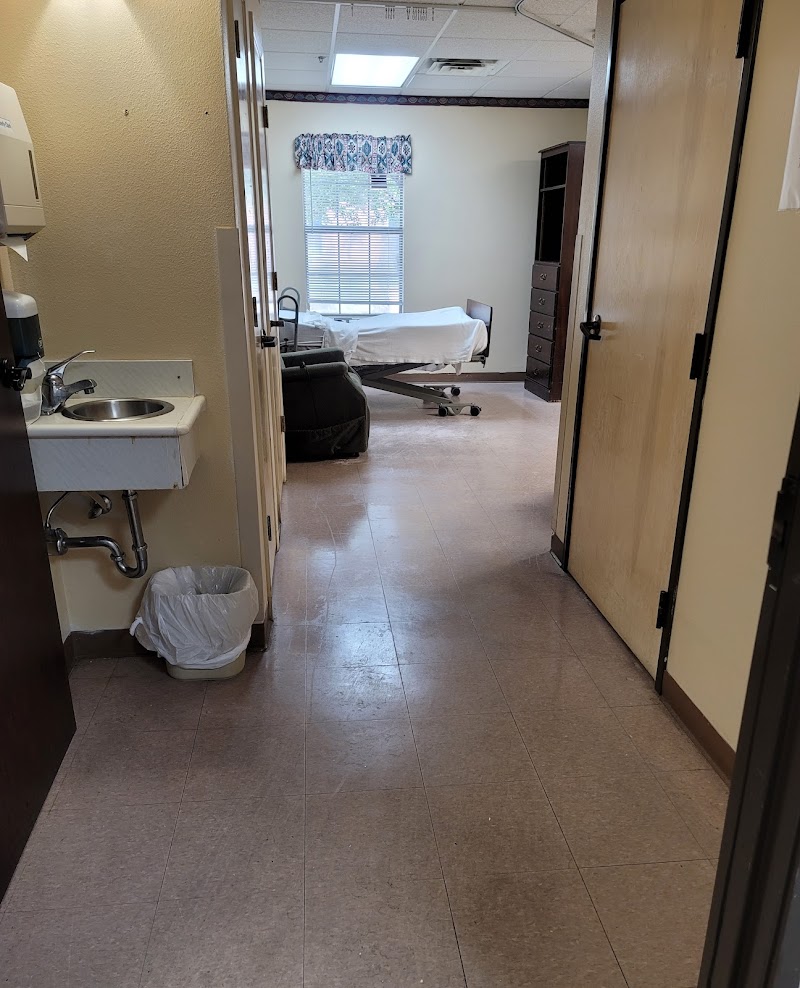
How is Town Hall Estates Arlington, Inc. Staffed?

CMS rates TOWN HALL ESTATES ARLINGTON, INC.'s staffing level at 2 out of 5 stars, which is below average compared to other nursing homes. Staff turnover is 43%, compared to the Texas average of 46%. This relatively stable workforce can support continuity of care.

What Have Inspectors Found at Town Hall Estates Arlington, Inc.?

State health inspectors documented 32 deficiencies at TOWN HALL ESTATES ARLINGTON, INC. during 2023 to 2025. These included: 2 Immediate Jeopardy (the most serious level, indicating potential for serious harm or death) and 30 with potential for harm. Immediate Jeopardy findings are rare and represent the most serious regulatory concerns. They require immediate corrective action.
Who Owns and Operates Town Hall Estates Arlington, Inc.?

TOWN HALL ESTATES ARLINGTON, INC. is owned by a non-profit organization. Non-profit facilities reinvest revenue into operations rather than distributing to shareholders. The facility operates independently rather than as part of a larger chain. With 116 certified beds and approximately 70 residents (about 60% occupancy), it is a mid-sized facility located in Arlington, Texas.
How Does Town Hall Estates Arlington, Inc. Compare to Other Texas Nursing Homes?

Compared to the 100 nursing homes in Texas, TOWN HALL ESTATES ARLINGTON, INC.'s overall rating (2 stars) is below the state average of 2.8, staff turnover (43%) is near the state average of 46%, and health inspection rating (1 stars) is much below the national benchmark.

What Should Families Ask When Visiting Town Hall Estates Arlington, Inc.?

Based on this facility's data, families visiting should ask: "What changes have been made since the serious inspection findings, and how are you preventing similar issues?" "Can you walk me through typical staffing levels on day, evening, and night shifts?" "Can I visit during a mealtime to observe dining assistance and food quality?" "How do you handle medical emergencies, and what is your hospital transfer rate?" These questions are particularly relevant given the facility's Immediate Jeopardy citations and the below-average staffing rating.

Is Town Hall Estates Arlington, Inc. Safe?

Based on CMS inspection data, TOWN HALL ESTATES ARLINGTON, INC. has documented safety concerns. Inspectors have issued 2 Immediate Jeopardy citations (the most serious violation level indicating risk of serious injury or death). The facility has a 2-star overall rating and ranks #100 of 100 nursing homes in Texas. Families considering this facility should ask detailed questions about what corrective actions have been taken since these incidents.

Do Nurses at Town Hall Estates Arlington, Inc. Stick Around?

TOWN HALL ESTATES ARLINGTON, INC. has a staff turnover rate of 43%, which is about average for Texas nursing homes (state average: 46%). Moderate turnover is common in nursing homes, but families should still ask about staff tenure and how the facility maintains care continuity when employees leave.

Was Town Hall Estates Arlington, Inc. Ever Fined?

TOWN HALL ESTATES ARLINGTON, INC. has been fined $342,800 across 1 penalty action. This is 9.4x the Texas average of $36,507. Fines at this level are uncommon and typically indicate a pattern of serious deficiencies, repeated violations, or failure to correct problems promptly. CMS reserves penalties of this magnitude for facilities that pose significant, documented risk to resident health or safety. Families should request specific documentation of what issues led to these fines and what systemic changes have been implemented.

Is Town Hall Estates Arlington, Inc. on Any Federal Watch List?

TOWN HALL ESTATES ARLINGTON, INC. is not on any federal watch list. The most significant is the Special Focus Facility (SFF) program, which identifies the bottom 1% of nursing homes nationally based on persistent, serious quality problems. Not being on this list means the facility has avoided the pattern of deficiencies that triggers enhanced federal oversight. This is a positive indicator, though families should still review the facility's inspection history directly.