PARK HIGHLANDS NURSING & REHABILITATION CENTER
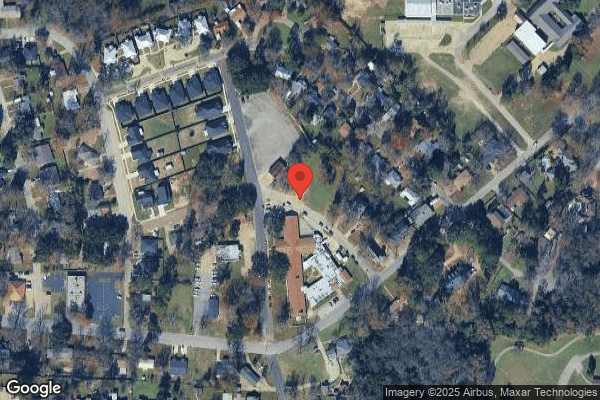
711 LUCAS ST, ATHENS, TX 75751 (903) 675-8538
Government - Hospital district 132 Beds CREATIVE SOLUTIONS IN HEALTHCARE Data: November 2025
Trust Grade
85/100
#106 of 1168 in TX
Last Inspection: May 2025

Inspected within the last 6 months. Data reflects current conditions.

Overview

Park Highlands Nursing & Rehabilitation Center in Athens, Texas holds a Trust Grade of B+, indicating that it is above average and recommended for families considering care options. It ranks #106 out of 1,168 facilities in Texas, placing it in the top half, and is the best option among 6 facilities in Henderson County. The facility is showing an improving trend, reducing issues from 5 in 2024 to just 1 in 2025. Staffing is rated average with a turnover rate of 56%, which is in line with the Texas average, and there are no fines on record, reflecting a good compliance history. However, the facility has faced some concerns, including issues with cleanliness in shower rooms and medication administration errors for multiple residents, which could impact safety and health. Additionally, there was a failure to properly manage a resident's gastrostomy feeding setup, potentially risking their health. While the facility has strengths, particularly in its overall and health inspection ratings, families should consider these weaknesses when making their decision.

Trust Score
B+
85/100
In Texas
#106/1168
Top 9%
Safety Record
Low Risk
No red flags
Inspections
Getting Better
5 → 1 violations
Staff Stability
⚠ Watch
56% turnover. Above average. Higher turnover means staff may not know residents' routines.
Penalties
✓ Good
No fines on record. Clean compliance history, better than most Texas facilities.
Skilled Nurses
○ Average
Each resident gets 30 minutes of Registered Nurse (RN) attention daily — about average for Texas. RNs are the most trained staff who monitor for health changes.
Violations
○ Average
8 deficiencies on record. Average for a facility this size. Mostly minor or procedural issues.
★★★★★
5.0
Overall Rating
★★★☆☆
3.0
Staff Levels
★★★☆☆
3.0
Care Quality
★★★★★
5.0
Inspection Score
Stable
2024: 5 issues
2025: 1 issues

The Good

  • Full Sprinkler Coverage · Fire safety systems throughout facility
  • No fines on record

Facility shows strength in fire safety.

The Bad

Staff Turnover: 56%

10pts above Texas avg (46%)

Frequent staff changes - ask about care continuity

Chain: CREATIVE SOLUTIONS IN HEALTHCARE

Part of a multi-facility chain

Ask about local staffing decisions and management

Staff turnover is elevated (56%)

8 points above Texas average of 48%

The Ugly 8 deficiencies on record

May 2025 1 deficiency
CONCERN (D)

Potential for Harm - no one hurt, but risky conditions existed

Tube Feeding (Tag F0693)

Could have caused harm · This affected 1 resident

**NOTE- TERMS IN BRACKETS HAVE BEEN EDITED TO PROTECT CONFIDENTIALITY** Based on observation, interview, and record review the facility failed to ensure a resident who is fed by enteral means receives...

Read full inspector narrative →
**NOTE- TERMS IN BRACKETS HAVE BEEN EDITED TO PROTECT CONFIDENTIALITY** Based on observation, interview, and record review the facility failed to ensure a resident who is fed by enteral means receives the appropriate treatment and services to prevent complications of enteral feeding for 1 of 4 residents (Resident #35) reviewed for gastrostomy tube management. The facility failed to ensure Resident #35 was provided with the correct feeding administration set up (no name, date or feeding being administered) through gastrostomy tube (g-tube, feeding tube). This failure could place residents who received feedings by gastrostomy tube at risk for injury, aspiration into the lungs (fluid or food enter the lungs accidently), decreased quality of life, hospitalization and decline in health, weight loss and poor wound healing. Findings: Record review of Resident #35's face sheet, dated 05/5/2025, revealed a [AGE] year-old-male was admitted to the facility on [DATE] with and readmitted on [DATE] with diagnoses to include Cerebral infarction affecting right dominant side, Dysphagia (or difficulty swallowing), subsequent encounter, Aphasia(is a communication disorder that results from damage to the brain's language centers, usually due to a stroke or brain injury), type 2 Diabetic Mellitus, alcohol abuse, other seizure, Chronic Respiratory Failure with Hypoxia(is a condition where the body or a specific region of the body doesn't receive enough oxygen at the tissue level), Subsequent encounter, and gastrostomy status (g-tube). Record review of the comprehensive MDS assessment dated [DATE] revealed Resident #35's, BIMS score of 9(score of 9 falls within the range indicating moderate cognitive impairment. This suggests the individual may need some extra assistance with daily activities or specific tasks and may be experiencing cognitive decline). The MDS further documented Resident #35's Nutritional Approach While a Resident was feeding tube. Attempt interview 5/4/2025 at 10am, with Resident #35 who could not describe his feeding set up that was hanging on pole beside his bed was unaware tube feeding. Record review of physicians' orders of Resident #35 reflected he requires a tube feeding r/t (related to) dx (diagnosis) of dysphagia; Focus: The resident requires tube feeding r/t dysphagia. Observations for of Resident #35's feeding revealed: *5/4/2025 at 09:43 am G-tube feeding administration set hanging on pole with feeding in bag not running no labels of name, date or time. *5/4/2025 at 10:30 am G-tube feeding administration set continues to hang with no date or time *5/4/2025 at 12:00 pm G-tube feeding administration set continues to hang with no date or time. During an interview on 5/4/2025 at 12:15PM with RN A revealed that Resident #35 feeding was off because his feeding G-tube feeding 9pm - 9am but it should have a date, time, and name of resident on the feeding set up. During an interview on 5/4/2025 at 12:30PM with RN B who was the week-end charge nurse revealed that Resident #35's feeding had no date, time, and name of resident on the feeding set up. During an interview with Corporate RN on 5/4/2025 at 1:00PM she stated she was unsure why Resident #35's feeding pump did not have a date, time and name on the administration set., She said, it was the company policy to label feeding with name, date, and time. The Corp RN stated, the nurses are trained to check the feeding pump rate when new bags of formula are hung. The Corp RN stated the potential negative outcome to the residents were (5 Rights). Right drug: compare label to doctor's order. Right patient: identify using two identifiers. Right dose: confirm appropriate dose. Right route: correct method of administration (oral, .) Right time: adhere to frequency as prescribed. The Corp RN was asked for policy on Enteral Feeding. Record Review of Gastrostomy Tube Care Policy dated Rev. February 13, 2007: 11.labeling/Dating - formula and or feedings should be labeled with at least the date and time the administration began. Canned or bottled feeding that are opened and poured into and administration set should be changed every 24 hours.
Mar 2024 5 deficiencies
CONCERN (D)

Potential for Harm - no one hurt, but risky conditions existed

PASARR Coordination (Tag F0644)

Could have caused harm · This affected 1 resident

**NOTE- TERMS IN BRACKETS HAVE BEEN EDITED TO PROTECT CONFIDENTIALITY** Based on interviews and record reviews, the facility failed to ensure individuals with mental health disorders were provided an ...

Read full inspector narrative →
**NOTE- TERMS IN BRACKETS HAVE BEEN EDITED TO PROTECT CONFIDENTIALITY** Based on interviews and record reviews, the facility failed to ensure individuals with mental health disorders were provided an accurate Preadmission Screening and Resident Review Level 1(PASRR) Screening for 1 of 5 residents reviewed for PASRR (Resident #48). The facility failed to ensure Resident #48 had an accurate PASRR Level 1 Screening indicating a diagnosis of mental illness on 06/30/2023. This failure could place residents at risk of not receiving needed assessments (PASRR Evaluation), individualized care, and specialized services to meet their needs. Findings included: Record review of an undated face sheet indicated Resident #48 was a [AGE] year-old female who admitted to the facility on [DATE] with diagnoses including anxiety, high blood pressure and diabetes. Record review of the admission MDS assessment dated [DATE] indicated, Resident #48 had a BIMS score of 14 (fourteen) indicating no impaired cognition. The MDS section for PASRR (A1500) indicated Resident #48 did not have a serious mental illness. The MDS section, Active Diagnoses Psychiatric/Mood Disorder, indicated Resident #48 to have diagnoses of anxiety disorder, depression, and bipolar disorder. Record review of physician orders current as of 03/27/2024 indicated an order dated 10/29/2022 for Resident #36 to receive one (1) buspirone 15 mg tablet two times a day for anxiety and an order dated 07/19/2023 for one (1) fluoxetine 40 mg tablet for depression one time a day. Record review of the Comprehensive (admission) MDS assessment dated [DATE] indicated Resident #48 was receiving antianxiety and antidepressant medications on a routine basis. Record review of Resident #48's PASRR Level 1 Screening completed on 06/20/2023 indicated in section C0100 this resident did not have evidence of having a mental illness. Record review of Resident #48's initial psychiatric evaluation visit dated 08/15/2023 indicated the resident had major depressive disorder and anxiety disorder. The psychiatric evaluation/management visit dated 02/20/2024 indicated the resident had diagnoses of bipolar disorder, depression and sleep disturbances. Record Review of Resident 48's admission face sheet and physician orders from the discharging facility dated 06/13/2023 indicated the resident had diagnoses including bipolar disorder, depression and anxiety. During an interview with the MDS Nurse on 03/27/2024 at 1:30 PM, she said she was responsible for tasks related to PASRR and MDS processes. She said she was not the MDS Coordinator at the time of Resident #48's admission. She viewed the admission PASRR and said the discharging long term care facility had sent an inaccurate PASRR Level 1 Screening indicating the resident was negative for mental illness. She said the LA (Local Authority) was not notified of the incorrect PASRR. Record review of facility policy PASRR Level 1 (PL1) Screen Policy and Procedure, revised 03/06/2019, indicated .reviewed for correctness .to ensure accuracy and prevent a regulatory problem.
CONCERN (D)

Potential for Harm - no one hurt, but risky conditions existed

Deficiency F0655 (Tag F0655)

Could have caused harm · This affected 1 resident

**NOTE- TERMS IN BRACKETS HAVE BEEN EDITED TO PROTECT CONFIDENTIALITY** Based on observations, interviews, and record reviews, the facility failed to implement a baseline care plan for each resident t...

Read full inspector narrative →
**NOTE- TERMS IN BRACKETS HAVE BEEN EDITED TO PROTECT CONFIDENTIALITY** Based on observations, interviews, and record reviews, the facility failed to implement a baseline care plan for each resident that included the instructions needed to provide effective and person-centered care of the resident that meets professional standards of quality care for 2 of 3 residents (Residents # 216 and 218) reviewed for care plans. The facility failed to address, in Resident #216's baseline care plan, his indwelling urethral catheter (tube inserted through the urethra into the bladder and left there to drain the urine), his diagnoses of Acute Renal Failure (condition in which the kidneys suddenly cannot filter waste from the blood), Inflammatory Reaction Due to Indwelling Urethral Catheter (urinary tract infection due to presence of an indwelling urethral catheter), Retention of Urine (condition wherein the bladder does not empty completely or not at all), and his antibiotic therapy (medication given to treat an infection) upon admission to the facility. The facility failed to address, in Resident # 218's baseline care plan, her cervical collar (a rigid device that is placed around the neck and extends from the base of the neck to the top of the back to prevent movement of the neck) and her diagnosis of Nondisplaced Fracture (one in which the bone cracks or breaks but retains its proper alignment) of 5th Cervical Vertebra (bone in the neck) upon admission to the facility. These failures could affect newly admitted residents and place them at risk of not receiving continuity of care and communication among nursing home staff to ensure their immediate care needs are met, promote health, and prevent a decline or injury. Findings included: Resident #216: Record review of Resident #216's face sheet dated 03/27/2024 indicated he was an [AGE] year-old male who admitted on [DATE] with diagnoses which included Covid and discharged home on [DATE]. The face sheet further indicated Resident #216 re-admitted to the facility on [DATE] with new diagnoses of Acute Renal Failure, Inflammatory Reaction Due to Indwelling Urethral Catheter, and Retention of Urine. An in progress MDS dated [DATE] documented Resident #216 to have a BIMS score of 10, indicating his cognition to be moderately impaired. Record review of Resident #216's physician orders dated 03/25/2024 indicated instructions for the care of a urethral catheter and administration of an antibiotic medication (Bactrim DS twice daily). Record review of Resident #216's baseline care plan did not reflect any concerns, goals, interventions, nor instructions to address the presence of a urethral catheter, nor the physician's orders for catheter care. The baseline care plan did not address Resident #216's recent diagnoses of acute renal failure and infection associated with the use of an indwelling urethral catheter nor the prescribed antibiotic therapy to treat the urinary infection. During an observation and interview on 03/25/2024 at 10:57 AM, Resident #216 was noted transferring from his wheelchair to his bed. He said he was returning from therapy. Resident was observed to have a clear tube coming out of the front opening of his pajamas and draining into a closed collection bag inside a privacy covering. Resident said a doctor put in a tube in his bladder because he could not urinate. He said the catheter had to stay until he saw the doctor again. He said he had an appointment, but he couldn't remember who the doctor was nor when his appointment was. He said his family took care of those things. During an interview with LVN B on 03/27/2024 at 10:52 AM, she said Resident #216's urethral catheter was to stay in place until he saw the urologist and he was to be given Bactrim DS twice a day for 7 (seven) days for treatment of the urinary tract infection. LVN B said she could not locate any information in Resident #216's care plan that addressed his catheter, his diagnoses of acute renal failure, urinary infection, and urine retention, nor his antibiotic therapy. She said the purpose of a care plan was to ensure a resident's needs were managed properly and consistently. During an interview with the DON on 03/27/2024 at 11:10 AM, she said Resident #216's care plan from his previous stay at the facility (02/24/24-02/29/24) was re-activated by LVN C as his baseline care plan for his current admission on [DATE]. She said the care plan did not address Resident #216's antibiotic therapy, urethral catheter, and the new diagnoses of acute renal failure, urinary tract infection, and retention of urine. She said the diagnosis of acute renal failure associated with a urinary tract infection caused by the urethral catheter was the primary reason for Resident's admission and should have been addressed in the baseline care plan. The DON said that she and the ADON were responsible for reviewing the admission care plans. She said she was the nurse who reviewed Resident #216's baseline care plan. LVN C was not available for interview. Resident #218: Record review of Resident #218's face sheet indicated she was a [AGE] year-old female who admitted to the facility on [DATE] with diagnoses which included Non-displaced Fracture of the 5th Cervical Vertebra (fracture of a bone in the neck). An in progress MDS dated [DATE] documented Resident #218 to have a BIMS score of 14, indicating her cognition to be intact. During observation and interview on 03/25/2024 at 11:05 AM, Resident #218 was noted to be sitting in a high back wheelchair in her room with a rigid cervical (neck) collar lying on the table beside her. She said she had just taken it off. She said she had fallen at home and broken her neck. CNA E entered the room and said she would tell the nurse about the neck brace. During observation of Resident #218 at lunch on 03/25/2024 at 12:10 PM, she was observed to be wearing the cervical collar and having difficulty feeding herself. She said she did not want any help and added that she wasn't hungry anyway. During an interview with the Speech Therapist (ST) on 03/27/2024 at 10:52 AM, she said Resident #218 was supposed to wear the cervical collar when she was sitting up. During an interview with LVN B on 03/27/2024 at 10:58 AM, she said Resident #218 was supposed to wear the cervical collar when she was out of the bed. She said Resident #218 was not compliant with wearing the collar. LVN B said she thought she read the directions for the collar use in the chart, but she could not find a physician's order for it. She said the nurses relied on information shared during change of shift report to know resident specific needs. A review of Resident #218's physician orders dated 03/27/24 did not reveal a physician's order for a cervical collar nor any instructions for the use or care of it. Review of Resident #218's baseline care plan dated 03/18/2024 did not indicate any concern, focus, goals, nor interventions for the cervical collar. During an interview with the DON on 03/27/2024 at 11:10 AM, she said she was aware of Resident #218's neck fracture and knew she was to wear a cervical collar when out of bed before the Resident admitted to the facility. The DON provided a copy of a physician's progress notes dated 03/12/2024 from the hospital's clinical records that indicated Resident #216 would need lots of help upon discharge and that she is significantly incapacitated by needing to wear the cervical collar. She said the ADON initiated Resident #218's baseline care plan and said the care plan should have addressed the cervical collar and Resident 218's diagnosis of non-displaced fracture of the 5th cervical vertebra. The DON confirmed that neither the physician's orders nor the care plan addressed the use of a cervical collar. She agreed that Resident #218's baseline care plan should have included interventions to promote healing and prevent decline or further injury. During an interview about Resident #218's baseline care plan with the ADON on 03/27/2024 at 11:15 AM, she said she overlooked the diagnosis of a fractured vertebra and the cervical collar. She said both the fracture and the collar should have been addressed in the care plan. Review of the facility's policy titled Base Line Care Plans indicated the following: The facility will develop and implement a baseline care plan for each resident that includes the instructions needed to provide effective and person-centered care of the resident that meet professional standards of quality care . The baseline care plan will reflect the resident's stated goals and objectives and include interventions that address his or her current needs. It will be based on the admission orders, information about the resident from the transferring provide, and discussion with the resident and resident representative, if applicable.
CONCERN (D)

Potential for Harm - no one hurt, but risky conditions existed

Accident Prevention (Tag F0689)

Could have caused harm · This affected 1 resident

**NOTE- TERMS IN BRACKETS HAVE BEEN EDITED TO PROTECT CONFIDENTIALITY** Based on observation, interview, and record review, the facility failed to ensure the resident environment remained as free of a...

Read full inspector narrative →
**NOTE- TERMS IN BRACKETS HAVE BEEN EDITED TO PROTECT CONFIDENTIALITY** Based on observation, interview, and record review, the facility failed to ensure the resident environment remained as free of accident hazards as possible and each resident received adequate supervision to prevent accidents for 1 of 5 residents (Resident #23) reviewed for smoking. The facility failed to ensure the Safe Smoking Assessment was completed and implemented for Resident #23. The failure placed residents at risk of cigarette burns and unsafe smoking conditions. Findings included: Record review of the Face sheet indicated Resident #23 was a [AGE] year-old male, admitted on [DATE], with diagnoses of pneumonia, chronic obstructive pulmonary disease with acute exacerbation (obstructed airflow from the lungs caused by inflammation), chronic viral hepatitis C (viral infection that affects the liver causing inflammation), acute cystitis (inflammation of the urinary bladder), hypo-osmolality and hyponatremia (low sodium levels in the blood), alcoholic cirrhosis of the liver (scar tissue on the liver caused by alcohol consumption), wedge compression fracture of the second and fourth lumbar vertebra (one side of the vertebra collapses), and muscle weakness (generalized). Record review of Resident #23's MDS dated [DATE] revealed he had a BIMS (Brief interview for Mental Status) summary score 13 indicating he was cognitively intact. Record review of Resident #23's care plan dated 03/22/2024 indicated he was a smoker and interventions included a smoking assessment monthly and to smoke in designated areas under supervision of a visitor or facility staff member. Record review of Resident #23's medical chart revealed there was no smoking assessment in his chart. During an observation and interview on 03/25/24 at 11:05 a.m., Resident #23 was outside in the designated smoking area. Resident #23 said he had been smoking for about 40 years. Supply employee G was in the designated smoking area monitoring the residents. Supply employee G provided distributed cigarettes, provided smoking aprons and assisted the residents with lighting their cigarette. Supply employee G said the smoking times are posted on activity room bulletin broad and she had been assigned supervising residents in smoking area for over one year. Resident #23 was not provided a smoke apron. During an observation and interview on 03/25/24 at 11:30 a.m., the DON said the Smoking Policy was posted in the entry hallway and is a part of the admission packet. The Smoking Policy and smoking times were posted in the entry lobby. During an observation and interview on 03/26/24 at 11:32 a.m., Resident #23 was in the hallway going toward the activity room in his wheelchair. Resident #32 was wearing blue jeans with burn marks on them. Resident #23 said his blue jeans were old and he had been a smoker for 40 years. During an observation and interview on 03/27/24 at 10:30 a.m., LVN B reviewed Resident #23's electronic health records for a smoking assessment. LVN B said there was no smoking assessment in Resident #23's chart. During an observation on 03/27/24 at 11:00 a.m., Resident #23 was outside in the designated smoking area. Supply employee G was in the designated smoking area monitoring the residents smoking Resident #23 was not provided a smoke apron. During an interview on 03/27/24 at 3:00 p.m., the DON reviewed Resident #23's electronic health records for a smoking assessment. The DON said there was no smoking assessment in Resident #23's chart. The DON said she would complete Resident #23's smoking assessment and have it in his chart today. Record review of the facility's Smoking Policy indicated, A Safe Smoking Assessment will be done regularly for each resident who smokes .
CONCERN (D)

Potential for Harm - no one hurt, but risky conditions existed

Deficiency F0692 (Tag F0692)

Could have caused harm · This affected 1 resident

**NOTE- TERMS IN BRACKETS HAVE BEEN EDITED TO PROTECT CONFIDENTIALITY** Based on observation, interview, and record review, the facility failed to ensure residents were offered sufficient fluid intake...

Read full inspector narrative →
**NOTE- TERMS IN BRACKETS HAVE BEEN EDITED TO PROTECT CONFIDENTIALITY** Based on observation, interview, and record review, the facility failed to ensure residents were offered sufficient fluid intake to maintain weight and health 1 of 8 residents (Resident # 15) reviewed for hydration. The facility failed to ensure Resident #15 received a daily nutritional supplement. This failure could place residents at risk for unplanned weight loss, malnutrition, and failure to thrive. Findings included: Record review of the Quarterly MDS dated [DATE] indicated Resident #15 was understood and understood others. Resident #15's BIMS score was 15, indicating she was cognitively intact. Record review of a face sheet dated 03/27/2024 indicated Resident #15 was a [AGE] year-old female who admitted to the facility on [DATE] and readmitted on [DATE] with the diagnoses of acute combined systolic (congestive) and diastolic (congestive) heart failure, dysphagia (difficulty swallowing), oropharyngeal phase (middle part of throat behind the mouth) and muscle weakness (generalized). Record review of Resident's #15 doctors order, dated 02/13/2024, indicated Resident #15 will receive a supplement frozen treat, daily, at lunch. Record review of Resident #15's dietary profile, with an effective date of 03/04/2024, indicated Resident #15 did not gain any weight in the past 6 months. Record review of Resident #15's weights, over the past 6 months, indicated Resident #15 had a weight loss of 14.8 pounds, in the past 6 months. Which was an 8% weight loss in 6 months. 02/05/2024 . 159.2 Lbs .wheelchair 01/03/2024 . 162.4 Lbs .wheelchair 12/06/2023 . 165.2 Lbs .wheelchair 11/01/2023 . 159.2 Lbs .wheelchair 10/04/2023 . 169.0 Lbs .wheelchair 09/04/2023 . 174.0 Lbs .wheelchair Record review of the comprehensive care plan, with a review date of 12/18/2023 indicated Resident #15 had a regular diet order, is at risk for unplanned weight loss related to diabetes, dysphagia and malnutrition. The care plan goal for Resident #15: will maintain ideal weight and receive proper nutrition daily, X 90 days. Record review of Resident #15's nutritional assessment, with an effective date of 03/26/2024; risk factor #15, indicated Resident #15 was receiving a nutritional supplement. During an observation and interview on 03/26/2024 at 10:52 a.m., Resident #15 was sitting at a table in the dining hall, eating her noon meal. Resident#15's meal ticket indicated she was to receive a supplement, 4 oz magic cup. When asked, Resident #15 said she did not receive a magic cup. She said she the last time she received a magic cup was one day last week. During an observation and interview on 03/26/2024, at 10:56 a.m., the Marketer was observed picking up and removing meal trays from tables in the dining hall. When asked if Resident #15 received a magic cup, the Marketer, looked at Resident #15's meal tray, observed her meal ticket and said, no, she did not receive it. During an interview on 03/26/2024 at 12:50 a.m., when asked if Resident #15 received a magic cup with her noon meal, the Dietary Manager said, no, it was an oversight. She said it was really busy in the kitchen, temperatures of the foods were being taken and she was having to fill in for another dietary staff. She said the DON was checking the trays before they were taken to the dining hall. She said she would take Resident #15 a magic cup. During an interview on 03/27/2024 at 1:49 p.m., the DON said she checked the resident trays as they came out of the kitchen. She said she could not tell this surveyor if Resident #15 received a magic cup or not. She said she could not remember. She said could not remember if Resident #15 had a red glass on her tray, which would indicate, Resident #15, was to receive a dietary supplement. Record review of a Dietary Services Policy & Procedure Manual, dated 2012, did not indicate any policy or procedure the facility would take to assure residents receive a nutritional supplement.
CONCERN (E)

Potential for Harm - no one hurt, but risky conditions existed

Safe Environment (Tag F0584)

Could have caused harm · This affected multiple residents

Based on observation, interview, and record review, the facility failed to provide a safe, functional, sanitary, and comfortable environment 3 of 3 shower rooms reviewed for environment. (North Wing, ...

Read full inspector narrative →
Based on observation, interview, and record review, the facility failed to provide a safe, functional, sanitary, and comfortable environment 3 of 3 shower rooms reviewed for environment. (North Wing, East Wing and Rehabilitation hall). The facility failed to ensure the shower rooms on the North Wing, East Wing and Rehabilitation hall were free of a black substance in between the tiles. This failure could place residents at risk of living in an unsafe, unsanitary, and uncomfortable environment. The findings included: During an observation on 03/25/24 at 2:02 p.m., the Rehabilitation hall shower room had a dark black substance, about 3 inches in length on the right wall and a dark black substance, about 2 inches in length, on the back wall of the shower in between the grout where the wall tile and floor tile met. During an observation on 03/25/24 at 2:23 p.m., the East Wing shower room had two showers. The shower furthest from the door had a dark brown and black substance, about 3 inches in length, on the left wall of the shower in between the grout where the wall tile and floor tile met. During an observation on 03/25/24 at 2:30 p.m., the North Wing shower room had three showers. The shower closest to the door had a black substance, about 4 inches in length, on the right wall of the shower in between the grout where the wall tile and floor tile met. During an interview on 03/25/24 at 3:04 p.m., the HSKS said she managed housekeeping and was responsible for the cleanliness of the facility. The HSKS said housekeeping staff cleaned the showers daily and as needed. The HSKS said she made rounds to ensure her staff cleaned their assigned areas appropriately. The HSKS said she believed the black substance was mold. The HSKS said for the past two months she had worked the floor due to staffing and was unable to make her rounds like she should during that time. The HSKS said they had a position open for a full-time housekeeper and are currently looking to hire someone for it. Record review of the facility's Deep Cleaning Process-Bathroom/Showers dated 2015 indicated, .1. Starting in a clockwise motion from bathroom/shower door; dust, clean, polish, scrub, scrape, everything in the room including but not limited to: .3.begin cleaning, scrubbing .b. walls: clean all walls, including shower or tub walls .j. Floors .
Feb 2023 2 deficiencies
CONCERN (E)

Potential for Harm - no one hurt, but risky conditions existed

Pharmacy Services (Tag F0755)

Could have caused harm · This affected multiple residents

**NOTE- TERMS IN BRACKETS HAVE BEEN EDITED TO PROTECT CONFIDENTIALITY** Based on interview and record review, the facility failed to ensure pharmaceutical services were provided to meet the needs of 1...

Read full inspector narrative →
**NOTE- TERMS IN BRACKETS HAVE BEEN EDITED TO PROTECT CONFIDENTIALITY** Based on interview and record review, the facility failed to ensure pharmaceutical services were provided to meet the needs of 13 of 15 residents reviewed for pharmacy services. (Residents #2, #12, #14, #18, #20, #24, #28, #29, #31, #38, #248, #249, #251). The facility did not administer all medications to Residents #2, #12, #14, #18, #20, #24, #28, #29, #31, #38, #248, #249, #251. These residents did not have some medications available for administration. This failure could place residents at risk of not receiving their medications as ordered. Findings included: Resident #2 A review of Resident #2's clinical record indicated the Resident was admitted to the facility on [DATE] with diagnoses including: chronic kidney disease, anxiety disorder, unspecified protein-calorie malnutrition, high blood pressure, type 2 diabetes, spinal stenosis, muscle wasting and atrophy, and schizoaffective disorder. A review of Resident #2's physician orders dated 12/23/22 indicated the Resident had orders for Carvedilol (hypertension)12.5 mg two times a day, Atorvastatin(cholesterol) 40 mg at bedtime, renal multivitamin tablet B complex and C folic acid one time a day, and tizanidine hydrochloride (muscle relaxer) 2 mg two times a day. A review of Resident #2's MAR dated 01/01/23 through 01/31/23, indicated she did not receive Carvedilol on 01/13/23, she did not receive renal multivitamin on 01/31/23. Progress notes dated 01/13/23 and 01/31/23 indicated the medications were not available. A review of Resident #2's MAR dated 02/01/23 through 02/28/23, indicated she did not receive renal multivitamin on 02/02/23, 02/03/23 and 02/06/23, she did not receive tizanidine hydrochloride on 02/07/23 and 02/08/23 and she did not receive Atorvastatin on 02/10/23. Progress notes dated 02/02/23, 02/03/23, 02/06/23, 02/07/23, 02/08/23 and 02/10/23 indicated the medications were not available. Resident #12 A review of Resident #12's clinical record indicated the resident was admitted to the facility on [DATE] with the following diagnoses: atrial fibrillation, high blood pressure, heart failure, dysphagia, alcohol use, dementia, anxiety, and major depressive disorder. A review of Resident #12's physician orders dated 02/15/23 indicated the resident had orders for Apixaban (anticoagulant used to prevent blood clots) 5 mg, two times a day; Famotidine (heart burn) 20 mg, one time a day and Spironolactone (for heart failure, high blood pressure and swelling) 50 mg, one time a day in the morning. A review of Resident #12's MAR dated 01/01/23 through 01/31/23, indicated he did not receive Spironolactone on 01/05/23, evening dose of Apixaban on 01/12/23 and morning dose of Apixaban 01/13/23. Progress notes dated 01/05/23, 01/12/23 and 01/13/23 indicated the medications were not available. A review of Resident #12's MAR dated 02/01/23 through 02/28/23, indicated he did not receive Famotidine on 02/07, 02/08, and 02/09. Progress notes dated 02/07/23, 02/08/23, and 02/09/23 indicated the medications were not available. Resident #14 A review of resident #14's clinical record indicated the resident was admitted to the facility on [DATE] with diagnoses including: psychotic disturbance, mood disturbance and anxiety, muscle wasting, major depressive disorder, history of urinary (tract) infections, hypothyroidism(lack of thyroid hormone), osteoarthritis(tissue that is worn down), and metabolic encephalopathy (delirium and acute confusional state). A review of Resident #14's physician orders dated 02/15/23 indicated the resident had orders for levothyroxine (lack of thyroid hormone) 50 mcg in the morning, meloxicam (for pain) tablet 15 mg in the morning, lidocaine external patch (for pain) 4% at bedtime, Macrobid (for UTI) 100 mg and cefuroxime axetil (antibiotic) 500 mg 2 times a day. A review of Resident #14's MAR dated 01/01/23 through 01/31/23, indicated she did not receive levothyroxine on 01/24/23, she did not receive meloxicam on 01/24/23, 01/25/23, 01/26/23, 01/27/23, 01/30/23 and 01/31/23. Progress notes dated 01/24/23 indicated the medications were not available. Progress notes dated 01/25/23, 01/26/23, 01/27/23, 01/30/23 and 01/31/23 indicated the medication was not available. A review of Resident #14's MAR dated 02/01/23 through 02/28/23, indicated she did not receive these medications on the following dates: *Lvothyroxine on 02/03/23, 02/07/23, 02/08/23 and 02/09/23, *Meloxicam on 02/01/23, 02/02/23, 02/03/23, 02/08/23, 02/09/23 and 02/10/23, *Cefuroxime axetil on 02/07/23 and 02/08/23, *Macrobid on 02/08/23, 02/09/23 02/10/23, and *Lidocaine patch on 02/13/23. Progress notes dated 02/01/23, 02/02/23, 02/03,23, 02/07/23, 02/08/23, 02/09/23, 02/10/23 and 02/13/23 indicated the medications were not available. Resident #18 A review of Resident #18's clinical record indicated the resident was admitted to the facility on [DATE] with diagnoses including: diabetes, atrial fibrillation, high blood pressure, indigestion, schizophreniform disorder (non-permanent psychotic disorder), stroke, anxiety, and depressive disorder. A review of Resident #18's physician orders dated 02/15/23 indicated the resident had orders for folic acid (vitamin supplement) 1 mg. one time a day, Lisinopril (blood pressure medication) 10 mg. every morning, potassium chloride (a supplement) 10 MEq. every morning, Seroquel (for schizophreniform disorder) 25 mg. a bedtime, and Zoloft (for depressive disorder) 50 mg. 1.5 tablets every morning. A review of Resident #18's MAR dated 01/01/23 through 01/31/23, indicated she did not receive Zoloft on 01/03/23 and did not receive Lisinopril and potassium chloride on 01/09/23. Progress notes dated 01/03/23 and 01/13/23 indicated the medications were not available. A review of Resident #18's MAR dated 02/01/23 through 02/28/23, indicated she did not receive Lisinopril on 02/03/23, did not receive folic acid and Lisinopril on 02/08/23, did not receive Lisinopril on 02/10/23, did not receive folic acid and Seroquel on 02/13/23. Progress notes dated 02/03/23, 02/08/23, 02/10/23, and 02/13/23 indicated the medications were not available. Resident #20 A review of Resident #20's clinical record indicated the resident was admitted to the facility on [DATE] with diagnoses including: heart failure, high blood pressure, atrial fibrillation (irregular heart rate with reduced blood flow), mood disturbance and anxiety, delusional disorders, psychotic disturbance, and dementia without behavioral disturbance. A review of Resident #20's physician orders dated 01/01/23 indicated the resident had orders for colchicine(anti-inflammatory) 0.6 mg 1 tablet in the morning, Lasix (diuretic) 20 mg one time a day, sotalol (for irregular heartbeat) 80 mg one time a day, hydroxyzine (antihistamine) 50 mg two times a day and Lexapro (antidepressant) 0.5 mg in the morning. A review of Resident #20's MAR dated 01/01/23 through 01/31/23, indicated she did not receive colchicine 01/09/23 and 01/11/23. She did not receive Lasix on 01/08/23 and 01/10/23, she did not receive hydroxyzine on 01/09/23 and she did not receive Lexapro on 01/09/23 and 01/10/23. Progress notes dated 01/08/23, 01/09/23, 01/10/23 and 01/11/23 indicated the medications were not available. Resident #24 A review of Resident #24's clinical record indicated the resident was admitted to the facility on [DATE] with diagnoses including: post-traumatic stress disorder, diabetes, dementia, anxiety, sleeplessness, indigestion, and major depressive disorder. A review of Resident #24's physician orders dated 02/15/23 indicated the resident had orders for donepezil (for dementia) 10 mg. daily, furosemide (diuretic) 40 mg. one time a day, Linzess (for constipation) 145 mcg. one time a day, and Lisinopril (for blood pressure) 2.5 mg. one time a day. A review of Resident #24's MAR dated 01/01/23 through 01/31/23, indicated she did not receive furosemide on 01/11/23, 01/12/23, and 01/13/23 and did not receive Lisinopril on 01/23/23. Progress notes dated 01/11/23, 01/12/23, and 01/13/23 and 01/13/23 indicated the medications were not available. A review of Resident #24's Medication Administration Record (MAR) dated 02/01/23 through 02/28/23, indicated she did not receive Linzess on 02/09/23 and did not receive donepezil on 02/14/23. Progress notes dated 02/09/23 and 02/14/23 indicated the medications were not available. Resident #28 A review of Resident #28's clinical record indicated the resident was admitted to the facility on [DATE] with diagnoses including: peripheral vascular disease, high blood pressure, schizophrenia, insomnia, and muscle pain. A review of Resident #28's physician orders dated 02/15/23 indicated the resident had orders for cyclobenzaprine (muscle relaxant) 5 mg three times a day, Cymbalta (for depression) 20 mg. in the morning every other day, Latuda (for schizophrenia) 80 mg one time a day A review of Resident #28's MAR dated 01/01/23 through 01/31/23, indicated she did not receive Latuda on 01/03/23 and 01/03/23, did not receive Cymbalta on 01/11/23, and did not receive cyclobenzaprine on 01/30/23 and 01/31/23. Progress notes dated 01/03/23, 01/05/23, 01/11/23, 01/30/23 and 01/31/23 indicated the medications were not available. A review of Resident #28's MAR dated 02/01/23 through 02/28/23, indicated she did not receive cyclobenzaprine on 02/01/23, 02/02/23, and 02/03/23. Progress notes dated 02/01/23, 02/02/23 and 02/0323 indicated the medication was not available. Resident #29 A review of Resident #29's clinical record indicated the resident was admitted to the facility on [DATE] with the following diagnoses: diabetes, multiple sclerosis (disease affecting the central nervous system causing muscle stiffness or spasms, paralysis typically in the legs), pressure ulcers (wounds that occur when the skin and tissue are damaged by prolonged pressure), high blood pressure, venous thrombosis and embolism (blood clot in a blood vessel), muscle wasting and atrophy (loss of muscle tissue). A review of Resident #29's physician orders dated 02/15/23 indicated the resident had orders for Alendronate Sodium (heart burn) 70 mg, one time in the morning every 7 days; Arginaid Packet (nutritional supplement for wound healing) 1 packet, two times a day; Baclofen (muscle spasms) 10 mg, four times a day; Metformin (diabetes) 500mg, two times a day; Rivaroxaban (anticoagulant used to prevent blood clots) 20 mg, one time a day, and Simvastatin (cholesterol) 10 mg, one time a day at bedtime. A review of Resident #29's MAR dated 01/01/23 through 01/31/23, indicated he did not receive the following medications: Alendronate Sodium (heart burn) on 01/05, 01/13; Arginaid Packet (nutritional supplement for wound healing) one dose on 01/02, 01/09, 01/10, 01/11, 01/12, 01/12 and 01/30; Baclofen (muscle spasms) four doses on 01/09, 01/25 and one dose on 01/24; Metformin (diabetes) one dose on 01/09 and two doses on 01/24; Rivaroxaban (anticoagulant used to prevent blood clots) on 01/09 01/10, 01/11, 01/12, 01/23, 01/24, 01/25 and 01/26. Progress notes dated 01/02, 01/06, 01/09, 01/10, 01/11, 01/,12, 01/13, 01/23, 01/24, 01/25, 01/26, and 01/30 indicated the medications were not available. A review of Resident #29's MAR dated 02/01/23 through 02/28/23, indicated he did not receive the following medications: Alendronate Sodium (heart burn) on 02/03; Baclofen (muscle spasms) two doses on 02/09; Metformin (diabetes) one dose on 02/07 and two doses on 02/08; Rivaroxaban (anticoagulant used to prevent blood clots) on 02/03; Simvastatin (cholesterol) on 02/06. Progress notes dated 02/03, 02/06, 02/07, 02/08, and 02/09 indicated the medications were not available. Resident #31 A review of Resident #31's clinical record indicated the resident was admitted to the facility on [DATE] with diagnoses including: diabetes, pain, high blood pressure, and depression. A review of Resident #31's physician orders dated 02/15/23 indicated the resident had orders for metformin (for blood sugar) 500 mg. twice a day, trazadone (for depression or sleep) 50 mg. 0,5 tablet one time a day. A review of Resident #31's MAR dated 02/01/23 through 02/28/23, indicated she did not receive the metformin (for blood sugar) 500 mg. morning dose on 02/03/23 and did not receive trazadone on 02/09/23. Progress notes dated 02/03/23 and 02/08/23 indicated the medications were not available. Resident #38 A review of Resident #38's clinical record indicated the resident was admitted to the facility on [DATE] with the following diagnoses: nontraumatic intracerebral hemorrhage (bleeding inside the brain from a ruptured blood vessel that may cause severe headache, tingling, or paralysis in face, arm, or leg, trouble swallowing), dysphagia (difficulty in swallowing), muscle weakness, coronary artery disease (narrowing of major blood vessels supplying blood to the heart that may cause chest pain and shortness of breath), high blood pressure, ischemic cardiomyopathy (weak heart muscles due to heart attack or coronary heart disease that may cause fatigue and shortness of breath), systolic and diastolic congestive heart failure (the heart cannot effectively contract with each heartbeat and relax in between), hemiplegia and hemiparesis following cerebral infarction affecting right side (right sided weakness and paralysis caused by a lack of blood and oxygen supply to the brain). A review of Resident #38's physician orders dated 02/15/23 indicated the resident had orders for Lisinopril (blood pressure) 20 mg, one time a day and Baclofen (muscle spasms) 10 mg, three times a day. A review of Resident #38's MAR dated 01/01/23 through 01/31/23, indicated he did not receive Baclofen (muscle spasms) one doses on 01/02. Progress notes dated 01/02 indicated the medication was not available. A review of Resident #38's MAR dated 02/01/23 through 02/28/23, indicated he did not receive Lisinopril on 02/03 and 02/07. Progress notes dated 02/03 and 02/07 indicated the medications were not available. Resident #248 A review of Resident # 248's clinical record indicated the resident was admitted to the facility on [DATE] with diagnoses including: partial intestine obstruction, low thyroid function, diabetes, Parkinson's (nerve cell damage of the brain), high blood pressure, congestive heart failure, arthritis, and chronic kidney disease. A review of Resident # 248's physician orders dated 02/07/23 indicated the resident had orders for Amlodipine 10 mg daily, Donepezil HCl 10 mg daily, Fluticasone Nasal Spray daily, Pantoprazole 40 mg daily, Vitamin C daily, Bumetanide 1 mg 2 (two) times a day, Carbidopa-Levodopa ER (extended release) 50-200 mg 3(three) times a day, Metoprolol tartrate 12.5 mg 2(two) times a day, Mucinex DM Extended Release 12 Hour 30-600 mg 2 (two) times a day for 10 days, Gabapentin 300mg 3(three) times a day, Primidone 50 mg 3(three) times a day, and Trihexyphenidyl 2 mg 3 (three) times a day. A review of Resident # 248's MAR dated 02/01/2023 through 02/28/2023 indicated she did not receive these medications on the following dates: *Amlodipine (blood pressure) on 02/08/23, *Donepezil (dementia) on 02/07/23 and 02/08/23, *Fluticasone Nasal Spray (allergies) on 02/08/23, *Pantoprazole (stomach reflux) on 02/08/23, *Vitamin C (supplement) on 02/08/2023, *Bumetanide: (diuretic for congestive heart failure) 1 dose on 02/07/23, 2 doses on 02/08/23, 1 dose on 02/09/23, and 2 doses on 02/10/23 (total 6 doses) *Carbidopa-Levodopa (Parkinson's disease) 1 dose on 02/07/23, 2 doses on 02/08/23 and 1 dose on 02/10/2023 (total 4 doses) *Metoprolol tartrate(blood pressure) 2 doses on 02/08/23, *Mucinex DM (cough)on 02/08/23, *Gabapentin (seizures) 3 doses on 02/08/23 and 1 dose on 02/10/23 (total 4 doses) *Primidone (seizures) 2 doses on 02/07/23, 2 doses on 02/08/23 and 1 dose on 02/10/23 (total 5 doses), and *Trihexyphenidyl (Parkinson's disease) 2 doses on 02/08/23 and 1 dose on 02/10/23. A review of Resident #248's progress notes dated 02/08/23, 02/09, and 02/10/2023 indicated the medications were not available. Further review of the progress notes dated 02/08/23 through 02/11/2023 indicated neither the physician nor DON were notified of medications not being administered. Resident #249 A review of Resident #249's clinical records indicated the resident was admitted on [DATE] with diagnoses including: panic disorder, hypertension, hyperlipidemia, cerebral vascular accident (stroke), and chronic obstructive pulmonary disease. A review of Resident 249's physician orders dated 02/02/23 indicated the resident had orders for amlodipine 5mg daily, atorvastatin 20 mg daily, Climara Transdermal Patch 0.05 mg weekly, docusate sodium 100 mg two (2) times a day, donepezil 10 mg daily, duloxetine 30 mg daily, flaxseed oil 1000 mg daily, Flonase Allergy Relief Nasal Spray daily, meloxicam 7.5 mg daily, and polyethylene glycol powder 17 grams daily. A review of Resident # 249's MAR dated 02/01/2023 through 02/28/2023 indicated she did not receive these medications on the following dates: *Amlodipine (blood pressure) on 02/02/23 and 02/6/2023, *Atorvastatin (cholesterol) on 02/03/23 and 02/04/23, *Climara Transdermal patch (hormone) on 02/03/23 and 02/10/23, *Docusate sodium (stool softener) on 02/03/2023, *Donepezil (dementia)on 02/02/23, 02/04/23, and 02/05/23 *Duloxetine (anxiety, depression) 02/03/23, *Flaxseed oil (cholesterol) on 02/03/23 through 02/15/2023 (13 days), *Flonase Allergy Spray (allergies) on 02/03/23, 02/06/23, and 02/07/23, *Meloxicam (pain)02/03/2023, and *Polyethylene powder (laxative) on 02/03/23. A review of Resident #249's progress notes dated from 02/03/23 through 02/15/23 indicated medications were not available. Progress notes dated 02/03/23 and 02/04/23 indicated the charge nurse was made aware of some un-named medications not being available. No documentation was found to indicate the physician or DON were made aware of the medications being unavailable. Resident #251 A review of Resident #251's clinical record indicated the resident was admitted to the facility on [DATE] with diagnoses including: colon cancer, benign prostatic hyperplasia (enlarged prostate), elevated prostate specific antigen, and peripheral vascular disease. A review of Resident #251's physician orders dated 02/03/23 indicated the resident had an order for Tamsulosin HCL oral capsule 0.4 mg every day. A review of Resident # 251's MAR dated 02/01/23 through 02/28/23 indicated he did not receive Tamsulosin (enlarged prostate) on 02/08/23. A review of Resident #251's progress note dated 02/08/23 indicated Tamsulosin was not available. No documentation was found to indicate the physician, or the DON were notified. During an interview on 02/15/23 at 09:40 AM, LVN A stated that if a medication was not available, she would go to the medication room and see if it was available in the e-Safe (a pharmacy provided safe stocked with emergency and/or frequently ordered medications). She said if she could not get it from the safe, then she would call the pharmacy and if she could not get it in a timely manner, she said she would request the pharmacy to get it from a local pharmacy. During an interview on 02/15/23 at 09:53, MA C said if she did not have a medication available, she would tell the charge nurse. She said the charge nurse would check the e-Safe in the medication room and if not there, then the nurse would call the pharmacy. MA C also said that she re-ordered medications on Monday, Wednesday, and Friday for meds scheduled to be administered on the 6 -2 (Day) shift. She said the medication aide on the 2-10 (Evening) shift ordered medications for that shift. She also said the medication aide that worked on the weekends would re-order any medications if needed. During an interview on 02/15/23 at 10:01 AM, LVN B said if she needed a medication, she would attempt to get it from the e-Safe and if she could not, she would call the pharmacy. During an interview on 02/15/23 at 02:20 PM, MA D said she would tell the charge nurse if she did not have a needed medication in her cart. She said the nurses try to get it from the e-Safe first and if they can't, then they call the pharmacy. During an interview on 02/15/23 at 02:30 PM, the DON said she reviewed the orders for new admissions and checked the cart to ensure medications are available as ordered. She said she expected the medication aides to monitor for needed medications. An In-Service Report dated 01/13/2023 and signed by nurses and medication aides, contained the following instructions: If the medication is not available in the e-kit, the doctor needs to be notified. An in-service dated 01/24/2023 instructed the nurses and medications aides to request the Provider's pharmacy to obtain needed medications from a local pharmacy if the Provider's pharmacy could not deliver within 24 hours. The in-service also instructed the nurses and med aides to notify the DON/ADON if they had problems getting meds delivered. A review of the facility's policy PA 03-2.03 Ordering Medications provides the following information: Medications and related products are received from the pharmacy supplier on a timely basis. Section 3 under Procedures provides the following directions: If needed before the next regular delivery, phone the medication order to the pharmacy immediately upon receipt. Inform pharmacy of the need for prompt delivery and request delivery. Use the emergency kit when the resident needs a medication prior to pharmacy delivery. If not in the emergency kit, contact the pharmacy for possible local pharmacy to fill enough of the medication until the next scheduled delivery.
MINOR (C)

Minor Issue - procedural, no safety impact

Staffing Information (Tag F0732)

Minor procedural issue · This affected most or all residents

Based on observation, interview, and record review the facility failed to post Nursing Staffing Data information daily as required for 3 of 15 days (02/11/23, 02/12/23 and 02/14/23) reviewed for Febru...

Read full inspector narrative →
Based on observation, interview, and record review the facility failed to post Nursing Staffing Data information daily as required for 3 of 15 days (02/11/23, 02/12/23 and 02/14/23) reviewed for February 2023 nursing staffing. The facility failed to post the total number of hours worked for licensed nurses and certified nurse aides or the daily census for February 11th , 12th , and 14th of 2023. This failure could cause residents, families, and visitors to be unaware of the facility daily staffing requirements. Findings included: During an observation on 02/13/23 at 8:45 a.m., the staffing sheet posted was dated 02/10/23. During an observation on 02/13/23 at 11:05 a.m., the staffing sheet posted was dated 02/13/23. During an observation on 02/14/23 at 9:53 a.m., the staffing sheet posted was dated 02/13/23. During an observation on 02/14/23 at 3:01 p.m., the staffing sheet posted was dated 02/13/23. During an observation on 02/15/23 at 8:04 a.m., the staffing sheet posted was dated 02/13/23. During an interview on 02/15/23 at 8:29 a.m., the ADM said she expected the staffing to be posted daily so residents and family members could be assured adequate staffing was being provided. The ADM said she thought the DON was responsible for ensuring the staffing was posted daily but did not know for sure. During an observation and interview on 02/15/23 at 8:38 a.m., the DON said she expected the staffing to be posted daily so residents and family members could be assured adequate staffing was being provided. The DON said during the week the ADON was responsible for posting the staffing sheet daily and the RN supervisor was responsible for posting it on the weekend. The DON said she posted the staffing sheet on 02/13/23 and the one she replaced was dated 02/10/23. The DON said they did not have staffing sheets for 02/11/23 and 02/12/23. The DON said she was not sure why the staffing sheets were not post over the weekend and would in-service the RN supervisor before her next weekend shift. The DON observed the staffing sheet posted and said it was dated 02/13/23. The DON said the ADON worked on the floor as a CNA on 02/14/23 and was unable to post the staffing sheet. The DON said she was responsible for posting the staffing sheet if the ADON was unable to do so. The DON said she got busy and forgot to post the staffing sheet on 02/14/23. The DON said she would post an updated staffing sheet for today. During an observation on 02/15/23 at 9:44 a.m., the staffing sheet posted was dated 02/15/23. A record review of the facility's staffing sheets for February 2023 indicated there were no documented staffing sheets on 02/11/23, 02/12/23 and 02/14/23.
Understanding Severity Codes (click to expand)
Life-Threatening (Immediate Jeopardy)
J - Isolated K - Pattern L - Widespread
Actual Harm
G - Isolated H - Pattern I - Widespread
Potential for Harm
D - Isolated E - Pattern F - Widespread
No Harm (Minor)
A - Isolated B - Pattern C - Widespread

Questions to Ask on Your Visit

  • "Why is there high staff turnover? How do you retain staff?"
  • "Can I speak with families of current residents?"
  • "What's your RN coverage like on weekends and overnight?"

Our Honest Assessment

Strengths
  • • Grade B+ (85/100). Above average facility, better than most options in Texas.
  • • No major safety red flags. No abuse findings, life-threatening violations, or SFF status.
  • • No fines on record. Clean compliance history, better than most Texas facilities.
Concerns
  • • 56% turnover. Above average. Higher turnover means staff may not know residents' routines.
Bottom line: Generally positive indicators. Standard due diligence and a personal visit recommended.

About This Facility

What is Park Highlands Nursing & Rehabilitation Center's CMS Rating?

CMS assigns PARK HIGHLANDS NURSING & REHABILITATION CENTER an overall rating of 5 out of 5 stars, which is considered much above average nationally. Within Texas, this rating places the facility higher than 99% of the state's 100 nursing homes. This rating reflects solid performance across the metrics CMS uses to evaluate nursing home quality.

How is Park Highlands Nursing & Rehabilitation Center Staffed?

CMS rates PARK HIGHLANDS NURSING & REHABILITATION CENTER's staffing level at 3 out of 5 stars, which is average compared to other nursing homes. Staff turnover is 56%, which is 10 percentage points above the Texas average of 46%. High turnover can affect care consistency as new staff learn residents' individual needs.

What Have Inspectors Found at Park Highlands Nursing & Rehabilitation Center?

State health inspectors documented 8 deficiencies at PARK HIGHLANDS NURSING & REHABILITATION CENTER during 2023 to 2025. These included: 7 with potential for harm and 1 minor or isolated issues.

Who Owns and Operates Park Highlands Nursing & Rehabilitation Center?

PARK HIGHLANDS NURSING & REHABILITATION CENTER is owned by a government entity. Government-operated facilities are typically run by state, county, or municipal agencies. The facility is operated by CREATIVE SOLUTIONS IN HEALTHCARE, a chain that manages multiple nursing homes. With 132 certified beds and approximately 48 residents (about 36% occupancy), it is a mid-sized facility located in ATHENS, Texas.

How Does Park Highlands Nursing & Rehabilitation Center Compare to Other Texas Nursing Homes?

Compared to the 100 nursing homes in Texas, PARK HIGHLANDS NURSING & REHABILITATION CENTER's overall rating (5 stars) is above the state average of 2.8, staff turnover (56%) is significantly higher than the state average of 46%, and health inspection rating (5 stars) is much above the national benchmark.

What Should Families Ask When Visiting Park Highlands Nursing & Rehabilitation Center?

Based on this facility's data, families visiting should ask: "How do you ensure continuity of care given staff turnover, and what is your staff retention strategy?" "Can I visit during a mealtime to observe dining assistance and food quality?" "How do you handle medical emergencies, and what is your hospital transfer rate?" "Can I speak with family members of current residents about their experience?" These questions are particularly relevant given the facility's high staff turnover rate.

Is Park Highlands Nursing & Rehabilitation Center Safe?

Based on CMS inspection data, PARK HIGHLANDS NURSING & REHABILITATION CENTER has a clean safety record: no substantiated abuse findings (meaning no confirmed cases of resident harm), no Immediate Jeopardy citations (the most serious violation level indicating risk of serious injury or death), and is not on the Special Focus Facility watch list (a federal program monitoring the lowest-performing 1% of nursing homes). The facility has a 5-star overall rating and ranks #1 of 100 nursing homes in Texas. While no facility is perfect, families should still ask about staff-to-resident ratios and recent inspection results during their visit.

Do Nurses at Park Highlands Nursing & Rehabilitation Center Stick Around?

Staff turnover at PARK HIGHLANDS NURSING & REHABILITATION CENTER is high. At 56%, the facility is 10 percentage points above the Texas average of 46%. High turnover means new staff may not know residents' individual needs, medications, or preferences. It can also be disorienting for residents, especially those with dementia who rely on familiar faces. Families should ask: What is causing the turnover? What retention programs are in place? How do you ensure care continuity during staff transitions?

Was Park Highlands Nursing & Rehabilitation Center Ever Fined?

PARK HIGHLANDS NURSING & REHABILITATION CENTER has no federal fines on record. CMS issues fines when nursing homes fail to meet care standards or don't correct problems found during inspections. The absence of fines suggests the facility has either maintained compliance or corrected any issues before penalties were assessed. This is a positive indicator, though families should still review recent inspection reports for the full picture.

Is Park Highlands Nursing & Rehabilitation Center on Any Federal Watch List?

PARK HIGHLANDS NURSING & REHABILITATION CENTER is not on any federal watch list. The most significant is the Special Focus Facility (SFF) program, which identifies the bottom 1% of nursing homes nationally based on persistent, serious quality problems. Not being on this list means the facility has avoided the pattern of deficiencies that triggers enhanced federal oversight. This is a positive indicator, though families should still review the facility's inspection history directly.