Azle Manor Health Care and Rehabilitation
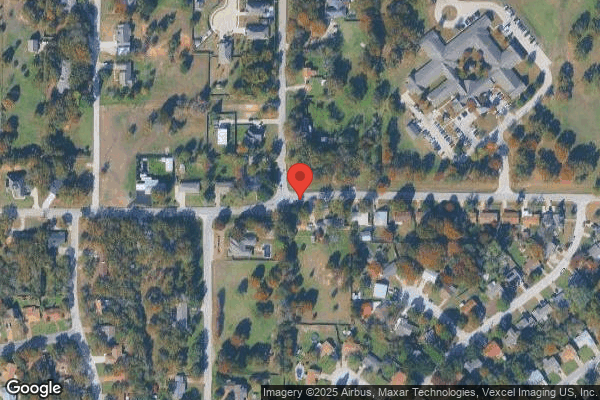
721 Dunaway Ln, Azle, TX 76020 (817) 444-2536
For profit - Corporation 142 Beds Independent Data: November 2025 4 Immediate Jeopardy citations
Trust Grade
0/100
#641 of 1168 in TX
Last Inspection: November 2024

Within standard 12-15 month inspection cycle. Federal law requires annual inspections.

Overview

Azle Manor Health Care and Rehabilitation has received a Trust Grade of F, indicating poor performance with significant concerns. Ranking #641 out of 1168 facilities in Texas places it in the bottom half, and at #33 of 69 in Tarrant County, it suggests that there are better local options available. The facility is on an improving trend, having reduced its issues from 7 in 2024 to 2 in 2025, but still has a concerning history. Staffing is rated at 2 out of 5 stars, with a turnover rate of 55%, which is average for Texas, indicating some instability. However, the facility has faced serious issues, including a critical failure to maintain infection control, leading to COVID-19 exposure among residents. Additionally, a resident suffered an orbital fracture after falling from a mechanical lift due to improper securing during transfers, highlighting risks related to safety practices. While there are efforts to improve, families should weigh these serious past incidents alongside the facility's recent performance trends.
Trust Score
F
0/100
In Texas
#641/1168
Bottom 46%
Safety Record
High Risk
Review needed
Inspections
Getting Better
7 → 2 violations
Staff Stability
⚠ Watch
55% turnover. Above average. Higher turnover means staff may not know residents' routines.
Penalties
○ Average
$58,970 in fines. Higher than 63% of Texas facilities. Some compliance issues.
Skilled Nurses
⚠ Watch
Each resident gets only 17 minutes of Registered Nurse (RN) attention daily — below average for Texas. Fewer RN minutes means fewer trained eyes watching for problems.
Violations
⚠ Watch
12 deficiencies on record. Higher than average. Multiple issues found across inspections.
★★☆☆☆
2.0
Overall Rating
★★☆☆☆
2.0
Staff Levels
★★☆☆☆
2.0
Care Quality
★★☆☆☆
2.0
Inspection Score
Stable
2024: 7 issues
2025: 2 issues

The Good

  • Full Sprinkler Coverage · Fire safety systems throughout facility
  • No fines on record

Facility shows strength in fire safety.

The Bad

2-Star Overall Rating

Below Texas average (2.8)

Below average - review inspection findings carefully

Staff Turnover: 55%

Near Texas avg (46%)

Higher turnover may affect care consistency

Federal Fines: $58,970

Above median ($33,413)

Moderate penalties - review what triggered them

The Ugly 12 deficiencies on record

4 life-threatening 2 actual harm
Jul 2025 1 deficiency 1 Harm
SERIOUS (G) 📢 Someone Reported This

A family member, employee, or ombudsman was alarmed enough to file a formal complaint

Actual Harm - a resident was hurt due to facility failures

Accident Prevention (Tag F0689)

A resident was harmed · This affected 1 resident

**NOTE- TERMS IN BRACKETS HAVE BEEN EDITED TO PROTECT CONFIDENTIALITY** Based on observations, interviews, and record review, the facility failed to ensure that each resident received adequate supervi...

Read full inspector narrative →
**NOTE- TERMS IN BRACKETS HAVE BEEN EDITED TO PROTECT CONFIDENTIALITY** Based on observations, interviews, and record review, the facility failed to ensure that each resident received adequate supervision to prevent accidents for one (Resident #1) of 2 residents reviewed for supervision. The facility failed to use an assistive device to reposition Resident #1 when on date_06/18/2025 CNA A and CNA B lifted resident by way of underarms instead of using a mechanical lift or gait belt when Resident #1 sustained an injury and was sent to the hospital. The noncompliance was identified as PNC. The PNC began on 06/18/2025 and ended on 07/17/2025. The facility had corrected the noncompliance before the investigation began. This failure could place residents requiring reposition assistance at risk for injury and accidents with potential for more than minimal harm. The findings included:Record Review of Resident #1's admission Record undated revealed; Resident #1 was a [AGE] year-old female initial admission date 12/23/2022 with the following diagnosis: OTHER DISPLACED FRACTURE OF UPPER END OF RIGHT HUMERUS, SUBSEQUENT ENCOUNTER FOR FRACTURE WITH ROUTINE HEALING, ACUTE CYSTITIS WITHOUT HEMATURIA, CEREBRAL INFARCTION DUE TO UNSPECIFIED OCCLUSION OR STENOSIS OF Diagnosis 3 LEFT MIDDLE CEREBRAL ARTERY. UNSPECIFIED OSTEOARTHRITIS, UNSPECIFIED SITE. Record review of Resident #1's Care Plan dated 06/11/2025 revealed the following: Focus: risk for pain and have complaints of back pain; 06/19/25 c/o right arm pain; Interventions; administer tramadol as ordered, preferred pain level/rating 4. Focus: ADL care; Interventions, Transfer: Resident #1 required Mechanical Lift with (2) staff assistance for transfers; provided full assist as indicated and notify nursing of changes noted. Focus: Resident #1 diagnosed with osteoarthritis. Interventions -Document any noted s/s of pain from osteoarthritis and notify physician. Record Review of Resident #1's MDS dated [DATE] revealed; Resident #1 had a BIMS score of 10 (moderate cognitive impairment). Section G Functional Status: Transfer Extensive assistance - resident involved in activity, staff provide weight-bearing support. Two+ person physical assist. Record review of Medication Administration Record dated June 2025 revealed; Cyclobenzaprine HCI Oral Tablet 5MG at 2128 (09:28 PM) and Actaminophen Tablet by mouth every 6 hours as needed for pain related to other chronic pain. MAR reveals Resident #1 received acetaminophen on 06/18/2025; Temperature 97.5, Pain level 4, time 2128 (9:28 PM). Record Review of Change in Condition Evaluation dated 06/19/2025 revealed; Signs and Symptoms; Pain (uncontrolled). What time did it start; Morning. B7 Pain Status Evaluation: Pain Rate: 8. Record Review of Hospital After Visit Summary dated 06/23/2025 revealed; Resident #1 was admitted to the hospital on [DATE], and discharged on: June 23, 2025. Physician discharge instructions; Non weightbearing right upper extremity, Keep it in the sling all the time and Outpatient follow-up with orthopedic surgery within 1 weeks' time. Record Review of facility Progress Note dated June 19, 2025 reveled; chief complaint/reason for visit: asked to see Resident #1 regarding right arm pain. This is a [AGE] year old with a history of HTN, DM. Resident #1 was seen laying in bed guarding her right arm. Resident #1 was unable to verbalize what part of her arm was hurting. Resident #1 was unable to state how or when the arm started hurting. Resident #1 was in visible pain with minimal movement. Will transfer to ER for further evaluation. Right arm pain: will transfer to ER for further evaluation Resident #1 is in too much pain to perform effective evaluation. Record Review of Medical Director dated July 1, 2025 revealed; Reason for this visit; asked to see Resident #1 regarding right arm pain. Resident #1 returned from hospital on 6/23 after being diagnosed with UTI treated with 5 day course of merrem iv (is indicated for the treatment of complicated skin and skin structure infections due to Staphylococcus aureus), Resident #1 also diagnosed with right proximal humerus fracture (a break in the upper part of the humerus, the bone in your upper arm, specifically on the right side near the shoulder joint), ortho recommended non-surgical mgt with sling, with out pt ortho follow up. Resident #1 had Robaxin (also known by its generic name methocarbamol, is a muscle relaxer used to alleviate discomfort associated with various musculoskeletal conditions.) added and continued scheduled until Resident #1 is NWB to right upper extremity. Resident stated pain still to right upper extremity worse with movement, better at rest. Record Review of Resident #1's Medication Review Report dated 07/15/2025 revealed; non-weight bearing to right arm/shoulder Q shift. Right arm to remain in sling. Do not use right arm for pushing up, lifting, or supporting weight. every shift. Acetaminophen Tablet 500 MG Give 1 tablet by mouth every 6 hours as needed for pain/fever related to OTHER CHRONIC PAIN. Acetaminophen-Codeine Oral Tablet 300-30 MG (Acetaminophen w/ Codeine) Give 1 tablet by mouth every 4 hours as needed for pain related to LOW BACK PAIN, UNSPECIFIED; PAIN IN RIGHT SHOULDER. Diclofenac Sodium External Gel 1 % (Diclofenac Sodium (Topical)) Apply to right upper arm/shoulder topically every 6 hours as needed for Pain. TraMADol HCl (Tramadol Hydrochloride) Oral Tablet 50 MG (Tramadol HCl Hydrochloride) Give 2 tablet by mouth four times a day for pain. Observation and interview on 07/15/2025 at 12:14 with Resident #1 revealed; Resident #1 was in her room, door open, resident in bed A, HOB elevated, visible sling on right arm. Pillow under right arm and shoulder. She stated, you don't want to know, one of the guys that works here dropped me on my shoulder, I don't usually talk about it. Resident #1 stated Oh, it hurts. She stated that her pain was in her back. She was unable to give a name or description of the guy that dropped her. Interview on 07/15/2025 at 1:10 PM with CNA A stated; I was working on station 1 and Resident #1's CNA B wanted help transfer Resident #1 from the wheelchair to the bed, Resident #1 was in her wheelchair with the mechanical lift sling underneath, she complained of pain and was moving in her wheelchair and it looked like she would slid out of the wheelchair. CNA B asked me to help reposition Resident #1 in the wheelchair. She was too far forward in her wheelchair for us to grab the sling. We needed to get her further back in the chair we were afraid she would fall. CNA B told me to help lift her under the arm, we were moving fast because we did not want her to fall. Resident #1 was complaining of pain in her back, it was common for her to complain of pain. It was common for her to say her back was hurting. After we repositioned her in the wheelchair, we used the mechanical lift to put her in the bed. CNA A stated the risk of repositioning residents without the use of a gait belt or mechanical lift could result in injury to the resident. Attempted interview on 07/15/2025 at 1:30 PM with CNA B revealed; phone number disconnected. Re-interview on 07/15/2025 at 2:10 PM with Resident #1 who stated her pain level was 0- smiling- arm in sling. When asked about the cause of her injury she stated, I don't like to gossip. then she stated she was in a car accident. Interview on 07/15/2025 at 2:34 PM with RN C who stated it was between 9:00 and 10:00 am Resident #1 would not want me to touch her arm. She said she was in a lot of pain and she could not extend her right arm. I do blood sugar checks, and I needed access to her arm, she would not extend it. This was a change from the normal as she complains of pain in her back. Notified the doctor, the doctor was in the building for routine rounds. The doctor sent her to the emergency room acute (present or experienced to a severe or intense degree). She had chronic pain and received PRN pain medication every 4 hours instead of 6 hours. I asked her how it happen, and she stated it was a car accident. I never got a straight answer from her as the cause of the injury. Staff was trained not to pull residents up by their body, use the sling. We have been trained not to pull people up by their body. Interview on 07/15/2025 at 2:42 PM with DON who stated we did not do x-rays in house Resident #1 was sent out acute (present or experienced to a severe or intense degree) to the hospital when the- doctor was in the building and she wanted Resident #1 sent out. Change in condition was increased pain. The incident happened on the 2-10pm shift on 06/18/2025, we discovered this during the investigation. We did not see it on the facility camera because it happened in the resident's room. We were investigating the cause of the injury. We saw that the CNA's provided direct care to Resident #1. When we interviewed them, they stated that they used and underarm lift to reposition the resident. Resident #1 stated, A man dropped me on my shoulder her story was inconsistent. Both CNA's were suspended during the investigation, CNA B resigned and did not return to work. CNA A returned to work and she received one to one training. DON stated that staff should have used the sling to reposition Resident #1. Staff was in-service regarding Repositioning residents. The DON stated there was no delay in treatment for the resident. Interview on 07/15/2025 at 2:54 PM with LVN D who stated, I was the nurse on 2-10 shift on 06/18/2025 when CNA B came to me and stated Resident #1 was in pain, after dinner which is not unusual. I gave her a muscle relaxer and Acetaminophen- checked on her during my shift and she did not report pain after the administration of her medication. There were no signs of extreme distress. Resident #1 does have chronic issue of pain in the back. Interview on 07/16/2025 at 12:22 PM with ADON who stated an investigation was conducted and in-serviced direct care staff on the topic of gait belts and repositioning. The CNA's did not intend to harm Resident #1, they caused harm, their hearts were in the right place. The medical doctor was in the building, and she was notified that Resident #1 was in more pain than usual. The medical doctor asked me to go to the room to assist with Resident #1. Resident #1 stated her arm hurt, ADON's observation of the right arm not swollen, no bruising, and when asked how the injury happen Resident #1 stated about black man caused the injury by dropping her on her shoulder. We could not palpate (examine (a part of the body) by touch, especially for medical purposes) the area and Resident #1 did not have ROM. ADON stated Resident #1 was under pain management. Interview on 07/16/2025 at 12:37 PM with DON who stated, My expectation was when getting a resident ready to reposition they should have used the sling. They should always have a gait belt on them. The residents are fragile, and we should be gentle at all times. Our movements are slow and methodical. If they used the gait belt to pull her up this would not have happened (the injury would not have occurred to Resident #1). We are conducting quarterly in-service for transfers. Interview on 07/16/2025 at 12:37 PM with Administrator who stated staff was trained regarding transfers. Staff were suspended and we investigated. We tell the staff there are no short cuts. Record Review of in-service Training Report titled Repositioning Residents dated 06/20/2025 revealed; training was conducted by ADON- the document reflected NEVER lift or reposition a resident by the arms pulling or grabbing under the arms can cause pain and potential damage to the shoulder/arm. Gait belts and/or mechanical lifts shoulder be used for all repositioning and transfers. Gait belts are part of your uniform. Record Review in-service training report titled Transfers dated 07/03/2025 revealed; ALL C.N.A staff must wear a gait belt. All C.N.A staff must utilize a gait belt during transfers. No staff member should ever lift a resident under the arms. Record Review titled Nursing Assistant Clinical Skills and Competency Evaluation dated 06/23/2025 revealed; CNA A Demonstrated Competency in assists to ambulate using transfer belt. Review of policy titled Safe Resident Handling/transfers dated 03/21/2021 revealed; all residents require safe handling when transferred to prevent or minimize the risk for injury to themselves and the employees that assist them. While manual lifting techniques may be utilized dependent upon the resident's condition and mobility, the use of mechanical lifts are a safer alternative and should be used.
Apr 2025 1 deficiency 1 IJ
CRITICAL (J) 📢 Someone Reported This

A family member, employee, or ombudsman was alarmed enough to file a formal complaint

Immediate Jeopardy (IJ) - the most serious Medicare violation

Accident Prevention (Tag F0689)

Someone could have died · This affected 1 resident

**NOTE- TERMS IN BRACKETS HAVE BEEN EDITED TO PROTECT CONFIDENTIALITY** Based on observations, interviews, and record review, the facility failed to ensure the residents' environment remained as free ...

Read full inspector narrative →
**NOTE- TERMS IN BRACKETS HAVE BEEN EDITED TO PROTECT CONFIDENTIALITY** Based on observations, interviews, and record review, the facility failed to ensure the residents' environment remained as free of accident hazards as possible for 1 of 12 residents (Residents #1) reviewed for accidents/hazards. 1.The facility failed to remove a mechanical lift that was missing a metal clip from service from 04/15/25-04/25/25. 2. The facility failed to ensure CNA A and CNA B safely transferred Resident #1. CNA A and CNA B placed Resident #1 in the lift and did not secure the sling resulting in the resident falling out of the sling on 4/15/25. This fall caused an orbital fracture to the face of Resident #1. An IJ was identified on 04/25/25. The IJ template was provided to the facility on [DATE] at 2:31 PM. While the IJ was removed on 04/26/25, the facility remained out of compliance at a scope of isolated and a severity level of potential for more than minimal harm because the facility was continuing to monitor the implementation and effectiveness of their Plan of Removal. This failure could place residents at risk of falls, a loss of quality of life, severe injuries, hospitalization, and death. Findings included: Record review of a facility face sheet dated 4/25/25 for Resident #1 indicated that she was a 83 -year-old female admitted to the facility on [DATE] with diagnoses including hypertension (a condition where the force of blood pushing against the artery walls is consistently too high), hyperlipidemia (an elevated level of lipids-like cholesterol and triglycerides-in your blood), advanced Alzheimer's dementia (lose the ability to communicate), and Major Depressive Disorder (a mood disorder characterized by persistent low mood, loss of interest or pleasure in most activities). Record review of a quarterly MDS Staff Assessment of Mental Status dated 01/13/25 for Resident #1 indicated she was dependent on two or more helpers to complete activities. Record review of the discharged MDS assessment dated [DATE] reflected a Staff Assessment for Mental Status section reflected Resident #1 had memory problem and her cognitive skills for daily decision making was severely impaired and she was dependent on two or more helpers to complete activities. Record review of a comprehensive care plan dated 02/28/25 for Resident #1 indicated the problem was that she had an ADL self- care performance deficit, her goal was to maintain her dignity, the intervention was she was totally dependent on two staff for transferring with a mechanical lift. Record review of incident report dated 04/15/25 reflected, CNA's reported the resident fell from [mechanical] lift when she was raised in the air. CNA stated the resident fell hitting the left side of her face on the [Mechanical lift] leg. Resident unable to give description. Resident extremities moving per baseline for this resident, alert and non-verbal per baseline. Negative vocalization occasional moan or grown, low level of speech with a negative quality, Facial expression detail- sad, frightened, frown, mental status disoriented, injuries report- post incident bruise face, fracture face. Record review of facility investigation of fall investigation of Resident #1 undated reflected, Resident was being transferred by CNAs x2 when the sling came loose from the lift causing her to fall to the floor. She hit the left side of her face on the leg of the [mechanical]lift. EMS was called and resident was transferred to ER for evaluation. She was found to have a fx of the left orbital bone. Resident returned with new order for Tylenol #3 (used to treat mild to moderate pain) and antibiotics (a group of drugs that treat bacterial infections). CNAs wrote detailed accounts of the incident and were placed on suspension pending investigation. [mechanical] lift and sling were examined. Sling was intact, no tearing, in very good condition. Lift was found to be in working order. Both CNAs state they were transferring the resident from the wheelchair to the bed when the sling detached causing the resident to slide out of the sling. [CNA B] was maneuvering the lift and [CNA A] was guiding the resident towards the bed. Education was completed by [Sic]with CNAs including demonstration/return demonstration to reinforce proper use of [mechanical]lift and skills check off completed. [CNA A] and [CNA B] came in for [mechanical] training including demonstration/return demonstration and Skills check off on 4/17/25 Record review of progress notes dated 04/15/25 reflected, CNAx2 came out into the hall next to residents room and stated they had an emergency situation. Upon entering the room resident noted on the floor underneath the [mechanical] lift and left side of body and face was resting on the [mechanical] lift leg. Resident was alert and non-verbal per baseline. Resident never lost consciousness. Unable to get vitals due to position and contractures. Resident has minimal amount of bleeding from unknown origin. Left face is swollen and blue in color. Pillow and ice slid under the residents face without moving her neck/head. 911 called and [family] notified. ADON at the bedside, DON and doctor notified. Record review of hospital visit summary dated 04/15/25 reflected, Reason for visit, fall, diagnoses closed fracture of left orbit, closed head injury, skin tear of left hand without complication. During an interview and observation on 04/25/25 at 10:36 AM, CNA A, she stated on 04/15/25 between 1:00 PM and 1:20 PM, she and CNA B were preparing to put Resident #1 in bed for a rest after lunch. She stated CNA B had the sling under Resident #1 when she went into the room and CNA B hooked the sling up to the lift. She stated once the resident was high enough out of the chair, she moved the wheelchair and as she moved toward the other side of the bed, CNA B moved the mechanical lift toward the bed. She stated she saw Resident #1's head falling out of the sling, then she fell out of the side of the sling to the floor and hit her face on the base of the lift. CNA A stated prior to Resident #1 being lifted she did not notice the lift was missing the metal clip. She stated the lift used on 04/15/25 was still in the shower room. Observation of the lift revealed there were six hook point options to put the sling on the lift. Observation revealed one of the hook points had several layers of medical tape and the other five hooks had a metal clip. She stated the clip was on the lift to help secure the sling on the hook. CNA A stated the tape was not on the lift the afternoon of 04/15/25 at the time of incident . She stated she did not know who or why the tape was put on the lift. She stated she had an in-service training on the mechanical lift about three or four months prior to this incident. She stated the training consisted of how to open the legs of the lift, which sling should be use on the residents, and to make sure the sling was secure before lifting. She stated it was the responsibility of both CNA's to ensure the sling was secure. She stated she lasted used the lift on 04/25/25. She stated the resident was at risk of injury when equipment was not reported to not be working properly. During a telephone interview on 04/26/2025 at 12:45 PM, CNA B stated on 04/15/25 around 1:00 PM after lunch she and CNA A were getting Resident #1 ready to lay down. She stated CNA A hooked up the top of the sling and she hooked up the bottom of the sling. She stated she operated the lift to lift the resident up out of the wheelchair. She stated when the lift was at the highest level was when Resident #1 fell. She stated Resident #1 fell and hit the left side of her face, around her left eye on the bottom of the lift. She stated when Resident #1 fell she made the sound ou, ou. She stated she had received in-service training on the lift a few months prior to the incident, she did not know the exact date. She stated she received another in-service training again after the incident on 04/17/25. She stated prior to the incident she had not noticed the metal clip missing from the lift. She stated she was a PRN worker and usually worked at night and had not had a reason to get the people up out of bed. She stated the Resident's risk of injury was greater because the lift had not inspected prior to use. She stated it was the responsibility of both CNA A and her to ensure Resident #1 was secure in the lift. During an interview on 04/25/25 at 11:15 AM RN C, stated one of the CNA's notified her that Resident #1 had fall. She stated when she entered the room, she observed Resident #1 on the floor and her head was on the base part of the lift, her face was partially on the lift. She stated after the resident was sent to the hospital; she saw that there was a clip missing off the lift. She stated she thought the sling broke but when she checked it there was nothing wrong with the sling. She stated she saw the Administrator and Operations Director looking at the lift and they put a sign on the lift that said, Do Not Use. She stated it was the responsibility of both CNA's to ensure the sling was secure and the equipment was working properly before use. She stated the resident was at risk of injury when the equipment was not used properly or in proper working order. During an interview on 4/25/25 at 11:42 AM with Operations Director, he stated after the incident with Resident #1 on 04/15/25, he inspected the mechanical lift used by the two CNA's. He stated there was a clip missing from the lift. He stated the clip did not cause the lift to be unusable. He stated he did not put the tape on the lift, but he would try to find out. He stated prior to the incident he had not been made aware that the clip was missing from the lift. He stated he looked at the lifts quarterly to ensure they were in working order. He stated he did not keep a log of when or how often the lifts were inspected. He stated he could not say if the clip had been missing from the lift during his last inspection. He stated he would think the CNA's would inspect the lift before using each time. He stated the clip was a secondary safety measure to ensure the loop on the sling was on the lift properly. He stated when the lift was not used properly the resident could be injured. During an observation on 4/25/25 at 1:25 PM revealed CNA's Q and R were observed taking the mechanical lift with the missing metal clip into the room of a resident. The mechanical lift had been identified earlier by CNA A. CAN's Q and R locked the wheelchair, they discussed which color whey should use on the sling to lift the resident up, the staff explained to the resident they were raising her up, they used the lift raise the resident out of her chair and place her on her bed. During an interview on 4/25/2025 1:50 PM the Administrator stated during his investigation of the incident it was determined if the strap on the sling was put on properly it would not have come off. He stated both CNA's would have been responsible to ensure the sling was secure before lifting the resident out of the chair. He stated both CNA's had training on how to use the lift prior to this incident. He stated he would search for the training documents. He stated the Operations Director put the tape on the lift, when informed the Operations Director stated he did not put the tape on the lift, he stated maybe one of the CNA's had put the tape on the lift. He stated even with the tape on the lift, it was still usable, the tape did not hinder the function of the lift. He stated the Operations Director checked the lifts quarterly. He stated he was not aware there was no documentation of the lifts being checked. He stated the resident had been at risk of injury when staff did not report to him or the Operations Director the metal clip was missing from the lift. He stated the resident was also put at risk when the staff did not securely hook the sling onto the lift prior to lifting the resident. Attempted phone call to POA of Resident #1 on 04/25/25 at 3:15 PM, message left for return phone call. Follow-up interview with the Administrator on 04/26/25 at 4:15 p.m. The Administrator stated the previous DON was not as organized as he would have liked, and he had been unable to locate the lift service trainings for CNA A and CNA B. During an interview on 04/30/2025 at 1:20 PM with the Senior Sales Rep for [[mechanical]Mechanical lift] revealed if the metal clip was not on the lift the sling would not be secure. She stated the clip was essential to securing the sling on the lift. She stated if there was any part missing on the lift to secure the sling the [mechanical] lift should not have been used by the facility staff. She stated if the lift was used without the clip the resident would not be secured in the lift and could cause an injury. Record review of undated [mechanical] HPL500 manual reflected, Daily Check List: [[mechanical]Mechanical lift Company] strongly recommends the following checks be carried out on a daily basis and before using lift. Examine the sling hooks on the spreader bar for excessive wear. If in doubt-do not use. Maintenance [Mechanical lift [mechanical]Company] recommends regular inspection and maintenance. Record review of facility Safe Resident Handling/Transfers dated 03/22/2017 revised 06/21/2024 reflected, It is the policy of the facility to ensure that residents are handled and transferred safely to prevent or minimize risks for injury and provide and promote a safe, secure and comfortable experience for the resident while keeping the employees safe in accordance with current standards and guidelines. Compliance Guidelines: 6. The staff will inspect the equipment prior to use to ensure functionality and will alert maintenance or other designee if the equipment is not functioning properly. 7. Damaged, broken, or improperly functioning lift equipment will not be used and tagged out according to facility policy. 10. Two staff members must be utilized when transferring residents with a mechanical lift. 11. Staff will be educated on the use of safe handling/transfer practices to include use of mechanical lift devices upon hire, annually and as the need arises or changes in equipment occur. 12. The staff must demonstrate competency in the use of mechanical lifts prior to use and annually with documentation of that competency placed in their education file. 13. Staff members are expected to maintain compliance with safe handling/transfer practices. Failure to maintain compliance may lead to disciplinary action up to and including termination of employment. 14. Resident lifting and transferring will be performed according to the resident's individual plan of care. 15. Staff will perform mechanical lifts/transfers according to the manufacturer's instructions for use of the device. Record review of facility Employee Lifting Policy dated 05/30/2024 reflected All staff will be responsible for utilizing mechanical lifting devices, transferring devices, proper body mechanics to lift, transfer, and/or pivot non-ambulatory patients as indicated. Procedure 4. If a lifting device is required, the manufacturer guidelines will be used to determine the type of lifting device and size of sling that should be utilized. Equipment Storage and Readiness 1. It is the responsibility of the nursing unit to assure that the equipment is ready for use. The nurse manager will determine/assign who will be responsible for seeing that the equipment is in proper working order and has been electrically charged. An IJ was identified on 04/25/25. The IJ template was provided to the Administrator on 04/25/25 at 2:31 PM. The facility's Plan of Removal for the Immediate Jeopardy was accepted on 04/25/25 at 6:00 PM and reflected the following: What corrective actions have been implemented for the identified residents? o All malfunctioning equipment is removed from circulation until it has been serviced and returned to proper working conditions (immediate) 4/25/25. Four [mechanical]lifts are in good working order and in use. o All [mechanical] lifts were inspected (immediate) and quarterly by the maintenance director to ensure safe use of equipment. 4/25/25 o The two individuals involved were suspended from duty until a thorough investigation had been completed. 4/15/25 to 4/18/25. o In-service and skills check-off performed for the two aides involved in this incident 4/18/25. How were other residents at risk to be affected by this deficient practice identified? All residents requiring assistance in transfers are identified as possible candidates for this deficient practice. What does the facility need to change immediately to keep residents safe and ensure it does not happen again? All malfunctioning equipment is removed from service until returned to proper working condition as determined by maintenance director and manufacturer recommendations. This will be completed by 4/28/25. ADONs will perform Skills check-off on direct care staff (RNs, LVNs, CMAs, CNAs) that work with [mechanical] lifts and transfers prior to the start of their shift. No direct care staff will be allowed to work their shift without displaying proper technique of transfers and [mechanical] lifts. This will be completed by 4/28/25. How will the system be monitored to ensure compliance? o Maintenance will perform quarterly checks on all equipment and log findings. These logs will be reviewed and addressed by the Administrator during the monthly QAPI meeting with the next meeting being 5/20/25. o All direct care staff will perform a skills check of [mechanical] lift and transfers quarterly. The ADONs will observe, evaluate and maintain a log sheet proving mastery. This will be completed by 4/28/25. o Any discrepancies noted throughout monitoring period will immediately be reviewed by Quality Assurance Team. Quality Assurance An impromptu Quality Assurance and Performance Improvement review of the plan of removal was completed on 4/25/25 with the Medical Director. The Medical Director has reviewed and agrees with this plan. Monitoring of the facility's Plan of Removal included the following: During an interview on 04/26/25 at 12:30 PM with the Administrator he stated the malfunctioned lift was removed from the building and taken to the storage building outside on 04/25/25. He stated all [mechanical] lifts had been inspected on 04/25/25 and there were no other lifts missing metal clips. He stated all the equipment checks was put into a logbook. He stated the ADONs had conducted the skills checkoffs with CNA staff, med aides, and nurses prior to their shifts. Interviews with the following staff from 04/25/25 at 12:45 PM to 3:19 PM, both in person and by phone, who worked all shifts and days of the week revealed they had been in-serviced that both staff using the lift were responsible to ensure the lift and sling were in good condition, the resident was secure prior to moving the resident, to report broken equipment to the administrator and operations director: CNA B, CNA D, CNA E, CNA F, CNA G CNA H, Student Aide I, LVN J, CMA K, LVN L, CNA M, CMA N, RN O, CNA P, LVN/ADON Q, and the Administrator. Record review of QAPI meeting dated 05/25/25 reflected the facility would be checking the mechanical lifts quarterly and it would be documented, and the logs would be checked during QAPI meetings. Record review of maintenance logs dated 05/25/25 reflected five mechanical lifts had been checked and one lift was taken out of service and placed in the storage building until it could be repaired. Observation of the four lifts in service revealed no missing metal clips, and no other missing parts, Record review of facility in-service documents dated 04/25/25 reflected staff had been in-serviced on the use of the mechanical lift and had shown understanding by demonstration and the areas had been checked off list. An IJ was identified on 04/25/25. The IJ template was provided to the facility on [DATE] at 2:31 PM. While the IJ was removed on 04/26/25, the facility remained out of compliance at a scope of isolated and a severity level of potential for more than minimal harm because the facility was continuing to monitor the implementation and effectiveness of their Plan of Removal.
Nov 2024 5 deficiencies
CONCERN (D)

Potential for Harm - no one hurt, but risky conditions existed

Deficiency F0578 (Tag F0578)

Could have caused harm · This affected 1 resident

**NOTE- TERMS IN BRACKETS HAVE BEEN EDITED TO PROTECT CONFIDENTIALITY** Based on interview and record review the facility failed to provide written information to all adult residents concerning the ri...

Read full inspector narrative →
**NOTE- TERMS IN BRACKETS HAVE BEEN EDITED TO PROTECT CONFIDENTIALITY** Based on interview and record review the facility failed to provide written information to all adult residents concerning the right to accept or refuse medical or surgical treatment and, at the resident's option, formulate an advance directive for 1 of 8 residents (Resident #72) reviewed for advanced directives. The facility failed to ensure Resident #72 had a current copy of an advance directive in his medical record. This deficient practice could place residents at risk of not having their wishes known, which could delay emergency treatment . Findings include: Record review of Resident #72's face sheet, dated [DATE], reflected a [AGE] year-old male who was admitted to the facility on [DATE]. His diagnoses included non-traumatic intracranial hemorrhage (this is stroke with brain bleed), stroke affecting left side, difficulty walking, and frontal lobe and executive deficit following other non-traumatic intracranial hemorrhage (this is when the frontal lobe of the brain is damaged due to bleeding and the skills it controls are impaired). His family was the party responsible and number one emergency contact. Record review of Resident #72's admission MDS, dated [DATE], reflected a BIMS of 10 out of 15, which indicated moderate cognitive impairment. Resident #72 required moderate assistance with ADLS , he was dependent on staff for mobility and wheelchair dependent. Resident #72 had other neurological conditions and was paralyzed on one side. Record review of Resident #72's hospital discharge, dated [DATE], reflected the following: Supportive/Palliative Care; Goals of Care: Rehabilitative focus Preference for life sustaining treatments; CPR/Code Status/Resuscitation Patient Wishes: DNR- I do not want any resuscitation, YES. Record review of the facility transfer orders, dated [DATE], reflected current and active procedures Do Not Resuscitate: DNR to be honored continuous. Record review of Resident #72's order, dated [DATE] , reflected Full Code order active [DATE]. Record review of Resident #72's care plan on, [DATE], care plan last reviewed on [DATE], reflected Resident #72 was a FULL CODE. The goal was Resident #72 would be kept as comfortable as possible and his wishes would be respected. He would have the right to full resuscitation within ethical/legal guidelines and according to his wishes. Target Date: [DATE]. His interventions were to ensure advanced directives were on his chart. In the event of a condition change, contact my family and/or refer to my advanced directives on file. -Keep my family updated on changes. -Mark chart to identify code status. Record review of admission progress note, by LVN E, dated [DATE] at 12:14 AM , reflected Resident #72 entered to [room number]; arriving via Stretcher. Transfer on arrival by [transport company name] Total dependence with Two person's physical assist. Reason for admission. Ordered therapies of: Physical Therapy Occupational Therapy Speech Therapy. Allergies: Bextra [Valdecoxib], Sulfa (Sulfonamide Antibiotics). Code status: FULL CODE; Code Status: Resuscitation In an interview with Resident #72's family on [DATE] at 01:43 PM, the family stated Resident #72 was a [AGE] year-old man and they had chosen quality of life for him over quantity. The family stated they elected a DNR for Resident #72 after he had a stroke. The family did not say if the facility was aware of the DNR . In an interview with Resident #72 on [DATE] at 09:10 AM, he stated he did not know his medical stuff to talk to his family who oversaw his medicals and medications. In an interview with the SW on [DATE] at 12:19 PM, he stated when Resident #72 admitted he asked him his wishes for code status which he replied was full code. The SW stated his BIMS was good and he just went by what Resident #72 was telling him. The SW stated he did not verify or reach out to Resident #72's RP because the resident was alert and oriented and he was his own responsible party. The SW stated he was not aware of Resident #72's transfer DNR wishes, and he had not spoken to the POA for Resident #72. The SW stated there was no risk to Resident #72 since the resident stated he wanted to be full code. In an interview with ADON A on [DATE] at 03:20 PM, she stated she was one of the acting DONs until the facility hired a new DON. She stated code status for Resident #72 had been changed from Full Code to DNR on [DATE]. She stated the SW just came to me and asked me to change it. The ADON stated if a resident admitted from the hospital, they did not honor the hospital DNR unless paperwork was brought with them but if a resident was transferred from another facility, then it was an out of hospital DNR and it was honored. She stated not verifying code status placed the resident at risk for getting CPR and not honoring their preference of DNR. In a phone interview with LVN E on [DATE] at 04:39 PM, she stated she admitted Resident #72 to the facility, and she could not remember what his code status was off the top of her head, and she could not remember seeing transfer orders with DNR on them. She stated if she had admitted him as Full Code it was because Resident #72 did not have DNR paperwork at the time of admission, there was no physician orders and no family at admission. LVN E stated all DNRs with transfer, or in hand DNR was handled by the social worker and code status was care planned at that time. She stated hospital admission was 100 percent Full Code. She stated not having the correct code could cause unnecessary CPR for a resident. In an interview with the Administrator on [DATE] at 04:46 PM, he stated he expected code status to be discussed with care plan, admission packet with family and resident. He stated the social worker was responsible for ensuring there was a current advanced directive on file. He stated the risk of not having the correct code was unnecessary damage to the patient, trying to revive, and crack ribs . Record review of Resident #72's Out of Hospital Do Not Resuscitate Order form, dated [DATE], reflected Resident #72's POA completed the form. The form was signed by a notary, and it was signed by Resident #72's physician. Record review of Resident #72's admission record, dated [DATE] at 02:50 PM, reflected advanced directive DO NOT RESUSCITATE. Record review of the facility's, undated, Advance directives Policy reflected . plan of care for each resident will be consistent with his or her documented treatment preferences and/or advance directive
CONCERN (D)

Potential for Harm - no one hurt, but risky conditions existed

Infection Control (Tag F0880)

Could have caused harm · This affected 1 resident

**NOTE- TERMS IN BRACKETS HAVE BEEN EDITED TO PROTECT CONFIDENTIALITY** Based on observation, interview and record review the facility failed to establish and maintain an infection prevention and cont...

Read full inspector narrative →
**NOTE- TERMS IN BRACKETS HAVE BEEN EDITED TO PROTECT CONFIDENTIALITY** Based on observation, interview and record review the facility failed to establish and maintain an infection prevention and control program designed to provide a safe, sanitary, and comfortable environment and to help prevent the development and transmission of communicable diseases and infections for 2 of 8 (Residents #86 and #304) residents reviewed for infection control. 1.The facility failed to ensure medication were dispensed directly into a medication cup and not into LVN D's palm. 2.The facility failed to implement an infection control and prevention that included wound care procedures and cross contamination for Resident #304. These failures could place residents at risk of infectious diseases, cross contamination, staph infection and hospitalization. The finding include: 1. Record review of Resident #86's face sheet, dated 11/12/14, reflected an [AGE] year-old female who was initially admitted to the facility on [DATE] and a readmission on [DATE]. Her diagnoses included orthostatic hypotension (low blood pressure upon standing), chronic bronchitis (this is a long-term condition that involves inflammation of the airways in the lungs), chronic obstructive pulmonary diseases (this a lung disease that blocks airflow and make it difficult to breath), sepsis (systemic infection), pneumonia (this is infection that inflames air sacs in one or both lungs which may fill with fluid), solitary pulmonary nodule (this is a small mass in the lung), shortness of breath and seasonal allergies, high blood pressure, and uncontrolled blood sugars. Record review of Resident #86's quarterly MDS, dated [DATE], reflected a BIMS score of 11 out of 15, which indicated moderate cognitive impairment. Resident #86 had breathing problems related to pulmonary diseases asthma, chronic obstructive pulmonary diseases , and other lung diseases (These are all lung disease that blocks airflow and make it difficult to breath). Record review of Resident #86's November MAR, dated 11/12/24 , reflected the following medication administered by LVN D: Acetaminophen-Codeine Oral Tablet 300-30 MG (Acetaminophen w/ Codeine). Give 1 tablet by mouth two times a day related to pain, unspecified. Do not exceed 3 Gm APAP in 24 hours from all sources. Gabapentin Oral Capsule 100 MG (Gabapentin). Give 1 capsule by mouth two times a day related to polyneuropathy, unspecified Hydrochlorothiazide Oral Tablet 25 MG (Hydrochlorothiazide). Give 1 tablet by mouth one time a day related to edema, unspecified Metformin HCl Oral Tablet 1000 MG (Metformin HCl). Give 1 tablet by mouth two times a day related to Type 2 diabetes mellitus without complications. Protonix Oral Tablet Delayed Release 40 MG (Pantoprazole Sodium). Give 1 tablet by mouth in the morning related to Gastro-Esophageal Reflux Disease Without Esophagitis. Sertraline HCl Oral Tablet 50 MG (Sertraline HCl) Give 1 tablet by mouth one time a day related to depression, unspecified. Zyrtec Allergy Oral Tablet 10 MG (Cetirizine HCl). Give 1 tablet by mouth one time a day related to other seasonal allergic rhinitis. Record review of Resident #86's care plan completed 10/10/24, reflected the Resident had emphysema (this is a diseases that is caused by destruction of air sacs)/COPD. The goal was to be free of signs and symptoms of respiratory infections through the review day, she would be displaying optimal breathing pattern daily through the review date 02/05/25. Her interventions were Give aerosol or bronchodilators as ordered. Monitor/document any side effects and effectiveness, monitor for difficulty breathing (Dyspnea) on exertion. Remind me not to push beyond endurance, monitor for s/sx of acute respiratory insufficiency: Anxiety, Confusion, Restlessness, SOB at rest, Cyanosis, Somnolence, Monitor/document/report to MD PRN any s/sx of respiratory infection: Fever, Chills, increase in sputum (document the amount, color and consistency), chest pain, increased difficulty breathing (Dyspnea), increased coughing and wheezing. Observation of medication administration on 11/12/24 at 07:09 AM, revealed LVN D put on gloves, and she touched the computer mouse to get to Resident #86's MAR. LVN D then opened the med cart drawer with Resident #86's narcotic and took out a bubble pack medication card with Acetaminophen-Codeine Oral Tablet which she popped into her gloved hand first then put it in the medicine cup. She then signed the book for control medication with the same gloves on after touching the computer mouse, the pen, the control book and the narcotics. LVN D opened the drawer with Gabapentin Oral Capsule 100 MG and popped the pill from the bubble pack into her unchanged gloved hand and put it in the medicine cup, she then went back to the computer mouse with the same gloves on and looked at the next medication. LVN D continued this process until all medications due were put in the medicine cup. Without changing her gloves, she went to Resident #86 and gave the medications to the resident in the medication cup. LVN D did not change her gloves and she did not complete hand hygiene. During an interview on 11/12/24 at 07:17 AM, LVN D stated she did not know why she popped the medicines into her soiled gloved hand. She stated she should have popped the medicine directly into the medicine cup without touching it. She stated she had contaminated the medicine by touching them before putting them into the cup. 2. Record review of Resident #304's face sheet, dated 11/12/24, reflected a [AGE] year-old male who was admitted to the facility on [DATE]. His diagnoses included displaced bicondylar fracture of right tibia (broken tibia), diabetic foot ulcers, cellulitis of right lower limb (a skin infection that causes inflammation, redness, and burning of skin), and depression (a mental health disorder characterized by persistently depressed mood and loss of interest in activities). Record review of Resident #304's admission MDS, dated [DATE], reflected Resident #304 had a BIMS of 14, which indicated cognitively intact cognition. Resident #304 had symptoms and presence of depression, little interest, or pleasure in doing things and feeling down, depressed and or hopeless. Record review of Resident #304's orders, dated 11/12/24, reflected Wound Care: Right great toe: Apply betadine to area daily, everyday shift for wound care. Active 10/31/2024 11/01/24 Wound care: Right hand 2nd and 3rd fingers. Apply betadine daily everyday shift for wound care. Order Active 10/31/24. Enhanced Barrier Precautions: PPE required for high contact resident care activities. Indication: wounds. Active 10/31/24 Record review of Resident #304's care plan completed 11/10/24 reflected resident required Enhanced Barrier Precautions related to wounds. The goal was to minimize risk and exposure to infectious disease. Interventions were PPE required for high contact resident care activities. The Care plan further reflected Resident #304 had Cellulitis RLE o Interventions where he would have no complications resulting from the cellulitis through the review date. o Monitor /document healing of cellulitis. Any new or worsening symptoms should be reported to MD.o Educate me about cellulitis. Include: what it is, how it is contracted, absence of contagion, risk to others, disease process, treatment options, when return to normal activities. During wound care observation and interview on 11/12/24 at 08:50 AM, revealed LVN C completed Resident #304 wound care on his right foot big toe and his two fingers on the right hand with betadine. LVN C then threw the used betadine swabs into Resident #304's trash can and walked out the room. LVN C stated he was done with wound care after completing hand hygiene. LVN C stated he was not aware he could not throw, and leave used wound care betadine swabs in the resident's room. LVN C stated usually he had a biohazard red bag that he would throw wound care band aides and items used. He stated he could see how someone may eat the swab and harm themselves or contaminate themselves. In an interview with RN G on 11/13/24 at 02:10 PM, She stated she was the infection control nurse and throwing used wound care items at the bedside and leaving them was unacceptable practice. She stated betadine could burn eyes if it got into the eyes. RN G stated if medication was in a bubble pack, then you popped it directly into the medicine cup and if it was in a bottle then you put it on the lid for accuracy before putting in the cup. She stated at no point should a nurse or med aide touch the medications with their bare hands or gloved hands. She stated there was a risk of infection because you touch other surfaces that carried germs and their contamination of the pills. In an interview with ADON B on 11/13/24 at 02:33 PM, revealed she and ADON A were sharing DONs duties until the facility hired a new DON. ADON B stated betadine should be removed from the resident's trash can and out of the room. She stated the resident could grab it and contaminate themselves. ADON B stated the nurse should have taken the bag in for disposal or he should have taken the bag out of the resident's room after he was done. ADON B stated medications from a bubble should not be touched before putting it into a cup. She stated the expectation was that you picked up the bubble pack with the medicine and put the med cup close and popped the medicine directly into the cup. She stated the risk was infection by touching the pills. In an interview with the Administrator, on 11/13/24 at 04:46 PM, he stated he expected the staff to hold each other accountable and to follow the policy and procedure in place. He stated there was a risk of infection for not following proper protocols. He stated he expected the DON and the ADON to hold staff accountable and to monitor and make sure they were following protocols in place. Record review of the facility's policy, dated November 9, 2022, and titled Standard Precautions reflected .Standard precautions are used in the care of all residents regardless of their diagnoses, or suspected or confirmed infection status .hand hygiene is performed with soap (anti-microbial or non-antimicrobial) or alcohol-based hand rub before and after contact with the resident .Resident-Care Equipment: reusable equipment is not used for the care of more than one resident until it has been appropriately cleaned and reprocessed Record review of the facility's Enhanced Barrier Precautions policy, revised 03/21/24, reflected, .EBP are indicated for residents with any of the following: 1. Infection or colonization with a CDC-targeted MDRO .Wounds and/or indwelling medical devices even if a resident is not known to be infected or colonized with a MDRO .post signage .high-contact resident care activities requiring gown and glove use
CONCERN (D) 📢 Someone Reported This

A family member, employee, or ombudsman was alarmed enough to file a formal complaint

Potential for Harm - no one hurt, but risky conditions existed

Deficiency F0925 (Tag F0925)

Could have caused harm · This affected 1 resident

**NOTE- TERMS IN BRACKETS HAVE BEEN EDITED TO PROTECT CONFIDENTIALITY** Based on observation, interview and record review the facility failed to maintain an effective pest control program so that the ...

Read full inspector narrative →
**NOTE- TERMS IN BRACKETS HAVE BEEN EDITED TO PROTECT CONFIDENTIALITY** Based on observation, interview and record review the facility failed to maintain an effective pest control program so that the facility was free of pests and rodents for 1 of 8 residents (Resident #50) reviewed for effective pest control on Hall 6. 1) The facility failed to effectively treat for the flies in Resident #50's room. 2) The facility failed to implement preventative measures to prevent flies. These failures could place residents at risk for the potential spread of infection, cross-contamination, and decreased quality of life. Findings include: Record review of Resident #50's face sheet, dated 08/12/2024, reflected the resident was admitted to the facility on [DATE]. Resident #50 hadj diagnoses which included Paroxysmal Atrial Fibrillation (when a heartbeat returns to normal within 7 days, on its own or with treatment); Vascular Dementia, Unspecified, Severity with Other Behavioral Disturbances (changes in personality, behavior, and mood, such as depression, agitation, and anger); and Paraplegia, Incomplete (a partial loss of function in the legs and lower body that occurs when the spinal cord is not completely severed). Record review of Resident #50's, MDS (Minimum Data Set) dated 02/20/2024, reflected Resident #50's BIMS (Brief Interview for Mental Status) score was noted to be 15/15, which indicated memory was intact. Resident #50 required moderate to maximal assistance making decisions regarding tasks and providing daily care. Observation on 11/12/2024 at 11:00 a.m. revealed Resident #50 had 4 to 5 flies landing on his left leg. Resident #50 only wore a hospital gown and did not have a sheet or blanket on him. A small bloody area on his left shin with a piece of medical tape on the area was observed and the flies were landing on that area of his leg. Resident #50 expressed his frustrations with having to fight off the flies. The resident revealed the flies did bite him at times. He was unable to fully move to swat the flies away from him. The resident revealed he couldn't do anything to help with this. Interview on 11/13/2024 at 1:50 p.m. with the LVN C (Wound Care Nurse) revealed he completed a treatment on Resident #50 right leg for a skin tear. LVN C revealed a skin tear was not open for flies to touch. Interview on 11/13/2024 at 4:46 p.m. with the Administrator revealed problems with flies in Resident #50's room. The Administrator called the pest control company to treat for flies immediately. Pest control company sprays for flies on a regular basis. Facility does not normally have problems with flies. The Maintenance Director is responsible for pest control in the building. The Administrator's expectations were for the staff to monitor all issues with pests and to report problems immediately to the Maintenance Director to contact pest control. By not controlling the flies in the building this could cause the spread of infection by the flies landing on the residents and cross-contamination to the residents. Record review of the facility's Pest Control policy, revised 01/24/2024, reflected, Policy Statement: Our facility shall maintain an effective pest control program. This facility maintains an on-going pest control program to ensure that the building is kept free of insects and rodents; Pest control services are provided by [NAME] G Pest Control. Garbage and trash are not permitted to accumulate and are removed from the facility daily; Maintenance services assist, when appropriate and necessary, in providing pest control services.
CONCERN (E)

Potential for Harm - no one hurt, but risky conditions existed

Deficiency F0761 (Tag F0761)

Could have caused harm · This affected multiple residents

**NOTE- TERMS IN BRACKETS HAVE BEEN EDITED TO PROTECT CONFIDENTIALITY** Based on observation, interview and record review the facility failed to ensure, in accordance with State and Federal laws, the ...

Read full inspector narrative →
**NOTE- TERMS IN BRACKETS HAVE BEEN EDITED TO PROTECT CONFIDENTIALITY** Based on observation, interview and record review the facility failed to ensure, in accordance with State and Federal laws, the facility must store all drugs and biologicals in locked compartments under proper temperature controls, and permitted only authorized personnel to have access to the keys and provide separately locked, permanently affixed compartments for storage of controlled drugs listed in Schedule II of the Comprehensive Drug Abuse Prevention and Control Act of 1976 and other drugs subject to abuse, except when the facility used single unit package drug distribution system in which the quantity stored is minimal and a missing dose could be readily detected for 3 of 8 residents (Residents #71, #304 and #305), 1 of 2 medication rooms (Med room A), and 1 of 1 treatment carts (Treatment cart A) reviewed for medication storage. 1.The facility failed to ensure the medication betadine (also known as povidone-iodine a topical antiseptic) was not disposed of and was left in Resident #304's trash can after wound care . 2.The facility failed to ensure treatment cart A was not left unlocked when out of view and unattended by LVN C . 3.The facility failed to ensure narcotic medications Morphine 10 mg and Diazepam 10 mg combination suppository was secured and under a double lock for narcotics in Med room A refrigerator. These failures could place residents at risk for accidental ingestion of medication, contamination, drug diversion and adverse effects. Findings include: 1. Record review of Resident #304's face sheet, dated [DATE], reflected a [AGE] year-old male who was admitted to the facility on [DATE]. His diagnoses included displaced bicondylar fracture of right tibia (broken tibia), diabetic foot ulcers, cellulitis of right lower limb (a skin infection that causes inflammation, redness, and burning of skin), and depression (a mental health disorder characterized by persistently depressed mood and loss of interest in activities). Record review of Resident #304's admission MDS, dated [DATE], reflected Resident #304 had a BIMS of 14, which indicated the resident was cognitively intact. Resident #304 had symptoms and presence of depression, little interest, or pleasure in doing things and feeling down, depressed and or hopeless. Record review of Resident #304's orders, dated [DATE], reflected wound Care: Right great toe: Apply betadine to area daily, every day shift for wound care. Active [DATE] [DATE] Wound care: Right hand 2nd and 3rd fingers. Apply betadine daily every day shift for wound care. Order Active [DATE] Enhanced Barrier Precautions: PPE required for high contact resident care activities. Indication: wounds. Active [DATE]. Record review of Resident #304's care plan reflected the resident required Enhanced Barrier Precautions related to wounds. The goal was to minimize risk and exposure to infectious disease. Interventions was PPE required for high contact resident care activities. The Care plan further reflected Resident #304 had Cellulitis RLE o Interventions where he would have no complications resulting from the cellulitis through the review date. o Monitor /document healing of cellulitis. Any new or worsening symptoms should be reported to the MD.o Educate me about cellulitis. Include: what it is, how it is contracted, absence of contagion, risk to others, disease process, treatment options, when return to normal activities. During wound care observation and interview on [DATE] at 08:50 AM, LVN C completed Resident #304 wound care on his right foot big toe and his two fingers on the right hand with betadine. LVN C then threw the used betadine swabs that were used for wound care on the toes and finger into Resident #304's trash can and walked out of the room. LVN C stated he was done with wound care after completing hand hygiene. LVN C stated he was not aware he could not throw, and leave used wound care betadine swabs in the resident's room. LVN C stated usually he had a biohazard red bag that he would throw wound care band aides and items used. He stated he could see how someone may eat the swab and harm themselves or contaminate themselves. In an interview with RN G on [DATE] at 02:10 PM, she stated betadine could burn eyes if it got into the eyes. She stated she was the infection control nurse and throwing used wound care items at the bedside and leaving them was unacceptable practice. She stated it was to be disposed in the red biohazard bag as it was contaminated. She stated her expectation was for the nurse to have taken the trash out of the room after treatment. 2. Record review of Resident #71's face sheet, dated [DATE], reflected an [AGE] year-old female who was admitted to the facility on [DATE]. Her diagnoses included metabolic encephalopathy (this is a brain disease that alters brain function or structure), chronic kidney diseases stage 4, cellulitis of left lower lamb (a skin infection that causes inflammation, redness, and burning of skin), sepsis due to Escherichia coli (this is a life-threatening complication of an infection caused by Escherichia coli bacteria), urinal retention and urinary tract infection. Record review of Resident #71's wound care orders reflected wound care: left, lateral calf: clean with wound cleanser and pat dry. Apply Santyl ointment and calcium alginate and cover with silicone dressing daily, Everyday shift for wound care. Order active [DATE]. Enhanced barrier precautions: PPE required for high resident contact care activities. Indications: indwelling medical device (foley) and wounds. Order active [DATE] During wound care observation on [DATE] at 09:20 AM, revealed after preparing wound care items on Treatment Cart A, dry gauze, wet gauze with wound cleanser, Santyl ointment, calcium alginate, silicone dressing and a red biohazard bag. LVN C donned his PPE for EBP and went into Resident #71's room. Treatment Cart A was facing Resident #71's room away from the door with enough space for a person to pass in front of it. The treatment cart had three drawers. The treatment cart was left unlocked with the first drawer just slightly opened and the second drawer pulled out halfway opened. Treatment Cart A had wound care supplies, topical medications, betadine, scissors, would cleansers, gloves, biohazards bags and trash bags. LVN C could not see the treatment cart from where he was completing Resident #71's wound care. Three staff members and two residents were observed passing by Treatment Cart A on the back side of the cart. After removing the old dressing from Resident #71's wound, LVN C sanitized his hands and went to the treatment cart to get clean gloves. LVN C then closed the drawers to Treatment Cart A but he did not engage the push button lock in to lock Treatment Cart A. During an interview with LVN C on [DATE] at 09:25 AM, he stated he should have locked Treatment Cart A because he could not see where he was inside the room. He stated he was using the cart and did not think to lock it. He stated the treatment cart should have been locked because he had topical medications on the cart. LVN C stated the treatment cart should never be unlocked and left unattended because anyone could walk up and get into the medications on the cart . 3.Record review of Resident #305's face sheet, dated [DATE], reflected an [AGE] year-old female who was admitted to the facility on [DATE]. Her diagnoses included hydronephrosis and ureteral calculous obstruction (a condition characterized by excessive fluid in the kidneys due to back up of urine due to kidney stones blockages). Record review of Resident #305's discharge MDS, dated [DATE], reflected the resident was deceased in the facility on [DATE]. Record review of Resident #305's orders, dated [DATE], reflected Morphine 10mg/Diazepam 10mg combination Suppository Insert 1 suppository rectally every 12 hours as needed for pain/anxiety for 14 Days. Order active [DATE], discontinued on [DATE]. Record review of Resident #305's MAR on [DATE] reflected Morphine 10mg/Diazepam 10mg combination Suppository Insert 1 suppository rectally every 12 hours as needed for pain/anxiety for 14 Days. Order active [DATE], discontinued on [DATE] was last administered on [DATE] by LVN F. During medication room observation with LVN H on [DATE] at 01:34 PM revealed Med Room A with a lock code on the door, LVN H entered the code to the door. Upon opening the refrigerator that did not have a lock on it, revealed narcotic medication morphine and diazepam medication inside a silver container lock box which was unlocked and the lid wide open . You could see the medication when you opened the refrigerator which did not have a lock on it. Two batches of morphine and diazepam totaling 19 in pink mold were left unsecure. LVN H stated the medication belonged to Resident #305 who had passed away last week. LVN H stated the box should not be open. She stated it was the responsibility of the nurse that gave the last dose to have locked up the narcotic medication or whoever got the narcotic report on the next shift should have locked it. She stated she as a nurse was responsible too had she seen it, she could have closed the silver box and locked it and reported it to ADON. She stated the risk was someone could take the narcotic medication. LVN H stated the ADONs were responsible for taking out the narcotic medications after a resident passed away or left. She stated the hospice nurses at times took the medications after the resident passed away . In an interview with LVN F on [DATE] at 01:38 PM, she stated she would have to look at the MAR for her initials to reflect if she administered the last dose of the narcotic medications. She stated she remembered administering one dose of the narcotic medication a day before Resident #305 passed away. LVN F stated she closed the silver lock box and confused the keys to lock the box keypad. LVN F stated the narcotic medications belonged to Resident #305 who had expired last week. LVN F stated the medication should be kept in the fridge because it was a suppository, and it could melt if left on a med cart. She stated the fridge was in the med room and there was a combination lock and only nursing staff were allowed in the med room. She stated she signed the narcotic log, cut off one pink mold package of the medication, and put it in a med cup and locked the lock box. LVN F stated narcotic medications should be kept in a locked storage because it was the law for controlled medication. She stated the risk was a resident or staff number could get into the fridge and take the narcotic medication that was not locked up in the fridge . She said unused medications were always supposed to be closed, pulled, and sent to designated person for med distraction if no longer in use. She stated hospice narcotic medications were destroyed by hospice or given to the ADON. LVN F stated all nursing staff were responsible for the medication room and to report anything that was out of order especially if they found the narcotic box unlocked to lock it then report it. In an interview with RN G on [DATE] at 02:10 PM, she stated the medication and treatment carts should always be locked to decrease the risk of residents, especially residents with dementia, getting into the cart and accessing medications or treatment items . She stated it was important to for the residents to not get into the medication and treatment carts so that they could not take something that could harm them. In an interview with ADON B on[DATE] 02:33 PM, revealed she and ADON A were sharing DONs duties until the facility hired a new DON. She stated herself and ADON A were responsible for drug destruction, and they took all unused medications every Friday. She stated Resident #305 was admitted to the facility for short term hospice. She stated all nurses and med aides were responsible for reporting medication storages. She stated she was unaware of the open lock box with narcotic medications in it. ADON B stated all the nurses had the narcotic code to the silver lock box in the refrigerator in Med Room A. She stated she expected them to lock the box after taking medications that they needed. She stated there were three cameras in the medication room, she would look at the camera to review. ADON B stated the risk was missing medication. ADON B stated she did random fridge audits at the temps and made sure nothing was expired. She stated the pharmacy consultant also did random monthly audits of med rooms and watched med aides administer medications. The ADON stated the treatment cart should be locked if they walked away, whenever the nurse was away from the treatment cart. She said it should be kept at the nursing station. She stated the risk to not locking and securing the treatment cart was someone could grab something. She stated the expectation was to lock the med carts and treatment carts when not in use and out of view. The ADON stated betadine should be removed from the resident's trash can and out of the room. She stated the resident could grab it and contaminate themselves. The ADON stated the nurse should have taken the bag in for disposal or he should have taken the bag out of resident's room after he was done. In an interview with the Administrator on [DATE] at 04:46 PM, he stated he expected the staff to hold each other accountable and to follow the system in place following policy. He stated there was a risk of infection for not following proper protocols. The Administrator stated the medications should be secured according to policy. He stated the risk was theft and drug diversion. He stated the risk to the resident with the treatment cart left unlocked was they could get into the treatment creams, ointment etc . He stated he expected the DON and ADON to hold staff accountable and to monitor and make sure they were following protocols in place. Record review of the facility's policy titled Controlled Substance Administration & Accountability, revision date [DATE], reflected in part, .The charge nurse or other designee conducts a daily visual audit of the required documentation of controlled substances. Spot checks are performed to verify: Controlled substances that are destroyed are appropriately documented . Patient-specific controlled substances (e.g ., narcotic/epidural infusions, tablets, etc.) are stored under double lock until administered to the patient .The nurse must secure the medication cart during the medication pass to prevent unauthorized entry . Medication carts must be securely locked at all times when out of the nurse's view Record review of the facility's policy titled Storage of Medications, revision date [DATE], read in part The facility stores all drugs and biologicals in a safe, secure, and orderly manner . Discontinued, outdated, or deteriorated drugs or biologicals are returned to the dispensing pharmacy or destroyed. Record review of the facility's, undated, policy titled Disposal of Medications, Syringes, and Needles reflected in part .medication awaiting disposal are stored in a locked secure area designated for that purpose until destroyed.
CONCERN (F)

Potential for Harm - no one hurt, but risky conditions existed

Food Safety (Tag F0812)

Could have caused harm · This affected most or all residents

Based on observation, interview and record review the facility failed to store, prepare, and accordance with professional standards for food service safety in 1 of 1 kitchen reviewed for food and nutr...

Read full inspector narrative →
Based on observation, interview and record review the facility failed to store, prepare, and accordance with professional standards for food service safety in 1 of 1 kitchen reviewed for food and nutrition services. 1. The facility failed to ensure stored food was properly labeled (marked or identified with the contents in the bag), dated ( date the item was received into the facility) . 2. The facility failed to ensure dented cans were not stored in the dry goods area. 3. The facility failed to ensure scoops were not stored in the Dry goods. These failures could place all residents at risk of cross contamination and food-borne illness. Findings include: Observation on 11/11/2024 at 8:54 AM, during initial kitchen rounds of the freezer, dry goods and kitchen area revealed: 1. An unopened bag of breaded chicken parts were not labeled (marked or identified with the contents in the bag) and not dated (date the item was received into the faciliy) and not in the original box. 2. A 10 oz can of Jalapeno Peppers was compressed or had a deformed shape near the opening. 3. A scoop was left inside the sugar bin. Interview on 11/13/2024 at 9:21 AM with Dietary Manager revealed whole foods should be labeled and dated to ensure they were being served prior to expiration date. All cans should be inspected for dents prior to storing on the shelf because there was a risk of metal from the can getting into the food. There should not be a scoop left in the sugar bin because the scoop could cause infection control or contamination. The scoop should have been removed and washed and not left inside the bin. The risk to the residence was the potential for foodborne illnesses. Record review of the Labeling and Dating Foods guideline & Procedure Manual, copyright 2020, reflected . Frozen Food packages removed from the case will be dated with the date items was received into the facility and will be stored using the first in- first out method of rotation. Review of the U.S. Public Health Service Food Code, dated 2022, reflected: 3-501.17 Ready-to-Eat, Time/Temperature Control for Safety Food, Date Marking. (A) Except when PACKAGING FOOD using a REDUCED OXYGEN PACKAGING method as specified under § 3-502.12, and except as specified in (E) and (F) of this section, refrigerated, READY-TO-EAT, TIME/TEMPERATURE CONTROL FOR SAFETY FOOD prepared and held in a FOOD ESTABLISHMENT for more than 24 hours shall be clearly marked to indicate the date or day by which the FOOD shall be consumed on the PREMISES, sold, or discarded when held at a temperature of 5ºC (41ºF) or less for a maximum of 7 days. The day of preparation shall be counted as Day 1; and (2) The day or date marked by the FOOD ESTABLISHMENT may not exceed a manufacturer's use-by date if the manufacturer determined the use-by date based on FOOD safety. (C) A refrigerated, READY-TO-EAT TIME/TEMPERATURE CONTROL FOR SAFETY FOOD ingredient or a portion of a refrigerated, READY-TO-EAT, TIME/TEMPERATURE CONTROL FOR SAFETY FOOD that is subsequently combined with additional ingredients or portions of FOOD shall retain the date marking of the earliest prepared or first-prepared ingredient. (D) A date marking system that meets the criteria stated in (A) and (B) of this section may include: (1) Using a method approved by the regulatory authority for refrigerated, ready-to-eat time/temperature control for safety food that is frequently rewrapped, such as lunchmeat or a roast, or for which date marking is impractical, such as soft serve mix or milk in a dispensing machine; (2) Marking the date or day of preparation, with a procedure to discard the food on or before the last date or day by which the food must be consumed on the premises, sold, or discarded as specified under (A) of this section; (3) Marking the date or day the original container is opened in a food establishment, with a procedure to discard the food on or before the last date or day by which the food must be consumed on the premises, sold, or discarded as specified under (B) of this section; or (4) Using calendar dates, days of the week, color-coded marks, or other effective marking methods, provided that the marking system is disclosed to the REGULATORY AUTHORITY upon request.
Jun 2024 2 deficiencies 2 IJ
CRITICAL (J) 📢 Someone Reported This

A family member, employee, or ombudsman was alarmed enough to file a formal complaint

Immediate Jeopardy (IJ) - the most serious Medicare violation

Accident Prevention (Tag F0689)

Someone could have died · This affected 1 resident

**NOTE- TERMS IN BRACKETS HAVE BEEN EDITED TO PROTECT CONFIDENTIALITY** Based on observation, interview, and record review, the facility failed to ensure the resident's environment remained as free of...

Read full inspector narrative →
**NOTE- TERMS IN BRACKETS HAVE BEEN EDITED TO PROTECT CONFIDENTIALITY** Based on observation, interview, and record review, the facility failed to ensure the resident's environment remained as free of accident hazards as was possible; and each resident received adequate supervision and assistance devices to prevent accidents for 1 (Resident #1) of 12 residents reviewed for accidents. The facility failed to provide Resident #1 with ADL care in a safe manner, allowing Resident #1 to fall off her bed on 5-21-2024 between 4:00-4:30 PM, while her shirt was being changed by a staff member. An immediate Jeopardy (IJ) situation was identified on 6-5-2024 at 5:41 PM, the facility remained out of compliance at a scope of isolated and a severity level of no actual harm with a potential for more than minimal harm that is not immediate jeopardy because of the facility's need to evaluate the effectiveness of its corrective systems. This failure resulted in actual harm due to facility staff not following proper transfer protocol which caused Resident #1 to fall and incur a fracture, placing residents who required two-person transfers at risk of serious injury, harm, impairment, or death. Findings Included: Record review of Resident #1's Face Sheet dated 6-4-2024, reflected a [AGE] year-old female who was admitted to the facility on [DATE]. Resident #1 had a primary diagnosis of Alzheimer's Disease with late onset, and secondary diagnosis of Dementia, Cerebral Infarction (Stroke), and Need for Assistance with Personal Care. Record review of Resident #1's Comprehensive MDS Assessment, dated 3-25-2024, revealed Resident #1 had a BIMS Score of 11 indicating moderate cognitive impairment. Section GG revealed Resident #1 was Dependent (Helper does all the effort. Resident does none of the effort to complete the activity. Or the assistance of 2 or more helpers is required for the resident to complete the activity) for upper body/lower body dressing, bathing, and Chair-to-bed transfers. Because of Resident #1's medical conditions or safety concerns, Resident #1 was coded for there to be no attempt made by staff to move Resident #1 from Lying to sitting on side of bed. Resident #1 had a diagnosis of stroke, brain and spinal cord dysfunction, amputation, hip and knee replacement, fractures, and other multiple traumas. Record review of Resident#1's Care Plan, dated 4-5-2024, indicated Resident #1 had an ADL self-care performance deficit and required maximum assistance for lying in bed to sitting on the side of the bed by staff. Resident #1 also had a right hip fracture which placed Resident #1 at risk for pain, informing staff to be alert for nonverbal pain cues (changes in vital signs, emotions, and behavior). Listen to reports of family members regarding my pain. The right hip fracture put Resident #1 at risk for falls and impaired physical mobility. The care plan stated for staff to follow facility fall protocol. Resident #1 had a fall on 5-4-2023 causing a right hip fracture. Resident #1's Care Plan reflected Right hip fracture status post reduction percutaneous pinning placing at risk for pain, limited ROM, mobility, peripheral neurovascular dysfunction, impaired gas exchange, impaired physical mobility, impaired skin integrity, infection, Knowledge deficit, further injury, and falls Impaired physical mobility evidenced by: Inability to move purposefully within the physical environment, imposed restrictions. On 6-4-2024, at 5:30 PM, record review of Resident #1's MAR, revealed LVN A gave Resident #1 one 50-milligram tablet of Tramadol, for pain, on 5-21-2024 at 4:16 PM. Record review of Resident #1's Nursing Notes dated 5-21-2024 revealed the following: 7:00 PM, Nurse Note Text: N/O received from MD for STAT L knee X-Ray. Dx: Pain & to change PRN Tramadol to Tramadol 50mg TID. MAR updated & XR ordered. 10:23 PM - Nursing Note Text: This writer informed by staff that resident fell in her room on her knee during transfer. Resident crying for pain on left leg. Upon MD assessment, resident given additional pain medication and new order for STAT X-ray. Pain medication administered and MD order obtained. BP 152/72 P 79 SPO2 99% RR 20 Temp. 97.7 DON, MD and POA notified. 10:40 PM - Nurse Note Text: XR results positive for Comminuted fracture of the left distal femur just above the femoral condyles. MD notified. Order given to send resident out for evaluation & treatment. family member #1, , notified. When informed that family member #2, , would be notified next, family member #1, stated no that she would like to call herself. Resident was sent to an ER via EMS. 11:00 PM - Nurse Note Text: Report called into an [sic] ER. Resident not received. Resident was transferred to THR FW. Report called in & family member #2 & family member #1, notified. In an interview with CNA A, on 6-4-2024 at 2:00 PM, it was revealed CNA A was a CNA in training but had completed the in-house CNA training program. CNA A stated she had not yet taken her exam to be a certified CNA. CNA A worked the 2 PM-10 pm shift and had worked at the facility for approximately 6 weeks. CNA A stated on 5-21-2024, around dinner time, at approximately 4:30pm, she went into Resident #1's room, by herself, to prepare her for a Mechanical lift Transfer. CNA A stated Resident #1 needed her shirt changed and sat Resident #1 up from a lying position to a sitting position, on the side of Resident #1's bed facing CNA A. CNA A stated Resident #1 started to slip off the bed and she was not strong enough to hold Resident #1. As a result, Resident #1 fell off the bed onto the floor. CNA A said Resident #1 made an ouch noise as her left knee was bent underneath her, sitting on her left foot. CNA A stated she ran to the doorway, saw CMA B, and called for her to help her. CNA A and CMA B lifted Resident #1 off the floor back onto Resident #1's bed by hand. Once Resident #1 was back on her bed, CMA B told CNA A that Resident #1's left leg looked swollen while Resident #1 was crying. CNA A stated at that point, CMA B told CMA A to go find a nurse and tell the nurse that Resident #1 needed something for pain. CMA B then left the room of Resident #1 and goes back doing her job duties in the hallway. CNA A said she left the room of Resident #1, found LVN A, on another hall, told LVN A that Resident #1 needed some pain medication. CNA A stated that she did not tell LVN A that Resident #1 had a fall but only about needing a pain pill. CNA A stated that she assumed CMA B was going to tell a nurse about Resident #1 falling. CNA A stated after she told LVN A that Resident #1 needed a pain pill, CNA A went back to doing other duties that she was assigned and left Resident #1 in her bedroom alone. CNA A did not know how long it took for Resident #1 to get a pain pill. CNA A stated that somewhere between 5:30 PM to 6:00 PM, she was working in the dining room, assisting residents with feeding, when she saw the MD. CNA A said she told MD about Resident #1 falling. CNA A stated MD rolled Resident #1 out of the dining room in her wheelchair. CNA A stated that the next day, 5-22-2024, the DON called her into her office and stated that she should not have sat Resident #1 up on the side of her bed but should have kept her in a lying position and changed her shirt. The DON further told CNA A, that she and CMA B should not have put Resident #1 back onto her bed without a nurse being present. The DON told CNA A she should not have assumed CMA B had told a nurse about Resident #1 falling, should have already had the Mechanical lift in the room because Resident #1 is a Mechanical lift, and should have used the Mechanical lift to move Resident #1, before trying to sit Resident #1 up. CNA A stated she has been using Mechanical lifts for a month. In an interview with CMA B, on 6-4-2024, at 3:30 PM, it was revealed that CMA B had worked at the facility for two years, worked the evening shift from 2 PM-10 PM, and worked halls 200-300. CMA B stated she was working on 5-21-2024, and ordering medications around 4:30 PM, when she heard her name being called by CNA A to come help her with Resident #1. CMA B stated she walked into Resident #1's room, saw Resident #1 sitting on the floor, and assisted CNA A in helping Resident #1 back onto her bed. CMA B stated she then retrieved the Mechanical lift, brought it into Resident #1's room, moved Resident #1, with the help of CNA A, from the bed to her wheelchair. CMA B stated Resident #1 was crying and in pain. CMA B stated she assumed Resident #1 was in pain from a past fall she had at the facility -breaking her hip. At that time, CMA B wheeled Resident #1 in her wheelchair to the nurse's station to get pain medication. CMA B stated she left Resident #1 at the nurse's station with LVN A to get pain medicine while CMA B went back to ordering medications. CMA B did not have a time frame to give but said someone wheeled Resident #1 into the dining room to eat supper. CMA B said, at some point in time, CNA A saw the MD, in the dining room, and told MD that Resident #1 had fallen. CMA B said somewhere around 5:30-5:40 PM, she and MDS Coordinator wheeled Resident #1, in her wheelchair, back to her room and put her in her bed so the MD could examine her. CMA B stated that around 6:20 PM, she gave Resident #1 her regular medication pass. CMA B stated after that, she had no more interaction with Resident #1 for the day. In an interview with the DON, on 6-4-2024, at 3:45 PM, she stated that CMA B was assigned to mentor CNA A. The DON said that the problem with the fall incident with Resident #1 was the aides moved Resident #1 without an assessment from a nurse. The DON stated that CMA B and CNA A were both written up for the incident. In an observation/interview with Resident #1, on 6-4-2024, at 4:30 PM, Resident #1 was observed lying in bed wearing an oxygen cannula. Resident #1 was speaking very softly and was very hard to hear when she said, on the day she fell, one person was trying to get her ready, and she slid off her bed. Resident #1 stated she was in a lot of pain but could not put a number rating on the pain. Resident #1 stated it was a long time before she received pain medication for the fall. In an interview, on 6-4-2024, at 5:00 PM, LVN A stated she had been working at the facility full-time since January 2024 and worked the evening shift from 2:00 PM - 10:00 PM. LVN A said she worked various halls according to what the facility needed. LVN A said on 5-21-2024 at approximately 4:45 PM, just before dinner, a trainee CNA (CNA A) came to her to ask for pain medication for Resident #1. LVN A said she told CNA A, it does not work that way, I will come and look at Resident #1. LVN A said she was working on a different hall, than the one Resident #1 was on, when CNA A told her about Resident #1 needing pain medicine. LVN A would not state the time it took her to come to Resident #1's hall to check on her. LVN A said she pushed her nursing cart to where Resident #1 was sitting in her wheelchair. LVN A stated that when she found Resident #1, she was sitting by herself, close to the nurse's station. LVN A said she asked Resident #1 what was wrong. Resident #1 responded she was in pain. LVN A stated she then gave Resident #1 a pain pill. LVN A said sometime before 6:00 PM, she called for someone to take Resident #1 to the dining room to get assistance with eating. LVN A said later (she did not state the time) she witnessed the MD talking to Resident #1 and escorted Resident #1 back to her room. LVN A stated no one told her that Resident #1 had fallen. LVN A stated, during the time of her employment at the facility, she always witnessed a trainee CNA with a fully trained staff in situations where Resident #1 was getting prepped to transfer. LVN A said it was unusual for a trainee CNA to be doing such things by herself. LVN A said at some point, the MD took over doing an assessment on Resident #1 and ordered x-rays. LVN A said dinner started at 5:30 PM. In an interview, on 6-5-2024, at 11:45 AM, CNA C (in training), stated she had worked at the facility since May 13, 2024, and worked on the morning shift from 6:00 AM - 2:00 AM. CNA C stated she finished the classroom training program for CNAs yesterday (06-04-2024). CNA C said she was allowed to watch licensed staff complete a task and then she could complete the task with licensed supervision but not alone. CNA C said if a licensed CNA or nurse instructed her to do something, then she can do it alone. CNA C said Mechanical lift patients cannot be sat up in bed whether one was licensed or not. This was part of what the in-house training program teaches. If they were a fall risk and don't have the strength to hold themselves up, they should either roll them on the bed or use a Mechanical lift to put them in the wheelchair to change their shirt. CNA C stated the fall protocol for the facility was to get a nurse immediately when a resident fell and to not touch or move them. CNA C stated when she started her in-house training, at the facility, there were 7 CNA trainees. In an interview, on 6-5-2024, at 12:20 PM, with the MD, it was disclosed the MD was at the facility on 5-21-2024 during dinner time. The MD refused to give a more specific time frame. The MD said she was seeing patients during dinner time, with the MDS Coordinator, when Resident #1's [Family Member #2] brought Resident #1 to a TV room, then came to the nurse's station, saying Resident #1 was in pain. MD said LVN A told her she had already given Resident #1 something for pain. The MD said she went to the TV room and asked Resident #1 how she was feeling. Resident #1 responded saying she was in pain. The MD said she then brought Resident #1 back to her room, assessed her, and saw that her left knee was swollen. The MD said she then ordered a stat x-ray and gave Resident #1 Norco pain medicine. In an interview, on 6-5-2024, at 1:00 PM, the Training Coordinator said CNA A started her classroom training on 4-15-2024 and completed it on 5-3-2024. The Training Coordinator said once CNA A finished her classroom training, she was on her own. In an interview on 6-5-2024, at 1:15 PM, the DON said trainees were hired at first as hospitality aides. The DON said CNA A had finished her classroom training one day before the incident on 5-20-2024. The DON said the facility did not train CNAs to sit residents up on a bed before a Mechanical lift was used. The DON said the facility did not have a policy against sitting Mechanical lift Residents up in bed. In an interview, on 6-5-2024, at 3:00 PM, [Family Member #1] revealed she received a phone call on 5-21-2024, at 5:00 PM, from one of the facility's physical therapists, and told her that Resident #1, was sitting in a hallway crying and that she should have come to the facility and checked on her. Resident #1's [Family Member #1] then called Resident #1's [Family Member #2] and told her what the PT told her. In an interview, on 6-5-2024, at 3:24 PM, [Family Member #2] revealed she had received a phone call from [Family Member #1] informing her that Resident #1 was at the facility crying sitting in a hallway and that she needed to check on Resident #1. Resident #1's [Family Member #2] said she arrived at the facility around 5:40 PM and found Resident #1 in the dining room sitting at a dining table in her wheelchair. Resident #1's [Family Member #2] said Resident #1 told her she was in pain and her left leg hurt. Resident #1 kept saying this repeatedly to Resident #1's [Family Member #2]. As a result, Resident #1's [Family Member #2] started to wheel Resident #1, out of the dining room, to the nurse's station, when CNA A approached Resident #1's [Family Member #2] and told her that CNA A, earlier in the evening, was attempting to change Resident #1's shirt while she was seated on her bed, and Resident #1 fell. CNA A then told Resident #1's [Family Member #2] that Resident #1 was okay as she was eating her food. Resident #1's [Family Member #2] then wheeled Resident #1 to the nurse's station and asked the nurses about Resident #1 falling earlier in the day. Resident #1's [Family Member #2] said the nurses did not know Resident #1 had fallen earlier in the evening. Resident #1's [Family Member #2] said the MD was also at the nurse's station and overheard this conversation. Resident #1's [Family Member #2] said LVN A informed her that Resident #1 had received a Tramadol pill and she was fine. Resident #1's [Family Member #2] then told LVN A that Resident #1 was not fine and was crying in pain. Resident #1's [Family Member #2] then said the MD took Resident #1 and her family member to the dining room, where CNA A told the MD that Resident #1 had fallen earlier in the evening. The MD, Resident #1's, and her family member then went to the TV room together, where the MD examined Resident #1. Resident #1's [Family Member #2] said then other staff wheeled Resident #1 back into her room where staff put her back in bed, at which time she screamed in pain. Resident #1's [Family Member #2] said she had never heard Resident #1 scream like that in pain in her entire life. Resident #1's [Family Member #2] said that on a pain scale of 0-10, Resident #1 was past a 10 on 5-21-2024. In an interview, on 6-5-2024 at 4:40 PM, the MDS Coordinator disclosed she assisted Resident #1 back into her bed with CMA B for the MD to finish assessing Resident #1. The MDS Coordinator stated Resident #1 was crying in pain, so she administered Norco to Resident #1. MDS Coordinator did not give a time frame as to when this occurred. In an interview on 6-5-2024, at 4:45 PM, CMA B confirmed that she and the MDS Coordinator transferred Resident #1 back into her bed after 6:00 PM and Resident #1 was crying in pain. Record review, on 6-5-2024, at 5:20 PM, of the facility's Fall Prevention Policy, dated 3-12-2022, reflected: Policy:w It is the policy of this facility to ensure that risks and factors contributing to falls are mitigated as able. Policy Explanation and Compliance Guidelines: 1 - Upon admission and with noted risks such as prior a prior fall, resident will be assessed. If a fall was present, an incident report will be completed. 2 - Physician and responsible party will be notified of fall immediately. 3 - If a fall was unwitnessed or the resident was unable to communicate if head injury occurred, neuros will be initiated, and resident will be monitored for two subsequent shifts. Resident may be sent to the hospital based on nursing assessment and MD order. 4 - New fall risk assessment will be completed with contributing factors identified such as new medications, appropriate footwear, lighting and other contributing factors. Record review, on 6-5-2024, at 5:25 PM, of the facility's Fall Risk Assessment Policy, dated 3-12-2022, reflected: Policy: It is the policy of this facility to ensure the facility provides an environment that is free from accident hazards over which the facility has control and provides supervision and assistive devices to each resident to prevent avoidable accidents . ( .) 3 - An At Risk for Fall care plan will be completed for each resident to address each item identified on the risk assessment and will be updated accordingly. On 6-5-2024, at 5:41 PM, the Administrator was notified that an Immediate Jeopardy had been identified and exited on 5-21-2024, and a copy of the IJ template was provided to the Administrator regarding Accident/Hazards. The following POR was accepted on 6-6-2024 at 3:14 PM: F689 - Failure to provide resident adequate supervision and assistance devices to prevent accidents. F689 - Accidents/Hazards Azle Manor Plan of Removal Azle Manor submits the following Plan of Removal for F689 related to the alleged action of accidents/hazards by not following proper protocol in the capacity of a trainee, which caused a resident to fall and incur a fracture. By submitting this plan of removal Azle Manor does not admit to the accuracy of the alleged deficient practice. What corrective actions have been implemented for the identified residents? On 5/22/24 residents identified as requiring mechanical lift have been assessed for appropriate transfer technique. Mechanical lift Audit was completed, and care plans updated. One-on-one competency training on Post-Fall Protocol and mechanical lift training was completed by the DON with staff members CNA and CMA-A on 5/22/24. o Competency consists of Mechanical Lift Pre-Operations Checks and Mechanical Lift Operations. o Fall Prevention and Post-Fall Protocol Fall Prevention Response to falls-notification of nurse Intrinsic/Extrinsic Factors increasing risk Use of correct transfer type/assistive devices Walkway-room hazards Keeping items within reach Disciplinary action has been completed with staff members CNA and CMA-A for not following the proper protocol on 5/22/24. How were other residents at risk to be affected by this deficient practice identified? All residents identified as requiring mechanical lift have been identified as being at risk to be affected by this alleged deficient practice. What does the facility need to change immediately to keep residents safe and ensure it does not happen again? CNA Student(s), CNA(s), Medication Aides, and Licensed Nurses have completed Total Mechanical Lift Training was completed on 5/29/2024 by the Director of Rehab/Therapy. Staff completed in-service training were cleared to work with residents requiring mechanical lifts. Using active staff roster, all clinical/direct-care staff attended the in-service training prior to working with residents requiring mechanical lift. How will the system be monitored to ensure compliance? o All new residents will be reviewed upon admission and change of condition to identify those that require total mechanical lift by Therapy (OT/PT) screening services. o DON will verify all CNA Students are properly trained and have completed competencies related to mechanical lift, post-fall policy and procedure. o DON, ADON, or nurse manager will round in facility to ensure appropriate use of mechanical lift for identified residents. o Mechanical lift rounds began 5/22/24 and will be completed three times weekly x 14 days; then weekly for three months and as needed. o Any discrepancies noted throughout monitoring period will immediately be reviewed by Quality Assurance Team. Of Note The CNA in-training term used does not correctly identify the staff, Student CNA. Student CNA has met all the requirements for OBRA nurse aide training regulations per the Nurse Aide Training and Competency Evaluation Program (NATCEP) set forth in the Texas Curriculum for Nurse Aides in Long-Term Care Facilities. The OBRA nurse aide training regulations include: o Placed on the Nurse Aide Registry o The first 16 hours of training must be completed prior to any direct contact with a resident. o After the first 16 hours, nurse aides can perform only those skills for which they have been trained and found to be proficient by the instructor. Quality Assurance An impromptu Quality Assurance and Performance Improvement review of the plan of removal was completed on 6/5/24 with the Medical Director. The Medical Director has reviewed and agrees with this plan. On 6-6-2024, at 1:20 PM, Resident #12 was observed being properly transferred from her wheelchair to her bed by way of mechanical lift.
CRITICAL (J) 📢 Someone Reported This

A family member, employee, or ombudsman was alarmed enough to file a formal complaint

Immediate Jeopardy (IJ) - the most serious Medicare violation

Deficiency F0697 (Tag F0697)

Someone could have died · This affected 1 resident

**NOTE- TERMS IN BRACKETS HAVE BEEN EDITED TO PROTECT CONFIDENTIALITY** Based on observation, interview, and record review the facility failed to ensure that adequate pain management was provided to r...

Read full inspector narrative →
**NOTE- TERMS IN BRACKETS HAVE BEEN EDITED TO PROTECT CONFIDENTIALITY** Based on observation, interview, and record review the facility failed to ensure that adequate pain management was provided to residents who require such services, consistent with professional standards of practice, the comprehensive person-centered care plan, and the resident's goals and preferences for 1 (Resident #1) of 12 residents reviewed for pain management. The facility failed to ensure Resident #1 was properly assessed, monitored, and received effective pain management after Resident #1 fell on 5-21-2024 at approximately 4:30 PM and sustained a comminuted fracture of the left distal femur just above the femoral condyles and was not sent to the hospital for treatment for 6.5 hours at approximately 11:00 PM. The nurse was not notified for 1 to 1.5 hours of the fall until Resident #1's family member intervened and notified the nurses of Resident #1's pain. An immediate Jeopardy (IJ) situation was identified on 6-5-2024 at 5:41 PM, the facility remained out of compliance at a scope of isolated and a severity level of no actual harm with a potential for more than minimal harm that is not immediate jeopardy because of the facility's need to evaluate the effectiveness of its corrective systems. These failures placed residents at risk of experiencing significant pain and discomfort. Findings Included: Record review of Resident #1's Face Sheet dated 6-4-2024, reflected a [AGE] year-old female who was admitted to the facility on [DATE]. Resident #1 had a primary diagnosis of Alzheimer's Disease with late onset, and secondary diagnosis of Dementia, Cerebral Infarction (Stroke), and Need for Assistance with Personal Care. Record review of Resident #1's Comprehensive MDS Assessment, dated 3-25-2024, revealed Resident #1 had a BIMS Score of 11 indicating moderate cognitive impairment. The Functional abilities and goals section revealed Resident #1 was Dependent (Helper does all of the effort. Resident does none of the effort to complete the activity. Or the assistance of 2 or more helpers were required for the resident to complete the activity) for upper body/lower body dressing, bathing, and Chair-to-bed transfers. Because of Resident #1's medical conditions or safety concerns, Resident #1 was coded for there to be no attempt made by staff to move Resident #1 from Lying to sitting on side of bed. Resident #1 had a diagnosis of stroke, brain and spinal cord dysfunction, amputation, hip and knee replacement, fractures, and other multiple traumas. Record review of Resident #1's doctor orders revealed an order for Norco Oral Tablet 325 MG to being on 5-28-2024 to be given for pain every 6 hours as needed for pain. Record review of Resident#1's Care Plan, dated 4-5-2024, indicated Resident #1 had an ADL self-care performance deficit and required maximum assistance for lying in bed to sitting on the side of the bed by staff. Resident #1 also had a right hip fracture which placed Resident #1 at risk for pain, informing staff to be alert for nonverbal pain cues (changes in vital signs, emotions, and behavior). Listen to reports of family members regarding my pain. The right hip fracture put Resident #1 at risk for falls and impaired physical mobility. The care plan stated for staff to follow facility fall protocol. Resident #1 had a fall on 5-4-2023 causing a right hip fracture. Resident #1's Care Plan reflected Right hip fracture status post reduction percutaneous pinning placing at risk for pain, limited ROM, mobility, peripheral neurovascular dysfunction, impaired gas exchange, impaired physical mobility, impaired skin integrity, infection, Knowledge deficit, further injury, and falls Impaired physical mobility evidenced by: Inability to move purposefully within the physical environment, imposed restrictions. record review of the MAR for Resident #1, on 6-5-2024, at 5:00 PM, revealed Resident #1 received Norco on 5-21-2024 at 6:20 PM. Record review of Resident #1's Nursing Notes dated 5-21-2024 revealed the following: 7:00 PM, Nurse Note Text: N/O received from MD for STAT L knee X-Ray. Dx: Pain & to change PRN Tramadol to Tramadol 50mg TID. MAR updated & XR ordered. 10:23 PM - Nursing Note Text: This writer informed by staff that resident fell in her room on her knee during transfer. Resident crying for pain on left leg. Upon MD assessment, resident given additional pain medication and new order for STAT X-ray. Pain medication administered and MD order obtained. BP 152/72 P 79 SPO2 99% RR 20 Temp. 97.7 DON, MD and POA notified. 10:40 PM - Nurse Note Text: XR results positive for Comminuted fracture of the left distal femur just above the femoral condyles. MD notified. Order given to send resident out for evaluation & treatment. [Family member #1], notified. When informed that [family member #2], would be notified next [family member #2], stated no that she would like to call herself. Resident was sent to emergency room via EMS. 11:00 PM - Nurse Note Text: Report called into the emergency room. Resident not received. Resident was transferred to the emergency room. Report called in & RP, [family member #2] & [family member #1], notified. In an interview with CNA A, on 6-4-2024 at 2:00 PM, it was revealed CNA A was a CNA in training but had completed the in-house CNA training program. CNA A stated she had not yet taken her exam to be a certified CNA . CNA A stated on 5-21-2024, around dinner time, at approximately 4:30pm, she went into Resident #1's room, by herself, to prepare her for a Mechanical lift Transfer. CNA A stated Resident #1 needed her shirt changed and sat Resident #1 up from a lying position to a sitting position, on the side of Resident #1's bed facing CNA A. CNA A stated Resident #1 started to slip off the bed and she was not strong enough to hold Resident #1. As a result, Resident #1 fell off the bed onto the floor. CNA A said Resident #1 made an ouch noise as her left knee was bent underneath her, sitting on her left foot. CNA A stated she ran to the doorway, saw CMA B, and called for her to help her. CNA A and CMA B lifted Resident #1 off the floor back onto Resident #1's bed by hand. Once Resident #1 was back on her bed, CMA B told CNA A that Resident #1's left leg looked swollen while Resident #1 was crying. CNA A stated at that point, CMA B told CMA A to go find a nurse and tell the nurse that Resident #1 needed something for pain. CMA B then left the room of Resident #1 and goes back doing her job duties in the hallway. CNA A said she left the room of Resident #1, found LVN A, on another hall, told LVN A that Resident #1 needed some pain medication. CNA A stated that she did not tell LVN A that Resident #1 had a fall but only about needing a pain pill. CNA A stated that she assumed CMA B was going to tell a nurse about Resident #1 falling. CNA A stated after she told LVN A that Resident #1 needed a pain pill, CNA A went back to doing other duties that she was assigned and left Resident #1 in her bedroom alone. CNA A did not know how long it took for Resident #1 to get a pain pill. CNA A stated that somewhere between 5:30 PM to 6:00 PM, she was working in the dining room, assisting residents with feeding, when she saw the MD. CNA A said she told MD about Resident #1 falling. CNA A stated MD rolled Resident #1 out of the dining room in her wheelchair. CNA A stated that the next day, 5-22-2024, the DON called her into her office and stated she and CMA B should not have put Resident #1 back onto her bed without a nurse being present. In an interview with CMA B, on 6-4-2024, at 3:30 PM, it was revealed that CMA B assisted CNA A in helping Resident #1 back onto her bed after she fell on the floor during care. CMA B stated Resident #1 was crying and in pain. CMA B stated she assumed Resident #1 was in pain from a past fall she had at the facility -breaking her hip. At that time, CMA B wheeled Resident #1 in her wheelchair to the nurse's station to get pain medication. CMA B stated she left Resident #1 at the nurse's station with LVN A to get pain medicine while CMA B went back to ordering medications. CMA B did not have a time frame to give but said someone wheeled Resident #1 into the dining room to eat supper. CMA B said, at some point in time, CNA A saw the MD, in the dining room, and told the MD that Resident #1 had fallen. CMA B said somewhere around 5:30-5:40 PM, she and MDS Coordinator wheeled Resident #1, in her wheelchair, back to her room, and put her in her bed so the MD could examine her. CMA B stated that around 6:20 PM, she gave Resident #1 her regular medication pass. CMA B stated after that, she had no more interaction with Resident #1 for the day. In an interview with the DON, on 6-4-2024, at 3:45 PM, it was stated that CMA B was assigned to mentor CNA A. The DON stated that the problem with the fall incident with Resident #1 was the aides moved Resident #1 without an assessment from a nurse. The DON stated that CMA B and CNA A were both written up for the incident. In an observation/interview with Resident #1, on 6-4-2024, at 4:30 PM, Resident #1 was observed lying in bed with a oxygen cannula. Resident #1 was speaking very softly and was very hard to hear when she said, on the day she fell, one person was trying to get her ready, and she slid off her bed. Resident #1 stated she was in a lot of pain but could not put a number rating on the pain. Resident #1 stated it was a long time before she received pain medication for the fall. In an interview, on 6-4-2024, at 5:00 PM, LVN A stated she had been working at the facility full-time since January 2024 and worked the evening shift from 2:00 PM - 10:00 PM. LVN A said she worked various halls according to what the facility needed. LVN A said on 5-21-2024 at approximately 4:45 PM, just before dinner, a trainee CNA (CNA A) came to her to ask for pain medication for Resident #1. LVN A said she told CNA A, it does not work that way, I will come and look at Resident #1. LVN A said she was working on a different hall, than the one Resident #1 was on, when CNA A told her about Resident #1 needing pain medicine. LVN A would not state the time it took her to come to Resident #1's hall to check on her. LVN A said she pushed her nursing cart to where Resident #1 was sitting in her wheelchair. LVN A stated that when she found Resident #1, she was sitting by herself, close to the nurse's station. LVN A said she asked Resident #1 what was wrong. Resident #1 responded she was in pain. LVN A stated she then gave Resident #1 a pain pill. LVN A said sometime before 6:00 PM, she called for someone to take Resident #1 to the dining room to get assistance with eating. LVN A said later (she did not state the time) she witnessed the MD talking to Resident #1 and escorted Resident #1 back to her room. LVN A stated no one told her that Resident #1 had fallen. LVN A stated, during the time of her employment at the facility, she always witnessed a trainee CNA with a fully trained staff in situations where Resident #1 was getting prepped to transfer. LVN A said it was unusual for a trainee CNA to be doing such things by herself. LVN A said at some point, the MD took over doing an assessment on Resident #1 and ordered x-rays. LVN A said dinner started at 5:30 PM. In an interview, on 6-5-2024, at 11:45 AM, CNA C (in training), revealed CNA C stated the fall protocol for the facility was to get a nurse immediately when a resident fell and to not touch or move them. In an interview, on 6-5-2024, at 12:20 PM, with the MD, it was disclosed the MD was at the facility on 5-21-2024 during dinner time. The MD refused to give a more specific time frame. The MD said she was seeing patients during dinner time, with the MDS Coordinator, when Resident #1's [Family Member #2] brought Resident #1 to a TV room, then came to the nurse's station, saying Resident #1 was in pain. MD said LVN A told her she had already given Resident #1 something for pain. The MD said she went to the TV room and asked Resident #1 how she was feeling. Resident #1 responded saying she was in pain. The MD said she then brought Resident #1 back to her room, assessed her, and saw that her left knee was swollen. The MD said she then ordered a stat x-ray and gave Resident #1 Norco pain medicine. In an interview, on 6-5-2024, at 3:00 PM, [Family Member #1] revealed she received a phone call on 5-21-2024, at 5:00 PM, from one of the facility's physical therapists, and told her that Resident #1, was sitting in a hallway crying and that she should have come to the facility and check on her. Resident #1's [Family Member #1] then called Resident #1's [Family Member #2] and told her what the PT told her. In an interview, on 6-5-2024, at 3:24 PM, [Family Member #2] revealed she had received a phone call from [Family Member #1] informing her that Resident #1 was at the facility crying sitting in a hallway and that she needed to check on Resident #1. Resident #1's [Family Member #2] said she arrived at the facility around 5:40 PM and found Resident #1 in the dining room sitting at a dining table in her wheelchair. Resident #1's [Family Member #2] said Resident #1 told her she was in pain and her left leg hurt. Resident #1 kept saying this repeatedly to Resident #1's [Family Member #2]. As a result, Resident #1's [Family Member #2] started to wheel Resident #1, out of the dining room, to the nurse's station, when CNA A approached Resident #1's [Family Member #2] and told her that CNA A, earlier in the evening, was attempting to change Resident #1's shirt while she was seated on her bed, and Resident #1 fell. CNA A then told Resident #1's [Family Member #2] that Resident #1 was okay as she was eating her food. Resident #1's [Family Member #2] then wheeled Resident #1 to the nurse's station and asked the nurses about Resident #1 falling earlier in the day. Resident #1's [Family Member #2] said the nurses did not know Resident #1 had fallen earlier in the evening. Resident #1's [Family Member #2] said the MD was also at the nurse's station and overheard this conversation. Resident #1's [Family Member #2] said LVN A informed her that Resident #1 had received a Tramadol pill and she was fine. Resident #1's [Family Member #2] then told LVN A that Resident #1 was not fine and was crying in pain. Resident #1's [Family Member #2] then said the MD took Resident #1 and her family member to the dining room, where CNA A told the MD that Resident #1 had fallen earlier in the evening. The MD, Resident #1, and her family member then went to the TV room together, where the MD examined Resident #1. Resident #1's [Family Member #2] said then other staff wheeled Resident #1 back into her room where staff put her back in bed, at which time she screamed in pain. Resident #1's [Family Member #2] said she had never heard Resident #1 scream like that in pain in her entire life. Resident #1's [Family Member #2] said that on a pain scale of 0-10, Resident #1 was past a 10 on 5-21-2024. In an interview, on 6-5-2024 at 4:40 PM, the MDS Coordinator disclosed she assisted Resident #1 back into her bed with CMA B for the MD to finish assessing Resident #1. The MDS Coordinator stated Resident #1 was crying in pain, so she administered Norco to Resident #1. MDS Coordinator did not give a time frame as to when this occurred. In an interview on 6-5-2024, at 4:45 PM, CMA B confirmed that she and the MDS Coordinator transferred Resident #1 back into her bed after 6:00 PM and Resident #1 was crying in pain. Record review on 6-5-2024, at 5:25 PM, of the facility's Pain Management Policy, reflected: All residents will receive the best level of pain control that can safely be provided in order to prevent unrelieved pain. a. Pain is recognized as a vital sign ( .) Definition a. PAIN is whatever the experiencing resident says it is, exiting whenever he/she says it is. Self-reporting is the preferred indicator of pain. Behavioral and physiological indicators are used only when resident is unable to self-report. b. Facility uses a self-rating scale 0-10 to evaluate pain. 0 indicates no pain, 10 worst pain imaginable. Facility also uses the face scale to evaluate pain. Smiling face in dates no pain and crying face indicates worst pain imaginable. d. Pain relief is the alleviation of pain or reduction in pain to a level of comfort that is acceptable to the patient ( .) e. Multi-model approach to pain management. This is defined as using pharmacological (opioid and non-opioid) interventions and non-pharmacological interventions together to provide comfort ( .) Process a. On initial assessment and at regular intervals assess the potential for, the causes of, the onset or presence of and the extent of resident's pain On 6-5-2024, at 5:41 PM, the Administrator was notified that an Immediate Jeopardy had been identified and exited on 5-21-2024, and a copy of the IJ template was provided to the Administrator regarding Pain Management. The following POR was accepted on 6-6-2024 at 3:14 PM: F697 - Failure to adequately assess and treat a resident's pain. F697 - Pain Management [Facility] Plan of Removal [Facility] submits the following Plan of Removal for F697 related to the alleged action of pain by not providing pain medication. By submitting this plan of removal Azle Manor does not admit to the accuracy of the alleged deficient practice. What corrective actions have been implemented for the identified residents? o Residents residing in the facility are assessed for pain every shift and after incidents/accidents. On 6/5/24 the DON/designee completed audits on residents receiving routine and PRN pain medications to determine appropriate timing and resident response to effectiveness of treatment modalities; and On 6/5/24 the DON/designee completed audits on residents with active pain assessments to determine accuracy in level of pain and update the treatment plan How were other residents at risk to be affected by this deficient practice identified? All residents residing in the facility are at risk for pain. Pain assessments are completed every shift, as needed, and following incidents/accidents. What does the facility need to change immediately to keep residents safe and ensure it does not happen again? The DON/designee initiated immediate training on 6/5/24 and completed training on 6/6/24 with CNA Student(s), CNA(s), Medication Aides, and Licensed Nurses to include areas of: o Assessing pain/pain complaints. o Modalities of assessment to include those with communication difficulties and/or cognitive issues. How will the system be monitored to ensure compliance? o All new residents will be reviewed by the DON/designee upon admission, after incident/accident, and as needed (PRN) and to assess for presence of pain and ensure that the facility has available medications and non-pharmacological measures to address pain. o DON, ADON, or nurse manager will monitor pain assessments to determine if resident pain is assessed accurately and effectiveness of treatment modalities. Audits on pain assessments, interventions, and effectiveness of treatment will be completed three times weekly x 14 days; then weekly for three months and as needed. o Any discrepancies noted throughout monitoring period will immediately be reviewed by Quality Assurance Team. Quality Assurance An impromptu Quality Assurance and Performance Improvement review of the plan of removal was completed on 6/5/24 with the Medical Director. The Medical Director has reviewed and agrees with this plan. The facility was monitored for compliance with the POR on 6-6-2024 as follows: In an interview on 6-6-2024, at 12:48 PM, LVN B stated: She had been in serviced on pain on the morning of this interview. She said non-licensed staff should get a nurse in the event of any incident with a resident, and the nurse would assess them, including assessing for pain and range of motion. The proper protocol for pain was to assess the level of pain, and provide medication as ordered, then monitor them. if the pain medication was not effective, she would contact the physician to get an order for stronger medication, maybe X-rays. She described the non-verbal signs of pain she would look for. She said they did not want their residents to be in pain. In an interview on 6-6-2024 at 2:45 PM, CNA F stated she had been taught pain protocols to get the nurse if a resident expressed pain. CNA F said the risk to the residents if proper protocols were not followed could be the resident being in increased pain. In an interview on 6-6-2024 at 3:53 PM, CNA G stated she has been in-serviced on pain management on 6-4-2024 and it included signs of pain on a resident, and how to respond. In an interview on 6-6-2024 at 4:15 PM, LVN C stated she was in-serviced on pain, and how do proper pain assessment, find out why a resident was in pain, where the pain was, different signs of pains, non-verbal expression of pain. LVN C said the risk for not following the correct protocols were residents need not being met, and something worse happening, they could stay in pain, and not knowing the cause of pain in their bodies. In an interview on 6-6-2024 at 5:00 PM the DON said going forward, to ensure this kind of situation did not take place again, the residents would be assessed for pain at each shift, and on MDS on admission quarterly and with significant change. She said she was currently auditing pain assessments for accuracy and to see if pharmaceutical and non-pharmaceutical interventions were effective and updating the plans of care. In an interview on 6-6-2024 at 5:15 PM, the Administrator stated he thought the reason the Immediate Jeopardy occurred was that the student took on more than what they were capable of doing. He said to ensure this type of incident did not occur again, the facility was restructuring the CNA training classes to allow more training and mentorship before being put on the floor. He was not aware that CNAs were being put on the floor as fast as they were. He said they extended the course from a 5-day class to an 8-day class, and the CNA trainer would follow the trainee on the floor for 7 days. After that, they would be paired with a mentor and take their test. He said everyone was an individual and trained at different paces. An immediate jeopardy (IJ) situation was identified on 6-5-2024 at 5:41 PM. While the IJ was removed on 6-6-2024 at 3:14 PM, the facility remained out of compliance at a scope of isolated and a severity level of no actual harm with a potential for more than minimal harm that is not immediate jeopardy because of the facility's need to evaluate the effectiveness of its corrective systems.
Oct 2023 1 deficiency 1 Harm
SERIOUS (G) 📢 Someone Reported This

A family member, employee, or ombudsman was alarmed enough to file a formal complaint

Actual Harm - a resident was hurt due to facility failures

Accident Prevention (Tag F0689)

A resident was harmed · This affected 1 resident

**NOTE- TERMS IN BRACKETS HAVE BEEN EDITED TO PROTECT CONFIDENTIALITY** Based on observation, interview, and record review the facility failed to ensure each resident received adequate supervision to ...

Read full inspector narrative →
**NOTE- TERMS IN BRACKETS HAVE BEEN EDITED TO PROTECT CONFIDENTIALITY** Based on observation, interview, and record review the facility failed to ensure each resident received adequate supervision to prevent accidents for 1 (Resident #14) of 20 residents reviewed accidents and hazards. 1. The facility failed to ensure Resident #14 was accurrately assessed for hot liquids, failed to measure temperature of the coffee at serve, and failed to ensure environment was clear of accidents, causing Resident #14 to spill hot coffee on himself. This failure could affect the residents at the facility by placing them at risk for accidents related to hot liquid that led to injuries such as burns. Findings included: Record review of residents #14's face sheet, dated 10/04/2023, revealed a male [AGE] year-old male admitted on [DATE] with diagnoses that included cerebral infarction (stroke), and hemiplegia and hemiparesis following cerebral infarction affecting left non-dominant side. Record review of Resident #14's Quarterly MDS dated [DATE], revealed a BIMS of 15 indicating cognition was intact. Further review of MDS reflected Resident #14 required supervision during eating and meals. Record review Resident #14's care plan dated 08/31/2023, reflected at At risk for burn from hot liquids/beverage with goal of I will have no injuries from hot liquids/beverages, Target Date: 11/30/2023, Monitor with hot liquids and ability to handle them. Reassess if changes arise. The care plan further reflected I have an ADL Self Care Performance Deficit. Resident requires staff to assist with all ADL's. Resident had left hip fracture with orif, has an old cva with left side hemiplegia - Resident has had a decline in adl function, decreased strength and balance. Receiving skilled therapy to improve function to return to ALF. Review of Resident #14's progress notes, dated 09/26/2023, and written by LVN A, revealed Called to resident's room by CNA, noted redness and fluid fill blisters along later side of right thigh, resident states he spilled hot coffee yesterday evening, wound care nurse and DON notified. Review of Resident #14's hot liquid assessment, dated 08/27/2023, which was prior to the incident of the resident spilling coffee on himself was a score of 1.00 for functional factors of decreased range of motion of fingers, hands, arms. Review of Resident #14's hot liquid assessment, dated 09/26/2023, which was after the incident, revealed a score of 6.oo for functional factors of history of spilling liquids, confusion, impaired coordination, upper extremity poor muscle control, decreased range of motion of fingers, hands, arms, and slow reaction time. Record review dated 09/26/2023 of the facility final incident report completed by the DON reflected in part resident reports that he was getting coffee and when he turned his wheelchair around his right elbow bumped a chair and he spilled coffee onto his right thigh. Resident was wearing long pants, he was unable to wipe if off quickly enough Reviewed event on video camera, event occurred as resident described. Interview on 10/04/23 at 1:30 PM with Resident #14 revealed he was getting his own cup of coffee when he bumped into a chair which caused the coffee to splash all over him. He did not inform staff that he had spilled it on himself at the date of the incident. He stated the doctor came the other day to look at it. He also revealed because he had a stroke, he was paralyzed on his left side so he couldn't stand up and go to the bathroom as quickly as he would like whenever he needed to go, however, the coffee burn occurred on his right side, not his left side. Resident #14 stated he was in pain when the coffee spilled on him but was not currently in pain due to the burn. He stated he received pain medication for it. Interview on 10/04/23 at 1:45 PM with the Wound Care Nurse revealed when the incident first occurred, Resident #14 initially had a red exterior where the burn/wound was located with slough interior. The blisters were there and intact initially. It was also red around the edges with a couple of areas open from the blisters. It was now raw from the blisters opening. The bottom of the wound had healed. Resident #14 currently had an open area at the distal (away from the center of the body) portion at the top of the wound. Interview and observation on 10/04/23 with Dietary Aide A at 1:36 PM revealed the coffee temperature of 152.8 degrees Fahrenheit once poured out of the pitcher and into a cup, measured by the facility's thermometer by Dietary Aide A. Dietary Aide A revealed they did not take the temperature of the coffee prior it to being served. The kitchen refilled the pitcher of coffee before every meal. Interview on 10/04/2023 at 1:57 PM with the Dietary Manager revealed she did not take temperatures of hot or cold liquids. She stated the dishwasher was responsible for making coffee and she made the coffee at 6:30 AM in the morning, usually an hour into serving breakfast, and one hour into serving lunch and dinner. The Dietary Manager stated if the coffee ran out, they just make more. She said the Administrator had her take the coffee temperature every 15 minutes about a week ago, and it dropped 3 to 4 degrees, with the lowest temperature at 158 degrees Fahrenheit. She stated she did not know why the Administrator had her take the temperatures and they do not take the temperature of the coffee anymore. The Dietary Manager stated she knew the desired temperature for coffee was 165 degrees Fahrenheit for coffee because it was on the side of the machine. The Dietary Manager stated the risk to residents in not taking the temperature of coffee to know how hot the coffee was could result in residents getting scalded if the liquid spills. Interview on 10/04/2023 at 2:18 PM with the Dietary Manager revealed the commercial coffee machine was connected to the facility ' s hot water. Kitchen staff placed a box of concentrated coffee directly into the machine in which coffee was dispensed from a spout directly into coffee carafes that were placed on the liquid bar for complementary consumption. Interview on 10/4/23 at 3:12 PM with the Wound Physician revealed the resident had a second-degree burn which includes blisters, a darker tone and a shiny moist appearance. Interview on 10/4/23 at 4:10 PM with the DON revealed the nurse notified her that Resident #14 had poured hot liquid on his leg. She stated he had a BIMS score of 14 (this indicated little to no cognitive impairment). The following day the DON completed an assessment which involved pain assessment every shift as well as a full skin assessment. She asked Resident #14 what happened, and he stated he was pouring coffee, hit a chair and spilled it on himself. The DON revealed there was video footage of the coffee spill, and the video matched the record of events. At the time, the DON completed her assessment of Resident #14 ' s skin which revealed a reddened area with an intact fluid-filled blister. The DON stated, per the doctor, because the skin was intact to just monitor it. The DON felt it was important to obtain a referral from a physician to come look at the burn. She stated she saw the physician yesterday (10/03/23) and the physician gave treatment orders to be put in place. The DON stated Resident #14 denied being in pain at the time and he stated he would allow staff to serve coffee to him instead of the resident getting coffee himself. The DON also had dietary do a temperature check on the coffee brew. The DON stated the coffee brew temperature and the standing temperature were within federal regulation. She stated it wasn ' t the temperature of the time coffee spill that caused the burn but the fact that it stuck to his clothing for a long period of time, which kept the hot liquid against the skin prolonged. The DON stated she talked to Resident #14 and reminded him to let the staff get his coffee and moved chairs away from the coffee bar. She stated this was the first event in which someone had ever spilled coffee on themselves. She also stated she was unsure if the coffee brew temperature and the standing temperature were completed daily. The DON revealed based on her investigation she determined it wasn ' t reportable as Resident #14 was a good historian. Interview on 10/05/23 at 8:49 AM with the DON revealed she had conversation with the Medical Director and the Administrator had a conversation with the attending physician/wound doctor. The DON stated the facility completed an audit and revealed Resident #14 ' s hot-liquid assessment was inaccurate, which did not reflect the correct risk level for hot liquids, placing the risk score lower than it should have been. She stated she conducted in-services with facility staff and reassessed all the residents in building to see intrinsic factors that would put someone at risk for injury relating to burns. The DON stated she completed a PIP (Performance Improvement Project) regarding accuracy of assessments. She stated intrinsic factors were accurate on Resident #14 ' s assessment after the burn, which placed the facility on notice to prevent injury further injury, however with Resident #14, this specific event had nothing to do with intrinsic factors (such as the resident ' s actual diagnoses and functional status) and everything do to with extrinsic factor of bumping into chair, because this specific event involved an extrinsic factor. The DON stated the incident could not have been prevented and was unavoidable. The DON stated her plan was to look at all evaluations including falls, medications, elopements, Braden scores, and AIMS. The DON said the facility would also do an audit on those assessments to see if the inaccuracy was isolated with hot liquids and planned to do IDT meeting on those assessments. The DON revealed the risk of not having an accurate hot-liquid assessment would result in an invalid assessment. Resident #14 did have all the things marked on his second assessment evaluation after the incident. The DON stated they have a clinical meeting every day at 10 AM. Two ADONs check for any new admissions to see if the assessments, including the hot-liquid assessment, were done. She stated after her review some assessments were inaccurate and did not have all the risk factors but none of them were left blank. The DON stated care sheets were updated with a small little flame icon for those triggered as high-risk for burns/hot-liquids so that it communicates to the CNAs, letting them know which residents need assistance with getting hot liquids and administering them. Observations on 10/05/2023 at 9:30 AM of the coffee bar revealed residents with high risk on the hot-liquid assessment were not observed getting coffee without supervision. Coffee bar was located in an area where residents were in line of sight (open, unobstructed area) due to the foot traffic. Between 11:30 am and 1:00 PM, staff both nursing and dietary staff were observed preparing both hot and cold liquids for residents. During mealtimes, residents were observed with staff nearby when the coffee was dispensed. Review of video footage on of the incident on 09/25/23, revealed Resident #14 propelled himself to coffee bar, got a cup of coffee, held the cup with his right hand (the hand that was not paralyzed) and bumped into a table and trash can in the dining room that was next to the kitchen door, which was in the way of the resident The cup fell and the coffee spilled. A staff member (Activity Assistant) responded immediately and went to the resident, picked up the cup that fell and went to get another coffee for Resident #14. Interview on 10/05/2023 at 11:01 AM with the Activity Assistant revealed she was doing bingo with the residents (including Resident #14) during activities during the time Resident #14 went to go get himself some coffee and spilled. While she was conducting activities, she heard a cup hit the floor. She ran over to Resident #14 immediately and the resident stated he spilled his coffee and he asked her to get him more. She went to get him another cup and went back to bingo. She stated she asked if he was okay and he said yes. The Activity Assistant stated she did not notice a spill on him because he was wearing dark pants. She stated she did not notify anyone because she thought the cup just hit the ground and Resident #14 said he was ok and did not indicate he had spilled coffee on himself. Interview on 10/05/2023 at 5:27 pm, the DON stated for hot liquid assessments, a score of 0 meant no risk and a score of 1-22 was high risk. The facility did not provide temperature logs of the coffee at exit. Review of the facility's Accidents and Injuries policy, dated_08/02/2022, revealed To ensure that all accidents whether it is a staff member and/or resident of any type be reported with or without injury. Review of the facility ' s Hot Liquid Safety policy, dated 10/05/2023, revealed Hot liquids are to be served at proper (safe and appetizing) temperatures using appropriate safety precautions. 1. Hot liquids can cause scalding and burns. The degree of injury depends on the temperature, the amount of skin exposed, and the durations of exposure. 2. The temperatures of hot liquids will be checked in the dietary department prior to distribution to the nursing units. If the temperature is greater than 175 degrees Fahrenheit, hold the liquid in the dietary department until it reaches an appropriate temperature. 3. All residents are assessed for their ability to handle containers and consume hot liquids.
Jun 2023 1 deficiency
CONCERN (D) 📢 Someone Reported This

A family member, employee, or ombudsman was alarmed enough to file a formal complaint

Potential for Harm - no one hurt, but risky conditions existed

Comprehensive Care Plan (Tag F0656)

Could have caused harm · This affected 1 resident

**NOTE- TERMS IN BRACKETS HAVE BEEN EDITED TO PROTECT CONFIDENTIALITY** Based on observation, interview, and record review, the facility failed to implement a comprehensive care plan for each resident...

Read full inspector narrative →
**NOTE- TERMS IN BRACKETS HAVE BEEN EDITED TO PROTECT CONFIDENTIALITY** Based on observation, interview, and record review, the facility failed to implement a comprehensive care plan for each resident that includes measurable objectives and timeframes to meet a resident's medical, nursing, and mental and psychosocial needs that are identified in the comprehensive assessment and describes the services that are to be furnished to attain or maintain the resident's medical, nursing, and mental and psychosocial needs for two (Resident's #1 and #2) of 3 residents reviewed for comprehensive care plans. The facility failed to ensure Resident #1 and #2 did not consume liquid through a straw. This failure placed residents with special diet requirements at risk of aspiration or choking. Findings included: Review of the current, undated face sheet for Resident #1 revealed she was an [AGE] year-old female, admitted to the facility on [DATE] with diagnoses including Alzheimer's Disease with late onset and Vascular Dementia. Review of Resident #1's Care Plan dated 05/31/23, revealed Dietary- Regular diet 10/28/21 pattern of weight loss. Interventions: Resident is regular, no fried food, no mixed consistencies, and no straws. Review of the current, undated face sheet for Resident #2 revealed she was a [AGE] year-old female, admitted to the facility on [DATE] with diagnoses including Dementia. Review of Resident #2's swallow test dated 11/15/22, revealed Evaluative/Diagnostic Findings: Mild-oral Dysphagia, Server Pharyngeal Dysphagia with Penetration Before/During/ After swallow of all consistencies, silent aspiration during swallow of thin liquids. Review of Resident #2's Order Summary Report undated, revealed Active order as of 06/07/23 Dietary-Diet: chewing swallowing problems Review of Resident #2's Care Plan dated 04/11/23, revealed Dining/Eating/Nutrition/Fluids preferences and status for care at risk for malnutrition and dehydration. Interventions: No straws. Problem: I have a swallowing problem risk for choking and or aspiration and diagnosis of Dysphagia. Interventions: No straws. Observation on 06/07/23 at 11:47 AM, revealed meal ticket for Resident #2 on table with Notes: NO STRAWS Observation on 06/07/23 at 11:52 AM, revealed meal ticket for Resident #1 on table with Notes: NO STRAWS/MIXED CONSISTENCIES. Observation on 06/07/23 at 12:00 PM, revealed Resident #2 consuming liquid through a straw. Observation on 06/07/23 at 12:01 PM revealed CNA A placed a straw into a cup containing tea with ice and handed it to Resident #1. Resident # 1 was observed consuming the liquid through the straw. Interview with Speech Therapist on 06/07/23, revealed Resident #1 was at risk for pneumonia and it is recommended that this resident not receive liquids through a straw as it would be consumed too fast. Resident #2 had a diet order recommendation and a swallow test on file, resident is at risk of aspiration if liquid is consumed too fast. Interview with the DON on 06/07/23, revealed meal tickets are generated through point click care with notes and their recommendations from resident's doctor's orders, and care plan interventions. Meal tickets are checked prior to being placed on the table and again prior to residents receiving their food. Interview with CNA A on 06/07/23, revealed I noticed I made a mistake, I gave a resident a straw that was not supposed to have a straw. We look at the ticket on the table to verify that they are receiving the right food. The risk is fluid can go down a resident and cause her to choke. Review of Policy Promoting/Maintaining/ Resident Dignity During Mealtimes dated 01/01/23, revealed it is the practice of this facility to treat each resident with respect and dignity and care for each resident in a manner and in an environment that maintains or enhances his or her equity of life, recognizing each residents individuality and protecting the rights of each resident.
Nov 2022 1 deficiency 1 IJ (1 affecting multiple)
CRITICAL (K) 📢 Someone Reported This

A family member, employee, or ombudsman was alarmed enough to file a formal complaint

Immediate Jeopardy (IJ) - the most serious Medicare violation

Infection Control (Tag F0880)

Someone could have died · This affected multiple residents

**NOTE- TERMS IN BRACKETS HAVE BEEN EDITED TO PROTECT CONFIDENTIALITY** Based on observations, interviews and record reviews, the facility failed to establish and maintain an infection prevention and ...

Read full inspector narrative →
**NOTE- TERMS IN BRACKETS HAVE BEEN EDITED TO PROTECT CONFIDENTIALITY** Based on observations, interviews and record reviews, the facility failed to establish and maintain an infection prevention and control program designed to provide a safe, sanitary, and comfortable environment and to help prevent the development and transmission of communicable diseases and infection for 7 (Residents #3, #7, #9, #11, #13, #16, and #18) of 19 residents reviewed for infection control. The facility failed to cohort residents based upon their COVID-19 status: Residents #9 and #16 contracted COVID-19 after being cohorted with roommates who were COVID-19 positive. Residents #3, #7, #11, #13 and #18 were negative for COVID-19 but their roommates were positive. An Immediate Jeopardy was identified on 11/08/22 at 2:12 PM. While the Immediate Jeopardy was removed on 08/04/22, the facility remained out of compliance at a severity level of no actual harm that was not Immediate Jeopardy and a scope of pattern because the facility was still monitoring the effectiveness of their Plan of Removal. These failures placed residents, who resided in the facility, at risk of exposure to COVID-19, which could result in serious illness, hospitalization, and/or death. Findings included: In an interview with the Administrator and DON on 11/08/22 at 9:10 AM, the DON said the facility had a recent outbreak of COVID-19. She said the outbreak began with a positive staff member on 11/02/22. She said the first resident tested positive on 11/04/22. She said the facility had, as of 11/08/22, five positive staff and 22 positive residents. She said most of the residents were asymptomatic or had very mild symptoms. The DON said the facility had two stations, which had three halls each. She said Station One did not have any positive cases but was considered warm due to exposure from positive staff members. She said Station Two had COVID-19 positive residents and residents, who tested negative, but had been exposed, and were considered of unknown status. She said the facility conducted outbreak testing on Tuesdays and Fridays for staff and residents. The Administrator said, based on the Local Health Department's guidance, the facility was cohorting, residents who tested positive with residents who tested negative, if they were roommates, because the roommates had been exposed and were now considered of unknown COVID-19 status. The DON said the cohorted residents were both placed on droplet precautions. He said space was limited in the facility to move residents to other rooms, and the facility did not want to expose other residents to a resident that was considered of unknown COVID-19 status due to exposure from their roommate. He said HHSC was aware of the cohorting and had approved the mitigation plan. The Administrator said the facility had an outbreak in July 2022 and received the same directive from the Local Health Department to cohort residents, who were roommates, and it worked well to stop the spread of COVID-19. Record review of an email dated 07/11/22 at 10:03 AM, the Administrator sent the Local Health Department Epidemiology Investigator an email, which in part, read; Isolating residents in room with positive roommate if unknown status. At 10:08 AM the Local Health Department Epidemiology Investigator responded, Looks good! I'll just add that anyone being discharged from isolation after day 5 should still wear a mask for the next 5 days. At 10:14 AM, indicated the Administrator informed all the staff, he was instructed, by HHSC, to follow closely all the Local Health Department's rules and regulations regarding the COVID-19 outbreak. Record review of the COVID-19 resident tracking, provided by the DON, on 11/08/22 at 9:10 AM, indicated Residents #3, #7, #9, #11, #13, #16, and #18 tested negative for COVID-19 on Friday, 11/04/22, but were cohorted with roommates that tested positive, Residents #4, #6, #8, #10, #12, #15, and #17. Resident #3 Record review of Resident #3's admission Record dated 11/09/22 indicated the [AGE] year-old female resident was admitted to the facility on [DATE] with diagnoses which included dementia. She was roommates with Resident #4. Record review of Resident #3's Immunization Report dated 11/09/22 indicated she was vaccinated for COVID-19 and received a booster on 10/25/21. Record review of Resident #3's Physician Order dated 11/05/22 indicated to monitor for COVID symptoms, notify MD and DON immediately for any symptoms observed. The resident did not have a physician's order for contact droplet isolation. Resident #4 Record review of Resident #4's admission Record dated 11/08/22 indicated the [AGE] year-old female resident was admitted to the facility on [DATE] with diagnoses which included, dementia and diabetes. Record review of Resident #4's Immunization Report dated 11/09/22 indicated she was vaccinated for COVID-19 and received a booster on 10/25/21. Record review of Resident #4's Nurses' Note dated 11/04/22 at 2:07 PM, indicated the resident tested positive for COVID-19, but was asymptomatic. She was placed on contact droplet precautions. The MD was notified and orders for an anti-viral medication and zinc, a dietary supplement, were received. The staff was to monitor for symptoms. The responsible party was notified. Record review of Resident #4's Physician Order dated 11/04/22 indicated to monitor for COVID symptoms, notify MD and DON immediately for any symptoms observed. Contact droplet isolation precautions. Resident #7 Record review of Resident #7's admission Record dated 11/09/22 indicated the [AGE] year-old female resident was admitted to the facility on [DATE] with diagnoses which included dementia and diabetes. She was roommates with Resident #6. Record review of Resident #7's Immunization Report dated 11/09/22 indicated she was vaccinated for COVID-19 and received a booster on 10/25/21. Record review of Resident #7's Physician Order dated 11/04/22 indicated to monitor for COVID symptoms, notify MD and DON immediately for any symptoms observed. The resident did not have a physician's order for contact droplet isolation. Resident #6 Record review of Resident #6's admission Record dated 11/09/22 indicated the [AGE] year-old female resident was admitted to the facility on [DATE] with diagnoses which included, dementia. Record review of Resident #6's Immunization Report dated 11/09/22 indicated she refused the COVID-19 vaccination. Record review of Resident #6's Nurses' Note dated 11/04/22 at 2:13 PM, indicated the resident tested positive for COVID-19, but was asymptomatic. She was placed on contact droplet precautions. The MD was notified and orders for an anti-viral medication and zinc, a dietary supplement, were received. The staff was to monitor for symptoms. The responsible party was notified. Record review of Resident #6's Physician Order dated 11/04/22 indicated to monitor for COVID symptoms, notify MD and DON immediately for any symptoms observed. Contact droplet isolation precautions. Resident #9 Record review of Resident #9's admission Record dated 11/09/22 indicated the [AGE] year-old female resident was admitted to the facility on [DATE] with diagnoses which included dementia, congestive heart failure and emphysema. She was roommates with Resident #8. Record review of Resident #9's Immunization Report dated 11/09/22 indicated she was vaccinated for COVID-19 and received a booster on 02/18/22. Record review of Resident #9's Physician Order dated 11/04/22 indicated to monitor for COVID symptoms, notify MD and DON immediately for any symptoms observed. The resident did not have a physician's order for contact droplet isolation. Resident #8 Record review of Resident #8's admission Record dated 11/09/22 indicated the [AGE] year-old female resident was admitted to the facility on [DATE] with diagnoses which included, dementia and diabetes. Record review of Resident #8's Immunization Report dated 11/09/22 indicated she was vaccinated for COVID-19 on 06/23/21. She refused a booster. Record review of Resident #8's Nurses' Note dated 11/04/22 at 2:29 PM, indicated the resident tested positive for COVID-19, but was asymptomatic. She was placed on contact droplet precautions. The MD was notified and orders for an anti-viral medication and zinc, a dietary supplement, were received. The staff was to monitor for symptoms. The responsible party was notified. Record review of Resident #8's Physician Order dated 11/04/22 indicated to monitor for COVID symptoms, notify MD and DON immediately for any symptoms observed. Contact droplet isolation precautions. Resident #11 Record review of Resident #11's admission Record dated 11/09/22 indicated the [AGE] year-old male resident was admitted to the facility on [DATE] with diagnoses which included dementia and chronic obstructive pulmonary disease. He was roommates with Resident #10. Record review of Resident #11's Immunization Report dated 11/09/22 indicated he was vaccinated for COVID-19 on 02/23/21. Record review of Resident #11's Physician Order dated 11/05/22 indicated to monitor for COVID symptoms, notify MD and DON immediately for any symptoms observed. The resident did not have a physician's order for contact droplet isolation. Resident #10 Record review of Resident #10's admission Record dated 11/09/22 indicated the [AGE] year-old male resident was admitted to the facility on [DATE] with diagnoses which included, acute respiratory failure with hypoxia. Record review of Resident #10's Immunization Report dated 11/09/22 indicated he was vaccinated for COVID-19 and received a booster on 12/02/21. Record review of Resident #10's Nurses' Note dated 11/04/22 at 2:42 PM, indicated the resident tested positive for COVID-19, but was asymptomatic. He was placed on contact droplet precautions. The MD was notified and orders for an anti-viral medication and zinc, a dietary supplement, were received. The staff was to monitor for symptoms. The responsible party was notified. Record review of Resident #10's Physician Order dated 11/04/22 indicated to monitor for COVID symptoms, notify MD and DON immediately for any symptoms observed. Contact droplet isolation precautions. Resident #13 Record review of Resident #13's admission Record dated 11/09/22 indicated the [AGE] year-old male resident was admitted to the facility on [DATE] with diagnoses which included dementia. He was roommates with Resident #12. Record review of Resident #13's Immunization Report dated 11/09/22 indicated he was vaccinated for COVID-19 and received a booster on 10/25/21. Record review of Resident #13's Physician Order dated 11/05/22 indicated to monitor for COVID symptoms, notify MD and DON immediately for any symptoms observed. The resident did not have a physician's order for contact droplet isolation. Resident #12 Record review of Resident #12's admission Record dated 11/09/22 indicated the [AGE] year-old male resident was admitted to the facility on [DATE] with diagnoses which included dementia and chronic obstructive pulmonary disease. Record review of Resident #12's Immunization Report dated 11/09/22 indicated he was vaccinated for COVID-19 on 01/19/21. Record review of Resident #12's Nurses' Note dated 11/04/22 at 1:55 PM, indicated the resident tested positive for COVID-19, but was asymptomatic. He was placed on contact droplet precautions. The MD was notified and orders for an anti-viral medication and zinc, a dietary supplement, were received. The staff was to monitor for symptoms. The responsible party was notified. Record review of Resident #12's Physician Order dated 11/04/22 indicated to monitor for COVID symptoms, notify MD and DON immediately for any symptoms observed. Contact droplet isolation precautions. Resident #16 Record review of Resident #16's admission Record dated 11/09/22 indicated the [AGE] year-old female resident was admitted to the facility on [DATE] with diagnoses which included dementia and diabetes. She was roommates with Resident #15. Record review of Resident #16's Immunization Report dated 11/09/22 indicated she was vaccinated for COVID-19 and received a booster on 10/25/21. Record review of Resident #16's Physician Order dated 11/04/22 indicated to monitor for COVID symptoms, notify MD and DON immediately for any symptoms observed. The resident did not have a physician's order for contact droplet isolation. Resident #15 Record review of Resident #15's admission Record dated 11/09/22 indicated the [AGE] year-old female resident was admitted to the facility on [DATE] with diagnoses which included, dementia and diabetes. Record review of Resident #15's Immunization Report dated 11/09/22 indicated she was vaccinated for COVID-19 and received a booster on 10/25/21. Record review of Resident #15's Nurses' Note dated 11/04/22 at 2:40 PM, indicated the resident tested positive for COVID-19, but was asymptomatic. She was placed on contact droplet precautions. The MD was notified and orders for an anti-viral medication and zinc, a dietary supplement, were received. The staff was to monitor for symptoms. The responsible party was notified. Record review of Resident #15's Physician Order dated 11/04/22 indicated to monitor for COVID symptoms, notify MD and DON immediately for any symptoms observed. Contact droplet isolation precautions. Resident #18 Record review of Resident #18's admission Record dated 11/09/22 indicated the [AGE] year-old female resident was admitted to the facility on [DATE] with diagnoses which included chronic obstructive pulmonary disease and diabetes. She was roommates with Resident #17. Record review of Resident #18's Immunization Report dated 11/09/22 indicated she was vaccinated for COVID-19 on 10/25/21. Record review of Resident #18's Physician Order dated 11/05/22 indicated to monitor for COVID symptoms, notify MD and DON immediately for any symptoms observed. The resident did not have a physician's order for contact droplet isolation. Resident #17 Record review of Resident #17's admission Record dated 11/09/22 indicated the [AGE] year-old female resident was admitted to the facility on [DATE] with diagnoses which included, dementia and diabetes. Record review of Resident #17's Immunization Report dated 11/09/22 indicated she was vaccinated for COVID-19 on 05/19/21. Record review of Resident #17's Nurses' Note dated 11/04/22 at 2:47 PM, indicated the resident tested positive for COVID-19, but was asymptomatic. She was placed on contact droplet precautions. The MD was notified and orders for an anti-viral medication and zinc, a dietary supplement, were received. The staff was to monitor for symptoms. The responsible party was notified. Record review of Resident #17's Physician Order dated 11/04/22 indicated to monitor for COVID symptoms, notify MD and DON immediately for any symptoms observed. Contact droplet isolation precautions. Observations on 11/08/22 from 11:00 AM - 12:00 PM indicated the following residents were roommates and both were on contact droplet isolation precautions, per the signage outside the rooms and full PPE was to be worn in the rooms: Residents #3 and #4 were roommates Residents #6 and #7 were roommates Residents #8 and #9 were roommates Residents #10 and #11 were roommates Residents #12 and #13 were roommates Residents #15 and #16 were roommates Residents #17 and #18 were roommates In an interview on 11/08/22 at 3:01 PM, LVN A said Resident #9 and #16 tested negative for COVID-19 on Friday, 11/04/22 and were cohorted with their positive roommates, but today, 11/08/22, they tested positive. She said Resident #16 did not have any signs or symptoms of COVID-19. She said Resident #9 had chronic symptoms of illness, so it was difficult to tell if her symptoms were related to COVID-19 or her chronic condition. She said she thought it was a good idea to cohort roommates who tested negative and positive because the negative roommate had already been exposed to COVID. She said the facility did not want to put residents, who had been exposed to a positive roommate, in a room with a negative resident because the exposed resident's status could change to positive within a few days and increase the spread of the infection. An observation and interview on 11/08/22 at 3:07 PM, Resident #7 was in her room, she said her roommate, Resident #6, had COVID. She said she was concerned about contracting COVID, from her roommate, because she was a diabetic. The curtain was no drawn in the room, Resident #6 was in bed, asleep, no signs or symptoms of COVID-19 were observed. An observation on 11/08/22 at 3:11 PM, Resident #8 was in her room in her wheelchair. She had no observable signs or symptoms of COVID -19. She was not able to answer question appropriately. Her roommate, Resident #9, was not in the room. In an interview and observation on 11/08/22 at 3:16 PM, Resident #10 was wearing oxygen and coughing. The curtain was not pulled between the residents. Resident #10 said he was doing better and had no issues with his care or treatment. Resident #11 had no concerns. In an interview on 11/08/22 at 3:18 PM, CNA B said she showered Resident #9, in the shower room, and had just brought her back to her room. She said she was not aware Resident #9 had tested positive for COVID-19 today. She said she did not get that information in report at 2:00 PM. In an interview and observation on 11/08/22 at 3:24 PM, Resident #12 was in bed, the privacy curtain was pulled. He had no visible signs of COVID-19. He and Resident #13 reported no issues with their care or treatment. The Administrator were notified of the Immediate Jeopardy (IJ) on 11/08/22 at 3:45 PM, due to the above failures. A Plan of Removal was also requested and the IJ template was provided. In an observation and interview on 11/08/22 at 4:31 PM, Resident #9 was in her room; she said she was not worried about COVID, she reported feeling fine. She did not report any issues with her care or treatment. In an interview and observation on 11/08/22 at 4:34 PM, Residents #17 and #18 were in their room. The privacy curtain was not drawn. They did not report any issues with their care or treatment. In an interview and observation on 11/08/22 at 4:38 PM, Residents #15 and #16 were in their room. No signs or symptoms of COVID-19 were observed. They reported no issues with their care or treatment. In an interview and observation on 11/09/22 at 12:48 PM, Resident #3 and #4 reported no issues with their care or treatment. No signs or symptoms of COVID-19 were observed. In a telephone interview on 11/09/22 at 1:11 PM, Medical Director said the facility sought guidance from the Local Health Department regarding the COVID-19 outbreak and did as they were directed. She said the facility always tried to act in the best interest of the residents. She said she would have thought the Local Health Department would follow the CDC guidelines. She said the facility did not have room for a COVID-19 wing or a lot of additional beds. She said she had no concerns regarding the facility's infection control practices or the residents' care. In an interview on 11/09/22 at 1:32 PM, the Administrator said the facility was almost done moving all residents who tested positive, who had a roommate, that tested negative out of the room. In a telephone interview on 11/09/22 at 1:36 PM, the Local Health Department Official said he was not the facility's contact in July 2022; however, he was contacted on 11/04/22 regarding the facility outbreak. He said the best practice was to have resident of like status cohorted together. He said positive residents with positive residents, exposed residents with exposed residents and negative residents with negative residents. He does not recommend cohorting positive with negative due to the risk of COVID-19 transmission. He said the Administrator informed him it would be impossible to move residents due to the lack of available beds. He said it was his understanding the facility did not have rooms to move the residents, so he agreed with the cohorting plan. Record review of the Daily Census dated 11/07/22 indicated, on Station 2, there were 23 empty beds. 10 empty beds had a COVID-19 positive resident in the room. room [ROOM NUMBER] was empty. In an interview, with the DON and Administrator, on 11/10/22 at 9:25 AM, the DON said now, if a resident tests positive for COVID-19 and their roommate tests negative for COVID-19, the positive resident will be moved out of the room and the roommate will be considered exposed, status unknown. She said they had hospitalizations as a result of the COVID-19 outbreak, no negative outcome and no harm done by cohorting. She said Residents #9 and #16 were already exposed and may have contracted COVID-19 even if they were not cohorted with positive roommates. She said orders for contact droplet precautions for the residents of unknown status should be in the electronic medical record and was just an oversight. She said staff receive report on any new resident COVID-19 cases, but on 11/08/22 there was a little time lapse because she tested all the residents and then updated the staff on any new cases. The Administrator said he believed moving the residents around increased the risk for the spread of COVID-19. He said the only reason the residents were moved was because HHSC directed the facility to do so. He said he felt the moves caused extreme anguish to some of the residents. He said on 07/13/22 HHSC investigated an incident regarding their outbreak and found the cohorting of residents appropriate and agreed with the Local Health Department's recommendations. He said if the facility had been informed in July 2022 the practice of cohorting was not recommended, they would not have replicated the practice during this most recent outbreak. Record review of the facility's COVID-19 policy, CMS policy revised on 09/23/22 regarding COVID-19 Response and Testing Requirements. The policy indicated, residents who have signs or symptoms of COVID-19 regardless of vaccination status must be tested as soon as possible. While test results are pending, residents with signs or symptoms should be placed on transmission-based precautions in accordance with CDC guidance. Once test results are obtained, the facility must take the appropriate actions based on the results. In an outbreak investigation, rapid identification and isolation of new cases is critical in stopping further viral transmission. Record review of the CDC website, https://www.cdc.gov/coronavirus/2019-ncov/hcp/infection-control-recommendations.html, on 11/08/22 at 1:15 PM, indicated: 2. Recommended infection prevention and control (IPC) practices when caring for a patient with suspected or confirmed SARS-CoV-2 infection The IPC recommendations described below (e.g., patient placement, recommended PPE) also apply to patients with symptoms of COVID-19 (even before results of diagnostic testing) and asymptomatic patients who have met the criteria for empiric Transmission-Based Precautions based on close contact with someone with SARS-CoV-2 infection. However, these patients should NOT be cohorted with patients with confirmed SARS-CoV-2 infection unless they are confirmed to have SARS-CoV-2 infection through testing. The facility's POR (Plan of Removal) was accepted on 11/09/22 at 7:24 PM and reflected the following: What corrective actions have been implemented for the identified residents? o Residents with known positive COVID19 testing will be cohorted with other residents testing positive for COVID19. o Residents with unknown status with known exposure to COVID19 roommates remain in rooms and are placed on transmission-based precautions and monitored every shift for developing signs and symptoms of COVID19. o Residents testing COVID19 positive rooming with residents of unknown status are assessed immediately and every shift for developing signs and symptoms of COVID19. How were other residents at risk to be affected by this deficient practice identified? All residents of unknown status rooming with COVID19 positive residents in the facility have the potential to be affected by this proposed deficient practice. What does the facility need to change immediately to keep residents safe and ensure it does not happen again? o During outbreak testing, all residents testing COVID19 positive will be cohorted with other residents testing COVID19 positive. o Residents of unknown status with close contact, considered exposed, will remain in room. Monitoring for developing signs and symptoms of COVID19 will be completed every shift. o An In-service was initiated on 11/8/22 with staff regarding proper cohorting of positive residents and monitoring of signs and symptoms of COVID19 by the DON. How will the system be monitored to ensure compliance? o All new residents will be reviewed prior to admission by clinical management team to determine proper placement within the facility. o DON will continue to test residents for COVID19, until a full 14 days of no newly identified COVID19 positive cases. o DON, ADON, or nurse manager will round on facility to ensure appropriate PPE use with COVID19 positive residents and those of unknown status. o Any discrepancies noted throughout monitoring period will immediately be reviewed by Quality Assurance Team. Quality Assurance An impromptu Quality Assurance and Performance Improvement review of the plan of removal was completed on 11/8/22 with the Medical Director. The Medical Director has reviewed and agrees with this plan. On 11/10/22 the surveyor confirmed the facility implement their Plan of Removal sufficiently to remove the IJ by : In an interview, with the DON and Administrator, on 11/10/22 at 9:25 AM all the residents who tested positive had been moved in with other positive roommates, as of 11/09/22. The residents, who tested negative, but were exposed to COVID-19 positive roommates, were left in the room, placed on monitoring, and contact droplet precautions. She said all staff had been in-serviced on cohorting residents of the same COVID-19 status. She said any new cases would be reported to her and she would contact the residents/responsible parties regarding the test results and required room changes. She said the weekend shift would be educated on the plan prior to working their shifts. Record review of the facility's Daily Census dated 11/09/22 indicated the positive residents were now cohorted with other positive residents. The residents, who tested negative, but were considered exposed and of unknown status were in rooms by themselves. Record review of the in-services with all the staff regarding infection control outbreak, cohorting, PPE, testing schedule, and hand hygiene. In an interview, with the DON and Administrator, on 11/10/22 at 9:25 AM, they disagree with the Immediate Jeopardy; however, they have implemented the Plan of Removal, and will ensure residents of like COVID-19 status are cohorted. In an interview on 11/10/22 at 10:08 AM, the Housekeeping Supervisor said she was aware residents of like COVID-19 status were cohorted together and if a resident tested positive and their roommate tested negative, the positive roommate would be moved out of the room. She said staff would wear full PPE to complete the move and conduct the appropriate cleaning procedures. In an interview on 11/10/22 at 10:10 AM, LVN D said she was aware residents of like COVID-19 status were to be cohorted together and if a resident tested positive and their roommate tested negative, the positive roommate would be moved out of the room. She said both residents would be placed on monitoring and contact droplet precautions. In an interview on 11/10/22 at 10:19 AM, LVN E said she was aware residents of like COVID-19 status were to be cohorted together and if a resident tested positive and their roommate tested negative, the positive roommate would be moved out of the room. She said both residents would be placed on monitoring and contact droplet precautions. In an interview on 11/10/22 at 10:30 AM, Weekend RN F said she was aware residents of like COVID-19 status were to be cohorted together and if a resident tested positive and their roommate tested negative, the positive roommate would be moved out of the room. She said both residents would be placed on monitoring and contact droplet precautions. In an interview on 11/10/22 at 10:34 AM, Weekend MA G said she was aware residents of like COVID-19 status were to be cohorted together and if a resident tested positive and their roommate tested negative, the positive roommate would be moved out of the room. She said both residents would be placed on monitoring and contact droplet precautions. In an interview on 11/10/22 at 10:38 AM, LVN H said she was aware residents of like COVID-19 status were to be cohorted together and if a resident tested positive and their roommate tested negative, the positive roommate would be moved out of the room. She said both residents would be placed on monitoring and contact droplet precautions. In an interview on 11/10/22 at 10:40 AM, CNA I, who was the staffing coordinator for the CNAs, MAs, and Nurses, said she was aware residents of like COVID-19 status were to be cohorted together and if a resident tested positive and their roommate tested negative, the positive roommate would be moved out of the room. She said both residents would be placed on monitoring and contact droplet precautions. In an interview on 11/10/22 at 10:49 AM, CNA J said she was aware residents of like COVID-19 status were to be cohorted together and if a resident tested positive and their roommate tested negative, the positive roommate would be moved out of the room. She said both residents would be placed on monitoring and contact droplet precautions. Observations on 11/10/22 from 10:50 AM - 11:06 AM, indicated all residents of like[TRUNCATED]
Understanding Severity Codes (click to expand)
Life-Threatening (Immediate Jeopardy)
J - Isolated K - Pattern L - Widespread
Actual Harm
G - Isolated H - Pattern I - Widespread
Potential for Harm
D - Isolated E - Pattern F - Widespread
No Harm (Minor)
A - Isolated B - Pattern C - Widespread

Questions to Ask on Your Visit

  • "What changes have you made since the serious inspection findings?"
  • "Can I speak with families of current residents?"
  • "What's your RN coverage like on weekends and overnight?"

Our Honest Assessment

Strengths
  • • Licensed and certified facility. Meets minimum state requirements.
Concerns
  • • Multiple safety concerns identified: 4 life-threatening violation(s), 2 harm violation(s), $58,970 in fines. Review inspection reports carefully.
  • • 12 deficiencies on record, including 4 critical (life-threatening) violations. These warrant careful review before choosing this facility.
  • • $58,970 in fines. Extremely high, among the most fined facilities in Texas. Major compliance failures.
  • • Grade F (0/100). Below average facility with significant concerns.
Bottom line: This facility has 4 Immediate Jeopardy findings. Serious concerns require careful evaluation.

About This Facility

What is Azle Manor Health Care And Rehabilitation's CMS Rating?

CMS assigns Azle Manor Health Care and Rehabilitation an overall rating of 2 out of 5 stars, which is considered below average nationally. Within Texas, this rating places the facility higher than 0% of the state's 100 nursing homes. A rating at this level reflects concerns identified through health inspections, staffing assessments, or quality measures that families should carefully consider.
How is Azle Manor Health Care And Rehabilitation Staffed?

CMS rates Azle Manor Health Care and Rehabilitation's staffing level at 2 out of 5 stars, which is below average compared to other nursing homes. Staff turnover is 55%, compared to the Texas average of 46%. RN turnover specifically is 62%, which is notably high. RNs provide skilled clinical oversight, so turnover in this role can affect medical care quality.

What Have Inspectors Found at Azle Manor Health Care And Rehabilitation?

State health inspectors documented 12 deficiencies at Azle Manor Health Care and Rehabilitation during 2022 to 2025. These included: 4 Immediate Jeopardy (the most serious level, indicating potential for serious harm or death), 2 that caused actual resident harm, and 6 with potential for harm. Immediate Jeopardy findings are rare and represent the most serious regulatory concerns. They require immediate corrective action.
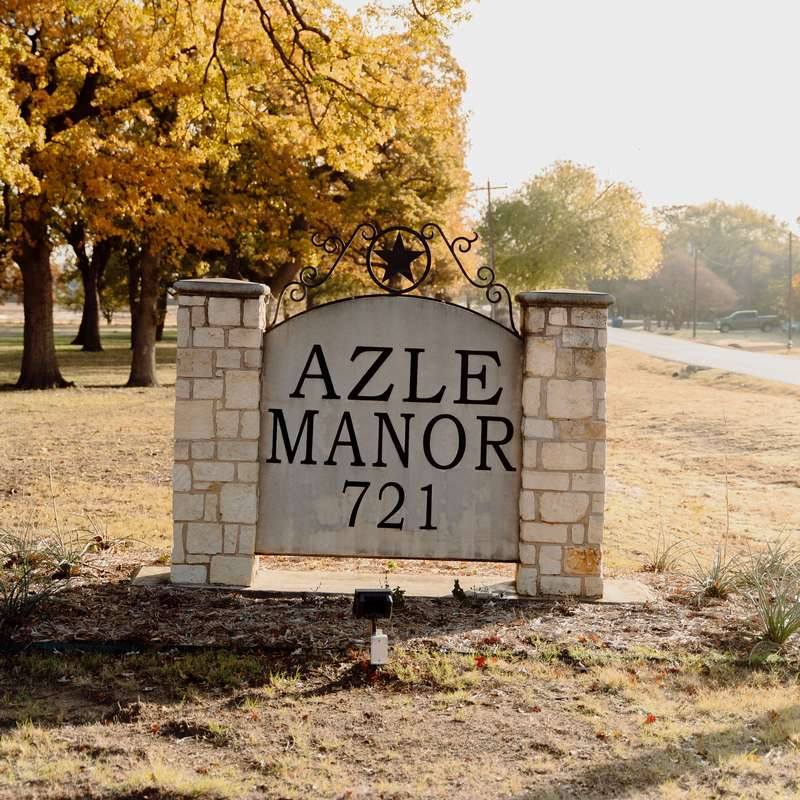
Who Owns and Operates Azle Manor Health Care And Rehabilitation?

Azle Manor Health Care and Rehabilitation is owned by a for-profit company. For-profit facilities operate as businesses with obligations to shareholders or private owners. The facility operates independently rather than as part of a larger chain. With 142 certified beds and approximately 96 residents (about 68% occupancy), it is a mid-sized facility located in Azle, Texas.

How Does Azle Manor Health Care And Rehabilitation Compare to Other Texas Nursing Homes?

Compared to the 100 nursing homes in Texas, Azle Manor Health Care and Rehabilitation's overall rating (2 stars) is below the state average of 2.8, staff turnover (55%) is near the state average of 46%, and health inspection rating (2 stars) is below the national benchmark.

What Should Families Ask When Visiting Azle Manor Health Care And Rehabilitation?

Based on this facility's data, families visiting should ask: "What changes have been made since the serious inspection findings, and how are you preventing similar issues?" "Can you walk me through typical staffing levels on day, evening, and night shifts?" "Can I visit during a mealtime to observe dining assistance and food quality?" "How do you handle medical emergencies, and what is your hospital transfer rate?" These questions are particularly relevant given the facility's Immediate Jeopardy citations and the below-average staffing rating.

Is Azle Manor Health Care And Rehabilitation Safe?

Based on CMS inspection data, Azle Manor Health Care and Rehabilitation has documented safety concerns. Inspectors have issued 4 Immediate Jeopardy citations (the most serious violation level indicating risk of serious injury or death). The facility has a 2-star overall rating and ranks #100 of 100 nursing homes in Texas. Families considering this facility should ask detailed questions about what corrective actions have been taken since these incidents.

Do Nurses at Azle Manor Health Care And Rehabilitation Stick Around?

Azle Manor Health Care and Rehabilitation has a staff turnover rate of 55%, which is 9 percentage points above the Texas average of 46%. Moderate turnover is common in nursing homes, but families should still ask about staff tenure and how the facility maintains care continuity when employees leave.

Was Azle Manor Health Care And Rehabilitation Ever Fined?

Azle Manor Health Care and Rehabilitation has been fined $58,970 across 4 penalty actions. This is above the Texas average of $33,669. Fines in this range indicate compliance issues significant enough for CMS to impose meaningful financial consequences. Common causes include delayed correction of deficiencies, repeat violations, or care failures affecting resident safety. Families should ask facility leadership what changes have been made since these penalties.

Is Azle Manor Health Care And Rehabilitation on Any Federal Watch List?

Azle Manor Health Care and Rehabilitation is not on any federal watch list. The most significant is the Special Focus Facility (SFF) program, which identifies the bottom 1% of nursing homes nationally based on persistent, serious quality problems. Not being on this list means the facility has avoided the pattern of deficiencies that triggers enhanced federal oversight. This is a positive indicator, though families should still review the facility's inspection history directly.