BALCH SPRINGS NURSING HOME
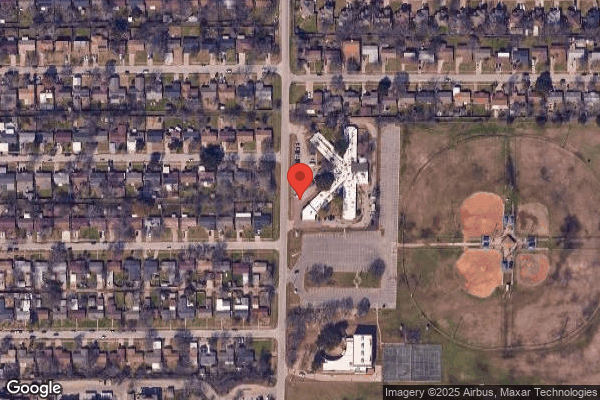
4200 SHEPHERD LN, BALCH SPRINGS, TX 75180 (972) 286-0335
For profit - Limited Liability company 120 Beds ADVANCED HEALTHCARE SOLUTIONS Data: November 2025
Trust Grade
75/100
#190 of 1168 in TX
Last Inspection: March 2025

Within standard 12-15 month inspection cycle. Federal law requires annual inspections.

Overview

Balch Springs Nursing Home has received a Trust Grade of B, indicating it is a good choice, but not without some concerns. It ranks #190 out of 1168 facilities in Texas, placing it in the top half, and #10 out of 83 in Dallas County, suggesting only nine local options are better. The facility is improving, with reported issues decreasing from 9 to 5 over the past year. However, staffing is a noted weakness, with a poor rating of 1 out of 5 stars and a turnover rate of 51%, which is just above the Texas average. On the positive side, there have been no fines recorded, and the facility has average RN coverage, which is important for catching potential issues. Specific incidents raised in inspections include failures in food safety, such as improperly stored and labeled food items that could lead to food-borne illnesses. Additionally, residents did not receive adequate care for pressure ulcer prevention, as two residents were not repositioned as required by their care plans. While the home has strengths in overall quality measures, these concerns about food safety and resident care should be carefully considered.

Trust Score
B
75/100
In Texas
#190/1168
Top 16%
Safety Record
Low Risk
No red flags
Inspections
Getting Better
9 → 5 violations
Staff Stability
⚠ Watch
51% turnover. Above average. Higher turnover means staff may not know residents' routines.
Penalties
✓ Good
No fines on record. Clean compliance history, better than most Texas facilities.
Skilled Nurses
⚠ Watch
Each resident gets only 23 minutes of Registered Nurse (RN) attention daily — below average for Texas. Fewer RN minutes means fewer trained eyes watching for problems.
Violations
⚠ Watch
19 deficiencies on record. Higher than average. Multiple issues found across inspections.
★★★★☆
4.0
Overall Rating
★☆☆☆☆
1.0
Staff Levels
★★★★★
5.0
Care Quality
★★★★☆
4.0
Inspection Score
Stable
2024: 9 issues
2025: 5 issues

The Good

  • 5-Star Quality Measures · Strong clinical quality outcomes
  • Full Sprinkler Coverage · Fire safety systems throughout facility
  • No fines on record

Facility shows strength in quality measures, fire safety.

The Bad

Staff Turnover: 51%

Near Texas avg (46%)

Higher turnover may affect care consistency

Chain: ADVANCED HEALTHCARE SOLUTIONS

Part of a multi-facility chain

Ask about local staffing decisions and management

The Ugly 19 deficiencies on record

Mar 2025 5 deficiencies
CONCERN (D) 📢 Someone Reported This

A family member, employee, or ombudsman was alarmed enough to file a formal complaint

Potential for Harm - no one hurt, but risky conditions existed

Deficiency F0692 (Tag F0692)

Could have caused harm · This affected 1 resident

**NOTE- TERMS IN BRACKETS HAVE BEEN EDITED TO PROTECT CONFIDENTIALITY** Based on interviews and record reviews, the facility failed to ensure a resident maintained acceptable parameters of nutritional...

Read full inspector narrative →
**NOTE- TERMS IN BRACKETS HAVE BEEN EDITED TO PROTECT CONFIDENTIALITY** Based on interviews and record reviews, the facility failed to ensure a resident maintained acceptable parameters of nutritional status, such as usual body weight for one (Resident #99) of seven residents reviewed for nutrition. 1. The facility failed to complete an annual comprehensive nutritional assessment or a nutrition assessment after identified weight loss by the dietician on 8/12/2024 per facility policy. 2. The facility failed to implement dietary recommendations on 8/12/2024 that included ordering a magic cup and obtaining weekly weights for four weeks. These failures could place residents at risk for unplanned weight loss and place them at risk of not having their nutritional needs met. Findings included: Record review of Resident #99's Comprehensive MDS assessment dated [DATE] revealed Resident #99 was a [AGE] year-old female admitted to the facility on [DATE] with diagnoses of muscle wasting and atrophy (decrease of muscle mass), dementia, and heart failure. Section C of the MDS assessment revealed a BIMS score of 00 (indicated severe cognitive impairment). Section K of the MDS assessment did not indicate a weight loss of 5% or more in the last month or a loss of 10% or more in the last 6 months. Record review of Resident #99's care plan with a revision date of 9/17/2024 revealed Resident #99 had a nutritional risk and interventions included for a registered dietitian to evaluate and make diet/supplement changes. The care plan also revealed supplements should be provided as ordered. Record review of Resident #99's nutritional assessments revealed the last comprehensive nutritional assessment was completed on 8/02/2023. Record review of Resident #99's progress note dated 8/12/2024 at 11:30 a.m. written by Dietician E revealed Resident #99 had an unintended weight loss with a goal to prevent further significant weight loss. This progress note also revealed Resident #99's weight was 176 lbs. on 8/07/2024. Interventions listed included to start magic cup with every lunch and dinner and to obtain weekly weights for four weeks. Record review of Resident #99's weight records from 8/12/2024 to 9/12/2024 revealed weights were not obtained weekly after 8/12/2024. Weights obtained included: 8/21/2024 177.6 lbs. 9/06/2024 174.6 lbs. (loss of 3 lbs. or 1.7%) Record review of Resident #99's physician orders on 3/06/2025 revealed there were no orders entered for a magic cup or to obtain weekly weights after 8/12/2024. In an interview on 3/05/2025 at 1:09 p.m., the Dietary Manager reported the dietician visited the facility every week. The Dietary Manager stated the dietician assessed the residents quarterly or if there were any changes. The Dietary Manager reported that the dietician would document the assessments on the computer under assessments and would write notes under the progress notes. The Dietary Manager stated if a resident was not eating or drinking well then the dietician would order supplements, and a magic cup was a supplement. The Dietary Manager stated if dietary recommendations were not followed then the residents could lose weight. The Dietary Manager stated she did not remember if Resident #99 had difficulty drinking fluids or a decreased appetite. The Dietary Manager reported that Resident #99 was assessed by her and the dietician, but the dietician was responsible for documenting the assessment. In an interview on 3/06/2025 at 11:16 a.m., ADON C reported the dietician came to the facility every week or two and assessed the residents. ADON C stated if the dietician discovered any changes, then the dietician would relay the information to the nurses. ADON C stated then the nurses would notify the doctor and obtain an order. ADON C reported that a magic cup is ice cream and if the dietician recommended a magic cup, then an order would be obtained. ADON C stated once an order for the magic cup was entered then it would show up on the TAR for the nurses to ensure it was administered. ADON C stated the dietician may order a magic cup for weight loss or if a resident was not eating well. ADON C reported she monitored and ensured orders were put in for dietary recommendations. ADON C was not asked the risk of not following the dietary recommendations. In an interview on 3/06/2025 at 11:55 a.m., the DON reported the dietician would send recommendations to the DON. The DON reported she would enter an order to obtain weekly weights and an order for a magic cup. The DON stated she ensured the orders were put in and if dietary recommendations were not followed then it could affect the resident's weight and wound healing. The DON was unsure how frequently nutrition assessments had to be completed but stated she would verify since she was new at the facility. In an interview on 3/06/2025 at 12:38 p.m., Dietician E stated she would email dietary recommendations to the DON, ADON, and the dietary manager. The dietician stated the DON, ADON, and dietary manager were responsible for ensuring the recommendations were implemented. Dietician E reported she expected recommendations to be followed. Dietician E stated she documented assessments on the computer under nutrition assessments and wrote notes in the progress notes section. Dietician E stated nutritional assessments were completed at the time of admission, readmission, annually, and if at risk. Dietician E stated she ensured that assessments were done. Dietician E reported weekly weights and magic cups were ordered for residents at risk for weight loss. Dietician E was not asked about Resident #99. In an interview on 3/06/2025 at 2:34 p.m., the DON reported nutritional assessments were expected to be completed on admission and yearly. The DON stated if they were not completed then they may miss a resident who was at nutritional risk. The DON stated that the dietician and the DON were responsible for ensuring all assessments were done for all the residents. Record review of facility's policy titled, Nutrition Documentation Instructions, updated February 2021, revealed The sooner interventions can be started the better results we can obtain for these residents. Table 1 on this policy revealed If weight loss or eating poorly . Refer to RD for nutrition assessment and under the Time Frame on this table revealed, On admission, annually and significant change of condition. In the same time frame as Comprehensive MDS.
CONCERN (E)

Potential for Harm - no one hurt, but risky conditions existed

Pressure Ulcer Prevention (Tag F0686)

Could have caused harm · This affected multiple residents

**NOTE- TERMS IN BRACKETS HAVE BEEN EDITED TO PROTECT CONFIDENTIALITY** Based on observations, interviews, and record reviews, the facility failed to ensure residents received care and treatment consi...

Read full inspector narrative →
**NOTE- TERMS IN BRACKETS HAVE BEEN EDITED TO PROTECT CONFIDENTIALITY** Based on observations, interviews, and record reviews, the facility failed to ensure residents received care and treatment consistent with professional standards of practice to promote healing and to prevent further development of skin breakdown or pressure ulcers for two (Resident #10 and Resident #32) of five residents reviewed for pressure ulcers. 1. The facility failed to ensure Resident #10 was repositioned every two hours as indicated in Resident #10's physician orders. 2. The facility failed to ensure Resident #32 was repositioned every two hours as indicated in Resident #32's care plan. These failures could place residents at risk for worsening pressure ulcers, new pressure ulcers, or infection. Findings included: 1. Record review of Resident #10's Annual MDS assessment dated [DATE] revealed Resident #10 was an [AGE] year-old female admitted to the facility on [DATE] and diagnoses included malnutrition, pressure ulcer of sacral region (lower back and upper buttocks), muscle wasting and muscle atrophy (decrease of muscle mass). Section C of the MDS indicated Resident #10's BIMS was 00 (indicated severe cognitive impairment). Section GG of Resident #10's MDS indicated Resident #10 was dependent (required assistance and was unable to help with activities) with all ADLs and was unable to roll to the left or right. Section M of Resident #10's MDS assessment indicated Resident #10 was at risk for developing pressure ulcers. Record review of Resident #10's care plan with a revision date of 1/13/2025 revealed Resident #10 had the potential to develop pressure ulcers and interventions included to reposition the resident frequently or more often as needed. Record review of Resident #10's wound evaluation and summary report dated 2/18/2025 revealed Resident #10's wound on her sacrum was healed and the wound had been present for more than 364 days. Record review of Resident #10's physician order dated 3/03/2025 revealed Resident #10 should be repositioned every two hours. In an observation on 3/04/2025 at 10:46 a.m., Resident #10 was observed laying flat on her back with one pillow under her head. No other pillows or wedges (foam wedge used for positioning) were observed in Resident #10's room. Resident #10 was unable to answer questions appropriately. In an observation on 3/04/2025 at 1:24 p.m., Resident #10 was observed in the same position on her back with one pillow under her head. No other pillows or wedges were observed in Resident #10's room. In an observation on 3/05/2025 at 11:05 a.m., Resident #10 was observed in the same position on her back with one pillow under her head. No other pillows or wedges were observed in Resident #10's room. In an observation on 3/05/2025 at 1:49 p.m., Resident #10 was observed in the same position on her back with one pillow under her head. No other pillows or wedges were observed in Resident #10's room. In an observation on 3/05/2025 at 3:36 p.m., Resident #10 was observed in the same position on her back with one pillow under her head. No other pillows or wedges were observed in Resident #10's room. In an observation on 3/06/2025 at 9:00 a.m., Resident #10 was observed in the same position on her back with one pillow under her head. No other pillows or wedges were observed in Resident #10's room. Record review of Resident #10's progress note dated 3/03/2025 at 1:54 p.m. by RN B, revealed an open area was noted to the coccyx (area near the top of the buttocks and the base of the spine). Measurements or wound type were not indicated. In an interview on 3/06/2025 at 2:30 p.m., ADON C stated the measurements for Resident #10's new wound was 0.5 x 0.5 cm. The doctor and hospice were notified on 3/03/2025. ADON C stated it was an open area and did not indicate the specific type of wound. 2. Record review of Resident #32's Quarterly MDS assessment dated [DATE] revealed Resident #32 was a [AGE] year-old female admitted to the facility on [DATE] with diagnoses of diabetes, aphasia (inability to comprehend of formulate language), hemiplegia (partial paralysis of one side of the body) or hemiparesis (muscle weakness of one side of the body), and muscle wasting and muscle atrophy (decrease of muscle mass). Section C of the MDS assessment also revealed Resident #32 had severely impaired cognitive skills and was rarely/never understood. Section GG of Resident #32's MDS indicated Resident #32 was dependent (required assistance and was unable to help with activities) with all ADLs and was unable to roll to the left or right without assistance. Section M of Resident #32's MDS assessment indicated Resident #32 had one stage 4 pressure ulcer that was present upon admission and had not healed at the time of the assessment. Record review of Resident #32's care plan with a revision date of 2/06/2025 revealed Resident #32 had a pressure ulcer, and interventions included to reposition the resident every two hours or more often as needed or requested. Record review of Resident #32's wound evaluation and summary report dated 1/28/2025 revealed Resident #32 had a wound on her sacrum for more than 203 days with measurements of 4 x 2.5 x 1cm. Recommendations included to reposition per facility protocol and turn side to side in bed every one to two hours if able. Record review of Resident #32's wound evaluation and summary report dated 2/25/2025 revealed Resident #32 had a wound on her sacrum for more than 231 days with measurements of 4 x 2.5 x 1cm. Recommendations included to reposition per facility protocol and turn side to side in bed every one to two hours if able. In an observation on 3/04/2025 at 10:49 a.m., Resident #32 was observed lying flat on her back with two wedges observed stuck between the bed and the wall. One pillow was placed under the resident's head. Resident #32 was unable to answer questions due to a severe cognitive impairment. In an observation on 3/04/2025 at 1:26 p.m., Resident #32 was observed in the same position lying flat on her back with two wedges observed stuck between the bed and the wall. One pillow was placed under the resident's head. In an observation on 3/05/2025 at 10:58 a.m., Resident #32 was observed in the same position lying flat on her back with one wedge observed next to the resident on her right side (not under). Another wedge was observed stuck between the bed and the wall. One pillow was placed under the resident's head. In an observation on 3/05/2025 at 1:48 p.m., Resident #32 was observed in the same position lying flat on her back with one wedge observed next to the resident on her right side (not under). Another wedge was observed not placed under the resident and lying on the foot of the bed. In an observation on 3/05/2025 at 3:38 p.m., Resident #32 was observed in the same position lying flat on her back with one wedge observed next to the resident on her right side (not under). Another wedge was observed not placed under the resident and lying on the foot of the bed. In an observation on 3/06/2025 at 9:00 a.m., Resident #32 was observed in the same position lying flat on her back with one wedge observed next to the resident on her right side (not under). The other wedge was no longer in the room. In an interview on 3/05/2025 at 4:08 p.m., CNA A reported that pressure sores were prevented by rotating or turning the resident every two hours. CNA A stated some residents had extra pillows, and some residents had wedges to use for turning. CNA A stated that if a resident was not turned then sores could develop. CNA A stated Resident #32 and Resident #10 were turned every two hours to prevent sores from developing. In an interview on 3/06/2025 at 10:10 a.m., RN B reported if a resident was bedridden then they were repositioned every one to two hours. RN B reported they used pillows to help reposition residents, and the nurse was responsible for ensuring residents were repositioned. RN B stated if residents were not repositioned then it could cause skin breakdown (wounds). RN B stated Resident #10 was on an air mattress and was repositioned every one to two hours. RN B reported Resident #10 had wounds that did better some days and were worse on other days. RN B reported Resident #32 was repositioned with wedges, but she was not sure how often. RN B stated the wedges lifted Resident #32's bottom off the bed. RN B reported she was unsure if Resident #32's wounds had become worse because she had only worked at the facility for around six weeks. In an interview on 3/06/2025 at 11:16 a.m., ADON C stated Resident #10's wound was resolved, and Resident #10 had just developed a new wound. ADON C stated the wound care doctor monitored the status of wounds every Tuesday and documented any changes in the wound evaluation and summary report. ADON C stated Resident #32's wound would never heal because Resident #32 was receiving a low amount of nutrition via a tube feeding. ADON C reported Resident #32's wound was chronic and had not changed significantly. ADON C reported the dietician was monitoring Resident #32, and Resident #32 was unable to tolerate the tube feeding if it were increased. ADON C reported that Resident #32 and Resident #10 should have been repositioned every two hours and as needed. ADON C stated pillows and wedges were used for repositioning, and if residents were not repositioned then it could cause a pressure ulcer to form or reopen. ADON B reported that the nurses were responsible for monitoring if residents were turned every two hours. In an interview on 3/06/2025 at 11:55 a.m., the DON reported that dependent (requires assistance) residents should be turned everyone and a half to two hours and more frequently if they were in pain. The DON stated pillows or wedges were used for repositioning the residents. The DON stated Resident #10 was on hospice and wounds were not unexpected. The DON reported Resident #10 should still be repositioned every one to two hours. The DON reported Resident #32 had a wound and should be repositioned every one to two hours. The DON reported the nurses should monitor if residents were turned, and ADON C monitored the wound documentation to determine if wounds were progressing. Record review of facility's policy titled, Skin Management Policy, with a revision date of 2/01/2014, revealed If new skin alterations of any type are identified .physician orders are obtained. The patient is reviewed by the interdisciplinary team and a plan of care is initiated. A policy specific to repositioning residents for pressure ulcer prevention was not received at the time of exit.
CONCERN (E)

Potential for Harm - no one hurt, but risky conditions existed

Drug Regimen Review (Tag F0756)

Could have caused harm · This affected multiple residents

**NOTE- TERMS IN BRACKETS HAVE BEEN EDITED TO PROTECT CONFIDENTIALITY** Based on record review and interview, the facility failed to ensure any drug regimen irregularities reported by the Pharmacist C...

Read full inspector narrative →
**NOTE- TERMS IN BRACKETS HAVE BEEN EDITED TO PROTECT CONFIDENTIALITY** Based on record review and interview, the facility failed to ensure any drug regimen irregularities reported by the Pharmacist Consultant were acted upon for two (Residents #19 and Resident #9) out of six residents and failed to ensure the Pharmacist Consultant reported irregularities to the Physician whose medications were reviewed. 1. Resident 19's Pharmacist consultant recommendation for a gradual dose reduction of Citalopram (antidepressant medication) had no physician rationale for continued use. 2. Resident 19's Pharmacist consultant recommendation for a gradual dose reduction of Quetiapine (antipsychotic medication) had no physician rationale for continued use. 3. Resident 9's Pharmacist consultant recommendation for a gradual dose reduction of Risperidone (antipsychotic medication) had no physician rationale for continued use. 4. Resident 9's Pharmacist consultant recommendation for a gradual dose reduction of Divalproex (antipsychotic medication) had no physician rationale for continued use. These failures could place residents at risk for adverse consequences and could cause a decline in their physical, mental, and psychosocial condition. Findings included: Resident #19 Record review of Resident #19's face sheet dated 03/06/2025 reflected a [AGE] year-old male who was admitted to the facility on [DATE] and re admitted on [DATE] with diagnoses which included Alzheimer's Disease, schizoaffective disorder, and dysphagia (difficulty swallowing). Record review of Resident #19's MDS assessment dated [DATE] revealed he had a BIMS score of 14 which indicated intact cognition. Resident #19 diagnoses included anxiety disorder, psychotic disorder, and schizophrenia. Resident #19 received antipsychotic and antidepressant medications and exhibited no behavioral symptoms. Record review of Resident #19's care plan dated 01/17/2025 revealed Resident #19 had a psychosocial well being problem r/t anxiety, schizophrenia, and depression. Goal: the resident will verbalize feelings related to emotional state .the resident will identify appropriate diversional activities. Interventions: give medication as ordered and monitor for side effects. Give positive reinforcement as initiative/involvement improves/attempts to solve conflict. Monitor/document resident's usual response to problems. Record review of Consultant Pharmacist Recommendation to Physician dated 10/31/2024 reflected: Dear Physician G, Resident #19 has been taking Citalopram 10mg QAM 04/23/2024 without a GDR. Could we attempt a dose reduction at this time to verify this resident is on the lowest possible dose? If not, please indicate response below. The recommendation letter was not signed by Resident #19's Physician. There was no rationale documented for GDR of Citalopram. Record review of Consultant Pharmacist Recommendation to Physician dated 11/30/2024 reflected Dear Physician G, Resident #19 has been taking Quetiapine 50mg BID since 03/10/2024 without a GDR. Could we attempt a dose reduction at this time perhaps Quetiapine 25mg QAM and 50mg verify this resident is on the lowest possible dose? If not, please indicate response below. The recommendation letter was not signed by Resident #19's Physician. There was no rationale documented for GDR of Quetiapine. Record review of Resident #19's Physician orders dated 04/23/2024 by Physician G for Citalopram 20mg. Give one tablet by mouth in the morning for depression. Record review of Resident #19's Physician orders dated 03/10/2024 by Physician G for Quetiapine 50mg. Give one tablet by mouth two times a day related to schizophrenia. Dementia. Review of Resident #19's electronic record revealed there was no documentation a rationale for continuing the medications and not doing a GDR by the physician for Citalopram or Quetiapine. In an interview on 03/06/25 at 12:08 PM Interview with Resident #19 stated he take medication for gout, Motrin, and allergy medications. He stated he did not take any anti-depressants or any psychotropic medications. He stated he did not have any changes to his medications. Resident #9 Record review of Resident #9's face sheet dated 03/06/2025 reflected a [AGE] year-old male who was admitted to the facility on [DATE] and readmitted [DATE] with diagnosis of schizophrenia, and major depressive disorder. Record review of Resident #9's MDS assessment dated [DATE] revealed he had a BIMS score of 15 which indicated intact cognition. Resident #9 diagnosis included depression and schizophrenia. Resident #9 received antipsychotic medications and exhibited no behavioral symptoms. Record review of Resident #9's care plan dated revealed Resident #9 used psychotropic medications related to depression, schizophrenia. Goal: resident will maintain the highest level of function possible and not experience a decrease in functional abilities related to psychotropic drug use during the next 90 days. The resident will reduce the use of psychoactive medication over the next 90 days. Interventions: administer medications as ordered. Monitor/document for side effects and effectiveness. Record review of Consultant Pharmacist Recommendation to Physician dated 01/31/2025 reflected Dear Physician G, Resident #9 has been taking Divalproex 500mg BID since 07/03/2024 without a GDR. Could we attempt a dose reduction at this time to perhaps Divalproex 250mg QAM and 500mg to verify this resident is on the lowest possible dose? If not, please indicate response below. The recommendation letter was not signed by Resident #9's Physician. There was no rationale documented for GDR of Divalproex. Record review of Consultant Pharmacist Recommendation to Physician dated 09/30/2024 reflected Dear Physician G, Resident #9 has been taking Risperidone 2mg BID since 02/06/2024 without a GDR. Could we attempt a dose reduction at this time to perhaps Risperidone 1mg QAM and 2mg to verify this resident is on the lowest possible dose? If not, please indicate response below. The recommendation letter was not signed by Resident #9's Physician. There was no rationale documented for GDR of Risperidone. Record review of Resident #9's Physician orders dated 02/07/2024 by Physician G for Risperidone 2mg. Give one tablet by mouth twice daily for schizophrenia. Record review of Resident #9's Physician orders dated 07/04/2024 by Physician G for Divalproex 500mg. Give one tablet by mouth twice daily for schizophrenia. Review of Resident #9's electronic record revealed there was no documentation a rationale for continuing the medications and not doing a GDR by the physician for Risperidone or Divalproex. In an interview on 03/06/25 at 12:04pm with Resident #9 stated he took lisinopril and risperidone. He stated was unsure what dosage took but he took the same medication daily in the morning and evening. He stated he could not recall if he ever had a dosage reduction for any of his medications. In an interview on 03/06/2025 at 9:10am with the DON she stated she's been employed at the facility for 4 weeks. She stated she is unsure what the process was for the pharmacist recommendations. She stated since she's been in her position, she retrieved the pharmacist recommendations from the portal that she only had access to and send the recommendations to the physician. She stated she faxed the recommendations to the physician and the physician would review and sign the recommendations via fax or in person. In an interview on 03/06/2025 at 9:57am with the ADON she stated she's been employed at the facility since October 2024. She stated she was the interim DON prior to the current DON being hired. She stated when she was interim DON, she retrieved the pharmacist recommendations from the portal and send the recommendations to the physician. She stated the physician reviewed and signed the recommendations when she visited the facility once a week. She stated she tried retrieving the older pharmacist recommendations that included the physician's signature, but she was unable to retrieve the recommendations because the facility no longer had access to the prior DON's email. She stated she contacted Physician G and the physician stated she received pharmacist recommendations from the prior DON and reviewed, signed, and returned the recommendations to the facility. (The recommendations were not provided prior to exit.) In an interview on 03/06/2025 at 11:11am with Physician G she stated she visited the facility weekly. She stated the facility provided her copies of the pharmacist recommendations via email or in person when she visited. She stated after she reviewed and signed the recommendations she returned the forms to the facility. She stated once she returned the forms to the facility, she was unsure what the facility did with the forms once received from her. Record review of the facility's Unnecessary Drugs policy dated 10/24/2022 reflected, Policy Statement: It is the facility's policy that each resident's drug regiment is managed and monitored to promote or maintain the resident's highest practicable mental, physical, and psychosocial well-being free from unnecessary drugs. 2. The attending physician will assume leadership in medication management by developing, monitoring, and modifying the medication regimen in collaboration with the resident and/or representatives, other professionals, and interdisciplinary team. Each resident's drug regimen will be reviewed on an ongoing basis, taking into consideration the following elements: A. dose(including duplicate therapy) B. Duration of use C. Indications and clinical need for medication D. Adequate monitoring for efficacy and adverse consequences E. Preventing, identifying and responding to adverse consequences F. Any combination of reasons stated above.
CONCERN (E)

Potential for Harm - no one hurt, but risky conditions existed

Deficiency F0761 (Tag F0761)

Could have caused harm · This affected multiple residents

Based on observation, interview, and record review the facility failed to ensure all drugs and biologicals were labeled in accordance with currently accepted professional principles for one (200 hall ...

Read full inspector narrative →
Based on observation, interview, and record review the facility failed to ensure all drugs and biologicals were labeled in accordance with currently accepted professional principles for one (200 hall medication cart) of three medication carts reviewed for medication labeling. The facility failed to ensure two insulin pens (one Aspart insulin syringe and one Tresiba insulin syringe) on the 200 hall medication cart had open dates. The facility failed to ensure two insulin pens on the 200-hall medication cart were discarded 28 days after being opened. One Lyumjev insulin pen and one Admelog insulin pen had an open date of 1/20/2025 and was found in the cart on 3/04/2025 (46 days after being opened). These failures could place residents at risk for not receiving the intended therapeutic effects of prescribed medication. Findings included: In an interview and observation on 3/04/2025 at 8:55 a.m., the 200-hall medication cart contained one Aspart insulin syringe and one Tresiba insulin pen with no open dates. RN D stated these two insulin pens were not opened, but the seals were not present on the insulin pens (indicated they were open). The 200-hall medication cart also contained one Lyumjev insulin pen and one Admelog insulin pen that had an open date of 1/20/2025 (46 days after being opened), and RN D stated these insulin pens were good until the manufacturer's expiration date because they were long-acting insulins. RN D stated there was no risks to the residents, and that the nurses using the carts monitored the dates on medications. In an interview on 3/04/2025 at 9:50 a.m., the DON stated an open date was required for all insulins including the long-acting insulins. The DON reported insulin should be discarded after 28 days. The DON reported that not having an open date or using beyond 28 days could cause the medication to not be as effective. The DON reported the nurses administering medications and the ADONs were responsible for monitoring the dates on medications. The DON stated her expectation was for all insulins to have an open date and to be discarded after 28 days. In an interview on 3/06/2025 at 11:16 a.m., ADON C reported she checked the medication carts for dates on medications every Tuesday. ADON C stated insulin had to have an open date because it was only good for 28 days and then must be discarded. ADON C stated if an insulin pen did not have an open date, then it could not be used and must be discarded. When asked what the risks would be to the residents if insulin was not dated or used past 28 days, ADON C just stated that insulin could not be used after 28 days, and staff would not know when the insulin was opened without a date. Record review of the facility's policy titled Medication Storage, with a date of 1/20/2021, revealed It is the policy of this facility to ensure all medications housed on our premises will be stored, dated and labeled according to the manufacturer's recommendations. The policy also revealed medication carts are routinely inspected for discontinued, outdated, defective, or deteriorated medications with worn, illegible, or missing labels.
CONCERN (F)

Potential for Harm - no one hurt, but risky conditions existed

Food Safety (Tag F0812)

Could have caused harm · This affected most or all residents

Based on observations, interviews, and record review the facility failed to store, prepare, distribute, and serve food in accordance with professional standards for food service safety in the facility...

Read full inspector narrative →
Based on observations, interviews, and record review the facility failed to store, prepare, distribute, and serve food in accordance with professional standards for food service safety in the facility's only kitchen reviewed for food safety. 1. The facility failed to ensure food items were accurately labeled and dated with the received or expiration date. 2. The facility failed to ensure dented cans were placed in a separate storage area. 3. The facility failed to ensure opened items were sealed or resealed effectively. These failures could place residents at risk for food-borne illness and cross contamination. Findings Included: Observation of dry storage on 03/04/2025 at 9:13am revealed the following: -1, 1lbs box of cream of wheat dated 02/08/2025 opened and exposed to the air. - 6 bags of hot dog buns with no use by or expiration date. -1, 3lbs can of cream of chicken dated 01/08/2027 was dented on bottom left. In an interview with the DM on 03/04/2025 at 9:30am she stated dented cans were stored in a separate area in the dry storage closet. She stated when dented cans were identified, she notified the vendor to receive a credit. She stated when she received bread delivery, the expiration date was printed on the outside of the package. She stated if the expiration date was not printed on the packaging, she wrote a use by or expiration date on the packaging. She stated all food items should be properly sealed. She stated food not stored and labeled properly could cause cross contamination. In an interview with [NAME] F on 03/05/2025 at 11:19am she stated all food items needed to be sealed properly and dated with the use by or expiration date. She stated dented cans are stored in a separate area and returned to the vendor. She stated if items are not sealed, labeled, and stored properly could cause cross contamination and residents could become sick. Record review of the facility's Food Storage Policy revised 8/11/ 2017 reflected, Policy Statement: Dry storage may be in a room or area for the storage of dry goods, such as single service items, canned goods, and packaged or containerized bulk food that is not PHF/TCS. 6. Products which do not have an imprinted use by or expiration date on the product, will be dated when received and rotated as new inventory is purchased. 9. All opened products must be resealed effectively and properly labeled, dated and rotated use. 11. Canned goods that have a compromised seal will be removed from service and stored in a separate area, until they are picked up by the distributor of discarded. Record review of the U.S. FDA Food Code 2022 reflected: Chapter 3 . section 3-101.11. Safe, Unadulterated, and Honestly Presented: . FDA considers food in hermetically sealed containers that are swelled or leaking to be adulterated and actionable under the Federal Food, Drug, and Cosmetic Act. Depending on the circumstances, rusted, and pitted or dented cans may also present a serious potential hazard. Food Labeling [* .(b) A food which is subject to the requirements of section 403(k) of the act shall bear labeling, even though such food is not in package form. (c The specific artificial color used in a food shall be identified on the labeling when so required by regulation in part 74 of this chapter to assure safe conditions of use for the color additive.], 9 CFR 317 Labeling, [*(a) When, in an official establishment, any inspected and passed product is placed in any receptacle or covering constituting an immediate container, there shall be affixed to such container a label .Marking Devices, and Containers, and 9 CFR 381 Subpart N Labeling and Containers, and as specified under § 3-202.18. Section 3-302.12 Food Storage Containers, Identified with Common Name of Food: Except for containers holding FOOD that can be readily and unmistakably recognized such as dry pasta, working containers holding food or food ingredients that are removed from their original packages for use in the food establishment, such as cooking oils, flour, herbs, potato flakes, salt, spices, and sugar shall be identified with the common name of the food. Section 3-501.17 . Commercial processed food: Open and hold cold . B . 1. The day the original container is opened in the food establishment shall be counted as Day 1. 2. The day or date marked by the food establishment may not exceed a manufacturer's use-by date if the manufacturer determined the use-by date based on food safety . C. 2. Marking the date or day of preparation, with a procedure to discard the food on or before the last date or day by which the food must be consumed on the premises, sold, or discarded as specified under (A) of this section. 3. Marking the date or day the original container is opened in a food establishment, with a procedure to discard the food on or before the last date or day by which the food must be consumed on the premises, sold, or discarded as specified under (B) of this section. Definitions 3 . Food Receiving and Storage - Section 3-302.11 Packaged and Unpackaged Food-Separation, Packaging, and Segregation Food shall be protected from cross contamination by: when combined as ingredients, separating raw animals' foods during storage, preparation, holding, and display.
Aug 2024 1 deficiency
CONCERN (D) 📢 Someone Reported This

A family member, employee, or ombudsman was alarmed enough to file a formal complaint

Potential for Harm - no one hurt, but risky conditions existed

Pharmacy Services (Tag F0755)

Could have caused harm · This affected 1 resident

**NOTE- TERMS IN BRACKETS HAVE BEEN EDITED TO PROTECT CONFIDENTIALITY** Based on observation, interview and record review the facility failed to provide pharmaceutical services, including procedures t...

Read full inspector narrative →
**NOTE- TERMS IN BRACKETS HAVE BEEN EDITED TO PROTECT CONFIDENTIALITY** Based on observation, interview and record review the facility failed to provide pharmaceutical services, including procedures that assured the accurate acquiring, receiving, dispensing, and administering of all drugs and biologicals, to meet the needs of each resident f The facility failed to document that Resident #1 was given insulin on 08/20/24, 08/21/24, 08/23/24. This failure could place residents at risk of medical complications and a decrease in therapeutic dosages of their medications as ordered by the physician. Findings included: Review of Resident #1's electronic face sheet printed 08/28/2024 revealed a [AGE] year-old female admitted to the facility on [DATE] with diagnoses that included but not limited to type 2 diabetes and high blood pressure. Review of Resident #1's annual MDS dated [DATE] revealed a BIMS score of 15 which indicated the resident was cognitively intact. Review of Resident #1's care plan dated 08/26/2024 revealed Resident #1 had diabetes and was at risk for unstable blood sugar. Interventions included to administer diabetic medication as order by physician and administer diabetic medication according to a sliding scale. Review of Resident #1's physician's order dated 08/19/2024 revealed Insulin Lispro (1 Unit Dial) Subcutaneous Solution Pen-injector 100 UNIT/ML (Insulin Lispro) Inject as per sliding scale: if 0 - 180 = 0 units;181 - 240 = 3 units; 241 - 300 = 5 units; 301 - 400 = 10 units; 401 - 460 = 12 units Greater than 460mg/dL administer 12 units and call MD., subcutaneously(being, living, occurring, or administered under the skin( before meals and at bedtime for blood glucose control Review of Resident #1's MAR for the month of August 2024 reflected Resident #1's lispro was not administered on the following days -08/20/24, there was no documentation of the medication being given at 4PM or 9PM nor documentation of blood sugar being checked. -08/21/24, there was no documentation of the medication being given at 9PM documentation of blood sugar being checked -08/23/24, there was no documentation of medication given at 9PM documentation of blood sugar being checked Review of Resident #1's nursing notes from 08/19/2024-09/29/2024 revaealed no issues with blood sugar Interview on 08/28/2024 at 1:00 PM with Resident #1 revealed she had only been in the facility for 2 weeks and she was having trouble with her medication. Resident #1 stated LVN A did not give her insulin at night and she was not sure why. Resident #1 stated during LVN A's shift was the only time she was not getting her insulin. Resident #1 was not aware of any adverse effects due to not getting the medication. Interview on 08/28/2024 at 1:15 PM with the DON revealed she was not aware LVN A had not documented that the insulin was given to Resident #1. The DON stated she spoke with LVN A on 8/28/2024 before her shift began and she stated she did give Resident #1 the insulin however she forgot to document it. The DON stated LVN A would be in-serviced before beginning her shift regarding documentation. The DON stated the risk of LVN A not documenting that the medication was given would be that another nurse could see that the medication was not given and give an extra dose.
May 2024 1 deficiency
CONCERN (D) 📢 Someone Reported This

A family member, employee, or ombudsman was alarmed enough to file a formal complaint

Potential for Harm - no one hurt, but risky conditions existed

Deficiency F0761 (Tag F0761)

Could have caused harm · This affected 1 resident

**NOTE- TERMS IN BRACKETS HAVE BEEN EDITED TO PROTECT CONFIDENTIALITY** Based on observation, interview, and record review, the facility failed to store all drugs and biologicals in locked compartment...

Read full inspector narrative →
**NOTE- TERMS IN BRACKETS HAVE BEEN EDITED TO PROTECT CONFIDENTIALITY** Based on observation, interview, and record review, the facility failed to store all drugs and biologicals in locked compartments and permit only authorized personnel to have access for one of four (Medication Cart #1) medication carts reviewed for pharmacy services. The facility failed to ensure Medication Cart #1 was locked when unattended on 05/24/24. This failure could place residents at risk of having access to unauthorized medications and/or lead to possible harm or drug diversion. Findings included: In an observation and interview on 05/24/24 at 7:50 AM, Medication Cart #1 was observed unlocked and unattended, with the keys on top of the cart. Medication Cart #1 was facing the entrance of room [ROOM NUMBER], and the residents were in the room. Charge Nurse A was observed as he entered the hallway from the main area near the nurses' station and dining hall about 5 minutes later. Charge Nurse A stated he had to go assist with the food trays. He stated he was sorry for leaving the medication cart unlocked and unattended. Charge Nurse A stated the risk of the unlocked medication cart was a resident could get medications from the cart. In a telephone interview on 05/24/24 at 8:00 AM, Administrator stated it was a requirement to keep the medication carts locked. She stated anyone could get the medication off the cart. In an interview on 05/24/24 at 11:45 AM, Director of Nursing B stated her expectation was that all medication carts should be locked at all times. She stated all staff know the carts should be locked when unattended. Director of Nursing B stated the risk was anyone could get medications off the cart. Record review of the facility's policy titled, Medication Storage and dated 1/20/21, reflected the following: Policy Explanation and Compliance Guidelines 1. General Guidelines: a. All drugs and biologicals will be stored in locked compartments (i.e., medication carts, cabinets, drawers, refrigerators, medication rooms) under proper temperature controls. b. Only authorized personnel will have access to the keys to locked compartments c. During a medication pass, medications must be under the direct observation of the person administering medications or locked in the medication storage area/cart.
Feb 2024 7 deficiencies
CONCERN (D)

Potential for Harm - no one hurt, but risky conditions existed

Deficiency F0698 (Tag F0698)

Could have caused harm · This affected 1 resident

**NOTE- TERMS IN BRACKETS HAVE BEEN EDITED TO PROTECT CONFIDENTIALITY** Based on interview and record review, the facility failed to ensure that residents who required dialysis received such services,...

Read full inspector narrative →
**NOTE- TERMS IN BRACKETS HAVE BEEN EDITED TO PROTECT CONFIDENTIALITY** Based on interview and record review, the facility failed to ensure that residents who required dialysis received such services, consistent with professional standards of practice, for 1 (Resident #53) of 1 resident's reviewed for dialysis. The facility failed to ensure post-dialysis assessments were completed for Resident #53 after return from dialysis treatment. This failure could place residents at risk of inadequate post dialysis care. Findings included: Record review of Resident #53's, admission MDS assessment dated [DATE] reflected the resident was a [AGE] year-old female who was admitted to the facility on [DATE]. Resident #53 had diagnoses which included end stage renal failure (when kidneys suddenly become unable to filter waste products from blood), Diabetes (increased blood sugar, dependence on renal dialysis, (procedure to cleanse the blood), and Hypertension (increased blood pressure). Resident #53 had a BIMs score of 15, reflecting she was cognitively alert and oriented and able to make decisions for herself. The MDS section O related to special treatments, procedures, and programs reflected Resident #53 received dialysis. Record review of Resident #53's care plan, dated 02/06/2024, reflected Resident #53 received dialysis related to renal failure and was at risk for the potential complications related to dialysis. Needed hemodialysis to rule out end stage renal failure. Resident #53 will have no signs of complication from dialysis through next review. Obtain vital signs and weight per protocol. Report significant changes in pulse, respiration, and blood pressure to the physician. Record review of Resident #53's physician's order, dated 01/30/2024, reflected Hemodialysis every Tuesday, Thursday, and Saturday at 11:00 a.m. Further review reflected no orders to assess the access area prior to dialysis or post dialysis. Record review of Resident #53's EHR reflected no nursing documentation regarding Resident #53's dialysis, monitoring of the resident's post-dialysis vital signs, or the assessment of the access area. Record review of Resident #53's dialysis communication forms reflected dialysis communication forms with no information on the resident assessment and observation post-dialysis section on 02/01/2024, 02/06/2024, 02/08/2024, 02/10/2024, 02/13/2024, and 12/14/23. Interview on 02/13/2024 at 10:30 a.m. with Resident #53 revealed when she returned from dialysis on the evening shifts, the nurses do not assess her access area. Resident #53 stated she knew they were supposed to assess the access area, but they never do. The staff were sometimes busy with dinner or their medication pass. Resident # 53 stated she has asked, but the staff forget. If my husband visits me, he will look at the area for me. Interview on 02/14/2024 at 1:10 PM with LVN A revealed she was aware she was supposed to send Resident #53 with the dialysis communication form when she left for dialysis. The nurse on the next shift would collect the form when the resident returned from dialysis. LVN A stated she knew she was supposed to take her vital signs before she left and check to make sure the dressing on the access area was intact. LVN A stated someone else obtained the resident's weight. LVN A stated she never removed the access dressing to look to see if the area was bleeding, red, or looked infected. She had not been told to do that. LVN A stated if the access area was not accessed there could be a negative outcome, such as bleeding or infection, for the resident. LVN A stated the responsibility should be the charge nurse, but thought that the assessment should occur after dialysis, rather than before. Interview on 02/14/2024 at 04:31 PM with the DON revealed it was the nurses' responsibility to send dialysis residents with a communication form to dialysis and get the form back when the resident returned to the facility. This was so, if there were orders from dialysis or changes, it was noted. She stated her expectation was for the nurses to perform post-dialysis assessments when the residents returned from dialysis and document on the dialysis communication forms on dialysis days. She stated failure to monitor the vital signs and access sight after dialysis, staff would not note the change of condition, bleeding, and whether the vitals were stable. She stated she had done training with the staff and the last in-service was when Resident #53 had admitted . The DON stated that if there were no orders given the nurses should call the physician and receive orders. It was basic nursing to know you must assess the access area before and after dialysis, as well as vital signs. She stated the risk for not assessing the vitals were that Resident #53 could be unstable and the permcath (special catheter used for short-term dialysis treatment) could be bleeding. She stated the facility will do another in-service and monitor. Interview on 02/14/2024 at 4:40 p.m. with LVN F revealed she was aware she was supposed to collect the dialysis communication form when the resident returned from dialysis. LVN F stated she was to monitor the dialysis access site for the bruit, thrill (a vibration caused by blood flowing through the fistula and can be felt by placing your fingers just above incision line), dressing for bleeding, and vital signs when Resident #53 came back from dialysis. She stated she was not consistent because when Resident #53 returned from dialysis in the afternoon, it would be during medication administration time, and sometimes during dinner. LVN F stated failure to monitor and assess Resident #53 post dialysis put her at risk of low blood pressure and bleeding. She stated she had done trainings, but she could not tell whether dialysis was one of them. Record review of the facility's policy, dated 12/22/2024, reflected the following, .19. Facility will monitor departures and returns from the dialysis center. The facility will document the resident's vital signs, general appearance, orientation, additional baseline data as needed. The resident clinical record will be documented wit this information. The date and time of the residents' return to the facility will be recorded by the nurse.
CONCERN (D) 📢 Someone Reported This

A family member, employee, or ombudsman was alarmed enough to file a formal complaint

Potential for Harm - no one hurt, but risky conditions existed

Deficiency F0761 (Tag F0761)

Could have caused harm · This affected 1 resident

**NOTE- TERMS IN BRACKETS HAVE BEEN EDITED TO PROTECT CONFIDENTIALITY** Based on observation, interviews, and record review the facility failed to ensure that medications were secure and inaccessible ...

Read full inspector narrative →
**NOTE- TERMS IN BRACKETS HAVE BEEN EDITED TO PROTECT CONFIDENTIALITY** Based on observation, interviews, and record review the facility failed to ensure that medications were secure and inaccessible to unauthorized staff and residents for 1 (one medication cart for Hall 100) of 6 medication carts. The facility failed to ensure medication supplies were all stored in locked compartments and permit only authorized personnel to have keys, when LVN A's one medication cart for Hall 100, was left unlocked and unattended by LVN A. This failure could result in resident access and ingestion of medications leading to a risk for harm and possible drug diversion. Findings included: An observation on 02/14/2024 at 8:15 a.m. revealed LVN A's one medication cart, for Hall 100, was left in the hallway outside of the main dining room entrance unlocked. MA A was in the main dining room serving breakfast and not in view of the medication cart for Hall 100. The lock on the medication cart was popped out showing the red bottom indicating the cart was unlocked. An observation on 02/14/2023 at 8:20 a.m. revealed LVN A's one medication cart, for Hall 100, was left in the hallway outside of the main dining room entrance unlocked. LVN A was in the dining room assisting with breakfast. An unknown resident rolled past the unlocked medication cart and a staff member (housekeeping) walked past the unlocked medication cart. The lock on the medication cart was popped out showing the red bottom indicating the cart was unlocked. An observation on 02/14/2024 at 8:27 a.m. revealed LVN A's medication cart, for Hall 100, was left in the hallway outside of the main dining room entrance unlocked. LVN A was in the dining room assisting with breakfast, not in view of the medication cart. The lock on the medication cart popped out showing the red bottom indicating the cart was unlocked. An observation on 02/14/23 at 8:39 a.m. revealed the Administrator standing at the unlocked medication cart. He walked into the dining room, and it was observed the Medication Cart for Hall 100 was locked. LVN A came out of the dining room with the Administrator looking at her Medication Cart for Hall 100. LVN A returned to the dining room. In an interview on 02/14/2024 at 8:45 a.m. LVN A stated she had gotten busy in the dining room and had not locked her medication cart. LVN A stated she knew that the medication cart should always be locked when not in use. LVN A stated that if the medication cart was not locked the medication in it could be taken by a confused resident and that could hurt them, a visitor, or another staff member. In an observation on 02/14/2024 at 9:19 a.m. with LVN A of the medication cart for Hall 100 revealed: for Resident #53 Insulin injection pen (diabetes), Acetaminophen 500mg (for pain), Ondansetron 4mg (nausea and vomiting), Carvedilol 25mg (blood pressure), and Hydroxyzine 25mg (hypertension). In an observation on 02/14/2024 at 9:20 a.m. with LVN A of the medication cart for Hall 100 revealed: for Resident #44 Clonidine patch 0.1mg (hypertension), Losartan Potassium 100mg (hypertension), Potassium Chloride extended release 20meq (for potassium imbalance), Hydralazine HCL 25 mg (hypertension), Doxazosin Mesylate Tablet 4 Mg (hypertension), Docusate sodium 100 mg (constipation), Multivitamin-minerals oral tablet (Supplement), Calcium-Vitamin D3 Tablet 250-125 Mg (supplement), Citalopram Hydrobromide Tablet 10 Mg (depression), and Aricept Tablet 10 Mg (dementia). In an observation on 02/14/2024 at 9:22 a.m. with LVN A of the medication cart for Hall 100 revealed: for Resident #39 Metoprolol 25 mg (hypertension), and Transdermal patch (dizziness). In an observation on 02/14/2024 at 9:25 a.m. with LVN A of the medication cart for Hall100 revealed: stock medications for all residents if ordered: Vitamin C 500mg, multivitamin, multivitamin with iron, stool softener, and liquid drug destroyer. In an interview on 12/14/2024 at 3:45 p.m., the DON stated it was her expectation that medication carts should be locked when not in use. The DON said that the nurses were responsible to keep the medication carts locked when not in use. She stated if they were not locked, residents and unauthorized staff could get into the cart and there would be opportunities for harm and medication diversion. The DON said that the staff that was using the carts were responsible to monitor them to ensure they were locked. Review of the Policy and Procedure Security of Medication Cart revised dated December 2022, reflected, The medication cart shall be secured during medication passes and biologicals are stored properly . policy Interpretation and Implementation: 1. The nurses must secure the medication during the medication pass to prevent unauthorized entry .3.the medication cart must be locked before the nurse enters the resident's room [ROOM NUMBER]. The medication cart must be securely locked at all times when out of the nurse's view 5. When the medication cart is not being used, it must be locked . Review of the Policy and Procedure Storage of medications dated December 2022, reflected, The facility shall store all store all drugs and biologicals in a safe, secure, and orderly manner . 7. Compartments (including, but not limited to, drawers, cabinets, rooms, refrigerators, carts, and boxes). containing drugs and biologicals shall be locked at all times .
CONCERN (E)

Potential for Harm - no one hurt, but risky conditions existed

Safe Environment (Tag F0584)

Could have caused harm · This affected multiple residents

**NOTE- TERMS IN BRACKETS HAVE BEEN EDITED TO PROTECT CONFIDENTIALITY** Based on observations, interviews, and record review, the facility failed to provide a safe, functional, sanitary, and comfortab...

Read full inspector narrative →
**NOTE- TERMS IN BRACKETS HAVE BEEN EDITED TO PROTECT CONFIDENTIALITY** Based on observations, interviews, and record review, the facility failed to provide a safe, functional, sanitary, and comfortable environment for residents for two (Hall 200, and 300) of four halls observed for environment. The facility failed to ensure bathrooms on Hall 200 and 300, were clean, safe, and in good repair. This failure could place residents at risk for diminished quality of life due to the lack of a well-kept environment and equipment. Findings included: An observation on 02/12/2024 at 9:57 a.m. in room [ROOM NUMBER] bathroom revealed loose dirt, food on the floor, and hair was balled up behind the toilet. The bathroom floor was saturated in a yellow substance and smelled of urine. An observation on 02/12/2024 at 10:00 a.m. in room [ROOM NUMBER] bathroom revealed there was a sticky floor, a brown substance smeared on the top of the toilet seat, and a large puddle of a yellow substance on the floor. An observation on 02/12/2024 at 10:03 a.m. in room [ROOM NUMBER]'s bathroom revealed the bathroom floor with used bandages on the floor, three paper towels with a brown substance on the floor, and an overflowing trashcan. An observation on 02/12/2024 at 10:05 a.m. in room [ROOM NUMBER] bathroom revealed a smell of urine with a puddle of liquid on the floor near the toilet. There was a white substance that was scattered across the floor and a dead bug in the corner by the door. An observation on 02/12/2024 at 10:09 a.m. in room [ROOM NUMBER]'s bathroom revealed the seal around the toilet was cracked and broken. The bathroom floor was sticky and there was a strong smell of urine. An observation on 02/12/2024 at 10:15 a.m. in room [ROOM NUMBER]'s bathroom revealed the bathroom floor was sticky with a strong smell of urine in the bathroom. An observation on 02/14/2024 at 10:18 a.m. in room [ROOM NUMBER]'s bathroom revealed the base of the toilet had a black dried substance. There were pieces of paper on the floor, and loose particles of food . In an interview with housekeeper A on 02/13/2024 at 9:55 a.m. revealed she was one of three housekeepers working the facility today. Housekeeper A stated, she cleans two halls (hall 200 and hall 300). Housekeeper A stated that on Monday after the weekend it was always a mess. There were two housekeepers over the weekend and one does mostly floors. Sometimes the supervisor will show up, but not all the time. We were supposed to go down our hallways, sweep and mop the rooms and bathrooms and collect the trash. She stated sometimes it will take all day to do just that. She stated we are supposed to make two rounds a day, but I do not usually get around to that. She stated she only cleans once. She stated she has spoken to her supervisor, but she just told her to speed up. Housekeeper A stated since the state is here they have extended our hours in the facility . Housekeeper A stated if the rooms and bathroom are not cleaned it could cause the residents to get sick. In an interview on 02/13/2024 at 10:30 a.m. during a confidential group meeting revealed one of the residents in attendance stated her bathroom was dirty, ill kept, and she was unhappy with the housekeeper because they did not always empty her trash. The resident stated she had said something to the Housekeeping Supervisor and sometimes it was better and sometimes it was not better . Interview on 2/14/2024 at 10:01 a.m. with the Housekeeping Supervisor revealed if the bathrooms needed cleaning, it was her and her crew's responsibility. She stated we clean the resident's room and the bathrooms every day. The Housekeeping Supervisor stated that she had a crew even on the weekend and she worked herself to help. The Housekeeping Supervisor stated that she was a part of the stand-up meetings in the morning, and she had not been made aware of any problems with bathrooms. The Housekeeping Supervisor stated there were more staff in the facility today because we have extended our hours during the state survey . The Housekeeping Supervisor stated it was her responsibility to make sure the rooms and the bathrooms were clean. She stated the crews make a morning and afternoon rounds. Interview on 02/14/2024 at 4:15 p.m. with the Administrator revealed the floors in the bathrooms were unacceptable. The Administrator stated that the bathrooms were supposed to be cleaned daily . The Administrator stated the Housekeeping Supervisor was responsible to make sure the rooms and bathrooms were clean. He stated he had no expectations on how many rounds the cleaning crews had to make as long as they stayed in budget, and the facility was clean. Review of the Policy and Procedure Maintenance Services dated revised December 2022 reflected Maintenance service shall be provided to all areas of the building . and equipment .1. The maintenance Department is responsible for maintaining the buildings in a safe and operating manner at all times .2. Maintaining the building in compliance with current federal, state, and local laws, regulations, and guidelines .maintaining the building in good repair and free from hazards .establishing priorities in providing repair services .providing routinely scheduled maintenance service to all areas .3 the Maintenance Director is responsible for developing and maintaining a schedule of maintenance service to assure that the building . are maintained in a safe and operable manner .maintenance .shall follow established safety regulations to ensure the safety and well-being of all concerned .
CONCERN (E)

Potential for Harm - no one hurt, but risky conditions existed

Accident Prevention (Tag F0689)

Could have caused harm · This affected multiple residents

**NOTE- TERMS IN BRACKETS HAVE BEEN EDITED TO PROTECT CONFIDENTIALITY** Based on observations, interviews, and record review, the facility failed to ensure all assistive devices and overbed tables wer...

Read full inspector narrative →
**NOTE- TERMS IN BRACKETS HAVE BEEN EDITED TO PROTECT CONFIDENTIALITY** Based on observations, interviews, and record review, the facility failed to ensure all assistive devices and overbed tables were maintained and free of hazards for five (Residents #10, #12, #19, #35 and #44) of eighteen residents reviewed for essential equipment. The facility failed to properly maintain wheelchairs for Residents #10, #12, #35 and #44. The facility failed to properly maintain overbed tables for Resident #19. These failures could place residents at risk for equipment that was in unsafe operating condition, which could cause injury. Findings included: Review of Resident #10's admission MDS assessment, dated 12/14/2023, reflected she was an [AGE] year-old female admitted to the facility on [DATE] with diagnoses of Dementia (confusion and forgetfulness), generalized weakness, and anxiety (nervousness). Resident #10 had a BIMs score of 00 indicating she was severely cognitively impaired and unable to make decisions for herself. Review of the Resident #10's plan of care dated 12/19/2023 with updates reflected goals and approaches to include wheelchair mobility for locomotion. Observation on 02/12/2024 at 10:35 a.m. revealed Resident #10 was sitting in her wheelchair in the front lobby and had no skin problems. The wheelchair's left and right armrests were cracked with exposed foam. Review of Resident #35's quarterly MDS assessment, dated 01/20/2024, reflected she was a [AGE] year-old female admitted to the facility on [DATE], with diagnoses paranoid schizophrenia (mental illness) and muscles weakness. Resident #35 had a BIMs score of 10 reflecting she was moderately cognitively impaired and able to make decisions for herself. Review of the Resident #35's plan of care dated 01/23/2023 with updates reflected goals and approaches to include wheelchair mobility for locomotion. Observation on 02/12/2024 at 10:45 a.m. revealed Resident #35 was sitting in her wheelchair in the common area and had no skin problems. The wheelchair's left and right armrests were missing. In an attempt to interview on 02/12/2024 at 10:45 a.m. Resident #35 revealed she was not interested in talking about her wheelchair. Review of Resident #12's quarterly MDS assessment, dated 01/25/2024, reflected she was a [AGE] year-old female admitted to the facility on [DATE], with diagnoses hypertension (high blood pressure), Cardiovascular accident (stroke), seizures (brain disorder), and unsteady on feet (instability). Resident #12 had a BIMs score of 9 reflecting she was moderately cognitively impaired and able to make decisions for herself. Review of the Resident #12's plan of care dated 01/05/2024 with updates reflected goals and approaches to include wheelchair mobility. Observation and interview on 02/12/2024 at 10:50 a.m. revealed Resident #12 sitting in her wheelchair, in the front lobby, the wheelchair's left and right armrests were missing. Resident #12 was asked about her wheelchair, and she stated, It was needing some work, and the wheelchair had been provided to her by the facility. Resident #12 stated she had told the charge nurse but could not recall when or which nurse. There were no skin tears on the arms. Review of Resident #44's quarterly MDS assessment, dated 01/17/2024, reflected he was a [AGE] year-old male admitted to the facility on [DATE], with diagnoses of cardio-obstructive pulmonary disease (breathing problems), cancer, and muscle weakness. Resident #44 had a BIMs score of 15 reflecting he was cognitively alert and oriented and able to make decisions for himself. Review of the Resident #44's updated plan of care dated 12/30/2023 with updates reflected goals and approaches to include wheelchair mobility. Observation and interview on 02/12/2024 at 11:00 p.m. revealed Resident #44 in his wheelchair at the nurse's station. Resident #44 stated that his arm rests were broken. The wheelchair's right and left armrests were cracked with exposed foam. Resident #44 stated he had told the nurses that his wheelchair arms were broken, but nothing had been done. He stated that it was about three weeks ago, he thought that he told the staff, but he could not recall which staff member he told. Review of Resident #19's quarterly MDS assessment, dated 12/22/2023, reflected he was a [AGE] year-old female admitted to the facility on [DATE], with diagnoses of dementia (confusion and forgetfulness), Alzheimer's disease (confusion and forgetfulness), abnormality of gait and mobility, and general weakness. Resident #19 had a BIMs score of 4 reflecting she was severely cognitively impaired and unable to make decisions for herself. Observation on 02/12/2024 at 11:14 a.m. revealed Resident #19 was in her room in bed, with no skin problems. The overbed table was beside the bed, with the veneer missing surrounding the edge of the entire table, and the left end of the table had broken wood splintering out of the edge of the overbed table. In an interview on 02/12/2024 at 11:15 a.m. with Resident #19 revealed she did not answer any questions concerning her overbed table. In an interview on 02/12/2024 at 12:30 p.m. LVN C stated when a resident's wheelchair needed repair the staff were to tell the Maintenance Supervisor. He kept all the parts to fix them. LVN C stated he should tell the maintenance supervisor the wheelchairs needed new armrests. LVN C stated usually he would keep up with that but recently he had been too busy. LVN C stated that if the resident's wheelchairs were not in good repair, it could cause injuries. In an interview on 02/12/2024 at 1:27 p.m. CNA B stated when a resident's wheelchair or overbed tables needed repair the staff were to tell the charge nurse or the Maintenance Supervisor. CNA B stated she had not reported anything recently, concerning wheelchairs or overbed tables . In an interview on 02/14/2024 at 2:46 p.m. the Maintenance Supervisor stated that he was responsible for the repair of wheelchairs and if the residents needed other equipment replaced. He stated he kept a maintenance logbook at the nurse's station, but the staff tell him, they do not use the book. The Maintenance Supervisor stated he had not had any staff members tell him about any wheelchairs needing repair, until yesterday. The Administrator told him that the state was looking at the wheelchairs, so he showed me and repaired them all, but I knew nothing before then . The Maintenance Supervisor stated that if the equipment was not in working ordered it could cause injuries. In an interview on 02/14/2024 at 3:45 p.m. with the Administrator revealed the staff was supposed to report to the Maintenance Supervisor any equipment that needed repair. The Administrator stated all the armrests on the wheelchairs had been replaced, on yesterday (02/13/2024). He stated he saw the state surveyor looking at them, so he watched, and repaired all the wheelchairs that the state surveyor looked at. The Administrator stated the staff had not reported anything to the Maintenance Supervisor prior . The Administrator stated, if the equipment was not repaired appropriately then it could cause injuries. The Administrator stated the department heads were supposed to perform angel rounds every morning and this would something they should look at and then in the morning meeting it showed have been reported. The Administrator stated he would be reminding the department heads to follow-up. Record Review of the Maintenance log dated 11/01/2023 through 02/14/2024 at the nurse's station, reflected no entries for wheelchair armrest repair or overbed table replacement. A review of the facility's policy and procedure Adaptive Devices and Equipment dated December 2022 reflected Policy Statement Our facility maintains and supervises the use of assistive devices and equipment for residents . 6. The following factors and addressed to the extent possible to decrease the risk of available accidents associated with devices and equipment . c. Devices condition-devices and equipment are maintained on schedule and according to manufacturer's instructions. Defective or worn devices are discarded or repaired .
CONCERN (E) 📢 Someone Reported This

A family member, employee, or ombudsman was alarmed enough to file a formal complaint

Potential for Harm - no one hurt, but risky conditions existed

Infection Control (Tag F0880)

Could have caused harm · This affected multiple residents

**NOTE- TERMS IN BRACKETS HAVE BEEN EDITED TO PROTECT CONFIDENTIALITY** Based on observation, interview, and record review, the facility failed to maintain an infection prevention and control program ...

Read full inspector narrative →
**NOTE- TERMS IN BRACKETS HAVE BEEN EDITED TO PROTECT CONFIDENTIALITY** Based on observation, interview, and record review, the facility failed to maintain an infection prevention and control program designated to provide a safe, sanitary, and comfortable environment and to help prevent the development and transmission of communicable disease and infection for 3 (Residents #53, #57, and #174) of 6 residents reviewed for infection control. 1. CNA D failed to put on PPE prior to entering three contact isolation rooms to serve the lunch trays. 2. CNA D failed to disinfect her hands while servicing food trays to the residents on Hall 100. These failures could place residents at-risk of cross contamination which could result in infections or illness. Findings included: Review of Resident #53's EHR on 02/14/24 revealed the resident was a [AGE] year-old female that was admitted to the facility on [DATE] with diagnoses including Diabetes (high blood sugar), End Stage Renal Failure (kidneys have stopped working), extended spectrum beta lactamase (infection bacteria in urine), and respiratory failure with chronic hypoxia (needs oxygen at times to breath). Review of Resident #53's admission MDS assessment, dated 02/04/2024, reflected a BIMs score of 15, indicating the resident was alert and oriented, able to make decisions. Her functional status indicate she needed one staff to complete her activities of daily living. Further review indicated she was incontinent of bowel and bladder (when she did produce urine). Review of Resident #53's physician orders dated 02/24/2024 reflected Resident #53 was to be placed in contact isolation due to extended spectrum beta lactamase. Review of Resident #57's EHR on 02/14/2024 revealed the resident was a [AGE] year-old male that was admitted to the facility on [DATE] with diagnoses including Diabetes (high blood sugar), Influenzas (Flu), Arterial Fibrillation (fast heart rate), and Cardiovascular accident (stroke). Review of Resident #57's quarterly MDS, dated [DATE] revealed a BIMs score of 15, indicating he was alert and oriented, able to make decisions. His functional status indicate he needed one staff to complete his activities of daily living. Review of Resident #57's physician ordered dated 02/01/2024 reflected contact isolation due to influenza (flu). Review of Resident 174's EHR her on 02/14/2024 revealed the resident was an [AGE] year-old female that was admitted to the facility on [DATE], with diagnoses including cerebral infarction (stroke), hypertension (high blood pressure), and enterocolitis due to clostridium difficile (infection of the colon). Review of Resident #174's admission MDS, dated [DATE] revealed a BIMs score of 9, indicating she was cognitively moderately impaired and unable to make decisions. Her functional status indicated she needed maximum assist of one staff with her ADLs. Further review indicated she was incontinent of bowel and bladder. Review of Resident #174's admission physician orders dated 02/04/2024 reflected contact isolation for enterocolitis due to clostridium difficile. Observation on 02/12/2024 at 9:30 a.m. revealed on Hall 100 three contact isolation rooms with residents in the rooms. There were contact isolation instructions posted on the outside of the room, to place on full PPE (person Protection equipment) prior to entering the room. There was PPE bins avaible outside of each door. The bins were stocked with gowns, gloves, mask, and face protectors available for usage. Observation on 02/12/24 at 12:05 p.m., revealed CNA D delivered a lunch tray to Resident #57's contact isolation room. CNA D did not use hand sanitizer or wash her hands prior to entering the room. CNA D entered the contact isolation room without donning (putting on) PPE (mask, gown, gloves, and face shield). CNA D assisted Resident #57 in his wheelchair, pulled over his overbed table, then assisted him with set up of the lunch tray, touched him on his arm before leaving the room. Resident #57 was observed coughing when CNA D was in the room. CNA D exited the room. Observation on 02/12/2024 at 12:10 p.m., revealed CNA D delivered a lunch tray to Resident #53's contact isolation room. CNA D did not use hand sanitizer or wash her hands prior to entering the room. CNA D entered the contact isolation room without donning PPE. CNA D assisted Resident #53 with repositioning in her bed, pulling up her covers, then using the automatic bed adjustment to raise the head of the bed. CNA D then pulled the overbed table over to Resident #53 and assisted her with set up of the tray. Observation on 02/12/2024 at 12:17 p.m. revealed CNA D delivered a lunch tray to Resident #174's contact isolation room. CNA D did not use hand sanitizer or wash her hands prior to entering the room. CNA D entered the contact isolation room without donning PPE. CNA D repositioned the resident in the bed and then pulled the overbed table over to the resident's bedside, got a chair, sat down, and assisted the resident to eat her meal. CNA D assisted the resident to complete her meal, left the room approximately thirty minutes later, without washing her hands or using hand sanitizer. In an interview on 02/12/2024 at 1:00 p.m., CNA D stated she was aware she was supposed to put on PPE before going into the rooms and clean her hands between each room. CNA D stated I saw you watching me, and I got nervous. I was worried the food trays would not be served on time, so I just hurried through. I did not want Resident 174's food to get cold. CNA D stated she knew how-to put-on PPE and when she was supposed to put on PPE. She stated she had been recently in-serviced on PPE. CNA D stated if you do not use PPE, you can spread disease to other staff and residents. In an interview on 02/12/2024 at 2:00 p.m., LVN A stated that staff entering the contact isolation rooms must donn PPE. If the signs were on the door and the instructions, were outside, with the bin, the staff must place on everything in the bin. LVN A stated you can ask them a question from the doorway, but if you go beyond the doorway, you must donn PPE. LVN stated, that would include serving a meal tray. LVN A stated by not appropriately using PPE, you could spread infections to other residents and staff. In an interview on 02/13/2024 at 2:40 p.m., LVN B stated staff were to wear full PPE when entering the contact isolation rooms. LVN B stated the staff were in-serviced yesterday and many times before. LVN B stated the staff were to wear PPE to protect ourselves and others , from the spread of infections In an interview on 02/14/2024 at 4:00 p.m. the Administrator stated the staff had been in-serviced by the DON multiple times, since he started working at the facility in August. The staff should be aware of what to do concerning contact isolation rooms. The Administrator stated there was no excuse for not knowing what to do concerning infection control after the pandemic . The Administrator stated if the staff does not appropriately follow the rules for contact isolation, then they could spread the bacteria to other residents and they could get sick. In an interview on 02/14/2024 at 5:20 p.m., the DON stated that her expectation was that staff would sanitize their hands prior to serving meal trays to each room. The DON stated it was her expectation the staff follow all infection control guidelines, including the contact isolation room. She stated the staff were to donn PPE prior to entering the contact isolation rooms at all times, doffing prior to leaving, and washing their hands. The DON stated that the staff had been trained on infection control, including appropriately sanitizing your hands while serving trays at meals and contact isolation rooms. She stated that the instructions are posted outside all the doors, just in case they do not recall what to do. The DON stated she had only been here five months and the last in-service she gave on infection control was in January 2024. At that time, PPE and handwashing was discussed with return demonstration. The DON stated she thought she would have to do some further training . The DON stated if the staff does not follow the instructions for contact isolation, then the staff could spread the disease to other residents causing further outbreak. Review of the infection control in-services dated 10/07/2023, 01/10/2024, 02/13/2024, and 02/14/2024 reflected all staff in-services on donning PPE, doffing PPE, handwashing, and reported infection to the Administrator and the DON. Further review of the in-services reflected that CNA D had signed the in-service logs for all three in-services. Review of the facility's Policies and Procedure titled: Infection Prevention and control Program, dated October 24, 2022, reflected the following: This facility has established and maintains an infection prevention and control program designed to provide a safe, sanitary, and comfortable environment and to help prevent the development and transmission of communicable disease and infections as per accepted national standards and guidelines . Standard Precautions: all staff shall assume that all residents are potentially infected or colonized with an organism that could be transmitted during the course of providing resident care services. B. Hand hygiene shall be performed . c. All staff shall use personal protective equipment (PPE) according to the established facility policy . Staff Education: a. All staff shall receive training, relevant to their specific roles and responsibilities . b. All staff are expected to provide cate consistent with infection control practices .c. Direct care staff shall demonstrate competence in resident care procedures established by our facility . Policies/Procedures 1. The objectives of our infection control policies and practices are to: a. prevent, detect, investigate, and control infections in the community . b. maintain a safe, sanitary, and comfortable environment for personnel, residents, visitors, and the general public .e. provide guidelines for the safe cleaning and reprocessing of reusable resident-care equipment Review of facility's Policy and Procedure titled: Transmission-Based-(Isolation) Precautions, dated October 24 2022, reflected the following . It is our policy to take appropriate precautions to prevent transmission of pathogens, based on the pathogen . modes of transmission . Standard Precautions . gloves, gown, mask, eye protection and/or face shields . Contact. Gloves, gowns, mask, eye protection, and /or face shield .
CONCERN (E)

Potential for Harm - no one hurt, but risky conditions existed

Safe Environment (Tag F0921)

Could have caused harm · This affected multiple residents

**NOTE- TERMS IN BRACKETS HAVE BEEN EDITED TO PROTECT CONFIDENTIALITY** Based on observation, interview, and record review, the facility failed to provide a safe, functional, sanitary, and comfortable...

Read full inspector narrative →
**NOTE- TERMS IN BRACKETS HAVE BEEN EDITED TO PROTECT CONFIDENTIALITY** Based on observation, interview, and record review, the facility failed to provide a safe, functional, sanitary, and comfortable environment for residents, staff, and the public for hall 300, entry to the dining area, and one out of four resident door knobs not repaired that was observed for environment The facility failed to ensure the floor between room [ROOM NUMBER] and 309, and the right side entryway into the dining room . and the and door handles were in good repair. These failures could place residents at risk for diminished quality of life due to the lack of a well-kept environment and equipment. Findings included: An observation on 02/13/24 at 9:30 a.m. revealed a floor tile was noticed sticking up between rooms [ROOM NUMBERS] and caught the state surveyor's shoe. After stepping on the tile, it popped back up. An observation on 02/13/24 at 11:20 a.m. revealed a floor tile was observed to be curled at the edge of the dining hall entrance. This tile was near the nurses' station on the right side. An observation on 02/13/24 at 2:07 p.m. revealed the door knob to room [ROOM NUMBER] was connected, but very loose Interview on 02/15/24 at 11:25 a.m. with the Director of Nursing revealed that she had not noticed the loose tile or the loose doorknob. She stated she understood the risk of injury for the loose /sticking up tiles and the loose doorknob . Interview on 02/15/24 at 2:23 p.m. with the Maintenance Supervisor revealed he was aware the floor tiles needed to be fixed or replaced. He stated that he has been searching for matching material and he placed an order with local hardware company. He stated he has been looking for flooring, but they were trying to get a match. He stated that he can fix the doorknobs by tightening the screws. He stated they always get loose especially in an old building like this. He agreed that these issues could be a hazard in case of an emergency. He stated he does daily walk through's and he fixes things as he sees them. He stated in the morning meetings they discuss issues. He stated they do have a book to enter the work orders in and at this time he was unaware of the loose knob on room [ROOM NUMBER]. Interview on 04/20/22 at 1:15 p.m. with the Administrator revealed that he had been made aware of the issues with the flooring and the door. He stated that the flooring was on order and the door would be fixed that day. He was aware of the tripping hazards for the floor and the risk of the broken door handle. They have daily walk through's and a maintenance work order book. There was no notification of the broken doorknob . Review of the Policy and Procedure For Maintenance Inspection dated 04/11/2022 stated It is the policy of this facility to utilize a maintenance inspection checklist in order to assure a safe, functional, sanitary, and comfortable environment for residents, staff, and the public .
CONCERN (F)

Potential for Harm - no one hurt, but risky conditions existed

Deficiency F0838 (Tag F0838)

Could have caused harm · This affected most or all residents

Based on interviews and record reviews, the facility failed to conduct and document a completed facility-wide assessment which included a current (EPP) Emergency Preparedness Plan to determine what re...

Read full inspector narrative →
Based on interviews and record reviews, the facility failed to conduct and document a completed facility-wide assessment which included a current (EPP) Emergency Preparedness Plan to determine what resources were necessary to care for its residents competently during emergencies as necesarry and at least annually for one (facility) of one facility reviewed for Emergency service planning. The facility failed to review, revise and update their Emergency Preparedness Plan at least annually; the most current EPP was not in the EPP binder. And after inquiry on 02/14/24, the Administrator provided the surveyor a four-page EPP dated 01/17/23 by former Administrator G that was unsigned by anyone and without proof of all of the completed employee trainings and drills. This failure could place residents at risk of harm if the facility's emergency protocols were not properly implemented by the staff during an emergency, which could cause a delay in assistance, treatment and care to the residents, resulting in a decline in their health and psycho-social well-being. Findings included: Record review on 02/14/24 of the facility's Emergency Preparedness Plan with Former Administrator G's name on it was dated 01/17/23 revealed, A signature page of the department heads names were typed and dated 01/17/23 with no actual signatures from former Administrator G and other department heads, to confirm it was completed and reviewed. Record review on 02/14/24 of the facility's current undated staff roster consisted of Administrator hire date 10/11/23, Maintenance Director hire date 09/08/23 and DON hire date 08/15/23. Record review of a list of the resident's form was undated and provided by the Administrator on 02/14/24 revealed the facility currently had: One trachea resident (Resident #65) Three G-tube dependent residents (Residents #9, #39, #65) One dialysis resident (Resident #53) Four hospice residents (Residents #18, #22, #33, #39) Three contact isolation residents (Residents #16, #28 and #53) Interview on 02/14/24 at 10:38 am, Maintenance Director K stated their emergency preparedness plan was up to date. He stated when he first started working at this facility, he did an Elopement EPP and added he was not sure but maybe the facility did the whole EPP earlier in 2023 year. He stated he was not sure why it was not in their EPP binder. He stated the Administrator and DON and himself was responsible for ensuring the EPP was updated annually. He stated the EPP needed to be updated yearly for anything going on like the hiring of new staff, new policies, and procedures to deal with emergencies. He stated the EPP ensured everyone, including the residents knew what to do. He stated if the EPP were not updated, they would not have correct information and the residents may be misinformed. He stated he was not sure what could happen to the residents and how it could affect them if the EPP was not updated annually. Interview on 02/14/24 at 10:49 am, the DON stated the last PPE meeting was last year before she started working at this facility and she was not sure how often the EPP needed to be done but believed it was annually. She stated the EPP needed to be updated to ensure what the staff needed to do in an emergency to protect the residents from disasters such as bad weather. She stated if the staff were not prepared for emergencies, they may not know what to do and it could cause fatalities if residents were not transferred to another setting. Interview on 02/14/24 at 10:55 am, the Administrator stated the EPP was up to date and was done before he started working at this facility and added he was not sure when it was last done but would contact corporate to get the most current EPP emailed to him. He stated Maintenance Director K was responsible for ensuring the EPP was updated. He stated the EPP was important so that the facility staff and everyone knew where to go in case of an emergency. Record review of the employees disaster preparedness trainings and drills were requested from the Administrator on 02/14/24 at 11:32 am and on 02/14/24 at 2:05 pm the Administrator provided an internal missing person drill date 04/28/23 conducted by former Maintenenance Director H. There were no other trainings and drills (weather, fire, infection control, power outage, flooding) included. Record review of the facility's Emergency Preparedness policy: Training and Testing policy dated 01/27/18 revealed, Policy: Education and Training, including drills and exercises are utilized in this facility to achieve proficiency during emergency response and ensure effectiveness of our (EOP) Emergency Operation Plan. In compliance with state and federal regulations, our facility conducts initial training on EOP during the orientation of new staff and annually to all staff .Fire drills are done quarterly, and disaster drill done is held every six months under varied conditions for each individual shift of facility personnel . Record review of the Facility's Emergency Preparedness Committee policy undated revealed, The facility has established an emergency preparedness committee (EPC). The committee is comprised of management, supervisory staff from all departments, nursing staff, and support staff. The Administrator is the designated committee chairman .The Administrator is responsible for maintaining and effective and current emergency preparedness plan and implementing procedures. All facility staff members are responsible for understanding the scope of the emergency plan and the role they play in implementing its procedures
Feb 2023 1 deficiency
CONCERN (D) 📢 Someone Reported This

A family member, employee, or ombudsman was alarmed enough to file a formal complaint

Potential for Harm - no one hurt, but risky conditions existed

Deficiency F0620 (Tag F0620)

Could have caused harm · This affected 1 resident

**NOTE- TERMS IN BRACKETS HAVE BEEN EDITED TO PROTECT CONFIDENTIALITY** Based on interview and record review the facility failed to implement an admission policy that did not request or require reside...

Read full inspector narrative →
**NOTE- TERMS IN BRACKETS HAVE BEEN EDITED TO PROTECT CONFIDENTIALITY** Based on interview and record review the facility failed to implement an admission policy that did not request or require residents to waive potential facility liability for losses of personal property for one (Resident #1) of five resident reviewed for loss of personal property. Resident #1's admission paperwork included the facility assumed no liability for the security of personal items. Resident #1's denture was lost and Resident #1's family was informed that the facility assumed no responsibility. This failure could place residents at risk of misappropriation of their personal property, decreased meal intake and decreased quality of life. Findings included: Record review of Resident #1's MDS assessment dated [DATE] revealed that Resident #1 was an [AGE] year-old female that admitted to the facility on [DATE] and a discharge date of 10/20/22. Diagnosis included: Weakness; Adjustment Disorder with Mixed Anxiety and Depressed Mood; Mild Cognitive Impairment Of Uncertain Or Unknown Etiology; Unspecified Dementia, Unspecified Severity, With Agitation; and Pressure Ulcer of Sacral Region Unstageable. MDS Section D indicated Resident #1 required set up or clean up assistance for her oral hygiene and eating. Review of Resident #1's document entitled Inventory of Personal Effects dated 08/02/22 revealed Resident #1 had upper and lower dentures listed as part of her inventory of personal effects. Review of Resident #1's Admissions Agreement, dated 08/03/22 reflected under Section VIII Resident's Personal Property: The facility shall make reasonable efforts to safeguard the resident's property/valuable that the resident chooses to keep in his or her possessions; however, the facility assumes no liability for the security of personal items retained by a Resident or kept in the Residents room. All articles retained by the resident, (including dentures, hearing aids, eyeglasses, jewelry and documents) shall be the responsibility of the Resident. Review of a document entitled Grievance Report dated 09/20/23 revealed the family had notified the facility that Resident #1's denture was missing, and that the facility searched for the missing denture and could not locate the missing denture. Confidential interview with Family Member #2 she stated the family member had notified the facility that Resident #1's denture was missing on 09/20/22. She stated the Administrator had told her the facility might reimburse her for the new denture replacement but that the facility was not responsible to replace them. She further stated that she had acquired new dentures for Resident #1 using her own funds, and dentist. During an Interview on 02/07/23 at 5:26PM the ADM stated she tried to help Family Member #2 by offering to possibly reimburse her for the cost of the replacement of the dentures. The ADM remarked the facility policy stated the facility was not required to replace lost property and the policy was very clear about dentures. The ADM further explained the admission Policy reflected the facility was not responsible for any personal property that was not accepted by the facility for safe keeping.
Jan 2023 4 deficiencies
CONCERN (E)

Potential for Harm - no one hurt, but risky conditions existed

ADL Care (Tag F0677)

Could have caused harm · This affected multiple residents

**NOTE- TERMS IN BRACKETS HAVE BEEN EDITED TO PROTECT CONFIDENTIALITY** Based on observation, interview, and record review the facility failed to provide the necessary services for residents who are u...

Read full inspector narrative →
**NOTE- TERMS IN BRACKETS HAVE BEEN EDITED TO PROTECT CONFIDENTIALITY** Based on observation, interview, and record review the facility failed to provide the necessary services for residents who are unable to carry out activities of daily living to maintain good grooming and personal hygiene for 4 (Resident #41, #35, #65, and #18) of 8 residents reviewed for ADL's. The facility failed to ensure: Resident #41, Resident#35, Resident#65, and Resident#18 had their fingernails trimmed and cleaned. These failures could place residents who were dependent on staff for ADL care at risk for loss of dignity, risk for infections and a decreased quality of life. Findings include: Record review of Resident #41's Quarterly MDS assessment dated [DATE] reflected Resident #41 was a [AGE] year-old female admitted to the facility on [DATE] with diagnoses of contracture of muscle of both hands, lack of coordination, cerebral infarction (result of disrupted blood flow to the brain due to problems with blood vessels that supply it), paresis (muscle weakness caused by nerve damage) of the left side, hypertension, dementia, and cognitive communication deficit. She was total dependence with bed mobility, transfer, and personal hygiene. Record review of Resident #41's Comprehensive Care Plan last revised 09/02/22 reflected the following: she had an ADL self-care performance deficit secondary to CVA (cerebral vascular accident) with left sided hemiplegia (paralysis). Interventions include Bathing: total care, needed 2 persons assist. Provide shower, shave, oral care, hair care, and nail care per schedule and when needed. Record review of Resident #35's Quarterly MDS assessment dated [DATE] reflected Resident #35 was a [AGE] year-old male admitted to the facility on [DATE] with diagnoses of muscle weakness, lack of coordination, diabetes mellitus, dementia, and cognitive communication deficit. He had a BIMS of 13 indicating he was cognitively intact. He required extensive assistance of two-person physical assistance with bed mobility, transfer, toilet use, and personal hygiene. Record review of Resident #35's Comprehensive Care Plan last revised 09/19/22 reflected the following: he had an ADL self-care performance deficit secondary to muscle weakness. Interventions include Bathing: needed 1 person assist. Provide shower, shave, oral care, hair care, and nail care per schedule and when needed. Record review of Resident #65's Quarterly MDS assessment dated [DATE] reflected Resident #65 was a [AGE] year-old male admitted to the facility on [DATE] with diagnoses of quadriplegia (paralysis of all four limbs), injury at the spinal cord, and depression. He had a BIMS of 15 indicating he was cognitively intact. He required extensive assistance of two-person physical assistance with bed mobility, transfer, toilet use, and personal hygiene. Record review of Resident #65's Comprehensive Care Plan last revised 12/22/22 reflected the following: he had an ADL self-care performance deficit secondary to impaired mobility. Interventions include Bathing: needed 1 person assist. Provide shower, shave, oral care, hair care, and nail care per schedule and when needed. Record review of Resident #18's Quarterly MDS assessment dated [DATE] reflected Resident #18 was a [AGE] year-old male admitted to the facility on [DATE] with diagnoses of muscle weakness, cognitive communication deficit, and depression. He had a BIMS of 11 indicating he was cognitively moderately impaired. He required extensive assistance of two-person physical assistance with bed mobility, transfer, toilet use, and personal hygiene. Record review of Resident #18's Comprehensive Care Plan last revised 12/21/22 reflected the following: he had an ADL self-care performance deficit. Interventions include Bathing: needed 1 person assist. Provide shower, shave, oral care, hair care, and nail care per schedule and when needed. An observation on 01/03/23 at 11:01 AM revealed Resident #41 was lying in bed. Both hands contracted. The nails on both her hands were approximately 0.5 centimeter in length extending from the tip of her finger. The nail on the pinky finger of the left hand was bent and pressing on the skin. Resident #41 could not answer questions. An observation on 1/03/23 at 11:34 AM revealed Resident #65 was lying in bed. The nails on both his hands were approximately 0.5centimeter in length extending from the tip of his fingers. The nails were discolored tan and the underside had dark brown colored residue. An observation and interview on 01/03/23 at 11:44 AM revealed Resident #35 was lying in bed. The nails on both his hands were approximately 0.5centimeter in length extending from the tip of her finger. The nails were discolored tan and the underside had dark brown colored residue. Resident stated he did not like his nails long and he cannot do it himself. An observation on 01/03/23 at 11:41 AM revealed Resident #18 was lying in bed. His right hand was contracted, the nails on right hand were approximately 0.8 cm. The nails on the resident's left hand were approximately 0.5 cm in length extending from the tip of her finger. Resident #18 could not answer questions. In an interview on 01/03/23 at 2:35 PM, CNA D said CNAs were allowed to cut the residents' nails if the residents are not diabetic. He said he will trim and clean Resident #10, #35, #65, and #18's nails right now. He said the risk would be transmission of infections from dirty nails. In an interview on 01/03/23 at 2:50 PM, LVN E said only nurses cut residents' nails if they are diabetic. LVN E said no one had notified her Resident #10, #35, #65, and #18's nails were long and dirty, and she had not noticed the nails herself. LVN E stated the risk would be skin tears from long nails and infection transmission from dirty nails. In an interview on 01/05/22 1:49 PM the DON said, nail care should be done as needed and every time aides wash the residents' hands. The DON said nails should be observed daily. The DON said she expected CNAs to offer to cut and clean nails if they were long and dirty. The DON said residents having long and dirty nails could be an infection control issue. Review of the facility's policy titled Activities of Daily Living Care , revised 2/11/2021, reflected . Fundamental Information . A resident who is unable to carry out activities of daily living will receive the necessary services to maintain good nutrition, grooming, and personal and oral hygiene.
CONCERN (E)

Potential for Harm - no one hurt, but risky conditions existed

Deficiency F0727 (Tag F0727)

Could have caused harm · This affected multiple residents

Based on interview, record review and policy review, the facility failed to schedule a Registered Nurse (RN) for at least 8 consecutive hours a day, 7 days a week for 5 (9/10/22, 9/17/22, 9/18/22, 9/2...

Read full inspector narrative →
Based on interview, record review and policy review, the facility failed to schedule a Registered Nurse (RN) for at least 8 consecutive hours a day, 7 days a week for 5 (9/10/22, 9/17/22, 9/18/22, 9/24/22 and 9/25/22) of the 20 days reviewed for RN coverage. The facility failed to have the required RN coverage on 9/10/22, 9/17/22, 9/18/22, 9/24/22 and 9/25/22. These failures could place residents at risk of receiving inaccurate assessments, timeliness of care provided and exposure to unsupervised care staff, which could result in potential physical or mental degradation. Findings included: A record review of the facilities staffing postings for the month of September 2022 revealed that no Registered Nurse was scheduled on the following days in September 2022: 9/10/22, 9/17/22, 9/18/22, 9/24/22 and 9/25/22. A record review of the facilities time detail report for September 2022 revealed that a RN did not work 8 consecutive hours on the following days in September 2022: 9/10/22, 9/17/22, 9/18/22, 9/24/22 and 9/25/22. A record review of the CMS Payroll Business Journal (PBJ) Staffing data report 1705D 12/30/2022 revealed that no Registered Nurse hours were reported to CMS for September 2022 for the days of: 9/10/22, 9/17/22, 9/18/22, 9/24/22 and 9/25/22. A record review of the Contract with the facility entitled Third Eye Health, Inc. Contract Addendum: Replacement for Exhibit A Section 1 Scope of Work Contract Scope of Work Expansion dated 12/21/2017 revealed that there was no Registered Nursing waiver for the facility. In an interview on 1/05/2022 at 12:02 PM with Regional Nurse, the Regional Nurse revealed that they had been a Regional Nurse for the facility for 2 years and that she understood the requirement for having a Registered Nurse in the facility everyday and that the Registered nurse was required to perform assessments, consult with physicians, and correctly deal with medical emergencies. Not having a Registered Nurse in the facility could harm residents for emergencies and proper paperwork. They denied working at the facility for the days of: 9/10/22, 9/17/22, 9/18/22, 9/24/22 and 9/25/22. In an interview on 1/05/2022 at 12:09 PM with the DON, the DON revealed that they had been working at the facility for over 6 years and that they agreed that there had to be a Registered Nurse in the facility for at least 8 consecutive hours every day. They further revealed that residents could be affected by not being assessed properly, supervisory problems and physician consultancy issues. They denied working at he facility for the days of: 9/10/22, 9/17/22, 9/18/22, 9/24/22 and 9/25/22. In an interview on 1/05/2022 at 12:23 PM with the ADM, the ADM revealed that they had been working at the facility for almost a year and that she thought that having a teleconferencing company kept the facility in compliance for having a Registered Nurse at the facility for 8 consecutive hours everyday and that they were unaware of any waivers for nursing at the facility. They further revealed that there could be some scenarios for residents that a Licensed Vocational Nurse might not be able to handle and assessments. Review of the facilities policy and procedure entitled Nursing Services and Sufficient Staff dated 4/10/2022 reflected, Policy Explanation and Compliance Guidelines: .2. Except when waived, the facility must designate a licensed nurse to serve as a charge nurse on each tour of duty. 3. The facility is required to provide licensed nursing staff 24 hours a day, 7 days a week. 4. The facility must ensure that licensed nurses have the specific competencies and skill sets necessary to care for a residents needs as identified through resident assessments and described in the plan of care .8. Except when waived, the facility must use the services of a registered nurse for at least 8 consecutive hours a day, 7 days a week.
CONCERN (E)

Potential for Harm - no one hurt, but risky conditions existed

Food Safety (Tag F0812)

Could have caused harm · This affected multiple residents

**NOTE- TERMS IN BRACKETS HAVE BEEN EDITED TO PROTECT CONFIDENTIALITY** Based on observation, interview, and record review of the facility failed to store, prepare, distribute, and serve food in accor...

Read full inspector narrative →
**NOTE- TERMS IN BRACKETS HAVE BEEN EDITED TO PROTECT CONFIDENTIALITY** Based on observation, interview, and record review of the facility failed to store, prepare, distribute, and serve food in accordance with professional standards for food service safety in the facility's only kitchen. 1. The facility failed to ensure staff completed hand hygiene during meal service while delivering meals to residents. 2.The facility failed to inspect, upon receipt, delivered whole milk cartons for quality and ensure proper labeling and dating. 3. The facility failed to ensure stored canned goods, had an uncompromised seal, free from dents. 4.The facility failed to ensure food items in the refrigerator, two freezers and dry storage were labeled and stored in accordance with the professional standards for food service. 5. The facility failed to discard items stored in refrigerator, freezers or dry storage that were not properly labeled or past the 'best buy', consume by or expiration dates. 6.The facility failed to ensure staff did not place personal items on prep tables and on surfaces in food preparation areas and near food items. 7. The facility failed to ensure the ice machine vent/grate and outer surface was free from dirt and dust. These failures could place residents at risk for food-borne illness and cross contamination. Findings Included: Observations of the Kitchen on 01/05/23 at 11:48 AM revealed the following: - Dietary Aide H left from the kitchen to take out a rack of lunch trays to the first hallway, she returned to the kitchen but did not wash her hands. She exited and re-entered the kitchen 5 times without first washing her hands when re-entering the kitchen. Observations of the walk-in refrigerator on 01/05/23 at 11:22 AM revealed the following: -1-8 oz. carton of whole milk from top crate on left side of the back of the refrigerator, had no label or date printed or embossed on the carton. Observations of the walk-in refrigerator on 01/03/23 at 09:44 AM revealed the following: -10-8 oz. cartons of whole milk from one crate had no dates on crate, and no best by or consume by dates printed or embossed on the cartons. (pulled from crate to show staff). -3 small clear plastic will improper fitting lids contained mixed fruit dated 12/23/22 @11:15, no use by date reflected on the label. -Clear medium pitcher with lid contained dark liquid, dated 12/29/22, there was no label of item description and no consume by or use by date. -1 large square clear container of strawberry jell-o covered with plastic wrap, dated 12/29/22. There was no item description and no consume by or use by date. -1 plate with salad covered in plastic wrap, dated 12/29/22, there was no item description and no consume by or use by date. -1 plate with a sandwich cut in half, diagonally, wrapped in plastic wrap, dated 12/29/22, no item description and no consume by or use by date. -1 medium clear container of thick yellow viscous creamy substance (pureed food per staff) dated 12/29/23, there was no label of item description and no consume by or use by date. -1 medium clear container of pureed food covered with plastic wrap labeled SW Pt Puree, dated 12/26/22, no item description and no consume by or use by date. -1 medium cleat square container of fruit cocktail covered with plastic wrap, dated 12/24/22, there was no consume by or use by date reflected. - 1 medium clear pitcher with lid, had clear liquid. There was no label of item description, no date of preparation, and no consume by or use by date. -1 large bag of shredded lettuce, previously opened, dated 12/29/22, had started to turn brown throughout the bag, there was no consume by or use by date. -10 Cabbages in an extra-large open bin, dated 10/29/22, six had several leaves that were brownish-yellow in color and wilted. There was no consume by or use by date reflected label. -1 large zip top bag with a bag of 9 boiled and peeled eggs, 1 egg was split open, the yolk not inside the egg, water inside the internal bag. Internal bag dated12/29/22 then the outside zip top bag dated 1/2/23, there was no consume by or use by date. -1 Large clear plastic jar with lid of pasta sauce dated 12/8/22, there was no open date and no consume by or use by date. -3- 5lbs. bags of shredded yellow cheddar cheese, dated 12/29/22, no consume by or use by date reflected on the label. -1 previously opened 5 lbs. bag of shredded yellow cheddar cheese, dated 11/22/22, there was no open date and no consume by or use by date. Observations of the kitchen on 01/03/23 at 09:25 AM revealed the following: -Eyewash station, next to handwashing station sink is dirty. There was debris and stains in the sink and on the eyelet faucets. -Handwashing sink garbage receptacle had more than just paper towels, there was plastic lids, gloves and packaging from various products. -Near the handwashing sink, there was a prep table that a bread toaster and an extra-large roll of plastic wrap, and a large stainless-steel bowl of peaches in liquid. Also on the table were a personal cell phone and charging cord, there was a folding chair at the table with a jacket thrown across the top of the chair, touching the edge of the prep table. -Ice machine: top front surface- the vent filter/grate is dirty and had dust on it. -Ice machine: along the bottom of the top of the ice machine, just above the ice chest portion, is plastic boarder that is broken on left side, hanging down and exposing dirt and dust. -On Shelf with clean dishes, near main entrance, on the 2nd shelf from the top, left side, 1 small, scalloped edge plastic bowl with a piece of red food particle on the inside. Observations of the dry storage room [ROOM NUMBER]/13/23 at 10:15 AM revealed the following: -1 large white container of natural peanut butter dated 12/21/22, the manufacturer's expiration date was smudged off. There was no consume by or use by date. -1 extra-large clear cylindrical plastic container of 13 individually wrapped oatmeal pies, there was no label of item description, no open date and no consume by or use by date. -1 extra-large clear cylindrical plastic container of individually wrapped graham crackers, dated 12/5/22, there was no item description and no consume by or use by date. -1 large bag of gravy mix, previously opened, wrapped in plastic wrap. There was no item description, no visible received date, no open date and no consume by or use by date. -1 large zip top bag of breadcrumbs, dated 12/26/22, no consume by or use by date. -5- 5.51 lbs. can of artichoke hearts, dated 6/14/22, there was no manufacturer's expiration or best by date, 1 can of the 5 was dented. -3-8.16 lbs. can of grape jelly, dated 1/28/22, there was no manufacturer expiration date. -1-5 lbs. 13 oz can of spinach leaf, dated 12/13/22, can was dented and amongst other non-dented cans. -1-6lbs. 10 oz. can of tropical fruit salad, dated 12/5/22, can was dented and among other non-dented cans. Observations of the Reach-in Freezer #1 on 01/05/23 at 12:40 PM revealed the following: Left-side door-1 large box of roll dough, previously opened, dated 12/24/22, there was no open date. -1 large box of 4oz. individual containers of sherbets, dated 1/4/23, there was no opened date. Middle Door-1 large box of individual 2lbs. bags of vegetable blend, no dates on the individual bags or the box, no open date reflected on the box. -1 large box of individual 40 oz. bags of broccoli, dated 12/29/22, no open date reflected on the box. Right-side door-1 large box of 14 sheeted oven rising pizza dough, dated 11/08/22, there was no open dated reflected on the box. -1 large box of curly fires, previously opened, dated 12/16/22, no open date reflected on the box. Observations of the Reach-in Freezer #2 on 01/15/23 at 12:51 PM revealed the following: Right-side Door-1 extra-large box with 3-extra-large rolls of ground beef, dated 12/29/22, there was no open date reflected on the box. In an Interview on 01/03/23 at 10:14 AM, with [NAME] I, when asked about the milk cartons without the dates, she stated she was unaware they were there. She stated that she would take them out and show the Dietary Manager (not there at the time). [NAME] B stated that the potential harm to residents was that because there was no date, which meant they could not tell when the milk expires and its unknown when it was placed in the refrigerator. In an Interview on 01/05/23 at 10:14 AM with [NAME] J. When asked if she found the Cleaning Log, she stated on 01/14/23, they had; she stated she thought they had some, they use to but she could not find any in the binder where they use to keep them. In an Interview on 01/04/23 at 03:52 PM with Dietary Manager. She stated she was not the regular Dietary Manager, that she was filling in from another facility because this facility's Dietary Manager had an emergency. She stated she could look for some. She went into the office and looked around and asked [NAME] J where they would be kept. She returned and stated they did not have any cleaning logs. She denied being made aware about the milk that was found yesterday without any dates printed or embossed on the cartons. She was then informed by the surveyor about the milk cartons. The Dietary Manager stated if it was her facility and this happened, they would pull those cartons and dispose of them. She stated the potential harm to residents would be if the milk was spoiled and given to residents, it could cause illness and death. Any illness in this population (elderly residents) would be an issue. She stated that she would expect the staff to check for dates, cuts in boxes and packaging and or open packages/products when items are first delivered. She said, I encourage my staff to check the temps and to practice good hygiene. The Dietary Manager stated she would hold an in-service to ensure that everyone knows how to check food items before accepting and when to deny. In an Interview on 01/05/23 at 12:52 PM with [NAME] J. [NAME] J stated the Cooks clean the freezers, the refrigerator and stove daily and on that cook's last day, they clean the steam table. She explained that the Cook's Schedules are working 4 days on and 2 days off, that is what she meant by cook's last day, for that week. She also stated she went through the crates of milk last night before leaving and found 6 more cartons of milk that had no dates printed or embossed on them and she threw them out. [NAME] J confirmed the filter on the ice machine could be removed and cleaned. She stated that they use to do that' she believed it was on the cleaning log but not sure why they have not been using the log anymore. She stated that Dietary Aide H normally washes her hand, the presence of the surveyors in the kitchen made her nervous. In an Interview on 01/05/23 at 12:54 PM with Dietary Manager. The surveyor informed the Dietary Manager that there was one more carton of milk found today. Dietary Manager explained she had [NAME] J go through the milk last night. The Dietary Manager and Regional Dietician and [NAME] J was informed that Dietary Aide H was noted 5 times of exiting and re-entering the kitchen without washing her hands and moving about in the kitchen and taking racks out and other items. The Dietary Manager stated that she would do an in-service with the staff to reiterate the importance of hand hygiene. The Dietary Manager was interviewed regarding the hand hygiene because Dietary Aide H did not speak English well and no one in the kitchen at the time could translate. The Dietary Manager stated that items in dry storage are kept until expiration dates. She stated that the cleaning log would hold staff accountable for cleaning the equipment and kitchen. She also stated she would put in a maintenance request for the front of the refrigerator for the broken boarder guard. The Dietary Manager stated canned goods with not expiration don't last long in the kitchen but would be kept for up to a year. In an Interview on 01/05/23 at 12:58 PM with Regional Dietician. She stated they would start the in-service on the staff right away regarding the hand hygiene and would later have one regarding checking in food items when they are delivered. The Regional Dietician stated that open items and leftovers in refrigerator are kept for 3 days. After looking on her phone, she stated she had just reviewed the policy and how long to keep the canned goods and the milk without expiration dates but to discard them if they are open or if expiration date is provided by manufacturer. When the policy (ies) for Dietary/ Nutrition Services were requested at the end of day on 01/04/23, the next day there was no policy for Labeling provided. Review of the Facility's Food and Nutrition Services Policy and Procedure Manual, Food Safety and Sanitation Plan, Origination Date 09/2005, Review Date 11/15/2017, Revision Date 11/2017 and 10/24/2022, reflected Policy: It is the policy of this facility to follow an effective, proactive food safety program that is based on preventing food safety hazards before they occur. The Hazard Analysis Critical Control Point (HACCP) Plan is an example of such a program. Basis of Control and Critical Control Items for HACCP review: . 1. Source . -Foods must be inspected to ensure that they are wholesome and unadulterated regardless of the source . 2. Receiving - When food, food products or beverages are delivered to the facility, staff will inspect items for . quality upon receipt and ensure . keeping track of when to discard perishable foods and covering, labeling, and dating . 11. Ready-to-Eat PHF Date Marking -Read -to-eat food will be clearly labeled using calendar date to indicate the date the product was prepared and the date the product must be used or discarded. Use the following to determine the use by date; [NAME] at 41 degrees F or below =7 days. Certain Bulk ready-to-eat foods (i.e. bulk cottage cheese, gallon milk, bulk sour cream) may go by manufacturer's use by date and do not need an additional use by date once opened. -Commercially prepared PHF/TCS food products are clearly labeled using calendar date to indicate the date the product was opened and the date by which product must be used or discarded. The use by date must not exceed the use by date established by the manufacturer. 13. Personal Hygiene Practices -Thorough hand washing is required (but not limited to) the following situations: . Procedure: .15. Food Handling: . Ice- .Keeping the ice machine clean and sanitary will help prevent contamination of the ice. Contamination risks associated with ice and water handling practices may include but are not limited to: . -Unclean equipment, including the internal components of ice machines that are not drained, cleaned and sanitized as needed according to manufacturer's specifications.
CONCERN (E)

Potential for Harm - no one hurt, but risky conditions existed

Infection Control (Tag F0880)

Could have caused harm · This affected multiple residents

**NOTE- TERMS IN BRACKETS HAVE BEEN EDITED TO PROTECT CONFIDENTIALITY** Based on observation, interview and record review, the facility failed to maintain an infection prevention and control program d...

Read full inspector narrative →
**NOTE- TERMS IN BRACKETS HAVE BEEN EDITED TO PROTECT CONFIDENTIALITY** Based on observation, interview and record review, the facility failed to maintain an infection prevention and control program designated to provide a safe, sanitary, and comfortable environment and to help prevent the development and transmission of communicable disease and infection for 4 (Resident #32, Resident #28, Resident #60, and Resident#7) of 8 residents reviewed for infection control. 1. The facility failed to ensure CMA B disinfected the blood pressure cuff in between blood pressure checks for Residents #28, #60, and #7. 2. The facility failed to ensure LVN A disinfected the blood pressure cuff before or after check of blood pressure for Resident#32. These failures could place residents at-risk of cross contamination which could result in infections or illness. Findings included: 1. Record review of Resident #28's Quarterly MDS assessment, dated 12/01/22, reflected she was a [AGE] year-old female admitted to the facility on [DATE], with diagnoses including elevated blood pressure, muscle weakness, elevated blood pressure in the eyes, and generalized anxiety disorder. She had a BIMS of 15 indicating she was cognitively intact. Record review of Resident #28's physician orders dated 01/04/23 reflected, losartan potassium-HCTZ tablet; 100-25 mg, give 1 tablet by mouth in the morning for elevated blood pressure - Special instruction: Hold for systolic blood pressure less than 100, diastolic blood pressure less than 60 and heart rate less than 60. Norvasc tablet 10 mg, give 1 tablet by mouth in the morning for elevated blood pressure - Special instruction: Hold for systolic blood pressure less than 100, and diastolic blood pressure less than 60. Record review of Resident #60's Quarterly MDS, dated [DATE], revealed the resident was a [AGE] year-old male admitted to the facility on [DATE] with diagnoses that include cerebral infarction (brain cell death), elevated blood pressure, and cognitive communication deficit. He had a BIMS of 13 indicating he was cognitively intact. Record review of Resident #60's physician orders dated 01/04/23 reflected, amlodipine besylate tablet; 10 mg, give 1 tablet by mouth, one time a day for elevated blood pressure - Special instruction: Hold for systolic blood pressure less than 110, diastolic blood pressure less than 60, and when the heart rate is less than 55. Review of Resident #7's Quarterly MDS, dated [DATE], revealed the resident was an [AGE] year-old male admitted to the facility on [DATE] with diagnoses that include heart failure (heart doesn't pump enough blood for the body's needs), elevated blood pressure, and cognitive communication deficit. He had a BIMS of 11 indicating he was cognitively moderately impaired. Record review of Resident #7's physician orders dated 01/04/23 reflected, amlodipine besylate tablet; 5 mg, give 1 tablet by mouth, in the morning for elevated blood pressure - Special instruction: Hold for systolic blood pressure less than 110, diastolic blood pressure less than 60, and when the heart rate is less than 55. Losartan potassium tablet 50 mg, give 1 tablet by mouth, in the morning for elevated blood pressure - Special instruction: Hold for systolic blood pressure less than 110 and diastolic blood pressure less than 60. Metoprolol succinate ER tablet 25 mg, give 1 tablet by mouth, in the morning for elevated blood pressure - Special instruction: Hold for systolic blood pressure less than 110, diastolic blood pressure less than 60, and when the heart rate is less than 55. CMA B was observed checking the blood pressures on Residents #28, #60, and #7 and did not sanitize the blood pressure cuff in between each resident use. The blood pressure cuff was used, placed on top of the med cart, then used on the next resident without sanitizing between all three resident's blood pressure checks. Observation on 01/04/23 at 8:55 AM revealed CMA B performing morning medication pass, during which time she checked the blood pressures on Resident #28. CMA B did not sanitize the blood pressure cuff before or after using it on Resident #28 and continued to the next resident without sanitizing the blood pressure cuff. Observation on 01/04/23 at 9:05 AM revealed CMA B performing morning medication pass, during which time she checked the blood pressures on Resident #60. CMA B did not sanitize the blood pressure cuff before or after using it on Resident #60 and continued to the next resident without sanitizing the blood pressure cuff. Observation on 01/04/23 at 9:10 AM revealed CMA B performing morning medication pass, during which time she checked the blood pressures on Resident #7. CMA B did not sanitize the blood pressure cuff before or after using it on Resident #7 and placed on top of the cart. Interview on 01/04/23 at 9:15 AM, CMA B stated reusable equipment, like blood pressure cuffs, should be sanitized with wipes between each resident use (before and after use on each resident) in order to prevent transmitting an infection from one resident to another. She stated she forgot to wipe the cuff this time. 2. Review of Resident #32's quarterly MDS assessment, dated 12/14/2022, reflected she was a [AGE] year-old female admitted to the facility on [DATE], with the following diagnoses: paraplegia (paralysis of the legs and lower body), elevated blood pressure, muscle weakness, and cognitive communication deficit. Review of the cognitive patterns reflected a BIMS of 03, which meant Resident #20's cognition was severely impaired. Record review of Resident #32's physician orders dated 01/04/23 reflected, propranolol HCL tablet; 10 mg, give 1 tablet via G-tube, in the morning for elevated blood pressure - Special instruction: Hold for systolic blood pressure less than 110, diastolic blood pressure less than 60, and when the heart rate is less than 55. Observation on 01/04/23 at 8:25 AM revealed LVN A performing morning medication pass, during which time she checked the blood pressures on Resident #32. LVN A did not sanitize the blood pressure cuff before or after using it on Resident #32. Interview on 01/04/23 at 9:20 AM, LVN A stated reusable equipment, like blood pressure cuffs, should be sanitized with wipes between each resident use (before and after use on each resident). LVN A stated the risk would be spread of infections from resident to resident. She stated she forgot to wipe the cuff this time. Interview on 01/05/23 at 1:33 PM, the DON stated that her expectation was that staff would sanitize all reusable equipment between each resident use. She stated that not doing so placed residents at risk of cross contamination of infections from one resident to another. She said she was responsible for training staff on infection control. She said that she did routine rounds in the floor to ensure the nurses and med aids were following proper infection control procedures. Record review of facility's Clinical Practice Guidelines: Cleaning and Disinfecting Portable Equipment, dated 5/4/2021, reflected . 2. Staff shall follow environmental infection control principals for cleaning and disinfection the equipment. b. Cleaning shall be performed daily and between residents.
Understanding Severity Codes (click to expand)
Life-Threatening (Immediate Jeopardy)
J - Isolated K - Pattern L - Widespread
Actual Harm
G - Isolated H - Pattern I - Widespread
Potential for Harm
D - Isolated E - Pattern F - Widespread
No Harm (Minor)
A - Isolated B - Pattern C - Widespread

Questions to Ask on Your Visit

  • "Can I speak with families of current residents?"
  • "What's your RN coverage like on weekends and overnight?"

Our Honest Assessment

Strengths
  • • No major safety red flags. No abuse findings, life-threatening violations, or SFF status.
  • • No fines on record. Clean compliance history, better than most Texas facilities.
Concerns
  • • 19 deficiencies on record. Higher than average. Multiple issues found across inspections.
Bottom line: Generally positive indicators. Standard due diligence and a personal visit recommended.

About This Facility

What is Balch Springs's CMS Rating?

CMS assigns BALCH SPRINGS NURSING HOME an overall rating of 4 out of 5 stars, which is considered above average nationally. Within Texas, this rating places the facility higher than 99% of the state's 100 nursing homes. This rating reflects solid performance across the metrics CMS uses to evaluate nursing home quality.
How is Balch Springs Staffed?

CMS rates BALCH SPRINGS NURSING HOME's staffing level at 1 out of 5 stars, which is much below average compared to other nursing homes. Staff turnover is 51%, compared to the Texas average of 46%.

What Have Inspectors Found at Balch Springs?

State health inspectors documented 19 deficiencies at BALCH SPRINGS NURSING HOME during 2023 to 2025. These included: 19 with potential for harm.
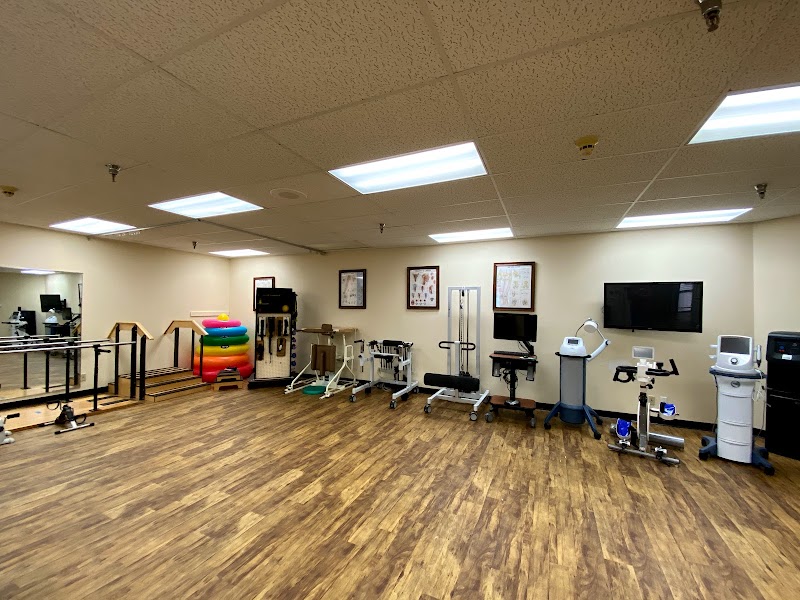
Who Owns and Operates Balch Springs?

BALCH SPRINGS NURSING HOME is owned by a for-profit company. For-profit facilities operate as businesses with obligations to shareholders or private owners. The facility is operated by ADVANCED HEALTHCARE SOLUTIONS, a chain that manages multiple nursing homes. With 120 certified beds and approximately 72 residents (about 60% occupancy), it is a mid-sized facility located in BALCH SPRINGS, Texas.
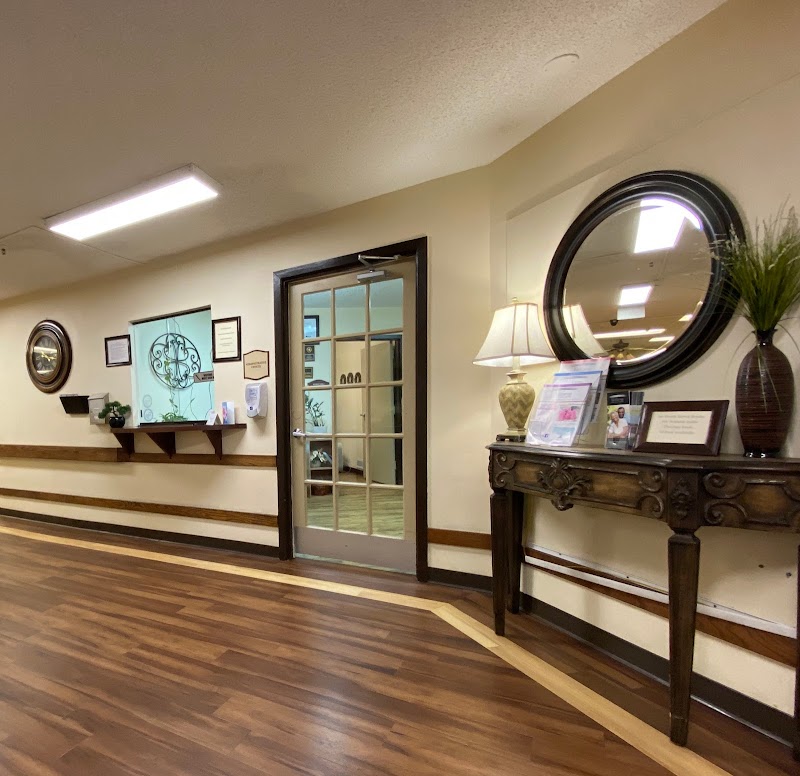
How Does Balch Springs Compare to Other Texas Nursing Homes?

Compared to the 100 nursing homes in Texas, BALCH SPRINGS NURSING HOME's overall rating (4 stars) is above the state average of 2.8, staff turnover (51%) is near the state average of 46%, and health inspection rating (4 stars) is above the national benchmark.

What Should Families Ask When Visiting Balch Springs?

Based on this facility's data, families visiting should ask: "Can you walk me through typical staffing levels on day, evening, and night shifts?" "Can I visit during a mealtime to observe dining assistance and food quality?" "How do you handle medical emergencies, and what is your hospital transfer rate?" "Can I speak with family members of current residents about their experience?" These questions are particularly relevant given the below-average staffing rating.

Is Balch Springs Safe?

Based on CMS inspection data, BALCH SPRINGS NURSING HOME has a clean safety record: no substantiated abuse findings (meaning no confirmed cases of resident harm), no Immediate Jeopardy citations (the most serious violation level indicating risk of serious injury or death), and is not on the Special Focus Facility watch list (a federal program monitoring the lowest-performing 1% of nursing homes). The facility has a 4-star overall rating and ranks #1 of 100 nursing homes in Texas. While no facility is perfect, families should still ask about staff-to-resident ratios and recent inspection results during their visit.

Do Nurses at Balch Springs Stick Around?

BALCH SPRINGS NURSING HOME has a staff turnover rate of 51%, which is about average for Texas nursing homes (state average: 46%). Moderate turnover is common in nursing homes, but families should still ask about staff tenure and how the facility maintains care continuity when employees leave.

Was Balch Springs Ever Fined?

BALCH SPRINGS NURSING HOME has no federal fines on record. CMS issues fines when nursing homes fail to meet care standards or don't correct problems found during inspections. The absence of fines suggests the facility has either maintained compliance or corrected any issues before penalties were assessed. This is a positive indicator, though families should still review recent inspection reports for the full picture.

Is Balch Springs on Any Federal Watch List?

BALCH SPRINGS NURSING HOME is not on any federal watch list. The most significant is the Special Focus Facility (SFF) program, which identifies the bottom 1% of nursing homes nationally based on persistent, serious quality problems. Not being on this list means the facility has avoided the pattern of deficiencies that triggers enhanced federal oversight. This is a positive indicator, though families should still review the facility's inspection history directly.