BEDFORD WELLNESS & REHABILITATION
2001 FOREST RIDGE DR, BEDFORD, TX 76021 (817) 571-6804
For profit - Individual 166 Beds OPCO SKILLED MANAGEMENT Data: November 2025 1 Immediate Jeopardy citation
Trust Grade
13/100
#643 of 1168 in TX
Last Inspection: September 2024

Within standard 12-15 month inspection cycle. Federal law requires annual inspections.

Overview

Bedford Wellness & Rehabilitation has received a Trust Grade of F, indicating significant concerns about the quality of care provided at this facility. Ranking #643 out of 1168 nursing homes in Texas places it in the bottom half of facilities statewide, and at #34 out of 69 in Tarrant County, it suggests that many better options are available nearby. The facility is worsening, with the number of issues identified increasing from 2 in 2024 to 5 in 2025. Staffing is a notable weakness, rated at 1 out of 5 stars, with a 52% turnover rate, indicating that many staff members leave, potentially affecting the continuity of care. Specific incidents of concern include the failure to provide timely transportation for residents after medical appointments, causing distress and missed meals, and inadequate management of enteral nutrition and insulin administration, which places residents at risk for serious health complications. While there is good RN coverage, with more registered nurses than 81% of Texas facilities, the overall picture reflects both strengths and significant weaknesses that families should carefully consider.

Trust Score
F
13/100
In Texas
#643/1168
Bottom 45%
Safety Record
High Risk
Review needed
Inspections
Getting Worse
2 → 5 violations
Staff Stability
⚠ Watch
52% turnover. Above average. Higher turnover means staff may not know residents' routines.
Penalties
✓ Good
$25,782 in fines. Lower than most Texas facilities. Relatively clean record.
Skilled Nurses
○ Average
Each resident gets 30 minutes of Registered Nurse (RN) attention daily — about average for Texas. RNs are the most trained staff who monitor for health changes.
Violations
⚠ Watch
16 deficiencies on record. Higher than average. Multiple issues found across inspections.
★★☆☆☆
2.0
Overall Rating
★☆☆☆☆
1.0
Staff Levels
★★★★★
5.0
Care Quality
★★☆☆☆
2.0
Inspection Score
Stable
2024: 2 issues
2025: 5 issues

The Good

  • 5-Star Quality Measures · Strong clinical quality outcomes
  • Full Sprinkler Coverage · Fire safety systems throughout facility
  • No fines on record

Facility shows strength in quality measures, fire safety.

The Bad

2-Star Overall Rating

Below Texas average (2.8)

Below average - review inspection findings carefully

Staff Turnover: 52%

Near Texas avg (46%)

Higher turnover may affect care consistency

Federal Fines: $25,782

Below median ($33,413)

Moderate penalties - review what triggered them

Chain: OPCO SKILLED MANAGEMENT

Part of a multi-facility chain

Ask about local staffing decisions and management

The Ugly 16 deficiencies on record

1 life-threatening 2 actual harm
Mar 2025 1 deficiency
CONCERN (D) 📢 Someone Reported This

A family member, employee, or ombudsman was alarmed enough to file a formal complaint

Potential for Harm - no one hurt, but risky conditions existed

Deficiency F0811 (Tag F0811)

Could have caused harm · This affected 1 resident

**NOTE- TERMS IN BRACKETS HAVE BEEN EDITED TO PROTECT CONFIDENTIALITY** Based on observation, interview and record review, the facility failed to ensure staff had successfully completed a State-approv...

Read full inspector narrative →
**NOTE- TERMS IN BRACKETS HAVE BEEN EDITED TO PROTECT CONFIDENTIALITY** Based on observation, interview and record review, the facility failed to ensure staff had successfully completed a State-approved training course for feeding assistance before feeding residents who required staff to feed them, for 1 of 1 residents (Resident #1) reviewed for meal assistance. The facility did not ensure the Social Worker completed a state approved training course for feeding residents before assisting Resident #1 with feeding. This failure could place residents who required assistance with eating at risk of aspiration and choking. Findings included: Record review of Resident #1's admission record, dated 03/20/2025, revealed an [AGE] year-old female who admitted to the facility on [DATE] with diagnoses that included Parkinson's Disease (A neurodegenerative disease primarily affecting the central nervous system affecting both motor and non-motor systems), generalized anxiety disorder, and essential tremor (a neurological condition causing involuntary, rhythmic shaking). Record review of Resident #1's admission MDS assessment, dated 02/13/2025, revealed a BIMS score of 12, indicating moderate cognitive impairment. Further review of the MDS revealed Resident #1 required supervision with eating. Observation on 03/20/2025 at 1:51 pm, revealed Resident #1 lying in bed. The Social Worker was standing up next to Resident #1's bed, wearing gloves and feeding Resident #1 a tuna sandwich. The Social Worker would bring up the sandwich to Resident #1's mouth and she would take a bite. Resident #1 was observed holding another sandwich with her left hand but was not able to bring her hand up to her mouth. Interview on 03/20/2025 at 2:00 pm, the Social Worker stated his duties included to walk around and see who needed help and he would assist residents with meals if the situation came up. He stated he could not say for sure if he was trained to assist residents with feeding. He stated he wore gloves for health concerns and some residents preferred that they wore gloves. He stated there could be a dignity issue when standing over residents while feeding. The Social Worker stated CNAs usually assisted residents with meals, and he did not assist any other residents with feeding today. Interview on 03/26/2025 at 11:31 am, the Administrator stated CNAs and nurses were trained how to feed as part of their competency. He stated they did general in-services on customer service but no training on how to feed residents. He stated Resident #1 was able to feed herself, and the Social Worker was assisting. He stated all of the department heads had been checked off on checking trays, puree and mechanical diets. The Administrator stated the Social Worker was setting up and not feeding Resident #1. The Administrator stated when the SW brought the food to Resident #1's mouth, it was not considered feeding and the SW was setting up. He stated the risk was an employee not knowing if something was not right with the patient while feeding but it did not apply in this case. Surveyor requested feeding and/or paid feeding assistant policy. Interview on 03/26/2025 at 2:19 pm, the DON stated Resident #1 was normally independent, able to feed herself and the managers could set up the tray for her. She stated the risk if staff were not trained could be choking or giving the wrong diet, but she stated she did not think the SW was feeding Resident #1. The DON stated there was no policy on assisted feeding and normally the skills were taught at school so the CNAs and Nurses were trained already. Record review of the Social Worker's file and training record revealed no state approved feeding training course was taken.
Feb 2025 3 deficiencies
CONCERN (D) 📢 Someone Reported This

A family member, employee, or ombudsman was alarmed enough to file a formal complaint

Potential for Harm - no one hurt, but risky conditions existed

Deficiency F0655 (Tag F0655)

Could have caused harm · This affected 1 resident

**NOTE- TERMS IN BRACKETS HAVE BEEN EDITED TO PROTECT CONFIDENTIALITY** Based on interviews and record review the facility failed to develop and implement a baseline care within 48 hours of admission ...

Read full inspector narrative →
**NOTE- TERMS IN BRACKETS HAVE BEEN EDITED TO PROTECT CONFIDENTIALITY** Based on interviews and record review the facility failed to develop and implement a baseline care within 48 hours of admission that included the instructions needed to provide effective and person-centered care of the resident that meet professional standards of quality care for 1 of 4 residents (Resident #1) reviewed for baseline care plans. The facility failed to create a baseline care plan for Resident #1 within 48 hours of admission that addressed the resident's need for indwelling catheter care. This failure could place the resident at risk of infection, a lack of continuity of care and communication among nursing home staff, reduced resident satisfaction of care, and reduced safeguards against adverse events that are most likely to occur right after admission. Findings included: Review of Resident #1 face sheet, dated 2/20/2025, revealed that Resident #1 was a [AGE] year-old male admitted on [DATE] with diagnoses of acute kidney failure and depression. Review of Resident #1 physician orders, dated 2/13/2025, revealed that there were orders for maintaining indwelling Foley catheter, providing catheter care every shift and as needed. Record review of care plan for Resident #1 on 2/18/2025 revealed no information or interventions about resident's acute kidney failure diagnosis or plan for indwelling catheter care and maintenance . Observation on 2/20/2025 at 1:00pm, RN A went in Resident #1's room to change the catheter collection bag for Resident #1. Resident #1 had a Foley catheter that needed the collection bag to be changed due to the catheter tube appearing cloudy. Interview on 2/20/2025 at 3:03pm with the DON revealed that the baseline care plan should be done within 48 hours after admission. The interdisciplinary team (IDT) including the ADON, the dietitian, the administration, the social worker, the activity director, and the therapy manager were responsible for developing a baseline care plan. The ADON then will review everything and finalize the baseline care plan . The DON said that the risk of not having a baseline care plan was that residents would not be cared for effective and had their needs met. Review of the facility's Care Planning policy, dated January 2024, revealed that the purpose of a care plan was to ensure that a comprehensive person-centered Care Plan is developed for each resident based on their individual assessed needs. It also stated that: The Facility will develop a person-centered Baseline Care Plan for each resident within 48 hours of admission. The Baseline Care Plan will include at least the following information: A. Initial goals based on admission orders B. Physician orders C. Dietary orders D. Therapy services E. Social services F. PASARR recommendations, if applicable
CONCERN (D) 📢 Someone Reported This

A family member, employee, or ombudsman was alarmed enough to file a formal complaint

Potential for Harm - no one hurt, but risky conditions existed

Comprehensive Care Plan (Tag F0656)

Could have caused harm · This affected 1 resident

**NOTE- TERMS IN BRACKETS HAVE BEEN EDITED TO PROTECT CONFIDENTIALITY** Based on interviews and record review, the facility failed to develop and implement a comprehensive person-centered care plan fo...

Read full inspector narrative →
**NOTE- TERMS IN BRACKETS HAVE BEEN EDITED TO PROTECT CONFIDENTIALITY** Based on interviews and record review, the facility failed to develop and implement a comprehensive person-centered care plan for 1 of 24 residents (Resident #2) reviewed for comprehensive care plans. Resident #2's care plan did not address the resident's need to receive enteral feeding provided by the facility with goals or interventions. This deficient practice could result in a loss of quality of life due to residents receiving improper care. Findings included: Record review of Resident #2's face sheet, dated 2/20/2025, revealed Resident #2 was a [AGE] year-old male admitted to the facility on [DATE] with diagnoses which included hemiplegia (paralysis of one side of body) and hemiparesis (one-sided muscle weakness) affecting dominant left side, type 2 diabetes, and acute kidney failure. The resident was discharged from the facility on 2/11/2025. Record review of Resident #2's admission MDS, dated [DATE], indicated that the resident's nutritional approach while he was a resident of the facility should be via feeding tube. Record review of Resident #2's orders, dated 1/17/2025, revealed that there were orders related to enteral feedings. The orders included providing bolus enteral feeding five times a day, flushing of g-tube, and cleansing of g-tube every shift. There was also an order of NPO (nothing by mouth) dated 1/27/2025. Record review of Resident #2's Comprehensive Care plan, dated 1/17/2025, revealed there was no care plan related to resident's enteral feeding with specific goals and interventions . In an interview with the DON on 2/20/2025 at 3:00pm, she stated that the enteral feeding should be included in the Comprehensive Care Plan. She stated that the IDT met and developed a comprehensive care plan. The DON then will finalize the comprehensive care plan. She stated that a comprehensive care plan was important because everybody can provide care for a resident by looking at it and make sure that a resident received proper care with a detailed care plan. She stated that she was not sure why the enteral feeding was not included in Resident #2's comprehensive care plan. Record review of facility's policy titled Care Planning, dated January 2024, the policy stated that each resident's Comprehensive Care Plan will describe . the services that are to be furnished to attain or maintain the resident's highest practicable physical, mental and psychosocial well-being. The Comprehensive Care Plan must be completed within 7 days after completion of the Comprehensive admission Assessment and must be periodically reviewed and revised by a team of qualified persons after each assessment, including the comprehensive and quarterly review assessments.
CONCERN (D) 📢 Someone Reported This

A family member, employee, or ombudsman was alarmed enough to file a formal complaint

Potential for Harm - no one hurt, but risky conditions existed

Infection Control (Tag F0880)

Could have caused harm · This affected 1 resident

**NOTE- TERMS IN BRACKETS HAVE BEEN EDITED TO PROTECT CONFIDENTIALITY** Based on observations, interviews, and record review, the facility failed to maintain an infection prevention and control measur...

Read full inspector narrative →
**NOTE- TERMS IN BRACKETS HAVE BEEN EDITED TO PROTECT CONFIDENTIALITY** Based on observations, interviews, and record review, the facility failed to maintain an infection prevention and control measure designed to provide a safe, sanitary environment to help prevent the development and transmission of communicable diseases and infections for 1 of 5 (Resident #1) residents reviewed for infection control. RN A and ADON B failed to put on Personal Protective Equipment (PPE) while providing catheter care on Resident #1, who was on Enhanced Barrier Precaution (EBP). RN A failed to perform aseptic technique when performing catheter care for Resident #1. This deficient practice could place residents and nursing staff at risk of transmission of communicable diseases and infections. Findings included: Review of Resident #1's face sheet, dated 2/20/2025, revealed that Resident #1 was a [AGE] year-old male admitted on [DATE] with diagnoses of acute kidney failure and depression. Review of Resident #1's physician orders, dated 2/13/2025, revealed that EBP should be practiced during care related to indwelling catheter. The order stated that Staff members will wear a clean gown and gloves while performing high contact resident care activities to include: Dressing, Bathing/ Showering, transferring, providing hygiene, changing linens, changing briefs or toileting assistance, and/or caring for indwelling medical devices like central lines, catheters, feeding tube, tracheostomy/ventilator. Observation on 2/20/2025 at 1:00pm, RN A went in Resident #1's room with a new catheter bag to replace the old catheter bag. There was a sign at the door marking EBP. He performed hand hygiene, did not wear a gown, proceeded to greet Resident #1 to inform him that he was going to change the catheter bag to a new one. He put on gloves, emptied the collection bag in a urinal, and started to remove the old tubing from the catheter port when he was struggling to remove it. He then proceeded to the bathroom to empty the urinal in the toilet and flushed. He removed his gloves, performed hand hygiene, and informed the state surveyor he's going to get a different pair of gloves of his size. He came back in the room, with ADON B, both performed hand hygiene, wore gloves but they did not wear a gown. ADON B assisted RN A in removing the old collection bag tube from the port. RN A attached the new inlet tube to the catheter port without performing aseptic technique, not wiping both the inlet tube and catheter port with alcohol wipe. He discarded the old collection bag in the trash, performed hand hygiene, and left Resident #1's room. In an interview on 2/20/2025 at 1:24pm with ADON B, he confirmed that this resident was on EBP and he stated both he and RN A should have worn a gown before performing the procedure. He stated the risk of not wearing PPE was transmission of infection. He also stated that he came in to help RN A remove the old tubing and he forgot to wear PPE. He did not notice if RN A performed aseptic technique, but he stated an alcohol wipe should be used to wipe the new inlet tube and the catheter port. In an interview on 2/20/2025 at 1:30pm, RN A stated that he forgot to wear a gown while providing catheter care to Resident #1. He also stated he did not wipe the port and the inlet tube with alcohol wipe before attaching the tube to the port. He said the risk of not wearing PPE and performing aseptic technique was transmission of infection. In an interview on 2/20/2025 at 3:00pm, the DON stated that the purpose of wearing PPE while providing care for a resident on EBP was to prevent transmission of diseases and infection. She stated she was shocked to learn that ADON B and RN A did not wear PPE while providing catheter care to Resident #1 because they both have been in-serviced about infection control. She also stated that aseptic technique should be used while providing catheter care and changing catheter collection bag. She stated RN A was supposed to wipe the catheter port and the inlet tube with alcohol wipes before attaching them. Review of facility's Catheter care manual, dated 6/2020, section Collection bag stated that aseptic technique must be used to change the drainage bag. The catheter-tubing junction must be disinfected with an alcohol or chlorhexidine (CHG) sponge prior to connecting the new drainage bag. Review of facility's Standard and Enhanced Precaution Policy, dated April 2024, revealed that Enhanced Barrier Precautions (EBP) refers to an infection control intervention designed to reduce transmission of multidrug-resistant organisms that employs targeted gown and glove use during high contact resident care activities . such as presence of indwelling devices (e.g., urinary catheter, feeding tube, endotracheal or tracheostomy tube, vascular catheters) and wounds or presence of unhealed pressure ulcers. For residents whom EBP are indicated, EBP should be used when performing high-contact resident care activities such as Device care or use: central line, urinary catheter, feeding tube, tracheostomy/ventilator.
Jan 2025 1 deficiency
CONCERN (D) 📢 Someone Reported This

A family member, employee, or ombudsman was alarmed enough to file a formal complaint

Potential for Harm - no one hurt, but risky conditions existed

Deficiency F0761 (Tag F0761)

Could have caused harm · This affected 1 resident

**NOTE- TERMS IN BRACKETS HAVE BEEN EDITED TO PROTECT CONFIDENTIALITY** Based on observation, interview, and record review, the facility failed to ensure, in accordance with State and Federal laws, al...

Read full inspector narrative →
**NOTE- TERMS IN BRACKETS HAVE BEEN EDITED TO PROTECT CONFIDENTIALITY** Based on observation, interview, and record review, the facility failed to ensure, in accordance with State and Federal laws, all drugs and biologicals were stored in locked compartments and only authorized personnel have access to the keys for 1 (Medication Cart and Medication Cart Keys on RH #1400) of 3 medication carts reviewed for storage of medication. LVN N failed to ensure that medication cart keys and drawers were secured before walking away from the cart on RH #1400. This failure could place residents at risk of overdosing, theft of medication cart keys, and drug diversion. Findings included: In an observation on 01/14/2025 at 1:15 PM, a medication cart was observed unlocked on RH #1000 with the red button extended indicating it was not locked, and the medication cart keys lying on top of the cart. There was not a facility staff with the cart and keys. At 1:18 PM the SSD was observed walking toward the surveyor and medication cart. The surveyor asked who was the authorized staff that was in possession and control of the medication cart and keys. The SSD searched and found out that LVN N was the assigned staff to the medication cart. LVN N was located by SSD in resident room [ROOM NUMBER]. In an interview with LVNN on 01/14/25 at 2:05 PM, she stated she was called to assist a CNA with a blood sugar patient, and this distracted her, and she forget to lock the cart and take the keys. She stated she has never left an unlocked medication cart and keys exposed before. LVN N stated it was important for the medication cart to be locked when unattended and the keys in her possession (in her pocket) to prevent staff, visitors, and residents from accessing resident medications, blood sugar machines, sharp objects, and preventing drug diversions. She said the risk of leaving the medication cart unlocked with the keys on top, could lead to patient's accessing medication, missing keys, and resulting in a negative or adverse reactions causing harm. In an interview with the DON on 01/14/25 at 2:58 PM, revealed it was her expectation that all authorized staff lock the medication cart and keep the keys on them at all times before walking away. The risk of failing to lock the medication cart and secure medication keys, could lead to theft of medication, theft of keys, resident missed medication, uncertified staff, visitors, and residents from having access to the medications and supplies located inside the cart. She stated the potential harm to residents include medication overdose, have an allergic reaction, and possible adverse reaction. The DON stated it was the responsibility of the DON and ADON to monitor and audit medication cart security and safety at the facility. In interview with the ADM on 01/14/25 at 3:11 PM revealed it was his expectation for all authorized medication staff to secure medication cart, lock, and keep keys with them at all times to prevent drug diversions, resident, staff, and visitors from accessing. He said the potential medication drug carts left unsecured, patient take self-administering, adverse allergic reactions, and other life-threatening incidents. In a record review of facility policy titled Storage of Medication dated 09/2018 reflected Medications and biologicals are stored safely, securely, and properly, following manufacturer' recommendations or those of the supplier. The medication supply is accessible only to licensed nursing personnel, pharmacy personnel, or staff members lawfully authorized to administer medications .Only licensed nurses, pharmacy personnel, and those lawfully authorized to administer medications (such as medication aides) are permitted to access medications. Medication rooms, carts, and medication supplies are locked when they are not attended by persons with authorized access.
Sept 2024 2 deficiencies 1 IJ
CRITICAL (J)

Immediate Jeopardy (IJ) - the most serious Medicare violation

Free from Abuse/Neglect (Tag F0600)

Someone could have died · This affected 1 resident

**NOTE- TERMS IN BRACKETS HAVE BEEN EDITED TO PROTECT CONFIDENTIALITY** Based on observation, interview, and record review, the facility failed to ensure residents were free from neglect for two of th...

Read full inspector narrative →
**NOTE- TERMS IN BRACKETS HAVE BEEN EDITED TO PROTECT CONFIDENTIALITY** Based on observation, interview, and record review, the facility failed to ensure residents were free from neglect for two of three residents (Resident #127 and Resident #56) reviewed for abuse, neglect, and exploitation. 1. The facility failed to provide timely transportation for Resident #127 when he was finished with his medical appointment, being wheelchair bound, offsite from the facility. On 9-10-2024 Resident #127 was not picked up by a transportation driver for over 4 hours causing him to miss his lunch meal, pain medication time for Tramadol PRN every 4 hours (which the resident could have received at 11:00 AM but did not), causing psychosocial harm (resident was crying and felt abandoned which was exacerbated due to the resident's post-traumatic stress disorder). 2. The facility failed to provide timely transportation for Resident #56 on 09-09-2024 due to the van lift malfunction and required his appointment to be rescheduled. The facility failed to provide timely transportation for Resident #56 on 09-10-2024 and was approximately an hour late for his appointment. A IJ was identified on 9-11-2024. The IJ template was provided to the facility on 9-11-2024 at 3:33 PM. While the IJ was removed on 9-11-2024, the facility remained out of compliance at a severity level of no actual harm and a scope of pattern due to the facility's need to evaluate the effectiveness of the corrective systems. This failure placed residents at risk for neglect causing pain, mental anguish, or emotional distress. Findings included: Review of Resident #127's face sheet dated 9-11-2024, reflected the resident was a [AGE] year-old male with an admission date of 6-21-2024. His diagnoses include fracture of the left femur (a break in the left thighbone), anxiety disorder, type 2 diabetes, PTSD (a mental disorder that develops in some people who have experienced a shocking, scary, or dangerous events), COPD (lung disease making it difficult to breath), and a history of falling. Record review of Resident #127's Comprehensive MDS assessment dated [DATE] reflected a BIMS score of 11 indicating moderate mental impairment. Resident #127's functional abilities revealed he required Substantial/maximal assistance (where the helper does more than half the effort. Helper lifts or holds the trunk or limbs and provides more than half the effort) from a sitting position to a standing position and not attempted due to medical condition or safety concerns to car transfer: The ability to transfer in and out of a car or van on the passenger side. Does not include the ability to open/close door or fasten seat belt. Review of Resident #127's Care Plan dated 9-11-2024 indicated he was at risk for skin breakdowns causing redness, blisters, bruises, discoloration, was care planned for pain management stating to anticipate Resident #127's need for pain relief and respond immediately, was on psychotropic medication for PTSD, and had wound management which encouraged Resident #127 to elevate his legs to be free of infection. Review of Resident #127's MAR revealed Resident# 127 was ordered for pain management PRN every 4 hours for Tramadol oral tablet and Tylenol 2 tablets. In an observation on 9-10-2024 at 1:30 PM, Resident #127 was entering the facility, being pushed in a wheelchair, by a family friend in an upset mood. The family friend #1 pushed Resident #127 into his bedroom. In an observation and interview on 9-10-2024 at 1:37 PM, it was revealed, by family friend #1, that Resident #127 just returned from his doctor's appointment because the transportation driver never returned to pick Resident #127 up when his appointment was completed. Family friend #1 said he was very upset with the facility. Family friend #1 stated Resident #127 finished his appointment at the orthopedic surgeon's office at 9:15 AM, the doctor's staff called Driver B to pick up Resident #127 at 9:15 AM, and by 1:09 PM no one had come to pick Resident #127 up. Family friend #1 said after waiting for hours Resident #127 began to get upset, get hungry, and cry because no one had come to pick him up. Family friend #1 said Resident #127 started getting weak sitting in his wheelchair for so long that he started to slide out of it. Family friend #1 said he then called Resident #127's Family Member #1 at 1:09 PM to let her know the situation. Family friend #1 said he was told by Resident #127's Family Member #1 to transport Resident #127 back to the facility as this was ridiculous for no one to come in over 4 hours to pick Resident #127 up. In an observation and interview on 9-10-2024 at 3:08 PM, Resident #127 was lying in his bed tilted up in a 45-degree angle and said he was kept waiting at his doctor's office today for over 4 hours after his appointment was completed. Resident #127 began crying and was visibly upset saying he felt abandoned by the facility. Resident #127 said he felt pain while he was waiting to be picked up as he dealt with psoriasis over his entire buttocks area and between his legs in his crouch area. Resident #127 said his pain level got to a level 10 while waiting to be picked up. Resident #127 said when he sat for long periods of time it made his psoriasis affected areas painful. Resident #127 stated his normal pain level was a 0. In an interview with Resident #127's Family Member #1 on 9-10-2024 at 3:10 PM it was revealed that the driver never came back to the doctor's office to pick up Resident #127 this morning for over 4 hours. Resident #127's Family Member #1 said she paid family friend #1 to keep Resident #127 company when she could not be with Resident #127 because she worked on a job. Resident #127's Family Member #1 said family friend #1 does not transport Resident #127 but the facility does. Resident #127's Family Member #1 said after Resident #127 waited for over 4 hours to be picked up he became upset, started feeling weak, got in pain, and was hungry. Resident #127's Family Member #1 said after a 4 hour wait, she asked family friend #1 if he would bring Resident #127 back to the facility. Resident #127's Family Member #1 said this has happed before on medical appointments but could not name specific times. In an interview on 9-10-2024 at 2:05 PM the Transportation Manager revealed she has worked at the facility since 12-2023. The Transportation Manager said the facility use to outsource driving residents but due to budget cuts and unreliable service, the facility uses 1 van and 2 inhouse drivers. The Transportation Manager said the facility brought residents to their medical appointments including dialysis. The Transportation Manager said transportation has been a problem since she has worked at the facility because the nursing staff haven't had the residents dressed on time or haven't had the necessary paperwork ready, and the facility only has one van servicing the entire facility. The Transportation Manager said the reason Resident #127 wasn't picked up this morning for 4 hours, after his appointment was finished, was that Driver B was picking up and dropping off other residents. The Transportation Manager said the concern for residents who are not picked up from their appointments timely was that some of them could have been diabetic or have other medical problems they may have needed help with. She stated that the facility tried to outsource transportation for Resident #127 but the resident would have to wait longer. The Transportation Manager said in her opinion the facility needed more transportation vehicles and drivers to meet the demand of the facility. The Transportation Manager said the facility did not keep a transportation log of when residents arrived at appointments nor when they were picked up from the facility. The Transportation Manager said she was told by the Administrator to not outsource any driving for the facility due to budget cuts. Resident #56 also had an appointment with an orthopedic. In an interview with the Orthopedic Doctor's Office Staff for Resident #127 on 9-10-2024 at 4:53 PM, it was revealed that Resident #127 completed his medical appointment on 9-10-2024 at 9:12 AM and the staff called Driver B, at that time, to pick up Resident #127. The Orthopedic Doctor's Office Staff for Resident #127 said they made a 2nd call to Driver B at 10:26 AM telling her Resident #127 was ready to be picked up. The Orthopedic Doctor's Office Staff for Resident #127 said at 11:50 AM Driver B called them saying she was on her way to pick up Resident #127. In an interview with Driver B on 9-11-2024 at 11:10 AM, it was revealed she has worked at the facility since 8-14-2024. Driver B said there was only 1 van and 2 drivers for the entire facility. Driver B said the facility does not provide a facility phone to keep in touch with the facility, the doctor's office, or the residents. Driver B said the reason she was so late in picking up Resident #127 yesterday was because the facility had her going to so many appointments for other residents, she could not pick Resident #127 up timely. Driver B said she did not get back to Resident #127's location to around 1:00 PM. Driver B said picking up residents for their medical appointments and bringing them back to the facility has been a problem since she has worked at the facility. Driver B said the concern for residents being picked up late from their appointments was when they sit so long there could be potential health risk as they may be feeling weak from dialysis appointment or may need something to eat. In interview with Driver B on 09/11/2024 at 11:07 AM she stated that she left late for Resident #56's appointment because Resident #56 was not ready when she arrived to transport him. She stated this was an ongoing issue that she has reported to her the Transportation Manager. She stated that Resident #56's appointment was at 9:15 AM but she was not able to leave the facility until 9 or 10 AM and returned Resident #56 to the facility around 11 AM. She stated that Resident #56 was late to his appointment but was seen by the doctor. In interview with Driver A on 09/13/2024 at 8:48 AM, he stated that it was his first day on the job on 09/09/2024. He stated that he recalled leaving the facility with Resident #56 to transport him to his appointment around 2:30 PM that day. He stated that he could not get the lift to lower at the doctor's appointment and called DRIVER B to trouble-shoot. He stated it took too long and Resident #56's Family Member #3 had to reschedule his appointment. He stated that Resident #56's Family Member #3 had a right to be mad about missing his appointment. He stated it was important for residents at the facility to be at their appointments timely for resident care. 2. Review of Resident #56's Face Sheet, dated 09/11/2024, revealed he was a [AGE] year-old male re-admitted to the facility from an acute care hospital on [DATE]. Relevant diagnoses included right femur fracture (bone break,) cerebral infarction (disrupted blood flow to the brain,) hypertension (high blood pressure,) type 2 diabetes (insulin resistance,) and history of falling (result of gravity (from vertical to a horizontal position with gravitational force considerations.) Review of Resident #56's Comprehensive Care Plan, dated 09/10/2024, revealed he had an ADL Self Care Performance Deficit related to debility and required partial/moderate assistance for transfers. He was at risk for falls and had a fall without injury on 09/01/2024. Additionally, Resident #56 had diabetes and required medication and monitoring for side effects and effectiveness. Resident #56 had a potential risk for skin breakdown, had occasional forgetfulness, and was on anticoagulant therapy. Review of Resident #56's admission MDS dated [DATE] revealed he was severely cognitively impaired and had a BIMS score of 06. He was dependent where helper does all the effort for car transfers and required partial/moderate assistance for toileting. No current or prior device aids (wheelchair, lift, walker, etc) were documented. In interview with Resident #56 and his Family Member #3 on 09/10/2024 at 4:31 PM he did not recall specifics of his transportation and asked me to defer to his Family Member #3 for information. In an interview with Resident #56's Family Member #3 on 09/10/224 at 4:31 PM she stated that she has had transportation issues on 09/09/2024 and 09/10/2024. She stated on 09/09/2024, he missed his appointment because the wheelchair van lift malfunctioned, and he was not able to get out of the van on time to make his appointment. She stated on 09/10/2024 he was an hour late to his appointment and almost missed that appointment, but the doctor was nice enough to take him late. She stated she was infuriated that she cannot depend on the facility to take Resident #56 to his appointments on time. She stated that Resident #56's dementia had progressed so much he cannot keep track of his own schedule and she needs to trust the facility to reliably take him to his appointments for his overall healing and wellbeing. In an interview with facility Transportation Manager on 09/10/2024 at 4:38 PM she stated she was not sure about the specifics of Resident #56's transportation information and requested to review her documentation. In interview with facility Transportation Manager on 09/11/2024 at 10:36 AM she stated that on 09/09/2024 the transportation driver for Resident #56 was Driver A, but it was his first day on the job. She stated that Resident #56 successfully was loaded into the van, but Driver A had issues getting Resident #56 out of the van once they arrived at the doctor's office. She stated the resident's appointment was missed and had to be rescheduled for a later date. She stated on 09/10/2024 the transportation driver was Driver B. She stated that she was aware that Driver B ran behind yesterday but was not sure of the specifics. She stated she was not authorized by the Administrator to use third party transportation because of costs but having only one van was not cutting it. Record review of the facility's Abuse and Neglect Policy dated 10-24-2022 stated: Purpose - To ensure the Facility establishes, operationalizes, and maintains an Abuse Prevention and Prohibition Program designed to screen and train employees, protect residents, and to ensure a standardized methodology for the prevention, identification, investigation, and reporting of abuse, neglect, mistreatment, misappropriation of property, and crime in accordance with federal and state requirements. Policy I. Each resident has the right to be free from mistreatment, neglect, abuse, involuntary seclusion, and misappropriation of property. The Facility has zero-tolerance for abuse, neglect, mistreatment, and/or misappropriation of resident property. Staff must not permit anyone to engage in verbal, mental, sexual, or physical abuse, neglect, mistreatment, or misappropriation of resident property . III. The Administrator is responsible for coordinating and implementing the Facility's abuse prevention policies, procedures, training programs, and systems . Procedure III. Training A. Covered individuals will be trained through orientation and on-going training sessions, no less than annually, on the following topics: i. Who is a covered individual responsible for reporting ii. Abuse prevention iii. Identification and recognition of signs and symptoms of abuse/neglect iv. Protection of residents during an abuse investigation v. Investigation vi. Reporting and documentation of abuse and neglect without fear of reprisal . Prevention B. Supervisors shall immediately intervene, correct, and report identified situations where abuse, neglect or misappropriation of resident property is at risk for occurring . E. The Facility maintains adequate staffing on all shifts to ensure that the needs of each resident are met . Identification ii. Physical Neglect a. Malnutrition and dehydration (unexplained weight loss) b. Poor hygiene c. Inappropriate clothing (soiled, tattered, poor fitting, lacking, inappropriate for season) d. Decayed teeth e. Improper use/administration of medication; f. Inadequate provision of care g. Caregiver indifference to resident's personal care and needs h. Failure to provide privacy. i. Leaving someone unattended who needs supervision . iii. Possible Signs and Symptoms of Psychological Abuse or Neglect a. Resident clings to caregiver/abuser b. Paranoia . IX. Reporting/Response A. Facility Staff are Mandatory Reporters i. Facility owners, operators, employees, managers, agents, and contractors are obligated by the Elder Justice Act and any state specific regulations to report known or suspected instances of abuse of elder or dependent adults . H. Appropriate professional and licensing boards will be notified when a Facility Staff member is found to have committed abuse, neglect, or mistreatment of residents. On 9-11-2024 at 3:30 PM, the Administrator and the DON were notified that an Immediate Jeopardy had been identified concerning Resident #127 not being picked up for over 4 hours away from the facility. The Administrator stated he did not know anything about it. The IJ template was provided to the facility on 9-11-2024 at 3:33 PM. The facility was asked to provide a Plan of Removal to address the Immediate Jeopardy. The facility's Plan of Removal for the Immediate Jeopardy was accepted on 9-12-2024 at 11:48 AM and reflected the following: F600 On 9/11/2024 during a Full book survey at [Facility Name] at [Facility Address]. HHSC surveyor provided an IJ Template notification that the Survey Agency has determined that the conditions at the center constitute immediate jeopardy to resident health. The facility allegedly failed to provide services. Facility failed to provide transportation from MD appointment back to facility in a timely manner, Resident#127 was left for 4 hours at a doctor's appointment without transportation back to facility, resulting in the resident missing regular mealtimes, and experiencing psychosocial harm. The notification of the alleged immediate jeopardy states as follows: Resident #127 was left for four hours at a doctor's appointment without transportation back to the facility, resulting in the resident missing pain medication, not meeting regular mealtimes, and experiencing psychosocial harm. Identify residents who could be affected. All residents who go out on scheduled appointments and are transported via facility transportation have the potential to be affected. Identify responsible staff/ what action taken. 1. Director of Nurses/Administrator and ADON re-educated by the Regional Clinical Nurse on the facility policy on abuse/neglect and resident rights. With a completion date of 9/11/2024. 2. DON/ADON's educated by Regional Clinical Nurse on procedure for patients out on appointments which includes follow up if resident is out of facility on MD appointment greater than 3 hours, Nurse is to call MD office to follow up to ascertain patient status. With completion date of 9/11/2024 3. All licensed nurses RN and LVN educated by DON/ADON's on Abuse/neglect, resident rights, change in condition, and procedure for patients out on appointments which includes follow up if resident is out of facility on MD appointment greater than 3 hours, Nurse is to call MD office to follow up to ascertain patient status. With completion date of 9/11/2024 4. Training for all licensed nurses RN and LVN's, follow up for patients out on MD appointment by DON/ADON's with completion date of 9/11/2024. 5. All licensed staff RN/LVN in serviced on use of transportation log, which will be at every nursing station. Completion date of 9/11/2024 6. Facility driver and transportation coordinator educated on the following procedural change by Administrator. Facility driver to immediately notify transportation coordinator if unable to pick up resident/patient from appointment within an hour. The coordinator will immediately schedule with alternate vendor for immediate pick up/drop off. The Transportation coordinator will immediately notify Administrator/Director of Nursing/ Assistant Director of Nursing of the status of patient. Completion by 9/12/2024 7. All staff in-serviced on abuse/neglect, resident rights by administrator/DON with completion date of 9/11/2024. 8. Resident # 127 head to toe assessment completed by RN with no adverse findings. Pain assessment, skin assessment, trauma assessment all completed with no adverse findings. Social worker followed up with patient and no adverse findings. Primary MD, [Physician] notified. All completed on 9/11/2024. In-Service conducted. 1. Director of Nurses/Administrator and ADON re-educated by the Regional Clinical Nurse on the facility policy on abuse/neglect and resident rights. With a completion date of 9/11/2024. 2. DON/ADON's educated by Regional Clinical Nurse on procedure for patients out on appointments which includes follow up if resident is out of facility on MD appointment greater than 3 hours, Nurse is to call MD office to follow up to ascertain patient status. With completion date of 9/11/2024 3. Facility driver and transportation coordinator educated on the following procedural change by Administrator. Facility driver to immediately notify transportation coordinator if unable to pick up resident/patient from appointment within the hour. The coordinator will immediately schedule with alternate vendor for immediate pick up/ drop off. The transportation coordinator will immediately notify Administrator/ Director of Nursing of the status of patient. Completion date 9/12/2024. 4. All licensed nurses RN and LVN educated by DON/ADON's on Abuse/neglect, resident rights, change in condition, and procedure for patients out on appointments which includes follow up if resident is out of facility on MD appointment greater than 3 hours, Nurse is to call MD office to follow up to ascertain patient status. With completion date of 9/11/2024 5. Training for all licensed nurses RN and LVN's, follow up for patients out on MD appointment by DON/ADON's with completion date of 9/11/2024. 6. All staff in-serviced on abuse/neglect, resident rights by administrator/DON with completion date of 9/11/2024. 7. All licensed staff in-serviced on use of transportation log, which will be at every nurse's station, with completion date of 9/11/2024. Implementation of Changes Director of Nursing, Assistant Director of Nursing/Administrator re-educated on facility policy on abuse/neglect and resident rights by Completed on 9/11/2024 by Regional Nurse Consultant Director of Nursing, Assistant Director of Nursing educated by Regional Clinical Nurse on procedure for patients out on MD appointments which includes follow up if resident is out of facility on MD appointment greater than 3 hours, Nurse is to call MD office to follow up to ascertain patient status. With completion date of 9/11/2024. Facility driver and transportation coordinator educated on the following procedural change by Administrator. Facility driver to immediately notify transportation coordinator if unable to pick up resident/patient from appointment within the hour. The coordinator will immediately schedule with alternate vendor for immediate pick up/ drop off. The transportation coordinator will immediately notify Administrator/ Director of Nursing of the status of the patient. Completion dated 9/12/2024. All Licensed staff RN, LVN educated by Director of Nursing/Assistant director of Nursing on procedure for patients out on MD appointments, which includes follow up if resident is out of facility greater than 3 hours, Nurse is to call MD office to follow up to ascertain patient status. With Completion date of 9/11/2024. All licensed staff in-serviced on transportation log, to be kept at every nurse's station. The changes were started by the Regional Nurse Consultant. The changes were implemented effective on 9/11/2024 and training to be completed on 9/12/2024. Staff will not be allowed to work until they have been fully re-educated. All new hires will be educated on Abuse/neglect, resident rights, and procedure for patients out on MD appointments, which includes follow up if patient is out greater than 3 hours, Nurse to call MD office to follow up and ascertain patient status, prior to working the floor. The Director of Nursing will ensure competency through signing of in service, verbalization of understanding and completion of transportation log. The Director of Nursing will complete an audit of all outside appointments daily x 30 days then weekly thereafter. Monitoring The Administrator/Director of Nursing/Assistant Director of Nursing/Regional Nurse Consultant will be responsible for monitoring the implementation and effectiveness of in-service on 9/11/2024. The Director of Nursing/Assistant Director of Nursing/Regional Nurse Consultant will monitor/review all outside MD appointments and follow up daily x4 weeks, then weekly thereafter and report any adverse finding during QAPI. Director of Nursing/Assistant Director of Nursing will conduct a daily audit of transportation to outside appointments daily x4 weeks, then weekly thereafter and report any adverse findings during QAPI. Involvement of Medical Director The Medical Director met with the Interdisciplinary team on 9/11/2024 and conducted an Ad HOC QAPI regarding ensuring patients transferred back to facility from outside appointment in timely manner. The Medical Director was notified about the immediate Jeopardy on 9/11/2024, the Plan of removal was reviewed and accepted by Medical Director. Involvement of QA An Ad Hoc QAPI meeting was held with the Medical Director, facility administrator, director of nursing, to review the plan of removal on 9/11/24. Who is responsible for the implementation of the process? The Director of Nursing and Administrator will be responsible for the implementation of New Process. The New Process/ system was started on 9/11/2024. Please accept this letter as our plan of removal for the determination of Immediate Jeopardy issued on 9/11/2024. Monitoring the facilities Plan of Removal included the following: In an interview on 9-12-2024 at 10:30 AM, it was revealed that LVN C had worked at the facility for 20 years on the 6:00 AM to 2:00 PM shift. LVN C said she was in-serviced on transportation which covered keeping a special log for resident's name, time of appointment, time of pickup from the appointment, who the doctor was, and what was the resident seeing the doctor for. LVN C said the charge nurses would be responsible to ensure the residents are dressed, have their medications, have their paperwork for their appointments, and have eaten breakfast. LVN C stated the nurses would also enter this information in PCC. LVN C stated if a resident has not returned within 3 hours of leaving the facility, the nurse would contact the doctor's office to see if the appointment is finished and then would contact the driver to be picked up. LVN C said the potential risk to a resident, not being picked up timely, was It could be a potential for a lot of things such as they could be diabetic, they could get tired and may be a fall risk, and there could be incidents in the van or at the doctor's office. LVN C said the charge nurses would oversee the tracking of transportation and would make entries into Nursing Notes in PCC. In an interview on 9-12-2024 at 10:50 AM, LVN D said she had worked at the facility for 3 months on the 6:00 AM-2:00 PM shift and had been in-serviced on transportation. LVN D said the in-service included: the incident concerning Resident #127, the nurses were responsible for documenting in the transportation log when residents leave for appointments and put the information into PCC. LVN D stated if a resident was transported and gone for over 3 hours, the nurses were to call the doctor's office to see if the resident has been seen. LVN D stated the nurses were responsible the residents were tracked getting to an appointment and returning to the facility. LVN D said the risk to the resident not being timely transported was they could miss a treatment, appointments, and cause them not to get medicines on time. In an interview on 9-12-2024 at 11:00 AM, LVN E revealed she had worked at the facility for 6 years and was working the 6:00 AM - 2:00 PM shift. LVN E said she had been in-serviced on transportation. LVN E said there were new protocols put in place as the nurses were to check the transportation schedule and see what residents were on the schedule for that day. LVN E said there was a paper log where nurses enter patients name, destination, time of appointment, how the resident transports (stretcher, wheelchair, walk), and if the driver was from the facility or outsourced. LVN E said that the nurses were to call the doctor's office to see if there was a hold up or if the resident was waiting to be picked up. LVN E said the nurses will call the dialysis facility if a resident was over an hour late in getting back to the facility. LVN E said the risk to residents that were not picked up timely from appointments could be their blood sugar dropping, not getting medicines on time, and not getting fed. LVN E said the nurses were the primary ones to keep track of appointments by entering it into a paper transportation log and into PCC. LVN E said if a resident is over 30 minutes to an hour late getting back to the facility, she will check on them. In an interview with the DON on 9-12-2024 at 11:25 AM revealed the DON was in-serviced on transportation follow-up and what to educate the nurses on by following up and keeping track of the resident's appointments. The DON said now they have a monitoring tool in the transportation log. Resident's name, who is transporting, what time the resident is leaving and what time they return. The DON said to ensure this type of neglect does not happen again the facility has been sent a 2nd van to help with the transportation workload. The DON stated the DON, ADON, and Administrator will oversee monitoring the licensed nurses for effective follow-up. The DON stated the reason Resident #127 being left for over 4 hours at a medical appointment, without being picked up, was an IJ was complacency. The DON said she was just blown away with it. In an interview with the Administrator on 9-12-2024 at 11:40 AM it was revealed he was in-serviced by the Corporate Nurse to make sure facility van drivers notify the Transportation Manager when they are running an hour late or more, in picking up a resident, so the Transportation Manager can notify an outsourced driving service. The Administrator said he was in-serviced on abuse, neglect, resident rights, and a decision was made that licensed nurses have been trained in completing a transportation log when a resident has not returned from a medical appointment within 3 hours of leaving the facility. The Administrator said the DON and the ADONs would oversee the licensed nurses to ensure residents were followed up on when being transported. The Administrator said the reason this IJ was called was because the State alleged a resident was not picked up from a do[TRUNCATED]
CONCERN (D)

Potential for Harm - no one hurt, but risky conditions existed

Infection Control (Tag F0880)

Could have caused harm · This affected 1 resident

**NOTE- TERMS IN BRACKETS HAVE BEEN EDITED TO PROTECT CONFIDENTIALITY** Based observation, interview, and record review, the facility failed to maintain an Infection Prevention and Control Program des...

Read full inspector narrative →
**NOTE- TERMS IN BRACKETS HAVE BEEN EDITED TO PROTECT CONFIDENTIALITY** Based observation, interview, and record review, the facility failed to maintain an Infection Prevention and Control Program designed to provide a safe, sanitary, and comfortable environment and to help prevent the development and transmission of communicable diseases and infections for one (Resident #48) of seven residents observed for infection control. The facility failed to ensure Resident #48's foley bag was not lying on the floor detached from the bed. This failure could affect residents and place them at risk of illness and exposure to diseases. Findings include: Record review of Resident #48's Face Sheet dated 9-13-2024 reflected an [AGE] year-old male who admitted to the facility on [DATE] with diagnoses of [NAME] Nile Virus (a neurological disease contracted from mosquitoes causing headache, body aches, joint pains, vomiting, diarrhea, or rash) with Encephalitis (a serious condition that causes the brain to swell due to inflammation), Enteropathogenic Escherichia Coli Infection (a bacterial pathogen that adheres to intestinal epithelial cells, causing diarrhea), and Myocardial Infarction (heat attack). Record review of Resident #48's MDS revealed a BIMS score of 4 indicating severe cognitive impairment. Resident #48's functional abilities of his MDS revealed his that his toileting hygiene: (The ability to maintain perineal hygiene, adjust clothes before and after voiding or having a bowel movement .) which indicated he was a code of 1 (Dependent - Helper does all the effort to complete the activity. Or the assistance of 2 or more helpers is required for the resident to complete the activity.) Record review of Resident #48's care plan dated 9-13-2024 stated Resident #48 has an indwelling Foley Catheter 16FR 10cc bulb to bedside drainage Catheter: Obstructive Uropathy (a structural or functional hindrance of normal urine flow) .and to Check tubing for kinks and maintain the drainage bag off the floor. In an observation and interview on 9-10-2024 at 12:15 PM, Resident #48 was observed lying in bed with an indwelling catheter and the foley bag attached lying flat on the floor. Resident #48 said he did not know the foley bag was on the floor and he cannot control his bowel or bladder movement. Resident #48's Family Member #2 said she had been in Resident #48's bedroom for 45 minutes and the foley bag has been on the floor the entire time. In an observation and interview on 9-10-2024 at 12:25 PM LVN C was shown Resident #48's foley bag lying flat on the floor. LVN C said that is not good and left the room and came back wearing protective gloves to provide infection control and reattach the foley bag. In an interview on 9-10-2024, LVN C revealed she has worked at the facility for 20 years. LVN C said the concern for foley bags being on the floor was that it was an infection control issue, and it should not be on the floor. LVN C stated she works the hallway that includes Resident #48. In an interview on 9-10-2024 at 1:16 PM CNA K said the problem with a catheter foley bag being on the floor was that it was on the floor. CNA K said she did rounds to ensure foley bags were not on the floor. CNA K said if she would have walked in and saw a foley bag on the floor she would have told a charge nurse. In an interview on 9-13-2024 at 3:00 PM, the DON revealed her expectations were that foley bags be kept off floors. The DON said it was the nursing staff's responsibility to ensure foley bags are kept off floors, but the CNAs can pick them up. The DON said the potential risk to residents having an attached foley bag was infections, germs, and stuff. Record review of the facilities Catheter Care Policy dated 6-2020 reflected the following: Catheter - Care of Nursing Manual - Nursing Care Policy No. - NP - 260 Confidential and Proprietary Information. Purpose: To prevent catheter-associated urinary tract infections while ensuring that residents are not given in dwelling catheters unless medically necessary. Policy I. Each resident who is incontinent of urine is identified, assessed, and provided appropriate treatment and services to achieve or maintain as much normal urinary function as possible . Procedure: III. Proper Techniques for Urinary Catheter Maintenance D. Urinary Flow-an unobstructed flow of urine should be maintained. In order to achieve a free flow of urine: i. Collection bags should always be kept below the level of the bladder, including during transport, avoiding contact with the floor .
Aug 2023 1 deficiency
CONCERN (D) 📢 Someone Reported This

A family member, employee, or ombudsman was alarmed enough to file a formal complaint

Potential for Harm - no one hurt, but risky conditions existed

Quality of Care (Tag F0684)

Could have caused harm · This affected 1 resident

**NOTE- TERMS IN BRACKETS HAVE BEEN EDITED TO PROTECT CONFIDENTIALITY** Based on interview, observation, and record review the facility failed to ensure residents received treatment and care in accord...

Read full inspector narrative →
**NOTE- TERMS IN BRACKETS HAVE BEEN EDITED TO PROTECT CONFIDENTIALITY** Based on interview, observation, and record review the facility failed to ensure residents received treatment and care in accordance with professional standards of practice, the comprehensive person-centered care plan, and the resident' choices for one (Resident #1) of five resident reviewed for wound care. LVN B failed to follow physician orders to complete wound care for Resident #1's and apply calcium alginate to the surgical wound to his right ischium (a paired bone of the pelvis that forms the lower and back part of the hip bone). This failure could place residents at risk for a deterioration in the condition of their wounds. Findings included: Review of Resident #1's Face Sheet, dated 08/15/23, revealed the resident was a [AGE] year-old male who admitted to the facility on [DATE] with diagnoses quadriplegia, acquired absence of unspecified leg above knee, contracture of left and right hands, diabetes, urinary tract infection, and post-traumatic stress disorder. Review of Resident #1's Quarterly MDS assessment, dated 07/27/23, reflected the resident had a BIMS score of 15 which indicated he was cognitively intact. The Quarterly MDS assessment reflected Resident #1 received surgical wound care. Review of Resident #1's Care Plan dated 08/15/23 reflected, the resident had an actual impairment to his skin integrity related to right ischial flap surgery. The Care Plan reflected; Resident #1 received wound management for the surgical wound to his right ischium. Care plan interventions included: Continue to encourage Resident #1 to allow wound care as ordered and administer treatments per treatment order and notify physician of resident refusals. Review of Resident #1's physician wound treatment orders and treatment administration record dated 07/21/2023 reflected cleanse right ischium with normal saline/wound cleanser, pat dry, apply Calcium Alginate, and cover with dry dressing Monday, Wednesday, Friday, and PRN if soiled or dislodged. In an interview on 08/15/2023 at 9:56 AM Resident #1 stated he had a skin injury to his bottom. Resident #1 stated the dressing was changed to his bottom on 08/14/23 by a nurse at 5:30 AM. Resident #1 stated his wound was supposed to be packed with something inside of the wound but none of the staff place anything inside of his wound and just place a dressing over top of his wound. In an interview on 08/15/23 at 10:14 AM with the facility wound care nurse LVN A stated she asked the charge nurse LVN B on 08/14/23 to change Resident #1s wound dressing on the 2:00 PM to 10:00 PM shift because it was the shift Resident #1 received his shower and the time in which his wound dressing would be changed. LVN A stated she asked LVN B to change the wound dressing for Resident #1 to ensure the resident did not have a wet dressing after his shower. An observation on 08/15/23 at 10:18 AM LVN A obtained permission from Resident #1 to observe the dressing to his right ischium. LVN A and the Director of Rehab entered resident room washed their hands with soap and water and donned gloves. LVN A along with assistance of the Director of Rehab assisted Resident #1 to a side lying position exposing his right hip. The dressing to Resident #1's right hip appeared clean dry and intact, the dressing had no date or initials indicating when or who performed the dressing change. LVN A removed the wound dressing covering Resident #1's right ischium and stated after inspection of the resident's wound there was nothing packed inside the wound. Resident #1 stated every nurse comes to him to provide wound care and placed a sticker on top of his wound and do not pack anything inside of it and because they do not pack anything inside of it his wound will not heal. LVN A disposed of the dressing and her gloves and washed her hands with soap and water, returned to her wound care cart and prepared wound care supplies to provide wound care to Resident #1's right ischium. LVN A verified the wound treatment order for Resident #1, using disinfectant wipe disinfected resident bedside table and allowed it to dry. LVN A sanitized hands her hands with ABHR, placed a wax paper on the bedside table as a barrier between the wound care supplies and bedside table. LVN A then took the bedside table with wound care supplies and placed it near Resident #1's bed. LVN A washed her hands with soap and water, donned gloves, assessed Resident #1's pain, resident stated he was in no pain. LVN A wound care nurse informed Resident #1 of each step of care before the care was provided. LVN A with assistance of Director or Rehab who cleansed her hands with soap and water and donned gloves positioned the resident on his side. LVN A using a measuring device and q-tip applicator measured the resident wound length, width and depth. LVN A disposed of the q-tip applicator measuring device and gloves in biohazard bag, sanitized her hands with ABHR, and donned new gloves. LVN A cleansed resident wound bed with soaked gauze and q-tip applicator, disposed of supplies and gloves, and sanitized her hands with ABHR. LVN A donned new gloves and with saline soaked gauze cleansed the resident's wound outer edges and surrounding skin, disposed of supplies and gloves and washed her hands with soap and water. LVN A donned new gloves, used a q-tip applicator told resident she was going to pack calcium alginate into his wound bed, and then packed a calcium alginate dressing strip into the resident's wound bed. LVN A disposed of supplies and gloves, sanitized her hands with ABHR, and donned new gloves. LVN A applied a dated 08/15/23, initialed, and clean gauze adhesive bordered dressing to cover wound and secure in place the calcium alginate packed into the wound bed. LVN A disposed of gloves and remaining supplies and washed hands with soap and water before leaving the resident's room. In an interview on 08/15/23 at 11:15 AM LVN A stated when she was unavailable to perform wound are facility charge nurses like LVN B are provided access to the wound care supplies and trained in providing wound care to residents. LVN A stated facility nurses were aware of the treatment to be provided a wound by reviewing the physician wound orders and the facility treatment administration record. LVN A stated it was important to follow physician orders related to the treatment of a resident's wound because it could impact the healing of the wound, she stated calcium alginate would be necessary to help with drainage from a wound. LVN A stated following wound treatment orders could help heal the wound and not following wound orders could be detrimental to the healing of the wound. LVN A stated she had been providing wound care for Resident #1 since June of 2022. LVN A stated the wound to Resident #1's right hip had been present on his admission; he has had several skin flap surgeries to his sacral area. LVN A stated she this morning she assessed Resident #1's dressing and wound before performing wound care and his wound was clean, the dressing removed had minimal serous drainage, the dressing removed was not initialed or dated, there were no foul odors associated with the drainage noted, and there were no secondary dressings packed into Resident #1's wound. LVN A stated Resident #1 told her it was the charge nurse LVN B on the 2pm-10pm shift who applied the dressing to his right ischium that was not packed with calcium alginate. LVN A stated based upon her assessment of Resident #1's wound was stable, there was no noted deterioration. LVN A stated should she notice deterioration of Resident #'1 wound she would notify his wound care physician. LVN A stated she had not had to report and deterioration of Resident #1's wound to the wound care physician. LVN A stated with previous wound treatments when removing Resident #1's wound dressing she had not noticed any other instance where components of his wound dressing were not present, or the dressing not initialed or dated. LVN A stated the wound care physician sees Resident #1 each Monday when he allows her to visualize his wound the physician had not voiced any concerns regarding the healing of his wound. LVN A stated the wound care physician had commented Resident #1 would potentially have the wound to his ischium for life due to multiple flap surgeries with some failure to completely heal the wound to his right ischium. LVN A stated the risk to Resident #1 should his wound care orders not be followed as prescribed his wound could become infected or increase in size and or pain. In an interview on 08/15/23 at 12:09 AM LVN B stated she worked the 2:00 PM to 10:00 PM shift on 08/14/23 and provided wound care to Resident #1. LVN B stated as charge nurse she had access to the wound treatment supplies and knew what treatment to provide a resident by reviewing eh physician order for a resident in their electronic chart. LVN B stated after providing wound care for a resident she would document a progress note in the electronic medical record the treatment was done. LVN B stated when she provided wound treatment to Resident # 1's right ischium she dated the dressing. LVN B stated 08/14/23 she could not find the calcium alginate and did not use it to pack his wound. LVN B stated she normally used calcium alginate to treat Resident #1's wound and when she could not find the calcium alginate on the wound cart she did not look anywhere else or called anyone to tell them she could not find the calcium alginate. LVN B stated the risk of not providing wound care and not applying calcium alginate to Resident #1's wound was it could delay his healing. In an interview on 08/15/23 at 11:56 AM Resident #1's wound care physician stated the resident had a chronic wound to his right ischium which she suspected would not heal due to ischemia (inadequate blood flow to that part of the body) and without another plastic surgery it would remain on his right ischium. The wound care physician stated the wound to Resident #1's right ischium had been stable, there had been no note deterioration to his wound and should there be facility staff would communicate any changes to his wound to her. The wound care physician stated Resident # 1 had not communicated to her in the past any concerns with facility staff not providing wound care per her treatment orders. The wound care physician stated when she has removed his dressings and assessed his wounds the dressing she has observed were dated, initialed, his wounds have not macerated (grow thinner or waste away) or deteriorated and she believed Resident #1's wound care had been provided per her physician orders. In an interview on 08/15/23 at 2:06 PM the DON stated in event the wound care nurse LVN A was unable to provide a resident wound care the facility charge nurses like LVN B were to provide resident's wound care. The DON stated wound care supplies are located at each nursing station and should a nurse be unable to find a wound care supply on the treatment cart they should check central supply and or pick up the phone and contact either her or LVN A to be directed where to find supplies. The DON stated she expected a nurse who provided wound care treatments to follow physician orders located in the resident's electronic medical record and treatment administration record. The DON stated should wound care orders not be followed by staff as prescribed it could risk wound deterioration and infection to a resident. The DON stated when staff perform a wound dressing change, she expected staff to date and initial the dressing to show accountability the treatment was completed as well as document the treatment in the resident's treatment administration record and or resident's electronic progress note. The DON stated LVN B did not call her 08/14/23 to indicate she was not able to find wound care supplies to perform Resident #1's wound treatment and the facility was not out of calcium alginate required to perform the resident's wound treatment. The DON stated LVN B should have initialed and dated the wound dressing she applied to Resident #1's right ischium to indicate it was changed by her. The DON stated LVN B should have also documented in the resident's treatment administration record or nurse progress note the treatment had been provided. The DON stated Resident #1 had a long-standing chronic wound to his right ischium with the wound care physician monitors each week on Mondays. The DON stated the wound care physician with her assessment of his wounds had not voiced to her any concerns regarding infection of Resident #1's wound and his wound had been a chronic stable wound. The DON stated Resident #1 had been to several appointments regarding his wound, but the surgical wound had not completely closed. Review of the wound care physician's progress notes dated 07/27/23 reflected Resident #1's right hip surgical wound was not healed with 0.2cm length, 0.8cm width x 1 cm in depth. Review of facility skin wound noted dated 08/15/23 reflected Resident #1's surgical wound to his right ischium measured 0.3 cm length, 0.8cm width x 1 cm in depth. Review of LVN B's facility Clinical Competency Validation for Wound Dressing: Aseptic dated 06/02/23 reflected critical elements 1. Verifies order and reviews skin Integrity report .30. Documents patient response to treatment, wound evaluation, treatment administration. Review of Resident #1's Treatment Administration Record and progress notes dated 08/14/23 revelaed no record of LVN B provided wound care treatment to Resident #1's right ischium. Review of facility policy titled, Wound Management revised 06/20, reflected Purpose: To provide a system for the treatment and management of residents with wounds including pressure and non-pressure injury. Policy: A resident who has a wound will receive necessary treatment and services to promote healing, prevent infection and prevent new pressure injuries from developing .Procedure: I. Assessment: .B. Upon identification of a new wound the Licensed Nurse will: .ii. Initiate a Wound Monitoring Record sheet; .c. The Wound Monitoring Record is optional for recording skin tears, lacerations, cuts, and abrasion. If the Wound Monitoring Record is not used, documentation will be recorded within the medical record which may include nursing notes, treatment records or care plans. iii. Implement a wound treatment per physician's order . Review of facility policy titled, Medication Administration not dated, reflected .XIX. Documentation: A. The time and dose of the drug or treatment administered to a resident will be recorded in the resident's individual medication record by the person who administers the drug or treatment. B. Recording will include the date, the time and the dosage of the medication and or type of the treatment. C. Initials may be used, provided that the signature of the person administering the medication or treatment is also recorded on the medication or treatment record .
Aug 2023 2 deficiencies
CONCERN (D)

Potential for Harm - no one hurt, but risky conditions existed

Assessment Accuracy (Tag F0641)

Could have caused harm · This affected 1 resident

**NOTE- TERMS IN BRACKETS HAVE BEEN EDITED TO PROTECT CONFIDENTIALITY** Based on observation, interview and record review the facility failed to ensure assessments accurately reflected the resident's ...

Read full inspector narrative →
**NOTE- TERMS IN BRACKETS HAVE BEEN EDITED TO PROTECT CONFIDENTIALITY** Based on observation, interview and record review the facility failed to ensure assessments accurately reflected the resident's status for 1 of 4residents reviewed (Resident #101) for accuracy of assessments. The facility failed to accurately assess Resident #101 at admission which resulted in meal ticket notes reflecting diet restrictions. This failure could place residents at risk for inaccurate assessments which could lead to a decline in quality of life. Findings include: Record review of Resident # 101's face sheet reflected an [AGE] year-old female who was admitted to the facility on [DATE] with a diagnosis which included: unspecified dementia. Record review of Resident #101's Comprehensive MDS, dated [DATE], reflected the resident's admission from another nursing home on [DATE]. Section K for Swallowing disorder indicated the resident had coughing or choking during meals or when swallowing medication. The Care Area Assessment Summary; Nutritional Status triggered. Record review of Resident # 101's Order Summary Report, dated 07/06/2022, reflected Regular diet: Mechanical Soft texture, Thin consistency, No straws. Extra gravy on meat: Order date: 12/16/2021, Start Date 12/16/2021. Admissions orders were from a previous facility. Record review of Resident #101 Speech Therapy SLP Evaluation and Plan of Treatment, dated 12/27/2022-02/24/2023, reflected Diagnoses; Dysphagia, unspecified, Dysphagia, oropharyngeal phase. Within the last six months, the patient had a history of receiving skilled ST services for dysphagia due to presence of signs and symptoms of aspiration. Clinical Bedside Assessment of Swallowing reflected Clinical S/S of Dysphagia: No overt s/s of aspiration noted during trials of cup sip and by straw. The evaluation did not indicate the resident was restricted from the use of straws. Record review of Resident #101's Meal Ticket, dated 08/01/2023, reflected Notes: no straws; extra gravy on meats. Record review of Resident #101's Meal Ticket, dated 08/02/23, reflected Notes: no straws; extra gravy on meats. Observation on 08/01/2023 at 12:30 PM revealed Resident #101 was sitting at the dining table coughing. The resident was offered a cup of liquid which contained a straw. Resident #101 consumed the liquid through the straw but was not observed aspirating or choking as a result of consuming liquid through the straw. Observation on 08/01/2023 at 9:40 AM revealed Resident #101 in bed with his head elevated. The meal tray was on the bedside tray with three cups of liquid. Two of the three cups contained straws. The cup of light brown liquid revealed half the liquid was consumed. There was no sign of aspiration or choking. Interview on 08/02/2023 at 10:01 AM with Speech Therapy revealed if the meal ticket noted No straws the resident should not consume liquid through straws. The risk of using a straw could cause the resident to aspirate. Interview on 08/02/2023 at 11:00 AM with the Director of Nursing revealed the nurses reviewed meal tickets for accuracy of diet and diet texture. The DON stated she was not aware of the no straws note on Resident # 101's meal ticket. Interview on 08/02/2023 at 1:55 PM with the Dietary Manager revealed the dietary team only added preferences to meal tickets. The note of no straws could not be added to the meal ticket by dietary, only nursing and not without a diet order. The meal tickets were generated by an electronic system. The risk of not following the meal ticket would result in residents not having their recommendations honored. Interview on 08/02/2023 at 2:00 PM with the Regional Dietitian revealed the meal ticket should reflect resident care. She stated everyone should follow the meal ticket. The RD stated she was not aware of the no straws note on Resident # 101's meal ticket. Record review of Care Planning Nursing Manual-nursing administration, dated 06/2020, reflected A comprehensive person-centered Care Plan will be developed for each resident. The Care Plan will include measurable objectives and timetables to meet a resident's medical, nursing, mental and psychosocial needs. A. in the event that the Comprehensive Care Plan identified a change in the resident's goals or functioning that was not identified in the Baseline Care Plan, these changes will be incorporated into an updated summary and provided to the resident and/ or resident's representative.
CONCERN (E)

Potential for Harm - no one hurt, but risky conditions existed

Deficiency F0642 (Tag F0642)

Could have caused harm · This affected multiple residents

**NOTE- TERMS IN BRACKETS HAVE BEEN EDITED TO PROTECT CONFIDENTIALITY** Based on interview and record review the facility failed to submit a discharge MDS assessment for two of four residents (Residen...

Read full inspector narrative →
**NOTE- TERMS IN BRACKETS HAVE BEEN EDITED TO PROTECT CONFIDENTIALITY** Based on interview and record review the facility failed to submit a discharge MDS assessment for two of four residents (Resident #90 and Resident #108) reviewed for timely MDS submission. The MDS Coordinator failed to successfully submit a discharge MDS assessment for Resident #90 and Resident #108 when they discharged from the facility. This failure could place residents at risk of communication about a resident's status from not being transmitted to CMS and could interfere with residents receiving needed services after discharge. Findings include: Record review of Resident #90's face sheet, dated 08/07/23, reflected a [AGE] year-old male who was admitted to the facility on [DATE] and discharged on 04/28/23. Resident #90 had diagnoses which included Parkinson's Disease (Brain and Nervous System Disease); Type 2 Diabetes Mellitus without Complications (High levels of sugar in the blood); and Hypertensive Heart Disease (Constellation of changes in the left ventricle, left atrium, and coronary arteries as a result of chronic blood pressure elevation). Record review of the Discharge Instructions for the Care document for Resident #90, dated 04/28/23, reflected he was discharged to an Assisted Living Facility. Resident #90 was under the care of Veterans Administration contact. All discharge needs (Primary Care Physician, Durable Medical Equipment, and Home Health) were set up through the VA. There was a home health provider on file . Resident's Primary Care Physician was documented, and Durable Medical Equipment ordered was a wheelchair. Record review of Resident #90's EMR on 03/29/23 reflected a 5-day MDS assessment, marked accepted on 03/29/23. Resident #90 discharged on 04/28/23. No discharge MDS was completed. Record review of Resident #108's face sheet, dated 08/07/23, reflected a [AGE] year-old male who was admitted to the facility on [DATE] and discharged on 04/04/23. Resident #108 had diagnoses which included muscle wasting and atrophy (decrease in size and wasting of muscle tissue); malignant neoplasm of prostate (disease of malignant cancer cells form in the tissues of the prostate); other and unspecified ventral hernia with obstruction, without gangrene (protrusion of contents of the abdominal cavity through abdominal wall, without mention on necrosis of the herniated content). Record review of nursing progress notes dated 04/04/23 revealed Resident #108 discharged from the facility and was sent to the ER on [DATE]. The nursing progress notes revealed resident #108's family member notified the facility of transfer to the ER from the Oncologist Office. Resident #108 did not return to the facility. Record review of Resident #108's EMR, dated 02/09/23, reflected a 5-day MDS assessment, marked accepted on 02/09/23. The Quarterly MDS assessment, was marked accepted on 03/03/23. Resident #108 discharged from the facility on 04/04/23. No discharge MDS assessment was completed. Interview on 08/04/23 at 12:22 PM, with the MDS Coordinator revealed Resident #90's and Resident #108's names did not have the discharge MDS's completed. The admission and discharge date s were provided. The MDS Coordinator reviewed the MDS's for both residents. The MDS Coordinator returned and revealed she did not complete the discharge MDS's. The MDS Coordinator stated she missed completing them . Record review of the RAI Process policy, from the facility's Operational Manual - Administrative Policies with no revision dates, did not specifically address discharge MDS. The policy reflected the following under Documentation Storage. When a resident is discharged return anticipated and does not return within 30 days or is discharged return not anticipated, the previous admission's RAI will not be copied to the new clinical record. Record review of the Chapter 2: The Assessment Schedule for the RAI, Revised 12/02, https://www.cms.gov/Research-Statistics-Data-and-Systems/Computer-Data-and-Systems/MinimumDataSets20/Downloads/RAI-Manual-Chapter-2.pdf reflected A Discharge-return not anticipated .is completed when it is determined that the resident is being discharged with no expectation of return after a comprehensive admission assessment has been completed. A discharge with return not anticipated can be a formal discharge to home, to another facility .
Jun 2023 3 deficiencies 2 Harm
SERIOUS (G) 📢 Someone Reported This

A family member, employee, or ombudsman was alarmed enough to file a formal complaint

Actual Harm - a resident was hurt due to facility failures

Tube Feeding (Tag F0693)

A resident was harmed · This affected 1 resident

**NOTE- TERMS IN BRACKETS HAVE BEEN EDITED TO PROTECT CONFIDENTIALITY** Based on interviews and record review, the facility failed to ensure a resident who received nutrition by enteral means received...

Read full inspector narrative →
**NOTE- TERMS IN BRACKETS HAVE BEEN EDITED TO PROTECT CONFIDENTIALITY** Based on interviews and record review, the facility failed to ensure a resident who received nutrition by enteral means received the appropriate treatment and services to prevent complications of enteral nutrition including metabolic abnormalities for 1 (Resident #1) of 3 residents who were reviewed for enteral nutrition (a form of nutrition that is delivered into the digestive system as a liquid in the form of a tube feeding). The facility failed to ensure Resident #1's physician order enteral nutrition (a form of nutrition that is delivered into the digestive system as a liquid in the form of a tube feeding) was changed, per the physician's order, to treat high blood sugars. This failure effected former Resident #1 and could place residents who required enteral nutrition (a form of nutrition that is delivered into the digestive system as a liquid in the form of a tube feeding) at risk of not receiving necessary treatment and services to prevent complications. Findings included: Record Review of Resident #1's admission Record dated [DATE] indicated the [AGE] year-old male resident was admitted to the facility on [DATE] with diagnoses which included metabolic encephalopathy (a chemical imbalance of the brain), diabetes (high blood sugars), and heart disease. He expired on [DATE]. Record Review of Resident #1's quarterly MDS dated [DATE] indicated, the resident was severely cognitively impaired. He had a diagnosis of non-traumatic brain dysfunction. He required extensive assistance from one to two staff for transfers, and bed mobility. He was not ambulatory. He was always incontinent of bowel and bladder. He received all of his nutrition, and hydration from his feeding tube. Record Review of Resident #1's Care Plan dated [DATE], cancel date for the care plan, indicated the resident had a diagnosis of diabetes, the goal was for the resident to have no complications related to his diabetes. The interventions included to administer his diabetic medications as ordered by the doctor and monitor/document for side effects and effectiveness. The interventions also included, to monitor for signs and symptoms of high blood sugar, such as, weight loss, fatigue, stupor, and coma. The resident had the potential for nutritional problems and received enteral nutrition and hydration. The intervention was for the resident to maintain adequate nutrition. The interventions included, to administer the feedings as ordered by the MD . Record Review of Resident #1's General Progress Note dated [DATE] at 2:13 PM indicated, the resident was awake and sitting in a Geri chair watching television at nurses' station with enteral nutrition flowing. He had spoken several words to staff. Record Review of Resident #1's Nutrition/Weight Note dated [DATE] at 3:46 PM indicated, the resident had lost 6.3% body weight in 30 days and 15.9% in 90 days. The RD gave a recommendation to change the resident's enteral nutrition (a form of nutrition that is delivered into the digestive system as a liquid in the form of a tube feeding) from Glucerna to Jevity (enteral nutrition formulas). A physician's order was obtained for the change. Record Review of Resident #1's Physician Order dated [DATE] indicated: Enteral Feed Order every shift Jevity 1.5 @ 75 ml/hour x 22 hour to provide 2475 calories and water flush at 50 ml/hour concurrently to provide add 1100 ml fluid for hydration needs. Record Review of Resident #1's General Progress Note dated [DATE] at 2:30 PM indicated the resident's blood sugar was 599. The NP was in facility and gave an order for LVN A to administer 10 units of insulin and recheck in one hour, which was done. After rechecking, the resident's blood sugar was 499. The NP was notified again, and she gave an order to administer 10 units of insulin and increase fluids. The resident given 120 ml bolus and the enteral nutrition continued. Record Review of Resident #1's General Progress Note dated [DATE] at 10:10 PM, indicated the resident was admitted to Hospice services related to his diagnosis of heart disease. His current medications were continued. Record Review of Resident #1's General Progress Note dated [DATE] indicated, at 7:23 AM the resident's Insulin Glargine Subcutaneous Solution 100 UNIT/ML Inject 12 unit subcutaneously two times a day related to TYPE 2 DIABETES MELLITUS WITHOUT COMPLICATIONS was changed from 12 units two times a day to 15 units two times a day related to the resident's high blood sugar level. At 7:25 AM, the resident had signs and symptoms of high blood sugar. The glucometer (a device to measure blood sugar) did not register a blood sugar number but registered HI (a reading of HI meant the resident's blood sugar was over 600). The NP was notified of the blood sugar registering HI on glucometer and gave an order to hold the resident's enteral nutrition, administer water flushes and increase the resident's long-acting insulin (Insulin Glargine Subcutaneous Solution 100 UNIT/ML) from 12 to 15 units. Record Review of Resident #1's General Progress Note dated [DATE] at 2:31 PM, indicated the resident was declining, unresponsive. His enteral nutrition was on hold. Record Review of Resident #1's General Progress Note dated [DATE] at 12:09 PM indicated, staff alerted the nurse the resident's mouth was opened and he looked as if he had expired. This nurse assessed resident and no pulse was felt. The ADON was notified. The RN was notified and came to assess resident and was able pronounce. Hospice was notified. In an interview on [DATE] at 10:17 AM, LVN A said, after Resident #1's enteral nutrition was changed from Glucerna to Jevity ([DATE]) his blood sugars began to spike. She said on [DATE], [DATE], [DATE], [DATE], [DATE], [DATE], and [DATE], the resident's blood sugar was over 401 at 6:30 AM. She said she discussed the resident's high blood sugars with the NP. In a telephone interview on [DATE] at 11:03 AM, the NP said she was aware of Resident #1's high blood sugars, she said the Jevity was not an ideal enteral nutrition formula for residents with diabetes because it could elevate the residents' blood sugars. She said her goal was to see if Resident #1 could gain weight on the new formula and see if his blood sugars would level out. She said she believed the resident's death was caused by an undiagnosed condition, such as a malignancy. In a telephone interview on [DATE] at 12:09 PM, Resident #1's Primary Physician said he received a call from the resident's night nurse, RN B. He said he could not remember the date, but it was after 9:00 PM. He said she called and let him know the resident's blood sugars had been high. He said the resident's blood sugars were way too high to remain on the Jevity enteral nutrition formula. He said he gave RN B an order to change the formula from Jevity back to Glucerna. He said high blood sugars were damaging to the body; however, Resident #1's high blood sugars were not the cause of his death. Record Review of Resident #1's Nurse Administration Record dated [DATE] - [DATE] indicated: Enteral Feed Order every shift Jevity 1.5 @ 75 ml/hour x 22 hour to provide 2475 calories and water flush at 50 ml/hour concurrently to provide add 1100 ml fluid for hydration needs. The enteral nutrition was never changed back to Glucerna, as ordered by the physician. In an interview on [DATE] at 1:54 PM, the DON said there was no documentation in Resident #1's clinical record of the communication between RN B and the MD. She said she did not know the date of the call and the MD did not have a record of the call. She said the resident's enteral feeding formula was never changed back to Glucerna. She said the order changes were missed and there was no excuse. She said the nursing administration staff monitor 24-hour reports and have a morning clinical meeting, but the changes were missed and just did not get done. She expects the nursing staff to document by the end of the shift or do a late entry the next day. In an interview on [DATE] at 3:47 PM, RN B said on the night of [DATE] around 11:00 PM she was making rounds and decided, as part of her nursing assessments, to check Resident #1s' blood sugar, it registered HI on the glucometer. She said a HI reading meant the resident's blood sugar was over 600. She said she informed the resident's Primary MD, and he gave an order for 10 units of sliding scale insulin and to change the enteral nutrition formula from Jevity back to Glucerna. She said she administered the 10 units of sliding scale insulin but became ill during her shift and did not enter the order to change for the enteral nutrition formula into the electronic medical system and did not document the communication with the MD, or the additional 10 units of sliding scale insulin that was administered. She said the resident expired the next day on [DATE]. Record Review of the facility's Tube Feeding policy dated [DATE] indicated, to ensure that the facility met the nutritional guidelines and resident's nutritional requirements per the physician's orders.
SERIOUS (G) 📢 Someone Reported This

A family member, employee, or ombudsman was alarmed enough to file a formal complaint

Actual Harm - a resident was hurt due to facility failures

Pharmacy Services (Tag F0755)

A resident was harmed · This affected 1 resident

**NOTE- TERMS IN BRACKETS HAVE BEEN EDITED TO PROTECT CONFIDENTIALITY** Based on interview and record review, the facility failed to provide pharmaceutical services, including procedures that assure t...

Read full inspector narrative →
**NOTE- TERMS IN BRACKETS HAVE BEEN EDITED TO PROTECT CONFIDENTIALITY** Based on interview and record review, the facility failed to provide pharmaceutical services, including procedures that assure the accurate dispensing and administering of all drugs and biologicals, to meet the needs of each resident for 1 (Resident #1) of 7 residents reviewed for medication administration. The facility failed to ensure Resident #1's blood sugars were monitored and insulin administered as ordered by his physician. These failures affected former Resident #1 and could affect other residents, who received insulin, by placing them at risk of complications and decline in their health from not receiving medications as ordered by the physician. Findings included: Record Review of Resident #1's admission Record dated [DATE] indicated the [AGE] year-old male resident was admitted to the facility on [DATE] with diagnoses which included metabolic encephalopathy (a chemical imbalance of the brain), diabetes (high blood sugars), and heart disease. He expired on [DATE]. Record Review of Resident #1's quarterly MDS dated [DATE] indicated, the resident was severely cognitively impaired. He had a diagnosis of non-traumatic brain dysfunction. He required extensive assistance from one to two staff for transfers, and bed mobility. He was not ambulatory. He was always incontinent of bowel and bladder. He received all of his nutrition, and hydration from his feeding tube. Record Review of Resident #1's Care Plan dated [DATE], cancel date for the care plan, indicated the resident had a diagnosis of diabetes, the goal was for the resident to have no complications related to his diabetes. The interventions included to administer his diabetic medications as ordered by the doctor and monitor/document for side effects and effectiveness. The interventions also included, to monitor for signs and symptoms of high blood sugar, such as, weight loss, fatigue, stupor, and coma. Record Review of Resident #1's Physician Order dated [DATE] indicated: Insulin Lispro Injection Solution 100 UNIT/ML (Insulin Lispro) Inject as per sliding scale: if 151 - 200 = 2 units 201 - 250 = 4 units 251 - 300 = 6 units 301 - 350 = 8 units 351 - 400 = 10 units greater than 401 give 10 units, notify MD, and recheck in one hour, subcutaneously two times a day related to TYPE 2 DIABETES MELLITUS WITHOUT COMPLICATIONS. Record Review of Resident #1's General Progress Note dated [DATE] at 2:13 PM indicated, the resident was awake and sitting in a Geri chair watching television at nurses' station with enteral nutrition flowing. He had spoken several words to staff. Record Review of Resident #1's Nutrition/Weight Note dated [DATE] at 3:46 PM indicated, the resident had lost 6.3% body weight in 30 days and 15.9% in 90 days. The RD gave a recommendation to change the resident's enteral nutrition (a form of nutrition that is delivered into the digestive system as a liquid in the form of a tube feeding) from Glucerna to Jevity (enteral nutrition formulas). A physician's order was obtained for the change. Record Review of Resident #1's Physician Order dated [DATE] indicated: Enteral Feed Order every shift Jevity 1.5 @ 75 ml/hour x 22 hour to provide 2475 calories and water flush at 50 ml/hour concurrently to provide add 1100 ml fluid for hydration needs. Record Review of Resident #1's Nurse Administration Record dated [DATE] - [DATE] indicated: Enteral Feed Order every shift Jevity 1.5 @ 75 ml/hour x 22 hour to provide 2475 calories and water flush at 50 ml/hour concurrently to provide add 1100 ml fluid for hydration needs. Record Review of Resident #1's General Progress Note dated [DATE] at 2:30 PM indicated the resident blood sugar was 599. The NP was in facility and gave an order for LVN A to administer 10 units of insulin and recheck in one hour, which was done. After rechecking, the resident's blood sugar was 499. The NP was notified again, and she gave an order to administer 10 units of insulin and increase fluids. The resident given 120 ml bolus and the enteral nutrition continued. There was no document the resident's blood sugar was rechecked after the second 10 units of insulin was administered. Record Review of Resident #1's eMar - Medication Administration Note dated [DATE] at 10:13 AM, indicated: Insulin Lispro Injection Solution 100 UNIT/ML Inject as per sliding scale: if 151 - 200 = 2 units 201 - 250 = 4 units; 251 - 300 = 6 units; 301 - 350 = 8 units 351 - 400 = 10 units greater than 401 give 10 units, notify MD, and recheck in one hour, subcutaneously two times a day related to TYPE 2 DIABETES MELLITUS WITHOUT COMPLICATIONS LVN A notified the NP the resident's blood sugar was 511, 10 units were given with 240 ml bolus water flush. There was no documentation the resident's blood sugar was rechecked in one hour after the 10 units were administered. Record Review of Resident #1's General Progress Note dated [DATE] at 10:10 PM, indicated the resident was admitted to Hospice services related to his diagnosis of heart disease. His current medications were continued. Record Review of Resident #1's Physician Order dated [DATE] indicated: Insulin Glargine Subcutaneous Solution 100 UNIT/ML (Insulin Glargine) Inject 12 unit subcutaneously two times a day related to TYPE 2 DIABETES MELLITUS WITHOUT COMPLICATIONS. Record Review of Resident #1's General Progress Note dated [DATE] indicated, at 7:23 AM the resident's Insulin Glargine Subcutaneous Solution 100 UNIT/ML Inject 12 unit subcutaneously two times a day related to TYPE 2 DIABETES MELLITUS WITHOUT COMPLICATIONS was changed from 12 units two times a day to 15 units two times a day related to the resident's high blood sugar level. At 7:25 AM, the resident had signs and symptoms of high blood sugar. The glucometer (a device to measure blood sugar) did not register a blood sugar number but registered HI (according to the glucometer, a reading of HI meant the resident's blood sugar was over 600). The NP was notified of the blood sugar registering HI on glucometer and gave an order to hold the resident's enteral nutrition, administer water flushes and increase the resident's long-acting insulin (Insulin Glargine Subcutaneous Solution 100 UNIT/ML) from 12 to 15 units. There was no documentation resident's blood sugar was rechecked after the glucometer reading was HI. There was no physician's order entered into the electronic medical record to change the resident's Glargine insulin from 12 to 15 units. Record Review of Resident #1's Nurse Administration Record dated [DATE] - [DATE] indicated: Insulin Glargine Subcutaneous Solution 100 UNIT/ML (Insulin Glargine) Inject 12 unit subcutaneously two times a day related to TYPE 2 DIABETES MELLITUS WITHOUT COMPLICATIONS was administered at 6:30 AM and 4:30 PM on [DATE], [DATE], [DATE], [DATE], [DATE], instead of the 15 units ordered on [DATE]. Record Review of Resident #1's eMar - Medication Administration Note dated [DATE] at 8:37 AM, indicated: Insulin Lispro Injection Solution 100 UNIT/ML Inject as per sliding scale: if 151 - 200 = 2 units 201 - 250 = 4 units; 251 - 300 = 6 units; 301 - 350 = 8 units 51 - 400 = 10 units greater than 401 give 10 units, notify MD, and recheck in one hour, subcutaneously two times a day related to TYPE 2 DIABETES MELLITUS WITHOUT COMPLICATIONS The resident's blood sugar was 441 and the NP gave an order to administer 10 units. There was no documentation the resident's blood sugar was rechecked in one hour after the 10 units were administered. Record Review of Resident #1's Medical Practitioner Note dated [DATE] at 12:08 PM indicated, the resident had significant weight loss over the past two months and his enteral nutrition had been changed. He had a clinical decline. His hemoglobin AIC (a test to measure blood sugar control) on [DATE] was 7.5 (the goal for adults with diabetes was less than 7, according to the American Diabetes Association, diabetes.org) and was to be checked again in [DATE]. The resident was on Hospice and his long-term prognosis was poor. Record Review of Resident #1's General Progress Note dated [DATE] at 2:31 PM, indicated the resident was declining, unresponsive. His enteral nutrition was on hold. Record Review of Resident #1's eMar - Medication Administration Note dated [DATE] at 7:36 AM, indicated: Insulin Lispro Injection Solution 100 UNIT/ML Inject as per sliding scale: if 151 - 200 = 2 units 201 - 250 = 4 units; 251 - 300 = 6 units; 301 - 350 = 8 units 51 - 400 = 10 units greater than 401 give 10 units, notify MD, and recheck in one hour, subcutaneously two times a day related to TYPE 2 DIABETES MELLITUS WITHOUT COMPLICATIONS LVN A notified the NP the resident's blood sugar was 412. The NP ordered to give the resident 10 units of sliding scale insulin. There was no documentation the resident's blood sugar was rechecked in one hour after the 10 units were administered. Record Review of Resident #1's General Progress Note dated [DATE] at 12:09 PM indicated, staff alerted the nurse the resident's mouth was opened and he looked as if he had expired. This nurse assessed resident and no pulse was felt. The ADON was notified. The RN was notified and came to assess resident and was able pronounce. Hospice was notified. In an interview on [DATE] at 9:29 AM, the DON reviewed Resident #1's Nurse Administration Record for [DATE]. She said on [DATE], [DATE], [DATE], [DATE], [DATE], [DATE], and [DATE], when the resident's blood sugar was over 401 at 6:30 AM, on those days, there was no documentation the resident's blood sugars were rechecked every hour until they were below 401. She said she expected the nurses to recheck the resident's blood sugars and notify the NP or MD until the resident's blood sugar was less than 401 and document in the progress notes. She said blood sugars in excess of 401 could result in coma or death. In an interview on [DATE] at 10:17 AM, LVN A said, after Resident #1's enteral nutrition was changed from Glucerna to Jevity his blood sugars began to spike. She said she discussed the resident's high blood sugars with the NP. She said the NP gave her an order to change Resident #1's long-acting insulin (Insulin Glargine) from 12 to 15 units on [DATE], but she forgot to put the order change on the Nurse Administration Record, so from [DATE]-[DATE] (5 days) the resident was still getting 12 units instead of the 15 units that were ordered. She said when she worked on [DATE], [DATE], [DATE], [DATE], [DATE], [DATE], and [DATE] and the resident's blood sugar was over 401 at 6:30 AM on those days, she notified the NP and rechecked the resident's blood sugar until it was less than 401. She said she took personal notes of the rechecks of the resident's blood sugars and failed to document them in the electronic medical record. She said she shredded her personal notes at the end of her shift and did not have them to review. She said she should have documented before the end of her shift. She said she notified the NP each time the resident's blood sugar was over 401 by text message, but she did not keep the text messages. She said with blood sugars as high as Resident #1's, over 401, it could lead to a stroke, or the resident could pass away. In a telephone interview on [DATE] at 11:03 AM, the NP said she was aware of Resident #1's high blood sugars, she said the Jevity was not an ideal enteral nutrition formula for residents with diabetes because it could elevate the residents' blood sugars. She said her goal was to see if Resident #1 could gain weight on the new formula and see if his blood sugars would level out. She said when she was made aware of how high the resident's blood sugars were, she ordered an additional 10 units of sliding scale insulin and increased his long-acting insulin from 12 units to 15 units. She said she believed the resident's death was caused by an undiagnosed condition, such as a malignancy. In a telephone interview on [DATE] at 12:09 PM, Resident #1's Primary Physician said he received a call from the resident's night nurse, RN B. He said he could not remember the date, but it was after 9:00 PM. He said she called and let him know the resident's blood sugars had been high. He said the resident's blood sugars were way too high to remain on the Jevity enteral nutrition formula. He said he gave RN B an order to change the formula from Jevity back to Glucerna. He said high blood sugars were damaging to the body; however, Resident #1's high blood sugars were not the cause of his death. According to the American Diabetes Association (diabetes.org), un-treated high blood sugar can lead to diabetic coma, which is life-threatening and needs immediate treatment. In an interview on [DATE] at 1:54 PM, the DON said there was no documentation in Resident #1's clinical record of the communication between RN B and the MD. She said she did not know the date of the call and the MD did not have a record of the call. She said the resident's enteral feeding formula was never changed back to Glucerna. She said the order changes were missed and there was no excuse. She said the nursing administration staff monitor 24-hour reports and have a morning clinical meeting, but the changes were missed and just did not get done. She expects the nursing staff to document by the end of the shift or do a late entry the next day. In an interview on [DATE] at 3:47 PM, RN B said on the night of [DATE] around 11:00 PM she was making rounds and decided, as part of her nursing assessments, to check Resident #1s' blood sugar, it registered HI on the glucometer. She said a HI reading meant the resident's blood sugar was over 600. She said she informed the resident's Primary MD , and he gave an order for 10 units of sliding scale insulin and to change the enteral nutrition formula from Jevity back to Glucerna. She said she administered the 10 units of sliding scale insulin but became ill during her shift and did not enter the order to change for the enteral nutrition formula into the electronic medical system and did not document the communication with the MD, or the additional 10 units of sliding scale insulin that was administered. She said the resident expired the next day on [DATE]. Record Review of the facility's Telephone Orders for Medication policy dated [DATE] indicated the receiver documents the order immediately to reduce errors misinterpreted verbal or telephone communication of physician orders.
CONCERN (D) 📢 Someone Reported This

A family member, employee, or ombudsman was alarmed enough to file a formal complaint

Potential for Harm - no one hurt, but risky conditions existed

Comprehensive Care Plan (Tag F0656)

Could have caused harm · This affected 1 resident

**NOTE- TERMS IN BRACKETS HAVE BEEN EDITED TO PROTECT CONFIDENTIALITY** Based on interview, and record review, the facility failed to implement for each resident a comprehensive person-centered care p...

Read full inspector narrative →
**NOTE- TERMS IN BRACKETS HAVE BEEN EDITED TO PROTECT CONFIDENTIALITY** Based on interview, and record review, the facility failed to implement for each resident a comprehensive person-centered care plan for 1 (Resident #1) of 7 residents in order to maintain the resident's highest practical physical, mental, and psycho-social well-being . The facility did not ensure Resident #1's care plan was implemented, related to his diagnosis of diabetes (high blood sugar), and his need for enteral nutrition (a form of nutrition that was delivered into the digestive system as a liquid in the form of a tube feeding). This failure affected former Resident #1 and could affect the other residents with orders for insulin and enteral nutrition, by placing them at risk for complications, and not addressing their highest practical physical well-being. Findings included: Record Review of Resident #1's admission Record dated [DATE] indicated the [AGE] year-old male resident was admitted to the facility on [DATE] with diagnoses which included metabolic encephalopathy (a chemical imbalance of the brain), diabetes (high blood sugars), and heart disease. He expired on [DATE]. Record Review of Resident #1's quarterly MDS dated [DATE] indicated, the resident was severely cognitively impaired. He had a diagnosis of non-traumatic brain dysfunction. He required extensive assistance from one to two staff for transfers, and bed mobility. He was not ambulatory. He was always incontinent of bowel and bladder. He received all of his nutrition, and hydration from his feeding tube. Record Review of Resident #1's Care Plan dated [DATE], cancel date for the care plan, indicated the resident had a diagnosis of diabetes, the goal was for the resident to have no complications related to his diabetes. The interventions included to administer his diabetic medications as ordered by the doctor and monitor/document for side effects and effectiveness. The interventions also included, to monitor for signs and symptoms of high blood sugar, such as, weight loss, fatigue, stupor, and coma. The resident had the potential for nutritional problems and received enteral nutrition and hydration. The intervention was for the resident to maintain adequate nutrition. The interventions included, to administer the feedings as ordered by the MD . Record Review of Resident #1's Physician Order dated [DATE] indicated: Insulin Lispro Injection Solution 100 UNIT/ML (Insulin Lispro) Inject as per sliding scale: if 151 - 200 = 2 units 201 - 250 = 4 units 251 - 300 = 6 units 301 - 350 = 8 units 351 - 400 = 10 units greater than 401 give 10 units, notify MD, and recheck in one hour, subcutaneously two times a day related to TYPE 2 DIABETES MELLITUS WITHOUT COMPLICATIONS. Record Review of Resident #1's General Progress Note dated [DATE] at 2:13 PM indicated, the resident was awake and sitting in a Geri chair watching television at nurses' station with enteral nutrition flowing. He had spoken several words to staff. Record Review of Resident #1's Nutrition/Weight Note dated [DATE] at 3:46 PM indicated, the resident had lost 6.3% body weight in 30 days and 15.9% in 90 days. The RD gave a recommendation to change the resident's enteral nutrition (a form of nutrition that is delivered into the digestive system as a liquid in the form of a tube feeding) from Glucerna to Jevity (enteral nutrition formulas). A physician's order was obtained by the facility for the change. Record Review of Resident #1's Physician Order dated [DATE] indicated: Enteral Feed Order every shift Jevity 1.5 @ 75 ml /hour x 22 hour to provide 2475 calories and water flush at 50 ml/hour concurrently to provide add 1100 ml fluid for hydration needs. Record Review of Resident #1's Nurse Administration Record dated [DATE] - [DATE] indicated: Enteral Feed Order every shift Jevity 1.5 @ 75 ml/hour x 22 hour to provide 2475 calories and water flush at 50 ml/hour concurrently to provide add 1100 ml fluid for hydration needs. Record Review of Resident #1's General Progress Note dated [DATE] at 2:30 PM indicated the resident blood sugar was 599. The NP was in facility and gave an order for LVN A to administer 10 units of insulin and recheck the blood sugar in one hour, which was done. After rechecking, the resident's blood sugar was 499. The NP was notified again, and she gave an order to administer 10 units of insulin and increase fluids. The resident given 120 ml bolus and the enteral nutrition continued. There was no documentation the resident's blood sugar was rechecked after the second 10 units of insulin was administered. Record Review of Resident #1's eMar - Medication Administration Note dated [DATE] at 10:13 AM, indicated: Insulin Lispro Injection Solution 100 UNIT/ML Inject as per sliding scale: if 151 - 200 = 2 units 201 - 250 = 4 units; 251 - 300 = 6 units; 301 - 350 = 8 units 351 - 400 = 10 units greater than 401 give 10 units, notify MD, and recheck in one hour, subcutaneously two times a day related to TYPE 2 DIABETES MELLITUS WITHOUT COMPLICATIONS LVN A notified the NP the resident's blood sugar was 511, 10 units of sliding scale insulin were given with 240 ml bolus water flush. There was no documentation the resident's blood sugar was rechecked in one hour after the 10 units were administered. Record Review of Resident #1's General Progress Note dated [DATE] at 10:10 PM, indicated the resident was admitted to Hospice services related to his diagnosis of heart disease. His current medications were continued. Record Review of Resident #1's Physician Order dated [DATE] indicated: Insulin Glargine Subcutaneous Solution 100 UNIT/ML (Insulin Glargine) Inject 12 unit subcutaneously two times a day related to TYPE 2 DIABETES MELLITUS WITHOUT COMPLICATIONS. Record Review of Resident #1's General Progress Note dated [DATE] indicated, at 7:23 AM the resident's Insulin Glargine Subcutaneous Solution 100 UNIT/ML Inject 12 unit subcutaneously two times a day related to TYPE 2 DIABETES MELLITUS WITHOUT COMPLICATIONS was changed from 12 units two times a day to 15 units two times a day related to the resident's high blood sugar level. At 7:25 AM, the resident had signs and symptoms of high blood sugar. The glucometer (a device to measure blood sugar) did not register a blood sugar number but registered HI (according to the glucometer, a reading of HI meant the resident's blood sugar was over 600). The NP was notified of the blood sugar registering HI on glucometer and gave an order to hold the resident's enteral nutrition, administer water flushes and increase the resident's long-acting insulin (Insulin Glargine Subcutaneous Solution 100 UNIT/ML) from 12 to 15 units. There was no documentation the resident's blood sugar was rechecked after the glucometer reading was HI. There was no physician's order entered into the electronic medical record to change the Glargine insulin from 12 to 15 units. Record Review of Resident #1's Nurse Administration Record dated [DATE] - [DATE] indicated: Insulin Glargine Subcutaneous Solution 100 UNIT/ML (Insulin Glargine) Inject 12 unit subcutaneously two times a day related to TYPE 2 DIABETES MELLITUS WITHOUT COMPLICATIONS was administered at 6:30 AM and 4:30 PM on [DATE], [DATE], [DATE], [DATE], [DATE], instead of the 15 units ordered on [DATE]. Record Review of Resident #1's eMar - Medication Administration Note dated [DATE] at 8:37 AM, indicated: Insulin Lispro Injection Solution 100 UNIT/ML Inject as per sliding scale: if 151 - 200 = 2 units 201 - 250 = 4 units; 251 - 300 = 6 units; 301 - 350 = 8 units 51 - 400 = 10 units greater than 401 give 10 units, notify MD, and recheck in one hour, subcutaneously two times a day related to TYPE 2 DIABETES MELLITUS WITHOUT COMPLICATIONS The resident's blood sugar was 441 and the NP gave an order to administer 10 units. There was no documentation the resident's blood sugar was rechecked in one hour after the 10 units were administered. Record Review of Resident #1's Medical Practitioner Note dated [DATE] at 12:08 PM indicated, the resident had significant weight loss over the past two months and his enteral nutrition had been changed. He had a clinical decline. His hemoglobin AIC (a test to measure blood sugar control) on [DATE] was 7.5 (the goal for adults with diabetes was less than 7, according to the American Diabetes Association, diabetes.org) and was to be checked again in [DATE]. The resident was on Hospice and his long-term prognosis was poor. Record Review of Resident #1's General Progress Note dated [DATE] at 2:31 PM, indicated the resident was declining, unresponsive. His enteral nutrition was on hold. Record Review of Resident #1's eMar - Medication Administration Note dated [DATE] at 7:36 AM, indicated: Insulin Lispro Injection Solution 100 UNIT/ML Inject as per sliding scale: if 151 - 200 = 2 units 201 - 250 = 4 units; 251 - 300 = 6 units; 301 - 350 = 8 units 51 - 400 = 10 units greater than 401 give 10 units, notify MD, and recheck in one hour, subcutaneously two times a day related to TYPE 2 DIABETES MELLITUS WITHOUT COMPLICATIONS LVN A notified the NP the resident's blood sugar was 412. The NP ordered to give the resident 10 units. There was no documentation the resident's blood sugar was rechecked in one hour after the 10 units were administered. Record Review of Resident #1's General Progress Note dated [DATE] at 12:09 PM indicated, staff alerted the nurse the resident's mouth was opened and he looked as if he had expired. This nurse assessed resident and no pulse was felt. The ADON was notified. The RN was notified and came to assess resident and was able pronounce. Hospice was notified. In an interview on [DATE] at 9:29 AM, the DON reviewed Resident #1's Nurse Administration Record for [DATE]. She said on [DATE], [DATE], [DATE], [DATE], [DATE], [DATE], and [DATE], when the resident's blood sugar was over 401 at 6:30 AM, on those days, there was no documentation the resident's blood sugars were rechecked every hour until they were below 401. She said she expected the nurses to recheck the resident's blood sugars and notify the NP or MD until the resident's blood sugar was less than 401 and document in the progress notes. She said blood sugars in excess of 401 could result in coma or death. In an interview on [DATE] at 10:17 AM, LVN A said, after Resident #1's enteral nutrition was changed from Glucerna to Jevity his blood sugars began to spike. She said she discussed the resident's high blood sugars with the NP. She said the NP gave her an order to change Resident #1's long-acting insulin (Insulin Glargine) from 12 to 15 units on [DATE], but she forgot to put the order change on the Nurse Administration Record, so from [DATE]-[DATE] (5 days) the resident was still getting 12 units instead of the 15 units that were ordered. She said when she worked on [DATE], [DATE], [DATE], [DATE], [DATE], [DATE], and [DATE] and the resident's blood sugar was over 401 at 6:30 AM, on those days. She notified the NP and rechecked the resident's blood sugar until it was less than 401. She said she took personal notes of the rechecks of the resident's blood sugars and failed to document them in the electronic medical record. She said she shredded her personal notes at the end of her shift and did not have them to review. She said she should have documented before the end of her shift. She said she notified the NP each time the resident's blood sugar was over 401 by text message, but she did not keep the text messages. She said with blood sugars as high as Resident #1's, over 401, it could lead to a stroke, or the resident could pass away. In a telephone interview on [DATE] at 11:03 AM, the NP said she was aware of Resident #1's high blood sugars, she said the Jevity was not an ideal enteral nutrition formula for residents with diabetes because it could elevate the residents' blood sugars. She said her goal was to see if Resident #1 could gain weight on the new formula and see if his blood sugars would level out. She said when she was made aware of how high the resident's blood sugars were, she ordered an additional 10 units of sliding scale insulin and increased his long-acting insulin from 12 units to 15 units. She said she believed the resident's death was caused by an undiagnosed condition, such as a malignancy. In a telephone interview on [DATE] at 12:09 PM, Resident #1's Primary Physician said he received a call from the resident's night nurse, RN B. He said he could not remember the date, but it was after 9:00 PM. He said she called and let him know the resident's blood sugars had been high. He said the resident's blood sugars were way too high to remain on the Jevity enteral nutrition formula. He said he gave RN B an order to change the formula from Jevity back to Glucerna. He said high blood sugars were damaging to the body; however, Resident #1's high blood sugars were not the cause of his death. According to the American Diabetes Association (diabetes.org), un-treated high blood sugar can lead to diabetic coma, which is life-threatening and needs immediate treatment. In an interview on [DATE] at 1:54 PM, the DON said there was no documentation in Resident #1's clinical record of the communication between RN B and the MD. She said she did not know the date of the call and the MD did not have a record of the call. She said the resident's enteral feeding formula was never changed back to Glucerna. She said the order changes were missed and there was no excuse. She said the nursing administration staff monitor 24-hour reports and have a morning clinical meeting, but the changes were missed and just did not get done. She expects the nursing staff to document by the end of the shift or do a late entry the next day. In an interview on [DATE] at 3:47 PM, RN B said on the night of [DATE] around 11:00 PM she was making rounds and decided, as part of her nursing assessments, to check Resident #1s' blood sugar, it registered HI on the glucometer. She said a HI reading meant the resident's blood sugar was over 600. She said she informed the resident's Primary MD, and he gave an order for 10 units of sliding scale insulin and to change the enteral nutrition formula from Jevity back to Glucerna. She said she administered the 10 units of sliding scale insulin but became ill during her shift and did not enter the order to change for the enteral nutrition formula into the electronic medical system and did not document the communication with the MD, or the additional 10 units of sliding scale insulin that was administered. She said the resident expired the next day on [DATE]. Record Review of the facility's Care Planning policy dated [DATE] indicated the residents had the right to receive the services and/or items included in the plan of care .
Jun 2022 3 deficiencies
CONCERN (D)

Potential for Harm - no one hurt, but risky conditions existed

Deficiency F0558 (Tag F0558)

Could have caused harm · This affected 1 resident

**NOTE- TERMS IN BRACKETS HAVE BEEN EDITED TO PROTECT CONFIDENTIALITY** Based on observation, interview, and record review, the facility failed to ensure the resident had the right to reside and recei...

Read full inspector narrative →
**NOTE- TERMS IN BRACKETS HAVE BEEN EDITED TO PROTECT CONFIDENTIALITY** Based on observation, interview, and record review, the facility failed to ensure the resident had the right to reside and receive services in the facility with reasonable accommodation of resident needs and preferences for 3 of 9 Residents (Resident #18, #332, and #7). 1. Resident #18's call light was on the floor out of the resident's reach. 2. Resident #332's call light was on the floor out of the resident's reach. 3. Resident #7's call light was clipped to the pillow behind the resident's left arm and shoulder and out of the resident's reach. This failure could place residents at risk of not having their needs and preferences met and a decreased quality of life. Findings included: 1. Review of Resident #18's Face Sheet, dated 06/16/2022, reflected she was an [AGE] year-old female who admitted to the facility on [DATE] with a diagnosis including cerebral infarction (stroke), history of falling, unspecified dementia, legal blindness, and need for assistance with personal care. Review of Resident #18's Most recent Quarterly Minimum Data Set, dated [DATE], did not indicate a BIMS score, but reflected a score of 3, severely impaired, for cognitive skills for daily decision making and indicated Resident #18 required extensive assistance with bed mobility, transfers, dressing, eating, toilet use and personal hygiene. Review of Resident #18's Care Plan, undated, reflected resident was a fall risk related to Gait/balance problems, impaired cognition, weakness, medications, requires staff assist with ADL's. The interventions included anticipate and meet the resident's needs, be sure the resident's call light is within reach and encourage the resident to use it for assistance as needed, ensure that the resident is wearing appropriate footwear when ambulating or mobilizing in w/c. During an observation and attempted interview on 6/14/2022 at 11:11 a.m., Resident #18 was lying in bed and the call light was on the floor out of the Resident's reach. Resident #18 was not able to answer surveyor questions. During an observation on 6/14/2022 at 12:35 p.m., Resident #18 was lying in bed and the call light was on the floor in the same place. 2. Review of Resident #332's Face Sheet, dated 06/16/2022, reflected she was a [AGE] year-old female who admitted to the facility on [DATE] with a diagnosis that included Hemiplegia (paralysis) and Hemiparesis (one-sided weakness) following cerebral infarction (stroke) affecting left non-dominant side. Review of Resident #332's In-progress admission Minimum Data Set, dated [DATE], reflected a BIMS score of 8, indicating moderate cognitive impairment. During an observation and interview on 06/14/2022 at 10:59 a.m., Resident #332 was lying in bed and the call light was on the floor out of the Resident's reach. Resident #332 stated the call light fell. Resident #332 stated the call light was usually attached to the pillow. During an observation and interview on 06/14/2022 at 12:36 p.m., the call light was observed on the floor in the same place. Resident #332 was lying in bed and said the call light is not normally on the floor. Resident #332 stated when she needs help, she can push the button or see if any staff are around. During an observation on 06/14/2022 at 3:02 p.m., Resident #332 was lying in bed and the call light was observed on the floor in the same place. During an observation and interview with ADON B on 6/14/2022 at 3:06 p.m., ADON B and surveyor walked to Resident #332's room and observed the call light on the floor. ADON B untangled the cords and put the tv remote on the Resident's left side and the call light on the Resident's right side within reach. ADON B stated that Resident #322 should have the call light in reach. ADON B stated it is the resident's line of communication to staff and if the call light is not in reach staff are not able to respond if she needed something. ADON B said they provide in-services that call lights should be within reach of the resident at all times and will in-service staff again. 3. Review of Resident #7's Face Sheet, dated 06/16/2022, reflected she was a [AGE] year-old-female who admitted to the facility on [DATE] with an original admission date of 01/10/2022. Her diagnosis included sepsis, vascular dementia, cerebral infarction (stroke), need for assistance with personal care, and history of falling. Review of Resident #7's Most recent Quarterly Minimum Data Set, dated [DATE], reflected a BIMS score of 9, indicating moderate cognitive impairment. Review of Resident #7's Care Plan, undated, reflected resident was a fall risk related to impaired cognition, weakness, poor safety awareness, requires staff assist with ADL's. The interventions included anticipate and meet the resident's needs, be sure the resident's call light is within reach and encourage the resident to use it for assistance as needed, educate the resident/family/caregivers about safety reminders and what to do if a fall occurs. Resident #7's Care Plan, undated, reflected Resident has impaired visual function with interventions that included anticipate needs and keep frequently used items within reach. In an interview on 6/16/2022 at 12:24 p.m., Resident #7's family member stated, usually the call button is not on here and pointed to the call light clipped to the resident's pillow. Resident #7's family member stated, normally the call light will be on the curtain or on the floor. Resident #7's family member stated when she visits, she will put the call bell on Resident #7. Resident #7's family member stated she has requested in the past to the CNA's and SW to have the call light clipped to Resident #7's shirt so she can reach it. In an observation and interview on 6/16/2022 at 12:34 p.m., the call light was clipped to the pillow behind Resident #7's left arm and shoulder. Resident #18 stated she could not reach her call light and attempted to reach the call light with both hands and was not able to do so. In an interview on 6/16/2022 at approximately 2:40 p.m., the DON stated when residents are in their rooms the call lights should be in reach, it is based on the resident's preference for it to be clipped to the bed sheet or curtain. The DON stated the expectation was for residents to have the call light within each at all times and everybody is responsible to put the light in reach if they go into the room. The DON said it is important to have the call light in reach to tend to the resident's needs as soon as possible and for safety. The DON stated after the observation of Resident #332 with the ADON they in serviced staff and did a plan of correction In an interview on 6/16/2022 at 3:55 p.m., the Admin stated call lights are supposed to be within the resident's reach. The Admin stated staff should make sure call lights were in reach by doing checks as needed or during rounds and all staff were responsible. The Admin stated to ensure the process was done the charge nurse, managers and CNA should make sure the call light was in place when doing rounds. The Admin stated it was important because staff have to respond to their needs, some residents have a disability, or cannot use their voice to make their needs known. Record review of the facility's policy Communication - Call System, undated, revealed the following: Procedure I. Upon admission, each resident will be instructed on how to use the call bell system. II. Call cords will be placed within the resident's reach in the resident's room. III. Nursing staff will answer call bells promptly, in a courteous manner.
CONCERN (D)

Potential for Harm - no one hurt, but risky conditions existed

Safe Environment (Tag F0584)

Could have caused harm · This affected 1 resident

**NOTE- TERMS IN BRACKETS HAVE BEEN EDITED TO PROTECT CONFIDENTIALITY** Based on observation, interviews, record review, the facility failed to maintain a safe/clean/comfortable environment, including...

Read full inspector narrative →
**NOTE- TERMS IN BRACKETS HAVE BEEN EDITED TO PROTECT CONFIDENTIALITY** Based on observation, interviews, record review, the facility failed to maintain a safe/clean/comfortable environment, including but not limited to receiving treatment and supports for daily living safely for 1 of 6 resident personal refrigerators reviewed for environment. Findings include: Observation on 06/14/2022 at 12:27 PM Record Review revealed in: Room: 2200W, room [ROOM NUMBER]W, room [ROOM NUMBER]D, room [ROOM NUMBER]D, room [ROOM NUMBER]W, and room [ROOM NUMBER]D - temperatures were all documented on Temperature Logs taped to the front of each refrigerator as 70 degrees Fahrenheit. The only refrigerator that registered 70 degrees was in room [ROOM NUMBER]W due to the refrigerator was not working properly. room [ROOM NUMBER]W - Resident (16) - observed the refrigerator has not been cleaned, by the mold on all walls of inside of refrigerator, mold on the shelves and hanging down from wire shelf of the refrigerator, 4 to 5 gnats flying inside the refrigerator, two food entrees with mold on them, and cookies with mold on them in refrigerator. Thermometer is registering 70 degrees. Still plugged in and running. During rounds on 06/14/2022 at 12:27 PM, record review of the Temperature Logs taped to the front of each refrigerator dated for each date beginning June 1, 2022 to June 14, 2022, all temperatures are documented at 70 degrees Fahrenheit. The staff have been documenting the same temperatures for each refrigerator on the Temp Logs without checking the actual temperatures on the thermometers in the refrigerators. Surveyor observed temperatures on thermometer in refrigerators in room [ROOM NUMBER]W, room [ROOM NUMBER]W, room [ROOM NUMBER]D, room [ROOM NUMBER]D, room [ROOM NUMBER]W and room [ROOM NUMBER]D. Temperatures documented as observed by Surveyor. In an interview with the DON on 06/14/2022 at 3:00 PM to determine who was responsible for monitoring resident's personal refrigerators for: cleaning, food spoilage, temperature checks/log documentation, and proper functioning of the refrigerators. The DON said the Housekeeping/Laundry Director was responsible for overseeing this. The Housekeepers were to check the refrigerators daily when they are cleaning the rooms. The DON stated resident would get very ill if they ate the spoiled food from the refrigerator. Interviewed the Housekeeping/Laundry Director on 06/14/2022 at 3:15 PM. Escorted her to room [ROOM NUMBER]W to show her Resident (#16's) refrigerator. She stated that it must not be working. Asked who was responsible for monitoring resident's personal refrigerators such as cleaning them, for food spoilage, temperature checks/log documentation, and checking for proper functioning of the refrigerators? She stated as the Director, she was responsible and the Housekeepers were to take care of this task. Stated that all the temperatures on all the logs were documented as 70 degrees Fahrenheit and that the Housekeeping staff were not following policy and procedures. The Housekeeping/Laundry Director assumed that the Housekeepers were cleaning all the personal refrigerators. She stated that they missed Resident (#16's) refrigerator. Asked the Housekeeping/Laundry Director what could happen if a resident would eat the food out of that refrigerator, not knowing that it was molded and spoiled? What would the outcome be for that resident? She stated the resident could become very ill and poisoned from the bad food. On 06/15/2022 at 9:30 AM, the Housekeep/Laundry Director brought the Policy for Personal Refrigerator and In-Service that was held on taking temperatures on Personal Refrigerators. Reviewed the Nursing Policy and Procedure - Section R Subject: Refrigerator - Personal - Applies to Residents Effective Date: 05/2017 Policy states: It is the policy of this home that resident's refrigerators will be checked weekly for cleanliness and remaining sanitary. Procedure 1. The Housekeeping Supervisor/designee will monitor resident's refrigerator weekly. 2. Inform resident prior to checking fridge. 3. Clean and remove expired food as needed. 4. Keep thermometer in refrigerator and maintain at 41 degrees or below. 5. Log temperature weekly when checked 6. Notify ADM/DON/Designee of any issues for immediate intervention 7. Notify family of concern/issues In-service held on 06/14/2022 Subject: Temp Logs with thermometers Instructor: Housekeeping/Laundry Director
CONCERN (D)

Potential for Harm - no one hurt, but risky conditions existed

Quality of Care (Tag F0684)

Could have caused harm · This affected 1 resident

**NOTE- TERMS IN BRACKETS HAVE BEEN EDITED TO PROTECT CONFIDENTIALITY** Based on observation, interview and record review, the facility failed to ensure the residents receive treatment and care in acc...

Read full inspector narrative →
**NOTE- TERMS IN BRACKETS HAVE BEEN EDITED TO PROTECT CONFIDENTIALITY** Based on observation, interview and record review, the facility failed to ensure the residents receive treatment and care in accordance with professional standards of practice, the comprehensive person-centered care plan, and the residents' choices for one (Resident #182) of six residents reviewed for quality of care. The facility failed to assess Resident #182's non-pressure wound to her left lower extremity until nine days after her admission on [DATE]. This failure placed residents with non-pressure wounds at risk of a delay in medical evaluation and treatment and Resident #182 at risk of deterioration of her wound. Findings included: Review of Resident #182's face sheet revealed the resident was a [AGE] year-old-female admitted to the facility on [DATE]. The resident's diagnoses included: Dislocation of C1/C2 Vertebrae, sepsis, psoriatic arthritis multilans, idiopathic gout, displaced lateral mass fracture of first vertebrae, and need for assistance with personal care. Review of #182's hospital medical records dated 05/08/22 reflected she was a 65 y.o. female with past medical history significant for HTN (Hypertension), psoriatic arthritis, rheumatoid arthritis, and gout who presented to ED (Emergency Department) for left leg soft tissue infection. The Hospital record dated 05/09/22 reflected she had a focal soft tissue ulceration of her distal lateral left calf and one of Resident #182's diagnosis was a non-pressure chronic ulcer of the left lateral lower leg with exposed fascia. Review of Resident #182's MDS (Minimum Data Set) assessment, dated 06/02/2022, reflected resident's cognition was moderately impaired with a BIMS (Brief Interview for Mental Status) score of 11. The assessment reflected Resident #182 required the limited assistance of one person for eating, personal hygiene and bathing. The assessment also failed to reflect she had a surgical wound or any other wounds upon admission. Review of Resident #182's admission assessment dated [DATE], reflected she was alert and oriented to person, place, time and situation. It further revealed she had an open area to her left buttock, front of her right and left lower leg there were no measurements or description of the wounds. This document also revealed she had a incision to the back of her neck, open area to the side of her neck and scratches to her back again with no description or measurements. Review of Resident #182's Care Plan created on 06/15/22 revealed she had a wound to her left lower leg. The interventions included: Administer treatments as ordered and monitor for effectiveness. Cleanse with normal saline/wound cleanser, pat dry. Apply calcium alginate and cover with a foam dressing every day. Assess/record/monitor wound healing at least weekly. Measure length, width and depth where possible. Assess and document status of wound perimeter, wound bed and healing process. Report declines to the MD. (Doctor of Medicine) Review of Resident #182's General Progress Note, dated 06/01/2022 at 9:10 PM, documented by LVN B reflected: Resident was admitted from ___(Name of Hospital) with rheumatoid arthritis and chronic neck pain. Alert and oriented x (times) 4 with some confusion. Regular texture diet, thin consistency. Total feed. Full code. Room air, lungs clear in all lobes. Wears a c-collar (Neck Brace) at all times x 6 weeks. Incontinent of bowel and bladder, wears briefs. Abdomen soft and non-tender. Weight bearing as tolerated to left leg. ____(Emergency Contact) at bedside. Call light in reach. (No mention of the wound to her left lower leg.) Review of Resident #182's General Progress Note, dated 06/03/2022 at 1:00 PM, documented by ADON A reflected, Baseline Nursing CP (Care Plan): Pt admitted from hospital, A & O x4, . admitted to hospital for cervical fracture and left leg infection . (No mention on left lower leg wound) Review of Resident #182's Skin/Wound Note dated 06/03/22 at 1:58 PM documented by Tx (Treatment) Nurse D reflected: Resident new admit head to toe performed, resident has surgical incision to the back oh of her neck with 23 staples, measures 13.5 x 0.5 (Centimeters), no s/s (signs/symptoms) of infection noted. Resident has psoriasis over entire body. Healed/healing (sores) to the left buttock. No other skin issues noted. RP (Responsible Party) and MD notified. (No mention of left lower leg wound) Review of Resident #182's Weekly Skin Check dated 06/08/22 and documented by LVN B reflected she had: Open areas to left buttock, left lower leg, right side of the neck. (No measurements) Review of Resident #182's General Progress Note dated 06/13/22 at 9:28 PM documented by LVN B reflected: Resident was discharged to ______(Name of Hospital) around 9:15 PM. Resident family was concerned of her open wound to her left lower leg, and stated it may be infected. Resident family also called EMS (emergency Medical Services) and requested that she go to the hospital Review of Resident #182's General Progress_ Note dated 06/14/22 at 1:42 AM documented by LVN C reflected, Resident back from hospital at 12 AM accompanied by her daughter, we received pt (Patient) from the car to the room in w/c, she AAO (Alert and Oriented) x 3, no any report or paperwork from hospital, as per (Emergency Contact 2) she will ask [sic] paperwork in hospital and bring in the morning. Review of Resident #182's Weekly Wound Progress dated 06/13/22 and documented by ADON A reflected she had a wound on her left lower leg, it had minimal tan thin exudate with no odor. It also had a pink wound bed with slough 80% and granulated tissue 20%. The wound measured 4 X 2 X 0.5 CM. Review of Resident #182's Order Summary Report revealed an order dated: Cleanse left lower lateral leg with normal saline/wound cleanser, pat dry. Apply calcium alginate and cover with foam dressing everyday shift. Review of Resident #182's Nurse Administration Record dated 06-01-22 - 06/30/22 revealed an order for her left lower lateral leg wound to be cleaned with normal saline/wound cleanser, pat dry. Apply dry dressing everyday shift. It further revealed this treatment was done on 06/02/22, 06/03/22 and 06/04/22. This order showed a stop date of 06/04/22 Review of Resident #182's Treatment Administration Record dated 06-01-22 - 06/30/22 revealed the resident's left lower lateral leg wound was cleaned with normal saline/wound cleanser, patted dry and calcium alginate applied and covered with foam dressing every day from 06/09/21 to 06/16/21. (There was no treatment provided from 06/05/22 until 06/09/22 or four days) An observation of Resident #182 on 06/14/22 at 12:17 PM revealed her sitting on the side of her bed with a speech therapist talking to her. She was dressed, appeared clean, had a C-Collar and had to wear it for 6 weeks as she had surgery on her C-1 and C-2 vertebrae. Resident #182 said she received Tylenol for pain, and sometimes had to ask about pain medications. She said her doctor said her blood had been infected. She had a large hematoma on left forearm with a bandage in place. She stated she was treated okay. A bandage on her left lateral ankle had the date 06/13/22 on it. Resident #182 said the bandage had been changed daily for the last 3 days. An interview with Tx Nurse E on 06/16/22 at 10:42 AM revealed today was her first day at the facility. She said she had already dressed Resident #182's left lateral lower leg wound today. She said it looked pretty good to her, was clean, approximately 3 ½ CM X 2 ½ CM X O.3 CM The wound bed was 25% slough and 75% granulation and it had a light serosanguinous drainage (most common type of wound drainage secreted by an open wound in response to tissue damage). She stated the bandage she removed had the date of 03/15/22 on it. The wound on her ankle is superficial and 100% granulation. Asked for her to let us watch the dressing change on Resident #183. She said she would come get us when she got to her. An interview with ADON A on 06/16/22 at 12:25 PM revealed after showing him the hospital picture of Resident #182's left lateral lower leg wound and informing him could not find any assessment, measurements, description or orders for any treatment. ADON A said there was an order to clean with normal saline that came from the hospital. He stated it was on the NAR (Nurse Administration Record), not the TAR (Treatment Administration Record). When he brought up the NAR on the computer it revealed the treatment was initialed as done on June 2nd, 3rd, and 4th but x'd from then on, and the order had a discontinue date of 06/05/22. ADON A said Tx Nurse D was seeing it but did not know why there was a time lapse between the 4th and 9th. He stated he was Not sure. He stated Tx Nurse D no longer worked for the company. It was a mutual agreement. He stated he was now actively following Resident #182 to make sure her wound was addressed and making sure the treatment was done daily. ADON A stated he had done measurements and found the report dated 06/13/22. An interview with the DON on 06/16/22 at 1:57 PM revealed the DON was a part of the staff present when the family was questioning the care of the wound and during the assessment of said wound (Resident #182's left lower lateral wound). She stated they had addressed it in front of the one family member with another family member on the speaker phone. Resident #182 had been admitted on a Thursday. The DON said she had been off, but TX Nurse D had worked on Saturday night and had done an assessment of Resident #182's skin but had not document it. She said Tx Nurse D had put a note in Resident #182's chart on the 3rd and had discontinued the order on the 3rd because the wound had healed. The family member present had been concerned about the psoriasis and 3 open areas on Resident #182's right shoulder. They had asked her to show them and when they had the 3 areas were not open, but they could tell she had been scratching. The DON said Resident #182 had no diagnosis of psoriasis, but the family had been treating it with a cream and they were currently trying to get an appointment with a dermatologist and rheumatologist. She said when they had talked to Resident #182 and asked her about the open wound to her left lateral lower leg and she told them she had probably been scratching it and opened it back up. The DON stated she and Tx Nurse D had done a head to toe assessment in front of the family member with the other family member on the phone and she had explained it to them both. She stated Tx Nurse D was off and she did not know if she would be back because it had been an HR (Human Resources) issue. A telephone interview with Tx Nurse D on 06/16/22 at 2:41 PM revealed when a new resident was admitted she had 24 hours to do the skin assessment. She said Resident #182 had come in on a Wednesday she thought, and she went in to check on her and Resident #182 was not able to handle the assessment so she told her she would come back. Tx Nurse D said she had gotten too busy and forgotten to go back and assess Resident #182's skin. Tx Nurse D said she had remained too busy so had not gone and assessed Resident #182's skin on Friday either. She stated she had been on call that week so was extra busy handling staffing and wounds so did not get to her again until Saturday when she had a call in so had to work on the floor. Tx Nurse D said when she had come in on Saturday and done her rounds she had gone and checked on Resident #182 who had informed her she was fine. Tx Nurse D stated Resident #182 had been sitting up on the bed and all she had seen was a surgical incision on the back of her neck, and a bandage on the side of her neck which had nothing under it. She stated she felt that one had been for protection from the C-collar. Tx Nurse D said Resident #182 had psoriasis but no actual diagnosis, although she had a diagnosis of psoriatic arthritis. Everything else was pretty much healed. Resident #182's family member had come in the following week on Wednesday and spoken with the DON. They had asked her to go down to Resident #182's room. She said she had told them she had done a head-to-toe assessment on Saturday and only saw the surgical wound nothing else. Tx Nurse D said the family member stated she had found some openings on her right arm when she had applied lotion on her earlier. They had asked the family member to show them the open areas and when they had looked at Resident #182's right arm the family member said she guessed they had closed up. Tx Nurse D said she had explained to her the Monday, Wednesday and Friday dressing change to her surgical wound on the back of her neck. The family member had not asked about anything else so when Tx Nurse D went back later and realized the family member had only applied lotion to Resident #182's face neck and head she was going to put A & D on her. Resident #182 had agreed while Tx Nurse D was applying the A & D ointment Tx Nurse D noticed there was a small wound on Resident #182's left leg. When she asked Resident #182 what happened, she said she did not know. Tx Nurse said that was why she had written the order for Resident #182's lower lateral left leg, to clean and apply calcium alginate. She stated there was no drainage that it was dry. Tx Nurse D stated it was her fault because she had not documented or measured the wound. Then she stated she had measured it but had not put it in the computer. She estimated it had been approximately 2.0 CM x 0.5 CM, was pretty superficial, and had been crusty and dried. She felt like it must have been scabbed over prior and that was why she had not seen it. I was going to have the wound physician to come see her on Monday. I discontinued the treatment order for 182's left lateral lower extremity on Sunday morning because she had not seen the wound. The facility's policy and procedure for Wound Management revised June 2020 revealed, A resident who has a wound will receive necessary treatment and services to promote healing, prevent infection and prevent new pressure injuries from developing. This document also reflected, I. Assessment A. A licensed Nurse will perform a skin assessment upon admission, readmission, weekly and as needed for each resident. B. Upon identification of a new wound the Licensed Nurse will: i. Measure the wound (length, width, depth); ii. Initiate a Wound Monitoring Record Sheet; a.c. The wound Monitoring Record is optional for recording skin tears, lacerations, cuts, and abrasion. If the Wound Management is not used, documentation will be recorded within the medical record which may include nursing notes, treatment records or care plans. This document also stated, B. Wound documentation will occur at a minimum of weekly until the wound has healed. Documentation will include: i. Location of wound ii. Length, width, and depth measurements recorded in centimeter iii. Direction and length of tunneling and undermining (if applicable) iv. Appearance of wound base v. Drainage amount and characteristics including color, consistency, and odor vi. Description of peri-wound condition or evaluation of the skin adjacent to the wound.
Understanding Severity Codes (click to expand)
Life-Threatening (Immediate Jeopardy)
J - Isolated K - Pattern L - Widespread
Actual Harm
G - Isolated H - Pattern I - Widespread
Potential for Harm
D - Isolated E - Pattern F - Widespread
No Harm (Minor)
A - Isolated B - Pattern C - Widespread

Questions to Ask on Your Visit

  • "What changes have you made since the serious inspection findings?"
  • "What safeguards are in place to prevent abuse and neglect?"
  • "Can I speak with families of current residents?"
  • "What's your RN coverage like on weekends and overnight?"

Our Honest Assessment

Strengths
  • • Licensed and certified facility. Meets minimum state requirements.
Concerns
  • • Multiple safety concerns identified: Federal abuse finding, 1 life-threatening violation(s), 2 harm violation(s), $25,782 in fines. Review inspection reports carefully.
  • • 16 deficiencies on record, including 1 critical (life-threatening) violation. These warrant careful review before choosing this facility.
  • • $25,782 in fines. Higher than 94% of Texas facilities, suggesting repeated compliance issues.
  • • Grade F (13/100). Below average facility with significant concerns.
Bottom line: This facility has a substantiated abuse finding. Extreme caution advised. Explore alternatives.

About This Facility

What is Bedford Wellness & Rehabilitation's CMS Rating?

CMS assigns BEDFORD WELLNESS & REHABILITATION an overall rating of 2 out of 5 stars, which is considered below average nationally. Within Texas, this rating places the facility higher than 0% of the state's 100 nursing homes. A rating at this level reflects concerns identified through health inspections, staffing assessments, or quality measures that families should carefully consider.
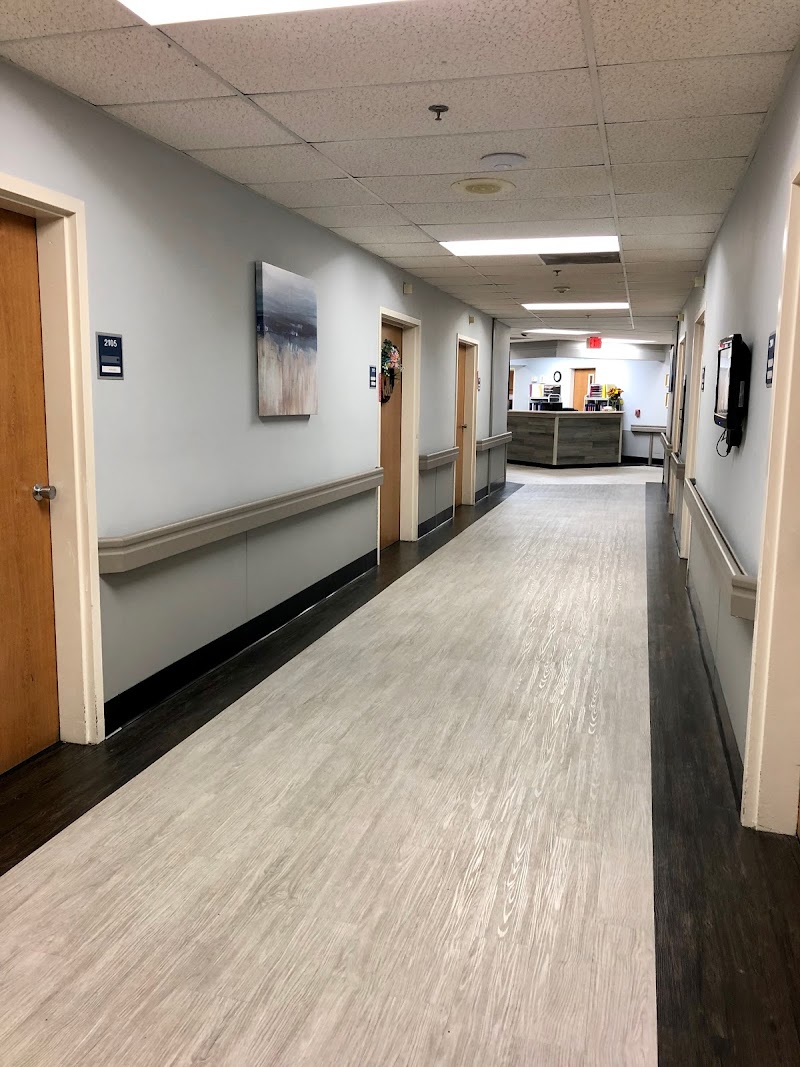
How is Bedford Wellness & Rehabilitation Staffed?

CMS rates BEDFORD WELLNESS & REHABILITATION's staffing level at 1 out of 5 stars, which is much below average compared to other nursing homes. Staff turnover is 52%, compared to the Texas average of 46%. RN turnover specifically is 60%, which is notably high. RNs provide skilled clinical oversight, so turnover in this role can affect medical care quality.

What Have Inspectors Found at Bedford Wellness & Rehabilitation?

State health inspectors documented 16 deficiencies at BEDFORD WELLNESS & REHABILITATION during 2022 to 2025. These included: 1 Immediate Jeopardy (the most serious level, indicating potential for serious harm or death), 2 that caused actual resident harm, and 13 with potential for harm. Immediate Jeopardy findings are rare and represent the most serious regulatory concerns. They require immediate corrective action.
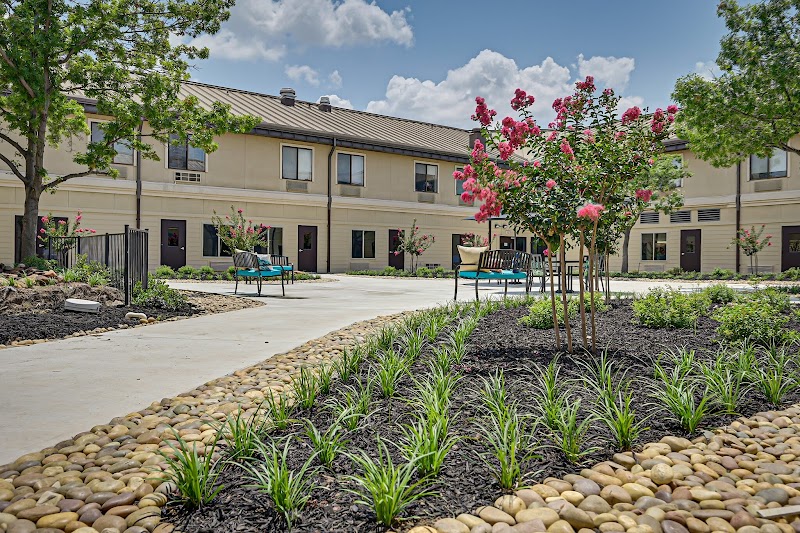
Who Owns and Operates Bedford Wellness & Rehabilitation?

BEDFORD WELLNESS & REHABILITATION is owned by a for-profit company. For-profit facilities operate as businesses with obligations to shareholders or private owners. The facility is operated by OPCO SKILLED MANAGEMENT, a chain that manages multiple nursing homes. With 166 certified beds and approximately 137 residents (about 83% occupancy), it is a mid-sized facility located in BEDFORD, Texas.
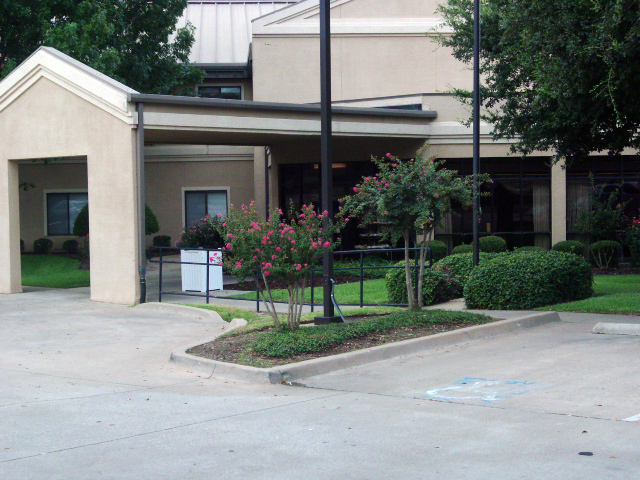
How Does Bedford Wellness & Rehabilitation Compare to Other Texas Nursing Homes?

Compared to the 100 nursing homes in Texas, BEDFORD WELLNESS & REHABILITATION's overall rating (2 stars) is below the state average of 2.8, staff turnover (52%) is near the state average of 46%, and health inspection rating (2 stars) is below the national benchmark.

What Should Families Ask When Visiting Bedford Wellness & Rehabilitation?

Based on this facility's data, families visiting should ask: "What changes have been made since the serious inspection findings, and how are you preventing similar issues?" "What safeguards and monitoring systems are in place to protect residents from abuse or neglect?" "Can you walk me through typical staffing levels on day, evening, and night shifts?" "Can I visit during a mealtime to observe dining assistance and food quality?" These questions are particularly relevant given the facility's Immediate Jeopardy citations, the substantiated abuse finding on record, and the below-average staffing rating.

Is Bedford Wellness & Rehabilitation Safe?

Based on CMS inspection data, BEDFORD WELLNESS & REHABILITATION has documented safety concerns. The facility has 1 substantiated abuse finding (meaning confirmed case of resident harm by staff or other residents). Inspectors have issued 1 Immediate Jeopardy citation (the most serious violation level indicating risk of serious injury or death). The facility has a 2-star overall rating and ranks #100 of 100 nursing homes in Texas. Families considering this facility should ask detailed questions about what corrective actions have been taken since these incidents.

Do Nurses at Bedford Wellness & Rehabilitation Stick Around?

BEDFORD WELLNESS & REHABILITATION has a staff turnover rate of 52%, which is 6 percentage points above the Texas average of 46%. Moderate turnover is common in nursing homes, but families should still ask about staff tenure and how the facility maintains care continuity when employees leave.

Was Bedford Wellness & Rehabilitation Ever Fined?

BEDFORD WELLNESS & REHABILITATION has been fined $25,782 across 2 penalty actions. This is below the Texas average of $33,337. While any fine indicates a compliance issue, fines under $50,000 are relatively common and typically reflect isolated problems that were subsequently corrected. Families should ask what specific issues led to these fines and confirm they've been resolved.

Is Bedford Wellness & Rehabilitation on Any Federal Watch List?

BEDFORD WELLNESS & REHABILITATION is not on any federal watch list. The most significant is the Special Focus Facility (SFF) program, which identifies the bottom 1% of nursing homes nationally based on persistent, serious quality problems. Not being on this list means the facility has avoided the pattern of deficiencies that triggers enhanced federal oversight. This is a positive indicator, though families should still review the facility's inspection history directly.