FORUM PARKWAY HEALTH & REHABILITATION
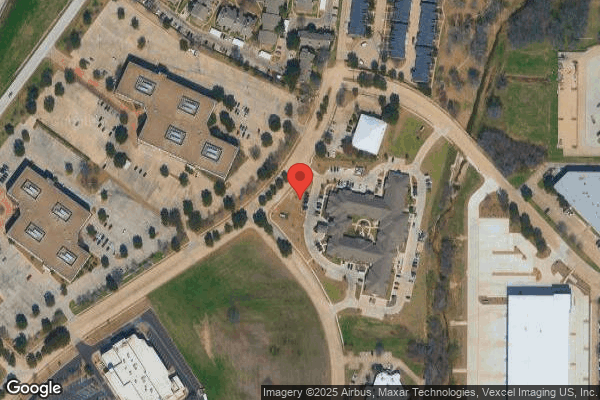
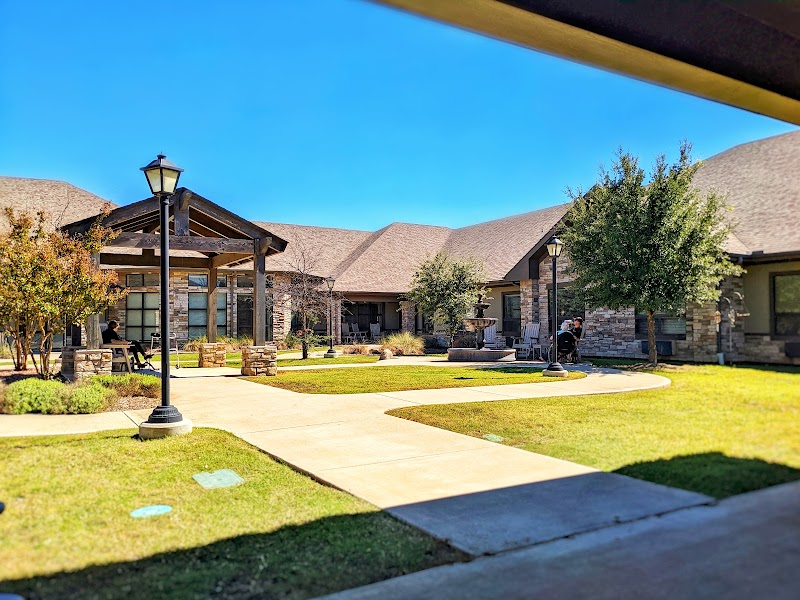
2112 FORUM PARKWAY, BEDFORD, TX 76021 (817) 799-4600
Government - Hospital district 139 Beds HMG HEALTHCARE Data: November 2025 1 Immediate Jeopardy citation
Trust Grade
46/100
#463 of 1168 in TX
Last Inspection: January 2025

Within standard 12-15 month inspection cycle. Federal law requires annual inspections.

Overview

Forum Parkway Health & Rehabilitation has received a Trust Grade of D, indicating below-average performance with some concerns. Ranking #463 out of 1168 facilities in Texas places it in the top half, while being #19 out of 69 in Tarrant County means there is only one local option that is better. Unfortunately, the facility is experiencing a worsening trend, with issues increasing from 2 in 2024 to 9 in 2025. Staffing is rated average with a 3/5 star rating and a turnover rate of 50%, which aligns with the state average. However, it's important to note that there have been critical incidents, including the failure to prevent a resident from developing a Stage IV pressure ulcer and not providing adequate respiratory care for a resident needing oxygen, both of which could pose serious health risks. While there are strengths, such as good RN coverage and excellent quality measures, these significant weaknesses warrant careful consideration.

Trust Score
D
46/100
In Texas
#463/1168
Top 39%
Safety Record
High Risk
Review needed
Inspections
Getting Worse
2 → 9 violations
Staff Stability
⚠ Watch
50% turnover. Above average. Higher turnover means staff may not know residents' routines.
Penalties
⚠ Watch
$19,083 in fines. Higher than 91% of Texas facilities. Major compliance failures.
Skilled Nurses
○ Average
Each resident gets 35 minutes of Registered Nurse (RN) attention daily — about average for Texas. RNs are the most trained staff who monitor for health changes.
Violations
⚠ Watch
21 deficiencies on record. Higher than average. Multiple issues found across inspections.
★★★☆☆
3.0
Overall Rating
★★★☆☆
3.0
Staff Levels
★★★★★
5.0
Care Quality
★★☆☆☆
2.0
Inspection Score
Stable
2024: 2 issues
2025: 9 issues

The Good

  • 5-Star Quality Measures · Strong clinical quality outcomes
  • Full Sprinkler Coverage · Fire safety systems throughout facility
  • No fines on record

Facility shows strength in quality measures, fire safety.

The Bad

3-Star Overall Rating

Near Texas average (2.8)

Meets federal standards, typical of most facilities

Staff Turnover: 50%

Near Texas avg (46%)

Higher turnover may affect care consistency

Federal Fines: $19,083

Below median ($33,413)

Minor penalties assessed

Chain: HMG HEALTHCARE

Part of a multi-facility chain

Ask about local staffing decisions and management

The Ugly 21 deficiencies on record

1 life-threatening
Jul 2025 1 deficiency
CONCERN (D) 📢 Someone Reported This

A family member, employee, or ombudsman was alarmed enough to file a formal complaint

Potential for Harm - no one hurt, but risky conditions existed

Deficiency F0806 (Tag F0806)

Could have caused harm · This affected 1 resident

**NOTE- TERMS IN BRACKETS HAVE BEEN EDITED TO PROTECT CONFIDENTIALITY** Based on observation, interviews and record review, the facility failed to ensure residents received food that accommodate the a...

Read full inspector narrative →
**NOTE- TERMS IN BRACKETS HAVE BEEN EDITED TO PROTECT CONFIDENTIALITY** Based on observation, interviews and record review, the facility failed to ensure residents received food that accommodate the allergies, intolerances, and preferences of 2 (Resident #1 and Resident #2) of 5 residents reviewed for food and nutrition services. 1. On 07/25/25 during dinner, the facility failed to accommodate the preference of Resident #1 when she was served a pork hotdog that caused her to become nauseous and vomit. 2. On 07/29/25 during lunch, the facility failed to accommodate the preference of Resident #2 when he was served beef tacos. The failure could affect residents who consumed food from the facility's kitchen by placing them at risk for allergic reactions, dissatisfaction, poor intake, weight loss, and decline in health. Findings include: Record review of Resident #1's face sheet, dated 07/29/25, reflected the resident was an [AGE] year-old female admitted to the facility on [DATE]. Resident #1's diagnoses included Syncope and Collapse (loss of consciousness and posture), Type 2 Diabetes Mellitus (body does not produce enough insulin (help regulate blood sugar levels) leading to high blood sugar levels), Pure Hypercholesterolemia (high levels of bad cholesterol in blood), Dementia (loss of memory), Carpal Tunnel Syndrome (numbness and tingling in hand and arm), Metabolic Encephalopathy (brain dysfunction), Hypertension (force of blood pushing against artery walls consistently too high), Rheumatoid Arthritis (immune system attacking healthy tissues like joints causing pain), Muscle Weakness (reduced ability of muscles to give force), Lack of Coordination (muscles not moving smoothly), and Cognitive Communication Deficit (difficulty communicating). Record review of Resident #1's MDS, dated [DATE], reflected a BIMS score of 0, which indicated severe cognitive impairment. The MDS Assessment under Section GG-Functional Abilities, reflected Resident #1 was dependent on staff for most ADLs, and required maximal assistance with eating. The MDS Assessment under Section K-Swallowing/Nutritional Status, reflected Resident #1 did not have a swallowing disorder. Further review of the section reflected Resident #1 was on a modified diet. Record review of Resident #1's care plan, dated 07/15/25, reflected no interventions for a special diet or preferences. Record review of Resident #1's dinner meal ticket, dated 07/25/25, reflected dietary restrictions, no pork, no beef/gravy in bowl. Resident #1's dinner meal ticket had grilled cheese sandwich, creamy coleslaw, French fries with one ketchup packet, chilled pears, shredded lettuce salad with dressing, milk, and tea. At the bottom of Resident #1's meal ticket was double meat, 2 side salads with no meat. Record review of Resident #1's consolidated physician order, dated 07/01-/25-07/31/2025, reflected the following: CCD (Consistent Carbohydrate) diet Regular texture regular consistency. Further review of this document reflected no documented allergies for pork or beef. Record Review of Resident #1's progress notes, dated 07/25/25 at 04:31 PM by RN F, reflected the following: Noted that patient vomited during rounds. Resident #1's family member stated Resident #1 was given pork for her meal, ate 1 to 2 bites. Vitals taken: T 97.4 ax. P 65 BP 142/63 O2 sat 97%. Zofran 4 mg given per standing order was notified. Record Review of Resident #1's progress notes, dated 07/26/25 at 04:29 PM by RN B, reflected the following: Patient noted alert with episodes of confusion. x 1 Persian assisted with Adls, transfer and mobility. Incontinent of bowel and bladder. Uses wheelchair for ambulation. No pork, no beef. Record Review of Resident #1's progress notes, dated 07/27/25 at 02:49 PM by RN B, reflected the following: AAO X2, Incontinent of bowel and bladder, x1 person assist with Adls, transfer and mobility. Resident #1's family members reported to writer @ 1:55 p.m. that she feels patient passed out. assessment done by writer, resident understood verbal commands, vitals BP 124/61, 97.2, 64, 16, 96%, bs 139. patient is stable at this time, no dizziness noted. Upon assessment, patient family member stated that Resident #1 is having pains in her head, and stomach. writer administer prn Tylenol and Zofran. No distress noted. Record Review of Resident #1's progress notes, dated 07/28/25 at 02:20 PM by RN A, reflected the following: Pt's family member placed Call light and when this nurse reached to the room to see the pt., the family member was C/O of the pt. is not eating and her BP also low. This nurse monitored BP and found 121/57 HR:55 and the c/o lower Diastolic pressure but this nurse educated well to the family member but still wanted to call EMS and the EMS came in and monitored V/S and was stable. As per family's request pt. was taken to the hospital. An interview on 07/29/25 at 07:26 AM was attempted with Resident #1's RP but there was no answer. The operator stated the mailbox of Resident #1's RP was full and could not accept messages at the time. A text message on 07/29/25 at 07:28 AM was sent to Resident #'1's RP with no response. In an interview on 07/29/25 at 08:28 AM, the Administrator stated he was not at the facility with the issue of Resident #1 eating a hotdog. He stated he was told by his staff that Resident #1's RP complained that the resident had an upset stomach and had vomited. The Administrator stated his staff assessed Resident #1 and the resident's vitals were stable. He stated Resident #1's RP wanted staff to send the resident to the hospital after she was assessed by staff with stable vitals. He also stated his staff informed Resident #1's RP the hospital would not do anything different than the facility. He stated Resident #1 called 911 and EMTs were called out. He stated the EMTs had spoken with Resident #1's RP and did not deem it necessary for the resident to go to the hospital because the resident's vitals were good. He stated risks if the wrong food was received included choking and allergic reaction. In an interview on 07/29/25 at 08:36 AM, the DON stated he was DON at the facility for almost four years. He stated he was not at the facility when Resident #1 went to the hospital. The DON stated his charge nurse, RN A was at the facility at the time of the incident. He stated, Resident #1's RP was concerned the resident was not eating and wanted her to be sent to the hospital. He stated Resident #1 was assessed and her vitals were stable so, the facility did not deem it necessary for Resident #1 to be sent to the hospital. He stated that the Resident #1's RP did not agree, and she called 911. The DON stated he was told the EMTs spoke with the resident's RP and told her there were no critical issues for Resident #1 to go to the hospital, but she insisted. The DON stated Resident #1 went to the hospital and the facility had not received an update. The DON stated Resident #1 was being discharged and then the alleged sickness came about. He stated he felt that the family was not ready to care for the resident. The DON stated resident eating incorrect food risked the possibility of choking, not being able to swallow, or allergic reaction. In an interview on 07/29/25 at 08:55 AM, RN A stated she was the charge nurse for the 100 hall. RN A stated she worked Monday-Friday from 6:00 AM-2:00 PM. RN A stated she worked with Resident #1 on 07/25/25 and there were no concerns. RN A stated when she returned to work on 07/28/25 she was informed Resident #1 had eaten pork on Friday, 07/25/25 and got sick. RN A stated all nurses were responsible for checking residents' trays. RN A stated on 07/28/25 she worked with the resident and Resident #1 refused her breakfast. RN A also stated she was informed by Resident #1's RP that Resident #1 was not eating, and her blood pressure was low. RN A stated that she then checked Resident #1's blood pressure and it read at 121/57 and communicated to Resident #1's RP the low number for diastolic was normal for Resident #1. RN A stated that the RP then insisted that Resident #1 went to the hospital. RN A stated she assessed Resident #1 and did not have any clinical concerns at that time. She also stated she did not deem it necessary for Resident #1 to be transported to the hospital and told Resident #1's RP to call 911. RN A stated Resident #1's RP called 911 and the EMTs came out. She stated that Resident #1's RP spoke to the EMTs and the EMTs told the RP Resident #1's vitals were good. RN A stated although Resident #1's vitals were good, RP still insisted on the resident going to the hospital and resident was transported. RN A stated she was responsible to look at food trays and meal tickets before residents received the food. RN A stated the risks from resident eating the wrong food were choking hazard or allergic reaction. In an interview on 07/29/25 at 11:00 AM, RN B stated she worked doubles on the weekends and worked with Resident #1 on 07/26/25 and 07/27/25. RN B stated Resident #1 could not talk and was unable to express her needs. RN B stated on 7/26/25, Resident #1's RP reported to her that the resident had been nauseous, not eating, in pain and needed some medication. RN B stated Resident #1's RP had concerns that the resident was not well because she ate pork hotdog and vomited. RN B stated Resident #1 had not vomited during her day shift on 07/25/25, but the night nurse gave her report the next day that Resident #1 had vomited during the evening of 7/25/25. RN B stated she assessed Resident #1 and could tell that she did not feel. RN B stated she determine Resident #1 head hurt based on her facial expression of not smiling, resident's hand on her head, resident's eyes were closed, and she pulled away when RN B tried to grab her hand. RN B stated she touched Resident #1's stomach, and it was not hard, but soft. RN B stated she administered Resident #1 a Tylenol (for pain) and Zofran (for nausea). She stated Resident #1 seemed to feel better afterward, and she was able to eat a few bites of a salad. RN B did not report any concerns for Resident #1 on 7/27/25. RN B stated the staff were aware of residents on special diets based on a meal sheet. She also stated nurses were responsible to check the meal trays and meal sheet before residents were served. RN B stated Resident #1's RP was always by the resident's bedside and would check the resident's food. She stated she did not know how Resident #1 ate a pork hotdog if the RP fed her. RN B also stated one time RP had mistaken a turkey sandwich for beef sandwich, but it was turkey. RN B stated she had not observed Resident #1 eating pork or beef. RN B stated per the facility's policy, it was the nurses' responsibility to check the food trays before the meals were distributed to the residents. In an interview on 07/29/25 at 12:47 PM, the Dietary Manager stated she was employed at the facility for one year. The Dietary Manager stated she worked on 07/25/25 but was not at work for dinnertime. The Dietary Manager stated dinner on 07/25/25 was hot dogs. She stated she received a report that Resident #1 was served a hotdog, had eaten it, and was sick from eating a pork hotdog. The Dietary Manager stated Resident #1's RP did not like the resident eating bread, so she did not understand the RP feeding the resident the hot dog. The Dietary Manager also stated she knew Resident #1 was not supposed to consume pork, and she ensured she had that information with no pork or beef on the meal ticket. The Dietary Manager stated if a resident had dietary restrictions, she made sure it was on the meal ticket and put it in her computer. She stated she did not know how three different staff checked Resident #1's tray and the resident still ended up being served a pork hotdog. She stated after the incident, she ensured her staff took pictures of Resident #1 food tray before the food left the kitchen. The Dietary Manager stated she did not know how Resident #2 received beef tacos on 07/29/25. She stated Resident #2 was supposed to get chicken tacos. She also stated she thought maybe the mistake happened when her food server mixed Resident #2 and another resident's trays. The Dietary Manager stated the cook and server was supposed the check the meal ticket and tray before leaving the kitchen, then the nurse checked before it was delivered. She stated there were supposed to be at least three staff that checked before the resident received the tray. She stated the risks of eating the wrong meal preference was allergic reaction or choking. An email on 07/29/25 at 01:57 PM was sent to Resident #1's RP with no response prior to exit. In an interview on 07/29/25 at 02:19 PM, CNA D stated she was employed at the facility for over seven years. She stated she worked 02:00 PM-10:00 PM on 07/25/25 and worked the 100 hall although she usually worked the long-term hall. She stated this was her first time working the hall. She also stated she had worked with Resident #1 during her shift and was the person with a new employee that delivered Resident #1's food tray. CNA D also stated she remembered dinner was a sausage that appeared to be a pork hotdog. CNA D stated once Resident #1's food tray was delivered, the RP grabbed the hotdog sausage, tasted it, and told staff it was pork. CNA D stated staff asked Resident #1's RP if they could get the resident something else to eat and was told no by the Resident's RP. CNA D stated instead Resident #1's RP told them to bring her to the kitchen. CNA D stated they went to the kitchen and was given two plates of salad. She stated Resident #1 ate the salad. CNA D stated the risk of resident eating the wrong food was an allergic reaction or resident choking. In an interview on 07/29/25 at 02:41 PM, LVN E stated she was employed at the facility for almost eight years. She stated she had been working as the admissions nurse. LVN E stated she did Resident #'s admission and the resident did not have a clinical allergy to pork, it was her preference to not eat it. LVN E stated that she had worked the 2:00 PM-10:00 PM shift on 07/25/25. LVN E stated dinner on 07/25/25 was hotdogs, beans, and coleslaw. She also stated she wrote on Resident #1's meal ticket no pork. LVN E stated while she was at room [ROOM NUMBER], Resident #1's tray was delivered, and the RP stopped staff at the door and checked the tray. LVN E also stated after Resident #1's RP touched the food and noticed it was a hotdog, she told them to bring her to the kitchen. LVN E stated she ensured to write that Resident #1 could not eat pork, but the kitchen had given them problems. She stated it was protocol for nurses to check the tray before they gave to the resident. She stated the resident risked an allergic reason or choking. In an interview on 07/31/25 at 04:01 PM, Resident #1's RP stated the facility was informed of Resident #1 pork allergy when Resident #1 was admitted to the facility on [DATE]. Resident #1's RP stated the facility was also reminded of the resident's pork allergy on the second day. The RP stated on 07/25/25 while the RP was in the restroom one of the facility staff dropped of Resident #1's food tray and it was opened. The RP stated she had immediately picked up the food and figured it was a hotdog. Resident #1's RP stated after they sniffed the food it smelled like a pork hotdog. The RP stated they immediately left the resident's room to get staff. The RP also stated they had staff escort them to the kitchen to get some other food. The RP stated someone in the kitchen asked what could be done about the mistake. The RP also stated the kitchen staff then gave them chicken, salad, and coleslaw for Resident #1. The RP also stated when they returned to the room, there was about two bites from the hotdog that Resident #1 ate. The RP stated at that time, they did not think much of the small piece eaten by Resident #1. Resident #1's RP stated a little while later, Resident #1 head and stomach hurt. Resident #1's RP stated after a few hours, Resident #1 vomited. The RP stated Resident #1 felt bad on 07/28/25, so the RP called 911. The RP stated that EMS went to the facility and Resident #1's RP informed the EMTs Resident #1 was not eating and vomited. The RP stated the EMTs took Resident #1's vitals and informed them the vitals were good. Resident #1's RP stated the EMTs understood the concern and left the choice to the RP to transport Resident #1. Resident #1's RP stated the resident was transported to the hospital. Resident #1's RP stated the resident was admitted and discharged on 07/28/25. The RP also stated Resident #1 did not return to the facility and was at home. Record review of Resident #2's face sheet, dated 07/29/25, reflected the resident was an [AGE] year-old male admitted to the facility on [DATE]. Resident #2's diagnoses included Pulmonary Embolism (blood clots), Dysphagia (difficulty swallowing), Type 2 Diabetes Mellitus (body does not produce enough insulin (help regulate blood sugar levels) leading to high blood sugar levels), Hyperlipidemia (high levels of fats in blood), Hypertension (force of blood pushing against artery walls consistently too high), Atherosclerotic Heart Disease (buildup of fats, cholesterol in the artery walls), Cardiomyopathy (heart muscle that makes it harder for heart to pump blood), Congestive Heart Failure (heart unable to pump enough blood for the body's needs), Sequelae of Cerebral Infarction (stroke), Peripheral Vascular Disease (circulation disorder that affects vessels outside of brain and heart), Acute Respiratory Failure with Hypoxia (lungs are unable to supply the blood and maintain normal carbon dioxide levels), Muscle Weakness (reduced ability of muscles to give force), Obstructive and Reflux Uropathy (blockage of urine flow), Chronic Kidney Disease (kidneys cannot filter blood effectively), Benign Prostatic Hyperplasia (enlarged prostate (gland in male reproductive system) that causes lower urinary tract symptoms in men), Lack of Coordination (muscles not moving smoothly), Cognitive Communication Deficit (difficulty communicating), Transient Ischemic Attack (temporary disruption of blood flow to the brain). Record review of Resident #2's MDS, dated [DATE], reflected BIMS score of 03, which indicated severe cognitive impairment. The MDS Assessment under Section GG-Functional Abilities, reflected Resident #2 was dependent on staff for most ADLs, and required setup assistance with eating. The MDS Assessment under Section K-Swallowing/Nutritional Status, reflected Resident #2 had difficulty or pain with swallowing. Further review of the section reflected Resident #2 was on a mechanically altered diet. Record review of Resident #2's care plan, dated 07/02/25, reflected the resident's allergies were pork and red meat. In an interview on 07/29/25 at 07:56 AM, Resident #2 stated that he had cereal and toast for breakfast. Resident #2 stated that he did not eat beef or pork. He stated he had never eaten any beef or pork at the facility. He also stated that the facility had not ever mistakenly given him any beef or pork. Resident #2 stated he had no concerns. An observation on 07/29/25 at 08:14 AM, reflected the printed lunch menu. The menu consisted of beef soft tacos with flour tortilla, lettuce, tomato, and cheese, Mexican corn, peppers and onion. The dessert was fresh pineapple. The alternate lunch consisted of garlic pork chop, parsley carrots, and mashed potatoes. An interview on 07/29/25 at 11:23 AM was attempted with RN F but there was no answer. A message was left on RN F's voicemail. An observation on 07/29/25 at 12:10 PM, reflected Resident #2's food tray and meal ticket for lunch. Resident #2's printed meal ticket had dietary restrictions of no added salt, no pork, and no beef with pork as an allergy. Resident #2's meal ticket stated Resident #2 had ground baked chicken breast, poultry gravy, sauteed peppers and onions, cream style corn, dinner roll/bread, margarine, ground pineapple tidbits, and tea of choice. Resident #2's food tray was observed with two soft tortilla tacos with only ground beef. Resident #2's food tray also was observed with green and red sauteed peppers on the side of the tacos and creamed corn on the side in a bowl. Resident #2's tray also consisted of tea and pineapples in a cup. In an interview on 07/29/25 at 12:24 PM, CNA C, stated she was employed at the facility for almost two years. She stated that she was the Restorative Aide but on 07/29/25 she worked as the CNA. She also stated she worked as the CNA for Resident #2 on 07/29/25. CNA C stated she was not aware she had delivered Resident #2 beef tacos because she had not checked the tray. She stated she assumed another staff already checked Resident #2's tray. She also stated protocol was a nurse checked all residents food trays before any nursing staff delivered it to the resident. She stated it was her fault to assume the tray had already been checked. CNA C stated that the risk of resident eating restricted food was possible allergic reaction or choking. In a follow-up interview on 07/29/25, the Administrator stated he was made aware by staff that Resident #2 received beef tacos for lunch. He stated he was not sure how his staff gave the incorrect food to Resident #1 and Resident #2. He also stated there would be more in-service training with his staff for the food issues. Review of the facility's policy, revised July 2017, titled Resident Nutrition Services reflected in part the following: Policy Statement: Each resident is provided with nourishing, palatable, well-balanced diet that meets his or her daily nutritional and special dietary needs, taking into consideration the preferences of each resident.Policy Interpretation and Implementation:4. Nursing personnel or feeding assistants will inspect food trays as they are delivered to ensure that the correct meal has been delivered, that the food appears palatable and attractive, and it is served at a safe and appetizing temperature.a. If an incorrect meal has been delivered, or a meal does not appear palatable, nursing staff will report it to the Food Service Manager so that a new food tray can be issued.b. Foods that are left without a source of heat (for hot foods) or refrigeration (for cold foods) longer than 2 hours will be discarded.
Jan 2025 8 deficiencies
CONCERN (D)

Potential for Harm - no one hurt, but risky conditions existed

ADL Care (Tag F0677)

Could have caused harm · This affected 1 resident

**NOTE- TERMS IN BRACKETS HAVE BEEN EDITED TO PROTECT CONFIDENTIALITY** Based on observation, interview and record review, the facility failed to provide the necessary services to maintain good groomi...

Read full inspector narrative →
**NOTE- TERMS IN BRACKETS HAVE BEEN EDITED TO PROTECT CONFIDENTIALITY** Based on observation, interview and record review, the facility failed to provide the necessary services to maintain good grooming for a resident who is unable to carry out activities of daily living for 1 of 3 residents (Resident #14) reviewed for ADL care. The facility failed to ensure Resident #14 received grooming assistance to remove unwanted facial hair. This failure could affect the residents who require assistance with care from facility staff by placing them at risk for social isolation, loss of dignity and self-worth. Findings included: Record review of Resident #14's MDS assessment, dated 11/02/24, reflected the resident was a [AGE] year-old female initially admitted to the facility on [DATE] and most recently admitted on [DATE]. Resident #14 admitted to the facility with diagnoses of coronary artery disease (damage or disease in the heart's major blood vessels), heart failure, diabetes mellitus (a group of diseases that result in too much sugar in the blood), aphasia (a language disorder that affects a person's ability to communicate), hemiplegia (muscle weakness or partial paralysis on one side of the body that can affect the arms, legs, and facial muscles), unspecified dementia (dementia without a specific cause), and cerebrovascular accident (damage to the brain from interruption of its blood supply). Resident #14 also had severe cognitive impairment and required substantial to maximal assistance for personal hygiene. Record review of Resident #14's Comprehensive Care Plan, dated 11/12/24, reflected the resident had an ADL self-care performance deficit related to a condition that left the resident able to use only one side of her body and required staff assistance with personal hygiene. Record review of Resident #14's shower sheet, for date range of 12/15/24 through 01/13/25, reflected resident was showered on 12/17/24, 12/21/24, 12/26/24, 12/31/24, 01/02/25, 01/04/25, 01/07/25, and 01/11/25. Record review of Resident #14's personal hygiene (shaving) sheet, for a date range of 12/15/24 through 01/13/25, reflected resident was not shaved on all dates of the record. Record reflected Resident #14 refused on 12/19/24, 12/24/24, and 01/09/25. Observation and interview on 01/07/25 at 1:34 PM revealed Resident #14 had 10-15 long brown and gray facial hairs approximately 0.5 inches in length on her chin area. Resident #14 stated she wanted her facial hair removed. Resident #14 did not say how it made her feel due to a diagnosis of aphasia, but the resident had a grimace on her face when she was asked about her facial hair. Resident #14 also revealed staff did not ask her if she would like them to shave her facial hair when they showered her, and she did not ask them to shave her. Interview on 01/08/25 at 2:57 PM with CNA A revealed Resident #14's shower days were Tuesdays, Thursdays, and Saturdays. CNA A stated she was responsible for showering Resident #14 on her shift because she was an afternoon shower recipient. CNA A stated she asked residents on their shower days if they would like to be shaved on those days. CNA A said Resident #14 usually refused to be shaved when she asked her. CNA A stated she shaved Resident #14 on 01/07/25 during her shift. Interview on 01/13/25 at 11:10 AM with LVN T revealed residents' facial hair should be shaved at least every three days depending on how fast the hair grew. LVN T stated it was the CNAs responsibility to shower and shave residents. LVN T stated residents were shaved on shower days, which was three days per week. LVN T said CNAs asked residents when they showered them if they would like to be shaved. LVN T revealed it was the charge nurse's responsibility to ensure the residents got shaved. LVN T stated if the residents did not get shaved, the CNA was supposed to inform the charge nurse so that they could assist as well as educate and possibly notify the responsible party of the resident's refusal. LVN T said the importance of residents being free of unwanted facial hair was that it affected the resident's appearance and therefore self-esteem. Interview on 01/13/25 at 11:21 AM with ADON B revealed it was the CNAs responsibility to look at residents' facial hair when showering residents. ADON B stated CNAs should be offering to shave residents on the residents' shower days. ADON B said if a resident refused to be shaved, the nurses were supposed to be notified so they could assist the CNA. ADON B stated nurses should notify the responsible party if the resident refused to be showered and shaved. ADON B also stated the nurse should document the refusal, notification, and notify management. ADON B stated the risk to Resident #14 could be embarrassment by having facial hair. Interview on 01/13/25 at 3:47 PM with the DON revealed it was the CNAs responsibility to ensure residents had unwanted facial hair removed. The DON stated the CNAs should shave residents on the residents' shower days. The DON said if a resident refused, they should document it in the electronic health record and notify their charge nurse. The DON stated it was the nurse's responsibility to notify the responsible party of a residents refusal and to assist the CNA with showering and shaving the resident as well as educating them. The DON stated the risk to the resident was that it was a dignity issue. Record review of the facility's Shaving the Resident policy, revised October 2010, reflected the following: POLICY Statement: The purpose of this procedure is to promote cleanliness and to provide skin care. Documentation .5. If the resident refused the treatment, the reason(s) why and intervention taken. 6. The signature and title of the person recording the data. Reporting 1. Notify the supervisor if the resident refuses the procedure. 2. Report other information in accordance with facility policy and professional standards of practice. The policy did not address how often a resident should be shaved.
CONCERN (D)

Potential for Harm - no one hurt, but risky conditions existed

Incontinence Care (Tag F0690)

Could have caused harm · This affected 1 resident

**NOTE- TERMS IN BRACKETS HAVE BEEN EDITED TO PROTECT CONFIDENTIALITY** Based on interview and record review, the facility failed to ensure a resident with an indwelling urinary catheter received appr...

Read full inspector narrative →
**NOTE- TERMS IN BRACKETS HAVE BEEN EDITED TO PROTECT CONFIDENTIALITY** Based on interview and record review, the facility failed to ensure a resident with an indwelling urinary catheter received appropriate treatment and services to prevent urinary tract infections and to restore continence to the extent possible for 1 of 3 residents (Resident #9) reviewed for catheter care. The facility failed to follow physician orders for routine catheter care including cleaning for Resident #9. This failure could place residents with foley catheters at risk of urinary infection and improper catheter care. Findings included: Record review of Resident #9's face sheet dated 01/13/25 reflected Resident #9 was a [AGE] year-old female admitted to the facility on [DATE]. Record review of Resident #9's quarterly MDS dated [DATE] reflected Resident #9 was cognitively intact with a BIMS score of 13. The MDS indicated Resident #9 required substantial/maximum assistance with toileting, showering/bathing and personal hygiene. The MDS further reflected Resident #9 had an indwelling catheter. Resident #9's diagnosis included debility (weakness), cardiorespiratory conditions (conditions that affect the structure or functions of the heart), Neurogenic bladder (lack of bladder control due to spinal cord, brain injury, or nerve problems), irritable bowel syndrome (condition that affects the stomach and intestines) with diarrhea and cervical disc disorder with myelopathy (condition that is caused by age related changes to the bones, ligaments and discs of the neck). Record review of Resident #9's care plan reflected Resident #9 had an indwelling Foley catheter related to two or more post voiding residual urine volumes greater than 200 cc. The care plan goal was resident will not show signs or symptoms of urinary tract infection. The care plan interventions included changing the catheter as ordered, checking for patency and urinary output every shift, checking the tubing for prints, observing for pain and discomfort due to the catheter, reporting to the physician any signs of urinary tract infection, and positioning the catheter at the lowest position. Record review of Resident #9's physician's orders dated 04/05/23 reflected Resident #9 had orders to irrigate her Foley catheter with 60-100 ml normal saline for occlusion and to change the foley catheter every month and when needed for occlusion. Record review of Resident #9's January 2025 MARs/TARs reflected: Foley catheter care Q shift and PRN every shift Change Foley Catheter PRN for obstruction or if closed system is compromised. Every night shift starting on the 5th and ending on the 5th every month. Enhanced Barrier Precautions every shift for r/t foley Interview on 01/07/25 at 1:26 PM with Resident #9 revealed she felt she did not get proper care due to her requiring a Hoyer lift. Resident #9 stated she felt staff were not changing her as often. When asked about her catheter care, she stated there were times she felt unclean and irritated near the catheter insertion. Interview on 01/08/25 at 9:14 AM with CNA M revealed she had drained Resident #9's catheter bag that morning. CNA M stated she also checked the resident's brief, and the brief was dry. Observation on 01/08/25 at 9:51 AM revealed CNA M completed incontinence care for Resident #9. The resident's brief was dry, and the resident's skin was intact. CNA M then sanitized, added skin protectant cream to the resident's perineal area, and put a clean brief on the resident. CNA M did not provide the resident with catheter care. Interview on 01/08/25 at 10:08 AM with CNA M revealed she did not complete catheter care. CNA M stated, I should have provided catheter care .I am sorry, I forgot. CNA M stated, I did not clean the middle. I did not hold it and clean the area. I am sorry. I forgot. CNA M stated she was responsible for ensuring she provided proper catheter care during incontinence care so that residents were not placed at risk of infection. Interview on 01/13/25 at 1:48 PM with LVN D revealed she worked with Resident #9 on 6:00 AM-2:00 PM shift. According to LVN D, CNAs were responsible for completing proper catheter care. LVN D stated CNAs should wipe from front to back on all residents and if there was a catheter placed, CNAs should be cleaning the catheter as well. LVN D stated if there were any signs of infection or irritation present staff should alert her. LVN D stated not doing so would place residents with a catheter at risk for infections. Interview on 01/13/25 3:46 PM with the DON revealed CNAs were responsible for completing catheter care. The DON stated he expected CNAs to clean and follow the facility policy when it came to activities of daily living care. He stated not doing so placed residents at risk of infection. Record review of the facility's current Catheter Care, Urinary policy and procedure, revised September 2014, reflected the purpose of the procedure was to prevent urinary catheter-associated urinary tract infections. The policy reflected: .wash the resident's genitalia and perineum thoroughly with soap and water. Rinse the area well and towel dry for a female resident: Use a washcloth with warm water and soap to cleanse the labia. Use one area of the washcloth for each downward, cleansing stroke. Change the position of the washcloth with each downward stroke. Next, change the position of the washcloth and cleanse around the urethral meatus. Do not allow the washcloth to drag on the resident's skin or bed linen. With a clean washcloth, rinse with warm water using the above technique Use a clean washcloth with warm water and soap to cleanse and rinse the catheter from insertion site to approximately four inches outward.
CONCERN (D)

Potential for Harm - no one hurt, but risky conditions existed

Deficiency F0694 (Tag F0694)

Could have caused harm · This affected 1 resident

**NOTE- TERMS IN BRACKETS HAVE BEEN EDITED TO PROTECT CONFIDENTIALITY** Based on observation, interview, and record review, the facility failed to ensure parenteral fluids were administered consistent...

Read full inspector narrative →
**NOTE- TERMS IN BRACKETS HAVE BEEN EDITED TO PROTECT CONFIDENTIALITY** Based on observation, interview, and record review, the facility failed to ensure parenteral fluids were administered consistent with professional standards for 1 of 2 residents (Resident #64) reviewed for intravenous fluids. The facility failed to ensure the dressing on Resident #64's peripheral intravenous line (a short flexible tube inserted into a vein to administer fluids and medications) was dated and initialed. The failures could affect residents by placing them at risk for infections. Findings included: Record review of Resident #64's entry MDS assessment, dated 12/27/24, reflected the resident was a [AGE] year-old female who admitted to the facility on [DATE]. The resident had diagnoses which included: urinary tract infection (a bacterial infection that causes inflammation in the urinary tract). Resident #64 had moderate cognition with a BIMS score of 11. She had intravenous access. Record review of Resident #64's physician's orders dated 01/06/25 reflected: May insert peripheral intravenous line for intravenous fluids. Normal Saline Flush Intravenous Solution (Sodium Chloride Flush) Use 2 liter intravenously every shift for Prophylactic fluids. Run at 75cc/hr. till completed). Record review of Resident #64's current care plan initiated 01/07/25 reflected the resident was at risk for fluid deficit rule out intravenous fluids given. The care plan reflected: Goals: Will be free of symptoms of dehydration and maintain moist mucous membranes, good skin turgor. Interventions: Provide medication per order. Check vital signs as ordered/per protocol and record. Notify MD of significant abnormalities. Observation and interview on 01/07/25 at 12:15 PM revealed Resident #64 was seated in her wheelchair in her room. She had a peripheral intravenous line dressing with no date on her right hand, and the dressing was intact. Resident #64 stated the peripheral line was inserted on 01/06/25. There were no signs or symptoms of infection noted at the peripheral line site. Observation and interview on 01/07/25 at 12:28 PM with LVN H, who was the charge nurse for Resident #64, revealed the resident had a peripheral line in her right arm covered with a transparent dressing with no date. LVN H revealed she hung the intravenous fluid in the morning. She stated she knew she was supposed to check the date on the dressing, the site for infection, and the status of the dressing. She stated she did not check it, and she missed it. She stated by failing to have a dated on the dressing the staff would not know when the dressing needed to be changed, and it could cause infection. She stated she had done training on intravenous medication and fluids administration upon hire. Interview on 01/08/25 at 1:49 PM with the DON revealed he expected staff to have noted there was no date on the dressing and rectify it. He stated the peripheral line was inserted by their service provider, but it was the facility's responsibility to monitor the line. He expected them to have notified him so that he could have called the provider and notified them to prevent a repeat of the same. He stated it was an oversight on the facility's side. He stated not having the date on the dressing meant they would not know when the insertion was done, when to change the dressing, or discontinue the peripheral line since it was good for 72 hours. He stated they had done training with the staff. Record review of the facility's training record provided reflected training on dressing changes dated 09/19/23, and LVN H was in attendance. Record review of the facility's Peripheral Intravenous Catheter Insertion policy, dated April 2016, reflected the following: .Dressings 1. Use sterile dressing (transparent or gauze, as appropriate) to cover insertion site. 2. Label on dressing should include date and time of dressing placement, initials gauge size and length of the catheter
CONCERN (E)

Potential for Harm - no one hurt, but risky conditions existed

Respiratory Care (Tag F0695)

Could have caused harm · This affected multiple residents

**NOTE- TERMS IN BRACKETS HAVE BEEN EDITED TO PROTECT CONFIDENTIALITY** Based on observation, interview, and record review, the facility failed to ensure that a resident who needs respiratory care was...

Read full inspector narrative →
**NOTE- TERMS IN BRACKETS HAVE BEEN EDITED TO PROTECT CONFIDENTIALITY** Based on observation, interview, and record review, the facility failed to ensure that a resident who needs respiratory care was provided such care, consistent with professional standards of practice for 1 of 3 residents (Resident #47) reviewed for oxygen. The facility failed to have accurate physician orders for oxygen use for Resident #47. This failure could place residents who received oxygen therapy at risk for inadequate or inappropriate amounts of oxygen delivery and possible infection. Findings included: Record review of Resident #47's admission Record dated 01/08/25 reflected the resident was a [AGE] year-old male admitted to the facility on [DATE] and re-admitted on [DATE]. Record review of Resident #47's quarterly MDS, dated [DATE], reflected a BIMS score of 15, indicating cognition was intact. The resident's diagnosis included: stroke (poor blood flow to a part of the brain causing cell death), cancer (group of diseases involving abnormal cell growth that can spread to other parts of the body), pneumonia (infection caused by bacteria or virus of the air sacs in one or both lungs), anxiety disorder (group of mental disorder characterized by significant and uncontrollable feelings). His MDS indicated he received oxygen therapy while a resident. Record review of Resident #47's last care plan review completed on 12/23/24 reflected Resident #47 had COPD/Emphysema (an umbrella term given to a group of chronic lung diseases that make it harder to breathe air out of the lungs). The care plan reflected the goal was that the resident would display an optimal breathing pattern daily. The care plan reflected: Interventions: Document/report to physician as needed with signs and symptoms of respiratory infection: fever, chills, increase in sputum (document amount, color, and consistency), chest pain, increased difficulty breathing (Dyspnea), increased coughing and wheezing. Give oxygen therapy as ordered by the physician. Head of bed to be elevated (semi-Fowlers to fowlers) or out of bed upright in a chair. Observe for difficulty breathing (Dyspnea) on exertion, remind resident not to push beyond endurance. Observe for signs and symptoms of acute respiratory insufficiency: Anxiety, Confusion, Restlessness, Short of breath at rest. Observe and document for Anxiety. Record review of Resident #47's progress notes reflected the following entries: - 01/02/25 at 10:34 PM: Resident complaint of trouble breathing and O2 sat 88%/NC on O2 5 L/min and respiratory rate 30 b/m. this nurse notified hospice that the resident having trouble breathing so the nurse replied to increase O2 to 8-10 L/min and administer as needed breathing treatment. Now the resident is administered O2 6 L/min and O2 sat 96% and breathing treatment continued. Hospice nurse notified to send out the comfort kits. Night shift nurse aware and the care is continued. - 01/03/25 at 5:19 AM: Continues with O2 therapy for shortness of breath and O2 increased to 8L per hospice order. Cough noted and cough syrup administered. No complain of pain. Comfort kit delivered. Vital signs Blood Pressure 90/61, Pulse 81, Respiratory 19, Temperature 97.6, O2 sat @ 95% via Nasal Cannula. Head of Bed raised, no distress noted. Call light within reach. Record review of Resident #47's physician orders for oxygen use reflected: Oxygen via NC 2-4 L/min No directions specified for order. Active12/20/2024 O2: O2 at 2L/minute via Nasal Cannula continuously every shift. Active 12/13/24 O2: O2 stats every shift. Active 12/13/24 O2: Change and label water humidification and Nasal Cannula tubing weekly on Sunday and on 10-6 shift. No directions specified for order. Active 12/13/24 Record review did not reveal an active order for Resident #47 to receive oxygen at 8-10 liters per minute. Observation and interview on 01/07/25 at 11:10 AM revealed Resident #47 had been on oxygen and all of a sudden he had issues with breathing. He stated the facility called his doctor, and his oxygen was increased to 8 liters per minute. Resident #47 stated ever since his oxygen was increased it was helpful, and he had not had any further problems breathing. Resident #47 stated he needed to use oxygen at all times. Observation of Resident #47's oxygen level revealed he was receiving 7 liters per minute. Resident #47 did not know why his machine was only showing him receiving 7 liters per minute. Observation on 01/08/25 at 3:10 PM revealed Resident #47 was in bed. The resident was receiving 7 liters per minute of oxygen via nasal cannula. Observation and interview on 01/08/25 at 3:15 PM with RN C revealed Resident #47 was receiving oxygen via nasal cannula. The oxygen machine was running at 7 liters per minute. RN C said Resident #47 had been having a hard time breathing, so she contacted his physician, and received an order to increase his oxygen level to 8-10 liters per minutes. RN C said Resident #47 was receiving 8 liter per minute since 01/02/25. RN C pointed out progress notes which reflected she had documented the occurrence. When asked to provide the physician order, RN C stated she was not able to locate the new order; however, his order for oxygen revealed he was to receive 2-4 liters per minute. RN C further stated 2-4 liters was not working for Resident #47, so she contacted the physician. RN C stated it was her responsibility to enter the new order for oxygen, so everyone was aware of the increase. RN C stated it was the responsibility of the nursing staff to check Resident #47's oxygen levels on every shift. RN C stated she could not explain why Resident #47 was currently receiving 7 liters because he should be receiving at least 8. She stated she did check on the resident upon shift change and may have missed checking his oxygen. RN C stated not entering the new order and not ensuring Resident #47 was being administered the proper oxygen liters per minutes placed him at risk of not receiving the correct level of oxygen for his needs. Interview on 01/13/25 at 1:48 PM with LVN D revealed she was working with Resident #47 on 01/07/25 and 01/08/25 during the 6:00 AM-2:00 PM shift. LVN D stated Resident #47's oxygen machine should be running at 8-10 liters per minute. LVN D said Resident #47's oxygen was dropping really bad when he was receiving 2-4 units. LVN D stated the nurse on shift at the time contacted the resident's physician to have his oxygen increased to 8 liters per minute, and the resident's breathing became better along with his oxygen levels. LVN D stated she did not verify the order, as she was given the information at shift change and had noticed him breathing better with the change. LVN D stated it was the responsibility of the nurse who received the order to enter the order in the system and notify the family. LVN D stated it was the responsibility of all nurses on each shift to check his oxygen levels and ensure his machine is reading between 8-10 liter per minute. LVN D stated she was aware of his new order and had been implementing the change. LVN D stated, On my shift anytime I do his breathing treatments, I will check and monitor as needed. If the liters were on 7 units, this means he was not getting the proper amounts of oxygen needed. LVN D stated not entering updated orders, following physician orders, and proper monitoring for oxygen levels placed Resident #47 back at risk for further breathing complications. Interview on 01/13/25 at 3:46 PM with the DON revealed he was not aware there were no updated orders regarding Resident #47's oxygen use. The DON stated he expected nurses who received an updated order from physicians to transcribe those orders into the system. The DON stated not doing so placed Resident #47 at risk of not receiving what he required for proper breathing. The DON stated it was important to follow physician orders and nurses should be monitoring on every shift to ensure orders are being followed. Record review of facility's current, undated Telephone Orders policy reflected: .Verbal telephone orders may be accepted from each resident's Attending Physician. 1. Verbal telephone orders may only receive by licensed personnel. Orders must be reduced to writing, by the person receiving the order, and recorded in the resident's medical record. 2. The entry must contain the instructions from the physician, date, time, and the signature and title of the person transcribing the information. 3. Telephone order must be countersigned by the physician during his or her next visit Record review of the facility's Oxygen Administration policy, revised March 2004, reflected the purpose of the procedure was to provide guidelines for safe oxygen administration. The policy reflected that staff were to verify that there was a physician's order for the procedure, and review the physician's orders for facility protocol for oxygen administration.
CONCERN (E)

Potential for Harm - no one hurt, but risky conditions existed

Deficiency F0698 (Tag F0698)

Could have caused harm · This affected multiple residents

**NOTE- TERMS IN BRACKETS HAVE BEEN EDITED TO PROTECT CONFIDENTIALITY** Based on interview and record review, the facility failed to ensure that residents who required dialysis received such services,...

Read full inspector narrative →
**NOTE- TERMS IN BRACKETS HAVE BEEN EDITED TO PROTECT CONFIDENTIALITY** Based on interview and record review, the facility failed to ensure that residents who required dialysis received such services, consistent with professional standards of practice, the comprehensive person-centered care plan, and the residents' goals and preferences for 1 of 2 residents (Resident #48) reviewed for dialysis. The facility failed to ensure dialysis communication forms were completed for Resident #48 before going for dialysis and after returning from dialysis treatment. This failure could place residents at risk of inadequate communication between the facility and dialysis center. Findings included: Record review of Resident #48's admission MDS assessment, dated 11/25/24, reflected the resident was a [AGE] year-old female who was admitted to the facility on [DATE]. Resident #48 had a diagnosis of chronic kidney disease (a chronic condition that occurs when the kidneys can no longer filter waste from the blood and requires long-term dialysis or a kidney transplant to maintain life). She had a BIMS score of 14, which indicated her cognition was intact. The MDS reflected Resident #48 received dialysis. Record review of Resident #48's care plan, dated 09/24/24, reflected Resident #48 needed hemodialysis (medical procedure that filters blood to remove waste and extra fluid when the kidneys are no longer functioning properly). The goals for this care plan reflected that Resident #48 would have no signs of complication from dialysis through next review, obtain vital signs and weight per protocol, and staff will report significant changes in pulse, respirations, and blood pressure immediately. Record review of Resident #48's January 2025 physician's order reflected orders to obtain and document vital signs prior to Resident #48 left for dialysis and upon return from dialysis. Record review of Resident #48's EHR reflected there was nursing documentation regarding Resident #48's pre- and post-dialysis vital signs, but the documentation was missing any communication from dialysis center. Record review of Resident #48's dialysis communication forms from 11/21/24 to 01/13/25 reflected dialysis communication form for December 2024 dated 12/02/24 all the other dialysis dates of the month of November 2024, December 2024 and January 2025 were missing communication forms totaling to: 4 days in November 2024: 11/22/24, 11/25/24, 11/27/24, and 11/29/24; 12 days in December 2024: 12/04/24, 12/06/24, 12/09/24, 12/11/24, 12/13/24, 12/16/24, 12/18/24, 12/20/24, 12/23/24, 12/27/24 and 12/30/24; and 4 days in January 2025: 01/03/25, 01/06/25, 01/08/25 and 01/10/25. Interview on 01/07/25 at 11:38 AM with Resident #48 revealed she went for dialysis on Monday, Wednesday, and Friday. She stated she got a form that she took to dialysis and brought back to facility. Interview on 10/11/24 at 1:04 PM with LVN E revealed she was aware she was supposed to send Resident #48 with the dialysis communication form when she left for dialysis and then collect the form when the resident returned from dialysis. LVN E stated she knew she was supposed to monitor the dialysis access site for the bruit thrill (a vibration caused by blood flowing through the fistula and can be felt by placing fingers just above incision line), dressing for bleeding and vital signs when Resident #48 was back from dialysis. She stated it was all nurse's responsibility to update the dialysis communication form when Resident#48 came back and filed them. LVN E stated they were supposed to call the dialysis clinic, but she stated the resident came back during the evening shift. She checked the file and there were no Resident #48 communication forms filed. She stated failure to follow-up on the communication form after dialysis was they could miss orders and recommendations from the dialysis center. She stated she had not done training on the dialysis communication form. Interview on 01/13/25 at 1:49 PM with the ADON F revealed the nurses were supposed to fill the form with pre-dialysis vitals, and the form was supposed to be taken to dialysis by Resident#48. He stated he expected the nurses to collect the form after dialysis, perform vital signs, and document on the communication form and in the electronic health record. He stated the importance of the communication form was communication between the facility and the dialysis center regarding new orders, treatments given, and any change of condition. He stated he had checked the binders and had noticed the communication forms were missing, but he could not tell when he last checked the dialysis binder. He stated he was responsible for ensuring nurses were completing the forms. He stated all nurses were aware they were supposed to fill out and collect the forms, and file them in the binder. He stated he was waiting for the nurse that worked the evening shift when resident came back form dialysis to report on duty at 2:00 PM to ask whether she was collecting the forms from Resident #48. He stated the risk of not having the communication form brought back from dialysis was omission of orders. Interview on 01/13/25 at 2:04 PM with the RN G revealed she was the nurse who worked with Resident #48 when she came back from dialysis. She stated it was her responsibility to collect the communication forms from Resident#48 when she came back from dialysis. She stated at times she would call dialysis and was told the form would be sent, but it was not sent. She stated she did not document her communication with dialysis nor notify the facility management of the missing communication forms. RN G stated the communication forms were important to ensure there was communication between dialysis and the facility. She stated the risk for not getting the communication form back from dialysis was the nurses could miss orders from dialysis. RN G stated she could not recall any in-service training on dialysis communication forms. Interview on 01/13/25 at 4:03 PM with the DON revealed his expectation was for the nurses to send Resident #48 with a communication form and get it when back from dialysis and put it in the dialysis binder. He stated he also expected staff to perform post-dialysis assessments when residents returned from dialysis, and document on the dialysis communication forms on dialysis days and in the electronic health records. She stated he expected staff to notify him if they were not getting communication forms back from dialysis, but it did not happen. The DON stated failure to collect the forms back from dialysis could result in them missing important orders from the dialysis center and delay in action if there were noted changes at the dialysis. He stated the facility had done annual training with staff, but no documentation of the training was provided. Record review of the facility's current, undated End Stage Disease, Care of a Resident policy reflected the following: .4. Agreements between this facility and the contacted end stage renal disease facility include all aspects of how the resident's care will be managed including. b. How information will be exchanged between the facilities.b. How information will be exchanged between the facilities
CONCERN (E)

Potential for Harm - no one hurt, but risky conditions existed

Pharmacy Services (Tag F0755)

Could have caused harm · This affected multiple residents

**NOTE- TERMS IN BRACKETS HAVE BEEN EDITED TO PROTECT CONFIDENTIALITY** Based on observation, interview, and record review, the facility failed to monitor and verify that the feeding tube is in the ri...

Read full inspector narrative →
**NOTE- TERMS IN BRACKETS HAVE BEEN EDITED TO PROTECT CONFIDENTIALITY** Based on observation, interview, and record review, the facility failed to monitor and verify that the feeding tube is in the right location (e.g., stomach or small intestine, depending on the tube) before administering medications to prevent complications for 1 of 1 resident (Resident #92) reviewed for feeding tubes and for 1 of 2 refrigerators and 2 of 2 medication rooms reviewed for pharmacy procedures. 1. The facility failed to ensure LVN J checked for residual (the amount of liquid remaining in the stomach after an enteral feeding) before administering medication to Resident #92. This failure could place residents at risk for adverse effects due to inappropriate management of g-tube care. 2. The facility failed to ensure expired medications, 2 bottles of aspirin 325 mg with expiration dates of April 2024 and December 2024, 3 acetaminophen suppositories 650 mg with expiration dates of November 2024 and 2 acetaminophen suppositories with expiration dates of July 2024 were removed and destroyed. This failure could place residents at risk for ineffective drug therapy. Findings included: 1. Record review of Resident #92's admission MDS dated [DATE] reflected the resident was a [AGE] year-old male admitted to the facility on [DATE]. His diagnoses included stroke, gastronomy status(presence of an artificial opening into the stomach), and cognitive communication deficit. The MDS further reflected the resident required a feeding tube for nutrition. Resident #92's cognition was intact with a BIM score of 14. Record review of Resident #92's care plan revised on 12/26/24 reflected the resident required tube feeding to rule out dysphagia (difficulty swallowing). The plan reflected: Goal - Will remain free of side effects or complications related to tube feeding through the review date. Interventions included Check for tube placement and gastric contents/residual volume per facility protocol and record. Hold feed if greater than 45 ml aspirate. Record review of Resident #92's order summary report for January 2025 reflected the following: Check gastronomy tube placement prior to feeding and/or medication administration by aspiration of gastric contents every shift Observation on 01/08/25 at 08:50 AM revealed during medication administration, LVN J performed hand hygiene and donned the appropriate PPE, but failed to check the gastronomy tube placement before administering medications to Resident #92. Interview on 01/08/25 at 9:16 AM with LVN J revealed he was supposed to check the gastric residual before administering the medication, and if more than 100, he should notify the doctor and hold medication. LVN J said the risk of not checking Resident #92's gastric residual could cause aspiration if Rresident #92 body was not absorbing the feeding as expected. LVN J stated he had received training on checking gastric residual before administering gastronomy feeding and medication. Interview on 01/08/25 at 1:49 PM with the DON revealed his expectation was for LVN J to check the gastric residual before administering medication to Resident #92 to ensure he was absorbing the feeding and medications he had received. The DON further stated Resident #92 ran the risk of not getting adequate medication, not getting the required therapy and, he risks aspiration. The DON stated he had done gastronomy feeding teaching with staff and discussed during the onboarding process, and he expected LVN J to do the right thing. He stated he would be talking to the nurse. No training documents were provided. Record review of the facility's Administering Medication Through an Enteral Feeding policy, revised March 2015, reflected the following: . 18. Confirm placement of feeding tube per physician order. By aspirating stomach contents, if no residual is aspirated check for bowel sounds, bloating, vomiting and pain. If no changes area noted proceed to administer medications/formula. .20. Check for gastric residual volume to assess for tolerance of enteral feeding. 2. Observation on 01/08/25 at 12:34 PM of the 300 and 400 halls Medication Room and refrigerator with LVN D revealed 3 acetaminophen suppositories 650 mg with expiration dates of 11/24, 2 acetaminophen suppositories with expiration dates of 07/24 in the refrigerator and 1 bottle of aspirin 325 mg with an expiration date of 4/24. Observation on 01/08/25 at 1:38 PM of the 200 and 100 Hall medication room with the ADON F revealed 1 bottles of aspirin 325 mg with an expiry date of December 2024. Interview on 01/08/25 at 12:58 PM with LVN D revealed it was all nurses' responsibility to check the medication room and the refrigerator for expired medications before they administer. She stated it was the ADON's responsibility to ensure there were no expired medications in the refrigerator and the medication room. She stated by failing to remove the expired medication, they could be administered and cause reactions, and the resident would not get the required therapy. She stated she had done training on checking for expired medications. Interview on 01/08/25 at 1:38 PM with ADON F revealed it was all nurses' responsibility to check and remove expired medications from the medication room. He stated he was responsible on ensuring there were no expired medications in the medication room. He stated he had checked the medication room and refrigerator a week ago, and he could not remember the date. He stated he missed the bottle of aspirin. He stated the facility had done training on medication storage, but no training record was provided upon request. Interview on 01/08/25 at 2:06 PM with the DON revealed the ADONs were responsible for checking for expired medication in the refrigerators and medication rooms every week.The DON stated he was responsible for supervision, and he wouldl be doing training with his ADONs. Record review of the facility's Storage of Medications policy, revised April 2007, reflected the following: . 12. The facility shall not use discontinued, outdated, or deteriorated drugs or biologicals. All such drugs shall be returned to the dispensing pharmacy or destroyed.
CONCERN (E)

Potential for Harm - no one hurt, but risky conditions existed

Deficiency F0757 (Tag F0757)

Could have caused harm · This affected multiple residents

**NOTE- TERMS IN BRACKETS HAVE BEEN EDITED TO PROTECT CONFIDENTIALITY** Based on observation, interview, and record review, the facility failed to ensure each resident's drug regimen was free of unnec...

Read full inspector narrative →
**NOTE- TERMS IN BRACKETS HAVE BEEN EDITED TO PROTECT CONFIDENTIALITY** Based on observation, interview, and record review, the facility failed to ensure each resident's drug regimen was free of unnecessary medication for 1 of 5 residents (Resident #89) reviewed for adequate monitoring of unnecessary medication. The facility did not monitor Resident #89 for side-effects related to the use of the anti-anxiety medication Buspirone, hypnotic medication Zolpidem Tartrate, and the anti-psychotic medication Ingrezza. This failure could place the residents at risk for adverse consequences of medication. Findings included: Record review of Resident #89's admission record, dated 01/08/25, reflected the resident was a [AGE] year-old female who originally admitted to the facility on [DATE] and readmitted on [DATE]. Record review of Resident #89's quarterly MDS Assessment, dated 12/09/24, reflected she had a BIMS score of 11, indicating mild cognitive impairment. Further review revealed she had active diagnoses of progressive neurological conditions (conditions characterized by gradual deterioration in functioning), non-alzheimer's dementia (a neurodegenerative disease that usually starts slowly and progressively worsens), anxiety disorder (a disorder characterized by significant and uncontrollable feelings of anxiety and fear), bipolar disorder (a mental health condition that causes extreme mood swings from depression to mania or hypomania), and obstructive sleep apnea (a common sleep-related breathing disorder). The behavior section of the MDS indicated Resident #89 had not exhibited any hallucinations, delusions, or physical or verbal behaviors towards others. The MDS also indicated she had received anti-anxiety, anti-depressant, and hypnotic medications. Record review of Resident #89's care plan, dated 12/11/24, reflected the following: Focus: [Resident #89] uses sedatives/hypnotic medication d/t_insomnia, AEB_inability to sleep At [sic] risk for side effects. Insomnia .Goal: The resident will be free of any discomfort or adverse side effects of hypnotic use through the review date .Interventions: Give sedative/hypnotic medications ordered by physician. Monitor/document side effects and effectiveness. and Focus: [Resident #89] uses anti-anxiety medications d/t_anxiety, AEB__restlessness At [sic] risk for side effects. Anxiety disorder .Goal: Will be free from discomfort or adverse reactions related to anti-anxiety therapy through the review date .Interventions: Monitor for adverse reactions for use of Anti-Anxiety [sic] and Focus: [Resident #89] uses antidepressant medication d/t_depression, AEB_social withdrawal At [sic] risk for side effects. Depression .Goal: Will show decreased episodes of s/sx of depression through the review date .Interventions: Monitor/document side effects and effectiveness. Record review of Resident #89's undated physician's orders reflected orders for the following medications: - Ingrezza Oral Capsule 80 MG (Valbenazine Tosylate) Give 1 capsule by mouth one time a day for bipolar disorder with a start date of 12/12/24; - Zolpidem Tartrate Oral Tablet 10 MG (Zolpidem Tartrate) Give 1 tablet by mouth at bedtime for insomnia with a start date of 11/21/24; and - Busprione HCI Oral Tablet 10 MG (Buspirone HCI) Give 1 tablet by mouth two times a day for anxiety with a start date of 11/21/24. The orders did not include any orders to monitor for side-effects related to the use of the Ingrezza, Zolpidem, or Buspirone. Record review of Resident #89's January 2025 MAR/TAR revealed she had been receiving the Ingrezza, Zolpidem, and Buspirone as ordered each day. The MAR/TAR did not include documented evidence the facility was monitoring for side-effects related to the use of the Ingrezza, Zolpidem, or Buspirone. Record review of Resident #89's December 2024 and January 2025 progress notes did not reflect any information related to her use of Ingrezza, Zolpidem, or Buspirone. Observation and interview on 01/13/25 at 11:00 AM with Resident #89 revealed she was resting in bed and said she was doing great. She said she was not experiencing any side effects to any medications she was taking. Interview on 01/13/25 at 11:42 AM with LVN T revealed he was Resident #89's nurse and the resident had been receiving all her medications as ordered. LVN T said Resident #89 was not showing any side effects to any medications she had received. LVN T said he thought Resident #89 had orders for side effect monitoring but he looked in her chart and said there were not any orders like that. LVN T said he saw monitoring orders for other medications but not the Ingrezza, Zolpidem, or Buspirone. LVN T said the side effect monitoring orders should have been added when the orders were put in the system and he was not sure why they were not included already. Interview on 01/13/25 at 3:47 PM with the DON revealed certain medications should be monitored for side effects. The DON said the nurse who added the orders to Resident #89's chart should have also added the additional side effect monitoring orders as well. The DON said the purpose of that was to ensure the resident would not experience untoward outcomes and if they did the facility could remediate that quickly. The DON said if staff were not monitoring the side effects of medications, the resident could experience a change in condition related to the medications. The DON said the orders to monitor for side effects remind staff what to look for on each shift to catch a change in condition quickly. The DON said usually the consulting pharmacist, the ADON's, or the nurses would be responsible for ensuring the side effect monitoring for medications was included in a resident's chart. Record review of the facility's Adverse Consequences and Medication Errors policy, revised April 2014, reflected: 1. Residents receiving any medication that has a potential for an adverse consequence will be monitored to ensure that any such consequences are promptly identified and reported. 2. An adverse consequence is defined as an unpleasant symptom or event that is due to or associated with a medication, such as an impairment or decline in an individual's mental or physical condition or functional or psychosocial status. An adverse consequence may include: a. Adverse drug/medication reaction; b. Side effect; c. Medication-medication interaction; or d. Medication-food interaction.
CONCERN (E)

Potential for Harm - no one hurt, but risky conditions existed

Infection Control (Tag F0880)

Could have caused harm · This affected multiple residents

**NOTE- TERMS IN BRACKETS HAVE BEEN EDITED TO PROTECT CONFIDENTIALITY** Based on observation, interview, and record review, the facility failed to maintain an infection prevention and control program ...

Read full inspector narrative →
**NOTE- TERMS IN BRACKETS HAVE BEEN EDITED TO PROTECT CONFIDENTIALITY** Based on observation, interview, and record review, the facility failed to maintain an infection prevention and control program designed to provide a safe, sanitary, and comfortable environment to help prevent the development and transmission of communicable diseases and infections for 2 of 10 residents (Residents #7 and #9) reviewed for infection control. 1. The facility failed to ensure CNA M used Personal Protection Equipment during urinary catheter care performed for Resident #7 while on EBP precautions. 2. The facility failed to ensure RN C used Personal Protection Equipment during medication pass and providing care for Resident #9's tube feeding cite while on EBP precautions. These failures could place residents at risk for cross contamination and the spread of infection. Findings included: Record review of Resident #7's face sheet dated 01/08/25 reflected Resident #7 was a [AGE] year-old female admitted to the facility on [DATE] and readmitted on [DATE]. Record review of Resident #7's quarterly MDS assessment dated [DATE] reflected Resident #7 had a BIMS score of 99, indicating Resident #7 was not able to complete the interview. The MDS indicated Resident #7 was dependent on staff with toileting, showering/bathing and personal hygiene. The MDS further reflected Resident#7 had use of a feeding tube. Resident #9's diagnoses included heart failure, hypertension (high blood pressure), gastro-esophageal reflux disease without esophagitis (acidic stomach contents flows back up to the esophagus), gastronomy status (presence of an artificial opening in the stomach). Record review of Resident #7's care plan reflected Resident #7 required a feeding tube related to dysphagia, weight loss. The care plan reflected: Goal: Resident will maintain adequate nutrition, hydration, weight and show no signs or symptoms of malnutrition or dehydration. Interventions included: Check for placement and gastric contents, keep head of bed elevated 30-45 degrees, provide local care to g-tube site and monitor for signs and symptoms of infection. The care plan further reflected Resident #7 required enhanced barrier precautions due to being at risk of infections related to having an indwelling medical device, specifically a feeding tube. The care plan reflected: Goal: will reduce risk of infection. Interventions included: obtain and monitor labs and diagnosis as ordered. Report to physician any signs or symptoms of infection, sanitize hands before entering and leaving the resident's room, wear gloves and gown during high-contact care activities for resident with indwelling medical devices, wounds and colonize or infection. Record review of Resident #7's orders reflected the following orders: ENHANCED BARRIER PRECAUTIONS every shift for related to G tube Active 1/4/2025 G-Tube: Check G-Tube placement prior to feeding and/or medication administration by aspiration of gastric contents every shift 1/4/2025 G-Tube: Document total intake q shift to include formula and free water flushes every shift Active 1/4/2025 G-Tube: Monitor GT site for signs/symptoms of infection every shift Active 1/4/2025 G-Tube: Cleanse PEG site with Normal Saline, pat dry and apply dressing daily and as needed every day shift Active 1/4/2025. Observation on 01/08/25 at 3:25 PM revealed RN C performed hand hygiene and donned gloves; however, she did not wear a gown when completing medication pass and care for Resident #7's tube feeding site. Interview on 01/13/25 2:05 PM with RN C revealed she was aware of an orange dot at the door of Resident #7 which indicated she was on enhanced barrier precautions. RN C pointed out the dot at the door along with personal protective equipment located inside Resident #7's room. RN C stated when providing care or service to residents, both nurses and aides were responsible for ensuring they wore a gown and gloves. RN C stated, I did not wear a gown during care and not doing so placed [Resident #7] at risk of infection. According to RN C, she could not say why she did not wear a gown, but stated she knew it was facility policy to do so. RN C stated she had been trained to do so and was alerted by the orders in the system. Record review of Resident #9's face sheet dated 01/13/25 reflected Resident #9 was a [AGE] year-old female admitted to the facility on [DATE]. Record review of Resident #9's quarterly MDS dated [DATE] reflected Resident #9 was cognitively intact with a BIMS score of 13. The MDS indicated Resident #9 required substantial/maximum assistance with toileting, showering/bathing and personal hygiene. The MDS further reflected Resident#9 had an indwelling catheter. Resident #9's diagnoses included debility (weakness), cardiorespiratory conditions (conditions that affect the structure or functions of the heart), Neurogenic bladder (lack of bladder control due to spinal chord, brain injury, or nerve problems), irritable bowel syndrome (condition that affects the stomach and intestines) with diarrhea and cervical disc disorder with myelopathy (condition that is caused by age related changes to the bones, ligaments and discs of the neck). Record review of Resident #9's care plan reflected Resident #9 had an indwelling Foley catheter related to two or more post voiding residual urine volumes greater than 200 cc. The care plan reflected the goal was for the resident not to show signs or symptoms of urinary tract infection. The care plan interventions included changing the catheter as ordered, checking for patency and urinary output every shift, checking tubing for prints, observing for pain and discomfort due to the catheter, reporting to the physician any signs of urinary tract infection, positioning the catheter at the lowest position. The care plan reflected Resident #9 required enhanced barrier precautions due to being at risk of infections related to having a Foley catheter. The care plan goal was Will reduce risk of infection. The care plan interventions included: obtain and monitor labs and diagnosis as ordered. Report to physician any signs or symptoms of infection, sanitize hands before entering and leaving the resident's room, wear gloves and gown during high-contact care activities for resident with indwelling medical devices, wounds and colonize or infection. Record review of Resident #9's physician order reflected the following orders: FC: Foley catheter care Every shift and PRN; every shift Active 12/5/2024 Enhanced Barrier Precautions; every shift for related to foley Active 11/20/2024 Observation on 01/08/25 at 9:51 AM revealed CNA M completing incontinence care for Resident #9. CNA M used proper hand hygiene by washing her hands and using gloves; however, CNA M never donned a gown or face shield. Interview on 01/08/25 at 10:08 AM with CNA M revealed she was aware Resident #9 was on enhanced barrier precautions because of her use of a catheter. CNA M stated she was responsible for ensuring she donned the required personal protection equipment prior to providing care. CNA M stated there was an orange dot at the door which alerted staff to use proper personal protection equipment when competing care. CNA M stated personal protection equipment included gloves and a gown. She stated while she did wear gloves, she forgot to get a gown which was located inside the resident's room near the door frame. CNA M stated she was nervous and just was not thinking straight. According to CNA M, not wearing a gown when completing care for Resident #9 placed her risk of infection and contamination. Interview on 01/13/25 at 1:48 PM with LVN D revealed she worked with Resident #9 on 6:00 AM-2:00 PM shift and was aware she was on enhanced barrier protection. LVN D stated aides were expected to use gloves and gowns due to Resident #9's use of a catheter. According to LVN D, CNAs were responsible for donning personal protection equipment when completing catheter care to prevent risk of infection. LVN D stated CNA M informed her that she forgot to don all the required equipment and LVN D stated she was responsible to ensure aides were knowledgeable of which residents were on enhanced barrier protection alerted by an orange sticker at the door. Interview on 01/13/25 3:46 PM with the DON revealed CNAs were responsible for donning personal protective equipment when completing care for residents, who were on enhanced barrier precautions. The DON stated residents who required the use of a tube feeding machine or catheter required all staff to don PPE prior to the start of care. The DON stated he expected CNAs to follow the facility's policy when it came to enhanced barrier precautions. He stated not doing so placed residents at risk of transmission of any type of infection from patient to patient. Record review of the facility's Enhanced Barrier Precautions- Policy, dated 04/01/24, reflected: The policy outlines the guidelines and procedures to implement enhanced barrier precautions to prevent the spread of infectious diseases among residents and staff. Enhanced Barrier Precautions are used in conjunction with standard precautions and expand the use of personal protection equipment to donning of gown and gloves during high-contact resident care activities that provide opportunities for transfer of multi drug resistant organisms to staff hands and clothing. For resident for whom Enhanced Barrier Precautions are indicated, it is employed when performing the following high - contact resident care activities. Dressing, bathing/showering, transferring, providing hygiene, changing linens, changing briefs, or assisting with toileting, device care or use: central line, urinary catheter, feeding tube, tracheostomy/ventilator, wound care: any skin opening requiring a dressing. Indwelling medical device examples include central lines, urinary catheters, feeding tubes and tracheotomies.
Nov 2024 1 deficiency
CONCERN (E) 📢 Someone Reported This

A family member, employee, or ombudsman was alarmed enough to file a formal complaint

Potential for Harm - no one hurt, but risky conditions existed

Pharmacy Services (Tag F0755)

Could have caused harm · This affected multiple residents

**NOTE- TERMS IN BRACKETS HAVE BEEN EDITED TO PROTECT CONFIDENTIALITY** Based on record reviews and interviews, the facility failed to provide pharmaceutical services (including procedures that assure...

Read full inspector narrative →
**NOTE- TERMS IN BRACKETS HAVE BEEN EDITED TO PROTECT CONFIDENTIALITY** Based on record reviews and interviews, the facility failed to provide pharmaceutical services (including procedures that assure the accurate acquiring, receiving, dispensing, and administering of all drugs and biologicals) to meet the needs of each resident for two (Resident #1 and Resident #2) of 2 residents, reviewed for pharmaceutical services, in that: Medications must be released to residents only on the written or verbal authorization of the attending physician. When a resident is transferred directly to another nursing facility or discharged to home, the resident's medications must be released to the new facility or to the resident or his family, respectively. The facility failed to provide the correct medications to Resident #1 upon discharge and failed to provide the correct medication to Resident #2 upon discharge. The facility nurse failed to check for correct medication before releasing to the resident and/or family member. This failure could place residents at risk for the consequences of drug diversion. The findings included: Record review of Resident #1's face sheet dated 11/05/2024, revealed she was admitted [DATE] with diagnosis Other Acute or Osteomyelitis, Right Ankle and Foot (Bone Infection); Methicillin susceptible Staphylococcus Aureus Infection as the cause of Diseases Classified (A group of [NAME]-positive bacteria that are genetically distinct from other strains of Staphylococcus, MRSA) Essential (Primary) Hypertension (High blood pressure that is multi-factorial and doesn't have one distinct cause). Record review on 11/05/2024 revealed Resident #1's medication list dated 09/30/2024 from the Summary of Episode Form and the Physician Orders noted no narcotics included on the Physician orders. Record review of Resident #2's face sheet dated 11/05/2024, revealed she was admitted [DATE] with diagnosis Acute Respiratory Failure with Hypoxia (occurs when the body does not have enough oxygen in the tissues); Malignant (Primary) Neoplasm, Unspecified (A rare cancer diagnosis that occurs when the origin of the cancer is unknown); Benign Neoplasm of Meninges, unspecified (A benign tumor in the meninges, which are the membranes that cover and protect the brain and spinal cord). Record review on 11/05/2024 revealed Resident #2's medication list dated 09/30/2024 from the Summary of Episode Form and the Physician Orders noted no narcotics included on the Physician orders. In a telephone interview on 11/04/2024 at 12:45 p.m. with Resident #1's family member A revealed that resident was discharged home with family member A on 09/30/2024 with medication. Family member A reported a complaint to HHSC that the medication sent home with Resident #1 was not her medication. Family member A provided photos of medication with Resident #2's name on them. Family member A called facility and reported the mistake to the facility. The facility sent prescriptions to the pharmacy for Resident #1. The facility has not picked up the medication. In a telephone interview on 11/05/2024 at 11:26 a.m. with Resident #2's family member B revealed that the medication that had been placed in the bag by the facility nurse belonged to another resident. Resident # 2 was transferred to an assisted living on 09/30/2024. Family member B stated that she returned the medication to the facility and was given the correct medication. Facility documented the medication return on 10/01/2024. Resident # 2 did not go without any medication. List of medications were included in the Summary of Episode Note included with Resident #2's discharge paperwork. In an interview on 11/05/2024 at 1:00 p.m. with the ADM revealed that he and the DON were aware of the medication mix-up. They immediately corrected the medication diversion by making sure orders were sent to pharmacy for Resident #1. Resident #1 still is in possession of Resident #2's medication. ADM revealed that there have been numerous attempts to get in touch with the family member A. ADM stated before the end of the day today, the SW was able to get in touch with family member A and Resident #2's medication will be picked up tomorrow from Resident #2's family member A. Review of facility's policy titled Discharge Medication, dated December 2016, reflected in part: Unless otherwise specified by facility policy, or contrary to current law or regulation, medications shall be sent with the resident upon discharge. Controlled substances may not be Released upon discharge. 1. A Physician must be contacted for an order to discharge resident with medications before they will be dispensed. 2. The Charge Nurse shall verify the medications are labeled consistent with current physician order including instructions for use. 3. Controlled substances shall not be released upon discharge of the resident unless permitted by current state law governing the release of controlled substances and as authorized (in writing) by the resident's attending Physician. 4. The nurse will reconcile pre-discharge medications with the resident's post-discharge medications. The medication reconciliation will be documented. 5. The nurse shall review medication instructions with the resident, family member or representative before the resident leaves the building .
Sept 2024 1 deficiency 1 IJ (1 affecting multiple)
CRITICAL (K) 📢 Someone Reported This

A family member, employee, or ombudsman was alarmed enough to file a formal complaint

Immediate Jeopardy (IJ) - the most serious Medicare violation

Pressure Ulcer Prevention (Tag F0686)

Someone could have died · This affected multiple residents

**NOTE- TERMS IN BRACKETS HAVE BEEN EDITED TO PROTECT CONFIDENTIALITY** Based on observation, interview, and record review the facility failed to ensure a resident receives care, consistent with profe...

Read full inspector narrative →
**NOTE- TERMS IN BRACKETS HAVE BEEN EDITED TO PROTECT CONFIDENTIALITY** Based on observation, interview, and record review the facility failed to ensure a resident receives care, consistent with professional standards of practice, to prevent pressure ulcers and does not develop pressure ulcers unless the individual's clinical condition demonstrates that they were unavoidable for 1 of 2 residents (Resident # 1) reviewed for quality of care. The facility did not prevent the development of one facility-acquired Stage IV pressure injury on the right calf for Resident #1. An Immediate Jeopardy (IJ) was identified on 09/18/2024. The IJ Template was provided to the facility on [DATE] at 12:55PM. While the IJ was removed on 09/19/2024, the facility remained out of compliance at a severity level of no actual harm with potential for more than minimal harm that is not Immediate Threat and a scope of Isolated due to the need for monitoring of corrective measures and the effectiveness of its corrective plan. This failure could place residents at risk for worsening of an ulcer, infection, and a decreased quality of life. Findings included: Record review of Resident#1's face sheet dated 08/19/24 reflected: She is an [AGE] year-old female admitted to the facility on [DATE] from the hospital. Resident#1 was diagnosed with unspecified fracture of shaft of right tibia ( shin bone- the stronger of the two bones in the leg below the knee, and it connects the knee with the ankle),)subsequent encounter for closed fracture with routine healing, muscle weakness, anxiety, osteopetrosis (bones grow abnormally and become overly dense), Alzheimer's Disease (Brain disorder that causes memory loss, thinking problems and behavior changes) and systemic inflammatory response syndrome (SIRS) of non-infectious origin (life-threatening medical emergency caused by your body's overwhelming response to a stressor). Record review of Resident#1's admission MDS assessment dated [DATE] reflected Resident#1 had a BIMS score of 05 which indicated serve cognitive impairment. Review of section GG0115 functional limitation in range of motion reflected: Resident#1 had Code for limitation that interfered with daily functions or placed resident at risk of injury in the last 7 days. Coding indicated Resident#1 had impairment on one side of the lower extremity (hip, knee, ankle, foot). Record review of section GG- Functional abilities and goals reflected: Resident#1 was dependent helper does ALL of the effort. Resident does none of the effort to complete the activity. Or, the assistance of 2 or more helpers is required for the resident to complete the activity effort. Review of section G reflected: Resident#1 was dependent of care. lower body dressing: The ability to dress and undress below the waist, including fasteners; does not include footwear. Record Review of pain assessment interview reflected: section Jo410 pain frequency: Coded at 2 which indicated occasionally pain or hurting that was experienced over the last 5 days. Review of section M0150: Risk of pressure ulcers/injuries reflected: yes, Resident#1 was at risk of developing pressure ulcer/injuries. Review of section Record review of Resident#1's care plan dated 08/19/24 reflected: [Resident#1] had potential for future pressure injury development. Resident#1 Goal intact skin reflected: will have skin, free of redness, blisters or discoloration. Resident#1 interventions reflected: Administer treatments as ordered and monitor for effectiveness. Resident#1 focus reflected has actual impairment to skin integrity related to fragile skin. No specific information provided on record on where the impairment of skin integrity was located. Noncompliance with offloading/turning and repositioning. Resident#1 Goal reflected: skin injury will be healed by review date. Resident#1 interventions included: Observe skin injury for abnormalities, failure to heal, S/SX of infection, maceration (injuries that result in open wounds activate an immune response from the body) etc. and report MD. Resident#1 focus reflected: She had limited physical mobility related to weakness. Resident#1 goal reflected: Will remain free of complications related to immobility, including: contractures (Permanent shortening and tightening of muscle fibers that reduces flexibility and makes movement difficult), thrombus formation (blood clot forms or travels), skin-breakdown, fall related injury through the next review date. Resident#1 interventions reflected: invite resident to activity programs that encourage activity, physical mobility . Record review of Resident#1 care plan reflected no notation related to brace. Record review of hospital records that were in the facility electronic monitoring system reflected: Resident#1 was discharged on 08/16/24 from the hospital to the facility. Resident#1 had an order that reflected: splint must be off while in bed. Remaining occurrences: Until specified. Review of notation reflected no documentation of ulcer on right calf. Record review of Resident #1's orthopedic visit summary on 08/28/24 reflected: physical exam: musculoskeletal: examination of the right lower extremity there is overall neutral clinical alignment (body function within a cone of equilibrium) Knee immobilizer was removed in office today. She has increased pain to the medial (Being or occurring in the middle) joint line. Mild swelling to the knee joint. No ecchymosis (discoloration of the skin resulting from bleeding underneath, typically caused by bruising) noted to the extremity. Calf is soft and supple. Increased pain with ROM and RLE. Record review of Resident #1's orthopedic visit reflected. Plan: May sleep without brace but should be worn when ambulating or for transfers.Plan reflected: brace may be removed at rest, however she may continueto use brace for somfort. Follow-up in clinic in about 3 weeks. Record review Wound Care doctor assessment and evalution dated 09/05/24 reflected: Post-debridement assessment of this previously unstageable necrotic wound has revealed the underlying deep tissue at the muscle/fascia level, which had been obscured by necrosis prior to this point. Thiswound has now revealed itself to be a Stage 4 pressure injury. This is not a wound deterioration. Wound care was related to wound on sacrum. Record review of progress notes dated 8/16/24 to 9/11/24 reflected: Record review of Resident #1's facility progress notes dated 08/16/24 to 09/11/24 reflected: No notation of care to knee immobilizer and care to right calf. Progress note written by RN D dated 09/10/24 reflected: Family member was notified taking patient to the ER at this time would not benefit as they would send patient back if stable. Home wound care with [wound company] was offered up as a plan if they discharge home. Also discussed non-compliance of patient in being able to reposition off the wound site and Complications. Progress note written by LVN I dated 09/11/24 reflected: resident family member asked this nurse about edema (swelling caused due to excess fluid accumulation in the body tissue) to R foot and drainage on pillow under RLE. while inspecting skin under brace this nurse noted wound to back of leg just above ankle where brace covers leg. ankle below wound red and swollen, 2+ edema to top of R foot. foul odor noted coming from wound. MD notified. while waiting for MD response family member requested that resident be sent to ER. MD notified of family member request and order given to send to ER. EMS arrived to take resident to ER. [family member] took all personal belongings from facility when resident left facility. PER EMS resident going to [hospital name]. DON notified. Record review of progress noted reflected no notation of Resident#1 refusing care for knee immobilizer. Record review of hospital record history of Resident#1 dated 09/11/24 reflected: she is currently staying in a nursing home. She has had a boot on the right leg due to a recent admission to the hospital for right tibial plateau (the flat top part of your tibia bone) fracture. Today the boot was removed for the first time in some time. It was noticed that the patient had a large ulceration (open sore caused by poor blood flow) to the right calf. Record review of Resident#1 skin assessment reflected: No notation of care to right calf. Record review of wound care doctors progress notes dated 09/05/24 reflected: No notation of care related to the care of the right calf were knee immobilizer was worn. Record review of Resident #1's hospital record dated 09/11/24 at 8:55pm reflected: Pressure injury of skin of right calf, unspecified injury stage: undiagnosed new problem with uncertain prognosis.Record review of physical exam section reflected: Skin: General: Skin is warm and dry. Comments: Large decubitus ulcer (injuries to the skin and tissue caused by pressure, friction or shear) noted to the right leg with foul odor. Record review of Assessment & Plan section reflected: Decubitus ulcer of right leg - right tibial plateau fracture with nonoperative management. Ulceration due to prolonged knee immobilizer use. Record review of Resident #1's hospital record dated 09/12/24 reflected Wound Care: The lateral RLE Stage 4 pressure injury from This full-thickness wound (deep; extend beyond the first 2 layers of the skin and may reveal subcutaneous (fatty) tissue, muscle tendon, or even bone) presents with active infection and the wound is covered majority with devitalized tissue (tissue that has become nonviable due to lack of blood supply). Tendon is visible, Peri-wound tenderness (Any break of the skin), swelling and erythema (Abnormal redness of the skin or mucous membranes caused by dilation and irritation of the superficial capillaries) noted. Record review of Resident#1 Wound cultures reflected: positive preliminarily (coming before a more important action or event, especially introducing or preparing for it) for Staph aureus (Infection caused by specific round shaped bacteria called staphylococcus) and mixed flora (culture yielded two or, at most, three different organisms). Record review of Resident #1's facility progress notes dated 08/16/24 to 09/11/24 reflected: Progress note written by RN A dated 09/10/24 reflected: Family member was notified taking patient to the ER at this time would not benefit as they would send patient back if stable. Home wound care with [wound company] was offered up as a plan if they discharge home. Also discussed non-compliance of patient in being able to reposition off the wound site and Complications. Progress note written by LVN I dated 09/11/24 reflected: Resident#1 family member#1 asked this nurse about edema (swelling caused due to excess fluid accumulation in the body tissue) to R foot and drainage on pillow under RLE. while inspecting skin under brace this nurse noted wound to back of leg just above ankle where brace covers leg. ankle below wound red and swollen, 2+ edema to top of R foot. foul odor noted coming from wound. MD notified. while waiting for MD response family member requested that resident be sent to ER. MD notified of family member request and order given to send to ER. EMS arrived to take resident to ER. [family member] took all personal belongings from facility when resident left facility. PER EMS resident going to [hospital name]. DON notified. Record review of progress noted reflected no notation of Resident#1 refusing care for knee immobilizer. Record review of EMAR dated 09/01/24 to 09/11/24 reflected: Circulation check under rt lower leg brace- check Capillary Refill for soft cast circulation q shift N = Normal A =Abnormal every shift. Review reflected EMAR was marked 0 on September 3rd and 4th on 1st shift. September 2nd, 3rd, 5th and 6th were marked wnl on 2nd shift. The remaining days, evening and overnight shifts were marked normal. Circulation check under rt lower leg brace - check Color q shift for soft circulation N= Normal A = Abnormal every shift Review reflected EMAR was marked 0 on September 3rd and 4th on 1st shift. September 2nd, 3rd, 5th and 6th were marked wnl on 2nd shift. The remaining days, evening and overnight shifts were marked normal. Circulation Check under rt lower leg brace - check Sensation for soft cast circulation q shift Y = Yes N = No every shift for under rt lower leg brace Circulation Check under rt lower leg brace - check Sensation for soft cast circulation q shift Y = Yes N = No every shift. Review reflected EMAR was marked 0 on September 3rd and 4th on 1st shift. September 2nd, 3rd, 5th, and 6th shift were marked wnl. The remaining days and shift were marked Yes. Circulation check under rt lower leg brace- check Swelling for soft cast circulation q shift and document N = Normal and A =Abnormal every shift. Review reflected EMAR was marked 0 on the September 2nd and 3rd on 1st shift. September 2nd, 3rd, 5th and 6th on 2nd shift were marked 0 The remaining days and shifts were marked Normal. In an interview and observation with Resident#1 on 09/17/24 at 7:00 AM. Resident#1 was not able to recall living in the facility and if she received care to her right leg. Resident#1 was asked if surveyor could see her leg. Resident#1 stated please do not move my leg because she was afraid it would hurt. Resident#1 allowed surveyor to view her knee immobilizer. In an interview on 09/17/24 at the family member#1 stated she visited the facility every day to check on her mother. On the 09/10/24 she noticed Resident#1 feet were swollen and she was told by the CNA that the wound care doctor would be in Thursday and he could check on the swollen. Family membe#1 stated she came back on Thursday and noticed a foul odor coming from Resident#1 and requested for her mother to be sent out to the hospital. Interview on 09/17/24 at 5:40 AM CNA A stated Resident#1's knee immobilizer always stayed on overnight. CNA A stated the knee immobilizer was never removed on the overnight shift. In an interview on 09/17/24 at 5:45 AM RN A stated Resident#1's RN A stated Resident#1 did not have physician orders for the knee immobilizer to be removed. RN A stated the physician orders should be followed to prevent problems for patients. RN A stated she never took off resident's #1 knee immobilizer because she would cry and yell in pain if you tried to touch it. In an interview on 09/17/24 at 5:58 AM CNA C stated Resident#1 always kept her knee immobilizer on and she never saw the resident's leg without the knee immobilizer. In an interview with the treatment nurse on 09/17/24 at 8:20 AM revealed Resident#1 had an unstageable pressure ulcer on her bottom when she entered the facility. The treatment nurse stated Resident#1 was very hard to reposition and would yell out in pain when trying to move her. Treatment nurse stated Resident#1 would have to take pain medication before being treated. The Treatment Nurse stated she always had her knee immobilizer on, and she did not remove it or provide care to her right leg. In an interview on 09/17/24 at 2:15 PM RN D stated she put in Resident#1's orders in the electronic monitoring system when she admitted . RN D stated she did not recall orders for the knee immobilizer at that time. RN D stated that Resident#1's orders had to be followed to prevent concerns/issue for the resident. RN D stated Resident#1 always kept her leg immobilizer on and did not allow anyone to touch it and would scream. In an interview on 09/17/24 at 2:45 PM DON stated Resident#1 did not have orders for the knee immobilizer to be removed. DON stated Resident#1's knee immobilizer was not removed because she did not have an order. In an interview on 09/17/24 at 3:00 PM the Director of Rehabilitation stated the brace, full leg immobilizer or splint are the same thing. The Director of Rehabilitation stated different practices label the assistant devices differently. The Director of Rehabilitation stated the purpose of the device was to keep the leg extended and not flex the knee. The Director of Rehabilitation stated without an order to remove the knee immobilizer it could not be removed. The Director of Rehabilitation stated Resident#1's family member#2 did not want the facility to remove the knee immobilizer because it would hinder her progress. In an interview on 09/17/24 at 3:45 PM CNA E stated Resident #1 was given bed baths and she would have to calm the resident down and she would allow her to bathe her. CNA E stated she was told by the nursing staff not to remove the knee immobilizer and she did not. In an interview over the phone on 09/17/24 at 4:10pm the front desk clerk at the orthopedic doctor office stated Resident#1 came in on 08/28/24. Resident was transported to the appointment by the facility. The doctor noted in his notes under plan that [Resident#1] could remove brace at rest. In an Interview on 09/17/24 at 4:45 pm the Wound care doctor stated he did a head-to-toe assessment on 08/29/24 to satisfy CMS requirements and she did not have that wound on her right calf. The wound care doctor stated he only saw patient twice. The wound care doctor stated the next visit was on 08/05/24 and she had her knee immobilizer on. In an interview on 09/17/24 at 5:00 PM the Administrator stated Resident#1 was non-compliant with all care and family member#2 wanted the knee immobilizer to stay on all the time. The Administrator stated, What should we do? In an interview on 09/18/24 at 10:00 AM the DON stated Resident#1 was non-compliant with care which included repositioning to relieve the pressure ulcers on her sacrum. and would not allow anyone to touch her knee immobilizer. The DON stated Resident#1 would refuse care from the nursing staff and would scream and yell. The DON stated Resident#1 did not have an order for the knee immobilizer to be removed. The DON stated the X on the EMAR represented refusal by the resident. DON stated the EMAR could be confusing and staff could have signed off that they viewed the resident leg for swelling and discoloration and they really meant to put that she refused to allow staff to look at Resident#1 leg. The DON stated a capillary refill is when you pressed down on the skin to see how fast that space fills back up. The DON stated he could not explain why staff would document different than what the EMAR abbreviations instructions. The DON stated he had provided in services on documentation, and it is also done at onboarding. In an Interview on 09/19/24 at 10:15 AM the DON stated no documentation in progress notes of doctor being notified of family member not wanting Resident#1 knee immobilizer to be removed. The DON stated charges nurses are responsible for documenting and making the call to physician. In an Interview on 09/19/24 at 11:45AM the Medical Director stated Resident#1 had a fracture from a fall and was seeing her Orthopedic doctor and was to have non weight bearing on that right leg. The Medical Director stated She wore a knee immobilizer and refused any kind of care to the knee immobilizer. The Medical Director stated She did not remove knee immobilizer and did not want to cause any harm. The Medical Director stated She was on pain medication and wanted her orthopedic doctor to provide care to the knee immobilizer. The Medical Director stated she did not recall any call about family member not wanting the knee immobilizer to be removed. Medical Director stated she was not aware that Resident#1 had developed a stage 4 pressure ulcer on that leg. Attempted to call family member#2 on 09/17/24 at 9:00 AM and no return call received. Attempted to call LVN I on the phone on 09/17/24 at 5:32 PM and no return call. Attempted to do an in-person interview with the Orthopedic surgeon at his office on 09/18/24 at 8:00 AM. Record review of facility policy undated title admission packet reflected: 4. Nursing care: Facility shall provide twenty-four (24) hours a day nursing and personal care to resident. Request was made to Administrator on 09/19/24 at 9:00 AM for policy on wound care/pressure ulcers. The policy was not received before exiting the facility. The IJ Template was provided to the Administrator on 09/19/2024 at 12:55PM The Administrator was provided with the IJ template, and a Plan of Removal was requested at that time. The following served as documentation of the implementation of the Plan of Removal: What corrective actions were taken? 1. The following actions were initiated immediately on 9/19/2024. . On 9/19/2024 an audit was completed by DON (Director of Nursing) and/or designee on all residents who have orders for splints, casts, or boots to ensure that to determine if there is any unidentified skin breakdown. . Inservice by DON/Designee with Licensed nurses on circulation checks 9/19/2024. . Inservice on following physician orders by DON/Designee with Licensed nurses 9/19/2024. . Licensed nurses, CNA and CMA were educated on the process of accurate documentation of refusal. 9/19/2024. . New admissions will be reviewed in morning clinical meeting to ensure that all physician orders are being followed. . New Hires will be in-serviced on following physician orders and accurate documentation during the orientation process. The facility's Plan of Removal was accepted on 09/19/2024 at 3:27 PM and read as follows: Facility Name Facility Address September 19, 2024 The plan of removal represents the center's allegation of compliance. This plan of removal serves as {facility} response to the immediate jeopardy notification the center received during the exit conference on September 19, 2024, at 12:55 PM from the Texas Health and Human Services Commission related to identification of changes in skin integrity. The allegation is that staff did not identify changes in skin integrity for resident #1. Immediate Actions The resident with the deficient practice no longer resides in the facility. How will the system be monitored to ensure compliance? DON/Designee will audit all patients with soft cast/brace/sling for skin alterations once a week for 2 weeks. Once a week Random skin Audit by DON/Designee on residents that have a soft cast/brace weekly for 4 weeks. DON/Designee will review new physician orders related to soft cast/brace/sling during the morning clinical meeting. DON/Designee will review MARS for four weeks for resident with soft cast/brace/sling to ensure accurate documentation is completed. An impromptu Quality Assurance and Performance Improvement review of the plan of removal was completed on 9/19/2024 with the Medical Director. The Medical Director has reviewed and agrees with this plan of removal. Record review of the Daily Audits of all residents with soft cast revealed that wound care nurse began review on 09/12/2024 through 09/19/2024 daily. Record review of skin sweeps were conducted on all residents by wound care nurse on 09/12/2024. Record review of in-service training report named circulation checks was conducted on 09/12/2024 through 09/19/2024 for all staff. Record review of in-service training report named Abuse and Neglect was conducted on 09/12/2024 through 09/19/2024 for all staff. Record review of in-service training report named clinical Dashboard was conducted on 09/12/2024 for all staff. Monitoring started at 4:00 PM on 09/19/24 and reflected: Interview on 09/19/24 at 4:25 PM CNA E revealed that she had been in serviced on ANE, and when to tell the nurse about any incident with the residents. She stated that she was to tell the Nurses who then reported to the ADON and DON. In an interview 09/19/2024 at 4:35pm with LVN F stated that she has done the skin assessments for the week. She stated that she has been trained on ANE. She stated that the CNAs report to the nurses's and then the nurse reports to the ADON, DON and ADM. She also stated that the staff reports on incident report so that everyone is aware of the incident. In an interview 09/19/2024 at 4:45pm with ADON revealed that she had been trained on circulation checks, Daily audits and conducted skin sweeps, and abuse and neglect by the regional nurse. She stated that she then did the training for the staff on ANE, circulation checks and how to track it all in the clinical dashboard. She stated that the expectation is that the CNA's report to the Nurse's. The Nurse's then report to ADON, DON or Administrator. It is the expectation that the ADON, DON contact the physician for additional orders and notifications. It is the expectation that the staff will do circulation checks on the residents by the nurse's In an interview with 09/19/2024 at 4:45pm with, medication aide revealed that he had been trained on the procedures of reporting incidents to the nurses. He stated that he had been in-serviced on ANE and was aware that he needed to report to the ADON, DON and ADM. In an interview on 09/19/2024 at 5:00pm with, LVN stated that he was trained to do circulation checks, skin assessments and reporting incidents to the facility DON. He stated that he does circulation checks daily to ensure resident are getting good circulation in the braces and casts. He stated that he knew he was to report any findings to ADON and DON. He stated that he had been in-serviced on ANE. In an interview on 09/19/2024 at 5:35pm with Administrator he stated that he has been retained retrained by the regional staff. He stated that he was aware, and the expectations are that staff are to report changes to the ADON, DON and him. He stated that the facility staff had all been in-serviced on circulation checks, reporting ANE, and the nursing staff on the clinical dashboard . The clinical dashboard is used for daily reporting to the other staff, DON and ADON on additional incidents. The DON stated that in the IDT meetings they were discussing wound care daily. He stated that the ADON would be doing a monthly random audit. The Administrator was informed the IJ was removed on 09/19/2024 at 6:00 PM. The facility remained out of compliance at a severity of no actual harm with potential for more than minimal harm that was not Immediate Jeopardy and a scope of Isolated due to the need for implementation monitoring of corrective measures and the effectiveness of its corrective plan.
Dec 2023 8 deficiencies
CONCERN (D)

Potential for Harm - no one hurt, but risky conditions existed

Deficiency F0561 (Tag F0561)

Could have caused harm · This affected 1 resident

**NOTE- TERMS IN BRACKETS HAVE BEEN EDITED TO PROTECT CONFIDENTIALITY** Based on interviews and record reviews, the facility failed to preserve the resident right to make choices about aspects of his ...

Read full inspector narrative →
**NOTE- TERMS IN BRACKETS HAVE BEEN EDITED TO PROTECT CONFIDENTIALITY** Based on interviews and record reviews, the facility failed to preserve the resident right to make choices about aspects of his or her life in the facility that were significant to the resident for 1 of 6 (Resident #305) reviewed for Resident Rights. The facility failed to respect the rights of Resident #305 regarding choice of food and care. This failure placed residents at risk of their rights being disregarded and a diminished quality of life. Findings included: Record review of Resident #301's Face sheet dated 12/04/23 revealed a [AGE] year-old female that admitted to the facility on [DATE]. She had a diagnosis list that included degenerative disc disease, degenerative joint disease of lumbar spine, osteopenia, retinal artery occlusion and scoliosis. Record review of Resident #301's MDS assessment dated [DATE] revealed a BIMS score of 12 which indicated moderate cognitive decline. Record review of Resident #301's Care plan last revised 12/11//23 did not address that resident was not eating due to not being served what she liked and should be given supplemental shakes. During an interview on 12/20/23 at 10:53 AM with Resident #301, The resident stated that she wanted to be involved in her care. She stated that they were treating her as if I'm already dead . She stated she was not able to make any decisions based off of food or other care. She stated that she did not even know she had COVID, she just knew she has a bad cough and had to be stuck in a room all day. She asked, how long have I had it? How did I get it? Was it from the hospital? Or did I get it from here? She screamed they literally will not tell me anything. She stated, They tell my daughter everything which is crazy to me. During an interview on 12/20/23 at 10:09 AM, the Social Worker stated that the facility did not use BIMS to measure a person's cognitive ability. The facility uses slums (Examination for detecting mild cognitive impairment and dementia) and Resident #301's slums upon admission score 14 out of 30 which granted her an evaluation from a psychologist. SW stated they are still waiting for those results to come back. For the meantime, per request, all communication regarding Resident 301 would be communicated via who was listed as the responsible party. During an interview on 12/21/2023 at 11:23 AM with the RD, she stated upon admission, she went to evaluate each resident. She stated that she talked to them about their preference about food as well as did the Dietary Manager. Whatever the resident listed for food preference, she would put it on the recommendation as well as an email preference to not confuse the nursing staff. She stated although she spoke with Resident #301, she had not had time to update preference to the Dietary Manager and was planning on sending it out that day 12/21/2023. During an interview with the RD on 12/21/2023 at 3:00pm, she stated that the order read the menu was not selective , it did not mean couldn't choose her own menu . She stated it just meant that she would get mainly what was served. She stated the Ensure , which the resident originally had ordered, was discontinued, because the facility did not provide it. She stated that was why the health shake was ordered instead but that she just hadn't gotten a chance to update the order to add the health shake three times a day which was the same order as the ensure. During an interview with the Dietary Manager on 12/21/2023 4:00 pm, he stated that he had not had a chance yet to get to all residents to ask about their food preferences and stated he would check with Resident #301 to see how to best help her. He stated that he was new to the facility and had only been here for two weeks. So now that he was aware Resident #301 had not had her food preferences honored, he would add Resident #301 to the top of the list to update her preferences. He stated the risk to residents not having their food preferences was it could make the resident conditions worse. Record review of facility policy labeled Resident Rights revised 12/2016 revealed: Federal and state laws guarantee certain basic rights to all residents of this facility Residents are entitled to exercise their rights and privileges to the fullest extent possible. Our facility will make every effort to assist each resident in exercising his/her rights to assure that the resident is always treated with respect, kindness, and dignity.
CONCERN (D)

Potential for Harm - no one hurt, but risky conditions existed

Comprehensive Care Plan (Tag F0656)

Could have caused harm · This affected 1 resident

**NOTE- TERMS IN BRACKETS HAVE BEEN EDITED TO PROTECT CONFIDENTIALITY** Based on observation, interview, and record review, the facility failed to develoop and implement a comprehensive person-centere...

Read full inspector narrative →
**NOTE- TERMS IN BRACKETS HAVE BEEN EDITED TO PROTECT CONFIDENTIALITY** Based on observation, interview, and record review, the facility failed to develoop and implement a comprehensive person-centered care plan that includes measurable objectives and timeframes to meet a resident's medical, nursing, and mental and psychosocial needs that are identified in the comprehensive assessment for 1 (Resident #355) of 8 residents reviewed for comprehensive care plans. Facility failed to complete a care plan for an implanted continuous blood sugar monitoring medical device for Resident# 355. This failure could place residents at risk for inadequate care, inaccurate blood sugar results, infection at device site, and or bleeding. Findings included: Review of resident # 355 admission Recorded dated 12/19/23, reflected he was an [AGE] year-old male admitted to facility 12/07/23 with diagnoses of Congestive heart failure, chronic obstructive pulmonary disease with (acute) exacerbation, type 2 diabetes mellitus with diabetic chronic kidney disease, type 2 diabetes mellitus with hyperglycemia, type 2 diabetes mellitus with diabetic neuropathy, unspecified, adult failure to thrive, and contagious coronavirus diseases caused by SARS-CoV-2 (COVID-19). Review of resident # 355 MDS assessment dated [DATE], revealed a Brief Interview for mental Status (BIMS) score of 15, which indicated the resident was mentally intact, was understood and could understand others. Review of Resident #355 baseline care plan dated 12/12/23, reflected Resident # 355 had a potential for high and low blood sugars (hypo/hyperglycemia) related to diabetes mellitus. The goal was to have no complications related to diabetes. Interventions were to administer medication as per physician order. Record review of resident # 355's care plan dated 12/12/23, revealed no care plan for his implanted continuous blood sugar monitoring device. Observation and interview with RN L on 12/19/23 at 11:21 AM, revealed Resident #355 had an implanted continuous blood sugar monitoring device. RN L said Resident #355 did not like his fingers pricked for blood sugar (fresh capillary whole blood from pricked fingertip, get blood on a test trip and put in a blood sugar machine). She said he refused to get finger sticks pricks and said to just to use his implanted continuous blood sugar monitoring medical device. RN L stated the protocol was that if a resident was admitted to a facility with any medical device/devices, Physician or Nurse practitioner would be notified and the device would be charted on Electronic Medical Records (EMR) where it was located and name of device. Interview with admitting nurse LVN K on 12/20/23 at 03:56 PM, revealed he did admissions from 2 pm to 10 pm shift. He stated upon admission to facility, he did vitals (BP (Blood Pressure), temperature, oxygen, heart rate) weights, complete skin assessment (starting from feet to head), the whole-body system was looked over. He stated if a resident had any medical device i.e., Oxygen, intravenous (IV) access for antibiotics or any findings, he would assess the device, note location, how long resident has had it, what it is used for. He stated he would ask the residents if they could answer, or he would ask the family about the device. LVN K said that he would record findings on the resident's progress notes in the Electronic Medical Records (EMR) and notify the physician and DON. Interview with the DON on 12/19/23 at 03:32 PM, revealed he was not aware that Resident #355 had an implanted continuous blood sugar monitoring medical device. He said it was the responsibility of the admitting nurse to let him know and/or make a note in the residents' chart. He said he expected his nurses to notify the physician and him about any medical devices. He said that he expected the nurses to monitor Resident #355's blood sugar with the accu-check glucometer machine (fresh capillary whole blood from pricked fingertip, get blood on a test trip and put in a blood sugar machine). He said that some residents prefer that implanted continuous blood sugar monitoring medical device to be used, and in those cases, the physician would be notified, and an order would be obtained , an assessment would be done every shift of the device site, and device would be care planned. He said the risk of not monitoring the implanted continuous blood sugar monitoring medical device is that it could malfunction and give an inaccurate reading if dislodged. Skin assessment was not done in the device area therefore, skin breakdown or infection could occur Interview with the ADM on 12/20/23 at 02:37 PM, revealed he saw a newly admitted resident within 48-72 hours (about 3 days). He expected nursing staff to carry out care plan as expected. He said he expected nursing staff to do full body assessment weekly and new admission must have a full body assessment on admission. He said he did not recommend the use of residents own glucose monitoring device because no clinical personnel can access the device if readings are on residents' phone, and they crush. He expected nursing staff to use basic protocol of checking blood sugar. Potential risk for resident is accurate results. Review of Policy titled Care Plans, Comprehensive Person-Centered, revision December 2016 read in part: . The comprehensive, person-centered care plan is developed within seven (7) days of the completion of the required comprehensive assessment (MDS) . The Interdisciplinary Team must review and update the care plan: When there has been a significant change in the resident's condition; When the desired outcome is not met; When the resident has been readmitted to the facility from a hospital stay; and At least quarterly, in conjunction with the required quarterly MDS assessment .
CONCERN (D)

Potential for Harm - no one hurt, but risky conditions existed

Deficiency F0761 (Tag F0761)

Could have caused harm · This affected 1 resident

**NOTE- TERMS IN BRACKETS HAVE BEEN EDITED TO PROTECT CONFIDENTIALITY** Based on observation, interview and record review the facility failed to ensure, in accordance with State and Federal laws, all ...

Read full inspector narrative →
**NOTE- TERMS IN BRACKETS HAVE BEEN EDITED TO PROTECT CONFIDENTIALITY** Based on observation, interview and record review the facility failed to ensure, in accordance with State and Federal laws, all drugs and biologicals were stored in locked compartments under proper temperature controls and permitted only authorized personnel to have access to the keys for one of ten residents (Resident #55) reviewed for pharmacy services. The facility failed to ensure Resident #55 did not have unsecured medication in her room on 12/18/23 and 12/19/23. This deficient practice could place residents at risk of not being monitored for their medications, adverse reactions, and drug diversion. Findings included: Record review of Resident #55's admission Record dated 12/20/23 reflected an [AGE] year-old female who was admitted to the facility on [DATE]. Resident #55 was not her own responsible party. Resident had diagnoses which included cerebral infarction (stroke), major depressive disorder, bipolar disorder, cognitive communication deficit and need for assistance with personal care. Record review of Resident #55's annual MDS assessment, dated 11/10/23, reflected she had a BIMS of 13 which indicated little to no cognitive impairment. Resident #55 required supervision or touching assistance for eating and oral hygiene, partial/moderate assistance for toileting hygiene, upper body dressing, and personal hygiene, substantial/maximal assistance for shower and lower body dressing and was dependent for putting on/taking off footwear. Record review of Resident #55's Care Plan, last revised on 12/5/23, did not reflect Resident #55 could self-administer her medications and keep medications in her room. Record review of Resident #55's Clinical Physician Orders for 12/18/23-12/19/23 did not reflect an order for nasal spray or any order indicating resident could have medications at bedside. Record review of Resident #55's Clinical Physician Orders for 12/20/2023 reflected the following order Oxymetazoline Hydrochloride 0.05% 2-3 sprays to each nasal q10-12 hrs as needed for nasal congestion. Medication kept at bedside. Pt will administer, family will provide medication. An observation and interview with Resident #55 on 12/18/23 at 10:13 AM revealed Resident #55 was in bed with 2 bottles of nasal spray on her bedside table. Resident #55 stated her son just brought the nasal spray for her that morning. She stated she had to have the nasal spray to open up her nose. An observation and interview with Resident #55 on 12/19/23 at 10:39 AM revealed 2 nasal spray bottles on her bedside table. Resident #55 stated she had been using her nasal spray. In an interview with the ADM on 12/20/23 at 8:52 AM, he stated the DON was the person to speak with concerning if a resident had been assessed to take their own meds since it was a clinical area. Record review of Resident #55's Assessment for Self-Administration of Medications completed on 12/20/23 at 9:49 AM reflected the resident was granted approval to self-administer. This assessment was completed after surveyor intervention. Record review of Resident #55's Progress Note dated 12/20/23 at 9:32 AM reflected, Pt noted to have Afrin nasal spray at bedside pt refuse to give to nursing staff, per Pt medication was brought in by daughter, pt daughter/resp party called and made aware and ask to pick up nasal spray. NP [name] made aware and for request for order for nasal spray. Record review of Resident #55's Progress Note dated 12/20/23 at 9:54 AM reflected Received call back from NP [name] n/o noted and carried out RP made aware. In an interview with the DON on 12/20/23 at 4:31 PM he stated typically the facility would pull medication from bedside and call the family to come pick it up. The DON stated his expectation was for medication to be secured in the facility. The DON stated his preference was that residents did not have medication at bedside, and he stated this issue had been ongoing with Resident # 55. He stated the family would bring the nasal spray and the facility would give it back to them and then they would bring it back again. The DON stated the reason the facility did not pursue a doctor's order for the nasal spray for Resident #55 prior to this date (12/20/23) was that he preferred her not to have the medication at all. He stated he believed it was not safe. DON stated Resident #55 now had an order that she could have the nasal spray in her room. The DON stated it was his expectation that staff paid attention to what was at bedside when they entered the Resident's rooms. The DON stated that the way Resident # 55's new order read, the facility had no ability to monitor the frequency at which she was self-administering. The DON stated Resident # 55 did not allow them to lock her nasal spray at the med cart nor would she allow them to give her a lock box in her room. When asked how the facility would ensure no other residents had access to the nasal spray, the DON stated they would monitor or have a care plan to discuss how this was not a solution. The DON stated he was not involved in the discussion with the doctor when this order was given. He said the nurse called the nurse practitioner and got the order. The DON stated he had never had a situation in the facility where a resident had the opportunity to have an unlocked medication, even if it was an over-the-counter medication. The DON stated he did not know a situation where this could be monitored safely unless they provided 1 to 1 care. When asked about the risk to other residents, the DON stated he did not know the side effects if it was consumed by another resident but with that being said it was still a medication. The DON stated he wanted to have a Care conference with Resident #55's family to discuss appropriateness of the level of care. He stated perhaps an Assisted Living would be more appropriate. The DON stated a fall back to that option would be for the facility to keep the nasal spray locked in the nurse's cart. The DON stated that this was a medication that should be used temporarily, and the resident wanted to use it long term. The DON stated there should be a stop date for the medication. Record review of the facility's policy Self-Administration of Medications, revised December 2016, revealed, 1. As part of their overall evaluation, the staff and practitioner will assess each resident's mental and physical abilities to determine whether self-administering medications is clinically appropriate for the resident. 8. Self-administered medications must be stored in a safe and secure place, which is not accessible by other residents. If safe storage is not possible in the resident's room, the medications of residents permitted to self-administer will be stored on a central medication cart or in the medication room. Nursing will transfer the unopened medication to the resident when the resident requests them.
CONCERN (E)

Potential for Harm - no one hurt, but risky conditions existed

ADL Care (Tag F0677)

Could have caused harm · This affected multiple residents

**NOTE- TERMS IN BRACKETS HAVE BEEN EDITED TO PROTECT CONFIDENTIALITY** Based on observation, interview, and record review, the facility failed to ensure residents who are unable to carry out the acti...

Read full inspector narrative →
**NOTE- TERMS IN BRACKETS HAVE BEEN EDITED TO PROTECT CONFIDENTIALITY** Based on observation, interview, and record review, the facility failed to ensure residents who are unable to carry out the activities of daily living received the necessary services to maintain personal hygiene for 3 of 6 residents (Resident #205, Resident #206, and Resident #209) reviewed for ADL care. The facility failed to ensure Resident #205 and #206 were provided regular showers. The facility failed to ensure Resident #209 was provided regular showers and personal hygiene based on the resident's preference. These failures could place residents at risk of not receiving personal care services and a decreased quality of life. Findings included: Resident #205 Record review of Resident #205's admission record, dated 12/20/2023, revealed a [AGE] year-old male who admitted to the facility on [DATE] with diagnoses that included Parkinson's Disease, and depression. Record review of Resident #205's admission MDS assessment, dated 12/10/2023 revealed a BIMS score of 13, indicating intact cognition. Record review of Resident #205's admission assessment, dated 12/06/2023, revealed Resident #205 was totally dependent for bathing. Record review of Resident #205's care plan and nursing progress notes from 12/06/2023 through 12/18/2023 did not indicate resident refused showers. Record review of Resident #205's December 2023 ADL sheet reflected a bed bath given on 12/13/23, 12/15/23 and 12/18/23. No paper shower sheets were provided for Resident's #205 for days marked No on the ADL sheets. Interview on 12/18/2023 at 10:12 AM, Resident #205's family member stated he was at the facility over a week before he got a bath. Interview on 12/20/2023 at 12:43 PM, RN L stated Resident #205's shower was on 2-10 shift and the family would say they wanted him to sleep, or he was in therapy. She said the family would ask for the resident to have a shower the next day. RN L stated CNAs completed paper shower sheets and the nurse signed off. Resident #206 Record review of Resident #206's admission record, dated 12/20/2023, revealed an [AGE] year-old female who admitted to the facility on [DATE] with diagnoses that included metabolic encephalopathy, cellulitis of right and left lower limbs, sepsis, and muscle weakness. Record review of Resident #206's admission MDS, dated [DATE], revealed a BIMS score of 13, indicating intact cognition. Record review of Resident #206's care plan and nursing progress notes from 11/30/2023 through 12/19/2023 did not indicate resident refused showers. Record review of Resident #206's functional abilities and goals, dated 11/30/2023, revealed Resident #206 was dependent for bathing. Record review of Resident #206's December 2023 ADL sheet reflected a bed bath given on 12/05/23, 12/07/23 and 12/19/23. No paper shower sheets were provided for Resident's #206 for days marked No on the ADL sheets. Observation and interview on 12/18/2023 at 11:48 AM, revealed Resident #206 was sitting on a chair in the middle of the room watching tv, wearing a hospital gown. Resident #206's hair was in a ponytail and appeared matted. Resident #206 stated she had not had a shower since she admitted , and staff had not offered. Interview on 12/20/2023 at 12:56 PM, LVN B stated CNA D gave Resident #206 a shower yesterday and that she would try to wash her hair because it was awful. She stated Resident #206 refused to have her hair washed yesterday and CNA D would try again today. Interview on 12/20/2023 at 1:03 PM, CNA D stated she gave Resident #206 a bed bath because there was an issue with the water yesterday. She stated Resident #206 was sensitive to care and touching on her and the water was getting cold quickly, so she just gave her a bed bath. CNA D stated she needed to get her in the shower to wash her hair because it was very bad. It looked like she was lying on it, but she sits up, and her hair was all matted up. CNA D stated if residents did not get bathed regularly they could have sores, skin break down, tangles in hair, could be smelly and overall general appearance would not be good. She stated they document in the chart and complete paper shower sheets for every shower, not just for refusals. Resident #209 Record review of Resident #209's admission record revealed an [AGE] year-old male who admitted to the facility on [DATE] with diagnoses that included unspecified fracture of sternum, pulmonary fibrosis, muscle weakness and chronic kidney disease. Record review of Resident #209's admission MDS, dated [DATE] revealed a BIMS score of 4, indicating severe cognitive impairment. Record review of Resident #209's December 2023 ADL sheet reflected no shower/bed bath given on 12/16/2023 and 12/19/2023. No paper shower sheets were provided for Resident's #209 for days marked No on the ADL sheets. Observation and interview on 12/19/2023 at 11:12 AM, revealed Resident #209 lying in bed in a hospital gown. Small crumbs were observed on the front of the hospital gown and Resident #209's face appeared unshaved. Resident #209 stated staff have not asked if he wanted a shower, but he did get a bed bath. When asked if he wanted a shower, Resident #209 stated he was not getting that dirty. Resident #209 stated he would not mind if someone cut his beard, but if he could not find anyone that wants to, he would just live with it. Resident #209 stated he did not remember any staff member asking if he wanted his beard shaved. Interview on 12/20/2023 at 12:56 PM, LVN B stated Resident #209 did get a shower on Saturday (12/16/2023) and yesterday (12/19/2023). She said the one that gave them was a new CNA. LVN B was not able to provide documentation that a shower or bed bath was given. Interview on 12/20/2023 at 4:48 PM, the DON stated his expectation was that residents were bathed per their schedule and prn if they asked. He stated the process was for the CNA to ask the resident, and if there was a refusal, then the nurse would follow up. The DON stated CNAs document on paper shower sheets and in the [NAME] and hand the paper shower sheets to the ADON. He said if residents were not bathed, there could be skin breakdown, would feel uncomfortable, and all the things associated with good hygiene. The DON stated sometimes if the aides do not document in the [NAME], they would complete the paper shower sheet. Record review of the facility policy titled, Shower/Tub Bath, revised October 2010, reflected the procedure in providing a shower. The policy further reflected The following information should be recorded on the resident's ADL record and/or in the resident's medical record: 1. The date and time the shower/tub bath was performed .5. If the resident refused the shower/tub bath, the reason(s) why and the intervention taken .
CONCERN (E)

Potential for Harm - no one hurt, but risky conditions existed

Quality of Care (Tag F0684)

Could have caused harm · This affected multiple residents

**NOTE- TERMS IN BRACKETS HAVE BEEN EDITED TO PROTECT CONFIDENTIALITY** Based on interview and record review, the facility failed to ensure that residents received treatment and care in accordance wit...

Read full inspector narrative →
**NOTE- TERMS IN BRACKETS HAVE BEEN EDITED TO PROTECT CONFIDENTIALITY** Based on interview and record review, the facility failed to ensure that residents received treatment and care in accordance with professional standards of practice, the comprehensive person-centered care plan, and the residents' choices for 1 of 8 residents (Resident #355), reviewed for quality of care. 1. Facility failed to ensure an active order was followed for blood sugar monitoring for Resident # 355 from 12/12/23 to 12/19/23 as ordered by provider. 2. Facility failed to notify physician of an implanted continuous blood sugar monitoring medical device for Resident# 355. These failures could place residents at risk for inadequate care, inaccurate blood sugar results, infection at device site, and or bleeding. Findings included: Review of resident # 355 admission Recorded dated 12/19/23, reflected he was an [AGE] year-old man admitted to facility 12/07/23 with diagnoses of Congestive heart failure, chronic obstructive pulmonary disease with (acute) exacerbation, type 2 diabetes mellitus with diabetic chronic kidney disease, type 2 diabetes mellitus with hyperglycemia, type 2 diabetes mellitus with diabetic neuropathy, unspecified, adult failure to thrive, and contagious coronavirus diseases caused by SARS-CoV-2 (COVID-19). Review of resident # 355 MDS dated [DATE], revealed a Brief Interview for mental Status (BIMS) of 15, mentally intact, was understood and could understand others. Review of Resident #355 baseline care plan dated 12/12/23, reflected he was on an antiplatelet therapy which decreased the ability of blood clots (blood thinner). The goal was for Resident # 355 to be free from complications of anticoagulant complications: blood-tinged urine, skin abnormalities, bruising, dark or bright blood in stools, vital signs changes. Interventions included observation, documentation, and reporting to physician of anticoagulant complications. Furthermore, the Care plan revealed Resident # 355 had a potential for high and low blood sugars (hypo/hyperglycemia) related to diabetes mellitus. The goal was to have no complications related to diabetes. Interventions were to administer medication as per physician order. Record review of resident # 355's active physician orders dated 12/19/23, revealed there was no order for blood sugar monitoring using an implanted continuous blood sugar monitoring device. Review of Residents # 355 blood sugar results from 12/14/23 to 12/19/23 revealed, blood sugars as follows. 12/14/23 at 11:32 AM 99 mg/dl 12/14/23 at 04:55 PM 80 mg/dl 12/14/23 at 07:35 PM 104 mg/dl 12/15/23 at 06:18 AM 74 mg/dl 12/15/23 at 11:59 AM 140 mg/dl 12/15/23 at 04:47 PM 104 mg/dl 12/15/23 at 08:50 PM 112 mg/dl 12/16/23 at 08:23 AM 83 mg/dl 12/16/23 at 10:58 AM 96 mg/dl 12/16/23 at 04:39 PM 126 mg/dl 12/16/23 at 08:51 PM 112 mg/dl 12/17/23 at 05:55 AM 86 mg/dl 12/17/23 at 07:20 AM 98 mg/dl 12/17/23 at 11:15 AM 112 mg/dl 12/17/23 at 04:42 PM 117 mg/dl 12/17/23 at 08:16 PM 113 mg/dl 12/18/23 at 07:25 AM 88 mg/dl 12/18/23 at 11:29 AM 104 mg/dl 12/18/23 at 11:34 AM 104 mg/dl 12/18/23 at 04:01 PM 143 mg/dl 12/18/23 at 08:11 PM 126 mg/dl 12/19/23 at 07:15 AM 76 mg/dl 12/19/23 at 11:59 AM 112 mg/dl Observation and interview on 12/19/23 at 11:21AM, revealed RN L entering Resident #355 room wearing proper Personal Protective Equipment (PPE). She asked Resident #355 what his blood sugar was. Resident #355 scanned an implanted continuous blood sugar monitoring device on his upper left arm and told RN L that his blood sugar was 112. RN L then told Resident #355 that he did not need insulin coverage and exited the room after taking off PPE and performing hand hygiene. RN L did not access Resident #355 site of implanted continuous blood sugar monitoring device. RN L stated that they usually just asked Resident #355 for his blood sugar, and he told them. She stated Resident #355 did not like his fingers pricked for blood sugar (fresh capillary whole blood from pricked fingertip, get blood on a test trip and put in a blood sugar machine). She stated he refused to get finger stick pricks and stated just to use his implanted continuous blood sugar monitoring medical device. RN L stated the protocol was that if a resident were admitted to a facility with any medical device/devices, Physician or Nurse practitioner would be notified and device would be charted on Electronic Medical Records (EMR) were it is located and name of device. Interview with Resident #355 on 12/20/23 at 10:15 AM, revealed that facility came and asked him about his blood sugar device yesterday 12/19/23. He stated that the facility did not check the site prior to yesterday. He stated that replaced the continuous blood sugar monitoring medical device on 12/12/23. He stated before changed the device, he got his finger pricked. He stated that he hoped to be home by 12/23/23 and he could change the device and site himself. Interview with admitting nurse LVN K on 12/20/23 at 03:56 PM, revealed he did admissions from 2pm to 10 pm shift. He said upon admission to facility, he did vitals (BP, temperature, oxygen, heart rate) weights, complete skin assessment (starting from feet to head), the whole-body system was looked over. He stated if a resident had any medical device i.e., Oxygen, intravenous (IV) access for antibiotics or any findings, he would assess the device, note location, how long resident has had it, what it was used for. He stated he would ask the residents if they could answer, or he would ask the family about the device. LVN K stated that he would record findings on the resident's progress notes in the Electronic Medical Records (EMR) and notify the physician and DON. Interview with the DON on 12/19/23 at 03:32 PM, revealed he was not aware that Resident #355 had an implanted continuous blood sugar monitoring medical device. He said it was the responsibility of the admitting nurse to let him know and/or make a note in the residents' chart. He stated he expected his nurses to notify the physician about any medical devices the resident had. He stated that he expected the nurses to monitor Resident #355's blood sugar with the accu-check glucometer machine (fresh capillary whole blood from pricked fingertip, get blood on a test trip and put in a blood sugar machine). He stated that some residents prefer that implanted continuous blood sugar monitoring medical device to be used, in those cases, physician will be notified, and an order would be obtained, an assessment would be done every shift of the device site, and device would be care planned. He said the risk of not monitoring the implanted continuous blood sugar monitoring medical device is that it could malfunction and give an inaccurate reading if dislodged., Skin assessment was not done in the device area therefore, skin breakdown or infection could occur. Interview with Medical Director on 12/20/23 at 04:21 PM, revealed she would refer any resident with implanted continuous blood sugar monitoring medical device to an endocrinologist. She said the facility would notify her of any residents admitted with medical devices. She said she would expect facility to carry out an order placed by a physician. She said accu-checks need to be checked as ordered. Review of Policy titled Blood sampling- Capillary, revised September 2014 read in part: .Residents may use a continuous blood glucose monitor per their preference but must manage changes of device per resident and must visually share monitoring results with nurse. If resident not able to monitor blood sugar through continuous blood glucose monitoring device for any reason, or if values are questionable, then a capillary finger stick will be performed .
CONCERN (E)

Potential for Harm - no one hurt, but risky conditions existed

Deficiency F0692 (Tag F0692)

Could have caused harm · This affected multiple residents

**NOTE- TERMS IN BRACKETS HAVE BEEN EDITED TO PROTECT CONFIDENTIALITY** Based on interview and record review, the facility failed to ensure residents were able to maintain acceptable parameters of nut...

Read full inspector narrative →
**NOTE- TERMS IN BRACKETS HAVE BEEN EDITED TO PROTECT CONFIDENTIALITY** Based on interview and record review, the facility failed to ensure residents were able to maintain acceptable parameters of nutritional status, such as usual body weight or desirable body weight range and electrolyte balance, unless the resident's clinical condition demonstrated that it was not possible, or the resident preferences indicated otherwise for 2 of 10 residents (Resident #205 and Resident #301) reviewed for quality of care. 1. The facility failed to weigh Resident #205 and #301 at admission per facility policy and physician's orders. 2. The facility failed to ensure Resident #301 did not have an unplanned significant weight loss. 3. The facility failed to ensure the Dietitian assessed Resident #205 upon admission. These failures could place residents at risk for decrease nutritional and weight status and a decline in health. Findings included: 1. Record review of Resident #205's admission record, dated 12/20/2023, revealed a [AGE] year-old male who admitted to the facility on [DATE] with diagnoses that included Parkinson's Disease, depression, and dysphagia. Record review of Resident #205's admission MDS assessment, dated 12/10/2023 revealed a BIMS score of 13, indicating intact cognition. Record review of Resident #205's care plan, initiated on 12/11/2023, revealed Resident #205 required a therapeutic regular, dysphagia advanced diet with regular consistency, with interventions that included RD to evaluate and make recommendations as indicated. Record review of Resident #205's admission assessment, dated 12/06/2023, revealed no weight was documented. Record review of Resident #205's physician orders, start date 12/08/2023, revealed obtain admission weight x3 days and then weekly x4 weeks. Record review of weights in Resident #205's EHR revealed a weight of 118.5 pounds completed on 12/10/2023. No other weights were listed. Record review of Resident #205's MAR for December 2023 revealed no weight documented. Record review of Resident #205's hospital history and physical, dated 12/01/2023, revealed a weight of 120 pounds. Record review of Resident #205's EHR revealed no assessment or progress notes by the Dietitian. 2. Record review of Resident #301's Face sheet dated 12/04/23 revealed a [AGE] year-old female that admitted to the facility on [DATE] with diagnoses that included Scoliosis, COVID-19, and hypertension. Record review of Resident #301's MDS dated [DATE] revealed a BIMS of 12 me which indicated moderate cognitive decline. Record review of Resident #301's Care plan last revised 12/11/23 did not address Resident #301's food preferences. Record review of resident #301's EHR revealed no assessment or progress notes by the dietitian. Record review of Resident #301's hospital history and physical dated 12/1/2023 revealed a weight of 165 pounds. Record review of Resident #301's MAR dated 12/15/2023 revealed a weight of 121 pounds. Interview on 12/20/2023 at 9:17 AM, the Business Office Director stated the restorative aide was out of the county and another aide was filling in for tasks. Interview on 12/20/2023 at 9:35 AM, LVN E stated they did not have a true restorative program and when the restorative aide was there, he would get weights, and if he was not able to, then the CNA's on the hall would get them. When asked what the weight policy was, LVN E stated she thought the policy changed, but if a resident had an order to weigh for 4 weeks, then it would show on the nurse's MAR. She stated the only way she could say why weights were not done was if the resident refused. LVN E stated if the CNA's weighed the residents, they would give that to the nurse and the nurse documented it in the medical record. LVN E stated there was not really a risk of not getting a resident's weight, unless they had a diagnosis like CHF, the weight was just to have a baseline. LVN E stated the Dietitian comes in once a week and was informed of new admissions. She said the Dietitian would email the DON if there were no weights and the DON would send an email out of who needed to be weighed. LVN E stated the wound care nurse (LVN F) was responsible for monitoring the weights. Interview on 12/20/2023 at 10:29 AM, LVN F stated she had worked at the facility since the end of October. She stated residents were supposed to be weighed upon admission. LVN F said since the restorative aide was out she typically tried to cover his spot and CNA's would be responsible for getting weights. When asked what the risk was for not obtaining a weight at admission, LVN F stated unless they had fluid overload, CHF, or a dialysis patient they weigh them on admission for a baseline. LVN F said not catching the weight loss for Resident #301 and not having an accurate baseline for both Resident #205 and Resident #301 would be the risk. LVN F stated she monitored weights by checking monthly if the nurses were inputting the weekly and daily weights. She stated she did not know why the admission weights were not completed. Interview on 12/20/2023 at 11:25 AM, the Dietitian stated shewent to the facility once or twice a week. She stated she identifies new admissions that need assessments by the admission and discharge report and enters them into a schedule to be seen. She stated assessments should be completed for new admissions within 14 days, but with a lot of admissions at one time, it goes a little beyond. The Dietitian stated she was informed Resident #205 was going to discharge the day she was at the facility and did not prioritize seeing him. She stated every resident that comes in was supposed to have a nutrition assessment. She stated if she was completing a nutrition assessment and a resident had not been weighed, she would ask for a weight, and convey that to the DON. She stated there was a weight person and sometimes the weight was on paper and not entered, so she would check with him. The Dietitian stated when she assessed Resident #301, she did appear malnourished. She stated she does look at hospital records for weights and saw Resident #301 weighed 121 pounds and compared that to the weight the facility got at 112 pounds. She said a lot of times the hospital weight was not immediate and the weight could be from a year ago so she would just use the hospital weight as a reference. Interview on 12/20/2023 at 2:45 PM, the Administrator stated he would have to review the policy on nutrition assessments, but the expectation would be to get it done as quick as possible. He stated the expectation was to get an admit weight and use that as a baseline. He stated the hospital weight could be used if they could not take the residents out of the room, if residents were on isolation, they would use the Hoyer but they cannot take the scale into the room. The Administrator stated they did notify the Dietitian and Management about Resident #305's weight loss. Interview on 12/20/2023 at 4:52 PM, The DON stated his expectation was for residents to be weighed on admission and to use that weight as a baseline for the patient. He stated it depends on skilled or if they are in long term care, typically long-term care residents get weighed monthly unless there was a weight loss issue and skilled residents not that frequently unless CHF or another comorbidity. He stated he did not know the Dietitian's schedule and would like for all residents to be seen but sometimes that does not happen because some residents stay only 7 or 10 days. He stated the Dietitian reaches out to him if there are weight concerns and sends recommendations and the nurse implements those recommendations. The DON said if the Dietitian sees any kind of weight trigger, then they would go re-weight that patient. He said it could be a data entry error because those do occur. Record review of facility policy titled Nutritional Assessment, revised September 2011, reflected in part: 1. The Dietitian in conjunction with the nursing staff and healthcare practitioners, will conduct a nutritional assessment for each resident upon admission (with current initial assessment timeframes) and as indicated by a change in condition that places the resident at risk for impaired nutrition . Record review of facility policy titled Weight Assessment and Intervention, revised September 2008, reflected in part: 1. The nursing staff will measure resident weights on admission and weekly for four weeks thereafter. If no weight concerns are noted at this point, weights will be measured monthly thereafter .3. Any weight change of 5% or more since the last weight assessment will be retaken the next day for confirmation. If the weight is verified, nursing will immediately notify the Dietitian in writing. Verbal notification must be confirmed in writing .
CONCERN (E)

Potential for Harm - no one hurt, but risky conditions existed

Food Safety (Tag F0812)

Could have caused harm · This affected multiple residents

Based on observation, interview, and record review, the facility failed to store, distribute and served food in accordance with professional standards for food safety in the facility's only kitchen re...

Read full inspector narrative →
Based on observation, interview, and record review, the facility failed to store, distribute and served food in accordance with professional standards for food safety in the facility's only kitchen reviewed for food and nutrition services. The facility failed to dispose of food items 72 hours after opening date in the walk-in refrigerator of the facility's kitchen. These failures affected residents by placing them at risk for contamination and food-borne illness. Findings included: An observation of the walk-in refrigerator on 12/18/23 at 8:35 AM revealed: - A pan dated 12/2 with 3 cucumbers open to air and one onion in a zip lock bag. One of the cucumbers was busted open and rotting with juice oozing out of it. - A container with left over cranberry sauce was dated 12/2. - A Ziploc back with tomato sauce was dated 12/6. In an interview on 12/18/23 at 8:38 AM the Dietary Manager stated they had just opened a new can of cranberry sauce three days prior, but they did not change the date on the container they were storing it in. He stated items were to be thrown out 72 hours after opening. He stated the staff should be updating the dates. The Dietary Manager stated the cucumbers were not as old as 12/2/23. He stated he checked the fridge daily and it was his fault that this was missed. In an interview on 12/28/23 at 8:42 AM the Dietary Manager stated the Zip lock bag with the tomato sauce should have been thrown out since it was dated 12/06. In an interview on 12/18/23 at 9:53 AM the ADM stated the facility did not have a policy that specified that bags were needed to line the trash. In an interview on 12/20/23 at 8:42 AM the ADM stated his expectation was that if the policy was for food to be thrown out after 72 hours that it was the responsibility of the Dietary Manager to ensure that occurred. He stated the risk of having outdated items in the fridge was bacteria getting on other food and running the risk of having mold spread and things like that. The ADM reported it was his expectation that once someone took out the trash, that a liner was placed there immediately. The ADM stated that risk of not lining the trash container was items could get stuck in the trash container and create mold. Review of the facility's policy, Food Preparation and Service, revised July 2014, revealed, Food service employees shall prepare and serve food in a manner that complies with safe food handling practices .Food served once may not be served again. This policy did not have specifics on dating and labeling. Review of the Food and Drug Administration Food Code, dated 2022, reflected: 3-501.16(A)(2) and (B) Time/Temperature Control for Safety Food, Hot and Cold Holding (P) 23. Proper date marking and disposition FDA Food Code 2022 Annex 7: Model Forms, Guides, and Other Aids Annex 7 -38 IN/OUT This item should be marked IN or OUT of compliance. This item would be IN compliance when there is a system in place for date marking all foods that are required to be date marked and is verified through observation. If date marking applies to the establishment, the PIC should be asked to describe the methods used to identify product shelf-life or consume-by dating. The regulatory authority must be aware of food products that are listed as exempt from date marking. For disposition, mark IN when foods are all within date marked time limits or food is observed being discarded within date marked time limits or OUT of compliance, such as when date marked food exceeds the time limit or date-marking is not done. N.A. This item may be marked N.A. when there is no ready-to-eat, TCS food prepared on-premise and held, or commercial containers of ready-to-eat, TCS food opened and held, over 24 hours in the establishment. N.O. This item may be marked N.O. when the establishment does handle foods requiring date marking, but there are no foods requiring date marking in the facility at the time of inspection.
CONCERN (E) 📢 Someone Reported This

A family member, employee, or ombudsman was alarmed enough to file a formal complaint

Potential for Harm - no one hurt, but risky conditions existed

Infection Control (Tag F0880)

Could have caused harm · This affected multiple residents

**NOTE- TERMS IN BRACKETS HAVE BEEN EDITED TO PROTECT CONFIDENTIALITY** Based on observation, interview, and record review, the facility failed to maintain an infection prevention and control program ...

Read full inspector narrative →
**NOTE- TERMS IN BRACKETS HAVE BEEN EDITED TO PROTECT CONFIDENTIALITY** Based on observation, interview, and record review, the facility failed to maintain an infection prevention and control program designed to provide a safe, sanitary, and comfortable environment and to help prevent the development and transmission of communicable disease and infections for 4 (Residents #10, #47, #94, #355) of 8 residents reviewed for infection control. 1. Facility failed to ensure the Dietary Manager wore proper Personal Protective Equipment (PPE) (gown, face shield, gloves, and N-95/KN95 respirator mask) before entering Resident #94 and Resident # 355's room that was on Transmission Based Precaution (isolation due to communicable infectious disease). 2. Facility failed to ensure LVN A, and CNA I wore proper Personal Protective Equipment (PPE) face shield while providing care in Resident's #10, #47, #48, #61 Transmission based precaution isolation (isolation due to communicable infectious disease) rooms. 3. Facility failed to ensure that MA G, and LVN J wore N-95/KN95 respirator mask with top strap over the crown of head and the bottom strap at the back of the neck for required mask seal for Transmission Based Precautions. These failures could place residents and staff at risk of transmission of communicable infectious diseases. Findings Included: Resident # 10 Review of Resident #10's admission Record dated 12/20/23 revealed, an [AGE] year-old female admitted to facility 11/18/16 with diagnoses of unspecified dementia moderate without other behavioral disturbance, Parkinson's disease (tremors, shaky motions), lack of coordination, generalized muscle weakness, need for assistance with personal care, difficulty swallowing, difficulty communication, and diabetes type 2 without complications. Review of Resident # 10's MDS assessment, dated 11/25/23, revealed, Brief Interview for mental Status (BIMS) score 99, indicating the resident was unable to complete the interview. Her functional status indicated that she was a partial/moderate assistant with eating and substantial/maximal assistance with activities of daily living (ADLs (Activities of Daily Living)). Review of Resident #10's orders dated 12/20/23, revealed on Contact and Droplet isolation precautions related to contagious coronavirus diseases caused by SARS-CoV-2 (COVID-19) positive status from 12/12/23 to 12/23/23 every shift for 11 days (about 1 and a half weeks). Resident # 47 Review of Resident #47's admission Record dated 12/20/23, revealed a [AGE] year-old female admitted to facility on 09/26/23 with diagnoses of fracture of shaft of right tibia, chronic obstructive pulmonary disease, unspecified (COPD), Acute and chronic respiratory failure lack of oxygen (hypoxia), stroke, age related osteoporosis without current pathological fractures, bone density and structure disorder. Review of Resident #47 orders dated 12/20/23, revealed on Contact and Droplet isolation precautions related to COVID-19 positive status from 12/12/23 to 12/23/23 every shift for 11 days (about 1 and a half weeks). Resident #48 Record review of Resident #48's admission Record dated 12/20/23 reflected an [AGE] year-old female who was admitted on [DATE]. Resident #48 had diagnoses which included dementia, covid-19 (with onset date of 12/12/23), and weakness. Record review of Resident #48's Clinical Physician Orders dated 12/20/23 reflected she had an order for, Contact and Droplet Isolation Precautions for prophylactic measures due to recent COVID-19 tested positive. Start date of this order was 12/13/23 with an end date of 12/23/23. Resident #61 Record review of Resident #61's admission Record dated 12/20/23 reflected an [AGE] year-old female who was admitted on [DATE]. Resident #61 had diagnoses which included dementia, covid-19 (with onset date of 12/12/23) and generalized muscle weakness. Record review of Resident #61's Clinical Physician Orders dated 12/20/23 reflected she had an order for, Contact and Droplet Isolation Precautions for prophylactic measures due to recent COVID-19 tested positive. Start date of this order was 12/13/23 and an end date of 12/23/23. Resident #94 Review of Resident #94's admission Record dated 12/20/23, revealed an [AGE] year-old male, admitted to facility on 11/06/23 with diagnoses of urinary tract infection, acute kidney failure, type 2 diabetes mellitus without complications, Heart irregular rhythm (Atypical atrial flutter), weakness, unspecified lack of coordination and contagious coronavirus diseases caused by SARS-CoV-2 (COVID-19). Resident #355 Review of resident # 355 admission Recorded dated 12/19/23, reflected he was an [AGE] year-old man admitted to facility 12/07/23 with diagnoses of chronic obstructive pulmonary disease with (acute) exacerbation, type 2 diabetes mellitus with diabetic chronic kidney disease, type 2 diabetes mellitus with hyperglycemia, type 2 diabetes mellitus with diabetic neuropathy, unspecified, adult failure to thrive, and contagious coronavirus diseases caused by SARS-CoV-2 (COVID-19). Observation and interview on 12/18/23 at 12:34 PM, CNA I entered a Contact and Droplet isolation rooms with two COVID-19 positive residents, Resident #10 and Resident #47 wearing a yellow gown, 1 pair of gloves, an N-95 respirator mask, and eyeglasses. It was recommended that a face shield was worn to protect the eyes as well as the front and sides of the face. Resident #10 was asleep, and Resident #47 was eating her lunch in her bed. CNA I stood on the left side of Resident #10 and woke her to eat. He stood beside her and fed her a few spoonful and then Resident #10 refused to eat. CNA I covered Resident #10 back up and took off his gown, and gloves and took the tray out of the room. He performed hand hygiene with hand sanitizer upon exit. CNA I said that he did not wear the face shield because he did not see it. When he was told to open the PPE cart drawer, it revealed numerous full-face shields in it outside the isolation room. CNA I said that he had been trained and in-service about the proper PPE to use for COVID-19 isolation rooms. He said that the infection control preventionist trained him to carry the tray from the isolation room without any gloves on. He said that she told him not to wear gloves in the hallway. CNA I said he risked himself and other residents with infection. He said the best way to prevent the spread of COVID-19 infection was to wear the proper PPE; gown, gloves, face shield and N-95 mask. Observation on 12/18/23 at 1:07 PM revealed LVN A donned PPE and entered the shared room of Resident#61 and Resident#48 with medication in a cup and a cup of water. LVN A had an N95, a gown, and gloves on to enter the room. He was not wearing a face shield. LVN A doffed PPE inside the room prior to exit and performed hand hygiene with hand sanitizer. The donning station that was right outside of the room had all required PPE available including the face shield. In an interview on 12/18/23 at 1:08 PM LVN A stated he just gave Resident #61 her tramadol. He stated Resident #61 was coughing while he was inside her room. He stated he was supposed to wear N95 mask, gown and gloves to enter the room. LVN A stated he forgot to use his face shield. LVN A stated the use of the face shield was important to prevent droplets from contaminating like when Resident #61 coughed. Observation on 12/18/23 at 02:30 PM, revealed the Dietary Manager entered a Contact and Droplet isolation room with two COVID-19 positive residents, Resident #94 and Resident #355 wearing an incorrect fitting KN95 mask. After seeing the surveyor in the room wearing PPE, the Dietary Manger went back into open doorway and put on a non-fitting small gown, a KN95 mask that barely covered his nose and mouth, and walked into the room while trying to put on a clear glove on his left hand and no glove on right hand as he walked inside the resident's room. He looked at the surveyor and said, I did not see the sign on the door. Two signs on door to Residents #94 & #355 room, first sign in orange color read Contact Precautions: perform hand hygiene before entering and before leaving room, wear gloves when entering room or cubicle and when touching patients' intact skin, surfaces, or articles in close proximity, wear gown when entering room . Second sign in black and white size paper read STOP Droplet Precautions, everyone must: clean their hands, including before and when leaving the room, make sure their eyes, nose and mouth are fully covered before room entry, remove face protection before room exit. Interview with the Dietary Manager on 12/20/23 at 01:31 PM, revealed he was told that Resident #355 wanted to talk with him about food preference and he just picked up the mask close to door in the kitchen. He said that he had done a fit mask test at his former company for the correct size of mask for him to wear. He said he did not know how to perform a seal test to test if the mask sealed well. He said that everyone in dietary had been in-serviced on PPE use. He said he was aware that the facility required all staff to wear a respirator mask. He said the risk of wearing improper PPE was spreading infection. Observation and interview on 12/19/23 at 09:25 AM, LVN J wore N-95 respirator mask with top and bottom straps in her neck. It was required per Center for Diseases (CDC (Centers for Disease Control)) and per manufacture 3M instructions that top strap on N-95/KN95 mask go over the crown of head and the bottom strap at the back of the neck for a tight seal for Transmission Based Precautions. LVN J said that she had been in-serviced at hire by the ADON and DON, and received ongoing training with infection control preventionist as the COVID-19 cases increase about the correct way to wear an N-95 mask and use of PPE. She said the risk of not wearing PPE correctly was the spread of infection. Observation and interview on 12/19/23 at 02:10 PM, revealed MA G wearing a loose fitted KN95 mask. MA G kept touching the [NAME] to push it in up towards her nose. Both top and bottom yellow straps to mask were observed behind her neck. MA G said that she had not been trained or in-serviced on how to wear the KN95 mask. She said she pushed and touched her mask often to cover her nose because it kept falling off her face. MA G looked at how surveyor had her mask on and adjusted her own and she responded, it fits better now and is not falling off. She said the risk of wearing improper non-fitting KN95 respirator mask was spreading infection to herself, to residents and coworkers. Interview with the Infection Control Preventionist on 12/18/23 at 01:02 PM revealed that all staff were in-serviced on PPE use, mask, hand washing since first COVID-19 case 11/25/23 and on 12/7/23. She said that all direct care staff members were required to wear N-95 or KN95, gown, gloves, and face shield or googles. She said since more residents were in isolation for COVID-19 all staff were required to wear N-95 or KN95 while in the facility. She said that all staff members are being tested 2 times a week on Mondays and Thursdays and residents are tested on Tuesday and Fridays or depending on signs and symptoms. She said that last week she in-serviced staff on taking off PPE inside the rooms putting PPE in trash bags, taking bags to biohazard room and hand washing. She said that she has not trained staff to barehand carry out trays from isolation rooms. She said she expects all direct staff to wear face shields and other PPE. She said the risk of not following transmission base precaution is spread of infection. She expected all staff to practice standard hand hygiene practices of hand washing with soap and water and using alcohol-based hand rub and wearing their PPE per requirements. Interview with the DON on 12/19/23 at 03:32 PM, revealed that infection control preventionist completed all PPE training and infection tracking. He said all departments were in-serviced on the use of PPE, cross contamination, risk of infection, hand washing. He said every shift was monitored for PPE use. He expected all staff to practice standard hand hygiene practices of hand washing with soap and water and using alcohol-based hand rub and wearing their PPE. He said the risk of not following transmission base precaution was spread of infection. Review of policy Policies and Practices-Infection Control, revised July 2014 revealed the following: .all personnel will be trained on our infection control policies and practices upon hire and periodically thereafter . Review of policy COVID-19 Policy, revised on May 11, 2023, revealed the following: . NIOSH approved particulate respirators with N95 filters or higher will be used .facilities with higher levels of SARS-CoV-2 transmission may consider implementing universal use of NIOSH approved particulate respirators with n95 filters or higher for HCP during all patient care encounters or in specific units or areas of facility at higher risk of SARS-CoV-2 Eye protection (i.e., googles or face shield that covers the front and sides of face) worn during all patient care encounters .HCP who enter the room of patient with suspected or confirmed SARS-CoV-2 infection should adhere to Standard Precaution and use a NISOH approved particulate respirator with N95 filter or higher, gown, gloves, and eye protection .
Aug 2023 1 deficiency
CONCERN (D) 📢 Someone Reported This

A family member, employee, or ombudsman was alarmed enough to file a formal complaint

Potential for Harm - no one hurt, but risky conditions existed

Grievances (Tag F0585)

Could have caused harm · This affected 1 resident

**NOTE- TERMS IN BRACKETS HAVE BEEN EDITED TO PROTECT CONFIDENTIALITY** Based on interview, and record review the facility failed to make prompt efforts to resolve grievances for 1 of 5 residents (Res...

Read full inspector narrative →
**NOTE- TERMS IN BRACKETS HAVE BEEN EDITED TO PROTECT CONFIDENTIALITY** Based on interview, and record review the facility failed to make prompt efforts to resolve grievances for 1 of 5 residents (Resident #1) reviewed for grievances. The facility failed to document, investigate, and respond to Resident#1's family member/visitor's complaint communicated to the Administrator regarding missing clothing items. This deficient practice could contribute to the resident's frustration and feelings of hopelessness. The findings were: The review of Resident #1's face sheet dated 8/9/23 revealed she was a [AGE] year-old female admitted to the facility on [DATE]. Her diagnosis included osteoarthritis (Degeneration of joint cartilage), Atrial Fibrillation (Irregular Heart rate), and hypertension (High blood pressure). An interview with Residents #1's family member on 08/07/23 at 1:23PM revealed when Resident #1 was admitted to the facility all her clothes were dirty, so they were taken in a clear plastic bag down to the laundry service, but nothing was ever returned. He stated another family member had written her name in all of her articles of clothing. The facility had reported to him that laundry comes back within 3 to 4 days but the clothes were never found. Resident #1's family member stated he was in communication with the former administrator who stated they had submitted a claim to corporate. After several emails/calls back and forth with Resident #1's family member and the former administrator nothing was ever resolved. This incident occurred in February and for months Resident #1's family member tried to get a resolution to Resident #1's clothes missing but nothing has been resolved. The family member of Resident #1emailed a list to the former administrator that Resident #1 had two pairs of pants, two t-shirts, and three pairs of socks in the laundry bag that equaled to approximately 94 dollars. The current administrator was aware the incident occurred and had contacted Resident #1's family member but there was not any resolution toward the situation. Resident #1's family member revealed resident #1 was discharged in February and is no longer at the facility. He also revealed he had to buy Resident #1 new clothes to be discharged home in. Interview on 8/9/23 at 11:00 AM with LVN A revealed if clothes go missing, they first check laundry to see if they can find it and if not they put in a 24 hour report in the resident's chart and notify the administrator. She also stated if the clothes are missing, then an investigation will be started and the items will be replaced. Interview on 8/9/23 at 11:50 AM with the social worker revealed that a lot of clothes have come up missing especially socks. She stated once reported, a grievance should be filed and then reported to the administrator. The social worker recently started working at the facility 3 months ago and was not working when Resident #1 was at the facility. Interview on 8/9/23 at 12:00 PM with the laundry aide stated she has been there a year and 5 months. She then revealed clothes are separated by the names in the inside of each article of clothing. If they have a missing item, she personally will go look for it in the lost and found and most of the time she found it. If she could not find them then it was reported to the manager of housekeeping and he takes care of it. When I asked the laundry aid if she was aware of residents #1 clothes coming up missing in January of this year she stated she didn't recall that situation. Interview on 8/9/23 at 12:00 PM with the manager of housekeeping stated he started working there in July 2023. He stated he does not do reimbursements for missing clothes. He stated his staff wash the clothes and they send them back to the residents. He also stated there is a rack for lost and found and once a month they are rolled down the halls to see if anyone claims them. If the clothes were not labeled or the name in the inside is smeared, they wash them and put them in the lost and found. They never put room numbers on the clothes because residents move rooms. Interview on 8/9/23 at 1:08PM with the Administrator revealed he was aware of the situation and called and left a voicemail to Resident #1's family member but stated it was a long time ago. He also stated he did not know any specifics about the situation because the former administrator was more involved with the situation. He stated the last thing he heard was that the former administrator needed receipts from Residents #1's family member and did not know the outcome. The Administrator stated he was the current grievance officer. Record Review of Resident #1's inventory of personal effects dated 01/26/23 revealed the resident's articles of clothes included two blouses, three brassieres, one pair of gloves, one housecoat/robes, two nightgowns/pajamas, 1 scarf and 2 slacks, and 2 undershirts upon Resident #1's admission to the facility. Record review of grievances from January 2023 until March 2023 revealed no grievance was filed for Resident #1's clothes being missing. Record review of grievances/complaints- filing dated April 2017 reflected: Residents and their representatives have the right to file grievances, whether orally or in writing, to the facility staff or to the agency designated to hear the grievances (eg the state ombudsman). The administrator and staff will make prompt efforts to resolve grievances to the satisfaction of the residents and or representative. 1. Any resident, family member, or appointed resident representative may file a grievance or complain concerning care, treatment, behavior of other residents, staff members, theft of property, or any other concerns regarding his or her stay at the facility. Grievances also may be voiced or filed regarding care that has not been furnished. 2. Residents, family and residents' representatives have the right to voice or file grievances without discrimination or reprisal, in any form, and without fear of discrimination or reprisal. 3. All grievances, complaints or recommendations stemming from resident or family groups concerning issues of resident's care in the facility will be considered. Actions on such issues will be considered. Actions on such issues will be responded to in writing, including a rationale for the response. Record review of grievances/complaints, recording and investigating- dated April 2017 reflected: 1. The administrator has assigned the responsibility of investigating grievances and complaints to the grievance officer (Administrator is the current grievance officer).
Oct 2022 1 deficiency
CONCERN (D)

Potential for Harm - no one hurt, but risky conditions existed

Pharmacy Services (Tag F0755)

Could have caused harm · This affected 1 resident

**NOTE- TERMS IN BRACKETS HAVE BEEN EDITED TO PROTECT CONFIDENTIALITY** Based on observation, interview and record review, the facility failed to provide pharmaceutical services including the accurate...

Read full inspector narrative →
**NOTE- TERMS IN BRACKETS HAVE BEEN EDITED TO PROTECT CONFIDENTIALITY** Based on observation, interview and record review, the facility failed to provide pharmaceutical services including the accurate acquiring, receiving, dispensing and administering of all drugs and biologicals to meet the needs of each resident for one (Resident #45) of 11 residents reviewed for pharmacy services. MA A failed to ensure a resident took her medications under supervision of qualified staff, and left Resident #45 with five tablets, to take after MA A left the room. This failure could affect residents by placing them at risk of not receiving needed medication as they were prescribed. Findings included: Review of Resident #45s face sheet reflected she was a [AGE] year-old female, admitted on [DATE], with diagnosis of Aftercare Following Joint Replacement surgery; Malignant Neoplasm of Pancreas, Unspecified; Other Specified Anxiety Disorders; Essential (Primary) Hypertension; Supraventricular Tachycardia; hypovolemic Shock; Wedge Compression Fracture of Unspecified Thoracic Vertebra, Subsequent Encounter for Fracture with Routine Healing. Record review of Resident #45's Physician Orders there were no orders for resident to self-administer medications. An observation, record review and interview on 10/18/22 at 11:02 AM with Resident #45 revealed she was sitting in wheelchair with overbed table in front of her, watching TV, and had a pill cup with five pills in it, and a small cup of water, sitting on the overbed table. When asked by the surveyor if the MA had left the pills for her to take on her own, she said yes. When asked if she knew what the pills were for, she stated they were vitamins, and one was for the heart she thought. When the surveyor asked her if staff left her medications for her often, she said they did, and when the surveyor asked if it was a regular occurrence, she affirmed it was. Resident #45 BIMS Score is 15/15 as recorded in the MDS. In an interview on 10/18/22 at 11:08 AM, MA A revealed he was not aware it was a problem to leave medication with Resident #45. Resident #45 was discharging home today. MA A thought that she was alert and oriented enough to give herself her own medication. Surveyor asked MA A if Resident #45 had been checked of for self-administration of medication. MA A said no she had not been. Surveyor requested a list of medications given to Resident #45 and he did not offer to tell Surveyor. He did not attempt to return to room to make sure Resident #45 took medication while Surveyor was there. Asked MA A what the consequences would be if a resident did not take the medication as ordered? MA A stated that a resident could become ill or have side effects from not taking them on time or taking too many with other medications. MA A stated he knows he should not have left the medications with Resident #45 and it was the first time he had done this. Review of a list of interviewable residents provided by the facility on 10/18/22 reflected Resident #45 was considered interviewable. An interview on 10/20/22 at 3:00 PM with the DON revealed the nurse or med aide was not allowed to leave the medication for a resident. The DON understood the consequences that could occur should a resident be left with mediations. The DON understood the problem it can cause. The DON and ADON are responsible for training Nurses and MA the facility requirements of proper administration of medication to residents and not leaving meds at the bedside. If residents are able to self-administer their medications, the resident must be checked off by a Charge Nurse that they are capable of self-administering their medication properly at the correct time and route. The medication must be stored safely in a locked container and/or drawer in resident's room so that other residents do not have access to the medication. The facility must continue to monitor the resident for proper self-administration to verify the resident is capable of continuing the process correctly due to a possible change in mental status. Review of the Policy and Procedure for Administering Medication: revised 12/2012, reflected Policy Statement: Medications shall be administered in a safe and timely manner, and as prescribed. .3. Medications must be administered in accordance with the orders, including any required time frame. .18. If a drug is withheld, refused, or given at a time other than the scheduled time, the individual administering the medication shall initial and circle the MAR space provided for that drug and dose.
Understanding Severity Codes (click to expand)
Life-Threatening (Immediate Jeopardy)
J - Isolated K - Pattern L - Widespread
Actual Harm
G - Isolated H - Pattern I - Widespread
Potential for Harm
D - Isolated E - Pattern F - Widespread
No Harm (Minor)
A - Isolated B - Pattern C - Widespread

Questions to Ask on Your Visit

  • "What changes have you made since the serious inspection findings?"
  • "Can I speak with families of current residents?"
  • "What's your RN coverage like on weekends and overnight?"

Our Honest Assessment

Strengths
  • • Licensed and certified facility. Meets minimum state requirements.
Concerns
  • • Multiple safety concerns identified: 1 life-threatening violation(s). Review inspection reports carefully.
  • • 21 deficiencies on record, including 1 critical (life-threatening) violation. These warrant careful review before choosing this facility.
  • • $19,083 in fines. Above average for Texas. Some compliance problems on record.
  • • Grade D (46/100). Below average facility with significant concerns.
Bottom line: Trust Score of 46/100 indicates significant concerns. Thoroughly evaluate alternatives.

About This Facility

What is Forum Parkway Health & Rehabilitation's CMS Rating?

CMS assigns FORUM PARKWAY HEALTH & REHABILITATION an overall rating of 3 out of 5 stars, which is considered average nationally. Within Texas, this rating places the facility higher than 99% of the state's 100 nursing homes. This mid-range rating indicates the facility meets federal standards but may have areas for improvement.
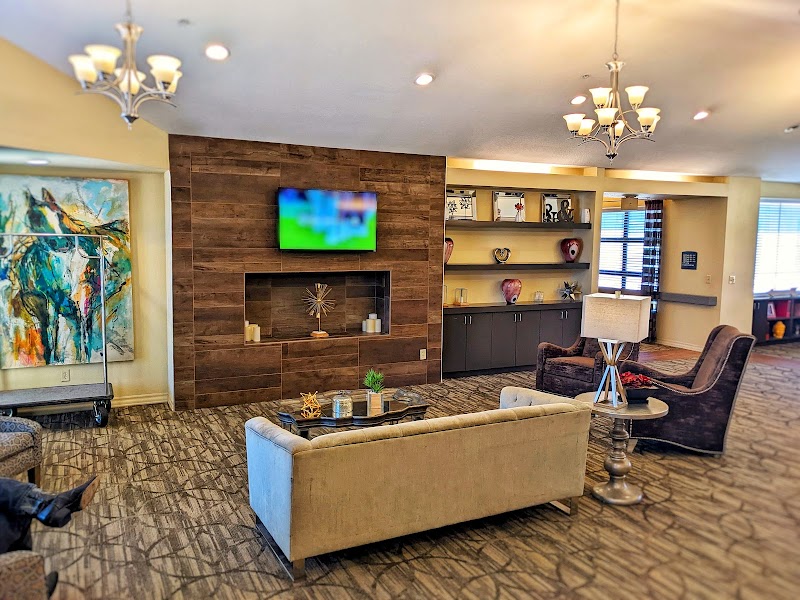
How is Forum Parkway Health & Rehabilitation Staffed?

CMS rates FORUM PARKWAY HEALTH & REHABILITATION's staffing level at 3 out of 5 stars, which is average compared to other nursing homes. Staff turnover is 50%, compared to the Texas average of 46%.

What Have Inspectors Found at Forum Parkway Health & Rehabilitation?

State health inspectors documented 21 deficiencies at FORUM PARKWAY HEALTH & REHABILITATION during 2022 to 2025. These included: 1 Immediate Jeopardy (the most serious level, indicating potential for serious harm or death) and 20 with potential for harm. Immediate Jeopardy findings are rare and represent the most serious regulatory concerns. They require immediate corrective action.

Who Owns and Operates Forum Parkway Health & Rehabilitation?

FORUM PARKWAY HEALTH & REHABILITATION is owned by a government entity. Government-operated facilities are typically run by state, county, or municipal agencies. The facility is operated by HMG HEALTHCARE, a chain that manages multiple nursing homes. With 139 certified beds and approximately 88 residents (about 63% occupancy), it is a mid-sized facility located in BEDFORD, Texas.
How Does Forum Parkway Health & Rehabilitation Compare to Other Texas Nursing Homes?

Compared to the 100 nursing homes in Texas, FORUM PARKWAY HEALTH & REHABILITATION's overall rating (3 stars) is above the state average of 2.8, staff turnover (50%) is near the state average of 46%, and health inspection rating (2 stars) is below the national benchmark.

What Should Families Ask When Visiting Forum Parkway Health & Rehabilitation?

Based on this facility's data, families visiting should ask: "What changes have been made since the serious inspection findings, and how are you preventing similar issues?" "Can I visit during a mealtime to observe dining assistance and food quality?" "How do you handle medical emergencies, and what is your hospital transfer rate?" "Can I speak with family members of current residents about their experience?" These questions are particularly relevant given the facility's Immediate Jeopardy citations.

Is Forum Parkway Health & Rehabilitation Safe?

Based on CMS inspection data, FORUM PARKWAY HEALTH & REHABILITATION has documented safety concerns. Inspectors have issued 1 Immediate Jeopardy citation (the most serious violation level indicating risk of serious injury or death). The facility has a 3-star overall rating and ranks #1 of 100 nursing homes in Texas. Families considering this facility should ask detailed questions about what corrective actions have been taken since these incidents.

Do Nurses at Forum Parkway Health & Rehabilitation Stick Around?

FORUM PARKWAY HEALTH & REHABILITATION has a staff turnover rate of 50%, which is about average for Texas nursing homes (state average: 46%). Moderate turnover is common in nursing homes, but families should still ask about staff tenure and how the facility maintains care continuity when employees leave.

Was Forum Parkway Health & Rehabilitation Ever Fined?

FORUM PARKWAY HEALTH & REHABILITATION has been fined $19,083 across 1 penalty action. This is below the Texas average of $33,270. While any fine indicates a compliance issue, fines under $50,000 are relatively common and typically reflect isolated problems that were subsequently corrected. Families should ask what specific issues led to these fines and confirm they've been resolved.

Is Forum Parkway Health & Rehabilitation on Any Federal Watch List?

FORUM PARKWAY HEALTH & REHABILITATION is not on any federal watch list. The most significant is the Special Focus Facility (SFF) program, which identifies the bottom 1% of nursing homes nationally based on persistent, serious quality problems. Not being on this list means the facility has avoided the pattern of deficiencies that triggers enhanced federal oversight. This is a positive indicator, though families should still review the facility's inspection history directly.