LA DORA NURSING AND REHABILITATION CENTER
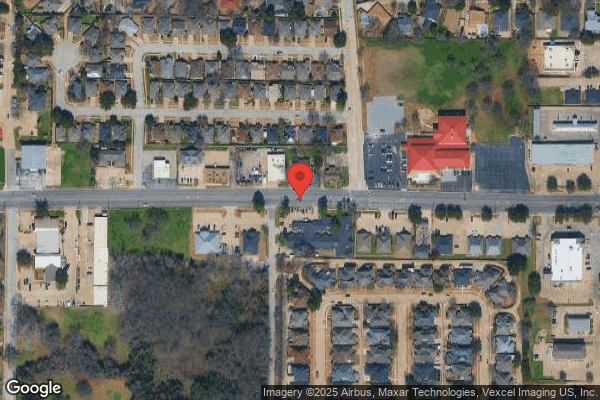
1960 BEDFORD RD, BEDFORD, TX 76021 (817) 283-4771
For profit - Limited Liability company 62 Beds CROSS HEALTHCARE MANAGEMENT Data: November 2025
Trust Grade
85/100
#79 of 1168 in TX
Last Inspection: February 2025

Within standard 12-15 month inspection cycle. Federal law requires annual inspections.

Overview

La Dora Nursing and Rehabilitation Center has a Trust Grade of B+, which means it is above average and recommended for families considering care. It ranks #79 out of 1,168 facilities in Texas, placing it in the top half, and #4 out of 69 in Tarrant County, indicating only three local facilities are rated better. The facility is improving, having reduced its issues from 5 in 2024 to 4 in 2025. Staffing is a strength, with a rating of 4 out of 5 stars and a turnover rate of 36%, which is significantly better than the Texas average of 50%. Notably, there are no fines on record, and the facility boasts more RN coverage than 94% of Texas facilities, ensuring high-quality oversight. However, there are some concerns. The inspector found that medication carts were left unlocked and unattended, which could lead to risks of theft or misuse of medications. Additionally, food safety practices were lacking, as food items were not properly labeled or sealed, posing a risk of contamination. Lastly, proper infection control measures were not consistently followed, with staff failing to sanitize hands and equipment, which could increase the risk of spreading infections. Overall, while La Dora has many strengths, families should be aware of these significant weaknesses in safety and hygiene practices.

Trust Score
B+
85/100
In Texas
#79/1168
Top 6%
Safety Record
Low Risk
No red flags
Inspections
Getting Better
5 → 4 violations
Staff Stability
○ Average
36% turnover. Near Texas's 48% average. Typical for the industry.
Penalties
✓ Good
No fines on record. Clean compliance history, better than most Texas facilities.
Skilled Nurses
○ Average
Each resident gets 41 minutes of Registered Nurse (RN) attention daily — about average for Texas. RNs are the most trained staff who monitor for health changes.
Violations
⚠ Watch
14 deficiencies on record. Higher than average. Multiple issues found across inspections.
★★★★★
5.0
Overall Rating
★★★★☆
4.0
Staff Levels
★★★★★
5.0
Care Quality
★★★★☆
4.0
Inspection Score
Stable
2024: 5 issues
2025: 4 issues

The Good

  • 4-Star Staffing Rating · Above-average nurse staffing levels
  • 5-Star Quality Measures · Strong clinical quality outcomes
  • Full Sprinkler Coverage · Fire safety systems throughout facility
  • No fines on record
  • Staff turnover below average (36%)

    12 points below Texas average of 48%

Facility shows strength in staffing levels, quality measures, fire safety.

The Bad

Staff Turnover: 36%

10pts below Texas avg (46%)

Typical for the industry

Chain: CROSS HEALTHCARE MANAGEMENT

Part of a multi-facility chain

Ask about local staffing decisions and management

The Ugly 14 deficiencies on record

Feb 2025 3 deficiencies
CONCERN (E)

Potential for Harm - no one hurt, but risky conditions existed

Deficiency F0761 (Tag F0761)

Could have caused harm · This affected multiple residents

**NOTE- TERMS IN BRACKETS HAVE BEEN EDITED TO PROTECT CONFIDENTIALITY** Based on observation, interview, and record review the facility failed to ensure all drugs and biologicals were stored in locked...

Read full inspector narrative →
**NOTE- TERMS IN BRACKETS HAVE BEEN EDITED TO PROTECT CONFIDENTIALITY** Based on observation, interview, and record review the facility failed to ensure all drugs and biologicals were stored in locked compartments for two of three medication carts (Nurse med carts #1 and #2) in that: LVN B left Nurse Med Cart #1 unlocked and unattended on 02/11/25 and on 02/12/25. LVN C left six medications on top of Nurse Med Cart #2 while the cart was unattended and out of the nurse's view on 02/12/25. These failures could place residents at risk of their medications being stolen or misused and health complications related to accidental ingestion of drugs and/or biologicals, including hospitalization. Findings included: During an observation and interview on the secure unit on 02/11/25 at 10:20 AM, it was revealed that LVN B left Nurse Med Cart #1 unlocked and unattended in the hallway against the wall by room A1 with the drawers facing out into the hallway. Nurse Med Cart #1 was unlocked with the drawers able to be opened and accessed. Multiple residents were seated in the dining room with the Nurse Med Cart#1 in view from the dining area. LVN B was observed walking back to the Nurse Med Cart#1 from inside one of the residents' rooms. The Nurse Med cart#1 contained insulins (medications that can lower blood sugars), prescription medications pills, over the counter medications, and breathing treatments inhalers containing albuterol, (a medication that causes nervousness, shakiness, throat/nasal irritation, muscle aches, and trembling). LVN B tapped her head and stated Ahh, I forgot to lock the cart. LVN B stated the expectation was the medication cart was always locked when no one was using it to prevent anyone without access to get into the med cart. During an observation and interview with LVN B on the secure unit on 02/12/25 at 07:50 AM it was revealed that the Nurse Med Cart #1 was unlocked, with drawers able to be opened and LVN B was out of view. LVN B was in the dining room away from the unlocked Nurse Med Cart#1. LVN B stated the medication cart should have been locked. She stated she forgot to lock it when not in use. LVN B stated the risk was a resident could get into the medication cart. During an observation on 02/12/25 at 07:06 AM, revealed six medications were on top of Nurse Med Cart #2. The medications were left unattended. LVN C was inside room [ROOM NUMBER]. Multiple staff were observed in the hallway walking past the medication cart. The medications on top of the med cart were as follows: - Amlodipine tab 5 mg. Give 1 tablet by mouth 1 time daily *HOLD as Directed per MAR* (this medication is used to lower heart rate and blood pressure) - Carvedilol TAB 6.25 MG. Give 1 tablet by mouth 2 times a day. *HOLD as Directed per MAR* (this medication is used to lower heart rate and blood pressure) - Furosemide TAB 20 MG. Give 1 tablet by mouth 2 times a day (this is a diuretic a medication that helps to remove fluid from the body) - Jardiance TAB 10 MG. Give 1 tablet by mouth 1 time daily (Antidiabetic medication-this medication is used to control and lower blood sugar) - Losartan TAB 100-25. Give 1 tablet by mouth 1 time daily. *HOLD as Directed per MAR* (this medication is used to lower blood pressure) - Fluticasone Spray 50 MCG sub for Flonase. 1 spray in each nose (this medication is used for allergies) In an interview with LVN C on 02/12/25 at 07:26 AM, she stated she should have locked the medications inside the medication cart. She stated she forgot and was nervous being watched. LVN C stated that any resident could have come to the cart and picked up the medications. During an interview on 02/13/25 at 1:36 PM, the DON stated the expectation was all the medication carts were locked when not in use and unattended to decrease the risk of residents and unauthorized persons getting into the cart and accessing medications. Record review of the facility's policy titled Storage of Medications, with a revision date of April 2007, reflected, in part, The medication cart shall be secured during medication passes ., when it is not possible to park the medication cart in the doorway, the cart should be parked in the hallway against the wall and drawers facing the wall. The cart must be locked before the nurse enters the room . medications carts must be securely locked at all times when out of the nurses view
CONCERN (E)

Potential for Harm - no one hurt, but risky conditions existed

Food Safety (Tag F0812)

Could have caused harm · This affected multiple residents

Based on observation, interview, and record review the facility failed to store, distribute, and serve food in accordance with professional standards for food safety in the facility's only kitchen. Th...

Read full inspector narrative →
Based on observation, interview, and record review the facility failed to store, distribute, and serve food in accordance with professional standards for food safety in the facility's only kitchen. The facility failed to ensure food items in the refrigerator were dated, labeled, and sealed appropriately. The failure could affect residents who received their meals from the facility's only kitchen, by placing them at risk for food-borne illness, and food contamination. Findings included: Observations of the facility's kitchen refrigerator on 02/11/2025 at 9:00 AM revealed the following items were not sealed, labeled, or dated with any dates: 1 plastic bag with 7 hardboiled eggs not labeled or dated. 1 large container of hot sauce almost empty not dated. 1 open container exposed to air in refrigerator with bell peppers and onion not sealed , labeled, or dated. Observations of the facility's kitchen freezer on 02/11/2025 at 9:15 AM revealed the following items were not sealed, labeled, or dated: 1 box of frozen beef patties not dated. Interview with the Dietary Manager on 02/12/2025 at 10:45 AM revealed that all food is to be sealed, labeled, and dated. The dietary department received an order on Monday, 02/10/2025. The [NAME] was responsible for labeling and dating the frozen food in the freezers and backstock foods in the pantry. The Dietary Aides were responsible for labeling and dating the food in the refrigerators and stocking the disposable goods. The Dietary Manager revealed that staff had been trained on labeling and dating. The Dietary Manager would in-service staff on sealing, labeling, and dating. Review of facility Food Storage Policy, dated 2001 and last revised on 11/2022, revealed All foods stored in the refrigerator or freezer are covered, labeled, and dated (use by date) .
CONCERN (E)

Potential for Harm - no one hurt, but risky conditions existed

Infection Control (Tag F0880)

Could have caused harm · This affected multiple residents

**NOTE- TERMS IN BRACKETS HAVE BEEN EDITED TO PROTECT CONFIDENTIALITY** Based on observation, interview and record review, the facility failed to maintain an infection prevention and control measure d...

Read full inspector narrative →
**NOTE- TERMS IN BRACKETS HAVE BEEN EDITED TO PROTECT CONFIDENTIALITY** Based on observation, interview and record review, the facility failed to maintain an infection prevention and control measure designed to provide a safe, sanitary environment to help prevent the development and transmission of communicable diseases and infections for 2 of 4 residents (Resident #44 and Resident #106) reviewed for infection control in that: 1. LVN A failed to sanitize her hands after moving Resident #44's floor mat before touching his bedside table and did she not change her gloves after touching the door, adjusting the bed and touching the privacy curtain before touching Resident #44's G-tube. 2.LVN A, CNA D, and CNA E failed to prevent cross contamination of Resident #44's care items during wound care. 3. LVN C failed to sanitize the stethoscope (this is a medical device used for listening to internal sounds in the body) that was on her neck covered with hair before placing it on Resident #106 stomach to listen to his bowel sounds and g-tube placement. These deficient practices could place residents at risk of transmission of communicable diseases and infections. Findings include: 1. Review of Resident #44's face sheet dated 02/11/25 revealed a [AGE] year-old male who admitted at the facility on 02/21/23 with a primary diagnoses of anoxic brain damage (this is brain damage caused by lack of oxygen). His secondary diagnoses were dementia (this is a brain disease that alters brain function and causes a cognitive decline) , pneumonia, need for assistance with personal care, Heart diseases and heart failure, difficulty speaking and swallowing, gastrostomy status (this is a feeding tube that is placed through the abdominal cavity area into the stomach for nutritional purpose and medication for individual who have a difficulty swallowing), Chronic Peripheral Venous Insufficiency (this is a condition that occurs when veins in the legs or arms have difficulty returning blood to the heart), and high blood pressure. Review of Resident #44's quarterly MDS assessment dated [DATE] revealed a Brief Inventory of Mental Status (a standardized assessment to measure long and short-term memory) of zero out of fifteen, indicating severe cognitive impairment. Review of Resident #44 care plan initiated 08/08/24 revealed Resident #44 had a right popliteal fossa wound (wound behind the knee). The goal was Resident#44 would be free from infection or complications related to arterial ulcer ( this is a painful wound caused by poor blood circulation in the lower legs) through review. The interventions were Analgesia (pain medication) as ordered. Monitor/document side effects and effectiveness, Honey alginate, calcium alginate with dry dressing, monitor/document wound: size, depth, margins: peri wound skin, sinuses, undermining, exudates (leaks), edema (swelling), granulation pink or red soft tissue healing process) , infection, necrosis, eschar (black tissue), gangrene (green drainage and Foul odor). Document progress in wound healing on an ongoing basis. Notify physician as indicated; Monitor/document/report PRN any s/sx of infection: green drainage, foul odor, redness and swelling, red lines coming from the wound, excessive pain, and fever. The care plan further revealed a focus Resident #44 had a peripheral artery disease ulcer (this is a circulatory condition in which narrowed blood vessels reduce blood flow to the limbs) of the right calf and the left calf r/t Peripheral Arterial Disease. The goal was Resident #44 would be free from infection or complications related to arterial ulcer through review date. The interventions included analgesia as ordered. Monitor/document side effects and effectiveness, apply thin layer of iodoform to gauze, place on the open wound cover with dry dressing, change daily and PRN. Observation on 02/11/25 at 12:15 PM, revealed LVN A walking into Resident #44's room. She stood on the floor mat beside Resident #44 as she told him that she was going to give him his medications. After talking with Resident #44, LVN A stepped off the floor mat and rolled it to the side with her bare hands. LVN A then went to Resident #44's table that contained medications cups, a g-tube syringe and cylinder and moved the table. LVN A did not sanitize her hands before touching the bedside table. LVN A then stated she would go and wash her hands. She went to Resident #44's bathroom, opened the door and washed her hands. When she came back, she put on gloves then she stated she needed water for the g-tube and she went back to the bathroom with the cylinder and opened the door with her gloved hands. She returned and placed the water on the bedside table. She then adjusted Resident #44's bed with a remote, removed his covers to expose the g-tube and touched Resident #44's g-tube. LVN A did not change her gloves after touching the bathroom door, adjusting the bed and moving the bed covers before touching Resident #44's g-tube. In an interview with LVN A on 02/11/25 at 12:34 PM, she stated she had contaminated the resident's table by not performing hand hygiene after moving the floor mat. She stated she was nervous being watched and forgot to change her gloves before g-tube medication administration. LVN A stated she had been in serviced on g-tube management and medication administration prior to her taking care of the residents with g-tube. She stated hand hygiene was expected for infection control. 2. Observation and interview with LVN A on 02/12/24 at 10:50 AM, revealed LVN A placed wax paper on a bedside table. On top of the wax paper, she placed wound care items for Resident #44 which contained gauze pieces, large pieces of band aids, wound cleanser, and wound ointment. LVN A placed the bedside table next to the privacy curtain and the bedside table was placed to where it was touching the privacy curtain . The curtain was touching the wax paper with the items on it. CNA D and CNA E came into the room to assist LVN A. CNA D and CNA E reached over the bedside table containing the wound care items to get to the side table where they kept gowns for PPE. Both CNA D and CNA E dressed into their PPE standing right next to the wound care items for Resident #44, their gowns touched the wound care items. CNA E was observed handing LVN A a gown directly over the bedside table with the wound care items. CNA E placed the gown on top of the bedside table with the wound items for LVN A. LVN A then reached over the bedside table with the wound items to get into the side table to get a gown, but CNA E stopped her and pointed to the one that she had set on the bedside table on top of wound care items for her. Further observation revealed LVN A was cleaning Resident #44's wound, CNA E reached over from the left side of LVN A to help hold Resident #44's foot. CNA E was diagonally over the cleaned wound as LVN A dressed the wound underneath CNA E outstretched arms. There was no barrier between the Resident #106's leg and the mattress, CNA E was holding leg off the mattress. LVN A stated she should have kept the wound care field clean and not allow anyone access to it. She stated the wound care table was a clean field and no one should reach over it, and she stated she should not have left the wound care items exposed by many staff before use. She stated it was a standard precaution to keep supplies clean for infection control. In an interview with CNA D on 02/12/25 at 11:30 AM, she stated she had been in serviced by DON about enhanced barrier precautions and that PPE must be worn for residents with wounds. CNA D stated she did not know to put on PPE away from wound care items. She stated she had been trained on the importance of Infection control. In an interview with CNA E on 02/13/25 at 1:20 PM, she stated she did not know that she could not reach over a clean field and could contaminate the supplies. She stated she was not thinking well when she reached over to hold Resident #44's foot up. 3. Review of Resident #106's face sheet dated 02/13/25 revealed a [AGE] year-old male who was admitted to the facility on [DATE]. His primary diagnosis was benign neoplasm of cerebral meninges. His secondary diagnosis was disseminated Zoster (shingle virus), chronic atrial fibrillation (this is a heart condition that causes an irregular, often rapid heart rate that can cause poor blood flow), gastrostomy status (this is a feeding tube that is placed through the abdominal cavity area into the stomach for nutritional purpose and medication for individual who have a difficulty swallowing), and kidney failure. Review of Resident #106 admission MDS dated [DATE] revealed it was in process and not completed. Review of Resident #106's care plan initiated on 02/07/25 revealed as a gastrostomy tube will remain patent (open) and intact through next review. Gastrostomy site will remain free from s/s of infection through next review. The interventions were to apply clean dressing to gastrostomy site daily, clean g-tube site daily and prn, Flush gastrostomy tube as directed to keep patent, monitor gastrostomy stoma for s/sx of infection, e.g., reddens, excessive drainage, foul odor, pain. The care plan also revealed Resident #106 was at risk for secondary infection due to the active shingle virus. The goal was the resident would remain hydrated and show no signs and/or symptoms of infection., The interventions were to educate the resident/representative on techniques to prevent infection, such as handwashing, adequate rest, nutrition, and avoidance of crowds, Evaluate for source of infection. Observation on 02/13/25 at 07:29 AM, revealed LVN C at Resident #106's bedside. LVN C removed the stethoscope that was around her neck and in between her braided hair and placed it on Resident #106's stomach next to his g-tube. LVN C did not sanitize the stethoscope before use on Resident #106. After LVN C was done she put the stethoscope back on her neck and then onto the medication cart. LVN C did not sanitize the stethoscope after use and before placing it on top of the medication cart. In an interview with LVN C on 02/13/25 at 07:53 AM, she stated she forgot to sanitize the stethoscope before use, and she should have cleaned it after use. She stated she forgot, and she could have contaminated the resident and herself. She stated shared equipment was sanitized to prevent infection. In an interview with the DON on 02/13/25 at 1:36 PM, she stated all staff were expected to use standard infection control precautions including hand hygiene wherever it was applicable. She stated can E was being helpful to hold the foot during wound care, but she should not be reaching over wound, and she should not be reaching over the clean field with the wound care items. The DON stated nurses back in her days were trained to have their hair tied back or to wear hair cover so that the stethoscope was not covered by hair. She stated the expectation was for LVN C to sanitize the stethoscope before use and after use. She stated, She should have cleaned, clean stethoscope for infection control. The DON stated she had in-serviced on infection control including EBP. The DON said she was responsible for monitoring that infection control precautions were being followed. Review of the facility's policy dated December 2023, and titled Standard Precautions revealed .Standard precautions are used in the care of all residents regardless of their diagnoses, or suspected or confirmed infection status .hand hygiene is performed with soap (anti-microbial or non-antimicrobial) or alcohol-based hand rub before and after contact with the resident .Resident-Care Equipment: reusable equipment is not used for the care of more than one resident until it has been appropriately cleaned and reprocessed . Review of Facility's policy titled Wound Care, revision date October 2010 reflected the following, read in part, . 1.Use disposable cloth (paper towel is adequate) to establish clean field on resident's overbed table. Place all items to be used during procedure on the clean field. Arrange the supplies so they can be easily reached. 2. Wash and dry your hands thoroughly. 3. Position resident. Place disposable cloth next to resident (under the wound) to serve as a barrier to protect the bed linen and other body sites. 4. Put on exam glove. Loosen tape and remove dressing. 5. Pull glove over dressing and discard into appropriate receptacle. Wash and dry your hands thoroughly. 6. Put on gloves. Gowns will only be necessary if soiling of your skin or clothing with blood, urine, feces, or other body fluids is likely. Masks and eyewear will only be necessary if splashing of blood or other body fluids into your eyes or mouth is likely. 7. Use no-touch technique. Use sterile tongue blades and applicators to remove ointments and creams from their containers. 8. Pour liquid solutions directly on gauze sponges on their papers. 9. Wear exam gloves for holding gauze to catch irrigation solutions that are poured directly over the wound. 10. Wear sterile gloves when physically touching the wound or holding a moist surface over the wound. 11. Place one (1) gauze to cover all broken skin. Wash tissue around the wound that is usually covered by the dressing, tape or gauze with antiseptic or soap and water. 13. Dress wound. Pick up sponge with paper and apply directly to area. [NAME] tape with initials, time, and date and apply to dressing. Be certain all clean items are on clean field Review of the policy Skin Management dated 2001 revealed the following: Residents having pressure injuries receive the necessary care and services to promote healing, prevent infection . Appropriate measures to promote healing and prevent infection will be provided . Review of the facility's Treatment Nurse Competency Check Off, undated, revealed the following: 6. Gather all needed supplies for treatment, including piece of wax paper/barrier for over bed table, and set up items maintaining clean field. 21. If any area was contaminated, start over.
Jan 2025 1 deficiency
CONCERN (D) 📢 Someone Reported This

A family member, employee, or ombudsman was alarmed enough to file a formal complaint

Potential for Harm - no one hurt, but risky conditions existed

Free from Abuse/Neglect (Tag F0600)

Could have caused harm · This affected 1 resident

**NOTE- TERMS IN BRACKETS HAVE BEEN EDITED TO PROTECT CONFIDENTIALITY** Based on interview and record review, the facility failed to ensure resident was free from abuse and neglect for 1(Resident #1) ...

Read full inspector narrative →
**NOTE- TERMS IN BRACKETS HAVE BEEN EDITED TO PROTECT CONFIDENTIALITY** Based on interview and record review, the facility failed to ensure resident was free from abuse and neglect for 1(Resident #1) of 3 residents reviewed for abuse, neglect, and exploitation. The facility failed to ensure that Resident #1 was free from neglect when ST-A entered the code to the door to let Resident #1 out of the facility. Resident #1 was seen by another staff and brought back into the facility. This failure could place residents at risk of neglect, injury, and psychosocial harm. Findings included: Record review of Resident #1's face sheet, dated, 01/07/25, reflected an [AGE] year-old female who was admitted to the facility on [DATE]. Resident #1 had diagnoses which included age related cognitive decline ( a gradual decline in some thinking abilities), type 2 diabetes (a long-term condition in which the body has trouble controlling blood sugar and using it for energy), anxiety disorder (a mental health disorder characterized by feelings of worry, or fear that are strong enough to interfere with one's daily activities), and hypertension (a condition in which the force of the blood against the artery walls is too high). Record review of Resident #1's Discharge MDS Assessment, dated 01/07/25, reflected the BIMS should not be conducted because the resident is rarely/never understood, indicated the section would be skipped. Record review of Resident #1's Comprehensive Care Plan, completed on, 01/07/2024, reflected Resident #1 was an elopement risk/wanderer r/t age related cognitive decline. Interventions: Distract resident from wandering by offering pleasant diversions, structured activities, food, conversation, television, book resident prefers. Identify pattern of wandering: Is wandering purposeful, aimless, or escapist? Is resident looking for something? Does it indicate the need for more exercise? Intervene as appropriate. Resident #1 was potential for falls. Interventions: Encourage and monitor Resident #1 for continued independence. Record review of Resident #1's Elopement Evaluation dated 01/06/25 reflected the assessment scale was 0-4 and Resident #1's assessment score was 4.0. Record review of the facility investigation report, dated 01/07/25, reflected Resident #1 admitted from home on the evening of 1/6/25, approximately 7:22 PM. On the morning of 1/7/25 Resident #1 was observed in the dining area socializing with other residents. Around 7:30 AM Resident #1 proceeded from the dining room to the front lobby. At 7:34 AM Resident #1 asked [ST-A] if she could open the door. [ST-A] assumed Resident #1 was a visitor and proceeded to let Resident #1 out the front door. Shortly after the resident proceeded through the front door, [PT-B] approximately 7:35 AM recognized the resident from the window of a resident's room. [PT-B] then proceeded to let the other staff know there was a resident outside of the facility. Code Pink was immediately called, and staff members immediately proceeded outside to redirected and accompanied Resident #1 inside the facility. Provider Response: initiated 1 on 1 by assigned staff, completed a head count, head to toe assessment, notified RP, Physician Ombudsman, in-services (Emergency Procedure for missing resident Drill, Abuse and Neglect, Dementia), updated and completed elopement evaluations/binder, obtained consent for secured unit, Resident #1 discharged to secured unit, changed the code to front door, suspended staff [ST-A] until further investigation, witness statements, and safe survey. Record review of Resident #1's incident report, dated 01/07/25, reflected, Incident Location: Outside; Incident Description: Notified MD/NP/DON/ADON/Administrator that resident was observed outside the facility by the Therapist. Notified by staff that resident was accompanied back inside the facility by aides, therapist, and Charge Nurse. No distress noted. Resident is being monitored by staff to ensure safety. Head to toe assessment performed w/o any abnormal findings. No distress noted. Resident is a new admission. Resident ambulates independently without assistive device or physical assistance. Resident is alert and verbal. Record review of ST-A's personnel record reflected she completed training on Preventing, Recognizing, and Reporting Abuse on 09/09/24, Alzheimer's Disease and Related Disorders: Behaviors was completed 09/09/24, Abuse, Neglect, and Exploitation completed 09/09/24. In a Face-to-Face interview on 01/16/25 at 11:37 AM with PT-B he revealed he was in a resident's room when he noticed Resident #1 outside the window. He stated he alerted the staff, and they called a code pink (used to notify the building of missing resident). He stated he had been in the room about five minutes when he saw Resident #1 outside the window. He stated he did not know who was responsible for Resident #1 when she was outside. He stated he went outside with other staff to guide Resident #1 back into the building. He stated he did not see any marks or bruises on Resident #1 when he saw her outside. He stated the resident had been at risk of going into the street and she could have gotten lost. In a telephone interview on 01/16/25 at 11:53 AM with ST-A, she revealed she had been employed as a ST at the facility. She stated on 01/07/25 she was in the lobby making copies when she was approached by Resident #1. She stated she was not aware that Resident #1 was a resident at the facility. She stated Resident #1 told her she needed to get out and go home. She stated she entered the door code to let Resident #1 out of the building and returned to the therapy office. She stated about two minutes later she was notified that the person she opened the door for was Resident #1. She stated when she learned that she headed to the front of the building to re-direct the resident back inside the building when she saw Resident entering the building with PT-B. She stated she had received training on abuse and neglect and how to handle a resident who tried to elope the facility. She stated the resident was at risk of harm if she had gone into the street or the weather if she did not have on a coat. In a face-to-face interview on 01/16/25 at 3:20 PM with Administrator revealed, interviews with staff determined Resident #1 was outside for about five minutes. ST-A had received training on A/N/E. He stated after ST-A opened the door for Resident #1 she was re-educated and suspended. He stated he thought the alleged neglect occurred because ST-A was careless and did not use her critical thinking skills and as a result she was terminated. He stated the action taken to respond to concerns was re-education of all facility staff, in-services on abuse and neglect, an elopement drill was conducted, and the code on the front door was changed. He stated actions taken to prevent further potential neglect after his investigation was completed, he spoke with the therapy team to be aware of surroundings, staff, and residents. He stated he ordered visitor tags to be worn by all visitors when they have entered the building. He stated he would send out a message to all staff and family that the visit tags should be worn to protect the residents. He stated Resident #1 was at risk of harm if she had gone into traffic, gotten lost, or gotten hurt while outside. Record review of facility Abuse and Neglect policy dated April 2021 reflected, Residents have the right to be free from abuse, neglect. 1. Protect residents from abuse, neglect, exploitation, or misappropriation of property by anyone including, but not necessarily limited to: a. Facility staff 2. Develop and implement policies and protocols to prevent and identify: a. Abuse or mistreatment of residents; b. Neglect of residents 6. Provide staff orientation and training/orientation programs that include topics such as abuse prevention, identification and reporting of abuse Record review of facility wandering and elopement policy dated March 2019 reflected The facility will identify residents who are at risk of unsafe wandering and strive to prevent harm while maintaining the least restrictive environment for residents. 1. If identified as at risk for wandering, elopement, or other safety issues, the resident's care plan will include strategies and interventions to maintain the resident's safety. 2. If an employee observes a resident leaving the premises, he/she should: a. Attempt to prevent the resident from leaving in a courteous manner; b. Get help from other staff members in the immediate vicinity c. Instruct another staff member to inform the charge nurse or director of nursing services that a resident is attempting to leave or has left the premises.
Jan 2024 5 deficiencies
CONCERN (D)

Potential for Harm - no one hurt, but risky conditions existed

Deficiency F0655 (Tag F0655)

Could have caused harm · This affected 1 resident

**NOTE- TERMS IN BRACKETS HAVE BEEN EDITED TO PROTECT CONFIDENTIALITY** Based on interview and record review, the facility failed to develop a baseline care plan within 48 hours for 1 of 4 residents (...

Read full inspector narrative →
**NOTE- TERMS IN BRACKETS HAVE BEEN EDITED TO PROTECT CONFIDENTIALITY** Based on interview and record review, the facility failed to develop a baseline care plan within 48 hours for 1 of 4 residents (Resident #204) reviewed for baseline care plans. The facility failed to ensure Resident #204's baseline care plan was completed within 48 hours of admission. This failure could affect residents by not addressing their physical, mental, and psychosocial needs. Findings included: Record review of Resident #204's admission record, dated 01/05/2024, revealed an [AGE] year-old male who admitted to the facility on [DATE] with no diagnoses completed. Length of stay 6 days at time of record review on 01/05/24. Record review of Resident #204's MDS assessment, dated 01/04/2024, reflected a BIMS score of 9, indicating moderately impaired cognition. Section K -Swallowing/Nutritional status of the MDS reflected Resident#204 had a mechanically altered diet; required change in texture of food or liquid (e.g , pureed food, thickened liquids) and he was on a therapeutic diet (e.g , low salt, diabetic, low cholesterol). Record review of Resident #204's baseline care plan revealed no data and was not completed. No comprehensive Care plan completed as of 01/05/24. Interview on 01/05/24 at 01:07 PM, the DON stated they had 48 hours to get the baseline care plan done. She said that baseline care plan was the responsibility of the admitting nurse. DON said she was not aware the resident #204's baseline Care plan was not completed. She stated completing care plans was important, so staff know how to care for the residents. DON said that she will complete Resident #204's baseline care plan 01/05/24. Interview on 01/05/24 at 01:24 PM, the MDS Coordinator stated they had 48 hours to complete the baseline care plan and the nurse or DON would complete them. He stated if he noticed there was not a baseline care plan within the first 2-3 days, he would complete one himself. He stated it was important to complete care plans so staff know what to do to care for residents. Interview on 01/05/24 at 02:36 PM, the Administrator stated that baseline care plans should be completed within 48 hours. Record review of facility policy titled Care Plans - Baseline, revised March 2022, reflected in part: A baseline plan of care to meet the resident's immediate health and safety needs is developed for each resident within forty-eight (48) hours of admission. 1. The baseline care plan includes instructions needed to provide effective, person-centered care of the resident that meet professional standards of quality care and must include the minimum healthcare information necessary to properly care for the resident including, but not limited to the following: a. Initial goals based on admission orders and discussion with the resident/representative; b. Physician orders; c. Dietary orders; d. Therapy services; e. Social services; .
CONCERN (D)

Potential for Harm - no one hurt, but risky conditions existed

Comprehensive Care Plan (Tag F0656)

Could have caused harm · This affected 1 resident

**NOTE- TERMS IN BRACKETS HAVE BEEN EDITED TO PROTECT CONFIDENTIALITY** Based on observation, interview and record review, the facility failed to develop and implement a comprehensive person-centered ...

Read full inspector narrative →
**NOTE- TERMS IN BRACKETS HAVE BEEN EDITED TO PROTECT CONFIDENTIALITY** Based on observation, interview and record review, the facility failed to develop and implement a comprehensive person-centered care plan for each resident that included measurable objectives and timeframes to meet a resident's medical, nursing, and mental and psychosocial needs that were identified in the comprehensive assessment and described the services that were to be furnished to attain or maintain the resident's highest practicable physical, mental, and psychosocial well-being for 3 of 13 residents (Resident #28, Resident #30, and Resident #65) reviewed for comprehensive care plans. 1. The facility failed to ensure Resident #30 ' s tube feeding status was documented in the care plan. 2. The facility failed to ensure Resident #65 ' s wandering and elopement risk was documented in the care plan. 3. The facility failed to ensure Resident #28 ' s PICC (Peripherally Inserted Central Catheter) was documented in care plan. These failures could place residents at risk of not receiving adequate care and not having their physical, mental, and psychosocial needs met. Findings included: 1. Record review of Resident #30 ' s admission record, dated 01/05/24, revealed a [AGE] year-old male who admitted to the facility on [DATE] with diagnoses that included perforation of esophagus, dysphagia, malignant neoplasm of esophagus, and malnutrition. Record review of Resident #30 ' s MDS assessment, dated 11/27/2023, reflected a BIMS score of 14, indicating intact cognition. Section K - swallowing/Nutritional status of the MDS reflected Resident #30 had a feeding tube while a resident. Record review of Resident #30 ' s comprehensive care plan, dated 11/22/2023, did not include Resident #30 ' s feeding tube or interventions. Record review of Resident #30 ' s physician orders, dated 11/22/2023, reflected NPO diet, NPO texture, NPO consistency for g-tube only and physician orders, dated 12/8/2023, reflected Osmolite 1.5, 1 Carton (237ml) 5x daily with H20 flush 60ml before and after each bolus to provide: 1775kcal, 74gm protein, 905ml free H20 and 1505ml total H20. five times a day for Maintain weight and nutrition. Interview on 01/03/24 at 09:27 AM, Resident #30 stated he did not remember when he got to the facility, but it had been about 3-4 weeks. He stated he did not get to eat or drink anything orally. He said he had a feeding tube because when he had surgery something with his esophagus went wrong and he was restricted from receiving water orally. Interview on 01/05/24 at 11:37 AM, LVN B stated Resident #30 could not have water orally because the surgeon had not completed what he was doing and Resident #30 had a follow up appointment scheduled on 01/15/2023. She said Resident #30 had a swallow study done 2. Record review of Resident # 65 ' s admission record, dated January 5, 2024 revealed a [AGE] year-old female who admitted to the facility on [DATE] with diagnoses that included unspecified Alzheimer's disease, anemia, hypothyroidism, and unspecified mood disorder. Record review of Resident #65 ' s MDS assessment, dated 10/30/2023, revealed a BIMS of 0, indicating sever cognitive impairment. Further review of the MDS section E - Behavior, revealed wandering occured daily. Record review of Resident #65 ' s Comprehensive care plan did not indicate that resident was an elopement risk and resident needed to be placed on the secure unit. The MDS Coordinator said that it should have been updated before she got onto the unit but since it happened so fast, it looked as if it was missing. He said he will personally update the CarePlan today (1/5/24) to show the need of her being on the secure unit. Observation on 01/05/2024 at 11:00am revealed Resident #65 was seen being redirected back into her room after trying to enter the room of another resident on the secure unit. Resident #65 seemed a bit confused when staff showed her that her room was in a different direction from which she was walking. Resident #65 was observed in her room resting with no complaint or issue to report. 3. Record review of Resident #28 ' s admission record, dated 01/05/2024, revealed a [AGE] year-old female who admitted to the facility on [DATE] with diagnoses that included unspecified organism sepsis (infection in the blood or whole body), type 2 diabetes, unspecified Alzheimer ' s diseases, high blood pressure, other viral pneumonia, muscle wasting and dying multiple sites, unsteady on her feet and lack of coordination. Record review of Resident #28 ' s Physician order summary dated 01/03/2024, reflected Change dressing to PICC site one time a day every 2 day(s) using gauze dressing, order active 01/01/2024. Record Review of Resident #28 MDS dated [DATE], revealed no BIMS score and no functional assessment completed. Record review of Resident #28 ' s Comprehensive care plan did not indicate Resident # 28 had a PICC line and/or required PICC dressing changes. Interview on 01/05/24 at 01:07 PM, the DON stated the MDS Coordinator was responsible to complete the comprehensive care plan and they had 21 days to get the comprehensive going but did not mean it was going to be completed. The DON said NPO and Resident #30 ' s tube feedings should be care planned, and it would be on his meal ticket and on the top of his chart. She stated it should definitely be in his dietary care plan. The DON said if a resident was an elopement risk or wandered it should be in the care plan. She stated Resident #65 had been in the secure unit about 4 weeks, but it was enough time to get that in the care plan. Interview on 01/05/24 at 01:24 PM, the MDS Coordinator stated Resident #30 ' s tube feeding and Resident #65 ' s wandering should be on the care plan. He stated it was important to know what to do to care for the residents. He stated he usually does the comprehensive care plan after he does the MDS, within 14 days. He stated the care plan was completed after the MDS assessment so he would know their CAA ' s (Care Area Assessment). The MDS Coordinator said if a resident was receiving skilled services, he would complete the care plan within 8 to 9 days. He stated they have a clinical meeting every day and he updates acute care plans like falls or skin tears right then. Interview on 01/05/24 at 02:36 PM, the Administrator stated Resident #30 ' s care plan should include the feeding tube to understand the profile of care. He stated Resident #65 was in the [name] hall when she first admitted , and the family wanted her to move to the secure unit. He stated he thought they just missed updating the care plan to include wandering. The Administrator stated if care plans were not completed staff could miss things and could cause a lot of problems with resident care. Medication observation and interview on 01/03/2024 at 03:23 pm, revealed Resident #28 was not able to answer PICC dressing questions. Resident #28 was in the dining room playing cards, and she had intravenous (IV) medication attached to her right upper arm which revealed a PICC line. The PICC had 3 lumens/ ports/entrances, two of the ports had green caps on and one was attached to an IV tubing infusing medication. The IV medication was hung on an IV pole covered in a white pillowcase. The PICC dressing was dated 12/26/2023. The clear dressing around the PICC was loose and had come off around the edges. A white 2x2 medium sized tape was placed on the right outer side holding the dressing in place. The overlaying band-aid was not dated. The PICC line entry site was not exposed to air. The dressing looked old, and it was coming off around the edges near the arm pit and the upper right side of the arm. The PICC line entry site could not be fully seen because of the white tape overlaying on top of the dressing. RN F said that he did not change the PICC dressing because the last dose of IV medication was completed 01/03/2024. RN F said that he did not look at the PICC dressing change orders to see when it was last changed. He said not changing PICC line dressing places the resident at risk for infection. Record review of facility policy titled Care Plans, Comprehensive Person-Centered, revised March 2022, reflected in part: A comprehensive, person-centered care plan that includes measurable objectives and timetables to meet the resident ' s physical psychosocial and functional needs is developed and implemented for each resident. 1. The interdisciplinary team (IDT), in conjunction with the resident and his/her family or legal representative, develops and implements a comprehensive, person-centered care plan for each resident. 2. The comprehensive, person-centered care plan is developed within seven (7) days of the completion of the required MDS assessment (Admission, Annual or Significant change in status), and no more than 21 days after admission .
CONCERN (D)

Potential for Harm - no one hurt, but risky conditions existed

Deficiency F0694 (Tag F0694)

Could have caused harm · This affected 1 resident

**NOTE- TERMS IN BRACKETS HAVE BEEN EDITED TO PROTECT CONFIDENTIALITY** Based on observation, interview, and record review, the facility failed to ensure parenteral fluids were administered consistent...

Read full inspector narrative →
**NOTE- TERMS IN BRACKETS HAVE BEEN EDITED TO PROTECT CONFIDENTIALITY** Based on observation, interview, and record review, the facility failed to ensure parenteral fluids were administered consistent with professional standards of practice and in accordance with physician orders for 1 (Resident #28) of 4 residents reviewed for intravenous fluids The facility failed to ensure Resident #28 received PICC (Peripherally Inserted Central Catheter -PICC line is a soft, flexible catheter inserted into a central vein used for prolonged antibiotic therapy) line dressing changes as ordered every 2 days. This failure places residents at risk of bacterial contamination and risk of infection. Findings included: Record review of Resident #28 ' s admission record, dated 01/05/2024, revealed a [AGE] year-old female who admitted to the facility on [DATE] with diagnoses that included unspecified organism sepsis (infection in the blood or whole body), type 2 diabetes, unspecified Alzheimer ' s diseases, high blood pressure, other viral pneumonia, muscle wasting and dying multiple sites, unsteady on her feet and lack of coordination. Record review of Resident #28 ' s Physician order summary dated 01/03/2024, reflected Change dressing to PICC site one time a day every 2 day(s) using gauze dressing, order active 01/01/2024. Record Review of Resident #28 MDS dated [DATE], revealed no BIMS score and no functional assessment completed. Record review of Resident #28 ' s Comprehensive care plan did not indicate Resident # 28 had a PICC line and no dressing changes. Review of Resident #28 ' s Administration Record dated 01/03/24, revealed dressing change checked on 01/01/24. Medication observation and interview on 01/03/2024 at 03:23 pm, revealed Resident #28 was not able to answer questions about PICC line dressing changes. Resident #28 was in the dining room playing cards, and she had intravenous (IV) medication attached to her right upper arm which revealed a PICC line. The PICC had 3 lumens/ ports/entrances, two of the ports had green caps on and one was attached to an IV tubing infusing medication. The IV medication was hung on an IV pole covered in a white pillowcase. The PICC dressing was dated 12/26/2023. The clear dressing around the PICC was loose and had come off around the edges. A white 2x2 medium sized tape was placed on the right outer side holding the dressing in place. The overlaying band-aid was not dated. The PICC line entry site was not exposed to air. The dressing looked old, and it was coming off around the edges near the arm pit and the upper right side of the arm. The PICC line entry site could not be fully seen because of the white tape overlaying on top of the dressing. RN F said that he did not change the PICC dressing because the last dose of IV medication was completed 01/03/2024. RN F said that he did not look at the PICC dressing change orders to see when it was last changed. He said not changing PICC line dressing places the resident at risk for infection. Interview with LVN B on 01/04/2024 at 02:32 PM revealed that she did not know how to perform PICC dressing changes as it had been a while since she had done one. LVN B said she would have to look up PICC dressing change. She said a paper in-service was put on her desk to read and sign on PICC line care prior to Resident #28 returning from the hospital. LVN B said that she did an assessment of Resident # 28 upon arrival from the hospital on [DATE], but she did not chart PICC line in the EHR. She said that she was aware that PICC lines required dressing change per order, but she did not change Resident #28s PICC dressing. She said that she thought the dressing changes would be done on the evening shift. LVN B stated that she added some tape to the PICC because Resident #28 was pulling the dressing. She said she used some tape to reinforce the PICC dressing so it would not come off. She said not changing PICC line dressing placed the resident at risk for infection, drainage cannot be seen due to tape blocking clear dressing, and it is not healthy for the skin not to get cleaned. Interview with DON on 01/04/2024 at 10:30 AM, revealed that all nursing staff were in-serviced prior to Resident #28 ' s return from the hospital with a PICC line. She said that she in-serviced nurses on Peripheral Inserted Central Cather (PICC) and Central Venous catheter (CVC) care and management of the line. DON said that nursing staff were in serviced of complications of not caring for PICC properly such as bacterial contamination, sepsis (infection in blood), cellulitis (red blistered swelling), blood clots, hemorrhage, and self-trauma if resident attempts to interfere or remove the line. She said that regular tape could be used to reinforce dressing but should not cover the IV site. She said that it is important to clearly see through the tape, so that site of port into the vein can be accessed for infection, infiltration (swelling) and other PICC complications. Interview with the Administrator on 01/05/2024 at 2:36 PM, revealed his expectation was for staff to follow the policy on changing the dressing. He stated the risk would be infection and cross contamination if not changed. The Administrator stated the DON would be responsible for monitoring staff following the policy. Record review of the facility's policy titled Central venous Catheter care and Dressing Changes, revised March 2022, reflected: The purpose of this procedure is to prevent complications associated with intravenous therapy, including catheter infections that are associated with contaminated, loosed [SIC], soiled, or wet dressings . 3.change dressings if it becomes damp, loosened, or visibly soiled and: a. at least every 7 days with TSM dressing; b. at least every 2 days for sterile gauze dressing . c. immediately if the dressing or site appear contaminated . 5. Access central venous access devices with each infusion and at least daily . b. Check expiration dates of the infusion system (solutions, administration set and dressing); . d. Palpate [feel] and inspect the skin, dressing and securement device for signs of complications, including: dislodgement, redness, tenderness, swelling, infiltration, induration [thicker/harder], elevated body temperature or drainage . .Documentation of date and time dressing was changed .
CONCERN (D)

Potential for Harm - no one hurt, but risky conditions existed

Unnecessary Medications (Tag F0759)

Could have caused harm · This affected 1 resident

**NOTE- TERMS IN BRACKETS HAVE BEEN EDITED TO PROTECT CONFIDENTIALITY** Based on observation, interview, and record review, the facility failed to maintain a medication administration error rate below...

Read full inspector narrative →
**NOTE- TERMS IN BRACKETS HAVE BEEN EDITED TO PROTECT CONFIDENTIALITY** Based on observation, interview, and record review, the facility failed to maintain a medication administration error rate below 5% for 2 of 24 (error rate 8.33%) opportunities for errors during medication pass. Facility failed to ensure Intravenous (IV) Medication was administered as ordered for Resident#28. Facility failed to ensure correct medication dose was administered to Resident #48. These failures could place residents at risk for significant medication errors and jeopardize the residents ' health and safety. Findings included: Review of Resident #28 ' s admission record, dated 01/05/2024, revealed a [AGE] year-old female who admitted to the facility on [DATE] with diagnoses that included unspecified organism sepsis (infection in the blood or whole body), type 2 diabetes, unspecified Alzheimer ' s diseases, high blood pressure, other viral pneumonia, muscle wasting and dying multiple sites, unsteady on her feet and lack of coordination. Record review of Resident #28 ' s Physician order summary dated 01/03/2024, reflected antibiotic Meropenem 500 mg/ns 100 ml snap, infuse intravenously 100 ml (500mg) over 30 minutes. Rate 200 ml/hr every 12 hours need stop date 1/3/24. Review of Resident #48 ' s admission record, dated 01/05/2024, revealed a [AGE] year-old male who was admitted to facility on 02/21/23 with diagnoses of brain damage, pneumonia, malnutrition, difficulty swallowing, muscle wasting, kidney failure, anemia, and heart diseases. Record review of Resident #48 ' s Physician order summary dated 01/03/2024, reflected Valproic Acid oral solution 250/5ML, Give 7.5 ML 3 times a day per tube. Give 7.5 ml via G-Tube three times a day for Mood stabilizer. Give 7.5ml per tube 3 times a day. Medication observation and interview on 01/03/2024 at 03:23 pm, revealed Resident #28 was in the dining room playing cards, and she had intravenous (IV) medication attached to her upper right arm via a PICC line. The PICC had 3 lumens/ ports/entrances, two of the ports had green caps on and one was attached to an IV tubing infusing medication. The IV medication was hung on an IV pole covered in a white pillowcase. Medication bag read as Meropenem 500mg/ns 100 ml snap, infuse intravenously 100 ml (500mg) over 30 minutes. Rate ordered 200 ml/hr every 12 hours need stop date 1/3/24. RN F set IV rate to 80 ml/hr. RN F said that he calculated the rate according to the IV bag. Medication observation and interview on 01/03/24 at 01:41 pm, revealed LVN C measured Valproic Acid oral solution 250/5ML for Resident #48. The nurse measured approximately 5.5 ml in a graduated measuring cup. LVN C said she uses the cups to measure liquid medication and sometimes it was hard to see the numbers on it. She said that she used a flashlight at other times. She said that using a medication syringe is the most accurate way to dose liquid medication. She said that under dosing or overdosing a resident can cause adverse effects or can cause the resident not to achieve the desired outcome. Interview with RN J on 01/04/24 at 03:34 pm, revealed that he received, read, and signed an in-service before resident #28 came back to facility from the hospital. He said that the best and most accurate way of measuring liquid medication is to use a syringe. He said that the facility has different sizes of syringes in the medication room. He said he uses a graduated measuring cup when a medication has a whole number like 5 ml, 10 ml, or 15 ml. He said for a medication like 7.5 ml he would use a syringe for accurate dose. He said for all medications, he follows the 6 Rights (Right patient, Right medication, Right dose, Right time, Right route, Right documentation). RN J said risk of wrong dose is overdose or underdose. RN J said that when he does not understand an order, he calls the pharmacy. He said that he can also talk to the doctor about dosage. He said the risk of running an IV rate inaccurately depending on medication can cause death. He said under dose rates can cause bacteria to grow. Interview with 01/04/24 at 10:30 AM DON revealed that she in-serviced the staff prior to the residents coming back to the facility with different medication, drains or medical equipment. She said that she expects staff to follow doctors ' orders and to ask questions when it is not clear. Interview with regional VP of clinical on 01/04/24 at 12:27 PM revealed that Resident #28 IV medication should have been run at the rate of 200 ml/hr as ordered. She said she expected the nurse to have followed the rate as ordered. She said that she expects staff to ask questions if they have some confusion. She said that staff can ask pharmacy to look at the IV bag for accuracy. She said she expects staff to double check the orders and the IV medication bag. She said she expects 2 nurses to check off IV medication. The risk is overdosing or underdosing. Interview with the Administrator on 01/05/2024 at 2:36 PM revealed his expectation was that staff be more cautious and use something that would have a more accurate way to measure. He stated residents could be underdosed or overdosed. Review of policy titled Adverse Consequences and Medication Errors, revised February 2023 reflected: .medication error is defined as the preparation or administration of drugs or biological which is not in accordance to physician orders, .wrong dose .failure to follow manufactures instructions .review the resident's medication regimen for efficacy .
CONCERN (E) 📢 Someone Reported This

A family member, employee, or ombudsman was alarmed enough to file a formal complaint

Potential for Harm - no one hurt, but risky conditions existed

Infection Control (Tag F0880)

Could have caused harm · This affected multiple residents

**NOTE- TERMS IN BRACKETS HAVE BEEN EDITED TO PROTECT CONFIDENTIALITY** Based on observation, interview, and record review the facility failed to maintain an infection prevention and control program d...

Read full inspector narrative →
**NOTE- TERMS IN BRACKETS HAVE BEEN EDITED TO PROTECT CONFIDENTIALITY** Based on observation, interview, and record review the facility failed to maintain an infection prevention and control program designed to provide a safe, sanitary, and comfortable environment and to help prevent the development and transmission of communicable diseases and infections for 6 of 14 residents (Residents # 20, #38, #11, #42, #29, and #18) reviewed for infection control. The facility failed to ensure residents with a COVID-19 positive status in the secured unit (Residents #42, #29, and #18) were not cohorted with residents with a COVID-19 negative status (Residents #20, #38, and #11) and that CNA A failed to inform the facility when she did not feel well on 12/21/23 and continued to work on the secured unit prior testing positive for COVID-19. These failures placed all residents at risk for the spread of infection through cross-contamination of pathogens and illness. Findings included: Interview on 01/02/24 at approximately 9:15 AM, the DON stated three residents (Resident #42, #29, and #18) were on transmission-based precautions in the secure unit for covid and were mostly asymptomatic. She stated PPE was available to don before entrance and to doff on the way out of the unit. Record review of facility room roster, dated 01/02/24, reflected Resident #42 (covid positive) in the same room as Resident #20 (covid negative), Resident #29 (covid positive) in the same room as Resident #38 (covid negative), and Resident #18 (covid positive) in the same room as Resident #11 (covid negative). Review of Resident # 42 ' s admission record, dated 01/05/2024, revealed an [AGE] year-old female who admitted on [DATE] with diagnoses that included aortic stenosis, and vascular dementia. Review of Resident #29 ' s admission record, dated 01/05/2024, revealed an [AGE] year-old female who admitted to the facility on [DATE] with diagnoses that included metabolic encephalopathy, and Alzheimer ' s Disease. Review of Resident #18 ' s admission record, dated 01/05/2024, revealed a [AGE] year-old female who admitted to the facility on [DATE] with diagnosis that included unspecified dementia. Review of Resident #28 ' s admission record, dated 01/05/2024, revealed a [AGE] year-old female who admitted to the facility on [DATE] with diagnoses that included unspecified organism sepsis (infection in the blood or whole body), type 2 diabetes, unspecified Alzheimer ' s diseases, high blood pressure, other viral pneumonia, muscle wasting and dying multiple sites, unsteady on her feet and lack of coordination. Review of Resident # 39 's admission record, dated 01/05/2024, revealed an [AGE] year-old female who admitted to the facility on [DATE] with diagnoses that included Alzheimer ' s Disease, dementia, and cognitive communication deficit. Review of Resident #19 's admission record, dated 01/05/2024, revealed a [AGE] year-old female who admitted on [DATE] with diagnoses of Chronic Obstructive Pulmonary Disease (COPD), dementia, and schizoaffective disorder. Review of the facility's Provider Investigation Report (PIR) for self-report 472603, dated 12/31/2023, revealed incident date of 12/23/23 for COVID+ within staff and named CNA A. The PIR further reflected COVID outbreak mode initiated, contact trace testing and All staff/residents that were in contact with [Name] were contact trace tested and rule out of COVID-19 . Observation on 01/02/24 at 9:54 AM revealed bins with PPE outside of the secure unit with signage posted on the door to don PPE. Observation on 01/02/24 at 10:03 AM in the secured unit revealed, Resident #42 observed in her room sitting close to the doorway in a wheelchair with bedside table in front of her. The resident door was open with an isolation sign on the door. Resident # 20 (Resident #42 ' s roommate) was observed in the dining room. Resident #29 was observed lying in her room and Resident #38 was also observed in the same room. Resident # 18 was observed in the dining room with 8 other residents in the room and no masks on any residents. Interview on 01/02/24 at 10:19 AM with CNA A revealed Resident #42 had been positive for COVID for about a week and the roommate (Resident #20) was negative and had been in the room since last week when they were tested. She stated Resident #29 was positive and her roommate (Resident #38) was negative, and Resident #18 was positive, and her roommate (Resident #11) was negative. CNA A stated she (CNA A) tested covid-19 positive at home on [DATE] at 2:55 PM. She said that she had a sore throat, congestion, coughing and stuffy nose and told the scheduling person. She stated she thought it was the weather, did not go home and worked the whole shift and was off for two days (12/26/23 and 12/27/23) and was back to work on 12/28/23. Interview on 01/02/24 at 10:55 AM the DON revealed she was aware that covid positive and negative residents were in the same rooms together on the secure unit. She stated they had nowhere else for the residents to go because they were flight risks and could not be in the general population. She said they had no choice and told their families that they were going to be quarantined. She stated by having to redirect residents with dementia they made the secure unit a hot zone. The DON stated Resident #28 was the first one to pop hot, so they put her and her roommate (Resident # 39) on isolation. She stated Resident #39 ' s family was upset and wanted Resident #28 to move out but after the DON explained infection control to the family member, the family was okay with her being in the same room. The DON stated with dementia and Alzheimer ' s Disease they cannot really force the residents to stay in the room so that was why they had the whole unit as a hot zone. She stated they could put 2 negative residents together but since she had already been exposed that was not going to change anything and they had zero options. The DON stated five total residents had tested positive, Resident #28 was the first and all residents were tested on days 1, 3, and 5 afterwards. She stated three residents (Resident #42, #29 and #18) tested positive on day 5 (12/28/23) and she would test all the residents again on Thursday 01/04/24.The DON stated she did not think it was a smart idea to move residents that are confused. She said the families would be upset and residents would wander to their old rooms. The DON stated they discussed it and figured it was not going to make a difference to infection control outcomes. The DON stated she goes by the CDC and state guidelines. The DON said CNA A did not test at the facility and sent a picture of her positive test from home on [DATE]. She said CNA A had worked on 12/20/23 and 12/21/23, called in on Friday 12/22/23 and called about the positive test results on Saturday 12/23/23. The last time CNA A worked at the facility was 12/21/23 at 2 PM. The DON said the facility staff had not been required to wear masks since their last outbreak in early October. The DON stated if staff had symptoms that mimic covid, like flu, then they would let them go home, but if something like allergies, then they would not be expected to test. She said if there was a positive test then time off would be given, and they could come back at 7 days with no symptoms. Interview on 01/02/24 at 11:58 AM, surveyors requested the facility covid and infection control policy related to cohorting residents, and the DON stated she was not sure if there was an actual policy, they were just following the CDC and state guidelines. Interview on 01/02/24 at 3:02 PM, the Staff Development Coordinator stated if staff were feeling sick, they were supposed to report to her, the nurse, or the DON. She said CNA A was feeling bad on 12/21/23 and called into work on 12/22/23. The Staff Development Coordinator worked for CNA A on 12/22/23 and CNA A returned to work on 12/28/23. She said if an employee was feeling sick and it appeared to be symptoms of covid, they would test them and then get them out of the building. Interview on 01/02/24 at 3:34 PM with the DON and Administrator, revealed the Administrator reported the covid cases to the county health department but did not speak to someone directly about the cohorting in the secure unit. The Administrator stated when he spoke with CNA A, she said she just had a headache. He said if residents had symptoms, they would call the MD and get orders from there. The DON stated the benefits were zero in moving positive residents together and negative residents together because residents would wander, and if they moved a positive resident room to room, she thought it would have led to an increase in positive cases. The Administrator said in the past when they moved residents, it caused confusion in the minds of residents with dementia. Review of the CDC ' s policy Interim Infection Prevention and Control Recommendations for Healthcare Personnel During the Coronavirus Disease 2019 (COVID-19) Pandemic, updated 05/08/23, revealed, . The IPC recommendations described below (e.g., patient placement, recommended PPE) also apply to patients with symptoms of COVID-19 (even before results of diagnostic testing) and asymptomatic patients who have met the criteria for empiric Transmission-Based Precautions based on close contact with someone with SARS-CoV-2 infection. However, these patients should NOT be cohorted with patients with confirmed SARS-CoV-2 infection unless they are confirmed to have SARS-CoV-2 infection through testing .
Apr 2023 1 deficiency
CONCERN (E) 📢 Someone Reported This

A family member, employee, or ombudsman was alarmed enough to file a formal complaint

Potential for Harm - no one hurt, but risky conditions existed

Safe Environment (Tag F0921)

Could have caused harm · This affected multiple residents

Based on observations and interviews the facility failed to maintain a safe, functional, sanitary, and comfortable environment for residents in one (Secured Unit Shower room) of three shower rooms rev...

Read full inspector narrative →
Based on observations and interviews the facility failed to maintain a safe, functional, sanitary, and comfortable environment for residents in one (Secured Unit Shower room) of three shower rooms reviewed for safe and sanitary conditions. The facility failed to maintain the shower stall, located on the Secured Unit, by not repairing holes and cracks in the floor. This failure placed the residents at risk of injury or exposure to pathogens. Findings included: Observation on 04/27/23 at 9:45 AM of the shower room located on the Secured Unit revealed the floor of the shower stall was covered by thin non-slip mats. Removal of the mats revealed numerous cracks in the fiberglass insert, and one large hole that exposed the underlying concrete. The underlying concrete appeared to be crumbled and in need of repair. The shower floor appeared to have been patched with a fiberglass filler, patches did not hold. The cracks were still open, and concrete was easily removed from the hole. Interview on 04/27/23 at 2:00 PM, the Maintenance Director stated the shower floor of the Secured Unit had been in disrepair for about a month. He had attempted to patch it with fiberglass epoxy, but it did not hold. The Maintenance Director stated he had a company due to come in the next week to professionally repair or replace it. Interview on 04/27/23 at 2:05 PM, CNA A stated she noted the shower condition about a month ago. She stated maintenance tried to patch it, but it did not work so the bathmats were placed over the cracks and the hole. CNA A stated the shower was still being used. Interview on 04/27/23 at 2:10 PM, LVN B stated she thought the shower floor had been in disrepair since March 2023, but she was not sure. She thought it had been patched at least once. She stated she did not believe housekeeping would be able to thoroughly disinfect the floor of the shower with it in that condition; therefore, the mats had been brought in. Interview on 04/27/23 at 2:20 PM, the Administrator stated the shower floor was due to be addressed the next week, and the insert would most likely have to be replaced.
Nov 2022 4 deficiencies
CONCERN (D)

Potential for Harm - no one hurt, but risky conditions existed

Deficiency F0694 (Tag F0694)

Could have caused harm · This affected 1 resident

**NOTE- TERMS IN BRACKETS HAVE BEEN EDITED TO PROTECT CONFIDENTIALITY** Based on observation, interview, and record review, the facility failed to ensure parenteral fluids were administered consistent...

Read full inspector narrative →
**NOTE- TERMS IN BRACKETS HAVE BEEN EDITED TO PROTECT CONFIDENTIALITY** Based on observation, interview, and record review, the facility failed to ensure parenteral fluids were administered consistent with professional standards for one (Resident #29) of two residents reviewed for intravenous fluids. The facility failed to change and maintain the integrity of the PICC line dressing per professional standards. This failure could affect residents by placing them at risk for infections and cross-contamination. Findings included: Review of Resident #29's Minimum Data Set assessment dated [DATE] revealed the resident was admitted to the facility on [DATE] with diagnoses of sepsis (the body's extreme response to an infection), muscle wasting, kidney failure, and weakness and required intravenous(administered into a vein) antibiotic therapy for 13 days via her PICC line. Review of Resident # 29's Order Summary Report dated 09/29/22 revealed the physician had ordered for the PICC line dressing to be changed every 7 days, to be done every Saturday. Review of Resident #29's Informed Consent Special Procedure- PICC dated 10/12/22 revealed she had consented to the insertion procedure. Observation on 10/31/22 at 10:30 AM of Resident #29's PICC line revealed a dressing, dated 10/12/22. Interview on 10/31/22 at 11:00 AM with LVN A revealed after observation of Resident #1's rt arm that the PICC line dressing had a date of 10/12/22 and said that it was supposed to be changed every Saturday by the weekend shift nurse. She said that she did not realize it had not been done and said that it was her responsibility to assess the residents' intravenous sites each day before administering medications through the port, but she failed to do so in the morning. She reported that the protocol for changing this type of peripheral inserted line was that it should be changed every seven days or whenever it became soiled and to follow the physician orders. LVN A said she would get the dressing changed immediately. Interview and observation on 10/31/22 at 11:45 AM with ADON revealed, he read the date on Resident #29's PICC line dressing and confirmed the dressing was dated 10/12/22 and stated the dressing should have been changed every seven days on Saturday. After the ADON removed the old dressing, observation of the site revealed there was no redness or swelling noted to the resident's arm. Interview on 10/31/22 at 4:00 PM with the DON revealed, yes, the resident's PICC line dressing should have been changed. No, I don't know why it has not been changed. I do know that it should be changed every 7 days or when it is loose or soiled. She stated the administrative nursing team, the DON and ADON as well as nursing staff were collectively responsible for ensuring nurses assess the PICC line insertions sites daily to prevent infections and perform physician ordered dressing changes and input the resident dressing changes into resident electronic records. Record review of the facility's current Central Venous Catheter Dressing Changes policy and procedure, dated December 2021, reflected the purpose of this procedure was to prevent catheter-related infections that are associated with contaminated, loosened, soiled, or wet dressing. Change transparent semi-permeable membrane dressings at least every 5-7 days and as needed (when soiled, wet or not intact).
CONCERN (E)

Potential for Harm - no one hurt, but risky conditions existed

Deficiency F0655 (Tag F0655)

Could have caused harm · This affected multiple residents

**NOTE- TERMS IN BRACKETS HAVE BEEN EDITED TO PROTECT CONFIDENTIALITY** Based on interview and record review the facility failed to develop and implement a baseline care plan for each resident that in...

Read full inspector narrative →
**NOTE- TERMS IN BRACKETS HAVE BEEN EDITED TO PROTECT CONFIDENTIALITY** Based on interview and record review the facility failed to develop and implement a baseline care plan for each resident that included the instructions needed to provide effective and person-centered care of the resident that met professional standards of quality care within 48 hours of resident admission for 4 of 8 (Residents #19, #27, #45, #49) residents reviewed for baseline care plans. The facility failed to ensure baseline care plans was created and completed within 48 hours of Residents #19, #27, #49 and #45's admissions. This failure could place newly admitted residents at risk of not sufficiently getting their immediate care needs met, which could result in a decline in their physical and mental functioning and psycho-social well-being. Findings included: 1) Record review of Resident #19's Order Summary dated 11/02/22 revealed a [AGE] year-old female who was admitted on [DATE] with diagnoses of Alzheimer's, Hyperlipidemia, Gastro-esophageal reflux, hypertension, osteoporosis, senile degeneration of brain, and chronic obstructive pulmonary disease. Record review on 11/02/22 of Resident #19's EMR Chart record revealed she had no initial baseline care plan. Record review of Resident #19's admission MDS assessment dated [DATE] revealed Staff Assessment Mental Status score was - 99(Resident unable to complete interview).The resident required one to two person staff assistance with ADL care, not steady with walking, use of wheelchair, was occasionally incontinent of bladder and was always continent of bowel. Her diagnoses were listed as: hypertension, GERD, hyperlipidemia, Alzheimer's and Pulmonary condition. The resident was coded as receiving antipsychotic medications for the last 7 days, anti-anxiety for the last 5 days and anti-depressant for the last 7 days. 2)Record review of Resident #27's Order Summary Report 11/02/22 revealed an [AGE] year-old female who was admitted on [DATE] and re-admitted [DATE] with of diagnoses of hypertension, paroxysmal atrial fibrillation, cardiomegaly, metabolic encephalopathy, chronic obstructive pulmonary disease. Record review on 11/02/22 of Resident #27's EMR Chart record revealed she had no initial baseline care plan. Record review of Resident #27's admission MDS assessment dated [DATE] revealed a BIMS score of 14 (intact cognition). The resident was coded as having delusions, wandered daily, one person staff assistance for ADL care, not steady walking, used a wheelchair and walker, and frequently incontinent of bladder/bowel. The resident was coded as having medically complex conditions, was a fall risk, and received oxygen therapy. 3)Record review on 11/02/22 of Resident #45's Order Summary Report revealed an [AGE] year-old female who was admitted on [DATE] with diagnoses of generalized anxiety disorder, wandering, vitamin d deficiency, other malaise, and vascular Dementia. Record review on 11/02/22 of Resident #45's EMR Chart record revealed no initial baseline care plan. Record review of Resident #45's admission MDS assessment dated [DATE] revealed a BIMS score of 07 (Severely impaired). Resident #45 was coded as having other behavior directed towards others, one person staff assistance for ADL care, not steady but able to stabilize without staff assistance, occasionally incontinent to bladder and always continent to bowel. Her diagnoses listed were hypertension, hyperlipidemia, non-Alzheimer's dementia, and anxiety. 4) Record review on11/02/22 of Resident #49's Order Summary Report revealed a [AGE] year-old female who was admitted on [DATE] with diagnoses of anxiety disorder, acquired absence of bilateral breasts and nipples, major depression, recurrent, mild, Alzheimer's disease and encounter for immunizations. Record review of the Standard Assessments section of Resident #49's EMR Chart revealed on 07/12/22 an Interim Care plan was initiated, and the status was In Process status. Record review of Resident 49's admission MDS assessment dated [DATE] revealed a BIMS score of 04 (severely impaired). Resident #49 was coded as having behavior symptoms directed toward others, required setup and one person staff assistance for most ADL care, not steady with walking. She was frequently incontinent of bowel/bladder and had diagnoses of anxiety, and depression. Interview on 11/02/22 at 12:35 pm, MDS C stated she had been working at the facility since July 2022. She stated the facility had no issues with incomplete baseline care plans. She stated the DON opened the baseline care plan assessments for new admissions that were electronically created by the DON. MDS C stated she filled in whatever triggered for the resident automatically and reviewed to ensure all their information was included and, then the DON reviewed it and closed it out. She stated the baseline care plans were under the assessments tab and not in the miscellaneous section of the EMR charts and added there were no paper versions. She stated the baseline care plans were to be completed by the DON within 24 hours of the resident's admit date . She stated the importance of doing baseline care plans were to identify what the residents' problems, diagnoses, goals and what their interventions were to get better care and to be aware of what each patient needed to ensure a better quality of life. She stated Resident #45's baseline care plan was initiated by the former DON on 03/17/22 upon admission, and it was before she worked at this facility. She stated she did not see Resident #45's baseline care plan was completed in the EMR Chart. She said on 08/31/22, she and DON reviewed her care plans and was unaware Resident #45's baseline care plan was still open (incomplete). She stated Resident #27's baseline care plan was not in the EMR Chart record. She said on 09/19/22, the DON opened it and was not sure why it was not completed. She stated Resident #49's baseline care plan was opened on 07/12/22 by the DON but it was still In progress in Resident #49's EMR Chart record and was not sure why. She stated not seeing Resident #19's baseline care plan was completed in the Assessment tab but saw that the former MDS Coordinator and DON revised it on 07/24/22. She stated they used an EMR clinical dashboard for alerts for overdue assessments but, she did not like to use it because it pulled up discharged residents. She stated the nurses, and the administrative nursing department was responsible for ensuring baseline care plans were completed. She stated she would look for the missing assessments and provide them if found. MDS C did not provide any further documentation to confirm the resident's baseline care plans had been completed. Interview on 11/02/22 at 1:36 pm, the DON stated she had been working at the facility since July 2022. She said the nursing staff had a new admission's process in place to ensure the baseline care plans were competed, that started a few weeks ago. She stated Resident #45 was admitted before she started working at this facility, Resident #27 was admitted [DATE], Resident #49 was admitted before 08/01/22 and Resident #19 was admitted [DATE]. She stated she did not see any of their baseline care plans in the EMR Chart records and would have to see if they were in the medical records room. She stated the RN's used an admission checklist to ensure the baseline care plans were done and whoever opened it also were to complete it within 24 hours. She stated MDS C did not do the baseline care plans and was not sure who opened these four residents base line care plans. She stated if the resident's baseline care plans were not completed, the staff would not know how to take care of the residents. She stated she was responsible for ensuring the baseline care plans were done and reviewed the initial audits report in the facility's EMR system with a scheduled status of which assessments were opened, in progress and completed. She stated a lot of times the nurses forgot to lock the baseline care plans to complete them. She stated her expectations for baseline care plans were for them to be done within 24 hours. She stated the assessments were normally done electronically and there were no paper files because all of the records were uploaded into the EMR system. She stated she would provide them to surveyor if she found them. The DON did not provide any documentation to confirm these baseline care plans had been completed. Interview on 11/02/22 at 6:31 pm, the Administrator stated they had a process in place to address initial baseline care plans and was unaware these four residents did not have theirs. She stated the expectations for baseline care plans were for them to be completed and established in the resident's records in a timely manner. Record review of the New admission Checklist undated revealed, Initial beside each completed item .This should be completed within 24 hours and placed under DON door .10. Baseline Care plan (this can only be opened and completed by RN, if you are unable to complete let DON know) Record review of the DON's Job description revised March 2022 revealed, The DON is to help oversee daily clinical operations of residents and staff. Job duties would include but not limited to staffing, clinical metrics, and coordination of care under the direct supervision of an Administrator Record review of the facility's Care Plans - Baseline Policy revised 03/2022 revealed, Policy Statement: A baseline plan of care to meet the resident's immediate health and safety needs is developed for each resident within forty-eight hours of admission .1. The baseline care plan includes instructions needed to provide effective, person-centered care of the resident that meet the professional standards of quality of care and must include the minimum healthcare information necessary to properly care for the resident
CONCERN (E)

Potential for Harm - no one hurt, but risky conditions existed

Food Safety (Tag F0812)

Could have caused harm · This affected multiple residents

**NOTE- TERMS IN BRACKETS HAVE BEEN EDITED TO PROTECT CONFIDENTIALITY** Based on observation, interviews, and record review, the facility failed to store, prepare, distribute, and serve food in accord...

Read full inspector narrative →
**NOTE- TERMS IN BRACKETS HAVE BEEN EDITED TO PROTECT CONFIDENTIALITY** Based on observation, interviews, and record review, the facility failed to store, prepare, distribute, and serve food in accordance with professional standards for food service safety for one of one kitchen reviewed for food storage and sanitation. 1. The facility failed to discard food stored in the refrigerator, freezer, and dry storage room that was expired or past the open date timeframe. 2. The facility failed to clean the kitchen and floors thoroughly and replace kitchen utensils and dish racks that were old, discolored and appeared unclean. These failures could place residents at risk for ingesting cross contaminated food, which could result in food-borne illnesses, health decline and serious illness. Findings Included: Observation on 10/31/22 at 10:15 am, of the kitchen revealed: -Two small white trash cans under the kitchen sink that had foot pedals with an accumulation of what appeared to be black dried mud. -Upright metal refrigerator contained- previously opened bag of diced chicken in a blue bag without an open date and use by date. 1 Gallon of [NAME] Slaw opened 8/24/22 without an expiration date on the container, 1-gallon Italian dressing opened 8/12/22 without an expiration date on the container and 1 gallon Mayonnaise previously opened 10/11/22 without an expiration date on the container. Two five-pound containers of cottage cheese open date 10/15/22 without an expiration date on the container. -White refrigerator contained- brownish dried splash stains outside and inside of the refrigerator. -Dry storage room contained - A three shelf metal cart that had a dried white liquid substance spilled on the top and 2nd shelf next to the dried can goods. Bread was previously opened and no open date label. 1 gallon Teriyaki sauce previously opened 8/30/22 without an expiration date, bag of vanilla wafers previously opened dated 10/18/22. On a side rack near the dry storage entrance, a small box of baking soda appeared old and previously opened was not sealed and cupcake baking cups were previously opened were not closed or sealed and exposed to the air. The side rack had several layers of brownish dust and debris on it. - Upright metal freezer contained - bag of yellow squash, sugar cookies, dinner rolls and breaded chicken strips that were previously open without open label dates and the expiration dates were unknown. -Dishwasher area contained - three white sharp knives appeared worn with a beige and brownish color, four dish racks appeared very dirty with a smeared/stained blackish color. And the brown dishwasher rack dolly had very rusty wheels, and a lot of blackish smudged dirt, crumbs and debris particles on it. And under the dishwasher sink, there was a brown dishpan that appeared to have a darker brown color with dried water (or soap) discoloration and small debris particles, at the bottom of it. -The kitchen flooring in the dried storage area corners had built up blackish dirt and small particle debris in the corner between the freezer and storage rack and the corner in the dishwashing area and flooring between the stove and prep table had debris and built-up dirt and sand. The baseboards were missing, in the dishwashing room and the wall had areas of white and brownish discolorations to it. -The air conditioner unit's vent had dried brownish stains on it. -A worn, greyish and stringy dish towel was laying by the three-compartment sink. -Underneath the fire extinguisher, the wall had a huge brownish and greyish stain that was square in shape. -Underneath one of the prep tables, there was a white shelf liner underneath the baking pans with brownish splash stains on them. -Outside the kitchen door there was a three-shelf black cart that appeared very dirty with white stains, brownish powder, small particles of trash with an empty resident pitcher and two empty serving pitchers. -The kitchen door to the dishwasher room had a metal guard protector was very dirty with black and brownish stains on it. Interview on 10/31/22 at 10:45 am, the Dietary Director stated all dietary staff were responsible for ensuring the food and drinks were labeled properly and expiration dates checked. She said last Friday 10/28/22, she was not at work when they received a food delivery and was not sure why there were no dates on some of the food. She stated with being so busy and only having two staff during the day to cook, serve and put food up was a problem and stated she needed a third person and one weekend person to work. She stated she just started working this position and getting systems in place. She stated the dietary staff were supposed to make sure the serving carts were clean before going back into the dry storage room and was not sure what was on the metal cart in the dry storage room. She stated [NAME] E worked 1:30 pm to 8:00 pm and was in charge of cleaning and added the yellow squash had been in the freezer since last Monday 10/24/22 and was not sure why there was no open date and expiration date on it. She stated the undated bag of dinner rolls were delivered to this facility, last Friday 10/28/22 and added she was not sure why the bag of sugar cookies did not have an open date label and expiration date. She stated the sugar cookies were used last night 10/30/22 because her [NAME] called her last night asking whether or not to use them because they looked burnt and said she told the [NAME] that the sugar cookies were good to use. Interview on 11/02/22 at 9:44 am, the Dietary Director stated the dietary staff did a good job surface cleaning daily and deep cleaning weekly the kitchen with the use of a checklist. She stated all staff were responsible for cleaning their areas and the dietary staff could do better with labeling and storing food, but they only had two staff per shift. She stated if staff was already rushed, the dietary staff could be quick with putting the food up. She stated all dietary staff were responsible for storage/labeling food and drinks and said she was responsible for double checking behind them to ensure it was done. She stated she had two cooks, one prn cook and three aides and needed more staff. She stated she needed one double weekend cook and one dietary aide. She stated the dietary staff checked the dates, after the food deliveries and used the first in first out system with putting the new food items/drinks in the back and older food to the front and according to delivery dates. She stated not being sure why on Monday 10/31/22, there was a dirty metal serving cart inside of the dry storage room and added the dietary staff should have cleaned it before putting it into dry storage area. She stated dietary aide G was supposed to clean the dish rack dolly last night before she left and did not clean it before she left at 8:00 pm. She stated she was not sure when the shelf liner and prep knives were replaced. She stated when the kitchen was not cleaned properly, and food was not labeled correctly, it could lead to the residents getting sick with food poisoning and E. coli (bacteria toxin causing diarrhea, respiratory or pneumonia infections). Interview on 11/02/22 at 9:59 am, [NAME] D stated they did a good job labeling and storing food and drinks and most times all items were labeled. She stated food was good for up to 3 -7 days after the open date, and it depended on the type of food and the expiration date on it. She stated all dietary staff and dietary director cleaned the kitchen and stated they did a good job cleaning the kitchen. She said they used a cleaning checklist with the tasks of what to clean and once it was completed, she signed her initials. She stated the kitchen was cleaned three times per day after each meal service and in between as needed and added it was hard keeping the floor clean because they had to walk over it to continue with meal prepping meals. She stated the Dietary Director and all dietary staff checked behind each other to ensure they cleaned the kitchen right and threw out old and expired food. She stated she was not really sure when the knives and dish racks were replaced. Interview on 11/02/22 at 10:17 am, the Administrator stated they did a good job cleaning the kitchen. She stated all of the dietary staff were responsible for cleaning the kitchen and the Dietary manager oversaw it to ensure it was done. She stated she followed up with the dietary director with getting a power washer to clean the floor and added the kitchen floor was so old and some of the tiles were chipped. She stated she had not gone to the kitchen last Monday 10/31/22 but two weeks ago she checked the freezer and fridge for labeling and had an Inservice about it. She stated if chicken was in the fridge, it should have an open date on it and added the person storing the food was responsible for labeling and storing the food and ultimately the dietary director was responsible for ensuring it was done. She stated they had not ordered knives or dish racks lately because they had not been requested. She stated there were just some things that was clean but may not appeared to be clean and said she was not sure if the shelf liner for the pans was clean but the last time, she saw it was dirty and replaced was May 2022. She stated her expectation for food storage labeling and cleaning the kitchen was for it to be done properly and if they were not done right, it could cause residents to get sick with E.coli and food poisoning. Interview on 11/02/22 at 11:48 am, [NAME] E stated the dietary staff cleaned daily but needed to do a better job cleaning by doing more deep cleanings, which were done monthly. He stated they were good about labeling the food but staff at times were busy doing something else and rushed with food labeling. He stated seeing food that had been opened and not labeled and spoke to the dietary staff to slow down and label the food properly. He stated food was to be discarded after three days from the date the package was originally opened. He stated they have had the dish racks for 3 or 4 years that needed to be replaced because of some wear and tear and dirt on them and the white handle knives were about two or three years old. He stated the dietary staff used a daily checklist guide to confirm the microwave, steam table, fridge, floors and dish machine was cleaned. He stated once food was delivered, the dietary staff needed to put opened date and use by date labels on the food and milk products. He stated meat like chicken or beef needed a 3-day label and use by date and the timeframe for labeling the food was same day as soon as they were taken out of the box. He stated the dietary staff swept and mopped the kitchen floors daily and the floor tech scrubbed, mopped and power washed and steamed the floors monthly. He stated if the kitchen was not cleaned right, and food not stored properly the residents could get food borne illnesses due to cross contamination. Record review of the facility's Food Storage Policy revised 2017 revealed, Policy Statement: Food shall be received and stored in a manner that complies with safe food handling practices .1. Food services, or other designated staff, will maintain clean food storage areas at all times .7. Dry foods that are stored in bins will be removed from original packaging, labeled and dated (use by date. Such foods will be rotated using a first in - first out system .8. All foods stored in the refrigerator or freezer will be covered, labeled and dated (use by date) Record review of the facility's Sanitization Policy revised October 2008 revealed, Policy Statement: The food service area shall be maintained in a clean and sanitary manner .1. All kitchens, kitchen areas and dining areas shall be kept clean, free from litter and rubbish .2. All utensils, counters, shelves and equipment shall be kept clean, maintained in good repair and shall be free from breaks, corrosions, open seams, cracks and chipped areas that may affect their use or proper cleaning Record review on 11/02/22 of the Dietary staff schedule sheet undated revealed five staff who worked Monday - Friday from 6:00 am - 8:30 pm and one dietary staff worked Saturday and Sunday from 6:00 am to 8:30 pm. Review of U.S Department of Health and Human Services Food Code, dated 2017, revealed, 3-202.15 Package Integrity reflected: Food packages shall be in good condition and protect the integrity of the contents so that the food is not exposed to adulteration or potential contaminants Review of the Food and Drug Administration Food Code, dated 2017, reflected, .3-302.12 Food Storage Containers, Identified with Common Name of Food. Except for containers holding food that can be readily and unmistakably recognized such as dry pasta, working containers holding food or food ingredients that are removed from their original packages for use in the food establishment, such as cooking oils, flour, herbs, potato flakes, salt, spices, and sugar shall be identified with the common name of the food 3-305.11 Food Storage. (A) .food shall be protected from contamination by storing the food: (1) In a clean, dry location; (2) Where it is not exposed to splash, dust, or other contamination .(B) .refrigerated, ready-to eat time/temperature control for safety food prepared and packaged by a food processing plant shall be clearly marked, at the time the original container is opened in a food establishment and if the food is held for more than 24 hours, to indicate the date or day by which the food shall be consumed on the premises, sold, or discarded, based on the temperature and time combinations specified in (A) of this section and: (1) The day the original container is opened in the food establishment shall be counted as Day 1; and (2) The day or date marked by the food establishment may not exceed a manufacturer's use-by date if the manufacturer determined the use-by date based on food safety
CONCERN (E)

Potential for Harm - no one hurt, but risky conditions existed

Infection Control (Tag F0880)

Could have caused harm · This affected multiple residents

**NOTE- TERMS IN BRACKETS HAVE BEEN EDITED TO PROTECT CONFIDENTIALITY** Based on observation, interview and record review, the facility failed to maintain an infection prevention and control program d...

Read full inspector narrative →
**NOTE- TERMS IN BRACKETS HAVE BEEN EDITED TO PROTECT CONFIDENTIALITY** Based on observation, interview and record review, the facility failed to maintain an infection prevention and control program designated to provide a safe, sanitary, and comfortable environment and to help prevent the development and transmission of communicable disease and infection for 3 (Resident #26, Resident #15, and Resident #20) of 8 residents reviewed for infection control. 1- The facility failed to ensure LVN A disinfected the blood pressure cuff in between blood pressure checks for Residents #26 and #15. 2- The facility failed to ensure CNA B performed hand hygiene between glove changes while providing incontinent care to Resident #20 These failures could place residents at-risk of cross contamination which could result in infections or illness. Findings included: 1- Record review of Resident #26's Quarterly MDS assessment, dated 09/28/22, reflected she was a [AGE] year-old female admitted to the facility on [DATE], with diagnoses including elevated blood pressure, muscle weakness, schizophrenia and cognitive communication deficit. She had a BIMS of 15 indicating she was cognitively intact. Record review of Resident #26's physician orders dated 11/01/22 reflected, metoprolol tartrate tablet; 25 mg, give 1 tablet by mouth in the morning. Give with 50 mg tab to equal 75 mg; for elevated blood pressure - Special instruction: Hold for systolic blood pressure less than 100, diastolic blood pressure less than 60 and heart rate less than 60. Review of Resident #15's Quarterly MDS, dated [DATE], revealed the resident was a [AGE] year-old female admitted to the facility on [DATE] with diagnoses that include airflow blockage, elevated blood pressure, and diabetes mellitus. She had a BIMS of 15 indicating she was cognitively intact. Record review of Resident #15's physician orders dated 11/01/22 reflected, lisinopril tablet; 10 mg, give 1 tablet by mouth, one time a day for elevated blood pressure - Special instruction: Hold for systolic blood pressure less than 100 or when the heart rate is less than 60. Observation on 11/01/22 at 7:30 AM revealed LVN A performing morning medication pass, during which time she checked the blood pressures on Resident #26. LVN A did not sanitize the blood pressure cuff before or after using it on Resident #26. Observation on 11/01/22 at 7:50 AM revealed LVN A performing morning medication pass, during which time she checked the blood pressures on Resident #15. LVN A did not sanitize the blood pressure cuff before or after using it on Resident #15. Interview on 11/01/22 at 12:10 PM, LVN A stated reusable equipment, like blood pressure cuffs, should be sanitized with wipes between each resident use (before and after use on each resident) in order to prevent transmitting an infection from one resident to another. She stated she forgot to wipe the cuff this time because she was nervous. 2- Review of Resident #20's quarterly MDS assessment, dated 09/23/2022, reflected he was an [AGE] year-old male admitted to the facility on [DATE], with the following diagnoses: diabetes, chronic obstructive pulmonary disease (airflow blockage and breathing related problems), and depression. Review of the cognitive patterns reflected a BIMS of 07, which meant Resident #20's cognition was severely impaired. The bladder and bowel section reflected Resident#20 was always incontinent for the bowel and bladder. Observation on 11/01/22 at 8:10 AM revealed CNA B doing incontinence care for Resident #20. CNA B washed her hands using soap and water, and donned clean gloves. CNA B unfastened the resident's brief tabs and wiped the pubic area with a disposable wipe and discarded. She then wiped the folds of skin at left and right groin area using a new wipe. CNA B turned the resident onto the right side. She cleaned the buttocks area with a disposable wipe. CNA B applied the skin barrier cream to Resident #20's buttocks. CNA B then removed the soiled brief and discarded into a trash bag. CNA B discarded the gloves and donned clean gloves without performing hand hygiene (washing or sanitizing) in between glove change. CNA B put a clean brief on Resident #20. CNA B discarded gloves and washed her hands. In an interview on 11/01/22 at 8:30 AM, CNA B stated she was supposed to perform hand hygiene in the beginning and at the end of the incontinent care procedure, and between change of gloves. She said she did not do it this time because she forgot. She stated the risk would be the spread of infection. Interview on 11/02/22 at 12:30 PM, the DON stated that her expectation was that staff would sanitize all reusable equipment between each resident use. She stated that not doing so placed residents at risk of cross contamination of infections from one resident to another. She stated the expectation was the staff to perform hand hygiene before and after any care, and any time after removing dirty gloves. She stated if the staff's hands were visibly soiled, they were to clean with soap and water. Otherwise, they can use hand sanitizer. The DON stated the risk could be cross contamination. She said she was responsible for training staff on infection control. Review of facility's Infection Control Equipment and Supplies Policies and Procedures, undated, reflected did not address the concern (sanitizing blood pressure cuff between use). Review of the facility's policy titled Infection Control Gloves Policy and Procedure undated revealed, . 8. Handwashing is necessary when gloves are removed.
Understanding Severity Codes (click to expand)
Life-Threatening (Immediate Jeopardy)
J - Isolated K - Pattern L - Widespread
Actual Harm
G - Isolated H - Pattern I - Widespread
Potential for Harm
D - Isolated E - Pattern F - Widespread
No Harm (Minor)
A - Isolated B - Pattern C - Widespread

Questions to Ask on Your Visit

  • "Can I speak with families of current residents?"
  • "What's your RN coverage like on weekends and overnight?"

Our Honest Assessment

Strengths
  • • Grade B+ (85/100). Above average facility, better than most options in Texas.
  • • No major safety red flags. No abuse findings, life-threatening violations, or SFF status.
  • • No fines on record. Clean compliance history, better than most Texas facilities.
  • • 36% turnover. Below Texas's 48% average. Good staff retention means consistent care.
Concerns
  • • 14 deficiencies on record. Higher than average. Multiple issues found across inspections.
Bottom line: Generally positive indicators. Standard due diligence and a personal visit recommended.

About This Facility

What is La Dora's CMS Rating?

CMS assigns LA DORA NURSING AND REHABILITATION CENTER an overall rating of 5 out of 5 stars, which is considered much above average nationally. Within Texas, this rating places the facility higher than 99% of the state's 100 nursing homes. This rating reflects solid performance across the metrics CMS uses to evaluate nursing home quality.

How is La Dora Staffed?

CMS rates LA DORA NURSING AND REHABILITATION CENTER's staffing level at 4 out of 5 stars, which is above average compared to other nursing homes. Staff turnover is 36%, compared to the Texas average of 46%. This relatively stable workforce can support continuity of care.

What Have Inspectors Found at La Dora?

State health inspectors documented 14 deficiencies at LA DORA NURSING AND REHABILITATION CENTER during 2022 to 2025. These included: 14 with potential for harm.

Who Owns and Operates La Dora?

LA DORA NURSING AND REHABILITATION CENTER is owned by a for-profit company. For-profit facilities operate as businesses with obligations to shareholders or private owners. The facility is operated by CROSS HEALTHCARE MANAGEMENT, a chain that manages multiple nursing homes. With 62 certified beds and approximately 52 residents (about 84% occupancy), it is a smaller facility located in BEDFORD, Texas.

How Does La Dora Compare to Other Texas Nursing Homes?

Compared to the 100 nursing homes in Texas, LA DORA NURSING AND REHABILITATION CENTER's overall rating (5 stars) is above the state average of 2.8, staff turnover (36%) is significantly lower than the state average of 46%, and health inspection rating (4 stars) is above the national benchmark.

What Should Families Ask When Visiting La Dora?

Based on this facility's data, families visiting should ask: "Can I visit during a mealtime to observe dining assistance and food quality?" "How do you handle medical emergencies, and what is your hospital transfer rate?" "Can I speak with family members of current residents about their experience?"

Is La Dora Safe?

Based on CMS inspection data, LA DORA NURSING AND REHABILITATION CENTER has a clean safety record: no substantiated abuse findings (meaning no confirmed cases of resident harm), no Immediate Jeopardy citations (the most serious violation level indicating risk of serious injury or death), and is not on the Special Focus Facility watch list (a federal program monitoring the lowest-performing 1% of nursing homes). The facility has a 5-star overall rating and ranks #1 of 100 nursing homes in Texas. While no facility is perfect, families should still ask about staff-to-resident ratios and recent inspection results during their visit.

Do Nurses at La Dora Stick Around?

LA DORA NURSING AND REHABILITATION CENTER has a staff turnover rate of 36%, which is about average for Texas nursing homes (state average: 46%). Moderate turnover is common in nursing homes, but families should still ask about staff tenure and how the facility maintains care continuity when employees leave.

Was La Dora Ever Fined?

LA DORA NURSING AND REHABILITATION CENTER has no federal fines on record. CMS issues fines when nursing homes fail to meet care standards or don't correct problems found during inspections. The absence of fines suggests the facility has either maintained compliance or corrected any issues before penalties were assessed. This is a positive indicator, though families should still review recent inspection reports for the full picture.

Is La Dora on Any Federal Watch List?

LA DORA NURSING AND REHABILITATION CENTER is not on any federal watch list. The most significant is the Special Focus Facility (SFF) program, which identifies the bottom 1% of nursing homes nationally based on persistent, serious quality problems. Not being on this list means the facility has avoided the pattern of deficiencies that triggers enhanced federal oversight. This is a positive indicator, though families should still review the facility's inspection history directly.