Benbrook Nursing & Rehabilitation Center
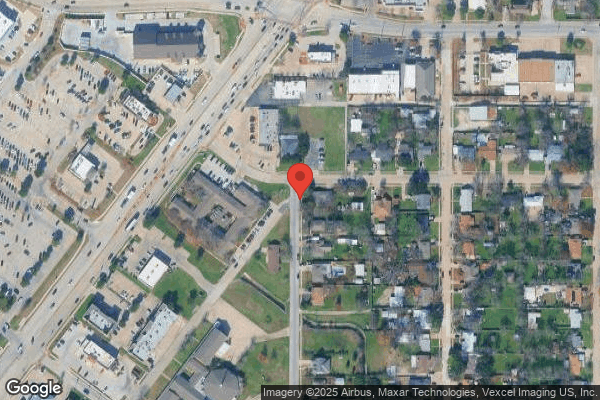
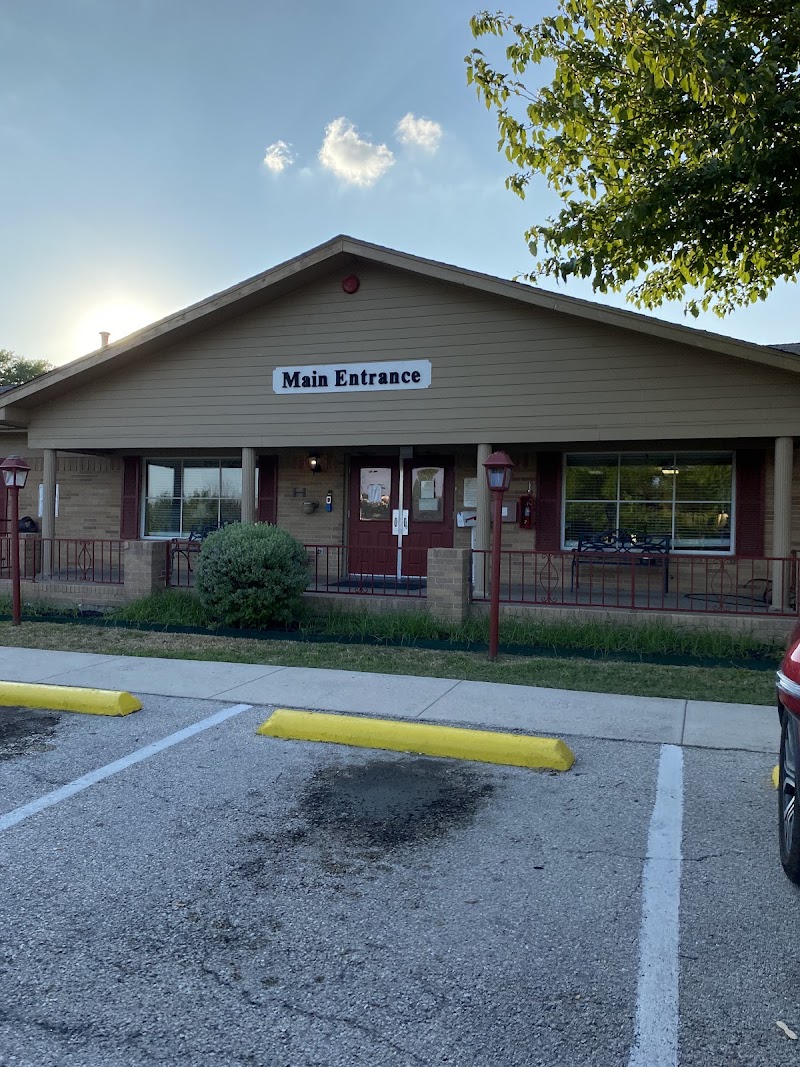
1000 McKinley St, Benbrook, TX 76126 (817) 249-0020
For profit - Limited Liability company 115 Beds Independent Data: November 2025 2 Immediate Jeopardy citations
Trust Grade
0/100
#939 of 1168 in TX
Last Inspection: September 2025

Inspected within the last 6 months. Data reflects current conditions.

Overview

Benbrook Nursing & Rehabilitation Center has received a Trust Grade of F, indicating significant concerns about the quality of care provided. With a state rank of #939 out of 1168 facilities in Texas, they fall in the bottom half, and they rank #57 out of 69 in Tarrant County, meaning there are many better options nearby. The situation is worsening, with the number of reported issues increasing from 12 in 2024 to 26 in 2025. Staffing is a major concern, with a low rating of 1 out of 5 stars and a turnover rate of 68%, much higher than the Texas average of 50%. Additionally, there were critical incidents, including a failure to supervise a resident who eloped from the facility and was later struck by a vehicle, and another case where timely respiratory care was not provided, resulting in a resident being unresponsive for 45 seconds. While the facility does have some RN coverage, it is below the level of 98% of Texas facilities, which raises further concerns about the quality of care.

Trust Score
F
0/100
In Texas
#939/1168
Bottom 20%
Safety Record
High Risk
Review needed
Inspections
Getting Worse
12 → 26 violations
Staff Stability
⚠ Watch
68% turnover. Above average. Higher turnover means staff may not know residents' routines.
Penalties
○ Average
$55,469 in fines. Higher than 57% of Texas facilities. Some compliance issues.
Skilled Nurses
⚠ Watch
Each resident gets only 5 minutes of Registered Nurse (RN) attention daily — below average for Texas. Fewer RN minutes means fewer trained eyes watching for problems.
Violations
⚠ Watch
51 deficiencies on record. Higher than average. Multiple issues found across inspections.
★☆☆☆☆
1.0
Overall Rating
★☆☆☆☆
1.0
Staff Levels
★★☆☆☆
2.0
Care Quality
★☆☆☆☆
1.0
Inspection Score
Stable
2024: 12 issues
2025: 26 issues

The Good

  • Full Sprinkler Coverage · Fire safety systems throughout facility
  • No fines on record

Facility shows strength in fire safety.

The Bad

1-Star Overall Rating

Below Texas average (2.8)

Significant quality concerns identified by CMS

Staff Turnover: 68%

21pts above Texas avg (46%)

Frequent staff changes - ask about care continuity

Federal Fines: $55,469

Above median ($33,413)

Moderate penalties - review what triggered them

Staff turnover is elevated (68%)

20 points above Texas average of 48%

The Ugly 51 deficiencies on record

2 life-threatening 1 actual harm
Sept 2025 12 deficiencies
CONCERN (D) 📢 Someone Reported This

A family member, employee, or ombudsman was alarmed enough to file a formal complaint

Potential for Harm - no one hurt, but risky conditions existed

Free from Abuse/Neglect (Tag F0600)

Could have caused harm · This affected 1 resident

**NOTE- TERMS IN BRACKETS HAVE BEEN EDITED TO PROTECT CONFIDENTIALITY** Based on observation, interview and record review, the facility failed to ensure the resident's right to be free from verbal abu...

Read full inspector narrative →
**NOTE- TERMS IN BRACKETS HAVE BEEN EDITED TO PROTECT CONFIDENTIALITY** Based on observation, interview and record review, the facility failed to ensure the resident's right to be free from verbal abuse for 1 of 4 residents (Resident #49) reviewed for abuse.The facility failed to ensure Resident #49 was free from verbal abuse by Resident #87 on 8/29/25 and 9/6/25. This could place residents at risk of abuse and psychosocial harm. Findings included:Record review of Resident #49's admission record, dated 09/10/2025, revealed a [AGE] year-old male who admitted to the facility on [DATE] with diagnoses that included bipolar disorder (serious mental illness that causes mood swings, changes in energy, thinking, behavior, and sleep), anxiety disorder, and unspecified Intellectual Disabilities (limitations on intelligence, learning and everyday abilities). Record review of Resident #49's Annual MDS assessment, dated 06/26/2025, revealed a BIMS score of 13, indicating intact cognition. Record review of Resident #49's nursing progress notes, dated 09/06/2025, written by LVN M, revealed [Resident #49] was out smoking when [Resident #87] became verbally aggressive with him. He threatens to knock his teeth out and throw his w/c on top of him. He then called him a [NAME]. Immediately separated and emotional support provided. Assisted to room where coffee and snack was given. Will continue to monitor. Vs 96.8, 20, 72, 128/77, 97%. Record review of Resident #87's admission record, dated 09/10/2025, revealed a [AGE] year-old-male who admitted to the facility on [DATE] with diagnoses that included unspecified dementia (brain disease that alters brain function and causes a cognitive decline) and unspecified psychosis (symptoms that happen when a person is disconnected from reality).Record review of Resident #87's admission MDS, dated [DATE], revealed a BIMS score of 14, indicating intact cognition.Record review of Resident #87's care plan, initiated 07/07/2025, revealed [Resident #87] is verbally aggressive r/t Dementia. [Resident #87] initiated verbal aggression towards another resident. Interventions included: - administer medications as ordered and monitor/document side effects and effectiveness- assess resident's coping skills and support system- psychiatric consult as indicated- when the resident becomes agitated: intervene before agitation escalates; guide away from source of distress. Record review of Resident #87's nursing progress note written by LVN D on 08/29/2025 revealed Res was calling another res names and picking on him out at the smoke area the issue was made aware to this nurse. This nurse went out to the smoke area and approached the res and educated reminded him how he wouldn't like to be treated that way and people have feelings it's not okay to talk to them in that way. Res understood he then apologized to the res and the nurse for his behavior and requested for a cigar in exchange for better behavior. Other res responded and handed him one before the nurse could make a deal. Both res continued to be nice and talk and laugh outside. Fluids and snacks provided at bedside. Continue to monitor.Record review of Resident #87's nursing progress note written by LVN M on 09/06/2025 revealed Up in D/R getting a cup of coffee when he saw resident [#49] and called him a [NAME]. redirected back to room where breakfast was waiting. Will continue to monitor.Record review of Resident #87's nursing progress note written by LVN M on 09/06/2025 revealed Another resident had witnessed verbal aggression toward another resident and called 911. He wanted a cigarette and become verbally aggressive with [Resident #49]. He threatens to knock his teeth down his throat and then throw his W/C on top of him. He also called him a [NAME]. Immediately separated and redirected to room where son was waiting on him. Vs 98.6, 18, 74, 128/74, 97%.Record review of Resident #87's nursing progress note written by LVN D on 09/08/2025 revealed Res relocated to room [number], family and MD notified. Res took all his belongings with him. Observation and interview on 09/09/2025 at 9:25 am, Resident #87 was in his room, lying in bed and appeared well groomed. When asked about the incident with Resident #49, Resident #87 stated he called him a faggot. Resident #87 stated Resident #49 had not made him mad, and they were not fighting or arguing. Resident #87 stated he just called him what he was and said he don't like me and I don't like him. That is how it is. Resident #87 stated the police came up and told him to stay away from Resident #49 and leave him alone. Resident #87 stated he moved rooms yesterday (09/08/2025) but he did not know why. Interview on 09/09/2025 at 12:34 pm, the Administrator stated Resident #87 had a behavior contract in place and was issued a discharge notice on Friday. He stated with behavior contracts, the first time a behavior occurs was when the contract was given, unless it was severe harm, then if a second occurrence a 30 day discharge notice would be given, and if a third incident occurred, then an immediate discharge notice would be given. The Administrator stated he does go by the provider letter for guidance on reporting abuse to HHSC. He stated many factors like intent, cognition, anything physical, and most verbal if they were cursing, and someone saying it was abuse would be reportable. He stated he expected all staff to report any instance to him and it was not up to them on what was reportable. He stated the other thing that helped was part of the provider letter said to contact police and depending on what the police did about that incident, he would report. Observation and interview on 09/10/2025 at 10:57 am, Resident #49 was up in his wheelchair in the dining room. When asked about the incident, he stated Resident #87 had cussed him out and staff had moved his room. Resident #49 stated Resident #87 would get close to him and put his fist in his face and called him a gay faggot. He stated Resident #87 never hit him but tried to, and called him names. Resident #49 stated he told the nurses, and they told Resident #87 to stop. Resident #49 stated for the past 2 days he had been doing fine and felt safe. Attempted interview on 09/10/2025 at 3:15 pm with LVN D was unsuccessful.Interview on 09/10/2025 at 3:23 pm, LVN M stated she worked only weekends. She stated she did not see an incident between Resident #49 and Resident #87, but one of the residents did and called the police. She stated Residents #49 and #87 were bickering in the courtyard and she did not actually see it, but it was reported to her by the weekend supervisor. She stated she did not think the weekend supervisor saw the incident because a resident had reported it. LVN M stated Resident #87 wanted a cigarette from Resident #49, who said no, so Resident #87 got mad and threatened to knock his teeth out, throw his w/c on top of him and called him a faggot. She said there were no staff witnesses, and she completed the incident report. LVN M said she had never witnessed any other incidents between the two residents before. Interview on 09/11/2025 at 9:07 am, LVN D stated she worked morning shifts Monday through Friday. LVN D stated Resident #49 was in the hallway and Resident #87 was headed toward the smoking area and called Resident #49 a faggot. She said no physical contact was made and she had known that Resident #87 had done that pretty frequently, but this was the first time she witnessed it. She said she was in another resident's room, and as soon as she heard them getting loud she left the room and split Resident #49 and #87 up. She said Resident #87 went outside; she talked with Resident #49 and then went outside to Resident #87 to educate him not to use those words. LVN D stated while she was outside talking to Resident #87, Resident #49 called the police and that was when the Administrator took over. She stated she documented the incident in the progress notes. Surveyor asked LVN D to show where in the EHR it was documented this happened on 09/05/25, LVN pulled up the note dated 8/29/25. She stated she knew it was one of those days. She stated she did not complete an incident report or witness statement. She said she kept Resident #49 and Resident #87 separated on her shift the week of 8/29/25 through 9/5/25 and Resident #87 stayed in bed most of the morning that week. She stated Resident #87 was moved to a different hall on 09/08/25 but did not know why he moved. LVN D stated she was supposed to report all abuse to the abuse coordinator immediately. Interview on 09/11/2025 at 11:15 am, the Administrator stated he reported the incident because he got a call that police were at the facility and he walked back to talk to the residents involved, the nurse and other onlookers. He stated he thought another resident had called the police and she was saying he's going to hit somebody so that triggered him to report (to HHSC). The Administrator stated he read the note dated 08/29/2025 written by LVN D, and the way it read was like adults arguing. When Surveyor asked for clarification on which incident the initial reportable to HHSC was for on 09/06/25, the Administrator was not able to provide an explanation. When asked if the incident on 8/29/25 should have been reported, he stated it read like adults arguing. He stated if there was a separate incident, maybe that's why they moved Resident #87 over the past weekend. Interview on 09/11/25 at 7:37 pm, the Administrator stated he had no new information related to the incident. He stated reporting to the state agency (HHSC) was to ensure guidelines were followed and incidents were handled appropriately, if not something could fall through the cracks and the outcome could be worse. He stated if staff witnessed abuse and did not report to him, the risk for verbal abuse could be lasting psychological harm that may not be noticed. He stated he expected staff to document incidents in the EHR and monitor residents after an incident. He stated residents could be monitored one to one or have every 15 minutes and would be monitored by the staff assigned to the hall. Record review of facility policy titled, Abuse Investigation and Reporting revised July 2017, revealed in part: All reports of resident abuse, neglect, exploitation, misappropriation of resident property, mistreatment and/or injuries of unknown source (abuse) shall be promptly reported to local, state and federal agencies (as defined by current regulations) and thoroughly investigated by facility management. Findings of abuse investigations will also be reported.
CONCERN (D) 📢 Someone Reported This

A family member, employee, or ombudsman was alarmed enough to file a formal complaint

Potential for Harm - no one hurt, but risky conditions existed

Report Alleged Abuse (Tag F0609)

Could have caused harm · This affected 1 resident

**NOTE- TERMS IN BRACKETS HAVE BEEN EDITED TO PROTECT CONFIDENTIALITY** Based on observation, interviews and record reviews, the facility failed to ensure that all alleged violations involving abuse, ...

Read full inspector narrative →
**NOTE- TERMS IN BRACKETS HAVE BEEN EDITED TO PROTECT CONFIDENTIALITY** Based on observation, interviews and record reviews, the facility failed to ensure that all alleged violations involving abuse, neglect, exploitation or mistreatment, including injuries of unknown source and misappropriation of resident property, are reported immediately, but not later than 2 hours after the allegation is made, if the events that cause the allegation involve abuse or result in serious bodily injury, or not later than 24 hours if the events that cause the allegation do not involve abuse and do not result in serious bodily injury, to the administrator of the facility and to other officials including to the State Survey Agency in accordance with State law through established procedures, for 2 of 4 residents (Resident #49) reviewed for abuse. The facility failed to ensure a resident-to-resident altercation that occurred on 08/29/25 was reported to the State Survey Agency. This could place residents at risk of abuse. Findings included:Record review of Resident #49's admission record, dated 09/10/2025, revealed a [AGE] year-old male who admitted to the facility on [DATE] with diagnoses that included bipolar disorder (serious mental illness that causes mood swings, changes in energy, thinking, behavior, and sleep), anxiety disorder, and unspecified Intellectual Disabilities (limitations on intelligence, learning and everyday abilities). Record review of Resident #49's Annual MDS assessment, dated 06/26/2025, revealed a BIMS score of 13, indicating intact cognition. Record review of Resident #49's nursing progress notes, dated 09/06/2025, written by LVN M, revealed [Resident #49] was out smoking when [Resident #87] became verbally aggressive with him. He threatens to knock his teeth out and throw his w/c on top of him. He then called him a [NAME]. Immediately separated and emotional support provided. Assisted to room where coffee and snack was given. Will continue to monitor. Vs 96.8, 20, 72, 128/77, 97%. Record review of Resident #87's admission record, dated 09/10/2025, revealed a [AGE] year-old-male who admitted to the facility on [DATE] with diagnoses that included unspecified dementia (brain disease that alters brain function and causes a cognitive decline) and unspecified psychosis (symptoms that happen when a person is disconnected from reality).Record review of Resident #87's admission MDS, dated [DATE], revealed a BIMS score of 14, indicating intact cognition.Record review of Resident #87's care plan, initiated 07/07/2025, revealed [Resident #87] is verbally aggressive r/t Dementia. [Resident #87] initiated verbal aggression towards another resident. Interventions included: - administer medications as ordered and monitor/document side effects and effectiveness- assess resident's coping skills and support system- psychiatric consult as indicated- when the resident becomes agitated: intervene before agitation escalates; guide away from source of distress. Record review of Resident #87's nursing progress note written by LVN D on 08/29/2025 revealed Res was calling another res names and picking on him out at the smoke area the issue was made aware to this nurse. This nurse went out to the smoke area and approached the res and educated reminded him how he wouldn't like to be treated that way and people have feelings it's not okay to talk to them in that way. Res understood he then apologized to the res and the nurse for his behavior and requested for a cigar in exchange for better behavior. Other res responded and handed him one before the nurse could make a deal. Both res continued to be nice and talk and laugh outside. Fluids and snacks provided at bedside. Continue to monitor.Record review of Resident #87's nursing progress note written by LVN M on 09/06/2025 revealed Up in D/R getting a cup of coffee when he saw resident [#49] and called him a [NAME]. redirected back to room where breakfast was waiting. Will continue to monitor.Record review of Resident #87's nursing progress note written by LVN M on 09/06/2025 revealed Another resident had witnessed verbal aggression toward another resident and called 911. He wanted a cigarette and become verbally aggressive with [Resident #49]. He threatens to knock his teeth down his throat and the throw his W/C on top of him. He also called him a [NAME]. Immediately separated and redirected to room where son was waiting on him. Vs 98.6, 18, 74, 128/74, 97%.Record review of intake worksheet, priority date 09/06/2025, revealed date incident occurred was 09/05/2025 and Resident #49 called the police stating Resident #87 was cursing him in the hallway. LVN D witnessed the event, redirected Resident #87 and completed assessments. Further review revealed police called for incident by resident. No incident number given to administrator or staff. No actions taken by police.Observation and interview on 09/09/2025 at 9:25 am, Resident #87 was in his room, lying in bed and appeared well groomed. When asked about the incident with Resident #49, Resident #87 stated he called him a faggot. Resident #87 stated Resident #49 had not made him mad, and they were not fighting or arguing. Resident #87 stated he just called him what he was and said he don't like me and I don't like him. That is how it is. Resident #87 stated the police came up and told him to stay away from Resident #49 and leave him alone. Resident #87 stated he moved rooms yesterday (09/08/2025) but he did not know why. Interview on 09/09/2025 at 12:34 pm, the Administrator stated Resident #87 had a behavior contract in place and was issued a discharge notice on Friday. He stated with behavior contracts, the first time a behavior occurs was when the contract was given, unless it was severe harm, then if a second occurrence a 30 day discharge notice would be given, and if a third incident occurred, then an immediate discharge notice would be given. The Administrator stated he does go by the provider letter for guidance on reporting abuse to HHSC. He stated many factors like intent, cognition, anything physical, and most verbal if they were cursing, and someone saying it was abuse would be reportable. He stated he expected all staff to report any instance to him and it was not up to them on what was reportable. He stated the other thing that helped was part of the provider letter said to contact police and depending on what the police did about that incident, he would report. Observation and interview on 09/10/2025 at 10:57 am, Resident #49 was up in his wheelchair in the dining room. When asked about the incident, he stated Resident #87 had cussed him out and staff had moved his room. Resident #49 stated Resident #87 would get close to him and put his fist in his face and called him a gay faggot. He stated Resident #87 never hit him but tried to, and called him names. Resident #49 stated he told the nurses, and they told Resident #87 to stop. Resident #49 stated for the past 2 days he had been doing fine and felt safe. Attempted interview on 09/10/2025 at 3:15 pm with LVN D was unsuccessful.Interview on 09/10/2025 at 3:23 pm, LVN M stated she worked only weekends. She stated she did not see an incident between Resident #49 and Resident #87, but one of the residents did and called the police. She stated Residents #49 and #87 were bickering in the courtyard and she did not actually see it, but it was reported to her by the weekend supervisor. She stated she did not think the weekend supervisor saw the incident because a resident had reported it. LVN M stated Resident #87 wanted a cigarette from Resident #49, who said no, so Resident #87 got mad and threatened to knock his teeth out, throw his w/c on top of him and called him a faggot. She said there were no staff witnesses, and she completed the incident report. LVN M said she had never witnessed any other incidents between the two residents before. Interview on 09/11/2025 at 9:07 am, LVN D stated she worked morning shifts Monday through Friday. LVN D stated Resident #49 was in the hallway and Resident #87 was headed toward the smoking area and called Resident #49 a faggot. She said no physical contact was made and she had known that Resident #87 had done that pretty frequently, but this was the first time she witnessed it. She said she was in another resident's room, and as soon as she heard them getting loud she left the room and split Resident #49 and #87 up. She said Resident #87 went outside; she talked with Resident #49 and then went outside to Resident #87 to educate him not to use those words. LVN D stated while she was outside talking to Resident #87, Resident #49 called the police and that was when the Administrator took over. She stated she documented the incident in the progress notes. Surveyor asked LVN D to show where in the EHR it was documented this happened on 09/05/25, LVN pulled up the note dated 8/29/25. She stated she knew it was one of those days. She stated she did not complete an incident report or witness statement. She said she kept Resident #49 and Resident #87 separated on her shift the week of 8/29/25 through 9/5/25 and Resident #87 stayed in bed most of the morning that week. She stated Resident #87 was moved to a different hall on 09/08/25 but did not know why he moved. LVN D stated she was supposed to report all abuse to the abuse coordinator immediately. Interview on 09/11/2025 at 11:15 am, the Administrator stated he reported the incident because he got a call that police were at the facility and he walked back to talk to the residents involved, the nurse and other onlookers. He stated he thought another resident had called the police and she was saying he's going to hit somebody so that triggered him to report (to HHSC). The Administrator stated he read the note dated 08/29/2025 written by LVN D, and the way it read was like adults arguing. When Surveyor asked for clarification on which incident the initial reportable to HHSC was for on 09/06/25, the Administrator was not able to provide an explanation. When asked if the incident on 8/29/25 should have been reported, he stated it read like adults arguing. He stated if there was a separate incident, maybe that's why they moved Resident #87 over the past weekend. Interview on 09/11/25 at 7:37 pm, the Administrator stated he had no new information related to the incident. He stated reporting to the state agency (HHSC) was to ensure guidelines were followed and incidents were handled appropriately, if not something could fall through the cracks and the outcome could be worse. He stated if staff witnessed abuse and did not report to him, the risk for verbal abuse could be lasting psychological harm that may not be noticed. He stated he expected staff to document incidents in the EHR and monitor residents after an incident. He stated residents could be monitored one to one or have every 15 minutes and would be monitored by the staff assigned to the hall. Record review of facility policy titled, Abuse Investigation and Reporting revised July 2017, revealed in part: All reports of resident abuse, neglect, exploitation, misappropriation of resident property, mistreatment and/or injuries of unknown source (abuse) shall be promptly reported to local, state and federal agencies (as defined by current regulations) and thoroughly investigated by facility management. Findings of abuse investigations will also be reported.Reporting1. All alleged violations involving abuse, neglect, exploitation, or mistreatment, including injuries of an unknown source and misappropriation of property will be reported by the facility administrator, or his/her designee, to the following persons or agencies:a. The State licensing/certification agency responsible for surveying/licensing the facility;b. The local/State Ombudsman;c. The Resident's Representative (Sponsor) of Record;d. Adult Protective Services (where state law provides jurisdiction in long-term care);e. Law enforcement officials;f. The resident's attending physician; andg. The facility medical director.2. An alleged violation of abuse, neglect, exploitation or mistreatment (including injuries of unknown source and misappropriation of resident property) will be reported immediately, but not later than:a. two (2) hours if the alleged violation involves abuse OR has resulted in serious bodily injury; orb. twenty-four (24) hours if the alleged violation does not involve abuse AND has not resulted in serious bodily injury.
CONCERN (D)

Potential for Harm - no one hurt, but risky conditions existed

Comprehensive Care Plan (Tag F0656)

Could have caused harm · This affected 1 resident

**NOTE- TERMS IN BRACKETS HAVE BEEN EDITED TO PROTECT CONFIDENTIALITY** Based on observation, interview and record review, the facility failed to complete and implement a comprehensive person-centered...

Read full inspector narrative →
**NOTE- TERMS IN BRACKETS HAVE BEEN EDITED TO PROTECT CONFIDENTIALITY** Based on observation, interview and record review, the facility failed to complete and implement a comprehensive person-centered care plan for each resident to meet the resident's medical, nursing, therapeutic, and psychosocial needs in order to attain or maintain the resident's highest practicable well-being for one resident (Resident #16) of seven residents reviewed for care plans. The facility failed to complete care plans addressing Resident #16's history of abuse and PTSD. This failure could affect residents by placing them at risk for not receiving care to maintain and/or reach their highest practicable mental and psychosocial well-being. Findings included:Record review of Resident #16's face sheet dated 09/11/2025, revealed a [AGE] year-old woman admitted on [DATE] from a psychiatric hospital. She was admitted with primary diagnoses chronic obstructive pulmonary disease and other pertinent diagnoses including post-traumatic stress disorder (mental health condition that can develop after experiencing or witnessing a traumatic event), anxiety disorder, adult financial abuse (confirmed, subsequent encounter), adult sexual abuse (confirmed, subsequent encounter), adult physical abuse (confirmed, subsequent encounter), and hypertension. Record review of Resident #16's MDS dated [DATE] revealed the resident had a BIMS (brief interview for mental status - tool used to assess cognitive function, and scores range from 0 to 15) of 15 . Record review of Resident #16's history and physical dated 07/26/2025 reflected: Presenting Problems and History of Present Illness:CC (chief complaint): Depression, Suicidal ideations with intent and planHPI: History is taken from the patient, patient's old medical record is review in detail. Patient endorses depressed mood, anhedonia, severe anxiety, hopelessness, helplessness, guilt, low self-esteem, decreased energy level, worthlessness, struggling with negative thoughts, impaired sleep and appetite. Patient lacks motivation and has problems with concentration. Patient has active suicidal ideation. Patient w/ pmhx financial sexual emotional physical abuse presented with SI W Plan/intent presented after assault at home by roommate, reporting neck pain. uses w/c to ambulate/Cane. Labs k 3.2 otherwise unremarked. neck workup/imaging clear.Psychiatric and Substance Abuse History: PTSDMedical History: COPD/emphysema, HTN/high BP, chronic painHistory of head, neck and back surgeries. Psychiatric: The patient has complaints of mood, memory, orientation, depression, suicidal ideation, homicidal ideation.Active Medical Diagnosis: COPD/emphysema, HTN/high BP, chronic pain, Suicidal ideation, Anxiety, Depression, PTSD.Recommendations: I will recommend symptomatic and supportive care. I will recommend suicidal watch and fall precautions. I will also recommend preventive care including flu shot as needed. Patient was counseled to abstain from smoking, have offered medications to assist with nicotine withdrawal. I will also recommend avoiding illicit drugs and smoking and limit alcohol use. Extensive number of diagnosis or management options were considered as detailed above. Treatment of psychiatric problem as per the psychiatrist. Record review of Resident #16's Comprehensive Care Plan initiated 08/06/2025, reflected:- Focus of the resident uses antidepressants - Focus of the resident is a smoker; interventions include instructing resident about facility policy on smoking and observe clothing and skin for signs of cigarette burns; with a goal of the resident will not suffer injury from unsafe smoking practices through the review date.Upon further record review of Resident 16's Comprehensive Care Plan, all other care areas/focus/problems were initiated on 09/09/2025, including:- I have hx of financial, sexually, physically abused per admission H & P records.- I chose to have FULL CODE.- The resident uses antipsychotic medications r/t Behavior management, PTSD.- The resident has a mood problem r/t Admission, PTSD, hx of abuse, depression.- The resident has COPD.Record review of Resident #16's Trauma Informed Care Assessment, dated 08/06/2025 revealed the resident answered No to all questions asked. Record review of Resident #16's orders, dated 09/11/2025, reflected: (Psych Company) May Provide Psychological Services. Med Management May Provide Psychiatric Services; the order was made on 08/12/2025.Record review of Resident #16's Multidisciplinary Care Conference dated 08/14/2025 revealed the meeting occurred 08/14/2025 at 13:00 (1:00PM), with dietary staff, social worker, and MDS staff. The document indicated that the resident and family member/responsible party were not present. The remaining document was uncomplete, with no information regarding the resident's problem/needs nor evaluation/goals. Observation and interview with Resident #16 on 09/09/2025 at 10:48AM revealed Resident #16 did not know who the social worker was and had no consultations since admitting. Resident #16 discussed she had seen physical therapy and said her physical therapist had her wearing ankle weights when she should not do weight bearing exercises, and her ankle weights were used on her in her past (related to her history of abuse). She further stated being listened to (by facility staff) was hard. Resident did not appear or sound distressed. The resident was well groomed and dressed and was able to be mobile in her wheelchair. During an interview on 09/10/2025 at 2:15PM with Resident #16, she revealed that she had told staff about her (abuse) history but that staff had not formally asked her about it. Resident #16 stated she wanted to see psych services; she said she was told somebody (from psych services) was supposed to come but had not. The resident did not say who told her psych was supposed to come and see her. During an interview on 09/11/2025 at 8:50AM with the DON, she stated care plans were a group effort, she (DON) and nursing initiate baseline care plans but the interdisciplinary team had sections they were responsible for in the comprehensive care plan. She stated care plans include various care areas like acute conditions, medical diagnoses, DNR or full code, discharge plans, medications, monitoring, behaviors, secure units, and diets. She stated when a residents admitted with trauma history, staff do not always find out right away. She explained if a resident admits from psych (hospital), staff know right off the bat and sometimes they will not know any triggers early on. If a resident admits from a hospital, psych is not focused on. The DON further discussed when a residents admitted from psych, staff gets the resident into psych services and care plan specific behaviors. The DON discussed Resident #16 had not opened up to her about her history of abuse to her but she was aware of the history; the resident had discussed her family member's death with the DON. The DON stated she was aware of some of the resident's trauma history when she was admitted , but not all of it. An interview on 09/11/2025 at 10:29AM with the SW revealed she was responsible for care areas like DNR or full code status, discharge plans, and behaviors for care plans; she stated trauma needs to be documented. The SW said she does not do baseline care plans but was responsible for comprehensive care plan and estimated comprehensive care plans must be completed within 5-7 days (of admit) but was not sure. When completing the comprehensive care plan, she explained she tries to review as much as she can and put what she needs in there, ask further questions with her initial assessments, especially with code status, she looks at behaviors and previous behaviors because residents may not have them when they first get here. She usually uses records and information from when she speaks new admits for initial assessments. The SW explained that she did the trauma informed care assessment with Resident #16. She explained she asked about the resident's depression and if she had been involved with traumatic events, and the resident looked down and thought about it, and then said no to the SW. The SW said the resident would not discuss anything with her. Since the assessment, the SW had not tried to ask again because she did not want to push it and the resident seemed to have been doing well. When asked why the resident had not seen psych services, the SW responded she hasn't?'; the SW discussed Resident #16 had been referred to speak with the psychologist . When asked why the things discussed were not in Resident #16's care plan, she stated she had thought she put it in there. The SW further explained she reviewed the resident's records and meant to put the resident's history in her care plan; she said she did not know why it was not in her care plans and may have overlooked it (completing the care plan). The SW said she reviewed Resident #16's hospital papers and talked with the resident, took notes on the hospital records, noted her trauma, and put it into her care plan, and resident's code status and discharge (plan). She explained that was how she typically does it and does not know how she missed it. She said the resident's history should be care planned. During an interview on 09/11/2025 at 6:52PM with the DON, she stated care plan conference helped to get to truly know their residents and comprehensive care plans should be completed within 7 days. During an interview on 09/11/2025 at 8:00PM with the ADM, he stated he expected staff to complete comprehensive care plans when required. When discussing Resident #16's comprehensive care plan being completed on 09/09/2025, he stated that it was a problem (the length of time between Resident #16's admit date and comprehensive care plan completion date) because care plans ensure how care is supposed to be provided for the resident. Care Plans, Comprehensive Person-CenteredPolicy StatementA comprehensive, person-centered care plan that includes measurable objectives and timetables to meet the resident's physical, psychosocial and functional needs is developed and implemented for each resident.Policy Interpretation and Implementation1. The interdisciplinary team (IDT), in conjunction with the resident and his/her family or legal representative, develops and implements a comprehensive, person-centered care plan for each resident.2. The care plan interventions are derived from a thorough analysis of the information gathered as part of the comprehensive assessment.3. The IDT includes:a. the attending physician;b. a registered nurse who has responsibility for the resident;c. a member of the food and nutrition services staff;d. the resident and the resident's legal representative (to the extent practicable); ande. other appropriate staff or professionals as determined by the resident's needs or as requested by the resident.4. Each resident's comprehensive care plan will be consistent with the resident's rights to participate in the development and implementation of his or her plan of care, including the right to:a. participate in the planning process.5. The resident will be informed of his or her right to participate in his or her treatment.6. The care planning process will:a. facilitate resident and/or representative involvement.7. The comprehensive, person-centered care plan will:a. include measurable objectives and timeframes;b. describes the services that are to be furnished to attain or maintain the resident's highest practicable physical, mental, and psychosocial well-being.g. incorporate identified problem areas;h. incorporate risk factors associated with identified problems;i. build on the resident's strengths;j. reflect the resident's expressed wishes regarding care and treatment goals;.m. aid in preventing or reducing decline in the resident's functional status and/or functional levels;n. enhance the optimal functioning of the resident by focusing on a rehabilitative program; [NAME]. reflect currently recognized standards of practice for problem areas and conditions.8. Areas of concern that are identified during the resident assessment will be evaluated before interventions are added to the care plan.9. Identifying problem areas and their causes, and developing interventions that are targeted and meaningful to the resident, are the endpoint of an interdisciplinary process.10. Care plan interventions are chosen only after data gathering, proper sequencing of events, careful consideration of the relationship between the resident's problem areas and their causes, and relevant clinical decision making.a. When possible, interventions address the underlying source(s) of the problem area(s), not just addressing only symptoms or triggers.11. The comprehensive, person-centered care plan is developed within seven (7) days of the completion of the required comprehensive assessment (MDS).14. The resident has the right to refuse to participate in the development of his/her care plan and medical and nursing treatments. Such refusals will be documented in the resident's clinical record in accordance with established policies.
CONCERN (D)

Potential for Harm - no one hurt, but risky conditions existed

Quality of Care (Tag F0684)

Could have caused harm · This affected 1 resident

**NOTE- TERMS IN BRACKETS HAVE BEEN EDITED TO PROTECT CONFIDENTIALITY** Based on interview and record review, the facility failed to ensure that residents receive treatment and care in accordance with...

Read full inspector narrative →
**NOTE- TERMS IN BRACKETS HAVE BEEN EDITED TO PROTECT CONFIDENTIALITY** Based on interview and record review, the facility failed to ensure that residents receive treatment and care in accordance with professional standards of practice and the comprehensive person-centered care plan for one (Resident #83) of one resident reviewed for quality of care. The facility failed to monitor Resident #83's blood glucose levels before administering insulin. This failure could place residents at risk for not receiving appropriate care and treatment and decreased quality of life.Findings included: Record review of Resident #83's face sheet dated 09/11/2025 revealed a [AGE] year old female, admitted on [DATE] with primary diagnosis of fibromyalgia and other pertinent admitting diagnoses including type 2 diabetes mellitus with diabetic neuropathy, type 2 diabetes mellitus without complications, morbid (severe) obesity due to excess calories, pure hypercholesterolemia, major depressive disorder, generalized anxiety disorder, heart failure, and hypertension. Record review of Resident #83's MDS dated [DATE] revealed a BIMS of 13.Record review of Resident #83's blood glucose levels from 06/01/2025-07/03/2025 and 08/22/2025-09/09/2025 revealed the resident blood glucose levels consistently above 100 mg/dL (the upper limit). Record review of Resident #83's care plan last revised on 03/20/2025 reflected:Focus - The resident has altered endocrine status (specify) r/tGoal - The resident will maintain blood glucose levels below (specify) through the review dateInterventions - Dietary consult for nutritional regimen and ongoing monitoring.; Fasting Blood Glucose (SPECIFY FREQ) as ordered by MD.; Monitor/document/report PRN for s/sx of hyperglycemia:. Monitor/document/report PRN s/sx of hypoglycemia:. take meds as ordered.Record review of Resident #83's insulin injection orders reflected:- Insulin Glargine Subcutaneous Solution (Insulin Glargine); Directions: inject 45 milliliter subcutaneously at bedtime for DM; Start date: 8/27/2024; End Date: 8/27/2024- Lantus SoloStar 100 UNIT/ML Solution pen-injector; Directions: Inject 45 unit subcutaneously at bedtime for diabetes inject 45u sub Q at bedtime; Start date: 8/28/2024; End date 7/4/2025- Lantus SoloStar 100 UNIT/ML Solution pen-injector; Directions: Inject 55 unit subcutaneously one time a day at bedtime for diabetes mellitus type 2; Start date: 7/4/2025; End date 9/8/2025- HumuLIN 70/30 Subcutaneous Suspension (70-30) 100 UNIT/ML (Insulin NPH Isophane & Reg (Human)); Directions: 35 unite subcutaneously two times a day for diabetes mellitus monitoring; Start date: 9/8/2025; End date: Indefinite Record review of Resident #83's medication administration summary for July 2025 revealed Resident #83's blood glucose was monitored and recorded before the medication was administered on July 1-3, 2025. Her blood glucose levels were not monitored for the remainder of the month. Record review of Resident #83's medication administration summary for August 2025 revealed Resident #83's blood glucose was not monitored between August 1-21, 2025. Her blood glucose began to resume monitoring on August 22, 2025. During an interview on 09/09/2025 at 1:20PM with Resident #83 she stated she had been receiving Lantus (long acting) insulin, and it was different than the insulin she used while she lived at home, Novolog 70/30 (rapid-acting) insulin. She stated she did not know why she was given Lantus, but she told her doctor it was not working and that her doctor was finally switching her insulin after a year of being at the facility. An interview with on 09/11/2025 at 4:56PM with LVN C revealed she had administered insulin to Resident #83. She explained she checked the resident's blood glucose level before administering insulin. She stated she was monitoring Resident #83's blood glucose levels after the medication was administered because she had a new order for her insulin, but normally after insulin was given she just monitors for signs and symptoms. LVN C stated before giving long acting insulin, she checked blood glucose level. She said it was best practice to monitor blood glucose levels before and after giving insulin because blood glucose levels could suddenly drop or the insulin may not be effective. LVN C stated she had not seen Resident #83's order say to check blood glucose levels before and after giving insulin, but if the orders did she would. She stated it would be beneficial to check blood glucose levels before and after administering insulin. During an interview on 09/11/2025 at 6:41PM with the DON, she stated she expected staff to check orders and make sure they give insulin as prescribed. She stated blood glucose levels were checked if ordered by the physician. If the resident's care plan says to monitor blood glucose levels and it was not in the physician order, the DON stated staff have to follow the physician order. If a resident had fluctuating blood glucose levels, she expected staff to still follow the physician's order (of not monitoring). The DON said nurses verify and check the physicians orders. The DON stated the difference in the levels can cause a risk of hypoglycemic episodes.
CONCERN (D)

Potential for Harm - no one hurt, but risky conditions existed

Tube Feeding (Tag F0693)

Could have caused harm · This affected 1 resident

**NOTE- TERMS IN BRACKETS HAVE BEEN EDITED TO PROTECT CONFIDENTIALITY** Number of residents sampled: Number of residents cited: Based on observation, interview, and record review, the facility failed ...

Read full inspector narrative →
**NOTE- TERMS IN BRACKETS HAVE BEEN EDITED TO PROTECT CONFIDENTIALITY** Number of residents sampled: Number of residents cited: Based on observation, interview, and record review, the facility failed to provide appropriate services to prevent complications of enteral feeding for 1 of 1 resident (Resident #8) observed for medication administration via gastrostomy tube. 1.LVN D did not raise the head of bed during medication administration and water flush via G-tube for Resident # 8. Resident #8 was laid flat on his back. 2. LVN D did not clean the syringe and plunger before placing it in the sealed bag after administering medications via G-tube to Resident #8. 3. Facility failed to obtain orders to elevate the head of bed to at least 30-45 degrees up for Resident #8 who received continuous feedings via G-tube. 4. Facility failed to care plan to elevate the head of bed to at least 30-45 degrees up for Resident #8 who received continuous feedings via G-tube. These failures could place residents at risk for aspiration and interactions between the formula and various medications. Findings included: Record review of Resident #8's face sheet dated 09/10/25 indicated Resident #8 was a [AGE] year-old male with an initial admission on [DATE] and readmitted to the facility on [DATE] with a primary diagnosis of Traumatic subdural hemorrhage without loss of consciousness (injury to the brain that caused bleeding). His secondary diagnoses include gastrostomy status (this is a feeding tube that is placed through the abdominal cavity area into the stomach for nutritional purpose and medication for individuals who have difficulty swallowing), gastro-esophageal reflux diseases without esophagitis (this is non erosive reflux of stomach acid backflowing into the esophagus), protein-calorie malnutrition, and dysphagia (difficulty swallowing). Record review of Resident #8's Quarterly Minimum Data Set (MDS) dated [DATE] indicated Resident #8 had a BIMS score of 8, indicating mild cognitive impairment. The MDS indicated he had a feeding tube and received 501 cc/day or more fluid through his g-tune. The MDS did not indicate the total amount of Resident #8's total calories obtained through tube feeding. Record review of Resident #8's care plan revised 05/20/25 indicated Resident #8 had swallowing problems related to dysphagia. The goal was to not have injury related to aspiration. The intervention was that all staff would be informed of residents' special dietary and safety needs. Further review of the care plan initiated 12/13/24 indicated Resident #8 had fluid overload related to brain injury. The intervention was to provide pillows; raise HOB as needed to facilitate breathing, increased comfort. Record review of Resident #8's September 2025 physician orders on 09/10/25 reflected the following:- [Brand Name of formular] at 66 cc/hr X 20 hours administered through her G-tube with down time from 8 am to 12 pm starting on 08/16/25.-SOB when lying flat. Every shift for monitoring. Starting 08/19/25- Levetiracetam Oral Tablet 500 MG (Levetiracetam) Give 1 tablet via G-Tube two times a day for anticonvulsants. Starting 04/28/25.Further revie of the orders did not indicate orders to elevate the head of bed to at least 30-45 degrees for a resident with g-tube feedings. During an observation and interview on 09/10/25 at 08:09 AM, it was revealed Resident #8 in his bed. LVN D raised the bed up for height comfort, she then laid the head of the bed down and administered 30 cc of water, then medication Levetiracetam (which had been crushed and dissolved in water), and another 30 cc of water after medication administration via gastrostomy tube to Resident #8. LVN D did not clean the 60cc syringe and plunger after the medication was administered, LVN D placed the syringe and plunger back into the sealed bag. LVN D stated she forgot to raise the head of Resident #8 bed up during medication administration. She said not raising the head up when administrating medication via the g-tube can cause the risk of aspiration. LVN D said she should have washed the syringe and plunger after the medication administration before placing it in the sealed bag for infection control. During an interview on 09/11/25 at 09:12 AM the DON said when medications are administered via gastrostomy tube, they expected the nurses to raise the head of bed prior medication administration via G-tube per policy and to wash out the syringe and plunger after medication administration prior to replacing them into the storage bag. The syringe and plunger were to be changed every 24 hours. The DON said not raising the head was bad, could cause a risk for aspiration and to not wash out the syringe and plunger would be an infection control issue. DON stated she had completed in-services for medications. In an interview on 09/11/25 at 6:42 PM, the DON said the expectation was that a resident on continuous feeds should have orders to elevate HOB at least 30 degrees up. She said she was not sure why Resident #8 did not have orders or care plan to elevate his bed while receiving feedings via G-tube. She said it was the responsibility of the nurse to check orders and herself and the ADON were responsible for monitoring that orders and care plan were accurate. She said the potential risk was aspiration. Record review of facility Inservice completed on 01/20/25 included topics of Medication administration, Medication rooms, Medication rights, Counting Narcotics at the beginning and end of shift with nurse led by DON revealed 13 staff including MA's, Med tech's, Nurses, and LVN D completed the Inservice. Record review of facility policy titled, Enteral Feedings-Safety Precautions revision date November 2018, revealed. The facility will remain current in and follow accepted best practices in enteral nutrition. Elevate the head of the bed (HOB) to at least 30 during tube feeding and at least 1 hour after feeding. If elevating the HOB is medically contraindicated, use the reverse Trendelenburg position. Symptoms of esophageal complications (e.g., stricture, fistula, ulcers):1. Pain;2. Difficulty swallowing; and3. Difficulty breathing
CONCERN (D)

Potential for Harm - no one hurt, but risky conditions existed

Deficiency F0761 (Tag F0761)

Could have caused harm · This affected 1 resident

**NOTE- TERMS IN BRACKETS HAVE BEEN EDITED TO PROTECT CONFIDENTIALITY** Number of residents sampled: Number of residents cited: Based on observations, interviews, and record review the facility failed...

Read full inspector narrative →
**NOTE- TERMS IN BRACKETS HAVE BEEN EDITED TO PROTECT CONFIDENTIALITY** Number of residents sampled: Number of residents cited: Based on observations, interviews, and record review the facility failed to ensure, in accordance with State and Federal laws, all drugs and biologicals were stored in locked compartments under proper temperature controls and permitted only authorized personnel to have access to the medication cart for 1 of 3 medication carts (Med Cart B) reviewed for storage of medication. 1.LVN E failed to ensure Med Cart B was kept locked and under direct observation where residents and unauthorized staff could access it outside room [ROOM NUMBER]. These failures could give access to unauthorized persons, as well as medications may not be maintained at their best therapeutic level. Findings included: 1. Observation and interview on 09/10/25 from 08:20 AM to 08:27 AM, revealed Med Cart B outside room [ROOM NUMBER]. Med Cart B was unlocked and unattended with the lock mechanism out (indicating it was unlocked). The door to room [ROOM NUMBER] was open and staff was not in the room. At 08:27 LVN E walked towards the cart from down the 100-foyer area and revealed Med Cart B belonged to her. She did not say why she left the medication cart unlocked and unattended. LVN E said the expectation was that the medication cart would be locked and secure when not in use. She said the risk was someone could get into the cart when unlocked. In an interview on 09/11/25 at 6:42 PM, the DON stated the expectation was that staff would follow medication safety policy and procedures and lock and secure the medication cart when not in use. She said all nursing staff were responsible for securing medications when not in use. She said the potential risk of unsecured med cart was medication safety. Interview on 08/07/25 at 3:49 PM with the Administrator revealed the expectation was that all staff would follow company policies and procedures and always keep the residents safe. Record review the facility's policy Storage of Medications, revision date April 2007, reflected 7. Compartments (including, but not limited to, drawers, cabinets, rooms, refrigerators, carts, and boxes.)containing drugs and biologicals shall be locked when not in use, and trays or carts used to transport suchitems shall not be left unattended if open or otherwise potentially available to others.
CONCERN (D)

Potential for Harm - no one hurt, but risky conditions existed

Deficiency F0947 (Tag F0947)

Could have caused harm · This affected 1 resident

Based on interview and record review, the facility failed to ensure required in-service training for nurse aides was completed for 2 of 5 CNA's (CNA K and CNA L) reviewed for training. The facility fa...

Read full inspector narrative →
Based on interview and record review, the facility failed to ensure required in-service training for nurse aides was completed for 2 of 5 CNA's (CNA K and CNA L) reviewed for training. The facility failed to ensure nurse aides received no less than 12 hours of training annually.This failure could place residents at risk of abuse, neglect, and exploitation and receiving poor quality of care by untrained staff. Findings included:Record review of personnel files for CNA K revealed a hire date of 03/20/2014. Record review of personnel files for CNA L revealed a hire date of 08/30/2024. Review of in-services revealed CNA K and CNA L did not have the required 12 hours of annual training. Interview on 09/11/2025 at 5:57 pm, the Administrator stated they could not provide the required training for all the CNAs. He stated they were going to change their training program where everyone would complete the required training on their anniversary date. He stated they will still have monthly and annual in-services. He stated the risk to residents being cared for by untrained staff was failure to follow and complete policies and procedures in an effective way. Interview on 09/11/2025 at 6:41 pm, the DON stated the Administrator, and the DON were responsible to ensure CNAs had the required training annually. She stated staff should be trained upon orientation, annually and as needed. She said trainings were monitored by corporate, and they were implementing a new process where an active employee roster would be printed out and the employee would sign. Record review of facility policy titled, In-Service Training, All staff revised August 2022, revealed the following: All staff must participate in initial orientation and annual in-service training.6. Required training topics include the following:a. Effective communication with residents and family (direct care staff);b. Resident rights and responsibilitiesc. Preventing abuse, neglect, exploitation, and misappropriation of resident property including: (1) activities that constitute abuse, neglect, exploitation or misappropriation of resident property;(2) procedures for reporting incidences of abuse, neglect, exploitation or misappropriation of resident property; and (3) dementia management and resident abuse prevention.d. Elements and goals of the facility QAPI program;e. The infection prevention and control program standards, policies and procedures;f. Behavioral health; andg. The compliance and ethics program standards, policies and procedures.
CONCERN (E)

Potential for Harm - no one hurt, but risky conditions existed

Safe Environment (Tag F0584)

Could have caused harm · This affected multiple residents

**NOTE- TERMS IN BRACKETS HAVE BEEN EDITED TO PROTECT CONFIDENTIALITY** Based on observations, interviews, and record reviews, the facility failed to provide a clean, functional, homelike environment ...

Read full inspector narrative →
**NOTE- TERMS IN BRACKETS HAVE BEEN EDITED TO PROTECT CONFIDENTIALITY** Based on observations, interviews, and record reviews, the facility failed to provide a clean, functional, homelike environment for 2 of 4 shower rooms, 4 of 10 Residents (Resident 10, 53, 59, 78) reviewed for sanitary, functional, and homelike environment, as evidenced by: 1. Residents #10 and #53 had a broken toilet on 9-10-2025, causing the odor of human waste for over a week, forcing the residents to go to the shower room to use a toilet. When the shower room was in use, the residents had to wait to use a toilet. 2. The facility failed to maintain functional plumbing in the 100-Hall shower room, in which the water did not get hotter than 76.5 degrees Fahrenheit. 3. The facility failed to maintain functional plumbing in the 200 Hall Shower room, which had broken shower faucets, and the water could only be adjusted in the back by turning the main shower valves hot and cold. 4. The facility failed to repair a plumbing leak in 2 resident rooms, rooms [ROOM NUMBERS]. These failures could place residents at risk for a lack of hygiene and a decreased quality of life. Findings included: Resident #10 Record review of Resident #10's face sheet, dated 9-11-2025, revealed a [AGE] year-old male had been admitted to the facility on [DATE]. His diagnoses included Rhabdomyolysis (the breakdown of muscle tissue, leading to the release of harmful substances into the bloodstream), Schizoaffective Disorder (a mental health condition associated with hallucinations or delusions with mood disorders), Anxiety Disorder, Major Depressive Disorder, and Hepatitis C (a viral infection that causes inflammation of the liver). Record review of Resident #10's quarterly MDS, dated [DATE], indicated he had a BIMS score of 14 revealing he was cognitively intact. Resident #10's functional ability revealed he needed supervision or touching assistance to toilet transfer and toileting hygiene. Record review of Resident #10's care plan dated 7-24-2025, and revised on 9-9-2025, indicated he had a potential for pressure ulcers D/T being incontinent and immobile. In an observation and interview, on 9-10-2025 at 12:00 PM, Resident #10 was observed to be in his room sitting in a wheelchair. The toilet, in Resident #10's room, had a large black plastic bag over it. The toilet smelled of human waste. When the black plastic bag was lifted and the toilet lid was lifted, the toilet had brown liquid substance appearing to be human waste in it. Resident #10 stated his toilet had been broken for 3 weeks. Resident #10 said he was told by the maintenance department a week ago that a new toilet had been ordered for his bathroom. Resident #10 said not having his toilet working caused him to feel depressed as he had to roll his wheelchair into the shower room and use the toilet in there. Resident #10 said if someone was using the shower room, when he needed to use a toilet, he would have to hold it until the shower room was not in use. Resident #53 Record review of Resident #53's face sheet, dated 9-11-2025, revealed a [AGE] year-old male admitted to the facility on [DATE] with diagnoses of intracerebral hemorrhage (a medical condition where bleeding occurs within the brain tissue itself), hepatitis C, muscle wasting and atrophy (a decrease in muscle mass and strength, resulting from a lack of use), and traumatic brain injury (an injury to the brain caused by an external force, such as a blow, bump, or jolt to the head). A record review of Resident #53's quarterly MDS, dated [DATE], revealed a BIMS score of 12, which indicated he was cognitively moderately impaired. Resident #53's functional ability revealed he needed supervision or touching assistance to toilet transfer and toileting hygiene. In an observation and interview, on 9-10-2025 at 12:10 PM, it was revealed that Resident #53 shared the same toilet as Resident #10. Resident #53 stated it made it harder on him to use a restroom as he had to go to a shower room to use a toilet. Resident #53 said it made him feel like shit not to have been able to have a working toilet in his room. In an interview on 9-11-2025 at 2:20 PM, it was revealed that CNA A had worked at the facility for a month and had worked the hallway where Residents #10 and #53 resided. CNA A said their toilet had been broken for 1.5 weeks. CNA A said she was told by the maintenance department on 9-6-2025 that a replacement toilet had been ordered for Resident #10 and Resident #53. CNA A said she believed not having a working toilet, in a resident's room, would make them feel like they would not want to live in that room and feel bad. CNA A thought it was the maintenance department's responsibility to keep working toilets in resident's rooms. In an interview, on 9-11-2025 at 4:00 PM, it was revealed that CNA B had worked at the facility for 3 years and worked the hallway that Resident #10 & #53 resided on. CNA B said Resident #10's & Resident #53's toilet had been broken for a month. CNA B said the two residents must go to a shower room to use a toilet. CNA B said this can cause Resident # 10 & #53 a problem, if another resident was using the shower room, because they would not be able to enter the shower room to use the toilet. CNA B said Resident #10 had complained to her about his toilet being broken for so long and said it caused residents to feel mad and frustrated when they cannot use their own toilet. CNA B said the maintenance department was responsible for fixing or replacing broken toilets. CNA B said the maintenance department has claimed Resident #10's & 53's toilet had been repaired, at times, when in fact, it had not. CNA B said there has been a high turnover in the maintenance department and that has affected the repair or replacement of resident's appliances. In an interview, on 09/11/25 at 4:15 PM, it was revealed the Maintenance Director had worked at the facility for 2 months. The Maintenance Director said all staff members were responsible for reporting broken appliances and the maintenance department was responsible for repairing or replacing them. The Maintenance Director said that when he took over as Maintenance Director, the facility had several problems with water leaking and plumbing issues. The Maintenance Director stated that he had placed Resident #10 & Resident #53's toilets in out-of-order status on 09/03/25, as he had not yet been able to replace them. The Maintenance Director said the effect on residents having a broken toilet would cause them to be upset, as it would upset him not having a working toilet at his home. In an interview, on 9-11-2025 at 7:30 PM, the Administrator revealed it was the responsibility of all staff members to report a broken toilet to the maintenance department as soon as they discovered it was broken. The Administrator said it was up to the maintenance department to fix broken toilets timely. The Administrator said the facility had 3 broken toilets the previous week and did not have a spare one in stock to replace for Resident #10 and #53. The Administrator said these types of toilets are tankless toilets and it takes time to order and receive them. The Administrator's expectation was to keep a spare toilet on hand at the facility to be able to change a broken one out timely. The Administrator said the risk to a resident, not having a working toilet in his room, would be a dignity issue and cause frustration. Resident #6 Record review of Resident #6's face sheet, dated 09/10/25, revealed a [AGE] year-old female who was readmitted to the facility on [DATE] with a primary diagnosis of other specified myopathies- this is a group of diseases that primarily affect the skeletal muscles, leading to muscle weakness and dysfunction. Record review of Resident #6's quarterly MDS dated [DATE] reflected a BIMS of 14, indicating cognitively intact. MDS also indicated that Resident #6 was dependent on staff for showers. Record Review of Resident #6's care plan initiated on 04/04/23, revealed Resident #6 had ADL self-care performance deficit related to weakness. The goal was to maintain the current level of function in ADLs through the next review date. The intervention was to provide skin care to keep the skin clean and prevent skin breakdown. In an interview with Resident #6 on 09/09/25 at 10:56 AM, revealed she had been at the facility for 2 years. She said the 100 Hall shower was always cold and had not worked well since she has lived at the facility. She said she preferred the shower on the 200 Hall because at least the water was hot, but you need staff to help you turn it on in the back. She said turning [faucets] do not work, turns on only from the back of shower. She said, for 2 years they have been doing that, this place is old, and they have been having issues with maintenance. She said her other choices were to shower in the woman's unit where the shower pressure was like using a low pressure water peak or on 100 hall shower which was cold. She said it takes turning the water on 30 minutes in advance to get a warm shower in the 100 Hall Shower room. Resident #12 Record review of Resident #12's face sheet, dated 09/10/25, revealed, revealed a [AGE] year-old male readmitted to the facility om 08/31/25 with a primary diagnosis of type 2 diabetes mellitus (uncontrolled blood sugar diseases) with unspecified complications. Record review of Resident #12 quarterly MDS dated [DATE], reflected a BIMS score of 14 indicating cognitively intact. MDS also indicated that Resident #12 required supervision for showers/bathe self. Record Review of Resident #12's care plan initiated 12/13/24, revealed Resident #12 had ADL self-care performance deficit related to impaired balance. The goal was to improve the current level of function in ADLs through the next review date. The intervention included personal hygiene: The resident requires set-up assistance by staff with personal hygiene and oral care. Resident #22 Record review of Resident #22's face sheet, dated 09/10/25, revealed, revealed a [AGE] year-old male admitted to the facility on [DATE] with a primary diagnosis of unspecified intracranial injury with loss of consciousness of unspecified duration sequela (Brain injury that caused a loss of consciousness). Record review of Resident #22's quarterly MDS dated [DATE], reflected a BIMS score of 12 indicating moderate cognitive impairment. MDS also indicated that Resident #22 required partial/moderate assistance for showers/bathe self with the helper does less than half the effort. Record Review of Resident #22's care plan initiated on 05/20/25 revealed Resident #22 had ADL self-care performance deficit related to Traumatic Brain Injury. The goal was to maintain the current level of function in ADLs through the next review date. The intervention was to provide partial /moderate assistance for tub/shower transfer. In an interview with Resident #12 and Resident # 22 who were roommates on 09/09/25 at 10:37 AM, they stated the 100 shower is cold and the 200 shower is too hot because they cannot turn the faucet without getting out the shower and going around to adjust the water using the valve in the back. Resident #12 said he was Forced to use the 100 Hall cold shower because of the broken faucets in the 200 Hall shower close to his room. Resident #59 Record review of Resident # 59's face sheet, dated 09/10/25, revealed she was a [AGE] year-old female admitted to the facility on [DATE] with a primary diagnosis of hereditary and idiopathic neuropathy (this is a hereditary peripheral nerve pain without an identifiable cause). Record review of Resident #59's quarterly MDS dated [DATE] revealed a BIMS score of 13, indicating the resident's cognition was intact. The MDS also revealed Resident #59 required supervision during showers, with staff providing verbal cues as residents complete the activity. Record Review of Resident #59's care plan initiated on 07/11/25 revealed Resident #59 was resistant to care (showers and meals). The goal was that the residents would cooperate with care through the next review date. The intervention was to provide consistency in care to promote comfort with ADLs and maintain consistency in timing of ADLs, caregivers and routine, as much as possible. Resident #78 Record review of Resident #78's face sheet, dated 09/10/25, revealed, revealed a [AGE] year-old female admitted to the facility on [DATE] with a primary diagnosis of Sequelae of cerebral infraction (this a brain swelling complications related to stroke). Record review of Resident #78's quarterly MDS dated [DATE] revealed a BIMS score of 13, indicating the resident's cognition was intact. The MDS also revealed Resident #78 required partial/moderate assistance for showers with the helper does less than half the effort. Record Review of Resident #78's care plan initiated on 04/21/25, revealed Resident #78 had impaired circulation related to elevated cholesterol. The goal was to be free of symptoms of poor circulation. The intervention included inspecting foot/ankle, calf skin during shower days and weekly skin assessments. In an interview with Resident #59 and Resident #78 who were roommates on 09/09/25 at 09:53 AM, revealed the shower on 100 hallway was always cold. Resident #59 said the water did not get hot even after running the water for 30 minutes. She said she did not like cold showers, so she just used the 200 Hall shower which required staff to turn on the water for her. Resident #78 said the 200-hall shower was not user friendly because the faucets were broken, and she could not adjust the water temperature without calling staff into the shower room to adjust the temperature and water pressure using the valve in the back panel of the shower. Resident #59 and Resident # 78 said the 200 Hall Shower room had a hole cut open in the back of the shower wall. They said it had been like that since they admitted to the facility. Resident #59 and Resident # 78 said it was very inconvenient and frustrating that they could not adjust the water temperature to their liking while showering. Resident #59 said the shower head was better since they replaced it two weeks ago, but the faucets were not fixed. Resident #59 showed pictures of the shower head that was attached with what appeared like string or white tape. In an observation and interview of 200 Hall Shower room on 09/09/25 at 10:22 AM, revealed a large shower room, one shower area and a toilet. The faucet for the shower did not work when turned on, it just spun around. CNA H explained the shower faucets did not work. She said they used the valves in the back to turn the water on. She said maybe maintenance created the hole in wall tile so that they can use the valves to adjust the water temperature. She said she worked in the women's unit and did not work on the 200 Hallway, so she was not aware how it affected the residents. In an interview with CNA I and CNA J on 09/09/25 at 10:28 AM, they stated they had notified management and maintenance 3 weeks ago and even a week ago about the issues in the shower rooms. The CNA's said maintenance changed out the shower heads, but the faucets are still not working well without having to use the [NAME] in the back to adjust the water pressure and temperature. CNA I and CNA J said the only other option was to take residents on the man's unit shower because the 100-hall shower has been running cold and some residents complain that the water was cold. CNA I and CNA J said the risk of having to adjust water with the valve in the back was that the water gets too hot and could burn the residents. CNA I said that some of the independent residents like to shower on their own and if they did not adjust the water temperature correctly, they could burn themselves. In an Observation and interview on 09/09/2025 at 10:27 am with Maintenance Director in room [ROOM NUMBER] revealed water pooled underneath the sink, on the floor close to the window on B side, and on the floor near and inside the closet. A fan was on the floor blowing and was plugged in near the sink with the cord in the water. A blanket was on the floor underneath the sink. The Maintenance Director stated he realized there was a leak two days ago and was not sure where it was coming from. He said the leak was found under the sink and the far wall in the bedroom. He explained when he saw the water, he brought in a fan. He stated he had not fixed the leak because he had to get the water dried first. The maintenance director stated he thought the leak was from the shower but noticed there was still a leak the next day. He explained residents were to be moved to another room when their rooms flood but he had not moved the residents this room because he was waiting to see where the leak was from. The maintenance director stated the water on the ground was a hazard for residents because they can slip and fall. He further stated the fan sitting in the water was a risk because it can electrocute you. In an observation and interview with the Maintenance Director, on 09/09/25 from 12:05 PM -12:30 PM, revealed he had worked in the facility for two months. He checked the hot water temperature in the 100 Hall shower room showing a reading result of 76.5 degrees Fahrenheit. He said he was not aware of the shower issues. He said the only thing he was aware of was that the shower heads were broken, and they had been replaced last week. The maintenance Director said he believed when they were running the generator the water heater may have been affected causing cooler water temperatures in the 100 Hall shower. The Maintenance Director tried to enter the 200 Hall Shower, and he did not know the code. Resident #39 gave him the code as he walked by the shower room. Upon entry to the 200 Hall shower room, the Maintenance Director tried to turn the water on using the faucet, but it kept spinning around. He then pressed a button on the shower head and water came out; however, he could not adjust the temperature with the faucets. The Maintenance Director said the staff and residents do not need to adjust the temperature of the water using the Valves in the back of the shower because the shower head had a button that activated the water flow. He said he would replace the faucets so that they can start working. He said the staff may have rounded them by spinning them. He tested the hot water temperature in 200 hall showers, and the reading was 103 degrees Fahrenheit. He said all staff should utilize the TELS (a platform/software that the facility uses to track work orders) to report things that needed to be fixed. He said the TELS-priorities were urgent matters and that was what he fixed first. The Maintenance Director said the risk to cold shower in 100 Hall was that the shower would be cold and the risk of adjusting water using the valves was water circulation. In an interview with the DON on 09/11/25 at 6:42 PM she said nursing complained and notified maintenance about the showers. She said she expected the staff to use TELS to report anything broken but a lot of them will notify management, or maintenance in passing and then management will put the orders in TELS. The DON said if water was too hot, they could burn themselves. She said if the shower was cold, it would be their preference if they liked cold showers. Record review of facility TELS work order summary from 08/01/25 to 09/12/25 did not reflect work orders for hot water issues in shower room on 100 hall and faucets not working in 200 hall shower rooms. Review of the policy titled Bath, Shower, revised 02/18, reflected Policy: Be sure that the bath area is at a comfortable temperature for the resident. Record review of the facility's Maintenance Policy, dated 2001 and revised on 12-2009, titled: Maintenance Service states: Maintenance Service Policy Statement: Maintenance service shall be provided to all areas of the building, grounds, and equipment. Policy Interpretation and Implementation 1. The maintenance department is responsible for maintaining the buildings, grounds, and equipment in a safe and operable manner at all times. 2. Functions of maintenance personnel include, but are not limited to: a. maintaining the building in compliance with current federal, state, and local laws, regulations, and guidelines. d. maintaining the heat/cooling system, plumbing fixtures, wiring, etc., in good working order. 3. The maintenance director is responsible for developing and maintaining a schedule of maintenance service to assure that the buildings, grounds, and equipment are maintained in a safe and operable manner.
CONCERN (E)

Potential for Harm - no one hurt, but risky conditions existed

Deficiency F0813 (Tag F0813)

Could have caused harm · This affected multiple residents

**NOTE- TERMS IN BRACKETS HAVE BEEN EDITED TO PROTECT CONFIDENTIALITY** Number of residents sampled: Number of residents cited: Based on observation, interview, and record review, the facility failed ...

Read full inspector narrative →
**NOTE- TERMS IN BRACKETS HAVE BEEN EDITED TO PROTECT CONFIDENTIALITY** Number of residents sampled: Number of residents cited: Based on observation, interview, and record review, the facility failed to store, prepare, distribute, and serve food in accordance with professional standards for food safety for 2 of 8 rooms (room [ROOM NUMBER] and 201) and for 4 of 8 Residents (Resident #12, # 22, 59 and #78) reviewed for refrigerators in the rooms. 1.Facility failed to monitor refrigerator temperature on 09/05/25, 09/06/25, 09/07/25, 09/08/25, and 09/09/25 in room [ROOM NUMBER] and room [ROOM NUMBER] 2.Facility failed to monitor and did not put thermometers or maintain temperature logs in Resident #59's and Resident #78's refrigerators. 3.Facility failed to monitor temperature and/or maintain temperature logs for Resident #12's and Resident #22's refrigerators. These failures could affect residents by placing them at risk for food-borne illnesses. Finding included: 1.Observation in room [ROOM NUMBER] on 09/09/25 at 08:46 AM revealed two personal refrigerators in the room. The temperature log was attached to the two refrigerator doors. The temp logs were missing entries for 09/05/25, 09/06/25, 09/07/25, 09/08/25, and 09/09/25. The refrigerators belonged to a resident in the hospital and was not available for interview. 2.Observation in room [ROOM NUMBER] on 09/09/25 at 09:09 AM revealed one personal refrigerator in the room. The temperature log was attached to the refrigerator door. The temp log was missing entries for 09/05/25, 09/06/25, 09/07/25, 09/08/25, and 09/09/25. The refrigerator belonged to a non-interviewable resident. 3.Observation and interview on 09/09/25 at 09:53 AM revealed Resident #59 and Resident #78 had two personal refrigerators in their room. They both said they bought them two months ago. Both residents opened their refrigerators and revealed no thermometer inside each refrigerator. Resident #78 stated she can feel from the door coolness and by looking at the icicles formed on the inside of the fridge to know that it was working and cool enough to keep her food fresh. Both residents said no one had checked their refrigerators or kept a log. They both said they cleaned out their own refrigerators and had no concerns. 4.Observation and interview on 09/09/25 at 10:37 AM revealed Resident #12 and Resident #22 both had personal refrigerators in their room. Both refrigerators had thermometers inside but there was no temp log. Resident #12 and Resident #22 said their temp was checked once a week. They said they clean out their own refrigerators. In an interview with CNA H on 09/10/25 at 5:21 PM, revealed she was not aware who was responsible for checking the refrigerator temps. She said maybe housekeeping was responsible or maintenance. In an interview with LVN G on 09/10/25 at 17:22 PM, revealed the 10 pm to 6 AM shift was responsible for checking the refrigerator temperatures in the medication room, but she was not aware who was responsible for the refrigerators in the rooms. She said that she had been working at the facility for 1 year and was never told that she was responsible for monitoring refrigerator temperatures in the rooms. She said it was most likely maintenance who was responsible. She said the reason for checking temps was to make sure that the temperature was correct, and that the food being kept is in good condition. Interview with the DON on 09/11/25 at 10:45 AM, revealed the night shift nursing staff monitored and documented the temperature in the med room refrigerators. She said all departments were responsible for refrigerators monitoring. The DON said the department heads are supposed to monitor the temp logs during their angel rounds and bring any issues to the meetings daily. She said the risk to the residents was not knowing the temperature of refrigerator and residents eating the food could cause gastric illness. Interview with maintenance on 09/11/25 at 12:05 PM revealed the nursing department was responsible for monitoring refrigerator temperatures in the rooms. He said he was new to the job, and he would double check on the frequency, but he believed it was checked daily. He said monitoring of fridge temps was done for food safety. In an Interview with the Administrator on 09/11/25 at 03:34 PM, revealed he was not aware Resident #59 and Resident #78 had no thermometers inside their refrigerators because had he known, he would have put thermometers in them. He said he had thermometers in his office and that the surveyor should let him know which rooms were missing thermometers because it was a food safety concern, not knowing which residents didn't have thermometers in their fridges to monitor their fridge temperatures. He said temperatures in fridges are expected to be checked daily by nursing staff. He said it was a food safety concern. Record Review of the Facility policy titled Foods Brought by family/visitors revised 10/2017 revealed Food brought to the facility by visitors and family is permitted. Facility staff will strive to balance resident choice and a homelike environment with the nutritional and safety needs of residents. The nursing and/or food service staff will discard any foods prepared for the residents that show obvious signs of potential foodborne danger (for example, mold growth, foul odor, past due package expiration dates) The facility policy did not address temperature checks would be completed. Review of the Food and Drug Administration Food Code, dated 2022, reflected, .refrigerated, ready-to eat time/temperature control for safety food prepared and packaged by a food processing plant shall be clearly marked, at the time the original container is opened in a food establishment and if the food is held for more than 24 hours, to indicate the date or day by which the food shall be consumed on the premises, sold, or discarded, based on the temperature and time combinations specified in (A) of this section and: (1) The day the original container is opened in the food establishment shall be counted as Day 1; and (2) The day or date marked by the food establishment may not exceed a manufacturer's use-by date if the manufacturer determined the use-by date based on food safety
CONCERN (E)

Potential for Harm - no one hurt, but risky conditions existed

Garbage Disposal (Tag F0814)

Could have caused harm · This affected multiple residents

Based on observation, interview and record review, the facility must properly dispose of garbage and rubbish in accordance with current state laws for 1 of 1 dumpster reviewed for garbage disposal.The...

Read full inspector narrative →
Based on observation, interview and record review, the facility must properly dispose of garbage and rubbish in accordance with current state laws for 1 of 1 dumpster reviewed for garbage disposal.The facility failed to ensure all garbage items were placed into the dumpster and the dumpster doors were closed and secured.This failure could place residents at risk of infection and result in a pest infestation from improperly disposed garbage.Findings included: Observation on 09/09/2025 at 8:10AM of the facility's dumpster and dumpster area revealed a commercial-size dumpster 1/2 full of garbage. The left- and right-side doors were open. On the ground of the left side of the dumpster were 4 full plastic garbage bags, 2 partially filled plastic garbage bags, and 2 empty cardboard boxes. Laying on the ground in the dumpster area were 2 mattresses. Interview on 09/10/2025 at 3:34PM with the ADM revealed all staff use the dumpster and expected all doors on the dumpster to be closed. During an interview on 09/11/2025 at 8:00PM with the ADM, he stated generally all staff are responsible for making sure trash was inside the dumpster and the lids were closed. He explained the importance of that was to ensure that it does not cause issues like attract insects or other things that can cause undesirable issues. Record review of the U.S. FDA Food Code 2022 reflected: 5-501.15 Outside Receptacles. Proper storage and disposal of garbage and refuse are necessary to minimize the development of odors, prevent such waste from becoming an attractant and harborage or breeding place for insects and rodents, and prevent the soiling of food preparation and food service areas. Improperly handled garbage creates nuisance conditions, makes housekeeping difficult, and may be a possible source of contamination of food, equipment, and utensils. Storage areas for garbage and refuse containers must be constructed so that they can be thoroughly cleaned in order to avoid creating an attractant or harborage for insects or rodents. In addition, such storage areas must be large enough to accommodate all the containers necessitated by the operation in order to prevent scattering of the garbage and refuse. All containers must be maintained in good repair and cleaned as necessary in order to store garbage and refuse under sanitary conditions as well as to prevent the breeding of flies. Garbage containers should be available wherever garbage is generated to aid in the proper disposal of refuse. Outside receptacles must be constructed with tight-fitting lids or covers to prevent the scattering of the garbage or refuse by birds, the breeding of flies, or the entry of rodents. Proper equipment and supplies must be made available to accomplish thorough and proper cleaning of garbage storage areas and receptacles so that unsanitary conditions can be eliminated.
CONCERN (F)

Potential for Harm - no one hurt, but risky conditions existed

Deficiency F0804 (Tag F0804)

Could have caused harm · This affected most or all residents

**NOTE- TERMS IN BRACKETS HAVE BEEN EDITED TO PROTECT CONFIDENTIALITY** Based on observation, interview, and record review, the facility failed to ensure residents received food that was appetizing, a...

Read full inspector narrative →
**NOTE- TERMS IN BRACKETS HAVE BEEN EDITED TO PROTECT CONFIDENTIALITY** Based on observation, interview, and record review, the facility failed to ensure residents received food that was appetizing, appealing, and proper temperature prior to serving.The facility failed to ensure milk was at a safe temperature before serving. The facility failed to ensure the dinner roll item was appealing and appetizing food item. The facility failed to ensure the baked potatoes were appealing texture. This failure could result in residents' not being provided food that is nutritious and appealing, resulting in a decreased quality of life.Findings include: Record review of Resident #16's face sheet dated 09/11/2025, revealed a [AGE] year-old woman admitted on [DATE] from a psychiatric hospital. She was admitted with primary diagnoses chronic obstructive pulmonary disease and other pertinent diagnoses including post-traumatic stress disorder, anxiety disorder, adult financial abuse (confirmed, subsequent encounter), adult sexual abuse (confirmed, subsequent encounter), adult physical abuse (confirmed, subsequent encounter), and hypertension. Record review of Resident #16's MDS dated [DATE] revealed the resident had a BIMS (brief interview for mental status - tool used to assess cognitive function, and scores range from 0 to 15) of 15. Record review of Resident #83's face sheet dated 09/11/2025 revealed a [AGE] year-old female, admitted on [DATE] with primary diagnosis of fibromyalgia (chronic condition that causes widespread pain in muscles and soft tissues in the body) and other pertinent admitting diagnoses including type 2 diabetes mellitus with diabetic neuropathy, type 2 diabetes mellitus without complications, morbid (severe) obesity due to excess calories, pure hypercholesterolemia, major depressive disorder, generalized anxiety disorder, heart failure, and hypertension. Record review of Resident #83's MDS dated [DATE] revealed a BIMS of 13.Record review of Resident #35's face sheet dated 09/11/2025 revealed a [AGE] year-old male, admitted on [DATE] with primary diagnosis of vascular dementia, unspecified severity, with other behavioral disturbance. Other diagnoses include COPD, chronic kidney disease stage 3, cognitive communication deficit, dysphagia, cerebral infarction, unspecified, metabolic encephalopathy, generalized anxiety disorder, unspecified lack of coordinationRecord review of Resident 35's MDS dated [DATE] revealed a BIMS of 05. Record review of Resident 35's dietary profile dated 09/03/2025 revealed the resident's current texture of food was mechanical soft. Record review of resident 35's dental visit dated 08/08/2025 revealed he had been getting fitted for dentures and was missing 17 teeth. During an interview on 09/09/2025 at 10:48AM with Resident #16, she described the food as having no flavor and discussed her meals were cold and she could ask to have her food heated up but there's many residents askingDuring a brief observation and interview on 09/09/2025 at 10:29AM with Resident 35, he said cold when asked how the food at the facility was. Observation and interview on 09/09/2025 at 12:24 PM with Resident #83 and Resident #35 while they dined for lunch revealed Resident 35 was given a baked potato with shredded cheese and sour cream, a slice of white bread, and dessert for lunch. Resident #83 said that Resident #35 typically gets a baked potato as a substitute for his meals, and his teeth (dentures) did not fit right. Resident 35 pointed to his teeth, revealing he was missing many teeth.During an interview on 09/09/2025 at 1:20PM with Resident #83, she stated she had a concern with the food at the facility. She said she was told if she ate in the dining room the food would be warm. She described the baked potatoes as half cooked and they are hard. During a confidential resident council meeting on 09/10/2025 at 10:30AM it was revealed that residents mentioned the food being cold, and many residents eat in their rooms, and the food was cold when they receive it. Residents discussed milk being a warmer temperature when received. During an observation of temperature checks for resident's lunch meal on 09/10/2025 at 12:00PM, resident drink temperatures had not been checked. At 12:25PM, before the meal tray cart left the kitchen, this surveyor asked what the temperatures for the resident's drinks were. Temperature checks with the DM revealed the orange juice was 64 F and the milk was 67 F. At this time, the DM had all orange juice and milk cups on the meal tray carts disposed and replaced. During an interview on 09/10/2025 at 11:20 AM with the DM revealed she alternates the dinner rolls item, and residents do receive other dinner roll and not just white bread slices. She explained that she orders dinner rolls but sometimes the vendor would be out of stock, and she has discussed this with the registered dietitian and ADM. The DM stated she would not like a slice of white bread instead of a dinner roll. She stated many residents complain of the slice of white bread and residents have the right to get what they want (an actual dinner roll). Observation on 09/10/2025 at 1:22PM of the lunch test tray, included BBQ chicken, a dinner roll, pasta salad, and lemon cake. A baked potato with shredded cheese was added as requested. The food was warm and palatable. The center of the baked potato was edible but not as soft as the outer edges, requiring more time to masticate without teeth. An interview on 09/11/2025 at 2:30PM with the registered dietitian revealed residents occasionally complain about food being cold but the facility recently purchased new insulated top and bottom plate covers. When asked if there was an issue with food orders, she stated the food vendor runs out of stock. She said the DM calls and informs her of what the truck did not provide and discuss alternatives until they receive the items. She discussed the food vendor truck did not deliver dinner rolls, so sliced white bread was used as a substitute. She stated the dietary staff try not to use sliced white bread and other options they could use include cornbread. Record review of the facility's Resident Food Preferences policy, revised July 2017 reflected: Policy Statement Individual food preferences will be assessed upon admission and communicated to the interdisciplinary team. Modifications to diet will only be ordered with the resident's or representative's consent. Policy Interpretation and Implementation1. Upon the resident's admission (or within seventy-two (72) hours after his/her admission) the dietitian or nursing staff will identify a resident's food preferences. 1. When possible, staff will interview the resident directly to determine current food preferences based on history and life patterns related to food and mealtimes. 2. Nursing staff will document the residents' food and eating preferences. 3. The dietitian and nursing staff, assisted by the physician, will identify any nutritional issues and dietary recommendations that might be in conflict with the resident's food preferences. 4. The dietitian will discuss with the resident or representative the rationale of any prescribed therapeutic diet. The physician and dietitian will communicate the risks and benefits of specialized therapeutic vs. liberalized diets. 5. Therapeutic diets will be ordered only after the resident/representative agrees with and consents to such a diet. 6. The resident has the right not to comply with therapeutic diets. 7. The food services department will offer a variety of foods at each scheduled meal, as well as access to nourishing snacks throughout the day and night. 8. The facility's quality assessment and performance improvement (QAPI) committee will periodically review issues related to food preferences and meals to try to identify more widespread concerns about meal offerings, food preparation, etc.
CONCERN (F)

Potential for Harm - no one hurt, but risky conditions existed

Food Safety (Tag F0812)

Could have caused harm · This affected most or all residents

Based on observations, interviews, and record review, the facility failed to store, prepare, distribute, and serve food in accordance with professional standards for food safety in the facility's only...

Read full inspector narrative →
Based on observations, interviews, and record review, the facility failed to store, prepare, distribute, and serve food in accordance with professional standards for food safety in the facility's only kitchen.1. The facility failed to ensure the stand-by freezer food items were dated, labeled, and secured.2. The facility failed to ensure the stand-by refrigerator food items were dated, labeled, and secured.3. The facility failed to ensure the dry storage food items were dated, labeled, and procured.4. The facility failed to ensure that canned good food items were free of dents.5. The facility failed to ensure that held food items were covered prior to serving.These failures could place residents at risk for foodborne illness and foodborne intoxication.Findings included: Observation on 09/09/2025 at 7:45AM upon entrance to the kitchen revealed an uncovered metal tin of butter with a pastry brush inside the tin, sitting on the stove top griddle.Observation on 09/09/2025 at 7:46AM of the standby freezer revealed:- An unsealed bag of frozen pizza dated 9-3-25 and with no use by date. Ice crystals forming on the pizzas. - A unlabeled Ziploc bag of chicken tenders dated 9-3, with no use by date. - A box with an unsealed bag of frozen hamburger patties, with no opened on or use by date. Observation on 09/09/2025 at 7:49AM of the standby refrigerator revealed:- An opened bag of shredded mozzarella cheese dated 9-3, with no use by date.- An open bag of shredded cheddar cheese dated 9-3, with no use by date.- An unsealed Ziploc bag with half a yellow onion, dated 9-4 and no use by date- A large, opened container of pickles dated 3.5.25, with no use by date. Observation on 09/09/2025 at 7:53AM on the kitchen's spice rack revealed an unsealed bottle of Paprika seasoning. At this time, an interview with the DM revealed the pizza in the stand-by freezer were used on Saturday (09/06/2025) and the box was dated with the delivery date. The DM acknowledged the ice crystals formation on the pizzas due to the unsealed bag and stated the pizzas were contaminated and no good. The DM further stated that the unsealed bottle of paprika seasoning can be contaminated. Observation on 09/09/2025 at 7:56AM of the dry storage closet revealed:- An opened and 1/2 used jar of concord grape jelly, with no use by date. Text on the label of the jar stated REFRIGERATE AFTER OPENING.- An opened and used bottle of yellow mustard, dated 8/6/25 with no use by date. Text on the label of the bottle stated BEST IF USED BY MAY 19 2025 and REFRIGERATE AFTER OPENING - One can of tomato soup, undated. - One can of pinto beans, undated. - One dented can of baked beans. At this time, an interview with the DM revealed she was not aware the labels stated the jelly and mustard were to be refrigerator after opening. She stated the problem with dented cans were that the metal can come off, the canned food items can go bad and contaminate food. Observation on 09/09/2025 at 11:22AM of the facilities kitchen revealed cooked bread rolls sat on top of the stove top, uncovered. The meal tray carts were prepared with trays, dessert food item, and drinks including milk and orange juice. An interview with the DM on 09/10/2025 at 11:58AM revealed all dietary staff members were responsible for labeling and dating for items, including opened on dates and use by dates. The DM stated food items were used within 3 days after opening. She stated the importance of dating food items was that they could go bad, and residents could get sick (if they eat food items past use-by date). When asked if there was an issue with the uncovered bread rolls, the DM stated there can be cross contamination. The DM explained temperature for hot held food items must be held at a minimum of 135 F and cold food items must be held at 40 F or lower.During an observation of temperature checks for resident's lunch meal on 09/10/2025 at 12:00PM, resident drink temperatures had not been checked. At 12:25PM, before the meal tray cart left the kitchen, this surveyor asked what the temperatures for the resident's drinks were. Temperature checks with the DM revealed the orange juice was 64 F and the milk was 67 F. At this time, the DM had all orange juice and milk cups on the meal tray carts disposed and replaced. An interview with the Registered Dietitian on 09/11/2025 at 2:30PM revealed she works with the dietary staff and staff are expected to follow the expectations and regulations for dating and labeling food items. She explained the procedure to dating and labeling included the food item, the date used, and the use by date. She stated she expects opened food items to be covered and sealed. The registered dietitian stated holding temperature for hot food items was 135 F and for cold food items was 40 F. When asked how to keep resident drinks within holding temperatures prior to serving, she explained that was what the refrigerators and ice was for. She stated the importance of these expectations was for food safety, quality of food, and ultimately for resident safety. Record review of the facility's Food Receiving and Storage Policy, revised October 2017, reflected: Policy Statement Foods shall be received and stored in a manner that complies with safe food handling practices. Policy Interpretation and Implementation .7. Dry foods that are stored in bins will be labeled and dated ( use by date). Such foods will be rotated using a first in - first out system. 8. All foods stored in the refrigerator or freezer will be covered, labeled and dated ( use by date). 11. The freezer must keep frozen foods frozen solid. Wrappers of frozen foods must stay intact until thawing. Record review of the U.S. FDA Food Code 2022 reflected: 3-302.12 Food Storage Containers, Identified with Common Name of Food: Except for containers holding FOOD that can be readily and unmistakably recognized such as dry pasta, working containers holding food or food ingredients that are removed from their original packages for use in the food establishment, such as cooking oils, flour, herbs, potato flakes, salt, spices, and sugar shall be identified with the common name of the food. Section 3-501.17 . Commercial processed food: Open and hold cold . B . 1. The day the original container is opened in the food establishment shall be counted as Day 1. 2. The day or date marked by the food establishment may not exceed a manufacturer's use-by date if the manufacturer determined the use-by date based on food safety . C. 2. Marking the date or day of preparation, with a procedure to discard the food on or before the last date or day by which the food must be consumed on the premises, sold, or discarded as specified under (A) of this section. 3. Marking the date or day the original container is opened in a food establishment, with a procedure to discard the food on or before the last date or day by which the food must be consumed on the premises, sold, or discarded as specified under (B) of this section. Definitions 3 . Food Receiving and Storage - When food, food products or beverages are delivered to the nursing home, facility staff must inspect these items for safe transport and quality upon receipt and ensure their proper storage, keeping track of when to discard perishable foods and covering, labeling, and dating all PHF/TCS foods stored in the refrigerator or freezer as indicated. 3-501.16 Time/Temperature Control for Safety Food, Hot and Cold Holding. (A) Except during preparation, cooking, or cooling, or when time is used as the public health control as specified under S3-501.19, and except as specified under (B) and in (C) of this section, TIME/TEMPERATURE CONTROL FOR SAFETY FOOD shall be maintained: (1) At 57 C (135 F) or above. (2) At 5 C (41 F) or less.
Aug 2025 3 deficiencies 1 IJ
CRITICAL (J) 📢 Someone Reported This

A family member, employee, or ombudsman was alarmed enough to file a formal complaint

Immediate Jeopardy (IJ) - the most serious Medicare violation

Accident Prevention (Tag F0689)

Someone could have died · This affected 1 resident

**NOTE- TERMS IN BRACKETS HAVE BEEN EDITED TO PROTECT CONFIDENTIALITY** Based on observation, interviews and record reviews, the facility failed to ensure residents received adequate supervision to pr...

Read full inspector narrative →
**NOTE- TERMS IN BRACKETS HAVE BEEN EDITED TO PROTECT CONFIDENTIALITY** Based on observation, interviews and record reviews, the facility failed to ensure residents received adequate supervision to prevent accidents for one (Resident #1) of five residents reviewed for elopement. The facility failed to prevent Resident #1 from eloping from the facility on an unknown date in July 2025. The failure could place residents at risk for possible elopement, serious injuries, and harm. An Immediate Jeopardy (IJ) was identified on 08/08/25. The IJ template was provided to the facility on [DATE] at 3:32 pm. While the IJ was removed on 08/09/25, the facility remained out of compliance at a severity level of no actual harm with the potential for more than minimal harm, and a scope identified as isolated due to the facility's need to evaluate the effectiveness of the corrective systems.Findings include: Review of Resident #1's Face Sheet reflected she was a [AGE] year-old female admitted to the facility on [DATE]. Review of Resident #1's Quarterly MDS dated [DATE] reflected diagnoses including Chronic Obstructive Pulmonary Disease (condition caused by damage to the lungs), coronary artery disease (disease caused by buildup of plaque in the arteries of the heart), anxiety disorder, and Depression. A BIMS score of 10 was reflected, indicating moderate cognitive impairment. Resident #1 scored 0 on wandering behaviors, which indicated the behavior was not exhibited. Review of Resident #1's Care Plan with start date 6/13/25 reflected Resident #1 had a focus of elopement risk r/t history of attempts to leave the facility unattended, and with impaired safety awareness with date initiated 9/09/24 and revised solely on 12/24/24. In an interview on 8/05/25 at 12:41 pm, CNA A stated that approximately two weeks prior (exact date unknown), Resident #1 had climbed out of a window on the female locked unit. She stated that she saw Resident #1's wheelchair sitting empty by an open window and had notified LVN B. She reported staff searched the unit and then the property, but that Resident #1 was not located, and staff began using their vehicles to search the community. She stated she found Resident #1 coming out of [an auto parts store], the property adjacent to the facility, and escorted her back to the facility. She stated that the ADM arrived a short while later and threatened the jobs of staff if they were to say anything about the incident to anyone. In a telephone interview on 8/05/25 at 4:00 pm, LVN B stated about two weeks ago (exact date unknown), she was notified by CNA A that Resident #1 had gone out a window on the female locked unit. She stated that Resident #1 was not found at the facility but that she was returned to the facility by CNA A who reported that Resident #1 had been found at a nearby auto parts store. She stated she assessed Resident #1 upon her return to the facility and that she did not have any injuries. She stated that she called and notified the ADM and that he arrived approximately thirty minutes later and fixed the window that Resident #1 had kicked out. She stated she did not chart the elopement or her injury assessment because she was told by the ADM that he had to do an investigation, and he would take care of it. She stated she was not aware of any prior elopement attempts by Resident #1. Review of Resident #1's June 2025, July 2025, and August 2025 progress notes did not reflect any documentation to indicate an elopement or elopement attempt. A few progress notes reflected Resident #1 was on Q15 minute checks and had exhibited no exit seeking behaviors during a shift but did not indicate the reason for these checks and observations. The facility incident report log was reviewed for May 2025, June 2025, and July 2025 and no elopement incidents were reflected. The facility in-service training attendance roster titled, Elopement Drill and dated 6/13/25 was reviewed with 53 staff signatures noted present. In an interview on 8/05/25 at 1:30 PM LVN C stated while working the evening shift approximately two weeks ago (exact date unknown) she was notified by CNA A that Resident #1 had gone out of a window on the female locked unit. She stated she immediately started looking for the resident after notifying LVN B. She stated she and other staff had driven around the community looking for Resident #1. She reported she next saw Resident #1 walking up to the front of the building escorted by CNA A and was told that Resident #1 was found next door at an auto parts store. She stated that Resident #1 had not appeared to have any injuries. She stated she was not aware of any prior elopement attempts by Resident #1. She reported that the ADM came to the facility about thirty minutes later but did not speak to her. She denied she was threatened or told not to say anything about the incident. She stated that when she worked the day shift the following day, she was told in report that Resident #1 had tried to elope, and she thought this was strange because Resident #1 had actually eloped. She stated that Resident #1 was placed on Q15 minute checks for elopement risks. She stated she had thought the windows were secured but that she noted someone working on the window the day following the incident. In an interview on 8/05/25 at 1:40 PM CNA D stated she was told by a CNA (name unknown) the day following the incident (date unknown) that Resident #1 had eloped and been found at an auto parts store on the prior evening shift and had been escorted back to the facility. She stated she was not aware of Resident #1 having eloped or attempting to elope prior to this incident. She declined to state if her job had been threatened or she had been told not to say anything about the incident stating, I don't want to lose my job. They will retaliate against you and I don't want you writing anything that will cost me my job. In an interview and observation on 8/05/25 at 3:07 pm, Resident #1 stated she had left the facility through a window she had pushed through, maybe the start of last week (exact date unknown). She stated she went next door to an auto parts store and borrowed a lighter from a staff at the store because she wanted to smoke. She stated a female facility staff (name unknown) rolled up approximately twenty minutes later and escorted her back to the facility. She stated she left the facility because she missed her belongings and her apartment. She stated she did not think she spoke to the ADM that day. She denied she experienced any injury or adverse effects from leaving the facility. Resident #1 was observed with no obvious sign of injury. A bolt and nail were observed preventing Resident #1's window from opening more than a few inches. In an interview on 8/5/25 at 4:17 pm, the DON stated that Resident #1, sometimes gets on a rant about wanting to leave but that she had not heard anything about her going out a window or being over at an auto parts store. She reported that residents' windows have screws that prevent them from being raised enough for a resident to elope. She reported that preventing elopement for Resident #1 had included that Resident #1 was accommodated to go out for activities, she was on a secure unit, she was seeing psychiatric services, and she was placed on Q15 minute checks for behaviors as needed including aggression and elopement. She stated that staff were free to report any incidents without fear of retaliation and she had not received any complaints of staff being fearful of retaliation. The DON stated that all staff had received training on elopement and actions to take. She reported that part of the training included that the staff would notify the Administrator of an elopement incident. She stated in the event of a missing resident, all staff were to immediately search indoors and if not found would expand the search to the outdoor property, the Administrator would be notified, and a decision would be made if authorities needed to be notified. She stated she was not aware of any staff having been told not to document an incident and that a facility supervisor would do it instead. In an interview on 8/05/25 at 3:20 pm, the ADM stated he was not informed of Resident #1 going out a window. He reported to his knowledge Resident #1 had never exited or tried to exit the facility. He stated Resident #1 had called a ride service and friends to come pick her up in the past. He stated there had not been any windows repaired in the past month except one window on the male unit. He stated he was not aware that Resident #1 was placed on Q15 minute checks but that this can be done for excessive wandering as well as aggressive or other behaviors. He reported that if a resident exited the facility, he expected staff to count all residents, search the facility, call a code silver, search the exterior property, and then the surrounding properties, and notify the DON, himself, the MD, and the family. He reported that he was not aware of Resident #1 having any injuries in the past three weeks. He reported that staff had received training on handling and reporting elopements/code silver training. He stated that if staff had informed him, he would have notified the police if the Resident was not immediately found. He stated he would have notified the state if a resident had eloped. He denied he ever threatened staff with their jobs if they said anything about the incident. He stated that he would be beginning an investigation now, and if he finds that Resident #1 did in fact elope, he will report it to the state. Review of the facility policy titled, Wandering and Elopements dated 2001 and revised March 2019 stated, The facility will identify residents who are at risk of unsafe wandering and strive to prevent harm while maintaining the least restrictive environment for residents. The policy stated that, when a resident returns to the facility, the director of nursing services or charge nurse shall a.) examine the resident for injuries, b.) contact the attending physician and report findings and conditions of the resident; c.) notify the resident's legal representative (sponsor); d.) notify search teams that the resident has been located; e.) complete and file an incident report; and f.) document relevant information in the resident's medical record. In an interview on 8/08/25 at 11:05 am, an auto parts store Employee was interviewed at the store located adjacent to the facility. The employee stated that about two weeks ago (exact date unknown) an elderly white female came into the store and asked for a cigarette lighter and to call a taxi. He stated this occurred sometime between 2 pm and 4 pm. He reported about 30 minutes later a black male staff and black female staff member from the nursing home across the street came and got the resident. He reported the taxi called back after the resident left and he told them she had been taken back to the nursing home. He reported the elderly resident was walking steadily but that he had noted her hands were shaky. He stated the resident had not appeared to have any injuries. He confirmed by the picture of the facility face sheet that the resident he saw was Resident #1. He did not remember the exact date this occurred or what other employees might have been present. In an interview on 8/08/25 at 1:00 pm, the DON stated that Resident #1 was on the locked unit because she had fluctuations in her cognition that could cause her safety issues due to confusion at times. She reported that Resident #1'samily member had tried to take her home for a trial placement in the past (date unknown) but that Resident #1's family member noted she was unsafe. She was not sure what occurred that her family member felt like it was unsafe for Resident #1 to be home. The DON stated that Resident #1 had become agitated one day this week and had screamed, get me the fuck out of here. She reported that Resident #1 has always been on the locked unit since her admission to the facility. In an interview on 8/08/25 at 2:42 PM, Resident #1's family member revealed the facility had notified her when Resident #1 had behaviors, and that when Resident #1 was first admitted to the facility staff had informed her that the resident had broken a window. She said that on 8/05/25 the ADM had called and informed her Resident #1 had said she had escaped through a window at the facility, but not that she had actually done it. She stated the ADM informed her there was an investigation about Resident #1 escaping through a window and he asked if she knew anything about that and she told him she did not. She said Resident #1 had a history of drug addiction, definitely has some behavioral problems, and sometimes she acted out to get attention. She said Resident #1 had been in nursing facilities closer to their home, but they would not keep her, because of her behaviors. She said the family had been trying to work with a program that could give the resident the help she needed in her home, but when people from the program went to interview her, all Resident #1 had talked about was how she was leaving and was not going to stay at the facility for another minute (date unknown). The Administrator was notified on 8/08/25 at 3:26 pm that an Immediate Jeopardy situation was identified due to the above failures. The Administrator was provided the Immediate Jeopardy template on 08/08/25 at 3:32 pm. The facility's Plan of Removal was accepted on 8/09/25 at 10:31 am and included: Corrective Actions: On 8/6/2025, the DON and the ADM in-serviced direct care staff on Code Silver Policy and Procedure (Code Silver is the code called in the facility if a resident is missing), and notification. On 8/6/2025, all windows on locked units were permanently secured so that they could only open 4-6 inches for safety and security by maintenance to ensure they did not open fully, and no residents were able to exit via the window.On 8/6/2025 all residents wandering assessments were updated by the DON, the ADON, and the MDS Coordinator. Any resident who were designated at risk as determined by the DON, the ADON, and the MDS Coordinator were placed on the secure unit with an order from the physician. All residents who were determined to be at risk of wandering had their care plan updated by the MDS Coordinator.On 8/6/2025 it was verified by the DON that all residents on the secure unit had a physician order for appropriate placement.By 8/6/2025, Ad hoc QAPI (Quality Assurance and Performance Improvement) committee meeting was conducted with the Interdisciplinary Team and the Medical Director to review the elopement policy for effectiveness, and this will be reviewed quarterly going forward for effectiveness.By 8/6/2025 all staff had been educated by the DON, the ADON and the MDS Coordinator on the definition of elopement and that if an employee observed a resident leaving the premises, he/she should:- Attempt to prevent the residents from leaving in a courteous manner.- Get help from other staff members in the immediate vicinity if necessary.- Always stay with the patient.- Instruct another staff member to inform the charge nurse or Director of Nursing services that a resident is attempting to leave or has left the premises. Call if necessary.If the door alarm sounds, but no resident is found outside the premises all staff members will conduct a thorough search for the resident in the facility, including areas such as kitchen, closets, and bathroom to ensure all residents are accounted for.If a resident is missing, initiate the elopement/missing resident emergency procedure.- Determine if the resident is out on an authorized Leave or Pass.- If the resident was not authorized to leave, initiate a search of the building and premises.- If the resident is not located, notify the Administrator and Director of Nursing services, the legal representative, the attending physician, law enforcement officials, and if needed volunteer agencies.When the resident returns to the facility the DON and/or charge nurse shall- Examine the resident for injuries.- Contact the physician, report finding and condition of resident.- Notify resident's legal representative (RP)- Notify everyone in search that the resident has been located.- Complete incident report- Document relevant information in [Electronic Medical Record]Any PRN staff member or newly hired employee who had not received in-service by end of business on 8/6/2025 would not work the floor until in-service had been received.On 8/6/2025 the DON, the ADON, and the ADM educated all staff in the event a resident had exit seeking behaviors on the secure unit, the charge nurse is to be notified, and he/she will be care planned. On 8/8/2025 the LNFA COO educated the ADM and the DON on reportable guidelines and investigation. All reportable events will be reported immediately to COO for investigation oversight. If the COO is out of office, the CEO shall be notified in her stead. Documentation:On 8/8/2025 the DON and the ADON in-serviced all licensed nurses on the importance of documentation, assessment, notification and follow up after an elopement.Monitoring:As of 8/8/2025 going forward the DON will question licensed staff regarding elopements during clinical meetings.As of 8/6/2025 window inspections will be conducted 3x week for 30 days then weekly ongoing by the Maintenance Director, a Weekend Supervisor, or the ADM. Monitoring the plan of removal: Interviews with the following staff between 3:00 PM on 08/08/25, and 2:00 PM on 08/09/25: MDS Coordinator, CNA E (6:00 AM to 2:00 PM shift), LVN F (all shifts), CNA G (6:00 AM to 2:00 PM shift), LVN H (6:00 AM to 2:00 PM and 10:00 PM to 6:00 AM shifts), LVN I (6:00 AM to 2:00 and 2:00 PM to 10:00 PM shifts), Med Aide J (all shifts), CNA K (all shifts), LVN L (6:00 AM to 2:00 and 2:00 PM to 10:00 PM shifts), and CNA M (6:00 AM to 2:00 PM and 2:00 PM to 10:00 PM shifts), revealed staff had been in-serviced on the definition of elopement, Code Silver procedures (the code called in the facility if a resident was missing), interventions for exit-seeking behaviors, and what to do if a resident was found to be missing, notifications, documentation, assessment, follow up, reporting of exit seeking behaviors and elopements/elopement attempts. They also were knowledgeable about contacting their corporate number if they were not comfortable reporting to administration, were aware of the HHSC number for Abuse and Neglect reporting and denied having any discomfort reporting to Administration. In observations on 8/9/25 at 12:42 pm, the windows on the male and female locked units were observed to have been changed to be openable from 4-6 inches only. Review of clinical records for Residents #2, #3, #4 and #5 included progress notes, care plans, and wandering assessments done prior to 8/08/25, and wandering assessments updated on 8/08/25 as part of the facility's plan of removal. No concerns were noted, and there were no significant changes in assessments. In a review of records, Resident #1's care plan reflected interventions for elopement were updated on 8/08/2025 and included the following: activities will take Resident #1 on out of facility activities on one to one, distract resident from wandering by offering pleasant diversions, structured activities, food, conversation, television, book, Resident #1 prefers going outdoors to smoke and sit in the sun, one on one with the Activity Director including out to eat, Walmart trips, watching movies, reading books, outings with family, medication adjustment made on 8/06/25 to risperidone, monitor for fatigue and weight loss, provide structured activities- regular toileting, walking inside and outside, reorientation strategies including signs, pictures, and memory boxes, and resident will reside on secure unit for safety. A review of Resident #1's progress note dated 8/6/25 and created by LVN B reflected Resident #1's Risperidone was increased to one milligram twice daily and resident was placed on Q15 minute checks for exit seeking behaviors. In an interview on 8/09/25 at 10:24 am the DON reported that based on the assessments of the DON, the ADM, and the MDS Coordinator, no residents were deemed at risk requiring a move to a secure unit. A record review of the facility Order Listing Report reflected physician orders were present for residents on the locked units. A record review of the facility QAPI minutes dated 8/6/25 reflected elopement was reviewed by the facility, and 7 signatures were observed including the ADM and Medical Director as well as others. A record review of the facility in-service training record dated8/8/25 and titled, COC (Change of Condition) Charting, I/A (Incidents and Accidents) reports, Abuse/Neglect Reporting, Corporate Reporting was reviewed and included the signatures of 11 nurses and one CNA. A record review of the facility in-service training record dated 8/6/25 and titled, Elopement/Code Silver, Policy and Procedure, Documentation/Charting was reviewed and noted with 54 signatures including LVN, dietary manager, CNA, Social services, PT, dietary aide, laundry, staffing, BOM, housekeeping, and other staff. The ADM provided a list of employees who had not signed the training documenting and they were called and provided with verbal training. A review of a word document provided by the ADM dated 8/08/25 documented education was provided to the ADM and the DON on reportable guidelines and investigations by the LNFA COO and included signatures of the ADM, the DON, and the LNFA COO. In a review of records, a word document provided by the facility reflected the initial window inspection was completed on 8/6/25 and signed by the Maintenance Director with a statement noting that all windows in the female and male secure units had been verified as fixed. In an interview on 8/09/25 at 2:26 pm, the ADM reported that he and the DON received training on 8/09/25 by the regional LNFA COO who went over all the trainings that they were to provide to staff, the plan of removal, and reportable guidelines and investigation. The ADM reported he will report all reportable events immediately to the LNFA COO for investigation oversight, and if the COO is out of office, he will notify the CEO. He reported that as an Administrator he plans to talk to the staff more thoroughly and watch how he is talking to staff as something that was meant as a precautionary statement had been taken as a threat. He stated he intended to make sure that documentation is thorough. The ADM reported that this was IJ as the resident was at risk due to possible elopement that wasn't reported in a correct or timely manner and there was an allegation that the Administrator threatened retaliation against staff for documenting and reporting. In an interview on 8/09/25 at 4:17 PM the DON stated that she and the ADM had received training from corporate on all training involved in the plan of care and all the in-service trainings that they were to provide to the staff. She stated that she feels the reeducation of staff on all the topics will make a difference and that now the corporate number has been made available to staff. The DON stated that this situation was an IJ because there was an allegation of an elopement that was not processed or addressed, and it was an IJ because the situation presented a risk. She reported she will be questioning staff regarding elopements during clinical meetings going forward and will be monitoring to ensure that any PRN staff who have not received the appropriate training are not allowed to work. On 8/09/25 at 2:46 pm the ADM was notified the IJ was removed. However, the facility remained out of compliance at a severity level of no actual harm with the potential for more than minimal harm that is not immediate jeopardy with a scope of isolated due to the facility's need to evaluate their corrective actions.
CONCERN (D) 📢 Someone Reported This

A family member, employee, or ombudsman was alarmed enough to file a formal complaint

Potential for Harm - no one hurt, but risky conditions existed

Report Alleged Abuse (Tag F0609)

Could have caused harm · This affected 1 resident

**NOTE- TERMS IN BRACKETS HAVE BEEN EDITED TO PROTECT CONFIDENTIALITY** Based on observation, interview, and record review, the facility failed to, in response to allegations of abuse or neglect, ensu...

Read full inspector narrative →
**NOTE- TERMS IN BRACKETS HAVE BEEN EDITED TO PROTECT CONFIDENTIALITY** Based on observation, interview, and record review, the facility failed to, in response to allegations of abuse or neglect, ensure that all alleged violations involving abuse, neglect, exploitation or mistreatment, were reported immediately, not later than 24 hours if the events that cause the allegation did not involve abuse and did not result in serious bodily injury, to the administrator of the facility and to other officials (including to the State Survey Agency) in accordance with State law through established procedures for one (Resident #1) of five residents reviewed for reporting of abuse. The facility failed to report to the State Survey Agency the elopement of Resident #1 during July of 2025. This failure could place residents at risk for unresolved or future abuse or neglect.Findings included: Review of Resident #1's Face Sheet reflected she was a [AGE] year-old female admitted to the facility on [DATE]. Review of Resident #1's Quarterly MDS dated [DATE] reflected diagnoses including Chronic Obstructive Pulmonary Disease (condition caused by damage to the lungs), coronary artery disease (disease caused by buildup of plaque in the arteries of the heart), anxiety disorder, and Depression. A BIMS score of 10 was reflected, indicating moderate cognitive impairment. Resident #1 scored 0 on wandering behaviors, which indicated the behavior was not exhibited. Review of Resident #1's Care Plan with start date 6/13/25 reflected Resident #1 had a focus of elopement risk r/t history of attempts to leave the facility unattended, and with impaired safety awareness with date initiated 9/09/24 and revised solely on 12/24/24. In an interview on 8/05/25 at 12:41 pm, CNA A stated that approximately two weeks prior (exact date unknown), Resident #1 had climbed out of a window on the female locked unit. She stated that she saw Resident #1's wheelchair sitting empty by an open window and had notified LVN B. She reported staff searched the unit and then the property, but that Resident #1 was not located, and staff began using their vehicles to search the community. She stated she found Resident #1 coming out of an auto parts store, the property adjacent to the facility, and escorted her back to the facility. She stated that the ADM arrived a short while later and threatened the jobs of staff if they were to say anything about the incident to anyone. In a telephone interview on 8/05/25 at 4:00 pm, LVN B stated about two weeks ago (exact date unknown), she was notified by CNA A that Resident #1 had gone out a window on the female locked unit. She stated that Resident #1 was not found at the facility but that she was returned to the facility by CNA A who reported that Resident #1 had been found at a nearby auto parts store. She stated she assessed Resident #1 upon her return to the facility and that she did not have any injuries. She stated that she called and notified the ADM and that he arrived approximately thirty minutes later and fixed the window that Resident #1 had kicked out. She stated she did not chart the elopement or her injury assessment because she was told by the ADM that he had to do an investigation, and he would take care of it. In an interview on 8/05/25 at 1:30 PM LVN C stated while working the evening shift approximately two weeks ago (exact date unknown) she was notified by CNA A that Resident #1 had gone out of a window on the female locked unit. She stated she immediately started looking for the resident after notifying LVN B. She stated she and other staff had been driving around the community looking for Resident #1. She reported she next saw Resident #1 walking up to the front of the building escorted by CNA A and was told that Resident #1 was found next door at an auto parts store. She stated that Resident #1 had not appeared to have any injuries. She reported that the ADM came to the facility about thirty minutes later but did not speak to her. She denied she was threatened or told not to say anything about the incident. She stated that when she worked the day shift the following day, she was told in report that Resident #1 had tried to elope, and she thought this was strange because Resident #1 had actually eloped. In an interview on 8/05/25 at 1:40 PM CNA D stated she was told by a CNA (name unknown) the day following the incident (date unknown) that Resident #1 had eloped and been found at an auto parts store on the prior evening shift and had been escorted back to the facility. She declined to state if her job had been threatened or she had been told not to say anything about the incident stating, I don't want to lose my job. They will retaliate against you and I don't want you writing anything that will cost me my job. In an interview and observation on 8/05/25 at 3:07 pm, Resident #1 stated she had left the facility through a window she had pushed through, maybe the start of last week (exact date unknown). She stated she went next door to an auto parts store and borrowed a lighter from a staff at the store because she wanted to smoke. She stated a female facility staff (name unknown) rolled up approximately twenty minutes later and escorted her back to the facility. She stated she left the facility because she missed her belongings and her apartment. She stated she did not think she spoke to the ADM that day. She denied she experienced any injury or adverse effects from leaving the facility. Resident #1 was observed with no obvious sign of injury. In an interview on 8/5/25 at 4:17 pm, the DON stated that Resident #1, sometimes gets on a rant about wanting to leave but that she had not heard anything about her going out a window or being over at an auto parts store. She reported that residents' windows have screws that prevent them from being raised enough for a resident to elope. She reported that preventing elopement for Resident #1 has included that Resident #1 was accommodated to go out for activities, she was on a secure unit, she was seeing psychiatric services, and she was placed on Q15 minute checks for behaviors as needed including aggression and elopement. She stated that staff were free to report any incidents without fear of retaliation and she had not received any complaints of staff being fearful of retaliation. The DON stated that all staff had received training on elopement and actions to take. She reported that part of the training included that the staff would notify the Administrator of an elopement incident. She stated in the event of a missing resident, all staff were to immediately search indoors and if not found would expand the search to the outdoor property, the Administrator would be notified, and a decision would be made if authorities needed to be notified. She stated she was not aware of any staff having been told not to document an incident and that they will do it instead. In an interview on 8/05/25 at 3:20 PM the ADM stated he was not informed of Resident #1 going out a window. He reported to his knowledge Resident #1 had never exited or tried to exit the facility. He stated Resident #1 had called a ride service and friends to come pick her up in the past. He stated there had not been any windows repaired in the past month except one window on the male unit. He stated he was not aware that Resident #1 was placed on Q15 minute checks but that this can be done for excessive wandering as well as aggressive or other behaviors. He reported that if a resident exited the facility, he expected staff to count all residents, search the facility, call a code silver, search the exterior property, and then the surrounding properties, and notify the DON, himself, the MD, and the family. He reported that he was not aware of Resident #1 having any injuries in the past three weeks. He reported that staff have received training on handling and reporting elopements/code silver training. He stated that if staff had informed him, he would have notified the police if the Resident was not immediately found. He stated he would have notified the state if a resident had eloped. He denied he ever threatened staff with their jobs if they said anything about the incident. He stated that he would be beginning an investigation now, and if he finds that Resident #1 did in fact elope, he will report it to the state.
CONCERN (D) 📢 Someone Reported This

A family member, employee, or ombudsman was alarmed enough to file a formal complaint

Potential for Harm - no one hurt, but risky conditions existed

Investigate Abuse (Tag F0610)

Could have caused harm · This affected 1 resident

**NOTE- TERMS IN BRACKETS HAVE BEEN EDITED TO PROTECT CONFIDENTIALITY** Based on observation, interview, and record review, the facility failed to, in response to allegations of abuse or neglect, have...

Read full inspector narrative →
**NOTE- TERMS IN BRACKETS HAVE BEEN EDITED TO PROTECT CONFIDENTIALITY** Based on observation, interview, and record review, the facility failed to, in response to allegations of abuse or neglect, have evidence that all alleged violations were thoroughly investigated, prevent further potential abuse and neglect while the investigation was in progress, report the results of all investigations to the administrator or his or her designated representative and to other officials in accordance with State law, including to the State Survey Agency, within 5 working days of the incident, and take appropriate corrective action if the alleged violation was verified one (Resident #1) of five residents reviewed for reporting of abuse. The facility failed to investigate and report to the State Survey Agency the results of the investigation of the elopement of Resident #1 during July of 2025. This failure could place residents at risk for unresolved or future abuse or neglect.Findings included: Review of Resident #1's Face Sheet reflected she was a [AGE] year-old female admitted to the facility on [DATE]. Review of Resident #1's Quarterly MDS dated [DATE] reflected diagnoses including Chronic Obstructive Pulmonary Disease (condition caused by damage to the lungs), coronary artery disease (disease caused by buildup of plaque in the arteries of the heart), Anxiety Disorder, and Depression. A BIMS score of 10 was reflected, indicating moderate cognitive impairment. Resident #1 scored 0 on wandering behaviors, which indicated the behavior was not exhibited. Review of Resident #1's Care Plan with start date 6/13/25 reflected Resident #1 had a focus of elopement risk r/t history of attempts to leave the facility unattended, and with impaired safety awareness with date initiated 9/09/24 and revised solely on 12/24/24. In an interview on 8/05/25 at 12:41 pm, CNA A stated that approximately two weeks prior (exact date unknown), Resident #1 had climbed out of a window on the female locked unit. She stated that she saw Resident #1's wheelchair sitting empty by an open window and had notified LVN B. She reported staff searched the unit and then the property, but that Resident #1 was not located, and staff began using their vehicles to search the community. She stated she found Resident #1 coming out of an auto parts store, the property adjacent to the facility, and escorted her back to the facility. She stated that the ADM arrived a short while later and threatened the jobs of staff if they were to say anything about the incident to anyone. She reported she had received elopement training within the past six months. In a telephone interview on 8/05/25 at 4:00 pm, LVN B stated about two weeks ago (exact date unknown), she was notified by CNA A that Resident #1 had gone out a window on the female locked unit. She stated that Resident #1 was not found at the facility but that she was returned to the facility by CNA A who reported that Resident #1 had been found at a nearby auto parts store. She stated she assessed Resident #1 upon her return to the facility and that she did not have any injuries. She stated that she called and notified the ADM and that he arrived approximately thirty minutes later and fixed the window that Resident #1 had kicked out. She stated she did not chart the elopement or her injury assessment because she was told by the ADM that he had to do an investigation, and he would take care of it. She stated she was not aware of any prior elopement attempts by Resident #1. She reported she had received elopement training within the past six months. In an interview on 8/05/25 at 1:30 PM LVN C stated while working the evening shift approximately two weeks ago (exact date unknown) she was notified by CNA A that Resident #1 had gone out of a window on the female locked unit. She stated she immediately started looking for the resident after notifying LVN B. She stated she and other staff had been driving around the community looking for Resident #1. She reported she next saw Resident #1 walking up to the front of the building escorted by CNA A and was told that Resident #1 was found next door at an auto parts store. She stated that Resident #1 did not appear to have any injuries. She stated she was not aware of any prior elopement attempts by Resident #1. She reported that the ADM came to the facility about thirty minutes later but did not speak to her. She denied she was threatened or told not to say anything about the incident. She stated that when she worked the day shift the following day, she was told in report that Resident #1 had tried to elope, and she thought this was strange because Resident #1 had actually eloped. She stated that Resident #1 was placed on Q15 minute checks for elopement risks. She stated she had thought the windows were secured but that she noted someone working on the window the day following the incident. She reported she had received elopement training within the past six months. In an interview on 8/05/25 at 1:40 PM CNA D stated she was told by a CNA (name unknown) the day following the incident (date unknown) that Resident #1 had eloped and been found at an auto parts store on the prior evening shift and had been escorted back to the facility. She stated she was not aware of Resident #1 having eloped or attempting to elope prior to this incident. She declined to state if her job had been threatened or she had been told not to say anything about the incident stating, I don't want to lose my job. They will retaliate against you and I don't want you writing anything that will cost me my job. She reported she had received elopement training within the past six months. In an interview and observation on 8/05/25 at 3:07 pm, Resident #1 stated she had left the facility through a window she had pushed through, maybe the start of last week (exact date unknown). She stated she went next door to an auto parts store and borrowed a lighter from a staff at the store because she wanted to smoke. She stated a female facility staff (name unknown) rolled up approximately twenty minutes later and escorted her back to the facility. She stated she left the facility because she missed her belongings and her apartment. She stated she did not think she spoke to the ADM that day. She denied she experienced any injury or adverse effects from leaving the facility. Resident #1 was observed with no obvious sign of injury. A bolt and nail were observed preventing Resident #1's window from opening more than a few inches. In an interview on 8/5/25 at 4:17 pm, the DON stated that Resident #1, sometimes gets on a rant about wanting to leave but that she had not heard anything about her going out a window or being over at an auto parts store. She reported that residents' windows have screws that prevent them from being raised enough for a resident to elope. She reported that preventing elopement for Resident #1 has included that Resident #1 was accommodated to go out for activities, she was on a secure unit, she was seeing psychiatric services, and she was placed on Q15 minute checks for behaviors as needed including aggression and elopement. She stated that staff were free to report any incidents without fear of retaliation and she had not received any complaints of staff being fearful of retaliation. The DON stated that all staff had received training on elopement and actions to take. She reported that part of the training included that the staff would notify the Administrator of elopement incidents. She stated in the event of a missing resident, all staff were to immediately search indoors and if not found would expand the search to the outdoor property, the Administrator would be notified, and a decision would be made if authorities needed to be notified. She stated she was not aware of any staff having been told not to document an incident and that they will do it instead. In an interview on 8/05/25 at 3:20 PM the ADM stated he was not informed of Resident #1 going out a window. He reported to his knowledge Resident #1 had never exited or tried to exit the facility. He stated Resident #1 had called a ride service and friends to come pick her up in the past. He stated there had not been any windows repaired in the past month except one window on the male unit. He stated he was not aware that Resident #1 was placed on Q15 minute checks but that this can be done for excessive wandering as well as aggressive or other behaviors. He reported that if a resident exited the facility, he expected staff to count all residents, search the facility, call a code silver, search the exterior property, and then the surrounding properties, and notify the DON, himself, the MD, and the family. He reported that he was not aware of Resident #1 having any injuries in the past three weeks. He reported that staff have received training on handling and reporting elopements/code silver training. He denied he ever threatened staff with their jobs if they said anything about the incident. He stated that he would be beginning an investigation now.
Jun 2025 2 deficiencies
CONCERN (D) 📢 Someone Reported This

A family member, employee, or ombudsman was alarmed enough to file a formal complaint

Potential for Harm - no one hurt, but risky conditions existed

Deficiency F0726 (Tag F0726)

Could have caused harm · This affected 1 resident

Based on observation, interview and record review the facility failed to ensure that licensed nurses had the specific competencies and skills sets necessary to care for residents' needs, as identified...

Read full inspector narrative →
Based on observation, interview and record review the facility failed to ensure that licensed nurses had the specific competencies and skills sets necessary to care for residents' needs, as identified through resident assessments, and described in the plan of care and nurse aides were able to demonstrate competency in skills and techniques necessary to care for resident's needs, as identified through resident assessments and described in the plan of care for two of two medication aides (MA E and MA C) and two of three nurses (LVN A and LVN D ) reviewed for competent nursing staff . The facility failed to ensure staff knew how to identify an overfilled sharps container. This failure could place residents at risk of laceration or stick by sharps . The findings include: In an observation on 6/03/25 at 10:05 AM, revealed the sharps container hanging on the wall of the shower room in the 200 Hall was noted as overfilled beyond the manufacturer fill line and was still in use with the receptacle in the open position. In an interview on 6/03/25 at 10:10 AM, LVN A reported she had been the regular nurse for Hall 200. LVN A stated sharps containers were supposed to be emptied when the flap (receptacle) would no longer shut. She stated she was not sure who was responsible for emptying the sharps containers in the shower room. LVN A stated the training she had received was for the sharp's container on her medication cart and that it would be placed into a biohazard box if the sharp's container no longer shut. She stated she could ask the DON who had the key to the sharps container as she did not know for sure. She stated the overfilled sharps container was definitely a safety concern for residents. In an interview on 6/03/25 at 11:20 AM, MA C stated any staff using sharp's containers were responsible for emptying them and that, I will do it if it gets full. I don't let it get to where I can't flip it. If I can see stuff from the top, I change it out. I have a key to the sharp's container on this cart. MA C stated she believed she received training in the disposal of sharps but did not remember when it occurred. She stated if a sharp's box was overfilled, someone could get stuck. In an interview on 6/03/25 at 12:10 PM, LVN D stated sharp's containers were emptied when they appeared from the top to be full. She was not aware of the manufacturer's fill line marked on the container . In an interview on 6/03/25 at 02:34 PM, the ADM stated he expected sharp's containers to have been monitored and changed as needed. He stated sharp's containers should not be overfilled. The ADM stated it was the responsibility of anyone who used sharp's containers to change them when they were full. He stated the top of the sharp's containers was white and it could be seen when the lid was full. He stated the risk of a sharp box being overfilled would be someone could injure themselves. ADM did not asked and did not state what training staff had received regarding sharps or the importance of training or how residents could be affected by a lack of this training. In an interview on 6/03/25 at 03:40 PM with the ADM revealed he did not have any policies related to nursing competency and any policies related to sharps disposal. In an interview on 6/03/25 at 03:55 PM, the DON stated nurses were responsible for emptying full sharp's containers when the manufacturer fill line was reached. She stated the risk of an overfilled sharp box was the risk of getting stuck by a sharp. She reported staff in-service training began today (6/03/25) which included how to know when sharp's containers were full, when to empty them, how to empty them, and more. The DON reported the training included CNA's were to notify nurses should they notice full sharp's containers and for nurses and CNA's to be sure to monitor the sharp's containers in the shower room . The DON was not asked and did not state what training regarding sharps staff had previously received and did not provide in-service training records.
CONCERN (E) 📢 Someone Reported This

A family member, employee, or ombudsman was alarmed enough to file a formal complaint

Potential for Harm - no one hurt, but risky conditions existed

Safe Environment (Tag F0584)

Could have caused harm · This affected multiple residents

Based on observation, interview and record review the facility failed to provide a safe, clean, comfortable and homelike environment, allowing the resident to use his or her personal belongings to the...

Read full inspector narrative →
Based on observation, interview and record review the facility failed to provide a safe, clean, comfortable and homelike environment, allowing the resident to use his or her personal belongings to the extent possible for two of three shower rooms reviewed for environmental concerns. 1. The facility failed to ensure the toilet in the 200 Hall shower room was operational and did not contain a dried brown substance (appeared to be feces) which was covered by a clear plastic trash bag. 2. The facility failed to ensure the 200 Hall shower room did not have a hole in the wall of which exposed the plumbing. 3. The facility failed to ensure the toilet in the 100 Hall shower room was operational which covered by a clear plastic trash bag. These failures could place residents at risk of living in an unclean, uncomfortable and unhomelike environment. Findings include: In an observation on 6/03/25 at 10:05 AM, revealed a large (approximately 2-foot by 1.5-foot) hole in the wall behind the shower which had exposed plumbing pipes. The toilet in the shower room was covered by a clear trash bag. There was a brown substance that could be viewed through the trash bag . The shower room was locked and was not accessible to residents except when opened for them by staff. An unknown resident was observed exiting the shower room alone with wet hair at this time. Residents were not interviewed. The shower cleaning schedule was not ascertained. In an observation and interview on 6/03/25 at 10:10 AM, LVN A stated she was the regular nurse for the 200 Hall. She stated the hole in the wall with the exposed plumbing was access to the main shut off for the shower and it had been exposed, for a couple of weeks. LVN A removed the trash bag from the toilet and a dried brown material (appeared to be feces) was observed on the toilet seat and covered the inside of the toilet bowl. LVN A stated she hadn't been aware the toilet was not working. She noted the hole in the wall and the condition of the toilets could be considered unsightly or disturbing to residents. She reported a message should have been placed in the facility's electronic maintenance/communication application to notify maintenance. She stated she had not notified maintenance herself. She stated all staff were responsible for reporting maintenance concerns . In an observation and interview on 6/03/25 at 10:15 AM, the 100 Hall shower room was noted with the toilet covered in a clear plastic trash bag. LVN B reported she was not sure how long the toilet had been broken but she had been aware it had been reported to maintenance. She reported all staff were responsible for reporting maintenance concerns. In an interview on 6/3/25 at 10:20 AM, the ADM was asked to contact the maintenance director or staff. He reported the maintenance director was out sick. He stated staff notified him this morning that there were plumbing concerns and feces was noted in the toilet of the Hall 200 shower room. He stated a plumber had since been called. He stated he had previously been unaware there was an issue, and did not know if the maintenance department was aware. The ADM stated he was not aware the toilet was not working in the shower room of hall 100. He stated the hole in the Hall 200 shower room had recently occurred when maintenance worked on the plumbing. The ADM stated maintenance needed to cover the hole with an access panel. He stated any staff who saw these maintenance issues were responsible for notifying maintenance and placing a request in the facility maintenance/communication application, and maintenance was responsible for the repairs. He noted these toilets were unsightly for residents and possibly an inconvenience, although he noted residents also had access to toilets in their rooms . Maintenance records were requested of the ADM but not received. In a telephone interview on 6/03/25 at 01:20 PM, the Director of Maintenance stated he had not been aware of the toilets not working in hall 200 and hall 100 shower rooms. He stated he had not put garbage bags over the toilet seats and did not know who had. He stated he had not received a work order but a work order should have been placed . Record review of the facility policy titled, Resident Rights, dated 2001 and revised December 2016, reflected Federal and state laws guarantee certain basic rights to all residents of this facility. These rights include the resident's right to: a. a dignified existence
May 2025 2 deficiencies
CONCERN (D) 📢 Someone Reported This

A family member, employee, or ombudsman was alarmed enough to file a formal complaint

Potential for Harm - no one hurt, but risky conditions existed

Accident Prevention (Tag F0689)

Could have caused harm · This affected 1 resident

**NOTE- TERMS IN BRACKETS HAVE BEEN EDITED TO PROTECT CONFIDENTIALITY** Based on observation, interview, and record review the facility failed to ensure that each resident received adequate supervisio...

Read full inspector narrative →
**NOTE- TERMS IN BRACKETS HAVE BEEN EDITED TO PROTECT CONFIDENTIALITY** Based on observation, interview, and record review the facility failed to ensure that each resident received adequate supervision and assistance devices to prevent accidents for one resident (Resident #2) of five reviewed for accidents. -The facility failed to ensure Resident #2 was provided with adequate supervision to prevent the misuse of a smoking product that contained THCA. This failure could place residents at risk for accidents that could lead to serious injury or harm. Findings include: Record review of Resident 2's face sheet, dated 5/29/25, reflected the resident was a [AGE] year-old male who was initially admitted to the facility on [DATE] and readmitted on [DATE]. Resident #2 had diagnoses which included: COPD (lung disease), bipolar disorder (mood disorder), hypertension (high blood pressure), generalized anxiety disorder (mood disorder), paroxysmal atrial fibrillation (heart condition) with presence of cardiac pacemaker (device that helps regulate an irregular heartbeat). Record review of Resident #2's Quarterly MDS assessment, dated 2/26/25, reflected he had a BIMS score of 13, which indicated he was cognitively intact. The MDS Assessment under Section GG-Functional Abilities, reflected Resident #2 required supervision with all ADLs. Record review of Resident #2's care plan, revised 5/14/25, reflected the resident had a behavior problem that included: throwing items, yelling, drug seeking behavior, not following smoking policy, paraphernalia r/t poor impulse control, with interventions that included: administering medications as ordered, discussing the resident's behavior and explain why behavior is inappropriate, and intervene as necessary to protect the rights and safety of others. Further review of this document reflected Resident #2 was a smoker with interventions that included: instructing the resident about smoking risks and hazards, instructing the resident about the facility's policy on smoking, notifying the charge nurse immediately of any violations of the policy, and that Resident #2 was able to smoke unsupervised. Record review of Resident #2's progress notes, dated 2/03/25 at 2:29 PM by the SW , reflected the following: [Social Worker] and [MDS Nurse/LVN I] spoke to [Resident #2's] regarding his behaviors, to which he responded by smiling and nodding his head. [Resident #2] was then given a 30-day discharge notice and was informed his discharge date is 3/5/25. [Resident #2] was informed of the appeal process and stated he will be appealing the decision. No other concerns were voiced. Record review of Resident #2's progress notes, dated 3/05/25 at 8:35 PM by the ADON/IP, reflected the following: [Resident #2's] room noted to smell fragrant of marijuana. No signs of smoke in room at this time. [Resident #2] currently signed out of facility. [Administrator] notified. Care on going. Record review of Resident #2's progress notes, dated 3/08/25 at 9:47 PM by LVN H, reflected the following: [Resident #2] was seen wrapping up what seems to be like weed on a piece of paper, he later signed himself out to smoke came back into the facility smelling like weed, [Resident #2] stated he got the weed over the counter at the convenience store nearby. [Resident #2] is alert, able to communicate, took his nighttime medication and went to his room. Record review of Resident #2's progress notes, dated 4/05/25 at 9:50 PM by LVN H, reflected the following: Nurse aide reported that [Resident #2] was rolling up marijuana (weed) on a piece of paper in room, this nurse went to [Resident #2'S] room and [Resident #2] has put it awake [sic] Record review of Resident #2's progress notes, dated 4/06/25 at 8:04 AM by [MDS Nurse/LVN I], reflected the following: [MDS Nurse/LVN I] smelled marijuana smoke, went to smoking patio next to nurses station witnessed [Resident #2] sitting next to patio door smoking a joint. Informed [Resident #2] he cannot smoke that on premises. [Resident #2] stated It's legal if I can walk across the street and buy it, I can smoke it if I want to, go on. [Resident #2] visibly under the influence, eyes low and red. Notified weekend supervisor. Wknd supervisor and this nurse went to [Resident #2's] room where [Resident #2] was sitting on bed, showed weekend supervisor jar of grean [sic] leafy substance labeled THC-A and a orange pack of rolling papers, but refused to let supervisor confiscate it. [Resident #2] stated he bought it from the gas station across the street. Supervisor is following up with [Administrator]. Call light in reach. WCTM as able Record review of Resident #2's consolidated physician orders, dated 5/30/25, reflected in part the following: -Ambien oral tablet 5 mg-give 1 tablet by mouth at bedtime for DX: primary insomnia, Start date: 3/28/25 -Lurasidone HCL Oral tablet 80 mg-give 1 tablet by mouth one time a day related to bipolar disorder, current episode manic severe with psychotic features. Start date: 12/17/24 -Trazodone HCL oral tablet 100 mg-give 3 tablets by mouth at bedtime for insomnia. Start date 12/16/24 -Tylenol with Codeine #4 oral tablet 300-60 mg (Acetaminophen with codeine)-give 1 tablet by mouth every 6 hours as needed for pain. Start date 1/17/25 Record review of a letter provided by the Administrator from the State Agency regarding Resident #2's 30-day discharge, dated 5/09/25, reflected the following: Dear [Resident #2]: I have carefully considered the information presented regarding the appeal, and I am reversing the Agency's action. See the attached final order for complete information about my decision In an observation and interview on 5/29/25 at 9:26 AM, Resident #2 was sitting on the side of his bed trying to quickly remove something from his side table. Resident #2 asked the State Surveyors if we could speak to him outside of the room and we did so to provide any privacy he may have needed due to his roommate being present. Resident #2 expressed concerns for a rash that he had on his buttock and the infection control at the facility. Resident #2 returned to this room and the State Surveyors followed shortly after to inquire about the apparent marijuana-like smell that was in the room. Resident #2 was observed filling multiple smoking papers with a leafy substance he was removing from a can, and there was also a lighter on the table. Resident stated he bought the substance from the local smoke shop. The label on the can stated it was Premium indoor THCA flower. Resident #2 stated he used the THCA to help him with his anxiety. He stated the substance was legal and the facility allowed him to keep his smoking materials on him. Resident #2 stated he did not smoke in the room and that the facility provided designated smoking areas and smoke times. In an interview on 5/29/25 at 11:25 AM, CNA A stated she worked at the facility for 4 years. She stated she worked with Resident #2, and he was smoker who was assessed and considered a safe smoker, which meant he could keep his cigarettes and lighter on him. CNA A stated she had never seen Resident #2 with marijuana, but she would sometimes smell it on him when he passed by, and this was reported to the charge nurse and DON. She stated Resident #2 would always sign himself out of the facility to go into the community and that was when he would come back smelling like marijuana. In an interview on 5/29/25 at 11:39 AM, the MD stated he was aware that Resident #2 was using a product that contained THC and had educated the resident on the risks associated with it. The MD stated he had not observed or received reports of Resident #2 having any adverse reactions. The MD stated there were not a lot of risks; however, recent research showed possible symptoms of nausea and vomiting, and Resident #2 was at risk of enhanced sedation due to him already being on a sedative medication. The MD stated the symptoms were based on the amount that was used and there was no way to know how much Resident #2 was using. In an interview on 5/29/25 at 12:43 PM, the DON stated the facility assessed all residents who were smokers upon admission and change of condition to determine if they were able to safely smoke without assistance. The DON stated residents who were considered safe smokers were able to keep their smoking materials in their possession; however, they were still supposed to only smoke in designated areas and during smoke times. The DON stated some residents like Resident #2 had behaviors and would bring in non-tobacco products like CBD with traces of THC that they could get from the smoke shop. In an interview on 5/29/25 at 1:00 PM, the Administrator stated the facility issued Resident #2 a 30-day discharge notice twice for not following the facility's smoking policy, with the most recent one being in February 2025, but the decision was reversed after an appeal due to lack of evidence although there were over 100 pages worth of evidence submitted. He stated Resident #2 would not smoke in the designated smoking areas and would sign himself out of the facility and smoke in the parking lot or just outside of the premise whenever he wanted. The Administrator stated Resident #2 would go out into the community to do whatever he wanted, like smoking and drinking at the local bar, and he would also bring substance back into the facility. The Administrator stated staff were unable to violate Resident #2's rights and go through his belongings; however, if there was anything left out that Resident #2 was not supposed to have it was confiscated. The Administrator stated he confiscated marijuana twice from Resident #2. He stated when the rules were imposed on Resident #2, he would become upset and break the rules even more. He stated Resident #2's behaviors made it unsafe for himself and other residents. The Administrator stated since the State Agency denied the discharge, he did not know what else could be done. Record review of the facility's policy titled Smoking Policy, revised July 2017, reflected in part the following: Policy Statement This facility shall establish and maintain safe resident smoking practices. Policy Interpretation and Implementation: 1. Prior to, and upon admission, residents shall be informed of the facility smoking policy, including designated smoking areas, and the extent to which the facility can accommodate their smoking or non-smoking preferences. . 6. The resident will be evaluated on admission to determine if he or she is a smoker or non-smoker. If a smoker, the evaluation will include: a. current level of tobacco consumption; b. method of tobacco consumption (traditional cigarettes; electronic cigarettes; pipe, etc.); c. desire to quit smoking, if a current smoker; and d. ability to smoke safely with or without supervision (per a completed Safe Smoking Evaluation). . 12. Residents who have smoking privileges are permitted to keep cigarettes, e 13. -cigarettes, pipes, tobacco, and other smoking articles in their possession. Only disposable safety lighters are permitted. All other forms of lighters, including matches, are prohibited. 14. Residents are not permitted to give smoking articles to other residents. . 17. This facility maintains the right to confiscate smoking articles found in violation of our smoking policies. 18. Confiscated resident property will be itemized and ultimately returned to the resident, or his or her legal representative. When the property is returned will be determined during a meeting with the resident or representative regarding the circumstances that led to the confiscation. The facility's drug policy was requested from the Administrator on 5/29/25 at 7:00 PM and was not received by the time of exit.
CONCERN (E) 📢 Someone Reported This

A family member, employee, or ombudsman was alarmed enough to file a formal complaint

Potential for Harm - no one hurt, but risky conditions existed

Infection Control (Tag F0880)

Could have caused harm · This affected multiple residents

**NOTE- TERMS IN BRACKETS HAVE BEEN EDITED TO PROTECT CONFIDENTIALITY** Based on observation, interview, and record review, the facility failed to establish and maintain an infection prevention and co...

Read full inspector narrative →
**NOTE- TERMS IN BRACKETS HAVE BEEN EDITED TO PROTECT CONFIDENTIALITY** Based on observation, interview, and record review, the facility failed to establish and maintain an infection prevention and control program designed to provide a safe, sanitary, and comfortable environment and to help prevent the development and transmission of communicable diseases and infections, for one Resident (Resident #1) of seven residents reviewed for infection control. -The facility failed to follow the physician's order for contact isolation for Resident #2, who was diagnosed with ESBL, when there were no effective interventions in place to keep the resident isolated in her room and prevent the spread of the infection. This failure placed residents at risk for the spread of infections and decreased quality of life. Findings include: Record review of Resident 1's face sheet, dated 5/30/25, reflected the resident was a [AGE] year-old female who was admitted to the facility on [DATE]. Resident #1 had diagnoses which included: mixed anxiety and depressed mood (mood disorder), heart disease with presence of cardiac defibrillator (device that monitors heart rhythms), hypertension (high blood pressure), opioid dependence, and seizure. Record review of Resident #1's admission MDS assessment, dated 4/09/25, reflected she had a BIMS score of 15, which indicated she was cognitively intact. The MDS Assessment under Section E-Behaviors, reflected Resident #1 exhibited behaviors of verbal aggression and wandering. Further review of the MDS Assessment under Section GG-Functional Abilities, reflected Resident #1 required supervision and partial to moderate assistance with all ADLs. Record review of Resident #1's care plan, dated 4/24/25, reflected the resident had mixed bladder incontinence with interventions that included: ensuring the resident had unobstructed path to bathroom and to monitor and document for s/sx of a UTI. The care plan reflected Resident #1 had the need for enhanced barrier precautions due to wound dressing. Interventions included: placing enhanced barrier precautions signage on the resident's door to notify staff and visitors of precautionary measures. Further review of the document reflected Resident #1 had behavior problems that included: non-compliance with care, preferring to conduct own wound care, barricading room door, non-compliance with signing in and out, tearing down enhanced barrier signage, entering resident rooms without permission, and non-compliance with smoking policy, with interventions that included: anticipating and meeting the resident's needs, assisting the resident to develop more appropriate methods of coping and interacting, providing education on polies and procedures to ensure safety, entering through another room when door is barricaded to check on resident's wellness, and intervening as necessary to protect the rights and safety of others. Record review of Resident #1's progress notes, dated 5/22/25 at 9:02 AM by LVN G, reflected the following: [Resident #1] urine results ESBL. MD notified and N/O for ISO 7 days. [Resident #1] was asked to relocated [sic] for ISO [Resident #1] refused. [Resident #1] was given bed side commode and educated on the importance of ISO to stop the spread of infection and staying out of common areas. [Resident #1] refused to keep the bedside commode. [Resident #1] immediately removed the bedside commode once this nurse left the room. Continue to monitor. Record review of Resident #1's progress notes, dated 5/23/25 at 12:08 PM by LVN G, reflected the following: [Resident #1] is to remain on ISO for 7 days [Resident #1] observed ambulating throughout the facility and attending several smoking activities. [Resident #1] was educated on the importance of infectin [sic] control. [Resident #1] nodded in understanding has [Resident #1] continued to ambulate down the hallway. Continue to monitor. Record review of Resident #1's progress notes, dated 5/26/25 at 8:14 AM by LVN G, reflected the following: [Resident #1] refused to remain in room while on ISO and attended smoke breaks and roaming the halls visiting with other residents. [Resident #1] was educated on the importance of infection control. [Resident #1] stated to hell with infection control. as [Resident #1] continued to walk away from staff. Continuing to monitor. Record review of Resident #1's progress notes, dated 5/28/25 at 10:19 AM by LVN G, reflected the following: [Resident #1] was asked to use bedside commode to prevent the spread of infection. [Resident #1] refused to use bedside commode. Education provided. Continue to monitor. Record review of Resident #1's progress notes, dated 5/28/25 at 2:20 PM by LVN/Wound Care Nurse, reflected the following: [Resident #1] on contact isolation d/t ESBL [Resident #1] made aware; [Resident #1] offered to move rooms and [Resident #1] declined; [Resident #1] non- complaint with staying in room to prevent infection after education was provided; [Resident #1] stated she can go wherever she wants. MD made aware. Signage posted. Record review of Resident #1's consolidated physician orders, dated 5/20/25, reflected in part the following: -Isolation precautions: Contact; d/t ESBL-every shift for 7 days. Start date: 5/22/25; Discontinue date: 5/29/25 -Isolation precautions: Contact; d/t ESBL-every shift for 7 days. Start date: 5/29/25 In an observation and interview on 5/29/25 at 9:00 AM, Resident #1 was observed in her room on contact isolation. Resident had signage on her door with a bin stocked with PPE. Resident #1 stated she admitted to the facility after being at a psychiatric hospital for depression from losing [family] Resident #1 stated she had just returned to the facility a couple of days ago from another hospital visit where she was being treated for MRSA in the wound on her leg. Resident #1 stated she was also told that she had ESBL in her urine and so she was on two different antibiotics for the ESBL and MRSA. Resident #1 stated the nurses were not properly caring for her infection and the facility was not being cleaned with Clorox to kill the bacteria. She stated the housekeeper told her they could not use Clorox because some residents were allergic to it. She stated she was able to use the toilet on her own but wore an adult brief in case she had an accident. She stated she washed her hands after using the bathroom. Resident #2 became fixated on stating that she had doctors in her family, so she knew how the facility was supposed to be caring for her, and how she had an attorney she was talking to. Resident #1 exhibited signs of paranoia by stating that everyone was against her and did not believe anything she said. Resident #1 had difficulty focusing on one thing at time and was not clear with thoughts. In an interview on 5/29/25 at 9:45 AM, the Housekeeping Supervisor stated she worked at the facility for a month. She stated the housekeepers were scheduled on 2 shifts (6:00 AM-2:30 PM and 2:00 PM-10:00 PM) on rotating days so there were housekeepers available during the weekdays and weekends. The Housekeeping Supervisor stated all resident rooms were cleaned and disinfected daily, and isolation rooms and common areas were disinfected multiple times a day and as needed. The Housekeeping Supervisor stated they used DC33 disinfectant and antibacterial solutions to clean. She stated housekeeping was responsible for gathering and cleaning residents' clothes and linens. She stated the clothes and linens were gathered and cleaned separately from all other laundry. She stated isolation laundry was identified by the different bag that it was placed in. In an observation on 5/29/25 at 10:25 AM, Resident #1 was observed outside of her room. While State Surveyors were in the facility's' kitchen, Resident #1 opened the door and stepped halfway into the kitchen stating she needed to speak with the State Surveyors again. There were staff present but the State Surveyor had to redirect Resident #1 back to her room. In an interview on 5/29/25 at 12:43 PM, the DON stated Resident #1 was the only resident on contact isolation for ESBL. She stated there were a few other residents on enhanced barrier precautions but there were no other known infections in the facility. The DON stated Resident #1 was going around telling everyone that she had MRSA; however, that had not been confirmed and the facility was waiting on results from the hospital. In an interview on 5/29/25 at 1:18 PM, the LVN/Wound Care Nurse stated she was treating a wound on Resident #1's left leg, but the resident was often non-compliant with wound care from the nurse and MD. She stated Resident #1 would try to do wound care herself. The LVN/Wound Care Nurse stated she was not aware of Resident #1 having MRSA in her wound; however, she was on contact isolation or having ESBL in her urine. The LVN/Wound Care Nurse stated Resident #1 went to hospital earlier this week and her discharge paperwork showed there were pending results for a wound culture. She stated Resident #1 was already on abx for ESBL and was started on another one at the hospital for prevention of infection of her wound. In an observation on 5/29/25 at 2:42 PM, Resident #1 was observed walking down the hallway near other residents with no staff present to redirect her. In an interview on 5/29/25 at 5:13 PM, CNA B stated she worked with Resident #1 and the resident was on contact isolation in her room due to having ESBL. CNA B stated staff had to wear a gown, gloves, and face shield when entering Resident #1's room, and wash hands frequently when caring for her. CNA B stated Resident #1 was independent with most care, including toileting. She stated Resident #1 was not monitored while toileting so she could not confirm if the resident washed her hands after toileting. CNA B stated Resident #1 refused to stay isolated in her room and had to be constantly redirected but she would not comply. CNA B stated Resident #1 went out to smoke with other residents and visited in their rooms and common areas. CNA B stated Resident #1's behavior was reported to the nurses. In an interview on 5/29/25 at 6:12 PM, the Administrator stated Resident #1 was able to use the toilet independently and only wore a brief in case she leaked from having a weak pelvic floor. The Administrator stated Resident #1 was cognitive enough to not urinate on the floor and the only way she could spread bacteria would be by putting her hand in her brief and touching surfaces or not using proper hand hygiene after toileting, which would place other residents at risk of infection. In an interview on 5/30/25 at 11:50 AM, the MD stated the risk of Resident #1 spreading ESBL to other residents were low due to her wearing an adult brief; however, if she did not remain isolated there was still a risk of her spreading the infection by leaking urine through her brief on common surfaces or touching surfaces with unclean hands. The MD stated he would normally place a catheter in residents with ESBL to further contain the urine; however, Resident #1 refused so placing her on contact isolation was the safest way to prevent the spread of ESBL in the facility. Record review of the facility's policy titled Isolation-Categories of Transmission-Based Precautions, revised October 2018, reflected in part the following: Policy Statement: Transmission-based precautions are initiated when a resident develops signs and symptoms of a transmissible infection; arrives for admission with symptoms of an infection; or has a laboratory confirmed infection; and is at risk of transmitting the infection to other residents. Policy Interpretation and Implementation: 1. Standard precautions are used when caring for residents at all times regardless of their suspected or confirmed infection status. 2. Transmission-based precautions are additional measures that protect staff, visitors and other residents from becoming infected. These measures are determined by the specific pathogen and how it is spread from person to person. The three types of transmission-based precautions are contact, droplet and airborne. 3. The Centers for Disease Control and Prevention (CDC) maintains a list of diseases, modes of transmission and recommended precautions. . Contact Precautions: 1. Contact precautions may be implemented for residents known or suspected to be infected with microorganisms that can be transmitted by direct contact with the resident or indirect contact with environmental surfaces or resident-care items in the resident's environment. 2. The decision on whether contact precautions are necessary will be evaluated on a case by case basis. 3. The individual on contact precautions will be placed in a private room if possible. If a private room is not available, the infection preventionist will assess various risks associated with other resident placement options (e.g., cohorting, placing with a low risk roommate).
Apr 2025 1 deficiency
CONCERN (E) 📢 Someone Reported This

A family member, employee, or ombudsman was alarmed enough to file a formal complaint

Potential for Harm - no one hurt, but risky conditions existed

Medical Records (Tag F0842)

Could have caused harm · This affected multiple residents

**NOTE- TERMS IN BRACKETS HAVE BEEN EDITED TO PROTECT CONFIDENTIALITY** Based on observations, interviews, and record reviews the facility failed to In accordance with accepted professional standards ...

Read full inspector narrative →
**NOTE- TERMS IN BRACKETS HAVE BEEN EDITED TO PROTECT CONFIDENTIALITY** Based on observations, interviews, and record reviews the facility failed to In accordance with accepted professional standards and practices, the facility must maintain medical records on each resident that are complete, accurately documented, readily accessible and systematically organized for 1 of 5 residents (Resident #1) reviewed for shower documentation. The facility failed to ensure documentation reflected Resident #1 received showers as scheduled and desired. This failure affected residents by placing them at risk for discomfort, diminished self-esteem, and decreased quality of life. Findings Included: Record review of Resident #1's Face Sheet dated 4-24-2025 revealed a [AGE] year-old female who admitted to the facility on [DATE]. Resident #1 had a primary diagnosis of Sequelae (a condition which is the consequence of a previous disease or injury) following nontraumatic subarachnoid hemorrhage (bleeding into the space between the brain and the thin tissues that cover it causing long-term or permanent neurological, cognitive, or physical consequences) and secondary diagnoses of anxiety disorder, unspecified dementia (a decline in mental ability severe enough to interfere with daily life), Hypokalemia (abnormally low levels of potassium in the blood), and lack of coordination. Record review of Resident #1's Nursing Home PPS (NP) Item set (this is the initial 5-day assessment used to bill for Medicare Part A) MDS assessment dated [DATE] revealed a BIMS Score of 7 indicating severe cognitive impairment. Resident #1's Functional Abilities of the MDS indicated Resident #1 needed partial assistance (where the helper does less than half the effort. Helper lifts, holds, or supports the trunk or limbs in bathing or showering). Record review of the facility's shower log on 4-24-2025 at 3:00 PM, indicated no shower sheets were filled out for Resident #1 from 4-3-2025 through 4-11-2025 (a 9-day period) and from 4-13-2025 through 4-15-2025 (a 3-day period). Record review of the facility's electronic medical record bathing log corroborated this finding. There were also no indications in the shower log or electronic medical record that Resident #1 ever refused a shower. In an interview with the DON on 4-24-2025 at 10:30 AM she disclosed the facility keeps track of resident's showers by keeping shower sheets in on large binder for the entire facility. In an observation and interview on 4-24-2025 at 11:00 AM, revealed Resident #1, whose room was an even-numbered room, in which showers were provided on Mondays, Wednesdays, and Fridays, appeared clean, and stated she was getting her showers. In an interview on 4-24-2025 at 1:15 PM, CNA A stated she gives showers to the residents. CNA A said the facility keeps track of who gets showered on shower sheets, in the shower log, and it is kept in a binder. CNA A said if someone refuses a shower, they log it in the shower logbook on a shower sheet. CNA A stated the odd number rooms get showered on Tuesday, Thursday, and Saturday while the even number rooms get showed on Monday, Wednesday, and Friday. CNA A stated she makes rounds to ensure everyone gets a shower who is scheduled for one. In an interview with the DON on 4-24-2025 at 4:00 PM it was conveyed that the DON's expectation was that every resident room be set for shower days having the odd number of rooms be offered a shower every Tuesday, Thursday, and Saturday and the even number rooms be offered a shower every Monday, Wednesday, and Friday. The DON said the potential harm to a resident not getting showered, in a 9-day period, was that it could cause hygiene issues. In an interview with the Administrator on 4-24-2025 at 5:00 PM it was revealed that his expectation was that each resident get showered 3 times a week at a minimum and if they want more showers to tell the staff so the staff can give them more showers. The Administrator stated if a resident refuses a shower, he expected it to be logged on a shower sheet and put in the shower logbook. The Administrator said the risk for a resident not receiving a shower in a 9-day period was resident hygiene. In an interview with the Administrator on 4-29-2025 at 1:22 PM it was revealed that the facility had a shower/bathing policy, and the Administrator was asked for the policy. However, the shower/bathing policy was never received.
Mar 2025 4 deficiencies
CONCERN (D) 📢 Someone Reported This

A family member, employee, or ombudsman was alarmed enough to file a formal complaint

Potential for Harm - no one hurt, but risky conditions existed

Deficiency F0602 (Tag F0602)

Could have caused harm · This affected 1 resident

**NOTE- TERMS IN BRACKETS HAVE BEEN EDITED TO PROTECT CONFIDENTIALITY** Based on interview and record review, the facility failed to ensure the right to be free from misappropriation of resident prope...

Read full inspector narrative →
**NOTE- TERMS IN BRACKETS HAVE BEEN EDITED TO PROTECT CONFIDENTIALITY** Based on interview and record review, the facility failed to ensure the right to be free from misappropriation of resident property for 1 of 1 (Resident #4) resident reviewed for misappropriation of property. The facility failed to ensure CNA B did not take Resident #4's debit card to buy the resident items and for CNA B's personal use. The noncompliance was identified as PNC. The noncompliance began on 11/20/2024 and ended on 12/04/2024. The facility had corrected the noncompliance before the survey began. This failure could place residents at risk exploitation and misappropriation of property. Findings included: Record review of Resident #4's admission Record, dated 12/9/2024, revealed a [AGE] year-old female who admitted to the facility on [DATE] and re-admitted on [DATE] with diagnoses of Chronic obstructive pulmonary disease (a lung disease that blocks airflow and makes it difficult to breathe), major depressive disorder, and anxiety. Record review of Resident #4's Quarterly MDS dated [DATE] revealed a BIMS score of 11, indicating moderate cognitive impairment. Record review of Resident #4's care plan, dated 09/09/2024, revealed Resident #4 was an elopement risk r/t history of attempts to leave the facility unattended and will reside on the secure unit for safety. Record review of the PIR, dated 12/10/2024, revealed At approximately 11:15 am on 12/4 Administrator was notified that [Resident #4's family member] called the police stating that she believed CNA [Name] had used [Resident #4's] debit card for unauthorized transactions. Further review of the PIR revealed .Police recovered missing card from CNA [Name]. Card returned to [Resident Name] by police. [CNA Name] suspended pending investigation . [Resident #4's family member] provided bank statements detailing alleged unauthorized transactions on 12/4. Facility provided [Resident #4's family member] a check in the amount of the unauthorized charges, $1009.82, and assisted with depositing the check in to [Resident #4's] bank account on 12/4. Employee file of [CNA B] reviewed and shows no related disciplinary actions or concerns on CNA Abuse/Exploitation registry. [CNA B's Name] terminated . Record review of undated handwritten statement revealed [Resident #4's Name] ask me to go to the store her [sic] a few times to do some shopping with [Resident #4] gave permission to use the card to get her things like cigarettes clothes shoes gas she gave me the pin number to the bank card. Written by [CNA B] Witnessed by [Administrator]. Review of screenshots Administrator received from Resident #4's family member of Resident #4's checking account revealed the following transaction details: -11/20/2024 for $35.07 [gas station Name] -11/21/2024 for $56.25 [gas station Name] -11/22/2024 for $56.72 [grocery store and supermarket Name] -11/29/2024 for $37.16 [gas station Name] -11/29/2024 for $65.42 [grocery store and supermarket Name] -12/02/2024 for $14.02 [grocery store and supermarket Name] -12/03/2024 for $85.18 [grocery store and supermarket Name] -11/21/2024 for $60.00 ATM withdrawal -11/29/2024 for $200.00 ATM withdrawal -11/30/2024 for $400.00 ATM withdrawal In an interview on 03/11/2025 at 2:30 PM, Resident #4 stated no one had taken her money or bank card from her. Attempted interview on 03/11/2025 at 3:04 PM with CNA B was unsuccessful as phone number was no longer in service. In an interview on 03/11/2025 at 4:25 PM, the Administrator stated Resident #4's family member notified him of suspicious activity on Resident #4's account. He stated the family member said there was only one debit card. He said CNA B admitted she took the debit card and bought things for the resident and herself. He stated when the police arrived at the facility, CNA B had Resident #4's debit card in her pocket before handing it over to the police. The Administrator stated he was not able to verify which of the requested items were purchased and delivered to Resident #4, and CNA B did not tell him which items were for herself. He said when the family member presented the bank statements, anything that looked inappropriate or suspicious from the date of when the fraudulent activity started, the facility replaced. He stated CNA duties did not include doing errands or shopping for Residents. In an interview on 03/12/2025 at 1:56 PM, CNA C stated she was in serviced after the incident. She stated she was to never take anything from a resident at all no matter what it was. She stated if a resident wanted to give her something, she would not accept it and let the Administrator know. CNA C stated it was a form of abuse and resident items could be misplaced or misused. In an interview on 03/12/2025 at 2:11 PM, CNA D stated she was in-serviced regularly on abuse. CNA D stated she was not supposed to accept money to go buy items requested by residents because anything could happen, it could be misconstrued, lost or she could be accused, and she did not want to be responsible. She stated the right person should take the responsibility, and said it was usually the Activity Director. CNA D stated taking and using a resident's debit card or money could be considered abuse. In an interview on 03/12/2025 at 3:00 PM, the DON stated her expectation was staff does not take anything from residents, not even to go to the vending machine. She said if residents requested items be purchased, staff should go to the department heads. She stated not following the policy could place residents at risk of getting money or belongings stolen. In an interview on 03/12/2025 at 3:14 PM, the Administrator stated his expectation was staff report misappropriation to him immediately. He stated all staff were in-serviced and it was already part of the new hire packet. He stated the risk to residents was financial burden. Record review of the facility policy titled Identifying Exploitation, Theft and Misappropriation of Resident Property revised April 2021 revealed: 1. Exploitation, theft and misappropriation of resident property are strictly prohibited. 2. It is understood by the leadership in this facility that preventing these occurrences requires staff education and training . 4. 'Misappropriation of resident property' means the deliberate misplacement, exploitation, or wrongful, temporary or permanent use of a resident's belongings or money without the resident's consent. 5. Examples of misappropriation of resident property include: .b. theft of money from bank accounts; c. unauthorized or coerced purchases on the resident's credit card .
CONCERN (D) 📢 Someone Reported This

A family member, employee, or ombudsman was alarmed enough to file a formal complaint

Potential for Harm - no one hurt, but risky conditions existed

ADL Care (Tag F0677)

Could have caused harm · This affected 1 resident

**NOTE- TERMS IN BRACKETS HAVE BEEN EDITED TO PROTECT CONFIDENTIALITY** Based on observation and interview, the facility failed to ensure residents who were unable to carry out activities of daily liv...

Read full inspector narrative →
**NOTE- TERMS IN BRACKETS HAVE BEEN EDITED TO PROTECT CONFIDENTIALITY** Based on observation and interview, the facility failed to ensure residents who were unable to carry out activities of daily living received necessary services to maintain personal hygiene for 1 of 5 residents (Resident #5) reviewed for ADLs. The facility failed to ensure Resident #5's nails were trimmed, and beard shaved. These failures could place residents at risk of infection and a decreased quality of life. Findings included: Record review of Resident #5's admission Record, dated 03/12/2025, revealed a [AGE] year-old male who admitted to the facility on [DATE] with diagnoses that included osteoarthritis of knee, depression and anxiety. Record review of Resident #5's Quarterly MDS, dated [DATE], revealed a BIMS score of 13, indicating intact cognition. Further review revealed Resident #5 required substantial/maximal assistance with showering and personal hygiene. Record review of ADL sheet, dated 02/11/25 through 03/12/25 revealed Resident #5 had showers on 02/14/25, 02/28/25, 03/04/25, and 03/08/25, and refused on 02/11/25, 02/18/25, 03/03/25, and 03/11/25. In an observation and interview on 03/11/2025 at 11:41 AM, Resident #5 was lying in bed, had a beard and appeared to have food crumbs on his shirt. Resident #5's fingernails appeared un-trimmed and had a yellow- brownish substance underneath and around his nails and on his fingers. Resident #5 stated he would like to be shaved and has not had his nails cut. Resident #5 was not able to straighten all fingers completely. Resident #5 stated he gets a shower every once in a while, and his last shower was a few days ago. In an interview on 03/12/2025 at 1:46 PM, CNA C stated CNAs were responsible to give showers if there was not a shower aide. She said if a resident was not diabetic, CNAs were responsible to do nail care. She said Resident #5 would agree to showers, but most of the time refused. CNA C stated if Resident #5 refused care, and his family member was there, the family member could talk Resident #5 into taking a shower. When asked if she shaved Resident #5's beard, she said Resident #5 says not to touch his beard or his hair. She stated if nails were not trimmed, they could be long underneath and get dirty or scratch themselves. In an interview on 03/12/2025 at 3:00 PM, the DON stated CNAs were responsible for ADL care including showers and nail care. She stated if a resident refused, the CNA should attempt again and notify the charge nurse. She stated the risk for ADL care not being done was hygiene concerns and residents feeling not well kept. In an interview on 03/12/2025 at 3:14 PM, the Administrator stated direct care staff was responsible for ADL care and he expected that ADL care was offered and done to the best of their ability. He stated residents do have the right to refuse care and they were supposed to reengage and reattempt if they did refuse. Facility did not provide ADL policy. A second request for the facility ADL policy was sent to the Administrator and DON on 03/19/2025 at 7:00 AM and no policy was provided.
CONCERN (E) 📢 Someone Reported This

A family member, employee, or ombudsman was alarmed enough to file a formal complaint

Potential for Harm - no one hurt, but risky conditions existed

Safe Environment (Tag F0584)

Could have caused harm · This affected multiple residents

**NOTE- TERMS IN BRACKETS HAVE BEEN EDITED TO PROTECT CONFIDENTIALITY** Based on observation, interview, and record review, the facility failed to ensure a safe, clean, comfortable, and homelike envir...

Read full inspector narrative →
**NOTE- TERMS IN BRACKETS HAVE BEEN EDITED TO PROTECT CONFIDENTIALITY** Based on observation, interview, and record review, the facility failed to ensure a safe, clean, comfortable, and homelike environment was provided for 3 of 4 (Resident #1, #2, and #3) shared resident bathrooms and for 1 of 3 (Resident #10) residents rooms reviewed for environmental conditions. 1. The shared bathroom for Residents #1, #2, and #3 had dark brown dried substances on the toilet, the floor, and the wall. 2. Resident #10's room featured a blanket covering the air condition window unit and a towel placed on the base of the windowsill. Additionally, there were two openings in the wall behind the unoccupied bed B in the same room. These failures could affect residents and place them at risk of feeling uncomfortable as a result of living in an unclean and unsanitary environment and living in a room that showed signs of poor maintenance. Findings included: Review of Resident #1's MDS dated [DATE] reflected the resident was a [AGE] year-old female admitted on [DATE]. She had a BIMS score of three indicating severe cognitive impairment. Review of Resident #2's Face Sheet reflected the resident was a [AGE] year-old female admitted on [DATE]. Review of facility electronic medical records noted no care plan or MDS were available for this newly admitted resident. Review of Resident #3's MDS dated [DATE] reflected the resident was a [AGE] year-old female admitted on [DATE]. She had a BIMS score of 11 indicating moderate cognitive impairment. Record Review of Resident #10's admission Record revealed, a [AGE] year-old male admitted to the facility on [DATE] with a primary diagnosis of Dysphagia, oropharyngeal (swallowing disorder that makes it difficult to move food from the mouth to the throat). Record Review of Resident #10's Care Plan, initiated date 06/06/2024, revealed, Focus: The resident has an ADL self-care performance deficit related to limited Mobility. Interventions: Upper body dressing: (partial/limited assist x1), Lower body dressing: (partial/limited assist x 1), and personal hygiene: (Set -up). Record Review of Resident #10's MDS Nursing Home Quarterly, dated 01/23/2025, revealed, Resident #10's BIMS score of 13 indicating the resident's cognition is intact. Residents #1, #2, and #3 were not interviewable due to cognitive impairment. In an observation and interview on 3/11/25 at 8:48 am, the shared restroom adjoining Resident #1's, #2's, and #3's rooms was observed. The restroom door frame was observed with multiple brown fingerprint smears. The floor throughout the bathroom had small brown droppings on the floor as well as small dirty pieces of white tissue and brown paper towel. Dirty footprints were observed across the tile. There was a dried brown stain trailing down the side of the commode. There was a dried brown substance pooled at the base of the commode. There was a ping-pong ball sized ball of brown substance stuck to the bathroom wall. The DON came by the room and confirmed these things appeared to be feces. She stated she would notify maintenance and have it cleaned immediately. In an interview on 03/11/25 at 04:14 pm, the DON stated that regarding the feces noted in Resident #1's, #2's, and #3's bathroom this morning, she would have expected that staff would have cleaned this immediately when it was noted, and that housekeeping would have then sanitized the area. She stated that all staff were responsible for this cleaning. She stated that housekeeping went through each room and each bathroom and did routine cleaning every day. She stated that a resident might feel, some concerns about their bathroom being in that condition. In an interview on 03/12/25 at 11:32 am, Housekeeper A stated, I apologize for yesterday. I did not know that the BM was on the wall. I should have known. He stated it had been an oversight that he had not seen that restroom on 3/10/25 when he made rounds. He stated that staff would typically call housekeeping to sanitize resident rooms after the staff had picked up the bulk. He stated that CNAs had access to cleaning supplies and can get them from him for this as well. He stated he had not been notified of the condition of the bathroom for Residents #1, #2, and #3. He stated the risk to a resident is, They could eat it and make them sick. It could cause intestinal issues. I guess it could cause infection. He stated that as a supervisor he would monitor the work of other housekeepers. He stated he went back, looked at other housekeeper's work, made corrections, and let them know. He also stated he provided training to other housekeepers. In an interview on 03/12/25 at 03:19 pm, the ADM stated he expected all staff to make rounds and immediately clean up any messes in the environment throughout the day and/or notify housekeeping. He stated all managers conducted morning rounds and checked all the residents and rooms in the mornings. He stated it sounded like he needed to make sure managers were checking all the bathrooms. Observation on 03/11/2025 at 12:00 pm and 03/12/2025 at 12:10 PM of Resident #10's room revealed, an air-condition wall unit in residents' room was covered with a personal blanket. The unit had been disconnected from the electrical outlet. Positioned above the wall unit was a window, with a rolled-up towel visible at the base of the windowsill. On the wall adjacent to the air conditioning unit the wall exhibited two openings, the first opening measured 1 foot in height by 4 inches in width, while the second opening measured 8 inches in width by 3 inches in height. In an interview on 03/11/2025 at 12:00 pm, Resident #10 stated he covered the air condition unit to keep the wind from blowing into the room and the towel on the windowsill to restrict outside air from blowing into the room causing the room temperature to become cold. He stated it has been covered for more than a few weeks. He stated he does not have a roommate but the opening in the wall has been there since his last roommate; he {former roommate} would push the bed into the wall. Interview on 03/12/2025 at 12:10 pm with the Maintenance Director revealed, the air condition unit has been nonoperational for about a week or two. He stated because the unit does not work it pulls outside air into the room. He stated the blankets are there to mitigate the air loss and maintain the current room temperature. He stated that the openings in the wall behind Bed B were dents. He stated that it was two to three weeks ago that he became aware of the maintenance concerns in Resident #10's room. He stated the previous maintenance guy was a quick fix guy and he would do things in a quick fix way. He stated that there was an order for repair in the facility maintenance system. He exited the room to obtain a measuring tape for accurate measure of the wall openings. When he returned to the room, he stated there was no longer an entry in the maintenance repair system for the openings in the wall or repair of the air-condition unit. He stated there was not a risk to the resident because the unit was covered; there is a risk to the resident for the opening in the wall as it could become a hiding place. Re-interview on 03/12/2025 at 12:15 pm with Resident #10 revealed he feels that the facility does not care because they knew the room was in this condition and failed to repair it in a timely manner. He stated that they half do things. Interview on 03/12/2025 at 3:13 PM with the Administrator revealed each manager is given 4-5 rooms to monitor daily as an ambassador for upkeep and cleanliness and report back. If there is an issue or concern with a resident's room, then it is reported on the maintenance online system for repair. He stated that they have to want to look in the rooms to see if there is a concern. The risk is that residents have rooms that are not homelike and that is one of their rights. Record Review of Work Orders for the facility dated January 1, 2025-March 11, 2025, revealed no order for Resident #10's room repairs. Review of facility policy revised December 2016 and titled, Resident Rights stated that, Federal and state laws guarantee certain basic rights to all residents of this facility. These rights include the resident's right to: a. a dignified existence.
CONCERN (E) 📢 Someone Reported This

A family member, employee, or ombudsman was alarmed enough to file a formal complaint

Potential for Harm - no one hurt, but risky conditions existed

Accident Prevention (Tag F0689)

Could have caused harm · This affected multiple residents

**NOTE- TERMS IN BRACKETS HAVE BEEN EDITED TO PROTECT CONFIDENTIALITY** Based on observation, interview and record review the facility failed to ensure residents received adequate supervision and assi...

Read full inspector narrative →
**NOTE- TERMS IN BRACKETS HAVE BEEN EDITED TO PROTECT CONFIDENTIALITY** Based on observation, interview and record review the facility failed to ensure residents received adequate supervision and assistance devices to prevent accidents for 4 of 4 Residents (Resident #6, Resident #7, and Resident #9) reviewed for smoking, and 1 of 1 Resident (Resident #4) reviewed for environment. The facility failed to ensure Residents #6, Resident #7, and Resident #9 were provided supervision while smoking. The facility failed to ensure Residents #6, Resident #7, and Resident #9 were accurately assessed for smoking. The facility failed to ensure Resident #9 was assessed for smoking per facility policy. The facility failed to ensure Resident #4 did not have an electric kettle in her room on the secure unit. These failures could place residents at risk of harm, injury, or accidents. Findings included: Record review of Resident #6's admission Record, dated [DATE], revealed a [AGE] year-old female initially admitted to the facility on [DATE] and re-admitted on [DATE] with diagnoses of Encephalopathy (this is a brain disease that alters brain function or structure) and unspecified visual loss. Record review of Resident #6's MDS, dated [DATE], revealed a BIMS score of 13 indicating the individual's cognition is intact. Record review of Resident #6's Care Plan, date initiated [DATE], reflected the resident is a smoker. Goal: the resident will not suffer injury from unsafe smoking practices. Interventions: The resident requires supervision while smoking. Record review of Resident #6's Smoking-safety screen, dated [DATE], revealed the resident is safe to smoke with supervision. Vision: Does resident have any visual deficit. 1. Yes. Safety: 6. Can resident light own cigarette? No. 7. Resident need for adaptive equipment. 7c. Supervision. 8. Does resident need facility to store lighter and cigarettes? 1. Yes F. IDTC Decision; 1 Notes on Safety from IDTC (i.e. resources required to support resident, other resident safety, potential injury, capabilities): IDT agrees the resident requires supervision while smoking d/t unspecified visual loss. 2. Team Decision: 2. Safe to smoke with supervision. 3. Rationale/conditions: IDT agrees the resident requires supervision while smoking d/t dx unspecified visual loss. Record review of Resident #7's admission MDS, dated [DATE], revealed an admission date to the facility on [DATE]. Further review revealed a BIMS score of 14, indicating intact cognition. Record review of Resident #7's care plan dated [DATE] revealed resident was a smoker. Record review of Resident #7's smoking assessment, dated [DATE], revealed resident did not have cognitive loss or dexterity problems but did have visual deficits, could not light own cigarette and needed supervision. Rationale/conditions: IDT agrees the resident requires supervision while smoking d/t Hordeolum externum (an infection of an oil gland at the edge of eyelid) unspecified eye. Record review of Resident #9's admission Record revealed, a [AGE] year-old male, initially admitted on [DATE] and re-admitted on [DATE] with diagnosis of Chronic obstructive pulmonary disease (a lung disease that blocks airflow and makes it difficult to breathe), with (Acute) Exacerbation. Record review of Resident #9's Quarterly MDS, dated [DATE], revealed a BIMS score of 13 indicating intact cognition. Record review of Resident #9's Care Plan, date initiated: [DATE], reflected the resident is a smoker. Goal: The resident will not suffer injury from unsafe smoking practices. Interventions: the resident requires supervision while smoking. Record review of Resident #9's Smoking- Safety Screen, dated [DATE], revealed, Category: Safe to smoke with supervision. E. Safety- Can resident light own cigarette? No. 7. Resident need for adaptive equipment 7c. Supervision. 8. Does resident need facility to store lighter and cigarettes? 1. Yes. F. IDTC Decision: 1. Notes on Safety From IDTC (i.e. resources required to support resident, other resident safety, potential injury, capabilities): Resident meets criteria for safe smoker. Smokers are supervised by staff during smoking breaks. 2. Team Decision: 2. Safe to smoke with supervision. 3. Rationale/conditions: Resident meets criteria for safe smoker. Smokers are supervised by staff during smoking breaks. No other smoking assessment had been completed for Resident #9. Record review of Resident #4's admission Record, dated [DATE], revealed a [AGE] year-old female who admitted to the facility on [DATE] and re-admitted on [DATE] with diagnoses of Chronic obstructive pulmonary disease , major depressive disorder, and anxiety. Record review of Resident #4's Quarterly MDS dated [DATE] revealed a BIMS score of 11, indicating moderate cognitive impairment. Record review of Resident #4's care plan, dated [DATE], did not reveal anything related to an electric kettle. In an observation and interview on [DATE] at 11:21 AM, Resident #4 was in her room sitting up in her w/c drinking coffee. A small blue kettle was observed plugged in near the sink. Resident #4 stated her family member sent it to her. In an observation and interview on [DATE] at 12:06 PM, Resident #6 walked out of her room holding a cigarette pack and a lighter. Resident #6 entered the code to go outside on the smoking area. Surveyors went outside and observed Resident #6 and Resident #7 smoking with no staff present. Resident #6 stated she knew the code to enter to go outside, staff were aware she smoked, and stated she was allowed to keep her smoking materials with her. Resident #6 stated she took about 3-5 smoke breaks a day and did not need an apron to smoke. Resident #7 was observed with a cigarette and lighter. Resident #7 stated she knew the codes and all residents knew the codes. Resident #7 stated she had been there about 4 months, and staff had never taken away her cigarettes or lighter. Resident #7 said the staff had nobody to bring them to smoke so she guessed that was why residents went out by themselves. In an interview on [DATE] at 1:02 PM, LVN E stated residents were not allowed to have their cigarettes or lighters in their possession and smoking materials were locked up behind the nurse's station. She stated residents had designated smoke times and must be supervised during smoking unless they sign out and go out the front and leave the facility. She said supervision meant that one of the workers on shift must light the cigarettes, pass them out and stay until everyone was done smoking. She stated the risk to residents having cigarettes and lighters was they could set something on fire or hurt someone else or themselves. In an interview on [DATE] at 1:04 PM, LVN G stated usually the aides supervised residents who smoked. He stated no residents were to have their lighters or cigarettes. He did not know who completed the smoking assessment and did not know what supervision meant since he did not complete the assessments. He stated if residents were not supervised while smoking, they could hurt themselves. In an interview on [DATE] at 1:09 PM, CNA F stated residents were not supposed to have cigarettes or lighters on their person and staff were to supervise residents while smoking. She stated supervision meant they pass out the cigarettes, light them and stay with residents until done. She said cigarettes and lighters were kept in a container behind the nurse's station. CNA F stated there were no residents that she knew of that were allowed to keep their cigarettes or lighters. She stated the risk to the residents of having a cigarette or lighter was because there have been some incidents of them falling asleep and burning themselves. In an interview on [DATE] at 1:15 PM, CNA H stated residents were not supposed to have their smoking materials and they were kept in the lock box behind the cart. She stated only staff can get into it or the person who smokes them. CNA H stated supervision meant making sure residents were smoking properly and they were safe. She said one staff member supervises and usually will light the cigarette or get the lighter back from the resident. She said residents were not allowed to go out in the smoking area with O2 because it could burn or blow up. She said the O2 tank should be inside at all times. She stated if residents were not supervised while smoking, they could burn themselves or anything could happen. Observation and interview on [DATE] at 1:11 PM, revealed Resident #9 smoking without any staff present. He stated he goes outside to smoke every couple of hours and keeps his cigarettes and lighter in his possession. In an interview on [DATE] at 1:26 PM, the DON stated according to their policy, if a resident was a safe smoker, the resident can have a lighter and cigarette, and if an unsafe smoker, smoking materials were locked up. She stated safe and unsafe smokers were determined by the assessment. The DON said supervision meant staff would be out there with unsafe smokers. For safe smokers, supervision meant that staff just have eyes on them She stated if residents who were deemed unsafe smokers smoked without supervision, they could be at risk for burns. In an interview on [DATE] at 1:35 PM, the Administrator stated if residents were deemed safe smokers, they could have their paraphernalia. He said they encouraged residents to lock them up but also have a very able bodied population, and if they signed out and were able to purchase those items it would be hard to police. He said an assessment was completed to see if the resident would meet the criteria for safe smoking The Administrator stated his understanding of safe and unsafe smoking was whether under reasonable circumstances residents were safe to hold, light, smoke and extinguish a cigarette in a safe way. He stated residents on O2 were not supposed to go out on the smoking area with the O2 tank. He said the risk for residents who were deemed unsafe and went to smoke without direct supervision was they would have the potential for bodily harm and a burn. He stated if residents threw lit cigarettes on the ground, it could be a risk of fire. In an interview and record review on [DATE] at 1:35 PM, the Administrator stated Resident #7 was a safe smoker. Review of EHR revealed a smoking assessment had just been completed and was dated [DATE] and Resident #7 was a safe smoker. Review of the previous smoking assessment dated [DATE] indicated supervision was required. The Administrator stated he was not expecting the assessment for Resident #7 to say smoke with supervision. In an interview on [DATE] at 4:51 PM, the Social Worker stated she was responsible to do the smoking assessments when a resident first admits and then quarterly. She stated sometimes the nurse would assess but she mainly did them. She said she based the assessments on their BIMS, diagnoses and if they were a smoker and how often. She said especially when they first got there, she puts that they need supervision, since staff do not know them that well, and as a safety precaution. She said supervision meant having someone out there watching them smoke and having their smoking articles locked up at the nurse's station. She said if residents needed help with lighting cigarettes, then provide assistance with that. She stated there were residents who were safe smokers that were alert and oriented x3 (a person is alert and oriented to person, place and time), and had no impairments that may prevent them from smoking by themselves. She said she did see a risk if residents who were unsafe went to smoke by themselves. In an interview on [DATE] at 8:11 AM, the Administrator stated he had done a QAPI meeting about smoking, had done inservice and was still inservicing staff and would provide them to Surveyor when all done. In an interview on [DATE] at 3:00 PM, the DON supervision was based on diagnosis and case by case. She said some residents would be immediately unsafe and there was no way physically they could smoke safety. In an interview on [DATE] at 3:14 PM, the Administrator stated he re-educated staff this morning, and in serviced the SW directly on smoking assessment. He said he found that the assessments were inconsistent with the policy, redid all smoking assessments and corrected them and inserviced staff on the smoking policy, what a safe smoker was, and guidelines. He stated a safe smoker verified by smoking assessment meant they were allowed to smoke without staff, have cigarettes and a disposable lighter and not allowed to share paraphernalia with other residents. He said unsafe smokers, which continued to be the entire secure unit due to cognition, would take scheduled smoke breaks and not keep their materials. The Administrator said Resident #4 was not to have an electric kettle in her room and was not aware there was one in the room. He stated the risk to residents could be burns. Record review of facility policy, titled Smoking Policy - Residents Revised [DATE], revealed in part: This facility shall establish and maintain safe resident smoking practices . 8. A resident's ability to smoke safety will be re-evaluated quarterly, upon a significant change (physical or cognitive) and as determined by the staff. 9. Any smoking-related privileges, restrictions, and concerns (for example, need for close monitoring) shall be noted on the care plan, and all personnel caring for the resident shall be alerted to these issues. 10. The facility may impose smoking restrictions on a resident at any time if it is determined that the resident cannot smoke safety with the available levels of support and supervision. 11. Any resident with restricted smoking privileges requiring monitoring shall have the direct supervision of a staff member, family member, visitor or volunteer worker at all times while smoking. 12. Residents who have smoking privileges are permitted to keep cigarettes, e-cigarettes, pipes, tobacco, and other smoking articles in their possession. Only disposable safety lighters are permitted. All other forms of lighters, including matches, are prohibited . No other policy on Accidents/Hazards was provided by the facility.
Feb 2025 1 deficiency
CONCERN (D) 📢 Someone Reported This

A family member, employee, or ombudsman was alarmed enough to file a formal complaint

Potential for Harm - no one hurt, but risky conditions existed

Pressure Ulcer Prevention (Tag F0686)

Could have caused harm · This affected 1 resident

**NOTE- TERMS IN BRACKETS HAVE BEEN EDITED TO PROTECT CONFIDENTIALITY** Based on observations, interviews, and records review, the facility failed to ensure a resident did not develop pressure ulcers/...

Read full inspector narrative →
**NOTE- TERMS IN BRACKETS HAVE BEEN EDITED TO PROTECT CONFIDENTIALITY** Based on observations, interviews, and records review, the facility failed to ensure a resident did not develop pressure ulcers/injuries (PU/PIs) unless clinically unavoidable and that the facility provided care and services consistent with professional standards of practice to promote healing, prevent infection, and prevent new pressure ulcers/injuries from developing for 1 (Resident #1) of 7 residents reviewed for pressure ulcers/injuries. 1.The facility failed to perform complete and accurate skin assessments for Resident #1, following LVN A's skin assessment on 11/06/24 which revealed moisture associated skin damage to Resident #1's buttocks. These failures placed residents with pressure wounds at an unnecessary risk of complications such as pain, acquiring new wounds, worsening of existing wounds, and infection. Findings included: Review of Resident #1's face sheet on 02/08/24 revealed an [AGE] year-old female admitted to the facility on [DATE]. Her diagnoses included Hemiplegia and hemiparesis following cerebral infraction affecting left non dominant side (this is paralysis and weakness that affects one side of the body after a stroke), Chronic Obstructive Pulmonary Disease (this is a lung disease that blocks airflow and makes it difficult to breathe), neuromuscular dysfunction of the bladder (this is a condition where the nerves controlling the bladder function are damaged leading to problems with urine storage) , kidney stones, paroxysmal atrial fibrillation (an irregular heart rhythm), muscle weakness, and lack of coordination. Review of Resident #1's discharge MDS dated [DATE] revealed Resident #1 required substantial/maximal help assist-helper does more than half the effort: Helper lifts or holds trunk or limbs and provides more than half the effort to eat, to complete ADL's, to sit and stand, and to transfer. Further MDS revealed Resident #1 required partial assistance-helper does less than half the effort. Helper lifts, holds, or supports trunk and limbs, but provides less than half the effort for rolling left to right to roll from lying on back to left to right and return to lying on her back while in the bed. MDS also revealed Resident #1 required a manual wheelchair and was occasionally incontinent and had an indwelling catheter for urine. MDS did not reflect BIMS score for cognitive. Further review of Resident #1's Discharge MDS Assessment indicated Resident #1 did not have one or more unhealed pressure ulcers/injuries. Review of Resident #1's care plan initiated on 09/26/24 revealed Resident #1 had limited physical mobility related to muscle weakness. The goal was for Resident #1 to remain free of complications related to immobility, including contractures, thrombus (blood clots), skin breakdown, fall related injury through the target date 01/09/25. The interventions were PT, OT referrals as ordered, PRN. Further care plan revealed Resident #1 had actual impaired skin integrity to the left hip related to discoloration initiated on 11/25/24. The goal was for Resident #1 to maintain or develop clean and intact skin by the review date. The interventions were to follow facility protocols for treatment of injury, to monitor/document location and treatment of skin injury, to report abnormalities, failure to heal, s/sx of infection, maceration (softening of skin) etc to MD. Review of Resident #1's November 2024 physician orders reflected apply skin prep to left hip discoloration and cover with foam dressing daily and as needed, order started on 11/25/24. The orders did not reflect pressure preventing measures such as air loss mattress or skin prep for the buttocks and sacral areas. Review of hospital records dated 09/18/24 to 09/20/24, noted Resident #1 had impaired functional mobility with altered mental status and a recent Urinary tract infection. Resident #1 was noted as having no wounds, incisions, or pressure ulcers. Review of Resident #1's weekly skin assessment dated [DATE] entered at 04:12 PM by LVN A reflected: Sacrum Redness (tail bone area). Left and Right hand bruising. Skin intact with a few areas to monitor. Review of Resident #1's weekly skin assessment dated [DATE] - 11/06/24 revealed no concerns with skin. Review of Resident #1's weekly skin assessment dated [DATE] entered at 09:39 AM by LVN A reflected: MASD (Moisture Associated Skin Damage) noted to resident buttocks; no open areas noted; new leg strap applied to resident right thigh; order received for triad paste application and was applied at the time of assessment. Review of Resident #1's weekly skin assessment dated [DATE] - 11/20/24 revealed no concerns with skin. Review of Resident #1's weekly skin assessment dated [DATE] entered at 11:08 AM by LVN A reflected: No new skin conditions at this time; discoloration continues to resident right hip and both hands. Skin assessment did not reflect the skin assessment of the buttocks nor the sacral areas. Review of Resident #1's nursing progress note dated 12/02/24 entered at 3:07 PM by LVN B reflected: Resident sent out to [Hospital name] for evaluation for failure to thrive per MD. Resident is observed fragile, weak, not eating for 3 days. Spo2 92% (oxygen), afebrile (no fever), pulse 98. Resident reports zero pain or discomfort. Review of Resident #1's hospital record dated 12/02/24 revealed Resident #1 arrived at the hospital from the facility on 12/02/24 around 1:00 PM. The hospital ED provider diagnosed Resident #1 with a Decubitus ulcer of the back, stage 2, Pressure injury of deep tissue of left hip, left thigh, and sacral region (the tail bone). The hospital took pictures of the wounds on the left hip, left thigh, sacrum, and left shoulder . Review of hospital pictures dated 12/02/24 revealed pictures of wounds on the left shoulder with three purple and red (bruise color) spots on the shoulder blade, one unshaped dark purple area with some skin missing on the left hip, a dark purple area near Resident#1's groin area left side, a purple and scabbed area near the left inner thigh, and irregular shaped open area with purple and red of the tail bone area. In a phone interview with Resident #1's family on 02/07/25 at 2:25 PM, revealed Resident #1 had passed away on 12/06/24 after being placed on in hospital hospice. Resident #1's family stated Resident #1 lived with her prior to going to the facility for rehabilitation. She stated Resident 1 had a suprapubic catheter (this is a tube inserted directly into the bladder via the lower abdomen) before going to the facility due to some bladder complications. She stated Resident #1's catheter was changed to foley catheter (this is inserted in the bladder via the urethra) at the hospital. She stated Resident #1 had no wounds before going to the facility. She stated when she was notified that Resident #1 was sent to the hospital, she went to be with Resident #1. Resident #1's family stated she did not see Resident #1 while she was at the facility, and she was shocked and could not believe the condition of Resident #1 skinny and dehydrated. She stated when she saw Resident #1 skin at the hospital, I could not believe, they neglected her Resident #1's family stated she took some pictures of the wounds. In an interview and observation with CNA H and CNA I on 02/08/25 at 10:01 AM, they both stated they had not taken care of Resident #1. They stated shower sheets had pictures where they could mark off any skin conditions and the nurse would sign off the shower sheet. They both stated it was important to inspect residents' skin so that wounds did not get worse, and areas could be treated immediately. In an interview with CNA H on 02/08/25 at 12:07 PM, she stated she did not take care of Resident #1. She stated she had been employed at the facility for one month. She stated she was trained to report all skin change to the nurse. She stated that she documented on the shower sheets if there were any skin issues, and the nurse would sign off the shower sheet. She stated it was important to inspect residents' skin so that wounds did not get worse, and areas could be treated timely. Interview with LVN C on 02/08/25 at 1:00 PM, revealed LVN C stated she did wound care and skin assessments when she worked as the floor nurse. After seeing Resident #1's hospital wound pictures, she would have immediately let the physician know, got an air mattress, wound physician consultation, dietary consult, make sure wounds were covered, and repositing resident every two hours. She stated the process was for the admission nurse to complete a skin assessment on admission, then the wound care nurse would follow up and do another skin assessment, then if any skin concerns came up, a wound care nurse would obtain wound care consult. She stated all these interventions were put in place because a resident had a right to not have pressure ulcers if they could be avoided. In an interview with LVN F on 02/08/25 at 1:30 PM, revealed he had worked with Resident #1 on 11/19/24. He stated he did not do a skin assessment on Resident #1 because the task did not fall on his shift. He stated Resident #1 had been having issues with constipation and that was his focus and asked in report to follow up. He stated on the day that he worked with Resident #1, she did not have a bowel movement and he was not sure if the CNA gave the resident a shower or bed bath. He stated the expectation was that the CNAs would report to him any skin conditions or any changes they noticed to him as the nurse. He stated had he seen any wounds on Resident #1 he would have referred her to the wound care nurse. He stated it was both the nurses and the CNAs responsibility to report and to check the resident's skin when providing care. LVN F stated he did not complete a general skin assessment. He did not say why he did not complete it for a resident that had a wound. He sated he did not know that Resident #1 had any skin wounds or skin concerns. In an interview with the DON on 02/08/25 at 2:00 PM she stated she was very confident in LVN A's skin assessment. The DON stated LVN A, who was the facility wound care nurse, completed thorough skin assessments. The DON stated if LVN A had seen any decubitus ulcers on a resident, she would have freaked out and let her know and put in place measures to prevent further skin injuries. The DON stated CNA G checked Resident #1's skin on 12/01/24 and she did not report any concerns per documentation in [electronic medical Record]. The DON stated LVN A did a weekly skin assessment of head to toe on Resident #1 on 11/29/24 and there was no report of DTI except for the left hip bruising which they had in place, interventions for it. The DON stated she could not find the wound care list for October and November 2024 to show that Resident #1 had been seen by the facility wound care physician for the hip and hand bruising. She stated Resident #1 was scheduled to be seen by the wound care physician for the left hip however Resident #1 was not seen because she went out to an appointment for her catheter . The DON did not provide wound care list with Resident #1 on it. The DON stated the expectation was that skin assessment was done on admission, during showers and weekly by the wound care nurse. DON stated the nurses will notify the resident's attending physician or physician on call when there has been a new skin observation to obtain treatment and the CNA will verbally inform the Charge nurse, and Nurses will document skin issues in EMR, and CNA's will document new skin issues or injuries in EMR. In an interview with the Administrator on 02/08/25 at 4:15 PM, he stated the expectation was that skin assessments were completed weekly and as needed, nutrition consulted, wound consult, and treatments to be completed as ordered. He stated the wounds might have happened in the hospital because the hospital is more focused on breathing and not of the skin and it was likely that Resident #1 was not turned while she was in the emergency room. During an interview with LVN A on 02/08/25 at 6:00 PM, she stated she did not see any pressure injury to Resident #1's buttocks . She stated she only saw the left hip bruise and she put measures in place to clean, apply wound paste and to cover the area because Resident #1 was slender and needed padding to boney hip area. LVN A stated, if I put all these interventions for her hip, I would have put more for her sacrum had I seen any issues. LVN A stated a resident with impaired skin would have to be seen by the wound care doctor, they would have a special mattress (depending on movement), vitamins and supplements including protein would be ordered for the residents. She stated the resident would be repositioned every two hours to offload off the area with skin breakdown. She stated Resident #1 was on the list to be seen by the wound doctor on 11/26/24 however, when he came to the facility Resident #1 was not seen because she was out for her catheter, and she missed wound care appointment. She stated Resident #1 was on the list to be seen the following week (12/05/24). LVN A stated Resident #1's skin was intact when she did a skin assessment on 11/29/24. She stated the only area of concern was the left hip. LVN A stated the facility only did weekly skin assessments and if the CNA or nurse noticed something new, they would let her know. LVN A stated the reason Resident #1 had not been seen by the wound care doctor before was because all the skin concerns had resolved. She stated it was important to check residents' skin to make sure no new issues or the wounds did not get worse. She stated the resident had a right to be free from pressure ulcers if they can be avoided. LVN A did not provide wound care list with Resident #1 on the list for September 2024, October 2024, and November 2024, she stated all documents had been given to medical records. During a phone interview with CNA G on 02/10/24 at 10:58 AM, she stated she had worked with Resident #1 on 12/01/24 a double shift from 6 AM to 10 PM and she did not see any skin issues for Resident #1. CNA G stated she did not see the bruise on Resident #1 left hip. CNA G stated she repositioned Resident #1 every two hours and checked her for bowel movement however there was nowhere to document on [Electronic medical record]. CNA G stated she did not give Resident #1 a bed bath on that day because the facility did not do baths on Sundays. She stated she had been in-serviced in the past about skin and what to look out for and report to the nurse. She stated repositioning and checking the skin was important to prevent bed sores . Phone interview attempted with physician on 02/10/25 at 11:20 AM, voicemail left to return phone call. No call returned. In a phone interview with Resident #1's primary doctor on 02/17/25 at 2:35 PM, he stated any residents that had skin conditions and wounds were referred to wound care specialist that the facility used. He stated the facility also had a wound care nurse who followed all wound care related issues. He stated if a resident was seen by the wound Care team, and the resident was on a special diet with protein and vitamins and wound treatments and the resident's wound/s were not getting better that wound would be considered unavoidable. In a phone interview with the Wound Care doctor on 02/17/25 at 3:47 PM, revealed he had not seen Resident #1 since she admitted to the facility [09/23/24]. He stated he normally went to the facility on Thursdays to do wound care rounds and treatments however, being thanksgiving holiday week, he went to the facility on a Tuesday 11/26/24 and missed seeing Resident #1 because she was out of the facility. He stated Resident #1 was on his schedule to be seen that week. The wound care physician stated he worked with the facility wound care nurse [LVN A] during his wound care rounds. The wound care physician stated a DTI can happen in a matter of hours depending on what was going on with the patient health wise. He stated the first therapeutic treatment is to keep off the area that is starting to have concerns. He stated unaviodable wounds happened at times because the patient was not compliant [not following] with the treatment put in place to reduce and prevent wounds. He stated an example was a diabetic with an A1C of 12 and they did not want to change their diet and wanted to smoke, or a patient was put on an air mattress, but the family wanted a sheet on the mattress with having the sheet covering the mattress prevented the purpose of an air mattress to help prevent pressure ulcers by air circulation. He stated all you can do is document all the treatments in place . The wound care doctor stated without him seeing the wounds it was hard to determine the severity of Resident #1's wounds. Review of facility Wound Care skin and wound management policy and procedure provided by the facility, revised 10/2010 reflected Verify that there is a physician order Review the residents care plan to assess for any special needs for the resident . Review of the facility's Prevention of Pressure Injuries policy and procedure provided by the facility, revised 04/2020 reflected . read in part The purpose is to provide information regarding identification of pressure ulcer/injury risk factors and interventions .conduct a comprehensive skin assessment upon admission .according to resident risk factors, and prior to discharge .during assessment inspect: presence of erythema (redness), .inspect pressure points sacrum, heel, buttocks, coccyx, elbows, ischium, trochanter, etc, .moisturize dry skin daily, Reposition the resident as indicated on the care plan, Choose a frequency for repositioning based on the residents risk factor and current clinical practice guidelines, teach residents who could turn Independently the importance of repositioning for prevention measures associated with specific devices, consult current clinical practice guidelines Evaluate, Report and Document potential changes in skin Review the interventions and strategies for effectiveness on an ONGOING Basis .
Jan 2025 1 deficiency
CONCERN (D) 📢 Someone Reported This

A family member, employee, or ombudsman was alarmed enough to file a formal complaint

Potential for Harm - no one hurt, but risky conditions existed

ADL Care (Tag F0677)

Could have caused harm · This affected 1 resident

**NOTE- TERMS IN BRACKETS HAVE BEEN EDITED TO PROTECT CONFIDENTIALITY** Based on observation, interview, and record review, the facility failed to ensure residents who were unable to carry out activit...

Read full inspector narrative →
**NOTE- TERMS IN BRACKETS HAVE BEEN EDITED TO PROTECT CONFIDENTIALITY** Based on observation, interview, and record review, the facility failed to ensure residents who were unable to carry out activities of daily living received necessary services to maintain personal hygiene for 1 of 4 residents reviewed for ADLs. (Resident # 1). The facility failed to ensure staff provided Resident #1 with timely incontinence care before he ended up with feces on his hands, fingers, and hip. This failure could place residents who need assistance from staff for toileting at risk for embarrassment, rashes, infections, discomfort, and skin break down. Findings included: Record review of a face sheet dated 01/28/2025 indicated Resident #1 was [AGE] years old, readmitted to facility on 05/31/2024 with an initial admission on [DATE]. Resident #1 resides on the Memory Care Unit. Resident's diagnoses included Unspecified Dementia severe, with other behavioral disturbance (patient who exhibits significant behavioral issues beyond the typical cognitive decline, such as agitation, aggression, wandering, or social disinhibition); Chronic Lymphocytic Leukemia of B-Cell Type not having achieved remission (a type of blood cancer where the abnormal B-cells continue to multiply and accumulate in the body); Essential (Primary) Hypertension (occurs when you have abnormally high blood pressure that's not the result of a medical condition). Record review of Resident #1's quarterly MDS dated [DATE] revealed his BIMS score was 09/15 with memory being moderately impaired with decisions poor, cues, and supervision required. Resident #1's MDS indicated resident was understood and he usually understood others. Quarterly MDS revealed resident required supervision to touching assistance for toileting and personal hygiene and required partial to moderate assistance for dressing, and bathing. Quarterly MDS indicated that Resident #1 was continent of bowel and bladder. Record review of a care plan dated 02/28/2024 and revised 04/16/2024 indicated Resident #1 had a self-care performance deficit r/t Neurocognitive Disorder and muscle wasting. The interventions included resident able to complete tasks with supervision and set up r/t bathing and showing; r/t personal hygiene and oral care. Assist the resident to choose simple comfortable clothing that enhances the resident's ability to dress self r/t dressing. The resident can toilet with supervision r/t toileting. The resident requires skin inspection per facility protocol. Observe for redness, open areas, scratches, cuts, bruises, and report changes to the nurse r/t skin Inspection. In an observation and interview on 01/28/2025 with LVN A at 11:50 AM revealed she was not aware of the soiled with bm. Resident #1 was in. Observed LVN A entering Resident #1's room and called out to resident who was sleeping. Resident #1 woke up and looked at LVN A. Heard LVN A state, Oh, no he has been digging. LVN A noticed resident had bm all over his hands, fingers, and under his nails. LVN A said she would clean him up right then. LVN A revealed that resident will usually go to the restroom and change his clothes when he is soiled. LVN A revealed that staff check residents every 2 hours. Observed that Resident #1 was not upset or concerned with his soiled condition when LVN A made him aware. In an interview on 01/28/2025 with CNA B at 3:30 pm revealed that the facility policy is to check the residents every two hours and as needed while caring for them. CNA B works on the Memory Care Unit 2:00 pm to 10:00 pm and was caring for Resident #1 on his shift. CNA B revealed that Resident #1 normally is continent and will go into the bathroom and change his own clothes if he soils them. Resident #1 was waiting for his shower from CNA B and was anxious to be provided care. CNA B revealed that if a resident is not changed in a timely manner, they could develop skin breakdown. In an interview on 01/28/2025 at 5:00 pm with the ADM and DON revealed that Resident #1 was found at 11:50 am with bm on his hands, fingers, fingernails, and left hip. Resident #1 was sleeping in his bed. Resident #1 had not been provided personal hygiene care by the staff. LVN A provided the personal hygiene care to Resident #1. Review of the facility policy titled, Activities of Daily Living (ADL), Supporting revised March 2018, revealed under the documentation section Policy Statement, Residents will be provided with care, treatment, and services as appropriate to maintain or improve their ability to carry out activities of daily living (ADLs). Residents who are unable to carry out activities of daily living independently will receive the services necessary to maintain good nutrition, grooming, and personal and oral hygiene.
Dec 2024 1 deficiency
CONCERN (E) 📢 Someone Reported This

A family member, employee, or ombudsman was alarmed enough to file a formal complaint

Potential for Harm - no one hurt, but risky conditions existed

Deficiency F0919 (Tag F0919)

Could have caused harm · This affected multiple residents

**NOTE- TERMS IN BRACKETS HAVE BEEN EDITED TO PROTECT CONFIDENTIALITY** Based on observations, interviews, and record review, the facility failed to ensure resident rooms were adequately equipped to a...

Read full inspector narrative →
**NOTE- TERMS IN BRACKETS HAVE BEEN EDITED TO PROTECT CONFIDENTIALITY** Based on observations, interviews, and record review, the facility failed to ensure resident rooms were adequately equipped to allow residents to call for staff assistance through a communication system which relayed the call directly to a staff member or to a centralized staff work area for one (Resident #1) of 3 residents reviewed for resident call system. The facility failed to ensure Resident # 1's call light system (in room system, outside the resident door, and nurse station) was working properly. This failure could place resident at risk for delay in assistance and decreased quality of life, self-worth, and dignity. Findings included: Record Review of Resident #1's admission Record revealed a [AGE] year-old male admitted to the facility on [DATE] with a primary diagnosis of spondylosis without myelopathy or radiculopathy (degenerative changes in the spine with conditions that involve compression or irritation of the spinal cord or spinal nerves ). Record Review of Resident #1's Care Plan dated 09/19/2024 revealed resident focused area: the resident had an ADL self-care performance deficit r/t. Goal: The resident would maintain current level of function in all ADL's. Interventions: GG Functional limitation in ROM. Mobility: Roll left and right - (4-Supervision/touching assistance), sit to lying- (4-Supervision/touching assistance), lying to sitting on side of bed; (4-Supervision/touching assistance); and sit to stand; (4-supervision/touching assistance).; Observation and interview on 12/05/2024 at 11:52 AM with Resident #1 revealed he was lying in bed. He stated his call light did not work but his roommate's light was working properly. He stated that he was not sure of how long his call light had not worked but it was more than a week. He pushed the red button, the in-room light did not activate, the light outside his room did not light up, and the light at the nursing station did not signal or light up . Observation and interview on 12/05/2024 at 12:07 PM with LVN A revealed she acknowledged when Resident #1 pushed the button on his bedside call light; the red light in the room did not light up, the outside call light did not light up, and the call light system at the nurse's station did not signal and light up. Interview on 12/05/2024 at 3:03 PM with LVN A revealed the call light was supposed to make a sound and light up in the room, hallway, and nursing station. The purpose of the call light was to prevent the risk of the resident falling and to provide help to the resident. She stated that if she was aware that the call light did not work, she would alert the maintenance department, and document it in the logbook. Interview on 12/05/2024 at 3:10 PM with the Maintenance Director revealed the call light system was checked daily to make sure it was working properly. He stated that sometimes the call light would not activate if it was not plugged in properly. He stated that he could not remember which staff member checked Resident #1's call light on 12/05/2024. The reason for the call light was to help a person when they needed help. The risk depended on the resident and their level of need. Interview on 12/05/2024 at 3:58 PM with the Administrator revealed the maintenance log was checked weekly to ensure the call light system was working properly. The call light was used for the residents to signal that a resident needed help . Record review of the facility policy dated September, 2022 reflected The resident call system is routinely maintained and tested by the maintenance department.
Sept 2024 1 deficiency
CONCERN (D) 📢 Someone Reported This

A family member, employee, or ombudsman was alarmed enough to file a formal complaint

Potential for Harm - no one hurt, but risky conditions existed

Pharmacy Services (Tag F0755)

Could have caused harm · This affected 1 resident

**NOTE- TERMS IN BRACKETS HAVE BEEN EDITED TO PROTECT CONFIDENTIALITY** Based on interview and record review the facility failed to provide pharmaceutical services including procedures that assure the...

Read full inspector narrative →
**NOTE- TERMS IN BRACKETS HAVE BEEN EDITED TO PROTECT CONFIDENTIALITY** Based on interview and record review the facility failed to provide pharmaceutical services including procedures that assure the accurate acquiring, receiving, dispensing, and administering of all drugs and biologicals to meet the needs of each resident for one (Resident #1) of nine residents reviewed for pharmacy services. The facility failed to order Resident #1's routine Oxycontin timely to prevent three missed doses, 5:00 AM and 5:00 PM on 09/26/2024 and 5:00 AM on 09/27/2024. This failure placed residents at risk of worsening and/or exacerbation of their pain and medical conditions. Findings included: Record review of Resident #1's Face Sheet dated 09/27/2024, reflected a [AGE] year-old male who was admitted to the facility on [DATE]. Diagnoses included: Chronic obstructive pulmonary disease (lung disease that causes restrictive airflow), anxiety disorder due to unknow psychological condition (a mental health condition that causes fear and dread), major depressive disorder (mental health condition impacting how a person feels, thinks and acts), bipolar disorder, current episode manic severe psychotic features (can include episodes of hallucinations, delusions, disordered thinking, and lack of awareness of reality), Paroxysmal Arterial fibrillation (irregular heartbeat), and old myocardial infarction (previous heart attack). Record review of Resident #1's Initial MDS Assessment, dated 08/26/2024, reflected a BIMS score of 14 which indicated he was cognitively intact. He was independent for self-care and indoor mobility. He used a walker to ambulate. His pain assessment indicated persistent and occasional pain. Record review of Resident #1's Care Plan dated 09/19/2024, reflected, Problem: [Resident #1] has a behavior problem (Throwing items, yelling) r/t poor impulse control. Interventions: Administer medications as ordered. Monitor/document for side effects and effectiveness. Anticipate and meet [Resident #1's] needs. Problem: [Resident #1] is verbally aggressive to staff regarding pain medications r/t Ineffective coping skills, Poor impulse control. Interventions: Administer medications as ordered. Monitor/document for side effects and effectiveness. Assess resident's understanding of the situation. Allow time for [Resident #1] to express self and feelings towards the situation. Psychiatric/Psychogeriatric consult as indicated. [Resident #1's] triggers for verbal aggression are based around pain medication administration and seeking other narcotics. [Resident #1] behaviors is [sic] de-escalated by receiving pain medication. Problem: [Resident #1] is on pain medication therapy (NORCO, Oxycontin) r/t chronic pain. Intervention: Administer ANALGESIC medications as ordered by physician. Monitor/document side effects and effectiveness Q-SHIFT. Monitor/document/report PRN adverse reactions to analgesic therapy: altered mental status, anxiety, constipation, depression, dizziness, lack of appetite, nausea, vomiting, pruritus [itchy skin], respiratory distress/decreased respirations, sedation, urinary retention. Review for pain medication efficacy. assess whether pain intensity acceptable to resident, no treatment regimen or change in regimen required; Controlled adequately by therapeutic regimen no treatment regimen or change in regimen required but continue to monitor closely; Controlled when therapeutic regimen followed, but not always followed as ordered; Therapeutic regimen followed, but pain control not adequate, changes required. Record review of Resident #1's MAR reflected on 09/26/2024 Oxycontin scheduled at 5:00 AM and 5:00 PM was checked as administered although interviews refealed it was not given. Oxycontin scheduled on 09/27/2024 was marked as hold. PRN Hydrocodone 10-325 mg was given. Record review of Resident #1's medication orders revealed, Hydrocodone-acetaminophen 10-325 mg by mouth every 6 hours as needed for pain, initiated 09/04/2024, with no stop date. Oxycontin extended release 12-hour 30 mg, administered by mouth two times a day for back pain, initiated 09/03/2024, with no end date. Record review of Resident #1's progress note dated 09/26/2024 at 4:50 AM reflected, [Resident #1] requested Hydrocodone at this time and noted as effective, pain level 0 at 6:06 AM. Record review of Resident #1's progress note dated 09/26/2024 at 12:30 PM reflected, after giving hydrocodone for pain management. I f/u with [Resident #1] who had been up and walking around and went out for cigarettes. [Resident #1] was not in distress and up in the dining room with other residents for lunch while [sic] taking and enjoying his lunch with other residents. Hydro working effectively. Record review of Resident #1's progress note dated 09/26/2024 at 1:46 PM reflected, [Resident #1] screamed at night shift nurse bcus his oxy was not here but explained that it was called in an on its way. [Resident #1] was giving PRN hydrocodone at 4:50 AM for pain. [Resident #1] screamed and pointed the middle finger at other employee bcus she stated he did not have to talk so ugly to staff. [Resident #1] continue to call 911 to come and pick him up to go out for oxy. EMT arrived and took him out to [hospital]. [Resident #1] returned to the facility with no new orders and was giving two norco at 8:15 AM at the ER. On report from hospital, they stated that [Resident #1] should be good for remainder of the day. Record review of Resident #1's progress note dated on 09/26/2024 at 4:56 PM reflected, nurse followed up with pharmacy in regard to res meds. Pharmacy said they would send remainder tonight. Pain management stated triplicate was sent. RP notified of update. No concerns to this nurse at his time. Care ongoing. Record review of Resident #1's progress note dated 09/27/2024 at 5:28 AM, reflected, waiting for delivery from pharmacy. At 8:00 AM Hydrocodone 10-325 mg was administered and at 12:50 PM was noted as effective. In an interview on 09/27/2024 at 2:18 PM, Resident #1 stated he did not get his scheduled Oxycontin on 09/26/2024 at 5:00 AM or 5:00 PM. He said staff told him they had run out and it was on order at the pharmacy. He said he did receive PRN Hydrocodone at 5:00 AM on 09/26/2024 and did not report any pain to the nurse. He said he felt anxious because the facility allowed his Oxycontin to run out and about 7:00 AM and called EMS to take him to the hospital. He said when he arrived at the hospital, they checked him out although he asked to get Oxycontin, they only gave him Hydrocodone and then sent him back to the facility. He said when he arrived back at the facility he was not in any pain. He said his Oxycontin was still not delivered at 5:00 PM and he missed the second dose. He said the Oxycontin was not delivered or available on 09/27/2024 at 5:00 AM and he also missed that dose. He said facility staff did administer PRN Hydrocodone ever six hours during this time and he did not have any pain. He said he checked himself out at about 8:00 AM today to visit a friend and just returned to the facility. He said he was told the Oxycontin was at the facility, and he received a dose at 2:00 PM. He said his next dose will be at 2:00 AM but he was okay with that. He said he had never missed any medication at the facility prior but wanted to be sure it would not happen again. Record review of Resident #1's hospital record dated 09/26/2024 reflected the reason for visit was chest pain. Hydrocodone given and discharged to facility. In an interview on 09/27/2024 at 9:00 AM, the Administrator stated Resident #1 did miss two scheduled doses of Oxycontin on 09/26/2024. He said there was a communication issue with the pharmacy and the medication was not in the facility. He said he was told that the Pain Nurse Practitioner sent the prescription yesterday and the medication was to arrive today. He said LVN A informed NP B on 09/25/2024 the script needed to be filled. He said staff would not contact the MD for refills on pain medications because the MD referred them to the Pain Doctor. In an interview on 09/27/2024 at 9:48 AM, LVN A stated Resident #1 was on scheduled Oxycontin two times daily at 5:00 AM and 5:00 PM. She said he also had PRN Hydrocodone ordered every 6 hours. She said she called the pharmacy on 09/25/2024 to order Resident #1's Oxycontin and the pharmacy told her they needed a new script from the doctor. She said she informed Pain NP B on the same day when she was in the facility, that Resident #1's Oxycontin needed to be refilled and NP B said she would send the script. She said Resident #1did not have any Oxycontin left for administration on 09/26/2024. She said on 09/26/2024 the medication was not in the facility, and she followed up with the pharmacy again. She said she was told they did not have the script from the doctor. She said she checked the ekit (emergency medication kit) and the medication was not there. She said she did not contact the MD because he would refer her to the pain doctor. LVN A said she spoke to NP C on 09/26/2024 who said she would send the script. LVN A said when she followed up with the pharmacy today (09/27/2024), they told her they received the script at 4 AM. She said Resident #1 missed both scheduled doses of Oxycontin on 09/26/2024 and the dose scheduled for 09/27/2024 at 5:00 AM. She said Resident #1 did call EMS because he wanted to go to the hospital for anxiety due to missing his scheduled pain medication. LVN A said when he returned from the hospital a short time later, they instructed that they provided two Hydrocodone and Resident #1 should not require additional pain medication for at least 6 hours. LVN A stated the medications should be ordered when there was a week's supply of doses remaining. She said the pain NPs were in the facility twice a week and always asked if renewed scripts were needed. She said she did not know when Resident #1's Oxycontin was left to deplete before reordering. In an interview on 09/27/2024 at 10:21 AM, NP C said she was notified on 09/26/2024 at 4:26 PM that Resident #1's Oxycontin needed to be refilled. She said she sent the script to the pharmacy last night (09/26/2024). She said she and NP A were in the facility twice a week and typically were on top of refills. She said facility staff also had access to her 24/7 via phone. She said Resident #1's Oxycontin was long-acting pain medication, and the PRN Hydrocodone was for short-term pain management. She said since Resident #1 received Hydrocodone at the facility and then again at the hospital on [DATE] and reported a 0 level for pain, the missed doses of Oxycontin did not seem to have any adverse effect. In a telephone interview on 09/27/2024 at 10:30 AM, NP B said LVN A did tell her on 09/25/2024 Resident #1's Oxycontin needed to be refilled. NP B said she forgot and did not send the script to the pharmacy. She said Resident #1's pain seemed to be managed with the PRN Hydrocodone but if it had not, she would expect the facility to send him to the hospital. In an interview on 09/27/2024 at 11:26 AM, MA D said when medications get low, she notified the nurses, and they would reorder. She stated Resident #1 did not have any Oxycodone on 09/26/2024 but he did get PRN Hydrocodone at 4:50 AM and did not indicate any pain. She said he did go to the hospital later in the morning on 09/26/24 and was sent back to the facility a short time later. In an interview on 09/27/2024 at 11:50 AM, the Administrator stated he expected the facility nurses and the pain management team to communicate any resident needs. He said the facility should not have run out of Resident #1's Oxycontin which caused him to miss both doses on 09/26/2024. He said this could have caused Resident #1 increased pain. In an interview on 09/27/2024 at 1:51 PM, the ADON stated she expected medications to be ordered when there was a 3-4 day's supply left. She said the facility was responsible to follow the doctors order for medication and notify the physician of any issues. She said LVN A did ask NP B to refill the prescription but NP B forgot. She said LVN A followed up with the pharmacy and NP C to get the Oxycontin refilled but Resident #1 did miss both doses on 09/26/2024. She said this could have caused him increased pain. She said Resident #1 did not report any increased pain due to the missed doses of Oxycontin. She said facility nurses contact the pain doctor or his NPs when they need pain medications refilled. She said they could have informed the MD but her experience is that he would have referred them to the pain doctor. In an interview on 09/27/2024 at 3:24 PM, the MD said facility nurses could contact him regarding pain medications and he could have ordered a couple day supply until the pain doctor had the script refilled. He said he would follow up with the Administrator to remind them he was available to them in situations like this. Record review of the facility's policy titled, Administering medications, revised April, 2019, reflected, .4. Medications are administered in accordance with prescriber orders, including any required time frame. 5. Medication administration times are determined by resident need and benefit, not staff convenience. Factors that are considered include: a. enhancing optimal therapeutic effect of the medication; b. preventing potential medication or food interactions; and c. honoring resident choices and preferences, consistent with his or her care plan . Record review of the facility's policy titled, Controlled substances, dated 06/21/2017 reflected, .The prescriber must always provide a complete and valid prescription prior to the dispensing of controlled substance medications. It is the facility and prescriber's responsibility to obtain the required prescription needed to meet the needs of the resident . 6. Reordering/Refills Non-unit dose and controlled substances must be reordered by the Facility when there is no more than a four (4) day supply of medication remaining .
Aug 2024 6 deficiencies
CONCERN (D) 📢 Someone Reported This

A family member, employee, or ombudsman was alarmed enough to file a formal complaint

Potential for Harm - no one hurt, but risky conditions existed

Deficiency F0551 (Tag F0551)

Could have caused harm · This affected 1 resident

**NOTE- TERMS IN BRACKETS HAVE BEEN EDITED TO PROTECT CONFIDENTIALITY** Based on interview, and record review the facility failed to recognize the resident had the right to designate a representative,...

Read full inspector narrative →
**NOTE- TERMS IN BRACKETS HAVE BEEN EDITED TO PROTECT CONFIDENTIALITY** Based on interview, and record review the facility failed to recognize the resident had the right to designate a representative, in accordance with State law and any legal surrogate so designated may exercise the resident's rights to the extent provided by state law and the facility must treat the decisions of a resident representative as the decisions of the resident for one (Resident #1) of three residents reviewed for resident rights. The facility failed to include Resident #1's RP when Resident #86 was asked to sign a disenrollment form in order to change her Medicare insurance. This failure could place residents at risk of not having their RP included to make informed decisions regarding their care resulting in delayed treatment or a decline in condition. Findings included: Review of Resident #86's admission Record dated 08/08/24, reflected she was an [AGE] year-old woman, admitted on [DATE], with diagnoses of Alzheimer's dementia and other dementia. Resident #86 was listed as her only contact. Review of Resident #86's admission MDS, dated [DATE], reflected she was able to make herself understood by others, and usually understood others. Resident #86 had a BIMS of zero, indicating severe cognitive impairment. Resident #86 exhibited fluctuating inattention and disorganized thinking, but had no intrusive behaviors during the seven-day lookback period. Resident #86's care plan, dated 06/27/24, reflected she was an elopement risk, and used antidepressant and psychotropic medications. Review of Resident #86's EMR reflected a document named Hospital Records , which contained the Resident #86's admission Record (face sheet) from the discharging facility, dated 06/25/24. The face sheet reflected Resident #86 noted as her own Responsible Party, and the name and contact information for a family member (her RP), as her emergency contact #1. Review of the EMR for Resident #86, accessed on 08/08/24 at 3:00 PM, reflected her profile had her listed as her own sole contact and as Relationship: Self and No Contact Type Assigned. An interview on 08/06/24 at 4:06 PM with Resident #86's RP revealed the resident had been discharged immediately after being admitted to another facility, due to being an elopement risk. She described how her experience with the two facilities involved (the discharging facility and this facility) left her very angry and frustrated, and on 07/18/24 she went to the facility and took the resident out. She said the staff refused to release Resident #86's medications, and when she attempted to get the prescriptions refilled, she learned that the facility had changed the resident's insurance, and she was unable to do so. She said that she was able to re-fill the three most urgent and important medications out-of-pocket, but she could not afford to buy all of them herself, so the resident went without some of her medications as a result of the facility changing her insurance. Resident #86's RP said when she contacted the facility she was informed that they had gotten Resident #86 to sign the form herself, and anybody could tell by interacting with the resident that she was not mentally able to understand what she was signing. She said Resident #86 was at home with her and because she was able to get some of the medications herself, Resident #86 did not appear to have suffered without her medications, but she found it disturbing that the facility would allow someone with advanced dementia to sign a form to change their insurance, and because they did she was left to handle the repercussions of it. An interview on 08/08/24 at 2:19 PM with the HR/BOM revealed she did change Resident #86's insurance, because the facility was not contracted with the Medicare advantage insurance the resident had, and they needed to switch her to regular Medicare so she could get therapy. She showed the surveyor the form Resident #86 signed, and said she had the resident sign the form with two other staff present , and they explained it. She said at the time, she did not have contact information for Resident #86's RP, and the resident was listed as her own RP. She said if the resident had a family member listed, they would have been notified and asked to sign the form. She was not aware it had caused any problems for the resident, and said the regular Medicare should have paid for the resident's medications. An interview on 08/08/24 at 2:48 PM with the DON revealed the facility only received minimal information with Resident #86 when she was admitted . She said she did come with a medication list, which she provided to the surveyor. She said Resident #86's family member was very upset, and felt the facility was attempting to block her from getting the resident into a facility nearer her, but they really were doing their best to get the information they needed. The other facility would not accept her without the clinical information, which they did not have. An interview on 08/08/24 at 3:02 PM with the SW revealed she remembered Resident #86, but had witnessed so many residents signing forms she could not remember if she witnessed Resident #86 doing so. She said she did the BIMS assessment herself, and she would not be comfortable with a resident who was not cognitively aware, and could not understand, signing forms, and Resident 86 was not able to make decisions about things like insurance. She said when they had a resident who was unable to make decisions for themselves, she would look further for contact information for their family, for example in their hospital records, and contact the family to make decisions. She said if they did not have family, they would attempt to find guardianship for the resident. She said allowing a resident who was unable to understand to change their insurance might jeopardize their insurance or medications. An interview on 08/08/24 at 3:21 with the Administrator revealed he did not remember the specific information, but he did remember that Resident #86's admission was a mess and the discharging facility barely sent any clinical information for her. He felt that the other facility had dumped her there. He said the other facility brought her to the facility, and even though they contacted them immediately for her clinical records, they were not forthcoming with the additional records. He said when the family member wanted her moved to another facility, having only two pages of clinical records caused problems because the other facility would not accept her without more records. He said they kept trying to get access to additional information about the resident, but it took some time. He said when they needed papers signed, and a resident could not understand, the staff should have contacted the RP or next-of-kin, and they did not have a representative who could sign, they attempted to get guardianship , but that was not a fast process, even when expedited. Review of an Against Medical Advice (AMA) form, dated 07/18/24, reflected Resident #86's RP signed the document, which said the resident was requesting to leave without the authority of, and against the advice of the attending physician. The form said the medical risks were explained, and the [NAME] understood the risks, and released the facility, personnel, and physician from responsibility. Handwritten on the form was Resident discharge to the hospital. No other concerns were voiced. The forms was signed by Resident #86's RP, the physician, and a witness (signature was illegible and identity of staff member unknown.) Review of the facility policy Discharging a Resident Without a Physician's Approval, revised October 2012, reflected: Policy statement: a physicians order should be obtained for all discharges, unless a resident or representative is discharging himself or herself against medical advice.; Policy interpretation and implementation: 1. Should a resident or his or her representative (sponsor), request an immediate discharge, the resident's attending physician will be promptly notified. 2. If the resident or representative (sponsor) insists upon being discharged without the approval of the attending physician, the resident and/or representative (sponsor) must sign a release of responsibility form. Should either party refuse to sign the release, such refusal must be documented in the residence medical record and witnessed by two staff members. ( .) Review of an email from the DON, sent on 08/10/24, at 5:46 PM, reflected the facility did not have a policy which addressed a resident's cognitive fitness to sign their own documents, or notifying their RP of documents.
CONCERN (D)

Potential for Harm - no one hurt, but risky conditions existed

Deficiency F0558 (Tag F0558)

Could have caused harm · This affected 1 resident

**NOTE- TERMS IN BRACKETS HAVE BEEN EDITED TO PROTECT CONFIDENTIALITY** Based on observation, interview and record review, the facility failed to ensure the residents received services in the facility...

Read full inspector narrative →
**NOTE- TERMS IN BRACKETS HAVE BEEN EDITED TO PROTECT CONFIDENTIALITY** Based on observation, interview and record review, the facility failed to ensure the residents received services in the facility with reasonable accommodation of each resident's needs for 1 of 25 residents reviewed for accommodation of needs. The facility failed to ensure Resident #35's call light was within reach of the resident. This failure could affect residents who needed assistance and could result in their needs not being met. Findings included: Record review of Resident #35's face sheet dated 8-8-2024, revealed a [AGE] year-old male admitted to the facility on [DATE] with a primary diagnosis of fracture of the left wrist and hand and secondary diagnosis of Parkinson's disease, dementia, altered mental status, and gait and mobility abnormalities. Record review of Resident #35's MDS assessment dated [DATE], disclosed a BIMS score of 5 indicating a severe cognitive impairment. The assessment further indicated Resident #35 was totally dependent (helper does all the effort) putting his shoes on and substantial/maximal assistance dependent (helper does more than half the effort) to move from a lying position in bed to a sitting position on the side of his bed. The assessment indicated Resident #35 was wheelchair bound and cannot walk. Record review of Resident #35's care plan dated 7-17-2024 indicated the resident had actual falls on 11-1-2023, 1-20-2024, 4-26-2024, and 5-24-2024. Resident #35's care plan stated he was at risk for falls and for staff to be sure the resident's call light was within reach and encourage Resident #35 to use the call light for assistance. In an observation and interview on 8-6-2024 at 2:30 PM, Resident #35 was observed lying on his bed. Resident #35 indicated he did not know where his call light was, and that staff had moved it. Upon observation, Resident #35's call light was tucked underneath his bed frame, on the floor, from the wall where Resident #35 could not reach it. In an observation and interview on 8-6-2024 at 2:35 PM, the Administrator entered Resident #35's room and was shown the call light being tucked under Resident #35's bed on the floor. The Administrator reached underneath the bed and put the call light within reach of Resident #35. Resident #35 was observed grabbing the call light and holding it in his hand. The Administrator stated the problem with the call light being underneath the Resident's bed was he could not reach it to call for help. The Administrator indicated Resident #35 yelled for help when he needs it. The Administrator expected staff to put the call light within reach of residents before they leave the room. In an interview on 8-8-2024 at 11:00 AM, CNA E stated she has worked at the facility for 1.5 years and worked the hall Resident #35 resided on. CNA E stated she thought the reason Resident #35's call light was on the floor underneath his bed, out of reach, was because housekeeping came in his room, cleaned the bed, and forgot to put the call light back in place within reach of Resident #35. CNA E said the concern for Resident #35 not having his call light within reach was he was a fall risk and if he was having a hard time finding the call light, he could possibly fall. In an interview on 8-8-2024 at 11:25 AM, LVN C stated she has worked at the facility for 10 months and works the hallway where Resident #35 resides. LVN C stated that it was everyone's responsibility to ensure residents have their call lights within reach. LVN C stated the risk to Resident #35 not having his call light within reach was if he needed help he would not be able to easily contact staff. LVN C stated Resident #35 has yelled out for help. In an interview with the DON on 8-8-2024 at 12:00 PM revealed the concern for Resident #35 not having his call light within reach was that he was a fall risk and might need help. The DON stated that her expectation was for staff, before they exited resident's rooms, to ensure call lights are within reach. Record review of the facility's call light policy dated 9-2022 on 8-8-2024 at 4:00 PM stated: Call System, Resident Policy Heading Residents are provided with a means to call staff for assistance through a communication system that directly calls a staff member or a centralized workstation. Policy Interpretation and Implementation 1. Each resident is provided with a means to call staff directly for assistance from his/her bed, from toileting/bathing facilities and from the floor .
CONCERN (D) 📢 Someone Reported This

A family member, employee, or ombudsman was alarmed enough to file a formal complaint

Potential for Harm - no one hurt, but risky conditions existed

Deficiency F0655 (Tag F0655)

Could have caused harm · This affected 1 resident

**NOTE- TERMS IN BRACKETS HAVE BEEN EDITED TO PROTECT CONFIDENTIALITY** Based on interviews and record review, the facility failed to develop and implement a baseline care plan for each resident that ...

Read full inspector narrative →
**NOTE- TERMS IN BRACKETS HAVE BEEN EDITED TO PROTECT CONFIDENTIALITY** Based on interviews and record review, the facility failed to develop and implement a baseline care plan for each resident that included the instructions needed to provide effective and person-centered care of the resident, for 1 of 8 residents (Residents #17) reviewed for baseline care plans. The facility failed to ensure Resident #17's baseline care plan was completed. This failure could affect newly admitted residents and place them at risk of not receiving appropriate interventions to meet their current needs and communication among nursing home staff to ensure their immediate care needs were met. The findings included: Review of the clinical care plans of Resident #17 on August 8, 2024, at 8:25 AM revealed that there was not a baseline care plan started or completed between June 28, 2024 and August 8, 2024. Review of Resident #17's admission Record, dated August 08, 2024, revealed a [AGE] year-old male who admitted to the facility on [DATE] with diagnoses that included Unspecified Sequelae Of Unspecified Cerebrovascular Disease, Dysphagia, Oropharyngeal Phase, Unspecified Dementia, Unspecified Severity, With Agitation, Mild Neurocognitive Disorder Due To Known Physiological Condition With Behavioral Disturbance, Generalized Anxiety Disorder, Other Specified Disorders Of Brain, Muscle Weakness (Generalized), Unspecified Lack Of Coordination, as well as high blood pressure and high cholesterol. Record review on August 8, 2024 of Resident #17's admission Assessments revealed a Nursing-Wandering Assessment completed on June 30, 2024, that showed the resident was at a moderate risk for wandering; reassessment on July 2, 2024 showed a change to high risk for wandering. A Nursing- Fall Risk Assessment completed on June 30, 2024, revealed resident was a high fall risk. MDS Brief Interview for Mental Status assessment revealed a score of 6 which indicated a severe impairment. Review of Resident #17's admission MDS, dated [DATE], reflected a BIMS score of 6, indicating severe cognition impairment. The MDS further reflected Resident #17 had physical and verbal symptoms directed towards others, exhibited wandering behaviors 4-6 times a week but not daily, required staff's moderate assistance for oral hygiene, personal hygiene, toileting and showering, and supervision for eating. The MDS revealed Resident #17 was frequently incontinent of bladder and bowel. The MDS reflected Resident #17 was taking an antipsychotic, antidepressant, antibiotic, and antiplatelet medications. In an interview on August 8, 2024, at 12:14PM, the SW stated that baseline care plans were the responsibility to be completed by the MDS nurse. In an interview on August 8, 2024, at 1:09PM LVN A stated that baseline care plans were the responsibility of the nursing team. LVN A stated the completion of the baseline care plan, was done in the first two day of admission to the facility. LVN A stated that if the baseline care plan were missed in the first two days it would be noticed at the weekly level of care meetings held on Tuesdays. LVN A stated that if a baseline care plan were not completed it could possibly impact the care a new resident received, such as staff members not knowing the resident not knowing the needs or interventions for that resident. In an interview of LVN B on August 8, 2024, at 1:28PM, the LVN stated that resident care plans were normally reviewed briefly on Mondays, the first day on duty after scheduled days off. LVN B also stated that a 24-hour report was reviewed for any changes in residents while off as well. LVN B shared that if a baseline care plan for a new resident were not completed it would be reported to the DON and would assist with completing if the missing area was nursing related. LVN B stated that if residents were not having care plans completed then residents would not be receiving the care they needed as staff would have no way to know what a resident required such as incontinent care, assistance with showering, would have been at risk from a fall if transfer status was not known, have elopement risk, and interventions for behaviors may have been unknown. In an interview on August 8, 2024, at 1:40 PM, CNA C stated the risk of not having a baseline care plan could result in staff missing a change of condition, the resident not being assisted with meals, missed changes in sleep patterns, falls, missed need for incontinent care, behavioral issues and interventions or redirection not as effective. In an interview on August 8, 2024, at 2:19 PM, CNA D stated if there were no baseline then the floor nurse would have been notified along with the ADON and DON. CNA D stated missing care plans could have a negative impact on a resident by staff not knowing dietary needs such as if a resident was a choking risk, what incontinent care needs were, who a contact person was for the resident, who specialty care providers were, what behavior issues the resident had in the past and how to best redirect the resident. In an interview with the DON on August 8, 2024, at 3;13PM, it was revealed that the goal was to have the baseline care plan complete within 24 hours of admission. The risk to residents who do not have care plans entered timely was inaccurate care being provided by staff. The DON stated that care plans were a process that began with the MDS nurse entering the baseline care plan. The DON stated she did not know what happened to Resident #17's baseline care plan. In an interview on August 8, 2024, at 3:48PM, the ADM stated that baseline care plans were to be entered within 72 hours of admission. The ADM stated that care plans were the responsibility of the nurse managers to make sure they were completed timely. The ADM shared that missing or incomplete care plans could impact a resident by causing a potential lapse in appropriate care if a resident was to have non-normal needs or requirements.
CONCERN (D)

Potential for Harm - no one hurt, but risky conditions existed

Garbage Disposal (Tag F0814)

Could have caused harm · This affected 1 resident

Based on observation, interview, and record review the facility failed to ensure the facility's only garbage storage dumpster, and surrounding enclosed area, was maintained in a sanitary condition to ...

Read full inspector narrative →
Based on observation, interview, and record review the facility failed to ensure the facility's only garbage storage dumpster, and surrounding enclosed area, was maintained in a sanitary condition to prevent the attraction, nesting, and accumulation of pests. The facility failed to ensure trash was not left outside of the dumpster on the ground. These failures could place residents at risk of contracting disease by attracting pests, disease carrying rodents, and having debris dangerous to residents. Findings included: During an observation on August 8, 2024 at 3:45 PM of the dumpster area, on the north side of the building, there was trash debris including but not limited to used latex gloves, glass shards, broken overbed rolling tray tables, oscillating floor fans, bariatric bedside commode, well used recliner chair, well used mattress, split open bag of landscape mulch, opened individual dose medication blister packets, and base of a wheelchair scale. In an interview on August 8, 2024, at 5:05PM with DM revealed that the dumpster area was the responsibility of the DM and kitchen staff. The DM stated that the DM and staff were to have picked up any trash or debris that was on the ground and place in the dumpster with the lid closed as there were to be no lose items on the ground and the dumpster was not to be overflowing. The DM stated that service company was to be called for an off schedule pick up when the dumpster got near full. The DM indicated that maintenance and the DM were ultimately responsible for the dumpster area. The DM stated the importance of being able to keep the dumpster area clean was to keep cats, rats, and animals in general out of the area. The DM stated the potential risk of the dumpster area not being kept clean could cause infection control issues. In an interview on August 8, 2024, at 5:16PM with the MTNC it was revealed that each employee who used the dumpster was responsible to ensure the lid closed securely and there was no trash or items on the ground around the dumpster. The MTNCE stated that when the dumpster was overflowing, staff were to notify MTNC or DM for a call to the service company for off schedule pick up. MTNC stated that the service company was scheduled to pick up once a day Monday-Saturday and prn when called. The MTNC revealed the maintenance department and housekeeping, who also fall under maintenance, are the ones responsible for the dumpster area. The MTNC stated that it was important for the dumpster lid to be kept closed as unauthorized people or animals could have accessed the area. The MTNC stated when the dumpster area was not maintained properly, the area posed potential risks to residents of bad odors, comfortability, attracted insects and pests. Staff had been informed that when they notice the dumpster was getting full, they needed to let him know so off schedule pick up could be arranged. In an interview on August 8, 2024, at 5:25PM, the ADM revealed the MTNC and housekeeping staff were responsible for the dumpster area daily to make sure all trash and items were securely in the dumpster and the lid closed. The ADM stated staff were to contact the MTNC and ADM if the dumpster reached a point of overflowing for the service company to make an off schedule pick up. The ADM stated the general upkeep to the dumpster area fell to the MTNC and ADM. The ADM stated it was important that the dumpster lid was kept closed to avoid smells and attracting pests. The ADM stated that when the dumpster area was not maintained correctly it posed a risk to residents of creating odors and infection control issues. Record review of the Food and Drug Administration Food Code 2022 dated 1-18-2023 stated: Chapter 5: Water, Plumbing and Waste Operation and maintenance: 5-501.110 Storing Refuse, Recyclables, and Returnables. REFUSE, recyclables, and returnables shall be stored in receptacles or waste handling units so that they are inaccessible to insects and rodents. 5-501.111 Areas, Enclosures, and Receptacles, Good Repair. Storage areas, enclosures, and receptacles for REFUSE, recyclables, and returnables shall be maintained in good repair. 5-501.112 Outside Storage Prohibitions. (A) Except as specified in (B) of this section, REFUSE receptacles not meeting the requirements specified under 5-501.13(A) such as receptacles that are not rodent-resistant, unprotected plastic bags and paper bags, or baled units that contain materials with FOOD residue may not be stored outside. (B) Cardboard or other packaging material that does not contain FOOD residues and that is awaiting regularly scheduled delivery to a recycling or disposal site may be stored outside without being in a covered receptacle if it is stored so that it does not create a rodent harborage problem. 5-501.113 Covering Receptacles. Receptacles and waste handling units for REFUSE, recyclables, and returnables shall be kept covered: (A) Inside the FOOD ESTABLISHMENT if the receptacles and units: (1) Contain FOOD residue and are not in continuous use; or (2) After they are filled; and (B) With tight-fitting lids or doors if kept outside the FOOD ESTABLISHMENT. 5-501.115 Maintaining Refuse Areas and Enclosures. A storage area and enclosure for REFUSE, recyclables, or returnables shall be maintained free of unnecessary items, as specified under § 6-501.114, and clean.
CONCERN (E)

Potential for Harm - no one hurt, but risky conditions existed

Comprehensive Care Plan (Tag F0656)

Could have caused harm · This affected multiple residents

**NOTE- TERMS IN BRACKETS HAVE BEEN EDITED TO PROTECT CONFIDENTIALITY** Based on observations, interviews, and record review the facility failed to develop and implement a comprehensive person-centere...

Read full inspector narrative →
**NOTE- TERMS IN BRACKETS HAVE BEEN EDITED TO PROTECT CONFIDENTIALITY** Based on observations, interviews, and record review the facility failed to develop and implement a comprehensive person-centered care plan for each resident, consistent with resident rights that includes measurable objectives and timeframes to meet a resident's medical, nursing, and mental and psychosocial needs that were identified in the comprehensive assessment for a resident for 2 of 8 residents (Residents #17 and #25) reviewed for Comprehensive Care Plans. The facility failed to complete a comprehensive care plan for Residents #17 and #25. This failure could place residents at risk of not receiving necessary care and services. Findings included: 1.Review of Resident #17's admission Record, dated August 08, 2024, revealed a [AGE] year-old male who admitted to the facility on [DATE]/24 with diagnoses that included Unspecified Sequelae Of Unspecified Cerebrovascular Disease, Dysphagia, Oropharyngeal Phase, Unspecified Dementia, Unspecified Severity, With Agitation, Mild Neurocognitive Disorder Due To Known Physiological Condition With Behavioral Disturbance, Generalized Anxiety Disorder, Other Specified Disorders Of Brain, Muscle Weakness (Generalized), Unspecified Lack Of Coordination, as well as high blood pressure and high cholesterol. Review of Resident #17's admission MDS, dated [DATE], reflected a BIMS score of 6, indicating severe cognition impairment. The MDS further reflected Resident #17 had physical and verbal symptoms directed towards others, exhibited wandering behaviors 4-6 times a week but not daily, required staff's moderate assistance for oral hygiene, personal hygiene, toileting and showering, and supervision for eating. The MDS revealed Resident #17 was frequently incontinent of bladder and bowel. The MDS reflected Resident #17 was taking an antipsychotic, antidepressant, antibiotic, and antiplatelet medications. Review of Resident #17's care plan, dated July 19, 2024, revealed The resident has nutritional problem or potential nutritional problem (SPECIFY) r/t malnutrition. The care plan did not reflect any other care areas. 2.Record Review of Resident #25's admission Record dated August 08, 2024, revealed a [AGE] year-old female who admitted to the facility on [DATE], with diagnoses that included Brief Psychotic Disorder, Generalized Anxiety Disorder, Dorsalgia, Unspecified (Pain in the Back), Complex Regional Pain Syndrome I, Unspecified, Complex Regional Pain Syndrome I, Unspecified, Muscle Wasting And Atrophy, Not Elsewhere Classified, Multiple Sites, and Unspecified Abnormalities Of Gait And Mobility. Resident was her own RP. Review of Resident #25's admission Care Plan, dated July 23, 2024, revealed that not all focus areas had goals or resident specific information. There were no goals or interventions or indication if Resident #25 did nor did not take a sedative/hypnotic therapy or if an antidepressant medication was used, goals for gradual dose reduction of those medications, or a long term plan for administration of the medications related to Resident #25 diagnoses of Generalized Anxiety Disorder and Brief Psychotic Disorder. In an interview on August 8, 2024, at 12:14PM, the SW stated that Comprehensive Care Plan categories were completed by the appropriate departments; the MDS LVN would monitor for completion by the departments, with the SW providing backup. The SW stated that the comprehensive care plans were usually completed on the same day as the IDT meeting. The EHR system would also notify when tasks such as comprehensive care plans were due on the responsible user's dashboard and then that user would alert the specific department that needed to complete their section if it was not their own area. The SW stated that the comprehensive care plan was to have been completed within 30 days of a resident admitting to the facility or within 7 days of the MDS being completed in the EHR. The SW also stated that if the MDS had been completed but there was no IDT meeting, or the resident did not want to participate, then the MDS LVN and SW would give the departments additional time to complete their sections of the comprehensive care plan to allow time for the RP to be contacted or the resident to change their mind and participate. In an interview of LVN A on August 8, 2024, at 1:09PM, LVN A stated that it was the responsibility of the nursing team to complete the baseline assessment which triggered the EHR to alert for the Comprehensive Care Plan to be completed. LVN A stated that it was the goal to have the Comprehensive Care Plan completed within seven days of a resident's admission to the facility. LVN A stated there were processes in place to keep a resident from not receiving a baseline or comprehensive care plan such as level of care meetings each Tuesday, morning meetings to discuss any admits, discharges, or changes on conditions, as well as the EHR alerts for any census changes. LVN A stated that if a care plan, either baseline or comprehensive, were not done it would be addressed in the next meeting. LVN A shared that for a resident to not have had a timely baseline or comprehensive care plan then the resident care could be impacted like a staff member who was new to the resident would not have known the plan of care or what interventions to use that were most effective. In an interview of LVN B on August 8, 2024, at 1:28PM, the LVN stated that resident care plans were normally reviewed briefly on Mondays, the first day on duty after scheduled days off. LVN B also stated that a 24-hour report was reviewed for any changes in residents while off as well. LVN B stated that if residents were not having care plans completed then residents would not be receiving the care they needed as staff would have no way to know what a resident required such as incontinent care, assistance with showering, would have been at risk from a fall if transfer status was not known, have elopement risk, and interventions for behaviors may have been unknown. In an interview on August 8, 2024, at 1:40 PM, CNA C stated that comprehensive care plans were checked when there was a new resident to know what level of care to expect to provide, what behaviors a resident may exhibit and the interventions that may have to be used. CNA C stated that if the comprehensive care plans are not in the EMR, staff were to ask the floor nurse for information on the resident and advise the floor nurse and DON of the information that was missing. CNA C stated that risk of not having a baseline or comprehensive care plan could result in staff missing a change of condition, the resident not being assisted with meals, missed changes in sleep patterns, falls, missed need for incontinent care, behavioral issues and interventions or redirection not as effective. In an interview on August 8, 2024, at 2:19 PM, CNA D stated that care plans were not reviewed very often but previously has looked at care plans when charting for more information on a resident that has had a change of condition or behavioral issues. CNA D stated that if there were no baseline or comprehensive care plan then the floor nurse would have been notified along with the ADON and DON. CNA D shared that missing care plans could have a negative impact on a resident by staff not knowing dietary needs such as if a resident was a choking risk, what incontinent care needs were, who a contact person was for the resident, who specialty care providers were, what behavior issues the resident had in the past and how to best redirect the resident. In an interview with the DON on August 8, 2024, at 3;13PM, it was revealed that the goal was to have the baseline care plan complete within 24 hours of admission and the comprehensive care plan within 72 hours of admission when possible but no later than 30 days from admission. If a care plan is not entered, then that care plan was to be completed when discovered missing. The risk to residents who do not have care plans entered timely is inaccurate care being provided by staff. The DON stated that care plans were a process that began with the MDS nurse entering the baseline care plan and completing the MDS assessment, then the ADON and treatment nurses completing the comprehensive care plans and the DON would review daily for completion and sign off to close the comprehensive care plan when it was completed. When asked about the incomplete comprehensive care plans for residents #17 and #25, the DON stated she did not know what happened. In an interview on August 8, 2024, at 3:48PM, the ADM stated that baseline care plans were to be entered within 72 hours of admission and comprehensive care plans were to be completed within 14 days of the baseline care plan. The ADM stated that care plans were the responsibility of the nurse managers to make sure they were completed timely. The ADM had expectations of all staff who notice a care plan was missing or incomplete should notify their supervisor of what was missing or incomplete or to make the entries themselves if capable and qualified to do so. The ADM shared that missing or incomplete care plans could impact a resident by causing a potential lapse in appropriate care if a resident was to have non-normal needs or requirements.
CONCERN (E)

Potential for Harm - no one hurt, but risky conditions existed

Deficiency F0727 (Tag F0727)

Could have caused harm · This affected multiple residents

Based on interview, observation, and record review, the facility failed to use the services of a registered nurse for 8 consecutive hours 7 days a week for 2 of 4 quarters of 2024 (Fiscal Year Quarter...

Read full inspector narrative →
Based on interview, observation, and record review, the facility failed to use the services of a registered nurse for 8 consecutive hours 7 days a week for 2 of 4 quarters of 2024 (Fiscal Year Quarter 2 January 1-March 31, and Quarter 3 April 1-June 30) PBJ reports reviewed for RN coverage. The facility did not have RN coverage for 8 consecutive hours on weekends for: 01/06/2024, 01/07/2024, 01/13/2024, 01/14/2024, 01/20/2024, 01/21/2024, 01/27/2024, 01/28/2024, 02/03/2024, 02/04/2024, 02/10/2024, 02/11/2024, 02/17/2024, 02/18/2024, 02/24/2024, 02/25/2024, 03/02/2024, 03/03/2024, 03/09/2024, 03/10/2024, 03/16/2024, 03/17/2024, 04/06/2024, 04/07/2024, 04/08/2024, 04/13/2024, 04/14/2024, 04/20/2024, 04/21/2024, 04/27/2024, 04/28/2024, 05/04/2024, 05/05/2024, 05/11/2024, and 05/12/2024. This failure could place residents at risk of lack of nursing oversight and higher level of care needed. Findings included: Record review of the CMS PBJ reports indicated Quarter 2 2024 (January 1-March 31) there were no consecutive 8 hours of RN coverage on weekends. Record review of the facility's time stamped/punched hours for RN coverage revealed there was no RN coverage on weekends for the Month of April 2024 (04/06/2024, 04/07/2024, 04/08/2024, 04/13/2024, 04/14/2024, 04/20/2024, 04/21/2024) and none on the weekends of May 2024 (05/04/2024, 05/05/2024, 05/11/2024, and 05/12/2024). In an interview on 8-8-2024 at 12:00 PM, the DON stated she has worked at the facility for 1.5 years, was an RN, and worked full-time at the facility. The DON said the facility could not provide consecutive RN coverage on the weekends from January - May 2024 because they lost their weekend RN and were not able to obtain another one during that timeframe. The DON stated if there was a need for an RN, she makes herself available to come into the facility to meet the need. Record review of the facility's Staffing Policy called Nursing Services and Procedures Manual for Long-Term Care dated 10-2017, stated: Staffing Policy Statement Our facility provides sufficient numbers of staff with the skills and competency necessary to provide care and services for all residents in accordance with resident care plans and the facility assessment. Policy Interpretation and Implementation 1. Licensed nurses and certified nursing assistants are available 24 hours a day to provide direct resident care services .
Jul 2024 2 deficiencies
CONCERN (D) 📢 Someone Reported This

A family member, employee, or ombudsman was alarmed enough to file a formal complaint

Potential for Harm - no one hurt, but risky conditions existed

Safe Environment (Tag F0584)

Could have caused harm · This affected 1 resident

**NOTE- TERMS IN BRACKETS HAVE BEEN EDITED TO PROTECT CONFIDENTIALITY** Based on observation, interview, and record review the facility failed to provide a safe, clean, comfortable, and homelike envir...

Read full inspector narrative →
**NOTE- TERMS IN BRACKETS HAVE BEEN EDITED TO PROTECT CONFIDENTIALITY** Based on observation, interview, and record review the facility failed to provide a safe, clean, comfortable, and homelike environment; for 1 of 6 residents (Resident #1) reviewed for environment. The facility failed to ensure Resident #1's floor was clean from a dried yellowish liquid substance which had the smell of urine. This failure could put residents at risk for unsanitary living conditions. Findings included: Record review of Resident #1's face sheet dated 7-18-2024, showed a [AGE] year-old male who admitted to the facility on [DATE]. Resident #1 had diagnoses of cerebral infarction (stroke), schizophrenia (a chronic mental disorder that affects how people think, feel, and behave by disrupting thought processes and perceptions), bipolar disorder (a serious mental illness that causes extreme mood swings, from mania to depression), and lack of coordination. Record review of Resident #1's quarterly MDS revealed a BIMS score of 9 which indicated being mildly cognitively impaired, was wheelchair bound, and needed maximal assistance to stand or transfer. Record review of Resident #1's care plan dated 7-18-2024 revealed he had hemiplegia (had paralysis on one side of the body), was incontinent having incontinent episodes in public places such as on the front porch or in the hallway, was at risk for falls needing prompt response for assistance and had impaired visual function. In an observation and interview on 7-18-2024 at 10:40 AM Resident #1 was observed to be in a wheelchair, in his bedroom, next to his bed. A dried yellowish liquid substance, with strong smell of urine, was observed on the floor, next to the bed of Resident #1's bed. Resident #1 was not sure how long the dried yellowish liquid substance had been on the floor. Resident #1 said no one had been in his room today to clean his room. Resident #1 stated this made him feel nasty. In an interview on 7-18-2024 at 4:45 PM, the Maintenance Director revealed he was also the Housekeeping Supervisor. The Housekeeping Supervisor stated the housekeeping department was responsible for keeping resident's rooms clean. The Housekeeping Supervisor stated the concern for residents who had dried urine on their bedroom floor or sheet was it would have caused them to not have a good living environment. In an interview with the Administrator on 7-18-2024 at 6:23 PM, it was revealed that the Administrator oversees the Maintenance Director who was also the Housekeeping Supervisor. The Administrator stated everyone was responsible to ensure bedrooms stay clean of dried urine or other dried liquids. The Administrator expected the rooms and floors to should have been kept as clean as staff member's homes, because the facility was the resident's home. The Administrator said that his concern for the residents not having their rooms kept clean was it would not have been a homelike environment. Record review of the facility's grievance log dated May 2024, revealed 2 grievances were filed stating feces was left on the floor in the middle of a hallway. One of the grievances was filed by a resident and the other was filed by a family member. Record review of the facility's housekeeping policy dated August 2019 stated: Cleaning and Disinfection of Environmental Surfaces Policy Statement Environmental surfaces will be cleaned and disinfected according to current CDC recommendations for disinfection of healthcare facilities and the OSHA bloodborne pathogens standard. Policy Interpretation and Implementation 1. The following categories are used to distinguish the levels of sterilization/disinfection necessary for items used in resident care and those in the resident's environment: a. Critical items consist of items that carry a high risk of infection if contaminated with any microorganism .(Note: Some items that may come in contact with non-intact skin for a brief period of time (e.g., hydrotherapy tanks, bed side rails) are usually considered non-critical surfaces and are disinfected with intermediate-level disinfectants.) c. Non-critical items are those that come in contact with intact skin but not mucous membranes. (1) Non-critical environmental surfaces include bed rails, some food utensils, bedside tables, furniture and floors. (2) Most non-critical items can be decontaminated where they are used (as opposed to being transported to a central processing location). 2. Non-critical surfaces will be disinfected with an EPA-registered intermediate or low-level hospital disinfectant according to the label's safety precautions and use directions. a. Most EPA-registered hospital disinfectants have a label contact time of 10 minutes. b. By law, all applicable label instructions on EPA-registered products must be followed. 3. Devices that are used by staff but not in direct contact with residents (e.g., computer keyboards, PDAs, etc.) shall be cleaned and disinfected regularly (according to facility schedule) by the environmental services staff and as needed by the nursing staff. 4. Intermediate and low-level disinfectants for non-critical items include: a. ethyl or isopropyl alcohol; b. sodium hypochlorite (5.25-6.15% diluted 1:500 or per manufacturer's instructions); c. phenolic germicidal detergents; d. iodophor germicidal detergents; and e. quaternary ammonium germicidal detergents (low-level disinfection only). 5. Manufacturers' instructions will be followed for proper use of disinfecting (or detergent) products including: a. recommended use-dilution; b. material compatibility; c. storage; d. shelf-life; and e. safe use and disposal. continues on next page Infection Control Nursing Services Policy and Procedure Manual for Long-Term Care 4 ©2001 MED-PASS, Inc. (Revised August 2019) 6. A one-step process and an EPA-registered hospital disinfectant designed for housekeeping purposes will be used in resident care areas where: a. uncertainty exists about the nature of the soil on the surfaces (e.g., blood or body fluid contamination versus routine dust or dirt); or b. uncertainty exists about the presence of multidrug-resistant organisms on such surfaces. 7. Detergent and water will be used for cleaning surfaces in nonresident care areas (e.g., administrative offices). 8. High-level disinfectants/liquid chemical sterilant(s) will not be used for disinfection of non-critical surfaces. 9. Housekeeping surfaces (e.g., floors, tabletops) will be cleaned on a regular basis, when spills occur, and when these surfaces are visibly soiled. 10. Environmental surfaces will be disinfected (or cleaned) on a regular basis (e.g., daily, three times per week) and when surfaces are visibly soiled. 11. Walls, blinds, and window curtains in resident areas will be cleaned when these surfaces are visibly contaminated or soiled. 12. Disinfecting (or detergent) solutions will be prepared as needed and replaced with fresh solution frequently (e.g., floor mopping solution will be replaced every three resident rooms, or changed no less often than at 60-minute intervals). 13. Mop heads and cleaning cloths will be decontaminated regularly (e.g., laundered and dried at least daily). 14. Horizontal surfaces will be wet dusted regularly (e.g., daily, three times per week) using clean cloths moistened with an EPA-registered hospital disinfectant (or detergent). The disinfectant (or detergent) will be prepared as recommended by the manufacturer. 15. Spills of blood and other potentially infectious materials will promptly be cleaned and decontaminated. Blood-contaminated items will be discarded in compliance with federal regulations (i.e., OSHA bloodborne pathogens standard) . 17. If the spill contains large amounts of blood or body fluids, the visible matter will be cleaned with disposable absorbent material, and the contaminated materials discarded in an appropriate, labeled container. 18. Protective gloves and other PPE appropriate for this task will be used. 19. In units with high rates of endemic Clostridium difficile infection or in an outbreak setting, dilute solutions of 5.25%-6.15% sodium hypochlorite (e.g., 1:10 dilution of household bleach) or an EPA registered antimicrobial product effective against Clostridium difficile spores will be used for routine environmental disinfection. If chlorine solution is not prepared fresh daily, it will be stored at room temperature for up to 30 days in a capped, opaque plastic bottle. (Note: A 50% reduction in chlorine concentration will occur by day 30.) 20. An EPA-registered sodium hypochlorite product is preferred, but if such products are not available, generic versions of sodium hypochlorite solutions (e.g., household chlorine bleach) may be used.
CONCERN (E) 📢 Someone Reported This

A family member, employee, or ombudsman was alarmed enough to file a formal complaint

Potential for Harm - no one hurt, but risky conditions existed

Deficiency F0925 (Tag F0925)

Could have caused harm · This affected multiple residents

**NOTE- TERMS IN BRACKETS HAVE BEEN EDITED TO PROTECT CONFIDENTIALITY** Based on observations, interviews, and record review, the facility failed to maintain an effective pest control program for 3 of...

Read full inspector narrative →
**NOTE- TERMS IN BRACKETS HAVE BEEN EDITED TO PROTECT CONFIDENTIALITY** Based on observations, interviews, and record review, the facility failed to maintain an effective pest control program for 3 of 6 residents (Residents #1, #2, #3) reviewed for effective pest control. The facility failed to maintain an effective pest control program to ensure the facility was free of flies and gnats for Resident #1, #2, and #3's rooms. This failure could place the residents at risk for an unsanitary environment. Findings included: Record review of Resident #1's face sheet dated 7-18-2024, showed a [AGE] year-old male who admitted to the facility on [DATE]. Resident #1 had a diagnosis of cerebral infarction (stroke), schizophrenia (a chronic mental disorder that affects how people think, feel, and behave by disrupting thought processes and perceptions), bipolar disorder (a serious mental illness that causes extreme mood swings, from mania to depression), and lack of coordination. Record review of Resident #1's quarterly MDS revealed a BIMS score of 9 which indicated being mildly cognitively impaired, was wheelchair bound, and needed maximal assistance to stand or transfer. Record review of Resident #1's care plan dated 7-18-2024 revealed he had hemiplegia (had paralysis on one side of the body), was incontinent having incontinent episodes in public places such as on the front porch or in the hallway, was at risk for falls needing prompt response for assistance and had impaired visual function. In an observation and interview on 7-18-2024 at 10:40 AM Resident #1 was observed to be in a wheelchair, next to his bed, with approximately 10-20 gnats and 5 flies flying around the bedroom and crawling on the bed and floor. Resident #1 stated the insects have been in his room for 2 months. He stated has told staff about the problem, and was told by the staff we are working on the problem. Resident #1 said having gnats and flies in his room made him nasty and he wanted them gone. Record review of Resident #2's face sheet dated 7-18-2024, showed a [AGE] year-old male who admitted to the facility on [DATE]. Resident #2 had diagnoses of seizures, morbid obesity, schizoaffective disorder (a chronic mental illness that causes people to experience both schizophrenia and a mood disorder at the same time), and gait and mobility abnormalities. Record review of Resident #2's quarterly MDS dated [DATE] indicated a BIMS score of 11 revealing mild cognitive impairment, he used a walker to ambulate, was frequently incontinent, and needed supervision from sitting to standing or standing to sitting. Record review of Resident #2's care plan dated 6-20-2024 revealed he was at risk for falls, had Parkinson's Disease, and ADL self-care performance deficit. In an observation and interview on 7-18-2024 at 10:50 AM it was revealed Resident #2 was the roommate of Resident #1. Resident #2 was observed lying in bed and sitting up in bed with 3 flies hovering around his head. Approximately 10 gnats were observed flying around Resident #2's privacy curtain and over Resident #2's bed. Resident #2 said the flying insects in his bedroom make him feel nasty. In an observation of Resident #1 and #2's restroom, approximately 3 flies were observed on the floor. Record review of Resident #3's face sheet dated 7-18-2024 indicated a [AGE] year-old male who admitted to the facility on [DATE] with diagnoses of COPD (a chronic lung disease that makes it difficult to breathe due to restricted airflow), asthma (a chronic lung disease that causes the airways in the lungs to narrow and swell, making it difficult to breathe), bipolar disorder (a serious mental illness that causes extreme mood swings, from mania to depression), gait and mobility abnormalities, and Human Immunodeficiency Virus. Record review of Resident #3's comprehensive MDS dated [DATE], revealed a BIMS score of 15 indicating being cognitively intact. In an observation and interview on 7-18-2024 at 4:04 PM Resident #3 was observed in his bedroom sitting on his bed while approximately 2 flies and 4 gnats were observed flying in the room. Resident #3 said the insects had been in his room for a month and the presence of the insects made him feel bad and miserable. In an interview on 7-18-2024 at 4:15 PM, CMA A stated she had worked at the facility for 2 months. CMA A revealed she had noticed flies and gnats at the facility since she had worked at the facility. In an interview on 7-18-2024 at 4:45 PM, the Maintenance Director stated he had worked at the facility for a month. The Maintenance Director said he was responsible for overseeing the pest control of the facility. The Maintenance Director said the facility contracts with a pest control company, and they were at the facility today treating the outside of the facility for ants, wasps, and rodents. The Maintenance Director said having insects in a resident's room would cause a quality-of-life issue for them. The Maintenance Director said gnats like moisture, and he will put hot water down a drain where they are coming in to stop them. In an interview with the DON on 7-18-2024 at 5:08 PM, it was conveyed that her expectations were for flying insects to not be a nuisance to the residents and to decrease them as some rooms have a problem with them more than others due to hygienic choices. The DON said her concern for the residents was that they receive proper care, and it could be an infection control issue. The DON said the Maintenance Director and the Administrator were responsible for effective pest control. In an interview with the Administrator on 7-18-2024 at 6:23 PM, it was stated that the Maintenance Director was responsible for ensuring effective pest control for the facility and the Administrator oversees him. The Administrator said he expected the facility to prevent having a lot of flying insects but preventing the facility from having any; would be difficult. The facility must be diligent to prevent insects from coming into the facility. The Administrator said the concern for the residents dealing with flying insects was a potential hazard for cleanliness and a homelike environment. Record review of the facility's pest control service agreement, with an initial service date of 10-1-2022, stated Pest Control Company A will provide pest control services twice a month for roaches, ants, mice, rats, and occasional invaders. The contract failed to include flying insects. Record review of the facility's special service agreement dated 3-24-2024, stated Pest Control Company A incorporated agreed to inspect and treat one room for bed bugs. Record review of the facility's pest control log revealed the following: On 3-25-2024, revealed Pest Control Company A treated the kitchen, food storage, dish washer, and entryways with a liquid residual pest control substance for crawling insects. The log stated the pest control company treated and inspected the kitchen for rodents, the exterior foundation with Termidor to prevent invaders, treated one room for bedbugs, and treated electrical outlets with dust. On 4-11-2024, Pest Control Company A observed water in the kitchen near dish washer and it was stated it was the customer's responsibility to dry out the area to prevent pest build up. Pest control company treated the exterior for ants and rodents. On 5-14-2024 Pest Control Company A treated the exterior for crawling pest, inspected, cleaned and replaced bait exterior for rodents, and treated exterior for ants. On 6-13-2024 Pest Control Company A [NAME] Commercial Services treated the facility's exterior for crawling pest, replaced bait for exterior rodents, and place insect monitors in a room for invading pest. Record review of the facility's Pest Control Policy dated May 2008 stated: Pest Control Policy Statement Our facility shall maintain an effective pest control program. Policy Interpretation and Implementation References This facility maintains an on-going pest control program to ensure that the building is kept free of insects and rodents. References Pest control services are provided by [blank line]. References Windows are screened at all times. References Only approved FDA and EPA insecticides and rodenticides are permitted in the facility and all such supplies are stored in areas away from food storage areas. References Garbage and trash are not permitted to accumulate and are removed from the facility daily. References Maintenance services assist, when appropriate and necessary, in providing pest control services. References OBRA Regulatory Reference Numbers §483.90(i)(4) Maintain an effective pest control program so that the facility is free of pests and rodents. Survey Tag Numbers - F925
Jan 2024 2 deficiencies
CONCERN (D) 📢 Someone Reported This

A family member, employee, or ombudsman was alarmed enough to file a formal complaint

Potential for Harm - no one hurt, but risky conditions existed

Safe Environment (Tag F0584)

Could have caused harm · This affected 1 resident

**NOTE- TERMS IN BRACKETS HAVE BEEN EDITED TO PROTECT CONFIDENTIALITY** Based on observations, interviews, and record review the facility failed to provide a safe, comfortable, and homelike environmen...

Read full inspector narrative →
**NOTE- TERMS IN BRACKETS HAVE BEEN EDITED TO PROTECT CONFIDENTIALITY** Based on observations, interviews, and record review the facility failed to provide a safe, comfortable, and homelike environment for 2 (Resident #1 and Resident #2) of 6 residents reviewed for environment. The facility failed to provide the necessary housekeeping and maintenance services to ensure Resident's #1 and #2's door opened without resistance. This failure placed residents who resided in the facility at risk of for diminished quality of life. Findings included: Record Review of Resident #1's admission Record undated reflected; Resident #1 is a [AGE] year-old-male who was admitted to the facility on [DATE]. Resident #1's principal diagnosis of Paraplegia. Observation on 01/23/2024 at 11:47 a.m. revealed Resident #1's door rubbed the floor when open causing the door to require pressure to open. Interview on 01/23/2024 at 11:47 a.m. with Resident #1 reflected he stated the door was hard to open when he was in his wheelchair. He stated he was scarred on an occasion when there was a fire evaluation and he needed help to leave the room. Interview on 01/23/2024 at 12:00 p.m. with Cooperate Maintenance he stated that door is rubbing the floor; there were visible signs of friction. He was unable to give a time frame for how long the door rubbed the floor, but the floor may have buckled because of the recent rain. He stated that he was not aware of the door rubbing the floor. He assessed the door and stated the bottom door hinge was loose. Interview on 01/23/2024 at 12:44 p.m. with Administrator stated either October or November of 2023 when the weather began to get colder the facility turned on buildings heaters. One of the heaters smoked, it was not a fire. He stated that they did evaluate the residents. The residents did not have to leave the building, but they were evacuated to the front lobby. He stated he was not aware the door to Resident #1's room rubbed the floor when opened. Interview on 01/23/2024 at 1:45 p.m. with Maintenance Director he stated the facility has a TAILS system to report maintenance issues. He stated he checked the systems daily for issues in facility that need to be repaired. He stated the risk of the door not opening properly was the risk of the resident not being able to get out. Record Review of the Work History Report dated 10/07/2023 to 01/20/2024 revealed no task description to repair Resident #1's door. The facility's policy on Homelike Environment Revised February 2021 reflected; Residents are provided with a safe, clean, comfortable and homelike environment and encouraged to use their personal belongings to the extent possible.
CONCERN (D) 📢 Someone Reported This

A family member, employee, or ombudsman was alarmed enough to file a formal complaint

Potential for Harm - no one hurt, but risky conditions existed

Free from Abuse/Neglect (Tag F0600)

Could have caused harm · This affected 1 resident

**NOTE- TERMS IN BRACKETS HAVE BEEN EDITED TO PROTECT CONFIDENTIALITY** Based on record reviews and interviews, the facility failed to maintain the residents right to be free from verbal abuse for one...

Read full inspector narrative →
**NOTE- TERMS IN BRACKETS HAVE BEEN EDITED TO PROTECT CONFIDENTIALITY** Based on record reviews and interviews, the facility failed to maintain the residents right to be free from verbal abuse for one of five residents (Resident #3) reviewed for Abuse. The facility failed to prevent Certified Nursing Aide A from verbally abusing (cursing) Resident #1. This deficient practice could place residents at risk for decreased quality of life, depression, and psychosocial harm. Review of Resident #3's admission Record reflected a [AGE] year-old male with an admission date of 10/19/2023 with the following diagnoses; A primary diagnosis of polyneuropathy, depression, cellulitis of right lower limb. Review of Resident #3's Care Plan dated 11/04/2023 reflected: Resident #3 has a behavior problem (demanding, verbally aggressive and abusive with staff, sneaking alcohol into the facility, and attention-seeking behavior, false accusations) r/t OPIOID DEPENDENCE, drug-seeking behavior; If reasonable, discuss Resident's behavior. Explain/reinforce why behavior was inappropriate and/or unacceptable to the resident. Intervene as necessary to protect the rights and safety of others. Approach/Speak in a calm manner. Divert attention. Remove from situation and take to alternate location as needed. Staff will try and redirect and deescalate situations with patient when behaviors. Review of CNA's Abuse and Neglect Training dated 12/22/2023 reflected; CNA viewed traning video ABUSE, NEGLECT, & EXPLOITATION OF THE ELDERLY part 1of 2 and part 2 of 2. In an interview on 01/23/2024 at 11:06 a.m Resident #3 stated the night before he was abused another way; he stated a young lady that worked here cursed at him. He was talking to another resident when CNA A came up to him and called him a womanizer. He stated she was close to him and he started swinging at her to get away from her. He stated that she was taken out of the building and he had not seen her since the day of the incident. In an interview on 01/23/2024 at 2:21 p.m. Resident #4 stated when the incident happened CNA A did not deserve to get fired. Resident #3 was the one who started it. In an interview on 01/23/2024 at 3:25 p.m. with CNA A stated she was helping another worker, a coworker asked for her assistance with a resident. On the way out another resident asked for help, she stated that she told the resident to hold on when Resident #3 said because you are lazy. Resident #3 got up from his wheelchair and acted like he was going to swing at CNA A. She stated I let you hit me one time that's not going to happen again. She stated Resident #3 cussed out females that's not a man, that's a bitch. She stated that LVN B came to get her from the nurses station, was just yelling and she was mad. She stated she immediately left the building and did not return. She stated she was informed she was suspended. She stated she received in-service regarding abuse and neglect. She scknowledged verbal abuse was cussing at a resident. In an interview on 01/23/2024 at 3:55 p.m. with LVN B stated he was not there for the beginning of the incident. When he arrived he observed CNA. A call Resident #3 a punk bitch. He stated he observed Resident # 3 calling CNA A a bitch. He stated CNA A stated y'all cant be letting these patients treat us like this. He stated she was upset, he told her she can not lose control, you have to keep your own composure, you have to be able to process and work it out. He stated he took her down the back hall for her to leave and other staff members called the administrator. In an interview on 01/23/2024 at 4:41 p.m. with DON stated she was not in the building at the time of the incident. She stated she was informed of the incident by phone. She stated that Resident #3 was assessed and no injuries. She stated the risk was an emotional concern, because it was verbal and could increase to physical abuse. Staff are in serviced on verbal abuse. The DON stated she interviewed CNA A and she stated CNA A should have walked away. If your resident was safe, walk away. The DON stated the CNA was relatively new still has a lot to learn. In an interview on 01/23/2024 at 4:54 p.m. with Admin he stated the risk for verbal exchange could escalate or cause emotional or psychological damage. The CNA was suspended and will be terminated. Review of Abuse/Neglect policy dated 09/2022 reflected the following: All reports of resident abuse, neglect, exploitation, or theft/misappropriation of resident property are reported to local, state and federal agencies and thoroughly investigated by facility management.
Dec 2023 1 deficiency 1 IJ
CRITICAL (J) 📢 Someone Reported This

A family member, employee, or ombudsman was alarmed enough to file a formal complaint

Immediate Jeopardy (IJ) - the most serious Medicare violation

Accident Prevention (Tag F0689)

Someone could have died · This affected 1 resident

**NOTE- TERMS IN BRACKETS HAVE BEEN EDITED TO PROTECT CONFIDENTIALITY** Based on observations, interviews, and record review, the facility failed to provide adequate supervision for 1 of 10 residents ...

Read full inspector narrative →
**NOTE- TERMS IN BRACKETS HAVE BEEN EDITED TO PROTECT CONFIDENTIALITY** Based on observations, interviews, and record review, the facility failed to provide adequate supervision for 1 of 10 residents (Resident #1) reviewed for wandering and elopement risk. The facility failed to implement effective interventions for Resident #1 identified as at-risk for elopement and had a history of elopement. On 12/03/23 at approximately 1:15 PM, Resident #1 was demonstrating exit-seeking (actively trying to leave the boundaries of a particular area) behaviors by attempting to go out the exit door when the alarm sounded off. LVN A verbally redirected Resident #1 to come to the nurse's station. On 12/03/23, Resident #1 eloped (an unauthorized departure of a resident from an around-the-clock care setting) from the secured unit unnoticed by facility staff. On 12/03/23 at 1:43 PM, Resident #1 was struck by a vehicle while crossing a major intersection 1.4 miles from the facility, sustaining an injury to his right arm. An Immediate Jeopardy (IJ) was identified on 12/06/23. The IJ template was provided to the facility on [DATE] at 5:00 PM. While the IJ was lowered on 12/07/23, the facility remained out of compliance at a scope of isolated and severity level of actual harm that was not IJ due to the facility continuing to monitor the implementation and effectiveness of the corrective systems. These deficient practices placed residents at considerable risk of serious injury, harm, impairment, developing complications, or death by not receiving services necessary, and a negative outcome to a resident's physical, mental, or psychosocial health or well-being. Findings included: Record review of Resident #1's admission Record, revealed a 69 y.o. male, who admitted to the facility on [DATE] with the following diagnoses: Schizoaffective Disorder (a chronic mental health condition characterized primarily by symptoms of schizophrenia, such as hallucinations or delusions, and symptoms of a mood disorder, such as mania and depression), Depressive Type (feelings of sadness, emptiness, feelings of worthlessness or other symptoms of depression); Dementia, Moderate, with Mood Disturbance; Generalized Anxiety Disorder; Alzheimer's Disease with Late Onset; Depression, uns.; Uns. Psychosis; Unqualified Visual Loss (visual impairment), Both Eyes . Record review of Resident #1's Quarterly MDS review assessment, dated 09/29/23, revealed Resident #1 had a BIMS of 06 which suggested severe cognitive impairment. Resident #1's functional status required one-person physical assist with ADLs. Resident #1 was occasionally incontinent of bladder and always continent of bowel. Record review of Resident #1's progress notes indicated: - Nurse's Note Effective Date: 12/03/23 at 1:45 PM, written by LVN A, reflected, At approximately 1:45 PM [CNA B] returned to relieve [LVN A] from unit, while [LVN A] and CNA B were performing walking rounds [Resident #1] was not accounted for at this time. Code silver called with all staff involved and searching facility for resident. While staff conducting search for [Resident #1] police arrived at facility noting that resident was noted outside of facility and taken to [hospital] due to minor injuries. Administrator/DON/ADON notified. Administrator notified [RP] of situation. ADON called [hospital ER] with report given and clinicals sent to hospital at which time ER informed ADON that current injury was road rash to right arm and will inform of any further concerns. - Nurse's Note Effective Date: 12/03/23 at 8:18 PM, written by LVN A, reflected, LATE ENTRY: [Resident #1] returned to SNF from hospital, alert with some confusion, denied pain. Upon skin assessment right arm, right elbow, and bright redness noted. RP was notified of [Resident #1] return from hospital. Resident #1's clinical physician orders reflected: - Order date 11/22/22: Divalproex (used to treat certain types of seizures and bipolar disorder [manic-depressive illness]) Tablet Delayed Release 250 mg. Give 1 table by mouth at bedtime for seizures. - Order date 04/19/23: Behavior Monitoring - Antipsychotic Behavior Code every shift. - Order date 04/19/23: Behavior Outcome every shift. - Order date 04/19/23: Risperidone Tablet 2 mg. Give 1 tablet by mouth two times a day r/t Schizoaffective Disorder, Depressive Type. - Order date 05/22/23: May admit resident to secure unit r/t dementia. - Order date 06/28/23: Psychological Services may provide psychiatric and medication management services. - Order date 08/07/23: Sertraline Tablet 25 mg. Give one tablet by mouth one time a day r/t Schizoaffective Disorder, Depressive Type. Give with 50 mg (1) tab to equal 75 mg total. - Order date 08/07/23: Sertraline Tablet 50 mg. Give one tablet by mouth one time a day r/t Schizoaffective Disorder, Depressive Type. Give with 25 mg (1) tab to equal 75 mg total. - Order date 09/25/23: Antidepressant monitoring for Zoloft (used to treat some types of depression) every shift for side effects. - Order date 09/25/23: Antipsychotic monitoring for Risperdal (used to treat certain mental/mood disorders) every shift for side effects. - Order date 09/25/23: Behavior Monitoring - Antidepressants Behavior Code every shift. - Order date 12/04/23: Monitor abrasions to right arm until resolved every Day shift. Record review of Resident #1's digital Comprehensive Care Plan, revealed: Focus [Initiated: 04/11/22; Revised: 04/24/23]: Resident #1 was at risk for elopement and wandering around facility with/without purpose r/t Dementia with behavioral disturbances. The goal(s) [Initiated: 04/11/22; Revised: 10/31/23; Target date: 03/03/24] reflected Resident #1 would be redirected from other residents' rooms, out of unauthorized area without injury to self or others through next review date; have no reports of wandering into unsafe area or wandering away from facility through next review date. Interventions [Initiated: 04/11/22] reflected If noted attempting to wander away from facility, attempt to redirect back to facility. Offer distraction for example food, activity, call family, and if they become agitated and continue to wander, seek assistance, and continue to observe for safety till hewasback in building. Notify Nurse; . If wandering increases and place resident at risk for injury, or leaving facility, Notify MD, RP, NFA, DON, USW and assess, discuss possible need for secure unit. Resident prefers to sleep throughout the day and ambulates throughout the night.; . Observe for change in mental status to include but not limited to: increased confusion, hallucinations, delusions. Notify MD and implement ordered interventions; . observe him when out of room for wandering in/out of other room, wandering to unauthorized area and provide redirection as needed; . Offer verbal cues and redirection as needed to find own room, dining areas, activities area as needed; and Refer to Psychological services as needed. Focus [Initiated: 05/22/23]: Resident #1wasan elopement risk/wanderer r/t Impaired safety awareness and Dementia, history of elopement. The goal(s) [Initiated: 05/22/23; Revised: 10/31/23; Target: 03/03/24] reflected Resident #1's safety will be maintained through the review date. Interventions [Initiated: 05/22/23] reflected Distract resident from wandering by offering pleasant diversions, structured activities, food, conversation, television, book. Resident prefers:; . Monitor for fatigue and weight loss; Provide structured activities: toileting, walking inside and outside, reorientation strategies including signs, pictures and memory boxes . WANDER ALERT: will reside in the secured unit. Focus [Initiated: 12/04/23]: Resident #1 had an elopement episode r/t Dementia, history of elopement. The goal(s) [Initiated: 12/04/23; Target: 03/03/24] reflected Resident #1's safety will be maintained through the review date. Interventions [Initiated: 12/04/23] reflected Distract resident from wandering by offering pleasant diversions, structured activities, food, conversation, television . Provide structured activities: toileting, walking inside and outside, reorientation strategies including signs, pictures and memory boxes . WANDER ALERT: continue placement in the secured unit. Record review of EMS Incident Report dated 12/03/23 at 7:58 PM, reflected EMS received a call and was dispatched 12/03/23 at 1:43 PM and arrived on scene at 1:47 PM. The EMS narrative reflected, Arrived on scene to find an SUV parked in the second lane, a pickup truck parked in the third lane, and an elderly male [Resident #1] sitting on the ground in the third lane. [Resident #1] was conscious, sitting upright on the ground, and wearing yellow non-slip socks. No notable injuries on approach. [Resident #1] reported that he was walking with the flow of traffic when he was hit by a vehicle. When asked, he complained of right forearm pain from an 8-inch road rash/abrasion, not actively bleeding. No complaints of head pain, no neck, back pain, no vision changes, no notable deformities. [Resident #1] reported that he was walking from his sister's house, then reported that he was walking across the street, then that he was walking from his home. Itwasunknown how [Resident #1] got out of the facility and walked to where the event occurred. Information gathered from bystanders found [Resident #1] walking across the road (not in a crosswalk) when he was struck by the SUV in the second lane driving approximately 30 mph and slid into the 3rd lane. Unknown the accuracy of the speed at which [Resident #1] was hit. [Resident #1] was questioned by [the police department] in the back of the ambulance and was unable to answer questions completely/appropriately. [Resident #1] continued to report the only pain as being the burning sensation from the road rash. Resident #1 was transported to the hospital for assessment, evaluation, and treatment as needed. Record review of the Police Department Incident Report, dated 12/03/23, reflected the officer was dispatched to an accident on 12/03/23 at 1:43 PM. The officer report indicated the officer observed a compact SUV stopped in the center lane. A male later identified as Resident #1 sat in the right lane being attended by an off-duty officer. The off-duty officer advised he observed a vehicle swerve to avoid hitting Resident #1. [Resident #1] was in the center lane and appeared to be crossing the highway from west to east. The vehicle that swerved was in front of the compact SUV. The compact SUV did not appear to have sufficient time to react to Resident #1 being in the street. The front right of the compact SUV struck Resident #1. The officer spoke with a witness who corroborated the off-duty officer's statement. The witness had been driving in the right lane when the accident occurred and stopped in the right lane to keep traffic off Resident #1. The witness estimated traffic to be heavy and moving approximately 30 mph. The witness confirmed the collision occurred in the center lane and that the momentum of the collision pushed Resident #1 into the right lane. The witness indicated that Resident #1 was not intentionally trying to be struck by the vehicle, he was trying to cross the street. The officer revealed that Resident #1 seemed confused, had trouble identifying himself, and suffered several abrasions to the right arm. The driver of the compact SUV said that she was traveling north in the right lane and made a lane change into the center lane. A vehicle in front of the [compact SUV] driver swerved and thatwaswhen the driver observed Resident #1 in front of her. The driver slowed but was not able to avoid hitting Resident #1. The front right of the compact SUV struck Resident #1 on the left hip. The officer's report indicated by all witness and involved party accounts Resident #1 was crossing the highway not at a designated pedestrian crosswalk, and without a signal. The officer measured the distance from the pavement to the accident scene at approximately 160 feet. The officer indicated that dispatch was unable to reach the SNF by phone. The officer relocated to the SNF and spoke with RN C who confirmed Resident #1 was a resident at the facility on the secured unit. The officer advised the facility of Resident #1 being transported to the hospital. The officer spoke with LVN A who relayed the following: Resident #1's RP left from visiting him just before 12:30 PM. Resident #1 was often upset when the RP left and wanted to go with her. Resident #1 was upset in that manner when the RP left [12/03/23]. LVN A had been looking for Resident #1 but was not yet concerned because was known to often hide in closets. LVN A suspected Resident #1 had possible left through the north side door of the secured unit (towards Hall 200) as the door sometimes does not secure all the way when someone passed through. The officer indicated he later spoke with the DON who advised that a preliminary investigation at the SNF revealed that Resident #1 likely went out a window and climbed the fence using a chair. During an interview on 12/05/23 at 12:34 PM, the DON stated that she received a call from the ADON on Sunday, 12/03/23 around 2:22 PM to inform that [Resident #1] could not be located and initiated a Code Silver (facility response when a residentwasmissing). The DON said the ADON informed that during the internal search of the facility for the resident, the police arrived and stated the resident was located and transported to the hospital for assessment. The DON said that she received an incoming call from RN C (the weekend supervisor) while she was speaking with the ADON. The DON instructed the ADON to contact the hospital for information about the status of Resident #1. The DON said she returned the call to RN C at 2:24 PM and instructed him to complete the Code Silver by conducting a head count of all residents in the facility, check all exit doors if alarms worked, and to initiate watch (remain by exit door to prevent unauthorized resident exit(s) until fixed). The DON said that she called the NFA at 2:26 PM to verify if he was aware but the call was unanswered. The DON said she notified the C.O.O. (executive in charge of the daily operations of an organization) at 2:27 PM. The DON said she called the police department at 2:44 PM, on her way to the facility. The DON said she arrived at the facility between 3:30 PM and 4:00 PM. The DON said that she received a call back from the officer who responded to the traffic accident that involved Resident #1. The DON said that the officer informed her that Resident #1 was observed on the ground upon arrival on scene, noted abrasions to the right arm, and EMS took Resident #1 to hospital for assessment and treatment. The DON said that immediate actions taken [12/03/23] included, removing all non-permanent furniture, securing the window [Resident #1] exited, changed all the access codes, and initiated an in-service on Elopement Prevention/Management and Code Silver protocol. The DON said that it was her expectation for staff to monitor resident whereabouts every two hours or as needed and the on-coming/off-going staff to conduct walking rounds together at the beginning and end of shifts. Observation on 12/05/23 at 2:45 PM of the secured unit with the DON revealed frosted magnetic locked doors operated with a keypad to enter an access code at two separate hall entryways. There were two emergency exits, one exit at the south end of the unit and one exit in the dining area. Each emergency exit door had an alarm that would sound if the door panel was pressed without entering an access code. The emergency exit door at the south end accessed an enclosed courtyard. The room Resident #1 passed through to elope from the facility, was the room before the south end emergency exit. The room had one single-hung window (allows ventilation through a single operable lower sash that slides up and down) that faced the center of the courtyard. The windowsill height was approx. 24-inches from the floor. There was no screen on the window. The window was secured with screws on both sides of the window jambs that prevented the window from being raised at the time of observation [the window was not secured and there was not a window screen when Resident #1 eloped from the facility]. The DON said when the exit point was discovered, the window was raised in the opened position and a mattress was placed across the windowsill. There were footprints in the mud beneath the window. The DON entered the code to exit the secured unit through the south end emergency exit onto the courtyard. A 6-foot wood fence enclosed the courtyard. After exited through the door, had to make two right turns to see the courtyard in its entirety and the center of the courtyard that the [exit] window faced. There were benches that were bolted to the ground for security and stabilization. The DON stated there was patio furniture in the courtyard that could be moved around and rearranged. The DON said that Resident #1 moved one of the patio chairs, placed the back of the chair against the fence (near the exit door), and climbed over the fence. The fence separated the courtyard and the sidewalk along a six, 12-foot-wide lanes (three lanes in each direction) highway. During an observation on 12/05/23 at 2:56 PM, the DON knocked on [Resident #1's] door and opened slowly. Resident #1 was observed lying in a right lateral position at the foot of his bed. Resident #1 sat up to the side of the bed upon entry to the room. Resident #1 could answer closed ended questions and simple questions, such as, he replied, I'm okay when asked how are you? Resident #1 could make his needs known by stating he was thirsty. Resident #1 could not meaningfully engage in an interview. Observation of Resident #1's right forearm, above the wrist and at the elbow, revealed an abrasion where the skin was scraped off when injured. During an interview on 12/05/23 at 5:21 PM, the NFA indicated he first learned about the incident on Sunday, 12/03/23 at 2:21 PM when he returned a missed call to LVN D. The NFA said that LVN D informed that the police showed up at the facility around 2:19 PM to advise that Resident #1 was found down the street, was hit by a car, and was transported to the hospital. The NFA said that he immediately headed to the facility and arrived before 3:00 PM. The NFA said that the facility did not utilize WanderGuards (Code Alert wander management system) because there was a secured/locked unit. The NFA said that he spoke with staff when he arrived at the facility to obtain more information, but the staff could not say a whole lot. The NFA said that RN C had discovered the way Resident #1 exited the facility through the window. The NFA said that RN C arrived to work around the same time the police approached the facility to notify Resident #1 was located. The NFA said as part of his investigation, he called the fire department [on Sunday, 12/03/23] and was told that the call came in around 12:31 PM. The NFA said he then spoke with Resident #1's RP and they stated they visited and left the facility between 12:15 PM and 12:30 PM, so [Resident #1] had not been out the facility for very long. When statements were requested for review, the NFA said that he had obtained verbal statements. The NFA said that RN C had texted his statement to the NFA phone and gave [the NFA] permission to type up the statement. The NFA said that he spoke with the EMS Chief on Monday, 12/04/23 who spoke with the Captain of the Fire Department on Sunday. The NFA said that the EMS Chief and Fire Captain both agreed that Resident #1's wound did not align with a person who was struck by a car going 30 mph. The NFA then said he verified with the fire department [12/05/23] that the call was received at 1:43 PM and emergency vehicles arrived on scene at 1:47 PM. During an interview on 12/06/23 at 11:20 AM, the ADON stated she received a call Sunday, 12/03/23 at 2:19 PM on the on-call phone from RN C to inform [Resident #1] was missing. The ADON acknowledged understanding and called the DON to notify. The ADON said while she was on the phone with the DON, she received a call on her personal cell phone at 2:22 PM to inform that the police were on-site at the facility, had located Resident #1, and was being transported to the hospital after he was struck by a vehicle. The ADON said she ended the call with the DON to call the ER as instructed. The ADON said that she did not come to the facility on Sunday because she lived to far away. During an interview on 12/06/23 at 3:18 PM, the DOM stated he missed a call from the NFA on Sunday, 12/03/23 at 2:37 PM and returned the call at 2:46 PM. The DOM said that the NFA told him that the police came to the facility to inform that a resident got out of the building. The DOM said he arrived at the facility about 30 - 40 minutes later. The DOM said that he normally goes around the facility once a week to check the alarms on all the exit doors to ensure function correctly. The door would buzz once the bar was pressed to open the door if the access code was not entered or entered incorrectly. The door should not open. The DOM said that the one window on the secured unit was not locked or secured in a way to prevent from opening. The DOM said that it was not a normal part of his environmental rounds to check the windows of the secured unit. The DOM said as of Sunday [12/03/2023] all entry/access points had been checked to ensure they were secured, and door alarms functioned properly as a step in the prevention of elopement. During a phone interview on 12/06/23 at 3:44 PM, CNA E said that she arrived at work around 2:15 PM. CNA E said that when she entered the secured unit, the nurse [LVN A] asked if had seen Resident #1 then said to start looking on other hallways in the facility. CNA E said that there was only the CNA on the secured unit with the ten residents and the assigned nurse would come to the unit to pass medications. CNA E said that another CNA that works the same shift as she does, would check on her to see if she needed a break. CNA E said that she was checking the hall near the front entrance when an officer entered the facility and told [LVN D] that Resident #1 was located. During a phone interview on 12/06/23 at 4:23 PM, CNA B said that Resident #1's RP visited Sunday, 12/03/23 around lunchtime. CNA B said that the RP left the facility around 12:45 PM. CNA B said LVN A came to relieve her for break around 1:15 PM. CNA B said Resident #1 wanted to go with the RP when she left and was upset. CNA B said that Resident #1 was pacing up and down the hallway and right before she left for break, had pushed on the [south end] emergency exit door and the alarm buzzed. CNA B said that LVN A told Resident #1 to come sit at the nurses' station with him. CNA B said she left for break and returned around 1:50 PM - 1:55 PM. CNA B said when LVN A was checking on the residents before he left was when he discovered Resident #1 was missing. CNA B said she checked Resident #1's room and a couple other rooms before LVN A told her to check the dining area [located on the secured unit]. During an interview on 12/07/23 at 8:08 PM, LVN A said that he worked weekend doubles and was assigned Hall 200 and Hall 300 (Secured Unit). LVN A said that he sat on Hall 200 but would go back and forth to check on the residents in the secured unit. LVN A said when he arrived to work, he would receive report and conduct walking rounds on Hall 200 and Hall 300, then monitor the breakfast trays in the kitchen to ensure residents were served the correct diet and texture modified foods. LVN A said he checked blood sugars on Hall 200, then prepared medications for Hall 300 and administered. LVN A said that he would check on every resident when he administered medications on Hall 300 as part of his resident rounds. LVN A said after he administered medications on Hall 200 if was almost time to check blood sugars again. LVN A said on Sunday, 12/03/23 he received two residents to readmit, one around 12:00 PM and the other around 12:30 PM. LVN A said around that time, he observed Resident #1's RP pass by [Hall 200] nurses' station and noted she was crying. LVN A said that the CNA from Hall 100 approached him (around 1:00 PM) and told him that CNA B needed a break to go to the store. LVN A said he acknowledged understanding. LVN A said that he went to the secured unit [Hall 300] to relieve CNA B for a break, around 1:15 PM. LVN A said he checked on the residents before CNA B left and all residents were accounted for. LVN A said just as CNA B was leaving, Resident #1 tried to go out the south end emergency exit door. LVN A said when the alarm buzzed, he told Resident #1 to come down to the nurses' station. LVN A said that Resident #1 walked away from the emergency exit and sat down with the other residents in front of the television near the nurses' station. LVN A said he was sitting at the nurses' station and would periodically look up from the computer at the residents to make sure no one tried to get up and that no one presented signs of acute distress. LVN A said that CNA B returned from break between 1:45 PM and 1:50 PM, closer to 2:00 PM. LVN A said that he walked down the hall to check on the two residents that were in their rooms and as he walked back up the hallway, realized Resident #1 was not sitting with the other residents where he was last seen. LVN A said he asked CNA B what happened to [Resident #1], where did he go? LVN A said that CNA B said that Resident #1 would sit in his closet sometimes. LVN A said that he checked Resident #1's closet. LVN A said that he recalled Resident #1 went into the female rooms in the past, checked their rooms, Resident #1 was not in there. LVN A said at that time he told CNA B to start checking all the rooms. LVN A said he exited the secured unit and checked the other rooms on Hall 300. LVN A said as he turned to walked down the hall towards the facility entrance, he saw an officer in the lobby. Record review of the facility's Abuse Prevention Program policy statement, revised June 2021, revealed: The Administrator was responsible for the overall coordination and implementation of our abuse prevention program policies and procedures. Itwasthe policy that each resident has the right to be free from abuse, neglect, misappropriation of resident property, and exploitation. The Facility will provide oversight and monitoring to ensure that its staff deliver care and services in a way that promotes and respects the rights of the residents to be from abuse, neglect, misappropriation of resident property, and exploitation. Definitions: To assist the Facility's staff members in recognizing incidents of possible abuse, neglect, misappropriation of resident property, or exploitation, the following definitions are provided: Neglect was the failure of the Facility, its employees or service providers to provide goods and services to a resident that are necessary to avoid physical harm, pain, mental anguish, or emotional distress. Prevention . The Facility will act to protect and prevent abuse and neglect from occurring within the Facility by: Supervising staff to identify and correct any inappropriate or unprofessional behaviors. Identifying, correcting, and intervening in situations in which abuse, neglect, exploitation, and/or misappropriation of resident property more likely to occur . has deployed the correct number of competent staff on each shift to meet the needs of the residents. Assuring that residents are free from neglect by having the structures and processes to provide needed care and services to all residents, which includes, butwasnot limited to, the completion of a Facility Assessment to determine what resources are necessary to care for its residents competently. Identifying, assessing, care planning for appropriate interventions, and monitoring of residents with needs and behaviors which might lead to conflict or neglect . Identification, Investigation, Protection, Reporting / Response . staff will institute measures to address the needs of residents and minimize the possibility of abuse and neglect. Record Review of the facility's Elopements policy revised April 2014 reflected: Policy Statement Staff shall investigate and report all cases of missing residents. Policy Interpretation and Implementation Staff shall promptly report any resident who tries to leave the premises or was suspected of being missing to the Charge Nurse or Director of Nursing. When the resident returns to the facility, the Director of Nursing Services or Charge Nurse shall: Complete and file an incident report; and Document relevant information in the resident's medical record. Record Review of the facility's Wandering, Unsafe Resident policy revised April 2014 reflected: Policy Statement The facility will strive to prevent unsafe wandering while maintaining the least restrictive environment for residents who are at risk for elopement. Policy Interpretation and Implementation The staff will identify residents who are at risk for harm because of unsafe wandering (including elopement). The staff will assess at-risk individuals for potentially correctible risk factors related to unsafe wandering. The resident's care plan will indicate the resident at risk for elopement . Interventions to try to maintain safety, such as a detailed monitoring plan will be included. A missing resident was considered a facility-wide emergency. If a resident was missing, the elopement/missing resident emergency procedure will be initiated . When the resident returns to the facility, the Director of Nursing Services or Charge Nurse shall: Complete and file an incident report; and Document relevant information in the resident's medical record. The NFA was notified of an Immediate Jeopardy (IJ) on 12/06/23 at 5:00 PM, due to the above failures and the IJ template was provided. The facility's Plan of Removal (POR) was accepted on 12/07/23 at 5:00 PM and included: Corrective Actions: By 12/6/2023, COO in-serviced DON and NFA on Code Silver Policy and Procedure, updating wandering assessments, changing door codes, and checking all door exits and windows. By 12/6/2023, all windows on locked unit have been permanently secured by DOM to ensure they do not open fully, and no resident was able to exit via the window. By 12/6/2023, all non-permanent furniture has been removed from the secure unit courtyard. All staff have been in-serviced by the DON, ADON, and Administrator on the prohibition of non-permanent furniture in the secure unit courtyard. By 12/6/2023 all residents have updated wandering assessments completed by DON, ADON, and MDS. Any resident who was designated at risk - which will be determined by the IDT (DON, ADON, and MDS) was placed on the secure unit with an order from the physician. All residents who are determined to be at risk of wandering will have a personalized care plan updated by DON, ADON, and MDS. On 12/6/2023 DON, ADON contacted all Responsible Parties of residents on the secure unit to personalize interventions[TRUNCATED]
Nov 2023 2 deficiencies
CONCERN (D) 📢 Someone Reported This

A family member, employee, or ombudsman was alarmed enough to file a formal complaint

Potential for Harm - no one hurt, but risky conditions existed

Deficiency F0552 (Tag F0552)

Could have caused harm · This affected 1 resident

**NOTE- TERMS IN BRACKETS HAVE BEEN EDITED TO PROTECT CONFIDENTIALITY** Based on observation, interview and record review, the facility failed to ensure the resident has the right to be informed in ad...

Read full inspector narrative →
**NOTE- TERMS IN BRACKETS HAVE BEEN EDITED TO PROTECT CONFIDENTIALITY** Based on observation, interview and record review, the facility failed to ensure the resident has the right to be informed in advance, by the physician or other practitioner or other professional of the risks and benefits of proposed care, treatment and treatment alternatives for one (Resident #1) of five residents reviewed for consent of psychoactive medications. Resident #1 did not consent for the use of Cymbalta (antidepressant) when his Prozac was discontinued after admission to the facility without his knowledge or input. He unknowingly received Cymbalta and did not feel like it was helping with his depression. The failure could place residents prescribed antipsychotic medications at risk of receiving a medication without consent, which could cause duplicate therapy, sedation, side-effects and uncomfortable emotional changes. Findings included: Record review of Resident #1's Face Sheet, dated 11/16/23, reflected he was a [AGE] year old male admitted to the facility on [DATE]. His active diagnoses included depression (persistently depressed mood or loss of interest in activities, causing significant impairment in daily life), anxiety (a feeling of fear, dread and uneasiness), polyneuropathy (the simultaneous malfunction of many peripheral nerves throughout the body) and chronic pain syndrome (occurs when pain remains long after an illness or injury has healed). Review of Resident #1's clinical chart reflected he was his own responsible party. Record review of Resident #1's annual MDS assessment dated [DATE] reflected no hearing, speech or vision issues and a BIMS score of 14, which indicated no cognitive impairment. Resident #1 had no behavioral issues. His mood issues related to feeling depressed, down and hopeless were noted as occurring every day. Resident #1 had scheduled and PRN pain management regimen. He had presence of pain frequently which occasionally affected his sleep but rarely interfered with therapy and day-to-day activities. Resident #1's pain intensity was listed at a seven out of ten during the assessment period. Resident #1 took high-risk drugs including opioids, antidepressant and antianxiety medications. Record review of Resident #1's care plan dated 10/26/23 and last revised 11/15/23 did not discuss the use of Cymbalta. The care plan reflected: - Focus: The resident has a mood problem r/t _____[blank]. Date Initiated: 11/15/2023. Goal: The resident will have improved mood state (SPECIFY: happier, calmer appearance, no s/sx of depression, anxiety or sadness) through the review date. No interventions were listed. -Focus: The resident has depression r/t ________[blank]. Date Initiated: 11/15/2023. Goal: The resident will remain free of s/sx of distress, symptoms of depression, anxiety or sad mood by/through review date. No interventions were listed. Record review of Resident #1's current November 2023 physician orders reflected he was prescribed, Cymbalta Oral Capsule Delayed Release Particles 30 MG Give 1 capsule by mouth one time a day for DX: GAD, neuropathic pain (verbal order given on 10/30/2023, medication started on 11/08/2023) Review of Resident #1's hospital discharge records at the time of admission [DATE]) reflected he was sent to the facility with orders that included Fluoxetine (Prozac) 20 mg- three capsules every morning for depression. Record review of Resident #1's October 2023 MAR reflected prior to starting Cymbalta, Resident #1 was being administered Fluoxetine (Prozac) 20 MG 3 capsules in the morning for Depression, then titrated to 20 MG 2 capsules in the morning for one week (Start date 10/20/23 and discontinued 11/06/23). Record review of Resident #1's physician order dated 10/30/23 reflected, Cymbalta Delayed Release Particles 30 MG (Duloxetine HCl) Give 1 capsule by mouth one time a day for DX: GAD, neuropathic pain [Start Date: 11/08/2023. Record review of Resident #1's November 2023 MAR reflected he was administered Cymbalta from 11/08/23 through 11/15/23. Review of Resident #1's clinical chart revealed no consent for Cymbalta. An observation and interview with Resident #1 on 11/15/23 at 2:56 PM revealed he was feeling depressed and felt that his Prozac was not working and needed to be seen by a psychiatrist. He stated he had been trying to locate a psychiatrist on his own by just looking online to see who took his insurance. He said he had bene taking Prozac for a long time prior to admission and felt the facility was not giving it to him. He said if they had changed it to Cymbalta, no one had ever told him. He denied being seen by a therapist or psychiatrist and said no one asked for his input on any antidepressant medication changes. Resident #1 denied being presented with any information to get his consent on changing medications form Prozac to Cymbalta and was upset that change had been made without his approval. He did not feel like the Cymbalta was effective and wanted to go back to Prozac. An interview with the DON on 11/15/23 at 5:13 PM revealed the PMNHP saw Resident #1 off the books because he was having some behaviors after admission and We needed him to be seen while the psyche referral was in process. The DON stated the PMHNP changed Resident #1's medication from Prozac to Cymbalta, but the DON did not know why. The DON could not locate any clinical documentation from the PMHNP and stated she would reach out to try and obtain her progress notes for Resident #1. An interview with the SW on 11/16/23 at 10:44 AM revealed Resident #1 had been referred to psyche services because of depression with the death of his family member . She had not reviewed the PMHNP's progress notes and looked in the chart for them and could not locate them. She did not know why his medications were changed. The SW said the psychiatry session notes were supposed to be reviewed to see what was going on, why medications were changed, see if residents were informed of the changes and it also let the facility what was going on in the session. The SW stated psychotropic consents were supposed to be completed by the charge nurse for the resident at the time the medication was ordered. Review of Resident #1's Psychiatric Initial Assessment was provided by the facility on 11/16/23 and completed on 11/01/23 by the PMHNP. The assessment reflected Resident #1 was being seen for generalized anxiety disorder and depression. The assessment further reflected, Patient endorses current symptoms of sad moods, loss of interest, fatigue, psychomotor slowing, decreased concentration and appetite change and denies symptoms of guilt, feelings of worthlessness, psychomotor agitation and suicidal ideation/intent/plan. Severity is level 8 (Severe). Symptoms have been occurring for 2 weeks. The PMHNP recommended discontinuing Prozac and starting Cymbalta and stated, Informed Consent: This assessment is prepared in consultation with Staff, Physicians, Interview with the Patient/Resident and/or Family and Review of the Medical Records. Informed consent and limits of confidentiality were explained to the patient. In addition, the risks and benefit of psychotropic medications were discussed. An interview with ADON C on 11/16/23 at 11:26 AM revealed psychotropic consents were supposed to be completed as soon as a resident admitted to the facility and when a new order was written. ADON C stated there were blank consent forms in every drawer at the nurses' station and anytime she saw a new order for a psyche med come in, she made a mental code to follow up, ask the nurse if they got the consent. ADON C stated any nurse could complete the consent. ADON C stated she remembered talked to Resident #1 about his psyche meds during the past week and he wanted his medication changed back to Prozac from Cymbalta. ADON C stated the PMHNP came to the facility every week so she told Resident #1 could talk to her about it when she was at the facility and he could discuss his goals with her. Review of aa nursing progress note for Resident #1 written by ADON C on 10/20/23 at 12:45 PM reflected, Per Psyche- .(2) D/C current fluoxetine ord. Start Fluoxetine 40 mg PO QD x 1 week then D/C. (3) Start Cymbalta 30 mg PO QD once Fluoxetine is D/CED. DX: GAD. Neuropathic pain. RP notified. A follow up interview with ADON C on 11/16/23 at 12:49 PM revealed she was the person who took the order for Resident #1's Cymbalta. She stated she did not get consent from Resident #1 to discontinue the Prozac and start the Cymbalta or explain the use/dosage/duration/reason for the change. ADON C stated she did not work on the floor and was probably just helping out that day the order came in. She said she would have just taken the order from the PMHNP along with other order for residents seen that day and then written the psyche consent form and given it to the charge nurse(s) to have them follow up and get it signed. ADON C stated she did not know if the nurses followed through and got Resident #1's consent for Cymbalta signed, she just was helping out. ADON C stated she did not get the resident to sign the psychotropic consent, even though she was the person who took the order. A policy related to psychotropic medications and consent for treatment was requested on 11/16/23 at 10:00 AM to the DON but none was provided. The only policy provided was about Antipsychotic Medication use and did not address consent for medication.
CONCERN (E) 📢 Someone Reported This

A family member, employee, or ombudsman was alarmed enough to file a formal complaint

Potential for Harm - no one hurt, but risky conditions existed

Medical Records (Tag F0842)

Could have caused harm · This affected multiple residents

**NOTE- TERMS IN BRACKETS HAVE BEEN EDITED TO PROTECT CONFIDENTIALITY** Based on observation, interview and record review, the facility failed to ensure that in accordance with accepted professional s...

Read full inspector narrative →
**NOTE- TERMS IN BRACKETS HAVE BEEN EDITED TO PROTECT CONFIDENTIALITY** Based on observation, interview and record review, the facility failed to ensure that in accordance with accepted professional standard and practices, medical records were complete, accurately documented and included a record of the resident's assessments for one (Resident #1) of five residents reviewed for clinical records accuracy. 1. The facility failed to document when Resident #1's PRN narcotic pain medication (Hydromorphone and Oxycodone) was administered on the MAR on numerous occasions from 10/19/23 through 11/15/23. The narcotic count sheet was being signed off on that the medication was being taken from the narcotic blister pack, but the MAR did not reflect it was given. 2. The facility nurses failed to assess and document Resident #1 for pain when he requested PRN pain medication of Hydromorphone and Oxycodone during 10/19/23 through 11/15/23 on his nursing MAR or in the nursing progress notes. The facility failure could place residents at risk of inaccurate pain assessments, inaccurate administration of narcotic pain medications and inaccurate clinical records that could lead to medication errors and poor pain management control. Findings included: Record review of Resident #1's Face Sheet, dated 11/16/23, reflected he was a [AGE] year old male admitted to the facility on [DATE]. His active diagnoses included polyneuropathy (the simultaneous malfunction of many peripheral nerves throughout the body), chronic pain syndrome (occurs when pain remains long after an illness or injury has healed), and absence of right and left toes. Record review of Resident #1's annual MDS assessment dated [DATE] reflected no hearing, speech or vision issues and a BIMS score of 14, which indicated no cognitive impairment. Resident #1 had no behavioral issues. His mood issues related to feeling depressed, down and hopeless were noted as occurring every day. He had no range of motion impairments, and he used a wheelchair for ambulation. Resident #1 had scheduled and PRN pain management regimen. He had presence of pain frequently which occasionally affected his sleep but rarely interfered with therapy and day-to-day activities. Resident #1's pain intensity was listed at a seven out of ten during the assessment period. Resident #1 had a diabetic foot ulcer and infection of the foot, which required application of dressings to the feet. Resident #1 took high-risk drugs including opioids. Record review of Resident #1's care plan dated 10/26/23 and last revised 11/15/23, reflected: - Focus: The resident has chronic pain r/t toe amputations/chronic pain syndrome. [Resident #1] takes Hydromorphone 2mg (3) tabs by mouth every 4 hours as needed, and Oxycodone 10-325mg (1) tab by mouth every six hours as needed for pain. Interventions: Administer analgesia as per orders. Give ½ hour before treatments or care. -Focus: The resident is on pain medication therapy (SPECIFY medication) [sic] r/t _____[blank] . Goals: The resident will be free of any discomfort or adverse side effects from pain medication through the review date. No interventions were listed on the care plan. Record review of Resident #1's current November 2023 physician orders reflected, Hydromorphone Oral Tablet 2 MG Give 3 tablets by mouth every 4 hours as needed for Chronic pain (Start date 10/19/2023) and Oxycodone-Acetaminophen Oral Tablet 10-325 MG Give 1 tablet by mouth every 6 hours as needed for Chronic pain (start date 10/19/23). Record review of Resident #1's narcotic count sheets for Hydromorphone reflected the following: -10/19/23 there were 54 pills entered onto a count sheet. From 10/19/23 through 10/23/23, all 54 pills were signed out as given. The pills were signed out as given every day. -10/23/23, a new count sheet was started with a count of 60 pills which were all signed out as given by 10/26/23. The pills were signed out as given every day. -11/02/23, a new count sheet was started with a count of 60 pills which were all signed out as given by 11/06/03. The pills were signed out as given every day. -11/08/23, a new count sheet was started with a count of 30 pills which were all signed out as given by 11/10/23. The pills were signed out as given every day. -11/10/23, a new count sheet was started with a count of 60 pills which were all signed out as given by 11/13/23. The pills were signed out as given every day. -11/14/23, a new count sheet was started with a count of 60 pills. As of 11/15/23, there were 26 pills left. The pills were signed out as given every day. - Nursing staff signing out the narcotic pain medications included LVN A, LVN B, ADON C and LVN D. Record review of Resident #1's October 2023 e-MAR reflected from his date of admission on [DATE] through 10/31/23, he was given only seven doses (10/20/23, 10/21/23, 10/22/23, 10/23/23 twice, 10/25/23 and 10/27/23 only) of his Hydromorphone. Record review of Resident #1's November 2023 e-MAR reflected from 11/01/23 through 11/15/23, he was administered nine doses (11/01/23 twice, 11/03/23 twice, 11/06/23, 11/09/23 twice, 11/10/23 and 11/15/23 only) of his hydromorphone. Record review of Resident #1's narcotic count sheet for Oxycodone reflected: -10/19/23, a new count sheet was started with a count of 81 pills which were all signed out as given by 11/14/23. The pills were signed out as given every day. -11/11/23, a new count sheet was started with a count of 60 pills. As of 11/15/23, 53 pills remained. The pills were signed out as given each day. -Nursing staff signing out the narcotic pain medications included LVN A, LVN B, ADON C and LVN D. Record review of Resident #1's October 2023 MAR reflected from his date of admission on [DATE] through 10/31/23, he was given five doses only (10/20/23, 10/23/23 twice, 10/25/23, 10/30/23 only) of his Oxycodone. Record review of Resident #1's November 2023 MAR reflected from 11/01/23 through 11/15/23, he was given five doses only (11/02/23, 11/06/23, 11/09/23, 11/10/23 and 11/15/23) of his Oxycodone. Review of Resident #1's nursing progress notes from 10/19/23 through 11/15/23 revealed there was no documentation that the PRN pain medications were given when the dates on the e-MAR were blank. An interview with Resident #1 on 11/15/23 at 2:56 PM revealed he was alert and oriented and able to discuss his pain management. He stated that he was on Hydromorphone (which he referred to as Dilaudid) and Oxycodone (which he referred to as Percocet). He said the nurses gave him his pain medication around the clock, including during sleep hours. He stated the issue he had was with the facility getting the pain medications re-ordered and in stock timely so that he did not have to go without his medication, specifically the Dilaudid which he said he took three pills every four hours. Resident #1 expressed frustration that he ran out of Dilaudid at 8pm on 11/13/23 and the pharmacy delivery was not until 6 am the next morning. Resident #1 stated he had Percocet and a muscle relaxer to help him through the night and it was sufficient. He stated he did not want his PRN narcotic pain medications ordered to be routine and preferred them PRN. Resident #1 stated his pain was mainly in his foot where he had a wound an amputated toes. He said the nurses sometimes asked him where his pain and level prior to administration, but rarely after the medication was given. An interview with LVN A on 11/15/23 at 1:23 PM revealed she was the nurse for Resident #1 on the morning shifts 6am-2pm and he asked for his pain medication around the clock every four hours. She stated he took 18 pills of Hydromorphone, which she called Dilaudid and also Oxycodone, which she called Percocet. LVN A stated Resident #1 always said he was a pain level of ten due to his amputated toes and a wound on the bottom of his foot. She said Resident #1 did not skip any pain medication doses. LVN A stated drug diversion could occur when a nurse signed out pills on the narcotic count sheet but did not administer them to the resident. LVN A stated if a nurse signed out pain medication from the count sheet, but it was too early to give the pain medication on the e-MAR, the online system would not let the nurse document it as given and would block the nurse from being able to document it. LVN A said in order to prevent that from happening, she would not pop any pain medication from the blister pack until she knew it could be given on the e-MAR. LVN A stated when a nurse gave a PRN narcotic pain medication, they had to sign as administered on the e-MAR and for PRNs, a nursing note and level of pain assessment had to be completed in the nursing notes. LVN A stated a PRN narcotic pain medication had to be documented on the narcotic count sheet and the e-MAR. LVN A stated, The MAR is the order, so you are signing off on the order and the narcotic control sheet is subtracting the amount showing you gave the pill at this time and date. If you don't sign the MAR, then you have to at least write a progress notes saying you gave it. If you don't write a progress note and you didn't sign as administered, then you didn't do it. LVN A reviewed Resident #1's Narcotic Count sheets for Hydromorphone and Oxycodone. LVN A confirmed her signature and stated she signed out hydromorphone on the following dates: -11/14/23 at 945AM, -11/14/23 at 1:45 PM, -11/15/23 at 10:33AM, -11/13/23 at 9:30 AM, -11/10/23 at 9:50 AM, -11/10/23 at 1:15PM, -11/09/23 at 12:05 PM, -11/09/23 at 8:00 AM, -11/08/23 at 1:30 PM, -11/08/23 at 9:20 AM, -11/06/23 at 9:00 AM, -11/03/23 at 1:45 and -11/03/23 at 7:20AM. LVN A confirmed her signature and stated she signed out oxycodone on the following dates: -11/15/23 at 9:45, -11/14/23 at 5:55 AM, -11/13/23 at 7:55 AM, -11/09/23 at 7:15 AM, -11/08/23 at 12:05 PM, -11/07/23 at 12:00 PM, -11/06/23 at 9:50 AM, -11/03/23 at 8:15 AM and -11/02/23 at 12:22PM. LVN A then reviewed the November 2023 MAR for Resident #1 and confirmed she only documented four doses administered for Hydromorphone and two doses documented for Oxycodone. LVN A stated she tried to document and sign out the medications as administered on the MAR each time she gave Resident #1 his pain medication, but if the nurse before her did not complete their pain assessment, it would not let the next nurse enter any meds administer until the previous pain assessment was completed from the previous PRN dose of the medication. LVN A stated, So I have to go in and try to make a note and make sure I sign everything out in the book [narcotic count sheets]. Even if I am busy, I make notes. LVN A stated when she documented on the e-MAR that a PRN pain medication was given, the e-MAR automatically generated an e-administration note where the nurse had to go back into the system and follow up and document if the PRN pain medication was effective or not. LVN A stated that the pills she was removing from Resident #1's narcotic count sheet were going to him but she acknowledged that way of documentation could leave an opening for drug diversion, especially if a resident was cognitively impaired and had dementia and would not be able to say if they received their pain medication or not. LVN A denied diverting any of Resident #1's pain medications. An interview on 11/15/23 at 2:34 PM with the DON revealed when a nurse administered a PRN narcotic pain medication, they had to sign both the narcotic count sheet and the e-MAR. The DON stated if the nurse did not document on the e-MAR that the PRN pain medication was given, then a negative outcome was the pain assessment would not get done. The DON stated the e-MAR was also part of the residents' clinical record and needed to be accurate. The DON stated however, that it was a lot easier for the nurses to sign out on the narcotic count sheets only, especially if they were busy. She stated, Nine times out of ten, you count and check the last time [administered] on the narc sheet, so I think I just need to do education with them. The DON stated the nurses should be documenting on the e-MAR because the policy said the medication had to be signed off and documented as to who gave it, the dose/amount and truthfully, they should be documenting in both places. The narc sheet is not uploaded into the medical record so it would not be accounted for in their clinical chart. The DON stated a pain assessment was supposed to be done by the nurse prior to administration of the PRN narcotic pain medication. The nurses were supposed to ask the resident for their pain level and then try other interventions, such as repositioning, distraction and the e-MAR generated a pain assessment note and then the nurse went back into the note to document if the pain medication worked. If the nurses did not go back in and do the follow up pain assessment and failed to document at the right time and tried to document at a later time, the online system would block the nurse from documenting on the e-MAR the next PRN pain medication administration dose for a set number of hours. She stated for example, if she gave Resident #1 Hydromorphone at 10:00 am but she did not go back and assess for efficacy of the medication until noon, the system would not let her administer his another dose for four more hours starting at noon, because it based the next administration availability based on when the pain re-assessment was completed. As a result, it could push Resident #1's pain medications further apart. The DON said the nurses should be going back 30 minutes to an hour later to assess for effectiveness of pain and document in the follow up e-medication administration note. The DON stated, I think even if the nurses are documenting in the computer, I say the system is flawed across the board. The only way I guarantee a pill is given, is if I give it myself. I can click all day long the pill was given on the MAR, but not give it. You want them to match [narc sheet and MAR] and make a pretty picture, but even so, that does not guarantee anything. An interview with LVN B on 11/15/23 at 4:42 PM revealed he was the nurse for Resident #1 from the 2pm-10pm shifts and gave him pain medication daily. LVN B stated when he gave a PRN narcotic pain medication, he was supposed to complete the narcotic count sheet and document on the e-MAR. LVN B stated, But in most cases, and I am talking about myself, I don't do the e-MAR. I don't have to document it on the e-MAR. LVN B stated the time he documents on the narcotic count as removing them from the blister pack, was not always going to be the same time he documented on the e-MAR, so if the nurse did not document immediately on the e-MAR, the online system would push the next dose out further into the future and the next nurse would not be able to administer the pain medications timely. LVN B stated he and the other nurses were often too busy to sign both the narcotic count sheets and the e-MAR at the same time. LVN B stated the negative outcome of that type of medication documentation was that some nurses only looked at the e-MAR to see what medications were due, and if a medication was not due, they would not give it, so they needed to be able to rely on both pieces of information-the narcotic count sheet and the e-MAR. LVN B stated the pain assessment for the resident and their PRN medication was generated automatically by the online system when the e-MAR was completed. LVN B also stated he felt the e-MAR was more for record-keeping purposes and to make sure the nurses assessed for pain, and the narcotic count sheets were the more accurate record to base PRN pain medication administration off of. He said doing both documents was double work. An interview with the ADM on 11/16/23 at 10:00 AM revealed the facility had a self-reported incident to HHSC a few weeks prior (date not given) when the nursing staff discovered a drug diversion of hydrocodone by one of their nurses. The ADM stated the nurse was fired and an in-service was completed with the nursing staff on narcotic documentation, but his focus was not on the e-MAR accuracy and completion, it was on the narcotic count sheets and pharmacy delivery documentation. The ADM stated, Clearly if the nurses are not signing the e-MAR for PRN pain meds, then it is a training issue and we will address it. An interview with LVN D/MDS Coordinator on 11/16/23 at 10:57AM revealed when a nurse administered a PRN narcotic medication, the narcotic count sheet needed to be complete and the e-MAR needed to be signed off on when the medication was given, pain level needed to be assessed and put in the nursing notes, then the nurse had to go back and see if the medication was effective and document it in their nursing notes about 30 minutes later. If the medication was not working, LVN D stated it needed to be documented and the doctor would need to be notified that the pain was not being controlled. LVN D stated it was important to assess pain before and after administering a PRN pain medication to make sure the resident's pain was being controlled. LVN D reviewed Resident #1's narcotic count sheets and verified her signature that she took the following pills from his blister pack: Oxycodone-11/12/23 at 1:50AM, Hydromorphone-11/12/23 at 1:10am. She also reviewed Resident #1's e-MAR and stated she did not document that she gave him the medication or completed a pain assessment. She stated she only signed the narcotic count sheet and she did not have an answer as to why she failed to document on the e-MAR and assess pain. On further questioning, LVN D stated on those dates, the internet was down but she still did not complete a paper MAR for the PRN pain medications and there were a lot of unhappy residents and she was also dealing with the television/cable not working as a result and it was chaotic. LVN D stated she gave Resident #1 his PRN pain medications and did not divert them. An interview with ADON C on 11/16/23 at 11:26 AM revealed Resident #1's MAR for PRN pain medications not being completed was not something she had not in-serviced the nurses about yet. ADON C stated she had worked on shifts before when the MAR could not be completed but the medications were still given because things were chaotic in the facility. ADON C stated, But when we upload the narcotic count sheets into the miscellaneous tab in the online system, then it becomes part of the resident's clinical record. We are not perfect at marking it on the MAR, but nine times out of ten, if it doesn't show on the MAR, we always check the narcotic counts. Record review of Resident #1's e-chart, including all miscellaneous documents, revealed no evidence of any narcotic count sheets uploaded into the system. Review of the facility's policy titled, Documentation of Medication Administration, revised April 2007, reflected, The facility shall maintain a medication administration record to document all medications administered. 1. A nurse or certified medications aide (where applicable) shall document all medications administered to each resident on the resident's medication administration record (MAR); 2. Administration of medication must be documented immediately after (never before) it is given; 3. Documentation must include, as a minimum: .c. date and time of administration; signature and title of person administering the medication; and g. Resident response to the medication, if applicable (e.g. PRN, pain medication, etc.)
Aug 2023 1 deficiency
CONCERN (E) 📢 Someone Reported This

A family member, employee, or ombudsman was alarmed enough to file a formal complaint

Potential for Harm - no one hurt, but risky conditions existed

Safe Environment (Tag F0921)

Could have caused harm · This affected multiple residents

Based on observation, interview and record review, the facility failed to provide a safe, functional, sanitary, and comfortable environment for 3 of 6 residents (Resident #1, Resident #2, and Resident...

Read full inspector narrative →
Based on observation, interview and record review, the facility failed to provide a safe, functional, sanitary, and comfortable environment for 3 of 6 residents (Resident #1, Resident #2, and Resident #3) observed for environment. The facility failed to: - fix the light fixture above the sink in Resident #1's room - fix the light fixture in the bathroom between Resident #1 and Resident #2's room. -fix the light fixture above the sink and the footboard in Resident #3's room. This failure could place residents at risk for injury and decreased quality of life. Findings included: Interview and observation on 08/23/2023 at 10:36 a.m., Resident #1 stated the light over the sink and in the bathroom does not work and he told staff last week. Observation in Resident #1's room revealed the light switch was in the on position, but the light was not working. Observation of the bathroom revealed the light did not turn on. Interview on 08/23/2023 at 11:46 a.m., Resident #1 stated he told the new maintenance man about the light and the maintenance man said he would fix it by Monday (08/21/2023). Resident #1 stated when he uses the restroom, he leaves the door open so he can see. Observation and interview on 08/23/2023 at 12:01 p.m., in Resident #3's room revealed the light fixture was missing over the sink and the foot board was not on her bed. Resident #3 stated her light had been out for a month and her foot board had been off for a week. Resident #3 stated she told the former maintenance director, and he replied that the light and footboard were on back order. Interview on 08/23/2023 at 12:20 p.m., the Administrator stated he was currently covering the maintenance director duties. He stated a new maintenance director was hired and had been coming in at night since he had to finish his two weeks at another job until 08/28/2023. The Administrator said he was not aware the lights were out in Resident #1's room and believed the resident may have told the new maintenance director on Saturday (08/19/2023). The Administrator stated work orders were on a paper log and going forward they would be using a web-based work order system. He stated ideally, the resident would tell a staff member and they would log in to complete the work order. The Administrator stated the risk of not having working lights would be privacy and it could affect resident safety. Interview on 08/23/2023 at 12:40 p.m., with the floor tech stated he was maintenance/housekeeping supervisor up until two weeks ago. He stated he was not aware the lights were out in Resident #1's room or the bathroom. The floor tech stated if a resident told him something needed to be fixed he would go fix it then or look at the maintenance log and most of the time residents will tell the nurse and the nurses write in the log. He stated he was responsible for checking the lights and replacing light bulbs. The floor tech stated he placed an order for Resident #3's light fixture about a month ago and it was out of stock. He stated the footboard just needs to be tightened and he did not tell Resident #3 the footboard was on order. Interview on 08/23/2023 at 12:50 p.m., the Administrator stated he talked with the maintenance director and Resident #1 did tell him about the light but was not given a timeframe of when it would be fixed. Interview on 08/23/2023 at 2:28 p.m., the Administrator stated the light fixture was swapped in Resident #1's room and the light in the bathroom was probably related to the breaker. Review of paper maintenance logs for July and August 2023 revealed no work orders for Resident #1, Resident #2 or Resident #3's room. Review of policy titled Maintenance Service, revised December 2009, reflected in part: 1. The Maintenance department is responsible for maintain the buildings, grounds, and equipment in a safe and operable manner at all times. 2. Functions of maintenance personnel include, but are not limited to: a. maintaining the building in compliance with current federal, state, and local laws, regulations and guidelines. b. maintaining the building in good repair and free from hazards c. maintaining the heat/cooling system, plumbing fixtures, wiring, etc., in good working order. e. maintaining lighting levels that are comfortable . Review of policy titled Work Orders, Maintenance revised April 2010, reflected in part: 1. In order to establish a priority of maintenance service, work orders must be filled out and forwarded to the maintenance director. Review of policy titled Homelike Environment revised February 2021, reflected in part: 1. Staff provides person-centered care that emphasizes the residents' comfort, independence and personal needs and preferences. 2. The facility staff and management maximizes, to the extent possible, the characteristics of the facility that reflect a personalized, homelike setting. These characteristics include: a. clean, sanitary, and orderly environment; b. comfortable (minimum glare) yet adequate (suitable to the task) lighting .
Jun 2023 1 deficiency
CONCERN (D)

Potential for Harm - no one hurt, but risky conditions existed

Deficiency F0919 (Tag F0919)

Could have caused harm · This affected 1 resident

**NOTE- TERMS IN BRACKETS HAVE BEEN EDITED TO PROTECT CONFIDENTIALITY** Based on observation, interview, and record review, the facility failed to be adequately equipped to allow residents to call for...

Read full inspector narrative →
**NOTE- TERMS IN BRACKETS HAVE BEEN EDITED TO PROTECT CONFIDENTIALITY** Based on observation, interview, and record review, the facility failed to be adequately equipped to allow residents to call for staff assistance through a communication system which relays the call directly to a centralized staff work area, for 1 of 24 residents (Resident #13) reviewed for resident call system. The facility failed to ensure Resident #13 had a working call light in her room. This failure could place residents at risk of not being able to get assistance when needed. Findings included: Record review of Resident #13 face sheet dated 06/22/2023 was a [AGE] year-old female admitted the facility on 09/27/2021 with diagnosis that include schizophrenia (Known to affect the ability to think), epilepsy (seizure disorder), osteoarthritis (joint disease), and type 2 diabetes. Record review of Resident #13 care plan dated for the month of June 2023 reflected the resident requires one-person assist for dressing, toileting, personal hygiene, oral hygiene, and moving between surfaces. Also indicated in her care plan that the resident is encouraged to use her call bell for assistance. Observation and interview of Resident #13 on 06/20/23 at 10:40 AM. revealed Resident #13 asked Surveyor for assistance to plug her phone into the wall. When Surveyor asked the resident to push her call light to notify staff of her need, she stated it doesn't work. She also stated the maintenance staff worked on it once before, but it had gone out again since then and she thinks it had a short in it. Resident #13 pushed the call light once more and no light was displayed on the outside of the room, which indicated the call light wasn't working to alert staff if she needed assistance. Observation and interview on 06/20/23 at 03:43 PM reflected the call light still was not working. Resident #13 stated sometimes she had to get up on her own and unplug the call light and plug it back in to make it work but it does not always solve the problem. Observation on 06/21/23 at 09:04 AM in Resident #13 room revealed the call light was still not working. Interview on 06/21/23 at 12:40 PM, with Resident #13 revealed her roommate usually presses their call light on her behalf. Resident #13 stated she told someone yesterday about the call light issue but did not know who she informed. She said it has been about two days since the call light stopped working. She stated she usually just can get up and unplug it from the wall and plug it back in but she stated it no longer works when she unplugs and plugs back in. Interview on 06/22/23 at 10:00 AM with the Maintenance Director revealed Resident #13 had a problem one time where the call light was bent and wouldn't push down but he changed it out and it started working. He stated the facility had a call light tester and if anything goes wrong, there was a logbook to document the issue. He stated the test was located at the nurse's station and it could be pushed to notify if the call light was working. The Maintenance Director stated call lights were tested daily. He stated there is a logbook at each nursing station with a work order form that is filled out and facility staff could also can also call him as well. Interview on 06/22/23 at 10:35 AM with the Administrator revealed he went in the room to check Resident #13's call light and it worked the first two times he pushed it, but the third time he had to push it multiple times before the call light came on. He stated he would have the maintenance director, who was responsible for ensuring the call lights work to fix the whole call light system in Residents #13 room. Record review of logbook for the month of June 2023 reflected the call light has last been checked for the entire facility on 6/9/2023 by The Maintenance Director. There were no other entries for June 2023 besides on 06/09/2023. Record Review on 06/22/23 at 10:40 AM of the nursing station's logbook for the entire facility revealed no call light work orders had been placed in the book for the month of June 2023. Record review of facility policy Answering the call light dated March 2021 revealed: Purpose: the purpose of this procedure is to ensure timely responses to the resident's requests and needs General Guidelines: be sure the call light is plugged in and functioning at all times report all defective call lights to the nursing supervisor promptly
Apr 2023 1 deficiency
CONCERN (D) 📢 Someone Reported This

A family member, employee, or ombudsman was alarmed enough to file a formal complaint

Potential for Harm - no one hurt, but risky conditions existed

Deficiency F0805 (Tag F0805)

Could have caused harm · This affected 1 resident

**NOTE- TERMS IN BRACKETS HAVE BEEN EDITED TO PROTECT CONFIDENTIALITY** Based on observation, interview, and record review, the facility failed to ensure food was prepared in a form designed to meet i...

Read full inspector narrative →
**NOTE- TERMS IN BRACKETS HAVE BEEN EDITED TO PROTECT CONFIDENTIALITY** Based on observation, interview, and record review, the facility failed to ensure food was prepared in a form designed to meet individual needs for 1 of 14 resident (Resident #4) reviewed for meals: Resident #1 was served a piece of baked fish that was not cut into bite size pieces. This failure placed residents who required their food to be cut into small bite size pieces at risk of choking/asphyxiation. The findings included: Review of Resident #1's face sheet revealed a [AGE] year-old female with a current admission date of 02/01/2005. Resident #1's diagnoses included Cerebrovascular Disease, Type 2 Diabetes Mellitus without Complications, Mild protein-calorie malnutrition, and unspecified lack of coordination Review of the Quarterly Minimum Data Set (MDS) dated [DATE] revealed Resident #1 had a BIMs Summary Score of 11, which indicated moderate cognitive impairment. Record review of Care Plan dated Revision on 04/03/2023, revealed Resident #1Focus: The resident has an ADL self-care performance deficit r/t CVA, Hemiplegia, seizures, PVD. Interventions: EATING: The resident requires set up assistance by staff to eat. Position: CAN, LPN, RN. Focus: The resident had a cerebral vascular accident (CVA) r/t stroke. Interventions: Monitor intake to assure an adequate fluid intake to prevent dehydration. If resident is able to eat, make sure diet is the correct consistency to facilitate safe swallowing. Focus: The resident has potential nutritional problem r/t Diet restrictions, Protein-calorie malnutrition date initiated: 12/26/2021. Intervention: Provider serve diet as ordered. Monitor intake and record q (every) meal. Regular diet regular texture, cut food into small bite size pieces. Record Review of Order Summary Report dated 05/18/22, revealed Regular diet, Regular texture, Cut food into small bite size pieces. Record review of an undated Meal ticket for Resident #1, revealed Notes: CUT FOOD INTO BITE SIZE PIECES; gravy with all meals. Observation of the noon meal in the main dining room on 04/06/23 (Thursday) at 12:20 PM, revealed Resident #1 sitting in a motorized wheelchair, leaning her head back opening mouth, holding fork in right hand lifting an intact personal serving of fish to her mouth. Resident #1 bite a piece of fish, lowered the fork, continued the motion serval times until the fish was consumed. There were no signs of choking. Interview with Resident #1 on 04/06/23 at 12:48 PM, revealed when surveyor asked if fish was cut into bite size pieces Resident #1 responded No it was just a big slab of baked fish . Interview with Dietary Manager on 04/04/23 at 1:54 PM, revealed that Resident #1 likes her food cut up because she does not like anyone to feed her, she is very independent. She stated that it is the cook's responsibility to cut it up. She stated that the nurse is responsible for verifying the meal ticket is correct. She stated that the following staff should verify that the food being served matches the meal ticket; the cook, dietary aid, nurse, and the person that serves the food to the resident. She stated that she did not know there was a risk to the resident I don't know because I always thought it was her hand. If she can't cut it up then she will lose her dignity. Interview with [NAME] A on 04/04/23 at 2:00 PM, revealed it is her job responsibility to cut the meat before it is plated. She stated Honestly, I overlooked it today. I know that it is supposed to be cut. She stated that Resident # 1 is the only resident requiring meat to be cut. She stated she does not know the risk of the resident not having her meat cut into bite size pieces. Interview with the ED on 04/04/23 at 2:21 PM, revealed ED entered the conference room during interview with [NAME] A and stated, the nurse left for the day, she did not have a lunch break. Interview with ADON on 04/04/23 at 3:15 PM, revealed choking is a risk if the food is not cut up in bite size pieces. She stated, they should have cut it up. Review of Policy Statement Tray Identification not dated, revealed 2. The food services manager or supervisor will check trays for correct diets before the food carts are transported to their designated areas. 3. Nursing staff shall check each food tray for the correct diet before serving the residents. 4. If there is an error, the nurse supervisor will notify the dietary department immediately by phone so that appropriate food tray can be served.
Jan 2023 2 deficiencies
CONCERN (D) 📢 Someone Reported This

A family member, employee, or ombudsman was alarmed enough to file a formal complaint

Potential for Harm - no one hurt, but risky conditions existed

Deficiency F0729 (Tag F0729)

Could have caused harm · This affected 1 resident

**NOTE- TERMS IN BRACKETS HAVE BEEN EDITED TO PROTECT CONFIDENTIALITY** Based on interview and record review, the facility failed to receive registry verification that an individual had met competency...

Read full inspector narrative →
**NOTE- TERMS IN BRACKETS HAVE BEEN EDITED TO PROTECT CONFIDENTIALITY** Based on interview and record review, the facility failed to receive registry verification that an individual had met competency evaluation requirements prior to the individual working in the facility as a Medication Aide for 1 of 1 MA's reviewed for training and competency. The facility did not ensure MA B had met competency requirements to provide care and services for residents. This failure placed residents at the facility at risk of not receiving care and services from staff who are properly trained. Findings included: During an interview on [DATE] at 2:15 PM, MA B stated she worked pretty much every day passing medications all day. The MA B stated she goes through Teamwork's of [local city], for recertification and she had an issue with her information being updated in the system. MA B stated the State was switching over systems and she has not received an updated certificate. During an interview on [DATE] at 2:50 PM with HR revealed, the last surveyor accepted the information from shift key (online staffing agency for CNA'S) on MA B. HR reported she was in contact with Shift key and the expiration date of [DATE] was good for both certifications (MA and CNA). Record review of the shift key print out (dated [DATE]) revealed MA B's, CNA certification did not expire till [DATE]. Further review of the company revealed it was an online staffing agency for CNAs. During an interview and observation on [DATE] at 3:30 PM with the CFO of the partner company revealed HR and corporate received notification on their phone when staff certifications are about to expired and/or expired. The CFO demonstrated on his phone how he could search for employee's certifications. The CFO attempted to retrieve MA B updated information. CFO revealed he was not able to retrieve a current certification for MA B. During an interview with the Administrator on [DATE] at 4:15 PM revealed ADP would send an email to HR and notify her when staff certifications are needed to be renewed. Administrator revealed, MA B had email (local company) to get a copy of certification and there was an delay. The Administrator revealed residents are at risk of injury if staff does not have the proper training and certifications. Record review of Employability Status Check Search Results from Texas Health and Human Services, database updated on Friday [DATE] revealed MA B medication aide's permit lapsed on [DATE]. Record review of MA B'S registry status revealed this medication aide is not permitted by HHS to administer medications to facility residents. Record review of facility's policy titled administering medication (revised [DATE]) revealed 1. Only persons licensed or permitted by the state to prepare, administer, and document the administration of medications may do so. Record review of the facility's job description for Medication Aide (undated) revealed, Current Medication Administration Certification from state.
CONCERN (D) 📢 Someone Reported This

A family member, employee, or ombudsman was alarmed enough to file a formal complaint

Potential for Harm - no one hurt, but risky conditions existed

Deficiency F0761 (Tag F0761)

Could have caused harm · This affected 1 resident

Based on observation, interview, and record review, the facility failed to store drugs and biologicals used in the facility in accordance with currently accepted professional principles and assure tha...

Read full inspector narrative →
Based on observation, interview, and record review, the facility failed to store drugs and biologicals used in the facility in accordance with currently accepted professional principles and assure that medications were secure and inaccessible to unauthorized staff and residents for 1 of 3 medication room (200 hall) and 2 medication carts reviewed for storage. 1. The medication cart was left unlocked and unattended in the common area adjacent to the nurse's station 2. Expired medications were in the refrigerator in 200 hall medication storage room. These failures could place residents at risk of ingestion of medications and/or lead to possible harm or drug diversion, and could place residents at risk of not receiving the therapeutic benefits of the medications. The findings included: 1. During an observation on 01/20/23 at 5:30 AM revealed a medication cart located at the entrance of the building adjacent to the nurse's station was unlocked and unattended. At 5:32 AM revealed 6 prepackaged medications were left on top of the medication cart. LVN A, had 3 medication cups on top of the medication cart with medications in them. LVN A walked off with all three medication cups and left the medication cart unattended and unlocked with three prepacked medications on top of the medication cart. Observed 4 different staff members walk past the medication cart between 5:35 AM to 5:45 AM. LVN A returned to the medication cart and put the three prepackaged medications back into the medication cart. During an interview on 01/20/23 at 5:55 AM LVN A revealed that she knew all the residents and she was familiar with their medications and would not mix up residents' medication. LVN A stated the three medication packages she put back in the cart belonged to two residents that were sent out to the hospital and the other resident wanted her medication right before dialysis. LVN A stated she knew what she was doing was not correct protocol. LVN A stated anyone could get into the medications and take them. 2. During an observation on 01/20/23 at 1:00 PM of medication storage room on 200 hall revealed expired medication in the refrigerator as followed: *Lansoprazole suspension 15mg/ml (used to treat certain stomach and esophagus problems) expired on 10/02/22 *Bisacodyl 10mg suppository (Used for constipation) quantity of 10 expired on 12/07/22 During an interview with the Regional DON on 01/20/23 at 4:00PM revealed the company policy on securing biologicals and administration of medications to residents must be followed. Regional DON stated expired medications should be documented and placed in the destruction bin. Regional DON stated all nursing staff were responsible for checking for expired medication . Regional DON revealed medication cart should be locked when not in use. During an interview with the Administrator on 01/20/23 at 4:15 PM revealed she expected staff to administer medications on time, know what medications are given and follow State and company policy on securing biologicals and administration of medications to residents. Record review of the facility's policy titled administering medication (revised April 2019) revealed 19. During administration of medications, the medication cart is kept closed and locked when out of sight of the medication nurse or aide .No medications are kept on top of the cart. The cart must be clearly visible to the personnel administering medications, and all outward sides must be inaccessible to residents or others passing by. Record review of the facility's job description of LVN (undated) revealed, Properly administer resident medication.
Dec 2022 3 deficiencies
CONCERN (E) 📢 Someone Reported This

A family member, employee, or ombudsman was alarmed enough to file a formal complaint

Potential for Harm - no one hurt, but risky conditions existed

Deficiency F0552 (Tag F0552)

Could have caused harm · This affected multiple residents

**NOTE- TERMS IN BRACKETS HAVE BEEN EDITED TO PROTECT CONFIDENTIALITY** Based on observation, interview, and record review the facility failed to ensure the residents had the right to be informed of, ...

Read full inspector narrative →
**NOTE- TERMS IN BRACKETS HAVE BEEN EDITED TO PROTECT CONFIDENTIALITY** Based on observation, interview, and record review the facility failed to ensure the residents had the right to be informed of, and participate in his or her treatment, for 4 (Resident #2, #3, #4, and #5) of 5 residents reviewed for resident rights. The facility failed to ensure Residents #2, #3, #4, and #5 were informed of changes in their dialysis care and allowed to participate in decisions related to their care. This failure denied residents their right to participate in their care and treatment. Findings included: In an interview on 12/30/22 at 9:15 AM, the DON said the facility had an in-house dialysis company that served a total of six residents, but two of the residents were currently hospitalized . She said the in-house dialysis contract would end on 01/09/23, and the facility would no longer offer in-house dialysis. She said steps had been taken to ensure the dialysis residents would have a choice of dialysis centers and transportation to the dialysis centers. The DON said the Administrator was out of town in a remote location and could not be reached by phone. Record Review of an email dated 12/09/22 at 5:15 PM, indicated the facility's corporate office notified the 'in-house' dialysis company the dialysis contract would end in 30 days from the date of the letter on 01/09/23. Record Review of Resident #2's admission Record dated 12/30/22 indicated the [AGE] year-old female resident was admitted to the facility on [DATE] with diagnoses which included end stage renal disease, and respiratory failure. A family member was listed as her responsible party. Record Review of Resident #2's Care Plan dated 07/26/22 indicated the resident required dialysis, the goal was for the resident to have no complications related to dialysis. The interventions included to encourage the resident to go for the scheduled dialysis appointments. Record Review of Resident #2's quarterly MDS dated [DATE] indicated she was cognitively intact with a BIMS score of 15 (a score of 13-15 indicated cognitively intact). She required extensive assistance of one staff for transfers, dressing, and personal hygiene. In a telephone interview on 12/30/22 at 12:07 PM, Resident #2's Responsible Party, said she was contacted, by the admission Coordinator, on 12/21/22 and notified the in-house dialysis contract would end, but she did not know when it would end. She said she was concerned that her family member might not be accepted at an offsite dialysis center because her her family member had to receive dialysis while laying on a stretcher because she cannot sit in a regular dialysis chair. She said on 12/21/22 she was not given a choice of dialysis facilities. She said she felt the residents and responsible parties should have received more than just a few days over the holidays to make decisions regarding dialysis care. She said it was not enough notice. She said she would like to consider in-house dialysis at another facility, but that option had not been discussed. She said there had been no further communication or contact from the facility since she was notified on 12/21/22. Record Review of Resident #4's admission Record dated 12/30/22 indicated the [AGE] year-old female resident was admitted to the facility on [DATE] with diagnoses which included end stage renal disease, dependence on renal dialysis, unspecified intellectual disabilities, dementia, altered mental status, a family member was listed as her responsible party. Record Review of Resident #4's Care Plan dated 04/06/22 indicated the resident required dialysis, the goal was for the resident to have no complications related to dialysis. The interventions included to encourage the resident to go for the scheduled dialysis appointments. Record Review of Resident #4's quarterly MDS dated [DATE] indicated the resident was cognitively intact with a BIMS score of 15 (a score of 13-15 indicated cognitively intact). She required limited assistance of one staff for transfers, dressing, and personal hygiene. In a telephone interview on 12/30/22 at 11:47 AM, Resident 4's responsible party said he had not been notified by the facility, dialysis center, or the resident the in-house dialysis contract would end. He said the resident had a history of mental illness and refusing dialysis. He said it was a big help for the dialysis services to be offered in-house and he did not know what would happen if Resident #4 had to go to a dialysis center offsite. In an interview on 12/30/22 at 11:50 AM, the DON said the facility had no written policies regarding dialysis services. She said the Social Worker quit the week of Christmas and the facility did not currently have a Social Worker. She said she was told by the Administrator, the Social Worker and the Admissions Coordinator they were notifying the residents and their responsible parties the in-house dialysis was ending on 01/09/23. She said she believed the Social Worker and admission Coordinator were making arrangements for the residents' dialysis after 01/09/23. She said there was no documentation in any of the (facility) dialysis residents' clinical records, of any notification, regarding the dialysis change or other arrangements. She said her first day of employment at the facility was 12/05/22 and she was not exactly sure what was going on with the dialysis arrangements. In an interview on 12/30/22 beginning at 11:55 AM, the admission Coordinator said was asked, by the Administrator, to reach out to the residents, who received in-house dialysis, and their family members and notify them that a change in the dialysis would occur but she did not have full details, at the time of notification. She said the Social Worker was also working on the notification before she left. She said she did not document anything in the residents' clinical records because she did not know how to do so. She said she was not sure about the dialysis arrangements for the residents. In an interview on 12/30/22 at 12:16 PM, the DON said she believed all of the in-house dialysis residents, who were still receiving dialysis, in-house, had applications for acceptance at the closest dialysis center to the facility, but she was not sure where they were in the application process, and none had been accepted yet. In an interview on 12/30/22 at 1:23 PM, the former Social Worker (last day with the facility was 12/22/22), said she heard through the grapevine' on Monday, 12/13/22 the in-house dialysis contract would end on 01/09/23. She said the admission Coordinator was given the task to find new dialysis facilities for the residents and she thought that was strange because, as the Social Worker, she was not in the loop. She said she did not contact any of the resident or their responsible/concerned parties about the change. She said, at one point, she does not remember the date, she was given applications to fill out on all the in-house dialysis residents for an offsite dialysis facility. She said Resident #2 had to dialyze on a stretcher and she did not know how that would work at the offsite dialysis center. She said it was all nursing information and she could not complete the applications. She said her last day with the facility was 12/22/22. Record Review of Resident #5's admission Record dated 12/30/22 indicated the [AGE] year-old female resident was admitted to the facility on [DATE] with diagnoses which included end stage renal disease, and dementia. She was listed as her own responsible party. Record Review of Resident #5's Care Plan dated 07/26/22 indicated the resident required dialysis, the goal was for the resident to have no complications related to dialysis. The interventions included to encourage the resident to go for the scheduled dialysis appointments. Record Review of Resident #5's Quarterly MDS dated [DATE] indicated the resident was moderately cognitively impaired with a BIMS score of 12 (a score of 8-12 indicated moderate cognitive impairment). She was totally dependent on two staff for transfers. She required extensive assistance of one staff for transfers, dressing, and personal hygiene. In an observation and interview on 12/30/22 beginning at 1:40 PM, Resident #5 was in her room in bed. She said she was notified the in-housee dialysis was closing, she did not know the date she was notified. She said was not given a choice of dialysis facilities. She said she did not want to be transported back and forth to dialysis. She said she would prefer to be transferred to a facility that had in-house dialysis, but she was not given that option and no one had talked to her about it. Record Review of Resident #3's admission Record dated 12/30/22 indicated the [AGE] year-old male resident was admitted to the facility on [DATE] with diagnoses which included, end stage renal disease, dependence on renal dialysis, schizophrenia, and schizoaffective disorder. He was listed as his own responsible part, but he had a family member listed as an emergency contact. Record Review of Resident #3's Care Plan dated 02/04/22 indicated he required assistance of one staff for transfers, dressing and personal hygiene. Record Review of Resident #3's Care Plan dated 05/06/22 indicated Resident #3 required dialysis and had a history of refusing or shortening his dialysis treatments. The goal was for Resident #3 was to have no complications from dialysis. The interventions included to encourage the resident to go for the scheduled dialysis appointments. Record Review of Resident #3's 5-day MDS dated [DATE] indicated he was moderately cognitively impaired with a BIMS score of 9 (a score of 8-12 indicated moderate cognitive impairment). His activities of daily living were not assessed. In a telephone interview on 12/30/22 at 1:12 PM, Resident #3's family contact said she was not told about the change in dialysis. She spoke with the resident on the phone, but he did not tell her anything about his dialysis. In an observation and interview on 12/30/22 beginning at 1:50 PM, Resident #3 was in the in-house dialysis. He said he was told the in-house dialysis was closing, he did not remember who told him or the date he was told. He said he was not given a choice of dialysis facilities, but he did not care where he goes for dialysis. He said he was not informed where or when he will be going for dialysis. In an observation and interview on 12/30/22 beginning at 1:52 PM, Resident #2 was in her room sitting in a reclining chair. She said she had not been informed the in-house dialysis was closing and she did not like the idea of being transported to an offsite dialysis center. In an observation and interview on 12/30/22 beginning at 1:56 PM, Resident #4 was in her wheelchair in the dining room. She said she was not told about the in-dialysis closing. In an interview on 12/30/22 at 2:20 PM, the DON said she was not aware the residents and their responsible/concerned parties were not notified of dialysis change. She said she did not know the residents were not given a choice of dialysis facilities. She said notification and a choice of dialysis providers should have been given. She said did not know why the admission Coordinator was tasked with doing the notifications and looking for a dialysis center. She said she had not been involved in the process and it was more of a nursing responsibility. Record Review of the facility's Resident Rights policy dated December 2016 indicated residents had the right to be informed of, and participate in, his or her care planning and treatment.
CONCERN (E) 📢 Someone Reported This

A family member, employee, or ombudsman was alarmed enough to file a formal complaint

Potential for Harm - no one hurt, but risky conditions existed

Deficiency F0561 (Tag F0561)

Could have caused harm · This affected multiple residents

**NOTE- TERMS IN BRACKETS HAVE BEEN EDITED TO PROTECT CONFIDENTIALITY** Based on observation, interview and record review, the resident has the right to, and the facility must promote and facilitate r...

Read full inspector narrative →
**NOTE- TERMS IN BRACKETS HAVE BEEN EDITED TO PROTECT CONFIDENTIALITY** Based on observation, interview and record review, the resident has the right to, and the facility must promote and facilitate resident self- determination through support of resident choice, including but not limited to the right to choose health care and providers of health care services consistent with his or her interests, assessments, and plan of care for 4 (Resident #2, #3, #4, and #5) of 5 residents reviewed for resident rights. The facility failed to ensure Residents #2, #3, #4, and #5 had a choice of dialysis care providers. This failure denied residents, who received in-house dialysis, their right to choose their dialysis provider. Findings included: In an interview on 12/30/22 at 9:15 AM, the DON said the facility had an in-house dialysis company that served a total of six residents, but two of the residents were currently hospitalized . She said the in-house dialysis contract would end on 01/09/23, and the facility would no longer offer in-house dialysis. She said steps had been taken to ensure the dialysis residents would have a choice of dialysis centers and transportation to the dialysis centers. The DON said the Administrator was out of town in a remote location and could not be reached by phone. Record Review of an email dated 12/09/22 at 5:15 PM, indicated the facility's corporate office notified the 'in-house' dialysis company the dialysis contract would end in 30 days from the date of the letter on 01/09/23. Record Review of Resident #2's admission Record dated 12/30/22 indicated the [AGE] year-old female resident was admitted to the facility on [DATE] with diagnoses which included end stage renal disease, and respiratory failure. A family member was listed as her responsible party. Record Review of Resident #2's Care Plan dated 07/26/22 indicated the resident required dialysis, the goal was for the resident to have no complications related to dialysis. The interventions included to encourage the resident to go for the scheduled dialysis appointments. Record Review of Resident #2's quarterly MDS dated [DATE] indicated she was cognitively intact with a BIMS score of 15 (a score of 13-15 indicated cognitively intact). She required extensive assistance of one staff for transfers, dressing, and personal hygiene. In a telephone interview on 12/30/22 at 12:07 PM, Resident #2's Responsible Party, said she was contacted, by the admission Coordinator, on 12/21/22 and notified the in-house dialysis contract would end, but she did not know when it would end. She said she was concerned that her family member might not be accepted at an offsite dialysis center because her her family member had to receive dialysis while laying on a stretcher because she cannot sit in a regular dialysis chair. She said on 12/21/22 she was not given a choice of dialysis facilities. She said she felt the residents and responsible parties should have received more than just a few days over the holidays to make decisions regarding dialysis care. She said it was not enough notice. She said she would like to consider in-house dialysis at another facility, but that option had not been discussed. She said there had been no further communication or contact from the facility since she was notified on 12/21/22. Record Review of Resident #4's admission Record dated 12/30/22 indicated the [AGE] year-old female resident was admitted to the facility on [DATE] with diagnoses which included end stage renal disease, dependence on renal dialysis, unspecified intellectual disabilities, dementia, altered mental status, a family member was listed as her responsible party. Record Review of Resident #4's Care Plan dated 04/06/22 indicated the resident required dialysis, the goal was for the resident to have no complications related to dialysis. The interventions included to encourage the resident to go for the scheduled dialysis appointments. Record Review of Resident #4's quarterly MDS dated [DATE] indicated the resident was cognitively intact with a BIMS score of 15 (a score of 13-15 indicated cognitively intact). She required limited assistance of one staff for transfers, dressing, and personal hygiene. In a telephone interview on 12/30/22 at 11:47 AM, Resident 4's responsible party said he had not been notified by the facility, dialysis center, or the resident the in-house dialysis contract would end. He said the resident had a history of mental illness and refusing dialysis. He said it was a big help for the dialysis services to be offered in-house and he did not know what would happen if Resident #4 had to go to a dialysis center offsite. In an interview on 12/30/22 at 11:50 AM, the DON said the facility had no written policies regarding dialysis services. She said the Social Worker quit the week of Christmas and the facility did not currently have a Social Worker. She said she was told by the Administrator, the Social Worker and the Admissions Coordinator they were notifying the residents and their responsible parties the in-house dialysis was ending on 01/09/23. She said she believed the Social Worker and admission Coordinator were making arrangements for the residents' dialysis after 01/09/23. She said there was no documentation in any of the (facility) dialysis residents' clinical records, of any notification, regarding the dialysis change or other arrangements. She said her first day of employment at the facility was 12/05/22 and she was not exactly sure what was going on with the dialysis arrangements. In an interview on 12/30/22 beginning at 11:55 AM, the admission Coordinator said was asked, by the Administrator, to reach out to the residents, who received in-house dialysis, and their family members and notify them that a change in the dialysis would occur but she did not have full details, at the time of notification. She said the Social Worker was also working on the notification before she left. She said she did not document anything in the residents' clinical records because she did not know how to do so. She said she was not sure about the dialysis arrangements for the residents. In an interview on 12/30/22 at 12:16 PM, the DON said she believed all of the in-house dialysis residents, who were still receiving dialysis, in-house, had applications for acceptance at the closest dialysis center to the facility, but she was not sure where they were in the application process, and none had been accepted yet. In an interview on 12/30/22 at 1:23 PM, the former Social Worker (last day with the facility was 12/22/22), said she heard through the grapevine' on Monday, 12/13/22 the in-house dialysis contract would end on 01/09/23. She said the admission Coordinator was given the task to find new dialysis facilities for the residents and she thought that was strange because, as the Social Worker, she was not in the loop. She said she did not contact any of the resident or their responsible/concerned parties about the change. She said, at one point, she does not remember the date, she was given applications to fill out on all the in-house dialysis residents for an offsite dialysis facility. She said Resident #2 had to dialyze on a stretcher and she did not know how that would work at the offsite dialysis center. She said it was all nursing information and she could not complete the applications. She said her last day with the facility was 12/22/22. Record Review of Resident #5's admission Record dated 12/30/22 indicated the [AGE] year-old female resident was admitted to the facility on [DATE] with diagnoses which included end stage renal disease, and dementia. She was listed as her own responsible party. Record Review of Resident #5's Care Plan dated 07/26/22 indicated the resident required dialysis, the goal was for the resident to have no complications related to dialysis. The interventions included to encourage the resident to go for the scheduled dialysis appointments. Record Review of Resident #5's Quarterly MDS dated [DATE] indicated the resident was moderately cognitively impaired with a BIMS score of 12 (a score of 8-12 indicated moderate cognitive impairment). She was totally dependent on two staff for transfers. She required extensive assistance of one staff for transfers, dressing, and personal hygiene. In an observation and interview on 12/30/22 beginning at 1:40 PM, Resident #5 was in her room in bed. She said she was notified the in-housee dialysis was closing, she did not know the date she was notified. She said was not given a choice of dialysis facilities. She said she did not want to be transported back and forth to dialysis. She said she would prefer to be transferred to a facility that had in-house dialysis, but she was not given that option and no one had talked to her about it. Record Review of Resident #3's admission Record dated 12/30/22 indicated the [AGE] year-old male resident was admitted to the facility on [DATE] with diagnoses which included, end stage renal disease, dependence on renal dialysis, schizophrenia, and schizoaffective disorder. He was listed as his own responsible part, but he had a family member listed as an emergency contact. Record Review of Resident #3's Care Plan dated 02/04/22 indicated he required assistance of one staff for transfers, dressing and personal hygiene. Record Review of Resident #3's Care Plan dated 05/06/22 indicated Resident #3 required dialysis and had a history of refusing or shortening his dialysis treatments. The goal was for Resident #3 was to have no complications from dialysis. The interventions included to encourage the resident to go for the scheduled dialysis appointments. Record Review of Resident #3's 5-day MDS dated [DATE] indicated he was moderately cognitively impaired with a BIMS score of 9 (a score of 8-12 indicated moderate cognitive impairment). His activities of daily living were not assessed. In a telephone interview on 12/30/22 at 1:12 PM, Resident #3's family contact said she was not told about the change in dialysis. She spoke with the resident on the phone, but he did not tell her anything about his dialysis. In an observation and interview on 12/30/22 beginning at 1:50 PM, Resident #3 was in the in-house dialysis. He said he was told the in-house dialysis was closing, he did not remember who told him or the date he was told. He said he was not given a choice of dialysis facilities, but he did not care where he goes for dialysis. He said he was not informed where or when he will be going for dialysis. In an observation and interview on 12/30/22 beginning at 1:52 PM, Resident #2 was in her room sitting in a reclining chair. She said she had not been informed the in-house dialysis was closing and she did not like the idea of being transported to an offsite dialysis center. In an observation and interview on 12/30/22 beginning at 1:56 PM, Resident #4 was in her wheelchair in the dining room. She said she was not told about the in-dialysis closing. In an interview on 12/30/22 at 2:20 PM, the DON said she was not aware the residents and their responsible/concerned parties were not notified of dialysis change. She said she did not know the residents were not given a choice of dialysis facilities. She said notification and a choice of dialysis providers should have been given. She said did not know why the admission Coordinator was tasked with doing the notifications and looking for a dialysis center. She said she had not been involved in the process and it was more of a nursing responsibility. Record Review of the facility's Resident Rights policy dated December 2016 indicated the residents had the right to choose an attending physician and participate in decision-making regarding his or her care.
CONCERN (E) 📢 Someone Reported This

A family member, employee, or ombudsman was alarmed enough to file a formal complaint

Potential for Harm - no one hurt, but risky conditions existed

Notification of Changes (Tag F0580)

Could have caused harm · This affected multiple residents

**NOTE- TERMS IN BRACKETS HAVE BEEN EDITED TO PROTECT CONFIDENTIALITY** Based on observation, interview and record review, the facility failed to immediately inform the resident; and notify, consisten...

Read full inspector narrative →
**NOTE- TERMS IN BRACKETS HAVE BEEN EDITED TO PROTECT CONFIDENTIALITY** Based on observation, interview and record review, the facility failed to immediately inform the resident; and notify, consistent with his or her authority, the resident representative(s) when there was a need to alter treatment significantly for 2 (Resident #3, and #4) of 5 residents reviewed for resident rights. 1. The facility failed to inform Resident #3's concerned party when there was a need to change his in-house dialysis to an offsite dialysis provider. 2. The facility failed to inform Resident #4 and her responsible party when there was a need to change his in-house dialysis to an offsite dialysis provider. This failure placed residents, who received in-house dialysis, at risk of not being aware of changes to their dialysis treatments. Findings included: In an interview on 12/30/22 at 9:15 AM, the DON said the facility had an in-house dialysis company that served a total of six residents, but two of the residents were currently hospitalized . She said the in-house dialysis contract would end on 01/09/23, and the facility would no longer offer in-house dialysis. She said steps had been taken to ensure the six dialysis residents would have a choice of dialysis centers and transportation to the dialysis centers. She said the Administrator was out of town in a remote location and could not be reached by phone. Record Review of an email dated 12/09/22 at 5:15 PM, indicated the facility's corporate office notified the in-house dialysis company the contract would end in 30 days from the date of the letter on 01/09/23. Record Review of Resident #4's admission Record dated 12/30/22 indicated the [AGE] year-old female resident was admitted to the facility on [DATE] with diagnoses which included end stage renal disease, dependence on renal dialysis, unspecified intellectual disabilities, dementia, altered mental status, a family member was listed as her responsible party. Record Review of Resident #4's quarterly MDS dated [DATE] indicated the resident was cognitively intact with a BIMS score of 15 (a score of 13-15 indicated cognitively intact). She required limited assistance of one staff for transfers, dressing, and personal hygiene. Record Review of Resident #4's Care Plan dated 04/06/22 indicated the resident required dialysis, the goal was for the resident to have no complications related to dialysis. The interventions included to encourage the resident to go for the scheduled dialysis appointments. In a telephone interview on 12/30/22 at 11:47 AM, Resident 4's responsible party said he had not been notified by the facility, dialysis center, or the resident the in-house dialysis contract would end. He said the resident had a history of mental illness and refusing dialysis. He said it was a big help for the dialysis services to be offered in-house and he did not know what would happen if Resident #4 had to go to a dialysis center offsite. In an interview on 12/30/22 at 11:50 AM, the DON said the facility had no written policies regarding dialysis services. She said the Social Worker quit the week of Christmas and the facility did not currently have a Social Worker. She said she was told, by the Administrator, the Social Worker and the Admissions Coordinator were notifying the residents and their responsible parties the in-house dialysis was ending on 01/09/23. She said she believed the Social Worker and admission Coordinator were making arrangements for the residents' dialysis after 01/09/23. She said there was no documentation in any of the dialysis residents' the clinical records of any notification regarding the dialysis change or other arrangements. She said her first day of employment at the facility was 12/05/22 and she was not exactly sure what was going on with the dialysis arrangements. In an interview on 12/30/22 at 11:55 AM, the admission Coordinator said was asked, by the Administrator, to reach out to the residents and their family members and notify them that a change in the dialysis would occur but she did not have full details, at the time of notification. She said the Social Worker was also working on the notification before she left. She said she did not document anything in the residents' clinical records because she did not know how to do so. She said she was not sure about the dialysis arrangements for the residents. In an interview on 12/30/22 at 12:16 PM, the DON said she believed all of the in-house dialysis residents, who were still receiving in-house dialysis, had applications for acceptance at the closest dialysis center to the facility, but she was not sure where they were in the application process, and none had been accepted yet. In an interview on 12/30/22 at 1:23 PM, the former Social Worker, said she heard through the grapevine' on Monday, 12/13/22 the in-house dialysis contract would end on 01/09/23. She said the admission Coordinator was given the task to find new dialysis facilities for the residents and she thought that was strange because, as the Social Worker, she was not in the loop. She said she did not contact any of the resident or their responsible/concerned parties about the change. She said, at one point, she does not remember the date, she was given applications to fill out on all the in-house dialysis residents for an offsite dialysis facility. She said Resident #2 had to dialyze on a stretcher and she did not know how that would work at the offsite dialysis center. She said it was all nursing information and she could not complete the applications. She said her last day with the facility was 12/22/22. Record Review of Resident #3's admission Record dated 12/30/22 indicated the [AGE] year-old male resident was admitted to the facility on [DATE] with diagnoses which included, end stage renal disease, dependence on renal dialysis, schizophrenia, and schizoaffective disorder. He was listed as his own responsible part, but he had a family member listed as an emergency contact. Record Review of Resident #3's 5-day MDS dated [DATE] indicated he was moderately cognitively impaired with a BIMS score of 9 (a score of 8-12 indicated moderate cognitive impairment). His activities of daily living were not assessed. Record Review of Resident #3's Care Plan dated 02/04/22 indicated he required assistance of one staff for transfers, dressing and personal hygiene. Record Review of Resident #3's Care Plan dated 05/06/22 indicated the resident required dialysis and had a history of refusing or shortening his dialysis treatments. The goal was for the resident to have no complications from dialysis. The interventions included to encourage the resident to go for the scheduled dialysis appointments. In a telephone interview on 12/30/22 at 1:12 PM, Resident #3's family contact said she was not told about the change in dialysis. She spoke with the resident on the phone, but he did not tell her anything about his dialysis. In an observation and interview on 12/30/22 at 1:50 PM, Resident #3 was in the in-house dialysis. He said he was told the in-house dialysis was closing, he did not remember who told him or the date. He said he was not given a choice of dialysis facilities, but he did not care where he goes for dialysis. He said he was not informed where or when he will be going for dialysis. In an observation and interview on 12/30/22 at 1:56 PM, Resident #4 was in her wheelchair in the dining room. She said she was not told about the in-dialysis closing. In an interview on 12/30/22 at 2:20 PM, the DON said she was not aware the residents and their responsible/concerned parties were not notified of dialysis change. She said she did not know the residents were not given a choice of dialysis facilities. She said notification and a choice of dialysis providers should have been given. She said did not know why the admission Coordinator was tasked with doing the notifications and looking for a dialysis center. She said she had not been involved in the process and it was more of a nursing responsibility. Record Review of the facility's Resident Rights policy dated December 2016 indicated the residents had the right to be notified of his or her medical condition and of any changes in his or her condition.
Dec 2022 2 deficiencies 1 Harm
SERIOUS (G) 📢 Someone Reported This

A family member, employee, or ombudsman was alarmed enough to file a formal complaint

Actual Harm - a resident was hurt due to facility failures

Respiratory Care (Tag F0695)

A resident was harmed · This affected 1 resident

**NOTE- TERMS IN BRACKETS HAVE BEEN EDITED TO PROTECT CONFIDENTIALITY** Based on observations, interviews, and record reviews, the facility failed to provide timely emergency respiratory care consiste...

Read full inspector narrative →
**NOTE- TERMS IN BRACKETS HAVE BEEN EDITED TO PROTECT CONFIDENTIALITY** Based on observations, interviews, and record reviews, the facility failed to provide timely emergency respiratory care consistent with professional standards of practice, including maintaining training for nursing staff regarding expectations for suctioning residents in the on-site dialysis center, for a resident in respiratory distress in the facility's in-house, contracted dialysis center for one (Resident #1) of one resident reviewed for tracheostomy care. 1. Facility staff failed to respond immediately to a request by contract dialysis staff to provide suction for Resident #1 when she had respiratory distress on 10/25/22, at which time Resident #1's distress increased, and she stopped breathing and became unresponsive for an estimated 45 seconds. At this time facility staff began to provide trach suctioning, approximately 12 minutes after dialysis staff initially started attempting to get help from facility staff. 2. A nurse (thought to be LVN J by dialysis staff), refused to provide immediate trach suctioning for Resident #1 on 11/11/22, as requested by contract dialysis staff, when Resident #1 was having gurgling and wet rattling during breathing, and felt she was having increased trouble breathing, and anxiety. This required dialysis staff to attempt to find other nursing facility staff to suction Resident #1's trach, causing a delay in making her comfortable, and a delay in their ability to begin her dialysis treatment timely, and deliver the full treatment. These failures could affect residents with a tracheostomy and in-house dialysis services by placing them at risk of a delay in receiving life-saving treatment which could result in serious injury, harm, and death. Findings included: Review of Resident #1's face sheet dated 12/08/22 reflected she was admitted on [DATE] with diagnoses of acute and chronic respiratory failure, diabetes, malnutrition, pneumonia due to pseudomonas, colostomy, tracheostomy, dialysis for end-stage renal disease, and a feeding tube. Review of Resident #1's MDS assessment, dated 10/20/22, reflected Resident #1 had adequate hearing and clear speech, and was able to understand others and be understood by others. She had A BIMS score of 12, indicating moderate cognitive impairment. During the assessment period she had no behavioral issues or indicators of psychosis. She required limited assistance from one person for dressing and hygiene, and extensive assistance by two people for transferring, moving around in her bed, and toileting. Resident #1 had shortness of breath when sitting, lying, and exerting. Review of Resident #1's dialysis orders, provided by the contract dialysis staff on 12/08/22, reflected she was to receive dialysis for 2 hours and 48 minutes, five times per week. Review of Resident #1's care plans reflected the following: - Care plan dated 10/03/22 The resident needs hemodialysis. The care plan did not address emergencies which occur while in dialysis treatment. - Care plan dated 10/26/22 The resident has a tracheostomy r/t respiratory failure. Goals: the resident will have clear and equal breath sounds bilaterally through the review date. The care plan did not address emergency suctioning of the tracheostomy. - Care plan dated 10/26/22 I chose to have FULL CODE. 1. Review of a dialysis progress note for Resident #1 by Dialysis RN Charge, dated 10/25/22, reflected Summary: respiratory distress post-dialysis Note: patient complained something is wrong with her trach after returning blood post HD. I went to look for the SNF nurse to check pt's trach if suction is needed. SNF nurse said, if you can roll the pt in her room, as I am doing something (pertaining to another pt). This nurse went back to dialysis den and pt is having respiratory distress, not responding to verbal stimulus with blank stare approximately 45 seconds, with palpable pulse. Pt is hooked to 02 via trach the whole time. Ambu bag started by nurse (Dialysis LVN). This nurse went to shout for help, while another nurse stays with pt. SNF nurse came with e-cart and suctioning was done and pt became responsive. EMS arrived and evaluated pt. Patient refused to be sent to hospital. (Physician name) notified. Review of a dialysis progress note for Resident #1 by Dialysis LVN, dated 10/25/22, reflected notes throughout Resident #1's treatment on that date, with the last note at 4:00 PM reflecting Tx ended. Pt experience respiratory distress post Tx. SNF staff informed. 12 minutes for Facility respond. Writer administered rescue breaths vi ambu-bag. Staff responded and began suctioning pt. Pt responsive to suctioning. Returned to room /c no further distress. A late entry nursing progress note for Resident #1, entered on 10/27/22 with an effective date of 10/25/22 by MDS Nurse, reflected Notified daughter when daughter arrived at snf of resident having breathing issues during dialysis. Resident was noted to have a readable pulse and O2 but resident appeared to have a change of appearance. Suction was preformed [sic] and O2 was given, 911 was called per Dr. (physician name). Resident was able to resume back to her normal baseline after interventions were done. EMS also stated resident was medically clear. Resident declines wanting to go to hospital. Daughter verbalized understanding. Review of Resident #1's progress note dated 10/26/22, by Corporate Compliance RN (at that time acting as interim Director of Nursing), reflected call RP (RP name) to follow up with resident's episode of difficulty breathing during dialysis. (RP name) did state that she was in the facility and the (MDS nurse) had informed her at the time, she did request to be notified immediately, I did assure her that I would be speaking to staff about her concerns and gave her my personal cell phone so she could contact me for any concerns she may have so they can be handled timely as per her request. I informed her that her mother was doing well this morning and is in no distress. MD was also notified of yesterday's event. Review of Resident #1's progress notes from 10/15/22 and 09/18/22 reflected two prior incidents in which the resident became non-responsive (not in the dialysis center) and facility staff had to call 911, and the resident was taken to the hospital. 2. Resident #1's progress note dated 09/18/22 reflected PT pushed call light; CNA went in to answer resident was not responding correctly. CNA called nurse, pt was not making eye contact, 20min prior pt was alert and waving, went to check DNR status and grab VS CNA yelled she is not breathing, ran back to room, called for other nurse to call 911, sternal rub applied with agonal breathing, pulse noted strong and regular, inner canula removed scant amount of blood noted to end of canula rinsed, reapplied, Fellow nurse placed ambu bag with 02 per oxygen tank, pt began to open her eyes, suction given to fellow nurse at this time pt suctioned still continues to have agonal breating [sic], ambu bag reapplied, paramedics arrived on scene. Review of Resident #1's dialysis progress notes by Dialysis LVN, dated 11/11/22, reflected 2:23 PM- Tx started 83 minutes late due to late arrival and request for suction from SNF staff. Writer spoke to (MDS nurse's name) after waiting 40 minutes for suction. (MDS Nurse) stated she believed pt's discomfort was from a history of anxiety and medication refusal. She also stated that there are 3 nurses, capable of suctioning, on the floor, and was unhappy that none of them would come to take care of the pt. (MDS Nurse) proposed that the supplies be held on hand and in the event pt required immediate suction, she would do so personally, and that Social Work would come to speak /c t [sic] the pt to calm her nerves. Tx started w/o further complication art this time. 4:00 PM- Tx ended 72 minutes [NAME] y due to late arrival and pt awaiting suctioning per tx. Tx ended w/o complication. Pt in tx chair to room. Offers no c/o at this time. Review of Resident #1's dialysis progress notes by Dialysis RN, dated 11/11/22, reflected 1:30 PM Upon LATE arrival, DD [sic] nurse (Dialysis LVN) assessing pt nurse noticed wet cough, fluid rattles in trach, and heavy sputum sounds during cough and pt breaths. He then requested for an SNF nurse (LVN J) to suction pt prior to starting HD tx for pt safety reasons. I then left HD unit and found pts nurse (LVN J) and relayed the message for need for trach suctioning. 1:35 PM SNF nurse (LVN J) arrived to HD unit attempting to hand suction supplies to DD nurse (Dialysis LVN). He replied, we are not allowed to do suctioning trach care, that snf nurse must do suctioning. SNF nurse (LVN J) explained that she suctioned pts trach 2.0 hours ago and that these wet breath sounds were normal trach sounds. 1:45 PM SNF nurse (LVN J) left hd unit taking suction supplies with her t [NAME] returned approx 15 min later with the (MDS Nurse's name) who then spoke w/ pt, assessed pts breath sounds through trach. Placed pulse ox on pt, lowered O2 to 3L, read 98% on 3L O2 via trach, and asked pt if she would like to be suctioned, pt replied Yes. HD Nurse (Dialysis LVN name) reminded both (MDS Nurse's name) and SNF nurse (believed to be LVN I) that this pt has previously stopped breathing d/t plugged up trach. 2:00 PM nurse (LVNJ's name) said she was not comfortable to suction the pt. (MDS Nurse's name) said that all snf nurses are capable of performing trach suctioning. (MDS Nurse's name) said she would suction pt (Resident #1's name) and left hd unit. 2:15 PM waiting for (MDS Nurse's name) to return and suction pt before starting dialysis. 2:47 PM SNF SW came to hd unit and spoke with pt regarding anxiety and making chit chat conversation with pt. 4:00 PM (MDS Nurse's name) never returned to suction pt before end of day cutoff time. Review of Resident #1's dialysis progress note by Dialysis RN Charge, dated 11/11/22, reflected Summary: 1:33 PM Pt needing trach suctioned before HD tx. Review of Resident #1's nursing progress note dated 11/11/22 at 11:24 AM by LVN J reflected Trach care provided for patient and hour 30 minutes before dialysis, during this shift and well tolerated. Review of Resident #1's dialysis progress note by Dialysis RN, dated 11/11/22, reflected Summary: 3:58 PM Reminded SNF staff to bring Pt on time- Note: Reminded SNF staff to bring Pt on time 5-10 minutes for patient to get complete dialysis treatment, thus have a better chance of (successful treatment) This was endorsed as well to communication sheet. Review of Resident #1's nursing progress note dated 11/11/22 at 6:38 PM by LVN J reflected the resident's vital signs and respiratory status within normal range, and the resident was sent to the hospital per family request due to Resident #1 feeling weak and nauseated. An interview on 12/08/22 at 1:20 PM with Dialysis RN revealed she was filling in while Dialysis RN Charge had a day off. She explained they did in-home dialysis, which was a little different from sending residents out to dialysis. They were a contracted company, housed within the facility. It was different in that they dialyzed residents 5 days a week, instead of three, Monday through Friday, and had shorter treatment times. She said it was beneficial to the residents and facility because they did not have to transport residents, and the shorter, more frequent times allowed residents to be more stable if they came for their full treatment times. She said Resident #1 had treatment time at 1:00 PM, and the 1:00 PM treatment time had a cut-off time of 4:10 PM, which allowed time for dialysis staff to clean the room, re-stock, and prepare the machines for the following days 8:00 AM chair times. She said they had some problems with the facility staff not being responsive to dialysis staff, and not getting residents to the dialysis room (referred to as the dialysis den) on time. During this interview, when Dialysis LVN said that they had trouble getting staff to suction the resident sometimes, and the dialysis staff was not allowed to, Dialysis RN affirmed this. Dialysis RN said that when a resident had high care needs, like a g-tube, or trach, the facility did not seem to have enough staff to get them ready on time for their chair time, and it was detrimental to the residents to have shortened chair times, especially cumulative, over time. An interview on 12/08/22 at 1:26 PM with Dialysis LVN revealed the dialysis staff had trouble with facility staff getting the residents to dialysis on time, and with the facility staff not knowing that they had to attend to resident's trach care during dialysis treatments, because the dialysis staff could not. He said he was not trained for trach care, and their contract said they were not to do it. An interview on 12/08/22 at 1:48 AM with Dialysis RN and Dialysis LVN revealed on 11/11/22 Resident #1 came to her treatment late, and her breathing was wet sounding, mucous, loose rumbling, cracking. Dialysis LVN went to find the resident's nurse to suction the resident before they started her treatment. He said the nurse went over the notes with him, and that she had suctioned her already. The nurse wanted him to suction the resident, and he told her they (dialysis staff) could not do it. After that, MDS Nurse came with LVN J to assess the resident and said that the resident had normal trach sounds. Dialysis LVN said they were not normal trach sounds, and he was familiar with the resident. Dialysis RN affirmed that the resident did not normally sound like that during her treatments, and she needed to be suctioned for her own comfort during the treatment. Dialysis LVN said the resident was anxious, and uncomfortable, and she wanted to be suctioned. He said that the nurse he requested to suction her said that she had already done so, and she would hurt the resident if she did it again. He said by that time, she had done it two hours earlier, and she would only hurt the resident if she did it incorrectly, and when a resident needed suctioning, they needed suctioning, even if they were already suctioned previously. He said after assessing Resident #1, MDS Nurse and LVN J, who had refused to suction Resident #1, left the room. He said during this event, when he talked to MDS Nurse, she said to have the (suctioning) supplies ready, and she would come suction in the event of an emergency. He said MDS Nurse seemed annoyed that there were three nurses on the floor who could suction and could not believe any would refuse. He said he believed the resident's nurse that day was an agency nurse. He had never seen her before, and never saw her after that day. Dialysis LVN said that they did put a pulse oximeter (fingertip device for measuring oxygen levels in blood) on the resident during the assessment, and her oxygen was at 98%, but he was concerned because of something that happened before that. He said that there had been a day about a month prior to 11/11/22 when the resident stopped breathing, and it took the facility staff 12 minutes to get there to help. Dialysis RN said they did not come until she started running down the hall yelling for help, because they would not come when initially requested, and when they got there, the cart did not have what it needed, which caused a further delay. An interview on 12/09/22 at 7:55 AM with Dialysis LVN, Dialysis RN, and Dialysis RN Charge revealed Dialysis LVN described an incident on 10/25/22 in which LVN J refused to suction Resident #1. He said the resident had been at the end of her dialysis treatment, and he was rinsing her back (returning the blood to her body), when the resident started to show signs of strained breathing, and gasping, and the resident complained about it being hard to breathe. Dialysis RN Charge said she was just outside of the room at this time, and Dialysis LVN told her the resident was having respiratory distress, and needed to be suctioned, so she went to find someone from the facility to do it. Dialysis RN said the resident's eyes were as big as saucers. Dialysis RN said that the resident passed out before facility staff got to her to suction her, and she was not responsive to vocalization, or sternum rub, and she estimated she was unconscious for a solid 45 seconds. She said facility staff got there within that 45 second period, but it had taken them 12 minutes to get there with the cart, which was missing something. She was not sure it was tubing, because it had been a while, but she thought it was tubing. She said the 45 seconds was an estimate, because she was not looking at her watch, and everything moved very fast when something like that was happening. An interview on 12/09/22 at 8:22 AM with MDS Nurse revealed she felt like they responded fast on 11/11/22, when dialysis staff called out for help with Resident #1. She said when they got to the dialysis room, Resident #1 was lying back in the chair, and they put her upright, to try to clear her (airway), and that helped. She said the dialysis people should have sat her up. She said Resident #1 was very anxious, and the feeling of mucus in her trach was overwhelming for her to swallow and she would panic. She said Resident #1 often refused her antianxiety meds, because she did not want to feel tired when her daughter visited, and her breathing was better when she took them. She said the resident could swallow, but she felt like she could not. She said she and Corporate Compliance RN went into the dialysis room together, and Resident #1's O2 sats were OK, and she had a heartbeat, and she was fine, and normal for herself. She said they called out to everyone to get what they needed, You get the crash cart. You call the doctor. She said someone had to check the resident's code status. She said the resident already had the pulse oximeter and wrist band on, and the dialysis staff was assuming something was wrong, but Resident #1 was not actively passing. She said she and Regional Compliance RN sat the resident up some, brought the crash cart in, and hooked it up. She said everything they needed was on the crash cart. They held Resident #1's hand, and suctioned her, and the resident was not passed out for a long period of time. She said Resident #1 would sometimes become so anxiety-ridden she would pass out a little bit. She said her anxiety was about the trach, and any sort of distress would make her anxious. MDs Nurse said what the resident needed to do was to take deep breaths, but if she could not, she would get anxious and pass out. She said they checked on the resident a lot and reminded her to calm down and take deep breaths. She just needed to be reminded to calm down and breathe. MDS Nurse said Resident #1's eyes were closed, and after they suctioned her, she opened them. She said a person's mental state had an effect on their physical well-being, and Resident #1 passed out from anxiety. MDS Nurse said after they suctioned her, the resident was talking to them, like nothing happened. They had called 911, but the resident refused to go with the ambulance. Transferring was painful for Resident #1, and she was like her normal self-afterwards. She did not require any additional monitoring over what they normally did. MDS Nurse said this was a normal occurrence for Resident #1. She said right after this happened, she thought Corporate Compliance RN talked to the nurses and drilled them about the crash cart and checked the cart. MDS Nurse denied knowledge of dialysis staff attempting to get assistance before she and Corporate Compliance RN went with the crash cart to the dialysis room. She said she thought they had RT come in once a week. She said she felt they had ample staff at the facility, but there might have been a communication barrier between facility staff and dialysis staff. She said the dialysis staff were in their room working and did not always know what was going on with a patient behind the scenes. She said on 11/11/22 she talked to Resident #1's nurse, to see if she could suction the resident, and went to the dialysis room to see the resident. She said they could suction the resident 20 times, and she had a lot of congestion, and would still have congestion. She said if a resident had congestion in their lungs, you could not suction that. She did not feel like the resident was in respiratory distress that day, and she just needed to cough up what was in her chest. She said she felt the dialysis staff were panicked because the resident was a trach patient, even though her vitals were fine. She said she took out Resident #1's canula, and there was no phlegm, and her airway was clear. She said that was expected, and normal for Resident #1. She said they did what they were supposed to do, they assessed the resident, and she did not know what else they needed to do in order to soothe him (Dialysis LVN.) She said if Resident #1 was feeling anxious, and like she needed to be suctioned, they suctioned her. She said Resident #1 had refused her antianxiety medication that day, though she reminded the agency nurses to give it first thing in the morning. The resident refused it often, which was the cause of a lot of her breathing problems, and it was helped by the staff just talking to her and calming her down. She said if she did not feel comfortable with a resident's state, she did not hesitate to send them out, and that she was not here to play with people's lives. An interview on 12/09/22 at 8:54 AM with Corporate Compliance RN revealed he denied the incident on 10/25/22 occurred the way it was described by dialysis staff. He denied any knowledge of a staff member refusing to help before he and MDS Nurse heard about it. He said Dialysis RN went down the hall yelling Code blue! Code blue! when he was in the DON's office, in close proximity. He said Dialysis RN panicked, and started yelling, and he and MDS Nurse got up and ran behind her to the dialysis room. He said when they entered the room, Resident #1 was reclined, and she had a pulse, and blood pressure, and she was blinking her eyes and never lost consciousness. He asked the dialysis staff why they did not suction her, and Dialysis RN said they were not allowed to. He said they got the cart, which was fully stocked, into the dialysis room immediately when they went in, and Dialysis LVN was using the ambu-bag on Resident #1's face, even though the resident had a trach, and he explained the ambu bag needed to go through the trach. He said the resident never lost consciousness, and he thought maybe she had a plug. He said they suctioned Resident #1 and she coughed and had a response. He stated she never completely stopped breathing. He said Resident #1 was able to voice, and say she was OK, and they took her back to her room. He said he and MDS Nurse made sure her trach care was done, and that was that. He said Resident #1 never looked any different, and never lost consciousness or had concerning vitals, and refused to go to the hospital. He said after the incident on 10/25/22 they did in-services on trachs, and had the respiratory therapist validate, and do training on trach care and suctioning . He said a couple of days after that, the manager for the contract dialysis company came to meet with him and affirmed that the dialysis staff are not allowed to suction patients. He said the state already reviewed the incident which occurred on 10/25/22. An interview and observation on 12/09/22 at 9:02 AM with Corporate Compliance RN revealed he showed the surveyor each item on the crash cart checklist, as the surveyor read the items off, and explained how some of the items were used. All items on the list were on the cart. Review of the crash cart checklist for October reflected the checklist was checked off and initialed through 10/22/22 but was blank on the dates of 10/23/22 and 10/24/22. An interview on 12/09/22 at 9:10 AM with Dialysis RN Charge revealed she was present on 10/25/22. She said she was not sure how much time elapsed between when she went to get help for Resident #1 and when nursing facility staff came with the crash cart, but she felt it was way too long. She said as a hospital nurse, when someone needed to be suctioned, she would expect a response to be urgent, within a minute, but she estimated at least five to six minutes for the facility to respond, though she was not sure, because she was not looking at her watch, she was trying to get help. She said that airway problems were number one priority, and a nurse should drop what they were doing, to attend to it. She said she was outside the dialysis room at first, and when she stepped in, the resident's blood was not in the machine (the dialysis had not been started), and Dialysis LVN said there was something wrong with Resident #1's trach. She said she told him to take Resident #1's oxygen saturation reading, and she would go get a facility nurse to suction. She said the resident was responsive when she left the room, and OK. She said she was rushing and was looking through all the rooms when she found a nurse (identity unknown) in a resident room, the nurse told Dialysis RN Charge to move the resident out of the dialysis room and she would come take care of it. Dialysis RN Charge said she told the nurse the resident was in the dialysis chair, and she needed to go to the dialysis room. Dialysis RN Charge said she stood there by the door for an unknown number of minutes and could see the nurse was not going to go with her, so she went to check on Resident #1. When she got back the resident was worse and Dialysis RN went out into the hall to yell for help and she (Dialysis RN Charge) stood in the door of the dialysis room and yelled. She said MDS Nurse and Corporate Compliance RN came and brought the crash cart, but it was missing a part, so she went to find the thing they were missing. She said she thought it was a connector for the suction, but she was not sure, because of how long ago it was. She said Dialysis LVN had started using the ambu bag but that would not help if the trach was blocked. She said she returned with the part, and they had found what they needed on the cart. She said the resident had become unresponsive when she returned. Dialysis RN Charge said someone had already called 911, and when they arrived Resident #1 was fully awake. She said the resident was evaluated and refused to go to the hospital. She said after the incident she called her manager, because they were not allowed to suction a resident, and needed a faster response form the facility. She said they had a meeting attended by herself, her manager, and Corporate Compliance RN, and Corporate Compliance RN said it would be better to not admit trach patients, because the staff might not be able to respond fast enough. She said there were no trach patients on dialysis in the facility now, and she felt that was safer, because the dialysis staff were not allowed to suction, and they did not receive training from their company. She said she knew how to do it but had been instructed repeatedly by her manager that they do not, and it had to be done by facility staff. She felt this happened because there was not enough staff in the facility, and always different staff, so there was no continuity for patients. She said she wished she had taken more detailed notes, and some of the details were not clear in her memory, but it was clear that suctioning did not happen fast enough, and the nurse she informed should have dropped what she was doing and gone to help Resident #1 immediately. On 11/11/22 when Resident #1 needed to be suctioned, and Dialysis LVN was trying to get someone from the nursing facility to suction her. She said the resident was 30 minutes late for her appointment, and they did not want to start her treatment until she was comfortable. She said staff had been instructed to suction residents 30 minutes to an hour before their dialysis treatment time. When Dialysis LVN told the nurse (LVN J), who was not familiar to her and she had not seen since that day, that the resident needed suctioning, the nurse said she already did it two hours prior, and the wet sounds were normal for a trach patient. The LVN J tried to get Dialysis LVN to suction the resident, and he told her they were not allowed to. Dialysis RN Charge said the resident did not usually have the gurgling and wet breathing sounds she had that day or complain about it during dialysis. She said the nursing facility had the pulse oximeter and the dialysis center did not have one, so they were unable to check her O2 sat. Dialysis RN Charge said when they tried to get the resident suctioned on 11/11/22, the facility nurse stood there and talked and argued and refused for 10 minutes then left with the suction supplies she had brought to give to Dialysis LVN so he could suction the resident. Dialysis RN Charge said 15 minutes later, the facility nurse returned with MDS Nurse, who spoke with the resident, took her O2 sat, and assessed the resident's breath sounds. She said MDS Nurse asked the resident if she would like to be suctioned, and Resident #1 said yes. She said during this time Dialysis LVN reminded MDS Nurse and the facility nurse that the resident had previously stopped breathing the month prior, so he had a higher level of concern about this. Dialysis RN Charge said LVN J said she was not comfortable suctioning the resident again, and MDS Nurse said all the nurses were capable, and she (MDS Nurse) would do it. Dialysis RN Charge said they had to get residents safe and comfortable before beginning the treatment, and it was 2:00 PM, an hour late. She said the resident was responsive and not real distressed at this time and was talking to Dialysis LVN about her treatment. She said at 2:27 PM on 11/11/22, MDS Nurse still had not come to suction the resident, and the Social Worker came to talk to the resident about her anxiety. Dialysis RN Charge said the resident was anxious about things, not really scared, but anxious. She said the resident never got suctioned, but they started the treatment because it was so late, and she was stable. She said the facility staff were not familiar with dialysis, or their responsibilities regarding patients in the dialysis room. An interview on 12/09/22 at 10:59 AM with the Administrator revealed the staff would normally do an incident report on something like the incident in the dialysis center on 10/25/22. She said they did do notes on it. She did not indicate why an incident report was not done. An interview on 12/09/22 at 11:23 AM with RT revealed he had worked full time at the facility for about seven years, but that was years ago. He said occasionally he would go in when they called him, but it was infrequently. He said he could not remember exactly when, but months ago he had gone there to do an in-service for them on suction of trach, emergency airway maintenance, and such. He said August sounded about right (when surveyor asked about in-service documentation with his name on it, from August 2022), and he had not done an in-service since then. He said he was not directly involved with Resident #1 but knew who she was and had checked on her when he was there. He said he did not make notes, and it was too long to remember details. He said the nurses should have made notes on it. He did not in-service in October and was not involved with any incident with the resident then. He did not know about it. An interview on 12/09/22 at 11:32 AM with Corporate Compliance RN revealed they currently had no patients with a trach in the facility and had not since Resident #1 was discharged . An interview on 12/09/22 at 12:19 PM with the Administrator revealed they did QAPI the incident but the only staff member they still had from the administrative team at the time of the incident on 10/25/22was MDS Nurse. She said LVN I was no longer an employee. She said they did discuss the incident, and maybe she should have done a PIP, but she has no people and had a brand-new DON and ADON. She said when the incident in October happened, she co[TRUNCATED]
CONCERN (D) 📢 Someone Reported This

A family member, employee, or ombudsman was alarmed enough to file a formal complaint

Potential for Harm - no one hurt, but risky conditions existed

Investigate Abuse (Tag F0610)

Could have caused harm · This affected 1 resident

**NOTE- TERMS IN BRACKETS HAVE BEEN EDITED TO PROTECT CONFIDENTIALITY** Based on observation, interview, and record review, the facility failed to report the results of all investigations to the State...

Read full inspector narrative →
**NOTE- TERMS IN BRACKETS HAVE BEEN EDITED TO PROTECT CONFIDENTIALITY** Based on observation, interview, and record review, the facility failed to report the results of all investigations to the State Survey Agency within 5 working days of the incident for 2 of 2 (Resident #4 and Resident #5) residents reviewed for abuse, in that: The facility failed to ensure all alleged violations of abuse were thoroughly investigated, the facility failed to complete a provider investigation report, and the facility failed to report the results of the investigation within 5 working days of the incident to the State Survey Agency (Texas Health and Human Services). These failures could place residents at risk of abuse and neglect. Findings included: Record review of Resident #4's face sheet revealed she was a [AGE] year-old female who admitted to the facility on [DATE] with an original admission date of 11/04/2022. Resident #4's diagnoses included encephalopathy, major depressive disorder, single episode severe with psychotic features, unspecified dementia and anxiety disorder. Resident #4 discharged from the facility on 12/03/2022. Record review of Resident #4's quarterly MDS dated [DATE], revealed a BIMS score of 00, which indicated severe cognitive impairment. Record Review revealed there was no incident report for Resident #4. Record review of Resident #4's nurse note dated 11/26/2022 at 11:55 pm written by LVN F revealed resident returned from [Hospital] via [transport company] transport via wheelchair. Assisted to bed via two staff members. Report received from the ER nurse [Hospital RN] and reported that resident had a CT scan done with negative results and Tetanus injection given .Denies c/o pain or distress at this time. No nonverbal signs of pain noted. Dr. [Name] notified. Message left for [family member], will try to reach [family member] again in AM. Administrator notified that resident returned from hospital. Resident noted with red facial bruising to right and left cheek, and bruising around both eyes . Record review of Resident #4's skin observation dated 11/28/2022 revealed there is no skin issues from this fall and no mention of bruising to face. Record review of Resident #4's nurse note dated 12/03/2022 at 1:30 pm written by LVN B, revealed resident was sent to [Hospital] ER for psych evaluation d/t combative behavior. Record review of Resident #5's face sheet dated 12/09/22, revealed a [AGE] year-old female admitted to the facility on [DATE] with diagnoses that included encephalopathy, persistent mood [affective] disorder, and dementia with behavioral disturbance. Record review of Resident #5's most recent quarterly MDS dated [DATE], revealed a BIMS score of 7, which indicated severe cognitive impairment. Record review of Resident #5's incident report dated 11/26/22 at 5:32 pm, written by LVN G revealed incident that occurred in Memory Unit in [room number] upon arriving on the unit 2 patients were visualized physically hitting the nurse aide on staff . @this time this nurse called 911, regarding this situation while continuing to calm the area, the patients were arguing and had assaulted one another yelling and screaming This nurse attempted to immediately separate the 2 individuals and instructed the nurse aide to try to 'keep them apart' other patients on the unit appeared to be fine Paramedics arrived with [City] Police, they wanted to 'get a statement from this nurse' I immediately called my administrator and followed her instruction to be seen and taken for evaluation and to treat. At The nearest and closest ER. The police departed telling this nurse that they had and 'could not take either patient to the ER and or the hospital that did not want to go' .Notified administrator with this information There was a report made with the office. Further review of the incident report revealed no injuries observed at the time of incident and no injuries observed post incident. Record review of Resident #5's nurse's note dated 11/26/22 at 11:36 pm, written by LVN F revealed Resident resting on couch in living room .No s/s of pain or distress noted. No behaviors noted. Resident is monitored by nursing staff. Record review of Resident #5's Electronic Health Record indicated the last skin assessment was completed on 11/23/2022. Record review of the intake investigation worksheet priority date 11/29/2022, revealed the facility reported an incident on 11/26/2022 with an allegation of Resident Abuse; the administrator was notified by staff on 11/26/22 at 5:40 pm that Resident #5 was found in Resident #4's room flailing her arms towards her in which resulted in minor scratches and a bruise. Interview on 12/08/2022 at 12:59 pm with the Corporate Compliance RN revealed he spoke with the administrator, and the administrator said she sent the investigation results within five days by email. Surveyor requested a copy of the provider investigation report and confirmation of submission. Interview on 12/08/2022 at 1:34 pm with CNA H revealed she did not see the incident and does not know what happened between Resident #4 and Resident #5. CNA H stated Resident #5 did have a busted lip after the incident but was not there anymore. CNA H stated Resident #5 had a bruise on her left hand on the top, one on the left arm that was clearing up, and none on her body. CNA H stated that she has been hit by Resident #5 before. CNA H stated when a resident is combative to staff or residents, she would try to defuse the situation, talk with the residents and calm them down, and try to remove the one that was more combative. Observation on 12/08/2022 at approximately 1:40 pm of Resident #5 revealed she was crying and sitting in a chair in the dining room of the secured unit. Resident #5 was not interviewable. Observation of Resident #5 revealed a round bruise on the inside left upper arm about the size of a quarter, that was purple in the middle and yellow on the outside, a bruise on the left hand irregularly shaped about the size of a quarter that was purple, and another round bruise on the right upper arm just above the elbow that was faded and yellow about the same size of the other bruises. Interview on 12/08/2022 at 2:07 pm with the Administrator revealed whenever she does the reports, she sends them via email because she does not have a TULIP account. The Administrator stated she made a mistake on the report for Resident #4 and Resident #5 and sent it in late. The Administrator stated she thought it was due within 10 days. The administrator stated she was trained to email the 5 day. The Administrator stated if an incident was reported, she writes a summary, includes resident information, reports it and does the investigation. The administrator provided a copy of a report and said the first 2 pages are the self-report and the last 3 pages were submitted for the 5 day. Record review of the report (last 3 pages) provided by the Administrator revealed, in part: Description of Allegation: The administrator was notified that Resident #5 was found in Resident #4's room and was flailing her arms towards her in which resulted in minor scratches and a bruise. Actions: - Residents were separated and assessed - Administrator talked with police officer - Informed nurse to conduct assessments of resident and to get x-rays completed - Informed nurse to also notify family and MD .We cannot substantiate any neglect or abuse. The administrator reminded staff to redirect residents as possible and direct them to her if concerns are out of their control. Currently, Resident #5 and Resident #4 do not seem to have any type of distress. Interview on 12/08/2022 at 5:19 pm with Corporate Compliance RN revealed there should have been an incident report for Resident #4 and weekly skin assessments should have been done. The Corporate Compliance RN stated they do skin assessments on paper with 100% skin sweeps monthly. The Corporate Compliance RN stated when there is a reportable, there should be an incident report, training and inservices and for a resident-to-resident altercation, an incident report for both residents, full head to toe assessment on both and it should be documented. The Corporate Compliance RN stated the Administrator and DON are responsible for the investigation. The Corporate Compliance RN stated the risk of not thoroughly investigating was they are not able to determine if substantiated, not substantiated or inconclusive which can give you the ability to put systems in place to make the environment safer. Interview on 12/09/2022 at 8:29 am, the Corporate Compliance RN stated he went over doing investigations with the Administrator, and she had been there for 2 months. The Corporate Compliance RN stated he did a Performance Improvement Plan and the Corporate Administrator will get with the Administrator about doing investigations. Record review of policy titled Abuse Investigation and Reporting, revised December 2016, reflected in part: All reports of resident abuse, neglect, exploitation, misappropriation of resident property, mistreatment and/or injuries of unknown source (abuse) shall be promptly reported to local, state and federal agencies (as defined by current regulations) and thoroughly investigated by facility management. Findings of abuse investigations will also be reported . Role of the investigator: 1. The individual conducting the investigation will, as a minimum: a. review the completed documentation forms; b. Review the resident's medical record to determine events leading up to the incident; c. Interview the person(s) reporting the incident; d. Interview any witnesses to the incident; e. Interview the resident (as medically appropriate); f. Interview the resident's Attending Physician as needed to determine the resident's current level of cognitive function and medical condition; g. Interview staff members (on all shifts) who have had contact with the resident during the period of the alleged incident . 2. d. Witness reports will be obtained in writing. Either the witness will write his/her statement and sign and date it, or the investigator may obtain a statement, read it back to the member and have him/her sign and date it . Reporting 6. The Administrator, or his/her designee, will provide the appropriate agencies or individuals listed above with a written report of the findings of the investigation within five (5) working days of the occurrence of the incident.
Understanding Severity Codes (click to expand)
Life-Threatening (Immediate Jeopardy)
J - Isolated K - Pattern L - Widespread
Actual Harm
G - Isolated H - Pattern I - Widespread
Potential for Harm
D - Isolated E - Pattern F - Widespread
No Harm (Minor)
A - Isolated B - Pattern C - Widespread

Questions to Ask on Your Visit

  • "What changes have you made since the serious inspection findings?"
  • "What safeguards are in place to prevent abuse and neglect?"
  • "Why is there high staff turnover? How do you retain staff?"
  • "Can I speak with families of current residents?"
  • "What's your RN coverage like on weekends and overnight?"

Our Honest Assessment

Strengths
  • • Licensed and certified facility. Meets minimum state requirements.
Concerns
  • • Multiple safety concerns identified: Federal abuse finding, 2 life-threatening violation(s), 1 harm violation(s), $55,469 in fines. Review inspection reports carefully.
  • • 51 deficiencies on record, including 2 critical (life-threatening) violations. These warrant careful review before choosing this facility.
  • • $55,469 in fines. Extremely high, among the most fined facilities in Texas. Major compliance failures.
  • • Grade F (0/100). Below average facility with significant concerns.
Bottom line: This facility has a substantiated abuse finding. Extreme caution advised. Explore alternatives.

About This Facility

What is Benbrook Nursing & Rehabilitation Center's CMS Rating?

CMS assigns Benbrook Nursing & Rehabilitation Center an overall rating of 1 out of 5 stars, which is considered much below average nationally. Within Texas, this rating places the facility higher than 0% of the state's 100 nursing homes. A rating at this level reflects concerns identified through health inspections, staffing assessments, or quality measures that families should carefully consider.

How is Benbrook Nursing & Rehabilitation Center Staffed?

CMS rates Benbrook Nursing & Rehabilitation Center's staffing level at 1 out of 5 stars, which is much below average compared to other nursing homes. Staff turnover is 68%, which is 21 percentage points above the Texas average of 46%. High turnover can affect care consistency as new staff learn residents' individual needs.

What Have Inspectors Found at Benbrook Nursing & Rehabilitation Center?

State health inspectors documented 51 deficiencies at Benbrook Nursing & Rehabilitation Center during 2022 to 2025. These included: 2 Immediate Jeopardy (the most serious level, indicating potential for serious harm or death), 1 that caused actual resident harm, and 48 with potential for harm. Immediate Jeopardy findings are rare and represent the most serious regulatory concerns. They require immediate corrective action.

Who Owns and Operates Benbrook Nursing & Rehabilitation Center?

Benbrook Nursing & Rehabilitation Center is owned by a for-profit company. For-profit facilities operate as businesses with obligations to shareholders or private owners. The facility operates independently rather than as part of a larger chain. With 115 certified beds and approximately 89 residents (about 77% occupancy), it is a mid-sized facility located in Benbrook, Texas.

How Does Benbrook Nursing & Rehabilitation Center Compare to Other Texas Nursing Homes?

Compared to the 100 nursing homes in Texas, Benbrook Nursing & Rehabilitation Center's overall rating (1 stars) is below the state average of 2.8, staff turnover (68%) is significantly higher than the state average of 46%, and health inspection rating (1 stars) is much below the national benchmark.

What Should Families Ask When Visiting Benbrook Nursing & Rehabilitation Center?

Based on this facility's data, families visiting should ask: "What changes have been made since the serious inspection findings, and how are you preventing similar issues?" "What safeguards and monitoring systems are in place to protect residents from abuse or neglect?" "How do you ensure continuity of care given staff turnover, and what is your staff retention strategy?" "Can you walk me through typical staffing levels on day, evening, and night shifts?" These questions are particularly relevant given the facility's Immediate Jeopardy citations, the substantiated abuse finding on record, the facility's high staff turnover rate, and the below-average staffing rating.

Is Benbrook Nursing & Rehabilitation Center Safe?

Based on CMS inspection data, Benbrook Nursing & Rehabilitation Center has documented safety concerns. The facility has 1 substantiated abuse finding (meaning confirmed case of resident harm by staff or other residents). Inspectors have issued 2 Immediate Jeopardy citations (the most serious violation level indicating risk of serious injury or death). The facility has a 1-star overall rating and ranks #100 of 100 nursing homes in Texas. Families considering this facility should ask detailed questions about what corrective actions have been taken since these incidents.

Do Nurses at Benbrook Nursing & Rehabilitation Center Stick Around?

Staff turnover at Benbrook Nursing & Rehabilitation Center is high. At 68%, the facility is 21 percentage points above the Texas average of 46%. High turnover means new staff may not know residents' individual needs, medications, or preferences. It can also be disorienting for residents, especially those with dementia who rely on familiar faces. Families should ask: What is causing the turnover? What retention programs are in place? How do you ensure care continuity during staff transitions?

Was Benbrook Nursing & Rehabilitation Center Ever Fined?

Benbrook Nursing & Rehabilitation Center has been fined $55,469 across 2 penalty actions. This is above the Texas average of $33,634. Fines in this range indicate compliance issues significant enough for CMS to impose meaningful financial consequences. Common causes include delayed correction of deficiencies, repeat violations, or care failures affecting resident safety. Families should ask facility leadership what changes have been made since these penalties.

Is Benbrook Nursing & Rehabilitation Center on Any Federal Watch List?

Benbrook Nursing & Rehabilitation Center is not on any federal watch list. The most significant is the Special Focus Facility (SFF) program, which identifies the bottom 1% of nursing homes nationally based on persistent, serious quality problems. Not being on this list means the facility has avoided the pattern of deficiencies that triggers enhanced federal oversight. This is a positive indicator, though families should still review the facility's inspection history directly.