KRUSE VILLAGE SENIOR LIVING COMMUNITY

1700 E STONE ST, BRENHAM, TX 77833 (979) 830-1996
For profit - Corporation 65 Beds HEALTH DIMENSIONS GROUP Data: November 2025
Trust Grade
58/100
#500 of 1168 in TX
Last Inspection: March 2025

Within standard 12-15 month inspection cycle. Federal law requires annual inspections.

Overview

Kruse Village Senior Living Community has received a Trust Grade of C, which means it is considered average, placing it in the middle of the pack among nursing homes. It ranks #500 out of 1168 facilities in Texas, indicating that it is in the top half, and #2 out of 4 in Washington County, meaning only one local option is better. Unfortunately, the facility is experiencing a worsening trend, with the number of issues increasing from 6 in 2024 to 9 in 2025. Staffing is a concern, with a rating of 2 out of 5 stars and a high turnover rate of 63%, significantly above the Texas average of 50%. Although the facility has incurred $9,750 in fines, which is typical, it does provide average RN coverage, ensuring some level of nursing support. There are notable strengths and weaknesses to consider. On the positive side, the facility received a quality measures rating of 4 out of 5 stars, indicating good performance in certain areas. However, there are serious concerns regarding resident care; for example, residents were found with soiled clothing, and there was a failure to provide adequate activities, potentially leading to boredom and depression. Additionally, the facility did not maintain an essential AED, risking residents’ safety during emergencies. Overall, families should weigh these strengths against the weaknesses when considering Kruse Village for their loved ones.

Trust Score
C
58/100
In Texas
#500/1168
Top 42%
Safety Record
Low Risk
No red flags
Inspections
Getting Worse
6 → 9 violations
Staff Stability
⚠ Watch
63% turnover. Above average. Higher turnover means staff may not know residents' routines.
Penalties
○ Average
$9,750 in fines. Higher than 52% of Texas facilities. Some compliance issues.
Skilled Nurses
⚠ Watch
Each resident gets only 29 minutes of Registered Nurse (RN) attention daily — below average for Texas. Fewer RN minutes means fewer trained eyes watching for problems.
Violations
⚠ Watch
19 deficiencies on record. Higher than average. Multiple issues found across inspections.
★★★☆☆
3.0
Overall Rating
★★☆☆☆
2.0
Staff Levels
★★★★☆
4.0
Care Quality
★★★☆☆
3.0
Inspection Score
Stable
2024: 6 issues
2025: 9 issues

The Good

  • 4-Star Quality Measures · Strong clinical quality outcomes
  • Full Sprinkler Coverage · Fire safety systems throughout facility
  • No fines on record

Facility shows strength in quality measures, fire safety.

The Bad

3-Star Overall Rating

Near Texas average (2.8)

Meets federal standards, typical of most facilities

Staff Turnover: 63%

17pts above Texas avg (46%)

Frequent staff changes - ask about care continuity

Federal Fines: $9,750

Below median ($33,413)

Minor penalties assessed

Chain: HEALTH DIMENSIONS GROUP

Part of a multi-facility chain

Ask about local staffing decisions and management

Staff turnover is elevated (63%)

15 points above Texas average of 48%

The Ugly 19 deficiencies on record

Jun 2025 1 deficiency
CONCERN (E) 📢 Someone Reported This

A family member, employee, or ombudsman was alarmed enough to file a formal complaint

Potential for Harm - no one hurt, but risky conditions existed

ADL Care (Tag F0677)

Could have caused harm · This affected multiple residents

**NOTE- TERMS IN BRACKETS HAVE BEEN EDITED TO PROTECT CONFIDENTIALITY** Based on observation, interviews, and record review, the facility failed to ensure residents were given the appropriate services...

Read full inspector narrative →
**NOTE- TERMS IN BRACKETS HAVE BEEN EDITED TO PROTECT CONFIDENTIALITY** Based on observation, interviews, and record review, the facility failed to ensure residents were given the appropriate services to maintain activities of daily living (ADLs) for three of six (Resident #1, Resident #2, and Resident #3) residents. 1. Resident #1 had a soiled and stained top. 2. Resident #2 had soiled pants and unwanted facial hairs. 3. Resident # 3 had crumbs on the top of her blanket, unwanted facial hair, and had a brown substance under her fingernails. These deficient practices could place residents at risk of embarrassment and placing them at risk for social isolation, loss of dignity and self-worth. Findings included: 1. Record review of Resident #1's Face sheet dated 06/03/2025 revealed Resident #1 admitted on [DATE] was a [AGE] year-old female with diagnosis of Unspecified Dementia (a general name for a decline in cognitive abilities that impacts a person's ability to perform everyday activities), Epilepsy (is a brain disease that causes repeated seizures), Unspecified Atrial Fibrillation (is an irregular and often very rapid heart rhythm). Record review of Resident #1's MDS assessment revealed Resident #1 had a BIMS score of 06 which suggested she had severe cognitive impairment. The MDS reflected Resident #1 needed extensive assistance with toileting, shower/ bath, personal Hygiene, and partial to moderate assistance with upper and lower body dressing. Record review of Resident #1's care plan revealed Resident #1 was At risk for complications with deficits with ADLs. Interventions: The resident is dependent for Personal Hygiene. The resident requires partial to moderate assistance with upper body dressing, and she requires substantial/ maximal assistance with both lower body dressing. 2. Record review of Resident #2's Face sheet dated 06/03/2025 revealed Resident #1 admitted on [DATE] was a [AGE] year-old female with diagnosis to included Unspecified Dementia (a general name for a decline in cognitive abilities that impacts a person's ability to perform everyday activities), Obstructive and Reflux Uropathy (is when your urine can't flow through your ureter, bladder, or urethra due to some obstruction), Insomnia (having a hard time falling asleep at night). Record review of Resident #2's MDS revealed Resident #2 BIMS score was not available as the resident was unable to complete the interview. The MDS reflected resident #2 has impairment on both sides of the lower body and she uses a wheelchair. Resident # 2 is dependent for: oral care, toileting, shower, putting on and taking off footwear. Resident # 2 needs partial to moderate assistance for personal hygiene such as combing hair, applying makeup, washing, or drying her face and hands. Resident # 2 needs substantial assistance regarding upper and lower body dressing. Record review of Resident #2's care plan revealed Resident #2 was at risk and or has potential for complications with deficits with ADL's. The care plan stated Resident #2 required dependent assistance with dressing. 3. Record review of Resident #3's Face sheet dated 06/03/2025 revealed Resident #1 admitted on [DATE] was a 92 -year-old female with diagnosis of Unspecified Dementia (a general name for a decline in cognitive abilities that impacts a person's ability to perform everyday activities), Obstructive and Reflux Uropathy (When urine can't flow through your ureter, bladder, or urethra due to some type of obstruction), Insomnia (having a hard time falling asleep at night). Record review of Resident #3's MDS revealed Resident #3 had a BIMS score of 07 which indicated severe cognitive impairment. Residents Functional Abilities indicate that Resident # 3 requires substantial/ maximal assistance for oral hygiene, toileting, and personal hygiene, as well as bathing, upper body, and lower body dressing. Record review of Resident #3's care plan revealed Resident #3 was at risk and/or has potential for complications with deficits with ADLs. Interventions: Resident # 3 required dependent assistance with dressing and other grooming. During an attempted interview on 6/3/25 at 9:05 AM with Resident#1 revealed she was not able to converse with the Investigator. She was wearing a top that was disheveled and had a dried brown substance stain on it. During an interview and observation on 06/03/2025 at 9:24 AM revealed Resident # 2 was located at the nursing station, she was sitting in her wheelchair holding a stuffed animal to her chest. Resident was not conversant. Resident # 2's hair was slightly disheveled. There were some unkept facial hairs and crumbs were on her slacks. During an interview and observation on 06/03/25 at 8:58 AM revealed Resident # 3 was not conversant. Resident # 3 was sitting in a wheelchair by the nursing station. There were crumbs on her blue top and on a blue blanket that was situated on her lap. Her fingernails were painted but a brown substance was visible under and around her fingernails. Resident # 3's face was soiled and appeared unclean. During an interview with CNA A on 06/03/2025 at 2:50pm revealed that she was trained on ADLS. She said the training covered proper training includes, transfers, greetings, body care, feeding, bathing, clothing. She said the last time she had the training was recently in a mandatory meeting. She said the ADL policy was to change the resident right away, she said to do a check and change which meant staff were to check the resident and if needed change the resident. She said the CNAs were responsible for ensuring that the residents were clean and well groomed. She said it was important to provide ADL care to the residents to ensure that they do not have skin breakdown and it makes the resident feel good when they are clean and groomed. She said the charge nurse monitors to ensure that ADL care is being done. She said the nurse monitors it by doing a skin assessment, and checking the shower sheets, she said she did not know why Resident #1, Resident #2, and Resident #3 all had dirty clothing on. During an interview with CNA B on 06/03/2025 at 3:11pm revealed that she was trained on ADLS. She said the training covered, bathing, helping the resident with grooming cutting the resident's nails, clothing, and bathing the resident. She said the last time she had the training was in May. She said the ADL policy was to change the resident every two hours. She said they do a check and change which meant staff were to check the resident and if needed change the resident. She said the CNAs were responsible for ensuring that the residents were clean and well groomed. She also said that nail care was done on Sunday since there were no shower on Sundays. She said it was important to provide ADL care to the residents to prevent infection and skin She said the charge nurse monitors to ensure that ADL care is being done. She said the nurse monitored it by checking PCC charting. She said Resident #1, Resident #2 and Resident #3 may have gotten dirty at breakfast. During an interview with MA C on 06/03/2025 3:23pm revealed that she had been trained on ADLS. She said the training covered gate belt, transfers, changed every 2 hrs. She said she had the training during her 4 days of orientation. She said that the policy for ADLS was to do the check off list and greet the resident. She said staff should be providing care every two hours or PRN. She said that if a resident needed clothing changed or grooming that staff were supposed to get it done. She said everyone was responsible to ensure ADL care was done. She said it was important to do the ADL care because the residents could not do it themselves. She said by not doing ADL care for the resident could make them feel bad. She said that the Charge Nurse, and DON were responsible for monitoring that all staff did ADL care. She said that the nurse checks documentation in PCC. She said she did not know why Resident #1, Resident #2 and Resident #3 were in dirty clothing. During an interview with the DON on 06/03/2025 at 3:50 PM revealed that she had been trained on ADLS. She said the training covered grooming, teeth, nails, shampooing, bathing, dressing undressing, transfer lift. she said the facility had a 2-day ADL skills training March 2025 on Resident Rights. She said the policy for ADL care was provide whatever level of assistance they may need. Modified independence. She said ADL care should be provided when needed. She said grooming was an as needed thing, and it should be done on a regular basis. She said on Sundays the staff did extra care, like nail polish if it was wanted. she said the CNA, Charge nurse, ADON, DON were responsible for ensuring ADLS were done. She said it was important to make the resident feel better if they are clean and dry, they have a sense of well being and they have less skin breakdown. She said the resident would have dignity and feel good about themselves. she said if a resident was not groomed, or their clothing was dirty it might make the resident feel bad about themselves. She said the charge nurse was responsible for monitoring to ensure staff were doing ADL care. She said the charge nurse would look at POC every morning-to see docs, did they miss some documentation. She said she did not know why Resident #1, Resident #2 and Resident #3 were in dirty clothes. She said her expectation was that the residents would have been taken down to their rooms for cleanup. During an interview with the Admin on 06/03/2025 at 5:32 PM revealed that she and staff have been trained on ADL care. She said the training covered bathing, feeding, transferring, dressing. She said the last time she had the training was in February of 2025. She said the policy was to make sure residents received the amount. of ADL care they need. She said that staff should provide ADL care as needed daily. She said staff were to make sure all residents were looking presentable, looking nice. Oral care, hair is combed. She said that nursing assistants and charge nurse, and CNAs were responsible for providing ADL care. She said it was important for the residents overall grooming, everyone deserves dignity. She said that she assumed the resident would not like being dirty and that the residents wanted to be well presented. She said the charge nurses were responsible for monitoring to ensure staff did ADL care. She said the charge nurse monitored the ADL documentation is on PCC. Check on morning rounds also called Ambassador rounds. She said if something was noticed the staff should say something to the Admin. She said she did not know why Resident #1, Resident #2 and Resident #3 were left in dirty clothing. Record review of the facility's policy dated November 2023, revealed: A resident who is unable to carry out the activities of daily living receives the necessary services to maintain good nutrition, grooming, and personal hygiene.
Mar 2025 8 deficiencies
CONCERN (D)

Potential for Harm - no one hurt, but risky conditions existed

Resident Rights (Tag F0550)

Could have caused harm · This affected 1 resident

**NOTE- TERMS IN BRACKETS HAVE BEEN EDITED TO PROTECT CONFIDENTIALITY** Based on observation, interview, and record review, the facility failed to treat each resident with respect and dignity and car...

Read full inspector narrative →
**NOTE- TERMS IN BRACKETS HAVE BEEN EDITED TO PROTECT CONFIDENTIALITY** Based on observation, interview, and record review, the facility failed to treat each resident with respect and dignity and care for each resident in a manner and in an environment that promotes maintenance or enhancement of his or her quality of life for 1 (Resident #160) of 6 residents reviewed for resident rights. The facility failed to cover Resident #160's catheter bag during therapy in the rehabilitation unit. This failure placed residents at risk of loss of dignity, embarrassment, and diminished quality of life. Findings include: Review of Resident #160's face sheet, dated, 03/05/2025, reflected an [AGE] year-old female who was admitted on [DATE]. Resident #160 had diagnoses which included retention of urine, unspecified (the condition where the bladder does not empty or cannot completely empty, leaving some urine behind), and neuromuscular dysfunction of bladder, unspecified (a medical condition where the bladder's muscles or the nerves controlling them are not functioning as they should, causing urination problems). Review of Resident #160's admission MDS reflected it was in process on 03/11/2025. Review of Resident #160's Baseline Care Plan, dated 03/05/2025, reflected Resident #160 had a catheter (a tube used to drain urine from the bladder). Goal: will be /remain free from device-related trauma. Resident #160 was at risk for pain. She was not cognitively (the mental processes of thinking, knowing, understanding, and learning) impaired. She communicated without difficulty. Resident #160 required assistance with bathing, dressing, bed mobility, hygiene, locomotion, toileting, and transfers. Resident #160 required physical therapy and occupational therapy. Review of Resident #160's Physician Orders, dated 03/05/2025, reflected maintain drainage bag (a bag connected to a urinary catheter to collect urine that drains from the bladder) below level of bladder; keep tubing free of kinks. Monitor urinary output every shift. Perform catheter care every shift and as needed. Maintain catheter size 16 FR/ 10 cc balloon for diagnosis of urinary retention and change as needed for obstruction. In an observation on 03/09/2025 from 9:55 AM to 10:20 AM Resident #160 was sitting in her wheelchair when the Physical Therapist Assistant assisted Resident #160 from her room to the rehabilitation area (approximately 300 feet). Resident #160's catheter bag was uncovered. After Resident #160 finished her therapy session, the Physical Therapy Assistant assisted Resident #160 from the therapy area to Resident #160's room with the uncovered catheter bag. She did not report any issues of Resident #160's catheter bag to nursing staff or attempt to find a cover for the catheter bag. In an interview on 03/09/2025 at 10:21 AM the Physical Therapy Assistant stated she did not know if a catheter bag was expected to be covered. The Physical Therapy Assistant stated she did not check the catheter bag to ensure it was covered prior to assisting Resident #160 from her room to the area of the rehabilitation unit where other residents would be around Resident #160. The Physical Therapy Assistant stated, I see how it is with the catheter. She stated she did not report anything to the nurses about Resident #160's catheter bag. (The Physical Therapy Assistant did not elaborate on her response I see how it is or answer any other questions about catheters such as dignity issues). In an interview on 03/09/2025 at 10:45 AM Resident # 165 stated she did not enjoy looking at someone's urine and it made her sick at her stomach. She stated someone needed to cover it so no one else had to look at urine. In an interview on 03/09/2025 at 11:20 AM RN A stated all catheter bags were expected to be covered. RN A stated if a catheter bag was not covered a resident may be embarrassed to be around other people and this was a dignity issue for other residents looking at the catheter bag and not wanting to see urine. She stated any staff was expected to report to the nurse anytime there was an issue with catheters including the therapy staff. In an interview on 03/11/2025 at 9:16 AM the Administrator/RN stated if a catheter bag was not covered and a resident was sitting around other residents, there was a possibility a resident may become embarrassed/humiliated if other residents can view their urine in the catheter bag and this was a dignity issue. She stated if a therapist assisted a resident out of their room to a common area it was the therapist's responsibility to ensure the catheter bag was covered. In an interview on 03/11/2025 at 09:50 AM the Director of Therapy stated all the therapy staff were expected to report any medical concerns including catheters to the nursing staff. She stated the Physical Therapist Assistant was expected to check and make sure the catheter bag was covered prior to assisting a resident anywhere in the facility. She stated this was a dignity issue for the resident and for other residents viewing the urine in the catheter bag. In an interview on 03/11/2025 at 10:14 AM RN B stated all catheter bags were expected to be covered. RN B stated if Resident #160's catheter bag was not covered and she was sitting around other residents there was a possibility she may be embarrassed and it was a dignity issue for Resident #160 and other residents. She stated other residents may not want to see urine and it was a possibility other residents may not want to eat if they have a weak stomach when they see urine. RN B stated all staff including therapy was expected to report any type of medical concerns to the nurse including any issues with catheters. She stated if a resident had a catheter all staff were expected to inspect the catheter bag prior to transferring a resident from their room to a public area. In an interview on 03/11/2025 at 10:30 AM CNA G stated all catheter bags needed to be covered. CNA G stated if the catheter bag was not covered a resident may feel bad about themselves if other residents or staff saw urine in their catheter bag. CNA G stated this was against a resident right of not becoming embarrassed when around others if their catheter bag was not coved. She stated also other residents may become upset viewing the urine in someone's catheter bag. Review of the Facility's Policy on Dignity-Quality of Life , dated 10/2022, reflected In full recognition of his or her individuality, the facility promotes care for residents in a manner and in an environment that maintains or enhances each resident's dignity and respect. Review of the facility's Policy on Resident Rights, dated January 2023, reflected Residents have the right to dignity, self-determined and person-centered care. The community must protect and promote the rights of all residents and ensure that they are receiving the care and services they need. The community must provide equal access to quality care regardless of diagnosis, severity, condition, or payment source.
CONCERN (D)

Potential for Harm - no one hurt, but risky conditions existed

Pressure Ulcer Prevention (Tag F0686)

Could have caused harm · This affected 1 resident

**NOTE- TERMS IN BRACKETS HAVE BEEN EDITED TO PROTECT CONFIDENTIALITY** Based on observation, interview and record review, the facility failed to ensure that residents received care, consistent with p...

Read full inspector narrative →
**NOTE- TERMS IN BRACKETS HAVE BEEN EDITED TO PROTECT CONFIDENTIALITY** Based on observation, interview and record review, the facility failed to ensure that residents received care, consistent with professional standards of care to prevent development or worsening of pressure ulcers for one of three residents (Resident #15) reviewed for pressure ulcers. The facility failed to ensure LVN D followed standard precautions during wound care on 03/10/2025 for Resident #15's Stage III pressure ulcer to her sacrum, when she failed to set up a clean wound dressing field without cross contamination and failed to use a cleaning technique on the pressure ulcer that did not cross contaminate the pressure ulcer or prevent the pressure ulcer once cleaned from becoming re-contaminated. This failure could place residents at risk for worsening pressure ulcers leading to discomfort, pain, and potential infections. Findings included: Review of Resident #15's face sheet dated 03/10/2025 reflected a [AGE] year-old female admitted to the facility on [DATE] with the following diagnoses: dementia (A group of symptoms that affects memory, thinking and interferes with daily life.) transient cerebral ischemic attack (brief blockage of blood flow to the brain.)and malignant neoplasm of the colon (colon cancer). Review of Resident #15's significant change MDS dated [DATE] reflected she was assessed to have a BIMS score of three indicating severe cognitive impairment. Resident #15 was assessed to be at risk for pressure ulcers and was assessed to have a stage III pressure ulcer. Review of Resident #15's comprehensive care plan reflected a focus area dated 03/06/2025 Actual Potential for complications with impaired skin integrity . pressure related to incontinence, immobility and cognitive impairment. Interventions included wound care physician evaluation and treatment as needed. Review of Resident #15's weekly wound round documentation dated 03/06/2025 reflected Resident #15 had a Stage 3 Pressure ulcer to her sacrum measuring 1 cm long by 0.5 cm wide with 0.2 cm depth. Observation on 03/10/2025 at 11:06 AM, revealed LVN D preparing her clean field for Resident #15's wound care. LVN D placed a whole (newly opened) package of 4x4's, a bottle of wound cleanser and a box of gloves along with her dressings. LVN D then stated she was going down the hall to wash her hands and left her clean field while she went down the hall to wash her hands. LVN D then returned and entered Resident #15's room to preform wound care. During wound care LVN D cleansed Resident #15's pressure ulcer to her coccyx with her left hand she was holding Resident #15's left buttock to expose the coccyx pressure ulcer once she cleansed the wound she allowed the skin folds to fall back over the pressure ulcer (contaminating the wound) and without re-cleaning applied the dressing. After the treatment LVN D then took the package of 4x4's, wound cleanser, and gloves used during care and placed them back on her treatment cart. In an interview on 03/10/2025 at 11:42 AM, LVN D stated she did go down the hall to wash her hands and should not have left her clean field because anyone could have walked by and contaminated her field. She stated she should not have taken the package of 4x4's, wound cleanser, and gloves back to her cart because once she brought them into the room they were contaminated and should not be used on other residents. LVN D further stated she should not have let Resident #15's skin fall back over her wound because it caused the wound to be contaminated and it needed to be recleaned prior to putting the dressing on. She stated that she should have had a second person in there to help her to prevent that from happening, but they were all busy and she did not find anyone to help. In an interview on 03/10/2024 at 4:20 PM, the DON stated staff are not supposed to take items into room then bring them back to their cart she stated that was cross contamination and could lead to infections. she stated it was her expectation that staff use wound cleansing tech that do not re contaminate the wound. She stated if the skin folds fall back over the wound the wound would need to be recleaned. Review of the facility's policy Clean Dressing Change Technique (not dated) reflected What is a clean dressing change? By definition a clean dressing change involves techniques to reduce the overall number of microorganisms during a dressing change. This helps to prevent or reduce the risk of transmission of microorganisms from person to person and/or surface. This technique utilizes handwashing, maintaining a clean surface, and using gloves and sterile instruments to prevent direct contamination of supplies and materials. Clean technique is considered most appropriate for long term care, chronic wounds, and wounds not at high risk for infection .As a rule, anything that enters the room must be cleaned with an antibacterial when leaving the resident's room, this includes spray bottles, tubes/bottles of ointments, scissors, etc. No open dressings should be on the cart. Dispose of unused supplies .
CONCERN (D)

Potential for Harm - no one hurt, but risky conditions existed

Incontinence Care (Tag F0690)

Could have caused harm · This affected 1 resident

**NOTE- TERMS IN BRACKETS HAVE BEEN EDITED TO PROTECT CONFIDENTIALITY** Based on observations, interviews, and record reviews the facility failed to ensure residents who are incontinent of bladder rec...

Read full inspector narrative →
**NOTE- TERMS IN BRACKETS HAVE BEEN EDITED TO PROTECT CONFIDENTIALITY** Based on observations, interviews, and record reviews the facility failed to ensure residents who are incontinent of bladder receive appropriate treatment and services to prevent urinary tract infections for two ( Resident #7 and Resident #160) of seven residents reviewed for catheters. The facility failed to prevent Resident #7's and Resident #160's catheter bag/tubing from touching the floor on 03/09/2025. These failures could place residents at risk for cross contamination and urinary tract infections. Findings included: Resident #7 Review of Resident #7's face sheet, dated, 03/09/2025, reflected a [AGE] year-old male who was admitted on [DATE] and readmitted on [DATE]. Resident #7 had diagnoses which included end stage congestive heart failure and renal (kidney) insufficiency. Review of Resident #7's MDS dated [DATE] reflected a BIMS score of 8, which suggested a moderate cognitive impairment. He had an indwelling catheter. Review of Resident #7's Baseline Care Plan, dated 02/20/2025, reflected Resident #7 had an indwelling catheter (a tube used to drain urine from the bladder) related to obstructive uropathy (a condition where a blockage hinders urine flow). Goal: will be/remain free from catheter-related trauma through the review date. Observation and interview on 03/09/2025 from 01:38 PM to 01:54 PM revealed Resident #7 was lying in bed eating lunch. The catheter bag and tubing were lying flat on the floor beside the bedside table and the tubing crossed over the bottom of the bedside table wheels. Resident #7 complained about wanting to move his leg and when he pushed the bedside table away from the bed, it rolled on top of the catheter bag full of dark yellow color urine and the bag started leaking. Resident #7 stated he was aware of the bag being on the floor but was in pain and unable to answer questions about how long the bag had been on the floor. At 01:45 PM, CNA K came into the room, picked up the catheter bag up off the floor, and hooked it on the bed frame. The bag was leaking, and CNA K responded, it's a mess and left the room. A nurse responded to assess the resident's complaint of pain, noted the bag was leaking, and requested help emptying the bag. At 01:54 PM, CNA H put the catheter bag on the floor, emptied the urine, wiped the floor and the outside of the catheter bag with a towel, and hooked the catheter bag back on the bed frame. In an interview on 03/10/2025 at 09:23 AM, Resident #7 stated that he had no pain from his foley catheter when the bag and tubing were on the floor on 03/09/2025 and the bedside table rolled on top of the bag. He did not care that the bag was leaking urine, but he expected staff to clean it up. In an interview on 03/11/2025 at 09:13 AM, CNA H stated he had received training on emptying catheter bags. He stated he must ensure the catheter bag was hung below the bladder and did not touch the floor because that could cause an infection. CNA H stated the bag was usually hooked onto the bed frame. He stated the catheter bag and tubing should not have been on the floor next to the bedside table, because the line (tube) could have been pulled out when Resident #7 moved the bedside table, which could have caused damage or pain to the resident. He stated it was everyone's responsibility for checking placement of the catheter bag and tubing when they entered a resident's room. In an interview on 03/11/2025 at 09:32 AM, RN C stated he had received training on catheter care. RN C stated the catheter bag must be hung below the bladder and must not touch the floor. He stated it was the CNA's responsibility to empty the bags and notify the nurse if there was concern or problem. The CNAs should pick the catheter bag up off the floor and put it back on the bed when they notice it. RN C stated that if the bag touched the floor, there was an increased risk of infection because bacteria could go up the tube. There was also an increased risk of the tube being tugged or pulled out, which could cause damage to the urethra and pain to the resident. RN C stated everyone (CNAs, nurses, and the director of nursing) should check the placement of the bag during incontinent care and when entering/exiting the residents' rooms. He stated that he did rounds in the morning to ensure placement of the catheter bags. In an interview on 03/11/2025 at 10:11 AM, the DON stated staff were trained on catheter care. The training covered placement of the bag, which included using a securement device to avoid pulling and injury to urethra. The bag must be hung below the bladder, attached to the frame of the bed if the resident was in bed, and should not be on the floor. If the bag touched the floor, that would be an infection control issue and the bag would need to be changed to avoid the risk of infection. The DON stated it was everyone's responsibility to ensure the bag was off the floor (CNAs, RNs, and the DON) and if a CNA observed it on the floor, her expectation would be to let the charge nurse know so that the bag could be changed. The bag on the floor and the bedside table on top of it would not meet her expectation and had the potential of the tubing being kinked, pulled out, or causing the resident an injury or discomfort. Resident #160 Review of Resident #160's face sheet, dated, 03/05/2025, reflected an [AGE] year-old female who was admitted on [DATE]. Resident #160 had diagnoses which included retention of urine, unspecified (the condition where the bladder does not empty or cannot completely empty, leaving some urine behind), neuromuscular dysfunction of bladder, unspecified (a medical condition where the bladder's muscles or the nerves controlling themre are not functioning as they should, causing urination problems), and cerebral infarction, unspecified (occurs as a result of disrupted blood flow to the brain due to problems with the blood vessels that supply it). Review of Resident #160's admission MDS reflected it was in process on 03/11/2025. Review of Resident #160's Baseline Care Plan, dated 03/05/2025, reflected Resident #160 had a catheter (a tube used to drain urine from the bladder). Goal: will be /remain free from device-related trauma. Resident #160 was at risk for pain. She was not cognitively (the mental processes of thinking, knowing, understanding, and learning) impaired. She communicated without difficulty. Resident #160 required assistance with bathing, dressing, bed mobility, hygiene, locomotion, toileting, and transfers. Resident #160 required physical therapy and occupational therapy. Review of Resident #160's Physician Orders, dated 03/05/2025, reflected maintain drainage bag (a bag connected to a urinary catheter to collect urine that drains from the bladder) below level of bladder; keep tubing free of kinks. Monitor urinary output every shift. Perform catheter care every shift and as needed. Maintain catheter size 16 FR ( French gauge, a measurement system that indicates the outer diameter of the catheter) / 10 cc ( cubic centimeters a volume unit for substance) balloon for diagnosis of urinary retention and change as needed for obstruction. In an observation on 03/09/2025 from 9:55 AM to 10:20 AM Resident #160 was sitting in her wheelchair when the Physical Therapist Assistant assisted Resident #160 from her room to the rehabilitation area (approximately 300 feet). Resident #160's uncovered catheter bag and tubing dragged on the floor when she was assisted from her room to the rehabilitation area. The color of urine was yellow. The Physical Therapist Assistant placed Resident #160 in the area for the physical therapy session. There was a kink in Resident #160's tubing. Over half of Resident #160's uncovered catheter bag was lying on the floor. After Resident #160 finished her therapy session, the Physical Therapy Assistant assisted Resident #160 from the therapy area to Resident #160's room. During this transfer the uncovered catheter bag and kinked tubing dragged on the floor (approximately 300 feet). In an interview on 03/09/2025 at 10:21 AM the Physical Therapy Assistant stated she was not aware the uncovered catheter bag was partially on the floor or the tubing from the catheter had a kink and was lying on the floor when she transferred Resident #160 to and from the rehabilitation area. She stated she did not know if a catheter was expected to be covered. The Physical Therapy Assistant stated she did not check the catheter or the tubing before, during or after the therapy session. She stated she worked PRN and was not a full-time staff at the facility. The Physical Therapy Assistant stated, I see how it is with catheter. She stated she did not report anything to the nurses about the catheter bag or tubing. (The Physical Therapy Assistant did not elaborate on her response or answer any other questions about catheters such as possible negative outcome with Resident #160 if the catheter bag and tubing was lying on the floor and the tubing had a kink). In an interview on 03/09/2025 at 11:20 AM RN A stated if half of a catheter was on the floor and tubing was on the floor there was a possibility bacterium from the floor may enter the tubing or catheter. She stated if this occurred there was a potential where Resident #160 may develop an infection. RN A stated if a tubing had a kink, this may prevent urine from draining properly and may cause urinary retention and other complications. She stated all catheters and tubing was to be off the floor and hanging on a hook or on the wheelchair. She stated all catheter bags were expected to be covered. She stated any staff was expected to report to the nurse anytime there was an issue with catheters including the therapy staff. In an interview on 03/11/2025 at 9:16 AM the Administrator/RN stated catheter bags and tubing was expected to remain off the floor. She stated if a catheter and tubing was on the floor when a resident was being assisted from one area to another area in a wheelchair, there was a possibility a wheel may run over the tubing or bag and the catheter may dislodge. The Administrator stated if a catheter dislodges there was a potential for infection. She stated it was therapy's responsibility to report any medical issues including catheter bags to a nurse. In an interview on 03/11/2025 at 09:50 AM the Director of Therapy stated all the therapy staff was expected to report any medical concerns including catheters to the nursing staff. She stated the Physical Therapy Assistant was expected to place the catheter in its proper position and ensure the catheter bag and tubing was not on the floor during transfers or anytime during therapy. The Director of Therapy stated she expected all the therapists to report any changes of resident medical condition to the nurse. She stated there was a possibility the tubing may contract some type of bacteria from the floor. She stated Resident #160 may develop an infection. She stated if the tubing was kinked all types of medical issues may develop (when asked what type of medical issues, she did not elaborate on what type of medical issues). The Director of Therapy stated there was a potential the catheter may come out of Resident #160 and develop an infection. She stated there was only one therapist in the facility on 03/09/2025 and it was the Physical Therapy Assistant. She stated staff did receive training to report any medical issues to the nursing staff. Requested the training and it was not provided at time of exit. In an interview on 03/11/2025 at 10:14 AM RN B stated if a catheter was not properly placed and was located on the floor there was a possibility bacteria can enter the catheter tubing even if the tubing was kinked. She stated there was all types of bacteria on the floor. RN B stated Resident #160 had a potential to develop an infection if her catheter bag was on the floor, tubing on the floor with a kink in the tubing. RN B stated if staff was pushing a resident in their wheelchair and the catheter and tubing was on the floor there was a possibility the wheel on the wheelchair may run over the catheter bag or tubing. She stated if this incident occurred the catheter may dislodge, and potential problems may occur such as blood in urine, infection, and difficulty with bladder emptying. She stated all catheters were expected to be covered. RN B stated all staff including therapy was expected to report any type of medical concerns to the nurse including any issues with catheters. She stated if a resident had a catheter all staff was expected to inspect the catheter prior to transferring a resident from their room to a public area. RN B stated the correct positioning of the catheter is placed below the level of the bladder and off the floor for proper drainage. In an interview on 03/11/2025 at 10:30 AM CNA G stated she had been in-serviced to report any issues with catheters including if the tube was twisted. She stated all catheters were expected to be covered. She stated if a catheter bag or tube was on the floor it was a possibility germs may enter the tubing and cause a resident to become sick with an infection. CNA G stated she had been in-serviced on catheter bags but did not recall the date. Review of the facility's policy on Catheter-Management dated 03/01/2014 reflected The facility will have a system for the management of urinary catheters. All catheter bags are covered with privacy bags at all times. Correct positioning of catheter will be maintained. Review of the facility's policy titled Foley Catheter - Care revised 03/01/2014 reflected: Policy Proper care will be provided for the management of a Foley catheter to drain urine from the bladder and to prevent reflux of urine back into the bladder. Procedure 3. The Foley bag should be hooked to the metal bed frame when resident is in bed and covered with a privacy bag. 5. The Foley bag should not be touching the floor. 6. Foley tubing should be free from kinks.
CONCERN (E)

Potential for Harm - no one hurt, but risky conditions existed

Deficiency F0679 (Tag F0679)

Could have caused harm · This affected multiple residents

Based on interview, observation, and record review, the facility failed, to provide an ongoing activities program to support residents in their choice of activities, both facility-sponsored group and ...

Read full inspector narrative →
Based on interview, observation, and record review, the facility failed, to provide an ongoing activities program to support residents in their choice of activities, both facility-sponsored group and individual activities and independent activities, designed to meet the interests of and support the physical, mental, and psychosocial well-being of each resident, encouraging both independence and interaction in the community for residents residing on four of four halls. The facility failed to provide activities on the weekends for the months of February and March of 2025. This failure placed residents at risk for boredom, depression, increased behaviors, and diminished quality of life. Findings include: Review of activity participation binder on 03/10/2025 reflected group activities did not occur in the facility on the weekends for the month of February 2025 and two weekends in March 2025 (03/01/2025 to 03/02/2025 and 03/08/2025 to 03/09/2025). Review of the Activity Director Personnel Record on 03/11/2025 reflected the Activity's Director's date of hire was 11/04/2024 and she did have her Activity Professional License (does not expire). Record review of Activity Calendar month of February and March 2025 reflected Activity Pact was the activity for Saturdays. Church Service and activty pact were the activities for Sundays. Observation on 03/09/2025 at 9:10 AM upon entering the rehabilitation unit revealed four residents sitting in a common area before entering the dining room. Two of the four residents' heads were leaning to the right side and they were asleep. One resident stated to another resident I wished we had something to do there is nothing to do on weekends and I get so tired of not having anything to do. Observation on 03/09/2025 at 9:40 AM on the rehabilitation unit revealed three residents sitting in the common area near the dining tables. There was one resident unable to sit still. He was wandering around the common area and attempted to go into other residents' rooms. The staff was re-directing him to his room. In an observation and interview on 03/09/2025 at 9:43 AM Resident # 52 was in his room sitting in his wheelchair. He was staring toward the floor of Resident #52 had a facial expression of sadness/depression slanting inner eyebrows and looking downward (signs of feeling sad). There was no stimulation in his room such as tv being on, radio, magazines, no activity items, etc. Resident #52 stated he wished he had something to do. He stated, I always had something to do. Resident #52 stated his [family member] would tell all the kids to always stay busy and not be a lazy person. He stated, I feel like I am being lazy just sitting here looking at my hands and this floor. Resident #52 stated he did feel sad and was thinking about how his life used to be. He stated this was why he wanted to be busy doing something. In an interview on 03/09/2025 at 10:35 AM Resident #165 was in the common area sitting in her wheelchair. She stated, I am here for therapy and have a lot of therapy during the week but on weekends we don't have anything to do. Resident #165 stated no one had spoken to her about the activity programs at this facility or what she enjoyed doing when she was at home and her hobbies. Resident #165 stated it would be nice if they could have a group of people to do something together. She stated no one had offered her any activity items. Resident #165 stated she never heard of activity pact( this was a folder the Activity Director placed coloring pictures , colors, and circle word puzzles) She stated if that is the activity for today no one had talked to her about it. She stated she thought someone would ask her what she liked to do and help her get something to do if no one was going to do anything with them in a group. In an interview on 03/10/2025 at 9:40 AM the Activity Director stated activity pact on the calendar was for residents to receive activity pact with coloring pictures in it for them to do in their rooms. She stated this was not considered a group activity. The Activity Director stated all activities were to be documented on the participation records. She stated she had only been working there for the past four months and she was still getting to know the residents. The Activity Director stated when a new resident comes in she was expected to explain the activity programs with them but she is the only activity person in the facility and it was difficult for her to do activities for 50 residents. She stated she worked as Activity Director at other facilities and knew how to do activities in a nursing home. The Activity Director stated it was her responsibility to ensure the residents had the activity items they needed and knew about the activity programs. She did not respond to any more questions about the importance of activities for residents in the facility and if there was a possibility a resident may have a negative outcome with their cognition, psychosocial and physical needs or who was responsible for activities on the weekends. In an interview on 03/10/2025 at 1:15 PM Resident #12 stated he was a preacher and did not have a bible in his room. He stated no one had been to his room and interviewed him about his activity preferences. Resident #12 stated he did not know the Activity Director and he had not been interviewed by anyone if he needed any more books and especially he wanted a bible. He stated no one explained to him what activity pact was, however, he did not attend group activities. Resident #12 stated he had been residing at this facility for several years. He stated he heard there was a new Activity Director but he did not know her and she had not been to his room to speak to him about his interests. Resident #12 stated he would enjoy for someone to come by and talk to him about what is going on in the facility and talk to him for a few minutes. He stated he would not want this every day but once or twice a week would be helpful to him. In an interview on 03/10/2025 at 2:05 PM during the confidential Resident Group meeting six out of six residents attending the group meeting agreed there was not any group activities on the weekends. The residents in the meeting stated on weekends has activity pack for the activity. All residents in attendance stated they had never heard of activity pact and it was never explained to them what type of activity this was and where the activity met. One of the six residents stated she thought it may be something to do in the room. Another resident stated if it was for them to do in the room it did not need to be listed as a group activity on the calendar. The residents in the group agreed they were bored on weekends and wanted to be more involved in the decisions of what type of activities they did in a group and in their room. In an interview on 03/11/2025 at 8:57 AM the Administrator stated she expected activities be provided to the residents seven days a week in a group setting. She stated if a resident was not receiving any activities on weekends there was a potential a resident may become bored or depressed. The Administrator stated activities have an important role in the overall quality of life in the residents' lives. She stated the Activity Director was responsible to ensure all residents' activity preferences were documented and residents were provided with any activity item they may want to enhance their lives at the facility. She stated she was responsible to monitor the Activity Director. She stated she expected all activities to be documented on the participation records. The Administrator did not respond to the question of who was responsible for activities on the weekends. She stated Activity Pact was when the Activity Director left coloring pictures or puzzles on paper in a folder for residents to do on weekends. In an interview on 03/11/2025 at 9:52 AM the Social Worker stated if the residents were not receiving activities on the weekends there was a possibility a resident may become depressed, lonely and/or bored. She stated if a resident is bored there is a potential the resident may attempt to get out of their chair to do something and may fall. The Social Worker stated activities were very important to the residents and if they are not getting activities on weekends there was a possibility their cognition may decline and depression increase. She stated she did not know what an Activity Pact was and it had not been explained to her. The Social Worker stated if she was manager of the day on weekends and saw activity pact on the calendar when she came to work on a Saturday she would not know what it was if a resident asked her. In an interview on 03/11/2025 at 10:14 AM RN B stated she did not know what Activity Pact meant on the activity She stated this was the only activity listed on the calendar. She stated no one discussed with her about his activity or any activities on the weekends. RN B stated she worked a lot of weekends and she did work on 03/09/2025 and there were not any activities for the residents to do on the rehabilitation unit. She stated they were not interested in the few activity items stored on the unit. RN B stated she was not informed of what the residents' interests were on the rehabilitation unit or where to find the activity interests of the residents. She stated the Activity staff was responsible for activities on the weekends or they can give the staff activity items the residents would be interested in doing and inform the staff what activities they could do with the residents. She stated the Activity Director did not discuss of what type of activities she thought the residents may enjoy with her. In an interview on 03/11/2025 at 10:30 AM CNA G stated the Activity Director did not discuss the resident's activity preferences with her or what was activity pact. She stated she assumed it was something in a bag for residents to do in their rooms but they do not have any on the rehabilitation unit. CNA G stated there was some activity items on the rehabilitation unit but sometimes the residents became tired of doing the same thing. She stated no group activities occurred on weekends on the rehabilitation unit. CNA G stated it would be helpful if the Activity Director would discuss with the residents on what they prefer to do in group activities and the staff would attempt to do these activities if they had the supplies. She stated if a resident did not have any activities to do there was a possibility a resident may become bored and become depressed about being in the facility especially a newly admitted resident to the facility. She stated they do become bored and sad on the weekends and especially when they are new to the facility. Review of the facility's Activity Policy, dated 10/2022, reflected the community must provide an ongoing program of activities designed to meet, in accordance with the comprehensive assessment, care plan, and the preferences of each resident, an ongoing program to support residents in their choice of activities, both facility sponsored group and individual activities, and independent activities, designed to meet the interests of and support the physical, mental, and psychosocial wellbeing of each resident, encouraging both independence and interaction in the community. An individualized activity program for each resident will be developed. Review of the facility's Policy on Dignity- Quality of Life, dated 10/2022, reflected In full recognition of his or her individuality, the facility promotes care for residents in a manner and in an environment that maintains or enhances each resident's dignity and respect. This includes staff assisting the resident to attendance of activities of their choice. Review of the facility's Policy on Resident Rights, dated January 2023, reflected Residents have the right to dignity, self-determined and person-centered care. The community must protect and promote the rights of all residents and ensure that they are receiving the care and services they need. The community must provide equal access to quality care regardless of diagnosis, severity, condition, or payment source. Activities: o Person-centered care: means to focus on the resident as the locus of control and support the resident in making their own choices; having control over their daily lives. o Participate in social, religious, and community activities that do not interfere with the rights of other residents in the community. o Participate in activities of his/her choice that do not interfere with the rights of other residents; o Participate in community activities.
CONCERN (E)

Potential for Harm - no one hurt, but risky conditions existed

Pharmacy Services (Tag F0755)

Could have caused harm · This affected multiple residents

**NOTE- TERMS IN BRACKETS HAVE BEEN EDITED TO PROTECT CONFIDENTIALITY** Based on observation, interview, and record review the facility failed to provide pharmaceutical services (including procedures ...

Read full inspector narrative →
**NOTE- TERMS IN BRACKETS HAVE BEEN EDITED TO PROTECT CONFIDENTIALITY** Based on observation, interview, and record review the facility failed to provide pharmaceutical services (including procedures that assure the accurate acquiring, receiving, dispensing, and administering of all drug and biological) to meet the needs of each resident for 2 of 4 residents (Resident #14 and Resident #29) reviewed for medications and pharmacy services, in that: 1. The facility failed to ensure Resident #14's physician ordered medication Calcium and Gabapentin were available for administration. 2. The facility failed to ensure Resident #29's physician ordered medication Saccharomyces Baulardii (probiotic) was available for administration. These deficient practices could place residents at risk of not receiving therapeutic dosage of medications and symptomatic changes in vital signs. Findings include: 1.) Review of Resident #14's face sheet reflected an [AGE] year-old female admitted to the facility on [DATE] with the following diagnoses lumbar vertebra fracture (fracture of the spine), vitamin D deficiency and low back pain. Review of Resident #14's quarterly MDS dated [DATE] reflected she was assessed to have a BIMS score of 13 indicating she was cognitively intact. Resident #14 was further assessed to have occasional pain. Review of Resident #14's comprehensive care plan reflected a problem dated 10/01/2024 At risk for potential complications with pain related to pain to shoulder .low back pain and history of fracture to first lumbar vertebra Interventions included Meds/Labs/ treatments as ordered; Resident has schedule pain meds . Review of Resident #14's consolidated physician orders dated 03/10/2025 reflected orders for calcium 500 mg with D 5mg by mouth daily for supplement related to fracture of lumbar vertebra and an order for gabapentin 300 mg by mouth three times a day for back pain. Review of Resident #14's March 2025 MAR reflected entries for calcium 500 mg with D 5mg by mouth daily and an entry for Gabapentin give 300 mg by mouth three times daily. Review of the documentation on the MAR for the calcium and gabapentin reflected a 9 was documented indicating from the facility's chart code other/ see nurses notes. Review of nurses notes reflected no entry regarding the administration of the medication. Observation on 03/10/2025 at 8:16 AM, revealed MA E prepared Resident #14's medication for administration. MA E prepared 8 medications for administration which did not include her physician ordered calcium or gabapentin. In an interview on 03/10/2025 at 10:30 AM, MA E stated she did not give Resident #14's calcium or gabapentin during morning medication pass because the calcium medication was not in stock, and she was not sure why the gabapentin was not available because it was ordered but she did not see it on the cart, so she did not give it. When she was asked if she reported the missing medication to her nurse she stated she had not but would. Observation and interview on 03/10/2025 at 1:26 PM, Resident #14 stated she was ok and did not have pain at this time. She stated they gave her Tylenol and that always helps. Resident #14 stated she was not really sure what medications she took and did not know she did not get all of her morning medications. In an interview on 03/10/2025 at 4:25 PM, the DON stated Resident #14's physician was notified that her calcium and gabapentin were missed, and he stated to not give her the missing dose of gabapentin to wait until the next dose. She stated the facility did not have the right calcium for Resident #14 but was able to get it from the pharmacy right away. She stated Resident #14's gabapentin was in the medication room all the med aide had to do was go get it. The DON stated it was the MA's and nurses' responsibility to make sure all medications are available for administration, and she expected the medication aides to let their nurse know if a medication is not available for administration right away. She stated the medication aide should have stopped the medication pass and looked for the medications. She stated she had re-in-serviced the MA to make sure she knew the facility's procedure to make sure the residents get the right medications at the right time. 2.) Review of Resident #29's face sheet dated 03/10/2025 reflected an [AGE] year-old male admitted to the facility on [DATE] with the following diagnoses enterocolitis due to clostridium difficile (It is a highly contagious bacterium that causes diarrhea and colitis.) and constipation (is a condition in which you have hard, dry, or lumpy stools that are difficult or painful to pass, or fewer than three bowel movements a week.). Review of Resident #29's quarterly MDS dated [DATE] reflected he was assessed to have a BIMS score of 13 indicating he was cognitively intact. Resident #29 was further assessed to always be incontinent of bowel. Review of Resident #29's comprehensive care plan reflected a focus area dated 05/14/2024 Bowel/ Bladder .Resident #29 has meds/ dx that can/may affect his bowel and bladder status. Interventions included medications and creams as ordered. Review of Resident #29's consolidated physician orders dated 03/10/2025 reflected an order for saccharomyces boulardii (probiotic) oral capsule give one by mouth daily. Review of Resident #29's March 2025 MAR, reflected an entry for saccharomyces boulardii. Review of the documentation on the MAR for the saccharomyces boulardii reflected a 9 was documented indicating from the facility's chart code other/ see nurses notes. Review of the nurses' notes reflected no entry regarding the administration of the medication. Observation on 03/10/2025 at 8:16 AM, revealed MA E prepared Resident #29's medication for administration. MA E prepared 8 medications for administration which did not include his physician ordered saccharomyces boulardii (probiotic) capsule. In an interview on 03/10/2025 at 10:30 AM, MA E stated she did not give Resident #29's saccharomyces boulardii during morning medication pass because she just missed it. After she reviewed his orders she stated she should have given him the medication during the morning medication pass. In an interview on 03/10/2025 at 4:25 PM, the DON stated Resident #29's probiotic was not in stock and had to be obtained from the pharmacy. She stated it was the MA's and nurses' responsibility to make sure all medications are available for administration, and she expected the medication aides to let their nurse know if a medication is not available for administration right away she stated the medication aide should have stopped the med pass and looked for the medications. She stated she had re-in-serviced the MA to make sure she knew the facility's procedure to make sure the residents get the right medications at the right time. Review of the facility's policy medication administration dated 11/2024 reflected This community supervises or administers all medications a resident receives as ordered by their physician. The community provides appropriate methods and procedures for obtaining, dispensing, and administering drugs approved by the resident's physician and consulting pharmacist. Orders are obtained from the resident's physician either to the community or from the pharmacy, if using pharmacy-initiated orders. Medication orders initiated by the pharmacy are verified by the director of nursing (DON), executive director, or designee. Staff members responsible for administering medications review the physician's order prior to administering medications . 8. Medication is ordered on a timely basis by an approved staff member. All the information on the medication label is faxed to the preferred pharmacy. The preferred pharmacy delivers the medications the next working day; however, in an emergency, will deliver when needed .
CONCERN (E)

Potential for Harm - no one hurt, but risky conditions existed

Unnecessary Medications (Tag F0759)

Could have caused harm · This affected multiple residents

**NOTE- TERMS IN BRACKETS HAVE BEEN EDITED TO PROTECT CONFIDENTIALITY** Based on observation, interview, and record review the facility failed to ensure that the medication error rate was not five per...

Read full inspector narrative →
**NOTE- TERMS IN BRACKETS HAVE BEEN EDITED TO PROTECT CONFIDENTIALITY** Based on observation, interview, and record review the facility failed to ensure that the medication error rate was not five percent or greater. The facility had a medication error rate of 11.54% based on 3 out of 26 opportunities, which involved 2 of 4 residents (Resident #14 and Resident #29) and 1 of 1 MA's (MA E) observed during medication administration reviewed for medication error. 1. The facility failed to ensure Resident #14's physician ordered medication Calcium and Gabapentin was available for administration. 2. The facility failed to ensure Resident #29's physician orders medication Saccharomyces Baulardii (probiotic) was available for administration. These deficient practices could place residents at risk of not receiving therapeutic dosage of medications and symptomatic changes in vital signs. Findings include: 1.) Review of Resident #14's face sheet reflected an [AGE] year-old female admitted to the facility on [DATE] with the following diagnoses lumbar vertebra fracture (fracture of the spine), vitamin D deficiency and low back pain. Review of Resident #14's quarterly MDS dated [DATE] reflected she was assessed to have a BIMS score of 13 indicating she was cognitively intact. Resident #14 was further assessed to have occasional pain. Review of Resident #14's comprehensive care plan reflected a problem dated 10/01/2024 At risk for potential complications with pain related to pain to shoulder .low back pain and history of fracture to first lumbar vertebra Interventions included Meds/Labs/ treatments as ordered; Resident has schedule pain meds . Review of Resident #14's consolidated physician orders dated 03/10/2025 reflected orders for calcium 500 mg with D 5mg by mouth daily for supplement related to fracture of lumbar vertebra and an order for gabapentin 300 mg by mouth three times a day for back pain. Review of Resident #14's March 2025 MAR, reflected entries for calcium 500 mg with D 5mg by mouth daily and an entry for Gabapentin give 300 mg by mouth three times daily. Review of the documentation on the MAR for the calcium and gabapentin reflected a 9 was documented indicating from the facility's chart code other/ see nurses notes. Review of the nurses' notes reflected no entry regarding the administration of the medication. Observation on 03/10/2025 at 8:16 AM, revealed MA E prepared Resident #14's medication for administration. MA E prepared 8 medications for administration which did not include her physician ordered calcium or gabapentin. In an interview on 03/10/2025 at 10:30 AM, MA E stated she did not give Resident #14's calcium or gabapentin during morning medication pass because the calcium medication was not in stock, and she was not sure why the gabapentin was not available because it was ordered but she did not see it on the cart, so she did not give it. When she was asked if she reported the missing medication to her nurse she stated she had not but would. Observation and interview on 03/10/2025 at 1:26 PM, Resident #14 stated she was ok and did not have pain at this time. She stated they gave her Tylenol and that always helps. Resident #14 stated she was not really sure what medications she took and did not know she did not get all of her morning medications. In an interview on 03/10/2025 at 4:25 PM, the DON stated Resident #14's physician was notified that her calcium and gabapentin were missed, and he stated to not give her the missing dose of gabapentin to wait until the next dose. She stated the facility did not have the right calcium for Resident #14 but was able to get it from the pharmacy right away. She stated Resident #14's gabapentin was in the medication room all the med aide had to do was go get it. The DON stated it was the MA's and nurses' responsibility to make sure all medications are available for administration, and she expected the medication aides to let their nurse know if a medication is not available for administration right away. She stated the medication aide should have stopped the medication pass and looked for the medications. She stated she had re-in-serviced the MA to make sure she knew the facility's procedure to make sure the residents get the right medications at the right time. 2.) Review of Resident #29's face sheet dated 03/10/2025 reflected an [AGE] year-old male admitted to the facility on [DATE] with the following diagnoses enterocolitis due to clostridium difficile (It is a highly contagious bacterium that causes diarrhea and colitis.) and constipation (is a condition in which you have hard, dry, or lumpy stools that are difficult or painful to pass, or fewer than three bowel movements a week.). Review of Resident #29's quarterly MDS dated [DATE] reflected he was assessed to have a BIMS score of 13 indicating he was cognitively intact. Resident #29 was further assessed to always be incontinent of bowel. Review of Resident #29's comprehensive care plan reflected a focus area dated 05/14/2024 Bowel/ Bladder .Resident #29 has meds/ dx that can/may affect his bowel and bladder status. Interventions included medications and creams as ordered. Review of Resident #29's consolidated physician orders dated 03/10/2025 reflected an order for saccharomyces boulardii (probiotic) oral capsule give one by mouth daily. Review of Resident #29's March 2025 reflected an entry for saccharomyces boulardii. Review of the documentation on the MAR for the saccharomyces boulardii reflected a 9 was documented indicating from the facility's chart code other/ see nurses notes. Review of the nurses' notes reflected no entry regarding the administration of the medication. Observation on 03/10/2025 at 8:16 AM, revealed MA E preparing Resident #29's medication for administration. MA E prepared 8 medications for administration which did not include his physician ordered saccharomyces boulardii (probiotic) capsule. In an interview on 03/10/2025 at 10:30 AM, MA E stated she did not give Resident #29's saccharomyces boulardii during morning medication pass because she just missed it. After she reviewed his orders she stated she should have given him the medication during the morning medication pass. In an interview on 03/10/2025 at 4:25 PM, the DON stated Resident #29's probiotic was not in stock and had to be obtained from the pharmacy. She stated it was the MA's and nurses' responsibility to make sure all medications are available for administration, and she expected the medication aides to let their nurse know if a medication is not available for administration right away she stated the medication aide should have stopped the med pass and looked for the medications. She stated she had re-in-serviced the MA to make sure she knew the facility's procedure to make sure the residents get the right medications at the right time. Review of the facility's policy medication administration dated 11/2024 reflected This community supervises or administers all medications a resident receives as ordered by their physician. The community provides appropriate methods and procedures for obtaining, dispensing, and administering drugs approved by the resident's physician and consulting pharmacist. Orders are obtained from the resident's physician either to the community or from the pharmacy, if using pharmacy-initiated orders. Medication orders initiated by the pharmacy are verified by the director of nursing (DON), executive director, or designee. Staff members responsible for administering medications review the physician's order prior to administering medications . 8. Medication is ordered on a timely basis by an approved staff member. All the information on the medication label is faxed to the preferred pharmacy. The preferred pharmacy delivers the medications the next working day; however, in an emergency, will deliver when needed .
CONCERN (E)

Potential for Harm - no one hurt, but risky conditions existed

Food Safety (Tag F0812)

Could have caused harm · This affected multiple residents

Based on observations, interviews, and record reviews the facility failed to store, prepare, and distribute food in accordance with professional standards for food service safety in one of one kitchen...

Read full inspector narrative →
Based on observations, interviews, and record reviews the facility failed to store, prepare, and distribute food in accordance with professional standards for food service safety in one of one kitchen reviewed for kitchen and food sanitation. The facility failed to ensure [NAME] J wore gloves and used proper hand hygiene while preparing purée food for residents on 03/10/2025. The facility failed to ensure Culinary Aide I wore gloves while preparing a cake on 03/11/2025. These failures could have placed residents at risk for food contamination and foodborne illness. Findings included: Observation on 03/10/2025 at 11:11 AM revealed [NAME] J had just finished checking temperatures of the baked chicken, rice, and beans that she pulled out of the oven wearing an oven mitt, and then proceeded to purée beans in the grinder. [NAME] J did not wash her hands and did not put on gloves before starting the purée process. [NAME] J touched the inside of the grinder blade as she adjusted the grinder prior to putting the beans in the grinder. She stood with the palms of her hands touching the countertop and then touched the inside of the grinder lid during the puréed process. She did not wash her hands and was not wearing gloves. Observation and interview on 03/10/2025 at 11:19 AM revealed [NAME] J washed her hands and then did the chicken purée. During the chicken purée process, [NAME] J touched her shirt, her pants, put her hand in her pants pocket and then inside an oven mitt, touched the inside of the chicken pan, the kitchen counter, a meal cart by the stove that had dirty dishes sitting on top, and did not wash her hands nor put on gloves after she touched multiple surfaces in the kitchen. [NAME] J rested her hands on the kitchen counter while preparing the purée chicken. [NAME] J stated that she received training in hand hygiene and knew that she needed to wash her hands when she arrived in the kitchen and before touching food to avoid cross contamination, otherwise residents get sick. She did not think she had done anything wrong and stated she did not directly touch any of the food she was pureeing. In an interview on 03/10/2025 at 11:45 AM, the Registered Dietitian stated that kitchen staff were to always wear gloves when preparing food, which included the purée food process to avoid bare hands encountering food. This was to avoid cross contamination and sanitation issues. She stated that if a kitchen staff were to touch their face or other surfaces in the kitchen while preparing food, they must change gloves, wash their hands, and put on new gloves. Also, staff needed to wash their hands in between tasks such as after checking temperatures and before starting to prepare food. She stated that [NAME] J not wearing gloves during the purée process and touching multiple surfaces in the kitchen would not meet her expectations and stated they needed in-service training about hand hygiene and glove usage. In an interview on 03/10/2025 at 11:51 AM, the Culinary Director stated that kitchen staff should wash hands when they arrived in the kitchen and in between different tasks. She stated she would expect staff to wear gloves while preparing food to avoid cross-contamination and to maintain proper sanitation. She stated lack of proper hand hygiene could make residents ill. Observation and interview on 03/11/2025 at 08:58 AM, revealed Culinary Aide I was preparing food in the kitchen. She was opening dry ingredients (batter) and pouring it in a large bowl. She was not wearing gloves. She stated that she was baking a cake and made all the desserts for the facility. She stated she had been trained on hand hygiene and the use of gloves. Culinary Aide I stated she knew to wash hands before and after tasks, after touching surfaces in the kitchen, and before and after putting on gloves. She stated she must wear gloves when she had direct contact with food to avoid bacteria and germs getting into the food, which could make the residents sick. In an interview on 03/11/2025 at 10:24 AM, the DON stated kitchen staff must wear gloves when handling food. Her expectation would be that staff wore gloves during food preparation, including food purée process, and washed their hands before putting on gloves, and after touching multiple surfaces in the kitchen. The DON stated that the best prevention against infection was proper hand washing and the use of gloves to prevent food borne illnesses to residents, which could cause nausea, diarrhea, and dehydration, especially in the elderly population. The DON stated that [NAME] J not wearing gloves while puréeing food for residents and not washing her hands after touching multiple surfaces in the kitchen and her clothes, would not meet her expectations. The DON stated the kitchen staff needed training on proper hand hygiene and glove usage. In an interview on 03/11/2025 at 01:14 PM, the Administrator stated it was the facility's policy to wash hands before prepping meals and to wear gloves during food preparation process. She stated that if staff did not have gloves on and they touched any part of their body or other surfaces in the kitchen, she would expect them to wash their hands and put on new gloves to prevent food borne illness and protect residents from getting sick. The Administrator stated that [NAME] J not wearing gloves while puréeing food for residents and not washing her hands after touching the inside of the grinder, multiple surfaces in the kitchen and her clothes, and putting her hand inside an oven mitt, would not meet her expectations. Review of the kitchen's in-service trainings from September 2024 to March 1, 2025 revealed kitchen staff had not been trained on hand hygiene and glove usage prior to the survey. Review of the facility's undated Policy & Procedure Manual titled Food Safety and Sanitation reflected, Policy: All local, state, and federal standards and regulations will be followed in order to assure a safe and sanitary food and nutrition services department. Procedure: 2. Employees d. Employees will wash their hands just before they start to work in the kitchen and after smoking, sneezing, using the restroom, handling poisonous compounds or dirty dishes, and touching face, hair, other people or surfaces or items with potential for contamination. Review of the facility's undated Policy & Procedure Manual titled Employee Sanitary Practices reflected, Policy: All food and nutrition services employees will practice good personal hygiene and safe food handling procedures. Procedure: All employees will: 2. Wash hands before handling food, using posted hand-washing procedures. 4. Use a single use glove to cover bandages on cuts or sores located on the fingers, hands, or wrists when working with exposed food. Review of the facility's undated Policy & Procedure Manual titled Hand Washing reflected, Policy: Employees will wash hands as frequently as needed throughout the day using proper hand washing procedures (and surrogate prosthetic device washing procedures as appropriate). Hand washing facilities will be readily accessible and equipped with hot and cold running water, paper towels, and/or automatic hand dryer, soap, trash cans and signage outlining hand washing procedures . Procedure: Hands and exposed portions of arms (or surrogate prosthetic devices) should be washed immediately before engaging in food preparation. 1. When to wash hands: g. During food preparation, as often as necessary to remove soil or contamination and to prevent cross contamination when changing tasks. j. After engaging in other activities that contaminate the hands. Review of the facility's undated Policy & Procedure Manual titled Bare Hand Contact with Food and Use of Plastic Gloves reflected, Policy: Single-use gloves will be worn when handling food directly with hands to assure that bacteria are not transferred from the food handlers' hands to the food product being served. Bare hand contact with food is prohibited. Procedure: 1. Staff will use good hygienic practices and techniques with access to proper hand washing facilities (available soap, hot water, and disposable towels and/or heat/air drying methods). Antimicrobial or antiseptic gel will not be used in place of proper hand washing techniques. 2. Staff will use clean barriers such as single-use gloves, tongs, deli paper and spatulas when handling food. 3. Gloved hands are considered a food contact surface that can become contaminated or soiled. If used, single use gloves shall be used for only one task (such as working with ready-to-eat food or with raw animal food), used for no other purpose, and discarded when damaged or soiled, or when interruptions occur in the operation. 4. Hands are to be washed when entering the kitchen and before putting on the single-use gloves (before beginning work with food) and after removing single use gloves. 5. Clean barriers such as single-use gloves are to be used when: a. Handling ready-to-eat foods. b. Handling raw meat, poultry, raw eggs, fish, and shellfish. c. Preparing foods such as meatloaf or meat salads. d. Hand tossing salad, mixing coleslaw, potato or macaroni salad. e. Bagging bread or cookies. f. Anytime hands would otherwise touch food DIRECTLY. 6. Gloves are just like hands. They get soiled. Anytime a contaminated surface is touched, the gloves must be changed, and hands must be washed: c. After handling soiled trays or dishes. d. After handling anything soiled. g. During food preparation, as often as necessary to remove soil and contamination and to prevent cross contamination when changing tasks. l. Any time a contaminated surface is touched.
CONCERN (E)

Potential for Harm - no one hurt, but risky conditions existed

Infection Control (Tag F0880)

Could have caused harm · This affected multiple residents

**NOTE- TERMS IN BRACKETS HAVE BEEN EDITED TO PROTECT CONFIDENTIALITY** Based on observation, interview, and record review the facility failed to establish and maintain an infection prevention and con...

Read full inspector narrative →
**NOTE- TERMS IN BRACKETS HAVE BEEN EDITED TO PROTECT CONFIDENTIALITY** Based on observation, interview, and record review the facility failed to establish and maintain an infection prevention and control program designed to provide a safe, sanitary, and comfortable environment and to help prevent the development and transmission of communicable diseases and infections for one of five residents (Resident #15) reviewed for infection control practices. The facility failed to ensure LVN D followed standard precautions during wound care on 03/10/2025 for Resident #15's Stage III pressure ulcer to her sacrum, when she failed to set up a clean wound dressing field without cross contamination and failed to use a cleaning technique on the pressure ulcer that did not cross contaminate the pressure ulcer or prevent the pressure ulcer once cleaned from becoming re-contaminated. This failure placed resident at risk for developing wound infections, and at risk for healthcare associated cross-contamination and infection. Findings included: Review of Resident #15's face sheet dated 03/10/2025 reflected a [AGE] year-old female admitted the facility on 10/28/2020 with the following diagnoses dementia (A group of symptoms that affects memory, thinking and interferes with daily life.) transient cerebral ischemic attack (brief blockage of blood flow to the brain.)and malignant neoplasm of the colon (colon cancer). Review of Resident #15's significant change MDS dated [DATE] reflected she was assessed to have a BIMS score of three indicating severe cognitive impairment. Resident #15 was assessed to be at risk for pressure ulcers and was assessed to have a stage III pressure ulcer. Review of Resident #15's comprehensive care plan reflected a focus area dated 03/06/2025 Actual Potential for complications with impaired skin integrity . pressure related to incontinence, immobility and cognitive impairment. Interventions included wound care physician evaluation and treatment as needed. Review of Resident #15's weekly wound round documentation dated 03/06/2025 reflected Resident #15 had a Stage 3 Pressure ulcer to her sacrum measuring 1 cm long by 0.5 cm wide with 0.2 cm depth. Observation on 03/10/2025 at 11:06 AM, revealed LVN D prepared her clean field for Resident #15's wound care. LVN D placed a whole (newly opened) package of 4x4's, a bottle of wound cleanser and a box of gloves along with her dressings. LVN D then stated she was going down the hall to wash her hands and left her clean field while she went down the hall to wash her hands. LVN D then returned and entered Resident #15's room to preform wound care. During wound care LVN D cleansed Resident #15's pressure ulcer to her coccyx with her left hand she was holding Resident #15's left buttock to expose the coccyx pressure ulcer once she cleansed the wound she allowed the skin folds to fall back over the pressure ulcer (contaminating the wound) and without re-cleaning applied the dressing. After the treatment LVN D then took the package of 4x4, wound cleanser and gloves used during care and placed them back on her treatment cart. In an interview on 03/10/2025 at 11:42 AM, LVN D stated she did go down the hall to wash her hands and should not have left her clean field because anyone could have walked by and contaminated her field. She stated she should not have taken the package of 4x4's, wound cleanser, and gloves back to her cart because once she brought them into the room they were contaminated and should not be used on other residents. LVN D further stated she should not have let Resident #15's skin fall back over her wound because it caused the wound to be contaminated and it needed to be recleaned prior to putting the dressing on. She stated that she should have had a second person in there to help her to prevent that from happening, but they were all busy and she did not find anyone to help. In an interview on 03/10/2024 at 4:20 PM, the DON stated staff are not supposed to take items into room then bring them back to their cart she stated that was cross contamination and could lead to infections. she stated it was her expectation that staff use wound cleansing tech that do not re contaminate the wound. She stated if the skin folds fall back over the wound the wound would need to be recleaned. Review of the facility's policy Infection Prevention and Control Program dated 02/2024 reflected The community will maintain an organized, effective community-wide program designed to systematically identify and reduce the risk of acquiring and transmitting infections among residents. visitors and team members. This program involves the collaboration of many programs and services within the community and is designed to meet the intent of regulatory and accrediting agencies . Review of the facility's policy Clean Dressing Change Technique (not dated) reflected What is a clean dressing change? By definition a clean dressing change involves techniques to reduce the overall number of microorganisms during a dressing change. This helps to prevent or reduce the risk of transmission of microorganisms from person to person and/or surface. This technique utilizes handwashing, maintaining a clean surface, and using gloves and sterile instruments to prevent direct contamination of supplies and materials. Clean technique is considered most appropriate for long term care, chronic wounds, and wounds not at high risk for infection .As a rule, anything that enters the room must be cleaned with an antibacterial when leaving the resident's room, this includes spray bottles, tubes/bottles of ointments, scissors, etc.No open dressings should be on the cart. Dispose of unused supplies .
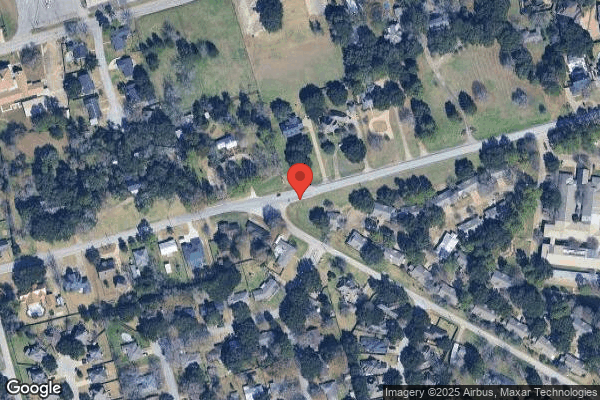
Mar 2024 1 deficiency
CONCERN (E) 📢 Someone Reported This

A family member, employee, or ombudsman was alarmed enough to file a formal complaint

Potential for Harm - no one hurt, but risky conditions existed

Safe Environment (Tag F0584)

Could have caused harm · This affected multiple residents

**NOTE- TERMS IN BRACKETS HAVE BEEN EDITED TO PROTECT CONFIDENTIALITY** Based on observation, interview and record review, the facility failed to provide a safe, clean, and homelike environment for 5 ...

Read full inspector narrative →
**NOTE- TERMS IN BRACKETS HAVE BEEN EDITED TO PROTECT CONFIDENTIALITY** Based on observation, interview and record review, the facility failed to provide a safe, clean, and homelike environment for 5 of 6 Resident' beds (Residents # 1, #2, #3, #4, and #5) observed for bed linens and failed to have clean towels and top sheets available in one of one rehabilitation units. The facility failed to ensure Residents #1, #2, #3, #4, and #5's beds had a top sheet. The facility failed to ensure there were clean towels and top sheets available in the Rehabilitation unit. These failures could place residents at risk of living in an un-homelike environment. Findings included: Record review of the undated Face Sheet for Resident # 1 reflected she was an [AGE] year-old female admitted to the facility on [DATE] and readmitted on [DATE] with a diagnosis of Type 2 Diabetes (long term condition in which the body has trouble controlling blood sugar and using it for energy) without complications. Record review of Resident #1's Quarterly MDS dated [DATE] reflected she had a BIMS score of 12 indicating moderate cognitive status. Observation on 03/26/2024 at 9:15 AM of Resident #1's bed revealed she had a bottom sheet and no top sheet under her bedspread. Observation on 03/26/2024 at 9:17 AM revealed there was one top sheet on the 200 Hall clean linen cart. Record review of the undated Face Sheet for Resident #2 reflected she was an [AGE] year-old female admitted to the facility on [DATE] and readmitted on [DATE] with diagnoses of Anxiety and Type 2 Diabetes (long term condition in which the body has trouble controlling blood sugar and using it for energy.). Record review of Resident #2's Comprehensive MDS dated [DATE] reflected she had a BIMS score of 7 indicating severe cognitive impairment. Observation on 03/26/2024 at 9:18 AM of Resident #2's bed revealed she had a bottom sheet and no top sheet under her bedspread. In an interview on 03/26/2024 at 9:20 AM the ADON stated the housekeeping department was operated by a third party and he was unaware the facility was low on top sheets. Record review of the undated Face Sheet for Resident #3 reflected she was a [AGE] year-old female admitted to the facility on [DATE] with diagnoses of Unspecified Dementia (condition characterized by progressive or persistent loss of intellectual functioning) without behavioral disturbance and Cognitive Communication Deficit (difficulty with thinking and how someone uses language). Record review of Resident #3's Comprehensive MDS dated [DATE] reflected she had a BIMS score of 14 indicating intact cognitive status. Observation on 03/26/2024 at 9:30 AM of Resident #3's bed revealed she had a bottom sheet and no top sheet under her bedspread. Record review of the undated Face Sheet for Resident #4 reflected he was an [AGE] year-old male admitted to the facility on [DATE] with diagnoses of Unspecified Dementia (condition characterized by progressive or persistent loss of intellectual functioning) Type 2 Diabetes (long term condition in which the body has trouble controlling blood sugar and using it for energy) and End Stage Renal Disease (condition in which the kidneys lose the ability to remove waste and balance fluids). Record review of Resident #4's Quarterly MDS dated [DATE] reflected he had a BIMS score of 14 indicating intact cognitive status. Observation on 03/26/2024 at 9:52 AM of Resident #4's bed revealed he had a bottom sheet and no top sheet under his bedspread. Record review of the undated Face Sheet for Resident #5 reflected she was a [AGE] year-old female admitted to the facility on [DATE] and readmitted on [DATE] with diagnoses of Alzheimer's Disease late onset (common form of Dementia that begins after age [AGE]), Unspecified Dementia (condition characterized by progressive or persistent loss of intellectual functioning) and Epilepsy (neurobiological disorder marked by sudden episodes of sensory disturbance, loss of consciousness or convulsions, associate with abnormal electrical activity in the brain). Record review of Resident #5's Comprehensive MDS dated [DATE] reflected she had a BIMS score of 8 indicating moderate cognitive impairment. Observation on 03/26/2024 at 10:08 AM of Resident #5's bed revealed she had a bottom sheet and no top sheet under her bedspread. Observation on 03/29/2024 at 9:00 AM in the facility laundry room revealed there were no towels and no top sheets in the clean linen closet. In an interview on 03/26/2024 at 9:05 AM the Laundry Room Attendant stated there were five towels in the dirty laundry. Observation on 03/29/2024 at 9:58 AM in the rehabilitation unit revealed there were no top sheets or towels on the clean linen cart. Observation on 03/29/2024 at 10:02 AM in the rehabilitation unit shower room revealed there were two bath towels, a purple one and a pink one. In an interview on 03/29/2024 at 10:05 AM CNA A stated she had worked at the facility for 10 years and they had recently had a shortage in the past month or two with a lack of top sheets and towels. She stated the pink and purple towel did not belong to the facility as the facility towels were all white. In a confidential interview on 03/29/2024 at 10:10 AM a staff member stated the facility had a shortage of bed sheets. In an interview on 03/26/2024 at 10:15 AM CNA B stated he made up the residents' beds without top sheets due to some family members coming to the facility early and he wanted the beds to look nice. In an interview on 03/26/2024 at 10:45 AM the ADON stated the housekeeping department was responsible for stocking the linen carts in the evening. In a confidential interview on 03/26/2024 at 11:00 AM a staff member stated it was amazing how things like linens showed up when surveyors arrived in the building. In an interview on 03/26/2024 at 11:53 AM the Housekeeping Supervisor stated she had been in that position for 8 months. She stated she did not know how many sheets or towels the facility needed, however, when she placed an order, it was for a dozen flat sheets and a dozen bath towels. She stated that's what her previous supervisor did. She stated she arrived at the facility at 7:00 AM and the laundry attendant arrived 6:30 AM. She stated the laundry attendant stocked the linen carts before she left the facility at 2:30 in the afternoon but there was no one to stock them in the evenings. She stated she thought some aides were throwing sheets and towels away, but she did not know that for a fact. She further stated that when she did the laundry, she never received enough flat sheets and towels back in the dirty laundry barrels. She stated she would put 15 towels out daily for the residents but agreed there were more than 15 residents in the facility. She stated they were going to put out more towels based on the census and not going to do what her previous supervisor did. In an interview on 03/26/2024 at 1:15 PM the Wound Care Nurse stated she had worked at the facility for 7 years. She said there had been shortages of mostly flat sheets and draw sheets on the 2-10 shifts and that problem had been worse in the past month. In an interview on 03/26/2024 at 2:29 PM the DON stated she had worked at the facility since October 2023. She stated the CNAs should be turning in their linen barrels before the laundry attendant leaves so the linens could be washed. She stated she, the ADON and the floor nurses were responsible for supervising the CNAs and ensuring they turned completed that task. In an interview on 03/26/2024 at 2;39 PM the laundry attendant stated she had worked at the facility for 9 years. She stated she arrived at the facility at 6:00 AM in the mornings and the washer took one hour and the dryer took 40 minutes to complete a load of laundry. She stated she had trouble getting the aides to bring her the dirty laundry. She stated they were not returning towels and flat sheets. She further stated she had only received one flat sheet back that morning. In an interview on 03/26/2024 at 2:55 Pm the Assistant Executive Director stated she had not received any complaints regarding laundry. She stated the Housekeeping Supervisor checked the laundry carts twice a day and the laundry lady stocked the carts. She stated the staff should know how to tell any supervisor if they were having issues with a shortage of linens. In an interview on 03/26/2024 at 3:40 PM the Executive Director stated his expectation was for residents to have top sheets, drawsheets and towels available. He stated the facility should have par levels of linens to meet the resident's needs. He stated he was the Interim Executive Director, and he was unaware there was an issue with the laundry, however, it would be addressed. Record review of a facility Policy and Procedure titled Resident Rights and dated 04/01/20208 and revised in January 2023 reflected Residents have the right to dignity, self-determined and person-centered care. The community must protect and promote the rights of all residents and ensure they are receiving the care and services they need. Safe Environment: A safe, clean, comfortable, and homelike environment.
Jan 2024 5 deficiencies
CONCERN (D)

Potential for Harm - no one hurt, but risky conditions existed

Deficiency F0802 (Tag F0802)

Could have caused harm · This affected 1 resident

Based on interview and record review, the facility failed to employ staff with the appropriate competencies and skills sets to carry out the functions of the food and nutrition service for 1 of 10 die...

Read full inspector narrative →
Based on interview and record review, the facility failed to employ staff with the appropriate competencies and skills sets to carry out the functions of the food and nutrition service for 1 of 10 dietary staff (Dietary Aide B) reviewed for food and nutrition services. The facility failed to ensure Dietary Aide B had a current Food Handler's Certificate while working in the facility's kitchen. This failure could place residents who consumed food prepared in the facility kitchen at risk of foodborne illness due to being served by improperly trained staff. Findings included: Record review of 10 dietary staff food handlers' certificates indicated Dietary Aide B's certificate expired on 09/05/23. During an interview on 01/31/24 at 11:47 a.m., Dietary Aide B said he did not know his food handler's certification had expired last year. He stated, I completed the food handler training and tested last night. During an interview on 01/31/24 at 12:00 p.m., the Administrator said the Dietary Manager was responsible for monitoring the dietary staff and the food handler certificates. She said the facility did not have a certified dietary manager. She said her expectation was for the dietary staff to have current food handler's certification to prevent food borne illness and the food handler certification was required. Reference obtained from the Texas Food Establishment Rules' dated 2015 indicated .Certified Food Protection Manager and Food Handler Requirements. (e) The food establishment shall maintain on premises a certificate of completion of the food handler training course for each food employee. The requirement to complete a food handler training course shall be effective September 1, 2016
CONCERN (D)

Potential for Harm - no one hurt, but risky conditions existed

Deficiency F0805 (Tag F0805)

Could have caused harm · This affected 1 resident

**NOTE- TERMS IN BRACKETS HAVE BEEN EDITED TO PROTECT CONFIDENTIALITY** Based on observation, interview, and record review, the facility failed to provide liquids consistent to meet the residents' nee...

Read full inspector narrative →
**NOTE- TERMS IN BRACKETS HAVE BEEN EDITED TO PROTECT CONFIDENTIALITY** Based on observation, interview, and record review, the facility failed to provide liquids consistent to meet the residents' needs, for one (Resident #43) of 16 residents reviewed for food and nutrition services. The facility did not serve Resident #43 nectar thickened coffee or juice during his breakfast meal on 01/29/24. This failure could place residents who have dysphagia at risk for aspiration. Findings included: Record review of Resident #43's admission record dated 01/29/24 indicated he was [AGE] years old and admitted on [DATE] with aphasia (language disorder) and dysphagia (difficulty swallowing). Record review Resident #43's of the MDS quarterly assessment dated [DATE], indicated Resident #43's BIMS score was 09 indicating moderate impairment with cognition. He was dependent on staff for eating. Resident #43 required mechanically altered diet - required change in texture of food or liquids (thickened liquids) while a resident of this facility and within the last 7 days. Record review of the care plan dated 11/10/2023 indicated Resident #43 was at risk for potential complications with nutrition/hydration. The interventions included diet as ordered, mechanical soft with thickened liquids. Record review of physician orders dated 01/29/24 indicated Resident #43's orders included NAS (No Added Salt) diet mechanical soft texture, mildly thick/nectar thick consistency. During an observation on 01/29/24 at 8:35 a.m., Resident #43 was eating his mechanical soft diet breakfast and drinking his coffee. The coffee and juice on his tray were not thickened. During an observation and interview on 01/29/24 at 8:40 a.m., MA C said Resident #43's coffee and juice were thin consistency, but the liquids should have been thickened. CNA A said Resident #43 drank thin liquids. MA C picked up Resident #43's dietary card on his tray and said the card indicated nectar thickened liquids. During an interview 01/29/24 at 9:05 a.m., the ADON said Resident #43's physician's orders indicated he was to receive a mechanical soft diet with his liquids thickened to nectar consistency. The ADON said the consistency of the resident's liquid was to prevent choking or aspiration. Record review of the policy titled Consistency Altered Diet dated February 2021 indicated Policy To assist in meeting a tenant's/ resident's dietary needs. Consistency altered diets (texture changes and or thickened liquids) are provided as long as these altered diets are adhered to by the tenant /resident, do not jeopardize the tenant's/ resident's health, and are within the capability of the community.
CONCERN (D)

Potential for Harm - no one hurt, but risky conditions existed

Deficiency F0808 (Tag F0808)

Could have caused harm · This affected 1 resident

**NOTE- TERMS IN BRACKETS HAVE BEEN EDITED TO PROTECT CONFIDENTIALITY** Based on observation, interview and record review, the facility failed to ensure residents were provided the therapeutic diets a...

Read full inspector narrative →
**NOTE- TERMS IN BRACKETS HAVE BEEN EDITED TO PROTECT CONFIDENTIALITY** Based on observation, interview and record review, the facility failed to ensure residents were provided the therapeutic diets as prescribed by the attending physician for 2 of 16 residents (Residents #18 and #40) reviewed for therapeutic dietsfood and nutrition services. The facility failed to ensure Residents #18 and #40 did not received their health shake with the lunch meal on 01/29/24 as ordered by physician. This failure could place residents with diet needs at risk for a decrease in calories and potential weight loss. The findings included: 1. Record review of Resident #18's admission record dated 01/31/24 indicated she was [AGE] years old and admitted on [DATE] with vitamin deficiency and heart disease. Record review of the MDS quarterly assessment dated [DATE], indicated Resident #18's BIMS score was 08 indicating moderate impairment with cognition. She required supervision for eating. No weight loss or gain of 5% or more in the last month or loss of 10% or more in the last 6 months was noted. Record review of the care plan dated 12/08/23 indicated Resident #18 had actual weight loss related to varied intake. The approaches included health shakes with meals. Record review of physician orders dated 01/31/24 indicated Resident #18's orders included orders for health shakes with meals with a start date of 11/11/22 and mechanical soft diet. During an observation on 01/29/24 at 12:15 p.m., Resident #18 was eating her mechanical soft lunch meal, and no health shake was on the tray. During an interview on 01/29/24 at 1:15 p.m., Resident #18 stated I did not get my milk shake at lunch. 2. Record review of admission record dated 01/29/24 indicated Resident #40 was admitted on [DATE] with a stroke, dysphagia (difficulty swallowing) and protein calorie malnutrition (insufficient consumption of protein). Record review of the MDS significant change assessment dated [DATE] indicated Resident #40's BIMS was 14 indicating her cognition was intact. She required supervision or touching assistance as resident completed the activity of eating and assistance could be provided throughout the activity or intermittently. She had a weight gain of 5% or more in the last month or gain of 10% or more in the last 6 months. Record review of the care plan dated 01/18/24 for Resident #40 included she was at risk for complications with nutrition / hydration related to acceptance of supplements, appetite, and meal Intake. The interventions included diet: regular pureed diet, nectar thick liquids and health shakes. Record review of physician's orders dated 01/29/24 indicated Resident #40 diet was on a pureed diet with nectar thick liquids and health shake with meals for weight loss with start date of 01/16/2024 During an observation on 01/29/24 at 12:40 p.m., Resident #40 was sitting in the dining room, and staff was assisting her back to her room. Her plate was empty, and no health shake was on the tray. There was a glass of thickened water half full and thickened juice was almost emptied. During an interview on 01/29/24 at 2:00 p.m., Resident #40 said she did not remember if she had her milk shake at lunch. During an interview on 01/29/24 at 12:45 p.m., CNA A said Residents #18 and #40 did not receive their health shakes with the lunch meal. She said the kitchen did not send them out with lunch trays . She said the nurse in the dining room was responsible for checking the trays and pointed to the DON. During an interview on 01/29/24 at 1:30 p.m., the DON said after surveyor intervention, the staff in the dining room brought Residents #18 and #40 the health shakes. She said the dietary staff had not put them out in the dining room. She said the health shakes were in addition to their meals to prevent weight loss.
CONCERN (E)

Potential for Harm - no one hurt, but risky conditions existed

Deficiency F0757 (Tag F0757)

Could have caused harm · This affected multiple residents

**NOTE- TERMS IN BRACKETS HAVE BEEN EDITED TO PROTECT CONFIDENTIALITY** Based on interview and record review, the facility failed to ensure each resident's drug regimen was free from unnecessary drugs...

Read full inspector narrative →
**NOTE- TERMS IN BRACKETS HAVE BEEN EDITED TO PROTECT CONFIDENTIALITY** Based on interview and record review, the facility failed to ensure each resident's drug regimen was free from unnecessary drugs 3 of 7 residents (Residents #39, #44, and #47) reviewed for unnecessary medications. The facility did not have appropriate indications for medications based on Resident #39's diagnoses. The facility did not have parameters to hold blood pressure medication for Resident #39. The facility did not hold blood pressure medications for Residents #44 and #47 when the residents' blood pressure or pulse was outside parameters set by their physician. These failures could place residents at risk of complications related to receiving unnecessary medications. Findings included: 1. Record review of a face sheet dated 01/31/24 indicated Resident #39 was an [AGE] year-old male admitted on [DATE]. His diagnoses included atrial fibrillation (a type of irregular heartbeat), benign prostatic hyperplasia (a noncancerous enlargement of the prostate gland), cerebral infarction (lack of adequate blood supply to brain cells deprives them of oxygen and vital nutrients which can cause parts of the brain to die off), personal history of other diseases of the blood system, nontraumatic chronic subdural hemorrhage (an old clot of blood on the surface of the brain beneath its outer covering), protein-calorie malnutrition (a nutritional status in which reduced availability of nutrients leads to changes in body composition and function), vascular dementia (stroke related memory loss), metabolic encephalopathy (a problem in the brain caused by a chemical imbalance in the blood), zoster (reactivation of the chickenpox virus in the body), personal history of other diseases of urinary system, anemia (lower than normal healthy blood cells), heart failure (a condition that develops when the heart doesn't pump enough blood for the body's needs), acute kidney failure (kidneys suddenly become unable to filter waste products from the blood), and obstructive and reflux uropathy (when urine cannot drain through the urine tubes). Record review of the MDS dated [DATE] indicated Resident #39 had active diagnoses of anemia, heart failure, renal insufficiency, obstructive uropathy, cerebral vascular accident, non-Alzheimer's dementia, hemiplegia or hemiparesis, malnutrition, zoster, insomnia, metabolic encephalopathy, and atrial fibrillation. Record review of the January 2024 physician orders indicated Resident #39 had: * the same diagnoses as the face sheet, * an order dated 09/26/23 he was to receive atorvastatin for high cholesterol, * an order dated 01/12/24 he was to receive potassium for elevated potassium, and * an order dated 09/27/23 he was to receive levothyroxine for hypothyroidism. During an interview on 01/30/24 at 03:21 p.m., RN D said when a resident was admitted the medications were to be given appropriate diagnoses based on the diagnoses the resident had. She said if there was not a diagnosis for a medication the admitting nurse should check the hospital record for a diagnosis or contact the physician and clarify. During an interview on 01/31/24 at 12:01 p.m., RN E said when a resident was admitted the medications were to be given appropriate diagnoses based on the diagnoses the resident had. She said if there was not a diagnosis for a medication the admitting nurse should contact the physician and clarify. During an interview on 01/31/24 at 12:12 p.m., the Administrator said medications should be given appropriate diagnoses based on the diagnoses the resident had. She said if there was not a diagnosis for a medication the nurse should check the clinical record from the hospital for a diagnosis. She said she was the nurse who transcribed Resident #39's orders and did not realize she had not inputted the appropriate diagnoses or clarified with physician/NP. During an interview on 01/31/24 at 12:45 p.m. the ADON said medications should be given appropriate diagnoses based on the diagnoses the resident had. He said if there was not a diagnosis for a medication the admitting nurse should check the hospital record for a diagnosis or contact the physician and clarify. 2. Record review of a face sheet dated 01/31/24 indicated Resident #39 was an [AGE] year-old male admitted on [DATE]. His diagnoses included atrial fibrillation (a type of irregular heartbeat), cerebral infarction (lack of adequate blood supply to brain cells deprives them of oxygen and vital nutrients which can cause parts of the brain to die off), and heart failure (a condition that develops when the heart doesn't pump enough blood for the body's needs). Record review of a physician order dated 09/26/23 indicated Resident #39 was to receive nifedipine ER Oral Tablet Extended Release 24 Hour 30 mg (Nifedipine) 1 tablet by mouth one time a day for hypertension with no indications for parameters to hold the medication. Record review of the January 2024 MAR indicated Resident #39's nifedipine was not administered on 01/15 and 01/17 with a code number 5 marked indicating Hold/See Nurse Notes. Record review of Nursing Progress Notes for Resident #39 indicated: *on 01/15/24 an eMAR-Administration Note indicating nifedipine ER Oral Tablet Extended Release 24 Hour 30 mg give 1 tablet by mouth one time a day for hypertension. Medication not given at this time due to BP outside parameters. BP was 99/43. Nurse in charge notified. *on 01/17/24 an eMAR-Administration Note indicating nifedipine ER Oral Tablet Extended Release 24 Hour 30 mg give 1 tablet by mouth one time a day for hypertension. Medication not given at this time due to BP outside parameters. BP was 100/50. Nurse in charge notified. 3. Record review of a face sheet dated 01/30/24 indicated Resident #44 was a [AGE] year-old female readmitted on [DATE]. Her diagnoses included hypertension (condition in which the force of the blood against the artery walls is too high). Record review of the physician orders for January 2024 indicated Resident #44 had an order dated 01/11/24 to receive amlodipine 2.5 mg twice daily with indications to hold the medications if SBP was <110; DBP was <60; or P was <60. Record review of the January 2024 eMAR indicated Resident #44 received amlodipine on 01/28 for the morning dose when her SBP was 108 and she received the medication on 01/28 for the evening dose with code 9. Code 9 was indicated on the eMAR as See Nurse Notes. Record review of the Nursing Progress Note dated 01/28/24 for Resident #44 had no indication the evening dose of the amlodipine was held. During an interview on 01/31/24 at 12:01 p.m., RN E said they checked the vital signs if there was parameters ordered and if the VS were in the parameters to be held then the medications were held. She said she did not realize she checked on the eMAR for Resident # 44's Metoprolol the code 9. She said she did not document in the nursing notes that the medication was held. Record review of the physician orders for January 2024 indicated Resident #44 had an order dated 01/24/24 to receive Metoprolol 25 mg twice daily with indications to hold the medications if SBP was <110, DBP was <60, or P was <60. Record review of the January 2024 eMAR indicated Resident # 44 received Metoprolol on: * 01/15 when her SBP was 101 and DBP was 53; * 01/18 when her DBP was 59; * 01/19 when her SBP was 100; and * 01/28 when her SBP was 108. Record review of a face sheet dated 01/31/24 indicated Resident #47 was a [AGE] year-old female admitted on [DATE]. Her diagnoses included cardiomyopathy (a disease of the heart muscle that makes it harder for the heart to pump). Record review of the physician orders for January 2024 indicated Resident # 47 had an order dated 01/19/24 for her to receive Toprol XL mg daily and indications to hold the medications if SBP was <110; DBP was <60; or P was <60. Record review of the January 2024 eMAR indicated Resident # 47 received Toprol XL on: *01/09 when her DBP was 51; *01/15 when her DBP was 58 and P was 58. During an interview on 01/30/24 at 04:25 p.m., RN D said they checked the vital signs prior to medication administration. She said if there were parameters ordered and the VS were in the parameters to be held, then they were held. During an interview on 01/31/24 at 01:35 p.m., the ADON said BP medications should be held if they have parameters to hold them. He said if they the medication was held there should be a nursing note also. He said residents given BP medications when they should be held could cause the resident BP to drop and them being sent to the hospital. Record review of an Unnecessary Drugs Policy revised 09/22/17 indicated Policy: Each resident's drug regimen must be free from unnecessary drugs. An unnecessary drug is any drug when used: .without adequate indications for its use Record review of an Unnecessary Drugs Policy revised 09/22/17 indicated Policy: Each resident's drug regimen must be free from unnecessary drugs. An unnecessary drug is any drug when used: .In the presence of adverse consequences which indicate the dose should be reduced or discontinued;
CONCERN (E)

Potential for Harm - no one hurt, but risky conditions existed

Deficiency F0801 (Tag F0801)

Could have caused harm · This affected multiple residents

Based on interview and record review, the facility failed to employ sufficient staff with appropriate competencies and skill sets to carry out the functions of the food and nutrition service for 1 of ...

Read full inspector narrative →
Based on interview and record review, the facility failed to employ sufficient staff with appropriate competencies and skill sets to carry out the functions of the food and nutrition service for 1 of 1 facility kitchen reviewed for food and nutrition services. The facility failed to designate a person to serve as the dietary manager who met the required qualifications. The facility designated Dietary Supervisor did not have a dietary manager's certification or any other qualifying credentials. This failure could place residents at risk for the spread of foodborne illness and residents not having their nutritional needs met. The findings include: Record review of the personnel file for the Dietary Supervisor indicated no documentation that she had completed the certified Dietary Manager course. She had a date of hire of 12/02/16. During an interview on 01/30/24 at 8:00 a.m., the Dietary Supervisor said she had not completed or started the dietary manager classes. She said she was working as dietary supervisor until the facility could hire a certified dietary manager. During an interview on 01/31/24 at 10:45 a.m., the HR staff said the Dietary Supervisor was not a certified dietary manager and had assumed the position on 01/17/24. He said the facility had tried to hire a certified dietary manager or hire staff and have them become a certified dietary manager since February 2023. During an interview on 01/31/24 at 12:00 p.m., the Administrator said her expectation was for the DM to be certified to over see the dietary services. She said the DM would monitor staff's dietary certifications and ensure diets were followed. Reference obtained from the Texas Food Establishment Rules dated 2015 indicated .Certified Food Protection Manager and Food Handler Requirements. (a) At least one employee that has supervisory and management responsibility and the authority to direct and control food preparation and service shall be a certified food protection manager who has shown proficiency of required information through passing a test that is part of an accredited program. Record review of the Food Service policy dated January 2023 indicated . In addition, a minimum of one person directly responsible food preparation must successfully complete a state approved food protection program by a. Obtaining a certification as a dietary manager; or b. Obtaining a certification as a food protection professional .
Oct 2023 1 deficiency
CONCERN (D) 📢 Someone Reported This

A family member, employee, or ombudsman was alarmed enough to file a formal complaint

Potential for Harm - no one hurt, but risky conditions existed

Deficiency F0744 (Tag F0744)

Could have caused harm · This affected 1 resident

**NOTE- TERMS IN BRACKETS HAVE BEEN EDITED TO PROTECT CONFIDENTIALITY** Based on observation, interview, and record review the facility failed to ensure a resident who displayed or was diagnosed with ...

Read full inspector narrative →
**NOTE- TERMS IN BRACKETS HAVE BEEN EDITED TO PROTECT CONFIDENTIALITY** Based on observation, interview, and record review the facility failed to ensure a resident who displayed or was diagnosed with dementia received the appropriate treatment and services to attain or maintain his or her highest practicable physical, mental, and psychosocial well-being, for one1 of 5 residents (Resident #1) reviewed for treatment and services. The facility failed to develop and implement a comprehensive person-centered care plan to address Resident #1's continuous intermittent aggressive behaviors toward male residents. This failure placed residents at risk for their medical, physical, and psychological needs not being met. Findings included: Review of Resident #1's Face Sheet dated 10/04/2023 reflected a [AGE] year-old female admitted to the facility 09/01/2022 with the following diagnoses Dementia (A group of symptoms that affects memory, thinking and interferes with daily life.) Major Depression (A mental condition characterized by a persistently depressed mood and long-term loss of pleasure or interest in life, often with other symptoms such as disturbed sleep, feelings of guilt or inadequacy, and suicidal thoughts.) Adjustment Disorder (A short term condition arising due to difficulty in managing the stressful life changes such as coping with work-related problems, loss of loved ones, or relationship issues that leads to significant impairment in functioning.) and Impulsiveness (acting or doing without forethought). Review of Resident #1's Annual MDS assessment dated [DATE] reflected Resident #1 was assessed to have a BIMS score of 99 indicating severe cognitive impairment. Resident #1 was assessed to have physical, verbal, and other behavioral symptoms directed toward others that occurred one to three days a week during the assessment period. Resident #1 was further assessed to require minimal assist with mobility and was assessed to be independent in locomotion on and off the unit. Review of Resident #1's Comprehensive care plan with the initiation date of 09/07/2022 reflected a focus area Resident #1 has delirium, or an acute confessional episode related to acute disease process Dementia. The only intervention for the focus area was consult with family and interdisciplinary team, review chart to establish baseline level of functioning. Further review reflected a focus area dated 10/24/2022 reflected Resident #1 is an elopement risk/wanderer as evidence by disoriented to place, impaired safety awareness, resident wanders aimlessly. Further review of Resident #1's plan of care reflected no plans for aggressive behaviors. Review of Resident #1's MARS and TARS for 09/2023 and 10/2023 reflected no entries to monitor behaviors. Review of Resident #1's Nursing Progress note dated 09/26/2023 at 6:27 AM reflected CNA states resident grabbed another resident's forearm and yanked on it aggressively. CNA able to separate residents. Resident just had shower, had no behaviors throughout night .asked resident why she attacked the other resident, and she was not able to answer .Resident then started to go after another resident and nurse was able to intervene. Resident then started to go after another resident and nurse was able to intervene. Resident then tried attacking the same resident again and nurse was able to successfully intervene again. Resident sat with nurse while contacting DON and [psychiatric] physician . Note signed by LVN A. Attempts to contact LVN A on 10/04/2023at 11:00 AM and 1:50 PM were unsuccessful. Review of Resident #1's Psychiatric NP Psychiatric Periodic Evaluation dated 09/22/2023 reflected .following the resident today due to continuous intermittent aggressive behavior especially toward male staff and residents .encourage staff to continue to monitor closely, provide redirection, anticipate her needs, provide distraction by engaging her in multiple activities, and keeping her away from male [residents] to avoid further altercations . Further review reflected Safety: At this time patient is not in acute danger to self or others, however this may change based on treatment compliance and psychosocial stressors . Observation and interview on 10/04/2023 at 11:00 AM revealed Resident #1 up in wheelchair at nurse's station. Resident #1 did not respond to questions. Resident #1 was pleasant and smiled. Observation on 10/04/2023 at 12:30 PM revealed Resident #1 in dining room for lunch. No behaviors were observed. In an interview on 10/04/2023 at 3:15 PM the MDS coordinator stated she had not done a plan of care for Resident #1's behaviors. She stated she had only been at the facility for a few months and the care plans were behind. She stated if Resident #1 had aggressive behaviors a plan of care should be done to prevent further behaviors. In an interview on 10/04/2023 at 3:25 PM the DON stated residents should be monitored for behaviors and interventions put into place to address aggressive resident behaviors to ensure residents are safe. Review of the facility's undated policy Behavior Management reflected behavior flow sheets in PCC (facility electronic health record) are present with behaviors and individualized interventions/ approaches. Care plan is present with same information from behavior flow sheets in PCC. Non-pharmacological interventions are listed and utilized prior to medication administration. The policy contained no other information.
Jul 2023 1 deficiency
CONCERN (D) 📢 Someone Reported This

A family member, employee, or ombudsman was alarmed enough to file a formal complaint

Potential for Harm - no one hurt, but risky conditions existed

Free from Abuse/Neglect (Tag F0600)

Could have caused harm · This affected 1 resident

**NOTE- TERMS IN BRACKETS HAVE BEEN EDITED TO PROTECT CONFIDENTIALITY** Based on interview and record review, the facility failed to ensure residents were free from neglect for 1 of 4 residents (Resi...

Read full inspector narrative →
**NOTE- TERMS IN BRACKETS HAVE BEEN EDITED TO PROTECT CONFIDENTIALITY** Based on interview and record review, the facility failed to ensure residents were free from neglect for 1 of 4 residents (Resident #1) reviewed for abuse and neglect, in that: The facility failed to ensure staff was making rounds timely which resulted in Resident #1 sleeping in her chair all night. This failure placed residents at risk for physical, emotional, and psychosocial harm including hospitalization. Findings included: Record review of Resident #1's face sheet, dated [DATE], revealed Resident #1 was a [AGE] year-old female who was admitted to the facility on [DATE] and readmitted on [DATE] with the following diagnoses: history of falling ( the information is valuable in determining the future risk of fracture), symptoms and signs of circulatory and respiratory systems (circulatory system, which is made up of the heart and blood vessels, supports the respiratory system by bringing blood to and from the lungs) acute on chronic diastolic congestive heart failure ( the causes blood to build up inside the left atrium, and then in the lungs, leading to fluid congestion and symptoms of heart failure), weakness (lack of energy or strength) obstructive sleep apnea ( a disorder in which a person frequently stops breathing during his or her sleep) and, wheezing ( to breathe with difficulty usually with a whistling sound). Record review of Resident #1's Quarterly MDS, dated [DATE], reflected Resident #1 was rarely/never understood. Resident #1 cognitive patterns were assessed by staff. She had poor short- and long-term memory recall. Resident #1's decision making ability was severely impaired. She did not speak. Resident #1 was assessed to require extensive assistance by two or more staff members for bed mobility, dressing, and personal hygiene. She was assessed to be total dependent with two or more staff members for transfers. Resident #1 was also assessed to be total dependent with one staff member assist with eating, and bathing. Resident #1 was always incontinent of bowel and bladder. Resident #1 had medically complex conditions (complex health issues can affect a person's mental, physical, and social well-being). Resident was assessed to have asthma (asthma is a chronic respiratory condition which is caused by inflammation of the airway that causes narrowing of the airway). Resident #1 received scheduled pain medication. She was assessed to have a condition or chronic disease that may result in a life expectancy of less than six months. Resident #1 required oxygen therapy and was on hospice care. Record review of Resident #1's comprehensive care plan, target date [DATE], reflected Resident #1 had impaired cognition and impaired thought process related to dementia. Intervention: she required supervision/assistance with all decision making. Resident #1 was care planned to be at risk for shortness of breath/difficulty breathing related to asthma, and chronic congestive heart failure (a serious condition in which the heart doesn't pump blood as efficiently as it should). Intervention: monitor/document breathing patterns. Report abnormalities to MD. Resident #1 had a terminal prognosis related to congestive heart failure (a serious condition in which the heart doesn't pump blood as efficiently as it should), dementia (loss of memory, language, problem-solving and other thinking abilities that are severe enough to interfere with daily life), and pulmonary embolism (as sudden blockage in a lung artery). Resident was receiving hospice care. Intervention: keep the environment quiet and calm. Provide maximum comfort for the resident. Resident #1 was at risk for falls related to confusion, deconditioning, gait/balance problems, poor communication/comprehension, unaware of safety needs and disease process. Intervention: anticipate and meet her needs. Encourage her to participate in exercise, physical activity for strengthening. Resident had an ADL self-care performance deficit. Resident required assistance with bed mobility, bathing, dressing, eating, and transfers. Resident #1 was on diuretic therapy related to congestive heart failure (a serious condition in which the heart doesn't pump blood as efficiently as it should). Intervention: may cause dizziness, fatigue, and an increased risk for falls. Observe for possible side effects every shift. Resident had functional bladder. Intervention: Resident #1 will be checked and changed as required for incontinence. Wash, rinse, and dry perineum. Change clothing as needed after incontinence episodes. Record review of Resident #1's nurse's progress note, dated [DATE], at 5:52 PM reflected while assisted patients in dressing and toileting, CNA stated that patient (Resident #1) had been up in her chair all night and was not in bed. Assessment patient and vital signs taken, found no acute injuries, notified administrator and assistant administrator of incident, per facility protocol. Administrator spoke with family on incident. 9:00 AM daughter at bedside with patient, patient resting quietly with no s/s of distress/discomfort noted at this time. 7:00 PM patient remained stable today with no outwardly s/s of distress/discomfort noted. Continues with oxygen at 2 Liters per NC sat 96%. Vital signs 98.6 72-20-169/88. Incontinent care every 2 hr. and prn. Signed By LVN A. Record review of alleged neglect assessment, dated [DATE] at 10:01 AM, reflected Resident #1 was not assisted to bed and sat in her broda chair throughout the entire 10:00 PM -6:00 AM shift ([DATE]-[DATE]). Resident #1 does not communicate therefore she was unable to provide any information pertaining to the incident. Resident #1 was assessed to have injury to the right and left thigh. Resident #1's mental status was at baseline. Resident #1 was incontinent and had impaired memory. Agencies/People Notified were the following: Physician, State Survey Agency, Ombudsman, Administrator, and DON. Signed by Assistant Administrator/RN B. Record review of statement dated [DATE] reflected Resident #1 had been placed in bed. Resident was assessed from head-to-toe. There were two red areas, both measuring four inches to the posterior thighs. Both sites were blanchable upon palpation. The areas on the resident were cleaned and barrier ointment was applied. All pressure areas were offloaded. Resident #1 did not have any pain per painad scale. Resident #1's daughter was at bedside. Signed by Assistant Administrator/RN B Record review of an individual staff in-service and statement with RN C, dated [DATE] (the statement /in-service was related to the incident with Resident #1 on [DATE] - [DATE] during the 10:00 PM to 6:00 AM shift) reflected the Nurse was required to check all residents every two hours and the residents identified on the falling star program was required to be checked every hour. Resident #1 sat in the broda chair (during the shift of 10:00 PM - 6:00 AM on [DATE]- [DATE]). The staff failed to complete frequent checks. Signed by RN C and the Administrator. Record review of with CNA D, dated [DATE] (the statement/in-service was related to the incident with Resident #1 on [DATE] - [DATE] during the 10:00 PM to 6:00 AM shift) reflected Resident #1 was not assisted to bed and was in her room sitting on her broda chair from 10:00 PM - 6:00 AM shift. All residents will be checked every 2 hours (minimum) and the residents identified on the falling star program was required to be checked every hour. Signed by Assistant Administrator RN B and CNA D. Record review of the paper 24-hour report dated [DATE] and [DATE] reflected Resident #1's name was not listed on the 24-hour report. Record review of an in-service Importance of Rounding, dated [DATE], reflected rounds should be made at least every 2 hours on all residents by CNA and Charge Nurse. This can help reduce skin breakdown and reduce risk of falls. Record review of an in-service Abuse and Neglect dated, [DATE] , reflected Neglect: the failure by the nursing home, its staff, or outside service providers to provide services and goods to a resident that are necessary to avoid physical harm, pain, mental anguish, or emotional distress. Record Review of the facility investigation completed on [DATE] reflected the facility did not have a system in place to monitor for compliance. Observation on [DATE] at 9:45 AM revealed Resident #1 was in bed with her eyes opened. Resident was unable to communicate verbally or written communication. Resident was well groomed. She had a fall mat beside her bed. In an interview on [DATE] at 10:05 AM, CNA E stated she worked during the shift 6:00 AM - 2:00 PM on [DATE]. She stated she entered Resident #1's room approximately 7:00 AM and observed Resident #1 sitting in her specialty chair. She stated another CNA F entered the room and she asked CNA F if she and someone else assisted Resident #1 out of bed into her chair. CNA E stated CNA F stated no. CNA E stated no one on day shift had assisted her out of bed the morning of [DATE]. She stated she noticed Resident #1 was soiled with urine and there was urine in her chair. She stated Resident #1 was assisted to bed by herself and CNA F. She stated the only issues she noticed with Resident #1 was her feet was more swollen than usual. She also stated when Resident #1 was in bed she was soiled with urine and had yellowish/brownish stains around the urine on the brief. She stated she had to get a towel to clean Resident #1 chair there were a lot of urine in the seat of the chair. She stated Resident #1 was cleaned and changed. She also stated LVN A came into the room and looked at Resident #1. She stated at this time she exited Resident #1's room. She stated Resident was sleepy throughout the day. She stated they attempted to feed her breakfast and Resident #1 could not stay awake long enough to eat. She stated she checked on Resident #1 every 30 minutes on the day of [DATE]. CNA E stated during her rounds Resident #1 was asleep. She stated she did wake up for lunch and did eat approximately 75 % of her meal. She stated her daughter came to the facility in the morning and was there during lunch meal. She stated Resident #1 was required to be out of bed for meals. CNA E stated the CNAs have been instructed numerous times during in services and during report to make rounds on residents every 2 hours. She stated if a resident was at risk for falls and on the falling star program, they were expected to be checked on every hour. She stated Resident #1 was at risk for falls, however, she was not on the falling star program (a program for residents with a high risk for falls). She stated after she clocked in for work (on [DATE] approximately 6:00 AM), she went on the 200 hall and the CNA assigned to that hall had already clocked out and left the facility. She stated no one had mentioned to her of any physical issues with Resident #1. In an interview on [DATE] at 11:00 AM, LVN A stated she worked the shift 6:00 AM - 6:00 PM on [DATE]. She stated she received report from the outgoing nurse RN C. She stated Resident #1 was not mentioned in the report. LVN A stated the only people was mentioned in 24-hour report was the ones with some type of physical or any type of issue. She stated she did review the 24-hour report. LVN A also stated the only report she looked at with RN C was the paper 24-hour report and not the report in the electronic medical record. She stated when she comes on duty the paper 24-hour report is the only one the nurse's use. She stated the nurses very seldom used the 24-hour report in the electronic medical record. LVN A stated she did not observe anything written about Resident #1 on the report. She also stated she began making her rounds and she walked down the 200 hall the same hall where Resident #1 resides. She stated she entered Resident #1's room approximately 6:30 AM to obtain her oxygen Sat. She stated Resident #1 was sitting in her specialty chair beside her bed and she was asleep entire time she was in her room. LVN A stated she did not have time to make any other observations on Resident #1. She stated she thought the morning CNAs had assisted Resident #1 out of the bed. LVN A also stated she exited Resident #1 room and continued to make rounds. She stated she was walking up the 200 hall and heard staff talking near Resident #1's door and she entered the room to determine if anything happened to Resident #1. She stated this was when she learned Resident #1 was possibly not assisted to bed all night. She stated she assessed Resident #1 and observed her feet was more swollen than usual. She stated she did a skin assessment on her and observed 2 red areas above the back of her knees around her thighs. LVN A stated she did not observe any other injury or concern on Resident #1. She did state she was very sleepy. When asked LVN A about her eating meals, LVN A stated I was not focused on Resident #1 eating her meals. She stated she did make rounds on Resident #1 every hour in the morning and every 2 hours in the afternoon [DATE]. She stated she called the Administrator and reported the incident of Resident #1 being up all night in her specialty chair. She stated the Assistant Administrator came to the facility approximately 9:30 AM and completed another assessment on Resident #1. She stated the family was at the facility in the morning and was informed of the incident by the Assistant Administrator. LVN A stated she had been in service on Resident Abuse and Neglect numerous times and most recent was on [DATE]. She stated she was in service on making rounds every 2 hours. She stated it was expected for the nurses and the CNAs to make rounds every 2 hours on residents they are assigned to for that day. LVN A stated she had not been instructed by any staff on how to monitor the CNAs to ensure they were making their rounds every 2 hours. She stated it was the nurse's responsibility to ensure the CNAs were making rounds and completing their tasks on each resident. She stated she did complete an assessment on Resident approximately 7:00-7:30 and her assessment was documented in her nurses note. She stated RN C worked on the night shift on [DATE]. In an interview on [DATE] at 11:45 AM. CMA G stated she did work the day shift on [DATE]. (6:00 AM - 2:00 PM). She stated she did observe Resident #1 when she gave medications to her in the morning. She stated Resident #1 was sleeping in her bed. She stated the nurse supervisor for the previous shift was RN C and the CNA D was assigned to the 200 hall where Resident #1 resided. She stated she had been in service on abuse and neglect in 07/2023 and within the past 3 or 4 months. She stated she did not make rounds on residents. CMA G stated during in services in the past few months it was discussed for CNAs and nurses to make rounds on residents every 2 hours. In an interview on [DATE] at 2:45 PM, RN C stated she did work from 6:00 PM until 6:00 AM from [DATE] - [DATE]. She stated the first time she observed Resident#1 was approximately 6:30 PM. She stated Resident #1 was sitting in her broda chair near her bed and she did not notice if she was awake or asleep. She stated she did not observe Resident #1 again until 11:00 PM and she stated Resident #1 was in her room sitting in the broda chair beside her bed. She stated she assumed the CNAs had not had time to assist Resident #1 to bed. She stated they were not short of staff. RN C stated she did not observe Resident #1 until approximately 4:00 AM. She stated Resident #1 was sitting her broda chair and she was sleepy. She stated she thought the CNAs assisted her out of bed for breakfast. RN C stated she did not ask CNA D if she assisted Resident out of bed around 4:00 AM. She stated sometimes residents is assisted out of bed around 5:00 or 5:30 AM if that is their preference for breakfast. RN C stated she did not think about it being too early to be out of bed for breakfast. She stated she did not know if this was unusual for Resident #1 to be up for breakfast early because she usually worked on the rehabilitation unit. RN C stated she should have asked CNA D at 11:00 PM if she needed assistance with transferring Resident #1 from her chair to bed. RN C stated she never questioned anyone why Resident #1 was out of bed. She stated when it was change of shift she gave a report to LVN A. She stated the nurses' documents on the paper 24-hour sheet and very seldom uses the electronic medical record. She stated she did not document in the electronic 24-hour record on that shift. She stated she reviewed the 24-hour report with LVN A and there was not anything on the 24-hour report related to Resident #1. She stated prior to her clocking out she heard staff talking about Resident #1 not being assisted to bed the entire night. RN C stated she did enter Resident #1 room and realized Resident #1 had been sitting in her broda chair all night and was never assisted to bed. She stated CNA D had already clocked out and left the facility. She also stated she had been in service few months ago of nursing staff making rounds every 2 hours. She stated she thought they were talking about CNAs and not nurses. She stated she knew CNAs were expected to make rounds on every resident they were assigned to every 2 hours, and it was the nurse supervisor duty to ensure the CNAs were making rounds and completing all their ADL care on every resident they were responsible for on their assignment sheet. She stated she did not know why she didn't question CNA D at 11:00 PM and at 4:00 AM. She stated Resident #1 was neglected. RN C also stated she had been in service on abuse and neglect numerous times (in 07/2023 and within the past three months). She also stated she received one- on- one in-service and counseling. She stated she had been an employee at the facility as a nurse since [DATE]. She also stated the incident with Resident #1 would be considered neglect. She stated she did return to work on [DATE] 10:00 PM -6:00 AM. In an interview on [DATE] at 4:17 PM, CNA D stated she worked 10:00 PM - 6:00 AM shift on [DATE]- [DATE]. She stated she was assigned to Resident #1 for the entire shift. She stated the first time she saw Resident #1 was approximately 10:30 PM- 11:00 PM and she was sitting in her specialty chair near her bed. She stated this was unusual for Resident #1 to be up at that time of night. CNA D stated she did not question why Resident #1 was in her chair and not in bed. She stated she did not discuss Resident #1 with anyone her entire shift. She stated RN C did not ask her any questions about Resident #1 the entire shift. She stated she did not assist Resident #1 to bed and Resident #1 was in her specialty chair all night. CNA D stated she did realize approximately 5:50 AM she did not assist Resident to bed the entire night. She stated she did not report this to anyone. CNA D stated she clocked out and left the facility and did not speak to any of the oncoming staff or to RN C prior to her leaving the facility. She stated she had been in serviced few months ago on making rounds every 2 hours and on abuse/neglect. She stated it was expected for CNAs to make rounds every 2 hours on residents and the residents on the falling star program the CNAs were to make rounds on these residents every hour. She stated Resident #1 was a fall risk, but she was not on the falling star program. CNA D stated she did not know why she forgot Resident #1. CNA D stated she never checked on Resident #1 after seeing her at 11:00 PM. She stated Resident #1 did not receive any ADL care while she was on duty. She stated she had been in serviced one-on- one on making rounds every 2 hours and abuse/neglect in the past few days and she stated she thought she had been in serviced in the past few months. CNA D stated not assisting Resident #1 to bed was considered neglect. In an interview on [DATE] at 4:45 PM The Administrator stated after Resident #1's investigation it was determined Resident #1 was in a broda chair all night and was not assisted to bed. He stated the results of the investigation was neglect. The Administrator stated the expectations of the CNAs, and the Nurses was to make rounds every 2 hours and if a resident was on falling star program the CNAs and Nurses would make rounds every hour. He stated it was the nurse's responsibility to monitor the CNAs on completing their ADL care. He also stated it was the responsibility of the DON and ADON to in-service the nursing staff and to randomly make rounds to ensure the staff was properly completing their assignments. He stated if staff did not make rounds on the resident there was a possibility a resident develop wounds or skin concerns if the resident was not changed after being soiled, a resident may fall and lay on the floor for a long period of time, a resident may need CPR or require care at a hospital. He stated he did interview RN C and forgot to ask her to write a statement of what happened with Resident #1 on [DATE]- [DATE]. In an interview on [DATE] at 5:45 PM The Assistant Administrator, RN B stated the Administrator notified me on [DATE] approximately 9:45 AM about the incident and I entered the facility approximately 10:00 AM. She stated she went to Resident #1's room and began a head-to-toe assessment on her. She stated Resident #1 had some redness across posterior part of the right and left thigh. She stated the red area was approximately four inches on each thigh. The Assistant Administrator/RN B stated the stated both sites were blanchable upon palpation. She stated Resident #1's daughter was in the room during the skin assessment, and she did speak to the daughter about the incident. She also stated she began an investigation on Resident #1. She stated she interviewed CNA D on [DATE] and learned the CNA D did not assist Resident #1 to be all night on [DATE]- [DATE]. She stated CNA D saw Resident #1 approximately 10:30 PM -11:00 PM and this was the only time CNA D saw Resident #1. She stated upon her investigation RN C did observe resident in her broda chair near her bed around 10:00 PM - 11:00 PM on [DATE] and later saw her at 4:30 AM on [DATE]. She stated RN C did not question why Resident #1 was not in bed. The Assistant Administrator/ RN B stated after interviews and record reviews it was determined Resident #1 had not been changed after 11:00 PM until the 6:00 AM - 2:00 PM shift on [DATE] changed her approximately 7:00 AM. She stated after the investigation the Administrator, the ADON and herself compiled the information during a meeting. She stated all three of us did determine Resident #1 was neglected based on the evidence, Resident #1 was not assisted to bed the entire night and was not provided with ADL care from 10:00 PM on [DATE] until approximately 7:00 AM on [DATE]. She stated the staff had been in serviced few months ago on making rounds every two hours and on abuse / neglect. She also stated it was the nurses and CNAs responsibility to make rounds on all residents they are assigned to every 2 hours and the residents on the falling star program (residents with a high risk for falls) they were required to make rounds on these residents every hour. She stated this was the facility practice. She also stated it was the nurse's responsibility to monitor the CNAs and it was the DONs and ADONs responsibility to in-service and train the staff. She stated if staff did not make rounds there was a potential a resident may fall or have any type of injury and require immediate nursing care. She stated there were all types of situations may happen with a resident related to their physical or personal needs if the staff did not make rounds every 2 hours. She stated RN C and, CNA D was suspended depending on the outcome of the investigation. She stated CNA D had not returned to work from her suspension, however, RN C did return to work on [DATE] and there was not an issue of her returning to work prior to the investigation being finished. She stated there was not a written statement completed by RN C of the incident with Resident #1. Record review of facility document (used during in-service) of Importance of Rounding, not dated, reflected: 1. Rounding is an important tool for resident care and can improve organizational efficiency when performed effectively. 2. Provides a focus on patient safety and patient assistance. 3. Nurses should be making walking rounds together during report. This helps establish clear communication between nurses. 4. Aides should be making walking rounds with oncoming staff. This helps to meet residents' immediate needs and ensure their safety. 5. Walking rounds can help notice any change of condition, resident needs, resident safety and can reduce the risk of falls. 6. For aides if your coverage will be here late then rounds need to be made with your charge nurse prior to you leaving. 7. Rounds should be made at least every 2 hours on all residents by CNA and charge nurse. This can help reduce skin breakdown and reduce risk of falls. 8. Offer toileting to resident's wo hare able to toilet. 9. Follow up as appropriate and always ensure the patient has what is needed. 10. Rounding gives the nurses or aides more time for patient care tasks and you are more in control of your time by being proactive rather than reactive.
Dec 2022 2 deficiencies
CONCERN (D)

Potential for Harm - no one hurt, but risky conditions existed

Infection Control (Tag F0880)

Could have caused harm · This affected 1 resident

**NOTE- TERMS IN BRACKETS HAVE BEEN EDITED TO PROTECT CONFIDENTIALITY** Based on observation, interview, and record review, the facility failed to maintain an infection prevention and control program,...

Read full inspector narrative →
**NOTE- TERMS IN BRACKETS HAVE BEEN EDITED TO PROTECT CONFIDENTIALITY** Based on observation, interview, and record review, the facility failed to maintain an infection prevention and control program, including hand hygiene, designed to provide a safe, sanitary, and comfortable environment, and to help prevent the development and transmission of communicable diseases and infections, for one (Resident #43) of three residents observed for infection control practices, in that: The facility failed to ensure CNA A performed appropriate hand hygiene when providing care to Resident #43. This failure could place residents that require assistance with personal care at risk for healthcare associated cross-contamination and infections. Review of Resident #43's Face sheet, dated 12/01/22, documented an [AGE] year-old male admitted on [DATE] and readmitted [DATE] with the diagnosis of Alzheimer's disease, dementia, anxiety, type 2 diabetes mellitus, dysphagia (difficulty swallowing), hypertension (high blood pressure), sacral (tailbone) pressure ulcer, and schizoaffective disorder (mood disorder). Record Review of Resident #43's Minimum Data Set assessment, dated 11/04/22, documented Resident #34 required extensive, two-person physical assistance for bed mobility. Resident #34 required total dependence for toilet use, one-person physical assist. Resident #34 required extensive assistance with one person physical assist for personal hygiene- how resident maintains personal hygiene, including combing hair, brushing teeth, shaving, applying makeup, washing/drying face and hands (excludes baths and showers). An observation of personal care for Resident #43 on 11/30/22 at 4:05 PM by CNA A revealed the staff entered the resident's room and placed gloves on to perform the brief change. CNA A removed Resident #43's pants, removed the front part of the brief, cleaned the front perineal area, and threw away the dirty wipes. CNA A turned the resident towards his left side with the same gloves to remove the brief, threw away the brief, cleaned Resident #43's buttocks, and put the new brief under Resident # 43. CNA A continued to wear the same gloves and put the resident's pants back on, adjusted the blanket, and placed the call light within reach. She than removed her gloves, exited the room, and threw the trash in a bin outside of the room. CNA A performed hand hygiene after throwing away trash in the bin outside. During an interview on 11/30/22 at 04:14 PM, CNA A revealed she never changed her gloves during brief changing. She stated she would put on one pair of gloves for one brief change. She revealed she worked at the facility since June 2022. She stated she was never taught to change her gloves during perineal care. She revealed she could see why changing gloves during perineal care and after care, would be important, but she didn't do that. She revealed it is important to change gloves after perineal care to prevent the spread of bacteria and infections. An Interview with LVN B on 11/30/22 at 04:21 PM revealed he had been working at the facility for about 3 weeks. He revealed all CNAs were frequently in-serviced on perineal care by the DON and management staff. He revealed glove changes should be often during patient care and perineal care; stating gloves should be changed many times during patient care. He revealed hand hygiene and glove changes were very important for preventing the spread of infection. An interview with DON on 11/30/22 at 04:25 PM revealed during a brief change for a resident, the staff should at the minimum change their gloves about three times. She revealed after removing a soiled brief, they should remove their gloves and perform hand hygiene. DON revealed during new hire orientation, the staff had skills check off for brief changing and hand hygiene. She revealed the nurse managers perform random audits of staff performing care often to make sure staff are following infection control protocols. She stated, CNA A learned about glove changes, perineal care, and hand hygiene during classes to obtain her CNA certificate, and the facility had educated all staff on prevention of urinary tract infections and hand hygiene. Record review of a facility in-service, dated 5/23/22, documented hand washing was the key to reducing the spread of infections. Please ensure that you follow all hand washing guidelines. We will continue to do random hand washing audits. CNA A was documented to have received that in-service. Record review of the facility's Perineal Care dated 04/01/08 documented Residents will be provided with perineal care to promote adequate skin integrity to ensure clean, dry skin and to control odor. Procedure: 1. Wash hands .5. Apply gloves .6. Remove soiled clothing and place in soiled clothing bag/hamper. 7. Remove gloves. 8. Wash hands. 9. Apply new gloves.
CONCERN (F)

Potential for Harm - no one hurt, but risky conditions existed

Room Equipment (Tag F0908)

Could have caused harm · This affected most or all residents

**NOTE- TERMS IN BRACKETS HAVE BEEN EDITED TO PROTECT CONFIDENTIALITY** Based on observation, interview, and record review, the facility failed to maintain all mechanical, electrical, and patient care...

Read full inspector narrative →
**NOTE- TERMS IN BRACKETS HAVE BEEN EDITED TO PROTECT CONFIDENTIALITY** Based on observation, interview, and record review, the facility failed to maintain all mechanical, electrical, and patient care equipment in safe operating condition, for 1 of 2 Automated External Defibrillators (long-term care hall- AED) reviewed for safe operating status, in that: The facility failed to replace the long-term care hall's AED CPR-D Padz (electro sticky pads) before they expired, as evidenced by the expiration date of [DATE]. This deficient practice placed residents at risk for not receiving the lifesaving benefits of an AED during an emergency Cardiopulmonary Resuscitation (CPR) emergency. The findings are: During inspection of the AED (automated external defibrillator) hanging in the designated area on the long-term care hall, on [DATE] at 3:13 PM, revealed the CPR-D-padz (electro sticky pads) had an expiration date of [DATE]. An interview with the DON on [DATE] at 08:55 AM revealed the night nurses checked the AED's function daily. They only check if it works, and the nurses sign off on a sheet every time the AED is checked. She stated, the facility has not used the AED in a long time and that the facility had two AEDs to use. The second AED was located in the rehab area of the facility. She stated, it's important to make that equipment is not expired, so it would be work properly. An interview with the Administrator on [DATE] at 09:16 AM revealed the facility should have checked expiration dates for the AED (automated external defibrillator). He revealed it's important that the electrodes are not expired to make sure when staff need to use the AED, it will be working properly. Record review of the facility Crash Cart checks for [DATE] documented nurses had checked the AED daily for function, not for expiration dates. Record review of the AED Plus [NAME] Administrator's Guide dated 12/2019 documented . AED electrode pads that are beyond their expiration date may not function correctly or may not stick well. Why do AED pads expire you may ask? The AED electrode pads are comprised of tin and gel, over time the adhesive gel properties will break down and the pads will no longer be usable, also if the pads are opened and not used and the pads are exposed to air then the pads will deteriorate much more quickly. Maintenance and Troubleshooting: inspect frequently, as necessary. Verify that electrodes are within their expiration date. Record review of the facility's Physical Environment- Space and Equipment policy dated [DATE] documented the facility maintains all essential mechanical, electrical, and patient care equipment in safety operating conditions.
Understanding Severity Codes (click to expand)
Life-Threatening (Immediate Jeopardy)
J - Isolated K - Pattern L - Widespread
Actual Harm
G - Isolated H - Pattern I - Widespread
Potential for Harm
D - Isolated E - Pattern F - Widespread
No Harm (Minor)
A - Isolated B - Pattern C - Widespread

Questions to Ask on Your Visit

  • "Why is there high staff turnover? How do you retain staff?"
  • "Can I speak with families of current residents?"
  • "What's your RN coverage like on weekends and overnight?"

Our Honest Assessment

Strengths
  • • No major safety red flags. No abuse findings, life-threatening violations, or SFF status.
Concerns
  • • 19 deficiencies on record. Higher than average. Multiple issues found across inspections.
  • • Grade C (58/100). Below average facility with significant concerns.
  • • 63% turnover. Above average. Higher turnover means staff may not know residents' routines.
Bottom line: Mixed indicators with Trust Score of 58/100. Visit in person and ask pointed questions.

About This Facility

What is Kruse Village Senior Living Community's CMS Rating?

CMS assigns KRUSE VILLAGE SENIOR LIVING COMMUNITY an overall rating of 3 out of 5 stars, which is considered average nationally. Within Texas, this rating places the facility higher than 99% of the state's 100 nursing homes. This mid-range rating indicates the facility meets federal standards but may have areas for improvement.

How is Kruse Village Senior Living Community Staffed?

CMS rates KRUSE VILLAGE SENIOR LIVING COMMUNITY's staffing level at 2 out of 5 stars, which is below average compared to other nursing homes. Staff turnover is 63%, which is 17 percentage points above the Texas average of 46%. High turnover can affect care consistency as new staff learn residents' individual needs. RN turnover specifically is 67%, which is notably high. RNs provide skilled clinical oversight, so turnover in this role can affect medical care quality.

What Have Inspectors Found at Kruse Village Senior Living Community?

State health inspectors documented 19 deficiencies at KRUSE VILLAGE SENIOR LIVING COMMUNITY during 2022 to 2025. These included: 19 with potential for harm.

Who Owns and Operates Kruse Village Senior Living Community?

KRUSE VILLAGE SENIOR LIVING COMMUNITY is owned by a for-profit company. For-profit facilities operate as businesses with obligations to shareholders or private owners. The facility is operated by HEALTH DIMENSIONS GROUP, a chain that manages multiple nursing homes. With 65 certified beds and approximately 53 residents (about 82% occupancy), it is a smaller facility located in BRENHAM, Texas.

How Does Kruse Village Senior Living Community Compare to Other Texas Nursing Homes?

Compared to the 100 nursing homes in Texas, KRUSE VILLAGE SENIOR LIVING COMMUNITY's overall rating (3 stars) is above the state average of 2.8, staff turnover (63%) is significantly higher than the state average of 46%, and health inspection rating (3 stars) is at the national benchmark.

What Should Families Ask When Visiting Kruse Village Senior Living Community?

Based on this facility's data, families visiting should ask: "How do you ensure continuity of care given staff turnover, and what is your staff retention strategy?" "Can you walk me through typical staffing levels on day, evening, and night shifts?" "Can I visit during a mealtime to observe dining assistance and food quality?" "How do you handle medical emergencies, and what is your hospital transfer rate?" These questions are particularly relevant given the facility's high staff turnover rate and the below-average staffing rating.

Is Kruse Village Senior Living Community Safe?

Based on CMS inspection data, KRUSE VILLAGE SENIOR LIVING COMMUNITY has a clean safety record: no substantiated abuse findings (meaning no confirmed cases of resident harm), no Immediate Jeopardy citations (the most serious violation level indicating risk of serious injury or death), and is not on the Special Focus Facility watch list (a federal program monitoring the lowest-performing 1% of nursing homes). The facility has a 3-star overall rating and ranks #1 of 100 nursing homes in Texas. While no facility is perfect, families should still ask about staff-to-resident ratios and recent inspection results during their visit.

Do Nurses at Kruse Village Senior Living Community Stick Around?

Staff turnover at KRUSE VILLAGE SENIOR LIVING COMMUNITY is high. At 63%, the facility is 17 percentage points above the Texas average of 46%. Registered Nurse turnover is particularly concerning at 67%. RNs handle complex medical decisions and coordinate care — frequent RN changes can directly impact care quality. High turnover means new staff may not know residents' individual needs, medications, or preferences. It can also be disorienting for residents, especially those with dementia who rely on familiar faces. Families should ask: What is causing the turnover? What retention programs are in place? How do you ensure care continuity during staff transitions?

Was Kruse Village Senior Living Community Ever Fined?

KRUSE VILLAGE SENIOR LIVING COMMUNITY has been fined $9,750 across 1 penalty action. This is below the Texas average of $33,176. While any fine indicates a compliance issue, fines under $50,000 are relatively common and typically reflect isolated problems that were subsequently corrected. Families should ask what specific issues led to these fines and confirm they've been resolved.

Is Kruse Village Senior Living Community on Any Federal Watch List?

KRUSE VILLAGE SENIOR LIVING COMMUNITY is not on any federal watch list. The most significant is the Special Focus Facility (SFF) program, which identifies the bottom 1% of nursing homes nationally based on persistent, serious quality problems. Not being on this list means the facility has avoided the pattern of deficiencies that triggers enhanced federal oversight. This is a positive indicator, though families should still review the facility's inspection history directly.