LEGACY NURSING AND REHABILITATION
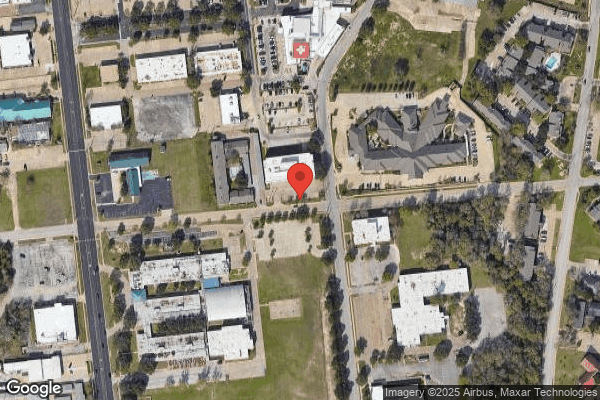
2817 KENT STREET, BRYAN, TX 77802 (979) 776-7521
For profit - Limited Liability company 117 Beds LEGACY NURSING & REHABILITATION Data: November 2025
Trust Grade
60/100
#505 of 1168 in TX
Last Inspection: May 2025

Inspected within the last 6 months. Data reflects current conditions.

Overview

Legacy Nursing and Rehabilitation in Bryan, Texas, has a Trust Grade of C+, indicating it is decent and slightly above average compared to other facilities. It ranks #505 out of 1,168 in Texas, placing it in the top half of state facilities, and #2 out of 7 in Brazos County, meaning only one local option is better. However, the facility's trend is worsening, with issues increasing from 8 in 2024 to 15 in 2025. Staffing is a concern, with a rating of 2 out of 5 stars and a turnover rate of 53%, which is around the state average. There are no fines on record, which is positive, but RN coverage is below average, being less than 91% of Texas facilities, meaning residents may not receive as much oversight as needed. Specific incidents of concern include failures in food safety, where the kitchen did not properly label food items or ensure staff practiced good hygiene during food preparation, potentially risking contamination. Additionally, there were issues with providing necessary care for residents with incontinence, which could lead to urinary tract infections, and a lack of assistance for a resident who needed help with personal hygiene, leaving him unattended for nine hours. While there are strengths in having no fines, the facility needs to address these weaknesses to improve care for its residents.

Trust Score
C+
60/100
In Texas
#505/1168
Top 43%
Safety Record
Low Risk
No red flags
Inspections
Getting Worse
8 → 15 violations
Staff Stability
⚠ Watch
53% turnover. Above average. Higher turnover means staff may not know residents' routines.
Penalties
✓ Good
No fines on record. Clean compliance history, better than most Texas facilities.
Skilled Nurses
⚠ Watch
Each resident gets only 12 minutes of Registered Nurse (RN) attention daily — below average for Texas. Fewer RN minutes means fewer trained eyes watching for problems.
Violations
⚠ Watch
33 deficiencies on record. Higher than average. Multiple issues found across inspections.
★★★☆☆
3.0
Overall Rating
★★☆☆☆
2.0
Staff Levels
★★★☆☆
3.0
Care Quality
★★★☆☆
3.0
Inspection Score
Stable
2024: 8 issues
2025: 15 issues

The Good

  • Full Sprinkler Coverage · Fire safety systems throughout facility
  • No fines on record

Facility shows strength in fire safety.

The Bad

3-Star Overall Rating

Near Texas average (2.8)

Meets federal standards, typical of most facilities

Staff Turnover: 53%

Near Texas avg (46%)

Higher turnover may affect care consistency

Chain: LEGACY NURSING & REHABILITATION

Part of a multi-facility chain

Ask about local staffing decisions and management

The Ugly 33 deficiencies on record

Jun 2025 1 deficiency
CONCERN (D) 📢 Someone Reported This

A family member, employee, or ombudsman was alarmed enough to file a formal complaint

Potential for Harm - no one hurt, but risky conditions existed

PASARR Coordination (Tag F0644)

Could have caused harm · This affected 1 resident

**NOTE- TERMS IN BRACKETS HAVE BEEN EDITED TO PROTECT CONFIDENTIALITY** Based on interview and record review the facility failed to incorporate the recommendations from the PASRR level II determinatio...

Read full inspector narrative →
**NOTE- TERMS IN BRACKETS HAVE BEEN EDITED TO PROTECT CONFIDENTIALITY** Based on interview and record review the facility failed to incorporate the recommendations from the PASRR level II determination and the PASRR evaluation report into a resident's assessment, care planning and transitions of care for one of four residents (Resident #1)reviewed for PASRR services . The facility failed to submit a NFSS request form for PASRR Specialized Services within 20 business days after PASRR Comprehensive Service IDT Meeting on 12/23/2024. This failure could place residents at risk of not receiving needed individualized care, and specialized services to meet their needs. Findings include: Record review of Resident #1's face sheet, dated 06/11/2025, reflected a [AGE] year-old male who was admitted to the facility on [DATE] and readmitted on [DATE]. Resident #1 had diagnoses which included Parkinson's disease without dyskinesia, and without mention of fluctuations (did not experience involuntary, erratic movements and there are no documented variations in the severity of their symptoms) and , autistic disorder (a neurodevelopment condition characterized by persistent challenges in social communication and interaction, along with restricted, repetitive patterns of behavior, interests, or activities). Record review of Resident #1's MDS , dated 02/15/2025, reflected Resident #1 had a BIMS score of 15, which indicated his cognition was intact. Resident #1 was independent with eating, oral hygiene, toileting, upper and lower body dressing, and personal hygiene. He required supervision with showers. Record review of Resident #1's MDS , dated 04/15/2025, reflected Resident #1 had a BIMS score of 15, which indicated his cognition was intact. Resident #1 was independent with eating, oral hygiene, toileting, upper and lower body dressing, and personal hygiene. He required supervision with showers. Record review of Resident #1's Comprehensive Care Plan, with revision date 12/18/2024 , reflected Resident #1 was PASRR positive. Interventions, revised on 12/18/2024: Provide specialized physical therapy. Provide specialized speech therapy. Provide specialized occupational therapy. Record review of Resident #1's PASRR Comprehensive Service Plan Form, dated 12/23/2024, reflected evaluation for PT and OT was needed. The following was in attendance of the Meeting: Resident #1, PASRR Coordinator, Social Worker, MDS Coordinator and Director of Therapy. Requested Resident #1's PASRR Comprehensive Quarterly Service plan form, due on March 2025 via email to PASRR Coordinator and it was not provided at time of exit. Record review of Email from PASRR QM to the DON and Administrator, dated 04/17/2025, reflected The reason for this email is to notify you that according to our records, an Interdisciplinary Team meeting (IDT) was held and entered the Long-Term Care Online Portal for one or more of your residents. During the IDT meeting nursing facility specialized services were recommended and agreed upon for the resident in your facility. For your facility to be in compliance with the 26 Texas Administrative Code (TAC), Chapter 554, Subchapter BB, section §554.2704(i)(7), a nursing facility must .initiate nursing facility specialized services within 20 business days following the date that the services are agreed to in the IDT meeting . Currently, your nursing facility is out of compliance as per this TAC Rule. If the resident is still in your nursing facility, you must submit a request for the PASRR specialized services agreed to during the IDT meeting within 3 business days for therapies of receiving this email. (This was referring to Resident #1 ). Interview on 06/11/2025 at 10:30 AM, the Director of Therapy stated she attended a meeting in December 2024 with the PASRR Coordinator concerning Resident #1. She stated the IDT (Social Worker, MDS Coordinator, PASRR Coordinator, Director of Therapy) during the meeting decided Resident #1 would benefit from Occupational and Physical therapy to build his endurance. She stated Resident #1 did not receive OT or PT until 05/01/2025 . She stated there was a possibility if a resident did not receive therapy from December 2024 until May 2025, the resident may have a decline in ADLS. She stated Resident #1 was at his baseline with his ADLs and did not have a decline from December 2024 until he began therapy May 2025. The Director of Therapy stated she did ask the PASRR Coordinator if the therapy had been approved prior to April 2025. She did not recall the exact date. The Director of Therapy stated she was aware paperwork was required to be completed for approval with PASRR . She stated she did not recall if she discussed Resident #1's approval for therapy with anyone at the facility. Interview on 06/11/2025 at 10:50 AM, the MDS Coordinator stated the IDT team had an Annual meeting with Resident #1 and the PASRR Coordinator on 12/23/2024 discussing his care. She stated PT and OT was discussed during this meeting and the IDT team decided Resident #1 would benefit from therapy (PT and OT). The MDS Coordinator stated Resident #1's Responsible Party was on the phone during the meeting and was included in the PASRR meeting. She stated the PASRR Comprehensive Service Plan was submitted to Simple LTC (electronic medical record for PASRR information). The MDS Coordinator stated she was not aware of NFSS forms and believed this was the only step she was required to do when requesting services from PASRR. She stated she consulted with the PASRR Coordinator with any updates on Resident #1's approval for PT and OT. The MDS Coordinator stated she did not recall the date she spoke to the PASRR Coordinator. She stated the DON forwarded her an email dated April 2025 with information on Resident #1's therapy from the PASRR office. The MDS Coordinator stated she was not aware of the NFSS forms to be filled out and submitted to PASRR. She stated the DON instructed her how the process of filling out the NFSS forms and to submit these forms in the Simple electronic system for PASRR. She stated she spoke with the Director of Therapy, and they filled out the forms between 05/01/2025 and 05/03/2025. She stated the therapy department completed PT and OT assessments on Resident #1 to be submitted with the NFSS forms. The MDS Coordinator stated Resident #1 began therapy the first week of May 2025. She stated she did not receive training on NFSS forms and the process of submitting all the paperwork to PASRR when requested services for a resident. Attempted interview on 06/11/2025 at 11:35 AM with PASRR Coordinator via phone was unsuccessful. She did not return the phone call. Interview on 06/11/2025 at 11:45 AM, the Director of Nurses stated the protocol after a PASRR Comprehensive Plan meeting, if it was determined a resident needed therapy services or medical equipment was to complete all evaluations required and to document on the NFSS forms. She stated this information was required to be submitted within 20 days of the PASRR Comprehensive Plan Meeting to Simple LTC. The Director of Nurses stated if the NFSS was not completed the resident would not receive services or equipment. She stated Resident #1 PASRR Comprehensive Plan meeting was held on 12/23/2025 and the team during the meeting decided Resident #1 needed PT and OT. She stated the NFSS was not submitted, and she did not follow up to ensure all the paperwork was submitted for Resident #1 to receive these services. The Director of Nurses stated she did not have any paper work showing the MDS Coordinator received training on the process of NFSS and how to submit the appropriate documentation for approval from PASRR. She stated she was not the MDS department supervisor, and it was not her responsibility. She stated the Administrator was MDS supervisor. The Director of Nurses stated the MDS Coordinator began working at the facility in November 2024. The Director of Nurses stated she did not read the email sent to her on 04/17/2025 by the PASRR QM until approximately 2 weeks later. She stated when she did read the email, she did not read the information where it stated the NFSS paper work was expected to be completed within 3 days of receiving the email. She stated she forward the email to the MDS Coordinator, and she explained to the MDS Coordinator what forms were required to be completed by her and the Director of Therapy. She stated the forms were filled out and the MD signed the forms and Resident #1 began his therapy the first week in May 2025. The Director of Nurses stated Resident #1 did not have a decline in his ADLs from December 2024 until he began therapy in May 2025. She stated he was at his baseline. She stated there was a potential if a resident needed OT and PT services and did not receive these services, a resident ADLS may decline. The Director of Nurses stated the facility did not have a policy or protocol for PASRR. Interview on 06/10/2025 at 12:30 PM, Resident #1, stated he was feeling great, and he completed care without assistance except with showers and he needed someone to help him gathering all the things he needed to take a shower. He stated he had not had any changes in doing anything for himself. Interview on 06/10/2025 at 12:50 PM, the Administrator stated the MDS Coordinator was responsible to complete all documents for any services for PASRR. He stated if a resident waited from December 2024 until May 2025 to receive PT and OT, there was a possibility the resident may decline in his ADLS and physical mobility. He stated he did expect the DON to read emails and follow up with the appropriate staff to ensure all the information in the email was completed. The Administrator stated he was the MDS Coordinator supervisor, and he did not know how the paper work on Resident #1 was missed. Interview on 06/10/2025 at 1:25 PM, CNA A stated she had worked at the facility approximately two years. She stated she had been assigned to Resident #1 several times per week from December 2024 until May 2025. CNA A stated his ADL performance was at his baseline during those months. She stated there were no changes in his ADLs. Interview on 06/10/2025 at 1:40 PM, CNA B stated she had been assigned to Resident #1 numerous times per month from December 2024 until May 2025. She stated Resident #1 was independent with his ADL care except he needed supervision with his showers. She stated Resident #1's ADLs had not declined from December 2024 until May 2025. CNA B stated Resident #1 remained at his baseline. Interview on 06/10/2025 at 9:35 AM The DON stated the facility did not have a PASRR policy.
May 2025 1 deficiency
CONCERN (E) 📢 Someone Reported This

A family member, employee, or ombudsman was alarmed enough to file a formal complaint

Potential for Harm - no one hurt, but risky conditions existed

Incontinence Care (Tag F0690)

Could have caused harm · This affected multiple residents

**NOTE- TERMS IN BRACKETS HAVE BEEN EDITED TO PROTECT CONFIDENTIALITY** Based on interview and record review, the facility failed to ensure residents who were incontinent of bladder received appropria...

Read full inspector narrative →
**NOTE- TERMS IN BRACKETS HAVE BEEN EDITED TO PROTECT CONFIDENTIALITY** Based on interview and record review, the facility failed to ensure residents who were incontinent of bladder received appropriate treatment and services to prevent urinary tract infections for two (Resident #1 and Resident #2) of four resident reviewed for catheters. 1. The facility failed to ensure Resident #1 had catheter care orders from 04/02/2025 to 05/07/2025. 2. The facility failed to ensure Resident #2 had catheter care orders from 05/09/2025 to 05/13/2025. These failures could place residents who required incontinent care at risk for development of new or worsening urinary tract infections or pain. Findings included: Review of Resident #1's face sheet dated 05/14/2025 revealed an [AGE] year-old man admitted on [DATE] with diagnoses of obstructive and reflux uropathy (blockage in urinary tract that prevents normal urine flow), dehydration, dysphagia (difficulty swallowing), and other acute osteomyelitis, right ankle and foot. Review of Resident #1's admission MDS dated [DATE] reflected a BIMS score of 12 which indicated a moderate cognitive impairment. Further review revealed Resident #1 was always incontinent. Review of Resident #1's nursing admission assessment completed by LVN A dated 04/02/2025 reflected Resident #1 was admitted from another facility with foley catheter and it was in place at the time of admission. Further review reflected indwelling catheter was selected as present but catheter care option was not selected. Review of Resident #1's care plan dated 05/07/2025 reflected Resident #1 used an indwelling catheter. Interventions included to change tubing and bag as appropriate, provide catheter care every shift and watch for acute behavioral changes. Review of Resident #1's physician orders reflected order with start date of 05/07/2025 input by LVN B an order for a urethra catheter for obstructive uropathy and included orders to monitor that catheter was intact, check for catheter bag, tubing was secure, bag was below level of bladder and assess for pain or discomfort every shift. Further review of discontinued orders from 04/02/2025 to 05/07/2025 reflected no orders for catheter care between admission and 05/07/2025. Review of Resident #1's May 2025 MAR reflected there was no pain indicated related to urinary catheter. Further review reflected catheter care was provided daily and started on 05/07/2025 with no documented concerns or issues. Review of Resident #1's April 2025 MAR reflected there were no orders included for catheter care. Further review reflected pain was monitored in April 2025 and Resident #1 indicated no pain. Review of Resident #1's transfer / discharge report dated 04/02/2025 reflected a medication review report dated 04/02/2025 and included orders to change foley catheter monthly and as needed and provide catheter care every shift and as needed. Review of Resident #1's urology appointment note dated 04/15/2025 reflected catheterization was performed and Resident #1 tolerated procedure well. Review of Resident #1's POC response for last 30 days reflected dates of 05/07/2025 to 05/14/2025 reflected care was provided between these days and included to empty bag, document color of urine, ensure dignity covers were present and tubing was secured. No issues were noted in these responses. Review of Resident #2's face sheet dated 05/14/2025 reflected a [AGE] year-old male admitted on [DATE] with diagnoses of metabolic encephalopathy (a condition where the brain's function is impaired due to an imbalance in the body's metabolism), acute respiratory failure with hypoxia (a condition where the body's tissues are not getting enough oxygen), retention of urine (inability to completely empty the bladder when urinating), and anxiety disorder (excessive fear and worry that interfere with daily life). Review of Resident #2's nursing admission assessment completed by LVN C dated 05/09/2025 reflected Resident #2 was incontinent of bowel and bladder upon admission and had a foley catheter. Further review reflected indwelling catheter option was not selected and catheter care was also not selected. Review of Resident #2's care plan dated 5/12/2025 reflected he was on EBP for an indwelling medical device with interventions for staff to wear PPE during high contact activities (bathing, showering). Review of Resident #2's physician orders reflected an order with a start date of 05/13/2025 included orders to monitor that catheter was intact, check for catheter bag, tubing was secure, bag was below level of bladder and assess for pain or discomfort every shift and as needed. Review of Resident #2's May 2025 MAR reflected catheter care / monitoring began 05/13/2025 with no documented concerns. Review of Resident #2's POC response for last 30 days reflected dates of 05/13/2025 and 05/14/2025 reflected care was provided between these days and included to empty bag, document color of urine, ensure dignity covers were present and tubing was secured. No issues were noted in these responses. During an interview on 05/14/2025 at 1:21 PM, Resident #2 stated he had no concerns or issues with his catheter. Resident #2 stated he had no pain or burning and that he received catheter care at least once a day. During an interview on 05/14/2025 at 12:42 PM, CNA E stated catheter care was performed every time the resident's brief was changed. She stated she also had to wear PPE because the resident had EBP. CNA E stated even if catheter care was not trigger in the resident's POC catheter care was required because it was part of her job. CNA E stated it was obvious that a resident had a catheter. CNA E stated that on the POC she was supposed to document the resident's output, empty the bag at the start and end of her shift. CNA E stated any change was supposed to be reported to the nurse. CNA E stated changes could have been cloudy urine. During an interview on 05/14/2025 at 12:50 PM, CNA F stated that for catheter care she was required to empty the bag, clean around the resident's private area, document color and output. CNA F stated this was documented under the ADLs tab in the resident's POC. CNA F stated that she looked for redness, discoloration of urine and smell. CNA F stated that catheter care was provided daily and at least every shift or every time a resident's brief was changed. CNA F stated if any changes were noted she would have reported it to the nurse right away. During an interview on 05/14/2025 at 1:36 PM, LVN C stated that residents with catheters were checked twice a shift and that the nurse was aware to check because an order popped up on the MAR. LVN C stated that he checks catheters when he arrives for his shift and at the end of his shift. LVN C stated that he worked 12 hours shifts at the facility. LVN C stated that checking catheters included checking for drainage and that it was not backed up, asking for pain in the abdominal area, ensure that the tubing was clasped in the correct spot, the bag was hanging for proper flow and a privacy cover was on. LVN C stated that abnormal findings would be blood, clogging, white mucus (which indicated infection), and pain in abdomen. LVN C stated anything abnormal would be reported to the NP. LVN C stated that there was a batch order that was put in for any resident that admitted with a catheter. LVN C stated the batch orders included to check the catheter, drainage, monitor and check for any pain. LVN C stated order should have been put in upon admission as long as the NP or MD did not discontinue them. LVN C stated that the catheter care orders were only discontinued if the catheter had been removed. LVN C stated if a resident had a catheter but no orders there was a risk for infection, discomfort for the resident. LVN C stated normally the charge nurse put orders in but if it was missed then administration would check. During an interview on 05/14/2025 at 2:17 PM, the MD stated that she does provide orders when a resident admitted for catheter care and if a resident admitted with a catheter they should have had routine catheter care completed. The MD stated this included for staff to monitor for signs and symptoms of infection. The MD stated that she believed the catheter was changed every four weeks. The MD stated she thought the it would be common sense and that a staff would have noticed there were not orders. The MD stated the catheter was changed and monitored to reduce risk of infection. During an interview on 05/14/2025 at 3:00 PM, LVN A stated she was aware what orders a resident had in place on admission based on the resident's hospital orders. LVN A stated that if a resident came from another facility they usually arrived with orders. LVN A stated if a resident admitted with a peg or catheter there was usually a standing order that was put in. LVN A stated if there was not an order the nurse could have asked the MD or NP. LVN A stated that Resident #1 admitted with a catheter and she did not recall what orders were put in for his catheter. LVN A stated that the standing orders usually included to look that the catheter was intact, monitor for pain, and ensure the bag was in the right place (hanging below the bladder). LVN A stated Resident #1 came with orders from another facility but was unsure if he came with orders for his catheter. LVN A stated it was important to monitor a resident with a catheter because the resident could get an infection and staff needed to check how the urine was draining, color and if there was any sediment. LVN A stated any pain, fever, cloudy urine, foul smelling urine or swelling (depending on the placement) would be reported to the NP. During an interview on 05/14/2025 at 3:11 PM, LVN B stated that he was the unit manager for the facility. He stated he put in catheter care orders for Resident #1 because it was noticed during an order review that he had a foley but no orders for catheter care. LVN B stated that when a resident admitted with a catheter, ideally all orders would be included in the admission orders, but the facility had a batch order that was received from the physician that the charge nurse would use for catheter care. LVN B stated that the facility tried to review new admissions the following day and orders were generally reviewed every morning and all physician orders were reviewed from the previous day. LVN B stated that CNAs were trained on day-to-day care when they provided incontinent care, but the responsibility fell on the nurses. LVN B stated that nurses were aware to check or perform catheter care because of the initial head-to-toe admission assessment. LVN B stated it was important to monitor to ensure that the resident was not dealing with an infection and to ensure the resident was draining and observe the urine and ensure there were not renal issues or bleeding. During an interview on 05/14/2025 at 3:29 PM, CNA D stated that during catheter care she wore a gown, and gloves because the resident was on EBP. CNA D stated that she had to clean the catheter itself, clean the resident's private area, and look for signs of breakdown, discharge, discoloration in the tubing, redness. CNA D stated if she noticed any of the mentioned changes or concerns she would have notified the nurse right away. During an interview on 05/14/2025 at 4:35 PM, the DON stated that the charge nurse was responsible to ensure catheter care orders were entered at the time of admission. The DON stated within 24 hours the unit managers reviewed admissions. The DON stated that there were two unit managers that split the building. The DON stated that the 24 hour period did not include weekends. The DON stated that the facility had an RN supervisor over the weekend so she reviewed orders and stated nursing administration rotated on-call. The DON stated that she believed staff were in-serviced on admission orders and treatments on 05/12/2025. The DON stated that the facility had batch orders for catheter care orders and that included daily monitoring, daily monitoring of signs or symptoms of infection and tubing placement. The DON stated that if a resident's catheter was not being monitored or checked by the nurse they were at risk for infection. The DON stated if there was no order the charge nurse was still required to round multiple times a day. The DON stated that it was found Resident #1 did not have order but she was unsure why and stated she guessed it was something the facility missed. The DON stated it was found and a QAPI meeting was conducted and an audit on catheters was completed. The DON stated the audit was completed on 05/07/2025. The DON stated there were no additional residents found in the audit and going forward the unit managers were required to go lay eyes on the residents after the admission. The DON stated she was not aware that Resident #2 did not have catheter care orders until yesterday 05/13/2025. Review of facility in-service dated 05/12/2025 reflected purpose of training was PCC- ADT (Admit, Discharge, and Transfer) and Admit, Return, Discharge and Transfer Documentation. In-service reviewed documentation and charting guidelines and reflected catheter care should include, type of procedure and who performed it, date and time procedure was perform, type and size of catheter, changes in resident's condition, urine output and other pertinent data as necessary. Review of undated facility policy titled Catheter care, Indwelling Catheter Policy and Procedure reflected purpose of catheter care was to prevent infection and reduce irritation. Further review reflected catheter care should be provided daily or as needed.
May 2025 13 deficiencies
CONCERN (D)

Potential for Harm - no one hurt, but risky conditions existed

Deficiency F0655 (Tag F0655)

Could have caused harm · This affected 1 resident

**NOTE- TERMS IN BRACKETS HAVE BEEN EDITED TO PROTECT CONFIDENTIALITY** Based on observation, interview, and record review, the facility failed to develop a baseline care plan that included instructio...

Read full inspector narrative →
**NOTE- TERMS IN BRACKETS HAVE BEEN EDITED TO PROTECT CONFIDENTIALITY** Based on observation, interview, and record review, the facility failed to develop a baseline care plan that included instructions needed to provide effective and person-centered care of the resident, for one of four residents (Resident #150) reviewed for baseline care plans. The facility failed to ensure a baseline care plan was completed within 48 hours of admission that addressed the care needs of newly admitted Resident #150. This failure could place residents at risk of not receiving necessary care and services. The findings included: Review of Resident #150 face sheet dated 05/06/2025 reflected a [AGE] year-old female admitted to the facility on [DATE] with the following diagnoses chronic pain syndrome, and other specified disorder of bone density and structure, multiple sites. Review of Resident #150 EMR reflected the only MDS completed was her entry MDS dated [DATE]. Review of her nursing admission assessment dated [DATE] completed by LVN E reflected she was assessed for pain on admission with the pain level of 4/10. Review of LVN E's documented note reflected Pt. was medicated prior to leaving last facility . Review of Resident #150 physician orders reflected an order dated 05/02/2025 Monitor for pain every shift; Fentanyl patch 75mcg/hr . replace every 72 hours; Baclofen 5mg two times daily and oxycodone HCL 5mg one tablet every 4 hours as needed for severe pain related to chronic pain syndrome. In an interview and observation on 05/06/2025 at 11:22 AM Resident #150 stated she was in pain that her neck was hurting, and she needed her pain medication. Resident #150 stated it had been an hour since she asked for pain medication and still had not gotten it and it was an hour late. Resident #150 began crying stating she was really hurting. Review of Resident #150's base line care plan reflected no entries related to pain or pain management . In a follow up interview on 05/06/2025 at 12:10 PM Resident #150 stated she got her pain medication at 12:00 noon. She stated she had neck pain that was severe which came from a fused vertebra in her neck. She stated they took off her Fentanyl patch on 05/05/2025 and did not put another one on because they did not have any and it needed to be ordered. She stated she wanted her oxycodone to be put routine instead of PRN because they take too long to bring it when it is PRN. Resident #150 further stated she will refuse to take her Baclofen sometimes because it makes her to sleepy and stated she has told them she only wants to take it at night, but they keep trying to give it to her during the day. In an interview on 05/07/2025 at 3:36 PM MDS Coordinator B stated Resident #150 should have a base line plan of care within 48 hours of admission. She further stated Resident #150 should have had a plan of care for her pain. She stated Resident #150 not having one could lead to staff not knowing what to do for the resident to manage her pain. In an interview on 05/08/2025 at 12:05 PM the DON stated the base line care plan should be completed within 48 hours and should cover the residents' immediate needs. She stated with Resident #150's pain which was a big issue with her and should have been on her base line care. She stated failure of the staff not putting all the residents care needs on the base line care plan could lead to staff not knowing what care to provide the resident . Review of the facility's undated policy Care planning policy and procedure reflected Purpose: To provide a comprehensive plan of care addressing resident's needs, strengths, goals, and approaches. Policy: Each resident's care plan will remain current and inform staff of resident's needs, strengths, goals, and approaches . The provided facility policy did not address base line care plans.
CONCERN (D)

Potential for Harm - no one hurt, but risky conditions existed

Comprehensive Care Plan (Tag F0656)

Could have caused harm · This affected 1 resident

**NOTE- TERMS IN BRACKETS HAVE BEEN EDITED TO PROTECT CONFIDENTIALITY** Based on observations, interviews, and record reviews, the facility failed to develop and implement a comprehensive care plan th...

Read full inspector narrative →
**NOTE- TERMS IN BRACKETS HAVE BEEN EDITED TO PROTECT CONFIDENTIALITY** Based on observations, interviews, and record reviews, the facility failed to develop and implement a comprehensive care plan that describes the services that are to be furnished to maintain the resident's highest practicable physical, mental, and psychosocial well-being for 1 of 18 residents (Resident #48), in that: The facility failed to ensure Resident #48's comprehensive care plan reflected a plan of care for his left hand and neck contractures (A permanent tightening of the muscles, tendons, skin, and surrounding tissues that causes the joints to shorten and stiffen and a decrease in ROM). This failure could place residents at risk for not having care needs identified and a plan to address those needs developed. Findings included: Review of Resident #48's face sheet dated 05/06/2025 reflected a [AGE] year-old male admitted to the facility on [DATE] with the following diagnoses intracranial injury (head injury), spastic hemiplegia affecting dominant side (Hemiplegia is a symptom that involves one-sided paralysis.), contracture of left hand (A permanent tightening of the muscles, tendons, skin, and surrounding tissues that causes the joints to shorten and stiffen and a decrease in range of motion.) Review of Resident #48's quarterly MDS assessment dated [DATE] reflected he was assessed to have a BIMS score of 8 indicating moderate cognitive impairment. Resident #48 was assessed to have functional limitations in range of motion on both upper and lower extremities. Review of Resident #48's comprehensive care plan reflected a problem dated 07/11/2023 revised on 03/24/2025 I require staff assistance for all ADL's related to spastic hemiplegia affecting right side; contracture of left hand. Interventions included .I require assistance with bed mobility, transfers and assist with feeding . Interventions did not include interventions for contracture management of his right hand and the care plan did not address his neck contracture. Observation and interview on 05/05/2025 at 7:30 AM revealed Resident #48 up in his Geri-chair in the dining room. Resident #48 was observed to have a contracture to his right hand with his fingers curling toward his palm, no splint, hand roll or other device was observed. Resident #48 was further observed to have a neck contracture with Resident #48's neck bent toward his left should (touching his shoulder). Resident #48 was asked if he could open his hand and he stated no, he was further asked if he could move his head and he stated, No it is stuck that way. No pillow or positioning device was observed. Observation on 05/05/2025 at 3:50 AM revealed Resident #48 remained up in his Geri-chair no positioning devices or pillow was observed for his neck and no device or splint was observed in his right hand. Observation on 05/06/2025 at 1:40 PM revealed Resident #48 in room in bed. His head was on his shoulder with no positioning device in place, and no device or splint was noted in his right hand. In an interview on 05/07/2025 at 11:30 AM the COTA/ OTA stated therapy was not currently working with Resident #48. She stated he was last seen for therapy in 03/2023 and had not had any changes in his contractures . Review of Resident #48's OT Discharge summary dated [DATE] reflected Patient will safely wear a palmar guard on right hand for up to greater than 8 hours w/ minimal signs and symptoms of redness, swelling, discomfort or pain. In an interview on 05/07/2025 at 1:30 PM CNA J stated Resident #48 used to have a pillow for his neck, but it got dirty, and it got thrown away. She stated he used to have a splint or hand roll for his left hand but has not had one for a long time. CNA J stated the last time she trimmed Resident #48's nails she put a rolled-up wash cloth in his hand so his nails would not dig into his right hand. CNA J stated she did not know if she should put the rolled-up wash cloth in his hand since there was not an order for it. CNA J stated Resident #48's hand was contracted and needed something in it. She stated she put a pillow under his neck today (05/07/2025) to assist in positioning his head. In an interview on 05/07/2025 at 2:00 PM MDS Coordinator A stated she did the care plan for Resident #48. She stated after reviewing his care plan that his interventions on the care plan were just the basic ones they put in. MDS Coordinator A stated there were not any individualized interventions for his right-hand contracture and there was no plan of care for his neck contracture. She stated Resident #48 should have a plan of care for his contractures and interventions to instruct staff on how to care for Residents #48's contractures to prevent complications or increased contractures. In a follow up interview on 05/07/2025 with MDS Coordinator A at 2:30 PM she stated she really did not consider his neck a contracture and that was why it was not care planned . Review of definition of contracture in the [NAME] dictionary reflected a condition of shortening and hardening of muscles, tendons, or other tissue, often leading to restricted joint mobility. Observation on 05/08/2025 at 9:25 AM revealed Resident #48 up in his Geri-Chair. Resident #48 had a pillow positioned under his head between his shoulder and neck and [NAME] guard was noted in his right hand. In an interview with the DON on 05/08/2025 at 12:05 PM the DON stated she expected staff to identify contractures and develop an individualized plan of care for the contractures. She stated that Resident #48's neck was contracted, and he need a plan of care for contractures, so staff know how to manage them. The DON stated the staff failure to do so could lead to residents having worsening contractures, pain, or pressure sores . Review of the facility's undated policy Care planning policy and procedure reflected Purpose: To provide a comprehensive plan of care addressing resident's needs, strengths, goals, and approaches. Policy: Each resident's care plan will remain current and inform staff of resident's needs, strengths, goals, and approaches .
CONCERN (D)

Potential for Harm - no one hurt, but risky conditions existed

Deficiency F0657 (Tag F0657)

Could have caused harm · This affected 1 resident

**NOTE- TERMS IN BRACKETS HAVE BEEN EDITED TO PROTECT CONFIDENTIALITY** Based on observation, interview, and record review the facility failed to review and update care plan for one of twelve resident...

Read full inspector narrative →
**NOTE- TERMS IN BRACKETS HAVE BEEN EDITED TO PROTECT CONFIDENTIALITY** Based on observation, interview, and record review the facility failed to review and update care plan for one of twelve residents (Resident #84) reviewed for care plans timing and revision. The facility failed to ensure that care plan was updated and revised with safety interventions appropriate to resident's cognitive status for Resident #84 after falls on 4/28/2025 and 5/3/2025. These failures could place residents at risk of not having their medical, nursing, and mental needs met, and of not having their safety needs addressed. Finding included: Review of clinical records for Resident #84 reflected an [AGE] year-old female admitted on [DATE], with diagnosis of Fracture to Left Humerus (left upper arm fracture), Multiple rib fractures, Dementia, Diabetes (a condition that affects the way the body processes blood sugar), and Hypertension (high blood pressure). Review of Resident #84's MDS dated [DATE] reflected a BIMS score of 3 (severe cognitive impairment ). Health conditions show one fall since admission with major injury. Review of Resident #84's comprehensive care plan on 05/07/2025 at 08:38 AM reflected that there were no interventions for fall mats or low bed. Falls recorded on plan of care 2/8/25, unwitnessed fall, hip fx (fracture) and, 4/28/25, unwitnessed fall no injury. Revision on 5/05/25. There was one revision after February, which is dated 5/5/2025: Educate and encourage me to call for assistance when needing toileting Date Initiated: 04/29/2025. Review of physician orders for Resident #84 reflected no orders for fall precautions, fall mat, increased monitoring, or low bed. There was an order for PT to eval and treat dated 05/06/2025. There were orders for Skilled Physical therapy started on 02/13/2025 and 05/06/2025. Review of Resident #84's Physician Progress dated 04/28/2025 reflect History of Present Illness: admission HISTORY [AGE] year-old female transferred from another facility for LTC. She has a history of hypertension, GERD, depression and anxiety, diabetes. Patient had a fall and broke her hip. She was discharged . Note for 4-28-2025 reflected, She is somewhat confused today and asking questions that make no sense. Review of Resident #84's Progress Notes reflected an unwitnessed fall on 02/08/2025 in which resident was transferred emergently to the hospital. Resident returned from the hospital on [DATE] with hip/femur fracture. Progress notes dated 04/28/2025 reflected an unwitnessed fall out of bed without injury. Progress note dated 05/03/2025 reflected a witnessed fall out of the resident's bed without injury. Review of Incident Log related to falls for the facility reflected Resident #84 had an unwitnessed fall on 02/08/2025 and 04/28/2025, and there is a witnessed fall listed on 05/03/2025. There are no outcomes or details listed for residents in this log. Review of Resident #84's Physical Therapy screening assessments were completed for Resident #84 on 02/12/2025 for fall on 02/08/2025, 04/29/2025 for fall on 04/28/2025, and on 05/05/2025 for fall on 05/03/2025. No fall recommendations noted in screening assessments. All indicate resident has difficulty with transfers. Review of Resident #84's Physical Therapy evaluation and plan of treatment with Start of Care dated 02/13/2025 reflected a history of falls, Precautions/Contraindications are listed as: high fall risk, dementia, and unclear WB (ability to bear weight on a limb) precautions. There are no recommended fall precautions listed in this evaluation. Review of Physical Therapy evaluation and plan of treatment with Start of Care dated 05/06/2025 reflected a diagnosis of Repeated Falls. Prior living section reflected, Prior Cognitive Assistance = Constant SUP (24 hr/day supervision needed) Prior Living Description: Patient admitted to this facility 1-28-25 and was modified independent with bed mobility and transfers and sba with ambulation. Since hip fx patient has required min assist with bed mobility, mod assist with transfers and cga with wc mobility up to 100'. She has been no ambulatory. There are no fall precaution recommendations listed on this evaluation. Observation on 05/05/2025 1:50 PM of Resident #84 revealed resident lying in bed in her room, very confused. No fall mat in room. Bed is not in the low position. Observation on 05/06/2025 at 10:00 AM of Resident #84 sitting in wheelchair at bedside. She is talking to herself and the television. She is pressing the call light like a remote control. No fall mat in the room. Observation on 05/07/2025 at 11:41 AM of Resident #84's room reflected no fall mats at the bedside with the bed not in the low position. (Resident was not in room). Observation on 05/07/2025 at 1:34 PM revealed Resident #84 lying in bed. Bed is not in low position. Resident is awake and alert, talking to herself in bed. Interview on 05/07/2025 2:18 PM with DON stated that Resident #84 had a fall with hip fracture in February 2025. Stated she has had two falls since then. Stated that she initiated some interventions for the resident after the fall in February, including encouraging her to use her call light, a sign in the room to remind her to call, and education on the call light. Stated she believes she was able to retain some education . Stated there were no interventions on Resident #84's care plan for low bed, fall mat, or more frequent rounding. Stated that since she has had a third fall recently, We should maybe move to a fall mat. Stated she has physical therapy screen residents after falls to determine appropriate interventions for the resident so as not to restrain her mobility. Stated that if the resident were to fall from a raised bed without a fall mat, she could injure herself. Stated that any fall could potentially result in a fracture. In an interview on 05/07/2025 at 02:35 PM MDS coordinator A stated that the DON updated the care plans related to falls as part of risk management responsibilities. Interview on 05/08/2025 at 01:49PM with CNA O stated that prior to the fall mat started yesterday, Resident #84's care orders for fall prevention were to keep her call light in reach and encourage her to use it. CNA stated that knowing her fall history, she would keep the bed low. Stated that was on shift for a recent fall where the resident slid out of bed and told the CNA that she was praying. Stated that fall mats are an appropriate intervention to prevent injury with her specific types of fall history. Interview on 05/08/2025 at 02:15PM with RN R stated that prior to the addition for fall mats the previous day, the fall interventions for Resident #84 were to monitor her every two hours and encourage the call light use. Stated that she does not believe that the resident is capable of being educated on the call light and she has not seen the resident use the call light appropriately at all during her shifts. She stated that fall mats are an appropriate intervention to prevent injuries with the specific types of falls that the resident has had. Stated that there were no fall mats prior to yesterday. Stated that if the resident were to fall from a raised bed without a fall mat, she could fracture her hip again or have a head injury. Review of the facility's undated policy Care planning policy and procedure reflected Purpose: To provide a comprehensive plan of care addressing resident's needs, strengths, goals, and approaches. Policy: Each resident's care plan will remain current and inform staff of resident's needs, strengths, goals, and approaches .
CONCERN (D)

Potential for Harm - no one hurt, but risky conditions existed

Deficiency F0688 (Tag F0688)

Could have caused harm · This affected 1 resident

**NOTE- TERMS IN BRACKETS HAVE BEEN EDITED TO PROTECT CONFIDENTIALITY** Based on observation, interview, and record review the facility failed to ensure 1of 4 residents reviewed with limited range of ...

Read full inspector narrative →
**NOTE- TERMS IN BRACKETS HAVE BEEN EDITED TO PROTECT CONFIDENTIALITY** Based on observation, interview, and record review the facility failed to ensure 1of 4 residents reviewed with limited range of motion (Resident 48), received appropriate treatment and services to prevent a decrease in range of motion. The facility failed to ensure Resident #48 had interventions in place for his right- hand contracture and neck contracture (A permanent tightening of the muscles, tendons, skin, and surrounding tissues that causes the joints to shorten and stiffen and a decrease in ROM) to prevent further decline of the range of motion in his right hand and neck. This deficient practice placed residents with contractures at risk for decrease in mobility, range of motion, and could contribute to worsening of contractures. Findings Include: Review of Resident #48's face sheet dated 05/06/2025 reflected a [AGE] year-old male admitted to the facility on [DATE] with the following diagnoses intracranial injury (head injury), spastic hemiplegia affecting dominant side (Hemiplegia is a symptom that involves one-sided paralysis.), contracture of left hand (A permanent tightening of the muscles, tendons, skin, and surrounding tissues that causes the joints to shorten and stiffen and a decrease in range of motion.) Review of Resident #48's quarterly MDS assessment dated [DATE] reflected he was assessed to have a BIMS score of 8 indicating moderate cognitive impairment. Resident #48 was assessed to have functional limitations in range of motion on both upper and lower extremities. Review of Resident #48's comprehensive care plan reflected a problem dated 07/11/2023 revised on 03/24/2025 I require staff assistance for all ADL's related to spastic hemiplegia affecting right side; contracture of left hand. Interventions included .I require assistance with bed mobility, transfers and assist with feeding . Interventions did not include interventions for contracture management of his right hand and the care plan did not address his neck contracture. Observation and interview on 05/05/2025 at 7:30 AM revealed Resident #48 up in his Geri-chair in the dining room. Resident #48 was observed to have a contracture to his right hand with his fingers curling toward his palm, no splint, hand roll or other device was observed. Resident #48 was further observed to have a neck contracture with Resident #48's neck bent toward his left should (touching his shoulder). Resident #48 was asked if he could open his hand and he stated no, he was further asked if he could move his head and he stated, No it is stuck that way. No pillow or positioning device was observed. Observation on 05/05/2025 at 3:50 AM revealed Resident #48 remained up in his Geri-chair no positioning devices or pillow was observed for his neck and no device or splint was observed in his right hand. Observation on 05/06/2025 at 1:40 PM revealed Resident #48 in room in bed. His head was on his shoulder with no positioning device in place, and no device or splint was noted in his right hand. In an interview on 05/07/2025 at 11:30 AM the COTA/ OTA stated therapy was not currently working with Resident #48. She stated he was last seen for therapy in 03/2023 and had not had any changes in his contractures . Review of Resident #48's OT Discharge summary dated [DATE] reflected Patient will safely wear a palmar guard on right hand for up to greater than 8 hours w/ minimal signs and symptoms of redness, swelling, discomfort or pain. In an interview on 05/07/2025 at 1:30 PM CNA J stated Resident #48 used to have a pillow for his neck, but it got dirty, and it got thrown away. She stated he used to have a splint or hand roll for his left hand but has not had one for a long time . CNA J stated the last time she trimmed Resident #48's nails she put a rolled-up wash cloth in his hand so his nails would not dig into his right hand. CNA J stated she did not know if she should put the rolled-up wash cloth in his hand since there was not an order for it. CNA J stated Resident #48's hand was contracted and needed something in it. She stated she put a pillow under his neck today (05/07/2025) to assist in positioning his head. In an interview on 05/07/2025 at 2:00 PM MDS Coordinator A stated she did the care plan for Resident #48. She stated after reviewing his care plan that his interventions on the care plan were just the basic ones they put in. MDS Coordinator A stated there were not any individualized interventions for his right-hand contracture and there was no plan of care for his neck contracture. She stated Resident #48 should have a plan of care for his contractures and interventions to instruct staff on how to care for Residents #48's contractures to prevent complications or increased contractures. In a follow up interview on 05/07/2025 with MDS Coordinator A at 2:30 PM she stated she really did not consider his neck a contracture and that was why it was not care planned . Review of definition of contracture in the [NAME] dictionary reflected a condition of shortening and hardening of muscles, tendons, or other tissue, often leading to restricted joint mobility. Observation on 05/08/2025 at 9:25 AM revealed Resident #48 up in his Geri-Chair. Resident #48 had a pillow positioned under his head between his shoulder and neck and [NAME] guard was noted in his right hand. In an interview with the DON on 05/08/2025 at 12:05 PM the DON stated she expected staff to identify contractures and develop an individualized plan of care for the contractures. She stated that Resident #48's neck was contracted, and he needed a plan of care for contractures, so staff know how to manage them. The DON stated the staff failure to do so could lead to residents having worsening contractures, pain, or pressure sores. Review of the facility's undated policy Range of motion exercises policy and procedure reflected .To improve or maintain joint mobility and muscle strength . To prevent complications of immobility . Neck . Loss of voluntary movement and limitation in range of motion of the head and neck should be assessed and appropriate treatment ordered by a physician .
CONCERN (D)

Potential for Harm - no one hurt, but risky conditions existed

Accident Prevention (Tag F0689)

Could have caused harm · This affected 1 resident

**NOTE- TERMS IN BRACKETS HAVE BEEN EDITED TO PROTECT CONFIDENTIALITY** Based on observation, interview, and record review the facility failed to ensure residents received adequate supervision and ass...

Read full inspector narrative →
**NOTE- TERMS IN BRACKETS HAVE BEEN EDITED TO PROTECT CONFIDENTIALITY** Based on observation, interview, and record review the facility failed to ensure residents received adequate supervision and assistance devices to prevent accidents for one (Resident #84) of twelve residents reviewed for fall interventions. The facility failed to ensure adequate supervision and assistance devices to prevent accidents and develop effective interventions to prevent accidents for Resident #84 after falls on 2/8/2025, 4/28/2025, and 5/3/2025. These failures could place residents at risk of repeated falls with major injury and/or fracture. Findings include: Review of clinical records for Resident #84 reflected an [AGE] year-old female admitted on [DATE], with diagnosis of Fracture to Left Humerus (left upper arm fracture), Multiple rib fractures, Dementia, Diabetes (a condition that affects the way the body processes blood sugar), and Hypertension (high blood pressure). Review of Resident #84's MDS dated [DATE] reflected a BIMS score of 3 (severe cognitive impairment). Review of Resident #84's comprehensive care plan on 05/07/2025 at 08:38 AM reflected that there were no interventions for fall mats or low bed. Falls recorded on plan of care 2/8/25, unwitnessed fall, hip fx (fracture) and, 4/28/25, unwitnessed fall no injury. Revision on 5/05/25. There is one revision after February, which is dated 5/5/2025: Educate and encourage me to call for assistance when needing toileting Date Initiated: 04/29/2025. Review of physician orders for Resident #84 reflected no orders for fall precautions, fall mat, increased monitoring, or low bed. There is an order for PT to eval and treat dated 05/06/2025. There are orders for Skilled Physical therapy started on 02/13/2025 and 05/06/2025. Review of Resident #84's Physician Progress dated 04/28/2025 reflect History of Present Illness: admission HISTORY [AGE] year-old female transferred from another facility for LTC. She has a history of hypertension, GERD, depression and anxiety, diabetes. Patient had a fall and broke her hip. She is somewhat confused today and asking questions that make no sense. Review of Resident #84's Progress Notes reflected an unwitnessed fall on 02/08/2025 in which resident was transferred emergently to the hospital. Resident returned from the hospital on [DATE] with hip/femur fracture. Progress notes dated 04/28/2025 reflected an unwitnessed fall out of bed without injury. Progress note dated 05/03/2025 reflected a witnessed fall out of the resident's bed without injury. Review of Incident Log related to falls for the facility reflected an unwitnessed fall on 02/08/2025 and 04/28/2025; there is a witnessed fall listed on 05/03/2025. There are no outcomes or details listed for residents in this log. Review of Resident #84's Physical Therapy screening assessments were completed for Resident #84 on 02/12/2025 for fall on 02/08/2025, 04/29/2025 for fall on 04/28/2025, and on 05/05/2025 for fall on 05/03/2025. No fall recommendations noted in screening assessments. All indicate resident has difficulty with transfers. Review of Resident #84's Physical Therapy evaluation and plan of treatment with Start of Care dated 02/13/2025 reflected a history of falls, Precautions/Contraindications are listed as: high fall risk, dementia, and unclear WB (ability to bear weight on a limb) precautions. There are no recommended fall precautions listed in this evaluation. Observation on 05/05/2025 1:50 PM of Resident #84 revealed resident lying in bed in her room, very confused. No fall mat in room. Bed is not in the low position. Observation on 05/06/2025 at 10:00 AM of Resident #84 sitting in wheelchair at bedside. She is talking to herself and the television. She is pressing the call light like a remote control. She is unable to operate the television remote without frequent assistance from staff. No fall mat in the room. Observation on 05/07/2025 at 11:41 AM of Resident #84's room reflected no fall mats at the bedside with the bed not in the low position. (Resident was not in room). Observation on 05/07/2025 at 1:34 PM revealed Resident #84 lying in bed. Bed is not in low position. Resident is awake and alert, talking to herself in bed. Interview on 05/07/2025 2:18 PM with DON stated that Resident #84 had a fall with hip fracture in February 2025. Stated she has had two falls since then. Stated that she initiated some interventions for the resident after the fall in February, including encouraging her to use her call light, a sign in the room to remind her to call, and education on the call light. Stated she believes she was able to retain some education. Stated there were no interventions on Resident #84's care plan for low bed, fall mat, or more frequent rounding. Stated that since she has had a third fall recently, We should maybe move to a fall mat. Stated she has physical therapy screen residents after falls to determine appropriate interventions for the resident so as not to restrain her mobility. Stated that if the resident were to fall from a raised bed without a fall mat, she could injure herself. Stated that any fall could potentially result in a fracture. Stated she was made aware of all falls for the resident. Review of Physical Therapy evaluation and plan of treatment with Start of Care dated 05/06/2025 reflected a diagnosis of Repeated Falls. Prior living section reflected, Prior Cognitive Assistance = Constant SUP (24 hr/day supervision needed) Prior Living Description: Patient admitted to this facility 1-28-25 and was modified independent with bed mobility and transfers and sba with ambulation. Since hip fx patient has required min assist with bed mobility, mod assist with transfers and cga with wc mobility up to 100'. She has been no ambulatory. There are no fall precaution recommendations listed on this evaluation. In an interview on 05/07/2025 at 02:35 PM MDS coordinator A stated that the DON updated the care plans related to falls as part of risk management responsibilities. Interview on 05/08/2025 at 01:49PM with CNA O stated that prior to the fall mat started yesterday, Resident #84's care orders for fall prevention were to keep her call light in reach and encourage her to use it. Stated that knowing her fall history, she would keep the bed low. Stated that was on shift for a recent fall where the resident slid out of bed and told the CNA that she was praying. Stated that fall mats are an appropriate intervention to prevent injury with her specific types of fall history. Interview on 05/08/2025 at 02:15PM with RN R stated that prior to the addition for fall mats the previous day, the fall interventions for Resident #84 were to monitor her every two hours and encourage the call light use. Stated that she does not believe that the resident is capable of being educated on the call light and she has not seen the resident use the call light appropriately at all during her shifts. She stated that fall mats are an appropriate intervention to prevent injuries with the specific types of falls that the resident has had. Stated that there were no fall mats prior to yesterday. Stated that if the resident were to fall from a raised bed without a fall mat, she could fracture her hip again or have a head injury. Review of facility policy on Fall Prevention Program and Procedure reflected, 1. All residents will be placed on the Fall Prevention Program as decided by the Interdisciplinary Team upon admit and evaluated for continuation at quarterly assessment. 2. All residents will be re-evaluated at quarterly assessment and as needed for high risk based on fall assessment, history of falls and overall status. 6. All residents on the program will have care plan addressing goals and approaches.
CONCERN (D)

Potential for Harm - no one hurt, but risky conditions existed

Pharmacy Services (Tag F0755)

Could have caused harm · This affected 1 resident

**NOTE- TERMS IN BRACKETS HAVE BEEN EDITED TO PROTECT CONFIDENTIALITY** Based on interview and record review the facility failed to provide pharmaceutical services (including procedures that assure th...

Read full inspector narrative →
**NOTE- TERMS IN BRACKETS HAVE BEEN EDITED TO PROTECT CONFIDENTIALITY** Based on interview and record review the facility failed to provide pharmaceutical services (including procedures that assure the accurate acquiring, receiving, dispensing, and administering of all drug and biological) to meet the needs of each resident for 1of 5 residents (Resident #150) reviewed for medications and pharmacy services, in that: The facility failed to ensure Resident #150 physician ordered medication Fentanyl was available for administration. These deficient practices could place residents at risk of not receiving therapeutic dosage of medications and symptomatic changes in vital signs. Findings include: Review of Resident #150 face sheet dated 05/06/2025 reflected a [AGE] year-old female admitted to the facility on [DATE] with the following diagnoses chronic pain syndrome, and other specified disorder of bone density and structure, multiple sites. Review of Resident #150 EMR reflected the only MDS completed was her entry MDS dated [DATE]. Review of her nursing admission assessment dated [DATE] completed by LVN E reflected she was assessed for pain on admission with the pain level of 4/10. Review of LVN E's documented note reflected Pt. was medicated prior to leaving last facility . Review of Resident #150 physician orders reflected an order dated 05/02/2025 Monitor for pain every shift; Fentanyl patch 75mcg /hr. replace every 72 hours; Baclofen 5mg two times daily and oxycodone HCL 5mg one tablet every 4 hours as needed for severe pain related to chronic pain syndrome . In an interview on 05/06/2025 at 12:10 PM Resident #150. She stated she had neck pain that was severe which came from a fused vertebra in her neck. She stated they took off her Fentanyl patch on 05/05/2025 and did not put another one on because they did not have any and it needed to be ordered. In an interview on 05/06/2025 at 1:30 PM LVN D stated Resident #150 MD had to reorder her Fentanyl patch due to the triplicate needed. He stated the admitting nurse should have reached out to Resident #150's MD to order the Fentanyl on admission. LVN D stated the mediation would be delivered this evening. LVN D stated if the medication had been ordered on the day of her admission she would not have run out. In an interview on 05/06/2025 at 5:30 PM LVN E stated when Resident #150 was admitted she had a Fentanyl patch on. LVN E stated she ordered all her medication from the pharmacy but called the NP regarding the fentanyl patch since she could not order it. LVN E further stated the order had to come from the doctor and the NP told her she would call Resident #150's MD to get the order for the Fentanyl. Review of Resident #150 MAR dated May 2025 reflected an entry Resident #150's Fentanyl patch was removed at 4:34 PM on 05/05/2025. Review of Resident #150's nursing progress note reflected an entry dated 05/05/2025 at 4:34 PM related to order to apply Fentanyl patch documented awaiting drug arrival. Further review reflected an entry dated 05/06/2025 at 2:08 PM This nurse spoke with pharmacist to have fentanyl patch and oxycodone mediation STAT delivered at this time. Pending delivery from pharmacy. Review of nursing progress notes reflected an entry on 05/06/2025 at 5:53 PM Fentanyl patch 75mcg/hr. dose administered at 5:45 PM to right chest. In an interview on 05/07/2025 at 9:35 AM Resident #150 stated her pain was ok this morning she stated she just got her oxycodone and they put her pain patch (Fentanyl) on last night. In an interview on 05/07/2025 at 12:05 PM Resident #150's NP stated she could not order Fentanyl form the pharmacy that the medication had to be ordered by Resident #150's MD. Resident #150's MS stated she has told the nurses in the past and has been reaerating with them that they need to call the MD when they have orders for Fentanyl and to follow up as needed if the medication is not delivered. She stated Residents should have their pain medications on hand to ensure their pain was under control to prevent mood changes and increased anxiety. In an interview on 05/08/2025 at 12:05 PM the DON stated it was the admitting nurse's job to ensure medications were ordered on admission. She stated with Resident #150 LVN E was new and did not know that she was supposed to follow up with the MD. She stated it was a training issue and she was going to provide training to her to ensure she understood it was not the NP responsibility to follow up with the MD but her responsibility to follow and make sure the medications are ordered ensure the residents care needs are met and residents do not experience pain. Review of the facility's undated policy Medications orders processing reflected The purpose of this procedure is to provide guidelines for ordering medications from pharmacy. Medication orders shall, except when the Pharmacy is closed, be processed, and dispensed only after being reviewed and checked by a Pharmacist . The facility's policy did not address medication ordering timelines or the procedure for ordering narcotics.
CONCERN (D)

Potential for Harm - no one hurt, but risky conditions existed

Unnecessary Medications (Tag F0759)

Could have caused harm · This affected 1 resident

**NOTE- TERMS IN BRACKETS HAVE BEEN EDITED TO PROTECT CONFIDENTIALITY** Based on observation, interview, and record review the facility failed to ensure it was free of a medication error rate of 5% or...

Read full inspector narrative →
**NOTE- TERMS IN BRACKETS HAVE BEEN EDITED TO PROTECT CONFIDENTIALITY** Based on observation, interview, and record review the facility failed to ensure it was free of a medication error rate of 5% or greater. There were four (4) medication errors in 35 opportunities for an error rate of 11.43% by 1 of 3 staff members observed (LVN C) administering medications to 1 of 7 residents. (Resident #35). Resident #35 was administered 325 mg Aspirin, crushed via PEG tube. Order stated 81 mg Chewable Aspirin, administered by mouth. Medication was administered with the incorrect dose and route of administration. Resident #35 failed to receive adequate physical assessment per the accepted standards and principles which apply to professionals, including vital signs for blood pressure and pulse, prior to receiving medications for lowering blood pressure. This failure could place residents at risk of not receiving medications as ordered and not receiving therapeutic benefits. Findings include: Review of Face sheet for Resident #35 reflected a [AGE] year-old male, admitted on [DATE], with diagnoses including Cerebral Infarction (interruption of blood flow to the brain), Dysphagia (difficulty swallowing), Aphasia (difficulty using or understanding language), and Essential Hypertension (high blood pressure). Review of MDS for Resident #35 dated 05/06/2025 reflected a BIMS score of 3 (severely cognitively impaired). Review of current Care Plan for Resident #35 reflected a Focus area stating, I have a diagnosis of hypertension. Interventions listed for the Focus area included Administer my antihypertensive medications as ordered and Obtain and evaluate my blood pressure as appropriate. Focus areas also include: I have difficulty swallowing r/t Dysphagia (NPO DIET) and I have difficulty with communicating r/t aphasia. Review of current orders for Resident #35 on 05/07/2025 at 0851AM reflected: Metoprolol Tartrate Oral Tablet 50 MG (Metoprolol Tartrate) Give 1 tablet via PEG-Tube two times a day related to ESSENTIAL (PRIMARY) HYPERTENSION, Aspirin 81 Oral Tablet Chewable (Aspirin) Give 1 tablet by mouth in the morning related to OTHER SEQUELAE OF CEREBRAL INFARCTION (I69.398), Lisinopril Oral Tablet 20 MG (Lisinopril) Give 1 tablet via PEG-Tube in the morning for htn, Norvasc Oral Tablet 10 MG (Amlodipine Besylate) Give 1 tablet via G-Tube in the morning for htn, NPO diet related to Aphasia (indicates nothing should be taken by mouth for resident), and Vitals Q month. Review of blood pressure records on 05/07/2025 at 08:47AM for Resident #35 reflected his last recorded blood pressure on 04/12/2025 at 05:43PM was recorded as 114/69. Review of pulse records on 05/07/2025 at 08:47AM for Resident #35 reflected his last recorded pulse on 04/12/2025 at 0543 PM was 82 bpm . Observation of medication administration for Resident #35 on 05/06/2025 0728 with LVN C revealed LVN C administered 325 MG Aspirin, crushed via PEG tube (a tube inserted into the stomach) administration. LVN C administered metoprolol 50 MG 1 tablet, crushed via PEG tube, lisinopril 20 MG tablet, crushed via PEG tube, and amlodipine 10 MG tablet, crushed via PEG tube without taking any vital signs prior to medication administration. Interview on 05/07/2025 at 09:15 AM the DON was informed of a medication error rate greater than five percent, including failure to provide blood pressure monitoring before administering Metoprolol, Lisinopril, and Amlodipine; and incorrect dose and route for aspirin 81 mg PO for Resident #35. She stated she was not aware of a lack of parameters regarding blood pressure medications for Resident #35. Stated that she doesn't believe that pharmacy has made any recommendations regarding the parameters or route of administration. Stated she would have the order for Chewable Aspirin 81 mg by mouth updated with the correct route of administration today. Stated they do not require parameters for all blood pressure medications. Asked if it was a regulatory requirement to have blood pressure parameters with blood pressure medications. Observation on 05/17/2025 at 0924AM revealed LVN E in resident room with Resident #35. LVN E is wearing gloves and holding the resident's PEG tube while she is pouring in a bottle of tube feeding liquid. Stated that she was just finishing the administration of his morning medications and tube feeding. Interview on 05/07/2025 at 09:32 LVN E stated I always check when asked if she took a blood pressure prior to administration of AM doses of Metoprolol, Lisinopril, and Amlodipine. Stated that if I do not check and record vital signs, the resident's blood pressure could be abnormally low or high and she would not know. Stated the care team would not be able to track blood pressure trends if readings were not documented. Stated that in her experience most places do have parameters for blood pressure medications. Stated that as a nurse she is accustomed to taking blood pressure and sometimes pulse before giving blood pressure medications. Stated she did not give the aspirin 81mg by mouth for Resident #35. Stated she gave it crushed through the resident's PEG tube. Stated that sheI did not notice the order was for oral administration when she reviewed it while preparing his medications. Stated she just assumed that he has all his medications through his g-tube . Stated she should have called the doctor and gotten new orders for the correct route of administration. She stated that if a resident who is unable to communicate his symptoms or refuse medications is given blood pressure medications without first checking blood their blood pressure, it could result in a drop in blood pressure and the resident could possibly die. In a phone interview with 5/7/2025 at 0952 AM with LVN C stated that she did give 325 mg Aspirin via PEG tube, not the 81 mg Aspirin ordered for the resident. Stated that aspirin 81 mg PO was not an appropriate way to administer a medication for Resident #35. Stated she did not see that in the order. Stated she should have reviewed the order, talked to the NP, and unit manager to let them know that the order is wrong. Stated that she should get a new order. Stated that she did not take a blood pressure or pulse before giving his blood pressure medications. Stated that she did not take the blood pressure or pulse because the medication did not have parameters. Stated that giving blood pressure medications without monitoring the blood pressure for a resident could lead to a drop in blood pressure or pulse, causing hypotension. Phone interview on 05/07/2025 10:00 AM with Pharmacist, stated Is this a regulatory requirement? I don't do this for blood pressure medications at home. Unable to complete interview. Call disconnected. Interview on 05/07/2025 at 10:38AM NP stated that chewable aspirin by mouth is not an appropriate order for Resident #35. Stated the nurses should have clarified the order with a provider. Stated that blood pressure medications should have parameters for blood pressure and sometimes pulse. Stated that the staff should be checking blood pressure before giving blood pressure medications to a resident who cannot communicate their symptoms. Stated there used to be standing parameters for the facility with blood pressure medications. Stated that having parameters for blood pressure medications is a standard of care. Stated that if staff are administering blood pressure medications without checking a blood pressure prior to administration, residents could have hypotension (low blood pressure), including dizziness and lethargy. Stated that pharmacy should be reviewing medications for correct route of administration and appropriate parameters. Stated that there have been no recent recommendations regarding parameters with blood pressure medications. In a phone interview on 05/08/2025 at 0939AM with DP of the facility pharmacy consultant group stated that he would question an order for an oral medication for a resident with all PEG tube medications. That is it is sometimes hard to catch, but yes orders should be reviewed for incorrect route of administration. Stated that the standard of practice for the level of monitoring required for a patient is individualized for the patient. Stated that if a resident was unable to communicate symptoms or refuse a medication and may have a lack of cognitive skills to inform staff of changes and was receiving several daily or more than daily blood pressure medications that he would discuss the appropriate level of medication monitoring for that resident with the Medical Director, who has the final say. Informed that there were no noted recommendations from Pharmacy regarding this resident for the month of April. Stated that Standards of Practice would apply to medication administration. Interview on 5/8/2025 at 1:52 PM with DON stated that it is a standard of practice to monitor blood pressure when residents are receiving multiple blood pressure medications and are unable to communicate their symptoms to staff or refuse the medication. Sstated that if we do not monitor residents blood pressure with administration of medications intended to lower blood pressure, especially those without the ability to report their symptoms or refuse the medications, it could lead to the resident becoming worse and the facility would not know. This could include a hypotensive or hypertensive crisis (an emergency situation where blood pressure is abnormally high or low). Stated that if the resident was given an oral medication as it was with the current order, it could have led to the resident choking. Stated that the increased dose of aspirin given related to the medication error could have caused and adverse medication reaction or stomach pain. She stated that her expectation was that staff review the orders before giving medications and call the physician or nurse practitioner to update the orders if there is a concern and to also inform unit managers if there is a medication concern that is not resolved by physician. Interview on 5/8/2025 at 2:25 PM with Administrator stated that it was his expectation that the pharmacist consultants and medical director create safe parameters for medications for the residents in the facility. Stated that it is his expectation that staff follow standards of practice for their discipline. Stated he would refer to his team for information on details regarding standards of practice for their discipline. Stated that for residents with daily or more than daily medications meant to lower blood pressure, especially those without the ability to communicate their symptoms or refuse a medication, not monitoring blood pressure prior to giving medications could result in an unhealthy drop in blood pressure. Stated that it is his expectation that nursing contact the physician regarding any inappropriate orders for a resident. Stated that a failure to update inappropriate orders could result in a variety of negative outcomes for a resident. Stated that regarding the order for aspirin by mouth for Resident #35, if it had been given by mouth he could have choked. Review of facility policy Medication Administration Policy and Procedure reflected: 6. Medication Administration Record shall be compared with the resident's medical record prior to preparation of any medication. 7. The individual administering the medication shall verify the medication selected for administration is the correct medication based on the medication order and the medication product label. 8. The individual administering a medication shall be aware of the following information concerning each medication before administration: a. Therapeutic action b. Untoward actions or side effects . g. Signs of medication deterioration h. Precautions i. Any contraindications that would preclude the administration of the medication. 10. The individual administering a medication shall discuss any unanswered, significant concerns about the medication with the resident's physician or prescriber of the medication and/or healthcare staff providing care, treatment, and services to the resident. a. The discussion shall be documented in the resident's medical record. 18. The medication nurse shall assure that the correct medication is administered by checking the physician's order and the medication label.
CONCERN (D)

Potential for Harm - no one hurt, but risky conditions existed

Deficiency F0761 (Tag F0761)

Could have caused harm · This affected 1 resident

Based on observation and interview the facility failed to ensure expired and/or discontinued medications were removed from use for one of two medication storage rooms in the facility. The facility fa...

Read full inspector narrative →
Based on observation and interview the facility failed to ensure expired and/or discontinued medications were removed from use for one of two medication storage rooms in the facility. The facility failed to ensure expired and/or discontinued medications were removed from use for one medication storage room. This failure could place residents at risk of not receiving the intended therapeutic benefits of their medications. Findings include: Observation and interview on 05/07/2025 at 11:25 AM of medication storage review for Medication Storage closet on Hall 100 revealed six bottles of Multivitamins with an expiration date of 01/2024 and one box of Nicotine Patches with an expiration date of 04/2024. The ADON present at the time of the review observed and removed the expired packages from the room. The ADON stated that medications would be disposed of per facility policy. Interview on 5/8/2025 at 1:52 PM with DON stated that her expectation is that the supply person monitor the expiration dates when supplies are restocked. She stated a Unit Manager/ADON will be assigned to review this weekly going forward. Stated that expired medications can potentially cause adverse medication reactions with residents or not be effective for their intended purpose. Interview on 5/8/2025 at 2:25 PM with Administrator stated that expired products should be disposed of. Stated the responsibility for monitoring for expired products would ultimately fall on the DON but could be delegated to another staff if appropriate. Stated that use of expired medications could result in potential negative outcomes for a resident, including decreased effectiveness of the medication. Review of facility policy for Medication Administration Policy and Procedure reflected 8. The individual administering a medication shall be aware of the following information concerning each medication before administration: a. Therapeutic action b. Untoward actions or side effects c. Antidote (if applicable) and its location d. Route and frequency of administration e. Appropriate timing of medication administration f. Normal dosage and maximum safe dosage g. Signs of medication deterioration h. Precautions i. Any contraindications that would preclude the administration of the medication. j. That the expiration date has not been exceeded.
CONCERN (D)

Potential for Harm - no one hurt, but risky conditions existed

Infection Control (Tag F0880)

Could have caused harm · This affected 1 resident

**NOTE- TERMS IN BRACKETS HAVE BEEN EDITED TO PROTECT CONFIDENTIALITY** Based on observation, interview, and record review the facility failed to establish and maintain an infection prevention and con...

Read full inspector narrative →
**NOTE- TERMS IN BRACKETS HAVE BEEN EDITED TO PROTECT CONFIDENTIALITY** Based on observation, interview, and record review the facility failed to establish and maintain an infection prevention and control program designed to provide a safe, sanitary, and comfortable environment and to help prevent the development and transmission of communicable diseases and infections and follow accepted national standards for two of three residents reviewed for infection control practices. (Resident #5 and Resident #35). The facility failed to ensure that LVN C, LVN E, and Hospice RN P followed Enhanced Barrier Precautions when providing care and use of invasive lines for Resident #5 with medication administration through a PEG tube and for Resident #35 during urinary catheter bag change. These failures could place the residents at risk for developing infection. Findings included: Review of Face sheet for Resident #35 reflected a [AGE] year-old male, admitted on [DATE], with diagnoses including Cerebral Infarction (interruption of blood flow to the brain), Dysphagia (difficulty swallowing), Aphasia (difficulty using or understanding language), and Essential Hypertension (high blood pressure). Review of MDS for Resident #35 dated 05/06/2025 reflected a BIMS score of 3 (severely cognitively impaired). Review of Physician orders for Resident #35 reflected orders for Enhanced Barrier Precautions dated 01/06/2025, NPO diet related to Aphasia (indicates nothing should be taken by mouth for resident) dated 05/28/2024, Enteral feed: two times a day (indicating the resident should receive tube feeding formula twice a day through direct line to stomach) dated 05/30/2024. Review of Care plan for Resident #35 reflected a focus area of, I require Enhanced Barrier Precautions related to peg. Date initiated: 05/28/2024 and intervention including, Staff will wear PPE during caring for an indwelling medical device dated 05/28/2024. Review of Face sheet for Resident #5 reflected a [AGE] year-old male, admitted on [DATE], with diagnoses including Malignant neoplasm of the prostate (prostate cancer), cardiomegaly (enlarged heart), metabolic encephalopathy (a group of conditions that cause brain dysfunction), and personal history of radiation. Review of MDS for Resident #5 dated 02/07/2025 shows BIMS of 3 (severe cognitive impairment). Review of Physician orders for Resident #5 reflected orders for Enhanced barrier precautions dated 04/26/2024, Suprapubic catheter = ( 18) French with (30) CC bulb dated 04/24/2025, and Admit to Hospice dated 11/24/2023. Review of Care plan for Resident #5 reflected a focus area indicating I am at risk for urinary tract infection r/t suprapubic catheter, dated 04/03/2024. Focus area indicating I use a suprapubic catheter with a goal of I will experience no infections from catheter use. Focus area indicating I require Enhance barrier precautions related to catheter. Interventions listed included Staff will wear PPE during Caring for an indwelling medical device. Date initiated 04/03/2024. Focus area indicating I have chosen to receive Hospice Care- dated 08/17/2024, with intervention to Coordinate my care with my Hospice Team date initiated 08/17/2024. Observation of medication administration on 5/6/2025 at 0728AM revealed that LVN C did not wear a gown during administration of medication and tube feeding formula for Resident #35 through his PEG tube (a tube inserted into the stomach). There was a sign on the door for Enhanced Barrier Precautions, indicating that a gown and gloves should be worn with all direct care for Resident #35. Observation on 05/07/2025 at 9:24 AM revealed LVN E administered medications and tube feeding formula to Resident #35 through PEG tube with gloves on. LVN E was not wearing a gown. There is a sign on the door for Enhanced Barrier Precautions. Interview on 05/07/2025 at 10:19 AM LVN E stated she did not wear a gown when she administered medications and tube feeding formula to Resident #35. Stated that she should wear a gown and gloves any time she is handling the PEG tube. Stated that if Enhanced Barrier Precautions are not followed, the resident could get an infection. Observation on 05/06/2025 at 10:10 AM revealed Hospice RN P walking to the bathroom in the room with Resident #5. She had a pair of gloves on and was carrying a urinary catheter bag in her hand. She was not wearing a gown. Interview on 05/06/25 at 10:10 AM with Hospice RN P stated she was changing out the urinary catheter bag for Resident #5. Stated she did not use a gown to provide care for the urinary catheter. Surveyor pointed to the sign on the door for Enhanced Barrier Precautions. Hospice RN P stated that, it may be a facility policy, but that is not how hospice does things. Stated she would not wear a gown changing a catheter bag in someone's home. Interview on 05/06/2025 at 1:40 PM with Hospice Nurse RN Q stated if hospice is working in the building, we honor the facility policies infection control. Stated that if proper PPE is not worn when caring for residents on Enhanced Barrier Precautions including urinary catheter bag care, the resident is at an increased risk for infection. Interview on 5/8/2025 at 1:52 PM with DON stated that staff have ready access to PPE for EBP in the linen rooms and on the treatment cart for wound care. Stated her expectation was for staff to wear a gown and gloves for any care regarding urinary catheters and PEG tubes (tube inserted into the stomach). Stated that the Hospice agency is responsible for education with their own staff. Stated that the hospice staff are responsible for following the infection control policies of the facility when working with residents in the facility . Stated she would in-service the hospice staff on EBP and inform the hospice agency regarding the lack of required PPE used in care of the Resident #35. Stated that not wearing required PPE with resident care could lead to infection for the resident and contribute to the spread of infection in the facility. Interview on 5/8/2025 at 2:25 PM with Administrator stated that it is his expectation that the hospice staff follow the infection control policies of the facility when they work with residents in the facility. Stated the potential impact to the resident could be a transfer of infection to the resident or others. Record review of Hospice contract reflected the agency shall provide services to the Residents who are under Hospice's care at the same level and to the same extent as those services would be provided if the Resident was at home (facility), indicating that while a resident is being cared for in the facility, that care provided by the hospice agency should be of the same extent as that provided by the facility. Review of facility policy for infection control reflected Place identified residents in required Isolation Precautions per CDC or Office of Public Health Guidelines. Review of Facility Enhanced Barrier Precautions policy reflected: 1. EBP are indicated for residents with any of the following: a. Infection or colonization with a CDC-targeted MDRO when Contact Precautions do not otherwise apply; or b. Wounds and/or indwelling medical devices even if the resident is not known to be infected or colonized with an MDRO. ii. Indwelling medical device examples include central lines, urinary catheters, feeding tubes, and tracheostomies. 4. For residents for whom EBP are indicated, EBP is employed when performing the following high-contact resident care activities: a. Dressing b. Bathing/Showering c. Transferring d. Providing Hygiene e. Changing Linens f. Changing briefs or assisting with toileting g. Device care or use (Central line, urinary catheter, feeding tube, tracheostomy) 5. PPE is to be applied prior to performing the high-contact resident activity according to below and before moving on to another resident. a. Perform hand hygiene. b. Put on a gown and gloves. c. After resident care, throw away gown and gloves in trash receptacle.
CONCERN (E)

Potential for Harm - no one hurt, but risky conditions existed

ADL Care (Tag F0677)

Could have caused harm · This affected multiple residents

**NOTE- TERMS IN BRACKETS HAVE BEEN EDITED TO PROTECT CONFIDENTIALITY** Based on observation, interview and record review, the facility failed to ensure residents who were unable to carry out activiti...

Read full inspector narrative →
**NOTE- TERMS IN BRACKETS HAVE BEEN EDITED TO PROTECT CONFIDENTIALITY** Based on observation, interview and record review, the facility failed to ensure residents who were unable to carry out activities of daily living received the necessary services to maintain good grooming and personal hygiene for 1 of 3 residents (Resident #48) reviewed for ADL's. The facility failed to ensure assistance was provided for repositioning and incontinent care every 2 hours for Resident #48 when he was observed to be left in his Geri-chair on 05/05/2025 from 7:00 AM until 4:00 PM. (9 hours). This failure could place residents at risk of not being provided care and assistance when needed. Findings Included: Review of Resident #48's face sheet dated 05/06/2025 reflected a [AGE] year-old male admitted to the facility on [DATE] with the following diagnoses intracranial injury (head injury), spastic hemiplegia affecting dominant side (Hemiplegia is a symptom that involves one-sided paralysis.), contracture of left hand (A permanent tightening of the muscles, tendons, skin, and surrounding tissues that causes the joints to shorten and stiffen and a decrease in range of motion.) Review of Resident #48's quarterly MDS assessment dated [DATE] reflected he was assessed to have a BIMS score of 8 indicating moderate cognitive impairment. Resident #48 was assessed to not have behaviors or refuse care. Resident #48 was further assessed to be dependent on staff for transferring, bed mobility and toileting and was assessed to be incontinent of bowel and bladder. Review of Resident #48's comprehensive care plan reflected a problem dated 07/11/2023 I am at risk for skin break down related to impaired and/or decreased mobility; psoriasis and seborrheic dermatitis. Interventions included .I may need pillow or other supportive/ protective devices to assist with positioning .Keep my skin clean and dry and avoid shearing/friction .Reposition me as appropriate . Further review of Resident #48's comprehensive care plan reflected a problem dated 07/11/2024 I am incontinent of urine. Interventions included Assist me with perineal cleansing as needed. Observe my skin daily for irritation and redness . Observation on 05/05/2025 at 7:00 AM revealed Resident #48 up in Geri-chair sitting outside the dining room in the TV area. Observation on 05/05/2025 at 7:30 AM revealed Resident #48 up in Geri-chair eating breakfast with assist in the dining room. Observation on 05/05/2025 at 11:50 AM revealed Resident #48 up in Geri-chair sitting outside the dining room in the TV area. Resident #48 was observed to be in the same pants and shirt since breakfast. Both his pants and shirt had eggs on them. Observation on 05/05/2025 at 2:51 PM revealed Resident #48 up in Geri-chair sitting outside the dining room in the TV area. Resident #48 was observed to be in the same pants and shirt with clothing more soiled since lunch. In an interview on 05/05/2025 at 3:50 PM Resident #48 was asked if he had been up all day. Resident #48 stated yes. Resident #48 was asked by surveyor if he would mind lying down in the bed so the surveyor could check his skin. Resident #48 stated he did not mind and stated his bottom was sore. Observation on 05/05/2025 at 3:55 PM revealed CNA F and CNA G mechanical lifting Resident #48 into bed. CNA F removed Resident #48's brief in the front to reveal a saturated brief and strong urine odor. Resident #48 was observed with slight redness to his front peri area. CNA F and CNA G then turned Resident #48 onto his side to reveal the saturated brief also contained BM. Resident #48's skin was slightly red and blanchable . In an interview on 05/05/2025 at 4:10 PM the CNA staffer stated CNA H worked Resident #48's hall from 6:00 AM until 2:00 PM then was replaced by CNA G. In an interview on 05/05/2025 at 4:12 PM CNA G stated he had not gotten to Resident #48 yet that when he came in at 2:00 PM he started his rounds at the front of the hall and had not made it to Resident #48 who was at the end of the hall. In an interview on 05/05/2025 at 4:15 PM LVN C stated she was the nurse assigned to Resident #48's hall. LVN C stated she was supposed to round on her residents every 2 hours. LVN C stated she did not today (05/05/2025) because she got distracted. She stated that sometimes Resident #48 will refuse to go to bed. LVN C she stated no one came to her today and told her that Resident #48 refused care and if he had refused care the CNA should have let her know if a resident was refusing care so they could intervene. LVN C stated she was supposed to monitor the CNAs to ensure resident care was being performed; she stated she just got distracted and did not round. In an interview on 05/05/2025 at 5:17 PM CNA H stated she did not put Resident #48 to bed or perform incontinent care for him because he refused to go to bed. She stated she did not report to his nurse LVN C that he refused care. She stated she did not report his behaviors and should have. She stated she should have repositioned him throughout the day and did not. When asked why she did not provide Resident #48 care through out the day she did not answer. CNA H stated they usually put a pillow under his neck because the way it is contracted. She stated they had three CNAs on the hall, so she had help for a two person mechanical lift transfer. CNA H stated she is supposed to make rounds and perform incontinent care every two hours. In an interview on 05/08/2025 at 12:05 PM the DON stated it was her expectation that nurses make rounds every 2 hours to ensure CNAs are making rounds every two hours and that residents are provided incontinent care every two hours. The DON stated even if the resident does not want to go to bed, she stated they still needed incontinent care and to be repositioned every 2 hours. The DON stated if resident refuses care the CNA should tell the nurse and the care plan should reflect the behavior and the behavior should be monitored by the nurses. She stated Resident #48 to her knowledge did not usually refuse care. Review of the facility's undated policy Incontinence Care reflected Purpose: 1. To keep skin clean, dry, free of irritation and odor. 2. To identify skin problems as soon as possible so treatment can be started. 3. To prevent skin breakdown. 4. To prevent infection . The facility policy did not address how often incontinent care should be provided. No other policies related to resident rounds or repositioning of residents requested on 05/07/2025 and 05/08/2025 were provided.
CONCERN (E)

Potential for Harm - no one hurt, but risky conditions existed

Deficiency F0697 (Tag F0697)

Could have caused harm · This affected multiple residents

**NOTE- TERMS IN BRACKETS HAVE BEEN EDITED TO PROTECT CONFIDENTIALITY** Based on observations, interviews, and record review the facility failed to ensure pain management was provided to residents who...

Read full inspector narrative →
**NOTE- TERMS IN BRACKETS HAVE BEEN EDITED TO PROTECT CONFIDENTIALITY** Based on observations, interviews, and record review the facility failed to ensure pain management was provided to residents who required such services consistent with professional standards of practice, the comprehensive person-centered care plan, and the residents' choices for 2 of 3 (Resident #150, and Residents #85) residents reviewed for pain management. A) The facility failed to ensure Resident #150 effective pain management by not evaluating effectiveness of current pain medications and not having her current pain medications available for administration. B) The facility failed to ensure that Resident #85 received at least daily assessments of pain for 34 of 49 days. This failure could place resident at risk for increased pain causing undo suffering. Findings included: A) Review of Resident #150 face sheet dated 05/06/2025 reflected a [AGE] year-old female admitted to the facility on [DATE] with the following diagnoses chronic pain syndrome, and other specified disorder of bone density and structure, multiple sites. Review of Resident #150 EMR reflected the only MDS completed was her entry MDS dated [DATE]. Review of her nursing admission assessment dated [DATE] completed by LVN E reflected she was assessed for pain on admission with the pain level of 4/10. Review of LVN E's documented note reflected Pt. was medicated prior to leaving last facility . Review of Resident #150 physician orders reflected an order dated 05/02/2025 Monitor for pain every shift; Fentanyl patch 75mcg /hr. replace every 72 hours; Baclofen 5mg two times daily and oxycodone HCL 5mg one tablet every 4 hours as needed for severe pain related to chronic pain syndrome. In an interview on 05/05/2025 at 9:10 AM Resident #150's FM stated she was concerned about Resident #150's pain medication. She stated the facility has not gotten it right since her admission on [DATE]. The FM stated Resident #150's oxycodone should be routine instead of PRN. She stated Resident #150 was having too much breakthrough pain. In an interview and observation on 05/06/2025 at 11:22 AM Resident #150 stated she was in pain that her neck was hurting, and she needed her pain medication. Resident #150 stated it had been an hour since she asked for pain medication and still had not gotten it and it was an hour late. Resident #150 began crying stating she was really hurting. Review of Resident #150's base line care plan reflected no entries related to pain or pain management. In a follow up interview on 05/06/2025 at 12:10 PM Resident #150 stated she got her pain medication at 12:00 noon. She stated she had neck pain that was severe which came from a fused vertebra in her neck. She stated they took off her Fentanyl patch on 05/05/2025 and did not put another one on because they did not have any and it needed to be ordered. She stated she wanted her oxycodone to be put routine instead of PRN because they take too long to bring it when it is PRN . Resident #150 further stated she will refuse to take her Baclofen sometimes because it makes her to sleepy and stated she has told them she only wants to take it at night, but they keep trying to give it to her during the day. In an interview on 05/06/2025 at 1:30 PM LVN D stated Resident #150 MD had to reorder her Fentanyl patch due to the triplicate needed. He stated the admitting nurse should have reached out to Resident #150's MD to order the Fentanyl on admission. LVN D stated the medication would be delivered this evening. LVN D stated if the medication had been ordered on the day of her admission she would not have run out. LVN D further stated he was told earlier today right before lunch that she needed pain medication. LVN D further stated he took the medication right to Resident #150 . Review of Resident #150's MAR reflected she was administered her oxycodone HCL 5mg on 05/06/2025 at 7:02 AM and 11:56 AM. (4 hours and 56 min apart) Further review of Resident #150 MAR reflected her pain level was documented at an 8 out 10 at 11:56 AM. In an interview on 05/06/2025 at 5:30 PM LVN E stated when Resident #150 was admitted she had a Fentanyl patch on. LVN E stated she ordered all her medication from the pharmacy but called the NP regarding the fentanyl patch since she could not order it. LVN E further stated the order had to come from the doctor and the NP told her she would call Resident #150's MD to get the order for the Fentanyl. Review of Resident #150's MAR dated May 2025 reflected an entry that Resident #150's Fentanyl patch was removed at 4:34 PM on 05/05/2025. Review of Resident #150's nursing progress note reflected an entry dated 05/05/2025 at 4:34 PM related to order to apply Fentanyl patch documented awaiting drug arrival. Further review reflected an entry dated 05/06/2025 at 2:08 PM This nurse spoke with pharmacist to have fentanyl patch and oxycodone mediation STAT delivered at this time. Pending delivery from pharmacy. Review of nursing progress notes reflected an entry on 05/06/2025 at 5:53 PM Fentanyl patch 75mcg/hr. dose administered at 5:45 PM to right chest. In an interview on 05/07/2025 at 9:35 AM Resident #150 stated her pain was ok this morning she stated she just got her oxycodone and they put her pain patch (Fentanyl) on last night. In an interview on 05/07/2025 at 12:05 PM Resident #150's NP stated she could not order Fentanyl from the pharmacy that the medication had to be ordered by Resident #150's MD. Resident #150's MS stated she has told the nurses in the past and has been reiterating with them that they need to call the MD when they have orders for Fentanyl and to follow up as needed if the medication is not delivered. She stated Residents should have their pain medications on hand to ensure their pain was under control to prevent mood changes and increased anxiety. In an interview on 05/07/2025 at 3:36 PM MDS Coordinator B stated Resident #150 should have a base line plan of care within 48 hours of admission. She further stated Resident #150 should have had a plan of care for her pain. She stated Resident #150 not having one could lead to staff not knowing what to do for the resident to manage her pain. In an interview on 05/08/2025 at 12:05 PM the DON stated the base line care plan should be completed within 48 hours and should cover the residents' immediate needs. She stated with Resident #150's pain which was a big issue with her and should have been on her base line care. She stated failure of the staff not putting all the residents care needs on the base line care plan could lead to staff not knowing what care to provide the resident. In an interview on 05/08/2025 at 12:05 PM the DON stated it was the admitting nurse's job to ensure medications were ordered on admission. She stated with Resident #150, LVN E was new and did not know that she was supposed to follow up with the MD. She stated it was a training issue and she was going to provide training to her to ensure she understood it was not the NP responsibility to follow up with the MD but her responsibility to follow and make sure the medications are ordered ensure the residents care needs are met and residents do not experience pain. B) Review of face sheet dated 05/06/2025 for Resident #85 reflected a [AGE] year-old male, admitted on [DATE], with diagnoses including Metabolic encephalopathy (a group of conditions that cause brain dysfunction), Dementia, Pain, Primary osteoarthritis of the right shoulder (a joint disease that causes breakdown of cartilage and bone), Depression. Review of MDS for Resident #85 dated 02/20/2025 reflected a BIMS score of 11 (moderate cognitive impairment). Review of Physician progress note dated 02/27/2025 reflected a history of Right shoulder surgery. Review of Physician Orders for Resident #85 on 05/06/2025 reflected that there was no order for pain monitoring. Review of Care plan for Resident #85 reflected a focus area dated 02/19/2025 of I am experiencing the presence of pain (Rt Shoulder) with interventions including to Evaluate my pain using a 1-10 scale and Watch me for worsening of my pain symptoms and report to my physician. There are no interventions stating how often to check for pain. Assessments for pain reflected there were no entries for 03/20/2025, 03/25/2025, 03/28/2025, 03/29/2025, 03/30/2025, 03/31/2025, 4/2/2025, 04/03/2025, 04/04/2025, 04/05/2025, 04/06/2025, 04/07/2025, 04/08/2025, 04/09/2025, 04/10/2025, 04/11/2025, 04/12/2025, 04/13/2025, 04/14/2025, 04/15/2025, 04/16/2025, 04/17/2025, 04/18/2025, 04/19/2025, 04/20/2025, 04/21/2025, 04/22/2025, 04/23/2025, 04/24/2025, 04/25/2025, 04/26/2025, 04/27/2025, 04/28/2025, 04/29/2025, 04/30/2025, 05/01/2025, 05/02/2025, 05/03/2025, 05/04/2025, 05/05/2025, 05/06/2025. This is 34 of the last 49 days where pain was not assessed for this resident. Review of Progress notes for Resident #85 reflected there were no progress notes documenting pain on a 1-10 scale for the days not listed between 04/01/2025 to 05/06/2025. There are no narrative style progress notes with assessments of pain levels from 1-10 for the dates not documented on in the pain assessments. Observation on 05/05/25 at 9:13 AM revealed Resident #85 in room. Resident was standing in front of a chest of drawers, leaning on his elbows with his head in his hands. Resident cannot recall the words for the location of the pain, but indicated he had pain to his back on the right side, under his right shoulder blade. Stated that he asks the nurses for medication and his is given what he can take. Stated the pain medications do not help enough. Resident knows where he is but was unable to recall the details of the conversation for more than a few moments. Interview with RN on 05/07/2025 at 10:30 AM stated that Resident #85 had been to orthopedic surgeon twice for steroid injections related to pain. Stated that recent medication added for the resident's pain have been ineffective. State he has an appointment in June for another steroid injection and the facility is going to consult pain management. RN states she was knowledgeable of his unresolved pain condition. Stated there are times that he does not complain of pain. Surveyor requested that RN show where pain is charted. She indicated that her documentation would be in the TAR. RN confirmed that there is no order for pain monitoring. Stated that if there is not a place to document in the TAR, she had not been documenting pain for this resident. She stated that a resident with chronic pain should have orders to monitor for pain at least once a shift. She stated that she does monitor for pain with rounds for her patients. Stated she would add the order to monitor for pain. Stated that unresolved pain can lead to depression, anxiety, agitation, increase in behaviors, and high blood pressure. Interview on 05/07/2025 at 10:38AM with NP stated that the nurses should be monitoring pain every day for Resident #85. Stated it should be recorded with vital signs or in progress notes. Observation on 05/07/2025 at 11:42 AM revealed Resident #85 sitting at the table in the dining room, leaning on his elbows with his head in his hands. Stated he was having pain. Stated his pain was 5/10 to the right side of his back under his right shoulder blade. Stated he asked for pain medications today. Stated he does not recall who he told about the pain. In an interview on 05/8/2025 at 01:52 PM DON stated they should be monitoring pain every day for Resident #85. Stated that her expectation for monitoring pain in residents with chronic or unresolved pain is that they bed assessed every shift, prior to PRN medications, and after medications to assess for effectiveness. Stated that resident #85 should have orders to monitor for pain. Stated his pain should be documented at least daily. Stated that if we do not monitor for pain and document the pain levels they will not know if he has had any pain. Review of facility undated Pain Management Policy and Procedure reflected: Purpose: To maintain the resident as pain free as possible with the least amount of medication required. Policy: Resident pain is to be assessed and addressed to meet individual needs. Procedure: 1. Resident is to be assessed for pain every shift and as needed. a) Pain scale 0-10 utilized for verbal and facial. 2. Nurse to be notified of any resident having pain. Pain medication is to be utilized as ordered by the physician and as indicated. 4. PRN pain medication is to be administered as applicable. 5. The nurse is to document effectiveness of pain medications administered. 6. A non-pharmacological pain intervention is to be provided to assist in pain management .
CONCERN (E)

Potential for Harm - no one hurt, but risky conditions existed

Deficiency F0804 (Tag F0804)

Could have caused harm · This affected multiple residents

Based on observations, record review and interviews, the facility failed to prepare food by methods that conserve nutritive value for 1 of 1 kitchen reviewed for food and nutrition services. 1. The f...

Read full inspector narrative →
Based on observations, record review and interviews, the facility failed to prepare food by methods that conserve nutritive value for 1 of 1 kitchen reviewed for food and nutrition services. 1. The facility failed to ensure Dietary [NAME] K refrained from adding an unmeasured amount of liquid from cooked carrots to puréed carrots during meal service on 5/6/2025. 2. The facility failed to ensure Dietary [NAME] K refrained from adding an unmeasured amount of pan juices to puréed roast during meal service on 5/6/2025. This failure had the potential to affect all residents who received puréed diets prepared in the facility's kitchen, placing those residents at risk for diminished or altered nutritional status and potential weight loss. Findings included: Observation on 5/6/2025 at 10:24 AM revealed Dietary [NAME] K placed cooked carrots into the puree blender. She began to add unmeasured liquid from the cooked carrots to the puree blender. Dietary [NAME] K added unmeasured liquid twice to the puree blender with cooked carrots. Dietary [NAME] K proceeded to prepare the puréed roast by adding unmeasured pan juices to the puree blender. Interview on 5/6/2025 at 10:40AM, Dietary [NAME] K was asked how many servings of puréed carrots and roast she had prepared. She stated that she did not know the exact number but made enough to cover all the puréed diets. When asked how many residents were on puréed diets, Dietary [NAME] K stated there were 20. Dietary [NAME] K asked what instructions she followed for measuring the liquid added to the purée. She responded that she just guessed the amount. When asked if she had ever been trained on how much liquid to add, she stated no; she stated that she had not and that she just eyeballs it. In an interview on 5/6/2025 at 10:45AM, with Dietary Supervisor, she was asked if there was a recipe book available for the dietary cooks to follow for puréed and other diet textures. Dietary Supervisor presented the recipe book. Dietary [NAME] K was called over to review the recipe book. Dietary Supervisor explained to Dietary [NAME] K the recipes for puréed food items were in the recipe book. The recipe for puréed carrots and roast were reviewed. Dietary [NAME] K stated she understands the recipe will need to be adjusted for the 20 puréed diets. Policy/protocol for pureeing food was requested from Dietary Supervisor, she stated she is not aware of one and she will check the files. The policy /protocol for pureeing food was not provided at the time of exit.
CONCERN (E)

Potential for Harm - no one hurt, but risky conditions existed

Food Safety (Tag F0812)

Could have caused harm · This affected multiple residents

Based on observations, interviews, and record reviews the facility failed to properly store, prepare, distribute food in accordance with professional standards for food service safety for 1 of 1 kitch...

Read full inspector narrative →
Based on observations, interviews, and record reviews the facility failed to properly store, prepare, distribute food in accordance with professional standards for food service safety for 1 of 1 kitchen. 1. The facility failed to label and date all food items located in the walk-in refrigerator and in the dry food pantry area on 5/5/2025, 5/6/2025, and 5/7/2025. 2. The facility failed to discard expired food items located in the walk-in refrigerator and in the dry food pantry area. 3. The facility failed to clean and sanitize its cooking equipment, including the deep fryer and two ovens. 4. The facility failed to ensure that dietary staff wore hair restraints (e.g. beard restraints) to prevent hair from contacting food, per current Food Code. These failures could place residents who received meals from the kitchen at risk of foodborne illnesses. The findings included: Observation during the initial tour of the kitchen on 5/05/2024 beginning at 07:17 AM, the following was observed: Walk-in refrigerator: o Bag of coleslaw-not dated, not labeled, expiration date-4/25/2025. o Carton of scrambled egg mix, not labeled, not dated. o Tray of 19 dessert cups(cheesecake),not labeled, not dated. Dry Food Pantry area: o 1 loaf of bread, not labeled, not dated. o 2 packages of rolls, not labeled, not dated. o Large plastic container of rice, not labeled, not dated. o 2 -1-gallon containers of corn syrup, expiration date-4/13/2025 o 2-1-gallon containers of Reduced Italian dressing-expiration date-6/16/2024 o 3-1-gallon containers, 1 opened-expiration date-11/21/2023 Dietary Aide M with beard was noted not to be wearing a beard restraint. During a follow up tour of kitchen on 5/6/2025 beginning at 9:20AM, the following was observed: Expired food items remained: 1 bag of coleslaw, 2 -1-gallon containers of corn syrup, 2-1-gallon containers of Reduced Italian dressing, and 2-1-gallon containers of Reduced Italian dressing. The unlabeled, undated scrambled egg mix remained in refrigerator. The deep fryer was observed with excessive buildup of grease and food debris on both interior and exterior surface; the ovens were observed to be soiled with black smut and charred residue inside indicating kitchen equipment had not been cleaned in accordance with food safety standards. 5/6/2025 at 9:54AM, kitchen policy and procedure were requested from Administrator. In an interview on 5/6/2025 at 11:54AM, with Dietary Supervisor, the surveyor requested copies of the facility's cleaning schedule. Dietary Supervisor provided copies. The Dietary Supervisor was asked how often the deep fryer was cleaned. She stated that it is cleaned every other Friday if fish is served. She noted that fish is usually served on Fridays. She also stated that the fryer is cleaned on Saturday nights but added it had just been cleaned after surveyor left earlier. When asked how often the stove is cleaned, the Dietary Supervisor stated that it is cleaned every two weeks. The surveyor then asked what potential harm could occur if kitchen equipment is not cleaned as scheduled. The dietary supervisor stated that unclean equipment could cause a fire hazard and cooking food in unclean equipment could cause residents to become ill. Dietary Supervisor was asked how new employees are trained on kitchen policies and protocols, she stated new staff are trained by tenured employees for 3 days, and additional training time is provided if needed. Record review of the facility's Food Safety and Sanitation Policy and Procedure, not dated revealed: Policy: All local, state, and federal standards and regulations are followed to assure a safe and sanitary food service department. Procedure: 4.Hair restraints are required and should cover all hair on the head. Food Storage: 9. All time and temperature control for safety (TCS) leftovers are labeled, covered, and dated when stored. a. They are used within 72 hours (or discarded). 10. Foods with expiration dates are used prior to the use by date on the package. 11. Canned and dry foods without expiration dates are used within six months of delivery or according to the manufacturer's guidelines. Record review of facility's kitchen weekly cleaning schedule revealed: Wednesday-clean on top of stove top & clean ovens (top and bottom) Thursday-Check all leftovers in refrigerator & clean deep fryer. During a final visit to kitchen on 5/7/2025 at 2:08 PM, the following was observed: Dietary [NAME] L noted with about a 1 to 1 1/2-inch beard was not wearing a beard restraint. Dietary Aide M noted with about a 2-inch beard was not wearing a beard restraint. Dietary Aide N noted with about a 2 1/2-inch beard was not wearing a beard restraint. During an interview on 5/7/2025 at 2:10 PM, Dietary Aide M stated he has been employed at the facility for one year. He stated he received training on hair restraints but stated he had not been trained on beard restraints and he had never been instructed to wear one. When asked about potential issues that could arise from hair falling into food, he stated a resident could choke and that staff could get fired. During an interview on 5/7/2025 at 2:13 PM, Dietary Aide M stated he has been employed at the facility for two months. He stated he received training on hair restraints and beard restraints. Dietary Aide M stated he does not wear a beard restraint because the facility has not provided beard restraint. During an interview on 5/7/2025 at 2:16 PM, Dietary [NAME] L stated he has been employed at the facility for 9 months. He stated he was first a dietary aide and now he was a cook. He stated he was trained on hair restraints and beard restraints. Dietary [NAME] L stated his understanding was that beard restraints are only required if your beard is longer than one inch. Dietary [NAME] L also stated that all dietary staff are responsible for labeling and dating food items, as well as discarding expired foods. He stated the potential risk for not discarding expired food, could cause the residents to become ill. During Interview on 5/7/2025 at 2:34 PM with Dietary Supervisor, she was asked the protocol for hair and beard restraints. Dietary Supervisor stated all individuals entering the kitchen are required to wear a hair restraint at all times. She explained that this is the reason that hair nets are placed outside the entry door for kitchen staff. When asked about beard restraints, the Dietary Supervisor stated she was not aware that employees were required to wear beard restraints. She stated she thought staff only needed to be clean cut. Dietary Supervisor stated she will order some beard restraints. Dietary Supervisor was asked about food labeling and discarding procedures . Dietary Supervisor stated all staff are responsible for labeling food items with date received, the name of the item if it's a new item. She stated prepared items are labeled with the date they were cooked and discard date, which is 3 days later. Dietary Supervisor stated all kitchen staff are expected to check food items dates daily and discard expired items when found. She stated she has monthly in-service on labeling. When asked about the potential harm of serving expired foods to residents, the Dietary Supervisor stated that it could result in residents becoming ill or experiencing food poisoning.
Mar 2024 8 deficiencies
CONCERN (D)

Potential for Harm - no one hurt, but risky conditions existed

Deficiency F0638 (Tag F0638)

Could have caused harm · This affected 1 resident

**NOTE- TERMS IN BRACKETS HAVE BEEN EDITED TO PROTECT CONFIDENTIALITY** Based on record review and interview, the facility failed to assess each resident quarterly using the Minimum Data Set form spec...

Read full inspector narrative →
**NOTE- TERMS IN BRACKETS HAVE BEEN EDITED TO PROTECT CONFIDENTIALITY** Based on record review and interview, the facility failed to assess each resident quarterly using the Minimum Data Set form specified by the state and approved by CMS for 1 of 3 residents (Resident #57) reviewed for quarterly assessments, in that: The facility failed to ensure a quarterly MDS assessment was completed within 92 days of the previous quarterly assessment for Resident #55. The quarterly MDS Assessment was required to be completed, signed and transmitted by the due date of 02/28/2024. It was signed and completed on 03/29/2024. This failure could place residents at risk for not having their needs met in a timely manner. The findings included: Record review of Resident #57's face sheet reflected a [AGE] year-old resident with an original admission date of 10/11/2019 with the following diagnoses type 2 Diabetes Mellitus without complications (a disease that occurs when a person's body does not use insulin effectively), Venous Insufficiency (Chronic) (Peripheral) ((CVI) happens when your leg veins become damaged and can't work as they should), Tremor, Unspecified (Involuntary trembling or quivering), Aftercare Following Explanation of Knee Joint Prosthesis (a surgery to replace a knee joint with a man-made artificial joint. The artificial joint is called a prosthesis), Presence of Left Artificial Knee Joint (An artificial knee joint has metal caps for the thighbone and shinbone, and high-density plastic to replace damaged cartilage.) Review of Resident #57's Quarterly MDS dated [DATE] reflected in the electronic medical record the MDS was in progress. Signature of RN Assessment Coordinator Verifying Assessment Completion was not signed or dated. The Quarterly MDS was required to be completed, signed, and transmitted by the due date of 02/28/2024. It was sign and completed on 03/29/2024. In an interview on 03/28/24 02:40 PM, the MDS Coordinator stated she had begun working the MDS, but she forgot to go back and completed it. The MDS Coordinator stated if it is not completed timely, they could be denied payment. She stated the care plan is updated. She stated sometimes they get behind because Resident #55 gets IV meds. When the resident receives IV meds, they must capture it. In an interview on 03/29/24 12:20 PM, the ADM stated if the MDS was not completed, it can affect the care the resident could receive, and it might affect payment. The ADM stated his expectation that MDS assessments be completed timely. Review of the facility policy: MDS, Signing or Policy and Procedure, unknown date reflected All MDS assessment will be completed and signed by the interdisciplinary Team ember that gathered the information during the 7-day look back period of the Assessment Reference Date.
CONCERN (D)

Potential for Harm - no one hurt, but risky conditions existed

Comprehensive Care Plan (Tag F0656)

Could have caused harm · This affected 1 resident

**NOTE- TERMS IN BRACKETS HAVE BEEN EDITED TO PROTECT CONFIDENTIALITY** Based on observation, interview, and record review, the facility failed to develop a comprehensive care plan for one resident (R...

Read full inspector narrative →
**NOTE- TERMS IN BRACKETS HAVE BEEN EDITED TO PROTECT CONFIDENTIALITY** Based on observation, interview, and record review, the facility failed to develop a comprehensive care plan for one resident (Resident #94) of eight reviewed, in that: A) The facility failed to ensure Resident #94's Comprehensive Care Plan reflected a revision for his isolation precautions related to MRSA (Methicillin Resistant staphylococcus aureus) and his current skin condition. B) The facility failed to ensure Resident #46's Comprehensive Care Plan reflected his use of a indwelling urinary catheter. This failure could place a resident at risk for errors in provider care, poor wound healing/worsening wound condition, and the potential spread of infection. Findings included: A) Review of Resident #94's Face sheet dated 03/28/2024 reflected a [AGE] year-old male admitted to the facility on [DATE] with the following diagnoses Huntington's Disease (is a rare, inherited disease that causes the progressive breakdown (degeneration) of nerve cells in the brain.), Cerebral Infarction (the pathologic process that results in an area of necrotic tissue in the brain. It is caused by disrupted blood supply (ischemia) and restricted oxygen supply (hypoxia).), Aphasia (A comprehension and communication (reading, speaking, or writing) disorder resulting from damage or injury to the specific area in the brain.) and Cachexia (is a wasting disorder that causes extreme weight loss and muscle wasting and can include loss of body fat.) Review of Resident #94's Quarterly MDS assessment dated [DATE] reflected Resident #94 was assessed to have BIMS score of nine indicating moderate cognitive impairment. Resident #94 was assessed to be dependent on staff for all ADLs. Resident #94 was assessed to not have pressure ulcers or isolation for active infectious disease. Review of Resident #94's consolidated physician orders dated 03/28/2024 reflected an order for Contact isolation for MRSA with the start date of 03/05/2024. Further review of Resident #94 consolidated physician orders reflected no orders for pressure ulcer care. Review of Resident #94's weekly skin assessment dated [DATE] reflected resident was assessed to not have pressure ulcers. Review of Resident #94's comprehensive care plan reflected a focus area dated 10/23/2023 I have a deep tissue injury to my right malleolus and left malleolus. Further review of Resident #94's care plan reflected an entry dated 10/23/2023 I have a Stage 3 pressure injury to sacrum. Resident #94 care plan further reflected a focus area dated 12/27/2023 I require isolation due to COVID. Resident #94's care plan did not reflect a plan of care for MRSA isolation. Observation on 03/27/2024 at 10:30 AM revealed a container with isolation equipment outside of Resident #94's room and a sign indicating he was in contact isolation. Observation and interview on 03/27/2024 at 10:33 AM revealed Resident #94 in room alert. Resident #94 was having difficulty finding his words and was not able to be interviewed. Resident #94's sitter was in the room. She stated Resident #94 was in isolation related to MRSA in his J-Tube site (Jejunostomy tube-J-tube is a medical device, inserted into the jejunum (the middle part of the small intestine). Its aim is to provide the necessary medications and nutrition.) The sitter further stated Resident #94 no longer had pressure sores that they were all healed. In an interview on 03/29/2024 at 09:51 AM The MDS coordinator stated after reviewing resident #94's care plans that she should have updated the care plan to remove the pressure ulcer wounds and should have updated to the care for the current isolation he was on. She stated when he came in, he had COVID then he developed MRSA later after his J-tube surgery. The MDS coordinator stated she just missed the changes and should have updated his care plan to ensure the nursing staff have the correct information to provide the proper care. B) Review of Resident #46's face sheet dated 03/28/2024 reflected an [AGE] year-old male admitted to the facility on [DATE] with the following diagnoses Acute Kidney Failure, (A condition when an abrupt reduction in kidneys' ability to filter waste products occurs within a few hours or a few days. Symptoms include legs swelling and fatigue.) Benign Prostatic Hyperplasia ( A condition in which the flow of urine is blocked due to the enlargement of prostate gland. The symptoms include increased frequency of urination at night and difficulty in urinating.) and Hypertension (High pressure in the arteries (vessels that carry blood from the heart to the rest of the body). Symptoms varies from person to person and generally include unexplained fatigue and headache.) . Review of Resident #46's admission MDS dated [DATE] reflected Resident #46 was assessed to have a BIMS score of nine which reflected mild cognitive impairment. Resident #46 was assessed to require extensive assist with ADLs. Resident #46 was assessed to not have an indwelling catheter. Review of Resident #46's comprehensive care plan reflected a focus area dated 03/01/2024 I am incontinent of urine. Further review of Resident #46's care plan reflected no entry for an indwelling catheter. Observation on 03/27/2024 at 1:45 PM revealed Resident #46 in room in bed. The Treatment Nurse was in room to perform wound care. The Treatment Nurse removed Resident #46's cover to reveal an indwelling catheter. No catheter secure device was observed, and the catheter tubing was not stabilized to Resident #46's leg old tape was noted to be attached to the catheter tubing. In an interview on 03/28/2024 at 4:03 PM the DON stated Resident #46 did not have an order for his indwelling catheter she stated at some point it was removed then the staff must have reinserted. The DON stated he should defiantly have a physician order to ensure he is getting the proper care. The DON stated she expected all residents with indwelling catheters to have physician orders for the catheters, plans of care for the catheter and they should have secure Cath's in place to prevent trauma or infection. In an interview on 03/29/2024 at 10:15 AM the DON stated she expected the resident's care plan to be updated whenever the residents have a change in their treatment plan to ensure they are receiving the proper care. She stated by not updating the plan of care it could lead to decline in resident's skin condition or the spread of infection. Review of the facility's policy Care planning policy and procedure (not dated) reflected .Each resident's care plan will remains current and inform staff of resident's needs, strengths, goals and approaches Resident's care plan will be reviewed with the resident, responsible party and interdisciplinary team quarterly and as needed
CONCERN (D)

Potential for Harm - no one hurt, but risky conditions existed

Incontinence Care (Tag F0690)

Could have caused harm · This affected 1 resident

**NOTE- TERMS IN BRACKETS HAVE BEEN EDITED TO PROTECT CONFIDENTIALITY** Based on observation, interview, and record review the facility failed to ensure a resident who was incontinent of bladder recei...

Read full inspector narrative →
**NOTE- TERMS IN BRACKETS HAVE BEEN EDITED TO PROTECT CONFIDENTIALITY** Based on observation, interview, and record review the facility failed to ensure a resident who was incontinent of bladder received appropriate treatment and services to prevent urinary tract infections for two of six residents reviewed for catheter care (Resident #4 and Resident #46). A) The facility failed to ensure Resident #4's had a plan of care for her catheter, that it was secured to her body with a catheter secure device and failed to monitor her catheter care per the facility policy. B) The facility failed to ensure Resident #46's catheter was ordered by a physician, had a plan of care and was secured to his body with a catheter secure device per the facility policy. This failure to secure catheters placed residents with urinary catheters at risk for traumatic removal and catheter acquired infections. Findings included: A) Review of Resident #4's Face sheet dated 02/02/2024 reflected a [AGE] year-old female admitted to the facility on [DATE] with the following diagnoses Diabetes Mellitus Type 2 (A condition results from insufficient production of insulin, causing high blood sugar.) Traumatic Brain injury (A head injury causing damage to the brain by external force or mechanism. It causes long term complications or death.), and Paraplegia (is an impairment in motor or sensory function of the lower extremities.). Review of Resident #4's admission assessment dated [DATE] reflected Resident #4 was assessed to have a BIMS score of 3 indicating severe cognitive impairment. Resident #4 was assessed to be dependent on staff for all ADLs. Resident was assessed to not have an indwelling catheter. Review of Resident #4's comprehensive care plan reflected no plan of care for Resident #4's indwelling catheter. Review of Resident #4's consolidated physician orders reflected an order with a start date 02/25/2025 Maintain urinary catheter. Monitor Cath care every shift and as needed. Review of Resident #4's Nursing MAR dated March 2024 reflected an entry to maintain urinary catheter and to monitor catheter every shift and PRN. The nursing MAR did not have any documented signatures for monitoring every shift. Observation on 03/28/2024 at 09:43 AM revealed Resident #4 in her room in bed. The Treatment Nurse was setting up to perform wound care. The Treatment Nurse removed Resident #4's covers to reveal Resident #4 had an indwelling catheter. No catheter secure device was observed the catheter tubing was not stabilized to Resident #4's leg. In an interview on 03/28/2024 the Treatment Nurse stated that Resident #4 should have a catheter secure device in place to ensure Resident #4's catheter in not pulled on during care which could cause pain, and trauma to the urethra. The Treatment Nurse stated the Charge Nurse was responsible for monitoring resident catheters and catheter care. In an interview on 03/29/204 at 9:51 AM the MDS Coordinator stated Resident #4 did not have a plan of care for her indwelling catheter. The MDS coordinator stated she did not know why she did not have a plan of care for the catheter, but she defiantly needed one. She stated care could be missed by staff which could lead to a urinary infection. B) Review of Resident #46's face sheet dated 03/28/2024 reflected an [AGE] year-old male admitted to the facility on [DATE] with the following diagnoses Acute Kidney Failure, (A condition when an abrupt reduction in kidneys' ability to filter waste products occurs within a few hours or a few days. Symptoms include legs swelling and fatigue.) Benign Prostatic Hyperplasia (A condition in which the flow of urine is blocked due to the enlargement of prostate gland. The symptoms include increased frequency of urination at night and difficulty in urinating.) and Hypertension (High pressure in the arteries (vessels that carry blood from the heart to the rest of the body). Symptoms varies from person to person and generally include unexplained fatigue and headache.) Review of Resident #46's admission MDS dated [DATE] reflected Resident #46 was assessed to have a BIMS score of nine which reflected mild cognitive impairment. Resident #46 was assessed to require extensive assist with ADLs. Resident #46 was assessed to not have an indwelling catheter. Review of Resident #46's comprehensive care plan reflected a focus area dated 03/01/2024 I am incontinent of urine. Further review of Resident #46's care plan reflected no entry for an indwelling catheter. Review of Resident #46's consolidated physician orders reflected no order for an indwelling catheter. Review of Resident #46 Nursing MAR reflected an entry dated 03/07/2024 D/C (discontinue) catheter. Monitor for output 6-8 hours. Re-catheterize if greater than 300 cc leave Cath in place . Further review reflected no other entries related to indwelling catheters. Observation on 03/27/2024 at 1:45 PM revealed Resident #46 in room in bed. The Treatment Nurse was in room to perform wound care. The Treatment Nurse removed Resident #46's cover to reveal an indwelling catheter. No catheter secure device was observed, and the catheter tubing was not stabilized to Resident #46's leg old tape was noted to be attached to the catheter tubing. In an interview on 03/27/2024 at 1:47 PM the Treatment Nurse stated the Resident #46 should have his indwelling catheter secured to his leg to prevent the catheter from pulling. In an interview on 03/27/2024 at 1:48 PM CNA H stated regarding Resident #46 His tape always coming undone, it is like that all the time. In an interview on 03/28/2024 at 10:38 AM LVN D stated he was in charge of ensuring the catheter secures were in place on his hall. He stated he was the nurse for Resident #4 and #46. He stated he had not checked that care was done on his hall he had not gotten around to it yet. LVN D stated that all indwelling catheters should have catheter secure devices in place to ensure the catheters are not pulled on which could cause trauma or infection. In an interview on 03/28/2024 at 4:03 PM the DON stated Resident #46 did not have an order for his indwelling catheter she stated at some point it was removed then the staff must have reinserted. The DON stated he should defiantly have a physician order to ensure he is getting the proper care. The DON stated she expected all residents with indwelling catheters to have physician orders for the catheters, plans of care for the catheter and they should have secure Cath's in place to prevent trauma or infection. Review of the facility's policy Catheter care, indwelling catheter policy and procedure not dated reflected Purpose 1. To prevent infection. 2. To reduce irritation .catheter care should be provided daily or as needed. Catheter should be changed according to CDC guidelines or as ordered by the physician Guideline for Prevention of Catheter-Associated Urinary Tract Infections (2009) (cdc.gov) . Review of the CDC guidelines for prevention of catheter associated urinary tract infections referred to in the policy dated 06/06/2019 reflected .Properly secure indwelling catheters after insertion to prevent movement and urethral traction.
CONCERN (D)

Potential for Harm - no one hurt, but risky conditions existed

Respiratory Care (Tag F0695)

Could have caused harm · This affected 1 resident

**NOTE- TERMS IN BRACKETS HAVE BEEN EDITED TO PROTECT CONFIDENTIALITY** Based on observation, interview, and record review the facility failed to ensure the safe handling, humidification, cleaning, st...

Read full inspector narrative →
**NOTE- TERMS IN BRACKETS HAVE BEEN EDITED TO PROTECT CONFIDENTIALITY** Based on observation, interview, and record review the facility failed to ensure the safe handling, humidification, cleaning, storage, and dispensing of oxygen for respiratory care services provided to 3 of 3 residents (Resident 35, 53, and 56) reviewed for respiratory care. The facility failed to ensure Residents oxygen tubing was dated to ensure it was changed weekly for 3 residents (Resident 35, 53, and 56) as ordered by the physician and as verbally reported to be the facility policy by DON. The facility failed to have a written policy to ensure the safe handling, humidification, cleaning, storage, and dispensing of oxygen on 03/29/2024 at 10:10 a.m. A policy is required per guidelines. The facility failed to ensure that the Oxygen setting matched the physicians order for 1 of the 3 residents. Oxygen set at 4 Liters per minute instead of the 3 Liters per minute ordered. This failure placed the residents at risk of developing a respiratory infection from contamination of the tubing and humidifier water. Findings include: A review of Resident 35's face sheet dated 03/28/2024 reflected she is an [AGE] year-old female with a diagnosis of Chronic Obstructive Pulmonary Disease (COPD) which blocks air flow in the lungs. Her other diagnoses are Malnutrition, Anxiety, Heart Failure, and Hypertension. A review of Resident 35's Minimum Data Set (MDS) dated [DATE] reflected she has a BIMS (Brief Interview for Mental Status) Score that indicates she was cognitively competent. A review of Resident 35's Care Plan reflected on 05/19/2022 a focus area was initiated for shortness of breath associated with her COPD diagnosis. A review of Resident 35's Orders reflected current orders for the month of March 2024 are: Clean Oxygen (O2) filter, cannula tubing and humidified water weekly at bedtime every Thursday and Oxygen run at 2-3 Liters via nasal cannula as needed to keep Oxygen saturation levels >90%. A review of Resident 53's face sheet dated 03/28/2024 reflected he was a [AGE] year-old male with diagnoses of Respiratory Failure, Diabetes, Morbid Obesity, Cerebrovascular Disease. A review of Resident 53's MDS dated [DATE] reflected he has a BIMS (Brief Interview for Mental Status) Score of 15 which indicates he is cognitively competent. A review of Resident 53's Care Plan reflected a Focus initiated on 01/02/2024 for resident's respiratory failure with a goal to keep respiratory problems at a minimum level. A review of Resident 53's Orders reflected current orders for month of March 2024 are: Clean Oxygen (O2) filter, cannula tubing and humidified water weekly at bedtime every Saturday and Oxygen run at 2-3 Liters via nasal cannula as needed to keep Oxygen saturation levels >90%. A review of Resident 56's face sheet dated 03/28/24 reflected she was a [AGE] year-old female with diagnoses of Dementia, Anxiety, Malnutrition, Hypertension. A review of Resident 56's MDS dated [DATE] reflected she has a BIMS (Brief Interview for Mental Status) Score of 00 which indicates she was severely cognitively impaired. A review of Resident 56's orders reflected current orders for the month of March 2024 are: Oxygen run at 2-3 Liters via nasal cannula as needed to keep Oxygen saturation levels >90%. Observation on 03/27/2024 at 11:00 a.m. revealed Resident #35 has an oxygen concentrator machine set at 3 liters per minute and she was wearing her nasal cannula. Neither the tubing nor the humidifier water bottle has a date indicating when it was last changed. Observation on 03/27/2024 at 11:19 a.m. revealed Resident #56 has an oxygen concentrator machine with her oxygen tubing hanging on the machine without a bag or cover. Neither the tubing nor the humidifier water bottle had a date indicating when it was last changed. Observation on 03/27/2024 at 11:20 a.m. revealed Resident #53 has an oxygen concentrator machine set at 4 liters per minute and he is wearing the nasal cannula. Neither the tubing nor the humidifier water bottle has a date indicating when it was last changed. Observation on 03/28/2024 at 11:09 a.m. revealed Resident #35 has an oxygen concentrator machine set at 3 liters per minute and she is wearing her nasal cannula. Neither the tubing nor the humidifier water bottle has a date indicating when it was last changed. Observation on 03/28/2024 at 11:20 a.m. revealed Resident #53 has an oxygen concentrator machine set at 4 liters per minute and he is wearing the nasal cannula. Neither the tubing nor the humidifier water bottle has a date indicating when it was last changed. In an interview on 03/28/2024 at 4:12 p.m. with LVN E, she stated the night shift nurses normally changes oxygen tubing every 7 days, but she would confirm the policy. When interview was resumed on 03/28/2024 at 04:15 p.m., LVN E confirmed that after checking oxygen tubing on residents35, 53, and 56 that she could not find dates or initials on the tubing or water bottles. She stated that tubing should have been changed to prevent infection and the outcome of not changing it could be respiratory infections. In an interview on 03/29/2024 at 09:04 a.m. LVN-C she stated nurses change oxygen tubing weekly. The order shows on the Medication Administration Record (MAR). She stated they write their initials on the cup with water and they initial and date the oxygen tubing to indicate when changed. She further stated the tubing is changed to prevent infection. She stated the failure to change it could cause respiratory infections. In an interview on 03/29/2024 at 09:21 a.m. with CNA-G, she stated that not changing oxygen tubing could cause respiratory infections, aspiration, humidifier water would get nasty. She stated she would tell the nurse if tubing was contaminated on the floor. In an interview on 03/29/2024 at 09:37 a.m. with LVN E, she stated the reason to change oxygen tubing is to prevent infection. The result of not changing the tubing could be respiratory infections for residents. . In an interview on 03/29/2024 at 10:10 a.m. with DON, she stated the 02 (oxygen) tubing change policy was to change every Sunday night weekly. She stated tubing is changed for infection control purposes and if not changed it could cause pneumonia for residents. A review of the undated Oxygen Policy labeled Oxygen Administration Policy and Procedure and identified in footnote as Legacy Management Group Page 1 of 2 and Page 2 of 2 failed to specify the safe handling, humidification, cleaning, storage, or dispensing of oxygen after the initial set-up. The policy does not indicate when tubing should be changed for infection control.
CONCERN (D)

Potential for Harm - no one hurt, but risky conditions existed

Infection Control (Tag F0880)

Could have caused harm · This affected 1 resident

**NOTE- TERMS IN BRACKETS HAVE BEEN EDITED TO PROTECT CONFIDENTIALITY** Based on observation, interview and record review the facility failed to establish and maintain an infection prevention and cont...

Read full inspector narrative →
**NOTE- TERMS IN BRACKETS HAVE BEEN EDITED TO PROTECT CONFIDENTIALITY** Based on observation, interview and record review the facility failed to establish and maintain an infection prevention and control program designed to provide a safe, sanitary, and comfortable environment and to help prevent the development of transmission of communicable diseases and infections for 3 of 3 resident reviewed (Resident #24, #52, and #5) for infection control. The facility failed to ensure MA-F performed proper hand hygiene and failed to ensure MA sanitized equipment for infection control during 03/28/2024 medication pass for Residents #24, #52 and #5. This failure placed residents at risk for development of communicable diseases and infections. Findings included: Review of 03/28/2204 face sheet for Resident 24 reflected he was a [AGE] year-old male admitted [DATE] with diagnoses of Cerebrovascular Disease, Diabetes Type 2, Cerebral Infarction (stroke) with right side paralysis, Congestive Heart Failure and Depression. Review of March 2024 Medication Administration Record for Resident 24 reflects a current order for Metoprolol ER 100miligrams 1 tablet by mouth in the morning. Hold if systolic blood pressure below 100 or diastolic blood pressure below 80 or heart rate below 60. Review of 01/0320/24 MDS (Minimum Data Set) for Resident 24 reflected a BIMS (Brief Interview for Mental Status) score that reflects resident has moderate cognitive impairment. Review of 3/28/24 face sheet for Resident 52 reflected he is a [AGE] year-old male admitted [DATE] with diagnoses of Dementia, Asthma, Malnutrition, Parkinson Disease, right side paralysis, Cerebrovascular Disease. Review of Care Plan for Resident 52 reflected on 05/29/2023 a Care Plan Focus was initiated for risk of infection with a goal to experience no signs/symptoms of infections. Review of 01/26/2024 MDS (Minimum Data Set) for Resident 52 reflected a BIMS (Brief Interview for Mental Status) that reflects resident has moderate cognitive impairment. Review of 03/28/2024 face sheet for Resident 5 reflected she is a [AGE] year-old female admitted [DATE] with diagnoses of Alzheimer's Disease, Chronic Obstructive Pulmonary Disease, Malnutrition, Depression, Hypothyroidism. Review of Care Plan for Resident 5 reflected on 07/30/2023 a Care Plan Focus was initiated for cognitive loss due to Alzheimer's. Review of 02/28/2024 MDS (Minimum Data Set) for Resident 5 reflected a BIMS (Brief Interview for Mental Status) score of 15 which reflects resident is cognitively intact. Observation on 03/28/2024 at 7:32 a.m. revealed MA-F went to Resident 24's bed with a blood pressure cuff to check his vitals. The blood pressure cuff was not cleaned prior to entering the room. She returned to the medication cart and placed the uncleaned blood pressure cuff on the top of the medication cart. She proceeded to administer his medications then returned to the medication cart to start the next residents' (roommates) medications without washing or sanitizing her hands. Observation on 03/28/2024 at 7:49 a.m. revealed MA-F pulled medications for Resident 52 next without washing or sanitizing her hands. The unclean blood pressure cuff was still on the top of the medication cart on which she was working. She then proceeded to go to the resident 52's bed to administer his medications. She washed her hands after completing this resident's meds. Observation on 03/28/2024 at 8:09 a.m. revealed MA-F pulled medications for Resident 5 next. The uncleaned blood pressure cuff was on the top of the medication cart on which she was working. She proceeded to administer the medications for Resident 5 then washed her hands. In an interview on 03/28/2424 at 08:15 with MA-F, she stated she did not washed hands between Resident 24 and 52. She stated she washes her hands between rooms not between residents. She stated she would clean the blood pressure cuff before the next use. She stated the cuff laying unclean on the medication cart while she is pulling medications for others is an infection control risk. CMA-F agreed the cuff should be cleaned before placing it on the cart and hands should be cleaned between residents for infection control. In an interview on 03/29/2024 at 09:04 a.m. with LVN-C, she stated you should wash or sanitize hand between residents. and before you go in a room. Equipment should be sanitized between residents to prevent transferring infection/germs. She stated the outcome if you do not sanitize could be infection or residents getting sick. In an interview on 03/29/2024 at 09:21 a.m. with CNA-G she stated you should wash hands every room you enter and sanitize between residents. She stated not doing it could cause spread of germs, bacteria, and infections. In an interview on 03/29/2024 at 09:37 a.m. with LVN E, she stated the policy is to hand wash or sanitize hands before and after assisting a resident, performing any procedure, or toileting. She also stated the policy on equipment going from resident to resident is to sanitize with wipes before and after use. She stated if you do not follow the policy, the outcome is spread of infection for equipment or hands. In an interview on 03/29/2024 at 10:10 a.m. with DON, she stated hands should be washed or sanitized between rooms and residents for infection control. If this is not done, the outcome could be spread of infection, disease, and outbreaks for residents. Review of undated policy titled, Hand Hygiene Policy and Procedure reflected cleanse hands between resident direct contact. The policy reflects this is to reduce the spread of infections and prevent cross contamination. The policy further states, Pathogens can contaminate the hands of a staff person during direct contact with the residents or contact with contaminated equipment and environmental surfaces within close proximity of the resident. The policy reflects hand hygiene will be performed l. upon and after coming in contact with a resident's intact skin (e.g., when taking a pulse or blood pressure).
CONCERN (E)

Potential for Harm - no one hurt, but risky conditions existed

Deficiency F0645 (Tag F0645)

Could have caused harm · This affected multiple residents

**NOTE- TERMS IN BRACKETS HAVE BEEN EDITED TO PROTECT CONFIDENTIALITY** Based on observations listed in the findings, the facility failed to ensure all Pre-admission Screening and Resident Review (PAS...

Read full inspector narrative →
**NOTE- TERMS IN BRACKETS HAVE BEEN EDITED TO PROTECT CONFIDENTIALITY** Based on observations listed in the findings, the facility failed to ensure all Pre-admission Screening and Resident Review (PASARR) Level I Screening for residents diagnosed with mental illness were accurate and residents were provided with a PASARR Level II Screening for 2 of 2 resident's (Resident #42 and Resident #55) reviewed for PASARR coordination. The facility failed to ensure Resident #42-Level 1 screening dated 10/05/2020 - listed no and Resident #55 PASARR-Level 1 screening dated 11/01/2022 - listed no PASARR Level 2 evaluation. This failure could place residents at risk for not receiving necessary mental health services, causing a decline in mental health. Findings included: Record review of Resident #42's face sheet dated 03/29/2024 revealed a [AGE] year-old woman admitted on [DATE]. Resident #42 had diagnoses which included spinal stenosis-lumbar region without neurogenic claudication (an abnormal narrowing of the spinal canal or neural foramen that results in pressure on the spinal cord or nerve roots), unspecified dementia- unspecified severity- without behavioral disturbance- psychotic disturbance- mood disturbance- and anxiety (A group of symptoms that affects memory, thinking and interferes with daily life), hyperlipidemia- unspecified (abnormally high levels of any or all lipids or lipoproteins in the blood), bipolar disorder- unspecified, essential (primary) hypertension (high blood pressure), and schizoaffective disorder-unspecified (mental disorder characterized by abnormal thought processes and an unstable mood). Record review of Resident #42's MDS assessment dated [DATE] reflected a BIMS score that indicated moderate cognitive impairment. Section I of the MDS marked Schizophrenia (schizoaffective and schizophreniform disorders). Record review of Resident #42's care plan last revised 02/06/2024 reflected: [Resident #42] has a diagnosis of schizophrenia. The relevant interventions included, administer my medications as ordered by my physician, approach me in a calm manner, assist me with some of my ADL's, encourage me to participate in the facilities daily activities, have the pharmacy consultant to review my psychotropic medications monthly and as needed. Resident #42's care plan also reflected, [ Resident #42] is at risk for side effects from psychotropic drug use. The relevant interventions were, discuss potential side effects of a drug with me, monitor for orthostatic hypotension/ tachycardia, monitor me for signs of extrapyramidal symptoms and document if applicable, monitor my behavior daily and as needed, monitor my bowel elimination patter and report any abnormalities to my physician, and observe me for adverse side effects, document and report to physician. Record review on 03/29/2024 of the MAR reflected an active medication for Seroquel Oral Tablet 50 MG (Quetiapine Fumarate); Give 1 tablet by mouth at bedtime related to schizoaffective disorder, unspecified. Order date, 08/09/2023 1626 (4:26 PM). Record review of Resident #42's PASARR-Level 1 screening dated 10/05/2020 read in part, Is there evidence or an indicator this is an individual that has a Mental Illness? The answer was, No. Record review of Resident #42's care plan initiated 10/05/2020 reflected RESOLVED: Review PASARR results for Level II indicators and complete as needed. Revised and resolved 03/06/2021. An observation and interview on 03/29/2024 at 12:00 PM with the MDS Coordinator, she stated Resident #42 was negative for PASARR on admission. MDS Coordinator was observed looking at the PASARR Level 1 screening for Resident #42 and said that it was wrong, and she would have to redo it due to the Resident #42 having a diagnosis of schizoaffective disorder. The MDS Coordinator stated, it must have gotten missed somehow when she came in. She stated she would correct Resident #42's so she could be reviewed and potentially picked up for PASARR services. The MDS Coordinator said it was the MDS Coordinators responsibility to ensure accuracy, she said, the MDS at the time could have looked at the diagnosis while combing through and caught the error. She said that a negative outcome of this error was Resident #42 could have missed out on additional services needed if MHMR evaluated Resident #42 and decided to pick her up for PASARR services. An interview on 03/29/2024 at 01:40 PM with the Administrator, he stated it was his expectation that residents are receiving the proper care in the facility. He said it was the MDS coordinators responsibility to ensure accuracy of PASARR assessments upon resident admissions. The Administrator said there are currently two MDS coordinators, but they also have staff that can assist such as the social worker. The Administrator said an incorrect PASARR screening would result in residents not receiving proper care and could also affect payments. Record review of Resident #55's face sheet dated 03/29/2024 revealed a [AGE] year-old woman admitted on [DATE]. Resident #55 had diagnoses which included Cerebral Infarction, Unspecified (Various blood vessels in the neck and brain supply blood to the brain. In your case, not enough blood was getting through certain blood vessels in your brain.), Hemiplegia, Unspecified Affecting Left Nondominant Side (a symptom that involves one-sided paralysis.), Aphasia Following Cerebral Infarction (a disorder that affects how you communicate.), Dysphagia Following Cerebral Infarction (disruption of bolus flow through the mouth and pharynx.), Unspecified Dementia, Unspecified Severity, Without Behavioral Disturbance, Psychotic Disturbance, Mood Disturbance, And Anxiety (a person is presenting signs and symptoms of dementia and has a dementia diagnosis, but they lack any symptoms of behavioral disturbances.), Anxiety Disorder, Unspecified (a diagnosis that is characterized as significant anxiety or phobias without the exact criteria for any other anxiety disorders.), Schizoaffective Disorder, Unspecified (a mental illness that can affect your thoughts, mood and behaviors.), Insomnia, Unspecified (a common sleep disorder that can make it hard to fall asleep or stay asleep.) Record review of Resident #55's MDS assessment dated [DATE] reflected a BIMS score of 13 but it was noted to Overwrite BIMS score to 99 due to resident unable to complete the interview. Record review of Resident #55's care plan last revised 03/04/2024 reflected: [Resident #55] has a diagnosis of schizoaffective. The relevant interventions were, administer my medications as ordered by my physician, assist me with some of my ADL's, have the pharmacy consultant to review my psychotropic medications monthly and as needed, I need continuity with my care, monitor me for the side effects of my psychotropic medications daily, notify my physician of any significant changes. Resident #55's care plan also reflected, The relevant interventions were, activities to visit with me and help me plan meaningful activities, allow me to verbalize my feelings and listen in non-judgmental manner, evaluate for environmental changes to enhance my mood, evaluate my effectiveness of medication, need a pharmacy consultant review of medication use and gradual dose reductions as appropriate, monitor me for patterns of target behaviors. Record review on 03/29/2024 of the MAR reflected an active medication Risperdal Oral Tablet 1 MG (Risperidone); Give 1 tablet by mouth at bedtime related to Schizoaffective Disorder, Unspecified. Order date 8/16/2023 Record review of Resident #55's PASARR-Level 1 screening dated 11/01/2022 read in part, Is there evidence or an indicator this is an individual that has a Mental Illness? The answer was, No. An interview on 03/29/2024 at 9:20 AM with the MDS Coordinator, she stated Resident #55 was negative for PASARR on admission. MDS Coordinator was observed looking at the PASARR Level 1 screening for Resident #55 and said that it was wrong, and she would have to redo it due to Resident #55 having a diagnosis of schizoaffective disorder. The MDS Coordinator stated, it must have gotten missed somehow when she came in. She stated that was not her primary diagnosis. The coordinator stated whoever processed the information for the resident they just saw dementia and put that on there. She stated she would correct Resident #55 so she could be reviewed and potentially picked up for PASARR services. The MDS Coordinator said it was the MDS Coordinators responsibility to ensure accuracy. She said that a negative outcome of this error was Resident #55 could have missed out on additional services needed. An interview on 03/29/2024 at 01:40 PM with the Administrator, he stated it was his expectation that residents are receiving the proper care in the facility. He said it was the MDS coordinators responsibility to ensure accuracy of PASARR assessments upon resident admissions. The Administrator said there are currently two MDS coordinators, but they also have staff that can assist such as the social worker. The Administrator said an incorrect PASARR screening would result in residents not receiving proper care and could also affect payments. Review of the facility's undated policy PASARR (Resident Review) Policy and Procedure reflected in part, PASARR requires that: The facility shall coordinate assessments with the pre-admission screening and resident review (PASARR) program under Medicaid to the maximum extent practicable to avoid duplicate testing and efforts. Review of the facility's undated policy PASARR (Resident Review) Purpose reflected in part, PASARR, is a federal requirement to help ensure that individuals who has a mental disorder or intellectual disability are not inappropriately placed in nursing homes for long term care. PASARR requires that: 1. All applicants to a Medicaid-certified nursing facility be evaluated for a serious mental disorder and/or intellectual disability. 2. Be offered the most appropriate setting for their needs (in the community, a nursing facility, or acute care setting); and 3. Receive the services they need in those settings.
CONCERN (E)

Potential for Harm - no one hurt, but risky conditions existed

Deficiency F0804 (Tag F0804)

Could have caused harm · This affected multiple residents

**NOTE- TERMS IN BRACKETS HAVE BEEN EDITED TO PROTECT CONFIDENTIALITY** Based on observation, interviews , and record review the facility failed to ensure each resident received and the facility provi...

Read full inspector narrative →
**NOTE- TERMS IN BRACKETS HAVE BEEN EDITED TO PROTECT CONFIDENTIALITY** Based on observation, interviews , and record review the facility failed to ensure each resident received and the facility provided food and drink that was palatable, attractive and at a safe and appetizing temperature for residents who consumed foods orally from the only kitchen in the facility in that: 1. The kitchen test tray of the lunch meal foods was burnt, inedible, and unappealing. 2. The facility failed to provide palatable food that was attractive or appetizing to residents' who complained the food did not look or taste good. This failure could place residents at risk of decreased food intake, hunger, unwanted weight loss, and diminished quality of life. The findings included: 1. An observation at 03/29/2024 at 12:40 PM a lunch test tray was sampled. The test tray consisted of country fried steak with cream gravy, mac and cheese, green beans, and corn bread. On the side there was a small bowl of fruit cobbler, a glass of water, and a glass of sweet tea. Initial observation of the meal the food looked appealing except for the mac and cheese; the cheese appeared cold and dry. The country fried steak was burned and had an overwhelming burned/smoke taste to it which made it inedible. The mac and cheese tasted cold and dry as it visually appeared and had very little flavor. The green beans were lightly seasoned and had a pleasant taste, and the corn bread was cooked well- not overbaked, had a nice consistency, and pleasant taste. The fruit cobbler had a metallic aftertaste, verry little flavor from the batter crust, and was a mushy consistency. 2. a. Record review of Resident #67's face sheet dated 03/29/2024 revealed a [AGE] year-old male admitted [DATE] with a diagnosis of chronic atrial fibrillation unspecified (irregular heart rhythm), unspecified protein calorie malnutrition, and chronic obstructive pulmonary disease unspecified (progressive lung disease characterized by long term respiratory symptoms and airflow limitation). Record review of Resident #67's MDS assessment dated [DATE] reflected a BIMS score of 14 suggesting cognition is intact. Record Review of Resident #67's clinical physician orders reflected an active order started on 12/16/2022 for NAS/NCS, regular texture, regular fluid consistency diet. An interview on 03/29/2024 at 12:55 PM with Resident #67 he stated his lunch was not good. He said, the chicken fried steak was scorched, it tasted burnt and looked burnt. He described flipping his steak over and seeing black tar under his steak. He described the green beans he ate tasted fresh out of the can. He said it was not good at all. b. Record review of Resident #47's face sheet dated 03/29/24 revealed a [AGE] year-old male admitted [DATE] with a diagnosis of other sequelae (any complication or condition that results from a pre-existing illness, injury, or medical intervention) following unspecified cerebrovascular disease (group of disorders that affect the blood vessels and blood supply to the brain), essential (primary) hypertension (high blood pressure), and unspecified protein-calorie malnutrition. Record review of Resident #47's MDS assessment dated [DATE] reflected a BIMS score of 15 suggesting cognition is intact. Record Review of Resident #47's clinical physician orders reflected an active order started 10/08/2021 for NAS/NCS, regular texture, regular fluid consistency diet. An interview on 03/29/2024 at 12:58 PM with Resident #47 he stated his steak tasted scorched. c. Record review of Resident #41's face sheet dated 03/29/2024 revealed a [AGE] year-old female admitted on [DATE] with a diagnosis of multiple sclerosis (disease that affects the central nervous system), unspecified protein calorie malnutrition, and quadriplegia unspecified (the paralysis of both arms and legs due to various conditions, such as spinal cord injury, stroke, or cerebral palsy). Record review of Resident #41's MDS assessment dated [DATE] reflected a BIMS score of 12 suggesting moderate cognitive impairment. Record review of Resident #41's clinical physician orders reflected an active order started on 10/03/2022 for a regular diet, regular texture, regular fluid consistency. An interview on 03/29/2024 at 01:10 PM with Resident #41 she said that the CNA who helped feed her made a statement that the steak smelled burnt. She said she did not remember the staff member's name. She said she remembered the dessert was something with peaches but was not good. d. Record review of Resident #16's face sheet dated 03/29/2024 revealed a [AGE] year-old female admitted [DATE] with a diagnosis of cerebral infarction (death of tissue in the brain, also called a stroke), iron deficiency anemia unspecified, and dehydration. Record review of Resident #16's MDS assessment dated [DATE] reflected a BIMS score of 15 suggesting cognition is intact. Record review of Resident #16's clinical physician orders reflected an active order started 04/26/2023 for a NAS/NCS diet, regular texture. An interview on 03/29/2024 at 01:15 PM with Resident #16, she said the steak was burnt. She said, I asked for another one, but the staff said they are all burnt, and I asked why they served it then. An Interview on 03/29/2024 at 01:20 PM with the DM she said it was her expectation that food looks appealing, was edible, and something that the residents enjoy. She said a potential negative outcome is the residents wouldn't want to eat the food provided. The DM said she tries to eat the food daily to check it but did not have it that day on 03/29/2024. An Interview on 03/29/2024 at 01:40 PM with the Administrator, he stated it was his expectation that kitchen staff provide quality and nutritional food to the residents. He said it should look presentable because we also eat with our eyes and the taste should be pleasant. The administrator stated that having food that was unappealing and inedible can lead to clinical negative outcomes with the residents such as weight loss because they aren't eating the food. He stated that having bad food can also lead them to not be as happy and affect their social well-being.
CONCERN (F)

Potential for Harm - no one hurt, but risky conditions existed

Food Safety (Tag F0812)

Could have caused harm · This affected most or all residents

Based on observation, interview, and record review the facility failed to store, prepare, distribute food in accordance with professional standards for food service safety in 1 of 1 kitchen reviewed f...

Read full inspector narrative →
Based on observation, interview, and record review the facility failed to store, prepare, distribute food in accordance with professional standards for food service safety in 1 of 1 kitchen reviewed for kitchen and food sanitation. 1. The facility failed to label and date all food items located in the refrigerators and freezer. 2. The facility failed to ensure damaged or dented canned food items were kept in a separate designated area and not used. 3. The facility failed to ensure kitchen staff practiced proper hand hygiene and glove use when preparing food. 4. The facility failed to ensure kitchen staff cleaned and sanitized the blender in between pureed food items. 5. The facility failed to ensure staff used proper hygienic practice when handling food and feeding a resident. 6. The facility failed to ensure kitchen staff were knowledgeable about food holding temperatures, and the appropriate device used to measure internal temperature . These failures could place residents at risk for food contamination and foodborne illness. Findings included: During the initial tour of the kitchen on 03/03/24 at 09:43 AM the following was observed: 1. Reach in refrigerator contained a tray with individual cups prepared with peaches and apple sauce covered with saran wrap, neither tray or cups were labeled or dated. 2. Reach in freezer contained a bag of waffles in a clear bag taped closed, no label or date. 3. Walk in freezer contained seven bags of meat not labeled or dated. An interview and observation on 03/27/24 at 10:10 AM with the DM, she stated the tray that contained peaches and apple sauce were prepared the night of 03/26/24 and said they were supposed to have been labeled and dated. She said it was her expectation that all items in the refrigerators and freezers contain labels saying what it is, and the dates received/ prepared, and day they expire. The DM stated that she did not know when the seven bags of meat were placed in the freezer and could not visually identify what two of the bags were but said the other five were bags of chicken. The DM was observed pulling the seven bags of meat out of the walk-in freezer and throwing them away. The DM stated without labels there is no way of knowing what the item is, or when it should be thrown out. She said having items in the refrigerator/ freezer past its expiration date could make residents sick. An observation on 03/27/24 at 11:40 AM the SLP was observed in the dining room assisting a resident with his feeding. The SLP was observed touching her clothing and putting her hand in her pocket and then touching the resident's food, beverage cup, and straw as she assisted with his meal. An interview on 03/27/24 at 11:55 AM the SLP stated nobody ever told her she was not supposed to touch her clothing or other items while assisting a resident with meal services. She also stated that she is aware a potential negative outcome to touching her clothing or other contaminated items and then feeding a resident could cause her to pass something along if she had something on her clothing that could cause food contamination. An interview and observation on 03/28/24 at 10:25 AM [NAME] A was observed using a 6-pound, 10 oz (3.01 kg) can labeled mixed vegetables that was deeply dented with the dent spanning the entire front portion of the can horizontally forming a crease; additional dents to the bottom seam were also observed. When asked if it was safe to use the dented can [NAME] A said, no not really but was observed continuing to use the can to prepare the turkey and mixed vegetable puree. [NAME] A was then observed preparing the pureed bread followed by pureed beets with milk without washing or sanitizing the blender in between each item. [NAME] A was observed leaving the workstation in the middle of pureeing the beets with milk and touching the door going into the staff locker room. [NAME] A was then observed using her gloved hand to scoop out the pureed beets with milk. [NAME] A stated she did not have a spatula and was then observed taking a visibly soiled metal fork from a visibly dirty cart and using it to scrape the remainder of the pureed beets and milk from the blender after only rinsing the fork with plain water in a two compartment sink without using soap or sanitizer to clean the fork. During this pureed food prep, [NAME] B was observed cutting what she said were apple orchid bars and touching her clothing with her gloved hands at different times. [NAME] B's badge was also observed dangling over and at one point making contact with the apple orchid bars. [NAME] B was observed then removing her badge and putting it in her shirts front pocket without changing gloves before returning to the apple orchid bars. An interview and observation on 03/28/24 at 11:06 AM [NAME] A and [NAME] B were observed attempting to take internal temperatures of food at the steamtable using an infrared thermometer by scanning the top of the regular texture chicken pot pie. [NAME] B stated that an infrared thermometer is what was normally used, and that a food thermometer with a probe was rarely used except when it came to meat sometimes. [NAME] B was then observed switching thermometers and used the food thermometer with a probe to complete the temperature checks. [NAME] A stated she believed holding temperature for food was above 200 but then said, no I think it is 120. [NAME] B stated she believed food holding temperatures were supposed to be over 200. After checking the holding temperature of the pureed bread and pureed beats with milk, both temperatures reached 120 degrees Fahrenheit. [NAME] A was observed pulling both from the steam table to reheat. An interview on 03/28/24 at 11:36 AM with the DM she stated she did not know exactly how a dented can could make someone sick but that she was aware they should not be used to prepare meals. The DM stated that it is her expectation that the dented cans are separated and moved to the dented can section in the hall outside of the kitchen. The DM stated that after she was informed a severely dented can was used to make the pureed turkey and mixed vegetables, the puree was pulled from the steam table and none if it was consumed by any of the residents. She said that a new puree containing turkey and peas was prepared and served. An interview on 03/28/24 at 12:59 PM with [NAME] A, she stated that she has been trained to wash and sanitize the blender in between pureed items but said the forgot. She also said forks or other utensils must be washed and sanitized properly before being used. She said a negative outcome to not sanitizing the blender or forks/utensils would be food poisoning which could make the residents sick. [NAME] A said she was also aware she should not have touched unclean surfaces or the door handle to the locker room in the middle of preparing food. She said it could lead to cross contamination. [NAME] A said she was not aware that she could not use dented cans, and she said she did not know what the food holding temperatures were. An interview on 03/28/24 at 01:07 PM with [NAME] B she stated she believed the steamtable holding temperatures were supposed to be above 200 degrees. She stated her last training on temperatures was 3 months ago. [NAME] B stated that she was aware staff were supposed to change gloves after touching unclean surfaces and are not to touch clothing when working with food in order to prevent cross contamination. She stated she realized her badge was getting in the way and touching the food so that's why she took it off and put it in her pocket. An interview on 03/28/24 at 02:34 PM with the DM she stated it is her expectation that gloves are changed after walking away from food or touching anything that could contaminate the gloves. She stated she also expects that staff members wash their hands thoroughly between changing gloves. The DM said they also have a 3 compartment sink and she expects that the blender and utensils are properly cleaned and sanitized in between items. She said failure to change gloves or properly clean the blender/utensils would lead to cross contamination of food which could make residents sick. The DM stated she was not aware of what steamtable holding temperatures should be, and she said she was not ever told she could not use an infrared gun to take internal temperatures of food. An interview on 03/29/24 at 01:40 PM with the Administrator, he stated it is their policy that cans with large dents on the seams should not be used; it could cause the food to be exposed to air which could lead to contamination. The administrator stated it is his expectation that the blender is properly cleaned and sanitized in between uses. He said he expects that temperature checks are performed to regulations and that a probe thermometer is used to check internal temperatures of food. The Administrator said he expects all items are labeled and dated per regulation. He said food should be dated when it arrives and if opened it should be sealed properly, labeled, and dated. He stated that dietary staff should not be touching other items if they are working with food and staff should be removing gloves, washing their hands, and using a new set of gloves in between activities or if the gloves become contaminated. Record review of undated Food Safety and Sanitation Policy and Procedure reflected: Policy: All local, state, and federal standards and regulations are followed to assure a safe and sanitary food service department. Procedure: .All staff will wash their hands just before they start to work in the kitchen and when they have used their hands in an unsanitary way such as smoking, sneezing, using the restroom, handling poisonous compounds, dirty dishes, touching face, hair, other people, etc. .Bulging or leaking cans, cans with sever dents on the seams, or broken containers of food are not used. .All time and temperature control for safety (TCS) leftovers are labeled, covered, and dated when stored. Record review of undated Preventing Foodborne Illness Food Handling Policy and Procedure reflected: Purpose: to provide guidance on proper food handling to avoid foodborne illness. Policy: Food will be stored, prepared, handled, and served so that risk of foodborne illness is minimized. Procedure: .This facility recognizes that the critical factors implicated in foodborne illness are: a. Poor personal hygiene of food service employees. b. Inadequate cooking and improper holding temperatures. c. Contaminated equipment; and d. Unsafe food sources .All food service equipment and utensils will be sanitized according to current guidelines and manufacturers recommendations. Review of the U.S. Food and Drug Administration (FDA) Code (2022) revealed, PACKAGED FOOD shall be labeled as specified in LAW, including 21 CFR 101 FOOD Labeling, 9 CFR 317 Labeling, Marking Devices, and Containers, and 9 CFR 381 Subpart N Labeling and Containers, and as specified under § 3-202.18. 3-501.16 Time/Temperature Control for Safety Food, Hot and Cold Holding. (A) Except during preparation, cooking, or cooling, or when time is used as the public health control as specified under §3-501.19, and except as specified under [paragraph] (B) and in [paragraph] (C) of this section, TIME/TEMPERATURE CONTROL FOR SAFETY FOOD shall be maintained: (1) At 57°C (135°F) or above, except that roasts cooked to a temperature and for a time specified in [paragraph] 3-401.11(B) or reheated as specified in [paragraph] 3-403.11(E) may be held at a temperature of 54°C (130°F) or above; or (2) At 5ºC (41ºF) or less. 3-501.16 Time/Temperature Control for Safety Food, Hot and Cold Holding.
Dec 2023 1 deficiency
CONCERN (D) 📢 Someone Reported This

A family member, employee, or ombudsman was alarmed enough to file a formal complaint

Potential for Harm - no one hurt, but risky conditions existed

Report Alleged Abuse (Tag F0609)

Could have caused harm · This affected 1 resident

**NOTE- TERMS IN BRACKETS HAVE BEEN EDITED TO PROTECT CONFIDENTIALITY** Based on observation, interview and record review the facility failed to ensure all alleged violations involving abuse, neglect,...

Read full inspector narrative →
**NOTE- TERMS IN BRACKETS HAVE BEEN EDITED TO PROTECT CONFIDENTIALITY** Based on observation, interview and record review the facility failed to ensure all alleged violations involving abuse, neglect, exploitation or mistreatment, including injuries of unknown source and misappropriation of resident property, were reported immediately, but not later than 2 hours after the allegation was made, if the events that caused the allegation involved abuse or resulted in serious bodily injury for 1 of 3 residents (Resident # 1) reviewed for abuse and neglect. The facility failed to ensure allegations of abuse of CNA A slapped Resident #1 on 10/18/2023 was reported to the state survey agency within two hours after the administrator was informed of the alleged abused. This failure could place residents at risk of emotional, physical and mental abuse and neglect. Findings included: Record review of Resident #1's facility face sheet, dated 12/07/2023 , reflected Resident #1 was an [AGE] year-old female who was admitted to the facility on [DATE] and readmitted on [DATE] with primary diagnoses which included unspecified dementia without behavioral disturbance, psychotic disturbance, mood disturbance, and anxiety( loss of remembering, thinking and reasoning-to such an extent that it interferes with a person's daily life and activities), major depressive disorder ( experiences persistent sadness and a loss of interest in daily activities to the point where it affects a person's normal function such as their appetite, energy levels, concentration levels, and sleep), and polyosteoarthritis ( this can cause the bones to rub against each other, leading to pain, stiffness, and swelling. Record review of Resident #1's quarterly MDS, dated [DATE], reflected Resident #1 had a BIMS of 0 which indicated Resident #1 had severe cognitive impairment. Resident #1 required assistance with ADLs. Record review of Resident #1's care plan, dated 09/15/2023, reflected Resident #1 required staff assistance with all ADLs. Resident #1 had disruptive/aggressive behaviors related to dementia (loss of remembering, thinking and reasoning-to such an extent that it interferes with a person's daily life and activities) hostile toward staff/residents, hitting, scratching staff, refusing care and medications at times, and does not want hygiene items in plastic bags. Record review of Resident #1's head to toe assessment form, dated 10/18/2023 reflected Resident #1 the only skin concern Resident #1 had was an old scab on her left shin (between her knee and her ankle). Resident #1 did not have any bruises, red marks, or scratches on her body. Signed by Wound Care Nurse Record review of a note in the investigation file for Resident #1, dated 10/18/2023, revealed Social Worker interviewed Resident #1 after the alleged physical abuse. Social Worker asked Resident #1 if she felt safe in the facility and Resident #1 stated yes. She also asked Resident #1 did any nurse aide hit her or harmed her and Resident #1 stated no. The Director of Nurses entered the room and assisted with Resident #1's follow-up interview. Resident #1 knew CNA A (allegedly slapped Resident #1) and Resident #1 stated she loved her and was not scared of her. Reviewed safety checks on interviewable residents on 100 hall and all felt safe and stated CNA A (allegedly abused Resident #1) was good to them and they all loved her. All residents interviewed stated they felt safe at the facility and having CNA A giving them care. Record review of CNA B statement in the investigation file, dated 10/18/2023, revealed approximately 10:15 AM she witnessed a co-worker CNA A hit Resident #1 in the face on each side of Resident #1's face. She stated Resident #1-bit CNA A on the arm. CNA B also wrote in her statement she reported the incident at 11:15 AM to Human Resource Coordinator after checking if the Administrator was in the facility. Record review of the Director of Nurses interview in the investigation file with CNA A, dated 10/18/2023, revealed CNA A stated she was giving ADL care to Resident #1 approximately 10:45 AM on 10/18/2023. CNA A stated Resident #1 became upset when she was attempting to pull up Resident #1's pants. CNA A stated this is when Resident #1 bit her on the arm. CNA A stated CNA B was on the opposite side of the privacy curtain, assisting ADL care with Resident #1's roommate. CNA A stated she asked Resident #1 why she bit her that it hurt. Director of Nurses documented she interviewed Resident #1, and she loved the CNAs and she felt safe. Record review of weekly skin assessments after 10/18/2023 reflected no bruises, scratches, red marks on Resident #1. Record review of nurse's notes dated, 10/18/2023, at 12:32 PM reflected Resident #1 had a head-to-toe assessment completed with the following findings: Bilateral heels noted to be clear, dry and intact with no signs of skin breakdown. Sacrum, Coccyx, and bilateral buttocks noted to be clear, dry, and intact with no signs or symptoms of skin breakdown. Left lower leg noted with old, scabbed area from prior wounds. No skin breakdown under bilateral breast. No skin tears present. No bruising noted. All other pressure areas including bilateral malleoulus (a bony projection on the ankle), knees, hips, shoulders, and back of head are clear, dry, and intact with no signs of skin breakdown. This was the only nurse's documentation on 10/18/2023. Record review of nurse's notes dated, 10/19/2023, revealed Resident #1 did not have any signs/ or symptoms of distress. There was not any documentation of resident having any type of change in mood or behavior such as: anxiety, depression, and/or being afraid. Observation on 12/07/2023 at 9:15 AM reflected information on Abuse Coordinator name/ phone number was posted in common area where staff and residents were able to see this information. Observation on 12/07/2023 at 9:30 AM reflected prior to entering Resident #1's room, there was a CNA (did not know the name of the CNA at the time of the observation) in Resident #1's room assisting Resident #1 put on a sweater. The CNA did not realize anyone was near the door observing staff/resident interaction. Resident #1 was smiling and talking with the CNA. Resident #1 stated to the CNA I like you to help me you are so good to me. The CNA stated, you are like an auntie to me. The CNA exited from the privacy curtain and spoke upon exiting the room. In an interview on 12/07/2023 at 9:40 AM Resident #1 stated did you see that girl leave here. She stated I want to tell you something she (CNA A) was good to me and everyone. She stated I did bite her one time, but I did not want her to put my clothes on me, and she was just helping me. I do not know why I bit her, but I sure did. Resident #1 stated that girl (CNA A) smiled at me and said don't bite people it hurts. Resident #1 stated no one had ever slapped or hit her. She stated she would scream so loud if anyone did hit her. She stated all the staff was nice to her. In an interview on 12/07/2023 at 10:00 AM CNA C stated she usually worked on 100 hall with CNA A and very few times with CNA B. She stated she had never witnessed CNA A verbally or physically abusing any resident. She stated the residents frequently wants CNA A to give them care more than anyone else. CNA C stated CNA B did not like CNA A and she was always making sarcastic remarks to CNA A. She stated Resident #1 loved CNA A and usually Resident #1 was more cooperative with care when CNA A gave her care. CNA C stated Resident #1 will hit different staff depending on her mood at the time and usually if the staff waits a few minutes and return to Resident #1's room with CNA A Resident #1 was more cooperative. She stated she had not heard any residents ever complain about CNA A. She stated she had been in serviced on abuse and neglect. She stated abuse was when someone told a resident they were stupid, cussed a resident, and /or hit a resident. She stated neglect when staff refuse to change a resident when the resident would be soiled, refuse to feed a resident or refuse to give medication to a resident. She also stated CNA B tried to cause drama with all the staff and tried to instigate issues and it was peaceful since CNA B was no longer an employee at the facility. CNA C also stated the Administrator was the abuse coordinator. She stated if she witnessed someone abusing a resident, she was to ask the staff to leave the area where the resident was and to immediately notify the abuse coordinator and if he was not available to either call him or report to the Director of Nurses. Observation/Interview on 12/07/2023 at 10:14 AM there was a CNA in room [ROOM NUMBER] A and the resident in A bed was laughing and talking to the CNA (did not know the name of the CNA at time of observation). The resident and CNA were laughing very loud. The resident in 108 A stated, I am so happy you are here you make everyone happy. When entered the room the CNA and resident was holding hands and laughing at something on television. Resident introduced herself as Resident #2 and the CNA introduced herself as CNA A. CNA explained she needed to go check on another resident and she would see Resident #2 later. Resident #2 stated come back and see me I will need you to help me after lunch and CNA A agreed. Interviewed Resident #2 and she stated CNA A was so kind to everyone and would laugh with all the residents. She stated she is the best CNA we have in this place. Resident #2 stated she was not afraid to live here and loved the attention she received from the people that worked in the building. In an interview on 12/07/2023 at 10:49 AM CNA A stated approximately 10:45 AM on 10/18/2023 she stated she was in Resident #1's room giving ADL care. She stated CNA B was giving ADL care to Resident #1's roommate. She stated the curtain was pulled for privacy and she could not see what CNA B was doing and with the privacy curtain pulled it would be very difficult for CNA B to see anything she was doing with Resident #1. CNA A stated Resident #1 can become a little agitated during ADL care. She stated when she would refer to Resident #1 as Auntie, she would be more cooperative with care most of the time. CNA A stated she dressed Resident #1 (she is a one person assist) and assisted her to the edge of the bed to transfer Resident #1 to her wheelchair. She stated during the transfer of Resident #1 from the bed to the wheelchair Resident #1 bit her on her left upper arm. She stated she asked Resident #1 why she bit her, and Resident #1 denied biting CNA A. She stated CNA B was on the other side of privacy curtain and she informed CNA B that Resident #1 bit her. CNA A stated CNA B did not witness Resident #1 biting her. She stated CNA B made a sarcastic remark to her and exited the room. She stated CNA B was constantly making sarcastic remarks to her and she was surprised CNA B spoke to her. She stated CNA B did not ever speak to her in the facility except to make sarcastic remarks. CNA A stated Resident #1 was calm and was not agitated when she dressed her and transferred her from bed to the wheelchair. CNA A stated this was one time Resident #1was not agitated during care, and she was surprised when Resident #1 bit her. CNA A also stated when she exited the room, she went to the wound care nurse and asked if he would put some ointment on her arm. She stated the wound care nurse asked her what happened, and she stated she explained Resident #1 bit her during transfer. CNA A stated she continued giving care to the residents and completing her tasks for the day. She stated Director of Nurses came to her and asked her to come to her office. She stated thought it was about Resident #1 biting her reason she was being called to the Director of Nurses office. CNA A also stated the Director of Nurses stated there was an abuse allegation against her concerning slapping Resident #1. CNA A stated she explained to the Director of Nurses exactly what she stated in this interview. She stated she was shocked and never been through any type of abuse allegation before and did not know what to expect. CNA A stated the Director of Nurses explained she would be suspended until investigation was completed. CNA A stated she was off on 10/19/2023 and she received a phone call from the Staffing Coordinator on 10/19/2023 and was explained the facility did not find any evidence she abused Resident #1 and she was allowed to come back to work on 10/20/2023. CNA A also stated she had always worked 100 hall and she was assigned to 100 hall on 10/20/2023. She stated she had been in serviced on abuse and neglect. She stated abuse is when someone hits a residents, cusses a resident and/or could be sexual abuse. She stated neglect was when staff refuse to assist a resident to the bathroom or refuse to give resident any water. She stated the Administrator was the Abuse Coordinator and all abuse required to be reported to him and if he was not available, she stated she would report it to Director of Nurses. In an interview on 12/07/2023 at 11:58 PM Unit Manager LPN D stated she has worked with CNA A several times and she had not witnessed CNA A physically or verbally abuse any residents. She stated if any residents had a concern about staff, she would be made aware of the concern. She stated no resident had voiced a concern about any staff being physically abusive to them. Unit Manager LPN D stated the Administrator was the abuse coordinator and anytime abuse is suspected the staff was to report the abuse immediately to the Administrator. She also stated she had been in serviced on abuse and neglect. She stated abuse is when someone kicks a resident, yells at a resident, or cusses a resident. She stated neglect was when staff knowingly not giving resident their meal, medications and/ or water. In an interview on 12/07/2023 at 12:10 PM LPN E stated he frequently worked on 100 hall. He stated he had worked with CNA A numerous times. He stated all the residents on 100 hall loved CNA A. He stated he had not witnessed any residents express any concerns about CNA A. LPN E stated the families and residents all want CNA A as their CNA when she is working. He stated he had also worked with CNA B several times and she is not as friendly and tries to cause problems between the staff including CNA A. He stated he had received Inservice on abuse and neglect in October. He stated the Abuse Coordinator name and phone number was on the wall for everyone in the facility to know the information. In an interview on 12/07/2023 at 12:22 PM Wound Care Nurse stated he did put ointment on the area on CNA Right arm. He stated CNA explained to him Resident #1 bit her. He stated if any Residents had any type of skin concern such as a bruise, skin tear, wound, and/or pressure ulcer he would be notified. He stated he oversees documenting on all skin concerns in the facility. The wound care nurse stated Resident #1 to his knowledge never had a bruise, new wound or skin tear. He stated if she had red marks anywhere on her body it would be reported to him. Wound Care Nurse stated on 10/18/2023 he did complete a head-to-toe assessment on Resident #1 approximately 11:30 and there were no concerns of her skin except an old scab on her left shin. He stated there was not any evidence she had been slapped on her face such as red area, handprint, or skin begin to bruise. He also stated when he did the head-to-toe skin assessment Resident #1 was calm and in a good mood. He stated he received Inservice on abuse and neglect in October but did not recall the date. She also stated the staff was happier since CNA B was no longer an employee at the facility. He also stated the Administrator was the abuse coordinator and if he witnessed any type of abuse or neglect to report it to the administrator and if he was not in the building to report it to the Director of Nurses. He stated anyone can call the Administrator at any time and report abuse. He also stated abuse was when someone pinched a resident, yelled at a resident, and/or hit a resident. He stated neglect was when a staff refused to give resident pain medicine at scheduled time, refused to give resident a shower or change the resident brief when soiled. He stated he had been in serviced on abuse and neglect in October 2023. In an interview on 12/07/2023 at 12:40 PM Director of Nurses stated Human Resource Coordinator came to her office approximately 11:30 AM on 10/18/2023 and informed me that CNA B came to her and reported possible abuse to Resident #1 by CNA A. She stated she immediately asked CNA A to come to her office. CNA A stated she was giving care to Resident #1 and the privacy curtain was pulled and CNA B was on the other side of the privacy curtain. She stated CNA explained when she transferred Resident #1 this was when Resident #1-bit CNA A. She stated she did take a picture of the area on CNA A's right arm. She stated CNA denied hitting Resident #1. The Director of Nurses stated she explained to CNA A they would need to suspend her until the facility had a chance to investigate the allegation. She stated CNA A was escorted out of the facility. She also stated she immediately told the wound care nurse to complete a head-to-toe skin assessment on Resident #1 and she informed the Social Worker to interview Resident #1 and to complete safe assessment checks on the residents resides on 100 hall. The Director of Nurses stated she informed the Administrator of the allegation of abuse on Resident #1 approximately 15 minutes of her being notified at 11:30 AM. She also stated after she interviewed CNA A, she interviewed CNA B. She stated CNA B was laughing and smiling throughout the interview. She stated CNA B stated she was giving care to Resident #3 and the privacy curtain was closed. CNA B stated she heard CNA A state to Resident #1 you bit me. CNA B stated CNA A began to slap Resident #1 with one hand and then used the other hand and was constantly slapping her for several minutes. The Director of Nurses stated what CNA B stated in the interview was not what she documented on paper. She stated she went immediately and observed Resident #1. She stated Resident #1 was calm. There were no signs of redness on her face or any type of injury such as a skin tear, bruising or hand marks on her face. She stated Resident #1 was not in distress and was calm and talking. Resident #1 denied anyone hitting her. The Director of Nurses stated Resident #1 mood, behaviors, physical condition did not make any changes after the alleged abuse on 10/18/2023. In an interview on 12/07/2023 at 1:30 PM CNA F stated she had worked with CNA A before and she had never witnessed CNA A abusing a resident. She stated CNA A was always laughing with the residents and the residents loved her to be their CNA. She stated if she had witnessed anyone abusing a resident, she would report it to the Administrator who was the abuse coordinator. She stated if the Administrator was not available, she would report it to the Director of Nurses. She stated she did not like working with CNA B because she would try to cause issues between the staff, and it was stressful working with her. She stated it has been less stress since CNA B no longer works at the facility. She stated CNA B would make sarcastic remarks to staff as she passed them in the hall. CNA F stated she had been in serviced on abuse and neglect. She stated abuse was when staff hit a resident, called the residents names such as idiot or dumb, and/or could be sexual abuse. She stated neglect was when staff refused to give a resident a bath, feed a resident and/ or refuse to assist a resident to the bathroom. In an interview on 12/07/2023 at 1:45 PM Resident # 3 she did not respond to any questions. She kept falling asleep. In an interview on 12/07/2023 at 2:15 PM CNA G stated she was terminated and wanted the Administrator, Director of Nurses, Staff Coordinator and all the Unit Managers fired. She stated CNA B informed her of the allegation of CNA A slapping Resident #1. She stated she informed CNA B she needed to report it to administration. She stated she was not concerned about the allegation of the abuse. She stated she did not know if the allegation was true. CNA G stated she was friends with CNA B, and she tried to distance herself from CNA B at the facility. She stated CNA B was trying to deliberately cause problems between the CNAs. She stated she had worked with CNA A, and she did not like CNA A because her friend CNA B did not like her and was trying to get her into trouble by accusing CNA A of stealing her food. CNA G stated she was CNA B's only friend she had at the facility because no one liked CNA B. She stated if she was going to be truthful, she did not believe CNA A abused anyone. She stated all the residents liked CNA A and wanted CNA A to give them care instead of CNA B. She stated CNA A was always laughing with the residents and that the residents loved for her to laugh with them. CNA G stated she did not have any worries of CNA A giving care to the residents. She stated what her concern was she was terminated, and she wanted all the administration fired. In an interview on 12/07/2023 at 2:35 PM, CNA B stated she was the one that made the accusation against CNA A. CNA B stated she was not at the facility, and she was terminated. She stated she was in Resident #1's room giving care to Resident #3. She stated the privacy curtain was not pulled between them and she could see everything occurring with Resident #1. CNA B stated Resident #1 was sitting on the bed and watching CNA A and this is when CNA slapped Resident #1 one time across the face. CNA B stated she did not know why CNA A slapped Resident #1. After asking CNA B to describe what occurred she stated it happened so fast. She stated CNA A slapped her one time across the face. CNA B stated she did not prefer to be around CNA A, and they did not speak very often. When asked CNA B to describe again what occurred when CNA A allegedly slapped Resident #1, she stated CNA A slapped her 10 times across the face and one time she hit her on the face with her fist and her there was a mark on her face that was bleeding. She stated the wound care nurse came in and saw where there was a huge scratch on Resident #1's face and blood coming for the scratch. CNA B also stated CNA A was cussing and yelling at Resident #1 when Resident #1 bit her. She stated she saw Resident #1 bite CNA A and CNA A began hitting Resident #1 across the face again. CNA B stated she did not know why she stated CNA A slapped Resident #1 ten times across the face that was not accurate. She stated CNA A slapped Resident #1 five times across the face with both hands. CNA B stated she was in serviced on abuse and neglect. She stated when she witnessed anyone abusing a resident, she was expected to assist the staff out of the room and immediately go to the Administrator who was the abuse coordinator and if he was not in the facility to go to the Director of Nurses. She stated reason she went to the human resource person was she did not want CNA A to know she reported her for abuse. She stated she walked out of the room and did not go and report the abuse immediately. She later stated in the interview when asked about the abuse she stated the privacy curtain was pulled and she heard CNA A ask Resident #1 why you bit me. CNA B stated Resident #1 did not say anything and CNA A slapped her once with her hand across her face and then in a few minutes slapped her again across the face. She stated she was behind the privacy curtain and could witnessed CNA slap Resident #1. CNA B stated she was expected to ask CNA A to leave the room and she was required to immediately report it. She stated Resident #1 did not have any blood on her face. CNA B stated she did not like CNA A, and she did not want to work with her, and the staff coordinator refused to move her to another hall that day. She stated she did not care what happened with CNA A and she hoped she got into trouble. CNA B stated when she came to work, she was moved to another hall, and they did not work together. She stated she was terminated, and she was glad CNA A was reported to the state and she wanted CNA A to lose her license and go to jail for 20 years and there was some other staff she wished would lose their license and go to jail. CNA B stated if anything was said about her not giving the same version of what exactly happened with Resident #1, she stated she would report these people and say they was lying on her. In an interview on 12/07/2023 at 3:10 PM, Human Resource Coordinator stated CNA B came to my office and stated she had witnessed CNA A slap Resident #1 on the face. She stated she did not know why CNA B came to her about the allegation. She stated when I explained to her, they needed to go to the front and talk to the Administrator and Director of Nurses she did not want CNA A observing her speaking to the Administrator or the Director of Nurses. When asked why the Administrator and Director of Nurses was not called to come to your office. She stated she did not think about having them come to her office. She stated she went to the Director of Nurses immediately and informed her of what was reported by CNA B. She stated the Director of Nurses informed the Administrator and they began interviewing staff. She stated if there were any abuse allegations against staff, she would be aware of any allegations that was true. The Human Resource Coordinator stated she was not aware of CNA A abusing a resident. She stated she would know if anyone had been found guilty of abusing a resident. She also stated the information of abuse to a resident from a staff would be placed in the staff personnel file and she was responsible for this duty. In an interview on 12/07/2023 at 3:40 PM, the Administrator stated he had found out about the alleged abuse of Resident #1 within 15 minutes of it being reported to the Director of Nurses. He stated he was in the facility but was not in his office. The Administrator stated the Director of Nurses interviewed the staff involved with the abuse allegation and suspended CNA A. He stated after their investigation on 10/18/2023 it was determined abuse did not occur. The administrator stated he did not think about reporting it to the State due to not finding any merit to the allegation. He stated he now realized he was required to report it to the state through tulip website. He stated he made a mistake by not reporting the abuse allegation. The Administrator also stated if the facility did not report abuse allegations to the state there may be some negative outcome by not having it investigated by a surveyor. He stated the facility staff may miss something during the investigation and a state surveyor would have a different perspective on how to follow up on the facilities investigation. He stated there was a possibility the facility may miss something in the investigation He stated it was expected to be reported and he just failed not to report the abuse allegation on Resident #1. Attempted to interview the Social Worker three times on 12/07/2023 throughout the day and she was not in her office the three times attempted to interview her. In an interview with the administrator on 12/07/2023 at 12:35 PM requested to interview the Social Worker in the conference room. The Social Worker never came to the conference room for interview. The Social Worker was in the facility according to the employee list of all staff in the facility on 12/07/2023. In an interview with the administrator on 12/07/2023 at 3:40 PM requested to interview the Social Worker in the conference room. The Social worker was never in her office when attempted to visit with her. Record review of the Facilities Abuse Reporting and Investigation Policy and Procedure (no date) reflected all reports of resident abuse, neglect, exploitation, misappropriation of resident property, mistreatment and/or injuries of unknown source (abuse) shall be promptly reported to local, state, and federal agencies (as defined by current regulations) and thoroughly investigated by facility management. Findings of abuse will also be reported.
Jan 2023 9 deficiencies
CONCERN (D)

Potential for Harm - no one hurt, but risky conditions existed

ADL Care (Tag F0677)

Could have caused harm · This affected 1 resident

**NOTE- TERMS IN BRACKETS HAVE BEEN EDITED TO PROTECT CONFIDENTIALITY** Based on observation, interview, and record review the facility failed to ensure a resident who is unable to carry out activitie...

Read full inspector narrative →
**NOTE- TERMS IN BRACKETS HAVE BEEN EDITED TO PROTECT CONFIDENTIALITY** Based on observation, interview, and record review the facility failed to ensure a resident who is unable to carry out activities of daily living receives the necessary services to maintain good nutrition, grooming, and personal and oral hygiene for 1 (Resident #7) of 8 residents observed for assistance with ADL's. -Resident #7 had long and dirty nails. This failure placed resident at risk of decline in health due to her nails pressing on her callus caused by her contracture fingers. Findings included: Review of Resident #7 Face sheet dated 01/26/2023 showed an [AGE] year-old female with an admission date of 04/17/2020. She had a diagnosis of dementia and hemiplegia(paralysis) affecting the left side of the body. Review of History and Physical dated 11/16/2022 showed Resident #7 had general muscle weakness. Review of Physician Progress notes dated 07/25/2022 showed Resident #7 had been evaluated for a lesion on her left palm due to a contracture to her left hand. The note stated for Resident #7 to use carrot to help with contracture and keep nails trimmed to prevent further damage. Carrot is a foam device shaped like a carrot used to provide support with the contracture. Review of Resident #7's Quarterly MDS assessment dated [DATE] showed Resident #7 had a BIMS score of 11. Score of 11 indicated that Resident #7 had some moderate cognitive impairment or memory impairment. It showed that she required one person assistance with personal hygiene. Review of care plan dated 10/13/2022 showed Resident #7 had an ADL deficit due to weakness. It showed a goal of maintaining level of function through interventions such as requiring assistance from one staff member for bathing activities. Review of ADL bathing task record for the dates of 12/28/2022 through 1/25/2023 showed Resident #7 had activity done every other day. Observation on 01/25/23 at 09:00 AM revealed Resident #7 had long nails. They were long and dirty. Her nails were causing pressure on her left-hand callus due to a contracture. In an interview with Resident #7 on 01/25/23 at 09:03 AM, she said her nails did not hurt. She said the staff would cut her nails at times. She said she did not know when the staff had cut her nails last. She said she wanted her nails cut. Observation on 01/26/23 at 08:53 AM revealed Resident # 7 still had long nails. They did not appear to be shorter. In an interview with DON on 01/26/23 at 4:20 PM, she said it was important to cut Resident # 7's nails because it could reopen the residents' callus on her palm. She said it could cause an infection and could cut her. She said it was not correct to have Resident # 7's nails be long. She said Resident # 7's nails were long and they should have been cut. She said the nails appeared to be 2cm long. Observation and interview with CNA Supervisor I on 01/26/23 at 4:43 PM, revealed she was cutting Resident #7's nails. She said she was cutting them because Resident #7 had been eating Cheetos and they had gotten dirty. She said they were longer than they should be, but that Resident #7 sometimes liked her nails longer. In an interview with CNA G on 01/27/23 11:10 AM, she said the reason it was important to cut a residents' nails was to ensure they did not scratch themselves on the skin. She said she had no cut Resident #7's nails in the past. In an interview with CNA H on 01/27/23 at 11:29 AM, she said she had not cut Resident # 7's nails because she had told her supervisor to cut them. She said there were times where she was scared of cutting the residents' nails because she did not want to hurt them, therefore she would not cut them. She said Resident # 7 had refused to have her nails cut in the past. She said Resident #7 would wear the carrot cushion to help with her contracture, but there were times she would refuse to wear it. Review of facility policy titled NAIL CARE POLICY AND PROCEDURE undated read in part .Policy: to prevent irritation, to prevent break in skin integrity, to promote cleanliness .care of fingernails and toenails is part of the bath, be certain nails are clean, if nails are difficult to cut, inform the charge nurse, nails are to be clipped and filed smoothly, residents who refuse nail care should be reported to the nurse .
CONCERN (D)

Potential for Harm - no one hurt, but risky conditions existed

Pharmacy Services (Tag F0755)

Could have caused harm · This affected 1 resident

**NOTE- TERMS IN BRACKETS HAVE BEEN EDITED TO PROTECT CONFIDENTIALITY** Based on observation, interview and record review the facility failed to provide pharmaceutical services (including procedures t...

Read full inspector narrative →
**NOTE- TERMS IN BRACKETS HAVE BEEN EDITED TO PROTECT CONFIDENTIALITY** Based on observation, interview and record review the facility failed to provide pharmaceutical services (including procedures that assure the accurate acquiring, receiving, dispensing, and administering of all drugs and biologicals) to meet the needs of each resident for 1 (Resident # 28) of 8 residents reviewed for medication administration in that: -CMA E prepared medication without following medication order. -CMA E left prepared medication on Resident #28's bedside after administration. This deficient practice could cause a decline in health of residents due to incorrect medication preparation and administration. Findings included: Review of Resident #28's Face sheet dated 1/27/2023 showed a [AGE] year-old female with an admission date of 10/17/2017. It showed diagnosis of dementia and paraplegia (paralysis). Review of History and Physical dated 11/7/2022 showed Resident #28 had medication orders for Miralax which is used for constipation. Review of Physician orders for 9/20/2022 showed Miralax Powder 17GM/SCOOP Give 17 gram by mouth in the morning for constipation. Mix with 4-8ounces of water or beverage of choice. Review of Care Plan dated 04/27/2022 showed Resident #28 was at risk for constipation related to decreased mobility & medication side effects. Goal was for Resident #28 to have normal bowel movements through interventions such as administering medication as ordered. Review of Quarterly MDS assessment dated [DATE] showed a BIMS score of 15 , meaning the resident was cognitively intact and was able to answer questions and make decisions. Observations on 01/25/23 at 09:02 AM revealed CMA E was preparing Miralax medication for Resident #28. CMA E took scoop filled with Miralax powder and poured it inside cup. CMA E then took pitcher of water and poured water into the cup without measuring amount of water. Cup was observed to be filled 3/4 full of an 9oz cup. CMA E then proceeded to administer medications to Resident # 28. Resident #28 drank some of the Miralax mixture but did not finish it. CMA E then left the remaining medication on the bedside table and walked out of the room. In an interview with CMA E on 01/25/23 09:08 AM, she said the order for Miralax stated for 4-8oz of water to be mixed with the powder. She said she did not measure the water because that is how she would normally do it. She said the amount that she poured of water was about a cup. She said she left the leftover Miralax in the room and said she was not supposed to leave the medication in the room without it being administered. She said the risks of doing so were that another resident could go into the room and take it, or the resident could accidently spill it. In an interview with LVN F on 01/25/23 at 11:21 AM, she said the water measurement for Miralax should have been what the order stated. She said there are measuring cups that are used to measure liquid for medications. She said the importance of doing so was to follow the physician order to ensure that it was given correctly. Observation of measuring cups revealed cup had marks in ounces. Cups were available on the medication cart. In an interview with DON on 01/25/23 at 12:32 PM, she said the nursing staff had measuring cups that they were able to use to measure liquids. She said the cups should have been used to measure 6-8oz of water for the Miralax. She said CMA E should have measured the water instead of pouring it without measuring. She said it was important to follow orders because then too much or too little could be given if not measured correctly. She also stated CMA E should have not left the remaining Miralax on the bedside table because CMA E should have stayed to ensure the resident completed the dose. She said the staff had been trained in administering medication during their yearly competencies and in-services but could not provide a specific date. Review of facility policy titled MEDICATION ADMINISTRATION POLICY AND PROCEDURE undated read in part .The individual administering a medication shall verify the medication selected for administration is the correct medication based on the medication order .No medication shall be left at the resident's bedside .
CONCERN (D)

Potential for Harm - no one hurt, but risky conditions existed

Laboratory Services (Tag F0770)

Could have caused harm · This affected 1 resident

**NOTE- TERMS IN BRACKETS HAVE BEEN EDITED TO PROTECT CONFIDENTIALITY** Based on observation, interview, and record review the facility failed to obtain laboratory services to meet the needs of its re...

Read full inspector narrative →
**NOTE- TERMS IN BRACKETS HAVE BEEN EDITED TO PROTECT CONFIDENTIALITY** Based on observation, interview, and record review the facility failed to obtain laboratory services to meet the needs of its residents for 1 (Resident #20) of 8 residents reviewed for laboratory services. The facility is responsible for the quality and timeliness of the services in that: - The facility did not follow up on Resident #20 STAT lab orders on 01/06/23. This failure could affect residents by placing them at risk for delay in identifying or diagnosing a problem, adjusting medications, and ensuring treatments needs were identified and addressed. Findings include: Record review of Resident #20 face sheet dated 01/26/23 revealed a [AGE] year-old female was re-admitted to the facility on [DATE]. Record review of Resident #20 physician order dated 01/26/23 revealed STAT CBC and BMP. Record review of daily lab and diagnostic monitoring log dated 01/06/23 revealed Resident #20's CBC and BMP lab results were received on 01/06/23. It was initialed by Unit Manager. Record review of Resident #20's local hospital lab results dated 01/06/23 revealed message left at facility 05:17 PM on 01/06/23. Top left corner reveals report was printed on 01/07/23 and location was at facility. Interview on 01/26/23 at 9:14 AM LVN J stated she saw Resident #20's STAT CBC and BMP lab results on 01/07/23 after breakfast at approximately 9 AM. LVN J stated she saw the lab results the on fax machine. LVN J stated it was routine for her to check fax machine daily for any new orders, lab and diagnostic results, and any other documents. LVN J stated at the time she was not aware Resident #20n had pending lab results. LVN J stated when she reviewed Resident #20 lab results, she immediately called NP to notify of critical potassium lab results. LVN J stated she then received orders to send Resident #20 to local hospital. LVN J stated during shift change report the morning on 01/07/23 she had not received report of pending lab results for Resident #20. Interview on 01/26/23 at 10:49 AM Unit Manager stated she had received STAT CBC and BMP orders for Resident #20 on 01/06/23. Unit Manager stated she received the orders, obtained blood work for lab, and sent lab work to local hospital across the street. Unit Manager stated it was around 2-3 PM when lab work was taken to hospital to process. Unit Manager stated for STAT lab orders lab results were usually ready within the hour. Unit Manager stated she called the local hospital laboratory around 5 or 6 PM, could not recall the time, and stated she was told that the laboratory system was down, and they had a lot of labs pending. Unit Manager stated she did not remember who she spoke to and failed to document her attempt on getting results on the 24-hour report. Unit Manager stated she had been trained to follow up on STAT orders within a reasonable time frame, 2 hours after labs obtained, and before shift ended. Unit Manager stated she had been trained to report to DON and NP/MD if she had trouble obtaining STAT lab orders results. Interview on 01/26/23 at 11:51 AM DON stated nursing staff had been trained to follow up on STAT lab orders within an hour and before end of shift upon hire and as needed. DON stated if by end of shift they still need not have results they were to report to oncoming nurse to continue monitoring and follow up with laboratory. DON stated they had been trained to report to herself and NP/MD if they had issues with retrieving STAT lab order results. DON stated by not following up could essentially delay care and treatment for residents if there was any abnormal findings. DON stated she had not been notified of critical lab results or delay in pending lab results. Interview on 01/26/23 at 2:49 PM Director of Lab Services stated when STAT lab work was received from nursing facility, they had to register the lab work first then they would run the lab. Director of Lab Services stated for STAT lab work the laboratory would usually have results ready in an hour at the most. Director of Lab Services referred to her electronic records and stated Resident #20 STAT CBC and BMP results were completed and available on 01/06/23 and the laboratory had called the facility to report critical high potassium (7.8 therapeutic level 3.5-5.1) levels at 5:17 PM. Director of Lab Services stated there was a note on Resident #20 lab results that stated the facility did not answer and a voicemail was left. Director of Lab Services stated there had not been a call back from the facility for the evening of 01/06/23 and essentially faxed Resident #20 CBC and BMP lab results to facility the morning of 01/07/23. Director of Lab Services stated Resident #20 lab results were available for the facility as of 01/06/23 at 5:17 PM and had they called they would have been able to provide results. Director of Lab Services stated there was no documentation of the facility calling for results and denied the laboratory having issues with their system being down. Review of Lab/Diagnostic Monitoring Log policy undated revealed to ensure all labs and diagnostics are completed and followed up on for all residents as ordered by the physician. 1. Labs and diagnostics are entered on the log form each day (routine, STAT, and PRN). 3. Labs and diagnostics are to be reviewed at the shift change during report to ensure that all nursing staff is aware of pending labs or diagnostics. 4. If labs/diagnostics results are not received in a timely fashion it is the nurses responsibility to contact the lab or diagnostic center as to why.
CONCERN (D)

Potential for Harm - no one hurt, but risky conditions existed

Menu Adequacy (Tag F0803)

Could have caused harm · This affected 1 resident

**NOTE- TERMS IN BRACKETS HAVE BEEN EDITED TO PROTECT CONFIDENTIALITY** Based on observation, interview, and record review the facility failed to meet the nutritional needs of residents in accordance ...

Read full inspector narrative →
**NOTE- TERMS IN BRACKETS HAVE BEEN EDITED TO PROTECT CONFIDENTIALITY** Based on observation, interview, and record review the facility failed to meet the nutritional needs of residents in accordance with established national guidelines for 1 (Resident #43) of 8 residents reviewed for therapeutic diets. - Resident #43 received cheesecake on for lunch on 01/25/23, NCS diet was not followed. This deficient practice could place residents who consume food prepared by the facility kitchen at risk of having their nutritional needs unmet. Findings include: Record review of Resident #43 face sheet dated 01/27/23 revealed a [AGE] year-old female admitted on [DATE]. Record review of Resident #43 history and physical dated 12/29/22 revealed a diagnoses of diabetes mellitus type two (chronic condition that affects the way the body processes blood sugar). Record review of Resident #43 physician order dated 12/29/22 revealed NAS/ NCS diet. Record review of Resident #43 meal ticket dated 01/25/23 revealed NCS/ NAS/ Mechanical soft Interview on 01/24/23 at 02:13 PM Resident #43 was in wheelchair had just finished eating her lunch, she was alert and oriented to person, place, time, and event. Resident #43 stated she was on a diabetic diet due to her type two diabetes mellitus. Resident #43 stated she often gets foods she is not supposed to eat like cake and cheesecake. Resident #43 stated she had reported this concern with few nurses but could not remember their names. Observation and interview on 01/25/23 at 12:31 PM Resident #43 was in her room with lunch tray in front of her. Resident #43 consisted of spaghetti with meatball, vegetables, and cheesecake. Meal ticket dated 01/25/23 noted NAS/ NCS diet at the top. Interview on 01/25/23 at 12:43 PM Dietary Director stated diabetics were on a NCS diet, which meant no concentrated sweets. Dietary Director stated residents who were on a NAS diet typically would receive non sweetened desserts or fruits to replace the dessert provided. Dietary Director stated the cheesecake served for lunch was not a non-sweetened cheesecake therefore diabetic resident should had received fruit instead. Dietary Director stated meal ticket was checked at the moment plate was served by kitchen staff, then nurse checks meal ticket and meal prior to serving the plate to ensure proper diets and consistency was followed and was last checked by the staff who delivered the meal to the resident. Dietary Director stated by not following the resident's diet, in this case diabetic diet, could results in increase of blood sugars. Record review of Diet Orders policy undated revealed when there is a nutritional indication, the facility will provide a therapeutic diet that is individualized to meet the clinical needs and desires of the resident to achieve outcomes/ goals of care. 1- Diets will be offered as ordered by the physician. A therapeutic diet is a diet intervention ordered by a health care practitioner as part of the treatment for a disease or clinical condition manifesting an altered nutritional status, to eliminate, decrease, or increase certain substances in the diet.
CONCERN (D)

Potential for Harm - no one hurt, but risky conditions existed

Garbage Disposal (Tag F0814)

Could have caused harm · This affected 1 resident

Based on the observations, interviews, and record reviews the facility failed to dispose of garbage and refuse properly for 1 of 1 dumpster/compacter reviewed for food safety requirements. 1. One du...

Read full inspector narrative →
Based on the observations, interviews, and record reviews the facility failed to dispose of garbage and refuse properly for 1 of 1 dumpster/compacter reviewed for food safety requirements. 1. One dumpster/compacter in the parking lot had trash on the floor outside and around the dumpster. This failure could affect residents by placing them at risk of food borne illness, illnesses, rodents or be provided a unsafe, unsanitary and uncomfortable environment. Findings include: Observation on 01/24/2023 at 12:56 p.m., facility had a sign posted where vehicles parked in the facility that states to not feed the cats. A fat gray cat was seen walking around on the grass near one of the vehicles on the facility property. Observation on 01/25/2023 at 11:11 a.m., the dumpster left side door was left open. Disposable used gloves were on the floor near a black hose that was connected to the dumpster (Trash compacter/dumpster), a straw underneath a blue folded up piece paper next to the dumpster, two feet further back was a white kitchen recipe in a clear paper protector, further back half a foot near the pole was an N95 masks towards the back of the dumpster near a blue piece of paper, in between the mask and recipe was some white cardboard box wrapper, towards the back of the dumpster fence area 2 by 4s were missing. On the ground in the same area there where three two by four approximately five feet in length by four inches across leaning on the curve and pole with a white cardboard wrapping on top. A piece of brown cardboard lays underneath the two by four furthers to the left. [NAME] straw lays underneath a black hose with a red gallon rip off seal. Behind the dumpster is varies white pieces trash plastic in nature, On the other side of the dumpster lays another used glove near the dumpster and pieces of plastic, Underneath the dumpster lays a Styrofoam cup and piece of white cardboard box ties. On the other side of the wooden fence lays twelve two by fours on the ground with an 8 oz bottle of empty juice, a foot further up is a grayish plastic box and in it is two spray bottles that are unknown. There was a tire underneath one of the two by fours next to a white trash bag, there are long white strings of cardboard ties, underneath the tire was a camo shoe, to the side of the tire next to a Conex was a milk crate. In front of the Conex was several broken wooden pallets with white cardboard ties mixed between them, to the right side of the end of the pallets next to the fence was an open cardboard box lying on the ground. On the side of the Conex and in between the Conex and fence was five two by fours on the ground, gray plastic bag wrapped around two two by fours, in the middle of the Conex was a Styrofoam cup and a Styrofoam bowl with more trash mixed and a green soda can lay across for it. There was more trash towards the back of the Conex but was unable to identify. Observation 01/26/2023 at 2:00 p.m., most of the same trash was still laying on the floor minus the gloves and straws. The Dietary A walked around the dumpster/compacter and she picked up some of the trash and saw the other trash laying around the dumpster and area. Interview on 01/25/2023 at 2:00 p.m., Dietary A stated she did not know if the dumpster doors need to be closed. Dietary A stated she did not know if there was a policy or procedure regarding the dumpster and trash. Dietary A stated the risk to residents was that they could get sick if they grabbed any of the trash. Interview on 01/27/2023 at 8:19 a.m., Administrator who reviewed facility trash photos stated the kind of trash seen on the photos that were outside would not attract pests. Administrator stated they did have a sign posted outside not to feed the cats. Administrator stated the sign was so that the feeding would stop to not attract pests. Administrator stated he was not concerned that a resident would ingest a bucket or spray can. Administrator stated they do not have residents who wonder outside. Administrator stated the administrator over sees that the pest control policy and procedure is being followed. Record review of an undated page 1, facility Pest Control Policy and Procedure states on Procedure line 3. Garage and trash are not permitted to accumulate and are removed from the facility daily.
CONCERN (E)

Potential for Harm - no one hurt, but risky conditions existed

Deficiency F0804 (Tag F0804)

Could have caused harm · This affected multiple residents

**NOTE- TERMS IN BRACKETS HAVE BEEN EDITED TO PROTECT CONFIDENTIALITY** Based on the observations, interviews, and record reviews, the facility failed to provide food that was palatable, attractive, a...

Read full inspector narrative →
**NOTE- TERMS IN BRACKETS HAVE BEEN EDITED TO PROTECT CONFIDENTIALITY** Based on the observations, interviews, and record reviews, the facility failed to provide food that was palatable, attractive, and at a safe and appetizing temperature for residents who consume foods orally from 1 of 1 kitchen. 1. Little milk bottles/ desserts were outside of fridge and not placed in an appropriate cooling temperature. 2. Food during mealtime (Lunch) and test trays were served lukewarm and not at temperature. 3. Resident #35 and Resident #16 complained that the food was coming to them cold. This failure could result in reduced consumption of food intake, weight loss, and food-borne illnesses. Findings include: Observation on 01/24/2023 at 11:28 a.m., in the facility kitchen 8 oz bottles of [NAME] whole vitamin milk were placed into a mediums sized plastic see through container in which all the bottles did not fit. Half of the milk products were submerged into the container with ice while the other half where on top and did not have ice to keep them cool. Two red trays each carrying 19 fruit cups and five other trays carrying drinks of all kinds were not kept cool with either ice or cool by some other form. The fruit cups are seen to have condensation as there lids are see through. Observation on 01/25/2023 at 11:30 p.m., the kitchen was serving spaghetti, mixed veggies, bread roll, and cheesecake. Cooks (Two unidentified cooks) were on one side placing the food onto the plate and would pass it over to the other side of dietary staff. These dietary staff (Two unidentified dietary staff were putting the tray together. At 11:55 a.m., the trays on the side where they were putting them together started to back up. Plates were covered with a top cover. The two unidentified cooks kept placing the food on the plates and sat on the line waiting to be transfer over to the other side of the line. One unidentified dietary staff on the side of putting tray together looked confused and the other unidentified dietary staff just stood there waiting on the other unidentified dietary staff. There was a tray cart with trays waiting on the rest of the trays to be taken to whatever location they were going to go to. At 12:04 p.m., all the trays were finally in the tray cart and barely being taken to their location. At 12:05 p.m., the next cart tray was being filled up and left for Hall 200 at 12:12 p.m. (Dietary Staff were heard saying that they would not eat the food that they were going to give to the surveyors). Interview on 01/24/23 03:19 p.m., Resident #35 stated the food was okay and that sometimes the food is cold. Resident # 35 stated she did not like to eat cold eggs. Resident # 35 stated, Who would want to eat cold eggs? Interview on 01/24/2023 at 2:44 p.m., Resident # 16 stated she did not like the food. Resident # 16 stated there were times where the food had no flavor and was not good. Resident # 16 stated the food was terrible. Interview on 01/24/2023 at 1:00 p.m., Dietary A stated that all staff are trained on labeling and temperatures. Dietary A stated dietary staff are trained by going through the food handler's course. Dietary A stated the risk to the residents would be the food spoiling and the resident could get sick if not kept at the right temperature. Interview on 01/25/2023 at 12:30 p.m., Dietary A was in conference room with surveyors taking temperatures (with a temperature gun) of food from food tray. Dietary A stated the temperature of the veggies and spaghetti was 106 degrees. Dietary A stated the temp of the cheesecake was at 55 degrees. Dietary A stated the puree was at 111 and 116.6 degrees. Dietary A stated the bread puree was at 85 degrees. Dietary A stated the appropriate temperature when serving to resident was at 165 and the desserts were at 52 degrees. Dietary A stated the temperature had changed from the test trays since they had been sitting on the line. Dietary A stated she remember the conversation of trays sitting on the line for a long time. Dietary A stated that trays sitting on the line and then being placed into the cart and still going to the hall; the temperature would have changed. Dietary A stated the risk to the resident was that it could get the residents sick by not giving them the meal at the appropriate temperature. Interview on 01/25/2023 at 8:40 a.m., Dietitian D stated she shows the dietary staff how to stir and take temperatures. Dietitian D stated she showed the dietary staff how to put foods in the ice baths. Record review on 01/25/2023 at 4:10 p.m., was reviewed for all dietary staff and noted that dietary staff take the American Safety Council Course (Texas Online Food Handlers Program) and receive a Certificate of Completion indicating they have been trained on the requirements of working with food (This entails labeling, temperatures, foodborne illness prevention, etc.). Record review on 01/25/2023 at 4:15 p.m., of undated facility Food Safety and Sanitation Policy and Procedure stated foods are refrigerated and stored at or below 41 degrees F.
CONCERN (E)

Potential for Harm - no one hurt, but risky conditions existed

Deficiency F0805 (Tag F0805)

Could have caused harm · This affected multiple residents

Based on observation, interview, and record review, the facility failed to ensure food was prepared in a form designed to meet individual needs for 1 of 1 meal (lunch) reviewed for residents with a di...

Read full inspector narrative →
Based on observation, interview, and record review, the facility failed to ensure food was prepared in a form designed to meet individual needs for 1 of 1 meal (lunch) reviewed for residents with a diet order for pureed texture for provision of food in a form designed to meet individual needs. Dietary [NAME] C failed by not following the established facility recipes when preparing pureed food to feed nine residents that had orders for Pureed Diets. This failure could place residents who received pureed diets at-risk of inadequate nutrition and weight loss. Findings include: Observation on 01/25/2023 at 2:49 p.m., Dietary [NAME] C placed chopped up ham into a food processor (unknown how many lbs. or ounces). Grabbed a clear disposable non measuring cup and used a white tipped rubber spatula and dripped it into a small black container indicating it was ham base. Dietary [NAME] C grabbed some of the ham base with the spatula and smeared it on the cup. Dietary [NAME] C went over to the prep sink and poured water into the cup and mixed it. Dietary [NAME] C than started the food processor (ham began to be chopped up) and started to pour the liquid into the mixture. It was noted that the Dietary [NAME] C was not using the recipe Puree Ham Potato Au Gratin as it was still in the recipe book. Dietary [NAME] C kept stopping the food processor and was checking the consistency by smearing the puree across the side of the processor. Observation on 01/25/2023 at 12:01 p.m., Dietary Staff (two unidentified Cooks) were heard saying that they would not eat the food that they were going to give to the surveyors. Observation on 01/25/2023 at 11:54 a.m., Test tray of puree were tasted. Meal was in puree texture and consisted of bread, meatballs, green vegetables and cheesecake. Tasting started with meatballs which had flavor and did taste like pureed meat. The puree that was supposed to be bread did not taste like bread as it was bland and lacked flavor. The pureed vegetables did not have flavor and could not tell what vegetables they were. The cheesecake was sweet. The meatballs, bread and vegetables were warm and not hot. Observation on 01/25/2023 at 11:55 a.m., Test tray of puree was tasted. The puree foods included spaghetti noodles, meat sauces, veggies, bread, and cheesecake dessert. The cheesecake looked like tapioca and was runny. The bread was dark brown and tasted like apple juice and was thick. The meat tasted good. The noodles were light yellowish white and lacked flavor and tasted bland. The veggies were unrecognizable and were a dark greenish in color. Interview on 01/25/2023 at 2:49 p.m., Dietary [NAME] C stated the amount of ham that was used in the food processor was for 9 residents who required puree. Dietary [NAME] C stated that he was using the base mixed with the water for the puree mixture. Dietary [NAME] C stated that the puree ham still needed to be mixed with the mashed potatoes to make the 9 servings. Dietary [NAME] C stated he did not know how much base to water ratio was to be used in the liquid mix. Dietary [NAME] C stated he did not know how much of the ham base mixture was to be poured into the ham that was in the food processor. Dietary [NAME] C stated that he just stops the machine and checks the consistency of the puree and sometimes he tastes the puree which tell him that it is ready. Dietary [NAME] C stated he had not been trained at the facility on pureeing foods. Dietary [NAME] C stated that he knew how to puree foods from a previous facility he used to work at. Interview on 01/25/2023 at 3:14 p.m., Dietary A stated that all dietary staff receive training on pureeing (Dietary A was able to process the in-service and or other documentation indicating staff have been trained on puree by the kitchen). Dietary A stated the morning dietary cook trains the other dietary staff. Dietary A stated the Speech Therapist trained the dietary staff on how the puree foods are supposed to stay on the fork and how the texture is supposed to be (Therapist training in-services were provided). Interview on 01/25/2023 at 8:40 a.m., Dietitian D stated dietary staff know what the consistency of puree foods was like. Dietitian D stated puree texture should be pudding like. Dietitian D stated she goes through the trays and sees that the pureed foods are correct. Dietitian D stated that the Dietary Manager was new, and she would get with the company that makes the receipts. Dietitian D stated that all the training the dietary staff have been getting was vocal and they had no in-services or any way to show that they have been trained on pureeing. Dietitian D stated she would provide an in-service to the dietary staff with training on proper amounts with pureeing. Dietitian D stated the risk to the residents was that they would not be getting the nutritional value and safety. Dietitian D stated they did not have a receipt procedure policy. Interview on 01/25/2023 at 312 p.m., Dietitian D stated she was going over the recipe and was given by corporate that the National Dysphasia Diet information. Dietitian D stated this information stated that there were no set guidelines. Dietitian stated when they are pureeing food that they were supposed to pour one or two tablespoons at a time into the puree mixture to see if the liquid consistency is coming out. Dietitian D stated she was going to start with in-service the dietary staff. Dietitian D stated Dietary Manager could provide those in-services. Dietitian D stated that Dietary [NAME] C had not had orientation as of yet. Dietitian D stated Dietary [NAME] C had had training in another facility. Record review dated 11/03/2022 of facility Recipe of Puree Ham Potato Au Gratin stated servicing size for one resident was six ounces. On recipe yields there was no 9 servings for residents. There were 10 services that indicated to use 3 ¾ lbs. of ham and potatoes. Instructions states the fluid amount listed in the recipe is also an estimate that is based on industry standards. To get the actual servicing size, puree the number of portions needed, adding adequate liquid needed to achieve desired consistency as appropriate for resident, then divide the total amount equally by the number of portions pureed.
CONCERN (E)

Potential for Harm - no one hurt, but risky conditions existed

Food Safety (Tag F0812)

Could have caused harm · This affected multiple residents

Based on the observations, interviews, and record review the facility failed to store, prepare, distribute and serve food in accordance with professional standards for food service safety in 1 of 1 ki...

Read full inspector narrative →
Based on the observations, interviews, and record review the facility failed to store, prepare, distribute and serve food in accordance with professional standards for food service safety in 1 of 1 kitchen reviewed for residents. 1. Food products in dry storage and in refrigerator were not correctly labeled, wrapped, or were expired. 2. Dietary Staff B was not wearing her hair net when entering the kitchen. This failure could affect residents by placing them at risk of food borne illness. Findings include: Observation on 01/24/2023 at 12:55 p.m., in kitchen there was a five bags of Rotella's Italian sandwich bread that did not have any dates on them on a shelve located near the walk-in (Fridge). On the same shelve on the third rung there was a red box Iodized salt (4lbs) that was left open. The dry storage on a shelve on the left side of the hall next to the wall seconded rung had a bag of Lemon Cake Mix (5lbs) that was in a zip lock bag with no label(s) and date, behind it was a bag of bread pudding mix in a zip lock bag that also was not labeled or dated, on the bottom rung was a bag of white frosting mix (4.5lbs) that was in a zip lock bag but was not completed closed. A bag of white cake mix (5lbs) and a Blueberry Muffin Mix (5lbs) were in a zip lock with no labels or dates, 2 lbs. bag of Corn flakes was not labeled/dated and not closed properly, ham burger bread on the shelve located near the walk-in was not labeled. In the walk-in on a shelve was a box was piece of trash and an empty bottle of creamer and a mustard bottle with on its side with its lid open. On the shelve was three packets of fresh strawberries (1lb) that was not labeled/dated. Approximately six bags had flour tortillas that were not labeled/dated. On the bottom rung on the shelve there was deli meat (turkey 2lbs) that was not labeled/dated. On the top shelve was a bag of shredded carrots in a zip lock that was not closed and looked wet with moisture in the bag. On the other side of the shelves was a long pan with possibly puddling that was not covered/labeled/and dated. A white medium sized bucket containing patties sitting on the second rung was not properly covered (Film was not attached to the bucket making a proper seal). In the freezer a bag of chocolate chips was in a zip lock bag that was not dated/labeled. A the door on the fridge on the shelves had nuggets in a package, sausages patties in a clear package, chicken strips in a clear package, and two packets of turkey patties that were all not labeled and dated. In the back prep area there was a huge metal bowl that was holding mini churros that were not labeled/covered. In the fridge there was a (5lb) Parmesan Cheese bag that was wrapped in film but not labeled. A bag of slices of cheddar cheese in a zip lock that was not dated or labeled. The fridge also contained a 25 Fl oz box of Apple Concentrate that was left open. Interview on 01/24/2023 at 1:00 p.m., Dietary A stated that all staff are trained on labeling and temperatures. Dietary A stated dietary staff are trained by going through the food handler's course. (Dietary A walked with surveyor going through the items). Dietary A stated the risk to the residents of not labeling, covering foods, making sure containers are closed properly were that germs could get in the items and cause infections. Dietary A stated she did not realize that pests could get into the open containers. Record review on 01/25/2023 at 4:10 p.m., was reviewed for all dietary staff and noted that dietary staff take the American Safety Council Course (Texas Online Food Handlers Program) and receive a Certificate of Completion indicating they have been trained on the requirements of working with food (This entails labeling, temperatures, foodborne illness prevention, etc.). Record review on 01/25/2023 at 4:15 p.m., undated facility Food Safety and Sanitation Policy and Producers Page 2, states food storage line 1. Food that is stored is protected from contamination and growth of any pathogenic organism. Line 5. Foods are protected from contamination (dust, flies, rodents, and other vermin). Line 9. All times and temperature control for safety (TCS) leftovers are labeled, covered, and dated when stored. Note: Servsafe guidelines allows 7 days for food safety with the day of preparation counted as day 1 of the 7 days, and then food is discarded. Check your local and state regulations and determine which guideline your facility will follow. Observation on 01/25/2023 at 2:40 p.m., Dietary B entered the kitchen through the side hallway linking the kitchen to the hallway with no hair net on. Administrator was by the connecting door of the hallway and kitchen and was seen talking to Dietary B as she was entering and existing the kitchen. Dietary B was seen not having her hairnet on when entering the kitchen. On the door linking the two rooms on the middle right on the wall was hanging a box with hairnets stating to grab a hairnet before entering the kitchen. Interview on 01/25/2023 at 2:45 p.m., Administrator stated he saw Dietary B enter the kitchen without a hairnet. Administrator stated he did remind Dietary B that she was supposed to be wearing a hairnet upon entering the kitchen. Administrator stated that the facility does have a policy on wearing hairnets and protocols for what to wear when entering the kitchen. Administrator stated the risk to the residents of staff of not wearing a hairnet was a of infection. Interview on 01/25/2023 at 2:30 p.m., Dietary A stated dietary staff are trained on polices and producers such as putting on hair nets, washing hands, labeling, temperatures, and so far. Dietary A stated anyone coming into the kitchen had to have a hairnet on. Record review on 01/25/2023 at 4:15 p.m., undated facility Food Safety and Sanitation Policy and Producers Page 1, states all local, state, and federal standards and regulations are followed to assure a safe and sanitary food service department. Procedure line 4, states hair restraints are required and should cover all hair on the head. Record review on 01/26/2023 at 1:00 p.m., undated page 2 facility Prevention Foodborne illness Employee Hygiene and Sanitation Policy and Procedure stated on line 12. Hair nets or caps and/or beard restraints must be worn to keep hair from contacting exposed food, clean equipment, utensils and linens.
CONCERN (E)

Potential for Harm - no one hurt, but risky conditions existed

Medical Records (Tag F0842)

Could have caused harm · This affected multiple residents

**NOTE- TERMS IN BRACKETS HAVE BEEN EDITED TO PROTECT CONFIDENTIALITY** Based on interview and record review, the facility failed to maintain clinical records that were accurately documented for 2 (Re...

Read full inspector narrative →
**NOTE- TERMS IN BRACKETS HAVE BEEN EDITED TO PROTECT CONFIDENTIALITY** Based on interview and record review, the facility failed to maintain clinical records that were accurately documented for 2 (Resident #7, Resident #20) of 8 residents reviewed for clinical records in that: -Resident #7's task record inaccurately showed that her nails had been trimmed for the dates of 01/23/23 and 01/25/23. -January 2023 laboratory log record inaccurately showed Resident #20's STAT lab results were received on 01/06/23. -Resident #20's progress daily notes did not have documentation on follow up attempts for lab orders or that it had been reported to next shift nurse. This deficient practice could cause a decline in health in residents by staff not addressing task areas if they are annotated as completed on their medical record. Findings included: Review of Resident #7 Face sheet dated 01/26/2023 showed an [AGE] year-old female with an admission date of 04/17/2020. She had a diagnosis of dementia and hemiplegia (paralysis) affecting the left side of the body. Review of History and Physical dated 11/16/2022 showed Resident #7 had general muscle weakness. Review of Physician Progress notes dated 07/25/2022 showed Resident #7 had been evaluated for a lesion on her left palm due to a contracture to her left hand. Note stated for Resident #7 to use carrot (device) to help with contracture and keep nails trimmed to prevent further damage. Review of Resident #7's Quarterly MDS assessment dated [DATE] showed Resident #7 had a BIMS score of 11 (moderate cognitive impairment). It showed that she required one person assistance with personal hygiene. Review of care plan dated 10/13/2022 showed Resident #7 had an ADL deficit due to weakness. It showed a goal of maintaining level of function through interventions such as requiring assistance from one staff member for bathing activities. Review of ADL bathing task record for the dates of 12/28/2022 through 1/25/2023 showed Resident #7 had activity done every other day. Observation on 01/25/23 at 09:00 AM revealed Resident #7 had long nails. They appeared to be long and dirty. In an interview with Resident #7 on 01/25/23 at 09:03 AM, she said the staff would cut her nails at times but could not remember the last time they had. Observation on 01/26/23 at 08:53 AM revealed Resident # 7 still had long nails. They were not shorter. In an interview with CNA G on 01/27/23 at 11:10 AM, she said she had been trained on documenting if a resident is bathed, or if their nails are trimmed. She said if she cut a resident's nails, bathed a resident, or did an activity for the resident, she had to document it on their task record. She said it was to only be documented when a task was done. In an interview with DON on 01/27/23 at 11:27 AM, she said the staff were expected to document accurately. She said some risks of not doing so could be that the staff would think the task has been completed as seen on the task record when it had not been. She said the oncoming staff member would then not complete the task. She said the staff had been trained on accurate documentation during their competencies. In an interview with CNA H on 01/27/23 at 11:29 AM, she said she had not cut Resident # 7's nails because she had told her supervisor to cut them. She said Resident # 7 had refused to have her nails cut in the past but did not document she had refused. She said she documented on the task record as completed because she thought her supervisor was going to cut Resident #7's nails. She said when a resident refused any care, the staff should document it as refusal. She said she had been trained on accurate documentation before when she incorrectly documented on another resident. Record review of Resident #20 face sheet dated 01/26/23 revealed a [AGE] year-old female was re-admitted to the facility on [DATE]. Record review of Resident #20 physician order dated 01/26/23 revealed STAT CBC and BMP. Record review of daily lab and diagnostic monitoring log dated 01/06/23 revealed Resident #20's CBC and BMP lab results were received on 01/06/23. It was initialed by Unit Manager. Record review of Resident #20's local hospital lab results dated 01/06/23 revealed message left at facility 05:17 PM on 01/06/23. Top left corner reveals report was printed on 01/07/23 and location was at facility. Interview on 01/26/23 at 10:49 AM Unit Manager stated she was in charge of monitoring labs and diagnostic orders and results. Unit Manager stated she had received STAT lab orders for Resident #20 on 01/06/23. Unit Manager stated she had called the laboratory for update at the end of her shift around 5 or 6 PM, could not recall the time. Unit Manager stated she had reported to the next shift nurse of pending lab results but could not remember the nurse she reported to. Unit Manager stated she did not document the call made to laboratory to obtain Resident #20 STAT lab results and did not document who reported the pending lab results to. Unit Manager stated she should have documented the attempt to get lab results and what nurse she had reported to of pending lab results. Unit Manager stated facility had trained her to document on 24-hour daily report of any new orders given, pending lab results or changes in condition. Unit Manager did not have answer for not documenting either concern. Interview on 01/26/23 at 11:30 AM DON stated the facility used a daily lab and diagnostic log (tool used by facility) to keep track of when new labs are ordered, obtained and received. DON stated Unit Manager was the one in charge of checking the lab lag daily. Observation and interview on 01/26/23 at 11:43 AM Unit Manger showed surveyor daily lab and diagnostic monitoring log for 01/06/23 and stated she signed Resident #20's STAT CBC and BMP were received on 01/06/23. Unit Manager stated the initials were hers. Unit Manager stated the daily lab and diagnostic monitoring log related to Resident #20 was inaccurate due to labs being available on 01/07/23. Unit Manger stated she was used to receiving STAT labs within a few hours that she had signed prior to actually receiving the lab results for Resident #20. Unit Manager stated she had been trained to sign off on labs received only after actually receiving the lab results. Observation and interview on 01/26/23 at 11:45 AM DON stated that the daily lab and diagnostic monitoring lab dated 01/06/23 related to Resident #20 was initialed it was received on 01/06/23. DON stated this was inaccurate. DON stated staff had been trained to sign/initial on labs received only after they actually received laboratory and diagnostic results. DON stated by signing that the results had been received could affect the monitoring on pending STAT orders. Review of facility policy titled MEDICAL RECORD DOCUMENTATION GUIDELINES undated read in part .Make entries as soon as possible after observation is made. Never make an entry in advance. Our primary intent and obligation is to enter records accurately and completely .documentation must reflect who performed the action .document only factual information .
Understanding Severity Codes (click to expand)
Life-Threatening (Immediate Jeopardy)
J - Isolated K - Pattern L - Widespread
Actual Harm
G - Isolated H - Pattern I - Widespread
Potential for Harm
D - Isolated E - Pattern F - Widespread
No Harm (Minor)
A - Isolated B - Pattern C - Widespread

Questions to Ask on Your Visit

  • "Can I speak with families of current residents?"
  • "What's your RN coverage like on weekends and overnight?"

Our Honest Assessment

Strengths
  • • No major safety red flags. No abuse findings, life-threatening violations, or SFF status.
  • • No fines on record. Clean compliance history, better than most Texas facilities.
Concerns
  • • 33 deficiencies on record. Higher than average. Multiple issues found across inspections.
Bottom line: Mixed indicators with Trust Score of 60/100. Visit in person and ask pointed questions.

About This Facility

What is Legacy Nursing And Rehabilitation's CMS Rating?

CMS assigns LEGACY NURSING AND REHABILITATION an overall rating of 3 out of 5 stars, which is considered average nationally. Within Texas, this rating places the facility higher than 99% of the state's 100 nursing homes. This mid-range rating indicates the facility meets federal standards but may have areas for improvement.
How is Legacy Nursing And Rehabilitation Staffed?

CMS rates LEGACY NURSING AND REHABILITATION's staffing level at 2 out of 5 stars, which is below average compared to other nursing homes. Staff turnover is 53%, compared to the Texas average of 46%.

What Have Inspectors Found at Legacy Nursing And Rehabilitation?

State health inspectors documented 33 deficiencies at LEGACY NURSING AND REHABILITATION during 2023 to 2025. These included: 33 with potential for harm.
Who Owns and Operates Legacy Nursing And Rehabilitation?

LEGACY NURSING AND REHABILITATION is owned by a for-profit company. For-profit facilities operate as businesses with obligations to shareholders or private owners. The facility is operated by LEGACY NURSING & REHABILITATION, a chain that manages multiple nursing homes. With 117 certified beds and approximately 96 residents (about 82% occupancy), it is a mid-sized facility located in BRYAN, Texas.
How Does Legacy Nursing And Rehabilitation Compare to Other Texas Nursing Homes?

Compared to the 100 nursing homes in Texas, LEGACY NURSING AND REHABILITATION's overall rating (3 stars) is above the state average of 2.8, staff turnover (53%) is near the state average of 46%, and health inspection rating (3 stars) is at the national benchmark.

What Should Families Ask When Visiting Legacy Nursing And Rehabilitation?

Based on this facility's data, families visiting should ask: "Can you walk me through typical staffing levels on day, evening, and night shifts?" "Can I visit during a mealtime to observe dining assistance and food quality?" "How do you handle medical emergencies, and what is your hospital transfer rate?" "Can I speak with family members of current residents about their experience?" These questions are particularly relevant given the below-average staffing rating.

Is Legacy Nursing And Rehabilitation Safe?

Based on CMS inspection data, LEGACY NURSING AND REHABILITATION has a clean safety record: no substantiated abuse findings (meaning no confirmed cases of resident harm), no Immediate Jeopardy citations (the most serious violation level indicating risk of serious injury or death), and is not on the Special Focus Facility watch list (a federal program monitoring the lowest-performing 1% of nursing homes). The facility has a 3-star overall rating and ranks #1 of 100 nursing homes in Texas. While no facility is perfect, families should still ask about staff-to-resident ratios and recent inspection results during their visit.

Do Nurses at Legacy Nursing And Rehabilitation Stick Around?

LEGACY NURSING AND REHABILITATION has a staff turnover rate of 53%, which is 7 percentage points above the Texas average of 46%. Moderate turnover is common in nursing homes, but families should still ask about staff tenure and how the facility maintains care continuity when employees leave.

Was Legacy Nursing And Rehabilitation Ever Fined?

LEGACY NURSING AND REHABILITATION has no federal fines on record. CMS issues fines when nursing homes fail to meet care standards or don't correct problems found during inspections. The absence of fines suggests the facility has either maintained compliance or corrected any issues before penalties were assessed. This is a positive indicator, though families should still review recent inspection reports for the full picture.

Is Legacy Nursing And Rehabilitation on Any Federal Watch List?

LEGACY NURSING AND REHABILITATION is not on any federal watch list. The most significant is the Special Focus Facility (SFF) program, which identifies the bottom 1% of nursing homes nationally based on persistent, serious quality problems. Not being on this list means the facility has avoided the pattern of deficiencies that triggers enhanced federal oversight. This is a positive indicator, though families should still review the facility's inspection history directly.