FORTRESS NURSING AND REHABILITATION
1105 ROCK PRAIRIE RD, COLLEGE STATION, TX 77845 (979) 694-2200
For profit - Corporation 120 Beds CREATIVE SOLUTIONS IN HEALTHCARE Data: November 2025 7 Immediate Jeopardy citations
Trust Grade
0/100
#713 of 1168 in TX
Last Inspection: October 2024

Within standard 12-15 month inspection cycle. Federal law requires annual inspections.

Overview

Fortress Nursing and Rehabilitation has received an F trust grade, indicating significant concerns about their care and operations. They rank #713 out of 1168 facilities in Texas, placing them in the bottom half, and #4 out of 7 in Brazos County, meaning only three local options are considered better. The facility's trend is improving, with issues decreasing from 10 in 2024 to 2 in 2025, but they still have a high staff turnover rate of 68%, well above the Texas average of 50%. There were concerning fines totaling $90,768, which are higher than 78% of Texas facilities, indicating potential compliance problems. While they have more RN coverage than 75% of Texas facilities, ensuring better oversight, critical incidents have been reported, such as a resident experiencing abuse and neglect, and failure to perform necessary neurological checks after a fall, which could put residents at risk for serious harm. Overall, while there are some strengths, the facility's significant issues with care quality and staff turnover raise valid concerns for families considering this nursing home.

Trust Score
F
0/100
In Texas
#713/1168
Bottom 39%
Safety Record
High Risk
Review needed
Inspections
Getting Better
10 → 2 violations
Staff Stability
⚠ Watch
68% turnover. Above average. Higher turnover means staff may not know residents' routines.
Penalties
✓ Good
$90,768 in fines. Lower than most Texas facilities. Relatively clean record.
Skilled Nurses
⚠ Watch
Each resident gets only 26 minutes of Registered Nurse (RN) attention daily — below average for Texas. Fewer RN minutes means fewer trained eyes watching for problems.
Violations
⚠ Watch
31 deficiencies on record. Higher than average. Multiple issues found across inspections.
★★☆☆☆
2.0
Overall Rating
★★☆☆☆
2.0
Staff Levels
★★☆☆☆
2.0
Care Quality
★★☆☆☆
2.0
Inspection Score
Stable
2024: 10 issues
2025: 2 issues

The Good

  • Full Sprinkler Coverage · Fire safety systems throughout facility
  • No fines on record

Facility shows strength in fire safety.

The Bad

2-Star Overall Rating

Below Texas average (2.8)

Below average - review inspection findings carefully

Staff Turnover: 68%

22pts above Texas avg (46%)

Frequent staff changes - ask about care continuity

Federal Fines: $90,768

Well above median ($33,413)

Moderate penalties - review what triggered them

Chain: CREATIVE SOLUTIONS IN HEALTHCARE

Part of a multi-facility chain

Ask about local staffing decisions and management

Staff turnover is elevated (68%)

20 points above Texas average of 48%

The Ugly 31 deficiencies on record

7 life-threatening 2 actual harm
Jun 2025 1 deficiency 1 Harm
SERIOUS (G) 📢 Someone Reported This

A family member, employee, or ombudsman was alarmed enough to file a formal complaint

Actual Harm - a resident was hurt due to facility failures

Accident Prevention (Tag F0689)

A resident was harmed · This affected 1 resident

**NOTE- TERMS IN BRACKETS HAVE BEEN EDITED TO PROTECT CONFIDENTIALITY** Based on interview and record review the facility failed to ensure each resident received adequate supervision and assistance de...

Read full inspector narrative →
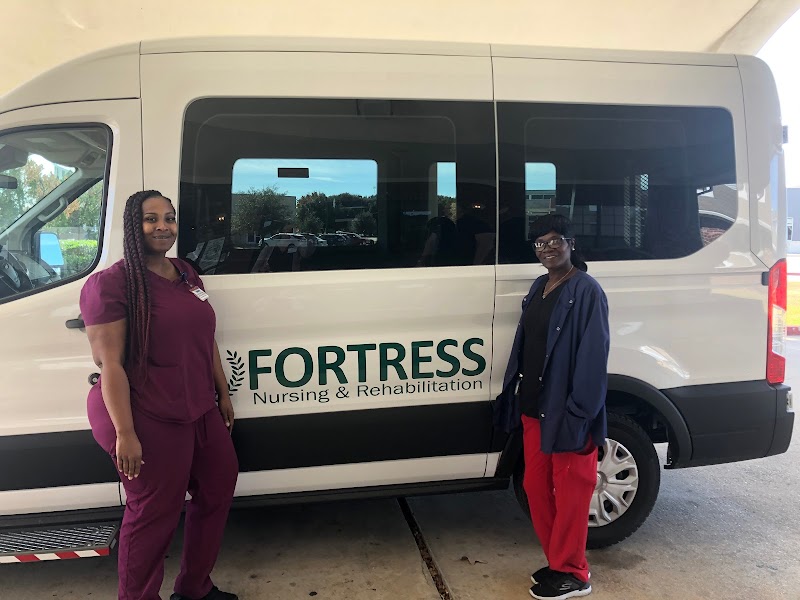
**NOTE- TERMS IN BRACKETS HAVE BEEN EDITED TO PROTECT CONFIDENTIALITY** Based on interview and record review the facility failed to ensure each resident received adequate supervision and assistance devices to prevent accidents for 1 of 6 residents (Resident #1) reviewed for accidents and supervision. The facility failed to provide safe transport for Resident #1 on 05/27/25 which resulted in a fall and Nondisplaced fracture of the proximal fibular metaphysis of the left knee. This failure could result in serious injury such as a left knee fracture and a reduced quality of life . The noncompliance was identified as PNC. The PNC began on 5/27/25 and ended on 5/28/25. The facility had corrected the noncompliance before the survey began. Findings include: Record review of Resident #1's face sheet, dated 06/02/25, reflected a [AGE] year-old female who was admitted to the facility on [DATE]. Resident #1 had diagnoses which included a left proximal fibular fracture (a break in the fibula bone, located on the outside of the lower leg, near the knee, often caused by twisting or blunt force injuries to the leg or foot), dementia (deterioration of brain and memory loss), diabetes mellitus type 2, rheumatoid arthritis (auto-immune disorder affecting major joints) , major depressive disorder, hypertension, and anxiety . Record review of Resident #1's care plan, revised 05/28/25, reflected, Resident #1 had a skin tear to right shin and right knee, and sustained a left knee fracture (left proximal fibular metaphysis) related to fall with interventions of splint to left knee, and teach the purpose of and the procedure for performing isometric and flexion/extension exercises, and pain treatment as indicated by MD. The care plan further reflected Resident #1 was at risk for trauma that may have a negative impact, related to a van incident. Interventions included a Licensed Mental Health Provider, consult with family regarding her condition, identify situation/event/images that trigger recollections of the traumatic event and limit Resident #1's exposure to these as much as possible, monitor for escalating anxiety, depression, or suicidal thought and report immediately to the nurse, mental health provider, and physician. The care plan further reflected Resident #1 had a potential for uncontrolled pain due to fracture of her left knee. Interventions included administration of analgesia per physician orders, and give ½ hour before treatments or care, anticipate her need for pain relief and respond immediately to any complaint of pain, and evaluate the effectiveness of pain interventions, review for alleviation of symptoms, dosing schedules and resident satisfaction with results, impact on functional ability and impact on cognition. Record review of Resident #1's Quarterly MDS, dated [DATE] , reflected a BIMS score of 04, which indicated a moderate to severe cognitive impairment. Resident #1 required extensive assistance for bed mobility, transfers, and toilet use. She required the assistance of two people for transfers between surfaces. Record review of Resident #1's Physician Order Summary Report, dated 06/02/25, reflected a 20-inch Universal Basic Knee Splint for stabilization of left fibula fracture, and ensure splint is in right place, patient able to perform weight bearing as tolerated while her knee was immobilized. The Order Summary Report further reflected Tramadol 50mg 1 tablet by mouth three times a day for pain, and every 6 hours for moderate pain, Psychiatry to evaluate and treat, and skin tear to right and left knee - cleanse with normal saline and pat dry, apply Xeroform and cover with gauze island dressing every day shift every Monday, Wednesday, and Friday, and as needed. Record review of Resident #1's incident report, dated 05/27/2025, at approximately 1:30 PM, reflected the following, Resident #1 was being transported to a doctor's appointment. Driver A braked for a red-light resident slid out of wheelchair scraping knees, received a skin tear and a cut toe. Incident happened right by doctor's office parking lot. Doctor's staff cleaned and bandaged cuts and scrapes. Assessment conducted on 05/27/25 at 5:50 PM reflected Resident #1 had bruising to bilateral upper extremities, skin tear left knee, left upper extremity, abrasion right knee, moisture skin damage sacrum, and irritation to great right toe. Resident #1 was sent to the hospital for X-rays. Driver A was suspended immediately, and van was out of service until all drivers had been re-in serviced and safety check was done on all van equipment. Facility notified the responsible party and the nurse practitioner. Record review of hospital records with an admission date/time of 05/27/25 at 09:36 PM and discharge date /time of 05/28/25 at 03:23 AM reflected, Resident #1 was a [AGE] year-old female presenting to the ED for evaluation of a fall that occurred today at approximately 4:00 PM. Resident #1 reported she was riding in a transport van when Driver A forcefully pressed the brakes, launching Resident #1 out of her wheelchair. Resident #1 landed on the vehicle floor and suffered impact to both knees. Associated symptoms included bilateral knee pain and mild neck pain. Denied back pain, chest pain, cough, congestion, rhinorrhea (runny nose), or headaches. There were no other complaints at this time. X-ray Right Knee 3 Views reflected: 1. No acute osseous abnormality. 2. Severe tricompartmental osteoarthritic changes. X-ray Left Knee 3 Views reflected: 1. Nondisplaced fracture of the proximal fibular metaphysis. 2. Moderate tricompartmental osteoarthritic changes. 3. Possible soft tissue wound anterior to the patella. Narrative: This patient is a pleasant non-ambulatory [AGE] year-old female who was in a transport van today and was in her wheelchair and the transport driver stopped abruptly and the patient fell from her wheelchair. Patient reporting bilateral knee pain. Patient with report of lower cervical and upper thoracic discomfort. Imaging showing no acute abnormalities of the head neck chest abdomen or pelvis. Patient with notable proximal fibular fracture on the left. X-ray of the ankle found to be unremarkable. Patient placed in a knee immobilizer. Given referral to orthopedics. Patient discharged home. At time of discharge patient is pain-free. Diagnosis: Closed left fibular fracture . Interview on 06/01/25 at 3:25 PM with the DON, who stated she had not been able to get Driver A to answer the phone since 05/27/25, and Driver A had been a no call/no show for CNA duties since the day of the van incident. The DON stated the facility conducted re-training on transporting residents in the van, and anyone who was not re-trained was not driving. She stated in the van the 4 black straps with hooks were to secure the wheelchair in place, and the red seatbelts were to secure the resident in a wheelchair and were to go across the resident's chest and across the resident's lap. The DON further stated Resident #1 stated Driver A had slammed on the brakes and she slid out of the wheelchair onto her knees. Interview on 06/01/25 at 3:15 PM with Driver B revealed she worked in Housekeeping and was also a van driver. Driver B stated she had received training on 05/28/25 that included inspecting the vehicle inside and out every week, and to check acceptable or document if there are repairs needed on the form and submit to Administration and Corporate. Telephone interview on 6/02/25 at 07:15 AM, Driver A stated she received 30 minutes of training from another van driver before she drove the van herself. Driver A stated she had worked for the facility for 4 months. She stated she thought Resident #1 had been up too long on the day of her appointment. Driver A stated Resident #1 had been to her therapy session that morning, and was up for lunch, and then went to her doctor appointment in the early afternoon. Driver A stated she thought Resident #1 became fatigued and started slipping out of her wheelchair . Driver A stated she had all of the straps and hooks on to secure the wheelchair in the van, and the seat belts were secured on the resident for resident safety. Driver A stated there were no witnesses riding in the van with her, other than Resident #1's RP who had met them at the doctor's appointment. Driver A stated the RP met them at the doctor's appointment and had entered the van to assisted in getting Resident #1 back up and into the wheelchair . Interview on 06/02/25 at 2:14 PM with MAINT revealed on the interior of the van the 4 black straps with hooks were to secure the wheelchair in place, and the red seatbelts were to secure the resident in a wheelchair and were to go across the resident's chest and across the resident's lap. MAINT demonstrated how the seatbelt would secure a resident in a wheelchair once the 4 straps and hooks secured the wheelchair in place. MAINT stated he was up to date on the transport van maintenance, and he had looked at the Vehicle Inspection Reports and the van was in good working condition. He stated he looked at the transport van seatbelts and wheelchair straps after the incident and saw no issues. Interview on 06/02/25 at 4:42 PM with the RP, who stated Driver A had asked her to hold the wheelchair and then Driver A lifted Resident #1, and the RP pushed the wheelchair forward under Resident #1's bottom so Driver A could get her back in the wheelchair . The RP stated Resident #1was seeing the orthopedic surgeon on Wednesday, 06/04/25. The RP believed Resident #1 had not been strapped in the wheelchair since she went forward on her knees and hit her head on the backside of the driver's seat. The RP further stated Resident #1 told her when Driver A turned, she slammed on her brakes, and that was when she fell out of the wheelchair. Interview on 06/02/25 at 5:04 PM with Resident #1 revealed she knew something had happened to her, but she was not able to recall all the events. She stated she was having pain in her left knee and pointed to the left knee with a brace on it. Resident #1 stated Driver A slammed on the brakes and she remembered sliding out of the wheelchair and landed on her knees, and she did not remember too much after that. Resident #1 stated she did not remember if there was a seat belt on her or not. Resident #1 stated she had an appointment with a doctor who would check on her knee tomorrow, and the RP would be going along. Record review of a statement from Resident #1, dated 05/27/25, included in the facility investigation reflected, Resident #1 stated that she slid out of her wheelchair while in the back of the van. She stated that she hit the back of the driver seat, and her knees went under her. Resident #1 stated that Driver A then attempted to help her but was unsuccessful due to how she was positioned. Resident #1 then stated that when she stopped, Driver A asked her RP who met them there to assist her in helping her back into the wheelchair. Resident #1 stated to ADON , during this statement, that at the time she had no pain but that she felt a slight tingling and burn just a tad bit but stated that she was having no pain when asked to rate pain. Resident #1 stated that the nurse at the doctor assessed her knee and cleaned it up and applied bandages. Educated Resident #1 on pain assessments and assessed her knees as well. Resident #1 stated that it was not that bad. Informed resident that we will send for X-ray of knees, and she said OKAY. Record review of In-service conducted on 05/27/25 for staff who transport or assist with transporting residents in the van on the following (with return demonstration): Staff members not in-serviced will not transport residents. 1. How to safely load and unload residents in the van using the lift 2. Properly securing a resident in the van: Ambulatory resident - securing with seat belt. Non-ambulatory resident - securing the wheelchair and the resident. Record review of the Vehicle Inspection Report dated 05/28/25 reflected the following relevant items were checked for the interior of the vehicle: Instruments, gages, horn, and warning lights working properly. Floors, seats, doors, and steps all clean and free of debris/stains Seat Belts clean and in good working condition Wheelchair Tie-Downs inspected and working properly. Summary of the report reflected the van and equipment in good working condition. Record review of In-service, conducted on 05/27/25, reflected, Resident involved in a van incident such as slipping out of the chair, tipping back in the chair, or hitting head, the transported should immediately stop and call 911, notify the Administrator and/or the DON immediately if you are off the property. Do not move the resident. If you're on the property immediately go, get a nurse to assess the resident. Record review of the Employee Auto Training Handbook - Vehicle Inspection Report, dated 05/28/25, reflected the vehicle interior (including the seatbelts clean and in good working condition), vehicle exterior, fluid levels, and emergency equipment were acceptable, and the van and equipment were in good working condition. Record review of the undated Employee Auto Training Handbook reflected, The Driver Training Handbook is a statement of company and expectations as it pertains to transport vehicles, procedures to ensure resident safety and to promote safe driving practices. Employee safety responsibilities 1. Observe all organization safety and health rules and apply the principles of accident prevention in your day-to-day duties. 2. Report any job-related injury, illness, or property damage to your supervisor immediately. 3. Report any hazardous conditions and unsafe acts to your supervisor promptly. 4. Follow proper lifting procedures always. 5. Whenever driving an organization vehicle or personally owned vehicle for organization business seat belts must be used. The noncompliance was identified as PNC. The PNC began on 5/27/25 and ended on 5/28/25. The facility had corrected the noncompliance before the survey began.
Apr 2025 1 deficiency
CONCERN (E) 📢 Someone Reported This

A family member, employee, or ombudsman was alarmed enough to file a formal complaint

Potential for Harm - no one hurt, but risky conditions existed

Respiratory Care (Tag F0695)

Could have caused harm · This affected multiple residents

**NOTE- TERMS IN BRACKETS HAVE BEEN EDITED TO PROTECT CONFIDENTIALITY** Based on observations, interviews, and record review, the facility failed to ensure that residents who needed respiratory care w...

Read full inspector narrative →
**NOTE- TERMS IN BRACKETS HAVE BEEN EDITED TO PROTECT CONFIDENTIALITY** Based on observations, interviews, and record review, the facility failed to ensure that residents who needed respiratory care was provided such care, consistent with professional standards of practice, for 3 of 4 residents (Resident #1, Residents #2, and Resident # 3) reviewed for the use of oxygen cannula and nebulizer. The facility failed to ensure: -Resident #1 and Resident #2's nebulizer mask and tubing were in a bag. - Resident #3's oxygen cannula was in a bag This failure could place residents at risk for respiratory infections. The findings included: 1. Record review of Resident #1's face sheet on 04/16/25 revealed a [AGE] year-old male who was admitted to the facility on [DATE]. His diagnoses were acute respiratory failure with hypoxia (low oxygen level), Dementia, Anxiety, Hypertension, Type 2 diabetes mellitus and Iron deficiency. Record review on 04/16/25 of Resident #1's initial MDS assessment, dated 02/15/25 revealed a BIMS score of 12 indicating his cognition was moderately impaired. Record review on 04/16/25 of Resident #1's care plan dated 04/08/25 reflected he had COPD (Difficulty to Breath), and the relevant intervention was administering bronchodilators (agents that dilates airways) and oxygen therapy as ordered by the physician. Record review on 04/16/25 of Resident #1's physician's order reflected: Ipratropium-Albuterol Inhalation Solution 0.5-2.5 (3) MG/3ML. 3 milliliter inhales orally every 4 hours as needed for SOB or Wheezing via nebulizer. 2. Record review of Resident #2's face sheet on 04/16/25 revealed a [AGE] year-old male who was admitted to the facility on [DATE]. His diagnoses were COPD (Difficulty to Breath), Acute respiratory failure with hypoxia, Anxiety disorder, Heart failure, Presence of cardiac pacemaker and Hypertension. Record review on 04/16/25 of Resident #2's quarterly MDS assessment, dated 04/07/25 revealed a BIMS score of 15 indicating his cognition was intact. Record review on 04/16/25 of Resident #2's care plan dated 04/08/25 reflected he had COPD, and the relevant intervention was administering bronchodilators and oxygen therapy as ordered by the physician . Record review on 04/16/25 of Resident #2's physician's order reflected: Ipratropium-Albuterol Inhalation Solution 0.5-2.5 (3) MG/3ML (Ipratropium-Albuterol) 1 vial inhale orally every 4 hours as needed for Wheezing/SOB. 3. Record review of Resident #3's face sheet on 04/16/25 revealed a [AGE] year-old female who was admitted to the facility on [DATE]. Her diagnoses were Hypertension, Type 2 diabetes mellitus, Chronic obstructive pulmonary disease, Heart failure, and End stage renal disease. Record review on 10/16/24 of Resident #3's quarterly MDS assessment, dated 03/27/25 revealed a BIMS score of 15 indicating her cognition was intact. Record review on 04/16/25 of Resident #3's care plan dated 03/28/24 revealed there were no care plan for oxygen therapy. Record review on 04/16/25 of Resident #3's physician's order on 04/26/25 reflected:. 1.Check O2 sat Q shift and PRN every shift. 2.Oxygen 2-5L PRN for comfort/keep oxygen saturation >92% as needed for SaO2 < 92%. Record review of Resident #3's April 2025 MAR on 04/16/25 at 11:30am revealed the O2 level was checked on every day in April,2025, every shift. The last check was on 04/16/25 in the day shift. During an observation and interview on 04/16/25 at 10:50 a.m., Resident #1 was lying in his bed . He was using oxygen through a cannula. There was a nebulizer on the bed side table. The mask and tubing of the nebulizers were exposed to the environment as they were not stored in a protective bag. There was a male urinal bottle sitting next to the exposed nebulizer mask of Resident #1. He stated the staff administer medication via nebulizer occasionally. He stated he could not remember when had used it lately. Resident #1 stated he used the urinal bottle regularly as he was not able to get out of bed for toileting. He stated he used the bottle about 30 minutes ago. During an observation and interview on 04/16/25 at 11:10 a.m., Resident #2 was lying in bed in his room. There was a nebulizer on his bedside table that was not secured in a protective bag. Resident #2 stated he had breathing difficulties and used inhalers and oxygen therapy regularly. During an observation and interview on 04/16/25 at 11:25 a.m., Resident #3 was in her room lying in her bed. Her oxygen cannula and tubing were laying on the floor. She stated she was not able to get up from bed and the staff assisted her to administer oxygen via a canula occasionally on request. During an observation and interview with DON on 04/16/25 at 11:35 a.m., it was revealed the nebulizers and oxygen canula were at the same places as the previous observations, exposed to the open air . The DON who observed the masks and canula stated they were supposed to be stored in protective bags whenever not in use. The DON stated all staff were supposed to be compliant with the facility policy for using the oxygen cannula and nebulizers. She stated she noted down this deficiency in infection control practices among the staff and stated they needed more in services and training on oxygen and nebulizer therapies, sooner than later. She stated bagging the masks and cannulas while not in use was necessary to minimize the risk of spreading respiratory diseases among the residents. Record review of the facility's policy, titled Protocol for Oxygen administration revised on 03/21/2023 reflected: change the tubing (including any nasal prongs or mask) that is in use on one patient when it malfunctions or becomes visibly contaminated. Record review of facility's policy titled Infection Control policy and procedure manual 2019 updated in March,2024 reflected: The facility will establish and maintain an infection control program designed to provide a safe, sanitary, and comfortable environment and to help prevent the development and transmission of disease and infection.
Oct 2024 8 deficiencies
CONCERN (D)

Potential for Harm - no one hurt, but risky conditions existed

Deficiency F0558 (Tag F0558)

Could have caused harm · This affected 1 resident

**NOTE- TERMS IN BRACKETS HAVE BEEN EDITED TO PROTECT CONFIDENTIALITY** Based on observations, interviews, and record review the facility failed to ensure the residents received services in the facili...

Read full inspector narrative →
**NOTE- TERMS IN BRACKETS HAVE BEEN EDITED TO PROTECT CONFIDENTIALITY** Based on observations, interviews, and record review the facility failed to ensure the residents received services in the facility with reasonable accommodation of each resident's needs for 2 (Resident # 24, and Resident #45) out of 8 residents reviewed for call lights. The facility failed to ensure Resident # 24 and Resident #45's call light was within reach. This failure could affect all residents who needed assistance with activities of daily living and could result in needs not being met. Findings included: 1. Record review of Resident #24's Face Sheet, dated 10/23/2024, reflected a [AGE] year-old male admitted to the facility on [DATE] with a diagnoses of unspecified lack of coordination (uncoordinated movement due to a muscle control problem that causes inability to coordinate movements), unspecified dementia, unspecified severity, without behavioral disturbance, psychotic disturbance , mood disturbance and anxiety ( a group of symptoms that affect the brain, such as memory loss, personality changes, and difficulty thinking can be mild or mixed without any behaviors), and personal history of traumatic brain injury ( an injury to the brain caused by an external force, such as a blow to the head or an object penetrating the skull). Record review of Resident #24's Quarterly MDS Assessment, dated 09/23/2024, reflected Resident #24 had a BIMS score of a 3 indicating his cognition was severely impaired. Resident #24 was assessed to be dependent on staff for the following ADLs: personal hygiene, dressing, showers, toileting hygiene, chair to bed, and bed to chair transfers. Record review of Resident #24's Comprehensive Care Plan revised on 07/21/2024 and target date of 10/22/2024 reflected Resident #24 was at risk for falls related to impaired mobility and dementia. Intervention: be sure Resident #24's call light was within reach and encourage the resident to use it for assistance as needed. Resident #24 had an ADL self-care deficit. Intervention: Encourage Resident #24 to use bell to call for assistance. Observation and interview on 10/22/2024 at 9:15 AM, Resident #24 was lying in bed. His call light was located under his bed. Resident #24 stated no when asked if he knew where his call light was located. He stated yes when asked if he used the call light. Resident #24 did not respond to any further questions such as: is his call light usually within reach and how would he call for help if his call light was on the floor. 2. Record review of Resident # 45's face sheet dated 10/23/2024 reflected a [AGE] year-old female admitted on [DATE] with diagnoses of unspecified dementia, unspecified severity, with other behavioral disturbance ( a group of symptoms that affect the brain, such as memory loss, personality changes, and difficulty thinking can be mild or mixed with behavior problems), unspecified mood (affective) disorder ( a diagnostic category for people who have mood disorder symptoms that do not meet the criteria for another mood disorder diagnosis), and Alzheimer's disease ( a progressive, irreversible brain disorder that destroys memory and thinking skills, and eventually the ability to perform daily tasks). Record review of Resident #45's Quarterly MDS Assessment, dated 09/07/2024, reflected Resident #45 had a BIMS score of 0 indicating her cognition was severely impaired. Resident #45 was assessed to be dependent on staff for the following ADLs: personal hygiene, dressing, showers, toileting hygiene, chair to bed, and bed to chair transfers. Record review of Resident # 45's care plan, dated 09/15/2024, reflected the resident was at risk for falls. Intervention: Ensure the resident's call light was within reach and encourage resident to use it for assistance as needed. Resident #45 had an ADL Self Care Performance Deficit. Intervention: Encourage Resident #45 to use bell to call for assistance. Observation and interview on 10/22/2024 at 9:28 AM, Resident #45 was lying in bed. She had a soft pad call device and it was hanging over the side of her bed. Resident #45 was not capable of reaching the soft pad call device. In an attempted interview on 10/22/2024 at 9:30 AM, Resident #45 was not interview able In an interview on 10/22/2024 at 9:32 AM, CNA C revealed Resident #45 required a soft pad call device related to Resident #45 was not physically or mentally capable of using a call light button. CNA C stated it was easier to pat the soft pad call device. She stated the call light device was hanging over the bed and Resident #45 was not able to reach the call device. CNA C stated if Resident #45 needed assistance she would not be able to yell for help or do anything to alert staff she needed assistance because she spoke with a very soft voice and it would be difficult to hear Resident #45. CNA C stated she had been in-serviced on call lights; however, she did not recall the time or date of the in-service. She stated all call lights needed to be on the bed where the Resident was able to find and use the call light. In an interview on 10/22/24 at 10:00 AM, CNA B stated the residents needed their call lights within reach. She stated if a resident needed assistance with any type of ADL care such as: toileting, transferring, dressing, etc. the Residents needs would not be met if they were unable to call for help. CNA B stated most residents have a regular call light except Resident # 45 who has a soft pad call device. She stated she knew Resident #45 was confused sometimes and it was easier for her to find the soft pad call device. CNA B stated Resident # 45 had a soft voice and it would be difficult to hear her talk loud when she was in her room. She stated it would be impossible for Resident #24 to obtain his call light from under Resident #24's bed. CNA B stated Resident #24 would have difficulty receiving any type of assistance he may need if he did not have his call light in reach. CNA B stated she had been in serviced on call lights. She stated all call lights were expected to be in reach of all residents at all times. She stated the nursing staff or any staff can check call lights. In an interview on 10/24/2024 at 10:15 AM, RN A stated if a resident's call light was not within reach of the resident there was a possibility a resident may fall and break a hip or hit their head on the floor attempting to reach the call light. LVN A stated it would be difficult to hear Resident # 24 and Resident #45 if staff were not near their rooms. She stated it was the responsibility of all staff in the facility to check call lights when they entered a resident room to ensure the call light was attached where the residents had easy access to use the call light. RN A stated she had been in-serviced on call lights and placing the call light within reach of the resident when they were in their room. RN A did not recall the last time he received the in-service. In an interview on 10/24/2024 at 10:30 AM, the Administrator stated the facility did not have a policy on call lights. The administrator did not respond to the following question: What was his expectation of the call lights being within reach of a resident. Was there a possibility if the call light were not in reach and a resident may need emergency nursing assistance and would not be able to call out for help. In an interview on 10/24/2024 at 10:43 AM, the Corporate Regional Director stated a call light under the bed and over the bed was not within reach of a resident. She stated there was a possibility a resident may attempt to assist self out of bed to locate the call light. The Corporate Regional Director stated any staff can check call lights to ensure the resident was capable or reaching the call light. The Corporate Regional Director stated the facility did not have a policy on call lights but her expectations were the call lights be within reach of the residents at all times. In an interview on 10/24/2024 at 11:25 AM, the DON stated it was all the staff's responsibility when they entered a resident room to ensure the call light was within reach of the resident. She stated if the call light were not within reach, it would be difficult for a resident to obtain the help they may need in a timely manner. She stated some residents were able to yell for help and some residents would not be able to yell loud enough. She stated a resident had a potential to fall if the resident attempted to reach for their call light. The DON stated a resident may need medical emergency and would not be able to use the call light for nursing assistance. The DON stated it was safe practice for all staff to ensure call lights were within reach of all residents. She stated an in-service had been given to all staff on call light placement. She stated she did not recall the date when the in-service was given to the staff. Record request on 10/24/2024 at 10:30 AM, of the call light facility's policy from the Administrator. He stated the facility did not have a call light policy.
CONCERN (D)

Potential for Harm - no one hurt, but risky conditions existed

Comprehensive Care Plan (Tag F0656)

Could have caused harm · This affected 1 resident

**NOTE- TERMS IN BRACKETS HAVE BEEN EDITED TO PROTECT CONFIDENTIALITY** Based on record review and interviews, the facility failed to ensure the comprehensive care plan described the services that wer...

Read full inspector narrative →
**NOTE- TERMS IN BRACKETS HAVE BEEN EDITED TO PROTECT CONFIDENTIALITY** Based on record review and interviews, the facility failed to ensure the comprehensive care plan described the services that were to be furnished to attain or maintain the residents' highest practicable physical, mental, and psychosocial well-being for 1 (Resident #40) of 25 residents reviewed for care plans, in that: 1. The facility failed to ensure Resident #40's comprehensive care plan addressed a discharge plan. This failure could place the residents at risk of not receiving care and services to meet their needs. Findings included: Record review of Resident #40's Face sheet, 10/22/2024, reflected she was a [AGE] year-old woman, who was admitted to facility on 9/28/24 with a diagnoses of clostridioides difficile (C.Diff [contagious bacteria]) acute osteomyelitis (serious bone infection), right ankle and foot, cellulitis (bacterial infection) right toe, type II diabetes (insulin resistance), major depressive disorder and generalized anxiety. Record review of Resident #40's MDS 10/22/2024, indicated she had a Brief Interview for Mental Status (BIMS) of 15, indicating intact cognitive function. In an observation and interview with Resident #40 on 10/22/2024 at 2:10 PM, resident was observed to be clean and appropriately groomed. She reported that she was doing okay and felt safe at the facility. The resident stated she is on antibiotics due to a bone infection. She stated she is scheduled to return home on November 2, 2024, and had no concerns. Records review on of Resident #40's comprehensive care plan dated 9/28/2024, reflected the resident's diagnosis with a focus on interventions that were actively being completed to support residents' health. Record review on 10/24/2024 at 9:00 AM, Resident #40's comprehensive care plan dated 9/28/2024 and later revised 10/14/2024, revealed there was no discharge plan. Record review of the facility's Discharge Planning Process Policy and Comprehensive Care Planning Policy revealed facility policy stated a comprehensive care plan will be developed within 7 days after completion of the comprehensive assessment. In an interview on 10/24/2024 at 2:10 PM, Minimum Data Set Nurse (MDS) stated a resident's discharge should be documented in their care plan. MDS stated there could be some potential negative effects when discharge information is missing, leading to possible negative outcomes. In an interview on 10/24/2024 at 2:15 PM, Social Worker (SW) stated the discharge plan has not been part of the care plan in the past but believed it should be included. SW was questioned on how staff would be aware of a resident's discharge plan if a discharge was to occur, she stated she hoped they would review the progress notes, though she was unsure if they would. SW stated she has not been trained on the facility's policy and procedures for discharge. In an interview on 10/24/2024 at 2:23 PM, Director of Nursing (DON) stated, the discharge plan is created at the new admission. When asked if the discharge plan was part of the care plan, she stated it probably should be included. She stated the SW initiates the assessment while the team is responsible for the care plan. She stated the admission meeting usually have the MDS, SW, Dietary, Rehab Director, and Activity Coordinator present. DON stated the interventions would be documented on a care plan along with the discharge information. DON stated there is a potential for a bad outcome with no information documented but they usually have a care plan meeting before discharge.
CONCERN (D) 📢 Someone Reported This

A family member, employee, or ombudsman was alarmed enough to file a formal complaint

Potential for Harm - no one hurt, but risky conditions existed

ADL Care (Tag F0677)

Could have caused harm · This affected 1 resident

**NOTE- TERMS IN BRACKETS HAVE BEEN EDITED TO PROTECT CONFIDENTIALITY** Based on observations, interviews, and record review, the facility failed to ensure residents unable to conduct activities of da...

Read full inspector narrative →
**NOTE- TERMS IN BRACKETS HAVE BEEN EDITED TO PROTECT CONFIDENTIALITY** Based on observations, interviews, and record review, the facility failed to ensure residents unable to conduct activities of daily living (ADLs) received the necessary services to maintain good grooming and personal hygiene for three of eight residents (Resident #17, Resident #24, and Resident #35) reviewed quality of life. 1. The facility failed to ensure Resident #17 and Resident #24 nails were cleaned. 2. The facility failed to ensure Resident #35 nails were trimmed and did not have any rough edges. These failures could place residents at risk for poor hygiene, dignity issues, and decreased quality of life. Findings include: 1. Record review of Resident # 17's Face Sheet dated, 10/23/2024, reflected a [AGE] year-old male admitted on [DATE] and readmitted on [DATE] with diagnoses of lack of coordination (uncoordinated movement due to a muscle control problem that causes inability to coordinate movements), neuroleptic induced parkinsonism ( slowed movements, difficulty with fine motor tasks, problems with balance, walking, and resting tremor), tremor unspecified ( a neurological condition that causes involuntary shaking or trembling in one or more parts of the body), and cognitive communication deficit ( difficulty with communication that is caused by an impairment such as memory, attention, or problem-solving). Record review of Resident #17's Annual MDS Assessment, dated 08/20/2024, reflected the resident had a BIMS score of 5 indicating his cognition was severely impaired. Resident #17 required supervision or touching assistance with personal hygiene, lower body dressing, showers, transfers, and toileting hygiene. Record review of Resident #17's Comprehensive Care Plan, revised on 09/10/2024 reflected Resident #17 had an ADL self-care performance deficit. Interventions: Bathing- Check nail length, trim and clean on bath day and as necessary. Report any changes to the nurse. Resident #17 had an alteration in neuroleptic induced Parkinson. Intervention: cueing, reorientation as needed. Monitor/ document/ report to MD as needed signs and symptoms of tremors, rigidity, dizziness changes in level of consciousness, and slurred speech. Observation on 10/22/2024 at 9:37 AM, resident #17 was propelling self in his wheelchair from his room into the hall. Resident #17 had blackish / brownish substance underneath all of his nails on his right hand. In an interview on 10/22/2024 at 9:38 AM, Resident #17 stated he thinks he knows what it is underneath his nails but he was not going to tell anyone. Resident #17 stated he did request for his nails to be cleaned yesterday and the girl that works here told him someone would clean them when he got a shower. Record review of Resident #24's Face Sheet, dated 10/23/2024, reflected a [AGE] year-old male admitted to the facility on [DATE] with a diagnoses unspecified lack of coordination (uncoordinated movement due to a muscle control problem that causes inability to coordinate movements), unspecified dementia, unspecified severity, without behavioral disturbance, psychotic disturbance , mood disturbance and anxiety ( a group of symptoms that affect the brain, such as memory loss, personality changes, and difficulty thinking can be mild or mixed without any behaviors), and personal history of traumatic brain injury ( an injury to the brain caused by an external force, such as a blow to the head or an object penetrating the skull). Record review of Resident #24's Quarterly MDS Assessment, dated 09/23/2024, reflected Resident #24 had a BIMS score of a 3 indicating his cognition was severely impaired. Resident #24 was assessed to be dependent on staff for the following ADLs: personal hygiene, dressing, showers, toileting hygiene, chair to bed, and bed to chair transfers. Record review of Resident #24's Comprehensive Care Plan revised on 07/21/2024 and target date of 10/22/2024 reflected Resident #24 had an ADL self-care deficit. Intervention: Resident #24 required assistance with bathing: check nail length, trim, and clean on bath day and as necessary. Report any changes to the nurse. If diabetic, the nurse will provide toenail care. Resident #24 was dependent on staff for activities, cognitive stimulation, social interaction related to dementia. Interventions: Resident #24 needed assistance with ADLs as required during the activity. Observation on 10/22/2024 at 9:40 AM, Resident #24 was lying in bed. Resident #24 had blackish/brownish hard substance underneath his forefinger and middle fingernails. In an interview on 10/22/2024 at 9:42 AM, Resident #24 was asked if he reported to anyone about his nails having a blackish/brownish substance underneath two of his nails on his right hand. He stated, yes but don't know who. Resident #24 did not respond to any other questions such as: when he reported his nails being dirty and how long they had been dirty. 2. Record review of Resident #35's Face Sheet, dated 10/23/2024, reflected a [AGE] year-old female was admitted on [DATE] and readmitted on [DATE] with a diagnosis of multiple sclerosis (a chronic disease that damages the central nervous system, including the brain and spinal cord- this damage can slow or block messages between the brain and body, leading to a range of symptoms such as muscle weakness, difficulty with coordination and balance, numbness, thinking and memory problems, etc.), muscle wasting and atrophy ( muscle wasting or thinning of your muscle mass). Record review of Resident #35's Quarterly MDS Assessment, dated 10/04/2024, reflected the resident had a BIMS score of 8 indicated her cognition status was moderately impaired. Resident # 35 was dependent on staff for personal hygiene, dressing, showers, toileting hygiene, oral hygiene, and transfers. Record review of Resident 35's Comprehensive Care Plan, revised on 10/17/2024, reflected Resident #35 had an ADL Self Care Performance Deficit. Resident #35 will maintain or improve current level of function in personal hygiene. Resident #35 required assistance with bathing. Resident #35 had multiple sclerosis. Intervention: Pain management as needed. Give medications as ordered. Resident #35 was at risk for falls related to multiple sclerosis and muscle wasting and atrophy. Interventions: anticipate and meet the resident's needs. Be sure the resident's call light is within reach and encourage the resident to use it for assistance as needed. Resident #35 needed activities that minimize the potential for falls while providing diversion and distraction. Record review of Resident #35's Physician Orders and she did not have a diagnosis of diabetes or being administered any type of diabetic medication. Observation on 10/22/2024 at 10:13 AM, Resident #35 was in her room lying in bed. Resident #35 had approximately 2-inch nails on both hands. Resident #35 had rough edges around her ring and middle fingernails on her right hand. There were no scratch marks on her left or right hands or arms. In an interview on 10/22/2024 at 10:16 AM, Resident #35 stated she asked someone few days ago if they would trim her nails and file them. She stated she explained two of her nails were broken and she was scratching herself and leaving scratch marks on her left arm first of October (2024). She stated she bent one of her nails back and it broke. Resident #35 stated this is when the nails became rough and had a point on the corner of two of her nails(she pointed to the ring and middle finger of her right hand). She stated staff she talked to about her nails stated the aides was not allowed to cut or trim nails that was the nurses job. She stated she was not a diabetic. Resident #35 did not recall the CNA's name or the day this conversation occurred in Resident #35's room. In an interview on 10/22/2024 at 9:32 AM, CNA C stated the CNAs was responsible for cleaning, trimming, and filing all residents' nails except for the residents with diagnosis of diabetes. She stated the nurses was responsible for all residents' nails with diagnosis of diabetes. CNA C stated residents nails were usually cleaned on their shower days and as needed. She stated if there was a blackish substance on the residents' fingertips or underneath their nails and the resident swallowed the blackish substance there was a possibility a resident may become ill such as vomiting and diarrhea. CNA C stated there were also a possibility a resident may become severely dehydrated and may need to be transferred to emergency room to determine what type of bacteria was underneath the residents' fingernails. CNA C stated a resident may scratch their face or their arm. She stated a resident may cause a skin tear on their skin if the nail was not filed. CNA C stated she had been in-serviced on cleaning, filing and trimming residents' nails but she did not recall the date. CNA C stated she was not aware of Resident #17, Resident #24 or Resident #35 refusing nail care. She stated Resident #24 sometimes refused to be shaved. In an interview on 10/22/2024 at 10:00 AM, CNA B stated the nurses completed all diabetic fingernails, and the CNAs were responsible for all other residents' nails. She stated the CNAs were responsible to complete nail care such as trimming, filing, and cleaning the nails during showers. CNA B stated if a resident's nails needed to be cleaned, trimmed, or filed and it was not their shower day, the staff were expected to do any type of nail care as needed. CNA B stated if a resident had blackish substance underneath their nails, it was probably some type of bacteria. CNA B stated if a resident swallowed bacteria it was a potential the resident may develop major stomach problems such as nausea and/or diarrhea. CNA B stated if a resident became severely ill the resident may need to be transferred to emergency room for more care. CNA B stated if a resident had rough edges around their nails it was a possibility the resident may scratch themselves and develop a skin tear or scratch another resident. She stated Resident # 17, Resident #24 and Resident #35 did not refuse nail care. CNA B stated Resident #24 would refuse to be shaved. She stated she had been in-service on nail care but did not remember the date of the in-service. She stated it had been approximately 6 months to a year. In an interview on 10/24/2024 at 9:45 AM, RN A stated the CNAs was responsible for cleaning, trimming, and filing all residents' nails except for the residents with diagnosis of diabetes. RN A stated the nurses was responsible for all residents' nails with diagnosis of diabetes. RN A stated residents' nails were usually cleaned, filed, and trimmed on their shower days. She stated if a resident had a hang nail or their nails were dirty, nail care was expected to be completed as needed. RN A stated if a resident had nails that were rough around the edges, there was a possibility a resident may scratch themselves and develop a skin tear. RN A stated if there was a blackish substance on the residents' fingertips or underneath their nails and the resident swallowed the blackish substance there was a possibility a resident may become ill with stomach issues such as vomiting. RN A stated there was a potential for a resident to develop or a throat infection. RN A stated she had been in-serviced on cleaning, filing and trimming residents' nails. RN A stated she did not remember the date of the in-service. She stated she was not aware of Resident #24, Resident #17 or Resident #35 refusing nail care. She stated sometimes Resident #24 would refuse clothes to be changed and to be shaved. In an interview on 10/24/2024 at 10:30 AM, the Administrator stated he would need to refer to the facilities policy on nail care when he was asked of his expectations of cleaning and trimming residents nails. In an interview on 1024/2024 at 10:43 AM, the Corporate Regional Director stated the nurses was expected to perform nail care including trimming and cleaning on the residents with diagnosis of diabetes (a disease that occurs when your blood glucose, also called blood sugar, was too high). The Corporate Regional Director stated the CNAs was expected to trim and clean all other residents' nails during showers and as needed. She stated if there was a blackish/ brownish substance underneath a resident's nails there was a possibility it may be bacteria. She stated if a resident ingested some bacteria there was a possibility a resident may have stomach issues, however, it was according to what type of bacteria was underneath the residents fingernails. In an interview on 10/24/2024 at 8:45 AM, Director of Nurses stated if a resident ingested blackish substance on their fingers or underneath their fingernails, there was a possibility the substance may be some type of bacteria. She stated a resident may become physically with infection of their stomach. She stated there was a possibility a resident may develop vomiting or diarrhea. She stated all residents was expected to receive nail care during showers and as needed. Director of Nurses stated the CNAs completed nail care on all residents except for the residents with diagnosis of diabetes (a disease when your blood sugar was too high). She stated it was the nurse's supervisor responsibility to monitor residents nail care. The facility Policy on Nail Care, dated 2003, reflected Nail management is the regular care of the toenails and fingernails to promote cleanliness, and skin integrity of tissues, to prevent infection, and injury from scratching by fingernails or pressure of shoes on toenails. It includes cleansing, trimming, smoothing, and cuticle are and is usually done during the bath. Nails can become thinner and more brittle in the elderly and thicker if peripheral circulation is impaired. Nail care will be performed regularly and safely. The resident will be free from abnormal nail conditions and the resident will be free from infection.
CONCERN (D)

Potential for Harm - no one hurt, but risky conditions existed

Unnecessary Medications (Tag F0759)

Could have caused harm · This affected 1 resident

**NOTE- TERMS IN BRACKETS HAVE BEEN EDITED TO PROTECT CONFIDENTIALITY** Based on observations, interviews, and record review the facility failed to ensure that its medication error rate was not 5 perc...

Read full inspector narrative →
**NOTE- TERMS IN BRACKETS HAVE BEEN EDITED TO PROTECT CONFIDENTIALITY** Based on observations, interviews, and record review the facility failed to ensure that its medication error rate was not 5 percent or greater. The facility had a medication error rate of 8.57 % based on 3 errors out of 35 opportunities, which involved 1 of 8 residents (Resident #34) and 1 of 2 staff (CMA F) reviewed for medication errors, in that: The facility failed to ensure residents were free from medication errors. These failures could place residents at risk of medication errors that could cause a decline in health. Findings included: Record Review on 10/23/2024 of Resident #34's face sheet dated 10/24/2024 reflected Resident #34 was a [AGE] year-old male with an admission date of 01/26/2024. Resident #34's diagnoses included: Posterior reversible encephalopathy syndrome, Parkinson's disease without dyskinesia (without mention of fluctuations), major depressive disorder (recurrent, moderate), anemia (unspecified), Type 2 diabetes mellitus without complications, bipolar disorder (unspecified), essential (primary) hypertension. Record Review on 10/24/2024 of the most recent MDS assessment dated [DATE] reflected Resident #34 had a BIMS score of 12 indicating Resident #34 was moderately cognitively impaired. Record review on 10/24/2024 of Resident #34's clinical physician orders revealed: Procardia XL Oral Tabled Extended Release 24 Hour 30 MG (Nifedipine) Give 30 mg by mouth two times a day for HTN hold if systolic is less than 120, and Hr less than 60. Record review on 10/24/2024 of Resident #34's clinical physician orders revealed: Chlorthalidone Tablet 25 MG Give 1 tablet by mouth one time a day for edema, hypertension. Record review on 10/24/2024 of Resident #34's clinical physician orders revealed: Toprol XL Oral Tablet Extended Release 24 Hour 100 MG (Metoprolol Succinate) Give 100 mg by mouth one time a day for HTN Hold for SBP less than 110 or DBP less than 60. CMA (F) administered 1 medication which was ordered to be given if blood pressure reading was within the parameters. Orders indicated to hold (don't give to resident) if blood pressure reading is outside of the parameters. The blood pressure was outside of the parameters. CMA (F) should have held the medication. CMA (F) documented that she gave a medication that she did not give, and she documented she did not give a medication that she did give to the resident. During an observation on 10/23/2024 at 07:46 AM, CMA (F) was observed passing medication to Resident # 34 which included 3 medications (Nifedipine tab 30 MG, Chlorthalid tab 25 MG and Toprol XL Oral Tablet Extended release 24-hour 100 MG) that were ordered by the physician to be given if blood pressure reading was within the parameters given. During an observation on 10/23/2024 at 07:46 AM, CMA (F) was observed obtaining Resident #34 blood pressure and it was: 102/71 with a HR of 70. The physician order for medication parameters read: Procardia XL Oral Tabled Extended Release 24 Hour 30 MG (Nifedipine) Give 30 mg by mouth two times a day for HTN hold if systolic is less than 120, and Hr less than 60. Chlorthalidone Tablet 25 MG Give 1 tablet by mouth one time a day for edema, hypertension. Toprol XL Oral Tablet Extended Release 24 Hour 100 MG (Metoprolol Succinate) Give 100 mg by mouth one time a day for HTN Hold for SBP less than 110 or DBP less than 60. Per physician order CMA (F) was not supposed to administer the Nifedipine because it was outside the parameters per the physician's order. CMA (F) verbalized that she did not give the Toprol XL oral Tablet because it was outside of the parameters but upon checking the residents record after the administration, CMA (F) documented she did give the medication. Upon observation on 10/23/2024 CMA (F) administered the Chlorthalidone Tablet 25 MG but documented she did not give it because it was outside of the parameters as indicated in the order. During an interview on 10/24/2024 at 11:22 AM, the DON stated it is her expectation that medications be given to residents as ordered by the doctor. She stated if a medication is ordered to be given within certain blood pressure parameters staff are to follow the instructions and administer accordingly. She stated she would have concerns if a medication as given outside of the parameters it could lead to a medication error. She stated she will provide an in-service to staff on medication administration and the 10 rights of medication administration. Record Review on 10/24/2024 of the Medication Administration Policy (Pharmacy Policy & Procedure Manual 2003) provided by the DON, revealed the following: Comprehensive care plan #13. When ordered or indicated, include specific item(s) to monitor (e.g., blood pressure, pulse, blood sugar, weight) frequency (e.g., weekly, daily) timing (e.g., before or after administering the medication), and parameters for notifying the prescriber. # 15. Medication errors and adverse drug reactions are immediately reported to the resident's Physician. In addition, the Director of nurses and/or designee should be notified of any medication errors. Any medication error will require a medication error report that includes the error and actions to prevent reoccurrence. #20. The 10 rights of medication should always be adhered to: 1. Right patient, 2. Right medication, 3. Right dose, #4. Right route, #5. Right time, #6. Right patient education, #7. Right documentation, #8. Right to refuse, #9. Right assessment, #10. Right evaluation.
CONCERN (E)

Potential for Harm - no one hurt, but risky conditions existed

Deficiency F0679 (Tag F0679)

Could have caused harm · This affected multiple residents

**NOTE- TERMS IN BRACKETS HAVE BEEN EDITED TO PROTECT CONFIDENTIALITY** Based on observation, interview and record review, the facility failed, based on the comprehensive assessment and care plan and ...

Read full inspector narrative →
**NOTE- TERMS IN BRACKETS HAVE BEEN EDITED TO PROTECT CONFIDENTIALITY** Based on observation, interview and record review, the facility failed, based on the comprehensive assessment and care plan and the preferences of each resident, an ongoing program to support residents in their choice of activities, both facility-sponsored group and individual activities and independent activities, designed to meet the interests of and support the physical, mental, and psychosocial well-being of each resident, encouraging both independence and interaction in the community for all residents in the facility. 1. The facility failed to provide activities as scheduled on October 5th- October 6th, October 12th- October 13th , and October 19th to October 20th. These failures placed residents at risk of boredom, depression, increased behaviors, and diminished quality of life. Findings include: Record review of the resident participation record for October 2024 no activities did not occur on the weekends. Record review of the Activity Calendar the times for activities on the weekend was not documented on the activity calendar. The activity participation records for the month of October weekend activities were not provided for the residents on the following dates: a. 5th: Activity of Choice Outside Social Hydration Station b. 6th: Football Social Word Puzzles Dominoes c. 12th: Good News Social College Football Social Crossword Puzzles d. 13th: Football Social Morning News Activity of Choice e. 19th Activity of Choice Name that [NAME] College Football Social f. 20th Football Social Music Memory Word Find Pages In a confidential Resident Group Meeting on 10/23/2024 at 10:00 AM, there were nine residents present for the meeting. All nine residents stated there was not any weekend activities during the month of October 2024. The residents in the group stated they did not understand the weekend activities on the activity calendar. All residents discussed some of them did not enjoy football, puzzles, or dominoes. The residents in the group were voiced their concerns about most of the residents in the facility was not able to come out of their room and was not able to do puzzles or dominoes. The group also stated there were not any times on the calendar and they did not know what time the activity began on weekends. One person stated it has football social in the morning and football does not come on television until the afternoons. The group stated some of the residents' watches football does not prefer to watch the same teams. The group was asked what was name that [NAME] and everyone in the group stated they had never heard of [NAME]. The group stated during the week there is activities and they liked the Activity Director, however, she could not be at the facility seven days a week. The group stated someone needed to work on weekends to only do activities. Five of the seven residents in the meeting stated the CNAs and nurses did not have time to do activities on the weekends they were busy giving care and we do not want them to do activities it would decrease time giving care. One resident stated she became sad and lonely on the weekends because there was not anything to do. Five of the seven residents in attendance stated they became bored. One of the seven residents stated he felt this was when there were more behaviors from the residents on the weekends. The residents in the group stated activities were discussed in group but it was for during the week and not on weekends. In an interview on 10/22/2024 at 9:30 AM, CNA C stated she did work sometimes on the weekends. She stated no one had discussed doing activities with the residents on the weekends with her. CNA C stated the nurses and the CNAs did not have time on the weekends to do activities in the dining room with the residents. She stated they were very busy giving care to the residents. CNA C stated if the staff did activities the residents care would decline. In an interview on 10/24/2024 at 10:15 AM, RN A stated the staff was very busy on the weekends providing ADL care to the residents. She stated she had not observed any activities occurring on the weekends especially during the month of October 2024. RN A stated it would be very helpful if volunteers came in on weekends and did activities with the residents or hire a part time assistant to work weekends. She stated there was an activity assistant and she was no longer there as of few weeks ago. RN A stated there were activities during the week but not on weekends. She stated if residents did not receive activities there was a possibility a resident may become depressed, bored, have a decline in their cognition and/ or isolate themselves in their rooms. In an interview on 10/24/2024 at 10:30 AM, the Administrator stated his expectations of the activity department was to follow the facility policies and CMS regulations. When asked if there was a possibility a resident may become bored or sad if they did not have activities on the weekends, the Administrator did not respond to the question. When asked about the participation records and if he expected the activities be documented when an activity occurred in the facility or outside the facility, the Administrator did not respond. The Administrator did not respond when asked who was responsible to ensure the Activity Director was providing activities for the residents on weekends. In an interview on 10/24/2024 at 10:43 AM, the Corporate Regional Director stated activities were to be provided seven days per week. She stated a participation record was to be kept on all residents attending activity programs. She stated if a resident was not receiving activities on the weekends there was a possibility a resident may become bored and may affect the resident's quality of life. In an interview on 10/24/24 11:10 AM, the Activity Director stated she was not aware of the CMS Federal guidelines for the activity department. She stated she read the activity policy few years ago, however, did not recall what the policy stated about weekend activities or participation records. She stated it was very difficult to find volunteers to come to the facility on weekends. She stated she did have dominoes, puzzle books, cards, etc. available in the dining area for the residents to do on the weekends. The Activity Director stated not all residents was physically able to do puzzles, dominoes or play cards. She stated if a resident was not able to do these type of activities they would not have anything to do on the weekends. She stated she had an assistant and was no longer working at the facility approximately 3 weeks ago. The Activity Director stated she had been an activity director at the facility at least 3 years. Activity Director stated she did not ask the residents about weekend activities. Activity Director stated there was a possibility a resident may become bored, depressed , lonely if they did not have any activities on the weekends. She stated the facility had a new Administrator approximately 3 weeks. She stated since he had been at the facility she did not have the opportunity to discuss her concerns in the activity department and the weekend activities was one of her concerns. She stated it was her responsibility to ensure all residents received activities they enjoyed and met their individual preference. She stated if an activity occurs she was to document it on the participation records. The Activity Director stated she made copies of the monthly calendar and documented each resident on a separate calendar. She stated she highlighted the activity the resident attended on their personal calendar she kept in a binder. The Activity Director stated she did not document participation records anywhere but on the calendar in the binder she gave to the surveyor, and this had been her participation record system for three years. Activity Director stated she did not document participation records in the computer. She stated residents not receiving activities on weekends the resident may have a decline in their mood, cognition, and overall life. The Activity Director stated she did not recall over the past year of doing any in services with the nursing department about doing activities on the weekends. She stated if there were not any times on the calendar the residents would not know what time to attend the activity. The Activity Director stated it would be difficult for some residents to go outside and socialize and she did not provide an alternative activity for the residents unable to go outside. She stated activity of choice was when the residents did what they wanted to do in their rooms. The Activity Director agreed this was not a group activity and she understands how this may be confusing to the residents. In an interview on 10/24/2024 at 11:45 AM, Resident # 5 stated she had someone to visit on the weekends but sometimes she wanted to do an activity to socialize with other people. She stated sometimes it seemed lonely at the facility because there were no activities and nothing for the residents to do. Resident #5 stated they had activities during the week but did not have any on weekends this month. Resident #5 stated she did not want to discuss any-more about activities. In an interview on 10/24/2024 at 12:15 PM, Resident #16 stated she did become sad sometimes on the weekends and lonely but did not have these feelings during the week. She stated there were activities during the week but on the weekends during this month there was not any activities and sometimes she became bored and tired of watching television. Resident #16 stated she did not like to play dominoes or wanted to do puzzles. She stated she did not recall the activity director asking her what she would prefer to do on weekends. Record review of the Activity Director Personnel Record she had been an Activity Director for 25 years at this facility and she did have her current Activity Certification. Record review of the Facilities Policy on Activity Programming, dated 2011, reflected The Activity director and staff will provide for ongoing Activity programs. Practice Guidelines: 1. Recreation programs are based on the interest and needs of the residents expressed through the Activity assessment. 2. Resident's or families expressed needs and interests are included in the development of programs. Input from residents may be done on an individual basis or may be discussed at Resident Council/ Group. 3. Activity programs are be designed ( this is exactly how the policy is written) on resident's leisure interests and implemented to meet the needs (physical, cognitive, creative, social, spiritual, independent, and sensory) of the residents. 4. Programs will be geared to maintain functional ADLs, provide social interaction and, at the same time, protect residents from environmental over stimulation. 5. Those who cannot participate in group settings are provided individual programming. Inability to participate could include those who refuse to participate in activities, those who are in isolation, or 'physician ordered' bed rest. 6. Programming includes large groups, small groups, individual and independent opportunities. 7. Programs may take place in mornings, afternoons and/or evenings that span throughout the entire week. 8. Programs use various areas available in and out of the health care center. 9. The resident population is cognitive assessed routinely to determine the number of functional level programs needed. 10. The opportunity is provided for regular community outings/ trips. Programs are developed to include community resources and involvement within, as well as outside the health care center. Record review of the Facility Policy on Activity Participation Records, dated 2019, reflected The Activity Department will maintain accurate records of group and individual program participation for each resident. 1. Resident attendance in programs is recorded on a daily basis to reflect resident attendance and will be used as a source of information for recording the resident's progress or lack of progress in the progress note. 2. Each resident has separate participation record of group activities and/or individual attendance and participation. 3. Active, passive, and refused is noted on the participation records. 4. Individual programs (one on ones) not the response to intervention by either a checklist or a narrative for each program or visit 5. Participation records stored in health care center per state regulation, but no fewer than five years.
CONCERN (E)

Potential for Harm - no one hurt, but risky conditions existed

Pharmacy Services (Tag F0755)

Could have caused harm · This affected multiple residents

**NOTE- TERMS IN BRACKETS HAVE BEEN EDITED TO PROTECT CONFIDENTIALITY** Based on observation, interview and record review, the facility failed to provide pharmaceutical services (including procedures ...

Read full inspector narrative →
**NOTE- TERMS IN BRACKETS HAVE BEEN EDITED TO PROTECT CONFIDENTIALITY** Based on observation, interview and record review, the facility failed to provide pharmaceutical services (including procedures that assure the accurate acquiring, receiving, dispensing, and administering of all drugs and biologicals) to meet the need of 4 (Resident#55, #54, #56, and#268) of 6 residents reviewed for narcotic pharmacy services. 1.CMA (F) administered narcotics and did not document in the narcotic book after administering to the residents. This failure placed residents at risk for inadequate therapeutic outcomes, ineffective disease management and a decline in health. The findings included: Review of Resident #55's face sheet, dated 10/23/2024 revealed an [AGE] year-old male admitted to the facility with an initial admission date of 03/13/2023 and a admission date of 05/19/2024 with the following diagnosis: Gerstmann-Straussler-Scheinker Syndrome (GSS) is an extremely rare, always fatal (due to it being caused by prions) neurodegenerative disease that affects patients from 20 to 60 years in age, Adjustment disorder with depressed mood, mild cognitive impairment of uncertain or unknown etiology, anxiety disorder (Unspecified), nontraumatic intracerebral hemorrhage in hemisphere (cortical), cerebral amyloid angiopathy (CAA) happens when amyloid (abnormal) proteins build up in blood vessels in your brain. The proteins damage your blood vessels and cause bleeding inside your brain. The condition is the most common cause of cognitive decline in people aged 60 and older, other abnormalities of gait and mobility, primary open-angle glaucoma a progressive eye disease that damages the optic nerve and causes vision loss., bilateral, indeterminate stage, unspecified dementia (Dementia is the loss of cognitive functioning that interferes with daily life and activities). Review of Resident # 55's Quarterly MDS dated [DATE] reflected a BIMS score of 02. Which indicates severe cognitive impairment. Review of Resident #55's Physician order revealed PHENobarbital Oral tablet 32.4 MG give one tablet by mouth two times a day related to other epilepsy. Observation on 10/22/2024 at 11:37 AM, revealed CMA (F) administered PHENobarbital Oral tablet 32.4 MG to Resident #55 at 08:00 AM and the medication at had not been documented in the narcotic book after being administered. Review of Resident #54's face sheet, dated 10/23/2024 revealed an [AGE] year-old female admitted to the facility with an initial admission date of 03/10/2023 and a admission date of 01/25/2024 with the following diagnosis: Chronic respiratory failure with hypoxia, mild cognitive impairment of uncertain or unknown etiology, noninfective gastroenteritis (is inflammation of the stomach and intestines, often caused by viruses, bacteria or chemicals) and colitis (Unspecified), major depressive disorder, recurrent severe without psychotic features, generalized anxiety disorder, morbid (severe) obesity due to excess calories, hyperlipidemia (abnormally high levels of fats (lipids) in the blood, which include cholesterol and triglycerides), other sleep apnea, essential (primary) hypertension, fibromyalgia (is a disorder characterized by widespread musculoskeletal pain accompanied by fatigue, sleep, memory and mood issues), other malaise (a general feeling of discomfort, illness, or uneasiness whose exact cause is difficult to identify). Review of Resident # 54's Quarterly MDS dated [DATE] reflected a BIMS score of 05. Which indicates severe cognitive impairment. Review of Resident #54's Physician order revealed an order for Lyrica Capsule 150MG (Pregabalin) give one capsule by mouth two times a day for nerve pain. Review of Resident #56's face sheet, dated 10/23/2024 revealed an [AGE] year-old female admitted to the facility with an initial admission date of 04/14/2023 and a admission date of 09/12/2024 with the following diagnosis: Chronic Diastolic (Congestive) heart failure (a long-term condition that happens when your heart can't pump blood well enough to meet your body's needs), Dysuria (is pain or discomfort when urinating), Atherosclerotic heart disease(Atherosclerosis is a hardening of your arteries from plaque building up gradually inside them) of native coronary artery without angina pectoris (Angina is chest pain or discomfort that happens when your heart isn't receiving enough oxygen-rich blood), major depressive disorder (single episode, moderate), Major depressive disorder (a mood disorder that causes a persistent feeling of sadness and loss of interest), recurrent severe without psychotic features, Dysphagia (difficulty swallowing), oropharyngeal phase, Other lack of coordination, Cognitive communication deficit, Pain (Unspecified), Unspecified protein caloire malnutrition, hyperlipemia (medical term for abnormally high levels of fats (lipids) in the blood), Essential (primary) hypertension (common condition that can damage your arteries and lead to serious complications), Cerebrovascular disease (term for conditions that affect blood flow to or within the brain), Muscle weakness (generalized), chest pain (unspecified), personal history of transient ischemic attack (brief stroke-like attack wherein symptoms resolve within 24 hours) and cerebral infarction (stroke is a life-threatening condition that happens when part of your brain doesn't have enough blood flow) without residual deficits. Review of Resident # 56's Quarterly MDS dated [DATE] reflected a BIMS score of 06. Which indicates severe cognitive impairment. Review of Resident #56's Physician order revealed an order for APAP/Codeine TAB 300-30MG give one tablet three times daily. Review of Resident #268's face sheet, dated 10/23/2024 revealed an [AGE] year-old male admitted to the facility with an initial admission date of 10/17/2024 with the following diagnosis: Hypertensive heart disease with heart failure, Type 2 diabetes mellitus without complications, mixed Hyperlipemia (abnormally high levels of fats in the blood), Depression (Unspecified), Anxiety disorder (Unspecified), Occlusion and stenosis of right middle cerebral artery, Hemiplegia (form of paralysis that affects one side of the body) and hemiparesis (is weakness or paralysis on one side of the body caused by stroke) following cerebral infarction affecting left non-dominant side, Gastro-esophageal reflux disease (a digestive disorder that causes heartburn and acid indigestion) without esophagitis (inflammation of the esophagus), sacroiliitis (inflammation of the sacroiliac joint), radiculopathy (can cause pain, numbness and tingling along a pinched nerve in your back), lumbar region. Review of Resident # 268's Quarterly MDS dated [DATE] reflected a BIMS score that was not given because the MDS was still in process and had not been completed during the survey visit. Review of Resident #268's Physician order revealed Lyrica oral capsule 75MG (Pregabalin) give one capsule by mouth two times a day for nerve pain. Observation on 10/22/2024 at 11:37 AM, revealed CMA (F) administered Lyrica Capsule 150MG (Pregabalin) at 8:00 AM to Resident #54 and the medication had not documented in the narcotic book after being administered. Observation on 10/22/2024 at 11:37 AM, revealed CMA (F) administered one tablet of APAP/Codeine TAB 300-30MG to Resident #56 and the medication had not been documented in the narcotic book after being administered. Observation on 10/22/2024 at 11:37 AM, revealed CMA (F) administered Lyrica oral capsule 75MG (Pregabalin) to Resident #268 and the medication had not been documented in the narcotic book after being administered. During an interview on 10/22/2024 at 11:42 AM, CMA (F) stated that she did not log the narcotics in the book after administering them because she forgot today. CMA (F) voiced this could lead to a med error and acknowledged it could harm the resident. CMA (F) verbalized that another CMA or Nurse can come along after her and think the resident did not get the medication and administer it again to the resident. CMA (F) said she can't recall the last time she was in-serviced on documenting narcotics or medications after they are administered but she feels like they get in-services a lot. During an interview on 10/23/2024 at 11:22 AM, the DON stated that adverse effect of the act of CMA (F) could be the resident receiving too much medication because staff would not know that the resident already received their narcotic medication. This would lead to a med error voiced the DON. DON voiced her expectations are for staff to document in the narcotic count sheet in the narcotic book and acknowledge the medication has been given in the electronic medical record. When the correct steps are completed a progress note is populated in the electronic medical record and staff are to document resident response to the medication at the time of administration. Also, DON stated that an in-service would be performed for narcotic administration. Review of facility policy titled Medication Administration Procedures Pharmacy Policy & Procedure Manual 2003, Policy Statement reflected After the resident has been identified, administered the medication and immediately chart doses administered on the medication administration record. It is recommended that mediations be charted immediately after administration, but if facility policy permits, medication may be charted immediately before administration. Initials are to be used.
CONCERN (E)

Potential for Harm - no one hurt, but risky conditions existed

Deficiency F0761 (Tag F0761)

Could have caused harm · This affected multiple residents

Based on observation, interview, and record review the facility failed to ensure storage of medications used in the facility in accordance with currently accepted professional principles and include t...

Read full inspector narrative →
Based on observation, interview, and record review the facility failed to ensure storage of medications used in the facility in accordance with currently accepted professional principles and include the appropriate -The medication cart for the 400 halls had four unidentified loose pills. -The facility failed to ensure expired medications were removed from the medication carts and medication room. These failures could place residents at risk of not receiving the intended therapeutic effect of the medications or a contaminated medication. The findings were: Observation of medication cart for the 400 halls on 10/22/2024 at 2:00 pm revealed one green round pill imprinted with the number 40 on it and three white oval pills with the letter F on one side and the number 91 on the other side in the top-left drawer. RN B was not able to identify the four loose pills. Observation on 10/23/2024 at 11:17 AM revealed the facility hall 400 Medication cart with an Advair Diskus Inhalation Aerosol Powder Breath Activated 250mg/50mcg with the expiration date of 05/23. Interview with RN B on 10/22/2024 at 2:10 pm voiced that all four loose pills would be destroyed because she doesn't know who they belong to. The pills were immediately placed in the biohazard bin attached to the nurse cart. RN B voiced she thinks the pills may have gotten to the bottom of the cart and outside the pill packet because sometimes the packets are punctured and that would cause the pills to fall out. RN B verbalized that sometimes she has seen pills on the bottom of the cart. RN B voiced the facility can't really do anything to prevent it from happening. Interview with DON on 10/23/2024 at 11:22 am verbalized loose pills don't need to be on the bottom of the carts. DON voiced if a nurse doesn't find a pill after they notice it missing and can't locate it in the cart, it would eventually lead to an issue. When asked what kind of issue. DON voiced someone could grab it accidentally and give it to another resident. She emphasized that a resident would not be able to get into a cart, that issue would be more of a concern for another employee, giving a pill to another resident. DON verbalized that she thinks the pills that been in there for a long time tend to get loose adhesives on the backings of the pill packets and that is why the pills fell out. DON voiced sometimes it could be a manufacturing issue or they have received the pill packets from pharmacy with loose adhesives in the past and they have sent them back to send sealed packets back to them. DON voiced audits on carts are done weekly and weekly audits are done for medication rooms too. More thorough audits are conducted monthly. DON verbalized that if a nurse found loose pills on the bottom of their carts she would expect them to dispose of it in the bio-hazard or they can come to her office so they can dispose of the pills using the drug buster. Observation on 10/22/2024 at 1:58 PM revealed the facility medication room with a bottle of Aspirin with an expired date of 09/24 and a bottle of Daily Vitamin formula and Iron with an expired date of 08/24. In an interview on 10/23/2024 at 11:19 AM with CMA (K), when asked if the resident that the expired inhaler is still a resident in the facility. CMA(K) acknowledged yes, resident still lives here and still uses the inhaler. CMA (K) verbalized she checks her cart for expired medications periodically. There is not a time period for checking the dates, staff just need to remember to check the dates. When CMA (K) was asked what some potential adverse effects could happen to the resident if they are given an expired inhaler. CMA (K) voiced the medication will not work properly. CMA (K) could not remember the last time she received an in service on checking carts for expired medications. In an interview on 10/24/2024 at 01:43 PM, DON verbalized that the medication room is audited weekly, and all medications should be discarded if expired. The DON verbalized she is responsible for the audits and pharmacy and staff do them too. DON verbalized she would not expect her staff to administer an expired inhaler to a resident. The potential adverse effects if a resident received an expired inhaler would be the resident would not get the maximum benefit of the medication if it is expired. It could lead to respiratory depression or other complications. The DON voiced that the CMAs are supposed to be checking their carts for expired medications on a regular basis and she does spot checks for expired medications. Review of the facility's Policy Medication Administration Procedures Policy does not specify when staff should check for expired dates. The policy does not specify or include anything related to ensuring residents do not get expired medications.
CONCERN (E)

Potential for Harm - no one hurt, but risky conditions existed

Food Safety (Tag F0812)

Could have caused harm · This affected multiple residents

Based on observations, interviews, and record reviews, the facility failed to store, prepare, and distribute food in accordance with professional standards for food service safety for one of one kitch...

Read full inspector narrative →
Based on observations, interviews, and record reviews, the facility failed to store, prepare, and distribute food in accordance with professional standards for food service safety for one of one kitchen reviewed for kitchen sanitation. The facility failed to ensure the Director of Rehabilitation/PT and LVN D were wearing effective hair restraints, while in the kitchen. This failure could place residents who received meals and/or snacks from the kitchen at risk of foodborne illness due to physical contamination. Findings included: During an observation of the dining room on 10/22/2024 at 11:55 AM, LVN D walked in and out of the kitchen three different times to get meal trays without wearing a hair restraint. An observation of the kitchen on 10/22/2024 at 12:59 PM, revealed the Director of Rehabilitation/PT was in the kitchen by the steamtable. The Dir Rehab had long hair past her shoulders and was not wearing a hair restraint. During an interview with the Dir Rehab on 10/23/2024 at 7:46 AM, she stated that she was in the kitchen on 10/22/2024 and was not wearing a hair restraint. She stated there was a policy that required hair restraints in the kitchen, but she thought that was not needed for the front area of the kitchen on the front side of the steamtable. She stated that hair restraints were needed to avoid hair getting in the residents' food, which could cause a negative outcome to residents getting sick. During an interview with the DM on 10/23/2024 at 7:50 AM, she stated she received training on proper hair restraints before she started work and was in-serviced with web-based training. She stated that hair restraints were important in the kitchen to avoid hair getting in the residents' food, which could make them sick or vomit. Her expectation was for staff to wear hair nets in the kitchen, but she did not think the front area of the kitchen on the other side of the steamtable was considered the kitchen area and was not concerned that staff did not wear hair nets in that area. She stated that there was a plastic shield/ plexiglass on the steamtable that protected food. She stated that a sign about hair restraints used to be posted on the wall outside the kitchen, but it fell off and had not been replaced. The Director of Food and Nutrition pointed to a yellow sign on the kitchen interior door by the ice machine and steamtable that read, Dietary Employees Only Beyond This Point Thank You. Ring Bell for Assistance. During an interview with dietary aide on 10/23/2024 at 7:53 AM, she stated she received training on proper hair restraints before she started work. During the training, she learned everyone had to wear a hair net while in the kitchen. During an observation of the kitchen and outside the kitchen area on 10/23/2024 at 8:00 AM, there were no signs regarding hair restraints. There was a container of hair restraints available on a table next to the main kitchen door. During an interview on 10/23/2024 at 11:03 AM, the [NAME] stated that she received training in hair restraints before she started work. She stated everyone must wear hair restraints all the time while in the kitchen. The [NAME] stated hair restraints were required to avoid cross-contamination of getting hair into resident food, which could make them sick. During an interview with the ADMIN on 10/23/2024 at 2:08 PM, he stated that he was new and had only been at the facility for three weeks. He did not know what the facility's policy was regarding staff entering the kitchen or wearing hair restraints. He was not sure what his expectation regarding staff entering the kitchen or the use of hair restraints would be. During an interview with the DON on 10/23/2024 at 2:15 PM, she stated that the facility's policy was all staff entering the kitchen must wear a hair net/hair restraint. She stated potential negative outcome for residents was that staff's hair could get into the food and cause contamination. Her expectation was that her staff would not enter the kitchen, but rather stand at the door and ask for assistance. If her staff needed to enter the kitchen, her expectation was that staff would wear a proper hair restraint and wash their hands. During a telephone interview with LVN D on 10/23/2024 at 2:26 PM, she stated it was the facility's policy that all staff entering the kitchen must wear a hair net/hair restraint. LVN D stated on 10/22/2024 during lunch, she helped in the dining room and was asked to enter the kitchen to get meal trays. She did not think about putting on a hair net. She knew that she should have, but she forgot. She stated that hair restraints were important to keep food sanitary. She stated there was a potential for hair or dandruff to get in food without a hair restraint and that could make residents sick and they could vomit. Record review of the 2022 Food Code; Section 2-402 Hair Restraints, from the United Stated Food and Drug Administration, revealed food employees shall wear hair restraints such as hats, hair coverings or nets, beard restraints, and clothing that covers body hair, that were designed and worn to effectively keep their hair from contacting exposed food. Record review of the facility's Dietary Services Policy and Procedures Manual 2012 HR 00-2.0 titled Dietary Food Service Personnel Policy and Procedures under Sanitation and Food Handling revealed: Hair nets or hats covering the hairline are worn at all times.
Aug 2024 1 deficiency
CONCERN (D) 📢 Someone Reported This

A family member, employee, or ombudsman was alarmed enough to file a formal complaint

Potential for Harm - no one hurt, but risky conditions existed

Free from Abuse/Neglect (Tag F0600)

Could have caused harm · This affected 1 resident

**NOTE- TERMS IN BRACKETS HAVE BEEN EDITED TO PROTECT CONFIDENTIALITY** Based on interview and record review, the facility failed to ensure residents were free from verbal abuse for 1 of 5 residents (...

Read full inspector narrative →
**NOTE- TERMS IN BRACKETS HAVE BEEN EDITED TO PROTECT CONFIDENTIALITY** Based on interview and record review, the facility failed to ensure residents were free from verbal abuse for 1 of 5 residents (Resident #1) reviewed for abuse. The facility failed to prevent Med Aide A, on 6/23/24, from verbally abusing Resident #1 when she used foul language and threatened to keep him up late. The noncompliance was identified on 6/23/24. The facility had corrected the noncompliance before the investigation began and was corrected 06/24/24. These failures could place resident at risk for emotional distress, fear, decreased quality of life and further abuse. Findings included: Review of the face sheet for Resident #1 reflected he was admitted to the facility on [DATE] with diagnoses of: Metabolic Encephalopathy, Pain, Stiffness of unspecified joints, Cerebral Infarction, Epilepsy, and Aphasia following Cerebral Infarction. Review of the Discharge MDS Assessment for Resident #1 dated 5/11/24 reflected Resident #1 was transferred to the hospital. His physical assessment reflected he could feed himself with set up and needed extensive assistance for all other ADLs. He was assessed as always incontinent of bladder and bowel. Review of the Care Plan for Resident #1 dated 5/14/24 reflected interventions were in place for: Seizure disorder, Fall risk r/t hemiplegia, metabolic encephalopathy/weakness, Heart Failure, Anemia, UTI (6/25/24), and a Stroke on 6/25/24. In an interview on 7/23/24 at 9:30 am the Administrator stated Resident #1 and his roommate Resident #5 confirmed the Med Aide A had threatened them verbally and stated she was punishing Resident #1 by keeping him up late. The Administrator stated the facility investigation confirmed verbal abuse and the Med Aide was terminated. The Administrator stated ongoing interviews had confirmed Resident #1 denied any harm from the incident. In an interview on 7/23/24 at 10:00 am Resident #1 stated he felt fine and safe since the Med Aide was removed from the building. He stated she had demonstrated a bad attitude on different occasions. He stated he didn't think he needed to speak to a Psychologist or Councilor. Resident #1's speech was slow but he answered questions appropriately. Attempts to interview MED AIDE A were unsuccessful, three attempts were made to reach her by telephone on 7/23/24 at 9:30 am 11:18 am and 1:00 PM. No return call was received. Review of the facility investigation reflected the incident was reported on 6/24/24 and occurred on the evening of 6/23/24. Review of the incident report reflected Resident #1 was told by MA A I am punishing you for last night for being on the light. The Resident's room mate Resident #5 gave a statement to the administrator on 6/24/24 the Med Aide A left Resident #1 up in his chair until 10 PM on 6/23/24. On interview by the Administrator Resident #1 corroborated the statement. Resident #1 stated he had back pain . Assessment of Resident #1 showed no signs of physical injury. In a follow-up interview on 08/08/2024 at 11:18 AM Resident #1 up in w/c in room he stated he was ok and voiced no complaints about care or staff at the facility. When asked about MED AIDE A he stated 'who then was able to recall the incident he stated she did put him in bed at 10:00 pm because he was on his light last night and then she said if you do I will not put you to bed until 1:00 PM tomorrow. When asked if he felt abused and how the incident made him feel he stated, I feel like she was in a bad mood. Then stated no to being abused but yes to feeling threatened. He stated he felt safe at the facility and was happy with how the facility handled the situation. He stated did not have pain but did not want any pain medicine. He stated he usually went to bed at 6 or 7 pm. He stated MED AIDE A had taken care of him before and he stated he had not had any problems with her before. Review of facility investigation dated 07/01/2024 revealed the administrator and Social Worker interviewed Resident #1 individually as part of the facility investigation. Psych services conducted a brief interview and no adverse issues were reported. Review of Med Aide A Termination Statement dated 07/01/24 revealed Med Aide was suspended on 06/24/24 and terminated on 07/01/24. Review of a Statement from Resident #1 dated 6/24/24 reflected he had been kept up until 10 PM on 6/23/24 and the med Aide A threatened to keep him up until 1:00 am if he used the call light too much. Review of a Statement from Resident #5 dated 6/24/24 reflected he had overheard Med Aide A tell his roommate Resident #1 I am punishing you for last night for being on the light. Review of the Facility Policy on Abuse Neglect dated 3/29/2018 reflected the resident has a right to be free from abuse, neglect and misappropriation. Examples of verbal abuse in the policy include threats to harm or frighten a resident. Review of Abuse, Neglect and Exploitation Inservice dated 06/24/24 revealed all staff inserviced on abuse, negelct and exploitation. Review of Med Aide A's employee record reflected she was hired 4/15/2022 back ground check completed, her last abuse prevention training was done 5/29/24 no disciplinary actions. An observation on 08/08/2024 at 9:35 AM revealed staff interacting at the facility respectfully with residents. In an interview on 08/08/2024 at 9:55 AM Resident #10 stated he thought the staff were competent and felt safe at the facility. He denied any abuse. In an interview on 08/08/2024 at 9:57 AM Resident #11 stated she felt safe and had no concerns for abuse or neglect. In an interview on 08/08/2024 at 11:00 AM RN G stated she was educated regarding the facility abuse and neglect policy and would notify their abuse coordinator, the administrator. If she did not feel the situation was addressed by the abuse coordinator she would notify HHSC. Review of Satisfaction Rounds by the Social Worker dated 06/27/2024 revealed the social worker completed satisfaction rounds with all residents with no additional concerns revealed. Review of Resident #1's Care plan dated 06/25/2024 revealed Resident #1's care plan was updated for recent trauma related to abuse for incident with MED AIDE A.
Mar 2024 1 deficiency 1 IJ
CRITICAL (J) 📢 Someone Reported This

A family member, employee, or ombudsman was alarmed enough to file a formal complaint

Immediate Jeopardy (IJ) - the most serious Medicare violation

Free from Abuse/Neglect (Tag F0600)

Someone could have died · This affected 1 resident

**NOTE- TERMS IN BRACKETS HAVE BEEN EDITED TO PROTECT CONFIDENTIALITY** Based on observation, interview, and record review, the facility failed to ensure that residents are free from abuse, neglect, m...

Read full inspector narrative →
**NOTE- TERMS IN BRACKETS HAVE BEEN EDITED TO PROTECT CONFIDENTIALITY** Based on observation, interview, and record review, the facility failed to ensure that residents are free from abuse, neglect, misappropriation of resident property, and exploitation for one (Resident #1) of four residents reviewed for abuse. The facility failed to ensure Resident #1 was in a safe environment when LVN A recorded instances of pouring water onto her face, verbally taunting her, and striking her with her knee and sitting on her arm. An immediate jeopardy existed from 03/05/24 - 03/06/24. The IJ was determined to be at past noncompliance as the facility had implemented actions that corrected the noncompliance prior to the beginning of the investigation. This failure could affect residents by placing them at risk for abuse that could cause diminished quality of life and increased psychosocial harm as well as physical harm. Findings included: Review of Resident #1's undated face sheet revealed she was an [AGE] year-old female admitted to the facility 07/18/19 with diagnoses including: depression, history of stroke (bleeding in the brain), dementia, and kidney disease requiring dialysis (removal of blood by a machine to clean toxins then replacing cleaned blood). Review of Resident #1's quarterly MDS assessment dated [DATE] revealed she had moderate difficulty with her hearing. It further revealed she usually understood others and usually could be understood. The review also revealed Resident #1 had impaired vision that required corrective lenses. Resident #1's BIMS score was an 8, which correlated with moderately impaired cognition. Further review revealed that Resident #1 did not exhibit physical or verbal behavioral symptoms directed towards others nor behavioral symptoms not directed towards others. Review of Resident #1's latest care plan, dated 12/22/23, revealed Resident #1 was at risk for pressure related injury due to impaired mobility with intervention of administering medications as ordered and repositioning Resident #1 at least every 2 hours. Further review revealed Resident #1 was at risk for fluid deficit (dehydration) due to medications, dialysis and variable intake; the intervention for this concern was administer medication, encourage Resident #1 to drink fluids of choice, ensure fluids were within reach, and notify the nurse if Resident #1 refused to drink fluids. Further review revealed Resident #1 was at risk for discomfort/pain due to impaired mobility and recent hospitalization that led to dialysis; the intervention for Resident #1's potential discomfort/pain was anticipate her need for pain relief and respond immediately to any complaint of pain, evaluate the effectiveness of the pain intervention, and review for compliance. Further review revealed Resident #1 had a focus of being non-compliant with medication due to anxiety and interventions were to notify family and physician and notify supervisor. Review of the facility's self-report dated 03/06/24 revealed that LVN A used her cell phone camera to record herself verbally and physically abusing Resident #1. There was a total of 5 videos, with 2 being repeats, that were sent by LVN A to an undisclosed employee who then sent the videos to the corporate office of the facility. Review of the videos, sent to Corporate 03/05/24, revealed LVN A poured water on Resident #1 who was lying in bed. LVN A was heard taunting Resident #1 when Resident #1 became upset about the water poured on her face. Resident #1 swung her left arm out at LVN A each time LVN A approached her bed. LVN A was seen kneeing Resident #1, who was lying on a scoop mattress, and telling Resident #1 that she was going to take these pills. Resident #1 was heard calling LVN A a Black Bitch as she swung her arm at LVN A when LVN A approached Resident #1's bed. LVN A was heard asking Resident #1 if she is gay and throughout the video LVN A was laughing and taunting Resident #1. The next video revealed LVN A continued to taunt Resident #1 and she sat on Resident #1 while commenting that she was sitting on her. LVN A was seen sitting on Resident #1's left hip area, getting up and motioning to sit again as Resident #1 swung her arm at LVN A. LVN A was then seen grabbing Resident #1's blanket and trying to take it from Resident #1 while laughing and telling Resident #1 she was going to take these pills. The next video showed LVN A tugging at Resident #1's blanket and telling her that she would take the blanket if Resident #1 did not take these pills. Resident #1 stated to LVN A that it was her blanket and called LVN A a bitch. Resident #1 struck out with her right arm toward LVN A and LVN A responded by pouring more water on Resident #1's face, which was turned away from LVN A. Resident #1 called LVN A a bitch and LVN A laughed and held the water above Resident #1's head while Resident #1 lifted her right arm above her face to protect from further water being poured. LVN A slowly pretends to pour the water on Resident #1 while Resident #1's arm was over her face for protection but then withdrew the cup of water and laughed, then slowly moved closer to again threaten to pour water on Resident #1's face, held the cup for a few seconds and then poured the water when Resident #1 had lowered her arm. LVN A stated she was going to pour the water and Resident #1 said go ahead and pour it on me. LVN A poured a small amount on Resident #1 who then stated pour it all on me as she wiped the water away. LVN A was laughing and facing the camera. In the next clip, LVN A was kneeing Resident #1 3 times with Resident #1 swinging her left arm toward LVN A after the first kneeing incident. LVN A then grabbed Resident #1's left arm by the wrist and told her to open her mouth while grabbing Resident #1's mouth, and then poking her several times in the breast/chest area while calling Resident #1's name. LVN A then sat down on Resident #1's left arm and part of her abdomen while holding a cup of medication to Resident #1's mouth and looking back at the camera. LVN A then pulled on Resident #1's chin and Resident #1 opened her mouth and LVN A tilted the cup, so the medication ended up in Resident #1's mouth. LVN A then laughed and said ha ha gotcha; LVN A then grabbed the phone/camera. In all 5 video clips Resident #1 was wearing the same clothing and LVN A was wearing the same clothing in all 5 clips. During an interview on 03/13/24 at 11:00 am with the ADM she stated that LVN A sent the videos to an unknown employee who then sent the videos to the corporate office on 03/05/24; the corporate office immediately contacted the ADM, around 03/05/24 at 3:30 pm, and ADM began suspension and termination paperwork. LVN A was not at work at the time, so ADM stated she contacted LVN A to come to the building to sign the suspension paperwork and that she would be terminated for abuse. Corporate office reported LVN A to the board of nursing and included the video files. ADM contacted the family, the police department , the ombudsman and reported to SA . In addition, she notified the MD. The ADM, with support staff from the Corporate Office, began in-servicing all employees on Abuse/Neglect/Exploitation, use of photography/social media, and HIPAA privacy laws. All in-servicing was started 03/05/24 and completed 03/06/24. In addition, skin sweeps of all residents were started 03/05/24 and completed 03/06/24. Resident #1 was assessed by nursing immediately and Social Work met with the resident and continued meeting with her through 03/13/24 (exit ). Resident #1 was followed by Psychiatry, so a call for an immediate visit was made and a psychologist visited with Resident #1 on 03/11/24 (first available time). The psychologist had seen Resident #1 in the past and stated that she had not declined in her baseline from the last time he had seen her several months before and this visit. All residents were given safe resident surveys with no other issues identified. Staff were all given surveys related to LVN A and whether any staff had observed abusive behavior, but no witnessed or other issues were identified. An Ad Hoc QAPI was held with ADM, DON, and MD on 03/05/24. The dialysis clinic that Resident #1 visited 3 times per week were notified to be on alert. In addition, the facility notified every facility in a 60-mile radius that LVN A was terminated and not eligible for re-hire. ADM stated that the police detective informed the ADM that Resident #1's RP would have to press charges for LVN A to be charged with any criminal act. The ADM also stated that the facility would continue asking 5 alert and oriented residents about any abuse or neglect concerns and if the residents feel safe; these questions would be asked for the next 5 weeks (if no concerns are voiced in the future questioning). Record review of Resident #1's EHR assessments tab revealed a Weekly Skin Assessment was performed on 03/05/24 at 4:09 pm and revealed no bruising or skin tears, but noted bilateral non-pressure wounds to the heals which were not marked as new. Record review of the resident safe surveys revealed no other residents documented concerns about safety, nor did the residents feel abused and nor had they witnessed abuse at the facility. Record review of staff surveys revealed that no staff member documented witnessing abuse or neglect of any resident by LVN A nor by any other staff member. In addition, all staff were able to identify the ADM as the abuse coordinator to contact immediately should staff have any concerns about abuse or neglect. Record review of Resident #1's March 2024 Progress Notes revealed a progress note authored by the Social Worker (SW) on 03/05/24 at 6:02 pm and revealed the SW documented trying to interview Resident #1 about the abuse she endured from LVN A, but Resident #1 did not answer about abuse and asked for her breakfast. The SW documented that Resident #1 did not display signs of fear, distress or behavioral agitation. The next progress note authored by the SW on 03/06/24 at 12:24 revealed she contacted Resident #1's psychiatric provider who stated they would arrange for counseling services to contact the SW to setup an appointment. The SW authored a note on 03/06/24 at 5:01 pm that the counseling services contacted the SW, and a therapist would call the SW to discuss telehealth and in-person options. During an interview and observation on 03/13/24 at 3:00 pm with Resident #1 revealed her room was dark and she said to go away. Resident #1 appeared to be resting comfortably in bed; no concerns were visible. Police officer exited room moments before. During an interview with Police Detective on 03/13/24 at 3:10 pm he stated that he was gathering evidence still, as he had just attempted to interview Resident #1 but was unsuccessful. He further stated he still needed to interview Resident #1's RP and LVN A. He provided his contact information and stated he would provide an update and report when he was able. During an interview on 03/19/24 at 9:10 am with LVN A she stated that nobody liked Resident #1 because Resident #1 was physically abusive, used bad language and refused care. She stated that sometime in January of 2024, LVN A had a cup of water to give Resident #1 and Resident #1 swung her hand and caused a little bit of water to spill on Resident #1. She said Resident #1 would respond to requests from LVN A by calling her a bitch and Resident #1 said fuck you. She stated she was supposed to go to work on 03/06/24, and she picked up her paycheck on 03/05/24 and everything was fine but was contacted by the ADM on 03/05/24 around 5 or 6 pm and the ADM told her she was suspended pending an investigation. She said the ADM was not allowed to tell her the allegations. LVN A stated on 03/06/24 she was called and asked to come to the facility and was notified she would be terminated. She denied any further incidents of water being spilled on Resident #1, she denied raising her voice to Resident #1, putting her hands on Resident #1, or any other incidents that would be viewed as abusive. LVN A did state that she had documented when Resident #1 had aggressive behavior toward LVN A. Record review of Resident #1's January 2024 progress notes revealed that LVN A documented a behavior note on 01/30/24 at 7:22 am that further revealed that Resident #1 refused her medication and used foul language and told LVN A to leave her room. LVN A then offered Resident #1 her medication in the shower room and Resident #1 pulled LVN A's hair and knocked the medication cup out of LVN A's hand. LVN A then documented notifying Resident #1's RP of the encounter. Record review of Resident #1's February 2024 progress notes revealed that LVN A documented on 02/03/24 at 2:51 pm that she had contacted Resident #1's RP about a behavior incident earlier that morning (no description or note found specifying the incident) and that a new order for in-patient psychiatric services was placed and RP would be updated when new information was available. Further review revealed a progress note on 02/09/24 at 8:13 am authored by LVN A that stated LVN A called the Mental health and mental rehabilitation crisis hotline to report that Resident #1 was using explicit language and displaying inappropriate behavior (not described) towards LVN A and another staff; LVN A was waiting for a return phone call. Review of a note dated 02/09/24 at 11:22 am by LVN A that revealed the return call from the crisis hotline personnel recommended LVN A speak with RP and MD to obtain inpatient psychiatric services for Resident #1; LVN A spoke to the ADM who recommended LVN A speak to the SW. During an interview on 03/13/24 at 3:13 pm with LVN B, she stated the facility constantly trained on abuse and abuse prevention. She said, it starts your first day of work on the computer before you can work with residents. She stated at least once a month, but usually more, abuse was covered. LVN B stated the most recent abuse in-service was within the last week, she thought last Tuesday or Wednesday (03/05/24 or 03/06/24). She stated if she was concerned about abuse, she would have reported it to the abuse coordinator, the ADM and she felt the ADM would take it seriously. During an interview on 03/13/24 at 3:20 pm with LVN C, she stated that they were in-serviced at least every month on abuse and the most recent was within the last few days. If she suspected abuse, she would protect the resident and notify the abuse coordinator, the ADM. She stated the ADM was new, but seemed good, she said staff were told there was an incident of abuse and to watch Resident #1 for any signs of change from her baseline. LVN C said Resident #1 seemed to be having more good days this week than the last few weeks. During an interview on 03/13/24 at 3:26 pm with CNA D, she said she was trained on abuse at least every other month, but most recently last week. She said if she had witnessed abuse, she would have stopped it and notified the charge nurse immediately, then the DON, and the ADM who was the abuse coordinator. She gave the types of abuse and examples. During an interview on 03/13/24 at 3:37 pm with HK E she said abuse was mentioned in trainings and meetings at least 3 - 4 times a month, and the latest was within the last week. She stated Resident #1 had good and bad days, but Resident #1 had never been physical with her. She said sometimes Resident #1 would yell at her, but when HK E responded calmly to Resident #1 and told her what she was doing and kept talking to her that Resident #1 would calm down. She stated that usually staff stepped out and gave Resident #1 a moment to calm down and tried again later. Record review of in-services revealed all staff in-serviced on Abuse/neglect/exploitation, photography, social media usage, and HIPAA privacy laws which started on 03/05/24 and completed 03/06/24. Record review revealed an attendance sheet for an Ad Hoc QAPI meeting on 03/05/24 which included the ADM, the DON, and the MD. Record review of HR folder revealed termination paperwork that stated that LVN A was hired 11/17/23 and was suspended by the ADM on 03/05/24 with the ADM's stated intent to move straight to termination due to a substantiated allegation that LVN A abused a resident; the ADM also requested that LVN A be added to a list of people not to be rehired due to the abuse. Further review revealed a form titled Personnel Action Form and was marked Termination with LVN A's name and employee identification number. LVN A's final termination date was marked as 03/06/24, and her last day worked according to the form was 03/04/24. Further review of LVN A's HR folder revealed she was last in-serviced on Abuse/neglect/exploitation on the computer on 01/02/24. Further review revealed the facility documented all required background checks for LVN A, which included verification of her nursing license, criminal background check, check with the employee misconduct registry, and the state and federal office of the inspector general exclusion lists. Record review of March 2024 nursing schedule revealed LVN A was not scheduled after 03/05/24. Record review of facility's policy titled Abuse/Neglect dated 03/29/18 revealed abuse included . willful infliction of injury, intimidation, or punishment .verbal abuse included language that was disparaging or derogatory . Mental abuse included harassment, threats of punishment .physical abuse included . pinching, kicking, and hitting .
Sept 2023 3 deficiencies
CONCERN (D) 📢 Someone Reported This

A family member, employee, or ombudsman was alarmed enough to file a formal complaint

Potential for Harm - no one hurt, but risky conditions existed

Food Safety (Tag F0812)

Could have caused harm · This affected 1 resident

Based on observation, interview and record review, the facility failed to store, prepare, distribute, and serve food in accordance with professional standards for food service safety for the walk-in r...

Read full inspector narrative →
Based on observation, interview and record review, the facility failed to store, prepare, distribute, and serve food in accordance with professional standards for food service safety for the walk-in refrigerator in that: -The facility stored unlabeled and unsealed foods in the refrigerator. This failure had the potential to place residents at risk of serious complications from foodborne illness as a result of their compromised health status Findings include: Observation and interview on 09/13/2023 at 11:25 AM with [NAME] A revealed containers labeled green tomatoes and ketchup in the refrigerator were opened and unsealed, open to the air. She said the green tomatoes and ketchup should be closed so that nothing like bugs or bacteria got inside. She closed and sealed the lids on the containers and said she would have to throw it away. A bag of what appeared to be coleslaw mix was observed with no label, in the refrigerator. [NAME] A identified the food as coleslaw mix and said the food in the fridge should be dated so staff knew if it was good or bad. She said she would throw away the coleslaw mix as well. She said the policy was that food in the refrigerator should be sealed and labeled. She said risk to residents if food was not sealed or labeled was they could get sick and or die. Interview on 09/14/2023 at 1:51 PM with the Dietary Manager, she said she had worked at the facility since February 2023. She said as the dietary manager she managed the dietary department, new staffing, ordered all supplies, charted the dietary side of things, and cooked, and/or washed dishes when needed. She said if food was cooked and placed in the refrigerator, it should be sealed and dated. She said there were two dates on it, an open date, and the delivery date. She said canned fruit was dated from the date it was opened. She said food was dated to ensure food was not expired. She said the risk to residents if food was not labeled or sealed was it could make residents sick, or they could die. Record review of the Dietary Services Policy & Procedure Manual 2012 dated 2012 reflected in part .Open packages of food are stored in closed containers with tight covers and dated as to when opened Record review of U.S. Food and Drug Administration Food Code dated 2022 reflected in part . 3-305.11 (A) Except as specified in (B) and (C) of this section, FOOD shall be protected from contamination by storing the FOOD: (1) In a clean, dry location; (2) Where it is not exposed to splash, dust, or other contamination . .
CONCERN (D) 📢 Someone Reported This

A family member, employee, or ombudsman was alarmed enough to file a formal complaint

Potential for Harm - no one hurt, but risky conditions existed

Garbage Disposal (Tag F0814)

Could have caused harm · This affected 1 resident

Based on observation, interview, and record review, the facility failed to dispose of garbage and refuse properly for 1 of 2 waste receptacles reviewed for garbage disposal. -Waste receptacle #1 had i...

Read full inspector narrative →
Based on observation, interview, and record review, the facility failed to dispose of garbage and refuse properly for 1 of 2 waste receptacles reviewed for garbage disposal. -Waste receptacle #1 had its top lid opened when no one was disposing of trash. These failures could place residents at risk for exposure to germs and diseases carried by vermin and rodents. Findings include: Observation and interview on 09/13/2023 at 11:25 AM with the Dietary Manager, revealed that one of the two waste receptacle's' lid was observed opened. The waste receptacle was located on facility property about 15 yards from the building. The closest entrance to the facility was through an external kitchen door. There was no fence surrounding the waste receptacles. There was trash inside the dumpster and no facility staff was disposing of trash at the time the lid was observed open. The Dietary Manager said the lid to the dumpster should be closed to avoid flies and pest getting into the dumpster which could then possibly get into the facility. She said the lid was open because the staff could not reach the lid to close it and that normally staff used a stick to reach the lid to close it. She said the risk to residents was they could get sick because of the flies and pest that could get inside the facility. The maintenance person went outside, and the Dietary Manager asked him if he could close it. The maintenance person walked towards the dumpster, found the stick, and closed the lid on the dumpster. She said the facility had a policy on food storage and refuse disposal. The Dietary Manager said the policy was the dumpster lid should always be closed unless someone was throwing away trash. Interview on 09/14/2023 at 5 PM with the Administrator who said the outdoor trash receptacle applied to the dumpster. Record review of the Dietary Services Policy & Procedure Manual 2012 dated 2012 reflected in part .Trash cans must be covered at all times, except during use .
CONCERN (E) 📢 Someone Reported This

A family member, employee, or ombudsman was alarmed enough to file a formal complaint

Potential for Harm - no one hurt, but risky conditions existed

ADL Care (Tag F0677)

Could have caused harm · This affected multiple residents

**NOTE- TERMS IN BRACKETS HAVE BEEN EDITED TO PROTECT CONFIDENTIALITY** Based on observation, interview, and record review the facility failed to provide necessary services to maintain personal hygien...

Read full inspector narrative →
**NOTE- TERMS IN BRACKETS HAVE BEEN EDITED TO PROTECT CONFIDENTIALITY** Based on observation, interview, and record review the facility failed to provide necessary services to maintain personal hygiene for 3 (Resident #1, Resident #2, and Resident #3) of 5 residents reviewed for ADLs. -The facility did not provide Resident #1 with a shower 8/11/2023 through 8/22/2023, 8/24/2023 through 8/30/2023, and 9/6/2023 through 9/13/2023. -The facility did not provide Resident #2 with a shower 8/1/2023 through 8/4/2023, 8/13/2023 through 8/31/2023. -The facility did not provide Resident #3 with a shower 8/2/2023 through 8/14/2023, 8/16/2023 through 9/12/2023. This failure could place residents who required assistance of 1 or 2 staff or who are dependent on staff for bathing at risk for discomfort, skin breakdown and infection. Findings include: Resident #1 Record Review of Resident #1's Face Sheet dated 9/14/2023 revealed an [AGE] year-old female admitted to the facility on [DATE] with a diagnosis of Displaced Intertrochanteric Fracture of Left Femur(Left Broken Hip), Subsequent encounter for Closed Fracture with Routine Healing (Right Hip Fracture, at Facility for Physical Therapy), Urinary Tract Infection, Major Depressive Disorder, Anxiety. Record Review of Resident #1's quarterly MDS dated [DATE] revealed a BIMS Score of 15 out of 15 indicating intact cognitive skills. The resident required one person assist with locomotion on unit, dressing, toilet use and personal hygiene which excluded baths and showers. Resident #1 required physical help in part of bathing activity. Record review of Resident #1's Care Plan dated 9/6/2023 reflected in part .The resident has an ADL Self Care performance Deficit Impaired balance .Bathing .The resident requires 1 staff participation with bathing. Record review of Resident #1's ADL sheets dated 8/2023 and 9/2023 revealed no documentation of shower or baths 8/11/2023 through 8/22/2023, 8/24/2023 through 8/30/2023 and 9/6/2023 through 9/13/2023. In an interview on 9/12/2023 at 8:20 a.m. with Resident #1 she said it would take all day to say what had been going on at the facility with short staffing. She said she had been at the facility for over a month, and she was supposed to have baths on Tuesday's, Thursday's. She said the staff did not come in the room to offer her a shower. She said she was told last Friday 9/8/2023 she would get a bath. She said she had a rash break out on her neck from not getting a shower. In an interview on 9/13/2023 at 12:40pm with Resident #1 she said she had been at the facility for a while. She said she was gone at the hospital for a few days and came back. She said she would be at the facility for another 2 to 3 weeks for physical therapy. She said she would go 5 days without a bath and would have to fight with the staff to get one. She said the CNAs would give her a hard time She said she did get a bath this morning. She said the CNA told her she did not want to give her a shower because she did not want to get wet. She said the CNA came into her room with a book and told her today was not her shower day. She said she has had a total of 2 showers since she had been at the facility. She said when she would ask staff for a shower, they would tell her it was not her day. She said staff would tell her they did not have enough help at the facility and could not give her a shower. Resident #2 Record review of Resident #2's Face Sheet dated 9/14/2023 revealed a [AGE] year-old male admitted to the facility on [DATE] with a diagnosis of Chronic Obstructive Pulmonary Disease (Blocked airflow, difficulty breathing), Atrial Fibrillation (Irregular heart rate), Difficulty Walking. Record review of Resident #2's quarterly MDS dated [DATE] revealed a BIMS score of 14 out of 15 indicating the resident was cognitively intact. Resident #2 required supervision with walking in the corridor, dressing and personal hygiene excluding baths and showers. Bathing was coded as an 8 indicating activity did not occur or family and or non-facility staff provided care 100% of the time for that activity over the entire 7-day period. The MDS further reflected for mobility devices the resident used a walker, wheelchair. Residents functional abilities and goals were to shower and bathe self. 5. Helper sets up or cleans up; resident completes activity. Helper assists only prior to or following the activity. Record review of Resident #2's ADL sheets dated 8/2023 revealed no shower or baths 8/1/2023 through 8/4/2023 and 8/13/2023 to 8/31/2023. On 9/12/2023 at 8:30 a.m. the Surveyor observed Resident #2 with oily hair. On 9/12/2023 at 8:30 a.m. with Resident #2, he said he had lived at the facility for 2 years. He said he is happy with his stay at the facility, but he has not been getting his showers. He said the facility has been shorthanded. He said he has been asking to get a bath and facility staff say they are shorthanded. He said the last time he had a bath was last Friday 9/8/2023. In an interview on 9/13/2023 at 12:30 p.m. with Resident #2, he said he has missed getting baths and showers. He said they could not catch up in one day and said the facility staff told him he would get a shower tomorrow. He said he did get a bath in the month of August 2023 a couple of weeks ago by a new girl who had been at the facility for a few weeks. He said he would have to ask for a shower and was told they did not have enough help. He said they do not have to help him, but they must be in the shower with him in case he falls. He said he would like to have his showers on the days they are scheduled. Resident #3 Record review of Resident # 3's Face Sheet dated 9/14/2023 revealed a [AGE] year-old female who was admitted to the facility on [DATE] with an admission diagnosis of Hemiplegia and Hemiparesis Following Cerebral Infarction Affecting Left Non-Dominant Side (Left Sided Paralysis), Unspecified Lack of Coordination, Major Depressive Disorder (Sadness), Anxiety Disorder (Inability to Set Aside a Worry). Record review of Resident #3's quarterly MDS revealed a BIMS score of 15 out of 15 indicating the resident was cognitively intact. Resident #3 required 1 person assistance with transfers, dressing, eating, toilet use, and personal hygiene not including baths and showers. The resident required physical help with bathing. Record review of Resident #3's Care Plan dated 7/18/2023 reflected in part .The resident has an ADL Self Care Performance Deficit .The resident will maintain current level of function Personal Hygiene through review date .Bathing requires staff x1 for assistance. Record review of Resident #'3's ADL sheets revealed no shower or bath 8/2/2023 through 8/14/2023 and 8/16/2023 through 9/12/2023. On 9/14/2023 at 3:00 p.m. observation revealed Resident #3 in her wheelchair. Resident #3 was not able to move her left side. Resident #3 had oily, unkept hair. In an interview on 9/14/2023 with Resident #3 at 3:00 p.m. she said she occasionally went without a shower. She said she refused to [NAME] people who had to work an entire hall by themselves so she washed herself at the sink with a washcloth. She said she did not like doing it that way because she would get cold. She said she preferred a shower. She said they would have only one aide. She said she was not getting the time she needed to get a shower from the staff. She said it had been over a week since she had a shower. In an interview on 9/13/2023 at 11:33 a.m. with Nurse Aid A, she said she had worked at the facility for 4 months. She said she was in-serviced on bathing when she first came to the facility to work. She said she would be taking her CNA test soon. She said the facility had a shower sheet the CNAs went by and Resident #1's shower days were Monday, Wednesdays, and Friday. She said the number 8 on the ADL sheet meant the shower did not occur. She said Resident #1 never asked her for a bath, but she might have declined once so she told the charge nurse. She said she had been told by residents the facility was too short staffed to provide showers. She said when residents were not bathed it was neglect and it hurt the residents pride. She said if a residents were not bathed, they could get a skin infection. In an interview on 9/13/2023 at 11:35 a.m. with CNA A, she said she had been a CNA for 17 years. She said she had worked at the facility since 2018. She said the last in-service on bathing and showering was 2 months ago. She said she worked the 300 hall but worked the 100 hall on Sunday. She said some of the CNAs did not give their baths and showers even when they were fully staffed but she had heard the residents saying the facility was too short staffed to provide showers. She said she stayed over to give Resident #2 a shower on Sunday and Resident #2 said she had only been showered twice in a month. She said if residents were not bathed or showered it was neglect and they could have gotten skin breakdown. In an interview on 9/13/2023 at 1:45 p.m. with LVN B, she said she had been a nurse for 2 years and had worked at the facility for a couple of years. She said the facility had problems with the 2 to 10pm shift because of staffing. She said they did not have enough CNAs to do all the baths. She said she had heard of residents and families complaining and it had been escalated to management. She said there were more aides in the building the last 2 days,9/12/2023 and 9/13/2023. In an interview on 9/14/2023 at 10:45am with the Administrator, she said she had received complaints from residents and staff that the residents were not getting baths and showers. She said they all pitched in, but staff left and they were shorthanded. She said when residents were not bathed or showered, they could have skin issues and it was a dignity issue. She said when residents do not receive good peri care they can get urinary tract infections. In an interview on 9/14/2023 at 1:50 p.m. with LVN C, she said she had worked at the facility for 5 years and had been a nurse for 2 of those years. She said the last time she was in-serviced on ADLs was within the last year. She said residents and staff had been complaining there had been minimal staff all the time. She said sometimes when she had come to work there would only be 1 CNA in the entire building for that day. She said residents did not get baths or showers like they should have. She said they had asked corporate to help them with staffing and they had not done anything to resolve the issue. Record review of Certified Nurse Aide Job Description, no date, reflected in part . Accountable for personal care (i.e., grooming, bathing, catheter care, peri care, and dressing). Record review of facility's policy titled Bath, Tub/Shower dated 2003 reflected in part, Bathing by tub or shower is done to remove soil, dead epithelia cells, microorganisms from the skin and body odor to promote comfort, cleanliness, circulation, and relaxation Goals 1. The resident will experience improved comfort and cleanliness by bathing. 2. The resident will maintain intact skin integrity. Record review of facility's policy titled, Resident Rights, no date, reflected in part . A facility must treat each resident with respect and dignity and care of each resident in a manner and in an environment that promotes maintenance or enhancement of his or her quality of life. .
Sept 2023 2 deficiencies 2 IJ
CRITICAL (J) 📢 Someone Reported This

A family member, employee, or ombudsman was alarmed enough to file a formal complaint

Immediate Jeopardy (IJ) - the most serious Medicare violation

Notification of Changes (Tag F0580)

Someone could have died · This affected 1 resident

**NOTE- TERMS IN BRACKETS HAVE BEEN EDITED TO PROTECT CONFIDENTIALITY** Based on interview and record review the facility failed to immediately consult and notify the resident's physician in an accide...

Read full inspector narrative →
**NOTE- TERMS IN BRACKETS HAVE BEEN EDITED TO PROTECT CONFIDENTIALITY** Based on interview and record review the facility failed to immediately consult and notify the resident's physician in an accident including the resident for one (Resident #1) of 7 Residents reviewed for quality of care. The facility nurses failed to immediately consult and notify the Physician when resident #1 sustained a fall with head injury on 09/04/2023 at 04:00 p.m. and the physician was not notified until 09/05/2023 at midnight, 8 hours later. Per the facility policy nurses should not hesitate to contact the physician at any time when an assessment and their professional judgement deem it necessary for immediate medical attention. An Immediate Jeopardy (IJ) situation was identified on 09/06/2023. While the IJ was removed on 09/07/2023, the facility remained out of compliance at a scope of isolated with actual harm, due to the facility's need to evaluate the effectiveness of the corrective systems. This failure could place residents at risk of not receiving the highest practicable interventions, treatments and care through resident assessments by recognizing and addressing the physical, mental, and neurological dysfunctions such as altered state of consciousness, cognitive decline, confusion, memory loss, changes in behavior in an effective and timely manner to prevent residents from further harm, injury, or death. Findings include: Record review of Resident #1's face sheet, dated 09/06/2023, revealed a [AGE] year-old-female who was admitted to the facility on [DATE] with diagnoses which included cerebral infarction (stroke), metabolic encephalopathy (brain disruption), heart failure, obesity, and hypertension. Record review of Resident #1's MDS, dated [DATE], revealed a BIMS of 05, which indicated a severe cognitive impairment. Further review of Resident #1's MDS, Hearing, Speech, and Vision, revealed a Speech Clarity code of 0 revealed clear speech-distinct intelligible words, Makes Self Understood code of 1 revealed Usually understood-difficulty communicating some words or finished thoughts but able if prompted or given time. Further review of Resident #1's MDS, Health Conditions, revealed Fall history code of 0, which indicated Resident #1 did not have a fall in the last month, last 2 to 6 months, or fracture related to fall in the 6 months prior to admission. Further review of Resident #1's MDS, Functional status, revealed bed mobility at total dependence with two plus persons physical assist, transfer at activity did not occur, walk in room at activity did not occur, walk in corridor at activity did not occur, locomotion on unit at activity did not occur, dressing at total dependence with two plus persons physical assist, eating at limited assistance with one person physical assist, toilet use at total dependence with two plus persons physical assist, personal hygiene at total dependence with two plus persons physical assist, bathing at total dependence with two plus persons physical assist, balancing during transition and walking code of 8 which indicated activity did not occur, no impairment in upper and lower extremity, and that Resident #1 believes he or she is capable of increased independence code of 1 which indicated yes. Record review of Resident #1's care plan, undated, revealed a focus that resident (Resident #1) is risk for falls related to weakness, incontinent, a goal of resident (Resident #1) will be free of falls and will not sustain serious injury, and interventions/tasks to anticipate and meet resident (Resident #1) needs, be sure the resident's (Resident #1) call light is within reach and encourage the resident to use it for assistance as needed, educate resident/family/caregiver about safety reminders and what to do if a fall occurred, encourage resident to participate in activities that promote exercise, physical activity for strengthening and improved mobility, keep furniture in locked position, keep needed items in reach, mechanical lift with staff x2 with transfers, physical therapy evaluate and treat as ordered or PRN, review information on past falls and attempt to determine cause of falls possible root causes, removed any potential causes, educate resident/family/caregivers/IDT (Interdisciplinary Team), provide a safe environment, and activities that minimize the potential for falls while providing diversion and distraction. Record review of the facility's incident report, dated 09/06/2023, revealed a fall incident with Resident #1 on 09/04/2023 at 4:00 p.m. Record review of Resident #1's, undated, progress notes in the EHR revealed a medical practitioner note effective date 09/05/2023 at 02:05 (2:00 a.m.), note text: yesterday 9/4/23 resident (Resident #1) was discovered on the floor, she was lying on her left side. Upon assessment on 10-6pm shift, it has been noted that, resident does not respond like she normally does. If someone asked her a question she responds with simple words. Now, if a questioned is asked she just shakes her head or she just stares at you with no response (this is new). Further review of progress notes revealed a transfer notification, 09/05/2023 05:09 (05:09 a.m.), note text: Resident #1 was transferred to a hospital on [DATE] at 04:43 AM related to neuro changes r/t (related) fall 9/4/23. Record review of Resident #1's assessment page in the, undated, EHR revealed the following assessments completed: 09/04/2023 Event Nurses-Note 8hr Fall 09/04/2023 Neuro Assessment 09/04/2023 Neuro Assessment 09/04/2023 Fall-Risk Assessment 09/05/2023 Neuro Assessment 09/05/2023 Fall Nurses Note 8 hr 09/05/2023 SBAR (situation, background, assessment, and recommendation) 09/05/2023 Transfer Form Record review of Resident #1's Event Nurses-Note 8hr Fall, dated 09/04/2023 at 16:00 (4:00 p.m.), LVN A noted a nursing description of event, resident (Resident #1) was found by staff on the floor laying on her side on the side of her bed, in residents' room, un-witnessed fall discovered on floor, resident received a bruise from fall, located in face, redness noted, resident not in pain, NP notified on 09/04/2023 at 00:00 (12:00 a.m.), interventions prior to fall was low bed, interventions in response to fall was floor mat and low bed, cognition/behavior at time of event was oriented/no problem. Record review of Resident #1's Neuro Assessment, dated 09/04/2023 at 21:56 (9:56 p.m.), LVN A noted vitals: blood pressure at 117/58, pulse 58, and respirations 18, GCS (Glasgow Coma Scale): eyes opening spontaneously, oriented to person, place, and time, obeys commands, pupils reactive to light, and hand grips are equal. Record review of Resident #1's Neuro assessment dated [DATE] at 21:57 (9:57 p.m.), LVN A noted vitals: blood pressure at 108/58, pulse 60, and respirations 18, GCS (Glasgow Coma scale): eyes opening spontaneously, oriented to person, place, and time, obeys commands, pupils reactive to light, and hand grips are equal. Record review of Resident #1's Fall-Risk assessment dated [DATE] at 21:58 (9:58 p.m.), LVN A noted Resident #1 was alert and oriented. Record review of Resident #1's Neuro Assessment, dated 09/05/2023 at 02:02 (2:02 a.m.), revealed vitals: blood pressure at 116/73, pulse 56, and respirations n/a (not applicable), GCS (Glasgow Coma Scale): eyes opening spontaneously, words only intelligible single words, cannot have a conversation, considered as a new observation for Resident #1, obeys commands, pupil reactive to light, hand grips unable to assess due to paralysis, hemiplegia, injury, contractures, notification to NP/MD on 09/05/2023 02:10 (2:10 a.m.), physician/NP comments or orders listed as none at this time. Record review of Resident #1's Event Nurses-Note 8hr Fall, dated 09/05/2023 at 02:11 (2:11 a.m.), revealed left side of cheek was red, notification to NP/MD on 09/05/2023 02:10 (2:10 a.m.), physician/NP comments or orders listed as none at this time. Record review of Resident #1's SBAR (situation, background, assessment, and recommendation), 9/5/2023 04:51 (4:51 a.m.), situation neurological change, description of symptoms or signs revealed baseline as single words able to answer questions if asked, although currently no words just stares and difficult to arose, symptoms first appeared 9/5/2023. Record review of Resident #1's Transfer form, date 09/05/2023 05:09 (5:09 a.m.), LVN B's note reason for transfer was neuro changes r/t (related to) fall 09/04/2023. Record review of Resident #1's progress note, dated 09/05/2023 at 02:05 (02:05 a.m.), revealed LVN B's note text, Yesterday 9/4/23 resident was discovered on the floor, she was lying on her left side. Upon assessment on 10-6pmshift, it has been noted that resident does not respond like she normally does. If someone asked her a question she responds with simple words. Now, if a questioned is asked she just shakes her head or she just stares at you with no response (this is a new). Interview on 09/06/2023 at 10:29 a.m., the NP stated she needed to confirm if she was notified of the incident of Resident #1 on 9/4/2023, that would have been the on-call MD/NP. The NP stated she did not see a notification of the incident; The NP checked the call log used to record notifications and stated she could not confirm if the on-call MD/NP was notified. The NP stated after falls, when there was an injury to the head of any resident, the corporation had its own policy on neurological checks and monitoring that was evidenced based, nurses would monitor the set of criteria, and if there were any changes to the resident. When asked what the timeframes were for monitoring a resident with an unwitnessed fall or a injury to head, the NP could not recall the exact policy on time frames for neurological testing as it all depended on the evidence available, the NP stated with Resident #1's unwitnessed fall, she should have met the neurological monitoring criteria. The NP stated it was hard to speculate if the fall led to the Resident #1's change of condition. Interview on 09/06/2023 at 11:20 a.m., the ADM stated she had just received information Resident #1 is being transferred to another hospital. The ADM stated she did not know the detailed reason for a transfer, although she attempted to obtain hospital records where Resident #1 was first sent to and to call the family. Interview and observation on 09/06/2023 at 01:14 p.m., the Interim DON stated when a Resident fell, the facility did a standard check on residents ranging from obtaining vitals, assess resident for injuries, pain, skin assessment, and other recommended checks. The Interim DON stated if a resident could be placed back in his or her bed it was done, although after they contacted the MD or NP, and orders were obtained to send the resident to a hospital then they pursued those orders. The Interim DON stated if staff could place a resident back in his or her bed, they continued routine assessments and reported all changes to the MD or NP. The DON stated assessments were important as the process gave staff objective information on the resident, and to monitor a resident's condition. An observation was completed with the Interim DON to demonstrate how assessments were opened and completed to activate the facility's EHR systems UDA (User Defined Assessment) after resident involved incident. The Interim DON revealed the EHR systems risks management option, that documented related information for the resident, the incident, location, date, and time. The Interim DON revealed the EHR systems action plan for falls and UDA, which included the resident's fall nurses note, all details relevant information such as the location of injury, how the resident was found, pain, all pertinent information related to a resident's fall. The Interim DON demonstrated an option for an unwitnessed fall or head injury in the EHR systems automatically triggered a neurological assessment for the resident involved in an unwitnessed fall or a fall with a head injury. Interview during the demonstration, the Interim DON stated the nurses should call the MD or NP on duty and document any notes or additional interventions, and document what to do notes. The Interim DON stated per the facility policy it did not reveal specific timeframes for the completion of neurological checks, the Interim DON stated the facility EHR system would reveal timeframes for neurological assessments, and it would trigger the EHR's POC (point of care) systems to alert nursing for UDAs. The Interim DON stated and demonstrated, there was a timeframe for neurological checks for nursing practice and the EHR system, a neurological check should have been completed 15 minutes after opening the 8 hours fall note. The Interim DON stated at this time she was unable to provide documentation if LVN A documented the neurological assessments within the timeframes. The Interim DON stated if nursing did not properly open and document assessments it would create an inconsistency with timeframe assessments and accuracy on a resident's condition. The Interim DON stated nursing must do required assessments and document all findings, stating if it is not documented, it did not happen . Interview on 09/06/2023 at 02:13 p.m., the ADM stated she contacted Resident #1's family and obtained limited information on Resident #1, the resident had a suspected brain bleed, on the left side of the brain. The ADM revealed she reported the incident to HHSC after finding out about the serious injury. The ADM revealed the facility policy did not reveal specific timeframes for the completion of neurological checks, and the ADM was not able to confirm the process or timeframes of doing neurological checks for falls with head injuries or unwitnessed falls. The ADM stated staff were supposed to assess the residents for all incidents and call the MD or NP to inform them of the situation. The ADM stated assessments were needed to obtain current and accurate information on a resident's medical condition, such as pain, swelling, head injuries, and resident vitals. Interview on 09/06/2023 at 04:10 p.m., LVN A stated resident assessments were completed for all resident incidents, this included falls, unwitnessed falls, elopement, skin issues, or any new findings for a resident. LVN A stated after fall incidents with head injury or unwitnessed falls, staff used the EHR system to create an incident report, and neurological assessments would be triggered by the EHR system. LVN A stated neurological assessments were completed every 15 minutes for the first hour initially, and was not entirely clear on the next timeframes, LVN A stated she was aware of the first hour, having a quarterly or 15-minute neurological check. LVN A recalled the incident that involved Resident #1, the resident had an unwitnessed fall, on 9/4/2023, she could not recall the exact timeframe but stated it was during her shift which would be the early morning shift. LVN A stated Resident #1 was on the floor, in her room , laying on left side by the wall in room. LVN A stated Resident #1 had a bruise on the left side of face, LVN A proceeded to do a full body assessment, Resident #1 was not found to be in pain, and Resident #1 was able to state she fell. LVN A stated she completed the incident report a little later, LVN A stated she could not recall the exact time frame the resident was found on the floor, although gave an approximate timeframe between 4:00 p.m. and 5:00 p.m., LVN further stated she opened up the incident report but did not complete maybe around 8:00 p.m. or 9:00 p.m., as there were other duties performed that evening. LVN A stated she did not contact the NP on duty. LVN A stated she believes I did a neuro check; I was checking her already. LVN A stated she listed the neurological check information down on paper. When asked to provide that information, LVN A could not confirm the whereabouts of that information. LVN A stated, this was on me, I did not follow the procedure of documenting the neurological checks, there was a lot going on that day. LVN A stated if nurses did not properly perform neurological assessments, and all assessments, it could place the residents at risk as it is used for early detection. Record review of Resident #1's hospital records, dated 09/05/2023, revealed, encounter date 09/05/2023, history of present illness, patient (Resident #1) is not oriented and barely opens eyes to stimulation. On arrival in ER (emergency room) she (Resident #1) has a CT scan and chest x-ray which did not reveal significant acute abnormality. Hospital exam, general appearance ill appearing, cranial nerve intact, no focal deficits (There are no specific problems with nerve, spinal cord, or brain function). Record review of Resident #1's hospital records, dated 09/05/2023 and signed 05:49 a.m., revealed CAT scan report, preliminary report, Exam was CT head without intravenous contract. Findings: brain no masses, midline shift or intracranial hemorrhage, chronic atrophy, white matter disease, no hydrocephalus, orbits unremarkable, paranasal sinuses and mastoid air cells are clear, no significant facial or scalp tissue swelling evident, no radiopaque foreign body is seen, no acute skull fracture, impression no acute intracranial abnormality. Record review of Resident #1's hospital records, dated 9/6/2023 at 10:02 a.m., revealed CAT scan report, report status is a draft, preliminary report CAT angio head, findings included increased volume of left sylvian fissure subarachnoid hemorrhage. Impression increased left sylvian fissure subarachnoid hemorrhage now measuring up to 2.6 cm (centimeters) in AP dimension, with a width of up to 8 mm (millimeter) and a craniocaudal of 11 mm (millimeter), no high-grade mass effect. Large left frontal parietal scalp contusion and hemorrhage with contrast blush indicating active hemorrhage coronal. Record review of the facility policy for neurological checks, revised May 2016, revealed neurologic checks, they are a combination of objective observation and measurements done to evaluate neurologic status. The results of the checks assist to determine nervous system damage and/or deterioration. Goals are to identify changes indicating progressive improvement or deterioration in neurologic status, and the resident will be free from injury. Record review of the facility policy for notifying the Physician of Change in Status, revised March 11, 2013, revealed the nurse should not hesitate to contact the physician at any time when an assessment an their professional judgement deem it necessary for immediate medical attention. This facility utilizes the INERACT tool, Change in Condition-When to Notify the MD/NP/PA to review resident condition and guide the nurse when to notify the physician. This tool informs the nurse if the resident condition requires immediate notification of the physician or non-immediate/Report on Next Work day notification of the physician. 1. The nurse will notify the physician immediately with significant change in statis. The nurse will document signs and symptoms of significant change, time/date of call to physician, and interventions that were implemented in the resident's clinical record. 2. Before the physician is contacted, the nurse will gather and organize resident information. Applicable information will include current medications, vital signs, signs and symptoms initiating call, current laboratory information, and interventions that have currently been implemented. 3. The nurse may collect several non-emergent items and place one telephone call during the shift in order to avoid multiple calls to a physician with non-emergent questions. The nurse is responsible, however, for responding to a change of condition in a timely and effective manner. The nurse will document the time of the call to the physician in the clinical record. 4. If the physician does not return the call within a reasonable amount of time, the nurse will attempt to contact the physician a second time. If the situation is an emergency, and the physician does not call back within a reasonable amount of time, the nurse will contact the Medical Director or the nearest ambulance service for assistance. The nurse will document all attempts to contact the physician in the resident's clinical record. 5. The resident's family member or legal guardian should be notified of significant change in resident's status unless the resident as specified otherwise. 6. The nurse will monitor and reassess the resident's status and response to intervention. Physicians should develop a working diagnosis and guide nursing staff in what to monitor, and when to notify the physician if the resident's condition does not improve. 7. The nurse will document all attempts to contact the physician, all attempts to notify the family and/or legal representative, the physician's response, the physician's orders and the resident's status and respond to interventions. 8. If the resident remains in the facility and a significant change has occurred, update the car plan accordingly. 9. Faxes should be following up by the end of the business day. 10. If a resident is transferred to the hospital, complete a transfer form. Send a copy of the most recent H & P, progress note, advance directives, MAR, diagnosis list, and pertinent lab and x-ray reports to the hospital. Document actions in the resident's clinical records. 11. Abnormal lab, x-ray and other diagnostic reports require physician notification. This was determined to be an Immediate Jeopardy (IJ) on 09/06/2023 at 05:28 p.m. The ADM was notified. The ADM was provided with the IJ template on 09/06/2023 at 05:57 p.m. The following plan of Removal submitted by the facility was accepted on 09/07/2023 at 06:00 p.m.: PLAN OF REMOVAL September,6, 2023 IJ Component: F684 Quality of Care Facility failed to initiate neurological checks on CR#1 after resident sustained a head injury. Seven residents with falls could have been affected by the deficient practice. Immediate Actions: As of 9/5/23 resident CR#1 was transferred to the hospital for evaluation. LVN-A was provided 1 on 1 education by Administrator on 9/6/23 and will be re-in serviced prior to next scheduled shift, regarding Event Notification; Abuse and Neglect; and Change of Condition, neuro checks and how to notify DON/Physician/RP and oncoming nurses. Facility Plan to ensure compliance: Inservices: Abuse & Neglect policy was reviewed by the Compliance Nurse, Administrator, DON, and ADON and in-serviced on 9/06/23. No changes were made to the policy. The Compliance Nurse in-serviced the DON and ADONs. The Compliance Nurse, DON, ADONs inserviced all staff including clinical, administrative, dietary, housekeeping, laundry, therapy, maintenance, and activities. to ensure compliance for this policy and procedure. All staff not present on 9/06/23 will be in-serviced prior to start of their next shift. Newly hired, PRN, and agency staff will be in-serviced by the DON or ADON prior to start of their scheduled shift. Compliance Nurse in-serviced Administrator, DON, and ADON's on Event note completion and Neuro check policy 9/06/23. The Compliance Nurse, DON, and the ADONs in-serviced Charge Nurses on neuro checks (neuro checks are to be initiated if a resident hits their head or had an un-witnessed fall) and Event note completion. Return demonstration with PCC was included in the in-services. In-services will be completed by the DON/Designee monthly for the next 3 months, then as needed thereafter. All staff not present on 9/06/23 will be in-serviced prior to start of their next shift. Newly hired, PRN, and agency staff will be in-serviced by the DON or ADON prior to start of their scheduled shift. Notifying Physician on change in status policy that includes falls with head injury or other serious injury was reviewed & in-serviced on 9/06/23, the Compliance Nurse in-serviced DON and ADONs. The Compliance Nurse, DON, and ADON in-serviced Charge Nurses to ensure compliance for this policy & procedure. Return demonstration with PCC was included in the in-services. In-services will be completed by the DON/Designee monthly for the next 3 months, then as needed thereafter. All staff not present on 9/06/23 will be in-serviced prior to start of their next shift. Newly hired, PRN, and agency staff will be in-serviced by the DON or ADON prior to start of their scheduled shift. The Regional Compliance Nurse visited the facility 9/06/23 to review resident falls in PCC. Inservicing was provided by the Compliance Nurse with the Administrator, DON, and ADON on Abuse & Neglect, Neuro checks, Notifying Physician on change in status, and process of reporting changes to oncoming shift nurses. The Administrator, Compliance Nurse, DON, and ADON provided all facility staff in-servicing on Abuse and Neglect. The Compliance Nurse, DON, and ADON inserviced the Charge Nurses on neuro checks and notifying the MD for a change in condition and reporting changes to the oncoming shifts. Inservicing began on 9/6/23. All staff not present on 9/6/23 will be in-serviced prior to start of their next shift. Newly hired, PRN, and agency staff will be in-serviced by the DON or ADON prior to start of their scheduled shift. Audits completed: Falls for the last 30 days were audited by the Regional Compliance Nurse and DON on 9/6/23. No additional issues were noted. Inservicing: Notifying oncoming Nurse in charge on any resident injury or change in condition that include falls during the change of shift report process. The Compliance Nurse in-serviced DON and ADON on 9/6/23. The DON/ADON in-service Charge Nurses to ensure compliance for this policy & procedure. The DON/Designee will continue in-servicing monthly for the next 3 months, then as needed thereafter. All staff were in-serviced by the compliance nurse, DON, and ADON on notifying the DON for any resident change in condition on 9/6/23. All staff not present on 9/6/23 will in-serviced prior to the start of the next shift. Newly hired, PRN, and agency staff will be in-serviced by the DON or ADON prior to start of their scheduled shift. The Medical Director was notified by the Administrator on 9/06/23 at 6:20pm on the immediate jeopardy citation. An AD HOC QAPI meeting was held on 9/06/23 by the Interdisciplinary Team to discuss the Immediate Jeopardies and review the Plan of Removal. Monitoring: The DON / designee will monitor Real Time clinical software and/or the PCC Dashboard for clinical alerts for any resident change of condition including falls, head injuries, other serious injuries, or changes of condition 7 days per week to ensure physician/NP were notified. All charge nurses will be responsible for notifying the MD on the weekends. DON/ADON/Designee will provide oversight. Monitoring began 9/06/23 and will continue x 4 weeks and weekly thereafter. The DON and/or designee will monitor fall events 7 days a week to ensure neuro checks and assessments were initiated for all falls. Monitoring began 9/06/23 and will continue x 4 weeks or until the administrator determines substantial compliance has been achieved and maintained. This plan will be reviewed monthly at QAPI for the next three months. The State Survey Team monitored the Plan of Removal on 09/07/2023 and included the following: Observation on 09/07/2023 at 10:39 a.m., reflected corporate staff in facility monitoring the POR process initiated by the facility. Interview on 09/07/2023 at 03:03 p.m., LVN A stated she was provided 1-on1 education by Administrator, LVN A stated she was in serviced regarding Event Notification; Abuse and Neglect; and Change of Condition, neuro checks and how to notify DON/Physician/RP and oncoming nurses. Interview on 09/07/2023, the Interim DON and ADON stated they were in-service and reviewed by corporate nurse, on 09/06/2023 on Abuse and Neglect, Event note completion and Neuro check policy, Notifying Physician on change in status policy that included falls with head injury or other serious injury. Interview on 09/07/2023 from 12:33 p.m. to 02:20 p.m., charge nurses from all shifts, stated they were in-serviced by Interim DON and ADON on 09/06/2023 and 09/07/2023 on Abuse and Neglect, Event note completion and Neuro check policy, Notifying Physician on change in status policy that included falls with head injury or other serious injury. Interview on 09/07/2023, the Interim DON stated continued monitoring on Real Time clinical software and fall events 7 days a week to ensure neuro checks and assessments were initiated for all falls. Interview on 09/07/2023 from 12:19 p.m. to 02:20 p.m., AIT (administrator in training), rehabilitation director, and two CNAs stated in-service, knowledge and reporting on Abuse and Neglect. Record review on 09/07/2023, revealed in-service initiated on 09/06/2023 on training of notification of change of conditions to DON, Fall prevention, Abuse & Neglect, Neuro checks, Shift change=nurse provides oncoming shift nurse with information to provide care to residents, and Event note completion. Record review on 09/07/2023, revealed Neuro Checks-Relias course, when a resident hits their head during a fall or the fall is unwitnessed, neuro checks will need to be completed at the time of the fall then according to the schedule below: every 15 minutes x 4, then every 30 minutes x2, then every 1 hour x2, then every 2 hours x 2, then every 8 hours x 8 Record review on 09/07/2023, revealed QAPI meeting held 9/7/23. The ADM was informed the Immediate Jeopardy was removed on 09/07/2023 at 08:00 p.m. The facility remained out of compliance at a severity level of actual harm with potential for more than minimal harm that is not immediate jeopardy with a scope of isolated due to the facility's need to evaluate the effectiveness of the corrective systems that were put into place.
CRITICAL (J) 📢 Someone Reported This

A family member, employee, or ombudsman was alarmed enough to file a formal complaint

Immediate Jeopardy (IJ) - the most serious Medicare violation

Quality of Care (Tag F0684)

Someone could have died · This affected 1 resident

**NOTE- TERMS IN BRACKETS HAVE BEEN EDITED TO PROTECT CONFIDENTIALITY** Based on interview and record review the facility failed to ensure based on the comprehensive assessment of a resident, the resi...

Read full inspector narrative →
**NOTE- TERMS IN BRACKETS HAVE BEEN EDITED TO PROTECT CONFIDENTIALITY** Based on interview and record review the facility failed to ensure based on the comprehensive assessment of a resident, the resident received treatment and care in accordance with professional standards of practice, the comprehensive person-centered care plan, and the residents' choices for one (Resident #1) of 7 Residents reviewed for quality of care. The facility nurses failed to ensure nurses conducted neurological exams after Resident #1 sustained a fall with head injury on 09/04/2023 at 4:00 p.m., 10 of 12 neuro checks were not conducted. The first documented neuro exam was not until approximately 6 hours after the incident, 09/04/2023 at 9:56 pm. The next neuro exam was not until 09/05/2023 at 2:05 am at which time a change in condition was identified. The resident was not sent to the hospital until 09/05/2023 at 4:43 am. The 04:00 am Neuro check was not done. Resident #1 was subsequently diagnosed with a left sylvian fissure subarachnoid hemorrhage (bleeding). An Immediate Jeopardy (IJ) situation was identified on 09/06/2023. While the IJ was removed on 09/07/2023, the facility remained out of compliance at a scope of isolated with actual harm, due to the facility's need to evaluate the effectiveness of the corrective systems. This failure could place residents at risk of not receiving the highest practicable care through resident assessments by recognizing and addressing the physical, mental, and neurological dysfunctions such as altered state of consciousness, cognitive decline, confusion, memory loss, changes in behavior in an effective and timely manner to prevent residents from further harm, injury, or death. Findings include: Record review of Resident #1's face sheet, dated 09/06/2023, revealed a [AGE] year-old-female who was admitted to the facility on [DATE] with diagnoses which included cerebral infarction (stroke), metabolic encephalopathy (brain disruption), heart failure, obesity, and hypertension. Record review of Resident #1's MDS, dated [DATE], revealed a BIMS of 05, which indicated a severe cognitive impairment. Further review of Resident #1's MDS, Hearing, Speech, and Vision, revealed a Speech Clarity code of 0 revealed clear speech-distinct intelligible words, Makes Self Understood code of 1 revealed Usually understood-difficulty communicating some words or finished thoughts but able if prompted or given time. Further review of Resident #1's MDS, Health Conditions, revealed Fall history code of 0, which indicated Resident #1 did not have a fall in the last month, last 2 to 6 months, or fracture related to fall in the 6 months prior to admission. Further review of Resident #1's MDS, Functional status, revealed bed mobility at total dependence with two plus persons physical assist, transfer at activity did not occur, walk in room at activity did not occur, walk in corridor at activity did not occur, locomotion on unit at activity did not occur, dressing at total dependence with two plus persons physical assist, eating at limited assistance with one person physical assist, toilet use at total dependence with two plus persons physical assist, personal hygiene at total dependence with two plus persons physical assist, bathing at total dependence with two plus persons physical assist, balancing during transition and walking code of 8 which indicated activity did not occur, no impairment in upper and lower extremity, and that Resident #1 believes he or she is capable of increased independence code of 1 which indicated yes. Record review of Resident #1's care plan, undated, revealed a focus that resident (Resident #1) is risk for falls related to weakness, incontinent, a goal of resident (Resident #1) will be free of falls and will not sustain serious injury, and interventions/tasks to anticipate and meet resident (Resident #1) needs, be sure the resident's (Resident #1) call light is within reach and encourage the resident to use it for assistance as needed, educate resident/family/caregiver about safety reminders and what to do if a fall occurred, encourage resident to participate in activities that promote exercise, physical activity for strengthening and improved mobility, keep furniture in locked position, keep needed items in reach, mechanical lift with staff x2 with transfers, physical therapy evaluate and treat as ordered or PRN, review information on past falls and attempt to determine cause of falls possible root causes, removed any potential causes, educate resident/family/caregivers/IDT (Interdisciplinary Team), provide a safe environment, and activities that minimize the potential for falls while providing diversion and distraction. Record review of the facility's incident report, dated 09/06/2023, revealed a fall incident with Resident #1 on 09/04/2023 at 4:00 p.m. Record review of Resident #1's, undated, progress notes in the EHR revealed a medical practitioner note effective date 09/05/2023 at 02:05 (2:00 a.m.), note text: yesterday 9/4/23 resident (Resident #1) was discovered on the floor, she was lying on her left side. Upon assessment on 10-6pm shift, it has been noted that, resident does not respond like she normally does. If someone asked her a question she responds with simple words. Now, if a questioned is asked she just shakes her head or she just stares at you with no response (this is new). Further review of progress notes revealed a transfer notification, 09/05/2023 05:09 (05:09 a.m.), note text: Resident #1 was transferred to a hospital on [DATE] at 04:43 AM related to neuro changes r/t (related) fall 9/4/23. Record review of Resident #1's assessment page in the, undated, EHR revealed the following assessments completed: 09/04/2023 Event Nurses-Note 8hr Fall 09/04/2023 Neuro Assessment 09/04/2023 Neuro Assessment 09/04/2023 Fall-Risk Assessment 09/05/2023 Neuro Assessment 09/05/2023 Fall Nurses Note 8 hr 09/05/2023 SBAR (situation, background, assessment, and recommendation) 09/05/2023 Transfer Form Record review of Resident #1's Event Nurses-Note 8hr Fall, dated 09/04/2023 at 16:00 (4:00 p.m.), LVN A noted a nursing description of event, resident (Resident #1) was found by staff on the floor laying on her side on the side of her bed, in residents' room, un-witnessed fall discovered on floor, resident received a bruise from fall, located in face, redness noted, resident not in pain, NP notified on 09/04/2023 at 00:00 (12:00 a.m.), interventions prior to fall was low bed, interventions in response to fall was floor mat and low bed, cognition/behavior at time of event was oriented/no problem. Record review of Resident #1's Neuro Assessment, dated 09/04/2023 at 21:56 (9:56 p.m.), LVN A noted vitals: blood pressure at 117/58, pulse 58, and respirations 18, GCS (Glasgow Coma Scale): eyes opening spontaneously, oriented to person, place, and time, obeys commands, pupils reactive to light, and hand grips are equal. Record review of Resident #1's Neuro assessment dated [DATE] at 21:57 (9:57 p.m.), LVN A noted vitals: blood pressure at 108/58, pulse 60, and respirations 18, GCS (Glasgow Coma scale): eyes opening spontaneously, oriented to person, place, and time, obeys commands, pupils reactive to light, and hand grips are equal. Record review of Resident #1's Fall-Risk assessment dated [DATE] at 21:58 (9:58 p.m.), LVN A noted Resident #1 was alert and oriented. Record review of Resident #1's Neuro Assessment, dated 09/05/2023 at 02:02 (2:02 a.m.), revealed vitals: blood pressure at 116/73, pulse 56, and respirations n/a (not applicable), GCS (Glasgow Coma Scale): eyes opening spontaneously, words only intelligible single words, cannot have a conversation, considered as a new observation for Resident #1, obeys commands, pupil reactive to light, hand grips unable to assess due to paralysis, hemiplegia, injury, contractures, notification to NP/MD on 09/05/2023 02:10 (2:10 a.m.), physician/NP comments or orders listed as none at this time. Record review of Resident #1's Event Nurses-Note 8hr Fall, dated 09/05/2023 at 02:11 (2:11 a.m.), revealed left side of cheek was red, notification to NP/MD on 09/05/2023 02:10 (2:10 a.m.), physician/NP comments or orders listed as none at this time. Record review of Resident #1's SBAR (situation, background, assessment, and recommendation), 9/5/2023 04:51 (4:51 a.m.), situation neurological change, description of symptoms or signs revealed baseline as single words able to answer questions if asked, although currently no words just stares and difficult to arose, symptoms first appeared 9/5/2023. Record review of Resident #1's Transfer form, date 09/05/2023 05:09 (5:09 a.m.), LVN B's note reason for transfer was neuro changes r/t (related to) fall 09/04/2023. Record review of Resident #1's progress note, dated 09/05/2023 at 02:05 (02:05 a.m.), revealed LVN B's note text, Yesterday 9/4/23 resident was discovered on the floor, she was lying on her left side. Upon assessment on 10-6pmshift, it has been noted that resident does not respond like she normally does. If someone asked her a question she responds with simple words. Now, if a questioned is asked she just shakes her head or she just stares at you with no response (this is a new). Interview on 09/06/2023 at 10:29 a.m., the NP stated she needed to confirm if she was notified of the incident of Resident #1 on 9/4/2023, that would have been the on-call MD/NP. The NP stated she did not see a notification of the incident; The NP checked the call log used to record notifications and stated she could not confirm if the on-call MD/NP was notified. The NP stated after falls, when there was an injury to the head of any resident, the corporation had its own policy on neurological checks and monitoring that was evidenced based, nurses would monitor the set of criteria, and if there were any changes to the resident. When asked what the timeframes were for monitoring a resident with an unwitnessed fall or a injury to head, the NP could not recall the exact policy on time frames for neurological testing as it all depended on the evidence available, the NP stated with Resident #1's unwitnessed fall, she should have met the neurological monitoring criteria. The NP stated it was hard to speculate if the fall led to the Resident #1's change of condition. Interview on 09/06/2023 at 11:20 a.m., the ADM stated she had just received information Resident #1 is being transferred to another hospital. The ADM stated she did not know the detailed reason for a transfer, although she attempted to obtain hospital records where Resident #1 was first sent to and to call the family. Interview and observation on 09/06/2023 at 01:14 p.m., the Interim DON stated when a Resident fell, the facility did a standard check on residents ranging from obtaining vitals, assess resident for injuries, pain, skin assessment, and other recommended checks. The Interim DON stated if a resident could be placed back in his or her bed it was done, although after they contacted the MD or NP, and orders were obtained to send the resident to a hospital then they pursued those orders. The Interim DON stated if staff could place a resident back in his or her bed, they continued routine assessments and reported all changes to the MD or NP. The DON stated assessments were important as the process gave staff objective information on the resident, and to monitor a resident's condition. An observation was completed with the Interim DON to demonstrate how assessments were opened and completed to activate the facility's EHR systems UDA (User Defined Assessment) after resident involved incident. The Interim DON revealed the EHR systems risks management option, that documented related information for the resident, the incident, location, date, and time. The Interim DON revealed the EHR systems action plan for falls and UDA, which included the resident's fall nurses note, all details relevant information such as the location of injury, how the resident was found, pain, all pertinent information related to a resident's fall. The Interim DON demonstrated an option for an unwitnessed fall or head injury in the EHR systems automatically triggered a neurological assessment for the resident involved in an unwitnessed fall or a fall with a head injury. Interview during the demonstration, the Interim DON stated the nurses should call the MD or NP on duty and document any notes or additional interventions, and document what to do notes. The Interim DON stated per the facility policy it did not reveal specific timeframes for the completion of neurological checks, the Interim DON stated the facility EHR system would reveal timeframes for neurological assessments, and it would trigger the EHR's POC (point of care) systems to alert nursing for UDAs. The Interim DON stated and demonstrated, there was a timeframe for neurological checks for nursing practice and the EHR system, a neurological check should have been completed 15 minutes after opening the 8 hours fall note. The Interim DON stated at this time she was unable to provide documentation if LVN A documented the neurological assessments within the timeframes. The Interim DON stated if nursing did not properly open and document assessments it would create an inconsistency with timeframe assessments and accuracy on a resident's condition. The Interim DON stated nursing must do required assessments and document all findings, stating if it is not documented, it did not happen . Interview on 09/06/2023 at 02:13 p.m., the ADM stated she contacted Resident #1's family and obtained limited information on Resident #1, the resident had a suspected brain bleed, on the left side of the brain. The ADM revealed she reported the incident to HHSC after finding out about the serious injury. The ADM revealed the facility policy did not reveal specific timeframes for the completion of neurological checks, and the ADM was not able to confirm the process or timeframes of doing neurological checks for falls with head injuries or unwitnessed falls. The ADM stated staff were supposed to assess the residents for all incidents and call the MD or NP to inform them of the situation. The ADM stated assessments were needed to obtain current and accurate information on a resident's medical condition, such as pain, swelling, head injuries, and resident vitals. Interview on 09/06/2023 at 04:10 p.m., LVN A stated resident assessments were completed for all resident incidents, this included falls, unwitnessed falls, elopement, skin issues, or any new findings for a resident. LVN A stated after fall incidents with head injury or unwitnessed falls, staff used the EHR system to create an incident report, and neurological assessments would be triggered by the EHR system. LVN A stated neurological assessments were completed every 15 minutes for the first hour initially, and was not entirely clear on the next timeframes, LVN A stated she was aware of the first hour, having a quarterly or 15-minute neurological check. LVN A recalled the incident that involved Resident #1, the resident had an unwitnessed fall, on 9/4/2023, she could not recall the exact timeframe but stated it was during her shift which would be the early morning shift. LVN A stated Resident #1 was on the floor, in her room , laying on left side by the wall in room. LVN A stated Resident #1 had a bruise on the left side of face, LVN A proceeded to do a full body assessment, Resident #1 was not found to be in pain, and Resident #1 was able to state she fell. LVN A stated she completed the incident report a little later, LVN A stated she could not recall the exact time frame the resident was found on the floor, although gave an approximate timeframe between 4:00 p.m. and 5:00 p.m., LVN further stated she opened up the incident report but did not complete maybe around 8:00 p.m. or 9:00 p.m., as there were other duties performed that evening. LVN A stated she did not contact the NP on duty. LVN A stated she believes I did a neuro check; I was checking her already. LVN A stated she listed the neurological check information down on paper. When asked to provide that information, LVN A could not confirm the whereabouts of that information. LVN A stated, this was on me, I did not follow the procedure of documenting the neurological checks, there was a lot going on that day. LVN A stated if nurses did not properly perform neurological assessments, and all assessments, it could place the residents at risk as it is used for early detection. Record review of Resident #1's hospital records, dated 09/05/2023, revealed, encounter date 09/05/2023, history of present illness, patient (Resident #1) is not oriented and barely opens eyes to stimulation. On arrival in ER (emergency room) she (Resident #1) has a CT scan and chest x-ray which did not reveal significant acute abnormality. Hospital exam, general appearance ill appearing, cranial nerve intact, no focal deficits (There are no specific problems with nerve, spinal cord, or brain function). Record review of Resident #1's hospital records, dated 09/05/2023 and signed 05:49 a.m., revealed CAT scan report, preliminary report, Exam was CT head without intravenous contract. Findings: brain no masses, midline shift or intracranial hemorrhage, chronic atrophy, white matter disease, no hydrocephalus, orbits unremarkable, paranasal sinuses and mastoid air cells are clear, no significant facial or scalp tissue swelling evident, no radiopaque foreign body is seen, no acute skull fracture, impression no acute intracranial abnormality. Record review of Resident #1's hospital records, dated 9/6/2023 at 10:02 a.m., revealed CAT scan report, report status is a draft, preliminary report CAT angio head, findings included increased volume of left sylvian fissure subarachnoid hemorrhage. Impression increased left sylvian fissure subarachnoid hemorrhage now measuring up to 2.6 cm (centimeters) in AP dimension, with a width of up to 8 mm (millimeter) and a craniocaudal of 11 mm (millimeter), no high-grade mass effect. Large left frontal parietal scalp contusion and hemorrhage with contrast blush indicating active hemorrhage coronal. Record review of the facility policy for neurological checks, revised May 2016, revealed neurologic checks, they are a combination of objective observation and measurements done to evaluate neurologic status. The results of the checks assist to determine nervous system damage and/or deterioration. Goals are to identify changes indicating progressive improvement or deterioration in neurologic status, and the resident will be free from injury. Record review of the facility policy for notifying the Physician of Change in Status, revised March 11, 2013, revealed the nurse should not hesitate to contact the physician at any time when an assessment and their professional judgement deem it necessary for immediate medical attention. This facility utilizes the INERACT tool, Change in Condition-When to Notify the MD/NP/PA to review resident condition and guide the nurse when to notify the physician. This tool informs the nurse if the resident condition requires immediate notification of the physician or non-immediate/Report on Next Work day notification of the physician. 1. The nurse will notify the physician immediately with significant change in status. The nurse will document signs and symptoms of significant change, time/date of call to physician, and interventions that were implemented in the resident's clinical record. 2. Before the physician is contacted, the nurse will gather and organize resident information. Applicable information will include current medications, vital signs, signs and symptoms initiating call, current laboratory information, and interventions that have currently been implemented. 3. The nurse may collect several non-emergent items and place one telephone call during the shift in order to avoid multiple calls to a physician with non-emergent questions. The nurse is responsible, however, for responding to a change of condition in a timely and effective manner. The nurse will document the time of the call to the physician in the clinical record. 4. If the physician does not return the call within a reasonable amount of time, the nurse will attempt to contact the physician a second time. If the situation is an emergency, and the physician does not call back within a reasonable amount of time, the nurse will contact the Medical Director or the nearest ambulance service for assistance. The nurse will document all attempts to contact the physician in the resident's clinical record. 5. The resident's family member or legal guardian should be notified of significant change in resident's status unless the resident as specified otherwise. 6. The nurse will monitor and reassess the resident's status and response to intervention. Physicians should develop a working diagnosis and guide nursing staff in what to monitor, and when to notify the physician if the resident's condition does not improve. 7. The nurse will document all attempts to contact the physician, all attempts to notify the family and/or legal representative, the physician's response, the physician's orders and the resident's status and respond to interventions. 8. If the resident remains in the facility and a significant change has occurred, update the car plan accordingly. 9. Faxes should be following up by the end of the business day. 10. If a resident is transferred to the hospital, complete a transfer form. Send a copy of the most recent H & P, progress note, advance directives, MAR, diagnosis list, and pertinent lab and x-ray reports to the hospital. Document actions in the resident's clinical records. 11. Abnormal lab, x-ray and other diagnostic reports require physician notification. This was determined to be an Immediate Jeopardy (IJ) on 09/06/2023 at 05:28 p.m. The ADM was notified. The ADM was provided with the IJ template on 09/06/2023 at 05:57 p.m. The following plan of Removal submitted by the facility was accepted on 09/07/2023 at 06:00 p.m.: PLAN OF REMOVAL September,6, 2023 IJ Component: F684 Quality of Care Facility failed to initiate neurological checks on CR#1 after resident sustained a head injury. Seven residents with falls could have been affected by the deficient practice. Immediate Actions: As of 9/5/23 resident CR#1 was transferred to the hospital for evaluation. LVN-A was provided 1 on 1 education by Administrator on 9/6/23 and will be re-in serviced prior to next scheduled shift, regarding Event Notification; Abuse and Neglect; and Change of Condition, neuro checks and how to notify DON/Physician/RP and oncoming nurses. Facility Plan to ensure compliance: Inservices: Abuse & Neglect policy was reviewed by the Compliance Nurse, Administrator, DON, and ADON and in-serviced on 9/06/23. No changes were made to the policy. The Compliance Nurse in-serviced the DON and ADONs. The Compliance Nurse, DON, ADONs inserviced all staff including clinical, administrative, dietary, housekeeping, laundry, therapy, maintenance, and activities. to ensure compliance for this policy and procedure. All staff not present on 9/06/23 will be in-serviced prior to start of their next shift. Newly hired, PRN, and agency staff will be in-serviced by the DON or ADON prior to start of their scheduled shift. Compliance Nurse in-serviced Administrator, DON, and ADON's on Event note completion and Neuro check policy 9/06/23. The Compliance Nurse, DON, and the ADONs in-serviced Charge Nurses on neuro checks (neuro checks are to be initiated if a resident hits their head or had an un-witnessed fall) and Event note completion. Return demonstration with PCC was included in the in-services. In-services will be completed by the DON/Designee monthly for the next 3 months, then as needed thereafter. All staff not present on 9/06/23 will be in-serviced prior to start of their next shift. Newly hired, PRN, and agency staff will be in-serviced by the DON or ADON prior to start of their scheduled shift. Notifying Physician on change in status policy that includes falls with head injury or other serious injury was reviewed & in-serviced on 9/06/23, the Compliance Nurse in-serviced DON and ADONs. The Compliance Nurse, DON, and ADON in-serviced Charge Nurses to ensure compliance for this policy & procedure. Return demonstration with PCC was included in the in-services. In-services will be completed by the DON/Designee monthly for the next 3 months, then as needed thereafter. All staff not present on 9/06/23 will be in-serviced prior to start of their next shift. Newly hired, PRN, and agency staff will be in-serviced by the DON or ADON prior to start of their scheduled shift. The Regional Compliance Nurse visited the facility 9/06/23 to review resident falls in PCC. Inservicing was provided by the Compliance Nurse with the Administrator, DON, and ADON on Abuse & Neglect, Neuro checks, Notifying Physician on change in status, and process of reporting changes to oncoming shift nurses. The Administrator, Compliance Nurse, DON, and ADON provided all facility staff in-servicing on Abuse and Neglect. The Compliance Nurse, DON, and ADON inserviced the Charge Nurses on neuro checks and notifying the MD for a change in condition and reporting changes to the oncoming shifts. Inservicing began on 9/6/23. All staff not present on 9/6/23 will be in-serviced prior to start of their next shift. Newly hired, PRN, and agency staff will be in-serviced by the DON or ADON prior to start of their scheduled shift. Audits completed: Falls for the last 30 days were audited by the Regional Compliance Nurse and DON on 9/6/23. No additional issues were noted. Inservicing: Notifying oncoming Nurse in charge on any resident injury or change in condition that include falls during the change of shift report process. The Compliance Nurse in-serviced DON and ADON on 9/6/23. The DON/ADON in-service Charge Nurses to ensure compliance for this policy & procedure. The DON/Designee will continue in-servicing monthly for the next 3 months, then as needed thereafter. All staff were in-serviced by the compliance nurse, DON, and ADON on notifying the DON for any resident change in condition on 9/6/23. All staff not present on 9/6/23 will in-serviced prior to the start of the next shift. Newly hired, PRN, and agency staff will be in-serviced by the DON or ADON prior to start of their scheduled shift. The Medical Director was notified by the Administrator on 9/06/23 at 6:20pm on the immediate jeopardy citation. An AD HOC QAPI meeting was held on 9/06/23 by the Interdisciplinary Team to discuss the Immediate Jeopardies and review the Plan of Removal. Monitoring: The DON / designee will monitor Real Time clinical software and/or the PCC Dashboard for clinical alerts for any resident change of condition including falls, head injuries, other serious injuries, or changes of condition 7 days per week to ensure physician/NP were notified. All charge nurses will be responsible for notifying the MD on the weekends. DON/ADON/Designee will provide oversight. Monitoring began 9/06/23 and will continue x 4 weeks and weekly thereafter. The DON and/or designee will monitor fall events 7 days a week to ensure neuro checks and assessments were initiated for all falls. Monitoring began 9/06/23 and will continue x 4 weeks or until the administrator determines substantial compliance has been achieved and maintained. This plan will be reviewed monthly at QAPI for the next three months. The State Survey Team monitored the Plan of Removal on 09/07/2023 and included the following: Observation on 09/07/2023 at 10:39 a.m., reflected corporate staff in facility monitoring the POR process initiated by the facility. Interview on 09/07/2023 at 03:03 p.m., LVN A stated she was provided 1-on1 education by Administrator, LVN A stated she was in serviced regarding Event Notification; Abuse and Neglect; and Change of Condition, neuro checks and how to notify DON/Physician/RP and oncoming nurses. Interview on 09/07/2023, the Interim DON and ADON stated they were in-service and reviewed by corporate nurse, on 09/06/2023 on Abuse and Neglect, Event note completion and Neuro check policy, Notifying Physician on change in status policy that included falls with head injury or other serious injury. Interview on 09/07/2023 from 12:33 p.m. to 02:20 p.m., charge nurses from all shifts, stated they were in-serviced by Interim DON and ADON on 09/06/2023 and 09/07/2023 on Abuse and Neglect, Event note completion and Neuro check policy, Notifying Physician on change in status policy that included falls with head injury or other serious injury. Interview on 09/07/2023, the Interim DON stated continued monitoring on Real Time clinical software and fall events 7 days a week to ensure neuro checks and assessments were initiated for all falls. Interview on 09/07/2023 from 12:19 p.m. to 02:20 p.m., AIT (administrator in training), rehabilitation director, and two CNAs stated in-service, knowledge and reporting on Abuse and Neglect. Record review on 09/07/2023, revealed in-service initiated on 09/06/2023 on training of notification of change of conditions to DON, Fall prevention, Abuse & Neglect, Neuro checks, Shift change=nurse provides oncoming shift nurse with information to provide care to residents, and Event note completion. Record review on 09/07/2023, revealed Neuro Checks-Relias course, when a resident hits their head during a fall or the fall is unwitnessed, neuro checks will need to be completed at the time of the fall then according to the schedule below: every 15 minutes x 4, then every 30 minutes x2, then every 1 hour x2, then every 2 hours x 2, then every 8 hours x 8 Record review on 09/07/2023, revealed QAPI meeting held 9/7/23. The ADM was informed the Immediate Jeopardy was removed on 09/07/2023 at 08:00 p.m. The facility remained out of compliance at a severity level of actual harm with potential for more than minimal harm that is not immediate jeopardy with a scope of isolated due to the facility's need to evaluate the effectiveness of the corrective systems that were put into place.
Aug 2023 1 deficiency
CONCERN (E) 📢 Someone Reported This

A family member, employee, or ombudsman was alarmed enough to file a formal complaint

Potential for Harm - no one hurt, but risky conditions existed

Free from Abuse/Neglect (Tag F0600)

Could have caused harm · This affected multiple residents

**NOTE- TERMS IN BRACKETS HAVE BEEN EDITED TO PROTECT CONFIDENTIALITY** Based on interview and record review, the facility failed to ensure the resident was free from abuse for 4 (Residents #1, #2, #3...

Read full inspector narrative →
**NOTE- TERMS IN BRACKETS HAVE BEEN EDITED TO PROTECT CONFIDENTIALITY** Based on interview and record review, the facility failed to ensure the resident was free from abuse for 4 (Residents #1, #2, #3, and #4) of 8 residents reviewed for abuse. The facility failed to ensure Resident #1, #2, #3, and #4 were protected from verbal abuse including yelling when communicated to when cared for. This failure could place residents at risk for fear, anguish, depression, intimidation, and a diminished quality of life resulting in psychosocial harm. Findings included: Resident #1 Record review of Resident #1's undated face sheet revealed a [AGE] year-old female admitted to the facility on [DATE] with diagnoses including, blindness in the right eye(no vision), major depressive disorder (sad), anxiety (feeling of worry), and type 2 diabetes (resist insulin). Record review of Resident #1's quarterly MDS, dated [DATE] revealed: Section C for Brief Interview for Mental Status score revealed a score of 14, which indicated the resident's cognition was intact. Record review of Resident #1's care plan dated 07/06/23 revealed Resident #1 has depression with anxiety. Resident #1 will remain free of distress, symptoms of depression, anxiety, or sad mood. An interview on 07/21/23 at 3:30 PM revealed Resident #1 stated she was outside smoking when she asked housekeeping A had she seen her red dress. Resident #1 stated housekeeping A yelled at her saying she didn't know where her dress was. Resident # 1 stated, she felt very disrespected and very low when housekeeping A yelled at her. Resident #2 Record review of Resident #2's undated face sheet revealed a [AGE] year-old male admitted to the facility on [DATE] with diagnoses including, Schizophrenia (affecting the ability to think) and major depressive disorder(sad). Record review of Resident #2's quarterly MDS dated [DATE] revealed: Section C for Brief Interview for Mental Status score revealed a score of 07, which indicated the resident's cognition was severely cognitivety impaired. Record review of Resident #2's care plan dated 05/18/23 revealed Resident #2 requires antipsychotic medications for depression. An attempted interview on 07/21/23 at 3:45 PM with Resident # 2 was unable to be conducted due to Resident # 2 being asleep. Resident # 2 was observed appearing well groomed and sleeping peacefully. An attempted interview on 07/22/23 at 3:06 PM with Resident # 2 family member was unsuccessful and not able to leave a voice mail. Resident #3 Record review of Resident #3's undated face sheet revealed that she was a [AGE] year-old female admitted [DATE] with diagnoses including dementia(memory loss), Alzheimer's Disease(loss of memory), and anxiety disorder(feeling of worry) Record review of Resident #3's quarterly MDS dated [DATE] revealed: Section C for Brief Interview for Mental Status score revealed a score of 10, which indicated the resident's cognition was moderately impaired. Record review of Resident #3's care plan dated 05/27/23 revealed Resident #3 uses anti-anxiety medications and Resident #3 will be free of adverse reactions related to anti-anxiety. Resident #4 Record review of Resident #4's undated face sheet revealed that she was a [AGE] year-old female admitted [DATE] with diagnoses of major depressive disorder (sad) and anxiety (feeling of worry). Record review of Resident 4's quarterly MDS dated [DATE] revealed: Section C for Brief Interview for Mental Status score revealed a score of 12, which indicated the resident's cognition was moderately impaired. Record review of Resident 4s care plan dated 06/20/23 revealed Resident #4 used anti-anxiety medications and Resident #4 will show decreased episodes of anxiety. An interview on 07/21/23 at 3:00 PM revealed Resident #3 and Resident #4 stated Hospitality Aide A came in the room yelling and screaming calling them liars. Hospitality Aide A had told them she would come back to their room to change Resident #4. Resident #4 stated she needed to be changed again because she was wet and Hospitality Aide A stated that Resident # 4 had already been changed and Resident # 3 was just telling Hospitality Aide A that Resident #4 needed to be changed again and Hospitality Aide A stated they were liars. Resident # 3 and Resident #4 stated they felt like trash and the Hospitality Aide A was very disrespectful to both of them. An interview on 07/21/23 at 4:00 PM with the Administrator stated for Resident #1, Resident #2, Resident #3, and Resident #4 the investigations with Hospitality Aide A, Housekeeping A, and Housekeeping B were substantiated and confirmed. The Administrator stated, she took as if it was her family member, and the yelling was very wrong'. The Administrator stated those actions were disrespectful and Hospitality Aide A, Housekeeping A, and Housekeeping B could have been more professional in communicating with Resident # 1, Resident #2, Resident #3, and Resident #4. The administrator stated that type of behavior was unacceptable, and Hospitality Aide A, Housekeeping A, and Housekeeping B were terminated. The incident with Resident #2 was witnessed by the Housekeeping Supervisor and Housekeeping C; both witnessed Housekeeping B yelling at Resident # 2 to stop playing in the water. An attempted interview on 07/22/23 at 2:00 PM with the Hospitality Aide A was unsuccessful as the phone number disconnected and was no longer in service. An attempted interview on 7/22/23 at 2:23 PM with Housekeeping B was unsuccessful as no one answered and was unable to leave a voice message. An interview on 07/22/23 at 2:30 at 2:30 PM with Housekeeping A stated she was outside monitoring smoke breaks when Resident #1 asked her where her red dress was. Housekeeping A stated Resident #1 was blind, and she spoke a little louder to her when she responded she did not have her dress. Housekeeping A stated they were outside the facility, and she did not yell at Resident #1. Housekeeping A stated Resident # 1 was her friend, and she would never yell at her. An attempted interview on 07/22/23 at 3:21 PM with the Housekeeping Supervisor was unsuccessful and not able to leave a voice mail. An attempted interview on 07/22/2023 at 3:23 with Housekeeping C was unsuccessful and not able to leave a voice message. An interview on 07/22/23 at 3:30 PM with the RN she stated she was not in the building when the incidents occurred with Resident #1, Resident #2, Resident #3, and Resident #4. RN stated the behavior was very unacceptable and that the Hospitality Aide A, Housekeeping A, and Housekeeping B should have been more professional. The RN stated they should have handled with appropriate approaches to communicate effectively with residents and talk where residents can understand clearly. RN stated yelling at residents could make residents in fear of what staff would eventually do and this make it very scary for residents. In an interview on 08/10/2023 at 1:11PM the Administrator was asked about incidents regarding time frames for reporting, she stated she knows she has 2 hours to report and does report as soon as she is made aware of incidents. In an interview on 08/10/2023 at 2:07 PM, ADON B stated he did recall a night when an aide did not provide care for a resident, and she had disappeared, and he could not find her. He then stated the resident later told him the Hospitality Aide A was yelling at her and calling her a liar. He stated he called the Administrator and DON that night and stated the investigation was started the next day. In an interview on 08/10/2023 at 3:10 PM, the Administrator stated she did not recall ADON B telling her on 06/09/2023 (Friday) regarding the incident with the residents. She stated if ADON B had told her she would have reported it to HHSC as required. She stated she recalled being told of potential abuse on 6/12/23 (Monday) and she reported it. Record review of Provider Investigation report dated 06/23/2023 revealed Housekeeping A was immediately suspended on 06/24/2023 when the Adminisrator was notified of incident. Housekeeping A was teminated 06/28/2023 when the allegaton of verbal abuse investigaton was confirmed. Record review of Provider Investigation report dated 06/12/2023 revealed Hospitality Aide A was immediately suspended on 06/12/2023 when the Adminisrator was notified of incident. Housekeeping A was teminated 06/16/2023 when the allegaton of verbal abuse facility investigaton was confirmed. Record review of Provider Investigation report dated 06/23/2023 revealed Housekeeping B was immediately suspended on 06/24/2023 when the Adminisrator was notified of incident. Housekeeping B was teminated 06/28/2023 when the allegaton of verbal abuse facility investigaton was confirmed. Record review of the Abuse policy dated 03/29/18 revealed the resident has the right to be free from abuse, neglect, misappropriation of resident property, and exploitation as defined in this subpart. Verbal Abuse: Any use of oral, written, or gestured language that willfully includes disparaging and derogatory terms to residents, or within their hearing distance, regardless of their age, ability to comprehend, or disability. Review of Inservice Record Abuse/Neglect/Exploitation - Allegation of Yelling/Intimidation at/of Residents dated 06/12/2023 revealed all required staff were educated on abuse, neglect and exploitation to include verbal abuse and yelling at residents.
Jun 2023 1 deficiency 1 IJ
CRITICAL (J) 📢 Someone Reported This

A family member, employee, or ombudsman was alarmed enough to file a formal complaint

Immediate Jeopardy (IJ) - the most serious Medicare violation

Accident Prevention (Tag F0689)

Someone could have died · This affected 1 resident

**NOTE- TERMS IN BRACKETS HAVE BEEN EDITED TO PROTECT CONFIDENTIALITY** Based on observations, interviews and record reviews, the facility failed to ensure each resident received adequate supervisions...

Read full inspector narrative →
**NOTE- TERMS IN BRACKETS HAVE BEEN EDITED TO PROTECT CONFIDENTIALITY** Based on observations, interviews and record reviews, the facility failed to ensure each resident received adequate supervisions and assistance devices to prevent accidents for 1 of 5 residents (Resident #1) reviewed for accidents and hazards, in that:supervision. The facility failed to conduct two-hour checks and Resident #1 eloped from the facility without facility knowledge and Resident #1 was found on a busy roadway a mile from the facility by a passer-by. An IJ was identified on 06/28/2023. The IJ began on 06/18/2023 and was removed on 06/20/2023. The facility took action to remove the IJ before the survey began. While the IJ was removed on 06/20/2023, the facility remained out of compliance at a scope of isolated and a severity level of no actual harm with a potential for more than minimal harm that is not immediate due to the facility's need to monitor interventions. This failure could place residents at risk of elopement, accidents and, heat exhaustion due to lack of supervision. Findings included: Record review of Resident #1's face sheet, dated 06/28/2023, reflected a [AGE] year-old male who was admitted to the facility on [DATE]. Resident #1 had with diagnoses which included Alzheimer's disease (a brain disorder that slowly destroys memory and thinking skills and, eventually, the ability to carry out the simplest tasks), cognitive communication deficit (difficulty with thinking and how someone uses language), muscle weakness (a lack of strength in the muscles), unspecified osteoarthritis (a progressive, degenerative joint disease, the most common form of arthritis, especially in older persons), and essential hypertension (when you have abnormally high blood pressure that is not the result of a medical condition). Record review of Resident #1's Quarterly MDS, dated [DATE], reflected a BIMS score of a 3, indicating which indicated the resident's cognition was severely impaired. Resident #1 did not wander or have any type of behavioral symptoms. Resident #1 required supervision with bed mobility, transfers, walk in room/corridor, eating, and toileting. Resident #1 required limited one person assistance with dressing and personal hygiene. He was total dependent on staff for bathing. Resident #1 did not require and any devices when ambulating. Record review of Resident #1's Comprehensive Care Plan, revised on 06/18/2023 , reflected the resident was confused and wandered outside the facility unattended. Interventions: supervise closely and make regular compliance rounds whenever resident is was in room. Frequent monitoring of resident. Apply alarm system, such as wander-guard, to reduce risk of elopement. If resident is was exit seeking, stay with the resident, and notify the charge nurse by calling out, sending another staff member, call system etc . Record review of Resident #1's Elopement Risk Assessment, dated 06/18/2023, reflected Resident #1 was not a risk for elopement. Resident did not have a history of attempts to leave the facility. He understood and verbalized acceptance of need for nursing home care. Resident #1 recognized stop lights and signs. He knew precautions when crossing streets. He could state name and knew location of current residence. He recognized physical needs and there were not any changes in his status such as: medication, illness, pain, infection, frustration, or personal tragedy. Signed by LVN C. Record review of Resident #1's event nurses' note, dated 06/18/2023 at 12:20 PM, reflected LVN B was notified at 12:00 PM by a Policeman, Resident #1 was found on a busy roadway and had been taken to the ER for observation and evaluation of physical condition. LVN B last saw Resident #1 approximately 7:00 AM in the dining room after obtaining his blood sugar. LVN B notified the Administrator, DON, ADON and family. LVN B called the hospital and checked on Resident #1's condition. The ED Nurse stated the resident was fine and routine labs were being completed and the ER nurse would call and if they needed anything. It was unknown the door exited and, how long resident was missing. There were not any injuries related to the elopement. Resident #1 was unable to give statement (Resident was at the hospital). Record review of Resident #1's Elopement Nurses Note, dated 6/18/2023 at 08:20 PM, reflected Resident #1 had not attempted to leave the facility. Resident #1 was on one-on-one monitoring. Resident #1 did not have any changes that required physician notification. Resident #1 was calm. Signed by the DON. Record review of Resident #1's Skin Assessment, dated 06/18/2023 , reflected the resident's skin color was normal. Resident #1 did not have any bruises, skin tears, abrasions, or lacerations. Resident #1 had a rash to the upper chest area. There was not any moisture associated skin damage. He did not have any pressure, venous, arterial, or diabetic ulcer. He had some redness to face. The assessment also reflected there was not any new areas that had not been communicated to the physician/NP or family. Signed by RN B. Record review of Resident #1's Emergency Record, dated 06/18/2023, reflected the following: Cardiovascular- Heart sounds normal- no murmur rubs of [NAME], normal sinus rhythm Respiratory chest- lungs clear to auscultation Abdomen: abdomen soft, non-tender, no guarding, rebound or rigidity Upper and lower extremities: Pulses equal in all extremities and moves all extremities Neuro: alert and oriented x 1, cranial nerves intact, no visual field deficits. Skin: no rash, warm, dry, and normal color Head: no hemotympanum, no battle sign, no raccoon eyes Back: no midline spinal tenderness Labs and imaging reviewed. All results normal. CT head was negative. Resident #1's vital signs were the following: B/P- 113/75, Pulse- 75, Pain -0, and O2 96. Reviewed studies with nursing home and plan for Resident #1 to be discharge to the facility. Record review of Resident #1's Physician Orders, dated 6/19/2023, there was a verbal order for the resident to wear wander guard . Record review of Resident #1's Elopement Nurses Note, dated 06/19/2023 at 8:20 PM, reflected Resident #1 was calm and there were no elopement attempts. Resident #1 received one - one monitoring and was wearing wander alarm bracelet. Signed by RN E. Record review of Psychiatric Services note, dated 06/19/2023, reflected Resident #1 reported he was good. The Medical Doctor had a meeting with nursing staff. The nursing staff reported to the Medical Doctor, Resident #1 had normal appetite. Resident #1 did not exhibit any anxiety or hostility toward other residents or staff. Resident #1 did not have any depression and no sleep complaints. His energy level was normal. Resident #1 did not have any paranoid ideations and he was not resisting assistance with ADLs. Resident #1 was not isolating himself and did not have any emotional behaviors such as crying. During the Medical Doctor assessment of Resident #1 it was determined he did not have any acute distress. Resident #1 was smiling and interactive. No suicide ideations or mood disturbance. Resident was screened for future fall risk: no documentation of two or more falls in the past year and no documentation of any fall with injury in past year. Signed by Medical Doctor Record review of the Social Workers documentation dated 06/19/2023, in the electronic medical records reflected Resident #1's Responsible Party was contacted concerning Resident #1 being transferred to a facility with a secure unit. Resident #1's Responsible Party was pleased with the decision for resident's safety . Record review of plan to monitor dated 06/19/2023 the front door reflected the nursing supervisor would sit at the nurse's desk facing the front door. When the nurse supervisor needed to visit residents for wound care she would have another staff sit at the nurse's desk facing the front door to ensure residents does not leave the facility when families exited the facility. The facility had increased changing their door codes from monthly to weekly. Observation on 6/28/2023 between 9:30 AM - 5:30 PM revealed a nurse was sitting at the nurses station facing the front door. Observation on 6/28/2023 at 8:30 AM - 10:15 AM revealed the front door was locked and all the exit doors on all the halls were locked. The alarm did sound when the doors were opened. There was a sign on the doors which reflected Visitors: Please check with nurses' station before allowing residents outside. This sign was posted on the front door when entering and exiting the facility. In an interview with the Administrator on 06/28/2023 at 8:55 AM, the Administrator stated Resident #1 was last seen by Med-Aide A at 9:45 AM. She stated Resident #1 never wandered or exit seek prior to 6/18/2023. She stated he was usually in his room or sitting in the common area watching TV . She also stated an elopement risk assessment was completed on the resident on 06/16/2023 and reflected he was not at risk for elopement. She also stated the facility had more than usual number of visitors all day on 06/18/2023 due to being Father's Day. She also stated there were no reports of the doors or alarms not working in the facility on 06/18/2023. She stated there were some family members who knew the code to exit from the front door. She stated these were the families frequently visited their loved ones visit during the week and on weekends . She stated during the investigation of Resident #1's elopement no one in the facility heard sounds of any door alarms. She stated on 6/18/2023 the police officer arrived at the facility approximately 12:00 PM. Nurse Supervisor B informed the police officer Resident #1 did reside at the facility. She stated the police officer explained to Nurse Supervisor B a lady was in her car was driving on [NAME] the street on a busy roadway and observed Resident #1 on the sidewalk (approximately 1 mile from the facility). The lady contacted the police. The police arrived where Resident #1 was located and transported him to the ER. Once at the ER the police saw Resident #1's name in his shoes and determined Resident #1 was probably a resident at a nearby nursing home. She stated Resident #1 was evaluated at the ER and was later transferred to the facility at approximately 4:15 PM on 06/18/2023. She stated Resident #1 did not have any injuries or any health concerns when discharged from the ER. She stated a skin assessment was completed on the resident when he returned from the hospital, and he had a small area of a rash on his chest and this area was not exposed to the sun. She stated the shirt he was wearing was a button-down shirt and it covered the chest area. The Administrator also stated his vital signs were normal and there were not any changes in his mood or behavior. She stated a wander guard was placed on the resident. She stated he was placed on 1:1 monitoring until he was discharged to a secured unit at a sister facility with agreement of the resident and the resident's R/P. He was discharged on 06/20/2023. She also stated she had spoken with the Administrator at the sister facility and was informed Resident #1 was adjusting satisfactory to his new environment and had developed a friendship with his roommate and was more social . She stated the facility was informed by the Police Officer of Resident #1 was missing from the facility. She also stated resident was out of snuff on 06/18/2023. She stated in conclusion of the facilities investigation it was determined he exited the facility behind the families and probably was going to get snuff. She stated it was very seldom he was without snuff and the facility had called the family to remind the R/P to bring resident snuff , mail check to facility for his patient trust fund or to bring money to facility for the facility staff to purchase him some snuff. Record review of Resident #1's Monitoring Records reflected Resident #1 was monitored one-on-one upon returned from ER on [DATE] until he was discharged to sister facility on 06/20/2023. Record review of Elopement Drill records reflected the facility had elopement drills on 04/05/2023, 05/02/2023, 05/08/2023, and 6/20/2023. Record review of Elopement Inservice was conducted on 06/19/2023. Record review of Abuse/Neglect and elopement Inservice was conducted on 06/18/2023. Record review of Doors, Locks and Alarms tests reflected all doors, and all alarms were tested and checked on 05/30/2023, 06/06/2023, 06/13/2023,06/18/2023, 06/20/2023 and 06/27/2023. Record review of nursing staff record for 06/18/2023 on the day shift reflected 6- CNAs, 2- Med-Aides, 1- Restorative Aide, and 4- Nurses. In an interview with the Administrator on 06/28/2023 at 8:55 AM, The Administrator stated Resident #1 was last seen by Med-Aide A at 9:45 AM. She stated Resident #1 never wandered or exit seek prior to 6/18/2023. She stated he was usually in his room or sitting in the common area watching tv. She also stated an elopement risk assessment was completed on resident 06/16/2023 and reflected he was not at risk for elopement. She also stated the facility had more than usual number of visitors all day on 06/18/2023 due to being Father's Day. She also stated there were no reports of the doors or alarms not working in the facility on 06/18/2023. She stated there were some family members knew the code to exit from the front door. She stated these were the families frequently visited their loved ones visit during the week and on weekends. She stated during the investigation of Resident #1's elopement no one in the facility heard sounds of any door alarms. She stated on 6/18/2023 the police officer arrived at the facility approximately 12:00 PM. Nurse Supervisor B informed the police officer Resident #1 did reside at the facility. She stated the police officers explained to Nurse Supervisor B a lady was in her car was driving on [NAME] Street and observed Resident #1 on the sidewalk (approximately 1 mile from the facility). The lady contacted the police. The police arrived where Resident #1 was located and transported him to the ER. Once at the ER the police saw Resident #1's name in his shoes and determined Resident #1 was probably a resident at a nearby nursing home. She stated Resident #1 was evaluated at the ER and was later transferred to the facility approximately 4:15 PM on 06/18/2023. She stated Resident #1 did not have any injuries or any health concerns when discharged from the ER. She stated a skin assessment was completed on the resident when he returned from the hospital, and he had a small area of a rash on his chest and this area was not exposed to the sun. She stated the shirt he was wearing was a button-down shirt and it covered the chest area. The Administrator also stated his vital signs were normal and there were not any changes in his mood or behavior. She stated a wander guard was placed on resident. She stated he was placed on 1:1 monitoring until he was discharged to a secured unit at a sister facility with agreement of Resident and Resident's R/P. He was discharged on 06/20/2023. She also stated she had spoken with the Administrator at the sister facility and was informed Resident #1 was adjusting satisfactory to his new environment and had developed a friendship with his roommate and was more social. The staff did not ask the Police officer name or receive a card from the police officer or inquire of the name of the lady saw Resident #1 on the sidewalk. In an interview on 06/28/2023 at 10:50 AM, LVN Charge Nurse F stated on 06/18/2023 she was in the dining room at approximately 7:30 AM until 9:00 AM and assisted with delivering meal trays to residents and making observations of residents during meals. She stated she was sat at the same table with Resident #1. She stated she was feedingfed another resident. She stated Resident #1 was exited the dining room at approximately 9:00 AM. She also stated she was not assigned to the hall where Resident #1 resided. She stated she did not see Resident #1 after 9:00 AM on 06/28/2023. She also stated Resident #1 did not have a history of attempting to exit seek or elope from the facility. She stated she had beenwas assigned to the hall where he resided. She stated she was walking from 300 hall toward the nurses' desk and saw a police officer at the desk. She stated she stopped at the nurses' desk and heard the Policeman speaking with RN B. She stated she heard the police officer ask if the facility had a resident named - [stated Resident #1 last name]. RN B stated the facility did have a resident with the same last name. She stated the police officer stated he identified the resident by the name in his shoes. She stated she called the DON and was instructed to check every resident to ensure all residents were in the facility. She stated the staff was divided and they verified all residents was in the facility except for Resident #1. She also stated she checked the doors, and all the doors were locked. She stated she opened the doors, and the alarms were soundingsounded, and she assisted all residents to the doors with wander guards and the system was working when the residents with wander guards was were near all the doors. She stated this was very unusual for Resident #1 to elope or even attempt to elope from the facility. She also stated he had the same routine every day. He would go to the dining room for meals, go to his room after eating and he would sit in the common area and watch tv. She stated she did not hear any alarms sound on 06/18/2023 and no one reported to her any of the exit doors was not locking. LVN Charge Nurse stated she did visited with Resident #1 on 06/19/2023 during breakfast and he did not have any signs or symptoms of being in any physical or mental distress. She stated he was calm, smiling and was acting normal. She stated the resident was on one-one monitoring as soon as he returned from the hospital and a wander guard was placed on Resident #1. She also stated there were a lot of visitors in the morning and afternoon on 06/18/2023. She stated the frequent visitors knows knew the code to exit the facility, however, the visitors did not visit very often will and would ask staff to assist them with the code. In an interview on 06/28/2023 at 11:25 AM, CNA G stated she was assigned to Resident #1 on 06/18/2023. She stated before 7:20 AM on 6/18/2023 she assisted Resident #1 with dressing for breakfast. She stated he exited his room and was ambulating toward the dining room. She stated the next time she observed Resident #1 he was in dining room for breakfast at approximately 7:20 AM -8:00 AM. She stated she did not see Resident #1 after 8:00 AM on 06/18/2023. She also stated Resident #1 had his own schedule he liked to do things such as: after he ate he would go to his room and then go to the tv area and watch tv. She stated when she finished in the dining room she exited and assisted another resident with a shower. She stated after the shower it was time for her break at 8:30 AM and she returned from her break at approximately 8:45 AM. She stated she did not make her rounds on Resident #1 . She stated she was busy with shower and checking residents remains in bed she didn't think about the time. She stated she was required to do every 2-hour rounds on all the residents she was assigned to, and she did not make rounds on Resident #1 . She stated he had his daily routine where he went to his room after breakfast and then to the common area. She stated she mostly did rounds on bedfast residents she was assigned to, but she was required to make rounds on every resident on her assignment sheet. She also stated she did not know why she did not check on Resident #1 during her rounds at 10:00 AM. She stated she expected him to be in the common area where he usually was around that time every day. She also stated she took her lunch break at 11:00 AM and returned from her lunch break at 11:30 AM. She stated when she returned from her lunch break, she entered the dining room to assist with the lunch meal service. She stated CNA H entered the dining room and asked her if there were any residents missing on the 400 hall. She stated she explained to CNA H she was not aware of any resident missing. She stated Resident #1 had not returned from the hospital when she clocked out for the day. She stated she had been in serviced on making rounds every 2 hours, and she participated in elopement drills several times. She also stated she was in serviced on elopement. She also stated she had been assigned to Resident #1 several times per week. She stated Resident #1 never attempted to ambulate to the doors and attempt to leave the facility. She stated He did not wander into other resident's room. She also stated The resident did not always interact with other residents. She stated when she heard Resident #1 eloped from the facility, she was shocked due to Resident #1 did not have a history of trying to leave the facility or wander. She stated she did not hear any door alarm sounds on 06/18/2023. She stated No one reported to her of any ofthat the alarms were not working or any of the doors having had problems of not locking. She stated there were more than usual visitors in the morning and the afternoon on 06/18/2023 for Father's Day. She stated she did not know when staff observed Resident #1 during the morning of 06/18/2023 and if she did know other staff observed Resident #1, she was expected to make rounds every 2 hours. She stated she was in serviced on abuse/ neglect, elopement, and making rounds on residents every two hours in June and few months ago. In an interview on 06/28/2023 at 11:50 AM, LVN D stated she was workingworked on 06/18/2023 when Resident #1 eloped from the facility. She stated at approximately 7:00 AM she checked Resident #1's blood sugar, and this was the first time she observed Resident #1. She also stated she did not observe the resident after 7:00 AM on 06/18/2023. She stated the CNAs and nurses were expected to make rounds on the residents they were assigned to every 2 hours. She stated Resident #1 did not have a history of exit seeking or attempting to leave the facility. She stated He did not wander inside the facility. He usually had a routine of going to his room after breakfast and would go to the common area and watch TV. She stated he did not interact very often with other residents. She stated There were a lot of visitors in the facility all day on 06/18/2023 due to it being Father's Day. She also stated The nurses or med-aides did not report to the CNAs if they have observed a resident unless there was unusual behavior or circumstances with the resident. She stated the only time a med-aide would report to a CNA they observed a resident was if the med-aide gave a resident a certain medication such as a laxative. She stated the families visited numerous times per week knew the code to enter and exit the front door of the facility. She stated only the families very seldom visited did not know the code to exit the front door of the facility. She stated she had been in serviced on making rounds every 2 hours on 06/18/2023 and few months ago. She stated this was expected of nurses and CNAs to make rounds every 2 hours by the administration. In an interview on 06/28/2023 at 2:45 PM, RN E stated she was workingworked the 2-10 PM shift on 06/18/2023. She stated she observed Resident #1 when he returned from the hospital at approximately 5:30 PM. She stated she did not observe any changes in his cognition or his mood . She stated he did eat supper in the dining room. She stated she completed a skin assessment on resident, and she did see a small rash on his chest area. She stated resident was always calm unless he had an urinary tract infection and he would sometimes become agitated. She also stated he would a quiet person and he very seldom interacted with other residents. She also stated he would usually go to his room after meals and go to watch tv in the area where all the residents could watch tv together. She stated he had is daily routine. She stated she did not observe him every wandering into other resident's room. She stated this was a surprise to her that he left the facility it was not his usual behavior. She stated Resident #1 did not require any type of treatment. She stated he was calm and relaxed during her interaction with him. She also stated he was immediately placed on one-on-one monitoring when he returned from hospital. She stated A staff was sitting outside his door and when he exited his room the staff would walk with him to wherever he wanted to go, and it was usually the common area. She stated Resident #1 did not have any sunburn or blisters on his skin. She stated his cognition or mood had not changed. She also stated there were not changes in his physical, mood, or mental condition. She stated Resident #1 did not exhibit any signs or symptoms of pain such as moaning, grimacing, furrowed brow, flinching, yelling, crying, complain of headache, and or rapid or unusual breathing. She also stated nurses and CNAs were expected to make rounds every 2 hours of their assigned residents. She stated she had beenwas in serviced on elopement, abuse/neglect and making rounds every 2 hours in June 2023 and within the last 2 or 3 months. In an interview on 06/28/2023 at 3:45 PM, CNA I stated he worked on 06/18/2023 from 6:00 AM - 6:00 PM. He stated he observed the Resident #1 in the common area at approximately 8:30 AM. He stated Resident #1 was calm and he did not observe any changes in his mood or behavior. He stated he did not observe him after 8:30 AM until he returned from the hospital later that day. CNA I stated he did observed the resident in the dining room at approximately 5:45 PM on 06/18/2023 and Resident #1 was calm and did not appear to have any changes in his mood or mental status. He stated resident went to his room and then he went to watch tv with other residents. He stated this what he usually did every day. He stated he had not observed Resident #1 wander in the facility or even attempt to leave the facility for any reason. He stated CNA I stated there were more visitors in the morning and afternoon than usual for a weekend. He stated Resident #1 was out of snuff. He stated he usually does did the smoke breaks and noticed Resident #1 did not have any snuff over the weekend and he was informed by Nurse Supervisor that the family had been contacted. He stated this did not occur very often to his knowledge. He also stated the families who visits visited the facility frequently throughout the week knows knew the code to the door to exit the facility and the families who only visited very few times usually did not know the code to the front door and would require assistance to exit the facility. CNA I stated all the staff in the facility was were in serviced on elopement and participated in elopement drills the week of 06/18/2023. She also stated the staff was were in serviced at the same time of on abuse/ neglect and making rounds every two hours. She stated the staff was were in serviced approximately 2 months ago about making rounds every 2 hours and abuse /neglect. The staff also participated in elopement drills in April and May of 2023. In an interview on 06/28/2023 at 4:30 PM, the Maintenance Supervisor stated he received a form generated by the corporate office of the steps he is was to complete when checking all exit doors, and alarms on the doors. He stated the doors, and door alarms are were checked monthly. Since the elopement, he stated the doors and alary alarm systems on the doors were being checked daily. He stated he was not at work on 06/18/2023, however, he received a phone call about the elopement and immediately came in the facility to check the exit doors and the alarms. He stated he checked all the doors and door alarms in the facility. He stated all were in working order. He also stated he did not find any alarm or door not working properly. He also stated the wander guards were also checked and all were working properly. He stated if there was anything not working properly in the facility the staff filled out a maintenance request and there was not any request filled out concerning which concerned the doors but he stated if the doors or door alarms was were not working the staff would notify him immediately. He stated the codes are were not given to the families, however, when there are were families visits who visited numerous times a week they will would watch staff enter the code and will would know the code and use it when they visited their family families in the facility. He stated a company came to the facility on [DATE] and checked all the doors and alarms and they did not find any alarm or doors not in working order. In an interview on 06/28/2023 at 5:45 PM, the Administrator stated upon her investigation of Resident #1's elopement there were more than the usual number of visitors in the facility on 06/18/2023. She stated the families visits who visited frequently throughout the week knows knew the code to exit the facility. She stated she interviewed the employees who worked on 06/18/2023 and no one observed Resident #1 exit seeking or any changes in his mood /behavior. She stated Resident #1 did not have a history of exit seeking or wandering. She stated the staff did not hear any door alarms sounding. She also stated it was determined the only door the resident may have exited when he eloped was the front door and may have followed visitors out the front door. The Administrator stated Resident #1 was out of snuff over the weekend and it was a possibility he may have been trying to leave the facility to get snuff. She stated the activity director or social worker usually will would go shopping for residents. She also stated Resident #1's family had been contacted to bring money for his snuff and they had not visited the resident to bring snuff or bring money for staff to purchase the snuff. She stated it was determined all the exit doors and alarms were in working order and no one heard any door alarms in the AM morning, on 06/18/202. She stated in the area where the front door is was located there is was approximately 100 feet from the only nurses' desk to the front door. She stated during the week she was in her office and the business office manager was in her office. She stated our office doors was were within 5-10 feet of the front door. She stated there were staff entering and exiting their offices throughout the day and more people could make more observations of the front door than on the weekends. She stated they had begun a stricter monitoring system for weekends and holidays . She stated the nurse supervisor was always at the nurse's desk except when she was doing wound care. She stated the nurse supervisor was to sit at the nurse's desk facing the front door. When she left the nurses desk for any reason she was to assign another staff to sit at the nurse's desk facing the front door . She also stated she placed a sign on the outside and inside of the front door which stated and there is was staff by the front door continuously during the week entering and exiting the offices. The nursing staff and administrative staff had increased making rounds on the residents and observing the front door. She stated the systems breakdown was the nursing staff was were not making rounds every two hours to ensure residents were not going outside without assistance from staff. The Administrator stated she also expected the nurses to make rounds every 2 hours and monitor to ensure the CNAs were completing their tasks. She stated if a resident eloped the resident had a potential of a heat stroke or acquire any type of injury and possibly need to be hospitalized . She stated it was the DON and ADON's responsibility to in-service and train nursing staff. She stated the nurses speaking who spoke with the police officer did not ask for his name and they did not know the policeman's name. She stated the interdisciplinary team had a meeting and discussed the elopement and to ensure resident safety they thought it would be in his best interest to be on a secure unit. The Social Worker contacted Resident #1's responsible party and discussed the option. Resident #1's family agreed they thought he needed to be in a secure unit and agreed with the transfer. The transfer was also [TRUNCATED]
Jun 2023 1 deficiency 1 Harm
SERIOUS (G) 📢 Someone Reported This

A family member, employee, or ombudsman was alarmed enough to file a formal complaint

Actual Harm - a resident was hurt due to facility failures

Accident Prevention (Tag F0689)

A resident was harmed · This affected 1 resident

**NOTE- TERMS IN BRACKETS HAVE BEEN EDITED TO PROTECT CONFIDENTIALITY** Based on observation, interview, and record review the facility failed to ensure each resident received adequate supervision and...

Read full inspector narrative →
**NOTE- TERMS IN BRACKETS HAVE BEEN EDITED TO PROTECT CONFIDENTIALITY** Based on observation, interview, and record review the facility failed to ensure each resident received adequate supervision and assistance devices to prevent accidents for two (Resident #1 and Resident #2) of eight residents (Resident #1 and Resident #2) reviewed for accidents and hazards. 1. The facility failed to ensure staff properly transferred Resident #1 from her wheelchair to bed and suffered a laceration to her right calf. 2. The facility failed to ensure staff properly transferred Resident #2 from his bed to his wheelchair and from his wheelchair on 5/25/2023 resulting in bruises under both arms. This These failures could result in residents experiencing accidents, injuries, unrelieved pain, and diminished quality of life. Findings included: 1.Record review of Resident #1's face sheet, dated 06/06/2023, revealed Resident #1 was a [AGE] year-old female who was admitted to the facility on [DATE] and readmitted on [DATE] with the following diagnoses which included muscle wasting and atrophy (the wasting or thinning of muscle mass), muscle weakness ( a lack of strength in muscles), abnormality of gait and mobility ( when a person is unable to walk in the usual way), repeated falls ( risk factors for falls weak muscles especially in legs, poor balance, causing unsteadiness on your feet), hemiplegia and hemiparesis following unspecified cerebrovascular disease affecting right dominant side (paralysis of partial or total body function on one side of the body, whereas hemiparesis is characterized by one-sided weakness, but without complete paralysis), and morbid obesity ( if weight is more than 80 to 100 pounds above their ideal body weight). Record review of Resident #1's Annual MDS assessment, dated 03/17/2023, reflected Resident #1 had a BIMS score of seven, which indicated the residents' cognition was seven indicated residents' cognition was severely impaired. She did not have any behavior problems such as interfering with care. Resident #1 was assessed to require extensive assistance by two staff members for bed mobility, dressing, toileting, and bathing. She was assessed to be totally dependent by two staff members for transfers and bathing. Record review of Resident #1's comprehensive care plan, dated 03/25/2023, reflected the resident had an ADL self-care performance deficit related to hemiplegia and limited mobility. Interventions: transfers required 2 staff for assistance with Hoyer lift. Resident #1 used a wheelchair for mobility. Resident #1 had skin tears. Resident #1 was at risk for falls related to gait/balance problems, incontinence, and poor communication/comprehension. Resident had hemiplegia/ hemiparesis. Record review of Resident #1's nursing progress notes reflected an entry, dated 06/04/2023 at 11:35 PM, CNA A called LVN B to Resident #1's room where LVN B observed CNA A holding napkins over Resident #1's right calf. Resident #1 was bleeding from a laceration to the right calf. The laceration was sustained while Resident #1 was transferred from her wheelchair to her bed after dinner. LVN B called 911 and EMS transported Resident #1 to hospital. LVN B notified the on-call physician, The DON, and Resident #1's daughter family member of the incident. Resident #1 was transported to the facility from the hospital via ambulance. Resident #1 had sutures intact to the right calf. Resident#1 was given PRN pain medication upon return to the facility. Documented by LVN B. Record review of Resident #1's event nurses' assessment, dated 06/04/2023, reflected the resident sustained a laceration to the right lower leg (calf) after improper transfer by staff from wheelchair to bed in Resident #1's room. The resident was transferred to the ER to close laceration. The resident was unable to provide a statement related to the incident of her right calf. Resident #1 required a mechanical lift for transfers. Signed by LVN B. Record review of the providers investigation report, on 06/06/2023, reflected the report was incomplete. The facility had five days to complete their investigation . The incident occurred on 06/04/2023 and the investigation was to be completed on 06/10/2023. Record review of in-service records, dated 05/25/2023, reflected staff were to check electronic medical records for proper transfer technique on each resident, hydraulic lift, and moving a resident bed to chair/ chair to bed . Observation on 06/06/2023 at 9:30 AM reflected Resident #1 was in bed. She was not interviewable. Resident #1 stated she hurt her leg when she was walking in the woods. Resident #1's sutures was were intact. The resident denied being in pain. She was smiling and did not have any signs or symptoms of being in pain. In an interview on 06/06/2023 at 2:13 PM, CNA A stated Resident #1 was in her wheelchair, and she began to slide from her wheelchair. CNA A stated she did not want her to fall to the floor and the Hoyer lift pad was underneath Resident #1 while she was sitting in her wheelchair. She stated she transferred Resident #1 with her gait belt from the wheelchair to the bed. When Resident #1 was in her bed, it was at this that time she realized Resident #1 had cut her leg on the bed rail. CNA A stated she obtained a napkin and/ a cloth from Resident #1's room and held it on the laceration. She stated she yelled for help and the nurse came into Resident #1's room and began to assess the resident. CNA A stated she knew when she entered Resident #1's room she was going to transfer her to bed. She stated she made the mistake of not getting another staff and the Hoyer lift prior to entering Resident #1's room. She also stated Resident #1 was a 2 person assist with the use of Hoyer lift. She stated she has been trained on how to transfer residents via Hoyer lift and gait belt. She stated she had beenwas in serviced where the information on each individual resident's ADL care including which included what type of transfers each resident required is was in the electronic medical record. She also stated Resident #1 was a two person assist and required Hoyer lift. She also stated if any resident is was sliding out of the chair, she had beenwas in serviced to assist the resident to sit on the floor. This was safe to do instead of attempting to transfer a resident by yourself when the resident required two people to assist with the transfer. She stated it happened so fast she was not thinking clearly. She stated the wheelchair was approximately 4 feet from the bed and the wheelchair was not facing the bed. In an interview on 06/06/2023 at 3:36 PM, LVN B stated she was near the nurses' desk standing beside her medication cart when she heard CNA A yelled my her name in a panic tone. She stated she entered Resident #1's room and CNA A was holding a cloth over a laceration on Resident #1's right calf. LVN B stated she assessed Resident #1 and immediately called the ambulance service, the physician, the DON, and the family. She sated after Resident #1 was transferred out of the facility she spoke with CNA A to gather information on how the laceration occurred on Resident #1. LVN B stated CNA A explained she was transferring Resident #1 from her wheelchair to the bed when she saw Resident #1 slipping from her wheelchair. CNA A stated this was when Resident #1 cut her leg on the bed frame. LVN B stated she in serviced CNA A immediately on how to properly transfer a resident. LVN B stated she explained to CNA A to lower a resident to the floor if they are were sliding out of their wheelchair especially if the resident is was a 2-person Hoyer lift transfer. She also stated she explained to CNA A to always ask for assistance and get the Hoyer lift if the resident was required to be transferred by 2 staff member and a Hoyer lift. LVN B also stated the Hoyer lift pad was in Resident #1's wheelchair. She stated CNA A did not transfer Resident #1 properly, it was an improper transfer. She stated Resident #1 is was overweight and is was very heavy. She stated the wheelchair was approximately 3 feet from the bed. She also stated Resident #1 was not able to assist with the transfer she was totally dependent on staff for transfers. 2. Record review of Resident #2's face sheet, dated 06/06/2023, revealed Resident #2 was a [AGE] year-old male who was admitted to the facility on [DATE] with the following diagnoses which included myelodysplastic syndrome ( a group of cancers in which immature blood cells in the bone marrow do not mature or become healthy blood cells), chronic obstructive pulmonary disease, unspecified ( a group of diseases that cause airflow blockage and breathing-related problems), and essential hypertension (high blood pressure can lead to blood vessel damage). Record review of Resident #2's Quarterly MDS assessment, dated 04/24/2023, reflected Resident #2 had a BIMS score of five which indicated the residents' cognition was severely impaired. Resident #2 was assessed to require extensive assistance by two staff members for transfers, bed mobility, dressing, toileting, and personal hygiene. Resident was assessed for total dependence for bathing with two staff member assistance. Resident #2 was assessed to ambulate in a wheelchair. Record review of Resident #2's comprehensive care plan reflected the resident had an ADL self-care performance deficit (date initiated 04/25/2023) Intervention: revised on 04/25/2023, transfer: the resident required 2 staff participation with transfers and required mechanical lift. Record review of Resident #2's event nurses note, dated 05/25/2023, reflected CNA (did not specify name of CNA) noticed and reported to charge nurse Resident #2 had discoloration under both arms during brief change. Location of injury RUE and LUE. The discoloration was blue/purple. Resident #2 required mechanical lift for transfers. He did not walk, had unsteady gait, balance problems, and lack of mobility strength. Signed by LVN E. Record review of the facility investigation report reflected upon investigation, it was found that the discoloration under both right and left arms of Resident #2 were consistent with being transferred improperly. CNA D was observed transferring Resident #2 by lifting him under his arms versus using the Hoyer lift as indicated. As a result, CNA D was pending termination, but opted to self-terminate instead. Staff continued to receive education/training over use of Hoyer lift, abuse, neglect as well as proper transferring of residents. Record review of Resident #2's electronic medical record indicated no documentation of bruises under residents' arms on 5/23/2023. Observation and /interview of Resident #2 on 06/06/2023 at 10:05 AM reflected the resident was in his room lying in bed. He was not interviewable. He moved his eyes and mouth during visit. He did not respond to any questions. Did not observe any No bruises were observed on his left and right arms. He refused to allow the State Surveyor to look under his arms, his feet and bottom portion of his legs. Observation of the Hoyer lift transfers on 06/06/2023 reflected an attempt to observe Hoyer lift transfers in the afternoon. There was only one female who required to use Hoyer lift and she refused to allow the State Surveyor to observe the transfer. in In an interview on 06/06/2023 at 11:20 AM, NA F stated she was in facility training for non-certified assistants on 05/24/2023 . She stated her assignment for that day was to observe CNA D. NA F stated CNA D was assigned to 400 hall the same hall Resident #2 resided. NA F stated she walked into Resident #2 room before breakfast approximately 7:30 AM and CNA D began to transfer Resident #2 from bed to his wheelchair by placing her hands and portion of her arms under Resident #2's upper arms . She stated CNA D was the only person who transferred Resident #2. NA F also stated she went with CNA D to Resident #2's room after lunch to observe CNA D transfer Resident #2 from the wheelchair to the bed. She stated CNA D placed her hands and portion of her arms under Resident #2's arms and transferred him from the wheelchair to the bed. She stated she did not remember if CNA D used a gait belt when she transferred the resident. NA F stated approximately 2 hours after assisting Resident #2 to bed she went with CNA D in Resident #2's room to change his brief and clothes. NA F stated the front of the wheelchair was not facing the resident's bed. She also stated the wheelchair was approximately 3 feet away from the bed. She stated the side of She stated this is was when she observed bruises underneath Resident #2's arms. She stated when CNA D dressed Resident #2 on 5/25/2023 in AM prior to transferring him, she did not observe any bruising underneath his arms. She stated the bruising was where CNA D placed her hands to transfer the resident before breakfast and after lunch. She stated she was in training and was not allowed to perform any type of ADL tasks. She also stated she did not have access to the electronic computer system on 5/24/2023. She stated she did not have any reason to believe CNA D was doing anything wrong due tobecause this was her the first time to she worked 400 hall and she was in training. She did not know the residents and was relyingrelied on CNA D to train her. She stated she reported the bruises on Resident #2 to the DON either 5/24/2023 or 5/25/2023 . NA F stated when she returned to work on 5/25/2023 the bruising underneath the residents' arms were was the color of the bruises were darker and the bruises were larger. She also stated she had beenwas in serviced on using electronic medical records and currently had access to the electronic computer system when she needs needed information on any of the resident's care. She stated she had beenwas in serviced on transfers, abuse, and neglect. In an interview on 06/06/2023 at 12:30 PM, CNA G stated she had beenwas assigned to work 400 hall and 200 hall numerous times over the past 2 months. CNA G stated in the past 2 months she had assisted with Resident #1 and Resident #2. She also stated other staff would ask her to assist them with transfers when a resident was a 2 person transfer and/or required a Hoyer lift. She stated in the past 2 months she had assisted other staff or asked other staff to help assist her when transfers were needed with either Resident #1 or Resident #2. She stated the staff used a Hoyer lift with two staff members. She stated the electronic computer system for the CNAs were was updated whenever there was a change in a resident's condition. CNA G stated she would view the electronic computer system every morning, of the residents she was assigned to for that day. She stated she had beenwas in serviced on how to use the electronic computer system, how to transfer residents with Hoyer lift or with a gait belt, and on abuse and neglect. She stated the staff had these in services/ training in May 2023. She stated if there was a change in a resident's care during the day the nurse supervisor would report the change to the CNA and ask them to check the electronic medical records. She stated all CNAs had their own password to log into the electronic records. In an interview on 06/06/2023 at 12:45 PM, CNA H stated she had beenwas assigned to give care to Resident #1 and Resident #2 numerous times. She stated if a CNA was not 100 percent certain of what type of transfer a resident wasrequired, the CNA was expected to view the electronic medical records designed for the CNAs to check the status of what type of transfer the resident required. She stated Resident #2 had beenwas a 2-person Hoyer lift transfer for an exceptionally long time. She could not recall how long. CNA H stated Resident #1 had recently became a 2-person Hoyer lift transfer approximately 3 months ago. She stated she recalled Resident #2 needing a 2-person Hoyer lift transfer was in his electronic medical record . She stated she had training and in serviced on how to use a Hoyer lift, transfers from one surface to another surface, and abuse/ neglect. She stated Resident #1 was overweight and was very heavy. She stated it would be difficult to attempt to transfer her alone. She stated Resident #1 was not capable of assisting with transfers. She stated Resident #2 also needed 2 people to transfer him because he would lean and did not always try to help when transferring. In an interview on 06/06/2023 at 1:20 PM, LVN I stated the CNAs has their own password to log into the electronic medical records designed especially for the CNAs to access for information on each resident and what type of ADL care including transfers, their diet, and any other pertinent information the CNAs may need to know about a particular resident. She stated if there were any changes with residents ADL care during the day, the nurse supervisor or any nurse would verbally report it to the CNAs and ensure it was updated in the electronic medical system. She stated the MDS nurses, DON, and ADON was were very prompt with reporting any changes in resident's care. LVN I stated the facility had a training with every staff on how the proper use of a Hoyer lift and transfers using a gait belt. She stated the facility administration in May completed abuse and neglect in-service with the staff. She stated Resident #1's transfers was were changed approximately in April to Hoyer lift with 2 person assist. She stated she recalled it being changed in the electronic medical records. In an interview on 06/06/2023 at 4:30 PM, MDS Coordinator J and MDS Coordinator K both stated the information in the electronic medical records section for the CNAs had all the information the CNAs needed to care for the residents. MDS Coordinator K stated when the care plans were written, and the information needed to be shared with the CNAs to provide care to a resident the MDS Coordinator and select K on the care plan and it automatically transfers transferred to the CNAs electronic medical records. MDS Coordinator J agreed with the explanation given by MDS coordinator K. MDS Coordinator J stated she would need to check with the DON and Administrator to verify whose responsibility it was to monitor the electronic medical records. In an interview on 06/606/2023 at 5:05 PM, the DON stated the CNAs was were expected to check the electronic medical records every morning to verify what type of care the residents needed. She stated this electronic system used by the CNAs had everything they needed to know to care for each resident such as: transfers, feeding, bathing, hygiene, bed mobility, etc . She stated she was notified of Resident #2's bruises on 05/25/2023. She stated she assessed Resident #2 and observed bruising underneath his arms. She stated an investigation began immediately. The DON also stated Resident #1 and Resident #2 was were not transferred properly. She stated Resident #1 and Resident #2 required 2 person assist with Hoyer lift on the dates of the incidents with both residents. She stated if a resident was sliding out of the wheelchair her expectation was for the staff to lower the resident to the floor. The staff was to yell for assistance or use the call light for assistance. The staff was expected to wait for another staff to enter the room and assist with the transfer by the facilities protocol and/ or by the resident's care plan. She stated all ADLs documented on the care plan was transferred to the CNAs electronic medical record. The DON stated if a resident was not transferred according to their plan of care, the resident may fall, develop a skin tear, fracture a bone, and had a potential for hospitalization due to injury. She stated the staff had been trained on how to transfer a resident using a Hoyer lift and/or a gait belt. She also stated the staff was required to take competency tests on transfers in December 2022, March 2023, and June 2023. She stated the staff was expected to complete transfers while being tested on the efficiency of the transfers. The DON stated it was the MDS, DON's and ADON's responsibility to monitor the CNAs electronic medical records to ensure of accuracy. She stated it was the administrator's responsibility to ensure each department was monitoring their employees and the systems in place to ensure the residents received the appropriate care. She also stated the correct transfer information was in the CNAs electronic portion of the medical record on the days of the transfer incidents with Resident #1 and Resident #2. In an interview on 06/06/2023 at 5:35 PM, the Administrator stated it was her responsibility to ensure each department were was completing their job duties. She stated the MDS coordinators were responsible to ensure what is was documented on each resident's care plan is was filtered to the electronic medical records designed for the CNAs. She stated the CNAs had been in serviced on how to use the electronic medical records. She also stated it was part of their orientation and the administration staff had recently completed an in-service on how to use the section of the electronic medical records where the CNAs viewed to know what type of care each resident needed. The Administrator stated the staff was were recently trained in May 2023 on how to use Hoyer lifts and gait belts. She stated if the staff was were not using the correct transfers for a particular resident, the staff may drop a resident, the resident may fall, the resident had a possibility of receiving a concussion, a laceration, a fracture bone, etc. She stated it was a possibility a resident may require medical care in the hospital if they received an injury from an improper transfer. The Administrator stated Resident #1 did not receive a proper transfer on 06/04/2023 and Resident #2 did not receive a proper transfer on 05/24/2023. She also stated the investigation on Resident #1 was not completed . She stated she began the investigation on 06/04/2023 and she had until 6/10/2023 to complete the investigation. Record review of Facilities the facility's Policy on Moving a Resident, Bed to Chair/ Chair to Bed, dated 2003, reflected. This procedure may require two persons. 1. Moving a resident from bed to chair: place the chair so that it touches the side of the bed and faces the foot of the bed (Note: have the chair on the resident's strong side). Loosen covers, as necessary. Avoid unnecessary exposure of the resident's body. Assist the resident to a sitting position. Swing the resident's legs over the side of the bed. (Note: the bed should be low enough for the resident's feet to touch the floor.) Allow the resident a moment to get used to the sitting position. If the person required, two persons (one on each side) should grasp the gait belt and gently stand and turn the resident and sit him or her in the chair. 2. Moving a resident from chair to bed: place the chair so that it touches the side of the bed and faces the foot of the bed. (Note: have the chair on the resident's strong side). If the resident required, two persons (one on each side) should grasp the gait belt and gently stand and turn the resident and sit him or her on the edge of the bed. Support the resident by placing a gait belt around the resident's waist for you to hold and steady the resident. Instruct the resident to place his or her hands on the arms of the chair for support. Instruct the resident to place his or her hands on the arms of the chair for support. Instruct the resident to stand and turn with is or her back to the bed and sit on the edge of the bed. Move the resident. Instruct the resident to raise his or her legs on the bed. Assist, as necessary. Make the resident as comfortable as possible. Place call light within reach of resident. Report any abnormalities to charge nurse. Record review of Facilities the facility's, undated, policy on Hydraulic Lift , not dated, reflected it is reserved for those who are paralyzed, obese, or too weak for transfer without complete assistance. The number of staff to provide assistance with transfer should be determined by the manufacturer recommendations.
Apr 2023 1 deficiency
CONCERN (D) 📢 Someone Reported This

A family member, employee, or ombudsman was alarmed enough to file a formal complaint

Potential for Harm - no one hurt, but risky conditions existed

Transfer Notice (Tag F0623)

Could have caused harm · This affected 1 resident

**NOTE- TERMS IN BRACKETS HAVE BEEN EDITED TO PROTECT CONFIDENTIALITY** Based on interview and record review, the facility failed to notify the resident and the resident's representative(s) of the tra...

Read full inspector narrative →
**NOTE- TERMS IN BRACKETS HAVE BEEN EDITED TO PROTECT CONFIDENTIALITY** Based on interview and record review, the facility failed to notify the resident and the resident's representative(s) of the transfer or discharge and the reasons for the move in writing and in a language and manner they understand, and the facility failed to ensure the content of the notice included the effective date of transfer or discharge and the location to which the resident was transferred or discharged for one (Resident #1) of five residents reviewed for residents returning to the facility. The facility failed to provide a 30-day discharge notice to Resident #1's RP and the ombudsman. This failure could place residents at risk for not receiving care and services to meet their needs upon discharge, a disruption of care, and being discharged without alternate placement. Findings Include: Review of Resident #1's undated face sheet reflected a [AGE] year-old female was admitted to the facility on [DATE] with a diagnosis of Type 2 diabetes(a chronic condition that affects the way the body processes blood sugar), convulsions(involuntary muscle contractions), anxiety disorder(feelings of fear), Alzheimer's(memory loss), dementia(loss of memory). Review of Resident #1's MDS dated [DATE] revealed Resident #1's BIMS Summary score of 1 indicated severe cognitive impairment. Review of Resident #1's care plan dated 01-17-2023 revealed Resident #1 had a behavioral problem related to hitting another resident with interventions-divert attention such as ambulating, soft speaking, initiated seeking another facility for further evaluation and treatment, intervention as necessary to protect the rights and safety of others approach/speak in a calm manner, divert attention, remove from the situation and take to alternate location as needed, minimize the potential for the resident's disruptive behaviors by offering tasks which divert attention such as ambulating, soft speaking. Resident #1 had a behavioral problem related to hitting, screaming, and cussing staff with interventions-anticipate and meet the resident's needs, intervene as necessary to protect the rights and safety of others, approach/speak in a calm manner, divert attention, remove from the situation, and take to alternate location as needed, minimize the potential for the resident's disruptive behaviors by offering tasks which divert attention such as ambulating, and soft speaking. Resident #1 had an impaired cognitive function/dementia/Alzheimer's or impaired thought process and required medication for diagnosis of Alzheimer's with interventions administer medications as ordered, communicate with the resident/family/caregivers, regarding the resident's capabilities and needs, and use the residents preferred name. Resident #1 had an ADL self-care performance deficit with interventions bathing(supervise as needed), Bed Mobility(supervision as needed), walking(provide supervision as needed), personal hygiene/oral care(the resident requires extensive assistance 1 staff participation with personal hygiene and oral care. Dressing(The resident requires extensive assistance 1 staff participation to dress, and toilet use(The resident requires the extensive assistance of 1 staff). Resident #1 used anti-anxiety medications, adjustment issues, anxiety disorder with interventions to educate the resident/family, and caregivers about risks and side effects, give anti-anxiety mediations ordered by the physician, side effects (mania, hostility, rage, aggressive, impulsive behavior, and hallucinations, monitor/record occurrence for behavior symptoms(pacing, wandering, disrobing, inappropriate response to verbal communication, violence/aggression towards staff/others. There was no care plan for discharge planning related to the facility not being able to meet the needs of Resident #1 and issuance of a 30-day discharge notice. Review of Resident # 1's progress notes dated 02-24-2023 at 3:07 PM entered by the SW revealed she had been in communication with the local behavioral hospital all day regarding the resident's transfer. Local behavioral hospital staff stated They have it figured out as far as financially. However, the bed that was to be used by the resident is still in use, therefore resident is not able to be transferred today. Local behavioral hospital staff hoped that tomorrow will be better and will keep SW updated. SW attempted to call the resident's s mother to inform her, but there was no answer, and SW left a voicemail. Progress notes dated 03-08-2023 at 3:41 PM entered by SW revealed SW had been attempting to find a behavioral hospital to refer the resident to for medical behavior management due to the resident's increased agitation and combativeness. Both local behavioral hospitals of Clearlake are willing to accept, but both require a mental health warrant. SW called the County Justice of the Peace and was informed to call the county clerk's office, then the county attorney's office, then the local police department. None of the parties mentioned were able to help. SW called MHMR crisis team supervisor for advice. SW was again told that if it is because of dementia, they cannot issue mental health warrant. The crisis team supervisor suggested that the resident be sent to the emergency department and possibly get a warrant issued there. SW has informed DON and Administrator regarding this and will continue to follow up. SW also spoke to the resident's mother and sister to inform them of recent behaviors and attempt to refer out. Progress notes dated 03-09-2023 at 4:13 PM entered by the SW revealed SW was asked by DON to call MHMR in order to get the resident screened in order to be transferred to a behavioral hospital. SW called MHMR staff, but he was out of the office and asked that SW called the MHMR crisis hotline and speak to them. SW did this and completed the screening on the phone. SW was disconnected at the end of the call and attempted to call back, SW will continue to follow up with this. Progress noted dated 03-13-2023 at 2:37 PM entered by SW revealed Resident has been accepted at the local behavioral hospital in [NAME] for behavior management. SW has been in contact with the resident's family, and they are informed. SW provided the name, address, and phone number of the facility. SW also explained possible expectations for the family. Resident will be transported by city ambulance with an estimated arrival of 4 PM pick-up time. Progress notes dated 04-07-2023 at 3:10 PM entered by the SW revealed the SW was informed by the Administrator that [NAME] contacted her and informed her that the resident would be discharged on Monday and family will be picking her up. Approximately ten minutes later, the resident's sister called and explained the same. The resident's sister was understandably upset and voiced her concerns. She states she is feeling overwhelmed, unsure, lost, and abandoned. She feels that the facility should take the resident back but understands when SW explained it has gone to corporate at this point. SW again explained that it is not that we do not want the resident back, we are just concerned for her safety. SW explained that she had been looking for a memory care unit with no luck but will continue to look until placement is found. SW asked the resident's sister if she would be open to afford private pay. The Resident's sister states the family cannot afford private, but she is open to placement in the San [NAME] area. SW has reached out to the local behavioral hospital in San [NAME] and sent a referral packet. SW will continue to follow up with this. The Resident's sister mentioned that she is upset because she feels the resident should not have to pay as Fortress has not done anything for her since she has been gone and is continue not to. After hanging up, SW was informed that the resident will be refunded and will be calling the resident's sister with details. SW called the Resident's sister and informed her of this, to which she was pleased. During an interview on 04-14-2023 at 10:15 AM with Administrator stated she sent out a 30 day discharge 4-12-2023 by certified mail and email to the RP. The administrator had not received a reponse or a confimation of receipt. The administrator stated the resident is being discharged due to her saftey and other residents. The administrator stated she emailed the local ombudsman 4-5-2023 to advised they were unable to accept Resident #1 back at the facility for concern of safety of other residents due to Resident # 1's behavior. During an interview on 04-14-2023 at 11:59 AM with RP stated she received a discharge by email (unable to recall the date received as she had health issues going on at the moment)and she have not signed it as she is waiting on her daughter to go over it with her. RP stated she is having health issues herself and she is in hope of finding a placement for her daughter. The SW have been in contact with her to help her with finding placement for her daughter. During an interview on 04-14-2023 at 12:30 PM with a case worker with a local behavior hospital stated Resident #1 was admitted to the hospital on [DATE]. The Psych nurse and Nurse practitioner have deemed Resident# 1 stable to return to the nursing facility. Resident # 1's insurance will no longer cover her hospital stay because she is not showing any behaviors. Clinical Notes have been sent to the facility and normally a stay for patients is between seven to fourteen days. Resident # 1 is not showing aggressive behaviors and has been sleeping. Resident # 1 aggressive behavior medications have been managed and was scheduled for discharge on [DATE]. The hospital sent the nursing facility all documents pertaining to Resident #1's discharge from the hospital. During an interview on 04/14/2023 at 12:45 PM with the Administrator and DON stated the facility needed to provide documentation from the Psych doctor and nurse practitioner that Resident #1 is able to safely discharge back to the facility. During an interview on 04-14-2023 at 1:00 PM SW stated she had been in contact with Resident # 1's RP and sister regarding trying to find placement for the resident. The SW stated she had contacted two facilities and those two facilities had denied Resident # 1 due to behaviors. SW stated the behavior facility needs to show that the resident is deemed safe to return to the facility. During an interview on 04-14-2023 at 3:00 PM with Administrator stated she had spoken with corporate, and they agreed they will not take the resident back due to her behaviors. The administrator understood the deficiency of not allowing the resident to return to the facility. Review of the email From the ombudsman dated 4-5-2023 revealed the ombudsman recommending the facility provide a discharge notice since the facility is effectively discharging the resident by not allowing her to return. The discharge notice should have been sent to the ombudsman and the RP on 4-5-2023. Review of facility discharge or transfer to another facility not dated stated the facility will permit each resident to remain in the facility, and not transfer or discharge the resident from the facility. A resident's declination of treatment does not constitute grounds for discharge unless the facility is unable to meet the needs of the resident or protect the health and safety of others. If applicable, the facility will demonstrate that the resident or, if applicable, the resident representative, received information regarding the risks of refusal of treatment and that staff conducted the appropriate assessment to determine if care plan revisions would allow the facility to meet the resident's needs or protect the health and safety of others. Notifications of Discharges for facility-initiated transfer or discharge of a resident, the facility will notify the resident, and the resident representatives of the transfer or discharge and the reasons for the move in writing and in a language and manner they understand, Additionally, the facility will send a copy of the notice of transfer or discharge to the representative of the Office of the State Long-Term Care Ombudsman.
Jun 2022 10 deficiencies 3 IJ
CRITICAL (J)

Immediate Jeopardy (IJ) - the most serious Medicare violation

Notification of Changes (Tag F0580)

Someone could have died · This affected 1 resident

**NOTE- TERMS IN BRACKETS HAVE BEEN EDITED TO PROTECT CONFIDENTIALITY** Based on interview and record review, the facility failed to immediately inform a resident's physician when there was a signific...

Read full inspector narrative →
**NOTE- TERMS IN BRACKETS HAVE BEEN EDITED TO PROTECT CONFIDENTIALITY** Based on interview and record review, the facility failed to immediately inform a resident's physician when there was a significant change in a resident's physical, mental, or psychosocial status for 1 of 5 residents (Resident #15) reviewed for notification of changes in that: The facility failed to fully notify Resident #15's primary care physician of all of Resident #15's status including ongoing elevated blood pressures and increased edema. These failures resulted in an Immediate Jeopardy (IJ) situation on 06/22/2022. While the IJ was removed on 06/24/2022, the facility remained out of compliance at a severity level of actual harm and a scope of isolated due to the facility's need to complete in-service training and evaluate the effectiveness of the corrective systems. This deficient practice could place residents at risk of not having their primary care physician notified of changes, resulting in a delay in medical intervention and decline in health. Findings included: Review of Resident #15 face sheet revealed Resident #15 was a [AGE] year-old male admitted to the facility on [DATE] with a diagnoses of history of a stroke, Type 2 Diabetes Mellitus, high cholesterol and high blood pressure. Review of Resident #15 quarterly MDS assessment dated [DATE] revealed Resident #15 had a BIMS score of 14 to indicate intact cognition. Resident #15 required extensive assistance by two or more staff members for bed mobility, transfers and toilet use. Review of Resident #15 Care plan dated 03/24/2022 revealed Resident #15 was on diuretic therapy (Hydrochlorothiazide) with interventions including administer medication as ordered, monitor vital signs as ordered and report to physician if abnormal for this resident, report any increased swelling of legs, arms or face to the charge nurse, report ordered labs to the physician, and resident could experience dizziness, postural hypertension, fatigue and increased risk for falls. Observed for possible side effects. In an observation on 06/21/2022 at 9:28 AM, Resident #15 was observed to have swelling in his right arm, right lower leg and in his neck and back of head. In an interview on 06/21/2022 at 9:30 AM, Resident #15 stated he felt like he had a lot of fluid on him, and his right arm and leg were swollen. He stated he had pneumonia recently and was not seen by a doctor and he wanted to see a doctor. He said the lady down the hall had pneumonia too and was seen by a doctor. He said the facility told him the swelling was normal for him and not to worry about it. He said his auntie had recently been hospitalized for fluid in her lungs and he was worried he had the same problem. He said at the end of May (2022) he felt like he could not breathe, and his chest was hurting and when he reported it to the first nurse, she told him he was fine and did nothing. He said he was on the phone with his brother and sister, who were telling him to go to the hospital. He said the nurse told him if he wanted to go to the hospital, he would have to call 911 himself. He said his sister called up to the facility and the nurse coming on shift assessed him and started him on oxygen and breathing treatments which made him feel better. He said he had a chest x-ray the next day and was started on antibiotics for pneumonia. He did not see a doctor since that happened and requested multiple times to see a doctor. He said the facility told him last week he gained a lot of weight and needed to stop eating so many snacks from the vending machine. Review of Resident #15 EMR for Physician Progress Notes dated 03/22/2022 - 06/21/2022 revealed a physician progress noted completed by PHYS ASST on 03/29/2022. There were no other physician progress notes in Resident #15's EMR. Review of Resident #15 Weight Records dated 03/22/2022 -06/21/2022 revealed: 03/24/2022 - 310.6 pounds on the wheelchair scale 04/01/2022 - 314.6 pounds (scale unknown) 05/10/2022 - 314.8 pounds (scale unknown) 06/16/2022 - 356.7 pounds (scale unknown) In an interview on 06/21/2022 at 4:00 PM, the DON said PHYS K was notified of Resident #15's weight gain but was not sure if he was notified regarding Resident #15's elevated blood pressures. In an interview on 06/21/2022 at 5:29 PM, LVN D said Resident #15 had issues with intermittent high blood pressures and edema since May 2022. She tried to contact Resident #15's attending physician, PHYS K, about two weeks ago regarding the issues but had not received a response. When asked where the documentation of the notification of the high blood pressures and edema to PHYS K was, she said she was not sure she documented it and then confirmed it was not in the EMR. She stated she will notify a resident's doctor depending on the parameters set by the doctor. She stated she did not know the parameters for Resident #15 but did call and leave a message for PHYS K when Resident #15's blood pressure was 190/94 and received no response. She stated Resident #15 had a chest x-ray at the end of May (2022) and was diagnosed with pneumonia. She stated she notified PHYS K at that time (05/31/2022) and received a verbal order for antibiotics for the pneumonia. She stated she did not report increased edema and elevated blood pressures to PHYS K at that time. She stated she was not aware of a physician examining Resident #15 following the pneumonia diagnosis. She stated she was not aware of Resident #15's increased weight from May to June 2022. In an interview on 06/21/2022 at 5:52 PM, PHYS K stated he was notified by the facility about the excessive weight gain from May to June 2022. He stated he was told by the facility that Resident #15 ate a lot and was likely to blame for the 41.9-pound weight gain because diet non-compliance. He stated he was told Resident #15 had increased swelling on his right arm and leg, but the facility attributed that to the stroke causing a change in blood flow. He stated he did not remember being contacted about intermittent high blood pressures. He did not remember being contacted about increased edema overall. Review of Resident #15 Blood Pressures 05/25/2022-06/22/2022 out of range in the EMR or greater than 145/90: 05/25/2022 - 9:26 AM - 176/84 mmHg 05/25/2022 - 8:38 PM - 157/99 mmHg 05/26/2022 - 9:53 AM - 158/72 mmHG **no other BP readings documented for this day.** 05/28/2022 - 10:04 AM - 164/79 mmHG 05/28/2022 - 7:50 PM - 157/70 mmHG 05/29/2022 - 6:28 PM - 167/94 mmHG 05/30/2022 - 10:12 AM - 178/90 mmHG 05/30/2022 - 8:41 PM - 155/80 mmHG 05/31/2022 - 10:29 AM - 165/100 mmHG 05/31/2022 - 7:57 PM - 151/99 mmHG 06/01/2022 - 10:05 AM - 166/99 mmHG 06/01/2022 - 7:43 PM - 170/83 mmHG 06/02/2022 - 4:47 AM - 153/100 mmHG 06/02/2022 - 9:51 AM - 159/95 mmHG 06/02/2022 - 7:02 PM - 150/98 mmHG 06/03/2022 - 2:32 AM - 155/80 mmHG 06/03/2022 - 10:38 AM - 164/86 mmHG 06/04/2022 - 10:28 AM - 166/82 mmHG 06/04/2022 - 8:44 PM - 176/84 mmHG 06/05/2022 - 1:09 AM - 163/96 mmHG 06/05/2022 - 10:33 AM - 175/97 mmHG 06/05/2022 - 5:43 PM - 186/94 mmHG 06/05/2022 - 6:02 PM - 190/100 mmHG 06/06/2022 - 9:45 AM - 158/78 mmHG 06/06/2022 - 7:44 PM - 176/73 mmHG 06/07/2022 - 2:09 AM - 174/80 mmHG 06/08/2022 - 1:25 AM - 174/88 mmHG 06/08/2022 - 11:28 AM - 179/91 mmHG 06/08/2022 - 8:22 PM - 183/84 mmHG 06/09/2022 - 2:02 AM - 149/80 mmHG 06/09/2022 - 1:38 PM - 189/100 mmHG 06/09/2022 - 6:50 PM - 167/87 mmHG 06/10/2022 - 9:45 AM - 169/84 mmHG 06/10/2022 - 7:11 PM - 186/53 mmHG 06/11/2022 - 6:29 AM - 156/76 mmHG 06/11/2022 - 10:23 AM - 193/91 mmHG 06/11/2022 - 7:45 PM - 145/76 mmHG 06/12/2022 - 8:57 AM - 160/100 mmHG 06/13/2022 - 7:38 PM - 153/96 mmHG 06/14/2022 - 10:30 AM - 154/68 mmHG 06/14/2022 - 6:50 PM - 150/74 mmHG 06/15/2022 - 9:44 AM - 181/89 mmHG 06/15/2022 - 6:49 PM - 190/94 mmHG 06/16/2022 - 9:49 AM - 163/71 mmHG 06/16/2022 - 6:51 PM - 189/85 mmHG 06/17/2022 - 10:21 AM - 160/81 mmHG 06/18/2022 - 10:08 AM - 175/91 mmHG 06/18/2022 - 6:20 PM - 165/86 mmHG 06/19/2022 - 10:09 AM - 155/86 mmHG 06/19/2022 - 7:36 PM - 152/88 mmHG 06/22/2022 - 10:21 AM - 160/101 mmHG Review of Resident #15 Nursing Progress Notes dated 05/25/2022 - 06/20/2022 revealed no progress notes regarding Resident #15's elevated blood pressures or any interventions regarding resolution of the elevated blood pressures. Review of Resident #15 Nursing Progress note dated 05/30/2022 at 11:55 PM written by LVN J revealed Resident #15 is alert and oriented. Skin is warm and dry to touch. At 2325, resident had complained of wheezing, SOB and chest pain rated 4/10., not radiating to the shoulders or other areas. Lung's sound cleared on both sides; no apparent wheezing noticed at this time. V/S Temp 98.2 Pulse 90, Resp 26, BP 169/96 LT arm lying, 02 sat between 88% to 96% on room air. Doctor on call informed to the situation, nurse practitioner ordered for duo nebulizer treatment (aerosol breathing treatment), chest x-ray, 02 therapy. Staff to call back if resident condition is not improving. Please see TAR/orders. Duo nebulizer and 02 therapy initiated. Resident denies chest pains before treatment initiated. Call light put within reach. Will continue to monitor. Review of Resident #15 Nursing progress note dated 05/31/2022 at 5:32 AM written by LVN J revealed At 1150 V/S Temp 97.5, Pulse 90, Resp 22 02 95% N/C, BP 157/94 At 0108 V/S Temp 96.3, Pulse 85, 02 99% N/C At 0135 Pulse 87, 02 97% At 0210 V/S Temp 96.4, Pulse 84, Resp 22, 02 97% with O2 via nasal cannula At 0255 V/S Temp 96.3, Pulse 82, Resp 24, 02 99% with O2 via nasal cannula At O320 V/S Temp 96.2, Pulse 81, Resp 22, 02 96% with O2 via nasal cannula At 0455 V/S Temp 96.3, Pulse 78, 02 99% with O2 via nasal cannula At 0545 V/S Temp 97.5, Pulse 82, 02 97% with O2 via nasal cannula, BP 155/100 [FAMILY MEMBER] called this morning about the change in condition and the treatment initiated. Would like update from of us. Review of Resident #15 Respiratory Infection Nurses Note dated 06/01/2022 at 8:00 AM, revealed Resident #15 was being treated for pneumonia with Oxygen at 2 LPM (liters per minute), duo nebulizer treatments and antibiotics. Resident #15 blood pressure noted at 170/83 taken 06/01/2022 at 7:43 PM. Under question #16 Notification were there any negative changes that required physician notification the answer was no. Review of Resident #15 Respiratory Infection Nurses Note dated 06/01/2022 at 4:00 PM, revealed Resident #15 was being treated for pneumonia with Oxygen at 2 LPM (liters per minute), duo nebulizer treatments and antibiotics. Resident #15 blood pressure noted at 170/83 taken 06/01/2022 at 7:43 PM. Under question #16 Notification were there any negative changes that required physician notification the answer was no. Review of Resident #15 Respiratory Infection Nurses Note dated 06/02/2022 at 12:00 AM, revealed Resident #15 was being treated for pneumonia with duo nebulizer treatments and antibiotics. Resident #15 blood pressure noted at 153/100 taken 06/02/2022 at 4:47 AM. Under question #16 Notification were there any negative changes that required physician notification the answer was no. Review of Resident #15 Respiratory Infection Nurses Note dated 06/03/2022 at 12:00 AM, revealed Resident #15 was being treated for pneumonia with duo nebulizer treatments and antibiotics. Resident #15 blood pressure noted at 155/80 taken 06/03/2022 at 2:32 AM. Under question #16 Notification were there any negative changes that required physician notification the answer was no. Resident #15 was noted to have an additional symptom of fatigue. Review of Resident #15 Respiratory Infection Nurses Note dated 06/03/2022 at 8:00 AM, revealed Resident #15 was being treated for pneumonia with duo nebulizer treatments and antibiotics. Resident #15 blood pressure noted at 164/86 taken 06/03/2022 at 10:38 AM and to nasal congestion with fatigue. Under question #16 Notification were there any negative changes that required physician notification the answer was no. Review of Resident #15 Respiratory Infection Nurses Note dated 06/04/2022 at 7:00 PM, revealed Resident #15 was being treated for pneumonia with oxygen at 2 LPM (liters per minute), duo nebulizer treatments and antibiotics. Resident #15 blood pressure noted at 166/82 taken 06/04/2022 at 10:28 AM. Under question #16 Notification were there any negative changes that required physician notification the answer was no. Review of Resident #15 Respiratory Infection Nurses Note dated 06/04/2022 at 11:00 PM, revealed Resident #15 was being treated for pneumonia with duo nebulizer treatments and antibiotics. Resident #15 blood pressure noted at 163/96 taken 06/05/2022 at 1:09 AM and had fatigue. Under question #16 Notification were there any negative changes that required physician notification the answer was no. Review of Resident #15 Respiratory Infection Nurses Note dated 06/05/2022 at 10:00 AM, revealed Resident #15 was being treated for pneumonia with duo nebulizer treatments and antibiotics. Resident #15 blood pressure noted at 175/97 taken 06/05/2022 at 10:33 AM. Under question #16 Notification were there any negative changes that required physician notification the answer was no. Review of Resident #15 Respiratory Infection Nurses Note dated 06/05/2022 at 5:00 PM, revealed Resident #15 was being treated for pneumonia with duo nebulizer treatments and antibiotics. Resident #15 blood pressure noted at 183/94 taken 06/05/2022 at 5:43 PM. Under question #16 Notification were there any negative changes that required physician notification the answer was no. Review of Resident #15 Respiratory Infection Nurses Note dated 06/06/2022 at 1:00 AM, revealed Resident #15 was being treated for pneumonia with duo nebulizer treatments and antibiotics. Resident #15 blood pressure noted at 130/97 taken 06/05/2022 at 1:09 AM. Under question #16 Notification were there any negative changes that required physician notification the answer was no. Review of Nursing Progress Note dated 06/16/2022 at 10:27 AM written by ADON revealed Significant weight gain noted. Resident receives large portions at mealtimes and request a to go plate as well of lunch and dinner meals. Resident is non-compliant with diet orders and frequents the vending machine often and eats outside food that friends bring into him. 2+ edema noted to right lower leg. Provider and dietitian notified. There were no follow-up notes completed or additional interventions provided to Resident #15 after 06/16/2022. Review of Notifying the Physician of Change in Status dated 03/11/2013 revealed the nurse should notify the physician immediately with significant change in status. If the physician does not return the call and if the nurse does not receive a response after trying twice, the nurse will contact the medical director for assistance. The nurse will document all attempts to contact the physician in the resident's clinical record. The Administrator, DON and the Regional Compliance Nurse were notified of on 06/22/2022 at 2:35 PM an IJ situation was identified due to the above failures and the IJ template was provided. The Plan of Removal was accepted on 06/24/2022 at 3:38 PM and included the following: Problem: Notify of Changes All residents have the potential to be affected by this deficient practice. Interventions: o Physician was notified by the Compliance Nurse and DON of identified resident's weight gain, increased edema, elevated B/P and blood sugar readings on 6/22/2022 and completed an evaluation of identified resident on 6/22/2022. o The DON, ADON and/or compliance nurse obtained blood pressure notification parameters from the Physician / NP which have been entered as an order in PCC. As ordered by the Physician, treatment for intermittent elevated blood pressure was entered into PCC. This was completed in PCC on 6/22/22. o The DON/ADON will ensure all new admissions are followed by a Physician. This was completed on 6/22/22 and will be ongoing. o All charge nurses were in-serviced beginning 6/22/2022 by the Compliance Nurse / DON and/or ADON regarding the following and all nurses not in-serviced by 6/22/2022 will not be allowed to work their assigned position until completion of these in-services: This will be ongoing. DON and ADON were in-serviced by Compliance Nurse. o Immediate reporting changes of condition to the physician including Elevated B/P, Blood sugar (according to parameters as determined by the Physician), increased edema and significant weight gain. o Ensuring appropriate size blood pressure cuffs are utilized to ensure accurate readings. o Assessing for increased edema and/or swelling. o Signs and symptoms of hyperglycemia and notification of Physician. o The DON, ADON, and or compliance nurse reviewed last weeks documented blood pressures to ensure physician/NP were notified for blood pressures out of parameters. This was completed on 6/22/22 for all residents. DON/ADON/Compliance Nurse will review EMR clinical alert reports/Real Time Clinical software at least 5 times per week indefinitely. o The DON, ADON, and or compliance nurse reviewed the last weeks documented blood sugars for applicable residents to ensure physician/NP were notified for blood sugars out of parameters. This was completed on 6/22/22. There were no additional finding that required physician notification. DON/ADON/Compliance Nurse will review EMR clinical alert reports/Real Time Clinical software at least 5 times per week indefinitely for any abnormal blood sugars. o The DON, ADON, compliance nurse, and/or designated licensed nurses assessed all residents to determine if the resident has new or increased edema, and there were no additional findings requiring physician notification. This was completed on 6/22/22. Weekly skin assessments on all residents will be performed ongoing by the Treatment Nurse/designee for any skin changes including edema. This will be monitored by DON/ADON weekly, ongoing. o The medical director was notified by the administrator of this plan on 6/22/2022. An Ad Hoc QAPI meeting was held 6/23/2022. Monitoring: o Monitoring of this plan began on 6/22/2022 and will continue weekly x 4. o The DON and/or designee will monitor the vitals summary report from EMR at least 5 times per week to determine if blood pressures or blood sugars were out of parameters and/or significant weight gains and if so, the physician/NP will be notified. Monitoring began 6/22/2022 and will continue x 4 weeks. o The DON and/or designee will monitor Real Time clinical software and the PCC dashboard at least 5 times per week, indefinitely to ensure any new or worsened edema is communicated to the physician/NP and follow up as needed. o The DON and/or designee will ensure that the proper blood pressure cuffs are available for use at least 5 times per week x 4 weeks. DON/ADON provided in-servicing on the use of manual blood pressure cuffs on 6/22/22. Training is ongoing. Staff will not report to their assigned shifts prior to in-servicing. New hires will be trained during orientation. The Survey team monitored the plan of removal as follows: Monitoring done from 06/23/2022 - 06/25/2022. Observation on 06/25/2022 at 11:40 AM Resident #15 was weighed using the mechanical lift and his weight was 346.6 which was a 6.5 pound decreased since Resident #15 received three doses of Lasix on 06/23/2022, 06/24/2022 and 06/25/2022. Resident #15 was noted to have decreased swelling in his leg, arm and area behind his head and neck. In an interview on 06/25/2022 at 11:35 AM, Resident #15 stated he had been using the bathroom a lot and could tell his arm and leg was less swollen. He stated he felt better now that someone was monitoring his swelling and having fluid on. Review of Resident #15 Physician Orders dated 06/22/2022 revealed Resident #15's blood pressure medications were changed and will be monitored by PHYS ASST weekly for effectiveness. In an interview on 06/24/2022 at 3:07 PM CMA R stated she was educated regarding the use of the appropriate blood pressure cuff and that Resident #15's blood pressure should be taken using the arm cuff and not the wrist cuff. She was educated regarding the parameters of what to report to a nurse for follow-up when Resident #15's blood pressure was high. She said they were also in serviced regarding high blood sugars for Resident #15. In an interview on 06/24/2022 at 3:15 PM, LVN P stated she was educated regarding blood pressure parameters, notifying a doctor regarding a change in condition and using the right sized blood pressure cuff. Review of facility Inservice education completed as part of Plan of Removal: 06/22/2022 Reporting Change in Condition to include high BP, increased edema and significant weight gain. All nurses completed the education. 06/22/2022 Notifying Charge Nurse of Abnormal Vital Signs. Medication Aides and nurses were educated. 06/22/2022 Bariatric BP cuff can be found on the crash cart as well as in the med room. These are to be cleaned and returned after each use. The appropriate sized cuff has to be used for accurate readings. All nurses and medication aides were educated. 06/22/2022 Signs and Symptoms of Hyperglycemia and physician notification. All nurses completed the education. 06/22/2022 Edema Causes and signs. All nurses completed the education. While the IJ was removed on 06/24/2022, the facility remained out of compliance at a severity level of actual harm and a scope of isolated due to the facility's need to complete in-service training and evaluate the effectiveness of the corrective systems.
CRITICAL (J)

Immediate Jeopardy (IJ) - the most serious Medicare violation

Quality of Care (Tag F0684)

Someone could have died · This affected 1 resident

**NOTE- TERMS IN BRACKETS HAVE BEEN EDITED TO PROTECT CONFIDENTIALITY** Based on observation, interview, and record review the facility failed to, ensure that residents received treatment and care in ...

Read full inspector narrative →
**NOTE- TERMS IN BRACKETS HAVE BEEN EDITED TO PROTECT CONFIDENTIALITY** Based on observation, interview, and record review the facility failed to, ensure that residents received treatment and care in accordance with professional standards of practice, the comprehensive person-centered care plan and the resident's choices for one (Resident #15) of five residents reviewed for quality of care. -The facility failed to provide treatment and care to Resident #15 who had a 41.9-pound weight gain with a diagnosis of chronic kidney disease who reported increased swelling in his limbs and had not been examined by a physician or physician assistant since 03/29/2022 following his admission to the facility on [DATE]. -The facility failed to notify Resident #15's physician when he experienced high blood pressures up to 190/110 and increased edema. -The facility failed to have parameters in place for notification to physician for nursing staff regarding high blood pressure and failed to have standing orders for treatment of intermittent high blood pressure. -The facility failed to ensure they had the proper size blood pressure cuff to ensure accurate blood pressure readings in Resident #15 following a high result from a wrist cuff. -The facility failed to properly address Resident #15's health complications from 05/30/2022 to 06/20/2022 and subsequently retaliated against Resident #15 by having him sign a Negotiated Risk Agreement effectively blaming him for his health problems related to his non-compliance with his diet. These failures resulted in an Immediate Jeopardy (IJ) situation on 06/22/2022. While the IJ was removed on 06/24/2022, the facility remained out of compliance at a severity level of actual harm and a scope of isolated due to the facility's need to complete in-service training and evaluate the effectiveness of the corrective systems. These failures placed residents at risk for heart failure, kidney disease, increased disease complications, hospitalization, and death. Findings included: Review of Resident #15 face sheet revealed Resident #15 was a [AGE] year-old male admitted to the facility on [DATE] with a diagnoses of history of a stroke, Type 2 Diabetes Mellitus, high cholesterol and high blood pressure. Review of Resident #15 quarterly MDS assessment dated [DATE] revealed Resident #15 had a BIMS score of 14 to indicate intact cognition. Resident #15 required extensive assistance by two or more staff members for bed mobility, transfers and toilet use. Resident #15 was not noted to have gained or lost weight in the last month or six months. Review of Resident #15 Care plan dated 03/24/2022 revealed Resident #15 was on diuretic therapy (Hydrochlorothiazide) with interventions including administer medication as ordered, monitor vital signs as ordered and report to physician if abnormal for this resident, report any increased swelling of legs, arms or face to the charge nurse, report ordered labs to the physician, and resident could experience dizziness, postural hypertension, fatigue and increased risk for falls. Observed for possible side effects. Review of Resident #15 Physician Orders dated 04/06/2022 revealed Resident #15 to be ordered Regular Consistency/Texture, low concentrated sweets diet with larger portions. Review of Resident #15 Physician Order dated 03/22/2022 revealed Resident #15 to be ordered the following blood pressure medications and instructions: -Carvedilol 25 MG - Give 1 tablet by mouth times per day related to high blood pressure. Hold for SBP less than 90, DBP less than 50, pulse less than 50 and notify charge nurse. -Hydrochlorothiazide Capsule 12.5 MG - Give one capsule by mouth one time a day as related to high blood pressure. -Lisinopril Tablet 20 MG - Give one table by mouth one time a day as related to high blood pressure. Hold for SBP less than 90, DBP less than 50, pulse less than 50 and notify charge nurse. -Nifedipine ER Tablet 60 MG - Give one table by mouth one time a day related to high blood pressure. Hold for SBP less than 90, DBP less than 50, pulse less than 50 and notify charge nurse. There were no high blood pressure parameters defined in the physician orders for Resident #15. Review of Resident #15 EMR for Physician Progress Notes dated 03/22/2022 through 06/21/2022 revealed a physician progress noted completed by PHYS ASST on 03/29/2022. There were no other physician progress notes in Resident #15's EMR.Review of Physician Progress note dated 03/29/2022 written by PHYS ASST revealed Resident #15 was admitted to the facility after a tornado damaged his previous facility. Resident #15 noted to have prior diagnoses of stroke with right sided hemiplegia (partial paralysis), Type 2 Diabetes Mellitus, high blood pressure and chronic kidney disease. His weight was noted at 310.6 pounds and he was noted to have mild peripheral edema and right lower extremity edema. There was no note that the right upper extremity had edema. In an interview on 06/21/2022 at 3:31 PM, the medical records assistant stated she uploaded all physician progress notes into the EMR for all residents. She stated Resident #15's EMR should be current with no missing physician progress notes. She stated she would double check that there were no pending notes that needed to be uploaded. She said she typically received the notes within two days of the doctor or physician assistant rounding and uploaded them to the EMR within a day. Review of Resident #15 Weight Records dated 03/22/2022 -06/21/2022 revealed: 03/24/2022 - 310.6 pounds on the wheelchair scale 04/01/2022 - 314.6 pounds (scale unknown) 05/10/2022 - 314.8 pounds (scale unknown) 06/16/2022 - 356.7 pounds (scale unknown) Review of Resident #15 Nursing Progress note dated 06/16/2022 at 10:27 AM, written by ADON revealed Significant weight gain noted. Resident receives large portions at mealtimes and request a to go plate as well of lunch and dinner meals. Resident is non-compliant with diet orders and frequents the vending machine often and eats outside food that friends bring into him. 2+ edema noted to right lower leg. Provider and dietitian notified. In an observation on 06/21/2022 at 9:28 AM, Resident #15 was observed to have swelling in his right arm, right lower leg and in his neck and back of head. In an interview on 06/21/2022 at 9:30 AM, Resident #15 stated he felt like he had a lot of fluid on him, and his right arm and leg were swollen. He stated he had pneumonia recently and was not seen by a doctor and he wanted to see a doctor. He said the lady down the hall had pneumonia too and was seen by a doctor. He said the facility told him the swelling was normal for him and not to worry about it. He said his auntie had recently been hospitalized for fluid in her lungs and he was worried he had the same problem. He said at the end of May (2022) he felt like he could not breathe, and his chest was hurting and when he reported it to the first nurse, she told him he was fine and did nothing. He said he was on the phone with family members, who were telling him to go to the hospital. He said the nurse told him if he wanted to go to the hospital, he would have to call 911 himself. He said his family member called up to the facility and the nurse coming on shift assessed him and started him on oxygen and breathing treatments which made him feel better. He said he had a chest x-ray the next day and was started on antibiotics for pneumonia. He did not see a doctor since that happened and requested multiple times to see a doctor. He said the facility told him last week he gained a lot of weight and needed to stop eating so many snacks from the vending machine. In an interview on 06/23/2022 at 2:45 PM, RP T stated she was the family member of Resident #15 and was on the phone with him when he was short of breath, coughing and having chest pain at the end of May (2022). She said Resident #15 said he had fluid on and did not feel good and felt like he could not breathe. She said she called to the nurse's station because no one was answering his call light. The nurse said she would go check on Resident #15. She said she was back on the phone with Resident #15 when the nurse checked on him and heard Resident #15 tell her the same symptoms. She said Resident #15 asked to see a doctor or go to the hospital and the nurse responded that if if he wanted to go to the hospital he would have to call 911 himself. She said the nurse then left the room. She said it was shift change and she called back to speak with new nurse, and she checked on Resident #15 and found his oxygen levels to be low and started him on oxygen. She said she was grateful the nurse did something for the resident and the other nurse refused to help. She said she could not remember that nurse's name. She said she checked on Resident #15 the next day and was told he had pneumonia. She said they called yesterday and told her Resident #15 had a large weight gain in one month and said it was because of large meals and too many snacks from the vending machine. She said they told her the PHYS ASST started him on fluid pills. She said she asked, if the weight gain was from snacks why would fluid pills help? and they had no answer. In an interview on 06/21/2022 at 04:25 PM, CMA G stated she weighed Resident #15 on 06/16/2022 using the wheelchair scale in the therapy room. She stated she did not re-weigh him to confirm the weight. She stated she gave the ADON the weights for the residents and she manually entered them into the EMR. She stated she did not realize there was a significant difference in the previous weight because she did not have his record in front of her when weighing him and the other residents. She stated he did tell her about the increase swelling his right arm, but she thought that was his baseline due to his stroke that affected his right arm. An observation 06/21/2022 at 4:28 PM, Resident #15 was weighed using the mechanical lift scale. His weight was 353.0 pounds, an increase of 38.2 pounds since 05/10/2022. In an interview on 06/21/2022 at 3:25 PM, the ADMIN stated the medical director, or his physician assistant sees all of their residents weekly. She stated Resident #15 was followed by an attending physician from Resident #15's previous facility that was evacuated in March 2022 due to tornado damage. She stated PHYS K was Resident #15 attending physician and he rounded on his own patients. She stated she was not sure of when he rounded on Resident #15 since admission. When asked for physician progress notes for Resident #15 (because there was only one uploaded into Resident #15's EMR), she stated she would check with their medical records assistant for additional physician progress notes. She stated Resident #15 was seen by the physician assistant when he was first admitted . She stated she was aware of the large weight gain in Resident #15 from May to June, but he was non-compliant with his diet and ate snacks from the vending machines, larger portions at meals and his family brought food from the outside in large portions. She stated his diet was the cause of the weight gain and the dietitian was notified to conduct an assessment. In an interview on 06/21/2022 at 4:00 PM, the DON stated the weight for Resident #15 may have been an error because his weight in April and May were done using the mechanical lift scale and the weight on 06/16/2022 was done using the wheelchair scale. She said she would have him re-weighed using the mechanical lift scale. She said Resident #15 was non-compliant with his diet and ate all meals with larger portions and snacks from the vending machine all day. She said she had not spoken to him regarding the edema in his arm and leg. She said the swelling was normal for him on his right side because he had a stroke on his right side that caused paralysis and affected blood flow which resulted in the swelling. She said the swelling was normal for him and there had not been a change that she knew of in his right arm and leg from baseline. She said Resident #15 was seen by PHYS K's nurse practitioner via tele-health. When asked if anyone had performed a physical exam on Resident #15 since 03/29/2022, she said no. In an interview on 06/21/2022 at 4:35 PM, the DON stated Resident #15 decided to switch to the medical director as his physician and the PHYS ASST would see him the next morning to assess and evaluate the weight gain. In a follow-up interview on 06/23/2022 at 2:16 PM, Resident #15 said the DON made him sign a document that he would not eat so much. He said he told them he had fluid on his body, and they told him that maybe if you did not eat so many snacks you wouldn't have so much fluid. He said he did not understand why they kept blaming snacks for his swelling when the PHYS ASST told him the swelling was due to fluid related to him either having congestive heart failure or decreased kidney function. He said he did not understand why they did not want to help him see a doctor when he first began complaining about the fluid when he was short of breath and told him he would have to call 911 himself. Review of Resident #15 Negotiated Risk Agreement signed 06/22/2022 at 3:20 PM by Resident #15 and the facility. The summary of Resident's Current Health and Potential Risk were 36 pound weight gain in one month, edema, hypertensive crisis, diabetic crisis, repeated stroke death. The resident's desire or preference was noted as to eat, drink and smoke cigarettes as he desires without diet restrictions - resident eats double portions, seconds, and take away trays from kitchen as well as outside foods and vending machine. The final agreement with Resident #15 was he agreed to to try eating only double portions but not seconds or take away trays. Agrees to try to smoke less. Agrees to try to stay away from junk foods. In an interview on 06/23/2022 at 2:03 PM, RNC A stated they had Resident #15 sign the NRA because he was not following his diet and subsequently gained 36 pounds. She said they asked him to limit his portions to stop the weight gain. When asked if the weight could be due to edema from complications of his health conditions, she responded the resident needed to control his portions to reduce his weight gain. When asked if his diagnosis of chronic kidney disease, and a possible decline in kidney function could have caused fluid retention and edema, she replied she was not aware of Resident #15 having chronic kidney disease as it was not on his diagnosis list in the EMR. When asked why it was not on his diagnosis list in the EMR when it was on his physician progress notes and history and physical, she did not know. In an interview on 06/23/2022 at 2:10 PM, the ADMIN stated she wanted the doctor to stop the larger portions for Resident #15 because he was eating too much and that caused the weight gain. She said he ate two snacks at activities and would have two ice creams at ice cream socials which likely caused the weight gain. When asked if she thought he was eating greater than 14,000 calories per day consistently to be able to gain that much weight so fast, she said she did not know and was not a doctor, nurse or dietitian. In an interview on 06/23/2022 at 1:36 PM, the RD stated she was notified of Resident #15's weight gain and planned to complete an assessment when she returned to the facility next week. She stated the ADON said he gained 40 pounds. She asked the ADON if Resident #15 had fluid on legs and arms and the ADON said he ate a lot at meals, ate snacks from the vending machine, and had food brought in from the outside that caused the weight gain. She said she saw Resident #15 was on a mild diuretic. She said had she known about the edema she would have recommended they re-weigh Resident #15 and assess for edema. She said the doctor would have been consulted for further orders regarding edema and the need for a stronger diuretic. She said she did not know why Resident #15 was not assessed for edema and his doctor notified of his weight gain and edema. She said it was not likely that Resident #15 gained 40 pounds in a month and all of it be related to excess calories causing increased fat stores. She said it was more likely he had fluid on and needed a diuretic. She stated she was not aware that Resident #15 had chronic kidney as it was not on his list of diagnoses and did not know why it was not on his diagnoses list. Review of Resident #15 Nursing Progress note dated 05/30/2022 at 11:55 PM written by LVN J revealed Resident #15 is alert and oriented. Skin is warm and dry to touch. At 2325, resident had complained of wheezing, SOB and chest pain rated 4/10., not radiating to the shoulders or other areas. Lung's sound cleared on both sides; no apparent wheezing noticed at this time. V/S Temp 98.2 Pulse 90, Resp 26, BP 169/96 LT arm lying, 02 sat between 88% to 96% on room air. Doctor on call informed to the situation, nurse practitioner ordered for duo nebulizer treatment (aerosol breathing treatment), chest x-ray, 02 therapy. Staff to call back if resident condition is not improving. Please see TAR/orders. Duo nebulizer and 02 therapy initiated. Resident denies chest pains before treatment initiated. Call light put within reach. Will continue to monitor. In an interview on 06/24/2022 at 3:14 PM, LVN J stated in late May she was called by Resident #15's responsible party and they reported Resident #15 was having respiratory problems. She said she assessed Resident #15 and found him to be breathing heavy and his oxygen levels were low. She said started oxygen on him and paged the on-call doctor. She said she received orders for Resident #14 for nebulizer treatments and with the oxygen and nebulizer treatment his symptoms improved. She said he required oxygen for several days all day and then only at night. She said she was not sure if any physician or anyone followed up on his symptoms or resolution of pneumonia. She said Resident #15 did report increased swelling or edema but was not sure if anyone was addressing it with his attending physician. She stated she was unaware of Resident #15 having a large weight gain from May to June. She said that would likely fit with his elevated blood pressures, respiratory issues and edema. Review of Resident #15 Imaging Report dated 05/31/2022 revealed Resident #15 had a chest x-ray (single frontal projection of the chest) related to chest pain. The impression was a slight right basilar infiltrate in the right lung. A note written by LVN D on 05/31/2022 on the x-ray report revealed verbal order from PHYS K start doxycycline 100 MG BID (twice per day) for seven days. Review of Resident #15 Nursing progress note dated 05/31/2022 at 5:32 AM written by LVN J revealed At 1150 V/S Temp 97.5, Pulse 90, Resp 22 02 95% N/C, BP 157/94 At 0108 [1:08 AM]V/S Temp 96.3, Pulse 85, 02 99% N/C At 0135 [1:35 AM]Pulse 87, 02 97% At 0210 [2:10 AM] V/S Temp 96.4, Pulse 84, Resp 22, 02 97% N/C At 0255 [2:55 AM] V/S Temp 96.3, Pulse 82, Resp 24, 02 99% N/C, At 0320 [3:20 AM] V/S Temp 96.2, Pulse 81, Resp 22, 02 96% N/C At 0455 [4:55 AM]V/S Temp 96.3, Pulse 78, 02 99% N/C At 0545 [5:45 AM] V/S Temp 97.5, Pulse 82, 02 97% N/C, BP 155/100. [family member] called this morning about the change in condition and the treatment initiated. Would like update from of us. Review of Resident #15 Respiratory Infection Nurses Note dated 06/01/2022 at 8:00 AM, written by LVN H revealed Resident #15 was being treated for pneumonia with Oxygen at 2 LPM (liters per minute), duo nebulizer treatments and antibiotics. Resident #15 blood pressure noted at 170/83 taken 06/01/2022 at 7:43 PM. Under question #16 Notification were there any negative changes that required physician notification the answer was no. Review of Resident #15 Respiratory Infection Nurses Note dated 06/01/2022 at 4:00 PM, written by LVN H revealed Resident #15 was being treated for pneumonia with Oxygen at 2 LPM (liters per minute), duo nebulizer treatments and antibiotics. Resident #15 blood pressure noted at 170/83 taken 06/01/2022 at 7:43 PM. Under question #16 Notification were there any negative changes that required physician notification the answer was no. Review of Resident #15 Respiratory Infection Nurses Note dated 06/02/2022 at 12:00 AM, written by LVN J revealed Resident #15 was being treated for pneumonia with duo nebulizer treatments and antibiotics. Resident #15 blood pressure noted at 153/100 taken 06/02/2022 at 4:47 AM. Under question #16 Notification were there any negative changes that required physician notification the answer was no. Review of Resident #15 Respiratory Infection Nurses Note dated 06/03/2022 at 12:00 AM, written by LVN H revealed Resident #15 was being treated for pneumonia with duo nebulizer treatments and antibiotics. Resident #15 blood pressure noted at 155/80 taken 06/03/2022 at 2:32 AM. Under question #16 Notification were there any negative changes that required physician notification the answer was no. Resident #15 was noted to have an additional symptom of fatigue. Review of Resident #15 Respiratory Infection Nurses Note dated 06/03/2022 at 8:00 AM, written by LVN D revealed Resident #15 was being treated for pneumonia with duo nebulizer treatments and antibiotics. Resident #15 blood pressure noted at 164/86 taken 06/03/2022 at 10:38 AM and to nasal congestion with fatigue. Under question #16 Notification were there any negative changes that required physician notification the answer was no. Review of Resident #15 Respiratory Infection Nurses Note dated 06/04/2022 at 7:00 PM, written by LVN D revealed Resident #15 was being treated for pneumonia with oxygen at 2 LPM (liters per minute), duo nebulizer treatments and antibiotics. Resident #15 blood pressure noted at 166/82 taken 06/04/2022 at 10:28 AM. Under question #16 Notification were there any negative changes that required physician notification the answer was no. Review of Resident #15 Respiratory Infection Nurses Note dated 06/04/2022 at 11:00 PM, written by LVN J revealed Resident #15 was being treated for pneumonia with duo nebulizer treatments and antibiotics. Resident #15 blood pressure noted at 163/96 taken 06/05/2022 at 1:09 AM and had fatigue. Under question #16 Notification were there any negative changes that required physician notification the answer was no. Review of Resident #15 Respiratory Infection Nurses Note dated 06/05/2022 at 10:00 AM, written by LVN H revealed Resident #15 was being treated for pneumonia with duo nebulizer treatments and antibiotics. Resident #15 blood pressure noted at 175/97 taken 06/05/2022 at 10:33 AM. Under question #16 Notification were there any negative changes that required physician notification the answer was no. Review of Resident #15 Respiratory Infection Nurses Note dated 06/05/2022 at 5:00 PM, written by LVN Q revealed Resident #15 was being treated for pneumonia with duo nebulizer treatments and antibiotics. Resident #15 blood pressure noted at 183/94 taken 06/05/2022 at 5:43 PM. Under question #16 Notification were there any negative changes that required physician notification the answer was no. Review of Resident #15 Respiratory Infection Nurses Note dated 06/06/2022 at 1:00 AM, written LVN J revealed Resident #15 was being treated for pneumonia with duo nebulizer treatments and antibiotics. Resident #15 blood pressure noted at 130/97 taken 06/05/2022 at 1:09 AM. Under question #16 Notification were there any negative changes that required physician notification the answer was no. There were no follow-up notes completed or additional interventions provided to Resident #15 after 06/16/2022. In an interview on 06/21/2022 at 5:52 PM, PHYS K stated he was notified by the facility about the excessive weight gain from May to June 2022. He stated he was told by the facility that Resident #15 ate a lot and was likely to blame for the 41.9-pound weight gain. He stated he was told Resident #15 had increased swelling on his right arm and leg but attributed that to the stroke causing a change in blood flow. He stated he did not remember being contacted about intermittent high blood pressures but did not consider them a hypertensive emergency since they resolved when his BP medications were administered . He did not remember being contacted about increased edema overall. Without seeing Resident #15, he stated could not say whether Resident #15 needed an intervention for the edema, weight gain and elevated blood pressures. He could not say whether the shortness of breath and decreased O2 saturation levels Resident #15 experienced at the end of May were caused by congestive heart failure or a complication of Resident #15 having chronic kidney disease. He stated he had not physically examined Resident #15 since he was admitted to the facility. Review of Resident #15 Physician Progress note dated 06/21/2022 revealed the MED DIR wrote a progress note after Resident #15 caught him in the hallway. The note referred to labs drawn 10 days prior to the date of the note. There wereno labs drawn in the previous 10 days for Resident #15. It noted Resident #15 to have edema on his right arm and right leg likely due to lack of movement as Resident #15 was partially paralyzed due to a stroke two years prior. This is a stable, chronic issue. Resident #15's high blood pressure was noted as stable, continue present prescriptions and monitor. In an interview on 06/23/2022 at 3:10 PM, RNC B was asked to provide a copy of the labs MED DIR referred to in his note on 06/21/2022. RNC B stated those labs did not exist as Resident #15 had not had labs since 03/25/2022. He said he did not know what MED DIR was referring to in his note. When asked why MED DIR wrote the progress note and did not address the 36 pound weight gain, he did not know. In an interview on 06/23/2022 at 3:21 PM, MED DIR stated he saw Resident #15 briefly on 06/21/2022 because Resident #15 had a question regarding the swelling in his right arm and leg. He said the swelling was likely due to Resident #15 not being able to move his right arm and leg because of a stroke that caused partial paralysis. When asked if the swelling in Resident #15's arm and leg accounted for a 36 pound weight gain in one month, he responded that is the same resident that has the swollen arm and leg? I thought they were two different residents. He said the 36 pound weight was fluid retention related to an underlying health condition either decreased kidney function or congestive heart failure. He said Resident #15 needed to be seen by a cardiologist to rule out congestive heart failure. He said 10 pounds of the weight gain may be due to excessive calories, but not 36 pounds. He said the respiratory distress Resident #15 experienced at the end of May was possibly related diastolic heart failure and Resident #15 should have been evaluated by a physician. He stated an echocardiogram was needed to look at Resident #15's heart. He stated he and his physician assistant would be following Resident #15 moving forward and refer him to a cardiologist. In an interview on 06/24/2022 at 4:00 PM, the DON stated Resident #15 was not seen by a physician due to PHYS K wanting to continue to follow Resident #15. She stated staff contacted PHYS K multiple times regarding Resident #15's elevated blood pressures and received no response. When asked why they did not follow their facility policy regarding a lack of response from an attending physician, she said she they did when Resident #15 experienced respiratory distress at the end of May. She said they should have had the MED DIR or PHYS ASST follow-up with Resident #15 after the respiratory issues and the discovery of the large weight gain. She said they did not have anyone follow-up with Resident #15 after the discovery of the large weight gain because she and the ADON felt the weight gain was from excess calories because Resident #15 eats a lot of food. She said she was not aware that when Resident #15 first complained of respiratory distress in May that he was told he would have to call 911 himself. She said a physician should have examined and assessed Resident #15 sooner. When asked why the facility had Resident #15 sign the negotiated risk agreement within an hour of the IJ being called, she said yeah she could see now that the timing could have been better and could be seen as punitive towards Resident #15. When asked why they did not have him sign it when they saw him eating all the snacks, she said she did not realize until the weight gain and the complications that they were a problem. When asked why another non-compliant resident with CHF who was sent out to the hospital for high fluid gains was not asked to sign an NRA, she said she did not know, and they should probably have her sign an NRA as well. She said she knew the facility had the extra-large cuffs in the past and was not sure when or how they went missing. She said they had one in the crash cart and should have used it until the new cuff was bought to take Resident #15's blood pressure. She stated she did not know why Resident #15 did not have upper parameters for his blood pressure except it was chaotic when they evacuated the sister facility that was damaged by a tornado and some areas were dropped. She said they have since added parameters and PRN medications for high blood pressures for Resident #15. She said the nurses should have been documenting for blood pressures > 160/110 an intervention or a re-check. She said they likely re-took the blood pressure with a manual cuff and it wasn't as high, or they administered his morning medications and re-checked his blood pressure, and it was normal. She said they should have been documenting any out of parameter blood pressure and noted the intervention. In an interview on 06/24/2022 at 4:15 PM, the ADMIN stated she was not a nurse and did not know much about Resident #15's disease process, edema and weight gains. She said they attributed to high meal and snack intake. She said they signed the NRA with him so he would know his daily choices have an effect on his health. She said she was not aware of him experiencing swelling and fluid gains. She said she was not aware of his CKD diagnosis and was not sure how that affected his weight gain. She said she did not think the NRA was punitive, it was done to educate the resident. She said they had not previously had him sign it because RNC A recommended after the IJ was called. She said a physician should have seen Resident #15 following the respiratory issues and excessive weight gain. She said they did not follow their facility policy to have the medical director see the resident if they did not receive a response from an attending physician. In an observation and interview on 06/22/2022 at 10:19 AM, the PHYS ASST completed a physical exam and assessment of Resident #15. Resident #15 stated to the PHYS ASST he had not seen a PHYS K since admitted to the facility. The PHYS ASST said she saw the swelling in Resident #15's right arm and right leg. Resident #15 stated he felt like he had swelling in his abdomen. He reported the shortness of breath in late May of 2022 to the PHYS ASST and she stated she ordered the chest x-ray which showed pneumonia. She stated she was not told Resident #15 was also complaining of having fluid on and swelling. Resident #15 reported to the PHYS ASST he needed oxygen at night and in the past at his previous facility he did not need oxygen routinely. He said he has not been able to wear a shoe on his right foot because of the swelling in at least 2 months. He stated he had a family history of having fluid on their heart and lungs. The PHYS ASST asked Resident #15 was on fluid pills in the past, and he said yes at his previous facility but not since being admitted here. He said he was told his kidneys were not working all the way, but they were just going to watch it. She said she would have lab work done to check his kidneys and start him on a fluid pill. Resident #15 did not know why they stopped the fluid pills. The PHYS ASST stat[TRUNCATED]
CRITICAL (J)

Immediate Jeopardy (IJ) - the most serious Medicare violation

Deficiency F0712 (Tag F0712)

Someone could have died · This affected 1 resident

**NOTE- TERMS IN BRACKETS HAVE BEEN EDITED TO PROTECT CONFIDENTIALITY** Based on observation, interview, and record review, the facility failed to ensure the medical care of each resident was supervis...

Read full inspector narrative →
**NOTE- TERMS IN BRACKETS HAVE BEEN EDITED TO PROTECT CONFIDENTIALITY** Based on observation, interview, and record review, the facility failed to ensure the medical care of each resident was supervised by a physician for one (Resident #15) of five residents reviewed for supervision of medical care by a physician. The facility did not ensure Resident #15's physician examined and assessed Resident #15 upon a significant change in condition following Resident #15 having intermittent high blood pressures, shortness of breath, chest pain, and a 41.9-pound weight gain in 36 days. These failures resulted in an Immediate Jeopardy (IJ) situation on 06/22/2022. While the IJ was removed on 06/24/2022, the facility remained out of compliance at a severity level of actual harm and a scope of isolated due to the facility's need to complete in-service training and evaluate the effectiveness of the corrective systems. This failure could affect residents who had a change in condition by not ensuring that residents' care was provided by a physician who was knowledgeable of their current health status changes. Findings included: Review of Resident #15 face sheet revealed Resident #15 was a [AGE] year-old male admitted to the facility on [DATE] with diagnoses of history of a stroke, Type 2 Diabetes Mellitus, high cholesterol and high blood pressure. Review of Resident #15 quarterly MDS dated [DATE] revealed Resident #15 had a BIMS score of 14 to indicate he had intact cognition. Resident #15 required extensive assistance by two or more staff members for bed mobility, transfers and toilet use. Review of Resident #15 Care plan dated 03/24/2022 revealed Resident #15 was on diuretic therapy (Hydrochlorothiazide) with interventions including administer medication as ordered, monitor vital signs as ordered and report to physician if abnormal for this resident, report any increased swelling of legs, arms or face to the charge nurse, report ordered labs to the physician, and resident could experience dizziness, postural hypertension, fatigue and increased risk for falls. Observed for possible side effects. Review of Resident #15 Physician or Non-Physician Provider (Nurse Practitioner or Physician Assistant) Visits dated from 03/22/2022 through 06/20/2022 revealed Resident #15 was seen these following dates: -03/29/2022 by PHYS ASST upon admission -05/05/2022 by nurse practitioner via tele-health Review of Physician Progress note dated 03/29/2022 written by PHYS ASST revealed Resident #15 was admitted to the facility after a tornado damaged his previous facility. Resident #15 noted to have prior diagnoses of stroke with right sided hemiplegia (partial paralysis), Type 2 Diabetes Mellitus, high blood pressure and chronic kidney disease. His weight was noted at 310.6 pounds and he was noted to have mild peripheral edema and right lower extremity edema. There was no note that the right upper extremity had edema. Review of Resident #15 Blood Pressures from 05/25/2022-06/22/2022, that were out of range in the EMR or greater than 145/90 were as follows : -05/25/2022 - 9:26 AM - 176/84 mmHg -05/25/2022 - 8:38 PM - 157/99 mmHg -05/26/2022 - 9:53 AM - 158/72 mmHG **no other BP readings document for this day.** -05/28/2022 - 10:04 AM - 164/79 mmHG -05/28/2022 - 7:50 PM - 157/70 mmHG -05/29/2022 - 6:28 PM - 167/94 mmHG -05/30/2022 - 10:12 AM - 178/90 mmHG -05/30/2022 - 8:41 PM - 155/80 mmHG -05/31/2022 - 10:29 AM - 165/100 mmHG -05/31/2022 - 7:57 PM - 151/99 mmHG -06/01/2022 - 10:05 AM - 166/99 mmHG -06/01/2022 - 7:43 PM - 170/83 mmHG -06/02/2022 - 4:47 AM - 153/100 mmHG -06/02/2022 - 9:51 AM - 159/95 mmHG -06/02/2022 - 7:02 PM - 150/98 mmHG -06/03/2022 - 2:32 AM - 155/80 mmHG -06/03/2022 - 10:38 AM - 164/86 mmHG -06/04/2022 - 10:28 AM - 166/82 mmHG -06/04/2022 - 8:44 PM - 176/84 mmHG -06/05/2022 - 1:09 AM - 163/96 mmHG -06/05/2022 - 10:33 AM - 175/97 mmHG -06/05/2022 - 5:43 PM - 186/94 mmHG -06/05/2022 - 6:02 PM - 190/100 mmHG -06/06/2022 - 9:45 AM - 158/78 mmHG -06/06/2022 - 7:44 PM - 176/73 mmHG -06/07/2022 - 2:09 AM - 174/80 mmHG -06/08/2022 - 1:25 AM - 174/88 mmHG -06/08/2022 - 11:28 AM - 179/91 mmHG -06/08/2022 - 8:22 PM - 183/84 mmHG -06/09/2022 - 2:02 AM - 149/80 mmHG -06/09/2022 - 1:38 PM - 189/100 mmHG -06/09/2022 - 6:50 PM - 167/87 mmHG -06/10/2022 - 9:45 AM - 169/84 mmHG -06/10/2022 - 7:11 PM - 186/53 mmHG -06/11/2022 - 6:29 AM - 156/76 mmHG -06/11/2022 - 10:23 AM - 193/91 mmHG -06/11/2022 - 7:45 PM - 145/76 mmHG -06/12/2022 - 8:57 AM - 160/100 mmHG -06/13/2022 - 7:38 PM - 153/96 mmHG -06/14/2022 - 10:30 AM - 154/68 mmHG -06/14/2022 - 6:50 PM - 150/74 mmHG -06/15/2022 - 9:44 AM - 181/89 mmHG -06/15/2022 - 6:49 PM - 190/94 mmHG -06/16/2022 - 9:49 AM - 163/71 mmHG -06/16/2022 - 6:51 PM - 189/85 mmHG -06/17/2022 - 10:21 AM - 160/81 mmHG -06/18/2022 - 10:08 AM - 175/91 mmHG -06/18/2022 - 6:20 PM - 165/86 mmHG -06/19/2022 - 10:09 AM - 155/86 mmHG -06/19/2022 - 7:36 PM - 152/88 mmHG -06/22/2022 - 10:21 AM - 160/101 mmHG Review of Resident #15 Nursing Progress Notes dated 05/25/2022 to 06/20/2022 revealed no progress notes regarding Resident #15's elevated blood pressures or any interventions regarding resolution of the elevated blood pressures. Review of Resident #15 Imaging Report dated 05/31/2022 revealed Resident #15 had a chest x-ray (single frontal projection of the chest) related to chest pain. The impression was a slight right basilar infiltrate in the right lung. A note written by LVN D on 05/31/2022 on the x-ray report revealed verbal order from PHYS K start doxycycline 100 MG BID (twice per day) for seven days. Review of Resident #15 Nursing Progress note dated 05/30/2022 at 11:55 PM written by LVN J revealed Resident #15 is alert and oriented. Skin is warm and dry to touch. At 2325[11:35pm] , resident had complained of wheezing, SOB and chest pain rated 4/10., not radiating to the shoulders or other areas. Lung's sound cleared on both sides; no apparent wheezing noticed at this time. V/S Temp 98.2 Pulse 90, Resp 26, BP 169/96 LT arm lying, 02 sat between 88% to 96% on room air. Doctor on call informed to the situation, nurse practitioner ordered for duo nebulizer treatment (aerosol breathing treatment), chest x-ray, 02 therapy. Staff to call back if resident condition is not improving. Please see TAR/orders. Duo nebulizer and 02 therapy initiated. Resident denies chest pains before treatment initiated. Call light put within reach. Will continue to monitor. Review of Resident #15 Nursing progress note dated 05/31/2022 at 5:32 AM written by LVN J revealed At 1150 V/S Temp 97.5, Pulse 90, Resp 22 02 95% N/C, BP 157/94 At 0108 [1:08 AM]V/S Temp 96.3, Pulse 85, 02 99% N/C At 0135 [1:35 AM]Pulse 87, 02 97% At 0210 [2:10 AM] V/S Temp 96.4, Pulse 84, Resp 22, 02 97% N/C At 0255 [2:55 AM] V/S Temp 96.3, Pulse 82, Resp 24, 02 99% N/C, At 0320 [3:20 AM] V/S Temp 96.2, Pulse 81, Resp 22, 02 96% N/C At 0455 [4:55 AM]V/S Temp 96.3, Pulse 78, 02 99% N/C At 0545 [5:45 AM] V/S Temp 97.5, Pulse 82, 02 97% N/C, BP 155/100. [family member] called this morning about the change in condition and the treatment initiated. Would like update from of us. Review of Resident #15 Respiratory Infection Nurses Note dated 06/01/2022 at 8:00 AM, written by LVN H revealed Resident #15 was being treated for pneumonia with Oxygen at 2 LPM (liters per minute), duo nebulizer treatments and antibiotics. Resident #15 blood pressure noted at 170/83 taken 06/01/2022 at 7:43 PM. Under question #16 Notification were there any negative changes that required physician notification the answer was no. Review of Resident #15 Respiratory Infection Nurses Note dated 06/01/2022 at 4:00 PM, written by LVN H revealed Resident #15 was being treated for pneumonia with Oxygen at 2 LPM (liters per minute), duo nebulizer treatments and antibiotics. Resident #15 blood pressure noted at 170/83 taken 06/01/2022 at 7:43 PM. Under question #16 Notification were there any negative changes that required physician notification the answer was no. Review of Resident #15 Respiratory Infection Nurses Note dated 06/02/2022 at 12:00 AM, written by LVN J revealed Resident #15 was being treated for pneumonia with duo nebulizer treatments and antibiotics. Resident #15 blood pressure noted at 153/100 taken 06/02/2022 at 4:47 AM. Under question #16 Notification were there any negative changes that required physician notification the answer was no. Review of Resident #15 Respiratory Infection Nurses Note dated 06/03/2022 at 12:00 AM, written by LVN H revealed Resident #15 was being treated for pneumonia with duo nebulizer treatments and antibiotics. Resident #15 blood pressure noted at 155/80 taken 06/03/2022 at 2:32 AM. Under question #16 Notification were there any negative changes that required physician notification the answer was no. Resident #15 was noted to have an additional symptom of fatigue. Review of Resident #15 Respiratory Infection Nurses Note dated 06/03/2022 at 8:00 AM, written by LVN Drevealed Resident #15 was being treated for pneumonia with duo nebulizer treatments and antibiotics. Resident #15 blood pressure noted at 164/86 taken 06/03/2022 at 10:38 AM and to nasal congestion with fatigue. Under question #16 Notification were there any negative changes that required physician notification the answer was no. Review of Resident #15 Respiratory Infection Nurses Note dated 06/04/2022 at 7:00 PM, written by LVN D revealed Resident #15 was being treated for pneumonia with oxygen at 2 LPM (liters per minute), duo nebulizer treatments and antibiotics. Resident #15 blood pressure noted at 166/82 taken 06/04/2022 at 10:28 AM. Under question #16 Notification were there any negative changes that required physician notification the answer was no. Review of Resident #15 Respiratory Infection Nurses Note dated 06/04/2022 at 11:00 PM, written by LVN J revealed Resident #15 was being treated for pneumonia with duo nebulizer treatments and antibiotics. Resident #15 blood pressure noted at 163/96 taken 06/05/2022 at 1:09 AM and had fatigue. Under question #16 Notification were there any negative changes that required physician notification the answer was no. Review of Resident #15 Respiratory Infection Nurses Note dated 06/05/2022 at 10:00 AM, written by LVN H revealed Resident #15 was being treated for pneumonia with duo nebulizer treatments and antibiotics. Resident #15 blood pressure noted at 175/97 taken 06/05/2022 at 10:33 AM. Under question #16 Notification were there any negative changes that required physician notification the answer was no. Review of Resident #15 Respiratory Infection Nurses Note dated 06/05/2022 at 5:00 PM, written by LVN Q revealed Resident #15 was being treated for pneumonia with duo nebulizer treatments and antibiotics. Resident #15 blood pressure noted at 183/94 taken 06/05/2022 at 5:43 PM. Under question #16 Notification were there any negative changes that required physician notification the answer was no. Review of Resident #15 Respiratory Infection Nurses Note dated 06/06/2022 at 1:00 AM, written LVN J revealed Resident #15 was being treated for pneumonia with duo nebulizer treatments and antibiotics. Resident #15 blood pressure noted at 130/97 taken 06/05/2022 at 1:09 AM. Under question #16 Notification were there any negative changes that required physician notification the answer was no. Review of Nursing Progress Note dated 06/16/2022 at 10:27 AM written by ADON revealed Significant weight gain noted. Resident receives large portions at mealtimes and request a to go plate as well of lunch and dinner meals. Resident is non-compliant with diet orders and frequents the vending machine often and eats outside food that friends bring into him. 2+ edema noted to right lower leg. Provider and dietitian notified. Review of Nursing Progress Note dated 06/16/2022 at 10:27 AM written by ADON revealed Significant weight gain noted. Resident receives large portions at mealtimes and request a to go plate as well of lunch and dinner meals. Resident is non-compliant with diet orders and frequents the vending machine often and eats outside food that friends bring into him. 2+ edema noted to right lower leg. Provider and dietitian notified. There were no follow-up notes completed or additional interventions provided to Resident #15 after 06/16/2022. In an observation on 06/21/2022 at 9:28 AM, Resident #15 was observed to have swelling in his right arm, right lower leg, in his neck and back of head. In an interview on 06/21/2022 at 9:30 AM, Resident #15 stated he felt like he had a lot of fluid on him, and his right arm and leg were swollen. He stated he had pneumonia recently and was not seen by a doctor and he wanted to see a doctor. He said the lady down the hall had pneumonia too and was seen by a doctor. He said the facility told him the swelling was normal for him and not to worry about it. He said his family member had recently been hospitalized for fluid in her lungs and he was worried he had the same problem. He said at the end of May (2022) he felt like he could not breathe, and his chest was hurting and when he reported it to the first nurse , she told him he was fine and did nothing. He said he was on the phone with his family members, who told him to go to the hospital. He said the nurse told him if he wanted to go to the hospital, he would have to call 911 himself. He said his family member called up to the facility and the nurse coming on shift assessed him and started him on oxygen and breathing treatments which made him feel better. He said he had a chest x-ray the next day and was started on antibiotics for pneumonia. He did not see a doctor since that happened and requested to the nurses multiple times to see a doctor. He said the facility told him last week he gained a lot of weight and needed to stop eating so many snacks from the vending machine. In an interview on 06/21/2022 at 3:25 PM, the ADMIN stated the medical director, or his physician assistant saw all their residents weekly. She stated Resident #15 was followed by an attending physician from Resident #15's previous facility that was evacuated in March 2022 due to tornado damage. She stated PHYS K was Resident #15 attending physician and he rounded on his own patients. She was not sure of when the doctor rounded on Resident #15 since Resident #15 was admitted to the facility. When asked for physician progress notes for Resident #15, she stated she would check with their medical records assistant for additional physician progress notes. She stated Resident #15 was seen by the physician assistant when he was first admitted . In an interview on 06/21/2022 at 3:31 PM, the medical records assistant stated she uploaded all physician progress notes into the EMR for all residents. She stated Resident #15's EMR should be current with no missing physician progress notes. She stated she would double check that there were no pending notes that needed to be uploaded. She said she typically received the notes within two days of the doctor or physician assistant rounding and uploaded them to the EMR within a day. In an interview on 06/21/2022 at 4:00 PM, the DON said Resident #15 was seen by PHYS K's nurse practitioner via tele-health on 05/05/2022. When asked if anyone had performed a physical exam on Resident #15 since 03/29/2022, she said no. In an interview on 06/21/2022 at 5:29 PM, LVN D said Resident #15 had been having issues with intermittent high blood pressures and edema. She tried to contact Resident #15's attending physician, PHYS K, about two weeks ago regarding the issues but had not received a response. She stated the CMAs would notify the nurse of high blood pressure if it was over 145/90. She stated she will notify a resident's doctor depending on the parameters set by the doctor. She stated she did not know the parameters for Resident #15 but did call and leave a message for PHYS K when Resident #15's blood pressure was 190/94 and received no response. She stated Resident #15 had a chest x-ray at the end of May (2022) and was diagnosed with pneumonia. She stated she notified PHYS K at that time and received a verbal order for antibiotics for the pneumonia. She stated she was not aware of a physician examining Resident #15 following the pneumonia diagnosis. She stated she was not aware of Resident #15's increase weight from May to June 2022 . When asked where the documentation of the notification of the high blood pressures and edema to PHYS K was, she said she was not sure she documented it and then stated it was not in the EMR. In an interview on 06/21/2022 at 5:52 PM, PHYS K stated he was notified by the facility about the excessive weight gain from May to June 2022. He stated he was told by the facility that Resident #15 ate a lot and was likely to blame for the 41.9-pound weight gain. He stated he was told Resident #15 had increased swelling on his right arm and leg but attributed that to the stroke causing a change in blood flow. He stated he did not remember being contacted about intermittent high blood pressures but did not consider them a hypertensive emergency since they resolved when his BP medications were administered. He did not remember being contacted about increased edema overall. Without seeing Resident #15, he stated could not say whether Resident #15 needed an intervention for the edema, weight gain, and elevated blood pressures. He could not say whether the shortness of breath and decreased O2 saturation levels Resident #15 experienced at the end of May were caused by congestive heart failure or a complication of Resident #15 having chronic kidney disease. He stated he had not physically examined Resident #15 since he was admitted to the facility. In a follow-up interview on 06/24/2022 at 4:00 PM, the DON stated Resident #15 was not seen by a physician due to PHYS K wanting to continue to follow Resident #15. She stated staff contacted PHYS K multiple times regarding Resident #15's elevated blood pressures and received no response. When asked why they did not follow their facility policy regarding a lack of response from an attending physician, she said she they did when Resident #15 experienced respiratory distress at the end of May. She said they should have had the MED DIR or the PHYS ASST follow-up with Resident #15 after the respiratory issues and the discovery of the large weight gain. She said they did not have anyone follow-up with Resident #15 after the discovery of the large weight gain because she and the ADON felt the weight gain was from excess calories because Resident #15 eats a lot of food . She said a physician should have examined and assessed Resident #15 sooner. In an interview on 06/24/2022 at 4:15 PM, the ADMIN said they did not follow their facility policy to have the medical director see the resident if they did not receive a response from an attending physician. The ADMIN could not say why Resident #15 was not seen sooner by a doctor. In an interview on 06/25/2022 at 11:30 AM, RNC B stated, it would have been ideal to have Resident #15 seen by a physician following his respiratory distress, elevated blood pressures and excessive weight gain. He said he was not sure why the facility did not follow the policy to have the medical director see Resident #15 when they facility was not receiving a response from the attending physician. Facility did not have a policy for physician services or supervision of a resident by a physician. Review of the facility's policy, Notifying the Physician of Change in Status dated 03/11/2013 revealed the nurse should notify the physician immediately with significant change in status. If the physician does not return the call and if the nurse does not receive a response after trying twice, the nurse will contact the medical director for assistance. The nurse will document all attempts to contact the physician in the resident's clinical record. The Administrator, DON and the Regional Compliance Nurse were notified of on 06/22/2022 at 2:35 PM an IJ situation was identified due to the above failures and the IJ template was provided. The Plan of Removal was accepted on 06/24/2022 at 3:38 PM and included the following: Problem: Physician Visits All residents have the potential to be affected by this deficient practice. Interventions: o Physician was notified by the Compliance Nurse and DON of identified resident's weight gain, increased edema, elevated B/P and blood sugar readings on 6/22/2022 and completed an evaluation of identified resident on 6/22/2022. o The DON, ADON and/or compliance nurse obtained blood pressure notification parameters from the Physician / NP which have been entered as an order in PCC. As ordered by the Physician, treatment for intermittent elevated blood pressure was entered into PCC. This was completed in PCC on 6/22/22. o The DON/ADON will ensure all new admissions are followed by a Physician. This was completed on 6/22/22 and will be ongoing. o All charge nurses were in-serviced beginning 6/22/2022 by the Compliance Nurse / DON and/or ADON regarding the following and all nurses not in-serviced by 6/22/2022 will not be allowed to work their assigned position until completion of these in-services: This will be ongoing. DON and ADON were in-serviced by Compliance Nurse. o Immediate reporting changes of condition to the physician including Elevated B/P, Blood sugar (according to parameters as determined by the Physician), increased edema and significant weight gain. o Ensuring appropriate size blood pressure cuffs are utilized to ensure accurate readings. o Assessing for increased edema and/or swelling. o Signs and symptoms of hyperglycemia and notification of Physician. o The DON, ADON, and or compliance nurse reviewed last weeks documented blood pressures to ensure physician/NP were notified for blood pressures out of parameters. This was completed on 6/22/22 for all residents. DON/ADON/Compliance Nurse will review EMR clinical alert reports/Real Time Clinical software at least 5 times per week indefinitely. o The DON, ADON, and or compliance nurse reviewed the last weeks documented blood sugars for applicable residents to ensure physician/NP were notified for blood sugars out of parameters. This was completed on 6/22/22. There were no additional finding that required physician notification. DON/ADON/Compliance Nurse will review EMR clinical alert reports/Real Time Clinical software at least 5 times per week indefinitely for any abnormal blood sugars. o The DON, ADON, compliance nurse, and/or designated licensed nurses assessed all residents to determine if the resident has new or increased edema, and there were no additional findings requiring physician notification. This was completed on 6/22/22. Weekly skin assessments on all residents will be performed ongoing by the Treatment Nurse/designee for any skin changes including edema. This will be monitored by DON/ADON weekly, ongoing. o The medical director was notified by the administrator of this plan on 6/22/2022. An Ad Hoc QAPI meeting was held 6/23/2022. Monitoring: o Monitoring of this plan began on 6/22/2022 and will continue weekly x 4. o The DON and/or designee will monitor the vitals summary report from EMR at least 5 times per week to determine if blood pressures or blood sugars were out of parameters and/or significant weight gains and if so, the physician/NP will be notified. Monitoring began 6/22/2022 and will continue x 4 weeks. o The DON and/or designee will monitor Real Time clinical software and the PCC dashboard at least 5 times per week, indefinitely to ensure any new or worsened edema is communicated to the physician/NP and follow up as needed. o The DON and/or designee will ensure that the proper blood pressure cuffs are available for use at least 5 times per week x 4 weeks. DON/ADON provided in-servicing on the use of manual blood pressure cuffs on 6/22/22. Training is ongoing. Staff will not report to their assigned shifts prior to in-servicing. New hires will be trained during orientation. The Survey team monitored the plan of removal as follows: Monitoring done from 06/23/2022 - 06/25/2022. Observation on 06/25/2022 at 11:40 AM Resident #15 was weighed using the mechanical lift and his weight was 346.6 which was a 6.5 pound decreased since Resident #15 received three doses of Lasix on 06/23/2022, 06/24/2022 and 06/25/2022. Resident #15 was noted to have decreased swelling in his leg, arm and area behind his head and neck. In an interview on 06/25/2022 at 11:35 AM, Resident #15 stated he had been using the bathroom a lot and could tell his arm and leg was less swollen. He stated he felt better now that someone was monitoring his swelling and having fluid on. Review of Resident #15 Physician Orders dated 06/22/2022 revealed Resident #15's blood pressure medications were changed and will be monitored by PHYS ASST weekly for effectiveness. In an interview on 06/24/2022 at 3:07 PM CMA R stated she was educated regarding the use of the appropriate blood pressure cuff and that Resident #15's blood pressure should be taken using the arm cuff and not the wrist cuff. She was educated regarding the parameters of what to report to a nurse for follow-up when Resident #15's blood pressure was high. She said they were also in serviced regarding high blood sugars for Resident #15. In an interview on 06/24/2022 at 3:15 PM, LVN P stated she was educated regarding blood pressure parameters, notifying a doctor regarding a change in condition and using the right sized blood pressure cuff. Review of facility Inservice education completed as part of Plan of Removal: 06/22/2022 Reporting Change in Condition to include high BP, increased edema and significant weight gain. All nurses completed the education. 06/22/2022 Notifying Charge Nurse of Abnormal Vital Signs. Medication Aides and nurses were educated. 06/22/2022 Bariatric BP cuff can be found on the crash cart as well as in the med room. These are to be cleaned and returned after each use. The appropriate sized cuff has to be used for accurate readings. All nurses and medication aides were educated. 06/22/2022 Signs and Symptoms of Hyperglycemia and physician notification. All nurses completed the education. 06/22/2022 Edema Causes and signs. All nurses completed the education. While the IJ was removed on 06/24/2022, the facility remained out of compliance at a severity level of actual harm and a scope of isolated due to the facility's need to complete in-service training and evaluate the effectiveness of the corrective systems.
CONCERN (D)

Potential for Harm - no one hurt, but risky conditions existed

Deficiency F0558 (Tag F0558)

Could have caused harm · This affected 1 resident

**NOTE- TERMS IN BRACKETS HAVE BEEN EDITED TO PROTECT CONFIDENTIALITY** Based on observation, interview and record review the facility failed to ensure residents received services in the facility with...

Read full inspector narrative →
**NOTE- TERMS IN BRACKETS HAVE BEEN EDITED TO PROTECT CONFIDENTIALITY** Based on observation, interview and record review the facility failed to ensure residents received services in the facility with reasonable accommodation of each resident's needs for Resident #23. Resident #23 call light was in Resident #26 bed tangled together. This deficient practice could affect residents who needed assistance with activities of daily living and could result in needs not being met. The findings were include: A Record review of a face sheet dated 6/23/2022 indicated Resident #23 was [AGE] years old, admitted on [DATE] with diagnoses including Alzheimer's Disease with late onset, Essential(primary)Hypertension, Primary Generalized(osteo)Arthritis, Muscle waiting and atrophy, not elsewhere classified,unspececified site,musmbolismcle weakness(unspecified)contact with and (suspected)exposure to other viral communicable diseases, personal history of other venous Thrombosis and embolism, major depressive disorder, single episode without psychotic features hypermedia unspecified, Anxiety disorder unspecified ,other reduced mobility, Dysphagia, Oropharyngeal phase, Unspecified abnormalities, Unspecified lack of coordination, unspecified mycosis, and Difficult in walking, not elsewhere classified, Iron Deficiency anemia secondary to blood loss,Constipation unspecified Vitamin Deficiency Unspecified, Dermatitis unspecified A record review of a care plan dated 06/23/2022 indicated Resident #23 had a self-care deficit and the interventions included to assist with personal hygiene as require: hair, shaving, oral care as needed. A record review of Resident #23 MDS dated [DATE] indicated Resident #23 was understood and usually understood others. Resident #23 was cognitively intact with a brief interview for mental status BIMS score of 15. Resident #23 required extensive assist for mobility, toileting, personal hygiene, and bathing. An Observation 6/20/2022 at 9:32 AM revealed Resident # 23's call light was in the bed with Resident #26 tangled together. In an interview on 6/20/2022 at 9:35 AM Resident #23 stated she could not recall the last time she saw her call light. She stated when she needed something, she just goes and finds someone to help her. She stated it was important for her to have a call light because if she got sick she would be able to get help. An observation and interview 6/22/2022 at 12:14 PM, observed Resident # 23's call light was tangled with Resident #26's call light. Sometimes the residents take each other's call lights. It is the staff responsibility to make sure the call lights are in view for each resident. She stated it is important for the resident to have possession of their own call light to be able to use when needed. Without call light in reach assistance of being needed will would not be met. An interview 6/23/2022 at 10:55 AM, the DON revealed it is was the staff's responsibility to make sure the resident's call light was in reach. The DON stated they do not have a call light Policy for the facility.
CONCERN (D)

Potential for Harm - no one hurt, but risky conditions existed

Deficiency F0583 (Tag F0583)

Could have caused harm · This affected 1 resident

**NOTE- TERMS IN BRACKETS HAVE BEEN EDITED TO PROTECT CONFIDENTIALITY** Based on observation, interview, and record review, the facility failed to care for residents in a manner and in an environment ...

Read full inspector narrative →
**NOTE- TERMS IN BRACKETS HAVE BEEN EDITED TO PROTECT CONFIDENTIALITY** Based on observation, interview, and record review, the facility failed to care for residents in a manner and in an environment that promotes maintenance or enhancement of his or her quality of life for one 1resident, (Resident #23) of 6 residents reviewed for resident rights. Residents #23 did not have lower part of body covered when wheeled from room to the shower area. This failure could place affected resident #23 and could place the remaining residents living in the facility at risk for diminished quality of life and increase risk of embarrassment. The findings include: Record review of a A face sheet dated 6/23/2022 indicated Resident #23 was [AGE] years old, admitted on [DATE] with diagnoses including Alzheimer's Disease with late onset, Essential(primary)Hypertension, Primary Generalized(osteo)Arthritis, Muscle waiting and atrophy, not elsewhere classified,unspececified site,musmbolismcle weakness(unspecified)contact with and (suspected)exposure to other viral communicable diseases, personal history of other venous Thrombosis and embolism, major depressive disorder, single episode without psychotic features hypermedia unspecified, Anxiety disorder unspecified , and other reduced mobility, Dysphagia, Orophanogel phase, Unspecified abnormalities, Unspecified lack of coordination, unspecified mycosis, Difficult in walking, not elsewhere classified, Iron Deficiency anemia secondary to blood loss,Constiipation unspecified Vitamin Deficiency Unspecified, Dermatitis unspecified. Record review of aAn MDS dated [DATE] indicated Resident #23 was understood and usually understood others. Resident #23 was cognitively intact with a brief interview for mental statusBIMS score of 15. Resident #23 required extensive assist for mobility, toileting, personal hygiene, and bathing. During an observation on 6/22/2022 at 12:09PM, revealed Resident #23 was being wheeled from room to the shower by CNA B with the lower private area being exposed. During an interview on 6/22/2022 at 12:30PM, revealed Resident #23 did not know that her private area was not covered when she was going to the shower area. Resident #23 stated she is was shame to know that someone had seen her not being dressed. During an interview on 6/22/2022 at 12:20 PM, CNA A stated she did not look to see if Resident #23 was covered when she took her to shower. She stated Resident #23 normally wear a long dress and she didn't realize she only had a t shirt on. She stated it was her error for not looking. she She was told bystated CNA B to her when going in the shower area that Resident #23 lower part of body was not covered when taking the resident to the shower. She states stated it was very irresponsible and this could cause a resident to be depressed knowing they were exposed. During an interview on 6/22/2022 at 12:50 PM, CNA B stated she was wheeling Resident#26 to shower when she noticed that Resident #23 lower part of body was uncovered. CNA B stated that when CNA Ashe backed resident Resident #26 in shower that's when she visually seen Resident#23 being uncovered. CNA B know the importance of covering a resident when taking them to shower. Thisstated that could cause a resident to be shameful knowing they were exposed. During an interview on 6/23/2022 at 10:55AM, the DON stated it is was the CNAs responsibility to make sure a resident is was covered when taking them to the shower area . She stated it is important to protect and follow the rights of each resident to avoid embarrassment to the resident. A record review on 6/23/2022 of the facility's statement of Resident Rights dateds 11/28/2016 states stated a facility must treat each resident with respect and dignity and care for each resident in a manner and in an environment that promotes maintenance or enhancement of his or her quality of life, recognizing each resident's individuality. The facility must protect and promote the rights of the resident
CONCERN (D)

Potential for Harm - no one hurt, but risky conditions existed

ADL Care (Tag F0677)

Could have caused harm · This affected 1 resident

**NOTE- TERMS IN BRACKETS HAVE BEEN EDITED TO PROTECT CONFIDENTIALITY** Based on observation, interview, and record review, the facility failed to ensure residents who were unable to carry out activit...

Read full inspector narrative →
**NOTE- TERMS IN BRACKETS HAVE BEEN EDITED TO PROTECT CONFIDENTIALITY** Based on observation, interview, and record review, the facility failed to ensure residents who were unable to carry out activities of daily living received necessary services to maintain personal hygiene for 2 (Resident #s 23 and #26) of 6 residents reviewed for ADLs. The facility did not provide Resident #23 with personal care services on 6/20/2022 and 6/22/2022. Resident # 23 had facial hair on chin and fingernails were long and dirty. The resident was not provided personal care services with showers on 6/20/2022 and 6/22/2022. The facility did not provide Resident #26 with personal care services on 06/20/2022 and 6/22/2022. Resident #26 fingernails were long and dirty. These failures could place 6 residents who were dependent on staff for personal care services at risk for embarrassment, infections, and discomfort. Findings included: Resident #23 A Record review of a face sheet dated 6/23/2022 indicated Resident #23 was [AGE] years old, admitted on [DATE] with diagnoses including Alzheimer's Disease with late onset, Essential (primary) Hypertension, Primary Generalized (osteo) Arthritis and atrophy. A Record review of a care plan dated 06/23/2022 indicated Resident #23 had a self-care deficit and the interventions included to assist with personal hygiene as require: hair, shaving, oral care as needed. Record review of a care plan dated 6/23/2022 indicated Resident #23 Interventions included staff to check nail length, trim, and clean on bath day as necessary. Record review of an MDS dated [DATE] indicated Resident #23 was understood and usually understood others. Resident #23 was cognitively intact with a brief interview for mental status scoreBIMS of 15. Resident #23 required extensive assist for mobility, toileting, personal hygiene, and bathing. During an interview on 6/20/2022 at 9:32AM, Resident #23 stated she wanted her nails trimmed shorter and her hair shaved from under the chin. Resident #23 stated what could be done about it as it has always been like that. She stated hair was not supposed to be on her face and she feel embarrassed about it and want something done about the facial hair on the chin. it . During an interview on 6/20/2022 at 12:258PM, CNA A said she was the shower aide for the facility. The residents received showers Monday, Wednesday, and Fridays. She stated she had been in serviced and know the She stated she know the shower protocol and was to follow the service plan of each resident. CNA A stated the nails and hair under the chin were not addressed for the resident at shower. CNA A could not give an exact reason to why the service was missed but stated it could affect the resident emotionally on appearance if grooming is was neglected. During an observation on 6/22/2022 at 1:10PM, Resident #23's nails were dirty, nails, long, and had hair under chin. Resident #26 A Record review of a face sheet dated 6/23/2022 indicated Resident #26 was [AGE] years old, admitted on [DATE] with diagnoses including St Elevation(Stemi)Myocardialincluding Myocardial infraction of unspecified site Dependence On Renal Dialysis , Dysphagia following cerebral infraction, cognitive communication deficit, Hemiplegia and Hemiparesis following cerebral infraction affecting left non-dominant side, anemia, heart failure, unspecified, altered mental status and Gastic Ulcer, A Record review of a care plan dated 06/23/2022 indicated Resident #26 had a self-care deficit and the interventions included to assist with personal hygiene as require: hair, shaving, oral care as needed. An Record review of a MDS dated [DATE] indicated Resident #26 was understood and usually understood others. Resident #23 26 was cognitively intact with a brief interview for mental status scoreBIMS of 14. Resident #26 required extensive assist for mobility, toileting, personal hygiene, and bathing. During an observation and interview on 6/20/2022 at 9:59AM, Resident #26's nails appeared long and dirty. She stated she liked her nails short and not long she could not recall the last time someone has cut her nails. She stated with her nails being long she may scratch herself and cause injury. During and observation 6/20.2022 AT 9:59AM the resident's nails appeared long and dirty. During an interview on 06/212022 at 12:14 p.m, CNA B said she was the shower aide for the facility. The residents received showers on Monday, Wednesday, and Fridays. She stated she knew the shower protocol and was to follow the resident's care plan. She stated she is inserviced on showers. She stated Resident #23 was showered on 6/20/2022 and the nails were simply missed during shower. CNA B knew the importance of stated nail care for the residents was to avoid injuries. During an interview on 6/22/2022 at 1:10PM, the DON states stated the shower aides are to follow the care plan to address personal hygiene needs of each resident and it is important for the resident's hygiene. Review of facility's Dressing and Personal Grooming Policy dated 2003 indicated the purpose of this procedure were to assist the resident as necessary with dressing and undressing to promote cleanliness.
CONCERN (D)

Potential for Harm - no one hurt, but risky conditions existed

Pressure Ulcer Prevention (Tag F0686)

Could have caused harm · This affected 1 resident

**NOTE- TERMS IN BRACKETS HAVE BEEN EDITED TO PROTECT CONFIDENTIALITY** Based on observation, interview, and record review the facility failed to ensure residents receive care consistent with professi...

Read full inspector narrative →
**NOTE- TERMS IN BRACKETS HAVE BEEN EDITED TO PROTECT CONFIDENTIALITY** Based on observation, interview, and record review the facility failed to ensure residents receive care consistent with professional standards of practice, to prevent pressure ulcers unless the individual's clinical condition demonstrates that they were unavoidable; and once developed, failed to ensure necessary treatment and services to promote healing for one (Resident #49) of three residents reviewed for pressure ulcers. -The facility failed to ensure proper positioning to prevent pressure ulcer development in Resident #49 who was observed to have her knee leaning up against a wall. -The facility failed to ensure Resident #49 wore her podus boots to prevent further development of pressure ulcers or further decline of her current pressure ulcers injuries while in bed. -The facility failed to ensure Resident #49 had the wedge between her knees while in bed to prevent skin breakdown. These failures could result in residents experiencing further skin breakdown, pressure ulcer development or decline and additional complications related to pressure ulcers. Findings included: Review of Resident #49 face sheet dated 06/24/2022 revealed Resident #49 was a [AGE] year old female admitted to the facility on [DATE] with a diagnosis of dementia with Lewy bodies (type of dementia characterized by changes in sleep, behavior, cognition, movement and regulation of automatic bodily functions). Review of Resident #49 quarterly MDS assessment dated [DATE] revealed Resident #49 to have a BIMS score of 3 to indicated impaired cognition. Resident #49 required extensive assistance by at least two people for bed mobility. Resident #49 had one unstageable pressure injury upon admission and three deep tissue injuries present on admission. Treatments noted for Resident #49 included pressure relieving device for bed, nutrition intervention, pressure ulcer care, application of non-surgical dressings and application of ointments/medications. Review of Resident #49 care plan dated 04/04/2022 revealed Resident #49 was admitted with an unstageable pressure ulcer on her sacrum, right hip and left medial knee with interventions including the use of an air mattress, following facility policies for treatment and prevention of skin breakdown and monitoring the wounds for healing weekly. The care plan noted Resident #49 had a deep tissue injury to her left heel , left lateral foot and right heel with interventions including podus boot to affected feet, nutrition interventions, monitoring for wound healing weekly and administer medications as ordered. Resident #49 had a self-care deficit for ADL's and required one person assistance for bed mobility. Review of Resident #49 physician orders dated 05/11/2022 revealed Resident #49 to wear podus boots while in bed ordered for DTIs on both feet. An observation on 06/21/22 at 3:04 PM revealed Resident #49 was in bed with right knee leaned against the wall. Resident #49 had a cushion between her legs noted to have an unstageable pressure ulcer to inside of left knee. Resident #49 noted with foot protectors in the chair across the room. Resident #49 noted with unstageable DTI to right heel and stage III DTI to outside left foot and Stage IV pressure ulcer noted to coccyx area . The wounds were clean without slough. Observation of right hip revealed a pressure ulcer 3cm x 2cm with slough there was no dressing on the wound. In an interview on 06/21/2022 at 3:10 PM, LVN E, the treatment nurse stated the new pressure ulcer on Resident #49's left medial knee occurred over the weekend probably because they were not putting the cushion between her legs. LVN E stated Resident #49 should have the podus boots on at all times when in bed. She stated the areas appear on the resident overnight due to her declining health. LVN E stated she did Resident #49's treatment this morning and the area on Resident #49's hip was unstageable with a scab and the scab must have come off. She stated she would call the MD and update him and get a new order for the hip wound. She stated Resident #49's knee should not be up against the wall as it could develop a pressure ulcer there. In an interview on 06/23/2022 at 12:10 PM, CNA L stated he re-positioned Resident #49 every two hours and made sure her wedge is was between her legs. He stated when Resident #49 was in bed she had to have the podus boots on to prevent further skin breakdown. He said Resident #49 was not able to change positions without assistance. He said he has not observed Resident #49 to move or re-position herself. He stated Resident #49's knee should not be leaned against the wall because it could cause a pressure ulcer. He stated he received training in the prevention of pressure ulcers. In an interview on 06/23/2022 at 12:15 PM, the PHYS ASST stated Resident #49 had unavoidable pressure ulcers that were expected due to other health conditions. She stated it was necessary to continue best practices to prevent additional skin breakdown or worsening pressure ulcers. The PHYS ASST stated Resident #49 should have the wedge in place between her knees and the podus boots on when in bed. She stated Resident #49 required re-positioning every two hours and her knee should not be leaned against the wall as it could cause a pressure ulcer. In an interview on 06/24/2022 at 4:00 PM, the DON stated Resident #49 should have had her podus boots on while in bed as ordered by the physician. She stated she was unaware of the new skin issue on her knee related to not having the wedge between her knees. She said the wedge should be used when Resident #49 was positioned on her side to prevent skin damage. She said Resident #49's knee should not have been leaned against the wall as it could have caused a pressure ulcer. She said they moved her away from the wall when she was positioned on her right side to ensure her knee was not against the wall. She said they did not have a policy for pressure ulcer prevention and treatment but followed professional guidelines. Review of the facility's Turning a Resident in Bed Policy (undated) revealed the purpose was to provide comfort, prevent skin irritation and breakdown and to promote good body alignment. Instructions included placing a small pillow between his knees to prevent skin irritation.
CONCERN (D)

Potential for Harm - no one hurt, but risky conditions existed

Accident Prevention (Tag F0689)

Could have caused harm · This affected 1 resident

**NOTE- TERMS IN BRACKETS HAVE BEEN EDITED TO PROTECT CONFIDENTIALITY** Based on observation, interview, and record review the facility failed to ensure each resident received adequate supervision and...

Read full inspector narrative →
**NOTE- TERMS IN BRACKETS HAVE BEEN EDITED TO PROTECT CONFIDENTIALITY** Based on observation, interview, and record review the facility failed to ensure each resident received adequate supervision and assistance devices to prevent accidents for one (Resident #49) of five residents reviewed for accidents and hazards. The facility failed to ensure a proper fall mat was in place for Residents #49 and who was identified as a high fall risk. This failure could place residents at risk for injury and decreased quality of life. Findings included: Review of Resident #49 face sheet dated 06/24/2022 revealed Resident #49 was a [AGE] year old female admitted to the facility on [DATE] with a diagnoses dementia with Lewy bodies (type of dementia characterized by changes in sleep, behavior, cognition, movement and regulation of automatic bodily functions) and glaucoma (nerve damage to the nerve connecting the nerve to the brain due to high eye pressure). Review of Resident #49 quarterly MDS assessment dated [DATE] revealed Resident #49 to have a BIMS score of 3 to indicated impaired cognition. Resident #43 noted to have repeated falls under additional active diagnoses. Resident was not noted to have had a fall since the prior assessment. Review of Resident #49 care plan dated 04/04/2022 revealed Resident #49 was at-risk for falls related to unspecified glaucoma, muscle weakness, bilateral myopia (near sightedness) and repeated falls in the past with interventions including keep needed items within reach, one person assist for transfers, provide a safe environment with even floors, free from spills and/or clutter, call light within reach and bed in low position. Fall mat was not noted on care plan. An observation on 06/20/2022 at 10:00 AM revealed Resident #49 in bed with a fall mat in place beside the bed in low position. An observation on 06/21/2022 at 3:04 PM revealed Resident #49 in bed with no fall mat in place beside the bed. Fall mat was in a chair on the other side of Resident #49's room. In an interview on 06/21/2022 at 3:10 PM, LVN E stated Resident #49 required a fall mat as she has rolled out of bed in the past and it minimized injuries with use of a fall mat. She stated another staff member must have forgotten to put the mat down after they returned Resident #49 to her bed following lunch. In an interview on 06/21/2022 at 12:30 PM, CMA G stated Resident #49 required a fall mat and when she passed medications she made sure it was in place. She stated another staff member must have forgotten to put the fall mat back in place. She stated the fall mat should be beside her bed if Resident #49 was in the bed. She stated if the fall mat was not in place and Resident #49 fell out of bed she could have a worse injury. She stated she received training on prevention of falls in residents. In an interview on 06/23/2022 at 12:10 PM, CNA L stated they are required to have the fall mat in place beside Resident #49's if Resident #49 was in bed. He stated if she fell out of bed, the mat would prevent serious injury. He stated he checked for fall mats when rounding on residents every two hours or more frequently. In an interview on 06/24/2022 at 4:00 PM, the DON stated the fall mat for Resident #49 should have been beside Resident #49's bed if Resident #49 was in bed. She stated it must have been just a matter of minutes that the mat was not in place because the staff were normally good about it being in place. She stated if Resident #49 had a fall, and the fall mat was not in place she could have suffered a worse injury than if she had the mat in place. She stated Resident #49's fall mat was recently added as an intervention after Resident #49 experienced a fall about a week ago and the care plan needed to be updated. Review of Resident #49 Event Nurses Note dated 06/01/2022 revealed Resident #49 was in her bed and had a witnessed roll and hit her head. Resident #49 noted to have a bruise on the right side of forehead with swelling present and was sent to ER for evaluation. Interventions noted to be in place prior to fall were low bed and interval monitoring. Review of the facility's Preventive Strategies to Reduce Fall Risk Policy dated 10/05/2016 revealed the goal of fall prevention strategies is to design interventions that minimize fall risks by eliminating or managing contributing factors while maintaining or improving the resident's mobility.
CONCERN (D)

Potential for Harm - no one hurt, but risky conditions existed

Deficiency F0773 (Tag F0773)

Could have caused harm · This affected 1 resident

**NOTE- TERMS IN BRACKETS HAVE BEEN EDITED TO PROTECT CONFIDENTIALITY** Based on interview and record review, the facility failed to provide or obtain timely laboratory services to meet the needs of 2...

Read full inspector narrative →
**NOTE- TERMS IN BRACKETS HAVE BEEN EDITED TO PROTECT CONFIDENTIALITY** Based on interview and record review, the facility failed to provide or obtain timely laboratory services to meet the needs of 2 (Resident #49 and Resident #53) of 10 residents reviewed for ordered laboratory services in that: The facility failed to ensure Resident #49's and Resident #53's ordered C-Diff (germ that causes severe diarrhea and inflammation of the colon) culture laboratory order were completed per physician order in a timely manner. This deficient practice could place residents at risk for a delay in identifying or diagnosing a problem, ensuring appropriate transmission based precautions were put into place to prevent infection in other residents, and ensuring treatment needs were identified and addressed. Findings included: Resident #49 Review of Resident #49 face sheet dated 06/24/2022 revealed Resident #49 was a [AGE] year old female admitted to the facility on [DATE] with a diagnoses of pneumonia, bipolar disorder, atrial fibrillation (condition in which the heart beats irregularly), Type 2 Diabetes Mellitus, high blood pressure, dementia with Lewy bodies (type of dementia characterized by changes in sleep, behavior, cognition, movement and regulation of automatic bodily functions) and glaucoma (nerve damage to the nerve connecting the nerve to the brain due to high eye pressure). Review of Resident #49 quarterly MDS assessment dated [DATE] revealed Resident #49 had a BIMS score of 3 to indicated impaired cognition. Resident #49 required total assistance from one staff member for assistance with ADL's. Review of Resident #49 care plan dated 04/04/2022 revealed Resident #49 had a potential fluid deficit related to dementia with an intervention to obtain and monitor lab/diagnostic work as ordered. Report results to MD and follow-up as indicated. Review of Resident #49 physician orders revealed Resident #49 was ordered to have stool culture - rule out c-diff on 06/17/2022. In an interview on 06/21/2022 at 5:40 PM, LVN D stated if a doctor wrote an order for a lab or stool culture, she would enter the order in the EMR, obtain the ordered sample and send it to the lab. She stated the ADON, or DON checked for the results and notified the doctor of the results. She said if there was a problem with the lab, she would notify the DON and the doctor for further instructions. She said she was not aware of any pending labs for Resident #49 and did not know Resident #49 had an order for C-Diff stool culture. She said she did not know who received the order from the physician for the stool culture. In an interview on 06/23/2022 at 1:09 PM, LVN H stated she received the stool culture order for Resident #49 from the physician assistant due to Resident #49 having a foul smelling bowel movement. She stated she went to obtain the stool culture and Resident #49 did not have a bowel movement, but had foul smelling urine and discharge and from her urethra. She stated she obtained a urine sample and Resident #49 was later diagnosed with a UTI. She stated she should have called the physician assistant or doctor to have the C-Diff culture discontinued. She stated Resident #49 was not symptomatic at this time for C-diff. She stated had Resident #49 continued to have episodes of diarrhea on the date of the stool culture order, they would have initiated contact isolation precautions until the stool culture result was received. Resident #53 Review of Resident #53 face sheet dated 06/24/2022 revealed Resident #53 was a [AGE] year-old male admitted to the facility on [DATE] with a diagnoses of MRSA infection of pressure ulcers which were present on admission, endocarditis, chronic kidney disease, malignant neoplasm of the prostate, Type 2 Diabetes Mellitus, high blood pressure, congestive heart failure and chronic non-pressure ulcers of the lower legs. Review of Resident #53 admission MDS assessment dated [DATE] revealed Resident #53 had a BIMS score of 7 to indicate moderately impaired cognition . Resident#53 required extensive assistance from one staff member for completion of ADL's. Review of Resident #53 care plan dated 05/25/2022 revealed Resident #53 has a pressure ulcer or potential for pressure ulcer development with the intervention to obtain and monitor lab/diagnostic work as ordered. Report results to MD and follow-up as indicated. Review of Resident #53 physician orders dated 06/06/2022 revealed an order for stool culture - diarrhea - on antibiotics - rule out C-Diff. In an interview on 06/20/2022 at 1:30 PM, the DON stated the lab results for Resident #49 and Resident #53's should be in their EMR, but possibly the medical records manager had not uploaded the results to their records. The DON stated the cultures were completed and the results should have been uploaded in the EMR. In an interview on 06/21/2022 at 3:35 PM, the medical records ASST stated all medical records should be uploaded and, in the resident's, EMR record. She will check to see if there were any lab results for Resident #49 and Resident #53. She said the DON/ADON checked the lab results, notified the MD, and then gave the labs to her to add to the resident's EMR. She said they usually get results in 48 hours, unless a STAT lab, then after reviewed by MD, the results were in the EMR within 2 days. In an interview on 06/21/2022 at 4:00 PM, the DON stated the C-diff labs were not resulted. Resident #49 had a problem with the collection, and she was trying to figure out what happened that the lab was unable to process the stool culture. Resident #53's stool culture had the wrong requisition and should have been repeated immediately. Resident #49 should have been repeated and they have since sent out new cultures for both residents today. In an interview on 06/23/2022 at 12:15 PM, the PHYS ASST stated she ordered the stool cultures for Resident #49 and Resident #53. She stated Resident #49 had a foul-smelling bowel movement similar to what C-Diff had a history of smelling like, so she wanted to rule it out. She stated Resident #49 was not currently symptomatic for C-Diff, but had she continued to have symptoms of C-Diff and due to not having a lab result, she could have gone without treatment for C-Diff. She said ongoing C-diff could have caused dehydration and other bowel complications. She said she ordered the c-diff culture for Resident #53 because he had some loose bowel movements and since he was on strong antibiotics for MRSA infection, she wanted to rule out C-diff infection. She said Resident #53 was not currently symptomatic for C-diff. In a follow-up interview on 06/24/2022 at 4:00 PM, the DON stated Resident #49 and Resident #53's stool cultures drawn on 06/21/2022 were negative for C-diff. She stated the process for labs was for the nurse to receive the order, enter the order into the EMR and obtain the sample. She stated she or the ADON would check for results and notify the MD for further orders. She stated if either resident had ongoing symptoms of C-Diff they would have put them in contact isolation. She stated Resident #49 did not have another bowel movement the day the culture was ordered and therefore the sample was not obtained. She said the nurse should have gotten the sample the next day or called the doctor to have the order discontinued. She stated the sample for Resident #53 had the wrong requisition and should have been corrected the next day. She stated they should have collected another sample with the correct requisition the next day. She stated there could have been complications in delaying treatment of C-Diff including dehydration and colon issues. She stated not placing a resident with C-Diff in contact isolation could have resulted in cross contamination to other residents. She said the facility did not have a specific policy for labs and followed professional guidelines regarding samples. Review of the facility's Infection Control Policy Type and Duration of Precautions dated March 2018 revealed C. Difficile required contact isolation for the duration of the illness until resident was no longer symptomatic.
CONCERN (E)

Potential for Harm - no one hurt, but risky conditions existed

Unnecessary Medications (Tag F0759)

Could have caused harm · This affected multiple residents

**NOTE- TERMS IN BRACKETS HAVE BEEN EDITED TO PROTECT CONFIDENTIALITY** Based on observation, interview, and record review the facility failed to ensure that the medication error rate was not five per...

Read full inspector narrative →
**NOTE- TERMS IN BRACKETS HAVE BEEN EDITED TO PROTECT CONFIDENTIALITY** Based on observation, interview, and record review the facility failed to ensure that the medication error rate was not five percent or greater for when the facility had a medication error rate of 6.25% based on 2 of 32 opportunities, which involved 2 of 5 residents (Resident #18 and Resident #26) and 2 of 2 MA's(MA C and MA L) observed during medication administration. A) Resident #18 had a physician order for Amiodarone HCL 100 mg (for abnormal heart rhythm) to be given once daily. MA L failed to administer the medication. B) Resident #26 had a physician order for Minoxidil (for hypertension) 5 mg one time daily. MA C administered 2.5mg. These deficient practices could place residents at risk of not receiving therapeutic dosage of medications. Findings Include: A.) Review of Resident #18's Face Sheet reflected a [AGE] year-old female admitted to the facility on [DATE] and readmitted on [DATE] with the following diagnosis: Atrial Fibrillation (an irregular and often very rapid heart rhythm that can lead to blood clots in the heart), Cerebral infarction due to embolism of cerebral artery (a brain lesion in which a cluster of brain cells die when they don't get enough blood) and Dementia (loss of cognitive functioning). Review of Resident #18's Annual MDS dated [DATE] reflected Resident #18 had a BIMS score of 6indicating severe cognitive impairment. Resident #18 was coded to require limited assist with ADL's. Resident #18 was coded to have Atrial Fibrillation, Heart Failure, and hypertension. Review of Resident #18's Comprehensive Care Plan dated 12/13/2019 and revised on 03/12/2021 reflected a focus area for Resident #18's alteration in cardiovascular status .Atrial Fibrillation. Interventions included administer medications as per orders. Review of Resident #18's Consolidated Physician Orders dated 06/21/2022 reflected an order for Amiodarone HCL tablet 100 mg one by mouth one time a day for abnormal heart rhythm. Observation on 06/21/2022 at 8:15 AM revealed MA L preparing Resident #18's medication for administration. The medications included the following: -Carvedilol 12.5mg one tab, -Eliquis 5mg one tab, and -Lasix 20 mg one tab. MA L did not administer Resident #18's Amiodarone. In an Interview on 06/21/2022 at 10:00 AM, MA L stated she did not give Resident #18 the Amiodarone because Resident #18 was out of the medication and she had to order it. When MA L was asked if the medication would be at the facility during the AM period, she stated no that the medication would not be at the facility unit late in the evening. In an interview on 06/21/2022 at 10:15 AM, LVN F stated MA L had not reported to her she was not able to give Resident #18 her Amiodarone or that Resident #18 was out of the medication. LVN A stated the medication was in the emergency kit and if she had told her she was not able to give the medication because the resident was out, she would have gotten MA L the medication from the emergency kit. In an interview on 06/21/2022 at 10:33 AM, MA L stated she did not know the medication Amiodarone was in the emergency kit and stated she did not report to the nurse that she did not give Resident #18 all her medication. B.) Review of Resident #26's Face Sheet reflected a [AGE] year-old female admitted to the facility on [DATE] and readmitted on [DATE] with the following diagnosis: Myocardial infarction (heart attack), Cerebral infarction (a brain lesion in which a cluster of brain cells die when they don't get enough blood) Heart failure, and Hypertension (high blood pressure). Review of Resident #26's Quarterly MDS dated [DATE] reflected Resident #26 had a BIMS score of 14 indicating resident was cognitively intact. Resident #26 was coded to require limited assist with ADL's. Resident #26 was coded to have coronary artery disease, hypertension and heart failure. Review of Resident #26's Comprehensive Care Plan dated 12/13/2019 and revised 05/10/2022 reflected a focus area for Resident #26's has alteration in cardiac status: diagnoses include hypertension. Interventions included give anti-hypertensive medications as ordered, monitor for side effects such as orthostatic hypotension and increased heart rate and effectiveness . Review of Resident #26's Consolidated Physician Orders dated 06/21/2022 reflected an order for Minoxidil give 5mg by mouth once time daily for hypertension. Observation on 06/21/2022 at 8:50 AM, revealed MA C preparing Resident #26's medication for administration. MA C placed one 2.5 Mg tab of Minoxidil in the medication cup and administered it to the resident. In an interview on 06/21/2022 at 10:05 AM, MA C stated she only gave Resident #26 one tablet of Minoxidil equal 2.5 mg. MA C stated Resident #26's Minoxidil order was 5mg and the resident should have gotten two tablets. In an interview on 06/21/2022 at 11:15 AM, the DON stated she expected her staff to administer the appropriate medication and the appropriate dose to the residents. She stated the facility will do medication error reports and start in-serving staff on medication administration. Review of the facility's Medication Administration Procedures dated 2003 and revised on 10/25/2017 reflected .The five rights of medication should always be adhered to 1. Right drug 2. Right dose 3. Right resident 4. Right time 5. Right route . Review of the facility's policy, Ordering Medications dated 2003 reflected Reorder medication three to four days in advance of need to assure an adequate supply is on hand .
Understanding Severity Codes (click to expand)
Life-Threatening (Immediate Jeopardy)
J - Isolated K - Pattern L - Widespread
Actual Harm
G - Isolated H - Pattern I - Widespread
Potential for Harm
D - Isolated E - Pattern F - Widespread
No Harm (Minor)
A - Isolated B - Pattern C - Widespread

Questions to Ask on Your Visit

  • "What changes have you made since the serious inspection findings?"
  • "Why is there high staff turnover? How do you retain staff?"
  • "Can I speak with families of current residents?"
  • "What's your RN coverage like on weekends and overnight?"

Our Honest Assessment

Strengths
  • • Licensed and certified facility. Meets minimum state requirements.
Concerns
  • • Multiple safety concerns identified: 7 life-threatening violation(s), 2 harm violation(s), $90,768 in fines, Payment denial on record. Review inspection reports carefully.
  • • 31 deficiencies on record, including 7 critical (life-threatening) violations. These warrant careful review before choosing this facility.
  • • $90,768 in fines. Extremely high, among the most fined facilities in Texas. Major compliance failures.
  • • Grade F (0/100). Below average facility with significant concerns.
Bottom line: This facility has 7 Immediate Jeopardy findings. Serious concerns require careful evaluation.

About This Facility

What is Fortress Nursing And Rehabilitation's CMS Rating?

CMS assigns FORTRESS NURSING AND REHABILITATION an overall rating of 2 out of 5 stars, which is considered below average nationally. Within Texas, this rating places the facility higher than 0% of the state's 100 nursing homes. A rating at this level reflects concerns identified through health inspections, staffing assessments, or quality measures that families should carefully consider.
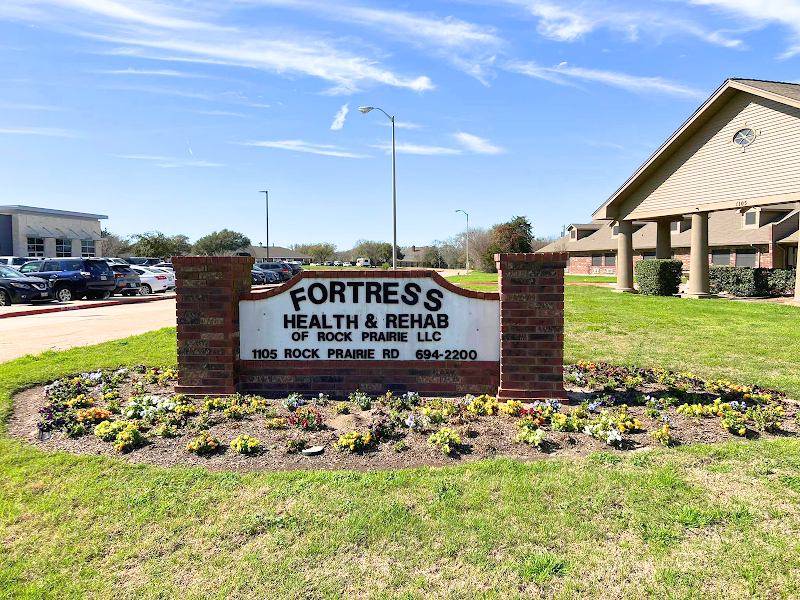
How is Fortress Nursing And Rehabilitation Staffed?

CMS rates FORTRESS NURSING AND REHABILITATION's staffing level at 2 out of 5 stars, which is below average compared to other nursing homes. Staff turnover is 68%, which is 22 percentage points above the Texas average of 46%. High turnover can affect care consistency as new staff learn residents' individual needs.

What Have Inspectors Found at Fortress Nursing And Rehabilitation?

State health inspectors documented 31 deficiencies at FORTRESS NURSING AND REHABILITATION during 2022 to 2025. These included: 7 Immediate Jeopardy (the most serious level, indicating potential for serious harm or death), 2 that caused actual resident harm, and 22 with potential for harm. Immediate Jeopardy findings are rare and represent the most serious regulatory concerns. They require immediate corrective action.
Who Owns and Operates Fortress Nursing And Rehabilitation?

FORTRESS NURSING AND REHABILITATION is owned by a for-profit company. For-profit facilities operate as businesses with obligations to shareholders or private owners. The facility is operated by CREATIVE SOLUTIONS IN HEALTHCARE, a chain that manages multiple nursing homes. With 120 certified beds and approximately 60 residents (about 50% occupancy), it is a mid-sized facility located in COLLEGE STATION, Texas.
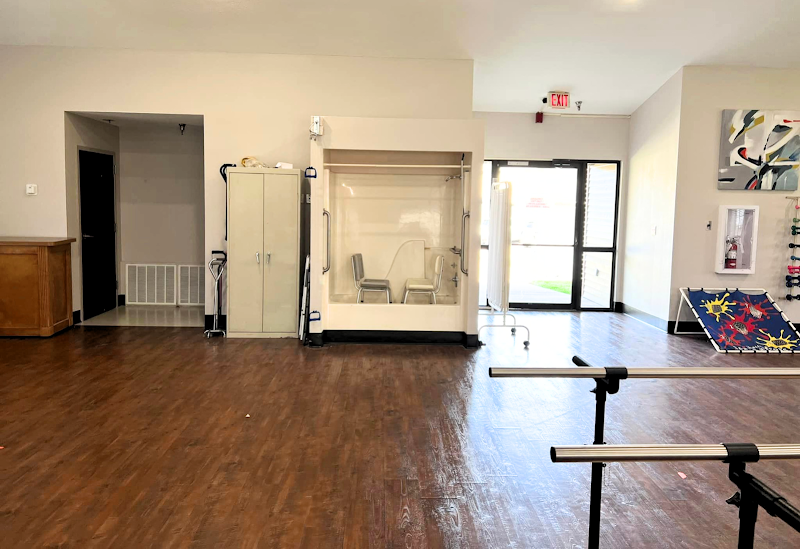
How Does Fortress Nursing And Rehabilitation Compare to Other Texas Nursing Homes?

Compared to the 100 nursing homes in Texas, FORTRESS NURSING AND REHABILITATION's overall rating (2 stars) is below the state average of 2.8, staff turnover (68%) is significantly higher than the state average of 46%, and health inspection rating (2 stars) is below the national benchmark.

What Should Families Ask When Visiting Fortress Nursing And Rehabilitation?

Based on this facility's data, families visiting should ask: "What changes have been made since the serious inspection findings, and how are you preventing similar issues?" "How do you ensure continuity of care given staff turnover, and what is your staff retention strategy?" "Can you walk me through typical staffing levels on day, evening, and night shifts?" "Can I visit during a mealtime to observe dining assistance and food quality?" These questions are particularly relevant given the facility's Immediate Jeopardy citations, the facility's high staff turnover rate, and the below-average staffing rating.

Is Fortress Nursing And Rehabilitation Safe?

Based on CMS inspection data, FORTRESS NURSING AND REHABILITATION has documented safety concerns. Inspectors have issued 7 Immediate Jeopardy citations (the most serious violation level indicating risk of serious injury or death). The facility has a 2-star overall rating and ranks #100 of 100 nursing homes in Texas. Families considering this facility should ask detailed questions about what corrective actions have been taken since these incidents.

Do Nurses at Fortress Nursing And Rehabilitation Stick Around?

Staff turnover at FORTRESS NURSING AND REHABILITATION is high. At 68%, the facility is 22 percentage points above the Texas average of 46%. High turnover means new staff may not know residents' individual needs, medications, or preferences. It can also be disorienting for residents, especially those with dementia who rely on familiar faces. Families should ask: What is causing the turnover? What retention programs are in place? How do you ensure care continuity during staff transitions?

Was Fortress Nursing And Rehabilitation Ever Fined?

FORTRESS NURSING AND REHABILITATION has been fined $90,768 across 2 penalty actions. This is above the Texas average of $33,987. Fines in this range indicate compliance issues significant enough for CMS to impose meaningful financial consequences. Common causes include delayed correction of deficiencies, repeat violations, or care failures affecting resident safety. Families should ask facility leadership what changes have been made since these penalties.

Is Fortress Nursing And Rehabilitation on Any Federal Watch List?

FORTRESS NURSING AND REHABILITATION is not on any federal watch list. The most significant is the Special Focus Facility (SFF) program, which identifies the bottom 1% of nursing homes nationally based on persistent, serious quality problems. Not being on this list means the facility has avoided the pattern of deficiencies that triggers enhanced federal oversight. This is a positive indicator, though families should still review the facility's inspection history directly.