BLUEBONNET POINT WELLNESS
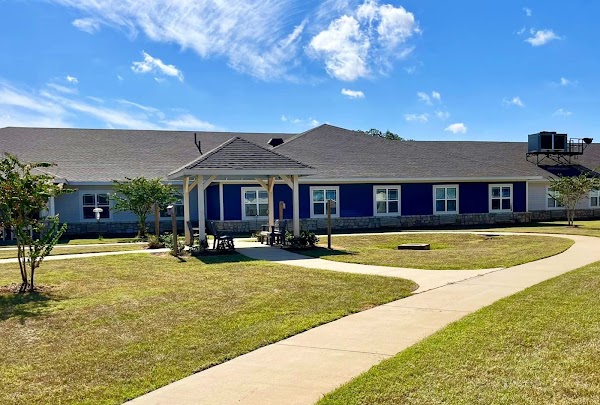
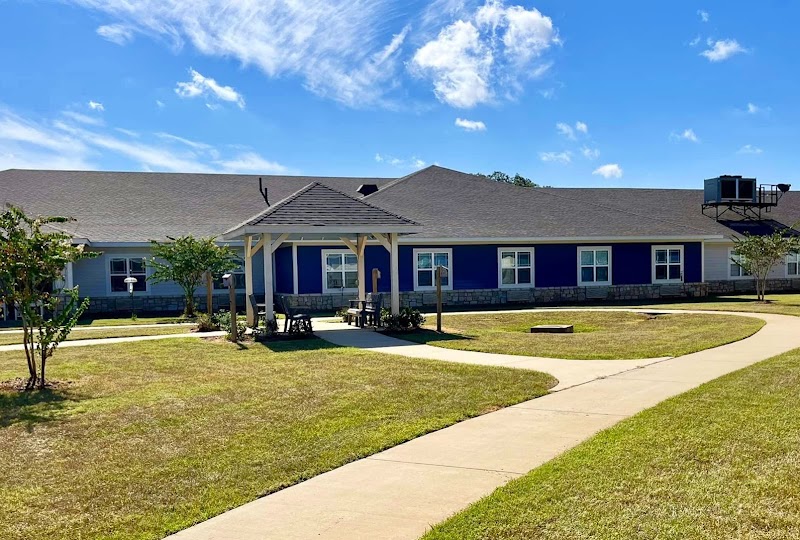
151 HERITAGE SPRINGS DRIVE, BULLARD, TX 75757 (430) 205-2024
For profit - Corporation 119 Beds CREATIVE SOLUTIONS IN HEALTHCARE Data: November 2025 7 Immediate Jeopardy citations
Trust Grade
0/100
#936 of 1168 in TX
Last Inspection: August 2025

Inspected within the last 6 months. Data reflects current conditions.

Overview

Bluebonnet Point Wellness has received a Trust Grade of F, indicating significant concerns about the facility’s quality and care. With a state rank of #936 out of 1168, they sit in the bottom half of Texas nursing homes, and at #14 out of 17 in Smith County, only one facility is rated worse. The situation is worsening, with reported issues increasing from 10 in 2024 to 18 in 2025. Staffing is a positive note, as the facility has a turnover rate of 0%, which is well below the Texas average, but the overall staffing rating is poor at 1 out of 5 stars. Unfortunately, the facility has also accumulated $220,948 in fines, which is concerning and indicates ongoing compliance problems. Critical incidents include failing to notify a resident's physician about significant health changes, such as not administering prescribed medications and not addressing a seizure, which led to immediate jeopardy. Additionally, there was a failure to conduct necessary neurological assessments after a resident's fall, resulting in hospitalization for a subdural hematoma. While the low turnover rate suggests some staff stability, the overall care and compliance issues raise serious red flags for prospective residents and their families.

Trust Score
F
0/100
In Texas
#936/1168
Bottom 20%
Safety Record
High Risk
Review needed
Inspections
Getting Worse
10 → 18 violations
Staff Stability
○ Average
Turnover data not reported for this facility.
Penalties
⚠ Watch
$220,948 in fines. Higher than 98% of Texas facilities. Major compliance failures.
Skilled Nurses
⚠ Watch
Each resident gets only 25 minutes of Registered Nurse (RN) attention daily — below average for Texas. Fewer RN minutes means fewer trained eyes watching for problems.
Violations
⚠ Watch
33 deficiencies on record. Higher than average. Multiple issues found across inspections.
★☆☆☆☆
1.0
Overall Rating
★☆☆☆☆
1.0
Staff Levels
★★☆☆☆
2.0
Care Quality
★☆☆☆☆
1.0
Inspection Score
Stable
2024: 10 issues
2025: 18 issues

The Good

  • Full Sprinkler Coverage · Fire safety systems throughout facility
  • No fines on record

Facility shows strength in fire safety.

The Bad

1-Star Overall Rating

Below Texas average (2.8)

Significant quality concerns identified by CMS

Federal Fines: $220,948

Well above median ($33,413)

Significant penalties indicating serious issues

Chain: CREATIVE SOLUTIONS IN HEALTHCARE

Part of a multi-facility chain

Ask about local staffing decisions and management

The Ugly 33 deficiencies on record

7 life-threatening 1 actual harm
Aug 2025 3 deficiencies
CONCERN (D)

Potential for Harm - no one hurt, but risky conditions existed

MDS Data Transmission (Tag F0640)

Could have caused harm · This affected 1 resident

**NOTE- TERMS IN BRACKETS HAVE BEEN EDITED TO PROTECT CONFIDENTIALITY** Based on interview and record review, the facility failed to ensure an encoded, accurate, and complete MDS assessment was electr...

Read full inspector narrative →
**NOTE- TERMS IN BRACKETS HAVE BEEN EDITED TO PROTECT CONFIDENTIALITY** Based on interview and record review, the facility failed to ensure an encoded, accurate, and complete MDS assessment was electronically transmitted to the CMS System within 14 days after completion for 1 of 6 residents (Resident #74) reviewed for encoding/transmitting assessments.The facility failed on 08/04/2025 to transmit a quarterly assessment to CMS for Resident #74 within 14 days of completion when the assessment was completed on 07/21/2025 by the Corporate RN Assessment Coordinator and the facility submitted the quarterly assessment for Resident #74 to CMS 9 days pass due on 08/13/2025. This failure could place residents at risk of not having records completed and submitted in a timely manner as required.Findings included:Record review of a face sheet dated 08/13/2025 indicated Resident #74 was a [AGE] year-old female who admitted to the facility on [DATE] with diagnoses which included aortocoronary bypass graft (a surgical procedure to treat coronary artery disease), congestive heart failure (a chronic condition in which the heart does not pump blood as well as it should), atherosclerotic coronary heart disease (damage or disease of the heart's major blood vessels), and diabetes.Record Review of Resident #74's quarterly MDS dated [DATE] indicated the MDS target date was 07/07/2025 and was signed as completed on 07/21/2025 by the corporate RN Assessment Coordinator. The MDS was marked as accepted by CMS on 08/08/2025. The MDS was to be submitted to CMS by 08/04/2025 (within 14 days of completion): 07/21/2025 plus 14 days equals 08/04/2025.Record review of a MDS 3.0 NH CMS Submission Final Validation report printed 08/13/2025 indicated the facility tracking form assessment was submitted late indicated by: Warning: Record Submitted Late: The submission date is more than 14 days after Z0500B on this new (A0050 equals 1) assessment.During an interview on 08/13/2025 at 9:30 AM with the MDS Coordinator B, said she or the other MDS Coordinator were not responsible for submitting the MDS assessments. She said she did not know why it had not been transmitted timely to the CMS system because the RN that signs the MDS as being completed was the person responsible for uploading the MDS Assessments. The MDS Coordinator said it was important to complete and transmit the MDS assessments timely because they affect quality of care measures. She said failure to complete and transmit MDS assessments could result in inaccurate Quality Measures. The MDS Coordinator said the facility used the RAI 3.0 Manual's schedule for completing and transmitting all MDS assessments. During an interview with the Administrator on 08/13/2025 at 10:20 AM, she said she expected the MDS assessments to be completed and transmitted as scheduled and required by state and federal governing agencies. She said the person responsible for completing the submissions was the Corporate RN responsible for signing the MDS assessments as being completed. Record review of the CMS's RAI Version 3.0 Manual dated October 2023, Chapter 5: Submission and Correction of Resident Assessments indicated the following: Comprehensive assessments, including the CAA Summary (Section V), must be transmitted within 14 days of the Care Plan Completion Date (V0200C2 + 14 days). Other assessments, like Quarterly and Discharge assessments, must be submitted within 14 days of the MDS Completion Date (Z0500B + 14 days).
CONCERN (D)

Potential for Harm - no one hurt, but risky conditions existed

Assessment Accuracy (Tag F0641)

Could have caused harm · This affected 1 resident

**NOTE- TERMS IN BRACKETS HAVE BEEN EDITED TO PROTECT CONFIDENTIALITY** Based on observation, interview and record review, the facility failed to ensure assessments accurately reflected the resident s...

Read full inspector narrative →
**NOTE- TERMS IN BRACKETS HAVE BEEN EDITED TO PROTECT CONFIDENTIALITY** Based on observation, interview and record review, the facility failed to ensure assessments accurately reflected the resident status for 2 of 12 residents (Resident's #4 and #8) reviewed for MDS assessment accuracy.The facility failed to ensure a comprehensive MDS assessment dated [DATE] for Resident #4 captured oxygen use, suctioning, and tracheostomy care.The facility failed to ensure a quarterly MDS assessment dated [DATE] for Resident #8 was not inaccurately coded for tracheostomy, dialysis, and hospice care. These failures could place residents at risk of not receiving adequate care and services to meet their needs. Findings included:1.Record review of a facility face sheet dated 8/13/25 for Resident #4 indicated he was a [AGE] year-old male admitted to the facility on [DATE] with diagnosis of acute respiratory failure with hypoxia. Record review of a Comprehensive MDS assessment dated [DATE] for Resident #4 indicated a BIMS assessment should not be completed due to resident being rarely/never understood. He had moderate cognitive impairment. Assessment reference dated was 7/27/25 with Section O (Special Treatments, Procedures, and Programs) not reflecting use of oxygen therapy, suctioning or tracheostomy care during the previous 14 days, while a resident, or not a resident of the facility. Record review of a Physician's Order Summary Report dated 8/13/25 for Resident #4 indicated he had the following physician orders: .Trach care 2 times a day prn. dated 7/22/25.change inner cannula Q7day one time a day every Thursday. dated 7/22/25 .change trach ties one time a day every Thursday. dated 7/22/25 .tracheal suctioning Q HR prn (as needed) every shift. dated 7/22/25 .oxygen at 8LPM via trach collar with humidification at 28 FiO2 every shift. dated 8/9/25Record review of a comprehensive care plan dated 8/8/25 for Resident #4 indicated he had a tracheostomy with an intervention to suction as necessary, and that he received oxygen therapy. Record review of a physician progress note dated 7/23/25 for Resident #4 and signed by MD G read: .today.the nurses removed his cannula and cleaned it. Suction[ed] easily. Record review of a nursing progress note dated 7/27/25 for Resident #4 and signed by LVN F read: .O2 LPM: 8L/M (Liters per minute) trach. 2. Record review of a face sheet dated 8/11/2025 for Resident #8 indicated she was an [AGE] year-old female who admitted to the facility on [DATE] with diagnoses which included dementia, heart failure, diabetes, chronic obstructive pulmonary disease (a group of lung diseases that block airflow and make it difficult to breathe), and anemia. Observation on 8/11/25 at 9:45 AM revealed Resident #8 was lying in bed with her head slightly elevated. Resident was asleep. Respirations were even, unlabored, and quiet. No observation of a tracheostomy or ventilator were noted, and she was not receiving any oxygen therapy. No evidence of a dialysis shunt on the arms or neck was noted. Record review of a quarterly MDS assessment dated [DATE] for Resident #8 reflected she had a BIMS score of 4 indicating her cognition was severely impaired. The Assessment Reference Date was 6/9/2025 with Section O (Special Treatments, Procedures, and Programs) reflecting Resident #8 was receiving hospice, dialysis, and tracheostomy care and services. Record review of physician orders dated 06/11/15 for Resident #8 indicated no orders for dialysis, hospice, or tracheostomy care and services. Record review of a care plan dated 8/11/2025 for Resident #8 indicated no concerns for or interventions to address dialysis, hospice, tracheostomy, or ventilator care and services. During an interview on 08/11/25 at 3:15 PM, RN H said Resident #8 did not have a tracheostomy and was not receiving dialysis nor hospice care. RN H said Resident #8 had never had a tracheostomy. During an interview with MDS Coordinator A on 8/12/25 at 3:24 PM, who said Resident #8 had not been on hospice, received dialysis, nor had a tracheostomy. She said Resident #8's quarterly assessment dated [DATE] was incorrectly coded for dialysis, hospice, tracheostomy, and ventilator care and services. MDS Coordinator A said she was the nurse who coded the assessment. She said she must have been thinking of another resident when she coded the assessment. MDS Coordinator A said the facility used the RAI 3.0 Manual as their guide for coding MDS assessments. MDS Coordinator A said the MDS assessments needed to be accurate because they serve as a guide for determining residents' care needs. During an interview with the Administrator on 06/12/2025 at 3:45 PM, who said she expected the MDS Nurses to correctly code the MDS assessments. Review of CMS's RAI Version 3.0 Manual: Section 1.3 Completion of the RAI indicated the following: While its primary purpose as an assessment instrument is to identify resident care problems that are addressed in an individualized care plan, data collected from MDS assessments are also used for the Skilled Nursing Facility Prospective Payment System (SNF PPS) Medicare reimbursement system, many State Medicaid reimbursement systems, and monitoring the quality of care provided to nursing home residents.The RAI process has multiple regulatory requirements. Federal regulations at 42 CFR 483.20 (b)(1)(xviii), (g), and (h) require that (1) the assessment accurately reflects the resident's status.As such, nursing homes are responsible for ensuring that all participants in the assessment process have the requisite knowledge to complete an accurate assessment.
CONCERN (D)

Potential for Harm - no one hurt, but risky conditions existed

Infection Control (Tag F0880)

Could have caused harm · This affected 1 resident

**NOTE- TERMS IN BRACKETS HAVE BEEN EDITED TO PROTECT CONFIDENTIALITY** Based on observations, interviews, and record reviews the facility failed to establish and maintain an infection prevention and ...

Read full inspector narrative →
**NOTE- TERMS IN BRACKETS HAVE BEEN EDITED TO PROTECT CONFIDENTIALITY** Based on observations, interviews, and record reviews the facility failed to establish and maintain an infection prevention and control program designed to provide a safe, sanitary, and comfortable environment and to help prevent the development and transmission of communicable diseases and infections for 1 of 6 residents (Resident #36) and 1 of 6 staff (CNA E) reviewed for infection control. The facility failed to ensure CNA E changed gloves when going from dirty to clean and washed or sanitized her hands between glove changes when providing care to Resident #36 on 8/12/2025.These failures could place residents at risk of exposure to infectious diseases due to improper infection control practices.Findings included:Record review of a facility face sheet dated 8/13/25 for Resident #36 indicated she was a [AGE] year-old female admitted to the facility on [DATE] with diagnosis of dementia.Record review of a Quarterly MDS assessment dated [DATE] for Resident #36 indicated a BIMS score of 06 which indicated she had severely impaired cognition. She required substantial/maximal assistance with all ADLs. She was always incontinent to bowel and bladder. Record review of a comprehensive care plan dated 6/5/25 for Resident #36 indicated she had an ADL self-care performance deficit and was dependent on 2 staff members for toileting.During an observation on 8/12/25 at 9:20 am CNA E was observed to provide incontinent care to Resident #36 with assistance of 2 staff members. After performing care on pubic/groin area, resident was rolled over and CNA E cleaned rectal area and buttocks. Soiled brief was then removed from underneath resident, and without changing her gloves, CNA E then placed clean brief underneath resident and applied barrier cream. CNA E then proceeded to remove her gloves and without using hand sanitizer, or washing her hands with soap and water, she applied new gloves and applied clean brief to Resident #36.During an interview on 8/12/25 at 9:30 am CNA E said she did not use sanitizer or wash her hands between her glove change and said she did not change her gloves before placing clean brief on resident. She said she should have put on clean gloves before applying the clean brief, and she said she should have used hand sanitizer or washed her hands between her glove change. She said it could cause cross contamination and put residents at risk of infection if hand were not cleaned appropriately. During an interview on 8/12/25 at 9:40 am ADON C said she expected CNAs to appropriately change gloves when going from dirty to clean and the use sanitizer or wash hands between glove changes. She said it was an infection control risk if appropriate hand hygiene was not performed. During an interview on 8/12/25 at 2:45 pm ADON D said she expected her staff to perform appropriate hand hygiene during perineal care. She said residents could be at risk for cross contamination and spreading of infections if hand hygiene was not performed as required. During an interview on 8/13/25 at 1:42 pm DON said he expected his staff to follow policy and procedures. He said residents could be at risk of infections if gloves were soiled and not changed appropriately or if proper hand hygiene were not performed. He said residents and staff could be at risk for outbreaks of diseases. He said he and ADON D were both responsible for staff training/checkoffs. He said they would be doing check offs more often to improve compliance.During an interview on 8/13/25 at 2:55 pm Administrator said she expected her staff to follow infection control policy and procedures. She said residents could be at risk for infections if proper hand hygiene was not followed. She said going forward, she would be re-educating and training staff to ensure compliance.Record review of a facility policy titled Perineal Care dated 5/11/22 indicated after providing care to back (rectal/buttock) area: .doff (remove) gloves.perform hand hygiene. and .conclude: .provide resident comfort and safety by reclothing (if applicable - incontinent pad(s) and brief. and .always perform hand hygiene before and after glove use.
Jul 2025 2 deficiencies 2 IJ (2 affecting multiple)
CRITICAL (K) 📢 Someone Reported This

A family member, employee, or ombudsman was alarmed enough to file a formal complaint

Immediate Jeopardy (IJ) - the most serious Medicare violation

Notification of Changes (Tag F0580)

Someone could have died · This affected multiple residents

**NOTE- TERMS IN BRACKETS HAVE BEEN EDITED TO PROTECT CONFIDENTIALITY** Based on observation, interview and record review, the facility failed to immediately consult with the resident's physician and ...

Read full inspector narrative →
**NOTE- TERMS IN BRACKETS HAVE BEEN EDITED TO PROTECT CONFIDENTIALITY** Based on observation, interview and record review, the facility failed to immediately consult with the resident's physician and notify the resident representative of a significant change in the resident's physical, mental, or psychosocial status (that is, a deterioration in health, mental, or psychosocial status in either life-threatening conditions or clinical complications) for 1 (Resident #1) of 10 residents reviewed for notification of changes.The facility failed to notify Resident #1's physician when they did not administer his valproic acid, topiramate, levetiracetam, and lacosamide on 07/22/25-07/25/25 as ordered.The facility failed to notify Resident #1's physician after he had a seizure on 07/25/25.The noncompliance was identified as PNC. The Immediate Jeopardy (IJ) began on 07/22/2025 and ended on 07/26/2025. The facility had corrected the noncompliance before the survey began. Findings included: Record Review of Resident #1's face sheet dated 07/27/25 indicated the resident was a [AGE] year-old male with an original admission date of 07/10/2025 and readmission date of 07/22/2025. The resident had diagnoses including acute respiratory failure with hypoxia (a life threatening condition where the lungs cannot adequately oxygenate the blood, resulting in low blood oxygen levels), epilepsy with status epilepticus (a serious neurological condition where seizures are prolonged or occur frequently without recovery between them, posing a risk of brain damage), stroke, and high blood pressure.Record Review of Resident #1's readmission assessment note dated 07/22/2025 indicated there was no BIMS score due to resident's inability to answer questions. Resident #1 was alert but unable to speak due to the presence of a tracheostomy tube (a curved hollow tube inserted into a surgically created opening in the neck to create and airway into the windpipe), he had an indwelling urinary catheter and was incontinent of bowel, required extensive to total assistance for ADLs, he had a feeding tube inserted into his abdomen, and had a cough and abnormal lungs sounds of rhonchi (low-pitched, continuous, and rattling sounds heard during breathing, often described as resembling snoring or gurgling. Record Review of Resident #1's care plan with initiation date 0710/2025 and revised 07/26/2025 indicated the resident had a seizure disorder and interventions included for the facility staff to: administer seizure medication as ordered by the doctor, and seizure documentation should have included location of seizure activity, type of seizure activity (jerks, convulsive movements, trembling), duration, level of consciousness, any incontinence, sleeping or dazed post-ictal state, after seizure activity. Review of Resident #1's Physician Orders last updated 07/26/25 included: Lacosamide Oral Solution 10 mg/ml Give 20 ml via G-tube two times a day for epilepsy, Levetiracetam 100 mg/ml Give 15 ml via G-tube twice a day for epilepsy, Topiramate 100 mg tablet Give one via G-tube two times a day for epilepsy, and Valproic Acid 250 mg/5 ml Give 10 ml via G-tube three times a day for epilepsy.Review of Resident #1's hospital after visit summary dated 07/23/2025 indicated the resident was to receive Lacosamide Oral Solution 10 mg/ml Give 20 ml via G-tube three times a day, Levetiracetam 100 mg/ml Give 15 ml via G-tube every 12 hours, Topiramate 100 mg tablet Give one via G-tube two times a day, and Valproic Acid 250 mg/5 ml Give 10 ml via G-tube every 8 hours.Review of Resident #1's electronic MAR dated July 2025 indicated the following:Lacosamide Oral Solution 10 mg/ml Give 20 ml via G-tube two times a day for epilepsy was marked as unavailable for the PM dose on 07/22/2025,the AM dose on 07/23/2025 was blank and not marked as given, the PM dose for 07/23/2025, the AM dose for 07/24/2025 was marked as given, the PM dose for 07/24/2025 was marked as not given and the AM dose on 07/25/2025 was marked as given. There was no reason given for the blank and not given marks.Review of Resident #1's electronic MAR dated July 2025 indicated the following:Levetiracetam 100 mg/ml Give 15 ml via G-tube twice a day. The 9:00 PM dose on 07/22/2025 was marked as unavailable, the 9:00AM on 07/23/2025 was blank and not marked as given, the 9:00 PM dose for 07/23/2025 was marked as given, the 9:00 AM dose for 07/24/2025 was marked as given, the 9:00 PM dose on 07/24/2025 was marked as not given, the 9:00 AM dose on 07/25/2025 was marked as unavailable. There was no reason given for the blank and not given marks. Review of Resident #1's electronic MAR dated July 2025 indicated the following:Topiramate 100 mg tablet Give one via G-tube two times a day the AM dose on 07/22/2025 was not marked as given and was blank. There was no reason given for the blank space.Review of Resident #1's electronic MAR dated July 2025 indicated the following:Valproic Acid 250 mg/5 ml Give 10 ml via G-tube three times a day for epilepsy was marked as unavailable for the 9:00 PM dose on 07/22/2025, the 9:00 AM dose and 3:00 PM doses on 07/23/2025 were blank and not marked as given. The 9:00 AM, 3:00 PM and 9:00 PM doses on 07/24/2025 were marked as given. The 9:00 AM, 3:00 PM and 9:00 PM doses on 07/25/2025 were marked as given. There was no reason given for the blank and not given marks. During an interview on 07/27/2025 at 8:23 AM, Resident #1's family member said she was visiting Resident #1 around 1:00 PM-1:45 PM on 07/25/2025, when he had a seizure. Resident #1's family member said she called the nurse to the room for assistance, and LVN A assessed Resident #1 and told them he would probably be a little sleepy. Resident #1's family member said LVN A told her she would call the doctor to see if he wanted to do any labs. Resident #1's family member said later in the evening of 07/25/2025 she went to check on Resident #1 and was informed by LVN B that Resident #1's seizure medications had not been administered prior to 07/25/2025. Resident #1's family member said LVN B told her his seizure medications had just arrived (07/25/2025). Resident #1's family member said she had LVN B print her Resident #1's medication administration record and his seizure medications were marked as unavailable or administered. Resident #1's family member said the nurses falsified the documentation because the seizure medications were not in the facility. Resident #1's family member said she was very concerned about her family member because he had a history of seizures, and in the past had been hospitalized due to uncontrolled seizures that would not stop. Resident #1's family member said she had contacted the DON and ADON C and explained her concerns regarding Resident #1's seizure medications. Resident #1's family member said the DON told her the pharmacy did not provide the medications because they were out. Resident #1's family member said the DON told her they had ordered the medications on 7/25/2025. During an interview on 07/27/2025 at 11:00 AM, LVN A said the process for when patients admitted /re-admitted was that they verified the orders with the doctor, and then they carried the orders out. LVN A said when they put the orders in the electronic health record the pharmacy sent the medications the same night. LVN A said she re-admitted Resident #1 on 07/22/2025, and she verified his admission orders. LVN A said she normally tried to call the pharmacy to notify them of admission, but she did not have the time to call because she had two admissions back-to-back. LVN A said she was off the 2 days following Resident #1's admission (did not work on 07/23/2025 and 07/24/2025). LVN A said when she returned to work on 07/25/2025, the night nurse LVN D told her not all of Resident #1's medications had been delivered. LVN A said she contacted the pharmacy and gave them a list of the medications that were missing, and they had them delivered that night. LVN A said if a resident was missing medications, they are supposed to call the pharmacy to check on the medications and notify the doctor. LVN A said she did not notify the doctor the medications were not delivered, and Resident #1 missed doses of his seizure medications. LVN A said on Friday, 07/25/2025, Resident #1 had a small seizure. LVN A said she failed to notify the doctor Resident #1 had a seizure. LVN A said she should have notified the doctor, but she did not because she was busy and was sending out a different resident to the hospital when Resident #1 had his seizure. LVN A said it was important to notify the doctor of changes in condition because the doctor may want to order labs and adjust medications. LVN A said not notifying the doctor of changes in condition could result in seizures and hospitalizations. LVN A said not administering medications could result in seizures and high blood pressures that it depended on the medication what adverse effect resulted. During an interview on 07/27/2025 at 11:38 AM, LVN D said when a resident admitted /re-admitted to the facility the admitting nurse was responsible for putting in the orders in the electronic health record. LVN D said the orders should be sent to the pharmacy or they should call the pharmacy to notify them of the resident's admission so the medications could be sent. LVN D said if a resident's medication was not delivered from the pharmacy, they should indicate on the MAR the medication was unavailable and notify the pharmacy and management. LVN D said they should also notify the doctor the medication was not given. LVN D said she did not attempt to order Resident #1's medications until Thursday (07/24/2025) night. LVN D said she had not notified the doctor of Resident #1's missed doses because she thought she did not have to notify the doctor unless 3 doses were missed. LVN D said she tried to document unavailable or not administered for Resident #1's medications that she did not administer. LVN D said depending on the medication that was not administered the residents could have multiple adverse reactions such as high blood pressure and fluid buildup. LVN D said it was important to notify the doctor of missed medications to prevent hospitalizations. During an interview on 07/27/2025 at 12:44 PM, LVN B said all medication were delivered through the facility's pharmacy to the facility. LVN B said if medications were placed in the electronic health record before 3 PM, they would be delivered the same night. LVN B said Resident #1 admitted sometime on the day shift on 07/22/2025. LVN B said Resident #1's medications were not delivered on 07/22/2025. LVN B said she had no idea why Resident #1's medications were not delivered on 07/22/2025. LVN B said she did not work on 07/23/2025 and 07/24/2025. LVN B said on 07/25/2025, when she arrived for her shift, LVN A informed her some of Resident #1's medications had not been delivered, but they would be delivered that night (07/25/2025). LVN B said Resident #1's seizure medications were delivered 07/25/2025 during her night shift, and she was able to administer all of them. LVN B said the doctor should be notified when medications were not available for administration. LVN B said she did not notify the doctor Resident #1 had missed doses of his seizure medications. LVN B said the doctor should have been notified because they were medications that should not be missed, and it placed Resident #1 at risk for seizures and cardiac arrest and it affected the resident's overall health. LVN B said if a resident had a seizure, the doctor, DON, oncoming nurse, and the family should be notified. LVN B said not notifying the physician led to lack of care because the doctor would not know what was going on and it caused a gap in care that the residents needed. During an interview on 07/27/2025 at 1:01 PM, LVN E said the ADONs and DON put in the resident's physician orders into the electronic health record, and from her understanding they went to the pharmacy automatically. LVN E said if there was a new admission they should fax the orders to the pharmacy for the medications to be sent to the facility. LVN E said she worked on 07/23/2025 and 07/24/2025 on the day shift. LVN E said she did not administer any medications to Resident #1 on 07/23/2025 because she sent him to the hospital. LVN E said she was not able to remember if she had signed off the medications as administered in his MAR or as hospitalized . LVN E said she might have inaccurately documented some of Resident #1's medications as administered, when she did not administer them because she was in a rush and had a lot going on. LVN E said 07/24/2025, she contacted the pharmacy about Resident #1's medications, and the pharmacy told her his medications would be delivered Monday (07/28/2025). LVN E said she did not notify the doctor that Resident #1's medications were not delivered and were not administered. LVN E said at the time she was not aware she was supposed to notify the doctor. LVN E said it was important for the doctor to be notified of missed doses of medication to see if he wanted to order something different. LVN E said Resident #1 not receiving his seizure medications could result in him having seizure. During an interview on 07/27/2025 at 1:16 PM, the Pharmacist said the DON contacted them yesterday (07/26/2025) to ask about Resident #1's medications. The Pharmacist said when Resident #1 re-admitted to the facility for whatever reason they did not get the request to send his medications in their system. The Pharmacist said the facility possibly indicated the medications were on hand, which would result in the medications not being sent out to the facility. The Pharmacist said the request for Resident #1's medications was received on 07/25/2025. The Pharmacist said usually the electronic system used by the facility notified them when a resident admitted , and orders were put in because the facility's system was linked with the pharmacy. During an interview on 07/27/2025 at 1:22 PM, the DON said Resident #1 re-admitted on [DATE] or 07/23/2025. The DON said the nurses did not follow the facility's protocol and notify him Resident #1's medications were not delivered. The DON said the nurses should have notified him, so the doctor could be notified. The DON said late Friday evening (07/25/2025) Resident #1's family member notified him Resident #1 had not received his seizure medications, and he informed her the medications would be delivered to the facility that evening. The DON said they started in-services on abuse and neglect, medication errors, instructed the nurses to notify him of medications that were not available and notifying the doctor. The DON said LVN D and LVN E were suspended pending investigation due to them failing to notify the DON that Resident #1's medications were not available and documenting medications as administered when they were not available in the facility. The DON said when a resident admitted to the facility, orders were put into their electronic health system and the pharmacy was notified electronically to send the medications. The DON said LVN A did not notify the doctor of Resident #1's seizure. The DON said he reported it to the doctor when he was notified that Resident #1 had a seizure. The DON said medications not being administered greatly increased the residents' chances of negative outcomes such as increased seizure activity and death. The DON said it was important to notify the doctor of changes in condition because it was the cornerstone of good patient care and so they could have documentation that something was done. During an interview on 07/27/2025 at 1:42 PM, ADON F said when a resident admitted to the facility the medications should be put into the electronic health record and the orders go to the pharmacy automatically. ADON F said when Resident #1 re-admitted to the facility nobody notified the pharmacy of his admission. ADON F said when Resident #1's medications were not delivered, they should have contacted the pharmacy. ADON F said she was not notified by the nurses that Resident #1's medications were not delivered. ADON F said the nurses should have notified the doctor of the medications that were not administered to Resident #1. ADON F said medications not administered as ordered could affect the residents' health, and they could end up dying or having a diminished quality of life. ADON F said when a resident had a change in condition the doctor should be notified. ADON F said it was important to notify the doctor to see if it was a one-time thing or to see if medications needed to be adjusted. During an interview on 07/27/2025 at 2:34 PM, the Regional Compliance Nurse said she had reviewed the admissions/re-admissions to make sure their orders and medications were in the facility on 07/26/2025. The Regional Compliance Nurse said she completed care plan audits to ensure residents receiving anti-convulsant medications had a care plan for them on 07/26/2025. The Regional Compliance Nurse said she reviewed the physician orders of residents who received anti-convulsant medications and verified their medications were in the facility. The Regional Compliance Nurse said the doctor was notified of Resident #1's medication error and he ordered loading doses on Resident #1's seizure medications and labs for Wednesday 07/30/2025. The Regional Compliance Nurse said in-services on change in condition, abuse and neglect, medication errors, following the physician orders, new/admission/readmission ordering medications, seizure management, medication reconciliation, medication administration, and following the doctor's orders and standing orders for labs upon admission were conducted. During an interview on 07/27/2025 2:41 PM, ADON C said when a resident was admitted to the facility the pharmacy received notification of the admission. ADON C said there was some kind of error in their system, and the pharmacy was not notified of Resident #1's admission. ADON C said when a resident had a change in condition the physician should be notified. ADON C said it was important for the physician to be notified of changes in condition for continuation of care and so they addressed the residents' changes in condition. ADON C said she spoke with Resident #1's family member regarding their concerns about Resident #1's seizure medications not being administered. ADON C said she talked to the nurses and started in-services with the nurses. ADON C said if a medication was unavailable the nurses needed to notify the doctor, DON, and pharmacy. ADON C said depending on the type of medication if a medication was not administered it could cause serious effects and the residents' labs could be affected. During an interview on 07/27/2025 at 5:21 PM, the Administrator said when a resident admitted to the facility she expected for the nurses to look at the doctor's orders, call the pharmacy, and let them know what medications the resident needed. The Administrator said if a medication was not available, the nurses should notify the physician and see what the physician wanted to order to replace the medication until the pharmacy filled the order. The Administrator said the nurse was responsible for ensuring the medications were in the facility and nurse management should provide oversight. The Administrator said it was important for the medications to be administered to prevent negative experiences. The Administrator said when Resident #1 returned on 07/22/2025 the nurses were supposed to contact the pharmacy to notify them of his return. The Administrator said the nurses failed to notify the pharmacy. The Administrator said she was notified yesterday morning (07/26/2025), that Resident #1 had not received his seizure medications. The Administrator said she was also notified Resident #1 had a seizure and the physician was not notified. The Administrator said she expected for all changes in condition to be reported to the physician. The Administrator said it was important for the physician to be notified of changes in condition to prevent things from happening such as a seizure. During an interview on 07/27/2025 at 7:45 PM, the Medical Director said he was not notified that Resident #1's seizure medications were not administered. The Medical Director said he was not notified Resident #1 had a seizure. The Medical Director said the facility typically reached out to his NP for orders, but he believed she had not been notified either. The Medical Director said Resident #1 not receiving his seizure medications for a couple days could absolutely cause him to have seizures. The Medical Director said he was surprised Resident #1 only had a small seizure because the missed doses could have resulted in more severe seizures. During an interview on 07/27/2025 at 7:56 PM, the NP said she was not notified Resident #1's seizure medications were not administered or that he had a seizure. The NP said she expected the nurses to notify her if this occurred. The NP said she was in the facility often and typically the nurses notified her Monday-Friday of anything that happened. The NP said Resident #1's seizure medications not being administered could result in him having seizures. Review of In-service documentation indicated the following: No staff will be allowed to take a shift until in-service education is completed. The following in-services were initiated on 07/26/2025 at 10:15 AM by the DON, ADON and regional nurse. Staff were sent the in-services via email to review prior to reporting for their shifts. The training was still ongoing at the time of the investigation. All Staff: Change in Condition and Abuse and NeglectNurses and Medication Aides: Medication Administration, Unavailable medications, Medication Error, Following physician orders, New/Admission/readmission ordering medications, Seizure Management, Medication Reconciliation During an interview on 07/28/2025 at 8:45 AM the Division Director of Clinical Services said Resident #1 originally admitted to the facility on [DATE] but returned to the hospital that same day. She said he did not re-admit until 07/22/2025. She said he went back to the hospital on [DATE] and returned to the facility later that same day. She said the emergency medication kit did not contain any liquid medications but the tablet medications were available. She said the pharmacy did not have one of the liquid medications. She said the physician and DON were not notified of the medications being unavailable for administration. During an interview on 07/28/2025 at 9:05 AM the administrator said the in-services were sent by email to staff to read and then the staff members were required to read and sign the in-service sheets when they physically returned to the facility for work. The signature sheets were verified by the administrator, DON, or ADONs for completion prior to working their shifts. During an interview on 07/28/2025 the Regional Compliance nurse said when it was discovered in the late afternoon on 07/25/2025 medications had not been administered and no one had informed the management of the absence of the medications for Resident #1 she said they immediately began to remedy the situation. She said the resident had multiple admissions/re-admissions to the facility in a short period of time. She said she thought the pharmacy was not sure if the resident was actually in the facility. She said the facility should have called the pharmacy to verify the resident's admission and that the medications could be filled and delivered. She said the pharmacy delivers medications twice a day and if an order can be placed by 6 PM it would be delivered that night around 11 PM. She said the pharmacy had been known to fill and deliver a medication stat (needed immediately). She said the error occurred due to poor communication and follow through. She said Resident #1 admitted on the afternoon of 07/22/2025 and medications had been reviewed and input into the electronic health record. She said apparently the order button was not pushed to send the request to the pharmacy but she was not sure exactly what happened. She said the night nurse (coming on at 6 PM) thought the medications had already been ordered and so she did not order them. She said the admitting nurse was off the next 2 days and would have caught the missed medications the next day, but did not catch the error until her return on 7/25/2025. She said the crushable medications were available from the emergency medication kit. She said they began by auditing physician orders for residents receiving anticonvulsants and for the presence of the medications in the facility. She said the MARs were checked for administration. She said the care plans were audited for seizure medication and updated as needed. She said in-servicing of staff began 07/26/2025. She said 2 nurses were suspended pending the investigation as they had signed the MAR indicating they gave Resident #1 the medications that were not present in the facility. She said other nurses indicated the medications were unavailable but did not notify the DON or physician.During an interview on 07/28/25 at 10:00 AM with RN G said he was provided additional training on many things. He noted Abuse and Neglect, Change of Condition, Medication Administration, Notification of the physician, DON and responsible parties of changes and/or missed medications, ordering of medications and unavailability of medications. He said if their pharmacy did not have a medication available they had 24 hour local pharmacy and they could get their pharmacy to send the prescription there. He indicated a new posting at the nurses' station that listed the 2 local pharmacies available to them. During an interview on 07/28/2025 at 10:05 AM with MDS/LVN H said she received in-services on abuse, neglect, change of condition, missing medications, reporting to the DON, notifying the physician regarding changes and medications not being available. During an interview on 07/28/2025 at 10:10 AM with LVN J indicated Resident #1 resided n her hall. She said she received in-services on abuse, neglect, change of condition, missing medications, reporting to the DON, notifying the physician regarding changes and medications not being available. She said Resident #1's medications were present in the facility and she administered them that morning. She verified all his seizure medications had been given. During an interview on 07/28/2025 at 10:15 AM with ADON C said she completed the audit on the medication carts and verified the presence of anticonvulsant medications with the corresponding physician orders on 07/26/2025. She said all medications were present except one medication that would have been needed that evening and was not in the emergency kit. She said she called the pharmacy and it was delivered as a high priority and was available at time of administration. During an interview on 07/28/2025 at 10:17 AM MA K said she received in-services on abuse, neglect, change of condition, missing medications, reporting to the DON, notifying the physician regarding changes and medications not being available. She said they had to make sure medications were available in house and not just mark the MAR as unavailable and go on to the next resident. She said she would report it to her charge nurse if something was not available and they could possibly get it for her out of the emergency kit. She said if she finished a medication card she checked her cart for an extra card and if not in her cart she would go immediately to let the charge nurse know about the medication. She said she was able to re-order medications on her computer. During an interview on 07/28/2025 at 10:20 AM MA L said she was shadowing MA K and had started work last week. She said she received in-services on abuse, neglect, change of condition, missing medications, reporting to the DON, notifying the physician regarding changes and medications not being available. During an interview on 07/28/2025 at 10:25 AM MA M said she received 5 or 6 in-services on Saturday and 2 more that morning and they included abuse, neglect, change of condition, missing medications, reporting to the DON, notifying the physician regarding changes and medications not being available. She said they were told to report unavailable meds to the charge nurse, ADON or DON so they could re-order it or possibly get it from the emergency kit. During an interview on 07/28/2025 at 10:30 AM with LVN N said she received in-services on abuse, neglect, change of condition, missing medications, reporting to the DON, notifying the physician regarding changes and medications not being available. During an interview on 07/28/2025 at 10:35 AM MA O said she received in-services and they included abuse, neglect, change of condition, missing medications, reporting to the DON, notifying the physician regarding changes and medications not being available. She said they were told to report unavailable meds to the charge nurse, ADON or DON so they could re-order it or possibly get it from the emergency kit. During multiple interviews on 07/28/2025 with general staff from the day shift (6AM-6PM) (Housekeeper P, Housekeeper Q, Housekeeper R, Dietary Manager T, Housekeeping Supervisor U, DA W, [NAME] X, DA FF) from 1:04 PM-1:47 PM indicated they said they had been trained on abuse and neglect and change of condition. They said they were given examples of how to identify a change of condition and report it to the charge nurse. They said the abuse coordinator was the administrator and was who they reported to. During multiple interviews on 07/28/2025 with nurses, CNAs, and Mas from both shifts (6AM-6PM and 6PM-6AM) (CNA S, CNA V, CNA Y, NA Z, HA AA, CNA BB, CNA DD, CNA EE, RN GG, MA HH, MA JJ, LVN KK, RN LL, LVN MM, MA NN, MA OO) from 1:08 PM-2:15 PM indicated they said they had been trained on abuse and neglect, change of condition, medication administration, notification of the physician, DON and responsible parties of changes and/or missed medications, ordering of medications and unavailability of medications.Review of Resident #1's electronic MAR dated July 2025 indicated the following:Lacosamide Oral Solution 10 mg/ml Give 20 ml via G-tube two times a day for epilepsy was marked as given at 6:00 PM on 07/26/2025 and 12:00 AM and 6:00 AM on 07/27/2025.Review of Resident #1's electronic MAR dated July 2025 indicated the following:Levetiracetam 100 mg/ml Give 15 ml via G-tube twice a day. The 9:00 PM dose on 07/25/2025 was marked as given and the 9:00 AM dose was marked as given on 07/26/2025. Review of Resident #1's electronic MAR dated July 2025 indicated the following:Topiramate 100 mg tablet Give one via G-tube two times a day was marked as given two times on 07/25/2025 and two times on 07/26/2025.Review of Resident #1's electronic MAR dated July 2025 indicated the following:Valproic Acid 250 mg/5 ml Give 10 ml via G-tube three times a day for epilepsy was marked as given at 10:00 PM on 07/26/2025 and 9:00 AM, 3:00 PM on 07/27/2025 were marked as given. On 07/28/2025 at 12:54 PM, the Administrator was informed of the Immediate Jeopardy and provided the IJ template. The non-compliance was identified as past non-compliance. The Immediate Jeopardy began on 07/22/2025 and ended on 07/26/2025. The facility had corrected the noncompliance before the survey began.
CRITICAL (K) 📢 Someone Reported This

A family member, employee, or ombudsman was alarmed enough to file a formal complaint

Immediate Jeopardy (IJ) - the most serious Medicare violation

Deficiency F0760 (Tag F0760)

Someone could have died · This affected multiple residents

**NOTE- TERMS IN BRACKETS HAVE BEEN EDITED TO PROTECT CONFIDENTIALITY** Based on observation, interview and record review, the facility failed to ensure each resident's drug regimen was free of signif...

Read full inspector narrative →
**NOTE- TERMS IN BRACKETS HAVE BEEN EDITED TO PROTECT CONFIDENTIALITY** Based on observation, interview and record review, the facility failed to ensure each resident's drug regimen was free of significant medication errors for 1 (Resident #1) of 10 residents reviewed for pharmacy services. The facility failed to order Resident #1's valproic acid, topiramate, levetiracetam, and lacosamide after he re-admitted on [DATE]. Resident #1 had a seizure on 07/25/25. The noncompliance was identified as PNC. The Immediate Jeopardy (IJ) began on 07/22/2025 and ended on 07/26/2025. The facility had corrected the noncompliance before the survey began. This failure could place residents at risk of not receiving the intended therapeutic benefit of the medications and supplements, worsening or exacerbation of chronic medical conditions, and hospitalization.Findings included: Record Review of Resident #1's face sheet dated 07/27/25 indicated the resident was a [AGE] year-old male with an original admission date of 07/10/2025 and readmission date of 07/22/2025. The resident had diagnoses including acute respiratory failure with hypoxia (a life threatening condition where the lungs cannot adequately oxygenate the blood, resulting in low blood oxygen levels), epilepsy with status epilepticus (a serious neurological condition where seizures are prolonged or occur frequently without recovery between them, posing a risk of brain damage), stroke, and high blood pressure.Record Review of Resident #1's readmission assessment note dated 07/22/2025 indicated there was no BIMS score due to resident's inability to answer questions. Resident #1 was alert but unable to speak due to the presence of a tracheostomy tube (a curved hollow tube inserted into a surgically created opening in the neck to create and airway into the windpipe), he had an indwelling urinary catheter and was incontinent of bowel, required extensive to total assistance for ADLs, he had a feeding tube inserted into his abdomen, and had a cough and abnormal lungs sounds of rhonchi (low-pitched, continuous, and rattling sounds heard during breathing, often described as resembling snoring or gurgling.Record Review of Resident #1's care plan with initiation date 0710/2025 and revised 07/26/2025 indicated the resident had a seizure disorder and interventions included for the facility staff to: administer seizure medication as ordered by the doctor, and seizure documentation should have included location of seizure activity, type of seizure activity (jerks, convulsive movements, trembling), duration, level of consciousness, any incontinence, sleeping or dazed post-ictal state, after seizure activity.Review of Resident #1's Physician Orders last updated 07/26/25 included: Lacosamide Oral Solution 10 mg/ml Give 20 ml via G-tube two times a day for epilepsy, Levetiracetam 100 mg/ml Give 15 ml via G-tube twice a day for epilepsy, Topiramate 100 mg tablet Give one via G-tube two times a day for epilepsy, and Valproic Acid 250 mg/5 ml Give 10 ml via G-tube three times a day for epilepsy.Review of Resident #1's hospital after visit summary dated 07/23/2025 indicated the resident was to receive Lacosamide Oral Solution 10 mg/ml Give 20 ml via G-tube three times a day, Levetiracetam 100 mg/ml Give 15 ml via G-tube every 12 hours, Topiramate 100 mg tablet Give one via G-tube two times a day, and Valproic Acid 250 mg/5 ml Give 10 ml via G-tube every 8 hours.Review of Resident #1's electronic MAR dated July 2025 indicated the following:Lacosamide Oral Solution 10 mg/ml Give 20 ml via G-tube two times a day for epilepsy was marked as unavailable for the PM dose on 07/22/2025,the AM dose on 07/23/2025 was blank and not marked as given, the PM dose for 07/23/2025, the AM dose for 07/24/2025 was marked as given, the PM dose for 07/24/2025 was marked as not given and the AM dose on 07/25/2025 was marked as given. There was no reason given for the blank and not given marks.Review of Resident #1's electronic MAR dated July 2025 indicated the following:Levetiracetam 100 mg/ml Give 15 ml via G-tube twice a day. The 9:00 PM dose on 07/22/2025 was marked as unavailable, the 9:00AM on 07/23/2025 was blank and not marked as given, the 9:00 PM dose for 07/23/2025 was marked as given, the 9:00 AM dose for 07/24/2025 was marked as given, the 9:00 PM dose on 07/24/2025 was marked as not given, the 9:00 AM dose on 07/25/2025 was marked as unavailable. There was no reason given for the blank and not given marks. Review of Resident #1's electronic MAR dated July 2025 indicated the following:Topiramate 100 mg tablet Give one via G-tube two times a day the AM dose on 07/22/2025 was not marked as given and was blank. There was no reason given for the blank space.Review of Resident #1's electronic MAR dated July 2025 indicated the following:Valproic Acid 250 mg/5 ml Give 10 ml via G-tube three times a day for epilepsy was marked as unavailable for the 9:00 PM dose on 07/22/2025, the 9:00 AM dose and 3:00 PM doses on 07/23/2025 were blank and not marked as given. The 9:00 AM, 3:00 PM and 9:00 PM doses on 07/24/2025 were marked as given. The 9:00 AM, 3:00 PM and 9:00 PM doses on 07/25/2025 were marked as given. There was no reason given for the blank and not given marks.During an interview on 07/27/2025 at 8:23 AM, Resident #1's family member said she was visiting Resident #1 around 1:00 PM-1:45 PM on 07/25/2025, when he had a seizure. Resident #1's family member said she called the nurse to the room for assistance, and LVN A assessed Resident #1 and told them he would probably be a little sleepy. Resident #1's family member said LVN A told her she would call the doctor to see if he wanted to do any labs. Resident #1's family member said later in the evening of 07/25/2025 she went to check on Resident #1 and was informed by LVN B that Resident #1's seizure medications had not been administered prior to 07/25/2025. Resident #1's family member said LVN B told her his seizure medications had just arrived (07/25/2025). Resident #1's family member said she had LVN B print her Resident #1's medication administration record and his seizure medications were marked as unavailable or administered. Resident #1's family member said the nurses falsified the documentation because the seizure medications were not in the facility. Resident #1's family member said she was very concerned about her family member because he had a history of seizures, and in the past had been hospitalized due to uncontrolled seizures that would not stop. Resident #1's family member said she had contacted the DON and ADON C and explained her concerns regarding Resident #1's seizure medications. Resident #1's family member said the DON told her the pharmacy did not provide the medications because they were out. Resident #1's family member said the DON told her they had ordered the medications on 7/25/2025. During an observation of medication administration on 07/27/2025 starting at 9:08 AM, LVN A administered Resident #1's seizure medications: Lacosamide 10mg/ml give 20 ml 200 mg per g-tube twice daily, date received 7/25/25, 20 ml administered. Valproic Acid 250 mg/5 ml give 10 ml 500 mg via g-tube three times daily, date received 7/25/25, 10 ml administered. Levetiracetam 100 mg/ml give 15 ml 1500 mg per g-tube twice daily, date received 7/25/25, 15 ml administered. Topiramate 100 mg give 1 tab via g-tube two times a day, date received 7/25/25, 1 tab administered.During an interview on 07/27/2025 at 11:00 AM, LVN A said the process for when patients admitted /re-admitted was that they verified the orders with the doctor, and then they carried the orders out. LVN A said when they put the orders in the electronic health record the pharmacy sent the medications the same night. LVN A said she re-admitted Resident #1 on 07/22/2025, and she verified his admission orders. LVN A said she normally tried to call the pharmacy to notify them of admission, but she did not have the time to call because she had two admissions back-to-back. LVN A said she was off the 2 days following Resident #1's admission (did not work on 07/23/2025 and 07/24/2025). LVN A said when she returned to work on 07/25/2025, the night nurse LVN D told her not all of Resident #1's medications had been delivered. LVN A said she contacted the pharmacy and gave them a list of the medications that were missing, and they had them delivered that night. LVN A said if a resident was missing medications, they are supposed to call the pharmacy to check on the medications and notify the doctor. LVN A said she did not notify the doctor the medications were not delivered, and Resident #1 missed doses of his seizure medications. LVN A said on Friday, 07/25/2025, Resident #1 had a small seizure. LVN A said not administering medications could result in seizures and high blood pressures that it depended on the medication what adverse effect resulted. During an interview on 07/27/2025 at 11:38 AM, LVN D said when a resident admitted /re-admitted to the facility the admitting nurse was responsible for putting in the orders in the electronic health record. LVN D said the orders should be sent to the pharmacy or they should call the pharmacy to notify them of the resident's admission so the medications could be sent. LVN D said if a resident's medication was not delivered from the pharmacy, they should indicate on the MAR the medication was unavailable and notify the pharmacy and management. LVN D said they should also notify the doctor the medication was not given. LVN D said she did not attempt to order Resident #1's medications until Thursday (07/24/2025) night. LVN D said depending on the medication that was not administered the residents could have multiple adverse reactions such as high blood pressure and fluid buildup. During an interview on 07/27/2025 at 12:44 PM, LVN B said all medication were delivered through the facility's pharmacy to the facility. LVN B said if medications were placed in the electronic health record before 3 PM, they would be delivered the same night. LVN B said Resident #1 admitted sometime on the day shift on 07/22/2025. LVN B said Resident #1's medications were not delivered on 07/22/2025. LVN B said she had no idea why Resident #1's medications were not delivered on 07/22/2025. LVN B said she did not work on 07/23/2025 and 07/24/2025. LVN B said on 07/25/2025, when she arrived for her shift, LVN A informed her some of Resident #1's medications had not been delivered, but they would be delivered that night (07/25/2025). LVN B said Resident #1's seizure medications were delivered 07/25/2025 during her night shift, and she was able to administer all of them. During an interview on 07/27/2025 at 1:01 PM, LVN E said the ADONs and DON put in the resident's physician orders into the electronic health record, and from her understanding they went to the pharmacy automatically. LVN E said if there was a new admission they should fax the orders to the pharmacy for the medications to be sent to the facility. LVN E said she worked on 07/23/2025 and 07/24/2025 on the day shift. LVN E said she did not administer any medications to Resident #1 on 07/23/2025 because she sent him to the hospital. LVN E said she was not able to remember if she had signed off the medications as administered in his MAR or as hospitalized . LVN E said she might have inaccurately documented some of Resident #1's medications as administered, when she did not administer them because she was in a rush and had a lot going on. LVN E said 07/24/2025, she contacted the pharmacy about Resident #1's medications, and the pharmacy told her his medications would be delivered Monday (07/28/2025). During an interview on 07/27/2025 at 1:16 PM, the Pharmacist said the DON contacted them yesterday (07/26/2025) to ask about Resident #1's medications. The Pharmacist said when Resident #1 re-admitted to the facility for whatever reason they did not get the request to send his medications in their system. The Pharmacist said the facility possibly indicated the medications were on hand, which would result in the medications not being sent out to the facility. The Pharmacist said the request for Resident #1's medications was received on 07/25/2025. The Pharmacist said usually the electronic system used by the facility notified them when a resident admitted , and orders were put in because the facility's system was linked with the pharmacy. During an interview on 07/27/2025 at 1:22 PM, the DON said Resident #1 re-admitted on [DATE] or 07/23/2025. The DON said the nurses did not follow the facility's protocol and notify him Resident #1's medications were not delivered. The DON said the nurses should have notified him, so the doctor could be notified. The DON said late Friday evening (07/25/2025) Resident #1's family member notified him Resident #1 had not received his seizure medications, and he informed her the medications would be delivered to the facility that evening. The DON said they started in-services on abuse and neglect, medication errors, instructed the nurses to notify him of medications that were not available and notifying the doctor. The DON said LVN D and LVN E were suspended pending investigation due to them failing to notify the DON Resident #1's medications were not available and documenting medications as administered when they were not available in the facility. The DON said when a resident admitted to the facility, orders were put into their electronic health system and the pharmacy was notified electronically to send the medications. The DON said LVN A did not notify the doctor of Resident #1's seizure. The DON said he reported it to the doctor when he was notified that Resident #1 had a seizure. The DON said medications not being administered greatly increased the residents' chances of negative outcomes such as increased seizure activity and death. The DON said it was important to notify the doctor of changes in condition because it was the cornerstone of good patient care and so they could have documentation that something was done. During an interview on 07/27/2025 at 1:42 PM, ADON F said when a resident admitted to the facility the medications should be put into the electronic health record and the orders go to the pharmacy automatically. ADON F said when Resident #1 re-admitted to the facility nobody notified the pharmacy of his admission. ADON F said when Resident #1's medications were not delivered, they should have contacted the pharmacy. ADON F said she was not notified by the nurses that Resident #1's medications were not delivered. ADON F said the nurses should have notified the doctor of the medications that were not administered to Resident #1. ADON F said medications not administered as ordered could affect the residents' health, and they could end up dying or having a diminished quality of life. During an interview on 07/27/2025 at 2:34 PM, the Regional Compliance Nurse said she had reviewed the admissions/re-admissions to make sure their orders and medications were in the facility on 07/26/2025. The Regional Compliance Nurse said she completed care plan audits to ensure residents receiving anti-convulsant medications had a care plan for them on 07/26/2025. The Regional Compliance Nurse said she reviewed the physician orders of residents who received anti-convulsant medications and verified their medications were in the facility. The Regional Compliance Nurse said the doctor was notified of Resident #1's medication error and he ordered loading doses on Resident #1's seizure medications and labs for Wednesday 07/30/2025. The Regional Compliance Nurse said in-services on change in condition, abuse and neglect, medication errors, following the physician orders, new/admission/readmission ordering medications, seizure management, medication reconciliation, medication administration, and following the doctor's orders and standing orders for labs upon admission were conducted. During an interview on 07/27/2025 2:41 PM, ADON C said when a resident was admitted to the facility the pharmacy received notification of the admission. ADON C said there was some kind of error in their system, and the pharmacy was not notified of Resident #1's admission. ADON C said she spoke with Resident #1's family member regarding their concerns about Resident #1's seizure medications not being administered. ADON C said she talked to the nurses and started in-services with the nurses. ADON C said if a medication was unavailable the nurses needed to notify the doctor, DON, and pharmacy. ADON C said depending on the type of medication if a medication was not administered it could cause serious effects and the residents' labs could be affected. During an interview on 07/27/2025 at 5:21 PM, the Administrator said when a resident admitted to the facility she expected for the nurses to look at the doctor's orders, call the pharmacy, and let them know what medications the resident needed. The Administrator said if a medication was not available, the nurses should notify the physician and see what the physician wanted to order to replace the medication until the pharmacy filled the order. The Administrator said the nurse was responsible for ensuring the medications were in the facility and nurse management should provide oversight. The Administrator said it was important for the medications to be administered to prevent negative experiences. The Administrator said when Resident #1 returned on 07/22/2025 the nurses were supposed to contact the pharmacy to notify them of his return. The Administrator said the nurses failed to notify the pharmacy. The Administrator said she was notified yesterday morning (07/26/2025), that Resident #1 had not received his seizure medications. The Administrator said she was also notified Resident #1 had a seizure and the physician was not notified. During an interview on 07/27/2025 at 7:45 PM, the Medical Director said he was not notified that Resident #1's seizure medications were not administered. The Medical Director said he was not notified Resident #1 had a seizure. The Medical Director said the facility typically reached out to his NP for orders, but he believed she had not been notified either. The Medical Director said Resident #1 not receiving his seizure medications for a couple days could absolutely cause him to have seizures. The Medical Director said he was surprised Resident #1 only had a small seizure because the missed doses could have resulted in more severe seizures. During an interview on 07/27/2025 at 7:56 PM, the NP said she was not notified Resident #1's seizure medications were not administered or that he had a seizure. The NP said she expected the nurses to notify her if this occurred. The NP said she was in the facility often and typically the nurses notified her Monday-Friday of anything that happened. The NP said Resident #1's seizure medications not being administered could result in him having seizures. Review of In-service documentation indicated the following: No staff will be allowed to take a shift until in-service education is completed. The following in-services were initiated on 07/26/2025 at 10:15 AM by the DON, ADON and regional nurse. Staff were sent the in-services via email to review prior to reporting for their shifts. The training was still ongoing at the time of the investigation. All Staff: Change in Condition and Abuse and NeglectNurses and Medication Aides: Medication Administration, Unavailable medications, Medication Error, Following physician orders, New/Admission/readmission ordering medications, Seizure Management, Medication Reconciliation During an interview on 07/28/2025 at 8:45 AM the Division Director of Clinical Services said Resident #1 originally admitted to the facility on [DATE] but returned to the hospital that same day. She said he did not re-admit until 07/22/2025. She said he went back to the hospital on [DATE] and returned to the facility later that same day. She said the emergency medication kit did not contain any liquid medications but the tablet medications were available. She said the pharmacy did not have one of the liquid medications. She said the physician and DON were not notified of the medications being unavailable for administration. During an interview on 07/28/2025 at 9:05 AM the administrator said the in-services were sent by email to staff to read and then the staff members were required to read and sign the in-service sheets when they physically returned to the facility for work. The signature sheets were verified by the administrator, DON, or ADONs for completion prior to working their shifts. During an interview on 07/28/2025 the Regional Compliance nurse said when it was discovered in the late afternoon on 07/25/2025 medications had not been administered and no one had informed the management of the absence of the medications for Resident #1 she said they immediately began to remedy the situation. She said the resident had multiple admissions/re-admissions to the facility in a short period of time. She said she thought the pharmacy was not sure if the resident was actually in the facility. She said the facility should have called the pharmacy to verify the resident's admission and that the medications could be filled and delivered. She said the pharmacy delivers medications twice a day and if an order can be placed by 6 PM it would be delivered that night around 11 PM. She said the pharmacy had been known to fill and deliver a medication stat (needed immediately). She said the error occurred due to poor communication and follow through. She said Resident #1 admitted on the afternoon of 07/22/2025 and medications had been reviewed and input into the electronic health record. She said apparently the order button was not pushed to send the request to the pharmacy but she was not sure exactly what happened. She said the night nurse (coming on at 6 PM) thought the medications had already been ordered and so she did not order them. She said the admitting nurse was off the next 2 days and would have caught the missed medications the next day, but did not catch the error until her return on 7/25/2025. She said the crushable medications were available from the emergency medication kit. She said they began by auditing physician orders for residents receiving anticonvulsants and for the presence of the medications in the facility. She said the MARs were checked for administration. She said the care plans were audited for seizure medication and updated as needed. She said in-servicing of staff began 07/26/2025. She said 2 nurses were suspended pending the investigation as they had signed the MAR indicating they gave Resident #1 the medications that were not present in the facility. She said other nurses indicated the medications were unavailable but did not notify the DON or physician. During an interview on 07/28/25 at 10:00 AM with RN G said he was provided additional training on many things. He noted Abuse and Neglect, Change of Condition, Medication Administration, Notification of the physician, DON and responsible parties of changes and/or missed medications, ordering of medications and unavailability of medications. He said if their pharmacy did not have a medication available they had 24 hour local pharmacy and they could get their pharmacy to send the prescription there. He indicated a new posting at the nurses' station that listed the 2 local pharmacies available to them. During an interview on 07/28/2025 at 10:05 AM with MDS/LVN H said she received in-services on abuse, neglect, change of condition, missing medications, reporting to the DON, notifying the physician regarding changes and medications not being available. During an interview on 07/28/2025 at 10:10 AM with LVN J indicated Resident #1 resided n her hall. She said she received in-services on abuse, neglect, change of condition, missing medications, reporting to the DON, notifying the physician regarding changes and medications not being available. She said Resident #1's medications were present in the facility and she administered them that morning. She verified all his seizure medications had been given. During an interview on 07/28/2025 at 10:15 AM with ADON C said she completed the audit on the medication carts and verified the presence of anticonvulsant medications with the corresponding physician orders on 07/26/2025. She said all medications were present except one medication that would have been needed that evening and was not in the emergency kit. She said she called the pharmacy and it was delivered as a high priority and was available at time of administration. During an interview on 07/28/2025 at 10:17 AM MA K said she received in-services on abuse, neglect, change of condition, missing medications, reporting to the DON, notifying the physician regarding changes and medications not being available. She said they had to make sure medications were available in house and not just mark the MAR as unavailable and go on to the next resident. She said she would report it to her charge nurse if something was not available and they could possibly get it for her out of the emergency kit. She said if she finished a medication card she checked her cart for an extra card and if not in her cart she would go immediately to let the charge nurse know about the medication. She said she was able to re-order medications on her computer. During an interview on 07/28/2025 at 10:20 AM MA L said she was shadowing MA K and had started work last week. She said she received in-services on abuse, neglect, change of condition, missing medications, reporting to the DON, notifying the physician regarding changes and medications not being available. During an interview on 07/28/2025 at 10:25 AM MA M said she received 5 or 6 in-services on Saturday and 2 more that morning and they included abuse, neglect, change of condition, missing medications, reporting to the DON, notifying the physician regarding changes and medications not being available. She said they were told to report unavailable meds to the charge nurse, ADON or DON so they could re-order it or possibly get it from the emergency kit. During an interview on 07/28/2025 at 10:30 AM with LVN N said she received in-services on abuse, neglect, change of condition, missing medications, reporting to the DON, notifying the physician regarding changes and medications not being available. During an interview on 07/28/2025 at 10:35 AM MA O said she received in-services and they included abuse, neglect, change of condition, missing medications, reporting to the DON, notifying the physician regarding changes and medications not being available. She said they were told to report unavailable meds to the charge nurse, ADON or DON so they could re-order it or possibly get it from the emergency kit. During multiple interviews on 07/28/2025 with general staff from the day shift (6AM-6PM) (Housekeeper P, Housekeeper Q, Housekeeper R, Dietary Manager T, Housekeeping Supervisor U, DA W, [NAME] X, DA FF) from 1:04 PM-1:47 PM indicated they said they had been trained on abuse and neglect and change of condition. They said they were given examples of how to identify a change of condition and report it to the charge nurse. They said the abuse coordinator was the administrator and was who they reported to. During multiple interviews on 07/28/2025 with nurses, CNAs, and Mas from both shifts (6AM-6PM and 6PM-6AM) (CNA S, CNA V, CNA Y, NA Z, HA AA, CNA BB, CNA DD, CNA EE, RN GG, MA HH, MA JJ, LVN KK, RN LL, LVN MM, MA NN, MA OO) from 1:08 PM-2:15 PM indicated they said they had been trained on abuse and neglect, change of condition, medication administration, notification of the physician, DON and responsible parties of changes and/or missed medications, ordering of medications and unavailability of medications. Review of Resident #1's electronic MAR dated July 2025 indicated the following:Lacosamide Oral Solution 10 mg/ml Give 20 ml via G-tube two times a day for epilepsy was marked as given at 6:00 PM on 07/26/2025 and 12:00 AM and 6:00 AM on 07/27/2025.Review of Resident #1's electronic MAR dated July 2025 indicated the following:Levetiracetam 100 mg/ml Give 15 ml via G-tube twice a day. The 9:00 PM dose on 07/25/2025 was marked as given and the 9:00 AM dose was marked as given on 07/26/2025. Review of Resident #1's electronic MAR dated July 2025 indicated the following:Topiramate 100 mg tablet Give one via G-tube two times a day was marked as given two times on 07/25/2025 and two times on 07/26/2025.Review of Resident #1's electronic MAR dated July 2025 indicated the following:Valproic Acid 250 mg/5 ml Give 10 ml via G-tube three times a day for epilepsy was marked as given at 10:00 PM on 07/26/2025 and 9:00 AM, 3:00 PM on 07/27/2025 were marked as given. On 07/28/2025 at 12:54 PM, the Administrator was informed of the Immediate Jeopardy and provided the IJ template. The non-compliance was identified as past non-compliance. The Immediate Jeopardy began on 07/22/2025 and ended on 07/26/2025. The facility had corrected the noncompliance before the survey began.
Jul 2025 3 deficiencies 2 IJ
CRITICAL (J) 📢 Someone Reported This

A family member, employee, or ombudsman was alarmed enough to file a formal complaint

Immediate Jeopardy (IJ) - the most serious Medicare violation

Accident Prevention (Tag F0689)

Someone could have died · This affected 1 resident

**NOTE- TERMS IN BRACKETS HAVE BEEN EDITED TO PROTECT CONFIDENTIALITY** Based on observations, interviews and record review the facility failed to ensure a resident environment remained as free of acc...

Read full inspector narrative →
**NOTE- TERMS IN BRACKETS HAVE BEEN EDITED TO PROTECT CONFIDENTIALITY** Based on observations, interviews and record review the facility failed to ensure a resident environment remained as free of accident hazards as is possible for 1 of 3 residents reviewed for accidents (Resident #1) Resident #1 asked for hot water, MA A heated the water in the microware and did not place a lid on the cup. Resident #1 spilled the water and received a burn on her leg. The facility failed to have measures in place to prevent residents from burns. The noncompliance was identified as Immediate Jeopardy PNC (past non-compliance). The IJ (Immediate Jeopardy) began on 9/1/24 and ended on 9/10/24. The facility had corrected the noncompliance before the survey began. This failure could place resident at risk of suffering, injuries, and hospitalization. Findings included: Record review of Resident #1's face sheet dated 7/11/25 indicated she was a [AGE] year-old female admitted to the facility on [DATE]. Her diagnoses were Cervical disc disorder with myelopathy (compressed cervical spine with a potential for problems with fine motor skills, balance, and walking). Record review of Resident #1's quarterly MDS dated [DATE] indicated a BIMS score of 12 (moderate cognitive impairment). Resident #1 had functional limited range of motion on one side of the upper extremity. The assessment indicated that for eating, Resident #1 required substantial to maximal assist, with the helper providing more than half the effort. Record review of Resident #1's care plan dated 9/1/24 indicated she was at risk for burns due to hot liquids. Some of the interventions were coffee and other hot liquids should not be served if over 140-degree, the resident was to use a cup with a lid, and use dominate hand for drinking. Record review of Resident #1's nursing notes dated 9/1/24 indicated the following:*at 10:40 a.m. indicated the resident notified staff of spilling chicken broth in her lap. The skin assessment completed at that time had findings of a scald marks measuring 15 cm long and 1 cm wide at the widest point. Vaseline was applied to the area, and the resident denied pain at this time. The responsible party and the physician were notified. *At 11:41 a.m. indicated the physician gave an order for Silvadene cream to be applied two times daily to the right medial thig until resolved. *At 1:25 p.m. indicated reassessed burn to the right medial thigh *At 1:00 p.m. indicated A blister was noted to be forming to the superior portion of the original scald mark measuring 1.5 cm x 0.9cm. Record review of Resident #1's first hot liquid assessment dated [DATE] indicated she had a loss of mobility /reduced movement to the upper extremities. Resident #1 could not consume hot liquids without interventions. She required lids on cups to reduce the potential for burns with coffee or hot liquids. Record Review of a facility Provider Investigation Report indicated on 9/1/24 around 10:50 a.m. Resident #1 asked MA A for some hot water for some chicken broth. The aide provided the hot water, and the resident spilled her chicken broth in her lap. Record review of a written statement from MA A indicated on 9/1/24 Resident #1 requested hot water. The MA said she heated the water in the microwave and took it back to Resident #1's room. She said the resident put a cube of stock in the cup and stirred it up and took a sip. The MA said she exited the room, and a short time later Resident #1 came to the nurse's station with and empty cup stating she had spilled the hot liquid on her thighs. MA A said at that time Resident #1 said she usually had a lid on her cups to prevent spills. The MA said she had not known Resident #1 used lids for her cups. Record review of a written statement from RN B indicated on 9/1/24 at about 10:50 a.m. Resident #1 wheeled herself to the nursing station. Resident #1 said she spilled chicken broth in her lap. A skin assessment was done at that time and the burn was found to the right medial thigh measuring 15 cm x 1 cm. The resident stated when she picked up the mug with the broth in it the mug slipped from her fingers and spilled on her lap and on the floor. The resident stated she did not have a lid for her mug. The physician was notified and ordered Silvadene ointment twice a day until resolved. At 1:00 p.m. the resident was reassessed and had a blister measuring 1.5 cm x 0.9 cm noted to the superior portion of the burn. Aides and CNAs were instructed this resident needed a lid on all cups of hot liquids. During an interview on 6/30/25 at 10:30 a.m. Resident #1 said a long time ago, she spilled hot water on her lap, and it burned her leg. She said the cup just slipped and the cup of hot water spilled onto her lap. She said she could not feel it at the time but told the nurse. She said she asked the MA to bring her some hot water to make her broth. She said the MA heated the water in the microwave and brought it to her. She said since then, the facility had removed the microwaves, and they cannot use them anymore. During an interview on 7/10/25 at 12:22 p.m. the Regional Compliance Nurse said their company took over the facility 7/01/24. She said when they first took over the building there were microwaves available throughout the building. She said after the incident with Resident #1 they removed all the microwaves from nutrition rooms. They placed only one microwave in the medication room for the nurses to provide hot food and liquids to the residents. She said there as a thermometer in the medication room and all staff were educated on the temperature being at 140 or below. She said the nurses were the only ones that could heat up liquids or food for residents. The Regional Compliance Nurse said on 9/1/24 they had conducted audits of all residents at risk for hot liquids, completed hot liquid assessments, and care plan updates for at risk residents. Record review of an in- service dated 9/1/24 indicated MA A had a one-on-one in service and all staff including dietary staff on hot liquids. The in service indicated hot liquids should not be served if above 140 degrees. Lids are to be placed to prevent hot liquid from spilling. Record review of the facility Self-Reporting Protocol /Ad Hoc QAPI- Hot Liquid Burn dated 9/1/24 indicated the following:* Reported intake into the state agency. * Notified the physician to determine if any new orders were need. *The facility competed hot liquid assessments in PCC for all residents who drink coffee, or hot liquids. * Care planned any resident at risk for hot liquid burns. *The facility indicated they ensured any special dietary interventions were on the tray cards of applicable residents. * In- serviced nursing staff, and dietary staff to follow any interventions for residents requiring hot liquid interventions. * In- serviced all staff that a charge nurse or dietary staff member are the only employee that can heat up liquid in the microwave for residents. All liquid temperature at 140 degrees or below before serving. *The facility initiated a monitoring system to ensure interventions for those at risk was care planned and interventions were in place, for four weeks. Record review of hot liquid temperature monitoring indicated the Dietary Manager at least 5 times a week will ensure any dietary initiated interventions for those at risk for hot liquids are in place and care planned. Monitoring indicated The Dietary Manager and the DON would ask at least 10 staff per week how liquids should be warmed up if requested by a resident and what temperatures hot liquids should be prior to making accessible or serving residents. The monitoring sheets included dates from 9/4/24 through 9/10/24. During an interview on 7/11/25 at 11:15 a.m. the Regional Compliance Nurse said the monitoring was completed for the four weeks. She said the missing sheets had likely been misplaced due to a significant staff turnover they had changed Administrators at least two times since then and the DON is also relatively new. Therefore, the sheet could have been lost during transitions. Record review of care plans and hot liquid assessments for Resident #1, sampled Residents #4, #5 and #6 indicated they were completed with interventions in place. Interviews were conducted with facility employees as follows: 7/10/25*at 8:50 a.m. CNA E worked 6a to 6p*at 9:00 a.m. MA F worked 7a to 7p*at 9:03 a.m. LVN G worked form 5:45 a.m. to 6p*at 9:20 a.m. CNA H worked from 6a to 6p*at 9:24 a.m. ADON/LVN I- said she worked various hours and shifts*at 9:30 a.m. MA J worked 7 a to 7p*at 9:35 a.m. RN K worked 6a to 6p*at 9:45 a.m. CNA L worked 6a to 6 p*at 10:17 a.m. LVN M worked 6a to 6 p*at 10:30 a.m. ADON/LVN O said she worked various hours and shifts7/11/25* at 4:17 a.m. RN P worked from 6p to 6a* at 4:29 a.m. LVN Q worked from 6p to 6a* at 4:36 a.m. CNA R worked from 6p to 6a* at 9:55 a.m. RN T worked 6a to 6p CNAs and MAs said they were aware that only nurses or dietary staff could heat up liquids. They said anytime a resident asked for hot water or food the nurse was informed. They were also aware the liquids were to be at 140 degrees or less. Nurses said there was only one microwave, and it was in the medication room. They were responsible for heating resident liquids. They said there was a thermometer in the medication room next to the microwave. They were to check the temperatures to make sure it was 140 degrees or less. They said the residents that needed lids with their hot liquids were identified and had those lids were in place. They had extra lids if needed. Observation of the facility on 7/11/15 at 11:15 a.m. showed there was a microware in the employee break room that had a keypad entry. The only other microware noted in the facility was in the medication room. There was a thermometer noted next to it. The noncompliance was identified as Immediate Jeopardy PNC (past non-compliance). The IJ (Immediate Jeopardy) began on 9/1/24 and ended on 9/2/24. The facility had corrected the noncompliance before the survey began.
CRITICAL (J) 📢 Someone Reported This

A family member, employee, or ombudsman was alarmed enough to file a formal complaint

Immediate Jeopardy (IJ) - the most serious Medicare violation

Deficiency F0760 (Tag F0760)

Someone could have died · This affected 1 resident

**NOTE- TERMS IN BRACKETS HAVE BEEN EDITED TO PROTECT CONFIDENTIALITY** Based on interview, and record review the facility failed to ensure residents were free from significant medication errors for 1...

Read full inspector narrative →
**NOTE- TERMS IN BRACKETS HAVE BEEN EDITED TO PROTECT CONFIDENTIALITY** Based on interview, and record review the facility failed to ensure residents were free from significant medication errors for 1 of 3 residents reviewed for medications (Resident #2). The facility failed to follow their policy on medication administration resulting in a significant medication error. *Resident #2 was readmitted [DATE] and had an order on 12/22/24 for Eliquis to be held until 12/27/24- the order did not have a restart date. *Resident #2 had an order on 12/23/24 to hold Eliquis for 4 days and restart the medication on 12/27/24. *The facility did not resume Resident #2's Eliquis medication and he was sent to the hospital on 1/26/25 with DVT and pulmonary embolism. The noncompliance was identified as Immediate Jeopardy PNC (past non-compliance). The IJ (Immediate Jeopardy) began on 1/26/25 and ended on 2/28/25. The facility had corrected the noncompliance before the survey began. This failure could jeopardized resident heath and could have been terminal. Findings Included: Record review of Resident#2's face sheet dated 1/28/25 indicated he was an [AGE] year-old male admitted to the facility 2/13/23. He had diagnoses of Hemorrhage of anus and rectum, history of pulmonary embolism, and chronic embolism and thrombosis of deep veins of left lower extremity. Record review of Resident #2's quarterly MDS dated [DATE] indicated a BIMS score of 13(cognitively intact). His functional limitation in range of motion indicated he had impairment on both sides of his lower extremities and used a wheelchair for mobility. Record review of Resident #2's care plan dated 7/2/24 indicted a focus area of anticoagulant(Eliquis-mediation used to prevent and treat blood clots in the blood vessels and the heart) therapy. An intervention was to monitor, document and report to the physician, signs and symptoms of anticoagulant complications. Record review of Resident #2's computerized physician an order dated 6/28/24 indicated an order for Eliquis 5mg to give one tablet by mouth two times a day related to personal history of pulmonary embolism. Record review of Resident #2's nursing notes dated 12/20/24 at 3:21 a.m. indicated he was transferred to the hospital. Record review of Resident #2's nursing notes dated 12/21/24 indicated the following: *at 4:32 a.m. indicated Resident #2 returned to the facility. *At 4:54 p.m. the report from the hospital nurse indicated Resident #2 was schedule for a polyp removal and to hold Eliquis for 6 days. *At 8:00 p.m. indicated to hold the Eliquis until 12/27/24. Record review of Resident #2's physician orders indicated an order dated 12/22/24 indicated to place the medication on hold on 12/27/24 with no duration or start date. Record review of Resident #2's physician order dated 12/23/24 indicated place the Eliquis on hold from 12/23/24 with a duration of 4 days and restart on 12/27/24. Record review of Resident #2's December 2024 MAR revealed Eliquis oral table 5mg by mouth two times a day. The MAR indicated on 12/20/24 the resident was hospitalized and from 12/21/24 the medication was on hold through 12/31/24. Record review of Resident #2's MAR for January 2025 revealed Eliquis oral table 5mg by mouth two times daily was not administered and was on hold until 1/29/25. During an interview on 7/11/25 at 9:15 a.m. the Regional Compliance Nurse said the two orders for Resident #2's Eliquis canceled each other out. She said the facility computer system would automatically rerestart medications that were on hold. However, the order written on 12/23/24 said to restart the medications on 12/27/24 and that order ended on 12/27/24 at 12:00 a.m. She said the 12/22/24 order placed the Eliquis on hold starting 12/27/24 and began on 12/27/24 at 12:00 a.m. That was why the medication were placed on hold indefinitely. The Regional Compliance Nurse said the 12/22/24 order did not indicate a duration or a restart date. Record review of Resident #2's hospital records dated 1/26/25 indicated he was admitted with diagnosis of noncompliant with Eliquis. Resident #2 presented to the hospital with syncope, he was found to have symptomatic acute pulmonary embolism with right ventricular strain and right DVT requiring mechanical thrombectomy (surgical intervention to remove blood clots) and transition to Eliquis. Record review of the facility Self-Reporting Protocol /Ad Hoc QAPI- Neglect- Medication Error Resulting in Harm. indicated the following:* conducted an audit to determine if any other residents were affected. *An abuse and neglect in-service for all staff to include failure to administer medications as ordered by the physician can be considered neglect. *Staff were in serviced on notification of a change in condition to include reporting change of condition to the nurse. *An in-service was conducted on following MD orders for all nurses to include how to place a medication on hold and add stop/start dates to the physician orders. *An in-service was conducted on Medication Administration policy to include the ensure medications were given correctly. *A medication error policy in-service was conducted with Mas and all nurses to include notification of the physician. *An in service was conducted on medication reconciliation for all nurses to include medication review upon admission and readmission to reduce the incidence of medication errors. *The facility initiated a monitoring system to monitor orders to ensure they were transcribed correctly, physician orders were followed, for at least 4 weeks. The medical director signed the protocol. Record review of an in service dated 1/26/25 indicated nurses and MAs were in serviced on medication administrator to verify the medication and liable to the MAR, always follow the 5 rights of medication administration, right drug, dose, resident, time and route. If the medication is showing that is in on hold, investigate and verify why the medication was being held. The Medication Administration policy was attached. The staff were also in serviced on the facility Medication Error Policy. Record review of an in service dated 1/26/25 indicated staff were in serviced on abuse and neglect. The in service indicated failure to administer medications as order by the physician can be considered neglect. Record review of an in service dated 1/26/25 indicated all staff were in serviced on notification of change in condition. The in service indicated a nurse is to be notified anytime a change in condition is notice. The charge nurse will then be responsible for assessing the resident and notifying the physician and responsible party. This will be documented on the SBAR. Record review of an in service dated 1/26/25 indicated nurses were in serviced on the Medication Reconciliation Process which involved reconciling and comparing medication orders at each stage of the resident stay in the facility to resolve any discrepancies. Medication reviews should occur upon admission or readmission to reduce the incidence of medication errors. The in service indicated that was to be documented in the drug regimen review. Record review of an in service dated 1/26/25 indicated nurses were in serviced on following physician orders to verify the order that was received was correct and to contact the physician for any clarification. When orders were received a progress note or SBAR should be completed along with the notification of the responsible party. Review of the attached policy on Physician's Orders indicted the purpose was to monitor and ensure the accuracy and completeness of the medication orders, treatments orders, and ADL order for each resident. The orders were to be reviewed for accuracy if written orders, telephone orders, or verbal orders. Record review indicated the facility had audited orders on hold and anticoagulants and all medications completed on 1/28/25. Record review of the facility medication error monitoring indicated it began on 1/27/25 ended 2/28/25. The medication administration error monitoring indicated at least 5 times a week all new admissions and readmission from previous days to ensue all orders are transcribed in the system and that all ordered medications were available. The DON or designee would interview a least 4 nurses and medication aides each week and ask them what they would do if medication were not available or what to do regarding medications for any residents returning to the facility. Interviews conducted with facility employees as follows:7/10/25 * at 8:50 a.m. CNA E worked 6a to 6p* at 9:00 a.m. MA F worked 7a to 7p* at 9:03 a.m. LVN G worked form 5:45 a.m. to 6p* at 9:20 a.m. CNA H worked from 6a to 6p* at 9:24 a.m. ADON/LVN I- said she worked various hours and shifts* at 9:30 a.m. MA J worked 7 a to 7p* at 9:35 a.m. RN K worked 6a to 6p* at 9:45 a.m. CNA L worked 6a to 6 p* at 10:17 a.m. LVN M worked 6a to 6 p* at 10:30 a.m. ADON/LVN O said she worked various hours and shifts7/11/25* at 4:17 a.m. RN P worked from 6p to 6a* at 4:29 a.m. LVN Q worked from 6p to 6a* at 4:36 a.m. CNA R worked from 6p to 6a* at 9:55 a.m. RN T worked 6a to 6p Interviews with staff revealed they were knowledgeable about the in services that were provided. Interviews with nurses revealed they were familiar on how to put medications on hold, with durations, and restart dates for residents with appointments or readmissions. They said if they had admissions or readmissions they would reconcile the medications with the physician orders, contact the facility physician for clarification on medications. The nurses said if they noted a change in condition or were informed of a change in condition of a resident they would assess. The CNAs said if they noted a change in the condition of a resident, they would notify the nurse and document on the required form. The MAs said if they had any medication questions they would notify the nurse for clarification. If they noted a medication on hold for longer than the usual 3 to 5 days, they would ask questions for clarification. The noncompliance was identified as Immediate Jeopardy PNC (past non-compliance). The IJ (Immediate Jeopardy) began on 1/26/25 and ended on 1/28/25. The facility had corrected the noncompliance before the survey began.
CONCERN (E) 📢 Someone Reported This

A family member, employee, or ombudsman was alarmed enough to file a formal complaint

Potential for Harm - no one hurt, but risky conditions existed

Deficiency F0627 (Tag F0627)

Could have caused harm · This affected multiple residents

**NOTE- TERMS IN BRACKETS HAVE BEEN EDITED TO PROTECT CONFIDENTIALITY** Based on interview and record review the facility failed to ensure the resident was oriented with a planned, safe and orderly di...

Read full inspector narrative →
**NOTE- TERMS IN BRACKETS HAVE BEEN EDITED TO PROTECT CONFIDENTIALITY** Based on interview and record review the facility failed to ensure the resident was oriented with a planned, safe and orderly discharge for 1 of 5 residents reviewed for discharge (Resident #3). Resident # 3 was discharged to the hospital, the facility refused to take him back due to nonpayment. Resident # 3 resided at the hospital for over 30 days until the hospital was able to find placement. This Failure could place residents at risk of not permitting a safe and orderly dischargeFindings included: During an interview on 6/30/25 at 11:42 a.m. the Administrator said there were no records for Resident #3 in their computer system, because he was discharged out of the system prior to their change of ownership on 7/1/24. She said she had to go to the hospital after she started working at the facility because the facility had been blacklisted and the hospital would not refer any residents to them. She said the hospital was upset because the former owners had dumped Resident #3 and refused to take him back. She said she would request Resident # 3's records from the prior facility owners. Record review of Resident # 3's face sheet indicated he was an [AGE] year-old male admitted to the facility on [DATE]. He had diagnoses of anxiety disorder, paralysis affecting the right dominant side, adjustment disorder, diabetes, right leg above the knee amputation, need for personal care assistance, age related cognitive decline, and housing instability, housed with risk of homelessness. Record review of Resident #3's discharge MDS dated [DATE] indicated it was an unplanned discharge to a short-term general hospital with a discharge date of 6/10/24. Record review of a 30-day notice dated 12/29/23 indicated Resident # 3 had failed after reasonable notice to pay under Medicare of Medicaid to stay at the facility. His effective date of discharge was 1/29/24. Record review of Resident #3's petition for Eviction indicated the grounds for eviction was unpaid rent as of December 2023 amounting to $18,330.00. The notice to vacate was hand delivered. The notice was filed at the county court on 3/26/24. Record review of Resident #3's nursing notes dated 6/10/24 at 1:25 a.m. indicated the resident complained of shortness of breath with oxygen status fluctuating between 90 to 92. He was sent to the hospital. Record review of social services notes dated 6/11/15 at 11:00 a.m. indicated Resident #3 was discharged and would not return per eviction notice served on 4/18/24 for nonpayment. His family was notified to pick up his belonging, and Adult Protective Services was notified. Record review of Resident #3's nursing notes from 5/30/24 until discharge on [DATE] did not indicate any discharge actions in place. Record review of Resident # 3's hospital records indicated he was admitted to the hospital on [DATE] due to shortness of breath. Record Review of the hospital Social Worker note dated 7/19/24 indicated they had made approximately 35 referrals for Resident # 3's discharge with 12 referrals being denied out right and 26 pending during his admission. The records indicated the facility his admitting facility refused to take him back. Resident #3 was discharged from the hospital on 7/19/24 to another facility. During an interview on 7/9/25 at 10:24 a.m. the Social Worker said she worked at the facility for two years. She said she had been trying to get Resident #3 discharged from the facility due to nonpayment prior to 6/10/24. The Social Worker said he did not want to go anywhere and did not want to provide any financial paperwork to apply for Medicaid. The Social Worker said Resident # 3 was getting some kind of money, he had Medicaid but lost in 2023 because he was overcompensated. She said he paid $12, 000 for a van that he could not drive, she said he could not walk. She said the facility had given him a 30-day discharge notice at one time, but they could not get him to leave. The Social Worker said the former owners of the facility had taken him to court and gotten an eviction notice. She said she had never seen an eviction notice at a nursing facility before. The Social Worker said they had given him the eviction notice back in April of 2024 and she thought Resident #3 had gone over the time of his eviction. The Social Worker said she thought they contacted the Deputy, but no one came to evict Resident # 3. She said Resident # 3 had gone to the hospital 6/10/24 and the hospital called and said he needed to come back. She said the former Administrator talked to the hospital and told them the facility was not taking Resident #3 back. She said the hospital was upset and pulled out their Medical Director, NP, and the hospital stopped sending them admissions. She said Resident #3 had to stay in the hospital for over 30 days because the hospital could not find placement for him. She said she called the family to come and get his things, but it took them over a week to come and get Resident # 3's things after he was discharged from the facility on 6/10/25. During an interview on 7/9/25 at 11:15 a.m. the Ombudsman said she was not aware of Resident 3's discharge and was not involved. During an interview on 7/11/25 at 8:50 a.m. the Administrator and Regional Compliance Nurse said they had not put any corrective measures in place regarding Resident # 3's discharge. They said he was gone prior to their company taking over the facility. They said they did not know anything about the dumping of Resident #3. He said the former Administrator told them back in October of 2024 Resident # 3 was discharged . They said after the hospital removed their doctor, and NP. They said were not getting any admission referrals from the hospital they investigated the matter. They said it was not their policy to dump residents and would not have discharged Resident # 3 in that fashion. Record review of the facility Resident Rights policy last revised 11/28/16 indicated the resident had a right to dignified existence, self-determination, communication. The facility must provide equal access to quality care regardless of diagnosis, severity of condition or payment source. A facility must establish and maintain identical polices and practice regarding transfer, discharge, and the provision of services under the State plan for all residents regardless of the payment source.
Apr 2025 5 deficiencies 1 Harm
SERIOUS (G) 📢 Someone Reported This

A family member, employee, or ombudsman was alarmed enough to file a formal complaint

Actual Harm - a resident was hurt due to facility failures

Pressure Ulcer Prevention (Tag F0686)

A resident was harmed · This affected 1 resident

**NOTE- TERMS IN BRACKETS HAVE BEEN EDITED TO PROTECT CONFIDENTIALITY** Based on observations, interviews, and record review, the facility failed to ensure necessary treatment and services, consistent...

Read full inspector narrative →
**NOTE- TERMS IN BRACKETS HAVE BEEN EDITED TO PROTECT CONFIDENTIALITY** Based on observations, interviews, and record review, the facility failed to ensure necessary treatment and services, consistent with professional standards of practice, to promote healing and prevent new pressure injuries from developing was provided for 1 of 4 residents reviewed for pressure injuries (Resident #3). The facility failed to ensure Resident #3 did not develop a stage II pressure injury to the right heel on 3/25/25 and a stage III pressure injury to the right buttock on 4/8/25 that were not present on her admission to the facility. The facility did not ensure Resident #3 was repositioned to effectively alleviate pressure to right buttock on 4/4/25 and 4/5/25. The facility did not ensure Resident #3 was repositioned to effectively alleviate pressure to the right heel on 4/4/25 and 4/5/25. These failures could place residents at risk for new development or worsening of existing pressure injuries, pain, and decreased quality of life. Findings included: Record review of the face sheet dated 4/4/25 indicated Resident #3 was [AGE] years old and admitted to the facility on [DATE] with diagnoses including aftercare following joint replacement surgery, pressure ulcer of the sacral region, pressure injury of the left heel, type II diabetes, and presence of right artificial hip joint. Record review of the admission MDS dated [DATE] indicated Resident #3 usually made herself understood and understood others. The MDS indicated Resident #3 had no cognitive impairment, (BIMS score of 13). The MDS indicated Resident #3 had no behavior of refusing care. The MDS indicated Resident #3 had functional limitation of range of motion to both the extremities of the upper and lower body. The MDS indicated Resident #3 was dependent on staff for repositioning (rolling left and right from her back while in bed; the ability to move from sitting on the side of the bed to lying flat on the bed; and the ability to sit on the side of the side of the bed from laying flat on the bed). The MDS indicated Resident #3 was always incontinent of bowel and bladder. The MDS indicated Resident #3 was at risk for pressure injury and indicated she had 1 unstageable pressure injury presenting as a deep tissue injury (DTI, pressure injury where the underlying tissue, including muscles and subcutaneous tissue, is damaged, but the skin surface may remain intact) that was present on admission and 1 unstageable pressure injury, unstageable due to slough ( type of non-viable [dead] tissue that accumulates in a wound. Usually yellowish, grayish, or brownish in color and, often with a stringy or wet consistency) or eschar (type of non-viable tissue covering the wound bed, usually tan, brown, or black in color with a dry, thick, leathery consistency) also present on admission. The MDS indicated Resident #3 received the following skin and ulcer/Injury treatments; pressure reducing device for her bed, pressure ulcer/injury care. Record review of Resident #3's the care plan revised on 4/4/25 indicated she had the following identified pressure injuries; Stage II pressure injury ( a stage II pressure injury has partial thickness loss of dermis presenting as a shallow open ulcer with a red or pink wound bed, without slough or bruising. A stage II pressure injury may also present as an intact or open blister) to the right buttock; a stage II pressure injury to the left buttock; and a stage II pressure injury to the right heel. The care plan interventions included to follow facility policies and protocols for the prevention/treatment of skin breakdown. The care plan also indicated Resident #3 needed assistance to turn/reposition every two hours. The care plan stated Resident #3 was resistant to repositioning. Record review of the physician wound care note dated 3/14/25 indicated Resident #3 had a resolved (healed) sacral DTI and an unstageable DTI to the right heel measuring 0.4 cm in length x 0.5 cm in width. The physician wound care note recommended interventions included; float heels in bed, off load wound, and reposition per facility protocol. Record review of the physician wound care note dated 3/21/25 indicated Resident #3 had an unstageable DTI to the right heel measuring 0.6 cm in length x 0.7 cm in width. The physician wound care note recommended interventions included; float heels in bed, off load wound, and reposition per facility protocol. Record review of the physician wound care note dated 3/25/25 indicated Resident #3 had an unstageable DTI to the right heel measuring 1.2 cm in length x 2.2 cm in width. The physician wound care note recommended interventions included; float heels in bed, off load wound, and reposition per facility protocol. Record review of the physician wound care note dated 4/1/25 indicated Resident #3 had an unstageable DTI to the right heel measuring 1.0 cm in length x 0.5 in width. The physician wound care note recommended interventions included; float heels in bed, off load wound, and reposition per facility protocol. Record review of Resident #3's nursing skin assessment on 4/3/25 indicated she had a pressure injury measuring 1.3 x1.2 x0.2 to the right buttock and was described as an open area. During an interview and observation on 4/4/25 at 10:10 am Resident #3 was laid in a semi- [NAME] (reclined position at approximately a 30- to- 45- degree angle) in her bed. Resident #3 had a wedge positioned to the lower back of the left side. Her buttock was on the surface of the mattress. Both her right and left heels laid on the surface of the mattress. Resident #3 said she could only barely lift her heels from the bed without assistance. Resident #3 tried to demonstrate to the state surveyor lifting the left then right heel off the surface of the bed. Resident #3 slightly elevated the left heel approximately 1 cm off the surface of the mattress. Resident #3 did not effectively raise the right heel from the surface of the mattress. Resident #3 said she could not turn side to side by herself in the bed. Resident #3 indicated no one had attempted to move her in the bed yet today. During an interview and observation on 4/4/25 at 12:40 p.m., Resident #3 remained in the semi- [NAME] (reclined position at approximately a 30- to- 45- degree angle) in her bed. Resident #3 had a wedge positioned to the lower back of the left side. Her buttock was on the surface of the mattress. Both her right and left heels laid on the surface of the mattress . During an interview on 4/4/25 at 2:13 pm CNA E indicated she regularly worked the hall Resident #3 resided on. CNA E said she rounded on residents every 2 hours. CNA E was asked what care she provided during those rounds. CNA E did not mention repositioning or alleviating pressure areas of dependent residents. During an interview and observation on 4/4/25 at 2:30 p.m., Resident #3's family member was sitting in Resident #3's room. Resident #3 remained in the semi- [NAME] (reclined position at approximately a 30-to-45-degree angle) in her bed. Resident #3 had a wedge positioned to the lower back of the left side. Her buttock was on the surface of the mattress. Resident #3 had a very small wedge under the right ankle. Resident #3's heel laid on the surface of the mattress. Resident #3's family member said she had placed that wedge under Resident #3's ankle to try to get her heel off of the bed. Resident #3's family member said she had a wound to the right heel. Resident #3's family member said she brought the wedge to the facility because the facility staff were not raising her heels off of the bed and she thought bringing the wedge would help. Resident #3's family member stated she came regularly to the facility to see Resident #3 and stayed for several hours at a time and never would see the facility staff reposition Resident #3 . Resident #3's family member said she voiced her concerns regarding Resident #3 needing to be repositioned to alleviate pressure to her buttock and heels but could not provide names of staff or specific dates and times. During an observation on 4/5/25 at 7:40 a.m., Resident #3 laid in her bed. Resident #3 had a wedge positioned to the lower back of the left side. Her buttock was on the surface of the mattress. A pillow was under her calves but both her right and left heels laid on the surface of the mattress . During an interview and observation on 4/5/25 at 10:00 a.m., Resident #3 laid in in her bed. Resident #3 had a wedge positioned to the lower back of the left side. Her buttock was on the surface of the mattress. A pillow was under her calves but both her right and left heels laid on the surface of the mattress. Resident #3 indicated no staff had attempted to reposition her. During an observation on 4/8/25 at 12:15 p.m., Resident #3 was assessed by the LVN F and the wound care physician. The wound to Resident # 3's right heel was bright red with a dry blister. The wound care physician said the right heel wound was a stage II pressure injury. Resident #3 was rolled to the left lateral side while in her bed. Resident #3 had red open area to the right buttock. The wound care physician said the wound was a stage III pressure injury. Resident #3 also had an additional area to the buttock measuring 0.7 cm in length x 0.1 cm in width below the stage III pressure area. The wound care physician stated the intact discolored skin below the stage III pressure injury was a DTI. During an interview on 4/8/25 at 12:25 p.m., LVN F said it was very important to ensure Resident #3's buttock and heels were positioned to alleviate pressure from those areas in order to promote wound healing and prevent deterioration of, and/ or the development of new pressure wounds. LVN F said residents should be repositioned every 2 hours by nursing staff (CNAs and nurses). During an interview on 4/8/25 at 1:00 p.m., the DON said nursing staff (CNAs and nurses) should ensure repositioning was attempted every 2 hours in order to prevent pressure injuries from getting worse as well as prevent the development of new pressure injuries. During an interview on 4/8/25 at 1:10 p.m., the Administrator said it was important for residents to be repositioned to prevent the development of pressure injuries. Record review of the facility policy and procedure titled Pressure Injury: Prevention, Assessment and Treatment revised 8/12/16, stated, Procedure: Nursing personnel will continually aim to maintain the skin integrity, tone, turgor and circulation to prevent breakdown, injury and infection . (6.) Nursing Action/Rationale: Prevention: The nurse can assist in the prevention of pressure injuries by performing the following nursing interventions .Add any interventions to care plan. (1.) Determine resident' s skill tolerance to pressure and develop a turning schedule; residents should be turned every two (2) hours or more often if necessary and notify the Treatment Nurse/designee of any potential problems. (2.) Do the blanching test by pressing the finger into a reddened area, a normal blood supply to the reddened area is seen when the area blanches white and then turns pink again. If the area remains red, a pressure sore is impending due to impaired circulation, keep resident off the area for 24 hours and then repeat the test .(5.) Maintain body alignment with support for body parts; pillows, cradles, pads, heel/elbow protectors, and mattresses can be used to help relieve pressure .
CONCERN (D) 📢 Someone Reported This

A family member, employee, or ombudsman was alarmed enough to file a formal complaint

Potential for Harm - no one hurt, but risky conditions existed

Comprehensive Care Plan (Tag F0656)

Could have caused harm · This affected 1 resident

**NOTE- TERMS IN BRACKETS HAVE BEEN EDITED TO PROTECT CONFIDENTIALITY** Based on interviews, and record review, the facility failed to develop and implement a comprehensive person-centered care plan t...

Read full inspector narrative →
**NOTE- TERMS IN BRACKETS HAVE BEEN EDITED TO PROTECT CONFIDENTIALITY** Based on interviews, and record review, the facility failed to develop and implement a comprehensive person-centered care plan to meet each resident's medical needs for 1 of 6 residents (Resident #2) reviewed for comprehensive resident centered care plan. The facility failed to ensure Resident #2 was not care planned for a secured unit when the facility did not have a secured unit. This failure could place the residents at increased risk of not having their individual needs met and a decreased quality of life. Findings Included: 1. Record review of the face sheet dated 4/5/25 indicated Resident #2 admitted to the facility on [DATE] with diagnoses including second cervical vertebrae (the second vertebrae in the spinal column, located in the neck region) with routine healing, surgical aftercare, seizures, hypertension (elevate blood pressure), and shortness of breath. Record review of the MDS dated [DATE] indicated Resident #2 understood others and was understood by others. The MDS indicated Resident #2 had a BIMS score of 15 and was cognitively intact. Record review of the care plan revised 2/27/25 indicated Resident #2 resided in the Secure Care Unit, related to diagnosis of dementia (or related diagnosis) and risk for elopement. During an interview on 4/5/25 at 6:54 a.m. the Regional Nurse said the facility did not have a secured unit. The Regional Nurse said the facility did not have any residents that required a secured unit at this time. During an interview on 4/7/25 at 11:29 am the DON said she was ultimately responsible for ensuring care plans were correct. The DON said the facility did not have a secure unit in the facility. The DON she was not aware of any residents that had a care plan to be in a secured unit. The DON said secured units being care planned was not something she had looked at on the care plans as the facility did not have a secured unit. The DON said the importance of the care plans being accurate were so the facility staff knew how to take care of the residents. Record review of the facility's undated Comprehensive Care Planning policy indicated, The facility will develop and implement a comprehensive person-centered care plan for each resident, consistent with resident rights that includes measurable objectives and timeframes to meet a resident's medical, nursing, and mental and psychosocial needs that are identified in the comprehensive assessment .
CONCERN (D) 📢 Someone Reported This

A family member, employee, or ombudsman was alarmed enough to file a formal complaint

Potential for Harm - no one hurt, but risky conditions existed

ADL Care (Tag F0677)

Could have caused harm · This affected 1 resident

**NOTE- TERMS IN BRACKETS HAVE BEEN EDITED TO PROTECT CONFIDENTIALITY** Based on observations, interviews, and record review, the facility failed to ensure a resident who was unable to carry out activ...

Read full inspector narrative →
**NOTE- TERMS IN BRACKETS HAVE BEEN EDITED TO PROTECT CONFIDENTIALITY** Based on observations, interviews, and record review, the facility failed to ensure a resident who was unable to carry out activities of daily living received the necessary services to maintain grooming and personal hygiene were provided for 1 of 7 (Resident #1) residents reviewed for ADLs. The facility failed to ensure Resident #1 received incontinent care for an episode of urine incontinence on 4/5/25. These failures could place residents at risk of not receiving services/care and decreased quality of life. Findings Included: 1. Record review of the face sheet dated 4/7/25 indicated Resident #1 was admitted to the facility on [DATE] with diagnoses including overactive bladder, urinary incontinence, muscle weakness, unsteadiness on feet, and difficulty walking. Record review of the quarterly MDS dated [DATE] indicated Resident #1 understood others and was understood by others. The MDS indicated Resident #1 had a BIMS score of 11 and was moderately cognitively impaired. The MDS indicated Resident #1 required substantial/maximum assistance with toileting. The MDS indicated Resident #1 required partial/moderate assistance with transfers. The MDS indicated Resident #1 was occasionally incontinent of urine and frequently incontinent of bowel. Record review of the care plan updated 1/29/25 indicated Resident #1 had ADL self-care performance deficit with interventions including supervision with toileting as needed. During an interview on 4/4/25 at 10:42 a.m. Resident #1 said she was always waiting to get changed. Resident #1 said today was the first time in a while she had breakfast and was not wet from urine. During an interview and observation on 4/5/25 at 8:28 a.m. Resident #1's breakfast tray was sitting on her bedside table. Resident #1 said she was wet all over from an incontinent episode. Resident #1's nightgown was observed being wet in the front. During an observation on 4/5/25 at 8:33 a.m. CNA C assisted Resident #1 out of bed. Resident #1's gown was observed to be wet up to the middle of her back. During an interview on 4/5/25 at 8:49 a.m. CNA C said she did rounds at approximately 6:00 a.m.-6:15 a.m. to check on the residents and ensure they were ok and not on the floor. CNA C said after her first round, she got the residents up who needed to be up for breakfast. CNA C said then she would start her first round before the breakfast trays came out. CNA C said the last time she had checked on Resident #1 was between 6:00 a.m. and 6:15 a.m. CNA C said she had the back half of the hall today and she did not check to see if Resident #1 was wet. During an interview on 4/5/25 at 8:54 a.m. NA D said she did rounds every 2 hours. NA D said when she made rounds, she ensured people were dry, and comfortably positioned. NA D said she did not check to see if Resident #1 was wet when she checked on Resident #1's roommate. NA D said she did not check on Resident #1 because Resident #1 got up and went to the bathroom on her own. During an interview on 4/7/25 at 11:29 am the DON said she expected residents to be checked for incontinent episodes by staff even if the resident was only occasionally incontinent. The DON said the importance of staff checking residents for incontinent episodes was to aide in preventing skin breakdown, for the residents' comfort, and for infection prevention. During an interview on 4/7/25 at 11:45 a.m. the Divisional Director said the facility did not have a specific policy regarding incontinent care. Record review of the facility's Skin Integrity Management dated 2003 indicated, .Skin should be cleansed at the time of soiling and at routine intervals. The frequency of skin cleansing should be individualized according to need and/or resident preference .
CONCERN (D) 📢 Someone Reported This

A family member, employee, or ombudsman was alarmed enough to file a formal complaint

Potential for Harm - no one hurt, but risky conditions existed

Deficiency F0761 (Tag F0761)

Could have caused harm · This affected 1 resident

Based on observations, interviews, and record review, in accordance with State and Federal laws, the facility failed to store all drugs and biologicals in locked compartments under proper temperature ...

Read full inspector narrative →
Based on observations, interviews, and record review, in accordance with State and Federal laws, the facility failed to store all drugs and biologicals in locked compartments under proper temperature controls and permitted only authorized personnel to have access to the keys on 3 of 7 medication carts reviewed for labeling and storage of medication. The facility did not ensure the medication cart on hall 200 and 2 medication carts on hall 300 were secured and unable to be accessed by unauthorized personnel. This failure could place residents at risk for not receiving drugs and biologicals as needed or a drug diversion. Findings included: 1. During an observation on 4/5/25 at 5:08 a.m. the medication cart on the 200 Hall was in the middle of the hallway unlocked with the keys lying on top of the cart and no staff nearby. During an interview on 4/5/25 at 5:10 a.m. LVN A said she was the nurse for the 200 Hall. LVN A said she did not always leave her medication cart unlocked with the keys on top of the cart. LVN A said a CNA had called her into a resident room to assist with a mechanical lift transfer (uses specialized equipment to safely lift and move individuals who cannot safely bear weight) and she walked away from the medication cart leaving it unlocked and the keys lying on top of the cart. LVN A said the importance of ensuring the medication carts were locked and the keys were secure was to keep the medications and the residents safe. 2. During an observation on 4/5/25 at 5:12 a.m. the medication cart on the 300 Hall was unlocked. RN B walked by the unlocked cart and did not lock the cart. 3. During an observation on 4/5/25 at 5:13 a.m. The second medication cart on the 300 Hall was unlocked. A staff member walked past the cart and did not lock the cart. During an interview on 4/5/25 at 5:14 a.m. RN B said she was the nurse for the 300 Hall. RN B said she did not always leave her medication carts unlocked. RN B said she had gone to get trash bags and had just finished passing her morning medications. RN B said the importance of ensuring medication carts were locked was so the residents could not get into the medications and take something not prescribed to them. During an interview on 4/7/25 at 11:29 am the DON said she expected the nurses and the MAs to keep their medication carts locked at all times unless they were pulling medications from the cart. The DON said the importance of keeping the medication cart locked was to prevent drug diversion and to prevent residents from getting in the cart and possibly taking the incorrect medications. Record review of the facility's Storage of Medication policy dated 2003 indicated, Medications and biologicals are stored safely, securely, and properly following manufacturer's recommendations or those of the supplier. The medication supply is accessible only to licensed nursing personnel, pharmacy personnel, or staff members lawfully authorized to administer medications .Medication rooms, carts, and medication supplies are locked and attended by persons with authorized access.
CONCERN (D) 📢 Someone Reported This

A family member, employee, or ombudsman was alarmed enough to file a formal complaint

Potential for Harm - no one hurt, but risky conditions existed

Infection Control (Tag F0880)

Could have caused harm · This affected 1 resident

Based on observations, interviews, and record review, the facility failed to maintain an infection prevention and control program designed to provide a safe, sanitary, and comfortable environment and ...

Read full inspector narrative →
Based on observations, interviews, and record review, the facility failed to maintain an infection prevention and control program designed to provide a safe, sanitary, and comfortable environment and to help prevent the development and transmission of communicable diseases and infections for 1 of 4 staff (CNA C) observed for infection control. The facility failed to ensure CNA C changed gloves and performed hand hygiene while performing incontinent care on Resident #1. This failure could place residents and staff at risk for cross-contamination, spread of infection, and could potentially affect all others in the building. Findings included: 1. During an observation on 4/5/25 at 8:33 a.m. CNA C entered Resident #1's room without performing hand hygiene. CNA C stopped at Resident #1's roommate's bed, laid gloves on the bed, and adjusted something on the bed rail. CNA C picked up the gloves, did not perform hand hygiene, and put the clean gloves on. CNA C went to the Resident #1's chest and removed a clean gown and socks. CNA C assisted Resident #1 out of bed. Resident #1's gown was observed to be wet up to the middle of her back. CNA C did not remove her gloves or perform hand hygiene. CNA C pushed Resident #1 in her wheelchair to the bathroom. CNA C did not change gloves or perform hand hygiene and left the bathroom to get wipes. CNA C removed Resident #1's wet brief and took off her gown. CNA C did not change gloves or perform hand hygiene. CNA C moved Resident #1's clean clothes off the wheelchair and retrieved a clean brief out of storage drawer in bathroom. CNA C dried the urine off Resident #1 and did not change gloves or perform hand hygiene. CNA C put a clean gown on Resident #1, used clean wipes to wipe Resident #1's bottom, took her own glasses off her face, and continued to wipe Resident #1's bottom using clean wipes. CNA C put a clean brief on Resident #1, removed her gloves, and did not perform hand hygiene. CNA C left the room to get barrier cream, returned to the bathroom, put on clean gloves, and applied barrier cream to Resident #1's bottom. CNA C did not change gloves or perform hand hygiene. CNA C pulled up Resident #1's brief and assisted her to the wheelchair. CNA C removed her gloves and did not perform hand hygiene. CNA C pushed Resident #1 in the wheelchair back to her side of the room. CNA C put on gloves, bagged up the wet linens and clothing, removed her gloves, and did not perform hand hygiene. During an interview on 4/5/25 at 10:14 a.m. CNA C said hand hygiene should be performed after removing gloves and before putting on clean gloves. CNA C said gloves should be changed when going from dirty to clean, after applying cream, if gloves were visibly soiled, and when changing tasks. CNA C said she should have changed her gloves and performed hand hygiene after several steps when providing care for Resident #1. CNA C said she should not have used the gloves she set on Resident #1' roommate's bed when providing Resident #1's care. CNA C said the importance of proper glove changes and hand hygiene was to prevent the spread of bacteria and contamination. During an interview on 4/7/25 at 11:29 am the DON said hand hygiene should be performed when entering and exiting a resident room, between glove changes, and when going from clean to dirty. The DON said the importance of proper glove changes and hand hygiene was to prevent infections and the spread of bacteria. Record review of the facility's Fundamentals of Infection Control Precautions last revised 3/2024 indicated, A variety of infection control measures are used for decreasing the risk of transmission of microorganisms in the facility. The measures make up the fundamentals of the infection control precautions. Hand Hygiene continues to be the primary means of preventing the transmission of infection. The following is a list of some situations that require hand hygiene: .Before and after assisting a resident with personal care .Before and after assisting a resident with toileting .After contact with a resident's mucous membranes or bodily fluids or excretions .After removing gloves or aprons .Consistent use by staff of proper hand hygiene practices and techniques is critical to preventing the spread of infections .Gloves are worn for three important reasons: To provide a protective barrier and prevent cross contamination of the hands when touching blood, body fluids, secretions, excretions, mucous membranes, and nonintact skin. The wearing of gloves in specific circumstances will reduce the risk of exposures to blood borne pathogens and is mandatory for all employees .wearing gloves does not replace the need for hand washing because gloves may have small inapparent defects or be torn during use, and hands can become contaminated during removal of gloves. Failure to change gloves between resident contacts is an infection control hazard.
Jan 2025 5 deficiencies 1 IJ (1 affecting multiple)
CRITICAL (K) 📢 Someone Reported This

A family member, employee, or ombudsman was alarmed enough to file a formal complaint

Immediate Jeopardy (IJ) - the most serious Medicare violation

Quality of Care (Tag F0684)

Someone could have died · This affected multiple residents

**NOTE- TERMS IN BRACKETS HAVE BEEN EDITED TO PROTECT CONFIDENTIALITY** Based on interview and record review, the facility failed to ensure residents receive treatment and care in accordance with prof...

Read full inspector narrative →
**NOTE- TERMS IN BRACKETS HAVE BEEN EDITED TO PROTECT CONFIDENTIALITY** Based on interview and record review, the facility failed to ensure residents receive treatment and care in accordance with professional standards of practice and the comprehensive person-centered care plan for 1 of 7 (Resident #1) residents reviewed for quality of care. The facility failed to perform neurological assessments following an incident report dated 1/9/25 indicating Resident #1 had a fall and hit her head resulting in her being hospitalized with a subdural hematoma. The facility failed to recognize a change in Resident #1's level of consciousness resulting in the family requesting for Resident #1 to be sent to the hospital and Resident #1 being admitted to the hospital with a diagnosis of a subdural hematoma. The failures resulted in an identification of an Immediate Jeopardy (IJ) at 11:00 a.m. on 1/23/25. While the IJ was removed on 1/24/25, the facility remained out of compliance with a scope identified as isolated due to the facility's need to complete in-service training and evaluate the effectiveness of the corrective systems. These failures could result in residents with falls not being monitored appropriately or residents a change in condition not being recognized leading to further resident decline, residents not receiving timely treatment, and death. Findings Included: 1. Record review of the face sheet dated 1/22/25 indicated Resident #1 was a [AGE] year-old female admitted to the facility on [DATE] with diagnoses including dementia, anxiety, hemiplegia (muscle weakness or partial paralysis on one side of the body), cerebral infarction (ischemic stroke), and chronic kidney disease (longstanding disease of the kidneys leading to renal failure). Record review of the MDS dated [DATE] indicated Resident #1 usually understood others and was usually understood by others. The MDS indicated Resident #1 had a BIMS of 11 and was moderately cognitively intact. The MDS indicated Resident #1 required substantial/maximum assistance with toileting, bathing, and transfers. Record review of the care plan revised 12/15/24 indicated Resident #1 was at risk for falls related to actual continuous falls with a goal of the resident will not sustain serious injury through the review date. Record review of the incident report for Resident #1 date 1/9/25 indicated, This RN found resident on the floor laying on her right her right side and head against the wall. Resident stated, I was trying to walk to the bathroom and fell. vital signs and neuro assessment done due to resident stating she hit her head on the wall, range of motion intact without pain . Record review of the nursing progress note for Resident #1 dated 1/12/25 written by LVN A indicated, family is requesting resident go to ER due to change in [level of consciousness . Record review of the hospital records dated 1/14/25 indicated Resident #1 was admitted to the hospital on [DATE] with diagnoses including subacute subdural hematoma (brain bleed), metabolic encephalopathy (brain disorder that occurs when there is an imbalance of chemicals in the blood), probably secondary to subacute subdural hematoma vs urinary tract infection, and urinary tract infection. During an interview on 1/22/25 at 1:39 p.m. the Regional Compliance Nurse said the facility did not have neuro assessments for Resident #1's fall on 1/9/25. The Regional Compliance Nurse said the nurse who entered the incident report did so incorrectly and the EMR system did not generate for neuro assessments to be completed. The Regional Compliance Nurse said RN B no longer was employed at the facility. The Regional Compliance Nurse said RN B quit after they were questioning her regarding Resident #1's fall on 1/9/25. The Regional Compliance Nurse said RN B was confused about the process of entering the incident report, at first claimed Resident #1 fell, then said it was another resident, and then corrected herself again stating Resident #1 was the resident who had fell. The Regional Compliance Nurse said CNA C was working with RN B on 1/9/25 and was questioned regarding the fall. The Regional Compliance Nurse said CNA C said Resident #1 had a fall and she assisted RN B in getting Resident #1 off the floor. During an interview on 1/22/25 at 2:06 p.m. RN B said she had not been employed at the facility since 1/17/25. RN B said she had resigned from the facility. RN B said she had worked on 1/9/25. RN B said she had a resident fall on 1/9/25. RN B said she thought it was Resident #1. RN B said Resident #1 was in the doorway lying on her right side and Resident #1 stuck out in her mind because she was not aware Resident #1 could move. During an interview on 1/22/25 at 2:12 p.m. the DON said the incident on 1/9/25 was confusing. The DON said she had called RN B regarding the fall. The DON said RN B at first said Resident #1 fell, then said it was the resident across the hall from Resident #1, and then said no, it was Resident #1. During an interview attempt on 1/22/25 at 2:53 p.m. CNA C did not answer the phone and a voicemail was left for her. During an interview on 1/23/25 at 10:10 am the DON said she expected nurses to perform neurological assessments after any head injury, any fall where the resident hit their head or may have hit their head, when a resident had a change in condition not related to their diagnosis that would indicated a neurological issue such as change in behavior or speech. The DON said neurological checks were performed every 15 minutes for an hour, every 30 minutes for an hour, every hour for two hours, every 2 hours for four hours, and then every shift for 48 hours to total 72 hours. During an interview on 1/23/25 at 5:04 p.m. LVN D said she had worked on 1/11/25 and 1/12/25. LVN D said she had assisted in taking care of Resident #1 on 1/11/25. LVN D said she was being trained by LVN A on 1/12/25. LVN D said she had noticed Resident #1 was not responding to her on 1/12/25 the same way she had been on 1/11/25. LVN D said she told LVN A she believed Resident #1 had a change in condition as she was not responding the same way or talking as much. LVN D said LVN A told her Resident #1 did that sometimes and they did not worry about it. LVN D said later in the day on 1/12/25 Resident #1's family came in and were concerned about her change in condition and not happy it had not been addressed. LVN D said Resident #1's family requested she be sent to the hospital. LVN D said at that time Resident #1 was sent to the hospital for evaluation. During an interview attempt on 1/24/25 at 12:05 pm LVN A did not answer the phone and the surveyor was unable to leave a message. Record review of the facility's Neurologic Checks policy last revised May 2016 indicated, Neurologic checks are a combination of objective observations and measurements done to evaluate neurologic status. The results of the checks assist to determine nervous system damage and/or deterioration. The caregiver will identify changes indicating progressive improvement or deterioration in neurologic status. The resident will be free from energy. Procedure 1. Perform handwashing 2. Explain the procedure to the resident based on the ability of the resident to understand the procedure. 3. Become familiar with general physical assessment and history of neurological disorders and conditions affecting mental status. 4. Assess vital signs .5. Asses best eye response .6. Assess best verbal response .7. Assess best motor response .8. Use penlight to check response of pupils to light .9. Check grip of the hand and ability to squeeze hand. Compare grip strength in both hands. 10. Frequency of checks after initial neuro check: every 15 minutes times four, every 30 minutes times two, one-hour times two, every two hours times two, then every shift times 48 hours. 11. All deterioration in neurologic status will be immediately reported to the physician. The nurse will document assessment and the time of physician notification in the clinical record. The Administrator was notified on 1/23/25 at 11:22 a.m. that an Immediate Jeopardy situation was identified due to the above failure. The Administrator was provided the Immediate Jeopardy template on 1/23/25 at 11:27 a.m. The facility's Plan of Removal was accepted on 1/23/25 at 2:41 p.m. and included: Plan of Removal On 1/23/25 Resident #1 had a head to toe and neurological assessment completed by the charge nurse. No change in condition noted. Completed 1/23/25. As of 1/23/25 Resident #1's nurse from 1/9/25 is no longer employed with the facility. As of 1/23/25 a neurological assessment was completed on all residents that had an unwitnessed fall or hit their heads within the last 30 days. No changes in condition were identified. This was completed on 1/23/25. The Administrator, DON, ADON, or designee will review all falls during the morning clinical meeting to ensure that all neuro assessments have been completed for all unwitnessed falls or residents who hit their heads. This will start 1/23/25 and continue indefinitely. The Medical Director was notified of the immediate jeopardy on 1/23/25. An ADHOC QAPI was completed on 1/23/25 with medical director and interdisciplinary team to discuss the immediate jeopardy and plan of removal. The Compliance Nurse in-serviced the Administrator, DON, and ADON 1:1 on the following topics below. This was completed on 1/23/25. o Abuse and Neglect Policy- failure to complete neurological assessment on residents that suffer an unwitnessed fall or hit their head could be considered neglect. o Fall Prevention Policy- to include neurological assessment for unwitnessed falls or resident who it their head. o Neurological Assessment Policy. o Incident reporting - how and when to complete an incident report with the post assessments to include fall notes and neuro assessments. o Notification of Change in Condition Policy to physician and responsible part for any change in condition. o Documentation - to include User Defined Assessments (UDA), progress notes, 24-hour report, etc. and follow-up for incidents and post incident assessments. The following in-services were initiated by the Regional Compliance nurse, Administrator, DON, and ADON on 1/23/25. Any staff member not present or in-serviced on 1/23/25 will not be allowed to assume their duties until in-serviced. All new hires will be in-serviced during orientation. All PRN staff will in-serviced prior to start of their next shift. All agency staff will in-serviced prior to their assignment. All Staff o Abuse and Neglect- failure to complete neurological on residents that suffer an unwitnessed fall could be considered neglect. o Notification of Change in Condition Policy report to a charge nurse for any resident that suffers a fall or change in condition immediately. Licensed Nurses: o Abuse and Neglect Policy- failure to complete neurological on residents that suffer an unwitnessed fall could be considered neglect o Fall Prevention Policy- to include neurological assessment for unwitnessed falls or resident who it their head. o Incident reporting - how and when to complete an incident report with the post assessments to include fall notes and neuro assessments. o Neuros Assessment Policy o Notification of Change in Condition Policy to physician and responsible part for any change in condition. o Documentation - to include UDAs, progress notes, 24-hour report, incident reports, and post incident assessments. On 1/24/25 the surveyor confirmed the facility implemented their plan of removal sufficiently to remove the Immediate Jeopardy (IJ) by: Record review on 1/23/24 of Resident #1's neurologic assessment. Record review of 14 out of 18 residents with unwitnessed falls or that hit their heads in the past 30 days neurologic assessments indicated all neurological exams did not indicate any change in the residents' current condition. Record review of the sign-in sheet for the ADHOC QAPI meeting dated 1/23/25 indicated the facility had a QAPI meeting regarding the above failure. Record review of an undated Payroll Input/Personnel Action Form indicated RN B's last date worked at the facility was 1/15/25. The Payroll Input/Personnel Action Form indicated RN B quit/walked of the job on 1/16/25. During interviews with licensed nurse (the Treatment Nurse, ADON E, LVN F, LVN G, LVN H, RN J, RN K, and LVN D) on 1/23/25 and 1/24/25 between 7:15 a.m. and 4:04 p.m. staff were able to name all types of abuse including physical, verbal, sexual, misappropriation of property, and neglect. Staff interviewed said in the case of reported abuse they would notify the abuse coordinator immediately. Staff interviewed said the abuse coordinator was the Administrator. Staff interviewed said if a resident had a change in condition including a fall the physician should be notified immediately. Staff interviewed said in the event of an unwitnessed fall the resident should be assessed and neuro checks initiated, the physician should be notified, and an incident report should be accessed through the risk management tab in the electronic medical records and completed. Staff interviewed said accessing the incident report through the risk management tab resulted in all necessary UDAs including neuro checks being automatically populated. Staff interviewed said all assessments should be documented in the electronic medical record and all changes in condition, medication, etc. should be documented on the 24-hour report. Staff interviewed said neurological assessments consisted of assessing vital signs, assessing best eye response, assessing best verbal response, assessing best motor response, using a penlight to check response of pupils to light, and checking grip of the hand and ability to squeeze hand including comparing grip strength in both hands. Staff interviewed said frequency of neurologic assessment should be as follows: after initial neuro check: every 15 minutes times four, every 30 minutes times two, one-hour times two, every two hours times two, then every shift times 48 hours. During interviews with staff (CNA M, CNA N, CNA P, CNA R, CNA S, CNA T, CNA V, the Admissions Director, Housekeeper W, and the Social Worker) on 1/24/25 between 10:21 a.m. and 10:45 a.m. staff were able to name all types of abuse including physical, verbal, sexual, misappropriation of property, and neglect. Staff interviewed said in the case of reported abuse they would notify the abuse coordinator immediately. Staff interviewed said the abuse coordinator was the Administrator. Staff said if they noticed a change in condition in a resident, they would report it to the nurse immediately and fill out a Stop and Watch Form (a form used by the facility uses to determine what type of change in condition was observed, who the resident was, who reported the change in condition, and who the change of condition was reported to. On 1/24/25 at 10:45 a.m., the Administrator was informed the IJ was removed; however, the facility remained out of compliance the facility remained out of compliance with a scope identified as isolated due to the facility's need to complete in-service training and evaluate the effectiveness of the corrective systems.
CONCERN (D) 📢 Someone Reported This

A family member, employee, or ombudsman was alarmed enough to file a formal complaint

Potential for Harm - no one hurt, but risky conditions existed

Notification of Changes (Tag F0580)

Could have caused harm · This affected 1 resident

**NOTE- TERMS IN BRACKETS HAVE BEEN EDITED TO PROTECT CONFIDENTIALITY** Based on interview and record review the facility failed to consult with the resident's physician when there was a significant c...

Read full inspector narrative →
**NOTE- TERMS IN BRACKETS HAVE BEEN EDITED TO PROTECT CONFIDENTIALITY** Based on interview and record review the facility failed to consult with the resident's physician when there was a significant change in the resident's physical and mental status that is, a deterioration in health, (mental, or psychosocial status in either life-threatening conditions or clinical complications) 1 of 7 (Resident #1) residents reviewed for notification of change. The facility did not notify the physician of Resident #1's fall on 1/9/25 when she hit her head. This failure could place residents at risk for physician intervention which could result in not receiving care and services to meet resident needs. Findings include: 1. Record review of the face sheet dated 1/22/25 indicated Resident #1 was a [AGE] year-old female admitted to the facility on [DATE] with diagnoses including dementia, anxiety, hemiplegia (muscle weakness or partial paralysis on one side of the body), cerebral infarction (ischemic stroke), and chronic kidney disease (longstanding disease of the kidneys leading to renal failure). Record review of the MDS dated [DATE] indicated Resident #1 usually understood others and was usually understood by others. The MDS indicated Resident #1 had a BIMS of 11 and was moderately cognitively intact. The MDS indicated Resident #1 required substantial/maximum assistance with toileting, bathing, and transfers. Record review of the care plan revised 12/15/24 indicated Resident #1 was at risk for falls related to actual continuous falls with a goal of the resident will not sustain serious injury through the review date. Record review of the incident report for Resident #1date 1/9/25 indicated, This RN found resident on the floor laying on her right her right side and head against the wall. Resident stated, I was trying to walk to the bathroom and fell. vital signs and neuro assessment done due to resident stating she hit her head on the wall, range of motion intact without pain . The incident report indicated the physician was not notified of Resident #1's fall. During an interview on 1/23/25 at 1:30 p.m. the Physician said he or his nurse practitioner were not notified on 1/9/25 of Resident #1 having a fall. The Physician said he found out about Resident #1's fall the week of January 13-17, 2025. During an interview on 1/23/25 on 2:06 p.m. RN B said she had a resident fall on 1/9/25. RN B said she thought it was Resident #1. RN B said Resident #1 was in the doorway lying on her side and Resident #1 stuck out in her mind because she was not aware she could move. RN B said she went to get help from another nurse, couldn't find another nurse to help her with the incident report, called the DON to assist with incident report, and completed the incident report. RN B said she did not notify the physician or the family because she was fairly new to the facility, did not know how to access the information, and could not get any other nurse to assist her. During an interview on 1/24/25 at 12:38 p.m. the Regional Compliance Nurse said she expected the physician to be notified immediately in the event of a change of condition including a fall or anything that seemed off/different from a resident's baseline. The Regional Compliance Nurse said the importance of physician notification was to address any issues in a timely manner. During an interview on 1/24/25 at 1:05 p.m. the Administrator said she expected staff to notify the physician any time a resident had a change in condition including a fall. The Administrator said the importance of physician notification was so the physician could order diagnostic testing if needed or advise staff to send the resident to the hospital for evaluation. Record review of the facility's Notifying the Physician of Changes in Status last revised 3/11/23 indicated, The nurse should not hesitate to contact the physician at any time when an assessment and their professional judgement deem it necessary for immediate medical attention. The facility utilizes the INTERACT tool, Change in Condition-When to Notify the MD/NP/PA to review resident conditions and guide the nurse when to notify the physician. This tool informs the nurse if the resident condition requires immediate notification of the physician or non-immediate/Report on Next Work day notification of the physician. The nurse will notify the physician immediately with significant change in status. The nurse will document signs and symptoms of significant change, time/date of call to the physician, and interventions that were implemented in the resident's clinical record .The nurse will monitor and reassess the resident's status and response of interventions. Physicians should develop a working diagnosis and guide nurse staff in what to monitor, and when to notify the physician if the resident's condition does not improve .
CONCERN (D) 📢 Someone Reported This

A family member, employee, or ombudsman was alarmed enough to file a formal complaint

Potential for Harm - no one hurt, but risky conditions existed

Report Alleged Abuse (Tag F0609)

Could have caused harm · This affected 1 resident

**NOTE- TERMS IN BRACKETS HAVE BEEN EDITED TO PROTECT CONFIDENTIALITY** Based on interview and record review the facility failed to ensure that all alleged violations involving abuse, neglect, exploit...

Read full inspector narrative →
**NOTE- TERMS IN BRACKETS HAVE BEEN EDITED TO PROTECT CONFIDENTIALITY** Based on interview and record review the facility failed to ensure that all alleged violations involving abuse, neglect, exploitation or mistreatment, including injuries of unknown source and misappropriation of resident property, are reported immediately, but not later than 2 hours after forming the suspicion, if the events that cause the suspicion result in serious bodily injury, or not later than 24 hours if the events that cause the suspicion do not result in serious bodily injury for 1 of 7 (Resident #1) residents reviewed for abuse and neglect. The facility did not report to the state agency Resident #1's subdural hematoma (brain bleed) that was discovered during hospitalization admission date 1/12/25. This failure could place residents at risk of injuries, abuse, and/or neglect. Findings Include: 1. Record review of the face sheet dated 1/22/25 indicated Resident #1 was a [AGE] year-old female admitted to the facility on [DATE] with diagnoses including dementia, anxiety, hemiplegia (muscle weakness or partial paralysis on one side of the body), cerebral infarction (ischemic stroke), and chronic kidney disease (longstanding disease of the kidneys leading to renal failure). Record review of the MDS dated [DATE] indicated Resident #1 usually understood others and was usually understood by others. The MDS indicated Resident #1 had a BIMS of 11 and was moderately cognitively intact. The MDS indicated Resident #1 required substantial/maximum assistance with toileting, bathing, and transfers. Record review of the care plan revised 12/15/24 indicated Resident #1 was at risk for falls related to actual continuous falls with a goal of the resident will not sustain serious injury through the review date. Record review of the incident report for Resident #1 date 1/9/25 indicated, This RN found resident on the floor laying on her right her right side and head against the wall. Resident stated, I was trying to walk to the bathroom and fell. vital signs and neuro assessment done due to resident stating she hit her head on the wall, range of motion intact without pain . Record review of the nursing progress for Resident #1 note dated 1/12/25 written by LVN A indicated, family is requesting resident go to ER due to change in [level of consciousness] . Record review of the hospital records dated 1/14/25 indicated Resident #1 was admitted to the hospital on [DATE] with diagnoses including subacute subdural hematoma (brain bleed), metabolic encephalopathy (brain disorder that occurs when there is an imbalance of chemicals in the blood), probably secondary to subacute subdural hematoma vs urinary tract infection, and urinary tract infection. Record review of Resident #1's medical records indicated hospital records for her hospital admission date 1/12/25 were uploaded 1/14/25 and included the diagnosis of subacute subdural hematoma. Record review in TULIP (an online system that is utilized for reporting facility incidents and complaints in nursing facilities to the state agency) indicated the subacute subdural hematoma was not reported until 1/16/25 to the state agency. During an interview on 1/23/25 at 1:44 p.m. the Administrator said she had a self-report to the state agency regarding Resident #1 having a subdural hematoma. The Administrator said she found out about the subdural hematoma on 1/16/25 the day she reported the injury to the state agency. When asked about the hospital documentation uploaded on 1/14/25 indicating Resident #1 had a subdural hematoma the Administrator said the paperwork must not have been reviewed by facility staff. The Administrator said they received hospital updates regarding a resident's status prior to accepting them back to the facility. The Administrator said the facility did not review the hospital updates daily. During an interview on 1/24/25 at 12:38 p.m. the Regional Compliance Nurse said the DON or ADON was responsible for reviewing any hospital updates on a resident. The Regional Compliance Nurse any hospital updates should be reviewed when they were received. The Regional Compliance Nurse said Resident #1's hospital records should have been reviewed when they were uploaded into the computer system on 1/14/25. The Regional Compliance Nurse said Resident #1's subdural hematoma should have been reported to the state agency within 2 hours of the facility receiving and reviewing the hospital updates. The Regional Compliance Nurse said the importance of reporting to the state agency in a timely manner was to ensure residents were safe from abuse and neglect. During an interview on 1/24/25 at 1:05 p.m. the Administrator said the DON or designee was responsible for reviewing hospital updates. The Administrator said the Admissions Coordinator and Marketing Coordinator would go see residents who were hospitalized and get updates. The Administrator said the Admissions Coordinator and Marketing Coordinator should update the DON and Administrator of changes in condition or diagnosis for a hospitalized resident. The Administrator said she did not realize the facility had hospital updates for Resident #1 which were uploaded into the electronic medical records on 1/14/25. The Administrator said she did not Resident #1 having a subdural hematoma until the hospital records were reviewed on 1/16/25. The Administrator said Resident #1's subdural hematoma should have been reported to the state agency prior to 1/16/25. The Administrator said when she reported the subdural hematoma, she knew it was being reported late, but knew it still needed to be reported to the state agency. Record review of the facility's Abuse/Neglect policy last revised 3/29/18 indicated, The resident has the right to be free from abuse, neglect, misappropriation of resident property, and exploitation as defined in this subpart .The facility will provide and ensure the promotion and protection of resident rights. It is each individual's responsibility to recognize, report, and promptly investigate actual or alleged abuse, neglect, exploitation, mistreatment of residents or misappropriation of resident property abuse and situations that may constitute abuse or neglect to any resident in the facility .Reporting .3. Facility employees must report all allegations of: abuse, neglect, exploitation, mistreatment of residents, misappropriation of resident property or injury of unknown source to the facility administrator. The facility administrator or designee will report to HHSC all incidents that meet the criteria of Provider Letter 19-17 dated 7/10/19. a. If the allegations involve abuse or result in serious bodily injury, the report is to be made within 2 hours of the allegation. b. If the allegation does not involve abuse or serious bodily injury, the report must be made within 24 hours of the allegation .
CONCERN (E) 📢 Someone Reported This

A family member, employee, or ombudsman was alarmed enough to file a formal complaint

Potential for Harm - no one hurt, but risky conditions existed

ADL Care (Tag F0677)

Could have caused harm · This affected multiple residents

**NOTE- TERMS IN BRACKETS HAVE BEEN EDITED TO PROTECT CONFIDENTIALITY** Based on observation, interview, and record review, the facility failed to ensure a resident who was unable to carry out activit...

Read full inspector narrative →
**NOTE- TERMS IN BRACKETS HAVE BEEN EDITED TO PROTECT CONFIDENTIALITY** Based on observation, interview, and record review, the facility failed to ensure a resident who was unable to carry out activities of daily living received the necessary services to maintain grooming and personal hygiene were provided for 2 of 7 (Resident #1 and Resident #4) residents reviewed for ADL's. The facility did not ensure Resident #4 was cleaned up after having a liquid yellow substance covering his mouth, gown, sheets, and blanket. The facility did not provide scheduled showers for Resident #1 and Resident #4. These failures could place residents at risk of not receiving services/care, embarrassment, and decreased quality of life. Findings Include: 1. Record review of the face sheet dated 1/22/25 indicated Resident #4 was aa [AGE] year-old male, re-admitted to the facility on [DATE] with diagnosis including age-related cognitive decline, dementia. Guillain-Barre Syndrome (a condition in which the body's immune system attacks the nerves and can cause weakness, numbness, or paralysis), and need for assistance with personal care. Record review of the MDS dated [DATE] indicated Resident #4 was usually understood by others and usually understood others. The MDS indicated Resident #4 had a BIMS of 13 and was cognitively intact. The MDS indicated Resident #4 was dependent for toileting, bathing, and personal care. Record review of the care plan last revised 11/05/24 indicated Resident #4 had an ADL self-care deficit with interventions including staff assistance of one for bathing, personal hygiene, and oral care. Record review of the Documentation Survey Report dated 1/22/25 indicated Resident #4 was scheduled to receive his showers on Mondays, Wednesdays, and Fridays. Record review of Resident #4's shower records indicated: November 2024 he was scheduled for 13 showers and received 8. December 2024 he was scheduled for 13 showers and received 8. During an observation on 1/22/25 at 10:23 a.m. Resident #4 was lying in bed. Resident #4 was observed to have a liquid yellow substance all over his sheets, blankets, gown, and mouth. Resident #4's breakfast tray was sitting on bedside table out of reach of the resident and untouched. During an observation on 1/22/25 at 10:47 a.m. Resident #4 had a liquid yellow substance on his mouth, sheets, gown, and blanket. Breakfast tray was not on his bedside table. 2. Record review of the face sheet dated 1/22/25 indicated Resident #1 was a [AGE] year-old female admitted to the facility on [DATE] with diagnoses including dementia, anxiety, hemiplegia (muscle weakness or partial paralysis on one side of the body), cerebral infarction (ischemic stroke), and chronic kidney disease (longstanding disease of the kidneys leading to renal failure). Record review of the MDS dated [DATE] indicated Resident #1 usually understood others and was usually understood by others. The MDS indicated Resident #1 had a BIMS of 11 and was moderately cognitively intact. The MDS indicated Resident #1 required substantial/maximum assistance with toileting, bathing, and personal hygiene. Record review of the care plan revised 12/15/24 indicated Resident #1 had an ADL self-care deficit with interventions including staff assistance of one for bathing. Record review of a nursing progress note for Resident #1 indicated she was re-admitted to the facility on [DATE]. Record review of the Documentation Survey Report dated 1/22/25 indicated Resident #1 was scheduled to receive her showers on Tuesday, Thursdays, and Saturdays. Record review of Resident #1's shower records indicated: January 2025 from January 1-January 12 there are no records of her receiving a shower and from her readmission on [DATE]-January 22 there were no records of her receiving a shower. During an interview on 1/24/25 at 12:15 pm CNA M said the CNAs were responsible for giving the residents their showers/bed baths and the nurses were responsible for ensuring the CNAs gave the showers/bed baths. CNA M said residents were scheduled for showers/bed baths 3 times a week. CNA M said if a CNA saw a resident was visibly dirty or had spilled something on themselves the CNA should clean the resident up immediately. CNA M said if a resident refused their shower/bed bath they should be reapproached at a later time, the refusal should be documented, and the nurse should be notified. CNA M said the importance of the residents getting cleaned up and receiving their showers/bed baths was for personal hygiene, to make them feel better about themselves, and for infection control. During an interview on 1/24/25 at 12:17 p.m. CNA X said the CNAs were responsible for giving the residents their showers/bed baths. CNA X said residents received showers every other day and as requested. CNA X said if a resident was found dirty or had a yellow liquid substance all over them they should be cleaned up immediately. CNA X said if a resident refused their shower/bed bath they should be reapproached at a later time and the nurse should be notified. CNA X said the importance of ensuring residents received their showers and were cleaned up when need was for hygiene and to better assess for skin issues. During an interview on 1/24/25 at 12:29 p.m. LVN Y said any nursing staff was responsible for giving the residents their showers including nurses and CNAs. LVN Y said the residents were scheduled for showers 3 times a week and received them as needed too. LVN Y said if a resident refused a shower the CNA should notify the nurse, the resident should be reapproached, and if the resident still refused the family and physician should be notified. LVN Y said if a resident was found with a liquid yellow substance all over them the CNA should report it to the nurse as it could be vomit and then clean the resident up. LVN Y said if meal trays were being picked up and a resident was dirty or covered with a liquid substance the resident should be cleaned up before the meal tray was removed. LVN Y said the importance of ensuring residents were cleaned in a timely manner and received their showers was to prevent skin issues. During an interview on 1/24/25 at 12:38 p.m. the Regional Compliance Nurse said she expected residents to receive showers 3 times a week unless they refused. The Regional Compliance Nurse said the CNAs were responsible for giving the showers and the charge nurses were responsible for verifying the showers were given. The Regional Compliance Nurse said if a shower was refused it should be documented. The Regional Compliance Nurse said if a resident was found by a CNA covered in a liquid yellow substance she expected the CNA to report it to the nurse so the nurse could assess the resident and then clean the resident up. The Regional Compliance Nurse said the importance of ensuring residents were clean and received their showers was quality of life. During an interview on 1/24/25 at 1:05 p.m. the Administrator said she expected residents to receive showers 3 times a week and as needed. The Administrator said the importance of residents receiving their showers was for infection control, so the resident feels better, and for respect. Record review of the facility's Bath, Tub/Shower policy dated 2003 indicated, Bathing by tub or shower is done to remove soil, dead epithelial cells, microorganisms from the skin, and body odor to promote comfort, cleanliness, circulation, and relaxation .The aging skin becomes dry, wrinkled, thinner, and blemished with various aging spots over time and is easily affected by environmental temperature and humidity, sun exposure, soaps, and clothing fabrics. The frequency and type of bathing depends on resident preference, skin condition, tolerance, and energy levels. Although a daily bath or shower is preferred and necessary for some, the aging skin can be maintained by bathing every two days or with partial bathing as needed .
CONCERN (E) 📢 Someone Reported This

A family member, employee, or ombudsman was alarmed enough to file a formal complaint

Potential for Harm - no one hurt, but risky conditions existed

Infection Control (Tag F0880)

Could have caused harm · This affected multiple residents

Based on observation, interview, and record review, the facility failed to maintain an infection prevention and control program designed to provide a safe, sanitary, and comfortable environment and to...

Read full inspector narrative →
Based on observation, interview, and record review, the facility failed to maintain an infection prevention and control program designed to provide a safe, sanitary, and comfortable environment and to help prevent the development and transmission of communicable diseases and infections for 2 of 4 staff (CNA M and CNA X) observed for infection control. The facility failed to ensure CNA M performed hand hygiene between glove changes. The facility failed to ensure CNA M changed her gloves and performed hand hygiene after picking barrier cream up off the floor and continuing incontinent care. The facility failed to ensure CNA M did not touch Resident #2's face or swab her mouth after performing incontinent care, not changing gloves, and picking up the trash bag containing the dirty brief and wipes. The facility failed to ensure CNA X used each disposable wipe only once while providing incontinent care. The facility failed to ensure CNA X did not put the dirty brief, wipes, and gloves at the end of Resident #3's bed on top of the sheets while performing incontinent care. The facility failed to ensure CNA X changed gloves and performed hand hygiene after touching the dirty diaper and wipes and then applying barrier cream to Resident #3's vaginal area. These failures could place residents and staff at risk for cross-contamination, spread of infection and could potentially affect all others in the building. Findings Include: 1. During an observation on 1/23/25 at 2:00 p.m. CNA M perform incontinent care on Resident #2. CNA M performed hand hygiene and donned gloves. CNA M gathered a clean brief and wipes. CNA M unfastened and rolled down Resident #2's wet brief, did not change gloves or perform hand hygiene. CNA M cleaned Resident #2's vaginal area with disposable wipes. CNA M rolled Resident #2 to her side, removed the dirty brief, did not change gloves or perform hand hygiene, and cleansed Resident #2's bottom with clean wipes. CNA M retrieved barrier cream from Resident #2's dresser, applied cream to her bottom, then dropped the cream tube in the floor. CNA M removed her gloves, retrieved a clean pair of gloves from Resident #2's dresser drawer, did not perform hand hygiene, picked the barrier cream up off the floor, and donned the clean gloves. CNA M put a clean brief on Resident #2, did not change gloves or perform hand hygiene, adjusted the bed position, touched Resident #2's face with her gloved hand, moved the trash bag containing the dirty brief and wipes, and then swabbed Resident #2's mouth with a moistened sponge swab. CNA M removed her gloves, picked up the trash, exited the room, disposed of the trash, and then performed hand hygiene. During an interview on 1/23/25 at 2:12 p.m. CNA M said hand hygiene should be performed before and after performing care on a resident. CNA M said if something was picked up off the floor hand hygiene should be performed prior to resuming care. CNA M said she did pick up the barrier cream off the floor and did not perform hand hygiene afterwards. CNA M said she did not perform hand hygiene because she was not thinking and was nervous being observed by the surveyor. CNA M said gloves should be changed when they were visibly dirty. CNA M said the importance of proper hand hygiene and changing gloves was infection control. 2. During an observation on 1/24/25 at 10:51 a.m. CNA X performed incontinent care on Resident #3. CNA X provided privacy and explained the procedure prior to beginning incontinent care. CNA X removed tissues from around Resident #3's colostomy bag (a waterproof pouch that collects fecal waste from the body after a surgical procedure called a colostomy). The tissues were observed to have a small amount of brown substance on them. CNA X opened the wet brief. CNA X wiped between the vaginal area and leg with the same wipe twice. CNA X wiped Resident #3's vaginal area with the same wipe 3 times. CNA X wiped Resident #3's vaginal area twice with another wipe. CNA X wrapped the dirty tissues and dirty wipes into the dirty brief and placed the dirty brief on the end of Resident #3's bed. CNA X did not change her gloves or perform hand hygiene. CNA X applied barrier cream to Resident #3's bottom, touched the dirty brief with her gloved hand, and then applied barrier cream to her vaginal area. CNA X put a clean brief on Resident #3, removed her gloves, placed the dirty gloves next to the dirty brief on the end of the bed, and washed her hands. CNA X donned clean gloves and put the dirty brief and dirty gloves in a trash bag to remove from the room. During an interview on 1/24/25 at 11:05 a.m. CNA X said she did not notice if the tissues she removed from around Resident #3's colostomy bag were dirty or not. CNA X said wipes were not supposed to be used more than once. CNA X said she did not know why she used the wipes more than once while providing incontinent care. CNA X the importance of only using each wipe once was to prevent the spread of dirty substances to clean areas. CNA X said hand hygiene should be performed before and after providing care. CNA X said the importance of proper hand hygiene was to prevent spreading germs. CNA X said a dirty brief or dirty gloves should not be left on a resident's bed during care. CNA X said she did not know why she left the dirty brief or dirty gloves on the bed. During an interview on 1/24/25 at 12:26 p.m. the Regional Compliance Nurse said the facility did not have incontinent care or CNA checkoffs for CNA M or CNA X. During an interview on 1/24/25 at 12:38 p.m. the Regional Compliance Nurse said during incontinent care she expected staff to change their gloves and perform hand hygiene when going from dirty to clean. The Regional Compliance Nurse said disposable wipes were not designed to be used more than once during incontinent care. The Regional Compliance Nurse said she expected dirty briefs, dirty wipes, and dirty gloves to be placed in a trash bag and not a resident's bed. The Regional Compliance Nurse said the importance of proper hand hygiene, ensuring dirty supplies were put in a trash bag, and only utilizing disposable wipes once was to prevent cross contamination and for infection control. Record review of facility's Fundamentals of Infection Control Policy dated 2019 indicated, A variety of infection control measures are used for decreasing the risk of transmission of microorganisms in the facility. These measures make up the fundamentals of infection and control precautions. 1. Hand Hygiene: Hand hygiene continues to be the primary means of preventing the transmission of infection. The following list is a list of some situations that require hand hygiene: .Before and after assisting a resident with personal care .Upon and after coming in contact with a resident's intact skin .Before and after assisting a resident with toileting .After contact with a resident's mucous membranes and body fluids or excretions. After handling soiled or used linens, dressing, bedpans, catheters, and urinals .After removing gloves or aprons .Consistent use by staff of proper hygienic practices and techniques is critical to preventing the spread of infections .Gloves are worn for three importance reasons. 1. To provide protective barrier and prevent gross contamination of the hands when touching blood, body fluids, secretions, excretions, mucous membranes, and on intact skin .2. To reduce the likelihood that microorganisms present on the hands of personnel will be transmitted to residents during invasive or other resident care procedures that involve touching a resident's mucous membranes or nonintact skin. 3. To reduce the likelihood that hands of personnel contaminated with microorganisms from a resident or a fomite can transmit these microorganisms to another resident; in the situation, gloves must be changed between resident contacts, and hands washed after gloves are removed. Wearing gloves does not replace the need for hand washing because gloves may have small inapparent defects or be torn during use, and hands can become contaminated during removal of gloves .
Aug 2024 5 deficiencies
CONCERN (D) 📢 Someone Reported This

A family member, employee, or ombudsman was alarmed enough to file a formal complaint

Potential for Harm - no one hurt, but risky conditions existed

Deficiency F0553 (Tag F0553)

Could have caused harm · This affected 1 resident

**NOTE- TERMS IN BRACKETS HAVE BEEN EDITED TO PROTECT CONFIDENTIALITY** Based on interview and record review, the facility failed to ensure the resident and/or representative had the right to particip...

Read full inspector narrative →
**NOTE- TERMS IN BRACKETS HAVE BEEN EDITED TO PROTECT CONFIDENTIALITY** Based on interview and record review, the facility failed to ensure the resident and/or representative had the right to participate in the development and implementation of his or her person-centered plan of care, for 1 of 4 residents (Resident #1) reviewed for the right to participate in planning care. The facility failed to ensure Resident #1, or the resident's representative were invited to participate in the residents' care plan meeting. This failure could place residents at risk for not receiving adequate or individualized care. Findings included: Record review of Resident #1's face sheet, printed on 07/29/24 indicated she was an [AGE] year-old female who admitted to facility on 05/23/24 and discharged from facility on 07/11/24 to acute care hospital with diagnoses including Rheumatic aortic insufficiency (a form of valvular heart disease, occurs when the aortic valve of the heart leaks and causes blood to flow in the wrong direction. As a result, the heart cannot pump efficiently, causing symptoms like fatigue and shortness of breath), hypertension (High blood pressure is when the force of blood pushing against your artery walls is consistently too high), Orthostatic hypotension (also known as postural hypotension, is a type of low blood pressure that occurs when blood pressure drops when standing up from a sitting or lying position), Peripheral vascular disease (is a slow and progressive circulation disorder caused by narrowing, blockage or spasms in a blood vessel) and Anxiety disorder (a mental health disorder characterized by feelings of worry, anxiety, or fear that are strong enough to interfere with one's daily activities). Record review of admission MDS assessment date 05/29/24 indicated Resident #1 had a BIMS score of 9, which indicated moderately impaired cognition. She required Substantial/maximal assistance in performing most activities of daily living. Record review of a baseline care plan for Resident #1 indicated it was completed on 05/23/24. Record review of Resident #1's comprehensive care plan reflected it was dated 06/06/24. There was no documentation on the care plan that the resident/resident representative was notified of a care plan meeting. Record review of Resident #1's EMR, from 05/23/24 through 07/11/24, reflected no documentation there had been any care plan meetings for the time Resident #1 had been at the facility or that the resident/resident representative was notified of a care plan meeting. Record review of email dated 06/24/24 from Resident #1's family member and the facility's SW revealed the following: Would you (SW) mind telling me (Resident #1's family member) who the doctor is over [Resident #1] and could you (SW) please tell me (Resident #1's family member) what medical plan is in place for her. Also, what is the facility's policy for notifying me (Resident #1's family member) of changes in [Resident #1's] day to day medical work up. Record review of email dated 07/05/24 from Resident #1's family member to the facility SW revealed the following: To recap our conversation: -Setting up a medical care plan is not something the facility do, and [Resident #1] will remain on the orders [Resident #1] came with from hospice. -The facility's only plan is to keep [Resident #1] comfortable during her time at the facility, and a care plan will not be established. During an interview on 08/09/24 at 3:38 p.m., SW said Resident #1's family member emailed and called her a few times regarding Resident #1's care. SW reviewed the 06/24/24 and the 07/05/24 paper copy emails from Resident #1's family member to SW questioning if facility had a care plan and requesting setting up a medical care plan meeting. SW said she had been working as the facility's SW since May under supervision of a licensed SW, and in 07/2024 she passed her SW license exam and became the full time SW. She said in July 2024 she was doing the best she could with answering Resident #1's family member's questions and during 07/2024 the facility was going through a change of ownership and changes with department heads staff. SW said Resident #1 family member kept asking for medical plan and she said she explained to Resident #1's family member the facility did not have medical plans but did have care plans. SW said she was responsible for setting up the care plan meetings, but at that time she was still learning, and she did not know the process for setting up the meetings and she chose not to ask anyone for help, and she never set up a care plan meeting for Resident #1, or the resident's representative. SW said she did not forward Resident #1's family member's emails to the administrator, nor notified the Regional Compliance Nurse regarding Resident #1's family member's concerns. During an interview on 08/09/24 at 6:50 p.m., MDS Coordinator B said in May 2024 she was assisting with doing and sending out care plan meeting notices. She said she kept documentation of each care plan meetings in a planner she used to schedule and keep up with the upcoming care plan meetings. She reviewed her planner and did not see Resident #1's name in her planner. She said by the time Resident #1 admitted they had already sent out the May notices for upcoming care plan meetings and she never sent out a care plan meeting notice to Resident #1's family representative or to Resident #1. MDS coordinator B said she needed to do Resident #1's admission MDS assessment and met with Resident #1 on 05/29/24 by herself at bedside to complete the admission MDS and that was like a care plan meeting. She said residents and/or family have the right to be invited and participate in the development of the care plans . She said the meetings are quarterly or after admission. MDS Coordinator B said the dietary managers, social worker, CNA, activity director, family, resident and if a resident was on hospice services, then hospice representative normally attends the care plan meetings, but she did not do that with Resident #1 because she was just trying to get the admission MDS completed timely. Record review of undated comprehensive care planning policy revealed The facility will develop and implement a comprehensive person-centered care plan for each resident, consistent with the resident rights that includes measurable objectives and timeframes to meet a resident's medical, nursing, and mental and psychosocial needs that are identified in the comprehensive assessment .Through the care planning process, facility staff will work with the resident and his/her representative, if applicable, to understand and meet the resident's preferences, choices and goals during their stay at the facility. The facility will establish, document, and implement the care and services to be provided to each resident to assist in attaining or maintaining his or her highest practicable quality of life. Care planning drives the type of care and services that a resident receives . A comprehensive care plan will be developed within 7 days after completion of the comprehensive assessment. -Prepared and/or contributed to by an interdisciplinary team that includes but is not limited to - the attending physician - A registered nurse with responsibility for the resident. -A nurse aide with responsibility for the resident -A member of food and nutrition service staff - To the extent practicable, the participation of the resident and the resident's representative(s). An explanation will be included in a resident's medical record if the participation of the resident and their resident representative is determined not practicable for the development of the resident's care plan .Facility staff will assist residents to engage in the care planning process, helping residents and resident representatives, if applicable understand the assessment and care planning process; holding care planning meetings at the time of day when the resident is functioning best; planning enough time for information exchange and decision making; encouraging a resident's representative to participate in care planning and attend care planning conferences. The facility will provide the resident and resident representative, if applicable, with advance notice of care planning conferences to enable resident/resident representative participation. Resident and resident representative participation in care planning can be accomplished in many forms such as holding care planning conferences at a time the resident representative is available to participate, holding conference calls or video conferencing.
CONCERN (D) 📢 Someone Reported This

A family member, employee, or ombudsman was alarmed enough to file a formal complaint

Potential for Harm - no one hurt, but risky conditions existed

Grievances (Tag F0585)

Could have caused harm · This affected 1 resident

**NOTE- TERMS IN BRACKETS HAVE BEEN EDITED TO PROTECT CONFIDENTIALITY** Based on observation interview and record review, the facility failed to ensure prompt efforts were made to resolve grievances f...

Read full inspector narrative →
**NOTE- TERMS IN BRACKETS HAVE BEEN EDITED TO PROTECT CONFIDENTIALITY** Based on observation interview and record review, the facility failed to ensure prompt efforts were made to resolve grievances for 1 of 4 residents reviewed for grievances. (Resident #1) The facility did not investigate or take prompt action to resolve grievances voiced by Resident #1's family member on behalf of Resident #1 These failures could place residents at risk for grievances not being addressed or resolved promptly. Findings included: Record review of Resident #1's face sheet, printed on 07/29/24 indicated she was an [AGE] year-old female who admitted to facility on 05/23/24 and discharged from facility on 07/11/24 to acute care hospital with diagnoses including Rheumatic aortic insufficiency (a form of valvular heart disease, occurs when the aortic valve of the heart leaks and causes blood to flow in the wrong direction. As a result, the heart cannot pump efficiently, causing symptoms like fatigue and shortness of breath), hypertension (High blood pressure is when the force of blood pushing against your artery walls is consistently too high), Orthostatic hypotension (also known as postural hypotension, is a type of low blood pressure that occurs when blood pressure drops when standing up from a sitting or lying position), Peripheral vascular disease (is a slow and progressive circulation disorder caused by narrowing, blockage or spasms in a blood vessel) and Anxiety disorder (a mental health disorder characterized by feelings of worry, anxiety, or fear that are strong enough to interfere with one's daily activities). Record review of admission MDS assessment date 05/29/24 indicated Resident #1 had a BIMS score of 9, which indicated moderately impaired cognition. She required Substantial/maximal assistance in performing most activities of daily living. A record review of the facility's grievance records dated 05/23/24 through 08/09/24 revealed no there was no documentation of the grievances submitted on behalf of Resident #1. Record review of email dated 06/24/24 from Resident #1's family member and the facility's SW revealed the following: Would you (SW) mind telling me (Resident #1's family member) who the doctor is over [Resident #1] and could you (SW) please tell me (Resident #1's family member) what medical plan is in place for her. Also, what is the facility's policy for notifying me (Resident #1's family member) of changes in [Resident #1's] day to day medical work up. Record review of an email dated 07/05/24 at 5:52pm from Resident #1's family member to the facility SW revealed the following: To recap our conversation: -As far as [Resident #1] having Covid, the facility has no specific care for Covid patients. -Setting up a medical care plan is not something the facility do, and [Resident #1] will remain on the orders Resident #1 came with from hospice. -The facility has no head nurse on staff right now. -The facility doesn't have a therapy team on staff right now. However, when you get one, you will be checking into her possibly getting therapy. -The facility's only plan is to keep [Resident #1] comfortable during her time at the facility, and a care plan will not be established. Resident #1's concern revolved around preventing pneumonia. What proactive steps can we take to ensure pneumonia does not develop during this period? Considering the current staff transition at the facility, would it be feasible to involve an external doctor? Does facility provide external doctors in such cases? Does it sound feasible for Resident #1 to go to a hospital? I (Resident #1's family member) look forward to hearing back from SW after your investigation into things. During an interview on 08/09/24 at 3:38 p.m., SW said Resident #1's family member emailed and called her a few times regarding Resident #1's care. SW reviewed the 06/24/24 and the 07/05/24 paper copy emails from Resident #1's family member to SW questioning if facility had a care plan and requesting setting up a medical care plan meeting. SW said she had been working as the facility's SW since May under supervision of a licensed SW, and in 07/2024 she passed her SW license exam and became the full time SW. She said in July 2024 she was doing the best she could with answering Resident #1's family member's questions and during 07/2024 the facility was going through a change of ownership and changes with department heads staff. SW said Resident #1's family member kept asking for medical plan and she said she explained to Resident #1's family member the facility did not have medical plans but did have care plans. SW said she was responsible for setting up the care plan meetings, but at that time she was still learning, and she did not know the process for setting up the meetings and she chose not to ask anyone for help, and she never set up a care plan meeting for Resident #1, or the resident's representative. SW said she did not forward Resident #1's family member's emails to the administrator, nor notified the Regional Compliance Nurse regarding Resident #1's family member's concerns. The SW said she handled the grievances and at the time she did not consider Resident #1's family member's emails and calls as grievances. SW said she defined grievances at concerns and said now looking back she should have considered the emails and phone calls from Resident #1's family member as a grievance. Record review of an email dated 07/10/24 at 11:08am from Resident #1's family member to admission Coordinator revealed Can you (admission Coordinator) please confirm the information that was provided to us (Resident #1' family) regarding: 1- establishing a care plan 2- covid care protocol 3- proactive measures to ensure prevention and detection of pneumonia in patients tested positive for covid ( [Resident #1] has developed a congested cough while in isolation) FYI: I (Resident #1 family member) have tried several times to contact [Resident #1]'s current nurse for updates and the concern about her coughing to no avail. Resident #1's family member attached email sent receipt dated 07/05/24 at 5:52pm from her to the SW as evidence. During an interview on 08/09/24 at 3:56 p.m., the admission Coordinator said the email from Resident #1's family member was her first time being notified by Resident #1's family member about Resident #1's care and said she forward the email to the Regional Compliance Nurse to follow up with Resident #1. Record review of email dated 07/10/24 at 11:13am from admission Coordinator to Resident #1's family member revealed will forward this to our director. During an observation and interview on 08/09/24 at 5:08 p.m., with the Regional compliance nurse, she said her first time being notified regarding Resident #1's family members list of concerns was whenever the admission Coordinator forward her the emails from Resident #1's family member. The Regional compliance nurse said she reached out to Resident #1's family member immediately and was able to address several of her concerns. She said Resident #1's family member told her a lot of things could have been resolved a long time ago, but no one would get back with her or did not know the answer. The Regional compliance nurse said the SW had been notifying her on everything else and did not know why the SW did not notify her regarding Resident #1's family members concerns or why SW told Resident #1's family member the facility did not have a head nurse because she had been working as the head nurse since July 1, 2024, whenever the new company took over. During an observation of facility, there was no postings in a prominent location to notify residents on how to file a grievance orally, in writing, or anonymously. Record review of revised grievance policy dated 11/2/2016 revealed The resident has the right to voice grievances to the facility or other agency or entity that hears grievances without discrimination or reprisal and without fear of discrimination or reprisal. Such grievances include those with respect to care and treatment which has been furnished as well as that which has not been furnished, the behavior of staff and of other residents; and other concerns regarding their LTC facility stay. The resident has the right to and the facility must make prompt efforts by the facility to resolve grievances the resident may have. 1. The facility will notify residents on how to file a grievance orally, in writing, or anonymously with postings in prominent locations .8. Maintain evidence demonstrating the results of all grievances for a period of no less than 3 years from the issuance of the grievance decision.
CONCERN (D) 📢 Someone Reported This

A family member, employee, or ombudsman was alarmed enough to file a formal complaint

Potential for Harm - no one hurt, but risky conditions existed

Deficiency F0655 (Tag F0655)

Could have caused harm · This affected 1 resident

**NOTE- TERMS IN BRACKETS HAVE BEEN EDITED TO PROTECT CONFIDENTIALITY** Based on interview and record review, the facility failed to develop a baseline care plan within 48 hours of admission and provi...

Read full inspector narrative →
**NOTE- TERMS IN BRACKETS HAVE BEEN EDITED TO PROTECT CONFIDENTIALITY** Based on interview and record review, the facility failed to develop a baseline care plan within 48 hours of admission and provide the resident and the resident representative with a summary of the baseline care plan for 2 of 4 residents reviewed for the base line care plans. (Resident #s 1 and 2). The facility did not provide a written summary of the baseline care plan to Residents #1 and #2 or their responsible party. The facility did not complete a baseline care plan within 48 hours of admission for Resident #2. This failure could place newly admitted residents at risk for services not being provided as needed. Findings included: 1)Record review of Resident #1's face sheet, printed on 07/29/24 indicated she was an [AGE] year-old female who admitted to facility on 05/23/24 and discharged from facility on 07/11/24 to acute care hospital with diagnoses including Rheumatic aortic insufficiency (a form of valvular heart disease, occurs when the aortic valve of the heart leaks and causes blood to flow in the wrong direction. As a result, the heart cannot pump efficiently, causing symptoms like fatigue and shortness of breath), hypertension (High blood pressure is when the force of blood pushing against your artery walls is consistently too high), Orthostatic hypotension (also known as postural hypotension, is a type of low blood pressure that occurs when blood pressure drops when standing up from a sitting or lying position), Peripheral vascular disease (is a slow and progressive circulation disorder caused by narrowing, blockage or spasms in a blood vessel) and Anxiety disorder (a mental health disorder characterized by feelings of worry, anxiety, or fear that are strong enough to interfere with one's daily activities). Record review of a baseline care plan for Resident #1 indicated it was completed on 05/23/24. There was no documentation on the care plan that the resident/resident representative was provided a summary of the base line care plan. Record review of Resident #1's clinical records from 05/24/24 through 07/11/24, revealed there was no documentation that the resident/resident representative was provided a summary of the base line care plan. 2) Record review of Resident #2's face sheet, printed on 08/07/24 indicated she was a [AGE] year old female who admitted to facility on 06/21/24 and discharged from facility on 06/27/24 with diagnoses including Hemiplegia affecting left nondominant side (paralysis on left side of the body due to an injury to the brain or spinal cord), hypertension (High blood pressure is when the force of blood pushing against your artery walls is consistently too high), and Gastroesophageal reflux disease without esophagitis (also known as non-erosive reflux disease (NERD), can occur when stomach acid flows back up into the esophagus without damaging it). Record review of a baseline care plan for Resident #2 indicated it was completed late on 06/26/24 and there was no documentation on the care plan that the resident/resident representative was provided a summary of the base line care plan. Record review of Resident #2's clinical records from 06/21/24 through 06/27/24 revealed there was no documentation that the resident/resident representative was provided a summary of the base line care plan. During an interview on 08/09/24 at 3:13 p.m., and at 4:21 p.m., the Regional Compliance Nurse said effective 07/01/24 her company took over the facility. She said she was not aware if the previous company was requiring the facility to provide copies of the care plans to the resident or their responsible party. The Regional Compliance nurse said she would have to reach out to the previous company and ask who was responsible for doing the baseline care plans and for any documentations. She said the previous DON and previous ADONs who no longer worked at the facility were possibly responsible for the baseline care plans. The Regional compliance nurse said she spoke with the previous company, and they did not have any documentation in clinical records indicating that the resident/resident representative was provided a summary of the initial care plan. She said since her company took over 07/01/24 the charge nurses had the ability to initiate baseline care plans and provide copies. Record review of undated base line care plan policy indicated Completion and implementation of the baseline care plan within 48 hours of a resident's admission is intended to promote continuity of care and communication among nursing home staff, increase resident safety, and safeguard against adverse events that are most likely to occur right after admission; and to ensure the resident and representative, if applicable are informed of the initial plan for delivery of care and services by receiving a written summary of the baseline care plan. This facility will develop and implement a baseline care plan for each resident that includes the instructions needed to provide effective and person-centered care of the resident that meet professional standards of quality of care. The baseline care plan will be developed within 48 hours of a resident's admission.
CONCERN (D) 📢 Someone Reported This

A family member, employee, or ombudsman was alarmed enough to file a formal complaint

Potential for Harm - no one hurt, but risky conditions existed

Deficiency F0761 (Tag F0761)

Could have caused harm · This affected 1 resident

Based on observation, interview and record review, the facility failed to ensure medications were stored in locked compartments and permit only authorized personnel to have access to the keys on 1 of ...

Read full inspector narrative →
Based on observation, interview and record review, the facility failed to ensure medications were stored in locked compartments and permit only authorized personnel to have access to the keys on 1 of 2 medication carts reviewed for drug labeling and storage,. (Hall 100 Medication Aide Cart) -Medication Aide Cart for Hall 100 was left unlocked, unsecured, and unattended on Hall 100. This failure placed residents at risk of drug diversion and access to and ingestion of medications not prescribed for them. Findings included: During an observation on 08/09/24 at 7:16 p.m., the Medication Aide Cart for Hall 100 was unlocked, and unattended stored against the wall on Hall 100 for unknown amount of time. All the drawers of the medications cart could be opened, and the medications were easily accessible. A resident was observed passing by the medication cart. During an interview on 08/09/24 at 7:18 p.m., MA C said she had just finished passing medications on the 100 hall and was ready to leave and without thinking she walked off to find a nurse to count medications with and she made a mistake because the medication cart should be locked every time she walked away from the cart. During an interview on 08/09/24 at 8:23 p.m., the Regional Compliance Nurse said she expected all medication carts to be locked when unattended. Record review of undated medication storage policy indicated Medications and biologicals are stored safely, securely, and properly following manufacturers recommendations or those of the supplier. The medication supply is accessible only to licensed nursing personnel, pharmacy personnel, or staff members lawfully authorized to administer medications.
CONCERN (D) 📢 Someone Reported This

A family member, employee, or ombudsman was alarmed enough to file a formal complaint

Potential for Harm - no one hurt, but risky conditions existed

Medical Records (Tag F0842)

Could have caused harm · This affected 1 resident

**NOTE- TERMS IN BRACKETS HAVE BEEN EDITED TO PROTECT CONFIDENTIALITY** Based on interview and record review the facility failed to maintain clinical records on each resident that were complete and ac...

Read full inspector narrative →
**NOTE- TERMS IN BRACKETS HAVE BEEN EDITED TO PROTECT CONFIDENTIALITY** Based on interview and record review the facility failed to maintain clinical records on each resident that were complete and accurately documented, in accordance with accepted professional standards and practices for 1 of 6 residents reviewed for accuracy and completeness. (Resident # 1) The facility failed to accurately complete Resident # 1's comprehensive care plan. This failure could place the residents at risk for incomplete and inaccurate clinical records which could lead to miscommunication, a delay in services or a potential decline in resident's health. Findings included: Record review of Resident #1's face sheet, printed on 07/29/24 indicated she was an [AGE] year-old female who admitted to facility on 05/23/24 and discharged from facility on 07/11/24 to acute care hospital with diagnoses including Rheumatic aortic insufficiency (a form of valvular heart disease, occurs when the aortic valve of the heart leaks and causes blood to flow in the wrong direction. As a result, the heart cannot pump efficiently, causing symptoms like fatigue and shortness of breath), hypertension (High blood pressure is when the force of blood pushing against your artery walls is consistently too high), Orthostatic hypotension (also known as postural hypotension, is a type of low blood pressure that occurs when blood pressure drops when standing up from a sitting or lying position), Peripheral vascular disease (is a slow and progressive circulation disorder caused by narrowing, blockage or spasms in a blood vessel) and Anxiety disorder (a mental health disorder characterized by feelings of worry, anxiety, or fear that are strong enough to interfere with one's daily activities). Record review of facility notification of hospice admission/change form dated 05/23/24 indicated Resident #1 admitted on [DATE] to facility on Respite services effective 05/23/24 to 05/27/24. Record review of revocation of hospice care Medicare/Medicaid patient form dated 05/30/24 indicated Resident #1 and family member selected to seek aggressive treatment and no longer desired hospice services effective 05/30/24. Record review of Resident #1's comprehensive care plan dated 06/06/24 indicated Problem/Need: Hospice; Goal: Nursing home and hospice will work together to provide optimal care for resident in next 90 days; Approaches: -Nursing staff will notify hospice of any changes in condition. - Provide comfort care. -Hospice RN/LPN visit per hospice protocol. -Hospice CNA to visit per hospice protocol. - Hospice social worker to visit per hospice protocol. - Hospice clergy to visit per hospice protocol. During an interview on 08/02/24 at 12:15 p.m., BOM said Resident #1 admitted from home with Hospice for a short term Respite stay; but Resident #1's family was wanting Resident #1 to start physical therapy and that was why they ended Hospice services effective 05/30/24 and stayed at the facility as private pay from 05/31/24 to 06/30/24 and was Medicaid Pending effective 07/01/24 to time of discharge. During an interview on 08/09/24 at 6:50 p.m., MDS Coordinator B said she did Resident #1's comprehensive care plan on 06/06/24 and said Resident #1 was not on hospice services during that time. MDS Coordinator B said she did not realize she added Hospice to Resident #1's care plan and said it was a mistake and should not have been on Resident #1's care plan. During an interview on 08/09/24 at 6:57 p.m., and at 8:23 p.m., the Regional Compliance Nurse said they did not have a specific policy regarding maintaining residents' clinical records (accuracy) , but she expected for care plans to be accurate and reflect the resident's current status/needs.
Jun 2024 5 deficiencies
CONCERN (D)

Potential for Harm - no one hurt, but risky conditions existed

MDS Data Transmission (Tag F0640)

Could have caused harm · This affected 1 resident

**NOTE- TERMS IN BRACKETS HAVE BEEN EDITED TO PROTECT CONFIDENTIALITY** Based on interviews and record review, the facility failed to ensure an encoded, accurate, and complete MDS discharge assessment...

Read full inspector narrative →
**NOTE- TERMS IN BRACKETS HAVE BEEN EDITED TO PROTECT CONFIDENTIALITY** Based on interviews and record review, the facility failed to ensure an encoded, accurate, and complete MDS discharge assessments were electronically completed and transmitted to the CMS System within 14 days after completion for 2 of 5 residents (Residents #'s 59 and 81) reviewed for discharge MDS assessments. The facility failed to complete and transmit a discharge MDS assessment for Residents #59. The facility failed to complete and transmit a discharge MDS assessment for Residents #81. These failures could place residents at risk of not having records completed and submitted in a timely manner as required. Findings included: Record review of a face sheet dated 06/12/2024 indicated Resident #59 was an [AGE] year-old male who admitted to the facility on [DATE] with diagnoses which included sepsis (a life-threatening infection in the blood), age-related debility, and hypertension. The face sheet indicated Resident #59 had a date of discharge to home of 01/04/2024 with a discharge status of return anticipated. Record review of Resident #59's electronic medical record indicated he did not return to the facility. Record review of Resident #59's electronic medical record indicated there was no discharge MDS assessment on record. Record review of a face sheet dated 06/12/2024 indicated Resident #81 was an [AGE] year-old female who admitted to the facility on [DATE] with diagnoses which included chronic pain, fibromyalgia (widespread musculoskeletal pain with sleep, fatigue, memory, and mood issues), and age-related debility. The face sheet indicated Resident #81 had a date of discharge to home of 03/19/2024 with a discharge status of return anticipated. Record review of Resident #81's electronic medical record indicated she did not return to the facility. Record review of Resident #81's electronic medical record indicated there was no discharge MDS assessment on record. During an interview on 06/12/2024 at 03:50 PM with the MDS Coordinator H, she said she and the MDS Coordinator, M, were responsible for completing discharge MDS assessments. MDS Coordinator H said she was not aware the discharge assessments were not completed and transmitted. She said, they were missed, and she did not know why they were not done. MDS Coordinator H said the discharge MDS assessments should have been completed when Resident #63 and Resident #81 were discharged from the facility. MDS Coordinator H said it was important to complete and transmit the MDS assessments timely because they affect quality of care measures and payments. She said failure to complete and transmit discharge MDS assessments could result in inaccurate Quality Measures. During an interview on 06/12/2024 at 04:15 PM with MDS Coordinators, LVN H and LVN M, they said admissions and discharges were discussed in the daily morning team meetings. They said they used the RAI Manual's schedule for completing and transmitting all MDS assessments. During an interview on 06/12/2024 at 04:22 PM, the DON said the MDS Coordinators were responsible for completing the discharge MDS assessments. The DON said she expected the MDS Coordinators to complete and transmit the MDS assessments as scheduled and required by state and federal governing agencies. Record review of the CMS's RAI Version 3.0 Manual dated October 2023, Chapter 2:2-17, 2-37, and 2-44 indicated the following under required assessment summary: MDS Completion Date No Later Than discharge date +7 Calendar days. Transmission Date No Later Than discharge date +14 Calendar days.
CONCERN (D)

Potential for Harm - no one hurt, but risky conditions existed

Comprehensive Care Plan (Tag F0656)

Could have caused harm · This affected 1 resident

**NOTE- TERMS IN BRACKETS HAVE BEEN EDITED TO PROTECT CONFIDENTIALITY** Based on observation, interview, and record review, the facility failed to develop and implement a comprehensive person-centered...

Read full inspector narrative →
**NOTE- TERMS IN BRACKETS HAVE BEEN EDITED TO PROTECT CONFIDENTIALITY** Based on observation, interview, and record review, the facility failed to develop and implement a comprehensive person-centered care plan for each resident that included measurable objectives and timeframes to meet a resident's medical, nursing, mental, and psychosocial needs for 1 of 4 residents (Residents #41) reviewed for care plans. The facility failed to ensure Resident #41's use of continuous oxygen was documented in her comprehensive care plan. This failure could place residents at risk of receiving inadequate interventions not individualized to their care needs. Findings included: Record review of Resident #41's face sheet, dated 06/11/24, indicated she was a [AGE] year-old female who admitted to the facility on [DATE] with diagnoses including hypertension (high blood pressure), paroxysmal atrial fibrillation (an irregular heartbeat that starts and stops suddenly), and shortness of breath. Record review of Resident #41's care plan, dated 09/03/21, indicated there was no documentation addressing the use of oxygen therapy. Record review of Resident #41's MDS dated [DATE] indicated she had diagnoses of hypertension (high blood pressure), paroxysmal atrial fibrillation (an irregular heartbeat that starts and stops suddenly), and acute respiratory failure with hypoxia (lungs cannot provide enough oxygen to the body or remove enough carbon dioxide). Resident #41 was cognitively intact. Resident #41 had oxygen therapy. Record review of Resident #41's physician's order dated 11/08/23 indicated she had an order for continuous O2 (Oxygen) at 3 Liters (volume of oxygen delivered) via nasal canula. During an observation and interview on 06/10/24 at 10:20 a.m., Resident #41 was lying in bed and wearing a nasal canula that was connected to an oxygen machine. The oxygen machine was on and set at 4 Liters (volume of oxygen delivered). Resident #41 said she had difficulty breathing at times and used her oxygen when she needed. During an observation on 06/11/24 at 3:12 p.m., Resident #41 was lying in bed and wearing a nasal canula that was connected to an oxygen machine. The oxygen machine was on and set at 4 Liters (volume of oxygen delivered). During an interview on 06/11/24 at 3:45 p.m., the DON said the IDT was responsible for completing and updating a resident's care plan. The DON said she was on the IDT along with the ADON and the MDS nurse. The DON said the purpose of the care plan was to identify the resident's needs and for the staff to know what kind of care and interventions were needed. The DON said Resident #41 was on oxygen and it should be documented in her care plan. The DON checked Resident #41's care plan and said there was no care plan for oxygen. The DON said she expected all resident care plans to be updated and correct to ensure each resident received individualized care to meet their needs. Record review of the facility's Care Plans, Comprehensive Person-Centered policy revised on 12/2016 indicated, A comprehensive, person-centered care plan that includes measurable objectives and timetables to meet the resident's physical, psychosocial and functional needs is developed and implemented for each resident 8. The comprehensive, person-centered care plan will: a. Include measurable objectives and timeframes b. Describe the services that are to be furnished to attain or maintain the resident's highest practicable physical, mental, and psychosocial well-being . 13. Assessments of residents are ongoing and care plans are revised as information about the residents and the residents' conditions change .
CONCERN (D)

Potential for Harm - no one hurt, but risky conditions existed

Quality of Care (Tag F0684)

Could have caused harm · This affected 1 resident

**NOTE- TERMS IN BRACKETS HAVE BEEN EDITED TO PROTECT CONFIDENTIALITY** Based on observations, interviews, and record review the facility failed to provide residents treatment and care in accordance w...

Read full inspector narrative →
**NOTE- TERMS IN BRACKETS HAVE BEEN EDITED TO PROTECT CONFIDENTIALITY** Based on observations, interviews, and record review the facility failed to provide residents treatment and care in accordance with professional standards of practice for 1 of 3 residents reviewed for quality of care. (Resident #258) The facility failed to provide dressing change to Resident #258's Peripherally Inserted Central Catheter (PICC) line per facility policy. This failure could place residents at risk for infection. Findings included: A face sheet dated 06/12/2024 indicated Resident #258 was [AGE] years old, admitted on [DATE] with diagnoses of wedge compression fracture of fourth lumbar vertebra. A care plan dated 06/06/2024 indicated Resident #258's care plan did not address his Peripherally Inserted Central Catheter (PICC) line. Physician orders dated 06/12/2024 indicated Resident #258 had an order to receive a Peripherally Inserted Central Catheter (PICC) line dressing change weekly using sterile technique per protocol, after surveyor intervention. A TAR dated June 2024 for Resident #258 indicated a Peripherally Inserted Central Catheter (PICC) line dressing change order written 06/12/2024, after surveyor intervention. During an observation on 06/10/2024 at 11:30 a.m. Resident #258 was in his room lying in bed. Resident #258 had a Peripherally Inserted Central Catheter (PICC) line to the inside of his right upper arm and a tegaderm dressing (transparent film waterproof sterile dressing) dated 06/02/2024 covering it. During an observation on 06/11/2024 at 10:25 a.m. Resident #258 was in his room lying in bed. The left corner of Resident #258's PICC line dressing, dated 06/02/2024, was dangling down approximately 1 inch from his arm. During an observation and interview on 06/12/2024 at 8:43 am with resident #258 in his room lying in bed. The left corner of Resident #258's Peripherally Inserted Central Catheter (PICC) line dressing, dated 06/02/2024, was dangling down approximately 1 inch from his arm. Resident #258 said his Peripherally Inserted Central Catheter (PICC) line dressing had not been changed. He said this was the same dressing from the hospital and thought it should be changed. During an interview on 6/10/24 at 2:00pm, LVN J said she had all the IVs on the hall and said the facility policy was to change the Peripherally Inserted Central Catheter (PICC) line dressing every 7 days, and it was the nurse who had the resident with any IV to assure that the dressing was clean with no signs of infections and were changed as per facility policy. During an interview on 6/11/24 at 9:00am, LVN K said she was agency nurse, and she had all the IVs on the hall. She said she wasn't for sure what the facility policy was to change the Peripherally Inserted Central Catheter (PICC) line dressing, but usually it's every 7 days. She said she thought that the RN in this facility would do the dressing changes. During an interview on 6/12/24 at 9am LVN C said she was the charting nurse and LVN D said she was the Medication Nurse. They both said they were agency nurses and would notify the DON that Resident #258 needed his IV dressing changed. They stated they did not see an order, both said they were not aware of who's responsibility it was, but know how to assess for infection, and knew the site should be clean and dry which it was. During an interview on 06/12/24 at 9:30 a.m., the DON said to prevent infection PICC line dressings were changed once a week and documented on the resident's TAR. The DON said an RN had to change a PICC line dressing because it required sterile technique when changed. The DON said there were 4 residents with PICC lines. The DON said Resident #258 did not have an order for a PICC line dressing., She said the facility has standing protocols for PICC line dressing changes, but this resident did not have an order in place. The DON said Resident #258's dressing had not been changed in a week, and he was at risk for infection. A Peripheral IV Dressing change policy dated 2001 states the purpose of this procedure was to prevent catheter-related infections associated with contaminated, loosened, or soiled catheter-site dressings. Change the dressing if it became damp, loosened, or visibly soiled, and at least every 7 days.
CONCERN (D)

Potential for Harm - no one hurt, but risky conditions existed

Respiratory Care (Tag F0695)

Could have caused harm · This affected 1 resident

**NOTE- TERMS IN BRACKETS HAVE BEEN EDITED TO PROTECT CONFIDENTIALITY** Based on observation, interview, and record review, the facility failed to ensure that residents who need respiratory care were ...

Read full inspector narrative →
**NOTE- TERMS IN BRACKETS HAVE BEEN EDITED TO PROTECT CONFIDENTIALITY** Based on observation, interview, and record review, the facility failed to ensure that residents who need respiratory care were provided such care, consistent with professional standards of practice for 1 of 4 residents (Residents #41) residents reviewed for oxygen orders. The facility failed to administer oxygen for Residents #41 as ordered by the physician. This failure could place residents at risk of receiving incorrect or inadequate oxygen support, resulting in a decline in health. The findings included: Record review of Resident #41's face sheet, dated 06/11/24, indicated she was a [AGE] year-old female who admitted to the facility on [DATE] with diagnoses including hypertension (high blood pressure), paroxysmal atrial fibrillation (an irregular heartbeat that starts and stops suddenly), and shortness of breath. Record review of Resident #41's care plan, dated 09/03/21, indicated there was no documentation addressing the use of oxygen therapy. Record review of Resident #41's MDS dated [DATE] indicated she had diagnoses of hypertension (high blood pressure), paroxysmal atrial fibrillation (an irregular heartbeat that starts and stops suddenly), and acute respiratory failure with hypoxia (lungs cannot provide enough oxygen to the body or remove enough carbon dioxide). Resident #41 was cognitively intact. Resident #41 had oxygen therapy. Record review of Resident #41's physician's order dated 11/08/23 indicated she had an order for continuous O2 (Oxygen) at 3 Liters (volume of oxygen delivered) via nasal canula. During an observation and interview on 06/10/24 at 10:20 a.m., Resident #41 was lying in bed and wearing a nasal canula that was connected to an oxygen machine. The oxygen machine was on and set at 4 Liters (volume of oxygen delivered). Resident #41 said she had difficulty breathing at times and used her oxygen when she needed. During an observation on 06/11/24 at 3:12 p.m., Resident #41 was lying in bed and wearing a nasal canula that was connected to an oxygen machine. The oxygen machine was on and set at 4 Liters (volume of oxygen delivered). During an observation on 06/11/24 at 3:12 p.m., Resident #41 was lying in bed and wearing a nasal canula that was connected to an oxygen machine. The oxygen machine was on and set at 4 Liters (volume of oxygen delivered). During an observation and interview on 06/11/24 at 3:28 p.m., LVN A said she worked the 6 a.m.-6 p.m. shift and was the charge nurse responsible for Resident #41. LVN A said she checked Resident #41's oxygen when she made rounds this morning and her oxygen was set at 2 Liters. LVN A checked Resident #41's physician orders and said she had an order for continuous oxygen at 3 Liters. LVN A entered Resident #41's room and checked her oxygen setting. LVN A said Resident #41's oxygen was set at 4 Liters and should have been set at 3 Liters per the physician's order. LVN A said Resident #41 was not ad LVN A said she did not check Resident #41's oxygen orders before she made rounds this morning or when she worked on 06/10/24 like she should have done. During an interview on 06/11/24 at 3:45 p.m., the DON said she expected the charge nurses to review the physician's order and check the oxygen settings at the beginning of their shift to ensure oxygen was being administered as ordered. The DON checked Resident #41's physician orders and said she had an order for continuous oxygen at 3 Liters. The DON said, when asked about Resident #41's oxygen settings at 4 Liters, she was administered the wrong amount of oxygen because they did not follow her physician's order. Record review of the facility's Oxygen Administration policy revised on 10/2010 indicated, Purpose: The purpose of this procedure is to provide guidelines for safe oxygen administration. Preparation: 1. Verify that there is a physician's order for this procedure. Review the physician's orders or facility protocol for oxygen administration .
CONCERN (D)

Potential for Harm - no one hurt, but risky conditions existed

Deficiency F0761 (Tag F0761)

Could have caused harm · This affected 1 resident

Based on observations and interviews, the facility failed to store all drugs and biologicals in locked compartments on 1 of 8 medication carts (400 Hall medication cart) reviewed for labeling and stor...

Read full inspector narrative →
Based on observations and interviews, the facility failed to store all drugs and biologicals in locked compartments on 1 of 8 medication carts (400 Hall medication cart) reviewed for labeling and storage of medication. The facility did not ensure the 400 Hall medication cart was secured and unable to be accessed by unauthorized personnel. This failure could place residents at risk for not receiving drugs and biologicals as needed or a drug diversion. Findings included: During an observation on 06/12/24 at 10:21 a.m., the medication cart midway the 400 Hall, was observed to be unlocked and unsecure. The key lock button was not pushed in and when pulled on, the drawers came open, exposing all medications, in each drawer. The CNA working the 400 Hall was observed standing near the nurses' station and no residents were in the corridor of the 400 Hall, at the time of this observation. During interview on 06/12/24 at 10:25 a.m., CNA E was asked to observe the medication cart on 400 Hall. She said, It's not locked. I know it's open because I saw you when you open the drawers. She said the nurse was across the hall. During an interview on 06/12/24 at 10:28 a.m., LVN B said she was sorry, she forgot to lock the cart. She said she went to check on another resident, and just forgot. LVN B said a resident could take the wrong medications and cause injury to themselves, or medications could come up missing. She said this was her first day and she was just thrown out here. She said the RN had reminded her earlier to lock the cart. During interview on 06/12 /24 at 10:44 a.m., RN F said he reminded LVN B, approximately an hour ago, to lock her cart. He said he was just going around doing observations and he reminded her to lock her cart. During interview on 06/12/24 at 10:38 a.m., the DON said her expectations were, that all medication and treatment carts would be locked at all times, when not in use. She said all the LVN's know that. The Administrator was present during this interview. Record review of the facility policy titled Storage of Medication, with a revised dated of 2019, indicated. 8. Compartment (including, but not limited to, drawers, cabinets, rooms, refrigerators, carts, and boxes) containing drugs and biologicals are locked when not in use. 9. Unlocked medication carts are not left unattended.
Apr 2023 3 deficiencies
CONCERN (D)

Potential for Harm - no one hurt, but risky conditions existed

Deficiency F0760 (Tag F0760)

Could have caused harm · This affected 1 resident

**NOTE- TERMS IN BRACKETS HAVE BEEN EDITED TO PROTECT CONFIDENTIALITY** Based on observation, interview, and record review, the facility failed to ensure that residents are free of significant medicat...

Read full inspector narrative →
**NOTE- TERMS IN BRACKETS HAVE BEEN EDITED TO PROTECT CONFIDENTIALITY** Based on observation, interview, and record review, the facility failed to ensure that residents are free of significant medication errors for 1 of 1 residents reviewed for insulin administration. Physician orders for Resident #1 reflected Resident was to receive insulin 3 times a day with meals. RN gave insulin at 11:45 a.m., and food was not provided until around 2 p.m. Resident #1 blood glucose level was at a 54 mg/dl at 2 p.m. and RN provided Resident #1 a nutritional supplement at 2 p.m. This failure could result in hypoglycemia (low blood sugar) requiring emergency interventions or hospitalization. Findings included: Record review of Resident #1's face sheet, dated 4/25/23, indicated she was admitted on [DATE] with diagnoses including Type 2 diabetes, chronic kidney disease, and cognitive deficits following cerebral infarction (stroke). Record review of Resident #1's most recent MDS assessment, dated 1/18/23, indicated she was not able to complete the Brief Interview for Mental Status questionnaire. Staff assessment for mental status indicated Resident #1 had short- and long-term memory problems, moderately impaired cognition, and difficulty focusing attention. Record review of Resident #1's care plan, reviewed on 2/10/23 indicated focus areas including cognitive impairment, assistance with activities of daily living, and potential for hyper/hypoglycemia (very high or very low blood sugar levels) related to diabetes mellitus. The care plan did not indicate to administer insulin with meals. Record review of Resident #1's physician order dated 1/12/23 indicated she was to receive insulin lispro 10 units three times a day with meals. An order dated 4/14/23 indicated Resident #1 was to receive glucose gel as needed for blood sugar less than 60 mg/dl, or for signs/symptoms of hypoglycemia if too lethargic for food. Record review of Resident #1's Medication Administration Record (MAR) for April 2023 indicated that on 4/25/23 her blood sugar at 11:30 a.m. was 181 mg/dl, and RN A administered 10 units of insulin lispro (fast acting insulin). Record review of Resident #1's blood glucose levels, dated 4/25/23, indicated her blood glucose level was 54 mg/dl at 2:00 p.m. Record review of a nursing note, dated 4/25/23 at 2:33 p.m., written by RN A, indicated Resident #1's blood sugar was rechecked at 2:00 p.m. due to lunch tray being late. Blood sugar at that time was 54 mg/dl. Resident was awake and alert. Boost (nutritional supplement) was offered, and resident drank 100%. Trays arrived on hall at 2:05 p.m. Blood sugar checked again at 2:15 p.m., with a result of 124 mg/dl. During an observation on 4/25/23 at 2:00 p.m., the surveyor overheard RN A talking to Resident #1 about her blood sugar and prompting her to drink a nutritional supplement. During an observation on 4/24/23 at 2:03 p.m., Resident #1 was sitting upright in bed, drinking a beverage. She smiled when greeted by the surveyor but did not respond verbally. There were no observable signs of distress or discomfort. During an interview on 4/25/23 at 2:07 p.m., RN A said she checked Resident #1's blood sugar because she had given her 10 units of insulin at 11:45 a.m., and the lunch trays were late in being delivered to Resident #1's hall. RN A said Resident #1's blood sugar was 54 mg/dl when she checked it at 2:00 pm, that she had helped Resident #1 drink approximately half of a nutritional supplement, and that she was drinking the rest of it without assistance. RN A said there were no other residents on her hall who received insulin at lunch. During an interview on 4/26/23 at 2:30 p.m., the DON said RN A should have given Resident #1 food when she administered her insulin on 4/25/23. The DON said she had verbally counseled RN A regarding giving Resident #1 insulin without food. Record review of information regarding insulin lispro, accessed at drugs.com/insulin-lispro.html on 4/26/23 at 4:14 p.m., indicated insulin lispro is a hormone that works by lowering levels of glucose in the blood. Insulin lispro is a fact-acting insulin that starts to work about 15 minutes after injection, peaks in about 1 hour, and keeps working for 2 to 4 hours. Record review of a facility policy titled Nursing Care of the Resident with Diabetes Mellitus, revised 2015, indicated: Normal glucose ranges are defined as 80-130 mg/dl Moderate hypoglycemia is defined as 40-59 mg/dl For asymptomatic (no observable signs of low blood sugar) and responsive residents with hypoglycemia (<60 mg/dl or less than the physician established parameter) give the resident an oral form of rapidly absorbed glucose The nurse will closely monitor the diabetes management of cognitively impaired residents Record review of a facility policy titled Insulin Administration, revised September 2014, indicated: Rapid-acting insulin has an onset of action (when it starts to lower blood sugar levels in the body) 10-15 minutes after administration. Rapid-acting insulin has a peak effect (when the effect of the medication has the strongest effect on the body) in 0.5-3 hours after administration Rapid-acting insulin has a duration (the length of time which the mediation has effect on the body) of 3-6 hours
CONCERN (E)

Potential for Harm - no one hurt, but risky conditions existed

Deficiency F0809 (Tag F0809)

Could have caused harm · This affected multiple residents

**NOTE- TERMS IN BRACKETS HAVE BEEN EDITED TO PROTECT CONFIDENTIALITY** Based on interviews, observations and record review, the facility failed to provide suitable, nourishing alternative snacks to r...

Read full inspector narrative →
**NOTE- TERMS IN BRACKETS HAVE BEEN EDITED TO PROTECT CONFIDENTIALITY** Based on interviews, observations and record review, the facility failed to provide suitable, nourishing alternative snacks to residents who want to eat at non-traditional times or outside of scheduled meal service times, consistent with physician orders for 2 of 8 residents (# 43 and 81), reviewed for bedtime snacks. The facility did not have bedtime snacks available for residents. The facility's failure to offer nightly bedtime snacks to residents could cause them to experience hunger at bedtime hours, cause hypoglycemia (low blood sugar), have avoidable weight loss, and a diminished quality of life. Findings include: Resident #43 was admitted on [DATE]. Review of her physician orders, dated 04/17/2023, revealed she is diagnosed with type 2 diabetes and was ordered HS (bedtime) snacks, QHS (daily at bedtime). Resident #81 was admitted on [DATE]. Review of her physician order, dated 04/17/2023, revealed she is diagnosed with type 2 diabetes and was ordered HS (bedtime) snacks. During a resident council meeting on 04/25/2023 at 9:30AM, resident #s 43 and 81 stated they are not receiving snacks at bedtime. The residents said snacks had not been provided on a regular basis, but they have not been receiving any snacks over the past 3 weeks. Residents #43 and 81 said they are diabetic, and they wanted to get their snacks. Residents #43 and 81 said the facility is not placing snacks at the nurse station and no one is coming around offering snacks. During an observation on 04/25/2023 at 11:30 AM, of the nurse station on the Hall 300, of the common area of Hall 300 and of the main nurse station connected to Hall 300, no snacks were observed to be available for the residents. During an observation on 04/25/2023 at 2:40 PM, of the nurse station on Hall 300, of the common area on Hall 300 and of the main nurse station connected to Hall 300, no snacks were observed to be available for the residents. During an interview with the Certified Dietary Manager on 04/25/2023 at 4:11 PM, he said he has only been at the facility for approximately 3 weeks. He said he is trying get things straightened out so that they can get the nourishment closet on each hall filled so anyone can provide a different snack to a resident, if the resident does not like what's available. He said snacks will be placed at the nurse station on each hall by a third aide. He said the snacks placed at the nurse station will include snacks for the residents who are diabetic, but those snacks will have the individual residents' names on them. When asked if the facility is currently providing bedtime snacks to the residents, the Certified Dietary Manger said no. During an interview with Dietary Aide - C, on 04/25/2023 at 4:25 PM, she said she has been with the facility just over a month. She said she does not know how the snacks are handled on the evening shift but she places snacks on a counter in the dining hall during and before her shift ends. She said the residents can come get a snack or the nurses can take a snack to a resident. She said she does not place snacks at any of the nurse stations. Review of the Facility's Policy titled: Snacks (Between Meal and Bedtime), Serving, (revised September 2010). Preparation 1. Review the resident's care plan or orders and provide for any special needs of the resident.
CONCERN (E)

Potential for Harm - no one hurt, but risky conditions existed

Food Safety (Tag F0812)

Could have caused harm · This affected multiple residents

Based on observation, interview, and record review, the facility failed to store, prepare, distribute, and serve food under sanitary conditions in 1 of 1 kitchen reviewed for food service. Pitchers of...

Read full inspector narrative →
Based on observation, interview, and record review, the facility failed to store, prepare, distribute, and serve food under sanitary conditions in 1 of 1 kitchen reviewed for food service. Pitchers of liquids in the reach-in cooler were not labeled and dated. Food items were not properly dated, labeled, re-sealed and discarded as necessary. Opened food packaging in the pantry and walk-in cooler were not closed after opening. Packages of food items were stored on the floor in the freezer and pantry. The male dietary manager did not cover his facial hair. These failures could place residents who ate food from the kitchen at risk of foodborne illness. Findings included: During observations on 04/24/23, the following was noted in the kitchen: At 10:15 AM in the 2-door cooler there was one 2-quart pitcher contained an opaque, pink liquid and was unlabeled and undated. Beginning at 10:17 AM in the walk-in cooler the following was noted: 1-open package of 8 pancakes was not re-sealed, 1-2-quart container containing approximately 1 quart of a white creamy substance, label did not identify contents and was dated 04/13/23 and expired 04/19/23; 1-2-quart container containing approximately 1quart of a yellow, pudding-like substance, the label did not identify the contents and a use by date of 03/12 was on the label; 1-4-quart container containing approximately 1 quart of prepared bowtie pasta salad, label did not identify contents a use by date of 01/23/23 was on the label; 1-4 deep half-size stainless steel container contained a red, gelatin-like substance covered with plastic wrap and was not labeled and dated; 1-4 deep full-size stainless steel container contained a blue, gelatin-like substance covered with plastic wrap and was not labeled and dated; 1-4 paper plate containing 2 tomato slices and a leaf of lettuce with no label or date; 1-15.75 lb. box containing Fried Egg Patty with Cracked Black Pepper, the plastic bag containing the product was open and not re-sealed; Beginning at 10:28 AM in the walk-in freezer the following was noted: 1-30 lb. box of okra pieces was on the floor; 1 box-75 count/4 oz. frozen vanilla shakes were on the floor; 1 box-96 count/4 oz. frozen juice cups were on the floor; Beginning at 10:30 AM in the dry pantry the following was noted: 1-8 lb. can of grape jelly was on the floor propping the pantry door open; 1-box 96 count/4 oz. grape juice was on the floor; 1-case 6 count/6.75 lb. cans of Red Kidney beans were on the floor; 2-1 gallon containers of golden Italian dressing were in a box on the floor; 1-box 6 count/5.75 lb. packages of mashed potatoes were on the floor. 1-5 lb. package of quick grits was opened and placed in a zip-lock bag and not securely re-sealed; During observations on 04/25/23, the following was noted in the kitchen: At 10:45 AM the CDM was preparing the noon meal. He had a small goatee and very thin moustache and was not wearing a beard guard. At 10:51 AM in the 2-door cooler there were five 2-quart pitchers containing a dark brown fluid. No labels or dates were on the pitchers indicating contents or date prepared. At 10:53 AM in the walk-in cooler the 2 containers of gelatin had been marked with an unreadable date and one 2-quart container containing approximately 1 quart of a white creamy substance had a label that did not identify the contents; During an interview on 04/26/23 at 4:10 PM, the CDM said he should have been wearing a beard guard. He said he had no reasons why food products were not being labeled and dated appropriately. He said he had a new employee that had been there about a month and was still learning. He said she was responsible for preparing the pitchers of beverages and he had reminded her to label and date the pitchers. He said a cook walked out on 04/25/23 after breakfast and a dietary aide walked out on 04/25/23 after lunch. He said they did not want to work to put away all the food delivered by the food trucks and that was probably why the food was stored on the floor in the walk-in cooler, walk-in freezer, and dry pantry. Review of the Food Receiving and Storage facility policy, dated October 2017, indicated: .6. Food in designated dry storage area shall be kept off the floor .8. All foods stored in the refrigerator or freezer will be covered, labeled and dated (use by date). Food must be removed after 7 days of preparation date. Review of The Texas Administrative Code (TAC), Chapter 228, indicated: .Hair Restraints. (a) Except as provided in subsection (b) of this section, food employees shall wear hair restraints such as hats, hair coverings or nets, beard restraints, and clothing that covers body hair, that are designed and worn to effectively keep their hair from contacting exposed food; clean equipment, utensils, and linens; and unwrapped single-service and single-use articles
Mar 2023 2 deficiencies 2 IJ
CRITICAL (J) 📢 Someone Reported This

A family member, employee, or ombudsman was alarmed enough to file a formal complaint

Immediate Jeopardy (IJ) - the most serious Medicare violation

Notification of Changes (Tag F0580)

Someone could have died · This affected 1 resident

**NOTE- TERMS IN BRACKETS HAVE BEEN EDITED TO PROTECT CONFIDENTIALITY** Based on interview and record review the facility failed to consult with the resident's physician when there was a significant c...

Read full inspector narrative →
**NOTE- TERMS IN BRACKETS HAVE BEEN EDITED TO PROTECT CONFIDENTIALITY** Based on interview and record review the facility failed to consult with the resident's physician when there was a significant change in the resident's physical and mental status that is, a deterioration in health, mental, or psychosocial status in either life-threatening conditions or clinical complications for 1 of 6 (Resident #1) residents reviewed for notification of change. 1. The facility failed to consult with the physician when Resident #1 who was taking Eliquis (blood thinner) and Aspirin (blood thinner) fell and sustained a hematoma to the back of her head. 2. The facility failed to follow their policy on physician notification when the resident had a change of conditions including decreased blood pressure of 80/48 (normal blood pressure is 120/80), increased restlessness, confusion, and hallucinations following her fall on [DATE] at 3:01 a.m. resulting in the Resident #1 being sent to the emergency room on [DATE] at 4:42 p.m. This failure resulted in an identification of an Immediate Jeopardy (IJ) on [DATE] at 4:30 p.m. While the IJ was removed on [DATE], the facility remained out of compliance at actual harm that is not immediate jeopardy with a scope identified as isolated due to the facility's need to complete in-service training and evaluate the effectiveness of the corrective systems. This failure could place residents at risk for not receiving care and services to meet resident needs. Findings Include: 1. Record review of the face sheet dated [DATE] indicated Resident #1 was admitted to the facility on [DATE] with diagnoses including dementia, peripheral vascular disease (narrowing of the blood vessels situated away from the heart or brain), unsteadiness on feet, abnormalities of gait and mobility, long term use of anticoagulants (blood thinners), and hypertension. Record review of the physician orders dated [DATE] indicated Resident #1 had an order for Aspirin 81mg daily starting [DATE] for occlusion of unspecified carotid artery (major blood vessel that supplies blood to the brain). The physician orders indicated Resident #1 had an order for Eliquis 2.5mg twice a day starting [DATE] for atrial fibrillation (irregular, often rapid heart rate that commonly causes poor blood flow). Record review of the MDS dated [DATE] indicated Resident #1 sometimes understood others and was sometimes understood by others. The MDS indicated Resident #1 had a BIMS of 00 and was severely cognitively impaired. The MDS indicated Resident #1 required extensive assistance with bed mobility, transferring, toileting, locomotion on and off the unit, and walking. The MDS indicated Resident #1 used a wheelchair for mobility. Record review of the baseline care plan dated [DATE] indicated Resident #1 was non-ambulatory with interventions including provide assistance with transfers, encourage/remind use of assistive devices with ambulation, bed in low position, and keep call light in reach. The care plan indicated Resident #1 was on anticoagulants with interventions including observe for signs and symptoms of bleeding. Record review of the fall risk assessment dated [DATE] indicated Resident #1 had no risk for falls. Record review of nursing progress noted dated [DATE] at 3:01 a.m. indicated Resident #1 was found lying on the floor on right lateral side in close proximity to the bed. The progress note indicated Resident #1 had a closed, raised area to the back of her head. The progress noted indicated an ice pack was applied to the back of Resident #1's head. The progress note indicated neurological checks were initiated, education was provided on call light use, and bed was in lowest position. The progress note indicated there was an addendum in [DATE] a 1:06 a.m. indicating Resident #1 family, physician, and the ADON had been notified of the fall. Record review of the Neurological Assessment Flow sheet dated [DATE] between 6:00 a.m.- 6:00 p.m. indicated Resident #1 had a blood pressure of 80/48 (normal range for an adult is 120/80). Record review of the nursing notes for Resident #1 dated [DATE] between 6:00 a.m. and 6:00 p.m. indicated there was no documentation to indicate Resident #1's physician was notified when Resident #1 had a blood pressure of 80/48, was restless, confused, and hallucinating, or was consulted when the physician inquired if the resident was anticoagulants. Record review of a nursing progress noted dated [DATE] at 1:33 p.m. indicated Resident #1 was restless, confused, and hallucinating. Record review of a nursing progress note dated [DATE] at 4:42 p.m. indicated Resident #1 was transferred to the emergency room due to fall from [DATE], the hematoma to the back of her head, and changes in level of consciousness. Record review of a nursing progress note dated [DATE] at 5:39 p.m. written by the DON indicated the physician and nurse practitioner were updated on Resident #1's change in neurologic status post fall. The progress note indicated the physician and nurse practitioner agreed with Resident #1's transfer to the emergency room. Record review of the intake revealed the complaint was called into the state agency on [DATE] by the complainant indicated the Resident #1 a fall on [DATE] and was not notified until [DATE] at 8:00 a.m. The complaint indicated Resident #1 was more confused than usual on [DATE] when the complainant visited and requested Resident #1 be sent to the emergency room for evaluation. The complaint indicated Resident #1 had a fractured rib as well as the injury to the back of her head. Record review of Resident #1's inpatient hospice medical records dated [DATE] indicated she was admitted to the hospice facility from the hospital with diagnoses including senile degeneration of the brain and dementia. The hospice medical record indicated Resident #1 was comatose on admission. The hospice medical record indicated Resident #1 had rib fractures. Record review of Resident #1's inpatient hospice medical records dated [DATE] indicated Resident #1 expired on [DATE] at 7:18 p.m. During an interview on [DATE] at 2:09 p.m. the Nurse Practitioner said she had not been notified of Resident #1's fall on [DATE]. The Nurse Practitioner said if she had been notified of Resident #1's fall she would have given orders to transfer to the emergency room for evaluation. The Nurse Practitioner said she would recommend all residents that have a fall with head injury, especially those taking anticoagulants, should be sent to the emergency room for evaluation. During an interview on [DATE] at 3:10 p.m. the Physician said anyone over [AGE] years old and taking blood thinners who had a fall with head injury would require a cat scan. The Physician said he had received a message on [DATE] notifying him of Resident #1's fall. The physician was not able to provide the time he received the message. The Physician said he had sent a message back asking if Resident #1 was on any blood thinners. The Physician said he never received a response regarding Resident #1's medication orders. The Physician was unaware of the times of the messages. The Physician said he was later informed of Resident #1 being sent to the emergency room. During an interview on [DATE] at 3:48 p.m. the DON said the nurse on duty at the time of Resident #1's fall was no longer an employee at the facility due to taking a job in another city. During an interview on [DATE] at 3:49 p.m. the ADON said he did not remember the incident with Resident #1. The ADON said he did not remember being notified of Resident #1's fall. The ADON said if a fall was reported to him with a resident having a raised area to their head he would advise the nursing staff to send them to the emergency room. The ADON said if a resident had a fall with head injury and was taking anticoagulants he would expect them to be sent to the emergency room immediately, and then notifications be made. Record review of the facility's Fall-Clinical Protocol policy revised [DATE] indicated, The physician will help identify individuals with a history of falls and risk factor for falling .In addition, the nurse shall assess and document/report the following .Recent injury, especially fracture or head injury .All current medication .The staff, with the physician's guidance, will follow up on any fall with associated injury until the resident is stable and delayed complications such as late fracture or subdural hematoma have been ruled out or resolved . Record review of the facility's Change in a Resident's Condition or Status policy revised [DATE] indicated, .The nurse will notify the resident's Attending Physician or physician on call when there has been a(an): accident or incident involving the resident .significant change in the resident's physical/emotional/mental condition .Prior to notifying the Physician or healthcare provider, the nurse will make detailed observations and gather relevant and pertinent information for the provider . The Administrator was notified on [DATE] at 4:45 p.m. that an Immediate Jeopardy situation was identified due to the above failure. The Administrator was provided the Immediate Jeopardy template on [DATE] at 4:52 p.m. The facility's Plan of Removal was accepted on [DATE] at 11:05 a.m. and included: Notified Medical Directors of Immediate Jeopardy by the DON. The Administrator and DON initiated in-services for all licensed nurses that educated on Policy of Change in Resident's Condition or Status; Provider notification - notifying provider of anticoagulant medication, dose, and frequency in the setting of unwitnessed falls or falls with head involvement. [DATE] Added in-servicing for all staff to include Interact 4.0 Stop and Watch Early Warning Tool. In addition, for licensed staff added on [DATE] In-servicing Interact 4.0 Change in Condition - When to Report to the MD/NP/PA forms that include Vital Signs, Lab Tests and Diagnostic Procedures, Signs and Symptoms A's, Sign and Symptoms B's, Signs and Symptoms C's, Signs and Symptoms D's, Signs and Symptoms E, F, G's, Signs and Symptoms H, I's, Signs and Symptoms L, M, N's, Signs and Symptoms P, R's, Signs and Symptoms S's, Signs and Symptoms T, U, V's, Signs and Symptoms W's. Added in-servicing for all licensed staff to utilize the Interact 4.0 SBAR Communication form as a reference to guide their assessments of residents and communication to providers. Also added in-services for licensed staff regarding Interact 4.0 Care Path for Acute Mental Status Change, interact 4.0 Care Path for Fall and Interact 4.0 Care Path for Change in Behavior. Initiated review for provider notification if unwitnessed fall or fall involving head in the setting of anticoagulant use in past 30 days. In-services will be completed by [DATE] and any clinical staff who have not been present by this time for in-servicing will be in-serviced before they care for residents. The Director of Nursing, the Assistant Director of Nursing and the treatment nurse-initiated chart reviews for appropriate assessment and notification if unwitnessed fall or fall involving head in the setting of anticoagulant use in past 30 days. These chart reviews are occurring by the Director of Nursing, if a resident is identified who has experienced an unwitnessed fall or fall involving their head and are on anticoagulant(s) in the absence of appropriate assessment and notifications the resident will be assessed for any changes in level of consciousness or significant variation in vital signs or resident's condition the provider will be updated with this information for further recommendations. This task will be completed by [DATE]. The Director of Nursing, the Assistant Director of Nursing and the treatment nurse Initiated assessments of any residents who have had an unwitnessed fall or fall involving head in past 30 days who are still in the facility for change of level of consciousness and will discuss with Provider team for any changes in treatment plan. This task will be completed [DATE]. On [DATE] the surveyor confirmed the facility implemented their plan of removal sufficiently to remove the Immediate Jeopardy (IJ) by: Verifying the Medical Director and Nurse Practitioner had been informed of the Immediate Jeopardy. Interviews of Licensed Nurses (LVN A, LVN B, LVN C, LVN D, LVN E, LVN F, LVN G, LVN H, ADON, RN J) were performed. During the interviews all licensed nurses were able to correctly identify when to notify the physician of a resident's change in condition including falls with head injuries and informing the physician of all medication the residents were taking when notifying changes in condition. Interviews of Staff (LVN A, LVN B, LVN C, LVN D, LVN E, LVN F, LVN G, LVN H, ADON, RN J, Front Door Receptionist K, Housekeeper L, CNA M, CNA N, CNA P, DOR, Dietary Aide R, Dietary Aide S, CNA T, Dietary Aide U, Housekeeper V, OT W, CNA X, CNA Y, CNA Z) were performed. During the interviews all staff were able to correctly identify changes in condition of a resident and who to report the changes to. Record review of audits performed by the Administrator, DON and Treatment Nurse of resident fall assessment, falls witnessed and unwitnessed over the past 30 days, and physician notification were completed. On [DATE] at 4:08 p.m., the Administrator was informed the IJ was removed; however, the facility remained out of compliance at actual harm with a scope identified as isolated due to the facility's need to complete in-service training and evaluate the effectiveness of the corrective systems.
CRITICAL (J) 📢 Someone Reported This

A family member, employee, or ombudsman was alarmed enough to file a formal complaint

Immediate Jeopardy (IJ) - the most serious Medicare violation

Quality of Care (Tag F0684)

Someone could have died · This affected 1 resident

**NOTE- TERMS IN BRACKETS HAVE BEEN EDITED TO PROTECT CONFIDENTIALITY** Based on interview and record review the facility failed to ensure that residents receive treatment and care in accordance with ...

Read full inspector narrative →
**NOTE- TERMS IN BRACKETS HAVE BEEN EDITED TO PROTECT CONFIDENTIALITY** Based on interview and record review the facility failed to ensure that residents receive treatment and care in accordance with professional standards of practice for 1 of 6 (Resident #1) residents reviewed for quality of care. 1. The facility failed to intervene when Resident #1, who was on anticoagulants fell, hit her head resulting in a raise area on her head. The resident experienced a change in condition which include low blood pressure and hallucinating. The resident was not sent to the hospital until 3 hours after the change when the family had her sent out. 2. The facility failed to consult with the physician of the resident orders for Eliquis (blood thinner) and Aspirin (blood thinner) when reporting the fall. This failure resulted in an identification of an Immediate Jeopardy (IJ) on [DATE] at 4:30 p.m. While the IJ was removed on [DATE], the facility remained out of compliance at actual harm that is not immediate jeopardy with a scope identified as isolated due to the facility's need to complete in-service training and evaluate the effectiveness of the corrective systems. These failures could place residents at risk of harm or death related to not receiving proper care or death following a fall with head injury while taking anticoagulation medication (blood thinners). Findings Include: 1. Record review of the face sheet dated [DATE] indicated Resident #1 was admitted to the facility on [DATE] with diagnoses including dementia, peripheral vascular disease (narrowing of the blood vessels situated away from the heart or brain), unsteadiness on feet, abnormalities of gait and mobility, long term use of anticoagulants (blood thinners), and hypertension. Record review of the physician orders dated [DATE] indicated Resident #1 had an order for Aspirin 81mg daily starting [DATE] for occlusion of unspecified carotid artery (major blood vessel that supplies blood to the brain). The physician orders indicated Resident #1 had an order for Eliquis 2.5mg twice a day starting [DATE] for atrial fibrillation (irregular, often rapid heart rate that commonly causes poor blood flow). Record review of the MDS dated [DATE] indicated Resident #1 sometimes understood others and was sometimes understood by others. The MDS indicated Resident #1 had a BIMS of 00 and was severely cognitively impaired. The MDS indicated Resident #1 required extensive assistance with bed mobility, transferring, toileting, locomotion on and off the unit, and walking. The MDS indicated Resident #1 used a wheelchair for mobility. Record review of the baseline care plan dated [DATE] indicated Resident #1 was non-ambulatory with interventions including provide assistance with transfers, encourage/remind use of assistive devices with ambulation, bed in low position, and keep call light in reach. The care plan indicated Resident #1 was on anticoagulants with interventions including observe for signs and symptoms of bleeding. Record review of the fall risk assessment dated [DATE] indicated Resident #1 had no risk for falls. Record review of nursing progress noted dated [DATE] at 3:01 a.m. indicated Resident #1 was found lying on the floor on right lateral side in close proximity to the bed. The progress note indicated Resident #1 had a closed, raised area to the back of her head. The progress noted indicated an ice pack was applied to the back of Resident #1's head. The progress note indicated neurological checks were initiated, education was provided on call light use, and bed was in lowest position. The progress note indicated there was an addendum in [DATE] a 1:06 a.m. indicating Resident #1 family, physician, and the ADON had been notified of the fall. Record review of the Neurological Assessment Flow sheet dated [DATE] between 6:00 a.m.-6:00 p.m. indicated Resident #1 had a blood pressure of 80/48 (normal range for an adult is 120/80). Record review of the nursing notes for Resident #1 dated [DATE] between 6:00 a.m. and 6:00 p.m. indicated there was no documentation to indicate Resident #1's physician was notified when Resident #1 had a blood pressure of 80/48, was restless, confused, and hallucinating, or was consulted when the physician inquired if the resident was anticoagulants. Record review of a nursing progress noted dated [DATE] at 1:33 p.m. indicated Resident #1 was restless, confused, and hallucinating. Record review of a nursing progress note dated [DATE] at 4:42 p.m. indicated Resident #1 was transferred to the emergency room due to fall from [DATE], the hematoma to the back of her head, and changes in level of consciousness. Record review of a nursing progress note dated [DATE] at 5:39 p.m. written by the DON indicated the physician and nurse practitioner were updated on Resident #1's change in neurologic status post fall. The progress note indicated the physician and nurse practitioner agreed with Resident #1's transfer to the emergency room. Record review of the intake revealed the complaint was called into the state agency on [DATE] by the complainant indicated the Resident #1 a fall on [DATE] and was not notified until [DATE] at 8:00 a.m. The complaint indicated Resident #1 was more confused than usual on [DATE] when the complainant visited and requested Resident #1 be sent to the emergency room for evaluation. The complaint indicated Resident #1 had a fractured rib as well as the injury to the back of her head. Record review of Resident #1's inpatient hospice medical records dated [DATE] indicated she was admitted to the hospice facility from the hospital with diagnoses including senile degeneration of the brain and dementia. The hospice medical record indicated Resident #1 was comatose on admission. The hospice medical record indicated Resident #1 had rib fractures. Record review of Resident #1's inpatient hospice medical records dated [DATE] indicated Resident #1 expired on [DATE] at 7:18 p.m. During an interview on [DATE] at 2:09 p.m. the Nurse Practitioner said she had not been notified of Resident #1's fall on [DATE]. The Nurse Practitioner said if she had been notified of Resident #1's fall she would have given orders to transfer to the emergency room for evaluation. The Nurse Practitioner said she would recommend all residents that have a fall with head injury, especially those taking anticoagulants, should be sent to the emergency room for evaluation. During an interview on [DATE] at 3:10 p.m. the Physician said anyone over [AGE] years old and taking blood thinners who had a fall with head injury would require a cat scan. The Physician said he had received a message on [DATE] notifying him of Resident #1's fall. The physician was not able to provide the time he received the message. The Physician said he had sent a message back asking if Resident #1 was on any blood thinners. The Physician said he never received a response regarding Resident #1's medication orders. The Physician was unaware of the times of the messages. The Physician said he was later informed of Resident #1 being sent to the emergency room. During an interview on [DATE] at 3:48 p.m. the DON said the nurse on duty at the time of Resident #1's fall was no longer an employee at the facility due to taking a job in another city. During an interview on [DATE] at 3:49 p.m. the ADON said he did not remember the incident with Resident #1. The ADON said he did not remember being notified of Resident #1's fall. The ADON said if a fall was reported to him with a resident having a raised area to their head he would advise the nursing staff to send them to the emergency room. The ADON said if a resident had a fall with head injury and was taking anticoagulants he would expect them to be sent to the emergency room immediately, and then notifications be made. Record review of the facility's Fall-Clinical Protocol policy revised [DATE] indicated, The physician will help identify individuals with a history of falls and risk factor for falling .In addition, the nurse shall assess and document/report the following .Recent injury, especially fracture or head injury .All current medication .The staff, with the physician's guidance, will follow up on any fall with associated injury until the resident is stable and delayed complications such as late fracture or subdural hematoma have been ruled out or resolved . Record review of the facility's Change in a Resident's Condition or Status policy revised [DATE] indicated, .The nurse will notify the resident's Attending Physician or physician on call when there has been a(an): accident or incident involving the resident .significant change in the resident's physical/emotional/mental condition .Prior to notifying the Physician or healthcare provider, the nurse will make detailed observations and gather relevant and pertinent information for the provider . Record review of https://premierneurologycenter.com/blog/blood-thinners-head-injuries-what-you-need-to-know/#:~:text=%3D%3EIf%20you%20are%20taking%20a,seek%20medical%20attention%20right%20away which specifically says in the conclusion If you are taking a blood thinner, it is important to be aware of the risk associated with head injuries. If you experience a bump, blow, or jolt to the head, it is important to seek medical attention right away. Even if you do not feel any symptoms after the injury, it is still important to be evaluated by a doctor. If you are taking an older blood thinner such as .aspirin in addition to a blood thinner, it is especially important to seek medical attention right away if you experience a head injury since the risk of delayed hemorrhage is higher in patients taking these medications. The Administrator was notified on [DATE] at 4:45 p.m. that an Immediate Jeopardy situation was identified due to the above failure. The Administrator was provided the Immediate Jeopardy template on [DATE] at 4:52 p.m. The facility's Plan of Removal was accepted on [DATE] at 11:20 a.m. and included: Notified Medical Directors of the Immediate Jeopardy in writing on [DATE] at 10:42 p.m Administrator and Director of Nursing initiated in-services for all licensed nurses that educated on Policy of Change in Resident's Condition or Status; Provider notification - notifying provider of anticoagulant medication, dose, and frequency in the setting of unwitnessed falls or falls with head involvement. [DATE] Added in-servicing for all staff to include Interact 4.0 Stop and Watch Early Warning Tool. In addition, for licensed staff added on [DATE] In-servicing Interact 4.0 Change in Condition - When to Report to the MD/NP/PA forms that include Vital Signs, Lab Tests and Diagnostic Procedures, Signs and Symptoms A's, Sign and Symptoms B's, Signs and Symptoms C's, Signs and Symptoms D's, Signs and Symptoms E, F, G's, Signs and Symptoms H, I's, Signs and Symptoms L, M, N's, Signs and Symptoms P, R's, Signs and Symptoms S's, Signs and Symptoms T, U, V's, Signs and Symptoms W's. Added in-servicing for all licensed staff to utilize the Interact 4.0 SBAR Communication form as a reference to guide their assessments of residents and communication to providers. Also added in-services for licensed staff regarding Interact 4.0 Care Path for Acute Mental Status Change, interact 4.0 Care Path for Fall and Interact 4.0 Care Path for Change in Behavior. In-services will be completed by [DATE] and any clinical staff who have not been present by this time for in-servicing will be in-serviced before they care for residents. The Director of Nursing, the Assistant Director of Nursing and the treatment nurse-initiated chart reviews for appropriate assessment and notification if unwitnessed fall or fall involving head in the setting of anticoagulant use in past 30 days. These chart reviews are occurring by the Director of Nursing, if a resident is identified who has experienced an unwitnessed fall or fall involving their head and are on anticoagulant(s) in the absence of appropriate assessment and notifications the resident will be assessed for any changes in level of consciousness or significant variation in vital signs or resident's condition the provider will be updated with this information for further recommendations. This task will be completed by [DATE]. Reviewed policy for Falls - Clinical Protocol for any necessary changes. It was determined to move 2g., i., j., #3. Physician was changed to Provider team to include NPs and PAs, reviewed inserted for collaboration sections of the policy and stand and go portions of the document changed to orthostatic vitals of blood pressures and pulse in the setting of residents who may not be able to stand. Director of Nursing, Assistant Director of Nursing and treatment nurse-initiated assessments of any residents who have had an unwitnessed fall or fall involving head in past 30 days who are still in the facility for change of level of consciousness. Any concerns to be discussed with Provider team for further instruction. This task to be completed [DATE] In daily clinical meetings IDT will discuss and review incidents to monitor for appropriate identification of risk for serious adverse outcome. Although this has been a process, greater focus on falls with risk for serious adverse outcome is a focal point starting [DATE]. The Director of Nursing (or designee Nursing Manager if Director of Nursing is not available) will report this to the Administrator during daily Leadership meeting. On [DATE] the surveyor confirmed the facility implemented their plan of removal sufficiently to remove the Immediate Jeopardy (IJ) by: Verifying the Medical Director and Nurse Practitioner had been informed of the Immediate Jeopardy. Interviews of Licensed Nurses (LVN A, LVN B, LVN C, LVN D, LVN E, LVN F, LVN G, LVN H, ADON, RN J) were performed. During the interviews all licensed nurses were able to correctly identify when to notify the physician of a resident's change in condition including falls with head injuries and informing the physician of all medication the residents were taking when notifying changes in condition. Interviews of Staff (LVN A, LVN B, LVN C, LVN D, LVN E, LVN F, LVN G, LVN H, ADON, RN J, Front Door Receptionist K, Housekeeper L, CNA M, CNA N, CNA P, DOR, Dietary Aide R, Dietary Aide S, CNA T, Dietary Aide U, Housekeeper V, OT W, CNA X, CNA Y, CNA Z) were performed. During the interviews all staff were able to correctly identify changes in condition of a resident and who to report the changes to. Record review of audits performed by the Administrator, DON and Treatment Nurse of resident fall assessment, falls witnessed and unwitnessed over the past 30 days, and physician notification were completed. Record review of the facility's Change in Condition and Falls-Clinical Protocol policies confirmed the updated language from Physician to Provider Team. On [DATE] at 4:08 p.m., the Administrator was informed the IJ was removed; however, the facility remained out of compliance at actual harm with a scope identified as isolated due to the facility's need to complete in-service training and evaluate the effectiveness of the corrective systems.
Understanding Severity Codes (click to expand)
Life-Threatening (Immediate Jeopardy)
J - Isolated K - Pattern L - Widespread
Actual Harm
G - Isolated H - Pattern I - Widespread
Potential for Harm
D - Isolated E - Pattern F - Widespread
No Harm (Minor)
A - Isolated B - Pattern C - Widespread

Questions to Ask on Your Visit

  • "What changes have you made since the serious inspection findings?"
  • "Can I speak with families of current residents?"
  • "What's your RN coverage like on weekends and overnight?"

Our Honest Assessment

Strengths
  • • Licensed and certified facility. Meets minimum state requirements.
Concerns
  • • Multiple safety concerns identified: 7 life-threatening violation(s), Special Focus Facility, 1 harm violation(s), $220,948 in fines, Payment denial on record. Review inspection reports carefully.
  • • 33 deficiencies on record, including 7 critical (life-threatening) violations. These warrant careful review before choosing this facility.
  • • $220,948 in fines. Extremely high, among the most fined facilities in Texas. Major compliance failures.
  • • Grade F (0/100). Below average facility with significant concerns.
Bottom line: This facility is on CMS's Special Focus list for poor performance. Consider alternatives strongly.

About This Facility

What is Bluebonnet Point Wellness's CMS Rating?

CMS assigns BLUEBONNET POINT WELLNESS an overall rating of 1 out of 5 stars, which is considered much below average nationally. Within Texas, this rating places the facility higher than 0% of the state's 100 nursing homes. A rating at this level reflects concerns identified through health inspections, staffing assessments, or quality measures that families should carefully consider.
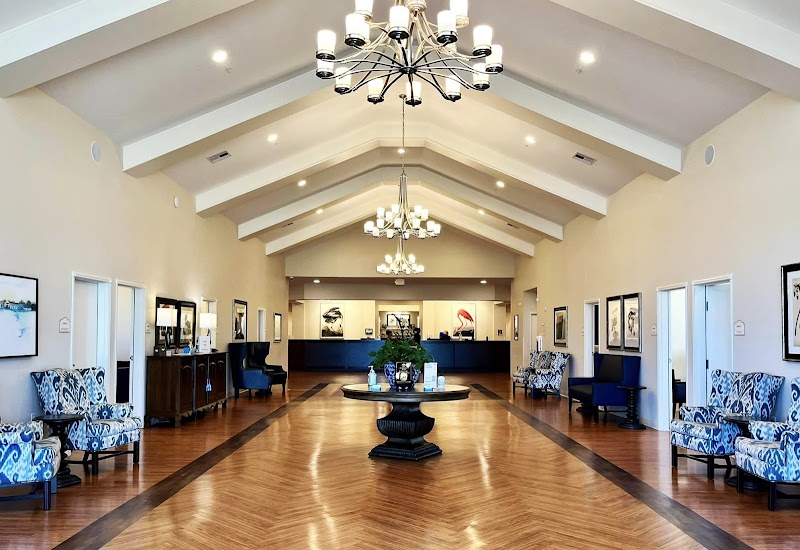
How is Bluebonnet Point Wellness Staffed?

CMS rates BLUEBONNET POINT WELLNESS's staffing level at 1 out of 5 stars, which is much below average compared to other nursing homes.

What Have Inspectors Found at Bluebonnet Point Wellness?

State health inspectors documented 33 deficiencies at BLUEBONNET POINT WELLNESS during 2023 to 2025. These included: 7 Immediate Jeopardy (the most serious level, indicating potential for serious harm or death), 1 that caused actual resident harm, and 25 with potential for harm. Immediate Jeopardy findings are rare and represent the most serious regulatory concerns. They require immediate corrective action.
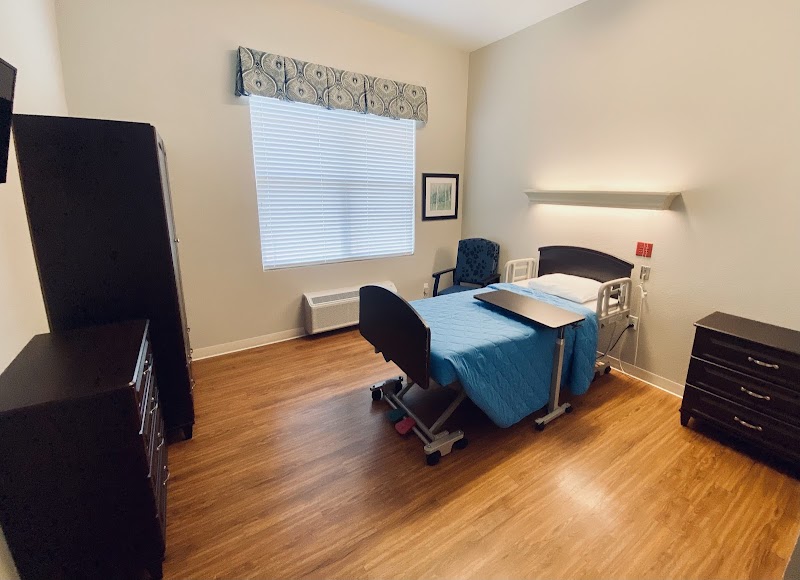
Who Owns and Operates Bluebonnet Point Wellness?

BLUEBONNET POINT WELLNESS is owned by a for-profit company. For-profit facilities operate as businesses with obligations to shareholders or private owners. The facility is operated by CREATIVE SOLUTIONS IN HEALTHCARE, a chain that manages multiple nursing homes. With 119 certified beds and approximately 90 residents (about 76% occupancy), it is a mid-sized facility located in BULLARD, Texas.
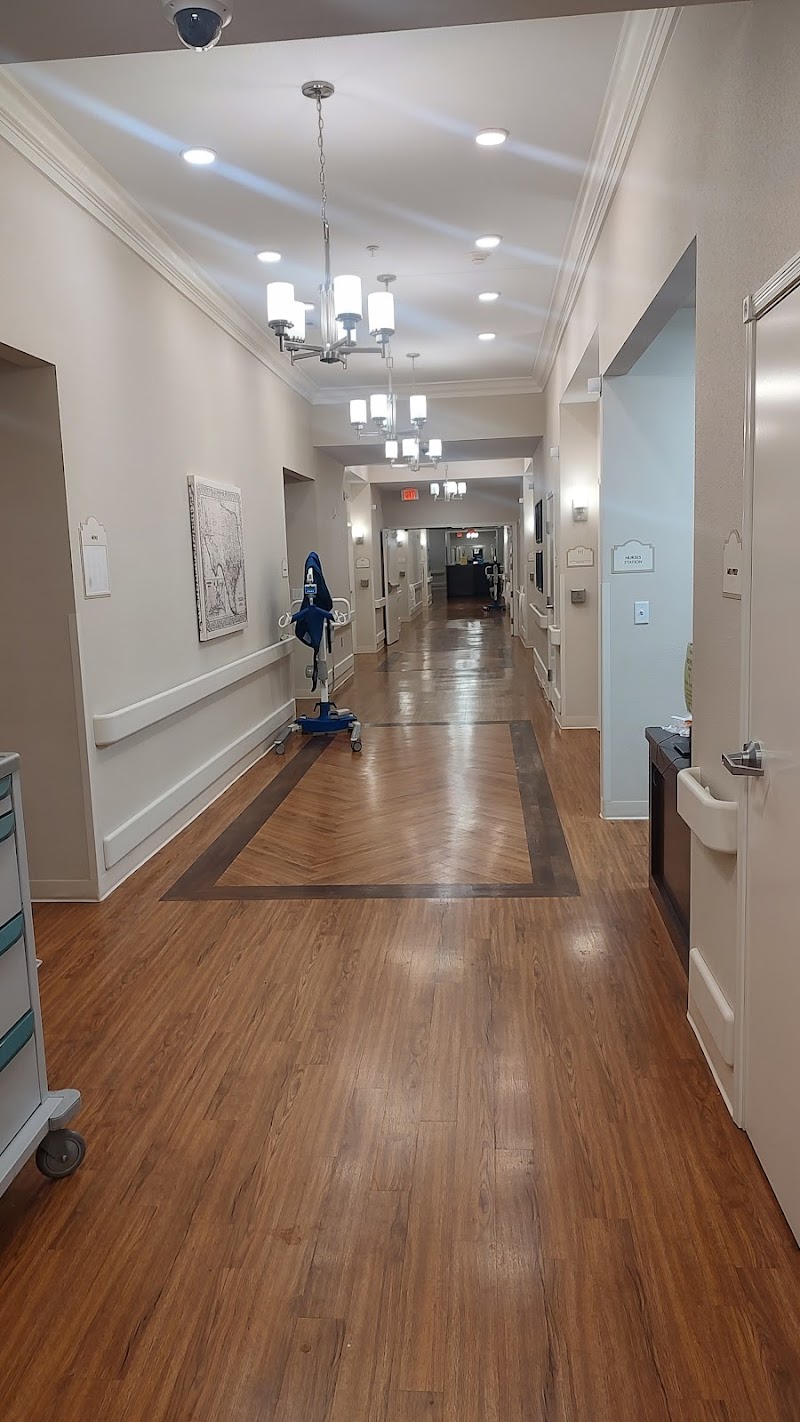
How Does Bluebonnet Point Wellness Compare to Other Texas Nursing Homes?

Compared to the 100 nursing homes in Texas, BLUEBONNET POINT WELLNESS's overall rating (1 stars) is below the state average of 2.8 and health inspection rating (1 stars) is much below the national benchmark.

What Should Families Ask When Visiting Bluebonnet Point Wellness?

Based on this facility's data, families visiting should ask: "What changes have been made since the serious inspection findings, and how are you preventing similar issues?" "Can you walk me through typical staffing levels on day, evening, and night shifts?" "Can I visit during a mealtime to observe dining assistance and food quality?" "How do you handle medical emergencies, and what is your hospital transfer rate?" These questions are particularly relevant given the facility's Immediate Jeopardy citations and the below-average staffing rating.

Is Bluebonnet Point Wellness Safe?

Based on CMS inspection data, BLUEBONNET POINT WELLNESS has documented safety concerns. Inspectors have issued 7 Immediate Jeopardy citations (the most serious violation level indicating risk of serious injury or death). The facility is currently on the Special Focus Facility watch list (a federal program monitoring the lowest-performing 1% of nursing homes nationwide). The facility has a 1-star overall rating and ranks #100 of 100 nursing homes in Texas. Families considering this facility should ask detailed questions about what corrective actions have been taken since these incidents.

Do Nurses at Bluebonnet Point Wellness Stick Around?

BLUEBONNET POINT WELLNESS has not reported staff turnover data to CMS. Staff turnover matters because consistent caregivers learn residents' individual needs, medications, and preferences. When staff frequently change, this institutional knowledge is lost. Families should ask the facility directly about their staff retention rates and average employee tenure.

Was Bluebonnet Point Wellness Ever Fined?

BLUEBONNET POINT WELLNESS has been fined $220,948 across 6 penalty actions. This is 6.3x the Texas average of $35,288. Fines at this level are uncommon and typically indicate a pattern of serious deficiencies, repeated violations, or failure to correct problems promptly. CMS reserves penalties of this magnitude for facilities that pose significant, documented risk to resident health or safety. Families should request specific documentation of what issues led to these fines and what systemic changes have been implemented.

Is Bluebonnet Point Wellness on Any Federal Watch List?

BLUEBONNET POINT WELLNESS is currently an SFF Candidate, meaning CMS has identified it as potentially qualifying for the Special Focus Facility watch list. SFF Candidates have a history of serious deficiencies but haven't yet reached the threshold for full SFF designation. The facility is being monitored more closely — if problems continue, it may be added to the official watch list. Families should ask what the facility is doing to address the issues that led to this status.