MEADOW LAKE HEALTH CENTER
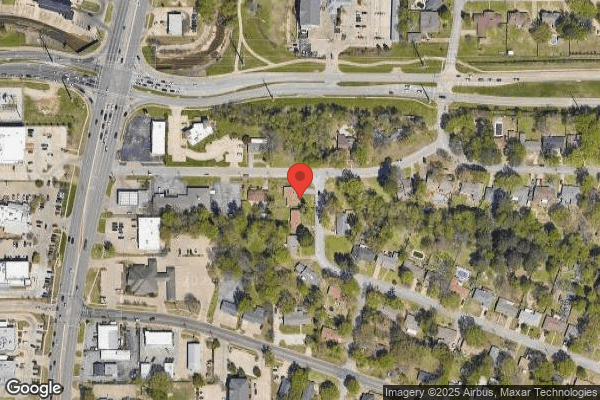
16044 COUNTY ROAD 165, TYLER, TX 75703 (903) 526-5599
Non profit - Corporation 20 Beds LIFESPACE COMMUNITIES Data: November 2025
Trust Grade
90/100
#94 of 1168 in TX
Last Inspection: September 2025

Inspected within the last 6 months. Data reflects current conditions.

Overview

Meadow Lake Health Center has an excellent Trust Grade of A, indicating that it is highly recommended and performs well compared to other facilities. It ranks #94 out of 1,168 nursing homes in Texas, placing it in the top half, and is the best option among 17 facilities in Smith County. The facility's trend is stable, with a consistent number of issues reported over the past two years. Staffing is a relative strength, with a 4 out of 5-star rating and a turnover rate of 50%, which is on par with the state average. Notably, there have been no fines, and the facility boasts more RN coverage than 94% of Texas facilities, enhancing resident care. However, there are some concerns. The inspector found that the facility failed to properly report and investigate incidents of falls and injuries for residents, which could risk neglect and abuse. For instance, one resident was not reported to have fallen and received staples for a head injury, while another's unexplained leg pain went uninvestigated despite evidence of a fracture. These issues highlight the need for improvement in incident reporting and response to ensure resident safety. Overall, while Meadow Lake Health Center has many strengths, families should weigh these concerns carefully when considering care options.

Trust Score
A
90/100
In Texas
#94/1168
Top 8%
Safety Record
Low Risk
No red flags
Inspections
Holding Steady
1 → 1 violations
Staff Stability
⚠ Watch
50% turnover. Above average. Higher turnover means staff may not know residents' routines.
Penalties
✓ Good
No fines on record. Clean compliance history, better than most Texas facilities.
Skilled Nurses
✓ Good
Each resident gets 51 minutes of Registered Nurse (RN) attention daily — more than average for Texas. RNs are trained to catch health problems early.
Violations
✓ Good
Only 4 deficiencies on record. Cleaner than most facilities. Minor issues only.
★★★★★
5.0
Overall Rating
★★★★☆
4.0
Staff Levels
★★★★☆
4.0
Care Quality
★★★★★
5.0
Inspection Score
Stable
2024: 1 issues
2025: 1 issues

The Good

  • 4-Star Staffing Rating · Above-average nurse staffing levels
  • 4-Star Quality Measures · Strong clinical quality outcomes
  • Full Sprinkler Coverage · Fire safety systems throughout facility
  • No fines on record

Facility shows strength in staffing levels, quality measures, fire safety.

The Bad

Staff Turnover: 50%

Near Texas avg (46%)

Higher turnover may affect care consistency

Chain: LIFESPACE COMMUNITIES

Part of a multi-facility chain

Ask about local staffing decisions and management

The Ugly 4 deficiencies on record

May 2025 1 deficiency
CONCERN (D) 📢 Someone Reported This

A family member, employee, or ombudsman was alarmed enough to file a formal complaint

Potential for Harm - no one hurt, but risky conditions existed

Notification of Changes (Tag F0580)

Could have caused harm · This affected 1 resident

**NOTE- TERMS IN BRACKETS HAVE BEEN EDITED TO PROTECT CONFIDENTIALITY** Based on interviews and record review, the facility failed to immediately notify the resident's physician, and notify, consisten...

Read full inspector narrative →
**NOTE- TERMS IN BRACKETS HAVE BEEN EDITED TO PROTECT CONFIDENTIALITY** Based on interviews and record review, the facility failed to immediately notify the resident's physician, and notify, consistent with his or her authority, the resident's representative when there was an accident involving the resident for 1 of 7 residents (Resident #1) reviewed for resident rights. The facility failed to ensure Resident #1's physician and representative were notified after Resident #1 had a fall. This failure could result in the family or guardian not being aware of conditions that may require them to make medical decisions. Findings included: Record review of a facility face sheet dated 5/15/25 indicated Resident #1 was an [AGE] year-old male admitted to the facility on [DATE]. Diagnoses included atherosclerotic heart disease (condition caused by the buildup of plaque in the arteries, leading to reduced blood flow and increasing the risk for heart attacks and strokes), atrial flutter (abnormal heart rhythm), hypertension (high blood pressure), and dementia (a term used to describe a group of symptoms affecting memory, thinking and social abilities). Record review of a comprehensive MDS assessment dated [DATE] for Resident #1 indicated that he had a BIMS score of 6, indicating he had severely impaired cognition. Resident was occasionally incontinent of urine and always incontinent of bowel. Record review of a comprehensive care plan dated 5/10/25 for Resident #1 indicated he had an actual fall on 5/10/25 which resulted in a bruise on his forehead related to unsteady gait. Interventions included: determine and address causative factors of the fall, provide activities that promote exercise and strength building where possible. Record review of a progress note dated 5/10/25 at 8:00 p.m. and signed by LVN A indicated the following: Resident observed on floor in room beside his bed. Vital signs wnl and neuro checks wnl. Resident assisted from floor to bed per this nurse and one staff member. Resident was dressed in non-skid socks at the time. Prior to fall resident was laying in the bed in his room. Resident observed resting in bed prior to fall. Resident assisted from floor to wheelchair X2 staff. Staff continued to monitor resident. During an interview on 5/15/25 at 10:00 a.m. the DON said Resident #1 had a fall and LVN A did not notify the family, physician, or Hospice. The DON said he had not been made aware of the fall until a family member asked him about the bruise to Resident #1's head. DON said LVN A told him she had forgotten to notify anyone. DON said Resident #1 was admitted for 5 days of respite care and was receiving Hospice services. The DON said LVN A should have notified the physician, family, Hospice and himself of the fall . During an interview on 5/19/25 9:45 a.m. the ADON said when a resident had a fall, staff were to assess, check neuro status, observe skin, and see if they were on blood thinners. The ADON said the NP/physician, DON, ADON, family, and Hospice should all be notified. ADON said LVN A did not notify anyone, and all the above should have been notified . During a phone interview on 5/19/25 at 12:07 p.m. LVN A said she had worked in the facility a little over 3 months. LVN A said she was working on Saturday 5/10/25 when Resident #1 had a fall. LVN A said she was called by the aide and went into the room immediately. Resident #1 was sitting upright on the floor by the bed. LVN A said she assessed him, and his vital signs and neuro checks were good. LVN A said Resident #1 was transferred back to the bed. LVN A said she did not see any open areas, skin tears or bruising. LVN A said the bruise to his forehead did not show up until the next day. LVN A said she had forgotten to call the family. It was a complete oversite on my part. I had gotten busy and just forgot. LVN A said she had received previous training on falls, and reporting, and received more training after this incident. LVN A said she knew the doctor, NP, DON, Administrator, ADON, family and Hospice needed to be notified of any falls or other incidents. LVN A said, it was an oversite on my part, and I'm sorry . During a phone interview on 5/19/25 at 1:21 p.m. CNA B said she had worked in the facility almost 2 years. CNA B said she was working the night Resident #1 had a fall. CNA B said Resident #1 told her he was ready for bed around 6:30-7:00 p.m. CNA B said she put Resident #1 to bed and started to do her charting. CNA B said Resident #1's room was right across from where she was charting. CNA B said she heard a noise in his room and ran in. CNA B said Resident #1 was on the floor trying to get up. CNA B said she told Resident #1 to lay down while she got the nurse. CNA B said the nurse came and assessed Resident #1. CNA B said she could not say what he hit, or if he hit anything when he fell. CNA B said she left that night at 9:45 p.m., and there was no bruising noted on Resident #1. CNA B said when she came back to work the next Monday, Resident #1 had a bruise to his forehead. CNA B said she could not remember what side of his head it was on . Record review of a facility policy titled Falls Prevention and Management Program dated 1/1/2016 and revised 9/23/2019 revealed the following: immediately notify the attending physician and family or guardian of condition changes .
Aug 2024 1 deficiency
CONCERN (D)

Potential for Harm - no one hurt, but risky conditions existed

Comprehensive Care Plan (Tag F0656)

Could have caused harm · This affected 1 resident

**NOTE- TERMS IN BRACKETS HAVE BEEN EDITED TO PROTECT CONFIDENTIALITY** Based on interview and record review, the facility failed to develop and implement a comprehensive person-centered care plan for...

Read full inspector narrative →
**NOTE- TERMS IN BRACKETS HAVE BEEN EDITED TO PROTECT CONFIDENTIALITY** Based on interview and record review, the facility failed to develop and implement a comprehensive person-centered care plan for each resident that included measurable objectives and time frames to meet a resident's medical, nursing, and mental and psychosocial needs for 1 of 4 residents (Resident #15) reviewed for care plans. The facility failed to ensure Resident #15's care plan reflected diagnoses of infections and the physician's orders for antibiotic therapy. This failure could place residents at risk of not receiving care and services to meet medical and nursing needs. The findings included: Record review of a face sheet dated 08/20/24 indicated Resident #15 was an [AGE] year-old female who admitted to the facility on [DATE] with diagnoses of subdural hemorrhage (bleeding between the brain and the skull), dementia, diabetes mellitus, and MSSA (methicillin-sensitive-staphylococcus aureus) bacteremia (an infection caused by MSSA entering the bloodstream). Diagnoses of urinary tract infection, pneumonia, and obstructive and reflux uropathy (disorder of the urinary tract that obstructs urine flow) were added to the diagnosis list on 01/24/2024. Record review of an MDS quarterly assessment dated [DATE] indicated Resident #15 had a BIMS score of 7 (severely impaired cognition), was incontinent of bowel and bladder, and required substantial to maximum assistance with bathing and hygiene care. Record review of Resident #15's MDS (Section I: Active Diagnoses) dated 04/05/2024 indicated Resident #15 had diagnoses of pneumonia and a urinary tract infection. Record review of Resident #15's MDS (Section N :High Risk Drug Classes) dated 07/06/2024 indicated Resident #15 was receiving an antibiotic with an indication for use. Record review of laboratory results of urine testing on 02/27/2024, 03/29/2024, and 04/26/2024 indicated Resident #15 tested positive for urinary tract infections on all 3 (three) dates. Record review of Resident #15's physician orders since admission indicated Resident #15 had orders dated 02/27/2024 for the antibiotic Macrobid, 02/28/2024 for the antibiotic Cipro, and 03/30/2024 for the antibiotic Omnicef to treat urinary tract infections. An order dated 05/02/2024 indicated Resident #15 was to receive Keflex (an antibiotic) 3 (three) days a week for prophylactic treatment of urinary tract infections on an ongoing basis. Record review of a Medication Administration Record dated August, 2024 indicated Resident #15 was receiving Keflex 3 (three) days a week on Monday, Wednesday, and Friday. Record review of Resident #15's Care Plan dated 08/20/24 indicated the comprehensive care plan was initiated on 01/31/2024 and had not been updated to include actions/interventions to address Resident #15's diagnoses of pneumonia and urinary tract infections nor antibiotic usage since admission. The care plan did not include any concerns nor interventions to address Resident #15's risk for urinary tract infection, actual urinary tract infections, nor past or current use of ongoing prophylactic use of an antibiotic. During an interview with the DON at 03:30 PM on 08/20/2024, he said care plans were completed on admission and updated at least quarterly and as needed. He said Resident #15's care plan should have addressed each of the infections she had incurred and should have been updated to address Resident #15's current antibiotic therapy. The DON said the failure to address these issues in the care plan was an oversight. The DON said the care plans were individualized to each resident and it was important to keep the care plans updated and accurate to ensure a resident's needs and interventions to meet those needs were communicated. He said everyone on the interdisciplinary care plan team was responsible for ensuring care plans were complete. A review of the facility's policy titled Comprehensive Care Plan indicated the following: Procedures 8. The comprehensive, person-centered care plan will: b. Describe the services that are to be furnished to attain or maintain the resident's highest practicable physical, mental, and psychosocial well-being, g. Incorporate identified problem areas, h. Incorporate risk factors associated with identified problems, 13. Assessments of residents are ongoing and care plans are revised as information about the residents and the residents' conditions change.
Jul 2023 2 deficiencies
CONCERN (E)

Potential for Harm - no one hurt, but risky conditions existed

Report Alleged Abuse (Tag F0609)

Could have caused harm · This affected multiple residents

**NOTE- TERMS IN BRACKETS HAVE BEEN EDITED TO PROTECT CONFIDENTIALITY** Based on interview and record review, the facility failed to ensure that all alleged violations involving abuse, neglect, exploi...

Read full inspector narrative →
**NOTE- TERMS IN BRACKETS HAVE BEEN EDITED TO PROTECT CONFIDENTIALITY** Based on interview and record review, the facility failed to ensure that all alleged violations involving abuse, neglect, exploitation or mistreatment, including injuries of unknown source and misappropriation of resident property, are reported immediately, but not later than 2 hours after the allegation is made, if the events that cause the allegation involve serious bodily injury, to the administrator of the facility and to other officials (including to the State Survey Agency) in accordance with State law through established procedures for 2 of 16 Residents (Residents #7 and #10) reviewed for abuse and neglect. 1. The facility failed to report an unwitnessed fall to the state agency when Resident #10 was found on the floor with a laceration to the top of her head by a staff member and was sent to the hospital where she received 2 staples. Resident #10 could not state how she fell. 2. The facility failed to report an injury of unknown origin to the state agency when Resident #7 had pain to her right leg and was found to have a fracture. Resident #7 could not state how the fracture occurred. This failure could place residents at risk for abuse, neglect and serious bodily injury by not reporting incidents as required. The findings included: 1. Record review of Resident #10's face sheet, dated 07/19/23, indicated she was an [AGE] year-old female who admitted to the facility on [DATE] with diagnoses including dementia (decline in cognitive ability that affects memory, thinking, and behaviors), Alzheimer's disease (a brain disorder that slowly destroys memory, thinking, and the ability to carry out the simplest tasks), anxiety disorder, major depressive disorder, cognitive communication deficit (difficulty with thinking and how someone uses language), and muscle weakness. Record review of Resident #10's MDS, dated [DATE] revealed she was sometimes understood by others and sometimes made herself understood. Resident #10 had impaired vision, unclear speech, and severely impaired cognition. Resident #10 had continuous inattention and disorganized thinking that did not fluctuate. Resident #10 had impairments to both lower extremities and did not walk. Record review of Resident #10's care plan dated 03/10/23 and last reviewed on 07/14/23 indicated she was at risk for falls related to confusion and interventions included to ensure the call light was in reach and encourage to use it for assistance. Resident #10 had behavior problems due to psychosis and interventions included to anticipate and meet the resident's needs. Record review of Resident #10's nursing progress notes dated 06/05/23 at 12:41 p.m. by LVN A, indicated she was laying on the floor with a laceration to the middle of her head. Resident #10 was unable to express how she fell at this time due to mental orientation. The Nurse Practitioner was notified and received an order to send her to the emergency room for sutures/staples. Record review of an Incident Report dated 06/05/23 at 12:15 p.m. by LVN A, indicated Resident #10 had an unwitnessed fall. LVN B found Resident #10 laying on the floor with a laceration to the middle of her head. Resident #10 was unable to express how she fell at this time due to mental orientation. The Nurse Practitioner was notified and received an order to send her to the emergency room for sutures/staples. Record review of Resident #10's nursing progress notes dated 06/05/23 at 5:44 p.m. by the DON, indicated she returned back to the facility after a laceration repair and had two staples to her scalp. Record review of Resident #10's Emergency Department Records dated 06/05/23, indicated she had a fall and was diagnosed with a laceration to her scalp. She had a laceration repair with staples. The doctor closed the cut on her skin with a special kind of metal staples. During an interview on 07/19/23 at 1:32 PM, LVN A said she was notified on 06/05/23 by an unknown CNA that Resident #10 was laying on the floor of her room. LVN A said she went to Resident #10's room immediately to assess her. LVN A said Resident #10 had blood on the top of her head with a laceration and provided first aid to her. LVN A said LVN A said she notified the physician and DON, and Resident #10 was sent to the Emergency Department. LVN A said when Resident #10 returned back to the facility she had 2 staples in her head. LVN A said Resident #10 was unable to explain how the injury occurred and there were no witnesses. LVN A said she had been trained on abuse, neglect, and exploitation and she reported any allegations to the Administrator, who is the abuse coordinator. During an interview on 07/19/23 at 1:47 PM, the DON said he was notified on 06/05/23 by LVN A Resident #10 had a laceration to her head. The DON said Resident #10 was sent to the Emergency Department and returned back to the facility with 2 staples in her head. The DON said he notified the Administrator, who is the Abuse Coordinator, immediately after Resident #10 had returned. The DON said Resident #10 was unable to explain how the injury occurred and there were no witnesses. The DON said he interviewed staff that had recently worked with her but did not document their statements. The DON said the incident report was the only documentation there was on Resident #10's injury. The DON said he was not sure why the incident was not self-reported to the State as it should have been, but believed the Administrator would have done so. The DON said he did not follow up with the Administrator to see if he had reported it to the State Agency. During an interview on 07/19/23 at 2:24 PM, the Administrator said he had worked at the facility for about 2 months and was the Abuse Coordinator and. The Administrator said he expected all staff to report allegations of abuse, neglect, injuries of unknown origin, and injuries causing serious bodily injury. The Administrator said he was responsible for investigating allegations and reporting it to the State Agency. The Administrator said he was unaware Resident #1 sustained a laceration to her head that required 2 staples to repair it. The Administrator said he did not investigate or report Resident #10's injury to the State Agency and it should have to rule out the possibility of abuse or neglect. The Administrator said he would have investigated and reported Resident #10's injury to the State Agency if he had known. The Administrator said he was not notified of Resident #10's injury or recall the DON telling him about it. 2. Record review of Resident #7's face sheet, dated 07/19/23, indicated she was a [AGE] year-old female who admitted to the facility on [DATE] with diagnoses including dementia (decline in cognitive ability that affects memory, thinking, and behaviors), Alzheimer's disease (a brain disorder that slowly destroys memory, thinking, and the ability to carry out the simplest tasks), anxiety disorder, major depressive disorder, and how someone uses language), and age-related osteoporosis. Record review of Resident #7's MDS, dated [DATE] revealed she was rarely understood by others and rarely made herself understood. Resident #7 had impaired vision, unclear speech, short and long-term memory problems and severely impaired decision making. Resident #7 required extensive one-person assistance with dressing, toileting, personal hygiene and was totally dependent on staff with bathing requiring one-person assistance. Resident #7 did not walk. Record review of Resident #7's care plan dated 03/10/23 and last reviewed on 07/14/23 indicated she had an ADL self-care performance deficit related to dementia, poor balance and interventions included one-person staff assistance with bed mobility, dressing, personal hygiene, toileting and a one-two person assistance with transfers. Record review of Resident #7's nursing progress notes dated 06/09/23 at 10:38 a.m. by LVN B, indicated she had pain in her right hip. Resident #7's right hip was swollen and warm to touch. LVN B notified the hospice nurse and physician and received an order for a right hip x-ray. Record review of Resident #7's nursing progress notes dated 06/09/23 at 4:20 p.m. by LVN B, indicated she notified the physician the x-ray results showed the resident had a pathological fracture of the right femur (thigh bone). Record review of Resident #7's x-ray results dated 06/09/23 indicated she had a non-displaced fracture (bone breaks in one place and does not move) with mild angulation (axis of bone is slightly altered pointing off in a different direction) of the femoral neck (upper portion of thigh bone just below the ball part of the ball and socket joint) of indeterminate age. Record review of an Incident Report dated 06/09/23 at 4:25 p.m. by the DON, indicated Resident #7 had an injury of unknown origin. The resident was crying and holding her right leg showing signs of pain. Resident #7 was unable to explain what happened and there were no witnesses. An x-ray was ordered, and the results indicated she had a non-displaced fracture (bone breaks in one place and does not move) with mild angulation (axis of bone is slightly altered pointing off in a different direction) of the femoral neck (upper portion of thigh bone just below the ball part of the ball and socket joint) of indeterminate age. During an interview on 07/19/23 at 1:47 PM, the DON said he was notified on 06/09/23 by LVN B Resident #7 had pain in her right leg and he assessed her. The DON said Resident #7 was holding her right upper leg grimacing in pain and he notified the physician. The DON said he received an ordered for an x-ray of Resident #7's right hip and the results showed she had a right leg fracture. The DON said he called the physician who told him that Resident #7's fracture was pathological (caused by the physical condition or disease) due to her osteoporosis (a condition when bone strength weakens and is susceptible to fracture). The DON said he notified the Administrator, and the both of them had a conference call with the corporate office about Resident #7's fracture and reporting it to the State Agency. The DON said the corporate office determined Resident #7's fracture did not meet the State Agency reporting guidelines because the physician indicated the fracture was pathological. The DON said the facility did not investigate Resident #7's fracture or report it to the State Agency. The DON said a resident with osteoporosis could sustain a fracture during ADL care if a staff member provided them care in a rough manner. The DON said a resident is at risk of abuse or neglect if an injury of unknown is not investigated and reported to the State agency and Resident #7's fracture should have been. During an interview on 07/19/23 at 2:24 PM, the Administrator said on 06/09/23 the DON notified him Resident #7 had a fracture to her right leg. The Administrator said he and the DON had a conference call with the corporate office about Resident #7's fracture and reporting it to the State Agency. The Administrator said the corporate office determined Resident #7's fracture did not meet the State Agency reporting guidelines because the physician indicated the fracture was pathological. The Administrator said he did not investigate Resident #7's fracture or report it to the State Agency. The Administrator said a resident is at risk of abuse or neglect if an injury of unknown is not investigated and reported to the State agency and Resident #7's fracture should have been. Record review of the facility's Abuse, Neglect, Exploitation and Reporting Requirements policy revised on 09/08/22 indicated, .If a covered individual reasonably suspects that a crime has occurred against a resident or person receiving care in the Health Center, the individual must report the suspicion to the Abuse and/or Neglect Coordinating and follow the Federal/State regulations. If the suspected crime involves serious bodily injury, the incident must be reported within 2 hours .or defined by state regulations . Record review of the facility's Fall Prevention and Management Program policy revised on 09/23/19 indicated, .Fall Types: Categorizing fall-related incidents by types helps to analyze fall related events .Unwitnessed fall: A fall that occurs unseen by staff or others .Any injury related to an unwitnessed fall should be reviewed for possible resident abuse .Documentation and Follow-up .3. Complete internal and external notification and reporting requirements, including to applicable licensing agencies .Reporting and Notification .4. Time frame to notify State Agency: Per state regulatory reporting requirements .
CONCERN (E)

Potential for Harm - no one hurt, but risky conditions existed

Investigate Abuse (Tag F0610)

Could have caused harm · This affected multiple residents

**NOTE- TERMS IN BRACKETS HAVE BEEN EDITED TO PROTECT CONFIDENTIALITY** Based on interview and record review the facility failed to ensure that all alleged violations involving abuse and neglect are t...

Read full inspector narrative →
**NOTE- TERMS IN BRACKETS HAVE BEEN EDITED TO PROTECT CONFIDENTIALITY** Based on interview and record review the facility failed to ensure that all alleged violations involving abuse and neglect are thoroughly investigated and report the results of all investigations to the State Survey Agency, within 5 working days of the incident for 2 of 16 Residents (Residents #7 and #10) reviewed for investigating abuse and neglect. 1. The facility failed to investigate or report the results to the State Survey Agency when Resident #10 was found on the floor with a laceration to the top of her head and was sent to the hospital where she received 2 staples. Resident #10 could not state how she fell. 2. The facility failed to investigate or report the results to the State Survey Agency when Resident #7 had pain to her right leg and was found to have a fracture. Resident #7 could not state how the fracture occurred. This failure could place the residents at risk for abuse and neglect by not reporting the results of investigated incidents as required. The findings included: 1. Record review of Resident #10's face sheet, dated 07/19/23, indicated she was an [AGE] year-old female who admitted to the facility on [DATE] with diagnoses including dementia (decline in cognitive ability that affects memory, thinking, and behaviors), Alzheimer's disease (a brain disorder that slowly destroys memory, thinking, and the ability to carry out the simplest tasks), anxiety disorder, major depressive disorder, cognitive communication deficit (difficulty with thinking and how someone uses language), and muscle weakness. Record review of Resident #10's MDS, dated [DATE] revealed she was sometimes understood by others and sometimes made herself understood. Resident #10 had impaired vision, unclear speech, and severely impaired cognition. Resident #10 had continuous inattention and disorganized thinking that did not fluctuate. Resident #10 had impairments to both lower extremities and did not walk. Record review of Resident #10's care plan dated 03/10/23 and last reviewed on 07/14/23 indicated she was at risk for falls related to confusion and interventions included to ensure the call light was in reach and encourage to use it for assistance. Resident #10 had behavior problems due to psychosis and interventions included to anticipate and meet the resident's needs. Record review of Resident #10's nursing progress notes dated 06/05/23 at 12:41 p.m. by LVN A, indicated she was laying on the floor with a laceration to the middle of her head. Resident #10 was unable to express how she fell at this time due to mental orientation. The Nurse Practitioner was notified and received an order to send her to the emergency room for sutures/staples. Record review of an Incident Report dated 06/05/23 at 12:15 p.m. by LVN A, indicated Resident #10 had an unwitnessed fall. LVN B found Resident #10 laying on the floor with a laceration to the middle of her head. Resident #10 was unable to express how she fell at this time due to mental orientation. The Nurse Practitioner was notified and received an order to send her to the emergency room for sutures/staples. Record review of Resident #10's nursing progress notes dated 06/05/23 at 5:44 p.m. by the DON, indicated she returned back to the facility after a laceration repair and had two staples to her scalp. Record review of Resident #10's Emergency Department Records dated 06/05/23, indicated she had a fall and was diagnosed with a laceration to her scalp. She had a laceration repair with staples. The doctor closed the cut on her skin with a special kind of metal staples. During an interview on 07/19/23 at 1:32 PM, LVN A said she was notified on 06/05/23 by an unknown CNA that Resident #10 was laying on the floor of her room. LVN A said she went to Resident #10's room immediately to assess her. LVN A said Resident #10 had blood on the top of her head with a laceration and she provided first aid to her. LVN A said she notified the physician and the DON, and Resident #10 was sent to the Emergency Department. LVN A said when Resident #10 returned back to the facility she had 2 staples in her head. LVN A said Resident #10 was unable to explain how the injury occurred and there were no witnesses. LVN A said she had been trained on abuse, neglect, and exploitation and she reported any allegations to the Administrator, who is the abuse coordinator. During an interview on 07/19/23 at 1:47 PM, the DON said he was notified on 06/05/23 by LVN A Resident #7 had a laceration to her head. The DON said Resident #10 was sent to the Emergency Department and returned back to the facility with 2 staples in her head. The DON said he notified the Administrator, who is the Abuse Coordinator, immediately after Resident #10 had returned. The DON said Resident #10 was unable to explain how the injury occurred and there were no witnesses. The DON said he interviewed staff that had recently worked with her but did not document their statements. The DON said the incident report was the only documentation there was on Resident #10's injury. During an interview on 07/19/23 at 2:24 PM, the Administrator said had worked at the facility for about 2 months and was the Abuse Coordinator. The Administrator said he was responsible for investigating allegations and reporting it to the State Agency. The Administrator said he was unaware Resident #10 sustained a laceration to her head that required 2 staples to repair it. The Administrator said he would have investigated and reported Resident #10's injury to the State Agency if he had known. The Administrator said he was not notified of Resident #10's injury or recall the DON telling him about it. The Administrator said staff members should immediately report allegations of abuse, neglect, injuries of unknown origin, and injuries causing serious bodily injury to him or the DON to rule out the possibility of abuse or neglect. The Administrator said he did not investigate Resident #10's injury to the State Agency and it should have. 2. Record review of Resident #7's face sheet, dated 07/19/23, indicated she was a [AGE] year-old female who admitted to the facility on [DATE] with diagnoses including dementia (decline in cognitive ability that affects memory, thinking, and behaviors), Alzheimer's disease (a brain disorder that slowly destroys memory, thinking, and the ability to carry out the simplest tasks), anxiety disorder, major depressive disorder, and how someone uses language), and age-related osteoporosis. Record review of Resident #7's MDS, dated [DATE] revealed she was rarely understood by others and rarely made herself understood. Resident #7 had impaired vision, unclear speech, short and long-term memory problems and severely impaired decision making. Resident #7 required extensive one-person assistance with dressing, toileting, personal hygiene and was totally dependent on staff with bathing requiring one-person assistance. Resident #7 did not walk. Record review of Resident #7's care plan dated 03/10/23 and last reviewed on 07/14/23 indicated she had an ADL self-care performance deficit related to dementia, poor balance and interventions included one-person staff assistance with bed mobility, dressing, personal hygiene, toileting and a one-two person assistance with transfers. Record review of Resident #7's nursing progress notes dated 06/09/23 at 10:38 a.m. by LVN B, indicated she had pain in her right hip. Resident #7's right hip was swollen and warm to touch. LVN B notified the hospice nurse and physician and received an order for a right hip x-ray. Record review of Resident #7's nursing progress notes dated 06/09/23 at 4:20 p.m. by LVN B, indicated she notified the physician the x-ray results showed the resident had a pathological fracture of the right femur (thigh bone). Record review of Resident #7's x-ray results dated 06/09/23 indicated she had a non-displaced fracture (bone breaks in one place and does not move) with mild angulation (axis of bone is slightly altered pointing off in a different direction) of the femoral neck (upper portion of thigh bone just below the ball part of the ball and socket joint) of indeterminate age. Record review of an Incident Report dated 06/09/23 at 4:25 p.m. by the DON, indicated Resident #7 had an injury of unknown origin. The resident was crying and holding her right leg showing signs of pain. Resident #7 was unable to explain what happened and there were no witnesses. An x-ray was order and the results indicated she had a non-displaced fracture (bone breaks in one place and does not move) with mild angulation (axis of bone is slightly altered pointing off in a different direction) of the femoral neck (upper portion of thigh bone just below the ball part of the ball and socket joint) of indeterminate age. During an interview on 07/19/23 at 1:47 PM, the DON said he was notified on 06/09/23 by LVN B Resident #7 had pain in her right leg and he assessed her. The DON said Resident #7 was holding her right upper leg grimacing in pain and he notified the physician. The DON said he received an ordered for an x-ray of Resident #7's right hip and the results showed she had a right leg fracture. The DON said he called the physician who told him that Resident #7's fracture was pathological (caused by the physical condition or disease) due to her osteoporosis (a condition when bone strength weakens and is susceptible to fracture). The DON said the facility did not investigate Resident #7's fracture. The DON said a resident is at risk of abuse or neglect if an injury of unknown is not investigated and Resident #7's fracture should have been investigated. During an interview on 07/19/23 at 2:24 PM, the Administrator said on 06/09/23 the DON notified him Resident #7 had a fracture to her right leg. The Administrator said he and the DON had a conference call with the corporate office to discuss Resident #2's fracture. The Administrator said he did not investigate Resident #7's fracture or report it to the State Agency because they all concluded it did not meet the State Agency guidelines. The Administrator said a resident is at risk of abuse or neglect if an injury of unknown is not investigated and Resident #7's fracture should have been investigated. Record review of the facility's Abuse, Neglect, Exploitation and Reporting Requirements policy revised on 09/08/22 indicated, .If a covered individual reasonably suspects that a crime has occurred against a resident or person receiving care in the Health Center, the individual must report the suspicion to the Abuse and/or Neglect Coordinating and follow the Federal/State regulations. If the suspected crime involves serious bodily injury, the incident must be reported within 2 hours .or defined by state regulations .
Understanding Severity Codes (click to expand)
Life-Threatening (Immediate Jeopardy)
J - Isolated K - Pattern L - Widespread
Actual Harm
G - Isolated H - Pattern I - Widespread
Potential for Harm
D - Isolated E - Pattern F - Widespread
No Harm (Minor)
A - Isolated B - Pattern C - Widespread

Questions to Ask on Your Visit

  • "Can I speak with families of current residents?"
  • "What's your RN coverage like on weekends and overnight?"

Our Honest Assessment

Strengths
  • • Grade A (90/100). Above average facility, better than most options in Texas.
  • • No major safety red flags. No abuse findings, life-threatening violations, or SFF status.
  • • No fines on record. Clean compliance history, better than most Texas facilities.
  • • Only 4 deficiencies on record. Cleaner than most facilities. Minor issues only.
Concerns
  • • No significant concerns identified. This facility shows no red flags across CMS ratings, staff turnover, or federal penalties.
Bottom line: Generally positive indicators. Standard due diligence and a personal visit recommended.

About This Facility

What is Meadow Lake's CMS Rating?

CMS assigns MEADOW LAKE HEALTH CENTER an overall rating of 5 out of 5 stars, which is considered much above average nationally. Within Texas, this rating places the facility higher than 99% of the state's 100 nursing homes. This rating reflects solid performance across the metrics CMS uses to evaluate nursing home quality.

How is Meadow Lake Staffed?

CMS rates MEADOW LAKE HEALTH CENTER's staffing level at 4 out of 5 stars, which is above average compared to other nursing homes. Staff turnover is 50%, compared to the Texas average of 46%. RN turnover specifically is 71%, which is notably high. RNs provide skilled clinical oversight, so turnover in this role can affect medical care quality.

What Have Inspectors Found at Meadow Lake?

State health inspectors documented 4 deficiencies at MEADOW LAKE HEALTH CENTER during 2023 to 2025. These included: 4 with potential for harm.

Who Owns and Operates Meadow Lake?

MEADOW LAKE HEALTH CENTER is owned by a non-profit organization. Non-profit facilities reinvest revenue into operations rather than distributing to shareholders. The facility is operated by LIFESPACE COMMUNITIES, a chain that manages multiple nursing homes. With 20 certified beds and approximately 27 residents (about 135% occupancy), it is a smaller facility located in TYLER, Texas.

How Does Meadow Lake Compare to Other Texas Nursing Homes?

Compared to the 100 nursing homes in Texas, MEADOW LAKE HEALTH CENTER's overall rating (5 stars) is above the state average of 2.8, staff turnover (50%) is near the state average of 46%, and health inspection rating (5 stars) is much above the national benchmark.

What Should Families Ask When Visiting Meadow Lake?

Based on this facility's data, families visiting should ask: "Can I visit during a mealtime to observe dining assistance and food quality?" "How do you handle medical emergencies, and what is your hospital transfer rate?" "Can I speak with family members of current residents about their experience?"

Is Meadow Lake Safe?

Based on CMS inspection data, MEADOW LAKE HEALTH CENTER has a clean safety record: no substantiated abuse findings (meaning no confirmed cases of resident harm), no Immediate Jeopardy citations (the most serious violation level indicating risk of serious injury or death), and is not on the Special Focus Facility watch list (a federal program monitoring the lowest-performing 1% of nursing homes). The facility has a 5-star overall rating and ranks #1 of 100 nursing homes in Texas. While no facility is perfect, families should still ask about staff-to-resident ratios and recent inspection results during their visit.

Do Nurses at Meadow Lake Stick Around?

MEADOW LAKE HEALTH CENTER has a staff turnover rate of 50%, which is about average for Texas nursing homes (state average: 46%). Moderate turnover is common in nursing homes, but families should still ask about staff tenure and how the facility maintains care continuity when employees leave.

Was Meadow Lake Ever Fined?

MEADOW LAKE HEALTH CENTER has no federal fines on record. CMS issues fines when nursing homes fail to meet care standards or don't correct problems found during inspections. The absence of fines suggests the facility has either maintained compliance or corrected any issues before penalties were assessed. This is a positive indicator, though families should still review recent inspection reports for the full picture.

Is Meadow Lake on Any Federal Watch List?

MEADOW LAKE HEALTH CENTER is not on any federal watch list. The most significant is the Special Focus Facility (SFF) program, which identifies the bottom 1% of nursing homes nationally based on persistent, serious quality problems. Not being on this list means the facility has avoided the pattern of deficiencies that triggers enhanced federal oversight. This is a positive indicator, though families should still review the facility's inspection history directly.