THE CENTER AT GRANDE
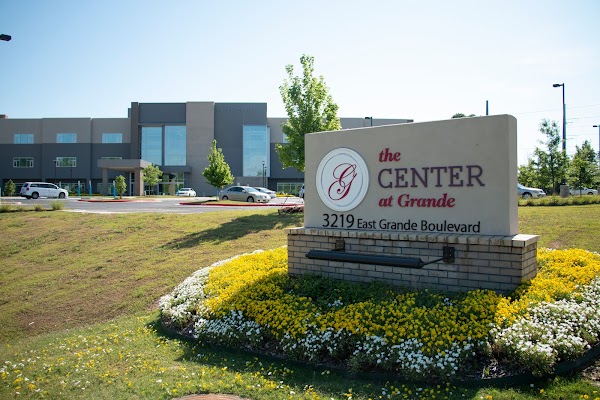
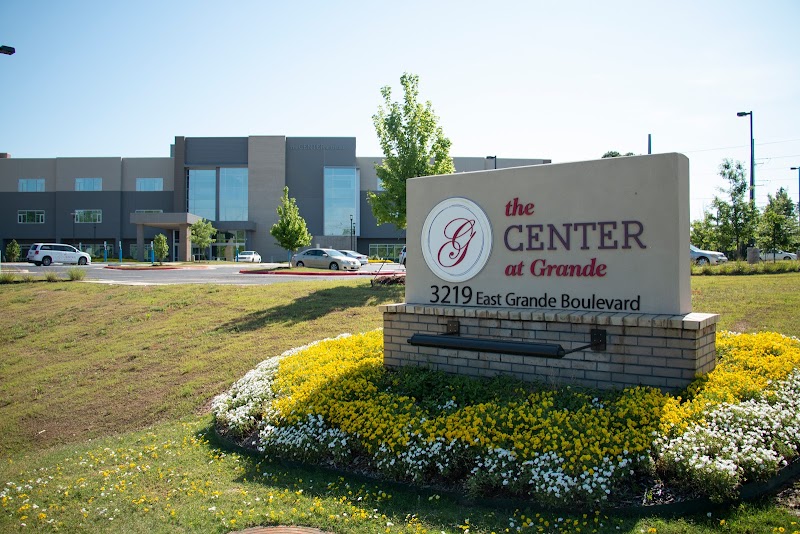
3219 EAST GRANDE BOULEVARD, TYLER, TX 75707 (719) 522-2000
For profit - Limited Liability company 96 Beds VERITAS MANAGEMENT GROUP Data: November 2025
Trust Grade
90/100
#143 of 1168 in TX
Last Inspection: March 2025

Within standard 12-15 month inspection cycle. Federal law requires annual inspections.

Overview

The Center at Grande in Tyler, Texas, has a Trust Grade of A, which indicates an excellent reputation and high recommendation from previous residents and their families. It ranks #143 out of 1,168 facilities in Texas, placing it in the top half, and #3 out of 17 in Smith County, meaning there are only two local options rated higher. The facility is improving, with issues decreasing from 5 in 2024 to 2 in 2025, although staffing is a weakness with a rating of 2 out of 5 stars and a turnover rate of 54%, which is average. Notably, the facility has had no fines, indicating compliance with regulations, and has average RN coverage, which is important for monitoring resident health. However, there have been concerning incidents, including a staff member stealing money from multiple residents and failures to hold required quality assurance meetings, which could affect the overall care and security of residents.

Trust Score
A
90/100
In Texas
#143/1168
Top 12%
Safety Record
Low Risk
No red flags
Inspections
Getting Better
5 → 2 violations
Staff Stability
⚠ Watch
54% turnover. Above average. Higher turnover means staff may not know residents' routines.
Penalties
✓ Good
No fines on record. Clean compliance history, better than most Texas facilities.
Skilled Nurses
⚠ Watch
Each resident gets only 29 minutes of Registered Nurse (RN) attention daily — below average for Texas. Fewer RN minutes means fewer trained eyes watching for problems.
Violations
○ Average
8 deficiencies on record. Average for a facility this size. Mostly minor or procedural issues.
★★★★★
5.0
Overall Rating
★★☆☆☆
2.0
Staff Levels
★★★★☆
4.0
Care Quality
★★★★★
5.0
Inspection Score
Stable
2024: 5 issues
2025: 2 issues

The Good

  • 4-Star Quality Measures · Strong clinical quality outcomes
  • Full Sprinkler Coverage · Fire safety systems throughout facility
  • No fines on record

Facility shows strength in quality measures, fire safety.

The Bad

Staff Turnover: 54%

Near Texas avg (46%)

Higher turnover may affect care consistency

Chain: VERITAS MANAGEMENT GROUP

Part of a multi-facility chain

Ask about local staffing decisions and management

The Ugly 8 deficiencies on record

Mar 2025 1 deficiency
MINOR (B)

Minor Issue - procedural, no safety impact

MDS Data Transmission (Tag F0640)

Minor procedural issue · This affected multiple residents

**NOTE- TERMS IN BRACKETS HAVE BEEN EDITED TO PROTECT CONFIDENTIALITY** Based on interview and record review the facility failed to ensure within 14 days after a facility completed a resident's assess...

Read full inspector narrative →
**NOTE- TERMS IN BRACKETS HAVE BEEN EDITED TO PROTECT CONFIDENTIALITY** Based on interview and record review the facility failed to ensure within 14 days after a facility completed a resident's assessment, electronically transmit encoded, accurate, and complete MDS data to the CMS System including a subset of items upon a resident's transfer, reentry, discharge, and death for 2 of 2 residents (Residents #16 and #115) reviewed for MDS assessments. 1. The facility failed to transmit to the CMS system Resident #16 's discharge MDS assessment, dated 01/10/25. 2. The facility failed to transmit to the CMS system Resident #115 's discharge MDS assessment, dated 11/16/24. These failures could place residents at risk of not having their assessments completed and submitted in a timely manner and having their Medicaid payments and/or services interrupted. Findings include: 1. Record review of Resident #16's face sheet, dated 03/13/25, indicated an [AGE] year-old female who was admitted to the facility on [DATE] and discharged on 01/11/25. Resident #16 had diagnoses which included right femur fracture (a break in the thigh bone), multiple sclerosis (numbness, weakness, trouble walking, and vision changes caused by a breakdown of the nerves protective covering), and hypertension (high blood pressure). Record review of Resident #16's electronic health records, under the MDS tab, indicated the discharge MDS was dated 11/19/24. The discharge MDS status indicated the assessment was transmitted and accepted on 03/12/25. 2. Record review of Resident #115's face sheet, dated 03/13/25, indicated a [AGE] year-old female who was admitted to the facility on [DATE] and discharged on 11/06/24. Resident #115 had diagnoses which included surgery on the digestive system, ileus (slowing of the digestive tract that can prevent the passage of food), sepsis (blood infection), and dementia (loss of cognitive function that affects memory, thinking and social abilities). Record review of Resident #115's electronic health records, under the MDS tab, indicated the discharge MDS was dated 11/06/24. The discharge MDS status indicated the assessment was transmitted and accepted on 03/12/25. During an interview on 03/12/25 at 2:04 p.m., MDS Nurse A said she and MDS Nurse B were responsible for ensuring the MDS assessments were completed and transmitted within a 14-day timeframe. MDS Nurse A said the discharge MDS status for Residents #16 and #115 were listed as Ready to Export, which meant they were completed but were not transmitted. MDS Nurse A said she and MDS Nurse B were unable to submit Residents #16 and #115 MDS within the 14 day timeframe because they were both out sick . MDS Nurse A said the discharge MDS for Residents #16 and #115 were not transmitted by the 14th day but will submit them today. MDS Nurse A said it was important to complete and transmit the MDS assessments timely because they affected quality of care measures and payments. MDS Nurse A said they did not have a policy and followed the RAI guidelines . During an interview on 03/12/25 at 2:34 p.m., the Administrator said she was not aware Residents #16 and #115's MDS were not transmitted. The Administrator said it was the responsibility of the MDS nurses to complete and transmit the MDS timely. Record Review of the CMS RAI Version 3.0 Manual, dated October 2024, indicated, in Chapter 2, page 2-39 .09. Discharge Assessment-Return Not Anticipated (A0310F) . Must be completed (item Z0500B) within 14 days after the discharge date (A2000 + 14 calendar days). Must be submitted within 14 days after the MDS completion date (Z0500B +14 calendar days) .
Mar 2025 1 deficiency
CONCERN (E) 📢 Someone Reported This

A family member, employee, or ombudsman was alarmed enough to file a formal complaint

Potential for Harm - no one hurt, but risky conditions existed

Deficiency F0602 (Tag F0602)

Could have caused harm · This affected multiple residents

**NOTE- TERMS IN BRACKETS HAVE BEEN EDITED TO PROTECT CONFIDENTIALITY** Based on interviews, and record review, the facility failed to ensure the right to be free from misappropriation of resident pro...

Read full inspector narrative →
**NOTE- TERMS IN BRACKETS HAVE BEEN EDITED TO PROTECT CONFIDENTIALITY** Based on interviews, and record review, the facility failed to ensure the right to be free from misappropriation of resident property for 4 of 10 residents reviewed for misappropriation of resident property. (Resident #'s 1, 2, 3, and 4) CNA B stole money from Resident #1, #2, and #4 during the night shifts of 2/11/25 to 2/12/25 and 2/13/25 to 2/14/25. CNA B stole money and credit card information from Resident #3 during the night shifts of 2/11/25 to 2/12/25 and 2/13/25 to 2/14/25. This failure could place residents at risk for decreased quality of life, misappropriation of property, and dignity. Findings included: Record review of Resident #1's face sheet dated 3/6/25, indicated he was a [AGE] year-old male admitted to the facility on [DATE] with diagnoses which included, heart failure. Record review of Resident #1's admission MDS assessment, dated 2/11/25, indicated Resident #1 had adequate vision. The MDS indicated Resident #1 made himself understood and was understood by others. The MDS (BIMS of 15) indicated Resident #1 had no cognitive impairment. Record review of Resident #1's care plan dated 2/7/25 did not address the right to be free from misappropriation. The care plan indicated Resident #1 was to be assisted with ADLS including repositioning as needed. Record review of the facility investigation summary dated 2/18/25 stated, On Friday February 14, 2025, it was brought to the attention of the ADON, that (Resident #1) had money missing. The ADON went to visit with (Resident #1) . and was told that he had $500 stolen from his wallet on Tuesday 2/11/25 at night . During a phone interview on 3/6/25 at Resident #1 said he had taken a sleeping pill to go to sleep on Tuesday night (2/11/25). Resident #1 said he had four 100-dollar bills in his wallet which initially remained in his pants when he started to fall asleep. He described the CNA as taking care of that night as having red tinted hair maybe in her upper 30's and kinda heavy set. Resident #1 said regarding the CNA he described she was not regular staff and did not know her name. Resident #1 said he got up and laid his pants (with his wallet in the pants) in the bottom drawer in the nightstand. Resident #1 said he didn't realize the money was missing until he went to pay his water bill. Record review of Resident #2's face sheet dated 3/6/25, indicated she was a [AGE] year-old female admitted to the facility on [DATE] with diagnoses which included, aftercare following joint replacement surgery. Record review of Resident #2's admission MDS assessment, dated 1/17/25, indicated Resident #2 had adequate vision. The MDS indicated Resident #2 made herself understood and was understood by others. The MDS (BIMS of 15) indicated Resident #2 had no cognitive impairment Record review of Resident #2's care plan dated 1/16/25 did not address the right to be free from misappropriation. The care plan indicated Resident #2 was to receive assistance with ADLs including toileting, grooming, transferring and eating as needed. Record review of the facility investigation summary dated 2/18/25 stated, . Later that morning (2/14/25) (the ADON) was informed that (Resident #2) . had money missing as well. Upon interview (Resident #2) advised the ADON that she had $200 missing. (Resident #2) said she had a fall earlier and the suspect, CNA B with .staffing agency was in her room assisting with fall and rummaging through her belongings. After she was assisted to bed, the aid asked to borrow her key to the locked drawer where she had her money stored. She gave CNA B her key because she told her she was cleaning up. She asked for her key back when CNA B started to leave the room. She did not realize that the money was missing until the next morning when she went to get out money . Resident #2 described the suspect as having red curly hair that worked on Thursday night . During a phone interview on 3/6/25 at 11:03 a.m., Resident #2 said she had a little over 200 dollars stolen while at the facility. Resident #2 said she did not know the name of the CNA but described her as having red curly hair a little shorter than shoulder length. Resident #2 said the ends of her hair were a little lighter in color than the rest of her hair. Resident #2 described the CNA as having a medium build. Resident #2 described herself as being a little bit out of it as she got up during the night to use the restroom. Resident #2 said while in the bathroom she kinda slid down the wall and reached over and pulled the call light in the bathroom. Resident #2 said her nurse came and the CNA she described also came in the room. Resident #2 said the nurse helped her up and as she was assisting her into the bed she looked into the mirror and saw the CNA she described (CNA B) going through her makeup bag. Resident #2 said she said to CNA B put that down , that's not yours. Resident #2 said CNA B responded, I was just making sure everything was standing up straight. Resident #2 said she thought that was a weird response. Resident #2 said she got back in bed and was dosing back off to sleep. Resident #2 said she always kept the key to her locked drawer (each resident room has a lock drawer in the bedside table for which they are provided a key ) on a band on her wrist. Resident #2 said she had fallen back asleep, and something woke her. Resident #2 said she saw CNA B standing over the bedside table with the key in her hand. Resident #2 said she said to CNA B What are you doing? Give me that band and I'll lock the drawer. Resident #2 said she did not actually see CNA B take anything from the drawer. Resident #2 said all she kept in the drawer was a small wallet with a little cash. Resident #2 said CNA B handed her the band with the key and Resident #2 placed it back on her wrist. Resident #2 said she tried to go back to sleep. Resident #2 said CNA B then went over to her closet. Resident #2 explained she had not really unpacked anything since arriving to the facility and had bags in the closet. Resident #2 said CNA B began to look through the items in the closet. Resident #2 said she said, What are you doing? to CNA B. Resident #2 said CNA B responded, I'm just making sure everything is ok. Resident #2 said she eventually fell back to sleep and at one point CNA B was back in the room and placed her hand on my right arm and gently squeezed. Resident #2 said she just opened her eyes and looked at her. Resident #2 said she didn't realize there was actually any money missing until the next day. Resident #2 said she opened her wallet and there was nothing in it. Resident #2 said she questioned herself for a moment and said to herself I know I brought around 200 hundred dollars in cash with me. Resident #2 said she had some receipts and things as well in the wallet and it was all gone. Resident #2 said at that point she immediately suspected CNA B. Record review of Resident #3's face sheet dated 3/6/25, indicated she was a [AGE] year-old female admitted to the facility on [DATE] with diagnoses which included, compression fracture of the T9-T10 vertebra. Record review of Resident #3's admission MDS assessment, dated 1/17/25, indicated Resident #3 had adequate vision. The MDS indicated Resident #3 made herself understood and was understood by others. The MDS (BIMS of 15) indicated Resident #3 had no cognitive impairment. Record review of Resident #3's care plan dated 1/16/25 did not address the right to be free from misappropriation. The care plan indicated Resident #3 was to receive assistance with ADLs including grooming, bathing and personal hygiene. Record review of the facility investigation summary dated 2/18/25 stated, .(Resident #3) in room [ROOM NUMBER] also reported that the aid matching the same description was going through her makeup bag and purse. (CNA B) said to (Resident #3) that she really liked that makeup brand when (Resident #3) caught her going through her things. CNA B proceeded to chat with (Resident #3) telling her that she lived .and where she was originally from . in an attempt make small talk. (Resident #3) reported that the day after the pilfering (stealing) occurred, she received a text notification of a fraud alert for someone trying to purchase an item through Amazon on her missing card. She did not even realize the card was missing until she received this notification and went to locate her card. (Resident #3) also realized that she was missing $60 cash . During an interview and observation 2/20/25 on at 11:00 a.m., Resident #3 sat in her bed. Resident #3 said everything had been great at the facility other than having some money taken. Resident #3 said she knew the police had been called. Resident #3 said it was sad to think someone would steal 60 dollars of cash. Resident #3 said she also had a card taken from her wallet and didn't realize it until she had received a fraud alert. During a phone interview on 3/6/25 at 11:20 a.m., Resident #3 said the CNA taken care of here the night before she received the fraud alert and realized the money was missing, the aide was about 5'7 brownish dyed red hair and had the faint smell of smoke. Resident #3 said the CNA was thicker in the midsection but would not describe the woman as fat. Resident #3 said the CNA described (CNA B), had helped her to the toilet. Resident #3 said she got up from the toilet on her own and as she came into the room, she saw CNA B going through her makeup bag. Resident #3 said she stared at her and when CNA B noticed her, she responded I'm just going through your makeup. I have some of the same brand. Resident #3 said she thought to herself well, ok whatever. Resident #3 said CNA B then went over to the chair where her purse was and saw her (CNA B) bent over my purse. Resident #3 said she asked CNA B what she was doing, and she (CNA B) responded she was looking for something. Resident #3 said she had not realized that CNA B had taken anything form her purse until the next day. Resident #3 said she got a fraud alert the following morning on her Target card when someone tried to make a purchase through Amazon. Resident #3 said she got her purse and wallet and saw that the card was still in her wallet but her $60.00 dollars cash was missing. Resident #3 said I guess she wrote the card information down, but she was so quick. Record review of Resident #4's face sheet dated 3/6/25, indicated he was a [AGE] year-old male re-admitted to the facility on [DATE] with diagnoses which included, COPD (Chronic Obstructive Pulmonary Disease is a group of lung diseases that cause long-term breathing problems). Record review of Resident #4's admission MDS assessment, dated 2/15/25, indicated Resident #4 had adequate vision. The MDS indicated Resident #4 made herself understood and was understood by others. The MDS indicated Resident #4 had no cognitive impairment (BIMS of 13). Record review of Resident #4's care plan dated 1/16/25 did not address the right to be free from misappropriation. The care plan indicated Resident #4 was to receive assistance with ADLs including grooming, bathing and personal hygiene. Record review of the facility investigation summary dated 2/18/25 stated, .Later that day the ADON overheard a patient talking to a therapist regarding missing money. She approached (Resident #4) . who was out of room when she did previous interviews. She went and discussed with (Resident #4) the situation and was advised that he also had $400 cash missing from his room. He did not realize his money was missing until he went to get some to give to his brother to purchase him some snacks. (Resident #4) did not see anyone going through his things in his room but also resided in the section CNA B worked . During an interview and observation on 3/3/25 at 2:40 p.m., Resident #4 sat in his recliner. Resident #4 said he had 400 dollars stolen from his room. Resident #4 said he had the money in his locked bedside drawer. Resident #4 said he had laid the key on his bedside table. Resident #4 said he did not realize the money was missing until the next day when he attempted to give his brother some money. Resident #4 said 4, 100-dollar bills had been taken from his wallet and 4 single dollar bills were left in the wallet. Resident #4 said he didn't see anyone going through his things but suspected it had been taken by the CNA that had cared for him the night before the money went missing. Resident #4 described her as having red hair and a piercing in her nose. Record review of the facility investigation summary dated 2/18/25 indicated the police department had been notified and the facility provided the responding officers with the full name of CNA B, her social security number, copy of her driver's license, phone number, CNA certificate number which was obtained through the staffing agency she had been hired from. During an interview on 3/6/25 at 10:57 a.m., Resident #5 also reported she saw a CNA matching the description of CNA B going through her personal items but had nothing missing. During an interview on 3/6/25 at 10:57 a.m., Resident #6 also reported he saw a CNA matching the description of CNA B going through his personal items but had nothing missing. During an interview on 3/6/25 at 10:30 a.m., the investigating officer with the police department said the investigation was ongoing. The officer said the investigation was supporting that CNA B had stolen various amounts of money and card information from residents at the facility. The officer stated he was still working to build a solid criminal case. During an interview on 3/6/25 at 1:50 pm the ADON said video footage showed the CNA B going in out of the victimized residents' rooms throughout the shifts on 2/11/25 to 2/12/25 on the night shift and 2/13/25 to 2/14/25 on the night shift. The ADON said the video footage doesn't actually show her taking anything as there are no cameras in the resident rooms but in the hallways. The ADON said we received a text message from CNA B asking if she offended someone (she explained this was when they had notified the staffing agency of the situation and she was removed from coming back to work her additional scheduled shifts). The ADON said we interviewed all the residents that were assigned to her care and notified the police and reported to the state agency. During an interview on 3/6/25 at 1:51 pm the DON said she to, saw the footage that showed CNA B going in out of the victimized residents' rooms throughout the shifts on 2/11/25 to 2/12/25 on the night shift and 2/13/25 to 2/14/25 on the night shift. The DON said the staffing agency was notified we did not allow her to return to the facility. During an interview on 3/6/25 at 1:52 the Administrator was not able to share the video footage they had. The Administrator said the maintenance man was working to get the footage to supply it to the police department but was unable to do so. The Administrator said she did not know what else she could do to keep residents from being victims of misappropriation other than not using agency staff at all. The Administrator said when she hires staff she goes beyond convictions barring employment and will not hire anyone with a history of theft. The Administrator with shift key they (we the facility) can be picky about who they hire and had do so only taking CNAs with high star ratings (she explained star ratings came from other facilities) and that CNA B had a 4- or 5-star rating). The Administrator said CNA B also had a high reliability rating (indicating her attendance to scheduled shifts). The Administrator said the facility did everything correctly in response to allegations of misappropriation, including conducting a prompt investigation, not allowing CNA B to return to the facility, notifying the staffing agency of the allegations, reporting to the state agency, reporting local police department and in servicing the facility staff. Record review of the facility policy and procedure titled Abuse Neglect and Misappropriation, dated February of 2021, stated each resident had the right to be free from .misappropriation of resident property .
Feb 2024 5 deficiencies
CONCERN (D)

Potential for Harm - no one hurt, but risky conditions existed

Deficiency F0655 (Tag F0655)

Could have caused harm · This affected 1 resident

**NOTE- TERMS IN BRACKETS HAVE BEEN EDITED TO PROTECT CONFIDENTIALITY** Based on observation, interview, and record review, the facility failed to develop and implement a baseline care plan for Reside...

Read full inspector narrative →
**NOTE- TERMS IN BRACKETS HAVE BEEN EDITED TO PROTECT CONFIDENTIALITY** Based on observation, interview, and record review, the facility failed to develop and implement a baseline care plan for Resident#197 that included the instructions needed to provide effective and person-centered care of the resident that meet professional standards of quality care for one of one resident (Resident #197) reviewed for baseline care plan. The facility failed to ensure Resident #197's baseline care plan included information related to Resident #197's respiratory needs. This failure could place newly admitted residents at risk of not receiving continuity of care and communication among nursing home staff to ensure their immediate care needs are met. The findings were: Record review of Resident #197's face sheet, dated 01/17/2024, revealed an admission date of 01/17/2024 with diagnoses that included: Closed left hip fracture, high blood pressure, dependence on supplemental oxygen, chronic bronchitis (long-term inflammation of the bronchi, It is common among smokers. People with chronic bronchitis tend to get lung infections more easily. They also have episodes of acute bronchitis, when symptoms are worse, anxiety, and chronic obstructive pulmonary disease (COPD) refers to a group of diseases that cause airflow blockage and breathing-related problems. Record review of Resident #197's MDS, dated [DATE], revealed a BIMS score of 12 which suggested moderate cognitive impairment. Further review in Section J, Health Conditions, revealed Resident #197 had shortness of breath with exertion and when lying flat. Record review of Resident #197's baseline care plan, initiated 01/17/2024 with no revision, revealed no focus area for Resident #197's respiratory or therapy needs. Section 13a Special Treatments & Procedures (p) other indicated no other devices and Treatment. Record review of Resident #197's Order Summary Report, dated 01/17/2024, revealed an order for Inhalation Nebulization Solution (Albuterol) to inhale orally four times a day for COPD for 30 days administrator for 15 minutes. Further review revealed an order for Albuterol Sulfate Nebulization Solution, 1 vial inhale orally via nebulizer every 4 hours as needed for Shortness of Breath. Record review of Resident #197's medication Administration Record, form 1/17/2024 to 02/06/2024, revealed Resident #197 was administered Albuterol Nebulizer every 4 hours and received prn dose once on 2/4/2024 at 0325A.M. During an observation and interview on 02/05/2024 and 02/06/2024 resident #197 was observed with handheld portable nebulizer with medication in chamber, the resident said she can use this nebulizer as needed. During an observation and interview on 02/07/2024 at 10:30 am resident #197 was observed with a vial of Albuterol to instill in her nebulizer, the resident said she always has done this. In an interview with the MDS Coordinator and the Administrator on 02/06/2024 at 11:30 a.m., the MDS Coordinator confirmed Resident #197's respiratory orders had not been addressed on the baseline care plan. The MDS Coordinator revealed the care plan was created from the initial nursing assessment and updated when the MDS assessment was completed. The MDS Coordinator added that respiratory orders and therapy orders were given on admission and should have been in Resident #197's care plan. The MDS Coordinator stated it was the responsibility of the MDS Coordinators to review orders to ensure all resident needs were captured on the care plan , that the services to be furnished to attain or maintain the resident's highest practicable physical, mental, and psychosocial well-being The care plan must be based on the assessment. Record review of the facility's policy titled, Comprehensive Care Planning, undated, revealed, The facility will develop and implement a comprehensive person-centered care plan for each resident, consistent with the resident rights that includes measurable objectives and timeframes to meet a resident's medical, nursing, and mental and psychosocial needs that are identified in the comprehensive assessment. The services that are to be furnished to attain or maintain the resident's highest practicable physical, mental, and psychological well-being; and .any specialized services or specialized rehabilitative services .
CONCERN (D)

Potential for Harm - no one hurt, but risky conditions existed

Deficiency F0657 (Tag F0657)

Could have caused harm · This affected 1 resident

**NOTE- TERMS IN BRACKETS HAVE BEEN EDITED TO PROTECT CONFIDENTIALITY** Based on observation, interview, and record review, the facility failed to develop and revise the comprehensive care plan for on...

Read full inspector narrative →
**NOTE- TERMS IN BRACKETS HAVE BEEN EDITED TO PROTECT CONFIDENTIALITY** Based on observation, interview, and record review, the facility failed to develop and revise the comprehensive care plan for one of one residents (Resident #197) reviewed for care plans. The facility failed to ensure Resident #197's care plan included information related to Resident #197's respiratory needs was developed within 7 days of the comprehensive assessment and included that the resident was receiving Albuterol for (chronic obstructive pulmonary disease) COPD and shortness of breath. This failure could place residents at risk of not receiving medication as ordered to meet their current Respiratory needs. The findings were: Record review of Resident #197's face sheet, dated 01/17/2024, revealed an admission date of 01/17/2024 with diagnoses that included: Closes left hip fracture, high blood pressure, dependence on supplemental oxygen, chronic bronchitis, anxiety, and chronic obstructive pulmonary disease (COPD). Record review of Resident #197's MDS, dated [DATE], revealed a BIMS score of 12 which suggest moderate cognitive impairment. Further review in Section J, Health Conditions, revealed Resident #197 had shortness of breath with exertion and when lying flat. Record review of Resident #197's baseline care plan, initiated 01/17/2024 with no revision, revealed no focus area for Resident #197's respiratory or therapy needs. Section 13a Special Treatments & Procedures (p) other indicated no other devices and Treatment. Record review of Resident #197's Order Summary Report, dated 01/17/2024, revealed an order for Inhalation Nebulization Solution (Albuterol) to inhale orally four times a day for COPD for 30 days administrator for 15 minutes. Further review revealed an order for Albuterol Sulfate Nebulization Solution, 1 vial inhale orally via nebulizer every 4 hours as needed for Shortness of Breath. Record review of Resident #197's medication Administration Record, form 1/17/2024 to 02/06/2024, revealed Resident #197 was administered Albuterol Nebulizer every 4 hours and received prn dose once on 2/4/2024 at 0325A.M. During an observation and interview on 02/05/24 and 02/06/2024 Resident #197 was observed with handheld portable nebulizer with medication in chamber, the resident said she can use this nebulizer as she wills. During an observation and interview on 02/07/2024 at 10:30 am Resident #197 was observed with a vial of Albuterol to instill in her nebulizer, the resident said she always has done this. During an interview with the MDS Coordinator and Administrator on 02/06/2024 at 11:30 a.m., the MDS Coordinator confirmed Resident #197's respiratory orders had not been addressed on the care plan. The MDS Coordinator revealed the care plan was created from the initial nursing assessment and updated when the MDS was completed. The MDS Coordinator added that respiratory orders and therapy orders were given on admission and should have been in Resident #197's care plan. The MDS Coordinator stated it was the responsibility of the MDS Coordinators to review orders to ensure all resident needs were captured on the care plan. Record review of the facility's policy titled, Comprehensive Care Planning, undated, revealed, The facility will develop and implement a comprehensive person-centered care plan for each resident, consistent with the resident rights that includes measurable objectives and timeframes to meet a resident's medical, nursing, and mental and psychosocial needs that are identified in the comprehensive assessment. The services that are to be furnished to attain or maintain the resident's highest practicable physical, mental, and psychological well-being; and .any specialized services or specialized rehabilitative services .
CONCERN (D)

Potential for Harm - no one hurt, but risky conditions existed

Respiratory Care (Tag F0695)

Could have caused harm · This affected 1 resident

**NOTE- TERMS IN BRACKETS HAVE BEEN EDITED TO PROTECT CONFIDENTIALITY** Based on observations, interviews, and record reviews. the facility failed to ensure that a resident who needs respiratory care,...

Read full inspector narrative →
**NOTE- TERMS IN BRACKETS HAVE BEEN EDITED TO PROTECT CONFIDENTIALITY** Based on observations, interviews, and record reviews. the facility failed to ensure that a resident who needs respiratory care, including tracheostomy care and tracheal suctioning is provided such care consistent with professional standards of practice, the comprehensive person-centered care plan and the residents goals and preferences for (Resident #197) reviewed for Nebulizer therapy. Resident #197's Nebulizer therapy ordered by the physician dated 1/17/2024 Albuterol Sulfate inhalation Nebulization solution, 0.083%, to Inhale orally four times a day for COPD for 30 days administer for 15 minutes. Order date 1/17/2024, there was no order for self-administration. This failure could place residents who receive Nebulization therapy at risk for respiratory distress. The findings were: Record review of Resident #197's electronic face sheet, dated 01/17/2024, revealed an admission date of 01/17/2024 with diagnoses that included: Closed left hip fracture, high blood pressure, dependence on supplemental oxygen, chronic bronchitis, anxiety, and chronic obstructive pulmonary disease (COPD). Review of resident #197's MDS dated [DATE] had not been completed. Record review of Resident #197's Order Summary Report, dated 01/17/2024, revealed an order for Inhalation Nebulization Solution (Albuterol) to inhale orally four times a day for COPD for 30 days administrator for 15 minutes. Further review revealed an order for Albuterol Sulfate Nebulization Solution, 1 vial inhale orally via nebulizer every 4 hours as needed for Shortness of Breath. A review of Resident #197's physicians orders for January 17,2024 did not indicate any orders for self-administration of medication. It is the policy of this facility that medications are to be administered as prescribed by attending physician. For a patient receiving a nebulizer treatment, the nurse must ensure that patient completed the nebulizer treatment. Nurse must follow physician's orders of administering the nebulizer treatment. During observations Resident #197 was Inhalation Nebulization on the following dates and times: 02/05/2024 at 10:24AM with no staff observation and with her own personal hand-held nebulizer 02/06/2024 at 10 AM opening the Albuterol vial on her own and instilling medication into her personal hand-held nebulizer. 02/07/2024 at 10:30 am with no staff observation as she had been to therapy and returning to room. During an interview on 02/05/2024 at 10:24AM Resident #197 said she can use her personal nebulizer as she needs it, her husband was at the bedside and agreed. During an interview with LVN A on 02/05/2024 at 11:30 am she said that she was to monitor and make sure residents with Nebulizer therapy get their entire treatment, but she knew that resident #197 has her own personal nebulizer and carries it around . During an interview on 02/05/2024 at 04:07 pm with DON, she said, residents are to be assessed before and after any inhalation treatment, nurses are to follow the physicians' orders, and no medication is to be left at bedside for residents to administer themselves . During an interview on 02/07/2024 at 4:00pm with the ADON, she said that none of the nurses on staff have had skills training to administer respiratory therapy . A review of the facility's policy on Respiratory Therapy Program dated 1/15/2023: #4 The Services are required and provided by qualified personnel. Nurses administered respiratory therapy will have respiratory therapy training and competency evaluation will reflect proficiency in providing respiratory modalities. A review of the facility's Nebulizer Policy dated 8/16/2022 indicated the following: Purpose: Nebulizer therapy may be provider through various types of supply and delivery systems. Equipment may include the provision of trans-tracheal nebulizer, mask, or handheld. Procedure: For a patient receiving a nebulizer treatment, the nurse must ensure that patient completed the nebulizer treatment. Nurse must follow physician's orders of administering the nebulizer treatment. Patient's door is recommended to be closed during nebulizer treatment. Nurse must rinse the mouthpiece or face mask when completed.
CONCERN (D)

Potential for Harm - no one hurt, but risky conditions existed

Pharmacy Services (Tag F0755)

Could have caused harm · This affected 1 resident

**NOTE- TERMS IN BRACKETS HAVE BEEN EDITED TO PROTECT CONFIDENTIALITY** Based on observations, interviews, and record reviews, the facility failed to provide pharmaceutical services, including procedu...

Read full inspector narrative →
**NOTE- TERMS IN BRACKETS HAVE BEEN EDITED TO PROTECT CONFIDENTIALITY** Based on observations, interviews, and record reviews, the facility failed to provide pharmaceutical services, including procedures that assure the accurate acquiring, receiving, dispensing, and administering of all drugs and biologicals, to meet the needs of each resident for 1 of 1 resident (Resident #197) reviewed for pharmacy services. LVN A failed to ensure Resident # 197's medications were secure and left physician ordered medications at the bedside. LVN A failed to ensure Resident #197 inhaled her medications. These failures placed Resident #197 at risk of not receiving full dosage and treatment of medication as ordered. Findings included: Record review of Resident #197's electronic face sheet dated 01/17/2023 reflected a[AGE] year-old female who was admitted to the facility on [DATE]. She had diagnoses which included hypertension (elevated blood pressure), left hip fracture, dependence on supplemental oxygen, chronic bronchitis, anxiety, and chronic obstructive pulmonary disease (COPD). Record review of Resident #197's Order Summary Report, dated 01/17/2024, revealed an order for Inhalation Nebulization Solution (Albuterol) to inhale orally four times a day for COPD for 30 days administrator for 15 minutes. Further review revealed an order for Albuterol Sulfate Nebulization Solution, 1 vial inhale orally via nebulizer every 4 hours as needed for Shortness of Breath. Record review of Resident #197's Medication Administration Record for 02/05/2024 reflected LVN A had administered the medications ordered to be given between 08:00, 12:00, and 16:00 over a 15-minute period. Record review of Resident #197's physician orders dated January/February 2024 did not reflect an order for the resident to self-administer medications. Record review of Resident #197s medical records did not reflect an assessment of the residents' ability to self-administer medications safely was completed. Review of Resident #197's Care Plan for January/February 2024 did not reflect Resident #197's was to be allowed to self-administer her own medications. During an observation and interview on 02/05/2024 at 10:24 AM, Resident #197 was noted to be sitting in a wheelchair in her room with an over-the-bed table in front of her. No staff were in the room. The resident's husband was sitting in the room in a bedside chair. The residents' personal hand-held nebulizer was in her hand with medication in the chamber. In an observation and interview on 01/06/2024 at 10 AM, the resident had a vial of Albuterol in her hand ready to open and instill in her personal hand-held nebulizer. The resident and her husband said they didn't want to get anyone in trouble, but this is what they do all the time with the Albuterol treatment. Resident #197 said Nurses will give her the vial to put in her nebulizer and maybe check later to see if she needs anything else, but they trust me to take on her own. During an interview with LVN A on 02/05/2024 at 11:30AM, she said she left Resident #197's medications on the over-the-bed table for the resident to take. LVN A said she was supposed to stay/or return within 15minutes with the resident until she had taken all her medications. LVN A said the policy for administering medications was for the nurse to stay with the resident to ensure the medications are taken. LVN A did not respond to being asked if there was a reason for leaving the medications at bedside and not ensuring the resident took her medications , It is the policy of this facility that medications are to be administered as prescribed by attending physician. For a patient receiving a nebulizer treatment, the nurse must ensure that patient completed the nebulizer treatment. Nurse must follow physician's orders of administering the nebulizer treatment. During an interview with the DON on 02/05/2024 at 11:05 AM, she said she expected the nurses to stay with the residents when giving medications and ensure they took them. She said residents who did not take their medications were at risk for not receiving the intended therapeutic effect of their medications. She said residents could hoard their untaken medications and risk overdosing themselves and residents who wander may take unattended medications if it was left sitting out. She said that she had done an employee disciplinary review with LVN A, and the nurse should be following policy . It is the policy of this facility that medications are to be administered as prescribed by attending physician. For a patient receiving a nebulizer treatment, the nurse must ensure that patient completed the nebulizer treatment. Nurse must follow physician's orders of administering the nebulizer treatment. During an interview with LVN B on 02/07/2024 at 11:40 AM, she said the nurses were responsible for administering medications to residents. LVN B said nurses were required to stay with each resident until medications were taken and swallowed . Record review of the facility's general policy titled Medication Administration dated 3/31/2023, including the following: It is the policy of this facility that medications are to be administered as prescribed by attending physician. For a patient receiving a nebulizer treatment, the nurse must ensure that patient completed the nebulizer treatment. Nurse must follow physician's orders of administering the nebulizer treatment.
CONCERN (D)

Potential for Harm - no one hurt, but risky conditions existed

Medical Records (Tag F0842)

Could have caused harm · This affected 1 resident

**NOTE- TERMS IN BRACKETS HAVE BEEN EDITED TO PROTECT CONFIDENTIALITY** Based on interviews and record reviews the facility failed to maintain medical records on each resident, in accordance with acce...

Read full inspector narrative →
**NOTE- TERMS IN BRACKETS HAVE BEEN EDITED TO PROTECT CONFIDENTIALITY** Based on interviews and record reviews the facility failed to maintain medical records on each resident, in accordance with accepted professional standards and practices, that were complete and accurate for (Resident #197) resident reviewed for resident records. The facility failed to ensure Resident #197's Medication Administration Record (MAR) reflected documentation of Cleanse Nebulizer mask with soap and water after every use. Allow to dry to air, placed on a paper towel, and taken apart. Once dry and place back together and on hook of nebulizer machine in her Electronic Health Record (EHR). This failure could place all residents who receive nebulizer treatment at risk of having errors in care and treatment. The findings included: Record review of Resident #197's electronic face sheet dated 01/17/2023 reflected a [AGE] year-old female who was admitted to the facility on [DATE]. She had diagnoses which included hypertension (elevated blood pressure), left hip fracture, dependence on supplemental oxygen, chronic bronchitis, anxiety, and chronic obstructive pulmonary disease (COPD). Record review of Resident #197's Medication Administration Record revealed documentation of Cleanse Nebulizer mask with soap and water after every use. Allow to dry to air, placed on a paper towel, and taken apart. Once dry and place back together and on hook of nebulizer machine every shift, in her Electronic Health Record (EHR) had never been done but was being signed as done from 1/17/2024 - 2/6/2024. During an interview with LVN A on 02/06/2024 at 12:30 pm, she stated she never cleaned nebulizer machine on her shift because the resident had her own hand-held nebulizer, she said she just signed the Electronic Health Record (EHR ) Which can Compromised Patient Safety: Missing information can lead to treatment errors, posing a significant risk to patient safety. Delayed Care: Missing or incomplete data can delay care as medical professionals. Each Nurse is responsible to make sure the Electronic Health Record is correct and when signing the task is complete. During an interview with LVN B on 02/07/2024 at 11:40 AM, she said the nurses were responsible for administering medications to residents. She stated she never cleaned nebulizer machine on her shift because the resident had her own hand-held nebulizer, she said she just signed the Electronic Health Record (EHR) Which can Compromised Patient Safety: Missing information can lead to treatment errors, posing a significant risk to patient safety. Delayed Care: Missing or incomplete data can delay care as medical professionals. Each Nurse is responsible to make sure the Electronic Health Record is correct and when signing the task is complete. During an interview with resident on 02/07/2024 at 12:30 pm, she said her, or her husband would clean the nebulizer machine and alternate with her second machine, she said that's what she did at home, and they followed the manufacturer instructions on cleaning. Staff was just signing the Electronic Health Record and not doing the task of cleaning. During an interview with ADON on 02/07/2024 at 2:30 pm, who said she would review orders for the Nebulizer, call the physician and make sure staff and resident have respiratory therapy training and competency evaluation that will reflect proficiency in providing respiratory modalities as stated in the centers policy & Procedure. The facility could not produce a policy on resident use of own equipment or policy of staff signage of orders that were not being done.
Dec 2022 1 deficiency
CONCERN (E)

Potential for Harm - no one hurt, but risky conditions existed

Deficiency F0868 (Tag F0868)

Could have caused harm · This affected multiple residents

Based on interview and record review, the facility failed to ensure the Quality Assessment and Assurance/Quality Assurance and Performance Improvement Committee meetings were held at least quarterly, ...

Read full inspector narrative →
Based on interview and record review, the facility failed to ensure the Quality Assessment and Assurance/Quality Assurance and Performance Improvement Committee meetings were held at least quarterly, for 1 of 1 facility, reviewed for QAA/QAPI. The facility failed to ensure their QAA and QAPI meetings were held quarterly since the last recertification survey in October 2021 through October 2022. This failure could place residents at risk for quality deficiencies being unidentified and no appropriate plans of actions developed or implemented. Findings included: Review of the facility's QAA/QAPI meeting signature logs for the months October 2021 through October 2022 indicated, meetings were not conducted each quarter during that period. There was one attendance sheet indicating a meeting was held in August 2022. During an interview on 12/07/22 at 11:15 AM, the administrator said no QA meetings had been held prior to her coming to the facility on November 15, 2022. She said she had a meeting on November 22, 2022, when she realized meetings had not been held. She said one of the medical directors had asked about QA meetings and wanted to begin having them monthly and had some topics for the committee to look into. She said the facility had to have the meetings at least once every quarter. During an interview on 12/07/22 at 11:30 AM, the DON said she started at the facility in July 2022, and they had one meeting in August 2022 and she found an attendance sheet for that meeting. Review of the facility's policy Quality Assurance and Performance Development (revised 2.8.2021) indicated, The Center committee with appropriate membership will meet (at least) quarterly to identify issues with respect to quality assessment, assurance and improvement activities that are deemed necessary, or deemed to be in pursuit of improved care/services.
Understanding Severity Codes (click to expand)
Life-Threatening (Immediate Jeopardy)
J - Isolated K - Pattern L - Widespread
Actual Harm
G - Isolated H - Pattern I - Widespread
Potential for Harm
D - Isolated E - Pattern F - Widespread
No Harm (Minor)
A - Isolated B - Pattern C - Widespread

Questions to Ask on Your Visit

  • "Can I speak with families of current residents?"
  • "What's your RN coverage like on weekends and overnight?"

Our Honest Assessment

Strengths
  • • Grade A (90/100). Above average facility, better than most options in Texas.
  • • No major safety red flags. No abuse findings, life-threatening violations, or SFF status.
  • • No fines on record. Clean compliance history, better than most Texas facilities.
Concerns
  • • No significant concerns identified. This facility shows no red flags across CMS ratings, staff turnover, or federal penalties.
Bottom line: Generally positive indicators. Standard due diligence and a personal visit recommended.

About This Facility

What is The Center At Grande's CMS Rating?

CMS assigns THE CENTER AT GRANDE an overall rating of 5 out of 5 stars, which is considered much above average nationally. Within Texas, this rating places the facility higher than 99% of the state's 100 nursing homes. This rating reflects solid performance across the metrics CMS uses to evaluate nursing home quality.

How is The Center At Grande Staffed?

CMS rates THE CENTER AT GRANDE's staffing level at 2 out of 5 stars, which is below average compared to other nursing homes. Staff turnover is 54%, compared to the Texas average of 46%. RN turnover specifically is 64%, which is notably high. RNs provide skilled clinical oversight, so turnover in this role can affect medical care quality.

What Have Inspectors Found at The Center At Grande?

State health inspectors documented 8 deficiencies at THE CENTER AT GRANDE during 2022 to 2025. These included: 7 with potential for harm and 1 minor or isolated issues.
Who Owns and Operates The Center At Grande?

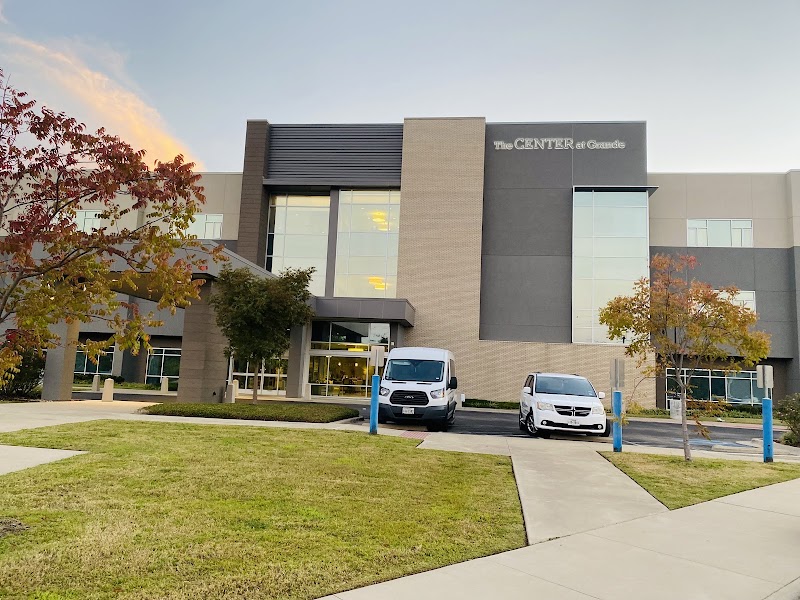
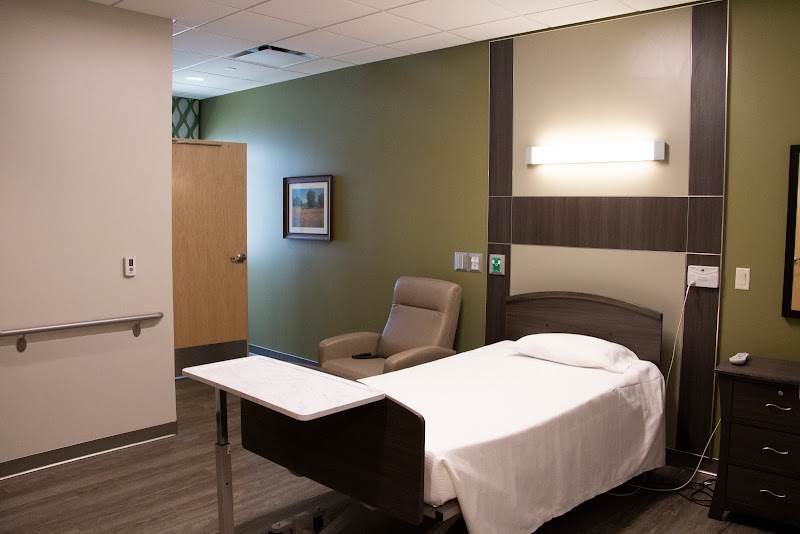
THE CENTER AT GRANDE is owned by a for-profit company. For-profit facilities operate as businesses with obligations to shareholders or private owners. The facility is operated by VERITAS MANAGEMENT GROUP, a chain that manages multiple nursing homes. With 96 certified beds and approximately 65 residents (about 68% occupancy), it is a smaller facility located in TYLER, Texas.
How Does The Center At Grande Compare to Other Texas Nursing Homes?

Compared to the 100 nursing homes in Texas, THE CENTER AT GRANDE's overall rating (5 stars) is above the state average of 2.8, staff turnover (54%) is near the state average of 46%, and health inspection rating (5 stars) is much above the national benchmark.

What Should Families Ask When Visiting The Center At Grande?

Based on this facility's data, families visiting should ask: "Can you walk me through typical staffing levels on day, evening, and night shifts?" "Can I visit during a mealtime to observe dining assistance and food quality?" "How do you handle medical emergencies, and what is your hospital transfer rate?" "Can I speak with family members of current residents about their experience?" These questions are particularly relevant given the below-average staffing rating.

Is The Center At Grande Safe?

Based on CMS inspection data, THE CENTER AT GRANDE has a clean safety record: no substantiated abuse findings (meaning no confirmed cases of resident harm), no Immediate Jeopardy citations (the most serious violation level indicating risk of serious injury or death), and is not on the Special Focus Facility watch list (a federal program monitoring the lowest-performing 1% of nursing homes). The facility has a 5-star overall rating and ranks #1 of 100 nursing homes in Texas. While no facility is perfect, families should still ask about staff-to-resident ratios and recent inspection results during their visit.

Do Nurses at The Center At Grande Stick Around?

THE CENTER AT GRANDE has a staff turnover rate of 54%, which is 8 percentage points above the Texas average of 46%. Moderate turnover is common in nursing homes, but families should still ask about staff tenure and how the facility maintains care continuity when employees leave.

Was The Center At Grande Ever Fined?

THE CENTER AT GRANDE has no federal fines on record. CMS issues fines when nursing homes fail to meet care standards or don't correct problems found during inspections. The absence of fines suggests the facility has either maintained compliance or corrected any issues before penalties were assessed. This is a positive indicator, though families should still review recent inspection reports for the full picture.

Is The Center At Grande on Any Federal Watch List?

THE CENTER AT GRANDE is not on any federal watch list. The most significant is the Special Focus Facility (SFF) program, which identifies the bottom 1% of nursing homes nationally based on persistent, serious quality problems. Not being on this list means the facility has avoided the pattern of deficiencies that triggers enhanced federal oversight. This is a positive indicator, though families should still review the facility's inspection history directly.